Dhp — Dhammapada
a line or stanza of the Norm · 423 verses in 26 vaggas
+1 – Yamakavagga · pairs (Dhp 1–20)
all
+1 – Mind precedes Dharma, dukkha follows impure mind
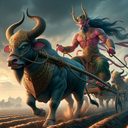
| Mano·pubbaṅgamā dhammā, | Mind precedes mental phenomena, | 心為諸法前導, |
| mano·seṭṭhā mano·mayā; | mind is their chief, they are mind-made; | 心為其主,諸法由心所造; |
| Manasā ce paduṭṭhena, | If with a defiled mind, | 若以染污之心, |
| bhāsati vā karoti vā; | one speaks or acts; | 而言語或行動, |
| Tato naṁ dukkhamanveti, | Then suffering follows him, | 則苦惱隨之而來, |
| cakkaṁva vahato padaṁ. | as the wheel follows the hoof of the ox. | 如車輪隨牛蹄而行。 |
+2 – Mind precedes Dharma, sukha follows pure mind

| Mano·pubbaṅgamā dhammā, | Mind precedes mental phenomena, | 心為諸法前導, |
| mano·seṭṭhā mano·mayā; | mind is their chief, they are mind-made; | 心為其主,諸法由心所造; |
| Manasā ce pasannena, | If with a clear mind, | 若以清淨之心, |
| bhāsati vā karoti vā; | one speaks or acts; | 而言語或行動, |
| Tato naṁ sukhamanveti, | Then happiness follows him, | 則幸福隨之而來, |
| chāyāva anapāyinī. | like a shadow that never departs. | 如影不離其身。 |
+3 – Holding grudge doesn’t end hatred
| Akkocchi maṁ a·vadhi maṁ, | He insulted me, he struck me, | 「他辱罵我,他打我, |
| ajini maṁ ahāsi me; | he defeated me, he robbed me; | 他擊敗我,他掠奪我; |
| Ye ca taṁ upanayhanti, | For those who bear such grudges, | 若人懷此怨恨, |
| veraṁ tesaṁ na sammati. | their hostility does not cease. | 其敵意永不息。」 |
+4 – Not holding grudge stills hatred
| Akkocchi maṁ a·vadhi maṁ, | He insulted me, he struck me, | 「他辱罵我,他打我, |
| ajini maṁ ahāsi me; | he defeated me, he robbed me; | 他擊敗我,他掠奪我; |
| Ye ca taṁ nupanayhanti, | For those who do not bear such grudges, | 若人不懷此怨恨, |
| veraṁ tesū·pasammati. | their hostility subsides. | 其敵意自平息。」 |
+5 – Hatred ended with non-hatred
| Na hi verena verāni, | For not by hatred are hatreds, | 「於此世間中, |
| sammantīdha kudācanaṁ; | ever pacified here in this world; | 仇恨終不能止息仇恨; |
| A·verena ca sammanti, | But by non-hatred they are pacified, | 唯有無恨方能止息仇恨。」 |
| esa dhammo sanantano. | This is the eternal Dhamma. | 此是永恆之法。 |
+6 – Death settles quarrels
| Pare ca na vijānanti, | And others do not understand, | 他人不了知, |
| mayam·ettha yamāmase; | We are perishing here; | 我等於此滅; |
| Ye ca tattha vijānanti, | But those who understand therein, | 若彼能知此, |
| tato sammanti medhagā. | From that, quarrels are pacified. | 由此諍論息。 |
+7 – Māra overpowers gluttons
| Subhā·nupassiṁ viharantaṁ, | Dwelling while contemplating the beautiful, | 樂住於淨相, |
| indr·iyesu a·saṁvutaṁ; | unrestrained in the sense faculties; | 諸根不防護; |
| Bhojanamhi cāmattaññuṁ, | and not knowing the measure in food; | 於食不知量, |
| kusītaṁ hīna·vīriyaṁ; | indolent, of inferior energy; | 懈怠無精進; |
| Taṁ ve pasahati māro, | Him indeed Māra overcomes, | 彼實為魔伏, |
| vāto rukkhaṁva dubbalaṁ. | as the wind a weak tree. | 如風吹弱樹。 |
+8 – Māra can’t overpower asubha meditator
| A·subhā·nupassiṁ viharantaṁ, | Dwelling while contemplating the foul, | 樂住於不淨, |
| Indr·iyesu susaṁvutaṁ; | well restrained in the sense faculties; | 諸根善防護; |
| Bhojanamhi ca matta·ñ·ñuṁ, | And knowing moderation in food, | 了知於食知量, |
| Saddhaṁ āraddha·vīriyaṁ; | Faith, with aroused energy; | 具信與精進; |
| Taṁ ve nappasahati māro, | Him indeed Māra does not overcome, | 彼實不為魔所勝, |
| Vāto selaṁva pabbataṁ. | As the wind a rocky mountain. | 如風不撼石山。 |
+9 – Monk unworthy of robe
| A·nikkasāvo kāsāvaṁ, | One not free from stains, the ochre robe, | 未離垢染而著袈裟, |
| yo vatthaṁ pari·dahissati; | Who will put on the robe; | 誰人披此衣; |
| A·peto dama·sa·c·cena, | Devoid of restraint and truth, | 無有調伏與真實, |
| na so kāsāvamarahati. | He is not worthy of the ochre robe. | 彼不堪受袈裟。 |
+10 – Monk worthy of robe
| Yo ca vanta·kasāvassa, | But one who has removed the stains, | 若人已除諸垢, |
| sīlesu susamāhito; | Well established in virtuous behavior; | 善住於戒行; |
| Upeto dama·sa·c·cena, | Endowed with restraint and truth, | 具足調伏與真實, |
| sa ve kāsāvamarahati. | He indeed is worthy of the ochre robe. | 彼實堪受袈裟。 |
+11 – Mistaking unessential for essential
| A·sāre sāra·matino, | Considering the unreal as real, | 視不實為實, |
| sāre cāsāradassino; | and who see the non-essence in the essence; | 以及那些於本質中見非本質者; |
| Te sāraṁ nādhigacchanti, | They do not attain the essence; | 彼等不能證得本質; |
| micchā·saṅkappa·gocarā. | those whose pasture is wrong intention. | 其心念所住為邪思惟。 |
+12 – Knowing essential
| Sārañca sārato ñatvā, | Having known the essence as the essence, | 既知本質為本質, |
| asārañca a·sārato; | and the non-essence as the non-essence; | 亦知非本質為非本質; |
| Te sāraṁ adhi·gacchanti, | They attain the essence; | 彼等能證得本質; |
| sammā·saṅkappa·gocarā. | those whose pasture is right intention. | 其心念所住為正思惟。 |
+13 – Rain enters leaky roof like passion enters the mind
| Yathā agāraṁ ducchannaṁ, | Just as a badly roofed house, | 猶如屋頂覆蓋不善, |
| vuṭṭhī samativijjhati; | rain penetrates it; | 雨水便會滲入; |
| Evaṁ a·bhāv·itaṁ cittaṁ, | so an uncultivated mind, | 如是,未經修習之心, |
| rāgo samativijjhati. | lust penetrates it. | 貪慾便會滲入。 |
+14 – Rain doesn’t enter solid roof
| Yathā agāraṁ suchannaṁ, | Just as a well-roofed house, | 猶如屋頂覆蓋完善, |
| vuṭṭhī na samativijjhati; | rain does not penetrate it; | 雨水不能滲入; |
| Evaṁ su·bhāv·itaṁ cittaṁ, | so a well-cultivated mind, | 如是,善加修習之心, |
| rāgo na samativijjhati. | Lust does not penetrate. | 欲愛不能滲入。 |
+15 – Evil doer regrets this life and next
| Idha socati pecca socati, | Here he sorrows, after death he sorrows, | 此處彼憂,死後亦憂, |
| Pāpa·kārī ubhaya·t·tha socati; | The evil-doer sorrows in both places; | 作惡者於兩處皆憂; |
| So socati so vihaññati, | He sorrows, he is afflicted, | 彼憂,彼受苦惱, |
| Disvā kamma·kiliṭṭham·attano. | Having seen his own defiled deed. | 見己所行之不淨。 |
+16 – Good doer rejoices this life and next
| Idha modati pecca modati, | Here he rejoices, after death he rejoices, | 此處彼喜,死後亦喜, |
| Kata·puñño ubhaya·t·tha modati; | The doer of merit rejoices in both places; | 行善者於兩處皆喜; |
| So modati so pamodati, | He rejoices, he delights, | 彼喜,彼得歡悅, |
| Disvā kamma·visuddhim·attano. | Having seen his own purified deed. | 見己所行之清淨。 |
+17 – Evil doer burns this life and next
| Idha tappati pecca tappati, | Here he is tormented, after death he is tormented, | 此處彼苦,死後亦苦, |
| Pāpa·kārī ubhaya·t·tha tappati; | The evil-doer is tormented in both places; | 作惡者於兩處皆苦; |
| “Pāpaṁ me katan”ti tappati, | He is tormented [thinking]: 'I have done evil.' | 彼苦惱〔思惟〕:『我已作惡。』 |
| Bhiyyo tappati duggatiṁ gato. | Still more he suffers, gone to a bad destination. | 更受苦痛,墮入惡趣。 |
+18 – Good doer delights this life and next
| Idha nandati pecca nandati, | Here he rejoices, after death he rejoices; | 此處喜悅,死後亦喜悅; |
| Kata·puñño ubhaya·t·tha nandati; | One who has done merit rejoices in both places; | 行善者於兩處皆喜悅; |
| “Puññaṁ me katan”ti nandati, | Thinking, “I have done merit,” he rejoices; | 念及「我已行善」,彼喜悅; |
| Bhiyyo nandati suggatiṁ gato. | He rejoices even more, gone to a good destination. | 更增喜悅,往生善趣。 |
+19 – Reciting but not following Dharma like counting another's cows
| Bahumpi ce saṁhita bhāsa·māno, | Even if he recites many scriptures, | 縱使誦持眾多經文, |
| Na takkaro hoti naro pamatto; | The negligent man, who is not a doer, does not share; | 放逸之人,不實行者,不得分享; |
| Gopova gāvo gaṇayaṁ paresaṁ, | Like a cowherd counting others’ cows, | 如牧人計數他人之牛, |
| Na bhāgavā sāmaññassa hoti. | He does not share in the fruits of the ascetic life. | 彼不得分享沙門之果。 |
+20 – Reciting little but putting Dharma into practice participates in holy life
| Appampi ce saṁhita bhāsa·māno, | Even if he recites little scriptures, | 縱使誦持少量經文, |
| Dhammassa hoti anudhamma·cārī; | If he lives in accordance with the Dhamma, | 若依於法而生活, |
| Rāgañca dosañca pahāya mohaṁ, | Having abandoned lust, hatred, and delusion, | 已斷貪、瞋、癡, |
| Samma·p·pajāno su·vimutta·citto; | With right understanding, mind well liberated, | 具正智,心善解脫, |
| Anupādiyāno idha vā huraṁ vā, | Not clinging here or beyond, | 於此世或他世皆無所執著, |
| Sa bhāgavā sāmaññassa hoti. | He is a possessor of the ascetic state. | 彼是具備沙門境界者。 |
| Yamaka·vaggo paṭhamo. | The Twin Verses, the first chapter. | 雙頌品,第一章。 |
❧
+2 – Appamādavagga · assiduity (Dhp 21–32)
all
+21 – Assiduity is the path to deathless
| A·p·pamādo amatapadaṁ, | Heedfulness is the path to the deathless; | 不放逸是不死之道; |
| pamādo maccuno padaṁ; | heedlessness is the path to death. | 放逸是死亡之道。 |
| Appa·mattā na mīyanti, | The heedful do not die; | 不放逸者不死; |
| ye pamattā yathā matā. | those who are heedless are as if dead. | 放逸者猶如已死。 |
+22 – Understanding assiduity the wise exult
| Evaṁ visesato ñatvā, | Having understood this distinction distinctly, | 智者既已明瞭此差別, |
| appamādamhi paṇḍitā; | the wise ones, being heedful, | 故不放逸, |
| A·p·pamāde pamodanti, | rejoice in heedfulness, | 樂於不放逸, |
| ariyānaṁ gocare ratā. | delighting in the domain of the noble ones. | 喜住於聖者之境。 |
+23 – Jhāna all the time leads to nirvana

| Te jhāyino sāta·tikā, | Those jhāna-practitioners, constant, | 彼等常修禪定, |
| ni·c·caṁ daḷha·parakkamā; | always firm in exertion, | 恆常堅毅精進, |
| Phusanti dhīrā nibbānaṁ, | the wise ones touch Nibbāna. | 智者觸證涅槃。 |
| yoga·k·khemaṁ an·uttaraṁ. | unsurpassed security from bondage. | 無上解脫繫縛之安穩。 |
+24 – Glory of the assiduous
| Uṭṭhānavato satīmato, | For one who is energetic and mindful, | 對於精進而正念之人, |
| Suci·kammassa nisamma·kārino; | Of one who does pure deeds and acts after due consideration; | 對於行清淨業、審慎行事之人; |
| Saññatassa dhamma·jīvino, | For the restrained one, who lives by the Dhamma, | 對於自制、依法而住之人, |
| Appa·mattassa yasobhivaḍḍhati. | For the heedful one, glory increases. | 對於不放逸之人,名聲增長。 |
+25 – Assiduously make an island that can withstand flood
| Uṭṭhānena·p·pamādena, | By exertion and heedfulness, | 以精進與不放逸, |
| saṁyamena damena ca; | By restraint and by self-control; | 以自制與調伏; |
| Dīpaṁ kayirātha medhāvī, | The wise person should make an island, | 智者應建造一座島嶼, |
| yaṁ ogho nābhikīrati. | Which the flood does not overwhelm. | 洪水無法淹沒之島。 |
+26 – Fools are negligent, wise treat assiduity as treasure
| Pamādamanuyuñjanti, | They indulge in heedlessness, | 他們沉溺於放逸, |
| bālā dummedhino janā; | Foolish, unwise people; | 愚癡無智之人; |
| Appamādañca medhāvī, | But the wise person [cultivates] heedfulness, | 然而智者[修習]不放逸, |
| dhanaṁ seṭṭhaṁva rakkhati. | He protects it as the best wealth. | 他守護它,視為最上之財。 |
+27 – Negligent contrasted with assiduous jhāna meditator
| Mā pamādamanuyuñjetha, | Do not pursue heedlessness, | 莫追逐放逸, |
| mā kāma·rati·santhavaṁ; | do not indulge in sensual delights and intimacy. | 莫耽溺於欲樂與親近。 |
| Appa·matto hi jhāyanto, | For one who is heedful, meditating, | 因為不放逸、修禪定者, |
| pappoti vipulaṁ sukhaṁ. | attains abundant happiness. | 獲得廣大之樂。 |
+28 – Wise on mountain beholds fools below
| Pamādaṁ a·p·pamādena, | Heedlessness by heedfulness, | 放逸以不放逸, |
| yadā nudati paṇḍito; | when the wise person removes it; | 當智者將其去除; |
| Paññā·pāsādam·āruyha, | having ascended the palace of wisdom, | 登上智慧之樓閣, |
| a·soko sokiniṁ pajaṁ; | sorrowless, the sorrowful people; | 無憂者,觀看憂苦之人; |
| Pabbata·ṭ·ṭhova bhūma·ṭ·ṭhe, | like one standing on a mountain, those standing on the ground, | 如立於山頂,觀看立於平地者, |
| dhīro bāle avekkhati. | the wise person looks down upon fools. | 智者俯視愚人。 |
+29 – Wide awake among the sleepy
| Appa·matto pamattesu, | The heedful one among the heedless, | 在放逸者中不放逸者, |
| suttesu bahu·jāgaro; | among those asleep, much awake. | 在沉睡者中,極清醒者。 |
| A·bala·s·saṁva sīghasso, | Like a swift horse (abandoning) a weak one, | 猶如良馬棄劣駒, |
| hitvā yāti sumedhaso. | Having abandoned, the wise one goes. | 智者捨離而前行。 |
+30 – By assiduity Maghavā became overlord of gods
| A·p·pamādena maghavā, | Through heedfulness, Magha | 摩伽由於不放逸, |
| devānaṁ seṭṭhataṁ gato; | reached the foremost state among the devas; | 得達諸天最勝位; |
| A·p·pamādaṁ pasaṁsanti, | They praise heedfulness, | 眾人讚歎不放逸, |
| pamādo garahito sadā. | heedlessness is always criticized. | 放逸常遭人譏嫌。 |
+31 – Assiduity consumes negligence like advancing fire
| A·p·pamāda·rato bhikkhu, | A bhikkhu delighting in heedfulness, | 樂於不放逸之比丘, |
| pamāde bhaya·dassi vā; | or one who sees danger in heedlessness; | 或見放逸為怖畏者; |
| Saṁyoj·anaṁ aṇuṁ thūlaṁ, | Fetters, subtle and gross, | 諸結縛,或細或粗, |
| ḍahaṁ a·g·gīva gacchati. | burning like a fire, he goes. | 如火燃燒,彼行去。 |
+32 – Delight in assiduity and fear negligence, one can’t decline
| A·p·pamāda·rato bhikkhu, | A bhikkhu delighting in heedfulness, | 樂於不放逸之比丘, |
| pamāde bhaya·dassi vā; | or one who sees danger in heedlessness; | 或見放逸為怖畏者; |
| A·bhabbo pari·hānāya, | Incapable of decline, | 不退轉, |
| nibbānasseva sa·ntike. | just close to Nibbāna. | 正近涅槃。 |
| A·p·pamāda·vaggo dutiyo. | The second chapter on Heedfulness. | 第二不放逸品。 |
❧
+3 – Cittavagga · mind (Dhp 33–43)
all
+33 – Wise straighten mind as arrow maker the arrow
| Phandanaṁ capalaṁ cittaṁ, | The mind, quivering and fickle, | 心,顫動而搖擺不定, |
| dūrakkhaṁ dunnivārayaṁ; | hard to guard, hard to restrain; | 難護、難制; |
| Ujuṁ karoti medhāvī, | the wise person makes it straight, | 智者使其正直, |
| usu·kārova tejanaṁ. | as a fletcher does the arrow shaft. | 如箭匠矯直箭桿。 |
+34 – Mind flounders like fish pulled from sea
| Vāri·jova thale khitto, | As a fish thrown on dry land, | 如魚被拋在乾地上, |
| okam·okata·ubbhato; | taken from its watery home, | 從其水居之處取出, |
| Pari·phandati·daṁ cittaṁ, | this mind flounders, | 此心掙扎翻騰, |
| māra·dheyyaṁ pahātave. | in order to abandon the realm of Māra. | 為了捨離魔的境界。 |
+35 – Mind is flighty, should tame it
| Dunniggahassa lahuno, | Hard to hold, light, | 難持、輕盈, |
| yattha·kāma·nipātino; | alighting where it desires; | 隨其所欲而降落; |
| Cittassa damatho sādhu, | The taming of the mind is good, | 調伏心是善的, |
| cittaṁ dantaṁ sukh·āvahaṁ. | a mind that is subdued brings happiness. | 已制伏的心帶來安樂。 |
+36 – Mind is subtle, hard to see, should tame it
| Sududdasaṁ sunipuṇaṁ, | Very hard to see, very subtle, | 極難見、極微細, |
| yattha·kāma·nipātinaṁ; | alighting wherever it desires; | 隨其所欲而降落; |
| Cittaṁ rakkhetha medhāvī, | The wise person should guard the mind, | 智者應守護心, |
| cittaṁ guttaṁ sukh·āvahaṁ. | a mind that is guarded brings happiness. | 已守護的心帶來安樂。 |
+37 – Mind travels far, hides in cave
| Dūraṅgamaṁ eka·caraṁ, | Traveling far, wandering alone, | 遠行、獨遊, |
| a·sarīraṁ guhā·sayaṁ; | bodiless, lying in a cave; | 無形、住於洞穴; |
| Ye cittaṁ saṁyamissanti, | Those who will restrain the mind | 那些能調伏心的人, |
| mokkhanti māra·bandhanā. | they will be freed from Māra's bonds. | 他們將解脫魔縛。 |
+38 – Unsteady unconfident mind does not reach wisdom
| An·avaṭṭhita·cittassa, | For one with an unsteady mind, | 對於心不穩定者, |
| sa·d·dhammaṁ a·vi·jānato; | who does not understand the true Dhamma; | 不了知正法者; |
| Pari·plava·pasādassa, | Of one whose confidence is unsteady, | 信心不堅定之人, |
| paññā na pari·pūrati. | wisdom is not perfected. | 智慧未能圓滿。 |
+39 – Given up good and evil, wakeful, no fear
| An·avassuta·cittassa, | Of one whose mind is not sodden, | 其心不為煩惱所浸之人, |
| ananvāhatacetaso; | of one whose mind is unafflicted, | 其心不為憂惱所擾之人, |
| Puñña·pāpa·pahīnassa, | of one who has abandoned both merit and evil, | 已捨善惡兩者之人, |
| natthi jāgarato bhayaṁ. | for the wakeful one there is no fear. | 覺醒者無有恐懼。 |
+40 – Attack Māra with the sword of wisdom

| Kumbhū·pamaṁ kāyam·imaṁ viditvā, | Having understood this body to be like a pot, | 了知此身猶如陶瓶, |
| Nagarū·pamaṁ citta·midaṁ ṭhapetvā; | having established this mind as like a city, | 安立此心如同比丘城, |
| Yodhetha māraṁ paññā·vudhena, | fight Māra with the weapon of wisdom, | 以智慧之劍戰勝魔羅, |
| Jitañca rakkhe anivesano siyā. | and having conquered, protect it, being unattached. | 戰勝之後,無所執著而守護它。 |


+41 – Body soon lifeless like useless log
| A·ciraṁ vatayaṁ kāyo, | Soon indeed, this body, | 不久之後,此身 |
| pathaviṁ adhi·sessati; | will lie down on the earth, | 將躺臥於大地之上, |
| Chuddho a·peta·viññāṇo, | discarded, consciousness having departed, | 被拋棄,識已離去, |
| niratthaṁva kaliṅgaraṁ. | like a useless piece of wood. | 猶如一段無用的朽木。 |
+42 – Wrongly directed mind does more harm to yourself than your worst enemy ever could
| Diso disaṁ yaṁ taṁ kayirā, | Whatever an enemy might do to an enemy, | 無論敵人對敵人所作, |
| verī vā pana verinaṁ; | or a hater to a hater; | 或怨恨者對怨恨者所作; |
| Micchā·paṇihitaṁ cittaṁ, | A wrongly directed mind, | 一顆邪惡導向的心, |
| pāpiyo naṁ tato kare. | would do him worse than that. | 對他所造成的傷害更甚於此。 |
+43 – Rightly directed mind does more good for yourself than your parents
| Na taṁ mātā pitā kayirā, | Not what a mother, father, would do, | 非母親、父親所能為, |
| aññe vāpi ca ñātakā; | or other relatives either; | 亦非其他親屬所能為; |
| Sammā·paṇihitaṁ cittaṁ, | A rightly directed mind, | 一顆正確導向的心, |
| seyyaso naṁ tato kare. | would do him better than that. | 對他所帶來的利益更勝於此。 |
| Citta·vaggo tatiyo. | The Chapter on Mind, the Third. | 心品,第三品。 |
❧
+4 – Pupphavagga · flowers (Dhp 44–59)
all
+44 – Who will understand Dharma word ↔ like flower expert
| Ko imaṁ pathaviṁ vicessati, | Who will conquer this earth, | 誰能征服此大地, |
| Yama·lokañca imaṁ sadevakaṁ; | And this world of Yama together with its devas? | 以及閻魔界與諸天? |
| Ko dhamma·padaṁ sudes·itaṁ, | Who the well-taught Dhamma verse, | 誰能善說法句, |
| Kusalo pupphamiva pacessati. | As a skillful man plucks a flower? | 如巧匠採花? |
+45 – A trainee/sekha will understand Dharma word
| Sekho pathaviṁ vicessati, | The trainee will conquer the earth, | 有學能征服此大地, |
| Yama·lokañca imaṁ sadevakaṁ; | And this world of Yama together with its devas; | 以及閻魔界與諸天; |
| Sekho dhamma·padaṁ sudes·itaṁ, | The trainee the well-taught Dhamma verse, | 有學能善說法句, |
| Kusalo pupphamiva pacessati. | As a skillful man plucks a flower. | 如巧匠採花。 |
+46 – Body like foam, mirage, keep Māra from blossoming

| Pheṇū·pamaṁ kāyam·imaṁ viditvā, | Having known this body as like foam, | 了知此身如聚沫, |
| Marīci·dhammaṁ abhi·sambudhāno; | Fully understanding that it is like a mirage; | 徹觀其性如陽焰; |
| Chetvāna mārassa papupphakāni, | Having cut off the blossoms of Māra, | 斷除魔羅之花後, |
| A·dassanaṁ maccu·rājassa gacche. | He goes to the state where the King of Death does not see him. | 他前往死王所不能見之處。 |
+47 – Gathering flowers while death floods entire village
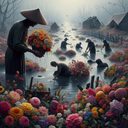
| Pupphāni heva pacinantaṁ, | While just picking flowers, | 正當採花之時, |
| byāsatta·manasaṁ naraṁ; | a man with mind obsessed, | 其人心為所縛, |
| Suttaṁ gāmaṁ mahoghova, | like a great flood a sleeping village, | 如洪水沖刷沉睡的村莊, |
| maccu ādāya gacchati. | death takes him and goes. | 死神將他帶走而去。 |
+48 – Terminator ends man gathering flowers

| Pupphāni heva pacinantaṁ, | While just picking flowers, | 正當採花之時, |
| byāsatta·manasaṁ naraṁ; | a man with mind obsessed, | 其人心為所縛, |
| Ati·t·taññeva kāmesu, | though still unsatisfied in sensual pleasures, | 雖於諸欲仍未滿足, |
| antako kurute vasaṁ. | Death brings under his sway. | 死神已將他置於掌控。 |
+49 – Monk goes for alms in village ↔ bees gently extract nectar without damaging flower
| Yathāpi bhamaro pupphaṁ, | Just as a bee a flower, | 猶如蜜蜂採花, |
| vaṇṇa·gandham·aheṭhayaṁ; | without harming its color and fragrance, | 不損其色與香, |
| Paleti rasam·ādāya, | It gathers the nectar, | 它採集甘露, |
| evaṁ gāme munī care. | so should the sage wander in the village. | 是故智者應如是遊行於村落。 |
+50 – Find flaws in yourself not others
| Na paresaṁ vi·lomāni, | Not the faults of others, | 不應觀他人之過, |
| na paresaṁ katā·kataṁ; | nor what they have done and left undone; | 亦不應觀他人已作與未作之事; |
| Atta·nova avekkheyya, | One should examine oneself alone, | 應唯自省其身, |
| katāni a·katāni ca. | what has been done and what has not been done. | 審視已作與未作之事。 |
+51 – All talk, no walk ↔ colorful flower with no fragrance

| Yathāpi ruciraṁ pupphaṁ, | Just as a beautiful flower, | 猶如美麗的花朵, |
| vaṇṇavantaṁ a·gandhakaṁ; | colorful but without fragrance, | 色彩鮮豔卻無芳香, |
| Evaṁ subhā·sitā vācā, | so is well-spoken speech, | 如是善說之言語, |
| a·phalā hoti a·kubbato. | fruitless for one who does not act. | 於不行者無有果報。 |
+52 – He walks the talk ↔ colorful flower is also fragrant

| Yathāpi ruciraṁ pupphaṁ, | Just as a beautiful flower, | 猶如美麗的花朵, |
| Vaṇṇavantaṁ sagandhakaṁ; | colorful and fragrant, | 色彩鮮豔且具芳香, |
| Evaṁ subhā·sitā vācā, | so is well-spoken speech, | 如是善說之言語, |
| Saphalā hoti kubbato. | It becomes fruitful for the doer. | 它對造作者結出果實。 |
+53 – Person doing skillful things ↔ heap of flowers make many garlands
| Yathāpi puppha·rāsimhā, | Just as from a heap of flowers, | 正如從一堆花朵中, |
| kayirā mālā·guṇe bahū; | one could make many garland strings; | 能編織許多花環; |
| Evaṁ jātena maccena, | So too, by a mortal who is born, | 同樣地,對於已出生的凡夫, |
| kattabbaṁ kusalaṁ bahuṁ. | much wholesome should be done. | 應多造作善行。 |
+54 – Fragrance of virtuous person overpowers wind ↔ unlike flower’s
| Na puppha·gandho paṭi·vāta·meti, | Not the fragrance of flowers goes against the wind, | 花香不能逆風飄送, |
| Na candanaṁ tagara·mallikā vā; | Not sandalwood, tagara, or jasmine; | 栴檀、多伽羅、茉莉亦復如是; |
| Sa·tañca gandho paṭi·vāta·meti, | But the fragrance of the good goes against the wind, | 但善人的香氣能逆風飄送, |
| Sabbā disā sappuriso pavāyati. | The virtuous person perfumes all directions. | 有德之人薰遍一切方向。 |
+55 – Fragrance of virtue superior to any flower’s
| Candanaṁ tagaraṁ vāpi, | Sandalwood, tagara, or also, | 栴檀、多伽羅,以及 |
| uppalaṁ atha vassikī; | blue lotus, and jasmine; | 青蓮花與茉莉; |
| Etesaṁ gandha·jātānaṁ, | Among these kinds of fragrances, | 在這些香氣之中, |
| sīla·gandho an·uttaro. | the fragrance of virtuous behavior is unsurpassed. | 戒行之香最為殊勝。 |
+56 – Unlike flowers, fragrance of virtuous ones even reaches the Gods
| Appa·matto ayaṁ gandho, | Slight indeed is this fragrance, | 此香實為微薄, |
| yāyaṁ tagara·candanī; | that of tagara and sandalwood; | 即所謂的塔迦羅香與栴檀香; |
| Yo ca sīla·vataṁ gandho, | but the fragrance of virtuous behavior | 然而持戒之香, |
| vāti devesu uttamo. | wafts supreme among the devas. | 於諸天中飄揚最勝。 |
+57 – Māra can’t find path of those virtuous, assiduous, fully accomplished ones
| Tesaṁ sampanna·sīlānaṁ, | Of those accomplished in virtuous behavior, | 於彼等戒行圓滿者, |
| a·p·pamāda·vihārinaṁ; | who dwell in heedfulness, | 住於不放逸中, |
| Sammadaññā·vimuttānaṁ, | liberated by perfect knowledge, | 以正智解脫者, |
| māro maggaṁ na vindati. | Māra does not find their path. | 魔羅不得其徑。 |
+58 – Fragrant lotus may grow out of garbage heap
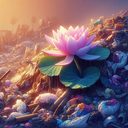
| Yathā saṅkāra·dhānasmiṁ, | Just as in a rubbish heap | 猶如於垃圾堆中, |
| ujjhitasmiṁ mahā·pathe; | discarded along a great highway, | 棄置於大道旁, |
| Padumaṁ tattha jāyetha, | a lotus might there be born, | 蓮花可能生長於彼, |
| suci·gandhaṁ mano·ramaṁ. | sweet-smelling and delightful. | 芬芳而令人愉悅。 |
+59 – Like that, disciple of Buddha may blossom among ordinary people
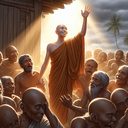
| Evaṁ saṅkāra·bhūtesu, | Thus among those who are like rubbish, | 如是於彼等如垃圾者中, |
| andha·bhūte puthu·j·jane; | among blind worldlings; | 於盲目的凡夫中, |
| Ati·rocati paññāya, | The disciple of the Fully Enlightened One | 正等正覺者的弟子, |
| sammā·sambuddha·sāvako. | outshines them by wisdom. | 以智慧照耀超越彼等。 |
| Puppha·vaggo catu·t·tho. | The Chapter of Flowers, the fourth. | 華品第四。 |
❧
+5 – Bālavagga · Fool (Dhp 60–75)
all
+60 – Not understanding True Dharma, fool has long trip in saṁsāra
| Dīghā jāgarato ratti, | Long is the night for the wakeful one, | 對醒覺者而言,夜是漫長的; |
| dīghaṁ sa·ntassa yojanaṁ; | long is the league for the weary; | 對疲憊者而言,由旬是漫長的; |
| Dīgho bālāna saṁsāro, | Long is saṃsāra for fools, | 對愚人而言,輪迴是漫長的, |
| sa·d·dhammaṁ a·vijānataṁ. | who do not know the true Dhamma. | 因為他們不瞭知正法。 |
+61 – If no one equal or better, wander alone
| Carañce nādhigaccheyya, | If, while wandering, one does not find | 若在遊行中,未能找到 |
| Seyyaṁ sadisam·attano; | one who is better or equal to oneself, | 比自己更優或相等的人, |
| Eka·cariyaṁ daḷhaṁ kayirā, | one should firmly undertake solitary wandering; | 則應堅定地獨自遊行; |
| Natthi bāle sahāyatā. | there is no companionship with a fool. | 與愚人結伴,是沒有意義的。 |
+62 – Self is not yours, let alone sons and wealth
| Puttā matthi dhanaṁ matthi, | I have sons, I have wealth— | 「我有兒子,我有財富——」 |
| iti bālo vihaññati; | Thus the fool suffers vexation. | 是故愚者受苦惱。 |
| Attā hi attano natthi, | For there is no self that is one’s own; | 實無自我為己有, |
| kuto puttā kuto dhanaṁ. | How then sons? How then wealth? | 何況子與財? |
+63 – A fool who knows they’re a fool is wise to an extent
| Yo bālo maññati bālyaṁ, | The fool who recognizes his foolishness, | 愚者自知其愚, |
| paṇḍito vāpi tena so; | is wise at least to that extent; | 於此即為智; |
| Bālo ca paṇḍita·mānī, | But a fool who thinks himself wise, | 然愚者自以為智, |
| sa ve “bālo”ti vuccati. | he is indeed called a fool. | 彼實可稱愚。 |
+64 – Fool attending wise man whole life ↔ spoon doesn’t know taste of soup
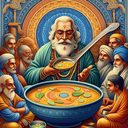
| Yāva·jīvampi ce bālo, | If even for a lifetime the fool | 愚者縱終身 |
| paṇḍitaṁ payirupāsati; | attends upon a wise man, | 親近於智者, |
| Na so dhammaṁ vijānāti, | He does not understand the Dhamma, | 彼不解法義, |
| dabbī sūpa·rasaṁ yathā. | like a spoon [does not understand] the taste of soup. | 如匙不知湯味。 |
+65 – Clever person attending the wise even a short time ↔ tongue knows flavor of soup
| Muhu·t·tamapi ce viññū, | If even for a moment a wise man | 智者雖須臾 |
| paṇḍitaṁ payirupāsati; | attends upon the wise; | 親近智者; |
| Khippaṁ dhammaṁ vijānāti, | quickly understands the Dhamma, | 迅速通達法義, |
| jivhā sūpa·rasaṁ yathā. | like the tongue [knows] the taste of soup. | 如舌知湯味。 |
+66 – Fools make karma of bitter fruit, are own worst enemy
| Caranti bālā dummedhā, | Fools, the unintelligent, go about, | 愚者、無智者,終日遊蕩, |
| amitteneva attanā; | as if with an enemy, themselves; | 如同與己為敵; |
| Karontā pāpakaṁ kammaṁ, | Doing evil kamma, | 造作惡業, |
| yaṁ hoti kaṭuka·p·phalaṁ. | which has a bitter result. | 其果報苦澀。 |
+67 – Not good to do bad karma with effects that linger long and make you weep
| Na taṁ kammaṁ kataṁ sādhu, | That kamma done is not good, | 所作之業不善, |
| yaṁ katvā anutappati; | which, having done, one regrets; | 既作之後,心生悔恨; |
| Yassa assu·mukho rodaṁ, | For which, with tearful face, weeping, | 為此,淚流滿面,哭泣, |
| vipākaṁ paṭi·sevati. | one experiences the result. | 承受其果報。 |
+68 – Good to do good karma with effects that linger long and make you cheer
| Tañca kammaṁ kataṁ sādhu, | And that kamma done is good, | 所作之業為善, |
| yaṁ katvā nānutappati; | having done which one does not repent; | 所作已辦,無有後悔; |
| Yassa patīto sumano, | Whose mind is pleased and happy, | 其心喜悅且安樂, |
| vipākaṁ paṭi·sevati. | he experiences the result. | 彼受其果報。 |
+69 – Fool thinks evil is sweet until karma ripens
| Madhuṁvā maññati bālo, | The fool thinks it like honey, | 愚者視之如蜜, |
| yāva pāpaṁ na paccati; | as long as the evil does not ripen; | 惡業未熟之時; |
| Yadā ca paccati pāpaṁ, | But when the evil ripens, | 一旦惡業成熟, |
| atha dukkhaṁ nigacchati. | then he undergoes suffering. | 彼乃遭受苦痛。 |
+70 – Fool eating for months using blade of grass as spoon
| Māse māse kusa·g·gena, | Month after month, with a tip of kusa grass, | 月復一月,以茅草之尖, |
| bālo bhuñjeyya bhojanaṁ; | a fool might eat food; | 愚者或可進食; |
| Na so saṅkhāta·dhammānaṁ, | He, of those who have understood the Dhamma, | 彼於已解悟法者之中, |
| kalaṁ agghati soḷasiṁ. | is not worth a sixteenth part. | 不值十六分之一。 |
+71 – Although evil may not ripen quickly, result will follow fool like fire smothered with ash
| Na hi pāpaṁ kataṁ kammaṁ, | An evil deed that has been done does not | 已作之惡業,不 |
| Sajju·khīraṁva muccati; | Like fresh milk, it does not curdle immediately; | 猶如新鮮牛乳,不會立即凝結; |
| Ḍahantaṁ bālamanveti, | Smoldering, it follows the fool; | 它潛伏著跟隨愚人, |
| Bhasma·c·channova pāvako. | Like a fire covered by ashes. | 如同被灰燼覆蓋的火焰。 |
+72 – Fool gaining fame will ruin whatever good they have
| Yāva·deva an·atthāya, | Only for harm, | 只為帶來傷害, |
| ñattaṁ bālassa jāyati; | knowledge arises in the fool; | 智慧在愚人心中生起; |
| Hanti bālassa sukka·ṁsaṁ, | It destroys the fool's bright share, | 它摧毀愚人的善分, |
| muddham·assa vi·pātayaṁ. | splitting his head. | 劈裂他的頭顱。 |
+73 – Fools desire respect from monasteries and lay community
| Asantaṁ bhāvanam·iccheyya, | He would wish for unreal honor, | 他渴望虛假的尊敬, |
| Pure·k·khārañca bhikkhusu; | and precedence among bhikkhus; | 以及在比丘中的首位; |
| Āvāsesu ca issariyaṁ, | and authority in dwellings, | 與在住處中的權威, |
| Pūjaṁ para·kulesu ca. | and homage in other families. | 以及在其他家族中的禮敬。 |
+74 – Fools seeking reputation, their greed and pride grow
| Mameva kata maññantu, | Let them think: 'It was done by me alone,' | 讓他們想:「這唯獨由我所做,」 |
| gihī pabbajitā ubho; | both laymen and those gone forth. | 無論是在家人或出家者。 |
| Mamevā·tivasā assu, | Let them be under my control alone, | 「願一切皆在我獨自掌控之下, |
| kiccā·kiccesu kismici; | in any duty or non-duty; | 無論是應作或非應作之事。」 |
| Iti bālassa saṅkappo, | Thus is the intention of a fool, | 愚者如是思惟, |
| icchā māno ca vaḍḍhati. | desire and conceit increase. | 其欲求與我慢增長。 |
+75 – Buddha’s monk chooses nirvana over worldly gains
| Aññā hi lābhū·panisā, | For one is the basis for gain, | 一者為利養之基, |
| aññā nibbāna·gāminī; | other is the path leading to Nibbāna; | 另一者為趨向涅槃之道; |
| Evam·etaṁ abhi·ñ·ñāya, | Having thus directly understood this, | 比丘、佛陀之弟子, |
| bhikkhu buddhassa sāvako; | a bhikkhu, a disciple of the Buddha, | 既已如是如實了知此, |
| Sakkāraṁ nābhinandeyya, | should not delight in honor, | 不應喜樂於恭敬, |
| vivekam·anubrūhaye. | should cultivate seclusion. | 應當修習遠離。 |
| Bāla·vaggo pañcamo. | The Fifth Chapter on Fools. | 第五 愚品 |
❧
+6 – Paṇḍitavagga · Pundit [wise person] (Dhp 76–89)
all
+76 – One who sees your faults is a guide to treasure
| Nidhīnaṁva pavattāraṁ, | Like one who points out treasures, | 猶如指示寶藏者, |
| yaṁ passe vajja·dassinaṁ; | whom one sees as a fault-seer; | 見其為見過失者; |
| Niggayha·vādiṁ medhāviṁ, | a wise one who speaks in a restraining manner, | 智者以制伏之言而說, |
| tādisaṁ paṇḍitaṁ bhaje; | one should associate with such a wise person; | 應與如是智者交往; |
| Tādisaṁ bhaja·mānassa, | For one who is associating with such a one, | 與如是者交往之人, |
| seyyo hoti na pāpiyo. | it becomes better, not worse. | 轉為更善,而非更惡。 |
+77 – Liked by good people, disliked by bad
| Ovadeyyā·nusāseyya, | He should advise and instruct, | 彼應勸導與教誡, |
| asabbhā ca ni·vāraye; | and he should restrain from the vulgar; | 並應遠離鄙俗之行; |
| Sa·tañhi so piyo hoti, | Indeed, he is dear to the good, | 實則,彼為善人所愛, |
| asataṁ hoti a·p·piyo. | to the bad he is not dear. | 於惡人則非所愛。 |
+78 – Associate with good men, not bad
| Na bhaje pāpake mitte, | Do not associate with evil friends, | 莫與惡友交, |
| na bhaje purisā·dhame; | do not associate with inferior men; | 莫與鄙夫親; |
| Bhajetha mitte kalyāṇe, | Associate with good friends, | 應與善友交, |
| bhajetha puris·uttame. | associate with superior men. | 應與勝士親。 |
+79 – Wise person drinks Dharma sleeps in jhāna pleasure
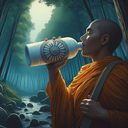
| Dhamma·pīti sukhaṁ seti, | One who drinks the Dhamma sleeps happily, | 飲法者安眠, |
| vippasannena cetasā; | with a clear mind; | 心淨無憂惱; |
| Ariya·p·pavedite dhamme, | in the Dhamma proclaimed by the noble ones, | 於聖者所宣之法中, |
| sadā ramati paṇḍito. | the wise one always delights. | 智者恆喜樂。 |
+80 – Craftsmen craft, wise men tame themselves
| Udakañhi nayanti nettikā, | Irrigators guide water, | 灌溉者引水, |
| Usu·kārā namayanti tejanaṁ; | fletchers bend the arrow shaft; | 箭匠矯箭桿; |
| Dāruṁ namayanti tacchakā, | carpenters bend wood, | 木匠曲木材, |
| Attānaṁ damayanti paṇḍitā. | the wise tame themselves. | 智者調伏己。 |
+81 – Rock unperturbed by storm ↔ wise by blame and praise
| Selo yathā eka·ghano, | As a solid mass of rock, | 猶如堅固的磐石, |
| vātena na samīrati; | is not shaken by the wind; | 不為風所動搖; |
| Evaṁ nindā·pasaṁsāsu, | So, among blame and praise, | 如是,於毀譽之中, |
| na samiñjanti paṇḍitā. | the wise do not waver. | 智者心不動搖。 |
+82 – Deep lake pure and unmuddy ↔ wise hear Dharma and purify themselves

| Yathāpi rahado gambhīro, | Just as a deep lake, | 正如深湖之水, |
| vippasanno an·āvilo; | clear and untainted; | 清澈而無染; |
| Evaṁ dhammāni sutvāna, | so, having heard the teachings, | 如是,聽聞正法後, |
| vippasīdanti paṇḍitā. | the wise become serene. | 智者內心寂靜。 |
+83 – Good people renounce all, don’t hint for desires
| Sabba·t·tha ve sappurisā cajanti, | Good people indeed renounce everything, | 善人確實捨棄一切, |
| Na kāma·kāmā lapayanti santo; | the virtuous do not chatter about sensual pleasures; | 有德者不談論欲樂; |
| Sukhena phuṭṭhā atha vā dukhena, | When touched by happiness or else by pain, | 當觸及樂或苦時, |
| Na uccā·vacaṁ paṇḍitā dassayanti. | the wise do not show elation or depression. | 智者不現喜悅或憂鬱。 |
+84 – Never wish for success by non-Dharmic means
| Na atta·hetu na parassa hetu, | Not for one's own sake nor for another's sake, | 不為己利,亦不為他利, |
| Na puttam·icche na dhanaṁ na raṭṭhaṁ; | Should not desire a son, wealth, or a kingdom; | 不應求子、財或王國; |
| Na iccheyya a·dhammena samiddhim·attano, | Should not desire his own success through unrighteous means; | 不應以非法手段求己之成就; |
| Sa sīlavā paññavā dhammiko siyā. | He should be virtuous, wise, and righteous. | 彼應具戒、有智、且行正法。 |
+85 – Few cross far shore, most run around near shore
| Appakā te manu·s·sesu, | Few among human beings | 於人類之中, |
| ye janā pāra·gāmino; | Are those people who go beyond; | 能超越者為數甚少; |
| Athāyaṁ itarā pajā, | And this other multitude | 而其餘眾生, |
| tīramevā·nudhāvati. | Runs just along the shore. | 僅沿著此岸奔馳。 |
+86 – Practice Dharma according to Dharma to cross over death’s realm
| Ye ca kho sammadakkhāte, | But those who, in the well-proclaimed | 然而,於善說之 |
| dhamme dhammā·nuvattino; | Dhamma, follow the Dhamma; | 法中,隨順法而行者; |
| Te janā pāramessanti, | Those people will reach the far shore | 彼等將能抵達彼岸, |
| maccu·dheyyaṁ suduttaraṁ. | Of the realm of death, so hard to cross. | 越過極難渡越的死王領域。 |
+87 – Difficult to enjoy judicious-seclusion
| Kaṇhaṁ dhammaṁ vippahāya, | Having abandoned the dark Dhamma, | 已捨棄黑暗法, |
| Sukkaṁ bhāvetha paṇḍito; | The wise one should develop the bright Dhamma; | 智者應修習光明法; |
| Okā anokam·āgamma, | Having come from home to homelessness, | 從家出離至無家, |
| Viveke yattha dūramaṁ. | In solitude, where it is hard to delight. | 於孤獨中,難得喜樂。 |
+88 – Cleaning the mind more pleasurable than sensual pleasures
| Tatrābhiratimiccheyya, | He should wish for delight there, | 彼應於彼處求樂, |
| hitvā kāme a·kiñcano; | Having abandoned sensual pleasures, owning nothing; | 已捨欲樂,一無所有; |
| Pari·yodapeyya attānaṁ, | He should purify himself | 智者應淨化自己, |
| citta·klesehi paṇḍito. | from mental defilements, the wise one. | 遠離心中煩惱。 |
+89 – Awakening factors, luminous mind, nirvana
| Yesaṁ sambodhiyaṅgesu, | For those in the factors of enlightenment, | 於覺支中, |
| sammā cittaṁ su·bhāv·itaṁ; | the mind is well developed rightly; | 其心已善修習; |
| Ādāna·paṭi·nissagge, | In the relinquishment of grasping, | 於執取之捨離, |
| an·upādāya ye ratā; | they who delight in non-clinging, | 彼等樂於無著, |
| Khīṇ·āsavā jutimanto, | with taints destroyed, radiant, | 諸漏已盡,光輝燦爛, |
| te loke pari·nibbutā. | they are fully quenched in the world. | 於世間中究竟涅槃。 |
| Paṇḍita·vaggo cha·ṭ·ṭho. | The sixth chapter, the Chapter of the Wise. | 第六品,智者品。 |
❧
+7 – Arahantavagga · Perfected-one (Dhp 90–99)
all
+90 – Journey end, no ties, no fever
| Gata·d·dhino vi·sokassa, | For him who has completed the journey, free from sorrow, | 於彼已行旅途,無憂愁者, |
| vippamuttassa sabba·dhi; | who is utterly released in every way; | 於一切處已完全解脫者; |
| Sabba·gantha·p·pahīnassa, | for him who has abandoned all bonds, | 於彼已捨棄一切繫縛者, |
| pari·ḷāho na vijjati. | fever is not found. | 熱惱不可得。 |
+91 – Like a swan leaving the marsh, they're gone
| Uyyuñjanti satīmanto, | The mindful ones strive, | 具正念者精進, |
| na nikete ramanti te; | they do not delight in homes; | 彼等不樂居家; |
| Haṁsāva pallalaṁ hitvā, | Like swans having abandoned a pond, | 猶如天鵝棄池塘, |
| okam·okaṁ jahanti te. | they abandon home after home. | 彼等捨棄家復家。 |
+92 – Suññato animitto ↔ hard to trace path of birds in sky
| Yesaṁ sannicayo natthi, | For those who have no accumulation, | 於彼等無積聚者, |
| ye pari·ñ·ñāta·bhojanā; | Those who have fully understood food; | 已完全了知食物者; |
| Suññato animitto ca, | Emptiness and the signless, | 空與無相, |
| vimokkho yesaṁ gocaro; | liberation is their resort; | 解脫是他們的歸依處; |
| Ākāseva sakuntānaṁ, | Like the path of birds in the sky, | 如鳥行於虛空, |
| gati tesaṁ durannayā. | their track is hard to trace. | 其蹤跡難尋。 |
+93 – Track hard to trace, like birds in sky
| Yass·āsavā pari·k·khīṇā, | One whose taints are destroyed, | 諸漏已盡者, |
| āhāre ca a·nissito; | and is not dependent on food; | 不依賴於食物; |
| Suññato animitto ca, | Emptiness and the signless, | 空與無相, |
| vimokkho yassa gocaro; | liberation is his resort; | 解脫是他的歸依處; |
| Ākāseva sakuntānaṁ, | Like the path of birds in the sky, | 如鳥行於虛空, |
| padaṁ tassa durannayaṁ. | his footprint is hard to trace. | 其足跡難尋。 |
+94 – Serene faculties like tamed horses, envied by gods
| Yass·indr·iyāni samathaṅgatāni, | One whose faculties are tranquil, | 諸根寂靜者, |
| Assā yathā sārathinā sudantā; | like horses well tamed by a charioteer; | 如御者善調之馬; |
| Pahīna·mānassa an·āsavassa, | Of one who has abandoned pride, of one without taints, | 已捨棄傲慢、無有諸漏之人, |
| Devāpi tassa pihayanti tādino. | Even devas envy that one of such a nature. | 即使諸天也羨慕這樣的人。 |
+95 – Undisturbed like earth, lake clear of mud
| Pathavi·samo no virujjhati, | Like the earth, he does not resent, | 猶如大地,他不懷怨恨, |
| Indakhilupamo tādi subbato; | Like Indra's pillar is such a one of good vows; | 如因陀羅柱,是持戒善願之人; |
| Rahadova a·peta·kaddamo, | Like a lake free from mud, | 如無泥沼的湖泊, |
| Saṁsārā na bhavanti tādino. | Saṃsāras do not exist for such a one. | 輪迴於此人不再存在。 |
+96 – Peaceful, free, right knowing
| Sa·ntaṁ tassa manaṁ hoti, | Calm is his mind, | 他的心寂靜, |
| santā vācā ca kamma ca; | Calm are the speech and action; | 言語與行為寂靜; |
| Sammadaññā·vimuttassa, | Of one liberated by perfect knowledge, | 依正智解脫之人, |
| upasantassa tādino. | Of one peaceful, of such a nature. | 寂靜之人,如是本性。 |
+97 – Beyond faith, severed links, supreme person
| A·s·saddho akataññū ca, | Faithless and ungrateful, | 無信與忘恩, |
| sandhi·c·chedo ca yo naro; | And a man who is a breaker of bonds; | 以及斷除繫縛之人; |
| Hatā·vakāso vant·āso, | His opportunity destroyed, his taints vomited out, | 其機緣已盡,諸漏已吐棄, |
| sa ve uttama·poriso. | he is indeed a superior person. | 彼實為最上之人。 |
+98 – Wherever arahants live becomes delightful place
| Gāme vā yadi vāraññe, | In a village or in a forest, | 或在村落,或在林間, |
| Ninne vā yadi vā thale; | in a low ground or on high ground; | 或在低地,或在高原; |
| Yattha arahanto viharanti, | where the arahants dwell, | 凡阿羅漢所居之處, |
| Taṁ bhūmi·rāmaṇeyyakaṁ. | that is a delightful spot. | 即是悅意之地。 |
+99 – Arahants delight in wilderness, worldlings don't
| Ramaṇīyāni araññāni, | Delightful are the forests, | 林間實為可樂, |
| yattha na ramatī jano; | where people do not delight; | 而凡俗不樂其中; |
| Vīta·rāgā ramissanti, | those free from lust will delight, | 離欲者將樂之, |
| na te kāma·gavesino. | they are not seekers of sensual pleasures. | 彼等不求諸欲樂。 |
| Arahanta·vaggo sa·t·tamo. | The Chapter of Arahants, the Seventh. | 第七 阿羅漢品 |
❧
+8 – Sahassavagga · one-thousand (Dhp 100–115)
all
+100 – One meaningful saying better than 1000 useless ones
| Sahassa·mapi ce vācā, | Even if a thousand utterances, | 即使有千句言語, |
| an·attha·pada·saṁhitā; | composed of useless words, | 由無義之詞所組成, |
| Ekaṁ attha·padaṁ seyyo, | one meaningful word is better, | 一句有意義的話更佳, |
| yaṁ sutvā upasammati. | having heard which, one becomes calm. | 聽聞之後,能使人平靜。 |
+101 – Single meaningful verse better than 1000 meaningless ones
| Sahassa·mapi ce gāthā, | Even if a thousand verses, | 即使有千首偈頌, |
| an·attha·pada·saṁhitā; | composed of useless words, | 由無義之詞所組成, |
| Ekaṁ gāthā·padaṁ seyyo, | one verse-line is better, | 一句偈句更佳, |
| yaṁ sutvā upasammati. | having heard which, one becomes calm. | 聽聞之後,能使人平靜。 |
+102 – Single meaningful Dharma verse better than 1000 meaningless ones
| Yo ca gāthā sataṁ bhāse, | One who recites hundreds of verses, | 有人誦讀數百首偈頌, |
| an·attha·pada·saṁhitā; | consisting of useless verses; | 由無用之偈所組成; |
| Ekaṁ dhamma·padaṁ seyyo, | One Dhamma verse is better, | 一首法句更為殊勝, |
| yaṁ sutvā upasammati. | having heard which, one becomes pacified. | 聽聞之後,能令人寂靜。 |
+103 – Conquering oneself better than conquering one million in battle
| Yo sahassaṁ sahassena, | One who a thousand by thousand, | 有人於戰鬥中, |
| saṅgāme mānuse jine; | in battle conquers human beings; | 征服千人千人; |
| Ekañca jeyyam·attānaṁ, | and one should conquer oneself, | 若能征服自己, |
| sa ve saṅgāmaj·uttamo. | he indeed is the supreme conqueror. | 他確實是無上的勝利者。 |
+104 – Better to conquer oneself and live restrained
| Attā have jitaṁ seyyo, | Self-conquest, indeed, is better, | 戰勝自己,確實勝過 |
| yā cāyaṁ itarā pajā; | than that of other people; | 戰勝他人; |
| Atta·dantassa posassa, | For a person who is self-tamed, | 對於一個已調伏自己、 |
| ni·c·caṁ saññata·cārino. | who constantly conducts himself with restraint. | 常行自制的人。 |
+105 – No god or māra can overturn one’s victory over self
| Neva devo na gandhabbo, | Neither a deva nor a gandhabba, | 無論是天神、乾闥婆, |
| na māro saha brahmunā; | nor Māra together with Brahmā; | 還是魔王與梵天, |
| Jitaṁ apajitaṁ kayirā, | could make victory into defeat, | 都不能將勝利轉為敗北。 |
| tathā·rūpassa jantuno. | Of a being of such a kind. | 如是之有情。 |
+106 – Honoring worthy one for a moment better than 100 years of sacrifice offerings
| Māse māse sahassena, | Month after month with a thousand, | 月復一月以千數, |
| yo yajetha sataṁ samaṁ; | one might sacrifice for a hundred years; | 百年祭祀於其間; |
| Ekañca bhāvita·t·tānaṁ, | And one (moment) of those who have developed themselves, | 若於修己者, |
| muhu·t·tamapi pūjaye; | should honor even for a moment; | 剎那供養亦為善; |
| Sāyeva pūjanā seyyo, | That very honor is better, | 此供養更勝, |
| yañce vassa·sataṁ hutaṁ. | than if (one performs) a sacrifice for a hundred years. | 勝於百年之祭祀。 |
+107 – Honoring worthy one for a moment better than 100 years of fire sacrifice
| Yo ca vassa·sataṁ jantu, | And (if) a person for a hundred years | 若人百年間, |
| aggiṁ pari·care vane; | should tend the fire in the forest; | 林中事火祀; |
| Ekañca bhāvita·t·tānaṁ, | And one (moment) of those who have developed themselves, | 若於修己者, |
| muhu·t·tamapi pūjaye; | should honor even for a moment; | 剎那供養亦為善; |
| Sāyeva pūjanā seyyo, | That very honor is better, | 此供養更勝, |
| yañce vassa·sataṁ hutaṁ. | than if (one performs) a sacrifice for a hundred years. | 勝於百年之祭祀。 |
+108 – Merit of bowing to worthy one better than one year of material offerings
| Yaṁ kiñci yiṭṭhaṁ va hutaṁ va loke, | Whatever sacrifice or offering there is in the world, | 世間無論有何種祭祀或供養, |
| Saṁvaccharaṁ yajetha puñña·pekkho; | One might sacrifice for a year, intent upon merit; | 若有人為求功德而整年獻祭, |
| Sabbampi taṁ na catubhāgameti, | All that does not amount to a quarter | 這一切都不及 |
| Abhi·vādanā ujju·gatesu seyyo. | Of reverential salutation to the upright ones is better. | 向正直者恭敬禮拜的四分之一。 |
+109 – 4 blessings for always bowing to and revering elders
| Abhi·vādana·sīlissa, | For one who habitually pays reverence, | 對於時常恭敬禮拜、 |
| ni·c·caṁ vuḍḍhā·pacāyino; | Always honoring the elders, | 恆常尊敬長者的人, |
| Cattāro dhammā vaḍḍhanti, | Four qualities increase: | 四種法增長: |
| āyu vaṇṇo sukhaṁ balaṁ. | Life, beauty, happiness, strength. | 壽命、美貌、快樂、力量。 |
+110 – Single day with jhāna and virtue better than 100 years without
| Yo ca vassa·sataṁ jīve, | Should one live a hundred years, | 若有人活一百年, |
| dussīlo a·samāhito; | Immoral and unconcentrated, | 卻無戒行、無定力, |
| Ekāhaṁ jīvitaṁ seyyo, | Better is a single day of life | 不如活一天, |
| sīlavantassa jhāyino. | For one who is virtuous and meditative. | 對於持戒且修禪定者而言更勝。 |
+111 – Single day with jhāna and discernment better than 100 years without
| Yo ca vassa·sataṁ jīve, | And whoever should live a hundred years, | 若有人活一百年, |
| duppañño a·samāhito; | unwise and unconcentrated, | 無智且不專注, |
| Ekāhaṁ jīvitaṁ seyyo, | a single day of life is better | 不如活一日, |
| paññavantassa jhāyino. | for a wise person who meditates. | 對於有智慧且修禪定者。 |
+112 – Single day vigorous better than living 100 years of laziness
| Yo ca vassa·sataṁ jīve, | And whoever should live a hundred years, | 若有人活一百年, |
| kusīto hīna·vīriyo; | lazy and of inferior energy, | 懈怠且精力低劣, |
| Ekāhaṁ jīvitaṁ seyyo, | a single day of life is better | 不如活一日, |
| vīriyam·ārabhato daḷhaṁ. | for one who arouses energy firmly. | 對於堅定激發精進者。 |
+113 – A single day seeing rise and fall better than 100 years without
| Yo ca vassa·sataṁ jīve, | And whoever should live a hundred years, | 若有人活一百年, |
| apassaṁ udaya·b·bayaṁ; | not seeing rise and fall, | 不見生滅, |
| Ekāhaṁ jīvitaṁ seyyo, | a single day of life is better | 不如活一日, |
| passato udaya·b·bayaṁ. | for one who sees rise and fall. | 對於能見生滅者。 |
+114 – Single day seeing deathless better than 100 years without
| Yo ca vassa·sataṁ jīve, | Should one live a hundred years, | 若人活百年, |
| apassaṁ a·mataṁ padaṁ; | not seeing the deathless state; | 不見不死境; |
| Ekāhaṁ jīvitaṁ seyyo, | A single day's life is better, | 不如活一日, |
| passato a·mataṁ padaṁ. | for one who sees the deathless state. | 得見不死境。 |
+115 – Single day seeing supreme Dharma better than 100 years without
| Yo ca vassa·sataṁ jīve, | Should one live a hundred years, | 若人活百年, |
| apassaṁ dhammam·uttamaṁ; | not seeing the supreme Dhamma; | 不見最上法; |
| Ekāhaṁ jīvitaṁ seyyo, | A single day's life is better, | 不如活一日, |
| passato dhammam·uttamaṁ. | for one who sees the supreme Dhamma. | 得見最上法。 |
| Sahassa·vaggo aṭṭhamo. | The Eighth Chapter: Thousands. | 第八品:千品 |
❧
+9 – Pāpavagga · evil (Dhp 116–128)
all
+116 – If slow to do good, mind delights in evil
| Abhi·t·tharetha kalyāṇe, | Hasten to do good, | 應速行善, |
| pāpā cittaṁ ni·vāraye; | restrain your mind from evil; | 制心止惡; |
| Dandhañhi karoto puññaṁ, | For one who does meritorious deeds slowly, | 若緩行善者, |
| pāpasmiṁ ramatī mano. | the mind delights in evil. | 心則喜於惡。 |
+117 – If you do bad, don’t repeat
| Pāpañce puriso kayirā, | If a man should do evil, | 若人造惡, |
| Na naṁ kayirā puna·p·punaṁ; | he should not do it again and again; | 不應數數為之; |
| Na tamhi chandaṁ kayirātha, | he should not create a desire for it, | 不應樂著於彼, |
| Dukkho pāpassa uccayo. | for painful is the accumulation of evil. | 積惡實為苦。 |
+118 – If you do good, do repeat
| Puññañce puriso kayirā, | If a man should do merit, | 若人造福, |
| kayirā naṁ puna·p·punaṁ; | one should do it again and again; | 應當一再地行善; |
| Tamhi chandaṁ kayirātha, | In that one should arouse desire, | 於此應當生起願望, |
| sukho puññassa uccayo. | pleasant is the accumulation of merit. | 積聚功德是令人喜悅的。 |
+119 – Bad deeds may seem good until they ripen
| Pāpopi passati bhadraṁ, | Even an evil-doer sees good, | 惡人見善事, |
| Yāva pāpaṁ na paccati; | as long as evil has not ripened; | 只要惡業尚未成熟; |
| Yadā ca paccati pāpaṁ, | But when evil ripens, | 但當惡業成熟時, |
| Atha pāpo pāpāni passati. | then the evil-doer sees evil deeds. | 惡人便見惡行。 |
+120 – Good deeds may seem bad until they ripen
| Bhadropi passati pāpaṁ, | Even a good-doer sees evil, | 善人見惡事, |
| Yāva bhadraṁ na paccati; | as long as good has not ripened; | 只要善業尚未成熟; |
| Yadā ca paccati bhadraṁ, | But when good ripens, | 但當善業成熟時, |
| Atha bhadro bhadrāni passati. | then the good-doer sees good deeds. | 善人便見善行。 |
+121 – Evil accumulates like pot of water falling drop by drop
| Māvamaññetha pāpassa, | Do not belittle evil, | 莫輕視惡行, |
| na mantaṁ āgamissati; | thinking, 'It will not come to me'; | 心想:「它不會降臨到我身上」; |
| Uda·bindu·nipātena, | By the falling of drops of water, | 由於水滴的落下, |
| uda·kumbhopi pūrati; | even a water pot becomes filled; | 即使水壺也會被裝滿; |
| Bālo pūrati pāpassa, | The fool becomes filled with evil, | 愚者充滿了惡, |
| thokaṁ thokampi ācinaṁ. | accumulating it little by little. | 點點滴滴地積聚它。 |
+122 – Good accumulates like pot of water falling drop by drop
| Māvamaññetha puññassa, | Do not underestimate merit, | 莫輕視善業, |
| na mandaṁ āgamissati; | (thinking,) 'It will not amount to much.' | (心想:)『它不會有多大影響。』 |
| Uda·bindu·nipātena, | By the falling of drops of water, | 由於水滴的落下, |
| uda·kumbhopi pūrati; | even a water pot becomes filled; | 即使水壺也會被裝滿; |
| Dhīro pūrati puññassa, | The wise person becomes filled with merit, | 智者充滿了善業, |
| thokaṁ thokampi ācinaṁ. | accumulating it little by little. | 點點滴滴地積聚它。 |
+123 – Avoid evil as you would dangerous road or drinking poison
| Vāṇijova bhayaṁ maggaṁ, | Just as a merchant (avoids) a dangerous road, | 正如商人(避開)危險的道路, |
| appa·sattho maha·d·dhano; | with little merchandise (but) great wealth; | 帶著少量貨物(卻有)巨大財富; |
| Visaṁ jīvitukāmova, | like one desiring to live (avoids) poison, | 如同渴望活命者(避開)毒藥, |
| pāpāni pari·vajjaye. | He should avoid evil deeds. | 彼應遠離諸惡行。 |
+124 – A hand with no wound can carry poison
| Pāṇimhi ce vaṇo nāssa, | If there were no wound on the hand, | 若手上無有傷口, |
| hareyya pāṇinā visaṁ; | one could carry poison with the hand; | 則可手持毒藥; |
| Nābbaṇaṁ visamanveti, | Poison does not follow the unwounded hand; | 毒藥不隨無傷之手; |
| natthi pāpaṁ a·kubbato. | there is no evil for one who does not do (evil). | 不作惡者無有惡。 |
+125 – Doing wrong to good man will backfire like throwing dust against wind
| Yo a·p·paduṭṭhassa narassa dussati, | Whoever bears hatred toward a non-corrupted man, | 若人對無過失者懷恨, |
| Suddhassa posassa an·aṅgaṇassa; | toward a pure person without blemish, | 對清淨無瑕者懷恨, |
| Tameva bālaṁ pacc·eti pāpaṁ, | that evil returns upon that very fool, | 此惡將返於彼愚人, |
| Sukhumo rajo paṭi·vātaṁva khitto. | like fine dust thrown against the wind. | 如逆風揚細塵。 |
+126 – Hell, heaven, womb, nirvana
| Gabbham·eke uppajjanti, | Some are reborn in the womb; | 有些人生於母胎中; |
| nirayaṁ pāpa·kammino; | evil-doers (are reborn) in hell; | 作惡者(生)於地獄; |
| Saggaṁ sugatino yanti, | the virtuous go to heaven; | 善行者往生天界; |
| pari·nibbanti an·āsavā. | The taintless ones attain final Nibbāna. | 無漏者證得究竟涅槃。 |
+127 – Nowhere in world to hide from evil deeds
| Na anta·likkhe na samudda·majjhe, | Not in the sky, not in the middle of the ocean, | 不在虛空中,不在大海中, |
| Na pabbatānaṁ vi·varaṁ pavissa; | Not entering a cleft in the mountains; | 不入山巖裂縫中; |
| Na vijjatī so jagati·p·padeso, | There exists no such place in the world, | 世間無有如是處, |
| Yattha·ṭ·ṭhito mucceyya pāpa·kammā. | Where, standing, one might be freed from evil deeds. | 站立其中可免諸惡業。 |
+128 – Nowhere in world to hide from death
| Na anta·likkhe na samudda·majjhe, | Not in the sky, not in the middle of the ocean, | 不在虛空中,不在大海中, |
| Na pabbatānaṁ vi·varaṁ pavissa; | Not entering a cleft in the mountains; | 不入山巖裂縫中; |
| Na vijjatī so jagati·p·padeso, | There exists no such place in the world, | 世間無有如是處, |
| Yattha·ṭ·ṭhitaṁ nappasaheyya maccu. | Where, standing, death would not overpower one. | 站立其中死亡不降臨。 |
| Pāpa·vaggo navamo. | The Ninth Chapter: The Chapter on Evil. | 第九品:惡品。 |
❧
+10 – Daṇḍavagga · violence (Dhp 129–145)
all
+129 – Treat all like oneself, all fear death
| Sabbe tasanti daṇḍassa, | All tremble at violence, | 一切眾生皆畏於刀杖, |
| sabbe bhāyanti maccuno; | all fear death; | 一切眾生皆怖於死亡; |
| Attānaṁ upamaṁ katvā, | Having made oneself the example, | 以己為例, |
| na haneyya na ghātaye. | one should not kill nor cause to kill. | 不應殺生,亦不應教人殺生。 |
+130 – Treat all like oneself, all love life
| Sabbe tasanti daṇḍassa, | All tremble at violence, | 一切眾生皆畏於刀杖, |
| sabb·esaṁ jīvitaṁ piyaṁ; | life is dear to all; | 一切眾生皆愛惜生命; |
| Attānaṁ upamaṁ katvā, | Having made oneself the example, | 以己為例, |
| na haneyya na ghātaye. | one should not kill nor cause to kill. | 不應殺生,亦不應教人殺生。 |
+131 – If you harm others you won’t find happiness after death
| Sukha·kāmāni bhūtāni, | Beings desiring happiness | 眾生追求安樂 |
| yo daṇḍena vihiṁsati; | who harms with a stick; | 以杖傷害眾生者; |
| Attano sukham·esāno, | seeking his own happiness, | 追求自己的安樂, |
| pecca so na labhate sukhaṁ. | after death, he does not obtain happiness. | 死後不得安樂。 |
+132 – If you don’t harm others you will find happiness after death
| Sukha·kāmāni bhūtāni, | Beings desiring happiness, | 眾生渴望安樂, |
| yo daṇḍena na hiṁsati; | who does not harm with a stick; | 不以杖傷害眾生者; |
| Attano sukham·esāno, | seeking his own happiness, | 追求自己的安樂, |
| pecca so labhate sukhaṁ. | after death, he obtains happiness. | 死後獲得安樂。 |
+133 – Harsh speech can lead to violent retaliation
| Māvoca pharusaṁ kañci, | Speak not harshly to anyone, | 不可對任何人說粗語, |
| vuttā paṭi·vadeyyu taṁ; | those spoken to might answer you back; | 被說者可能會回應你; |
| Dukkhā hi sārambha·kathā, | For quarreling speech is painful, | 因為爭吵的言語是痛苦的, |
| paṭi·daṇḍā phuseyyu taṁ. | and retaliation might touch you. | 報復可能會觸及你。 |
+134 – Still like broken gong ↔ nirvana
| Sace neresi attānaṁ, | If you make yourself like a broken gong, | 若你使自己如破鑼一般, |
| kaṁso upahato yathā; | like a broken gong; | 如破鑼一般; |
| Esa pattosi nibbānaṁ, | you have attained Nibbāna. | 你已證得涅槃。 |
| sā·rambho te na vijjati. | Agitation is not found in you. | 於汝之中,不見動搖。 |
+135 – Cowherd using rod to herd cows ↔ old age herds us to rebirth
| Yathā daṇḍena gopālo, | Just as a cowherd with a goad, | 猶如牧牛者,持杖驅牛往牧場; |
| gāvo pājeti gocaraṁ; | drives the cows to pasture; | 如是老與死,驅逐眾生之壽命。 |
| Evaṁ jarā ca maccu ca, | so old age and death | 如是老與死, |
| āyuṁ pājenti pāṇinaṁ. | drive the life of beings. | 驅逐眾生之壽命。 |
+136 – Fool doesn’t understand bad actions ↔ burnt by fire
| Atha pāpāni kammāni, | Then evil deeds, | 愚者造作惡業時,不自知其為惡; |
| karaṁ bālo na bujjhati; | doing, the fool does not understand; | 愚者造作惡業時,不自知其為惡; |
| Sehi kammehi dummedho, | by his own deeds the unwise one, | 無智者為己業所焚,猶如火焚身。 |
| aggi·daḍḍhova tappati. | like one burnt by fire, suffers. | 無智者為己業所焚,猶如火焚身。 |
+137 – Violence towards non-violent leads to 10 bad states
| Yo daṇḍena a·daṇḍesu, | Who with a stick to the harmless, | 若人以杖加害無害者, |
| appaduṭṭhesu dussati; | against the innocent, offends; | 侵犯無罪之人, |
| Dasannam·añña·taraṁ ṭhānaṁ, | one or another of ten states, | 彼將速遭十種苦事之一。 |
| khippameva nigacchati. | He quickly undergoes. | 他迅速遭受。 |
+138 – Bad states #1-5
| Vedanaṁ pharusaṁ jāniṁ, | Harsh feeling, loss, | 劇烈之苦受、損失, |
| sarīrassa va bhed·anaṁ; | or breaking of the body; | 或身體之破裂; |
| Garukaṁ vāpi ābādhaṁ, | Or a serious sickness, | 或嚴重之疾病, |
| citta·k·khepaṁ va pāpuṇe. | or he meets with madness. | 或遭遇瘋狂。 |
+139 – Bad states #6-9
| Rājato vā upasaggaṁ, | Or calamity from the king, | 或來自國王之災禍, |
| Abbh·akkhānaṁ va dāruṇaṁ; | or severe false accusation; | 或嚴厲之誣告; |
| Pari·k·khayaṁ va ñātīnaṁ, | Or loss of relatives, | 或親屬之喪失, |
| Bhogānaṁ va pabhaṅguraṁ. | or destruction of wealth. | 或財富之毀滅。 |
+140 – Bad state #10 house on fire
| Atha vāssa agārāni, | Or his houses, | 或其房屋, |
| aggi ḍahati pāvako; | a blazing fire burns; | 為烈火所焚燒; |
| Kāyassa bhedā duppañño, | After the breakup of the body, the foolish one, | 身壞命終之後,愚癡之人, |
| nirayaṁ sopapajjati. | is reborn in hell. | 投生於地獄。 |
+141 – Austerities don’t cleanse doubtful person
| Na nagga·cariyā na jaṭā na paṅkā, | Not nakedness, not matted hair, not mud, | 非裸形、非結髮、非塗泥, |
| Nānā·sakā thaṇḍila·sāyikā vā; | Or various ones who sleep on bare ground, | 或種種裸身露宿者, |
| Rajo·jallaṁ ukkuṭika·p·padhānaṁ, | Dust and dirt, and squatting exertion, | 塵垢與污穢,以及蹲踞苦行, |
| Sodhenti maccaṁ a·vitiṇṇa·kaṅkhaṁ. | Purify a mortal who has not crossed beyond doubt. | 能淨化一位尚未超越疑惑的凡夫。 |
+142 – Well dressed and doing no austerities, still a brahman ascetic if conduct is pure
| Alaṅkato cepi samaṁ careyya, | Even if one, adorned, should live peacefully, | 即使裝飾莊嚴,若能安住於寂靜, |
| Santo danto niyato brahma·cārī; | Peaceful, tamed, steadfast, living the holy life, | 寂靜、調伏、堅定,修習梵行, |
| Sabbesu bhūtesu nidhāya daṇḍaṁ, | Having laid aside the rod toward all beings, | 對一切眾生放下刀杖, |
| So brāhmaṇo so samaṇo sa bhikkhu. | He is a brahmin, he is an ascetic, he is a bhikkhu. | 彼是婆羅門,彼是沙門,彼是比丘。 |
+143 – Avoid blame ↔ horse avoid whip
| Hirī·nisedho puriso, | A man restrained by moral shame, | 一個為慚恥所制約的人, |
| koci lokasmi vijjati; | Is found somewhere in the world; | 在世間某處可以找到; |
| Yo niddaṁ apabodheti, | Who arouses himself from sleep, | 他從睡眠中奮起, |
| asso bhadro kasā·miva. | Like a thoroughbred horse [urged by] a goad. | 如良馬受鞭策。 |
+144 – Tamed horse ↔ 5 indriya with some extra factors
| Asso yathā bhadro kasā·niviṭṭho, | Just as a thoroughbred horse struck by the goad, | 正如良馬被鞭策所擊, |
| Ātāpino saṁvegino bhavātha; | Be ardent and stirred [with a sense of urgency]; | 應精進並激發(緊迫感); |
| Saddhāya sīlena ca vīriyena ca, | By faith and virtuous behavior and effort, | 依於信、戒與精進, |
| Samādhinā dhamma·vinicchayena ca; | By concentration and discrimination of the Dhamma; | 依於定及法之審觀; |
| Sampanna·vijjā·caraṇā patissatā, | Endowed with knowledge and conduct, mindful, | 具足智與行,正念, |
| Jahissatha dukkham·idaṁ an·appakaṁ. | You will abandon this suffering, not a little one. | 汝將捨棄此苦,非微小之苦。 |
+145 – Craftsmen craft ↔ the good tame themselves
| Udakañhi nayanti nettikā, | Irrigators lead water, | 灌溉者引導水, |
| Usu·kārā namayanti tejanaṁ; | Arrow-makers bend the shaft, | 造箭者彎曲箭桿, |
| Dāruṁ namayanti tacchakā, | Carpenters bend wood, | 木匠彎曲木材, |
| Attānaṁ damayanti subbatā. | The well-disciplined tame themselves. | 善調御者調伏自身。 |
| Daṇḍa·vaggo dasamo. | The Tenth Chapter: The Rod. | 第十品:刀杖品。 |
❧
+11 – Jarāvagga · old age (Dhp 146–156)
all
+146 – Should you be having fun when everything is burning?
| Ko nu hāso kimānando, | What is this laughter, what is this joy, | 此有何可笑,此有何歡樂? |
| ni·c·caṁ pajjalite sati; | When it is constantly ablaze? | 當它常燃燒時。 |
| Andha·kārena onaddhā, | Enveloped by darkness, | 為黑暗所覆蓋, |
| padīpaṁ na gavesatha. | You do not seek a lamp. | 汝不尋求燈明。 |
+147 – Body of sores ↔ fancy puppet
| Passa citta·kataṁ bimbaṁ, | Behold this mind-made image, | 且看此心所造之像, |
| aru·kāyaṁ samussitaṁ; | A heap of sores, a raised body, | 一團瘡痍,一具隆起之身, |
| Āturaṁ bahu·saṅkappaṁ, | Sick, full of many intentions, | 多病,充滿許多思慮, |
| yassa natthi dhuvaṁ ṭhiti. | Which has no permanent stability. | 無有常住堅固。 |
+148 – Body frail, life ends in death
| Pari·jiṇṇam·idaṁ rūpaṁ, | This form is decrepit, | 此形色已衰朽, |
| roga·nīḷaṁ pabhaṅguraṁ; | a nest of disease, fragile; | 疾病之巢,脆弱不堪; |
| Bhijjati pūti·sandeho, | The putrid body breaks up, | 此腐敗之身終將散壞, |
| maraṇa·ntañhi jīvitaṁ. | for life ends in death. | 因生命以死亡為終結。 |
+149 – Your bones ↔ discarded gourds in autumn
| Yāni·māni a·patthāni, | These which are without covering, | 此等無有覆蓋之物, |
| alābūneva sārade; | like withered gourds in autumn; | 猶如秋日枯萎之葫蘆; |
| Kāpotakāni aṭṭhīni, | Dove-colored bones, | 鴿色之骨, |
| tāni disvāna kā rati. | having seen these, what delight? | 既見此等,何有喜樂? |
+150 – City built of bones
| Aṭṭhīnaṁ nagaraṁ kataṁ, | A city made of bones, | 一座由骨所造之城, |
| maṁsa·lohita·lepanaṁ; | plastered with flesh and blood; | 以血肉塗抹; |
| Yattha jarā ca maccu ca, | Where old age and death, | 其中老與死, |
| māno makkho ca ohito. | conceit and hypocrisy are deposited. | 慢與偽皆所積聚。 |
+151 – Body gets old, Dharma doesn’t get old
| Jīranti ve rāja·rathā sucittā, | Indeed, the royal chariots, beautifully adorned, wear out, | 誠然,皇家之車乘,雖莊嚴裝飾,終將磨損, |
| Atho sarīrampi jaraṁ upeti; | Also the body approaches old age; | 此身亦趨向衰老; |
| Sa·tañca dhammo na jaraṁ upeti, | But the Dhamma of the good does not approach old age, | 然善人之法不衰老, |
| Santo have sa·b·bhi pavedayanti. | The good indeed proclaim it among the good. | 善人實於善人中宣說此法。 |
+152 – Low person ages like ox, flesh grows not wisdom
| Appa·s·sutāyaṁ puriso, | This man of little learning, | 此少學之人, |
| balī·baddhova jīrati; | grows old like an ox; | 如牛般衰老; |
| Maṁsāni tassa vaḍḍhanti, | His flesh increases, | 其肉增長, |
| paññā tassa na vaḍḍhati. | but his wisdom does not increase. | 但其智慧不增長。 |
+153 – Buddha reborn in saṁsāra searching for house builder
| A·neka·jāti·saṁsāraṁ, | Through many births in saṃsāra, | 歷經多生輪迴, |
| sandhāvissaṁ a·ni·b·bisaṁ; | I have wandered without finding, | 我漂泊而不得, |
| Gaha·kāraṁ gavesanto, | seeking the house-builder; | 尋求造屋者; |
| dukkhā jāti puna·p·punaṁ. | painful is birth again and again. | 一再受生實是苦。 |
+154 – Buddha thwarts house builder for good
| Gaha·kāraka diṭṭhosi, | O house-builder, you have been seen; | 造屋者啊!汝已被見; |
| puna gehaṁ na kāhasi; | you will not build the house again. | 汝不再建造此屋。 |
| Sabbā te phāsukā bhaggā, | All your rafters are broken, | 汝之諸椽皆已折斷, |
| gaha·kūṭaṁ visaṅkhataṁ; | The ridgepole is shattered; | 屋脊之棟樑亦已摧毀; |
| Visaṅkhāra·gataṁ cittaṁ, | The mind has attained the unconditioned, | 心已證得無為之境, |
| taṇhānaṁ khayamajjhagā. | It has reached the destruction of cravings. | 已達渴愛之滅盡。 |
+155 – Cranes with obsessive jhāna level focus on food
| A·caritvā brahma·cariyaṁ, | Not having lived the holy life, | 未曾修習梵行, |
| a·laddhā yobbane dhanaṁ; | Not having obtained wealth in youth; | 年少時未積聚財富; |
| Jiṇṇa·koñcāva jhāyanti, | They waste away like old herons, | 彼等如老鷺般衰頹, |
| khīṇa·maccheva pallale. | Like fish in a dried-up pond. | 如枯竭池中之魚。 |
+156 – Like spent arrows ↔ regretting past
| A·caritvā brahma·cariyaṁ, | Not having lived the holy life, | 未曾修習梵行, |
| a·laddhā yobbane dhanaṁ; | Not having obtained wealth in youth; | 年少時未積聚財富; |
| Senti cāpā·tikhīṇāva, | They lie like a worn-out bow, | 彼等如朽弓般躺臥, |
| purā·ṇāni anutthunaṁ. | Sighing over the past. | 追憶往昔而嘆息。 |
| Jarā·vaggo ekādasamo. | The eleventh chapter, on Old Age. | 第十一章,關於老朽。 |
❧
+12 – Attavagga · self (Dhp 157–166)
all
+157 – Remain alert in one of 3 watches of night
| Attā·nañce piyaṁ jaññā, | If one should know oneself as dear, | 若人知自為可愛, |
| rakkheyya naṁ surakkhitaṁ; | one should guard oneself well guarded; | 應善守護於自己; |
| Tiṇṇaṁ añña·taraṁ yāmaṁ, | During one of the three watches, | 於夜三時之中, |
| paṭi·jaggeyya paṇḍito. | the wise person should be vigilant. | 智者應當警覺。 |
+158 – Wise avoid corruption by taming themselves before teaching
| A·t·tāna·meva paṭhamaṁ, | Oneself indeed first, | 首先應將自己, |
| pati·rūpe nivesaye; | should establish in what is suitable; | 安立於適當處; |
| Atha·ñ·ñamanusāseyya, | Then he might instruct another, | 然後方可教誨他人, |
| na kilisseyya paṇḍito. | the wise person would not be defiled. | 智者不受染污。 |
+159 – Do as one teaches before teaching
| Attā·nañce tathā kayirā, | If one should act towards oneself in such a way, | 若人對己如此行, |
| yathā·ñ·ñamanusāsati; | As one instructs another; | 如教導他人; |
| Sudanto vata dametha, | One who is well tamed indeed should tame, | 已善調伏者方能調伏他人, |
| attā hi kira duddamo. | for self, it is said, is difficult to tame. | 因為自心,據說難以調伏。 |
+160 – You are your own lord, well-tamed self is a lord hard to find
| Attā hi attano nātho, | Self is indeed the lord of self, | 自己確實是自己的主人, |
| ko hi nātho paro siyā; | for what other lord could there be? | 此外哪還有其他主人? |
| Attanā hi sudantena, | For with the self well tamed, | 因為以善調伏的自己, |
| nāthaṁ labhati dullabhaṁ. | one obtains a lord that is hard to obtain. | 便能獲得難得的主人。 |
+161 – Evil born of self crushes the fool ↔ diamond grinds a lesser gem
| Attanā hi kataṁ pāpaṁ, | For the evil done by oneself, | 由自己所造的惡業, |
| Atta·jaṁ atta·sambhavaṁ; | born of oneself, originating from oneself; | 從自己而生,從自己而起; |
| Abhi·matthati dummedhaṁ, | it crushes the fool, | 它會摧毀愚人, |
| Vajiraṁva·smamayaṁ maṇiṁ. | like a diamond crushes a gem from stone. | 如同金剛石粉碎寶石。 |
+162 – Immorality overgrows a man ↔ creeper strangles a sal tree
| Yassa accanta·dussilyaṁ, | One who has excessive misconduct, | 行為極度放逸之人, |
| māluvā sālamiv·otthataṁ; | Like a creeper overgrowing a sala tree; | 猶如蔓藤纏繞娑羅樹; |
| Karoti so tatha·t·tānaṁ, | He does thus to himself, | 他如此對待自己, |
| yathā naṁ icchatī diso. | as an enemy wishes him. | 如同仇敵所願。 |
+163 – Easy to do what harms yourself, hard to do what is good
| Sukarāni a·sādhūni, | Easy to do are bad things, | 惡事易行, |
| attano a·hitāni ca; | and things harmful to oneself. | 以及有害於己之事。 |
| Yaṁ ve hitañca sādhuñca, | What is beneficial and good, | 有益且善之事, |
| taṁ ve parama·dukkaraṁ. | that is indeed extremely hard to do. | 確實極難實行。 |
+164 – Fool scorning arahants' teaching destroys himself ↔ bamboo dies after fruiting
| Yo sāsanaṁ arahataṁ, | Whoever the teaching of the arahants, | 無論何人,對於諸阿羅漢的教法, |
| ariyānaṁ dhamma·jīvinaṁ; | of the noble ones living by the Dhamma, | 對於依法而活的聖者, |
| Paṭi·k·kosati dummedho, | rejects, the fool, | 愚者加以排斥, |
| diṭṭhiṁ nissāya pāpikaṁ; | depending on evil views; | 依止邪見; |
| Phalāni kaṭṭha·kasseva, | like the fruit of the bamboo, | 猶如竹子的果實, |
| atta·ghātāya phallati. | ripens for self-destruction. | 成熟時導致自我毀滅。 |
+165 – By oneself defiled, by oneself purified, no one purifies another
| Attanā hi kataṁ pāpaṁ, | For evil done by oneself, | 惡業由自己所作, |
| attanā saṅkilissati; | by oneself is one defiled; | 自己因此而染污; |
| Attanā a·kataṁ pāpaṁ, | Evil not done by oneself, | 惡業非由他人作, |
| atta·nāva visujjhati; | by oneself alone is one purified; | 自己一人得清淨; |
| Suddhī a·suddhi pacc·attaṁ, | Purity and impurity are personal; | 清淨與染污皆屬個人, |
| nāñño aññaṁ visodhaye. | no one purifies another. | 無人能淨化他人。 |
+166 – Don't neglect your own welfare for another's, however great
| Attadatthaṁ para·t·thena, | One's own welfare for another's, | 自己的利益,不應為他人之故, |
| bahunāpi na hāpaye; | even by a great [amount] should not be neglected; | 即使有重大利益,也不應輕忽; |
| Attadattham·abhi·ñ·ñāya, | Having known one's own welfare, | 了知自己的利益後, |
| sadattha·pasuto siyā. | one should be intent on one's own welfare. | 應當專注於自己的利益。 |
| A·t·tavaggo dvādasamo. | The Twelfth Chapter, the Chapter on Self | 第十二品,自利品 |
❧
+13 – Lokavagga · world (Dhp 167–178)
all
+167 – Don't follow lowly things, negligence, or wrong view
| Hīnaṁ dhammaṁ na seveyya, | One should not follow an inferior Dhamma, | 不應追隨卑劣之法, |
| pamādena na saṁvase; | should not dwell with heedlessness; | 不應住於放逸; |
| Micchā·diṭṭhiṁ na seveyya, | should not follow wrong view, | 不應追隨邪見, |
| na siyā loka·vaḍḍhano. | should not be one who increases the world. | 不應成為增長世間之人。 |
+168 – Rouse yourself, live by good conduct, sleep happily here and hereafter
| Uttiṭṭhe nappamajjeyya, | One should exert oneself, not be heedless; | 應當精進,不應放逸; |
| dhammaṁ sucaritaṁ care; | should practice the Dhamma of good conduct; | 應當修習善行之法; |
| Dhamma·cārī sukhaṁ seti, | One who practices Dhamma sleeps happily, | 修習法者,睡得安樂, |
| asmiṁ loke paramhi ca. | in this world and the next. | 於此世及他世。 |
+169 – Practice good conduct not bad, sleep happily here and hereafter
| Dhammaṁ care sucaritaṁ, | One should practice the Dhamma of good conduct, | 應當修習善行之法, |
| na naṁ duccaritaṁ care; | not practice bad conduct; | 不應修習惡行; |
| Dhamma·cārī sukhaṁ seti, | One who practices the Dhamma sleeps happily, | 行法之人,安樂而眠, |
| asmiṁ loke paramhi ca. | in this world and the next. | 於此世間及於他世。 |
+170 – See world as bubble and mirage, and King of Death won't see you
| Yathā pubbuḷakaṁ passe, | Just as one might see a bubble, | 猶如見水泡, |
| yathā passe marīcikaṁ; | just as one might see a mirage; | 猶如見陽燄; |
| Evaṁ lokaṁ avekkhantaṁ, | So one who looks upon the world, | 如是觀世間者, |
| maccu·rājā na passati. | the king of Death does not see him. | 死王不能見。 |
+171 – World decked out like royal chariot, fools sink, wise unattached
| Etha passath·imaṁ lokaṁ, | Come, behold this world, | 來,觀此世間, |
| cittaṁ rājarathū·pamaṁ; | adorned like a royal chariot; | 莊嚴如王車; |
| Yattha bālā visīdanti, | Where fools sink down, | 愚者沉沒其中, |
| natthi saṅgo vijānataṁ. | there is no attachment for the wise. | 智者無所執著。 |
+172 – Formerly negligent now assiduous ↔ moon freed from clouds
| Yo ca pubbe pamajj·itvā, | One who formerly, having been heedless, | 若人先放逸, |
| pacchā so nappamajjati; | later becomes heedful; | 後能不放逸; |
| Somaṁ lokaṁ pabhāseti, | He illuminates this world, | 他照耀此世間, |
| abbhā muttova candimā. | like the moon released from a cloud. | 猶如明月出雲端。 |
+173 – Evil deed covered over by good ↔ moon freed from clouds
| Yassa pāpaṁ kataṁ kammaṁ, | For one who has done an evil deed, | 若人曾作惡業, |
| kusalena pidhīyati; | it is covered over by a wholesome deed; | 以善業覆蓋之; |
| Somaṁ lokaṁ pabhāseti, | He illuminates this world, | 他照耀此世間, |
| abbhā muttova candimā. | like the moon released from a cloud. | 猶如明月出雲端。 |
+174 – World is blind, few see, few reach heaven ↔ bird freed from net
| Andha·bhūto ayaṁ loko, | This world is blind, | 此世間是盲目的, |
| tanuke·t·tha vipassati; | few here have insight; | 此處少有見者; |
| Sakuṇo jāla·muttova, | like a bird released from a net, | 猶如鳥脫離羅網, |
| appo saggāya gacchati. | few go to the heavenly realm. | 少數人往生天界。 |
+175 – Geese fly the sun's path, sages fly through space, wise leave world having beaten Māra
| Haṁs·ādicca·pathe yanti, | Geese travel on the path of the sun; | 天鵝行於日道; |
| ākāse yanti iddhiyā; | they move through space by psychic potency; | 彼等以神通力飛行於虛空。 |
| Nīyanti dhīrā lokamhā, | The wise are led from the world, | 智者從世間被引導而出, |
| jetvā māraṁ savāhiniṁ. | having defeated Māra with his army. | 戰勝了魔王及其軍隊。 |
+176 – One who lies transgresses everything, no evil he won't do
| Ekaṁ dhammaṁ atītassa, | For one who has transgressed one thing, | 對於違犯一事之人, |
| musā·vādissa jantuno; | for a person who speaks falsely; | 對於說妄語之人; |
| Vitiṇṇa·para·lokassa, | for one who has crossed beyond the other world, | 對於已越過他世之人, |
| natthi pāpaṁ a·kāriyaṁ. | there is no evil that should not be done. | 沒有不應作的惡事。 |
+177 – Misers don't reach heaven, wise rejoice in giving and are happy hereafter
| Na ve kadariyā deva·lokaṁ vajanti, | Misers certainly do not go to the world of the devas, | 慳吝者確實不往生天界, |
| Bālā have nappasaṁsanti dānaṁ; | Fools indeed do not praise giving; | 愚者確實不讚歎布施; |
| Dhīro ca dānaṁ anu·moda·māno, | But the wise one, rejoicing in giving, | 然而智者,樂於布施, |
| Teneva so hoti sukhī para·t·tha. | through that itself he becomes happy in the hereafter. | 正因如此,他於來世得安樂。 |
+178 – Fruit of stream-entry better than sole rule of earth or going to heaven
| Pathabyā eka·rajjena, | By sole sovereignty over the earth, | 即使統治全地, |
| saggassa gamanena vā; | or by going to heaven; | 或往生天界; |
| Sabbalok·ādhi·paccena, | By lordship over the entire world, | 統御整個世間, |
| sotā·patti·phalaṁ varaṁ. | the fruit of stream-entry is supreme. | 入流果最為殊勝。 |
| Loka·vaggo terasamo. | The World chapter, the thirteenth. | 世間品,第十三。 |
❧
+14 – Buddhavagga · The Awakened One (Dhp 179–196)
all
+179 – Buddha's victory can't be undone, trackless, by what path lead him?
| Yassa jitaṁ nāvajīyati, | He whose victory cannot be undone, | 彼之勝利無能勝者, |
| Jitaṁ yassa noyāti koci loke; | Whose victory no one in the world can overcome, | 世間無人能勝其勝利, |
| Taṁ buddham·an·anta·gocaraṁ, | That Buddha of infinite range, | 那無量境界的佛陀, |
| A·padaṁ kena padena nessatha. | By what path will you lead the trackless one? | 汝將以何道引導無跡者? |
+180 – Buddha has no net of craving to lead him anywhere, trackless
| Yassa jālinī visattikā, | He who has no net of craving, no thirst to lead him anywhere, | 彼無渴愛之網,無渴愛引導至任何處, |
| Taṇhā natthi kuhiñci netave; | Craving does not exist to lead him anywhere; | 渴愛不存在以引導彼至任何處; |
| Taṁ buddham·an·anta·gocaraṁ, | That Buddha of infinite range, | 那無量境界的佛陀, |
| A·padaṁ kena padena nessatha. | By what path will you lead the trackless one? | 汝將以何道引導無跡者? |
+181 – Gods envious of Buddhas engaged in jhāna
| Ye jhāna·pasutā dhīrā, | Those wise ones who are intent on jhāna, | 彼等智者專注於禪那, |
| nekkhammū·pasame ratā; | Delighting in the peace of renunciation. | 樂於出離之寂靜。 |
| Devāpi tesaṁ pihayanti, | Even devas envy them, | 即使諸天亦羨慕他們, |
| sambuddhānaṁ satīmataṁ. | the enlightened ones who are mindful. | 那些具念的覺悟者。 |
+182 – Hard to gain human birth, hard to hear True Dharma, hard for Buddhas to arise
| Kiccho manussa·paṭi·lābho, | Difficult is the attainment of human birth, | 得生為人難, |
| kicchaṁ maccāna jīvitaṁ; | difficult is the life of mortals; | 凡夫之命亦難; |
| Kicchaṁ sa·d·dhamma·s·savanaṁ, | Difficult is the hearing of the true Dhamma, | 聽聞正法難, |
| kiccho buddhānam·uppādo. | difficult is the arising of Buddhas. | 諸佛出現世間亦難。 |
+183 – Do good, no evil, clean mind
| Sabba·pāpassa a·karaṇaṁ, | The non-doing of all evil, | 不作一切惡, |
| kusalassa upasampadā; | the undertaking of the wholesome; | 奉行一切善; |
| Sa·citta·pari·yodapanaṁ, | The purification of one's own mind, | 自淨其意, |
| etaṁ buddhāna sāsanaṁ. | this is the teaching of the Buddhas. | 此是諸佛教。 |
+184 – Patient-endurance is the highest austerity
| Khantī paramaṁ tapo titikkhā, | Patience, austerity, forbearance are supreme, | 忍辱、苦行、安忍最為殊勝, |
| Nibbānaṁ paramaṁ vadanti buddhā; | Nibbāna is supreme, the Buddhas say; | 諸佛說涅槃最為殊勝; |
| Na hi pabbajito parū·paghātī, | For one gone forth does not harm others | 出家者不惱害他人 |
| Na samaṇo hoti paraṁ vi·heṭhayanto. | He is not an ascetic while harming others. | 害他者非沙門。 |
+185 – No reviling, no harming, restraint, moderate food, secluded lodging, higher mind
| Anūpa·vādo anūpa·ghāto, | Non-reviling, non-harming, | 不譏嫌、不惱害, |
| Pāti·mokkhe ca saṁvaro; | And restraint in the Pātimokkha; | 於波羅提木叉善自防護; |
| Mattaññutā ca bhattasmiṁ, | And moderation in food, | 於飲食知節量, |
| Pantañca sayan·āsanaṁ; | And a secluded lodging; | 居靜處; |
| Adhi·citte ca āyogo, | And devotion to the higher mind, | 專修增上心, |
| Etaṁ buddhāna sāsanaṁ. | This is the teaching of the Buddhas. | 此是諸佛教誡。 |
+186 – Rain of coins won't satisfy sensual desire, little enjoyment and much dukkha
| Na kahāpaṇa·vassena, | Not by a rain of coins, | 非由金錢雨, |
| titti kāmesu vijjati; | is satisfaction found in sensual pleasures; | 能令欲樂得滿足; |
| Appa·s·sādā dukhā kāmā, | Sensual pleasures are of little enjoyment and painful, | 欲樂少味而多苦, |
| iti viññāya paṇḍito. | Thus the wise person, having known, | 智者如是知已, |
+187 – Even heavenly pleasures don't delight Buddha's disciple, he delights in end of craving
| Api dibbesu kāmesu, | Even in heavenly sensual pleasures, | 縱於天界之欲樂, |
| ratiṁ so nādhigacchati; | he does not find delight; | 彼亦不生歡喜; |
| Taṇha·k·khaya·rato hoti, | He is one who delights in the destruction of craving, | 彼乃樂於渴愛之滅盡者。 |
| sammā·sambuddha·sāvako. | a disciple of the Perfectly Enlightened One. | 正等正覺者之弟子。 |
+188 – People terrified by fear take refuge in mountains, forests, trees, shrines
| Bahuṁ ve saraṇaṁ yanti, | Many indeed go to refuge, | 眾人為恐懼所逼, |
| pabbatāni vanāni ca; | to mountains and forests, | 多前往歸依, |
| Ārāma·rukkha·cetyāni, | to parks, trees, and shrines, | 於山林、園林、樹木、祠廟, |
| manussā bhaya·tajjitā. | people terrified by fear. | 諸多處所。 |
+189 – That refuge is not safe, not supreme, doesn't release from dukkha
| Netaṁ kho saraṇaṁ khemaṁ, | This is not a safe refuge, | 此非安穩之歸依, |
| netaṁ saraṇam·uttamaṁ; | this is not the supreme refuge; | 此非最上之歸依; |
| Netaṁ saraṇam·āgamma, | not having come to this refuge, | 未達此歸依, |
| sabba·dukkhā pamuccati. | one is released from all suffering. | 不能解脫一切苦。 |
+190 – Refuge in Buddha, Dharma, Saṅgha, and seeing 4nt with right wisdom
| Yo ca buddhañca dhammañca, | But one who has gone to the Buddha and the Dhamma, | 若人歸依佛與法, |
| saṅghañca saraṇaṁ gato; | and to the Saṅgha as refuge, | 及歸依僧伽, |
| Cattāri ariya·sa·c·cāni, | sees the four noble truths | 以正智慧, |
| samma·p·paññāya passati. | with right wisdom. | 見四聖諦。 |
+191 – The 4nt: dukkha, its origin, its overcoming, and 8aam
| Dukkhaṁ dukkha·samuppādaṁ, | Suffering, the origin of suffering, | 苦、苦之集, |
| dukkhassa ca ati·k·kamaṁ; | And the overcoming of suffering; | 以及苦的克服; |
| Ariyaṁ caṭṭhaṅgikaṁ maggaṁ, | And the noble eightfold path, | 以及八支聖道, |
| du·k·khū·pasama·gāminaṁ. | which leads to the stilling of suffering. | 此道導向苦的止息。 |
+192 – This refuge is safe and supreme, it releases from all dukkha
| Etaṁ kho saraṇaṁ khemaṁ, | This indeed is a safe refuge, | 這確實是安穩的歸依處, |
| etaṁ saraṇam·uttamaṁ; | this is the supreme refuge; | 這是最上的歸依處; |
| Etaṁ saraṇam·āgamma, | Having come to this refuge, | 到達此歸依處, |
| sabba·dukkhā pamuccati. | one is liberated from all suffering. | 此人從一切苦中解脫。 |
+193 – Thoroughbred man is rare, the family where he's born prospers in happiness
| Dullabho puris·ājañño, | A thoroughbred man is rare, | 具足善根之人難得, |
| na so sabba·t·tha jāyati; | he is not born everywhere; | 他並非處處出生; |
| Yattha so jāyati dhīro, | Where that wise one is born, | 彼智者所生之處, |
| taṁ kulaṁ sukhamedhati. | that family prospers in happiness. | 其家族安樂興盛。 |
+194 – Happy: arising of Buddhas, teaching of Dharma, harmony of Saṅgha, striving together
| Sukho buddhānam·uppādo, | Happy is the birth of the Buddhas, | 諸佛出世為快樂, |
| sukhā sa·d·dhamma·desanā; | happy is the teaching of the good Dhamma; | 善說正法為快樂; |
| Sukhā saṅghassa sām·aggī, | Sweet is the harmony of the Saṅgha, | 僧伽和合,其味甘美。 |
| samaggānaṁ tapo sukho. | For those united, ascetic practice is pleasant. | 和合共住,梵行安樂。 |
+195 – Honoring the worthy, Buddha or disciple, beyond proliferation and past sorrow
| Pūjā·rahe pūjayato, | For one who honors those worthy of honor, | 若人敬奉應供者, |
| buddhe yadi va sāvake; | whether the Buddha or his disciples; | 無論佛陀或弟子; |
| Papañca·samatikkante, | who have transcended conceptual proliferation, | 彼等已超戲論網, |
| tiṇṇa·soka·pari·d·dave. | who have crossed over sorrow and lamentation. | 已度憂悲與苦惱。 |
+196 – Merit of honoring such fearless nirvana'd ones can't be calculated
| Te tādise pūjayato, | For one who honors such ones, | 若人敬奉如是者, |
| nibbute a·kuto·bhaye; | the Nibbāna-attained ones, free from fear from any quarter; | 已證涅槃無畏者; |
| Na sakkā puññaṁ saṅkhātuṁ, | It is not possible to calculate the merit, | 其福不可計量數, |
| imettamapi kenaci. | even by any measure. | 縱以任何度量衡。 |
| Buddha·vaggo cuddasamo. | The Buddha Chapter, the fourteenth. | 佛陀品第十四。 |
| Paṭhama·bhāṇa·vāraṁ. | The First Recitation Section. | 第一誦品終。 |
❧
+15 – Sukhavagga · pleasure (Dhp 197–208)
all
+197 – Live happily free from hostility among the hostile
| Susukhaṁ vata jīvāma, | Very happily indeed we live, | 我等實安樂地生活, |
| verinesu a·verino; | among those who are hostile, free from hostility; | 於懷怨者中,無有怨恨; |
| Verinesu manu·s·sesu, | Among hostile human beings, | 於懷怨之人中, |
| viharāma a·verino. | we dwell free from hostility. | 我等安住,無有怨恨。 |
+198 – Live happily free from ailment among the ailing
| Susukhaṁ vata jīvāma, | Very happily indeed we live, | 我等實安樂地生活, |
| āturesu an·āturā; | among those who are ailing, free from ailment; | 於病者中,無有疾病; |
| Āturesu manu·s·sesu, | Among ailing human beings, | 於病苦之人中, |
| viharāma an·āturā. | we dwell free from ailment. | 我等安住,無有疾病。 |
+199 – Live happily free from longing among the agitated
| Susukhaṁ vata jīvāma, | Very happily indeed we live, | 我等實安樂地生活, |
| ussukesu an·ussukā; | among those who are agitated, free from agitation; | 於躁動者中,無有躁動; |
| Ussukesu manu·s·sesu, | Among agitated human beings, | 於躁動之人中, |
| viharāma an·ussukā. | We dwell without longing. | 我等無所渴求而住。 |
+200 – Live happily owning nothing, nourished by rapture ↔ Ābhassara devas
| Susukhaṁ vata jīvāma, | Truly we live very happily, | 我等實是極快樂地生活, |
| yesaṁ no natthi kiñcanaṁ; | we who have nothing; | 我等一無所有; |
| Pīti·bhakkhā bhavissāma, | We will be nourished by rapture, | 我等將以喜悅為食, |
| devā ābhassarā yathā. | like the devas of the Ābhassara realm. | 如光音天諸天眾。 |
+201 – Victory begets enmity, the peaceful abandon victory and defeat
| Jayaṁ veraṁ pasavati, | Victory begets enmity, | 勝利生起怨恨, |
| dukkhaṁ seti parājito; | the defeated one dwells in pain; | 敗者住於痛苦; |
| Upasanto sukhaṁ seti, | The peaceful one dwells happily, | 寂靜者快樂地安住, |
| hitvā jaya·parā·jayaṁ. | having abandoned victory and defeat. | 已捨棄勝敗。 |
+202 – No fire like lust, no evil like hatred, no dukkha like the aggregates, no sukha above peace
| Natthi rāga·samo aggi, | There is no fire like lust, | 無火如貪欲, |
| Natthi dosa·samo kali; | There is no evil like hatred; | 無惡如瞋恨; |
| Natthi khandha·samā dukkhā, | There is no suffering like the aggregates. | 無苦如五蘊。 |
| Natthi santi·paraṁ sukhaṁ. | There is no happiness higher than peace. | 無有安樂高於寂靜。 |
+203 – Hunger the worst disease, co-activities the worst dukkha, nirvana the highest sukha
| Jighacchā·paramā rogā, | Hunger is the supreme disease, | 饑餓為最上之病, |
| saṅkhāra·paramā dukhā; | Volitional activity is the supreme suffering; | 行乃最上之苦; |
| Etaṁ ñatvā yathā·bhūtaṁ, | Having known this as it really is, | 如實了知此已, |
| nibbānaṁ paramaṁ sukhaṁ. | Nibbāna is the supreme happiness. | 涅槃為最上之樂。 |
+204 – Health best gain, contentment best wealth, trust best relative, nirvana highest sukha
| Ārogya·paramā lābhā, | Health is the supreme gain, | 健康為最上之利得, |
| Santuṭṭhi·paramaṁ dhanaṁ; | Contentment is the supreme wealth; | 知足為最上之財富; |
| Vissāsa·paramā ñāti, | Trust is the supreme relative, | 信賴為最上之親屬, |
| Nibbānaṁ paramaṁ sukhaṁ. | Nibbāna is the supreme happiness. | 涅槃為最上之樂。 |
+205 – Having drunk the taste of seclusion and calm, drinking Dharma-rapture
| Paviveka·rasaṁ pitvā, | Having drunk the taste of seclusion, | 已飲獨處之味, |
| rasaṁ upasamassa ca; | and the taste of calm, | 以及寂靜之味, |
| Niddaro hoti nippāpo, | He is free from distress, without evil, | 彼無憂惱、無惡。 |
| dhamma·pīti·rasaṁ pivaṁ. | Drinking the essence of Dhamma-rapture. | 飲於法喜之精髓。 |
+206 – Good to see noble ones, not seeing fools one is always happy
| Sāhu dassanam·ariyānaṁ, | Good is the sight of the noble ones, | 善哉見聖者, |
| sannivāso sadā sukho; | living together is always happy; | 與彼共住常安樂; |
| A·dassa·nena bālānaṁ, | by not seeing fools, | 不見愚癡人, |
| ni·c·cameva sukhī siyā. | one would always be happy. | 彼人常安樂。 |
+207 – Living with fools painful ↔ an enemy; living with the wise happy ↔ meeting relatives
| Bāla·saṅgata·cārī hi, | One who walks in association with fools indeed | 與愚人同行者, |
| dīgham·addh·āna socati; | grieves for a long time; | 實長久憂悲; |
| Dukkho bālehi saṁvāso, | living with fools is painful, | 與愚人共住苦, |
| amitteneva sabbadā; | always like with an enemy; | 常如與敵居; |
| Dhīro ca sukha·saṁvāso, | and living with a wise one is happy, | 與智者共住樂, |
| ñātīnaṁva samā·gamo. | like a meeting with relatives. | 猶如親族會。 |
+208 – Follow the wise, virtuous, noble one ↔ moon follows the path of the stars
| Tasmā hi— | Therefore indeed— | 是故實然—— |
| Dhīrañca paññañca bahu·s·sutañca, | a wise one, a prudent one, and a very learned one, | 智者、賢者、多聞者, |
| Dhorayha·sīlaṁ vatavantam·ariyaṁ; | one of dutiful virtue, possessed of observances, noble; | 持戒盡責、具足行儀、聖者; |
| Taṁ tādisaṁ sappurisaṁ sumedhaṁ, | Such a good person, wise, | 如是善人,智者, |
| Bhajetha nakkhatta·pathaṁva candimā. | One should associate with him as the moon (does) the path of the stars. | 應與彼交往,如月亮隨行於星宿之道。 |
| Sukha·vaggo pannarasamo. | The fifteenth chapter, the chapter on happiness. | 第十五品,樂品。 |
❧
+16 – Piyavagga · beloved (Dhp 209–220)
all
+209 – Neglecting the goal, clinging to what's dear, envying those devoted to the goal
| A·yoge yuñjam·attānaṁ, | Applying himself to what is not exertion, | 致力於不應努力之事, |
| yogasmiñca ayojayaṁ; | and not applying to exertion, | 而不致力於應努力之事, |
| Atthaṁ hitvā piya·g·gāhī, | having abandoned the goal, grasping what is dear, | 捨棄真實義,執取可愛者, |
| pihet·attā·nuyoginaṁ. | he envies him who is devoted to self-exertion. | 彼羨慕致力於自我精進之人。 |
+210 – Don't get close to the dear or the unpleasant, both bring dukkha
| Mā piyehi samāgañchi, | Do not ever associate with the dear, | 切勿與可愛者交往, |
| a·p·piyehi kudācanaṁ; | nor with the unpleasant ever. | 亦勿與不可愛者交往。 |
| Piyānaṁ a·dassanaṁ dukkhaṁ, | Not seeing the dear is suffering, | 不見可愛者是苦, |
| appiyānañca dassanaṁ. | and seeing the unpleasant is suffering. | 而見不可愛者亦是苦。 |
+211 – Hold nothing dear, those with nothing dear or not dear have no bonds
| Tasmā piyaṁ na kayirātha, | Therefore one should not make anything dear, | 是故不應執著任何事物為可愛, |
| piyā·pāyo hi pāpako; | for separation from the dear is evil. | 因為與可愛者分離是惡。 |
| Ganthā tesaṁ na vijjanti, | For them there are no bonds, | 於彼等而言,並無繫縛。 |
| yesaṁ natthi piyā·p·piyaṁ. | For those who have nothing dear or not dear. | 對於既無所愛亦無所憎之人。 |
+212 – From what is dear, sorrow and fear are born
| Piyato jāyatī soko, | From what is dear sorrow is born, | 從所愛生憂, |
| piyato jāyatī bhayaṁ; | from what is dear fear is born; | 從所愛生怖; |
| Piyato vippamuttassa, | For one liberated from what is dear, | 若遠離所愛, |
| natthi soko kuto bhayaṁ. | there is no sorrow, whence fear? | 無憂亦無怖。 |
+213 – From affection, sorrow and fear are born
| Pemato jāyatī soko, | From affection sorrow is born, | 從愛念生憂, |
| pemato jāyatī bhayaṁ; | from affection fear is born; | 從愛念生怖; |
| Pemato vippamuttassa, | For one liberated from affection, | 若遠離愛念, |
| natthi soko kuto bhayaṁ. | there is no sorrow, whence fear? | 無憂亦無怖。 |
+214 – From delight, sorrow and fear are born
| Ratiyā jāyatī soko, | From delight sorrow is born, | 從喜樂生憂, |
| ratiyā jāyatī bhayaṁ; | from delight fear is born; | 從喜樂生怖; |
| Ratiyā vippamuttassa, | For one liberated from delight, | 若遠離喜樂, |
| natthi soko kuto bhayaṁ. | There is no sorrow; whence could fear arise? | 無有憂悲;恐懼何由而生? |
+215 – From desire, sorrow and fear are born
| Kāmato jāyatī soko, | From desire springs sorrow, | 從欲愛生憂悲, |
| kāmato jāyatī bhayaṁ; | from desire springs fear; | 從欲愛生恐懼; |
| Kāmato vippamuttassa, | For one released from desire, | 於已解脫欲愛者, |
| natthi soko kuto bhayaṁ. | there is no sorrow; whence could fear arise? | 無有憂悲;恐懼何由而生? |
+216 – From craving, sorrow and fear are born
| Taṇhāya jāyatī soko, | From craving springs sorrow, | 從渴愛生憂悲, |
| taṇhāya jāyatī bhayaṁ; | from craving springs fear; | 從渴愛生恐懼; |
| Taṇhāya vippamuttassa, | For one released from craving, | 於已解脫渴愛者, |
| natthi soko kuto bhayaṁ. | there is no sorrow; whence could fear arise? | 無有憂悲;恐懼何由而生? |
+217 – Accomplished in virtue and vision, truthful, doing his own duty, that one people hold dear
| Sīla·dassana·sampannaṁ, | Accomplished in virtuous behavior and vision, | 具足戒行與正見, |
| dhamma·ṭ·ṭhaṁ sacca·vedinaṁ; | steadfast in the Dhamma, knowing the truth; | 安住於法,了知真理; |
| Attano kamma kubb·ānaṁ, | doing one's own deeds, | 行其自業, |
| taṁ jano kurute piyaṁ. | That people make dear. | 眾人視為珍愛。 |
+218 – Desire for the undeclared, mind unbound to sensual pleasure, one who goes upstream
| Chanda·jāto an·akkhāte, | Desire-born for the undeclared, | 由欲而生,趨向未說者, |
| Manasā ca phuṭo siyā; | And is pervaded in mind; | 其心遍滿; |
| Kāmesu ca a·p·paṭi·baddha·citto, | And with mind not bound to sensual pleasures, | 心不繫縛於諸欲樂, |
| Uddhaṁ·sototi vuccati. | Is called 'one who goes upstream'. | 是名『逆流而上者』。 |
+219 – Relatives and friends welcome the traveler home from afar
| Cira·p·pavāsiṁ purisaṁ, | A man who has long been a traveler, | 長久遠行之人, |
| dūrato sotthim·āgataṁ; | come safely from afar; | 從遠方平安歸來; |
| Ñāti·mittā suhajjā ca, | Relatives, friends, and companions, | 親戚、朋友與同伴, |
| abhi·nandanti āgataṁ. | welcome him who has come. | 皆歡迎其歸來。 |
+220 – Likewise merits welcome one who did good from this world to the next
| Tatheva kata·puññampi, | Likewise, one who has done merit, | 同樣,行善業者, |
| asmā lokā paraṁ gataṁ; | gone from this world to the other; | 從此世往他世; |
| Puññāni paṭi·gaṇhanti, | Merits receive him, | 善業迎接他, |
| piyaṁ ñātīva āgataṁ. | like dear relatives one who has come. | 如親人迎接歸來者。 |
| Piya·vaggo soḷasamo. | The Sixteenth Chapter: The Dear. | 第十六品:可愛品。 |
❧
+17 – Kodhavagga · anger (Dhp 221–234)
all
+221 – Abandon anger and conceit, transcend fetters, dukkha won't assail one who has nothing
| Kodhaṁ jahe vippajaheyya mānaṁ, | One should abandon anger, utterly abandon conceit, | 應捨棄忿怒,應徹底斷除慢心, |
| Saṁyoj·anaṁ sabbamatikkameyya; | one should transcend all fetters. | 應超越一切結縛。 |
| Taṁ nāmarūpasmim·asajjamānaṁ, | That one, not clinging to name-and-form, | 彼不執著名色, |
| A·kiñcanaṁ nānupatanti dukkhā. | having nothing, sufferings do not assail. | 一無所有,諸苦不能侵襲。 |
+222 – Checking risen anger ↔ charioteer checks a speeding chariot
| Yo ve uppatitaṁ kodhaṁ, | Whoever indeed, when anger has arisen, | 無論何人,當忿怒生起時, |
| rathaṁ bha·ntaṁva vāraye; | checks it as a charioteer checks a speeding chariot; | 能如御者制御疾馳之車般制伏它; |
| Tamahaṁ sārathiṁ brūmi, | him I call a charioteer; | 我稱此人為御者; |
| rasmi·g·gāho itaro jano. | the other person is merely a rein-holder. | 其餘之人僅是持韁者。 |
+223 – Conquer anger with non-anger, bad with good, miserliness with giving, lies with truth
| A·k·kodhena jine kodhaṁ, | One should overcome anger by non-anger, | 應以無忿戰勝忿怒, |
| a·sādhuṁ sādhunā jine; | One should conquer the bad with the good; | 應以善勝惡; |
| Jine kadariyaṁ dānena, | One should conquer miserliness by generosity, | 應以布施勝慳吝, |
| saccenā·likavādinaṁ. | By truth, one should conquer false speakers. | 應以實語勝妄語者。 |
+224 – Truth, no anger, giving even a little, by these three go to the presence of devas
| Sa·c·caṁ bhaṇe na kujjheyya, | One should speak truth, should not become angry, | 應說實語,不應生怒, |
| dajjā appampi yācito; | One should give even a little when asked; | 縱使微物,有求則施; |
| Etehi tīhi ṭhānehi, | By these three conditions, | 依此三種條件, |
| gacche devāna sa·ntike. | One should go to the presence of the devas. | 應能往生諸天之中。 |
+225 – Non-harming sages restrained in body go to the deathless where there is no grief
| A·hiṁsakā ye munayo, | Those sages who are non-harming, | 彼等聖者,不害眾生, |
| ni·c·caṁ kāyena saṁvutā; | Always restrained in body; | 常攝其身; |
| Te yanti a·c·cutaṁ ṭhānaṁ, | They go to the deathless state, | 彼等趨向不死之境, |
| yattha gantvā na socare. | Where, having gone, they do not grieve. | 既至彼處,不復憂悲。 |
+226 – Always wakeful, training day and night, intent on nirvana, taints destroyed
| Sadā jāgara·mānānaṁ, | Of those who are always wakeful, | 於彼常勤警醒者, |
| aho·rattā·nusikkhinaṁ; | Of those who train day and night; | 於晝夜精進修習者; |
| Nibbānaṁ adhi·muttānaṁ, | Intent on Nibbāna, | 志求涅槃, |
| atthaṁ gacchanti āsavā. | the taints go to destruction. | 諸漏歸於滅盡。 |
+227 – Atula, blame is ancient: silent, talkative or moderate, no one escapes blame
| Porāṇam·etaṁ a·tula, | This is ancient, O Atula, | 此是古法,阿多羅, |
| netaṁ ajja·tanā·miva; | this is not of today alone; | 非唯今日始有; |
| Nindanti tuṇhim·āsīnaṁ, | They blame one who sits silent, | 彼等責備默坐者, |
| nindanti bahu·bhāṇinaṁ; | they blame one who speaks much; | 彼等責備多言者; |
| Mita·bhāṇimpi nindanti, | They blame even one who speaks in moderation, | 彼等亦責備適度言說者, |
| natthi loke a·nindito. | there is no one in the world who is not blamed. | 世間無有不被責備之人。 |
+228 – No one was, is, or will be wholly blamed or wholly praised
| Na cāhu na ca bhavissati, | There was not nor will there be, | 過去無有,未來亦無, |
| na cetarahi vijjati; | nor does there exist now; | 現在亦不存在; |
| Eka·ntaṁ nindito poso, | A person wholly blamed, | 完全被責備之人, |
| eka·ntaṁ vā pasaṁsito. | or wholly praised. | 或完全被讚歎之人。 |
+229 – Wise praise day after day one of unbroken conduct, settled in wisdom and virtue
| Yañce viññū pasaṁsanti, | But if the wise praise one, | 然若智者讚歎一人, |
| anuvicca suve suve; | day after day; | 日復一日; |
| Acchidda·vuttiṁ medhāviṁ, | One of unbroken conduct, intelligent, | 行持無缺、具智慧者, |
| paññā·sīla·samāhitaṁ. | settled in wisdom and virtuous behavior. | 安住於智慧與戒行。 |
+230 – Who is worthy to blame such a one ↔ gold coin from Jambu river; devas and Brahmā praise him
| Nikkhaṁ jambonadasseva, | Like a gold coin from the Jambu river, | 如閻浮河之金幣, |
| ko taṁ ninditumarahati; | who is worthy to blame him? | 誰能指責他? |
| Devāpi naṁ pasaṁsanti, | Even devas praise him, | 諸天亦讚歎他, |
| brahmunāpi pasaṁsito. | praised even by Brahmā. | 梵天亦稱譽。 |
+231 – Guard against bodily agitation, abandon bodily misconduct, practice good bodily conduct
| Kāya·p·pakopaṁ rakkheyya, | One should guard against bodily agitation, | 應防護身之躁動, |
| kāyena saṁvuto siyā; | should be restrained in body; | 應調伏於身; |
| Kāya·duccaritaṁ hitvā, | Having abandoned bodily misconduct, | 已捨身惡行, |
| kāyena sucaritaṁ care. | should practice good conduct in body. | 應修習身善行。 |
+232 – Guard against verbal agitation, abandon verbal misconduct, practice good speech
| Vacī·pakopaṁ rakkheyya, | One should guard against verbal agitation, | 應防護語之躁動, |
| vācāya saṁvuto siyā; | should be restrained in speech; | 應調伏於語; |
| Vacī·duccaritaṁ hitvā, | Having abandoned verbal misconduct, | 已捨語惡行, |
| vācāya sucaritaṁ care. | One should practice good conduct in speech. | 應當於言語中修習善行。 |
+233 – Guard against mental agitation, abandon mental misconduct, practice good conduct in mind
| Mano·pakopaṁ rakkheyya, | One should guard against the fault of mind, | 應當防護意業之過失, |
| manasā saṁvuto siyā; | one should be restrained in mind. | 應當調伏自心。 |
| Mano·duccaritaṁ hitvā, | Having abandoned mental misconduct, | 已捨離意業之惡行, |
| manasā sucaritaṁ care. | one should practice good conduct in mind. | 應當於意業中修習善行。 |
+234 – Wise restrained in body, speech and mind, they are well restrained indeed
| Kāyena saṁvutā dhīrā, | The wise are restrained in body, | 智者於身得調伏, |
| atho vācāya saṁvutā; | and also restrained in speech. | 亦於言語得調伏。 |
| Manasā saṁvutā dhīrā, | The wise are restrained in mind, | 智者於心得調伏, |
| te ve suparisaṁvutā. | they are indeed well restrained. | 彼等實為善調伏。 |
| Kodha·vaggo satta·rasamo. | The seventeenth chapter: on anger. | 第十七品:瞋怒品。 |
❧
+18 – Malavagga · impurity (Dhp 235–255)
all
+235 – Withered leaf, Yama's men waiting, no provisions for the journey
| Paṇḍu·palāsova dānisi, | Like a withered leaf are you now, | 如今你已如枯葉一般, |
| Yama·purisāpi ca te upaṭṭhitā; | And Yama's men stand ready for you. | 閻魔的使者已在你面前等候。 |
| Uyyoga·mukhe ca tiṭṭhasi, | You stand at the threshold of departure, | 你佇立於離去的門檻, |
| Pātheyyampi ca te na vijjati. | And you have no provisions for the journey. | 而你並無旅途的資糧。 |
+236 – Make an island of yourself, strive quickly, become wise, go to the noble plane
| So karohi dīpam·attano, | Therefore, make an island for yourself; | 是故,為自己建造一座島嶼; |
| Khippaṁ vāyama paṇḍito bhava; | Quickly strive, become wise. | 趕快精進,成為智者。 |
| Niddhanta·malo anaṅgaṇo, | With the stain removed, without blemish, | 除去了垢穢,無有瑕疵, |
| Dibbaṁ ariya·bhūmiṁ upehisi. | You will go to the divine noble plane. | 你將前往神聖的天界。 |
+237 – Life brought near its end, set out to meet Yama, no shelter and no provisions
| Upanīta·vayo ca dānisi, | Now your life has been brought near its end, | 如今你的生命已臨近終點, |
| Sampayātosi yamassa santikaṁ; | You have set out into the presence of Yama. | 你已啟程前往閻魔的面前。 |
| Vāso te natthi antarā, | There is no dwelling for you along the way. | 沿途沒有你的棲身之處。 |
| Pātheyyampi ca te na vijjati. | And even a provision is not found for you. | 甚至連一份資糧也無法為你找到。 |
+238 – Make an island of yourself, strive quickly, and come no more to birth and old age
| So karohi dīpam·attano, | Therefore make an island for yourself, | 因此,為你自己建造一座島嶼, |
| Khippaṁ vāyama paṇḍito bhava; | exert yourself quickly, become wise; | 趕快精進,成為智者; |
| Niddhanta·malo anaṅgaṇo, | with the stain removed, without blemish, | 去除垢穢,無有瑕疵, |
| Na punaṁ jāti·jaraṁ upehisi. | you will not again approach birth and old age. | 你將不再趨向生與老。 |
+239 – Remove your own stain little by little ↔ smith removes dross from silver
| Anu·pubbena medhāvī, | Gradually, a wise person, | 智者逐漸地, |
| thokaṁ thokaṁ khaṇe khaṇe; | little by little, moment by moment; | 一點一滴,剎那剎那; |
| Kammāro rajatasseva, | just as a smith (removes dross from) silver, | 如同金匠(去除)銀中的雜質, |
| niddhame malam·attano. | so should he remove the stain from himself. | 他應當這樣去除自身的垢穢。 |
+240 – Own deeds lead to a bad destination ↔ rust born of iron eats the iron away
| Ayasāva malaṁ samuṭṭhitaṁ, | Just as rust arises from iron, | 正如鐵鏽從鐵中生起, |
| Tatuṭṭhāya tameva khādati; | and having arisen from that, it eats it away; | 生起之後,便侵蝕鐵本身; |
| Evaṁ ati·dhona·cārinaṁ, | so, for one who lives too unrestrainedly, | 同樣地,對於生活過於放逸的人, |
| Sāni kammāni nayanti duggatiṁ. | his own deeds lead him to a bad destination. | 他自己的行為將他導向惡趣。 |
+241 – Stains: unrecited hymns, neglected houses, sloth in beauty, heedlessness in a guard
| A·sajjhāya·malā mantā, | Non-recitation is the stain of hymns, | 不誦讀是咒語的垢穢, |
| an·uṭṭhāna·malā gharā; | Lack of exertion is the stain of houses; | 不勤奮是家宅的垢穢; |
| Malaṁ vaṇṇassa kosajjaṁ, | Sloth is the stain of beauty, | 懈怠是美貌的垢穢, |
| pamādo rakkhato malaṁ. | Heedlessness is the stain of a guard. | 放逸是守護者的垢穢。 |
+242 – Stains: misconduct in a woman, stinginess in a giver; evil deeds stain here and hereafter
| Malitthiyā duccaritaṁ, | Misconduct is the stain of a woman, | 邪行是女人的垢穢, |
| maccheraṁ dadato malaṁ; | Stinginess is the stain of a giver; | 慳吝是施者的垢穢; |
| Malā ve pāpakā dhammā, | Evil deeds are stains indeed, | 惡業確實是垢穢, |
| asmiṁ loke paramhi ca. | in this world and the next. | 在此世間與他世。 |
+243 – Worse than all these stains is ignorance, the supreme stain, abandon it
| Tato malā malataraṁ, | Than that stain is a worse stain, | 比那垢穢更嚴重的垢穢, |
| a·vijjā paramaṁ malaṁ; | ignorance is the supreme stain. | 無明是至上的垢穢。 |
| Etaṁ malaṁ pahantvāna, | Having abandoned this stain, | 已捨棄此垢穢, |
| nimmalā hotha bhikkhavo. | be stainless, O bhikkhus. | 成為無垢者,諸比丘。 |
+244 – Life easy for the shameless, bold as a crow, impetuous, impudent, defiled
| Sujīvaṁ ahirikena, | Easy to live for one without moral shame, | 無慚無愧者,生活易過, |
| kāka·sūrena dhaṁsinā; | Bold as a crow and destructive; | 如烏鴉般大膽而破壞; |
| Pakkhandinā pagabbhena, | Impetuous and impudent, | 急躁而無恥, |
| saṅkiliṭṭhena jīvitaṁ. | Defiled is life. | 生活是染污的。 |
+245 – Life hard for the conscientious, seeking purity, pure livelihood and clear vision
| Hirīmatā ca dujjīvaṁ, | And for one with moral shame, life is difficult to live, | 有慚有愧者,生活難過, |
| ni·c·caṁ suci·gavesinā; | Who is always seeking purity; | 常求清淨; |
| A·līnenā·p·pagabbhena, | Not cowardly and not impudent, | 不怯弱亦不無恥, |
| suddh·ājīvena passatā. | With pure livelihood and clear vision. | 以清淨生活與正見。 |
+246 – Killing living beings, speaking falsely, stealing, going to others' wives
| Yo pāṇamatipāteti, | Whoever kills living beings, | 凡殺害眾生, |
| musā·vādañca bhāsati; | And speaks false speech; | 又說妄語; |
| Loke adinnamādiyati, | In the world takes what is not given, | 於世間取未與之物, |
| para·dārañca gacchati. | And goes to the wives of others. | 並往他人之妻處。 |
+247 – And drinking liquor, such a person digs up his own root right here
| Surā·meraya·pānañca, | And the drinking of liquor and beer, | 以及飲用酒與啤酒, |
| yo naro anuyuñjati; | The person who indulges in these; | 沉溺於此等之人; |
| Idheva meso lokasmiṁ, | Right here in this world, | 就在此世間, |
| mūlaṁ khaṇati attano. | one digs up one's own root. | 人掘除自己的根。 |
+248 – Know that evil qualities are unrestrained, don't let greed and wrongdoing bring long dukkha
| Evaṁ bho purisa jānāhi, | Thus, good man, understand: | 善男子,應如是知: |
| pāpa·dhammā a·saññatā; | evil qualities unrestrained; | 惡法不受節制; |
| Mā taṁ lobho a·dhammo ca, | Let not greed and wrongdoing, | 莫讓貪婪與惡行, |
| ciraṁ dukkhāya randhayuṁ. | subject you to suffering for a long time. | 使你長久受苦。 |
+249 – People give according to faith, resenting others' food and drink there is no samādhi
| Dadāti ve yathā·saddhaṁ, | One gives according to faith, | 人依信心而布施, |
| yathā·pasād·anaṁ jano; | according to one's confidence. | 依其淨信而施與。 |
| Tattha yo ca maṅku bhavati, | Therein, one who becomes dejected | 若有人於他人之飲食, |
| paresaṁ pāna·bhojane; | over others' food and drink; | 心生沮喪; |
| Na so divā vā rattiṁ vā, | does not, by day or by night, | 此人無論晝夜, |
| samādhimadhigacchati. | attain concentration. | 皆不能證得定。 |
+250 – One who cuts resentment out at the root attains samādhi by day and by night
| Yassa cetaṁ samucchinnaṁ, | For one in whom this is completely cut off, | 於彼完全斷除者, |
| mūla·ghaccaṁ samūhataṁ; | uprooted and eradicated; | 連根拔除並消滅; |
| Sa ve divā vā rattiṁ vā, | He indeed, by day or by night, | 他確實在晝夜之中, |
| samādhimadhigacchati. | attains concentration. | 證得禪定。 |
+251 – No fire like lust, no grip like hatred, no net like delusion, no river like craving
| Natthi rāga·samo aggi, | There is no fire like lust, | 無火能比貪欲, |
| natthi dosa·samo gaho; | there is no grip like hatred; | 無縛能比瞋恨; |
| Natthi moha·samaṁ jālaṁ, | There is no net like delusion, | 無網能比愚癡, |
| natthi taṇhā·samā nadī. | there is no river like craving. | 無河能比渴愛。 |
+252 – Others' faults easily seen, one's own hard to see ↔ crafty gambler hides a losing throw
| Su·dassaṁ vajjam·aññesaṁ, | Easily seen are the faults of others, | 他人的過失易見, |
| attano pana duddasaṁ; | but one's own faults are hard to see. | 自己的過失難見。 |
| Paresaṁ hi so vajjāni, | For he sifts the faults of others | 因為他篩選他人的過失, |
| opunāti yathā bhusaṁ; | like chaff; | 如同篩糠; |
| Attano pana chādeti, | but he conceals his own, | 卻隱藏自己的過失, |
| kaliṁva kitavā saṭho. | like a crafty gambler his losing throw. | 如同狡詐的賭徒隱藏敗局。 |
+253 – Always finding fault in others, taints increase, far from destruction of taints
| Para·vajjā·nupassissa, | For one who is always observing the faults of others, | 對於常觀察他人過失之人, |
| ni·c·caṁ ujjhāna·saññino; | constantly inclined to find fault, | 恆常傾向於尋求過錯之人, |
| Āsavā tassa vaḍḍhanti, | his taints increase, | 其諸漏增長, |
| ārā so āsava·k·khayā. | he is far from the destruction of the taints. | 彼遠離諸漏之滅盡。 |
+254 – No footprint in the sky, no ascetic outside; people delight in proliferation, Tathāgatas are free of it
| Ākāseva padaṁ natthi, | There is no footprint in the sky, | 虛空中無足跡, |
| samaṇo natthi bāhire; | there is no ascetic outside; | 外道中無沙門; |
| Papañcā·bhiratā pajā, | People delight in proliferation, | 眾生喜樂於戲論, |
| nippapañcā tathā·gatā. | the Tathāgatas are free from proliferation. | 如來遠離於戲論。 |
+255 – No footprint in the sky, no ascetic outside; co-activities impermanent, Buddhas unshaken
| Ākāseva padaṁ natthi, | There is no footprint in the sky, | 虛空中無足跡, |
| samaṇo natthi bāhire; | there is no ascetic outside; | 外道中無沙門; |
| Saṅkhārā sassatā natthi, | Volitional activities are not permanent, | 諸行非是常住, |
| natthi buddhānam·iñjitaṁ. | there is no vacillation in the Buddhas. | 諸佛無有動搖。 |
| Mala·vaggo aṭṭhārasamo. | The Eighteenth Chapter: Stains. | 第十八品:垢穢品。 |
❧
+19 – Dhammaṭṭhavagga · the just (Dhp 256–272)
all
+256 – Not just by hasty judgment, the just one examines both sides
| Na tena hoti dhamma·ṭ·ṭho, | Not by that is one just, | 非因彼而為公正者, |
| yena·t·thaṁ sāhasā naye; | by which he hastily decides the case; | 以其倉促判決案件; |
| Yo ca atthaṁ anatthañca, | But the wise one who discerns both the good and the bad, | 智者能辨善與惡, |
| ubho niccheyya paṇḍito. | he examines both. | 彼審察二者。 |
+257 – Leading others without violence, impartially, guarded by Dharma, that is just
| A·sāhasena dhammena, | By non-violent and just means, | 以非暴力和公正的方式, |
| samena nayatī pare; | he leads others impartially; | 彼平等引導他人; |
| Dhammassa gutto medhāvī, | The wise one, guarded by Dhamma, | 智者為法所護, |
| “dhamma·ṭ·ṭho”ti pavuccati. | he is called 'just'. | 彼被稱為『公正者』。 |
+258 – Not wise by speaking much; secure, without enmity, fearless, that is wise
| Na tena paṇḍito hoti, | Not by that is one wise, | 非因彼而為智者, |
| yāvatā bahu bhāsati; | insofar as he speaks much. | 僅因其多言。 |
| Khemī a·verī a·bhayo, | Secure, without enmity, fearless, | 安穩、無怨、無畏, |
| “paṇḍito”ti pavuccati. | he is called 'a wise one'. | 彼稱為『智者』。 |
+259 – Not a Dharma-bearer by reciting much, but by realizing even a little in the body
| Na tāvatā dhamma·dharo, | Not thereby is one a bearer of the Dhamma, | 非因多說故, |
| yāvatā bahu bhāsati; | just because one speaks much; | 即為持法者; |
| Yo ca appampi sutvāna, | But one who, having heard even a little, | 若人雖聞少, |
| dhammaṁ kāyena passati; | realizes the Dhamma in the body; | 於身證實法; |
| Sa ve dhamma·dharo hoti, | he indeed is a bearer of the Dhamma, | 彼實為持法, |
| yo dhammaṁ nappamajjati. | who does not neglect the Dhamma. | 不輕忽於法。 |
+260 – Not an elder by grey hair, one ripe only in years has grown old in vain
| Na tena thero so hoti, | Not by that is one an elder, | 非因頭白故, |
| yenassa palitaṁ siro; | just because his head is grey; | 即名為長老; |
| Pari·pakko vayo tassa, | mature is his age, | 彼年雖成熟, |
| “mogha·jiṇṇo”ti vuccati. | he is called 'one who has grown old in vain'. | 稱為『空老朽』。 |
+261 – Truth, Dharma, harmlessness, restraint, taming, defilement abandoned, that is an elder
| Yamhi sa·c·cañca dhammo ca, | In whom there is truth and Dhamma, | 若人具諦與法, |
| a·hiṁsā saṁyamo damo; | Harmlessness, restraint, taming; | 無害、自制、調伏; |
| Sa ve vanta·malo dhīro, | He indeed, the wise one who has abandoned defilement, | 彼實為智者,已斷除煩惱, |
| “thero” iti pavuccati. | Is called an 'elder.' | 是名為『長老』。 |
+262 – Not good by fine speech or complexion, if envious, miserly and deceitful
| Na vākkaraṇa·mattena, | Not by mere speech, | 非僅憑言語, |
| vaṇṇa·pokkhara·tāya vā; | or by beauty of complexion; | 亦非憑容色; |
| Sādhu·rūpo naro hoti, | Does a person become good, | 人不能成為善, |
| issukī maccharī saṭho. | if he is envious, miserly, deceitful. | 若其懷嫉妒、慳吝、欺誑。 |
+263 – One who cuts these out at the root, wise, faults abandoned, is a good person
| Yassa cetaṁ samucchinnaṁ, | For whom this is cut off, | 於彼此等已斷除, |
| mūla·ghaccaṁ samūhataṁ; | uprooted, removed; | 已拔除、已移除; |
| Sa vanta·doso medhāvī, | That wise one, having abandoned faults, | 彼智者,已捨諸過失, |
| “sādhu·rūpo”ti vuccati. | Is called 'a good person.' | 是名為『善人』。 |
+264 – Not a recluse by shaven head, if breaking vows and full of desire and greed
| Na muṇḍakena samaṇo, | Not by a shaven head is one a recluse, | 非因剃頭而為沙門, |
| abbato alikaṁ bhaṇaṁ; | if he does not observe the vows and speaks falsehoods; | 若彼不持戒律且說妄語; |
| Icchā·lobha·samāpanno, | Endowed with desire and greed, | 具足貪欲與渴愛, |
| samaṇo kiṁ bhavissati. | what kind of ascetic will he be? | 他將成為何種沙門? |
+265 – One who overcomes evil deeds, small and large, is called an ascetic
| Yo ca sameti pāpāni, | Whoever overcomes evil deeds, | 無論何人,克服惡行, |
| aṇuṁ·thūlāni sabbaso; | both small and large, in every way, | 無論大小,於一切方面, |
| Samitattā hi pāpānaṁ, | because he has overcome evil deeds, | 因他已克服惡行, |
| “samaṇo”ti pavuccati. | he is called 'ascetic'. | 故被稱為『沙門』。 |
+266 – Not a monk merely by begging from others, nor by taking up a harmful practice
| Na tena bhikkhu so hoti, | Not by that is he a bhikkhu, | 非因彼而為比丘, |
| yāvatā bhikkhate pare; | merely because he begs from others; | 僅因他向他人乞食; |
| Vi·s·saṁ dhammaṁ samādāya, | having adopted a harmful practice, | 若行持有害之法, |
| bhikkhu hoti na tāvatā. | he is not a bhikkhu merely by that. | 僅憑此並非比丘。 |
+267 – Abandoning both merit and evil, living the holy life, appraising the world, that is a monk
| Yodha puññañca pāpañca, | Whoever here both merit and evil, | 無論何人,於此世間, |
| bāhetvā brahma·cariyavā; | having abandoned, living the holy life; | 捨離善惡,修持梵行; |
| Saṅkhāya loke carati, | having understood, he wanders in the world, | 了知後,行於世間, |
| sa ve “bhikkhū”ti vuccati. | he indeed is called 'bhikkhu'. | 彼實被稱為『比丘』。 |
+268 – Not a sage by silence, if dull and ignorant; the wise take up the balance
| Na monena munī hoti, | Not by silence does one become a sage, | 非因沉默而成為牟尼, |
| mūḷha·rūpo a·viddasu; | if he is dull and ignorant; | 若彼愚癡而無知; |
| Yo ca tulaṁva paggayha, | But one who, having taken the balance as it were, | 然彼如持天平者, |
| varam·ādāya paṇḍito. | the wise person, having taken the best. | 智者擇取最上者。 |
+269 – Avoiding evil, weighing both worlds, by that one is called a sage
| Pāpāni pari·vajjeti, | He avoids evil deeds, | 彼遠離諸惡行, |
| sa munī tena so muni; | that sage is a sage by that; | 是牟尼因此為牟尼; |
| Yo munāti ubho loke, | Who understands both worlds, | 彼了知此世與他世, |
| “muni” tena pavuccati. | by that he is called a 'sage.' | 因此稱為『牟尼』。 |
+270 – Not noble by harming beings; harmless towards all beings, that is noble
| Na tena ariyo hoti, | Not by that is one noble, | 非因此人為聖者, |
| yena pāṇāni hiṁsati; | by which one harms living beings; | 以其傷害眾生故; |
| A·hiṁsā sabba·pāṇānaṁ, | Non-harming of all living beings, | 不害一切眾生, |
| “ariyo”ti pavuccati. | is called 'noble.' | 是名為『聖者』。 |
+271 – Not by virtue and observances alone, nor much learning, nor samādhi, nor seclusion
| Na sīla·b·bata·mattena, | Not by mere virtuous behavior and observances, | 非僅憑持戒與苦行, |
| bāhusaccena vā pana; | or by much learning, | 亦非因多聞, |
| Atha vā samādhi·lābhena, | or by attainment of concentration, | 或由得定, |
| vivitta·sayanena vā. | or by dwelling in seclusion. | 或依獨居靜處。 |
+272 – Happiness of renunciation unknown to worldlings; monk not confident till taints destroyed
| Phusāmi nekkhamma·sukhaṁ, | I experience the happiness of renunciation, | 我證得離欲之樂, |
| aputhujjanasevitaṁ; | not cultivated by the worldling; | 此非凡夫所能修習; |
| Bhikkhu vissāsamāpādi, | a bhikkhu should gain confidence, | 比丘應得信解, |
| a·p·patto āsava·k·khayaṁ. | but without reaching the destruction of the taints. | 然未達諸漏滅盡。 |
| Dhamma·ṭ·ṭha·vaggo ekūna·vīsatimo. | The Chapter on the Established in Dhamma, the nineteenth. | 法住品第十九。 |
❧
+20 – Maggavagga · The Path (Dhp 273–289)
all
+273 – Supreme: 4nt, 8aam, Virāga, Buddha
| Maggānaṭṭhaṅgiko seṭṭho, | The eightfold path is the best of paths; | 八支聖道是諸道中最勝的; |
| sa·c·cānaṁ caturo padā; | the four truths are the best of truths; | 四聖諦是諸諦中最勝的; |
| Virāgo seṭṭho dhammānaṁ, | dispassion is the best of phenomena; | 離欲是諸法中最勝的; |
| dvipadānañca cakkhumā. | and the Seeing One is the best of bipeds. | 具眼者(見者)是諸兩足眾生中最勝的。 |
+274 – This is the only path, for purification of vision
| Eseva maggo natthañño, | This is the only path; there is no other | 此是唯一之道,別無他途 |
| Dassa·nassa visuddhiyā; | for the purification of vision. | 能令見清淨。 |
| Etañhi tumhe paṭi·pajjatha, | You yourselves should practice this path, | 你們應當自行修習此道, |
| Mārass·etaṁ pamoh·anaṁ. | This is the delusion of Māra. | 此是魔羅的迷惑。 |
+275 – Removing thorn with wisdom
| Etañhi tumhe paṭi·pannā, | Having entered upon this path, | 踏上此道之後, |
| dukkhassa·ntaṁ karissatha; | you will make an end of suffering. | 你們將滅盡苦。 |
| Akkhāto vo mayā maggo, | The path has been declared by me to you, | 此道已由我為你們宣說。 |
| a·ñ·ñāya salla·kantanaṁ. | having understood the extraction of the dart. | 了知拔出此箭。 |
+276 – Buddha points way but you have to work, jhāna meditators freed from Māra
| Tumhehi kiccam·ātappaṁ, | Exertion is the duty for you, | 精進是你們的責任, |
| akkhātāro tathā·gatā; | the Tathāgatas are the proclaimers; | 諸如來只是宣說者; |
| Paṭi·pannā pamokkhanti, | those who have entered the path will be liberated, | 已入道者將得解脫, |
| jhāyino māra·bandhanā. | the meditators from the bondage of Māra. | 諸禪修者脫離魔縛。 |
+277 – Impermanence → nibbida regarding dukkha
| “Sabbe saṅkhārā a·niccā”ti, | “All volitional activities are impermanent,” | 「一切行皆是無常,」 |
| yadā paññāya passati; | when he sees with wisdom, | 當他以智慧觀見, |
| Atha nibbindati dukkhe, | then he grows disenchanted with suffering, | 他便對苦厭離, |
| esa maggo visuddhiyā. | this is the path to purification. | 此是清淨之道。 |
+278 – All co-activities are dukkha → nibbida
| “Sabbe saṅkhārā dukkhā”ti, | “All volitional activities are suffering,” | 「一切行皆是苦,」 |
| yadā paññāya passati; | when he sees with wisdom, | 當他以智慧觀見, |
| Atha nibbindati dukkhe, | then he grows disenchanted with suffering, | 他便對苦厭離, |
| esa maggo visuddhiyā. | this is the path to purification. | 此是清淨之道。 |
+279 – All dharmas are not-self → nibbida
| “Sabbe dhammā an·attā”ti, | “All phenomena are non-self,” | 「一切法無我,」 |
| yadā paññāya passati; | when one sees with wisdom, | 若以智慧見, |
| Atha nibbindati dukkhe, | then one becomes disenchanted with suffering, | 則於苦厭離, |
| esa maggo visuddhiyā. | this is the path to purity. | 此是清淨道。 |
+280 – Young, lazy, slothful
| Uṭṭhāna·kālamhi anuṭṭhahāno, | Not exerting oneself at the time for exertion, | 於應精進時不精進, |
| Yuvā balī ālasiyaṁ upeto; | though young, strong, given to laziness, | 雖年輕力壯卻懈怠, |
| Saṁsanna·saṅkappa·mano kusīto, | with mind and intentions slack, indolent, | 心意鬆弛而怠惰, |
| Paññāya maggaṁ a·laso na vindati. | the lazy person does not find the path by wisdom. | 懈怠者不以智慧得道。 |
+281 – Purify 3 types of action, bodily, verbal, mental
| Vācā·nurakkhī manasā susaṁvuto, | Guarded in speech, well restrained in mind, | 善護於語,善調於心, |
| Kāyena ca nākusalaṁ kayirā; | and do no unwholesome deed with the body; | 身亦不作諸惡業; |
| Ete tayo kamma·pathe visodhaye, | these three courses of action one should purify, | 此三業道應清淨, |
| Ārādhaye maggam·isi·p·paved·itaṁ. | and achieve the path proclaimed by the seers. | 證得仙人所示之道。 |
+282 – Yoga leads to wisdom
| Yogā ve jāyatī bhūri, | From endeavor indeed wisdom is born, | 精進確實能生智慧, |
| a·yogā bhūri·saṅkhayo; | from lack of endeavor, wisdom's destruction; | 不精進則智慧滅亡; |
| Etaṁ dvedhāpathaṁ ñatvā, | Having known this twofold path, | 了知此二種道路, |
| bhavāya vibhavāya ca; | for existence and for non-existence; | 關於存在與不存在; |
| Tathāttānaṁ niveseyya, | Thus oneself should establish, | 因此應當自我安立, |
| yathā bhūri pavaḍḍhati. | so that wisdom increases. | 以使智慧增長。 |
+283 – Having cut forest not tree
| Vanaṁ chindatha mā rukkhaṁ, | Cut down the forest, not (just) a tree, | 應砍伐叢林,而非(僅)一棵樹, |
| vanato jāyate bhayaṁ; | from the forest fear is born; | 恐懼從叢林而生; |
| Chetvā vanañca vana·thañca, | Having cut down both forest and underbrush, | 既已砍伐叢林與灌木, |
| nibbanā hotha bhikkhavo. | be forest-free, bhikkhus. | 諸比丘,應成為無叢林者。 |
+284 – Underbrush of desire of man for woman
| Yāva hi vanatho na chijjati, | As long as desire is not cut off, | 只要渴愛未被斷除, |
| Aṇu·mattopi narassa nārisu; | even the slightest (desire) of a man towards women; | 即使男子對女人最微細的(渴愛); |
| Paṭi·baddha·manova tāva so, | so long is his mind bound. | 他的心便仍受束縛。 |
| Vaccho khīra·pakova mātari. | A calf that drinks milk from its mother. | 猶如小牛飲母乳。 |
+285 – Cut off affection like hand plucking lotus
| Ucchinda sineham·attano, | Cut off your own affection, | 應斷除自己的愛著, |
| Kumudaṁ sāradikaṁva pāṇinā; | Like an autumn water lily with the hand; | 如以手摘秋日蓮; |
| Santi·magga·meva brūhaya, | Develop the very path of peace, | 應修習那寂靜之道, |
| Nibbānaṁ sugatena desitaṁ. | Nibbāna taught by the Well-Gone One. | 善逝所證之涅槃。 |
+286 – Rainy season, winter, summer, not seeing death
| Idha vassaṁ vasissāmi, | I will dwell here during the rainy season, | 我將於此住雨季, |
| idha hemanta·gimhisu; | here in winter and summer; | 此處冬夏亦安居; |
| Iti bālo vicinteti, | Thus the fool thinks, | 愚者如是作思惟, |
| anta·rāyaṁ na bujjhati. | He does not understand the danger. | 彼不知曉危險事。 |
+287 – Flood carries away sleepy village
| Taṁ putta·pasu·samma·t·taṁ, | That man, obsessed with children and cattle, | 彼人為子與牛所縛, |
| byāsatta·manasaṁ naraṁ; | With a mind attached [to them], | 其心執著於彼等, |
| Suttaṁ gāmaṁ mahoghova, | Like a great flood a sleeping village. | 如大洪水沖睡村。 |
| maccu ādāya gacchati. | Death, having taken (them), goes. | 死亡奪取(他們)後,便離去。 |
+288 – No relative can save you from death
| Na santi puttā tāṇāya, | There are no sons for protection, | 兒子不能作為庇護, |
| na pitā nāpi bandhavā; | nor father nor even relatives; | 父親也不能,甚至親屬也不能; |
| Antakenā·dhipannassa, | for one overcome by death, | 對於被死亡征服的人, |
| natthi ñātīsu tāṇatā. | there is no protection among relatives. | 在親屬中並無庇護。 |
+289 – Seeing death, clear path to nirvana
| Etam·attha·vasaṁ ñatvā, | Having understood this benefit, | 了知此利益後, |
| paṇḍito sīla·saṁvuto; | the wise person, restrained in virtuous behavior, | 智者,於戒行中自制, |
| Nibbāna·gamanaṁ maggaṁ, | the path going to Nibbāna, | 應迅速清淨通往涅槃的道路。 |
| khippameva visodhaye. | should purify quickly indeed. | (應迅速清淨通往涅槃的道路。) |
| Magga·vaggo vīsatimo. | The Chapter on the Path, the Twentieth. | 道品第二十 |
❧
+21 – Pakiṇṇakavagga · miscellaneous (Dhp 290–305)
all
+290 – Abandon a limited sukha to see a great sukha
| Mattā·sukha·pari·c·cāgā, | If by abandoning a limited happiness, | 若棄微小樂, |
| passe ce vipulaṁ sukhaṁ; | one might see great happiness; | 得見大安樂; |
| Caje mattā·sukhaṁ dhīro, | the wise man should abandon a limited happiness, | 智者棄小樂, |
| sampassaṁ vipulaṁ sukhaṁ. | seeing clearly great happiness. | 明見大安樂。 |
+291 – Causing dukkha to others for his own happiness, he is not freed from enmity
| Para·du·k·khū·padhānena, | By causing suffering to others, | 以苦加於他, |
| attano sukhamicchati; | desires his own happiness; | 欲求己安樂; |
| Vera·saṁsagga·saṁsaṭṭho, | entangled in the bonds of enmity, | 為怨結所纏, |
| verā so na pari·muccati. | he is not freed from enmity. | 彼不解怨結。 |
+292 – Neglecting what should be done, doing what shouldn't, taints of the proud and heedless increase
| Yañhi kiccaṁ a·paviddhaṁ, | That which ought to be done is neglected, | 應作而不作, |
| a·kiccaṁ pana karīyati; | But what ought not to be done is done; | 不應作而作; |
| Unnaḷānaṁ pamattānaṁ, | Of the proud, the heedless, | 於驕慢、放逸者, |
| tesaṁ vaḍḍhanti āsavā. | Their taints increase. | 其漏增長。 |
+293 – Constant mindfulness of the body, doing what should be done, taints destroyed
| Yesañca susamāraddhā, | And for those who have well undertaken | 若人善修習 |
| ni·c·caṁ kāya·gatā sati; | Mindfulness directed to the body constantly, | 常念身正念, |
| A·kiccaṁ te na sevanti, | They do not pursue what should not be done, | 彼不追不應作, |
| kicce sātacca·kārino; | But are persistent in what should be done. | 而於應作恒精進。 |
| Sa·tānaṁ sampa·jānānaṁ, | Of the mindful, of those with clear comprehension, | 於有念、正知者, |
| atthaṁ gacchanti āsavā. | The taints go to destruction. | 諸漏歸於滅盡。 |
+294 – Having killed mother, father, two kings and kingdom, the brahman goes untroubled
| Mātaraṁ pitaraṁ hantvā, | Having killed mother and father, | 已殺母與父, |
| rājāno dve ca khattiye; | And two warrior kings, | 及二剎帝利王, |
| Raṭṭhaṁ sānucaraṁ hantvā, | Having killed the kingdom with its retinue, | 已滅王國及其隨從, |
| an·īgho yāti brāhmaṇo. | The brahmin goes untroubled. | 婆羅門無憂而行。 |
+295 – Having killed mother, father, two kings and the tiger fifth, the brahman goes untroubled
| Mātaraṁ pitaraṁ hantvā, | Having killed mother and father, | 已殺母與父, |
| rājāno dve ca sotthiye; | the two kings and the brahmins; | 兩位國王與婆羅門; |
| Veyaggha·pañcamaṁ hantvā, | Having killed the tiger as the fifth, | 殺死第五隻老虎後, |
| an·īgho yāti brāhmaṇo. | the brahmin goes without distress. | 婆羅門無憂而去。 |
+296 – Gotama's disciples wake fully, mindfulness on the Buddha day and night
| Suppabuddhaṁ pabujjhanti, | They wake up fully, | 他們完全覺醒, |
| sadā gotama·sāvakā; | always, the disciples of Gotama; | 始終如此,喬達摩的弟子們; |
| Yesaṁ divā ca ratto ca, | For whom by day and by night, | 對於他們,無論晝夜, |
| ni·c·caṁ buddha·gatā sati. | mindfulness is constantly directed to the Buddha. | 正念恆常繫念於佛陀。 |
+297 – Gotama's disciples wake fully, mindfulness on the Dharma day and night
| Suppabuddhaṁ pabujjhanti, | They wake up fully, | 他們完全覺醒, |
| sadā gotama·sāvakā; | always, the disciples of Gotama; | 始終如此,喬達摩的弟子們; |
| Yesaṁ divā ca ratto ca, | For whom by day and by night, | 對於他們,無論晝夜, |
| ni·c·caṁ dhamma·gatā sati. | mindfulness is constantly directed to the Dhamma. | 正念恆常繫念於法。 |
+298 – Gotama's disciples wake fully, mindfulness on the Saṅgha day and night
| Suppabuddhaṁ pabujjhanti, | They wake up fully, | 他們完全覺醒, |
| sadā gotama·sāvakā; | always, the disciples of Gotama; | 始終如此,喬達摩的弟子們; |
| Yesaṁ divā ca ratto ca, | For whom by day and by night, | 對於他們,無論晝夜, |
| ni·c·caṁ saṅgha·gatā sati. | Constantly, mindfulness directed to the Saṅgha. | 常時,念住於僧伽。 |
+299 – Gotama's disciples wake fully, mindfulness on the body day and night
| Suppabuddhaṁ pabujjhanti, | They are fully awake, | 彼等已完全覺醒, |
| sadā gotama·sāvakā; | always, the disciples of Gotama; | 常時,喬達摩的弟子們; |
| Yesaṁ divā ca ratto ca, | For whom by day and by night, | 於彼等,無論晝夜, |
| ni·c·caṁ kāya·gatā sati. | constantly, mindfulness directed to the body. | 常時,念住於身體。 |
+300 – Gotama's disciples wake fully, mind delighting in non-harming
| Suppabuddhaṁ pabujjhanti, | They are fully awake, | 彼等已完全覺醒, |
| sadā gotama·sāvakā; | always, the disciples of Gotama; | 常時,喬達摩的弟子們; |
| Yesaṁ divā ca ratto ca, | For whom by day and by night, | 於彼等,無論晝夜, |
| a·hiṁs·āya rato mano. | The mind delighting in non-harming. | 其心樂於不害。 |
+301 – Gotama's disciples wake fully, mind delighting in jhāna
| Suppabuddhaṁ pabujjhanti, | They are fully awake, | 彼等已完全覺醒, |
| sadā gotama·sāvakā; | always, the disciples of Gotama; | 常時,喬達摩的弟子們; |
| Yesaṁ divā ca ratto ca, | For whom by day and by night, | 於彼等,無論晝夜, |
| bhāv·a·nāya rato mano. | The mind delighting in meditation. | 其心樂於禪修。 |
+302 – Going forth hard, home life hard, the traveler is prey to dukkha, so don't be a traveler
| Duppabbajjaṁ durabhiramaṁ, | Difficult to go forth, difficult to delight, | 出家難,樂住難。 |
| Durāvāsā gharā dukhā; | Houses are difficult to dwell in, painful; | 居家難住,苦痛難堪; |
| Dukkho·sa·māna·saṁvāso, | Living together with equals is painful; | 與等輩共住,亦復苦痛; |
| Dukkhā·nupatita·d·dhagū; | A traveler pursued by suffering; | 行旅之人,為苦所迫; |
| Tasmā na caddhagū siyā, | Therefore one should not be a traveler, | 是故不應為行旅者, |
| Na ca dukkhā·nupatito siyā. | And one should not be pursued by suffering. | 亦不應為苦所迫。 |
+303 – Endowed with faith, virtue, fame and wealth, he is honored wherever he goes
| Saddho sīlena sampanno, | Endowed with faith and virtue, | 具足信與戒, |
| yaso·bhoga·samappito; | Possessed of fame and wealth; | 擁有名聲與財富; |
| Yaṁ yaṁ padesaṁ bhajati, | Whatever region he resorts to, | 無論他前往何處, |
| tattha tattheva pūjito. | He is honored right there. | 彼處皆受尊敬。 |
+304 – Good shine from afar ↔ Himālayan peaks; bad are unseen ↔ arrows shot at night
| Dūre santo pakāsenti, | Good people shine forth from afar, | 善人從遠處照耀, |
| hima·vantova pabbato; | Like the Himālayan mountain; | 如雪山之山; |
| Asant·ettha na dissanti, | Bad people are not seen here, | 惡人於此處不見, |
| rattiṁ khittā yathā sarā. | Like arrows shot at night. | 如夜間所射之箭。 |
+305 – Sitting alone, lying alone, taming himself alone, delighting in the forest
| Ekāsanaṁ eka·seyyaṁ, | Seated alone, lying down alone, | 獨坐、獨臥, |
| eko caram·a·tandito; | wandering alone, untired; | 獨行而不倦; |
| Eko damayam·attānaṁ, | Alone, taming himself, | 獨自調伏己心, |
| vanante ramito siyā. | he should delight in the forest. | 應樂住於林中。 |
| Pakiṇṇaka·vaggo eka·vīsatimo. | The Miscellaneous Chapter, the Twenty-first. | 第二十一 雜品 |
❧
+22 – Nirayavagga · hell (Dhp 306–319)
all
+306 – Liar goes to hell, and one who denies what he did, both equal hereafter
| A·bhūta·vādī nirayaṁ upeti, | One who speaks falsehood goes to hell, | 說妄語者墮地獄, |
| Yo vāpi katvā na karomi cāha; | And he who, having done (something), says 'I did not do it'; | 以及造惡業後說『我未作』者; |
| Ubhopi te pecca samā bhavanti, | Both of them, after death, become equal, | 此二人死後,在來世中, |
| Nihīna·kammā manujā para·t·tha. | Men of low deeds, in the other world. | 皆為卑劣之人,平等無異。 |
+307 – Many wear the ochre robe unrestrained and evil, and are reborn in hell
| Kāsāva·kaṇṭhā bahavo, | Many with the ochre robe around their necks, | 許多頸纏袈裟者, |
| pāpa·dhammā a·saññatā; | evil-natured, unrestrained; | 惡性而不自制; |
| Pāpā pāpehi kammehi, | Evil ones, by evil deeds, | 諸惡人因惡業, |
| nirayaṁ te upapajjare. | they are reborn in hell. | 彼等轉生地獄。 |
+308 – Better to eat a flaming iron ball than the country's almsfood unrestrained
| Seyyo ayo·guḷo bhutto, | Better it is to eat an iron ball, | 寧可吞食鐵丸, |
| tatto aggisikhū·pamo; | Than that, like a flame of fire; | 勝於那如火焰之火; |
| Yañce bhuñjeyya dussīlo, | If one of unvirtuous behavior should eat, | 若行為不端之人食用, |
| raṭṭha·piṇḍam·a·saññato. | the country's almsfood, unrestrained. | 國家的施食,而無自制。 |
+309 – Four states befall the heedless man who pursues another's wife
| Cattāri ṭhānāni naro pamatto, | Four states [befall] a heedless man, | 四種狀態[降臨]於放逸之人, |
| Āpajjati para·dārū·pasevī; | who pursues another's wife: | 追逐他人之妻者: |
| A·puñña·lābhaṁ na nikāma·seyyaṁ, | acquisition of demerit, not a comfortable bed, | 得惡業、不安眠, |
| Nindaṁ tatīyaṁ nirayaṁ catu·t·thaṁ. | blame as the third, hell as the fourth. | 第三是責備,第四是地獄。 |
+310 – Demerit, bad destination, slight pleasure, heavy punishment, so don't pursue another's wife
| A·puñña·lābho ca gatī ca pāpikā, | Acquisition of demerit and a bad destination, | 得惡業與惡趣, |
| Bhītassa bhītāya ratī ca thokikā; | For the frightened man and frightened woman, pleasure is slight; | 對恐懼的男子與恐懼的女子而言,樂受微少; |
| Rājā ca daṇḍaṁ garukaṁ paṇeti, | And the king imposes a severe punishment; | 且國王施加嚴厲刑罰; |
| Tasmā naro para·dāraṁ na seve. | Therefore a man should not pursue another's wife. | 是故男子不應追逐他人之妻。 |
+311 – Ascetic life wrongly grasped drags to hell ↔ kusa grass wrongly grasped cuts the hand
| Kuso yathā duggahito, | As kusa grass, wrongly grasped, | 如古薩草,錯誤地抓握, |
| hatthamevā·nukantati; | cuts the hand itself; | 反割傷自己的手; |
| Sāmaññaṁ dupparāmaṭṭhaṁ, | The ascetic life wrongly grasped, | 錯誤把握的出家生活, |
| nirayāy·upakaḍḍhati. | drags (one) to hell. | 會將人拖入地獄。 |
+312 – Negligent action, defiled practice, doubtful holy life, these have no great fruit
| Yaṁ kiñci sithilaṁ kammaṁ, | Whatever negligent action, | 無論是放逸的行為, |
| saṅkiliṭṭhañca yaṁ vataṁ; | and whatever defiled practice; | 以及任何有染污的修行; |
| Saṅka·s·saraṁ brahma·cariyaṁ, | The holy life that is doubtful, | 心存懷疑的梵行, |
| na taṁ hoti maha·p·phalaṁ. | that does not have great fruit. | 都不會帶來大果報。 |
+313 – If it should be done, strive firmly at it; a slack going-forth only stirs up dust
| Kayirā ce kayirāth·enaṁ, | If one should act, one should act firmly upon it, | 若應行事,便應堅定地去做, |
| daḷham·enaṁ parakkame; | one should strive at it firmly; | 應堅定地精進努力; |
| Sithilo hi pari·b·bājo, | For the slack wandering ascetic, | 因為懈怠的遊方沙門, |
| bhiyyo ākirate rajaṁ. | stirs up more dust. | 只會揚起更多塵垢。 |
+314 – Better an evil deed not done, better a good deed done without regret
| A·kataṁ dukkaṭaṁ seyyo, | An evil deed not done is better, | 惡業不做更好, |
| pacchā tappati dukkaṭaṁ; | afterwards the evil deed torments; | 事後惡業會折磨人; |
| Katañca sukataṁ seyyo, | And a deed well done is better, | 善業做了更好, |
| yaṁ katvā nānutappati. | which, having done, one does not regret. | 做了之後,不會後悔。 |
+315 – Guard yourself ↔ border city guarded inside and out; miss the moment and grieve in hell
| Nagaraṁ yathā pacc·antaṁ, | As a border city, guarded inside and outside, | 如邊境之城,內外皆守護, |
| guttaṁ santara·bāhiraṁ; | so guard yourselves; let not the opportunity pass you by. | 應如是守護己身,莫令時機錯失。 |
| Evaṁ gopetha attānaṁ, | For those who have missed the opportunity grieve | 錯失時機者, |
| khaṇo vo mā upaccagā; | when they are consigned to hell. | 墮入地獄時,必將憂悲。 |
| Khaṇā·tītā hi socanti, | For those who have missed the opportunity grieve | 錯失時機者, |
| nirayamhi samappitā. | when they are consigned to hell. | 墮入地獄時,必將憂悲。 |
+316 – Ashamed of the unshameful, unashamed of the shameful, wrong view leads to a bad destination
| A·lajjitāye lajjanti, | They are ashamed of what is not shameful, | 於不應羞恥處而羞恥, |
| lajjitāye na lajjare; | and are not ashamed of what is shameful; | 於應羞恥處而不羞恥; |
| Micchā·diṭṭhi·samādānā, | having adopted wrong views, | 執持邪見故, |
| sattā gacchanti duggatiṁ. | beings go to a bad destination. | 眾生趣向惡趣。 |
+317 – Seeing danger where there is none and none where there is, wrong view, bad destination
| A·bhaye bhaya·dassino, | Seeing danger in what is not dangerous, | 於無危險中見危險, |
| bhaye cābhayadassino; | and seeing no danger in what is dangerous, | 於危險中不見危險, |
| Micchā·diṭṭhi·samādānā, | having adopted wrong views, | 執持邪見故, |
| sattā gacchanti duggatiṁ. | Beings go to a bad destination. | 眾生墮入惡趣。 |
+318 – Seeing fault where there is none and none where there is, wrong view, bad destination
| A·vajje vajja·matino, | Those who consider the blameless as blameworthy, | 若人視無過為有過, |
| vajje cāvajjadassino; | and see the faultless in the faulty; | 而於有過中見無過; |
| Micchā·diṭṭhi·samādānā, | Embracing wrong views, | 執持邪見, |
| sattā gacchanti duggatiṁ. | beings go to a bad destination. | 眾生墮入惡趣。 |
+319 – Knowing fault as fault and faultless as faultless, right view, good destination
| Vajjañca vajjato ñatvā, | Having known the faulty as faulty, | 既知有過為有過, |
| avajjañca a·vajjato; | and the faultless as faultless; | 亦知無過為無過; |
| Sammā·diṭṭhi·samādānā, | Embracing right views, | 執持正見, |
| sattā gacchanti suggatiṁ. | beings go to a good destination. | 眾生往生善趣。 |
| Niraya·vaggo dvāvīsatimo. | The Chapter on Hell, the Twenty-second. | 地獄品第二十二竟。 |
❧
+23 – Nāgavagga · elephant (Dhp 320–333)
all
+320 – Enduring abuse ↔ elephant in battle enduring arrows
| Ahaṁ nāgova saṅgāme, | Just as an elephant in battle | 猶如戰場上之象, |
| cāpato patitaṁ saraṁ; | endures the arrow shot from the bow, | 忍受弓射來之箭; |
| Ati·vākyaṁ titikkhissaṁ, | so I will endure abusive speech, | 我亦如是忍辱罵, |
| dussīlo hi bahu·j·jano. | for the many folk are unvirtuous. | 因眾人多無戒行。 |
+321 – The tamed one is led to the assembly and mounted by the king; best is he who endures abuse
| Dantaṁ nayanti samitiṁ, | They lead the tamed one to the assembly; | 調伏之象被牽入眾會, |
| dantaṁ rājā·bhirūhati; | the king mounts the tamed one. | 國王乘騎調伏之象; |
| Danto seṭṭho manu·s·sesu, | The tamed one is best among humans, | 人中調伏者最為殊勝, |
| yoti·vākyaṁ titikkhati. | the one who endures abusive speech. | 即能忍受辱罵之人。 |
+322 – Better than tamed mules, thoroughbreds and great tuskers is the self-tamed one
| Varam·assa·tarā dantā, | Excellent are these tamed mules, | 此等調伏之騾為勝, |
| ājānīyā ca sindhavā; | thoroughbred horses and Sindhu horses, | 良駿駿馬及信度馬, |
| Kuñjarā ca mahā·nāgā, | and great tusker elephants. | 以及大牙象王亦勝。 |
| atta·danto tato varaṁ. | One self-tamed is better than that. | 能調伏自己者,勝於此一切。 |
+323 – No vehicle takes you to the unreached place, only the well-tamed self
| Na hi etehi yānehi, | Not indeed by these vehicles, | 實非依此等車乘, |
| gaccheyya a·gataṁ disaṁ; | would one go to the unreached direction; | 能達未到之方向; |
| Yathā·t·tanā sudantena, | Just as by oneself well-tamed, | 正如依於善自調, |
| danto dantena gacchati. | the tamed one goes by the tamed one. | 調御者由調御行。 |
+324 – Bound tusker Dhanapāla won't eat a morsel, remembering the elephant grove
| Dhana·pālo nāma kuñjaro, | Dhanapāla is the name of the elephant, | 財護是象名, |
| Kaṭuka·bhedano dunnivārayo; | sharp-tusked, hard to restrain; | 利齒難制伏; |
| Baddho kabaḷaṁ na bhuñjati, | Bound, he does not eat the morsel, | 被縛不食食, |
| Sumarati nāga·vanassa kuñjaro. | the elephant remembers the elephant grove. | 象憶象林處。 |
+325 – Slothful great eater rolling in sleep ↔ hog fed on fodder, the fool enters the womb again
| Middhī yadā hoti maha·g·ghaso ca, | When one is slothful and a great eater, | 若人懈怠且貪食, |
| Niddāyitā sampari·vatta·sāyī; | given to sleep, lying down rolling about, | 好眠輾轉而臥眠, |
| Mahā·varāhova nivāpa·puṭṭho, | like a great boar fed on fodder, | 如被飼養之大豬, |
| Puna·p·punaṁ gabbhamupeti mando. | Again and again the fool enters the womb. | 愚者屢屢入母胎。 |
+326 – Mind that once wandered as it pleased now restrained ↔ driver's goad on a rutting elephant
| Idaṁ pure cittam·acāri cārikaṁ, | This mind formerly wandered roaming, | 此心往昔隨意遊行, |
| Yenicchakaṁ yattha·kāmaṁ yathā·sukhaṁ; | As it wished, where it liked, as it pleased; | 隨其所欲,隨其所好,隨其所樂; |
| Tad·a·j·jahaṁ niggahessāmi yoniso, | Today I will restrain it carefully, | 今日我將善加調伏此心, |
| Hatthi·p·pabhinnaṁ viya aṅkusa·g·gaho. | Like an elephant driver with a goad controls a rutting elephant. | 如象師以鐵鉤調御發情之象。 |
+327 – Delight in assiduity, guard your mind, pull yourself from the mire ↔ elephant sunk in mud
| A·p·pamāda·ratā hotha, | Be delighting in heedfulness, | 樂於不放逸, |
| sacittamanurakkhatha; | guard your own mind; | 善護自心; |
| Duggā uddharatha·t·tānaṁ, | Rescue yourselves from the mire, | 自泥沼中救度自身, |
| paṅke sannova kuñjaro. | like an elephant sunk in the mud. | 如象陷於泥中而自拔出。 |
+328 – With a prudent companion, wander overcoming all dangers, mindful and glad
| Sace labhetha nipakaṁ sahāyaṁ, | If you obtain a prudent companion, | 若得賢明之友伴, |
| Saddhiṁ caraṁ sādhu·vihāri·dhīraṁ; | a good co-wanderer of virtuous and steadfast behavior; | 善於共住、具足戒行與堅定行持者; |
| Abhi·bhuyya sabbāni pari·s·sa·yāni, | overcoming all dangers, | 克服一切危難, |
| Careyya tena·t·tamano satīmā. | He should wander with him, his mind delighted, mindful. | 他應與他同行,心懷喜悅,具足正念。 |
+329 – Without a wise companion wander alone ↔ king leaving a conquered kingdom, forest elephant
| No ce labhetha nipakaṁ sahāyaṁ, | If one should not obtain a wise companion, | 若不能獲得一位有智慧的同伴, |
| Saddhiṁ caraṁ sādhu·vihāri·dhīraṁ; | a steadfast companion of good conduct to live with, | 一位堅定、品行良好的同伴共同生活, |
| Rājāva raṭṭhaṁ vijitaṁ pahāya, | like a king abandoning a conquered kingdom, | 如國王捨棄被征服的王國, |
| Eko care mātaṅga·raññeva nāgo. | one should wander alone like a forest elephant. | 應如林中之象獨自遊行。 |
+330 – Better to wander alone than with a fool, doing no evil ↔ forest elephant
| Ekassa caritaṁ seyyo, | The solitary life is better, | 獨居生活更為殊勝, |
| Natthi bāle sahāyatā; | there is no companionship with a fool; | 與愚者相伴實無可樂; |
| Eko care na ca pāpāni kayirā, | one should wander alone and not do evil deeds, | 應獨自遊行,不作惡行, |
| Appo·s·sukko mātaṅga·raññeva nāgo. | unconcerned, like a forest elephant. | 無所掛礙,如林中之象。 |
+331 – Companions pleasant in need, contentment pleasant, merit pleasant at life's end, ending all dukkha pleasant
| Atthamhi jātamhi sukhā sahāyā, | When a need has arisen, companions are pleasant; | 當需要生起時,同伴令人愉悅; |
| Tuṭṭhī sukhā yā itarī·tarena; | contentment with whatever is pleasant; | 對任何事物知足令人愉悅; |
| Puññaṁ sukhaṁ jīvita·saṅkhayamhi, | merit is pleasant at the end of life; | 生命終了時的善業令人愉悅; |
| Sabbassa dukkhassa sukhaṁ pahānaṁ. | the abandoning of all suffering is pleasant. | 捨離一切苦令人愉悅。 |
+332 – Pleasant to serve mother and father, pleasant to serve ascetics and holy ones
| Sukhā matteyyatā loke, | Respect for mother is pleasant in the world, | 於世間,尊敬母親令人愉悅; |
| atho petteyyatā sukhā; | Moreover, filial conduct is happiness. | 復次,孝順之行是為樂。 |
| Sukhā sāmaññatā loke, | Happy is asceticism in the world, | 世間之梵行是為樂, |
| atho brahmaññatā sukhā. | moreover, holiness is happiness. | 復次,聖潔是為樂。 |
+333 – Pleasant: virtue until old age, established faith, gaining wisdom, doing no evil
| Sukhaṁ yāva jarā sīlaṁ, | Virtuous behavior is happiness until old age, | 善行直至老邁是為樂, |
| sukhā saddhā patiṭṭhitā; | firmly established faith is happiness; | 堅固之信是為樂; |
| Sukho paññāya paṭi·lābho, | The acquisition of wisdom is happiness, | 智慧之得是為樂, |
| pāpānaṁ a·karaṇaṁ sukhaṁ. | not doing evil deeds is happiness. | 不作惡業是為樂。 |
| Nāgavaggo tevīsatimo. | The Chapter on the Elephant, the twenty-third. | 象品第二十三竟。 |
❧
+24 – Taṇhāvagga · craving (Dhp 334–359)
all
+334 – Craving grows in the heedless like a creeper ↔ monkey after fruit in the forest
| Manu·jassa pamatta·cārino, | For a man who lives heedlessly, | 對於一個放逸而活的人, |
| Taṇhā vaḍḍhati māluvā viya; | Craving grows like a creeper; | 渴愛如蔓藤般增長; |
| So plavatī hurā huraṁ, | He drifts from life to life, | 他從一生漂流到另一生, |
| Phalam·icchaṁva vanasmi vānaro. | Like a monkey in the forest desiring fruit. | 如同森林中貪求果實的猴子。 |
+335 – Overcome by craving, sorrows grow ↔ well-watered bīraṇa grass
| Yaṁ esā sahate jammī, | That which this low craving overcomes, | 若人被這卑下的渴愛所征服, |
| taṇhā loke visattikā; | Craving, sticky in the world, | 這世間黏著的渴愛, |
| Sokā tassa pavaḍḍhanti, | His sorrows increase, | 他的憂苦便增長, |
| abhi·vaṭṭhaṁva bīraṇaṁ. | Like well-watered bīraṇa grass. | 如同受到良好灌溉的毘羅那草。 |
+336 – Overcoming craving, sorrows fall away ↔ water drop from a lotus leaf
| Yo cetaṁ sahate jammiṁ, | Whoever overcomes this low craving, | 無論誰克服了這卑下的渴愛, |
| taṇhaṁ loke duraccayaṁ; | This craving, hard to overcome in the world, | 這世間難以克服的渴愛, |
| Sokā tamhā papatanti, | Sorrows fall away from him. | 憂苦便從他身上脫落。 |
| uda·binduva pokkharā. | like a drop of water on a lotus leaf. | 猶如水珠落於蓮葉之上。 |
+337 – Dig up the root of craving ↔ digging bīraṇa grass for usīra root; don't let Māra break you
| Taṁ vo vadāmi bhaddaṁ vo, | I say this to you: may good come to you, | 我今告汝:願吉祥降臨於汝等, |
| yāvant·ettha samāgatā; | as many as have assembled here. | 凡集會於此處者。 |
| Taṇhāya mūlaṁ khaṇatha, | Dig up the root of craving, | 掘除渴愛之根, |
| usīra·t·thova bīraṇaṁ; | as one seeking the usīra root digs the bīraṇa grass; | 如求烏施羅根者掘除比羅那草; |
| Mā vo naḷaṁva sotova, | Do not let Māra break you like a reed in a stream, | 莫令魔羅如流水折斷蘆葦般摧折汝, |
| māro bhañji puna·p·punaṁ. | again and again. | 一再地。 |
+338 – Dukkha springs up again while craving's root is unpulled ↔ cut tree grows back
| Yathāpi mūle an·upaddave daḷhe, | Just as when a root is firm and unharmed, | 猶如樹根堅固未損, |
| Chinnopi rukkho puna·reva rūhati; | a tree, even if cut down, grows again just the same; | 樹木雖被砍伐,仍能再生如故; |
| Evampi taṇhā·nusaye an·ūhate, | so too, when the underlying tendency of craving is not uprooted, | 同樣,若渴愛之隨眠未被根除, |
| Ni·b·battatī dukkham·idaṁ puna·p·punaṁ. | this suffering arises again and again. | 此苦便一再生起。 |
+339 – Thirty-six streams flowing to pleasure sweep away one of wrong view
| Yassa chattiṁsati sotā, | For him whose thirty-six streams | 於彼三十六種愛流, |
| manāpa·savanā bhusā; | flowing strongly towards the pleasant, | 強烈流向可意之境, |
| Mahā·vahanti duddiṭṭhiṁ, | carry away his wrong view mightily. | 大力沖走其邪見。 |
| saṅkappā rāga·nissitā. | intentions dependent on passion. | 依於貪欲之思。 |
+340 – Streams flow everywhere, the creeper springs up, cut its root with wisdom
| Savanti sabba·dhi sotā, | Streams flow everywhere, | 諸流流注於一切處, |
| latā uppajja tiṭṭhati; | the creeper arises and remains; | 蔓草生起而住立; |
| Tañca disvā lataṁ jātaṁ, | Having seen that creeper born, | 既見此蔓草已生, |
| mūlaṁ paññāya chindatha. | cut off the root with wisdom. | 以智慧斷其根。 |
+341 – Joys flow from senses and craving, those bent on pleasure are reborn and grow old
| Saritāni sineh·itāni ca, | Streams of affection and | 愛欲之流與 |
| Somanassāni bhavanti jantuno; | pleasures arise for a person; | 諸樂生起於人; |
| Te sāta·sitā sukh·esino, | Those clinging to pleasure, seeking happiness, | 彼等執著於樂,尋求安樂, |
| Te ve jāti·jarū·pagā narā. | they indeed are men subject to birth and old age. | 彼等實為受生與老死之人。 |
+342 – People beset by craving run about ↔ trapped hare, bound long to dukkha
| Tasiṇāya pura·k·khatā pajā, | People beset by craving, | 為渴愛所困之人, |
| Pari·sappanti sa·sova bandhito; | they run around like a hare trapped; | 如被陷阱之兔四處奔竄; |
| Saṁyojana·saṅga·sattakā, | bound by fetters and attachments, | 為結縛與執著所縛, |
| Dukkhamupenti puna·p·punaṁ cirāya. | they undergo suffering again and again for a long time. | 長時反覆受苦。 |
+343 – People beset by craving run about ↔ trapped hare, so dispel craving for dispassion
| Tasiṇāya pura·k·khatā pajā, | People beset by craving, | 為渴愛所困之人, |
| Pari·sappanti sa·sova bandhito; | they run around like a hare trapped; | 如被陷阱之兔四處奔竄; |
| Tasmā tasiṇaṁ vinodaye, | Therefore one should dispel craving, | 是故應斷除渴愛, |
| Ākaṅkhanta virāgam·attano. | Desiring dispassion for oneself. | 自求無欲之離欲。 |
+344 – Freed from the forest he runs right back to the forest, freed he runs to bondage
| Yo nibbanatho vanā·dhimutto, | He who is free from the forest but attached to the forest, | 彼已離林而著林, |
| Vana·mutto vana·meva dhāvati; | Freed from the forest, he runs right back to the forest; | 離林復返林中者; |
| Taṁ puggalam·etha passatha, | Come, see that person, | 來觀此人, |
| Mutto bandhana·meva dhāvati. | Though freed, he runs right back to the bonds. | 雖已解脫,卻復返於繫縛。 |
+345 – Not iron, wood or fiber is the strong bond, but jeweled earrings, children and wives
| Na taṁ daḷhaṁ bandhana·māhu dhīrā, | The wise do not say that that is a strong bond, | 智者不說彼為堅固之縛, |
| Yadāyasaṁ dāruja·pabba·jañca; | Which is made of iron, wood, or fiber; | 以鐵、木或麻所製者; |
| Sāratta·rattā maṇi·kuṇḍalesu, | Passionately attached to jeweled earrings, | 對寶飾耳環之貪著, |
| Puttesu dāresu ca yā a·pekkhā. | And the longing for children and wives. | 以及對兒女與妻子之渴望。 |
+346 – That is the strong bond, dragging down, hard to escape, cut it and go forth
| Etaṁ daḷhaṁ bandhana·māhu dhīrā, | This they call a strong bond, the wise, | 智者稱此為堅固之縛, |
| Ohārinaṁ sithilaṁ duppamuñcaṁ; | Which pulls down, is loose, and hard to escape; | 能向下牽引、鬆弛而難脫; |
| Etampi chetvāna pari·b·bajanti, | Having cut this off, they go forth, | 斷此已,彼等出家行。 |
| An·apekkhino kāma·sukhaṁ pahāya. | Having abandoned sensual pleasure, those without longing | 已捨棄感官欲樂,彼等無所渴求。 |
+347 – Stained by passion they follow the stream ↔ spider in its own web, the wise cut it
| Ye rāga·rattā·nupatanti sotaṁ, | Those who are stained by passion follow the stream, | 為貪所染者隨流而轉, |
| Sayaṅkataṁ makkaṭa·kova jālaṁ; | Like a spider its self-made web; | 如蜘蛛自織其網; |
| Etampi chetvāna vajanti dhīrā, | Having cut this too, the wise go on, | 智者斷此已,繼續前行, |
| An·apekkhino sabba·dukkhaṁ pahāya. | Having abandoned all suffering, those without longing. | 已捨一切苦,彼等無所渴求。 |
+348 – Release front, behind and middle, mind freed everywhere, no more birth and aging
| Muñca pure muñca pacchato, | Release in front, release behind, | 於前解脫,於後解脫, |
| Majjhe muñca bhavassa pāragū; | Release in the middle, O one who has gone beyond existence; | 於中解脫,超越有者; |
| Sabba·t·tha vimutta·mānaso, | With mind liberated everywhere, | 心於一切處得解脫, |
| Na punaṁ jāti·jaraṁ upehisi. | You will not again approach birth and aging. | 汝將不再趨向生與老。 |
+349 – Agitated thoughts and lust for the beautiful, craving grows into a strong bond
| Vitakka·mathitassa jantuno, | Of a being whose thoughts are agitated, | 於心動盪之眾生, |
| Tibba·rāgassa subhā·nupassino; | Of one with intense lust, seeing the beautiful, | 於強烈貪欲、見可意者, |
| Bhiyyo taṇhā pavaḍḍhati, | Craving increases more and more, | 渴愛增長愈來愈多。 |
| Esa kho daḷhaṁ karoti bandhanaṁ. | This one indeed makes a strong bond. | 此人確實結成堅固的繫縛。 |
+350 – Devoted to calming thoughts, developing asubha, ever mindful, he cuts Māra's bond
| Vitakkū·pasame ca yo rato, | And who is devoted to the appeasement of thoughts, | 若人專注於平息思惟, |
| A·subhaṁ bhāvayate sadā sato; | Develops the perception of the foul, always mindful; | 常修不淨想,恆住正念; |
| Esa kho by·anti kāhiti, | This one indeed will make an end, | 此人確實將作終結, |
| Esa checchati māra·bandhanaṁ. | This one will cut Māra's bond. | 此人將斷除魔羅的繫縛。 |
+351 – Reached the end, fearless, free of craving and blemish, this is his final body
| Niṭṭhaṅgato a·santāsī, | One who has reached the end, fearless, | 已達究竟者,無所畏懼, |
| vīta·taṇho anaṅgaṇo; | Free from craving, without blemish; | 離於渴愛,無有垢穢; |
| Acchindi bhava·sallāni, | He cut off the arrows of existence, | 彼已斷除存在的利箭, |
| antimoyaṁ samussayo. | This is his final body. | 此為其最後之身。 |
+352 – Free of craving and grasping, skilled in words and syllables, one of great wisdom
| Vīta·taṇho anādāno, | Free from craving, without grasping, | 離於渴愛,無有執取, |
| Nirutti·pada·kovido; | Skilled in the meaning of terms, | 善巧於詞義, |
| Akkharānaṁ sannipātaṁ, | The arrangement of syllables, | 通達音節之排列, |
| Jaññā pubbā·parāni ca; | He would know what precedes and what follows; | 彼知曉前後之關聯; |
| Sa ve “antima·sārīro, | He indeed has a final body, | 彼確實擁有最後之身。 |
| Mahā·pañño mahā·puriso”ti vuccati. | He is called 'one of great wisdom, a great man.' | 此人被稱為『具大智慧者,是為大丈夫』。 |
+353 – All-conqueror, all-knower, unstained, freed by ending craving, whose follower should I be?
| Sabbā·bhibhū sabba·vidūham·asmi, | I am the all-conqueror, the all-knowing one, | 我是一切勝者,一切知者, |
| Sabbesu dhammesu anūpalitto; | Unstained among all phenomena, | 於一切諸法無所染著, |
| Sabbañjaho taṇha·k·khaye vimutto, | All-renouncing, liberated through the destruction of craving, | 一切捨離,因渴愛滅盡而得解脫, |
| Sayaṁ abhi·ñ·ñāya kamuddiseyyaṁ. | Having known by direct knowledge myself, whom should I point out? | 我自以通智證知,當指點何人? |
+354 – Gift of Dharma the best gift, taste of Dharma the best taste, ending craving best of all
| Sabba·dānaṁ dhamma·dānaṁ jināti, | The gift of Dhamma surpasses all gifts, | 法施勝於一切施, |
| Sabba·rasaṁ dhamma·raso jināti; | The taste of Dhamma surpasses all tastes, | 法味勝於一切味, |
| Sabba·ratiṁ dhamma·rati jināti, | Delight in Dhamma surpasses all delights, | 法喜勝於一切喜, |
| Taṇha·k·khayo sabba·dukkhaṁ jināti. | The destruction of craving surpasses all suffering. | 渴愛滅盡勝於一切苦。 |
+355 – Wealth ruins the fool but not the seeker of the far shore
| Hananti bhogā dummedhaṁ, | Wealth destroys the foolish person, | 財富毀滅愚癡之人, |
| no ca pāra·gavesino; | but not those who seek the far shore. | 而非尋求彼岸者。 |
| Bhoga·taṇhāya dummedho, | By craving for wealth, the foolish person, | 愚者因渴愛財富, |
| hanti aññeva attanaṁ. | He harms only his own self. | 他只傷害了自己。 |
+356 – Weeds bane crops, lust banes people, a gift to the lustless bears great fruit
| Tiṇa·dosāni khettāni, | Weeds are the blemishes of fields, | 雜草是田地的污穢, |
| rāga·dosā ayaṁ pajā; | lust is the blemish of this people; | 貪欲是此眾生的污穢; |
| Tasmā hi vīta·rāgesu, | Therefore, indeed, in those free from lust, | 是故,於離貪欲者, |
| dinnaṁ hoti maha·p·phalaṁ. | the gift given is of great fruit. | 所施之物有大果報。 |
+357 – Weeds bane crops, hatred banes people, a gift to the hateless bears great fruit
| Tiṇa·dosāni khettāni, | Weeds are the blemishes of fields, | 雜草是田地的污穢, |
| dosa·dosā ayaṁ pajā; | hatred is the blemish of this people; | 瞋恨是此眾生的污穢; |
| Tasmā hi vīta·dosesu, | Therefore, indeed, in those free from hatred, | 是故,於離瞋恨者, |
| dinnaṁ hoti maha·p·phalaṁ. | the gift given is of great fruit. | 所施之物有大果報。 |
+358 – Weeds bane crops, delusion banes people, a gift to the undeluded bears great fruit
| Tiṇa·dosāni khettāni, | Weeds are the blemishes of fields, | 雜草是田地的污穢, |
| moha·dosā ayaṁ pajā; | delusion is the blemish of this people; | 愚癡是此眾生的污穢; |
| Tasmā hi vīta·mohesu, | Therefore, indeed, in those free from delusion, | 是故,於離愚癡者, |
| dinnaṁ hoti maha·p·phalaṁ. | the gift given is of great fruit. | 所施之物有大果報。 |
+359 – Weeds bane crops, desire banes people, a gift to the desireless bears great fruit
| Tiṇa·dosāni khettāni, | Weeds are the blemishes of fields, | 雜草是田地的污穢, |
| icchā·dosā ayaṁ pajā; | Desire and hatred [characterize] this people; | 貪欲與瞋恨〔是〕此眾生之特徵; |
| Tasmā hi vigat·icche·su, | Therefore, indeed, among those devoid of desire, | 是故,於彼等無貪欲者之中, |
| dinnaṁ hoti maha·p·phalaṁ. | the gift becomes of great fruit. | 布施得大果報。 |
| Taṇhāvaggo catu·vīsatimo. | The twenty-fourth chapter on craving. | 第二十四章 渴愛品。 |
❧
+25 – Bhikkhuvagga · monk (Dhp 360–382)
all
+360 – Good: restraint of eye, ear, nose and tongue
| Cakkhunā saṁvaro sādhu, | Restraint over the eye is good, | 善哉制於眼, |
| sādhu sotena saṁvaro; | good is restraint over the ear; | 善哉制於耳; |
| Ghānena saṁvaro sādhu, | Restraint over the nose is good, | 善哉制於鼻, |
| sādhu jivhāya saṁvaro. | good is restraint over the tongue. | 善哉制於舌。 |
+361 – Good: restraint of body, speech and mind, the monk restrained everywhere is freed from dukkha
| Kāyena saṁvaro sādhu, | Restraint over the body is good, | 善哉制於身, |
| sādhu vācāya saṁvaro; | good is restraint over speech; | 善哉制於語; |
| Manasā saṁvaro sādhu, | Restraint over the mind is good, | 善哉制於意, |
| sādhu sabba·t·tha saṁvaro; | good is restraint everywhere; | 善哉制一切; |
| Sabba·t·tha saṁvuto bhikkhu, | A bhikkhu restrained everywhere, | 比丘制一切, |
| sabba·dukkhā pamuccati. | is liberated from all suffering. | 解脫一切苦。 |
+362 – Restrained in hand, foot and speech, delighting within, concentrated, alone, content: a monk
| Hattha·saṁyato pāda·saṁyato, | Restrained in hand, restrained in foot, | 手善調御,足善調御, |
| Vācā·saṁyato saṁyat·uttamo; | Restrained in speech, supremely restrained; | 言語善調御,最上調御; |
| Ajjh·atta·rato samāhito, | Delighting in the internal, concentrated, | 樂於內修,心住禪定, |
| Eko santusito tamāhu bhikkhuṁ. | Alone, content: him they call a bhikkhu. | 獨處知足,是名比丘。 |
+363 – Monk restrained in speech, of measured words, illuminates the meaning and the Dharma
| Yo mukha·saṁyato bhikkhu, | Whoever, a bhikkhu restrained in speech, | 無論何人,比丘善制其語, |
| manta·bhāṇī an·uddhato; | Of measured speech, not restless; | 言辭有度,不躁動; |
| Atthaṁ dhammañca dīpeti, | He illuminates the meaning and the Dhamma, | 彼闡明義理與法, |
| madhuraṁ tassa bhāsitaṁ. | Sweet is his speech. | 其語甜美。 |
+364 – Monk delighting in Dharma, reflecting on and remembering it, doesn't decline
| Dhamm·ārāmo dhamma·rato, | Delighting in the Dhamma, finding joy in the Dhamma, | 樂於法,喜於法, |
| dhammaṁ anuvicintayaṁ; | Reflecting on the Dhamma; | 思惟於法; |
| Dhammaṁ anussaraṁ bhikkhu, | Remembering the Dhamma, the bhikkhu, | 憶念於法,比丘, |
| sa·d·dhammā na pari·hāyati. | Does not decline from the true Dhamma. | 不離正法。 |
+365 – Don't despise your own gain nor envy others', the envious monk gains no samādhi
| Sa·lābhaṁ nātimaññeyya, | One should not despise one's own gain, | 不應輕視自己所得, |
| nāññesaṁ pihayaṁ care; | nor should one live with envy for others. | 亦不應懷嫉妒而與他人共住。 |
| Aññesaṁ pihayaṁ bhikkhu, | A bhikkhu who envies others, | 比丘若嫉妒他人, |
| samādhiṁ nādhigacchati. | does not attain concentration. | 則不能證得禪定。 |
+366 – Monk who gains little but doesn't despise it, devas praise the pure and diligent
| Appa·lābhopi ce bhikkhu, | Even if a bhikkhu gains little, | 縱使比丘所得微少, |
| sa·lābhaṁ nātimaññati; | he should not despise his own gain. | 亦不應輕視自己所得。 |
| Taṁ ve devā pasaṁsanti, | Him indeed the devas praise, | 諸天實讚歎彼, |
| suddh·ājīviṁ atanditaṁ. | the one of pure livelihood and diligent. | 彼乃生活清淨且精進者。 |
+367 – No mine-making regarding name-and-form, no grief over what isn't, that is a monk
| Sabbaso nāma·rūpasmiṁ, | In all respects, regarding name-and-form, | 於一切處,關於名色, |
| yassa natthi mamāy·itaṁ; | for whom there is no mine-making; | 若人無有我所執; |
| A·satā ca na socati, | and who does not grieve over what is non-existent, | 且不憂傷於非存在者, |
| sa ve “bhikkhū”ti vuccati. | that one is indeed called a bhikkhu. | 彼實可稱為比丘。 |
+368 – Monk dwelling in goodwill, confident in Buddha's teaching, reaches the peaceful state
| Mettā·vihārī yo bhikkhu, | The bhikkhu who dwells in loving-kindness, | 安住於慈愛之比丘, |
| pasanno buddha·sāsane; | One who is confident in the Buddha's teaching; | 於佛陀之教法具足信心者, |
| Adhi·gacche padaṁ sa·ntaṁ, | would attain the peaceful state, | 將證得寂靜之境, |
| saṅkhārū·pasamaṁ sukhaṁ. | the happiness of the stilling of volitional activities. | 即諸行止息之樂。 |
+369 – Bail out this boat, monk; cut off passion and hatred, then go to nirvana
| Siñca bhikkhu imaṁ nāvaṁ, | Bail out this boat, bhikkhu, | 比丘,請舀出此船之水, |
| sittā te lahumessati; | when bailed out, it will be light for you; | 水盡之後,船將輕快於汝; |
| Chetvā rāgañca dosañca, | Having cut off passion and hatred, | 斷除貪欲與瞋恚已, |
| tato nibbānamehisi. | then you will go to Nibbāna. | 汝將趨向涅槃。 |
+370 – Cut five, abandon five, develop five, overcoming five attachments he has crossed the flood
| Pañca chinde pañca jahe, | Cut off five, abandon five, | 斷除五種,捨棄五種, |
| pañca cuttari bhāvaye; | and develop five further; | 並修習五種增上法; |
| Pañca saṅgā·tigo bhikkhu, | a bhikkhu who has overcome the five attachments, | 比丘已超越五種執著, |
| “ogha·tiṇṇo”ti vuccati. | is called one who has crossed the flood. | 是名渡過瀑流者。 |
+371 – Not doing jhāna is negligent
| Jhāya bhikkhu mā pamādo, | Meditate, bhikkhu, do not be heedless, | 比丘,當修禪定,莫放逸, |
| Mā te kāma·guṇe ramessu cittaṁ; | Do not let your mind delight in the cords of sensual pleasure; | 莫令汝心耽樂於欲樂之繩索; |
| Mā loha·guḷaṁ gilī pamatto, | Do not, heedless, swallow an iron ball, | 莫於放逸中吞下鐵丸, |
| Mā kandi “dukkhamidan”ti dayha·māno. | Do not lament, being burned, 'This is suffering.' | 莫被燒灼時悲泣:「此是苦。」 |
+372 – Need both jhāna and discernment for nirvana

| Natthi jhānaṁ a·paññassa, | There is no jhāna for one devoid of wisdom, | 無慧者無有禪那, |
| paññā natthi a·jhāyato; | no wisdom for one who does not practice jhāna; | 不修禪那者無慧; |
| Yamhi jhānañca paññā ca, | But in whom both jhāna and wisdom are found, | 若人兼具禪那與慧, |
| sa ve nibbāna·sa·ntike. | he indeed is in the presence of Nibbāna. | 彼實鄰近涅槃。 |
+373 – Monk in an empty hut with tranquil mind, superhuman delight seeing Dharma rightly
| Suññā·gāraṁ paviṭṭhassa, | For a bhikkhu who has entered an empty hut | 比丘入於空閑處, |
| santa·cittassa bhikkhuno; | with a tranquil mind, | 其心寂靜而安住, |
| A·mānusī rati hoti, | there is a superhuman delight | 彼有超人之喜悅, |
| sammā dhammaṁ vi·passato. | as he rightly sees the Dhamma. | 如實正觀於法時。 |
+374 – Comprehending rise and fall of the aggregates, rapture and joy, the deathless for those who know
| Yato yato sammasati, | Whenever he thoroughly comprehends | 每當彼能善通達, |
| khandhānaṁ udaya·b·bayaṁ; | the rise and fall of the aggregates, | 諸蘊之生起與滅, |
| Labhatī pīti·pāmojjaṁ, | he obtains rapture and joy; | 彼得喜悅與歡樂, |
| a·mataṁ taṁ vijānataṁ. | that is the Deathless for those who know. | 此即智者之不死。 |
+375 – Beginning for a wise monk: guarded indriya, contentment, restraint in the Pātimokkha
| Tatrāyamādi bhavati, | Here this is the beginning | 於此教法中, |
| idha paññassa bhikkhuno; | for a wise bhikkhu in this teaching: | 智者比丘之初行: |
| Indriya·gutti santuṭṭhi, | guarding of the sense faculties and contentment. | 守護諸根與知足。 |
| pāti·mokkhe ca saṁvaro. | and restraint in the Pātimokkha. | 及於波羅提木叉中善自防護。 |
+376 – Keep good friends of pure livelihood, be hospitable and skillful, abundant in joy, end dukkha
| Mitte bhajassu kalyāṇe, | Associate with good friends, | 應與善友為伴, |
| suddh·ājīve atandite; | of pure livelihood, diligent; | 生活清淨,精進不懈; |
| Paṭi·santhāravutyassa, | Practicing hospitality, | 修習慈愛好客, |
| ācāra·kusalo siyā; | should be skillful in conduct; | 於行儀中善巧; |
| Tato pāmojja·bahulo, | Then, abundant in joy, | 如是,充滿喜悅, |
| dukkhassa·ntaṁ karissati. | he will make an end of suffering. | 彼將滅盡苦惱。 |
+377 – Shed lust and hatred ↔ jasmine sheds its withered flowers
| Vassikā viya pupphāni, | Like jasmine flowers, | 猶如茉莉花, |
| maddavāni pamuñcati; | shed their withered flowers; | 凋謝其枯萎之花; |
| Evaṁ rāgañca dosañca, | So, lust and hatred, | 如是,諸比丘,應捨棄 |
| vippamuñcetha bhikkhavo. | should shed, bhikkhus. | 貪欲與瞋恚。 |
+378 – Calm in body, speech and mind, well-composed, spat out the world's bait, called peaceful
| Santa·kāyo santa·vāco, | Calm in body, calm in speech, | 身寂靜,語寂靜, |
| santavā susamāhito; | calm, well-composed; | 寂靜,善得安定; |
| Vanta·lokāmiso bhikkhu, | A bhikkhu who has abandoned worldly allurements, | 比丘已捨離世間之欲樂, |
| “upasanto”ti vuccati. | He is called ‘peaceful’. | 是名為『寂靜』。 |
+379 – Exhort and examine yourself, self-guarded and mindful you will dwell happily
| Attanā codaya·t·tānaṁ, | By oneself, exhort oneself, | 以己策勵己, |
| paṭi·maṁsetha attanā; | And examine oneself; | 並審察己身; |
| So atta·gutto satimā, | He, self-guarded and mindful, | 彼自護且正念, |
| sukhaṁ bhikkhu vihāhisi. | O bhikkhu, you will dwell happily. | 諸比丘,汝將安樂而住。 |
+380 – You are your own lord and your own refuge, restrain yourself ↔ merchant a fine horse
| Attā hi attano nātho, | For self is the lord of self, | 己為己之主人, |
| ko hi nātho paro siyā; | For what other lord could there be? | 此外何有他主? |
| Attā hi attano gati, | For self is the refuge of self, | 己為己之歸依, |
| tasmā saṁyamam·attānaṁ; | Therefore, restrain yourself | 是故應自制, |
| Assaṁ bhadraṁva vāṇijo. | Like a merchant (restrains) a fine horse. | 如商主調御良馬。 |
+381 – Monk filled with joy and faith in Buddha's teaching reaches the peaceful state
| Pāmojja·bahulo bhikkhu, | A bhikkhu filled with joy, | 比丘充滿喜悅, |
| pasanno buddha·sāsane; | And faithful in the Buddha's teaching; | 且於佛陀之教法具信; |
| Adhi·gacche padaṁ sa·ntaṁ, | Should attain the peaceful state, | 應證得寂靜之境, |
| saṅkhārū·pasamaṁ sukhaṁ. | the happiness of the calming of volitional activities. | 即諸行寂止之樂。 |
+382 – Young monk devoted to Buddha's teaching illuminates the world ↔ moon freed from clouds
| Yo have daharo bhikkhu, | Whoever, [being] a young bhikkhu, | 無論何人,若為年少比丘, |
| yuñjati buddha·sāsane; | engages in the Buddha's teaching, | 精勤修習佛陀之教法, |
| Somaṁ lokaṁ pabhāseti, | He illuminates this world, | 彼即照耀此世間, |
| abbhā muttova candimā. | like the moon released from a cloud. | 猶如明月出雲翳。 |
| Bhikkhu·vaggo pañca·vīsatimo. | The twenty-fifth chapter: the Bhikkhu chapter. | 第二十五品:比丘品 |
❧
+26 – Brāhmaṇavagga · holy man (Dhp 383–423)
all
+383 – Cut off the stream, drive away sensual pleasures, know the end of co-activities
| Chinda sotaṁ parakkamma, | Cut off the stream, striving energetically; | 截斷水流,精進努力; |
| kāme panuda brāhmaṇa; | drive away sensual pleasures, O brāhmaṇa. | 驅除感官欲樂,啊,婆羅門。 |
| Saṅkhārānaṁ khayaṁ ñatvā, | Having known the destruction of volitional activities, | 了知行蘊的滅盡, |
| akataññūsi brāhmaṇa. | you are a knower of the unmade, O brāhmaṇa. | 你便成為無為的知者,啊,婆羅門。 |
+384 – Gone beyond both states, all the brahman's bonds come to an end
| Yadā dvayesu dhammesu, | When, in regard to both states, | 當於此二種狀態, |
| pāragū hoti brāhmaṇo; | the brāhmaṇa has become one who has gone beyond, | 婆羅門已成為超越者, |
| Athassa sabbe saṁyogā, | then all his bonds come to an end | 則他的一切繫縛皆盡, |
| atthaṁ gacchanti jānato. | for the one who knows. | 對於那了知者。 |
+385 – No far shore, no near shore, free of distress, detached, that is a brahman
| Yassa pāraṁ a·pāraṁ vā, | For whom neither the far shore nor the near shore | 對於那既無彼岸也無此岸者 |
| pārā·pāraṁ na vijjati; | There is no far shore nor near shore; | 既無此岸,亦無彼岸; |
| Vīta·d·daraṁ visaṁyuttaṁ, | Free from distress, detached, | 無有憂惱,無所繫縛, |
| tamahaṁ brūmi brāhmaṇaṁ. | him I call a brahmin. | 我稱彼為婆羅門。 |
+386 – Sitting in jhāna, dustless, arahant
| Jhāyiṁ virajam·āsīnaṁ, | The meditator seated, free from stain, | 禪坐者,無有塵垢, |
| kata·kiccam·an·āsavaṁ; | one who has done his task, without taints, | 所作已辦,無有諸漏, |
| Uttama·t·tham·anuppattaṁ, | who has attained the highest goal, | 已達最上之目標, |
| tamahaṁ brūmi brāhmaṇaṁ. | him I call a brahmin. | 我稱彼為婆羅門。 |
+387 – Warrior shines in armor and jhāna

| Divā tapati ādicco, | By day the sun shines, | 白日太陽照耀, |
| rattimābhāti candimā; | by night the moon shines, | 夜晚明月照耀, |
| Sannaddho khattiyo tapati, | the warrior armed shines, | 武裝的戰士照耀, |
| jhāyī tapati brāhmaṇo; | the meditating brahmin shines, | 禪修的婆羅門照耀, |
| Atha sabbamahorattiṁ, | but all day and night, | 然而於晝夜一切時, |
| buddho tapati tejasā. | the Buddha shines with splendor. | 佛陀以光輝照耀。 |
+388 – Brahman has removed evil, recluse lives peacefully, gone-forth has driven out his stain
| Bāhita·pāpoti brāhmaṇo, | One who has removed evil is a brahmin, | 已除惡者名為婆羅門, |
| Sama·cariyā samaṇoti vuccati; | One who lives peacefully is called a recluse; | 寂靜生活者稱為沙門; |
| Pabbājayam·attano malaṁ, | Having driven out one's own stain, | 驅除自身之垢穢, |
| Tasmā “pabbajito”ti vuccati. | Therefore he is called 'one who has gone forth'. | 是故稱為「出家者」。 |
+389 – Never strike a brahman, nor should a brahman retaliate, shame on both
| Na brāhmaṇassa pahareyya, | One should not strike a brahmin, | 不應打擊婆羅門, |
| nāssa muñcetha brāhmaṇo; | nor should a brahmin let loose his anger at him; | 婆羅門亦不應對他發怒; |
| Dhī brāhmaṇassa hantāraṁ, | Shame on him who strikes a brahmin, | 打擊婆羅門者實可恥, |
| tato dhī yassa muñcati. | even more shame on him who lets loose his anger. | 發怒者更為可恥。 |
+390 – Nothing better for a brahman than restraining mind from what's dear, violence turned away, dukkha subsides
| Na brāhmaṇass·etad·a·kiñci seyyo, | For a brahmin, this is not at all better, | 對婆羅門而言,此並非更勝, |
| Yadā nisedho manaso piyehi; | When there is restraint of mind from what is dear; | 當能於可愛之境制伏其心; |
| Yato yato hiṁsa·mano nivattati, | From wherever the mind of violence turns away, | 無論何處,若心遠離暴戾, |
| Tato tato samma·timeva dukkhaṁ. | From there just that suffering is appeased. | 從彼處,苦即止息。 |
+391 – No evil done by body, speech or mind, restrained in these three, that is a brahman
| Yassa kāyena vācāya, | For whom by body, speech, | 凡於身、語、意, |
| manasā natthi dukkaṭaṁ; | by mind there is no evil done; | 無有惡行作; |
| Saṁvutaṁ tīhi ṭhānehi, | Who is restrained in three respects, | 於此三處善自制, |
| tamahaṁ brūmi brāhmaṇaṁ. | him I call a brahmin. | 我稱彼為婆羅門。 |
+392 – Honor the one from whom you learn the Dharma ↔ brahman tends the sacrificial fire
| Yamhā dhammaṁ vijāneyya, | From whom one learns the Dhamma | 從彼學習正法者, |
| sammā·sambuddha·desitaṁ; | well taught by the Perfectly Enlightened One; | 善為正等覺者所說; |
| Sakkaccaṁ taṁ namasseyya, | Respectfully he should pay homage to him, | 彼應恭敬禮拜之, |
| aggi·huttaṁva brāhmaṇo. | as a brahmin [tends] the sacrificial fire. | 如婆羅門奉事祭火。 |
+393 – Not by matted hair, lineage or birth, but by truth and Dharma is one a brahman
| Na jaṭāhi na gottena, | Not by matted hair, not by lineage, | 非由結髮,非由種姓, |
| na jaccā hoti brāhmaṇo; | not by birth does one become a brahmin; | 非由出生而成婆羅門; |
| Yamhi sa·c·cañca dhammo ca, | In whom truth and Dhamma exist, | 於彼有諦與法存在, |
| so sucī so ca brāhmaṇo. | he is pure, he is a brahmin. | 彼則清淨,彼是婆羅門。 |
+394 – What use matted hair and antelope hide when the tangle is inside?
| Kiṁ te jaṭāhi dummedha, | What good are your matted locks, O foolish one? | 愚癡之人,汝之結髮有何用? |
| kiṁ te a·jina·sāṭiyā; | What good is your antelope-hide cloak? | 汝之羚羊皮衣有何益? |
| Abbh·antaraṁ te gahanaṁ, | Inside, [your mind] is a tangle; | 內心實為糾結纏縛, |
| bāhiraṁ pari·majjasi. | You polish only the exterior. | 汝僅修飾其外表。 |
+395 – Brahman does jhāna alone in forest
| Paṁsu·kūla·dharaṁ jantuṁ, | A person who wears dust-heap robes, | 穿著糞掃衣之人, |
| kisaṁ dhamani·santhataṁ; | Emaciated, with veins showing, | 身體消瘦,青筋浮現, |
| Ekaṁ vanasmiṁ jhāyantaṁ, | Meditating alone in the forest — | 獨自於林中禪修—— |
| tamahaṁ brūmi brāhmaṇaṁ. | Him I call a brahmin. | 我稱此人為婆羅門。 |
+396 – Not a brahman by birth from a womb, without possessions or grasping, that is a brahman
| Na cāhaṁ brāhmaṇaṁ brūmi, | I do not call [someone] a brahmin | 我不稱[某人]為婆羅門, |
| yoni·jaṁ matti·sambhavaṁ; | Born from a womb, of maternal origin; | 僅因從母胎所生、母系所出; |
| Bho·vādi nāma so hoti, | He is just a ‘bho’-speaker, | 彼僅是稱呼『咄』者, |
| sace hoti sakiñcano; | If he has anything [of attachment]. | 若其仍有所[執著]。 |
| A·kiñcanaṁ an·ādānaṁ, | Without possessions, without grasping — | 無所擁有,無所執取—— |
| tamahaṁ brūmi brāhmaṇaṁ. | Him I call a brahmin. | 彼是我所稱之婆羅門。 |
+397 – Cut off all fetters, doesn't tremble, past all ties, detached, that is a brahman
| Sabba·saṁyoj·anaṁ chetvā, | Having cut off all fetters, | 既斷除一切結縛, |
| yo ve na pari·tassati; | who indeed does not tremble; | 確實無所顫動; |
| Saṅgā·tigaṁ visaṁyuttaṁ, | Crossed over ties, detached, | 超越繫縛,無所執著, |
| tamahaṁ brūmi brāhmaṇaṁ. | Him I call a brahmin. | 彼是我所稱之婆羅門。 |
+398 – Cut strap, thong, rope and yoke, bar lifted, awakened, that is a brahman
| Chetvā naddhiṁ varattañca, | Having cut the strap and the thong, | 既斷除皮帶與韁繩, |
| sandānaṁ saha·nukkamaṁ; | the rope together with the yoke; | 繩索連同軛具; |
| Ukkhitta·pali·ghaṁ buddhaṁ, | With bar lifted, enlightened, | 舉起橫木,覺悟者, |
| tamahaṁ brūmi brāhmaṇaṁ. | Him I call a brahmin. | 彼是我所稱之婆羅門。 |
+399 – Real power is enduring verbal and physical abuse with khanti
| Akkosaṁ vadha·bandhañca, | Insult, assault, and bondage, | 對於辱罵、毆打與繫縛, |
| a·duṭṭho yo titikkhati; | who, not angered, endures; | 能不生憤怒而忍受; |
| Khantī·balaṁ balā·nīkaṁ, | Patience force, a powerful army, | 以忍力為強大軍力, |
| tamahaṁ brūmi brāhmaṇaṁ. | Him I call a brahmin. | 我稱他為婆羅門。 |
+400 – Not angry, dutiful, virtuous, not overbearing, tamed, final body, that is a brahman
| A·k·kodhanaṁ vatavantaṁ, | The one who is non-angry, endowed with vows, | 不怒、具足戒律、 |
| sīlavantaṁ an·ussadaṁ; | virtuous, not overbearing; | 有德、不驕慢; |
| Dantaṁ antima·sārīraṁ, | tamed, with his final body, | 已調伏,具最後身, |
| tamahaṁ brūmi brāhmaṇaṁ. | Him I call a brahmin. | 我稱他為婆羅門。 |
+401 – Sensual pleasures don't cling ↔ water on a lotus leaf, mustard seed on a needle tip
| Vāri pokkhara·patteva, | Like water on a lotus leaf, | 如水在蓮葉上, |
| āragge·riva sāsapo; | like a mustard seed on the tip of a needle; | 如芥子於針鋒; |
| Yo na limpati kāmesu, | Who does not cling to sensual pleasures, | 不執著於欲樂者, |
| tamahaṁ brūmi brāhmaṇaṁ. | Him I call a brahmin. | 我稱他為婆羅門。 |
+402 – Knows the end of his own dukkha here and now, burden laid down, detached
| Yo dukkhassa pajānāti, | Who understands suffering, | 了知苦, |
| idheva khayam·attano; | here and now the destruction of his own (suffering); | 於此世滅盡自己的(苦); |
| Panna·bhāraṁ visaṁyuttaṁ, | with burden laid down, detached, | 放下重擔,無所繫著, |
| tamahaṁ brūmi brāhmaṇaṁ. | Him I call a brahmin. | 我稱他為婆羅門。 |
+403 – Deep in wisdom, skilled in path and wrong path, highest goal attained
| Gambhīra·paññaṁ medhāviṁ, | Of deep wisdom, intelligent, | 具深智慧、有智識, |
| maggā·maggassa kovidaṁ; | Skilled in the path and the wrong path, | 善知正道與非道, |
| Uttama·t·tham·anuppattaṁ, | Who has attained the highest goal, | 已證得最上目標, |
| tamahaṁ brūmi brāhmaṇaṁ. | Him I call a brahmin. | 我稱他為婆羅門。 |
+404 – Mixing with neither householders nor homeless, wandering with few wishes
| A·saṁsaṭṭhaṁ gaha·ṭ·ṭhehi, | Not associated with householders, | 不與在家人交往, |
| anāgārehi cūbhayaṁ; | Nor with the homeless ones either; | 亦不與無家者共住; |
| Anoka·sārim·appicchaṁ, | Wandering homeless, of few wishes, | 無家而遊行,少欲求, |
| tamahaṁ brūmi brāhmaṇaṁ. | Him I call a brahmin. | 我稱他為婆羅門。 |
+405 – Laid aside the rod towards timid and firm, neither killing nor causing to kill
| Nidhāya daṇḍaṁ bhūtesu, | Having laid aside the rod towards beings, | 已放下對眾生之杖, |
| tasesu thāvaresu ca; | Towards both the timid and the firm, | 對怯弱者與堅強者皆然, |
| Yo na hanti na ghāteti, | Who does not kill nor cause to kill, | 不殺生亦不教人殺, |
| tamahaṁ brūmi brāhmaṇaṁ. | I call him a brahmin. | 我稱他為婆羅門。 |
+406 – Not hostile among the hostile, quenched among the armed, unclinging among the clinging
| A·viruddhaṁ viruddhesu, | Not hostile among the hostile, | 於敵對者中不懷敵意, |
| atta·daṇḍesu nibbutaṁ; | among those armed with a rod, quenched; | 於執杖者中寂靜; |
| Sādānesu an·ādānaṁ, | among those who cling, without clinging, | 於執著者中無執著, |
| tamahaṁ brūmi brāhmaṇaṁ. | I call him a brahmin. | 我稱他為婆羅門。 |
+407 – Lust, hate, conceit and contempt dropped ↔ mustard seed from a needle's point
| Yassa rāgo ca doso ca, | One whose lust and hate, | 其貪欲與瞋恨, |
| māno makkho ca pātito; | conceit and contempt have been dropped; | 我慢與輕蔑皆已斷除; |
| Sāsapo·riva āraggā, | like a mustard seed from a needle's point, | 如芥子從針尖脫落, |
| tamahaṁ brūmi brāhmaṇaṁ. | I call him a brahmin. | 我稱他為婆羅門。 |
+408 – Speech not harsh, instructive, truthful, offending no one, that is a brahman
| A·kakkasaṁ viññāpaniṁ, | Not harsh, instructive, | 他說出溫和、有益, |
| giraṁ saccam·udīraye; | truthful speech he utters; | 且真實的言語; |
| Yāya nābhisaje kañci, | by which he does not offend anyone, | 以此不觸惱任何人, |
| tamahaṁ brūmi brāhmaṇaṁ. | him I call a brahmin. | 我稱之為婆羅門。 |
+409 – Takes nothing ungiven in the world, long or short, fine or coarse, beautiful or ugly
| Yodha dīghaṁ va rassaṁ vā, | Whoever here, whether long or short, | 無論在此世間,是長是短, |
| aṇuṁ thūlaṁ subhā·subhaṁ; | fine or coarse, beautiful or ugly; | 是細是粗,是美是醜, |
| Loke a·dinnaṁ nādiyati, | In the world does not take what is not given, | 不取他人未與之物, |
| tamahaṁ brūmi brāhmaṇaṁ. | him I call a brahmin. | 我稱之為婆羅門。 |
+410 – No desires for this world or the next, without longing, detached
| Āsā yassa na vijjanti, | For whom there are no desires, | 於此世與他世, |
| asmiṁ loke paramhi ca; | in this world and the next; | 無有諸欲求; |
| Nirāsāsaṁ visaṁyuttaṁ, | Without longing, detached, | 無渴愛、無執著, |
| tamahaṁ brūmi brāhmaṇaṁ. | him I call a brahmin. | 我稱之為婆羅門。 |
+411 – No abodes, having known, unperplexed, plunged into the deathless
| Yass·ālayā na vijjanti, | For whom there are no abodes, | 無有住處, |
| a·ñ·ñāya a·kathaṅkathī; | having known, not perplexed; | 已知而無疑惑; |
| Amat·ogadham·anuppattaṁ, | Has reached the plunge into the deathless, | 已證入不死之境, |
| tamahaṁ brūmi brāhmaṇaṁ. | him I call a brahmin. | 我稱之為婆羅門。 |
+412 – Transcended both merit and evil, sorrowless, dustless, pure
| Yodha puññañca pāpañca, | He who here both merit and evil, | 於此世間,已超越善與惡, |
| ubho saṅgam·upaccagā; | both ties has transcended; | 亦超越一切結縛; |
| A·sokaṁ virajaṁ suddhaṁ, | sorrowless, dustless, pure, | 無憂、無塵、清淨, |
| tamahaṁ brūmi brāhmaṇaṁ. | him I call a brahmin. | 我稱之為婆羅門。 |
+413 – Stainless and pure ↔ the moon, delight in existence completely destroyed
| Candaṁva vimalaṁ suddhaṁ, | Like the moon, stainless, pure, | 猶如明月,無垢、清淨, |
| vippasannamanāvilaṁ; | clearly serene, untainted; | 澄澈寧靜,無有染著; |
| Nandī·bhava·pari·k·khīṇaṁ, | delight in existence completely destroyed, | 完全斷除對存在的喜樂, |
| tamahaṁ brūmi brāhmaṇaṁ. | him I call a brahmin. | 我稱之為婆羅門。 |
+414 – Arahant in jhāna, unperturbed, nirvana’d
| Yomaṁ pali·pathaṁ duggaṁ, | Who this difficult path, | 誰能超越此艱難之道, |
| saṁsāraṁ mohamaccagā; | saṃsāra, delusion has transcended; | 超越輪迴與愚癡; |
| Tiṇṇo pāraṅgato jhāyī, | crossed, gone beyond, a meditator, | 已渡、已越,為禪修者, |
| anejo a·kathaṅkathī; | Unmoved, free from doubt; | 不動搖,無有疑惑; |
| An·upādāya nibbuto, | Without clinging, quenched, | 無執著,已寂滅, |
| tamahaṁ brūmi brāhmaṇaṁ. | Him I call a brahmin. | 我稱此人為婆羅門。 |
+415 – Abandoned sensual pleasures, wanders homeless, sensual existence destroyed
| Yodha kāme pahantvāna, | Who here, having abandoned sensual pleasures, | 於此世間,捨棄諸欲樂, |
| anāgāro pari·b·baje; | Homeless, wanders forth; | 無家而遊行; |
| Kāma·bhava·pari·k·khīṇaṁ, | Who has completely destroyed sensual existence, | 已完全斷除欲有, |
| tamahaṁ brūmi brāhmaṇaṁ. | Him I call a brahmin. | 我稱此人為婆羅門。 |
+416 – Abandoned craving, wanders homeless, craving for existence destroyed
| Yodha taṇhaṁ pahantvāna, | Who here, having abandoned craving, | 於此世間,捨棄渴愛, |
| anāgāro pari·b·baje; | Homeless, wanders forth; | 無家而遊行; |
| Taṇhā·bhava·pari·k·khīṇaṁ, | Who has completely destroyed craving for existence, | 已完全斷除有愛, |
| tamahaṁ brūmi brāhmaṇaṁ. | Him I call a brahmin. | 我稱此人為婆羅門。 |
| Yodha taṇhaṁ pahantvāna, | Who here, having abandoned craving, | 於此世間,捨棄渴愛, |
| anāgāro pari·b·baje; | He should wander homeless; | 彼應無家而遊行; |
| Taṇhā·bhava·pari·k·khīṇaṁ, | One whose craving for existence is destroyed, | 其渴愛於有已斷滅者, |
| tamahaṁ brūmi brāhmaṇaṁ. | Him I call a brahmin. | 我稱之為婆羅門。 |
+417 – Abandoned the human bond, transcended the divine, freed from all bonds
| Hitvā mānusakaṁ yogaṁ, | Having abandoned the human bond, | 已捨離人間之繫縛, |
| dibbaṁ yogaṁ upaccagā; | He transcended the divine bond; | 超越天界之繫縛; |
| Sabba·yoga·visaṁyuttaṁ, | Freed from all bonds, | 從一切繫縛中解脫, |
| tamahaṁ brūmi brāhmaṇaṁ. | Him I call a brahmin. | 我稱之為婆羅門。 |
+418 – Abandoned pleasure and displeasure, cooled, unclinging, a hero conquering all worlds
| Hitvā ratiñca aratiñca, | Having abandoned pleasure and displeasure, | 已捨離樂與不樂, |
| sītibhūtaṁ nirūpadhiṁ; | Become cooled, without clinging; | 變得清涼,無所執著; |
| Sabba·lokā·bhibhuṁ vīraṁ, | A hero conquering all worlds, | 征服一切世間的英雄, |
| tamahaṁ brūmi brāhmaṇaṁ. | Him I call a brahmin. | 我稱之為婆羅門。 |
+419 – Knows the passing away and rebirth of beings, unattached, well-gone, awakened
| Cutiṁ yo vedi sa·t·tānaṁ, | Who knows the passing away of beings, | 了知眾生之死生者, |
| upapattiñca sabbaso; | and rebirth in every way; | 以及一切形式的再生; |
| A·sa·t·taṁ sugataṁ buddhaṁ, | the unattached, the well-gone, the enlightened one, | 無所執著、善逝、覺悟者, |
| tamahaṁ brūmi brāhmaṇaṁ. | him I call a brahmin. | 我稱他為婆羅門。 |
+420 – Devas, gandhabbas and humans don't know his destination, arahant with taints destroyed
| Yassa gatiṁ na jānanti, | Whose destination they do not know, | 其趣向無人知曉, |
| devā gandhabba·mānusā; | devas, gandhabbas, and humans; | 諸天、乾闥婆與人; |
| Khīṇ·āsavaṁ araha·ntaṁ, | the one with taints destroyed, the arahant, | 漏盡者、阿羅漢, |
| tamahaṁ brūmi brāhmaṇaṁ. | him I call a brahmin. | 我稱他為婆羅門。 |
+421 – Nothing before, after or in the middle, having nothing, unclinging
| Yassa pure ca pacchā ca, | For whom before and after, | 於前、於後, |
| majjhe ca natthi kiñcanaṁ; | and in the middle there is nothing; | 以及中間皆無所有; |
| A·kiñcanaṁ an·ādānaṁ, | the one with nothing, without clinging, | 一無所有、無所執著者, |
| tamahaṁ brūmi brāhmaṇaṁ. | him I call a brahmin. | 我稱他為婆羅門。 |
+422 – The bull, the hero, great sage, conqueror, unperturbed, bathed, awakened
| Usabhaṁ pavaraṁ vīraṁ, | the bull, the excellent, the hero, | 雄牛、最勝、英雄, |
| mahesiṁ vijitāvinaṁ; | the great sage, the conqueror; | 大牟尼、戰勝者; |
| An·ejaṁ nhātakaṁ buddhaṁ, | The unperturbed one, the bathed one, the awakened one, | 不動者、已沐浴者、已覺悟者, |
| tamahaṁ brūmi brāhmaṇaṁ. | him I call a brahmin. | 我稱之為婆羅門。 |
+423 – Knows past lives, sees heaven and states of deprivation, birth destroyed, sage of perfect insight
| Pubbe·nivāsaṁ yo vedi, | Who knows his past abodes, | 了知宿世住處, |
| saggā·pāyañca passati; | And sees heaven and states of deprivation; | 並見天界與惡趣; |
| Atho jāti·k·khayaṁ patto, | Moreover, has attained the destruction of birth, | 復已證得生之滅盡, |
| abhiññā·vosito muni; | A sage consummate in direct knowledge; | 具足通智之聖者; |
| Sabba·vosita·vosānaṁ, | The one who has fully accomplished everything, | 一切皆已圓滿成就者, |
| tamahaṁ brūmi brāhmaṇaṁ. | him I call a brahmin. | 我稱之為婆羅門。 |
| Brāhmaṇa·vaggo chabbīsatimo. | The Chapter on Brahmins, the Twenty-Sixth. | 第二十六品〈婆羅門品〉終。 |
❧
+end of book checksum
| Ettāvatā sabbapaṭhame yamaka·vagge cuddasa vatthūni, a·p·pamāda·vagge nava, citta·vagge nava, puppha·vagge dvādasa, bāla·vagge panna·rasa, paṇḍita·vagge ekādasa, arahanta·vagge dasa, sahassa·vagge cuddasa, pāpa·vagge dvādasa, daṇḍa·vagge ekādasa, jarā·vagge nava, a·t·tavagge dasa, loka·vagge ekādasa, buddha·vagge nava, sukha·vagge a·ṭ·ṭha, piya·vagge nava, kodha·vagge a·ṭ·ṭha, mala·vagge dvādasa, dhamma·ṭ·ṭha·vagge dasa, magga·vagge dvādasa, pakiṇṇaka·vagge nava, niraya·vagge nava, nāgavagge a·ṭ·ṭha, taṇhāvagge dvādasa, bhikkhu·vagge dvādasa, brāhmaṇa·vagge cattālīsāti pañcā·dhikāni tīṇi vatthu·satāni. |
Thus far, in the first Yamaka Vagga there are fourteen stories, in the Appamāda Vagga nine, in the Citta Vagga nine, in the Puppha Vagga twelve, in the Bāla Vagga fifteen, in the Paṇḍita Vagga eleven, in the Arahanta Vagga ten, in the Sahassa Vagga fourteen, in the Pāpa Vagga twelve, in the Daṇḍa Vagga eleven, in the Jarā Vagga nine, in the Atta Vagga ten, in the Loka Vagga eleven, in the Buddha Vagga nine, in the Sukha Vagga eight, in the Piya Vagga nine, in the Kodha Vagga eight, in the Mala Vagga twelve, in the Dhammaṭṭha Vagga ten, in the Magga Vagga twelve, in the Pakiṇṇaka Vagga nine, in the Niraya Vagga nine, in the Nāga Vagga eight, in the Taṇhā Vagga twelve, in the Bhikkhu Vagga twelve, and in the Brāhmaṇa Vagga forty, making three hundred and five stories. | 至此,第一〈雙品〉有十四個故事,〈不放逸品〉九個,〈心品〉九個,〈華品〉十二個,〈愚人品〉十五個,〈智者品〉十一個,〈阿羅漢品〉十個,〈千品〉十四個,〈惡品〉十二個,〈杖品〉十一個,〈老品〉九個,〈自品〉十個,〈世間品〉十一個,〈佛陀品〉九個,〈樂品〉八個,〈喜愛品〉九個,〈忿怒品〉八個,〈垢穢品〉十二個,〈法住品〉十個,〈道品〉十二個,〈雜品〉九個,〈地獄品〉九個,〈象品〉八個,〈渴愛品〉十二個,〈比丘品〉十二個,〈婆羅門品〉四十個,總共三百零五個故事。 |
| Sa·tevīsa·catu·s·satā, | Four hundred and twenty-three, | 四百二十三偈, |
| catu·sacca·vi·bhāvinā; | elucidating the four noble truths; | 闡明四聖諦; |
| Satattayañca vatthūnaṁ, | And three hundred stories, | 以及三百個故事, |
| pañcā·dhikaṁ samuṭṭhitāti. | with five extra have been produced. | 另加五個已作成。 |
| Dhamma·pade vaggānam·uddānaṁ | The enumeration of chapters in the Dhammapada: | 《法句經》各品之列舉: |
| Yamaka·p·pamādo cittaṁ, | Yamaka, Heedfulness, The Mind, | 雙品、不放逸品、心品, |
| pupphaṁ bālena paṇḍito; | Flowers, The Fool, The Wise Person; | 華品、愚人品、智者品; |
| Arahanto sahassañca, | The Arahants, Thousands, | 阿羅漢品、千品, |
| pāpaṁ daṇḍena te dasa. | Evil, The Rod — these ten. | 惡品、杖品——此十品。 |
| Jarā attā ca loko ca, | Aging, Self, and The World, | 老品、己品、世間品, |
| buddho sukhaṁ piyena ca; | The Buddha, Happiness, and The Pleasant; | 佛陀品、樂品、喜愛品; |
| Kodho malañca dhamma·ṭ·ṭho, | Anger, Impurity, and The Established in Dhamma, | 忿怒品、垢穢品、法住品, |
| maggavaggena vīsati. | with the Path chapter, twenty. | 與道品,共二十品。 |
| Pakiṇṇaṁ nirayo nāgo, | Miscellaneous, Hell, The Elephant, | 雜品、地獄品、象品, |
| taṇhā bhikkhu ca brāhmaṇo; | Craving, The Bhikkhu, and The Brāhmaṇa; | 渴愛品、比丘品、婆羅門品; |
| Ete chabbīsati vaggā, | These are the twenty-six chapters, | 此為二十六品, |
| desitādiccabandhunā. | taught by the Kinsman of the Sun. | 由日之親所教說。 |
| Gāthānam·uddānaṁ | The enumeration of the verses: | 偈頌之列舉: |
| Yamake vīsati gāthā, | In the Yamaka chapter, twenty verses, | 於雙品中,有二十偈。 |
| appamādamhi dvādasa; | In the heedfulness chapter, there are twelve verses. | 在不放逸品中,有十二首偈頌。 |
| Ekādasa citta·vagge, | In the mind chapter, there are eleven verses. | 在心意品中,有十一首偈頌。 |
| puppha·vaggamhi soḷasa. | In the flowers chapter, there are sixteen verses. | 在華品中,有十六首偈頌。 |
| Bāle ca soḷasa gāthā, | And in the fool chapter, there are sixteen verses. | 又在愚人品中,有十六首偈頌。 |
| paṇḍitamhi catu·d·dasa; | In the wise chapter, there are fourteen verses. | 在智者品中,有十四首偈頌。 |
| Arahante dasa gāthā, | In the arahant chapter, there are ten verses. | 在阿羅漢品中,有十首偈頌。 |
| sahasse honti soḷasa. | In the thousands chapter, there are sixteen verses. | 在千品中,有十六首偈頌。 |
| Terasa pāpavaggamhi, | In the evil chapter, there are thirteen verses. | 在惡品中,有十三首偈頌。 |
| daṇḍamhi dasa satta ca; | In the rod chapter, there are seventeen verses. | 在杖品中,有十七首偈頌。 |
| Ekādasa jarā vagge, | In the old age chapter, there are eleven verses. | 在老品中,有十一首偈頌。 |
| attavaggamhi tā dasa. | In the self chapter, there are ten verses. | 在己身品中,有十首偈頌。 |
| Dvādasa lokavaggamhi, | In the world chapter, there are twelve verses. | 在世間品中,有十二首偈頌。 |
| buddha·vaggamhi ṭhārasa; | In the Buddha chapter, there are twelve verses. | 在佛陀品中,有十二首偈頌。 |
| Sukhe ca piya·vagge ca, | In the happiness chapter and in the dear chapter, there are verses. | 在樂品及愛品中,有偈頌。 |
| gāthāyo honti dvādasa. | The verses are twelve. | 這些偈頌共有十二首。 |
| Cuddasa kodhavaggamhi, | Fourteen in the Anger chapter, | 瞋恚品中十四偈, |
| malavagg·eka·vīsati; | twenty-one in the Impurities chapter; | 雜染品中二十一; |
| Satta·rasa ca dhamma·ṭ·ṭhe, | and seventeen in the Just chapter, | 正品之中十七偈, |
| magga·vagge satta·rasa. | in the Path chapter seventeen. | 道品之中亦十七。 |
| Pakiṇṇe soḷasa gāthā, | In the Miscellaneous sixteen verses, | 雜品之中十六偈, |
| niraye nāge ca cuddasa; | in Hell and Elephant (chapters) fourteen; | 地獄象品十四偈; |
| Chabbīsa taṇhāvaggamhi, | Twenty-six in the Craving chapter, | 渴愛品中二十六, |
| tevīsa bhikkhu·vaggikā. | twenty-three in the Monk chapter. | 比丘品中二十三。 |
| Eka·tālīsa·gāthāyo, | Forty-one verses, | 婆羅門品四十一, |
| brāhmaṇe vaggam·uttame; | in the Brahmin chapter, the excellent; | 此為最勝之偈頌; |
| Gāthā·satāni cattāri, | Four hundred verses, | 總計四百偈, |
| tevīsa ca punā·pare; | and twenty-three besides; | 外加二十三; |
| Dhamma·pade nipātamhi, | In the Dhammapada collection, | 法句經集中, |
| desit·ādicca·bandhunāti. | taught by the Kinsman of the Sun. | 日親之所說。 |
| Dhamma·pada·pāḷi samattā. | The Dhammapada text is complete. | 法句經文至此圓滿。 |
❧