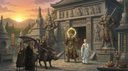
Tomb ⚱️ of the unknown EBT Warriors
+1 – Homage to the Unknown Warriors of the EBT
Homage to the heroes of three ages,
who fought to guard the EBT —
Early Buddhist Teachings, true and whole —
battling heretics, within and without,
courageously unmasking the so-called orthodox,
who poison True Dharma with alien creeds.
History forgets your names.
But those who study the EBT with care
see the marks of your victories,
shining like a beacon —
brighter than seven suns of the seven Buddha-Wings of Dharma —
guiding us, born ages after the Blessed One's parinibbāna.
Like lightning down the spine,
you fill us with conviction:
the true Dhamma still lives, still burns.
That spark ignites a chain —
thought (vitakka), inquiry (dhamma-vicaya, vicāra, vīmaṃsā) —
and bursts into altruistic joy,
flooding every body (rūpa-kāya) of every being,
whatever posture, whatever deed,
blasting with rapture and bliss of full-body jhāna.
Homage to you, nameless Warriors of the sutta method!
Heroes unknown — yet I speak your unwritten names often,
for strength, for fire.
Vayadhammā saṅkhārā, said the Blessed One.
Even True Dhamma must one day fade.
But not today. Not in my lifetime.
This I vow.
Hear me, warriors of now and later —
guard the true Dhamma.
Don't let it die on your watch.
Twenty-five hundred years it has stood.
May it stand, and thrive, twenty-five hundred more.
+2 – SN 36.11 passaddhi of the physical kāya
(note the arupa samadhis are deliberately omitted,
compared to 9 nirodha and 9 vupasama)
(9 gradual nirodho/cessations)
(9 gradual vūpasama/stillings, same as nirodho list)
(6 gradual 🌊 passaddhi/pacifications,
nirodho list minus 4 arupa attainments)
| (6 gradual 🌊 passaddhi/pacifications, nirodho list minus 4 arupa attainments) | ||
| Chay-imā, bhikkhu, passaddhiyo. (in 4 jhānas one can perceive rūpa ✅ 🚶) |
(there are) six-of-these ****** pacifications. | |
| 1. paṭhamaṃ jhānaṃ samāpannassa | 1. (with) first jhāna attained, | |
| 🚫🗣️💬 vācā paṭip-passaddhā hoti. | 🚫🗣️💬 vocalization-of-speech is pacified. | |
| 2. dutiyaṃ jhānaṃ samāpannassa | 2. (with) second jhāna attained, | |
| 🚫(V&V💭) Vitakka-vicārā paṭip-passaddhā honti. | 🚫(V&V💭) directed-thought-&-evaluation is pacified. | |
| 3. tatiyaṃ jhānaṃ samāpannassa | 3. (with) third jhāna attained, | |
| 🚫😁 pīti paṭip-passaddhā hoti. | 🚫😁 rapture is pacified. | |
| 4. catutthaṃ jhānaṃ samāpannassa | 4. (with) fourth jhāna attained, | |
| 🚫🌬️😤 Assāsa-passāsā paṭip-passaddhā honti. (in a-rūpa / form-less attainments, body 🚶 perception disappears) |
🚫🌬️😤 in-breath-out-breath is pacified. | |
| 5. saññāvedayitanirodhaṃ samāpannassa | 5. (with) perception-&-feeling-cessation attained, | |
| saññā ca vedanā ca paṭip-passaddhā honti. | perception & feeling are pacified. | |
+3 – DN 2 proper contrast between kāya, citta, rūpa, mano
(passadhi of physical kaya in 7sb, correct rupa,
kaya, etc. in imperturbable 4th jhana)
| (7sb awakening factors) | ||
| (7sb → 1-3 🐘💭🕵️🏹) Tassime pañca nīvaraṇe pahīne attani samanupassato | (7sb → 1-3 🐘💭🕵️🏹) Seeing that the hindrances have been given up in them, | |
| pā-mojjaṃ jāyati, | virtuous-mirth is born. | |
| (7sb → 4. 😁) pa-muditassa pīti jāyati, | (7sb → 4. 😁) (For one with) virtuous-mirth rapture (is) born. | |
| (7sb → 5. 🌊) pīti-manassa kāyo passambhati, | (7sb → 5. 🌊) (with) en-raptured-mind (the) body (is) pacified. | |
| (7sb → 5.5 🙂) passaddha-kāyo sukhaṃ vedeti, | (7sb → 5.5 🙂) (with) pacified-body, {they experience} pleasure. | |
| (7sb → 6. 🌄) sukhino cittaṃ samādhiyati. | (7sb → 6. 🌄) (For one in) pleasure, (the) mind becomes undistractible-&-lucid. | |
| 4.3.2.5. First jhāna | ||
| 4.3.2.5. Paṭhamajhāna | 4.3.2.5. First jhāna | |
| 🚫💑 so vivicc’eva kāmehi | 🚫💑 Quite-withdrawn (from) sensuality, | |
| … | … | |
| 4.3.2.8. Fourth jhāna | ||
| 4.3.2.8. Catutthajhāna | 4.3.2.8. Fourth jhāna | |
| Puna caparaṃ, mahārāja, bhikkhu sukhassa ca pahānā dukkhassa ca pahānā, pubbeva somanassadomanassānaṃ atthaṅgamā adukkhamasukhaṃ upekkhāsatipārisuddhiṃ catutthaṃ jhānaṃ upasampajja viharati, so imameva kāyaṃ parisuddhena cetasā pariyodātena pharitvā nisinno hoti, nāssa kiñci sabbāvato kāyassa parisuddhena cetasā pariyodātena apphuṭaṃ hoti. | Furthermore, giving up pleasure and pain, and ending former happiness and sadness, a monk enters and remains in the fourth jhāna, without pleasure or pain, with pure equanimity and rememberfulness. | |
| Seyyathāpi, mahārāja, puriso odātena vatthena sasīsaṃ pārupitvā nisinno assa, nāssa kiñci sabbāvato kāyassa odātena vatthena apphuṭaṃ assa; | It’s like someone sitting wrapped from head to foot with white cloth. There’s no part of the body that’s not spread over with white cloth. | |
| evameva kho, mahārāja, bhikkhu imameva kāyaṃ parisuddhena cetasā pariyodātena pharitvā nisinno hoti, nāssa kiñci sabbāvato kāyassa parisuddhena cetasā pariyodātena apphuṭaṃ hoti. | In the same way, they sit spreading their body through with pure bright mind. There’s no part of the body that’s not spread with pure bright mind. | |
| Idampi kho, mahārāja, sandiṭṭhikaṃ sāmaññaphalaṃ purimehi sandiṭṭhikehi sāmaññaphalehi abhikkantatarañca paṇītatarañca. 4.3.3. The Eight Knowledges |
This too, great king, is a fruit of the ascetic life that’s apparent in the present life which is better and finer than the former ones. | |
| 4.3.3.1. Knowledge and Vision 4.3.3. Aṭṭhañāṇa |
4.3.3. The Eight Knowledges | |
| 4.3.3.1. Vipassanāñāṇa j4🌕 āneñja⚡ Imperturbabilty is equivalent to 4ip 🌕⚡ |
4.3.3.1. Knowledge and Vision | |
| “so evaṃ samāhite citte | “When my undistractible-&-lucid mind | |
| parisuddhe pariyodāte | (was thus) purified, bright, | |
| an-aṅgaṇe vigat-ūpak-kilese | Un-blemished, rid-of-defilement, | |
| Mudu-bhūte kammaniye | malleable, wieldy, | |
| ṭhite āneñjap-patte | steady, {attained-to}-imperturbability, | |
| ñāṇadassanāya cittaṃ abhinīharati abhininnāmeti. | —they extend it and project it toward knowledge and vision. | |
| So evaṃ pajānāti: | They understand: | |
| ‘ayaṃ kho me kāyo rūpī | ‘This body of mine is physical. | |
| cātu-mahā-bhūtiko | It’s made up of the four primary elements, | |
| mātā-pettika-sambhavo | produced by mother and father, | |
| odana-kummās-ūpacayo | built up from rice and porridge, | |
| anicc-ucchādana-parimaddana-- | liable to impermanence,-- to wearing away -- and erosion, | |
| --bhedana-viddhaṃsana-dhammo | -- to breaking up -- and destruction. | |
| idañca pana me viññāṇaṃ ettha sitaṃ ettha paṭibaddhan’ti. (simile for knowledge and vision) |
And this consciousness of mine is attached to it, tied to it.’ | |
| Seyyathāpi, mahārāja, maṇi veḷuriyo subho jātimā aṭṭhaṃso suparikammakato accho vippasanno anāvilo sabbākārasampanno. | Suppose there was a beryl gem that was naturally beautiful, eight-faceted, with expert workmanship, transparent, clear, and unclouded, endowed with all good qualities. | |
| Tatrāssa suttaṃ āvutaṃ nīlaṃ vā pītaṃ vā lohitaṃ vā odātaṃ vā paṇḍusuttaṃ vā. | And it was strung with a thread of blue, yellow, red, white, or golden brown. | |
| Tamenaṃ cakkhumā puriso hatthe karitvā paccavekkheyya: | And someone with good eyesight were to take it in their hand and examine it: | |
| ‘ayaṃ kho maṇi veḷuriyo subho jātimā aṭṭhaṃso suparikammakato accho vippasanno anāvilo sabbākārasampanno; | ‘This beryl gem is naturally beautiful, eight-faceted, with expert workmanship, transparent, clear, and unclouded, endowed with all good qualities. | |
| tatridaṃ suttaṃ āvutaṃ nīlaṃ vā pītaṃ vā lohitaṃ vā odātaṃ vā paṇḍusuttaṃ vā’ti. | And it’s strung with a thread of blue, yellow, red, white, or golden brown.’ | |
| Evameva kho, mahārāja, bhikkhu evaṃ samāhite citte parisuddhe pariyodāte anaṅgaṇe vigatūpakkilese mudubhūte kammaniye ṭhite āneñjappatte ñāṇadassanāya cittaṃ abhinīharati abhininnāmeti. So evaṃ pajānāti: ‘ayaṃ kho me kāyo rūpī cātumahābhūtiko mātāpettikasambhavo odanakummāsūpacayo aniccucchādanaparimaddanabhedanaviddhaṃsanadhammo; idañca pana me viññāṇaṃ ettha sitaṃ ettha paṭibaddhan’ti. |
In the same way, when their mind has become undistractify-&-lucidifyd in samādhi like this—purified, bright, spotless, rid of taints, pliable, workable, steady, and imperturbable—they extend it and project it toward knowledge and vision. | |
| Idampi kho, mahārāja, sandiṭṭhikaṃ sāmaññaphalaṃ purimehi sandiṭṭhikehi sāmaññaphalehi abhikkantatarañca paṇītatarañca. 4.3.3.2. Mind-Made Body |
This too, great king, is a fruit of the ascetic life that’s apparent in the present life which is better and finer than the former ones. | |
| 4.3.3.2. Manomayiddhiñāṇa j4🌕 āneñja⚡ Imperturbabilty is equivalent to 4ip 🌕⚡ |
4.3.3.2. Mind-Made Body | |
| “so evaṃ samāhite citte | “When my undistractible-&-lucid mind | |
| parisuddhe pariyodāte | (was thus) purified, bright, | |
| an-aṅgaṇe vigat-ūpak-kilese | Un-blemished, rid-of-defilement, | |
| Mudu-bhūte kammaniye | malleable, wieldy, | |
| ṭhite āneñjap-patte | steady, {attained-to}-imperturbability, | |
| manomayaṃ kāyaṃ abhinimmānāya cittaṃ abhinīharati abhininnāmeti. | —they extend it and project it toward the creation of a mind-made body. | |
| So imamhā kāyā aññaṃ kāyaṃ abhinimmināti rūpiṃ manomayaṃ sabbaṅgapaccaṅgiṃ ahīnindriyaṃ. (simile for mind made body) |
From this body they create another body, physical, mind-made, complete in all its various parts, not deficient in any faculty. | |
| Seyyathāpi, mahārāja, puriso muñjamhā īsikaṃ pavāheyya. | Suppose a person was to draw a reed out from its sheath. | |
| Tassa evamassa: | They’d think: | |
| ‘ayaṃ muñjo, ayaṃ īsikā, añño muñjo, aññā īsikā, muñjamhā tveva īsikā pavāḷhā’ti. | ‘This is the reed, this is the sheath. The reed and the sheath are different things. The reed has been drawn out from the sheath.’ | |
| Seyyathā vā pana, mahārāja, puriso asiṃ kosiyā pavāheyya. | Or suppose a person was to draw a sword out from its scabbard. | |
| Tassa evamassa: | They’d think: | |
| ‘ayaṃ asi, ayaṃ kosi, añño asi, aññā kosi, kosiyā tveva asi pavāḷho’ti. | ‘This is the sword, this is the scabbard. The sword and the scabbard are different things. The sword has been drawn out from the scabbard.’ | |
| Seyyathā vā pana, mahārāja, puriso ahiṃ karaṇḍā uddhareyya. | Or suppose a person was to draw a snake out from its slough. | |
| Tassa evamassa: | They’d think: | |
| ‘ayaṃ ahi, ayaṃ karaṇḍo. Añño ahi, añño karaṇḍo, karaṇḍā tveva ahi ubbhato’ti. | ‘This is the snake, this is the slough. The snake and the slough are different things. The snake has been drawn out from the slough.’ | |
| Evameva kho, mahārāja, bhikkhu evaṃ samāhite citte parisuddhe pariyodāte anaṅgaṇe vigatūpakkilese mudubhūte kammaniye ṭhite āneñjappatte manomayaṃ kāyaṃ abhinimmānāya cittaṃ abhinīharati abhininnāmeti. | In the same way, when their mind has become undistractify-&-lucidifyd in samādhi like this—purified, bright, spotless, rid of taints, pliable, workable, steady, and imperturbable—they extend it and project it toward the creation of a mind-made body. | |
| So imamhā kāyā aññaṃ kāyaṃ abhinimmināti rūpiṃ manomayaṃ sabbaṅgapaccaṅgiṃ ahīnindriyaṃ. | From this body they create another body, physical, mind-made, complete in all its various parts, not deficient in any faculty. | |
| Idampi kho, mahārāja, sandiṭṭhikaṃ sāmaññaphalaṃ purimehi sandiṭṭhikehi sāmaññaphalehi abhikkantatarañca paṇītatarañca. | This too, great king, is a fruit of the ascetic life that’s apparent in the present life which is better and finer than the former ones. | |
+4 – misc.
http://notesonthedhamma.blogspot.com/2020/01/tomb-of-unknown-sautrantika-sutta.html