
+Majjhima Nikāya (MN)
all
Middle (length) collection (of suttas)
Chinese translations are by AI Gemini 2.5 flash 2025, from the English by mostly Sujato derived 2018
+Vagga 1 Mūla-pariyāya: root-turning/explanation
all
+MN 1 Mūla-pariyāya:
root of all things
all
root of all things

+Opening
| (derived from B. Sujato 2018/12) | ||
| Mūlapariyāyasutta | The Root of All Things | 万物之本 |
| Evaṃ me sutaṃ— | So I have heard. | 如是我闻。 |
| ekaṃ samayaṃ bhagavā ukkaṭṭhāyaṃ viharati subhagavane sālarājamūle. | At one time the Buddha was staying near Ukkaṭṭhā, in the Subhaga Forest at the root of a magnificent sal tree. | 一时,佛陀住在乌卡塔附近,在苏巴加森林中一棵宏伟的娑罗树下。 |
| Tatra kho bhagavā bhikkhū āmantesi: | There the Buddha addressed the monks: | 佛陀在那里对僧侣们说: |
| “bhikkhavo”ti. | “monks!” | “比丘们!” |
| “Bhadante”ti te bhikkhū bhagavato paccassosuṃ. | “Venerable sir,” they replied. | “尊者,”他们答道。 |
| Bhagavā etadavoca: | The Buddha said this: | 佛陀说了这些: |
| “sabbadhammamūlapariyāyaṃ vo, bhikkhave, desessāmi. | “monks, I will teach you the explanation of the root of all things. | “比丘们,我将教导你们万物之本的解释。 |
| Taṃ suṇātha, sādhukaṃ manasi karotha, bhāsissāmī”ti. | Listen and pay close attention, I will speak.” | 仔细听,我将要讲。” |
| “Evaṃ, bhante”ti kho te bhikkhū bhagavato paccassosuṃ. | “Yes, sir,” they replied. | “是的,尊者,”他们答道。 |
| Bhagavā etadavoca: | The Buddha said this: | 佛陀说了这些: |
+1.1 – (Ordinary person, assutavā puthujjano)
all
+§1.1 – (perceives [sañjānāti] form as form, conceives wrong ideas and identity around form)
| “Idha, bhikkhave, assutavā puthujjano ariyānaṃ adassāvī ariyadhammassa akovido ariyadhamme avinīto, sappurisānaṃ adassāvī sappurisadhammassa akovido sappurisadhamme avinīto— | “Take an uneducated ordinary person who has not seen the noble ones, and is neither skilled nor trained in The Dharma of the noble ones. They’ve not seen good persons, and are neither skilled nor trained in The Dharma of the good persons. | “未受教的凡夫,未曾见过圣者,对圣者的教法既不熟练也不曾受训。他们未曾见过善人,对善人的教法既不熟练也不曾受训。 |
| pathaviṃ pathavito sañjānāti; | They perceive earth as earth. | 他们将地感知为地。 |
| pathaviṃ pathavito saññatvā pathaviṃ maññati, pathaviyā maññati, pathavito maññati, pathaviṃ meti maññati, pathaviṃ abhinandati. | But then they conceive earth, they conceive regarding earth, they conceive as earth, they conceive that ‘earth is mine’, they take pleasure in earth. | 但随后他们构想地,他们就地构想,他们将地构想为地,他们构想‘地是我的’,他们喜爱地。 |
+§1.2 – (why? Because they don’t completely understand [A-pariññātaṃ] form)
| Taṃ kissa hetu? | Why is that? | 为什么会这样? |
| ‘Apariññātaṃ tassā’ti vadāmi. (1) | Because they haven’t completely understood it, I say. | 我说,因为他们还没有完全理解它。 |
| Āpaṃ āpato sañjānāti; | They perceive water as water. | 他们将水感知为水。 |
| āpaṃ āpato saññatvā āpaṃ maññati, āpasmiṃ maññati, āpato maññati, āpaṃ meti maññati, āpaṃ abhinandati. | But then they conceive water … | 但随后他们构想水…… |
| Taṃ kissa hetu? | Why is that? | 为什么会这样? |
| ‘Apariññātaṃ tassā’ti vadāmi. (2) | Because they haven’t completely understood it, I say. | 我说,因为他们还没有完全理解它。 |
| Tejaṃ tejato sañjānāti; | They perceive fire as fire. | 他们将火感知为火。 |
| tejaṃ tejato saññatvā tejaṃ maññati, tejasmiṃ maññati, tejato maññati, tejaṃ meti maññati, tejaṃ abhinandati. | But then they conceive fire … | 但随后他们构想火…… |
| Taṃ kissa hetu? | Why is that? | 为什么会这样? |
| ‘Apariññātaṃ tassā’ti vadāmi. (3) | Because they haven’t completely understood it, I say. | 我说,因为他们还没有完全理解它。 |
| Vāyaṃ vāyato sañjānāti; | They perceive air as air. | 他们将风感知为风。 |
| vāyaṃ vāyato saññatvā vāyaṃ maññati, vāyasmiṃ maññati, vāyato maññati, vāyaṃ meti maññati, vāyaṃ abhinandati. | But then they conceive air … | 但随后他们构想风…… |
| Taṃ kissa hetu? | Why is that? | 为什么会这样? |
| ‘Apariññātaṃ tassā’ti vadāmi. (4) | Because they haven’t completely understood it, I say. | 我说,因为他们还没有完全理解它。 |
| Bhūte bhūtato sañjānāti; | They perceive creatures as creatures. | 他们将众生感知为众生。 |
| bhūte bhūtato saññatvā bhūte maññati, bhūtesu maññati, bhūtato maññati, bhūte meti maññati, bhūte abhinandati. | But then they conceive creatures … | 但随后他们构想众生…… |
| Taṃ kissa hetu? | Why is that? | 为什么会这样? |
| ‘Apariññātaṃ tassā’ti vadāmi. (5) | Because they haven’t completely understood it, I say. | 我说,因为他们还没有完全理解它。 |
| Deve devato sañjānāti; | They perceive gods as gods. | 他们将诸神感知为诸神。 |
| deve devato saññatvā deve maññati, devesu maññati, devato maññati, deve meti maññati, deve abhinandati. | But then they conceive gods … | 但随后他们构想诸神…… |
| Taṃ kissa hetu? | Why is that? | 为什么会这样? |
| ‘Apariññātaṃ tassā’ti vadāmi. (6) | Because they haven’t completely understood it, I say. | 我说,因为他们还没有完全理解它。 |
| Pajāpatiṃ pajāpatito sañjānāti; | They perceive the Creator as the Creator. | 他们将造物主感知为造物主。 |
| pajāpatiṃ pajāpatito saññatvā pajāpatiṃ maññati, pajāpatismiṃ maññati, pajāpatito maññati, pajāpatiṃ meti maññati, pajāpatiṃ abhinandati. | But then they conceive the Creator … | 但随后他们构想造物主…… |
| Taṃ kissa hetu? | Why is that? | 为什么会这样? |
| ‘Apariññātaṃ tassā’ti vadāmi. (7) | Because they haven’t completely understood it, I say. | 我说,因为他们还没有完全理解它。 |
| Brahmaṃ brahmato sañjānāti; | They perceive Brahmā as Brahmā. | 他们将梵天感知为梵天。 |
| brahmaṃ brahmato saññatvā brahmaṃ maññati, brahmasmiṃ maññati, brahmato maññati, brahmaṃ meti maññati, brahmaṃ abhinandati. | But then they conceive Brahmā … | 但随后他们构想梵天…… |
| Taṃ kissa hetu? | Why is that? | 为什么会这样? |
| ‘Apariññātaṃ tassā’ti vadāmi. (8) | Because they haven’t completely understood it, I say. | 我说,因为他们还没有完全理解它。 |
| Ābhassare ābhassarato sañjānāti; | They perceive the gods of streaming radiance as the gods of streaming radiance. | 他们将光明遍照天感知为光明遍照天。 |
| ābhassare ābhassarato saññatvā ābhassare maññati, ābhassaresu maññati, ābhassarato maññati, ābhassare meti maññati, ābhassare abhinandati. | But then they conceive the gods of streaming radiance … | 但随后他们构想光明遍照天…… |
| Taṃ kissa hetu? | Why is that? | 为什么会这样? |
| ‘Apariññātaṃ tassā’ti vadāmi. (9) | Because they haven’t completely understood it, I say. | 我说,因为他们还没有完全理解它。 |
| Subhakiṇhe subhakiṇhato sañjānāti; | They perceive the gods replete with glory as the gods replete with glory. | 他们将荣耀遍满天感知为荣耀遍满天。 |
| subhakiṇhe subhakiṇhato saññatvā subhakiṇhe maññati, subhakiṇhesu maññati, subhakiṇhato maññati, subhakiṇhe meti maññati, subhakiṇhe abhinandati. | But then they conceive the gods replete with glory … | 但随后他们构想荣耀遍满天…… |
| Taṃ kissa hetu? | Why is that? | 为什么会这样? |
| ‘Apariññātaṃ tassā’ti vadāmi. (10) | Because they haven’t completely understood it, I say. | 我说,因为他们还没有完全理解它。 |
| Vehapphale vehapphalato sañjānāti; | They perceive the gods of abundant fruit as the gods of abundant fruit. | 他们将广果天感知为广果天。 |
| vehapphale vehapphalato saññatvā vehapphale maññati, vehapphalesu maññati, vehapphalato maññati, vehapphale meti maññati, vehapphale abhinandati. | But then they conceive the gods of abundant fruit … | 但随后他们构想广果天…… |
| Taṃ kissa hetu? | Why is that? | 为什么会这样? |
| ‘Apariññātaṃ tassā’ti vadāmi. (11) | Because they haven’t completely understood it, I say. | 我说,因为他们还没有完全理解它。 |
| Abhibhuṃ abhibhuto sañjānāti; | They perceive the Overlord as the Overlord. | 他们将至上主感知为至上主。 |
| abhibhuṃ abhibhuto saññatvā abhibhuṃ maññati, abhibhusmiṃ maññati, abhibhuto maññati, abhibhuṃ meti maññati, abhibhuṃ abhinandati. | But then they conceive the Overlord … | 但随后他们构想至上主…… |
| Taṃ kissa hetu? | Why is that? | 为什么会这样? |
| ‘Apariññātaṃ tassā’ti vadāmi. (12) | Because they haven’t completely understood it, I say. | 我说,因为他们还没有完全理解它。 |
| Ākāsānañcāyatanaṃ ākāsānañcāyatanato sañjānāti; | They perceive the dimension of infinite space as the dimension of infinite space. | 他们将虚空无边处感知为虚空无边处。 |
| ākāsānañcāyatanaṃ ākāsānañcāyatanato saññatvā ākāsānañcāyatanaṃ maññati, ākāsānañcāyatanasmiṃ maññati, ākāsānañcāyatanato maññati, ākāsānañcāyatanaṃ meti maññati, ākāsānañcāyatanaṃ abhinandati. | But then they conceive the dimension of infinite space … | 但随后他们构想虚空无边处…… |
| Taṃ kissa hetu? | Why is that? | 为什么会这样? |
| ‘Apariññātaṃ tassā’ti vadāmi. (13) | Because they haven’t completely understood it, I say. | 我说,因为他们还没有完全理解它。 |
| Viññāṇañcāyatanaṃ viññāṇañcāyatanato sañjānāti; | They perceive the dimension of infinite consciousness as the dimension of infinite consciousness. | 他们将识无边处感知为识无边处。 |
| viññāṇañcāyatanaṃ viññāṇañcāyatanato saññatvā viññāṇañcāyatanaṃ maññati, viññāṇañcāyatanasmiṃ maññati, viññāṇañcāyatanato maññati, viññāṇañcāyatanaṃ meti maññati, viññāṇañcāyatanaṃ abhinandati. | But then they conceive the dimension of infinite consciousness … | 但随后他们构想识无边处…… |
| Taṃ kissa hetu? | Why is that? | 为什么会这样? |
| ‘Apariññātaṃ tassā’ti vadāmi. (14) | Because they haven’t completely understood it, I say. | 我说,因为他们还没有完全理解它。 |
| Ākiñcaññāyatanaṃ ākiñcaññāyatanato sañjānāti; | They perceive the dimension of nothingness as the dimension of nothingness. | 他们将无所有处感知为无所有处。 |
| ākiñcaññāyatanaṃ ākiñcaññāyatanato saññatvā ākiñcaññāyatanaṃ maññati, ākiñcaññāyatanasmiṃ maññati, ākiñcaññāyatanato maññati, ākiñcaññāyatanaṃ meti maññati, ākiñcaññāyatanaṃ abhinandati. | But then they conceive the dimension of nothingness … | 但随后他们构想无所有处…… |
| Taṃ kissa hetu? | Why is that? | 为什么会这样? |
| ‘Apariññātaṃ tassā’ti vadāmi. (15) | Because they haven’t completely understood it, I say. | 我说,因为他们还没有完全理解它。 |
| Nevasaññānāsaññāyatanaṃ nevasaññānāsaññāyatanato sañjānāti; | They perceive the dimension of neither perception nor non-perception as the dimension of neither perception nor non-perception. | 他们将非想非非想处感知为非想非非想处。 |
| nevasaññānāsaññāyatanaṃ nevasaññānāsaññāyatanato saññatvā nevasaññānāsaññāyatanaṃ maññati, nevasaññānāsaññāyatanasmiṃ maññati, nevasaññānāsaññāyatanato maññati, nevasaññānāsaññāyatanaṃ meti maññati, nevasaññānāsaññāyatanaṃ abhinandati. | But then they conceive the dimension of neither perception nor non-perception … | 但随后他们构想非想非非想处…… |
| Taṃ kissa hetu? | Why is that? | 为什么会这样? |
| ‘Apariññātaṃ tassā’ti vadāmi. (16) | Because they haven’t completely understood it, I say. | 我说,因为他们还没有完全理解它。 |
| Diṭṭhaṃ diṭṭhato sañjānāti; | They perceive the seen as the seen. | 他们将所见感知为所见。 |
| diṭṭhaṃ diṭṭhato saññatvā diṭṭhaṃ maññati, diṭṭhasmiṃ maññati, diṭṭhato maññati, diṭṭhaṃ meti maññati, diṭṭhaṃ abhinandati. | But then they conceive the seen … | 但随后他们构想所见…… |
| Taṃ kissa hetu? | Why is that? | 为什么会这样? |
| ‘Apariññātaṃ tassā’ti vadāmi. (17) | Because they haven’t completely understood it, I say. | 我说,因为他们还没有完全理解它。 |
| Sutaṃ sutato sañjānāti; | They perceive the heard as the heard. | 他们将所闻感知为所闻。 |
| sutaṃ sutato saññatvā sutaṃ maññati, sutasmiṃ maññati, sutato maññati, sutaṃ meti maññati, sutaṃ abhinandati. | But then they conceive the heard … | 但随后他们构想所闻…… |
| Taṃ kissa hetu? | Why is that? | 为什么会这样? |
| ‘Apariññātaṃ tassā’ti vadāmi. (18) | Because they haven’t completely understood it, I say. | 我说,因为他们还没有完全理解它。 |
| Mutaṃ mutato sañjānāti; | They perceive the thought as the thought. | 他们将所思感知为所思。 |
| mutaṃ mutato saññatvā mutaṃ maññati, mutasmiṃ maññati, mutato maññati, mutaṃ meti maññati, mutaṃ abhinandati. | But then they conceive the thought … | 但随后他们构想所思…… |
| Taṃ kissa hetu? | Why is that? | 为什么会这样? |
| ‘Apariññātaṃ tassā’ti vadāmi. (19) | Because they haven’t completely understood it, I say. | 我说,因为他们还没有完全理解它。 |
| Viññātaṃ viññātato sañjānāti; | They perceive the cognized as the cognized. | 他们将所识感知为所识。 |
| viññātaṃ viññātato saññatvā viññātaṃ maññati, viññātasmiṃ maññati, viññātato maññati, viññātaṃ meti maññati, viññātaṃ abhinandati. | But then they conceive the cognized … | 但随后他们构想所识…… |
| Taṃ kissa hetu? | Why is that? | 为什么会这样? |
| ‘Apariññātaṃ tassā’ti vadāmi. (20) | Because they haven’t completely understood it, I say. | 我说,因为他们还没有完全理解它。 |
| Ekattaṃ ekattato sañjānāti; | They perceive oneness as oneness. | 他们将一元性感知为一元性。 |
| ekattaṃ ekattato saññatvā ekattaṃ maññati, ekattasmiṃ maññati, ekattato maññati, ekattaṃ meti maññati, ekattaṃ abhinandati. | But then they conceive oneness … | 但随后他们构想一元性…… |
| Taṃ kissa hetu? | Why is that? | 为什么会这样? |
| ‘Apariññātaṃ tassā’ti vadāmi. (21) | Because they haven’t completely understood it, I say. | 我说,因为他们还没有完全理解它。 |
| Nānattaṃ nānattato sañjānāti; | They perceive diversity as diversity. | 他们将多元性感知为多元性。 |
| nānattaṃ nānattato saññatvā nānattaṃ maññati, nānattasmiṃ maññati, nānattato maññati, nānattaṃ meti maññati, nānattaṃ abhinandati. | But then they conceive diversity … | 但随后他们构想多元性…… |
| Taṃ kissa hetu? | Why is that? | 为什么会这样? |
| ‘Apariññātaṃ tassā’ti vadāmi. (22) | Because they haven’t completely understood it, I say. | 我说,因为他们还没有完全理解它。 |
| Sabbaṃ sabbato sañjānāti; | They perceive all as all. | 他们将一切感知为一切。 |
| sabbaṃ sabbato saññatvā sabbaṃ maññati, sabbasmiṃ maññati, sabbato maññati, sabbaṃ meti maññati, sabbaṃ abhinandati. | But then they conceive all … | 但随后他们构想一切…… |
| Taṃ kissa hetu? | Why is that? | 为什么会这样? |
| ‘Apariññātaṃ tassā’ti vadāmi. (23) | Because they haven’t completely understood it, I say. | 我说,因为他们还没有完全理解它。 |
| Nibbānaṃ nibbānato sañjānāti; | They perceive nirvana as nirvana. | 他们将涅槃感知为涅槃。 |
| nibbānaṃ nibbānato saññatvā nibbānaṃ maññati, nibbānasmiṃ maññati, nibbānato maññati, nibbānaṃ meti maññati, nibbānaṃ abhinandati. | But then they conceive nirvana, they conceive regarding nirvana, they conceive as nirvana, they conceive that ‘nirvana is mine’, they take pleasure in nirvana. | 但随后他们构想涅槃,他们就涅槃构想,他们将涅槃构想为涅槃,他们构想‘涅槃是我的’,他们喜爱涅槃。 |
| Taṃ kissa hetu? | Why is that? | 为什么会这样? |
| ‘Apariññātaṃ tassā’ti vadāmi. (24) | Because they haven’t completely understood it, I say. | 我说,因为他们还没有完全理解它。 |
❧
+1.2 – (The trainee, sekha, an ariya but not an arahant yet)
all
+§2.1 – (directly knows [abhijānāti] form as form, but still working on not conceiving wrong ideas and identity around form)
| Yopi so, bhikkhave, bhikkhu sekkho appattamānaso anuttaraṃ yogakkhemaṃ patthayamāno viharati, sopi pathaviṃ pathavito abhijānāti; | A monk who is a trainee, who hasn’t achieved their heart’s desire, but lives aspiring to the supreme sanctuary, directly knows earth as earth. | 受训的比丘,尚未实现其心愿,但渴望最高的庇护所,直接将地知为地。 |
| pathaviṃ pathavito abhiññāya pathaviṃ mā maññi, pathaviyā mā maññi, pathavito mā maññi, pathaviṃ meti mā maññi, pathaviṃ mābhinandi. | But they shouldn’t conceive earth, they shouldn’t conceive regarding earth, they shouldn’t conceive as earth, they shouldn’t conceive that ‘earth is mine’, they shouldn’t take pleasure in earth. | 但他们不应构想地,他们不应就地构想,他们不应将地构想为地,他们不应构想‘地是我的’,他们不应喜爱地。 |
| Taṃ kissa hetu? | Why is that? | 为什么会这样? |
| ‘Pariññeyyaṃ tassā’ti vadāmi. | So that they may completely understand it, I say. | 我说,这样他们才能完全理解它。 |
+§2.2 – (why? so they can completely understand [Pariññātaṃ] form)
| Āpaṃ … pe … | They directly know water … | 他们直接知水…… |
| tejaṃ … | fire … | 火…… |
| vāyaṃ … | air … | 风…… |
| bhūte … | creatures … | 众生…… |
| deve … | gods … | 诸神…… |
| pajāpatiṃ … | the Creator … | 造物主…… |
| brahmaṃ … | Brahmā … | 梵天…… |
| ābhassare … | the gods of streaming radiance … | 光明遍照天…… |
| subhakiṇhe … | the gods replete with glory … | 荣耀遍满天…… |
| vehapphale … | the gods of abundant fruit … | 广果天…… |
| abhibhuṃ … | the Overlord … | 至上主…… |
| ākāsānañcāyatanaṃ … | the dimension of infinite space … | 虚空无边处…… |
| viññāṇañcāyatanaṃ … | the dimension of infinite consciousness … | 识无边处…… |
| ākiñcaññāyatanaṃ … | the dimension of nothingness … | 无所有处…… |
| nevasaññānāsaññāyatanaṃ … | the dimension of neither perception nor non-perception … | 非想非非想处…… |
| diṭṭhaṃ … | the seen … | 所见…… |
| sutaṃ … | the heard … | 所闻…… |
| mutaṃ … | the thought … | 所思…… |
| viññātaṃ … | the cognized … | 所识…… |
| ekattaṃ … | oneness … | 一元性…… |
| nānattaṃ … | diversity … | 多元性…… |
| sabbaṃ … | all … | 一切…… |
| nibbānaṃ nibbānato abhijānāti; | They directly know nirvana as nirvana. | 他们直接将涅槃知为涅槃。 |
| nibbānaṃ nibbānato abhiññāya nibbānaṃ mā maññi, nibbānasmiṃ mā maññi, nibbānato mā maññi, nibbānaṃ meti mā maññi, nibbānaṃ mābhinandi. | But they shouldn’t conceive nirvana, they shouldn’t conceive regarding nirvana, they shouldn’t conceive as nirvana, they shouldn’t conceive that ‘nirvana is mine’, they shouldn’t take pleasure in nirvana. | 但他们不应构想涅槃,他们不应就涅槃构想,他们不应将涅槃构想为涅槃,他们不应构想‘涅槃是我的’,他们不应喜爱涅槃。 |
| Taṃ kissa hetu? | Why is that? | 为什么会这样? |
| ‘Pariññeyyaṃ tassā’ti vadāmi. | So that they may completely understand it, I say. | 我说,这样他们才能完全理解它。 |
❧
+1.3 – (THE ARAHANT—I: completely understands [Pariññātaṃ])
all
+§3.1 – (directly knows [abhijānāti] form as form, they do not conceive wrong ideas and identity around form)
| Yopi so, bhikkhave, bhikkhu arahaṃ khīṇāsavo vusitavā katakaraṇīyo ohitabhāro anuppattasadattho parikkhīṇabhavasaṃyojano sammadaññāvimutto, sopi pathaviṃ pathavito abhijānāti; | A monk who is perfected—with defilements ended, who has completed the spiritual journey, done what had to be done, laid down the burden, achieved their own true goal, utterly ended the fetters of rebirth, and is rightly freed through enlightenment—directly knows earth as earth. | 比丘已圆满——烦恼已尽,已完成灵性之旅,该做的已做,重担已卸,已达成自己的真正目标,彻底断除轮回的束缚,并透过觉悟而获得正当解脱——直接将地知为地。 |
| pathaviṃ pathavito abhiññāya pathaviṃ na maññati, pathaviyā na maññati, pathavito na maññati, pathaviṃ meti na maññati, pathaviṃ nābhinandati. | But they don’t conceive earth, they don’t conceive regarding earth, they don’t conceive as earth, they don’t conceive that ‘earth is mine’, they don’t take pleasure in earth. | 但他们不构想地,他们不就地构想,他们不将地构想为地,他们不构想‘地是我的’,他们不喜爱地。 |
+§3.2 – (why? Because they have completely understood [Pariññātaṃ] form)
| Taṃ kissa hetu? | Why is that? | 为什么会这样? |
| ‘Pariññātaṃ tassā’ti vadāmi. | Because they have completely understood it, I say. | 我说,因为他们已经完全理解它。 |
| Āpaṃ … pe … | They directly know water … | 他们直接知水…… |
| tejaṃ … | fire … | 火…… |
| vāyaṃ … | air … | 风…… |
| bhūte … | creatures … | 众生…… |
| deve … | gods … | 诸神…… |
| pajāpatiṃ … | the Creator … | 造物主…… |
| brahmaṃ … | Brahmā … | 梵天…… |
| ābhassare … | the gods of streaming radiance … | 光明遍照天…… |
| subhakiṇhe … | the gods replete with glory … | 荣耀遍满天…… |
| vehapphale … | the gods of abundant fruit … | 广果天…… |
| abhibhuṃ … | the Overlord … | 至上主…… |
| ākāsānañcāyatanaṃ … | the dimension of infinite space … | 虚空无边处…… |
| viññāṇañcāyatanaṃ … | the dimension of infinite consciousness … | 识无边处…… |
| ākiñcaññāyatanaṃ … | the dimension of nothingness … | 无所有处…… |
| nevasaññānāsaññāyatanaṃ … | the dimension of neither perception nor non-perception … | 非想非非想处…… |
| diṭṭhaṃ … | the seen … | 所见…… |
| sutaṃ … | the heard … | 所闻…… |
| mutaṃ … | the thought … | 所思…… |
| viññātaṃ … | the cognized … | 所识…… |
| ekattaṃ … | oneness … | 一元性…… |
| nānattaṃ … | diversity … | 多元性…… |
| sabbaṃ … | all … | 一切…… |
| nibbānaṃ nibbānato abhijānāti; | They directly know nirvana as nirvana. | 他们直接将涅槃知为涅槃。 |
| nibbānaṃ nibbānato abhiññāya nibbānaṃ na maññati, nibbānasmiṃ na maññati, nibbānato na maññati, nibbānaṃ meti na maññati, nibbānaṃ nābhinandati. | But they don’t conceive nirvana, they don’t conceive regarding nirvana, they don’t conceive as nirvana, they don’t conceive that ‘nirvana is mine’, they don’t take pleasure in nirvana. | 但他们不构想涅槃,他们不就涅槃构想,他们不将涅槃构想为涅槃,他们不构想‘涅槃是我的’,他们不喜爱涅槃。 |
| Taṃ kissa hetu? | Why is that? | 为什么会这样? |
| ‘Pariññātaṃ tassā’ti vadāmi. | Because they have completely understood it, I say. | 我说,因为他们已经完全理解它。 |
❧
+1.4 – (THE ARAHANT—II: free of greed)
all
+§4.1 – (directly knows [abhijānāti] form as form, they do not conceive wrong ideas and identity around form)
| Yopi so, bhikkhave, bhikkhu arahaṃ khīṇāsavo vusitavā katakaraṇīyo ohitabhāro anuppattasadattho parikkhīṇabhavasaṃyojano sammadaññā vimutto, sopi pathaviṃ pathavito abhijānāti; | A monk who is perfected—with defilements ended, who has completed the spiritual journey, done what had to be done, laid down the burden, achieved their own true goal, utterly ended the fetters of rebirth, and is rightly freed through enlightenment—directly knows earth as earth. | 比丘已圆满——烦恼已尽,已完成灵性之旅,该做的已做,重担已卸,已达成自己的真正目标,彻底断除轮回的束缚,并透过觉悟而获得正当解脱——直接将地知为地。 |
| pathaviṃ pathavito abhiññāya pathaviṃ na maññati, pathaviyā na maññati, pathavito na maññati, pathaviṃ meti na maññati, pathaviṃ nābhinandati. | But they don’t conceive earth, they don’t conceive regarding earth, they don’t conceive as earth, they don’t conceive that ‘earth is mine’, they don’t take pleasure in earth. | 但他们不构想地,他们不就地构想,他们不将地构想为地,他们不构想‘地是我的’,他们不喜爱地。 |
+§4.2 – (why? Because they’re free of greed due to the ending of greed.)
| Taṃ kissa hetu? | Why is that? | 为什么会这样? |
| Khayā rāgassa, vītarāgattā. | Because they’re free of greed due to the ending of greed. | 因为贪欲的止息,他们已无贪。 |
| Āpaṃ … pe … | They directly know water … | 他们直接知水…… |
| tejaṃ … | fire … | 火…… |
| vāyaṃ … | air … | 风…… |
| bhūte … | creatures … | 众生…… |
| deve … | gods … | 诸神…… |
| pajāpatiṃ … | the Creator … | 造物主…… |
| brahmaṃ … | Brahmā … | 梵天…… |
| ābhassare … | the gods of streaming radiance … | 光明遍照天…… |
| subhakiṇhe … | the gods replete with glory … | 荣耀遍满天…… |
| vehapphale … | the gods of abundant fruit … | 广果天…… |
| abhibhuṃ … | the Overlord … | 至上主…… |
| ākāsānañcāyatanaṃ … | the dimension of infinite space … | 虚空无边处…… |
| viññāṇañcāyatanaṃ … | the dimension of infinite consciousness … | 识无边处…… |
| ākiñcaññāyatanaṃ … | the dimension of nothingness … | 无所有处…… |
| nevasaññānāsaññāyatanaṃ … | the dimension of neither perception nor non-perception … | 非想非非想处…… |
| diṭṭhaṃ … | the seen … | 所见…… |
| sutaṃ … | the heard … | 所闻…… |
| mutaṃ … | the thought … | 所思…… |
| viññātaṃ … | the cognized … | 所识…… |
| ekattaṃ … | oneness … | 一元性…… |
| nānattaṃ … | diversity … | 多元性…… |
| sabbaṃ … | all … | 一切…… |
| nibbānaṃ nibbānato abhijānāti; | They directly know nirvana as nirvana. | 他们直接将涅槃知为涅槃。 |
| nibbānaṃ nibbānato abhiññāya nibbānaṃ na maññati, nibbānasmiṃ na maññati, nibbānato na maññati, nibbānaṃ meti na maññati, nibbānaṃ nābhinandati. | But they don’t conceive nirvana, they don’t conceive regarding nirvana, they don’t conceive as nirvana, they don’t conceive that ‘nirvana is mine’, they don’t take pleasure in nirvana. | 但他们不构想涅槃,他们不就涅槃构想,他们不将涅槃构想为涅槃,他们不构想‘涅槃是我的’,他们不喜爱涅槃。 |
| Taṃ kissa hetu? | Why is that? | 为什么会这样? |
| Khayā rāgassa, vītarāgattā. | Because they’re free of greed due to the ending of greed. | 因为贪欲的止息,他们已无贪。 |
❧
+1.5 – (THE ARAHANT—III: free of aversion)
all
+§5.1 – (directly knows [abhijānāti] form as form, they do not conceive wrong ideas and identity around form)
| Yopi so, bhikkhave, bhikkhu arahaṃ khīṇāsavo vusitavā katakaraṇīyo ohitabhāro anuppattasadattho parikkhīṇabhavasaṃyojano sammadaññāvimutto, sopi pathaviṃ pathavito abhijānāti; | A monk who is perfected—with defilements ended, who has completed the spiritual journey, done what had to be done, laid down the burden, achieved their own true goal, utterly ended the fetters of rebirth, and is rightly freed through enlightenment—directly knows earth as earth. | 比丘已圆满——烦恼已尽,已完成灵性之旅,该做的已做,重担已卸,已达成自己的真正目标,彻底断除轮回的束缚,并透过觉悟而获得正当解脱——直接将地知为地。 |
| pathaviṃ pathavito abhiññāya pathaviṃ na maññati, pathaviyā na maññati, pathavito na maññati, pathaviṃ meti na maññati, pathaviṃ nābhinandati. | But they don’t conceive earth, they don’t conceive regarding earth, they don’t conceive as earth, they don’t conceive that ‘earth is mine’, they don’t take pleasure in earth. | 但他们不构想地,他们不就地构想,他们不将地构想为地,他们不构想‘地是我的’,他们不喜爱地。 |
+§5.2 – (why? Because they’re free of hate due to the ending of hate.)
| Taṃ kissa hetu? | Why is that? | 为什么会这样? |
| Khayā dosassa, vītadosattā. | Because they’re free of hate due to the ending of hate. | 因为瞋恨的止息,他们已无瞋。 |
| Āpaṃ … pe … | They directly know water … | 他们直接知水…… |
| tejaṃ … | fire … | 火…… |
| vāyaṃ … | air … | 风…… |
| bhūte … | creatures … | 众生…… |
| deve … | gods … | 诸神…… |
| pajāpatiṃ … | the Creator … | 造物主…… |
| brahmaṃ … | Brahmā … | 梵天…… |
| ābhassare … | the gods of streaming radiance … | 光明遍照天…… |
| subhakiṇhe … | the gods replete with glory … | 荣耀遍满天…… |
| vehapphale … | the gods of abundant fruit … | 广果天…… |
| abhibhuṃ … | the Overlord … | 至上主…… |
| ākāsānañcāyatanaṃ … | the dimension of infinite space … | 虚空无边处…… |
| viññāṇañcāyatanaṃ … | the dimension of infinite consciousness … | 识无边处…… |
| ākiñcaññāyatanaṃ … | the dimension of nothingness … | 无所有处…… |
| nevasaññānāsaññāyatanaṃ … | the dimension of neither perception nor non-perception … | 非想非非想处…… |
| diṭṭhaṃ … | the seen … | 所见…… |
| sutaṃ … | the heard … | 所闻…… |
| mutaṃ … | the thought … | 所思…… |
| viññātaṃ … | the cognized … | 所识…… |
| ekattaṃ … | oneness … | 一元性…… |
| nānattaṃ … | diversity … | 多元性…… |
| sabbaṃ … | all … | 一切…… |
| nibbānaṃ nibbānato abhijānāti; | They directly know nirvana as nirvana. | 他们直接将涅槃知为涅槃。 |
| nibbānaṃ nibbānato abhiññāya nibbānaṃ na maññati, nibbānasmiṃ na maññati, nibbānato na maññati, nibbānaṃ meti na maññati, nibbānaṃ nābhinandati. | But they don’t conceive nirvana, they don’t conceive regarding nirvana, they don’t conceive as nirvana, they don’t conceive that ‘nirvana is mine’, they don’t take pleasure in nirvana. | 但他们不构想涅槃,他们不就涅槃构想,他们不将涅槃构想为涅槃,他们不构想‘涅槃是我的’,他们不喜爱涅槃。 |
| Taṃ kissa hetu? | Why is that? | 为什么会这样? |
| Khayā dosassa, vītadosattā. | Because they’re free of hate due to the ending of hate. | 因为瞋恨的止息,他们已无瞋。 |
❧
+1.6 – (THE ARAHANT—IV: free of delusion)
all
+§6.1 – (directly knows [abhijānāti] form as form, they do not conceive wrong ideas and identity around form)
| Yopi so, bhikkhave, bhikkhu arahaṃ khīṇāsavo vusitavā katakaraṇīyo ohitabhāro anuppattasadattho parikkhīṇabhavasaṃyojano sammadaññāvimutto, sopi pathaviṃ pathavito abhijānāti; | A monk who is perfected—with defilements ended, who has completed the spiritual journey, done what had to be done, laid down the burden, achieved their own true goal, utterly ended the fetters of rebirth, and is rightly freed through enlightenment—directly knows earth as earth. | 比丘已圆满——烦恼已尽,已完成灵性之旅,该做的已做,重担已卸,已达成自己的真正目标,彻底断除轮回的束缚,并透过觉悟而获得正当解脱——直接将地知为地。 |
| pathaviṃ pathavito abhiññāya pathaviṃ na maññati, pathaviyā na maññati, pathavito na maññati, pathaviṃ meti na maññati, pathaviṃ nābhinandati. | But they don’t conceive earth, they don’t conceive regarding earth, they don’t conceive as earth, they don’t conceive that ‘earth is mine’, they don’t take pleasure in earth. | 但他们不构想地,他们不就地构想,他们不将地构想为地,他们不构想‘地是我的’,他们不喜爱地。 |
+§6.2 – (why? Because they’re free of delusion due to the ending of delusion.)
| Taṃ kissa hetu? | Why is that? | 为什么会这样? |
| Khayā mohassa, vītamohattā. | Because they’re free of delusion due to the ending of delusion. | 因为愚痴的止息,他们已无痴。 |
| Āpaṃ … pe … | They directly know water … | 他们直接知水…… |
| tejaṃ … | fire … | 火…… |
| vāyaṃ … | air … | 风…… |
| bhūte … | creatures … | 众生…… |
| deve … | gods … | 诸神…… |
| pajāpatiṃ … | the Creator … | 造物主…… |
| brahmaṃ … | Brahmā … | 梵天…… |
| ābhassare … | the gods of streaming radiance … | 光明遍照天…… |
| subhakiṇhe … | the gods replete with glory … | 荣耀遍满天…… |
| vehapphale … | the gods of abundant fruit … | 广果天…… |
| abhibhuṃ … | the Overlord … | 至上主…… |
| ākāsānañcāyatanaṃ … | the dimension of infinite space … | 虚空无边处…… |
| viññāṇañcāyatanaṃ … | the dimension of infinite consciousness … | 识无边处…… |
| ākiñcaññāyatanaṃ … | the dimension of nothingness … | 无所有处…… |
| nevasaññānāsaññāyatanaṃ … | the dimension of neither perception nor non-perception … | 非想非非想处…… |
| diṭṭhaṃ … | the seen … | 所见…… |
| sutaṃ … | the heard … | 所闻…… |
| mutaṃ … | the thought … | 所思…… |
| viññātaṃ … | the cognized … | 所识…… |
| ekattaṃ … | oneness … | 一元性…… |
| nānattaṃ … | diversity … | 多元性…… |
| sabbaṃ … | all … | 一切…… |
| nibbānaṃ nibbānato abhijānāti; | They directly know nirvana as nirvana. | 他们直接将涅槃知为涅槃。 |
| nibbānaṃ nibbānato abhiññāya nibbānaṃ na maññati, nibbānasmiṃ na maññati, nibbānato na maññati, nibbānaṃ meti na maññati, nibbānaṃ nābhinandati. | But they don’t conceive nirvana, they don’t conceive regarding nirvana, they don’t conceive as nirvana, they don’t conceive that ‘nirvana is mine’, they don’t take pleasure in nirvana. | 但他们不构想涅槃,他们不就涅槃构想,他们不将涅槃构想为涅槃,他们不构想‘涅槃是我的’,他们不喜爱涅槃。 |
| Taṃ kissa hetu? | Why is that? | 为什么会这样? |
| Khayā mohassa, vītamohattā. | Because they’re free of delusion due to the ending of delusion. | 因为愚痴的止息,他们已无痴。 |
❧
+1.7 – (THE TATHĀGATA— completely understand [Pariññātaṃ] to the end)
all
+§7.1 – (directly knows form as form, they do not conceive wrong ideas and identity around form)
| Tathāgatopi, bhikkhave, arahaṃ sammāsambuddho pathaviṃ pathavito abhijānāti; | The Realized One, the perfected one, the fully awakened Buddha directly knows earth as earth. | 如来,圆满者,完全觉悟的佛陀,直接将地知为地。 |
| pathaviṃ pathavito abhiññāya pathaviṃ na maññati, pathaviyā na maññati, pathavito na maññati, pathaviṃ meti na maññati, pathaviṃ nābhinandati. | But he doesn’t conceive earth, he doesn’t conceive regarding earth, he doesn’t conceive as earth, he doesn’t conceive that ‘earth is mine’, he doesn’t take pleasure in earth. | 但他不构想地,他不就地构想,他不将地构想为地,他不构想‘地是我的’,他不喜爱地。 |
+§7.2 – (why? Because the Realized One has completely understood it to the end)
| Taṃ kissa hetu? | Why is that? | 为什么会这样? |
| ‘Pariññātantaṃ tathāgatassā’ti vadāmi. | Because the Realized One has completely understood it to the end, I say. | 我说,因为如来已彻底理解它。 |
| Āpaṃ … pe … | He directly knows water … | 他直接知水…… |
| tejaṃ … | fire … | 火…… |
| vāyaṃ … | air … | 风…… |
| bhūte … | creatures … | 众生…… |
| deve … | gods … | 诸神…… |
| pajāpatiṃ … | the Creator … | 造物主…… |
| brahmaṃ … | Brahmā … | 梵天…… |
| ābhassare … | the gods of streaming radiance … | 光明遍照天…… |
| subhakiṇhe … | the gods replete with glory … | 荣耀遍满天…… |
| vehapphale … | the gods of abundant fruit … | 广果天…… |
| abhibhuṃ … | the Overlord … | 至上主…… |
| ākāsānañcāyatanaṃ … | the dimension of infinite space … | 虚空无边处…… |
| viññāṇañcāyatanaṃ … | the dimension of infinite consciousness … | 识无边处…… |
| ākiñcaññāyatanaṃ … | the dimension of nothingness … | 无所有处…… |
| nevasaññānāsaññāyatanaṃ … | the dimension of neither perception nor non-perception … | 非想非非想处…… |
| diṭṭhaṃ … | the seen … | 所见…… |
| sutaṃ … | the heard … | 所闻…… |
| mutaṃ … | the thought … | 所思…… |
| viññātaṃ … | the cognized … | 所识…… |
| ekattaṃ … | oneness … | 一元性…… |
| nānattaṃ … | diversity … | 多元性…… |
| sabbaṃ … | all … | 一切…… |
| nibbānaṃ nibbānato abhijānāti; | He directly knows nirvana as nirvana. | 他直接将涅槃知为涅槃。 |
| nibbānaṃ nibbānato abhiññāya nibbānaṃ na maññati, nibbānasmiṃ na maññati, nibbānato na maññati, nibbānaṃ meti na maññati, nibbānaṃ nābhinandati. | But he doesn’t conceive nirvana, he doesn’t conceive regarding nirvana, he doesn’t conceive as nirvana, he doesn’t conceive that ‘nirvana is mine’, he doesn’t take pleasure in nirvana. | 但他不构想涅槃,他不就涅槃构想,他不将涅槃构想为涅槃,他不构想‘涅槃是我的’,他不喜爱涅槃。 |
| Taṃ kissa hetu? | Why is that? | 为什么会这样? |
| ‘Pariññātantaṃ tathāgatassā’ti vadāmi. | Because the Realized One has completely understood it to the end, I say. | 我说,因为如来已彻底理解它。 |
❧
+1.8 – (THE TATHĀGATA II— understood that relishing is the root of suffering)
all
+§8.1 – (directly knows form as form, they do not conceive wrong ideas and identity around form)
| Tathāgatopi, bhikkhave, arahaṃ sammāsambuddho pathaviṃ pathavito abhijānāti; | The Realized One, the perfected one, the fully awakened Buddha directly knows earth as earth. | 如来,圆满者,完全觉悟的佛陀,直接将地知为地。 |
| pathaviṃ pathavito abhiññāya pathaviṃ na maññati, pathaviyā na maññati, pathavito na maññati, pathaviṃ meti na maññati, pathaviṃ nābhinandati. | But he doesn’t conceive earth, he doesn’t conceive regarding earth, he doesn’t conceive as earth, he doesn’t conceive that ‘earth is mine’, he doesn’t take pleasure in earth. | 但他不构想地,他不就地构想,他不将地构想为地,他不构想‘地是我的’,他不喜爱地。 |
+§8.2 – (why? Because he has understood that relishing is the root of suffering,)
| Taṃ kissa hetu? | Why is that? | 为什么会这样? |
| ‘Nandī dukkhassa mūlan’ti— | Because he has understood that relishing is the root of suffering, | 因为他已了解贪著是苦的根源, |
| iti viditvā ‘bhavā jāti bhūtassa jarāmaraṇan’ti. | and that rebirth comes from continued existence; whoever has come to be gets old and dies. | 并且再生源于持续的存在;凡是已生者,皆会衰老和死亡。 |
| Tasmātiha, bhikkhave, ‘tathāgato sabbaso taṇhānaṃ khayā virāgā nirodhā cāgā paṭinissaggā anuttaraṃ sammāsambodhiṃ abhisambuddho’ti vadāmi. | That’s why the Realized One—with the ending, fading away, cessation, giving up, and letting go of all cravings—has awakened to the supreme perfect Awakening, I say. | 所以我说,如来——因所有贪欲的止息、消逝、寂灭、舍弃和放下——已觉悟至无上正等正觉。” |
| Āpaṃ … pe … | He directly knows water … | 他直接知水…… |
| tejaṃ … | fire … | 火…… |
| vāyaṃ … | air … | 风…… |
| bhūte … | creatures … | 众生…… |
| deve … | gods … | 诸神…… |
| pajāpatiṃ … | the Creator … | 造物主…… |
| brahmaṃ … | Brahmā … | 梵天…… |
| ābhassare … | the gods of streaming radiance … | 光明遍照天…… |
| subhakiṇhe … | the gods replete with glory … | 荣耀遍满天…… |
| vehapphale … | the gods of abundant fruit … | 广果天…… |
| abhibhuṃ … | the Overlord … | 至上主…… |
| ākāsānañcāyatanaṃ … | the dimension of infinite space … | 虚空无边处…… |
| viññāṇañcāyatanaṃ … | the dimension of infinite consciousness … | 识无边处…… |
| ākiñcaññāyatanaṃ … | the dimension of nothingness … | 无所有处…… |
| nevasaññānāsaññāyatanaṃ … | the dimension of neither perception nor non-perception … | 非想非非想处…… |
| diṭṭhaṃ … | the seen … | 所见…… |
| sutaṃ … | the heard … | 所闻…… |
| mutaṃ … | the thought … | 所思…… |
| viññātaṃ … | the cognized … | 所识…… |
| ekattaṃ … | oneness … | 一元性…… |
| nānattaṃ … | diversity … | 多元性…… |
| sabbaṃ … | all … | 一切…… |
| nibbānaṃ nibbānato abhijānāti; | He directly knows nirvana as nirvana. | 他直接将涅槃知为涅槃。 |
| nibbānaṃ nibbānato abhiññāya nibbānaṃ na maññati, nibbānasmiṃ na maññati, nibbānato na maññati, nibbānaṃ meti na maññati, nibbānaṃ nābhinandati. | But he doesn’t conceive nirvana, he doesn’t conceive regarding nirvana, he doesn’t conceive as nirvana, he doesn’t conceive that ‘nirvana is mine’, he doesn’t take pleasure in nirvana. | 但他不构想涅槃,他不就涅槃构想,他不将涅槃构想为涅槃,他不构想‘涅槃是我的’,他不喜爱涅槃。 |
| Taṃ kissa hetu? | Why is that? | 为什么会这样? |
| ‘Nandī dukkhassa mūlan’ti— | Because he has understood that relishing is the root of suffering, | 因为他已了解贪著是苦的根源, |
| iti viditvā ‘bhavā jāti bhūtassa jarāmaraṇan’ti. | and that rebirth comes from continued existence; whoever has come to be gets old and dies. | 并且再生源于持续的存在;凡是已生者,皆会衰老和死亡。 |
| Tasmātiha, bhikkhave, ‘tathāgato sabbaso taṇhānaṃ khayā virāgā nirodhā cāgā paṭinissaggā anuttaraṃ sammāsambodhiṃ abhisambuddho’ti vadāmī”ti. | That’s why the Realized One—with the ending, fading away, cessation, giving up, and letting go of all cravings—has awakened to the supreme perfect Awakening, I say.” | 所以我说,如来——因所有贪欲的止息、消逝、寂灭、舍弃和放下——已觉悟至无上正等正觉。” |
❧
+1.9 – (Unusual conclusion: monks are unhappy instead of delighted with discourse)
| Idamavoca bhagavā. | That is what the Buddha said. | 佛陀如是说。 |
| Na te bhikkhū bhagavato bhāsitaṃ abhinandunti. | But the monks were not happy with what the Buddha said. | 但比丘们对佛陀所说并不满意。 |
❧
+MN 2 Sabb-āsava:
All the asinine-inclinations
all
All the asinine-inclinations

+Opening
| Sabbāsavasutta | All the asinine-inclinations | 一切愚痴倾向 |
| Evaṃ me sutaṃ— | So I have heard. | 如是我闻。 |
| ekaṃ samayaṃ bhagavā sāvatthiyaṃ viharati jetavane anāthapiṇḍikassa ārāme. | At one time the Buddha was staying near Sāvatthī in Jeta’s Grove, Anāthapiṇḍika’s monastery. | 一时,佛陀住在舍卫城祇树林给孤独园。 |
| Tatra kho bhagavā bhikkhū āmantesi: | There the Buddha addressed the monks: | 佛陀在那里对僧侣们说: |
| “bhikkhavo”ti. | “monks!” | “比丘们!” |
| “Bhadante”ti te bhikkhū bhagavato paccassosuṃ. | “Venerable sir,” they replied. | “尊者,”他们答道。 |
| Bhagavā etadavoca: | The Buddha said this: | 佛陀说了这些: |
| “sabbāsavasaṃvarapariyāyaṃ vo, bhikkhave, desessāmi. | “monks, I will teach you the explanation of the restraint of all asinine-inclinations. | “比丘们,我将教导你们如何抑制一切愚痴倾向。 |
| Taṃ suṇātha, sādhukaṃ manasi karotha, bhāsissāmī”ti. | Listen and pay close attention, I will speak.” | 仔细听,我将要讲。” |
| “Evaṃ, bhante”ti kho te bhikkhū bhagavato paccassosuṃ. | “Yes, sir,” they replied. | “是的,尊者,”他们答道。 |
| Bhagavā etadavoca: | The Buddha said this: | 佛陀说了这些: |
| “Jānato ahaṃ, bhikkhave, passato āsavānaṃ khayaṃ vadāmi, no ajānato no apassato. | “monks, I say that the ending of asinine-inclinations is for one who knows and sees, not for one who does not know or see. | “比丘们,我说愚痴倾向的止息是为那些知晓和看见的人,而不是为那些不知晓或看不见的人。 |
| Kiñca, bhikkhave, jānato kiñca passato āsavānaṃ khayaṃ vadāmi? | For one who knows and sees what? | 知晓和看见什么? |
| Yoniso ca manasikāraṃ ayoniso ca manasikāraṃ. | Proper attention and improper attention. | 正确的专注和不正确的专注。 |
| Ayoniso, bhikkhave, manasikaroto anuppannā ceva āsavā uppajjanti, uppannā ca āsavā pavaḍḍhanti; | When you pay improper attention, asinine-inclinations arise, and once arisen they grow. | 当你进行不正确的专注时,未生起的愚痴倾向就会生起,而一旦生起,它们就会增长。 |
| yoniso ca kho, bhikkhave, manasikaroto anuppannā ceva āsavā na uppajjanti, uppannā ca āsavā pahīyanti. | When you pay proper attention, asinine-inclinations don’t arise, and those that have already arisen are given up. | 当你进行正确的专注时,未生起的愚痴倾向就不会生起,而那些已生起的则会被舍弃。 |
| Atthi, bhikkhave, āsavā dassanā pahātabbā, atthi āsavā saṃvarā pahātabbā, atthi āsavā paṭisevanā pahātabbā, atthi āsavā adhivāsanā pahātabbā, atthi āsavā parivajjanā pahātabbā, atthi āsavā vinodanā pahātabbā, atthi āsavā bhāvanā pahātabbā. | Some asinine-inclinations should be given up by seeing, some by restraint, some by using, some by enduring, some by avoiding, some by dispelling, and some by developing. | 有些愚痴倾向应通过见来舍弃,有些通过抑制,有些通过运用,有些通过忍受,有些通过避免,有些通过消除,有些通过培养。 |
❧
+2.1 – (asinine-inclinations Given Up by Seeing )
all
| 1. Dassanāpahātabbaāsava | 1. asinine-inclinations Given Up by Seeing | 1. 通过见来舍弃的愚痴倾向 |
| Katame ca, bhikkhave, āsavā dassanā pahātabbā? | And what are the asinine-inclinations that should be given up by seeing? | 那么,哪些是应通过见来舍弃的愚痴倾向呢? |
| Idha, bhikkhave, assutavā puthujjano ariyānaṃ adassāvī ariyadhammassa akovido ariyadhamme avinīto, sappurisānaṃ adassāvī sappurisadhammassa akovido sappurisadhamme avinīto— | Take an uneducated ordinary person who has not seen the noble ones, and is neither skilled nor trained in The Dharma of the noble ones. They’ve not seen good persons, and are neither skilled nor trained in The Dharma of the good persons. | 未受教的凡夫,未曾见过圣者,对圣者的法既不熟练也不曾受训。他们未曾见过善人,对善人的法既不熟练也不曾受训。 |
| manasikaraṇīye dhamme nappajānāti, amanasikaraṇīye dhamme nappajānāti. | They don’t understand what Dharmas they should focus on and what Dharmas they shouldn’t focus on. | 他们不理解哪些法是他们应该专注的,哪些法是他们不应该专注的。 |
| So manasikaraṇīye dhamme appajānanto amanasikaraṇīye dhamme appajānanto, ye dhammā na manasikaraṇīyā, te dhamme manasi karoti, ye dhammā manasikaraṇīyā te dhamme na manasi karoti. | So they focus on Dharmas they shouldn’t focus on and don’t focus on Dharmas they should focus on. | 所以他们专注那些不应该专注的法,而不专注那些应该专注的法。 |
+§1.1 – (And what are the Dharmas they shouldn’t focus on but they do? )
| Katame ca, bhikkhave, dhammā na manasikaraṇīyā ye dhamme manasi karoti? | And what are the Dharmas they shouldn’t focus on but they do? | 那么,哪些是他们不应该专注却专注的法呢? |
| Yassa, bhikkhave, dhamme manasikaroto anuppanno vā kāmāsavo uppajjati, uppanno vā kāmāsavo pavaḍḍhati; | They are the Dharmas that, when focused on, give rise to unarisen asinine-inclinations of sensual desire, | 它们是那些被专注时,会生起未生起的欲欲、 |
| anuppanno vā bhavāsavo uppajjati, uppanno vā bhavāsavo pavaḍḍhati; | desire to be reborn, | 再生欲、 |
| anuppanno vā avijjāsavo uppajjati, uppanno vā avijjāsavo pavaḍḍhati— | and ignorance. And when such asinine-inclinations have arisen, they make them grow. | 和无明等愚痴倾向的法。而当这些愚痴倾向生起时,它们会使其增长。 |
| ime dhammā na manasikaraṇīyā ye dhamme manasi karoti. | These are the Dharmas they shouldn’t focus on but they do. | 这些是他们不应该专注却专注的法。 |
+§1.2 – (And what are the Dharmas they should focus on but they don’t? )
| Katame ca, bhikkhave, dhammā manasikaraṇīyā ye dhamme na manasi karoti? | And what are the Dharmas they should focus on but they don’t? | 那么,哪些是他们应该专注却不专注的法呢? |
| Yassa, bhikkhave, dhamme manasikaroto anuppanno vā kāmāsavo na uppajjati, uppanno vā kāmāsavo pahīyati; | They are the Dharmas that, when focused on, don’t give rise to unarisen asinine-inclinations of sensual desire, | 它们是那些被专注时,不会生起未生起的欲欲、 |
| anuppanno vā bhavāsavo na uppajjati, uppanno vā bhavāsavo pahīyati; | desire to be reborn, | 再生欲、 |
| anuppanno vā avijjāsavo na uppajjati, uppanno vā avijjāsavo pahīyati— | and ignorance. And when such asinine-inclinations have arisen, they’re given up. | 和无明等愚痴倾向的法。而当这些愚痴倾向生起时,它们会被舍弃。 |
| ime dhammā manasikaraṇīyā ye dhamme na manasi karoti. | These are the Dharmas they should focus on but they don’t. | 这些是他们应该专注却不专注的法。 |
| Tassa amanasikaraṇīyānaṃ dhammānaṃ manasikārā manasikaraṇīyānaṃ dhammānaṃ amanasikārā anuppannā ceva āsavā uppajjanti uppannā ca āsavā pavaḍḍhanti. | Because of focusing on what they shouldn’t and not focusing on what they should, unarisen asinine-inclinations arise and arisen asinine-inclinations grow. | 因为专注了不应该专注的,而不专注应该专注的,未生起的愚痴倾向就生起,已生起的愚痴倾向就增长。 |
| So evaṃ ayoniso manasi karoti: | This is how they attend improperly: | 他们如此不正确地注意: |
| ‘ahosiṃ nu kho ahaṃ atītamaddhānaṃ? Na nu kho ahosiṃ atītamaddhānaṃ? Kiṃ nu kho ahosiṃ atītamaddhānaṃ? Kathaṃ nu kho ahosiṃ atītamaddhānaṃ? Kiṃ hutvā kiṃ ahosiṃ nu kho ahaṃ atītamaddhānaṃ? | ‘Did I exist in the past? Did I not exist in the past? What was I in the past? How was I in the past? After being what, what did I become in the past? | ‘我过去存在吗?我过去不存在吗?我过去是什么?我过去是怎样?过去我是什么之后,变成了什么? |
| Bhavissāmi nu kho ahaṃ anāgatamaddhānaṃ? Na nu kho bhavissāmi anāgatamaddhānaṃ? Kiṃ nu kho bhavissāmi anāgatamaddhānaṃ? Kathaṃ nu kho bhavissāmi anāgatamaddhānaṃ? Kiṃ hutvā kiṃ bhavissāmi nu kho ahaṃ anāgatamaddhānan’ti? | Will I exist in the future? Will I not exist in the future? What will I be in the future? How will I be in the future? After being what, what will I become in the future?’ | 我未来会存在吗?我未来会不存在吗?我未来会是什么?我未来会是怎样?未来我是什么之后,会变成什么?’ |
| Etarahi vā paccuppannamaddhānaṃ ajjhattaṃ kathaṃkathī hoti: | Or they are undecided about the present thus: | 或者他们对现在犹豫不决: |
| ‘ahaṃ nu khosmi? No nu khosmi? Kiṃ nu khosmi? Kathaṃ nu khosmi? Ayaṃ nu kho satto kuto āgato? So kuhiṃ gāmī bhavissatī’ti? | ‘Am I? Am I not? What am I? How am I? This sentient being—where did it come from? And where will it go?’ | ‘我是吗?我不是吗?我是什么?我是怎样?这个有情众生从何而来?又要去哪里?’ |
+§1.3 – (When they attend improperly in this way, one of six views arises in them. )
| Tassa evaṃ ayoniso manasikaroto channaṃ diṭṭhīnaṃ aññatarā diṭṭhi uppajjati. | When they attend improperly in this way, one of six views arises in them. | 当他们这样不正确地注意时,六种观点中的一种就会在他们身上生起。 |
| ‘Atthi me attā’ti vā assa saccato thetato diṭṭhi uppajjati; | The view ‘my self exists absolutely’ arises and is taken as a genuine fact. | ‘我的自我绝对存在’的观点生起并被视为真实。 |
| ‘natthi me attā’ti vā assa saccato thetato diṭṭhi uppajjati; | The view ‘my self doesn’t exist absolutely’ arises and is taken as a genuine fact. | ‘我的自我绝对不存在’的观点生起并被视为真实。 |
| ‘attanāva attānaṃ sañjānāmī’ti vā assa saccato thetato diṭṭhi uppajjati; | The view ‘I perceive the self with the self’ arises and is taken as a genuine fact. | ‘我用自我感知自我’的观点生起并被视为真实。 |
| ‘attanāva anattānaṃ sañjānāmī’ti vā assa saccato thetato diṭṭhi uppajjati; | The view ‘I perceive what is not-self with the self’ arises and is taken as a genuine fact. | ‘我用自我感知非自我’的观点生起并被视为真实。 |
| ‘anattanāva attānaṃ sañjānāmī’ti vā assa saccato thetato diṭṭhi uppajjati; | The view ‘I perceive the self with what is not-self’ arises and is taken as a genuine fact. | ‘我用非自我感知自我’的观点生起并被视为真实。 |
| atha vā panassa evaṃ diṭṭhi hoti: | Or they have such a view: | 或者他们有这样的观点: |
| ‘yo me ayaṃ attā vado vedeyyo tatra tatra kalyāṇapāpakānaṃ kammānaṃ vipākaṃ paṭisaṃvedeti so kho pana me ayaṃ attā nicco dhuvo sassato avipariṇāmadhammo sassatisamaṃ tatheva ṭhassatī’ti. | ‘This self of mine is he who speaks and feels and experiences the results of good and bad deeds in all the different realms. This self is permanent, everlasting, eternal, and imperishable, and will last forever and ever.’ | ‘我的这个自我,是在所有不同领域中说话、感受、体验善恶业报的那一位。这个自我恒常、永恒、不变,永远持续。’ |
| Idaṃ vuccati, bhikkhave, diṭṭhigataṃ diṭṭhigahanaṃ diṭṭhikantāraṃ diṭṭhivisūkaṃ diṭṭhivipphanditaṃ diṭṭhisaṃyojanaṃ. | This is called a misconception, the thicket of views, the desert of views, the trick of views, the evasiveness of views, the fetter of views. | 这被称为谬见、见网、见荒、见诡、见遁、见缚。 |
| Diṭṭhisaṃyojanasaṃyutto, bhikkhave, assutavā puthujjano na parimuccati jātiyā jarāya maraṇena sokehi paridevehi dukkhehi domanassehi upāyāsehi; | An uneducated ordinary person who is fettered by views is not freed from rebirth, old age, and death, from sorrow, lamentation, pain, sadness, and distress. | 被见所束缚的未受教的凡夫,未从生死、老病死、忧悲苦恼中解脱。 |
| ‘na parimuccati dukkhasmā’ti vadāmi. | They’re not freed from suffering, I say. | 我说,他们未从苦中解脱。 |
+§1.4 – (an educated noble-one's-disciple … does the opposite )
| Sutavā ca kho, bhikkhave, ariyasāvako— | ||
| ariyānaṃ dassāvī ariyadhammassa kovido ariyadhamme suvinīto, sappurisānaṃ dassāvī sappurisadhammassa kovido sappurisadhamme suvinīto— | But take an educated noble-one's-disciple who has seen the noble ones, and is skilled and trained in The Dharma of the noble ones. They’ve seen good persons, and are skilled and trained in The Dharma of the good persons. | 但是,已受教的圣弟子,已见过圣者,对圣者的法熟练且受训。他们已见过善人,对善人的法熟练且受训。 |
| manasikaraṇīye dhamme pajānāti amanasikaraṇīye dhamme pajānāti. | They understand what Dharmas they should focus on and what Dharmas they shouldn’t focus on. | 他们理解哪些法是他们应该专注的,哪些法是他们不应该专注的。 |
| So manasikaraṇīye dhamme pajānanto amanasikaraṇīye dhamme pajānanto ye dhammā na manasikaraṇīyā te dhamme na manasi karoti, ye dhammā manasikaraṇīyā te dhamme manasi karoti. | So they don’t focus on Dharmas they shouldn’t focus on and focus on Dharmas they should focus on. | 所以他们不专注那些不应该专注的法,而专注那些应该专注的法。 |
| Katame ca, bhikkhave, dhammā na manasikaraṇīyā ye dhamme na manasi karoti? | And what are the Dharmas they shouldn’t focus on and they don’t? | 那么,哪些是他们不应该专注且不专注的法呢? |
| Yassa, bhikkhave, dhamme manasikaroto anuppanno vā kāmāsavo uppajjati, uppanno vā kāmāsavo pavaḍḍhati; | They are the Dharmas that, when focused on, give rise to unarisen asinine-inclinations of sensual desire, | 它们是那些被专注时,会生起未生起的欲欲、 |
| anuppanno vā bhavāsavo uppajjati, uppanno vā bhavāsavo pavaḍḍhati; | desire to be reborn, | 再生欲、 |
| anuppanno vā avijjāsavo uppajjati, uppanno vā avijjāsavo pavaḍḍhati— | and ignorance. And when such asinine-inclinations have arisen, they make them grow. | 和无明等愚痴倾向的法。而当这些愚痴倾向生起时,它们会使其增长。 |
| ime dhammā na manasikaraṇīyā, ye dhamme na manasi karoti. | These are the Dharmas they shouldn’t focus on and they don’t. | 这些是他们不应该专注且不专注的法。 |
| Katame ca, bhikkhave, dhammā manasikaraṇīyā ye dhamme manasi karoti? | And what are the Dharmas they should focus on and they do? | 那么,哪些是他们应该专注且专注的法呢? |
| Yassa, bhikkhave, dhamme manasikaroto anuppanno vā kāmāsavo na uppajjati, uppanno vā kāmāsavo pahīyati; | They are the Dharmas that, when focused on, don’t give rise to unarisen asinine-inclinations of sensual desire, | 它们是那些被专注时,不会生起未生起的欲欲、 |
| anuppanno vā bhavāsavo na uppajjati, uppanno vā bhavāsavo pahīyati; | desire to be reborn, | 再生欲、 |
| anuppanno vā avijjāsavo na uppajjati, uppanno vā avijjāsavo pahīyati— | and ignorance. And when such asinine-inclinations have arisen, they’re given up. | 和无明等愚痴倾向的法。而当这些愚痴倾向生起时,它们会被舍弃。 |
| ime dhammā manasikaraṇīyā ye dhamme manasi karoti. | These are the Dharmas they should focus on and they do. | 这些是他们应该专注且专注的法。 |
| Tassa amanasikaraṇīyānaṃ dhammānaṃ amanasikārā manasikaraṇīyānaṃ dhammānaṃ manasikārā anuppannā ceva āsavā na uppajjanti, uppannā ca āsavā pahīyanti. | Because of not focusing on what they shouldn’t and focusing on what they should, unarisen asinine-inclinations don’t arise and arisen asinine-inclinations are given up. | 因为不专注不应该专注的,而专注应该专注的,未生起的愚痴倾向就不会生起,已生起的愚痴倾向就会被舍弃。 |
| So ‘idaṃ dukkhan’ti yoniso manasi karoti, ‘ayaṃ dukkhasamudayo’ti yoniso manasi karoti, ‘ayaṃ dukkhanirodho’ti yoniso manasi karoti, ‘ayaṃ dukkhanirodhagāminī paṭipadā’ti yoniso manasi karoti. | They properly attend: ‘This is suffering’ … ‘This is the origin of suffering’ … ‘This is the cessation of suffering’ … ‘This is the practice that leads to the cessation of suffering’. | 他们正确地注意:‘这是苦’……‘这是苦的起源’……‘这是苦的止息’……‘这是导致苦止息的修行’。 |
| Tassa evaṃ yoniso manasikaroto tīṇi saṃyojanāni pahīyanti— | And as they do so, they give up three fetters: | 当他们这样做时,他们舍弃了三个束缚: |
| sakkāyadiṭṭhi, vicikicchā, sīlabbataparāmāso. | identity view, doubt, and misapprehension of precepts and observances. | 身见、疑、戒禁取。 |
| Ime vuccanti, bhikkhave, āsavā dassanā pahātabbā. | These are called the asinine-inclinations that should be given up by seeing. | 这些被称为应通过见来舍弃的愚痴倾向。 |
❧
+2.2 – (asinine-inclinations Given Up by Restraint – same as right effort part 1)
(see AN 4.14 for right effort part 1)
| 2. Saṃvarāpahātabbaāsava | 2. asinine-inclinations Given Up by Restraint | 2. 通过抑制来舍弃的愚痴倾向 |
| Katame ca, bhikkhave, āsavā saṃvarā pahātabbā? | And what are the asinine-inclinations that should be given up by restraint? | 那么,哪些是应通过抑制来舍弃的愚痴倾向呢? |
| Idha, bhikkhave, bhikkhu paṭisaṅkhā yoniso cakkhundriyasaṃvarasaṃvuto viharati. | Take a monk who, reflecting properly, lives restraining the faculty of the eye. | 比丘,正确地反省,生活在抑制眼根。 |
| Yañhissa, bhikkhave, cakkhundriyasaṃvaraṃ asaṃvutassa viharato uppajjeyyuṃ āsavā vighātapariḷāhā, cakkhundriyasaṃvaraṃ saṃvutassa viharato evaṃsa te āsavā vighātapariḷāhā na honti. | For the distressing and feverish asinine-inclinations that might arise in someone who lives without restraint of the eye faculty do not arise when there is such restraint. | 因为那些未抑制眼根而可能生起的痛苦和炽热的愚痴倾向,在有了这种抑制时就不会生起。 |
| Paṭisaṅkhā yoniso sotindriyasaṃvarasaṃvuto viharati … pe … | Reflecting properly, they live restraining the faculty of the ear … | 正确地反省,他们生活在抑制耳根…… |
| ghānindriyasaṃvarasaṃvuto viharati … pe … | the nose … | 鼻根…… |
| jivhindriyasaṃvarasaṃvuto viharati … pe … | the tongue … | 舌根…… |
| kāyindriyasaṃvarasaṃvuto viharati … pe … | the body … | 身根…… |
| manindriyasaṃvarasaṃvuto viharati. | the mind. | 意根。 |
| Yañhissa, bhikkhave, manindriyasaṃvaraṃ asaṃvutassa viharato uppajjeyyuṃ āsavā vighātapariḷāhā, manindriyasaṃvaraṃ saṃvutassa viharato evaṃsa te āsavā vighātapariḷāhā na honti. | For the distressing and feverish asinine-inclinations that might arise in someone who lives without restraint of the mind faculty do not arise when there is such restraint. | 因为那些未抑制意根而可能生起的痛苦和炽热的愚痴倾向,在有了这种抑制时就不会生起。 |
| Yañhissa, bhikkhave, saṃvaraṃ asaṃvutassa viharato uppajjeyyuṃ āsavā vighātapariḷāhā, saṃvaraṃ saṃvutassa viharato evaṃsa te āsavā vighātapariḷāhā na honti. | For the distressing and feverish asinine-inclinations that might arise in someone who lives without restraint do not arise when there is such restraint. | 因为那些未抑制而可能生起的痛苦和炽热的愚痴倾向,在有了这种抑制时就不会生起。 |
| Ime vuccanti, bhikkhave, āsavā saṃvarā pahātabbā. | These are called the asinine-inclinations that should be given up by restraint. | 这些被称为应通过抑制来舍弃的愚痴倾向。 |
+2.3 – (asinine-inclinations Given Up by Using )
all
| 3. Paṭisevanāpahātabbaāsava | 3. asinine-inclinations Given Up by Using | 3. 通过运用来舍弃的愚痴倾向 |
+§3.1 – (Robes to ward off cold and heat, mosquitos...)
| Katame ca, bhikkhave, āsavā paṭisevanā pahātabbā? | And what are the asinine-inclinations that should be given up by using? | 那么,哪些是应通过运用来舍弃的愚痴倾向呢? |
| Idha, bhikkhave, bhikkhu paṭisaṅkhā yoniso cīvaraṃ paṭisevati: | Take a monk who, reflecting properly, makes use of robes: | 比丘,正确地反省,使用袈裟: |
| ‘yāvadeva sītassa paṭighātāya, uṇhassa paṭighātāya, ḍaṃsamakasavātātapasarīsapasamphassānaṃ paṭighātāya, yāvadeva hirikopīnappaṭicchādanatthaṃ’. | ‘Only for the sake of warding off cold and heat; for warding off the touch of flies, mosquitoes, wind, sun, and reptiles; and for covering the private parts.’ | ‘只为遮挡寒热;为遮挡蚊蝇、风、日、爬虫的触碰;以及为遮盖私处。’ |
+§3.2 – (Almsfood not for entertainment, but as fuel to sustain holy life…)
| Paṭisaṅkhā yoniso piṇḍapātaṃ paṭisevati: | Reflecting properly, they make use of almsfood: | 正确地反省,他们使用施食: |
| ‘neva davāya, na madāya, na maṇḍanāya, na vibhūsanāya, yāvadeva imassa kāyassa ṭhitiyā yāpanāya, vihiṃsūparatiyā, brahmacariyānuggahāya, iti purāṇañca vedanaṃ paṭihaṅkhāmi navañca vedanaṃ na uppādessāmi, yātrā ca me bhavissati anavajjatā ca phāsuvihāro ca’. | ‘Not for fun, indulgence, adornment, or decoration, but only to continue and sustain this body, avoid harm, and support spiritual practice. So that I will put an end to old discomfort and not give rise to new discomfort, and so that I will keep on living blamelessly and at ease.’ | ‘不为玩乐、放纵、装饰或装扮,而只为维持和滋养此身,避免伤害,并支持修行。这样我将止息旧有的不适,不再生起新的不适,并且我将无过失地、安逸地生活下去。’ |
+§3.3 – (Lodgings to ward off cold and heat, mosquitos …)
| Paṭisaṅkhā yoniso senāsanaṃ paṭisevati: | Reflecting properly, they make use of lodgings: | 正确地反省,他们使用住所: |
| ‘yāvadeva sītassa paṭighātāya, uṇhassa paṭighātāya, ḍaṃsamakasavātātapasarīsapasamphassānaṃ paṭighātāya, yāvadeva utuparissayavinodanapaṭisallānārāmatthaṃ’. | ‘Only for the sake of warding off cold and heat; for warding off the touch of flies, mosquitoes, wind, sun, and reptiles; and to shelter from harsh weather and enjoy retreat.’ | ‘只为遮挡寒热;为遮挡蚊蝇、风、日、爬虫的触碰;以及为避开恶劣天气和享受独处。’ |
+§3.4 – (Medicine only for good health…)
| Paṭisaṅkhā yoniso gilānappaccayabhesajjaparikkhāraṃ paṭisevati: | Reflecting properly, they make use of medicines and supplies for the sick: | 正确地反省,他们使用病药和病者所需物品: |
| ‘yāvadeva uppannānaṃ veyyābādhikānaṃ vedanānaṃ paṭighātāya, abyābajjhaparamatāya’. | ‘Only for the sake of warding off the pains of illness and to promote good health.’ | ‘只为止息病痛和促进健康。’ |
| Yañhissa, bhikkhave, appaṭisevato uppajjeyyuṃ āsavā vighātapariḷāhā, paṭisevato evaṃsa te āsavā vighātapariḷāhā na honti. | For the distressing and feverish asinine-inclinations that might arise in someone who lives without using these Dharmas do not arise when they are used. | 因为那些未运用这些法而可能生起的痛苦和炽热的愚痴倾向,在运用它们时就不会生起。 |
| Ime vuccanti, bhikkhave, āsavā paṭisevanā pahātabbā. | These are called the asinine-inclinations that should be given up by using. | 这些被称为应通过运用来舍弃的愚痴倾向。 |
+2.4 – (asinine-inclinations Given Up by Enduring )
| 4. Adhivāsanāpahātabbaāsava | 4. asinine-inclinations Given Up by Enduring | 4. 通过忍受来舍弃的愚痴倾向 |
| Katame ca, bhikkhave, āsavā adhivāsanā pahātabbā? | And what are the asinine-inclinations that should be given up by enduring? | 那么,哪些是应通过忍受来舍弃的愚痴倾向呢? |
| Idha, bhikkhave, bhikkhu paṭisaṅkhā yoniso khamo hoti sītassa uṇhassa, jighacchāya pipāsāya. Ḍaṃsamakasavātātapasarīsapasamphassānaṃ, duruttānaṃ durāgatānaṃ vacanapathānaṃ, uppannānaṃ sārīrikānaṃ vedanānaṃ dukkhānaṃ tibbānaṃ kharānaṃ kaṭukānaṃ asātānaṃ amanāpānaṃ pāṇaharānaṃ adhivāsakajātiko hoti. | Take a monk who, reflecting properly, endures cold, heat, hunger, and thirst. They endure the touch of flies, mosquitoes, wind, sun, and reptiles. They endure rude and unwelcome criticism. And they put up with physical pain—sharp, severe, acute, unpleasant, disagreeable, and life-threatening. | 比丘,正确地反省,忍受寒、热、饥、渴。他们忍受蚊蝇、风、日、爬虫的触碰。他们忍受粗鲁和不受欢迎的批评。他们也忍受身体上的痛苦——剧烈、严重、尖锐、不愉快、讨厌且危及生命的痛苦。 |
| Yañhissa, bhikkhave, anadhivāsayato uppajjeyyuṃ āsavā vighātapariḷāhā, adhivāsayato evaṃsa te āsavā vighātapariḷāhā na honti. | For the distressing and feverish asinine-inclinations that might arise in someone who lives without enduring these Dharmas do not arise when they are endured. | 因为那些未忍受这些法而可能生起的痛苦和炽热的愚痴倾向,在忍受它们时就不会生起。 |
| Ime vuccanti, bhikkhave, āsavā adhivāsanā pahātabbā. | These are called the asinine-inclinations that should be given up by enduring. | 这些被称为应通过忍受来舍弃的愚痴倾向。 |
+2.5 – (asinine-inclinations Given Up by Avoiding )
| 5. Parivajjanāpahātabbaāsava | 5. asinine-inclinations Given Up by Avoiding | 5. 通过避免来舍弃的愚痴倾向 |
| Katame ca, bhikkhave, āsavā parivajjanā pahātabbā? | And what are the asinine-inclinations that should be given up by avoiding? | 那么,哪些是应通过避免来舍弃的愚痴倾向呢? |
| Idha, bhikkhave, bhikkhu paṭisaṅkhā yoniso caṇḍaṃ hatthiṃ parivajjeti, caṇḍaṃ assaṃ parivajjeti, caṇḍaṃ goṇaṃ parivajjeti, caṇḍaṃ kukkuraṃ parivajjeti, ahiṃ khāṇuṃ kaṇṭakaṭṭhānaṃ sobbhaṃ papātaṃ candanikaṃ oḷigallaṃ. | Take a monk who, reflecting properly, avoids a wild elephant, a wild horse, a wild ox, a wild dog, a snake, a stump, thorny ground, a pit, a cliff, a swamp, and a sewer. | 比丘,正确地反省,避免野象、野马、野牛、野狗、蛇、树桩、荆棘地、坑洞、悬崖、沼泽和下水道。 |
| Yathārūpe anāsane nisinnaṃ yathārūpe agocare carantaṃ yathārūpe pāpake mitte bhajantaṃ viññū sabrahmacārī pāpakesu ṭhānesu okappeyyuṃ, so tañca anāsanaṃ tañca agocaraṃ te ca pāpake mitte paṭisaṅkhā yoniso parivajjeti. | Reflecting properly, they avoid sitting on inappropriate seats, walking in inappropriate neighborhoods, and mixing with bad friends—whatever sensible spiritual companions would believe to be a bad setting. | 正确地反省,他们避免坐在不适当的座位上,走在不适当的街区,以及与恶友交往——任何明智的修行伙伴都会认为是糟糕的环境。 |
| Yañhissa, bhikkhave, aparivajjayato uppajjeyyuṃ āsavā vighātapariḷāhā, parivajjayato evaṃsa te āsavā vighātapariḷāhā na honti. | For the distressing and feverish asinine-inclinations that might arise in someone who lives without avoiding these Dharmas do not arise when they are avoided. | 因为那些未避免这些法而可能生起的痛苦和炽热的愚痴倾向,在避免它们时就不会生起。 |
| Ime vuccanti, bhikkhave, āsavā parivajjanā pahātabbā. | These are called the asinine-inclinations that should be given up by avoiding. | 这些被称为应通过避免来舍弃的愚痴倾向。 |
+2.6 – (asinine-inclinations Given Up by Dispelling - right effort part 2)
(see AN 4.14 for right effort part 2)
| 6. Vinodanāpahātabbaāsava | 6. asinine-inclinations Given Up by Dispelling | 6. 通过消除来舍弃的愚痴倾向 |
| Katame ca, bhikkhave, āsavā vinodanā pahātabbā? | And what are the asinine-inclinations that should be given up by dispelling? | 那么,哪些是应通过消除来舍弃的愚痴倾向呢? |
| Idha, bhikkhave, bhikkhu paṭisaṅkhā yoniso uppannaṃ kāmavitakkaṃ nādhivāseti pajahati vinodeti byantīkaroti anabhāvaṃ gameti, uppannaṃ byāpādavitakkaṃ … pe … uppannaṃ vihiṃsāvitakkaṃ … pe … uppannuppanne pāpake akusale dhamme nādhivāseti pajahati vinodeti byantīkaroti anabhāvaṃ gameti. | Take a monk who, reflecting properly, doesn’t tolerate a sensual, malicious, or cruel thought that has arisen, but gives it up, gets rid of it, eliminates it, and obliterates it. They don’t tolerate any bad, unskillful Dharmas that have arisen, but give them up, get rid of them, eliminate them, and obliterate them. | 比丘,正确地反省,不容忍已生起的淫欲、恶意或残忍的念头,而是将其舍弃、去除、消除、消灭。他们不容忍任何已生起的不善法,而是将其舍弃、去除、消除、消灭。 |
| Yañhissa, bhikkhave, avinodayato uppajjeyyuṃ āsavā vighātapariḷāhā, vinodayato evaṃsa te āsavā vighātapariḷāhā na honti. | For the distressing and feverish asinine-inclinations that might arise in someone who lives without dispelling these Dharmas do not arise when they are dispelled. | 因为那些未消除这些法而可能生起的痛苦和炽热的愚痴倾向,在消除它们时就不会生起。 |
| Ime vuccanti, bhikkhave, āsavā vinodanā pahātabbā. | These are called the asinine-inclinations that should be given up by dispelling. | 这些被称为应通过消除来舍弃的愚痴倾向。 |
+2.7 – (asinine-inclinations Given Up by Developing - same as right effort part 3)
(see AN 4.14 for right effort part 3)
| 7. Bhāvanāpahātabbaāsava | 7. asinine-inclinations Given Up by Developing | 7. 通过培养来舍弃的愚痴倾向 |
| Katame ca, bhikkhave, āsavā bhāvanā pahātabbā? | And what are the asinine-inclinations that should be given up by developing? | 那么,哪些是应通过培养来舍弃的愚痴倾向呢? |
| Idha, bhikkhave, bhikkhu paṭisaṅkhā yoniso satisambojjhaṅgaṃ bhāveti vivekanissitaṃ virāganissitaṃ nirodhanissitaṃ vossaggapariṇāmiṃ; paṭisaṅkhā yoniso dhammavicayasambojjhaṅgaṃ bhāveti … pe … vīriyasambojjhaṅgaṃ bhāveti … pītisambojjhaṅgaṃ bhāveti … passaddhisambojjhaṅgaṃ bhāveti … samādhisambojjhaṅgaṃ bhāveti … upekkhāsambojjhaṅgaṃ bhāveti vivekanissitaṃ virāganissitaṃ nirodhanissitaṃ vossaggapariṇāmiṃ. | It’s when a monk, reflecting properly, develops the awakening factors of rememberfulness, investigation of dharmas, vigor, mental-joy, pacification, undistractible-lucidity, and equanimous-observation, which rely on seclusion, fading away, and cessation, and ripen as letting go. | 比丘,正确地反省,培养七觉支:念、择法、精进、喜、轻安、定、舍,这些都依赖于离欲、离贪、止息,并以放下为成熟。 |
| Yañhissa, bhikkhave, abhāvayato uppajjeyyuṃ āsavā vighātapariḷāhā, bhāvayato evaṃsa te āsavā vighātapariḷāhā na honti. | For the distressing and feverish asinine-inclinations that might arise in someone who lives without developing these Dharmas do not arise when they are developed. | 因为那些未培养这些法而可能生起的痛苦和炽热的愚痴倾向,在培养它们时就不会生起。 |
| Ime vuccanti, bhikkhave, āsavā bhāvanā pahātabbā. | These are called the asinine-inclinations that should be given up by developing. | 这些被称为应通过培养来舍弃的愚痴倾向。 |
+2.8 – (conclusion)
| Yato kho, bhikkhave, bhikkhuno ye āsavā dassanā pahātabbā te dassanā pahīnā honti, ye āsavā saṃvarā pahātabbā te saṃvarā pahīnā honti, ye āsavā paṭisevanā pahātabbā te paṭisevanā pahīnā honti, ye āsavā adhivāsanā pahātabbā te adhivāsanā pahīnā honti, ye āsavā parivajjanā pahātabbā te parivajjanā pahīnā honti, ye āsavā vinodanā pahātabbā te vinodanā pahīnā honti, ye āsavā bhāvanā pahātabbā te bhāvanā pahīnā honti; | Now, take a monk who, by seeing, has given up the asinine-inclinations that should be given up by seeing. By restraint, they’ve given up the asinine-inclinations that should be given up by restraint. By using, they’ve given up the asinine-inclinations that should be given up by using. By enduring, they’ve given up the asinine-inclinations that should be given up by enduring. By avoiding, they’ve given up the asinine-inclinations that should be given up by avoiding. By dispelling, they’ve given up the asinine-inclinations that should be given up by dispelling. By developing, they’ve given up the asinine-inclinations that should be given up by developing. | 现在,比丘,通过见,他舍弃了应通过见来舍弃的愚痴倾向。通过抑制,他舍弃了应通过抑制来舍弃的愚痴倾向。通过运用,他舍弃了应通过运用来舍弃的愚痴倾向。通过忍受,他舍弃了应通过忍受来舍弃的愚痴倾向。通过避免,他舍弃了应通过避免来舍弃的愚痴倾向。通过消除,他舍弃了应通过消除来舍弃的愚痴倾向。通过培养,他舍弃了应通过培养来舍弃的愚痴倾向。 |
| ayaṃ vuccati, bhikkhave: ‘bhikkhu sabbāsavasaṃvarasaṃvuto viharati, acchecchi taṇhaṃ, vivattayi saṃyojanaṃ, sammā mānābhisamayā antamakāsi dukkhassā’”ti. | They’re called a monk who lives having restrained all asinine-inclinations, who has cut off craving, untied the fetters, and by rightly comprehending conceit has made an end of suffering.” | 他被称为一个已抑制所有愚痴倾向的比丘,已断除贪爱,解开束缚,并透过正当理解的傲慢而止息了苦。” |
| Idamavoca bhagavā. | That is what the Buddha said. | 佛陀如是说。 |
| Attamanā te bhikkhū bhagavato bhāsitaṃ abhinandunti. | Satisfied, the monks were happy with what the Buddha said. | 比丘们心满意足,对佛陀所说感到高兴。 |
❧
+MN 3 Dhamma-dāyāda:
Dharma heirs
all
Dharma heirs
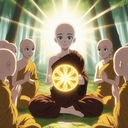
+Opening
| Evaṃ me sutaṃ— | So I have heard. | 如是我闻。 |
| ekaṃ samayaṃ bhagavā sāvatthiyaṃ viharati jetavane anāthapiṇḍikassa ārāme. | At one time the Buddha was staying near Sāvatthī in Jeta’s Grove, Anāthapiṇḍika’s monastery. | 一时,佛陀住在舍卫城祇树林给孤独园。 |
| Tatra kho bhagavā bhikkhū āmantesi: | There the Buddha addressed the monks: | 佛陀在那里对僧侣们说: |
| “bhikkhavo”ti. | “monks!” | “比丘们!” |
| “Bhadante”ti te bhikkhū bhagavato paccassosuṃ. | “Venerable sir,” they replied. | “尊者,”他们答道。 |
| Bhagavā etadavoca: | The Buddha said this: | 佛陀说了这些: |
+3.1 – (Buddha tells monks to be heirs in Dharma, not material things)
all
| “Dhammadāyādā me, bhikkhave, bhavatha, mā āmisadāyādā. | “monks, be my heirs in the ☸Dharma, not in material things. | “比丘们,你们要成为我的法嗣,而不是物质的继承者。 |
| Atthi me tumhesu anukampā: | Out of compassion for you, I think: | 出于对你们的慈悲,我这样想: |
| ‘kinti me sāvakā dhammadāyādā bhaveyyuṃ, no āmisadāyādā’ti. | ‘How can my disciples become heirs in the ☸Dharma, not in material things?’ | ‘我的弟子们如何才能成为法的继承者,而不是物质的继承者呢?’ |
| Tumhe ca me, bhikkhave, āmisadāyādā bhaveyyātha no dhammadāyādā, tumhepi tena ādiyā bhaveyyātha: | If you become heirs in material things, not in the ☸Dharma, they’ll point to you, saying: | 如果你们成为物质的继承者,而不是法的继承者,人们会指着你们说: |
| ‘āmisadāyādā satthusāvakā viharanti, no dhammadāyādā’ti; | ‘The Teacher’s disciples live as heirs in material things, not in the ☸Dharma.’ | ‘这位老师的弟子们,是物质的继承者,而不是法的继承者。’ |
| ahampi tena ādiyo bhaveyyaṃ: | And they’ll point to me, saying: | 他们也会指着我说: |
| ‘āmisadāyādā satthusāvakā viharanti, no dhammadāyādā’ti. | ‘The Teacher’s disciples live as heirs in material things, not in the ☸Dharma.’ | ‘这位老师的弟子们,是物质的继承者,而不是法的继承者。’ |
| Tumhe ca me, bhikkhave, dhammadāyādā bhaveyyātha, no āmisadāyādā, tumhepi tena na ādiyā bhaveyyātha: | If you become heirs in the ☸Dharma, not in material things, they’ll point to you, saying: | 如果你们成为法的继承者,而不是物质的继承者,人们会指着你们说: |
| ‘dhammadāyādā satthusāvakā viharanti, no āmisadāyādā’ti; | ‘The Teacher’s disciples live as heirs in the ☸Dharma, not in material things.’ | ‘这位老师的弟子们,是法的继承者,而不是物质的继承者。’ |
| ahampi tena na ādiyo bhaveyyaṃ: | And they’ll point to me, saying: | 他们也会指着我说: |
| ‘dhammadāyādā satthusāvakā viharanti, no āmisadāyādā’ti. | ‘The Teacher’s disciples live as heirs in the ☸Dharma, not in material things.’ | ‘这位老师的弟子们,是法的继承者,而不是物质的继承者。’ |
| Tasmātiha me, bhikkhave, dhammadāyādā bhavatha, mā āmisadāyādā. | So, monks, be my heirs in the ☸Dharma, not in material things. | 所以,比丘们,你们要成为我的法嗣,而不是物质的继承者。 |
| Atthi me tumhesu anukampā: | Out of compassion for you, I think: | 出于对你们的慈悲,我这样想: |
| ‘kinti me sāvakā dhammadāyādā bhaveyyuṃ, no āmisadāyādā’ti. | ‘How can my disciples become heirs in the ☸Dharma, not in material things?’ | ‘我的弟子们如何才能成为法的继承者,而不是物质的继承者呢?’ |
+§1.1 – (example of Buddha giving leftover food to monks)
| Idhāhaṃ, bhikkhave, bhuttāvī assaṃ pavārito paripuṇṇo pariyosito suhito yāvadattho; | Suppose that I had eaten and refused more food, being full, and having had as much as I needed. | 假设我已吃饱,不再需要食物,并且已经足够。 |
| siyā ca me piṇḍapāto atirekadhammo chaḍḍanīyadhammo. | And there was some extra alms-food that was going to be thrown away. | 还有一些多余的食物,正要被丢弃。 |
| Atha dve bhikkhū āgaccheyyuṃ jighacchādubbalyaparetā. | Then two monks were to come who were weak with hunger. | 这时,有两位饥饿的比丘走过来。 |
| Tyāhaṃ evaṃ vadeyyaṃ: | I’d say to them: | 我会对他们说: |
| ‘ahaṃ khomhi, bhikkhave, bhuttāvī pavārito paripuṇṇo pariyosito suhito yāvadattho; | ‘monks, I have eaten and refused more food, being full, and having had as much as I need. | ‘比丘们,我已吃饱,不再需要食物,并且已经足够。 |
| atthi ca me ayaṃ piṇḍapāto atirekadhammo chaḍḍanīyadhammo. | And there is this extra alms-food that’s going to be thrown away. | 这里有一些多余的食物,正要被丢弃。 |
| Sace ākaṅkhatha, bhuñjatha, no ce tumhe bhuñjissatha, idānāhaṃ appaharite vā chaḍḍessāmi, appāṇake vā udake opilāpessāmī’ti. | Eat it if you like. Otherwise I’ll throw it out where there is little that grows, or drop it into water that has no living creatures.’ | 你们如果愿意就吃吧。否则我会把它扔到贫瘠的地方,或者丢进没有活物的水中。’ |
+§1.2 – (first monk turns down offer, goes hungry)
| Tatrekassa bhikkhuno evamassa: | Then one of those monks thought: | 于是其中一位比丘想: |
| ‘bhagavā kho bhuttāvī pavārito paripuṇṇo pariyosito suhito yāvadattho; | ‘The Buddha has eaten and refused more food. | ‘佛陀已吃饱,不再需要食物。 |
| atthi cāyaṃ bhagavato piṇḍapāto atirekadhammo chaḍḍanīyadhammo. | And he has some extra alms-food that’s going to be thrown away. | 他还有一些多余的食物,正要被丢弃。 |
| Sace mayaṃ na bhuñjissāma, idāni bhagavā appaharite vā chaḍḍessati, appāṇake vā udake opilāpessati. | If we don’t eat it he’ll throw it away. | 如果我们不吃,他就会把它扔掉。 |
| Vuttaṃ kho panetaṃ bhagavatā: | But the Buddha has also said: | 但佛陀也曾说过: |
| “dhammadāyādā me, bhikkhave, bhavatha, mā āmisadāyādā”ti. | “Be my heirs in the ☸Dharma, not in material things.” | “要成为我的法嗣,而不是物质的继承者。” |
| Āmisaññataraṃ kho panetaṃ, yadidaṃ piṇḍapāto. | And alms-food is a kind of material thing. | 而食物也是一种物质。 |
| Yannūnāhaṃ imaṃ piṇḍapātaṃ abhuñjitvā imināva jighacchādubbalyena evaṃ imaṃ rattindivaṃ vītināmeyyan’ti. | Instead of eating this alms-food, why don’t I spend this day and night weak with hunger?’ | 与其吃这份食物,我为什么不带着饥饿虚弱度过这一天一夜呢?’ |
| So taṃ piṇḍapātaṃ abhuñjitvā teneva jighacchādubbalyena evaṃ taṃ rattindivaṃ vītināmeyya. | And that’s what they did. | 他们就是这样做的。 |
+§1.3 – (second monk accepts food)
| Atha dutiyassa bhikkhuno evamassa: | Then the second of those monks thought: | 于是第二位比丘想: |
| ‘bhagavā kho bhuttāvī pavārito paripuṇṇo pariyosito suhito yāvadattho; | ‘The Buddha has eaten and refused more food. | ‘佛陀已吃饱,不再需要食物。 |
| atthi cāyaṃ bhagavato piṇḍapāto atirekadhammo chaḍḍanīyadhammo. | And he has some extra alms-food that’s going to be thrown away. | 他还有一些多余的食物,正要被丢弃。 |
| Sace mayaṃ na bhuñjissāma, idāni bhagavā appaharite vā chaḍḍessati, appāṇake vā udake opilāpessati. | If we don’t eat it he’ll throw it away. | 如果我们不吃,他就会把它扔掉。 |
| Yannūnāhaṃ imaṃ piṇḍapātaṃ bhuñjitvā jighacchādubbalyaṃ paṭivinodetvā evaṃ imaṃ rattindivaṃ vītināmeyyan’ti. | Why don’t I eat this alms-food, then spend the day and night having got rid of my hunger and weakness?’ | 我何不吃这份食物,然后度过这一天一夜,摆脱饥饿和虚弱呢?’ |
| So taṃ piṇḍapātaṃ bhuñjitvā jighacchādubbalyaṃ paṭivinodetvā evaṃ taṃ rattindivaṃ vītināmeyya. | And that’s what they did. | 他们就是这样做的。 |
+§1.4 – (Buddha praises first monk, because it conduces to few wishes)
| Kiñcāpi so, bhikkhave, bhikkhu taṃ piṇḍapātaṃ bhuñjitvā jighacchādubbalyaṃ paṭivinodetvā evaṃ taṃ rattindivaṃ vītināmeyya, atha kho asuyeva me purimo bhikkhu pujjataro ca pāsaṃsataro ca. | Even though that monk, after eating the alms-food, spent the day and night rid of hunger and weakness, it is the former monk who is more worthy of respect and praise. | 尽管那名比丘吃了食物后,摆脱了饥饿和虚弱地度过了一天一夜,但前一位比丘更值得尊敬和赞扬。 |
| Taṃ kissa hetu? | Why is that? | 为什么会这样? |
| Tañhi tassa, bhikkhave, bhikkhuno dīgharattaṃ appicchatāya santuṭṭhiyā sallekhāya subharatāya vīriyārambhāya saṃvattissati. | Because for a long time that will conduce to that monk being of few wishes, content, self-effacing, easy to look after, and energetic. | 因为长期以来,那将有助于那位比丘少欲、知足、谦逊、易于照料、精进。 |
| Tasmātiha me, bhikkhave, dhammadāyādā bhavatha, mā āmisadāyādā. | So, monks, be my heirs in the ☸Dharma, not in material things. | 所以,比丘们,你们要成为我的法嗣,而不是物质的继承者。 |
| Atthi me tumhesu anukampā: | Out of compassion for you, I think: | 出于对你们的慈悲,我这样想: |
| ‘kinti me sāvakā dhammadāyādā bhaveyyuṃ, no āmisadāyādā’”ti. | ‘How can my disciples become heirs in the ☸Dharma, not in material things?’” | ‘我的弟子们如何才能成为法的继承者,而不是物质的继承者呢?’” |
| Idamavoca bhagavā. | That is what the Buddha said. | 佛陀如是说。 |
| Idaṃ vatvāna sugato uṭṭhāyāsanā vihāraṃ pāvisi. | When he had spoken, the Holy One got up from his seat and entered his dwelling. | 说完,世尊从座位上起身,进入自己的住处。 |
❧
+3.2 – (buddha finishes talk, sariputta talks on judicious-seclusion)
all
| Tatra kho āyasmā sāriputto acirapakkantassa bhagavato bhikkhū āmantesi: | Then soon after the Buddha left, Venerable Sāriputta said to the monks: | 佛陀离开后不久,尊者舍利弗对众比丘说: |
| “āvuso bhikkhave”ti. | “Reverends, monks!” | “尊者们,比丘们!” |
| “Āvuso”ti kho te bhikkhū āyasmato sāriputtassa paccassosuṃ. | “Reverend,” they replied. | “尊者,”他们答道。 |
| Āyasmā sāriputto etadavoca: | Sāriputta said this: | 舍利弗说了这些: |
| “Kittāvatā nu kho, āvuso, satthu pavivittassa viharato sāvakā vivekaṃ nānusikkhanti, kittāvatā ca pana satthu pavivittassa viharato sāvakā vivekamanusikkhantī”ti? | “Reverends, how do the disciples of a Teacher who lives in judicious-seclusion not train in judicious-seclusion? And how do they train in judicious-seclusion?” | “尊者们,一位住于明智独处的老师的弟子们,如何不修习明智独处?以及他们如何修习明智独处?” |
| “Dūratopi kho mayaṃ, āvuso, āgacchāma āyasmato sāriputtassa santike etassa bhāsitassa atthamaññātuṃ. | “Reverend, we would travel a long way to learn the meaning of this statement in the presence of Venerable Sāriputta. | “尊者,我们愿远行,只为在尊者舍利弗座下学习此话的含义。 |
| Sādhu vatāyasmantaṃyeva sāriputtaṃ paṭibhātu etassa bhāsitassa attho; | May Venerable Sāriputta himself please clarify the meaning of this. | 愿尊者舍利弗亲自阐明此义。 |
| āyasmato sāriputtassa sutvā bhikkhū dhāressantī”ti. | The monks will listen and remember it.” | 众比丘将恭听并铭记于心。” |
| “Tena hāvuso, suṇātha, sādhukaṃ manasi karotha, bhāsissāmī”ti. | “Well then, reverends, listen and pay close attention, I will speak.” | “那么,尊者们,请听并仔细注意,我将要讲。” |
| “Evamāvuso”ti kho te bhikkhū āyasmato sāriputtassa paccassosuṃ. | “Yes, reverend,” they replied. | “是的,尊者,”他们答道。 |
| Āyasmā sāriputto etadavoca: | Sāriputta said this: | 舍利弗说了这些: |
+§2.1 – (senior monks do not train in judicious-seclusion)
all
| “Kittāvatā nu kho, āvuso, satthu pavivittassa viharato sāvakā vivekaṃ nānusikkhanti? | “Reverends, how do the disciples of a Teacher who lives in judicious-seclusion not train in judicious-seclusion? | “尊者们,一位住于明智独处的老师的弟子们,如何不修习明智独处? |
| Idhāvuso, satthu pavivittassa viharato sāvakā vivekaṃ nānusikkhanti, | The disciples of a teacher who lives in judicious-seclusion do not train in judicious-seclusion. | 一位住于明智独处的老师的弟子们不修习明智独处。 |
| yesañca dhammānaṃ satthā pahānamāha, te ca dhamme nappajahanti, | They don’t give up what the Teacher tells them to give up. | 他们不放弃老师让他们放弃的东西。 |
| bāhulikā ca honti, sāthalikā, okkamane pubbaṅgamā, paviveke nikkhittadhurā. | They’re indulgent and slack, leaders in backsliding, neglecting judicious-seclusion. | 他们放纵懈怠,退步的带头人,忽视明智独处。 |
| Tatrāvuso, therā bhikkhū tīhi ṭhānehi gārayhā bhavanti. | In this case, the senior monks should be criticized on three grounds. | 在这种情况下,长老比丘应受到三方面的批评。 |
+§1.1 – (a. disciples don’t follow teacher’s example in judicious-seclusion)
| ‘Satthu pavivittassa viharato sāvakā vivekaṃ nānusikkhantī’ti— | ‘The disciples of a teacher who lives in judicious-seclusion do not train in judicious-seclusion.’ | ‘一位住于明智独处的老师的弟子们不修习明智独处。’ |
| iminā paṭhamena ṭhānena therā bhikkhū gārayhā bhavanti. | This is the first ground. | 这是第一方面。 |
+§1.2 – (b. don’t give up what the Teacher tells them to)
| ‘Yesañca dhammānaṃ satthā pahānamāha te ca dhamme nappajahantī’ti— | ‘They don’t give up what the Teacher tells them to give up.’ | ‘他们不放弃老师让他们放弃的东西。’ |
| iminā dutiyena ṭhānena therā bhikkhū gārayhā bhavanti. | This is the second ground. | 这是第二方面。 |
+§1.3 – (c. indulgent and slack, leaders in backsliding, neglecting judicious-seclusion)
| ‘Bāhulikā ca, sāthalikā, okkamane pubbaṅgamā, paviveke nikkhittadhurā’ti— | ‘They’re indulgent and slack, leaders in backsliding, neglecting judicious-seclusion.’ | ‘他们放纵懈怠,退步的带头人,忽视明智独处。’ |
| iminā tatiyena ṭhānena therā bhikkhū gārayhā bhavanti. | This is the third ground. | 这是第三方面。 |
| Therā, āvuso, bhikkhū imehi tīhi ṭhānehi gārayhā bhavanti. | The senior monks should be criticized on these three grounds. | 长老比丘应受到这三方面的批评。 |
+§2.2 – (middle monks likewise as senior…)
| Tatrāvuso, majjhimā bhikkhū … pe … | In this case, the middle monks | 在这种情况下,中年比丘 |
+§2.3 – (junior monks likewise as senior…)
| navā bhikkhū tīhi ṭhānehi gārayhā bhavanti. | and the junior monks should be criticized on the same three grounds. | 和年轻比丘也应受到同样的三方面批评。 |
| ‘Satthu pavivittassa viharato sāvakā vivekaṃ nānusikkhantī’ti— | ... | ... |
| iminā paṭhamena ṭhānena navā bhikkhū gārayhā bhavanti. | ... | ... |
| ‘Yesañca dhammānaṃ satthā pahānamāha te ca dhamme nappajahantī’ti— | ... | ... |
| iminā dutiyena ṭhānena navā bhikkhū gārayhā bhavanti. | ... | ... |
| ‘Bāhulikā ca honti, sāthalikā, okkamane pubbaṅgamā, paviveke nikkhittadhurā’ti— | ... | ... |
| iminā tatiyena ṭhānena navā bhikkhū gārayhā bhavanti. | ... | ... |
| Navā, āvuso, bhikkhū imehi tīhi ṭhānehi gārayhā bhavanti. | ... | ... |
| Ettāvatā kho, āvuso, satthu pavivittassa viharato sāvakā vivekaṃ nānusikkhanti. | This is how the disciples of a Teacher who lives in judicious-seclusion do not train in judicious-seclusion. | 这就是一位住于明智独处的老师的弟子们,如何不修习明智独处。 |
+§2.4 – (senior monks do train in judicious-seclusion)
all
| Kittāvatā ca panāvuso, satthu pavivittassa viharato sāvakā vivekamanusikkhanti? | And how do the disciples of a teacher who lives in judicious-seclusion train in judicious-seclusion? | 那么,一位住于明智独处的老师的弟子们,如何修习明智独处? |
| Idhāvuso, satthu pavivittassa viharato sāvakā vivekamanusikkhanti— | The disciples of a teacher who lives in judicious-seclusion train in judicious-seclusion. | 一位住于明智独处的老师的弟子们修习明智独处。 |
| yesañca dhammānaṃ satthā pahānamāha te ca dhamme pajahanti; | They give up what the Teacher tells them to give up. | 他们放弃老师让他们放弃的东西。 |
| na ca bāhulikā honti, na sāthalikā okkamane nikkhittadhurā paviveke pubbaṅgamā. | They’re not indulgent and slack, leaders in backsliding, neglecting judicious-seclusion. | 他们不放纵懈怠,不是退步的带头人,不忽视明智独处。 |
| Tatrāvuso, therā bhikkhū tīhi ṭhānehi pāsaṃsā bhavanti. | In this case, the senior monks should be praised on three grounds. | 在这种情况下,长老比丘应受到三方面的赞扬。 |
+§4.1 – (a. disciples do follow teacher’s example in judicious-seclusion)
| ‘Satthu pavivittassa viharato sāvakā vivekamanusikkhantī’ti— | ‘The disciples of a teacher who lives in judicious-seclusion train in judicious-seclusion.’ | ‘一位住于明智独处的老师的弟子们修习明智独处。’ |
| iminā paṭhamena ṭhānena therā bhikkhū pāsaṃsā bhavanti. | This is the first ground. | 这是第一方面。 |
+§4.2 – (b. do give up what the Teacher tells them to)
| ‘Yesañca dhammānaṃ satthā pahānamāha te ca dhamme pajahantī’ti— | ‘They give up what the Teacher tells them to give up.’ | ‘他们放弃老师让他们放弃的东西。’ |
| iminā dutiyena ṭhānena therā bhikkhū pāsaṃsā bhavanti. | This is the second ground. | 这是第二方面。 |
+§4.3 – (c. not these: indulgent and slack, leaders in backsliding, neglecting judicious-seclusion)
| ‘Na ca bāhulikā, na sāthalikā okkamane nikkhittadhurā paviveke pubbaṅgamā’ti— | ‘They’re not indulgent and slack, leaders in backsliding, neglecting judicious-seclusion.’ | ‘他们不放纵懈怠,不是退步的带头人,不忽视明智独处。’ |
| iminā tatiyena ṭhānena therā bhikkhū pāsaṃsā bhavanti. | This is the third ground. | 这是第三方面。 |
| Therā, āvuso, bhikkhū imehi tīhi ṭhānehi pāsaṃsā bhavanti. | The senior monks should be praised on these three grounds. | 长老比丘应受到这三方面的赞扬。 |
+§2.5 – (middle monks likewise as senior…)
| Tatrāvuso, majjhimā bhikkhū … pe … | In this case, the middle monks | 在这种情况下,中年比丘 |
+§2.6 – (junior monks likewise as senior…)
| navā bhikkhū tīhi ṭhānehi pāsaṃsā bhavanti. | and the junior monks should be praised on the same three grounds. | 和年轻比丘也应受到同样的三方面赞扬。 |
| ‘Satthu pavivittassa viharato sāvakā vivekamanusikkhantī’ti— | ... | ... |
| iminā paṭhamena ṭhānena navā bhikkhū pāsaṃsā bhavanti. | ... | ... |
| ‘Yesañca dhammānaṃ satthā pahānamāha te ca dhamme pajahantī’ti— | ... | ... |
| iminā dutiyena ṭhānena navā bhikkhū pāsaṃsā bhavanti. | ... | ... |
| ‘Na ca bāhulikā, na sāthalikā okkamane nikkhittadhurā paviveke pubbaṅgamā’ti— | ... | ... |
| iminā tatiyena ṭhānena navā bhikkhū pāsaṃsā bhavanti. | ... | ... |
| Navā, āvuso, bhikkhū imehi tīhi ṭhānehi pāsaṃsā bhavanti. | ... | ... |
| Ettāvatā kho, āvuso, satthu pavivittassa viharato sāvakā vivekamanusikkhanti. | This is how the disciples of a Teacher who lives in judicious-seclusion train in judicious-seclusion. | 这就是一位住于明智独处的老师的弟子们,如何修习明智独处。 |
❧
+3.3 – (8aam is middle way to remove greed and hate)
all
(👑8☸ middle way)
| Tatrāvuso, lobho ca pāpako doso ca pāpako. | The bad thing here is greed and hate. | 这里的恶是贪婪和憎恨。 |
| Lobhassa ca pahānāya dosassa ca pahānāya atthi majjhimā paṭipadā cakkhukaraṇī ñāṇakaraṇī upasamāya abhiññāya sambodhāya nibbānāya saṃvattati. | There is a middle way of practice for giving up greed and hate. It gives vision and knowledge, and leads to peace, direct knowledge, awakening, and nirvana. | 有一条中道修行,用于舍弃贪婪和憎恨。它带来洞察和知识,并引向和平、直接知识、觉醒和涅槃。 |
| Katamā ca sā, āvuso, majjhimā paṭipadā cakkhukaraṇī ñāṇakaraṇī upasamāya abhiññāya sambodhāya nibbānāya saṃvattati? | And what is that middle way? | 那中道是什么? |
| Ayameva ariyo aṭṭhaṅgiko maggo, seyyathidaṃ— | It is simply this noble eightfold path, that is: | 它就是这八圣道分,即: |
| sammādiṭṭhi sammāsaṅkappo sammāvācā sammākammanto sammāājīvo sammāvāyāmo sammāsati sammāsamādhi. | right view, right thought, right speech, right action, right livelihood, right effort, right rememberfulness, and right undistractible-lucidity. | 正见、正思、正语、正业、正命、正精进、正念、正定。 |
| Ayaṃ kho sā, āvuso, majjhimā paṭipadā cakkhukaraṇī ñāṇakaraṇī upasamāya abhiññāya sambodhāya nibbānāya saṃvattati. | This is that middle way, which gives vision and knowledge, and leads to peace, direct knowledge, awakening, and nirvana. | 这就是那中道,它带来洞察和知识,并引向和平、直接知识、觉醒和涅槃。 |
+§3.2 – (list of other faults middle way removes)
| Tatrāvuso, kodho ca pāpako upanāho ca pāpako … pe … | The bad thing here is anger and hostility. … | 这里的恶是愤怒和敌意。…… |
| makkho ca pāpako paḷāso ca pāpako, | offensiveness and contempt … | 冒犯和轻蔑…… |
| issā ca pāpikā maccherañca pāpakaṃ, | envy and stinginess … | 嫉妒和吝啬…… |
| māyā ca pāpikā sāṭheyyañca pāpakaṃ, | deceit and deviousness … | 欺骗和狡诈…… |
| thambho ca pāpako sārambho ca pāpako, | obstinacy and aggression … | 顽固和攻击性…… |
| māno ca pāpako atimāno ca pāpako, | conceit and arrogance … | 自负和傲慢…… |
| mado ca pāpako pamādo ca pāpako. | vanity and negligence. | 虚荣和懈怠。 |
| Madassa ca pahānāya pamādassa ca pahānāya atthi majjhimā paṭipadā cakkhukaraṇī ñāṇakaraṇī upasamāya abhiññāya sambodhāya nibbānāya saṃvattati. | There is a middle way of practice for giving up vanity and negligence. It gives vision and knowledge, and leads to peace, direct knowledge, awakening, and nirvana. | 有一条中道修行,用于舍弃虚荣和懈怠。它带来洞察和知识,并引向和平、直接知识、觉醒和涅槃。 |
| Katamā ca sā, āvuso, majjhimā paṭipadā cakkhukaraṇī ñāṇakaraṇī upasamāya abhiññāya sambodhāya nibbānāya saṃvattati? | And what is that middle way? | 那中道是什么? |
| Ayameva ariyo aṭṭhaṅgiko maggo, seyyathidaṃ— | It is simply this noble eightfold path, that is: | 它就是这八圣道分,即: |
| sammādiṭṭhi sammāsaṅkappo sammāvācā sammākammanto sammāājīvo sammāvāyāmo sammāsati sammāsamādhi. | right view, right thought, right speech, right action, right livelihood, right effort, right rememberfulness, and right undistractible-lucidity. | 正见、正思、正语、正业、正命、正精进、正念、正定。 |
| Ayaṃ kho sā, āvuso, majjhimā paṭipadā cakkhukaraṇī ñāṇakaraṇī upasamāya abhiññāya sambodhāya nibbānāya saṃvattatī”ti. | This is that middle way, which gives vision and knowledge, and leads to peace, direct knowledge, awakening, and nirvana.” | 这就是那中道,它带来洞察和知识,并引向和平、直接知识、觉醒和涅槃。” |
❧
+3.4 – (conclusion: monks happy with Sariputta’s talk)
| Idamavocāyasmā sāriputto. | This is what Venerable Sāriputta said. | 尊者舍利弗如是说。 |
| Attamanā te bhikkhū āyasmato sāriputtassa bhāsitaṃ abhinandunti. | Satisfied, the monks were happy with what Sāriputta said. | 众比丘心满意足,对舍利弗所说感到高兴。 |
❧
+MN 4 Bhaya-bherava:
Fear and Terror
all
Fear and Terror
+Opening
| (derived from B. Sujato 2018/12) | (源自 B. Sujato 2018/12) | |
| Evaṃ me sutaṃ— | So I have heard. | 如是我闻。 |
| ekaṃ samayaṃ bhagavā sāvatthiyaṃ viharati jetavane anāthapiṇḍikassa ārāme. | At one time the Buddha was staying near Sāvatthī in Jeta’s Grove, Anāthapiṇḍika’s monastery. | 一时,佛陀住在舍卫城祇树林给孤独园。 |
| Atha kho jāṇussoṇi brāhmaṇo yena bhagavā tenupasaṅkami; upasaṅkamitvā bhagavatā saddhiṃ sammodi. | Then the brahmin Jāṇussoṇi went up to the Buddha, and exchanged greetings with him. | 那时,婆罗门迦努索尼去见佛陀,并与他互相问候。 |
| Sammodanīyaṃ kathaṃ sāraṇīyaṃ vītisāretvā ekamantaṃ nisīdi. Ekamantaṃ nisinno kho jāṇussoṇi brāhmaṇo bhagavantaṃ etadavoca: | When the greetings and polite conversation were over, he sat down to one side and said to the Buddha: | 问候和礼貌的交谈结束后,他坐在一旁对佛陀说: |
| “yeme, bho gotama, kulaputtā bhavantaṃ gotamaṃ uddissa saddhā agārasmā anagāriyaṃ pabbajitā, bhavaṃ tesaṃ gotamo pubbaṅgamo, bhavaṃ tesaṃ gotamo bahukāro, bhavaṃ tesaṃ gotamo samādapetā; | “Master Gotama, those members of good families who have gone forth from the lay life to homelessness out of justifiable-trust in Master Gotama have Master Gotama to lead the way, help them out, and give them encouragement. | “乔达摩大师,那些出于对乔达摩大师的正当信任,从在家生活出家至无家可归的善家子弟,有乔达摩大师引领、帮助和鼓励。 |
| bhoto ca pana gotamassa sā janatā diṭṭhānugatiṃ āpajjatī”ti. | And those people follow Master Gotama’s example.” | 那些人也都效仿乔达摩大师的榜样。” |
| “Evametaṃ, brāhmaṇa, evametaṃ, brāhmaṇa. Ye te, brāhmaṇa, kulaputtā mamaṃ uddissa saddhā agārasmā anagāriyaṃ pabbajitā, ahaṃ tesaṃ pubbaṅgamo, ahaṃ tesaṃ bahukāro, ahaṃ tesaṃ samādapetā; mama ca pana sā janatā diṭṭhānugatiṃ āpajjatī”ti. |
“That’s so true, brahmin! That’s so true, brahmin! …” | “正是如此,婆罗门!正是如此,婆罗门!……” |
+4.3 – (all the reasons Buddha doesn’t have fear living in wilderness)
all
| “Durabhisambhavāni hi kho, bho gotama, araññavanapatthāni pantāni senāsanāni, dukkaraṃ pavivekaṃ, durabhiramaṃ | “But Master Gotama, remote lodgings in the wilderness and the forest are challenging. It’s hard to maintain judicious-seclusion and hard to find joy in it. | “但乔达摩大师,旷野和森林中的僻静住处充满挑战。很难保持明智独处,也很难从中找到乐趣。 |
| ekatte, haranti maññe mano vanāni samādhiṃ alabhamānassa bhikkhuno”ti. | Staying alone, the forests seem to rob the mind of a monk who isn’t undistractify-&-lucidifyd in samādhi.” | 独自一人,森林似乎会夺走一个禅定中无法专注而明晰的比丘的心智。” |
| “Evametaṃ, brāhmaṇa, evametaṃ, brāhmaṇa. Durabhisambhavāni hi kho, brāhmaṇa, araññavanapatthāni pantāni senāsanāni, dukkaraṃ pavivekaṃ, durabhiramaṃ ekatte, haranti maññe mano vanāni samādhiṃ alabhamānassa bhikkhuno. |
“That’s so true, brahmin! That’s so true, brahmin! … | “正是如此,婆罗门!正是如此,婆罗门!…… |
| Mayhampi kho, brāhmaṇa, pubbeva sambodhā anabhisambuddhassa bodhisattasseva sato etadahosi: | Before my awakening—when I was still unawakened but intent on awakening—I too thought: | 在我觉醒之前——当我尚未觉醒但决心觉醒时——我也曾想: |
| ‘durabhisambhavāni hi kho araññavanapatthāni pantāni senāsanāni, dukkaraṃ pavivekaṃ, durabhiramaṃ | ‘Remote lodgings in the wilderness and the forest are challenging. It’s hard to maintain judicious-seclusion, and hard to find joy in it. | ‘旷野和森林中的僻静住处充满挑战。很难保持明智独处,也很难从中找到乐趣。 |
| ekatte, haranti maññe mano vanāni samādhiṃ alabhamānassa bhikkhuno’ti. | Staying alone, the forests seem to rob the mind of a monk who isn’t undistractify-&-lucidifyd in samādhi.’ | 独自一人,森林似乎会夺走一个禅定中无法专注而明晰的比丘的心智。’ |
| Tassa mayhaṃ, brāhmaṇa, etadahosi: | Then I thought: | 然后我想: |
| ‘ye kho keci samaṇā vā brāhmaṇā vā aparisuddhakāyakammantā araññavanapatthāni pantāni senāsanāni paṭisevanti, aparisuddhakāyakammantasandosahetu have te bhonto samaṇabrāhmaṇā akusalaṃ bhayabheravaṃ avhāyanti. | ‘There are ascetics and brahmins with unpurified conduct of body, speech, and mind who frequent remote lodgings in the wilderness and the forest. Those ascetics and brahmins summon unskillful fear and terror because of these flaws in their conduct. | ‘有些沙门和婆罗门,身、语、意行为不净,他们经常出入旷野和森林中的僻静住处。这些沙门和婆罗门,由于他们行为上的这些缺陷,会招致不善的恐惧和恐怖。 |
| Na kho panāhaṃ aparisuddhakāyakammanto araññavanapatthāni pantāni senāsanāni paṭisevāmi; | But I don’t frequent remote lodgings in the wilderness and the forest with unpurified conduct of body, speech, and mind. | 但我不会以不净的身、语、意行为出入旷野和森林中的僻静住处。 |
| parisuddhakāyakammantohamasmi. | My conduct is purified. | 我的行为是清净的。 |
| Ye hi vo ariyā parisuddhakāyakammantā araññavanapatthāni pantāni senāsanāni paṭisevanti tesamahaṃ aññataro’ti. | I am one of those noble ones who frequent remote lodgings in the wilderness and the forest with purified conduct of body, speech, and mind.’ | 我是那些以清净的身、语、意行为出入旷野和森林中的僻静住处的圣者之一。’ |
| Etamahaṃ, brāhmaṇa, parisuddhakāyakammataṃ attani sampassamāno bhiyyo pallomamāpādiṃ araññe vihārāya. (1) | Seeing this purity of conduct in myself I felt even more unruffled about staying in the forest. | 看到我自身行为的这种清净,我对住在森林里感到更加平静。 |
+(1)
| Tassa mayhaṃ, brāhmaṇa, etadahosi: ‘ye kho keci samaṇā vā brāhmaṇā vā aparisuddhavacīkammantā … pe … aparisuddhamanokammantā … pe … |
Then I thought: | 然后我想: |
| aparisuddhājīvā araññavanapatthāni pantāni senāsanāni paṭisevanti, aparisuddhājīvasandosahetu have te bhonto samaṇabrāhmaṇā akusalaṃ bhayabheravaṃ avhāyanti. | ‘There are ascetics and brahmins with unpurified livelihood who frequent remote lodgings in the wilderness and the forest. Those ascetics and brahmins summon unskillful fear and terror because of these flaws in their livelihood. | ‘有些沙门和婆罗门,生活方式不净,他们经常出入旷野和森林中的僻静住处。这些沙门和婆罗门,由于他们生活方式上的这些缺陷,会招致不善的恐惧和恐怖。 |
| Na kho panāhaṃ aparisuddhājīvo araññavanapatthāni pantāni senāsanāni paṭisevāmi; | But I don’t frequent remote lodgings in the wilderness and the forest with unpurified livelihood. | 但我不会以不净的生活方式出入旷野和森林中的僻静住处。 |
| parisuddhājīvohamasmi. | My livelihood is purified. | 我的生活方式是清净的。 |
| Ye hi vo ariyā parisuddhājīvā araññavanapatthāni pantāni senāsanāni paṭisevanti tesamahaṃ aññataro’ti. | I am one of those noble ones who frequent remote lodgings in the wilderness and the forest with purified livelihood.’ | 我是那些以清净的生活方式出入旷野和森林中的僻静住处的圣者之一。’ |
| Etamahaṃ, brāhmaṇa, parisuddhājīvataṃ attani sampassamāno bhiyyo pallomamāpādiṃ araññe vihārāya. (2–4.) | Seeing this purity of livelihood in myself I felt even more unruffled about staying in the forest. | 看到我自身生活方式的这种清净,我对住在森林里感到更加平静。 |
+(2-4)
| Tassa mayhaṃ, brāhmaṇa, etadahosi: | Then I thought: | 然后我想: |
| ‘ye kho keci samaṇā vā brāhmaṇā vā abhijjhālū kāmesu tibbasārāgā araññavanapatthāni pantāni senāsanāni paṭisevanti, abhijjhālukāmesutibbasārāgasandosahetu have te bhonto samaṇabrāhmaṇā akusalaṃ bhayabheravaṃ avhāyanti. Na kho panāhaṃ abhijjhālu kāmesu tibbasārāgo araññavanapatthāni pantāni senāsanāni paṭisevāmi; |
‘There are ascetics and brahmins full of desire for sensual pleasures, with acute lust … | ‘有些沙门和婆罗门充满对感官享乐的欲望,有强烈的贪欲…… |
| anabhijjhālūhamasmi. Ye hi vo ariyā anabhijjhālū araññavanapatthāni pantāni senāsanāni paṭisevanti, tesamahaṃ aññataro’ti. Etamahaṃ, brāhmaṇa, anabhijjhālutaṃ attani sampassamāno bhiyyo pallomamāpādiṃ araññe vihārāya. (5) |
I am not full of desire …’ | 我没有充满欲望……’ |
+(5)
| Tassa mayhaṃ, brāhmaṇa, etadahosi: | ||
| ‘ye kho keci samaṇā vā brāhmaṇā vā byāpannacittā paduṭṭhamanasaṅkappā araññavanapatthāni pantāni senāsanāni paṭisevanti, byāpannacittapaduṭṭhamanasaṅkappasandosahetu have te bhonto samaṇabrāhmaṇā akusalaṃ bhayabheravaṃ avhāyanti. Na kho panāhaṃ byāpannacitto paduṭṭhamanasaṅkappo araññavanapatthāni pantāni senāsanāni paṭisevāmi; |
‘There are ascetics and brahmins full of ill will, with hateful intentions … | ‘有些沙门和婆罗门充满恶意,心怀憎恨…… |
| mettacittohamasmi. Ye hi vo ariyā mettacittā araññavanapatthāni pantāni senāsanāni paṭisevanti tesamahaṃ aññataro’ti. Etamahaṃ, brāhmaṇa, mettacittataṃ attani sampassamāno bhiyyo pallomamāpādiṃ araññe vihārāya. (6) |
I have a heart full of love …’ | 我心中充满慈爱……’ |
+(6)
| Tassa mayhaṃ, brāhmaṇa, etadahosi: | ||
| ‘ye kho keci samaṇā vā brāhmaṇā vā thinamiddhapariyuṭṭhitā araññavanapatthāni pantāni senāsanāni paṭisevanti, thinamiddhapariyuṭṭhānasandosahetu have te bhonto samaṇabrāhmaṇā akusalaṃ bhayabheravaṃ avhāyanti. Na kho panāhaṃ thinamiddhapariyuṭṭhito araññavanapatthāni pantāni senāsanāni paṭisevāmi; |
‘There are ascetics and brahmins overcome with dullness and drowsiness … | ‘有些沙门和婆罗门被昏沉和嗜睡所克服…… |
| vigatathinamiddhohamasmi. Ye hi vo ariyā vigatathinamiddhā araññavanapatthāni pantāni senāsanāni paṭisevanti tesamahaṃ aññataro’ti. Etamahaṃ, brāhmaṇa, vigatathinamiddhataṃ attani sampassamāno bhiyyo pallomamāpādiṃ araññe vihārāya. (7) |
I am free of dullness and drowsiness …’ | 我没有昏沉和嗜睡……’ |
+(7)
| Tassa mayhaṃ, brāhmaṇa, etadahosi: | ||
| ‘ye kho keci samaṇā vā brāhmaṇā vā uddhatā avūpasantacittā araññavanapatthāni pantāni senāsanāni paṭisevanti, uddhataavūpasantacittasandosahetu have te bhonto samaṇabrāhmaṇā akusalaṃ bhayabheravaṃ avhāyanti. Na kho panāhaṃ uddhato avūpasantacitto araññavanapatthāni pantāni senāsanāni paṭisevāmi; |
‘There are ascetics and brahmins who are restless, with no peace of mind … | ‘有些沙门和婆罗门心烦意乱,心不安宁…… |
| vūpasantacittohamasmi. Ye hi vo ariyā vūpasantacittā araññavanapatthāni pantāni senāsanāni paṭisevanti, tesamahaṃ aññataro’ti. Etamahaṃ, brāhmaṇa, vūpasantacittataṃ attani sampassamāno bhiyyo pallomamāpādiṃ araññe vihārāya. (8) |
My mind is peaceful …’ | 我的心是平静的……’ |
+(8)
| Tassa mayhaṃ, brāhmaṇa, etadahosi: | ||
| ‘ye kho keci samaṇā vā brāhmaṇā vā kaṅkhī vicikicchī araññavanapatthāni pantāni senāsanāni paṭisevanti, kaṅkhivicikicchisandosahetu have te bhonto samaṇabrāhmaṇā akusalaṃ bhayabheravaṃ avhāyanti. Na kho panāhaṃ kaṅkhī vicikicchī araññavanapatthāni pantāni senāsanāni paṭisevāmi; |
‘There are ascetics and brahmins who are doubting and uncertain … | ‘有些沙门和婆罗门怀疑和不确定…… |
| tiṇṇavicikicchohamasmi. Ye hi vo ariyā tiṇṇavicikicchā araññavanapatthāni pantāni senāsanāni paṭisevanti tesamahaṃ aññataro’ti. Etamahaṃ, brāhmaṇa, tiṇṇavicikicchataṃ attani sampassamāno bhiyyo pallomamāpādiṃ araññe vihārāya. (9) |
I’ve gone beyond doubt …’ | 我已超越疑惑……’ |
+(9)
| Tassa mayhaṃ, brāhmaṇa, etadahosi: | ||
| ‘ye kho keci samaṇā vā brāhmaṇā vā attukkaṃsakā paravambhī araññavanapatthāni pantāni senāsanāni paṭisevanti, attukkaṃsanaparavambhanasandosahetu have te bhonto samaṇabrāhmaṇā akusalaṃ bhayabheravaṃ avhāyanti. Na kho panāhaṃ attukkaṃsako paravambhī araññavanapatthāni pantāni senāsanāni paṭisevāmi; |
‘There are ascetics and brahmins who glorify themselves and put others down … | ‘有些沙门和婆罗门自我赞美,贬低他人…… |
| anattukkaṃsako aparavambhīhamasmi. Ye hi vo ariyā anattukkaṃsakā aparavambhī araññavanapatthāni pantāni senāsanāni paṭisevanti tesamahaṃ aññataro’ti. Etamahaṃ, brāhmaṇa, anattukkaṃsakataṃ aparavambhitaṃ attani sampassamāno bhiyyo pallomamāpādiṃ araññe vihārāya. (10) |
I don’t glorify myself and put others down …’ | 我不自我赞美,也不贬低他人……’ |
+(10)
| Tassa mayhaṃ, brāhmaṇa, etadahosi: | ||
| ‘ye kho keci samaṇā vā brāhmaṇā vā chambhī bhīrukajātikā araññavanapatthāni pantāni senāsanāni paṭisevanti, chambhibhīrukajātikasandosahetu have te bhonto samaṇabrāhmaṇā akusalaṃ bhayabheravaṃ avhāyanti. Na kho panāhaṃ chambhī bhīrukajātiko araññavanapatthāni pantāni senāsanāni paṭisevāmi; |
‘There are ascetics and brahmins who are cowardly and craven … | ‘有些沙门和婆罗门胆怯懦弱…… |
| vigatalomahaṃsohamasmi. Ye hi vo ariyā vigatalomahaṃsā araññavanapatthāni pantāni senāsanāni paṭisevanti tesamahaṃ aññataro’ti. Etamahaṃ, brāhmaṇa, vigatalomahaṃsataṃ attani sampassamāno bhiyyo pallomamāpādiṃ araññe vihārāya. (11) |
I don’t get startled …’ | 我不会被吓到……’ |
+(11)
| Tassa mayhaṃ, brāhmaṇa, etadahosi: | ||
| ‘ye kho keci samaṇā vā brāhmaṇā vā lābhasakkārasilokaṃ nikāmayamānā araññavanapatthāni pantāni senāsanāni paṭisevanti, lābhasakkārasilokanikāmanasandosahetu have te bhonto samaṇabrāhmaṇā akusalaṃ bhayabheravaṃ avhāyanti. Na kho panāhaṃ lābhasakkārasilokaṃ nikāmayamāno araññavanapatthāni pantāni senāsanāni paṭisevāmi; |
‘There are ascetics and brahmins who enjoy possessions, honor, and popularity … | ‘有些沙门和婆罗门喜欢财富、荣誉和声望…… |
| appicchohamasmi. Ye hi vo ariyā appicchā araññavanapatthāni pantāni senāsanāni paṭisevanti tesamahaṃ aññataro’ti. Etamahaṃ, brāhmaṇa, appicchataṃ attani sampassamāno bhiyyo pallomamāpādiṃ araññe vihārāya. (12) |
I have few wishes …’ | 我少欲……’ |
+(12)
| Tassa mayhaṃ, brāhmaṇa, etadahosi: | ||
| ‘ye kho keci samaṇā vā brāhmaṇā vā kusītā hīnavīriyā araññavanapatthāni pantāni senāsanāni paṭisevanti, kusītahīnavīriyasandosahetu have te bhonto samaṇabrāhmaṇā akusalaṃ bhayabheravaṃ avhāyanti. Na kho panāhaṃ kusīto hīnavīriyo araññavanapatthāni pantāni senāsanāni paṭisevāmi; |
‘There are ascetics and brahmins who are lazy and lack vigor … | ‘有些沙门和婆罗门懒惰且缺乏精力…… |
| āraddhavīriyohamasmi. Ye hi vo ariyā āraddhavīriyā araññavanapatthāni pantāni senāsanāni paṭisevanti tesamahaṃ aññataro’ti. Etamahaṃ, brāhmaṇa, āraddhavīriyataṃ attani sampassamāno bhiyyo pallomamāpādiṃ araññe vihārāya. (13) |
I am energetic …’ | 我精进……’ |
+(13)
| Tassa mayhaṃ, brāhmaṇa, etadahosi: | ||
| ‘ye kho keci samaṇā vā brāhmaṇā vā muṭṭhassatī asampajānā araññavanapatthāni pantāni senāsanāni paṭisevanti, muṭṭhassatiasampajānasandosahetu have te bhonto samaṇabrāhmaṇā akusalaṃ bhayabheravaṃ avhāyanti. Na kho panāhaṃ muṭṭhassati asampajāno araññavanapatthāni pantāni senāsanāni paṭisevāmi; |
‘There are ascetics and brahmins who are unrememberful and lack lucid-discerning … | ‘有些沙门和婆罗门健忘且缺乏清晰辨别力…… |
| upaṭṭhitassatihamasmi. Ye hi vo ariyā upaṭṭhitassatī araññavanapatthāni pantāni senāsanāni paṭisevanti tesamahaṃ aññataro’ti. Etamahaṃ, brāhmaṇa, upaṭṭhitassatitaṃ attani sampassamāno bhiyyo pallomamāpādiṃ araññe vihārāya. (14) |
I am rememberful …’ | 我有正念……’ |
+(14)
| Tassa mayhaṃ, brāhmaṇa, etadahosi: | ||
| ‘ye kho keci samaṇā vā brāhmaṇā vā asamāhitā vibbhantacittā araññavanapatthāni pantāni senāsanāni paṭisevanti, asamāhitavibbhantacittasandosahetu have te bhonto samaṇabrāhmaṇā akusalaṃ bhayabheravaṃ avhāyanti. Na kho panāhaṃ asamāhito vibbhantacitto araññavanapatthāni pantāni senāsanāni paṭisevāmi; |
‘There are ascetics and brahmins who lack undistractible-lucidity, with straying minds … | ‘有些沙门和婆罗门缺乏定力,心意散乱…… |
| samādhisampannohamasmi. Ye hi vo ariyā samādhisampannā araññavanapatthāni pantāni senāsanāni paṭisevanti tesamahaṃ aññataro’ti. Etamahaṃ, brāhmaṇa, samādhisampadaṃ attani sampassamāno bhiyyo pallomamāpādiṃ araññe vihārāya. (15) |
I am accomplished in undistractible-lucidity …’ | 我在定力上有所成就……’ |
+(15)
| Tassa mayhaṃ, brāhmaṇa, etadahosi: | ||
| ‘ye kho keci samaṇā vā brāhmaṇā vā duppaññā eḷamūgā araññavanapatthāni pantāni senāsanāni paṭisevanti, duppaññaeḷamūgasandosahetu have te bhonto samaṇabrāhmaṇā akusalaṃ bhayabheravaṃ avhāyanti. | ‘There are ascetics and brahmins who are witless and stupid who frequent remote lodgings in the wilderness and the forest. Those ascetics and brahmins summon unskillful fear and terror because of the flaws of witlessness and stupidity. | ‘有些沙门和婆罗门愚蠢无知,经常出入旷野和森林中的僻静住处。这些沙门和婆罗门,由于愚蠢无知的缺陷,会招致不善的恐惧和恐怖。 |
| Na kho panāhaṃ duppañño eḷamūgo araññavanapatthāni pantāni senāsanāni paṭisevāmi; | But I don’t frequent remote lodgings in the wilderness and the forest witless and stupid. | 但我不会愚蠢无知地出入旷野和森林中的僻静住处。 |
| paññāsampannohamasmi. | I am accomplished in wisdom. | 我在智慧上有所成就。 |
| Ye hi vo ariyā paññāsampannā araññavanapatthāni pantāni senāsanāni paṭisevanti tesamahaṃ aññataro’ti. | I am one of those noble ones who frequent remote lodgings in the wilderness and the forest accomplished in wisdom.’ | 我是那些在智慧上有所成就,经常出入旷野和森林中的僻静住处的圣者之一。’ |
| Etamahaṃ, brāhmaṇa, paññāsampadaṃ attani sampassamāno bhiyyo pallomamāpādiṃ araññe vihārāya. (16) | Seeing this accomplishment of wisdom in myself I felt even more unruffled about staying in the forest. | 看到我自身智慧的这种成就,我对住在森林里感到更加平静。 |
+(16)
❧
+4.4 – (Buddha picked days of the month especially fearful to test himself)
| Tassa mayhaṃ, brāhmaṇa, etadahosi: | Then I thought: | 然后我想: |
| ‘yannūnāhaṃ yā tā rattiyo abhiññātā abhilakkhitā— | ‘There are certain nights that are recognized as specially portentous: | ‘有些夜晚被认为是特别不祥的: |
| cātuddasī pañcadasī aṭṭhamī ca pakkhassa— | the fourteenth, fifteenth, and eighth of the fortnight. | 半月的十四日、十五日和第八日。 |
| tathārūpāsu rattīsu yāni tāni ārāmacetiyāni vanacetiyāni rukkhacetiyāni bhiṃsanakāni salomahaṃsāni tathārūpesu senāsanesu vihareyyaṃ appeva nāmāhaṃ bhayabheravaṃ passeyyan’ti. | On such nights, why don’t I stay in awe-inspiring and hair-raising shrines in parks, forests, and trees? In such lodgings, hopefully I might see that fear and terror.’ | 在这样的夜晚,我何不住在公园、森林和树林里令人敬畏和毛骨悚然的神龛中呢?在这样的住处,希望能看到那种恐惧和恐怖。’ |
| So kho ahaṃ, brāhmaṇa, aparena samayena yā tā rattiyo abhiññātā abhilakkhitā— cātuddasī pañcadasī aṭṭhamī ca pakkhassa— tathārūpāsu rattīsu yāni tāni ārāmacetiyāni vanacetiyāni rukkhacetiyāni bhiṃsanakāni salomahaṃsāni tathārūpesu senāsanesu viharāmi. |
Some time later, that’s what I did. | 过了一段时间,我就是这样做的。 |
| Tattha ca me, brāhmaṇa, viharato mago vā āgacchati, moro vā kaṭṭhaṃ pāteti, vāto vā paṇṇakasaṭaṃ ereti; | As I was staying there a deer came by, or a peacock snapped a twig, or the wind rustled the leaves. | 当我待在那里时,一只鹿走过来,或者一只孔雀折断了一根树枝,或者风吹动了树叶。 |
| tassa mayhaṃ brāhmaṇa etadahosi: | Then I thought: | 然后我想: |
| ‘etaṃ nūna taṃ bhayabheravaṃ āgacchatī’ti. | ‘Is this that fear and terror coming?’ | ‘这是那种恐惧和恐怖来了吗?’ |
| Tassa mayhaṃ, brāhmaṇa, etadahosi: | Then I thought: | 然后我想: |
| ‘kiṃ nu kho ahaṃ aññadatthu bhayapaṭikaṅkhī viharāmi? | ‘Why do I always meditate expecting that fear and terror to come? | ‘为什么我总是带着恐惧和恐怖即将到来的期望来禅修? |
| Yannūnāhaṃ yathābhūtaṃ yathābhūtassa me taṃ bhayabheravaṃ āgacchati, tathābhūtaṃ tathābhūtova taṃ bhayabheravaṃ paṭivineyyan’ti. | Why don’t I get rid of that fear and terror just as it comes, while remaining just as I am?’ | 我为什么不在恐惧和恐怖到来时,就按我现在的样子把它去除掉呢?’ |
| Tassa mayhaṃ, brāhmaṇa, caṅkamantassa taṃ bhayabheravaṃ āgacchati. | Then that fear and terror came upon me as I was walking. | 然后当我在行走时,那种恐惧和恐怖降临到我身上。 |
| So kho ahaṃ, brāhmaṇa, neva tāva tiṭṭhāmi na nisīdāmi na nipajjāmi, yāva caṅkamantova taṃ bhayabheravaṃ paṭivinemi. | I didn’t stand still or sit down or lie down until I had got rid of that fear and terror while walking. | 我没有停下、坐下或躺下,直到我在行走时摆脱了那种恐惧和恐怖。 |
| Tassa mayhaṃ, brāhmaṇa, ṭhitassa taṃ bhayabheravaṃ āgacchati. | Then that fear and terror came upon me as I was standing. | 然后当我在站立时,那种恐惧和恐怖降临到我身上。 |
| So kho ahaṃ, brāhmaṇa, neva tāva caṅkamāmi na nisīdāmi na nipajjāmi. Yāva ṭhitova taṃ bhayabheravaṃ paṭivinemi. | I didn’t walk or sit down or lie down until I had got rid of that fear and terror while standing. | 我没有行走、坐下或躺下,直到我在站立时摆脱了那种恐惧和恐怖。 |
| Tassa mayhaṃ, brāhmaṇa, nisinnassa taṃ bhayabheravaṃ āgacchati. | Then that fear and terror came upon me as I was sitting. | 然后当我在坐着时,那种恐惧和恐怖降临到我身上。 |
| So kho ahaṃ, brāhmaṇa, neva tāva nipajjāmi na tiṭṭhāmi na caṅkamāmi, yāva nisinnova taṃ bhayabheravaṃ paṭivinemi. | I didn’t lie down or stand still or walk until I had got rid of that fear and terror while sitting. | 我没有躺下、停下或行走,直到我在坐着时摆脱了那种恐惧和恐怖。 |
| Tassa mayhaṃ, brāhmaṇa, nipannassa taṃ bhayabheravaṃ āgacchati. | Then that fear and terror came upon me as I was lying down. | 然后当我在躺着时,那种恐惧和恐怖降临到我身上。 |
| So kho ahaṃ, brāhmaṇa, neva tāva nisīdāmi na tiṭṭhāmi na caṅkamāmi, yāva nipannova taṃ bhayabheravaṃ paṭivinemi. | I didn’t sit up or stand still or walk until I had got rid of that fear and terror while lying down. | 我没有坐起来、停下或行走,直到我在躺着时摆脱了那种恐惧和恐怖。 |
| Santi kho pana, brāhmaṇa, eke samaṇabrāhmaṇā rattiṃyeva samānaṃ divāti sañjānanti, divāyeva samānaṃ rattīti sañjānanti. | There are some ascetics and brahmins who perceive that it’s day when in fact it’s night, or perceive that it’s night when in fact it’s day. | 有些沙门和婆罗门,事实是夜晚却感知为白天,或者事实是白天却感知为夜晚。 |
| Idamahaṃ tesaṃ samaṇabrāhmaṇānaṃ sammohavihārasmiṃ vadāmi. | This meditation of theirs is delusional, I say. | 我说,他们的这种禅修是妄想的。 |
| Ahaṃ kho pana, brāhmaṇa, rattiṃyeva samānaṃ rattīti sañjānāmi, divāyeva samānaṃ divāti sañjānāmi. | I perceive that it’s night when in fact it is night, and perceive that it’s day when in fact it is day. | 我事实是夜晚就感知为夜晚,事实是白天就感知为白天。 |
| Yaṃ kho taṃ, brāhmaṇa, sammā vadamāno vadeyya: | And if there’s anyone of whom it may be rightly said that | 如果有人可以正当地说: |
| ‘asammohadhammo satto loke uppanno bahujanahitāya bahujanasukhāya lokānukampāya atthāya hitāya sukhāya devamanussānan’ti, mameva taṃ sammā vadamāno vadeyya: ‘asammohadhammo satto loke uppanno bahujanahitāya bahujanasukhāya lokānukampāya atthāya hitāya sukhāya devamanussānan’ti. |
a being not liable to delusion has arisen in the world for the welfare and happiness of the people, for the benefit, welfare, and happiness of gods and humans, it’s of me that this should be said. | 一个不会迷惑的有情众生已为众生的福利和幸福、为天人和人类的利益、福利和幸福而出现在世间,那说的就是我。 |
❧
+4.5 – (seven 7sb☀️ awakening factor sequence activated)
| Āraddhaṃ kho pana me, brāhmaṇa, vīriyaṃ ahosi asallīnaṃ, upaṭṭhitā sati asammuṭṭhā, passaddho kāyo asāraddho, samāhitaṃ cittaṃ ekaggaṃ. | My vigor was roused up and unflagging, my rememberfulness was established and lucid, my body was pacified and undisturbed, and my mind was undistractify-&-lucidifyd in samādhi. | 我的精力振奋不懈,我的正念坚定清晰,我的身体平静无扰,我的心在禅定中专注而明晰。 |
+4.6 – (STED four jhāna formula = samādhi awakening factor)
| So kho ahaṃ, brāhmaṇa, vivicceva kāmehi vivicca akusalehi dhammehi savitakkaṃ savicāraṃ vivekajaṃ pītisukhaṃ paṭhamaṃ jhānaṃ upasampajja vihāsiṃ. | Quite judiciously-secluded from sensual pleasures, judiciously-secluded from unskillful Dharmas, I entered and remained in the first jhāna, which has the mental-joy and pleasure born of judicious-seclusion, while directing-thought and evaluation. | 我已完全离欲,离不善法,进入并安住于初禅,其中有离欲所生的喜和乐,以及寻和伺。 |
| Vitakkavicārānaṃ vūpasamā ajjhattaṃ sampasādanaṃ cetaso ekodibhāvaṃ avitakkaṃ avicāraṃ samādhijaṃ pītisukhaṃ dutiyaṃ jhānaṃ upasampajja vihāsiṃ. | As the directed-thought and evaluation were stilled, I entered and remained in the second jhāna, which has the mental-joy and pleasure born of undistractible-lucidity, with internal clarity and confidence, and unified mind, without directing-thought and evaluation. | 随着寻和伺的止息,我进入并安住于二禅,其中有定所生的喜和乐,内心清净自信,心意统一,没有寻和伺。 |
| Pītiyā ca virāgā upekkhako ca vihāsiṃ, sato ca sampajāno sukhañca kāyena paṭisaṃvedesiṃ; yaṃ taṃ ariyā ācikkhanti: ‘upekkhako satimā sukhavihārī’ti tatiyaṃ jhānaṃ upasampajja vihāsiṃ. | And with the fading away of mental-joy, I entered and remained in the third jhāna, where I meditated with equanimous-observation, rememberful and aware, personally experiencing pleasure with the flesh and blood physical body of which the noble ones declare, ‘Equanimous and rememberful, one meditates in pleasure.’ | 随着喜的消退,我进入并安住于三禅,我在那里以舍心禅修,正念正知,亲身体验身心之乐,圣者称赞道:‘舍心正念,安住于乐。’ |
| Sukhassa ca pahānā dukkhassa ca pahānā pubbeva somanassadomanassānaṃ atthaṅgamā adukkhamasukhaṃ upekkhāsatipārisuddhiṃ catutthaṃ jhānaṃ upasampajja vihāsiṃ. | With the giving up of pleasure and pain, and the ending of former happiness and sadness, I entered and remained in the fourth jhāna, without pleasure or pain, with pure equanimous-observation and rememberfulness. | 随着乐和苦的舍弃,以及先前乐和忧的止息,我进入并安住于四禅,无乐无苦,只有纯净的舍心和正念。 |
+4.7 – (imperturbable version of 4th jhāna = upekkha awakening factor)
| So evaṃ samāhite citte parisuddhe pariyodāte anaṅgaṇe vigatūpakkilese mudubhūte kammaniye ṭhite āneñjappatte | When my mind had become undistractify-&-lucidifyd in samādhi like this—purified, bright, spotless, rid of taints, pliable, workable, steady, and imperturbable— | 当我的心在禅定中变得如此专注而明晰——清净、明亮、无垢、无染、柔顺、易用、稳定、不动摇—— |
+4.8 – (using that samādhi realize the te-vijja 3 higher knowledges)
| pubbenivāsānussatiñāṇāya cittaṃ abhininnāmesiṃ. So anekavihitaṃ pubbenivāsaṃ anussarāmi, | I extended it toward recollection of past lives. I recollected many kinds of past lives. | 我将它导向宿命智。我忆起了许多种类的宿命。 |
| seyyathidaṃ—ekampi jātiṃ dvepi jātiyo tissopi jātiyo catassopi jātiyo pañcapi jātiyo dasapi jātiyo vīsampi jātiyo tiṃsampi jātiyo cattālīsampi jātiyo paññāsampi jātiyo jātisatampi jātisahassampi jātisatasahassampi anekepi saṃvaṭṭakappe anekepi vivaṭṭakappe anekepi saṃvaṭṭavivaṭṭakappe: ‘amutrāsiṃ evaṃnāmo evaṅgotto evaṃvaṇṇo evamāhāro evaṃsukhadukkhappaṭisaṃvedī evamāyupariyanto, so tato cuto amutra udapādiṃ; tatrāpāsiṃ evaṃnāmo evaṅgotto evaṃvaṇṇo evamāhāro evaṃsukhadukkhappaṭisaṃvedī evamāyupariyanto, so tato cuto idhūpapanno’ti. Iti sākāraṃ sauddesaṃ anekavihitaṃ pubbenivāsaṃ anussarāmi. | That is: one, two, three, four, five, ten, twenty, thirty, forty, fifty, a hundred, a thousand, a hundred thousand rebirths; many eons of the world contracting, many eons of the world evolving, many eons of the world contracting and evolving. I remembered: ‘There, I was named this, my clan was that, I looked like this, and that was my food. This was how I felt pleasure and pain, and that was how my life ended. When I passed away from that place I was reborn somewhere else. There, too, I was named this, my clan was that, I looked like this, and that was my food. This was how I felt pleasure and pain, and that was how my life ended. When I passed away from that place I was reborn here.’ And so I recollected my many kinds of past lives, with features and details. | 即:一世、两世、三世、四世、五世、十世、二十世、三十世、四十世、五十世、一百世、一千世、十万世的轮回;许多劫的世界收缩,许多劫的世界演化,许多劫的世界收缩和演化。我忆起:‘在那里,我叫这个名字,我的家族是那个,我长这样,那是我的食物。我这样感受乐和苦,那是我的生命终结的方式。当我从那个地方死去后,我投生到别处。在那里,我也叫这个名字,我的家族是那个,我长这样,那是我的食物。我这样感受乐和苦,那是我的生命终结的方式。当我从那个地方死去后,我投生到这里。’就这样,我忆起了我的许多种类的宿命,包括特征和细节。 |
| Ayaṃ kho me, brāhmaṇa, rattiyā paṭhame yāme paṭhamā vijjā adhigatā, | This was the first knowledge, which I achieved in the first watch of the night. | 这是我在前半夜获得的第一个知识。 |
| avijjā vihatā vijjā uppannā, tamo vihato āloko uppanno, yathā taṃ appamattassa ātāpino pahitattassa viharato. | Ignorance was destroyed and knowledge arose; darkness was destroyed and light arose, as happens for a meditator who is assiduous, ardent, and resolute. | 无明被摧毁,知识生起;黑暗被摧毁,光明生起,就像一位勤奋、热忱、坚决的禅修者那样。 |
| So evaṃ samāhite citte parisuddhe pariyodāte anaṅgaṇe vigatūpakkilese mudubhūte kammaniye ṭhite āneñjappatte sattānaṃ cutūpapātañāṇāya cittaṃ abhininnāmesiṃ. | When my mind had become undistractify-&-lucidifyd in samādhi like this—purified, bright, spotless, rid of taints, pliable, workable, steady, and imperturbable—I extended it toward knowledge of the death and rebirth of sentient beings. | 当我的心在禅定中变得如此专注而明晰——清净、明亮、无垢、无染、柔顺、易用、稳定、不动摇——我将它导向众生生死智。 |
| So dibbena cakkhunā visuddhena atikkantamānusakena satte passāmi cavamāne upapajjamāne hīne paṇīte suvaṇṇe dubbaṇṇe sugate duggate yathākammūpage satte pajānāmi: ‘ime vata bhonto sattā kāyaduccaritena samannāgatā vacīduccaritena samannāgatā manoduccaritena samannāgatā ariyānaṃ upavādakā micchādiṭṭhikā micchādiṭṭhikammasamādānā; te kāyassa bhedā paraṃ maraṇā apāyaṃ duggatiṃ vinipātaṃ nirayaṃ upapannā. Ime vā pana bhonto sattā kāyasucaritena samannāgatā vacīsucaritena samannāgatā manosucaritena samannāgatā ariyānaṃ anupavādakā sammādiṭṭhikā sammādiṭṭhikammasamādānā; te kāyassa bhedā paraṃ maraṇā sugatiṃ saggaṃ lokaṃ upapannā’ti. Iti dibbena cakkhunā visuddhena atikkantamānusakena satte passāmi cavamāne upapajjamāne hīne paṇīte suvaṇṇe dubbaṇṇe sugate duggate yathākammūpage satte pajānāmi. | With clairvoyance that is purified and superhuman, I saw sentient beings passing away and being reborn—inferior and superior, beautiful and ugly, in a good place or a bad place. I understood how sentient beings are reborn according to their deeds: ‘These dear beings did bad things by way of body, speech, and mind. They spoke ill of the noble ones; they had wrong view; and they chose to act out of that wrong view. When their body breaks up, after death, they’re reborn in a place of loss, a bad place, the underworld, hell. These dear beings, however, did good things by way of body, speech, and mind. They never spoke ill of the noble ones; they had right view; and they chose to act out of that right view. When their body breaks up, after death, they’re reborn in a good place, a heavenly realm.’ And so, with clairvoyance that is purified and superhuman, I saw sentient beings passing away and being reborn—inferior and superior, beautiful and ugly, in a good place or a bad place. I understood how sentient beings are reborn according to their deeds. | 我以清净超人的天眼通,看见众生死去和投生——低劣的与高贵的,美丽的与丑陋的,在善处或恶处。我理解众生如何根据他们的业而投生:‘这些亲爱的众生,身、语、意做了恶事。他们恶语诽谤圣者;他们有邪见;他们选择依邪见行事。当他们的身体坏散,死后,他们投生到恶道、恶处、地下世界、地狱。然而,这些亲爱的众生,身、语、意做了善事。他们从不恶语诽谤圣者;他们有正见;他们选择依正见行事。当他们的身体坏散,死后,他们投生到善处、天界。’就这样,我以清净超人的天眼通,看见众生死去和投生——低劣的与高贵的,美丽的与丑陋的,在善处或恶处。我理解众生如何根据他们的业而投生。 |
| Ayaṃ kho me, brāhmaṇa, rattiyā majjhime yāme dutiyā vijjā adhigatā, | This was the second knowledge, which I achieved in the middle watch of the night. | 这是我在中夜获得的第二个知识。 |
| avijjā vihatā vijjā uppannā, tamo vihato āloko uppanno, yathā taṃ appamattassa ātāpino pahitattassa viharato. | Ignorance was destroyed and knowledge arose; darkness was destroyed and light arose, as happens for a meditator who is assiduous, ardent, and resolute. | 无明被摧毁,知识生起;黑暗被摧毁,光明生起,就像一位勤奋、热忱、坚决的禅修者那样。 |
| So evaṃ samāhite citte parisuddhe pariyodāte anaṅgaṇe vigatūpakkilese mudubhūte kammaniye ṭhite āneñjappatte āsavānaṃ khayañāṇāya cittaṃ abhininnāmesiṃ. | When my mind had become undistractify-&-lucidifyd in samādhi like this—purified, bright, spotless, rid of taints, pliable, workable, steady, and imperturbable—I extended it toward knowledge of the ending of defilements. | 当我的心在禅定中变得如此专注而明晰——清净、明亮、无垢、无染、柔顺、易用、稳定、不动摇——我将它导向烦恼尽智。 |
| So ‘idaṃ dukkhan’ti yathābhūtaṃ abbhaññāsiṃ, ‘ayaṃ dukkhasamudayo’ti yathābhūtaṃ abbhaññāsiṃ, ‘ayaṃ dukkhanirodho’ti yathābhūtaṃ abbhaññāsiṃ, ‘ayaṃ dukkhanirodhagāminī paṭipadā’ti yathābhūtaṃ abbhaññāsiṃ. | I truly understood: ‘This is suffering’ … ‘This is the origin of suffering’ … ‘This is the cessation of suffering’ … ‘This is the practice that leads to the cessation of suffering’. | 我真实地理解:‘这是苦’……‘这是苦的起源’……‘这是苦的止息’……‘这是导致苦止息的修行’。 |
| ‘Ime āsavā’ti yathābhūtaṃ abbhaññāsiṃ, ‘ayaṃ āsavasamudayo’ti yathābhūtaṃ abbhaññāsiṃ, ‘ayaṃ āsavanirodho’ti yathābhūtaṃ abbhaññāsiṃ, ‘ayaṃ āsavanirodhagāminī paṭipadā’ti yathābhūtaṃ abbhaññāsiṃ. | I truly understood: ‘These are defilements’ … ‘This is the origin of defilements’ … ‘This is the cessation of defilements’ … ‘This is the practice that leads to the cessation of defilements’. | 我真实地理解:‘这些是烦恼’……‘这是烦恼的起源’……‘这是烦恼的止息’……‘这是导致烦恼止息的修行’。 |
| Tassa me evaṃ jānato evaṃ passato kāmāsavāpi cittaṃ vimuccittha, bhavāsavāpi cittaṃ vimuccittha, avijjāsavāpi cittaṃ vimuccittha. | Knowing and seeing like this, my mind was freed from the defilements of sensuality, desire to be reborn, and ignorance. | 如此知晓和看见,我的心从欲爱、有爱和无明的烦恼中解脱出来。 |
| Vimuttasmiṃ vimuttamiti ñāṇaṃ ahosi. | When it was freed, I knew it was freed. | 当它解脱时,我便知道它已解脱。 |
| ‘Khīṇā jāti, vusitaṃ brahmacariyaṃ, kataṃ karaṇīyaṃ, nāparaṃ itthattāyā’ti abbhaññāsiṃ. | I understood: ‘Rebirth is ended; the spiritual journey has been completed; what had to be done has been done; there is no return to any state of existence.’ | 我理解:‘生死已尽;梵行已立;应作已作;不再回到任何存在状态。’ |
| Ayaṃ kho me, brāhmaṇa, rattiyā pacchime yāme tatiyā vijjā adhigatā, | This was the third knowledge, which I achieved in the final watch of the night. | 这是我在后半夜获得的第三个知识。 |
| avijjā vihatā vijjā uppannā, tamo vihato āloko uppanno, yathā taṃ appamattassa ātāpino pahitattassa viharato. | Ignorance was destroyed and knowledge arose; darkness was destroyed and light arose, as happens for a meditator who is assiduous, ardent, and resolute. | 无明被摧毁,知识生起;黑暗被摧毁,光明生起,就像一位勤奋、热忱、坚决的禅修者那样。 |
+4.9 – (Brahmin wonders if Gotama is not free of defilements since he still frequents wilderness )
| Siyā kho pana te, brāhmaṇa, evamassa: | Brahmin, you might think: | 婆罗门,你可能会想: |
| ‘ajjāpi nūna samaṇo gotamo avītarāgo avītadoso avītamoho, tasmā araññavanapatthāni pantāni senāsanāni paṭisevatī’ti. | ‘Perhaps the Master Gotama is not free of greed, hate, and delusion even today, and that is why he still frequents remote lodgings in the wilderness and the forest.’ | ‘也许乔达摩大师至今仍未摆脱贪婪、憎恨和愚痴,所以他仍然经常出入旷野和森林中的僻静住处。’ |
| Na kho panetaṃ, brāhmaṇa, evaṃ daṭṭhabbaṃ. | But you should not see it like this. | 但你不应该这样看。 |
| Dve kho ahaṃ, brāhmaṇa, atthavase sampassamāno araññavanapatthāni pantāni senāsanāni paṭisevāmi— | I see two reasons to frequent remote lodgings in the wilderness and the forest. | 我经常出入旷野和森林中的僻静住处有两个原因。 |
| attano ca diṭṭhadhammasukhavihāraṃ sampassamāno, pacchimañca janataṃ anukampamāno”ti. | I see a happy life for myself in the present, and I have compassion for future generations.” | 我看到了自己今世的幸福生活,并且我对后代抱有慈悲心。” |
| “Anukampitarūpā vatāyaṃ bhotā gotamena pacchimā janatā, yathā taṃ arahatā sammāsambuddhena. | “Indeed, Master Gotama has compassion for future generations, since he is a perfected one, a fully awakened Buddha. | “确实如此,乔达摩大师对后代抱有慈悲心,因为他是一位圆满者,一位完全觉醒的佛陀。 |
| Abhikkantaṃ, bho gotama. Abhikkantaṃ, bho gotama. | Excellent, Master Gotama! Excellent, Master Gotama! | 太棒了,乔达摩大师!太棒了,乔达摩大师! |
| Seyyathāpi, bho gotama, nikkujjitaṃ vā ukkujjeyya, paṭicchannaṃ vā vivareyya, mūḷhassa vā maggaṃ ācikkheyya, andhakāre vā telapajjotaṃ dhāreyya: ‘cakkhumanto rūpāni dakkhantī’ti; evamevaṃ bhotā gotamena anekapariyāyena dhammo pakāsito. | As if he were righting the overturned, or revealing the hidden, or pointing out the path to the lost, or lighting a lamp in the dark so people with good eyes can see what’s there, Master Gotama has made The Dharma clear in many ways. | 正如他扶正被推翻的,或揭示隐藏的,或为迷失者指明道路,或在黑暗中点亮一盏灯,使视力好的人能看到那里有什么,乔达摩大师以多种方式阐明了法。 |
| Esāhaṃ bhavantaṃ gotamaṃ saraṇaṃ gacchāmi dhammañca bhikkhusaṅghañca. | I go for refuge to Master Gotama, to The Dharma, and to the monk Saṅgha. | 我皈依乔达摩大师,皈依法,皈依僧伽。 |
| Upāsakaṃ maṃ bhavaṃ gotamo dhāretu ajjatagge pāṇupetaṃ saraṇaṃ gatan”ti. | From this day forth, may Master Gotama remember me as a lay follower who has gone for refuge for life.” | 从今天起,愿乔达摩大师记住我,作为一个终生皈依的在家信徒。” |
❧
+MN 5 Anaṅgaṇa:
Unblemished
all
Unblemished

+Opening
| (derived from B. Sujato 2018/12) | (源自 B. Sujato 2018/12) | |
| Evaṃ me sutaṃ— | So I have heard. | 如是我闻。 |
| ekaṃ samayaṃ bhagavā sāvatthiyaṃ viharati jetavane anāthapiṇḍikassa ārāme. | At one time the Buddha was staying near Sāvatthī in Jeta’s Grove, Anāthapiṇḍika’s monastery. | 一时,佛陀住在舍卫城祇树林给孤独园。 |
| Tatra kho āyasmā sāriputto bhikkhū āmantesi: | There Sāriputta addressed the monks: | 那时舍利弗对众比丘说: |
| “āvuso bhikkhave”ti. | “Reverends, monks!” | “尊者们,比丘们!” |
| “Āvuso”ti kho te bhikkhū āyasmato sāriputtassa paccassosuṃ. | “Reverend,” they replied. | “尊者,”他们答道。 |
| Āyasmā sāriputto etadavoca: | Sāriputta said this: | 舍利弗说了这些: |
+5.1 – (Sāriputta gives talk: there are 4 types of people…)
| “Cattārome, āvuso, puggalā santo saṃvijjamānā lokasmiṃ. | “monks, these four people are found in the world. | “比丘们,世上有四种人。 |
| Katame cattāro? | What four? | 哪四种? |
| Idhāvuso, ekacco puggalo sāṅgaṇova samāno ‘atthi me ajjhattaṃ aṅgaṇan’ti yathābhūtaṃ nappajānāti. | One person with a blemish doesn’t truly understand: ‘There is a blemish in me.’ | 一种有瑕疵的人不真正明白:‘我身上有瑕疵。’ |
| Idha panāvuso, ekacco puggalo sāṅgaṇova samāno ‘atthi me ajjhattaṃ aṅgaṇan’ti yathābhūtaṃ pajānāti. | But another person with a blemish does truly understand: ‘There is a blemish in me.’ | 但另一种有瑕疵的人真正明白:‘我身上有瑕疵。’ |
| Idhāvuso, ekacco puggalo anaṅgaṇova samāno ‘natthi me ajjhattaṃ aṅgaṇan’ti yathābhūtaṃ nappajānāti. | One person without a blemish doesn’t truly understand: ‘There is no blemish in me.’ | 一种没有瑕疵的人不真正明白:‘我身上没有瑕疵。’ |
| Idha panāvuso, ekacco puggalo anaṅgaṇova samāno ‘natthi me ajjhattaṃ aṅgaṇan’ti yathābhūtaṃ pajānāti. | But another person without a blemish does truly understand: ‘There is no blemish in me.’ | 但另一种没有瑕疵的人真正明白:‘我身上没有瑕疵。’ |
| Tatrāvuso, yvāyaṃ puggalo sāṅgaṇova samāno ‘atthi me ajjhattaṃ aṅgaṇan’ti yathābhūtaṃ nappajānāti, ayaṃ imesaṃ dvinnaṃ puggalānaṃ sāṅgaṇānaṃyeva sataṃ hīnapuriso akkhāyati. | In this case, of the two persons with a blemish, the one who doesn’t understand is said to be worse, | 在这种情况下,在两种有瑕疵的人中,不明白的人被称为更差, |
| Tatrāvuso, yvāyaṃ puggalo sāṅgaṇova samāno ‘atthi me ajjhattaṃ aṅgaṇan’ti yathābhūtaṃ pajānāti, ayaṃ imesaṃ dvinnaṃ puggalānaṃ sāṅgaṇānaṃyeva sataṃ seṭṭhapuriso akkhāyati. | while the one who does understand is better. | 而明白的人则更好。 |
| Tatrāvuso, yvāyaṃ puggalo anaṅgaṇova samāno ‘natthi me ajjhattaṃ aṅgaṇan’ti yathābhūtaṃ nappajānāti, ayaṃ imesaṃ dvinnaṃ puggalānaṃ anaṅgaṇānaṃyeva sataṃ hīnapuriso akkhāyati. | And of the two persons without a blemish, the one who doesn’t understand is said to be worse, | 而在两种没有瑕疵的人中,不明白的人被称为更差, |
| Tatrāvuso, yvāyaṃ puggalo anaṅgaṇova samāno ‘natthi me ajjhattaṃ aṅgaṇan’ti yathābhūtaṃ pajānāti, ayaṃ imesaṃ dvinnaṃ puggalānaṃ anaṅgaṇānaṃyeva sataṃ seṭṭhapuriso akkhāyatī”ti. | while the one who does understand is better.” | 而明白的人则更好。” |
+5.2 – (Mahāmoggallāna ask him why one type better)
| Evaṃ vutte, āyasmā mahāmoggallāno āyasmantaṃ sāriputtaṃ etadavoca: | When he said this, Venerable Mahāmoggallāna said to him: | 他这样说后,尊者摩诃目犍连对他说: |
| “Ko nu kho, āvuso sāriputta, hetu ko paccayo yenimesaṃ dvinnaṃ puggalānaṃ sāṅgaṇānaṃyeva sataṃ eko hīnapuriso akkhāyati, eko seṭṭhapuriso akkhāyati? | “What is the cause, Reverend Sāriputta, what is the reason why, of the two persons with a blemish, one is said to be worse and one better? | “尊者舍利弗,什么原因导致两种有瑕疵的人中,一人被认为是更差,一人更好? |
| Ko panāvuso sāriputta, hetu ko paccayo yenimesaṃ dvinnaṃ puggalānaṃ anaṅgaṇānaṃyeva sataṃ eko hīnapuriso akkhāyati, eko seṭṭhapuriso akkhāyatī”ti? | And what is the cause, what is the reason why, of the two persons without a blemish, one is said to be worse and one better?” | 又是什么原因导致两种没有瑕疵的人中,一人被认为是更差,一人更好?” |
| “Tatrāvuso, yvāyaṃ puggalo sāṅgaṇova samāno ‘atthi me ajjhattaṃ aṅgaṇan’ti yathābhūtaṃ nappajānāti, tassetaṃ pāṭikaṅkhaṃ—na chandaṃ janessati na vāyamissati na vīriyaṃ ārabhissati tassaṅgaṇassa pahānāya; | “Reverend, take the case of the person who has a blemish and does not understand it. You can expect that they won’t generate enthusiasm, make an effort, or rouse up vigor to give up that blemish. | “尊者,以有瑕疵却不明白的人为例。你可以预料,他们不会产生精进,不作努力,也不会振奋精神去放弃那个瑕疵。 |
| so sarāgo sadoso samoho sāṅgaṇo saṃkiliṭṭhacitto kālaṃ karissati. | And they will die with greed, hate, and delusion, blemished, with a corrupted mind. | 他们会带着贪婪、憎恨和愚痴死去,有瑕疵,心被腐蚀。 |
| Seyyathāpi, āvuso, kaṃsapāti ābhatā āpaṇā vā kammārakulā vā rajena ca malena ca pariyonaddhā. | Suppose a bronze dish was brought from a shop or smithy covered with dirt or stains. | 假设一个青铜盘从商店或铁匠铺里拿来,上面沾满了泥土或污渍。 |
| Tamenaṃ sāmikā na ceva paribhuñjeyyuṃ na ca pariyodapeyyuṃ, rajāpathe ca naṃ nikkhipeyyuṃ. | And the owners neither used it or had it cleaned, but kept it in a dirty place. | 主人既不使用它也不清洁它,而是把它放在一个肮脏的地方。 |
| Evañhi sā, āvuso, kaṃsapāti aparena samayena saṃkiliṭṭhatarā assa malaggahitā”ti? | Over time, wouldn’t that bronze dish get even dirtier and more stained?” | 久而久之,那个青铜盘难道不会变得更脏、污渍更多吗?” |
| “Evamāvuso”ti. | “Yes, reverend.” | “是的,尊者。” |
| “Evameva kho, āvuso, yvāyaṃ puggalo sāṅgaṇova samāno ‘atthi me ajjhattaṃ aṅgaṇan’ti yathābhūtaṃ nappajānāti, tassetaṃ pāṭikaṅkhaṃ—na chandaṃ janessati na vāyamissati na vīriyaṃ ārabhissati tassaṅgaṇassa pahānāya; | “In the same way, take the case of the person who has a blemish and does not understand it. You can expect that … | “同样地,以有瑕疵却不明白的人为例。你可以预料…… |
| so sarāgo sadoso samoho sāṅgaṇo saṃkiliṭṭhacitto kālaṃ karissati. | they will die with a corrupted mind. | 他们会带着腐蚀的心死去。 |
| Tatrāvuso, yvāyaṃ puggalo sāṅgaṇova samāno ‘atthi me ajjhattaṃ aṅgaṇan’ti yathābhūtaṃ pajānāti, tassetaṃ pāṭikaṅkhaṃ—chandaṃ janessati vāyamissati vīriyaṃ ārabhissati tassaṅgaṇassa pahānāya; | Take the case of the person who has a blemish and does understand it. You can expect that they will generate enthusiasm, make an effort, and rouse up vigor to give up that blemish. | 以有瑕疵且明白的人为例。你可以预料,他们会产生精进,作努力,并振奋精神去放弃那个瑕疵。 |
| so arāgo adoso amoho anaṅgaṇo asaṅkiliṭṭhacitto kālaṃ karissati. | And they will die without greed, hate, and delusion, unblemished, with an uncorrupted mind. | 他们会不带贪婪、憎恨和愚痴死去,无瑕疵,心未被腐蚀。 |
| Seyyathāpi, āvuso, kaṃsapāti ābhatā āpaṇā vā kammārakulā vā rajena ca malena ca pariyonaddhā. | Suppose a bronze dish was brought from a shop or smithy covered with dirt or stains. | 假设一个青铜盘从商店或铁匠铺里拿来,上面沾满了泥土或污渍。 |
| Tamenaṃ sāmikā paribhuñjeyyuñceva pariyodapeyyuñca, na ca naṃ rajāpathe nikkhipeyyuṃ. | But the owners used it and had it cleaned, and didn’t keep it in a dirty place. | 但主人使用它并清洁它,也不把它放在肮脏的地方。 |
| Evañhi sā, āvuso, kaṃsapāti aparena samayena parisuddhatarā assa pariyodātā”ti? | Over time, wouldn’t that bronze dish get cleaner and brighter?” | 久而久之,那个青铜盘难道不会变得更干净、更明亮吗?” |
| “Evamāvuso”ti. | “Yes, reverend.” | “是的,尊者。” |
| “Evameva kho, āvuso, yvāyaṃ puggalo sāṅgaṇova samāno ‘atthi me ajjhattaṃ aṅgaṇan’ti yathābhūtaṃ pajānāti, tassetaṃ pāṭikaṅkhaṃ—chandaṃ janessati vāyamissati vīriyaṃ ārabhissati tassaṅgaṇassa pahānāya; | “In the same way, take the case of the person who has a blemish and does understand it. You can expect that … | “同样地,以有瑕疵且明白的人为例。你可以预料…… |
| so arāgo adoso amoho anaṅgaṇo asaṅkiliṭṭhacitto kālaṃ karissati. | they will die with an uncorrupted mind. | 他们会带着未被腐蚀的心死去。 |
| Tatrāvuso, yvāyaṃ puggalo anaṅgaṇova samāno ‘natthi me ajjhattaṃ aṅgaṇan’ti yathābhūtaṃ nappajānāti, tassetaṃ pāṭikaṅkhaṃ—subhanimittaṃ manasi karissati, tassa subhanimittassa manasikārā rāgo cittaṃ anuddhaṃsessati; | Take the case of the person who doesn’t have a blemish but does not understand it. You can expect that they will focus on the aspect of beauty, and because of that, lust will infect their mind. | 以没有瑕疵却不明白的人为例。你可以预料,他们会专注于美好的一面,因此,贪欲会感染他们的心。 |
| so sarāgo sadoso samoho sāṅgaṇo saṅkiliṭṭhacitto kālaṃ karissati. | And they will die with greed, hate, and delusion, blemished, with a corrupted mind. | 他们会带着贪婪、憎恨和愚痴死去,有瑕疵,心被腐蚀。 |
| Seyyathāpi, āvuso, kaṃsapāti ābhatā āpaṇā vā kammārakulā vā parisuddhā pariyodātā. | Suppose a bronze dish was brought from a shop or smithy clean and bright. | 假设一个青铜盘从商店或铁匠铺里拿来,干净明亮。 |
| Tamenaṃ sāmikā na ceva paribhuñjeyyuṃ na ca pariyodapeyyuṃ, rajāpathe ca naṃ nikkhipeyyuṃ. | And the owners neither used it or had it cleaned, but kept it in a dirty place. | 主人既不使用它也不清洁它,而是把它放在一个肮脏的地方。 |
| Evañhi sā, āvuso, kaṃsapāti aparena samayena saṅkiliṭṭhatarā assa malaggahitā”ti? | Over time, wouldn’t that bronze dish get dirtier and more stained?” | 久而久之,那个青铜盘难道不会变得更脏、污渍更多吗?” |
| “Evamāvuso”ti. | “Yes, reverend.” | “是的,尊者。” |
| “Evameva kho, āvuso, yvāyaṃ puggalo anaṅgaṇova samāno ‘natthi me ajjhattaṃ aṅgaṇan’ti yathābhūtaṃ nappajānāti, tassetaṃ pāṭikaṅkhaṃ—subhanimittaṃ manasi karissati, tassa subhanimittassa manasikārā rāgo cittaṃ anuddhaṃsessati; | “In the same way, take the case of the person who has a blemish and does not understand it. You can expect that … | “同样地,以有瑕疵却不明白的人为例。你可以预料…… |
| so sarāgo sadoso samoho sāṅgaṇo saṅkiliṭṭhacitto kālaṃ karissati. | they will die with a corrupted mind. | 他们会带着腐蚀的心死去。 |
| Tatrāvuso, yvāyaṃ puggalo anaṅgaṇova samāno ‘natthi me ajjhattaṃ aṅgaṇan’ti yathābhūtaṃ pajānāti, tassetaṃ pāṭikaṅkhaṃ—subhanimittaṃ na manasi karissati, tassa subhanimittassa amanasikārā rāgo cittaṃ nānuddhaṃsessati; | Take the case of the person who doesn’t have a blemish and does understand it. You can expect that they won’t focus on the aspect of beauty, and because of that, lust won’t infect their mind. | 以没有瑕疵且明白的人为例。你可以预料,他们不会专注于美好的一面,因此,贪欲不会感染他们的心。 |
| so arāgo adoso amoho anaṅgaṇo asaṅkiliṭṭhacitto kālaṃ karissati. | And they will die without greed, hate, and delusion, unblemished, with an uncorrupted mind. | 他们会不带贪婪、憎恨和愚痴死去,无瑕疵,心未被腐蚀。 |
| Seyyathāpi, āvuso, kaṃsapāti ābhatā āpaṇā vā kammārakulā vā parisuddhā pariyodātā. | Suppose a bronze dish was brought from a shop or smithy clean and bright. | 假设一个青铜盘从商店或铁匠铺里拿来,干净明亮。 |
| Tamenaṃ sāmikā paribhuñjeyyuñceva pariyodapeyyuñca, na ca naṃ rajāpathe nikkhipeyyuṃ. | And the owners used it and had it cleaned, and didn’t keep it in a dirty place. | 但主人使用它并清洁它,也不把它放在肮脏的地方。 |
| Evañhi sā, āvuso, kaṃsapāti aparena samayena parisuddhatarā assa pariyodātā”ti? | Over time, wouldn’t that bronze dish get cleaner and brighter?” | 久而久之,那个青铜盘难道不会变得更干净、更明亮吗?” |
| “Evamāvuso”ti. | “Yes, reverend.” | “是的,尊者。” |
| “Evameva kho, āvuso, yvāyaṃ puggalo anaṅgaṇova samāno ‘natthi me ajjhattaṃ aṅgaṇan’ti yathābhūtaṃ pajānāti, tassetaṃ pāṭikaṅkhaṃ—subhanimittaṃ na manasi karissati, tassa subhanimittassa amanasikārā rāgo cittaṃ nānuddhaṃsessati; | “In the same way, take the case of the person who doesn’t have a blemish and does understand it. You can expect that … | “同样地,以没有瑕疵且明白的人为例。你可以预料…… |
| so arāgo adoso amoho anaṅgaṇo asaṅkiliṭṭhacitto kālaṃ karissati. | they will die with an uncorrupted mind. | 他们会带着未被腐蚀的心死去。 |
| Ayaṃ kho, āvuso moggallāna, hetu ayaṃ paccayo yenimesaṃ dvinnaṃ puggalānaṃ sāṅgaṇānaṃyeva sataṃ eko hīnapuriso akkhāyati, eko seṭṭhapuriso akkhāyati. | This is the cause, this is the reason why, of the two persons with a blemish, one is said to be worse and one better. | 这就是为什么在两种有瑕疵的人中,一人被认为是更差,一人更好。 |
| Ayaṃ panāvuso moggallāna, hetu ayaṃ paccayo yenimesaṃ dvinnaṃ puggalānaṃ anaṅgaṇānaṃyeva sataṃ eko hīnapuriso akkhāyati, eko seṭṭhapuriso akkhāyatī”ti. | And this is the cause, this is the reason why, of the two persons without a blemish, one is said to be worse and one better.” | 这就是为什么在两种没有瑕疵的人中,一人被认为是更差,一人更好。” |
❧
+5.3 – (But what is ‘blemish’ a term for?” )
| “Aṅgaṇaṃ aṅgaṇanti, āvuso, vuccati. | “Reverend, the word ‘blemish’ is spoken of. | “尊者,‘瑕疵’这个词被提到了。 |
| Kissa nu kho etaṃ, āvuso, adhivacanaṃ yadidaṃ aṅgaṇan”ti? | But what is ‘blemish’ a term for?” | 但‘瑕疵’指的是什么?” |
| “Pāpakānaṃ kho etaṃ, āvuso, akusalānaṃ icchāvacarānaṃ adhivacanaṃ, yadidaṃ aṅgaṇan”ti. | “Reverend, ‘blemish’ is a term for the spheres of bad, unskillful wishes. | “尊者,‘瑕疵’指的是不善、不熟练愿望的领域。 |
| “Ṭhānaṃ kho panetaṃ, āvuso, vijjati yaṃ idhekaccassa bhikkhuno evaṃ icchā uppajjeyya: | It’s possible that some monk might wish: | 有可能有些比丘会希望: |
| ‘āpattiñca vata āpanno assaṃ, na ca maṃ bhikkhū jāneyyuṃ āpattiṃ āpanno’ti. | ‘If I commit an offence, I hope the monks don’t find out!’ | ‘如果我犯了错,希望比丘们不要发现!’ |
| Ṭhānaṃ kho panetaṃ, āvuso, vijjati yaṃ taṃ bhikkhuṃ bhikkhū jāneyyuṃ: | But it’s possible that the monks do find out that that monk | 但比丘们有可能确实发现了那个比丘 |
| ‘āpattiṃ āpanno’ti. | has committed an offence. | 犯了错。 |
| ‘Jānanti maṃ bhikkhū āpattiṃ āpanno’ti— | Thinking, ‘The monks have found out about my offence,’ | 他想:‘比丘们发现了我的过错,’ |
| iti so kupito hoti appatīto. | they get angry and bitter. | 他们变得愤怒和痛苦。 |
| Yo ceva kho, āvuso, kopo yo ca appaccayo— | And that anger and that bitterness | 而那愤怒和那痛苦 |
| ubhayametaṃ aṅgaṇaṃ. | are both blemishes. | 都是瑕疵。 |
| TMPPLANKLINE | ||
| Ṭhānaṃ kho panetaṃ, āvuso, vijjati yaṃ idhekaccassa bhikkhuno evaṃ icchā uppajjeyya: | It’s possible that some monk might wish: | 有可能有些比丘会希望: |
| ‘āpattiñca vata āpanno assaṃ, anuraho maṃ bhikkhū codeyyuṃ, no saṅghamajjhe’ti. | ‘If I commit an offence, I hope the monks accuse me in private, not in the middle of the Saṅgha.’ | ‘如果我犯了错,希望比丘们私下里指责我,而不是在僧团中。’ |
| Ṭhānaṃ kho panetaṃ, āvuso, vijjati yaṃ taṃ bhikkhuṃ bhikkhū saṅghamajjhe codeyyuṃ, no anuraho. ‘Saṅghamajjhe maṃ bhikkhū codenti, no anuraho’ti— iti so kupito hoti appatīto. Yo ceva kho, āvuso, kopo yo ca appaccayo— ubhayametaṃ aṅgaṇaṃ. |
But it’s possible that the monks do accuse that monk in the middle of the Saṅgha … | 但比丘们有可能确实在僧团中指责那个比丘…… |
| Ṭhānaṃ kho panetaṃ, āvuso, vijjati yaṃ idhekaccassa bhikkhuno evaṃ icchā uppajjeyya: | It’s possible that some monk might wish: | 有可能有些比丘会希望: |
| ‘āpattiñca vata āpanno assaṃ, sappaṭipuggalo maṃ codeyya, no appaṭipuggalo’ti. | ‘If I commit an offence, I hope I’m accused by an equal, not by someone who is not an equal.’ | ‘如果我犯了错,希望我被平等的人指责,而不是被不平等的人指责。’ |
| Ṭhānaṃ kho panetaṃ, āvuso, vijjati yaṃ taṃ bhikkhuṃ appaṭipuggalo codeyya, no sappaṭipuggalo. ‘Appaṭipuggalo maṃ codeti, no sappaṭipuggalo’ti— iti so kupito hoti appatīto. Yo ceva kho, āvuso, kopo yo ca appaccayo— ubhayametaṃ aṅgaṇaṃ. |
But it’s possible that someone who is not an equal accuses that monk … | 但有可能不平等的人指责那个比丘…… |
| Ṭhānaṃ kho panetaṃ, āvuso, vijjati yaṃ idhekaccassa bhikkhuno evaṃ icchā uppajjeyya: | It’s possible that some monk might wish: | 有可能有些比丘会希望: |
| ‘aho vata mameva satthā paṭipucchitvā paṭipucchitvā bhikkhūnaṃ dhammaṃ deseyya, na aññaṃ bhikkhuṃ satthā paṭipucchitvā paṭipucchitvā bhikkhūnaṃ dhammaṃ deseyyā’ti. | ‘Oh, I hope the Teacher will teach the monks by repeatedly questioning me alone, not some other monk.’ | ‘噢,我希望老师单独反复问我来教导比丘们,而不是问其他比丘。’ |
| Ṭhānaṃ kho panetaṃ, āvuso, vijjati yaṃ aññaṃ bhikkhuṃ satthā paṭipucchitvā paṭipucchitvā bhikkhūnaṃ dhammaṃ deseyya, na taṃ bhikkhuṃ satthā paṭipucchitvā paṭipucchitvā bhikkhūnaṃ dhammaṃ deseyya. ‘Aññaṃ bhikkhuṃ satthā paṭipucchitvā paṭipucchitvā bhikkhūnaṃ dhammaṃ deseti, na maṃ satthā paṭipucchitvā paṭipucchitvā bhikkhūnaṃ dhammaṃ desetī’ti— iti so kupito hoti appatīto. Yo ceva kho, āvuso, kopo yo ca appaccayo— ubhayametaṃ aṅgaṇaṃ. |
But it’s possible that the Teacher will teach the monks by repeatedly questioning some other monk … | 但有可能老师会单独反复问其他比丘来教导比丘们…… |
| Ṭhānaṃ kho panetaṃ, āvuso, vijjati yaṃ idhekaccassa bhikkhuno evaṃ icchā uppajjeyya: | It’s possible that some monk might wish: | 有可能有些比丘会希望: |
| ‘aho vata mameva bhikkhū purakkhatvā purakkhatvā gāmaṃ bhattāya paviseyyuṃ, na aññaṃ bhikkhuṃ bhikkhū purakkhatvā purakkhatvā gāmaṃ bhattāya paviseyyun’ti. | ‘Oh, I hope the monks will enter the village for the meal putting me at the very front, not some other monk.’ | ‘噢,我希望在进入村庄乞食时,我走在最前面,而不是其他比丘。’ |
| Ṭhānaṃ kho panetaṃ, āvuso, vijjati yaṃ aññaṃ bhikkhuṃ bhikkhū purakkhatvā purakkhatvā gāmaṃ bhattāya paviseyyuṃ, na taṃ bhikkhuṃ bhikkhū purakkhatvā purakkhatvā gāmaṃ bhattāya paviseyyuṃ. ‘Aññaṃ bhikkhuṃ bhikkhū purakkhatvā purakkhatvā gāmaṃ bhattāya pavisanti, na maṃ bhikkhū purakkhatvā purakkhatvā gāmaṃ bhattāya pavisantī’ti— iti so kupito hoti appatīto. Yo ceva kho, āvuso, kopo yo ca appaccayo— ubhayametaṃ aṅgaṇaṃ. |
But it’s possible that the monks will enter the village for the meal putting some other monk at the very front … | 但有可能其他比丘走在最前面进入村庄乞食…… |
| Ṭhānaṃ kho panetaṃ, āvuso, vijjati yaṃ idhekaccassa bhikkhuno evaṃ icchā uppajjeyya: | It’s possible that some monk might wish: | 有可能有些比丘会希望: |
| ‘aho vata ahameva labheyyaṃ bhattagge aggāsanaṃ aggodakaṃ aggapiṇḍaṃ, na añño bhikkhu labheyya bhattagge aggāsanaṃ aggodakaṃ aggapiṇḍan’ti. | ‘Oh, I hope that I alone get the best seat, the best drink, and the best alms-food in the refectory, not some other monk.’ | ‘噢,我希望在斋堂里,只有我能得到最好的座位、最好的饮料和最好的食物,而不是其他比丘。’ |
| Ṭhānaṃ kho panetaṃ, āvuso, vijjati yaṃ añño bhikkhu labheyya bhattagge aggāsanaṃ aggodakaṃ aggapiṇḍaṃ, na so bhikkhu labheyya bhattagge aggāsanaṃ aggodakaṃ aggapiṇḍaṃ. ‘Añño bhikkhu labhati bhattagge aggāsanaṃ aggodakaṃ aggapiṇḍaṃ, nāhaṃ labhāmi bhattagge aggāsanaṃ aggodakaṃ aggapiṇḍan’ti— iti so kupito hoti appatīto. Yo ceva kho, āvuso, kopo yo ca appaccayo— ubhayametaṃ aṅgaṇaṃ. |
But it’s possible that some other monk gets the best seat, the best drink, and the best alms-food in the refectory … | 但有可能其他比丘得到最好的座位、最好的饮料和最好的食物…… |
| Ṭhānaṃ kho panetaṃ, āvuso, vijjati yaṃ idhekaccassa bhikkhuno evaṃ icchā uppajjeyya: | It’s possible that some monk might wish: | 有可能有些比丘会希望: |
| ‘aho vata ahameva bhattagge bhuttāvī anumodeyyaṃ, na añño bhikkhu bhattagge bhuttāvī anumodeyyā’ti. | ‘I hope that I alone give the verses of gratitude after eating in the refectory, not some other monk.’ | ‘我希望在斋堂用餐后,只有我来念感恩偈,而不是其他比丘。’ |
| Ṭhānaṃ kho panetaṃ, āvuso, vijjati yaṃ añño bhikkhu bhattagge bhuttāvī anumodeyya, na so bhikkhu bhattagge bhuttāvī anumodeyya. ‘Añño bhikkhu bhattagge bhuttāvī anumodati, nāhaṃ bhattagge bhuttāvī anumodāmī’ti— iti so kupito hoti appatīto. Yo ceva kho, āvuso, kopo yo ca appaccayo— ubhayametaṃ aṅgaṇaṃ. |
But it’s possible that some other monk gives the verses of gratitude after eating in the refectory … | 但有可能其他比丘在斋堂用餐后念感恩偈…… |
| Ṭhānaṃ kho panetaṃ, āvuso, vijjati yaṃ idhekaccassa bhikkhuno evaṃ icchā uppajjeyya: | It’s possible that some monk might wish: | 有可能有些比丘会希望: |
| ‘aho vata ahameva ārāmagatānaṃ bhikkhūnaṃ dhammaṃ deseyyaṃ, na añño bhikkhu ārāmagatānaṃ bhikkhūnaṃ dhammaṃ deseyyā’ti. Ṭhānaṃ kho panetaṃ, āvuso, vijjati yaṃ añño bhikkhu ārāmagatānaṃ bhikkhūnaṃ dhammaṃ deseyya, na so bhikkhu ārāmagatānaṃ bhikkhūnaṃ dhammaṃ deseyya. ‘Añño bhikkhu ārāmagatānaṃ bhikkhūnaṃ dhammaṃ deseti, nāhaṃ ārāmagatānaṃ bhikkhūnaṃ dhammaṃ desemī’ti— iti so kupito hoti appatīto. Yo ceva kho, āvuso, kopo yo ca appaccayo— ubhayametaṃ aṅgaṇaṃ. |
‘Oh, I hope that I might teach the Dhamma to the monks, nuns, laymen, and laywomen in the monastery, not some other monk.’ | ‘噢,我希望在寺院里,只有我能向比丘、比丘尼、男居士和女居士宣讲佛法,而不是其他比丘。’ |
| Ṭhānaṃ kho panetaṃ, āvuso, vijjati yaṃ idhekaccassa bhikkhuno evaṃ icchā uppajjeyya: ‘aho vata ahameva ārāmagatānaṃ bhikkhunīnaṃ dhammaṃ deseyyaṃ … pe … upāsakānaṃ dhammaṃ deseyyaṃ … pe … upāsikānaṃ dhammaṃ deseyyaṃ, na añño bhikkhu ārāmagatānaṃ upāsikānaṃ dhammaṃ deseyyā’ti. |
||
| Ṭhānaṃ kho panetaṃ, āvuso, vijjati yaṃ añño bhikkhu ārāmagatānaṃ upāsikānaṃ dhammaṃ deseyya, na so bhikkhu ārāmagatānaṃ upāsikānaṃ dhammaṃ deseyya. ‘Añño bhikkhu ārāmagatānaṃ upāsikānaṃ dhammaṃ deseti, nāhaṃ ārāmagatānaṃ upāsikānaṃ dhammaṃ desemī’ti— iti so kupito hoti appatīto. Yo ceva kho, āvuso, kopo yo ca appaccayo— ubhayametaṃ aṅgaṇaṃ. |
But it’s possible that some other monk teaches the Dhamma … | 但有可能其他比丘宣讲佛法…… |
| Ṭhānaṃ kho panetaṃ, āvuso, vijjati yaṃ idhekaccassa bhikkhuno evaṃ icchā uppajjeyya: | It’s possible that some monk might wish: | 有可能有些比丘会希望: |
| ‘aho vata mameva bhikkhū sakkareyyuṃ garuṃ kareyyuṃ māneyyuṃ pūjeyyuṃ, na aññaṃ bhikkhuṃ bhikkhū sakkareyyuṃ garuṃ kareyyuṃ māneyyuṃ pūjeyyun’ti. Ṭhānaṃ kho panetaṃ, āvuso, vijjati yaṃ aññaṃ bhikkhuṃ bhikkhū sakkareyyuṃ garuṃ kareyyuṃ māneyyuṃ pūjeyyuṃ, na taṃ bhikkhuṃ bhikkhū sakkareyyuṃ garuṃ kareyyuṃ māneyyuṃ pūjeyyuṃ. ‘Aññaṃ bhikkhuṃ bhikkhū sakkaronti garuṃ karonti mānenti pūjenti, na maṃ bhikkhū sakkaronti garuṃ karonti mānenti pūjentī’ti— iti so kupito hoti appatīto. Yo ceva kho, āvuso, kopo yo ca appaccayo— ubhayametaṃ aṅgaṇaṃ. |
‘Oh, I hope that the monks, nuns, laymen, and laywomen will honor, respect, revere, and venerate me alone, not some other monk.’ | ‘噢,我希望比丘、比丘尼、男居士和女居士只尊敬、尊重、敬仰、崇拜我,而不是其他比丘。’ |
| Ṭhānaṃ kho panetaṃ, āvuso, vijjati yaṃ idhekaccassa bhikkhuno evaṃ icchā uppajjeyya: ‘aho vata mameva bhikkhuniyo … pe … upāsakā … pe … upāsikā sakkareyyuṃ garuṃ kareyyuṃ māneyyuṃ pūjeyyuṃ, na aññaṃ bhikkhuṃ upāsikā sakkareyyuṃ garuṃ kareyyuṃ māneyyuṃ pūjeyyun’ti. |
||
| Ṭhānaṃ kho panetaṃ, āvuso, vijjati yaṃ aññaṃ bhikkhuṃ upāsikā sakkareyyuṃ garuṃ kareyyuṃ māneyyuṃ pūjeyyuṃ, na taṃ bhikkhuṃ upāsikā sakkareyyuṃ garuṃ kareyyuṃ māneyyuṃ pūjeyyuṃ. ‘Aññaṃ bhikkhuṃ upāsikā sakkaronti garuṃ karonti mānenti pūjenti, na maṃ upāsikā sakkaronti garuṃ karonti mānenti pūjentī’ti— iti so kupito hoti appatīto. Yo ceva kho, āvuso, kopo yo ca appaccayo— ubhayametaṃ aṅgaṇaṃ. |
But it’s possible that some other monk is honored, respected, revered, and venerated … | 但有可能其他比丘受到尊敬、尊重、敬仰、崇拜…… |
| Ṭhānaṃ kho panetaṃ, āvuso, vijjati yaṃ idhekaccassa bhikkhuno evaṃ icchā uppajjeyya: | It’s possible that some monk might wish: | 有可能有些比丘会希望: |
| ‘aho vata ahameva lābhī assaṃ paṇītānaṃ cīvarānaṃ, na añño bhikkhu lābhī assa paṇītānaṃ cīvarānan’ti. | ‘I hope I get the nicest robes, alms-food, lodgings, and medicines and supplies for the sick, not some other monk.’ | ‘我希望我能得到最好的袈裟、食物、住所和病者所需物品,而不是其他比丘。’ |
| Ṭhānaṃ kho panetaṃ, āvuso, vijjati yaṃ añño bhikkhu lābhī assa paṇītānaṃ cīvarānaṃ, na so bhikkhu lābhī assa paṇītānaṃ cīvarānaṃ. ‘Añño bhikkhu lābhī paṇītānaṃ cīvarānaṃ, nāhaṃ lābhī paṇītānaṃ cīvarānan’ti— iti so kupito hoti appatīto. Yo ceva kho, āvuso, kopo yo ca appaccayo— ubhayametaṃ aṅgaṇaṃ. |
But it’s possible that some other monk gets the nicest robes, alms-food, lodgings, and medicines and supplies for the sick … | 但有可能其他比丘得到最好的袈裟、食物、住所和病者所需物品…… |
| Ṭhānaṃ kho panetaṃ, āvuso, vijjati yaṃ idhekaccassa bhikkhuno evaṃ icchā uppajjeyya: ‘aho vata ahameva lābhī assaṃ paṇītānaṃ piṇḍapātānaṃ … pe … paṇītānaṃ senāsanānaṃ … pe … paṇītānaṃ gilānappaccayabhesajjaparikkhārānaṃ, na añño bhikkhu lābhī assa paṇītānaṃ gilānappaccayabhesajjaparikkhārānan’ti. Ṭhānaṃ kho panetaṃ, āvuso, vijjati yaṃ añño bhikkhu lābhī assa paṇītānaṃ gilānappaccayabhesajjaparikkhārānaṃ, na so bhikkhu lābhī assa paṇītānaṃ gilānappaccayabhesajjaparikkhārānaṃ. |
||
| ‘Añño bhikkhu lābhī paṇītānaṃ gilānappaccayabhesajjaparikkhārānaṃ, nāhaṃ lābhī paṇītānaṃ gilānappaccayabhesajjaparikkhārānan’ti— | Thinking, ‘Some other monk has got the nicest robes, alms-food, lodgings, and medicines and supplies for the sick’, | 他想:‘其他比丘得到了最好的袈裟、食物、住所和病者所需物品,’ |
| iti so kupito hoti appatīto. | they get angry and bitter. | 他们变得愤怒和痛苦。 |
| Yo ceva kho, āvuso, kopo yo ca appaccayo— | And that anger and that bitterness | 而那愤怒和那痛苦 |
| ubhayametaṃ aṅgaṇaṃ. | are both blemishes. | 都是瑕疵。 |
| Imesaṃ kho etaṃ, āvuso, pāpakānaṃ akusalānaṃ icchāvacarānaṃ adhivacanaṃ, yadidaṃ aṅgaṇanti. | ‘Blemish’ is a term for these spheres of bad, unskillful wishes. | ‘瑕疵’指的是这些不善、不熟练愿望的领域。 |
❧
+5.4 – (suppose monk with blemish lives secluded, he’s still not respected)
| Yassa kassaci, āvuso, bhikkhuno ime pāpakā akusalā icchāvacarā appahīnā dissanti ceva sūyanti ca, kiñcāpi so hoti āraññiko pantasenāsano piṇḍapātiko sapadānacārī paṃsukūliko lūkhacīvaradharo, atha kho naṃ sabrahmacārī na ceva sakkaronti na garuṃ karonti na mānenti na pūjenti. | Suppose these spheres of bad, unskillful wishes are seen and heard to be not given up by a monk. Even though they dwell in the wilderness, in remote lodgings, eat only alms-food, wander indiscriminately for alms-food, wear rag robes, and wear shabby robes, their spiritual companions don’t honor, respect, revere, and venerate them. | 假设这些不善、不熟练愿望的领域被比丘看见和听见并没有被放弃。即使他们住在旷野,在僻静的住处,只吃乞食,不加选择地乞食,穿破旧的袈裟,穿破烂的袈裟,他们的修行伙伴也不尊敬、尊重、敬仰、崇拜他们。 |
| Taṃ kissa hetu? | Why is that? | 为什么会这样? |
| Te hi tassa āyasmato pāpakā akusalā icchāvacarā appahīnā dissanti ceva sūyanti ca. | It’s because these spheres of bad, unskillful wishes are seen and heard to be not given up by that venerable. | 那是因为这些不善、不熟练愿望的领域被这位尊者看见和听见并没有被放弃。 |
| Seyyathāpi, āvuso, kaṃsapāti ābhatā āpaṇā vā kammārakulā vā parisuddhā pariyodātā. | Suppose a bronze dish was brought from a shop or smithy clean and bright. | 假设一个青铜盘从商店或铁匠铺里拿来,干净明亮。 |
| Tamenaṃ sāmikā ahikuṇapaṃ vā kukkurakuṇapaṃ vā manussakuṇapaṃ vā racayitvā aññissā kaṃsapātiyā paṭikujjitvā antarāpaṇaṃ paṭipajjeyyuṃ. | Then the owners were to prepare it with the carcass of a snake, a dog, or a human, cover it with a bronze lid, and parade it through the market-place. | 然后主人用蛇、狗或人的尸体来准备它,用一个青铜盖子盖上,然后在市场上游行示众。 |
| Tamenaṃ jano disvā evaṃ vadeyya: | When people saw it they’d say: | 当人们看到它时,他们会说: |
| ‘ambho, kimevidaṃ harīyati jaññajaññaṃ viyā’ti? | ‘My good man, what is it that you’re carrying like a precious treasure?’ | ‘好心人,你像珍宝一样带着的是什么?’ |
| Tamenaṃ uṭṭhahitvā apāpuritvā olokeyya. | So they’d open up the lid for people to look inside. | 所以他们会打开盖子让人看里面。 |
| Tassa sahadassanena amanāpatā ca saṇṭhaheyya, pāṭikulyatā ca saṇṭhaheyya, jegucchatā ca saṇṭhaheyya; | But as soon as they saw it they were filled with loathing, revulsion, and disgust. | 但他们一看到它,就充满了厌恶、反感和憎恶。 |
| jighacchitānampi na bhottukamyatā assa, pageva suhitānaṃ. | Not even those who were hungry wanted to eat it, let alone those who had eaten. | 即使是饥饿的人也不想吃它,更不用说那些已经吃饱的人了。 |
| Evameva kho, āvuso, yassa kassaci bhikkhuno ime pāpakā akusalā icchāvacarā appahīnā dissanti ceva sūyanti ca, kiñcāpi so hoti āraññiko pantasenāsano piṇḍapātiko sapadānacārī paṃsukūliko lūkhacīvaradharo, atha kho naṃ sabrahmacārī na ceva sakkaronti na garuṃ karonti na mānenti na pūjenti. | In the same way, when these spheres of bad, unskillful wishes are seen and heard to be not given up by a monk … their spiritual companions don’t honor, respect, revere, and venerate them. | 同样地,当这些不善、不熟练愿望的领域被比丘看见和听见并没有被放弃时……他们的修行伙伴也不尊敬、尊重、敬仰、崇拜他们。 |
| Taṃ kissa hetu? | Why is that? | 为什么会这样? |
| Te hi tassa āyasmato pāpakā akusalā icchāvacarā appahīnā dissanti ceva sūyanti ca. | It’s because these spheres of bad, unskillful wishes are seen and heard to be not given up by that venerable. | 那是因为这些不善、不熟练愿望的领域被这位尊者看见和听见并没有被放弃。 |
+5.5 – (an unblemished monk gets respect)
| Yassa kassaci, āvuso, bhikkhuno ime pāpakā akusalā icchāvacarā pahīnā dissanti ceva sūyanti ca, kiñcāpi so hoti gāmantavihārī nemantaniko gahapaticīvaradharo, atha kho naṃ sabrahmacārī sakkaronti garuṃ karonti mānenti pūjenti. | Suppose these spheres of bad, unskillful wishes are seen and heard to be given up by a monk. Even though they dwell in the neighborhood of a village, accept invitations to a meal, and wear robes offered by householders, their spiritual companions honor, respect, revere, and venerate them. | 假设这些不善、不熟练愿望的领域被比丘看见和听见已经被放弃。即使他们住在村庄附近,接受宴请,并穿着居士提供的袈裟,他们的修行伙伴也尊敬、尊重、敬仰、崇拜他们。 |
| Taṃ kissa hetu? | Why is that? | 为什么会这样? |
| Te hi tassa āyasmato pāpakā akusalā icchāvacarā pahīnā dissanti ceva sūyanti ca. | It’s because these spheres of bad, unskillful wishes are seen and heard to be given up by that venerable. | 那是因为这些不善、不熟练愿望的领域被这位尊者看见和听见已经被放弃。 |
| Seyyathāpi, āvuso, kaṃsapāti ābhatā āpaṇā vā kammārakulā vā parisuddhā pariyodātā. | Suppose a bronze dish was brought from a shop or smithy clean and bright. | 假设一个青铜盘从商店或铁匠铺里拿来,干净明亮。 |
| Tamenaṃ sāmikā sālīnaṃ odanaṃ vicitakāḷakaṃ anekasūpaṃ anekabyañjanaṃ racayitvā aññissā kaṃsapātiyā paṭikujjitvā antarāpaṇaṃ paṭipajjeyyuṃ. | Then the owners were to prepare it with boiled fine rice with the dark grains picked out and served with many soups and sauces, cover it with a bronze lid, and parade it through the market-place. | 然后主人用煮熟的精米准备它,挑出黑米,并配上许多汤和酱汁,用一个青铜盖子盖上,然后在市场上游行示众。 |
| Tamenaṃ jano disvā evaṃ vadeyya: | When people saw it they’d say: | 当人们看到它时,他们会说: |
| ‘ambho, kimevidaṃ harīyati jaññajaññaṃ viyā’ti? | ‘My good man, what is it that you’re carrying like a precious treasure?’ | ‘好心人,你像珍宝一样带着的是什么?’ |
| Tamenaṃ uṭṭhahitvā apāpuritvā olokeyya. | So they’d open up the lid for people to look inside. | 所以他们会打开盖子让人看里面。 |
| Tassa saha dassanena manāpatā ca saṇṭhaheyya, appāṭikulyatā ca saṇṭhaheyya, ajegucchatā ca saṇṭhaheyya; | And as soon as they saw it they were filled with liking, attraction, and relish. | 他们一看到它,就充满了喜欢、吸引和美味。 |
| suhitānampi bhottukamyatā assa, pageva jighacchitānaṃ. | Even those who had eaten wanted to eat it, let alone those who were hungry. | 即使是已经吃饱的人也想吃它,更不用说那些饥饿的人了。 |
| Evameva kho, āvuso, yassa kassaci bhikkhuno ime pāpakā akusalā icchāvacarā pahīnā dissanti ceva sūyanti ca, kiñcāpi so hoti gāmantavihārī nemantaniko gahapaticīvaradharo, atha kho naṃ sabrahmacārī sakkaronti garuṃ karonti mānenti pūjenti. | In the same way, when these spheres of bad, unskillful wishes are seen and heard to be given up by a monk … their spiritual companions honor, respect, revere, and venerate them. | 同样地,当这些不善、不熟练愿望的领域被比丘看见和听见已经被放弃时……他们的修行伙伴也尊敬、尊重、敬仰、崇拜他们。 |
| Taṃ kissa hetu? | Why is that? | 为什么会这样? |
| Te hi tassa āyasmato pāpakā akusalā icchāvacarā pahīnā dissanti ceva sūyanti cā”ti. | It’s because these spheres of bad, unskillful wishes are seen and heard to be given up by that venerable.” | 那是因为这些不善、不熟练愿望的领域被这位尊者看见和听见已经被放弃。” |
+5.6 – (simile occurs to Mahāmoggallāna )
| Evaṃ vutte, āyasmā mahāmoggallāno āyasmantaṃ sāriputtaṃ etadavoca: | When he said this, Venerable Mahāmoggallāna said to him: | 尔时,尊者摩诃目犍连对他说: |
| “upamā maṃ, āvuso sāriputta, paṭibhātī”ti. | “Reverend Sāriputta, a simile springs to mind.” | “尊者舍利弗,我脑海中浮现一个譬喻。” |
| “Paṭibhātu taṃ, āvuso moggallānā”ti. | “Then speak as you feel inspired,” said Sāriputta. | 舍利弗说:“那你尽管随心所欲地说吧。” |
| “Ekamidāhaṃ, āvuso, samayaṃ rājagahe viharāmi giribbaje. | “Reverend, at one time I was staying right here in Rājagaha, the Mountain Keep. | “尊者,有一次我正好住在王舍城,在山洞中。 |
| Atha khvāhaṃ, āvuso, pubbaṇhasamayaṃ nivāsetvā pattacīvaramādāya rājagahaṃ piṇḍāya pāvisiṃ. | Then I robed up in the morning and, taking my bowl and robe, entered Rājagaha for alms. | 然后我早上穿好僧袍,拿着钵和袈裟,进入王舍城乞食。 |
| Tena kho pana samayena samīti yānakāraputto rathassa nemiṃ tacchati. | Now at that time Samīti the cartwright was planing the rim of a chariot wheel. | 当时,车匠萨弥提正在削车轮的轮缘。 |
| Tamenaṃ paṇḍuputto ājīvako purāṇayānakāraputto paccupaṭṭhito hoti. | The Ājīvaka ascetic Paṇḍuputta, who used to be a cartwright, was standing by, | 阿吉瓦卡苦行僧潘度布塔,他以前是个车匠,正站在旁边, |
| Atha kho, āvuso, paṇḍuputtassa ājīvakassa purāṇayānakāraputtassa evaṃ cetaso parivitakko udapādi: | and this thought came to his mind: | 他心中产生了这样的念头: |
| ‘aho vatāyaṃ samīti yānakāraputto imissā nemiyā imañca vaṅkaṃ imañca jimhaṃ imañca dosaṃ taccheyya, evāyaṃ nemi apagatavaṅkā apagatajimhā apagatadosā suddhā assa sāre patiṭṭhitā’ti. | ‘Oh, I hope Samīti the cartwright planes out the crooks, bends, and flaws in this rim. Then the rim will be rid of crooks, bends, and flaws, and consist purely of the essential core.’ | ‘噢,我希望车匠萨弥提能把这个轮缘的弯曲、偏斜和瑕疵都削掉。那样轮缘就能去除弯曲、偏斜和瑕疵,完全由核心精髓组成。’ |
| Yathā yathā kho, āvuso, paṇḍuputtassa ājīvakassa purāṇayānakāraputtassa cetaso parivitakko hoti tathā tathā samīti yānakāraputto tassā nemiyā tañca vaṅkaṃ tañca jimhaṃ tañca dosaṃ tacchati. | And Samīti planed out the flaws in the rim just as Paṇḍuputta thought. | 萨弥提恰如潘度布塔所想的那样削掉了轮缘上的瑕疵。 |
| Atha kho, āvuso, paṇḍuputto ājīvako purāṇayānakāraputto attamano attamanavācaṃ nicchāresi: | Then Paṇḍuputta expressed his gladness: | 于是潘度布塔表达了他的喜悦: |
| ‘hadayā hadayaṃ maññe aññāya tacchatī’ti. | ‘He planes like he knows my heart with his heart!’ | ‘他削得好像他用心了解我的心!’ |
| --- | ||
| Evameva kho, āvuso, ye te puggalā assaddhā, jīvikatthā na saddhā agārasmā anagāriyaṃ pabbajitā, saṭhā māyāvino ketabino uddhatā unnaḷā capalā mukharā vikiṇṇavācā, indriyesu aguttadvārā, bhojane amattaññuno, jāgariyaṃ ananuyuttā, sāmaññe anapekkhavanto, sikkhāya na tibbagāravā, bāhulikā sāthalikā, okkamane pubbaṅgamā, paviveke nikkhittadhurā, kusītā hīnavīriyā muṭṭhassatī asampajānā asamāhitā vibbhantacittā duppaññā eḷamūgā, tesaṃ āyasmā sāriputto iminā dhammapariyāyena hadayā hadayaṃ maññe aññāya tacchati. | In the same way, there are those justifiable-trustless people who went forth from the lay life to homelessness not out of justifiable-trust but to earn a livelihood. They’re devious, deceitful, and sneaky. They’re restless, insolent, fickle, gossipy, and loose-tongued. They do not guard their sense doors or eat in moderation, and they are not dedicated to wakefulness. They don’t care about the ascetic life, and don’t ardently respect the training. They’re indulgent and slack, leaders in backsliding, neglecting seclusion, lazy, and lacking vigor. They’re unrememberful, lacking lucid-discerning and undistractible-lucidity, with straying minds, witless and stupid. Venerable Sāriputta planes their faults with this exposition of The Dharma as if he knows my heart with his heart! | 同样地,有些没有信仰的人,出家不是出于信仰,而是为了谋生。他们诡诈、欺骗、鬼鬼祟祟。他们心神不安、傲慢、反复无常、喜欢闲聊、口无遮拦。他们不守护感官之门,不节制饮食,不致力于觉醒。他们不关心苦行生活,也不热切地尊重修行。他们放纵懈怠,是退步的带头人,忽视独处,懒惰,缺乏精力。他们健忘,缺乏清晰辨别力,心神不定,愚笨迟钝。尊者舍利弗以这种教法阐述来削去他们的过失,就好像他用心了解我的心! |
| --- | ||
| Ye pana te kulaputtā saddhā agārasmā anagāriyaṃ pabbajitā, asaṭhā amāyāvino aketabino anuddhatā anunnaḷā acapalā amukharā avikiṇṇavācā, indriyesu guttadvārā, bhojane mattaññuno, jāgariyaṃ anuyuttā, sāmaññe apekkhavanto, sikkhāya tibbagāravā, na bāhulikā na sāthalikā, okkamane nikkhittadhurā, paviveke pubbaṅgamā, āraddhavīriyā pahitattā upaṭṭhitassatī sampajānā samāhitā ekaggacittā paññavanto aneḷamūgā, te āyasmato sāriputtassa imaṃ dhammapariyāyaṃ sutvā pivanti maññe, ghasanti maññe vacasā ceva manasā ca: | But there are those people from good families who went forth from the lay life to homelessness out of justifiable-trust. They’re not devious, deceitful, and sneaky. They’re not restless, insolent, fickle, gossipy, and loose-tongued. They guard their sense doors and eat in moderation, and they are dedicated to wakefulness. They care about the ascetic life, and ardently respect the training. They’re not indulgent or slack, nor are they leaders in backsliding, neglecting seclusion. They’re energetic and determined. They’re rememberful, with lucid-discerning, undistractible-lucidity, and unified minds; wise, not stupid. Hearing this exposition of The Dharma from Venerable Sāriputta, they drink it up and devour it, as it were. And in speech and thought they say: | 但有些善家子弟,出家是出于信仰。他们不诡诈、不欺骗、不鬼鬼祟祟。他们不心神不安、不傲慢、不反复无常、不闲聊、不口无遮拦。他们守护感官之门,节制饮食,并致力于觉醒。他们关心苦行生活,并热切地尊重修行。他们不放纵不懈怠,也不是退步的带头人,不忽视独处。他们精力充沛,意志坚定。他们有正念,有清晰辨别力,心神统一,有智慧,不愚笨。听到尊者舍利弗的这种教法阐述,他们如饮甘露,如饥似渴地吸收。他们口中和心中都说: |
| ‘sādhu vata, bho, sabrahmacārī akusalā vuṭṭhāpetvā kusale patiṭṭhāpetī’ti. | ‘It’s good, sirs, that he draws his spiritual companions away from the unskillful and establishes them in the skillful.’ | ‘善哉,诸位,他引导他的修行伙伴远离不善,并使他们安住于善。’ |
| Seyyathāpi, āvuso, itthī vā puriso vā daharo yuvā maṇḍanakajātiko sīsaṃnhāto uppalamālaṃ vā vassikamālaṃ vā atimuttakamālaṃ vā labhitvā ubhohi hatthehi paṭiggahetvā uttamaṅge sirasmiṃ patiṭṭhapeyya; | Suppose there was a woman or man who was young, youthful, and fond of adornments, and had bathed their head. After getting a garland of lotuses, jasmine, or liana flowers, they would take them in both hands and place them on the crown of the head. | 假设有一个年轻、青春、喜欢打扮的女人或男人,已经洗过头。在得到一串莲花、茉莉花或藤蔓花后,他们会用双手拿着它们,放在头顶上。 |
| evameva kho, āvuso, ye te kulaputtā saddhā agārasmā anagāriyaṃ pabbajitā, asaṭhā amāyāvino aketabino anuddhatā anunnaḷā acapalā amukharā avikiṇṇavācā, indriyesu guttadvārā, bhojane mattaññuno, jāgariyaṃ anuyuttā, sāmaññe apekkhavanto, sikkhāya tibbagāravā, na bāhulikā na sāthalikā, okkamane nikkhittadhurā, paviveke pubbaṅgamā, āraddhavīriyā pahitattā upaṭṭhitassatī sampajānā samāhitā ekaggacittā paññavanto aneḷamūgā, te āyasmato sāriputtassa imaṃ dhammapariyāyaṃ sutvā pivanti maññe, ghasanti maññe vacasā ceva manasā ca: | In the same way, those people from good families who went forth from the lay life to homelessness out of justifiable-trust … say: | 同样地,那些出于信仰而从在家生活出家至无家可归的善家子弟……说: |
| ‘sādhu vata, bho, sabrahmacārī akusalā vuṭṭhāpetvā kusale patiṭṭhāpetī’”ti. | ‘It’s good, sirs, that he draws his spiritual companions away from the unskillful and establishes them in the skillful.’” | ‘善哉,诸位,他引导他的修行伙伴远离不善,并使他们安住于善。’” |
| Itiha te ubho mahānāgā aññamaññassa subhāsitaṃ samanumodiṃsūti. | And so these two spiritual giants agreed with each others’ fine words. | 两位精神上的巨匠就这样赞同了彼此的善言。 |
❧
+MN 6 Ākaṅkheyyasutta:
One Might Wish
all
One Might Wish
+Opening
| (derived from B. Sujato 2018/12) | ||
| Evaṃ me sutaṃ— | So I have heard. | 如是我闻。 |
| ekaṃ samayaṃ bhagavā sāvatthiyaṃ viharati jetavane anāthapiṇḍikassa ārāme. | At one time the Buddha was staying near Sāvatthī in Jeta’s Grove, Anāthapiṇḍika’s monastery. | 一时,佛陀住在舍卫城祇树林给孤独园。 |
| Tatra kho bhagavā bhikkhū āmantesi: | There the Buddha addressed the monks: | 佛陀在那里对僧侣们说: |
| “bhikkhavo”ti. | “monks!” | “比丘们!” |
| “Bhadante”ti te bhikkhū bhagavato paccassosuṃ. | “Venerable sir,” they replied. | “尊者,”他们答道。 |
| Bhagavā etadavoca: | The Buddha said this: | 佛陀说了这些: |
+6.1 – ( “monks, live by the ethical precepts and the monastic code...see danger in slightest fault)
| “Sampannasīlā, bhikkhave, viharatha sampannapātimokkhā; pātimokkhasaṃvarasaṃvutā viharatha ācāragocarasampannā aṇumattesu vajjesu bhayadassāvino; samādāya sikkhatha sikkhāpadesu. | “monks, live by the ethical precepts and the monastic code. Live restrained in the monastic code, accomplished in appropriate behavior and means of collecting alms. Seeing danger in the slightest flaw, keep the rules you’ve undertaken. | “比丘们,你们要依戒律和僧团规章而住。要依僧团规章而住,在适当的行为和乞食方式上做到圆满。视最细微的过失为危险,持守你们所受的戒律。 |
+6.2 – (seventeen things a monk might wish for)
all
+§2.1 – (‘May I be liked and approved by my spiritual companions)
| Ākaṅkheyya ce, bhikkhave, bhikkhu: ‘sabrahmacārīnaṃ piyo ca assaṃ manāpo ca garu ca bhāvanīyo cā’ti, sīlesvevassa paripūrakārī ajjhattaṃ cetosamathamanuyutto anirākatajjhāno vipassanāya samannāgato brūhetā suññāgārānaṃ. (1) | A monk might wish: ‘May I be liked and approved by my spiritual companions, respected and admired.’ So let them fulfill their precepts, be committed to inner serenity of the heart, not neglect jhāna, be endowed with discernment, and frequent empty huts. | 比丘可能会希望:‘愿我被我的修行伙伴喜欢和认可,受到尊敬和赞叹。’那么,让他们履行戒律,致力于内心的平静,不忽视禅那,具足辨识力,并常去空屋。 |
+§2.2 – ( ‘May I receive robes, alms-food, lodgings, and medicines )
| Ākaṅkheyya ce, bhikkhave, bhikkhu: ‘lābhī assaṃ cīvarapiṇḍapātasenāsanagilānappaccayabhesajjaparikkhārānan’ti, sīlesvevassa paripūrakārī ajjhattaṃ cetosamathamanuyutto anirākatajjhāno vipassanāya samannāgato brūhetā suññāgārānaṃ. (2) | A monk might wish: ‘May I receive robes, alms-food, lodgings, and medicines and supplies for the sick.’ So let them fulfill their precepts, be committed to inner serenity of the heart, not neglect jhāna, be endowed with discernment, and frequent empty huts. | 比丘可能会希望:‘愿我得到袈裟、食物、住所和病者所需物品。’那么,让他们履行戒律,致力于内心的平静,不忽视禅那,具足辨识力,并常去空屋。 |
+§2.3 – (‘May the services of those whose robes,… I enjoy be very fruitful and beneficial for them.’ )
| Ākaṅkheyya ce, bhikkhave, bhikkhu: ‘yesāhaṃ cīvarapiṇḍapātasenāsanagilānappaccayabhesajjaparikkhāraṃ paribhuñjāmi tesaṃ te kārā mahapphalā assu mahānisaṃsā’ti, sīlesvevassa paripūrakārī ajjhattaṃ cetosamathamanuyutto anirākatajjhāno vipassanāya samannāgato brūhetā suññāgārānaṃ. (3) | A monk might wish: ‘May the services of those whose robes, alms-food, lodgings, and medicines and supplies for the sick I enjoy be very fruitful and beneficial for them.’ So let them fulfill their precepts … | 比丘可能会希望:‘愿那些我享用其袈裟、食物、住所和病者所需物品者的服务对他们来说非常富有成果和有益。’那么,让他们履行戒律…… |
+§2.4 – ( ‘When deceased family and relatives who have passed away recollect me with a confident mind)
| Ākaṅkheyya ce, bhikkhave, bhikkhu: ‘ye maṃ ñātī sālohitā petā kālaṅkatā pasannacittā anussaranti tesaṃ taṃ mahapphalaṃ assa mahānisaṃsan’ti, sīlesvevassa paripūrakārī ajjhattaṃ cetosamathamanuyutto anirākatajjhāno vipassanāya samannāgato brūhetā suññāgārānaṃ. (4) | A monk might wish: ‘When deceased family and relatives who have passed away recollect me with a confident mind, may this be very fruitful and beneficial for them.’ So let them fulfill their precepts … | 比丘可能会希望:‘当已故的家人和亲戚以坚定的心忆念我时,愿这对他们来说非常富有成果和有益。’那么,让他们履行戒律…… |
+§2.5 – ( ‘May I prevail over desire and discontent,)
| Ākaṅkheyya ce, bhikkhave, bhikkhu: ‘aratiratisaho assaṃ, na ca maṃ arati saheyya, uppannaṃ aratiṃ abhibhuyya abhibhuyya vihareyyan’ti, sīlesvevassa paripūrakārī … pe … brūhetā suññāgārānaṃ. (5) | A monk might wish: ‘May I prevail over desire and discontent, and may desire and discontent not prevail over me. May I live having mastered desire and discontent whenever they arose.’ So let them fulfill their precepts … | 比丘可能会希望:‘愿我能战胜欲望和不满,愿欲望和不满不战胜我。愿我能随时主宰它们,无论它们何时生起。’那么,让他们履行戒律…… |
+§2.6 – (‘May I prevail over fear and terror,)
| Ākaṅkheyya ce, bhikkhave, bhikkhu: ‘bhayabheravasaho assaṃ, na ca maṃ bhayabheravaṃ saheyya, uppannaṃ bhayabheravaṃ abhibhuyya abhibhuyya vihareyyan’ti, sīlesvevassa paripūrakārī … pe … brūhetā suññāgārānaṃ. (6) | A monk might wish: ‘May I prevail over fear and terror, and may fear and terror not prevail over me. May I live having mastered fear and terror whenever they arose.’ So let them fulfill their precepts … | 比丘可能会希望:‘愿我能战胜恐惧和恐怖,愿恐惧和恐怖不战胜我。愿我能随时主宰它们,无论它们何时生起。’那么,让他们履行戒律…… |
+§2.7 – (‘May I get the four jhānas easily )
| Ākaṅkheyya ce, bhikkhave, bhikkhu: ‘catunnaṃ jhānānaṃ ābhicetasikānaṃ diṭṭhadhammasukhavihārānaṃ nikāmalābhī assaṃ akicchalābhī akasiralābhī’ti, sīlesvevassa paripūrakārī … pe … brūhetā suññāgārānaṃ. (7) | A monk might wish: ‘May I get the four jhānas—pleasureful meditations in the present life that belong to the higher mind—when I want, without trouble or difficulty.’ So let them fulfill their precepts … | 比丘可能会希望:‘愿我能随时随地获得四种禅那——属于高等心智的现世快乐禅定——没有困难或阻碍。’那么,让他们履行戒律…… |
+§2.8 – ( ‘May I have direct meditative experience of the peaceful liberations that are formless)
| Ākaṅkheyya ce, bhikkhave, bhikkhu: ‘ye te santā vimokkhā atikkamma rūpe āruppā, te kāyena phusitvā vihareyyan’ti, sīlesvevassa paripūrakārī … pe … brūhetā suññāgārānaṃ. (8) | A monk might wish: ‘May I have direct meditative experience of the peaceful liberations that are formless, transcending form.’ So let them fulfill their precepts … | 比丘可能会希望:‘愿我能直接禅定体验无形、超越色界的寂静解脱。’那么,让他们履行戒律…… |
+§2.9 – ( ‘May I become a stream-enterer)
| Ākaṅkheyya ce, bhikkhave, bhikkhu: ‘tiṇṇaṃ saṃyojanānaṃ parikkhayā sotāpanno assaṃ avinipātadhammo niyato sambodhiparāyaṇo’ti, sīlesvevassa paripūrakārī … pe … brūhetā suññāgārānaṃ. (9) | A monk might wish: ‘May I, with the ending of three fetters, become a stream-enterer, not liable to be reborn in the underworld, bound for awakening.’ So let them fulfill their precepts … | 比丘可能会希望:‘愿我能通过断除三结,成为预流者,不再堕入恶道,注定觉醒。’那么,让他们履行戒律…… |
+§2.10 – (‘May I become a once-returner, )
| Ākaṅkheyya ce, bhikkhave, bhikkhu: ‘tiṇṇaṃ saṃyojanānaṃ parikkhayā rāgadosamohānaṃ tanuttā sakadāgāmī assaṃ sakideva imaṃ lokaṃ āgantvā dukkhassantaṃ kareyyan’ti, sīlesvevassa paripūrakārī … pe … brūhetā suññāgārānaṃ. (10) | A monk might wish: ‘May I, with the ending of three fetters, and the weakening of greed, hate, and delusion, become a once-returner, coming back to this world once only, then making an end of suffering.’ So let them fulfill their precepts … | 比丘可能会希望:‘愿我能通过断除三结,以及减弱贪婪、憎恨和愚痴,成为一来者,只回到这个世界一次,然后结束痛苦。’那么,让他们履行戒律…… |
+§2.11 – (‘May I become a non-returner, )
| Ākaṅkheyya ce, bhikkhave, bhikkhu: ‘pañcannaṃ orambhāgiyānaṃ saṃyojanānaṃ parikkhayā opapātiko assaṃ tattha parinibbāyī anāvattidhammo tasmā lokā’ti, sīlesvevassa paripūrakārī … pe … brūhetā suññāgārānaṃ. (11) | A monk might wish: ‘May I, with the ending of the five lower fetters, be reborn spontaneously and become nirvana'd there, not liable to return from that world.’ So let them fulfill their precepts … | 比丘可能会希望:‘愿我能通过断除五下分结,自发投生并在那里涅槃,不再从那个世界返回。’那么,让他们履行戒律…… |
+§2.12 – (‘May I wield the many kinds of psychic power:)
| Ākaṅkheyya ce, bhikkhave, bhikkhu: ‘anekavihitaṃ iddhividhaṃ paccanubhaveyyaṃ—ekopi hutvā bahudhā assaṃ, bahudhāpi hutvā eko assaṃ; āvibhāvaṃ tirobhāvaṃ; tirokuṭṭaṃ tiropākāraṃ tiropabbataṃ asajjamāno gaccheyyaṃ, seyyathāpi ākāse; pathaviyāpi ummujjanimujjaṃ kareyyaṃ, seyyathāpi udake; udakepi abhijjamāne gaccheyyaṃ, seyyathāpi pathaviyaṃ; ākāsepi pallaṅkena kameyyaṃ, seyyathāpi pakkhī sakuṇo; imepi candimasūriye evaṃmahiddhike evaṃmahānubhāve pāṇinā parāmaseyyaṃ parimajjeyyaṃ; yāva brahmalokāpi kāyena vasaṃ vatteyyan’ti, sīlesvevassa paripūrakārī … pe … brūhetā suññāgārānaṃ. (12) | A monk might wish: ‘May I wield the many kinds of psychic power: multiplying myself and becoming one again; appearing and disappearing; going unimpeded through a wall, a rampart, or a mountain as if through space; diving in and out of the earth as if it were water; walking on water as if it were earth; flying cross-legged through the sky like a bird; touching and stroking with my hand the sun and moon, so mighty and powerful; controlling the body as far as the Brahmā realm.’ So let them fulfil their precepts … | 比丘可能会希望:‘愿我能运用多种神通:分身再合一;隐现自如;穿墙而过,穿过壁垒或山脉,如同穿过虚空;在地下进出,如同在水中;在水上行走,如同在地上;盘腿飞翔于空中,如同飞鸟;用手触碰并抚摸太阳和月亮,如此强大有力;掌控身体直至梵天界。’那么,让他们履行戒律…… |
+§2.13 – (divine ear)
| Ākaṅkheyya ce, bhikkhave, bhikkhu: ‘dibbāya sotadhātuyā visuddhāya atikkantamānusikāya ubho sadde suṇeyyaṃ—dibbe ca mānuse ca ye dūre santike cā’ti, sīlesvevassa paripūrakārī … pe … brūhetā suññāgārānaṃ. (13) | A monk might wish: ‘With clairaudience that is purified and superhuman, may I hear both kinds of sounds, human and divine, whether near or far.’ So let them fulfill their precepts. | 比丘可能会希望:‘愿我能以清净超人的天耳通,听到人与天两类声音,无论远近。’那么,让他们履行戒律。 |
+§2.14 – (mind reading)
| Ākaṅkheyya ce, bhikkhave, bhikkhu: ‘parasattānaṃ parapuggalānaṃ cetasā ceto paricca pajāneyyaṃ—sarāgaṃ vā cittaṃ sarāgaṃ cittanti pajāneyyaṃ, vītarāgaṃ vā cittaṃ vītarāgaṃ cittanti pajāneyyaṃ; sadosaṃ vā cittaṃ sadosaṃ cittanti pajāneyyaṃ, vītadosaṃ vā cittaṃ vītadosaṃ cittanti pajāneyyaṃ; samohaṃ vā cittaṃ samohaṃ cittanti pajāneyyaṃ, vītamohaṃ vā cittaṃ vītamohaṃ cittanti pajāneyyaṃ; saṅkhittaṃ vā cittaṃ saṅkhittaṃ cittanti pajāneyyaṃ, vikkhittaṃ vā cittaṃ vikkhittaṃ cittanti pajāneyyaṃ; mahaggataṃ vā cittaṃ mahaggataṃ cittanti pajāneyyaṃ, amahaggataṃ vā cittaṃ amahaggataṃ cittanti pajāneyyaṃ; sauttaraṃ vā cittaṃ sauttaraṃ cittanti pajāneyyaṃ, anuttaraṃ vā cittaṃ anuttaraṃ cittanti pajāneyyaṃ; samāhitaṃ vā cittaṃ samāhitaṃ cittanti pajāneyyaṃ, asamāhitaṃ vā cittaṃ asamāhitaṃ cittanti pajāneyyaṃ; vimuttaṃ vā cittaṃ vimuttaṃ cittanti pajāneyyaṃ, avimuttaṃ vā cittaṃ avimuttaṃ cittanti pajāneyyan’ti, | A monk might wish: ‘May I understand the minds of other beings and individuals, having comprehended them with my mind. May I understand mind with greed as “mind with greed”, and mind without greed as “mind without greed”; mind with hate as “mind with hate”, and mind without hate as “mind without hate”; mind with delusion as “mind with delusion”, and mind without delusion as “mind without delusion”; contracted mind as “contracted mind”, and scattered mind as “scattered mind”; expansive mind as “expansive mind”, and unexpansive mind as “unexpansive mind”; mind that is not supreme as “mind that is not supreme”, and mind that is supreme as “mind that is supreme”; mind undistractify-&-lucidifyd in samādhi as “mind undistractify-&-lucidifyd in samādhi”, and mind not undistractify-&-lucidifyd in samādhi as “mind not undistractify-&-lucidifyd in samādhi”; freed mind as “freed mind”, and unfreed mind as “unfreed mind”.’ | 比丘可能会希望:‘愿我能以心了知他人的心意和个体。愿我能了知有贪欲的心为“有贪欲的心”,无贪欲的心为“无贪欲的心”;有憎恨的心为“有憎恨的心”,无憎恨的心为“无憎恨的心”;有愚痴的心为“有愚痴的心”,无愚痴的心为“无愚痴的心”;收缩的心为“收缩的心”,散乱的心为“散乱的心”;广大的心为“广大的心”,不广大的心为“不广大的心”;不卓越的心为“不卓越的心”,卓越的心为“卓越的心”;在禅定中专注明晰的心为“在禅定中专注明晰的心”,不在禅定中专注明晰的心为“不在禅定中专注明晰的心”;解脱的心为“解脱的心”,未解脱的心为“未解脱的心”。’ |
| sīlesvevassa paripūrakārī … pe … brūhetā suññāgārānaṃ. (14) | So let them fulfill their precepts … | 那么,让他们履行戒律…… |
+§2.15 – (recall past lives)
| Ākaṅkheyya ce, bhikkhave, bhikkhu: ‘anekavihitaṃ pubbenivāsaṃ anussareyyaṃ, seyyathidaṃ—ekampi jātiṃ dvepi jātiyo tissopi jātiyo catassopi jātiyo pañcapi jātiyo dasapi jātiyo vīsampi jātiyo tiṃsampi jātiyo cattālīsampi jātiyo paññāsampi jātiyo jātisatampi jātisahassampi jāti satasahassampi anekepi saṃvaṭṭakappe anekepi vivaṭṭakappe anekepi saṃvaṭṭavivaṭṭakappe—amutrāsiṃ evaṃnāmo evaṅgotto evaṃvaṇṇo evamāhāro evaṃsukhadukkhappaṭisaṃvedī evamāyupariyanto, so tato cuto amutra udapādiṃ; tatrāpāsiṃ evaṃnāmo evaṅgotto evaṃvaṇṇo evamāhāro evaṃsukhadukkhappaṭisaṃvedī evamāyupariyanto, so tato cuto idhūpapannoti. Iti sākāraṃ sauddesaṃ anekavihitaṃ pubbenivāsaṃ anussareyyan’ti, | A monk might wish: ‘May I recollect many kinds of past lives. That is: one, two, three, four, five, ten, twenty, thirty, forty, fifty, a hundred, a thousand, a hundred thousand rebirths; many eons of the world contracting, many eons of the world evolving, many eons of the world contracting and evolving. May I remember: “There, I was named this, my clan was that, I looked like this, and that was my food. This was how I felt pleasure and pain, and that was how my life ended. When I passed away from that place I was reborn somewhere else. There, too, I was named this, my clan was that, I looked like this, and that was my food. This was how I felt pleasure and pain, and that was how my life ended. When I passed away from that place I was reborn here.” May I thus recollect my many kinds of past lives, with features and details.’ | 比丘可能会希望:‘愿我能忆起许多种类的宿命。即:一世、两世、三世、四世、五世、十世、二十世、三十世、四十世、五十世、一百世、一千世、十万世的轮回;许多劫的世界收缩,许多劫的世界演化,许多劫的世界收缩和演化。愿我忆起:“在那里,我叫这个名字,我的家族是那个,我长这样,那是我的食物。我这样感受乐和苦,那是我的生命终结的方式。当我从那个地方死去后,我投生到别处。在那里,我也叫这个名字,我的家族是那个,我长这样,那是我的食物。我这样感受乐和苦,那是我的生命终结的方式。当我从那个地方死去后,我投生到这里。”愿我能这样忆起我的许多种类的宿命,包括特征和细节。’ |
| sīlesvevassa paripūrakārī … pe … brūhetā suññāgārānaṃ. (15) | So let them fulfill their precepts … | 那么,让他们履行戒律…… |
+§2.16 – (divine eye)
| Ākaṅkheyya ce, bhikkhave, bhikkhu: ‘dibbena cakkhunā visuddhena atikkantamānusakena satte passeyyaṃ cavamāne upapajjamāne hīne paṇīte suvaṇṇe dubbaṇṇe sugate duggate yathākammūpage satte pajāneyyaṃ—ime vata bhonto sattā kāyaduccaritena samannāgatā vacīduccaritena samannāgatā manoduccaritena samannāgatā ariyānaṃ upavādakā micchādiṭṭhikā micchādiṭṭhikammasamādānā, te kāyassa bhedā paraṃ maraṇā apāyaṃ duggatiṃ vinipātaṃ nirayaṃ upapannā; ime vā pana bhonto sattā kāyasucaritena samannāgatā vacīsucaritena samannāgatā manosucaritena samannāgatā ariyānaṃ anupavādakā sammādiṭṭhikā sammādiṭṭhikammasamādānā, te kāyassa bhedā paraṃ maraṇā sugatiṃ saggaṃ lokaṃ upapannāti, iti dibbena cakkhunā visuddhena atikkantamānusakena satte passeyyaṃ cavamāne upapajjamāne hīne paṇīte suvaṇṇe dubbaṇṇe sugate duggate yathākammūpage satte pajāneyyan’ti, | A monk might wish: ‘With clairvoyance that is purified and superhuman, may I see sentient beings passing away and being reborn—inferior and superior, beautiful and ugly, in a good place or a bad place—and understand how sentient beings are reborn according to their deeds: “These dear beings did bad things by way of body, speech, and mind. They spoke ill of the noble ones; they had wrong view; and they chose to act out of that wrong view. When their body breaks up, after death, they’re reborn in a place of loss, a bad place, the underworld, hell. These dear beings, however, did good things by way of body, speech, and mind. They never spoke ill of the noble ones; they had right view; and they chose to act out of that right view. When their body breaks up, after death, they’re reborn in a good place, a heavenly realm.” And so, with clairvoyance that is purified and superhuman, may I see sentient beings passing away and being reborn—inferior and superior, beautiful and ugly, in a good place or a bad place. And may I understand how sentient beings are reborn according to their deeds.’ | 比丘可能会希望:‘愿我能以清净超人的天眼通,看见众生死去和投生——低劣的与高贵的,美丽的与丑陋的,在善处或恶处——并理解众生如何根据他们的业而投生:“这些亲爱的众生,身、语、意做了恶事。他们恶语诽谤圣者;他们有邪见;他们选择依邪见行事。当他们的身体坏散,死后,他们投生到恶道、恶处、地下世界、地狱。然而,这些亲爱的众生,身、语、意做了善事。他们从不恶语诽谤圣者;他们有正见;他们选择依正见行事。当他们的身体坏散,死后,他们投生到善处、天界。”愿我能这样以清净超人的天眼通,看见众生死去和投生——低劣的与高贵的,美丽的与丑陋的,在善处或恶处。愿我能理解众生如何根据他们的业而投生。’ |
| sīlesvevassa paripūrakārī ajjhattaṃ cetosamathamanuyutto anirākatajjhāno vipassanāya samannāgato brūhetā suññāgārānaṃ. (16) | So let them fulfill their precepts … | 那么,让他们履行戒律…… |
+§2.17 – (arahant)
| Ākaṅkheyya ce, bhikkhave, bhikkhu: ‘āsavānaṃ khayā anāsavaṃ cetovimuttiṃ paññāvimuttiṃ diṭṭheva dhamme sayaṃ abhiññā sacchikatvā upasampajja vihareyyan’ti, | A monk might wish: ‘May I realize the undefiled freedom of heart and freedom by wisdom in this very life, and live having realized it with my own insight due to the ending of defilements.’ | 比丘可能会希望:‘愿我能在此生中证得无染的心解脱和智慧解脱,并因烦恼的止息而以自己的洞察力证得它,并安住于其中。’ |
| sīlesvevassa paripūrakārī ajjhattaṃ cetosamathamanuyutto anirākatajjhāno vipassanāya samannāgato brūhetā suññāgārānaṃ. (17) | So let them fulfill their precepts, be committed to inner serenity of the heart, not neglect jhāna, be endowed with discernment, and frequent empty huts. | 那么,让他们履行戒律,致力于内心的平静,不忽视禅那,具足辨识力,并常去空屋。 |
❧
+6.3 – (conclusion: repeat intro)
| ‘Sampannasīlā, bhikkhave, viharatha sampannapātimokkhā; pātimokkhasaṃvarasaṃvutā viharatha ācāragocarasampannā aṇumattesu vajjesu bhayadassāvino; samādāya sikkhatha sikkhāpadesū’ti— | ‘monks, live by the ethical precepts and the monastic code. Live restrained in the monastic code, accomplished in appropriate behavior and means of collecting alms. Seeing danger in the slightest flaw, keep the rules you’ve undertaken.’ | ‘比丘们,你们要依戒律和僧团规章而住。要依僧团规章而住,在适当的行为和乞食方式上做到圆满。视最细微的过失为危险,持守你们所受的戒律。’ |
| iti yaṃ taṃ vuttaṃ idametaṃ paṭicca vuttan”ti. | That’s what I said, and this is why I said it.” | 我说了这些,这就是我为什么这样说的原因。” |
| Idamavoca bhagavā. | That is what the Buddha said. | 佛陀如是说。 |
| Attamanā te bhikkhū bhagavato bhāsitaṃ abhinandunti. | Satisfied, the monks were happy with what the Buddha said. | 众比丘心满意足,对佛陀所说感到高兴。 |
❧
+MN 7 Vattha:
Simile of the Cloth
all
Simile of the Cloth
+Opening
| (derived from B. Sujato 2018/12) | ||
| Evaṃ me sutaṃ— | So I have heard. | 如是我闻。 |
| ekaṃ samayaṃ bhagavā sāvatthiyaṃ viharati jetavane anāthapiṇḍikassa ārāme. | At one time the Buddha was staying near Sāvatthī in Jeta’s Grove, Anāthapiṇḍika’s monastery. | 一时,佛陀住在舍卫城祇树林给孤独园。 |
| Tatra kho bhagavā bhikkhū āmantesi: | There the Buddha addressed the monks: | 那时,佛陀对众比丘说: |
| “bhikkhavo”ti. | “monks!” | “比丘们!” |
| “Bhadante”ti te bhikkhū bhagavato paccassosuṃ. | “Venerable sir,” they replied. | “尊者,”他们答道。 |
| Bhagavā etadavoca: | The Buddha said this: | 佛陀说了这些: |
+7.1 – (Buddha’s simile of cloth’s ability to take dye ↔ mind with corruptions)
| “Seyyathāpi, bhikkhave, vatthaṃ saṃkiliṭṭhaṃ malaggahitaṃ; | “Suppose, monks, there was a cloth that was dirty and soiled. | “假设,比丘们,有一块布又脏又旧。 |
| tamenaṃ rajako yasmiṃ yasmiṃ raṅgajāte upasaṃhareyya—yadi nīlakāya yadi pītakāya yadi lohitakāya yadi mañjiṭṭhakāya durattavaṇṇamevassa aparisuddhavaṇṇamevassa. | No matter what dye the dyer applied—whether yellow or red or magenta—it would look poorly dyed and impure in color. | 无论染匠使用什么染料——无论是黄色、红色还是洋红色——它都会看起来染色不佳,颜色不纯。 |
| Taṃ kissa hetu? | Why is that? | 为什么会这样? |
| Aparisuddhattā, bhikkhave, vatthassa. | Because of the impurity of the cloth. | 因为布的不洁。 |
| Evameva kho, bhikkhave, citte saṃkiliṭṭhe, duggati pāṭikaṅkhā. | In the same way, when the mind is corrupt, a bad destiny is to be expected. | 同样地,当心被腐蚀时,恶劣的命运是可预料的。 |
| Seyyathāpi, bhikkhave, vatthaṃ parisuddhaṃ pariyodātaṃ; | Suppose there was a cloth that was pure and clean. | 假设有一块布又纯又净。 |
| tamenaṃ rajako yasmiṃ yasmiṃ raṅgajāte upasaṃhareyya—yadi nīlakāya yadi pītakāya yadi lohitakāya yadi mañjiṭṭhakāya—surattavaṇṇamevassa parisuddhavaṇṇamevassa. | No matter what dye the dyer applied—whether yellow or red or magenta—it would look well dyed and pure in color. | 无论染匠使用什么染料——无论是黄色、红色还是洋红色——它都会看起来染色良好,颜色纯净。 |
| Taṃ kissa hetu? | Why is that? | 为什么会这样? |
| Parisuddhattā, bhikkhave, vatthassa. | Because of the purity of the cloth. | 因为布的纯净。 |
| Evameva kho, bhikkhave, citte asaṃkiliṭṭhe, sugati pāṭikaṅkhā. | In the same way, when the mind isn’t corrupt, a good destiny is to be expected. | 同样地,当心未被腐蚀时,美好的命运是可预料的。 |
+7.2 – (corruptions of the mind: Covetousness, ill will,... vanity, negligence)
| Katame ca, bhikkhave, cittassa upakkilesā? | And what are the corruptions of the mind? | 那么,心的腐蚀是什么? |
| Abhijjhāvisamalobho cittassa upakkileso, byāpādo cittassa upakkileso, kodho cittassa upakkileso, upanāho cittassa upakkileso, makkho cittassa upakkileso, paḷāso cittassa upakkileso, issā cittassa upakkileso, macchariyaṃ cittassa upakkileso, māyā cittassa upakkileso, sāṭheyyaṃ cittassa upakkileso, thambho cittassa upakkileso, sārambho cittassa upakkileso, māno cittassa upakkileso, atimāno cittassa upakkileso, mado cittassa upakkileso, pamādo cittassa upakkileso. | Covetousness and immoral greed, ill will, anger, hostility, offensiveness, contempt, envy, stinginess, deceit, deviousness, obstinacy, aggression, conceit, arrogance, vanity, and negligence are corruptions of the mind. | 贪婪和不道德的贪欲、恶意、愤怒、敌意、冒犯、轻蔑、嫉妒、吝啬、欺骗、狡诈、顽固、攻击性、自负、傲慢、虚荣和懈怠是心的腐蚀。 |
| Sa kho so, bhikkhave, bhikkhu ‘abhijjhāvisamalobho cittassa upakkileso’ti—iti viditvā abhijjhāvisamalobhaṃ cittassa upakkilesaṃ pajahati; | A monk who understands that covetousness and immoral greed are corruptions of the mind gives them up. | 一位比丘明白贪婪和不道德的贪欲是心的腐蚀,并放弃它们。 |
| ‘byāpādo cittassa upakkileso’ti— iti viditvā byāpādaṃ cittassa upakkilesaṃ pajahati; ‘kodho cittassa upakkileso’ti— iti viditvā kodhaṃ cittassa upakkilesaṃ pajahati; ‘upanāho cittassa upakkileso’ti— iti viditvā upanāhaṃ cittassa upakkilesaṃ pajahati; ‘makkho cittassa upakkileso’ti— iti viditvā makkhaṃ cittassa upakkilesaṃ pajahati; ‘paḷāso cittassa upakkileso’ti— iti viditvā paḷāsaṃ cittassa upakkilesaṃ pajahati; ‘issā cittassa upakkileso’ti— iti viditvā issaṃ cittassa upakkilesaṃ pajahati; ‘macchariyaṃ cittassa upakkileso’ti— iti viditvā macchariyaṃ cittassa upakkilesaṃ pajahati; ‘māyā cittassa upakkileso’ti— iti viditvā māyaṃ cittassa upakkilesaṃ pajahati; ‘sāṭheyyaṃ cittassa upakkileso’ti— iti viditvā sāṭheyyaṃ cittassa upakkilesaṃ pajahati; ‘thambho cittassa upakkileso’ti— iti viditvā thambhaṃ cittassa upakkilesaṃ pajahati; ‘sārambho cittassa upakkileso’ti— iti viditvā sārambhaṃ cittassa upakkilesaṃ pajahati; ‘māno cittassa upakkileso’ti— iti viditvā mānaṃ cittassa upakkilesaṃ pajahati; ‘atimāno cittassa upakkileso’ti— iti viditvā atimānaṃ cittassa upakkilesaṃ pajahati; ‘mado cittassa upakkileso’ti— iti viditvā madaṃ cittassa upakkilesaṃ pajahati; |
A monk who understands that ill will … | 一位比丘明白恶意…… |
| ‘pamādo cittassa upakkileso’ti— iti viditvā pamādaṃ cittassa upakkilesaṃ pajahati. |
negligence is a corruption of the mind gives it up. | 懈怠是心的腐蚀,并放弃它。 |
+7.3 – (having given up these corruptions of the mind,)
| Yato kho, bhikkhave, bhikkhuno ‘abhijjhāvisamalobho cittassa upakkileso’ti— iti viditvā abhijjhāvisamalobho cittassa upakkileso pahīno hoti, ‘byāpādo cittassa upakkileso’ti— iti viditvā byāpādo cittassa upakkileso pahīno hoti; ‘kodho cittassa upakkileso’ti— iti viditvā kodho cittassa upakkileso pahīno hoti; ‘upanāho cittassa upakkileso’ti— iti viditvā upanāho cittassa upakkileso pahīno hoti; ‘makkho cittassa upakkileso’ti— iti viditvā makkho cittassa upakkileso pahīno hoti; ‘paḷāso cittassa upakkileso’ti— iti viditvā paḷāso cittassa upakkileso pahīno hoti; ‘issā cittassa upakkileso’ti— iti viditvā issā cittassa upakkileso pahīno hoti; ‘macchariyaṃ cittassa upakkileso’ti— iti viditvā macchariyaṃ cittassa upakkileso pahīno hoti; ‘māyā cittassa upakkileso’ti— iti viditvā māyā cittassa upakkileso pahīno hoti; ‘sāṭheyyaṃ cittassa upakkileso’ti— iti viditvā sāṭheyyaṃ cittassa upakkileso pahīno hoti; ‘thambho cittassa upakkileso’ti— iti viditvā thambho cittassa upakkileso pahīno hoti; ‘sārambho cittassa upakkileso’ti— iti viditvā sārambho cittassa upakkileso pahīno hoti; ‘māno cittassa upakkileso’ti— iti viditvā māno cittassa upakkileso pahīno hoti; ‘atimāno cittassa upakkileso’ti— iti viditvā atimāno cittassa upakkileso pahīno hoti; ‘mado cittassa upakkileso’ti— iti viditvā mado cittassa upakkileso pahīno hoti; ‘pamādo cittassa upakkileso’ti— iti viditvā pamādo cittassa upakkileso pahīno hoti. |
When they have given up these corruptions of the mind, | 当他们放弃了这些心的腐蚀后, |
+7.4 – ( they have experiential confidence in the Buddha, Dhamma, Sangha)
| So buddhe aveccappasādena samannāgato hoti: | they have experiential confidence in the Buddha: | 他们对佛陀有经验上的信心: |
| ‘itipi so bhagavā arahaṃ sammāsambuddho vijjācaraṇasampanno sugato lokavidū anuttaro purisadammasārathi satthā devamanussānaṃ buddho bhagavā’ti; | ‘That Blessed One is perfected, a fully awakened Buddha, accomplished in knowledge and conduct, holy, knower of the world, supreme guide for those who wish to train, teacher of gods and humans, awakened, blessed.’ | ‘那位世尊是圆满者,一位完全觉醒的佛陀,在知识和行为上圆满,神圣,知晓世间,为那些希望修行者之最高导师,天人导师,觉悟者,世尊。’ |
| dhamme aveccappasādena samannāgato hoti: | They have experiential confidence in The Dharma: | 他们对教法有经验上的信心: |
| ‘svākkhāto bhagavatā dhammo sandiṭṭhiko akāliko ehipassiko opaneyyiko paccattaṃ veditabbo viññūhī’ti; | ‘The Dharma is well explained by the Buddha—realizable in this very life, immediately effective, inviting inspection, relevant, so that sensible people can know it for themselves.’ | ‘教法是佛陀善说——此生即可证得,即时有效,邀请检验,相关,明智之人可亲身体证。’ |
| saṅghe aveccappasādena samannāgato hoti: | They have experiential confidence in the Saṅgha: | 他们对僧伽有经验上的信心: |
| ‘suppaṭipanno bhagavato sāvakasaṅgho, ujuppaṭipanno bhagavato sāvakasaṅgho, ñāyappaṭipanno bhagavato sāvakasaṅgho, sāmīcippaṭipanno bhagavato sāvakasaṅgho, yadidaṃ cattāri purisayugāni, aṭṭha purisapuggalā. Esa bhagavato sāvakasaṅgho āhuneyyo pāhuneyyo dakkhiṇeyyo añjalikaraṇīyo, anuttaraṃ puññakkhettaṃ lokassā’ti. | ‘The Saṅgha of the Buddha’s disciples is practicing the way that’s good, straightforward, methodical, and proper. It consists of the four pairs, the eight individuals. This is the Saṅgha of the Buddha’s disciples that is worthy of offerings dedicated to the gods, worthy of hospitality, worthy of a teacher’s offering, worthy of greeting with joined palms, and is the supreme field of merit for the world.’ | ‘佛陀弟子的僧伽正在以善、正直、有方法和适当的方式修行。它由四对八众组成。这是佛陀弟子的僧伽,值得供奉给天神,值得款待,值得导师的供养,值得合掌礼敬,是世间最高的福田。’ |
+7.5 – (launch seven awakening factor sequence)
| Yathodhi kho panassa cattaṃ hoti vantaṃ muttaṃ pahīnaṃ paṭinissaṭṭhaṃ, so ‘buddhe aveccappasādena samannāgatomhī’ti labhati atthavedaṃ, labhati dhammavedaṃ, labhati dhammūpasaṃhitaṃ pāmojjaṃ. Pamuditassa pīti jāyati, pītimanassa kāyo passambhati, passaddhakāyo sukhaṃ vedeti, sukhino cittaṃ samādhiyati; |
When a monk has discarded, eliminated, released, given up, and relinquished to this extent, thinking, ‘I have experiential confidence in the Buddha … | 当一个比丘已经如此地舍弃、消除、释放、放弃和舍弃,想着:‘我对佛陀有经验上的信心…… |
| ‘dhamme … pe … | The Dharma … | 教法…… |
| saṃghe aveccappasādena samannāgatomhī’ti labhati atthavedaṃ, labhati dhammavedaṃ, labhati dhammūpasaṃhitaṃ pāmojjaṃ; pamuditassa pīti jāyati, pītimanassa kāyo passambhati, passaddhakāyo sukhaṃ vedeti, sukhino cittaṃ samādhiyati. |
the Saṅgha,’ they find joy in the meaning and The Dharma, and find joy connected with The Dharma. | 僧伽,’他们就在意义和教法中找到喜悦,并找到与教法相关的喜悦。 |
| ‘Yathodhi kho pana me cattaṃ vantaṃ muttaṃ pahīnaṃ paṭinissaṭṭhan’ti labhati atthavedaṃ, labhati dhammavedaṃ, labhati dhammūpasaṃhitaṃ pāmojjaṃ; | Thinking: ‘I have discarded, eliminated, released, given up, and relinquished to this extent,’ they find joy in the meaning and The Dharma, and find joy connected with The Dharma. | 想着:‘我已经如此地舍弃、消除、释放、放弃和舍弃,’他们就在意义和教法中找到喜悦,并找到与教法相关的喜悦。 |
| pamuditassa pīti jāyati, pītimanassa kāyo passambhati, passaddhakāyo sukhaṃ vedeti, sukhino cittaṃ samādhiyati. | When they’re joyful, mental-joy springs up. When the mind is full of mental-joy, the body becomes pacified. When the body is pacified, they feel pleasure. And when they’re pleasureful, the mind becomes undistractify-&-lucidifyd in samādhi. | 当他们喜悦时,喜乐便会涌现。当心充满喜乐时,身体变得平静。当身体平静时,他们感到快乐。而当他们快乐时,心在禅定中变得专注而明晰。 |
+7.6 – (such a monk eats fine food without getting corrupted ↔ simile of cloth call back)
| Sa kho so, bhikkhave, bhikkhu evaṃsīlo evaṃdhammo evaṃpañño sālīnañcepi piṇḍapātaṃ bhuñjati vicitakāḷakaṃ anekasūpaṃ anekabyañjanaṃ, nevassa taṃ hoti antarāyāya. | When a monk of such ethics, such qualities, and such wisdom eats boiled fine rice with the dark grains picked out and served with many soups and sauces, that is no obstacle for them. | 当一个比丘具足这样的戒律、这样的品质和这样的智慧,吃煮熟的精米,挑出黑米,并配上许多汤和酱汁,这对他们来说并没有障碍。 |
| Seyyathāpi, bhikkhave, vatthaṃ saṅkiliṭṭhaṃ malaggahitaṃ acchodakaṃ āgamma parisuddhaṃ hoti pariyodātaṃ, ukkāmukhaṃ vā panāgamma jātarūpaṃ parisuddhaṃ hoti pariyodātaṃ; | Compare with cloth that is dirty and soiled; it can be made pure and clean by pure water. Or unrefined gold, which can be made pure and bright by a forge. | 比较一下又脏又旧的布;可以用纯净的水使其纯净和干净。或者未精炼的黄金,可以通过熔炉使其纯净和明亮。 |
| evameva kho, bhikkhave, bhikkhu evaṃsīlo evaṃdhammo evaṃpañño sālīnañcepi piṇḍapātaṃ bhuñjati vicitakāḷakaṃ anekasūpaṃ anekabyañjanaṃ, nevassa taṃ hoti antarāyāya. | In the same way, when a monk of such ethics, such qualities, and such wisdom eats boiled fine rice with the dark grains picked out and served with many soups and sauces, that is no obstacle for them. | 同样地,当一个比丘具足这样的戒律、这样的品质和这样的智慧,吃煮熟的精米,挑出黑米,并配上许多汤和酱汁,这对他们来说并没有障碍。 |
+7.7 – (does 4bv☮️ divine abidings)
| So mettāsahagatena cetasā ekaṃ disaṃ pharitvā viharati, tathā dutiyaṃ, tathā tatiyaṃ, tathā catutthaṃ. Iti uddhamadho tiriyaṃ sabbadhi sabbattatāya sabbāvantaṃ lokaṃ mettāsahagatena cetasā vipulena mahaggatena appamāṇena averena abyāpajjena pharitvā viharati; | They meditate spreading a heart full of friendly-kindness to one direction, and to the second, and to the third, and to the fourth. In the same way above, below, across, everywhere, all around, they spread a heart full of love to the whole world—abundant, expansive, limitless, free of enmity and ill will. | 他们禅定,将充满慈爱的心遍布一个方向,第二个,第三个,第四个。同样地,上方、下方、横向、处处、周遭,他们将充满爱的心遍布整个世界——丰富、广阔、无限、无敌意和恶意。 |
| karuṇāsahagatena cetasā … pe … | They meditate spreading a heart full of compassion to one direction, and to the second, and to the third, and to the fourth. In the same way above, below, across, everywhere, all around, they spread a heart full of compassion to the whole world—abundant, expansive, limitless, free of enmity and ill will. | 他们禅定,将充满悲悯的心遍布一个方向,第二个,第三个,第四个。同样地,上方、下方、横向、处处、周遭,他们将充满悲悯的心遍布整个世界——丰富、广阔、无限、无敌意和恶意。 |
| muditāsahagatena cetasā … pe … | They meditate spreading a heart full of rejoicing to one direction, and to the second, and to the third, and to the fourth. In the same way above, below, across, everywhere, all around, they spread a heart full of rejoicing to the whole world—abundant, expansive, limitless, free of enmity and ill will. | 他们禅定,将充满喜悦的心遍布一个方向,第二个,第三个,第四个。同样地,上方、下方、横向、处处、周遭,他们将充满喜悦的心遍布整个世界——丰富、广阔、无限、无敌意和恶意。 |
| upekkhāsahagatena cetasā ekaṃ disaṃ pharitvā viharati, tathā dutiyaṃ, tathā tatiyaṃ, tathā catutthaṃ. Iti uddhamadho tiriyaṃ sabbadhi sabbattatāya sabbāvantaṃ lokaṃ upekkhāsahagatena cetasā vipulena mahaggatena appamāṇena averena abyāpajjena pharitvā viharati. | They meditate spreading a heart full of equanimous-observation to one direction, and to the second, and to the third, and to the fourth. In the same way above, below, across, everywhere, all around, they spread a heart full of equanimous-observation to the whole world—abundant, expansive, limitless, free of enmity and ill will. | 他们禅定,将充满舍离的心遍布一个方向,第二个,第三个,第四个。同样地,上方、下方、横向、处处、周遭,他们将充满舍离的心遍布整个世界——丰富、广阔、无限、无敌意和恶意。 |
+7.8 – (becomes arahant)
| So ‘atthi idaṃ, atthi hīnaṃ, atthi paṇītaṃ, atthi imassa saññāgatassa uttari nissaraṇan’ti pajānāti. | They understand: ‘There is this, there is what is worse than this, there is what is better than this, and there is an escape beyond the scope of perception.’ | 他们明白:‘有这个,有比这个更糟的,有比这个更好的,并且有一个超越感知的解脱。’ |
| Tassa evaṃ jānato evaṃ passato kāmāsavāpi cittaṃ vimuccati, bhavāsavāpi cittaṃ vimuccati, avijjāsavāpi cittaṃ vimuccati. | Knowing and seeing like this, their mind is freed from the defilements of sensuality, desire to be reborn, and ignorance. | 如此知晓和看见,他们的心从欲爱、有爱和无明的烦恼中解脱出来。 |
| Vimuttasmiṃ vimuttamiti ñāṇaṃ hoti. | When they’re freed, they know they’re freed. | 当他们解脱时,他们知道自己已解脱。 |
| ‘Khīṇā jāti, vusitaṃ brahmacariyaṃ, kataṃ karaṇīyaṃ, nāparaṃ itthattāyā’ti pajānāti. | They understand: ‘Rebirth is ended, the spiritual journey has been completed, what had to be done has been done, there is no return to any state of existence.’ | 他们明白:‘生死已尽;梵行已立;应作已作;不再回到任何存在状态。’ |
| Ayaṃ vuccati, bhikkhave: | This is called | 这被称为 |
| ‘bhikkhu sināto antarena sinānenā’”ti. | a monk who is bathed with the inner bathing.” | 一个以内在沐浴净化的比丘。” |
+7.9 – (brahmin Bhāradvāja asks Buddha if bathing in river purifies them)
| Tena kho pana samayena sundarikabhāradvājo brāhmaṇo bhagavato avidūre nisinno hoti. | Now, at that time the brahmin Sundarika Bhāradvāja was sitting not far from the Buddha. | 当时,婆罗门善得利卡·婆罗堕阇正坐在离佛陀不远的地方。 |
| Atha kho sundarikabhāradvājo brāhmaṇo bhagavantaṃ etadavoca: | He said to the Buddha: | 他对佛陀说: |
| “gacchati pana bhavaṃ gotamo bāhukaṃ nadiṃ sināyitun”ti? | “But does Master Gotama go to the river Bāhuka to bathe?” | “但是乔达摩大师会去巴胡卡河沐浴吗?” |
| “Kiṃ, brāhmaṇa, bāhukāya nadiyā? | “Brahmin, why go to the river Bāhuka? | “婆罗门,为什么要巴胡卡河? |
| Kiṃ bāhukā nadī karissatī”ti? | What can the river Bāhuka do?” | 巴胡卡河能做什么?” |
| “Lokkhasammatā hi, bho gotama, bāhukā nadī bahujanassa, puññasammatā hi, bho gotama, bāhukā nadī bahujanassa, bāhukāya pana nadiyā bahujano pāpakammaṃ kataṃ pavāhetī”ti. | “Many people agree that the river Bāhuka bestows cleanliness and merit. And many people wash off their bad deeds in the river Bāhuka.” | “许多人都认为巴胡卡河能带来洁净和功德。许多人都在巴胡卡河中洗去他们的恶业。” |
| Atha kho bhagavā sundarikabhāradvājaṃ brāhmaṇaṃ gāthāhi ajjhabhāsi: | Then the Buddha addressed Sundarika in verse: | 于是佛陀以偈颂回答善得利卡: |
+7.10 – (buddha replies in verse)
| “Bāhukaṃ adhikakkañca, | “The Bāhuka and the Adhikakka, | “巴胡卡和阿迪卡卡, |
| gayaṃ sundarikaṃ mapi; | the Gaya and the Sundarika too, | 加亚和善得利卡也是, |
| Sarassatiṃ payāgañca, | Sarassati and Payāga, | 萨拉斯瓦蒂和帕亚加, |
| atho bāhumatiṃ nadiṃ; | and the river Bāhumati: | 以及巴胡玛蒂河: |
| Niccampi bālo pakkhando, | a fool can constantly plunge into them | 愚蠢的人可以不断地跳入其中, |
| kaṇhakammo na sujjhati. | but it won’t purify their dark deeds. | 但那不会净化他们的恶行。 |
| Kiṃ sundarikā karissati, | What can the Sundarika do? | 善得利卡能做什么? |
| Kiṃ payāgā kiṃ bāhukā nadī; | What the Payāga or the Bāhuka? | 帕亚加或巴胡卡能做什么? |
| Veriṃ katakibbisaṃ naraṃ, | They can’t cleanse a cruel and criminal person | 它们无法洗净一个残忍和犯罪的人 |
| Na hi naṃ sodhaye pāpakamminaṃ. | from their bad deeds. | 的恶行。 |
| Suddhassa ve sadā phaggu, | For the pure in heart it’s always | 对于心地纯洁的人来说,永远是 |
| Suddhassuposatho sadā; | the spring festival or the sabbath. | 春季节日或安息日。 |
| Suddhassa sucikammassa, | For the pure in heart and clean of deed, | 对于心地纯洁和行为清净的人来说, |
| Sadā sampajjate vataṃ; | their vows will always be fulfilled. | 他们的誓愿永远都会实现。 |
| Idheva sināhi brāhmaṇa, | It’s here alone that you should bathe, brahmin, | 婆罗门,你只应在这里沐浴, |
| Sabbabhūtesu karohi khemataṃ. | making yourself a sanctuary for all creatures. | 使自己成为所有众生的庇护所。 |
| Sace musā na bhaṇasi, | And if you speak no lies, | 如果你不说谎, |
| sace pāṇaṃ na hiṃsasi; | nor harm any living creature, | 不伤害任何生物, |
| Sace adinnaṃ nādiyasi, | nor steal anything not given, | 不偷盗未经给予的东西, |
| saddahāno amaccharī; | and you’re justifiable-trustful and not stingy: | 你忠诚而不吝啬: |
| Kiṃ kāhasi gayaṃ gantvā, | what’s the point of going to Gaya? | 那么去加亚有什么意义呢? |
| udapānopi te gayā”ti. | For any well will be your Gaya!” | 任何一口井都将是你的加亚!” |
❧
+7.11 – (brahmin Bhāradvāja ordains and becomes arahant not long after)
| Evaṃ vutte, sundarikabhāradvājo brāhmaṇo bhagavantaṃ etadavoca: | When he had spoken, the brahmin Sundarika Bhāradvāja said to the Buddha: | 他说完后,婆罗门善得利卡·婆罗堕阇对佛陀说: |
| “abhikkantaṃ, bho gotama, abhikkantaṃ, bho gotama. | “Excellent, Master Gotama! Excellent! | “太好了,乔达摩大师!太好了! |
| Seyyathāpi, bho gotama, nikkujjitaṃ vā ukkujjeyya, paṭicchannaṃ vā vivareyya, mūḷhassa vā maggaṃ ācikkheyya, andhakāre vā telapajjotaṃ dhāreyya—cakkhumanto rūpāni dakkhantīti; evamevaṃ bhotā gotamena anekapariyāyena dhammo pakāsito. | As if he were righting the overturned, or revealing the hidden, or pointing out the path to the lost, or lighting a lamp in the dark so people with good eyes can see what’s there, Master Gotama has made The Dharma clear in many ways. | 正如他扶正被推翻的,或揭示隐藏的,或为迷失者指明道路,或在黑暗中点亮一盏灯,使视力好的人能看到那里有什么,乔达摩大师以多种方式阐明了教法。 |
| Esāhaṃ bhavantaṃ gotamaṃ saraṇaṃ gacchāmi dhammañca bhikkhusaṅghañca. | I go for refuge to Master Gotama, to The Dharma, and to the monk Saṅgha. | 我皈依乔达摩大师,皈依教法,皈依僧伽。 |
| Labheyyāhaṃ bhoto gotamassa santike pabbajjaṃ, labheyyaṃ upasampadan”ti. | Sir, may I receive the going forth, the ordination in the Buddha’s presence?” | 尊者,我可以在佛陀座下出家受戒吗?” |
| Alattha kho sundarikabhāradvājo brāhmaṇo bhagavato santike pabbajjaṃ, alattha upasampadaṃ. | And the brahmin Sundarika Bhāradvāja received the going forth, the ordination in the Buddha’s presence. | 于是婆罗门善得利卡·婆罗堕阇在佛陀座下出家受戒。 |
| Acirūpasampanno kho panāyasmā bhāradvājo eko vūpakaṭṭho appamatto ātāpī pahitatto viharanto nacirasseva—yassatthāya kulaputtā sammadeva agārasmā anagāriyaṃ pabbajanti, tadanuttaraṃ—brahmacariyapariyosānaṃ diṭṭheva dhamme sayaṃ abhiññā sacchikatvā upasampajja vihāsi. | Not long after his ordination, Venerable Bhāradvāja, living alone, withdrawn, assiduous, ardent, and resolute, soon realized the supreme end of the spiritual path in this very life. He lived having achieved with his own insight the goal for which people from good families rightly go forth from the lay life to homelessness. | 受戒后不久,尊者婆罗堕阇独自一人,远离尘嚣,精进、热切、坚决地修行,很快就在此生中证得了佛道的最高境界。他以自己的洞察力,证得了善家子弟理应出家至无家可归的目的。 |
| “Khīṇā jāti, vusitaṃ brahmacariyaṃ, kataṃ karaṇīyaṃ, nāparaṃ itthattāyā”ti abbhaññāsi. | He understood: “Rebirth is ended; the spiritual journey has been completed; what had to be done has been done; there is no return to any state of existence.” | 他明白:“生死已尽;梵行已立;应作已作;不再回到任何存在状态。” |
| Aññataro kho panāyasmā bhāradvājo arahataṃ ahosīti. | And Venerable Bhāradvāja became one of the perfected. | 尊者婆罗堕阇于是成为一位圆满者。 |
❧
+MN 8 Sallekha:
Self-Effacement
all
Self-Effacement
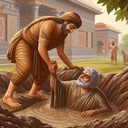
+Opening
| (derived from B. Sujato 2018/12) | ||
| Sallekhasutta | Self-Effacement | **自我反省** |
| Evaṃ me sutaṃ— | So I have heard. | 如是我闻。 |
| ekaṃ samayaṃ bhagavā sāvatthiyaṃ viharati jetavane anāthapiṇḍikassa ārāme. | At one time the Buddha was staying near Sāvatthī in Jeta’s Grove, Anāthapiṇḍika’s monastery. | 一时,佛陀住在舍卫城祇树林给孤独园。 |
| Atha kho āyasmā mahācundo sāyanhasamayaṃ paṭisallānā vuṭṭhito yena bhagavā tenupasaṅkami; upasaṅkamitvā bhagavantaṃ abhivādetvā ekamantaṃ nisīdi. Ekamantaṃ nisinno kho āyasmā mahācundo bhagavantaṃ etadavoca: | Then in the late afternoon, Venerable Mahācunda came out of retreat and went to the Buddha. He bowed, sat down to one side, and said to the Buddha: | 然后,傍晚时分,尊者大纯陀从禅定中出来,去见佛陀。他向佛陀行礼,坐在一旁,对佛陀说: |
+8.0 – (Many wrong views on self and world)
all
| “yā imā, bhante, anekavihitā diṭṭhiyo loke uppajjanti— | “Sir, there are many different views that arise in the world | “尊者,世间有许多不同的观点, |
| attavādapaṭisaṃyuttā vā lokavādapaṭisaṃyuttā vā— | connected with doctrines of the self or with doctrines of the cosmos. | 与我见或宇宙论相关。 |
| ādimeva nu kho, bhante, bhikkhuno manasikaroto evametāsaṃ diṭṭhīnaṃ pahānaṃ hoti, evametāsaṃ diṭṭhīnaṃ paṭinissaggo hotī”ti? | How does a monk who is focusing on the starting point give up and let go of these views?” | 一位专注于起点修行的比丘如何放弃并舍弃这些观点?” |
| “Yā imā, cunda, anekavihitā diṭṭhiyo loke uppajjanti— | “Cunda, there are many different views that arise in the world | “纯陀,世间有许多不同的观点, |
| attavādapaṭisaṃyuttā vā lokavādapaṭisaṃyuttā vā— | connected with doctrines of the self or with doctrines of the cosmos. | 与我见或宇宙论相关。 |
+§0.3 – (how to give up those wrong views? Seeing not mine, not self...)
all
| yattha cetā diṭṭhiyo uppajjanti yattha ca anusenti yattha ca samudācaranti taṃ ‘netaṃ mama, nesohamasmi, na me so attā’ti—evametaṃ yathābhūtaṃ sammappaññā passato evametāsaṃ diṭṭhīnaṃ pahānaṃ hoti, evametāsaṃ diṭṭhīnaṃ paṭinissaggo hoti. | A monk gives up and lets go of these views by truly seeing with right wisdom where they arise, where they settle in, and where they operate as: ‘This is not mine, I am not this, this is not my self.’ | 比丘通过以正智慧真实地看到它们的生起、安住和运作方式,并认识到:‘这不是我的,我不是这个,这不是我的自我。’从而放弃并舍弃这些观点。 |
+§8.1 – (1st jhāna is pleasant dwelling, not self-effacement)
| Ṭhānaṃ kho panetaṃ, cunda, vijjati yaṃ idhekacco bhikkhu vivicceva kāmehi vivicca akusalehi dhammehi savitakkaṃ savicāraṃ vivekajaṃ pītisukhaṃ paṭhamaṃ jhānaṃ upasampajja vihareyya. | It’s possible that a certain monk, quite secluded from sensual pleasures, secluded from unskillful Dharmas, might enter and remain in the first jhāna, which has the mental-joy and pleasure born of seclusion, while directing-thought and evaluation. | 有可能某些比丘,远离感官享乐,远离不善法,进入并安住于初禅,其中有离欲所生的喜和乐,以及寻和伺。 |
| Tassa evamassa: | They might think | 他们可能会认为 |
| ‘sallekhena viharāmī’ti. | they’re practicing self-effacement. | 他们在修习自我反省。 |
| Na kho panete, cunda, ariyassa vinaye sallekhā vuccanti. | But in the training of the noble one these are not called ‘self-effacement’; | 但在圣者的修行中,这些不被称为‘自我反省’; |
| Diṭṭhadhammasukhavihārā ete ariyassa vinaye vuccanti. | they’re called ‘pleasureful meditations in the present life’. | 它们被称为‘现世的快乐禅定’。 |
+§8.2 – (2nd jhāna is pleasant dwelling, not self-effacement)
| Ṭhānaṃ kho panetaṃ, cunda, vijjati yaṃ idhekacco bhikkhu vitakkavicārānaṃ vūpasamā ajjhattaṃ sampasādanaṃ cetaso ekodibhāvaṃ avitakkaṃ avicāraṃ samādhijaṃ pītisukhaṃ dutiyaṃ jhānaṃ upasampajja vihareyya. | It’s possible that some monk, as the directed-thought and evaluation are stilled, might enter and remain in the second jhāna, which has the mental-joy and pleasure born of undistractible-lucidity, with internal clarity and confidence, and unified mind, without directing-thought and evaluation. | 有可能某些比丘,随着寻和伺的止息,进入并安住于二禅,其中有定所生的喜和乐,内心清净自信,心意统一,没有寻和伺。 |
| Tassa evamassa: | They might think | 他们可能会认为 |
| ‘sallekhena viharāmī’ti. | they’re practicing self-effacement. | 他们在修习自我反省。 |
| Na kho panete, cunda, ariyassa vinaye sallekhā vuccanti. | But in the training of the noble one these are not called ‘self-effacement’; | 但在圣者的修行中,这些不被称为‘自我反省’; |
| Diṭṭhadhammasukhavihārā ete ariyassa vinaye vuccanti. | they’re called ‘pleasureful meditations in the present life’. | 它们被称为‘现世的快乐禅定’。 |
+§8.3 – (3rd jhāna is pleasant dwelling, not self-effacement)
| Ṭhānaṃ kho panetaṃ, cunda, vijjati yaṃ idhekacco bhikkhu pītiyā ca virāgā upekkhako ca vihareyya, sato ca sampajāno sukhañca kāyena paṭisaṃvedeyya, yaṃ taṃ ariyā ācikkhanti: ‘upekkhako satimā sukhavihārī’ti tatiyaṃ jhānaṃ upasampajja vihareyya. | It’s possible that some monk, with the fading away of mental-joy, might enter and remain in the third jhāna, where they meditate with equanimous-observation, rememberful and aware, personally experiencing pleasure with the flesh and blood physical body of which the noble ones declare, ‘Equanimous and rememberful, one meditates in pleasure.’ | 有可能某些比丘,随着喜的消退,进入并安住于三禅,在那里他们以舍心禅修,正念正知,亲身体验身心之乐,圣者称赞道:‘舍心正念,安住于乐。’ |
| Tassa evamassa: | They might think | 他们可能会认为 |
| ‘sallekhena viharāmī’ti. | they’re practicing self-effacement. | 他们在修习自我反省。 |
| Na kho panete, cunda, ariyassa vinaye sallekhā vuccanti. | But in the training of the noble one these are not called ‘self-effacement’; | 但在圣者的修行中,这些不被称为‘自我反省’; |
| Diṭṭhadhammasukhavihārā ete ariyassa vinaye vuccanti. | they’re called ‘pleasureful meditations in the present life’. | 它们被称为‘现世的快乐禅定’。 |
+§8.4 – (4th jhāna is pleasant dwelling, not self-effacement)
| Ṭhānaṃ kho panetaṃ, cunda, vijjati yaṃ idhekacco bhikkhu sukhassa ca pahānā dukkhassa ca pahānā pubbeva somanassadomanassānaṃ atthaṅgamā adukkhamasukhaṃ upekkhāsatipārisuddhiṃ catutthaṃ jhānaṃ upasampajja vihareyya. | It’s possible that some monk, with the giving up of pleasure and pain, and the ending of former happiness and sadness, might enter and remain in the fourth jhāna, without pleasure or pain, with pure equanimous-observation and rememberfulness. | 有可能某些比丘,随着乐和苦的舍弃,以及先前乐和忧的止息,进入并安住于四禅,无乐无苦,只有纯净的舍心和正念。 |
| Tassa evamassa: | They might think | 他们可能会认为 |
| ‘sallekhena viharāmī’ti. | they’re practicing self-effacement. | 他们在修习自我反省。 |
| Na kho panete, cunda, ariyassa vinaye sallekhā vuccanti. | But in the training of the noble one these are not called ‘self-effacement’; | 但在圣者的修行中,这些不被称为‘自我反省’; |
| Diṭṭhadhammasukhavihārā ete ariyassa vinaye vuccanti. | they’re called ‘pleasureful meditations in the present life’. | 它们被称为‘现世的快乐禅定’。 |
+§8.5 – (dimension of infinite space is peaceful dwelling, not self-effacement)
| Ṭhānaṃ kho panetaṃ, cunda, vijjati yaṃ idhekacco bhikkhu sabbaso rūpasaññānaṃ samatikkamā, paṭighasaññānaṃ atthaṅgamā, nānattasaññānaṃ amanasikārā, ‘ananto ākāso’ti ākāsānañcāyatanaṃ upasampajja vihareyya. | It’s possible that some monk, going totally beyond perceptions of form, with the ending of perceptions of impingement, not focusing on perceptions of diversity, aware that ‘space is infinite’, might enter and remain in the dimension of infinite space. | 有可能某些比丘,完全超越色相,随着冲击相的止息,不专注于多样相,了知‘虚空无限’,进入并安住于无边虚空处。 |
| Tassa evamassa: | They might think | 他们可能会认为 |
| ‘sallekhena viharāmī’ti. | they’re practicing self-effacement. | 他们在修习自我反省。 |
| Na kho panete, cunda, ariyassa vinaye sallekhā vuccanti. | But in the training of the noble one these are not called ‘self-effacement’; | 但在圣者的修行中,这些不被称为‘自我反省’; |
| Santā ete vihārā ariyassa vinaye vuccanti. | they’re called ‘peaceful meditations’. | 它们被称为‘平静禅定’。 |
+§8.6 – (dimension of infinite consciousness is peaceful dwelling, not self-effacement)
| Ṭhānaṃ kho panetaṃ, cunda, vijjati yaṃ idhekacco bhikkhu sabbaso ākāsānañcāyatanaṃ samatikkamma ‘anantaṃ viññāṇan’ti viññāṇañcāyatanaṃ upasampajja vihareyya. | It’s possible that some monk, going totally beyond the dimension of infinite space, aware that ‘consciousness is infinite’, might enter and remain in the dimension of infinite consciousness. | 有可能某些比丘,完全超越无边虚空处,了知‘意识无限’,进入并安住于无边识处。 |
| Tassa evamassa: | They might think | 他们可能会认为 |
| ‘sallekhena viharāmī’ti. | they’re practicing self-effacement. | 他们在修习自我反省。 |
| Na kho panete, cunda, ariyassa vinaye sallekhā vuccanti. | But in the training of the noble one these are not called ‘self-effacement’; | 但在圣者的修行中,这些不被称为‘自我反省’; |
| Santā ete vihārā ariyassa vinaye vuccanti. | they’re called ‘peaceful meditations’. | 它们被称为‘平静禅定’。 |
+§8.7 – (dimension of nothingness is peaceful dwelling, not self-effacement)
| Ṭhānaṃ kho panetaṃ, cunda, vijjati yaṃ idhekacco bhikkhu sabbaso viññāṇañcāyatanaṃ samatikkamma ‘natthi kiñcī’ti ākiñcaññāyatanaṃ upasampajja vihareyya. | It’s possible that some monk, going totally beyond the dimension of infinite consciousness, aware that ‘there is nothing at all’, might enter and remain in the dimension of nothingness. | 有可能某些比丘,完全超越无边识处,了知‘一无所有’,进入并安住于无所有处。 |
| Tassa evamassa: | They might think | 他们可能会认为 |
| ‘sallekhena viharāmī’ti. | they’re practicing self-effacement. | 他们在修习自我反省。 |
| Na kho panete, cunda, ariyassa vinaye sallekhā vuccanti. | But in the training of the noble one these are not called ‘self-effacement’; | 但在圣者的修行中,这些不被称为‘自我反省’; |
| Santā ete vihārā ariyassa vinaye vuccanti. | they’re called ‘peaceful meditations’. | 它们被称为‘平静禅定’。 |
+§8.8 – (dimension of neither perception nor non perception is peaceful dwelling, not self-effacement)
| Ṭhānaṃ kho panetaṃ, cunda, vijjati yaṃ idhekacco bhikkhu sabbaso ākiñcaññāyatanaṃ samatikkamma nevasaññānāsaññāyatanaṃ upasampajja vihareyya. | It’s possible that some monk, going totally beyond the dimension of nothingness, might enter and remain in the dimension of neither perception nor non-perception. | 有可能某些比丘,完全超越无所有处,进入并安住于非想非非想处。 |
| Tassa evamassa: | They might think | 他们可能会认为 |
| ‘sallekhena viharāmī’ti. | they’re practicing self-effacement. | 他们在修习自我反省。 |
| Na kho panete, cunda, ariyassa vinaye sallekhā vuccanti. | But in the training of the noble one these are not called ‘self-effacement’; | 但在圣者的修行中,这些不被称为‘自我反省’; |
| Santā ete vihārā ariyassa vinaye vuccanti. | they’re called ‘peaceful meditations’. | 它们被称为‘平静禅定’。 |
❧
+8.1 – (Sallekhapariyāya: The Exposition of Self-Effacement, list 44 ways)
all
| 1. Sallekhapariyāya | 1. The Exposition of Self-Effacement | ### 1. 自我反省的阐述 |
| Idha kho pana vo, cunda, sallekho karaṇīyo. | Now, Cunda, you should work on self-effacement in each of the following ways. | 现在,纯陀,你们应该以下列方式在每个方面进行自我反省。 |
+(#1 why is this factor put here instead of with the rest of right resolve below #9-10? see o 8.2.4)
| ‘Pare vihiṃsakā bhavissanti, mayamettha avihiṃsakā bhavissāmā’ti sallekho karaṇīyo. (1) | ‘Others will harm, but here we will be harmless.’ | ‘他人会伤害,而我们在这里将无害。’ |
+(#2-4: right action 4🏃)
| ‘Pare pāṇātipātī bhavissanti, mayamettha pāṇātipātā paṭiviratā bhavissāmā’ti sallekho karaṇīyo. (2) | ‘Others will kill living creatures, but here we will not kill living creatures.’ | ‘他人会杀害众生,而我们在这里将不杀害众生。’ |
| ‘Pare adinnādāyī bhavissanti, mayamettha adinnādānā paṭiviratā bhavissāmā’ti sallekho karaṇīyo. (3) | ‘Others will steal, but here we will not steal.’ | ‘他人会偷盗,而我们在这里将不偷盗。’ |
| ‘Pare abrahmacārī bhavissanti, mayamettha brahmacārī bhavissāmā’ti sallekho karaṇīyo. (4) | ‘Others will be unchaste, but here we will not be unchaste.’ | ‘他人会不贞洁,而我们在这里将不不贞洁。’ |
+(#5-8: right speech 3💬)
| ‘Pare musāvādī bhavissanti, mayamettha musāvādā paṭiviratā bhavissāmā’ti sallekho karaṇīyo. (5) | ‘Others will lie, but here we will not lie.’ | ‘他人会说谎,而我们在这里将不说谎。’ |
| ‘Pare pisuṇavācā bhavissanti, mayamettha pisuṇāya vācāya paṭiviratā bhavissāmā’ti sallekho karaṇīyo. (6) | ‘Others will speak divisively, but here we will not speak divisively.’ | ‘他人会说离间语,而我们在这里将不说离间语。’ |
| ‘Pare pharusavācā bhavissanti, mayamettha pharusāya vācāya paṭiviratā bhavissāmā’ti sallekho karaṇīyo. (7) | ‘Others will speak harshly, but here we will not speak harshly.’ | ‘他人会说粗恶语,而我们在这里将不说粗恶语。’ |
| ‘Pare samphappalāpī bhavissanti, mayamettha samphappalāpā paṭiviratā bhavissāmā’ti sallekho karaṇīyo. (8) | ‘Others will talk nonsense, but here we will not talk nonsense.’ | ‘他人会说废话,而我们在这里将不说废话。’ |
+(#9-10: right resolve with one factor missing 2💭)
| ‘Pare abhijjhālū bhavissanti, mayamettha anabhijjhālū bhavissāmā’ti sallekho karaṇīyo. (9) | ‘Others will be covetous, but here we will not be covetous.’ | ‘他人会贪婪,而我们在这里将不贪婪。’ |
| ‘Pare byāpannacittā bhavissanti, mayamettha abyāpannacittā bhavissāmā’ti sallekho karaṇīyo. (10) | ‘Others will have ill will, but here we will not have ill will.’ | ‘他人会有恶意,而我们在这里将没有恶意。’ |
+(#11-18: noble eightfold path 👑8☸)
| ‘Pare micchādiṭṭhī bhavissanti, mayamettha sammādiṭṭhī bhavissāmā’ti sallekho karaṇīyo. (11) | ‘Others will have wrong view, but here we will have right view.’ | ‘他人会有邪见,而我们在这里将有正见。’ |
| ‘Pare micchāsaṅkappā bhavissanti, mayamettha sammāsaṅkappā bhavissāmā’ti sallekho karaṇīyo. (12) | ‘Others will have wrong thought, but here we will have right thought.’ | ‘他人会有邪思,而我们在这里将有正思。’ |
| ‘Pare micchāvācā bhavissanti, mayamettha sammāvācā bhavissāmā’ti sallekho karaṇīyo. (13) | ‘Others will have wrong speech, but here we will have right speech.’ | ‘他人会有邪语,而我们在这里将有正语。’ |
| ‘Pare micchākammantā bhavissanti, mayamettha sammākammantā bhavissāmā’ti sallekho karaṇīyo. (14) | ‘Others will have wrong action, but here we will have right action.’ | ‘他人会有邪业,而我们在这里将有正业。’ |
| ‘Pare micchāājīvā bhavissanti, mayamettha sammāājīvā bhavissāmā’ti sallekho karaṇīyo. (15) | ‘Others will have wrong livelihood, but here we will have right livelihood.’ | ‘他人会有邪命,而我们在这里将有正命。’ |
| ‘Pare micchāvāyāmā bhavissanti, mayamettha sammāvāyāmā bhavissāmā’ti sallekho karaṇīyo. (16) | ‘Others will have wrong effort, but here we will have right effort.’ | ‘他人会有邪精进,而我们在这里将有正精进。’ |
| ‘Pare micchāsatī bhavissanti, mayamettha sammāsatī bhavissāmā’ti sallekho karaṇīyo. (17) | ‘Others will have wrong rememberfulness, but here we will have right rememberfulness.’ | ‘他人会有邪念,而我们在这里将有正念。’ |
| ‘Pare micchāsamādhi bhavissanti, mayamettha sammāsamādhī bhavissāmā’ti sallekho karaṇīyo. (18) | ‘Others will have wrong undistractible-lucidity, but here we will have right undistractible-lucidity.’ | ‘他人会有邪定,而我们在这里将有正定。’ |
| ‘Pare micchāñāṇī bhavissanti, mayamettha sammāñāṇī bhavissāmā’ti sallekho karaṇīyo. (19) | ‘Others will have wrong knowledge, but here we will have right knowledge.’ | ‘他人会有邪智,而我们在这里将有正智。’ |
| ‘Pare micchāvimuttī bhavissanti, mayamettha sammāvimuttī bhavissāmā’ti sallekho karaṇīyo. (20) | ‘Others will have wrong freedom, but here we will have right freedom.’ | ‘他人会有邪解脱,而我们在这里将有正解脱。’ |
| ‘Pare thinamiddhapariyuṭṭhitā bhavissanti, mayamettha vigatathinamiddhā bhavissāmā’ti sallekho karaṇīyo. (21) | ‘Others will be overcome with dullness and drowsiness, but here we will be rid of dullness and drowsiness.’ | ‘他人会被昏沉和嗜睡所克服,而我们在这里将摆脱昏沉和嗜睡。’ |
| ‘Pare uddhatā bhavissanti, mayamettha anuddhatā bhavissāmā’ti sallekho karaṇīyo. (22) | ‘Others will be restless, but here we will not be restless.’ | ‘他人会心神不安,而我们在这里将不心神不安。’ |
| ‘Pare vicikicchī bhavissanti, mayamettha tiṇṇavicikicchā bhavissāmā’ti sallekho karaṇīyo. (23) | ‘Others will have doubts, but here we will have gone beyond doubt.’ | ‘他人会有疑惑,而我们在这里将超越疑惑。’ |
| ‘Pare kodhanā bhavissanti, mayamettha akkodhanā bhavissāmā’ti sallekho karaṇīyo. (24) | ‘Others will be angry, but here we will be without anger.’ | ‘他人会愤怒,而我们在这里将没有愤怒。’ |
| ‘Pare upanāhī bhavissanti, mayamettha anupanāhī bhavissāmā’ti sallekho karaṇīyo. (25) | ‘Others will be hostile, but here we will be without hostility.’ | ‘他人会有敌意,而我们在这里将没有敌意。’ |
| ‘Pare makkhī bhavissanti, mayamettha amakkhī bhavissāmā’ti sallekho karaṇīyo. (26) | ‘Others will be offensive, but here we will be inoffensive.’ | ‘他人会冒犯,而我们在这里将不冒犯。’ |
| ‘Pare paḷāsī bhavissanti, mayamettha apaḷāsī bhavissāmā’ti sallekho karaṇīyo. (27) | ‘Others will be contemptuous, but here we will be without contempt.’ | ‘他人会轻蔑,而我们在这里将没有轻蔑。’ |
| ‘Pare issukī bhavissanti, mayamettha anissukī bhavissāmā’ti sallekho karaṇīyo. (28) | ‘Others will be envious, but here we will be without envy.’ | ‘他人会嫉妒,而我们在这里将没有嫉妒。’ |
| ‘Pare maccharī bhavissanti, mayamettha amaccharī bhavissāmā’ti sallekho karaṇīyo. (29) | ‘Others will be stingy, but here we will be without stinginess.’ | ‘他人会吝啬,而我们在这里将没有吝啬。’ |
| ‘Pare saṭhā bhavissanti, mayamettha asaṭhā bhavissāmā’ti sallekho karaṇīyo. (30) | ‘Others will be devious, but here we will not be devious.’ | ‘他人会狡诈,而我们在这里将不狡诈。’ |
| ‘Pare māyāvī bhavissanti, mayamettha amāyāvī bhavissāmā’ti sallekho karaṇīyo. (31) | ‘Others will be deceitful, but here we will not be deceitful.’ | ‘他人会欺骗,而我们在这里将不欺骗。’ |
| ‘Pare thaddhā bhavissanti, mayamettha atthaddhā bhavissāmā’ti sallekho karaṇīyo. (32) | ‘Others will be stubborn, but here we will not be stubborn.’ | ‘他人会顽固,而我们在这里将不顽固。’ |
| ‘Pare atimānī bhavissanti, mayamettha anatimānī bhavissāmā’ti sallekho karaṇīyo. (33) | ‘Others will be arrogant, but here we will not be arrogant.’ | ‘他人会傲慢,而我们在这里将不傲慢。’ |
| ‘Pare dubbacā bhavissanti, mayamettha suvacā bhavissāmā’ti sallekho karaṇīyo. (34) | ‘Others will be hard to admonish, but here we will not be hard to admonish.’ | ‘他人会难以劝诫,而我们在这里将不难以劝诫。’ |
| ‘Pare pāpamittā bhavissanti, mayamettha kalyāṇamittā bhavissāmā’ti sallekho karaṇīyo. (35) | ‘Others will have bad friends, but here we will have good friends.’ | ‘他人会有恶友,而我们在这里将有善友。’ |
| ‘Pare pamattā bhavissanti, mayamettha appamattā bhavissāmā’ti sallekho karaṇīyo. (36) | ‘Others will be negligent, but here we will be assiduous.’ | ‘他人会懈怠,而我们在这里将精进。’ |
| ‘Pare assaddhā bhavissanti, mayamettha saddhā bhavissāmā’ti sallekho karaṇīyo. (37) | ‘Others will be justifiable-trustless, but here we will have justifiable-trust.’ | ‘他人会缺乏信仰,而我们在这里将有信仰。’ |
| ‘Pare ahirikā bhavissanti, mayamettha hirimanā bhavissāmā’ti sallekho karaṇīyo. (38) | ‘Others will be shameless, but here we will have a sense of shame.’ | ‘他人会没有良心,而我们在这里将有良心。’ |
| ‘Pare anottāpī bhavissanti, mayamettha ottāpī bhavissāmā’ti sallekho karaṇīyo. (39) | ‘Others will be imprudent, but here we will be prudent.’ | ‘他人会不明智,而我们在这里将明智。’ |
| ‘Pare appassutā bhavissanti, mayamettha bahussutā bhavissāmā’ti sallekho karaṇīyo. (40) | ‘Others will be uneducated, but here we will be well educated.’ | ‘他人会没有受过教育,而我们在这里将受过良好教育。’ |
| ‘Pare kusītā bhavissanti, mayamettha āraddhavīriyā bhavissāmā’ti sallekho karaṇīyo. (41) | ‘Others will be lazy, but here we will be energetic.’ | ‘他人会懒惰,而我们在这里将精力充沛。’ |
| ‘Pare muṭṭhassatī bhavissanti, mayamettha upaṭṭhitassatī bhavissāmā’ti sallekho karaṇīyo. (42) | ‘Others will be unrememberful, but here we will be rememberful.’ | ‘他人会健忘,而我们在这里将有正念。’ |
| ‘Pare duppaññā bhavissanti, mayamettha paññāsampannā bhavissāmā’ti sallekho karaṇīyo. (43) | ‘Others will be witless, but here we will be accomplished in wisdom.’ | ‘他人会愚笨,而我们在这里将在智慧上有所成就。’ |
| ‘Pare sandiṭṭhiparāmāsī ādhānaggāhī duppaṭinissaggī bhavissanti, mayamettha asandiṭṭhiparāmāsī anādhānaggāhī suppaṭinissaggī bhavissāmā’ti sallekho karaṇīyo. (44) | ‘Others will be attached to their own views, holding them tight, and refusing to let go, but here we will not be attached to our own views, not holding them tight, but will let them go easily.’ | ‘他人会执着于自己的观点,紧抓不放,拒绝舍弃,而我们在这里将不执着于自己的观点,不紧抓不放,而是轻易地舍弃它们。’ |
❧
+8.2 – (Cittupapādapariyāya: Giving Rise to the Thought)
| 2. Cittupapādapariyāya | 2. Giving Rise to the Thought | ### 2. 生起善念 |
| Cittuppādampi kho ahaṃ, cunda, kusalesu dhammesu bahukāraṃ vadāmi, ko pana vādo kāyena vācāya anuvidhīyanāsu. | Cunda, I say that even giving rise to the thought of skillful Dharmas is very helpful, not to speak of following that path in body and speech. | 纯陀,我说即使生起善法的念头也是非常有帮助的,更不用说在身口意上遵循这条道路了。 |
| Tasmātiha, cunda, ‘pare vihiṃsakā bhavissanti, mayamettha avihiṃsakā bhavissāmā’ti cittaṃ uppādetabbaṃ. | That’s why you should give rise to the following thoughts. ‘Others will be cruel, but here we will not be cruel.’ | 因此,你们应该生起以下念头:‘他人会残忍,而我们在这里将不残忍。’ |
| ‘Pare pāṇātipātī bhavissanti, mayamettha pāṇātipātā paṭiviratā bhavissāmā’ti cittaṃ uppādetabbaṃ … pe … | ‘Others will kill living creatures, but here we will not kill living creatures.’ … | ‘他人会杀害众生,而我们在这里将不杀害众生。’…… |
| ‘pare sandiṭṭhiparāmāsī ādhānaggāhī duppaṭinissaggī bhavissanti, mayamettha asandiṭṭhiparāmāsī anādhānaggāhī suppaṭinissaggī bhavissāmā’ti cittaṃ uppādetabbaṃ. (44) | ‘Others will be attached to their own views, holding them tight, and refusing to let go, but here we will not be attached to our own views, not holding them tight, but will let them go easily.’ | ‘他人会执着于自己的观点,紧抓不放,拒绝舍弃,而我们在这里将不执着于自己的观点,不紧抓不放,而是轻易地舍弃它们。’ |
+8.3 – (Parikkamanapariyāya: A Way Around)
| 3. Parikkamanapariyāya | 3. A Way Around | --- |
| Seyyathāpi, cunda, visamo maggo assa, tassa añño samo maggo parikkamanāya; | Cunda, suppose there was a rough path and another smooth path to get around it. | |
| seyyathā vā pana, cunda, visamaṃ titthaṃ assa, tassa aññaṃ samaṃ titthaṃ parikkamanāya; | Or suppose there was a rough ford and another smooth ford to get around it. | ### 3. 一种绕道而行的方式 |
| evameva kho, cunda, vihiṃsakassa purisapuggalassa avihiṃsā hoti parikkamanāya, pāṇātipātissa purisapuggalassa pāṇātipātā veramaṇī hoti parikkamanāya, adinnādāyissa purisapuggalassa adinnādānā veramaṇī hoti parikkamanāya, abrahmacārissa purisapuggalassa abrahmacariyā veramaṇī hoti parikkamanāya, musāvādissa purisapuggalassa musāvādā veramaṇī hoti parikkamanāya, pisuṇavācassa purisapuggalassa pisuṇāya vācāya veramaṇī hoti parikkamanāya, pharusavācassa purisapuggalassa pharusāya vācāya veramaṇī hoti parikkamanāya, samphappalāpissa purisapuggalassa samphappalāpā veramaṇī hoti parikkamanāya, abhijjhālussa purisapuggalassa anabhijjhā hoti parikkamanāya, byāpannacittassa purisapuggalassa abyāpādo hoti parikkamanāya. (1–10.) | In the same way, a cruel individual gets around it by not being cruel. An individual who kills gets around it by not killing. … | 纯陀,假设有一条崎岖的道路,还有另一条平坦的道路可以绕过它。 |
| 或者假设有一个崎岖的渡口,还有另一个平坦的渡口可以绕过它。 | ||
| Thinamiddhapariyuṭṭhitassa purisapuggalassa vigatathinamiddhatā hoti parikkamanāya, uddhatassa purisapuggalassa anuddhaccaṃ hoti parikkamanāya, vicikicchissa purisapuggalassa tiṇṇavicikicchatā hoti parikkamanāya, kodhanassa purisapuggalassa akkodho hoti parikkamanāya, upanāhissa purisapuggalassa anupanāho hoti parikkamanāya, makkhissa purisapuggalassa amakkho hoti parikkamanāya, paḷāsissa purisapuggalassa apaḷāso hoti parikkamanāya, issukissa purisapuggalassa anissukitā hoti parikkamanāya, maccharissa purisapuggalassa amacchariyaṃ hoti parikkamanāya, saṭhassa purisapuggalassa asāṭheyyaṃ hoti parikkamanāya, māyāvissa purisapuggalassa amāyā hoti parikkamanāya, thaddhassa purisapuggalassa atthaddhiyaṃ hoti parikkamanāya, atimānissa purisapuggalassa anatimāno hoti parikkamanāya, dubbacassa purisapuggalassa sovacassatā hoti parikkamanāya, pāpamittassa purisapuggalassa kalyāṇamittatā hoti parikkamanāya, pamattassa purisapuggalassa appamādo hoti parikkamanāya, assaddhassa purisapuggalassa saddhā hoti parikkamanāya, ahirikassa purisapuggalassa hirī hoti parikkamanāya, anottāpissa purisapuggalassa ottappaṃ hoti parikkamanāya, appassutassa purisapuggalassa bāhusaccaṃ hoti parikkamanāya, kusītassa purisapuggalassa vīriyārambho hoti parikkamanāya, muṭṭhassatissa purisapuggalassa upaṭṭhitassatitā hoti parikkamanāya, duppaññassa purisapuggalassa paññāsampadā hoti parikkamanāya, sandiṭṭhiparāmāsiādhānaggāhiduppaṭinissaggissa purisapuggalassa asandiṭṭhiparāmāsianādhānaggāhisuppaṭinissaggitā hoti parikkamanāya. (21–44.) | An individual who is attached to their own views, holding them tight, and refusing to let go, gets around it by not being attached to their own views, not holding them tight, but letting them go easily. | 同样地,一个残忍的人通过不残忍来绕过它。一个杀生的人通过不杀生来绕过它。…… |
+8.4 – (Uparibhāgapariyāya: Going Up)
| 4. Uparibhāgapariyāya | 4. Going Up | 一个执着于自己观点、紧抓不放、拒绝舍弃的人,通过不执着于自己的观点、不紧抓不放、而是轻易地舍弃它们来绕过它。 |
| Seyyathāpi, cunda, ye keci akusalā dhammā sabbe te adhobhāgaṅgamanīyā, ye keci kusalā dhammā sabbe te uparibhāgaṅgamanīyā; | Cunda, all unskillful Dharmas lead downwards, while all skillful Dharmas lead upwards. | |
| evameva kho, cunda, vihiṃsakassa purisapuggalassa avihiṃsā hoti uparibhāgāya, pāṇātipātissa purisapuggalassa pāṇātipātā veramaṇī hoti uparibhāgāya … pe … | In the same way, a cruel individual is led upwards by not being cruel. An individual who kills is led upwards by not killing … | --- |
| sandiṭṭhiparāmāsiādhānaggāhiduppaṭinissaggissa purisapuggalassa asandiṭṭhiparāmāsianādhānaggāhisuppaṭinissaggitā hoti uparibhāgāya. (44) | An individual who is attached to their own views, holding them tight, and refusing to let go, is led upwards by not being attached to their own views, not holding them tight, but letting them go easily. |
+8.5 – (Pari-nibbāna-pariyāya: The Exposition by Nirvana)
all
| ### 4. 向上提升 | ||
| 5. Parinibbānapariyāya | 5. The Exposition by nirvana | 纯陀,所有不善法都导向下堕,而所有善法都导向上升。 |
| So vata, cunda, attanā palipapalipanno paraṃ palipapalipannaṃ uddharissatīti netaṃ ṭhānaṃ vijjati. | Truly, Cunda, if you’re sinking down in the mud you can’t pull out someone else who is also sinking down in the mud. | 同样地,一个残忍的人通过不残忍来向上提升。一个杀生的人通过不杀生来向上提升…… |
| So vata, cunda, attanā apalipapalipanno paraṃ palipapalipannaṃ uddharissatīti ṭhānametaṃ vijjati. | But if you’re not sinking down in the mud you can pull out someone else who is sinking down in the mud. | 一个执着于自己观点、紧抓不放、拒绝舍弃的人,通过不执着于自己的观点、不紧抓不放、而是轻易地舍弃它们来向上提升。 |
+§5.3 – (if you’re not nirvana’d you can’t liberate others ↔ if you stuck in mud, can’t pull out others)
| --- | ||
| So vata, cunda, attanā adanto avinīto aparinibbuto paraṃ damessati vinessati parinibbāpessatīti netaṃ ṭhānaṃ vijjati. | Truly, if you’re not tamed, trained, and nirvana'd you can’t tame, train, and nirvanify someone else. | 果真,如果你沒有被馴服、訓練和涅槃,你就不能馴服、訓練和涅槃別人。 |
| So vata, cunda, attanā danto vinīto parinibbuto paraṃ damessati vinessati parinibbāpessatīti ṭhānametaṃ vijjati. | But if you’re tamed, trained, and nirvana'd you can tame, train, and nirvanify someone else. | 但如果你被馴服、訓練和涅槃了,你就能馴服、訓練和涅槃別人。 |
| Evameva kho, cunda, vihiṃsakassa purisapuggalassa avihiṃsā hoti parinibbānāya, pāṇātipātissa purisapuggalassa pāṇātipātā veramaṇī hoti parinibbānāya. | In the same way, a cruel individual nirvanifyes it by not being cruel. An individual who kills nirvanifyes it by not killing. … | 同樣地,一個殘酷的人透過不殘酷來涅槃。一個殺人的人透過不殺人來涅槃。…… |
| Adinnādāyissa purisapuggalassa adinnādānā veramaṇī hoti parinibbānāya. Abrahmacārissa purisapuggalassa abrahmacariyā veramaṇī hoti parinibbānāya. Musāvādissa purisapuggalassa musāvādā veramaṇī hoti parinibbānāya. |
但如果你不深陷泥泞,你就可以拉出另一个深陷泥泞的人。 | |
| Pisuṇavācassa purisapuggalassa pisuṇāya vācāya veramaṇī hoti parinibbānāya. | 纯陀,如果你没有被驯服、训练和涅槃,你就无法驯服、训练和使他人涅槃。 | |
| Pharusavācassa purisapuggalassa pharusāya vācāya veramaṇī hoti parinibbānāya. | 但如果你已被驯服、训练和涅槃,你就可以驯服、训练和使他人涅槃。 | |
| Samphappalāpissa purisapuggalassa samphappalāpā veramaṇī hoti parinibbānāya. Abhijjhālussa purisapuggalassa anabhijjhā hoti parinibbānāya. Byāpannacittassa purisapuggalassa abyāpādo hoti parinibbānāya. (1–10.) |
同样地,一个残忍的人通过不残忍来使之涅槃。一个杀生的人通过不杀生来使之涅槃。…… | |
| Thinamiddhapariyuṭṭhitassa purisapuggalassa vigatathinamiddhatā hoti parinibbānāya. Uddhatassa purisapuggalassa anuddhaccaṃ hoti parinibbānāya. Vicikicchissa purisapuggalassa tiṇṇavicikicchatā hoti parinibbānāya. Kodhanassa purisapuggalassa akkodho hoti parinibbānāya. Upanāhissa purisapuggalassa anupanāho hoti parinibbānāya. Makkhissa purisapuggalassa amakkho hoti parinibbānāya. |
... | ... |
| Paḷāsissa purisapuggalassa apaḷāso hoti parinibbānāya. Issukissa purisapuggalassa anissukitā hoti parinibbānāya. Maccharissa purisapuggalassa amacchariyaṃ hoti parinibbānāya. Saṭhassa purisapuggalassa asāṭheyyaṃ hoti parinibbānāya. Māyāvissa purisapuggalassa amāyā hoti parinibbānāya. Thaddhassa purisapuggalassa atthaddhiyaṃ hoti parinibbānāya. Atimānissa purisapuggalassa anatimāno hoti parinibbānāya. Dubbacassa purisapuggalassa sovacassatā hoti parinibbānāya. Pāpamittassa purisapuggalassa kalyāṇamittatā hoti parinibbānāya. Pamattassa purisapuggalassa appamādo hoti parinibbānāya. Assaddhassa purisapuggalassa saddhā hoti parinibbānāya. Ahirikassa purisapuggalassa hirī hoti parinibbānāya. Anottāpissa purisapuggalassa ottappaṃ hoti parinibbānāya. Appassutassa purisapuggalassa bāhusaccaṃ hoti parinibbānāya. Kusītassa purisapuggalassa vīriyārambho hoti parinibbānāya. Muṭṭhassatissa purisapuggalassa upaṭṭhitassatitā hoti parinibbānāya. Duppaññassa purisapuggalassa paññāsampadā hoti parinibbānāya. |
... | |
| Sandiṭṭhiparāmāsiādhānaggāhiduppaṭinissaggissa purisapuggalassa asandiṭṭhiparāmāsianādhānaggāhisuppaṭinissaggitā hoti parinibbānāya. (21–44.) | An individual who is attached to their own views, holding them tight, and refusing to let go, nirvanifyes it by not being attached to their own views, not holding them tight, but letting them go easily. | 一個執著於自己觀點,緊抓不放,不願放手的人,透過不執著於自己的觀點,不緊抓不放,而是輕鬆放手來涅槃。 |
❧
+8.6 – (conclusion)
| Iti kho, cunda, desito mayā sallekhapariyāyo, desito cittuppādapariyāyo, desito parikkamanapariyāyo, desito uparibhāgapariyāyo, desito parinibbānapariyāyo. | So, Cunda, I’ve taught the expositions by way of self-effacement, giving rise to thought, the way around, going up, and nirvana-fication. | 因此,純陀,我已經教導了以自我謙遜、引發思想、迂迴、提升和涅槃為方式的闡述。 |
| Yaṃ kho, cunda, satthārā karaṇīyaṃ sāvakānaṃ hitesinā anukampakena anukampaṃ upādāya, kataṃ vo taṃ mayā. | Out of compassion, I’ve done what a teacher should do who wants what’s best for their disciples. | 出於悲憫,我做了一個老師應做的事,他為弟子們著想。 |
| Etāni, cunda, rukkhamūlāni, etāni suññāgārāni, jhāyatha, cunda, mā pamādattha, mā pacchāvippaṭisārino ahuvattha—ayaṃ kho amhākaṃ anusāsanī”ti. | Here are these roots of trees, and here are these empty huts. Practice jhāna, Cunda! Don’t be negligent! Don’t regret it later! This is my instruction.” | 這裡有這些樹根,這裡有這些空屋。純陀,修習禪那!不要懈怠!不要以後後悔!這是我的教導。 |
| Idamavoca bhagavā. | That is what the Buddha said. | 那就是佛陀所說的。 |
| Attamano āyasmā mahācundo bhagavato bhāsitaṃ abhinandīti. | Satisfied, Venerable Mahācunda was happy with what the Buddha said. | 滿足的馬哈純陀尊者對佛陀所說的感到高興。 |
❧
+MN 9 Sammā-diṭṭhi:
Right View
all
Right View

+Opening
| Evaṃ me sutaṃ— | So I have heard. | |
| ekaṃ samayaṃ bhagavā sāvatthiyaṃ viharati jetavane anāthapiṇḍikassa ārāme. | At one time the Buddha was staying near Sāvatthī in Jeta’s Grove, Anāthapiṇḍika’s monastery. | |
| Tatra kho āyasmā sāriputto bhikkhū āmantesi: | There Sāriputta addressed the monks: | |
| “āvuso bhikkhave”ti. | “Reverends, monks!” | |
| “Āvuso”ti kho te bhikkhū āyasmato sāriputtassa paccassosuṃ. | “Reverend,” they replied. | |
| Āyasmā sāriputto etadavoca: | Sāriputta said this: | |
| “‘Sammādiṭṭhi sammādiṭṭhī’ti, āvuso, vuccati. | “Reverends, they speak of this thing called ‘right view’. | |
| Kittāvatā nu kho, āvuso, ariyasāvako sammādiṭṭhi hoti, ujugatāssa diṭṭhi, dhamme aveccappasādena samannāgato, āgato imaṃ saddhamman”ti? | How do you define a noble-one's-disciple who has right view, whose view is correct, who has experiential confidence in The Dharma, and has come to the true Dharma?” | |
| “Dūratopi kho mayaṃ, āvuso, āgaccheyyāma āyasmato sāriputtassa santike etassa bhāsitassa atthamaññātuṃ. | “Reverend, we would travel a long way to learn the meaning of this statement in the presence of Venerable Sāriputta. | |
| Sādhu vatāyasmantaṃyeva sāriputtaṃ paṭibhātu etassa bhāsitassa attho. | May Venerable Sāriputta himself please clarify the meaning of this. | |
| Āyasmato sāriputtassa sutvā bhikkhū dhāressantī”ti. | The monks will listen and remember it.” | |
| “Tena hi, āvuso, suṇātha, sādhukaṃ manasi karotha, bhāsissāmī”ti. | “Well then, reverends, listen and pay close attention, I will speak.” | |
| “Evamāvuso”ti kho te bhikkhū āyasmato sāriputtassa paccassosuṃ. | “Yes, reverend,” they replied. | |
| Āyasmā sāriputto etadavoca: | Sāriputta said this: |
+9.1 – (noble-one's-disciple understands unskillful, … the skillful and its root.)
| “Yato kho, āvuso, ariyasāvako akusalañca pajānāti, akusalamūlañca pajānāti, kusalañca pajānāti, kusalamūlañca pajānāti— | “A noble-one's-disciple understands the unskillful and its root, and the skillful and its root. | 一位聖弟子了解不善及其根源,以及善及其根源。 |
| ettāvatāpi kho, āvuso, ariyasāvako sammādiṭṭhi hoti, ujugatāssa diṭṭhi, dhamme aveccappasādena samannāgato, āgato imaṃ saddhammaṃ. | When they’ve done this, they’re defined as a noble-one's-disciple who has right view, whose view is correct, who has experiential confidence in The Dharma, and has come to the true Dharma. | 當他們做到這一點時,他們就被定義為具有正見、觀點正確、對佛法有經驗信心並已證得真正佛法的聖弟子。 |
| Katamaṃ panāvuso, akusalaṃ, katamaṃ akusalamūlaṃ, katamaṃ kusalaṃ, katamaṃ kusalamūlaṃ? | But what is the unskillful and what is its root? And what is the skillful and what is its root? | 但什麼是不善及其根源?什麼是善及其根源? |
| Pāṇātipāto kho, āvuso, akusalaṃ, adinnādānaṃ akusalaṃ, kāmesumicchācāro akusalaṃ, musāvādo akusalaṃ, pisuṇā vācā akusalaṃ, pharusā vācā akusalaṃ, samphappalāpo akusalaṃ, abhijjhā akusalaṃ, byāpādo akusalaṃ, micchādiṭṭhi akusalaṃ— | Killing living creatures, stealing, and sexual misconduct; speech that’s false, divisive, harsh, or nonsensical; and covetousness, ill will, and wrong view. | 殺生、偷盜、邪淫;妄語、兩舌、惡口、綺語;以及貪婪、瞋恨和邪見。 |
| idaṃ vuccatāvuso akusalaṃ. | This is called the unskillful. | 這稱為不善。 |
| Katamañcāvuso, akusalamūlaṃ? | And what is the root of the unskillful? | 不善的根源是什麼? |
| Lobho akusalamūlaṃ, doso akusalamūlaṃ, moho akusalamūlaṃ— | Greed, hate, and delusion. | 貪、瞋、癡。 |
| idaṃ vuccatāvuso, akusalamūlaṃ. | This is called the root of the unskillful. | 這稱為不善的根源。 |
| Katamañcāvuso, kusalaṃ? | And what is the skillful? | 什麼是善? |
| Pāṇātipātā veramaṇī kusalaṃ, adinnādānā veramaṇī kusalaṃ, kāmesumicchācārā veramaṇī kusalaṃ, musāvādā veramaṇī kusalaṃ, pisuṇāya vācāya veramaṇī kusalaṃ, pharusāya vācāya veramaṇī kusalaṃ, samphappalāpā veramaṇī kusalaṃ, anabhijjhā kusalaṃ, abyāpādo kusalaṃ, sammādiṭṭhi kusalaṃ— | Avoiding killing living creatures, stealing, and sexual misconduct; avoiding speech that’s false, divisive, harsh, or nonsensical; contentment, good will, and right view. | 避免殺生、偷盜、邪淫;避免妄語、兩舌、惡口、綺語;知足、善意和正見。 |
| idaṃ vuccatāvuso, kusalaṃ. | This is called the skillful. | 這稱為善。 |
| Katamañcāvuso, kusalamūlaṃ? | And what is the root of the skillful? | 善的根源是什麼? |
| Alobho kusalamūlaṃ, adoso kusalamūlaṃ, amoho kusalamūlaṃ— | Contentment, love, and understanding. | 知足、愛和理解。 |
| idaṃ vuccatāvuso, kusalamūlaṃ. | This is called the root of the skillful. | 這稱為善的根源。 |
| Yato kho, āvuso, ariyasāvako evaṃ akusalaṃ pajānāti, evaṃ akusalamūlaṃ pajānāti, evaṃ kusalaṃ pajānāti, evaṃ kusalamūlaṃ pajānāti, so sabbaso rāgānusayaṃ pahāya, paṭighānusayaṃ paṭivinodetvā, ‘asmī’ti diṭṭhimānānusayaṃ samūhanitvā, avijjaṃ pahāya vijjaṃ uppādetvā, diṭṭheva dhamme dukkhassantakaro hoti— | A noble-one's-disciple understands in this way the unskillful and its root, and the skillful and its root. They’ve completely given up the underlying tendency to greed, got rid of the underlying tendency to repulsion, and eradicated the underlying tendency to the view and conceit ‘I am’. They’ve given up ignorance and given rise to knowledge, and make an end of suffering in this very life. | 一位聖弟子以這種方式理解不善及其根源,以及善及其根源。他們已完全捨棄貪婪的潛在傾向,擺脫了厭惡的潛在傾向,並根除了「我是」的觀點和慢的潛在傾向。他們已捨棄無明並生起智慧,並在今生了結苦難。 |
| ettāvatāpi kho, āvuso, ariyasāvako sammādiṭṭhi hoti, ujugatāssa diṭṭhi, dhamme aveccappasādena samannāgato, āgato imaṃ saddhamman”ti. | When they’ve done this, they’re defined as a noble-one's-disciple who has right view, whose view is correct, who has experiential confidence in The Dharma, and has come to the true Dharma.” | 當他們做到這一點時,他們就被定義為具有正見、觀點正確、對佛法有經驗信心並已證得真正佛法的聖弟子。 |
| “Sādhāvuso”ti kho te bhikkhū āyasmato sāriputtassa bhāsitaṃ abhinanditvā anumoditvā āyasmantaṃ sāriputtaṃ uttari pañhaṃ apucchuṃ: | Saying “Good, sir,” those monks approved and agreed with what Sāriputta said. Then they asked another question: | 那些比丘說:“善哉,先生。”他們贊同並同意舍利弗所說的話。然後他們又問了一個問題: |
| “siyā panāvuso, aññopi pariyāyo yathā ariyasāvako sammādiṭṭhi hoti, ujugatāssa diṭṭhi, dhamme aveccappasādena samannāgato, āgato imaṃ saddhamman”ti? | “But reverend, could there be another way to describe a noble-one's-disciple who has right view, whose view is correct, who has experiential confidence in The Dharma, and has come to the true Dharma?” | “但是尊者,有沒有其他方式可以描述一個具有正見、觀點正確、對佛法有經驗信心並已證得真正佛法的聖弟子?” |
❧
+9.2 – (understands fuel, its origin, its cessation, and the practice that leads to its cessation.)
| “Siyā, āvuso. | “There could, reverends. | “可能有,尊者們。 |
| Yato kho, āvuso, ariyasāvako āhārañca pajānāti, āhārasamudayañca pajānāti, āhāranirodhañca pajānāti, āhāranirodhagāminiṃ paṭipadañca pajānāti— | A noble-one's-disciple understands fuel, its origin, its cessation, and the practice that leads to its cessation. | 一位聖弟子了解燃料、其起源、其止息,以及導致其止息的修行。 |
| ettāvatāpi kho, āvuso, ariyasāvako sammādiṭṭhi hoti, ujugatāssa diṭṭhi, dhamme aveccappasādena samannāgato, āgato imaṃ saddhammaṃ. | When they’ve done this, they’re defined as a noble-one's-disciple who has right view, whose view is correct, who has experiential confidence in The Dharma, and has come to the true Dharma. | 當他們做到這一點時,他們就被定義為具有正見、觀點正確、對佛法有經驗信心並已證得真正佛法的聖弟子。 |
| Katamo panāvuso, āhāro, katamo āhārasamudayo, katamo āhāranirodho, katamā āhāranirodhagāminī paṭipadā? | But what is fuel? What is its origin, its cessation, and the practice that leads to its cessation? | 但是什麼是燃料?它的起源、止息以及導致其止息的修行是什麼? |
| Cattārome, āvuso, āhārā bhūtānaṃ vā sattānaṃ ṭhitiyā, sambhavesīnaṃ vā anuggahāya. | There are these four fuels. They maintain sentient beings that have been born and help those that are about to be born. | 有這四種燃料。它們維持已出生的有情,並幫助即將出生的有情。 |
| Katame cattāro? | What four? | 哪四種? |
| Kabaḷīkāro āhāro oḷāriko vā sukhumo vā, phasso dutiyo, manosañcetanā tatiyā, viññāṇaṃ catutthaṃ. | Solid food, whether coarse or fine; contact is the second, mental intention the third, and consciousness the fourth. | 固體食物,無論粗細;第二是觸,第三是意圖,第四是識。 |
| Taṇhāsamudayā āhārasamudayo, taṇhānirodhā āhāranirodho, ayameva ariyo aṭṭhaṅgiko maggo āhāranirodhagāminī paṭipadā, seyyathidaṃ— | Fuel originates from craving. Fuel ceases when craving ceases. The practice that leads to the cessation of fuel is simply this noble eightfold path, that is: | 燃料源於渴望。當渴望止息時,燃料也止息。導致燃料止息的修行就是這八聖道,即: |
| sammādiṭṭhi sammāsaṅkappo sammāvācā sammākammanto, sammāājīvo sammāvāyāmo sammāsati sammāsamādhi. | right view, right thought, right speech, right action, right livelihood, right effort, right rememberfulness, and right undistractible-lucidity. | 正見、正思維、正語、正業、正命、正精進、正念和正定。 |
| Yato kho, āvuso, ariyasāvako evaṃ āhāraṃ pajānāti, evaṃ āhārasamudayaṃ pajānāti, evaṃ āhāranirodhaṃ pajānāti, evaṃ āhāranirodhagāminiṃ paṭipadaṃ pajānāti, so sabbaso rāgānusayaṃ pahāya, paṭighānusayaṃ paṭivinodetvā, ‘asmī’ti diṭṭhimānānusayaṃ samūhanitvā, avijjaṃ pahāya vijjaṃ uppādetvā, diṭṭheva dhamme dukkhassantakaro hoti— | A noble-one's-disciple understands in this way fuel, its origin, its cessation, and the practice that leads to its cessation. They’ve completely given up the underlying tendency to greed, got rid of the underlying tendency to repulsion, and eradicated the underlying tendency to the view and conceit ‘I am’. They’ve given up ignorance and given rise to knowledge, and make an end of suffering in this very life. | 一位聖弟子以這種方式理解燃料、其起源、其止息,以及導致其止息的修行。他們已完全捨棄貪婪的潛在傾向,擺脫了厭惡的潛在傾向,並根除了「我是」的觀點和慢的潛在傾向。他們已捨棄無明並生起智慧,並在今生了結苦難。 |
| ettāvatāpi kho, āvuso, ariyasāvako sammādiṭṭhi hoti, ujugatāssa diṭṭhi, dhamme aveccappasādena samannāgato, āgato imaṃ saddhamman”ti. | When they’ve done this, they’re defined as a noble-one's-disciple who has right view, whose view is correct, who has experiential confidence in The Dharma, and has come to the true Dharma.” | 當他們做到這一點時,他們就被定義為具有正見、觀點正確、對佛法有經驗信心並已證得真正佛法的聖弟子。 |
| “Sādhāvuso”ti kho te bhikkhū āyasmato sāriputtassa bhāsitaṃ abhinanditvā anumoditvā āyasmantaṃ sāriputtaṃ uttari pañhaṃ apucchuṃ: | Saying “Good, sir,” those monks … asked another question: | 那些比丘說:“善哉,先生。”……又問了一個問題: |
| “siyā panāvuso, aññopi pariyāyo yathā ariyasāvako sammādiṭṭhi hoti, ujugatāssa diṭṭhi, dhamme aveccappasādena samannāgato, āgato imaṃ saddhamman”ti? | “But reverend, could there be another way to describe a noble-one's-disciple who … has come to the true Dharma?” | “但是尊者,有沒有其他方式可以描述一個……已證得真正佛法的聖弟子?” |
+9.3 – ( understands suffering, its origin, its cessation, and the practice that leads to it)
| “Siyā, āvuso. | “There could, reverends. | “可能有,尊者們。 |
| Yato kho, āvuso, ariyasāvako dukkhañca pajānāti, dukkhasamudayañca pajānāti, dukkhanirodhañca pajānāti, dukkhanirodhagāminiṃ paṭipadañca pajānāti— | A noble-one's-disciple understands suffering, its origin, its cessation, and the practice that leads to its cessation. | 一位聖弟子了解苦、苦的起源、苦的止息,以及導致苦止息的修行。 |
| ettāvatāpi kho, āvuso, ariyasāvako sammādiṭṭhi hoti, ujugatāssa diṭṭhi, dhamme aveccappasādena samannāgato, āgato imaṃ saddhammaṃ. | When they’ve done this, they’re defined as a noble-one's-disciple who … has come to the true Dharma. | 當他們做到這一點時,他們就被定義為一個……已證得真正佛法的聖弟子。 |
| Katamaṃ panāvuso, dukkhaṃ, katamo dukkhasamudayo, katamo dukkhanirodho, katamā dukkhanirodhagāminī paṭipadā? | But what is suffering? What is its origin, its cessation, and the practice that leads to its cessation? | 但是什麼是苦?它的起源、止息以及導致苦止息的修行是什麼? |
| Jātipi dukkhā, jarāpi dukkhā, maraṇampi dukkhaṃ, sokaparidevadukkhadomanassupāyāsāpi dukkhā, appiyehi sampayogopi dukkho, piyehi vippayogopi dukkho, yampicchaṃ na labhati tampi dukkhaṃ, saṃkhittena pañcupādānakkhandhā dukkhā— | Rebirth is suffering; old age is suffering; death is suffering; sorrow, lamentation, pain, sadness, and distress are suffering; association with the disliked is suffering; separation from the liked is suffering; not getting what you wish for is suffering. In brief, the five grasping aggregates are suffering. | 生是苦;老是苦;死是苦;憂、悲、苦、惱、絕望是苦;與不喜歡的人事物結合是苦;與喜歡的人事物分離是苦;求不得是苦。總而言之,五取蘊是苦。 |
| idaṃ vuccatāvuso, dukkhaṃ. | This is called suffering. | 這稱為苦。 |
| Katamo cāvuso, dukkhasamudayo? | And what is the origin of suffering? | 苦的起源是什麼? |
| Yāyaṃ taṇhā ponobbhavikā nandīrāgasahagatā tatratatrābhinandinī, seyyathidaṃ— | It’s the craving that leads to future rebirth, mixed up with relishing and greed, looking for enjoyment in various different realms. That is, | 這是導致未來重生的渴愛,與貪愛和歡喜混合,在各種不同的領域中尋求享受。那就是, |
| kāmataṇhā bhavataṇhā vibhavataṇhā— | craving for sensual pleasures, craving for continued existence, and craving to end existence. | 對感官享樂的渴愛,對持續存在的渴愛,以及對結束存在的渴愛。 |
| ayaṃ vuccatāvuso, dukkhasamudayo. | This is called the origin of suffering. | 這稱為苦的起源。 |
| Katamo cāvuso, dukkhanirodho? | And what is the cessation of suffering? | 苦的止息是什麼? |
| Yo tassāyeva taṇhāya asesavirāganirodho cāgo paṭinissaggo mutti anālayo— | It’s the fading away and cessation of that very same craving with nothing left over; giving it away, letting it go, releasing it, and not clinging to it. | 就是那同一渴愛的消退和止息,不留任何殘餘;捨棄它,放下它,釋放它,不執著它。 |
| ayaṃ vuccatāvuso, dukkhanirodho. | This is called the cessation of suffering. | 這稱為苦的止息。 |
| Katamā cāvuso, dukkhanirodhagāminī paṭipadā? | And what is the practice that leads to the cessation of suffering? | 導致苦止息的修行是什麼? |
| Ayameva ariyo aṭṭhaṅgiko maggo, seyyathidaṃ— | It is simply this noble eightfold path, that is: | 就是這八聖道,即: |
| sammādiṭṭhi … pe … sammāsamādhi— | right view … right undistractible-lucidity. | 正見……正定。 |
| ayaṃ vuccatāvuso, dukkhanirodhagāminī paṭipadā. | This is called the practice that leads to the cessation of suffering. | 這稱為導致苦止息的修行。 |
| Yato kho, āvuso, ariyasāvako evaṃ dukkhaṃ pajānāti, evaṃ dukkhasamudayaṃ pajānāti, evaṃ dukkhanirodhaṃ pajānāti, evaṃ dukkhanirodhagāminiṃ paṭipadaṃ pajānāti, so sabbaso rāgānusayaṃ pahāya, paṭighānusayaṃ paṭivinodetvā, ‘asmī’ti diṭṭhimānānusayaṃ samūhanitvā, avijjaṃ pahāya vijjaṃ uppādetvā, diṭṭheva dhamme dukkhassantakaro hoti— | A noble-one's-disciple understands in this way suffering, its origin, its cessation, and the practice that leads to its cessation. They’ve completely given up the underlying tendency to greed, got rid of the underlying tendency to repulsion, and eradicated the underlying tendency to the view and conceit ‘I am’. They’ve given up ignorance and given rise to knowledge, and make an end of suffering in this very life. | 一位聖弟子以這種方式理解苦、苦的起源、苦的止息,以及導致苦止息的修行。他們已完全捨棄貪婪的潛在傾向,擺脫了厭惡的潛在傾向,並根除了「我是」的觀點和慢的潛在傾向。他們已捨棄無明並生起智慧,並在今生了結苦難。 |
| ettāvatāpi kho, āvuso, ariyasāvako sammādiṭṭhi hoti, ujugatāssa diṭṭhi, dhamme aveccappasādena samannāgato, āgato imaṃ saddhamman”ti. | When they’ve done this, they’re defined as a noble-one's-disciple who has right view, whose view is correct, who has experiential confidence in The Dharma, and has come to the true Dharma.” | 當他們做到這一點時,他們就被定義為具有正見、觀點正確、對佛法有經驗信心並已證得真正佛法的聖弟子。 |
| “Sādhāvuso”ti kho te bhikkhū āyasmato sāriputtassa bhāsitaṃ abhinanditvā anumoditvā āyasmantaṃ sāriputtaṃ uttari pañhaṃ apucchuṃ: | Saying “Good, sir,” those monks … asked another question: | 那些比丘說:“善哉,先生。”……又問了一個問題: |
| “siyā panāvuso, aññopi pariyāyo yathā ariyasāvako sammādiṭṭhi hoti, ujugatāssa diṭṭhi, dhamme aveccappasādena samannāgato, āgato imaṃ saddhamman”ti? | “But reverend, could there be another way to describe a noble-one's-disciple who … has come to the true Dharma?” | “但是尊者,有沒有其他方式可以描述一個……已證得真正佛法的聖弟子?” |
❧
+9.4 – (understands old age and death, their origin, their cessation, and the practice that leads to it)
| “Siyā, āvuso. | “There could, reverends. | “可能有,尊者們。 |
| Yato kho, āvuso, ariyasāvako jarāmaraṇañca pajānāti, jarāmaraṇasamudayañca pajānāti, jarāmaraṇanirodhañca pajānāti, jarāmaraṇanirodhagāminiṃ paṭipadañca pajānāti— ettāvatāpi kho, āvuso, ariyasāvako sammādiṭṭhi hoti, ujugatāssa diṭṭhi, dhamme aveccappasādena samannāgato, āgato imaṃ saddhammaṃ. |
A noble-one's-disciple understands old age and death, their origin, their cessation, and the practice that leads to their cessation … | 一位聖弟子了解老與死、其起源、其止息,以及導致其止息的修行…… |
| Katamaṃ panāvuso, jarāmaraṇaṃ, katamo jarāmaraṇasamudayo, katamo jarāmaraṇanirodho, katamā jarāmaraṇanirodhagāminī paṭipadā? | But what are old age and death? What is their origin, their cessation, and the practice that leads to their cessation? | 但什麼是老與死?它們的起源、止息以及導致其止息的修行是什麼? |
| Yā tesaṃ tesaṃ sattānaṃ tamhi tamhi sattanikāye jarā jīraṇatā khaṇḍiccaṃ pāliccaṃ valittacatā āyuno saṃhāni indriyānaṃ paripāko— | The old age, decrepitude, broken teeth, gray hair, wrinkly skin, diminished vitality, and failing faculties of the various sentient beings in the various orders of sentient beings. | 各種有情眾生在各種有情界中的衰老、衰敗、牙齒脫落、白髮、皮膚皺紋、活力減退和能力衰退。 |
| ayaṃ vuccatāvuso, jarā. | This is called old age. | 這稱為老。 |
| Katamañcāvuso, maraṇaṃ? | And what is death? | 什麼是死? |
| Yā tesaṃ tesaṃ sattānaṃ tamhā tamhā sattanikāyā cuti cavanatā bhedo antaradhānaṃ maccu maraṇaṃ kālaṃkiriyā khandhānaṃ bhedo, kaḷevarassa nikkhepo, jīvitindriyassupacchedo— | The passing away, perishing, disintegration, demise, mortality, death, decease, breaking up of the aggregates, laying to rest of the corpse, and cutting off of the life faculty of the various sentient beings in the various orders of sentient beings. | 各種有情眾生在各種有情界中的逝去、滅亡、分解、死亡、壽命終止、斷氣、諸蘊離散、屍體安置和生命機能斷絕。 |
| idaṃ vuccatāvuso, maraṇaṃ. | This is called death. | 這稱為死。 |
| Iti ayañca jarā idañca maraṇaṃ— | Such is old age, and such is death. | 此即是老,此即是死。 |
| idaṃ vuccatāvuso, jarāmaraṇaṃ. | This is called old age and death. | 這稱為老與死。 |
| Jātisamudayā jarāmaraṇasamudayo, jātinirodhā jarāmaraṇanirodho, ayameva ariyo aṭṭhaṅgiko maggo jarāmaraṇanirodhagāminī paṭipadā, seyyathidaṃ— | Old age and death originate from rebirth. Old age and death cease when rebirth ceases. The practice that leads to the cessation of old age and death is simply this noble eightfold path …” | 老與死源於再生。老與死止息於再生止息。導致老與死止息的修行就是這八聖道…… |
| sammādiṭṭhi … pe … sammāsamādhi. | ... | ... |
| “Sādhāvuso”ti kho … pe … apucchuṃ— | ... | ... |
+9.5 – (understands rebirth, its origin, its cessation, and the practice that leads to it)
| siyā panāvuso … pe … | “Could there be another way …?” | “有沒有其他方式……?” |
| “siyā, āvuso. | “There could, reverends. | “可能有,尊者們。 |
| Yato kho, āvuso, ariyasāvako jātiñca pajānāti, jātisamudayañca pajānāti, jātinirodhañca pajānāti, jātinirodhagāminiṃ paṭipadañca pajānāti— ettāvatāpi kho, āvuso, ariyasāvako sammādiṭṭhi hoti, ujugatāssa diṭṭhi, dhamme aveccappasādena samannāgato, āgato imaṃ saddhammaṃ. |
A noble-one's-disciple understands rebirth, its origin, its cessation, and the practice that leads to its cessation … | 一位聖弟子了解再生、其起源、其止息,以及導致其止息的修行…… |
| Katamā panāvuso, jāti, katamo jātisamudayo, katamo jātinirodho, katamā jātinirodhagāminī paṭipadā? | But what is rebirth? What is its origin, its cessation, and the practice that leads to its cessation? | 但什麼是再生?它的起源、止息以及導致其止息的修行是什麼? |
| Yā tesaṃ tesaṃ sattānaṃ tamhi tamhi sattanikāye jāti sañjāti okkanti abhinibbatti khandhānaṃ pātubhāvo, āyatanānaṃ paṭilābho— | The rebirth, inception, conception, reincarnation, manifestation of the aggregates, and acquisition of the sense fields of the various sentient beings in the various orders of sentient beings. | 各種有情眾生在各種有情界中的再生、開始、受孕、投胎、諸蘊顯現和感官領域的獲得。 |
| ayaṃ vuccatāvuso, jāti. | This is called rebirth. | 這稱為再生。 |
| Bhavasamudayā jātisamudayo, bhavanirodhā jātinirodho, ayameva ariyo aṭṭhaṅgiko maggo jātinirodhagāminī paṭipadā, seyyathidaṃ— sammādiṭṭhi … pe … sammāsamādhi. |
Rebirth originates from continued existence. Rebirth ceases when continued existence ceases. The practice that leads to the cessation of rebirth is simply this noble eightfold path …” | 再生源於持續存在。當持續存在止息時,再生也止息。導致再生止息的修行就是這八聖道…… |
+9.6 – (understands continued existence, its origin, its cessation, and the practice that leads to it)
| “Sādhāvuso”ti kho … pe … apucchuṃ— | ||
| siyā panāvuso … pe … | “Could there be another way …?” | “有沒有其他方式……?” |
| “siyā, āvuso. | “There could, reverends. | “可能有,尊者們。 |
| Yato kho, āvuso, ariyasāvako bhavañca pajānāti, bhavasamudayañca pajānāti, bhavanirodhañca pajānāti, bhavanirodhagāminiṃ paṭipadañca pajānāti— ettāvatāpi kho, āvuso, ariyasāvako sammādiṭṭhi hoti, ujugatāssa diṭṭhi, dhamme aveccappasādena samannāgato, āgato imaṃ saddhammaṃ. |
A noble-one's-disciple understands continued existence, its origin, its cessation, and the practice that leads to its cessation. | 一位聖弟子了解持續存在、其起源、其止息,以及導致其止息的修行。 |
| Katamo panāvuso, bhavo, katamo bhavasamudayo, katamo bhavanirodho, katamā bhavanirodhagāminī paṭipadā? | But what is continued existence? What is its origin, its cessation, and the practice that leads to its cessation? | 但什麼是持續存在?它的起源、止息以及導致其止息的修行是什麼? |
| Tayome, āvuso, bhavā— | There are these three states of continued existence. | 有這三種持續存在的狀態。 |
| kāmabhavo, rūpabhavo, arūpabhavo. | Existence in the sensual realm, the realm of luminous form, and the formless realm. | 欲界、色界和無色界的持續存在。 |
| Upādānasamudayā bhavasamudayo, upādānanirodhā bhavanirodho, ayameva ariyo aṭṭhaṅgiko maggo bhavanirodhagāminī paṭipadā, seyyathidaṃ— sammādiṭṭhi … pe … sammāsamādhi. |
Continued existence originates from grasping. Continued existence ceases when grasping ceases. The practice that leads to the cessation of continued existence is simply this noble eightfold path …” | 持續存在源於執取。當執取止息時,持續存在也止息。導致持續存在止息的修行就是這八聖道…… |
+9.7 – (understands grasping, its origin, its cessation, and the practice that leads to it)
| “Sādhāvuso”ti kho … pe … apucchuṃ— | ||
| siyā panāvuso … pe … | “Could there be another way …?” | “有沒有其他方式……?” |
| “siyā, āvuso. | “There could, reverends. | “可能有,尊者們。 |
| Yato kho, āvuso, ariyasāvako upādānañca pajānāti, upādānasamudayañca pajānāti, upādānanirodhañca pajānāti, upādānanirodhagāminiṃ paṭipadañca pajānāti— ettāvatāpi kho, āvuso, ariyasāvako sammādiṭṭhi hoti, ujugatāssa diṭṭhi, dhamme aveccappasādena samannāgato, āgato imaṃ saddhammaṃ. |
A noble-one's-disciple understands grasping, its origin, its cessation, and the practice that leads to its cessation … | 一位聖弟子了解執取、其起源、其止息,以及導致其止息的修行…… |
| Katamaṃ panāvuso, upādānaṃ, katamo upādānasamudayo, katamo upādānanirodho, katamā upādānanirodhagāminī paṭipadā? | But what is grasping? What is its origin, its cessation, and the practice that leads to its cessation? | 但什麼是執取?它的起源、止息以及導致其止息的修行是什麼? |
| Cattārimāni, āvuso, upādānāni— | There are these four kinds of grasping. | 有這四種執取。 |
| kāmupādānaṃ, diṭṭhupādānaṃ, sīlabbatupādānaṃ, attavādupādānaṃ. | Grasping at sensual pleasures, views, precepts and observances, and theories of a self. | 執取感官享樂、觀點、戒律和儀式,以及自我理論。 |
| Taṇhāsamudayā upādānasamudayo, taṇhānirodhā upādānanirodho, ayameva ariyo aṭṭhaṅgiko maggo upādānanirodhagāminī paṭipadā, seyyathidaṃ— sammādiṭṭhi … pe … sammāsamādhi. |
Grasping originates from craving. Grasping ceases when craving ceases. The practice that leads to the cessation of grasping is simply this noble eightfold path …” | 執取源於渴愛。當渴愛止息時,執取也止息。導致執取止息的修行就是這八聖道…… |
+9.8 – (understands craving, its origin, its cessation, and the practice that leads to it)
| “Sādhāvuso”ti kho … pe … apucchuṃ— | ||
| siyā panāvuso … pe … | “Could there be another way …?” | “有沒有其他方式……?” |
| “siyā, āvuso. | “There could, reverends. | “可能有,尊者們。 |
| Yato kho, āvuso, ariyasāvako taṇhañca pajānāti, taṇhāsamudayañca pajānāti, taṇhānirodhañca pajānāti, taṇhānirodhagāminiṃ paṭipadañca pajānāti— ettāvatāpi kho, āvuso, ariyasāvako sammādiṭṭhi hoti, ujugatāssa diṭṭhi, dhamme aveccappasādena samannāgato, āgato imaṃ saddhammaṃ. |
A noble-one's-disciple understands craving, its origin, its cessation, and the practice that leads to its cessation … | 一位聖弟子了解渴愛、其起源、其止息,以及導致其止息的修行…… |
| Katamā panāvuso, taṇhā, katamo taṇhāsamudayo, katamo taṇhānirodho, katamā taṇhānirodhagāminī paṭipadā? | But what is craving? What is its origin, its cessation, and the practice that leads to its cessation? | 但什麼是渴愛?它的起源、止息以及導致其止息的修行是什麼? |
| Chayime, āvuso, taṇhākāyā— | There are these six classes of craving. | 有這六類渴愛。 |
| rūpataṇhā, saddataṇhā, gandhataṇhā, rasataṇhā, phoṭṭhabbataṇhā, dhammataṇhā. | Craving for sights, sounds, smells, tastes, touches, and thoughts. | 對色、聲、香、味、觸和法的渴愛。 |
| Vedanāsamudayā taṇhāsamudayo, vedanānirodhā taṇhānirodho, ayameva ariyo aṭṭhaṅgiko maggo taṇhānirodhagāminī paṭipadā, seyyathidaṃ— sammādiṭṭhi … pe … sammāsamādhi. |
Craving originates from feeling. Craving ceases when feeling ceases. The practice that leads to the cessation of craving is simply this noble eightfold path …” | 渴愛源於感受。當感受止息時,渴愛也止息。導致渴愛止息的修行就是這八聖道…… |
+9.9 – (understands feeling, its origin,…)
| “Sādhāvuso”ti kho … pe … apucchuṃ— | ||
| siyā panāvuso … pe … | “Could there be another way …?” | “有沒有其他方式……?” |
| “siyā, āvuso. | “There could, reverends. | “可能有,尊者們。 |
| Yato kho, āvuso, ariyasāvako vedanañca pajānāti, vedanāsamudayañca pajānāti, vedanānirodhañca pajānāti, vedanānirodhagāminiṃ paṭipadañca pajānāti— ettāvatāpi kho, āvuso, ariyasāvako sammādiṭṭhi hoti, ujugatāssa diṭṭhi, dhamme aveccappasādena samannāgato, āgato imaṃ saddhammaṃ. |
A noble-one's-disciple understands feeling, its origin, its cessation, and the practice that leads to its cessation … | 一位聖弟子了解感受、其起源、其止息,以及導致其止息的修行…… |
| Katamā panāvuso, vedanā, katamo vedanāsamudayo, katamo vedanānirodho, katamā vedanānirodhagāminī paṭipadā? | But what is feeling? What is its origin, its cessation, and the practice that leads to its cessation? | 但什麼是感受?它的起源、止息以及導致其止息的修行是什麼? |
| Chayime, āvuso, vedanākāyā— | There are these six classes of feeling. | 有這六類感受。 |
| cakkhusamphassajā vedanā, sotasamphassajā vedanā, ghānasamphassajā vedanā, jivhāsamphassajā vedanā, kāyasamphassajā vedanā, manosamphassajā vedanā. | Feeling born of contact through the eye, ear, nose, tongue, body, and mind. | 由眼、耳、鼻、舌、身、意觸所生的感受。 |
| Phassasamudayā vedanāsamudayo, phassanirodhā vedanānirodho, ayameva ariyo aṭṭhaṅgiko maggo vedanānirodhagāminī paṭipadā, seyyathidaṃ— sammādiṭṭhi … pe … sammāsamādhi. |
Feeling originates from contact. Feeling ceases when contact ceases. The practice that leads to the cessation of feeling is simply this noble eightfold path …” | 感受源於觸。當觸止息時,感受也止息。導致感受止息的修行就是這八聖道…… |
+9.10 – (understands contact, its origin,…)
| “Sādhāvuso”ti kho … pe … apucchuṃ— | ||
| siyā panāvuso … pe … | “Could there be another way …?” | “有沒有其他方式……?” |
| “siyā, āvuso. | “There could, reverends. | “可能有,尊者們。 |
| Yato kho, āvuso, ariyasāvako phassañca pajānāti, phassasamudayañca pajānāti, phassanirodhañca pajānāti, phassanirodhagāminiṃ paṭipadañca pajānāti— ettāvatāpi kho, āvuso, ariyasāvako sammādiṭṭhi hoti, ujugatāssa diṭṭhi, dhamme aveccappasādena samannāgato, āgato imaṃ saddhammaṃ. |
A noble-one's-disciple understands contact, its origin, its cessation, and the practice that leads to its cessation … | 一位聖弟子了解觸、其起源、其止息,以及導致其止息的修行…… |
| Katamo panāvuso, phasso, katamo phassasamudayo, katamo phassanirodho, katamā phassanirodhagāminī paṭipadā? | But what is contact? What is its origin, its cessation, and the practice that leads to its cessation? | 但什麼是觸?它的起源、止息以及導致其止息的修行是什麼? |
| Chayime, āvuso, phassakāyā— | There are these six classes of contact. | 有這六類觸。 |
| cakkhusamphasso, sotasamphasso, ghānasamphasso, jivhāsamphasso, kāyasamphasso, manosamphasso. | Contact through the eye, ear, nose, tongue, body, and mind. | 眼、耳、鼻、舌、身、意觸。 |
| Saḷāyatanasamudayā phassasamudayo, saḷāyatananirodhā phassanirodho, ayameva ariyo aṭṭhaṅgiko maggo phassanirodhagāminī paṭipadā, seyyathidaṃ— sammādiṭṭhi … pe … sammāsamādhi. |
Contact originates from the six sense fields. Contact ceases when the six sense fields cease. The practice that leads to the cessation of contact is simply this noble eightfold path …” | 觸源於六處。當六處止息時,觸也止息。導致觸止息的修行就是這八聖道…… |
+9.11 – (understands the six sense fields, their origin,…)
| “Sādhāvuso”ti kho … pe … apucchuṃ— | ||
| siyā panāvuso … pe … | “Could there be another way …?” | “有沒有其他方式……?” |
| “siyā, āvuso. | “There could, reverends. | “可能有,尊者們。 |
| Yato kho, āvuso, ariyasāvako saḷāyatanañca pajānāti, saḷāyatanasamudayañca pajānāti, saḷāyatananirodhañca pajānāti, saḷāyatananirodhagāminiṃ paṭipadañca pajānāti— ettāvatāpi kho, āvuso, ariyasāvako sammādiṭṭhi hoti, ujugatāssa diṭṭhi, dhamme aveccappasādena samannāgato, āgato imaṃ saddhammaṃ. |
A noble-one's-disciple understands the six sense fields, their origin, their cessation, and the practice that leads to their cessation … | 一位聖弟子了解六處、其起源、其止息,以及導致其止息的修行…… |
| Katamaṃ panāvuso, saḷāyatanaṃ, katamo saḷāyatanasamudayo, katamo saḷāyatananirodho, katamā saḷāyatananirodhagāminī paṭipadā? | But what are the six sense fields? What is their origin, their cessation, and the practice that leads to their cessation? | 但什麼是六處?它們的起源、止息以及導致其止息的修行是什麼? |
| Chayimāni, āvuso, āyatanāni— | There are these six sense fields. | 有這六處。 |
| cakkhāyatanaṃ, sotāyatanaṃ, ghānāyatanaṃ, jivhāyatanaṃ, kāyāyatanaṃ, manāyatanaṃ. | The sense fields of the eye, ear, nose, tongue, body, and mind. | 眼處、耳處、鼻處、舌處、身處和意處。 |
| Nāmarūpasamudayā saḷāyatanasamudayo, nāmarūpanirodhā saḷāyatananirodho, ayameva ariyo aṭṭhaṅgiko maggo saḷāyatananirodhagāminī paṭipadā, seyyathidaṃ— sammādiṭṭhi … pe … sammāsamādhi. |
The six sense fields originate from name and form. The six sense fields cease when name and form cease. The practice that leads to the cessation of the six sense fields is simply this noble eightfold path …” | 六處源於名色。當名色止息時,六處也止息。導致六處止息的修行就是這八聖道…… |
+9.12 – (understands name and form, their origin,…)
| “Sādhāvuso”ti kho … pe … apucchuṃ— | ||
| siyā panāvuso … pe … | “Could there be another way …?” | “有沒有其他方式……?” |
| “siyā, āvuso. | “There could, reverends. | “可能有,尊者們。 |
| Yato kho, āvuso, ariyasāvako nāmarūpañca pajānāti, nāmarūpasamudayañca pajānāti, nāmarūpanirodhañca pajānāti, nāmarūpanirodhagāminiṃ paṭipadañca pajānāti— ettāvatāpi kho, āvuso, ariyasāvako sammādiṭṭhi hoti, ujugatāssa diṭṭhi, dhamme aveccappasādena samannāgato, āgato imaṃ saddhammaṃ. |
A noble-one's-disciple understands name and form, their origin, their cessation, and the practice that leads to their cessation … | 一位聖弟子了解名色、其起源、其止息,以及導致其止息的修行…… |
| Katamaṃ panāvuso, nāmarūpaṃ, katamo nāmarūpasamudayo, katamo nāmarūpanirodho, katamā nāmarūpanirodhagāminī paṭipadā? | But what are name and form? What is their origin, their cessation, and the practice that leads to their cessation? | 但什麼是名色?它們的起源、止息以及導致其止息的修行是什麼? |
| Vedanā, saññā, cetanā, phasso, manasikāro— | Feeling, perception, intention, contact, and attention— | 受、想、思、觸、作意—— |
| idaṃ vuccatāvuso, nāmaṃ; | this is called name. | 這稱為名。 |
| cattāri ca mahābhūtāni, catunnañca mahābhūtānaṃ upādāyarūpaṃ— | The four primary elements, and form derived from the four primary elements— | 四大元素,以及由四大元素所生的色—— |
| idaṃ vuccatāvuso, rūpaṃ. | this is called form. | 這稱為色。 |
| Iti idañca nāmaṃ idañca rūpaṃ— | Such is name and such is form. | 此即是名,此即是色。 |
| idaṃ vuccatāvuso, nāmarūpaṃ. | This is called name and form. | 這稱為名色。 |
| Viññāṇasamudayā nāmarūpasamudayo, viññāṇanirodhā nāmarūpanirodho, ayameva ariyo aṭṭhaṅgiko maggo nāmarūpanirodhagāminī paṭipadā, seyyathidaṃ— sammādiṭṭhi … pe … sammāsamādhi. |
Name and form originate from consciousness. Name and form cease when consciousness ceases. The practice that leads to the cessation of name and form is simply this noble eightfold path …” | 名色源於識。當識止息時,名色也止息。導致名色止息的修行就是這八聖道…… |
+9.13 – (understands consciousness, its origin,…)
| “Sādhāvuso”ti kho … pe … apucchuṃ— | ||
| siyā panāvuso … pe … | “Could there be another way …?” | “有沒有其他方式……?” |
| “siyā, āvuso. | “There could, reverends. | “可能有,尊者們。 |
| Yato kho, āvuso, ariyasāvako viññāṇañca pajānāti, viññāṇasamudayañca pajānāti, viññāṇanirodhañca pajānāti, viññāṇanirodhagāminiṃ paṭipadañca pajānāti— ettāvatāpi kho, āvuso, ariyasāvako sammādiṭṭhi hoti, ujugatāssa diṭṭhi, dhamme aveccappasādena samannāgato, āgato imaṃ saddhammaṃ. |
A noble-one's-disciple understands consciousness, its origin, its cessation, and the practice that leads to its cessation … | 一位聖弟子了解識、其起源、其止息,以及導致其止息的修行…… |
| Katamaṃ panāvuso, viññāṇaṃ, katamo viññāṇasamudayo, katamo viññāṇanirodho, katamā viññāṇanirodhagāminī paṭipadā? | But what is consciousness? What is its origin, its cessation, and the practice that leads to its cessation? | 但什麼是識?它的起源、止息以及導致其止息的修行是什麼? |
| Chayime, āvuso, viññāṇakāyā— | There are these six classes of consciousness. | 有這六類識。 |
| cakkhuviññāṇaṃ, sotaviññāṇaṃ, ghānaviññāṇaṃ, jivhāviññāṇaṃ, kāyaviññāṇaṃ, manoviññāṇaṃ. | Eye, ear, nose, tongue, body, and mind consciousness. | 眼識、耳識、鼻識、舌識、身識和意識。 |
| Saṅkhārasamudayā viññāṇasamudayo, saṅkhāranirodhā viññāṇanirodho, ayameva ariyo aṭṭhaṅgiko maggo viññāṇanirodhagāminī paṭipadā, seyyathidaṃ— sammādiṭṭhi … pe … sammāsamādhi. |
Consciousness originates from co-activities. Consciousness ceases when co-activities cease. The practice that leads to the cessation of consciousness is simply this noble eightfold path …” | 識源於行。當行止息時,識也止息。導致識止息的修行就是這八聖道…… |
+9.14 – (understands co-activities, their origin, …)
| ettāvatāpi kho, āvuso, ariyasāvako sammādiṭṭhi hoti, ujugatāssa diṭṭhi, dhamme aveccappasādena samannāgato, āgato imaṃ saddhamman”ti. “Sādhāvuso”ti kho … pe … apucchuṃ— |
||
| siyā panāvuso … pe … | “Could there be another way …?” | “有沒有其他方式……?” |
| “siyā, āvuso. | “There could, reverends. | “可能有,尊者們。 |
| Yato kho, āvuso, ariyasāvako saṅkhāre ca pajānāti, saṅkhārasamudayañca pajānāti, saṅkhāranirodhañca pajānāti, saṅkhāranirodhagāminiṃ paṭipadañca pajānāti— ettāvatāpi kho, āvuso, ariyasāvako sammādiṭṭhi hoti, ujugatāssa diṭṭhi, dhamme aveccappasādena samannāgato, āgato imaṃ saddhammaṃ. |
A noble-one's-disciple understands co-activities, their origin, their cessation, and the practice that leads to their cessation … | 一位聖弟子了解行、其起源、其止息,以及導致其止息的修行…… |
| Katame panāvuso, saṅkhārā, katamo saṅkhārasamudayo, katamo saṅkhāranirodho, katamā saṅkhāranirodhagāminī paṭipadā? | But what are co-activities? What is their origin, their cessation, and the practice that leads to their cessation? | 但什麼是行?它的起源、止息以及導致其止息的修行是什麼? |
| Tayome, āvuso, saṅkhārā— | There are these three kinds of co-activity. | 有這三種行。 |
| kāyasaṅkhāro, vacīsaṅkhāro, cittasaṅkhāro. | co-activities by way of body, speech, and mind. | 身行、語行、意行。 |
| Avijjāsamudayā saṅkhārasamudayo, avijjānirodhā saṅkhāranirodho, ayameva ariyo aṭṭhaṅgiko maggo saṅkhāranirodhagāminī paṭipadā, seyyathidaṃ— sammādiṭṭhi … pe … sammāsamādhi. |
co-activities originate from ignorance. co-activities cease when ignorance ceases. The practice that leads to the cessation of co-activities is simply this noble eightfold path …” | 行源於無明。當無明止息時,行也止息。導致行止息的修行就是這八聖道…… |
+9.15 – (understands ignorance, its origin, …)
| “Sādhāvuso”ti kho … pe … apucchuṃ— | ||
| siyā panāvuso … pe … | “Could there be another way …?” | “有沒有其他方式……?” |
| “siyā, āvuso. | “There could, reverends. | “可能有,尊者們。 |
| Yato kho, āvuso, ariyasāvako avijjañca pajānāti, avijjāsamudayañca pajānāti, avijjānirodhañca pajānāti, avijjānirodhagāminiṃ paṭipadañca pajānāti— ettāvatāpi kho, āvuso, ariyasāvako sammādiṭṭhi hoti, ujugatāssa diṭṭhi, dhamme aveccappasādena samannāgato, āgato imaṃ saddhammaṃ. |
A noble-one's-disciple understands ignorance, its origin, its cessation, and the practice that leads to its cessation … | 一位聖弟子了解無明、其起源、其止息,以及導致其止息的修行…… |
| Katamā panāvuso, avijjā, katamo avijjāsamudayo, katamo avijjānirodho, katamā avijjānirodhagāminī paṭipadā? | But what is ignorance? What is its origin, its cessation, and the practice that leads to its cessation? | 但什麼是無明?它的起源、止息以及導致其止息的修行是什麼? |
| Yaṃ kho, āvuso, dukkhe aññāṇaṃ, dukkhasamudaye aññāṇaṃ, dukkhanirodhe aññāṇaṃ, dukkhanirodhagāminiyā paṭipadāya aññāṇaṃ— | Not knowing about suffering, the origin of suffering, the cessation of suffering, and the practice that leads to the cessation of suffering. | 不知苦、苦的起源、苦的止息,以及導致苦止息的修行。 |
| ayaṃ vuccatāvuso, avijjā. | This is called ignorance. | 這稱為無明。 |
| Āsavasamudayā avijjāsamudayo, āsavanirodhā avijjānirodho, ayameva ariyo aṭṭhaṅgiko maggo avijjānirodhagāminī paṭipadā, seyyathidaṃ— sammādiṭṭhi … pe … sammāsamādhi. |
Ignorance originates from asinine-inclination. Ignorance ceases when asinine-inclination ceases. The practice that leads to the cessation of ignorance is simply this noble eightfold path …” | 無明源於煩惱。當煩惱止息時,無明也止息。導致無明止息的修行就是這八聖道…… |
| “Sādhāvuso”ti kho te bhikkhū āyasmato sāriputtassa bhāsitaṃ abhinanditvā anumoditvā āyasmantaṃ sāriputtaṃ uttari pañhaṃ apucchuṃ: | Saying “Good, sir,” those monks approved and agreed with what Sāriputta said. Then they asked another question: | 那些比丘說:“善哉,先生。”他們贊同並同意舍利弗所說的話。然後他們又問了一個問題: |
| “siyā panāvuso, aññopi pariyāyo yathā ariyasāvako sammādiṭṭhi hoti, ujugatāssa diṭṭhi, dhamme aveccappasādena samannāgato, āgato imaṃ saddhamman”ti? | “But reverend, could there be another way to describe a noble-one's-disciple who has right view, whose view is correct, who has experiential confidence in The Dharma, and has come to the true Dharma?” | “但是尊者,有沒有其他方式可以描述一個具有正見、觀點正確、對佛法有經驗信心並已證得真正佛法的聖弟子?” |
+9.16 – (noble-one's-disciple understands asinine-inclination, its origin, its cessation, and the practice that leads to its cessation)
| “Siyā, āvuso. | “There could, reverends. | “可能有,尊者們。 |
| Yato kho, āvuso, ariyasāvako āsavañca pajānāti, āsavasamudayañca pajānāti, āsavanirodhañca pajānāti, āsavanirodhagāminiṃ paṭipadañca pajānāti— | A noble-one's-disciple understands asinine-inclination, its origin, its cessation, and the practice that leads to its cessation. | 一位聖弟子了解煩惱、其起源、其止息,以及導致其止息的修行。 |
| ettāvatāpi kho, āvuso, ariyasāvako sammādiṭṭhi hoti, ujugatāssa diṭṭhi, dhamme aveccappasādena samannāgato, āgato imaṃ saddhammaṃ. | When they’ve done this, they’re defined as a noble-one's-disciple who has right view, whose view is correct, who has experiential confidence in The Dharma, and has come to the true Dharma. | 當他們做到這一點時,他們就被定義為具有正見、觀點正確、對佛法有經驗信心並已證得真正佛法的聖弟子。 |
| Katamo panāvuso, āsavo, katamo āsavasamudayo, katamo āsavanirodho, katamā āsavanirodhagāminī paṭipadāti? | But what is asinine-inclination? What is its origin, its cessation, and the practice that leads to its cessation? | 但什麼是煩惱?它的起源、止息以及導致其止息的修行是什麼? |
| Tayome, āvuso, āsavā— | There are these three asinine-inclinations. | 有這三種煩惱。 |
| kāmāsavo, bhavāsavo, avijjāsavo. | The asinine-inclinations of sensuality, desire to be reborn, and ignorance. | 欲漏、有漏和無明漏。 |
| Avijjāsamudayā āsavasamudayo, avijjānirodhā āsavanirodho, ayameva ariyo aṭṭhaṅgiko maggo āsavanirodhagāminī paṭipadā, seyyathidaṃ— | asinine-inclination originates from ignorance. asinine-inclination ceases when ignorance ceases. The practice that leads to the cessation of asinine-inclination is simply this noble eightfold path, that is: | 煩惱源於無明。當無明止息時,煩惱也止息。導致煩惱止息的修行就是這八聖道,即: |
| sammādiṭṭhi … pe … sammāsamādhi. | right view, right thought, right speech, right action, right livelihood, right effort, right rememberfulness, and right undistractible-lucidity. | 正見、正思維、正語、正業、正命、正精進、正念和正定。 |
| Yato kho, āvuso, ariyasāvako evaṃ āsavaṃ pajānāti, evaṃ āsavasamudayaṃ pajānāti, evaṃ āsavanirodhaṃ pajānāti, evaṃ āsavanirodhagāminiṃ paṭipadaṃ pajānāti, so sabbaso rāgānusayaṃ pahāya, paṭighānusayaṃ paṭivinodetvā, ‘asmī’ti diṭṭhimānānusayaṃ samūhanitvā, avijjaṃ pahāya vijjaṃ uppādetvā, diṭṭheva dhamme dukkhassantakaro hoti— | A noble-one's-disciple understands in this way asinine-inclination, its origin, its cessation, and the practice that leads to its cessation. They’ve completely given up the underlying tendency to greed, got rid of the underlying tendency to repulsion, and eradicated the underlying tendency to the view and conceit ‘I am’. They’ve given up ignorance and given rise to knowledge, and make an end of suffering in this very life. | 一位聖弟子以這種方式了解煩惱、其起源、其止息,以及導致其止息的修行。他們已完全捨棄貪婪的潛在傾向,擺脫了厭惡的潛在傾向,並根除了「我是」的觀點和慢的潛在傾向。他們已捨棄無明並生起智慧,並在今生了結苦難。 |
| ettāvatāpi kho, āvuso, ariyasāvako sammādiṭṭhi hoti, ujugatāssa diṭṭhi, dhamme aveccappasādena samannāgato, āgato imaṃ saddhamman”ti. | When they’ve done this, they’re defined as a noble-one's-disciple who has right view, whose view is correct, who has experiential confidence in The Dharma, and has come to the true Dharma.” | 當他們做到這一點時,他們就被定義為具有正見、觀點正確、對佛法有經驗信心並已證得真正佛法的聖弟子。 |
| Idamavocāyasmā sāriputto. | This is what Venerable Sāriputta said. | 這是舍利弗尊者所說的。 |
| Attamanā te bhikkhū āyasmato sāriputtassa bhāsitaṃ abhinandunti. | Satisfied, the monks were happy with what Sāriputta said. | 滿足的那些比丘對舍利弗所說的感到高興。 |
❧
+MN 10 Sati-’paṭṭhāna:
The Foundations of Mindfulness
all
The Foundations of Mindfulness

Opening
+remembrance-establishings
(in Burmese Tipitaka MN 10 and DN 22 are exactly the same)
    DN 22 Mahā-sati-’paṭṭhāna
        longer [discourse on] remembrance establishings
+Vagga 2 Sīha-nāda: lion's-roar
all
+MN 11 Cūḷa-sīhanāda:
Shorter Discourse on the Lion’s Roar
all
Shorter Discourse on the Lion’s Roar
+Opening
| (derived from B. Sujato 2018/12) | (源自 B. Sujato 2018/12) | |
| Evaṃ me sutaṃ— | So I have heard. | 我曾聽說。 |
| ekaṃ samayaṃ bhagavā sāvatthiyaṃ viharati jetavane anāthapiṇḍikassa ārāme. | At one time the Buddha was staying near Sāvatthī in Jeta’s Grove, Anāthapiṇḍika’s monastery. | 一時,佛陀住在舍衛城附近的祇樹林,阿那邠坻迦的寺院裡。 |
| Tatra kho bhagavā bhikkhū āmantesi: | There the Buddha addressed the monks: | 在那裡,佛陀對比丘們說: |
| “bhikkhavo”ti. | “monks!” | “比丘們!” |
| “Bhadante”ti te bhikkhū bhagavato paccassosuṃ. | “Venerable sir,” they replied. | “世尊,”他們答道。 |
| Bhagavā etadavoca: | The Buddha said this: | 佛陀這樣說: |
| “Idheva, bhikkhave, samaṇo, idha dutiyo samaṇo, idha tatiyo samaṇo, idha catuttho samaṇo; | “‘Only here is there a true ascetic, here a second ascetic, here a third ascetic, and here a fourth ascetic. | “唯有此處有真沙門,此處有第二沙門,此處有第三沙門,此處有第四沙門。 |
| suññā parappavādā samaṇebhi aññehīti. | Other sects are empty of ascetics.’ | 其他宗派沒有沙門。” |
| Evametaṃ, bhikkhave, sammā sīhanādaṃ nadatha. | This, monks, is how you should rightly roar your lion’s roar. | 比丘們,你們應當這樣正確地吼出獅子吼。 |
| Ṭhānaṃ kho panetaṃ, bhikkhave, vijjati yaṃ aññatitthiyā paribbājakā evaṃ vadeyyuṃ: | It’s possible that wanderers who follow other paths might say: | 追隨其他道路的遊方者可能會說: |
| ‘ko panāyasmantānaṃ assāso, kiṃ balaṃ, yena tumhe āyasmanto evaṃ vadetha— idheva samaṇo, idha dutiyo samaṇo, idha tatiyo samaṇo, idha catuttho samaṇo; suññā parappavādā samaṇebhi aññehī’ti? |
‘But what is the source of the venerables’ self-confidence and forcefulness that they say this?’ | “但是,諸位尊者說此話的自信和力量來源何在?” |
+11.3 – (‘There are four things explained by the Blessed One, who knows and sees)
| Evaṃvādino, bhikkhave, aññatitthiyā paribbājakā evamassu vacanīyā: | You should say to them: | 你們應當對他們說: |
| ‘atthi kho no, āvuso, tena bhagavatā jānatā passatā arahatā sammāsambuddhena cattāro dhammā akkhātā ye mayaṃ attani sampassamānā evaṃ vadema— | ‘There are four things explained by the Blessed One, who knows and sees, the perfected one, the fully awakened Buddha. Seeing these things in ourselves we say that: | “知者、見者、圓滿者、正等正覺者世尊解釋了四件事。看到這些事情在我們自己身上,我們才說: |
| idheva samaṇo, idha dutiyo samaṇo, idha tatiyo samaṇo, idha catuttho samaṇo; | “Only here is there a true ascetic, here a second ascetic, here a third ascetic, and here a fourth ascetic. | ‘唯有此處有真沙門,此處有第二沙門,此處有第三沙門,此處有第四沙門。 |
| suññā parappavādā samaṇebhi aññehīti. | Other sects are empty of ascetics.” | 其他宗派沒有沙門。’ |
| Katame cattāro? | What four? | 哪四種? |
| Atthi kho no, āvuso, satthari pasādo, atthi dhamme pasādo, atthi sīlesu paripūrakāritā; | We have confidence in the Teacher, we have confidence in The Dharma, and we have fulfilled the precepts. | 我們對老師有信心,我們對佛法有信心,我們已持守戒律。 |
| sahadhammikā kho pana piyā manāpā— | And we have love and affection for those who share our path, | 而且我們對那些與我們同行的人有愛心和感情, |
| gahaṭṭhā ceva pabbajitā ca. | both laypeople and renunciates. | 無論是居士還是出家眾。 |
| Ime kho no, āvuso, tena bhagavatā jānatā passatā arahatā sammāsambuddhena cattāro dhammā akkhātā ye mayaṃ attani sampassamānā evaṃ vadema— idheva samaṇo, idha dutiyo samaṇo, idha tatiyo samaṇo, idha catuttho samaṇo; suññā parappavādā samaṇebhi aññehī’ti. |
These are the four things.’ | 這就是那四件事。” |
+11.4 – (other religions also have confidence in the Teacher, their Dharma, precepts…)
| Ṭhānaṃ kho panetaṃ, bhikkhave, vijjati yaṃ aññatitthiyā paribbājakā evaṃ vadeyyuṃ: | It’s possible that wanderers who follow other paths might say: | 追隨其他道路的遊方者可能會說: |
| ‘amhākampi kho, āvuso, atthi satthari pasādo yo amhākaṃ satthā, amhākampi atthi dhamme pasādo yo amhākaṃ dhammo, mayampi sīlesu paripūrakārino yāni amhākaṃ sīlāni, | ‘We too have confidence in the Teacher—our Teacher; we have confidence in The Dharma—our teaching; and we have fulfilled the precepts—our precepts. | “我們也對老師有信心——我們的老師;我們對佛法有信心——我們的教法;我們也持守了戒律——我們的戒律。 |
| amhākampi sahadhammikā piyā manāpā— | And we have love and affection for those who share our path, | 而且我們對那些與我們同行的人有愛心和感情, |
| gahaṭṭhā ceva pabbajitā ca. | both laypeople and renunciates. | 無論是居士還是出家眾。 |
| Idha no, āvuso, ko viseso ko adhippayāso kiṃ nānākaraṇaṃ yadidaṃ tumhākañceva amhākañcā’ti? | What, then, is the difference between you and us?’ | 那麼,你們和我們之間有什麼不同呢?” |
| Evaṃvādino, bhikkhave, aññatitthiyā paribbājakā evamassu vacanīyā: | You should say to them: | 你們應當對他們說: |
| ‘kiṃ panāvuso, ekā niṭṭhā, udāhu puthu niṭṭhā’ti? | ‘Well, reverends, is the goal one or many?’ | “那麼,尊者們,目標是一還是多?” |
| Sammā byākaramānā, bhikkhave, aññatitthiyā paribbājakā evaṃ byākareyyuṃ: | Answering rightly, the wanderers would say: | 正確回答時,遊方者會說: |
| ‘ekāvuso, niṭṭhā, na puthu niṭṭhā’ti. | ‘The goal is one, reverends, not many.’ | “目標是一個,尊者們,不是多個。” |
| ‘Sā panāvuso, niṭṭhā sarāgassa udāhu vītarāgassā’ti? | ‘But is that goal for the greedy or for those free of greed?’ | “但那個目標是為貪婪者還是無貪者?” |
| Sammā byākaramānā, bhikkhave, aññatitthiyā paribbājakā evaṃ byākareyyuṃ: | Answering rightly, the wanderers would say: | 正確回答時,遊方者會說: |
| ‘vītarāgassāvuso, sā niṭṭhā, na sā niṭṭhā sarāgassā’ti. | ‘That goal is for those free of greed, not for the greedy.’ | “那個目標是為無貪者,不是為貪婪者。” |
| ‘Sā panāvuso, niṭṭhā sadosassa udāhu vītadosassā’ti? Sammā byākaramānā, bhikkhave, aññatitthiyā paribbājakā evaṃ byākareyyuṃ: |
‘Is it for the hateful or those free of hate?’ | “是為瞋恨者還是無瞋者?” |
| ‘vītadosassāvuso, sā niṭṭhā, na sā niṭṭhā sadosassā’ti. | ‘It’s for those free of hate.’ | “是為無瞋者。” |
| ‘Sā panāvuso, niṭṭhā samohassa udāhu vītamohassā’ti? Sammā byākaramānā, bhikkhave, aññatitthiyā paribbājakā evaṃ byākareyyuṃ: |
‘Is it for the delusional or those free of delusion?’ | “是為愚癡者還是無癡者?” |
| ‘vītamohassāvuso, sā niṭṭhā, na sā niṭṭhā samohassā’ti. | ‘It’s for those free of delusion.’ | “是為無癡者。” |
| ‘Sā panāvuso, niṭṭhā sataṇhassa udāhu vītataṇhassā’ti? Sammā byākaramānā, bhikkhave, aññatitthiyā paribbājakā evaṃ byākareyyuṃ: |
‘Is it for those who crave or those rid of craving?’ | “是為渴愛者還是離愛者?” |
| ‘vītataṇhassāvuso, sā niṭṭhā, na sā niṭṭhā sataṇhassā’ti. | ‘It’s for those rid of craving.’ | “是為離愛者。” |
| ‘Sā panāvuso, niṭṭhā saupādānassa udāhu anupādānassā’ti? Sammā byākaramānā, bhikkhave, aññatitthiyā paribbājakā evaṃ byākareyyuṃ: |
‘Is it for those who grasp or those who don’t grasp?’ | “是為執取者還是不執取者?” |
| ‘anupādānassāvuso, sā niṭṭhā, na sā niṭṭhā saupādānassā’ti. | ‘It’s for those who don’t grasp.’ | “是為不執取者。” |
| ‘Sā panāvuso, niṭṭhā viddasuno udāhu aviddasuno’ti? Sammā byākaramānā, bhikkhave, aññatitthiyā paribbājakā evaṃ byākareyyuṃ: |
‘Is it for the knowledgeable or the ignorant?’ | “是為有知者還是無知者?” |
| ‘viddasuno, āvuso, sā niṭṭhā, na sā niṭṭhā aviddasuno’ti. | ‘It’s for the knowledgeable.’ | “是為有知者。” |
| ‘Sā panāvuso, niṭṭhā anuruddhappaṭiviruddhassa udāhu ananuruddhaappaṭiviruddhassā’ti? Sammā byākaramānā, bhikkhave, aññatitthiyā paribbājakā evaṃ byākareyyuṃ: |
‘Is it for those who favor and oppose or for those who don’t favor and oppose?’ | “是為偏好和反對者還是不偏好和反對者?” |
| ‘ananuruddhaappaṭiviruddhassāvuso, sā niṭṭhā, na sā niṭṭhā anuruddhappaṭiviruddhassā’ti. | ‘It’s for those who don’t favor and oppose.’ | “是為不偏好和反對者。” |
| ‘Sā panāvuso, niṭṭhā papañcārāmassa papañcaratino udāhu nippapañcārāmassa nippapañcaratino’ti? | ‘But is that goal for those who enjoy proliferation or for those who enjoy non-proliferation?’ | “但那個目標是為享受增長者還是享受不增長者?” |
| Sammā byākaramānā, bhikkhave, aññatitthiyā paribbājakā evaṃ byākareyyuṃ: | Answering rightly, the wanderers would say: | 正確回答時,遊方者會說: |
| ‘nippapañcārāmassāvuso, sā niṭṭhā nippapañcaratino, na sā niṭṭhā papañcārāmassa papañcaratino’ti. | ‘It’s for those who enjoy non-proliferation, not for those who enjoy proliferation.’ | “是為享受不增長者,不是為享受增長者。” |
❧
+11.5 – (monks, there are these two views:)
| Dvemā, bhikkhave, diṭṭhiyo— | monks, there are these two views: | 比丘們,有這兩種觀點: |
| bhavadiṭṭhi ca vibhavadiṭṭhi ca. | views favoring continued existence and views favoring ending existence. | 支持持續存在的觀點和支持結束存在的觀點。 |
| Ye hi keci, bhikkhave, samaṇā vā brāhmaṇā vā bhavadiṭṭhiṃ allīnā bhavadiṭṭhiṃ upagatā bhavadiṭṭhiṃ ajjhositā, vibhavadiṭṭhiyā te paṭiviruddhā. | Any ascetics or brahmins who cling, hold, and attach to a view favoring continued existence will oppose a view favoring ending existence. | 任何執著、堅守並依附於支持持續存在的觀點的沙門或婆羅門,將會反對支持結束存在的觀點。 |
| Ye hi keci, bhikkhave, samaṇā vā brāhmaṇā vā vibhavadiṭṭhiṃ allīnā vibhavadiṭṭhiṃ upagatā vibhavadiṭṭhiṃ ajjhositā, bhavadiṭṭhiyā te paṭiviruddhā. | Any ascetics or brahmins who cling, hold, and attach to a view favoring ending existence will oppose a view favoring continued existence. | 任何執著、堅守並依附於支持結束存在的觀點的沙門或婆羅門,將會反對支持持續存在的觀點。 |
| Ye hi keci, bhikkhave, samaṇā vā brāhmaṇā vā imāsaṃ dvinnaṃ diṭṭhīnaṃ samudayañca atthaṅgamañca assādañca ādīnavañca nissaraṇañca yathābhūtaṃ nappajānanti, ‘te sarāgā te sadosā te samohā te sataṇhā te saupādānā te aviddasuno te anuruddhappaṭiviruddhā te papañcārāmā papañcaratino; | There are some ascetics and brahmins who don’t truly understand these two views’ origin, ending, gratification, drawback, and escape. They’re greedy, hateful, delusional, craving, grasping, and ignorant. They favor and oppose, and they enjoy proliferation. | 有些沙門和婆羅門沒有真正理解這兩種觀點的起源、結束、滿足、過患和出離。他們貪婪、瞋恨、愚癡、渴愛、執取和無明。他們偏好和反對,而且他們享受增長。 |
| te na parimuccanti jātiyā jarāya maraṇena sokehi paridevehi dukkhehi domanassehi upāyāsehi; | They’re not freed from rebirth, old age, and death, from sorrow, lamentation, pain, sadness, and distress. | 他們沒有從再生、老、死、憂、悲、苦、惱、絕望中解脫。 |
| na parimuccanti dukkhasmā’ti vadāmi. | They’re not freed from suffering, I say. | 我說,他們沒有從苦中解脫。 |
| Ye ca kho keci, bhikkhave, samaṇā vā brāhmaṇā vā imāsaṃ dvinnaṃ diṭṭhīnaṃ samudayañca atthaṅgamañca assādañca ādīnavañca nissaraṇañca yathābhūtaṃ pajānanti, ‘te vītarāgā te vītadosā te vītamohā te vītataṇhā te anupādānā te viddasuno te ananuruddhaappaṭiviruddhā te nippapañcārāmā nippapañcaratino; | There are some ascetics and brahmins who do truly understand these two views’ origin, ending, gratification, drawback, and escape. They’re rid of greed, hate, delusion, craving, grasping, and ignorance. They don’t favor and oppose, and they enjoy non-proliferation. | 有些沙門和婆羅門真正理解這兩種觀點的起源、結束、滿足、過患和出離。他們擺脫了貪婪、瞋恨、愚癡、渴愛、執取和無明。他們不偏好和反對,而且他們享受不增長。 |
| te parimuccanti jātiyā jarāya maraṇena sokehi paridevehi dukkhehi domanassehi upāyāsehi; | They’re freed from rebirth, old age, and death, from sorrow, lamentation, pain, sadness, and distress. | 他們從再生、老、死、憂、悲、苦、惱、絕望中解脫。 |
| parimuccanti dukkhasmā’ti vadāmi. | They’re freed from suffering, I say. | 我說,他們從苦中解脫。 |
+11.6 – (There are these four kinds of grasping.)
all
| Cattārimāni, bhikkhave, upādānāni. | There are these four kinds of grasping. | 有這四種執取。 |
| Katamāni cattāri? | What four? | 哪四種? |
| Kāmupādānaṃ, diṭṭhupādānaṃ, sīlabbatupādānaṃ, attavādupādānaṃ. | Grasping at sensual pleasures, views, precepts and observances, and theories of a self. | 執取感官享樂、觀點、戒律和儀式,以及自我理論。 |
+§6.1 – (other religions only partially understand some graspings)
| Santi, bhikkhave, eke samaṇabrāhmaṇā sabbupādānapariññāvādā paṭijānamānā. | There are some ascetics and brahmins who claim to propound the complete understanding of all kinds of grasping. | 有些沙門和婆羅門聲稱要闡明對所有執取的完全理解。 |
| Te na sammā sabbupādānapariññaṃ paññapenti— | But they don’t correctly describe the complete understanding of all kinds of grasping. | 但他們沒有正確描述對所有執取的完全理解。 |
| kāmupādānassa pariññaṃ paññapenti, na diṭṭhupādānassa pariññaṃ paññapenti, na sīlabbatupādānassa pariññaṃ paññapenti, na attavādupādānassa pariññaṃ paññapenti. | They describe the complete understanding of grasping at sensual pleasures, but not views, precepts and observances, and theories of a self. | 他們描述了對感官享樂的執取的完全理解,但沒有描述觀點、戒律和儀式,以及自我理論。 |
| Taṃ kissa hetu? | Why is that? | 這是為什麼? |
| Imāni hi te bhonto samaṇabrāhmaṇā tīṇi ṭhānāni yathābhūtaṃ nappajānanti. | Because those gentlemen don’t truly understand these three things. | 因為那些先生們沒有真正理解這三件事。 |
| Tasmā te bhonto samaṇabrāhmaṇā sabbupādānapariññāvādā paṭijānamānā; | That’s why they claim to propound the complete understanding of all kinds of grasping, | 這就是為什麼他們聲稱要闡明對所有執取的完全理解, |
| te na sammā sabbupādānapariññaṃ paññapenti— kāmupādānassa pariññaṃ paññapenti, na diṭṭhupādānassa pariññaṃ paññapenti, na sīlabbatupādānassa pariññaṃ paññapenti, na attavādupādānassa pariññaṃ paññapenti. |
but they don’t really. | 但他們沒有真正做到。 |
+§6.2 – (other religions only partially understand some graspings)
| Santi, bhikkhave, eke samaṇabrāhmaṇā sabbupādānapariññāvādā paṭijānamānā. | There are some other ascetics and brahmins who claim to propound the complete understanding of all kinds of grasping, | 還有一些其他的沙門和婆羅門聲稱要闡明對所有執取的完全理解, |
| Te na sammā sabbupādānapariññaṃ paññapenti— | but they don’t really. | 但他們並沒有真正做到。 |
| kāmupādānassa pariññaṃ paññapenti, diṭṭhupādānassa pariññaṃ paññapenti, na sīlabbatupādānassa pariññaṃ paññapenti, na attavādupādānassa pariññaṃ paññapenti. | They describe the complete understanding of grasping at sensual pleasures and views, but not precepts and observances, and theories of a self. | 他們描述了對感官享樂和觀點的執取的完全理解,但沒有描述戒律和儀式,以及自我理論。 |
| Taṃ kissa hetu? | Why is that? | 這是為什麼? |
| Imāni hi te bhonto samaṇabrāhmaṇā dve ṭhānāni yathābhūtaṃ nappajānanti. | Because those gentlemen don’t truly understand these two things. | 因為那些先生們沒有真正理解這兩件事。 |
| Tasmā te bhonto samaṇabrāhmaṇā sabbupādānapariññāvādā paṭijānamānā; | That’s why they claim to propound the complete understanding of all kinds of grasping, | 這就是為什麼他們聲稱要闡明對所有執取的完全理解, |
| te na sammā sabbupādānapariññaṃ paññapenti— kāmupādānassa pariññaṃ paññapenti, diṭṭhupādānassa pariññaṃ paññapenti, na sīlabbatupādānassa pariññaṃ paññapenti, na attavādupādānassa pariññaṃ paññapenti. |
but they don’t really. | 但他們並沒有真正做到。 |
+§6.3 – (other religions only partially understand some graspings)
| Santi, bhikkhave, eke samaṇabrāhmaṇā sabbupādānapariññāvādā paṭijānamānā. | There are some other ascetics and brahmins who claim to propound the complete understanding of all kinds of grasping, | 還有一些其他的沙門和婆羅門聲稱要闡明對所有執取的完全理解, |
| Te na sammā sabbupādānapariññaṃ paññapenti— | but they don’t really. | 但他們並沒有真正做到。 |
| kāmupādānassa pariññaṃ paññapenti, diṭṭhupādānassa pariññaṃ paññapenti, sīlabbatupādānassa pariññaṃ paññapenti, na attavādupādānassa pariññaṃ paññapenti. | They describe the complete understanding of grasping at sensual pleasures, views, and precepts and observances, but not theories of a self. | 他們描述了對感官享樂、觀點和戒律與儀式的執取的完全理解,但沒有描述自我理論。 |
| Taṃ kissa hetu? | Why is that? | 這是為什麼? |
| Imañhi te bhonto samaṇabrāhmaṇā ekaṃ ṭhānaṃ yathābhūtaṃ nappajānanti. | Because those gentlemen don’t truly understand this one thing. | 因為那些先生們沒有真正理解這件事。 |
| Tasmā te bhonto samaṇabrāhmaṇā sabbupādānapariññāvādā paṭijānamānā; | That’s why they claim to propound the complete understanding of all kinds of grasping, | 這就是為什麼他們聲稱要闡明對所有執取的完全理解, |
| te na sammā sabbupādānapariññaṃ paññapenti— kāmupādānassa pariññaṃ paññapenti, diṭṭhupādānassa pariññaṃ paññapenti, sīlabbatupādānassa pariññaṃ paññapenti, na attavādupādānassa pariññaṃ paññapenti. |
but they don’t really. | 但他們並沒有真正做到。 |
+§6.4 – (other religions only partially understand some graspings)
| Evarūpe kho, bhikkhave, dhammavinaye yo satthari pasādo so na sammaggato akkhāyati; | In such a Dharma and Training, confidence in the Teacher is said to be far from ideal. | 在這樣的佛法和訓練中,對老師的信心被認為遠非理想。 |
| yo dhamme pasādo so na sammaggato akkhāyati; | Likewise, confidence in The Dharma, | 同樣地,對佛法的信心, |
| yā sīlesu paripūrakāritā sā na sammaggatā akkhāyati; | fulfillment of the precepts, | 戒律的圓滿, |
| yā sahadhammikesu piyamanāpatā sā na sammaggatā akkhāyati. | and love and affection for those sharing the same path are said to be far from ideal. | 以及對同行者的愛和感情,都被認為遠非理想。 |
| Taṃ kissa hetu? | Why is that? | 這是為什麼? |
| Evañhetaṃ, bhikkhave, hoti yathā taṃ durakkhāte dhammavinaye duppavedite aniyyānike anupasamasaṃvattanike asammāsambuddhappavedite. | It’s because that Dharma and training is poorly explained and poorly propounded, not emancipating, not leading to peace, proclaimed by someone who is not a fully awakened Buddha. | 因為那樣的佛法和訓練被解釋得不好,宣說得不好,不能解脫,不能導向和平,是由一個沒有完全覺悟的佛陀所宣說的。 |
+§6.5 – (Buddha has complete understanding of all kinds of grasping)
| Tathāgato ca kho, bhikkhave, arahaṃ sammāsambuddho sabbupādānapariññāvādo paṭijānamāno sammā sabbupādānapariññaṃ paññapeti— | The Realized One, the perfected one, the fully awakened Buddha claims to propound the complete understanding of all kinds of grasping. | 如來、應供、正等正覺者聲稱要闡明對所有執取的完全理解。 |
| kāmupādānassa pariññaṃ paññapeti, diṭṭhupādānassa pariññaṃ paññapeti, sīlabbatupādānassa pariññaṃ paññapeti, attavādupādānassa pariññaṃ paññapeti. | He describes the complete understanding of grasping at sensual pleasures, views, precepts and observances, and theories of a self. | 他描述了對感官享樂、觀點、戒律和儀式,以及自我理論的執取的完全理解。 |
| Evarūpe kho, bhikkhave, dhammavinaye yo satthari pasādo so sammaggato akkhāyati; | In such a Dharma and Training, confidence in the Teacher is said to be ideal. | 在這樣的佛法和訓練中,對老師的信心被認為是理想的。 |
| yo dhamme pasādo so sammaggato akkhāyati; | Likewise, confidence in The Dharma, | 同樣地,對佛法的信心, |
| yā sīlesu paripūrakāritā sā sammaggatā akkhāyati; | fulfillment of the precepts, | 戒律的圓滿, |
| yā sahadhammikesu piyamanāpatā sā sammaggatā akkhāyati. | and love and affection for those sharing the same path are said to be ideal. | 以及對同行者的愛和感情,都被認為是理想的。 |
| Taṃ kissa hetu? | Why is that? | 這是為什麼? |
| Evañhetaṃ, bhikkhave, hoti yathā taṃ svākkhāte dhammavinaye suppavedite niyyānike upasamasaṃvattanike sammāsambuddhappavedite. | It’s because that Dharma and training is well explained and well propounded, emancipating, leading to peace, proclaimed by a fully awakened Buddha. | 因為那樣的佛法和訓練被解釋得很好,宣說得很好,能夠解脫,能夠導向和平,是由一位完全覺悟的佛陀所宣說的。 |
❧
+11.7 – (What is source, origin,...of four kinds of grasping?)
| Ime ca, bhikkhave, cattāro upādānā. Kiṃnidānā kiṃsamudayā kiṃjātikā kiṃpabhavā? | What is the source, origin, birthplace, and root of these four kinds of grasping? | 這四種執取的來源、起源、出生地和根源是什麼? |
| Ime cattāro upādānā taṇhānidānā taṇhāsamudayā taṇhājātikā taṇhāpabhavā. | Craving. | 渴愛。 |
| Taṇhā cāyaṃ, bhikkhave, kiṃnidānā kiṃsamudayā kiṃjātikā kiṃpabhavā? | And what is the source, origin, birthplace, and root of craving? | 渴愛的來源、起源、出生地和根源是什麼? |
| Taṇhā vedanānidānā vedanāsamudayā vedanājātikā vedanāpabhavā. | Feeling. | 感受。 |
| Vedanā cāyaṃ, bhikkhave, kiṃnidānā kiṃsamudayā kiṃjātikā kiṃpabhavā? | And what is the source of feeling? | 感受的來源是什麼? |
| Vedanā phassanidānā phassasamudayā phassajātikā phassapabhavā. | Contact. | 觸。 |
| Phasso cāyaṃ, bhikkhave, kiṃnidāno kiṃsamudayo kiṃjātiko kiṃpabhavo? | And what is the source of contact? | 觸的來源是什麼? |
| Phasso saḷāyatananidāno saḷāyatanasamudayo saḷāyatanajātiko saḷāyatanapabhavo. | The six sense fields. | 六處。 |
| Saḷāyatanañcidaṃ, bhikkhave, kiṃnidānaṃ kiṃsamudayaṃ kiṃjātikaṃ kiṃpabhavaṃ? | And what is the source of the six sense fields? | 六處的來源是什麼? |
| Saḷāyatanaṃ nāmarūpanidānaṃ nāmarūpasamudayaṃ nāmarūpajātikaṃ nāmarūpapabhavaṃ. | Name and form. | 名色。 |
| Nāmarūpañcidaṃ, bhikkhave, kiṃnidānaṃ kiṃsamudayaṃ kiṃjātikaṃ kiṃpabhavaṃ? | And what is the source of name and form? | 名色的來源是什麼? |
| Nāmarūpaṃ viññāṇanidānaṃ viññāṇasamudayaṃ viññāṇajātikaṃ viññāṇapabhavaṃ. | Consciousness. | 識。 |
| Viññāṇañcidaṃ, bhikkhave, kiṃnidānaṃ kiṃsamudayaṃ kiṃjātikaṃ kiṃpabhavaṃ? | And what is the source of consciousness? | 識的來源是什麼? |
| Viññāṇaṃ saṅkhāranidānaṃ saṅkhārasamudayaṃ saṅkhārajātikaṃ saṅkhārapabhavaṃ. | co-activities. | 行。 |
| Saṅkhārā cime, bhikkhave, kiṃnidānā kiṃsamudayā kiṃjātikā kiṃpabhavā? | And what is the source of co-activities? | 行的來源是什麼? |
| Saṅkhārā avijjānidānā avijjāsamudayā avijjājātikā avijjāpabhavā. | Ignorance. | 無明。 |
+11.8 – (conclusion: giving up ignorance leads to arahantship)
| Yato ca kho, bhikkhave, bhikkhuno avijjā pahīnā hoti vijjā uppannā, so avijjāvirāgā vijjuppādā neva kāmupādānaṃ upādiyati, na diṭṭhupādānaṃ upādiyati, na sīlabbatupādānaṃ upādiyati, na attavādupādānaṃ upādiyati. | When that monk has given up ignorance and given rise to knowledge, they don’t grasp at sensual pleasures, views, precepts and observances, or theories of a self. | 當那位比丘捨棄無明並生起智慧時,他們不執取感官享樂、觀點、戒律和儀式,或自我理論。 |
| Anupādiyaṃ na paritassati, aparitassaṃ paccattaññeva parinibbāyati. | Not grasping, they’re not anxious. Not being anxious, they personally become nirvana'd. | 不執取,他們就不焦慮。不焦慮,他們就親自證得涅槃。 |
| ‘Khīṇā jāti, vusitaṃ brahmacariyaṃ, kataṃ karaṇīyaṃ, nāparaṃ itthattāyā’ti pajānātī”ti. | They understand: ‘Rebirth is ended, the spiritual journey has been completed, what had to be done has been done, there is no return to any state of existence.’” | 他們明白:「再生已盡,梵行已立,所作已辦,不復受後有。」 |
| Idamavoca bhagavā. | That is what the Buddha said. | 那就是佛陀所說的。 |
| Attamanā te bhikkhū bhagavato bhāsitaṃ abhinandunti. | Satisfied, the monks were happy with what the Buddha said. | 滿足的那些比丘對佛陀所說的感到高興。 |
❧
+MN 12 Mahā-sīhanāda:
Longer Discourse on the Lion’s Roar
all
Longer Discourse on the Lion’s Roar
+Opening
| (derived from B. Sujato 2018/12) | (源自 B. Sujato 2018/12) | |
| Evaṃ me sutaṃ— | So I have heard. | 我曾聽說。 |
| ekaṃ samayaṃ bhagavā vesāliyaṃ viharati bahinagare aparapure vanasaṇḍe. | At one time the Buddha was staying near Vesālī in a woodland grove behind the town. | 一時,佛陀住在毘舍離城後方的林園中。 |
| Tena kho pana samayena sunakkhatto licchaviputto acirapakkanto hoti imasmā dhammavinayā. | Now at that time Sunakkhatta the Licchavi had recently left this Dharma and training. | 那時,離車族人善星最近剛離開這教法和訓練。 |
| So vesāliyaṃ parisati evaṃ vācaṃ bhāsati: | He was telling a crowd in Vesālī: | 他在毘舍離城對群眾說: |
| “natthi samaṇassa gotamassa uttari manussadhammā alamariyañāṇadassanaviseso. | “The ascetic Gotama has no superhuman distinction in knowledge and vision worthy of the noble ones. | “沙門喬達摩沒有超人殊勝的聖者智見。 |
| Takkapariyāhataṃ samaṇo gotamo dhammaṃ deseti vīmaṃsānucaritaṃ sayampaṭibhānaṃ. | He teaches what he’s worked out by logic, following a line of inquiry, expressing his own perspective. | 他所教導的都是他透過邏輯推導、循著探究路線、表達自己觀點所得到的。 |
| Yassa ca khvāssa atthāya dhammo desito so niyyāti takkarassa sammā dukkhakkhayāyā”ti. | And his teaching leads those who practice it to the complete ending of suffering, the goal for which it’s taught.” | 他的教法引導修行者達到苦的完全止息,這就是其教導的目的。” |
| Atha kho āyasmā sāriputto pubbaṇhasamayaṃ nivāsetvā pattacīvaramādāya vesāliṃ piṇḍāya pāvisi. | Then Venerable Sāriputta robed up in the morning and, taking his bowl and robe, entered Vesālī for alms. | 然後舍利弗尊者早上穿好衣服,帶著缽和衣,進入毘舍離城乞食。 |
| Assosi kho āyasmā sāriputto sunakkhattassa licchaviputtassa vesāliyaṃ parisati evaṃ vācaṃ bhāsamānassa: “natthi samaṇassa gotamassa uttari manussadhammā alamariyañāṇadassanaviseso. Takkapariyāhataṃ samaṇo gotamo dhammaṃ deseti vīmaṃsānucaritaṃ sayampaṭibhānaṃ. Yassa ca khvāssa atthāya dhammo desito so niyyāti takkarassa sammā dukkhakkhayāyā”ti. |
He heard what Sunakkhatta was saying. | 他聽到善星在說什麼。 |
| Atha kho āyasmā sāriputto vesāliyaṃ piṇḍāya caritvā pacchābhattaṃ piṇḍapātapaṭikkanto yena bhagavā tenupasaṅkami; upasaṅkamitvā bhagavantaṃ abhivādetvā ekamantaṃ nisīdi. Ekamantaṃ nisinno kho āyasmā sāriputto bhagavantaṃ etadavoca: “sunakkhatto, bhante, licchaviputto acirapakkanto imasmā dhammavinayā. So vesāliyaṃ parisati evaṃ vācaṃ bhāsati: ‘natthi samaṇassa gotamassa uttari manussadhammā alamariyañāṇadassanaviseso. Takkapariyāhataṃ samaṇo gotamo dhammaṃ deseti vīmaṃsānucaritaṃ sayampaṭibhānaṃ. Yassa ca khvāssa atthāya dhammo desito so niyyāti takkarassa sammā dukkhakkhayāyā’”ti. |
Then he wandered for alms in Vesālī. After the meal, on his return from alms-round, he went to the Buddha, bowed, sat down to one side, and told him what had happened. | 然後他在毘舍離乞食。飯後,從乞食回來,他去見佛陀,頂禮後坐在一旁,並告訴他發生了什麼事。 |
| “Kodhano heso, sāriputta, sunakkhatto moghapuriso. | “Sāriputta, Sunakkhatta, that foolish man, is angry. | “舍利弗,那個愚蠢的善星生氣了。 |
| Kodhā ca panassa esā vācā bhāsitā. | His words are spoken out of anger. | 他的話是出於憤怒而說的。 |
| ‘Avaṇṇaṃ bhāsissāmī’ti kho, sāriputta, sunakkhatto moghapuriso vaṇṇaṃyeva tathāgatassa bhāsati. | Thinking he criticizes the Realized One, in fact he just praises him. | 他以為自己在批評如來,實際上他只是在讚美如來。 |
| Vaṇṇo heso, sāriputta, tathāgatassa yo evaṃ vadeyya: | For it is praise of the Realized One to say: | 因為說: |
| ‘yassa ca khvāssa atthāya dhammo desito so niyyāti takkarassa sammā dukkhakkhayāyā’ti. | ‘His teaching leads those who practice it to the complete ending of suffering, the goal for which it’s taught.’ | ‘他的教法引導修行者達到苦的完全止息,這就是其教導的目的。’這就是對如來的讚美。 |
| Ayampi hi nāma, sāriputta, sunakkhattassa moghapurisassa mayi dhammanvayo na bhavissati: | But there’s no way Sunakkhatta will infer about me from The Dharma: | 但是,善星絕不可能從教法中推斷出我的: |
| ‘itipi so bhagavā arahaṃ sammāsambuddho vijjācaraṇasampanno sugato lokavidū anuttaro purisadammasārathi, satthā devamanussānaṃ, buddho bhagavā’ti. | ‘That Blessed One is perfected, a fully awakened Buddha, accomplished in knowledge and conduct, holy, knower of the world, supreme guide for those who wish to train, teacher of gods and humans, awakened, blessed.’ | “那位世尊是阿羅漢、正等正覺者、明行具足、善逝、世間解、無上士、調御丈夫、天人師、佛、世尊。” |
| Ayampi hi nāma, sāriputta, sunakkhattassa moghapurisassa mayi dhammanvayo na bhavissati: | And there’s no way Sunakkhatta will infer about me from The Dharma: | 善星絕不可能從教法中推斷出我的: |
| ‘itipi so bhagavā anekavihitaṃ iddhividhaṃ paccanubhoti—ekopi hutvā bahudhā hoti, bahudhāpi hutvā eko hoti; āvibhāvaṃ, tirobhāvaṃ; tirokuṭṭaṃ tiropākāraṃ tiropabbataṃ asajjamāno gacchati, seyyathāpi ākāse; pathaviyāpi ummujjanimujjaṃ karoti, seyyathāpi udake; udakepi abhijjamāne gacchati, seyyathāpi pathaviyaṃ; ākāsepi pallaṅkena kamati, seyyathāpi pakkhī sakuṇo; imepi candimasūriye evaṃmahiddhike evaṃmahānubhāve pāṇinā parimasati parimajjati; yāva brahmalokāpi kāyena vasaṃ vattetī’ti. | ‘That Blessed One wields the many kinds of psychic power: multiplying himself and becoming one again; appearing and disappearing; going unimpeded through a wall, a rampart, or a mountain as if through space; diving in and out of the earth as if it were water; walking on water as if it were earth; flying cross-legged through the sky like a bird; touching and stroking with the hand the sun and moon, so mighty and powerful; controlling the body as far as the Brahmā realm.’ | “那位世尊能現種種神通:一身變多身,多身變一身;隱形顯形;穿牆破壁,無礙而過,猶如在虛空中行走;出沒於地中,猶如在水中;在水面上行走,猶如在陸地上;盤腿在空中飛行,猶如鳥兒;手觸日月,雖大而有力;身能自在,乃至梵天界。” |
| Ayampi hi nāma, sāriputta, sunakkhattassa moghapurisassa mayi dhammanvayo na bhavissati: | And there’s no way Sunakkhatta will infer about me from The Dharma: | 善星絕不可能從教法中推斷出我的: |
| ‘itipi so bhagavā dibbāya sotadhātuyā visuddhāya atikkantamānusikāya ubho sadde suṇāti—dibbe ca mānuse ca, ye dūre santike cā’ti. | ‘That Blessed One, with clairaudience that is purified and superhuman, hears both kinds of sounds, human and divine, whether near or far.’ | “那位世尊以清淨超人的天耳通,聽到兩種聲音,人的和神的,無論遠近。” |
| Ayampi hi nāma, sāriputta, sunakkhattassa moghapurisassa mayi dhammanvayo na bhavissati: | And there’s no way Sunakkhatta will infer about me from The Dharma: | 善星絕不可能從教法中推斷出我的: |
| ‘itipi so bhagavā parasattānaṃ parapuggalānaṃ cetasā ceto paricca pajānāti—sarāgaṃ vā cittaṃ sarāgaṃ cittanti pajānāti, vītarāgaṃ vā cittaṃ vītarāgaṃ cittanti pajānāti; sadosaṃ vā cittaṃ sadosaṃ cittanti pajānāti, vītadosaṃ vā cittaṃ vītadosaṃ cittanti pajānāti; samohaṃ vā cittaṃ samohaṃ cittanti pajānāti, vītamohaṃ vā cittaṃ vītamohaṃ cittanti pajānāti; saṅkhittaṃ vā cittaṃ saṅkhittaṃ cittanti pajānāti, vikkhittaṃ vā cittaṃ vikkhittaṃ cittanti pajānāti; mahaggataṃ vā cittaṃ mahaggataṃ cittanti pajānāti, amahaggataṃ vā cittaṃ amahaggataṃ cittanti pajānāti; sauttaraṃ vā cittaṃ sauttaraṃ cittanti pajānāti, anuttaraṃ vā cittaṃ anuttaraṃ cittanti pajānāti; samāhitaṃ vā cittaṃ samāhitaṃ cittanti pajānāti, asamāhitaṃ vā cittaṃ asamāhitaṃ cittanti pajānāti; vimuttaṃ vā cittaṃ vimuttaṃ cittanti pajānāti, avimuttaṃ vā cittaṃ avimuttaṃ cittanti pajānātī’ti. | ‘That Blessed One understands the minds of other beings and individuals, having comprehended them with his own mind. He understands mind with greed as “mind with greed,” and mind without greed as “mind without greed.” He understands mind with hate … mind without hate … mind with delusion … mind without delusion … contracted mind … scattered mind … expansive mind … unexpansive mind … mind that is supreme … mind that is not supreme … mind undistractify-&-lucidifyd in samādhi … mind not undistractify-&-lucidifyd in samādhi … freed mind as “freed mind,” and unfreed mind as “unfreed mind.”’ | “那位世尊以自己的心了知其他眾生和個體的思想。他了知有貪的心為‘有貪的心’,無貪的心為‘無貪的心’。他了知有瞋的心……無瞋的心……有癡的心……無癡的心……收縮的心……散亂的心……廣大的心……不廣大的心……無上心……非無上心……入定的心……未入定的心……解脫的心為‘解脫的心’,未解脫的心為‘未解脫的心’。” |
❧
+12.2 – (The Realized One possesses ten powers)
all
| Dasa kho panimāni, sāriputta, tathāgatassa tathāgatabalāni yehi balehi samannāgato tathāgato āsabhaṃ ṭhānaṃ paṭijānāti, parisāsu sīhanādaṃ nadati, brahmacakkaṃ pavatteti. | The Realized One possesses ten powers of a Realized One. With these he claims the bull’s place, roars his lion’s roar in the assemblies, and turns the holy wheel. | 如來擁有如來的十力。憑藉這些力量,他在眾中宣稱牛王的地位,吼出獅子吼,並轉動法輪。 |
| Katamāni dasa? | What ten? | 哪十種? |
+§2.1 – (understands the possible as possible)
| Idha, sāriputta, tathāgato ṭhānañca ṭhānato aṭṭhānañca aṭṭhānato yathābhūtaṃ pajānāti. | Firstly, the Realized One truly understands the possible as possible, and the impossible as impossible. | 首先,如來確實理解可能的是可能的,不可能的是不可能的。 |
| Yampi, sāriputta, tathāgato ṭhānañca ṭhānato aṭṭhānañca aṭṭhānato yathābhūtaṃ pajānāti, idampi, sāriputta, tathāgatassa tathāgatabalaṃ hoti yaṃ balaṃ āgamma tathāgato āsabhaṃ ṭhānaṃ paṭijānāti, parisāsu sīhanādaṃ nadati, brahmacakkaṃ pavatteti. (1) | Since he truly understands this, this is a power of the Realized One. Relying on this he claims the bull’s place, roars his lion’s roar in the assemblies, and turns the holy wheel. | 因為他確實理解這一點,這就是如來的一種力量。依靠這個力量,他在眾中宣稱牛王的地位,吼出獅子吼,並轉動法輪。 |
+§2.2 – (understands karma effects and their causes)
| Puna caparaṃ, sāriputta, tathāgato atītānāgatapaccuppannānaṃ kammasamādānānaṃ ṭhānaso hetuso vipākaṃ yathābhūtaṃ pajānāti. | Furthermore, the Realized One truly understands the result of deeds undertaken in the past, future, and present in terms of causes and reasons. | 此外,如來確實理解過去、未來和現在所行之業的結果,就其原因和理由而言。 |
| Yampi, sāriputta, tathāgato atītānāgatapaccuppannānaṃ kammasamādānānaṃ ṭhānaso hetuso vipākaṃ yathābhūtaṃ pajānāti, idampi, sāriputta, tathāgatassa tathāgatabalaṃ hoti yaṃ balaṃ āgamma tathāgato āsabhaṃ ṭhānaṃ paṭijānāti, parisāsu sīhanādaṃ nadati, brahmacakkaṃ pavatteti. (2) | Since he truly understands this, this is a power of the Realized One. … | 因為他確實理解這一點,這就是如來的一種力量。…… |
+§2.3 – (understands where all paths of practice lead.)
| Puna caparaṃ, sāriputta, tathāgato sabbatthagāminiṃ paṭipadaṃ yathābhūtaṃ pajānāti. | Furthermore, the Realized One truly understands where all paths of practice lead. | 此外,如來確實了解所有修行之道通往何處。 |
| Yampi, sāriputta, tathāgato sabbatthagāminiṃ paṭipadaṃ yathābhūtaṃ pajānāti, idampi, sāriputta, tathāgatassa tathāgatabalaṃ hoti yaṃ balaṃ āgamma tathāgato āsabhaṃ ṭhānaṃ paṭijānāti, parisāsu sīhanādaṃ nadati, brahmacakkaṃ pavatteti. (3) | Since he truly understands this, this is a power of the Realized One. … | 因為他確實理解這一點,這就是如來的一種力量。…… |
+§2.4 – (understands the world with its many and diverse elements.)
| Puna caparaṃ, sāriputta, tathāgato anekadhātunānādhātulokaṃ yathābhūtaṃ pajānāti. | Furthermore, the Realized One truly understands the world with its many and diverse elements. | 此外,如來確實了解世界及其許多不同的元素。 |
| Yampi, sāriputta, tathāgato anekadhātunānādhātulokaṃ yathābhūtaṃ pajānāti, idampi, sāriputta, tathāgatassa tathāgatabalaṃ hoti yaṃ balaṃ āgamma tathāgato āsabhaṃ ṭhānaṃ paṭijānāti, parisāsu sīhanādaṃ nadati, brahmacakkaṃ pavatteti. (4) | Since he truly understands this, this is a power of the Realized One. … | 因為他確實理解這一點,這就是如來的一種力量。…… |
+§2.5 – (understands the diverse beliefs of sentient beings.)
| Puna caparaṃ, sāriputta, tathāgato sattānaṃ nānādhimuttikataṃ yathābhūtaṃ pajānāti. | Furthermore, the Realized One truly understands the diverse beliefs of sentient beings. | 此外,如來確實了解其他有情眾生的不同信仰。 |
| Yampi, sāriputta, tathāgato sattānaṃ nānādhimuttikataṃ yathābhūtaṃ pajānāti, idampi, sāriputta, tathāgatassa tathāgatabalaṃ hoti yaṃ balaṃ āgamma tathāgato āsabhaṃ ṭhānaṃ paṭijānāti, parisāsu sīhanādaṃ nadati, brahmacakkaṃ pavatteti. (5) | Since he truly understands this, this is a power of the Realized One. … | 因為他確實理解這一點,這就是如來的一種力量。…… |
+§2.6 – (understands the faculties of other sentient beings by mind reading)
| Puna caparaṃ, sāriputta, tathāgato parasattānaṃ parapuggalānaṃ indriyaparopariyattaṃ yathābhūtaṃ pajānāti. | Furthermore, the Realized One truly understands the faculties of other sentient beings and other individuals after comprehending them with his mind. | 此外,如來確實以自己的心了知其他有情眾生和個體的根性。 |
| Yampi, sāriputta, tathāgato parasattānaṃ parapuggalānaṃ indriyaparopariyattaṃ yathābhūtaṃ pajānāti, idampi, sāriputta, tathāgatassa tathāgatabalaṃ hoti yaṃ balaṃ āgamma tathāgato āsabhaṃ ṭhānaṃ paṭijānāti, parisāsu sīhanādaṃ nadati, brahmacakkaṃ pavatteti. (6) | Since he truly understands this, this is a power of the Realized One. … | 因為他確實理解這一點,這就是如來的一種力量。…… |
+§2.7 – (understands corruption, cleansing, and emergence regarding the jhānas, liberations,)
| Puna caparaṃ, sāriputta, tathāgato jhānavimokkhasamādhisamāpattīnaṃ saṅkilesaṃ vodānaṃ vuṭṭhānaṃ yathābhūtaṃ pajānāti. | Furthermore, the Realized One truly understands corruption, cleansing, and emergence regarding the jhānas, liberations, undistractible-luciditys, and attainments. | 此外,如來確實理解禪那、解脫、專注和成就的染污、淨化和出現。 |
| Yampi, sāriputta, tathāgato jhānavimokkhasamādhisamāpattīnaṃ saṅkilesaṃ vodānaṃ vuṭṭhānaṃ yathābhūtaṃ pajānāti, idampi, sāriputta, tathāgatassa tathāgatabalaṃ hoti yaṃ balaṃ āgamma tathāgato āsabhaṃ ṭhānaṃ paṭijānāti, parisāsu sīhanādaṃ nadati, brahmacakkaṃ pavatteti. (7) | Since he truly understands this, this is a power of the Realized One. … | 因為他確實理解這一點,這就是如來的一種力量。…… |
+§2.8 – (recollection of past lives)
| Puna caparaṃ, sāriputta, tathāgato anekavihitaṃ pubbenivāsaṃ anussarati, seyyathidaṃ—ekampi jātiṃ dvepi jātiyo tissopi jātiyo catassopi jātiyo pañcapi jātiyo dasapi jātiyo vīsampi jātiyo tiṃsampi jātiyo cattālīsampi jātiyo paññāsampi jātiyo jātisatampi jātisahassampi jātisatasahassampi anekepi saṃvaṭṭakappe anekepi vivaṭṭakappe anekepi saṃvaṭṭavivaṭṭakappe: ‘amutrāsiṃ evaṃnāmo evaṅgotto evaṃvaṇṇo evamāhāro evaṃsukhadukkhappaṭisaṃvedī evamāyupariyanto, so tato cuto amutra udapādiṃ; tatrāpāsiṃ evaṃnāmo evaṅgotto evaṃvaṇṇo evamāhāro evaṃsukhadukkhappaṭisaṃvedī evamāyupariyanto, so tato cuto idhūpapanno’ti. Iti sākāraṃ sauddesaṃ anekavihitaṃ pubbenivāsaṃ anussarati. | Furthermore, the Realized One recollects many kinds of past lives. That is: one, two, three, four, five, ten, twenty, thirty, forty, fifty, a hundred, a thousand, a hundred thousand rebirths; many eons of the world contracting, many eons of the world evolving, many eons of the world contracting and evolving. He remembers: ‘There, I was named this, my clan was that, I looked like this, and that was my food. This was how I felt pleasure and pain, and that was how my life ended. When I passed away from that place I was reborn somewhere else. There, too, I was named this, my clan was that, I looked like this, and that was my food. This was how I felt pleasure and pain, and that was how my life ended. When I passed away from that place I was reborn here.’ And so he recollects his many kinds of past lives, with features and details. | 此外,如來憶念許多種過去世。那就是:一世、二世、三世、四世、五世、十世、二十世、三十世、四十世、五十世、一百世、一千世、十萬世;許多世界毀壞的劫、許多世界形成的劫、許多世界毀壞和形成的劫。他憶念:「我在那裡時,名叫這個,姓氏是那個,容貌是這樣,食物是那樣。我的感受是這樣,我的壽命是那樣。我從那裡死後,轉生到其他地方。在那裡,我也名叫這個,姓氏是那個,容貌是這樣,食物是那樣。我的感受是這樣,我的壽命是那樣。我從那裡死後,轉生到這裡。」他就這樣憶念許多種過去世,包括特徵和細節。 |
| Yampi, sāriputta, tathāgato anekavihitaṃ pubbenivāsaṃ anussarati, seyyathidaṃ—ekampi jātiṃ dvepi jātiyo … pe … iti sākāraṃ sauddesaṃ anekavihitaṃ pubbenivāsaṃ anussarati, idampi, sāriputta, tathāgatassa tathāgatabalaṃ hoti yaṃ balaṃ āgamma tathāgato āsabhaṃ ṭhānaṃ paṭijānāti, parisāsu sīhanādaṃ nadati, brahmacakkaṃ pavatteti. (8) | Since he truly understands this, this is a power of the Realized One. … | 因為他確實理解這一點,這就是如來的一種力量。…… |
+§2.9 – (divine eye)
| Puna caparaṃ, sāriputta, tathāgato dibbena cakkhunā visuddhena atikkantamānusakena satte passati cavamāne upapajjamāne hīne paṇīte suvaṇṇe dubbaṇṇe sugate duggate yathākammūpage satte pajānāti: ‘ime vata bhonto sattā kāyaduccaritena samannāgatā vacīduccaritena samannāgatā manoduccaritena samannāgatā ariyānaṃ upavādakā micchādiṭṭhikā micchādiṭṭhikammasamādānā, te kāyassa bhedā paraṃ maraṇā apāyaṃ duggatiṃ vinipātaṃ nirayaṃ upapannā. Ime vā pana bhonto sattā kāyasucaritena samannāgatā vacīsucaritena samannāgatā manosucaritena samannāgatā ariyānaṃ anupavādakā sammādiṭṭhikā sammādiṭṭhikammasamādānā, te kāyassa bhedā paraṃ maraṇā sugatiṃ saggaṃ lokaṃ upapannā’ti. Iti dibbena cakkhunā visuddhena atikkantamānusakena satte passati cavamāne upapajjamāne hīne paṇīte suvaṇṇe dubbaṇṇe sugate duggate yathākammūpage satte pajānāti. | Furthermore, with clairvoyance that is purified and superhuman, the Realized One sees sentient beings passing away and being reborn—inferior and superior, beautiful and ugly, in a good place or a bad place. He understands how sentient beings are reborn according to their deeds. ‘These dear beings did bad things by way of body, speech, and mind. They spoke ill of the noble ones; they had wrong view; and they chose to act out of that wrong view. When their body breaks up, after death, they’re reborn in a place of loss, a bad place, the underworld, hell. These dear beings, however, did good things by way of body, speech, and mind. They never spoke ill of the noble ones; they had right view; and they chose to act out of that right view. When their body breaks up, after death, they’re reborn in a good place, a heavenly realm.’ And so, with clairvoyance that is purified and superhuman, he sees sentient beings passing away and being reborn—inferior and superior, beautiful and ugly, in a good place or a bad place. He understands how sentient beings are reborn according to their deeds. | 此外,如來以清淨超人的天眼通,看見眾生逝去和再生——低劣和優越,美麗和醜陋,生於善趣或惡趣。他了解眾生如何依其業力而再生。「這些親愛的眾生以身、語、意行惡。他們誹謗聖者;他們有邪見;他們選擇依據那邪見而行事。當他們身壞命終後,他們再生於惡趣、惡處、地獄、地獄道。然而,這些親愛的眾生以身、語、意行善。他們從未誹謗聖者;他們有正見;他們選擇依據那正見而行事。當他們身壞命終後,他們再生於善趣、天界。」就這樣,他以清淨超人的天眼通,看見眾生逝去和再生——低劣和優越,美麗和醜陋,生於善趣或惡趣。他了解眾生如何依其業力而再生。 |
| Yampi, sāriputta, tathāgato dibbena cakkhunā visuddhena atikkantamānusakena satte passati cavamāne upapajjamāne hīne paṇīte suvaṇṇe dubbaṇṇe sugate duggate yathākammūpage satte pajānāti: ‘ime vata bhonto sattā kāyaduccaritena samannāgatā vacīduccaritena samannāgatā manoduccaritena samannāgatā ariyānaṃ upavādakā micchādiṭṭhikā micchādiṭṭhikammasamādānā, te kāyassa bhedā paraṃ maraṇā apāyaṃ duggatiṃ vinipātaṃ nirayaṃ upapannā. Ime vā pana bhonto sattā kāyasucaritena samannāgatā vacīsucaritena samannāgatā manosucaritena samannāgatā ariyānaṃ anupavādakā sammādiṭṭhikā sammādiṭṭhikammasamādānā, te kāyassa bhedā paraṃ maraṇā sugatiṃ saggaṃ lokaṃ upapannā’ti. Iti dibbena cakkhunā visuddhena atikkantamānusakena satte passati cavamāne upapajjamāne hīne paṇīte suvaṇṇe dubbaṇṇe sugate duggate yathākammūpage satte pajānāti. Idampi, sāriputta, tathāgatassa tathāgatabalaṃ hoti yaṃ balaṃ āgamma tathāgato āsabhaṃ ṭhānaṃ paṭijānāti, parisāsu sīhanādaṃ nadati, brahmacakkaṃ pavatteti. (9) | Since he truly understands this, this is a power of the Realized One. … | 因為他確實理解這一點,這就是如來的一種力量。…… |
+§2.10 – (destruction of asinine-inclinations)
| Puna caparaṃ, sāriputta, tathāgato āsavānaṃ khayā anāsavaṃ cetovimuttiṃ paññāvimuttiṃ diṭṭheva dhamme sayaṃ abhiññā sacchikatvā upasampajja viharati. | Furthermore, the Realized One has realized the undefiled freedom of heart and freedom by wisdom in this very life, and lives having realized it with his own insight due to the ending of defilements. | 此外,如來在今生中已證得無染的心解脫和慧解脫,並由於煩惱的滅盡,以自己的洞察力證得並安住於其中。 |
| Yampi, sāriputta, tathāgato āsavānaṃ khayā anāsavaṃ cetovimuttiṃ paññāvimuttiṃ diṭṭheva dhamme sayaṃ abhiññā sacchikatvā upasampajja viharati, idampi, sāriputta, tathāgatassa tathāgatabalaṃ hoti yaṃ balaṃ āgamma tathāgato āsabhaṃ ṭhānaṃ paṭijānāti, parisāsu sīhanādaṃ nadati, brahmacakkaṃ pavatteti. (10) | Since he truly understands this, this is a power of the Realized One. Relying on this he claims the bull’s place, roars his lion’s roar in the assemblies, and turns the holy wheel. | 因為他確實理解這一點,這就是如來的一種力量。依靠這個力量,他在眾中宣稱牛王的地位,吼出獅子吼,並轉動法輪。 |
| Imāni kho, sāriputta, dasa tathāgatassa tathāgatabalāni yehi balehi samannāgato tathāgato āsabhaṃ ṭhānaṃ paṭijānāti, parisāsu sīhanādaṃ nadati, brahmacakkaṃ pavatteti. | A Realized One possesses these ten powers of a Realized One. With these he claims the bull’s place, roars his lion’s roar in the assemblies, and turns the holy wheel. | 一位如來擁有這十種如來之力。憑藉這些力量,他在眾中宣稱牛王的地位,吼出獅子吼,並轉動法輪。 |
| Yo kho maṃ, sāriputta, evaṃ jānantaṃ evaṃ passantaṃ evaṃ vadeyya: | When I know and see in this way, suppose someone were to say this: | 當我以這種方式知見時,假設有人會這麼說: |
| ‘natthi samaṇassa gotamassa uttari manussadhammā alamariyañāṇadassanaviseso; | ‘The ascetic Gotama has no superhuman distinction in knowledge and vision worthy of the noble ones. | “沙門喬達摩沒有超人殊勝的聖者智見。 |
| takkapariyāhataṃ samaṇo gotamo dhammaṃ deseti vīmaṃsānucaritaṃ sayampaṭibhānan’ti, | He teaches what he’s worked out by logic, following a line of inquiry, expressing his own perspective.’ | 他所教導的都是他透過邏輯推導、循著探究路線、表達自己觀點所得到的。” |
| taṃ, sāriputta, vācaṃ appahāya taṃ cittaṃ appahāya taṃ diṭṭhiṃ appaṭinissajjitvā yathābhataṃ nikkhitto evaṃ niraye. | Unless they give up that speech and that thought, and let go of that view, they will be cast down to hell. | 除非他們放棄那樣的言論和思想,並放下那樣的觀點,否則他們將會墮入地獄。 |
| Seyyathāpi, sāriputta, bhikkhu sīlasampanno samādhisampanno paññāsampanno diṭṭheva dhamme aññaṃ ārādheyya, evaṃ sampadamidaṃ, sāriputta, vadāmi. | Just as a monk accomplished in ethics, undistractible-lucidity, and wisdom would reach enlightenment in this very life, such is the consequence, I say. | 正如一個在戒、定、慧上有所成就的比丘會在此生證得覺悟,我說,這就是其結果。 |
| Taṃ vācaṃ appahāya, taṃ cittaṃ appahāya taṃ diṭṭhiṃ appaṭinissajjitvā yathābhataṃ nikkhitto evaṃ niraye. | Unless they give up that speech and thought, and let go of that view, they will be cast down to hell. | 除非他們放棄那樣的言論和思想,並放下那樣的觀點,否則他們將會墮入地獄。 |
❧
+12.3 – (Sāriputta, a Realized One has four kinds of self-assurance)
all
| Cattārimāni, sāriputta, tathāgatassa vesārajjāni yehi vesārajjehi samannāgato tathāgato āsabhaṃ ṭhānaṃ paṭijānāti, parisāsu sīhanādaṃ nadati, brahmacakkaṃ pavatteti. | Sāriputta, a Realized One has four kinds of self-assurance. With these he claims the bull’s place, roars his lion’s roar in the assemblies, and turns the holy wheel. | 舍利弗,如來有四種自信。憑藉這些自信,他在眾中宣稱牛王的地位,吼出獅子吼,並轉動法輪。 |
| Katamāni cattāri? | What four? | 哪四種? |
+§3.1 – (.)
| ‘Sammāsambuddhassa te paṭijānato ime dhammā anabhisambuddhā’ti. Tatra vata maṃ samaṇo vā brāhmaṇo vā devo vā māro vā brahmā vā koci vā lokasmiṃ sahadhammena paṭicodessatīti nimittametaṃ, sāriputta, na samanupassāmi. | I see no reason for anyone—whether ascetic, brahmin, god, Māra, or Brahmā, or anyone else in the world—to legitimately scold me, saying: ‘You claim to be fully awakened, but you don’t understand these things.’ | 我看不到任何人——無論是沙門、婆羅門、天神、魔羅、梵天,或世間任何其他人——有任何正當理由責罵我,說:「你聲稱已完全覺醒,但你不了解這些事情。」 |
| Etamahaṃ, sāriputta, nimittaṃ asamanupassanto khemappatto abhayappatto vesārajjappatto viharāmi. (1) | Since I see no such reason, I live secure, fearless, and assured. | 由於我看不到這樣的理由,我安穩、無畏、自信地生活。 |
+§3.2 – (.)
| ‘Khīṇāsavassa te paṭijānato ime āsavā aparikkhīṇā’ti. Tatra vata maṃ samaṇo vā brāhmaṇo vā devo vā māro vā brahmā vā koci vā lokasmiṃ sahadhammena paṭicodessatīti nimittametaṃ, sāriputta, na samanupassāmi. | I see no reason for anyone—whether ascetic, brahmin, god, Māra, or Brahmā, or anyone else in the world—to legitimately scold me, saying: ‘You claim to have ended all defilements, but these defilements have not ended.’ | 我看不到任何人——無論是沙門、婆羅門、天神、魔羅、梵天,或世間任何其他人——有任何正當理由責罵我,說:「你聲稱已斷盡一切煩惱,但這些煩惱並未斷盡。」 |
| Etamahaṃ, sāriputta, nimittaṃ asamanupassanto khemappatto abhayappatto vesārajjappatto viharāmi. (2) | Since I see no such reason, I live secure, fearless, and assured. | 由於我看不到這樣的理由,我安穩、無畏、自信地生活。 |
+§3.3 – (.)
| ‘Ye kho pana te antarāyikā dhammā vuttā, te paṭisevato nālaṃ antarāyāyā’ti. Tatra vata maṃ samaṇo vā brāhmaṇo vā devo vā māro vā brahmā vā koci vā lokasmiṃ sahadhammena paṭicodessatīti nimittametaṃ, sāriputta, na samanupassāmi. | I see no reason for anyone—whether ascetic, brahmin, god, Māra, or Brahmā, or anyone else in the world—to legitimately scold me, saying: ‘The acts that you say are obstructions are not really obstructions for the one who performs them.’ | 我看不到任何人——無論是沙門、婆羅門、天神、魔羅、梵天,或世間任何其他人——有任何正當理由責罵我,說:「你所說的障礙行為,對於實行者而言,並非真正的障礙。」 |
| Etamahaṃ, sāriputta, nimittaṃ asamanupassanto khemappatto abhayappatto vesārajjappatto viharāmi. (3) | Since I see no such reason, I live secure, fearless, and assured. | 由於我看不到這樣的理由,我安穩、無畏、自信地生活。 |
+§3.4 – (.)
| ‘Yassa kho pana te atthāya dhammo desito, so na niyyāti takkarassa sammā dukkhakkhayāyā’ti. Tatra vata maṃ samaṇo vā brāhmaṇo vā devo vā māro vā brahmā vā koci vā lokasmiṃ sahadhammena paṭicodessatīti nimittametaṃ, sāriputta, na samanupassāmi. | I see no reason for anyone—whether ascetic, brahmin, god, Māra, or Brahmā, or anyone else in the world—to legitimately scold me, saying: ‘The Dharma doesn’t lead those who practice it to the complete ending of suffering, the goal for which you taught it.’ | 我看不到任何人——無論是沙門、婆羅門、天神、魔羅、梵天,或世間任何其他人——有任何正當理由責罵我,說:「這個教法並未引導修行者達到苦的完全止息,那正是你教導它的目的。」 |
| Etamahaṃ, sāriputta, nimittaṃ asamanupassanto khemappatto abhayappatto vesārajjappatto viharāmi. (4) | Since I see no such reason, I live secure, fearless, and assured. | 由於我看不到這樣的理由,我安穩、無畏、自信地生活。 |
| Imāni kho, sāriputta, cattāri tathāgatassa vesārajjāni yehi vesārajjehi samannāgato tathāgato āsabhaṃ ṭhānaṃ paṭijānāti, parisāsu sīhanādaṃ nadati, brahmacakkaṃ pavatteti. | A Realized One has these four kinds of self-assurance. With these he claims the bull’s place, roars his lion’s roar in the assemblies, and turns the holy wheel. | 一位如來擁有這四種自信。憑藉這些自信,他在眾中宣稱牛王的地位,吼出獅子吼,並轉動法輪。 |
| Yo kho maṃ, sāriputta, evaṃ jānantaṃ evaṃ passantaṃ evaṃ vadeyya: | When I know and see in this way, suppose someone were to say this: | 當我以這種方式知見時,假設有人會這麼說: |
| ‘natthi samaṇassa gotamassa uttari manussadhammā alamariyañāṇadassanaviseso, takkapariyāhataṃ samaṇo gotamo dhammaṃ deseti vīmaṃsānucaritaṃ sayampaṭibhānan’ti, | ‘The ascetic Gotama has no superhuman distinction in knowledge and vision worthy of the noble ones …’ | “沙門喬達摩沒有超人殊勝的聖者智見……” |
| taṃ, sāriputta, vācaṃ appahāya taṃ cittaṃ appahāya taṃ diṭṭhiṃ appaṭinissajjitvā yathābhataṃ nikkhitto evaṃ niraye. Seyyathāpi, sāriputta, bhikkhu sīlasampanno samādhisampanno paññāsampanno diṭṭheva dhamme aññaṃ ārādheyya, evaṃ sampadamidaṃ, sāriputta, vadāmi. Taṃ vācaṃ appahāya taṃ cittaṃ appahāya taṃ diṭṭhiṃ appaṭinissajjitvā yathābhataṃ nikkhitto evaṃ niraye. |
Unless they give up that speech and that thought, and let go of that view, they will be cast down to hell. | 除非他們放棄那樣的言論和思想,並放下那樣的觀點,否則他們將會墮入地獄。 |
+12.4 – (Sāriputta, there are these eight assemblies.)
| Aṭṭha kho imā, sāriputta, parisā. | Sāriputta, there are these eight assemblies. | 舍利弗,有這八種會眾。 |
| Katamā aṭṭha? | What eight? | 哪八種? |
| Khattiyaparisā, brāhmaṇaparisā, gahapatiparisā, samaṇaparisā, cātumahārājikaparisā, tāvatiṃsaparisā, māraparisā, brahmaparisā— | The assemblies of warrior-nobles, brahmins, householders, and ascetics. An assembly of the gods under the Four Great Kings. An assembly of the gods under the Thirty-Three. An assembly of Māras. An assembly of Brahmās. | 剎帝利、婆羅門、居士和沙門的會眾。四大天王天神的會眾。三十三天會眾。魔羅會眾。梵天會眾。 |
| imā kho, sāriputta, aṭṭha parisā. | These are the eight assemblies. | 這就是八種會眾。 |
| Imehi kho, sāriputta, catūhi vesārajjehi samannāgato tathāgato imā aṭṭha parisā upasaṅkamati ajjhogāhati. | Possessing these four kinds of self-assurance, the Realized One approaches and enters right into these eight assemblies. | 如來具備這四種自信,走進並進入這八種會眾。 |
| Abhijānāmi kho panāhaṃ, sāriputta, anekasataṃ khattiyaparisaṃ upasaṅkamitā. | I recall having approached an assembly of hundreds of warrior-nobles. | 我記得曾走進數百名剎帝利的會眾。 |
| Tatrapi mayā sannisinnapubbañceva, sallapitapubbañca, sākacchā ca samāpajjitapubbā. | There I used to sit with them, converse, and engage in discussion. | 在那裡我曾與他們同坐、交談、參與討論。 |
| Tatra vata maṃ bhayaṃ vā sārajjaṃ vā okkamissatīti nimittametaṃ, sāriputta, na samanupassāmi. | But I don’t see any reason to feel afraid or insecure. | 但我看不到任何感到害怕或不安的理由。 |
| Etamahaṃ, sāriputta, nimittaṃ asamanupassanto khemappatto abhayappatto vesārajjappatto viharāmi. | Since I see no such reason, I live secure, fearless, and assured. | 由於我看不到這樣的理由,我安穩、無畏、自信地生活。 |
| Abhijānāmi kho panāhaṃ, sāriputta, anekasataṃ brāhmaṇaparisaṃ … pe … | I recall having approached an assembly of hundreds of brahmins … | 我記得曾走進數百名婆羅門的會眾…… |
| gahapatiparisaṃ … | householders … | 居士…… |
| samaṇaparisaṃ … | ascetics … | 沙門…… |
| cātumahārājikaparisaṃ … | the gods under the Four Great Kings … | 四大天王天神…… |
| tāvatiṃsaparisaṃ … | the gods under the Thirty-Three … | 三十三天…… |
| māraparisaṃ … | Māras … | 魔羅…… |
| brahmaparisaṃ upasaṅkamitā. | Brahmās. | 梵天。 |
| Tatrapi mayā sannisinnapubbañceva, sallapitapubbañca, sākacchā ca samāpajjitapubbā. | There too I used to sit with them, converse, and engage in discussion. | 在那裡我也曾與他們同坐、交談、參與討論。 |
| Tatra vata maṃ bhayaṃ vā sārajjaṃ vā okkamissatīti nimittametaṃ, sāriputta, na samanupassāmi. | But I don’t see any reason to feel afraid or insecure. | 但我看不到任何感到害怕或不安的理由。 |
| Etamahaṃ, sāriputta, nimittaṃ asamanupassanto khemappatto abhayappatto vesārajjappatto viharāmi. | Since I see no such reason, I live secure, fearless, and assured. | 由於我看不到這樣的理由,我安穩、無畏、自信地生活。 |
| Yo kho maṃ, sāriputta, evaṃ jānantaṃ evaṃ passantaṃ evaṃ vadeyya: | When I know and see in this way, suppose someone were to say this: | 當我以這種方式知見時,假設有人會這麼說: |
| ‘natthi samaṇassa gotamassa uttari manussadhammā alamariyañāṇadassanaviseso, takkapariyāhataṃ samaṇo gotamo dhammaṃ deseti vīmaṃsānucaritaṃ sayampaṭibhānan’ti, | ‘The ascetic Gotama has no superhuman distinction in knowledge and vision worthy of the noble ones …’ | “沙門喬達摩沒有超人殊勝的聖者智見……” |
| taṃ, sāriputta, vācaṃ appahāya taṃ cittaṃ appahāya taṃ diṭṭhiṃ appaṭinissajjitvā yathābhataṃ nikkhitto evaṃ niraye. Seyyathāpi, sāriputta, bhikkhu sīlasampanno samādhisampanno paññāsampanno diṭṭheva dhamme aññaṃ ārādheyya, evaṃ sampadamidaṃ, sāriputta, vadāmi. Taṃ vācaṃ appahāya taṃ cittaṃ appahāya taṃ diṭṭhiṃ appaṭinissajjitvā yathābhataṃ nikkhitto evaṃ niraye. |
Unless they give up that speech and that thought, and let go of that view, they will be cast down to hell. | 除非他們放棄那樣的言論和思想,並放下那樣的觀點,否則他們將會墮入地獄。 |
❧
+12.5 – (Sāriputta, there are these four kinds of reproduction.)
| Catasso kho imā, sāriputta, yoniyo. | Sāriputta, there are these four kinds of reproduction. | 舍利弗,有這四種再生方式。 |
| Katamā catasso? | What four? | 哪四種? |
| Aṇḍajā yoni, jalābujā yoni, saṃsedajā yoni, opapātikā yoni. | Reproduction for creatures born from an egg, from a womb, from moisture, or spontaneously. | 卵生、胎生、濕生或化生。 |
| Katamā ca, sāriputta, aṇḍajā yoni? | And what is reproduction from an egg? | 什麼是卵生? |
| Ye kho te, sāriputta, sattā aṇḍakosaṃ abhinibbhijja jāyanti— | There are beings who are born by breaking out of an eggshell. | 有些眾生是從蛋殼中孵化出來的。 |
| ayaṃ vuccati, sāriputta, aṇḍajā yoni. | This is called reproduction from an egg. | 這稱為卵生。 |
| Katamā ca, sāriputta, jalābujā yoni? | And what is reproduction from a womb? | 什麼是胎生? |
| Ye kho te, sāriputta, sattā vatthikosaṃ abhinibbhijja jāyanti— | There are beings who are born by breaking out of the amniotic sac. | 有些眾生是從羊膜囊中出生。 |
| ayaṃ vuccati, sāriputta, jalābujā yoni. | This is called reproduction from a womb. | 這稱為胎生。 |
| Katamā ca, sāriputta, saṃsedajā yoni? | And what is reproduction from moisture? | 什麼是濕生? |
| Ye kho te, sāriputta, sattā pūtimacche vā jāyanti pūtikuṇape vā pūtikummāse vā candanikāye vā oḷigalle vā jāyanti— | There are beings who are born in a rotten fish, in a rotten corpse, in rotten dough, in a cesspool or a sump. | 有些眾生生於腐爛的魚類、腐爛的屍體、腐爛的麵團、糞坑或汙水池中。 |
| ayaṃ vuccati, sāriputta, saṃsedajā yoni. | This is called reproduction from moisture. | 這稱為濕生。 |
| Katamā ca, sāriputta, opapātikā yoni? | And what is spontaneous reproduction? | 什麼是化生? |
| Devā, nerayikā, ekacce ca manussā, ekacce ca vinipātikā— | Gods, hell-beings, certain humans, and certain beings in the lower realms. | 天神、地獄眾生、某些人類和某些下界眾生。 |
| ayaṃ vuccati, sāriputta, opapātikā yoni. | This is called spontaneous reproduction. | 這稱為化生。 |
| Imā kho, sāriputta, catasso yoniyo. | These are the four kinds of reproduction. | 這就是四種再生方式。 |
| Yo kho maṃ, sāriputta, evaṃ jānantaṃ evaṃ passantaṃ evaṃ vadeyya: | When I know and see in this way, suppose someone were to say this: | 當我以這種方式知見時,假設有人會這麼說: |
| ‘natthi samaṇassa gotamassa uttari manussadhammā alamariyañāṇadassanaviseso, takkapariyāhataṃ samaṇo gotamo dhammaṃ deseti vīmaṃsānucaritaṃ sayampaṭibhānan’ti, | ‘The ascetic Gotama has no superhuman distinction in knowledge and vision worthy of the noble ones …’ | “沙門喬達摩沒有超人殊勝的聖者智見……” |
| taṃ, sāriputta, vācaṃ appahāya taṃ cittaṃ appahāya taṃ diṭṭhiṃ appaṭinissajjitvā yathābhataṃ nikkhitto evaṃ niraye. Seyyathāpi, sāriputta, bhikkhu sīlasampanno samādhisampanno paññāsampanno diṭṭheva dhamme aññaṃ ārādheyya, evaṃ sampadamidaṃ, sāriputta, vadāmi. Taṃ vācaṃ appahāya taṃ cittaṃ appahāya taṃ diṭṭhiṃ appaṭinissajjitvā yathābhataṃ nikkhitto evaṃ niraye. |
Unless they give up that speech and that thought, and let go of that view, they will be cast down to hell. | 除非他們放棄那樣的言論和思想,並放下那樣的觀點,否則他們將會墮入地獄。 |
❧
+12.6 – (THE FIVE DESTINATIONS AND NIBBĀNA)
all
| Pañca kho imā, sāriputta, gatiyo. | There are these five destinations. | 有這五種趣。 |
| Katamā pañca? | What five? | 哪五種? |
| Nirayo, tiracchānayoni, pettivisayo, manussā, devā. | Hell, the animal realm, the ghost realm, humanity, and the gods. | 地獄、畜生界、餓鬼界、人道和天道。 |
| Nirayañcāhaṃ, sāriputta, pajānāmi, nirayagāmiñca maggaṃ, nirayagāminiñca paṭipadaṃ; | I understand hell, and the path and practice that leads to hell. | 我了解地獄,以及導致地獄的道路和修行。 |
| yathā paṭipanno ca kāyassa bhedā paraṃ maraṇā apāyaṃ duggatiṃ vinipātaṃ nirayaṃ upapajjati tañca pajānāmi. | And I understand how someone practicing that way, when their body breaks up, after death, is reborn in a place of loss, a bad place, the underworld, hell. | 我也了解修行該道的人,身壞命終後,如何投生到惡趣、惡處、地獄、地獄道。 |
| Tiracchānayoniñcāhaṃ, sāriputta, pajānāmi, tiracchānayonigāmiñca maggaṃ, tiracchānayonigāminiñca paṭipadaṃ; yathā paṭipanno ca kāyassa bhedā paraṃ maraṇā tiracchānayoniṃ upapajjati tañca pajānāmi. Pettivisayañcāhaṃ, sāriputta, pajānāmi, pettivisayagāmiñca maggaṃ, pettivisayagāminiñca paṭipadaṃ; |
I understand the animal realm … | 我了解畜生界…… |
| yathā paṭipanno ca kāyassa bhedā paraṃ maraṇā pettivisayaṃ upapajjati tañca pajānāmi. | the ghost realm … | 餓鬼界…… |
| Manusse cāhaṃ, sāriputta, pajānāmi, manussalokagāmiñca maggaṃ, manussalokagāminiñca paṭipadaṃ; yathā paṭipanno ca kāyassa bhedā paraṃ maraṇā manussesu upapajjati tañca pajānāmi. |
humanity … | 人道…… |
| Deve cāhaṃ, sāriputta, pajānāmi, devalokagāmiñca maggaṃ, devalokagāminiñca paṭipadaṃ; | gods, and the path and practice that leads to the world of the gods. | 天道,以及通往天道的道路和修行。 |
| yathā paṭipanno ca kāyassa bhedā paraṃ maraṇā sugatiṃ saggaṃ lokaṃ upapajjati tañca pajānāmi. | And I understand how someone practicing that way, when their body breaks up, after death, is reborn in a good place, a heavenly realm. | 我也了解修行該道的人,身壞命終後,如何投生到善趣、天界。 |
| Nibbānañcāhaṃ, sāriputta, pajānāmi, nibbānagāmiñca maggaṃ, nibbānagāminiñca paṭipadaṃ; | And I understand nirvana, and the path and practice that leads to nirvana. | 我了解涅槃,以及導致涅槃的道路和修行。 |
| yathā paṭipanno ca āsavānaṃ khayā anāsavaṃ cetovimuttiṃ paññāvimuttiṃ diṭṭheva dhamme sayaṃ abhiññā sacchikatvā upasampajja viharati tañca pajānāmi. | And I understand how someone practicing that way realizes the undefiled freedom of heart and freedom by wisdom in this very life, and lives having realized it with their own insight due to the ending of defilements. | 我也了解修行該道的人,如何在此生中證得無染的心解脫和慧解脫,並由於煩惱的滅盡,以自己的洞察力證得並安住於其中。 |
+§6.1 – (hell)
| Idhāhaṃ, sāriputta, ekaccaṃ puggalaṃ evaṃ cetasā ceto paricca pajānāmi— | When I’ve comprehended the mind of a certain person, I understand: | 當我了知某人的心時,我了解: |
| tathāyaṃ puggalo paṭipanno tathā ca iriyati tañca maggaṃ samārūḷho, yathā kāyassa bhedā paraṃ maraṇā apāyaṃ duggatiṃ vinipātaṃ nirayaṃ upapajjissatīti. | ‘This person is practicing in such a way and has entered such a path that when their body breaks up, after death, they will be reborn in a place of loss, a bad place, the underworld, hell.’ | “此人以這樣的方式修行,並已進入這樣的道路,當他身壞命終後,將會投生到惡處、惡道、地獄、地獄。” |
| Tamenaṃ passāmi aparena samayena dibbena cakkhunā visuddhena atikkantamānusakena kāyassa bhedā paraṃ maraṇā apāyaṃ duggatiṃ vinipātaṃ nirayaṃ upapannaṃ, ekantadukkhā tibbā kaṭukā vedanā vedayamānaṃ. | Then some time later I see that they have indeed been reborn in hell, where they experience exclusively painful feelings, sharp and severe. | 然後過了一段時間,我看到他確實已投生到地獄,在那裡他經歷 исключительно 痛苦、劇烈而嚴重的感受。 |
| Seyyathāpi, sāriputta, aṅgārakāsu sādhikaporisā pūrā aṅgārānaṃ vītaccikānaṃ vītadhūmānaṃ. | Suppose there was a pit of glowing coals deeper than a man’s height, full of glowing coals that neither flamed nor smoked. | 假設有一個比人高深的熾熱煤坑,裡面充滿了既不燃燒也不冒煙的熾熱煤炭。 |
| Atha puriso āgaccheyya ghammābhitatto ghammapareto kilanto tasito pipāsito ekāyanena maggena tameva aṅgārakāsuṃ paṇidhāya. | Then along comes a person struggling in the oppressive heat, weary, thirsty, and parched. But the path they’re on heads in one direction only, to that very same pit of coals. | 然後來了一個人,在酷熱中掙扎,疲憊、口渴、乾渴。但他所走的道路只有一個方向,就是通往那個煤坑。 |
| Tamenaṃ cakkhumā puriso disvā evaṃ vadeyya: | If a person with good eyesight saw them, they’d say: | 如果一個視力好的人看到他們,他會說: |
| ‘tathāyaṃ bhavaṃ puriso paṭipanno tathā ca iriyati tañca maggaṃ samārūḷho, yathā imaṃyeva aṅgārakāsuṃ āgamissatī’ti. | ‘This person is proceeding in such a way and has entered such a path that they will arrive at that very pit of coals.’ | “此人以這樣的方式前行,並已進入這樣的道路,他將會到達那個煤坑。” |
| Tamenaṃ passeyya aparena samayena tassā aṅgārakāsuyā patitaṃ, ekantadukkhā tibbā kaṭukā vedanā vedayamānaṃ. Evameva kho ahaṃ, sāriputta, idhekaccaṃ puggalaṃ evaṃ cetasā ceto paricca pajānāmi— tathāyaṃ puggalo paṭipanno tathā ca iriyati tañca maggaṃ samārūḷho yathā kāyassa bhedā paraṃ maraṇā apāyaṃ duggatiṃ vinipātaṃ nirayaṃ upapajjissatīti. Tamenaṃ passāmi aparena samayena dibbena cakkhunā visuddhena atikkantamānusakena kāyassa bhedā paraṃ maraṇā apāyaṃ duggatiṃ vinipātaṃ nirayaṃ upapannaṃ, ekantadukkhā tibbā kaṭukā vedanā vedayamānaṃ. (1) |
Then some time later they see that they have indeed fallen into that pit of coals, where they experience exclusively painful feelings, sharp and severe. … | 然後過了一段時間,他們看到他確實已掉進那個煤坑,在那裡他經歷 исключительно 痛苦、劇烈而嚴重的感受。…… |
+§6.2 – (animal realm)
| Idha panāhaṃ, sāriputta, ekaccaṃ puggalaṃ evaṃ cetasā ceto paricca pajānāmi— | When I’ve comprehended the mind of a certain person, I understand: | 當我了知某人的心時,我了解: |
| tathāyaṃ puggalo paṭipanno tathā ca iriyati tañca maggaṃ samārūḷho, yathā kāyassa bhedā paraṃ maraṇā tiracchānayoniṃ upapajjissatīti. | ‘This person … will be reborn in the animal realm.’ | “此人……將會投生到畜生道。” |
| Tamenaṃ passāmi aparena samayena dibbena cakkhunā visuddhena atikkantamānusakena kāyassa bhedā paraṃ maraṇā tiracchānayoniṃ upapannaṃ, dukkhā tibbā kaṭukā vedanā vedayamānaṃ. | Then some time later I see that they have indeed been reborn in the animal realm, where they experience painful feelings, sharp and severe. | 然後過了一段時間,我看到他確實已投生到畜生道,在那裡他經歷痛苦、劇烈而嚴重的感受。 |
| Seyyathāpi, sāriputta, gūthakūpo sādhikaporiso, pūro gūthassa. | Suppose there was a sewer deeper than a man’s height, full to the brim with feces. | 假設有一個比人高深的下水道,裡面裝滿了糞便。 |
| Atha puriso āgaccheyya ghammābhitatto ghammapareto kilanto tasito pipāsito ekāyanena maggena tameva gūthakūpaṃ paṇidhāya. | Then along comes a person struggling in the oppressive heat, weary, thirsty, and parched. But the path they’re on heads in one direction only, to that very same sewer. | 然後來了一個人,在酷熱中掙扎,疲憊、口渴、乾渴。但他所走的道路只有一個方向,就是通往那個下水道。 |
| Tamenaṃ cakkhumā puriso disvā evaṃ vadeyya: | If a person with good eyesight saw them, they’d say: | 如果一個視力好的人看到他們,他會說: |
| ‘tathāyaṃ bhavaṃ puriso paṭipanno tathā ca iriyati tañca maggaṃ samārūḷho yathā imaṃyeva gūthakūpaṃ āgamissatī’ti. | ‘This person is proceeding in such a way and has entered such a path that they will arrive at that very sewer.’ | “此人以這樣的方式前行,並已進入這樣的道路,他將會到達那個下水道。” |
| Tamenaṃ passeyya aparena samayena tasmiṃ gūthakūpe patitaṃ, dukkhā tibbā kaṭukā vedanā vedayamānaṃ. Evameva kho ahaṃ, sāriputta, idhekaccaṃ puggalaṃ evaṃ cetasā ceto paricca pajānāmi— tathāyaṃ puggalo paṭipanno tathā ca iriyati tañca maggaṃ samārūḷho, yathā kāyassa bhedā paraṃ maraṇā tiracchānayoniṃ upapajjissatīti. Tamenaṃ passāmi aparena samayena dibbena cakkhunā visuddhena atikkantamānusakena kāyassa bhedā paraṃ maraṇā tiracchānayoniṃ upapannaṃ, dukkhā tibbā kaṭukā vedanā vedayamānaṃ. (2) |
Then some time later they see that they have indeed fallen into that sewer, where they experience painful feelings, sharp and severe. … | 然後過了一段時間,他們看到他確實已掉進那個下水道,在那裡他經歷痛苦、劇烈而嚴重的感受。…… |
+§6.3 – (ghost realm)
| Idha panāhaṃ, sāriputta, ekaccaṃ puggalaṃ evaṃ cetasā ceto paricca pajānāmi— | When I’ve comprehended the mind of a certain person, I understand: | 當我了知某人的心時,我了解: |
| tathāyaṃ puggalo paṭipanno tathā ca iriyati tañca maggaṃ samārūḷho, yathā kāyassa bhedā paraṃ maraṇā pettivisayaṃ upapajjissatīti. | ‘This person … will be reborn in the ghost realm.’ | “此人……將會投生到餓鬼道。” |
| Tamenaṃ passāmi aparena samayena dibbena cakkhunā visuddhena atikkantamānusakena kāyassa bhedā paraṃ maraṇā pettivisayaṃ upapannaṃ, dukkhabahulā vedanā vedayamānaṃ. | Then some time later I see that they have indeed been reborn in the ghost realm, where they experience many painful feelings. | 然後過了一段時間,我看到他確實已投生到餓鬼道,在那裡他經歷許多痛苦的感受。 |
| Seyyathāpi, sāriputta, rukkho visame bhūmibhāge jāto tanupattapalāso kabaracchāyo. | Suppose there was a tree growing on rugged ground, with thin foliage casting dappled shade. | 假設有一棵樹長在崎嶇的地面上,樹葉稀疏,投下斑駁的陰影。 |
| Atha puriso āgaccheyya ghammābhitatto ghammapareto kilanto tasito pipāsito ekāyanena maggena tameva rukkhaṃ paṇidhāya. | Then along comes a person struggling in the oppressive heat, weary, thirsty, and parched. But the path they’re on heads in one direction only, to that very same tree. | 然後來了一個人,在酷熱中掙扎,疲憊、口渴、乾渴。但他所走的道路只有一個方向,就是通往那棵樹。 |
| Tamenaṃ cakkhumā puriso disvā evaṃ vadeyya: | If a person with good eyesight saw them, they’d say: | 如果一個視力好的人看到他們,他會說: |
| ‘tathāyaṃ bhavaṃ puriso paṭipanno tathā ca iriyati tañca maggaṃ samārūḷho, yathā imaṃyeva rukkhaṃ āgamissatī’ti. | ‘This person is proceeding in such a way and has entered such a path that they will arrive at that very tree.’ | “此人以這樣的方式前行,並已進入這樣的道路,他將會到達那棵樹。” |
| Tamenaṃ passeyya, aparena samayena tassa rukkhassa chāyāya nisinnaṃ vā nipannaṃ vā dukkhabahulā vedanā vedayamānaṃ. Evameva kho ahaṃ, sāriputta, idhekaccaṃ puggalaṃ evaṃ cetasā ceto paricca pajānāmi— tathāyaṃ puggalo paṭipanno tathā ca iriyati tañca maggaṃ samārūḷho, yathā kāyassa bhedā paraṃ maraṇā pettivisayaṃ upapajjissatīti. Tamenaṃ passāmi aparena samayena dibbena cakkhunā visuddhena atikkantamānusakena kāyassa bhedā paraṃ maraṇā pettivisayaṃ upapannaṃ, dukkhabahulā vedanā vedayamānaṃ. (3) |
Then some time later they see them sitting or lying under that tree, where they experience many painful feelings. … | 然後過了一段時間,他們看到他坐在或躺在那棵樹下,在那裡他經歷許多痛苦的感受。…… |
+§6.4 – (human realm)
| Idha panāhaṃ, sāriputta, ekaccaṃ puggalaṃ evaṃ cetasā ceto paricca pajānāmi— | When I’ve comprehended the mind of a certain person, I understand: | 當我了知某人的心時,我了解: |
| tathāyaṃ puggalo paṭipanno tathā ca iriyati tañca maggaṃ samārūḷho yathā kāyassa bhedā paraṃ maraṇā manussesu upapajjissatīti. | ‘This person … will be reborn among human beings.’ | “此人……將會投生到人道。” |
| Tamenaṃ passāmi aparena samayena dibbena cakkhunā visuddhena atikkantamānusakena kāyassa bhedā paraṃ maraṇā manussesu upapannaṃ, sukhabahulā vedanā vedayamānaṃ. | Then some time later I see that they have indeed been reborn among human beings, where they experience many pleasant feelings. | 然後過了一段時間,我看到他確實已投生到人道,在那裡他經歷許多愉悅的感受。 |
| Seyyathāpi, sāriputta, rukkho same bhūmibhāge jāto bahalapattapalāso sandacchāyo. | Suppose there was a tree growing on smooth ground, with abundant foliage casting dense shade. | 假設有一棵樹長在平坦的地面上,樹葉茂盛,投下濃密的陰影。 |
| Atha puriso āgaccheyya ghammābhitatto ghammapareto kilanto tasito pipāsito ekāyanena maggena tameva rukkhaṃ paṇidhāya. | Then along comes a person struggling in the oppressive heat, weary, thirsty, and parched. But the path they’re on heads in one direction only, to that very same tree. | 然後來了一個人,在酷熱中掙扎,疲憊、口渴、乾渴。但他所走的道路只有一個方向,就是通往那棵樹。 |
| Tamenaṃ cakkhumā puriso disvā evaṃ vadeyya: | If a person with good eyesight saw them, they’d say: | 如果一個視力好的人看到他們,他會說: |
| ‘tathāyaṃ bhavaṃ puriso paṭipanno tathā ca iriyati tañca maggaṃ samārūḷho, yathā imameva rukkhaṃ āgamissatī’ti. | ‘This person is proceeding in such a way and has entered such a path that they will arrive at that very tree.’ | “此人以這樣的方式前行,並已進入這樣的道路,他將會到達那棵樹。” |
| Tamenaṃ passeyya aparena samayena tassa rukkhassa chāyāya nisinnaṃ vā nipannaṃ vā sukhabahulā vedanā vedayamānaṃ. Evameva kho ahaṃ, sāriputta, idhekaccaṃ puggalaṃ evaṃ cetasā ceto paricca pajānāmi— tathāyaṃ puggalo paṭipanno tathā ca iriyati tañca maggaṃ samārūḷho yathā kāyassa bhedā paraṃ maraṇā manussesu upapajjissatīti. Tamenaṃ passāmi aparena samayena dibbena cakkhunā visuddhena atikkantamānusakena kāyassa bhedā paraṃ maraṇā manussesu upapannaṃ, sukhabahulā vedanā vedayamānaṃ. (4) |
Then some time later they see them sitting or lying under that tree, where they experience many pleasant feelings. … | 然後過了一段時間,他們看到他坐在或躺在那棵樹下,在那裡他經歷許多愉悅的感受。…… |
+§6.5 – (heavenly realm)
| Idha panāhaṃ, sāriputta, ekaccaṃ puggalaṃ evaṃ cetasā ceto paricca pajānāmi: | When I’ve comprehended the mind of a certain person, I understand: | 當我了知某人的心時,我了解: |
| ‘tathāyaṃ puggalo paṭipanno tathā ca iriyati tañca maggaṃ samārūḷho, yathā kāyassa bhedā paraṃ maraṇā sugatiṃ saggaṃ lokaṃ upapajjissatī’ti. | ‘This person … will be reborn in a good place, a heavenly realm.’ | “此人……將會投生到善趣、天界。” |
| Tamenaṃ passāmi aparena samayena dibbena cakkhunā visuddhena atikkantamānusakena kāyassa bhedā paraṃ maraṇā sugatiṃ saggaṃ lokaṃ upapannaṃ, ekantasukhā vedanā vedayamānaṃ. | Then some time later I see that they have indeed been reborn in a heavenly realm, where they experience exclusively pleasant feelings. | 然後過了一段時間,我看到他確實已投生到天界,在那裡他經歷 исключительно 愉悅的感受。 |
| Seyyathāpi, sāriputta, pāsādo, tatrāssa kūṭāgāraṃ ullittāvalittaṃ nivātaṃ phusitaggaḷaṃ pihitavātapānaṃ. | Suppose there was a stilt longhouse with a peaked roof, plastered inside and out, draft-free, with latches fastened and windows shuttered. | 假設有一棟高腳長屋,屋頂是尖頂的,裡外都抹了灰,沒有穿堂風,門閂已扣上,窗戶已關閉。 |
| Tatrāssa pallaṅko gonakatthato paṭikatthato paṭalikatthato kadalimigapavarapaccattharaṇo sauttaracchado ubhatolohitakūpadhāno. | And it had a couch spread with woolen covers—shag-piled, pure white, or embroidered with flowers—and spread with a fine deer hide, with a canopy above and red pillows at both ends. | 裡面有一張鋪著羊毛毯子的床——長毛絨的、純白的,或繡有花卉的——還鋪著一張上等的鹿皮,上面有華蓋,兩端有紅枕頭。 |
| Atha puriso āgaccheyya ghammābhitatto ghammapareto kilanto tasito pipāsito ekāyanena maggena tameva pāsādaṃ paṇidhāya. | Then along comes a person struggling in the oppressive heat, weary, thirsty, and parched. But the path they’re on heads in one direction only, to that very same stilt longhouse. | 然後來了一個人,在酷熱中掙扎,疲憊、口渴、乾渴。但他所走的道路只有一個方向,就是通往那棟高腳長屋。 |
| Tamenaṃ cakkhumā puriso disvā evaṃ vadeyya: | If a person with good eyesight saw them, they’d say: | 如果一個視力好的人看到他們,他會說: |
| ‘tathāyaṃ bhavaṃ puriso paṭipanno tathā ca iriyati tañca maggaṃ samārūḷho, yathā imaṃyeva pāsādaṃ āgamissatī’ti. | ‘This person is proceeding in such a way and has entered such a path that they will arrive at that very stilt longhouse.’ | “此人以這樣的方式前行,並已進入這樣的道路,他將會到達那棟高腳長屋。” |
| Tamenaṃ passeyya aparena samayena tasmiṃ pāsāde tasmiṃ kūṭāgāre tasmiṃ pallaṅke nisinnaṃ vā nipannaṃ vā ekantasukhā vedanā vedayamānaṃ. Evameva kho ahaṃ, sāriputta, idhekaccaṃ puggalaṃ evaṃ cetasā ceto paricca pajānāmi— tathāyaṃ puggalo paṭipanno tathā ca iriyati tañca maggaṃ samārūḷho yathā kāyassa bhedā paraṃ maraṇā sugatiṃ saggaṃ lokaṃ upapajjissatīti. Tamenaṃ passāmi aparena samayena dibbena cakkhunā visuddhena atikkantamānusakena kāyassa bhedā paraṃ maraṇā sugatiṃ saggaṃ lokaṃ upapannaṃ, ekantasukhā vedanā vedayamānaṃ. (5) |
Then some time later they see them sitting or lying in that stilt longhouse, where they experience exclusively pleasant feelings. … | 然後過了一段時間,他們看到他坐在或躺在那棟高腳長屋裡,在那裡他經歷 исключительно 愉悅的感受。…… |
+§6.6 – (nirvana)
| Idha panāhaṃ, sāriputta, ekaccaṃ puggalaṃ cetasā ceto paricca pajānāmi— | When I’ve comprehended the mind of a certain person, I understand: | 當我了知某人的心時,我了解: |
| tathāyaṃ puggalo paṭipanno tathā ca iriyati tañca maggaṃ samārūḷho, yathā āsavānaṃ khayā anāsavaṃ cetovimuttiṃ paññāvimuttiṃ diṭṭheva dhamme sayaṃ abhiññā sacchikatvā upasampajja viharissatīti. | ‘This person is practicing in such a way and has entered such a path that they will realize the undefiled freedom of heart and freedom by wisdom in this very life, and live having realized it with their own insight due to the ending of defilements.’ | “此人以這樣的方式修行,並已進入這樣的道路,他將會在此生中證得無染的心解脫和慧解脫,並由於煩惱的滅盡,以自己的洞察力證得並安住於其中。” |
| Tamenaṃ passāmi aparena samayena āsavānaṃ khayā anāsavaṃ cetovimuttiṃ paññāvimuttiṃ diṭṭheva dhamme sayaṃ abhiññā sacchikatvā upasampajja viharantaṃ, ekantasukhā vedanā vedayamānaṃ. | Then some time later I see that they have indeed realized the undefiled freedom of heart and freedom by wisdom in this very life, and live having realized it with their own insight due to the ending of defilements, experiencing exclusively pleasant feelings. | 然後過了一段時間,我看到他確實已在此生中證得無染的心解脫和慧解脫,並由於煩惱的滅盡,以自己的洞察力證得並安住於其中,經歷 исключительно 愉悅的感受。 |
| Seyyathāpi, sāriputta, pokkharaṇī acchodakā sātodakā sītodakā setakā supatitthā ramaṇīyā. | Suppose there was a lotus pond with clear, sweet, cool water, clean, with smooth banks, delightful. | 假設有一個蓮花池,水清澈、甘甜、冰涼、乾淨,池岸平滑,令人愉悅。 |
| Avidūre cassā tibbo vanasaṇḍo. | And nearby was a dark forest grove. | 附近有一片茂密的森林。 |
| Atha puriso āgaccheyya ghammābhitatto ghammapareto kilanto tasito pipāsito ekāyanena maggena tameva pokkharaṇiṃ paṇidhāya. | Then along comes a person struggling in the oppressive heat, weary, thirsty, and parched. But the path they’re on heads in one direction only, to that very same lotus pond. | 然後來了一個人,在酷熱中掙扎,疲憊、口渴、乾渴。但他所走的道路只有一個方向,就是通往那個蓮花池。 |
| Tamenaṃ cakkhumā puriso disvā evaṃ vadeyya: | If a person with good eyesight saw them, they’d say: | 如果一個視力好的人看到他們,他會說: |
| ‘tathā bhavaṃ puriso paṭipanno tathā ca iriyati tañca maggaṃ samārūḷho, yathā imaṃyeva pokkharaṇiṃ āgamissatī’ti. | ‘This person is proceeding in such a way and has entered such a path that they will arrive at that very lotus pond.’ | “此人以這樣的方式前行,並已進入這樣的道路,他將會到達那個蓮花池。” |
| Tamenaṃ passeyya aparena samayena taṃ pokkharaṇiṃ ogāhetvā nhāyitvā ca pivitvā ca sabbadarathakilamathapariḷāhaṃ paṭippassambhetvā paccuttaritvā tasmiṃ vanasaṇḍe nisinnaṃ vā nipannaṃ vā, ekantasukhā vedanā vedayamānaṃ. | Then some time later they would see that person after they had plunged into that lotus pond, bathed and drunk. When all their stress, weariness, and heat exhaustion had faded away, they emerged and sat or lay down in that woodland thicket, where they experienced exclusively pleasant feelings. | 然後過了一段時間,他們會看到那個人在蓮花池中潛入、沐浴和飲水後。當他所有的壓力、疲憊和中暑都消退後,他走出並坐在或躺在那個林間密林中,在那裡他經歷 исключительно 愉悅的感受。 |
| Evameva kho ahaṃ, sāriputta, idhekaccaṃ puggalaṃ evaṃ cetasā ceto paricca pajānāmi: | In the same way, when I’ve comprehended the mind of a person, I understand: | 同樣地,當我了知某人的心時,我了解: |
| ‘tathāyaṃ puggalo paṭipanno tathā ca iriyati tañca maggaṃ samārūḷho, yathā āsavānaṃ khayā anāsavaṃ cetovimuttiṃ paññāvimuttiṃ diṭṭheva dhamme sayaṃ abhiññā sacchikatvā upasampajja viharissatī’ti. | ‘This person is practicing in such a way and has entered such a path that they will realize the undefiled freedom of heart and freedom by wisdom in this very life, and live having realized it with their own insight due to the ending of defilements.’ | “此人以這樣的方式修行,並已進入這樣的道路,他將會在此生中證得無染的心解脫和慧解脫,並由於煩惱的滅盡,以自己的洞察力證得並安住於其中。” |
| Tamenaṃ passāmi aparena samayena āsavānaṃ khayā anāsavaṃ cetovimuttiṃ paññāvimuttiṃ diṭṭheva dhamme sayaṃ abhiññā sacchikatvā upasampajja viharantaṃ, ekantasukhā vedanā vedayamānaṃ. | Then some time later I see that they have indeed realized the undefiled freedom of heart and freedom by wisdom in this very life, and live having realized it with their own insight due to the ending of defilements, experiencing exclusively pleasant feelings. | 然後過了一段時間,我看到他確實已在此生中證得無染的心解脫和慧解脫,並由於煩惱的滅盡,以自己的洞察力證得並安住於其中,經歷 исключительно 愉悅的感受。 |
| Imā kho, sāriputta, pañca gatiyo. | These are the five destinations. | 這就是五種趣。 |
| Yo kho maṃ, sāriputta, evaṃ jānantaṃ evaṃ passantaṃ evaṃ vadeyya: | When I know and see in this way, suppose someone were to say this: | 當我以這種方式知見時,假設有人會這麼說: |
| ‘natthi samaṇassa gotamassa uttari manussadhammā alamariyañāṇadassanaviseso; | ‘The ascetic Gotama has no superhuman distinction in knowledge and vision worthy of the noble ones. | “沙門喬達摩沒有超人殊勝的聖者智見。 |
| takkapariyāhataṃ samaṇo gotamo dhammaṃ deseti vīmaṃsānucaritaṃ sayampaṭibhānan’ti | He teaches what he’s worked out by logic, following a line of inquiry, expressing his own perspective.’ | 他所教導的都是他透過邏輯推導、循著探究路線、表達自己觀點所得到的。” |
| taṃ, sāriputta, vācaṃ appahāya taṃ cittaṃ appahāya taṃ diṭṭhiṃ appaṭinissajjitvā yathābhataṃ nikkhitto evaṃ niraye. | Unless they give up that speech and that thought, and let go of that view, they will be cast down to hell. | 除非他們放棄那樣的言論和思想,並放下那樣的觀點,否則他們將會墮入地獄。 |
| Seyyathāpi, sāriputta, bhikkhu sīlasampanno samādhisampanno paññāsampanno diṭṭheva dhamme aññaṃ ārādheyya; evaṃ sampadamidaṃ, sāriputta, vadāmi | Just as a monk accomplished in ethics, undistractible-lucidity, and wisdom would reach enlightenment in this very life, such is the consequence, I say. | 正如一個在戒、定、慧上有所成就的比丘會在此生證得覺悟,我說,這就是其結果。 |
| taṃ vācaṃ appahāya taṃ cittaṃ appahāya taṃ diṭṭhiṃ appaṭinissajjitvā yathābhataṃ nikkhitto evaṃ niraye. | Unless they give up that speech and thought, and let go of that view, they will be cast down to hell. | 除非他們放棄那樣的言論和思想,並放下那樣的觀點,否則他們將會墮入地獄。 |
❧
+12.7 – (THE BODHISATTA’S AUSTERITIES)
all
| Abhijānāmi kho panāhaṃ, sāriputta, caturaṅgasamannāgataṃ brahmacariyaṃ caritā— | Sāriputta, I recall having practiced a spiritual path consisting of four factors. | 舍利弗,有這八種會眾。 |
| tapassī sudaṃ homi paramatapassī, lūkho sudaṃ homi paramalūkho, jegucchī sudaṃ homi paramajegucchī, pavivitto sudaṃ homi paramapavivitto. | I used to be a self-mortifier, the ultimate self-mortifier. I used to live rough, the ultimate rough-liver. I used to be a shunner, the ultimate shunner. I used to be secluded, in ultimate seclusion. | 哪八種? |
| Tatrāssu me idaṃ, sāriputta, tapassitāya hoti—acelako homi muttācāro hatthāpalekhano, naehibhaddantiko natiṭṭhabhaddantiko; nābhihaṭaṃ na uddissakataṃ na nimantanaṃ sādiyāmi. | And this is what my self-mortification was like. I went naked, ignoring conventions. I licked my hands, and didn’t come or stop when asked. I didn’t consent to food brought to me, or food prepared specially for me, or an invitation for a meal. | 剎帝利、婆羅門、居士和沙門的會眾。四大天王天神的會眾。三十三天會眾。魔羅會眾。梵天會眾。 |
| So na kumbhimukhā paṭiggaṇhāmi, na kaḷopimukhā paṭiggaṇhāmi, na eḷakamantaraṃ, na daṇḍamantaraṃ, na musalamantaraṃ, na dvinnaṃ bhuñjamānānaṃ, na gabbhiniyā, na pāyamānāya, na purisantaragatāya, na saṅkittīsu, na yattha sā upaṭṭhito hoti, na yattha makkhikā saṇḍasaṇḍacārinī; na macchaṃ na maṃsaṃ na suraṃ na merayaṃ na thusodakaṃ pivāmi; | I didn’t receive anything from a pot or bowl; or from someone who keeps sheep, or who has a weapon or a shovel in their home; or where a couple is eating; or where there is a woman who is pregnant, breastfeeding, or who has a man in her home; or where food for distribution is advertised; or where there’s a dog waiting or flies buzzing. I accepted no fish or meat or liquor or wine, and drank no beer. | 這就是八種會眾。 |
| so ekāgāriko vā homi ekālopiko, dvāgāriko vā homi dvālopiko … pe … sattāgāriko vā homi sattālopiko; | I went to just one house for alms, taking just one mouthful, or two houses and two mouthfuls, up to seven houses and seven mouthfuls. | 如來具備這四種自信,走進並進入這八種會眾。 |
| ekissāpi dattiyā yāpemi, dvīhipi dattīhi yāpemi … pe … sattahipi dattīhi yāpemi; | I fed on one saucer a day, two saucers a day, up to seven saucers a day. | 我記得曾走進數百名剎帝利的會眾。 |
| ekāhikampi āhāraṃ āhāremi, dvīhikampi āhāraṃ āhāremi … pe … sattāhikampi āhāraṃ āhāremi; iti evarūpaṃ addhamāsikampi pariyāyabhattabhojanānuyogamanuyutto viharāmi. | I ate once a day, once every second day, up to once a week, and so on, even up to once a fortnight. I lived committed to the practice of eating food at set intervals. | 在那裡我曾與他們同坐、交談、參與討論。 |
| 但我看不到任何感到害怕或不安的理由。 | ||
| So sākabhakkho vā homi, sāmākabhakkho vā homi, nīvārabhakkho vā homi, daddulabhakkho vā homi, haṭabhakkho vā homi, kaṇabhakkho vā homi, ācāmabhakkho vā homi, piññākabhakkho vā homi, tiṇabhakkho vā homi, gomayabhakkho vā homi, vanamūlaphalāhāro yāpemi pavattaphalabhojī. | I ate herbs, millet, wild rice, poor rice, water lettuce, rice bran, scum from boiling rice, sesame flour, grass, or cow dung. I survived on forest roots and fruits, or eating fallen fruit. | 由於我看不到這樣的理由,我安穩、無畏、自信地生活。 |
| So sāṇānipi dhāremi, masāṇānipi dhāremi, chavadussānipi dhāremi, paṃsukūlānipi dhāremi, tirīṭānipi dhāremi, ajinampi dhāremi, ajinakkhipampi dhāremi, kusacīrampi dhāremi, vākacīrampi dhāremi, phalakacīrampi dhāremi, kesakambalampi dhāremi, vāḷakambalampi dhāremi, ulūkapakkhampi dhāremi; | I wore robes of sunn hemp, mixed hemp, corpse-wrapping cloth, rags, lodh tree bark, antelope hide (whole or in strips), kusa grass, bark, wood-chips, human hair, horse-tail hair, or owls’ wings. | 我穿著莎麻、粗麻、裹屍布、破布、廬陀樹皮、羚羊皮(整塊或條狀)、吉祥草、樹皮、木片、人髮、馬尾毛或貓頭鷹翅膀之衣。 |
| kesamassulocakopi homi kesamassulocanānuyogamanuyutto; | I tore out hair and beard, committed to this practice. | 我拔除鬚髮,致力於此修行。 |
| ubbhaṭṭhakopi homi āsanapaṭikkhitto; | I constantly stood, refusing seats. | 我常站立,拒絕就座。 |
| ukkuṭikopi homi ukkuṭikappadhānamanuyutto; | I squatted, committed to the endeavor of squatting. | 我行蹲踞,致力於蹲踞之精進。 |
| kaṇṭakāpassayikopi homi kaṇṭakāpassaye seyyaṃ kappemi; | I lay on a mat of thorns, making a mat of thorns my bed. | 我臥於荊棘之上,以荊棘為床。 |
| sāyatatiyakampi udakorohanānuyogamanuyutto viharāmi— | I was committed to the practice of undistractible-lucidity in water three times a day, including the evening. | 我致力於一日三次入水沐浴的修行,包括夜晚。 |
| iti evarūpaṃ anekavihitaṃ kāyassa ātāpanaparitāpanānuyogamanuyutto viharāmi. | And so I lived committed to practicing these various ways of mortifying and tormenting the body. | 我就這樣致力於修行各種折磨、苦行身體之法。 |
| Idaṃsu me, sāriputta, tapassitāya hoti. | Such was my practice of self-mortification. | 這就是我的苦行。 |
+§7.1 – (rough living)
| Tatrāssu me idaṃ, sāriputta, lūkhasmiṃ hoti— | And this is what my rough living was like. | 這就是我粗鄙的生活。 |
| nekavassagaṇikaṃ rajojallaṃ kāye sannicitaṃ hoti papaṭikajātaṃ. | The dust and dirt built up on my body over many years until it started flaking off. | 塵垢在我身上積累多年,直到開始剝落。 |
| Seyyathāpi, sāriputta, tindukakhāṇu nekavassagaṇiko sannicito hoti papaṭikajāto, evamevāssu me, sāriputta, nekavassagaṇikaṃ rajojallaṃ kāye sannicitaṃ hoti papaṭikajātaṃ. | It’s like the trunk of a pale-moon ebony tree, which builds up bark over many years until it starts flaking off. | 就像天度迦樹的樹幹,多年積累樹皮,直到開始剝落。 |
| Tassa mayhaṃ, sāriputta, na evaṃ hoti: | But it didn’t occur to me: | 但我從未想過: |
| ‘aho vatāhaṃ imaṃ rajojallaṃ pāṇinā parimajjeyyaṃ, aññe vā pana me imaṃ rajojallaṃ pāṇinā parimajjeyyun’ti. | ‘Oh, this dust and dirt must be rubbed off by my hand or another’s.’ | 「啊,這塵垢必須由我或他人的手擦掉。」 |
| Evampi me, sāriputta, na hoti. | That didn’t occur to me. | 我從未這樣想過。 |
| Idaṃsu me, sāriputta, lūkhasmiṃ hoti. (1) | Such was my rough living. | 這就是我的粗鄙生活。 |
+§7.2 – (shunning)
| Tatrāssu me idaṃ, sāriputta, jegucchismiṃ hoti— | And this is what my practice of shunning was like. | 這就是我的迴避修行。 |
| so kho ahaṃ, sāriputta, satova abhikkamāmi, satova paṭikkamāmi, yāva udakabindumhipi me dayā paccupaṭṭhitā hoti: | I’d step forward or back ever so rememberfully. I was full of pity even regarding a drop of water, thinking: | 我前進後退都極其憶念。我甚至對一滴水都充滿悲憫,心想: |
| ‘māhaṃ khuddake pāṇe visamagate saṅghātaṃ āpādesin’ti. | ‘May I not accidentally injure any little creatures that happen to be in the wrong place.’ | 「願我不會不小心傷害到任何錯置其中的微小眾生。」 |
| Idaṃsu me, sāriputta, jegucchismiṃ hoti. (2) | Such was my practice of shunning. | 這就是我的迴避修行。 |
+§7.3 – (seclusion)
| Tatrāssu me idaṃ, sāriputta, pavivittasmiṃ hoti— | And this is what my seclusion was like. | 這就是我的獨處修行。 |
| so kho ahaṃ, sāriputta, aññataraṃ araññāyatanaṃ ajjhogāhetvā viharāmi. | I would plunge deep into a wilderness region and stay there. | 我會深入荒野之地並待在那裡。 |
| Yadā passāmi gopālakaṃ vā pasupālakaṃ vā tiṇahārakaṃ vā kaṭṭhahārakaṃ vā vanakammikaṃ vā, vanena vanaṃ gahanena gahanaṃ ninnena ninnaṃ thalena thalaṃ sampatāmi. | When I saw a cowherd or a shepherd, or someone gathering grass or sticks, or a lumberjack, I’d flee from forest to forest, from thicket to thicket, from valley to valley, from uplands to uplands. | 當我看到牧牛人、牧羊人、割草撿柴的人或伐木工時,我會從一片森林逃到另一片森林,從一個灌木叢逃到另一個灌木叢,從一個山谷逃到另一個山谷,從一塊高地逃到另一塊高地。 |
| Taṃ kissa hetu? | Why is that? | 為何如此? |
| Mā maṃ te addasaṃsu ahañca mā te addasanti. | So that I wouldn’t see them, nor they me. | 好讓我看不見他們,他們也看不見我。 |
| Seyyathāpi, sāriputta, āraññako mago manusse disvā vanena vanaṃ gahanena gahanaṃ ninnena ninnaṃ thalena thalaṃ sampatati; evameva kho ahaṃ, sāriputta, yadā passāmi gopālakaṃ vā pasupālakaṃ vā tiṇahārakaṃ vā kaṭṭhahārakaṃ vā vanakammikaṃ vā vanena vanaṃ gahanena gahanaṃ ninnena ninnaṃ thalena thalaṃ sampatāmi. Taṃ kissa hetu? Mā maṃ te addasaṃsu ahañca mā te addasanti. |
I fled like a wild deer seeing a human being. | 我像見到人的野鹿一般逃跑。 |
| Idaṃsu me, sāriputta, pavivittasmiṃ hoti. (3) | Such was my practice of seclusion. | 這就是我的獨處修行。 |
+§7.4 – (eating of most unnatural things)
| So kho ahaṃ, sāriputta, ye te goṭṭhā paṭṭhitagāvo apagatagopālakā, tattha catukkuṇḍiko upasaṅkamitvā yāni tāni vacchakānaṃ taruṇakānaṃ dhenupakānaṃ gomayāni tāni sudaṃ āhāremi. | I would go on all fours into the cow-pens after the cattle had left and eat the dung of the young suckling calves. | 我會在牛群離開後,四肢爬行進入牛欄,吃那些吃奶幼犢的糞便。 |
| Yāvakīvañca me, sāriputta, sakaṃ muttakarīsaṃ apariyādinnaṃ hoti, sakaṃyeva sudaṃ muttakarīsaṃ āhāremi. | As long as my own urine and excrement lasted, I would even eat that. | 只要我自己的屎尿還在,我甚至會吃那個。 |
| Idaṃsu me, sāriputta, mahāvikaṭabhojanasmiṃ hoti. (4) | Such was my eating of most unnatural things. | 這就是我吃極不自然之物的修行。 |
| So kho ahaṃ, sāriputta, aññataraṃ bhiṃsanakaṃ vanasaṇḍaṃ ajjhogāhetvā viharāmi. | I would plunge deep into an awe-inspiring forest grove and stay there. | 我會深入一個令人生畏的林苑並待在那裡。 |
| Tatrāssudaṃ, sāriputta, bhiṃsanakassa vanasaṇḍassa bhiṃsanakatasmiṃ hoti— | It was so awe-inspiring that | 那裡是如此令人生畏,以至於 |
| yo koci avītarāgo taṃ vanasaṇḍaṃ pavisati, yebhuyyena lomāni haṃsanti. | normally it would make your hair stand on end if you weren’t free of greed. | 若非離貪之人,通常會毛骨悚然。 |
| So kho ahaṃ, sāriputta, yā tā rattiyo sītā hemantikā antaraṭṭhakā himapātasamayā tathārūpāsu rattīsu rattiṃ abbhokāse viharāmi, divā vanasaṇḍe; | And on cold nights like the eight days of winter when the snow falls I stayed in the open by night and in the forest by day. | 在下雪的冬季八天那樣寒冷的夜晚,我夜晚待在空曠處,白天待在森林裡。 |
| gimhānaṃ pacchime māse divā abbhokāse viharāmi, rattiṃ vanasaṇḍe. | But in the last month of summer I’d stay in the open by day and in the forest by night. | 但在夏天的最後一個月,我白天待在空曠處,夜晚待在森林裡。 |
| Apissu maṃ, sāriputta, ayaṃ anacchariyagāthā paṭibhāsi pubbe assutapubbā: | And then these verses, which were neither supernaturally inspired, nor learned before in the past, occurred to me: | 然後這些偈頌,既非天啟,也非過去所學,在我心中浮現: |
| ‘Sotatto sosinno ceva, | ‘Scorched and frozen, | 「燒灼與冰凍, |
| eko bhiṃsanake vane; | alone in the awe-inspiring forest. | 獨處於令人生畏的森林。 |
| Naggo na caggimāsīno, | Naked, no fire to sit beside, | 裸身,無火可依傍, |
| esanāpasuto munī’ti. | the sage still pursues his quest.’ | 聖者仍精勤探求。」 |
| So kho ahaṃ, sāriputta, susāne seyyaṃ kappemi chavaṭṭhikāni upadhāya. | I would make my bed in a charnel ground, with the bones of the dead for a pillow. | 我會在塚間就寢,以死人骨頭為枕。 |
| Apissu maṃ, sāriputta, gāmaṇḍalā upasaṅkamitvā oṭṭhubhantipi, omuttentipi, paṃsukenapi okiranti, kaṇṇasotesupi salākaṃ pavesenti. | Then the cowboys would come up to me. They’d spit and piss on me, throw mud on me, even poke sticks in my ears. | 然後牧童們會走近我。他們對我吐口水、小便,向我丟泥巴,甚至用棍子戳我的耳朵。 |
| Na kho panāhaṃ, sāriputta, abhijānāmi tesu pāpakaṃ cittaṃ uppādetā. | But I don’t recall ever having a bad thought about them. | 但我不記得曾對他們起過任何惡念。 |
| Idaṃsu me, sāriputta, upekkhāvihārasmiṃ hoti. | Such was my abiding in equanimous-observation. | 這就是我安住於捨的修行。 |
| Santi kho pana, sāriputta, eke samaṇabrāhmaṇā evaṃvādino evaṃdiṭṭhino: | There are some ascetics and brahmins who have this doctrine and view: | 有些沙門、婆羅門持有這樣的教義和見解: |
| ‘āhārena suddhī’ti. | ‘Purity comes from food.’ | 「清淨來自於食物。」 |
| Te evamāhaṃsu: | They say: | 他們說: |
| ‘kolehi yāpemā’ti. | ‘Let’s live on jujubes.’ | 「讓我們以棗子為食。」 |
| Te kolampi khādanti, kolacuṇṇampi khādanti, kolodakampi pivanti— | So they eat jujubes and jujube powder, and drink jujube juice. | 於是他們吃棗子和棗粉,喝棗汁。 |
| anekavihitampi kolavikatiṃ paribhuñjanti. | And they enjoy many jujube concoctions. | 他們還享用許多棗子調製品。 |
| Abhijānāmi kho panāhaṃ, sāriputta, ekaṃyeva kolaṃ āhāraṃ āhāritā. | I recall eating just a single jujube. | 我記得我只吃一顆棗子。 |
| Siyā kho pana te, sāriputta, evamassa: | You might think that | 你可能會想 |
| ‘mahā nūna tena samayena kolo ahosī’ti. | at that time the jujubes must have been very big. | 那時的棗子一定很大。 |
| Na kho panetaṃ, sāriputta, evaṃ daṭṭhabbaṃ. | But you should not see it like this. | 但你不應如此看待。 |
| Tadāpi etaparamoyeva kolo ahosi seyyathāpi etarahi. | The jujubes then were at most the same size as today. | 那時的棗子最多和今天的一樣大。 |
| Tassa mayhaṃ, sāriputta, ekaṃyeva kolaṃ āhāraṃ āhārayato adhimattakasimānaṃ patto kāyo hoti. | Eating so very little, my body became extremely emaciated. | 因為吃得如此之少,我的身體變得極度消瘦。 |
| Seyyathāpi nāma āsītikapabbāni vā kāḷapabbāni vā; evamevassu me aṅgapaccaṅgāni bhavanti tāyevappāhāratāya. | Due to eating so little, my limbs became like the joints of an eighty year old or a corpse, | 由於吃得太少,我的四肢變得像八十歲老人或屍體的關節, |
| Seyyathāpi nāma oṭṭhapadaṃ; evamevassu me ānisadaṃ hoti tāyevappāhāratāya. | my bottom became like a camel’s hoof, | 我的臀部變得像駱駝的蹄, |
| Seyyathāpi nāma vaṭṭanāvaḷī; evamevassu me piṭṭhikaṇṭako unnatāvanato hoti tāyevappāhāratāya. | my vertebrae stuck out like beads on a string, | 我的椎骨像串珠一樣突出, |
| Seyyathāpi nāma jarasālāya gopānasiyo oluggaviluggā bhavanti; evamevassu me phāsuḷiyo oluggaviluggā bhavanti tāyevappāhāratāya. | and my ribs were as gaunt as the broken-down rafters on an old barn. | 我的肋骨像舊穀倉頹敗的椽架一樣嶙峋。 |
| Seyyathāpi nāma gambhīre udapāne udakatārakā gambhīragatā okkhāyikā dissanti; evamevassu me akkhikūpesu akkhitārakā gambhīragatā okkhāyikā dissanti tāyevappāhāratāya. | Due to eating so little, the gleam of my eyes sank deep in their sockets, like the gleam of water sunk deep down a well. | 由於吃得太少,我眼中的光芒深陷於眼窩,就像深井中下沉的水光。 |
| Seyyathāpi nāma tittakālābu āmakacchinno vātātapena samphuṭito hoti sammilāto; evamevassu me sīsacchavi samphuṭitā hoti sammilātā tāyevappāhāratāya. | Due to eating so little, my scalp shriveled and withered like a green bitter-gourd in the wind and sun. | 由於吃得太少,我的頭皮像風吹日曬下的青苦瓜一樣皺縮枯萎。 |
| So kho ahaṃ, sāriputta, ‘udaracchaviṃ parimasissāmī’ti piṭṭhikaṇṭakaṃyeva pariggaṇhāmi, ‘piṭṭhikaṇṭakaṃ parimasissāmī’ti udaracchaviṃyeva pariggaṇhāmi, yāvassu me, sāriputta, udaracchavi piṭṭhikaṇṭakaṃ allīnā hoti tāyevappāhāratāya. | Due to eating so little, the skin of my belly stuck to my backbone, so that when I tried to rub the skin of my belly I grabbed my backbone, and when I tried to rub my backbone I rubbed the skin of my belly. | 由於吃得太少,我的肚皮貼著脊椎骨,所以當我試圖撫摸肚皮時,我抓到的是脊椎骨,而當我試圖撫摸脊椎骨時,我摸到的是肚皮。 |
| So kho ahaṃ, sāriputta, ‘vaccaṃ vā muttaṃ vā karissāmī’ti tattheva avakujjo papatāmi tāyevappāhāratāya. | Due to eating so little, when I tried to urinate or defecate I fell face down right there. | 由於吃得太少,當我試圖大小便時,我就會臉朝下倒在那裡。 |
| So kho ahaṃ, sāriputta, tameva kāyaṃ assāsento pāṇinā gattāni anomajjāmi. Tassa mayhaṃ, sāriputta, pāṇinā gattāni anomajjato pūtimūlāni lomāni kāyasmā patanti tāyevappāhāratāya. | Due to eating so little, when I tried to relieve my body by rubbing my limbs with my hands, the hair, rotted at its roots, fell out. | 由於吃得太少,當我試圖用手摩擦四肢以舒緩身體時,毛髮從根部腐爛脫落。 |
| Santi kho pana, sāriputta, eke samaṇabrāhmaṇā evaṃvādino evaṃdiṭṭhino: | There are some ascetics and brahmins who have this doctrine and view: | 有些沙門、婆羅門持有這樣的教義和見解: |
| ‘āhārena suddhī’ti. | ‘Purity comes from food.’ | 「清淨來自於食物。」 |
| Te evamāhaṃsu: | They say: | 他們說: |
| ‘muggehi yāpema … pe … | ‘Let’s live on mung beans.’ … | 「讓我們以綠豆為食。」… |
| tilehi yāpema … pe … | ‘Let’s live on sesame.’ … | 「讓我們以芝麻為食。」… |
| taṇḍulehi yāpemā’ti. Te taṇḍulampi khādanti, taṇḍulacuṇṇampi khādanti, taṇḍulodakampi pivanti— anekavihitampi taṇḍulavikatiṃ paribhuñjanti. Abhijānāmi kho panāhaṃ, sāriputta, ekaṃyeva taṇḍulaṃ āhāraṃ āhāritā. Siyā kho pana te, sāriputta, evamassa: ‘mahā nūna tena samayena taṇḍulo ahosī’ti. Na kho panetaṃ, sāriputta, evaṃ daṭṭhabbaṃ. Tadāpi etaparamoyeva taṇḍulo ahosi, seyyathāpi etarahi. Tassa mayhaṃ, sāriputta, ekaṃyeva taṇḍulaṃ āhāraṃ āhārayato adhimattakasimānaṃ patto kāyo hoti. Seyyathāpi nāma āsītikapabbāni vā kāḷapabbāni vā; evamevassu me aṅgapaccaṅgāni bhavanti tāyevappāhāratāya. Seyyathāpi nāma oṭṭhapadaṃ; evamevassu me ānisadaṃ hoti tāyevappāhāratāya. Seyyathāpi nāma vaṭṭanāvaḷī; evamevassu me piṭṭhikaṇṭako unnatāvanato hoti tāyevappāhāratāya. Seyyathāpi nāma jarasālāya gopānasiyo oluggaviluggā bhavanti; evamevassu me phāsuḷiyo oluggaviluggā bhavanti tāyevappāhāratāya. Seyyathāpi nāma gambhīre udapāne udakatārakā gambhīragatā okkhāyikā dissanti; evamevassu me akkhikūpesu akkhitārakā gambhīragatā okkhāyikā dissanti tāyevappāhāratāya. Seyyathāpi nāma tittakālābu āmakacchinno vātātapena samphuṭito hoti sammilāto; evamevassu me sīsacchavi samphuṭitā hoti sammilātā tāyevappāhāratāya. So kho ahaṃ, sāriputta, ‘udaracchaviṃ parimasissāmī’ti piṭṭhikaṇṭakaṃyeva pariggaṇhāmi, ‘piṭṭhikaṇṭakaṃ parimasissāmī’ti udaracchaviṃyeva pariggaṇhāmi. Yāvassu me, sāriputta, udaracchavi piṭṭhikaṇṭakaṃ allīnā hoti tāyevappāhāratāya. So kho ahaṃ, sāriputta, ‘vaccaṃ vā muttaṃ vā karissāmī’ti tattheva avakujjo papatāmi tāyevappāhāratāya. |
‘Let’s live on ordinary rice.’ … | 「讓我們以米飯為食。」… |
| So kho ahaṃ, sāriputta, tameva kāyaṃ assāsento pāṇinā gattāni anomajjāmi. Tassa mayhaṃ, sāriputta, pāṇinā gattāni anomajjato pūtimūlāni lomāni kāyasmā patanti tāyevappāhāratāya. | Due to eating so little, when I tried to relieve my body by rubbing my limbs with my hands, the hair, rotted at its roots, fell out. | 由於吃得太少,當我試圖用手摩擦四肢以舒緩身體時,毛髮從根部腐爛脫落。 |
| Tāyapi kho ahaṃ, sāriputta, iriyāya tāya paṭipadāya tāya dukkarakārikāya nājjhagamaṃ uttariṃ manussadhammā alamariyañāṇadassanavisesaṃ. | But Sāriputta, I did not achieve any superhuman distinction in knowledge and vision worthy of the noble ones by that conduct, that practice, that grueling work. | 然舍利弗,我藉由那樣的行為、那樣的修行、那樣艱苦的工作,並未證得任何聖者應有的超人、殊勝的知見。 |
| Taṃ kissa hetu? | Why is that? | 為何如此? |
| Imissāyeva ariyāya paññāya anadhigamā, yāyaṃ ariyā paññā adhigatā ariyā niyyānikā, niyyāti takkarassa sammā dukkhakkhayāya. | Because I didn’t achieve that noble wisdom that’s noble and emancipating, and which leads someone who practices it to the complete ending of suffering. | 因為我沒有證得那高尚且能帶來解脫的聖慧,那能引導修行者達到苦的完全滅盡的智慧。 |
| Santi kho pana, sāriputta, eke samaṇabrāhmaṇā evaṃvādino evaṃdiṭṭhino: | There are some ascetics and brahmins who have this doctrine and view: | 有些沙門、婆羅門持有這樣的教義和見解: |
| ‘saṃsārena suddhī’ti. | ‘Purity comes from transmigration.’ | 「清淨來自於輪迴。」 |
| Na kho pana so, sāriputta, saṃsāro sulabharūpo yo mayā asaṃsaritapubbo iminā dīghena addhunā, aññatra suddhāvāsehi devehi. | But it’s not easy to find a realm that I haven’t previously transmigrated to in all this long time, except for the gods of the pure abodes. | 但在這漫長的時間裡,除了淨居天的天神外,很難找到一個我未曾輪迴過的境界。 |
| Suddhāvāse cāhaṃ, sāriputta, deve saṃsareyyaṃ, nayimaṃ lokaṃ punarāgaccheyyaṃ. | For if I had transmigrated to the gods of the pure abodes I would not have returned to this realm again. | 因為如果我曾輪迴到淨居天,我就不會再回到這個境界。 |
| Santi kho pana, sāriputta, eke samaṇabrāhmaṇā evaṃvādino evaṃdiṭṭhino: | There are some ascetics and brahmins who have this doctrine and view: | 有些沙門、婆羅門持有這樣的教義和見解: |
| ‘upapattiyā suddhī’ti. | ‘Purity comes from rebirth.’ | 「清淨來自於再生。」 |
| Na kho pana sā, sāriputta, upapatti sulabharūpā yā mayā anupapannapubbā iminā dīghena addhunā, aññatra suddhāvāsehi devehi. Suddhāvāse cāhaṃ, sāriputta, deve upapajjeyyaṃ, nayimaṃ lokaṃ punarāgaccheyyaṃ. |
But it’s not easy to find any rebirth that I haven’t previously been reborn in … | 但我很難找到任何一種我未曾再生過的形式… |
| Santi kho pana, sāriputta, eke samaṇabrāhmaṇā evaṃvādino evaṃdiṭṭhino: | There are some ascetics and brahmins who have this doctrine and view: | 有些沙門、婆羅門持有這樣的教義和見解: |
| ‘āvāsena suddhī’ti. | ‘Purity comes from abode of rebirth.’ | 「清淨來自於再生之所。」 |
| Na kho pana so, sāriputta, āvāso sulabharūpo yo mayā anāvuṭṭhapubbo iminā dīghena addhunā, aññatra suddhāvāsehi devehi. Suddhāvāse cāhaṃ, sāriputta, deve āvaseyyaṃ, nayimaṃ lokaṃ punarāgaccheyyaṃ. |
But it’s not easy to find an abode where I haven’t previously abided … | 但我很難找到一個我未曾居住過的地方… |
| Santi kho pana, sāriputta, eke samaṇabrāhmaṇā evaṃvādino evaṃdiṭṭhino: | There are some ascetics and brahmins who have this doctrine and view: | 有些沙門、婆羅門持有這樣的教義和見解: |
| ‘yaññena suddhī’ti. | ‘Purity comes from sacrifice.’ | 「清淨來自於祭祀。」 |
| Na kho pana so, sāriputta, yañño sulabharūpo yo mayā ayiṭṭhapubbo iminā dīghena addhunā, tañca kho raññā vā satā khattiyena muddhāvasittena brāhmaṇena vā mahāsālena. | But it’s not easy to find a sacrifice that I haven’t previously offered in all this long time, when I was an anointed king or a well-to-do brahmin. | 但在這漫長的時間裡,當我身為灌頂王或富裕的婆羅門時,很難找到一種我未曾獻過的祭品。 |
| Santi kho pana, sāriputta, eke samaṇabrāhmaṇā evaṃvādino evaṃdiṭṭhino: | There are some ascetics and brahmins who have this doctrine and view: | 有些沙門、婆羅門持有這樣的教義和見解: |
| ‘aggiparicariyāya suddhī’ti. | ‘Purity comes from serving the sacred flame.’ | 「清淨來自於事火。」 |
| Na kho pana so, sāriputta, aggi sulabharūpo yo mayā apariciṇṇapubbo iminā dīghena addhunā, tañca kho raññā vā satā khattiyena muddhāvasittena brāhmaṇena vā mahāsālena. | But it’s not easy to find a fire that I haven’t previously served in all this long time, when I was an anointed king or a well-to-do brahmin. | 但在這漫長的時間裡,當我身為灌頂王或富裕的婆羅門時,很難找到一種我未曾侍奉過的聖火。 |
| Santi kho pana, sāriputta, eke samaṇabrāhmaṇā evaṃvādino evaṃdiṭṭhino: | There are some ascetics and brahmins who have this doctrine and view: | 有些沙門、婆羅門持有這樣的教義和見解: |
| ‘yāvadevāyaṃ bhavaṃ puriso daharo hoti yuvā susukāḷakeso bhadrena yobbanena samannāgato paṭhamena vayasā tāvadeva paramena paññāveyyattiyena samannāgato hoti. | ‘So long as this gentleman is youthful, young, black-haired, blessed with youth, in the prime of life he will be endowed with perfect proficiency in wisdom. | 「只要這位先生年輕、烏髮、青春年少、正值壯年,他將具備圓滿的智慧。 |
| Yato ca kho ayaṃ bhavaṃ puriso jiṇṇo hoti vuddho mahallako addhagato vayoanuppatto, āsītiko vā nāvutiko vā vassasatiko vā jātiyā, atha tamhā paññāveyyattiyā, parihāyatī’ti. | But when he’s old, elderly, and senior, advanced in years, and has reached the final stage of life—eighty, ninety, or a hundred years old—he will lose his proficiency in wisdom.’ | 但當他年老、垂暮、年邁,歲月流逝,到了生命的最後階段——八十、九十或一百歲時——他將失去圓滿的智慧。」 |
| Na kho panetaṃ, sāriputta, evaṃ daṭṭhabbaṃ. | But you should not see it like this. | 但你不應如此看待。 |
| Ahaṃ kho pana, sāriputta, etarahi jiṇṇo vuddho mahallako addhagato vayoanuppatto, āsītiko me vayo vattati. | For now I am old, elderly, and senior, I’m advanced in years, and have reached the final stage of life. I am eighty years old. | 因為現在我已年老、垂暮、年邁,歲月流逝,到了生命的最後階段。我已八十歲。 |
| Idha me assu, sāriputta, cattāro sāvakā vassasatāyukā vassasatajīvino, paramāya satiyā ca gatiyā ca dhitiyā ca samannāgatā paramena ca paññāveyyattiyena. | Suppose I had four disciples with a lifespan of a hundred years. And they each were perfect in memory, range, retention, and perfect proficiency in wisdom. | 假設我有四個壽命百年的弟子。他們每個人在記憶、範圍、保持力和智慧的圓滿上都臻於完美。 |
| Seyyathāpi, sāriputta, daḷhadhammā dhanuggaho sikkhito katahattho katūpāsano lahukena asanena appakasireneva tiriyaṃ tālacchāyaṃ atipāteyya, | Imagine how easily a well-trained expert archer with a strong bow would shoot a light arrow across the shadow of a palm tree. | 想像一下,一位訓練有素的專業弓箭手用強弓能多麼輕易地將一支輕箭射過棕櫚樹的影子。 |
| evaṃ adhimattasatimanto evaṃ adhimattagatimanto evaṃ adhimattadhitimanto evaṃ paramena paññāveyyattiyena samannāgatā. | That’s how extraordinary they were in memory, range, retention, and perfect proficiency in wisdom. | 他們在記憶、範圍、保持力和智慧的圓滿上就是如此非凡。 |
| Te maṃ catunnaṃ satipaṭṭhānānaṃ upādāyupādāya pañhaṃ puccheyyuṃ, puṭṭho puṭṭho cāhaṃ tesaṃ byākareyyaṃ, byākatañca me byākatato dhāreyyuṃ, na ca maṃ dutiyakaṃ uttari paṭipuccheyyuṃ. | They’d bring up questions about the four kinds of rememberfulness meditation again and again, and I would answer each question. They’d remember the answers and not ask the same question twice. | 他們會一次又一次地提出關於四念處禪修的問題,而我會回答每一個問題。他們會記住答案,不會重複問同一個問題。 |
| Aññatra asitapītakhāyitasāyitā aññatra uccārapassāvakammā, aññatra niddākilamathapaṭivinodanā apariyādinnāyevassa, sāriputta, tathāgatassa dhammadesanā, apariyādinnaṃyevassa tathāgatassa dhammapadabyañjanaṃ, apariyādinnaṃyevassa tathāgatassa pañhapaṭibhānaṃ. | And they’d pause only to eat and drink, go to the toilet, and sleep to dispel weariness. But the Realized One would not run out of Dhamma Dharmas, words and phrases of the Dharmas, or spontaneous answers. | 他們只為了吃飯、喝水、上廁所和睡覺以消除疲勞而暫停。但如來的法教、教言詞句或隨機應答,是永不枯竭的。 |
| Atha me te cattāro sāvakā vassasatāyukā vassasatajīvino vassasatassa accayena kālaṃ kareyyuṃ. | And at the end of a hundred years my four disciples would pass away. | 而在一百年後,我的四位弟子將會逝去。 |
| Mañcakena cepi maṃ, sāriputta, pariharissatha, nevatthi tathāgatassa paññāveyyattiyassa aññathattaṃ. | Even if you have to carry me around on a stretcher, there will never be any deterioration in the Realized One’s proficiency in wisdom. | 即使你們必須用擔架抬著我,如來的智慧圓滿也絕不會有任何退化。 |
| Yaṃ kho taṃ, sāriputta, sammā vadamāno vadeyya: | And if there’s anyone of whom it may be rightly said that | 如果說有誰可以被恰當地稱為 |
| ‘asammohadhammo satto loke uppanno bahujanahitāya bahujanasukhāya lokānukampāya atthāya hitāya sukhāya devamanussānan’ti, mameva taṃ sammā vadamāno vadeyya ‘asammohadhammo satto loke uppanno bahujanahitāya bahujanasukhāya lokānukampāya atthāya hitāya sukhāya devamanussānan’”ti. |
a being not liable to delusion has arisen in the world for the welfare and happiness of the people, for the benefit, welfare, and happiness of gods and humans, it’s of me that this should be said.” | 一個不易迷惑的眾生為了世人的福祉與幸福,為了天神的利益、福祉與幸福而出現在世上,那應該說的就是我。」 |
| Tena kho pana samayena āyasmā nāgasamālo bhagavato piṭṭhito ṭhito hoti bhagavantaṃ bījayamāno. | Now at that time Venerable Nāgasamāla was standing behind the Buddha fanning him. | 那時,尊者那伽薩摩羅正站在佛陀身後為祂搧風。 |
| Atha kho āyasmā nāgasamālo bhagavantaṃ etadavoca: | Then he said to the Buddha: | 於是他對佛陀說: |
| “acchariyaṃ, bhante, abbhutaṃ, bhante. | “It’s incredible, sir, it’s amazing! | 「不可思議,世尊,真是驚人! |
| Api hi me, bhante, imaṃ dhammapariyāyaṃ sutvā lomāni haṭṭhāni. | While I was listening to this exposition of The Dharma my hair stood up! | 我聽這段開示時,毛髮都豎立起來了! |
| Konāmo ayaṃ, bhante, dhammapariyāyo”ti? | What is the name of this exposition of The Dharma?” | 這段開示的名稱是什麼?」 |
| “Tasmātiha tvaṃ, nāgasamāla, imaṃ dhammapariyāyaṃ lomahaṃsanapariyāyotveva naṃ dhārehī”ti. | “Well, Nāgasamāla, you may remember this exposition of The Dharma as ‘The Hair-raising Discourse’.” | 「那麼,那伽薩摩羅,你可以將這段開示記為『身毛豎立經』。」 |
| Idamavoca bhagavā. | That is what the Buddha said. | 佛陀如是說。 |
| Attamano āyasmā nāgasamālo bhagavato bhāsitaṃ abhinandīti. | Satisfied, Venerable Nāgasamāla was happy with what the Buddha said. | 尊者那伽薩摩羅心滿意足,對佛陀所說感到歡喜。 |
❧
+MN 13 Mahā-dukkha-k-khandha:
Longer Discourse on the Mass of Suffering
all
Longer Discourse on the Mass of Suffering
(2022 trans. Derived from B. Sujato)
+Opening
| Mahādukkhakkhandhasutta | The Longer Discourse on the Mass of Suffering | 苦蘊大經 |
| Evaṃ me sutaṃ— | So I have heard. | 如是我聞。 |
| ekaṃ samayaṃ bhagavā sāvatthiyaṃ viharati jetavane anāthapiṇḍikassa ārāme. | At one time the Buddha was staying near Sāvatthī in Jeta’s Grove, Anāthapiṇḍika’s monastery. | 一時,佛在舍衛國祇樹給孤獨園。 |
| Atha kho sambahulā bhikkhū pubbaṇhasamayaṃ nivāsetvā pattacīvaramādāya sāvatthiṃ piṇḍāya pāvisiṃsu. | Then several monks robed up in the morning and, taking their bowls and robes, entered Sāvatthī for alms. | 那時,有幾位比丘在清晨著衣持缽,入舍衛城乞食。 |
| Atha kho tesaṃ bhikkhūnaṃ etadahosi: | Then those monks thought: | 那些比丘心想: |
| “atippago kho tāva sāvatthiyaṃ piṇḍāya carituṃ, | “It’s too early to wander for alms in Sāvatthī. | 「現在入舍衛城乞食還太早。 |
+13.0 – (wanderers ask Buddha...)
all
| yaṃ nūna mayaṃ yena aññatitthiyānaṃ paribbājakānaṃ ārāmo tenupasaṅkameyyāmā”ti. | Why don’t we go to the monastery of the wanderers who follow other paths?” | 我們何不去外道遊方者的僧院呢?」 |
| Atha kho te bhikkhū yena aññatitthiyānaṃ paribbājakānaṃ ārāmo tenupasaṅkamiṃsu; upasaṅkamitvā tehi aññatitthiyehi paribbājakehi saddhiṃ sammodiṃsu; | Then they went to the monastery of the wanderers who follow other paths, and exchanged greetings with the wanderers there. | 於是他們去了外道遊方者的僧院,與那裡的遊方者互相問候。 |
+§0.1 – (what is difference between his way of teaching rūpa, vedana, 5kg )
| sammodanīyaṃ kathaṃ sāraṇīyaṃ vītisāretvā ekamantaṃ nisīdiṃsu. Ekamantaṃ nisinne kho te bhikkhū te aññatitthiyā paribbājakā etadavocuṃ: | When the greetings and polite conversation were over, they sat down to one side. The wanderers said to them: | 問候與客氣交談結束後,他們坐在一旁。遊方者對他們說: |
| “samaṇo, āvuso, gotamo kāmānaṃ pariññaṃ paññapeti, mayampi kāmānaṃ pariññaṃ paññapema; | “Reverends, the ascetic Gotama advocates the complete understanding of sensual pleasures, and so do we. | 「尊者們,沙門喬達摩提倡對欲樂的完全了知,我們也是。 |
| samaṇo, āvuso, gotamo rūpānaṃ pariññaṃ paññapeti, mayampi rūpānaṃ pariññaṃ paññapema; | The ascetic Gotama advocates the complete understanding of material-form, and so do we. | 沙門喬達摩提倡對色的完全了知,我們也是。 |
| samaṇo, āvuso, gotamo vedanānaṃ pariññaṃ paññapeti, mayampi vedanānaṃ pariññaṃ paññapema; | The ascetic Gotama advocates the complete understanding of sensations, and so do we. | 沙門喬達摩提倡對受的完全了知,我們也是。 |
| idha no, āvuso, ko viseso, ko adhippayāso, kiṃ nānākaraṇaṃ samaṇassa vā gotamassa amhākaṃ vā— yadidaṃ dhammadesanāya vā dhammadesanaṃ, anusāsaniyā vā anusāsanin”ti? |
What, then, is the difference between the ascetic Gotama’s teaching and instruction and ours?” | 那麼,沙門喬達摩的教導與我們的教導之間,有什麼不同呢?」 |
| Atha kho te bhikkhū tesaṃ aññatitthiyānaṃ paribbājakānaṃ bhāsitaṃ neva abhinandiṃsu, nappaṭikkosiṃsu; | Those monks neither approved nor dismissed that statement of the wanderers who follow other paths. | 那些比丘對外道遊方者的話既未認可也未反駁。 |
| anabhinanditvā appaṭikkositvā uṭṭhāyāsanā pakkamiṃsu: | They got up from their seat, thinking: | 他們從座位上站起來,心想: |
| “bhagavato santike etassa bhāsitassa atthaṃ ājānissāmā”ti. | “We will learn the meaning of this statement from the Buddha himself.” | 「我們將從佛陀本人那裡學習這句話的含義。」 |
| Atha kho te bhikkhū sāvatthiyaṃ piṇḍāya caritvā pacchābhattaṃ piṇḍapātapaṭikkantā yena bhagavā tenupasaṅkamiṃsu; upasaṅkamitvā bhagavantaṃ abhivādetvā ekamantaṃ nisīdiṃsu. Ekamantaṃ nisinnā kho te bhikkhū bhagavantaṃ etadavocuṃ: “idha mayaṃ, bhante, pubbaṇhasamayaṃ nivāsetvā pattacīvaramādāya sāvatthiṃ piṇḍāya pāvisimha. Tesaṃ no, bhante, amhākaṃ etadahosi: ‘atippago kho tāva sāvatthiyaṃ piṇḍāya carituṃ, yaṃ nūna mayaṃ yena aññatitthiyānaṃ paribbājakānaṃ ārāmo tenupasaṅkameyyāmā’ti. Atha kho mayaṃ, bhante, yena aññatitthiyānaṃ paribbājakānaṃ ārāmo tenupasaṅkamimha; upasaṅkamitvā tehi aññatitthiyehi paribbājakehi saddhiṃ sammodimha; sammodanīyaṃ kathaṃ sāraṇīyaṃ vītisāretvā ekamantaṃ nisīdimha. Ekamantaṃ nisinne kho amhe, bhante, te aññatitthiyā paribbājakā etadavocuṃ: ‘samaṇo, āvuso, gotamo kāmānaṃ pariññaṃ paññapeti, mayampi kāmānaṃ pariññaṃ paññapema. Samaṇo, āvuso, gotamo rūpānaṃ pariññaṃ paññapeti, mayampi rūpānaṃ pariññaṃ paññapema. Samaṇo, āvuso, gotamo vedanānaṃ pariññaṃ paññapeti, mayampi vedanānaṃ pariññaṃ paññapema. Idha no, āvuso, ko viseso, ko adhippayāso, kiṃ nānākaraṇaṃ samaṇassa vā gotamassa amhākaṃ vā, yadidaṃ dhammadesanāya vā dhammadesanaṃ anusāsaniyā vā anusāsanin’ti. Atha kho mayaṃ, bhante, tesaṃ aññatitthiyānaṃ paribbājakānaṃ bhāsitaṃ neva abhinandimha, nappaṭikkosimha; anabhinanditvā appaṭikkositvā uṭṭhāyāsanā pakkamimha: ‘bhagavato santike etassa bhāsitassa atthaṃ ājānissāmā’”ti. |
Then, after the meal, when they returned from alms-round, they went up to the Buddha, bowed, sat down to one side, and told him what had happened. The Buddha said: | 於是,在飯後,他們乞食回來,便去到佛陀那裡,頂禮後,坐在一旁,將所發生的事告訴了祂。佛陀說: |
+§0.2 – (heterodox 5kg can’t answer ‘gratification, danger, escape’ )
| “Evaṃvādino, bhikkhave, aññatitthiyā paribbājakā evamassu vacanīyā: | “monks, when wanderers who follow other paths say this, you should say to them: | 「諸比丘,當外道遊方者這樣說時,你們應該對他們說: |
| ‘ko panāvuso, kāmānaṃ assādo, ko ādīnavo, kiṃ nissaraṇaṃ? | ‘But reverends, what’s the gratification, the drawback, and the escape when it comes to sensual pleasures? | 『但尊者們,關於欲樂,其味、其患、其離為何? |
| Ko rūpānaṃ assādo, ko ādīnavo, kiṃ nissaraṇaṃ? | What’s the gratification, the drawback, and the escape when it comes to material-form? | 關於色,其味、其患、其離為何? |
| Ko vedanānaṃ assādo, ko ādīnavo, kiṃ nissaraṇan’ti? | What’s the gratification, the drawback, and the escape when it comes to sensations?’ | 關於受,其味、其患、其離為何?』 |
| Evaṃ puṭṭhā, bhikkhave, aññatitthiyā paribbājakā na ceva sampāyissanti, uttariñca vighātaṃ āpajjissanti. | Questioned like this, the wanderers who follow other paths would be stumped, and, in addition, would get frustrated. | 被這樣質問,外道遊方者會啞口無言,而且還會惱羞成怒。 |
| Taṃ kissa hetu? | Why is that? | 為何如此? |
| Yathā taṃ, bhikkhave, avisayasmiṃ. | Because they’re out of their element. | 因為這超出了他們的領域。 |
| Nāhaṃ taṃ, bhikkhave, passāmi sadevake loke samārake sabrahmake sassamaṇabrāhmaṇiyā pajāya sadevamanussāya yo imesaṃ pañhānaṃ veyyākaraṇena cittaṃ ārādheyya, aññatra tathāgatena vā tathāgatasāvakena vā, ito vā pana sutvā. | I don’t see anyone in this world—with its gods, Māras, and Brahmās, this population with its ascetics and brahmins, its gods and humans—who could provide a satisfying answer to these questions except for the Realized One or his disciple or someone who has heard it from them. | 我不見此世間——包括諸天、魔羅、梵天,此眾生——包括沙門、婆羅門、諸天與人——有誰能對這些問題給出滿意的答案,除了如來或祂的弟子,或從他們那裡聽聞過的人。 |
❧
+13.1 – (kāmānaṃ = sensual pleasures )
all
+§1.1 – (What is gratification of sensual pleasure? STED 5kg )
| Ko ca, bhikkhave, kāmānaṃ assādo? | And what is the gratification of sensual pleasures? | 欲樂的味是什麼? |
| Pañcime, bhikkhave, kāmaguṇā. | There are these five kinds of sensual stimulation. | 有這五種感官刺激。 |
| Katame pañca? | What five? | 哪五種? |
| Cakkhuviññeyyā rūpā iṭṭhā kantā manāpā piyarūpā kāmūpasaṃhitā rajanīyā, | material-form known by the eye that are likable, desirable, agreeable, pleasant, sensual, and arousing. | 眼所識之色,是可愛、可喜、可意、愉悅、感官的、引人欲的。 |
| sotaviññeyyā saddā … pe … | Sounds known by the ear … | 耳所識之聲… |
| ghānaviññeyyā gandhā … | Smells known by the nose … | 鼻所識之香… |
| jivhāviññeyyā rasā … | Tastes known by the tongue … | 舌所識之味… |
| kāyaviññeyyā phoṭṭhabbā iṭṭhā kantā manāpā piyarūpā kāmūpasaṃhitā rajanīyā— | Touches known by the body that are likable, desirable, agreeable, pleasant, sensual, and arousing. | 身所識之觸,是可愛、可喜、可意、愉悅、感官的、引人欲的。 |
| ime kho, bhikkhave, pañca kāmaguṇā. | These are the five kinds of sensual stimulation. | 這就是五種感官刺激。 |
| Yaṃ kho, bhikkhave, ime pañca kāmaguṇe paṭicca uppajjati sukhaṃ somanassaṃ—ayaṃ kāmānaṃ assādo. | The pleasure and happiness that arise from these five kinds of sensual stimulation: this is the gratification of sensual pleasures. | 從這五種感官刺激中生起的快樂與幸福:這就是欲樂的味。 |
+§1.2 – (What is drawback of sensual pleasure?)
| Ko ca, bhikkhave, kāmānaṃ ādīnavo? | And what is the drawback of sensual pleasures? | 欲樂的患是什麼? |
+(1. Working lay person still subject to cold, mosquito bites, hot sun )

| Idha, bhikkhave, kulaputto yena sippaṭṭhānena jīvikaṃ kappeti— | It’s when a respectable person earns a living by means such as | 當一個有身分的人通過諸如 |
| yadi muddāya yadi gaṇanāya yadi saṅkhānena yadi kasiyā yadi vaṇijjāya yadi gorakkhena yadi issatthena yadi rājaporisena yadi sippaññatarena— | computing, accounting, calculating, farming, trade, raising cattle, archery, government service, or one of the professions. | 計算、會計、算術、農耕、貿易、畜牧、射箭、公職或某種專業來謀生。 |
| sītassa purakkhato uṇhassa purakkhato ḍaṃsamakasavātātapasarīsapasamphassehi rissamāno khuppipāsāya mīyamāno; | But they must face cold and heat, being hurt by the touch of flies, mosquitoes, wind, sun, and reptiles, and risking death from hunger and thirst. | 但他們必須面對寒冷與炎熱,被蚊、蠅、風、日、爬蟲之觸所傷,並冒著飢渴而死的風險。 |
| ayampi, bhikkhave, kāmānaṃ ādīnavo sandiṭṭhiko, dukkhakkhandho kāmahetu kāmanidānaṃ kāmādhikaraṇaṃ kāmānameva hetu. | This is a drawback of sensual pleasures apparent in this very life, a mass of suffering caused by sensual pleasures. | 這是欲樂在此生中顯而易見的過患,是由欲樂引起的苦蘊。 |
+(2. Working lay person doesn’t make enough money, sorrows and laments)
| Tassa ce, bhikkhave, kulaputtassa evaṃ uṭṭhahato ghaṭato vāyamato te bhogā nābhinipphajjanti. | That respectable person might try hard, strive, and make an effort, but fail to earn any money. | 那個有身分的人可能努力、奮鬥、盡力,卻未能賺到任何錢。 |
| So socati kilamati paridevati urattāḷiṃ kandati, sammohaṃ āpajjati: | If this happens, they sorrow and pine and lament, beating their breast and falling into confusion, saying: | 如果發生這種情況,他們便憂愁、悲傷、哀嘆,捶胸頓足,陷入迷亂,說: |
| ‘moghaṃ vata me uṭṭhānaṃ, aphalo vata me vāyāmo’ti. | ‘Oh, my hard work is wasted. My efforts are fruitless!’ | 『哦,我的辛勞白費了。我的努力是徒勞的!』 |
| Ayampi, bhikkhave, kāmānaṃ ādīnavo sandiṭṭhiko dukkhakkhandho kāmahetu kāmanidānaṃ kāmādhikaraṇaṃ kāmānameva hetu. | This too is a drawback of sensual pleasures apparent in this very life, a mass of suffering caused by sensual pleasures. | 這也是欲樂在此生中顯而易見的過患,是由欲樂引起的苦蘊。 |
+(3. Working lay person makes enough money, but worries about protecting it from bandits, floods, etc. )
| Tassa ce, bhikkhave, kulaputtassa evaṃ uṭṭhahato ghaṭato vāyamato te bhogā abhinipphajjanti. | That respectable person might try hard, strive, and make an effort, and succeed in earning money. | 那個有身分的人可能努力、奮鬥、盡力,並成功賺到錢。 |
| So tesaṃ bhogānaṃ ārakkhādhikaraṇaṃ dukkhaṃ domanassaṃ paṭisaṃvedeti: | But they experience pain and sadness when they try to protect it, thinking: | 但當他們試圖保護它時,會經歷痛苦和悲傷,心想: |
| ‘kinti me bhoge neva rājāno hareyyuṃ, na corā hareyyuṃ, na aggi daheyya, na udakaṃ vaheyya, na appiyā dāyādā hareyyun’ti. | ‘How can I prevent my wealth from being taken by rulers or bandits, consumed by fire, swept away by flood, or taken by unloved heirs?’ | 『我如何能防止我的財富被官府或盜賊奪走,被火燒毀,被水沖走,或被不肖繼承人取走?』 |
| Tassa evaṃ ārakkhato gopayato te bhoge rājāno vā haranti, corā vā haranti, aggi vā dahati, udakaṃ vā vahati, appiyā vā dāyādā haranti. | And even though they protect it and ward it, rulers or bandits take it, or fire consumes it, or flood sweeps it away, or unloved heirs take it. | 即使他們保護它、守衛它,官府或盜賊還是奪走了它,或火燒毀了它,或水沖走了它,或不肖繼承人取走了它。 |
| So socati kilamati paridevati urattāḷiṃ kandati, sammohaṃ āpajjati: | They sorrow and pine and lament, beating their breast and falling into confusion: | 他們憂愁、悲傷、哀嘆,捶胸頓足,陷入迷亂: |
| ‘yampi me ahosi tampi no natthī’ti. | ‘What used to be mine is gone.’ | 『曾經屬於我的東西不見了。』 |
| Ayampi, bhikkhave, kāmānaṃ ādīnavo sandiṭṭhiko, dukkhakkhandho kāmahetu kāmanidānaṃ kāmādhikaraṇaṃ kāmānameva hetu. | This too is a drawback of sensual pleasures apparent in this very life, a mass of suffering caused by sensual pleasures. | 這也是欲樂在此生中顯而易見的過患,是由欲樂引起的苦蘊。 |
+(4. For 5kg, kings wage wars, family have blood feuds )

| Puna caparaṃ, bhikkhave, kāmahetu kāmanidānaṃ kāmādhikaraṇaṃ kāmānameva hetu rājānopi rājūhi vivadanti, khattiyāpi khattiyehi vivadanti, brāhmaṇāpi brāhmaṇehi vivadanti, gahapatīpi gahapatīhi vivadanti, mātāpi puttena vivadati, puttopi mātarā vivadati, pitāpi puttena vivadati, puttopi pitarā vivadati, bhātāpi bhātarā vivadati, bhātāpi bhaginiyā vivadati, bhaginīpi bhātarā vivadati, sahāyopi sahāyena vivadati. | Furthermore, for the sake of sensual pleasures kings fight with kings, warrior-nobles fight with warrior-nobles, brahmins fight with brahmins, and householders fight with householders. A mother fights with her child, child with mother, father with child, and child with father. Brother fights with brother, brother with sister, sister with brother, and friend fights with friend. | 再者,為了欲樂,王與王爭,貴族與貴族爭,婆羅門與婆羅門爭,居士與居士爭。母與子爭,子與母爭,父與子爭,子與父爭。兄弟相爭,兄與妹爭,姊與弟爭,朋友與朋友爭。 |
| Te tattha kalahaviggahavivādāpannā aññamaññaṃ pāṇīhipi upakkamanti, leḍḍūhipi upakkamanti, daṇḍehipi upakkamanti, satthehipi upakkamanti. | Once they’ve started quarreling, arguing, and fighting, they attack each other with fists, stones, rods, and swords, | 一旦他們開始爭吵、辯論、打鬥,他們就用拳頭、石頭、棍棒和刀劍互相攻擊, |
| Te tattha maraṇampi nigacchanti, maraṇamattampi dukkhaṃ. | resulting in death and deadly pain. | 導致死亡和致命的痛苦。 |
| Ayampi, bhikkhave, kāmānaṃ ādīnavo sandiṭṭhiko, dukkhakkhandho kāmahetu kāmanidānaṃ kāmādhikaraṇaṃ kāmānameva hetu. | This too is a drawback of sensual pleasures apparent in this very life, a mass of suffering caused by sensual pleasures. | 這也是欲樂在此生中顯而易見的過患,是由欲樂引起的苦蘊。 |
+(5. Furthermore, they battle with weapons to maim, to the death )
| Puna caparaṃ, bhikkhave, kāmahetu kāmanidānaṃ kāmādhikaraṇaṃ kāmānameva hetu asicammaṃ gahetvā, dhanukalāpaṃ sannayhitvā, ubhatobyūḷhaṃ saṅgāmaṃ pakkhandanti usūsupi khippamānesu, sattīsupi khippamānāsu, asīsupi vijjotalantesu. | Furthermore, for the sake of sensual pleasures they don their sword and shield, fasten their bow and arrows, and plunge into a battle massed on both sides, with arrows and spears flying and swords flashing. | 再者,為了欲樂,他們披上刀劍與盾牌,扣上弓箭,衝入雙方集結的戰場,箭矢與長矛飛舞,刀劍閃爍。 |
| Te tattha usūhipi vijjhanti, sattiyāpi vijjhanti, asināpi sīsaṃ chindanti. | There they are struck with arrows and spears, and their heads are chopped off, | 在那裡,他們被箭矢和長矛擊中,頭顱被砍下, |
| Te tattha maraṇampi nigacchanti, maraṇamattampi dukkhaṃ. | resulting in death and deadly pain. | 導致死亡和致命的痛苦。 |
| Ayampi, bhikkhave, kāmānaṃ ādīnavo sandiṭṭhiko, dukkhakkhandho kāmahetu kāmanidānaṃ kāmādhikaraṇaṃ kāmānameva hetu. | This too is a drawback of sensual pleasures apparent in this very life, a mass of suffering caused by sensual pleasures. | 這也是欲樂在此生中顯而易見的過患,是由欲樂引起的苦蘊。 |
+(6. Furthermore, they charge castles, get dung thrown on them, decapitated, etc )
| Puna caparaṃ, bhikkhave, kāmahetu kāmanidānaṃ kāmādhikaraṇaṃ kāmānameva hetu asicammaṃ gahetvā, dhanukalāpaṃ sannayhitvā, addāvalepanā upakāriyo pakkhandanti usūsupi khippamānesu, sattīsupi khippamānāsu, asīsupi vijjotalantesu. | Furthermore, for the sake of sensual pleasures they don their sword and shield, fasten their bow and arrows, and charge wetly plastered bastions, with arrows and spears flying and swords flashing. | 再者,為了欲樂,他們披上刀劍與盾牌,扣上弓箭,衝向濕泥塗抹的堡壘,箭矢與長矛飛舞,刀劍閃爍。 |
| Te tattha usūhipi vijjhanti, sattiyāpi vijjhanti, chakaṇakāyapi osiñcanti, abhivaggenapi omaddanti, asināpi sīsaṃ chindanti. | There they are struck with arrows and spears, splashed with dung, crushed with spiked blocks, and their heads are chopped off, | 在那裡,他們被箭矢和長矛擊中,被潑灑糞便,被尖刺的木塊壓碎,頭顱被砍下, |
| Te tattha maraṇampi nigacchanti, maraṇamattampi dukkhaṃ. | resulting in death and deadly pain. | 導致死亡和致命的痛苦。 |
| Ayampi, bhikkhave, kāmānaṃ ādīnavo sandiṭṭhiko, dukkhakkhandho kāmahetu kāmanidānaṃ kāmādhikaraṇaṃ kāmānameva hetu. | This too is a drawback of sensual pleasures apparent in this very life, a mass of suffering caused by sensual pleasures. | 這也是欲樂在此生中顯而易見的過患,是由欲樂引起的苦蘊。 |
+(7. For 5kg they commit theft, sex crimes, then get punished by kings )
| Puna caparaṃ, bhikkhave, kāmahetu kāmanidānaṃ kāmādhikaraṇaṃ kāmānameva hetu sandhimpi chindanti, nillopampi haranti, ekāgārikampi karonti, paripanthepi tiṭṭhanti, paradārampi gacchanti. | Furthermore, for the sake of sensual pleasures they break into houses, plunder wealth, steal from isolated buildings, commit highway robbery, and commit adultery. | 再者,為了欲樂,他們破門入戶,搶劫財物,盜竊偏僻的建築物,攔路搶劫,以及通姦。 |
| Tamenaṃ rājāno gahetvā vividhā kammakāraṇā kārenti— | The rulers would arrest them and subject them to various punishments— | 官府會逮捕他們,並對他們施以各種懲罰—— |
| kasāhipi tāḷenti, vettehipi tāḷenti, aḍḍhadaṇḍakehipi tāḷenti; hatthampi chindanti, pādampi chindanti, hatthapādampi chindanti, kaṇṇampi chindanti, nāsampi chindanti, kaṇṇanāsampi chindanti; bilaṅgathālikampi karonti, saṅkhamuṇḍikampi karonti, rāhumukhampi karonti, jotimālikampi karonti, hatthapajjotikampi karonti, erakavattikampi karonti, cīrakavāsikampi karonti, eṇeyyakampi karonti, baḷisamaṃsikampi karonti, kahāpaṇikampi karonti, khārāpatacchikampi karonti, palighaparivattikampi karonti, palālapīṭhakampi karonti, tattenapi telena osiñcanti, sunakhehipi khādāpenti, jīvantampi sūle uttāsenti, asināpi sīsaṃ chindanti. | whipping, caning, and clubbing; cutting off hands or feet, or both; cutting off ears or nose, or both; the ‘porridge pot’, the ‘shell-shave’, the ‘demon’s mouth’, the ‘garland of fire’, the ‘burning hand’, the ‘grass blades’, the ‘bark dress’, the ‘antelope’, the ‘meat hook’, the ‘coins’, the ‘acid pickle’, the ‘twisting bar’, the ‘straw mat’; being splashed with hot oil, being fed to the dogs, being impaled alive, and being beheaded. | 鞭打、杖擊、棍打;砍掉手或腳,或手腳皆砍;割掉耳朵或鼻子,或耳鼻皆割;『粥鍋刑』、『貝禿刑』、『羅睺口刑』、『火鬘刑』、『燃手刑』、『草葉刑』、『樹皮衣刑』、『羚羊刑』、『肉鉤刑』、『錢幣刑』、『鹼水浸泡刑』、『扭轉橫桿刑』、『稻草蓆刑』;被潑熱油、被餵狗、被活活刺穿、以及被斬首。 |
| Te tattha maraṇampi nigacchanti, maraṇamattampi dukkhaṃ. | These result in death and deadly pain. | 這些都會導致死亡和致命的痛苦。 |
| Ayampi, bhikkhave, kāmānaṃ ādīnavo sandiṭṭhiko, dukkhakkhandho kāmahetu kāmanidānaṃ kāmādhikaraṇaṃ kāmānameva hetu. | This too is a drawback of sensual pleasures apparent in this very life, a mass of suffering caused by sensual pleasures. | 這也是欲樂在此生中顯而易見的過患,是由欲樂引起的苦蘊。 |
+(8. For 5kg they commit wrongs by way of body, speech, mind, and are reborn in hell )
| Puna caparaṃ, bhikkhave, kāmahetu kāmanidānaṃ kāmādhikaraṇaṃ kāmānameva hetu kāyena duccaritaṃ caranti, vācāya duccaritaṃ caranti, manasā duccaritaṃ caranti. | Furthermore, for the sake of sensual pleasures, they conduct themselves badly by way of body, speech, and mind. | 再者,為了欲樂,他們在身、語、意上行為不善。 |
| Te kāyena duccaritaṃ caritvā, vācāya duccaritaṃ caritvā, manasā duccaritaṃ caritvā, kāyassa bhedā paraṃ maraṇā apāyaṃ duggatiṃ vinipātaṃ nirayaṃ upapajjanti. | When their body breaks up, after death, they’re reborn in a place of loss, a bad place, the underworld, hell. | 當他們的身體敗壞,死亡之後,他們會重生到失落之處、惡趣、地獄。 |
| Ayampi, bhikkhave, kāmānaṃ ādīnavo samparāyiko, dukkhakkhandho kāmahetu kāmanidānaṃ kāmādhikaraṇaṃ kāmānameva hetu. | This is a drawback of sensual pleasures to do with lives to come, a mass of suffering caused by sensual pleasures. | 這是與來世有關的欲樂的過患,是由欲樂引起的苦蘊。 |
+§1.3 – (What is escape from sensual pleasure? Remove chanda + rāga)
| Kiñca, bhikkhave, kāmānaṃ nissaraṇaṃ? | And what is the escape from sensual pleasures? | 欲樂的出離是什麼? |
| Yo kho, bhikkhave, kāmesu chandarāgavinayo chandarāgappahānaṃ—idaṃ kāmānaṃ nissaraṇaṃ. | Removing and giving up desire and greed for sensual pleasures: this is the escape from sensual pleasures. | 去除和放棄對欲樂的欲與貪:這就是欲樂的出離。 |
| Ye hi keci, bhikkhave, samaṇā vā brāhmaṇā vā evaṃ kāmānaṃ assādañca assādato ādīnavañca ādīnavato nissaraṇañca nissaraṇato yathābhūtaṃ nappajānanti te vata sāmaṃ vā kāme parijānissanti, paraṃ vā tathattāya samādapessanti yathā paṭipanno kāme parijānissatīti—netaṃ ṭhānaṃ vijjati. | There are ascetics and brahmins who don’t truly understand sensual pleasures’ gratification, drawback, and escape in this way for what they are. It’s impossible for them to completely understand sensual pleasures themselves, or to instruct another so that, practicing accordingly, they will completely understand sensual pleasures. | 有些沙門和婆羅門不能如實地了知欲樂的味、患、離。他們不可能自己完全了知欲樂,也不可能教導他人,使其依法修行而完全了知欲樂。 |
| Ye ca kho keci, bhikkhave, samaṇā vā brāhmaṇā vā evaṃ kāmānaṃ assādañca assādato ādīnavañca ādīnavato nissaraṇañca nissaraṇato yathābhūtaṃ pajānanti, te vata sāmaṃ vā kāme parijānissanti paraṃ vā tathattāya samādapessanti yathā paṭipanno kāme parijānissatīti—ṭhānametaṃ vijjati. | There are ascetics and brahmins who do truly understand sensual pleasures’ gratification, drawback, and escape in this way for what they are. It is possible for them to completely understand sensual pleasures themselves, or to instruct another so that, practicing accordingly, they will completely understand sensual pleasures. | 有些沙門和婆羅門確實能如實地了知欲樂的味、患、離。他們有可能自己完全了知欲樂,也能夠教導他人,使其依法修行而完全了知欲樂。 |
❧
+13.2 – (Rūpa = material form [1st of 5 aggregates])
all
+§2.1 – (What is gratification of material-form? Compared to 16 year old girl at peak of beauty)

| Ko ca, bhikkhave, rūpānaṃ assādo? | And what is the gratification of material-form? | 色的味是什麼? |
| Seyyathāpi, bhikkhave, khattiyakaññā vā brāhmaṇakaññā vā gahapatikaññā vā pannarasavassuddesikā vā soḷasavassuddesikā vā, nātidīghā nātirassā nātikisā nātithūlā nātikāḷī nāccodātā paramā sā, bhikkhave, tasmiṃ samaye subhā vaṇṇanibhāti? | Suppose there was a girl of the brahmins, warrior-nobles, or householders in her fifteenth or sixteenth year, neither too tall nor too short, neither too thin nor too fat, neither too dark nor too fair. Is she not at the height of her beauty and prettiness?” | 假設有一位婆羅門、剎帝利或居士家的少女,年方十五、十六,不高不矮,不胖不瘦,不黑不白。她豈不是正值美麗嬌豔的巔峰嗎?」 |
| ‘Evaṃ, bhante’. | “Yes, sir.” | 「是的,世尊。」 |
| Yaṃ kho, bhikkhave, subhaṃ vaṇṇanibhaṃ paṭicca uppajjati sukhaṃ somanassaṃ— | “The pleasure and happiness that arise from this beauty and prettiness | 「從這美麗和嬌豔中生起的快樂和幸福 |
| ayaṃ rūpānaṃ assādo. | is the gratification of material-form. | 就是色的味。 |
§2.2 – (What is drawback of material-form? Compared to 16 year old girl at different stages of life )
+(1. 16 year old girl now 80, broken down and ugly )

| Ko ca, bhikkhave, rūpānaṃ ādīnavo? | And what is the drawback of material-form? | 色的患是什麼? |
| Idha, bhikkhave, tameva bhaginiṃ passeyya aparena samayena āsītikaṃ vā nāvutikaṃ vā vassasatikaṃ vā jātiyā, jiṇṇaṃ gopānasivaṅkaṃ bhoggaṃ daṇḍaparāyanaṃ pavedhamānaṃ gacchantiṃ āturaṃ gatayobbanaṃ khaṇḍadantaṃ palitakesaṃ, vilūnaṃ khalitasiraṃ valinaṃ tilakāhatagattaṃ. | Suppose that some time later you were to see that same sister—eighty, ninety, or a hundred years old—bent double, crooked, leaning on a staff, trembling as they walk, ailing, past their prime, with teeth broken, hair grey and scanty or bald, skin wrinkled, and limbs blotchy. | 假設過些時候,你看到同一個姊妹——八十、九十或一百歲——彎腰駝背,身體歪斜,拄著拐杖,步履蹣跚,病痛纏身,年華老去,牙齒脫落,頭髮灰白稀疏或禿頂,皮膚皺紋滿布,四肢斑駁。 |
| Taṃ kiṃ maññatha, bhikkhave, | What do you think, monks? | 你們認為如何,諸比丘? |
| yā purimā subhā vaṇṇanibhā sā antarahitā, ādīnavo pātubhūtoti? | Has not that former beauty vanished and the drawback become clear?” | 昔日的美貌是否已消失,而過患是否已顯現?」 |
| ‘Evaṃ, bhante’. | “Yes, sir.” | 「是的,世尊。」 |
| Ayampi, bhikkhave, rūpānaṃ ādīnavo. | "This is the drawback of material-form. | 「這就是色的過患。 |
+(2. Old woman gravely ill, collapsed in her own urine and feces )

| Puna caparaṃ, bhikkhave, tameva bhaginiṃ passeyya ābādhikaṃ dukkhitaṃ bāḷhagilānaṃ, sake muttakarīse palipannaṃ semānaṃ, aññehi vuṭṭhāpiyamānaṃ, aññehi saṃvesiyamānaṃ. | Furthermore, suppose that you were to see that same sister sick, suffering, gravely ill, collapsed in her own urine and feces, being picked up by some and put down by others. | 再者,假設你看到同一個姊妹生病、受苦、病重,倒臥在自己的屎尿中,需要別人扶起和放下。 |
| Taṃ kiṃ maññatha, bhikkhave, | What do you think, monks? | 你們認為如何,諸比丘? |
| yā purimā subhā vaṇṇanibhā sā antarahitā, ādīnavo pātubhūtoti? | Has not that former beauty vanished and the drawback become clear?” | 昔日的美貌是否已消失,而過患是否已顯現?」 |
| ‘Evaṃ, bhante’. | “Yes, sir.” | 「是的,世尊。」 |
| Ayampi, bhikkhave, rūpānaṃ ādīnavo. | “This too is the drawback of material-form. | 「這也是色的過患。 |
+(3-12: old woman dead and goes through 9 stages of corpse decay, as in MN 119.1.6)
all
+MN 119.1.6
| Puna caparaṃ, bhikkhave, tameva bhaginiṃ passeyya sarīraṃ sivathikāya chaḍḍitaṃ— ekāhamataṃ vā dvīhamataṃ vā tīhamataṃ vā, uddhumātakaṃ vinīlakaṃ vipubbakajātaṃ. |
Furthermore, suppose that you were to see that same sister as a corpse thrown in a charnel ground. And she had been dead for one, two, or three days, bloated, livid, and festering. | 再者,假設你看到同一個姊妹的屍體被丟在塚間。她已死了一、二或三天,屍體膨脹、青瘀、腐爛。 |
| Taṃ kiṃ maññatha, bhikkhave, | What do you think, monks? | 你們認為如何,諸比丘? |
| yā purimā subhā vaṇṇanibhā sā antarahitā, ādīnavo pātubhūtoti? | Has not that former beauty vanished and the drawback become clear?” | 昔日的美貌是否已消失,而過患是否已顯現?」 |
| ‘Evaṃ, bhante’. | “Yes, sir.” | 「是的,世尊。」 |
| Ayampi, bhikkhave, rūpānaṃ ādīnavo. | “This too is the drawback of material-form. | 「這也是色的過患。 |
| Puna caparaṃ, bhikkhave, tameva bhaginiṃ passeyya sarīraṃ sivathikāya chaḍḍitaṃ— kākehi vā khajjamānaṃ, kulalehi vā khajjamānaṃ, gijjhehi vā khajjamānaṃ, kaṅkehi vā khajjamānaṃ, sunakhehi vā khajjamānaṃ, byagghehi vā khajjamānaṃ, dīpīhi vā khajjamānaṃ, siṅgālehi vā khajjamānaṃ, vividhehi vā pāṇakajātehi khajjamānaṃ. Taṃ kiṃ maññatha, bhikkhave, yā purimā subhā vaṇṇanibhā sā antarahitā, ādīnavo pātubhūtoti? ‘Evaṃ, bhante’. Ayampi, bhikkhave, rūpānaṃ ādīnavo. |
Furthermore, suppose that you were to see that same sister as a corpse thrown in a charnel ground. And she was being devoured by crows, hawks, vultures, herons, dogs, tigers, leopards, jackals, and many kinds of little creatures … | 再者,假設你看到同一個姊妹的屍體被丟在塚間。她正被烏鴉、鷹、鷲、鷺、狗、虎、豹、豺狼和各種小生物啃食… |
| Puna caparaṃ, bhikkhave, tameva bhaginiṃ passeyya sarīraṃ sivathikāya chaḍḍitaṃ— | Furthermore, suppose that you were to see that same sister as a corpse thrown in a charnel ground. | 再者,假設你看到同一個姊妹的屍體被丟在塚間。 |
| aṭṭhikasaṅkhalikaṃ samaṃsalohitaṃ nhārusambandhaṃ, aṭṭhikasaṅkhalikaṃ nimaṃsalohitamakkhitaṃ nhārusambandhaṃ, aṭṭhikasaṅkhalikaṃ apagatamaṃsalohitaṃ nhārusambandhaṃ, aṭṭhikāni apagatasambandhāni disāvidisāvikkhittāni— | And she had been reduced to a skeleton with flesh and blood, held together by sinews … a skeleton rid of flesh but smeared with blood, and held together by sinews … a skeleton rid of flesh and blood, held together by sinews … | 她已變成一具帶血肉、筋腱相連的骸骨… 一具無肉但沾血、筋腱相連的骸骨… 一具無血肉、筋腱相連的骸骨… |
| aññena hatthaṭṭhikaṃ, aññena pādaṭṭhikaṃ, aññena gopphakaṭṭhikaṃ, aññena jaṅghaṭṭhikaṃ, aññena ūruṭṭhikaṃ, aññena kaṭiṭṭhikaṃ, aññena phāsukaṭṭhikaṃ, aññena piṭṭhiṭṭhikaṃ, aññena khandhaṭṭhikaṃ, aññena gīvaṭṭhikaṃ, aññena hanukaṭṭhikaṃ, aññena dantaṭṭhikaṃ, aññena sīsakaṭāhaṃ. Taṃ kiṃ maññatha, bhikkhave, yā purimā subhā vaṇṇanibhā sā antarahitā, ādīnavo pātubhūtoti? ‘Evaṃ, bhante’. Ayampi, bhikkhave, rūpānaṃ ādīnavo. |
bones without sinews scattered in every direction. Here a hand-bone, there a foot-bone, here a shin-bone, there a thigh-bone, here a hip-bone, there a rib-bone, here a back-bone, there an arm-bone, here a neck-bone, there a jaw-bone, here a tooth, there the skull. … | 無筋之骨散落四方。這裡一塊手骨,那裡一塊腳骨,這裡一塊脛骨,那裡一塊股骨,這裡一塊髖骨,那裡一塊肋骨,這裡一塊脊骨,那裡一塊臂骨,這裡一塊頸骨,那裡一塊顎骨,這裡一顆牙齒,那裡一個頭骨。… |
| Puna caparaṃ, bhikkhave, tameva bhaginiṃ passeyya sarīraṃ sivathikāya chaḍḍitaṃ— | Furthermore, suppose that you were to see that same sister as a corpse thrown in a charnel ground. | 再者,假設你看到同一個姊妹的屍體被丟在塚間。 |
| aṭṭhikāni setāni saṅkhavaṇṇapaṭibhāgāni, aṭṭhikāni puñjakitāni terovassikāni, aṭṭhikāni pūtīni cuṇṇakajātāni. | And she had been reduced to white bones, the color of shells … decrepit bones, heaped in a pile … bones rotted and crumbled to powder. | 她已變成白骨,色如海螺… 朽骨,堆成一堆… 腐爛成粉末的骨頭。 |
| Taṃ kiṃ maññatha, bhikkhave, | What do you think, monks? | 你們認為如何,諸比丘? |
| yā purimā subhā vaṇṇanibhā sā antarahitā, ādīnavo pātubhūtoti? | Has not that former beauty vanished and the drawback become clear?” | 昔日的美貌是否已消失,而過患是否已顯現?」 |
| ‘Evaṃ, bhante’. | “Yes, sir.” | 「是的,世尊。」 |
| Ayampi, bhikkhave, rūpānaṃ ādīnavo. | “This too is the drawback of material-form. | 「這也是色的過患。 |
❧
+§2.3 – (What is escape from material-form? Remove chanda + rāga for rūpa)
| Kiñca, bhikkhave, rūpānaṃ nissaraṇaṃ? | And what is the escape from material-form? | 色的出離是什麼? |
| Yo, bhikkhave, rūpesu chandarāgavinayo chandarāgappahānaṃ—idaṃ rūpānaṃ nissaraṇaṃ. | Removing and giving up desire and greed for material-form: this is the escape from material-form. | 去除和放棄對色的欲與貪:這就是色的出離。 |
| Ye hi keci, bhikkhave, samaṇā vā brāhmaṇā vā evaṃ rūpānaṃ assādañca assādato ādīnavañca ādīnavato nissaraṇañca nissaraṇato yathābhūtaṃ nappajānanti te vata sāmaṃ vā rūpe parijānissanti, paraṃ vā tathattāya samādapessanti yathā paṭipanno rūpe parijānissatīti—netaṃ ṭhānaṃ vijjati. | There are ascetics and brahmins who don’t truly understand material-form’ gratification, drawback, and escape in this way for what they are. It’s impossible for them to completely understand material-form themselves, or to instruct another so that, practicing accordingly, they will completely understand material-form. | 有些沙門和婆羅門不能如實地了知色的味、患、離。他們不可能自己完全了知色,也不可能教導他人,使其依法修行而完全了知色。 |
| Ye ca kho keci, bhikkhave, samaṇā vā brāhmaṇā vā evaṃ rūpānaṃ assādañca assādato ādīnavañca ādīnavato nissaraṇañca nissaraṇato yathābhūtaṃ pajānanti te vata sāmaṃ vā rūpe parijānissanti paraṃ vā tathattāya samādapessanti yathā paṭipanno rūpe parijānissatīti—ṭhānametaṃ vijjati. | There are ascetics and brahmins who do truly understand material-form’ gratification, drawback, and escape in this way for what they are. It is possible for them to completely understand material-form themselves, or to instruct another so that, practicing accordingly, they will completely understand material-form. | 有些沙門和婆羅門確實能如實地了知色的味、患、離。他們有可能自己完全了知色,也能夠教導他人,使其依法修行而完全了知色。 |
❧
+13.3 – (Vedana/sensations)
all
+§3.1 – (What is gratification of vedana/sensations? The 4 jhānas that abide in intentions non afflicting to self and others)
| Ko ca, bhikkhave, vedanānaṃ assādo? | And what is the gratification of sensations? | 受的味是什麼? |
| Idha, bhikkhave, bhikkhu vivicceva kāmehi vivicca akusalehi dhammehi savitakkaṃ savicāraṃ vivekajaṃ pītisukhaṃ paṭhamaṃ jhānaṃ upasampajja viharati. | It’s when a monk, quite secluded from sensual pleasures, secluded from unskillful Dharmas, enters and remains in the first jhāna, which has the mental-joy and pleasure born of seclusion, while directing-thought and evaluation. | 當一位比丘,遠離欲樂,遠離不善法,進入並安住於初禪,這禪定具有由遠離而生的喜與樂,同時有尋有伺。 |
| Yasmiṃ samaye, bhikkhave, bhikkhu vivicceva kāmehi vivicca akusalehi dhammehi savitakkaṃ savicāraṃ vivekajaṃ pītisukhaṃ paṭhamaṃ jhānaṃ upasampajja viharati, neva tasmiṃ samaye attabyābādhāyapi ceteti, na parabyābādhāyapi ceteti, na ubhayabyābādhāyapi ceteti; | At that time a monk doesn’t intend to hurt themselves, hurt others, or hurt both; | 那時,比丘無意傷害自己,傷害他人,或傷害雙方; |
| abyābajjhaṃyeva tasmiṃ samaye vedanaṃ vedeti. | they feel only sensations that are not hurtful. | 他只感受到無害的受。 |
| Abyābajjhaparamāhaṃ, bhikkhave, vedanānaṃ assādaṃ vadāmi. | Freedom from being hurt is the ultimate gratification of sensations, I say. | 我說,無害是受的究竟之味。 |
| Puna caparaṃ, bhikkhave, bhikkhu vitakkavicārānaṃ vūpasamā ajjhattaṃ sampasādanaṃ cetaso ekodibhāvaṃ avitakkaṃ avicāraṃ samādhijaṃ pītisukhaṃ dutiyaṃ jhānaṃ upasampajja viharati … pe … | Furthermore, a monk enters and remains in the second jhāna … | 再者,一位比丘進入並安住於二禪… |
| yasmiṃ samaye, bhikkhave, bhikkhu pītiyā ca virāgā, upekkhako ca viharati, sato ca sampajāno sukhañca kāyena paṭisaṃvedeti yaṃ taṃ ariyā ācikkhanti: ‘upekkhako satimā sukhavihārī’ti tatiyaṃ jhānaṃ upasampajja viharati … pe … | third jhāna … | 三禪… |
| yasmiṃ samaye, bhikkhave, bhikkhu sukhassa ca pahānā dukkhassa ca pahānā pubbeva somanassadomanassānaṃ atthaṅgamā adukkhamasukhaṃ upekkhāsatipārisuddhiṃ catutthaṃ jhānaṃ upasampajja viharati, neva tasmiṃ samaye attabyābādhāyapi ceteti, na parabyābādhāyapi ceteti, na ubhayabyābādhāyapi ceteti; | fourth jhāna. At that time a monk doesn’t intend to hurt themselves, hurt others, or hurt both; | 四禪。那時,比丘無意傷害自己,傷害他人,或傷害雙方; |
| abyābajjhaṃyeva tasmiṃ samaye vedanaṃ vedeti. | they feel only sensations that are not hurtful. | 他只感受到無害的受。 |
| Abyābajjhaparamāhaṃ, bhikkhave, vedanānaṃ assādaṃ vadāmi. | Freedom from being hurt is the ultimate gratification of sensations, I say. | 我說,無害是受的究竟之味。 |
+§3.2 – (What is drawback of vedana/sensations? Anicca + dukkha)
| Ko ca, bhikkhave, vedanānaṃ ādīnavo? | And what is the drawback of sensations? | 受的患是什麼? |
| Yaṃ, bhikkhave, vedanā aniccā dukkhā vipariṇāmadhammā—ayaṃ vedanānaṃ ādīnavo. | That sensations are impermanent, suffering, and perishable: this is their drawback. | 受是無常、苦、易逝的:這是它們的過患。 |
+§3.3 – (What is escape from vedana/sensations? Removing chanda and rāga)
| Kiñca, bhikkhave, vedanānaṃ nissaraṇaṃ? | And what is the escape from sensations? | 受的出離是什麼? |
| Yo, bhikkhave, vedanāsu chandarāgavinayo, chandarāgappahānaṃ—idaṃ vedanānaṃ nissaraṇaṃ. | Removing and giving up desire and greed for sensations: this is the escape from sensations. | 去除和放棄對受的欲與貪:這就是受的出離。 |
+13.5 – (conclusion: heterodox does not truly understand (yatha bhuta))
| Ye hi keci, bhikkhave, samaṇā vā brāhmaṇā vā evaṃ vedanānaṃ assādañca assādato ādīnavañca ādīnavato nissaraṇañca nissaraṇato yathābhūtaṃ nappajānanti, te vata sāmaṃ vā vedanaṃ parijānissanti, paraṃ vā tathattāya samādapessanti yathā paṭipanno vedanaṃ parijānissatīti—netaṃ ṭhānaṃ vijjati. | There are ascetics and brahmins who don’t truly understand sensations’ gratification, drawback, and escape in this way for what they are. It’s impossible for them to completely understand sensations themselves, or to instruct another so that, practicing accordingly, they will completely understand sensations. | 有些沙門和婆羅門不能如實地了知受的味、患、離。他們不可能自己完全了知受,也不可能教導他人,使其依法修行而完全了知受。 |
| Ye ca kho keci, bhikkhave, samaṇā vā brāhmaṇā vā evaṃ vedanānaṃ assādañca assādato ādīnavañca ādīnavato nissaraṇañca nissaraṇato yathābhūtaṃ pajānanti te vata sāmaṃ vā vedanaṃ parijānissanti, paraṃ vā tathattāya samādapessanti yathā paṭipanno vedanaṃ parijānissatīti—ṭhānametaṃ vijjatī”ti. | There are ascetics and brahmins who do truly understand sensations’ gratification, drawback, and escape in this way for what they are. It is possible for them to completely understand sensations themselves, or to instruct another so that, practicing accordingly, they will completely understand sensations.” | 有些沙門和婆羅門確實能如實地了知受的味、患、離。他們有可能自己完全了知受,也能夠教導他人,使其依法修行而完全了知受。」 |
| Idamavoca bhagavā. | That is what the Buddha said. | 佛陀如是說。 |
| Attamanā te bhikkhū bhagavato bhāsitaṃ abhinandunti. | Satisfied, the monks were happy with what the Buddha said. | 諸比丘心滿意足,對佛陀所說感到歡喜。 |
❧
+MN 14 Cūḷa-dukkha-k-khandha:
Shorter Discourse on the Mass of Suffering
all
Shorter Discourse on the Mass of Suffering
+Opening
| (derived from B. Sujato 2018/12) | (出自 B. Sujato 2018/12) | |
| Cūḷadukkhakkhandhasutta | The Shorter Discourse on the Mass of Suffering | 苦蘊小經 |
| Evaṃ me sutaṃ— | So I have heard. | 如是我聞。 |
| ekaṃ samayaṃ bhagavā sakkesu viharati kapilavatthusmiṃ nigrodhārāme. | At one time the Buddha was staying in the land of the Sakyans, near Kapilavatthu in the Banyan Tree Monastery. | 一時,佛在釋迦國,迦毗羅衛城附近的榕園。 |
| Atha kho mahānāmo sakko yena bhagavā tenupasaṅkami; upasaṅkamitvā bhagavantaṃ abhivādetvā ekamantaṃ nisīdi. Ekamantaṃ nisinno kho mahānāmo sakko bhagavantaṃ etadavoca: | Then Mahānāma the Sakyan went up to the Buddha, bowed, sat down to one side, and said to him: | 那時,釋迦族人摩訶男來到佛前,頂禮後,坐在一旁,對佛說: |
| “dīgharattāhaṃ, bhante, bhagavatā evaṃ dhammaṃ desitaṃ ājānāmi: | “For a long time, sir, I have understood your teaching like this: | 「世尊,長久以來,我對您的教導是這樣理解的: |
| ‘lobho cittassa upakkileso, doso cittassa upakkileso, moho cittassa upakkileso’ti. Evañcāhaṃ, bhante, bhagavatā dhammaṃ desitaṃ ājānāmi: ‘lobho cittassa upakkileso, doso cittassa upakkileso, moho cittassa upakkileso’ti. |
‘Greed, hate, and delusion are corruptions of the mind.’ | 『貪、嗔、癡是心之染污。』 |
| Atha ca pana me ekadā lobhadhammāpi cittaṃ pariyādāya tiṭṭhanti, dosadhammāpi cittaṃ pariyādāya tiṭṭhanti, mohadhammāpi cittaṃ pariyādāya tiṭṭhanti. Tassa mayhaṃ, bhante, evaṃ hoti: |
Despite understanding this, sometimes my mind is occupied by thoughts of greed, hate, and delusion. | 雖然如此理解,有時我的心仍被貪、嗔、癡的念頭所佔據。 |
| ‘kosu nāma me dhammo ajjhattaṃ appahīno yena me ekadā lobhadhammāpi cittaṃ pariyādāya tiṭṭhanti, dosadhammāpi cittaṃ pariyādāya tiṭṭhanti, mohadhammāpi cittaṃ pariyādāya tiṭṭhantī’”ti. | I wonder what qualities remain in me that I have such thoughts?” | 我想知道,我內心還存留著什麼樣的特質,以致於我有這樣的念頭?」 |
| “So eva kho te, mahānāma, dhammo ajjhattaṃ appahīno yena te ekadā lobhadhammāpi cittaṃ pariyādāya tiṭṭhanti, dosadhammāpi cittaṃ pariyādāya tiṭṭhanti, mohadhammāpi cittaṃ pariyādāya tiṭṭhanti. | “Mahānāma, there is a quality that remains in you that makes you have such thoughts. | 「摩訶男,你內心確實還存留著一種特質,使你有這樣的念頭。 |
| So ca hi te, mahānāma, dhammo ajjhattaṃ pahīno abhavissa, na tvaṃ agāraṃ ajjhāvaseyyāsi, na kāme paribhuñjeyyāsi. | For if you had given up that quality you would not still be living at home and enjoying sensual pleasures. | 因為倘若你已捨棄那種特質,你就不會仍在家生活,享受欲樂。 |
| Yasmā ca kho te, mahānāma, so eva dhammo ajjhattaṃ appahīno tasmā tvaṃ agāraṃ ajjhāvasasi, kāme paribhuñjasi. | But because you haven’t given up that quality you are still living at home and enjoying sensual pleasures. | 但正因為你尚未捨棄那種特質,所以你仍在家生活,享受欲樂。 |
+14.1 – (disciples of Nobles find sensual pleasures tempting until they get jhāna)
all
| ‘Appassādā kāmā bahudukkhā bahupāyāsā, ādīnavo ettha bhiyyo’ti— | Sensual pleasures give little gratification and much suffering and distress, and they are all the more full of drawbacks. | 欲樂少味、多苦、多惱,充滿更多過患。 |
| iti cepi, mahānāma, ariyasāvakassa yathābhūtaṃ sammappaññāya sudiṭṭhaṃ hoti, so ca aññatreva kāmehi aññatra akusalehi dhammehi pītisukhaṃ nādhigacchati, aññaṃ vā tato santataraṃ; | Even though a noble-one's-disciple has clearly seen this with right wisdom, so long as they don’t achieve the mental-joy and pleasure that are apart from sensual pleasures and unskillful Dharmas, or something even more peaceful than that, | 即使聖弟子已用正慧清楚見到這一點,但只要他們未證得離於欲樂與不善法的喜與樂,或比那更寂靜的境界, |
| atha kho so neva tāva anāvaṭṭī kāmesu hoti. | they might still return to sensual pleasures. | 他們仍可能回到欲樂中。 |
| Yato ca kho, mahānāma, ariyasāvakassa ‘appassādā kāmā bahudukkhā bahupāyāsā, ādīnavo ettha bhiyyo’ti—evametaṃ yathābhūtaṃ sammappaññāya sudiṭṭhaṃ hoti, so ca aññatreva kāmehi aññatra akusalehi dhammehi pītisukhaṃ adhigacchati aññaṃ vā tato santataraṃ; | But when they do achieve that mental-joy and pleasure, or something more peaceful than that, | 但當他們確實證得那喜與樂,或比那更寂靜的境界時, |
| atha kho so anāvaṭṭī kāmesu hoti. | they will not return to sensual pleasures. | 他們將不會再回到欲樂中。 |
+§1.2 – (Even the Buddha!)
| Mayhampi kho, mahānāma, pubbeva sambodhā, anabhisambuddhassa bodhisattasseva sato, | Before my awakening—when I was still unawakened but intent on awakening—I too clearly saw with right wisdom that: | 在我覺醒之前——當我尚未覺醒但立志覺醒時——我也曾用正慧清楚見到: |
| ‘appassādā kāmā bahudukkhā bahupāyāsā, ādīnavo ettha bhiyyo’ti—evametaṃ yathābhūtaṃ sammappaññāya sudiṭṭhaṃ hoti, | ‘Sensual pleasures give little gratification and much suffering and distress, and they are all the more full of drawbacks.’ | 『欲樂少味、多苦、多惱,充滿更多過患。』 |
| so ca aññatreva kāmehi aññatra akusalehi dhammehi pītisukhaṃ nājjhagamaṃ, aññaṃ vā tato santataraṃ; | But so long as I didn’t achieve the mental-joy and pleasure that are apart from sensual pleasures and unskillful Dharmas, or something even more peaceful than that, | 但只要我未證得離於欲樂與不善法的喜與樂,或比那更寂靜的境界, |
| atha khvāhaṃ neva tāva anāvaṭṭī kāmesu paccaññāsiṃ. | I didn’t announce that I would not return to sensual pleasures. | 我就不曾宣稱我不會再回到欲樂中。 |
| Yato ca kho me, mahānāma, ‘appassādā kāmā bahudukkhā bahupāyāsā, ādīnavo ettha bhiyyo’ti—evametaṃ yathābhūtaṃ sammappaññāya sudiṭṭhaṃ ahosi, so ca aññatreva kāmehi aññatra akusalehi dhammehi pītisukhaṃ ajjhagamaṃ, aññaṃ vā tato santataraṃ; | But when I did achieve that mental-joy and pleasure, or something more peaceful than that, | 但當我確實證得那喜與樂,或比那更寂靜的境界時, |
| athāhaṃ anāvaṭṭī kāmesu paccaññāsiṃ. | I announced that I would not return to sensual pleasures. | 我才宣稱我不會再回到欲樂中。 |
+14.2 – (What is gratification of sensual pleasure? STED 5kg )
| Ko ca, mahānāma, kāmānaṃ assādo? | And what is the gratification of sensual pleasures? | 欲樂的味是什麼? |
| Pañcime, mahānāma, kāmaguṇā. | There are these five kinds of sensual stimulation. | 有這五種感官刺激。 |
| Katame pañca? | What five? | 哪五種? |
| Cakkhuviññeyyā rūpā iṭṭhā kantā manāpā piyarūpā kāmūpasaṃhitā rajanīyā; | Sights known by the eye that are likable, desirable, agreeable, pleasant, sensual, and arousing. | 眼所識之色,是可愛、可喜、可意、愉悅、感官的、引人欲的。 |
| sotaviññeyyā saddā … pe … | Sounds known by the ear … | 耳所識之聲… |
| ghānaviññeyyā gandhā … | Smells known by the nose … | 鼻所識之香… |
| jivhāviññeyyā rasā … | Tastes known by the tongue … | 舌所識之味… |
| kāyaviññeyyā phoṭṭhabbā iṭṭhā kantā manāpā piyarūpā kāmūpasaṃhitā rajanīyā— | Touches known by the body that are likable, desirable, agreeable, pleasant, sensual, and arousing. | 身所識之觸,是可愛、可喜、可意、愉悅、感官的、引人欲的。 |
| ime kho, mahānāma, pañca kāmaguṇā. | These are the five kinds of sensual stimulation. | 這就是五種感官刺激。 |
| Yaṃ kho, mahānāma, ime pañca kāmaguṇe paṭicca uppajjati sukhaṃ somanassaṃ— ayaṃ kāmānaṃ assādo. |
The pleasure and happiness that arise from these five kinds of sensual stimulation: this is the gratification of sensual pleasures. | 從這五種感官刺激中生起的快樂與幸福:這就是欲樂的味。 |
+14.3 – (What is drawback of sensual pleasure?)
all
| Ko ca, mahānāma, kāmānaṃ ādīnavo? | And what is the drawback of sensual pleasures? | 欲樂的患是什麼? |
+(1. Working lay person still subject to cold, mosquito bites, hot sun )
| Idha, mahānāma, kulaputto yena sippaṭṭhānena jīvikaṃ kappeti— | It’s when a respectable person earns a living by means such as | 當一個有身分的人通過諸如 |
| yadi muddāya yadi gaṇanāya yadi saṅkhānena yadi kasiyā yadi vaṇijjāya yadi gorakkhena yadi issatthena yadi rājaporisena yadi sippaññatarena, | computing, accounting, calculating, farming, trade, raising cattle, archery, government service, or one of the professions. | 計算、會計、算術、農耕、貿易、畜牧、射箭、公職或某種專業來謀生。 |
| sītassa purakkhato uṇhassa purakkhato ḍaṃsamakasavātātapasarīsapasamphassehi rissamāno khuppipāsāya mīyamāno; | But they must face cold and heat, being hurt by the touch of flies, mosquitoes, wind, sun, and reptiles, and risking death from hunger and thirst. | 但他們必須面對寒冷與炎熱,被蚊、蠅、風、日、爬蟲之觸所傷,並冒著飢渴而死的風險。 |
| ayampi, mahānāma, kāmānaṃ ādīnavo sandiṭṭhiko dukkhakkhandho kāmahetu kāmanidānaṃ kāmādhikaraṇaṃ kāmānameva hetu. | This is a drawback of sensual pleasures apparent in this very life, a mass of suffering caused by sensual pleasures. | 這是欲樂在此生中顯而易見的過患,是由欲樂引起的苦蘊。 |
+(2. Working lay person doesn’t make enough money, sorrows and laments)
| Tassa ce, mahānāma, kulaputtassa evaṃ uṭṭhahato ghaṭato vāyamato te bhogā nābhinipphajjanti, | That respectable person might try hard, strive, and make an effort, but fail to earn any money. | 那個有身分的人可能努力、奮鬥、盡力,卻未能賺到任何錢。 |
| so socati kilamati paridevati urattāḷiṃ kandati sammohaṃ āpajjati ‘moghaṃ vata me uṭṭhānaṃ, aphalo vata me vāyāmo’ti. | If this happens, they sorrow and pine and lament, beating their breast and falling into confusion, saying: ‘Oh, my hard work is wasted. My efforts are fruitless!’ | 如果發生這種情況,他們便憂愁、悲傷、哀嘆,捶胸頓足,陷入迷亂,說:『哦,我的辛勞白費了。我的努力是徒勞的!』 |
| Ayampi, mahānāma, kāmānaṃ ādīnavo sandiṭṭhiko dukkhakkhandho kāmahetu kāmanidānaṃ kāmādhikaraṇaṃ kāmānameva hetu. | This too is a drawback of sensual pleasures apparent in this very life, a mass of suffering caused by sensual pleasures. | 這也是欲樂在此生中顯而易見的過患,是由欲樂引起的苦蘊。 |
+(3. Working lay person makes enough money, but worries about protecting it from bandits, floods, etc. )
| Tassa ce, mahānāma, kulaputtassa evaṃ uṭṭhahato ghaṭato vāyamato te bhogā abhinipphajjanti. | That respectable person might try hard, strive, and make an effort, and succeed in earning money. | 那個有身分的人可能努力、奮鬥、盡力,並成功賺到錢。 |
| So tesaṃ bhogānaṃ ārakkhādhikaraṇaṃ dukkhaṃ domanassaṃ paṭisaṃvedeti: | But they experience pain and sadness when they try to protect it, thinking: | 但當他們試圖保護它時,會經歷痛苦和悲傷,心想: |
| ‘kinti me bhoge neva rājāno hareyyuṃ, na corā hareyyuṃ, na aggi daheyya, na udakaṃ vaheyya, na appiyā vā dāyādā hareyyun’ti. | ‘How can I prevent my wealth from being taken by rulers or bandits, consumed by fire, swept away by flood, or taken by unloved heirs?’ | 『我如何能防止我的財富被官府或盜賊奪走,被火燒毀,被水沖走,或被不肖繼承人取走?』 |
| Tassa evaṃ ārakkhato gopayato te bhoge rājāno vā haranti, corā vā haranti, aggi vā dahati, udakaṃ vā vahati, appiyā vā dāyādā haranti. | And even though they protect it and ward it, rulers or bandits take it, or fire consumes it, or flood sweeps it away, or unloved heirs take it. | 即使他們保護它、守衛它,官府或盜賊還是奪走了它,或火燒毀了它,或水沖走了它,或不肖繼承人取走了它。 |
| So socati kilamati paridevati urattāḷiṃ kandati sammohaṃ āpajjati: | They sorrow and pine and lament, beating their breast and falling into confusion: | 他們憂愁、悲傷、哀嘆,捶胸頓足,陷入迷亂: |
| ‘yampi me ahosi tampi no natthī’ti. | ‘What used to be mine is gone.’ | 『曾經屬於我的東西不見了。』 |
| Ayampi, mahānāma, kāmānaṃ ādīnavo sandiṭṭhiko dukkhakkhandho kāmahetu kāmanidānaṃ kāmādhikaraṇaṃ kāmānameva hetu. | This too is a drawback of sensual pleasures apparent in this very life, a mass of suffering caused by sensual pleasures. | 這也是欲樂在此生中顯而易見的過患,是由欲樂引起的苦蘊。 |
+(4. For 5kg, kings wage wars, family have blood feuds )
| Puna caparaṃ, mahānāma, kāmahetu kāmanidānaṃ kāmādhikaraṇaṃ kāmānameva hetu rājānopi rājūhi vivadanti, khattiyāpi khattiyehi vivadanti, brāhmaṇāpi brāhmaṇehi vivadanti, gahapatīpi gahapatīhi vivadanti, mātāpi puttena vivadati, puttopi mātarā vivadati, pitāpi puttena vivadati, puttopi pitarā vivadati, bhātāpi bhātarā vivadati, bhātāpi bhaginiyā vivadati, bhaginīpi bhātarā vivadati, sahāyopi sahāyena vivadati. | Furthermore, for the sake of sensual pleasures kings fight with kings, warrior-nobles fight with warrior-nobles, brahmins fight with brahmins, and householders fight with householders. A mother fights with her child, child with mother, father with child, and child with father. Brother fights with brother, brother with sister, sister with brother, and friend fights with friend. | 再者,為了欲樂,王與王爭,剎帝利與剎帝利爭,婆羅門與婆羅門爭,居士與居士爭。母與子爭,子與母爭,父與子爭,子與父爭。兄弟相爭,兄與妹爭,姊與弟爭,朋友與朋友爭。 |
| Te tattha kalahaviggahavivādāpannā aññamaññaṃ pāṇīhipi upakkamanti, leḍḍūhipi upakkamanti, daṇḍehipi upakkamanti, satthehipi upakkamanti. | Once they’ve started quarreling, arguing, and fighting, they attack each other with fists, stones, rods, and swords, | 一旦他們開始爭吵、辯論、打鬥,他們就用拳頭、石頭、棍棒和刀劍互相攻擊, |
| Te tattha maraṇampi nigacchanti, maraṇamattampi dukkhaṃ. | resulting in death and deadly pain. | 導致死亡和致命的痛苦。 |
| Ayampi, mahānāma, kāmānaṃ ādīnavo sandiṭṭhiko dukkhakkhandho kāmahetu kāmanidānaṃ kāmādhikaraṇaṃ kāmānameva hetu. | This too is a drawback of sensual pleasures apparent in this very life, a mass of suffering caused by sensual pleasures. | 這也是欲樂在此生中顯而易見的過患,是由欲樂引起的苦蘊。 |
+(5. Furthermore, they battle with weapons to maim, to the death )
| Puna caparaṃ, mahānāma, kāmahetu kāmanidānaṃ kāmādhikaraṇaṃ kāmānameva hetu asicammaṃ gahetvā, dhanukalāpaṃ sannayhitvā, ubhatobyūḷhaṃ saṅgāmaṃ pakkhandanti usūsupi khippamānesu, sattīsupi khippamānāsu, asīsupi vijjotalantesu. | Furthermore, for the sake of sensual pleasures they don their sword and shield, fasten their bow and arrows, and plunge into a battle massed on both sides, with arrows and spears flying and swords flashing. | 再者,為了欲樂,他們披上刀劍與盾牌,扣上弓箭,衝入雙方集結的戰場,箭矢與長矛飛舞,刀劍閃爍。 |
| Te tattha usūhipi vijjhanti, sattiyāpi vijjhanti, asināpi sīsaṃ chindanti. | There they are struck with arrows and spears, and their heads are chopped off, | 在那裡,他們被箭矢和長矛擊中,頭顱被砍下, |
| Te tattha maraṇampi nigacchanti, maraṇamattampi dukkhaṃ. | resulting in death and deadly pain. | 導致死亡和致命的痛苦。 |
| Ayampi, mahānāma, kāmānaṃ ādīnavo sandiṭṭhiko dukkhakkhandho kāmahetu kāmanidānaṃ kāmādhikaraṇaṃ kāmānameva hetu. | This too is a drawback of sensual pleasures apparent in this very life, a mass of suffering caused by sensual pleasures. | 這也是欲樂在此生中顯而易見的過患,是由欲樂引起的苦蘊。 |
+(6. Furthermore, they charge castles, get dung thrown on them, decapitated, etc )
| Puna caparaṃ, mahānāma, kāmahetu kāmanidānaṃ kāmādhikaraṇaṃ kāmānameva hetu asicammaṃ gahetvā, dhanukalāpaṃ sannayhitvā, addāvalepanā upakāriyo pakkhandanti usūsupi khippamānesu, sattīsupi khippamānāsu, asīsupi vijjotalantesu. | Furthermore, for the sake of sensual pleasures they don their sword and shield, fasten their bow and arrows, and charge wetly plastered bastions, with arrows and spears flying and swords flashing. | 再者,為了欲樂,他們披上刀劍與盾牌,扣上弓箭,衝向濕泥塗抹的堡壘,箭矢與長矛飛舞,刀劍閃爍。 |
| Te tattha usūhipi vijjhanti, sattiyāpi vijjhanti, chakaṇakāyapi osiñcanti, abhivaggenapi omaddanti, asināpi sīsaṃ chindanti. | There they are struck with arrows and spears, splashed with dung, crushed with spiked blocks, and their heads are chopped off, | 在那裡,他們被箭矢和長矛擊中,被潑灑糞便,被尖刺的木塊壓碎,頭顱被砍下, |
| Te tattha maraṇampi nigacchanti, maraṇamattampi dukkhaṃ. | resulting in death and deadly pain. | 導致死亡和致命的痛苦。 |
| Ayampi, mahānāma, kāmānaṃ ādīnavo sandiṭṭhiko dukkhakkhandho kāmahetu kāmanidānaṃ kāmādhikaraṇaṃ kāmānameva hetu. | This too is a drawback of sensual pleasures apparent in this very life, a mass of suffering caused by sensual pleasures. | 這也是欲樂在此生中顯而易見的過患,是由欲樂引起的苦蘊。 |
+(7. For 5kg they commit theft, sex crimes, then get punished by kings )
| Puna caparaṃ, mahānāma, kāmahetu kāmanidānaṃ kāmādhikaraṇaṃ kāmānameva hetu sandhimpi chindanti, nillopampi haranti, ekāgārikampi karonti, paripanthepi tiṭṭhanti, paradārampi gacchanti. | Furthermore, for the sake of sensual pleasures they break into houses, plunder wealth, steal from isolated buildings, commit highway robbery, and commit adultery. | 再者,為了欲樂,他們破門入戶,搶劫財物,盜竊偏僻的建築物,攔路搶劫,以及通姦。 |
| Tamenaṃ rājāno gahetvā vividhā kammakāraṇā kārenti— | The rulers would arrest them and subject them to various punishments— | 官府會逮捕他們,並對他們施以各種懲罰—— |
| kasāhipi tāḷenti, vettehipi tāḷenti, aḍḍhadaṇḍakehipi tāḷenti; hatthampi chindanti, pādampi chindanti, hatthapādampi chindanti, kaṇṇampi chindanti, nāsampi chindanti, kaṇṇanāsampi chindanti; bilaṅgathālikampi karonti, saṅkhamuṇḍikampi karonti, rāhumukhampi karonti, jotimālikampi karonti, hatthapajjotikampi karonti, erakavattikampi karonti, cīrakavāsikampi karonti, eṇeyyakampi karonti, baḷisamaṃsikampi karonti, kahāpaṇikampi karonti, khārāpatacchikampi karonti, palighaparivattikampi karonti, palālapīṭhakampi karonti, tattenapi telena osiñcanti, sunakhehipi khādāpenti, jīvantampi sūle uttāsenti, asināpi sīsaṃ chindanti. | whipping, caning, and clubbing; cutting off hands or feet, or both; cutting off ears or nose, or both; the ‘porridge pot’, the ‘shell-shave’, the ‘demon’s mouth’, the ‘garland of fire’, the ‘burning hand’, the ‘grass blades’, the ‘bark dress’, the ‘antelope’, the ‘meat hook’, the ‘coins’, the ‘acid pickle’, the ‘twisting bar’, the ‘straw mat’; being splashed with hot oil, being fed to the dogs, being impaled alive, and being beheaded. | 鞭打、杖擊、棍打;砍掉手或腳,或手腳皆砍;割掉耳朵或鼻子,或耳鼻皆割;『粥鍋刑』、『貝禿刑』、『羅睺口刑』、『火鬘刑』、『燃手刑』、『草葉刑』、『樹皮衣刑』、『羚羊刑』、『肉鉤刑』、『錢幣刑』、『鹼水浸泡刑』、『扭轉橫桿刑』、『稻草蓆刑』;被潑熱油、被餵狗、被活活刺穿、以及被斬首。 |
| Te tattha maraṇampi nigacchanti, maraṇamattampi dukkhaṃ. | These result in death and deadly pain. | 這些都會導致死亡和致命的痛苦。 |
| Ayampi, mahānāma, kāmānaṃ ādīnavo sandiṭṭhiko dukkhakkhandho kāmahetu kāmanidānaṃ kāmādhikaraṇaṃ kāmānameva hetu. | This too is a drawback of sensual pleasures apparent in this very life, a mass of suffering caused by sensual pleasures. | 這也是欲樂在此生中顯而易見的過患,是由欲樂引起的苦蘊。 |
+(8. For 5kg they commit wrongs by way of body, speech, mind, and are reborn in hell )
| Puna caparaṃ, mahānāma, kāmahetu kāmanidānaṃ kāmādhikaraṇaṃ kāmānameva hetu kāyena duccaritaṃ caranti, vācāya duccaritaṃ caranti, manasā duccaritaṃ caranti. | Furthermore, for the sake of sensual pleasures, they conduct themselves badly by way of body, speech, and mind. | 再者,為了欲樂,他們在身、語、意上行為不善。 |
| Te kāyena duccaritaṃ caritvā, vācāya duccaritaṃ caritvā, manasā duccaritaṃ caritvā, kāyassa bhedā paraṃ maraṇā, apāyaṃ duggatiṃ vinipātaṃ nirayaṃ upapajjanti. | When their body breaks up, after death, they’re reborn in a place of loss, a bad place, the underworld, hell. | 當他們的身體敗壞,死亡之後,他們會重生到失落之處、惡趣、地獄。 |
| Ayampi, mahānāma, kāmānaṃ ādīnavo samparāyiko, dukkhakkhandho kāmahetu kāmanidānaṃ kāmādhikaraṇaṃ kāmānameva hetu. | This is a drawback of sensual pleasures to do with lives to come, a mass of suffering caused by sensual pleasures. | 這是與來世有關的欲樂的過患,是由欲樂引起的苦蘊。 |
❧
+14.4 – (Jain leader Nataputta claims to have continous omniscience)
all
| Ekamidāhaṃ, mahānāma, samayaṃ rājagahe viharāmi gijjhakūṭe pabbate. | Mahānāma, this one time I was staying near Rājagaha, on the Vulture’s Peak Mountain. | 摩訶男,有一次我住在王舍城附近,在靈鷲山上。 |
| Tena kho pana samayena sambahulā nigaṇṭhā isigilipasse kāḷasilāyaṃ ubbhaṭṭhakā honti āsanapaṭikkhittā, opakkamikā dukkhā tibbā kharā kaṭukā vedanā vedayanti. | Now at that time several Jain ascetics on the slopes of Isigili at the Black Rock were constantly standing, refusing seats. And they felt painful, sharp, severe, acute feelings due to overexertion. | 那時,在仙人山黑石坡有幾位耆那教苦行者,他們常站立不坐。由於過度努力,他們感受到痛苦、劇烈、嚴酷、尖銳的感受。 |
| Atha khvāhaṃ, mahānāma, sāyanhasamayaṃ paṭisallānā vuṭṭhito yena isigilipasse kāḷasilā yena te nigaṇṭhā tenupasaṅkamiṃ; upasaṅkamitvā te nigaṇṭhe etadavocaṃ: | Then in the late afternoon, I came out of retreat and went to the Black Rock to visit those Jain ascetics. I said to them: | 於是,在傍晚時分,我從靜修中出來,前往黑石坡去拜訪那些耆那教苦行者。我對他們說: |
| ‘kiṃ nu tumhe, āvuso nigaṇṭhā, ubbhaṭṭhakā āsanapaṭikkhittā, opakkamikā dukkhā tibbā kharā kaṭukā vedanā vedayathā’ti? | ‘Reverends, why are you constantly standing, refusing seats, so that you feel painful, sharp, severe, acute feelings due to overexertion?’ | 『尊者們,你們為何要常站立不坐,以致於因過度努力而感受到痛苦、劇烈、嚴酷、尖銳的感受呢?』 |
| Evaṃ vutte, mahānāma, te nigaṇṭhā maṃ etadavocuṃ: | When I said this, those Jain ascetics said to me: | 我這麼說時,那些耆那教苦行者對我說: |
| ‘nigaṇṭho, āvuso, nāṭaputto sabbaññū sabbadassāvī aparisesaṃ ñāṇadassanaṃ paṭijānāti: | ‘Reverend, the Jain leader Nātaputta claims to be all-knowing and all-seeing, to know and see everything without exception, thus: | 『尊者,耆那教領袖尼乾陀若提子自稱全知全見,能無一例外地知曉與看見一切,他說: |
| “carato ca me tiṭṭhato ca suttassa ca jāgarassa ca satataṃ samitaṃ ñāṇadassanaṃ paccupaṭṭhitan”ti. | “Knowledge and vision are constantly and continually present to me, while walking, standing, sleeping, and waking.” | 「無論行走、站立、睡覺、醒著,知見都持續不斷地呈現於我。」 |
+§4.2 – (wrong view: they believe self mortification is the way to purify bad karma)
| So evamāha: | He says: | 他說: |
| “atthi kho vo, nigaṇṭhā, pubbe pāpakammaṃ kataṃ, taṃ imāya kaṭukāya dukkarakārikāya nijjīretha; | “O Jain ascetics, you have done bad deeds in a past life. Wear them away with these severe and grueling austerities. | 「哦,耆那教苦行者們,你們在過去生中造了惡業。用這些嚴酷艱辛的苦行將它們消磨掉吧。 |
| yaṃ panettha etarahi kāyena saṃvutā vācāya saṃvutā manasā saṃvutā taṃ āyatiṃ pāpassa kammassa akaraṇaṃ; | And when you refrain from such deeds in the present by way of body, speech, and mind, you’re not doing any bad deeds for the future. | 而當你們現在通過身、語、意的方式克制此類行為時,你們就沒有為未來造下任何惡業。 |
| iti purāṇānaṃ kammānaṃ tapasā byantibhāvā, navānaṃ kammānaṃ akaraṇā, āyatiṃ anavassavo; | So, due to eliminating past deeds by mortification, and not doing any new deeds, there’s nothing to come up in the future. | 所以,由於通過苦行消除過去的業,並且不造新業,未來就沒有什麼會現起。 |
| āyatiṃ anavassavā kammakkhayo, kammakkhayā dukkhakkhayo, dukkhakkhayā vedanākkhayo, vedanākkhayā sabbaṃ dukkhaṃ nijjiṇṇaṃ bhavissatī”ti. | With nothing to come up in the future, deeds end. With the ending of deeds, suffering ends. With the ending of suffering, feeling ends. And with the ending of feeling, all suffering will have been worn away.” | 未來無所現起,業就終結。業終結,苦就終結。苦終結,受就終結。而受終結,一切苦都將被消磨殆盡。」 |
| Tañca panamhākaṃ ruccati ceva khamati ca, tena camha attamanā’ti. | We approve and accept this, and we are satisfied with it.’ | 我們贊同並接受此說,並對此感到滿意。』 |
| Evaṃ vutte, ahaṃ, mahānāma, te nigaṇṭhe etadavocaṃ: | When they said this, I said to them: | 當他們這樣說時,我對他們說: |
| ‘kiṃ pana tumhe, āvuso nigaṇṭhā, jānātha— | ‘But reverends, do you know | 『但尊者們,你們是否知道 |
| ahuvamheva mayaṃ pubbe na nāhuvamhā’ti? | for sure that you existed in the past, and it is not the case that you didn’t exist?’ | 你們過去確實存在,而不是不存在?』 |
| ‘No hidaṃ, āvuso’. | ‘No we don’t, reverend.’ | 『不,我們不知道,尊者。』 |
| ‘Kiṃ pana tumhe, āvuso nigaṇṭhā, jānātha— | ‘But reverends, do you know | 『但尊者們,你們是否知道 |
| akaramheva mayaṃ pubbe pāpakammaṃ na nākaramhā’ti? | for sure that you did bad deeds in the past?’ | 你們過去確實造了惡業?』 |
| ‘No hidaṃ, āvuso’. | ‘No we don’t, reverend.’ | 『不,我們不知道,尊者。』 |
| ‘Kiṃ pana tumhe, āvuso nigaṇṭhā, jānātha— | ‘But reverends, do you know | 『但尊者們,你們是否知道 |
| evarūpaṃ vā evarūpaṃ vā pāpakammaṃ akaramhā’ti? | that you did such and such bad deeds?’ | 你們造了如此這般的惡業?』 |
| ‘No hidaṃ, āvuso’. | ‘No we don’t, reverend.’ | 『不,我們不知道,尊者。』 |
| ‘Kiṃ pana tumhe, āvuso nigaṇṭhā, jānātha— | ‘But reverends, do you know | 『但尊者們,你們是否知道 |
| ettakaṃ vā dukkhaṃ nijjiṇṇaṃ, ettakaṃ vā dukkhaṃ nijjīretabbaṃ, ettakamhi vā dukkhe nijjiṇṇe sabbaṃ dukkhaṃ nijjiṇṇaṃ bhavissatī’ti? | that so much suffering has already been worn away? Or that so much suffering still remains to be worn away? Or that when so much suffering is worn away all suffering will have been worn away?’ | 有多少苦已經被消磨掉?或者有多少苦尚待消磨?或者當那麼多苦被消磨掉後,所有的苦都將被消磨殆盡?』 |
| ‘No hidaṃ, āvuso’. | ‘No we don’t, reverend.’ | 『不,我們不知道,尊者。』 |
| ‘Kiṃ pana tumhe, āvuso nigaṇṭhā, jānātha— | ‘But reverends, do you know | 『但尊者們,你們是否知道 |
| diṭṭheva dhamme akusalānaṃ dhammānaṃ pahānaṃ, kusalānaṃ dhammānaṃ upasampadan’ti? | about giving up unskillful Dharmas in the present life and gaining skillful Dharmas?’ | 關於在今生捨棄不善法與獲得善法?』 |
| ‘No hidaṃ, āvuso’. | ‘No we don’t, reverend.’ | 『不,我們不知道,尊者。』 |
| ‘Iti kira tumhe, āvuso nigaṇṭhā, na jānātha— ahuvamheva mayaṃ pubbe na nāhuvamhāti, na jānātha— akaramheva mayaṃ pubbe pāpakammaṃ na nākaramhāti, na jānātha— evarūpaṃ vā evarūpaṃ vā pāpakammaṃ akaramhāti, na jānātha— ettakaṃ vā dukkhaṃ nijjiṇṇaṃ, ettakaṃ vā dukkhaṃ nijjīretabbaṃ, ettakamhi vā dukkhe nijjiṇṇe sabbaṃ dukkhaṃ nijjiṇṇaṃ bhavissatīti. Na jānātha— diṭṭheva dhamme akusalānaṃ dhammānaṃ pahānaṃ, kusalānaṃ dhammānaṃ upasampadaṃ. |
‘So it seems that you don’t know any of these things. | 『看來你們對這些事情一無所知。 |
| Evaṃ sante, āvuso nigaṇṭhā, ye loke luddā lohitapāṇino kurūrakammantā manussesu paccājātā te nigaṇṭhesu pabbajantī’ti? | That being so, when those in the world who are violent and bloody-handed and make their living by cruelty are reborn among humans they go forth as Jain ascetics.’ | 既然如此,世上那些暴力、血腥、以殘酷為生的人,當他們重生為人時,便出家成為耆那教苦行者。』 |
| ‘Na kho, āvuso gotama, sukhena sukhaṃ adhigantabbaṃ, dukkhena kho sukhaṃ adhigantabbaṃ; | ‘Reverend Gotama, pleasure is not gained through pleasure; pleasure is gained through pain. | 『喬達摩尊者,樂非由樂得;樂乃由苦得。 |
| sukhena cāvuso gotama, sukhaṃ adhigantabbaṃ abhavissa, rājā māgadho seniyo bimbisāro sukhaṃ adhigaccheyya, rājā māgadho seniyo bimbisāro sukhavihāritaro āyasmatā gotamenā’ti. | For if pleasure were to be gained through pleasure, King Seniya Bimbisāra of Māgadha would gain pleasure, since he lives in greater pleasure than Venerable Gotama.’ | 因為倘若樂可由樂得,摩揭陀國的斯尼耶·頻毗娑羅王就會得到樂,因為他比喬達摩尊者生活得更快樂。』 |
❧
+14.5 – (Who lives in greater pleasure, Buddha or the king?)
all
| ‘Addhāyasmantehi nigaṇṭhehi sahasā appaṭisaṅkhā vācā bhāsitā: “na kho, āvuso gotama, sukhena sukhaṃ adhigantabbaṃ, dukkhena kho sukhaṃ adhigantabbaṃ; sukhena cāvuso gotama, sukhaṃ adhigantabbaṃ abhavissa, rājā māgadho seniyo bimbisāro sukhaṃ adhigaccheyya, rājā māgadho seniyo bimbisāro sukhavihāritaro āyasmatā gotamenā”ti. |
‘Clearly the venerables have spoken rashly, without thinking. | 『顯然,尊者們說話輕率,未經思考。 |
| Api ca ahameva tattha paṭipucchitabbo: | Rather, I’m the one who should be asked about | 反之,應該問我的是 |
| “ko nu kho āyasmantānaṃ sukhavihāritaro rājā vā māgadho seniyo bimbisāro āyasmā vā gotamo”ti? | who lives in greater pleasure, King Bimbisāra or Venerable Gotama?’ | 誰生活得更快樂,是頻毗娑羅王還是喬達摩尊者?』 |
| Addhāvuso gotama, amhehi sahasā appaṭisaṅkhā vācā bhāsitā, na kho, āvuso gotama, sukhena sukhaṃ adhigantabbaṃ, dukkhena kho sukhaṃ adhigantabbaṃ; sukhena cāvuso gotama, sukhaṃ adhigantabbaṃ abhavissa, rājā māgadho seniyo bimbisāro sukhaṃ adhigaccheyya, rājā māgadho seniyo bimbisāro sukhavihāritaro āyasmatā gotamenāti. |
‘Clearly we spoke rashly and without thinking. | 『顯然我們說話輕率,未經思考。 |
| Api ca tiṭṭhatetaṃ, idānipi mayaṃ āyasmantaṃ gotamaṃ pucchāma: | But forget about that. Now we ask Venerable Gotama: | 但別管那個了。現在我們請問喬達摩尊者: |
| “ko nu kho āyasmantānaṃ sukhavihāritaro rājā vā māgadho seniyo bimbisāro āyasmā vā gotamo”ti? | "Who lives in greater pleasure, King Bimbisāra or Venerable Gotama?"' | 「誰生活得更快樂,是頻毗娑羅王還是喬達摩尊者?」』 |
| Tena hāvuso nigaṇṭhā, tumheva tattha paṭipucchissāmi, yathā vo khameyya tathā naṃ byākareyyātha. | ‘Well then, reverends, I’ll ask you about this in return, and you can answer as you like. | 『那麼,尊者們,我反過來問你們這件事,你們可以隨意回答。 |
| Taṃ kiṃ maññathāvuso nigaṇṭhā, pahoti rājā māgadho seniyo bimbisāro, | What do you think, reverends? | 你們認為如何,尊者們? |
| aniñjamāno kāyena, abhāsamāno vācaṃ, satta rattindivāni ekantasukhaṃ paṭisaṃvedī viharitun’ti? | Is King Bimbisāra capable of experiencing perfect happiness for seven days and nights without moving his body or speaking?’ | 頻毗娑羅王能否身體不動、言語不發,體驗七天七夜的圓滿快樂?』 |
| ‘No hidaṃ, āvuso’. | ‘No he is not, reverend.’ | 『不,他不能,尊者。』 |
| ‘Taṃ kiṃ maññathāvuso nigaṇṭhā, pahoti rājā māgadho seniyo bimbisāro, | ‘What do you think, reverends? | 『你們認為如何,尊者們? |
| aniñjamāno kāyena, abhāsamāno vācaṃ, cha rattindivāni … pe … | Is King Bimbisāra capable of experiencing perfect happiness for six days … | 頻毗娑羅王能否體驗六天的圓滿快樂… |
| pañca rattindivāni … | five days … | 五天… |
| cattāri rattindivāni … | four days … | 四天… |
| tīṇi rattindivāni … | three days … | 三天… |
| dve rattindivāni … | two days … | 兩天… |
| ekaṃ rattindivaṃ ekantasukhaṃ paṭisaṃvedī viharitun’ti? | one day?’ | 一天?』 |
| ‘No hidaṃ, āvuso’. | ‘No he is not, reverend.’ | 『不,他不能,尊者。』 |
+§5.2 – (Buddha can meditate in pleasure for 1 to 7 days continuously )
| ‘Ahaṃ kho, āvuso nigaṇṭhā, pahomi aniñjamāno kāyena, abhāsamāno vācaṃ, ekaṃ rattindivaṃ ekantasukhaṃ paṭisaṃvedī viharituṃ. | ‘But I am capable of experiencing perfect happiness for one day and night without moving my body or speaking. | 『但我能身體不動、言語不發,體驗一天一夜的圓滿快樂。 |
| Ahaṃ kho, āvuso nigaṇṭhā, pahomi aniñjamāno kāyena, abhāsamāno vācaṃ, dve rattindivāni … | I am capable of experiencing perfect happiness for two days … | 我能體驗兩天的圓滿快樂… |
| tīṇi rattindivāni … | three days … | 三天… |
| cattāri rattindivāni … | four days … | 四天… |
| pañca rattindivāni … | five days … | 五天… |
| cha rattindivāni … | six days … | 六天… |
| satta rattindivāni ekantasukhaṃ paṭisaṃvedī viharituṃ. | seven days. | 七天。 |
| Taṃ kiṃ maññathāvuso nigaṇṭhā, evaṃ sante ko sukhavihāritaro rājā vā māgadho seniyo bimbisāro ahaṃ vā’ti? | What do you think, reverends? This being so, who lives in greater pleasure, King Bimbisāra or I?’ | 你們認為如何,尊者們?既然如此,誰生活得更快樂,是頻毗娑羅王還是我?』 |
| ‘Evaṃ sante āyasmāva gotamo sukhavihāritaro raññā māgadhena seniyena bimbisārenā’”ti. | ‘This being so, Venerable Gotama lives in greater pleasure than King Bimbisāra.’” | 『既然如此,喬達摩尊者比頻毗娑羅王生活得更快樂。』」 |
| Idamavoca bhagavā. | That is what the Buddha said. | 佛陀如是說。 |
| Attamano mahānāmo sakko bhagavato bhāsitaṃ abhinandīti. | Satisfied, Mahānāma the Sakyan was happy with what the Buddha said. | 釋迦族人摩訶男心滿意足,對佛陀所說感到歡喜。 |
❧
+MN 15 Anumāna:
Measuring Up
all
Measuring Up

+Opening
| (derived from B. Sujato 2018/12) | (出自 B. Sujato 2018/12) | |
| Evaṃ me sutaṃ— | So I have heard. | 如是我聞。 |
| ekaṃ samayaṃ āyasmā mahāmoggallāno bhaggesu viharati susumāragire bhesakaḷāvane migadāye. | At one time Venerable Mahāmoggallāna was staying in the land of the Bhaggas on Crocodile Hill, in the deer park at Bhesakaḷā’s Wood. | 一時,尊者大目犍連住在跋迦國鱷魚山,配沙伽羅林的鹿野苑。 |
| Tatra kho āyasmā mahāmoggallāno bhikkhū āmantesi: | There Venerable Mahāmoggallāna addressed the monks: | 在那裡,尊者大目犍連對諸比丘說: |
| “āvuso bhikkhavo”ti. | “Reverends, monks!” | 「尊者們,比丘們!」 |
| “Āvuso”ti kho te bhikkhū āyasmato mahāmoggallānassa paccassosuṃ. | “Reverend,” they replied. | 「尊者。」他們回答。 |
| Āyasmā mahāmoggallāno etadavoca: | Venerable Mahāmoggallāna said this: | 尊者大目犍連如此說: |
| “Pavāreti cepi, āvuso, bhikkhu: | “Suppose a monk invites | 「假設一位比丘邀請 |
| ‘vadantu maṃ āyasmanto, vacanīyomhi āyasmantehī’ti, so ca hoti dubbaco, dovacassakaraṇehi dhammehi samannāgato, akkhamo appadakkhiṇaggāhī anusāsaniṃ, atha kho naṃ sabrahmacārī na ceva vattabbaṃ maññanti, na ca anusāsitabbaṃ maññanti, na ca tasmiṃ puggale vissāsaṃ āpajjitabbaṃ maññanti. | other monks to admonish them. But they’re hard to admonish, having dharmas that make them hard to admonish. They're impatient, and don't take instruction respectfully. So their spiritual companions don’t think it’s worth advising and instructing them, and that person doesn’t gain their trust. | 其他比丘來規勸他。但他卻難以規勸,因他具有使他難以規勸的法。他沒有耐心,不恭敬地接受指導。因此他的同修們認為不值得勸告和指導他,那個人也得不到他們的信任。 |
+15.1 – (Moggallana gives talk on what dharma [qualities] some monks possess that prevent them from taking constructive criticism/admonishment?)
| Katame cāvuso, dovacassakaraṇā dhammā? | And what are the dharma [qualities] that make them hard to admonish? | 什麼是使人難以規勸的法[特質]呢? |
| Idhāvuso, bhikkhu pāpiccho hoti, pāpikānaṃ icchānaṃ vasaṃ gato. Yaṃpāvuso, bhikkhu pāpiccho hoti, pāpikānaṃ icchānaṃ vasaṃ gato— |
Firstly, a monk has wicked desires, having fallen under the sway of wicked desires. | 首先,一位比丘有惡欲,屈服於惡欲的影響。 |
| ayampi dhammo dovacassakaraṇo. (1) | This is a quality that makes them difficult to admonish. | 這是一種使人難以規勸的特質。 |
| Puna caparaṃ, āvuso, bhikkhu attukkaṃsako hoti paravambhī. Yaṃpāvuso, bhikkhu attukkaṃsako hoti paravambhī— ayampi dhammo dovacassakaraṇo. (2) |
Furthermore, a monk glorifies themselves and puts others down. … | 再者,一位比丘稱讚自己,貶低他人。… |
| Puna caparaṃ, āvuso, bhikkhu kodhano hoti kodhābhibhūto. Yaṃpāvuso, bhikkhu kodhano hoti kodhābhibhūto— ayampi dhammo dovacassakaraṇo. (3) |
They’re angry, overcome by anger … | 他們易怒,被憤怒所克服… |
| Puna caparaṃ, āvuso, bhikkhu kodhano hoti kodhahetu upanāhī. Yaṃpāvuso, bhikkhu kodhano hoti kodhahetu upanāhī— ayampi dhammo dovacassakaraṇo. (4) |
They’re angry, and hostile due to anger … | 他們易怒,因憤怒而懷有敵意… |
| Puna caparaṃ, āvuso, bhikkhu kodhano hoti kodhahetu abhisaṅgī. Yaṃpāvuso, bhikkhu kodhano hoti kodhahetu abhisaṅgī— ayampi dhammo dovacassakaraṇo. (5) |
They’re angry, and stubborn due to anger … | 他們易怒,因憤怒而固執… |
| Puna caparaṃ, āvuso, bhikkhu kodhano hoti kodhasāmantā vācaṃ nicchāretā. Yaṃpāvuso, bhikkhu kodhano hoti kodhasāmantā vācaṃ nicchāretā— ayampi dhammo dovacassakaraṇo. (6) |
They’re angry, and blurt out words bordering on anger … | 他們易怒,脫口說出近乎憤怒的言辭… |
| Puna caparaṃ, āvuso, bhikkhu codito codakena codakaṃ paṭippharati. Yaṃpāvuso, bhikkhu codito codakena codakaṃ paṭippharati— ayampi dhammo dovacassakaraṇo. (7) |
When accused, they object to the accuser … | 當被指責時,他們反對指責者… |
| Puna caparaṃ, āvuso, bhikkhu codito codakena codakaṃ apasādeti. Yaṃpāvuso, bhikkhu codito codakena codakaṃ apasādeti— ayampi dhammo dovacassakaraṇo. (8) |
When accused, they rebuke the accuser … | 當被指責時,他們斥責指責者… |
| Puna caparaṃ, āvuso, bhikkhu codito codakena codakassa paccāropeti. Yaṃpāvuso, bhikkhu codito codakena codakassa paccāropeti— ayampi dhammo dovacassakaraṇo. (9) |
When accused, they retort to the accuser … | 當被指責時,他們反駁指責者… |
| Puna caparaṃ, āvuso, bhikkhu codito codakena aññenaññaṃ paṭicarati, bahiddhā kathaṃ apanāmeti, kopañca dosañca appaccayañca pātukaroti. Yaṃpāvuso, bhikkhu codito codakena aññenaññaṃ paṭicarati, bahiddhā kathaṃ apanāmeti, kopañca dosañca appaccayañca pātukaroti— ayampi dhammo dovacassakaraṇo. (10) |
When accused, they dodge the issue, distract the discussion with irrelevant points, and display irritation, hate, and bitterness … | 當被指責時,他們迴避問題,用無關的話題轉移討論,並表現出惱怒、憎恨和怨恨… |
| Puna caparaṃ, āvuso, bhikkhu codito codakena apadāne na sampāyati. Yaṃpāvuso, bhikkhu codito codakena apadāne na sampāyati— ayampi dhammo dovacassakaraṇo. (11) |
When accused, they don’t accept the consequences of their deeds … | 當被指責時,他們不接受自己行為的後果… |
| Puna caparaṃ, āvuso, bhikkhu makkhī hoti paḷāsī. Yaṃpāvuso, bhikkhu makkhī hoti paḷāsī— ayampi dhammo dovacassakaraṇo. (12) |
They are offensive and contemptuous … | 他們冒犯無禮且輕蔑… |
| Puna caparaṃ, āvuso, bhikkhu issukī hoti maccharī. Yaṃpāvuso, bhikkhu issukī hoti maccharī— ayampi dhammo dovacassakaraṇo. (13) |
They’re envious and stingy … | 他們嫉妒且吝嗇… |
| Puna caparaṃ, āvuso, bhikkhu saṭho hoti māyāvī. Yaṃpāvuso, bhikkhu saṭho hoti māyāvī— ayampi dhammo dovacassakaraṇo. (14) |
They’re devious and deceitful … | 他們狡詐且欺騙… |
| Puna caparaṃ, āvuso, bhikkhu thaddho hoti atimānī. Yaṃpāvuso, bhikkhu thaddho hoti atimānī— ayampi dhammo dovacassakaraṇo. (15) |
They’re obstinate and vain … | 他們固執且虛榮… |
| Puna caparaṃ, āvuso, bhikkhu sandiṭṭhiparāmāsī hoti ādhānaggāhī duppaṭinissaggī. Yaṃpāvuso, bhikkhu sandiṭṭhiparāmāsī hoti ādhānaggāhī duppaṭinissaggī— |
Furthermore, a monk is attached to their own views, holding them tight, and refusing to let go. | 再者,一位比丘執著於自己的見解,緊抓不放,拒絕放手。 |
| ayampi dhammo dovacassakaraṇo. (16) | This too is a quality that makes them difficult to admonish. | 這也是一種使人難以規勸的特質。 |
| Ime vuccantāvuso, dovacassakaraṇā dhammā. | These are the dharmas that make them hard to admonish. | 這些是使人難以規勸的法。 |
| No cepi, āvuso, bhikkhu pavāreti: | Suppose a monk doesn’t invite | 假設一位比丘不邀請 |
| ‘vadantu maṃ āyasmanto, vacanīyomhi āyasmantehī’ti, so ca hoti suvaco, sovacassakaraṇehi dhammehi samannāgato, khamo padakkhiṇaggāhī anusāsaniṃ, atha kho naṃ sabrahmacārī vattabbañceva maññanti, anusāsitabbañca maññanti, tasmiñca puggale vissāsaṃ āpajjitabbaṃ maññanti. | other monks to admonish them. But they’re easy to admonish, having dharmas that make them easy to admonish. They're accepting, and take instruction respectfully. So their spiritual companions think it’s worth advising and instructing them, and that person gains their trust. | 其他比丘來規勸他。但他卻容易規勸,因他具有使他容易規勸的法。他善於接受,恭敬地接受指導。因此他的同修們認為值得勸告和指導他,那個人也得到了他們的信任。 |
❧
+15.2 – (And what are the dharmas that make them easy to admonish?)
| Katame cāvuso, sovacassakaraṇā dhammā? | And what are the dharmas that make them easy to admonish? | 什麼是使人容易規勸的法呢? |
| Idhāvuso, bhikkhu na pāpiccho hoti, na pāpikānaṃ icchānaṃ vasaṃ gato. Yaṃpāvuso, bhikkhu na pāpiccho hoti na pāpikānaṃ icchānaṃ vasaṃ gato— ayampi dhammo sovacassakaraṇo. (1) |
Firstly, a monk doesn’t have wicked desires … | 首先,一位比丘沒有惡欲… |
| Puna caparaṃ, āvuso, bhikkhu asandiṭṭhiparāmāsī hoti anādhānaggāhī suppaṭinissaggī. Yaṃpāvuso, bhikkhu asandiṭṭhiparāmāsī hoti, anādhānaggāhī suppaṭinissaggī— ayampi dhammo sovacassakaraṇo. (16) |
Furthermore, a monk isn’t attached to their own views, not holding them tight, but letting them go easily. | 再者,一位比丘不執著於自己的見解,不緊抓不放,而是輕易地放手。 |
| Ime vuccantāvuso, sovacassakaraṇā dhammā. | These are the dharmas that make them easy to admonish. | 這些是使人容易規勸的法。 |
+15.3 – (‘I will not fall under the sway of wicked desires.’)
| Tatrāvuso, bhikkhunā attanāva attānaṃ evaṃ anuminitabbaṃ: | In such a case, a monk should measure themselves against another like this. | 在這種情況下,一位比丘應如此衡量自己與他人。 |
| ‘yo khvāyaṃ puggalo pāpiccho, pāpikānaṃ icchānaṃ vasaṃ gato, ayaṃ me puggalo appiyo amanāpo; | ‘This person has wicked desires, having fallen under the sway of wicked desires. And I don’t like or approve of this person. | 「這個人有惡欲,屈服於惡欲的影響。而我不喜歡也不贊同這個人。 |
| ahañceva kho panassaṃ pāpiccho pāpikānaṃ icchānaṃ vasaṃ gato, ahampāssaṃ paresaṃ appiyo amanāpo’ti. | And if I were to fall under the sway of wicked desires, others wouldn’t like or approve of me.’ | 倘若我也屈服於惡欲的影響,其他人也不會喜歡或贊同我。」 |
| Evaṃ jānantenāvuso, bhikkhunā ‘na pāpiccho bhavissāmi, na pāpikānaṃ icchānaṃ vasaṃ gato’ti cittaṃ uppādetabbaṃ. (1) | A monk who knows this should give rise to the thought: ‘I will not fall under the sway of wicked desires.’ … | 一位知道這點的比丘應生起這樣的念頭:「我將不屈服於惡欲的影響。」… |
| ‘Yo khvāyaṃ puggalo sandiṭṭhiparāmāsī ādhānaggāhī duppaṭinissaggī, ayaṃ me puggalo appiyo amanāpo; | ‘This person is attached to their own views, holding them tight and refusing to let go. And I don’t like or approve of this person. | 「這個人執著於自己的見解,緊抓不放,拒絕放手。而我不喜歡也不贊同這個人。 |
| ahañceva kho panassaṃ sandiṭṭhiparāmāsī ādhānaggāhī duppaṭinissaggī, ahampāssaṃ paresaṃ appiyo amanāpo’ti. | And if I were to be attached to my own views, holding them tight and refusing to let go, others wouldn’t like or approve of me.’ | 倘若我也執著於自己的見解,緊抓不放,拒絕放手,其他人也不會喜歡或贊同我。」 |
| Evaṃ jānantenāvuso, bhikkhunā ‘asandiṭṭhiparāmāsī bhavissāmi anādhānaggāhī suppaṭinissaggī’ti cittaṃ uppādetabbaṃ. (16) | A monk who knows this should give rise to the thought: ‘I will not be attached to my own views, holding them tight, but will let them go easily.’ | 一位知道這點的比丘應生起這樣的念頭:「我將不執著於自己的見解,不緊抓不放,而是輕易地放手。」 |
+15.4 – (‘Do I have wicked desires?)
| Tatrāvuso, bhikkhunā attanāva attānaṃ evaṃ paccavekkhitabbaṃ: | In such a case, a monk should reflect on themselves like this: | 在這種情況下,一位比丘應如此反省自己: |
| ‘kiṃ nu khomhi pāpiccho, pāpikānaṃ icchānaṃ vasaṃ gato’ti? | ‘Do I have wicked desires? Have I fallen under the sway of wicked desires?’ | 「我有惡欲嗎?我屈服於惡欲的影響了嗎?」 |
| Sace, āvuso, bhikkhu paccavekkhamāno evaṃ jānāti: | Suppose that, upon reflection, a monk knows that | 假設經過反省,一位比丘知道 |
| ‘pāpiccho khomhi, pāpikānaṃ icchānaṃ vasaṃ gato’ti, tenāvuso, bhikkhunā tesaṃyeva pāpakānaṃ akusalānaṃ dhammānaṃ pahānāya vāyamitabbaṃ. | they have fallen under the sway of wicked desires. Then they should make an effort to give up those bad, unskillful dharmas. | 他們已屈服於惡欲的影響。那麼他們應努力捨棄那些惡的、不善的法。 |
| Sace panāvuso, bhikkhu paccavekkhamāno evaṃ jānāti: | But suppose that, upon reflection, a monk knows that | 但假設經過反省,一位比丘知道 |
| ‘na khomhi pāpiccho, na pāpikānaṃ icchānaṃ vasaṃ gato’ti, tenāvuso, bhikkhunā teneva pītipāmojjena vihātabbaṃ ahorattānusikkhinā kusalesu dhammesu. (1) | they haven’t fallen under the sway of wicked desires. Then they should meditate with mental-joy and joy, training day and night in skillful dharmas. … | 他們未曾屈服於惡欲的影響。那麼他們應帶著喜與樂禪修,日夜修習善法。… |
| Puna caparaṃ, āvuso, bhikkhunā attanāva attānaṃ evaṃ paccavekkhitabbaṃ: ‘kiṃ nu khomhi sandiṭṭhiparāmāsī ādhānaggāhī duppaṭinissaggī’ti? |
||
| Sace, āvuso, bhikkhu paccavekkhamāno evaṃ jānāti: | Suppose that, upon reflection, a monk knows that | 假設經過反省,一位比丘知道 |
| ‘sandiṭṭhiparāmāsī khomhi ādhānaggāhī duppaṭinissaggī’ti, tenāvuso, bhikkhunā tesaṃyeva pāpakānaṃ akusalānaṃ dhammānaṃ pahānāya vāyamitabbaṃ. | they are attached to their own views, holding them tight, and refusing to let go. Then they should make an effort to give up those bad, unskillful dharmas. | 他們執著於自己的見解,緊抓不放,拒絕放手。那麼他們應努力捨棄那些惡的、不善的法。 |
| Sace panāvuso, bhikkhu paccavekkhamāno evaṃ jānāti: | Suppose that, upon reflection, a monk knows that | 假設經過反省,一位比丘知道 |
| ‘asandiṭṭhiparāmāsī khomhi anādhānaggāhī suppaṭinissaggī’ti, tenāvuso, bhikkhunā teneva pītipāmojjena vihātabbaṃ ahorattānusikkhinā kusalesu dhammesu. (16) | they’re not attached to their own views, holding them tight, but let them go easily. Then they should meditate with mental-joy and joy, training day and night in skillful dharmas. | 他們不執著於自己的見解,不緊抓不放,而是輕易地放手。那麼他們應帶著喜與樂禪修,日夜修習善法。 |
| Sace, āvuso, bhikkhu paccavekkhamāno sabbepime pāpake akusale dhamme appahīne attani samanupassati, tenāvuso, bhikkhunā sabbesaṃyeva imesaṃ pāpakānaṃ akusalānaṃ dhammānaṃ pahānāya vāyamitabbaṃ. | Suppose that, upon reflection, a monk sees that they haven’t given up all these bad, unskillful dharmas. Then they should make an effort to give them all up. | 假設經過反省,一位比丘看到他們尚未捨棄所有這些惡的、不善的法。那麼他們應努力將它們全部捨棄。 |
| Sace panāvuso, bhikkhu paccavekkhamāno sabbepime pāpake akusale dhamme pahīne attani samanupassati, tenāvuso, bhikkhunā teneva pītipāmojjena vihātabbaṃ, ahorattānusikkhinā kusalesu dhammesu. | But suppose that, upon reflection, a monk sees that they have given up all these bad, unskillful dharmas. Then they should meditate with mental-joy and joy, training day and night in skillful dharmas. | 但假設經過反省,一位比丘看到他們已經捨棄了所有這些惡的、不善的法。那麼他們應帶著喜與樂禪修,日夜修習善法。 |
+15.5 – (simile of looking in mirror looking for blemish)
| Seyyathāpi, āvuso, itthī vā puriso vā, daharo yuvā maṇḍanajātiko, ādāse vā parisuddhe pariyodāte, acche vā udakapatte, sakaṃ mukhanimittaṃ paccavekkhamāno, sace tattha passati rajaṃ vā aṅgaṇaṃ vā, tasseva rajassa vā aṅgaṇassa vā pahānāya vāyamati; | Suppose there was a woman or man who was young, youthful, and fond of adornments, and they check their own reflection in a clean bright mirror or a clear bowl of water. If they see any dirt or blemish there, they’d try to remove it. | 假設有一位年輕、青春、喜愛裝飾的女人或男人,他們在一面乾淨明亮的鏡子或一碗清水中察看自己的倒影。如果他們在那裡看到任何污垢或瑕疵,他們會試圖將其去除。 |
| no ce tattha passati rajaṃ vā aṅgaṇaṃ vā, teneva attamano hoti: | But if they don’t see any dirt or blemish there, they’re happy, thinking: | 但如果他們沒有看到任何污垢或瑕疵,他們會很高興,心想: |
| ‘lābhā vata me, parisuddhaṃ vata me’ti. | ‘How fortunate that I’m clean!’ | 『多幸運,我是乾淨的!』 |
| Evameva kho, āvuso, sace bhikkhu paccavekkhamāno sabbepime pāpake akusale dhamme appahīne attani samanupassati, tenāvuso, bhikkhunā sabbesaṃyeva imesaṃ pāpakānaṃ akusalānaṃ dhammānaṃ pahānāya vāyamitabbaṃ. | In the same way, suppose that, upon reflection, a monk sees that they haven’t given up all these bad, unskillful dharmas. Then they should make an effort to give them all up. | 同樣地,假設經過反省,一位比丘看到他們尚未捨棄所有這些惡的、不善的法。那麼他們應努力將它們全部捨棄。 |
| Sace panāvuso, bhikkhu paccavekkhamāno sabbepime pāpake akusale dhamme pahīne attani samanupassati, tenāvuso, bhikkhunā teneva pītipāmojjena vihātabbaṃ, ahorattānusikkhinā kusalesu dhammesū”ti. | But suppose that, upon reflection, a monk sees that they have given up all these bad, unskillful dharmas. Then they should meditate with mental-joy and joy, training day and night in skillful dharmas.” | 但假設經過反省,一位比丘看到他們已經捨棄了所有這些惡的、不善的法。那麼他們應帶著喜與樂禪修,日夜修習善法。」 |
| Idamavocāyasmā mahāmoggallāno. | This is what Venerable Mahāmoggallāna said. | 這是尊者大目犍連所說。 |
| Attamanā te bhikkhū āyasmato mahāmoggallānassa bhāsitaṃ abhinandunti. | Satisfied, the monks were happy with what Venerable Mahāmoggallāna said. | 諸比丘心滿意足,對尊者大目犍連所說感到歡喜。 |
❧
+MN 16 Ceto-khila:
Emotional Barrenness
all
Emotional Barrenness
+Opening
| (derived from B. Sujato 2018/12) | (出自 B. Sujato 2018/12) | |
| Evaṃ me sutaṃ— | So I have heard. | 如是我聞。 |
| ekaṃ samayaṃ bhagavā sāvatthiyaṃ viharati jetavane anāthapiṇḍikassa ārāme. | At one time the Buddha was staying near Sāvatthī in Jeta’s Grove, Anāthapiṇḍika’s monastery. | 一時,佛在舍衛國祇樹給孤獨園。 |
| Tatra kho bhagavā bhikkhū āmantesi: | There the Buddha addressed the monks: | 在那裡,佛陀對諸比丘說: |
| “bhikkhavo”ti. | “monks!” | 「諸比丘!」 |
| “Bhadante”ti te bhikkhū bhagavato paccassosuṃ. | “Venerable sir,” they replied. | 「尊師。」他們回答。 |
| Bhagavā etadavoca: | The Buddha said this: | 佛陀如此說: |
+16.1 – (Buddha said: when a monk has not given up five kinds of emotional barrenness and cut off five emotional shackles they won’t improve)
| “Yassa kassaci, bhikkhave, bhikkhuno pañca cetokhilā appahīnā, pañca cetasovinibandhā asamucchinnā, so vatimasmiṃ dhammavinaye vuddhiṃ virūḷhiṃ vepullaṃ āpajjissatīti—netaṃ ṭhānaṃ vijjati. | “monks, when a monk has not given up five kinds of emotional barrenness and cut off five emotional shackles, it’s not possible for them to achieve growth, improvement, or maturity in this Dharma and training. | 「諸比丘,當一位比丘尚未捨棄五種心之荒蕪,未斷除五種心之縛時,他不可能在此法與律中獲得成長、增進或成熟。 |
+16.2 – (five kinds of emotional barrenness they haven’t given up?)
| Katamāssa pañca cetokhilā appahīnā honti? | What are the five kinds of emotional barrenness they haven’t given up? | 他尚未捨棄的五種心之荒蕪是什麼? |
| Idha, bhikkhave, bhikkhu satthari kaṅkhati vicikicchati nādhimuccati na sampasīdati. | Firstly, a monk has doubts about the Teacher. They’re uncertain, undecided, and lacking confidence. | 首先,一位比丘對導師有疑。他不確定、不決斷、缺乏信心。 |
| Yo so, bhikkhave, bhikkhu satthari kaṅkhati vicikicchati nādhimuccati na sampasīdati tassa cittaṃ na namati ātappāya anuyogāya sātaccāya padhānāya. | This being so, their mind doesn’t incline toward ardentness, commitment, persistence, and striving. | 如此一來,他的心就不會傾向於熱忱、投入、堅持與精進。 |
| Yassa cittaṃ na namati ātappāya anuyogāya sātaccāya padhānāya, evamassāyaṃ paṭhamo cetokhilo appahīno hoti. | This is the first kind of emotional barrenness they haven’t given up. | 這是他尚未捨棄的第一種心之荒蕪。 |
| Puna caparaṃ, bhikkhave, bhikkhu dhamme kaṅkhati vicikicchati nādhimuccati na sampasīdati … pe … | Furthermore, a monk has doubts about the Dharma … | 再者,一位比丘對法有疑… |
| evamassāyaṃ dutiyo cetokhilo appahīno hoti. | This is the second kind of emotional barrenness. | 這是第二種心之荒蕪。 |
| Puna caparaṃ, bhikkhave, bhikkhu saṅghe kaṅkhati vicikicchati nādhimuccati na sampasīdati … pe … | They have doubts about the Saṅgha … | 他對僧伽有疑… |
| evamassāyaṃ tatiyo cetokhilo appahīno hoti. | This is the third kind of emotional barrenness. | 這是第三種心之荒蕪。 |
| Puna caparaṃ, bhikkhave, bhikkhu sikkhāya kaṅkhati vicikicchati nādhimuccati na sampasīdati. Yo so, bhikkhave, bhikkhu sikkhāya kaṅkhati vicikicchati nādhimuccati na sampasīdati, tassa cittaṃ na namati ātappāya anuyogāya sātaccāya padhānāya. |
They have doubts about the training … | 他對學處有疑… |
| Yassa cittaṃ na namati ātappāya anuyogāya sātaccāya padhānāya, evamassāyaṃ catuttho cetokhilo appahīno hoti. | This is the fourth kind of emotional barrenness. | 這是第四種心之荒蕪。 |
| Puna caparaṃ, bhikkhave, bhikkhu sabrahmacārīsu kupito hoti anattamano āhatacitto khilajāto. | Furthermore, a monk is angry and upset with their spiritual companions, resentful and closed off. | 再者,一位比丘對同修們憤怒不悅,心懷怨恨且封閉。 |
| Yo so, bhikkhave, bhikkhu sabrahmacārīsu kupito hoti anattamano āhatacitto khilajāto, tassa cittaṃ na namati ātappāya anuyogāya sātaccāya padhānāya. | This being so, their mind doesn’t incline toward ardentness, commitment, persistence, and striving. | 如此一來,他的心就不會傾向於熱忱、投入、堅持與精進。 |
| Yassa cittaṃ na namati ātappāya anuyogāya sātaccāya padhānāya, evamassāyaṃ pañcamo cetokhilo appahīno hoti. | This is the fifth kind of emotional barrenness they haven’t given up. | 這是他尚未捨棄的第五種心之荒蕪。 |
| Imāssa pañca cetokhilā appahīnā honti. | These are the five kinds of emotional barrenness they haven’t given up. | 這些是他尚未捨棄的五種心之荒蕪。 |
+16.3 – (five emotional shackles they haven’t cut off?)
| Katamāssa pañca cetasovinibandhā asamucchinnā honti? | What are the five emotional shackles they haven’t cut off? | 他尚未斷除的五種心之縛是什麼? |
| Idha, bhikkhave, bhikkhu kāme avītarāgo hoti avigatacchando avigatapemo avigatapipāso avigatapariḷāho avigatataṇho. | Firstly, a monk isn’t free of greed, desire, fondness, thirst, passion, and craving for sensual pleasures. | 首先,一位比丘對欲樂未離貪、欲、愛、渴、情與執。 |
| Yo so, bhikkhave, bhikkhu kāme avītarāgo hoti avigatacchando avigatapemo avigatapipāso avigatapariḷāho avigatataṇho, tassa cittaṃ na namati ātappāya anuyogāya sātaccāya padhānāya. | This being so, their mind doesn’t incline toward ardentness, commitment, persistence, and striving. | 如此一來,他的心就不會傾向於熱忱、投入、堅持與精進。 |
| Yassa cittaṃ na namati ātappāya anuyogāya sātaccāya padhānāya, evamassāyaṃ paṭhamo cetasovinibandho asamucchinno hoti. | This is the first emotional shackle they haven’t cut off. | 這是他尚未斷除的第一種心之縛。 |
| Puna caparaṃ, bhikkhave, bhikkhu kāye avītarāgo hoti … pe … | Furthermore, a monk isn’t free of greed for the body … | 再者,一位比丘未離對身體之貪… |
| evamassāyaṃ dutiyo cetasovinibandho asamucchinno hoti. | This is the second emotional shackle. | 這是第二種心之縛。 |
| Puna caparaṃ, bhikkhave, bhikkhu rūpe avītarāgo hoti … pe … | Furthermore, a monk isn’t free of greed for form … | 再者,一位比丘未離對色之貪… |
| evamassāyaṃ tatiyo cetasovinibandho asamucchinno hoti. | This is the third emotional shackle. | 這是第三種心之縛。 |
| Puna caparaṃ, bhikkhave, bhikkhu yāvadatthaṃ udarāvadehakaṃ bhuñjitvā seyyasukhaṃ passasukhaṃ middhasukhaṃ anuyutto viharati. Yo so, bhikkhave, bhikkhu yāvadatthaṃ udarāvadehakaṃ bhuñjitvā seyyasukhaṃ passasukhaṃ middhasukhaṃ anuyutto viharati, tassa cittaṃ na namati ātappāya anuyogāya sātaccāya padhānāya. |
They eat as much as they like until their belly is full, then indulge in the pleasures of sleeping, lying down, and drowsing … | 他隨心所欲地吃,直到肚子飽脹,然後沉溺於睡眠、躺臥和昏沉的樂趣中… |
| Yassa cittaṃ na namati ātappāya anuyogāya sātaccāya padhānāya, evamassāyaṃ catuttho cetasovinibandho asamucchinno hoti. | This is the fourth emotional shackle. | 這是第四種心之縛。 |
| Puna caparaṃ, bhikkhave, bhikkhu aññataraṃ devanikāyaṃ paṇidhāya brahmacariyaṃ carati: ‘imināhaṃ sīlena vā vatena vā tapena vā brahmacariyena vā devo vā bhavissāmi devaññataro vā’ti. | They live the spiritual life hoping to be reborn in one of the orders of gods, thinking: ‘By this precept or observance or mortification or spiritual life, may I become one of the gods!’ | 他修行梵行是希望投生到某個天界,心想:『願我藉此戒、此行、此苦行或此梵行,能成為天神之一!』 |
| Yo so, bhikkhave, bhikkhu aññataraṃ devanikāyaṃ paṇidhāya brahmacariyaṃ carati: ‘imināhaṃ sīlena vā vatena vā tapena vā brahmacariyena vā devo vā bhavissāmi devaññataro vā’ti, tassa cittaṃ na namati ātappāya anuyogāya sātaccāya padhānāya. | This being so, their mind doesn’t incline toward ardentness, commitment, persistence, and striving. | 如此一來,他的心就不會傾向於熱忱、投入、堅持與精進。 |
| Yassa cittaṃ na namati ātappāya anuyogāya sātaccāya padhānāya, evamassāyaṃ pañcamo cetasovinibandho asamucchinno hoti. | This is the fifth emotional shackle they haven’t cut off. | 這是他尚未斷除的第五種心之縛。 |
| Imāssa pañca cetasovinibandhā asamucchinnā honti. | These are the five emotional shackles they haven’t cut off. | 這些是他尚未斷除的五種心之縛。 |
| Yassa kassaci, bhikkhave, bhikkhuno ime pañca cetokhilā appahīnā, ime pañca cetasovinibandhā asamucchinnā, so vatimasmiṃ dhammavinaye vuddhiṃ virūḷhiṃ vepullaṃ āpajjissatīti—netaṃ ṭhānaṃ vijjati. | When a monk has not given up these five kinds of emotional barrenness and cut off these five emotional shackles, it’s not possible for them to achieve growth, improvement, or maturity in this Dharma and training. | 當一位比丘尚未捨棄這五種心之荒蕪,未斷除這五種心之縛時,他不可能在此法與律中獲得成長、增進或成熟。 |
| Yassa kassaci, bhikkhave, bhikkhuno pañca cetokhilā pahīnā, pañca cetasovinibandhā susamucchinnā, so vatimasmiṃ dhammavinaye vuddhiṃ virūḷhiṃ vepullaṃ āpajjissatīti—ṭhānametaṃ vijjati. | When a monk has given up these five kinds of emotional barrenness and cut off these five emotional shackles, it is possible for them to achieve growth, improvement, and maturity in this Dharma and training. | 當一位比丘已捨棄這五種心之荒蕪,已斷除這五種心之縛時,他就有可能在此法與律中獲得成長、增進或成熟。 |
+16.4 – (five kinds of emotional barrenness they’ve given up?)
| Katamāssa pañca cetokhilā pahīnā honti? | What are the five kinds of emotional barrenness they’ve given up? | 他已捨棄的五種心之荒蕪是什麼? |
| Idha, bhikkhave, bhikkhu satthari na kaṅkhati na vicikicchati adhimuccati sampasīdati. | Firstly, a monk has no doubts about the Teacher. They’re not uncertain, undecided, or lacking confidence. | 首先,一位比丘對導師無疑。他不猶豫、不決斷、充滿信心。 |
| Yo so, bhikkhave, bhikkhu satthari na kaṅkhati na vicikicchati adhimuccati sampasīdati, tassa cittaṃ namati ātappāya anuyogāya sātaccāya padhānāya. | This being so, their mind inclines toward ardentness, commitment, persistence, and striving. | 如此一來,他的心就會傾向於熱忱、投入、堅持與精進。 |
| Yassa cittaṃ namati ātappāya anuyogāya sātaccāya padhānāya, evamassāyaṃ paṭhamo cetokhilo pahīno hoti. | This is the first kind of emotional barrenness they’ve given up. | 這是他已捨棄的第一種心之荒蕪。 |
| Puna caparaṃ, bhikkhave, bhikkhu dhamme na kaṅkhati na vicikicchati adhimuccati sampasīdati … pe … evamassāyaṃ dutiyo cetokhilo pahīno hoti. |
Furthermore, a monk has no doubts about the Dharma … | 再者,一位比丘對法無疑… |
| Puna caparaṃ, bhikkhave, bhikkhu saṅghe na kaṅkhati na vicikicchati adhimuccati sampasīdati … pe … evamassāyaṃ tatiyo cetokhilo pahīno hoti. |
the Saṅgha … | 對僧伽… |
| Puna caparaṃ, bhikkhave, bhikkhu sikkhāya na kaṅkhati na vicikicchati adhimuccati sampasīdati … pe … evamassāyaṃ catuttho cetokhilo pahīno hoti. |
the training … | 對學處… |
| Puna caparaṃ, bhikkhave, bhikkhu sabrahmacārīsu na kupito hoti na anattamano anāhatacitto akhilajāto. | They’re not angry and upset with their spiritual companions, not resentful or closed off. | 他對同修們不憤怒不悅,不心懷怨恨或封閉。 |
| Yo so, bhikkhave, bhikkhu sabrahmacārīsu na kupito hoti na anattamano anāhatacitto akhilajāto, tassa cittaṃ namati ātappāya anuyogāya sātaccāya padhānāya. | This being so, their mind inclines toward ardentness, commitment, persistence, and striving. | 如此一來,他的心就會傾向於熱忱、投入、堅持與精進。 |
| Yassa cittaṃ namati ātappāya anuyogāya sātaccāya padhānāya, evamassāyaṃ pañcamo cetokhilo pahīno hoti. | This is the fifth kind of emotional barrenness they’ve given up. | 這是他已捨棄的第五種心之荒蕪。 |
| Imāssa pañca cetokhilā pahīnā honti. | These are the five kinds of emotional barrenness they’ve given up. | 這些是他已捨棄的五種心之荒蕪。 |
+16.5 – (five emotional shackles they’ve cut off?)
| Katamāssa pañca cetasovinibandhā susamucchinnā honti? | What are the five emotional shackles they’ve cut off? | 他已斷除的五種心之縛是什麼? |
| Idha, bhikkhave, bhikkhu kāme vītarāgo hoti vigatacchando vigatapemo vigatapipāso vigatapariḷāho vigatataṇho. | Firstly, a monk is rid of greed, desire, fondness, thirst, passion, and craving for sensual pleasures. | 首先,一位比丘已離對欲樂的貪、欲、愛、渴、情與執。 |
| Yo so, bhikkhave, bhikkhu kāme vītarāgo hoti vigatacchando vigatapemo vigatapipāso vigatapariḷāho vigatataṇho, tassa cittaṃ namati ātappāya anuyogāya sātaccāya padhānāya. | This being so, their mind inclines toward ardentness, commitment, persistence, and striving. | 如此一來,他的心就會傾向於熱忱、投入、堅持與精進。 |
| Yassa cittaṃ namati ātappāya anuyogāya sātaccāya padhānāya, evamassāyaṃ paṭhamo cetasovinibandho susamucchinno hoti. | This is the first emotional shackle they’ve cut off. | 這是他已斷除的第一種心之縛。 |
| Puna caparaṃ, bhikkhave, bhikkhu kāye vītarāgo hoti … pe … | Furthermore, a monk is rid of greed for the body … | 再者,一位比丘已離對身體之貪… |
| rūpe vītarāgo hoti … pe … | They’re rid of greed for form … | 他已離對色之貪… |
| na yāvadatthaṃ udarāvadehakaṃ bhuñjitvā seyyasukhaṃ passasukhaṃ middhasukhaṃ anuyutto viharati. Yo so, bhikkhave, bhikkhu na yāvadatthaṃ udarāvadehakaṃ bhuñjitvā seyyasukhaṃ passasukhaṃ middhasukhaṃ anuyutto viharati, tassa cittaṃ namati ātappāya anuyogāya sātaccāya padhānāya. Yassa cittaṃ namati ātappāya anuyogāya sātaccāya padhānāya, evamassāyaṃ catuttho cetasovinibandho susamucchinno hoti. |
They don’t eat as much as they like until their belly is full, then indulge in the pleasures of sleeping, lying down, and drowsing … | 他不隨心所欲地吃,直到肚子飽脹,然後沉溺於睡眠、躺臥和昏沉的樂趣中… |
| Puna caparaṃ, bhikkhave, bhikkhu na aññataraṃ devanikāyaṃ paṇidhāya brahmacariyaṃ carati: ‘imināhaṃ sīlena vā vatena vā tapena vā brahmacariyena vā devo vā bhavissāmi devaññataro vā’ti. | They don’t live the spiritual life hoping to be reborn in one of the orders of gods, thinking: ‘By this precept or observance or mortification or spiritual life, may I become one of the gods!’ | 他不為希望投生到某個天界而修行梵行,心想:『願我藉此戒、此行、此苦行或此梵行,能成為天神之一!』 |
| Yo so, bhikkhave, bhikkhu na aññataraṃ devanikāyaṃ paṇidhāya brahmacariyaṃ carati: ‘imināhaṃ sīlena vā vatena vā tapena vā brahmacariyena vā devo vā bhavissāmi devaññataro vā’ti, tassa cittaṃ namati ātappāya anuyogāya sātaccāya padhānāya. | This being so, their mind inclines toward ardentness, commitment, persistence, and striving. | 如此一來,他的心就會傾向於熱忱、投入、堅持與精進。 |
| Yassa cittaṃ namati ātappāya anuyogāya sātaccāya padhānāya, evamassāyaṃ pañcamo cetasovinibandho susamucchinno hoti. | This is the fifth emotional shackle they’ve cut off. | 這是他已斷除的第五種心之縛。 |
| Imāssa pañca cetasovinibandhā susamucchinnā honti. | These are the five emotional shackles they’ve cut off. | 這些是他已斷除的五種心之縛。 |
+16.6 – (giving up 5 barreness, they develop 4ip 🌕⚡ iddhi-pada)
| Yassa kassaci, bhikkhave, bhikkhuno ime pañca cetokhilā pahīnā, ime pañca cetasovinibandhā susamucchinnā, so vatimasmiṃ dhammavinaye vuddhiṃ virūḷhiṃ vepullaṃ āpajjissatīti—ṭhānametaṃ vijjati. | When a monk has given up these five kinds of emotional barrenness and cut off these five emotional shackles, it is possible for them to achieve growth, improvement, or maturity in this Dharma and training. | 當一位比丘已捨棄這五種心之荒蕪,已斷除這五種心之縛時,他就有可能在此法與律中獲得成長、增進或成熟。 |
| So chandasamādhipadhānasaṅkhārasamannāgataṃ iddhipādaṃ bhāveti, | They develop the basis of psychic power that has undistractible-lucidity due to enthusiasm, and active effort … | 他修習以欲為主的定、精勤行之神足… |
| vīriyasamādhipadhānasaṅkhārasamannāgataṃ iddhipādaṃ bhāveti, | the basis of psychic power that has undistractible-lucidity due to vigor, and active effort … | 以精進為主的定、精勤行之神足… |
| cittasamādhipadhānasaṅkhārasamannāgataṃ iddhipādaṃ bhāveti, | the basis of psychic power that has undistractible-lucidity due to mental development, and active effort … | 以心為主的定、精勤行之神足… |
| vīmaṃsāsamādhipadhānasaṅkhārasamannāgataṃ iddhipādaṃ bhāveti, ussoḷhīyeva pañcamī. | the basis of psychic power that has undistractible-lucidity due to inquiry, and active effort. And the fifth is sheer vigor. | 以觀為主的定、精勤行之神足。而第五是純粹的精進。 |
| Sa kho so, bhikkhave, evaṃ ussoḷhipannarasaṅgasamannāgato bhikkhu bhabbo abhinibbidāya, bhabbo sambodhāya, bhabbo anuttarassa yogakkhemassa adhigamāya. | A monk who possesses these fifteen factors, including vigor, is capable of breaking out, becoming awakened, and reaching the supreme sanctuary. | 一位具備這十五個因素,包括精進的比丘,能夠突破、覺醒,並達到無上安穩處。 |
+16.7 – (simile of chicks breaking out of eggshell)
| Seyyathāpi, bhikkhave, kukkuṭiyā aṇḍāni aṭṭha vā dasa vā dvādasa vā. | Suppose there was a chicken with eight or ten or twelve eggs. | 假設有一隻母雞有八、十或十二個蛋。 |
| Tānassu kukkuṭiyā sammā adhisayitāni sammā pariseditāni sammā paribhāvitāni. | And she properly sat on them to keep them warm and incubated. | 牠適當地坐在蛋上,為它們保溫和孵化。 |
| Kiñcāpi tassā kukkuṭiyā na evaṃ icchā uppajjeyya: | Even if that chicken doesn’t wish: | 即使那隻母雞不許願: |
| ‘aho vatime kukkuṭapotakā pādanakhasikhāya vā mukhatuṇḍakena vā aṇḍakosaṃ padāletvā sotthinā abhinibbhijjeyyun’ti. | ‘If only my chicks could break out of the eggshell with their claws and beak and hatch safely!’ | 『但願我的小雞能用爪子和喙啄破蛋殼,安全地孵化出來!』 |
| Atha kho bhabbāva te kukkuṭapotakā pādanakhasikhāya vā mukhatuṇḍakena vā aṇḍakosaṃ padāletvā sotthinā abhinibbhijjituṃ. | Still they can break out and hatch safely. | 牠們仍然能夠破殼而出,安全地孵化。 |
| Evameva kho, bhikkhave, evaṃ ussoḷhipannarasaṅgasamannāgato bhikkhu bhabbo abhinibbidāya, bhabbo sambodhāya, bhabbo anuttarassa yogakkhemassa adhigamāyā”ti. | In the same way, a monk who possesses these fifteen factors, including vigor, is capable of breaking out, becoming awakened, and reaching the supreme sanctuary.” | 同樣地,一位具備這十五個因素,包括精進的比丘,能夠突破、覺醒,並達到無上安穩處。」 |
| Idamavoca bhagavā. | That is what the Buddha said. | 佛陀如是說。 |
| Attamanā te bhikkhū bhagavato bhāsitaṃ abhinandunti. | Satisfied, the monks were happy with what the Buddha said. | 諸比丘心滿意足,對佛陀所說感到歡喜。 |
❧
+MN 17 Vana-pattha:
Jungle Thickets
all
Jungle Thickets

Opening
+17.4 – (four types of ease in acquiring requisites)
all
| Evaṃ me sutaṃ— | So I have heard. | 如是我聞。 |
| ekaṃ samayaṃ bhagavā sāvatthiyaṃ viharati jetavane anāthapiṇḍikassa ārāme. | At one time the Buddha was staying near Sāvatthī in Jeta’s Grove, Anāthapiṇḍika’s monastery. | 一時,佛在舍衛國祇樹給孤獨園。 |
| Tatra kho bhagavā bhikkhū āmantesi: | There the Buddha addressed the monks: | 在那裡,佛陀對諸比丘說: |
| “bhikkhavo”ti. | “monks!” | 「諸比丘!」 |
| “Bhadante”ti te bhikkhū bhagavato paccassosuṃ. | “Venerable sir,” they replied. | 「尊師。」他們回答。 |
| Bhagavā etadavoca: | The Buddha said this: | 佛陀如此說: |
| “vanapatthapariyāyaṃ vo, bhikkhave, desessāmi, | “monks, I will teach you an exposition about jungle thickets. | 「諸比丘,我將為你們解說一部關於叢林的教法。 |
| taṃ suṇātha, sādhukaṃ manasikarotha, bhāsissāmī”ti. | Listen and pay close attention, I will speak.” | 諦聽並善思念之,我將要說。」 |
| “Evaṃ, bhante”ti kho te bhikkhū bhagavato paccassosuṃ. | “Yes, sir,” they replied. | 「是的,世尊。」他們回答。 |
| Bhagavā etadavoca: | The Buddha said this: | 佛陀如此說: |
+§4.1 – (case 1: everything difficult)
| “Idha, bhikkhave, bhikkhu aññataraṃ vanapatthaṃ upanissāya viharati. | “monks, take the case of a monk who lives close by a jungle thicket. | 「諸比丘,以一位比丘住在叢林附近為例。 |
| Tassa taṃ vanapatthaṃ upanissāya viharato anupaṭṭhitā ceva sati na upaṭṭhāti, asamāhitañca cittaṃ na samādhiyati, aparikkhīṇā ca āsavā na parikkhayaṃ gacchanti, ananuppattañca anuttaraṃ yogakkhemaṃ nānupāpuṇāti. | As they do so, their rememberfulness does not become established, their mind does not become undistractify-&-lucidifyd in samādhi, their defilements do not come to an end, and they do not arrive at the supreme sanctuary. | 當他這樣做時,他的憶念未能建立,他的心得不到等持,他的諸漏未能滅盡,他也未能到達無上安穩處。 |
| Ye ca kho ime pabbajitena jīvitaparikkhārā samudānetabbā—cīvarapiṇḍapātasenāsanagilānappaccayabhesajjaparikkhārā—te kasirena samudāgacchanti. | And the necessities of life that a renunciate requires—robes, alms-food, lodgings, and medicines and supplies for the sick—are hard to come by. | 而出家人所需的生活必需品——衣、食、住、病藥——也很難獲得。 |
| Tena, bhikkhave, bhikkhunā iti paṭisañcikkhitabbaṃ: | That monk should reflect: | 那位比丘應當反思: |
| ‘ahaṃ kho imaṃ vanapatthaṃ upanissāya viharāmi, tassa me imaṃ vanapatthaṃ upanissāya viharato anupaṭṭhitā ceva sati na upaṭṭhāti, asamāhitañca cittaṃ na samādhiyati, aparikkhīṇā ca āsavā na parikkhayaṃ gacchanti, ananuppattañca anuttaraṃ yogakkhemaṃ nānupāpuṇāmi. | ‘While living close by this jungle thicket, my rememberfulness does not become established, my mind does not become undistractify-&-lucidifyd in samādhi, my defilements do not come to an end, and I do not arrive at the supreme sanctuary. | 『住在這個叢林附近時,我的憶念未能建立,我的心得不到等持,我的諸漏未能滅盡,我也未能到達無上安穩處。 |
| Ye ca kho ime pabbajitena jīvitaparikkhārā samudānetabbā—cīvarapiṇḍapātasenāsanagilānappaccayabhesajjaparikkhārā—te kasirena samudāgacchantī’ti. | And the necessities of life that a renunciate requires—robes, alms-food, lodgings, and medicines and supplies for the sick—are hard to come by.’ | 而出家人所需的生活必需品——衣、食、住、病藥——也很難獲得。』 |
| Tena, bhikkhave, bhikkhunā rattibhāgaṃ vā divasabhāgaṃ vā tamhā vanapatthā pakkamitabbaṃ, na vatthabbaṃ. | That monk should leave that jungle thicket that very time of night or day; they shouldn’t stay there. | 那位比丘應當在當天夜晚或白天的任何時候離開那個叢林;他不應該待在那裡。 |
+§4.2 – (case 2: 4 requisites easy to obtain)
| Idha pana, bhikkhave, bhikkhu aññataraṃ vanapatthaṃ upanissāya viharati. | Take another case of a monk who lives close by a jungle thicket. | 再以另一位住在叢林附近的比丘為例。 |
| Tassa taṃ vanapatthaṃ upanissāya viharato anupaṭṭhitā ceva sati na upaṭṭhāti, asamāhitañca cittaṃ na samādhiyati, aparikkhīṇā ca āsavā na parikkhayaṃ gacchanti, ananuppattañca anuttaraṃ yogakkhemaṃ nānupāpuṇāti. | Their rememberfulness does not become established … | 他的憶念未能建立… |
| Ye ca kho ime pabbajitena jīvitaparikkhārā samudānetabbā—cīvarapiṇḍapātasenāsanagilānappaccayabhesajjaparikkhārā—te appakasirena samudāgacchanti. | But the necessities of life are easy to come by. | 但生活必需品卻容易獲得。 |
| Tena, bhikkhave, bhikkhunā iti paṭisañcikkhitabbaṃ: | That monk should reflect: | 那位比丘應當反思: |
| ‘ahaṃ kho imaṃ vanapatthaṃ upanissāya viharāmi. Tassa me imaṃ vanapatthaṃ upanissāya viharato anupaṭṭhitā ceva sati na upaṭṭhāti asamāhitañca cittaṃ na samādhiyati, aparikkhīṇā ca āsavā na parikkhayaṃ gacchanti, ananuppattañca anuttaraṃ yogakkhemaṃ nānupāpuṇāmi. | ‘While living close by this jungle thicket, my rememberfulness does not become established … | 『住在這個叢林附近時,我的憶念未能建立… |
| Ye ca kho ime pabbajitena jīvitaparikkhārā samudānetabbā—cīvarapiṇḍapātasenāsanagilānappaccayabhesajjaparikkhārā—te appakasirena samudāgacchanti. | But the necessities of life are easy to come by. | 但生活必需品卻容易獲得。 |
| Na kho panāhaṃ cīvarahetu agārasmā anagāriyaṃ pabbajito na piṇḍapātahetu … pe … na senāsanahetu … pe … na gilānappaccayabhesajjaparikkhārahetu agārasmā anagāriyaṃ pabbajito. | But I didn’t go forth from the lay life to homelessness for the sake of a robe, alms-food, lodgings, or medicines and supplies for the sick. | 但我出家,從在家到無家,並非為了衣、食、住、病藥。 |
| Atha ca pana me imaṃ vanapatthaṃ upanissāya viharato anupaṭṭhitā ceva sati na upaṭṭhāti, asamāhitañca cittaṃ na samādhiyati, aparikkhīṇā ca āsavā na parikkhayaṃ gacchanti, ananuppattañca anuttaraṃ yogakkhemaṃ nānupāpuṇāmī’ti. | Moreover, while living close by this jungle thicket, my rememberfulness does not become established …’ | 此外,住在這個叢林附近時,我的憶念未能建立…』 |
| Tena, bhikkhave, bhikkhunā saṅkhāpi tamhā vanapatthā pakkamitabbaṃ, na vatthabbaṃ. | After reflection, that monk should leave that jungle thicket; they shouldn’t stay there. | 反思之後,那位比丘應當離開那個叢林;他不應該待在那裡。 |
+§4.3 – (case 3: good progress, but hard to get 4 requisites)
| Idha pana, bhikkhave, bhikkhu aññataraṃ vanapatthaṃ upanissāya viharati. | Take another case of a monk who lives close by a jungle thicket. | 再以另一位住在叢林附近的比丘為例。 |
| Tassa taṃ vanapatthaṃ upanissāya viharato anupaṭṭhitā ceva sati upaṭṭhāti, asamāhitañca cittaṃ samādhiyati, aparikkhīṇā ca āsavā parikkhayaṃ gacchanti, ananuppattañca anuttaraṃ yogakkhemaṃ anupāpuṇāti. | As they do so, their rememberfulness becomes established, their mind becomes undistractify-&-lucidifyd in samādhi, their defilements come to an end, and they arrive at the supreme sanctuary. | 當他這樣做時,他的憶念得以建立,他的心得等持,他的諸漏得以滅盡,他也到達了無上安穩處。 |
| Ye ca kho ime pabbajitena jīvitaparikkhārā samudānetabbā—cīvarapiṇḍapātasenāsanagilānappaccayabhesajjaparikkhārā, te kasirena samudāgacchanti. Tena, bhikkhave, bhikkhunā iti paṭisañcikkhitabbaṃ: ‘ahaṃ kho imaṃ vanapatthaṃ upanissāya viharāmi. |
But the necessities of life that a renunciate requires—robes, alms-food, lodgings, and medicines and supplies for the sick—are hard to come by. That monk should reflect: | 但出家人所需的生活必需品——衣、食、住、病藥——卻很難獲得。那位比丘應當反思: |
| Tassa me imaṃ vanapatthaṃ upanissāya viharato anupaṭṭhitā ceva sati upaṭṭhāti asamāhitañca cittaṃ samādhiyati, aparikkhīṇā ca āsavā parikkhayaṃ gacchanti, ananuppattañca anuttaraṃ yogakkhemaṃ anupāpuṇāmi. | ‘While living close by this jungle thicket, my rememberfulness becomes established … | 『住在這個叢林附近時,我的憶念得以建立… |
| Ye ca kho ime pabbajitena jīvitaparikkhārā samudānetabbā—cīvarapiṇḍapātasenāsanagilānappaccayabhesajjaparikkhārā—te kasirena samudāgacchanti. | But the necessities of life are hard to come by. | 但生活必需品卻很難獲得。 |
| Na kho panāhaṃ cīvarahetu agārasmā anagāriyaṃ pabbajito, na piṇḍapātahetu … pe … na senāsanahetu … pe … na gilānappaccayabhesajjaparikkhārahetu agārasmā anagāriyaṃ pabbajito. | But I didn’t go forth from the lay life to homelessness for the sake of a robe, alms-food, lodgings, or medicines and supplies for the sick. | 但我出家,從在家到無家,並非為了衣、食、住、病藥。 |
| Atha ca pana me imaṃ vanapatthaṃ upanissāya viharato anupaṭṭhitā ceva sati upaṭṭhāti, asamāhitañca cittaṃ samādhiyati, aparikkhīṇā ca āsavā parikkhayaṃ gacchanti, ananuppattañca anuttaraṃ yogakkhemaṃ anupāpuṇāmī’ti. | Moreover, while living close by this jungle thicket, my rememberfulness becomes established …’ | 此外,住在這個叢林附近時,我的憶念得以建立…』 |
| Tena, bhikkhave, bhikkhunā saṅkhāpi tasmiṃ vanapatthe vatthabbaṃ, na pakkamitabbaṃ. | After reflection, that monk should stay in that jungle thicket; they shouldn’t leave. | 反思之後,那位比丘應當留在那個叢林;他不應該離開。 |
+§4.4 – (case 4: good progress, easy to get 4 requisites)
| Idha pana, bhikkhave, bhikkhu aññataraṃ vanapatthaṃ upanissāya viharati. | Take another case of a monk who lives close by a jungle thicket. | 再以另一位住在叢林附近的比丘為例。 |
| Tassa taṃ vanapatthaṃ upanissāya viharato anupaṭṭhitā ceva sati upaṭṭhāti, asamāhitañca cittaṃ samādhiyati, aparikkhīṇā ca āsavā parikkhayaṃ gacchanti, ananuppattañca anuttaraṃ yogakkhemaṃ anupāpuṇāti. | Their rememberfulness becomes established … | 他的憶念得以建立… |
| Ye ca kho ime pabbajitena jīvitaparikkhārā samudānetabbā—cīvarapiṇḍapātasenāsanagilānappaccayabhesajjaparikkhārā—te appakasirena samudāgacchanti. | And the necessities of life are easy to come by. | 而且生活必需品也容易獲得。 |
| Tena, bhikkhave, bhikkhunā iti paṭisañcikkhitabbaṃ: | That monk should reflect: | 那位比丘應當反思: |
| ‘ahaṃ kho imaṃ vanapatthaṃ upanissāya viharāmi. Tassa me imaṃ vanapatthaṃ upanissāya viharato anupaṭṭhitā ceva sati upaṭṭhāti asamāhitañca cittaṃ samādhiyati, aparikkhīṇā ca āsavā parikkhayaṃ gacchanti, ananuppattañca anuttaraṃ yogakkhemaṃ anupāpuṇāmi. | ‘While living close by this jungle thicket, my rememberfulness becomes established … | 『住在這個叢林附近時,我的憶念得以建立… |
| Ye ca kho ime pabbajitena jīvitaparikkhārā samudānetabbā—cīvarapiṇḍapātasenāsanagilānappaccayabhesajjaparikkhārā—te appakasirena samudāgacchantī’ti. | And the necessities of life are easy to come by.’ | 而且生活必需品也容易獲得。』 |
| Tena, bhikkhave, bhikkhunā yāvajīvampi tasmiṃ vanapatthe vatthabbaṃ, na pakkamitabbaṃ. | That monk should stay in that jungle thicket for the rest of their life; they shouldn’t leave. | 那位比丘應當終生留在那個叢林;他不應該離開。 |
❧
+17.10 – (same 4 types applied to other dependents instead of jungle
| Idha, bhikkhave, bhikkhu aññataraṃ gāmaṃ upanissāya viharati … pe … | Take the case of a monk who lives supported by a village … | 以一位依止村莊而住的比丘為例… |
| aññataraṃ nigamaṃ upanissāya viharati … pe … | town … | 城鎮… |
| aññataraṃ nagaraṃ upanissāya viharati … pe … | city … | 城市… |
| aññataraṃ janapadaṃ upanissāya viharati … pe … | country … | 國家… |
| aññataraṃ puggalaṃ upanissāya viharati. | an individual. | 某個人。 |
| Tassa taṃ puggalaṃ upanissāya viharato anupaṭṭhitā ceva sati na upaṭṭhāti, asamāhitañca cittaṃ na samādhiyati, aparikkhīṇā ca āsavā na parikkhayaṃ gacchanti, ananuppattañca anuttaraṃ yogakkhemaṃ nānupāpuṇāti. | As they do so, their rememberfulness does not become established, their mind does not become undistractify-&-lucidifyd in samādhi, their defilements do not come to an end, and they do not arrive at the supreme sanctuary. | 當他這樣做時,他的憶念未能建立,他的心得不到等持,他的諸漏未能滅盡,他也未能到達無上安穩處。 |
| Ye ca kho ime pabbajitena jīvitaparikkhārā samudānetabbā—cīvarapiṇḍapātasenāsanagilānappaccayabhesajjaparikkhārā—te kasirena samudāgacchanti. Tena, bhikkhave, bhikkhunā iti paṭisañcikkhitabbaṃ: ‘ahaṃ kho imaṃ puggalaṃ upanissāya viharāmi. Tassa me imaṃ puggalaṃ upanissāya viharato anupaṭṭhitā ceva sati na upaṭṭhāti, asamāhitañca cittaṃ na samādhiyati, aparikkhīṇā ca āsavā na parikkhayaṃ gacchanti, ananuppattañca anuttaraṃ yogakkhemaṃ nānupāpuṇāmi. Ye ca kho ime pabbajitena jīvitaparikkhārā samudānetabbā—cīvarapiṇḍapātasenāsanagilānappaccayabhesajjaparikkhārā—te kasirena samudāgacchantī’ti. |
And the necessities of life that a renunciate requires—robes, alms-food, lodgings, and medicines and supplies for the sick—are hard to come by. ... | 而出家人所需的生活必需品——衣、食、住、病藥——也很難獲得。… |
| Tena, bhikkhave, bhikkhunā rattibhāgaṃ vā divasabhāgaṃ vā so puggalo anāpucchā pakkamitabbaṃ, nānubandhitabbo. | That monk should leave that person at any time of the day or night, without asking. They shouldn’t follow them. … | 那位比丘應當在白天或夜晚的任何時候離開那個人,不必徵求同意。他不應該跟隨他們。… |
| Idha pana, bhikkhave, bhikkhu aññataraṃ puggalaṃ upanissāya viharati. | Take another case of a monk who lives supported by an individual. | 再以一位依止某個人而住的比丘為例。 |
| Tassa taṃ puggalaṃ upanissāya viharato anupaṭṭhitā ceva sati upaṭṭhāti, asamāhitañca cittaṃ samādhiyati, aparikkhīṇā ca āsavā parikkhayaṃ gacchanti, ananuppattañca anuttaraṃ yogakkhemaṃ anupāpuṇāti. | As they do so, their rememberfulness becomes established, their mind becomes undistractify-&-lucidifyd in samādhi, their defilements come to an end, and they arrive at the supreme sanctuary. | 當他這樣做時,他的憶念得以建立,他的心得等持,他的諸漏得以滅盡,他也到達了無上安穩處。 |
| Ye ca kho ime pabbajitena jīvitaparikkhārā samudānetabbā—cīvarapiṇḍapātasenāsanagilānappaccayabhesajjaparikkhārā—te appakasirena samudāgacchanti. | And the necessities of life that a renunciate requires—robes, alms-food, lodgings, and medicines and supplies for the sick—are easy to come by. | 而出家人所需的生活必需品——衣、食、住、病藥——也容易獲得。 |
| Tena, bhikkhave, bhikkhunā iti paṭisañcikkhitabbaṃ: | That monk should reflect: | 那位比丘應當反思: |
| ‘ahaṃ kho imaṃ puggalaṃ upanissāya viharāmi. Tassa me imaṃ puggalaṃ upanissāya viharato anupaṭṭhitā ceva sati upaṭṭhāti, asamāhitañca cittaṃ samādhiyati, aparikkhīṇā ca āsavā parikkhayaṃ gacchanti, ananuppattañca anuttaraṃ yogakkhemaṃ anupāpuṇāmi. | ‘While living supported by this person, my rememberfulness becomes established … | 『依止這個人而住時,我的憶念得以建立… |
| Ye ca kho ime pabbajitena jīvitaparikkhārā samudānetabbā—cīvarapiṇḍapātasenāsanagilānappaccayabhesajjaparikkhārā—te appakasirena samudāgacchantī’ti. | And the necessities of life are easy to come by.’ | 而且生活必需品也容易獲得。』 |
| Tena, bhikkhave, bhikkhunā yāvajīvampi so puggalo anubandhitabbo, na pakkamitabbaṃ, api panujjamānenapī”ti. | That monk should follow that person for the rest of their life. They shouldn’t leave them, even if sent away.” | 那位比丘應當終生跟隨那個人。他不應該離開他們,即使被遣走也不行。」 |
| Idamavoca bhagavā. | That is what the Buddha said. | 佛陀如是說。 |
| Attamanā te bhikkhū bhagavato bhāsitaṃ abhinandunti. | Satisfied, the monks were happy with what the Buddha said. | 諸比丘心滿意足,對佛陀所說感到歡喜。 |
❧
+MN 18 Madhu-piṇḍika:
honey cake
all
honey cake
+Opening
| (derived from B. Sujato 2018/12) | (出自 B. Sujato 2018/12) | |
| Madhupiṇḍikasutta | The Honey-Cake | 蜜丸經 |
+18.1 – (buddha talks to dandapani )
all
| Evaṃ me sutaṃ— | So I have heard. | 如是我聞。 |
| ekaṃ samayaṃ bhagavā sakkesu viharati kapilavatthusmiṃ nigrodhārāme. | At one time the Buddha was staying in the land of the Sakyans, near Kapilavatthu in the Banyan Tree Monastery. | 一時,佛在釋迦國,迦毗羅衛城附近的榕園。 |
| Atha kho bhagavā pubbaṇhasamayaṃ nivāsetvā pattacīvaramādāya kapilavatthuṃ piṇḍāya pāvisi. | Then the Buddha robed up in the morning and, taking his bowl and robe, entered Kapilavatthu for alms. | 那時,佛陀在清晨著衣持缽,入迦毗羅衛城乞食。 |
| Kapilavatthusmiṃ piṇḍāya caritvā pacchābhattaṃ piṇḍapātapaṭikkanto yena mahāvanaṃ tenupasaṅkami divāvihārāya. | He wandered for alms in Kapilavatthu. After the meal, on his return from alms-round, he went to the Great Wood, | 他在迦毗羅衛城乞食。飯後,從乞食回來,他前往大林, |
| Mahāvanaṃ ajjhogāhetvā beluvalaṭṭhikāya mūle divāvihāraṃ nisīdi. | plunged deep into it, and sat at the root of a young wood apple tree for the day’s meditation. | 深入林中,坐在一棵幼木蘋果樹下進行白天的禪修。 |
| Daṇḍapāṇipi kho sakko jaṅghāvihāraṃ anucaṅkamamāno anuvicaramāno yena mahāvanaṃ tenupasaṅkami. | Daṇḍapāṇi the Sakyan, while going for a walk, | 釋迦族人持杖在散步時, |
| Mahāvanaṃ ajjhogāhetvā yena beluvalaṭṭhikā yena bhagavā tenupasaṅkami; upasaṅkamitvā bhagavatā saddhiṃ sammodi. | plunged deep into the Great Wood. He approached the Buddha and exchanged greetings with him. | 也深入大林。他走近佛陀,與他相互問候。 |
| Sammodanīyaṃ kathaṃ sāraṇīyaṃ vītisāretvā daṇḍamolubbha ekamantaṃ aṭṭhāsi. Ekamantaṃ ṭhito kho daṇḍapāṇi sakko bhagavantaṃ etadavoca: | When the greetings and polite conversation were over, he stood to one side leaning on his staff, and said to the Buddha: | 問候與客氣交談結束後,他倚著拐杖站在一旁,對佛陀說: |
| “kiṃvādī samaṇo kimakkhāyī”ti? | “What does the ascetic teach? What does he explain?” | 「沙門教導什麼?他解說什麼?」 |
| “Yathāvādī kho, āvuso, sadevake loke samārake sabrahmake sassamaṇabrāhmaṇiyā pajāya sadevamanussāya na kenaci loke viggayha tiṭṭhati, yathā ca pana kāmehi visaṃyuttaṃ viharantaṃ taṃ brāhmaṇaṃ akathaṃkathiṃ chinnakukkuccaṃ bhavābhave vītataṇhaṃ saññā nānusenti— | “Sir, my teaching is such that one does not conflict with anyone in this world with its gods, Māras, and Brahmās, this population with its ascetics and brahmins, its gods and humans. And it is such that perceptions do not underlie the brahmin who lives detached from sensual pleasures, without doubting, stripped of worry, and rid of craving for rebirth in this or that state. | 「先生,我的教導是這樣的:人不會與此世間的任何人——包括天、魔、梵,此眾生——包括沙門、婆羅門、天、人——發生衝突。並且,對於那遠離欲樂、無疑、斷憂、離此生彼生之渴愛的婆羅門,諸想不再潛伏於心。 |
| evaṃvādī kho ahaṃ, āvuso, evamakkhāyī”ti. | That’s what I teach, and that’s what I explain.” | 這就是我所教導的,這就是我所解說的。」 |
| Evaṃ vutte, daṇḍapāṇi sakko sīsaṃ okampetvā, jivhaṃ nillāḷetvā, tivisākhaṃ nalāṭikaṃ nalāṭe vuṭṭhāpetvā daṇḍamolubbha pakkāmi. | When he had spoken, Daṇḍapāṇi shook his head, waggled his tongue, raised his eyebrows until his brow puckered in three furrows, and he departed leaning on his staff. | 他說完後,持杖搖了搖頭,動了動舌頭,揚起眉毛直到額頭起了三道皺紋,然後倚著拐杖離開了。 |
| Atha kho bhagavā sāyanhasamayaṃ paṭisallānā vuṭṭhito yena nigrodhārāmo tenupasaṅkami; upasaṅkamitvā paññatte āsane nisīdi. | Then in the late afternoon, the Buddha came out of retreat and went to the Banyan Tree Monastery, sat down on the seat spread out, | 於是,在傍晚時分,佛陀從靜修中出來,回到榕園,在鋪好的座位上坐下, |
| Nisajja kho bhagavā bhikkhū āmantesi: | and told the monks what had happened. | 並將所發生的事告訴了諸比丘。 |
+(repeat of earlier passage)
| “idhāhaṃ, bhikkhave, pubbaṇhasamayaṃ nivāsetvā pattacīvaramādāya kapilavatthuṃ piṇḍāya pāvisiṃ. Kapilavatthusmiṃ piṇḍāya caritvā pacchābhattaṃ piṇḍapātapaṭikkanto yena mahāvanaṃ tenupasaṅkamiṃ divāvihārāya. Mahāvanaṃ ajjhogāhetvā beluvalaṭṭhikāya mūle divāvihāraṃ nisīdiṃ. Daṇḍapāṇipi kho, bhikkhave, sakko jaṅghāvihāraṃ anucaṅkamamāno anuvicaramāno yena mahāvanaṃ tenupasaṅkami. Mahāvanaṃ ajjhogāhetvā yena beluvalaṭṭhikā yenāhaṃ tenupasaṅkami; upasaṅkamitvā mayā saddhiṃ sammodi. Sammodanīyaṃ kathaṃ sāraṇīyaṃ vītisāretvā daṇḍamolubbha ekamantaṃ aṭṭhāsi. Ekamantaṃ ṭhito kho, bhikkhave, daṇḍapāṇi sakko maṃ etadavoca: ‘kiṃvādī samaṇo kimakkhāyī’ti? |
(end of repetition)
+§1.1 – (monks ask buddha to clarify, he only gives brief statement )
all
| Evaṃ vutte, aññataro bhikkhu bhagavantaṃ etadavoca: | When he had spoken, one of the monks said to him: | 他說完後,其中一位比丘對他說: |
| “kiṃvādī pana, bhante, bhagavā sadevake loke samārake sabrahmake sassamaṇabrāhmaṇiyā pajāya sadevamanussāya na kenaci loke viggayha tiṭṭhati? | “But sir, what is The Dharma such that the Buddha does not conflict with anyone in this world with its gods, Māras, and Brahmās, this population with its ascetics and brahmins, its gods and humans? | 「世尊,是怎樣的教導,使佛陀不與此世間的任何人——包括天、魔、梵,此眾生——包括沙門、婆羅門、天、人——發生衝突呢? |
| Kathañca pana, bhante, bhagavantaṃ kāmehi visaṃyuttaṃ viharantaṃ taṃ brāhmaṇaṃ akathaṅkathiṃ chinnakukkuccaṃ bhavābhave vītataṇhaṃ saññā nānusentī”ti? | And how is it that perceptions do not underlie the Buddha, the brahmin who lives detached from sensual pleasures, without doubting, stripped of worry, and rid of craving for rebirth in this or that state?” | 又是如何讓諸想不再潛伏於佛陀——那遠離欲樂、無疑、斷憂、離此生彼生之渴愛的婆羅門——心中呢?」 |
| “Yatonidānaṃ, bhikkhu, purisaṃ papañcasaññāsaṅkhā samudācaranti. | “monk, a person is beset by concepts of identity that emerge from the proliferation of perceptions. | 「比丘,人被源於想之戲論的諸法所困擾。 |
| Ettha ce natthi abhinanditabbaṃ abhivaditabbaṃ ajjhositabbaṃ. | If they don’t find anything worth approving, welcoming, or getting attached to in the source from which these arise, | 倘若他們在這些法的源頭中,找不到任何值得贊許、歡迎或執著的東西, |
| Esevanto rāgānusayānaṃ, esevanto paṭighānusayānaṃ, esevanto diṭṭhānusayānaṃ, esevanto vicikicchānusayānaṃ, esevanto mānānusayānaṃ, esevanto bhavarāgānusayānaṃ, esevanto avijjānusayānaṃ, esevanto daṇḍādānasatthādānakalahaviggahavivādatuvaṃtuvaṃpesuññamusāvādānaṃ. | just this is the end of the underlying tendencies to desire, repulsion, views, doubt, conceit, the desire to be reborn, and ignorance. This is the end of taking up the rod and the sword, the end of quarrels, arguments, and fights, of accusations, divisive speech, and lies. | 僅此便是貪欲、瞋恚、見、疑、慢、有貪、無明等隨眠的終結。這是拿起棍棒與刀劍的終結,是爭吵、辯論、打鬥、指責、離間語和謊言的終結。 |
| Etthete pāpakā akusalā dhammā aparisesā nirujjhantī”ti. | This is where these bad, unskillful Dharmas cease without anything left over.” | 於此,這些惡的、不善的法便無餘止息。」 |
| Idamavoca bhagavā. | That is what the Buddha said. | 佛陀如是說。 |
| Idaṃ vatvāna sugato uṭṭhāyāsanā vihāraṃ pāvisi. | When he had spoken, the Holy One got up from his seat and entered his dwelling. | 聖者說完後,從座位上起身,進入住所。 |
| Atha kho tesaṃ bhikkhūnaṃ acirapakkantassa bhagavato etadahosi: | Soon after the Buddha left, those monks considered: | 佛陀離開後不久,那些比丘思忖道: |
| “idaṃ kho no, āvuso, bhagavā saṅkhittena uddesaṃ uddisitvā, vitthārena atthaṃ avibhajitvā, uṭṭhāyāsanā vihāraṃ paviṭṭho: | “The Buddha gave this brief passage for recitation, then entered his dwelling without explaining the meaning in detail. | 「佛陀只給了這段簡短的偈頌,未詳細解釋其義便進入了住所。 |
+(repeat of earlier passage)
| ‘yatonidānaṃ, bhikkhu, purisaṃ papañcasaññāsaṅkhā samudācaranti. Ettha ce natthi abhinanditabbaṃ abhivaditabbaṃ ajjhositabbaṃ. Esevanto rāgānusayānaṃ … pe … etthete pāpakā akusalā dhammā aparisesā nirujjhantī’ti. |
+(end of repetition)
| Ko nu kho imassa bhagavatā saṅkhittena uddesassa uddiṭṭhassa vitthārena atthaṃ avibhattassa vitthārena atthaṃ vibhajeyyā”ti? | Who can explain in detail the meaning of this brief passage for recitation given by the Buddha?” | 誰能詳細解釋佛陀所給的這段簡短偈頌的意義呢?」 |
| Atha kho tesaṃ bhikkhūnaṃ etadahosi: | Then those monks thought: | 然後那些比丘心想: |
| “ayaṃ kho āyasmā mahākaccāno satthu ceva saṃvaṇṇito sambhāvito ca viññūnaṃ sabrahmacārīnaṃ. | “This Venerable Mahākaccāna is praised by the Buddha and esteemed by his sensible spiritual companions. | 「這位尊者大迦旃延為佛陀所讚歎,為有智的同修所敬重。 |
| Pahoti cāyasmā mahākaccāno imassa bhagavatā saṅkhittena uddesassa uddiṭṭhassa vitthārena atthaṃ avibhattassa vitthārena atthaṃ vibhajituṃ. | He is capable of explaining in detail the meaning of this brief passage for recitation given by the Buddha. | 他能夠詳細解釋佛陀所給的這段簡短偈頌的意義。 |
| Yannūna mayaṃ yenāyasmā mahākaccāno tenupasaṅkameyyāma; upasaṅkamitvā āyasmantaṃ mahākaccānaṃ etamatthaṃ paṭipuccheyyāmā”ti. | Let’s go to him, and ask him about this matter.” | 我們去找他,問他這件事吧。」 |
❧
+§1.2 – (monks ask maha kaccana to expand on brief statement )
all
| Atha kho te bhikkhū yenāyasmā mahākaccāno tenupasaṅkamiṃsu; upasaṅkamitvā āyasmatā mahākaccānena saddhiṃ sammodiṃsu. | Then those monks went to Mahākaccāna, and exchanged greetings with him. | 於是那些比丘去到大迦旃延那裡,與他相互問候。 |
| Sammodanīyaṃ kathaṃ sāraṇīyaṃ vītisāretvā ekamantaṃ nisīdiṃsu. Ekamantaṃ nisinnā kho te bhikkhū āyasmantaṃ mahākaccānaṃ etadavocuṃ: | When the greetings and polite conversation were over, they sat down to one side. They told him what had happened, and said: | 問候與客氣交談結束後,他們坐在一旁。他們告訴他所發生的事,然後說: |
+(repeat of earlier passage)
| “idaṃ kho no, āvuso kaccāna, bhagavā saṅkhittena uddesaṃ uddisitvā vitthārena atthaṃ avibhajitvā uṭṭhāyāsanā vihāraṃ paviṭṭho: ‘yatonidānaṃ, bhikkhu, purisaṃ papañcasaññāsaṅkhā samudācaranti. Ettha ce natthi abhinanditabbaṃ abhivaditabbaṃ ajjhositabbaṃ. Esevanto rāgānusayānaṃ … pe … etthete pāpakā akusalā dhammā aparisesā nirujjhantī’ti. Tesaṃ no, āvuso kaccāna, amhākaṃ acirapakkantassa bhagavato etadahosi: ‘idaṃ kho no, āvuso, bhagavā saṅkhittena uddesaṃ uddisitvā vitthārena atthaṃ avibhajitvā uṭṭhāyāsanā vihāraṃ paviṭṭho: “yatonidānaṃ, bhikkhu, purisaṃ papañcasaññāsaṅkhā samudācaranti. Ettha ce natthi abhinanditabbaṃ abhivaditabbaṃ ajjhositabbaṃ. Esevanto rāgānusayānaṃ … pe … etthete pāpakā akusalā dhammā aparisesā nirujjhantī”’ti. Ko nu kho imassa bhagavatā saṅkhittena uddesassa uddiṭṭhassa vitthārena atthaṃ avibhattassa vitthārena atthaṃ vibhajeyyāti? Tesaṃ no, āvuso kaccāna, amhākaṃ etadahosi: ‘ayaṃ kho āyasmā mahākaccāno satthu ceva saṃvaṇṇito sambhāvito ca viññūnaṃ sabrahmacārīnaṃ, pahoti cāyasmā mahākaccāno imassa bhagavatā saṅkhittena uddesassa uddiṭṭhassa vitthārena atthaṃ avibhattassa vitthārena atthaṃ vibhajituṃ. Yannūna mayaṃ yenāyasmā mahākaccāno tenupasaṅkameyyāma; upasaṅkamitvā āyasmantaṃ mahākaccānaṃ etamatthaṃ paṭipuccheyyāmā’ti. |
+(end of repetition)
| Vibhajatāyasmā mahākaccāno”ti. | “May Venerable Mahākaccāna please explain this.” | 「願尊者大迦旃延為我們解釋。」 |
| “Seyyathāpi, āvuso, puriso sāratthiko sāragavesī sārapariyesanaṃ caramāno mahato rukkhassa tiṭṭhato sāravato atikkammeva mūlaṃ, atikkamma khandhaṃ, sākhāpalāse sāraṃ pariyesitabbaṃ maññeyya; | “Reverends, suppose there was a person in need of heartwood. And while wandering in search of heartwood he’d come across a large tree standing with heartwood. But he’d pass over the roots and trunk, imagining that the heartwood should be sought in the branches and leaves. | 「尊者們,譬如有人需要樹心,他四處尋找樹心時,遇到一棵有樹心的大樹。但他卻越過樹根和樹幹,以為應該在枝葉中尋找樹心。 |
| evaṃsampadamidaṃ āyasmantānaṃ satthari sammukhībhūte, taṃ bhagavantaṃ atisitvā, amhe etamatthaṃ paṭipucchitabbaṃ maññatha. | Such is the consequence for the venerables. Though you were face to face with the Buddha, you passed him by, imagining that you should ask me about this matter. | 尊者們的後果也是如此。雖然你們與佛陀面對面,卻越過了他,以為應該來問我這件事。 |
| So hāvuso, bhagavā jānaṃ jānāti, passaṃ passati, cakkhubhūto ñāṇabhūto dhammabhūto brahmabhūto, vattā pavattā, atthassa ninnetā, amatassa dātā, dhammassāmī tathāgato. | For he is the Buddha, who knows and sees. He is vision, he is knowledge, he is the truth, he is holiness. He is the teacher, the proclaimer, the elucidator of meaning, the bestower of the deathless, the lord of truth, the Realized One. | 因為祂是佛陀,是知者、是見者。祂是眼,是智,是法,是梵。祂是導師、宣說者、義理的闡明者、賜予不死者、法主、如來。 |
| So ceva panetassa kālo ahosi, yaṃ bhagavantaṃyeva etamatthaṃ paṭipuccheyyātha. | That was the time to approach the Buddha and ask about this matter. | 那時正應當去到佛前問這件事。 |
| Yathā vo bhagavā byākareyya tathā naṃ dhāreyyāthā”ti. | You should have remembered it in line with the Buddha’s answer.” | 你們應當按照佛陀的回答來憶持。」 |
| “Addhāvuso kaccāna, bhagavā jānaṃ jānāti, passaṃ passati, cakkhubhūto ñāṇabhūto dhammabhūto brahmabhūto, vattā pavattā, atthassa ninnetā, amatassa dātā, dhammassāmī tathāgato. | “Certainly he is the Buddha, who knows and sees. He is vision, he is knowledge, he is the truth, he is holiness. He is the teacher, the proclaimer, the elucidator of meaning, the bestower of the deathless, the lord of truth, the Realized One. | 「誠然,祂是佛陀,是知者、是見者。祂是眼,是智,是法,是梵。祂是導師、宣說者、義理的闡明者、賜予不死者、法主、如來。 |
| So ceva panetassa kālo ahosi, yaṃ bhagavantaṃyeva etamatthaṃ paṭipuccheyyāma. | That was the time to approach the Buddha and ask about this matter. | 那時正應當去到佛前問這件事。 |
| Yathā no bhagavā byākareyya tathā naṃ dhāreyyāma. | We should have remembered it in line with the Buddha’s answer. | 我們本應按照佛陀的回答來憶持。 |
| Api cāyasmā mahākaccāno satthu ceva saṃvaṇṇito sambhāvito ca viññūnaṃ sabrahmacārīnaṃ, | Still, Mahākaccāna is praised by the Buddha and esteemed by his sensible spiritual companions. | 然而,大迦旃延為佛陀所讚歎,為有智的同修所敬重。 |
| pahoti cāyasmā mahākaccāno imassa bhagavatā saṃkhittena uddesassa uddiṭṭhassa vitthārena atthaṃ avibhattassa vitthārena atthaṃ vibhajituṃ. | You are capable of explaining in detail the meaning of this brief passage for recitation given by the Buddha. | 您能夠詳細解釋佛陀所給的這段簡短偈頌的意義。 |
| Vibhajatāyasmā mahākaccāno agaruṃ katvā”ti. | Please explain this, if it’s no trouble.” | 若不麻煩,請為我們解釋。」 |
| “Tena hāvuso, suṇātha, sādhukaṃ manasikarotha, bhāsissāmī”ti. | “Well then, reverends, listen and pay close attention, I will speak.” | 「那麼,尊者們,諦聽並善思念之,我將要說。」 |
| “Evamāvuso”ti kho te bhikkhū āyasmato mahākaccānassa paccassosuṃ. | “Yes, reverend,” they replied. | 「是的,尊者。」他們回答。 |
| Āyasmā mahākaccāno etadavoca: | Venerable Mahākaccāna said this: | 尊者大迦旃延如此說: |
❧
+18.3 – (mahā-kaccāna expands Buddha’s brief statement in detail)
all
| “Yaṃ kho no, āvuso, bhagavā saṅkhittena uddesaṃ uddisitvā vitthārena atthaṃ avibhajitvā uṭṭhāyāsanā vihāraṃ paviṭṭho: | “Reverends, the Buddha gave this brief passage for recitation, then entered his dwelling without explaining the meaning in detail: | 「尊者們,佛陀給了這段簡短的偈頌,未詳細解釋其義便進入了住所: |
| ‘yatonidānaṃ, bhikkhu, purisaṃ papañcasaññāsaṅkhā samudācaranti. | ‘A person is beset by concepts of identity that emerge from the proliferation of perceptions. | 『人被源於想之戲論的諸法所困擾。 |
| Ettha ce natthi abhinanditabbaṃ abhivaditabbaṃ ajjhositabbaṃ, esevanto rāgānusayānaṃ … pe … | If they don’t find anything worth approving, welcoming, or getting attached to in the source from which these arise … | 倘若他們在這些法的源頭中,找不到任何值得贊許、歡迎或執著的東西… |
| etthete pāpakā akusalā dhammā aparisesā nirujjhantī’ti, imassa kho ahaṃ, āvuso, bhagavatā saṅkhittena uddesassa uddiṭṭhassa vitthārena atthaṃ avibhattassa evaṃ vitthārena atthaṃ ājānāmi— | This is where these bad, unskillful Dharmas cease without anything left over.’ This is how I understand the detailed meaning of this passage for recitation. | 於此,這些惡的、不善的法便無餘止息。』我對這段偈頌的詳細意義是這樣理解的。 |
+§3.1 – (Dependent origination of proliferation sequence)
all
+(6aya. Eye base 👁)
| Cakkhuñc-āvuso, paṭicca rūpe ca uppajjati cakkhu-viññāṇaṃ, | Eye consciousness arises dependent on the eye and sights. | 緣於眼與色而生眼識。 |
| tiṇṇaṃ saṅgati phasso, | The meeting of the three is contact. | 三者之會為觸。 |
| phassa-paccayā vedanā, | Contact is a condition for feeling. | 緣觸而有受。 |
| yaṃ vedeti taṃ sañjānāti, | What you feel, you perceive. | 所受者,即所想。 |
| yaṃ sañjānāti taṃ vitakketi, | What you perceive, you think about. | 所想者,即所尋。 |
| yaṃ vitakketi taṃ papañceti, | What you think about, you proliferate. | 所尋者,即所戲論。 |
| yaṃ papañceti tato-nidānaṃ | What you proliferate about is the source | 所戲論者,即其源頭, |
| purisaṃ papañca-saññā-saṅkhā samudācaranti | from which a person is beset by concepts of identity that emerge from the proliferation of perceptions. | 人從此源頭被源於想之戲論的諸法所困擾。 |
| atīt-ānāgata-paccuppannesu cakkhu-viññeyyesu rūpesu. | This occurs with respect to sights known by the eye in the past, future, and present. | 這發生於過去、未來、現在眼所識之色。 |
+(same pattern for remaining 6aya. 👁 👂 👃 👅 👆 💭)
| Sotañcāvuso, paṭicca sadde ca uppajjati sotaviññāṇaṃ … pe … | Ear consciousness arises dependent on the ear and sounds. … | 緣於耳與聲而生耳識。… |
| ghānañcāvuso, paṭicca gandhe ca uppajjati ghānaviññāṇaṃ … pe … | Nose consciousness arises dependent on the nose and smells. … | 緣於鼻與香而生鼻識。… |
| jivhañcāvuso, paṭicca rase ca uppajjati jivhāviññāṇaṃ … pe … | Tongue consciousness arises dependent on the tongue and tastes. … | 緣於舌與味而生舌識。… |
| kāyañcāvuso, paṭicca phoṭṭhabbe ca uppajjati kāyaviññāṇaṃ … pe … | Body consciousness arises dependent on the body and touches. … | 緣於身與觸而生身識。… |
| manañcāvuso, paṭicca dhamme ca uppajjati manoviññāṇaṃ, tiṇṇaṃ saṅgati phasso, phassapaccayā vedanā, yaṃ vedeti taṃ sañjānāti, yaṃ sañjānāti taṃ vitakketi, yaṃ vitakketi taṃ papañceti, yaṃ papañceti tatonidānaṃ purisaṃ papañcasaññāsaṅkhā samudācaranti atītānāgatapaccuppannesu manoviññeyyesu dhammesu. | Mind consciousness arises dependent on the mind and thoughts. The meeting of the three is contact. Contact is a condition for feeling. What you feel, you perceive. What you perceive, you think about. What you think about, you proliferate. What you proliferate about is the source from which a person is beset by concepts of identity that emerge from the proliferation of perceptions. This occurs with respect to thoughts known by the mind in the past, future, and present. | 緣於意與法而生意識。三者之會為觸。緣觸而有受。所受者,即所想。所想者,即所尋。所尋者,即所戲論。所戲論者,即其源頭,人從此源頭被源於想之戲論的諸法所困擾。這發生於過去、未來、現在意所識之法。 |
+§3.2 – (Proliferation sequence phrased slightly differently)
all
+(6aya. Eye base 👁)
| So vatāvuso, cakkhusmiṃ sati rūpe sati cakkhuviññāṇe sati phassapaññattiṃ paññāpessatīti—ṭhānametaṃ vijjati. | When there is the eye, sights, and eye consciousness, it’s possible to point out what’s known as ‘contact’. | 當有眼、色、眼識時,才可能指出所謂的『觸』。 |
| Phassapaññattiyā sati vedanāpaññattiṃ paññāpessatīti—ṭhānametaṃ vijjati. | When there is what’s known as contact, it’s possible to point out what’s known as ‘feeling’. | 當有所謂的觸時,才可能指出所謂的『受』。 |
| Vedanāpaññattiyā sati saññāpaññattiṃ paññāpessatīti—ṭhānametaṃ vijjati. | When there is what’s known as feeling, it’s possible to point out what’s known as ‘perception’. | 當有所謂的受時,才可能指出所謂的『想』。 |
| Saññāpaññattiyā sati vitakkapaññattiṃ paññāpessatīti—ṭhānametaṃ vijjati. | When there is what’s known as perception, it’s possible to point out what’s known as ‘thought’. | 當有所謂的想時,才可能指出所謂的『尋』。 |
| Vitakkapaññattiyā sati papañcasaññāsaṅkhāsamudācaraṇapaññattiṃ paññāpessatīti—ṭhānametaṃ vijjati. | When there is what’s known as thought, it’s possible to point out what’s known as ‘being beset by concepts of identity that emerge from the proliferation of perceptions’. | 當有所謂的尋時,才可能指出所謂的『被源於想之戲論的諸法所困擾』。 |
+(same pattern for remaining 6aya. 👁 👂 👃 👅 👆 💭)
| So vatāvuso, sotasmiṃ sati sadde sati … pe … | When there is the ear … | 當有耳… |
| ghānasmiṃ sati gandhe sati … pe … | nose … | 鼻… |
| jivhāya sati rase sati … pe … | tongue … | 舌… |
| kāyasmiṃ sati phoṭṭhabbe sati … pe … | body … | 身… |
| manasmiṃ sati dhamme sati manoviññāṇe sati phassapaññattiṃ paññāpessatīti—ṭhānametaṃ vijjati. Phassapaññattiyā sati vedanāpaññattiṃ paññāpessatīti—ṭhānametaṃ vijjati. Vedanāpaññattiyā sati saññāpaññattiṃ paññāpessatīti—ṭhānametaṃ vijjati. Saññāpaññattiyā sati vitakkapaññattiṃ paññāpessatīti—ṭhānametaṃ vijjati. |
mind, thoughts, and mind consciousness, it’s possible to point out what’s known as ‘contact’. … | 意、法、意識時,才可能指出所謂的『觸』。… |
| Vitakkapaññattiyā sati papañcasaññāsaṅkhāsamudācaraṇapaññattiṃ paññāpessatīti—ṭhānametaṃ vijjati. | When there is what’s known as thought, it’s possible to point out what’s known as ‘being beset by concepts of identity that emerge from the proliferation of perceptions’. | 當有所謂的尋時,才可能指出所謂的『被源於想之戲論的諸法所困擾』。 |
+§3.3 – (Cessation of proliferation sequence)
all
+(6aya. Eye base 👁)
| So vatāvuso, cakkhusmiṃ asati rūpe asati cakkhuviññāṇe asati phassapaññattiṃ paññāpessatīti—netaṃ ṭhānaṃ vijjati. | When there is no eye, no sights, and no eye consciousness, it’s not possible to point out what’s known as ‘contact’. | 當無眼、無色、無眼識時,便不可能指出所謂的『觸』。 |
| Phassapaññattiyā asati vedanāpaññattiṃ paññāpessatīti—netaṃ ṭhānaṃ vijjati. | When there isn’t what’s known as contact, it’s not possible to point out what’s known as ‘feeling’. | 當無所謂的觸時,便不可能指出所謂的『受』。 |
| Vedanāpaññattiyā asati saññāpaññattiṃ paññāpessatīti—netaṃ ṭhānaṃ vijjati. | When there isn’t what’s known as feeling, it’s not possible to point out what’s known as ‘perception’. | 當無所謂的受時,便不可能指出所謂的『想』。 |
| Saññāpaññattiyā asati vitakkapaññattiṃ paññāpessatīti—netaṃ ṭhānaṃ vijjati. | When there isn’t what’s known as perception, it’s not possible to point out what’s known as ‘thought’. | 當無所謂的想時,便不可能指出所謂的『尋』。 |
| Vitakkapaññattiyā asati papañcasaññāsaṅkhāsamudācaraṇapaññattiṃ paññāpessatīti—netaṃ ṭhānaṃ vijjati. | When there isn’t what’s known as thought, it’s not possible to point out what’s known as ‘being beset by concepts of identity that emerge from the proliferation of perceptions’. | 當無所謂的尋時,便不可能指出所謂的『被源於想之戲論的諸法所困擾』。 |
+(same pattern for remaining 6aya. 👁 👂 👃 👅 👆 💭)
| So vatāvuso, sotasmiṃ asati sadde asati … pe … | When there is no ear … | 當無耳… |
| ghānasmiṃ asati gandhe asati … pe … | nose … | 鼻… |
| jivhāya asati rase asati … pe … | tongue … | 舌… |
| kāyasmiṃ asati phoṭṭhabbe asati … pe … | body … | 身… |
| manasmiṃ asati dhamme asati manoviññāṇe asati phassapaññattiṃ paññāpessatīti—netaṃ ṭhānaṃ vijjati. Phassapaññattiyā asati vedanāpaññattiṃ paññāpessatīti—netaṃ ṭhānaṃ vijjati. Vedanāpaññattiyā asati saññāpaññattiṃ paññāpessatīti—netaṃ ṭhānaṃ vijjati. Saññāpaññattiyā asati vitakkapaññattiṃ paññāpessatīti—netaṃ ṭhānaṃ vijjati. |
mind, no thoughts, and no mind consciousness, it’s not possible to point out what’s known as ‘contact’. … | 意、無法、無意識時,便不可能指出所謂的『觸』。… |
| Vitakkapaññattiyā asati papañcasaññāsaṅkhāsamudācaraṇapaññattiṃ paññāpessatīti—netaṃ ṭhānaṃ vijjati. | When there isn’t what’s known as thought, it’s not possible to point out what’s known as ‘being beset by concepts of identity that emerge from the proliferation of perceptions’. | 當無所謂的尋時,便不可能指出所謂的『被源於想之戲論的諸法所困擾』。 |
❧
+18.5 – (mahā-kaccāna closing statement)
all
| Yaṃ kho no, āvuso, bhagavā saṅkhittena uddesaṃ uddisitvā vitthārena atthaṃ avibhajitvā uṭṭhāyāsanā vihāraṃ paviṭṭho: ‘yatonidānaṃ, bhikkhu, purisaṃ papañcasaññāsaṅkhā samudācaranti ettha ce natthi abhinanditabbaṃ abhivaditabbaṃ ajjhositabbaṃ esevanto rāgānusayānaṃ … pe … etthete pāpakā akusalā dhammā aparisesā nirujjhantī’ti, imassa kho ahaṃ, āvuso, bhagavatā saṅkhittena uddesassa uddiṭṭhassa vitthārena atthaṃ avibhattassa evaṃ vitthārena atthaṃ ājānāmi. |
This is how I understand the detailed meaning of that brief passage for recitation given by the Buddha. | 這就是我對佛陀所給的簡短偈頌的詳細意義的理解。 |
| Ākaṅkhamānā ca pana tumhe āyasmanto bhagavantaṃyeva upasaṅkamitvā etamatthaṃ paṭipuccheyyātha. | If you wish, you may go to the Buddha and ask him about this. | 如果你們願意,可以去到佛前問他這件事。 |
| Yathā vo bhagavā byākaroti tathā naṃ dhāreyyāthā”ti. | You should remember it in line with the Buddha’s answer.” | 你們應當按照佛陀的回答來憶持。」 |
+§5.1 – (buddha stamps seal of approval on mahā-kaccāna explanation)
all
| Atha kho te bhikkhū āyasmato mahākaccānassa bhāsitaṃ abhinanditvā anumoditvā uṭṭhāyāsanā yena bhagavā tenupasaṅkamiṃsu; upasaṅkamitvā bhagavantaṃ abhivādetvā ekamantaṃ nisīdiṃsu. Ekamantaṃ nisinnā kho te bhikkhū bhagavantaṃ etadavocuṃ: | “Yes, reverend,” said those monks, approving and agreeing with what Mahākaccāna said. Then they rose from their seats and went to the Buddha, bowed, sat down to one side, and told him what had happened. Then they said: | 「是的,尊者。」那些比丘說,他們贊同並同意大迦旃延所說。然後他們從座位上起身,去到佛陀那裡,頂禮後,坐在一旁,將所發生的事告訴了他。然後他們說: |
+(repeat of earlier passage)
| “yaṃ kho no, bhante, bhagavā saṃkhittena uddesaṃ uddisitvā vitthārena atthaṃ avibhajitvā uṭṭhāyāsanā vihāraṃ paviṭṭho: ‘yatonidānaṃ, bhikkhu, purisaṃ papañcasaññāsaṅkhā samudācaranti. Ettha ce natthi abhinanditabbaṃ abhivaditabbaṃ ajjhositabbaṃ. Esevanto rāgānusayānaṃ … pe … etthete pāpakā akusalā dhammā aparisesā nirujjhantī’ti. Tesaṃ no, bhante, amhākaṃ acirapakkantassa bhagavato etadahosi: ‘idaṃ kho no, āvuso, bhagavā saṃkhittena uddesaṃ uddisitvā vitthārena atthaṃ avibhajitvā uṭṭhāyāsanā vihāraṃ paviṭṭho: “yatonidānaṃ, bhikkhu, purisaṃ papañcasaññāsaṅkhā samudācaranti. Ettha ce natthi abhinanditabbaṃ abhivaditabbaṃ ajjhositabbaṃ. Esevanto rāgānusayānaṃ, esevanto paṭighānusayānaṃ, esevanto diṭṭhānusayānaṃ, esevanto vicikicchānusayānaṃ, esevanto mānānusayānaṃ, esevanto bhavarāgānusayānaṃ, esevanto avijjānusayānaṃ, esevanto daṇḍādānasatthādānakalahaviggahavivādatuvaṃtuvaṃpesuññamusāvādānaṃ. Etthete pāpakā akusalā dhammā aparisesā nirujjhantī”ti. Ko nu kho imassa bhagavatā saṃkhittena uddesassa uddiṭṭhassa vitthārena atthaṃ avibhattassa vitthārena atthaṃ vibhajeyyā’ti? Tesaṃ no, bhante, amhākaṃ etadahosi: ‘ayaṃ kho āyasmā mahākaccāno satthu ceva saṃvaṇṇito sambhāvito ca viññūnaṃ sabrahmacārīnaṃ, pahoti cāyasmā mahākaccāno imassa bhagavatā saṃkhittena uddesassa uddiṭṭhassa vitthārena atthaṃ avibhattassa vitthārena atthaṃ vibhajituṃ, yannūna mayaṃ yenāyasmā mahākaccāno tenupasaṅkameyyāma; upasaṅkamitvā āyasmantaṃ mahākaccānaṃ etamatthaṃ paṭipuccheyyāmā’ti. Atha kho mayaṃ, bhante, yenāyasmā mahākaccāno tenupasaṅkamimha; upasaṅkamitvā āyasmantaṃ mahākaccānaṃ etamatthaṃ paṭipucchimha. |
(end of repetition)
+§5.2 – (conclusion)
| Tesaṃ no, bhante, āyasmatā mahākaccānena imehi ākārehi imehi padehi imehi byañjanehi attho vibhatto”ti. | “Mahākaccāna clearly explained the meaning to us in this manner, with these words and phrases.” | 「大迦旃延以這樣的方式,用這些言辭和語句為我們清楚地解釋了其意義。」 |
| “Paṇḍito, bhikkhave, mahākaccāno; mahāpañño, bhikkhave, mahākaccāno. | “Mahākaccāna is astute, monks, he has great wisdom. | 「諸比丘,大迦旃延是敏銳的,他有大智慧。 |
| Mañcepi tumhe, bhikkhave, etamatthaṃ paṭipuccheyyātha, ahampi taṃ evamevaṃ byākareyyaṃ yathā taṃ mahākaccānena byākataṃ. | If you came to me and asked this question, I would answer it in exactly the same way as Mahākaccāna. | 如果你們來問我這個問題,我的回答會和大迦旃延完全一樣。 |
| Eso cevetassa attho. Evañca naṃ dhārethā”ti. | That is what it means, and that’s how you should remember it.” | 這就是它的意義,你們應當如此憶持。」 |
| Evaṃ vutte, āyasmā ānando bhagavantaṃ etadavoca: | When he said this, Venerable Ānanda said to the Buddha: | 他說完後,尊者阿難對佛陀說: |
| “seyyathāpi, bhante, puriso jighacchādubbalyapareto madhupiṇḍikaṃ adhigaccheyya, so yato yato sāyeyya, labhetheva sādurasaṃ asecanakaṃ. | “Sir, suppose a person who was weak with hunger was to obtain a honey-cake. Wherever they taste it, they would enjoy a sweet, delicious flavor. | 「世尊,譬如一個飢餓體弱的人得到一個蜜丸。無論他品嚐何處,都能享受到香甜美味。 |
| Evameva kho, bhante, cetaso bhikkhu dabbajātiko, yato yato imassa dhammapariyāyassa paññāya atthaṃ upaparikkheyya, labhetheva attamanataṃ, labhetheva cetaso pasādaṃ. | In the same way, wherever a sincere, capable monk might examine with wisdom the meaning of this exposition of The Dharma they would only gain joy and clarity. | 同樣地,一位真誠能幹的比丘無論在何處用智慧審察這段教法的意義,都只會獲得法喜與明晰。 |
| Ko nāmo ayaṃ, bhante, dhammapariyāyo”ti? | Sir, what is the name of this exposition of The Dharma?” | 世尊,這段教法的名稱是什麼?」 |
| “Tasmātiha tvaṃ, ānanda, imaṃ dhammapariyāyaṃ madhupiṇḍikapariyāyotveva naṃ dhārehī”ti. | “Well, Ānanda, you may remember this exposition of The Dharma as ‘The Honey-Cake Discourse’.” | 「那麼,阿難,你可以將這段教法記為『蜜丸經』。」 |
| Idamavoca bhagavā. | That is what the Buddha said. | 佛陀如是說。 |
| Attamano āyasmā ānando bhagavato bhāsitaṃ abhinandīti. | Satisfied, Venerable Ānanda was happy with what the Buddha said. | 尊者阿難心滿意足,對佛陀所說感到歡喜。 |
❧
+18.100 – commentary
| Cakkhu + rūpe + viññāṇaṃ → phasso → vedeti (vedanā) → sañjānāti → vitakketi → papañceti | eye + forms + consciousness → contact → feel → perceive → think → proliferate | 眼 + 色 + 識 → 觸 → 受 → 想 → 尋 → 戲論 |
pro·lif·er·ate /prəˈlifəˌrāt/
increase rapidly in numbers; multiply.
+The main point of this sutta
all
+(1. Dependent origination of proliferation sequence)
all
+(6aya. Eye base 👁)
| Cakkhuñc-āvuso, paṭicca rūpe ca uppajjati cakkhu-viññāṇaṃ, | Eye consciousness arises dependent on the eye and sights. | 緣於眼與色而生眼識。 |
| tiṇṇaṃ saṅgati phasso, | The meeting of the three is contact. | 三者之會為觸。 |
| phassa-paccayā vedanā, | Contact is a condition for feeling. | 緣觸而有受。 |
| yaṃ vedeti taṃ sañjānāti, | What you feel, you perceive. | 所受者,即所想。 |
| yaṃ sañjānāti taṃ vitakketi, | What you perceive, you think about. | 所想者,即所尋。 |
| yaṃ vitakketi taṃ papañceti, | What you think about, you proliferate. | 所尋者,即所戲論。 |
| yaṃ papañceti tato-nidānaṃ | What you proliferate about is the source | 所戲論者,即其源頭, |
| purisaṃ papañca-saññā-saṅkhā samudācaranti | from which a person is beset by concepts of identity that emerge from the proliferation of perceptions. | 人從此源頭被源於想之戲論的諸法所困擾。 |
| atīt-ānāgata-paccuppannesu cakkhu-viññeyyesu rūpesu. | This occurs with respect to sights known by the eye in the past, future, and present. | 這發生於過去、未來、現在眼所識之色。 |
(same pattern for remaining 6aya. 👁 👂 👃 👅 👆 💭)
+B. Thanissaro introuction to MN 18
The Ball of Honey
Madhupiṇḍika Sutta (MN 18)
Introduction
This discourse plays a central role in the early Buddhist analysis of conflict. As might be expected, the blame for conflict lies within, in the unskillful habits of the mind, rather than without. The culprit in this case is a habit called papañca. Unfortunately, none of the early texts give a clear definition of what the word papañca means, so it’s hard to find a precise English equivalent for the term. However, they do give a clear analysis of how papañca arises, how it leads to conflict, and how it can be ended. In the final analysis, these are the questions that matter—more than the precise definition of terms—so we will deal with them first before proposing a few possible translation equivalents for the word.
Three passages in the discourses—DN 21, MN 18, and Sn 4:11—map the causal processes that give rise to papañca and lead from papañca to conflict. Because the Buddhist analysis of causality is generally non-linear, with plenty of room for feedback loops, the maps vary in some of their details. In DN 21, the map reads like this:
the perceptions & categories of papañca > thinking > desire > dear-&-not-dear > envy & stinginess > rivalry & hostility
In Sn 4:11, the map is less linear and can be diagrammed like this:
perception > the categories of papañca
perception > name & form > contact > appealing & unappealing > desire > dear-&-not-dear > stinginess/divisiveness/quarrels/disputes
In MN 18, the map is this:
contact > feeling > perception > thinking > the perceptions & categories of papañca
In this last case, however, the bare outline misses some of the important implications of the way this process is phrased. In the full passage, the analysis starts out in an impersonal tone:
“Dependent on eye & forms, eye-consciousness arises [similarly with the rest of the six senses]. The meeting of the three is contact. With contact as a requisite condition, there is feeling.”
Starting with feeling, the notion of an “agent”—in this case, the feeler—acting on “objects,” is introduced:
“What one feels, one perceives [labels in the mind]. What one perceives, one thinks about. What one thinks about, one ‘papañcizes.’”
Through the process of papañca, the agent then becomes a victim of his/her own patterns of thinking:
“Based on what a person papañcizes, the perceptions & categories of papañca assail him/her with regard to past, present, & future forms cognizable via the eye [as with the remaining senses].”
What are these perceptions & categories that assail the person who papañcizes? Sn 4:14 states that the root of the categories of papañca is the perception, “I am the thinker.” From this self-reflexive thought—in which one objectifies a “self,” a thing corresponding to the concept of “I”— a number of categories can be derived: being/not-being, me/not-me, mine/not-mine, doer/done-to, signifier/signified. Once one’s self becomes a thing under the rubric of these categories, it’s impossible not to be assailed by the perceptions & categories derived from these basic distinctions. When there’s the sense of identification as a being that needs to feed (see Khp 4), then based on the feelings arising from sensory contact, some feelings will seem appealing—worth feeding on—and others will seem worth pushing away. From this there grows desire, which comes into conflict with the desires of others who are also feeding because they, too, engage in papañca. This is how inner objectification breeds external contention.
How can this process be ended? Through a shift in perception, caused by the way one attends to feelings, using the categories of appropriate attention (see MN 2). As the Buddha states in DN 21, rather than viewing a feeling as an appealing or unappealing thing, one should look at it as part of a causal process: When a particular feeling is pursued, do skillful or unskillful qualities increase in the mind? If skillful qualities increase, the feeling may be pursued. If unskillful qualities increase, it shouldn’t. When comparing feelings that lead to skillful qualities, notice that those endowed with thinking (directed thought) and evaluation are less refined than those free of thinking and evaluation, as in the higher stages of mental absorption, or jhāna. When seeing this, there is a tendency to opt for the more refined feelings, and this cuts through the act of thinking that, according to MN 18, provides the basis for papañca.
In following this program, the notion of agent and victim is avoided, as is self-reflexive thinking in general. There is simply the analysis of cause-effect processes. One is still making use of dualities—distinguishing between unskillful and skillful (and affliction/lack of affliction, the results of unskillful and skillful qualities)—but the distinction is between processes, not things. Thus one’s analysis avoids the type of thinking that, according to DN 21, depends on the perceptions and categories of papañca, and in this way the vicious cycle by which thinking and papañca keep feeding each other is cut.
Ultimately, by following this program to greater and greater levels of refinement through the higher levels of mental absorption, one finds less and less to relish and enjoy in the six senses and the mental processes based on them. With this sense of disenchantment, the processes of feeling and thought are stilled, and there is a breakthrough to the cessation of the six sense spheres. When these spheres cease, is there anything else left? Ven. Sāriputta, in AN 4:173 warns us not to ask, for to ask if there is, isn’t, both-is-and-isn’t, neither-is-nor-isn’t anything left in that dimension is to papañcize what is free from papañca. However, this dimension is not a total annihilation of experience. It’s a type of experience that DN 11 calls consciousness without surface, luminous all around, where water, earth, fire, & wind have no footing, where long/short, coarse/fine, fair/foul, name/form are all brought to an end. This is the fruit of the path of arahantship—a path that makes use of dualities but leads to a fruit beyond them.
It may come as cold comfort to realize that conflict can be totally overcome only with the realization of arahantship, but it’s important to note that by following the path recommended in DN 21—learning to avoid references to any notion of “self” and learning to view feelings not as things but as parts of a causal process affecting the qualities in the mind—the basis for papañca is gradually undercut, and there are fewer and fewer occasions for conflict. In following this path, one reaps its increasing benefits all along the way.
Translating papañca: As one writer has noted, the word papañca has had a wide variety of meanings in Indian thought, with only one constant: In Buddhist philosophical discourse it carries negative connotations, usually of falsification and distortion. The word itself is derived from a root that means diffuseness, spreading, proliferating. The Pali Commentaries define papañca as covering three types of thought: craving, conceit, and views. They also note that it functions to slow the mind down in its escape from saṁsāra. Because its categories begin with the objectifying thought, “I am the thinker,” I have chosen to render the word as “objectification,” although some of the following alternatives might be acceptable as well: self-reflexive thinking, reification, proliferation, complication, elaboration, distortion. The word offers some interesting parallels to the postmodern notion of logocentric thinking, but it’s important to note that the Buddha’s program of deconstructing this process differs sharply from that of postmodern thought.
* * *
+related suttas
See also: MN 54; MN 75; AN 3:103; AN 7:58; AN 10:80; Ud 4:1
+B.Bodhi footnotes MN 18
226 Da˚ḍapāni, whose name means “stick-in-hand,” was so called because he used to walk around ostentatiously with a golden walking stick, even though he was still young and healthy. According to MA, he sided with Devadatta, the Buddha’sarch foe, when the latter attempted to create a schism in the Buddha’s following. His manner of asking the question is arrogant and deliberately provocative.
227 The first part of the Buddha’s reply directly counters Da˚ḍapāni’s aggressive attitude. MA quotes in this connection SN 22:94/iii.138: “Bhikkhus, I do not dispute with the world, it is the world that disputes with me. A speaker of Dhamma does not dispute with anyone in the world.” The second part may be taken to mean that, for the arahant (spoken of here as “that brahmin” with reference to the Buddha himself), perceptions no longer awaken the dormant underlying tendencies to defilements, to be enumerated in §8.
228 This response seems to be an expression of frustration and bewilderment.
229 The interpretation of this cryptic passage hinges on the word papañca and the compound papañca-saññā-sankhā. Ñm had translated the former as “diversification” and the latter as “calculations about perceptions of diversification.” It seems, however, that the primary problem to which the term papañca points is not “diversification,” which may be quite in place when the sensory field itself displays diversity, but the propensity of the worldling’s imagination to erupt in an effusion of mental commentary that obscures the bare data of cognition. In a penetrative study, Concept and Reality in Early Buddhism, Bhikkhu Ñā˚ananda explains papañca as “conceptual proliferation,” and I follow him in substituting “proliferation” for Ñm’s “diversification.” The commentaries identify the springs of this proliferation as the three factors—craving, conceit, and views—on account of which the mind “embellishes” experience by interpreting it in terms of “mine,” “I” and “my self.” Papañca is thus closely akin to maññanā, “conceiving,” in MN 1—see n.6.
The compound papañca-saññā-sankhā is more problematic. Ven. Ñā˚ananda interprets it to mean “concepts characterised by the mind’s prolific tendency,” but this explanation still leaves the word saññā out of account. MA glosses sankhā by koṭṭhāsa, “portion,” and says that saññā is either perception associated with papañca or papañca itself. I go along with Ñā˚ananda in taking sankhā to mean concept or notion (Ñm’s “calculation” is too literal) rather than portion. My decision to treat saññā-sankhā as a dvanda compound, “perceptions and notions ,” may be questioned, but as the expression papañca-saññā-sankhā occurs but rarely in the Canon and is never verbally analysed, no rendering is utterly beyond doubt. On alternative interpretations of its components, the expression might have been rendered “notions [arisen from] the proliferation of perceptions” or “perceptual notions [arisen from] proliferation.”
The sequel will make it clear that the process of cognition is itself “the source through which perceptions and notions [born of] mental proliferation beset a man.” If nothing in the process of cognition is found to delight in, to welcome, or to hold to, the underlying tendencies of the defilements will come to an end.
230 Ven. Mahā Kaccāna was declared by the Buddha to be the most eminent disciple in expounding the detailed meaning of a brief saying. MN 133 and MN 138 were also spoken by him under similar circumstances.
231 Cakkhubhūto ñāṇabhūto dhammabhūto brahmabhūto. MA: He is vision in the sense that he is the leader in vision; he is knowledge in the sense that he makes things known; he is the Dhamma in the sense that he consists of the Dhamma that he utters verbally after considering it in his heart; he is Brahmā, the holy one, in the sense of the best.
232 This passage shows how papañca, emerging from the process of cognition, gives rise to perceptions and notions that overwhelm and victimise their hapless creator. Ms contains a note by Ñm: “The meeting of eye, form, and eye-consciousness is called contact. Contact, according to dependent origination, is the principal condition of feeling. Feeling and perception are inseparable (MN 43.9). What is perceived as ‘this’ is thought about in its differences and is thus diversified from ‘that’ and from ‘me.’ This diversification—involving craving for form, wrong view about permanence of form, etc., and the conceit ‘I am’—leads to preoccupation with calculating the desirability of past and present forms with a view to obtaining desirable forms in the future. ” Perhaps the key to the interpretation of this passage is Ven. Mahā Kaccāna’s explanation of the Bhaddekaratta verses in MN 133. There too delight in the elements of cognition plays a prominent role in causing bondage, and the elaboration of the verses in terms of the three periods of time links up with the reference to the three times in this sutta.
233 The Pali idiom phassapaññattiṁ paññāpessati, in which the verb takes an object derived from itself, is difficult. Ñm originally rendered “that one will describe a description of contact.” “To point out a manifestation” is less literal, but it should do justice to the meaning without jeopardising intelligibility. MA says that this passage is intended to show the entire round of existence (vaṭṭa) by way of the twelve sense bases; §18 shows the cessation of the round (vaṭṭa) by the negation of the twelve sense bases.
234 A large sweet cake or a ball made from flour, ghee, molasses, honey, sugar, etc. See also AN 5:194/iii.237.
❧
+MN 19 dve-dhā-vitakka:
two-sorts-of-thinking
all
two-sorts-of-thinking
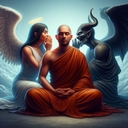
+Opening
| MN 19 dve-dhā---vitakka-suttaṃ | MN 19 Two Sorts of Thinking | MN 19 二種尋經 |
| (cst4) | (derived from Ṭhānissaro Bhikkhu and B. Sujato.) | (出自 Ṭhānissaro Bhikkhu 與 B. Sujato。) |
| ♦ 206. evaṃ me sutaṃ — | I have heard that | 如是我聞 |
| ekaṃ samayaṃ bhagavā | on one occasion the Blessed One | 一時,世尊 |
| sāvatthiyaṃ viharati jetavane | was staying near Sāvatthī in Jeta’s Grove, | 住在舍衛城附近的祇陀林, |
| anāthapiṇḍikassa ārāme. | Anāthapiṇḍika’s monastery. | 給孤獨園。 |
| tatra kho bhagavā bhikkhū āmantesi — | There he addressed the monks: | 在那裡,他對諸比丘說: |
| “bhikkhavo”ti. | “Monks!” | 「諸比丘!」 |
| “bhadante”ti te bhikkhū bhagavato paccassosuṃ. | “Yes, lord,” the monks responded to him. | 「是的,世尊。」諸比丘回應他。 |
| bhagavā etadavoca — | The Blessed One said, | 世尊說, |
+19.1 – (divide thoughts into 2 groups, good and bad)
all
| ♦ “pubbeva me, bhikkhave, sambodhā | “Monks, before my self-awakening, | 「諸比丘,在我自行覺悟之前, |
| anabhisambuddhassa bodhisattasseva | when I was still just an unawakened bodhisatta, | 當我還只是一個未覺悟的菩薩時, |
| sato etadahosi — | the thought occurred to me: | 我生起了一個念頭: |
| ‘yaṃnūnāhaṃ dvidhā katvā dvidhā katvā vitakke vihareyyan’ti. | ‘Why don’t I keep dividing my thinking into two sorts?’ | 『何不將我的思惟分為二種?』 |
+§1.1 – (bad: 3 counterparts of right resolve)
| so kho ahaṃ, bhikkhave, | So I made | 於是我將 |
| yo cāyaṃ kāma-vitakko | thinking imbued with sensuality, | 帶有欲的思惟, |
| yo ca byāpāda-vitakko | thinking imbued with ill will, | 帶有恚的思惟, |
| yo ca vihiṃsā-vitakko — | & thinking imbued with harmfulness | 及帶有害的思惟 |
| imaṃ ekaṃ bhāgamakāsiṃ; | one sort, | 歸為一類, |
+§1.2 – (good: 3 parts of right resolve)
+19.2 – (how to handle 3 types of wrong thoughts)
all
+§2.1 – (kāma vitakko)
| ♦ 207. “tassa mayhaṃ, bhikkhave, | “And as I | 「當我 |
| evaṃ appamattassa ātāpino pahitattassa viharato | remained thus assiduous, ardent, & resolute, | 如此精勤、熱誠、堅定地安住時, |
| uppajjati kāma-vitakko. | thinking imbued with sensuality arose in me. | 帶有欲的思惟在我心中生起。 |
| so evaṃ pajānāmi — ‘uppanno kho me ayaṃ kāma-vitakko. | I discerned that ‘Thinking imbued with sensuality has arisen in me; | 我識知到『帶有欲的思惟已在我心中生起; |
| so ca kho attabyābādhāyapi saṃvattati, | and that leads to my own affliction | 而那會導致我自身的苦惱 |
| parabyābādhāyapi saṃvattati, | or to the affliction of others | 或他人的苦惱 |
| ubhayabyābādhāyapi saṃvattati, | or to the affliction of both. | 或兩者的苦惱。 |
| paññā-nirodhiko | It obstructs discernment, | 它障礙智慧, |
| vighātapakkhiko | promotes vexation, | 增長煩惱, |
| a-nibbāna-saṃvattaniko’ . | & does not lead to nirvana.’ | 且不導向涅槃。』 |
| ‘attabyābādhāya saṃvattatī’tipi me, bhikkhave, | “As I noticed that it leads to my own affliction, | 「當我注意到它導致我自身的苦惱時, |
| paṭisañcikkhato abbhatthaṃ gacchati; | it subsided. | 它便平息了。 |
| ‘parabyābādhāya saṃvattatī’tipi me, bhikkhave, | As I noticed that it leads to the affliction of others… | 當我注意到它導致他人的苦惱時… |
| paṭisañcikkhato abbhatthaṃ gacchati; | ... | … |
| ‘ubhayabyābādhāya saṃvattatī’tipi me, bhikkhave, | to the affliction of both… | 導致兩者的苦惱時… |
| paṭisañcikkhato abbhatthaṃ gacchati; | ... | … |
| ‘paññā-nirodhiko | it obstructs discernment, | 它障礙智慧, |
| vighātapakkhiko | promotes vexation, | 增長煩惱, |
| a-nibbāna-saṃvattaniko’tipi me, bhikkhave, | & does not lead to nirvana, | 且不導向涅槃, |
| paṭisañcikkhato abbhatthaṃ gacchati. | it subsided. | 它便平息了。 |
| so kho ahaṃ, bhikkhave, | Whenever | 每當 |
| uppannuppannaṃ kāma-vitakkaṃ | thinking imbued with sensuality had arisen, | 帶有欲的思惟生起, |
| pajahameva | I simply abandoned it, | 我便將之捨棄, |
| vinodameva | destroyed it, | 將之摧毀, |
| byantameva | dispelled it, | 將之驅散, |
| naṃ akāsiṃ. | wiped it out of existence. | 將之從存在中抹去。 |
❧
+§2.2 – (byāpāda vitakko)
all
| ♦ 208. “tassa mayhaṃ, bhikkhave, | “And as I | 「當我 |
| evaṃ appamattassa ātāpino pahitattassa viharato | remained thus assiduous, ardent, & resolute, | 如此精勤、熱誠、堅定地安住時, |
| uppajjati byāpāda-vitakko ... | thinking imbued with ill will arose in me. | 帶有恚的思惟在我心中生起。 |
| pe ... | … | … |
+§2.3 – (vihiṃsā vitakko)
all
+§2.10 – (V&V quality of thinking “bends” mind into habit)
| Yaññadeva, bhikkhave, bhikkhu bahulamanuvitakketi anuvicāreti, tathā tathā nati hoti cetaso. | Whatever a monk frequently thinks about and ponders becomes their heart’s inclination. | 無論比丘經常思惟和細察什麼,那便成為他心的傾向。 |
| Kāmavitakkañce, bhikkhave, bhikkhu bahulamanuvitakketi anuvicāreti, pahāsi nekkhammavitakkaṃ, kāmavitakkaṃ bahulamakāsi, tassa taṃ kāmavitakkāya cittaṃ namati. | If they often think about and consider sensual thoughts, they’ve given up the thought of renunciation to cultivate sensual thought. Their mind inclines to sensual thoughts. | 如果他經常思惟和考慮欲念,他便捨棄了出離之念以培育欲念。他的心傾向於欲念。 |
| Byāpādavitakkañce, bhikkhave … pe … | If they often think about and consider malicious thoughts … their mind inclines to malicious thoughts. | 如果他經常思惟和考慮惡意之念…他的心傾向於惡意之念。 |
| vihiṃsāvitakkañce, bhikkhave, bhikkhu bahulamanuvitakketi anuvicāreti, pahāsi avihiṃsāvitakkaṃ, vihiṃsāvitakkaṃ bahulamakāsi, tassa taṃ vihiṃsāvitakkāya cittaṃ namati. | If they often think about and consider cruel thoughts … their mind inclines to cruel thoughts. | 如果他經常思惟和考慮殘酷之念…他的心傾向於殘酷之念。 |
+§2.11 – (simile of cowherd busy)
all
| seyyathāpi, bhikkhave, | “Just as, | 「就像, |
| vassānaṃ pacchime māse | (in) the-rains-period, following (the) last-month, | 在雨季期間,在最後一個月之後, |
| saradasamaye kiṭṭha-sambādhe | (in the) autumn-season, when the crops are ripening, | 在秋季,當莊稼成熟時, |
| gopālako gāvo rakkheyya. | (a) cowherd, (his) cows (he) would look after: | 一個牧牛人會看顧他的牛群: |
| so tā gāvo tato tato daṇḍena | on this side & that (with his) stick, | 用他的棍子在這頭和那頭 |
| ākoṭeyya paṭikoṭeyya sannirundheyya sannivāreyya. | (he would) tap & poke & check & curb them. | 輕敲、戳刺、檢查和制止牠們。 |
| taṃ kissa hetu? | Why is that? | 為何如此? |
| passati hi so, bhikkhave, | Because he foresees | 因為他預見到 |
| gopālako tato-nidānaṃ | (the) cowherd (on) account-of [letting cows run amuck] | (牧牛人)因(讓牛群亂闖) |
| vadhaṃ vā bandhanaṃ vā | flogging or imprisonment or | 會遭到鞭打、監禁或 |
| jāniṃ vā garahaṃ vā. | a fine or public censure. | 罰款或公開譴責。 |
+(right effort, right view, ardency, vigor, is dominant here in trying for first jhāna)
| evameva kho ahaṃ, bhikkhave, addasaṃ | In the same way, monks, I foresaw | 同樣地,諸比丘,我預見到 |
| a-kusalānaṃ dhammānaṃ | (in) un-skillful Dharmas | 於不善法中 |
| ādīnavaṃ okāraṃ saṃ-kilesaṃ, | drawbacks, degradation, & defilement, | 有過患、墮落與染污, |
| kusalānaṃ dhammānaṃ | (and I foresaw in) skillful Dharmas | (我也預見到)於善法中 |
| nekkhamme ānisaṃsaṃ vodāna-pakkhaṃ. | renunciation (related) awards, & {promoting}-cleansing. | 有出離(相關)的獎賞與(促進)清淨。 |
❧
+19.3 – (how to handle 3 types of good thoughts)
all
+§3.1 – (renunciation in opposition to kāma/lust)
all
| ♦ 209. “tassa mayhaṃ, bhikkhave, | “And as I, | 「而當我, |
| evaṃ appamattassa ātāpino pahitattassa viharato | thusly assiduous, ardent, resolute (I) remained, | 如此精勤、熱誠、堅定地安住時, |
| uppajjati nekkhamma-vitakko. | (there) arose renunciation-thinking. | (心中)生起了出離之思惟。 |
| so evaṃ pajānāmi — | This I discerned - | 我識知到這一點 - |
| ‘uppanno kho me ayaṃ nekkhamma-vitakko. | ‘arisen in me, this renunciation-thinking. | 『此出離之思惟已在我心中生起。 |
| so ca kho nev-atta-byābādhāya saṃvattati, | and that leads neither to my own affliction, | 而那既不導致我自身的苦惱, |
| na para-byābādhāya saṃvattati, | nor to the affliction of others, | 也不導致他人的苦惱, |
| na ubhaya-byābādhāya saṃvattati, | nor to the affliction of both. | 也不導致兩者的苦惱。 |
| paññā-vuddhiko | discernment (it) fosters, | 它滋養智慧, |
| A-vighāta-pakkhiko | lack (of) vexation (it) promotes, | 它促進無煩惱, |
| nibbāna-saṃvattaniko’. | (to) Nirvana (it) leads. | (它)導向涅槃。 |
| rattiṃ cepi naṃ, bhikkhave, | even for a night | 即使一夜 |
| anu-vitakkeyyaṃ anu-vicāreyyaṃ, | (if I should) excessively-think (and) excessively-ponder, | (我若)過度思惟與過度細察, |
| neva tatonidānaṃ bhayaṃ samanupassāmi. | I do not envision any danger that would come from it, | 我也預見不到任何因此而來的危險, |
| divasaṃ cepi naṃ, bhikkhave, | even for a day | 即使一日 |
| anu-vitakkeyyaṃ anu-vicāreyyaṃ, | (if I should) excessively-think (and) excessively-ponder, | (我若)過度思惟與過度細察, |
| neva tatonidānaṃ bhayaṃ samanupassāmi. | I do not envision any danger that would come from it, | 我也預見不到任何因此而來的危險, |
+§1.3 – (first jhāna blocked by tired body)
| Rattin-divaṃ cepi naṃ, bhikkhave, | even for a day & night, | 即使一日一夜, |
| anu-vitakkeyyaṃ anu-vicāreyyaṃ, | (if I should) excessively-think (and) excessively-ponder, | (我若)過度思惟與過度細察, |
| neva tatonidānaṃ bhayaṃ samanupassāmi. | I do not envision any danger that would come from it, | 我也預見不到任何因此而來的危險, |
| api ca kho me aticiraṃ anu-vitakkayato anu-vicārayato | except that thinking & pondering a long time | 除了長時間的思惟與細察 |
| kāyo kilameyya. | would tire the body. | 會使身體疲憊。 |
| kāye kilante VAR cittaṃ ūhaññeyya. | When the body is tired, the mind is disturbed; | 當身體疲憊時,心便受到擾亂; |
| ūhate citte ārā cittaṃ samādhimhāti. | (and a) disturbed mind (is) far (from a) mind (in) undistractable-lucidity.’ | (而一個)受擾亂的心(離)定心(很)遠。』 |
+§1.5 – (code phrase for “attempt 4 jhānas”)
| so kho ahaṃ, bhikkhave, | So I, | 所以我, |
| ajjhattameva cittaṃ | internally (my) mind | 於內心 |
| saṇṭhapemi sannisādemi | steadied (and) settled, | 令(我的)心安定、安頓, |
| ekodiṃ karomi VAR | unified (I) made (it), | 令(它)統一, |
| samādahāmi. | (I made it) undistractable-&-lucid. | 令(它)安住於定。 |
| taṃ kissa hetu? | Why is that? | 為何如此? |
| ‘mā me cittaṃ ūhaññī’ti VAR. | So that my mind would not be disturbed. | 好讓我的心不被擾亂。 |
❧
+§3.2 – (non ill will in opposition to ill will)
all
| “tassa mayhaṃ, bhikkhave, evaṃ appamattassa ātāpino pahitattassa viharato | as I meditated… | 當我禪修時… |
| uppajjati abyāpāda-vitakko ... pe ... | thoughts of non-ill will arose… | 無恚之念生起… |
(handle in same way as renunciation thoughts from MN 19.3.1 through MN 19.3.1.5)
+§3.3 – (non harm in opposition to harm)
all
| uppajjati avihiṃsā-vitakko. | thinking imbued with harmlessness arose in me… | 帶有無害的思惟在我心中生起… |
| … | … | … |
(handle in same way as renunciation thoughts from MN 19.3.1 through MN 19.3.1.5)
+§3.10 – (reiteration: quality of V&V thinking “bends” mind into habit)
| Yaññadeva, bhikkhave, bhikkhu bahulamanuvitakketi anuvicāreti, tathā tathā nati hoti cetaso. | Whatever a monk frequently thinks about and considers becomes their heart’s inclination. | 無論比丘經常思惟和考慮什麼,那便成為他心的傾向。 |
| Nekkhammavitakkañce, bhikkhave, bhikkhu bahulamanuvitakketi anuvicāreti, pahāsi kāmavitakkaṃ, nekkhammavitakkaṃ bahulamakāsi, tassaṃ taṃ nekkhammavitakkāya cittaṃ namati. | If they often think about and consider thoughts of renunciation, they’ve given up sensual thought to cultivate the thought of renunciation. Their mind inclines to thoughts of renunciation. | 如果他經常思惟和考慮出離之念,他便捨棄了欲念以培育出離之念。他的心傾向於出離之念。 |
| Abyāpādavitakkañce, bhikkhave … pe … | If they often think about and consider thoughts of non-ill will … their mind inclines to thoughts of non-ill will. | 如果他經常思惟和考慮無恚之念…他的心傾向於無恚之念。 |
| avihiṃsāvitakkañce, bhikkhave, bhikkhu bahulamanuvitakketi anuvicāreti, pahāsi vihiṃsāvitakkaṃ, avihiṃsāvitakkaṃ bahulamakāsi, tassa taṃ avihiṃsāvitakkāya cittaṃ namati. | If they often think about and consider thoughts of non-cruelty … their mind inclines to thoughts of non-cruelty. | 如果他經常思惟和考慮無殘酷之念…他的心傾向於無殘酷之念。 |
+§3.11 – (simile of cowherd relaxed in jhāna)
| seyyathāpi, bhikkhave, | “Just as (in the) | 「就像在 |
| gimhānaṃ pacchime māse | hot-season, (in the) last month, | 熱季,在最後一個月, |
| sabba-sassesu gāmanta-sambhatesu | (when) all-crops (into the) village-(they've been)-stored-up, | (當)所有莊稼(都已)收入村中, |
| gopālako gāvo rakkheyya, | a cowherd {would look after} (his) cows: | 一個牧牛人(會看顧)(他的)牛群: |
| tassa rukkha-mūla-gatassa vā | While resting under the shade of a tree or | 在樹蔭下或 |
| abbhokāsa-gatassa vā | out in the open, | 在空地上休息時, |
| 🐘 sati-karaṇīyam-eva hoti — ‘etā VAR gāvo’ti. | 🐘 he simply keeps himself remembering ‘those cows.’ | 🐘 他只是不斷地提醒自己『那些牛』。 |
| evamevaṃ kho, bhikkhave, | In the same way, | 同樣地, |
| 🐘 sati-karaṇīyam-eva ahosi — ‘ete dhammā’ti. | 🐘 I simply kept myself remembering ‘those Dhammas.’ | 🐘 我只是不斷地提醒自己『那些法』。 |
❧
+19.4 – (code phrase for successful entry into 4 jhānas)
all
(slight variation on 7sb☀️ awakening factors)
| “āraddhaṃ kho pana me, bhikkhave, | “aroused indeed in me, monks | 「諸比丘,在我心中確實生起了 |
+§4.1 – (STED 4 jhānas)
(first jhāna j1🌘)
🚫💑 vivicc’eva kāmehi |
Judiciously-secluded from desire for five cords of sensual pleasures, |
🚫😠 vivicca a-kusalehi dhammehi |
Judiciously-secluded from unskillful ☸Dharmas, |
(V&V💭) sa-vitakkaṃ sa-vicāraṃ |
with directed-thought and evaluation [of those verbal ☸Dharma thoughts], |
😁🙂 viveka-jaṃ pīti-sukhaṃ |
with [mental] rapture and [physical] pleasure born from judicious-seclusion, |
🌘 paṭhamaṃ jhānaṃ upasampajja viharati. |
he attains and lives in first jhāna. |
(second jhāna j2🌗)
Vitakka-vicārānaṃ vūpasamā |
with the subsiding of directed-thought and evaluation [of those verbal ☸Dharma thoughts], |
ajjhattaṃ sam-pasādanaṃ |
with internal purity and self-confidence, |
🌄 cetaso ekodi-bhāvaṃ |
his mind becomes singular in focus. |
🚫(V&V💭) a-vitakkaṃ a-vicāraṃ |
Without directed-thought and evaluation, [mental processing is now subverbal,] |
🌄😁🙂 samādhi-jaṃ pīti-sukhaṃ |
[mental] rapture and [physical] pleasure is born from undistractible-lucidity, |
🌗 dutiyaṃ jhānaṃ upasampajja viharati. |
he attains and lives in second jhāna. |
(third jhāna j3🌖)
🚫😁 pītiyā ca virāgā |
With [mental] rapture fading, |
👁 upekkhako ca viharati |
he lives equanimously observing [☸Dharmas with subverbal mental processing]. |
(S&S🐘💭) sato ca sam-pajāno, |
remembering [and applying relevant ☸Dharma], he lucidly discerns. |
🙂🚶 sukhañca kāyena paṭi-saṃ-vedeti, |
He experiences pleasure with the [physical] body. |
yaṃ taṃ ariyā ācikkhanti — |
The Noble Ones praise this [stage of jhāna in particular because they expect this to be the normal state of the average monk in all postures at all times]: |
‘upekkhako satimā sukha-vihārī’ti |
"He lives happily with pleasure, Equanimously observing and remembering [to engage in relevant ☸Dharma]." |
🌖 tatiyaṃ jhānaṃ upasampajja viharati. |
he attains and lives in third jhāna. |
(fourth jhāna j4🌕)
sukhassa ca pahānā |
With the abandoning of [physical] pleasure |
dukkhassa ca pahānā |
and pain, |
pubbeva so-manassa-do-manassānaṃ atthaṅgamā |
with the previous abandoning of elated and distressed mental states, |
A-dukkham-a-sukhaṃ |
experiencing [physical] sensations of neither pain nor pleasure, |
👁🐘 Upekkhā-sati-pārisuddhiṃ |
his equanimous observation and his remembering [and application of relevant ☸Dharma] is purified. |
🌕 catutthaṃ jhānaṃ upasampajja viharati |
he attains and lives in fourth jhāna. |
❧
+19.5 – (Buddhist redefinition of Brahmin 3 Vedas (te-vijja))
all
(3 vedas are the 3 higher knowledges of 6ab ⚡☸)
+§5.1 – (STED 6ab#4: recollection of past lives)
| ♦ 212. “so evaṃ samāhite citte parisuddhe pariyodāte anaṅgaṇe vigatūpakkilese mudubhūte kammaniye ṭhite āneñjappatte pubbenivāsānussatiñāṇāya cittaṃ abhininnāmesiṃ. so anekavihitaṃ pubbenivāsaṃ anussarāmi. seyyathidaṃ, ekampi jātiṃ ... pe ... iti sākāraṃ sauddesaṃ anekavihitaṃ pubbenivāsaṃ anussarāmi. | “When the mind was thus concentrated, purified, bright, unblemished, rid of defilement, pliant, malleable, steady, & attained to imperturbability, I directed it to the knowledge of recollecting my past lives. I recollected my manifold past lives, i.e., one birth, two… five, ten… fifty, a hundred, a thousand, a hundred thousand, many eons of cosmic contraction, many eons of cosmic expansion, many eons of cosmic contraction & expansion: ‘There I had such a name, belonged to such a clan, had such an appearance. Such was my food, such my experience of pleasure & pain, such the end of my life. Passing away from that state, I re-arose there. There too I had such a name, belonged to such a clan, had such an appearance. Such was my food, such my experience of pleasure & pain, such the end of my life. Passing away from that state, I re-arose here.’ Thus I remembered my manifold past lives in their modes & details. | 「當心如此專注、清淨、明亮、無瑕、離垢、柔軟、可塑、穩固且達到不動時,我將其導向宿命通智。我回憶起我無數的過去生,即一生、二生…五生、十生…五十生、一百生、一千生、十萬生,許多世界收縮的劫、許多世界擴張的劫、許多世界收縮與擴張的劫:『在那裡,我有這樣的名字,屬於這樣的氏族,有這樣的外貌。那裡是我的食物,那裡是我對苦樂的體驗,那裡是我生命的終結。從那個狀態逝去後,我重又生於那裡。在那裡,我又有這樣的名字,屬於這樣的氏族,有這樣的外貌。那裡是我的食物,那裡是我對苦樂的體驗,那裡是我生命的終結。從那個狀態逝去後,我重又生於此地。』如此,我憶起我無數過去生的樣態與細節。 |
| ayaṃ kho me, bhikkhave, rattiyā paṭhame yāme paṭhamā vijjā adhigatā; avijjā vihatā vijjā uppannā; tamo vihato āloko uppanno; yathā taṃ appamattassa ātāpino pahitattassa viharato. | “This was the first knowledge I attained in the first watch of the night. Ignorance was destroyed; knowledge arose; darkness was destroyed; light arose —as happens in one who is assiduous, ardent, & resolute. | 「這是我在初夜時分證得的第一種明。無明被摧毀;明生起;黑暗被摧毀;光明生起——如同發生在精勤、熱誠、堅定的人身上。 |
+§5.2 – (STED 6ab#5: divine eye: sees where beings are reborn according to kamma)
| ♦ 213. “so evaṃ samāhite citte parisuddhe pariyodāte anaṅgaṇe vigatūpakkilese mudubhūte kammaniye ṭhite āneñjappatte sattānaṃ cutūpapātañāṇāya cittaṃ abhininnāmesiṃ. so dibbena cakkhunā visuddhena atikkantamānusakena satte passāmi cavamāne upapajjamāne ... pe ... ime vata bhonto sattā kāyaduccaritena samannāgatā ... pe ... iti dibbena cakkhunā visuddhena atikkantamānusakena satte passāmi cavamāne upapajjamāne hīne paṇīte suvaṇṇe dubbaṇṇe sugate duggate, yathākammūpage satte pajānāmi. | “When the mind was thus concentrated, purified, bright, unblemished, rid of defilement, pliant, malleable, steady, & attained to imperturbability, I directed it to the knowledge of the passing away & reappearance of beings. I saw—by means of the divine eye, purified & surpassing the human—beings passing away & re-appearing, and I discerned how they are inferior & superior, beautiful & ugly, fortunate & unfortunate in accordance with their kamma: ‘These beings—who were endowed with bad conduct of body, speech & mind, who reviled the noble ones, held wrong views and undertook actions under the influence of wrong views—with the break-up of the body, after death, have re-appeared in a plane of deprivation, a bad destination, a lower realm, hell. But these beings—who were endowed with good conduct of body, speech, & mind, who did not revile the noble ones, who held right views and undertook actions under the influence of right views—with the break-up of the body, after death, have re-appeared in a good destination, a heavenly world.’ Thus—by means of the divine eye, purified & surpassing the human—I saw beings passing away & re-appearing, and I discerned how they are inferior & superior, beautiful & ugly, fortunate & unfortunate in accordance with their kamma. | 「當心如此專注、清淨、明亮、無瑕、離垢、柔軟、可塑、穩固且達到不動時,我將其導向眾生生死通智。我藉由清淨且超越人眼的天眼,看見眾生死去與再生,並識知他們如何依其業而有優劣、美醜、幸與不幸:『這些眾生——具足身、語、意惡行,毀謗聖者,持邪見並在邪見影響下造業——身壞命終後,已重現於惡趣、惡歸宿、下界、地獄。但這些眾生——具足身、語、意善行,不毀謗聖者,持正見並在正見影響下造業——身壞命終後,已重現於善歸宿、天界。』如此——藉由清淨且超越人眼的天眼——我看到眾生死去與再生,並識知他們如何依其業而有優劣、美醜、幸與不幸。 |
| ayaṃ kho me, bhikkhave, rattiyā majjhime yāme dutiyā vijjā adhigatā; avijjā vihatā vijjā uppannā; tamo vihato āloko uppanno; yathā taṃ appamattassa ātāpino pahitattassa viharato. | “This was the second knowledge I attained in the second watch of the night. Ignorance was destroyed; knowledge arose; darkness was destroyed; light arose—as happens in one who is assiduous, ardent, & resolute. | 「這是我在中夜時分證得的第二種明。無明被摧毀;明生起;黑暗被摧毀;光明生起——如同發生在精勤、熱誠、堅定的人身上。 |
+§5.3 – (STED 6ab#6: arahantship)
| ♦ 214. “so evaṃ samāhite citte parisuddhe pariyodāte anaṅgaṇe vigatūpakkilese mudubhūte kammaniye ṭhite āneñjappatte āsavānaṃ khayañāṇāya cittaṃ abhininnāmesiṃ. so ‘idaṃ dukkhan’ti yathābhūtaṃ abbhaññāsiṃ, ‘ayaṃ dukkhasamudayo’ti yathābhūtaṃ abbhaññāsiṃ, ‘ayaṃ dukkhanirodho’ti yathābhūtaṃ abbhaññāsiṃ, ‘ayaṃ dukkhanirodhagāminī paṭipadā’ti yathābhūtaṃ abbhaññāsiṃ. ‘ime āsavā’ti yathābhūtaṃ abbhaññāsiṃ, ‘ayaṃ āsavasamudayo’ti yathābhūtaṃ abbhaññāsiṃ, ‘ayaṃ āsavanirodho’ti yathābhūtaṃ abbhaññāsiṃ, ‘ayaṃ āsavanirodhagāminī paṭipadā’ti yathābhūtaṃ abbhaññāsiṃ. tassa me evaṃ jānato evaṃ passato kāmāsavāpi cittaṃ vimuccittha, bhavāsavāpi cittaṃ vimuccittha, avijjāsavāpi cittaṃ vimuccittha, vimuttasmiṃ vimuttamiti ñāṇaṃ ahosi — ‘khīṇā jāti, vusitaṃ brahmacariyaṃ, kataṃ karaṇīyaṃ, nāparaṃ itthattāyā’ti abbhaññāsiṃ. | “When the mind was thus concentrated, purified, bright, unblemished, rid of defilement, pliant, malleable, steady, & attained to imperturbability, I directed it to the knowledge of the ending of effluents. I discerned, as it had come to be, that ‘This is stress… This is the origination of stress… This is the cessation of stress… This is the way leading to the cessation of stress… These are effluents… This is the origination of effluents… This is the cessation of effluents… This is the way leading to the cessation of effluents.’ My heart, thus knowing, thus seeing, was released from the effluent of sensuality, released from the effluent of becoming, released from the effluent of ignorance. With release, there was the knowledge, ‘Released.’ I discerned that ‘Birth is ended, the holy life fulfilled, the task done. There is nothing further for this world.’ | 「當心如此專注、清淨、明亮、無瑕、離垢、柔軟、可塑、穩固且達到不動時,我將其導向漏盡通智。我如實識知:『這是苦…這是苦的集起…這是苦的止息…這是導致苦止息的道路…這些是漏…這是漏的集起…這是漏的止息…這是導致漏止息的道路。』我的心,如此知、如此見,從欲漏中解脫,從有漏中解脫,從無明漏中解脫。隨著解脫,生起了『已解脫』的智。我識知:『生死已盡,梵行已立,所作已辦。不受後有。』 |
| ayaṃ kho me, bhikkhave, rattiyā pacchime yāme tatiyā vijjā adhigatā; avijjā vihatā vijjā uppannā; tamo vihato āloko uppanno; yathā taṃ appamattassa ātāpino pahitattassa viharato. | “This was the third knowledge I attained in the third watch of the night. Ignorance was destroyed; knowledge arose; darkness was destroyed; light arose—as happens in one who is assiduous, ardent, & resolute. | 「這是我在後夜時分證得的第三種明。無明被摧毀;明生起;黑暗被摧毀;光明生起——如同發生在精勤、熱誠、堅定的人身上。 |
+19.6 – (simile: mara wants to kill deer, buddha wants to lead them to safety)
| Seyyathāpi, bhikkhave, araññe pavane mahantaṃ ninnaṃ pallalaṃ. | Suppose that in a forested wilderness there was an expanse of low-lying swampland, | 譬如在一片森林荒野中,有一片低窪的沼澤地, |
| Tamenaṃ mahāmigasaṅgho upanissāya vihareyya. | and a large herd of deer lived nearby. | 附近住著一大群鹿。 |
| Tassa kocideva puriso uppajjeyya anatthakāmo ahitakāmo ayogakkhemakāmo. | Then along comes a person who wants to harm, injure, and threaten them. | 然後來了一個人,想要傷害、損害和威脅牠們。 |
| So yvāssa maggo khemo sovatthiko pītigamanīyo taṃ maggaṃ pidaheyya, vivareyya kummaggaṃ, odaheyya okacaraṃ, ṭhapeyya okacārikaṃ. | They close off the safe, secure path that leads to happiness, and open the wrong path. There they plant domesticated male and female deer as decoys | 他封鎖了通往幸福的安全穩固之路,開闢了一條錯誤的路。在那裡,他放置了馴養的公鹿和母鹿作為誘餌 |
| Evañhi so, bhikkhave, mahāmigasaṅgho aparena samayena anayabyasanaṃ āpajjeyya. | so that, in due course, that herd of deer would come to ruin and disaster. | 以便在適當的時候,那群鹿會走向毀滅和災難。 |
| Tasseva kho pana, bhikkhave, mahato migasaṅghassa kocideva puriso uppajjeyya atthakāmo hitakāmo yogakkhemakāmo. | Then along comes a person who wants to help keep the herd of deer safe. | 然後來了一個人,想要幫助保護鹿群的安全。 |
| So yvāssa maggo khemo sovatthiko pītigamanīyo taṃ maggaṃ vivareyya, pidaheyya kummaggaṃ, ūhaneyya okacaraṃ, nāseyya okacārikaṃ. | They open up the safe, secure path that leads to happiness, and close off the wrong path. They get rid of the decoys | 他開闢了通往幸福的安全穩固之路,並封鎖了錯誤的路。他除掉了誘餌 |
| Evañhi so, bhikkhave, mahāmigasaṅgho aparena samayena vuddhiṃ virūḷhiṃ vepullaṃ āpajjeyya. | so that, in due course, that herd of deer would grow, increase, and mature. | 以便在適當的時候,那群鹿會成長、增多和成熟。 |
| Upamā kho me ayaṃ, bhikkhave, katā atthassa viññāpanāya. | I’ve made up this simile to make a point. | 我作此譬喻是為闡明要點。 |
| Ayaṃ cevettha attho— | And this is what it means. | 其義如下。 |
| mahantaṃ ninnaṃ pallalanti kho, bhikkhave, kāmānametaṃ adhivacanaṃ. | ‘An expanse of low-lying swampland’ is a term for sensual pleasures. | 『一片低窪的沼澤地』是欲樂的代名詞。 |
| Mahāmigasaṅghoti kho, bhikkhave, sattānametaṃ adhivacanaṃ. | ‘A large herd of deer’ is a term for sentient beings. | 『一大群鹿』是有情眾生的代名詞。 |
| Puriso anatthakāmo ahitakāmo ayogakkhemakāmoti kho, bhikkhave, mārassetaṃ pāpimato adhivacanaṃ. | ‘A person who wants to harm, injure, and threaten them’ is a term for Māra the Wicked. | 『想要傷害、損害和威脅牠們的人』是惡魔波旬的代名詞。 |
| Kummaggoti kho, bhikkhave, aṭṭhaṅgikassetaṃ micchāmaggassa adhivacanaṃ, seyyathidaṃ— | ‘The wrong path’ is a term for the wrong eightfold path, that is, | 『錯誤的路』是八邪道的代名詞,即 |
| micchādiṭṭhiyā micchāsaṅkappassa micchāvācāya micchākammantassa micchāājīvassa micchāvāyāmassa micchāsatiyā micchāsamādhissa. | wrong view, wrong thought, wrong speech, wrong action, wrong livelihood, wrong effort, wrong rememberfulness, and wrong undistractible-lucidity. | 邪見、邪思惟、邪語、邪業、邪命、邪精進、邪念、邪定。 |
| Okacaroti kho, bhikkhave, nandīrāgassetaṃ adhivacanaṃ. | ‘A domesticated male deer’ is a term for desire with relishing. | 『馴養的公鹿』是喜貪的代名詞。 |
| Okacārikāti kho, bhikkhave, avijjāyetaṃ adhivacanaṃ. | ‘A domesticated female deer’ is a term for ignorance. | 『馴養的母鹿』是無明的代名詞。 |
| Puriso atthakāmo hitakāmo yogakkhemakāmoti kho, bhikkhave, tathāgatassetaṃ adhivacanaṃ arahato sammāsambuddhassa. | ‘A person who wants to help keep the herd of deer safe’ is a term for the Realized One, the perfected one, the fully awakened Buddha. | 『想要幫助保護鹿群安全的人』是如來、阿羅漢、正等正覺佛陀的代名詞。 |
| Khemo maggo sovatthiko pītigamanīyoti kho, bhikkhave, ariyassetaṃ aṭṭhaṅgikassa maggassa adhivacanaṃ, seyyathidaṃ— | ‘The safe, secure path that leads to happiness’ is a term for the noble eightfold path, that is: | 『通往幸福的安全穩固之路』是八聖道的代名詞,即: |
| sammādiṭṭhiyā sammāsaṅkappassa sammāvācāya sammākammantassa sammāājīvassa sammāvāyāmassa sammāsatiyā sammāsamādhissa. | right view, right thought, right speech, right action, right livelihood, right effort, right rememberfulness, and right undistractible-lucidity. | 正見、正思惟、正語、正業、正命、正精進、正念、正定。 |
| Iti kho, bhikkhave, vivaṭo mayā khemo maggo sovatthiko pītigamanīyo, pihito kummaggo, ūhato okacaro, nāsitā okacārikā. | So, monks, I have opened up the safe, secure path to happiness and closed off the wrong path. And I have got rid of the male and female decoys. | 所以,諸比丘,我已開闢了通往幸福的安全穩固之路,並封鎖了錯誤的路。我也已除掉了公鹿和母鹿的誘餌。 |
| Yaṃ, bhikkhave, satthārā karaṇīyaṃ sāvakānaṃ hitesinā anukampakena anukampaṃ upādāya, kataṃ vo taṃ mayā. | Out of compassion, I’ve done what a teacher should do who wants what’s best for their disciples. | 出於慈悲,我已做了一個希望弟子們得到最大利益的老師應該做的事。 |
| Etāni, bhikkhave, rukkhamūlāni, etāni suññāgārāni; jhāyatha, bhikkhave, mā pamādattha; mā pacchā vippaṭisārino ahuvattha. Ayaṃ vo amhākaṃ anusāsanī”ti. | Here are these roots of trees, and here are these empty huts. Practice jhāna, monks! Don’t be negligent! Don’t regret it later! This is my instruction to you.” | 這裡有樹根,這裡有空屋。修習禪那吧,諸比丘!不要放逸!莫待日後後悔!這是我對你們的教誡。」 |
| Idamavoca bhagavā. | That is what the Buddha said. | 佛陀如是說。 |
| Attamanā te bhikkhū bhagavato bhāsitaṃ abhinandunti. | Satisfied, the monks were happy with what the Buddha said. | 諸比丘心滿意足,對佛陀所說感到歡喜。 |
❧
+MN 20 Vitakka-saṇṭhāna:
relaxing [unwanted] thoughts
all
relaxing [unwanted] thoughts
+Opening
| Evaṃ me sutaṃ— | So I have heard: | 如是我聞: |
| ekaṃ samayaṃ bhagavā sāvatthiyaṃ viharati | One time the-Blessed-One stayed in Sāvatthī, | 一時,世尊住在舍衛城, |
| jeta-vane anāthapiṇḍikassa ārāme. | in Jeta’s-Grove, Anāthapiṇḍika’s Park. | 祇陀林給孤獨園。 |
| Tatra kho bhagavā | There the Blessed-One, | 在那裡,世尊, |
| bhikkhū āmantesi: | addressed the monks. | 對諸比丘說。 |
| “bhikkhavo”ti. | “Monks.”— | 「諸比丘。」— |
| “Bhadante”ti te bhikkhū | “Venerable sir,” those monks | 「尊師。」那些比丘 |
| bhagavato paccassosuṃ. | replied… | 回答… |
| Bhagavā etad-avoca: | The Blessed-One said: | 世尊說: |
+20.5 – (Adhicitta = syn.of samādhi, 5 nimittas are methods to remove unwanted thoughts)
all
| “Adhi-citta-manu-yuttena, bhikkhave, | “Pursuing the higher-mind, | 「為求增上心, |
| bhikkhunā pañca nimittāni | a monk should pay attention to five signs | 比丘應時時作意五種相。〔此五相代表處理惡念的五種方法〕 |
| kālena kālaṃ manasi kātabbāni. | from time to time. [These 5 signs represent 5 methods to deal with bad thoughts.] | 此五種〔方法〕為何? |
| Katam'-āni pañca? | What are these five [methods]? |

+§5.1 – (Replace unskillful with skillful thought ↔ fine peg replace coarse one)
all
| Idha, bhikkhave, bhikkhuno | “If a monk [is meditating and] | 「若比丘〔禪修時〕 |
| yaṃ nimittaṃ āgamma | a [bad] sign appears, | 一〔惡〕相現前, |
| yaṃ nimittaṃ manasi-karoto | a sign that a monk was paying attention to, | 比丘所作意之相, |
| uppajjanti pāpakā akusalā vitakkā | giving rise to evil un-skillful thoughts | 生起與欲相應、 |
| chand-ūpasaṃhitāpi | connected-with-desire, | 與瞋相應、 |
| dos-ūpasaṃhitāpi | connected-with-aversion, | 與癡相應之惡不善念。 |
| moh-ūpasaṃhitāpi, | Connected-with-delusion. | 比丘應當 |
| tena, bhikkhave, bhikkhunā | A monk should | 從彼〔惡〕相轉移, |
| tamhā nimittā | turn away from that [bad] sign, | 轉而作意於與善法相應之〔善〕相。 |
| aññaṃ nimittaṃ manasi kātabbaṃ | and should instead pay attention to a [good] type of sign | 由從彼〔惡〕相轉移 |
| Kusal-ūpasaṃhitaṃ. | which is connected-with-the-skillful. | 而作意於與善法相應之〔善〕相, |
| Tassa tamhā nimittā | By turning away from that [bad] sign | 任何與欲相應、 |
| aññaṃ nimittaṃ manasikaroto | and paying attention to a [good] type of sign | 與瞋相應、 |
| kusalūpasaṃhitaṃ | which is connected-with-the-skillful, | 與癡相應之惡不善念, |
| ye pāpakā akusalā vitakkā | any evil un-skillful thoughts | 皆被捨棄而終結。 |
| chand-ūpasaṃhitāpi | connected-with-desire, | 由此捨棄, |
| dos-ūpasaṃhitāpi | connected-with-aversion, | 其內心 |
| moh-ūpasaṃhitāpi, | Connected-with-delusion. | 便得寂靜,安頓下來, |
| te pahīyanti te abbhatthaṃ gacchanti. | are abandoned and come to an end. | 成為專一〔於所緣〕,安住於定〔於四禪〕。 |
| Tesaṃ pahānā | With that abandoning, |
+(ekodi & samādhi are 2nd jhāna hallmarks)
| ajjhattameva cittaṃ | internally his mind | |
| santiṭṭhati sannisīdati | Becomes still, settles down, | |
| ekodi hoti samādhiyati. | Becomes singular [in focus], undistractible & lucid [in the 4 jhānas]. |
+(simile of fine peg replacing coarse peg)
| seyyathāpi, bhikkhave, | Just as | 就像 |
| dakkho palagaṇḍo vā | a dexterous carpenter or | 一位熟練的木匠或 |
| palagaṇḍ-antevāsī vā | a carpenter's-apprentice | 木匠的學徒 |
| sukhumāya āṇiyā oḷārikaṃ āṇiṃ | would take a fine peg and aim it at a coarse peg, | 會拿一根細木釘對準一根粗木釘, |
| abhi-nihaneyya | striking it, | 敲擊它, |
| abhi-nīhareyya | pushing it out, | 將其推出, |
| abhi-nivatteyya; | Leaving the [coarse peg] behind. | 留下〔粗木釘〕。 |
| evameva kho, bhikkhave, bhikkhuno | Just like that [metaphor], when a monk [is meditating] and | 就像那個〔譬喻〕一樣,當比丘〔禪修時〕 |
+(repeat verbatim instructions before simile)
| yaṃ nimittaṃ āgamma | a [bad] sign appears, | 一〔惡〕相現前, |
| yaṃ nimittaṃ manasi-karoto | a sign that a monk was paying attention to, | 比丘所作意之相, |
| uppajjanti pāpakā akusalā vitakkā | giving rise to evil un-skillful thoughts | 生起與欲相應、 |
| chand-ūpasaṃhitāpi | connected-with-desire, | 與瞋相應、 |
| dos-ūpasaṃhitāpi | connected-with-aversion, | 與癡相應之惡不善念。 |
| moh-ūpasaṃhitāpi, | Connected-with-delusion. | 比丘應當 |
| tena, bhikkhave, bhikkhunā | A monk should | 從彼〔惡〕相轉移, |
| tamhā nimittā | turn away from that [bad] sign, | 轉而作意於與善法相應之〔善〕相。 |
| aññaṃ nimittaṃ manasi kātabbaṃ | and should instead pay attention to a [good] type of sign | 由從彼〔惡〕相轉移 |
| Kusal-ūpasaṃhitaṃ. | which is connected-with-the-skillful. | 而作意於與善法相應之〔善〕相, |
| Tassa tamhā nimittā | By turning away from that [bad] sign | 任何與欲相應、 |
| aññaṃ nimittaṃ manasikaroto | and paying attention to a [good] type of sign | 與瞋相應、 |
| kusalūpasaṃhitaṃ | which is connected-with-the-skillful, | 與癡相應之惡不善念, |
| ye pāpakā akusalā vitakkā | any evil un-skillful thoughts | 皆被捨棄而終結。 |
| chand-ūpasaṃhitāpi | connected-with-desire, | 由此捨棄, |
| dos-ūpasaṃhitāpi | connected-with-aversion, | 其內心 |
| moh-ūpasaṃhitāpi, | Connected-with-delusion. | 便得寂靜,安頓下來, |
| te pahīyanti te abbhatthaṃ gacchanti. | are abandoned and come to an end. | 成為專一〔於所緣〕,安住於定〔於四禪〕。 |
| Tesaṃ pahānā | With that abandoning, | 〔以善相取代惡相是處理惡念的五種方法中的第一種。〕 |
| ajjhattameva cittaṃ | internally his mind | |
| santiṭṭhati sannisīdati | Becomes still, settles down, | |
| ekodi hoti samādhiyati. | Becomes singular [in focus], undistractible & lucid [in the 4 jhānas]. | |
| [Replacing a bad sign with a good sign is the first of five methods of dealing with bad thoughts.] |

❧
+§5.2 – (Seeing danger in un-skilful ↔ wear carcass around neck)
all
| [Now we will discuss the second of five methods.] | 〔現在我們將討論五種方法中的第二種。〕 | |
| Tassa ce, bhikkhave, bhikkhuno | if a monk | 若比丘 |
| tamhā nimittā | turns away from a [bad] sign, | 從一〔惡〕相轉移, |
| aññaṃ nimittaṃ manasi-karoto | and pays attention to a type of [good] sign | 並作意於與善法相應之〔善〕相〔使用方法一〕, |
| kusal-ūpasaṃhitaṃ | connected with the skillful [using method 1], | 然而仍持續生起與欲相應、 |
| uppajjant-eva pāpakā a-kusalā vitakkā | yet there continues to arise evil unskillful thoughts | 與瞋相應、 |
| chand-ūpasaṃhitāpi | connected-with-desire, | 與癡相應之惡不善念。 |
| dos-ūpasaṃhitāpi | connected-with-aversion, | |
| moh-ūpasaṃhitāpi, | Connected-with-delusion. | |
| tena, bhikkhave, bhikkhunā | then a monk [should apply method number 2] | 那麼比丘〔應當應用第二種方法〕 |
| tesaṃ vitakkānaṃ | on those [bad] thoughts. | 於那些〔惡〕念。 |
| ādīnavo upa-par-ikkhitabbo: | He should equanimously-observe the danger [of bad thoughts. He lucidly-discerns that]: | 他應當審察〔惡念的〕過患。〔他明辨道〕: |
| ‘iti-pi-me vitakkā a-kusalā, | “My thoughts [caused by following a bad sign] are unskillful.” | 「我〔因隨順惡相而起的〕念是不善的。」 |
| iti-pi-me vitakkā s-āvajjā, | “My [bad] thoughts are blameworthy.” | 「我的〔惡〕念是應受譴責的。」 |
| iti-pi-me vitakkā dukkha-vipākā’ti. | “My [bad] thoughts result in suffering.” | 「我的〔惡〕念會導致痛苦。」 |
| Tassa tesaṃ vitakkānaṃ | Then [because of using method 2 on] those [bad] thoughts, | 然後〔因為對〕那些〔惡〕念〔使用第二種方法〕, |
| ādīnavaṃ upa-par-ikkhato | their dangers were lucidly-discerned with [the power of] equanimous-observation. | 其過患以〔審察之力〕被明辨。 |
| ye pāpakā akusalā vitakkā | any evil un-skillful thoughts | 任何與欲相應、 |
| chand-ūpasaṃhitāpi | connected-with-desire, | 與瞋相應、 |
| dos-ūpasaṃhitāpi | connected-with-aversion, | 與癡相應之惡不善念, |
| moh-ūpasaṃhitāpi, | Connected-with-delusion. | 皆被捨棄而終結。 |
| te pahīyanti te abbhatthaṃ gacchanti. | are abandoned and come to an end. | 由此捨棄, |
| Tesaṃ pahānā | With that abandoning, | 其內心 |
+(ekodi & samādhi are 2nd jhāna hallmarks)
| ajjhattameva cittaṃ | internally his mind | 便得寂靜,安頓下來, |
| santiṭṭhati sannisīdati | Becomes still, settles down, | 成為專一〔於所緣〕,安住於定〔於四禪〕。 |
| ekodi hoti samādhiyati. | Becomes singular [in focus], undistractible & lucid [in the 4 jhānas]. |
+(simile of wearing carcass around neck)
| Seyyathāpi, bhikkhave, | Let’s say there is | 譬如有一位 |
| itthī vā puriso vā | a woman or a man | 年輕的 |
| daharo yuvā | who is young, | 女人或男人, |
| maṇḍana-kajātiko | And fond of ornaments, | 且喜愛飾品, |
| ahi-kuṇapena vā | If a dead snake or | 若將死蛇或 |
| kukkura-kuṇapena vā | or a dead dog | 或死狗 |
| manussa-kuṇapena vā | or a dead human | 或死人 |
| kaṇṭhe āsattena | were worn around their neck [as an ornament], | 的屍體掛在他們頸上〔作為飾品〕, |
| aṭṭiyeyya | they would be anxious, | 他們會焦慮、 |
| harāyeyya | ashamed, | 羞愧、 |
| jiguccheyya; | disgusted; | 厭惡; |
+(repeat verbatim instructions before simile)
| tassa ce bhikkhuno | In the same way [as that simile], if a monk | 同樣地〔如同那個譬喻〕,若比丘 |
| tamhāpi nimittā | turns away from some [bad] sign, | 從某些〔惡〕相轉移, |
| aññaṃ nimittaṃ manasi-karoto | and pays attention to a type of [good] sign | 並作意於與善法相應之〔善〕相〔使用方法一〕, |
| kusal-ūpasaṃhitaṃ | connected with the skillful [using method 1], | 然而仍持續生起與欲相應、 |
| uppajjant-eva pāpakā a-kusalā vitakkā | yet there continues to arise evil unskillful thoughts | 與瞋相應、 |
| chand-ūpasaṃhitāpi | connected-with-desire, | 與癡相應之惡不善念。 |
| dos-ūpasaṃhitāpi | connected-with-aversion, | |
| moh-ūpasaṃhitāpi, | Connected-with-delusion. | |
| tena, bhikkhave, bhikkhunā | then a monk [should apply method number 2] | 那麼比丘〔應當應用第二種方法〕 |
| tesaṃ vitakkānaṃ | on those [bad] thoughts. | 於那些〔惡〕念。 |
| ādīnavo upa-par-ikkhitabbo: | He should equanimously-observe the danger [of bad thoughts. He lucidly-discerns that]: | 他應當審察〔惡念的〕過患。〔他明辨道〕: |
| ‘iti-pi-me vitakkā a-kusalā, | “My thoughts [caused by following a bad sign] are unskillful.” | 「我〔因隨順惡相而起的〕念是不善的。」 |
| iti-pi-me vitakkā s-āvajjā, | “My [bad] thoughts are blameworthy.” | 「我的〔惡〕念是應受譴責的。」 |
| iti-pi-me vitakkā dukkha-vipākā’ti. | “My [bad] thoughts result in suffering.” | 「我的〔惡〕念會導致痛苦。」 |
| Tassa tesaṃ vitakkānaṃ | Then [because of using method 2 on] those [bad] thoughts, | 然後〔因為對〕那些〔惡〕念〔使用第二種方法〕, |
| ādīnavaṃ upa-par-ikkhato | their dangers were lucidly-discerned with [the power of] equanimous-observation. | 其過患以〔審察之力〕被明辨。 |
| ye pāpakā akusalā vitakkā | any evil un-skillful thoughts | 任何與欲相應、 |
| chand-ūpasaṃhitāpi | connected-with-desire, | 與瞋相應、 |
| dos-ūpasaṃhitāpi | connected-with-aversion, | 與癡相應之惡不善念, |
| moh-ūpasaṃhitāpi, | Connected-with-delusion. | 皆被捨棄而終結。 |
| te pahīyanti te abbhatthaṃ gacchanti. | are abandoned and come to an end. | 由此捨棄, |
| Tesaṃ pahānā | With that abandoning, | 其內心 |
| ajjhattameva cittaṃ | internally his mind | 便得寂靜,安頓下來, |
| santiṭṭhati sannisīdati | Becomes still, settles down, | 成為專一〔於所緣〕,安住於定〔於四禪〕。 |
| ekodi hoti samādhiyati. | Becomes singular [in focus], undistractible & lucid [in the 4 jhānas]. | 〔見到因隨順惡相而起的惡念的過患是處理惡念的五種方法中的第二種。〕 |
| [Seeing the dangers of bad thoughts from following a bad sign is the second of five methods of dealing with bad thoughts.] |
❧
+§5.3 – (Forget, give no attention ↔ close eyes, don’t see)
all
| [Now we will discuss the third of five methods.] | 〔現在我們將討論五種方法中的第三種。〕 | |
| Tassa ce, bhikkhave, bhikkhuno | If a monk | 若比丘 |
| tesampi vitakkānaṃ | [applied method 2 on those bad] thoughts by | 〔對那些惡〕念〔應用方法二〕 |
| ādīnavaṃ upa-par-ikkhato | using the power of equanimous-observation to lucidly-discern the dangers of bad thoughts, | 以審察之力明辨惡念的過患, |
| uppajjanteva pāpakā akusalā vitakkā | and still there arises evil unskillful thoughts | 而仍生起與欲相應、 |
| chand-ūpasaṃhitāpi | connected-with-desire, | 與瞋相應、 |
| dos-ūpasaṃhitāpi | connected-with-aversion, | 與癡相應之惡不善念。 |
| moh-ūpasaṃhitāpi, | Connected-with-delusion. | |
| tena, bhikkhave,bhikkhunā | Then a monk [should apply method number 3] | 那麼比丘〔應當應用第三種方法〕 |
| tesaṃ vitakkānaṃ | on those [bad] thoughts. | 於那些〔惡〕念。 |
| a-sati-a-manasi-kāro āpajjitabbo. | He should endeavor to forget about and not pay attention to them. | 他應當努力忘懷且不作意於它們。 |
| Tassa tesaṃ vitakkānaṃ | As he [applies method number 3] on those [bad] thoughts, | 當他〔對那些惡〕念〔應用第三種方法〕, |
| a-sati-a-manasi-kāraṃ āpajjato | forgetting about and not paying attention to them, | 忘懷且不作意於它們時, |
| ye pāpakā akusalā vitakkā | any evil un-skillful thoughts | 任何與欲相應、 |
| chand-ūpasaṃhitāpi | connected-with-desire, | 與瞋相應、 |
| dos-ūpasaṃhitāpi | connected-with-aversion, | 與癡相應之惡不善念, |
| moh-ūpasaṃhitāpi, | Connected-with-delusion. | 皆被捨棄而終結。 |
| te pahīyanti te abbhatthaṃ gacchanti. | are abandoned and come to an end. | 由此捨棄, |
| Tesaṃ pahānā | With that abandoning, | 其內心 |
+(ekodi & samādhi are 2nd jhāna hallmarks)
| ajjhattameva cittaṃ | internally his mind | 便得寂靜,安頓下來, |
| santiṭṭhati sannisīdati | Becomes still, settles down, | 成為專一〔於所緣〕,安住於定〔於四禪〕。 |
| ekodi hoti samādhiyati. | Becomes singular [in focus], undistractible & lucid [in the 4 jhānas]. |
+(simile of closing eyes to not see)
| Seyyathāpi, bhikkhave, | Let’s say there is | 譬如有一位 |
| cakkhumā puriso | a man with good eyes | 眼力好的人 |
| āpātha-gatānaṃ rūpānaṃ | who does not want to see | 不想看 |
| a-dassana-kāmo | some undesirable forms that came into their range of sight. | 某些進入他視線範圍的不悅之物。 |
| assa; | ****; | ****; |
| so nimīleyya vā | He would just close his eyes, or | 他會乾脆閉上眼睛,或者 |
| aññena vā apalokeyya; | he would look away. | 他會看往別處。 |
| evameva kho, bhikkhave, | even so, monks, | 即便如此,諸比丘, |
+(repeat verbatim instructions before simile)
| tassa ce bhikkhuno | In the same way [as that simile], if a monk | 同樣地〔如同那個譬喻〕,若比丘 |
| tesampi vitakkānaṃ | [applied method 2 on those bad] thoughts by | 〔對那些惡〕念〔應用方法二〕 |
| ādīnavaṃ upa-par-ikkhato | using the power of equanimous-observation to lucidly-discern the dangers of bad thoughts, | 以審察之力明辨惡念的過患, |
| uppajjanteva pāpakā akusalā vitakkā | and still there arises evil unskillful thoughts | 而仍生起與欲相應、 |
| chand-ūpasaṃhitāpi | connected-with-desire, | 與瞋相應、 |
| dos-ūpasaṃhitāpi | connected-with-aversion, | 與癡相應之惡不善念。 |
| moh-ūpasaṃhitāpi, | Connected-with-delusion. | |
| tena, bhikkhave,bhikkhunā | Then a monk [should apply method number 3] | 那麼比丘〔應當應用第三種方法〕 |
| tesaṃ vitakkānaṃ | on those [bad] thoughts. | 於那些〔惡〕念。 |
| a-sati-a-manasi-kāro āpajjitabbo. | He should endeavor to forget about and not pay attention to them. | 他應當努力忘懷且不作意於它們。 |
| Tassa tesaṃ vitakkānaṃ | As he [applies method number 3] on those [bad] thoughts, | 當他〔對那些惡〕念〔應用第三種方法〕, |
| a-sati-a-manasi-kāraṃ āpajjato | forgetting about and not paying attention to them, | 忘懷且不作意於它們時, |
| 0 | 0 | 0 |
| ye pāpakā akusalā vitakkā | any evil un-skillful thoughts | 任何與欲相應、 |
| chand-ūpasaṃhitāpi | connected-with-desire, | 與瞋相應、 |
| dos-ūpasaṃhitāpi | connected-with-aversion, | 與癡相應之惡不善念, |
| moh-ūpasaṃhitāpi, | Connected-with-delusion. | 皆被捨棄而終結。 |
| te pahīyanti te abbhatthaṃ gacchanti. | are abandoned and come to an end. | 由此捨棄, |
| Tesaṃ pahānā | With that abandoning, | 其內心 |
| ajjhattameva cittaṃ | internally his mind | 便得寂靜,安頓下來, |
| santiṭṭhati sannisīdati | Becomes still, settles down, | 成為專一〔於所緣〕,安住於定〔於四禪〕。 |
| ekodi hoti samādhiyati. | Becomes singular [in focus], undistractible & lucid [in the 4 jhānas]. | 〔忘懷且不作意於惡念是處理惡念的五種方法中的第三種。〕 |
| [forgetting about and not paying attention to bad thoughts is the third of five methods of dealing with bad thoughts.] |
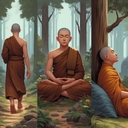
❧
+§5.4 – (Progressive slow down ↔ walking, standing...lying)
all
| [Now we will discuss the fourth of five methods.] | 〔現在我們將討論五種方法中的第四種。〕 | |
| Tassa ce, bhikkhave, bhikkhuno | If a monk | 若比丘 |
| tesampi vitakkānaṃ | [applied method 3 on those bad] thoughts by | 〔對那些惡〕念〔應用方法三〕 |
| a-sati-a-manasi-kāraṃ āpajjato | forgetting about and not paying attention to them, | 忘懷且不作意於它們, |
| uppajjanteva pāpakā akusalā vitakkā | and still there arises evil unskillful thoughts | 而仍生起與欲相應、 |
| chand-ūpasaṃhitāpi | connected-with-desire, | 與瞋相應、 |
| dos-ūpasaṃhitāpi | connected-with-aversion, | 與癡相應之惡不善念。 |
| moh-ūpasaṃhitāpi, | Connected-with-delusion. | |
| tena, bhikkhave, bhikkhunā | Then the monk should handle | 那麼比丘應當處理 |
| tesaṃ vitakkānaṃ | those [bad] thoughts by | 那些〔惡〕念,藉由 |
| Vitakka-saṅkhāra-saṇṭhānaṃ manasi-kātabbaṃ. | relaxing the process of fabricating thoughts. | 平息思惟造作的過程。 |
| Tassa tesaṃ vitakkānaṃ | If he handles those [bad] thoughts by | 若他處理那些〔惡〕念,藉由 |
| Vitakka-saṅkhāra-saṇṭhānaṃ manasi-karoto | relaxing the process of fabricating thoughts, | 平息思惟造作的過程, |
| ye pāpakā akusalā vitakkā | any evil un-skillful thoughts | 任何與欲相應、 |
| chand-ūpasaṃhitāpi | connected-with-desire, | 與瞋相應、 |
| dos-ūpasaṃhitāpi | connected-with-aversion, | 與癡相應之惡不善念, |
| moh-ūpasaṃhitāpi, | Connected-with-delusion. | 皆被捨棄而終結。 |
| te pahīyanti te abbhatthaṃ gacchanti. | are abandoned and come to an end. | 由此捨棄, |
| Tesaṃ pahānā | With that abandoning, | 其內心 |
+(ekodi & samādhi are 2nd jhāna hallmarks)
| ajjhattameva cittaṃ | internally his mind | 便得寂靜,安頓下來, |
| santiṭṭhati sannisīdati | Becomes still, settles down, | 成為專一〔於所緣〕,安住於定〔於四禪〕。 |
| ekodi hoti samādhiyati. | Becomes singular [in focus], undistractible & lucid [in the 4 jhānas]. |
+(simile of walking, standing, ...)
| Seyyathāpi, bhikkhave, | Let’s say | 譬如 |
| puriso sīghaṃ gaccheyya. | a man is walking quickly. | 一個人在快走。 |
| Tassa evamassa: | Then he thinks: | 然後他想: |
| ‘kiṃ nu kho ahaṃ sīghaṃ gacchāmi? | 'Why am I walking quickly? | 『我為何要快走? |
| Yannūn-āhaṃ saṇikaṃ gaccheyyan’ti. | why don’t I walk slowly?' | 何不慢走呢?』 |
| So saṇikaṃ gaccheyya. | Then he walks slowly. | 然後他慢走。 |
| Tassa evamassa: | Then he thinks: | 然後他想: |
| ‘kiṃ nu kho ahaṃ saṇikaṃ gacchāmi? | 'Why am I walking slowly? | 『我為何要慢走? |
| Yannūn-āhaṃ tiṭṭheyyan’ti. | Why don’t I stand?' | 何不站著呢?』 |
| So tiṭṭheyya. | Then he stands. | 然後他站著。 |
| Tassa evamassa: | Then he thinks: | 然後他想: |
| ‘kiṃ nu kho ahaṃ ṭhito? | 'Why am I standing? | 『我為何要站著? |
| Yannūnāhaṃ nisīdeyyan’ti. | Why don’t I sit?' | 何不坐下呢?』 |
| So nisīdeyya. | Then he sits. | 然後他坐下。 |
| Tassa evamassa: | Then he thinks: | 然後他想: |
| ‘kiṃ nu kho ahaṃ nisinno? | 'Why am I sitting? | 『我為何要坐著? |
| Yannūnāhaṃ nipajjeyyan’ti. | Why don’t I lie down?' | 何不躺下呢?』 |
| So nipajjeyya. | Then he lies down. | 然後他躺下。 |
| Evañhi so, bhikkhave, | In such a way, monks, | 如此一來,諸比丘, |
| puriso oḷārikaṃ oḷārikaṃ iriyāpathaṃ abhinivajjetvā | The man removes a coarser [more energetically intensive posture] | 那個人去除了一個較粗的〔更耗費精力的姿勢〕 |
| sukhumaṃ sukhumaṃ iriyāpathaṃ kappeyya. | and adopts a finer [more relaxed] posture. | 而採用了一個較細的〔更放鬆的〕姿勢。 |
| Evameva kho, bhikkhave, | Just like that [metaphor], | 就像那個〔譬喻〕一樣, |
❧
+(repeat verbatim instructions before simile)
| tassa ce bhikkhuno | when a monk [is meditating] and he | 當一位比丘〔禪修時〕,他 |
| tesampi vitakkānaṃ | [applied method 3 on those bad] thoughts by | 〔對那些惡〕念〔應用方法三〕 |
| a-sati-a-manasi-kāraṃ āpajjato | forgetting about and not paying attention to them, | 忘懷且不作意於它們, |
| uppajjanteva pāpakā akusalā vitakkā | and still there arises evil unskillful thoughts | 而仍生起與欲相應、 |
| chand-ūpasaṃhitāpi | connected-with-desire, | 與瞋相應、 |
| dos-ūpasaṃhitāpi | connected-with-aversion, | 與癡相應之惡不善念。 |
| moh-ūpasaṃhitāpi, | Connected-with-delusion. | |
| 0 | 0 | 0 |
| tena, bhikkhave, bhikkhunā | Then the monk should handle | 那麼比丘應當處理 |
| tesaṃ vitakkānaṃ | those [bad] thoughts by | 那些〔惡〕念,藉由 |
| Vitakka-saṅkhāra-saṇṭhānaṃ manasi-kātabbaṃ. | relaxing the process of fabricating thoughts. | 平息思惟造作的過程。 |
| Tassa tesaṃ vitakkānaṃ | If he handles those [bad] thoughts by | 若他處理那些〔惡〕念,藉由 |
| Vitakka-saṅkhāra-saṇṭhānaṃ manasi-karoto | relaxing the process of fabricating thoughts, | 平息思惟造作的過程, |
| ye pāpakā akusalā vitakkā | any evil un-skillful thoughts | 任何與欲相應、 |
| chand-ūpasaṃhitāpi | connected-with-desire, | 與瞋相應、 |
| dos-ūpasaṃhitāpi | connected-with-aversion, | 與癡相應之惡不善念, |
| moh-ūpasaṃhitāpi, | Connected-with-delusion. | 皆被捨棄而終結。 |
| te pahīyanti te abbhatthaṃ gacchanti. | are abandoned and come to an end. | 由此捨棄, |
| Tesaṃ pahānā | With that abandoning, | 其內心 |
| ajjhattameva cittaṃ | internally his mind | 便得寂靜,安頓下來, |
| santiṭṭhati sannisīdati | Becomes still, settles down, | 成為專一〔於所緣〕,安住於定〔於四禪〕。 |
| ekodi hoti samādhiyati. | Becomes singular [in focus], undistractible & lucid [in the 4 jhānas]. | 〔平息思惟造作的過程是處理惡念的五種方法中的第四種。〕 |
| [relaxing the process of fabricating thoughts is the fourth of five methods of dealing with bad thoughts.] |

❧
+§5.5 – (Mind crush mind ↔ strong man crush weak one)
all
| [Now we will discuss the fifth of five methods.] | 〔現在我們將討論五種方法中的第五種。〕 | |
| “tassa ce, bhikkhave, bhikkhuno | “If a monk deals with | 「若比丘處理 |
| tesampi vitakkānaṃ | those [bad] thoughts by | 那些〔惡〕念,藉由 |
| Vitakka-saṅkhāra-saṇṭhānaṃ manasi-karoto | relaxing the process of fabricating thoughts | 平息思惟造作的過程 |
| uppajjanteva pāpakā akusalā vitakkā | and still there arises evil unskillful thoughts | 而仍生起與欲相應、 |
| chand-ūpasaṃhitāpi | connected-with-desire, | 與瞋相應、 |
| dos-ūpasaṃhitāpi | connected-with-aversion, | 與癡相應之惡不善念。 |
| moh-ūpasaṃhitāpi, | Connected-with-delusion. | |
| tena, bhikkhave, bhikkhunā | then, | 那麼, |
| Dante-bhi-danta-mādhāya | with teeth clenched, | 他應齒相叩, |
| jivhāya tāluṃ āhacca | tongue pressed up against the roof of the mouth, | 舌抵上顎, |
| cetasā cittaṃ | Using willpower to control his own mind, | 以心制心, |
| abhi-niggaṇhitabbaṃ | he should force it into submission, | 強力壓制, |
| abhi-nippīḷetabbaṃ | crush it, | 摧毀, |
| Abhi-santāpetabbaṃ. | torment it. | 折磨它。 |
| tassa | If, while he is doing this | 若當他如此做時, |
| Dante-bhi-danta-mādhāya | with teeth clenched, | 齒相叩, |
| jivhāya tāluṃ āhacca | tongue pressed up against the roof of the mouth, | 舌抵上顎, |
| cetasā cittaṃ | Using willpower to control his own mind, | 以心制心, |
| Abhi-niggaṇhato | forcing it into submission, | 強力壓制, |
| Abhi-nippīḷayato | crushing it, | 摧毀, |
| Abhi-santāpayato | tormenting it, | 折磨它, |
| ye pāpakā akusalā vitakkā | any evil un-skillful thoughts | 任何與欲相應、 |
| chand-ūpasaṃhitāpi | connected-with-desire, | 與瞋相應、 |
| dos-ūpasaṃhitāpi | connected-with-aversion, | 與癡相應之惡不善念, |
| moh-ūpasaṃhitāpi, | Connected-with-delusion. | 皆被捨棄而終結。 |
| te pahīyanti te abbhatthaṃ gacchanti. | are abandoned and come to an end. | 由此捨棄, |
| Tesaṃ pahānā | With that abandoning, | 其內心 |
+(ekodi & samādhi are 2nd jhāna hallmarks)
| ajjhattameva cittaṃ | internally his mind | 便得寂靜,安頓下來, |
| santiṭṭhati sannisīdati | Becomes still, settles down, | 成為專一〔於所緣〕,安住於定〔於四禪〕。 |
| ekodi hoti samādhiyati. | Becomes singular [in focus], undistractible & lucid [in the 4 jhānas]. |
+(simile of strong man crushing weak man)
| seyyathāpi, bhikkhave, | Let’s say | 譬如 |
| balavā puriso dub-balataraṃ purisaṃ | a powerful man [approached a] weak man | 一個強壯的人〔抓住一個〕弱小的男子 |
| sīse vā gale vā khandhe vā gahetvā | and grabbed him by the head, or neck, or shoulders | 抓住他的頭、或頸、或肩 |
| abhi-niggaṇheyya | forcing him into submission, | 強力壓制他, |
| abhi-nippīḷeyya | crushing him, | 摧毀他, |
| abhi-santāpeyya; | tormenting him; | 折磨他; |
+(repeat verbatim instructions before simile)
| evameva kho, bhikkhave, | Just like that [metaphor], | 就像那個〔譬喻〕一樣, |
| tassa ce bhikkhuno | if a monk [applied method 4] on | 若比丘〔應用方法四〕於 |
| tesampi vitakkānaṃ | those [bad] thoughts by | 那些〔惡〕念,藉由 |
| Vitakka-saṅkhāra-saṇṭhānaṃ manasi-karoto | relaxing the process of fabricating thoughts | 平息思惟造作的過程 |
| uppajjanteva pāpakā akusalā vitakkā | and still there arises evil unskillful thoughts | 而仍生起與欲相應、 |
| chand-ūpasaṃhitāpi | connected-with-desire, | 與瞋相應、 |
| dos-ūpasaṃhitāpi | connected-with-aversion, | 與癡相應之惡不善念。 |
| moh-ūpasaṃhitāpi, | Connected-with-delusion. | |
| 0 | 0 | 0 |
| tena, bhikkhave, bhikkhunā | then, | 那麼, |
| Dante-bhi-danta-mādhāya | with teeth clenched, | 他應齒相叩, |
| jivhāya tāluṃ āhacca | tongue pressed up against the roof of the mouth, | 舌抵上顎, |
| cetasā cittaṃ | Using willpower to control his own mind, | 以心制心, |
| abhi-niggaṇhitabbaṃ | he should force it into submission, | 強力壓制, |
| abhi-nippīḷetabbaṃ | crush it, | 摧毀, |
| Abhi-santāpetabbaṃ. | torment it. | 折磨它。 |
| tassa | If, while he is doing this | 若當他如此做時, |
| Dante-bhi-danta-mādhāya | with teeth clenched, | 齒相叩, |
| jivhāya tāluṃ āhacca | tongue pressed up against the roof of the mouth, | 舌抵上顎, |
| cetasā cittaṃ | Using willpower to control his own mind, | 以心制心, |
| Abhi-niggaṇhato | forcing it into submission, | 強力壓制, |
| Abhi-nippīḷayato | crushing it, | 摧毀, |
| Abhi-santāpayato | tormenting it, | 折磨它, |
| ye pāpakā akusalā vitakkā | any evil un-skillful thoughts | 任何與欲相應、 |
| chand-ūpasaṃhitāpi | connected-with-desire, | 與瞋相應、 |
| dos-ūpasaṃhitāpi | connected-with-aversion, | 與癡相應之惡不善念, |
| moh-ūpasaṃhitāpi, | Connected-with-delusion. | 皆被捨棄而終結。 |
| te pahīyanti te abbhatthaṃ gacchanti. | are abandoned and come to an end. | 由此捨棄, |
| Tesaṃ pahānā | With that abandoning, | 其內心 |
| ajjhattameva cittaṃ | internally his mind | 便得寂靜,安頓下來, |
| santiṭṭhati sannisīdati | Becomes still, settles down, | 成為專一〔於所緣〕,安住於定〔於四禪〕。 |
| ekodi hoti samādhiyati. | Becomes singular [in focus], undistractible & lucid [in the 4 jhānas]. | 〔以心制心是處理惡念的五種方法中的第五種。〕 |
| [Using willpower to control his own mind is the fifth of five methods of dealing with bad thoughts.] |
❧
+20.10 – (conclusion)
all
| [In conclusion, we will briefly summarize the five methods of relaxing unwanted thoughts.] | 〔總結來說,我們將簡要概括平息不善念的五種方法。〕 |
+§10.1 – (brief summary of 5 methods)
all
+(1.)
| Yato kho, bhikkhave, bhikkhuno | If a monk [is meditating and] | 若比丘〔禪修時〕 |
| yaṃ nimittaṃ āgamma | a [bad] sign appears, | 一〔惡〕相現前, |
| yaṃ nimittaṃ manasi-karoto | a sign that a monk was paying attention to, | 比丘所作意之相, |
| uppajjanti pāpakā akusalā vitakkā | giving rise to evil un-skillful thoughts | 生起與欲相應、 |
| chand-ūpasaṃhitāpi | connected-with-desire, | 與瞋相應、 |
| dos-ūpasaṃhitāpi | connected-with-aversion, | 與癡相應之惡不善念。 |
| moh-ūpasaṃhitāpi, | Connected-with-delusion. | |
| Tassa tamhā nimittā | By turning away from that [bad] sign | 由從彼〔惡〕相轉移 |
| aññaṃ nimittaṃ manasikaroto | and paying attention to a [good] type of sign | 而作意於與善法相應之〔善〕相, |
| kusalūpasaṃhitaṃ | which is connected-with-the-skillful, | 任何與欲相應、 |
| ye pāpakā akusalā vitakkā | any evil un-skillful thoughts | 與瞋相應、 |
| chand-ūpasaṃhitāpi | connected-with-desire, | 與癡相應之惡不善念, |
| dos-ūpasaṃhitāpi | connected-with-aversion, | 皆被捨棄而終結。 |
| moh-ūpasaṃhitāpi, | Connected-with-delusion. | 由此捨棄, |
| te pahīyanti te abbhatthaṃ gacchanti. | are abandoned and come to an end. | 其內心 |
| Tesaṃ pahānā | With that abandoning, | 便得寂靜,安頓下來, |
| ajjhattameva cittaṃ | internally his mind | 成為專一〔於所緣〕,安住於定〔於四禪〕。 |
| santiṭṭhati sannisīdati | Becomes still, settles down, | |
| ekodi hoti samādhiyati. | Becomes singular [in focus], undistractible & lucid [in the 4 jhānas]. |
❧
+(2.)
| Tesampi vitakkānaṃ | [the second method of dealing with bad] thoughts is this: | 〔處理惡〕念的第二種方法是: |
| ādīnavaṃ upa-par-ikkhato | their dangers were lucidly-discerned with [the power of] equanimous-observation. | 其過患以〔審察之力〕被明辨。 |
| 0 | 0 | 0 |
| ye pāpakā akusalā vitakkā | any evil un-skillful thoughts | 任何與欲相應、 |
| chand-ūpasaṃhitāpi | connected-with-desire, | 與瞋相應、 |
| dos-ūpasaṃhitāpi | connected-with-aversion, | 與癡相應之惡不善念, |
| moh-ūpasaṃhitāpi, | Connected-with-delusion. | 皆被捨棄而終結。 |
| te pahīyanti te abbhatthaṃ gacchanti. | are abandoned and come to an end. | 由此捨棄, |
| Tesaṃ pahānā | With that abandoning, | 其內心 |
| ajjhattameva cittaṃ | internally his mind | 便得寂靜,安頓下來, |
| santiṭṭhati sannisīdati | Becomes still, settles down, | 成為專一〔於所緣〕,安住於定〔於四禪〕。 |
| ekodi hoti samādhiyati. | Becomes singular [in focus], undistractible & lucid [in the 4 jhānas]. |
+(3.)
| tesampi vitakkānaṃ | [the third method of dealing with bad] thoughts is this: | 〔處理惡〕念的第三種方法是: |
| a-sati-a-manasi-kāraṃ āpajjato | forgetting about and not paying attention to them, | 忘懷且不作意於它們, |
| 0 | 0 | 0 |
| ye pāpakā akusalā vitakkā | any evil un-skillful thoughts | 任何與欲相應、 |
| chand-ūpasaṃhitāpi | connected-with-desire, | 與瞋相應、 |
| dos-ūpasaṃhitāpi | connected-with-aversion, | 與癡相應之惡不善念, |
| moh-ūpasaṃhitāpi, | Connected-with-delusion. | 皆被捨棄而終結。 |
| te pahīyanti te abbhatthaṃ gacchanti. | are abandoned and come to an end. | 由此捨棄, |
| Tesaṃ pahānā | With that abandoning, | 其內心 |
| ajjhattameva cittaṃ | internally his mind | 便得寂靜,安頓下來, |
| santiṭṭhati sannisīdati | Becomes still, settles down, | 成為專一〔於所緣〕,安住於定〔於四禪〕。 |
| ekodi hoti samādhiyati. | Becomes singular [in focus], undistractible & lucid [in the 4 jhānas]. |
+(4.)
| tesampi vitakkānaṃ | [the fourth method of dealing with bad] thoughts is this: | 〔處理惡〕念的第四種方法是: |
| Vitakka-saṅkhāra-saṇṭhānaṃ manasi-karoto | relaxing the process of fabricating thoughts, | 平息思惟造作的過程, |
| ye pāpakā akusalā vitakkā | any evil un-skillful thoughts | 任何與欲相應、 |
| chand-ūpasaṃhitāpi | connected-with-desire, | 與瞋相應、 |
| dos-ūpasaṃhitāpi | connected-with-aversion, | 與癡相應之惡不善念, |
| moh-ūpasaṃhitāpi, | Connected-with-delusion. | 皆被捨棄而終結。 |
| te pahīyanti te abbhatthaṃ gacchanti. | are abandoned and come to an end. | 由此捨棄, |
| Tesaṃ pahānā | With that abandoning, | 其內心 |
| ajjhattameva cittaṃ | internally his mind | 便得寂靜,安頓下來, |
| santiṭṭhati sannisīdati | Becomes still, settles down, | 成為專一〔於所緣〕,安住於定〔於四禪〕。 |
| ekodi hoti samādhiyati. | Becomes singular [in focus], undistractible & lucid [in the 4 jhānas]. |
+(5.)
| 〔處理惡〕念的第五種方法是: | ||
| tesampi vitakkānaṃ | [the fifth method of dealing with bad] thoughts is this: | 齒相叩, |
| Dante-bhi-danta-mādhāya | with teeth clenched, | 舌抵上顎, |
| jivhāya tāluṃ āhacca | tongue pressed up against the roof of the mouth, | 以心制心, |
| cetasā cittaṃ | Using willpower to control his own mind, | 強力壓制, |
| Abhi-niggaṇhato | forcing it into submission, | 摧毀, |
| Abhi-nippīḷayato | crushing it, | 折磨它, |
| Abhi-santāpayato | tormenting it, | 任何與欲相應、 |
| ye pāpakā akusalā vitakkā | any evil un-skillful thoughts | 與瞋相應、 |
| chand-ūpasaṃhitāpi | connected-with-desire, | 與癡相應之惡不善念, |
| dos-ūpasaṃhitāpi | connected-with-aversion, | 皆被捨棄而終結。 |
| moh-ūpasaṃhitāpi, | Connected-with-delusion. | 由此捨棄, |
| te pahīyanti te abbhatthaṃ gacchanti. | are abandoned and come to an end. | 其內心 |
| Tesaṃ pahānā | With that abandoning, | 便得寂靜,安頓下來, |
| ajjhattameva cittaṃ | internally his mind | 成為專一〔於所緣〕,安住於定〔於四禪〕。 |
| santiṭṭhati sannisīdati | Becomes still, settles down, | |
| ekodi hoti samādhiyati. | Becomes singular [in focus], undistractible & lucid [in the 4 jhānas]. |
❧
+§10.5 – (Master of thought thinks what he wants, doesn’t think what he doesn’t want)
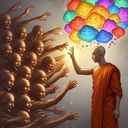
| ayaṃ vuccati, bhikkhave, bhikkhu | A monk [skilled in these 5 methods] is called | 一位〔精通此五法的〕比丘被稱為 |
| vasī vitakka-pariyāya-pathesu. | a master of the ways of thought. | 尋行之主。 |

| yaṃ vitakkaṃ ākaṅkhissati | Whatever thoughts he wishes [to think], | 凡他想思惟之念, |
| taṃ vitakkaṃ vitakkessati, | he thinks those thoughts. | 他便思惟那些念。 |
| yaṃ vitakkaṃ n-ākaṅkhissati | Whatever thoughts he does not wish [to think], | 凡他不想思惟之念, |
| na taṃ vitakkaṃ vitakkessati. | he doesn’t think those thoughts. | 他便不思惟那些念。 |
| ac-checchi taṇhaṃ, | Fully cutting off craving, | 已斷愛, |
| vivattayi saṃyojanaṃ, | Having Flung away the fetters, | 已除結, |
| sammā mān-ābhisamayā | With the Right penetration of conceit, | 由正慢之遍知, |
| anta-m-akāsi dukkhassā”ti. | He has reached the end of suffering." | 他已作苦邊。」 |
| ♦ idam-avoca bhagavā. | This was what the Blessed one said. | 此為世尊所說。 |
| attamanā te bhikkhū | The monks were satisfied and | 諸比丘心滿意足, |
| bhagavato bhāsitaṃ abhi-nandunti. | delighted in the Blessed one’s words. | 歡喜於世尊之言。 |
| ♦ vitakka-saṇṭhāna-suttaṃ niṭṭhitaṃ | The discourse on the relaxation of [unwanted] thoughts is finished. | 平息〔不善〕念經竟。 |
❧
+Vagga 3 Tatiya: third
all
+MN 21 Kakacū-’pama:
Saw simile
all
Saw simile

Opening
+21.1 – (monk Phagguna mixing with nuns too often)
all
| Kakacūpamasutta | The Simile of the Saw | 鋸喻經 |
| Evaṃ me sutaṃ— | So I have heard. | 如是我聞。 |
| ekaṃ samayaṃ bhagavā sāvatthiyaṃ viharati jetavane anāthapiṇḍikassa ārāme. | At one time the Buddha was staying near Sāvatthī in Jeta’s Grove, Anāthapiṇḍika’s monastery. | 一時,佛在舍衛國祇樹給孤獨園。 |
| Tena kho pana samayena āyasmā moḷiyaphagguno bhikkhunīhi saddhiṃ ativelaṃ saṃsaṭṭho viharati. | Now at that time, Venerable Phagguna of the Top-Knot was mixing too closely together with the nuns. | 當時,有位尊者髮髻頗古那與比丘尼們過從甚密。 |
| Evaṃ saṃsaṭṭho āyasmā moḷiyaphagguno bhikkhunīhi saddhiṃ viharati— | So much so that | 其程度以致於 |
| sace koci bhikkhu āyasmato moḷiyaphaggunassa sammukhā tāsaṃ bhikkhunīnaṃ avaṇṇaṃ bhāsati, tenāyasmā moḷiyaphagguno kupito anattamano adhikaraṇampi karoti. | if any monk criticized those nuns in his presence, Phagguna of the Top-Knot got angry and upset, and even instigated disciplinary proceedings. | 若有任何比丘在他面前批評那些比丘尼,髮髻頗古那就會生氣不悅,甚至提出紀律處分程序。 |
| Sace pana koci bhikkhu tāsaṃ bhikkhunīnaṃ sammukhā āyasmato moḷiyaphaggunassa avaṇṇaṃ bhāsati, tena tā bhikkhuniyo kupitā anattamanā adhikaraṇampi karonti. | And if any monk criticized Phagguna of the Top-Knot in their presence, those nuns got angry and upset, and even instigated disciplinary proceedings. | 而若有任何比丘在她們面前批評髮髻頗古那,那些比丘尼也會生氣不悅,甚至提出紀律處分程序。 |
| Evaṃ saṃsaṭṭho āyasmā moḷiyaphagguno bhikkhunīhi saddhiṃ viharati. | That’s how much Phagguna of the Top-Knot was mixing too closely together with the nuns. | 這就是髮髻頗古那與比丘尼們過從甚密的程度。 |
| Atha kho aññataro bhikkhu yena bhagavā tenupasaṅkami; upasaṅkamitvā bhagavantaṃ abhivādetvā ekamantaṃ nisīdi. Ekamantaṃ nisinno kho so bhikkhu bhagavantaṃ etadavoca: “āyasmā, bhante, moḷiyaphagguno bhikkhunīhi saddhiṃ ativelaṃ saṃsaṭṭho viharati. Evaṃ saṃsaṭṭho, bhante, āyasmā moḷiyaphagguno bhikkhunīhi saddhiṃ viharati— sace koci bhikkhu āyasmato moḷiyaphaggunassa sammukhā tāsaṃ bhikkhunīnaṃ avaṇṇaṃ bhāsati, tenāyasmā moḷiyaphagguno kupito anattamano adhikaraṇampi karoti. Sace pana koci bhikkhu tāsaṃ bhikkhunīnaṃ sammukhā āyasmato moḷiyaphaggunassa avaṇṇaṃ bhāsati, tena tā bhikkhuniyo kupitā anattamanā adhikaraṇampi karonti. Evaṃ saṃsaṭṭho, bhante, āyasmā moḷiyaphagguno bhikkhunīhi saddhiṃ viharatī”ti. |
Then a monk went up to the Buddha, bowed, sat down to one side, and told him what was going on. | 於是一位比丘去到佛前,頂禮後,坐在一旁,將所發生的事告訴了他。 |
| Atha kho bhagavā aññataraṃ bhikkhuṃ āmantesi: | So the Buddha said to a certain monk: | 於是佛陀對某位比丘說: |
| “ehi tvaṃ, bhikkhu, mama vacanena moḷiyaphaggunaṃ bhikkhuṃ āmantehi: | “Please, monk, in my name tell the monk Phagguna of the Top-Knot that | 「比丘,請你以我的名義告訴比丘髮髻頗古那, |
| ‘satthā taṃ, āvuso phagguna, āmantetī’”ti. | the teacher summons him.” | 說導師召見他。」 |
| “Evaṃ, bhante”ti kho so bhikkhu bhagavato paṭissutvā yenāyasmā moḷiyaphagguno tenupasaṅkami; upasaṅkamitvā āyasmantaṃ moḷiyaphaggunaṃ etadavoca: | “Yes, sir,” that monk replied. He went to Phagguna of the Top-Knot and said to him: | 「是的,世尊。」那位比丘回答。他去到髮髻頗古那那裡,對他說: |
| “satthā taṃ, āvuso phagguna, āmantetī”ti. | “Reverend Phagguna, the teacher summons you.” | 「頗古那尊者,導師召見您。」 |
| “Evamāvuso”ti kho āyasmā moḷiyaphagguno tassa bhikkhuno paṭissutvā yena bhagavā tenupasaṅkami; upasaṅkamitvā bhagavantaṃ abhivādetvā ekamantaṃ nisīdi. Ekamantaṃ nisinnaṃ kho āyasmantaṃ moḷiyaphaggunaṃ bhagavā etadavoca: | “Yes, reverend,” Phagguna replied. He went to the Buddha, bowed, and sat down to one side. The Buddha said to him: | 「是的,尊者。」頗古那回答。他去到佛前,頂禮後,坐在一旁。佛陀對他說: |
| “Saccaṃ kira tvaṃ, phagguna, bhikkhunīhi saddhiṃ ativelaṃ saṃsaṭṭho viharasi? | “Is it really true, Phagguna, that you’ve been mixing overly closely together with the nuns? | 「頗古那,你真的與比丘尼們過從甚密嗎? |
| Evaṃ saṃsaṭṭho kira tvaṃ, phagguna, bhikkhunīhi saddhiṃ viharasi— | So much so that | 其程度以致於 |
| sace koci bhikkhu tuyhaṃ sammukhā tāsaṃ bhikkhunīnaṃ avaṇṇaṃ bhāsati, tena tvaṃ kupito anattamano adhikaraṇampi karosi. | if any monk criticizes those nuns in your presence, you get angry and upset, and even instigate disciplinary proceedings? | 若有任何比丘在你面前批評那些比丘尼,你就生氣不悅,甚至提出紀律處分程序? |
| Sace pana koci bhikkhu tāsaṃ bhikkhunīnaṃ sammukhā tuyhaṃ avaṇṇaṃ bhāsati, tena tā bhikkhuniyo kupitā anattamanā adhikaraṇampi karonti. | And if any monk criticizes you in those nuns’ presence, they get angry and upset, and even instigate disciplinary proceedings? | 而若有任何比丘在那些比丘尼面前批評你,她們也生氣不悅,甚至提出紀律處分程序? |
| Evaṃ saṃsaṭṭho kira tvaṃ, phagguna, bhikkhunīhi saddhiṃ viharasī”ti? | Is that how much you’re mixing overly closely together with the nuns?” | 你與比丘尼們過從甚密的程度真是如此嗎?」 |
| “Evaṃ, bhante”ti. | “Yes, sir.” | 「是的,世尊。」 |
| “Nanu tvaṃ, phagguna, kulaputto saddhā agārasmā anagāriyaṃ pabbajito”ti? | “Phagguna, are you not a member of a good family who has gone forth from the lay life to homelessness?” | 「頗古那,你不是善男子,從在家而出家,過無家生活嗎?」 |
| “Evaṃ, bhante”ti. | “Yes, sir.” | 「是的,世尊。」 |
| “Na kho te etaṃ, phagguna, patirūpaṃ kulaputtassa saddhā agārasmā anagāriyaṃ pabbajitassa, yaṃ tvaṃ bhikkhunīhi saddhiṃ ativelaṃ saṃsaṭṭho vihareyyāsi. | “As such, it’s not appropriate for you to mix so closely with the nuns. | 「既是如此,你與比丘尼們如此過從甚密是不適當的。 |
+§1.5 – (if nuns criticized → give up desire and thoughts of lay life)
| Tasmātiha, phagguna, tava cepi koci sammukhā tāsaṃ bhikkhunīnaṃ avaṇṇaṃ bhāseyya, tatrāpi tvaṃ, phagguna, ye gehasitā chandā ye gehasitā vitakkā te pajaheyyāsi. | So if anyone criticizes those nuns in your presence, you should give up any desires or thoughts of the lay life. | 所以,若有人在你面前批評那些比丘尼,你應當捨棄任何在家的欲念與思惟。 |
+§1.6 – (if nuns criticized → unaffected, no bad speech, karuṇa + metta, no secret hate)
| Tatrāpi te, phagguna, evaṃ sikkhitabbaṃ: | If that happens, you should train like this: | 若發生此事,你應當如此訓練: |
| ‘na ceva me cittaṃ vipariṇataṃ bhavissati, | ‘My mind will be unaffected. | 『我心將不受影響。 |
| na ca pāpikaṃ vācaṃ nicchāressāmi, | I will blurt out no bad words. | 我不出惡言。 |
| hitānukampī ca viharissāmi mettacitto, | I will remain full of compassion, with a heart of friendly-kindness | 我將常懷慈悲,心存友善 |
| na dosantaro’ti. | and no secret hate.’ | 而無潛藏的恨意。』 |
| Evañhi te, phagguna, sikkhitabbaṃ. | That’s how you should train. | 你應當如此訓練。 |
+§1.7 – (if nuns assaulted → give up desire and thoughts of lay life)
| Tasmātiha, phagguna, tava cepi koci sammukhā tāsaṃ bhikkhunīnaṃ pāṇinā pahāraṃ dadeyya, leḍḍunā pahāraṃ dadeyya, daṇḍena pahāraṃ dadeyya, satthena pahāraṃ dadeyya. Tatrāpi tvaṃ, phagguna, ye gehasitā chandā ye gehasitā vitakkā te pajaheyyāsi. | So even if someone strikes those nuns with fists, stones, rods, and swords in your presence, you should give up any desires or thoughts of the lay life. | 所以,即使有人在你面前用拳、石、棍、劍攻擊那些比丘尼,你也應當捨棄任何在家的欲念與思惟。 |
+§1.8 – (if nuns assaulted → unaffected, no bad speech, karuṇa + metta, no secret hate)
| Tatrāpi te, phagguna, evaṃ sikkhitabbaṃ: | If that happens, you should train like this: | 若發生此事,你應當如此訓練: |
| ‘na ceva me cittaṃ vipariṇataṃ bhavissati, | ‘My mind will be unaffected. | 『我心將不受影響。 |
| na ca pāpikaṃ vācaṃ nicchāressāmi, | I will blurt out no bad words. | 我不出惡言。 |
| hitānukampī ca viharissāmi mettacitto, | I will remain full of compassion, with a heart of friendly-kindness | 我將常懷慈悲,心存友善 |
| na dosantaro’ti. | and no secret hate.’ | 而無潛藏的恨意。』 |
| Evañhi te, phagguna, sikkhitabbaṃ. | That’s how you should train. | 你應當如此訓練。 |
+§1.9 – (if you are criticized → give up desire and thoughts of lay life)
| Tasmātiha, phagguna, tava cepi koci sammukhā avaṇṇaṃ bhāseyya, tatrāpi tvaṃ, phagguna, ye gehasitā chandā ye gehasitā vitakkā te pajaheyyāsi. | So if anyone criticizes you in your presence, you should give up any desires or thoughts of the lay life. | 所以,若有人在你面前批評你,你應當捨棄任何在家的欲念與思惟。 |
+§1.10 – (if you are criticized → unaffected, no bad speech, karuṇa + metta, no secret hate)
| Tatrāpi te, phagguna, evaṃ sikkhitabbaṃ: | If that happens, you should train like this: | 若發生此事,你應當如此訓練: |
| ‘na ceva me cittaṃ vipariṇataṃ bhavissati, | ‘My mind will be unaffected. | 『我心將不受影響。 |
| na ca pāpikaṃ vācaṃ nicchāressāmi, | I will blurt out no bad words. | 我不出惡言。 |
| hitānukampī ca viharissāmi mettacitto, | I will remain full of compassion, with a heart of friendly-kindness | 我將常懷慈悲,心存友善 |
| na dosantaro’ti. | and no secret hate.’ | 而無潛藏的恨意。』 |
| Evañhi te, phagguna, sikkhitabbaṃ. | That’s how you should train. | 你應當如此訓練。 |
+§1.11 – (if you are assaulted → give up desire and thoughts of lay life)
| Tasmātiha, phagguna, tava cepi koci pāṇinā pahāraṃ dadeyya, leḍḍunā pahāraṃ dadeyya, daṇḍena pahāraṃ dadeyya, satthena pahāraṃ dadeyya, tatrāpi tvaṃ, phagguna, ye gehasitā chandā ye gehasitā vitakkā te pajaheyyāsi. | So Phagguṇa, even if someone strikes you with fists, stones, rods, and swords, you should give up any desires or thoughts of the lay life. | 所以頗古那,即使有人用拳、石、棍、劍攻擊你,你也應當捨棄任何在家的欲念與思惟。 |
+§1.12 – (if you are assaulted → unaffected, no bad speech, karuṇa + metta, no secret hate)
| Tatrāpi te, phagguna, evaṃ sikkhitabbaṃ: | If that happens, you should train like this: | 若發生此事,你應當如此訓練: |
| ‘na ceva me cittaṃ vipariṇataṃ bhavissati, | ‘My mind will be unaffected. | 『我心將不受影響。 |
| na ca pāpikaṃ vācaṃ nicchāressāmi, | I will blurt out no bad words. | 我不出惡言。 |
| hitānukampī ca viharissāmi mettacitto, | I will remain full of compassion, with a heart of friendly-kindness | 我將常懷慈悲,心存友善 |
| na dosantaro’ti. | and no secret hate.’ | 而無潛藏的恨意。』 |
| Evañhi te, phagguna, sikkhitabbaṃ. | That’s how you should train. | 你應當如此訓練。 |
❧
+21.2 – (Buddha used to be satisfied with monks)
all
| Atha kho bhagavā bhikkhū āmantesi: | Then the Buddha said to the monks: | 然後佛陀對諸比丘說: |
| “ārādhayiṃsu vata me, bhikkhave, bhikkhū ekaṃ samayaṃ cittaṃ. | “monks, I used to be satisfied with the monks. | 「諸比丘,我過去曾對比丘們感到滿意。 |
+§2.1 – (eat in one session per day for good health)
| Idhāhaṃ, bhikkhave, bhikkhū āmantesiṃ— | Once, I addressed them: | 有一次,我對他們說: |
| ahaṃ kho, bhikkhave, ekāsanabhojanaṃ bhuñjāmi. | ‘I eat my food in one sitting per day. | 『我日中一食。 |
| Ekāsanabhojanaṃ kho ahaṃ, bhikkhave, bhuñjamāno appābādhatañca sañjānāmi appātaṅkatañca lahuṭṭhānañca balañca phāsuvihārañca. | Doing so, I find that I’m healthy and well, nimble, strong, and living comfortably. | 如此行之,我發現自己身心健康、輕快、有力,安穩度日。 |
| Etha tumhepi, bhikkhave, ekāsanabhojanaṃ bhuñjatha. | You too should eat your food in one sitting per day. | 你們也應當日中一食。 |
| Ekāsanabhojanaṃ kho, bhikkhave, tumhepi bhuñjamānā appābādhatañca sañjānissatha appātaṅkatañca lahuṭṭhānañca balañca phāsuvihārañcāti. | Doing so, you’ll find that you’re healthy and well, nimble, strong, and living comfortably.’ | 如此行之,你們也會發現自己身心健康、輕快、有力,安穩度日。』 |
+§2.2 – (Buddha just prompted their rememberfulness, didn’t need to keep reminding them)
all
| Na me, bhikkhave, tesu bhikkhūsu anusāsanī karaṇīyā ahosi; | I didn’t have to keep on instructing those monks; | 我無須不斷地教誡那些比丘; |
| satuppādakaraṇīyameva me, bhikkhave, tesu bhikkhūsu ahosi. | I just had to prompt their rememberfulness. | 我只需策勵他們的憶念。 |
+§2.1 – (rememberfulness ↔ simile of expert chariot driver)
| Seyyathāpi, bhikkhave, subhūmiyaṃ catumahāpathe ājaññaratho yutto assa ṭhito odhastapatodo. | Suppose a chariot stood harnessed to thoroughbreds at a level crossroads, with a goad ready. | 譬如一輛配備良馬的戰車停在平坦的十字路口,馬刺已備妥。 |
| Tamenaṃ dakkho yoggācariyo assadammasārathi abhiruhitvā, vāmena hatthena rasmiyo gahetvā, dakkhiṇena hatthena patodaṃ gahetvā, yenicchakaṃ yadicchakaṃ sāreyyapi paccāsāreyyapi. | Then an expert horse trainer, a master charioteer, might mount the chariot, taking the reins in his right hand and goad in the left. He’d drive out and back wherever he wishes, whenever he wishes. | 然後一位善巧的馴馬師、御車主,登上戰車,右手執韁,左手持刺。他可以隨心所欲地,隨時隨地驅車來回。 |
| Evameva kho, bhikkhave, na me tesu bhikkhūsu anusāsanī karaṇīyā ahosi, | In the same way, I didn’t have to keep on instructing those monks; | 同樣地,我無須不斷地教誡那些比丘; |
| satuppādakaraṇīyameva me, bhikkhave, tesu bhikkhūsu ahosi. | I just had to prompt their rememberfulness. | 我只需策勵他們的憶念。 |
+§2.3 – (do right effort, give up unskillful and develop skillful)
all
| Tasmātiha, bhikkhave, tumhepi akusalaṃ pajahatha, kusalesu dhammesu āyogaṃ karotha. | So, monks, give up what’s unskillful and devote yourselves to skillful Dharmas. | 所以,諸比丘,捨棄不善法,致力於善法。 |
| Evañhi tumhepi imasmiṃ dhammavinaye vuddhiṃ virūḷhiṃ vepullaṃ āpajjissatha. | In this way you’ll achieve growth, improvement, and maturity in this Dharma and training. | 如此,你們將在此法與律中獲得成長、增進與成熟。 |
+§3.1 – (right effort ↔ simile of removing weeds to nurture sal grove)
| Seyyathāpi, bhikkhave, gāmassa vā nigamassa vā avidūre mahantaṃ sālavanaṃ. | Suppose that not far from a town or village there was a large grove of sal trees | 譬如在一個城鎮或村莊不遠處,有一大片娑羅樹林 |
| Tañcassa eḷaṇḍehi sañchannaṃ. | that was choked with castor-oil weeds. | 被蓖麻草所窒息。 |
| Tassa kocideva puriso uppajjeyya atthakāmo hitakāmo yogakkhemakāmo. | Then along comes a person who wants to help protect and nurture that grove. | 然後來了一個人,想要幫助保護和培育那片樹林。 |
| So yā tā sālalaṭṭhiyo kuṭilā ojāpaharaṇiyo tā chetvā bahiddhā nīhareyya, antovanaṃ suvisodhitaṃ visodheyya. | They’d cut down the crooked sal saplings that were robbing the sap, and throw them out. They’d clean up the interior of the grove, | 他會砍掉那些奪取養分的彎曲娑羅樹苗,把它們扔掉。他會清理樹林的內部, |
| Yā pana tā sālalaṭṭhiyo ujukā sujātā tā sammā parihareyya. | and properly care for the straight, well-formed sal saplings. | 並妥善照顧那些筆直、形態良好的娑羅樹苗。 |
| Evañhetaṃ, bhikkhave, sālavanaṃ aparena samayena vuddhiṃ virūḷhiṃ vepullaṃ āpajjeyya. | In this way, in due course, that sal grove would grow, increase, and mature. | 如此一來,在適當的時候,那片娑羅樹林將會成長、增多和成熟。 |
| Evameva kho, bhikkhave, tumhepi akusalaṃ pajahatha, kusalesu dhammesu āyogaṃ karotha. | In the same way, monks, give up what’s unskillful and devote yourselves to skillful Dharmas. | 同樣地,諸比丘,捨棄不善法,致力於善法。 |
| Evañhi tumhepi imasmiṃ dhammavinaye vuddhiṃ virūḷhiṃ vepullaṃ āpajjissatha. | In this way you’ll achieve growth, improvement, and maturity in this Dharma and training. | 如此,你們將在此法與律中獲得成長、增進與成熟。 |
❧
+21.3 – (story of maid testing housewife with reputation of sweet temper)
all
| Bhūtapubbaṃ, bhikkhave, imissāyeva sāvatthiyā vedehikā nāma gahapatānī ahosi. | Once upon a time, monks, right here in Sāvatthī there was a housewife named Vedehikā. | 很久以前,諸比丘,就在此舍衛城,有一位名叫毗提希迦的主婦。 |
| Vedehikāya, bhikkhave, gahapatāniyā evaṃ kalyāṇo kittisaddo abbhuggato: | She had this good reputation: | 她有這樣的好名聲: |
| ‘soratā vedehikā gahapatānī, nivātā vedehikā gahapatānī, upasantā vedehikā gahapatānī’ti. | ‘The housewife Vedehikā is sweet, even-tempered, and calm.’ | 『毗提希迦主婦溫柔、性情平和、沉靜。』 |
| Vedehikāya kho pana, bhikkhave, gahapatāniyā kāḷī nāma dāsī ahosi dakkhā analasā susaṃvihitakammantā. | Now, Vedehikā had a bonded maid named Kāḷī who was skilled, tireless, and well-organized in her work. | 當時,毗提希迦有一位名叫迦里的女僕,她能幹、勤勞、工作有條不紊。 |
| Atha kho, bhikkhave, kāḷiyā dāsiyā etadahosi: | Then Kāḷī thought: | 於是迦里心想: |
| ‘mayhaṃ kho ayyāya evaṃ kalyāṇo kittisaddo abbhuggato: | ‘My mistress has a good reputation as being | 『我的女主人以 |
| “soratā vedehikā gahapatānī, nivātā vedehikā gahapatānī, upasantā vedehikā gahapatānī”ti. | sweet, even-tempered, and calm. | 溫柔、性情平和、沉靜而聞名。 |
| Kiṃ nu kho me ayyā santaṃyeva nu kho ajjhattaṃ kopaṃ na pātukaroti udāhu asantaṃ | But does she actually have anger in her and just not show it? Or does she have no anger? | 但她是否真的內心有憤怒而只是不表現出來?還是她根本沒有憤怒? |
| udāhu mayhamevete kammantā susaṃvihitā yena me ayyā santaṃyeva ajjhattaṃ kopaṃ na pātukaroti, no asantaṃ? | Or is it just because my work is well-organized that she doesn’t show anger, even though she still has it inside? | 或者只是因為我工作有條不紊,所以她即使內心有怒,也不表現出來? |
+§3.2 – (test 1: maid gets up later than normal → housewife has angry words)
| Yannūnāhaṃ ayyaṃ vīmaṃseyyan’ti. | Why don’t I test my mistress?’ | 我何不試探一下我的女主人呢?』 |
| Atha kho, bhikkhave, kāḷī dāsī divā uṭṭhāsi. | So Kāḷī got up during the day. | 於是迦里白天晚些時候才起床。 |
| Atha kho, bhikkhave, vedehikā gahapatānī kāḷiṃ dāsiṃ etadavoca: | Vedehikā said to her: | 毗提希迦對她說: |
| ‘he je kāḷī’ti. | ‘What the hell, Kāḷī!’ | 『搞什麼鬼,迦里!』 |
| ‘Kiṃ, ayye’ti? | ‘What is it, madam?’ | 『怎麼了,夫人?』 |
| ‘Kiṃ, je, divā uṭṭhāsī’ti? | ‘You’re getting up in the day—what’s up with you, girl?’ | 『你白天這麼晚才起床——你這丫頭是怎麼回事?』 |
| ‘Na khvayye, kiñcī’ti. | ‘Nothing, madam.’ | 『沒事,夫人。』 |
| ‘No vata re kiñci, pāpi dāsi, divā uṭṭhāsī’ti kupitā anattamanā bhākuṭiṃ akāsi. | ‘Nothing’s up, you bad girl, but you get up in the day!’ Angry and upset, she scowled. | 『沒事?你這壞丫頭,白天這麼晚才起床!』她生氣不悅,皺起了眉頭。 |
| Atha kho, bhikkhave, kāḷiyā dāsiyā etadahosi: | Then Kāḷī thought: | 於是迦里心想: |
| ‘santaṃyeva kho me ayyā ajjhattaṃ kopaṃ na pātukaroti, no asantaṃ; | ‘My mistress actually has anger in her and just doesn’t show it; it’s not that she has no anger. | 『我的女主人其實內心有憤怒,只是不表現出來;並非她沒有憤怒。 |
| mayhamevete kammantā susaṃvihitā, yena me ayyā santaṃyeva ajjhattaṃ kopaṃ na pātukaroti, no asantaṃ. | It’s just because my work is well-organized that she doesn’t show anger, even though she still has it inside. | 只是因為我工作有條不紊,所以她即使內心有怒,也不表現出來。 |
+§3.3 – (test 2: maid gets up even later → housewife assaults maid)
| Yannūnāhaṃ bhiyyoso mattāya ayyaṃ vīmaṃseyyan’ti. | Why don’t I test my mistress further?’ | 我何不再試探一下我的女主人呢?』 |
| Atha kho, bhikkhave, kāḷī dāsī divātaraṃyeva uṭṭhāsi. | So Kāḷī got up later in the day. | 於是迦里第二天更晚才起床。 |
| Atha kho, bhikkhave, vedehikā gahapatānī kāḷiṃ dāsiṃ etadavoca: | Vedehikā said to her: | 毗提希迦對她說: |
| ‘he je kāḷī’ti. | ‘What the hell, Kāḷī!’ | 『搞什麼鬼,迦里!』 |
| ‘Kiṃ, ayye’ti? | ‘What is it, madam?’ | 『怎麼了,夫人?』 |
| ‘Kiṃ, je, divātaraṃ uṭṭhāsī’ti? | ‘You’re getting up later in the day—what’s up with you, girl?’ | 『你比昨天更晚起床——你這丫頭是怎麼回事?』 |
| ‘Na khvayye, kiñcī’ti. | ‘Nothing, madam.’ | 『沒事,夫人。』 |
| ‘No vata re kiñci, pāpi dāsi, divātaraṃ uṭṭhāsī’ti kupitā anattamanā anattamanavācaṃ nicchāresi. | ‘Nothing’s up, you bad girl, but you get up later in the day!’ Angry and upset, she blurted out angry words. | 『沒事?你這壞丫頭,比昨天更晚起床!』她生氣不悅,口出惡言。 |
| Atha kho, bhikkhave, kāḷiyā dāsiyā etadahosi: | Then Kāḷī thought: | 於是迦里心想: |
| ‘santaṃyeva kho me ayyā ajjhattaṃ kopaṃ na pātukaroti, no asantaṃ. | ‘My mistress actually has anger in her and just doesn’t show it; it’s not that she has no anger. | 『我的女主人其實內心有憤怒,只是不表現出來;並非她沒有憤怒。 |
| Mayhamevete kammantā susaṃvihitā, yena me ayyā santaṃyeva ajjhattaṃ kopaṃ na pātukaroti, no asantaṃ. | It’s just because my work is well-organized that she doesn’t show anger, even though she still has it inside. | 只是因為我工作有條不紊,所以她即使內心有怒,也不表現出來。 |
| Yannūnāhaṃ bhiyyoso mattāya ayyaṃ vīmaṃseyyan’ti. | Why don’t I test my mistress further?’ | 我何不再試探一下我的女主人呢?』 |
| Atha kho, bhikkhave, kāḷī dāsī divātaraṃyeva uṭṭhāsi. | So Kāḷī got up even later in the day. | 於是迦里第三天更晚才起床。 |
| Atha kho, bhikkhave, vedehikā gahapatānī kāḷiṃ dāsiṃ etadavoca: | Vedehikā said to her: | 毗提希迦對她說: |
| ‘he je kāḷī’ti. | ‘What the hell, Kāḷī!’ | 『搞什麼鬼,迦里!』 |
| ‘Kiṃ, ayye’ti? | ‘What is it, madam?’ | 『怎麼了,夫人?』 |
| ‘Kiṃ, je, divā uṭṭhāsī’ti? | ‘You’re getting up even later in the day—what’s up with you, girl?’ | 『你今天更晚才起床——你這丫頭是怎麼回事?』 |
| ‘Na khvayye, kiñcī’ti. | ‘Nothing, madam.’ | 『沒事,夫人。』 |
| ‘No vata re kiñci, pāpi dāsi, divā uṭṭhāsī’ti kupitā anattamanā aggaḷasūciṃ gahetvā sīse pahāraṃ adāsi, sīsaṃ vobhindi. | ‘Nothing’s up, you bad girl, but you get up even later in the day!’ Angry and upset, she grabbed a rolling-pin and hit Kāḷī on the head, cracking it open. | 『沒事?你這壞丫頭,今天更晚才起床!』她生氣不悅,抓起一個門閂打了迦里的頭,把頭打破了。 |
| Atha kho, bhikkhave, kāḷī dāsī bhinnena sīsena lohitena galantena paṭivissakānaṃ ujjhāpesi: | Then Kāḷī, with blood pouring from her cracked skull, denounced her mistress to the neighbors: | 於是迦里,頭顱被打破,鮮血直流,向鄰居們告發她的女主人: |
| ‘passathayye, soratāya kammaṃ; | ‘See, ladies, what the sweet one did! | 『各位女士,看看那位溫柔的人做了什麼! |
| passathayye, nivātāya kammaṃ, passathayye, upasantāya kammaṃ. | See what the even-tempered one did! See what the calm one did! | 看看那位性情平和的人做了什麼!看看那位沉靜的人做了什麼! |
| Kathañhi nāma ekadāsikāya divā uṭṭhāsīti kupitā anattamanā aggaḷasūciṃ gahetvā sīse pahāraṃ dassati, sīsaṃ vobhindissatī’ti. | How on earth can she grab a rolling-pin and hit her only maid on the head, cracking it open, just for getting up late?’ | 她怎麼能就因為我晚起床,就抓起一個門閂打她唯一的女僕的頭,把頭打破呢?』 |
❧
+§3.4 – (housewife getṣ new reputation of being fierce and foul tempered)
| Atha kho, bhikkhave, vedehikāya gahapatāniyā aparena samayena evaṃ pāpako kittisaddo abbhuggacchi: | Then after some time the housewife Vedehikā got this bad reputation: | 然後過了一段時間,毗提希迦主婦得到了這樣的壞名聲: |
| ‘caṇḍī vedehikā gahapatānī, anivātā vedehikā gahapatānī, anupasantā vedehikā gahapatānī’ti. | ‘The housewife Vedehikā is fierce, ill-tempered, and not calm at all.’ | 『毗提希迦主婦兇惡、性情暴躁,一點也不沉靜。』 |
❧
+21.4 – (sweet tempered monk ↔ fierce angry housewife)
all
| Evameva kho, bhikkhave, idhekacco bhikkhu tāvadeva soratasorato hoti nivātanivāto hoti upasantūpasanto hoti yāva na amanāpā vacanapathā phusanti. | In the same way, a monk may be the sweetest of the sweet, the most even-tempered of the even-tempered, the calmest of the calm, so long as they don’t encounter any disagreeable criticism. | 同樣地,一位比丘可能是最溫柔中的最溫柔,最平和中的最平和,最沉靜中的最沉靜,只要他們不遇到任何不悅的批評。 |
| Yato ca, bhikkhave, bhikkhuṃ amanāpā vacanapathā phusanti, atha bhikkhu ‘sorato’ti veditabbo, ‘nivāto’ti veditabbo, ‘upasanto’ti veditabbo. | But it’s when they encounter disagreeable criticism that you’ll know whether they’re really sweet, even-tempered, and calm. | 但只有當他們遇到不悅的批評時,你才能知道他們是否真的溫柔、性情平和、沉靜。 |
+§4.1 – (monk not considered easy to admonish if they have ulterior motive for food, requisites)
| Nāhaṃ taṃ, bhikkhave, bhikkhuṃ ‘suvaco’ti vadāmi yo cīvarapiṇḍapātasenāsanagilānappaccayabhesajjaparikkhārahetu suvaco hoti, sovacassataṃ āpajjati. | I don’t say that a monk is easy to admonish if they make themselves easy to admonish only for the sake of robes, alms-food, lodgings, and medicines and supplies for the sick. | 我不是說,若一位比丘僅僅為了衣、食、住、病藥而使自己易於教誨,他就是易於教誨的人。 |
| Taṃ kissa hetu? | Why is that? | 為何如此? |
| Tañhi so, bhikkhave, bhikkhu cīvarapiṇḍapātasenāsanagilānappaccayabhesajjaparikkhāraṃ alabhamāno na suvaco hoti, na sovacassataṃ āpajjati. | Because when they don’t get robes, alms-food, lodgings, and medicines and supplies for the sick, they’re no longer easy to admonish. | 因為當他得不到衣、食、住、病藥時,他就不再易於教誨了。 |
+§4.2 – (monk considered easy to admonish if their motive is respect for The Dharma)
| Yo ca kho, bhikkhave, bhikkhu dhammaṃyeva sakkaronto, dhammaṃ garuṃ karonto, dhammaṃ mānento, dhammaṃ pūjento, dhammaṃ apacāyamāno suvaco hoti, sovacassataṃ āpajjati, tamahaṃ ‘suvaco’ti vadāmi. | But when a monk is easy to admonish purely because they honor, respect, revere, worship, and venerate the Dharma, then I say that they’re easy to admonish. | 但當一位比丘純粹因為他尊重、尊敬、敬畏、崇拜和敬仰法而易於教誨時,我才說他是易於教誨的人。 |
| Tasmātiha, bhikkhave, ‘dhammaṃyeva sakkarontā, dhammaṃ garuṃ karontā, dhammaṃ mānentā, dhammaṃ pūjentā, dhammaṃ apacāyamānā suvacā bhavissāma, sovacassataṃ āpajjissāmā’ti. | So, monks, you should train yourselves: ‘We will be easy to admonish purely because we honor, respect, revere, worship, and venerate the Dharma.’ | 所以,諸比丘,你們應當如此訓練自己:『我們將純粹因為尊重、尊敬、敬畏、崇拜和敬仰法而易於教誨。』 |
| Evañhi vo, bhikkhave, sikkhitabbaṃ. | That’s how you should train. | 你們應當如此訓練。 |
+§4.5 – (5 types of critical speech: timely, true, gentle, beneficial, metta – or 5 opposites)
all
| Pañcime, bhikkhave, vacanapathā yehi vo pare vadamānā vadeyyuṃ— | monks, there are these five ways in which others might criticize you. | 諸比丘,他人可能用五種方式批評你們。 |
| kālena vā akālena vā; | Their speech may be timely or untimely, | 他們的言辭可能是適時的或不適時的, |
| bhūtena vā abhūtena vā; | true or false, | 真實的或虛假的, |
| saṇhena vā pharusena vā; | gentle or harsh, | 溫和的或粗暴的, |
| atthasaṃhitena vā anatthasaṃhitena vā; | beneficial or harmful, | 有益的或有害的, |
| mettacittā vā dosantarā vā. | from a heart of friendly-kindness or from secret hate. | 出自友善之心或出自潛藏的恨意。 |
| Kālena vā, bhikkhave, pare vadamānā vadeyyuṃ akālena vā; bhūtena vā, bhikkhave, pare vadamānā vadeyyuṃ abhūtena vā; saṇhena vā, bhikkhave, pare vadamānā vadeyyuṃ pharusena vā; atthasaṃhitena vā, bhikkhave, pare vadamānā vadeyyuṃ anatthasaṃhitena vā; mettacittā vā, bhikkhave, pare vadamānā vadeyyuṃ dosantarā vā. |
When others criticize you, they may do so in any of these ways. | 當他人批評你們時,他們可能以任何這些方式行之。 |
+§5.7 – (if monk is criticized → unaffected, no bad speech, karuṇa + metta, no secret hate)
| Tatrāpi vo, bhikkhave, evaṃ sikkhitabbaṃ: | If that happens, you should train like this: | 若發生此事,你應當如此訓練: |
| ‘na ceva no cittaṃ vipariṇataṃ bhavissati, | ‘Our minds will remain unaffected. | 『我們的心將不受影響。 |
| na ca pāpikaṃ vācaṃ nicchāressāma, | We will blurt out no bad words. | 我們不出惡言。 |
| hitānukampī ca viharissāma mettacittā, | We will remain full of compassion, with a heart of friendly-kindness | 我們將常懷慈悲,心存友善 |
| na dosantarā. | and no secret hate. | 而無潛藏的恨意。 |
+§5.8 – (then pervade critic with mind of metta)
| Tañca puggalaṃ mettāsahagatena cetasā pharitvā viharissāma, | We will meditate spreading a heart of friendly-kindness to that person. | 我們將對那個人散播慈心禪。 |
§5.9 – (using that critic as basis, pervade entire world with metta via STED 4bv formula)
+(4bv☮️ → metta 1.🤝🤗 )
| tadārammaṇañca sabbāvantaṃ lokaṃ mettāsahagatena cittena vipulena mahaggatena appamāṇena averena abyābajjhena pharitvā viharissāmā’ti. | And with them as a basis, we will meditate spreading a heart full of friendly-kindness to everyone in the world—abundant, expansive, limitless, free of vengeful-animosity and ill will.’ | 並以他們為基礎,我們將對世上一切散播充滿慈心的禪定——廣大、無邊、無量、無怨恨、無惡意。』 |
| Evañhi vo, bhikkhave, sikkhitabbaṃ. | That’s how you should train. | 你們應當如此訓練。 |
❧
+21.5 – (simile of bucket collecting all of earth)
all
| Seyyathāpi, bhikkhave, puriso āgaccheyya kudālapiṭakaṃ ādāya. | Suppose a person was to come along carrying a spade and basket | 譬如有人帶著鏟子和籃子走來 |
| So evaṃ vadeyya: | and say: | 說: |
| ‘ahaṃ imaṃ mahāpathaviṃ apathaviṃ karissāmī’ti. | ‘I shall make this great earth be without earth!’ | 『我要讓這片大地變成無土!』 |
| So tatra tatra vikhaṇeyya, tatra tatra vikireyya, tatra tatra oṭṭhubheyya, tatra tatra omutteyya: | And they’d dig all over, scatter all over, spit all over, and urinate all over, saying: | 他到處挖掘,到處拋灑,到處吐口水,到處小便,說: |
| ‘apathavī bhavasi, apathavī bhavasī’ti. | ‘Be without earth! Be without earth!’ | 『變成無土!變成無土!』 |
| Taṃ kiṃ maññatha, bhikkhave, | What do you think, monks? | 你們認為如何,諸比丘? |
| api nu so puriso imaṃ mahāpathaviṃ apathaviṃ kareyyā”ti? | Could that person make this great earth be without earth?” | 那個人能讓這片大地變成無土嗎?」 |
| “No hetaṃ, bhante”. | “No, sir. | 「不能,世尊。 |
| “Taṃ kissa hetu”? | Why is that? | 為何如此? |
| “Ayañhi, bhante, mahāpathavī gambhīrā appameyyā. | Because this great earth is deep and limitless. | 因為這片大地深厚無垠。 |
| Sā na sukarā apathavī kātuṃ; | It’s not easy to make it be without earth. | 要讓它變成無土是不容易的。 |
| yāvadeva ca pana so puriso kilamathassa vighātassa bhāgī assā”ti. | That person will eventually get weary and frustrated.” | 那個人最終只會感到疲憊和挫折。」 |
+§5.5 – (5 types of critical speech: timely, true, gentle, beneficial, metta – or 5 opposites)
all
| “Evameva kho, bhikkhave, pañcime vacanapathā yehi vo pare vadamānā vadeyyuṃ— | “In the same way, there are these five ways in which others might criticize you. | 「同樣地,他人可能用五種方式批評你們。 |
| kālena vā akālena vā; | Their speech may be timely or untimely, | 他們的言辭可能是適時的或不適時的, |
| bhūtena vā abhūtena vā; | true or false, | 真實的或虛假的, |
| saṇhena vā pharusena vā; | gentle or harsh, | 溫和的或粗暴的, |
| atthasaṃhitena vā anatthasaṃhitena vā; | beneficial or harmful, | 有益的或有害的, |
| mettacittā vā dosantarā vā. | from a heart of friendly-kindness or from secret hate. | 出自友善之心或出自潛藏的恨意。 |
| Kālena vā, bhikkhave, pare vadamānā vadeyyuṃ akālena vā; bhūtena vā, bhikkhave, pare vadamānā vadeyyuṃ abhūtena vā; saṇhena vā, bhikkhave, pare vadamānā vadeyyuṃ pharusena vā; atthasaṃhitena vā, bhikkhave, pare vadamānā vadeyyuṃ anatthasaṃhitena vā; mettacittā vā, bhikkhave, pare vadamānā vadeyyuṃ dosantarā vā. |
When others criticize you, they may do so in any of these ways. | 當他人批評你們時,他們可能以任何這些方式行之。 |
+§5.7 – (if monk is criticized → unaffected, no bad speech, karuṇa + metta, no secret hate)
| Tatrāpi vo, bhikkhave, evaṃ sikkhitabbaṃ: | If that happens, you should train like this: | 若發生此事,你應當如此訓練: |
| ‘na ceva no cittaṃ vipariṇataṃ bhavissati, | ‘Our minds will remain unaffected. | 『我們的心將不受影響。 |
| na ca pāpikaṃ vācaṃ nicchāressāma, | We will blurt out no bad words. | 我們不出惡言。 |
| hitānukampī ca viharissāma mettacittā, | We will remain full of compassion, with a heart of friendly-kindness | 我們將常懷慈悲,心存友善 |
| na dosantarā. | and no secret hate. | 而無潛藏的恨意。 |
+§5.8 – (then pervade critic with mind of metta)
| Tañca puggalaṃ mettāsahagatena cetasā pharitvā viharissāma, | We will meditate spreading a heart of friendly-kindness to that person. | 我們將對那個人散播慈心禪。 |
§5.9 – (using that critic as basis, pervade entire world with metta via STED 4bv formula)
+(4bv☮️ → metta 1.🤝🤗 )
| tadārammaṇañca sabbāvantaṃ lokaṃ mettāsahagatena cittena vipulena mahaggatena appamāṇena averena abyābajjhena pharitvā viharissāmā’ti. | And with them as a basis, we will meditate spreading a heart full of friendly-kindness to everyone in the world—abundant, expansive, limitless, free of vengeful-animosity and ill will.’ | 並以他們為基礎,我們將對世上一切散播充滿慈心的禪定——廣大、無邊、無量、無怨恨、無惡意。』 |
| Evañhi vo, bhikkhave, sikkhitabbaṃ. | That’s how you should train. | 你們應當如此訓練。 |
❧
+21.6 – (simile of painting the sky)
all
| Seyyathāpi, bhikkhave, puriso āgaccheyya lākhaṃ vā haliddiṃ vā nīlaṃ vā mañjiṭṭhaṃ vā ādāya. | Suppose a person was to come along with dye such as red lac, turmeric, indigo, or rose madder, | 譬如有人帶著紫膠、薑黃、靛藍或茜草等染料走來, |
| So evaṃ vadeyya: | and say: | 說: |
| ‘ahaṃ imasmiṃ ākāse rūpaṃ likhissāmi, rūpapātubhāvaṃ karissāmī’ti. | ‘I shall draw pictures on the sky, making pictures appear there.’ | 『我要在天空上畫畫,讓圖畫出現在那裡。』 |
| Taṃ kiṃ maññatha, bhikkhave, | What do you think, monks? | 你們認為如何,諸比丘? |
| api nu so puriso imasmiṃ ākāse rūpaṃ likheyya, rūpapātubhāvaṃ kareyyā”ti? | Could that person draw pictures on the sky?” | 那個人能在天空上畫畫嗎?」 |
| “No hetaṃ, bhante”. | “No, sir. | 「不能,世尊。 |
| “Taṃ kissa hetu”? | Why is that? | 為何如此? |
| “Ayañhi, bhante, ākāso arūpī anidassano. | Because the sky is formless and invisible. | 因為天空無形無相。 |
| Tattha na sukaraṃ rūpaṃ likhituṃ, rūpapātubhāvaṃ kātuṃ; | It’s not easy to draw pictures there. | 要在那裡畫畫是不容易的。 |
| yāvadeva ca pana so puriso kilamathassa vighātassa bhāgī assā”ti. | That person will eventually get weary and frustrated.” | 那個人最終只會感到疲憊和挫折。」 |
+§6.5 – (5 types of critical speech: timely, true, gentle, beneficial, metta – or 5 opposites)
all
| “Evameva kho, bhikkhave, pañcime vacanapathā yehi vo pare vadamānā vadeyyuṃ kālena vā akālena vā … pe … | “In the same way, there are these five ways in which others might criticize you … | 「同樣地,他人可能用五種方式批評你們… |
§5.7 – (if monk is criticized → unaffected, no bad speech, karuṇa + metta, no secret hate)
§5.8 – (then pervade critic with mind of metta)
§5.9 – (using that critic as basis, pervade entire world with metta via STED 4bv formula)
+21.7 – (simile of torching ganges river)
all
| Seyyathāpi, bhikkhave, puriso āgaccheyya ādittaṃ tiṇukkaṃ ādāya. | Suppose a person was to come along carrying a blazing grass torch, | 譬如有人帶著燃燒的草火炬走來, |
| So evaṃ vadeyya: | and say: | 說: |
| ‘ahaṃ imāya ādittāya tiṇukkāya gaṅgaṃ nadiṃ santāpessāmi samparitāpessāmī’ti. | ‘I shall burn and scorch the river Ganges with this blazing grass torch.’ | 『我要用這燃燒的草火炬燒乾恆河。』 |
| Taṃ kiṃ maññatha, bhikkhave, | What do you think, monks? | 你們認為如何,諸比丘? |
| api nu so puriso ādittāya tiṇukkāya gaṅgaṃ nadiṃ santāpeyya samparitāpeyyā”ti? | Could that person burn and scorch the river Ganges with a blazing grass torch?” | 那個人能用燃燒的草火炬燒乾恆河嗎?」 |
| “No hetaṃ, bhante”. | “No, sir. | 「不能,世尊。 |
| “Taṃ kissa hetu”? | Why is that? | 為何如此? |
| “Gaṅgā hi, bhante, nadī gambhīrā appameyyā. | Because the river Ganges is deep and limitless. | 因為恆河深廣無垠。 |
| Sā na sukarā ādittāya tiṇukkāya santāpetuṃ samparitāpetuṃ; | It’s not easy to burn and scorch it with a blazing grass torch. | 要用燃燒的草火炬燒乾它是不容易的。 |
| yāvadeva ca pana so puriso kilamathassa vighātassa bhāgī assā”ti. | That person will eventually get weary and frustrated.” | 那個人最終只會感到疲憊和挫折。」 |
+§7.5 – (5 types of critical speech: timely, true, gentle, beneficial, metta – or 5 opposites)
all
| “Evameva kho, bhikkhave, pañcime vacanapathā yehi vo pare vadamānā vadeyyuṃ kālena vā akālena vā … pe … | “In the same way, there are these five ways in which others might criticize you … | 「同樣地,他人可能用五種方式批評你們… |
§5.7 – (if monk is criticized → unaffected, no bad speech, karuṇa + metta, no secret hate)
§5.8 – (then pervade critic with mind of metta)
§5.9 – (using that critic as basis, pervade entire world with metta via STED 4bv formula)
+21.8 – (simile of catskin bag)
all
| Seyyathāpi, bhikkhave, biḷārabhastā madditā sumadditā suparimadditā, mudukā tūlinī chinnasassarā chinnabhabbharā. | Suppose there was a catskin bag that was rubbed, well-rubbed, very well-rubbed, soft, silky, rid of rustling and crackling. | 譬如有一個貓皮袋,經過摩擦、良好摩擦、非常良好的摩擦,變得柔軟、絲滑,沒有沙沙聲和噼啪聲。 |
| Atha puriso āgaccheyya kaṭṭhaṃ vā kathalaṃ vā ādāya. | Then a person comes along carrying a stick or a stone, | 然後一個人帶著棍子或石頭走來, |
| So evaṃ vadeyya: | and says: | 說: |
| ‘ahaṃ imaṃ biḷārabhastaṃ madditaṃ sumadditaṃ suparimadditaṃ, mudukaṃ tūliniṃ, chinnasassaraṃ chinnabhabbharaṃ kaṭṭhena vā kathalena vā sarasaraṃ karissāmi bharabharaṃ karissāmī’ti. | ‘I shall make this soft catskin bag rustle and crackle with this stick or stone.’ | 『我要用這根棍子或這塊石頭讓這個柔軟的貓皮袋發出沙沙聲和噼啪聲。』 |
| Taṃ kiṃ maññatha, bhikkhave, | What do you think, monks? | 你們認為如何,諸比丘? |
| api nu so puriso amuṃ biḷārabhastaṃ madditaṃ sumadditaṃ suparimadditaṃ, mudukaṃ tūliniṃ, chinnasassaraṃ chinnabhabbharaṃ kaṭṭhena vā kathalena vā sarasaraṃ kareyya, bharabharaṃ kareyyā”ti? | Could that person make that soft catskin bag rustle and crackle with that stick or stone?” | 那個人能用那根棍子或那塊石頭讓那個柔軟的貓皮袋發出沙沙聲和噼啪聲嗎?」 |
| “No hetaṃ, bhante”. | “No, sir. | 「不能,世尊。 |
| “Taṃ kissa hetu”? | Why is that? | 為何如此? |
| “Amu hi, bhante, biḷārabhastā madditā sumadditā suparimadditā, mudukā tūlinī, chinnasassarā chinnabhabbharā. | Because that catskin bag is rubbed, well-rubbed, very well-rubbed, soft, silky, rid of rustling and crackling. | 因為那個貓皮袋經過摩擦、良好摩擦、非常良好的摩擦,柔軟、絲滑,沒有沙沙聲和噼啪聲。 |
| Sā na sukarā kaṭṭhena vā kathalena vā sarasaraṃ kātuṃ bharabharaṃ kātuṃ; | It’s not easy to make it rustle or crackle with a stick or stone. | 要用棍子或石頭讓它發出沙沙聲或噼啪聲是不容易的。 |
| yāvadeva ca pana so puriso kilamathassa vighātassa bhāgī assā”ti. | That person will eventually get weary and frustrated.” | 那個人最終只會感到疲憊和挫折。」 |
+§8.5 – (5 types of critical speech: timely, true, gentle, beneficial, metta – or 5 opposites)
all
| “Evameva kho, bhikkhave, pañcime vacanapathā yehi vo pare vadamānā vadeyyuṃ— | “In the same way, there are these five ways in which others might criticize you. | 「同樣地,他人可能用五種方式批評你們。 |
| kālena vā akālena vā; | Their speech may be timely or untimely, | 他們的言辭可能是適時的或不適時的, |
| bhūtena vā abhūtena vā; | true or false, | 真實的或虛假的, |
| saṇhena vā pharusena vā; | gentle or harsh, | 溫和的或粗暴的, |
| atthasaṃhitena vā anatthasaṃhitena vā; | beneficial or harmful, | 有益的或有害的, |
| mettacittā vā dosantarā vā. | from a heart of friendly-kindness or from secret hate. | 出自友善之心或出自潛藏的恨意。 |
| Kālena vā, bhikkhave, pare vadamānā vadeyyuṃ akālena vā; bhūtena vā, bhikkhave, pare vadamānā vadeyyuṃ abhūtena vā; saṇhena vā, bhikkhave, pare vadamānā vadeyyuṃ pharusena vā; atthasaṃhitena vā, bhikkhave, pare vadamānā vadeyyuṃ anatthasaṃhitena vā; mettacittā vā, bhikkhave, pare vadamānā vadeyyuṃ dosantarā vā. |
When others criticize you, they may do so in any of these ways. | 當他人批評你們時,他們可能以任何這些方式行之。 |
+§5.7 – (if monk is criticized → unaffected, no bad speech, karuṇa + metta, no secret hate)
| Tatrāpi vo, bhikkhave, evaṃ sikkhitabbaṃ: | If that happens, you should train like this: | 若發生此事,你應當如此訓練: |
| ‘na ceva no cittaṃ vipariṇataṃ bhavissati, | ‘Our minds will remain unaffected. | 『我們的心將不受影響。 |
| na ca pāpikaṃ vācaṃ nicchāressāma, | We will blurt out no bad words. | 我們不出惡言。 |
| hitānukampī ca viharissāma mettacittā, | We will remain full of compassion, with a heart of friendly-kindness | 我們將常懷慈悲,心存友善 |
| na dosantarā. | and no secret hate. | 而無潛藏的恨意。 |
+§5.8 – (then pervade critic with mind of metta)
| Tañca puggalaṃ mettāsahagatena cetasā pharitvā viharissāma, | We will meditate spreading a heart of friendly-kindness to that person. | 我們將對那個人散播慈心禪。 |
§5.9 – (using that critic as basis, pervade entire world with metta via STED 4bv formula)
+(4bv☮️ → metta 1.🤝🤗 )
| tadārammaṇañca sabbāvantaṃ lokaṃ mettāsahagatena cittena vipulena mahaggatena appamāṇena averena abyābajjhena pharitvā viharissāmā’ti. | And with them as a basis, we will meditate spreading a heart full of friendly-kindness to everyone in the world—abundant, expansive, limitless, free of vengeful-animosity and ill will.’ | 並以他們為基礎,我們將對世上一切散播充滿慈心的禪定——廣大、無邊、無量、無怨恨、無惡意。』 |
| Evañhi vo, bhikkhave, sikkhitabbaṃ. | That’s how you should train. | 你們應當如此訓練。 |
❧
+21.9 – (simile of saw – even if killer bandits saw off your limbs)
all
| Ubhatodaṇḍakena cepi, bhikkhave, kakacena corā ocarakā aṅgamaṅgāni okanteyyuṃ, | Even if low-down bandits were to sever you limb from limb, | 即使卑劣的盜賊用鋸子將你的四肢一一鋸斷, |
+§9.5 – (even having a malevolent thought in reaction is not following Buddha’s teaching)
all
| tatrāpi yo mano padūseyya, | anyone who had a malevolent thought on that account | 任何因此而心生惡念的人 |
| na me so tena sāsanakaro. | would not be following my instructions. | 都不是在遵循我的教誨。 |
+§5.7 – (if monk is assaulted or maimed → unaffected, no bad speech, karuṇa + metta, no secret hate)
| Tatrāpi vo, bhikkhave, evaṃ sikkhitabbaṃ: | If that happens, you should train like this: | 若發生此事,你應當如此訓練: |
| ‘na ceva no cittaṃ vipariṇataṃ bhavissati, | ‘Our minds will remain unaffected. | 『我們的心將不受影響。 |
| na ca pāpikaṃ vācaṃ nicchāressāma, | We will blurt out no bad words. | 我們不出惡言。 |
| hitānukampī ca viharissāma mettacittā, | We will remain full of compassion, with a heart of friendly-kindness | 我們將常懷慈悲,心存友善 |
| na dosantarā. | and no secret hate. | 而無潛藏的恨意。 |
+§5.8 – (then pervade killer with mind of metta)
| Tañca puggalaṃ mettāsahagatena cetasā pharitvā viharissāma, | We will meditate spreading a heart of friendly-kindness to that person. | 我們將對那個人散播慈心禪。 |
§5.9 – (using that killer as basis, pervade entire world with metta via STED 4bv formula)
+(4bv☮️ → metta 1.🤝🤗 )
| tadārammaṇañca sabbāvantaṃ lokaṃ mettāsahagatena cittena vipulena mahaggatena appamāṇena averena abyābajjhena pharitvā viharissāmā’ti. | And with them as a basis, we will meditate spreading a heart full of friendly-kindness to everyone in the world—abundant, expansive, limitless, free of vengeful-animosity and ill will.’ | 並以他們為基礎,我們將對世上一切散播充滿慈心的禪定——廣大、無邊、無量、無怨恨、無惡意。』 |
| Evañhi vo, bhikkhave, sikkhitabbaṃ. | That’s how you should train. | 你們應當如此訓練。 |
+21.10 – (conclusion: you should frequently reflect on simile of saw)
| Imañca tumhe, bhikkhave, kakacūpamaṃ ovādaṃ abhikkhaṇaṃ manasi kareyyātha. | If you frequently reflect on this advice—the simile of the saw— | 如果你們時常反思這段關於鋸喻的建議—— |
| Passatha no tumhe, bhikkhave, taṃ vacanapathaṃ, aṇuṃ vā thūlaṃ vā, yaṃ tumhe nādhivāseyyāthā”ti? | do you see any criticism, large or small, that you could not endure?” | 你們還看得到任何無論大小、不能忍受的批評嗎?」 |
| “No hetaṃ, bhante”. | “No, sir.” | 「不能,世尊。」 |
| “Tasmātiha, bhikkhave, imaṃ kakacūpamaṃ ovādaṃ abhikkhaṇaṃ manasikarotha. | “So, monks, you should frequently reflect on this advice, the simile of the saw. | 「所以,諸比丘,你們應當時常反思這段鋸喻的建議。 |
| Taṃ vo bhavissati dīgharattaṃ hitāya sukhāyā”ti. | This will be for your lasting welfare and happiness.” | 這將為你們帶來長久的福祉與快樂。」 |
| Idamavoca bhagavā. | That is what the Buddha said. | 佛陀如是說。 |
| Attamanā te bhikkhū bhagavato bhāsitaṃ abhinandunti. | Satisfied, the monks were happy with what the Buddha said. | 諸比丘心滿意足,對佛陀所說感到歡喜。 |
❧
+MN 22 Alagaddū-’pama:
Simile of the Snake
all
Simile of the Snake
+Opening
| (derived from B. Sujato 2018/12) | (出自 B. Sujato 2018/12) | |
| Evaṃ me sutaṃ— | So I have heard. | 如是我聞。 |
| ekaṃ samayaṃ bhagavā sāvatthiyaṃ viharati jetavane anāthapiṇḍikassa ārāme. | At one time the Buddha was staying near Sāvatthī in Jeta’s Grove, Anāthapiṇḍika’s monastery. | 一時,佛在舍衛國祇樹給孤獨園。 |
+22.1 – (Monk Ariṭtha's harmful view: What Buddha calls obstructions are not)
| Tena kho pana samayena ariṭṭhassa nāma bhikkhuno gaddhabādhipubbassa evarūpaṃ pāpakaṃ diṭṭhigataṃ uppannaṃ hoti: | Now at that time a monk called Ariṭtha, who had previously been a vulture trapper, had the following harmful misconception: | 當時,一位名叫阿利吒的比丘,他以前是捕禿鷹的,生起了以下這種有害的邪見: |
| “tathāhaṃ bhagavatā dhammaṃ desitaṃ ājānāmi yathā yeme antarāyikā dhammā vuttā bhagavatā te paṭisevato nālaṃ antarāyāyā”ti. | “As I understand the Buddha’s Dharmas, the acts that he says are obstructions are not really obstructions for the one who performs them.” | 「據我對佛陀法的理解,祂所說的障礙法,對於行此法者而言,並非真正的障礙。」 |
| Assosuṃ kho sambahulā bhikkhū: “ariṭṭhassa kira nāma bhikkhuno gaddhabādhipubbassa evarūpaṃ pāpakaṃ diṭṭhigataṃ uppannaṃ: ‘tathāhaṃ bhagavatā dhammaṃ desitaṃ ājānāmi yathā yeme antarāyikā dhammā vuttā bhagavatā te paṭisevato nālaṃ antarāyāyā’”ti. |
Several monks heard about this. | 有幾位比丘聽聞此事。 |
| Atha kho te bhikkhū yena ariṭṭho bhikkhu gaddhabādhipubbo tenupasaṅkamiṃsu; upasaṅkamitvā ariṭṭhaṃ bhikkhuṃ gaddhabādhipubbaṃ etadavocuṃ: | They went up to Ariṭṭha and said to him: | 他們去到阿利吒那裡,對他說: |
| “saccaṃ kira te, āvuso ariṭṭha, evarūpaṃ pāpakaṃ diṭṭhigataṃ uppannaṃ: | “Is it really true, Reverend Ariṭṭha, that you have such a harmful misconception: | 「阿利吒尊者,您真的有這樣的有害邪見嗎: |
| ‘tathāhaṃ bhagavatā dhammaṃ desitaṃ ājānāmi yathā yeme antarāyikā dhammā vuttā bhagavatā te paṭisevato nālaṃ antarāyāyā’”ti. | ‘As I understand the Buddha’s Dharmas, the acts that he says are obstructions are not really obstructions for the one who performs them’?” | 『據我對佛陀法的理解,祂所說的障礙法,對於行此法者而言,並非真正的障礙』?」 |
| “Evaṃ byā kho ahaṃ, āvuso, bhagavatā dhammaṃ desitaṃ ājānāmi yathā yeme antarāyikā dhammā vuttā bhagavatā te paṭisevato nālaṃ antarāyāyā”ti. | “Absolutely, reverends. As I understand the Buddha’s Dharmas, the acts that he says are obstructions are not really obstructions for the one who performs them.” | 「確實如此,尊者們。據我對佛陀法的理解,祂所說的障礙法,對於行此法者而言,並非真正的障礙。」 |
| Atha kho tepi bhikkhū ariṭṭhaṃ bhikkhuṃ gaddhabādhipubbaṃ etasmā pāpakā diṭṭhigatā vivecetukāmā samanuyuñjanti samanugāhanti samanubhāsanti: | Then, wishing to dissuade Ariṭṭha from his view, the monks pursued, pressed, and grilled him: | 然後,為了勸退阿利吒的這種見解,諸比丘追問、逼問、盤問他: |
| “mā hevaṃ, āvuso ariṭṭha, avaca, mā bhagavantaṃ abbhācikkhi; na hi sādhu bhagavato abbhakkhānaṃ, na hi bhagavā evaṃ vadeyya. | “Don’t say that, Ariṭṭha! Don’t misrepresent the Buddha, for misrepresentation of the Buddha is not good. And the Buddha would not say that. | 「不要那樣說,阿利吒!不要誹謗佛陀,因為誹謗佛陀是不好的。而且佛陀不會那樣說。 |
| Anekapariyāyenāvuso ariṭṭha, antarāyikā dhammā antarāyikā vuttā bhagavatā, alañca pana te paṭisevato antarāyāya. | In many ways the Buddha has said that obstructive acts are obstructive, and that they really do obstruct the one who performs them. | 佛陀在許多方面都說過障礙法是障礙,它們確實會障礙行此法者。 |
| Appassādā kāmā vuttā bhagavatā bahudukkhā bahupāyāsā, ādīnavo ettha bhiyyo. | The Buddha says that sensual pleasures give little gratification and much suffering and distress, and they are all the more full of drawbacks. | 佛陀說欲樂少味、多苦、多惱,充滿更多過患。 |
| Aṭṭhikaṅkalūpamā kāmā vuttā bhagavatā … | With the similes of a skeleton … | 以骸骨喻… |
| maṃsapesūpamā kāmā vuttā bhagavatā … | a piece of flesh … | 肉塊喻… |
| tiṇukkūpamā kāmā vuttā bhagavatā … | a grass torch … | 草火炬喻… |
| aṅgārakāsūpamā kāmā vuttā bhagavatā … | a pit of glowing coals … | 火炭坑喻… |
| supinakūpamā kāmā vuttā bhagavatā … | a dream … | 夢喻… |
| yācitakūpamā kāmā vuttā bhagavatā … | borrowed goods … | 借來物品喻… |
| rukkhaphalūpamā kāmā vuttā bhagavatā … | fruit on a tree … | 樹上果實喻… |
| asisūnūpamā kāmā vuttā bhagavatā … | a butcher’s knife and chopping block … | 屠夫刀俎喻… |
| sattisūlūpamā kāmā vuttā bhagavatā … | a staking sword … | 利劍喻… |
| sappasirūpamā kāmā vuttā bhagavatā bahudukkhā bahupāyāsā, ādīnavo ettha bhiyyo”ti. | a snake’s head, the Buddha says that sensual pleasures give little gratification and much suffering and distress, and they are all the more full of drawbacks.” | 蛇頭喻,佛陀說欲樂少味、多苦、多惱,充滿更多過患。」 |
| Evampi kho ariṭṭho bhikkhu gaddhabādhipubbo tehi bhikkhūhi samanuyuñjiyamāno samanugāhiyamāno samanubhāsiyamāno tadeva pāpakaṃ diṭṭhigataṃ thāmasā parāmāsā abhinivissa voharati: “evaṃ byā kho ahaṃ, āvuso, bhagavatā dhammaṃ desitaṃ ājānāmi yathā yeme antarāyikā dhammā vuttā bhagavatā te paṭisevato nālaṃ antarāyāyā”ti. |
But even though the monks pursued, pressed, and grilled him in this way, Ariṭṭha obstinately stuck to his misconception and insisted on stating it. | 但即使諸比丘如此追問、逼問、盤問他,阿利吒仍固執地堅持他的邪見,並堅稱如此。 |
❧
+22.2 – (unable to dissuade Ariṭṭha, monks go to Buddha )
| Yato kho te bhikkhū nāsakkhiṃsu ariṭṭhaṃ bhikkhuṃ gaddhabādhipubbaṃ etasmā pāpakā diṭṭhigatā vivecetuṃ, atha kho te bhikkhū yena bhagavā tenupasaṅkamiṃsu; upasaṅkamitvā bhagavantaṃ abhivādetvā ekamantaṃ nisīdiṃsu. Ekamantaṃ nisinnā kho te bhikkhū bhagavantaṃ etadavocuṃ: “ariṭṭhassa nāma, bhante, bhikkhuno gaddhabādhipubbassa evarūpaṃ pāpakaṃ diṭṭhigataṃ uppannaṃ: ‘tathāhaṃ bhagavatā dhammaṃ desitaṃ ājānāmi yathā yeme antarāyikā dhammā vuttā bhagavatā te paṭisevato nālaṃ antarāyāyā’ti. Assumha kho mayaṃ, bhante: ‘ariṭṭhassa kira nāma bhikkhuno gaddhabādhipubbassa evarūpaṃ pāpakaṃ diṭṭhigataṃ uppannaṃ— tathāhaṃ bhagavatā dhammaṃ desitaṃ ājānāmi yathā yeme antarāyikā dhammā vuttā bhagavatā te paṭisevato nālaṃ antarāyāyā’ti. |
When they weren’t able to dissuade Ariṭṭha from his view, the monks went to the Buddha, bowed, sat down to one side, and told him what had happened. | 當他們無法勸退阿利吒的見解時,諸比丘便去到佛陀那裡,頂禮後,坐在一旁,將所發生的事告訴了他。 |
| Atha kho bhagavā aññataraṃ bhikkhuṃ āmantesi: | So the Buddha said to a certain monk: | 於是佛陀對某位比丘說: |
| “ehi tvaṃ, bhikkhu, mama vacanena ariṭṭhaṃ bhikkhuṃ gaddhabādhipubbaṃ āmantehi: | “Please, monk, in my name tell the monk Ariṭṭha, formerly a vulture trapper, that | 「比丘,請你以我的名義告訴比丘阿利吒,以前是捕禿鷹的, |
| ‘satthā taṃ, āvuso ariṭṭha, āmantetī’”ti. | the teacher summons him.” | 說導師召見他。」 |
| “Evaṃ, bhante”ti kho so bhikkhu bhagavato paṭissutvā, yena ariṭṭho bhikkhu gaddhabādhipubbo tenupasaṅkami; upasaṅkamitvā ariṭṭhaṃ bhikkhuṃ gaddhabādhipubbaṃ etadavoca: | “Yes, sir,” that monk replied. He went to Ariṭṭha and said to him: | 「是的,世尊。」那位比丘回答。他去到阿利吒那裡,對他說: |
| “satthā taṃ, āvuso ariṭṭha, āmantetī”ti. | “Reverend Ariṭṭha, the teacher summons you.” | 「阿利吒尊者,導師召見您。」 |
| “Evamāvuso”ti kho ariṭṭho bhikkhu gaddhabādhipubbo tassa bhikkhuno paṭissutvā yena bhagavā tenupasaṅkami; upasaṅkamitvā bhagavantaṃ abhivādetvā ekamantaṃ nisīdi. Ekamantaṃ nisinnaṃ kho ariṭṭhaṃ bhikkhuṃ gaddhabādhipubbaṃ bhagavā etadavoca: | “Yes, reverend,” Ariṭṭha replied. He went to the Buddha, bowed, and sat down to one side. The Buddha said to him: | 「是的,尊者。」阿利吒回答。他去到佛前,頂禮後,坐在一旁。佛陀對他說: |
| “saccaṃ kira te, ariṭṭha, evarūpaṃ pāpakaṃ diṭṭhigataṃ uppannaṃ: | “Is it really true, Ariṭṭha, that you have such a harmful misconception: | 「阿利吒,你真的有這樣的有害邪見嗎: |
| ‘tathāhaṃ bhagavatā dhammaṃ desitaṃ ājānāmi yathā yeme antarāyikā dhammā vuttā bhagavatā te paṭisevato nālaṃ antarāyāyā’”ti? | ‘As I understand the Buddha’s Dharmas, the acts that he says are obstructions are not really obstructions for the one who performs them’?” | 『據我對佛陀法的理解,祂所說的障礙法,對於行此法者而言,並非真正的障礙』?」 |
| “Evaṃ byā kho ahaṃ, bhante, bhagavatā dhammaṃ desitaṃ ājānāmi: ‘yathā yeme antarāyikā dhammā vuttā bhagavatā te paṭisevato nālaṃ antarāyāyā’”ti. | “Absolutely, sir. As I understand the Buddha’s Dharmas, the acts that he says are obstructions are not really obstructions for the one who performs them.” | 「確實如此,世尊。據我對佛陀法的理解,祂所說的障礙法,對於行此法者而言,並非真正的障礙。」 |
+22.3 – (Buddha calls him a fool)
| “Kassa kho nāma tvaṃ, moghapurisa, mayā evaṃ dhammaṃ desitaṃ ājānāsi? | “Foolish man, who on earth have you ever known me to teach in that way? | 「愚人,你可知我曾對誰如此說法? |
| Nanu mayā, moghapurisa, anekapariyāyena antarāyikā dhammā antarāyikā vuttā? Alañca pana te paṭisevato antarāyāya. | Haven’t I said in many ways that obstructive acts are obstructive, and that they really do obstruct the one who performs them? | 我豈非在許多方面說過障礙法是障礙,它們確實會障礙行此法者? |
| Appassādā kāmā vuttā mayā, bahudukkhā bahupāyāsā, ādīnavo ettha bhiyyo. | I’ve said that sensual pleasures give little gratification and much suffering and distress, and they are all the more full of drawbacks. | 我說過欲樂少味、多苦、多惱,充滿更多過患。 |
| Aṭṭhikaṅkalūpamā kāmā vuttā mayā … | With the similes of a skeleton … | 以骸骨喻… |
| maṃsapesūpamā kāmā vuttā mayā … | a piece of flesh … | 肉塊喻… |
| tiṇukkūpamā kāmā vuttā mayā … | a grass torch … | 草火炬喻… |
| aṅgārakāsūpamā kāmā vuttā mayā … | a pit of glowing coals … | 火炭坑喻… |
| supinakūpamā kāmā vuttā mayā … | a dream … | 夢喻… |
| yācitakūpamā kāmā vuttā mayā … | borrowed goods … | 借來物品喻… |
| rukkhaphalūpamā kāmā vuttā mayā … | fruit on a tree … | 樹上果實喻… |
| asisūnūpamā kāmā vuttā mayā … | a butcher’s knife and chopping block … | 屠夫刀俎喻… |
| sattisūlūpamā kāmā vuttā mayā … | a staking sword … | 利劍喻… |
| sappasirūpamā kāmā vuttā mayā, bahudukkhā bahupāyāsā, ādīnavo ettha bhiyyo. | a snake’s head, I’ve said that sensual pleasures give little gratification and much suffering and distress, and they are all the more full of drawbacks. | 蛇頭喻,我說過欲樂少味、多苦、多惱,充滿更多過患。 |
| Atha ca pana tvaṃ, moghapurisa, attanā duggahitena amhe ceva abbhācikkhasi, attānañca khanasi, bahuñca apuññaṃ pasavasi. | But still you misrepresent me by your wrong grasp, harm yourself, and make much bad karma. | 但你仍以你的錯解來誹謗我,傷害你自己,並造下許多惡業。 |
| Tañhi te, moghapurisa, bhavissati dīgharattaṃ ahitāya dukkhāyā”ti. | This will be for your lasting harm and suffering.” | 這將為你帶來長久的傷害和痛苦。」 |
+22.4 – (Buddha asks monks if they misunderstand like Ariṭṭha)
| Atha kho bhagavā bhikkhū āmantesi: | Then the Buddha said to the monks: | 然後佛陀對諸比丘說: |
| “Taṃ kiṃ maññatha, bhikkhave, | “What do you think, monks? | 「你們認為如何,諸比丘? |
| api nāyaṃ ariṭṭho bhikkhu gaddhabādhipubbo usmīkatopi imasmiṃ dhammavinaye”ti? | Has this monk Ariṭṭha even begun to warm up in this Dharma and training?” | 這位比丘阿利吒可曾在此法與律中得到絲毫暖意?」 |
| “Kiñhi siyā, bhante; | “How could that be, sir? | 「怎麼可能呢,世尊? |
| no hetaṃ, bhante”ti. | No, sir.” | 沒有,世尊。」 |
| Evaṃ vutte, ariṭṭho bhikkhu gaddhabādhipubbo tuṇhībhūto maṅkubhūto pattakkhandho adhomukho pajjhāyanto appaṭibhāno nisīdi. | When this was said, Ariṭṭha sat silent, embarrassed, shoulders drooping, downcast, depressed, with nothing to say. | 此話一出,阿利吒默然無語,羞愧地垂下肩膀,低著頭,沮喪消沉,無話可說。 |
| Atha kho bhagavā ariṭṭhaṃ bhikkhuṃ gaddhabādhipubbaṃ tuṇhībhūtaṃ maṅkubhūtaṃ pattakkhandhaṃ adhomukhaṃ pajjhāyantaṃ appaṭibhānaṃ viditvā ariṭṭhaṃ bhikkhuṃ gaddhabādhipubbaṃ etadavoca: | Knowing this, the Buddha said: | 佛陀知道這一點,便說: |
| “paññāyissasi kho tvaṃ, moghapurisa, etena sakena pāpakena diṭṭhigatena. | “Foolish man, you will be known by your own harmful misconception. | 「愚人,你將因你自己的有害邪見而被識知。 |
| Idhāhaṃ bhikkhū paṭipucchissāmī”ti. | I’ll question the monks about this.” | 我將就此事問諸比丘。」 |
| Atha kho bhagavā bhikkhū āmantesi: | Then the Buddha said to the monks: | 於是佛陀對諸比丘說: |
| “tumhepi me, bhikkhave, evaṃ dhammaṃ desitaṃ ājānātha yathāyaṃ ariṭṭho bhikkhu gaddhabādhipubbo attanā duggahitena amhe ceva abbhācikkhati, attānañca khanati, bahuñca apuññaṃ pasavatī”ti? | “monks, do you understand my Dharmas as Ariṭṭha does, when he misrepresents me by his wrong grasp, harms himself, and makes much bad karma?” | 「諸比丘,你們是否像阿利吒那樣理解我的法,他以錯解誹謗我,傷害自己,並造下許多惡業?」 |
| “No hetaṃ, bhante. | “No, sir. | 「不,世尊。 |
| Anekapariyāyena hi no, bhante, antarāyikā dhammā antarāyikā vuttā bhagavatā; alañca pana te paṭisevato antarāyāya. |
For in many ways the Buddha has said that obstructive acts are obstructive, and that they really do obstruct the one who performs them. | 因為佛陀在許多方面都說過障礙法是障礙,它們確實會障礙行此法者。 |
| Appassādā kāmā vuttā bhagavatā bahudukkhā bahupāyāsā, ādīnavo ettha bhiyyo. | The Buddha has said that sensual pleasures give little gratification and much suffering and distress, and they are all the more full of drawbacks. | 佛陀說過欲樂少味、多苦、多惱,充滿更多過患。 |
| Aṭṭhikaṅkalūpamā kāmā vuttā bhagavatā … pe … | With the similes of a skeleton … | 以骸骨喻… |
| sappasirūpamā kāmā vuttā bhagavatā bahudukkhā bahupāyāsā, ādīnavo ettha bhiyyo”ti. | a snake’s head, the Buddha has said that sensual pleasures give little gratification and much suffering and distress, and they are all the more full of drawbacks.” | 蛇頭喻,佛陀說過欲樂少味、多苦、多惱,充滿更多過患。」 |
| “Sādhu sādhu, bhikkhave, sādhu, kho me tumhe, bhikkhave, evaṃ dhammaṃ desitaṃ ājānātha. | “Good, good, monks! It’s good that you understand my teaching like this. | 「善哉,善哉,諸比丘!你們能如此理解我的教法很好。 |
| Anekapariyāyena hi kho, bhikkhave, antarāyikā dhammā vuttā mayā, alañca pana te paṭisevato antarāyāya. | For in many ways I have said that obstructive acts are obstructive … | 因為我在許多方面都說過障礙法是障礙… |
| Appassādā kāmā vuttā mayā, bahudukkhā bahupāyāsā, ādīnavo ettha bhiyyo. Aṭṭhikaṅkalūpamā kāmā vuttā mayā … pe … |
❧
+22.5 – (it’s not possible to perform sensual acts without sensual pleasures-perceptions-thoughts)
| sappasirūpamā kāmā vuttā mayā, bahudukkhā bahupāyāsā, ādīnavo ettha bhiyyo. | I’ve said that sensual pleasures give little gratification and much suffering and distress, and they are all the more full of drawbacks. | 我說過欲樂少味、多苦、多惱,充滿更多過患。 |
| Atha ca panāyaṃ ariṭṭho bhikkhu gaddhabādhipubbo attanā duggahitena amhe ceva abbhācikkhati, attānañca khanati, bahuñca apuññaṃ pasavati. | But still this Ariṭṭha misrepresents me by his wrong grasp, harms himself, and makes much bad karma. | 但這位阿利吒仍以他的錯解來誹謗我,傷害他自己,並造下許多惡業。 |
| Tañhi tassa moghapurisassa bhavissati dīgharattaṃ ahitāya dukkhāya. | This will be for his lasting harm and suffering. | 這將為他帶來長久的傷害和痛苦。 |
| So vata, bhikkhave, aññatreva kāmehi aññatra kāmasaññāya aññatra kāmavitakkehi kāme paṭisevissatīti—netaṃ ṭhānaṃ vijjati. | Truly, monks, it’s not possible to perform sensual acts without sensual pleasures, sensual perceptions, and sensual thoughts. | 誠然,諸比丘,若無欲樂、欲想、欲尋,是不可能行欲事的。 |
+22.6 – (wrong grasp of Dharma, for wrong motivations)
all
| Idha, bhikkhave, ekacce moghapurisā dhammaṃ pariyāpuṇanti— | Take a foolish person who memorizes The Dharma— | 譬如愚人記誦法—— |
| suttaṃ, geyyaṃ, veyyākaraṇaṃ, gāthaṃ, udānaṃ, itivuttakaṃ, jātakaṃ, abbhutadhammaṃ, vedallaṃ. | statements, songs, discussions, verses, inspired sayings, legends, stories of past lives, amazing stories, and analyses. | 經、歌、論、偈、感興語、傳奇、本生譚、希有法及分析。 |
| Te taṃ dhammaṃ pariyāpuṇitvā tesaṃ dhammānaṃ paññāya atthaṃ na upaparikkhanti. | But they don’t examine the meaning of those Dharmas with wisdom, | 但他們不用智慧審察那些法的意義, |
| Tesaṃ te dhammā paññāya atthaṃ anupaparikkhataṃ na nijjhānaṃ khamanti. | and so don’t come to a reflective acceptance of them. | 因此未能反思接受它們。 |
| Te upārambhānisaṃsā ceva dhammaṃ pariyāpuṇanti itivādappamokkhānisaṃsā ca. | They just memorize The Dharma for the sake of finding fault and winning debates. | 他們記誦法只是為了吹毛求疵和贏得辯論。 |
| Yassa catthāya dhammaṃ pariyāpuṇanti tañcassa atthaṃ nānubhonti. | They don’t realize the goal for which they memorized them. | 他們沒有實現他們記誦法的目的。 |
| Tesaṃ te dhammā duggahitā dīgharattaṃ ahitāya dukkhāya saṃvattanti. | Because they’re wrongly grasped, those Dharmas lead to their lasting harm and suffering. | 因為被錯誤地執取,那些法導致他們長久的傷害和痛苦。 |
| Taṃ kissa hetu? | Why is that? | 為何如此? |
| Duggahitattā, bhikkhave, dhammānaṃ. | Because of their wrong grasp of the Dharmas. | 因為他們對法的錯誤執取。 |
+§6.2 – (simile of grasping snake tail ↔ wrong grasp of Dharma)
| Seyyathāpi, bhikkhave, puriso alagaddatthiko alagaddagavesī alagaddapariyesanaṃ caramāno. | Suppose there was a person in need of a snake. And while wandering in search of a snake | 譬如有人需要一條蛇。當他四處尋找蛇時 |
| So passeyya mahantaṃ alagaddaṃ. | they’d see a big snake, | 他看到一條大蛇, |
| Tamenaṃ bhoge vā naṅguṭṭhe vā gaṇheyya. | and grasp it by the coil or the tail. | 並抓住牠的身體中段或尾巴。 |
| Tassa so alagaddo paṭiparivattitvā hatthe vā bāhāya vā aññatarasmiṃ vā aṅgapaccaṅge ḍaṃseyya. | But that snake would twist back and bite them on the hand or the arm or limb, | 但那條蛇會轉過身來咬他的手、臂或肢體, |
| So tatonidānaṃ maraṇaṃ vā nigaccheyya maraṇamattaṃ vā dukkhaṃ. | resulting in death or deadly pain. | 導致死亡或致命的痛苦。 |
| Taṃ kissa hetu? | Why is that? | 為何如此? |
| Duggahitattā, bhikkhave, alagaddassa. | Because of their wrong grasp of the snake. | 因為他錯誤地抓住了蛇。 |
| Evameva kho, bhikkhave, idhekacce moghapurisā dhammaṃ pariyāpuṇanti— suttaṃ, geyyaṃ, veyyākaraṇaṃ, gāthaṃ, udānaṃ, itivuttakaṃ, jātakaṃ, abbhutadhammaṃ, vedallaṃ. Te taṃ dhammaṃ pariyāpuṇitvā tesaṃ dhammānaṃ paññāya atthaṃ na upaparikkhanti. Tesaṃ te dhammā paññāya atthaṃ anupaparikkhataṃ na nijjhānaṃ khamanti. Te upārambhānisaṃsā ceva dhammaṃ pariyāpuṇanti itivādappamokkhānisaṃsā ca. Yassa catthāya dhammaṃ pariyāpuṇanti tañcassa atthaṃ nānubhonti. |
In the same way, a foolish person memorizes The Dharma … | 同樣地,愚人記誦法… |
| Tesaṃ te dhammā duggahitā dīgharattaṃ ahitāya dukkhāya saṃvattanti. | and those Dharmas lead to their lasting harm and suffering. | 而那些法導致他們長久的傷害和痛苦。 |
| Taṃ kissa hetu? | Why is that? | 為何如此? |
| Duggahitattā, bhikkhave, dhammānaṃ. | Because of their wrong grasp of the Dharmas. | 因為他們對法的錯誤執取。 |
❧
+22.8 – (correct grasp of the Dharmas.)
all
| Idha pana, bhikkhave, ekacce kulaputtā dhammaṃ pariyāpuṇanti— | Now, take a respectable person who memorizes The Dharma— | 現在,譬如善男子記誦法—— |
| suttaṃ, geyyaṃ, veyyākaraṇaṃ, gāthaṃ, udānaṃ, itivuttakaṃ, jātakaṃ, abbhutadhammaṃ, vedallaṃ. | statements, songs, discussions, verses, inspired sayings, legends, stories of past lives, amazing stories, and analyses. | 經、歌、論、偈、感興語、傳奇、本生譚、希有法及分析。 |
| Te taṃ dhammaṃ pariyāpuṇitvā tesaṃ dhammānaṃ paññāya atthaṃ upaparikkhanti. | And once they’ve memorized them, they examine their meaning with wisdom, | 記誦之後,他們用智慧審察其意義, |
| Tesaṃ te dhammā paññāya atthaṃ upaparikkhataṃ nijjhānaṃ khamanti. | and come to a reflective acceptance of them. | 並反思接受它們。 |
| Te na ceva upārambhānisaṃsā dhammaṃ pariyāpuṇanti na itivādappamokkhānisaṃsā ca. | They don’t memorize The Dharma for the sake of finding fault and winning debates. | 他們不為吹毛求疵和贏得辯論而記誦法。 |
| Yassa catthāya dhammaṃ pariyāpuṇanti tañcassa atthaṃ anubhonti. | They realize the goal for which they memorized them. | 他們實現了他們記誦法的目的。 |
| Tesaṃ te dhammā suggahitā dīgharattaṃ hitāya sukhāya saṃvattanti. | Because they’re correctly grasped, those Dharmas lead to their lasting welfare and happiness. | 因為被正確地執取,那些法導致他們長久的福祉和快樂。 |
| Taṃ kissa hetu? | Why is that? | 為何如此? |
| Suggahitattā bhikkhave dhammānaṃ. | Because of their correct grasp of the Dharmas. | 因為他們對法的正確執取。 |
+§8.2 – (simile of grasping snake neck ↔ correct grasp of Dharma)
| Seyyathāpi, bhikkhave, puriso alagaddatthiko alagaddagavesī alagaddapariyesanaṃ caramāno. | Suppose there was a person in need of a snake. And while wandering in search of a snake | 譬如有人需要一條蛇。當他四處尋找蛇時 |
| So passeyya mahantaṃ alagaddaṃ. | they’d see a big snake, | 他看到一條大蛇, |
| Tamenaṃ ajapadena daṇḍena suniggahitaṃ niggaṇheyya. | and hold it down carefully with a cleft stick. | 並用一支開叉的棍子小心地按住它。 |
| Ajapadena daṇḍena suniggahitaṃ niggahitvā, gīvāya suggahitaṃ gaṇheyya. | Only then would they correctly grasp it by the neck. | 只有這樣,他才能正確地抓住它的脖子。 |
| Kiñcāpi so, bhikkhave, alagaddo tassa purisassa hatthaṃ vā bāhaṃ vā aññataraṃ vā aṅgapaccaṅgaṃ bhogehi paliveṭheyya, atha kho so neva tatonidānaṃ maraṇaṃ vā nigaccheyya maraṇamattaṃ vā dukkhaṃ. | And even though that snake might wrap its coils around that person’s hand or arm or some other limb, that wouldn’t result in death or deadly pain. | 即使那條蛇可能會用身體纏繞那個人的手、臂或其他肢體,那也不會導致死亡或致命的痛苦。 |
| Taṃ kissa hetu? | Why is that? | 為何如此? |
| Suggahitattā, bhikkhave, alagaddassa. | Because of their correct grasp of the snake. | 因為他正確地抓住了蛇。 |
| Evameva kho, bhikkhave, idhekacce kulaputtā dhammaṃ pariyāpuṇanti— suttaṃ, geyyaṃ, veyyākaraṇaṃ, gāthaṃ, udānaṃ, itivuttakaṃ, jātakaṃ, abbhutadhammaṃ, vedallaṃ. Te taṃ dhammaṃ pariyāpuṇitvā tesaṃ dhammānaṃ paññāya atthaṃ upaparikkhanti. Tesaṃ te dhammā paññāya atthaṃ upaparikkhataṃ nijjhānaṃ khamanti. Te na ceva upārambhānisaṃsā dhammaṃ pariyāpuṇanti, na itivādappamokkhānisaṃsā ca. Yassa catthāya dhammaṃ pariyāpuṇanti, tañcassa atthaṃ anubhonti. |
In the same way, a respectable person memorizes The Dharma … | 同樣地,善男子記誦法… |
| Tesaṃ te dhammā suggahitā dīgharattaṃ atthāya hitāya sukhāya saṃvattanti. | and those Dharmas lead to their lasting welfare and happiness. | 而那些法導致他們長久的福祉和快樂。 |
| Taṃ kissa hetu? | Why is that? | 為何如此? |
| Suggahitattā, bhikkhave, dhammānaṃ. | Because of their correct grasp of the Dharmas. | 因為他們對法的正確執取。 |
| Tasmātiha, bhikkhave, yassa me bhāsitassa atthaṃ ājāneyyātha, tathā naṃ dhāreyyātha. | So, monks, when you understand what I’ve said, you should remember it accordingly. | 所以,諸比丘,當你們理解我所說的話時,應當照此憶持。 |
| Yassa ca pana me bhāsitassa atthaṃ na ājāneyyātha, ahaṃ vo tattha paṭipucchitabbo, ye vā panāssu viyattā bhikkhū. | But if I’ve said anything that you don’t understand, you should ask me about it, or some competent monks. | 但如果我說的任何話你們不理解,你們應當來問我,或問某些有能力的諸比丘。 |
❧
+22.9 – (Dhamma ↔ simile of raft)
| Kullūpamaṃ vo, bhikkhave, dhammaṃ desessāmi nittharaṇatthāya, no gahaṇatthāya. | monks, I will teach you how the Dhamma is similar to a raft: it’s for crossing over, not for holding on. | 諸比丘,我將教你們法如何如筏喻:是為了渡河,而非執取。 |
| Taṃ suṇātha, sādhukaṃ manasikarotha, bhāsissāmī”ti. | Listen and pay close attention, I will speak.” | 諦聽並善思念之,我將要說。」 |
| “Evaṃ, bhante”ti kho te bhikkhū bhagavato paccassosuṃ. | “Yes, sir,” they replied. | 「是的,世尊。」他們回答。 |
| Bhagavā etadavoca: | The Buddha said this: | 佛陀如此說: |
| “Seyyathāpi, bhikkhave, puriso addhānamaggappaṭipanno. | “Suppose there was a person travelling along the road. | 「譬如有人在路上旅行。 |
| So passeyya mahantaṃ udakaṇṇavaṃ, orimaṃ tīraṃ sāsaṅkaṃ sappaṭibhayaṃ, pārimaṃ tīraṃ khemaṃ appaṭibhayaṃ; | They’d see a large deluge, whose near shore was dubious and perilous, while the far shore was a sanctuary free of peril. | 他看到一大片洪水,此岸可疑而危險,而彼岸則是安全無虞的庇護所。 |
| na cassa nāvā santāraṇī uttarasetu vā apārā pāraṃ gamanāya. | But there was no ferryboat or bridge for crossing over. | 但沒有渡船或橋樑可以渡過。 |
| Tassa evamassa: ‘ayaṃ kho mahāudakaṇṇavo, orimaṃ tīraṃ sāsaṅkaṃ sappaṭibhayaṃ, pārimaṃ tīraṃ khemaṃ appaṭibhayaṃ; natthi ca nāvā santāraṇī uttarasetu vā apārā pāraṃ gamanāya. |
They’d think: | 他會想: |
| Yannūnāhaṃ tiṇakaṭṭhasākhāpalāsaṃ saṅkaḍḍhitvā, kullaṃ bandhitvā, taṃ kullaṃ nissāya hatthehi ca pādehi ca vāyamamāno sotthinā pāraṃ uttareyyan’ti. | ‘Why don’t I gather grass, sticks, branches, and leaves and make a raft? Riding on the raft, and paddling with my hands and feet, I can safely reach the far shore.’ | 『我何不收集草、木、枝、葉,做一個木筏?乘著木筏,用手腳划水,我便能安全到達彼岸。』 |
| Atha kho so, bhikkhave, puriso tiṇakaṭṭhasākhāpalāsaṃ saṅkaḍḍhitvā, kullaṃ bandhitvā taṃ kullaṃ nissāya hatthehi ca pādehi ca vāyamamāno sotthinā pāraṃ uttareyya. | And so they’d do exactly that. | 於是他便照此行事。 |
| Tassa purisassa uttiṇṇassa pāraṅgatassa evamassa: | And when they’d crossed over to the far shore, they’d think: | 當他渡到彼岸後,他會想: |
| ‘bahukāro kho me ayaṃ kullo; | ‘This raft has been very helpful to me. | 『這個木筏對我幫助很大。 |
| imāhaṃ kullaṃ nissāya hatthehi ca pādehi ca vāyamamāno sotthinā pāraṃ uttiṇṇo. | Riding on the raft, and paddling with my hands and feet, I have safely crossed over to the far shore. | 乘著木筏,用手腳划水,我已安全渡到彼岸。 |
| Yannūnāhaṃ imaṃ kullaṃ sīse vā āropetvā khandhe vā uccāretvā yena kāmaṃ pakkameyyan’ti. | Why don’t I hoist it on my head or pick it up on my shoulder and go wherever I want?’ | 我何不將它頂在頭上或扛在肩上,去我想去的任何地方?』 |
| Taṃ kiṃ maññatha, bhikkhave, | What do you think, monks? | 你們認為如何,諸比官? |
| api nu so puriso evaṃkārī tasmiṃ kulle kiccakārī assā”ti? | Would that person be doing what should be done with that raft?” | 那個人對那個木筏所做的,是應當做的事嗎?」 |
| “No hetaṃ, bhante”. | “No, sir.” | 「不,世尊。」 |
| “Kathaṃkārī ca so, bhikkhave, puriso tasmiṃ kulle kiccakārī assa? | “And what, monks, should that person do with the raft? | 「那麼,諸比丘,那個人應當如何處理那個木筏呢? |
| Idha, bhikkhave, tassa purisassa uttiṇṇassa pāraṅgatassa evamassa: | When they’d crossed over they should think: | 當他渡過後,他應當想: |
| ‘bahukāro kho me ayaṃ kullo; imāhaṃ kullaṃ nissāya hatthehi ca pādehi ca vāyamamāno sotthinā pāraṃ uttiṇṇo. |
‘This raft has been very helpful to me. … | 『這個木筏對我幫助很大。… |
| Yannūnāhaṃ imaṃ kullaṃ thale vā ussādetvā udake vā opilāpetvā yena kāmaṃ pakkameyyan’ti. | Why don’t I beach it on dry land or set it adrift on the water and go wherever I want?’ | 我何不將它拖上岸,或讓它在水中漂流,然後去我想去的任何地方?』 |
| Evaṃkārī kho so, bhikkhave, puriso tasmiṃ kulle kiccakārī assa. | That’s what that person should do with the raft. | 這才是那個人應當對那個木筏做的事。 |
| Evameva kho, bhikkhave, kullūpamo mayā dhammo desito nittharaṇatthāya, no gahaṇatthāya. | In the same way, I have taught how The Dharma is similar to a raft: it’s for crossing over, not for holding on. | 同樣地,我教導的法如何如筏喻:是為了渡河,而非執取。 |
| Kullūpamaṃ vo, bhikkhave, dhammaṃ desitaṃ, ājānantehi dhammāpi vo pahātabbā pageva adhammā. | By understanding the simile of the raft, you will even give up the Dharmas, let alone what is against the Dharmas. | 通過理解筏喻,你們甚至將捨棄法,何況是非法呢? |
❧
+22.10 – (six grounds for views)
| Chayimāni, bhikkhave, diṭṭhiṭṭhānāni. | monks, there are these six grounds for views. | 比丘们,有这六种见地。 |
| Katamāni cha? | What six? | 哪六种? |
| Idha, bhikkhave, assutavā puthujjano ariyānaṃ adassāvī ariyadhammassa akovido ariyadhamme avinīto, sappurisānaṃ adassāvī sappurisadhammassa akovido sappurisadhamme avinīto, | Take an uneducated ordinary person who has not seen the noble ones, and is neither skilled nor trained in The Dharma of the noble ones. They’ve not seen good persons, and are neither skilled nor trained in The Dharma of the good persons. | 未受教育的普通人,没有见过高尚的人,也没有受过高尚之法的熏陶和训练。他们没有见过善人,也没有受过善人法的熏陶和训练。 |
| rūpaṃ ‘etaṃ mama, esohamasmi, eso me attā’ti samanupassati; | They regard form like this: ‘This is mine, I am this, this is my self.’ | 他们这样看待形式:“这是我的,我就是这个,这是我的自我。” |
| vedanaṃ ‘etaṃ mama, esohamasmi, eso me attā’ti samanupassati; | They also regard feeling … | 他们也这样看待感受…… |
| saññaṃ ‘etaṃ mama, esohamasmi, eso me attā’ti samanupassati; | perception … | 认知…… |
| saṅkhāre ‘etaṃ mama, esohamasmi, eso me attā’ti samanupassati; | co-activities … | 协同活动…… |
| yampi taṃ diṭṭhaṃ sutaṃ mutaṃ viññātaṃ pattaṃ pariyesitaṃ, anuvicaritaṃ manasā tampi ‘etaṃ mama, esohamasmi, eso me attā’ti samanupassati; | whatever is seen, heard, thought, cognized, searched, and explored by the mind like this: ‘This is mine, I am this, this is my self.’ | 所有通过心所见、所闻、所思、所知、所寻、所究的,都像这样:“这是我的,我就是这个,这是我的自我。” |
| yampi taṃ diṭṭhiṭṭhānaṃ— | And the same for this ground for views: | 对于这种见地也是如此: |
| so loko so attā, so pecca bhavissāmi nicco dhuvo sassato avipariṇāmadhammo, sassatisamaṃ tatheva ṭhassāmīti— | ‘The self and the cosmos are one and the same. After death I will be permanent, everlasting, eternal, imperishable, and will last forever and ever.’ | “自我与宇宙是一体的。死后我将是永久的,永恒的,不朽的,永远持续下去。” |
| tampi ‘etaṃ mama, esohamasmi, eso me attā’ti samanupassati. | They also regard this: ‘This is mine, I am this, this is my self.’ | 他们也这样看待:“这是我的,我就是这个,这是我的自我。” |
(educated noble-one's-disciple)
| Sutavā ca kho, bhikkhave, ariyasāvako ariyānaṃ dassāvī ariyadhammassa kovido ariyadhamme suvinīto, sappurisānaṃ dassāvī sappurisadhammassa kovido sappurisadhamme suvinīto, | But an educated noble-one's-disciple has seen the noble ones, and is skilled and trained in The Dharma of the noble ones. They’ve seen good persons, and are skilled and trained in The Dharma of the good persons. | 但受过教育的圣弟子,见过高尚的人,并且受过高尚之法的熏陶和训练。他们见过善人,并且受过善人法的熏陶和训练。 |
| rūpaṃ ‘netaṃ mama, nesohamasmi, na meso attā’ti samanupassati; | They regard form like this: ‘This is not mine, I am not this, this is not my self.’ | 他们这样看待形式:“这不是我的,我不是这个,这不是我的自我。” |
| vedanaṃ ‘netaṃ mama, nesohamasmi, na meso attā’ti samanupassati; | They also regard feeling … | 他们也这样看待感受…… |
| saññaṃ ‘netaṃ mama, nesohamasmi, na meso attā’ti samanupassati; | perception … | 认知…… |
| saṅkhāre ‘netaṃ mama, nesohamasmi, na meso attā’ti samanupassati; | co-activities … | 协同活动…… |
| yampi taṃ diṭṭhaṃ sutaṃ mutaṃ viññātaṃ pattaṃ pariyesitaṃ, anuvicaritaṃ manasā, tampi ‘netaṃ mama, nesohamasmi, na meso attā’ti samanupassati; | whatever is seen, heard, thought, cognized, searched, and explored by the mind like this: ‘This is not mine, I am not this, this is not my self.’ | 所有通过心所见、所闻、所思、所知、所寻、所究的,都像这样:“这不是我的,我不是这个,这不是我的自我。” |
| yampi taṃ diṭṭhiṭṭhānaṃ— | And the same for this ground for views: | 对于这种见地也是如此: |
| so loko so attā, so pecca bhavissāmi nicco dhuvo sassato avipariṇāmadhammo, sassatisamaṃ tatheva ṭhassāmīti— | ‘The self and the cosmos are one and the same. After death I will be permanent, everlasting, eternal, imperishable, and will last forever and ever.’ | “自我与宇宙是一体的。死后我将是永久的,永恒的,不朽的,永远持续下去。” |
| tampi ‘netaṃ mama, nesohamasmi, na meso attā’ti samanupassati. | They also regard this: ‘This is not mine, I am not this, this is not my self.’ | 他们也这样看待:“这不是我的,我不是这个,这不是我的自我。” |
| So evaṃ samanupassanto asati na paritassatī”ti. | Seeing in this way they’re not anxious about what doesn’t exist.” | 这样看待,他们就不会对不存在的事物感到焦虑。” |
(anxiety)
| Evaṃ vutte, aññataro bhikkhu bhagavantaṃ etadavoca: | When he said this, one of the monks asked the Buddha: | 他说这话时,一位比丘问佛陀: |
| “siyā nu kho, bhante, bahiddhā asati paritassanā”ti? | “Sir, can there be anxiety about what doesn’t exist externally?” | “尊者,对外在不存在的事物会有焦虑吗?” |
| “Siyā, bhikkhū”ti—bhagavā avoca. | “There can, monk,” said the Buddha. | “会的,比丘,”佛陀说。 |
| “Idha bhikkhu ekaccassa evaṃ hoti: | “It’s when someone thinks: | “那是当有人这样想的时候: |
| ‘ahu vata me, taṃ vata me natthi; | ‘Oh, but it used to be mine, and it is mine no more. | ‘哦,它曾经是我的,现在不再是我的了。 |
| siyā vata me, taṃ vatāhaṃ na labhāmī’ti. | Oh, but it could be mine, and I will get it no more.’ | 哦,它可能曾经是我的,但我再也得不到了。’ |
| So socati kilamati paridevati urattāḷiṃ kandati sammohaṃ āpajjati. | They sorrow and pine and lament, beating their breast and falling into confusion. | 他们悲伤、憔悴、哀叹,捶胸顿足,陷入混乱。 |
| Evaṃ kho, bhikkhu, bahiddhā asati paritassanā hotī”ti. | That’s how there is anxiety about what doesn’t exist externally.” | 这就是对外在不存在的事物感到焦虑的方式。” |
| “Siyā pana, bhante, bahiddhā asati aparitassanā”ti? | “But can there be no anxiety about what doesn’t exist externally?” | “但是对外在不存在的事物能否没有焦虑呢?” |
| “Siyā, bhikkhū”ti—bhagavā avoca. | “There can, monk,” said the Buddha. | “可以的,比丘,”佛陀说。 |
| “Idha bhikkhu ekaccassa na evaṃ hoti: | “It’s when someone doesn’t think: | “那是当有人不这样想的时候: |
| ‘ahu vata me, taṃ vata me natthi; | ‘Oh, but it used to be mine, and it is mine no more. | ‘哦,它曾经是我的,现在不再是我的了。 |
| siyā vata me, taṃ vatāhaṃ na labhāmī’ti. | Oh, but it could be mine, and I will get it no more.’ | 哦,它可能曾经是我的,但我再也得不到了。’ |
| So na socati na kilamati na paridevati na urattāḷiṃ kandati na sammohaṃ āpajjati. | They don’t sorrow and pine and lament, beating their breast and falling into confusion. | 他们不悲伤、不憔悴、不哀叹,不捶胸顿足,不陷入混乱。 |
| Evaṃ kho, bhikkhu, bahiddhā asati aparitassanā hotī”ti. | That’s how there is no anxiety about what doesn’t exist externally.” | 这就是对外在不存在的事物没有焦虑的方式。” |
| “Siyā nu kho, bhante, ajjhattaṃ asati paritassanā”ti? | “But can there be anxiety about what doesn’t exist internally?” | “但是对内在不存在的事物会有焦虑吗?” |
| “Siyā, bhikkhū”ti—bhagavā avoca. | “There can, monk,” said the Buddha. | “会的,比丘,”佛陀说。 |
| “Idha, bhikkhu, ekaccassa evaṃ diṭṭhi hoti: | “It’s when someone has such a view: | “那是当有人持有这种见地的时候: |
| ‘so loko so attā, so pecca bhavissāmi nicco dhuvo sassato avipariṇāmadhammo, sassatisamaṃ tatheva ṭhassāmī’ti. | ‘The self and the cosmos are one and the same. After death I will be permanent, everlasting, eternal, imperishable, and will last forever and ever.’ | ‘自我与宇宙是一体的。死后我将是永久的,永恒的,不朽的,永远持续下去。’ |
| So suṇāti tathāgatassa vā tathāgatasāvakassa vā sabbesaṃ diṭṭhiṭṭhānādhiṭṭhānapariyuṭṭhānābhinivesānusayānaṃ samugghātāya sabbasaṅkhārasamathāya sabbūpadhipaṭinissaggāya taṇhākkhayāya virāgāya nirodhāya nibbānāya dhammaṃ desentassa. | They hear the Realized One or their disciple teaching Dhamma for the uprooting of all grounds, dedications, obsessions, insistences, and underlying tendencies regarding views; for the stilling of all activities, the letting go of all attachments, the ending of craving, fading away, cessation, nirvana. | 他们听到如来或其弟子教导佛法,旨在根除所有关于见地的基础、奉献、执着、坚持和潜在倾向;旨在平息所有活动,放下所有执着,终止贪爱,消退,止息,涅槃。 |
| Tassa evaṃ hoti: | They think: | 他们想: |
| ‘ucchijjissāmi nāmassu, vinassissāmi nāmassu, nassu nāma bhavissāmī’ti. | ‘Whoa, I’m going to be annihilated and destroyed! I won’t exist any more!’ | ‘哎呀,我将被消灭和摧毁!我将不复存在!’ |
| So socati kilamati paridevati urattāḷiṃ kandati sammohaṃ āpajjati. | They sorrow and pine and lament, beating their breast and falling into confusion. | 他们悲伤、憔悴、哀叹,捶胸顿足,陷入混乱。 |
| Evaṃ kho, bhikkhu, ajjhattaṃ asati paritassanā hotī”ti. | That’s how there is anxiety about what doesn’t exist internally.” | 这就是对内在不存在的事物感到焦虑的方式。” |
| “Siyā pana, bhante, ajjhattaṃ asati aparitassanā”ti? | “But can there be no anxiety about what doesn’t exist internally?” | “但是对内在不存在的事物能否没有焦虑呢?” |
| “Siyā, bhikkhū”ti bhagavā avoca. | “There can,” said the Buddha. | “可以的,”佛陀说。 |
| “Idha, bhikkhu, ekaccassa na evaṃ diṭṭhi hoti: | “It’s when someone doesn’t have such a view: | “那是当有人不持有这种见地的时候: |
| ‘so loko so attā, so pecca bhavissāmi nicco dhuvo sassato avipariṇāmadhammo, sassatisamaṃ tatheva ṭhassāmī’ti. | ‘The self and the cosmos are one and the same. After death I will be permanent, everlasting, eternal, imperishable, and will last forever and ever.’ | ‘自我与宇宙是一体的。死后我将是永久的,永恒的,不朽的,永远持续下去。’ |
| So suṇāti tathāgatassa vā tathāgatasāvakassa vā sabbesaṃ diṭṭhiṭṭhānādhiṭṭhānapariyuṭṭhānābhinivesānusayānaṃ samugghātāya sabbasaṅkhārasamathāya sabbūpadhipaṭinissaggāya taṇhākkhayāya virāgāya nirodhāya nibbānāya dhammaṃ desentassa. | They hear the Realized One or their disciple teaching Dhamma for the uprooting of all grounds, dedicationss, obsessions, insistences, and underlying tendencies regarding views; for the stilling of all activities, the letting go of all attachments, the ending of craving, fading away, cessation, nirvana. | 他们听到如来或其弟子教导佛法,旨在根除所有关于见地的基础、奉献、执着、坚持和潜在倾向;旨在平息所有活动,放下所有执着,终止贪爱,消退,止息,涅槃。 |
| Tassa na evaṃ hoti: | It never occurs to them: | 他们从不这样想: |
| ‘ucchijjissāmi nāmassu, vinassissāmi nāmassu, nassu nāma bhavissāmī’ti. | ‘Whoa, I’m going to be annihilated and destroyed! I won’t exist any more!’ | ‘哎呀,我将被消灭和摧毁!我将不复存在!’ |
| So na socati na kilamati na paridevati na urattāḷiṃ kandati na sammohaṃ āpajjati. | They don’t sorrow and pine and lament, beating their breast and falling into confusion. | 他们不悲伤、不憔悴、不哀叹,不捶胸顿足,不陷入混乱。 |
| Evaṃ kho, bhikkhu, ajjhattaṃ asati aparitassanā hoti. | That’s how there is no anxiety about what doesn’t exist internally. | 这就是对内在不存在的事物没有焦虑的方式。” |
| Taṃ, bhikkhave, pariggahaṃ pariggaṇheyyātha, yvāssa pariggaho nicco dhuvo sassato avipariṇāmadhammo, sassatisamaṃ tatheva tiṭṭheyya. | monks, it would make sense to be possessive about something that’s permanent, everlasting, eternal, imperishable, and will last forever and ever. | 比丘们,如果有什么东西是永久的、永恒的、不朽的、永远存在的,那么对它产生占有欲是合理的。 |
| Passatha no tumhe, bhikkhave, taṃ pariggahaṃ yvāssa pariggaho nicco dhuvo sassato avipariṇāmadhammo, sassatisamaṃ tatheva tiṭṭheyyā”ti? | But do you see any such possession?” | 但是你们看到有这样的占有吗?” |
| “No hetaṃ, bhante”. | “No, sir.” | “没有,尊者。” |
| “Sādhu, bhikkhave. | “Good, monks! | “很好,比丘们! |
| Ahampi kho taṃ, bhikkhave, pariggahaṃ na samanupassāmi yvāssa pariggaho nicco dhuvo sassato avipariṇāmadhammo sassatisamaṃ tatheva tiṭṭheyya. | I also can’t see any such possession. | 我也看不到任何这样的占有。 |
| Taṃ, bhikkhave, attavādupādānaṃ upādiyetha, yaṃsa attavādupādānaṃ upādiyato na uppajjeyyuṃ sokaparidevadukkhadomanassupāyāsā. | It would make sense to grasp at a doctrine of self that didn’t give rise to sorrow, lamentation, pain, sadness, and distress. | 执着于一种不会带来悲伤、哀叹、痛苦、悲伤和苦恼的自我学说是合理的。 |
| Passatha no tumhe, bhikkhave, taṃ attavādupādānaṃ yaṃsa attavādupādānaṃ upādiyato na uppajjeyyuṃ sokaparidevadukkhadomanassupāyāsā”ti? | But do you see any such doctrine of self?” | 但你们看到有这样的自我学说吗?” |
| “No hetaṃ, bhante”. | “No, sir.” | “没有,尊者。” |
| “Sādhu, bhikkhave. | “Good, monks! | “很好,比丘们! |
| Ahampi kho taṃ, bhikkhave, attavādupādānaṃ na samanupassāmi yaṃsa attavādupādānaṃ upādiyato na uppajjeyyuṃ sokaparidevadukkhadomanassupāyāsā. | I also can’t see any such doctrine of self. | 我也看不到任何这样的自我学说。 |
| Taṃ, bhikkhave, diṭṭhinissayaṃ nissayetha yaṃsa diṭṭhinissayaṃ nissayato na uppajjeyyuṃ sokaparidevadukkhadomanassupāyāsā. | It would make sense to rely on a view that didn’t give rise to sorrow, lamentation, pain, sadness, and distress. | 依赖一种不会引起悲伤、哀叹、痛苦、忧愁和苦恼的观点是合理的。 |
| Passatha no tumhe, bhikkhave, taṃ diṭṭhinissayaṃ yaṃsa diṭṭhinissayaṃ nissayato na uppajjeyyuṃ sokaparidevadukkhadomanassupāyāsā”ti? | But do you see any such view to rely on?” | 但是你们看到有任何可以依赖的这种观点吗?” |
| “No hetaṃ, bhante”. | “No, sir.” | “没有,尊者。” |
| “Sādhu, bhikkhave. | “Good, monks! | “很好,比丘们! |
| Ahampi kho taṃ, bhikkhave, diṭṭhinissayaṃ na samanupassāmi yaṃsa diṭṭhinissayaṃ nissayato na uppajjeyyuṃ sokaparidevadukkhadomanassupāyāsā”. | I also can’t see any such view to rely on. | 我也看不到任何可以依赖的这种观点。 |
| “Attani vā, bhikkhave, sati ‘attaniyaṃ me’ti assā”ti? | monks, were a self to exist, would there be the thought, ‘Belonging to my self’?” | 比丘们,如果有一个自我存在,会有‘属于我的自我’这种想法吗?” |
| “Evaṃ, bhante”. | “Yes, sir.” | “是的,尊者。” |
| “Attaniye vā, bhikkhave, sati ‘attā me’ti assā”ti? | “Were what belongs to a self to exist, would there be the thought, ‘My self’?” | “如果属于自我的东西存在,会有‘我的自我’这种想法吗?” |
| “Evaṃ, bhante”. | “Yes, sir.” | “是的,尊者。” |
| “Attani ca, bhikkhave, attaniye ca saccato thetato anupalabbhamāne, yampi taṃ diṭṭhiṭṭhānaṃ: | “But self and what belongs to a self are not acknowledged as a genuine fact. This being so, is not the following a totally foolish teaching: | “但是自我和属于自我的东西不被承认为真实的存在。既然如此,以下这种教导难道不是完全愚蠢的吗: |
| ‘so loko so attā, so pecca bhavissāmi nicco dhuvo sassato avipariṇāmadhammo, sassatisamaṃ tatheva ṭhassāmī’ti— nanāyaṃ, bhikkhave, kevalo paripūro bāladhammo”ti? |
‘The self and the cosmos are one and the same. After death I will be permanent, everlasting, eternal, imperishable, and will last forever and ever’?” | ‘自我与宇宙是一体的。死后我将是永久的,永恒的,不朽的,永远持续下去’?” |
| “Kiñhi no siyā, bhante, kevalo hi, bhante, paripūro bāladhammo”ti. | “What else could it be, sir? It’s a totally foolish teaching.” | “尊者,还能是什么呢?这完全是愚蠢的教导。” |
❧
+22.15 – (seeing impermanence, suffering, not self)
| “Taṃ kiṃ maññatha, bhikkhave, | “What do you think, monks? | “你们认为呢,比丘们? |
| rūpaṃ niccaṃ vā aniccaṃ vā”ti? | Is form permanent or impermanent?” | 色是常还是无常?” |
| “Aniccaṃ, bhante”. | “Impermanent, sir.” | “无常,尊者。” |
| “Yaṃ panāniccaṃ dukkhaṃ vā taṃ sukhaṃ vā”ti? | “But if it’s impermanent, is it suffering or happiness?” | “但如果它是无常的,它是苦还是乐?” |
| “Dukkhaṃ, bhante”. | “Suffering, sir.” | “苦,尊者。” |
| “Yaṃ panāniccaṃ dukkhaṃ vipariṇāmadhammaṃ, kallaṃ nu taṃ samanupassituṃ— | “But if it’s impermanent, suffering, and liable to fall apart, is it fit to be regarded thus: | “但如果它是无常的、苦的,并且容易坏灭,它适合被这样看待吗: |
| etaṃ mama, esohamasmi, eso me attā”ti? | ‘This is mine, I am this, this is my self’?” | ‘这是我的,我就是这个,这是我的自我’?” |
| “No hetaṃ, bhante”. | “No, sir.” | “不,尊者。” |
| “Taṃ kiṃ maññatha, bhikkhave, | “What do you think, monks? | “你们认为呢,比丘们? |
| vedanā … pe … | Is feeling … | 受是…… |
| saññā … | perception … | 想是…… |
| saṅkhārā … | co-activities … | 行是…… |
| viññāṇaṃ niccaṃ vā aniccaṃ vā”ti? | consciousness permanent or impermanent?” | 识是常还是无常?” |
| “Aniccaṃ, bhante”. | “Impermanent, sir.” | “无常,尊者。” |
| “Yaṃ panāniccaṃ dukkhaṃ vā taṃ sukhaṃ vā”ti? | “But if it’s impermanent, is it suffering or happiness?” | “但如果它是无常的,它是苦还是乐?” |
| “Dukkhaṃ, bhante”. | “Suffering, sir.” | “苦,尊者。” |
| “Yaṃ panāniccaṃ dukkhaṃ vipariṇāmadhammaṃ, kallaṃ nu taṃ samanupassituṃ— | “But if it’s impermanent, suffering, and liable to fall apart, is it fit to be regarded thus: | “但如果它是无常的、苦的,并且容易坏灭,它适合被这样看待吗: |
| etaṃ mama, esohamasmi, eso me attā”ti? | ‘This is mine, I am this, this is my self’?” | ‘这是我的,我就是这个,这是我的自我’?” |
| “No hetaṃ, bhante”. | “No, sir.” | “不,尊者。” |
| “Tasmātiha, bhikkhave, yaṃ kiñci rūpaṃ atītānāgatapaccuppannaṃ, ajjhattaṃ vā bahiddhā vā, oḷārikaṃ vā sukhumaṃ vā, hīnaṃ vā paṇītaṃ vā, yaṃ dūre santike vā, sabbaṃ rūpaṃ ‘netaṃ mama, nesohamasmi, na meso attā’ti—evametaṃ yathābhūtaṃ sammappaññāya daṭṭhabbaṃ. | “So, monks, you should truly see any kind of form at all—past, future, or present; internal or external; coarse or fine; inferior or superior; far or near: all form—with right understanding: ‘This is not mine, I am not this, this is not my self.’ | 所以,比丘们,你们应该以正见真实地看待任何一种色——过去、未来或现在;内在或外在;粗或细;劣或优;远或近:所有的色——都应该这样看待:‘这不是我的,我不是这个,这不是我的自我。’ |
| Yā kāci vedanā … pe … | You should truly see any kind of feeling … | 你们应该真实地看待任何一种受…… |
| yā kāci saññā … | perception … | 想…… |
| ye keci saṅkhārā … | co-activities … | 行…… |
| yaṃ kiñci viññāṇaṃ atītānāgatapaccuppannaṃ, ajjhattaṃ vā bahiddhā vā, oḷārikaṃ vā sukhumaṃ vā, hīnaṃ vā paṇītaṃ vā, yaṃ dūre santike vā, sabbaṃ viññāṇaṃ ‘netaṃ mama, nesohamasmi, na meso attā’ti—evametaṃ yathābhūtaṃ sammappaññāya daṭṭhabbaṃ. | consciousness at all—past, future, or present; internal or external; coarse or fine; inferior or superior; far or near: all consciousness—with right understanding: ‘This is not mine, I am not this, this is not my self.’ | 识——过去、未来或现在;内在或外在;粗或细;劣或优;远或近:所有的识——都应该这样看待:‘这不是我的,我不是这个,这不是我的自我。’ |
❧
+22.16 – (disenchantment, dispassion, nirvana, arahant)
| Evaṃ passaṃ, bhikkhave, sutavā ariyasāvako rūpasmiṃ nibbindati, vedanāya nibbindati, saññāya nibbindati, saṅkhāresu nibbindati, viññāṇasmiṃ nibbindati, | Seeing this, a learned noble-one's-disciple grows disenchanted with form, feeling, perception, co-activities, and consciousness. | 看到这一点,一位有学识的圣弟子对色、受、想、行和识感到厌离。 |
| nibbidā virajjati, virāgā vimuccati, vimuttasmiṃ vimuttamiti ñāṇaṃ hoti. | Being disenchanted, desire fades away. When desire fades away they’re freed. When they’re freed, they know they’re freed. | 厌离之后,欲望就会消退。当欲望消退时,他们就得到了解脱。当他们得到解脱时,他们就知道自己已经解脱了。 |
| ‘Khīṇā jāti, vusitaṃ brahmacariyaṃ, kataṃ karaṇīyaṃ, nāparaṃ itthattāyā’ti pajānāti. | They understand: ‘Rebirth is ended, the spiritual journey has been completed, what had to be done has been done, there is no return to any state of existence.’ | 他们明白:‘轮回已尽,梵行已立,所作已办,不再有任何存在状态。’ |
| Ayaṃ vuccati, bhikkhave, bhikkhu ukkhittapaligho itipi, saṃkiṇṇaparikkho itipi, abbūḷhesiko itipi, niraggaḷo itipi, ariyo pannaddhajo pannabhāro visaṃyutto itipi. | This is called a monk who has lifted up the cross-bar, filled in the trench, and pulled up the pillar; who is unbarred, a noble one with banner and burden put down, detached. | 这被称为一个比丘,他已举起横杆,填平了壕沟,拔起了柱子;他已无碍,是一位放下旗帜和重担、超然的圣者。 |
| Kathañca, bhikkhave, bhikkhu ukkhittapaligho hoti? | And how has a monk lifted the cross-bar? | 比丘如何举起横杆? |
| Idha, bhikkhave, bhikkhuno avijjā pahīnā hoti, ucchinnamūlā tālāvatthukatā anabhāvaṅkatā, āyatiṃ anuppādadhammā. | It’s when a monk has given up ignorance, cut it off at the root, made it like a palm stump, obliterated it, so it’s unable to arise in the future. | 那就是比丘已经舍弃了无明,连根拔起,使它像棕榈树桩一样,彻底消灭了它,使它将来无法生起。 |
| Evaṃ kho, bhikkhave, bhikkhu ukkhittapaligho hoti. | That’s how a monk has lifted the cross-bar. | 比丘就是这样举起横杆的。 |
| Kathañca, bhikkhave, bhikkhu saṅkiṇṇaparikkho hoti? | And how has a monk filled in the trench? | 比丘如何填平壕沟? |
| Idha, bhikkhave, bhikkhuno ponobbhaviko jātisaṃsāro pahīno hoti, ucchinnamūlo tālāvatthukato anabhāvaṅkato, āyatiṃ anuppādadhammo. | It’s when a monk has given up transmigrating through births in future lives, cut it off at the root, made it like a palm stump, obliterated it, so it’s unable to arise in the future. | 那就是比丘已经舍弃了未来世的轮回,连根拔起,使它像棕榈树桩一样,彻底消灭了它,使它将来无法生起。 |
| Evaṃ kho, bhikkhave, bhikkhu saṅkiṇṇaparikkho hoti. | That’s how a monk has filled in the trench. | 比丘就是这样填平壕沟的。 |
| Kathañca, bhikkhave, bhikkhu abbūḷhesiko hoti? | And how has a monk pulled up the pillar? | 比丘如何拔起柱子? |
| Idha, bhikkhave, bhikkhuno taṇhā pahīnā hoti, ucchinnamūlā tālāvatthukatā anabhāvaṅkatā, āyatiṃ anuppādadhammā. | It’s when a monk has given up craving, cut it off at the root, made it like a palm stump, obliterated it, so it’s unable to arise in the future. | 那就是比丘已经舍弃了贪爱,连根拔起,使它像棕榈树桩一样,彻底消灭了它,使它将来无法生起。 |
| Evaṃ kho, bhikkhave, bhikkhu abbūḷhesiko hoti. | That’s how a monk has pulled up the pillar. | 比丘就是这样拔起柱子的。 |
| Kathañca, bhikkhave, bhikkhu niraggaḷo hoti? | And how is a monk unbarred? | 比丘如何无碍? |
| Idha, bhikkhave, bhikkhuno pañca orambhāgiyāni saṃyojanāni pahīnāni honti, ucchinnamūlāni tālāvatthukatāni anabhāvaṅkatāni, āyatiṃ anuppādadhammāni. | It’s when a monk has given up the five lower fetters, cut them off at the root, made them like a palm stump, obliterated them, so they’re unable to arise in the future. | 那就是比丘已经舍弃了五下分结,连根拔起,使它们像棕榈树桩一样,彻底消灭了它们,使它们将来无法生起。 |
| Evaṃ kho, bhikkhave, bhikkhu niraggaḷo hoti. | That’s how a monk is unbarred. | 比丘就是这样无碍的。 |
| Kathañca, bhikkhave, bhikkhu ariyo pannaddhajo pannabhāro visaṃyutto hoti? | And how is a monk a noble one with banner and burden put down, detached? | 比丘如何放下旗帜、重担,超然自若? |
| Idha, bhikkhave, bhikkhuno asmimāno pahīno hoti, ucchinnamūlo tālāvatthukato anabhāvaṅkato, āyatiṃ anuppādadhammo. | It’s when a monk has given up the conceit ‘I am’, cut it off at the root, made it like a palm stump, obliterated it, so it’s unable to arise in the future. | 那就是比丘已经舍弃了“我慢”,连根拔起,使它像棕榈树桩一样,彻底消灭了它,使它将来无法生起。 |
| Evaṃ kho, bhikkhave, bhikkhu ariyo pannaddhajo pannabhāro visaṃyutto hoti. | That’s how a monk is a noble one with banner and burden put down, detached. | 比丘就是这样放下旗帜、重担,超然自若的。 |
| Evaṃ vimuttacittaṃ kho, bhikkhave, bhikkhuṃ saindā devā sabrahmakā sapajāpatikā anvesaṃ nādhigacchanti: | When a monk’s mind is freed like this, the gods together with Indra, Brahmā, and Pajāpati, search as they may, will not find | 当比丘的心像这样解脱时,天神们,包括帝释天、梵天和波阇波提,即使竭力寻找,也找不到 |
| ‘idaṃ nissitaṃ tathāgatassa viññāṇan’ti. | anything that such a Realized One’s consciousness depends on. | 任何能让这位如来意识所依赖的东西。 |
| Taṃ kissa hetu? | Why is that? | 为什么会这样呢? |
| Diṭṭhevāhaṃ, bhikkhave, dhamme tathāgataṃ ananuvijjoti vadāmi. | Because even in the present life the Realized One is undiscoverable, I say. | 因为我说,即使在今生,如来也是不可发现的。 |
| Evaṃvādiṃ kho maṃ, bhikkhave, evamakkhāyiṃ eke samaṇabrāhmaṇā asatā tucchā musā abhūtena abbhācikkhanti: | Though I speak and explain like this, certain ascetics and brahmins misrepresent me with the false, baseless, lying, untruthful claim: | 尽管我这样说和解释,某些沙门和婆罗门却用虚假的、毫无根据的、谎言的、不真实的言论来诬蔑我: |
| ‘venayiko samaṇo gotamo, sato sattassa ucchedaṃ vināsaṃ vibhavaṃ paññāpetī’ti. | ‘The ascetic Gotama is an exterminator. He advocates the annihilation, eradication, and obliteration of an existing being.’ | “沙门乔达摩是一个灭绝者。他主张现有众生的消灭、根除和湮灭。” |
| Yathā cāhaṃ na, bhikkhave, yathā cāhaṃ na vadāmi, tathā maṃ te bhonto samaṇabrāhmaṇā asatā tucchā musā abhūtena abbhācikkhanti: ‘venayiko samaṇo gotamo, sato sattassa ucchedaṃ vināsaṃ vibhavaṃ paññāpetī’ti. |
I have been falsely misrepresented as being what I am not, and saying what I do not say. | 我被虚假地诬蔑为我不是的东西,说我没有说过的话。 |
❧
+22.17 – (In the past, as today, "I Teach Only Suffering and the End of Suffering")
| Pubbe cāhaṃ, bhikkhave, etarahi ca dukkhañceva paññāpemi, dukkhassa ca nirodhaṃ. | In the past, as today, what I describe is suffering and the cessation of suffering. | 过去如此,今天也如此,我所描述的是苦和苦的止息。 |
| Tatra ce, bhikkhave, pare tathāgataṃ akkosanti paribhāsanti rosenti vihesenti, tatra, bhikkhave, tathāgatassa na hoti āghāto na appaccayo na cetaso anabhiraddhi. | This being so, if others abuse, attack, harass, and trouble the Realized One, he doesn’t get resentful, bitter, and emotionally exasperated. | 既然如此,如果他人辱骂、攻击、骚扰和烦扰如来,他不会怨恨、痛苦和情绪激动。 |
| Tatra ce, bhikkhave, pare tathāgataṃ sakkaronti garuṃ karonti mānenti pūjenti, tatra, bhikkhave, tathāgatassa na hoti ānando na somanassaṃ na cetaso uppilāvitattaṃ. | Or if others honor, respect, revere, or venerate him, he doesn’t get thrilled, elated, and emotionally excited. | 或者如果他人尊敬、尊重、敬仰、崇拜他,他不会感到兴奋、高兴和情绪激动。 |
| Tatra ce, bhikkhave, pare vā tathāgataṃ sakkaronti garuṃ karonti mānenti pūjenti, tatra, bhikkhave, tathāgatassa evaṃ hoti: | He just thinks: | 他只是想: |
| ‘yaṃ kho idaṃ pubbe pariññātaṃ tattha me evarūpā kārā karīyantī’ti. | ‘They do such things for what has already been completely understood.’ | “他们这样做是为了已经完全理解的东西。” |
| Tasmātiha, bhikkhave, tumhe cepi pare akkoseyyuṃ paribhāseyyuṃ roseyyuṃ viheseyyuṃ, tatra tumhe hi na āghāto na appaccayo na cetaso anabhiraddhi karaṇīyā. | So, monks, if others abuse, attack, harass, and trouble you, don’t make yourselves resentful, bitter, and emotionally exasperated. | 所以,比丘们,如果他人辱骂、攻击、骚扰和烦扰你们,不要让自己怨恨、痛苦和情绪激动。 |
| Tasmātiha, bhikkhave, tumhe cepi pare sakkareyyuṃ garuṃ kareyyuṃ māneyyuṃ pūjeyyuṃ, tatra tumhehi na ānando na somanassaṃ na cetaso uppilāvitattaṃ karaṇīyaṃ. | Or if others honor, respect, revere, or venerate you, don’t make yourselves thrilled, elated, and emotionally excited. | 或者如果他人尊敬、尊重、敬仰、崇拜你们,不要让自己兴奋、高兴和情绪激动。 |
| Tasmātiha, bhikkhave, tumhe cepi pare sakkareyyuṃ garuṃ kareyyuṃ māneyyuṃ pūjeyyuṃ, tatra tumhākaṃ evamassa: | Just think: | 只管想: |
| ‘yaṃ kho idaṃ pubbe pariññātaṃ, tatthame evarūpā kārā karīyantī’ti. | ‘They do such things for what has already been completely understood.’ | “他们这样做是为了已经完全理解的东西。” |
| Tasmātiha, bhikkhave, yaṃ na tumhākaṃ taṃ pajahatha; | So, monks, give up what isn't yours. | 所以,比丘们,放弃不属于你们的东西。 |
| taṃ vo pahīnaṃ dīgharattaṃ hitāya sukhāya bhavissati. | Giving it up will be for your lasting welfare and happiness. | 放弃它们将给你们带来长久的福祉和幸福。 |
| Kiñca, bhikkhave, na tumhākaṃ? | And what isn’t yours? | 什么不属于你们? |
| Rūpaṃ, bhikkhave, na tumhākaṃ, taṃ pajahatha; | Form isn’t yours: give it up. | 色不属于你们:放弃它。 |
| taṃ vo pahīnaṃ dīgharattaṃ hitāya sukhāya bhavissati. | Giving it up will be for your lasting welfare and happiness. | 放弃它将给你们带来长久的福祉和幸福。 |
| Vedanā, bhikkhave, na tumhākaṃ, taṃ pajahatha; sā vo pahīnā dīgharattaṃ hitāya sukhāya bhavissati. |
Feeling … | 受…… |
| Saññā, bhikkhave, na tumhākaṃ, taṃ pajahatha; sā vo pahīnā dīgharattaṃ hitāya sukhāya bhavissati. |
perception … | 想…… |
| Saṅkhārā, bhikkhave, na tumhākaṃ, te pajahatha; te vo pahīnā dīgharattaṃ hitāya sukhāya bhavissanti. |
co-activities … | 行…… |
| Viññāṇaṃ, bhikkhave, na tumhākaṃ, taṃ pajahatha; | consciousness isn’t yours: give it up. | 识不属于你们:放弃它。 |
| taṃ vo pahīnaṃ dīgharattaṃ hitāya sukhāya bhavissati. | Giving it up will be for your lasting welfare and happiness. | 放弃它将给你们带来长久的福祉和幸福。 |
| Taṃ kiṃ maññatha, bhikkhave, | What do you think, monks? | 你们认为呢,比丘们? |
| yaṃ imasmiṃ jetavane tiṇakaṭṭhasākhāpalāsaṃ, taṃ jano hareyya vā daheyya vā yathāpaccayaṃ vā kareyya. | Suppose a person was to carry off the grass, sticks, branches, and leaves in this Jeta’s Grove, or burn them, or do what they want with them. | 假设有人要把这祇陀林的草、木、枝叶搬走,或者烧掉,或者随心所欲地处理它们。 |
| Api nu tumhākaṃ evamassa: | Would you think: | 你们会想: |
| ‘amhe jano harati vā dahati vā yathāpaccayaṃ vā karotī’”ti? | ‘This person is carrying us off, burning us, or doing what they want with us?’” | “这人把我们搬走、烧掉,或者随心所欲地处理我们吗?” |
| “No hetaṃ, bhante”. | “No, sir. | “不,尊者。 |
| “Taṃ kissa hetu”? | Why is that? | 为什么呢? |
| “Na hi no etaṃ, bhante, attā vā attaniyaṃ vā”ti. | Because that’s neither self nor belonging to self.” | 因为那既不是自我,也不属于自我。” |
| “Evameva kho, bhikkhave, yaṃ na tumhākaṃ taṃ pajahatha; | “In the same way, monks, give up what isn't yours. | “同样地,比丘们,放弃不属于你们的东西。 |
| taṃ vo pahīnaṃ dīgharattaṃ hitāya sukhāya bhavissati. | Giving it up will be for your lasting welfare and happiness. | 放弃它将给你们带来长久的福祉和幸福。 |
| Kiñca, bhikkhave, na tumhākaṃ? | And what isn’t yours? | 什么不属于你们? |
| Rūpaṃ, bhikkhave, na tumhākaṃ, taṃ pajahatha; taṃ vo pahīnaṃ dīgharattaṃ hitāya sukhāya bhavissati. |
Form … | 色…… |
| Vedanā, bhikkhave … pe … | feeling … | 受…… |
| saññā, bhikkhave … | perception … | 想…… |
| saṅkhārā, bhikkhave … pe … | co-activities … | 行…… |
| viññāṇaṃ, bhikkhave, na tumhākaṃ, taṃ pajahatha; | consciousness isn’t yours: give it up. | 识不属于你们:放弃它。 |
| taṃ vo pahīnaṃ dīgharattaṃ hitāya sukhāya bhavissati. | Giving it up will be for your lasting welfare and happiness. | 放弃它将给你们带来长久的福祉和幸福。 |
| Evaṃ svākkhāto, bhikkhave, mayā dhammo uttāno vivaṭo pakāsito chinnapilotiko. | Thus The Dharma has been well explained by me, made clear, opened, illuminated, and stripped of patchwork. | 因此,佛法已被我善加解释,清楚明了,揭示开显,破除迷障。 |
| Evaṃ svākkhāte, bhikkhave, mayā dhamme uttāne vivaṭe pakāsite chinnapilotike ye te bhikkhū arahanto khīṇāsavā vusitavanto katakaraṇīyā ohitabhārā anuppattasadatthā parikkhīṇabhavasaṃyojanā sammadaññāvimuttā, vaṭṭaṃ tesaṃ natthi paññāpanāya. | In this Dharma there are monks who are perfected, who have ended the defilements, completed the spiritual journey, done what had to be done, laid down the burden, achieved their own goal, utterly ended the fetters of rebirth, and are rightly freed through enlightenment. For them, there is no cycle of rebirths to be found. … | 在此佛法中,有已证得圆满的僧侣,他们已断尽烦恼,圆满梵行,所作已办,放下重担,达到自身目的,彻底断除轮回的束缚,并透过觉悟正当地解脱。对他们而言,不再有轮回可寻觅。…… |
| Evaṃ svākkhāto, bhikkhave, mayā dhammo uttāno vivaṭo pakāsito chinnapilotiko. | ||
| Evaṃ svākkhāte, bhikkhave, mayā dhamme uttāne vivaṭe pakāsite chinnapilotike yesaṃ bhikkhūnaṃ pañcorambhāgiyāni saṃyojanāni pahīnāni, sabbe te opapātikā, tattha parinibbāyino, anāvattidhammā tasmā lokā. | In this Dharma there are monks who have given up the five lower fetters. All of them are reborn spontaneously. They are nirvana'd there, and are not liable to return from that world. … | 在此佛法中,有已断除五下分结的僧侣。他们都将自发地再生。他们将在那里涅槃,不再从此世回归。…… |
| Evaṃ svākkhāto, bhikkhave, mayā dhammo uttāno vivaṭo pakāsito chinnapilotiko. | ||
| Evaṃ svākkhāte, bhikkhave, mayā dhamme uttāne vivaṭe pakāsite chinnapilotike yesaṃ bhikkhūnaṃ tīṇi saṃyojanāni pahīnāni, rāgadosamohā tanubhūtā, sabbe te sakadāgāmino, sakideva imaṃ lokaṃ āgantvā dukkhassantaṃ karissanti. | In this Dharma there are monks who, having given up three fetters, and weakened greed, hate, and delusion, are once-returners. All of them come back to this world once only, then make an end of suffering. … | 在此佛法中,有已断除三结,并减弱贪、嗔、痴的僧侣,他们是“一来果”。他们都只回到此世一次,然后终结苦痛。…… |
| Evaṃ svākkhāto, bhikkhave, mayā dhammo uttāno vivaṭo pakāsito chinnapilotiko. | ||
| Evaṃ svākkhāte, bhikkhave, mayā dhamme uttāne vivaṭe pakāsite chinnapilotike yesaṃ bhikkhūnaṃ tīṇi saṃyojanāni pahīnāni, sabbe te sotāpannā, avinipātadhammā, niyatā sambodhiparāyanā. | In this Dharma there are monks who have ended three fetters. All of them are stream-enterers, not liable to be reborn in the underworld, bound for awakening. … | 在此佛法中,有已断除三结的僧侣。他们都是“入流果”,不会再生于恶道,注定会觉悟。…… |
| Evaṃ svākkhāto, bhikkhave, mayā dhammo uttāno vivaṭo pakāsito chinnapilotiko. | ||
| Evaṃ svākkhāte, bhikkhave, mayā dhamme uttāne vivaṭe pakāsite chinnapilotike ye te bhikkhū dhammānusārino saddhānusārino sabbe te sambodhiparāyanā. | In this Dharma there are monks who are followers of dharmas, or followers by justifiable-trust. All of them are bound for awakening. | 在此佛法中,有法随行者,或信解脱者。他们都注定会觉悟。 |
| Evaṃ svākkhāto, bhikkhave, mayā dhammo uttāno vivaṭo pakāsito chinnapilotiko. | Thus The Dharma has been well explained by me, made clear, opened, illuminated, and stripped of patchwork. | 因此,佛法已被我善加解释,清楚明了,揭示开显,破除迷障。 |
| Evaṃ svākkhāte, bhikkhave, mayā dhamme uttāne vivaṭe pakāsite chinnapilotike yesaṃ mayi saddhāmattaṃ pemamattaṃ sabbe te saggaparāyanā”ti. | In this Dharma there are those who have a degree of justifiable-trust and love for me. All of them are bound for heaven.” | 在此佛法中,对我有一定程度的信解和爱的人。他们都将注定升天。” |
| Idamavoca bhagavā. | That is what the Buddha said. | 佛陀如是说。 |
| Attamanā te bhikkhū bhagavato bhāsitaṃ abhinandunti. | Satisfied, the monks were happy with what the Buddha said. | 比丘们心满意足,对佛陀的话感到高兴。 |
❧
+MN 23 Vammika:
🐜The Ant-Hill
all
🐜The Ant-Hill
Opening
+23.1 – (deity asks monk Kassapa a strange riddle)
| Evaṃ me sutaṃ— | So I have heard. | 如是我闻。 |
| ekaṃ samayaṃ bhagavā sāvatthiyaṃ viharati jetavane anāthapiṇḍikassa ārāme. | At one time the Buddha was staying near Sāvatthī in Jeta’s Grove, Anāthapiṇḍika’s monastery. | 一时,佛陀住在舍卫城附近的祇园,给孤独园。 |
| Tena kho pana samayena āyasmā kumārakassapo andhavane viharati. | Now at that time Venerable Kassapa the Prince was staying in the Dark Forest. | 那时,迦叶王子尊者住在黑林中。 |
| Atha kho aññatarā devatā abhikkantāya rattiyā abhikkantavaṇṇā kevalakappaṃ andhavanaṃ obhāsetvā yenāyasmā kumārakassapo tenupasaṅkami; upasaṅkamitvā ekamantaṃ aṭṭhāsi. Ekamantaṃ ṭhitā kho sā devatā āyasmantaṃ kumārakassapaṃ etadavoca: | Then, late at night, a glorious deity, lighting up the entire Dark Forest, went up to Kassapa, stood to one side, and said: | 夜深时,一位光芒万丈的天神照亮了整个黑林,走到迦叶身旁,站在一侧,说道: |
| “Bhikkhu bhikkhu, ayaṃ vammiko rattiṃ dhūmāyati, divā pajjalati. | “Monk, monk! This ant-hill fumes by night and flames by day. | “比丘,比丘!这个蚁丘夜间冒烟,白天冒火。 |
| Brāhmaṇo evamāha: | The brahmin said: | 婆罗门说: |
| ‘abhikkhaṇa, sumedha, satthaṃ ādāyā’ti. | ‘Take up the sword and dig, O sage!’ | ‘智者啊,拿起剑去挖吧!’ |
| Abhikkhaṇanto sumedho satthaṃ ādāya addasa laṅgiṃ | Taking up the sword and digging, the sage saw a bar: | 智者拿起剑去挖,看到了一个横梁: |
| ‘laṅgī, bhadante’ti. | ‘A bar, sir!’ | ‘尊者,一个横梁!’ |
| Brāhmaṇo evamāha: | The brahmin said: | 婆罗门说: |
| ‘ukkhipa laṅgiṃ; | ‘Throw out the bar! | ‘扔掉横梁! |
| abhikkhaṇa, sumedha, satthaṃ ādāyā’ti. | Take up the sword and dig, O sage!’ | 智者啊,拿起剑去挖吧!’ |
| Abhikkhaṇanto sumedho satthaṃ ādāya addasa uddhumāyikaṃ. | Taking up the sword and digging, the sage saw a bullfrog: | 智者拿起剑去挖,看到了一只牛蛙: |
| ‘Uddhumāyikā, bhadante’ti. | ‘A bullfrog, sir!’ | ‘尊者,一只牛蛙!’ |
| Brāhmaṇo evamāha: | The brahmin said: | 婆罗门说: |
| ‘ukkhipa uddhumāyikaṃ; | ‘Throw out the bullfrog! | ‘扔掉牛蛙! |
| abhikkhaṇa, sumedha, satthaṃ ādāyā’ti. | Take up the sword and dig, O sage!’ | 智者啊,拿起剑去挖吧!’ |
| Abhikkhaṇanto sumedho satthaṃ ādāya addasa dvidhāpathaṃ. | Taking up the sword and digging, the sage saw a forked path: | 智者拿起剑去挖,看到了一个岔路: |
| ‘Dvidhāpatho, bhadante’ti. | ‘A forked path, sir!’ | ‘尊者,一个岔路!’ |
| Brāhmaṇo evamāha: | The brahmin said: | 婆罗门说: |
| ‘ukkhipa dvidhāpathaṃ; | ‘Throw out the forked path! | ‘扔掉岔路! |
| abhikkhaṇa, sumedha, satthaṃ ādāyā’ti. | Take up the sword and dig, O sage!’ | 智者啊,拿起剑去挖吧!’ |
| Abhikkhaṇanto sumedho satthaṃ ādāya addasa caṅgavāraṃ. | Taking up the sword and digging, the sage saw a box: | 智者拿起剑去挖,看到了一个盒子: |
| ‘Caṅgavāro, bhadante’ti. | ‘A box, sir!’ | ‘尊者,一个盒子!’ |
| Brāhmaṇo evamāha: | The brahmin said: | 婆罗门说: |
| ‘ukkhipa caṅgavāraṃ; | ‘Throw out the box! | ‘扔掉盒子! |
| abhikkhaṇa, sumedha, satthaṃ ādāyā’ti. | Take up the sword and dig, O sage!’ | 智者啊,拿起剑去挖吧!’ |
| Abhikkhaṇanto sumedho satthaṃ ādāya addasa kummaṃ. | Taking up the sword and digging, the sage saw a tortoise: | 智者拿起剑去挖,看到了一个乌龟: |
| ‘Kummo, bhadante’ti. | ‘A tortoise, sir!’ | ‘尊者,一只乌龟!’ |
| Brāhmaṇo evamāha: | The brahmin said: | 婆罗门说: |
| ‘ukkhipa kummaṃ; | ‘Throw out the tortoise! | ‘扔掉乌龟! |
| abhikkhaṇa, sumedha, satthaṃ ādāyā’ti. | Take up the sword and dig, O sage!’ | 智者啊,拿起剑去挖吧!’ |
| Abhikkhaṇanto sumedho satthaṃ ādāya addasa asisūnaṃ. | Taking up the sword and digging, the sage saw an axe and block: | 智者拿起剑去挖,看到了一把斧头和砧木: |
| ‘Asisūnā, bhadante’ti. | ‘An axe and block, sir!’ | ‘尊者,一把斧头和砧木!’ |
| Brāhmaṇo evamāha: | The brahmin said: | 婆罗门说: |
| ‘ukkhipa asisūnaṃ; | ‘Throw out the axe and block! | ‘扔掉斧头和砧木! |
| abhikkhaṇa, sumedha, satthaṃ ādāyā’ti. | Take up the sword and dig, O sage!’ | 智者啊,拿起剑去挖吧!’ |
| Abhikkhaṇanto sumedho satthaṃ ādāya addasa maṃsapesiṃ. | Taking up the sword and digging, the sage saw a piece of flesh: | 智者拿起剑去挖,看到了一块肉: |
| ‘Maṃsapesi, bhadante’ti. | ‘A piece of flesh, sir!’ | ‘尊者,一块肉!’ |
| Brāhmaṇo evamāha: | The brahmin said: | 婆罗门说: |
| ‘ukkhipa maṃsapesiṃ; | ‘Throw out the piece of flesh! | ‘扔掉那块肉! |
| abhikkhaṇa, sumedha, satthaṃ ādāyā’ti. | Take up the sword and dig, O sage!’ | 智者啊,拿起剑去挖吧!’ |
| Abhikkhaṇanto sumedho satthaṃ ādāya addasa nāgaṃ. | Taking up the sword and digging, the sage saw a dragon: | 智者拿起剑去挖,看到了一条龙: |
| ‘Nāgo, bhadante’ti. | ‘A dragon, sir!’ | ‘尊者,一条龙!’ |
| Brāhmaṇo evamāha: | The brahmin said: | 婆罗门说: |
| ‘tiṭṭhatu nāgo, mā nāgaṃ ghaṭṭesi; namo karohi nāgassā’ti. | ‘Leave the dragon! Do not disturb the dragon! Worship the dragon!’ | ‘留下这条龙!不要打扰这条龙!崇拜这条龙!’ |
| Ime kho tvaṃ, bhikkhu, pañhe bhagavantaṃ upasaṅkamitvā puccheyyāsi, yathā ca te bhagavā byākaroti tathā naṃ dhāreyyāsi. | monk, go to the Buddha and ask him about this riddle. You should remember it in line with his answer. | 比丘,去佛陀那里问他这个谜语。你应该根据他的回答记住它。 |
| Nāhaṃ taṃ, bhikkhu, passāmi sadevake loke samārake sabrahmake sassamaṇabrāhmaṇiyā pajāya sadevamanussāya, yo imesaṃ pañhānaṃ veyyākaraṇena cittaṃ ārādheyya aññatra tathāgatena vā, tathāgatasāvakena vā, ito vā pana sutvā”ti— | I don’t see anyone in this world—with its gods, Māras, and Brahmās, this population with its ascetics and brahmins, its gods and humans—who could provide a satisfying answer to this riddle except for the Realized One or his disciple or someone who has heard it from them.” | 在这个世间——包括天神、魔罗和梵天,包括沙门和婆罗门,以及天人和人类——我没有看到任何人能对这个谜语给出令人满意的答案,除了如来或他的弟子,或者从他们那里听过的人。” |
| idamavoca sā devatā. | That is what that deity said | 那位天神说了这些话 |
| Idaṃ vatvā tatthevantaradhāyi. | before vanishing right there. | 便在那地方消失了。 |
❧
+23.2 – (Kassapa went to the Buddha to get answers to riddles on ant hill)
all
+§2.1 – (🐜‘ant-hill’ is)
| Atha kho āyasmā kumārakassapo tassā rattiyā accayena yena bhagavā tenupasaṅkami; upasaṅkamitvā bhagavantaṃ abhivādetvā ekamantaṃ nisīdi. Ekamantaṃ nisinno kho āyasmā kumārakassapo bhagavantaṃ etadavoca: “imaṃ, bhante, rattiṃ aññatarā devatā abhikkantāya rattiyā abhikkantavaṇṇā kevalakappaṃ andhavanaṃ obhāsetvā yenāhaṃ tenupasaṅkami; upasaṅkamitvā ekamantaṃ aṭṭhāsi. Ekamantaṃ ṭhitā kho, bhante, sā devatā maṃ etadavoca: ‘bhikkhu bhikkhu, ayaṃ vammiko rattiṃ dhūmāyati, divā pajjalati. Brāhmaṇo evamāha: “abhikkhaṇa, sumedha, satthaṃ ādāyā”ti. Abhikkhaṇanto sumedho satthaṃ ādāya … pe … ito vā pana sutvā’ti. Idamavoca, bhante, sā devatā. Idaṃ vatvā tatthevantaradhāyi. |
Then, when the night had passed, Kassapa went to the Buddha, bowed, sat down to one side, and told him what had happened. Then he asked: | 于是,天亮后,迦叶去见佛陀,顶礼后坐在一旁,将所发生的事情告诉了佛陀。然后他问道: |
| Ko nu kho, bhante, vammiko, kā rattiṃ dhūmāyanā, kā divā pajjalanā, ko brāhmaṇo, ko sumedho, kiṃ satthaṃ, kiṃ abhikkhaṇaṃ, kā laṅgī, kā uddhumāyikā, ko dvidhāpatho, kiṃ caṅgavāraṃ, ko kummo, kā asisūnā, kā maṃsapesi, ko nāgo”ti? | “Sir, what is the ant-hill? What is the fuming by night and flaming by day? Who is the brahmin, and who the sage? What are the sword, the digging, the bar, the bullfrog, the forked path, the box, the tortoise, the axe and block, and the piece of flesh? And what is the dragon?” | “尊者,蚁丘是什么?夜间冒烟、白天冒火是什么?婆罗门是谁,智者是谁?剑是什么,挖掘是什么,横梁、牛蛙、岔路、盒子、乌龟、斧头和砧木,以及那块肉是什么?龙又是什么?” |
| “‘Vammiko’ti kho, bhikkhu, imassetaṃ cātumahābhūtikassa kāyassa adhivacanaṃ, mātāpettikasambhavassa odanakummāsūpacayassa aniccucchādanaparimaddanabhedanaviddhaṃsanadhammassa. (1) | “monk, ‘ant-hill’ is a term for this body made up of the four primary elements, produced by mother and father, built up from rice and porridge, liable to impermanence, to wearing away and erosion, to breaking up and destruction. | “比丘,‘蚁丘’是这个由四大元素构成的身体的代称,它由父母所生,由米粥养育,易于无常,易于磨损侵蚀,易于破碎和毁灭。 |
+§2.2 – (fuming at night and flaming by day is)
| Yaṃ kho, bhikkhu, divā kammante ārabbha rattiṃ anuvitakketi anuvicāreti— | Thinking and considering all night about what you did during the day— | 整夜思索你白天所做的事情—— |
| ayaṃ rattiṃ dhūmāyanā. | this is the fuming at night. | 这就是夜间冒烟。 |
| Yaṃ kho, bhikkhu, rattiṃ anuvitakketvā anuvicāretvā divā kammante payojeti kāyena vācāya ‘manasā’— | The work you apply yourself to during the day by body, speech, and mind after thinking about it all night— | 白天你经过整夜思考后,以身、语、意所从事的工作—— |
| ayaṃ divā pajjalanā. (2–3.) | this is the flaming by day. | 这就是白天冒火。 |
+§2.4 – (brahmin, sage is)
| ‘Brāhmaṇo’ti kho, bhikkhu, tathāgatassetaṃ adhivacanaṃ arahato sammāsambuddhassa. | ‘Brahmin’ is a term for the Realized One, the perfected one, the fully awakened Buddha. | “婆罗门”是如来、阿罗汉、正等正觉的佛陀的代名词。 |
| ‘Sumedho’ti kho, bhikkhu, sekkhassetaṃ bhikkhuno adhivacanaṃ. (4–5.) | ‘Sage’ is a term for the trainee monk. | “贤者”是受训比丘的代名词。 |
+§2.6 – (⚔️ sword, digging, is)
| ‘Satthan’ti kho, bhikkhu, ariyāyetaṃ paññāya adhivacanaṃ. | ‘Sword’ is a term for noble wisdom. | “剑”是圣智慧的代名词。 |
| ‘Abhikkhaṇan’ti kho, bhikkhu, vīriyārambhassetaṃ adhivacanaṃ. (6–7.) | ‘Digging’ is a term for being energetic. | “挖掘”是精进的代名词。 |
+§2.8 – (bar is)
| ‘Laṅgī’ti kho, bhikkhu, avijjāyetaṃ adhivacanaṃ. | ‘Bar’ is a term for ignorance. | “横木”是无明的代名词。 |
| Ukkhipa laṅgiṃ, pajaha avijjaṃ; | ‘Throw out the bar’ means ‘give up ignorance, | “扔掉横木”的意思是“舍弃无明, |
| abhikkhaṇa, sumedha, satthaṃ ādāyāti ayametassa attho. (8) | take up the sword, sage, and dig.’ | 拿起剑,贤者,去挖掘。” |
+§2.9 – (🐸bullfrog is)
| ‘Uddhumāyikā’ti kho, bhikkhu, kodhūpāyāsassetaṃ adhivacanaṃ. | ‘Bullfrog’ is a term for anger and distress. | “牛蛙”是愤怒和苦恼的代称。 |
| Ukkhipa uddhumāyikaṃ, pajaha kodhūpāyāsaṃ; abhikkhaṇa, sumedha, satthaṃ ādāyāti ayametassa attho. (9) |
‘Throw out the bullfrog’ means ‘give up anger and distress’ … | “扔掉牛蛙”的意思是“舍弃愤怒和苦恼”…… |
+§2.10 – (forked path is)
| ‘Dvidhāpatho’ti kho, bhikkhu, vicikicchāyetaṃ adhivacanaṃ. | ‘A forked path’ is a term for doubt. | “分岔路”是怀疑的代名词。 |
| Ukkhipa dvidhāpathaṃ, pajaha vicikicchaṃ; abhikkhaṇa, sumedha, satthaṃ ādāyāti ayametassa attho. (10) |
‘Throw out the forked path’ means ‘give up doubt’ … | “扔掉分岔路”的意思是“舍弃怀疑”…… |
+§2.11 – (box is)
| ‘Caṅgavāran’ti kho, bhikkhu, pañcannetaṃ nīvaraṇānaṃ adhivacanaṃ, seyyathidaṃ— | ‘Box’ is a term for the five hindrances, that is: | “盒子”是指五盖,即: |
| kāmacchandanīvaraṇassa, byāpādanīvaraṇassa, thinamiddhanīvaraṇassa, uddhaccakukkuccanīvaraṇassa, vicikicchānīvaraṇassa. | the hindrances of sensual desire, ill will, dullness and drowsiness, restlessness and remorse, and doubt. | 贪欲盖、嗔恚盖、昏沉睡眠盖、掉举恶作盖、疑盖。 |
| Ukkhipa caṅgavāraṃ, pajaha pañca nīvaraṇe; abhikkhaṇa, sumedha, satthaṃ ādāyāti ayametassa attho. (11) |
‘Throw out the box’ means ‘give up the five hindrances’ … | “扔掉盒子”的意思是“舍弃五盖”…… |
+§2.12 – (🐢 tortoise is)
| ‘Kummo’ti kho, bhikkhu, pañcannetaṃ upādānakkhandhānaṃ adhivacanaṃ, seyyathidaṃ— | ‘Tortoise’ is a term for the five grasping aggregates, that is: | “乌龟”是指五取蕴,即: |
| rūpupādānakkhandhassa, vedanupādānakkhandhassa, saññupādānakkhandhassa, saṅkhārupādānakkhandhassa, viññāṇupādānakkhandhassa. | form, feeling, perception, co-activities, and consciousness. | 色、受、想、行、识。 |
| Ukkhipa kummaṃ, pajaha pañcupādānakkhandhe; abhikkhaṇa, sumedha, satthaṃ ādāyāti ayametassa attho. (12) |
‘Throw out the tortoise’ means ‘give up the five grasping aggregates’ … | “扔掉乌龟”的意思是“舍弃五取蕴”…… |
+§2.13 – (🪓axe and block is)
| ‘Asisūnā’ti kho, bhikkhu, pañcannetaṃ kāmaguṇānaṃ adhivacanaṃ— | ‘Axe and block’ is a term for the five kinds of sensual stimulation. | “斧头和砧板”是五种感官刺激的代名词。 |
| cakkhuviññeyyānaṃ rūpānaṃ iṭṭhānaṃ kantānaṃ manāpānaṃ piyarūpānaṃ kāmūpasaṃhitānaṃ rajanīyānaṃ, | Sights known by the eye that are likable, desirable, agreeable, pleasant, sensual, and arousing. | 眼睛所见的令人喜爱、渴望、愉悦、快乐、感官和 возбуждающие 的景象。 |
| sotaviññeyyānaṃ saddānaṃ … pe … | Sounds known by the ear … | 耳朵所闻的声音…… |
| ghānaviññeyyānaṃ gandhānaṃ … pe … | Smells known by the nose … | 鼻子所闻的气味…… |
| jivhāviññeyyānaṃ rasānaṃ … pe … | Tastes known by the tongue … | 舌头所尝的味道…… |
| kāyaviññeyyānaṃ phoṭṭhabbānaṃ iṭṭhānaṃ kantānaṃ manāpānaṃ piyarūpānaṃ kāmūpasaṃhitānaṃ rajanīyānaṃ. | Touches known by the body that are likable, desirable, agreeable, pleasant, sensual, and arousing. | 身体所触的令人喜爱、渴望、愉悦、快乐、感官和 возбуждающие 的触觉。 |
| Ukkhipa asisūnaṃ, pajaha pañca kāmaguṇe; abhikkhaṇa, sumedha, satthaṃ ādāyāti ayametassa attho. (13) |
‘Throw out the axe and block’ means ‘give up the five kinds of sensual stimulation’ … | “扔掉斧头和砧板”的意思是“舍弃五种感官刺激”…… |
+§2.14 – (piece of flesh is)
| ‘Maṃsapesī’ti kho, bhikkhu, nandīrāgassetaṃ adhivacanaṃ. | ‘Piece of flesh’ is a term for desire with relishing. | “一块肉”是带有享受的欲望的代名词。 |
| Ukkhipa maṃsapesiṃ, pajaha nandīrāgaṃ; abhikkhaṇa, sumedha, satthaṃ ādāyāti ayametassa attho. (14) |
‘Throw out the piece of flesh’ means ‘give up desire with relishing’ … | “扔掉那块肉”的意思是“舍弃带有享受的欲望”…… |
+§2.15 – (🐉dragon is)
| ‘Nāgo’ti kho, bhikkhu, khīṇāsavassetaṃ bhikkhuno adhivacanaṃ. | ‘Dragon’ is a term for a monk who has ended the defilements. | “龙”是指一位已断尽烦恼的比丘。 |
| Tiṭṭhatu nāgo, mā nāgaṃ ghaṭṭesi; namo karohi nāgassāti ayametassa attho”ti. (15) | This is the meaning of: ‘Leave the dragon! Do not disturb the dragon! Worship the dragon.’” | 这就是“留下这条龙!不要打扰这条龙!崇拜这条龙!”的含义。 |
| Idamavoca bhagavā. | That is what the Buddha said. | 佛陀如是说。 |
| Attamano āyasmā kumārakassapo bhagavato bhāsitaṃ abhinandīti. | Satisfied, Venerable Kassapa the Prince was happy with what the Buddha said. | 心满意足的迦叶王子尊者对佛陀所说的话感到高兴。 |
❧
23.100 – commentary
+B. Bodhi trans. footnotes
SUTTA 23
275 Ven. Kum̄ra Kassapa was an adopted son of King Pasenadi of Kosala, born of a woman who, not knowing she was pregnant, had gone forth as a bhikkhunı̄ after having conceived him. At the time this sutta was delivered he was still a sekha; he attained arahantship using this sutta as his subject of meditation.
276 According to MA, this deity was a non-returner living in the Pure Abodes. He and Kumāra Kassapa had been members of a group of five fellow monks who, in the Dispensation of the previous Buddha Kassapa, had practised meditation together on a mountain-top. It was this same deity who spurred Bāhiya Dāruciriya, another former member of the group, to visit the Buddha (see Ud 1:10/7).
277 The meaning of the deity’s imagery will be explained later on in the sutta itself.
278 Kummāsa: The Vinaya and commentaries explain it as something made of yava, barley. Ñm had translated the word as bread, but from MN 82.18 it is clear that kummāsa is viscous and spoils overnight. PED defines it as junket; Horner translates it as “sour milk.”
279 MA: Just as a bar across the entrance to a city prevents people from entering it, so ignorance prevents people from attaining Nibbāna.
280 Dvedhāpatha might also have been rendered “a forked path,” an obvious symbol for doubt.
281 MA states that the four feet and head of a tortoise are similar to the five aggregates.
282 MA: Beings desiring sensual enjoyments are chopped up by the butcher’s knife of sensual desires upon the block of sense objects.
283 The symbolism is explicated at MN 54.16.
284 This is an arahant. For the symbolism, see n.75.
75 Mahānāga. The nāgas are a class of dragonlike beings in Indian mythology believed to inhabit the nether regions of the earth and to be the guardians of hidden treasures. The word comes to represent any gigantic or powerful creature, such as a tusker elephant or a cobra and, by extension, an arahant bhikkhu. See Dhp, ch. 23, Nāgavagga.
+excerpt from Piya Tan's article
https://www.themindingcentre.org/dharmafarer/wp-content/uploads/2009/12/28.13-Vammika-S-m23-piya.pdf
2.2 PAST LIVES.
In the time of Padumuttara Buddha Kassapa was a learned brahmin, and having heard a monk ranked foremost in eloquence, he wished for a similar distinction and did many acts of piety towards that end.
During the time of Kassapa Buddha (the Buddha just before ours), when his teaching was declining,
Kumāra Kassapa, together with six other monks, vowed to live a life of rigorous asceticism on a mountain-top to attain liberation.
On reaching the summit with the help of a ladder, they threw it off, and began to meditate.
The eldest attained arhathood in three days, and the second attained non-return, but the remaining five died of starvation on the seventh day without any attainment.
These five companions were Pukkusāti, Bāhiya Dārucīriya, Dabba Malla,putta, the wanderer Sabhiya and Kumāra Kassapa.
2 It was the non-returner brahma who appeared before Kumāra Kassapa and gave him the riddle.
3 This same brahma also suggested to the wanderer Bāhiya to meet the Buddha.
This Potaliya Sutta parable refers to the lust-driven reactions of an ignorant worldling.
At this level, however, as the brahmin directs us to dig deeper into the ant-hill, we have reached the depths of our un-conscious latent tendencies, especially that of lust, and we are told abandon this, too.
(10) The cobra (nāga).
The final object dug out from the ant-hill is the nāga, which is here best con- textually translasted as “cobra,” even “king cobra.”
At the close of the Anaṅgaṇa Sutta (M 5), Sāriputta and Moggallāna are called “the great nagas” (mahā,nāga).
28 The word nāgais commonly used in early Buddhist texts to refer serpents, especially those of great strength and powers,29and it often refers to the cobra, the most venomous and revered of Indian snakes.
30 Figuratively, nāga means “hero, saint,” sym-bolizing great spiritual strength and endurance.
A popular etymology of the naga’s excellence is that “he does no evil” (āgun na karoti),31 that is, he is faultless.
32 In this sense, nāga is often used as an epithet of the Buddha and the arhat.
33 In the riddle, the brahmin says of the cobra (nāga), ‘Let the naga be! Spite not the naga! Pay hom- age to the naga!’34 The Pali verb for “spite” (ghaṭṭesi;
3rd sg ghaṭteti) is interesting and has two main senses, the literal and the figurative.
Literally, ghaṭṭeti means “he strikes, beats, knocks against, touch”;
35 and figuratively, “he offends, mocks, objects to.”
36 The meaning is that although all the nine previous objects are to be thrown away or abandoned, only this last one should be left untouched, that is, the arhat.
For, he is the liberated being who is no more under the power of any of those objects, and as such deserves our respect and emulation.
❧
+MN 24 Ratha-vinīta:
Prepared Chariots
all
Prepared Chariots
+Opening
| (derived from B. Sujato 2018/12) | (摘自B. Sujato 2018/12) | |
| Evaṃ me sutaṃ— | So I have heard. | 如是我闻。 |
| ekaṃ samayaṃ bhagavā rājagahe viharati veḷuvane kalandakanivāpe. | At one time the Buddha was staying near Rājagaha, in the Bamboo Grove, the squirrels’ feeding ground. | 一时,佛陀住在王舍城附近的竹林精舍,松鼠饲养场。 |
| Atha kho sambahulā jātibhūmakā bhikkhū jātibhūmiyaṃ vassaṃvuṭṭhā yena bhagavā tenupasaṅkamiṃsu; upasaṅkamitvā bhagavantaṃ abhivādetvā ekamantaṃ nisīdiṃsu. Ekamantaṃ nisinne kho te bhikkhū bhagavā etadavoca: | Then several monks who had completed the rainy season residence in their native land went to the Buddha, bowed, and sat down to one side. The Buddha said to them: | 那时,几位在故乡完成雨季安居的比丘来到佛陀处,顶礼后坐在一旁。佛陀对他们说: |
| “Ko nu kho, bhikkhave, jātibhūmiyaṃ jātibhūmakānaṃ bhikkhūnaṃ sabrahmacārīnaṃ evaṃ sambhāvito: | “In your native land, monks, which of the native monks is esteemed in this way: | “比丘们,在你们的故乡,哪一位故乡比丘受到这样的尊敬: |
| ‘attanā ca appiccho appicchakathañca bhikkhūnaṃ kattā, attanā ca santuṭṭho santuṭṭhikathañca bhikkhūnaṃ kattā, attanā ca pavivitto pavivekakathañca bhikkhūnaṃ kattā, attanā ca asaṃsaṭṭho asaṃsaggakathañca bhikkhūnaṃ kattā, attanā ca āraddhavīriyo vīriyārambhakathañca bhikkhūnaṃ kattā, attanā ca sīlasampanno sīlasampadākathañca bhikkhūnaṃ kattā, attanā ca samādhisampanno samādhisampadākathañca bhikkhūnaṃ kattā, attanā ca paññāsampanno paññāsampadākathañca bhikkhūnaṃ kattā, attanā ca vimuttisampanno vimuttisampadākathañca bhikkhūnaṃ kattā, attanā ca vimuttiñāṇadassanasampanno vimuttiñāṇadassanasampadākathañca bhikkhūnaṃ kattā, ovādako viññāpako sandassako samādapako samuttejako sampahaṃsako sabrahmacārīnan’”ti? | ‘Personally having few wishes, they speak to the monks on having few wishes. Personally having contentment, seclusion, aloofness, vigor, ethics, undistractible-lucidity, wisdom, freedom, and the knowledge and vision of freedom, they speak to the monks on all these things. They’re an adviser and instructor, one who educates, encourages, fires up, and inspires their spiritual companions.’” | ‘他本人欲望很少,就向比丘们讲述少欲。他本人满足、隐居、超然、精进、持戒、心不散乱、智慧、解脱以及解脱的知识和见解,他就向比丘们讲述所有这些。他是一位顾问和指导者,一位教育、鼓励、激励和启发他们的道友的人。’” |
| “Puṇṇo nāma, bhante, āyasmā mantāṇiputto jātibhūmiyaṃ jātibhūmakānaṃ bhikkhūnaṃ sabrahmacārīnaṃ evaṃ sambhāvito: ‘attanā ca appiccho appicchakathañca bhikkhūnaṃ kattā, attanā ca santuṭṭho … pe … ovādako viññāpako sandassako samādapako samuttejako sampahaṃsako sabrahmacārīnan’”ti. |
“Puṇṇa Mantāṇiputta, sir, is esteemed in this way in our native land.” | “尊者,在我们的故乡,富楼那·弥多罗尼子受到这样的尊敬。” |
| Tena kho pana samayena āyasmā sāriputto bhagavato avidūre nisinno hoti. | Now at that time Venerable Sāriputta was meditating not far from the Buddha. | 那时,舍利弗尊者正在离佛陀不远的地方禅修。 |
| Atha kho āyasmato sāriputtassa etadahosi: | Then he thought: | 然后他想: |
| “lābhā āyasmato puṇṇassa mantāṇiputtassa, suladdhalābhā āyasmato puṇṇassa mantāṇiputtassa, | “Puṇṇa Mantāṇiputta is fortunate, so very fortunate, | 富楼那·弥多罗尼子真是幸运,太幸运了, |
| yassa viññū sabrahmacārī satthu sammukhā anumassa anumassa vaṇṇaṃ bhāsanti, tañca satthā abbhanumodati. | in that his sensible spiritual companions praise him point by point in the presence of the Teacher, and that the Teacher seconds that appreciation. | 他的明智道友在老师面前一点一点地赞扬他,而老师也赞同这种赞赏。 |
| Appeva nāma mayampi kadāci karahaci āyasmatā puṇṇena mantāṇiputtena saddhiṃ samāgaccheyyāma, appeva nāma siyā kocideva kathāsallāpo”ti. | Hopefully, some time or other I’ll get to meet Venerable Puṇṇa, and we can have a discussion.” | 希望有一天,我能见到富楼那尊者,我们可以进行一次讨论。” |
| Atha kho bhagavā rājagahe yathābhirantaṃ viharitvā yena sāvatthi tena cārikaṃ pakkāmi. | When the Buddha had stayed in Rājagaha as long as he wished, he set out for Sāvatthī. | 佛陀在王舍城随心所欲地住了一段时间后,便动身前往舍卫城。 |
| Anupubbena cārikaṃ caramāno yena sāvatthi tadavasari. | Traveling stage by stage, he arrived at Sāvatthī, | 他一路跋涉,抵达舍卫城, |
| Tatra sudaṃ bhagavā sāvatthiyaṃ viharati jetavane anāthapiṇḍikassa ārāme. | where he stayed in Jeta’s Grove, Anāthapiṇḍika’s monastery. | 住在祇园精舍,给孤独园。 |
| Assosi kho āyasmā puṇṇo mantāṇiputto: “bhagavā kira sāvatthiṃ anuppatto; sāvatthiyaṃ viharati jetavane anāthapiṇḍikassa ārāme”ti. | Puṇṇa heard that the Buddha had arrived at Sāvatthī. | 富楼那听说佛陀已抵达舍卫城。 |
| Atha kho āyasmā puṇṇo mantāṇiputto senāsanaṃ saṃsāmetvā pattacīvaramādāya yena sāvatthi tena cārikaṃ pakkāmi. | Then he set his lodgings in order and, taking his bowl and robe, set out for Sāvatthī. | 于是他整理好自己的住处,拿起钵和袈裟,前往舍卫城。 |
| Anupubbena cārikaṃ caramāno yena sāvatthi jetavanaṃ anāthapiṇḍikassa ārāmo yena bhagavā tenupasaṅkami; upasaṅkamitvā bhagavantaṃ abhivādetvā ekamantaṃ nisīdi. | Eventually he came to Sāvatthī and Jeta’s Grove. He went up to the Buddha, bowed, and sat down to one side. | 最终他来到舍卫城祇园精舍。他走到佛陀面前,顶礼后坐在一旁。 |
| Ekamantaṃ nisinnaṃ kho āyasmantaṃ puṇṇaṃ mantāṇiputtaṃ bhagavā dhammiyā kathāya sandassesi samādapesi samuttejesi sampahaṃsesi. | The Buddha educated, encouraged, fired up, and inspired him with a Dhamma talk. | 佛陀以佛法开示教导、鼓励、激励、启发他。 |
| Atha kho āyasmā puṇṇo mantāṇiputto bhagavatā dhammiyā kathāya sandassito samādapito samuttejito sampahaṃsito bhagavato bhāsitaṃ abhinanditvā anumoditvā uṭṭhāyāsanā bhagavantaṃ abhivādetvā padakkhiṇaṃ katvā yena andhavanaṃ tenupasaṅkami divāvihārāya. | Then, having approved and agreed with what the Buddha said, Puṇṇa got up from his seat, bowed, and respectfully circled the Buddha, keeping him on his right. Then he went to the Dark Forest for the day’s meditation. | 然后,富楼那赞同并同意佛陀所说的话,从座位上起身,顶礼,恭敬地右绕佛陀。然后他前往黑林进行一日禅修。 |
| Atha kho aññataro bhikkhu yenāyasmā sāriputto tenupasaṅkami; upasaṅkamitvā āyasmantaṃ sāriputtaṃ etadavoca: | Then a certain monk went up to Venerable Sāriputta, and said to him: | 这时,一位比丘来到舍利弗尊者面前,对他说: |
| “yassa kho tvaṃ, āvuso sāriputta, puṇṇassa nāma bhikkhuno mantāṇiputtassa abhiṇhaṃ kittayamāno ahosi, so bhagavatā dhammiyā kathāya sandassito samādapito samuttejito sampahaṃsito bhagavato bhāsitaṃ abhinanditvā anumoditvā uṭṭhāyāsanā bhagavantaṃ abhivādetvā padakkhiṇaṃ katvā yena andhavanaṃ tena pakkanto divāvihārāyā”ti. | “Reverend Sāriputta, the monk named Puṇṇa, of whom you have often spoken so highly, after being inspired by a talk of the Buddha’s, left for the Dark Forest for the day’s meditation.” | “尊者舍利弗,你常称赞的富楼那比丘,在受到佛陀教诲的启发后,已前往黑林进行一日禅修。” |
| Atha kho āyasmā sāriputto taramānarūpo nisīdanaṃ ādāya āyasmantaṃ puṇṇaṃ mantāṇiputtaṃ piṭṭhito piṭṭhito anubandhi sīsānulokī. | Sāriputta quickly grabbed his sitting cloth and followed behind Puṇṇa, keeping sight of his head. | 舍利弗迅速拿起他的坐垫,跟在富楼那后面,保持着视线。 |
| Atha kho āyasmā puṇṇo mantāṇiputto andhavanaṃ ajjhogāhetvā aññatarasmiṃ rukkhamūle divāvihāraṃ nisīdi. | Puṇṇa plunged deep into the Dark Forest and sat at the root of a tree for the day’s meditation. | 富楼那深入黑林,坐在一棵树下进行了一天的禅修。 |
| Āyasmāpi kho sāriputto andhavanaṃ ajjhogāhetvā aññatarasmiṃ rukkhamūle divāvihāraṃ nisīdi. | And Sāriputta did likewise. | 舍利弗也照此办理。 |
❧
+24.7 – (Sāriputta goes to Puṇṇa and asks some questions)
all
| Atha kho āyasmā sāriputto sāyanhasamayaṃ paṭisallānā vuṭṭhito yenāyasmā puṇṇo mantāṇiputto tenupasaṅkami; upasaṅkamitvā āyasmatā puṇṇena mantāṇiputtena saddhiṃ sammodi. | Then in the late afternoon, Sāriputta came out of retreat, went to Puṇṇa, and exchanged greetings with him. | 然后,在傍晚时分,舍利弗出定,来到富楼那面前,与他互致问候。 |
| Sammodanīyaṃ kathaṃ sāraṇīyaṃ vītisāretvā ekamantaṃ nisīdi. Ekamantaṃ nisinno kho āyasmā sāriputto āyasmantaṃ puṇṇaṃ mantāṇiputtaṃ etadavoca: | When the greetings and polite conversation were over, he sat down to one side and said to Puṇṇa: | 问候和客套话结束后,他坐在一旁,对富楼那说: |
| “Bhagavati no, āvuso, brahmacariyaṃ vussatī”ti? | “Reverend, is our spiritual life lived under the Buddha?” | “尊者,我们的梵行是在佛陀的教导下修行的吗?” |
| “Evamāvuso”ti. | “Yes, reverend.” | “是的,尊者。” |
+§7.1 – (for purification of ethics?”)
| “Kiṃ nu kho, āvuso, sīlavisuddhatthaṃ bhagavati brahmacariyaṃ vussatī”ti? | “Is the spiritual life lived under the Buddha for the sake of purification of ethics?” | “在佛陀的教导下修行梵行是为了清净戒律吗?” |
| “No hidaṃ, āvuso”. | “Certainly not.” | “当然不是。” |
+§7.2 – (for purification of mind?”)
| “Kiṃ panāvuso, cittavisuddhatthaṃ bhagavati brahmacariyaṃ vussatī”ti? | “Then is the spiritual life lived under the Buddha for the sake of purification of mind?” | “那么,在佛陀的教导下修行梵行是为了清净心吗?” |
| “No hidaṃ, āvuso”. | “Certainly not.” | “当然不是。” |
+§7.3 – (for purification of view?”)
| “Kiṃ nu kho, āvuso, diṭṭhivisuddhatthaṃ bhagavati brahmacariyaṃ vussatī”ti? | “Is the spiritual life lived under the Buddha for the sake of purification of view?” | “在佛陀的教导下修行梵行是为了清净见地吗?” |
| “No hidaṃ, āvuso”. | “Certainly not.” | “当然不是。” |
+§7.4 – (for going beyond doubt?”)
| “Kiṃ panāvuso, kaṅkhāvitaraṇavisuddhatthaṃ bhagavati brahmacariyaṃ vussatī”ti? | “Then is the spiritual life lived under the Buddha for the sake of going beyond doubt?” | “那么,在佛陀的教导下修行梵行是为了超越疑虑吗?” |
| “No hidaṃ, āvuso”. | “Certainly not.” | “当然不是。” |
+§7.5 – (purification of knowledge and vision of the variety of paths?”)
| “Kiṃ nu kho, āvuso, maggāmaggañāṇadassanavisuddhatthaṃ bhagavati brahmacariyaṃ vussatī”ti? | “Is the spiritual life lived under the Buddha for the sake of purification of knowledge and vision of the variety of paths?” | “在佛陀的教导下修行梵行是为了清净各种道智见吗?” |
| “No hidaṃ, āvuso”. | “Certainly not.” | “当然不是。” |
+§7.6 – (purification of knowledge and vision of the practice?”)
| “Kiṃ panāvuso, paṭipadāñāṇadassanavisuddhatthaṃ bhagavati brahmacariyaṃ vussatī”ti? | “Then is the spiritual life lived under the Buddha for the sake of purification of knowledge and vision of the practice?” | “那么,在佛陀的教导下修行梵行是为了清净行道智见吗?” |
| “No hidaṃ, āvuso”. | “Certainly not.” | “当然不是。” |
+§7.7 – (purification of knowledge and vision?”)
| “Kiṃ nu kho, āvuso, ñāṇadassanavisuddhatthaṃ bhagavati brahmacariyaṃ vussatī”ti? | “Is the spiritual life lived under the Buddha for the sake of purification of knowledge and vision?” | “在佛陀的教导下修行梵行是为了清净智见吗?” |
| “No hidaṃ, āvuso”. | “Certainly not.” | “当然不是。” |
| “‘Kiṃ nu kho, āvuso, sīlavisuddhatthaṃ bhagavati brahmacariyaṃ vussatī’ti iti puṭṭho samāno ‘no hidaṃ, āvuso’ti vadesi. ‘Kiṃ panāvuso, cittavisuddhatthaṃ bhagavati brahmacariyaṃ vussatī’ti iti puṭṭho samāno ‘no hidaṃ, āvuso’ti vadesi. ‘Kiṃ nu kho, āvuso, diṭṭhivisuddhatthaṃ … pe … kaṅkhāvitaraṇavisuddhatthaṃ … pe … maggāmaggañāṇadassanavisuddhatthaṃ … pe … paṭipadāñāṇadassanavisuddhatthaṃ … pe … kiṃ nu kho, āvuso, ñāṇadassanavisuddhatthaṃ bhagavati brahmacariyaṃ vussatī’ti iti puṭṭho samāno ‘no hidaṃ āvuso’ti vadesi. |
“When asked each of these questions, you answered, ‘Certainly not.’ | “你对所有这些问题都回答‘当然不是’。 |
❧
+24.8 – (Puṇṇa gives his answers)
| Kimatthaṃ carahāvuso, bhagavati brahmacariyaṃ vussatī”ti? | Then what exactly is the purpose of living the spiritual life under the Buddha?” | 那么,在佛陀的教导下修行的梵行到底是为了什么呢?” |
| “Anupādāparinibbānatthaṃ kho, āvuso, bhagavati brahmacariyaṃ vussatī”ti. | “The purpose of living the spiritual life under the Buddha is nirvana by not grasping.” | “在佛陀的教导下修行梵行是为了不执取的涅槃。” |
| “Kiṃ nu kho, āvuso, sīlavisuddhi anupādāparinibbānan”ti? | “Reverend, is purification of ethics nirvana by not grasping?” | “尊者,清净戒律是不执取的涅槃吗?” |
| “No hidaṃ, āvuso”. | “Certainly not.” … | “当然不是。”…… |
| “Kiṃ nu kho, āvuso, ñāṇadassanavisuddhi anupādāparinibbānan”ti? | “Is purification of knowledge and vision nirvana by not grasping?” | “清净智见是不执着的涅槃吗?” |
| “No hidaṃ, āvuso”. | “Certainly not.” | “当然不是。” |
| “Kiṃ panāvuso, aññatra imehi dhammehi anupādāparinibbānan”ti? | “Then is nirvana by not grasping something apart from these things?” | “那么,不执取的涅槃是与这些事情分开的吗?” |
| “No hidaṃ, āvuso”. | “Certainly not.” | “当然不是。” |
| “‘Kiṃ nu kho, āvuso, sīlavisuddhi anupādāparinibbānan’ti iti puṭṭho samāno ‘no hidaṃ, āvuso’ti vadesi. ‘Kiṃ panāvuso, cittavisuddhi anupādāparinibbānan’ti iti puṭṭho samāno ‘no hidaṃ, āvuso’ti vadesi. ‘Kiṃ nu kho, āvuso, diṭṭhivisuddhi anupādāparinibbānan’ti … pe … kaṅkhāvitaraṇavisuddhi … maggāmaggañāṇadassanavisuddhi … paṭipadāñāṇadassanavisuddhi … ‘kiṃ nu kho, āvuso, ñāṇadassanavisuddhi anupādāparinibbānan’ti iti puṭṭho samāno ‘no hidaṃ, āvuso’ti vadesi. ‘Kiṃ panāvuso, aññatra imehi dhammehi anupādāparinibbānan’ti iti puṭṭho samāno ‘no hidaṃ, āvuso’ti vadesi. |
“When asked each of these questions, you answered, ‘Certainly not.’ | “你对所有这些问题都回答‘当然不是’。 |
| Yathākathaṃ panāvuso, imassa bhāsitassa attho daṭṭhabbo”ti? | How then should we see the meaning of this statement?” | 那么,我们该如何理解这句话的含义呢?” |
| “Sīlavisuddhiñce, āvuso, bhagavā anupādāparinibbānaṃ paññapeyya, saupādānaṃyeva samānaṃ anupādāparinibbānaṃ paññapeyya. Cittavisuddhiñce, āvuso, bhagavā anupādāparinibbānaṃ paññapeyya, saupādānaṃyeva samānaṃ anupādāparinibbānaṃ paññapeyya. Diṭṭhivisuddhiñce, āvuso, bhagavā anupādāparinibbānaṃ paññapeyya, saupādānaṃyeva samānaṃ anupādāparinibbānaṃ paññapeyya. Kaṅkhāvitaraṇavisuddhiñce, āvuso, bhagavā anupādāparinibbānaṃ paññapeyya, saupādānaṃyeva samānaṃ anupādāparinibbānaṃ paññapeyya. Maggāmaggañāṇadassanavisuddhiñce, āvuso, bhagavā anupādāparinibbānaṃ paññapeyya, saupādānaṃyeva samānaṃ anupādāparinibbānaṃ paññapeyya. Paṭipadāñāṇadassanavisuddhiñce, āvuso, bhagavā anupādāparinibbānaṃ paññapeyya, saupādānaṃyeva samānaṃ anupādāparinibbānaṃ paññapeyya. |
“If the Buddha had declared purification of ethics to be nirvana by not grasping, he would have declared that which has grasping to be nirvana by not grasping. … | “如果佛陀宣布清净戒律是不执取的涅槃,他就会宣布执取是不执取的涅槃。…… |
| Ñāṇadassanavisuddhiñce, āvuso, bhagavā anupādāparinibbānaṃ paññapeyya, saupādānaṃyeva samānaṃ anupādāparinibbānaṃ paññapeyya. | If the Buddha had declared purification of knowledge and vision to be nirvana by not grasping, he would have declared that which has grasping to be nirvana by not grasping. | 如果佛陀宣布清净智见是不执取的涅槃,他就会宣布执取是不执取的涅槃。 |
| Aññatra ce, āvuso, imehi dhammehi anupādāparinibbānaṃ abhavissa, puthujjano parinibbāyeyya. | But if nirvana by not grasping was something apart from these things, an ordinary person would become nirvana'd. | 但如果涅槃是不执取的,而与这些事物分离,那么一个普通人也会成为涅槃者。 |
| Puthujjano hi, āvuso, aññatra imehi dhammehi. | For an ordinary person lacks these things. | 因为普通人缺乏这些东西。 |
❧
+24.9 – (simile of 7 relay chariots)
| Tena hāvuso, upamaṃ te karissāmi; | Well then, reverend, I shall give you a simile. | 那么,尊者,我给你一个比喻。 |
| upamāyapidhekacce viññū purisā bhāsitassa atthaṃ ājānanti. | For by means of a simile some sensible people understand the meaning of what is said. | 因为通过比喻,一些有头脑的人能理解所说的话的含义。 |
| Seyyathāpi, āvuso, rañño pasenadissa kosalassa sāvatthiyaṃ paṭivasantassa sākete kiñcideva accāyikaṃ karaṇīyaṃ uppajjeyya. | Suppose that, while staying in Sāvatthī, King Pasenadi of Kosala had some urgent business come up in Sāketa. | 假设乔萨罗国的波斯匿王住在舍卫城时,在娑计多有急事要处理。 |
| Tassa antarā ca sāvatthiṃ antarā ca sāketaṃ satta rathavinītāni upaṭṭhapeyyuṃ. | Now, between Sāvatthī and Sāketa seven prepared chariots were stationed ready for him. | 现在,舍卫城和娑计多之间有七辆预备好的战车供他使用。 |
| Atha kho, āvuso, rājā pasenadi kosalo sāvatthiyā nikkhamitvā antepuradvārā paṭhamaṃ rathavinītaṃ abhiruheyya, paṭhamena rathavinītena dutiyaṃ rathavinītaṃ pāpuṇeyya, paṭhamaṃ rathavinītaṃ vissajjeyya dutiyaṃ rathavinītaṃ abhiruheyya. | Then Pasenadi, having departed Sāvatthī, mounted the first prepared chariot by the gate of the royal compound. The first prepared chariot would bring him to the second, where he’d dismount and mount the second chariot. | 然后,波斯匿王从舍卫城出发,在王宫大门处登上第一辆预备好的战车。第一辆预备好的战车会把他带到第二辆,在那里他下车,登上第二辆战车。 |
| Dutiyena rathavinītena tatiyaṃ rathavinītaṃ pāpuṇeyya, dutiyaṃ rathavinītaṃ vissajjeyya, tatiyaṃ rathavinītaṃ abhiruheyya. | The second prepared chariot would bring him to the third … | 第二辆预备好的战车会把他带到第三辆…… |
| Tatiyena rathavinītena catutthaṃ rathavinītaṃ pāpuṇeyya, tatiyaṃ rathavinītaṃ vissajjeyya, catutthaṃ rathavinītaṃ abhiruheyya. | The third prepared chariot would bring him to the fourth … | 第三辆预备好的战车会把他带到第四辆…… |
| Catutthena rathavinītena pañcamaṃ rathavinītaṃ pāpuṇeyya, catutthaṃ rathavinītaṃ vissajjeyya, pañcamaṃ rathavinītaṃ abhiruheyya. | The fourth prepared chariot would bring him to the fifth … | 第四辆预备好的战车会把他带到第五辆…… |
| Pañcamena rathavinītena chaṭṭhaṃ rathavinītaṃ pāpuṇeyya, pañcamaṃ rathavinītaṃ vissajjeyya, chaṭṭhaṃ rathavinītaṃ abhiruheyya. | The fifth prepared chariot would bring him to the sixth … | 第五辆预备好的战车会把他带到第六辆…… |
| Chaṭṭhena rathavinītena sattamaṃ rathavinītaṃ pāpuṇeyya, chaṭṭhaṃ rathavinītaṃ vissajjeyya, sattamaṃ rathavinītaṃ abhiruheyya. | The sixth prepared chariot would bring him to the seventh, where he’d dismount and mount the seventh chariot. | 第六辆预备好的战车会把他带到第七辆,在那里他下车,登上第七辆战车。 |
| Sattamena rathavinītena sāketaṃ anupāpuṇeyya antepuradvāraṃ. | The seventh prepared chariot would bring him to the gate of the royal compound of Sāketa. | 第七辆预备好的战车会把他带到娑计多的王宫大门。 |
| Tamenaṃ antepuradvāragataṃ samānaṃ mittāmaccā ñātisālohitā evaṃ puccheyyuṃ: | And when he was at the gate, friends and colleagues, relatives and kin would ask him: | 当他到达大门时,朋友和同事、亲戚和亲人会问他: |
| ‘iminā tvaṃ, mahārāja, rathavinītena sāvatthiyā sāketaṃ anuppatto antepuradvāran’ti? | ‘Great king, did you come to Sāketa from Sāvatthī by this prepared chariot?’ | ‘大王,你是坐这辆预备好的战车从舍卫城来到娑计多的吗?’ |
| Kathaṃ byākaramāno nu kho, āvuso, rājā pasenadi kosalo sammā byākaramāno byākareyyā”ti? | If asked this, how should King Pasenadi rightly reply?” | 如果被问到这个问题,波斯匿王应该如何正确回答?” |
| “Evaṃ byākaramāno kho, āvuso, rājā pasenadi kosalo sammā byākaramāno byākareyya: | “The king should reply: | “国王应该这样回答: |
| ‘idha me sāvatthiyaṃ paṭivasantassa sākete kiñcideva accāyikaṃ karaṇīyaṃ uppajji. | ‘Well, while staying in Sāvatthī, I had some urgent business come up in Sāketa. | ‘嗯,我住在舍卫城时,在娑计多有些急事要办。 |
| Tassa me antarā ca sāvatthiṃ antarā ca sāketaṃ satta rathavinītāni upaṭṭhapesuṃ. | Now, between Sāvatthī and Sāketa seven prepared chariots were stationed ready for me. | 现在,舍卫城和娑计多之间有七辆预备好的战车为我准备着。 |
| Atha khvāhaṃ sāvatthiyā nikkhamitvā antepuradvārā paṭhamaṃ rathavinītaṃ abhiruhiṃ. | Then, having departed Sāvatthī, I mounted the first prepared chariot by the gate of the royal compound. | 然后,我从舍卫城出发,在王宫大门处登上第一辆预备好的战车。 |
| Paṭhamena rathavinītena dutiyaṃ rathavinītaṃ pāpuṇiṃ, paṭhamaṃ rathavinītaṃ vissajjiṃ dutiyaṃ rathavinītaṃ abhiruhiṃ. Dutiyena rathavinītena tatiyaṃ rathavinītaṃ pāpuṇiṃ, dutiyaṃ rathavinītaṃ vissajjiṃ, tatiyaṃ rathavinītaṃ abhiruhiṃ. Tatiyena rathavinītena catutthaṃ rathavinītaṃ pāpuṇiṃ, tatiyaṃ rathavinītaṃ vissajjiṃ, catutthaṃ rathavinītaṃ abhiruhiṃ. Catutthena rathavinītena pañcamaṃ rathavinītaṃ pāpuṇiṃ, catutthaṃ rathavinītaṃ vissajjiṃ, pañcamaṃ rathavinītaṃ abhiruhiṃ. Pañcamena rathavinītena chaṭṭhaṃ rathavinītaṃ pāpuṇiṃ, pañcamaṃ rathavinītaṃ vissajjiṃ, chaṭṭhaṃ rathavinītaṃ abhiruhiṃ. |
The first prepared chariot brought me to the second, where I dismounted and mounted the second chariot. … | 第一辆预备好的战车把我带到第二辆,在那里我下车,登上第二辆战车。…… |
| Chaṭṭhena rathavinītena sattamaṃ rathavinītaṃ pāpuṇiṃ, chaṭṭhaṃ rathavinītaṃ vissajjiṃ, sattamaṃ rathavinītaṃ abhiruhiṃ. | The sixth prepared chariot brought me to the seventh, where I dismounted and mounted the seventh chariot. | 第六辆预备好的战车把我带到第七辆,在那里我下车,登上第七辆战车。 |
| Sattamena rathavinītena sāketaṃ anuppatto antepuradvāran’ti. | The seventh prepared chariot brought me to the gate of the royal compound of Sāketa.’ | 第七辆预备好的战车把我带到娑计多的王宫大门。’ |
| Evaṃ byākaramāno kho, āvuso, rājā pasenadi kosalo sammā byākaramāno byākareyyā”ti. | That’s how King Pasenadi should rightly reply.” | 波斯匿王就应该这样正确回答。” |
❧
+24.10 – (“In the same way, reverend, purification of ethics is only for the sake of purification of mind. …)
| “Evameva kho, āvuso, sīlavisuddhi yāvadeva cittavisuddhatthā, cittavisuddhi yāvadeva diṭṭhivisuddhatthā, diṭṭhivisuddhi yāvadeva kaṅkhāvitaraṇavisuddhatthā, kaṅkhāvitaraṇavisuddhi yāvadeva maggāmaggañāṇadassanavisuddhatthā, maggāmaggañāṇadassanavisuddhi yāvadeva paṭipadāñāṇadassanavisuddhatthā, paṭipadāñāṇadassanavisuddhi yāvadeva ñāṇadassanavisuddhatthā, ñāṇadassanavisuddhi yāvadeva anupādāparinibbānatthā. | “In the same way, reverend, purification of ethics is only for the sake of purification of mind. … Purification of knowledge and vision is only for the sake of nirvana by not grasping. | “同样地,尊者,戒的清净只是为了心的清净。……智见的清净只是为了不执取的涅槃。 |
| Anupādāparinibbānatthaṃ kho, āvuso, bhagavati brahmacariyaṃ vussatī”ti. | The spiritual life is lived under the Buddha for the sake of nirvana by not grasping.” | 在佛陀的教导下修行的梵行是为了不执取的涅槃。” |
+24.11 – (conclusion: Sāriputta and Puṇṇa happy to meet for first time)
| Evaṃ vutte, āyasmā sāriputto āyasmantaṃ puṇṇaṃ mantāṇiputtaṃ etadavoca: | When he said this, Sāriputta said to Puṇṇa: | 他说完这话,舍利弗对富楼那说: |
| “konāmo āyasmā, kathañca panāyasmantaṃ sabrahmacārī jānantī”ti? | “What is the venerable’s name? And how are you known among your spiritual companions?” | “尊者法名是什么?在您的道友中,您是如何被称呼的?” |
| “Puṇṇoti kho me, āvuso, nāmaṃ; | “Reverend, my name is Puṇṇa. | “尊者,我的法名是富楼那。 |
| mantāṇiputtoti ca pana maṃ sabrahmacārī jānantī”ti. | And I am known as Mantāṇiputta among my spiritual companions.” | 在我的道友中,我被称为弥多罗尼子。” |
| “Acchariyaṃ, āvuso, abbhutaṃ, āvuso. | “It’s incredible, reverend, it’s amazing! | “不可思议,尊者,真是令人惊叹! |
| Yathā taṃ sutavatā sāvakena sammadeva satthusāsanaṃ ājānantena, evameva āyasmatā puṇṇena mantāṇiputtena gambhīrā gambhīrapañhā anumassa anumassa byākatā. | Venerable Puṇṇa Mantāṇiputta has answered each deep question point by point, as a learned disciple who rightly understands the teacher’s instructions. | 富楼那·弥多罗尼子尊者对每一个深奥的问题都逐点作答,真是一位正确理解老师教诲的有学识的弟子。 |
| Lābhā sabrahmacārīnaṃ, suladdhalābhā sabrahmacārīnaṃ, | It is fortunate for his spiritual companions, so very fortunate, | 他的道友真是幸运,太幸运了, |
| ye āyasmantaṃ puṇṇaṃ mantāṇiputtaṃ labhanti dassanāya, labhanti payirūpāsanāya. | that they get to see Venerable Puṇṇa Mantāṇiputta and pay homage to him. | 他们能见到富楼那·弥多罗尼子尊者并向他致敬。 |
| Celaṇḍukena cepi sabrahmacārī āyasmantaṃ puṇṇaṃ mantāṇiputtaṃ muddhanā pariharantā labheyyuṃ dassanāya, labheyyuṃ payirūpāsanāya, tesampi lābhā tesampi suladdhaṃ, amhākampi lābhā amhākampi suladdhaṃ, ye mayaṃ āyasmantaṃ puṇṇaṃ mantāṇiputtaṃ labhāma dassanāya, labhāma payirūpāsanāyā”ti. | Even if they only got to see him and pay respects to him by carrying him around on their heads on a roll of cloth, it would still be very fortunate for them! And it’s fortunate for me, so very fortunate, that I get to see the venerable and pay homage to him.” | 即使他们只是见到他,并用布卷着他抬在头上表示敬意,对他们来说也仍然是非常幸运的!而我真是幸运,太幸运了,我能见到尊者并向他致敬。” |
| Evaṃ vutte, āyasmā puṇṇo mantāṇiputto āyasmantaṃ sāriputtaṃ etadavoca: | When he said this, Puṇṇa said to Sāriputta: | 他说完这话,富楼那对舍利弗说: |
| “ko nāmo āyasmā, kathañca panāyasmantaṃ sabrahmacārī jānantī”ti? | “What is the venerable’s name? And how are you known among your spiritual companions?” | “尊者法名是什么?在您的道友中,您是如何被称呼的?” |
| “Upatissoti kho me, āvuso, nāmaṃ; | “Reverend, my name is Upatissa. | “尊者,我的法名是优波提沙。 |
| sāriputtoti ca pana maṃ sabrahmacārī jānantī”ti. | And I am known as Sāriputta among my spiritual companions.” | 在我的道友中,我被称为舍利弗。” |
| “Satthukappena vata kira, bho, sāvakena saddhiṃ mantayamānā na jānimha: ‘āyasmā sāriputto’ti. |
“Goodness! I had no idea I was consulting with the Venerable Sāriputta, the disciple who is fit to be compared with the Teacher himself! | “天哪!我竟然不知道我是在请教舍利弗尊者,这位足以与佛陀本人相提并论的弟子! |
| Sace hi mayaṃ jāneyyāma ‘āyasmā sāriputto’ti, ettakampi no nappaṭibhāseyya. | If I’d known, I wouldn’t have said so much. | 如果我知道,我就不会说那么多了。 |
| Acchariyaṃ, āvuso, abbhutaṃ, āvuso. | It’s incredible, reverend, it’s amazing! | 不可思议,尊者,真是令人惊叹! |
| Yathā taṃ sutavatā sāvakena sammadeva satthusāsanaṃ ājānantena, evameva āyasmatā sāriputtena gambhīrā gambhīrapañhā anumassa anumassa pucchitā. | Venerable Sāriputta has asked each deep question point by point, as a learned disciple who rightly understands the teacher’s instructions. | 舍利弗尊者对每一个深奥的问题都逐点提问,真是一位正确理解老师教诲的有学识的弟子。 |
| Lābhā sabrahmacārīnaṃ suladdhalābhā sabrahmacārīnaṃ, | It is fortunate for his spiritual companions, so very fortunate, | 他的道友真是幸运,太幸运了, |
| ye āyasmantaṃ sāriputtaṃ labhanti dassanāya, labhanti payirūpāsanāya. | that they get to see Venerable Sāriputta and pay homage to him. | 他们能见到舍利弗尊者并向他致敬。 |
| Celaṇḍukena cepi sabrahmacārī āyasmantaṃ sāriputtaṃ muddhanā pariharantā labheyyuṃ dassanāya, labheyyuṃ payirūpāsanāya, tesampi lābhā tesampi suladdhaṃ, amhākampi lābhā amhākampi suladdhaṃ, ye mayaṃ āyasmantaṃ sāriputtaṃ labhāma dassanāya, labhāma payirūpāsanāyā”ti. | Even if they only got to see him and pay respects to him by carrying him around on their heads on a roll of cloth, it would still be very fortunate for them! And it’s fortunate for me, so very fortunate, that I get to see the venerable and pay homage to him.” | 即使他们只是见到他,并用布卷着他抬在头上表示敬意,对他们来说也仍然是非常幸运的!而我真是幸运,太幸运了,我能见到尊者并向他致敬。” |
| Itiha te ubhopi mahānāgā aññamaññassa subhāsitaṃ samanumodiṃsūti. | And so these two spiritual giants agreed with each others’ fine words. | 于是这两位精神上的巨人彼此赞叹着对方的妙语。 |
❧
+MN 25 Nivāpa:
Fodder
all
Fodder

+Opening
| (derived from B. Sujato 2018/12) | (摘自B. Sujato 2018/12) | |
| Evaṃ me sutaṃ— | So I have heard. | 如是我闻。 |
| ekaṃ samayaṃ bhagavā sāvatthiyaṃ viharati jetavane anāthapiṇḍikassa ārāme. | At one time the Buddha was staying near Sāvatthī in Jeta’s Grove, Anāthapiṇḍika’s monastery. | 一时,佛陀住在舍卫城附近的祇园,给孤独园。 |
| Tatra kho bhagavā bhikkhū āmantesi: | There the Buddha addressed the monks: | 在那里,佛陀对比丘们说: |
| “bhikkhavo”ti. | “monks!” | “比丘们!” |
| “Bhadante”ti te bhikkhū bhagavato paccassosuṃ. | “Venerable sir,” they replied. | “尊者,是的,”他们回答道。 |
| Bhagavā etadavoca: | The Buddha said this: | 佛陀如是说: |
+25.1 – (first deer herd falls for fodder easily)
| “Na, bhikkhave, nevāpiko nivāpaṃ nivapati migajātānaṃ: | “monks, a trapper doesn’t cast bait for deer thinking: | “比丘们,捕兽者撒下诱饵并不是想着: |
| ‘imaṃ me nivāpaṃ nivuttaṃ migajātā paribhuñjantā dīghāyukā vaṇṇavanto ciraṃ dīghamaddhānaṃ yāpentū’ti. | ‘May the deer, enjoying this bait, be healthy and in good condition. May they live long and prosper!’ | ‘愿这些鹿享用这诱饵,身体健康,状况良好。愿它们长寿繁荣!’ |
| Evañca kho, bhikkhave, nevāpiko nivāpaṃ nivapati migajātānaṃ: | A trapper casts bait for deer thinking: | 捕兽者撒下诱饵是想着: |
| ‘imaṃ me nivāpaṃ nivuttaṃ migajātā anupakhajja mucchitā bhojanāni bhuñjissanti, anupakhajja mucchitā bhojanāni bhuñjamānā madaṃ āpajjissanti, mattā samānā pamādaṃ āpajjissanti, pamattā samānā yathākāmakaraṇīyā bhavissanti imasmiṃ nivāpe’ti. | ‘When these deer intrude on where I cast the bait, they’ll recklessly enjoy eating it. They’ll become indulgent, then they’ll become negligent, and then they’ll be vulnerable on account of this bait.’ | ‘当这些鹿闯入我撒下诱饵的地方时,它们会鲁莽地享用它。它们会变得放纵,然后变得疏忽,然后就会因为这诱饵而变得脆弱。’ |
| Tatra, bhikkhave, paṭhamā migajātā amuṃ nivāpaṃ nivuttaṃ nevāpikassa anupakhajja mucchitā bhojanāni bhuñjiṃsu, te tattha anupakhajja mucchitā bhojanāni bhuñjamānā madaṃ āpajjiṃsu, mattā samānā pamādaṃ āpajjiṃsu, pamattā samānā yathākāmakaraṇīyā ahesuṃ nevāpikassa amusmiṃ nivāpe. | And indeed, the first herd of deer intruded on where the trapper cast the bait and recklessly enjoyed eating it. They became indulgent, then they became negligent, and then they were vulnerable to the trapper on account of that bait. | 果然,第一群鹿闯入了捕兽者撒下诱饵的地方,鲁莽地享用着。它们变得放纵,然后变得疏忽,然后就因为那诱饵而对捕兽者变得脆弱。 |
| Evañhi te, bhikkhave, paṭhamā migajātā na parimucciṃsu nevāpikassa iddhānubhāvā. | And that’s how the first herd of deer failed to get free from the trapper’s power. | 就这样,第一群鹿未能摆脱捕兽者的掌控。 |
+25.2 – (second deer herd avoids bait, until they’re starving)
| Tatra, bhikkhave, dutiyā migajātā evaṃ samacintesuṃ: | So then a second herd of deer thought up a plan: | 接着,第二群鹿想出了一个计划: |
| ‘ye kho te paṭhamā migajātā amuṃ nivāpaṃ nivuttaṃ nevāpikassa anupakhajja mucchitā bhojanāni bhuñjiṃsu. Te tattha anupakhajja mucchitā bhojanāni bhuñjamānā madaṃ āpajjiṃsu, mattā samānā pamādaṃ āpajjiṃsu, pamattā samānā yathākāmakaraṇīyā ahesuṃ nevāpikassa amusmiṃ nivāpe. |
‘The first herd of deer became indulgent … | “第一群鹿变得放纵…… |
| Evañhi te paṭhamā migajātā na parimucciṃsu nevāpikassa iddhānubhāvā. | and failed to get free of the trapper’s power. | 并且未能摆脱捕兽者的掌控。 |
| Yannūna mayaṃ sabbaso nivāpabhojanā paṭivirameyyāma, bhayabhogā paṭiviratā araññāyatanāni ajjhogāhetvā vihareyyāmā’ti. | Why don’t we avoid eating the bait altogether? Avoiding dangerous food, we can venture deep into a wilderness region and live there.’ | 我们为什么不完全避免吃诱饵呢?避开危险的食物,我们可以深入荒野地区生活。” |
| Te sabbaso nivāpabhojanā paṭiviramiṃsu, bhayabhogā paṭiviratā araññāyatanāni ajjhogāhetvā vihariṃsu. | And that’s just what they did. | 他们就是这样做的。 |
| Tesaṃ gimhānaṃ pacchime māse, tiṇodakasaṅkhaye, adhimattakasimānaṃ patto kāyo hoti. | But when it came to the last month of summer, the grass and water ran out. Their bodies became much too thin, | 但到了夏季的最后一个月,草和水都用完了。它们的身体变得非常消瘦, |
| Tesaṃ adhimattakasimānaṃ pattakāyānaṃ balavīriyaṃ parihāyi. | and they lost their strength and vigor. | 并且失去了力量和精力。 |
| Balavīriye parihīne tameva nivāpaṃ nivuttaṃ nevāpikassa paccāgamiṃsu. | So they went back to that same place where the trapper had cast bait. | 于是它们回到了捕兽者撒下诱饵的那个地方。 |
| Te tattha anupakhajja mucchitā bhojanāni bhuñjiṃsu. Te tattha anupakhajja mucchitā bhojanāni bhuñjamānā madaṃ āpajjiṃsu, mattā samānā pamādaṃ āpajjiṃsu, pamattā samānā yathākāmakaraṇīyā ahesuṃ nevāpikassa amusmiṃ nivāpe. |
Intruding on that place, they recklessly enjoyed eating it … | 闯入那个地方,它们鲁莽地享用着…… |
| Evañhi te, bhikkhave, dutiyāpi migajātā na parimucciṃsu nevāpikassa iddhānubhāvā. | And that’s how the second herd failed to get free from the trapper’s power. | 就这样,第二群鹿未能摆脱捕兽者的掌控。 |
+25.3 – (third deer herd sets up lair near bait)
| Tatra, bhikkhave, tatiyā migajātā evaṃ samacintesuṃ: | So then a third herd of deer thought up a plan: | 接着,第三群鹿想出了一个计划: |
| ‘ye kho te paṭhamā migajātā amuṃ nivāpaṃ nivuttaṃ nevāpikassa … pe … evañhi te paṭhamā migajātā na parimucciṃsu nevāpikassa iddhānubhāvā. |
‘The first … | “第一群…… |
| Yepi te dutiyā migajātā evaṃ samacintesuṃ: “ye kho te paṭhamā migajātā amuṃ nivāpaṃ nivuttaṃ nevāpikassa … pe … evañhi te paṭhamā migajātā na parimucciṃsu nevāpikassa iddhānubhāvā. Yannūna mayaṃ sabbaso nivāpabhojanā paṭivirameyyāma, bhayabhogā paṭiviratā araññāyatanāni ajjhogāhetvā vihareyyāmā”ti. Te sabbaso nivāpabhojanā paṭiviramiṃsu, bhayabhogā paṭiviratā araññāyatanāni ajjhogāhetvā vihariṃsu. Tesaṃ gimhānaṃ pacchime māse tiṇodakasaṅkhaye adhimattakasimānaṃ patto kāyo hoti. Tesaṃ adhimattakasimānaṃ pattakāyānaṃ balavīriyaṃ parihāyi. Balavīriye parihīne tameva nivāpaṃ nivuttaṃ nevāpikassa paccāgamiṃsu. Te tattha anupakhajja mucchitā bhojanāni bhuñjiṃsu. Te tattha anupakhajja mucchitā bhojanāni bhuñjamānā madaṃ āpajjiṃsu, mattā samānā pamādaṃ āpajjiṃsu, pamattā samānā yathākāmakaraṇīyā ahesuṃ nevāpikassa amusmiṃ nivāpe. |
and second herds of deer … | 和第二群鹿…… |
| Evañhi te dutiyāpi migajātā na parimucciṃsu nevāpikassa iddhānubhāvā. | failed to get free of the trapper’s power. | 未能摆脱捕兽者的掌控。 |
| Yannūna mayaṃ amuṃ nivāpaṃ nivuttaṃ nevāpikassa upanissāya āsayaṃ kappeyyāma. | Why don’t we set up our lair close by the place where the trapper has cast the bait? | 我们为什么不把巢穴设在捕兽者撒下诱饵的地方附近呢? |
| Tatrāsayaṃ kappetvā amuṃ nivāpaṃ nivuttaṃ nevāpikassa ananupakhajja amucchitā bhojanāni bhuñjissāma, ananupakhajja amucchitā bhojanāni bhuñjamānā na madaṃ āpajjissāma, amattā samānā na pamādaṃ āpajjissāma, appamattā samānā na yathākāmakaraṇīyā bhavissāma nevāpikassa amusmiṃ nivāpe’ti. | Then we can intrude on it and enjoy eating without being reckless. We won’t become indulgent, then we won’t became negligent, and then we won’t be vulnerable to the trapper on account of that bait.’ | 那样我们就可以闯入那里,无所顾忌地享用。我们不会变得放纵,然后就不会变得疏忽,然后就不会因为那诱饵而对捕兽者变得脆弱。” |
| Te amuṃ nivāpaṃ nivuttaṃ nevāpikassa upanissāya āsayaṃ kappayiṃsu. Tatrāsayaṃ kappetvā amuṃ nivāpaṃ nivuttaṃ nevāpikassa ananupakhajja amucchitā bhojanāni bhuñjiṃsu, te tattha ananupakhajja amucchitā bhojanāni bhuñjamānā na madaṃ āpajjiṃsu, amattā samānā na pamādaṃ āpajjiṃsu, appamattā samānā na yathākāmakaraṇīyā ahesuṃ nevāpikassa amusmiṃ nivāpe. |
And that’s just what they did. | 他们就是这样做的。 |
| Tatra, bhikkhave, nevāpikassa ca nevāpikaparisāya ca etadahosi: | So the trapper and his companions thought: | 于是,捕兽者和他的同伴们想: |
| ‘saṭhāssunāmime tatiyā migajātā ketabino, iddhimantāssunāmime tatiyā migajātā parajanā; | ‘Wow, this third herd of deer is so sneaky and devious, they must be some kind of unnatural spirits with psychic power! | “哇,这第三群鹿真是又狡猾又诡计多端,它们一定是某种拥有神通的非自然精灵! |
| imañca nāma nivāpaṃ nivuttaṃ paribhuñjanti, na ca nesaṃ jānāma āgatiṃ vā gatiṃ vā. | For they eat the bait we’ve cast without us knowing how they come and go. | 因为它们吃我们撒下的诱饵,我们却不知道它们是如何来去自如的。 |
| Yannūna mayaṃ imaṃ nivāpaṃ nivuttaṃ mahatīhi daṇḍavākarāhi samantā sappadesaṃ anuparivāreyyāma, appeva nāma tatiyānaṃ migajātānaṃ āsayaṃ passeyyāma, yattha te gāhaṃ gaccheyyun’ti. | Why don’t we surround the bait on all sides by staking out high nets? Hopefully we might get to see their lair, where they go to hide out.’ | 我们为什么不四面包围诱饵,架起高网呢?希望能看到它们的巢穴,它们藏身的地方。” |
| Te amuṃ nivāpaṃ nivuttaṃ mahatīhi daṇḍavākarāhi samantā sappadesaṃ anuparivāresuṃ. | And that’s just what they did. | 他们就是这样做的。 |
| Addasaṃsu kho, bhikkhave, nevāpiko ca nevāpikaparisā ca tatiyānaṃ migajātānaṃ āsayaṃ, yattha te gāhaṃ agamaṃsu. | And they saw where the third herd of deer had their lair, where they went to hide out. | 他们看到了第三群鹿的巢穴,它们藏身的地方。 |
| Evañhi te, bhikkhave, tatiyāpi migajātā na parimucciṃsu nevāpikassa iddhānubhāvā. | And that’s how the third herd failed to get free from the trapper’s power. | 就这样,第三群鹿未能摆脱捕兽者的掌控。 |
❧
+25.4 – (fourth deer herd sets up lair at safe distance)
| Tatra, bhikkhave, catutthā migajātā evaṃ samacintesuṃ: | So then a fourth herd of deer thought up a plan: | 接着,第四群鹿想出了一个计划: |
| ‘ye kho te paṭhamā migajātā … pe … evañhi te paṭhamā migajātā na parimucciṃsu nevāpikassa iddhānubhāvā. |
‘The first … | “第一群…… |
| Yepi te dutiyā migajātā evaṃ samacintesuṃ: “ye kho te paṭhamā migajātā … pe … evañhi te paṭhamā migajātā na parimucciṃsu nevāpikassa iddhānubhāvā. Yannūna mayaṃ sabbaso nivāpabhojanā paṭivirameyyāma, bhayabhogā paṭiviratā araññāyatanāni ajjhogāhetvā vihareyyāmā”ti. Te sabbaso nivāpabhojanā paṭiviramiṃsu … pe … evañhi te dutiyāpi migajātā na parimucciṃsu nevāpikassa iddhānubhāvā. |
second … | 第二群…… |
| Yepi te tatiyā migajātā evaṃ samacintesuṃ: “ye kho te paṭhamā migajātā … pe … evañhi te paṭhamā migajātā na parimucciṃsu nevāpikassa iddhānubhāvā. Yepi te dutiyā migajātā evaṃ samacintesuṃ: ‘ye kho te paṭhamā migajātā … pe … evañhi te paṭhamā migajātā na parimucciṃsu nevāpikassa iddhānubhāvā. Yannūna mayaṃ sabbaso nivāpabhojanā paṭivirameyyāma, bhayabhogā paṭiviratā araññāyatanāni ajjhogāhetvā vihareyyāmā’ti. Te sabbaso nivāpabhojanā paṭiviramiṃsu … pe … evañhi te dutiyāpi migajātā na parimucciṃsu nevāpikassa iddhānubhāvā. Yannūna mayaṃ amuṃ nivāpaṃ nivuttaṃ nevāpikassa upanissāya āsayaṃ kappeyyāma, tatrāsayaṃ kappetvā amuṃ nivāpaṃ nivuttaṃ nevāpikassa ananupakhajja amucchitā bhojanāni bhuñjissāma, ananupakhajja amucchitā bhojanāni bhuñjamānā na madaṃ āpajjissāma, amattā samānā na pamādaṃ āpajjissāma, appamattā samānā na yathākāmakaraṇīyā bhavissāma nevāpikassa amusmiṃ nivāpe”ti. Te amuṃ nivāpaṃ nivuttaṃ nevāpikassa upanissāya āsayaṃ kappayiṃsu, tatrāsayaṃ kappetvā amuṃ nivāpaṃ nivuttaṃ nevāpikassa ananupakhajja amucchitā bhojanāni bhuñjiṃsu, te tattha ananupakhajja amucchitā bhojanāni bhuñjamānā na madaṃ āpajjiṃsu, amattā samānā na pamādaṃ āpajjiṃsu, appamattā samānā na yathākāmakaraṇīyā ahesuṃ nevāpikassa amusmiṃ nivāpe. Tatra nevāpikassa ca nevāpikaparisāya ca etadahosi: “saṭhāssunāmime tatiyā migajātā ketabino, iddhimantāssunāmime tatiyā migajātā parajanā, imañca nāma nivāpaṃ nivuttaṃ paribhuñjanti. Na ca nesaṃ jānāma āgatiṃ vā gatiṃ vā. Yannūna mayaṃ imaṃ nivāpaṃ nivuttaṃ mahatīhi daṇḍavākarāhi samantā sappadesaṃ anuparivāreyyāma, appeva nāma tatiyānaṃ migajātānaṃ āsayaṃ passeyyāma, yattha te gāhaṃ gaccheyyun”ti. Te amuṃ nivāpaṃ nivuttaṃ mahatīhi daṇḍavākarāhi samantā sappadesaṃ anuparivāresuṃ. Addasaṃsu kho nevāpiko ca nevāpikaparisā ca tatiyānaṃ migajātānaṃ āsayaṃ, yattha te gāhaṃ agamaṃsu. |
and third herds of deer … | 和第三群鹿…… |
| Evañhi te tatiyāpi migajātā na parimucciṃsu nevāpikassa iddhānubhāvā. | failed to get free of the trapper’s power. | 未能摆脱捕兽者的掌控。 |
| Yannūna mayaṃ yattha agati nevāpikassa ca nevāpikaparisāya ca tatrāsayaṃ kappeyyāma, tatrāsayaṃ kappetvā amuṃ nivāpaṃ nivuttaṃ nevāpikassa ananupakhajja amucchitā bhojanāni bhuñjissāma, ananupakhajja amucchitā bhojanāni bhuñjamānā na madaṃ āpajjissāma, amattā samānā na pamādaṃ āpajjissāma, appamattā samānā na yathākāmakaraṇīyā bhavissāma nevāpikassa amusmiṃ nivāpe’ti. | Why don’t we set up our lair somewhere the trapper and his companions can’t go? Then we can intrude on where the trapper has cast the bait and enjoy eating it without being reckless. We won’t become indulgent, then we won’t became negligent, and then we won’t be vulnerable to the trapper on account of that bait.’ | 我们为什么不把巢穴设在捕兽者和他的同伴们去不了的地方呢?那样我们就可以闯入捕兽者撒下诱饵的地方,无所顾忌地享用。我们不会变得放纵,然后就不会变得疏忽,然后就不会因为那诱饵而对捕兽者变得脆弱。’ |
| Te yattha agati nevāpikassa ca nevāpikaparisāya ca tatrāsayaṃ kappayiṃsu. Tatrāsayaṃ kappetvā amuṃ nivāpaṃ nivuttaṃ nevāpikassa ananupakhajja amucchitā bhojanāni bhuñjiṃsu, te tattha ananupakhajja amucchitā bhojanāni bhuñjamānā na madaṃ āpajjiṃsu, amattā samānā na pamādaṃ āpajjiṃsu, appamattā samānā na yathākāmakaraṇīyā ahesuṃ nevāpikassa amusmiṃ nivāpe. |
And that’s just what they did. | 他们就是这样做的。 |
| Tatra, bhikkhave, nevāpikassa ca nevāpikaparisāya ca etadahosi: | So the trapper and his companions thought: | 于是,捕兽者和他的同伴们想: |
| ‘saṭhāssunāmime catutthā migajātā ketabino, iddhimantāssunāmime catutthā migajātā parajanā. | ‘Wow, this fourth herd of deer is so sneaky and devious, they must be some kind of unnatural spirits with psychic power! | “哇,这第四群鹿真是又狡猾又诡计多端,它们一定是某种拥有神通的非自然精灵! |
| Imañca nāma nivāpaṃ nivuttaṃ paribhuñjanti, na ca nesaṃ jānāma āgatiṃ vā gatiṃ vā. | For they eat the bait we’ve cast without us knowing how they come and go. | 因为它们吃我们撒下的诱饵,我们却不知道它们是如何来去自如的。 |
| Yannūna mayaṃ imaṃ nivāpaṃ nivuttaṃ mahatīhi daṇḍavākarāhi samantā sappadesaṃ anuparivāreyyāma, appeva nāma catutthānaṃ migajātānaṃ āsayaṃ passeyyāma yattha te gāhaṃ gaccheyyun’ti. | Why don’t we surround the bait on all sides by staking out high nets? Hopefully we might get to see their lair, where they go to hide out.’ | 我们为什么不四面包围诱饵,架起高网呢?希望能看到它们的巢穴,它们藏身的地方。” |
| Te amuṃ nivāpaṃ nivuttaṃ mahatīhi daṇḍavākarāhi samantā sappadesaṃ anuparivāresuṃ. | And that’s just what they did. | 他们就是这样做的。 |
| Neva kho, bhikkhave, addasaṃsu nevāpiko ca nevāpikaparisā ca catutthānaṃ migajātānaṃ āsayaṃ, yattha te gāhaṃ gaccheyyuṃ. | But they couldn’t see where the fourth herd of deer had their lair, where they went to hide out. | 但他们看不到第四群鹿的巢穴,它们藏身的地方。 |
| Tatra, bhikkhave, nevāpikassa ca nevāpikaparisāya ca etadahosi: | So the trapper and his companions thought: | 于是捕兽者和他的同伴们想: |
| ‘sace kho mayaṃ catutthe migajāte ghaṭṭessāma, te ghaṭṭitā aññe ghaṭṭissanti te ghaṭṭitā aññe ghaṭṭissanti. | ‘If we disturb this fourth herd of deer, they’ll disturb others, who in turn will disturb even more. | “如果我们打扰这第四群鹿,它们就会打扰其他的鹿,而其他的鹿又会打扰更多的鹿。 |
| Evaṃ imaṃ nivāpaṃ nivuttaṃ sabbaso migajātā parimuñcissanti. | Then all of the deer will be free from this bait we’ve cast. | 那样所有的鹿都会摆脱我们撒下的诱饵。 |
| Yannūna mayaṃ catutthe migajāte ajjhupekkheyyāmā’ti. | Why don’t we just keep an eye on that fourth herd?’ | 我们为什么不盯着这第四群鹿呢?” |
| Ajjhupekkhiṃsu kho, bhikkhave, nevāpiko ca nevāpikaparisā ca catutthe migajāte. | And that’s just what they did. | 他们就是这样做的。 |
| Evañhi te, bhikkhave, catutthā migajātā parimucciṃsu nevāpikassa iddhānubhāvā. | And that’s how the fourth herd of deer got free from the trapper’s power. | 就这样,第四群鹿摆脱了捕兽者的掌控。 |
❧
+25.5 – (meaning of simile)
all
| Upamā kho me ayaṃ, bhikkhave, katā atthassa viññāpanāya. | I’ve made up this simile to make a point. | 我用这个比喻来说明一个道理。 |
| Ayaṃ cevettha attho— | And this is what it means. | 它的含义是: |
| nivāpoti kho, bhikkhave, pañcannetaṃ kāmaguṇānaṃ adhivacanaṃ. | ‘Bait’ is a term for the five kinds of sensual stimulation. | “诱饵”是指五种感官刺激。 |
| Nevāpikoti kho, bhikkhave, mārassetaṃ pāpimato adhivacanaṃ. | ‘Trapper’ is a term for Māra the Wicked. | “捕兽者”是指邪恶的魔罗。 |
| Nevāpikaparisāti kho, bhikkhave, māraparisāyetaṃ adhivacanaṃ. | ‘Trapper’s companions’ is a term for Māra’s assembly. | “捕兽者的同伴”是指魔罗的眷属。 |
| Migajātāti kho, bhikkhave, samaṇabrāhmaṇānametaṃ adhivacanaṃ. | ‘Deer’ is a term for ascetics and brahmins. | “鹿”是指沙门和婆罗门。 |
+§5.1 – (first group of ascetics negligent)
| Tatra, bhikkhave, paṭhamā samaṇabrāhmaṇā amuṃ nivāpaṃ nivuttaṃ mārassa amūni ca lokāmisāni anupakhajja mucchitā bhojanāni bhuñjiṃsu. | Now, the first group of ascetics and brahmins intruded on where the bait and the carnal delights of the world were cast by Māra and recklessly enjoyed eating it. | 现在,第一批沙门和婆罗门闯入了魔罗撒下的诱饵和世间的肉欲之处,鲁莽地享用着。 |
| Te tattha anupakhajja mucchitā bhojanāni bhuñjamānā madaṃ āpajjiṃsu, mattā samānā pamādaṃ āpajjiṃsu, pamattā samānā yathākāmakaraṇīyā ahesuṃ mārassa amusmiṃ nivāpe amusmiñca lokāmise. | They became indulgent, then they became negligent, and then they were vulnerable to Māra on account of that bait and the carnal delights of the world. | 他们变得放纵,然后变得疏忽,然后就因为那诱饵和世间的肉欲而对魔罗变得脆弱。 |
| Evañhi te, bhikkhave, paṭhamā samaṇabrāhmaṇā na parimucciṃsu mārassa iddhānubhāvā. | And that’s how the first group of ascetics and brahmins failed to get free from Māra’s power. | 就这样,第一批沙门和婆罗门未能摆脱魔罗的掌控。 |
| Seyyathāpi te, bhikkhave, paṭhamā migajātā tathūpame ahaṃ ime paṭhame samaṇabrāhmaṇe vadāmi. | This first group of ascetics and brahmins is just like the first herd of deer, I say. | 我说,这第一批沙门和婆罗门就像第一群鹿。 |
+§5.2 – (second group of ascetics eat simple food)
| Tatra, bhikkhave, dutiyā samaṇabrāhmaṇā evaṃ samacintesuṃ: | So then a second group of ascetics and brahmins thought up a plan: | 于是,第二批沙门和婆罗门想出了一个计划: |
| ‘ye kho te paṭhamā samaṇabrāhmaṇā amuṃ nivāpaṃ nivuttaṃ mārassa amūni ca lokāmisāni anupakhajja mucchitā bhojanāni bhuñjiṃsu. Te tattha anupakhajja mucchitā bhojanāni bhuñjamānā madaṃ āpajjiṃsu, mattā samānā pamādaṃ āpajjiṃsu, pamattā samānā yathākāmakaraṇīyā ahesuṃ mārassa amusmiṃ nivāpe amusmiñca lokāmise. |
‘The first group of ascetics and brahmins became indulgent … | “第一批沙门和婆罗门变得放纵…… |
| Evañhi te paṭhamā samaṇabrāhmaṇā na parimucciṃsu mārassa iddhānubhāvā. | and failed to get free of Māra’s power. | 未能摆脱魔罗的掌控。 |
| Yannūna mayaṃ sabbaso nivāpabhojanā lokāmisā paṭivirameyyāma, bhayabhogā paṭiviratā araññāyatanāni ajjhogāhetvā vihareyyāmā’ti. Te sabbaso nivāpabhojanā lokāmisā paṭiviramiṃsu, bhayabhogā paṭiviratā araññāyatanāni ajjhogāhetvā vihareyyāmāti. |
Why don’t we avoid eating the bait and the world’s carnal delights altogether? Avoiding dangerous food, we can venture deep into a wilderness region and live there.’ | 我们为什么不完全避免食用诱饵和世间的肉欲呢?避开危险的食物,我们可以深入荒野地区生活。” |
| Te sabbaso nivāpabhojanā lokāmisā paṭiviramiṃsu, bhayabhogā paṭiviratā araññāyatanāni ajjhogāhetvā vihariṃsu. | And that’s just what they did. | 他们就是这样做的。 |
| Te tattha sākabhakkhāpi ahesuṃ, sāmākabhakkhāpi ahesuṃ, nīvārabhakkhāpi ahesuṃ, daddulabhakkhāpi ahesuṃ, haṭabhakkhāpi ahesuṃ, kaṇabhakkhāpi ahesuṃ, ācāmabhakkhāpi ahesuṃ, piññākabhakkhāpi ahesuṃ, tiṇabhakkhāpi ahesuṃ, gomayabhakkhāpi ahesuṃ, vanamūlaphalāhārā yāpesuṃ pavattaphalabhojī. | They ate herbs, millet, wild rice, poor rice, water lettuce, rice bran, scum from boiling rice, sesame flour, grass, or cow dung. They survived on forest roots and fruits, or eating fallen fruit. | 他们吃草药、小米、野米、劣质米、水生菜、米糠、米汤、芝麻粉、草或牛粪。他们靠森林里的根和果实生存,或者吃掉落的水果。 |
| Tesaṃ gimhānaṃ pacchime māse, tiṇodakasaṅkhaye, adhimattakasimānaṃ patto kāyo hoti. | But when it came to the last month of summer, the grass and water ran out. Their bodies became much too thin, | 但到了夏季的最后一个月,草和水都用完了。他们的身体变得非常消瘦, |
| Tesaṃ adhimattakasimānaṃ pattakāyānaṃ balavīriyaṃ parihāyi. | and they lost their strength and vigor. | 并且失去了力量和精力。 |
| Balavīriye parihīne cetovimutti parihāyi. | Because of this, they lost their heart’s release, | 因此,他们失去了心灵的解脱, |
| Cetovimuttiyā parihīnāya tameva nivāpaṃ nivuttaṃ mārassa paccāgamiṃsu tāni ca lokāmisāni. | so they went back to that same place where Māra had cast the bait and the carnal delights of the world. | 于是他们回到了魔罗撒下诱饵和世间肉欲的那个地方。 |
| Te tattha anupakhajja mucchitā bhojanāni bhuñjiṃsu. Te tattha anupakhajja mucchitā bhojanāni bhuñjamānā madaṃ āpajjiṃsu, mattā samānā pamādaṃ āpajjiṃsu, pamattā samānā yathākāmakaraṇīyā ahesuṃ mārassa amusmiṃ nivāpe amusmiñca lokāmise. |
Intruding on that place, they recklessly enjoyed eating them … | 闯入那个地方,他们鲁莽地享用着…… |
| Evañhi te, bhikkhave, dutiyāpi samaṇabrāhmaṇā na parimucciṃsu mārassa iddhānubhāvā. | And that’s how the second group of ascetics and brahmins failed to get free from Māra’s power. | 就这样,第二批沙门和婆罗门未能摆脱魔罗的掌控。 |
| Seyyathāpi te, bhikkhave, dutiyā migajātā tathūpame ahaṃ ime dutiye samaṇabrāhmaṇe vadāmi. | This second group of ascetics and brahmins is just like the second herd of deer, I say. | 我说,这第二批沙门和婆罗门就像第二群鹿。 |
+§5.3 – (third group of ascetics hold speculative views of world)
| Tatra, bhikkhave, tatiyā samaṇabrāhmaṇā evaṃ samacintesuṃ: | So then a third group of ascetics and brahmins thought up a plan: | 于是,第三批沙门和婆罗门想出了一个计划: |
| ‘ye kho te paṭhamā samaṇabrāhmaṇā amuṃ nivāpaṃ nivuttaṃ mārassa amūni ca lokāmisāni … pe …. Evañhi te paṭhamā samaṇabrāhmaṇā na parimucciṃsu mārassa iddhānubhāvā. |
‘The first … | “第一批…… |
| Yepi te dutiyā samaṇabrāhmaṇā evaṃ samacintesuṃ: “ye kho te paṭhamā samaṇabrāhmaṇā amuṃ nivāpaṃ nivuttaṃ mārassa amūni ca lokāmisāni … pe …. Evañhi te paṭhamā samaṇabrāhmaṇā na parimucciṃsu mārassa iddhānubhāvā. Yannūna mayaṃ sabbaso nivāpabhojanā lokāmisā paṭivirameyyāma, bhayabhogā paṭiviratā araññāyatanāni ajjhogāhetvā vihareyyāmā”ti. Te sabbaso nivāpabhojanā lokāmisā paṭiviramiṃsu. Bhayabhogā paṭiviratā araññāyatanāni ajjhogāhetvā vihariṃsu. Te tattha sākabhakkhāpi ahesuṃ … pe … pavattaphalabhojī. Tesaṃ gimhānaṃ pacchime māse tiṇodakasaṅkhaye adhimattakasimānaṃ patto kāyo hoti. Tesaṃ adhimattakasimānaṃ pattakāyānaṃ balavīriyaṃ parihāyi, balavīriye parihīne cetovimutti parihāyi, cetovimuttiyā parihīnāya tameva nivāpaṃ nivuttaṃ mārassa paccāgamiṃsu tāni ca lokāmisāni. Te tattha anupakhajja mucchitā bhojanāni bhuñjiṃsu. Te tattha anupakhajja mucchitā bhojanāni bhuñjamānā madaṃ āpajjiṃsu, mattā samānā pamādaṃ āpajjiṃsu, pamattā samānā yathākāmakaraṇīyā ahesuṃ mārassa amusmiṃ nivāpe amusmiñca lokāmise. |
and second groups of ascetics and brahmins … | 和第二批沙门和婆罗门…… |
| Evañhi te dutiyāpi samaṇabrāhmaṇā na parimucciṃsu mārassa iddhānubhāvā. | failed to get free of Māra’s power. | 未能摆脱魔罗的掌控。 |
| Yannūna mayaṃ amuṃ nivāpaṃ nivuttaṃ mārassa amūni ca lokāmisāni upanissāya āsayaṃ kappeyyāma, tatrāsayaṃ kappetvā amuṃ nivāpaṃ nivuttaṃ mārassa amūni ca lokāmisāni ananupakhajja amucchitā bhojanāni bhuñjissāma, ananupakhajja amucchitā bhojanāni bhuñjamānā na madaṃ āpajjissāma, amattā samānā na pamādaṃ āpajjissāma, appamattā samānā na yathākāmakaraṇīyā bhavissāma mārassa amusmiṃ nivāpe amusmiñca lokāmise’ti. | Why don’t we set up our lair close by the place where Māra has cast the bait and those carnal delights of the world? Then we can intrude on it and enjoy eating without being reckless. We won’t become indulgent, then we won’t became negligent, and then we won’t be vulnerable to Māra on account of that bait and those carnal delights of the world.’ | 我们为什么不把巢穴设在魔罗撒下诱饵和那些世间肉欲的地方附近呢?那样我们就可以闯入那里,无所顾忌地享用。我们不会变得放纵,然后就不会变得疏忽,然后就不会因为那诱饵和那些世间肉欲而对魔罗变得脆弱。” |
| Te amuṃ nivāpaṃ nivuttaṃ mārassa amūni ca lokāmisāni upanissāya āsayaṃ kappayiṃsu. Tatrāsayaṃ kappetvā amuṃ nivāpaṃ nivuttaṃ mārassa amūni ca lokāmisāni ananupakhajja amucchitā bhojanāni bhuñjiṃsu. |
And that’s just what they did. | 他们就是这样做的。 |
| Te tattha ananupakhajja amucchitā bhojanāni bhuñjamānā na madaṃ āpajjiṃsu, amattā samānā na pamādaṃ āpajjiṃsu, appamattā samānā na yathākāmakaraṇīyā ahesuṃ mārassa amusmiṃ nivāpe amusmiñca lokāmise. | 然而,他们仍然持有这样的观点: | |
| Api ca kho evaṃdiṭṭhikā ahesuṃ— | Still, they had such views as these: | “世界是永恒的”或“世界不是永恒的”; |
| sassato loko itipi, asassato loko itipi; | ‘The world is eternal’ or ‘The world is not eternal’; | “世界是有限的”或“世界是无限的”; |
| antavā loko itipi, anantavā loko itipi; | ‘The world is finite’ or ‘The world is infinite’; | “灵魂与身体是同一回事”或“灵魂与身体是不同的东西”; |
| taṃ jīvaṃ taṃ sarīraṃ itipi, aññaṃ jīvaṃ aññaṃ sarīraṃ itipi; | ‘The soul and the body are the same thing’ or ‘The soul and the body are different things’; | 或者死后,如来存在,或不存在,或既存在又不存在,或既不存在也不不存在。 |
| hoti tathāgato paraṃ maraṇā itipi, na hoti tathāgato paraṃ maraṇā itipi, hoti ca na ca hoti tathāgato paraṃ maraṇā itipi, neva hoti na na hoti tathāgato paraṃ maraṇā itipi. | or that after death, a Realized One exists, or doesn’t exist, or both exists and doesn’t exist, or neither exists nor doesn’t exist. | 就这样,第三批沙门和婆罗门未能摆脱魔罗的掌控。 |
| Evañhi te, bhikkhave, tatiyāpi samaṇabrāhmaṇā na parimucciṃsu mārassa iddhānubhāvā. | And that’s how the third group of ascetics and brahmins failed to get free from Māra’s power. | 我说,这第三批沙门和婆罗门就像第三群鹿。 |
| Seyyathāpi te, bhikkhave, tatiyā migajātā tathūpame ahaṃ ime tatiye samaṇabrāhmaṇe vadāmi. | This third group of ascetics and brahmins is just like the third herd of deer, I say. |
❧
+§5.4 – (fourth group of ascetics set up lair at safe distance)
| Tatra, bhikkhave, catutthā samaṇabrāhmaṇā evaṃ samacintesuṃ: | So then a fourth group of ascetics and brahmins thought up a plan: | 于是,第四批沙门和婆罗门想出了一个计划: |
| ‘ye kho te paṭhamā samaṇabrāhmaṇā amuṃ nivāpaṃ nivuttaṃ mārassa … pe …. Evañhi te paṭhamā samaṇabrāhmaṇā na parimucciṃsu mārassa iddhānubhāvā. |
‘The first … | “第一批…… |
| Yepi te dutiyā samaṇabrāhmaṇā evaṃ samacintesuṃ: ‘ye kho te paṭhamā samaṇabrāhmaṇā … pe …. Evañhi te paṭhamā samaṇabrāhmaṇā na parimucciṃsu mārassa iddhānubhāvā. Yannūna mayaṃ sabbaso nivāpabhojanā lokāmisā paṭivirameyyāma bhayabhogā paṭiviratā araññāyatanāni ajjhogāhetvā vihareyyāmā’ti. Te sabbaso nivāpabhojanā lokāmisā paṭiviramiṃsu … pe …. Evañhi te dutiyāpi samaṇabrāhmaṇā na parimucciṃsu mārassa iddhānubhāvā. |
second … | 第二批…… |
| Yepi te tatiyā samaṇabrāhmaṇā evaṃ samacintesuṃ ye kho te paṭhamā samaṇabrāhmaṇā … pe …. Evañhi te paṭhamā samaṇabrāhmaṇā na parimucciṃsu mārassa iddhānubhāvā. Yepi te dutiyā samaṇabrāhmaṇā evaṃ samacintesuṃ ye kho te paṭhamā samaṇabrāhmaṇā … pe …. Evañhi te paṭhamā samaṇabrāhmaṇā na parimucciṃsu mārassa iddhānubhāvā. Yannūna mayaṃ sabbaso nivāpabhojanā lokāmisā paṭivirameyyāma, bhayabhogā paṭiviratā araññāyatanāni ajjhogāhetvā vihareyyāmā’ti. Te sabbaso nivāpabhojanā lokāmisā paṭiviramiṃsu … pe …. Evañhi te dutiyāpi samaṇabrāhmaṇā na parimucciṃsu mārassa iddhānubhāvā. Yannūna mayaṃ amuṃ nivāpaṃ nivuttaṃ mārassa amūni ca lokāmisāni upanissāya āsayaṃ kappeyyāma. Tatrāsayaṃ kappetvā amuṃ nivāpaṃ nivuttaṃ mārassa amūni ca lokāmisāni ananupakhajja amucchitā bhojanāni bhuñjissāma, ananupakhajja amucchitā bhojanāni bhuñjamānā na madaṃ āpajjissāma, amattā samānā na pamādaṃ āpajjissāma, appamattā samānā na yathākāmakaraṇīyā bhavissāma mārassa amusmiṃ nivāpe amusmiñca lokāmiseti. |
and third groups of ascetics and brahmins … | 和第三批沙门和婆罗门…… |
| Te amuṃ nivāpaṃ nivuttaṃ mārassa amūni ca lokāmisāni upanissāya āsayaṃ kappayiṃsu. Tatrāsayaṃ kappetvā amuṃ nivāpaṃ nivuttaṃ mārassa amūni ca lokāmisāni ananupakhajja amucchitā bhojanāni bhuñjiṃsu. Te tattha ananupakhajja amucchitā bhojanāni bhuñjamānā na madaṃ āpajjiṃsu. Amattā samānā na pamādaṃ āpajjiṃsu. Appamattā samānā na yathākāmakaraṇīyā ahesuṃ mārassa amusmiṃ nivāpe amusmiñca lokāmise. Api ca kho evaṃdiṭṭhikā ahesuṃ sassato loko itipi … pe … neva hoti na na hoti tathāgato paraṃ maraṇā itipi. |
||
| Evañhi te tatiyāpi samaṇabrāhmaṇā na parimucciṃsu mārassa iddhānubhāvā. | failed to get free of Māra’s power. | 未能摆脱魔罗的掌控。 |
| Yannūna mayaṃ yattha agati mārassa ca māraparisāya ca tatrāsayaṃ kappeyyāma. | Why don’t we set up our lair somewhere Māra and his assembly can’t go? | 我们为什么不把巢穴设在魔罗和他的眷属去不了的地方呢? |
| Tatrāsayaṃ kappetvā amuṃ nivāpaṃ nivuttaṃ mārassa amūni ca lokāmisāni ananupakhajja amucchitā bhojanāni bhuñjissāma, ananupakhajja amucchitā bhojanāni bhuñjamānā na madaṃ āpajjissāma, amattā samānā na pamādaṃ āpajjissāma, appamattā samānā na yathākāmakaraṇīyā bhavissāma mārassa amusmiṃ nivāpe amusmiñca lokāmiseti. | Then we can intrude on where Māra has cast the bait and those carnal delights of the world, and enjoy eating without being reckless. We won’t become indulgent, then we won’t became negligent, and then we won’t be vulnerable to Māra on account of that bait and those carnal delights of the world.’ | 那样我们就可以闯入魔罗撒下诱饵和那些世间肉欲的地方,无所顾忌地享用。我们不会变得放纵,然后就不会变得疏忽,然后就不会因为那诱饵和那些世间肉欲而对魔罗变得脆弱。” |
| Te yattha agati mārassa ca māraparisāya ca tatrāsayaṃ kappayiṃsu. Tatrāsayaṃ kappetvā amuṃ nivāpaṃ nivuttaṃ mārassa amūni ca lokāmisāni ananupakhajja amucchitā bhojanāni bhuñjiṃsu, te tattha ananupakhajja amucchitā bhojanāni bhuñjamānā na madaṃ āpajjiṃsu, amattā samānā na pamādaṃ āpajjiṃsu, appamattā samānā na yathākāmakaraṇīyā ahesuṃ mārassa amusmiṃ nivāpe amusmiñca lokāmise. |
And that’s just what they did. | 他们就是这样做的。 |
| Evañhi te, bhikkhave, catutthā samaṇabrāhmaṇā parimucciṃsu mārassa iddhānubhāvā. | And that’s how the fourth group of ascetics and brahmins got free from Māra’s power. | 就这样,第四批沙门和婆罗门摆脱了魔罗的掌控。 |
| Seyyathāpi te, bhikkhave, catutthā migajātā tathūpame ahaṃ ime catutthe samaṇabrāhmaṇe vadāmi. | This fourth group of ascetics and brahmins is just like the fourth herd of deer, I say. | 我说,这第四批沙门和婆罗门就像第四群鹿。 |
❧
+25.6 – (where can Māra and assembly not go? 4J + 9smd)
| Kathañca, bhikkhave, agati mārassa ca māraparisāya ca? | And where is it that Māra and his assembly can’t go? | 魔罗和他的眷属去不了的地方在哪里呢? |
| Idha, bhikkhave, bhikkhu vivicceva kāmehi vivicca akusalehi dhammehi savitakkaṃ savicāraṃ vivekajaṃ pītisukhaṃ paṭhamaṃ jhānaṃ upasampajja viharati. | It’s when a monk, quite secluded from sensual pleasures, secluded from unskillful Dharmas, enters and remains in the first jhāna, which has the mental-joy and pleasure born of seclusion, while directing-thought and evaluation. | 那就是比丘完全远离欲乐,远离不善法,进入并安住于初禅,其中有远离所生的喜和乐,同时有寻和伺。 |
| Ayaṃ vuccati, bhikkhave, bhikkhu andhamakāsi māraṃ, apadaṃ vadhitvā māracakkhuṃ adassanaṃ gato pāpimato. | This is called a monk who has blinded Māra, put out his eyes without a trace, and gone where the Wicked One cannot see. | 这被称为一位比丘,他已使魔罗失明,彻底熄灭了他的眼睛,并去了邪恶者看不见的地方。 |
| Puna caparaṃ, bhikkhave, bhikkhu vitakkavicārānaṃ vūpasamā ajjhattaṃ sampasādanaṃ cetaso ekodibhāvaṃ avitakkaṃ avicāraṃ samādhijaṃ pītisukhaṃ dutiyaṃ jhānaṃ upasampajja viharati. | Furthermore, as the directed-thought and evaluation are stilled, a monk enters and remains in the second jhāna, which has the mental-joy and pleasure born of undistractible-lucidity, with internal clarity and confidence, and unified mind, without directing-thought and evaluation. | 再者,随着寻和伺的止息,比丘进入并安住于第二禅,其中有由心一境性所生的喜和乐,内有澄清和自信,心意统一,无寻无伺。 |
| Ayaṃ vuccati, bhikkhave … pe … pāpimato. | This is called a monk who has blinded Māra … | 这被称为一位比丘,他已使魔罗失明…… |
| Puna caparaṃ, bhikkhave, bhikkhu pītiyā ca virāgā upekkhako ca viharati sato ca sampajāno, sukhañca kāyena paṭisaṃvedeti yaṃ taṃ ariyā ācikkhanti ‘upekkhako satimā sukhavihārī’ti tatiyaṃ jhānaṃ upasampajja viharati. | Furthermore, with the fading away of mental-joy, a monk enters and remains in the third jhāna, where they meditate with equanimous-observation, rememberful and aware, personally experiencing pleasure with the flesh and blood physical body of which the noble ones declare, ‘Equanimous and rememberful, one meditates in pleasure.’ | 再者,随着喜的消退,比丘进入并安住于第三禅,在那里他以舍心禅修,正念正知,亲身体验身心之乐,圣者称之为“具舍具念,安住于乐”。 |
| Ayaṃ vuccati, bhikkhave … pe … pāpimato. | This is called a monk who has blinded Māra … | 这被称为一位比丘,他已使魔罗失明…… |
| Puna caparaṃ, bhikkhave, bhikkhu sukhassa ca pahānā dukkhassa ca pahānā, pubbeva somanassadomanassānaṃ atthaṅgamā, adukkhamasukhaṃ upekkhāsatipārisuddhiṃ catutthaṃ jhānaṃ upasampajja viharati. | Furthermore, giving up pleasure and pain, and ending former happiness and sadness, a monk enters and remains in the fourth jhāna, without pleasure or pain, with pure equanimous-observation and rememberfulness. | 再者,舍弃乐和苦,终止先前的喜和忧,比丘进入并安住于第四禅,无乐无苦,只有纯净的舍心和正念。 |
| Ayaṃ vuccati, bhikkhave … pe … pāpimato. | This is called a monk who has blinded Māra … | 这被称为一位比丘,他已使魔罗失明…… |
| Puna caparaṃ, bhikkhave, bhikkhu sabbaso rūpasaññānaṃ samatikkamā paṭighasaññānaṃ atthaṅgamā nānattasaññānaṃ amanasikārā ‘ananto ākāso’ti ākāsānañcāyatanaṃ upasampajja viharati. | Furthermore, a monk, going totally beyond perceptions of form, with the ending of perceptions of impingement, not focusing on perceptions of diversity, aware that ‘space is infinite’, enters and remains in the dimension of infinite space. | 再者,比丘完全超越色想,随着冲击想的止息,不专注于多样想,觉知“空间是无限的”,进入并安住于空无边处。 |
| Ayaṃ vuccati, bhikkhave … pe … pāpimato. | This is called a monk who has blinded Māra … | 这被称为一位比丘,他已使魔罗失明…… |
| Puna caparaṃ, bhikkhave, bhikkhu sabbaso ākāsānañcāyatanaṃ samatikkamma ‘anantaṃ viññāṇan’ti viññāṇañcāyatanaṃ upasampajja viharati. | Furthermore, a monk, going totally beyond the dimension of infinite space, aware that ‘consciousness is infinite’, enters and remains in the dimension of infinite consciousness. | 再者,比丘完全超越空无边处,觉知“识是无限的”,进入并安住于识无边处。 |
| Ayaṃ vuccati, bhikkhave … pe … pāpimato. | This is called a monk who has blinded Māra … | 这被称为一位比丘,他已使魔罗失明…… |
| Puna caparaṃ, bhikkhave, bhikkhu sabbaso viññāṇañcāyatanaṃ samatikkamma ‘natthi kiñcī’ti ākiñcaññāyatanaṃ upasampajja viharati. | Furthermore, a monk, going totally beyond the dimension of infinite consciousness, aware that ‘there is nothing at all’, enters and remains in the dimension of nothingness. | 再者,比丘完全超越识无边处,觉知“什么都没有”,进入并安住于无所有处。 |
| Ayaṃ vuccati, bhikkhave … pe … pāpimato. | This is called a monk who has blinded Māra … | 这被称为一位比丘,他已使魔罗失明…… |
| Puna caparaṃ, bhikkhave, bhikkhu sabbaso ākiñcaññāyatanaṃ samatikkamma nevasaññānāsaññāyatanaṃ upasampajja viharati. | Furthermore, a monk, going totally beyond the dimension of nothingness, enters and remains in the dimension of neither perception nor non-perception. | 再者,比丘完全超越无所有处,进入并安住于非想非非想处。 |
| Ayaṃ vuccati, bhikkhave … pe … pāpimato. | This is called a monk who has blinded Māra … | 这被称为一位比丘,他已使魔罗失明…… |
| Puna caparaṃ, bhikkhave, bhikkhu sabbaso nevasaññānāsaññāyatanaṃ samatikkamma saññāvedayitanirodhaṃ upasampajja viharati. Paññāya cassa disvā āsavā parikkhīṇā honti. | Furthermore, a monk, going totally beyond the dimension of neither perception nor non-perception, enters and remains in the cessation of perception and feeling. And, having seen with wisdom, their defilements come to an end. | 再者,比丘完全超越非想非非想处,进入并安住于想受灭。并且,以智慧观照,他们的烦恼得以止息。 |
| Ayaṃ vuccati, bhikkhave, bhikkhu andhamakāsi māraṃ, apadaṃ vadhitvā māracakkhuṃ adassanaṃ gato pāpimato tiṇṇo loke visattikan”ti. | This is called a monk who has blinded Māra, put out his eyes without a trace, and gone where the Wicked One cannot see. And they’ve crossed over clinging to the world.” | 这被称为一位比丘,他已使魔罗失明,彻底熄灭了他的眼睛,并去了邪恶者看不见的地方。他们也已越过对世间的执着。” |
| Idamavoca bhagavā. | That is what the Buddha said. | 佛陀如是说。 |
| Attamanā te bhikkhū bhagavato bhāsitaṃ abhinandunti. | Satisfied, the monks were happy with what the Buddha said. | 比丘们心满意足,对佛陀的话感到高兴。 |
❧
+MN 26 Pāsarāsi:
Noble Search
all
Noble Search
+Opening
| (derived from B. Sujato 2018/12) | (摘自B. Sujato 2018/12) | |
| Evaṃ me sutaṃ— | So I have heard. | 如是我闻。 |
| ekaṃ samayaṃ bhagavā sāvatthiyaṃ viharati jetavane anāthapiṇḍikassa ārāme. | At one time the Buddha was staying near Sāvatthī in Jeta’s Grove, Anāthapiṇḍika’s monastery. | 一时,佛陀住在舍卫城附近的祇园,给孤独园。 |
| Atha kho bhagavā pubbaṇhasamayaṃ nivāsetvā pattacīvaramādāya sāvatthiṃ piṇḍāya pāvisi. | Then the Buddha robed up in the morning and, taking his bowl and robe, entered Sāvatthī for alms. | 然后,佛陀清晨着衣,持钵持衣,进入舍卫城乞食。 |
| Atha kho sambahulā bhikkhū yenāyasmā ānando tenupasaṅkamiṃsu; upasaṅkamitvā āyasmantaṃ ānandaṃ etadavocuṃ: | Then several monks went up to Venerable Ānanda and said to him: | 这时,几位比丘来到阿难尊者面前,对他说: |
| “cirassutā no, āvuso ānanda, bhagavato sammukhā dhammī kathā. | “Reverend, it’s been a long time since we’ve heard a Dhamma talk from the Buddha. | “尊者,我们很久没有听到佛陀说法了。 |
| Sādhu mayaṃ, āvuso ānanda, labheyyāma bhagavato sammukhā dhammiṃ kathaṃ savanāyā”ti. | It would be good if we got to hear a Dhamma talk from the Buddha.” | 如果能听到佛陀说法,那真是太好了。” |
| “Tena hāyasmanto yena rammakassa brāhmaṇassa assamo tenupasaṅkamatha; | “Well then, reverends, go to the brahmin Rammaka’s hermitage. | “那好吧,尊者们,去婆罗门拉玛卡的长者精舍吧。 |
| appeva nāma labheyyātha bhagavato sammukhā dhammiṃ kathaṃ savanāyā”ti. | Hopefully you’ll get to hear a Dhamma talk from the Buddha.” | 希望你们能听到佛陀说法。” |
| “Evamāvuso”ti kho te bhikkhū āyasmato ānandassa paccassosuṃ. | “Yes, reverend,” they replied. | “是的,尊者,”他们回答道。 |
| Atha kho bhagavā sāvatthiyaṃ piṇḍāya caritvā pacchābhattaṃ piṇḍapātapaṭikkanto āyasmantaṃ ānandaṃ āmantesi: | Then, after the meal, on his return from alms-round, the Buddha addressed Ānanda: | 然后,饭后,佛陀乞食归来,对阿难说: |
| “āyāmānanda, yena pubbārāmo migāramātupāsādo tenupasaṅkamissāma divāvihārāyā”ti. | “Come, Ānanda, let’s go to the Eastern Monastery, the stilt longhouse of Migāra’s mother for the day’s meditation.” | “阿难,来,我们去东方精舍,弥伽罗的母亲的杆上长屋,进行今日的禅修。” |
| “Evaṃ, bhante”ti kho āyasmā ānando bhagavato paccassosi. | “Yes, sir,” Ānanda replied. | “是的,尊者,”阿难回答道。 |
| Atha kho bhagavā āyasmatā ānandena saddhiṃ yena pubbārāmo migāramātupāsādo tenupasaṅkami divāvihārāya. | So the Buddha went with Ānanda to the Eastern Monastery. | 于是佛陀和阿难一同前往东方精舍。 |
| Atha kho bhagavā sāyanhasamayaṃ paṭisallānā vuṭṭhito āyasmantaṃ ānandaṃ āmantesi: | In the late afternoon the Buddha came out of retreat and addressed Ānanda: | 傍晚时分,佛陀出定,对阿难说: |
| “āyāmānanda, yena pubbakoṭṭhako tenupasaṅkamissāma gattāni parisiñcitun”ti. | “Come, Ānanda, let’s go to the eastern gate to bathe.” | “阿难,来,我们去东门洗浴。” |
| “Evaṃ, bhante”ti kho āyasmā ānando bhagavato paccassosi. | “Yes, sir,” Ānanda replied. | “是的,尊者,”阿难回答道。 |
| Atha kho bhagavā āyasmatā ānandena saddhiṃ yena pubbakoṭṭhako tenupasaṅkami gattāni parisiñcituṃ. | So the Buddha went with Ānanda to the eastern gate to bathe. | 于是佛陀与阿难一同前往东门洗浴。 |
| Pubbakoṭṭhake gattāni parisiñcitvā paccuttaritvā ekacīvaro aṭṭhāsi gattāni pubbāpayamāno. | When he had bathed and emerged from the water he stood in one robe drying himself. | 他洗完澡,从水中出来后,便穿着一件袈裟站着晾干身体。 |
| Atha kho āyasmā ānando bhagavantaṃ etadavoca: | Then Ānanda said to the Buddha: | 这时阿难对佛陀说: |
| “ayaṃ, bhante, rammakassa brāhmaṇassa assamo avidūre. | “Sir, the hermitage of the brahmin Rammaka is near by. | “尊者,婆罗门拉玛卡的精舍就在附近。 |
| Ramaṇīyo, bhante, rammakassa brāhmaṇassa assamo; | It’s so delightful, | 它如此令人愉悦, |
| pāsādiko, bhante, rammakassa brāhmaṇassa assamo. | so lovely. | 如此可爱。 |
| Sādhu, bhante, bhagavā yena rammakassa brāhmaṇassa assamo tenupasaṅkamatu anukampaṃ upādāyā”ti. | Please visit it out of compassion.” | 请慈悲前往。” |
| Adhivāsesi bhagavā tuṇhībhāvena. | The Buddha consented in silence, | 佛陀默许了, |
❧
+26.3 – (monks sitting together should either discuss the Dharmas or keep 👑😶 noble silence)
| Atha kho bhagavā yena rammakassa brāhmaṇassa assamo tenupasaṅkami. | and went to the brahmin Rammaka’s hermitage. | 然后去了婆罗门拉玛卡的精舍。 |
| Tena kho pana samayena sambahulā bhikkhū rammakassa brāhmaṇassa assame dhammiyā kathāya sannisinnā honti. | Now at that time several monks were sitting together in the hermitage talking about The Dharma. | 当时有几位比丘正在精舍里一起谈论佛法。 |
| Atha kho bhagavā bahidvārakoṭṭhake aṭṭhāsi kathāpariyosānaṃ āgamayamāno. | The Buddha stood outside the door waiting for the talk to end. | 佛陀站在门外,等待谈话结束。 |
| Atha kho bhagavā kathāpariyosānaṃ viditvā ukkāsitvā aggaḷaṃ ākoṭesi. | When he knew the talk had ended he cleared his throat and knocked with the latch. | 当他知道谈话结束时,他清了清嗓子,敲了敲门闩。 |
| Vivariṃsu kho te bhikkhū bhagavato dvāraṃ. | The monks opened the door for the Buddha, | 比丘们为佛陀开了门, |
| Atha kho bhagavā rammakassa brāhmaṇassa assamaṃ pavisitvā paññatte āsane nisīdi. | and he entered the hermitage, where he sat on the seat spread out | 他进入精舍,坐在铺好的座位上 |
| Nisajja kho bhagavā bhikkhū āmantesi: | and addressed the monks: | 对比丘们说: |
| “kāya nuttha, bhikkhave, etarahi kathāya sannisinnā? | “monks, what were you sitting talking about just now? | “比丘们,刚才你们坐着谈论什么? |
| Kā ca pana vo antarākathā vippakatā”ti? | What conversation was unfinished?” | 什么话题没有说完?” |
| “Bhagavantameva kho no, bhante, ārabbha dhammī kathā vippakatā, atha bhagavā anuppatto”ti. | “Sir, our unfinished discussion on The Dharma was about the Buddha himself when the Buddha arrived.” | “尊者,当佛陀到来时,我们未完的佛法讨论是关于佛陀自己的。” |
| “Sādhu, bhikkhave. | “Good, monks! | “很好,比丘们! |
| Etaṃ kho, bhikkhave, tumhākaṃ patirūpaṃ kulaputtānaṃ saddhā agārasmā anagāriyaṃ pabbajitānaṃ yaṃ tumhe dhammiyā kathāya sannisīdeyyātha. | It’s appropriate for people from good families like you, who have gone forth in justifiable-trust from the lay life to homelessness, to sit together and talk about The Dharma. | 像你们这样善信出家、离俗出家的善男子,坐在一起谈论佛法是恰当的。 |
| Sannipatitānaṃ vo, bhikkhave, dvayaṃ karaṇīyaṃ— | When you’re sitting together you should do one of two things: | 当你们坐在一起时,应该做两件事之一: |
| dhammī vā kathā, ariyo vā tuṇhībhāvo. | discuss the Dharmas or keep noble silence. | 讨论佛法或者保持圣默。 |
| Dvemā, bhikkhave, pariyesanā— | monks, there are these two searches: | 比丘们,有这两种寻觅: |
| ariyā ca pariyesanā, anariyā ca pariyesanā. | the noble search and the ignoble search. | 圣寻和非圣寻。 |
+26.4 – (what is the ignoble search?)
| Katamā ca, bhikkhave, anariyā pariyesanā? | And what is the ignoble search? | 何为非圣寻? |
| Idha, bhikkhave, ekacco attanā jātidhammo samāno jātidhammaṃyeva pariyesati, attanā jarādhammo samāno jarādhammaṃyeva pariyesati, attanā byādhidhammo samāno byādhidhammaṃyeva pariyesati, attanā maraṇadhammo samāno maraṇadhammaṃyeva pariyesati, attanā sokadhammo samāno sokadhammaṃyeva pariyesati, attanā saṅkilesadhammo samāno saṅkilesadhammaṃyeva pariyesati. | It’s when someone who is themselves liable to be reborn seeks what is also liable to be reborn. Themselves liable to grow old, fall sick, die, sorrow, and become corrupted, they seek what is also liable to these things. | 那就是他自己易于再生,却去寻求同样易于再生的事物。他自己易于衰老、生病、死亡、忧愁和腐朽,却去寻求同样易于这些事物。 |
| Kiñca, bhikkhave, jātidhammaṃ vadetha? | And what should be described as liable to be reborn? | 什么是容易再生的呢? |
| Puttabhariyaṃ, bhikkhave, jātidhammaṃ, dāsidāsaṃ jātidhammaṃ, ajeḷakaṃ jātidhammaṃ, kukkuṭasūkaraṃ jātidhammaṃ, hatthigavāssavaḷavaṃ jātidhammaṃ, jātarūparajataṃ jātidhammaṃ. | Partners and children, male and female bondservants, goats and sheep, chickens and pigs, and elephants and cattle are liable to be reborn. | 伴侣和子女、男女仆役、山羊和绵羊、鸡和猪,以及大象和牛,都容易再生。 |
| Jātidhammā hete, bhikkhave, upadhayo. | These attachments are liable to be reborn. | 这些执着都容易再生。 |
| Etthāyaṃ gathito mucchito ajjhāpanno attanā jātidhammo samāno jātidhammaṃyeva pariyesati. | Someone who is tied, stupefied, and attached to such things, themselves liable to being reborn, seeks what is also liable to be reborn. | 一个被这些事物束缚、迷惑、执着的人,他自己容易再生,却去寻求同样容易再生的事物。 |
| Kiñca, bhikkhave, jarādhammaṃ vadetha? | And what should be described as liable to grow old? | 何谓易老者? |
| Puttabhariyaṃ, bhikkhave, jarādhammaṃ, dāsidāsaṃ jarādhammaṃ, ajeḷakaṃ jarādhammaṃ, kukkuṭasūkaraṃ jarādhammaṃ, hatthigavāssavaḷavaṃ jarādhammaṃ, jātarūparajataṃ jarādhammaṃ. | Partners and children, male and female bondservants, goats and sheep, chickens and pigs, and elephants and cattle are liable to grow old. | 伴侣和子女、男女仆役、山羊和绵羊、鸡和猪,以及大象和牛,都容易衰老。 |
| Jarādhammā hete, bhikkhave, upadhayo. | These attachments are liable to grow old. | 这些执着都容易衰老。 |
| Etthāyaṃ gathito mucchito ajjhāpanno attanā jarādhammo samāno jarādhammaṃyeva pariyesati. | Someone who is tied, stupefied, and attached to such things, themselves liable to grow old, seeks what is also liable to grow old. | 一个被这些事物束缚、迷惑、执着的人,他自己容易衰老,却去寻求同样容易衰老的事物。 |
| Kiñca, bhikkhave, byādhidhammaṃ vadetha? | And what should be described as liable to fall sick? | 何谓易病者? |
| Puttabhariyaṃ, bhikkhave, byādhidhammaṃ, dāsidāsaṃ byādhidhammaṃ, ajeḷakaṃ byādhidhammaṃ, kukkuṭasūkaraṃ byādhidhammaṃ, hatthigavāssavaḷavaṃ byādhidhammaṃ. | Partners and children, male and female bondservants, goats and sheep, chickens and pigs, and elephants and cattle are liable to fall sick. | 伴侣和子女、男女仆役、山羊和绵羊、鸡和猪,以及大象和牛,都容易生病。 |
| Byādhidhammā hete, bhikkhave, upadhayo. | These attachments are liable to fall sick. | 这些执着都容易生病。 |
| Etthāyaṃ gathito mucchito ajjhāpanno attanā byādhidhammo samāno byādhidhammaṃyeva pariyesati. | Someone who is tied, stupefied, and attached to such things, themselves liable to falling sick, seeks what is also liable to fall sick. | 一个被这些事物束缚、迷惑、执着的人,他自己容易生病,却去寻求同样容易生病的事物。 |
| Kiñca, bhikkhave, maraṇadhammaṃ vadetha? | And what should be described as liable to die? | 何谓易死者? |
| Puttabhariyaṃ, bhikkhave, maraṇadhammaṃ, dāsidāsaṃ maraṇadhammaṃ, ajeḷakaṃ maraṇadhammaṃ, kukkuṭasūkaraṃ maraṇadhammaṃ, hatthigavāssavaḷavaṃ maraṇadhammaṃ. | Partners and children, male and female bondservants, goats and sheep, chickens and pigs, and elephants and cattle are liable to die. | 伴侣和子女、男女仆役、山羊和绵羊、鸡和猪,以及大象和牛,都容易死亡。 |
| Maraṇadhammā hete, bhikkhave, upadhayo. | These attachments are liable to die. | 这些执着都容易死亡。 |
| Etthāyaṃ gathito mucchito ajjhāpanno attanā maraṇadhammo samāno maraṇadhammaṃyeva pariyesati. | Someone who is tied, stupefied, and attached to such things, themselves liable to die, seeks what is also liable to die. | 一个被这些事物束缚、迷惑、执着的人,他自己容易死亡,却去寻求同样容易死亡的事物。 |
| Kiñca, bhikkhave, sokadhammaṃ vadetha? | And what should be described as liable to sorrow? | 何谓易忧者? |
| Puttabhariyaṃ, bhikkhave, sokadhammaṃ, dāsidāsaṃ sokadhammaṃ, ajeḷakaṃ sokadhammaṃ, kukkuṭasūkaraṃ sokadhammaṃ, hatthigavāssavaḷavaṃ sokadhammaṃ. | Partners and children, male and female bondservants, goats and sheep, chickens and pigs, and elephants and cattle are liable to sorrow. | 伴侣和子女、男女仆役、山羊和绵羊、鸡和猪,以及大象和牛,都容易忧愁。 |
| Sokadhammā hete, bhikkhave, upadhayo. | These attachments are liable to sorrow. | 这些执着都容易忧愁。 |
| Etthāyaṃ gathito mucchito ajjhāpanno attanā sokadhammo samāno sokadhammaṃyeva pariyesati. | Someone who is tied, stupefied, and attached to such things, themselves liable to sorrow, seeks what is also liable to sorrow. | 一个被这些事物束缚、迷惑、执着的人,他自己容易忧愁,却去寻求同样容易忧愁的事物。 |
| Kiñca, bhikkhave, saṅkilesadhammaṃ vadetha? | And what should be described as liable to corruption? | 何谓易腐者? |
| Puttabhariyaṃ, bhikkhave, saṅkilesadhammaṃ, dāsidāsaṃ saṅkilesadhammaṃ, ajeḷakaṃ saṅkilesadhammaṃ, kukkuṭasūkaraṃ saṅkilesadhammaṃ, hatthigavāssavaḷavaṃ saṅkilesadhammaṃ, jātarūparajataṃ saṅkilesadhammaṃ. | Partners and children, male and female bondservants, goats and sheep, chickens and pigs, elephants and cattle, and gold and money are liable to corruption. | 伴侣和子女、男女仆役、山羊和绵羊、鸡和猪,大象和牛,以及金银财宝都容易腐败。 |
| Saṅkilesadhammā hete, bhikkhave, upadhayo. | These attachments are liable to corruption. | 这些执着都容易腐败。 |
| Etthāyaṃ gathito mucchito ajjhāpanno attanā saṅkilesadhammo samāno saṅkilesadhammaṃyeva pariyesati. | Someone who is tied, stupefied, and attached to such things, themselves liable to corruption, seeks what is also liable to corruption. | 一个被这些事物束缚、迷惑、执着的人,他自己容易腐败,却去寻求同样容易腐败的事物。 |
| Ayaṃ, bhikkhave, anariyā pariyesanā. | This is the ignoble search. | 这就是非圣寻。 |
❧
+26.5 – (what is the noble search? )
all
| Katamā ca, bhikkhave, ariyā pariyesanā? | And what is the noble search? | 什么是圣寻呢? |
| Idha, bhikkhave, ekacco attanā jātidhammo samāno jātidhamme ādīnavaṃ viditvā ajātaṃ anuttaraṃ yogakkhemaṃ nibbānaṃ pariyesati, attanā jarādhammo samāno jarādhamme ādīnavaṃ viditvā ajaraṃ anuttaraṃ yogakkhemaṃ nibbānaṃ pariyesati, attanā byādhidhammo samāno byādhidhamme ādīnavaṃ viditvā abyādhiṃ anuttaraṃ yogakkhemaṃ nibbānaṃ pariyesati, attanā maraṇadhammo samāno maraṇadhamme ādīnavaṃ viditvā amataṃ anuttaraṃ yogakkhemaṃ nibbānaṃ pariyesati, attanā sokadhammo samāno sokadhamme ādīnavaṃ viditvā asokaṃ anuttaraṃ yogakkhemaṃ nibbānaṃ pariyesati, attanā saṅkilesadhammo samāno saṅkilesadhamme ādīnavaṃ viditvā asaṅkiliṭṭhaṃ anuttaraṃ yogakkhemaṃ nibbānaṃ pariyesati. | It’s when someone who is themselves liable to be reborn, understanding the drawbacks in being liable to be reborn, seeks the unborn supreme sanctuary, nirvana. Themselves liable to grow old, fall sick, die, sorrow, and become corrupted, understanding the drawbacks in these things, they seek the unaging, unailing, undying, sorrowless, uncorrupted supreme sanctuary, nirvana. | 那就是他自己易于再生,却理解易于再生的弊端,寻求无生、无上安稳的涅槃。他自己易于衰老、生病、死亡、忧愁和腐朽,理解这些弊端,寻求无衰、无病、不死、无忧、无腐的无上安稳的涅槃。 |
| Ayaṃ, bhikkhave, ariyā pariyesanā. | This is the noble search. | 这就是圣寻。 |
| Ahampi sudaṃ, bhikkhave, pubbeva sambodhā anabhisambuddho bodhisattova samāno attanā jātidhammo samāno jātidhammaṃyeva pariyesāmi, attanā jarādhammo samāno jarādhammaṃyeva pariyesāmi, attanā byādhidhammo samāno byādhidhammaṃyeva pariyesāmi, attanā maraṇadhammo samāno maraṇadhammaṃyeva pariyesāmi, attanā sokadhammo samāno sokadhammaṃyeva pariyesāmi, attanā saṅkilesadhammo samāno saṅkilesadhammaṃyeva pariyesāmi. | monks, before my awakening—when I was still unawakened but intent on awakening—I too, being liable to be reborn, sought what is also liable to be reborn. Myself liable to grow old, fall sick, die, sorrow, and become corrupted, I sought what is also liable to these things. | 比丘们,在我觉悟之前——当我尚未觉悟但致力于觉悟时——我也曾易于再生,寻求同样易于再生的事物。我自己易于衰老、生病、死亡、忧愁和腐朽,却寻求同样易于这些事物。 |
| Tassa mayhaṃ, bhikkhave, etadahosi: | Then it occurred to me: | 那时我想到: |
| ‘kiṃ nu kho ahaṃ attanā jātidhammo samāno jātidhammaṃyeva pariyesāmi, attanā jarādhammo samāno … pe … byādhidhammo samāno … maraṇadhammo samāno … sokadhammo samāno … attanā saṅkilesadhammo samāno saṅkilesadhammaṃyeva pariyesāmi? | ‘Why do I, being liable to be reborn, grow old, fall sick, sorrow, die, and become corrupted, seek things that have the same nature? | “我为什么,易于再生、衰老、生病、忧愁、死亡和腐朽,却寻求具有相同性质的事物呢? |
| Yannūnāhaṃ attanā jātidhammo samāno jātidhamme ādīnavaṃ viditvā ajātaṃ anuttaraṃ yogakkhemaṃ nibbānaṃ pariyeseyyaṃ, attanā jarādhammo samāno jarādhamme ādīnavaṃ viditvā ajaraṃ anuttaraṃ yogakkhemaṃ nibbānaṃ pariyeseyyaṃ, attanā byādhidhammo samāno byādhidhamme ādīnavaṃ viditvā abyādhiṃ anuttaraṃ yogakkhemaṃ nibbānaṃ pariyeseyyaṃ, attanā maraṇadhammo samāno maraṇadhamme ādīnavaṃ viditvā amataṃ anuttaraṃ yogakkhemaṃ nibbānaṃ pariyeseyyaṃ, attanā sokadhammo samāno sokadhamme ādīnavaṃ viditvā asokaṃ anuttaraṃ yogakkhemaṃ nibbānaṃ pariyeseyyaṃ, attanā saṅkilesadhammo samāno saṅkilesadhamme ādīnavaṃ viditvā asaṅkiliṭṭhaṃ anuttaraṃ yogakkhemaṃ nibbānaṃ pariyeseyyan’ti. | Why don’t I seek the unborn, unaging, unailing, undying, sorrowless, uncorrupted supreme sanctuary, nirvana?’ | 我为什么不寻求无生、无衰、无病、不死、无忧、无腐的无上安稳的涅槃呢?” |
+§5.1 – (teacher Āḷāra Kālāma)
| So kho ahaṃ, bhikkhave, aparena samayena daharova samāno susukāḷakeso, bhadrena yobbanena samannāgato paṭhamena vayasā akāmakānaṃ mātāpitūnaṃ assumukhānaṃ rudantānaṃ kesamassuṃ ohāretvā kāsāyāni vatthāni acchādetvā agārasmā anagāriyaṃ pabbajiṃ. | Some time later, while still black-haired, blessed with youth, in the prime of life—though my mother and father wished otherwise, weeping with tearful faces—I shaved off my hair and beard, dressed in ocher robes, and went forth from the lay life to homelessness. | 一段时间后,我头发乌黑,青春焕发,正值壮年——尽管我的父母不愿如此,他们泪流满面——我剃除须发,穿上袈裟,离俗出家。 |
| So evaṃ pabbajito samāno kiṃkusalagavesī anuttaraṃ santivarapadaṃ pariyesamāno yena āḷāro kālāmo tenupasaṅkamiṃ. upasaṅkamitvā āḷāraṃ kālāmaṃ etadavocaṃ: | Once I had gone forth I set out to discover what is skillful, seeking the supreme state of sublime peace. I approached Āḷāra Kālāma and said to him: | 出家后,我开始探求善法,寻求崇高寂静的无上境界。我走近阿罗逻·伽罗摩,对他说: |
| ‘icchāmahaṃ, āvuso kālāma, imasmiṃ dhammavinaye brahmacariyaṃ caritun’ti. | ‘Reverend Kālāma, I wish to live the spiritual life in this Dharma and training.’ | “尊者伽罗摩,我希望在这部佛法和修行中过梵行生活。” |
| Evaṃ vutte, bhikkhave, āḷāro kālāmo maṃ etadavoca: | Āḷāra Kālāma replied: | 阿罗逻·伽罗摩回答说: |
| ‘viharatāyasmā; | ‘Stay, venerable. | “留下吧,尊者。 |
| tādiso ayaṃ dhammo yattha viññū puriso nacirasseva sakaṃ ācariyakaṃ sayaṃ abhiññā sacchikatvā upasampajja vihareyyā’ti. | this Dharma is such that a sensible person can soon realize their own tradition with their own insight and live having achieved it.’ | 这部佛法就是这样,一个明智的人很快就能用自己的洞察力证得自己的传统,并活出它。” |
| So kho ahaṃ, bhikkhave, nacirasseva khippameva taṃ dhammaṃ pariyāpuṇiṃ. | I quickly memorized that Dharma. | 我很快就记住了那部佛法。 |
| So kho ahaṃ, bhikkhave, tāvatakeneva oṭṭhapahatamattena lapitalāpanamattena ñāṇavādañca vadāmi theravādañca, ‘jānāmi passāmī’ti ca paṭijānāmi ahañceva aññe ca. | So far as lip-recital and oral recitation were concerned, I spoke with knowledge and the authority of the elders. I claimed to know and see, and so did others. | 就口诵和背诵而言,我带着知识和长者的权威说话。我声称知道和看见,其他人也如此。 |
| Tassa mayhaṃ, bhikkhave, etadahosi: | Then it occurred to me: | 然后我想到: |
| ‘na kho āḷāro kālāmo imaṃ dhammaṃ kevalaṃ saddhāmattakena sayaṃ abhiññā sacchikatvā upasampajja viharāmīti pavedeti; | ‘It is not solely by mere justifiable-trust that Āḷāra Kālāma declares: “I realize this Dharma with my own insight, and live having achieved it.” | “阿罗逻·伽罗摩宣称:‘我用自己的洞察力证得这部佛法,并活出它’,这不仅仅是单纯的信心。 |
| addhā āḷāro kālāmo imaṃ dhammaṃ jānaṃ passaṃ viharatī’ti. | Surely he meditates knowing and seeing this Dharma.’ | 他肯定是在禅修中知晓和看见这部佛法。” |
+§5.2 – (non Buddhist teachers also have 5ind🖐️ faculties)
| Atha khvāhaṃ, bhikkhave, yena āḷāro kālāmo tenupasaṅkamiṃ; upasaṅkamitvā āḷāraṃ kālāmaṃ etadavocaṃ: | So I approached Āḷāra Kālāma and said to him: | 于是我走到阿罗逻·伽罗摩面前,对他说: |
| ‘kittāvatā no, āvuso kālāma, imaṃ dhammaṃ sayaṃ abhiññā sacchikatvā upasampajja viharāmīti pavedesī’ti? | ‘Reverend Kālāma, to what extent do you say you’ve realized this Dharma with your own insight?’ | “尊者伽罗摩,您说您已经用自己的洞察力证得这部佛法到何种程度了?” |
| Evaṃ vutte, bhikkhave, āḷāro kālāmo ākiñcaññāyatanaṃ pavedesi. | When I said this, he declared the dimension of nothingness. | 我这样说时,他宣称是无所有处。 |
| Tassa mayhaṃ, bhikkhave, etadahosi: | Then it occurred to me: | 然后我想到: |
| ‘na kho āḷārasseva kālāmassa atthi saddhā, mayhampatthi saddhā; | ‘It’s not just Āḷāra Kālāma who has justifiable-trust, | “不只是阿罗逻·伽罗摩有信心, |
| na kho āḷārasseva kālāmassa atthi vīriyaṃ, mayhampatthi vīriyaṃ; | vigor, | 精进, |
| na kho āḷārasseva kālāmassa atthi sati, mayhampatthi sati; | rememberfulness, | 正念, |
| na kho āḷārasseva kālāmassa atthi samādhi, mayhampatthi samādhi; | undistractible-lucidity, | 正定, |
| na kho āḷārasseva kālāmassa atthi paññā, mayhampatthi paññā. | and wisdom; I too have these things. | 和智慧;我也有这些东西。 |
| Yannūnāhaṃ yaṃ dhammaṃ āḷāro kālāmo sayaṃ abhiññā sacchikatvā upasampajja viharāmīti pavedeti, tassa dhammassa sacchikiriyāya padaheyyan’ti. | Why don’t I make an effort to realize the same teaching that Āḷāra Kālāma says he has realized with his own insight?’ | 我为什么不努力去证得阿罗逻·伽罗摩说他已用自己的洞察力证得的同样教法呢?” |
| So kho ahaṃ, bhikkhave, nacirasseva khippameva taṃ dhammaṃ sayaṃ abhiññā sacchikatvā upasampajja vihāsiṃ. | I quickly realized that Dharma with my own insight, and lived having achieved it. | 我很快就用自己的洞察力证得了那部佛法,并活出了它。 |
| Atha khvāhaṃ, bhikkhave, yena āḷāro kālāmo tenupasaṅkamiṃ; upasaṅkamitvā āḷāraṃ kālāmaṃ etadavocaṃ: | So I approached Āḷāra Kālāma and said to him: | 于是我走近阿罗逻·伽罗摩,对他说: |
| ‘Ettāvatā no, āvuso kālāma, imaṃ dhammaṃ sayaṃ abhiññā sacchikatvā upasampajja pavedesī’ti? | ‘Reverend Kālāma, have you realized this Dharma with your own insight up to this point, and declare it having achieved it?’ | “尊者伽罗摩,您是否已用自己的洞察力证得这部佛法到此点,并宣称已证得?” |
| ‘Ettāvatā kho ahaṃ, āvuso, imaṃ dhammaṃ sayaṃ abhiññā sacchikatvā upasampajja pavedemī’ti. | ‘I have, reverend.’ | “我已证得,尊者。” |
| ‘Ahampi kho, āvuso, ettāvatā imaṃ dhammaṃ sayaṃ abhiññā sacchikatvā upasampajja viharāmī’ti. | ‘I too, reverend, have realized this Dharma with my own insight up to this point, and live having achieved it.’ | “尊者,我也已用自己的洞察力证得这部佛法到此点,并活出它。” |
| ‘Lābhā no, āvuso, suladdhaṃ no, āvuso, | ‘We are fortunate, reverend, so very fortunate | “尊者,我们真是幸运,非常幸运, |
| ye mayaṃ āyasmantaṃ tādisaṃ sabrahmacāriṃ passāma. | to see a venerable such as yourself as one of our spiritual companions! | 能有您这样的尊者作为我们的道友! |
| Iti yāhaṃ dhammaṃ sayaṃ abhiññā sacchikatvā upasampajja pavedemi taṃ tvaṃ dhammaṃ sayaṃ abhiññā sacchikatvā upasampajja viharasi. | So The Dharma that I’ve realized with my own insight, and declare having achieved it, you’ve realized with your own insight, and live having achieved it. | 所以,我用自己的洞察力证得并宣称已证得的佛法,您也用自己的洞察力证得并活出了它。 |
| Yaṃ tvaṃ dhammaṃ sayaṃ abhiññā sacchikatvā upasampajja viharasi tamahaṃ dhammaṃ sayaṃ abhiññā sacchikatvā upasampajja pavedemi. | The Dharma that you’ve realized with your own insight, and live having achieved it, I’ve realized with my own insight, and declare having achieved it. | 您用自己的洞察力证得并活出的佛法,我也用自己的洞察力证得并宣称已证得。 |
| Iti yāhaṃ dhammaṃ jānāmi taṃ tvaṃ dhammaṃ jānāsi, yaṃ tvaṃ dhammaṃ jānāsi tamahaṃ dhammaṃ jānāmi. | So The Dharma that I know, you know, and The Dharma that you know, I know. | 所以,我所知的佛法,您也知晓;您所知的佛法,我也知晓。 |
| Iti yādiso ahaṃ tādiso tuvaṃ, yādiso tuvaṃ tādiso ahaṃ. | I am like you and you are like me. | 我像您,您也像我。 |
| Ehi dāni, āvuso, ubhova santā imaṃ gaṇaṃ pariharāmā’ti. | Come now, reverend! We should both lead this community together.’ | 来吧,尊者!我们应该一起领导这个僧团。” |
| Iti kho, bhikkhave, āḷāro kālāmo ācariyo me samāno attano antevāsiṃ maṃ samānaṃ attanā samasamaṃ ṭhapesi, uḷārāya ca maṃ pūjāya pūjesi. | And that is how my teacher Āḷāra Kālāma placed me, his student, on the same position as him, and honored me with lofty praise. | 我的老师阿罗逻·伽罗摩就是这样把我这个学生置于与他同等的地位,并以崇高的赞美来尊荣我。 |
| Tassa mayhaṃ, bhikkhave, etadahosi: | Then it occurred to me: | 然后我想到: |
| ‘nāyaṃ dhammo nibbidāya na virāgāya na nirodhāya na upasamāya na abhiññāya na sambodhāya na nibbānāya saṃvattati, yāvadeva ākiñcaññāyatanūpapattiyā’ti. | ‘this Dharma doesn’t lead to disenchantment, dispassion, cessation, peace, insight, awakening, and nirvana. It only leads as far as rebirth in the dimension of nothingness.’ | “这部佛法不会导向厌离、离欲、止息、寂静、洞察、觉悟和涅槃。它只导向在无所有处的再生。” |
| So kho ahaṃ, bhikkhave, taṃ dhammaṃ analaṅkaritvā tasmā dhammā nibbijja apakkamiṃ. | Realizing that this Dharma was inadequate, I left disappointed. | 认识到这部佛法不足之处,我失望地离开了。 |
❧
+§5.5 – (teacher Uddaka, son of Rāma)
| So kho ahaṃ, bhikkhave, kiṃ kusalagavesī anuttaraṃ santivarapadaṃ pariyesamāno yena udako rāmaputto tenupasaṅkamiṃ; upasaṅkamitvā udakaṃ rāmaputtaṃ etadavocaṃ: | I set out to discover what is skillful, seeking the supreme state of sublime peace. I approached Uddaka, son of Rāma, and said to him: | 我开始寻求善巧,寻求崇高的寂静境界。我走近了罗摩之子郁陀迦,对他说: |
| ‘icchāmahaṃ, āvuso, imasmiṃ dhammavinaye brahmacariyaṃ caritun’ti. | ‘Reverend, I wish to live the spiritual life in this Dharma and training.’ | “尊者,我希望在这部佛法和修行中过梵行生活。” |
| Evaṃ vutte, bhikkhave, udako rāmaputto maṃ etadavoca: | Uddaka replied: | 郁陀迦回答说: |
| ‘viharatāyasmā; | ‘Stay, venerable. | “留下吧,尊者。 |
| tādiso ayaṃ dhammo yattha viññū puriso nacirasseva sakaṃ ācariyakaṃ sayaṃ abhiññā sacchikatvā upasampajja vihareyyā’ti. | this Dharma is such that a sensible person can soon realize their own tradition with their own insight and live having achieved it.’ | 这部佛法就是这样,一个明智的人很快就能用自己的洞察力证得自己的传统,并活出它。” |
| So kho ahaṃ, bhikkhave, nacirasseva khippameva taṃ dhammaṃ pariyāpuṇiṃ. | I quickly memorized that Dharma. | 我很快就记住了那部佛法。 |
| So kho ahaṃ, bhikkhave, tāvatakeneva oṭṭhapahatamattena lapitalāpanamattena ñāṇavādañca vadāmi theravādañca, ‘jānāmi passāmī’ti ca paṭijānāmi ahañceva aññe ca. | So far as lip-recital and oral recitation were concerned, I spoke with knowledge and the authority of the elders. I claimed to know and see, and so did others. | 就口诵和背诵而言,我带着知识和长者的权威说话。我声称知道和看见,其他人也如此。 |
| Tassa mayhaṃ, bhikkhave, etadahosi: | Then it occurred to me: | 然后我想到: |
| ‘na kho rāmo imaṃ dhammaṃ kevalaṃ saddhāmattakena sayaṃ abhiññā sacchikatvā upasampajja viharāmīti pavedesi; | ‘It is not solely by mere justifiable-trust that Rāma declared: “I realize this Dharma with my own insight, and live having achieved it.” | “罗摩宣称:‘我用自己的洞察力证得这部佛法,并活出它’,这不仅仅是单纯的信心。 |
| addhā rāmo imaṃ dhammaṃ jānaṃ passaṃ vihāsī’ti. | Surely he meditated knowing and seeing this Dharma.’ | 他肯定是在禅修中知晓和看见这部佛法。” |
+§5.6 – (Udaka also has 5ind🖐️ faculties)
| Atha khvāhaṃ, bhikkhave, yena udako rāmaputto tenupasaṅkamiṃ; upasaṅkamitvā udakaṃ rāmaputtaṃ etadavocaṃ: | So I approached Uddaka, son of Rāma, and said to him: | 于是我走近了罗摩之子郁陀迦,对他说: |
| ‘kittāvatā no, āvuso, rāmo imaṃ dhammaṃ sayaṃ abhiññā sacchikatvā upasampajja viharāmīti pavedesī’ti? | ‘Reverend, to what extent did Rāma say he’d realized this Dharma with his own insight?’ | “尊者,罗摩说他用自己的洞察力证得这部佛法到何种程度了?” |
| Evaṃ vutte, bhikkhave, udako rāmaputto nevasaññānāsaññāyatanaṃ pavedesi. | When I said this, Uddaka, son of Rāma, declared the dimension of neither perception nor non-perception. | 我这样说时,罗摩之子郁陀迦宣称是非想非非想处。 |
| Tassa mayhaṃ, bhikkhave, etadahosi: | Then it occurred to me: | 然后我想到: |
| ‘na kho rāmasseva ahosi saddhā, mayhampatthi saddhā; | ‘It’s not just Rāma who had justifiable-trust, | “不只是罗摩有信心, |
| na kho rāmasseva ahosi vīriyaṃ, mayhampatthi vīriyaṃ; | vigor, | 精进, |
| na kho rāmasseva ahosi sati, mayhampatthi sati; | rememberfulness, | 正念, |
| na kho rāmasseva ahosi samādhi, mayhampatthi samādhi, | undistractible-lucidity, | 正定, |
| na kho rāmasseva ahosi paññā, mayhampatthi paññā. | and wisdom; I too have these things. | 和智慧;我也有这些东西。 |
| Yannūnāhaṃ yaṃ dhammaṃ rāmo sayaṃ abhiññā sacchikatvā upasampajja viharāmīti pavedesi, tassa dhammassa sacchikiriyāya padaheyyan’ti. | Why don’t I make an effort to realize the same teaching that Rāma said he had realized with his own insight?’ | 我为什么不努力去证得罗摩说他已用自己的洞察力证得的同样教法呢?” |
| So kho ahaṃ, bhikkhave, nacirasseva khippameva taṃ dhammaṃ sayaṃ abhiññā sacchikatvā upasampajja vihāsiṃ. | I quickly realized that Dharma with my own insight, and lived having achieved it. | 我很快就用自己的洞察力证得了那部佛法,并活出了它。 |
| Atha khvāhaṃ, bhikkhave, yena udako rāmaputto tenupasaṅkamiṃ; upasaṅkamitvā udakaṃ rāmaputtaṃ etadavocaṃ: | So I approached Uddaka, son of Rāma, and said to him: | 于是我走近罗摩之子郁陀迦,对他说: |
| ‘Ettāvatā no, āvuso, rāmo imaṃ dhammaṃ sayaṃ abhiññā sacchikatvā upasampajja pavedesī’ti? | ‘Reverend, had Rāma realized this Dharma with his own insight up to this point, and declared it having achieved it?’ | “尊者,罗摩是否已用自己的洞察力证得这部佛法到此点,并宣称已证得?” |
| ‘Ettāvatā kho, āvuso, rāmo imaṃ dhammaṃ sayaṃ abhiññā sacchikatvā upasampajja pavedesī’ti. | ‘He had, reverend.’ | “他已证得,尊者。” |
| ‘Ahampi kho, āvuso, ettāvatā imaṃ dhammaṃ sayaṃ abhiññā sacchikatvā upasampajja viharāmī’ti. | ‘I too have realized this Dharma with my own insight up to this point, and live having achieved it.’ | “尊者,我也已用自己的洞察力证得这部佛法到此点,并活出它。” |
| ‘Lābhā no, āvuso, suladdhaṃ no, āvuso, | ‘We are fortunate, reverend, so very fortunate | “尊者,我们真是幸运,非常幸运, |
| ye mayaṃ āyasmantaṃ tādisaṃ sabrahmacāriṃ passāma. | to see a venerable such as yourself as one of our spiritual companions! | 能有您这样的尊者作为我们的道友! |
| Iti yaṃ dhammaṃ rāmo sayaṃ abhiññā sacchikatvā upasampajja pavedesi, taṃ tvaṃ dhammaṃ sayaṃ abhiññā sacchikatvā upasampajja viharasi. | So The Dharma that Rāma had realized with his own insight, and declared having achieved it, you’ve realized with your own insight, and live having achieved it. | 所以,罗摩用自己的洞察力证得并宣称已证得的佛法,您也用自己的洞察力证得并活出了它。 |
| Yaṃ tvaṃ dhammaṃ sayaṃ abhiññā sacchikatvā upasampajja viharasi, taṃ dhammaṃ rāmo sayaṃ abhiññā sacchikatvā upasampajja pavedesi. | The Dharma that you’ve realized with your own insight, and live having achieved it, Rāma had realized with his own insight, and declared having achieved it. | 您用自己的洞察力证得并活出的佛法,罗摩也用自己的洞察力证得并宣称已证得。 |
| Iti yaṃ dhammaṃ rāmo abhiññāsi taṃ tvaṃ dhammaṃ jānāsi, yaṃ tvaṃ dhammaṃ jānāsi, taṃ dhammaṃ rāmo abhiññāsi. | So The Dharma that Rāma directly knew, you know, and The Dharma you know, Rāma directly knew. | 所以,罗摩直接知晓的佛法,您也知晓;您知晓的佛法,罗摩也直接知晓。 |
| Iti yādiso rāmo ahosi tādiso tuvaṃ, yādiso tuvaṃ tādiso rāmo ahosi. | Rāma was like you and you are like Rāma. | 罗摩像您,您也像罗摩。 |
| Ehi dāni, āvuso, tuvaṃ imaṃ gaṇaṃ pariharā’ti. | Come now, reverend! You should lead this community.’ | 来吧,尊者!您应该领导这个僧团。” |
| Iti kho, bhikkhave, udako rāmaputto sabrahmacārī me samāno ācariyaṭṭhāne maṃ ṭhapesi, uḷārāya ca maṃ pūjāya pūjesi. | And that is how my spiritual companion Uddaka, son of Rāma, placed me in the position of a teacher, and honored me with lofty praise. | 我的道友罗摩之子郁陀迦就是这样把我置于老师的地位,并以崇高的赞美来尊荣我。 |
| Tassa mayhaṃ, bhikkhave, etadahosi: | Then it occurred to me: | 然后我想到: |
| ‘nāyaṃ dhammo nibbidāya na virāgāya na nirodhāya na upasamāya na abhiññāya na sambodhāya na nibbānāya saṃvattati, yāvadeva nevasaññānāsaññāyatanūpapattiyā’ti. | ‘this Dharma doesn’t lead to disenchantment, dispassion, cessation, peace, insight, awakening, and nirvana. It only leads as far as rebirth in the dimension of neither perception nor non-perception.’ | “这部佛法不会导向厌离、离欲、止息、寂静、洞察、觉悟和涅槃。它只导向在非想非非想处的再生。” |
| So kho ahaṃ, bhikkhave, taṃ dhammaṃ analaṅkaritvā tasmā dhammā nibbijja apakkamiṃ. | Realizing that this Dharma was inadequate, I left disappointed. | 认识到这部佛法不足之处,我失望地离开了。 |
❧
+26.6 – (Buddha investigates without teacher)
| So kho ahaṃ, bhikkhave, kiṃ kusalagavesī anuttaraṃ santivarapadaṃ pariyesamāno magadhesu anupubbena cārikaṃ caramāno yena uruvelā senānigamo tadavasariṃ. | I set out to discover what is skillful, seeking the supreme state of sublime peace. Traveling stage by stage in the Magadhan lands, I arrived at Senanigama near Uruvelā. | 我开始寻求善巧,寻求崇高的寂静境界。我一路跋涉于摩揭陀国,抵达了优楼频螺附近的斯那尼嘎马。 |
| Tatthaddasaṃ ramaṇīyaṃ bhūmibhāgaṃ, pāsādikañca vanasaṇḍaṃ, nadiñca sandantiṃ setakaṃ supatitthaṃ ramaṇīyaṃ, samantā ca gocaragāmaṃ. | There I saw a delightful park, a lovely grove with a flowing river that was clean and charming, with smooth banks. And nearby was a village to go for alms. | 在那里,我看到一片令人愉悦的园林,一片可爱的树林,河水清澈迷人,河岸平坦。附近还有村庄可以乞食。 |
| Tassa mayhaṃ, bhikkhave, etadahosi: | Then it occurred to me: | 然后我想到: |
| ‘ramaṇīyo vata bho bhūmibhāgo, pāsādiko ca vanasaṇḍo, nadī ca sandati setakā supatitthā ramaṇīyā, samantā ca gocaragāmo. | ‘This park is truly delightful, a lovely grove with a flowing river that’s clean and charming, with smooth banks. And nearby there’s a village to go for alms. | “这个园林真是令人愉悦,一片可爱的树林,河水清澈迷人,河岸平坦。附近还有村庄可以乞食。 |
| Alaṃ vatidaṃ kulaputtassa padhānatthikassa padhānāyā’ti. | This is good enough for a respectable person who wishes to put forth effort in meditation.’ | 这对于一个希望精进禅修的受人尊敬的人来说,已经足够了。” |
| So kho ahaṃ, bhikkhave, tattheva nisīdiṃ— | So I sat down right there, thinking: | 于是我便坐在那里,心想: |
| alamidaṃ padhānāyāti. | ‘This is good enough for meditation.’ | “这足以进行禅修。” |
| So kho ahaṃ, bhikkhave, attanā jātidhammo samāno jātidhamme ādīnavaṃ viditvā ajātaṃ anuttaraṃ yogakkhemaṃ nibbānaṃ pariyesamāno ajātaṃ anuttaraṃ yogakkhemaṃ nibbānaṃ ajjhagamaṃ, attanā jarādhammo samāno jarādhamme ādīnavaṃ viditvā ajaraṃ anuttaraṃ yogakkhemaṃ nibbānaṃ pariyesamāno ajaraṃ anuttaraṃ yogakkhemaṃ nibbānaṃ ajjhagamaṃ, attanā byādhidhammo samāno byādhidhamme ādīnavaṃ viditvā abyādhiṃ anuttaraṃ yogakkhemaṃ nibbānaṃ pariyesamāno abyādhiṃ anuttaraṃ yogakkhemaṃ nibbānaṃ ajjhagamaṃ, attanā maraṇadhammo samāno maraṇadhamme ādīnavaṃ viditvā amataṃ anuttaraṃ yogakkhemaṃ nibbānaṃ ajjhagamaṃ, attanā sokadhammo samāno sokadhamme ādīnavaṃ viditvā asokaṃ anuttaraṃ yogakkhemaṃ nibbānaṃ ajjhagamaṃ, attanā saṅkilesadhammo samāno saṅkilesadhamme ādīnavaṃ viditvā asaṅkiliṭṭhaṃ anuttaraṃ yogakkhemaṃ nibbānaṃ pariyesamāno asaṅkiliṭṭhaṃ anuttaraṃ yogakkhemaṃ nibbānaṃ ajjhagamaṃ. | And so, being myself liable to be reborn, understanding the drawbacks in being liable to be reborn, I sought the unborn supreme sanctuary, nirvana—and I found it. Being myself liable to grow old, fall sick, die, sorrow, and become corrupted, understanding the drawbacks in these things, I sought the unaging, unailing, undying, sorrowless, uncorrupted supreme sanctuary, nirvana—and I found it. | 因此,我自己易于再生,理解易于再生的弊端,我寻求无生、无上安稳的涅槃——我找到了它。我自己易于衰老、生病、死亡、忧愁和腐朽,理解这些弊端,我寻求无衰、无病、不死、无忧、无腐的无上安稳的涅槃——我找到了它。 |
| Ñāṇañca pana me dassanaṃ udapādi: | Knowledge and vision arose in me: | 知识和洞察力在我心中生起: |
| ‘akuppā me vimutti, ayamantimā jāti, natthi dāni punabbhavo’ti. | ‘My freedom is unshakable; this is my last rebirth; now there are no more future lives.’ | “我的解脱不可动摇;这是我的最后一次再生;现在没有未来的生命了。” |
| Tassa mayhaṃ, bhikkhave, etadahosi: | Then it occurred to me: | 然后我想到: |
| ‘adhigato kho myāyaṃ dhammo gambhīro duddaso duranubodho santo paṇīto atakkāvacaro nipuṇo paṇḍitavedanīyo. | ‘This dharma I have discovered is deep, hard to see, hard to understand, peaceful, sublime, beyond the scope of reason, subtle, comprehensible to the astute. | “我所发现的佛法深奥、难见、难解、寂静、崇高、超越推理范围、微妙、为敏锐者所能理解。 |
| Ālayarāmā kho panāyaṃ pajā ālayaratā ālayasammuditā. | But people like attachment, they love it and enjoy it. | 但人们喜欢执着,他们热爱并享受它。 |
| Ālayarāmāya kho pana pajāya ālayaratāya ālayasammuditāya duddasaṃ idaṃ ṭhānaṃ yadidaṃ—idappaccayatā paṭiccasamuppādo. | It’s hard for them to see this thing; that is, specific conditionality, dependent origination. | 他们很难看到这一点;即,具体的条件性、缘起。 |
| Idampi kho ṭhānaṃ duddasaṃ yadidaṃ—sabbasaṅkhārasamatho sabbūpadhipaṭinissaggo taṇhākkhayo virāgo nirodho nibbānaṃ. | It’s also hard for them to see this thing; that is, the stilling of all activities, the letting go of all attachments, the ending of craving, fading away, cessation, nirvana. | 他们也很难看到这一点;即,所有活动的止息、所有执着的放下、贪爱的终止、消退、止灭、涅槃。 |
| Ahañceva kho pana dhammaṃ deseyyaṃ, pare ca me na ājāneyyuṃ, so mamassa kilamatho, sā mamassa vihesā’ti. | And if I were to teach the Dhamma, others might not understand me, which would be wearying and troublesome for me.’ | 如果我教导佛法,其他人可能不理解我,那对我来说将是疲惫和麻烦的。” |
| Apissu maṃ, bhikkhave, imā anacchariyā gāthāyo paṭibhaṃsu pubbe assutapubbā: | And then these verses, which were neither supernaturally inspired, nor learned before in the past, occurred to me: | 于是这些诗句,既非超自然启发,也非过去所学,在我心中生起: |
(verse)
| ‘Kicchena me adhigataṃ, | ‘I’ve struggled hard to realize this, | “我已努力奋斗去实现它, |
| halaṃ dāni pakāsituṃ; | enough with trying to explain it! | 够了,别再试图解释了! |
| Rāgadosaparetehi, | this Dharma is not easily understood | 这佛法不易理解 |
| nāyaṃ dhammo susambudho. | by those mired in greed and hate. | 那些深陷贪嗔痴的人。 |
| Paṭisotagāmiṃ nipuṇaṃ, | Those caught up in greed can’t see | 那些被贪婪困住的人看不到 |
| gambhīraṃ duddasaṃ aṇuṃ; | what’s subtle, going against the stream, | 什么是微妙的,逆流而上, |
| Rāgarattā na dakkhanti, | deep, hard to see, and very fine, | 深奥,难见,非常精微, |
| tamokhandhena āvuṭā’ti. | for they’re shrouded in a mass of darkness.’ | 因为他们被一大片黑暗笼罩着。” |
❧
+26.7 – (Brahmā Sahampati asks Buddha to share Dharma)
| Itiha me, bhikkhave, paṭisañcikkhato appossukkatāya cittaṃ namati, no dhammadesanāya. | So, as I reflected like this, my mind inclined to remaining passive, not to teaching the Dhamma. | 于是,我这样反思时,我的心倾向于保持沉默,不教导佛法。 |
| Atha kho, bhikkhave, brahmuno sahampatissa mama cetasā cetoparivitakkamaññāya etadahosi: | Then Brahmā Sahampati, knowing what I was thinking, thought: | 这时,梵天沙汉帕提知道了我的想法,心想: |
| ‘nassati vata bho loko, vinassati vata bho loko, yatra hi nāma tathāgatassa arahato sammāsambuddhassa appossukkatāya cittaṃ namati, no dhammadesanāyā’ti. | ‘Oh my goodness! The world will be lost, the world will perish! For the mind of the Realized One, the perfected one, the fully awakened Buddha, inclines to remaining passive, not to teaching the Dhamma.’ | “天哪!世界将要迷失,世界将要毁灭!因为如来、阿罗汉、正等正觉佛陀的心倾向于保持沉默,不教导佛法。” |
| Atha kho, bhikkhave, brahmā sahampati—seyyathāpi nāma balavā puriso samiñjitaṃ vā bāhaṃ pasāreyya, pasāritaṃ vā bāhaṃ samiñjeyya; evameva—brahmaloke antarahito mama purato pāturahosi. | Then, as easily as a strong person would extend or contract their arm, he vanished from the Brahmā realm and reappeared in front of the Buddha. | 然后,他像一个强壮的人伸缩手臂一样容易地,从梵天界消失,出现在佛陀面前。 |
| Atha kho, bhikkhave, brahmā sahampati ekaṃsaṃ uttarāsaṅgaṃ karitvā yenāhaṃ tenañjaliṃ paṇāmetvā maṃ etadavoca: | He arranged his robe over one shoulder, knelt on his right knee, raised his joined palms toward the Buddha, and said: | 他将衣袍搭在一边肩膀上,右膝跪地,合掌向佛陀举起,说道: |
| ‘desetu, bhante, bhagavā dhammaṃ, desetu sugato dhammaṃ. | ‘Sir, let the Blessed One teach the Dhamma! Let the Holy One teach the Dhamma! | “尊者,请世尊说法!请圣者说法! |
| Santi sattā apparajakkhajātikā, assavanatā dhammassa parihāyanti. | There are beings with little dust in their eyes. They’re in decline because they haven’t heard The Dharma. | 有些众生眼垢很少。他们因为没有听闻佛法而堕落。 |
| Bhavissanti dhammassa aññātāro’ti. | There will be those who understand The Dharma!’ | 将会有一些人能理解佛法!” |
| Idamavoca, bhikkhave, brahmā sahampati. | That’s what Brahmā Sahampati said. | 梵天沙汉帕提如是说。 |
| Idaṃ vatvā athāparaṃ etadavoca: | Then he went on to say: | 然后他接着说: |
(verse)
| ‘Pāturahosi magadhesu pubbe, | ‘Among the Magadhans there appeared in the past | “在摩揭陀人中,过去曾出现 |
| Dhammo asuddho samalehi cintito; | an impure teaching thought up by those still stained. | 一种不洁净的教义,由那些仍有污秽的人所构思。 |
| Apāpuretaṃ amatassa dvāraṃ, | Fling open the door to the deathless! | 请打开不死之门! |
| Suṇantu dhammaṃ vimalenānubuddhaṃ. | Let them hear The Dharma the stainless one discovered. | 让他们听闻无垢者所发现的佛法。 |
| Sele yathā pabbatamuddhaniṭṭhito, | Standing high on a rocky mountain, | 高高地站在岩石山上, |
| Yathāpi passe janataṃ samantato; | you can see the people all around. | 你可以看到四周的人们。 |
| Tathūpamaṃ dhammamayaṃ sumedha, | In just the same way, all-seer, wise one, | 同样地,一切见者,智者, |
| Pāsādamāruyha samantacakkhu; | ascend the palace built of Dhamma! | 登上那由佛法建造的宫殿吧! |
| Sokāvatiṇṇaṃ janatamapetasoko, | You’re free of sorrow; but look at these people | 你已无忧;但看看这些人, |
| Avekkhassu jātijarābhibhūtaṃ. | overwhelmed with sorrow, oppressed by rebirth and old age. | 被忧愁所淹没,被轮回和衰老所压迫。 |
| Uṭṭhehi vīra vijitasaṅgāma, | Rise, hero! Victor in battle, leader of the caravan, | 起来吧,英雄!战胜者,商队之首, |
| Satthavāha aṇaṇa vicara loke; | wander the world without obligation. | 无拘无束地游历世间。 |
| Desassu bhagavā dhammaṃ, | Let the Blessed One teach the Dhamma! | 请世尊说法! |
| Aññātāro bhavissantī’ti. | There will be those who understand!’ | 将会有一些人能理解!” |
❧
+26.8 – (Buddha surveys world with divine eye and sees capable students)
| Atha kho ahaṃ, bhikkhave, brahmuno ca ajjhesanaṃ viditvā sattesu ca kāruññataṃ paṭicca buddhacakkhunā lokaṃ volokesiṃ. | Then, understanding Brahmā’s invitation, I surveyed the world with the eye of a Buddha, because of my compassion for sentient beings. | 于是,我理解了梵天的邀请,因为我对众生的慈悲,用佛眼遍观世间。 |
| Addasaṃ kho ahaṃ, bhikkhave, buddhacakkhunā lokaṃ volokento satte apparajakkhe mahārajakkhe, tikkhindriye mudindriye, svākāre dvākāre, suviññāpaye duviññāpaye, appekacce paralokavajjabhayadassāvine viharante, appekacce na paralokavajjabhayadassāvine viharante. | And I saw sentient beings with little dust in their eyes, and some with much dust in their eyes; with ardent faculties and with weak faculties, with good qualities and with bad qualities, easy to teach and hard to teach. And some of them lived seeing the danger in the flaw to do with the next world, while others did not. | 我看到了有些众生眼垢很少,有些则很多;有些根性锐利,有些则迟钝,有些善根具足,有些则缺乏善根,有些易于教化,有些则难于教化。他们中有些人能够看到与来世相关的缺陷的危险,而另一些人则不能。 |
| Seyyathāpi nāma uppaliniyaṃ vā paduminiyaṃ vā puṇḍarīkiniyaṃ vā appekaccāni uppalāni vā padumāni vā puṇḍarīkāni vā udake jātāni udake saṃvaḍḍhāni udakānuggatāni antonimuggaposīni, appekaccāni uppalāni vā padumāni vā puṇḍarīkāni vā udake jātāni udake saṃvaḍḍhāni udakānuggatāni samodakaṃ ṭhitāni, appekaccāni uppalāni vā padumāni vā puṇḍarīkāni vā udake jātāni udake saṃvaḍḍhāni udakaṃ accuggamma ṭhitāni anupalittāni udakena; | It’s like a pool with blue water lilies, or pink or white lotuses. Some of them sprout and grow in the water without rising above it, thriving underwater. Some of them sprout and grow in the water reaching the water’s surface. And some of them sprout and grow in the water but rise up above the water and stand with no water clinging to them. | 这就像一个池塘,里面有蓝睡莲、粉红莲花或白莲花。有些在水中萌芽生长,却不浮出水面,在水下茁壮成长。有些在水中萌芽生长,达到水面。还有些在水中萌芽生长,但却浮出水面,且不沾水而立。 |
| evameva kho ahaṃ, bhikkhave, buddhacakkhunā lokaṃ volokento addasaṃ satte apparajakkhe mahārajakkhe, tikkhindriye mudindriye, svākāre dvākāre, suviññāpaye duviññāpaye, appekacce paralokavajjabhayadassāvine viharante, appekacce na paralokavajjabhayadassāvine viharante. | In the same way, I saw sentient beings with little dust in their eyes, and some with much dust in their eyes. | 同样地,我看到了有些众生眼垢很少,有些则很多。 |
| Atha khvāhaṃ, bhikkhave, brahmānaṃ sahampatiṃ gāthāya paccabhāsiṃ: | Then I replied in verse to Brahmā Sahampati: | 然后我以偈颂回答梵天沙汉帕提: |
(verse)
| ‘Apārutā tesaṃ amatassa dvārā, | ‘Flung open are the doors to the deathless! | “不死之门已敞开! |
| Ye sotavanto pamuñcantu saddhaṃ; | Let those with ears to hear decide their justifiable-trust. | 愿有耳者决定其信心。 |
| Vihiṃsasaññī paguṇaṃ na bhāsiṃ, | Thinking it would be troublesome, Brahmā, I did not teach | 梵天,我原以为会很麻烦,所以没有教导 |
| Dhammaṃ paṇītaṃ manujesu brahme’ti. | the sophisticated, sublime Dhamma among humans.’ | 人类中这高深、殊胜的佛法。” |
(verse end)
| Atha kho, bhikkhave, brahmā sahampati ‘katāvakāso khomhi bhagavatā dhammadesanāyā’ti maṃ abhivādetvā padakkhiṇaṃ katvā tatthevantaradhāyi. | Then Brahmā Sahampati, knowing that his request for me to teach the Dhamma had been granted, bowed and respectfully circled me, keeping me on his right, before vanishing right there. | 于是,梵天沙汉帕提知道他请求我说法的事已被应允,便顶礼,恭敬地右绕我,然后便在原地消失了。 |
| Tassa mayhaṃ, bhikkhave, etadahosi: | Then I thought: | 然后我想到: |
| ‘kassa nu kho ahaṃ paṭhamaṃ dhammaṃ deseyyaṃ; | ‘Who should I teach first of all? | “我应该首先教导谁呢? |
| ko imaṃ dhammaṃ khippameva ājānissatī’ti? | Who will quickly understand this Dharma?’ | 谁会很快理解这部佛法呢?” |
| Tassa mayhaṃ, bhikkhave, etadahosi: | Then it occurred to me: | 然后我想到: |
| ‘ayaṃ kho āḷāro kālāmo paṇḍito viyatto medhāvī dīgharattaṃ apparajakkhajātiko. | ‘That Āḷāra Kālāma is astute, competent, clever, and has long had little dust in his eyes. | “那个阿罗逻·伽罗摩敏锐、能干、聪明,而且眼睛里的灰尘很少。 |
| Yannūnāhaṃ āḷārassa kālāmassa paṭhamaṃ dhammaṃ deseyyaṃ. | Why don’t I teach him first of all? | 我为什么不首先教导他呢? |
| So imaṃ dhammaṃ khippameva ājānissatī’ti. | He’ll quickly understand The Dharma.’ | 他会很快理解佛法。” |
| Atha kho maṃ, bhikkhave, devatā upasaṅkamitvā etadavoca: | But a deity came to me and said: | 但一位天神来到我面前说: |
| ‘sattāhakālaṅkato, bhante, āḷāro kālāmo’ti. | ‘Sir, Āḷāra Kālāma passed away seven days ago.’ | “尊者,阿罗逻·伽罗摩七天前去世了。” |
| Ñāṇañca pana me dassanaṃ udapādi: | And knowledge and vision arose in me: | 于是知识和洞察力在我心中生起: |
| ‘sattāhakālaṅkato āḷāro kālāmo’ti. | ‘Āḷāra Kālāma passed away seven days ago.’ | “阿罗逻·伽罗摩七天前去世了。” |
| Tassa mayhaṃ, bhikkhave, etadahosi: | I thought: | 我想: |
| ‘mahājāniyo kho āḷāro kālāmo. | ‘This is a great loss for Āḷāra Kālāma. | “这对阿罗逻·伽罗摩来说是一个巨大的损失。 |
| Sace hi so imaṃ dhammaṃ suṇeyya, khippameva ājāneyyā’ti. | If he had heard The Dharma, he would have understood it quickly.’ | 如果他听闻了佛法,他会很快理解的。” |
| Tassa mayhaṃ, bhikkhave, etadahosi: | Then I thought: | 然后我想到: |
| ‘kassa nu kho ahaṃ paṭhamaṃ dhammaṃ deseyyaṃ; | ‘Who should I teach first of all? | “我应该首先教导谁呢? |
| ko imaṃ dhammaṃ khippameva ājānissatī’ti? | Who will quickly understand this Dharma?’ | 谁会很快理解这部佛法呢?” |
| Tassa mayhaṃ, bhikkhave, etadahosi: | Then it occurred to me: | 然后我想到: |
| ‘ayaṃ kho udako rāmaputto paṇḍito viyatto medhāvī dīgharattaṃ apparajakkhajātiko. | ‘That Uddaka, son of Rāma, is astute, competent, clever, and has long had little dust in his eyes. | “那个罗摩之子郁陀迦敏锐、能干、聪明,而且眼睛里的灰尘很少。 |
| Yannūnāhaṃ udakassa rāmaputtassa paṭhamaṃ dhammaṃ deseyyaṃ. | Why don’t I teach him first of all? | 我为什么不首先教导他呢? |
| So imaṃ dhammaṃ khippameva ājānissatī’ti. | He’ll quickly understand The Dharma.’ | 他会很快理解佛法。” |
| Atha kho maṃ, bhikkhave, devatā upasaṅkamitvā etadavoca: | But a deity came to me and said: | 但一位天神来到我面前说: |
| ‘abhidosakālaṅkato, bhante, udako rāmaputto’ti. | ‘Sir, Uddaka, son of Rāma, passed away just last night.’ | “尊者,罗摩之子郁陀迦昨晚刚去世了。” |
| Ñāṇañca pana me dassanaṃ udapādi: | And knowledge and vision arose in me: | 于是知识和洞察力在我心中生起: |
| ‘abhidosakālaṅkato udako rāmaputto’ti. | ‘Uddaka, son of Rāma, passed away just last night.’ | “罗摩之子郁陀迦昨晚刚去世了。” |
| Tassa mayhaṃ, bhikkhave, etadahosi: | I thought: | 我想: |
| ‘mahājāniyo kho udako rāmaputto. | ‘This is a great loss for Uddaka. | “这对郁陀迦来说是一个巨大的损失。 |
| Sace hi so imaṃ dhammaṃ suṇeyya, khippameva ājāneyyā’ti. | If he had heard The Dharma, he would have understood it quickly.’ | 如果他听闻了佛法,他会很快理解的。” |
| Tassa mayhaṃ, bhikkhave, etadahosi: | Then I thought: | 然后我想到: |
| ‘kassa nu kho ahaṃ paṭhamaṃ dhammaṃ deseyyaṃ; | ‘Who should I teach first of all? | “我应该首先教导谁呢? |
| ko imaṃ dhammaṃ khippameva ājānissatī’ti? | Who will quickly understand this Dharma?’ | 谁会很快理解这部佛法呢?” |
| Tassa mayhaṃ, bhikkhave, etadahosi: | Then it occurred to me: | 然后我想到: |
| ‘bahukārā kho me pañcavaggiyā bhikkhū, ye maṃ padhānapahitattaṃ upaṭṭhahiṃsu. | ‘The group of five monks were very helpful to me. They looked after me during my time of resolute striving. | “那五位比丘对我非常有帮助。在我坚定精进的时候,他们照顾了我。 |
| Yannūnāhaṃ pañcavaggiyānaṃ bhikkhūnaṃ paṭhamaṃ dhammaṃ deseyyan’ti. | Why don’t I teach them first of all?’ | 我为什么不首先教导他们呢?” |
| Tassa mayhaṃ, bhikkhave, etadahosi: | Then I thought: | 然后我想到: |
| ‘kahaṃ nu kho etarahi pañcavaggiyā bhikkhū viharantī’ti? | ‘Where are the group of five monks staying these days?’ | “这五位比丘最近住在哪里?” |
| Addasaṃ kho ahaṃ, bhikkhave, dibbena cakkhunā visuddhena atikkantamānusakena pañcavaggiye bhikkhū bārāṇasiyaṃ viharante isipatane migadāye. | With clairvoyance that is purified and superhuman I saw that the group of five monks were staying near Benares, in the deer park at Isipatana. | 我以清净超人的天眼通,看到那五位比丘住在波罗奈附近的仙人鹿苑。 |
| Atha khvāhaṃ, bhikkhave, uruvelāyaṃ yathābhirantaṃ viharitvā yena bārāṇasī tena cārikaṃ pakkamiṃ. | So, when I had stayed in Uruvelā as long as I wished, I set out for Benares. | 于是,我在优楼频螺随心所欲地住了一段时间后,便动身前往波罗奈。 |
| Addasā kho maṃ, bhikkhave, upako ājīvako antarā ca gayaṃ antarā ca bodhiṃ addhānamaggappaṭipannaṃ. | While I was traveling along the road between Gaya and Bodhgaya, the Ājīvaka ascetic Upaka saw me | 当我在伽耶和菩提伽耶之间的路上行走时,邪命外道优婆迦看到了我 |
| Disvāna maṃ etadavoca: | and said: | 并说: |
| ‘vippasannāni kho te, āvuso, indriyāni, parisuddho chavivaṇṇo pariyodāto. | ‘Reverend, your faculties are so very clear, and your complexion is pure and bright. | “尊者,您的感官如此清明,您的肤色纯净明亮。 |
| Kaṃsi tvaṃ, āvuso, uddissa pabbajito, ko vā te satthā, kassa vā tvaṃ dhammaṃ rocesī’ti? | In whose name have you gone forth, reverend? Who is your Teacher? Whose teaching do you believe in?’ | 尊者,您以谁的名义出家?谁是您的老师?您相信谁的教导?” |
| Evaṃ vutte, ahaṃ, bhikkhave, upakaṃ ājīvakaṃ gāthāhi ajjhabhāsiṃ: | I replied to Upaka in verse: | 我以偈颂回答优婆迦: |
(verse)
| ‘Sabbābhibhū sabbavidūhamasmi, | ‘I am the champion, the knower of all, | “我是胜者,一切知者, |
| Sabbesu dhammesu anūpalitto; | unsullied in the midst of all things. | 于一切事物中清净无染。 |
| Sabbañjaho taṇhākkhaye vimutto, | I’ve given up all, freed through the ending of craving. | 我已舍弃一切,因贪爱尽而解脱。 |
| Sayaṃ abhiññāya kamuddiseyyaṃ. | When I know for myself, who should I follow? | 我自知自证,何须跟随他人? |
| Na me ācariyo atthi, | I have no teacher. | 我没有老师。 |
| sadiso me na vijjati; | There is no-one like me. | 没有人像我一样。 |
| Sadevakasmiṃ lokasmiṃ, | In the world with its gods, | 在天神世界中, |
| natthi me paṭipuggalo. | I have no counterpart. | 我没有对手。 |
| Ahañhi arahā loke, | For in this world, I am the perfected one; | 因为在这个世间,我是圆满者; |
| ahaṃ satthā anuttaro; | I am the supreme Teacher. | 我是至高无上的导师。 |
| Ekomhi sammāsambuddho, | I alone am fully awakened, | 唯我一人完全觉悟, |
| sītibhūtosmi nibbuto. | cooled, nirvana'd. | 清凉,涅槃。 |
| Dhammacakkaṃ pavattetuṃ, | I am going to the city of Kāsi | 我要去迦尸城 |
| Gacchāmi kāsinaṃ puraṃ; | to roll forth the Wheel of Dhamma. | 转动佛法之轮。 |
| Andhībhūtasmiṃ lokasmiṃ, | In this world that is so blind, | 在这个如此盲目的世间, |
| Āhañchaṃ amatadundubhin’ti. | I’ll beat the deathless drum!’ | 我将击响不死之鼓!” |
(verse end)
| ‘Yathā kho tvaṃ, āvuso, paṭijānāsi, arahasi anantajino’ti. | ‘According to what you claim, reverend, you ought to be the Infinite Victor.’ | “依您所言,尊者,您应该是一位无限的胜利者。” |
(verse)
| ‘Mādisā ve jinā honti, | ‘The victors are those who, like me, | “胜利者,是那些像我一样, |
| ye pattā āsavakkhayaṃ; | have reached the ending of defilements. | 已达烦恼尽头的人。 |
| Jitā me pāpakā dhammā, | I have conquered bad qualities, Upaka— | 我已战胜恶法,优婆迦—— |
| tasmāhamupaka jino’ti. | that’s why I’m a victor.’ | 这就是我成为胜利者的原因。” |
(verse end)
| Evaṃ vutte, bhikkhave, upako ājīvako ‘hupeyyapāvuso’ti vatvā sīsaṃ okampetvā ummaggaṃ gahetvā pakkāmi. | When I had spoken, Upaka said: ‘If you say so, reverend.’ Shaking his head, he took a wrong turn and left. | 我说完后,优婆迦说:“既然您这样说,尊者。”他摇了摇头,走错了方向便离开了。 |
❧
+26.9 – (group of 5 monks, former companions)
| Atha khvāhaṃ, bhikkhave, anupubbena cārikaṃ caramāno yena bārāṇasī isipatanaṃ migadāyo yena pañcavaggiyā bhikkhū tenupasaṅkamiṃ. | Traveling stage by stage, I arrived at Benares, and went to see the group of five monks in the deer park at Isipatana. | 我一路跋涉,抵达波罗奈,去鹿野苑仙人堕处见那五位比丘。 |
| Addasaṃsu kho maṃ, bhikkhave, pañcavaggiyā bhikkhū dūrato āgacchantaṃ. | The group of five monks saw me coming off in the distance | 那五位比丘远远地看见我走过来 |
| Disvāna aññamaññaṃ saṇṭhapesuṃ: | and stopped each other, saying: | 便互相制止说: |
| ‘ayaṃ kho, āvuso, samaṇo gotamo āgacchati bāhulliko padhānavibbhanto āvatto bāhullāya. | ‘Here comes the ascetic Gotama. He’s so indulgent; he strayed from the struggle and returned to indulgence. | “沙门乔达摩来了。他太放纵了;他偏离了精进,又回到放纵中。 |
| So neva abhivādetabbo, na paccuṭṭhātabbo; nāssa pattacīvaraṃ paṭiggahetabbaṃ. | We shouldn’t bow to him or rise for him or receive his bowl and robe. | 我们不应该向他顶礼,不应该为他起身,不应该接受他的钵和袈裟。 |
| Api ca kho āsanaṃ ṭhapetabbaṃ, sace ākaṅkhissati nisīdissatī’ti. | But we can set out a seat; he can sit if he likes.’ | 但我们可以摆一个座位;如果他愿意,他可以坐下。” |
| Yathā yathā kho ahaṃ, bhikkhave, upasaṅkamiṃ tathā tathā pañcavaggiyā bhikkhū nāsakkhiṃsu sakāya katikāya saṇṭhātuṃ. | Yet as I drew closer, the group of five monks were unable to stop themselves as they had agreed. | 然而,当我走近时,那五位比丘无法阻止自己,尽管他们已达成约定。 |
| Appekacce maṃ paccuggantvā pattacīvaraṃ paṭiggahesuṃ, appekacce āsanaṃ paññapesuṃ, appekacce pādodakaṃ upaṭṭhapesuṃ. | Some came out to greet me and receive my bowl and robe, some spread out a seat, while others set out water for washing my feet. | 有些人出来迎接我,接受我的钵和袈裟,有些人铺好座位,另一些人则准备洗脚水。 |
| Api ca kho maṃ nāmena ca āvusovādena ca samudācaranti. | But they still addressed me by name and as ‘reverend’. | 但他们仍然称呼我的名字为“尊者”。 |
| Evaṃ vutte, ahaṃ, bhikkhave, pañcavaggiye bhikkhū etadavocaṃ: | So I said to them: | 于是我对他们说: |
| ‘mā, bhikkhave, tathāgataṃ nāmena ca āvusovādena ca samudācaratha. | ‘monks, don’t address me by name and as ‘reverend’. | “比丘们,不要用名字和‘尊者’来称呼我。 |
| Arahaṃ, bhikkhave, tathāgato sammāsambuddho. | The Realized One is perfected, a fully awakened Buddha. | 如来是阿罗汉,是正等正觉的佛陀。 |
| Odahatha, bhikkhave, sotaṃ, amatamadhigataṃ, ahamanusāsāmi, ahaṃ dhammaṃ desemi. | Listen up, monks: I have achieved the Deathless! I shall instruct you, I will teach you the Dhamma. | 听着,比丘们:我已证得不死!我将教导你们,我将向你们宣说佛法。 |
| Yathānusiṭṭhaṃ tathā paṭipajjamānā nacirasseva—yassatthāya kulaputtā sammadeva agārasmā anagāriyaṃ pabbajanti, tadanuttaraṃ—brahmacariyapariyosānaṃ diṭṭheva dhamme sayaṃ abhiññā sacchikatvā upasampajja viharissathā’ti. | By practicing as instructed you will soon realize the supreme end of the spiritual path in this very life. You will live having achieved with your own insight the goal for which people from good families rightly go forth from the lay life to homelessness.’ | 依照教导修行,你们很快就能在今生证得梵行的最高境界。你们将亲身证得善男子离俗出家的目标,并活出它。” |
| Evaṃ vutte, bhikkhave, pañcavaggiyā bhikkhū maṃ etadavocuṃ: | But they said to me: | 但他们对我说: |
| ‘tāyapi kho tvaṃ, āvuso gotama, iriyāya tāya paṭipadāya tāya dukkarakārikāya nājjhagamā uttari manussadhammā alamariyañāṇadassanavisesaṃ, kiṃ pana tvaṃ etarahi bāhulliko padhānavibbhanto āvatto bāhullāya adhigamissasi uttari manussadhammā alamariyañāṇadassanavisesan’ti? | ‘Reverend Gotama, even by that conduct, that practice, that grueling work you did not achieve any superhuman distinction in knowledge and vision worthy of the noble ones. How could you have achieved such a state now that you’ve become indulgent, strayed from the struggle and returned to indulgence?’ | “乔达摩尊者,即使您那样的行为、那样的修行、那样的苦行,您也没有证得任何超人的、配得上圣者的智见功德。您现在既然已经变得放纵,偏离了精进,又回到了放纵中,怎么可能证得这样的境界呢?” |
| Evaṃ vutte, ahaṃ, bhikkhave, pañcavaggiye bhikkhū etadavocaṃ: | So I said to them: | 于是我对他们说: |
| ‘na, bhikkhave, tathāgato bāhulliko, na padhānavibbhanto, na āvatto bāhullāya. | ‘The Realized One has not become indulgent, strayed from the struggle and returned to indulgence. | “如来没有变得放纵,没有偏离精进,也没有回到放纵中。 |
| Arahaṃ, bhikkhave, tathāgato sammāsambuddho. | The Realized One is perfected, a fully awakened Buddha. | 如来是阿罗汉,是正等正觉的佛陀。 |
| Odahatha, bhikkhave, sotaṃ, amatamadhigataṃ, ahamanusāsāmi, ahaṃ dhammaṃ desemi. | Listen up, monks: I have achieved the Deathless! I shall instruct you, I will teach you the Dhamma. | 听着,比丘们:我已证得不死!我将教导你们,我将向你们宣说佛法。 |
| Yathānusiṭṭhaṃ tathā paṭipajjamānā nacirasseva—yassatthāya kulaputtā sammadeva agārasmā anagāriyaṃ pabbajanti, tadanuttaraṃ—brahmacariyapariyosānaṃ diṭṭheva dhamme sayaṃ abhiññā sacchikatvā upasampajja viharissathā’ti. | By practicing as instructed you will soon realize the supreme end of the spiritual path in this very life.’ | 依照教导修行,你们很快就能在今生证得梵行的最高境界。” |
| Dutiyampi kho, bhikkhave, pañcavaggiyā bhikkhū maṃ etadavocuṃ: | But for a second time they said to me: | 但他们第二次对我说: |
| ‘tāyapi kho tvaṃ, āvuso gotama, iriyāya tāya paṭipadāya tāya dukkarakārikāya nājjhagamā uttari manussadhammā alamariyañāṇadassanavisesaṃ, kiṃ pana tvaṃ etarahi bāhulliko padhānavibbhanto āvatto bāhullāya adhigamissasi uttari manussadhammā alamariyañāṇadassanavisesan’ti? | ‘Reverend Gotama … you’ve returned to indulgence.’ | “乔达摩尊者……您又回到放纵中了。” |
| Dutiyampi kho ahaṃ, bhikkhave, pañcavaggiye bhikkhū etadavocaṃ: | So for a second time I said to them: | 于是我第二次对他们说: |
| ‘na, bhikkhave, tathāgato bāhulliko … pe … upasampajja viharissathā’ti. |
‘The Realized One has not become indulgent …’ | “如来没有变得放纵……” |
| Tatiyampi kho, bhikkhave, pañcavaggiyā bhikkhū maṃ etadavocuṃ: | But for a third time they said to me: | 但他们第三次对我说: |
| ‘tāyapi kho tvaṃ, āvuso gotama, iriyāya tāya paṭipadāya tāya dukkarakārikāya nājjhagamā uttari manussadhammā alamariyañāṇadassanavisesaṃ, kiṃ pana tvaṃ etarahi bāhulliko padhānavibbhanto āvatto bāhullāya adhigamissasi uttari manussadhammā alamariyañāṇadassanavisesan’ti? | ‘Reverend Gotama, even by that conduct, that practice, that grueling work you did not achieve any superhuman distinction in knowledge and vision worthy of the noble ones. How could you have achieved such a state now that you’ve become indulgent, strayed from the struggle and returned to indulgence?’ | “乔达摩尊者,即使您那样的行为、那样的修行、那样的苦行,您也没有证得任何超人的、配得上圣者的智见功德。您现在既然已经变得放纵,偏离了精进,又回到了放纵中,怎么可能证得这样的境界呢?” |
| Evaṃ vutte, ahaṃ, bhikkhave, pañcavaggiye bhikkhū etadavocaṃ: | So I said to them: | 于是我对他们说: |
| ‘abhijānātha me no tumhe, bhikkhave, ito pubbe evarūpaṃ pabhāvitametan’ti? | ‘monks, have you ever known me to speak like this before?’ | “比丘们,你们以前曾听我这样说过吗?” |
| ‘No hetaṃ, bhante’. | ‘No we have not, sir.’ | “不,尊者,我们没有。” |
| ‘Arahaṃ, bhikkhave, tathāgato sammāsambuddho. | ‘The Realized One is perfected, a fully awakened Buddha. | “如来是阿罗汉,是正等正觉的佛陀。 |
| Odahatha, bhikkhave, sotaṃ, amatamadhigataṃ, ahamanusāsāmi, ahaṃ dhammaṃ desemi. | Listen up, monks: I have achieved the Deathless! I shall instruct you, I will teach you the Dhamma. | 听着,比丘们:我已证得不死!我将教导你们,我将向你们宣说佛法。 |
| Yathānusiṭṭhaṃ tathā paṭipajjamānā nacirasseva—yassatthāya kulaputtā sammadeva agārasmā anagāriyaṃ pabbajanti, tadanuttaraṃ—brahmacariyapariyosānaṃ diṭṭheva dhamme sayaṃ abhiññā sacchikatvā upasampajja viharissathā’ti. | By practicing as instructed you will soon realize the supreme end of the spiritual path in this very life. You will live having achieved with your own insight the goal for which people from good families rightly go forth from the lay life to homelessness.’ | 依照教导修行,你们很快就能在今生证得梵行的最高境界。你们将亲身证得善男子离俗出家的目标,并活出它。” |
| Asakkhiṃ kho ahaṃ, bhikkhave, pañcavaggiye bhikkhū saññāpetuṃ. | I was able to persuade the group of five monks. | 我成功地说服了那五位比丘。 |
| Dvepi sudaṃ, bhikkhave, bhikkhū ovadāmi, tayo bhikkhū piṇḍāya caranti. | Then sometimes I advised two monks, while the other three went for alms. | 有时我开导两位比丘,另外三位去乞食。 |
| Yaṃ tayo bhikkhū piṇḍāya caritvā āharanti tena chabbaggiyā yāpema. | Then those three would feed all six of us with what they brought back. | 然后那三位比丘会用他们带回来的食物养活我们六个人。 |
| Tayopi sudaṃ, bhikkhave, bhikkhū ovadāmi, dve bhikkhū piṇḍāya caranti. | Sometimes I advised three monks, while the other two went for alms. | 有时我开导三位比丘,另外两位去乞食。 |
| Yaṃ dve bhikkhū piṇḍāya caritvā āharanti tena chabbaggiyā yāpema. | Then those two would feed all six of us with what they brought back. | 然后那两位比丘会用他们带回来的食物养活我们六个人。 |
| Atha kho, bhikkhave, pañcavaggiyā bhikkhū mayā evaṃ ovadiyamānā evaṃ anusāsiyamānā attanā jātidhammā samānā jātidhamme ādīnavaṃ viditvā ajātaṃ anuttaraṃ yogakkhemaṃ nibbānaṃ pariyesamānā ajātaṃ anuttaraṃ yogakkhemaṃ nibbānaṃ ajjhagamaṃsu, attanā jarādhammā samānā jarādhamme ādīnavaṃ viditvā ajaraṃ anuttaraṃ yogakkhemaṃ nibbānaṃ pariyesamānā ajaraṃ anuttaraṃ yogakkhemaṃ nibbānaṃ ajjhagamaṃsu, attanā byādhidhammā samānā … pe … attanā maraṇadhammā samānā … attanā sokadhammā samānā … attanā saṃkilesadhammā samānā saṃkilesadhamme ādīnavaṃ viditvā asaṃkiliṭṭhaṃ anuttaraṃ yogakkhemaṃ nibbānaṃ pariyesamānā asaṃkiliṭṭhaṃ anuttaraṃ yogakkhemaṃ nibbānaṃ ajjhagamaṃsu. | As the group of five monks were being advised and instructed by me like this, being themselves liable to be reborn, understanding the drawbacks in being liable to be reborn, they sought the unborn supreme sanctuary, nirvana—and they found it. Being themselves liable to grow old, fall sick, die, sorrow, and become corrupted, understanding the drawbacks in these things, they sought the unaging, unailing, undying, sorrowless, uncorrupted supreme sanctuary, nirvana—and they found it. | 正当这五位比丘像这样被我教导和引导时,他们自身本应再生,他们理解再生的弊端,于是他们寻求无生无上的庇护所,涅槃——他们找到了。他们自身本应老、病、死、忧伤和腐朽,他们理解这些事的弊端,于是他们寻求不老、不病、不死、无忧、不朽的无上庇护所,涅槃——他们找到了。 |
| Ñāṇañca pana nesaṃ dassanaṃ udapādi: | Knowledge and vision arose in them: | 他们心中生起了知识和见解: |
| ‘akuppā no vimutti, ayamantimā jāti, natthi dāni punabbhavo’ti. | ‘Our freedom is unshakable; this is our last rebirth; now there are no more future lives.’ | “我们的解脱是不可动摇的;这是我们最后一次投生;现在没有未来的生命了。” |
❧
+26.10 – (five kinds of sensual stimulation 5kg)
| Pañcime, bhikkhave, kāmaguṇā. | monks, there are these five kinds of sensual stimulation. | 比丘们,有这五种感官刺激。 |
| Katame pañca? | What five? | 哪五种? |
| Cakkhuviññeyyā rūpā iṭṭhā kantā manāpā piyarūpā kāmūpasaṃhitā rajanīyā, | Sights known by the eye that are likable, desirable, agreeable, pleasant, sensual, and arousing. | 眼睛所见的、令人喜爱、合意、悦意、愉快、感官和令人兴奋的景象。 |
| sotaviññeyyā saddā … pe … | Sounds known by the ear … | 耳朵所闻的… |
| ghānaviññeyyā gandhā … | Smells known by the nose … | 鼻子所嗅的… |
| jivhāviññeyyā rasā … | Tastes known by the tongue … | 舌头所尝的… |
| kāyaviññeyyā phoṭṭhabbā iṭṭhā kantā manāpā piyarūpā kāmūpasaṃhitā rajanīyā. | Touches known by the body that are likable, desirable, agreeable, pleasant, sensual, and arousing. | 身体所触的、令人喜爱、合意、悦意、愉快、感官和令人兴奋的触觉。 |
| Ime kho, bhikkhave, pañca kāmaguṇā. | These are the five kinds of sensual stimulation. | 这些就是五种感官刺激。 |
| Ye hi keci, bhikkhave, samaṇā vā brāhmaṇā vā ime pañca kāmaguṇe gathitā mucchitā ajjhopannā anādīnavadassāvino anissaraṇapaññā paribhuñjanti, te evamassu veditabbā: | There are ascetics and brahmins who enjoy these five kinds of sensual stimulation tied, stupefied, attached, blind to the drawbacks, and not understanding the escape. You should understand that they | 有些苦行者和婆罗门,他们沉溺于这五种感官刺激,被束缚、愚昧、执著、看不清弊端,也不理解解脱。你们应该明白,他们 |
| ‘anayamāpannā byasanamāpannā yathākāmakaraṇīyā pāpimato’. | have met with calamity and disaster, and are vulnerable to the Wicked One. | 已经遭遇了灾难和不幸,并且容易受到恶魔的侵害。 |
+26.11 – (simile of hunter and deer trap ↔ Māra + 5kg sensual pleasures)
| Seyyathāpi, bhikkhave, āraññako mago baddho pāsarāsiṃ adhisayeyya. | Suppose a deer in the wilderness was lying caught on a pile of snares. | 假设旷野里的一只鹿被捕兽夹缠住,躺在那里。 |
| So evamassa veditabbo: | You’d know that it | 你会知道它 |
| ‘anayamāpanno byasanamāpanno yathākāmakaraṇīyo luddassa. | has met with calamity and disaster, and is vulnerable to the hunter. | 已经遭遇了灾难和不幸,并且容易受到猎人的侵害。 |
| Āgacchante ca pana ludde yena kāmaṃ na pakkamissatī’ti. | And when the hunter comes, it cannot flee where it wants. | 当猎人来时,它无法逃到它想去的地方。 |
| Evameva kho, bhikkhave, ye hi keci samaṇā vā brāhmaṇā vā ime pañca kāmaguṇe gathitā mucchitā ajjhopannā anādīnavadassāvino anissaraṇapaññā paribhuñjanti, te evamassu veditabbā: | In the same way, there are ascetics and brahmins who enjoy these five kinds of sensual stimulation tied, stupefied, attached, blind to the drawbacks, and not understanding the escape. You should understand that they | 同样地,有些苦行者和婆罗门,他们沉溺于这五种感官刺激,被束缚、愚昧、执著、看不清弊端,也不理解解脱。你们应该明白,他们 |
| ‘anayamāpannā byasanamāpannā yathākāmakaraṇīyā pāpimato’. | have met with calamity and disaster, and are vulnerable to the Wicked One. | 已经遭遇了灾难和不幸,并且容易受到恶魔的侵害。 |
| Ye ca kho keci, bhikkhave, samaṇā vā brāhmaṇā vā ime pañca kāmaguṇe agathitā amucchitā anajjhopannā ādīnavadassāvino nissaraṇapaññā paribhuñjanti, te evamassu veditabbā: | There are ascetics and brahmins who enjoy these five kinds of sensual stimulation without being tied, stupefied, or attached, seeing the drawbacks, and understanding the escape. You should understand that they | 有些苦行者和婆罗门,他们沉溺于这五种感官刺激,但没有被束缚、愚昧或执著,他们看清了弊端,并且理解解脱。你们应该明白,他们 |
| ‘na anayamāpannā na byasanamāpannā na yathākāmakaraṇīyā pāpimato’. | haven’t met with calamity and disaster, and are not vulnerable to the Wicked One. | 没有遭遇灾难和不幸,并且不容易受到恶魔的侵害。 |
| Seyyathāpi, bhikkhave, āraññako mago abaddho pāsarāsiṃ adhisayeyya. | Suppose a deer in the wilderness was lying on a pile of snares without being caught. | 假设旷野里的一只鹿,没有被捕兽夹缠住,躺在一堆捕兽夹上。 |
| So evamassa veditabbo: | You’d know that it | 你会知道它 |
| ‘na anayamāpanno na byasanamāpanno na yathākāmakaraṇīyo luddassa. | hasn’t met with calamity and disaster, and isn’t vulnerable to the hunter. | 没有遭遇灾难和不幸,并且不容易受到猎人的侵害。 |
| Āgacchante ca pana ludde yena kāmaṃ pakkamissatī’ti. | And when the hunter comes, it can flee where it wants. | 当猎人来时,它能逃到它想去的地方。 |
| Evameva kho, bhikkhave, ye hi keci samaṇā vā brāhmaṇā vā ime pañca kāmaguṇe agathitā amucchitā anajjhopannā ādīnavadassāvino nissaraṇapaññā paribhuñjanti, te evamassu veditabbā: | In the same way, there are ascetics and brahmins who enjoy these five kinds of sensual stimulation without being tied, stupefied, or attached, seeing the drawbacks, and understanding the escape. You should understand that they | 同样地,有些苦行者和婆罗门,他们沉溺于这五种感官刺激,但没有被束缚、愚昧或执著,他们看清了弊端,并且理解解脱。你们应该明白,他们 |
| ‘na anayamāpannā na byasanamāpannā na yathākāmakaraṇīyā pāpimato’. | haven’t met with calamity and disaster, and are not vulnerable to the Wicked One. | 没有遭遇灾难和不幸,并且不容易受到恶魔的侵害。 |
| Seyyathāpi, bhikkhave, āraññako mago araññe pavane caramāno vissattho gacchati, vissattho tiṭṭhati, vissattho nisīdati, vissattho seyyaṃ kappeti. | Suppose there was a wild deer wandering in the forest that walked, stood, sat, and laid down in confidence. | 假设有一只野鹿在森林中漫游,它自信地行走、站立、坐卧。 |
| Taṃ kissa hetu? | Why is that? | 为什么会这样? |
| Anāpāthagato, bhikkhave, luddassa. | Because it’s out of the hunter’s range. | 因为它超出了猎人的范围。 |
| Evameva kho, bhikkhave, bhikkhu vivicceva kāmehi vivicca akusalehi dhammehi savitakkaṃ savicāraṃ vivekajaṃ pītisukhaṃ paṭhamaṃ jhānaṃ upasampajja viharati. | In the same way, a monk, quite secluded from sensual pleasures, secluded from unskillful Dharmas, enters and remains in the first jhāna, which has the mental-joy and pleasure born of seclusion, while directing-thought and evaluation. | 同样地,一个比丘,完全远离感官享乐,远离不善法,进入并安住于初禅,其中有离生喜乐,并伴有寻与伺。 |
| Ayaṃ vuccati, bhikkhave, bhikkhu andhamakāsi māraṃ apadaṃ, vadhitvā māracakkhuṃ adassanaṃ gato pāpimato. | This is called a monk who has blinded Māra, put out his eyes without a trace, and gone where the Wicked One cannot see. | 这被称为一个比丘已经使魔罗盲目,彻底熄灭了他的眼睛,去了恶魔看不见的地方。 |
| Puna caparaṃ, bhikkhave, bhikkhu vitakkavicārānaṃ vūpasamā ajjhattaṃ sampasādanaṃ cetaso ekodibhāvaṃ avitakkaṃ avicāraṃ samādhijaṃ pītisukhaṃ dutiyaṃ jhānaṃ upasampajja viharati. | Furthermore, as the directed-thought and evaluation are stilled, a monk enters and remains in the second jhāna, which has the mental-joy and pleasure born of undistractible-lucidity, with internal clarity and confidence, and unified mind, without directing-thought and evaluation. | 再者,随着寻和伺的止息,比丘进入并安住于第二禅,其中有由不散乱的明晰所生的喜乐,伴有内在的清净与信心,心意统一,没有寻和伺。 |
| Ayaṃ vuccati, bhikkhave … pe … pāpimato. | This is called a monk who has blinded Māra … | 这被称为一个比丘已经使魔罗盲目… |
| Puna caparaṃ, bhikkhave, bhikkhu pītiyā ca virāgā upekkhako ca viharati, sato ca sampajāno, sukhañca kāyena paṭisaṃvedeti yaṃ taṃ ariyā ācikkhanti ‘upekkhako satimā sukhavihārī’ti tatiyaṃ jhānaṃ upasampajja viharati. | Furthermore, with the fading away of mental-joy, a monk enters and remains in the third jhāna, where they meditate with equanimous-observation, rememberful and aware, personally experiencing pleasure with the flesh and blood physical body of which the noble ones declare, ‘Equanimous and rememberful, one meditates in pleasure.’ | 再者,随着喜的消退,比丘进入并安住于第三禅,在那里他们以平等心观修,具念正知,亲身感受身体的喜悦,对此圣者宣称:“平等心,具念,他安住于喜悦中。” |
| Ayaṃ vuccati, bhikkhave … pe … pāpimato. | This is called a monk who has blinded Māra … | 这被称为一个比丘已经使魔罗盲目… |
| Puna caparaṃ, bhikkhave, bhikkhu sukhassa ca pahānā dukkhassa ca pahānā pubbeva somanassadomanassānaṃ atthaṅgamā adukkhamasukhaṃ upekkhāsatipārisuddhiṃ catutthaṃ jhānaṃ upasampajja viharati. | Furthermore, giving up pleasure and pain, and ending former happiness and sadness, a monk enters and remains in the fourth jhāna, without pleasure or pain, with pure equanimous-observation and rememberfulness. | 再者,舍弃乐和苦,并结束先前的喜悦和悲伤,比丘进入并安住于第四禅,没有乐也没有苦,只有纯净的平等心和正念。 |
| Ayaṃ vuccati, bhikkhave … pe … pāpimato. | This is called a monk who has blinded Māra … | 这被称为一个比丘已经使魔罗盲目… |
| Puna caparaṃ, bhikkhave, bhikkhu sabbaso rūpasaññānaṃ samatikkamā paṭighasaññānaṃ atthaṅgamā nānattasaññānaṃ amanasikārā ‘ananto ākāso’ti ākāsānañcāyatanaṃ upasampajja viharati. | Furthermore, a monk, going totally beyond perceptions of form, with the ending of perceptions of impingement, not focusing on perceptions of diversity, aware that ‘space is infinite’, enters and remains in the dimension of infinite space. | 再者,比丘完全超越色想,随着触想的止息,不再专注于多样性之想,了知“虚空是无限的”,进入并安住于无边虚空处。 |
| Ayaṃ vuccati, bhikkhave … pe … pāpimato. | This is called a monk who has blinded Māra … | 这被称为一个比丘已经使魔罗盲目… |
| Puna caparaṃ, bhikkhave, bhikkhu sabbaso ākāsānañcāyatanaṃ samatikkamma ‘anantaṃ viññāṇan’ti viññāṇañcāyatanaṃ upasampajja viharati. | Furthermore, a monk, going totally beyond the dimension of infinite space, aware that ‘consciousness is infinite’, enters and remains in the dimension of infinite consciousness. | 再者,比丘完全超越无边虚空处,了知“识是无限的”,进入并安住于无边识处。 |
| Ayaṃ vuccati, bhikkhave … pe … pāpimato. | This is called a monk who has blinded Māra … | 这被称为一个比丘已经使魔罗盲目… |
| Puna caparaṃ, bhikkhave, bhikkhu sabbaso viññāṇañcāyatanaṃ samatikkamma ‘natthi kiñcī’ti ākiñcaññāyatanaṃ upasampajja viharati. | Furthermore, a monk, going totally beyond the dimension of infinite consciousness, aware that ‘there is nothing at all’, enters and remains in the dimension of nothingness. | 再者,比丘完全超越无边识处,了知“一无所有”,进入并安住于无所有处。 |
| Ayaṃ vuccati, bhikkhave … pe … pāpimato. | This is called a monk who has blinded Māra … | 这被称为一个比丘已经使魔罗盲目… |
| Puna caparaṃ, bhikkhave, bhikkhu sabbaso ākiñcaññāyatanaṃ samatikkamma nevasaññānāsaññāyatanaṃ upasampajja viharati. | Furthermore, a monk, going totally beyond the dimension of nothingness, enters and remains in the dimension of neither perception nor non-perception. | 再者,比丘完全超越无所有处,进入并安住于非想非非想处。 |
| Ayaṃ vuccati, bhikkhave … pe … pāpimato. | This is called a monk who has blinded Māra … | 这被称为一个比丘已经使魔罗盲目… |
| Puna caparaṃ, bhikkhave, bhikkhu sabbaso nevasaññānāsaññāyatanaṃ samatikkamma saññāvedayitanirodhaṃ upasampajja viharati, paññāya cassa disvā āsavā parikkhīṇā honti. | Furthermore, a monk, going totally beyond the dimension of neither perception nor non-perception, enters and remains in the cessation of perception and feeling. And, having seen with wisdom, their defilements come to an end. | 再者,比丘完全超越非想非非想处,进入并安住于想受灭。并且,以智慧观见,他们的烦恼得以止息。 |
| Ayaṃ vuccati, bhikkhave, bhikkhu andhamakāsi māraṃ apadaṃ, vadhitvā māracakkhuṃ adassanaṃ gato pāpimato. | This is called a monk who has blinded Māra, put out his eyes without a trace, and gone where the Wicked One cannot see. | 这被称为一个比丘已经使魔罗盲目,彻底熄灭了他的眼睛,去了恶魔看不见的地方。 |
| Tiṇṇo loke visattikaṃ vissattho gacchati, vissattho tiṭṭhati, vissattho nisīdati, vissattho seyyaṃ kappeti. | They’ve crossed over clinging to the world. And they walk, stand, sit, and lie down in confidence. | 他们已经渡过了对世间的执著。他们自信地行走、站立、坐卧。 |
| Taṃ kissa hetu? | Why is that? | 为什么会这样? |
| Anāpāthagato, bhikkhave, pāpimato”ti. | Because they’re out of the Wicked One’s range.” | 因为他们超出了恶魔的范围。” |
| Idamavoca bhagavā. | That is what the Buddha said. | 佛陀就是这样说的。 |
| Attamanā te bhikkhū bhagavato bhāsitaṃ abhinandunti. | Satisfied, the monks were happy with what the Buddha said. | 比丘们心满意足,对佛陀所说的话感到高兴。 |
❧
+MN 27 Cūḷa-hatthi-pad-opama:
Shorter Elephant’s Footprint Simile
all
Shorter Elephant’s Footprint Simile
+Opening
| (derived from B. Sujato 2018/12) | (源自B. Sujato 2018/12) | |
| Evaṃ me sutaṃ— | So I have heard. | 我曾听闻。 |
| ekaṃ samayaṃ bhagavā sāvatthiyaṃ viharati jetavane anāthapiṇḍikassa ārāme. | At one time the Buddha was staying near Sāvatthī in Jeta’s Grove, Anāthapiṇḍika’s monastery. | 有一次,佛陀住在舍卫城附近的祇树给孤独园。 |
| Tena kho pana samayena jāṇussoṇi brāhmaṇo sabbasetena vaḷavābhirathena sāvatthiyā niyyāti divādivassa. | Now at that time the brahmin Jāṇussoṇi drove out from Sāvatthī in the middle of the day in an all-white chariot drawn by mares. | 那时,婆罗门加努索尼在中午时分,乘着一辆由母马牵引的纯白色战车,驶出舍卫城。 |
| Addasā kho jāṇussoṇi brāhmaṇo pilotikaṃ paribbājakaṃ dūratova āgacchantaṃ. | He saw the wanderer Pilotika coming off in the distance, | 他远远地看见游方者皮罗提卡走来, |
| Disvāna pilotikaṃ paribbājakaṃ etadavoca: | and said to him: | 便对他说: |
| “Handa kuto nu bhavaṃ vacchāyano āgacchati divādivassā”ti? | “So, Master Vacchāyana, where are you coming from in the middle of the day?” | “那么,瓦恰亚那尊者,您中午是从哪里来的?” |
| “Ito hi kho ahaṃ, bho, āgacchāmi samaṇassa gotamassa santikā”ti. | “Just now, good sir, I’ve come from the presence of the ascetic Gotama.” | “先生,我刚从乔达摩沙门那里来。” |
| “Taṃ kiṃ maññati bhavaṃ vacchāyano samaṇassa gotamassa paññāveyyattiyaṃ paṇḍito maññe”ti. | “What do you think of the ascetic Gotama’s competence in wisdom? Do you think he’s astute?” | “您觉得乔达摩沙门在智慧方面的能力如何?您认为他睿智吗?” |
| “Ko cāhaṃ, bho, ko ca samaṇassa gotamassa paññāveyyattiyaṃ jānissāmi. | “My good man, who am I to judge the ascetic Gotama’s competence in wisdom? | “我的好人,我是谁,怎能评判乔达摩沙门在智慧方面的能力呢? |
| Sopi nūnassa tādisova yo samaṇassa gotamassa paññāveyyattiyaṃ jāneyyā”ti. | You’d really have to be on the same level to judge his competence in wisdom.” | 你真的必须和他在同一个水平上才能评判他智慧方面的能力。” |
| “Uḷārāya khalu bhavaṃ vacchāyano samaṇaṃ gotamaṃ pasaṃsāya pasaṃsatī”ti. | “Master Vacchāyana praises the ascetic Gotama with lofty praise indeed.” | “瓦恰亚那尊者真是对乔达摩沙门极尽赞美之词啊。” |
| “Ko cāhaṃ, bho, ko ca samaṇaṃ gotamaṃ pasaṃsissāmi, | “Who am I to praise the ascetic Gotama? | “我是谁,怎能赞美乔达摩沙门呢? |
| pasatthapasatthova so bhavaṃ gotamo seṭṭho devamanussānan”ti. | He is praised by the praised as the best of gods and humans.” | 他被受赞者赞为天人中之最胜者。” |
| “Kaṃ pana bhavaṃ vacchāyano atthavasaṃ sampassamāno samaṇe gotame evaṃ abhippasanno”ti? | “But for what reason are you so devoted to the ascetic Gotama?” | “但您为何如此虔诚于乔达摩沙门呢?” |
+27.2 – (wanderer Pilotikai gives elephant footprint simile)
| “Seyyathāpi, bho, kusalo nāgavaniko nāgavanaṃ paviseyya. | “Suppose that a skilled elephant tracker were to enter an elephant wood. | “假设一个熟练的象迹追踪者进入一片象林。 |
| So passeyya nāgavane mahantaṃ hatthipadaṃ, dīghato ca āyataṃ, tiriyañca vitthataṃ. | There he’d see a large elephant’s footprint, long and broad. | 在那里他会看到一个很大的象脚印,又长又宽。 |
| So niṭṭhaṃ gaccheyya: | He’d draw the conclusion: | 他会得出结论: |
| ‘mahā vata bho nāgo’ti. | ‘This must be a big bull elephant.’ | “这肯定是一头大公象。” |
| Evameva kho ahaṃ, bho, yato addasaṃ samaṇe gotame cattāri padāni athāhaṃ niṭṭhamagamaṃ: | In the same way, because I saw four footprints of the ascetic Gotama I drew the conclusion: | 同样地,因为我看到了乔达摩沙门的四个足迹,所以我得出结论: |
| ‘sammāsambuddho bhagavā, svākkhāto bhagavatā dhammo, suppaṭipanno bhagavato sāvakasaṅgho’ti. | ‘The Blessed One is a fully awakened Buddha. The Dharma is well explained. The Saṅgha is practicing well.’ | “世尊是一位完全觉悟的佛陀。佛法阐释得很好。僧伽修行得很好。” |
| Katamāni cattāri? | What four? | 哪四种呢? |
| Idhāhaṃ, bho, passāmi ekacce khattiyapaṇḍite nipuṇe kataparappavāde vālavedhirūpe, te bhindantā maññe caranti paññāgatena diṭṭhigatāni. | Firstly, I see some clever warrior-nobles who are subtle, accomplished in the doctrines of others, hair-splitters. You’d think they live to demolish convictions with their intellect. | 首先,我看到一些聪明的刹帝利贵族,他们心智敏锐,精通他人的学说,善于辨析。你会觉得他们活着就是为了用他们的智慧来推翻信仰。 |
| Te suṇanti: | They hear: | 他们听说: |
| ‘samaṇo khalu, bho, gotamo amukaṃ nāma gāmaṃ vā nigamaṃ vā osarissatī’ti. | ‘So, gentlemen, that ascetic Gotama will come down to such and such village or town.’ | “先生们,乔达摩沙门将前往某个村庄或城镇。” |
| Te pañhaṃ abhisaṅkharonti: | They formulate a question, thinking: | 他们准备了一个问题,心想: |
| ‘imaṃ mayaṃ pañhaṃ samaṇaṃ gotamaṃ upasaṅkamitvā pucchissāma. | ‘We’ll approach the ascetic Gotama and ask him this question. | “我们要去接近乔达摩沙门,问他这个问题。 |
| Evañce no puṭṭho evaṃ byākarissati, evamassa mayaṃ vādaṃ āropessāma. | If he answers like this, we’ll refute him like that; | 如果他这样回答,我们就那样反驳他; |
| Evañcepi no puṭṭho evaṃ byākarissati, evampissa mayaṃ vādaṃ āropessāmā’ti. | and if he answers like that, we’ll refute him like this.’ | 如果他那样回答,我们就这样反驳他。” |
| Te suṇanti: | When they hear that | 当他们听说 |
| ‘samaṇo khalu, bho, gotamo amukaṃ nāma gāmaṃ vā nigamaṃ vā osaṭo’ti. | he has come down | 他已经来了 |
| Te yena samaṇo gotamo tenupasaṅkamanti. | they approach him. | 他们就去接近他。 |
| Te samaṇo gotamo dhammiyā kathāya sandasseti samādapeti samuttejeti sampahaṃseti. | The ascetic Gotama educates, encourages, fires up, and inspires them with a Dhamma talk. | 乔达摩沙门以佛法开导、鼓励、激励、启发他们。 |
| Te samaṇena gotamena dhammiyā kathāya sandassitā samādapitā samuttejitā sampahaṃsitā na ceva samaṇaṃ gotamaṃ pañhaṃ pucchanti, kutossa vādaṃ āropessanti? | They don’t even get around to asking their question to the ascetic Gotama, so how could they refute his answer? | 他们甚至来不及向乔达摩沙门提出问题,又怎能反驳他的回答呢? |
| Aññadatthu samaṇasseva gotamassa sāvakā sampajjanti. | Invariably, they become his disciples. | 他们无一例外地成为了他的弟子。 |
| Yadāhaṃ, bho, samaṇe gotame imaṃ paṭhamaṃ padaṃ addasaṃ athāhaṃ niṭṭhamagamaṃ: | When I saw this first footprint of the ascetic Gotama, I drew the conclusion: | 当我看到乔达摩沙门的第一个足迹时,我得出结论: |
| ‘sammāsambuddho bhagavā, svākkhāto bhagavatā dhammo, suppaṭipanno bhagavato sāvakasaṃgho’ti. (1) | ‘The Blessed One is a fully awakened Buddha. The Dharma is well explained. The Saṅgha is practicing well.’ | “世尊是一位完全觉悟的佛陀。佛法阐释得很好。僧伽修行得很好。” |
| Puna caparāhaṃ, bho, passāmi idhekacce brāhmaṇapaṇḍite … pe … (2) | Furthermore, I see some clever brahmins … | 再者,我看到一些聪明的婆罗门… |
| gahapatipaṇḍite … | some clever householders … | 一些聪明的居士… |
| pe … (3) | they become his disciples. | 他们成了他的弟子。 |
| samaṇapaṇḍite nipuṇe kataparappavāde vālavedhirūpe te bhindantā maññe caranti paññāgatena diṭṭhigatāni. Te suṇanti: ‘samaṇo khalu bho gotamo amukaṃ nāma gāmaṃ vā nigamaṃ vā osarissatī’ti. Te pañhaṃ abhisaṅkharonti ‘imaṃ mayaṃ pañhaṃ samaṇaṃ gotamaṃ upasaṅkamitvā pucchissāma. Evañce no puṭṭho evaṃ byākarissati, evamassa mayaṃ vādaṃ āropessāma. Evañcepi no puṭṭho evaṃ byākarissati, evampissa mayaṃ vādaṃ āropessāmā’ti. Te suṇanti ‘samaṇo khalu bho gotamo amukaṃ nāma gāmaṃ vā nigamaṃ vā osaṭo’ti. Te yena samaṇo gotamo tenupasaṅkamanti. Te samaṇo gotamo dhammiyā kathāya sandasseti samādapeti samuttejeti sampahaṃseti. |
Furthermore, I see some clever ascetics who are subtle, accomplished in the doctrines of others, hair-splitters. … | 再者,我看到一些聪明的苦行者,他们心智敏锐,精通他人的学说,善于辨析。… |
| Te samaṇena gotamena dhammiyā kathāya sandassitā samādapitā samuttejitā sampahaṃsitā na ceva samaṇaṃ gotamaṃ pañhaṃ pucchanti, kutossa vādaṃ āropessanti? | They don’t even get around to asking their question to the ascetic Gotama, so how could they refute his answer? | 他们甚至来不及向乔达摩沙门提出问题,又怎能反驳他的回答呢? |
| Aññadatthu samaṇaṃyeva gotamaṃ okāsaṃ yācanti agārasmā anagāriyaṃ pabbajjāya. | Invariably, they ask the ascetic Gotama for the chance to go forth. | 他们无一例外地请求乔达摩沙门给予出家的机会。 |
| Te samaṇo gotamo pabbājeti. | And he gives them the going-forth. | 他便允许他们出家。 |
| Te tattha pabbajitā samānā vūpakaṭṭhā appamattā ātāpino pahitattā viharantā nacirasseva—yassatthāya kulaputtā sammadeva agārasmā anagāriyaṃ pabbajanti, tadanuttaraṃ—brahmacariyapariyosānaṃ diṭṭheva dhamme sayaṃ abhiññā sacchikatvā upasampajja viharanti. | Soon after going forth, living withdrawn, assiduous, ardent, and resolute, they realize the supreme end of the spiritual path in this very life. They live having achieved with their own insight the goal for which people from good families rightly go forth from the lay life to homelessness. | 出家不久,他们离群独居,精进不懈,热忱坚定,在今生今世亲证了梵行的无上目标。他们以自己的洞察力,实现了善家子弟理应放弃居家生活,出家为无家者的目标。 |
| Te evamāhaṃsu: | They say: | 他们说: |
| ‘manaṃ vata, bho, anassāma, manaṃ vata, bho, panassāma; | ‘We were almost lost! We almost perished! | “我们差点就迷失了!我们差点就毁灭了! |
| mayañhi pubbe assamaṇāva samānā samaṇamhāti paṭijānimha, abrāhmaṇāva samānā brāhmaṇamhāti paṭijānimha, anarahantova samānā arahantamhāti paṭijānimha. | For we used to claim that we were ascetics, brahmins, and perfected ones, but we were none of these things. | 因为我们过去曾自称是苦行者、婆罗门和圆满者,但我们都不是。 |
| Idāni khomha samaṇā, idāni khomha brāhmaṇā, idāni khomha arahanto’ti. | But now we really are ascetics, brahmins, and perfected ones!’ | 但现在我们真正是苦行者、婆罗门和圆满者了!” |
| Yadāhaṃ, bho, samaṇe gotame imaṃ catutthaṃ padaṃ addasaṃ athāhaṃ niṭṭhamagamaṃ: | When I saw this fourth footprint of the ascetic Gotama, I drew the conclusion: | 当我看到乔达摩沙门的第四个足迹时,我得出结论: |
| ‘sammāsambuddho bhagavā, svākkhāto bhagavatā dhammo, suppaṭipanno bhagavato sāvakasaṃgho’ti. (4) | ‘The Blessed One is a fully awakened Buddha. The Dharma is well explained. The Saṅgha is practicing well.’ | “世尊是一位完全觉悟的佛陀。佛法阐释得很好。僧伽修行得很好。” |
| Yato kho ahaṃ, bho, samaṇe gotame imāni cattāri padāni addasaṃ athāhaṃ niṭṭhamagamaṃ: | It’s because I saw these four footprints of the ascetic Gotama that I drew the conclusion: | “正因为我看到了乔达摩沙门的这四个足迹,所以我得出结论: |
| ‘sammāsambuddho bhagavā, svākkhāto bhagavatā dhammo, suppaṭipanno bhagavato sāvakasaṅgho’”ti. | ‘The Blessed One is a fully awakened Buddha. The Dharma is well explained. The Saṅgha is practicing well.’” | ‘世尊是一位完全觉悟的佛陀。佛法阐释得很好。僧伽修行得很好。’” |
| Evaṃ vutte, jāṇussoṇi brāhmaṇo sabbasetā vaḷavābhirathā orohitvā ekaṃsaṃ uttarāsaṅgaṃ karitvā yena bhagavā tenañjaliṃ paṇāmetvā tikkhattuṃ udānaṃ udānesi: | When he had spoken, Jāṇussoṇi got down from his chariot, arranged his robe over one shoulder, knelt on his right knee, raised his joined palms toward the Buddha, and spoke these words of inspiration three times: | 他说完后,加努索尼从马车上下来,将外衣披在单肩上,右膝跪地,合掌向佛陀,三次说了这些感佩之语: |
| “Namo tassa bhagavato arahato sammāsambuddhassa; | “Homage to that Blessed One, the perfected one, the fully awakened Buddha! | “皈依彼世尊,阿罗汉,正等正觉者! |
| namo tassa bhagavato arahato sammāsambuddhassa; | Homage to that Blessed One, the perfected one, the fully awakened Buddha! | 皈依彼世尊,阿罗汉,正等正觉者! |
| namo tassa bhagavato arahato sammāsambuddhassāti. | Homage to that Blessed One, the perfected one, the fully awakened Buddha! | 皈依彼世尊,阿罗汉,正等正觉者! |
| Appeva nāma mayampi kadāci karahaci tena bhotā gotamena saddhiṃ samāgaccheyyāma, appeva nāma siyā kocideva kathāsallāpo”ti. | Hopefully, some time or other I’ll get to meet Master Gotama, and we can have a discussion.” | 希望有朝一日我能遇到乔达摩尊者,我们能进行一番讨论。” |
❧
+27.3 – (brahmin Jāṇussoṇ tells Buddha about what wanderer said)
| Atha kho jāṇussoṇi brāhmaṇo yena bhagavā tenupasaṅkami; upasaṅkamitvā bhagavatā saddhiṃ sammodi. | Then the brahmin Jāṇussoṇi went up to the Buddha, and exchanged greetings with him. | 于是婆罗门加努索尼来到佛陀面前,与佛陀相互问候。 |
| Sammodanīyaṃ kathaṃ sāraṇīyaṃ vītisāretvā ekamantaṃ nisīdi. | When the greetings and polite conversation were over, he sat down to one side, | 问候和客套的交谈结束后,他坐到一边, |
| Ekamantaṃ nisinno kho jāṇussoṇi brāhmaṇo yāvatako ahosi pilotikena paribbājakena saddhiṃ kathāsallāpo taṃ sabbaṃ bhagavato ārocesi. | and informed the Buddha of all they had discussed. | 并把他们所讨论的一切都告诉了佛陀。 |
| Evaṃ vutte, bhagavā jāṇussoṇiṃ brāhmaṇaṃ etadavoca: | When he had spoken, the Buddha said to him: | 他说完后,佛陀对他说: |
| “na kho, brāhmaṇa, ettāvatā hatthipadopamo vitthārena paripūro hoti. | “Brahmin, the simile of the elephant’s footprint is not yet completed in detail. | “婆罗门,大象足迹的譬喻尚未详细说明。 |
| Api ca, brāhmaṇa, yathā hatthipadopamo vitthārena paripūro hoti | As to how it is completed in detail, | 至于如何详细说明, |
| taṃ suṇāhi, sādhukaṃ manasi karohi, bhāsissāmī”ti. | listen and pay close attention, I will speak.” | 请仔细听,我将要讲。” |
| “Evaṃ, bho”ti kho jāṇussoṇi brāhmaṇo bhagavato paccassosi. | “Yes sir,” Jāṇussoṇi replied. | “是的,先生。”加努索尼回答道。 |
| Bhagavā etadavoca: | The Buddha said this: | 佛陀这样说道: |
+27.4 – (Buddha says here is a more complete elephant simile)
| “Seyyathāpi, brāhmaṇa, nāgavaniko nāgavanaṃ paviseyya. | “Suppose that an elephant tracker were to enter an elephant wood. | “假设一个象迹追踪者进入一片象林。 |
| So passeyya nāgavane mahantaṃ hatthipadaṃ, dīghato ca āyataṃ, tiriyañca vitthataṃ. | There they’d see a large elephant’s footprint, long and broad. | 在那里他会看到一个很大的象脚印,又长又宽。 |
| Yo hoti kusalo nāgavaniko neva tāva niṭṭhaṃ gacchati: | A skilled elephant tracker wouldn’t yet come to the conclusion: | 一个熟练的象迹追踪者还不会得出结论: |
| ‘mahā vata bho nāgo’ti. | ‘This must be a big bull elephant.’ | ‘这肯定是一头大公象。’ |
| Taṃ kissa hetu? | Why not? | 为什么不呢? |
| Santi hi, brāhmaṇa, nāgavane vāmanikā nāma hatthiniyo mahāpadā, tāsaṃ petaṃ padaṃ assāti. | Because in an elephant wood there are dwarf she-elephants with big footprints, and this footprint might be one of theirs. | 因为在象林里有体型矮小但脚印很大的母象,这个脚印可能就是它们的。 |
| So tamanugacchati. | ||
| Tamanugacchanto passati nāgavane mahantaṃ hatthipadaṃ, dīghato ca āyataṃ, tiriyañca vitthataṃ, uccā ca nisevitaṃ. | They keep following the track until they see a big footprint, long and broad, and, high up, signs of usage. | 他们继续循着踪迹,直到看到一个又大又长又宽的脚印,并且在高处有使用过的痕迹。 |
| Yo hoti kusalo nāgavaniko neva tāva niṭṭhaṃ gacchati: | A skilled elephant tracker wouldn’t yet come to the conclusion: | 一个熟练的象迹追踪者还不会得出结论: |
| ‘mahā vata bho nāgo’ti. | ‘This must be a big bull elephant.’ | “这肯定是一头大公象。” |
| Taṃ kissa hetu? | Why not? | 为什么不呢? |
| Santi hi, brāhmaṇa, nāgavane uccā kāḷārikā nāma hatthiniyo mahāpadā, tāsaṃ petaṃ padaṃ assāti. | Because in an elephant wood there are tall she-elephants with long trunks and big footprints, and this footprint might be one of theirs. | 因为在象林里有高大且长鼻子的母象,它们的脚印也很大,这个脚印可能就是它们的。 |
| So tamanugacchati. | ||
| Tamanugacchanto passati nāgavane mahantaṃ hatthipadaṃ, dīghato ca āyataṃ, tiriyañca vitthataṃ, uccā ca nisevitaṃ, uccā ca dantehi ārañjitāni. | They keep following the track until they see a big footprint, long and broad, and, high up, signs of usage and tusk-marks. | 他们继续循着踪迹,直到看到一个又大又长又宽的脚印,并且在高处有使用过的痕迹和象牙的痕迹。 |
| Yo hoti kusalo nāgavaniko neva tāva niṭṭhaṃ gacchati: | A skilled elephant tracker wouldn’t yet come to the conclusion: | 一个熟练的象迹追踪者还不会得出结论: |
| ‘mahā vata bho nāgo’ti. | ‘This must be a big bull elephant.’ | “这肯定是一头大公象。” |
| Taṃ kissa hetu? | Why not? | 为什么不呢? |
| Santi hi, brāhmaṇa, nāgavane uccā kaṇerukā nāma hatthiniyo mahāpadā, tāsaṃ petaṃ padaṃ assāti. | Because in an elephant wood there are tall and fully-grown she-elephants with big footprints, and this footprint might be one of theirs. | 因为在象林里有高大且完全成熟的母象,它们的脚印也很大,这个脚印可能就是它们的。 |
| So tamanugacchati. | ||
| Tamanugacchanto passati nāgavane mahantaṃ hatthipadaṃ, dīghato ca āyataṃ, tiriyañca vitthataṃ, uccā ca nisevitaṃ, uccā ca dantehi ārañjitāni, uccā ca sākhābhaṅgaṃ. | They keep following the track until they see a big footprint, long and broad, and, high up, signs of usage, tusk-marks, and broken branches. | 他们继续沿着踪迹追踪,直到看到一个又大又长又宽的脚印,并且在高处有使用痕迹、象牙痕迹和折断的树枝。 |
| Tañca nāgaṃ passati rukkhamūlagataṃ vā abbhokāsagataṃ vā gacchantaṃ vā tiṭṭhantaṃ vā nisinnaṃ vā nipannaṃ vā. | And they see that bull elephant walking, standing, sitting, or lying down at the root of a tree or in the open. | 他们看到那头公象在树根下或开阔地行走、站立、坐着或躺着。 |
| So niṭṭhaṃ gacchati: | Then they’d come to the conclusion: | 那时他们才会得出结论: |
| ‘ayameva so mahānāgo’ti. | ‘This is that big bull elephant.’ | “这就是那头大公象。” |
❧
+27.5 – (Buddha’s gradual training to nirvana)
| Evameva kho, brāhmaṇa, idha tathāgato loke uppajjati arahaṃ sammāsambuddho vijjācaraṇasampanno sugato lokavidū anuttaro purisadammasārathi satthā devamanussānaṃ buddho bhagavā. | In the same way, brahmin, a Realized One arises in the world, perfected, a fully awakened Buddha, accomplished in knowledge and conduct, holy, knower of the world, supreme guide for those who wish to train, teacher of gods and humans, awakened, blessed. | 同样地,婆罗门,一位如来出现于世间,他是阿罗汉,正等正觉者,明行足,善逝,世间解,无上士,调御丈夫,天人师,佛,世尊。 |
| So imaṃ lokaṃ sadevakaṃ samārakaṃ sabrahmakaṃ sassamaṇabrāhmaṇiṃ pajaṃ sadevamanussaṃ sayaṃ abhiññā sacchikatvā pavedeti. | He realizes with his own insight this world—with its gods, Māras and Brahmās, this population with its ascetics and brahmins, gods and humans—and he makes it known to others. | 他以自己的洞察力证知此世间——包括天神、魔罗、梵天,以及世人中的沙门、婆罗门、天神和人类——并将此告知他人。 |
| So dhammaṃ deseti ādikalyāṇaṃ majjhekalyāṇaṃ pariyosānakalyāṇaṃ sātthaṃ sabyañjanaṃ; kevalaparipuṇṇaṃ parisuddhaṃ brahmacariyaṃ pakāseti. | He teaches Dhamma that’s good in the beginning, good in the middle, and good in the end, meaningful and well-phrased. And he reveals a spiritual practice that’s entirely complete and pure. | 他所教导的佛法,初善、中善、后善,义理和言辞俱佳。他揭示的梵行,完全圆满纯净。 |
| Taṃ dhammaṃ suṇāti gahapati vā gahapatiputto vā aññatarasmiṃ vā kule paccājāto. | A householder hears that Dharma, or a householder’s child, or someone reborn in some good family. | 一位居士听到此法,或者一位居士的子女,或者某个善家族出身的人。 |
| So taṃ dhammaṃ sutvā tathāgate saddhaṃ paṭilabhati. | They gain justifiable-trust in the Realized One, | 他们对如来生起正信, |
| So tena saddhāpaṭilābhena samannāgato iti paṭisañcikkhati: | and reflect: | 并反思: |
| ‘sambādho gharāvāso rajopatho, abbhokāso pabbajjā. | ‘Living in a house is cramped and dirty, but the life of one gone forth is wide open. | “居家生活狭隘而污秽,而出家生活则广阔开放。 |
| Nayidaṃ sukaraṃ agāraṃ ajjhāvasatā ekantaparipuṇṇaṃ ekantaparisuddhaṃ saṅkhalikhitaṃ brahmacariyaṃ carituṃ. | It’s not easy for someone living at home to lead the spiritual life utterly full and pure, like a polished shell. | 在家生活的人,要像擦亮的贝壳一样,过上完全圆满纯净的梵行生活,并非易事。 |
| Yannūnāhaṃ kesamassuṃ ohāretvā kāsāyāni vatthāni acchādetvā agārasmā anagāriyaṃ pabbajeyyan’ti. | Why don’t I shave off my hair and beard, dress in ocher robes, and go forth from the lay life to homelessness?’ | 我何不剃除须发,披上袈裟,从居家生活出家为无家者呢?” |
| So aparena samayena appaṃ vā bhogakkhandhaṃ pahāya mahantaṃ vā bhogakkhandhaṃ pahāya appaṃ vā ñātiparivaṭṭaṃ pahāya mahantaṃ vā ñātiparivaṭṭaṃ pahāya kesamassuṃ ohāretvā kāsāyāni vatthāni acchādetvā agārasmā anagāriyaṃ pabbajati. | After some time they give up a large or small fortune, and a large or small family circle. They shave off hair and beard, dress in ocher robes, and go forth from the lay life to homelessness. | 一段时间后,他们放弃了或大或小的财富,或大或小的亲友圈。他们剃除须发,披上袈裟,从居家生活出家为无家者。 |
| So evaṃ pabbajito samāno bhikkhūnaṃ sikkhāsājīvasamāpanno pāṇātipātaṃ pahāya pāṇātipātā paṭivirato hoti, nihitadaṇḍo nihitasattho lajjī dayāpanno sabbapāṇabhūtahitānukampī viharati. | Once they’ve gone forth, they take up the training and livelihood of the monks. They give up killing living creatures, renouncing the rod and the sword. They’re scrupulous and kind, living full of compassion for all living beings. | 一旦出家,他们就接受比丘的戒律和生活方式。他们放弃杀生,放下棍棒和刀剑。他们严谨而仁慈,对所有众生充满慈悲。 |
| Adinnādānaṃ pahāya adinnādānā paṭivirato hoti dinnādāyī dinnapāṭikaṅkhī. Athenena sucibhūtena attanā viharati. | They give up stealing. They take only what’s given, and expect only what’s given. They keep themselves clean by not thieving. | 他们放弃偷窃。他们只拿所给予的,只期望所给予的。他们不偷窃以保持自身清净。 |
| Abrahmacariyaṃ pahāya brahmacārī hoti ārācārī virato methunā gāmadhammā. | They give up unchastity. They are celibate, set apart, avoiding the common practice of sex. | 他们放弃不贞。他们守贞洁,独身,避免性行为。 |
| Musāvādaṃ pahāya musāvādā paṭivirato hoti saccavādī saccasandho theto paccayiko avisaṃvādako lokassa. | They give up lying. They speak the truth and stick to the truth. They’re honest and trustworthy, and don’t trick the world with their words. | 他们放弃说谎。他们说真话,坚持真理。他们诚实守信,不用言语欺骗世人。 |
| Pisuṇaṃ vācaṃ pahāya pisuṇāya vācāya paṭivirato hoti, ito sutvā na amutra akkhātā imesaṃ bhedāya, amutra vā sutvā na imesaṃ akkhātā amūsaṃ bhedāya. Iti bhinnānaṃ vā sandhātā sahitānaṃ vā anuppadātā, samaggārāmo samaggarato samagganandī samaggakaraṇiṃ vācaṃ bhāsitā hoti. | They give up divisive speech. They don’t repeat in one place what they heard in another so as to divide people against each other. Instead, they reconcile those who are divided, supporting unity, delighting in harmony, loving harmony, speaking words that promote harmony. | 他们放弃离间语。他们不在此处重复彼处所闻,以离间他人。相反,他们调解分裂之人,支持团结,乐于和谐,热爱和谐,说促进和谐的话。 |
| Pharusaṃ vācaṃ pahāya pharusāya vācāya paṭivirato hoti. Yā sā vācā nelā kaṇṇasukhā pemanīyā hadayaṅgamā porī bahujanakantā bahujanamanāpā tathārūpiṃ vācaṃ bhāsitā hoti. | They give up harsh speech. They speak in a way that’s mellow, pleasing to the ear, lovely, going to the heart, polite, likable, and agreeable to the people. | 他们放弃粗恶语。他们说话温和、悦耳、可爱、入心、有礼、讨人喜欢、令人满意。 |
| Samphappalāpaṃ pahāya samphappalāpā paṭivirato hoti kālavādī bhūtavādī atthavādī dhammavādī vinayavādī, nidhānavatiṃ vācaṃ bhāsitā kālena sāpadesaṃ pariyantavatiṃ atthasaṃhitaṃ. | They give up talking nonsense. Their words are timely, true, and meaningful, in line with The Dharma and training. They say things at the right time which are valuable, reasonable, succinct, and beneficial. | 他们放弃无意义的言谈。他们的话语适时、真实、有意义,符合佛法和戒律。他们适时说出有价值、合理、简洁、有益的话。 |
| So bījagāmabhūtagāmasamārambhā paṭivirato hoti, | They avoid injuring plants and seeds. | 他们避免伤害植物和种子。 |
| ekabhattiko hoti rattūparato, virato vikālabhojanā, | They eat in one part of the day, abstaining from eating at night and at the wrong time. | 他们一天只吃一餐,避免在夜间和不适当的时间进食。 |
| naccagītavāditavisūkadassanā paṭivirato hoti, | They avoid dancing, singing, music, and seeing shows. | 他们避免跳舞、唱歌、音乐和观看表演。 |
| mālāgandhavilepanadhāraṇamaṇḍanavibhūsanaṭṭhānā paṭivirato hoti, | They avoid beautifying and adorning themselves with garlands, perfumes, and makeup. | 他们避免用花环、香水和化妆品来美化和装饰自己。 |
| uccāsayanamahāsayanā paṭivirato hoti, | They avoid high and luxurious beds. | 他们避免高贵和豪华的床铺。 |
| jātarūparajatapaṭiggahaṇā paṭivirato hoti, | They avoid receiving gold and money, | 他们避免接受金钱, |
| āmakadhaññapaṭiggahaṇā paṭivirato hoti, | raw grains, | 生谷物, |
| āmakamaṃsapaṭiggahaṇā paṭivirato hoti, | raw meat, | 生肉, |
| itthikumārikapaṭiggahaṇā paṭivirato hoti, | women and girls, | 妇女和女孩, |
| dāsidāsapaṭiggahaṇā paṭivirato hoti, | male and female bondservants, | 男女仆人, |
| ajeḷakapaṭiggahaṇā paṭivirato hoti, | goats and sheep, | 山羊和绵羊, |
| kukkuṭasūkarapaṭiggahaṇā paṭivirato hoti, | chickens and pigs, | 鸡和猪, |
| hatthigavāssavaḷavapaṭiggahaṇā paṭivirato hoti, | elephants, cows, horses, and mares, | 大象、牛、马和母马, |
| khettavatthupaṭiggahaṇā paṭivirato hoti, | and fields and land. | 以及田地和土地。 |
| dūteyyapahiṇagamanānuyogā paṭivirato hoti, | They avoid running errands and messages; | 他们避免跑腿和送信; |
| kayavikkayā paṭivirato hoti, | buying and selling; | 买卖; |
| tulākūṭakaṃsakūṭamānakūṭā paṭivirato hoti, | falsifying weights, metals, or measures; | 伪造重量、金属或尺寸; |
| ukkoṭanavañcananikatisāciyogā paṭivirato hoti, | bribery, fraud, cheating, and duplicity; | 贿赂、欺诈、欺骗和两面派; |
| chedanavadhabandhanaviparāmosaālopasahasākārā paṭivirato hoti. | mutilation, murder, abduction, banditry, plunder, and violence. | 残害、谋杀、绑架、抢劫、掠夺和暴力。 |
| So santuṭṭho hoti kāyaparihārikena cīvarena kucchiparihārikena piṇḍapātena. So yena yeneva pakkamati samādāyeva pakkamati. | They’re content with robes to look after the body and alms-food to look after the belly. Wherever they go, they set out taking only these things. | 他们满足于足以遮身的僧袍和足以饱腹的食物。无论走到哪里,他们只带这些东西。 |
| Seyyathāpi nāma pakkhī sakuṇo yena yeneva ḍeti sapattabhārova ḍeti; | They’re like a bird: wherever it flies, wings are its only burden. | 他们就像一只鸟:无论飞到哪里,翅膀都是它唯一的负担。 |
| evameva bhikkhu santuṭṭho hoti kāyaparihārikena cīvarena kucchiparihārikena piṇḍapātena. So yena yeneva pakkamati samādāyeva pakkamati. | In the same way, a monk is content with robes to look after the body and alms-food to look after the belly. Wherever they go, they set out taking only these things. | 同样地,一个比丘满足于足以遮身的僧袍和足以饱腹的食物。无论走到哪里,他们只带这些东西。 |
| So iminā ariyena sīlakkhandhena samannāgato ajjhattaṃ anavajjasukhaṃ paṭisaṃvedeti. | When they have this entire spectrum of noble ethics, they experience a blameless happiness inside themselves. | 当他们拥有这完整的圣戒时,他们内在体验到一种无过失的快乐。 |
| So cakkhunā rūpaṃ disvā na nimittaggāhī hoti nānubyañjanaggāhī. | When they see a sight with their eyes, they don’t get caught up in the features and details. | 当他们用眼睛看到景象时,他们不执著于特征和细节。 |
| Yatvādhikaraṇamenaṃ cakkhundriyaṃ asaṃvutaṃ viharantaṃ abhijjhādomanassā pāpakā akusalā dhammā anvāssaveyyuṃ tassa saṃvarāya paṭipajjati, rakkhati cakkhundriyaṃ, cakkhundriye saṃvaraṃ āpajjati. | If the faculty of sight were left unrestrained, bad unskillful Dharmas of desire and aversion would become overwhelming. For this reason, they practice restraint, protecting the faculty of sight, and achieving its restraint. | 如果视根不加约束,贪欲和瞋恚的不善法就会变得压倒一切。因此,他们修习约束,保护视根,并实现其约束。 |
| Sotena saddaṃ sutvā … pe … | When they hear a sound with their ears … | 当他们用耳朵听到声音时… |
| ghānena gandhaṃ ghāyitvā … | When they smell an odor with their nose … | 当他们用鼻子闻到气味时… |
| jivhāya rasaṃ sāyitvā … | When they taste a flavor with their tongue … | 当他们用舌头尝到味道时… |
| kāyena phoṭṭhabbaṃ phusitvā … | When they feel a touch with their body … | 当他们用身体感受到触觉时… |
| manasā dhammaṃ viññāya na nimittaggāhī hoti nānubyañjanaggāhī. | When they know a thought with their mind, they don’t get caught up in the features and details. | 当他们用心识了知思想时,他们不执著于特征和细节。 |
| Yatvādhikaraṇamenaṃ manindriyaṃ asaṃvutaṃ viharantaṃ abhijjhādomanassā pāpakā akusalā dhammā anvāssaveyyuṃ tassa saṃvarāya paṭipajjati, rakkhati manindriyaṃ, manindriye saṃvaraṃ āpajjati. | If the faculty of mind were left unrestrained, bad unskillful Dharmas of desire and aversion would become overwhelming. For this reason, they practice restraint, protecting the faculty of mind, and achieving its restraint. | 如果意根不加约束,贪欲和瞋恚的不善法就会变得压倒一切。因此,他们修习约束,保护意根,并实现其约束。 |
| So iminā ariyena indriyasaṃvarena samannāgato ajjhattaṃ abyāsekasukhaṃ paṭisaṃvedeti. | When they have this noble sense restraint, they experience an unsullied pleasure inside themselves. | 当他们拥有这崇高的感官约束时,他们内在体验到一种无染的快乐。 |
| So abhikkante paṭikkante sampajānakārī hoti, ālokite vilokite sampajānakārī hoti, samiñjite pasārite sampajānakārī hoti, saṅghāṭipattacīvaradhāraṇe sampajānakārī hoti, asite pīte khāyite sāyite sampajānakārī hoti, uccārapassāvakamme sampajānakārī hoti, gate ṭhite nisinne sutte jāgarite bhāsite tuṇhībhāve sampajānakārī hoti. | They act with lucid-discerning when going out and coming back; when looking ahead and aside; when bending and extending the limbs; when bearing the outer robe, bowl and robes; when eating, drinking, chewing, and tasting; when urinating and defecating; when walking, standing, sitting, sleeping, waking, speaking, and keeping silent. | 他们在出行和归来时,在瞻前顾后时,在屈伸肢体时,在穿着外袍、持钵和衣袍时,在饮食、咀嚼和品尝时,在大小便时,在行走、站立、坐卧、睡觉、醒来、说话和保持沉默时,都以明辨(lucid-discerning)行事。 |
| So iminā ca ariyena sīlakkhandhena samannāgato, imāya ca ariyāya santuṭṭhiyā samannāgato iminā ca ariyena indriyasaṃvarena samannāgato, iminā ca ariyena satisampajaññena samannāgato | When they have this noble spectrum of ethics, this noble contentment, this noble sense restraint, and this noble rememberfulness and lucid-discerning, | 当他们拥有这崇高的戒律、这崇高的满足、这崇高的感官约束,以及这崇高的正念和明辨时, |
| vivittaṃ senāsanaṃ bhajati araññaṃ rukkhamūlaṃ pabbataṃ kandaraṃ giriguhaṃ susānaṃ vanapatthaṃ abbhokāsaṃ palālapuñjaṃ. | they frequent a secluded lodging—a wilderness, the root of a tree, a hill, a ravine, a mountain cave, a charnel ground, a forest, the open air, a heap of straw. | 他们经常出入寂静的住所——荒野、树根下、山丘、山谷、山洞、火葬场、森林、空旷地、草堆。 |
| So pacchābhattaṃ piṇḍapātapaṭikkanto nisīdati pallaṅkaṃ ābhujitvā, ujuṃ kāyaṃ paṇidhāya, parimukhaṃ satiṃ upaṭṭhapetvā. | After the meal, they return from alms-round, sit down cross-legged with their body straight, and establish rememberfulness right there. | 饭后,他们从乞食中回来,盘腿而坐,身体挺直,在那里建立正念。 |
| So abhijjhaṃ loke pahāya vigatābhijjhena cetasā viharati, abhijjhāya cittaṃ parisodheti. | Giving up desire for the world, they meditate with a heart rid of desire, cleansing the mind of desire. | 舍弃对世间的欲望,他们以无欲之心禅修,净化心中的欲望。 |
| Byāpādapadosaṃ pahāya abyāpannacitto viharati, sabbapāṇabhūtahitānukampī byāpādapadosā cittaṃ parisodheti. | Giving up ill will and malevolence, they meditate with a mind rid of ill will, full of compassion for all living beings, cleansing the mind of ill will. | 舍弃恶意和怨恨,他们以无恶意之心禅修,对所有众生充满慈悲,净化心中的恶意。 |
| Thinamiddhaṃ pahāya vigatathinamiddho viharati ālokasaññī sato sampajāno, thinamiddhā cittaṃ parisodheti. | Giving up dullness and drowsiness, they meditate with a mind rid of dullness and drowsiness, perceiving light, rememberful and aware, cleansing the mind of dullness and drowsiness. | 舍弃昏沉和睡眠,他们以无昏沉和睡眠之心禅修,感知光明,具念正知,净化心中的昏沉和睡眠。 |
| Uddhaccakukkuccaṃ pahāya anuddhato viharati, ajjhattaṃ vūpasantacitto uddhaccakukkuccā cittaṃ parisodheti. | Giving up restlessness and remorse, they meditate without restlessness, their mind peaceful inside, cleansing the mind of restlessness and remorse. | 舍弃躁动和悔恨,他们无躁动地禅修,心中宁静,净化心中的躁动和悔恨。 |
| Vicikicchaṃ pahāya tiṇṇavicikiccho viharati akathaṃkathī kusalesu dhammesu, vicikicchāya cittaṃ parisodheti. | Giving up doubt, they meditate having gone beyond doubt, not undecided about skillful Dharmas, cleansing the mind of doubt. | 舍弃疑惑,他们超越疑惑地禅修,对善法不再犹豫不决,净化心中的疑惑。 |
| So ime pañca nīvaraṇe pahāya cetaso upakkilese paññāya dubbalīkaraṇe, | They give up these five hindrances, corruptions of the heart that weaken wisdom. | 他们舍弃这五种障碍,这些是腐蚀心智、削弱智慧的烦恼。 |
❧
+27.6 – (Buddha’s footprint ↔ elephant footprint)
| vivicceva kāmehi vivicca akusalehi dhammehi savitakkaṃ savicāraṃ vivekajaṃ pītisukhaṃ paṭhamaṃ jhānaṃ upasampajja viharati. | Then, quite secluded from sensual pleasures, secluded from unskillful Dharmas, they enter and remain in the first jhāna, which has the mental-joy and pleasure born of seclusion, while directing-thought and evaluation. | 然后,他们完全远离感官享乐,远离不善法,进入并安住于初禅,其中有离生喜乐,并伴有寻与伺。 |
| Idampi vuccati, brāhmaṇa, tathāgatapadaṃ itipi, tathāgatanisevitaṃ itipi, tathāgatārañjitaṃ itipi. | This, brahmin, is called ‘a footprint of the Realized One’ and also ‘used by the Realized One’ and also ‘marked by the Realized One’. | 婆罗门,这被称为“如来的足迹”,也称为“如来所行之迹”,也称为“如来所标识之迹”。 |
| Na tveva tāva ariyasāvako niṭṭhaṃ gacchati: | But a noble-one's-disciple wouldn’t yet come to the conclusion: | 但是,一位圣弟子还不会得出结论: |
| ‘sammāsambuddho bhagavā, svākkhāto bhagavatā dhammo, suppaṭipanno bhagavato sāvakasaṅgho’ti. | ‘The Blessed One is a fully awakened Buddha. The Dharma is well explained. The Saṅgha is practicing well.’ | “世尊是一位完全觉悟的佛陀。佛法阐释得很好。僧伽修行得很好。” |
| Puna caparaṃ, brāhmaṇa, bhikkhu vitakkavicārānaṃ vūpasamā ajjhattaṃ sampasādanaṃ cetaso ekodibhāvaṃ avitakkaṃ avicāraṃ samādhijaṃ pītisukhaṃ dutiyaṃ jhānaṃ upasampajja viharati. | Furthermore, as the directed-thought and evaluation are stilled, a monk enters and remains in the second jhāna, which has the mental-joy and pleasure born of undistractible-lucidity, with internal clarity and confidence, and unified mind, without directing-thought and evaluation. | 再者,随着寻和伺的止息,比丘进入并安住于第二禅,其中有由不散乱的明晰所生的喜乐,伴有内在的清净与信心,心意统一,没有寻和伺。 |
| Idampi vuccati, brāhmaṇa … pe … suppaṭipanno bhagavato sāvakasaṅgho’ti. |
This too is called ‘a footprint of the Realized One’ … | 这也被称为“如来的足迹”… |
| Puna caparaṃ, brāhmaṇa, bhikkhu pītiyā ca virāgā upekkhako ca viharati sato ca sampajāno, sukhañca kāyena paṭisaṃvedeti, yaṃ taṃ ariyā ācikkhanti ‘upekkhako satimā sukhavihārī’ti tatiyaṃ jhānaṃ upasampajja viharati. | Furthermore, with the fading away of mental-joy, a monk enters and remains in the third jhāna, where they meditate with equanimous-observation, rememberful and aware, personally experiencing pleasure with the flesh and blood physical body of which the noble ones declare, ‘Equanimous and rememberful, one meditates in pleasure.’ | 再者,随着喜的消退,比丘进入并安住于第三禅,在那里他们以平等心观修,具念正知,亲身感受身体的喜悦,对此圣者宣称:“平等心,具念,他安住于喜悦中。” |
| Idampi vuccati, brāhmaṇa … pe … suppaṭipanno bhagavato sāvakasaṅgho’ti. |
This too is called ‘a footprint of the Realized One’ … | 这也被称为“如来的足迹”… |
| Puna caparaṃ, brāhmaṇa, bhikkhu sukhassa ca pahānā dukkhassa ca pahānā, pubbeva somanassadomanassānaṃ atthaṅgamā, adukkhamasukhaṃ upekkhāsatipārisuddhiṃ catutthaṃ jhānaṃ upasampajja viharati. | Furthermore, giving up pleasure and pain, and ending former happiness and sadness, a monk enters and remains in the fourth jhāna, without pleasure or pain, with pure equanimous-observation and rememberfulness. | 再者,舍弃乐和苦,并结束先前的喜悦和悲伤,比丘进入并安住于第四禅,没有乐也没有苦,只有纯净的平等心和正念。 |
| Idampi vuccati, brāhmaṇa, tathāgatapadaṃ itipi, tathāgatanisevitaṃ itipi, tathāgatārañjitaṃ itipi. Na tveva tāva ariyasāvako niṭṭhaṃ gacchati: ‘sammāsambuddho bhagavā, svākkhāto bhagavatā dhammo, suppaṭipanno bhagavato sāvakasaṅgho’ti. |
This too is called ‘a footprint of the Realized One’ … | 这也被称为“如来的足迹”… |
| So evaṃ samāhite citte parisuddhe pariyodāte anaṅgaṇe vigatūpakkilese mudubhūte kammaniye ṭhite āneñjappatte pubbenivāsānussatiñāṇāya cittaṃ abhininnāmeti. | When their mind has become undistractify-&-lucidifyd in samādhi like this—purified, bright, spotless, rid of taints, pliable, workable, steady, and imperturbable—they extend it toward recollection of past lives. | 当他们的心这样在三摩地中变得不散乱且明晰——清净、明亮、无瑕、无染、柔软、适用、稳定、不动摇时——他们将其扩展到回忆过去生。 |
| So anekavihitaṃ pubbenivāsaṃ anussarati, seyyathidaṃ—ekampi jātiṃ, dvepi jātiyo … pe … iti sākāraṃ sauddesaṃ anekavihitaṃ pubbenivāsaṃ anussarati. | They recollect many kinds of past lives, that is, one, two, three, four, five, ten, twenty, thirty, forty, fifty, a hundred, a thousand, a hundred thousand rebirths; many eons of the world contracting, many eons of the world evolving, many eons of the world contracting and evolving. … They recollect their many kinds of past lives, with features and details. | 他们回忆多种过去的生命,即一次、两次、三次、四次、五次、十次、二十次、三十次、四十次、五十次、一百次、一千次、十万次投生;许多世界的成劫,许多世界的坏劫,许多世界的成坏劫……他们回忆起他们多种过去的生命,带有特征和细节。 |
| Idampi vuccati, brāhmaṇa, tathāgatapadaṃ itipi, tathāgatanisevitaṃ itipi, tathāgatārañjitaṃ itipi. Na tveva tāva ariyasāvako niṭṭhaṃ gacchati: ‘sammāsambuddho bhagavā, svākkhāto bhagavatā dhammo, suppaṭipanno bhagavato sāvakasaṅgho’ti. |
This too is called ‘a footprint of the Realized One’ … | 这也被称为“如来的足迹”… |
| So evaṃ samāhite citte parisuddhe pariyodāte anaṅgaṇe vigatūpakkilese mudubhūte kammaniye ṭhite āneñjappatte sattānaṃ cutūpapātañāṇāya cittaṃ abhininnāmeti. | When their mind has become undistractify-&-lucidifyd in samādhi like this—purified, bright, spotless, rid of taints, pliable, workable, steady, and imperturbable—they extend it toward knowledge of the death and rebirth of sentient beings. | 当他们的心这样在三摩地中变得不散乱且明晰——清净、明亮、无瑕、无染、柔软、适用、稳定、不动摇时——他们将其扩展到对有情众生生死和再生的知识。 |
| So dibbena cakkhunā visuddhena atikkantamānusakena … pe … yathākammūpage satte pajānāti. | With clairvoyance that is purified and surpasses the human, they understand how sentient beings are reborn according to their deeds. | 他们以清净超越人类的天眼通,理解有情众生如何依其业而再生。 |
| Idampi vuccati, brāhmaṇa, tathāgatapadaṃ itipi, tathāgatanisevitaṃ itipi, tathāgatārañjitaṃ itipi. Na tveva tāva ariyasāvako niṭṭhaṃ gacchati: ‘sammāsambuddho bhagavā, svākkhāto bhagavatā dhammo, suppaṭipanno bhagavato sāvakasaṅgho’ti. |
This too is called ‘a footprint of the Realized One’ … | 这也被称为“如来的足迹”… |
| So evaṃ samāhite citte parisuddhe pariyodāte anaṅgaṇe vigatūpakkilese mudubhūte kammaniye ṭhite āneñjappatte āsavānaṃ khayañāṇāya cittaṃ abhininnāmeti. | When their mind has become undistractify-&-lucidifyd in samādhi like this—purified, bright, spotless, rid of taints, pliable, workable, steady, and imperturbable—they extend it toward knowledge of the ending of defilements. | 当他们的心这样在三摩地中变得不散乱且明晰——清净、明亮、无瑕、无染、柔软、适用、稳定、不动摇时——他们将其扩展到对烦恼止息的知识。 |
| So ‘idaṃ dukkhan’ti yathābhūtaṃ pajānāti, ‘ayaṃ dukkhasamudayo’ti yathābhūtaṃ pajānāti, ‘ayaṃ dukkhanirodho’ti yathābhūtaṃ pajānāti, ‘ayaṃ dukkhanirodhagāminī paṭipadā’ti yathābhūtaṃ pajānāti. | They truly understand: ‘This is suffering’ … ‘This is the origin of suffering’ … ‘This is the cessation of suffering’ … ‘This is the practice that leads to the cessation of suffering.’ | 他们真正理解:“这是苦”……“这是苦的起源”……“这是苦的止息”……“这是导致苦止息的修行。” |
| ‘Ime āsavā’ti yathābhūtaṃ pajānāti, ‘ayaṃ āsavasamudayo’ti yathābhūtaṃ pajānāti, ‘ayaṃ āsavanirodho’ti yathābhūtaṃ pajānāti, ‘ayaṃ āsavanirodhagāminī paṭipadā’ti yathābhūtaṃ pajānāti. | They truly understand: ‘These are defilements’ … ‘This is the origin of defilements’ … ‘This is the cessation of defilements’ … ‘This is the practice that leads to the cessation of defilements.’ | 他们真正理解:“这些是烦恼”……“这是烦恼的起源”……“这是烦恼的止息”……“这是导致烦恼止息的修行。” |
| Idampi vuccati, brāhmaṇa, tathāgatapadaṃ itipi, tathāgatanisevitaṃ itipi, tathāgatārañjitaṃ itipi. | This, brahmin, is called ‘a footprint of the Realized One’ and also ‘used by the Realized One’ and also ‘marked by the Realized One’. | 婆罗门,这被称为“如来的足迹”,也称为“如来所行之迹”,也称为“如来所标识之迹”。 |
| Na tveva tāva ariyasāvako niṭṭhaṃ gato hoti, api ca kho niṭṭhaṃ gacchati: | At this point a noble-one's-disciple has not yet come to a conclusion, but they are coming to the conclusion: | 此时,一位圣弟子尚未得出结论,但他们正在得出结论: |
| ‘sammāsambuddho bhagavā, svākkhāto bhagavatā dhammo, suppaṭipanno bhagavato sāvakasaṅgho’ti. | ‘The Blessed One is a fully awakened Buddha. The Dharma is well explained. The Saṅgha is practicing well.’ | “世尊是一位完全觉悟的佛陀。佛法阐释得很好。僧伽修行得很好。” |
| Tassa evaṃ jānato evaṃ passato kāmāsavāpi cittaṃ vimuccati, bhavāsavāpi cittaṃ vimuccati, avijjāsavāpi cittaṃ vimuccati. | Knowing and seeing like this, their mind is freed from the defilements of sensuality, desire to be reborn, and ignorance. | 这样了知和观见后,他们的心便从欲漏、有漏和无明漏中解脱。 |
| Vimuttasmiṃ vimuttamiti ñāṇaṃ hoti. | When they’re freed, they know they’re freed. | 当他们解脱时,他们便知道自己已解脱。 |
| ‘Khīṇā jāti, vusitaṃ brahmacariyaṃ, kataṃ karaṇīyaṃ, nāparaṃ itthattāyā’ti pajānāti. | They understand: ‘Rebirth is ended, the spiritual journey has been completed, what had to be done has been done, there is no return to any state of existence.’ | 他们理解:“再生已尽,梵行已立,所作已办,不再有任何存在状态的回归。” |
| Idampi vuccati, brāhmaṇa, tathāgatapadaṃ itipi, tathāgatanisevitaṃ itipi, tathāgatārañjitaṃ itipi. | This, brahmin, is called ‘a footprint of the Realized One’ and also ‘used by the Realized One’ and also ‘marked by the Realized One’. | 婆罗门,这被称为“如来的足迹”,也称为“如来所行之迹”,也称为“如来所标识之迹”。 |
| Ettāvatā kho, brāhmaṇa, ariyasāvako niṭṭhaṃ gato hoti: | At this point a noble-one's-disciple has come to the conclusion: | 此时,一位圣弟子已经得出结论: |
| ‘sammāsambuddho bhagavā, svākkhāto bhagavatā dhammo, suppaṭipanno bhagavato sāvakasaṅgho’ti. | ‘The Blessed One is a fully awakened Buddha. The Dharma is well explained. The Saṅgha is practicing well.’ | “世尊是一位完全觉悟的佛陀。佛法阐释得很好。僧伽修行得很好。” |
| Ettāvatā kho, brāhmaṇa, hatthipadopamo vitthārena paripūro hotī”ti. | And it is at this point that the simile of the elephant’s footprint has been completed in detail.” | 至此,大象足迹的譬喻已详细说明完毕。” |
❧
+27.7 – (conclusion: brahmin Jāṇussoṇi becomes a lay follower)
| Evaṃ vutte, jāṇussoṇi brāhmaṇo bhagavantaṃ etadavoca: | When he had spoken, the brahmin Jāṇussoṇi said to the Buddha: | 他说完后,婆罗门加努索尼对佛陀说: |
| “abhikkantaṃ, bho gotama, abhikkantaṃ, bho gotama. | “Excellent, Master Gotama! Excellent! | “太好了,乔达摩尊者!太好了! |
| Seyyathāpi, bho gotama, nikkujjitaṃ vā ukkujjeyya, paṭicchannaṃ vā vivareyya, mūḷhassa vā maggaṃ ācikkheyya, andhakāre vā telapajjotaṃ dhāreyya: ‘cakkhumanto rūpāni dakkhantī’ti; evamevaṃ bhotā gotamena anekapariyāyena dhammo pakāsito. | As if he were righting the overturned, or revealing the hidden, or pointing out the path to the lost, or lighting a lamp in the dark so people with good eyes can see what’s there, Master Gotama has made The Dharma clear in many ways. | 犹如扶正倾覆之物,揭示隐藏之物,为迷途者指明道路,或在黑暗中点亮明灯,使视力良好的人能看清一切,乔达摩尊者以多种方式阐明了佛法。 |
| Esāhaṃ bhavantaṃ gotamaṃ saraṇaṃ gacchāmi, dhammañca, bhikkhusaṅghañca. | I go for refuge to Master Gotama, to The Dharma, and to the monk Saṅgha. | 我皈依乔达摩尊者,皈依佛法,皈依僧伽。 |
| Upāsakaṃ maṃ bhavaṃ gotamo dhāretu ajjatagge pāṇupetaṃ saraṇaṃ gatan”ti. | From this day forth, may Master Gotama remember me as a lay follower who has gone for refuge for life.” | 从今天起,愿乔达摩尊者记住我,终身皈依的在家信徒。” |
❧
+MN 28 Mahā-hatthipad-opama:
Longer Simile of the Elephant’s Footprint
all
Longer Simile of the Elephant’s Footprint

+Opening
| (derived from B. Sujato 2018/12) | (源自B. Sujato 2018/12) | |
| Evaṃ me sutaṃ— | So I have heard. | 我曾听闻。 |
| ekaṃ samayaṃ bhagavā sāvatthiyaṃ viharati jetavane anāthapiṇḍikassa ārāme. | At one time the Buddha was staying near Sāvatthī in Jeta’s Grove, Anāthapiṇḍika’s monastery. | 有一次,佛陀住在舍卫城附近的祇树给孤独园。 |
+28.1 – (Sariputta gives talk)
| Tatra kho āyasmā sāriputto bhikkhū āmantesi: | There Sāriputta addressed the monks: | 在那里,舍利弗对比丘们说: |
| “āvuso bhikkhave”ti. | “Reverends, monks!” | “尊者们,比丘们!” |
| “Āvuso”ti kho te bhikkhū āyasmato sāriputtassa paccassosuṃ. | “Reverend,” they replied. | “尊者,”他们回答。 |
| Āyasmā sāriputto etadavoca: | Sāriputta said this: | 舍利弗这样说道: |
+28.2 – (of all animals, elephant’s footprint is biggest ↔ all skillful Dharmas fit in 4👑☸)
| “Seyyathāpi, āvuso, yāni kānici jaṅgalānaṃ pāṇānaṃ padajātāni sabbāni tāni hatthipade samodhānaṃ gacchanti, hatthipadaṃ tesaṃ aggamakkhāyati yadidaṃ mahantattena; | “The footprints of all creatures that walk can fit inside an elephant’s footprint, so an elephant’s footprint is said to be the biggest of them all. | “一切行走生物的足迹都能容纳在大象的足迹之中,所以大象的足迹被称为其中最大的。 |
| evameva kho, āvuso, ye keci kusalā dhammā sabbete catūsu ariyasaccesu saṅgahaṃ gacchanti. | In the same way, all skillful Dharmas can be included in the four noble truths. | 同样地,所有善法都可以包含在四圣谛中。 |
| Katamesu catūsu? | What four? | 哪四种? |
| Dukkhe ariyasacce, dukkhasamudaye ariyasacce, dukkhanirodhe ariyasacce, dukkhanirodhagāminiyā paṭipadāya ariyasacce. | The noble truths of suffering, the origin of suffering, the cessation of suffering, and the practice that leads to the cessation of suffering. | 苦圣谛、苦集圣谛、苦灭圣谛和导向苦灭之道的圣谛。 |
| Katamañcāvuso, dukkhaṃ ariyasaccaṃ? | And what is the noble truth of suffering? | 何为苦圣谛? |
| Jātipi dukkhā, jarāpi dukkhā, maraṇampi dukkhaṃ, sokaparidevadukkhadomanassupāyāsāpi dukkhā, yampicchaṃ na labhati tampi dukkhaṃ; saṅkhittena, pañcupādānakkhandhā dukkhā. | Rebirth is suffering; old age is suffering; death is suffering; sorrow, lamentation, pain, sadness, and distress are suffering; not getting what you wish for is suffering. In brief, the five grasping aggregates are suffering. | 生是苦;老是苦;死是苦;忧、悲、苦、恼、绝望是苦;求不得是苦。简而言之,五取蕴是苦。 |
| Katame cāvuso, pañcupādānakkhandhā? | And what are the five grasping aggregates? | 何为五取蕴? |
| Seyyathidaṃ—rūpupādānakkhandho, vedanupādānakkhandho, saññupādānakkhandho, saṅkhārupādānakkhandho, viññāṇupādānakkhandho. | They are as follows: the grasping aggregates of form, feeling, perception, co-activities, and consciousness. | 它们是:色取蕴、受取蕴、想取蕴、行取蕴、识取蕴。 |
+28.3 – (rūpa form aggregate consists of four primary elements)
| Katamo cāvuso, rūpupādānakkhandho? | And what is the grasping aggregate of form? | 何为色取蕴? |
| Cattāri ca mahābhūtāni, catunnañca mahābhūtānaṃ upādāya rūpaṃ. | The four primary elements, and form derived from the four primary elements. | 四大种,以及四大种所造之色。 |
| Katamā cāvuso, cattāro mahābhūtā? | And what are the four primary elements? | 何为四大种? |
| Pathavīdhātu, āpodhātu, tejodhātu, vāyodhātu. | The elements of earth, water, fire, and air. | 地大、水大、火大、风大。 |
+28.4 – (And what is the earth element?)
| Katamā cāvuso, pathavīdhātu? | And what is the earth element? | 何为地大? |
| Pathavīdhātu siyā ajjhattikā, siyā bāhirā. | The earth element may be interior or exterior. | 地大可分为内在地大和外在地大。 |
| Katamā cāvuso, ajjhattikā pathavīdhātu? | And what is the interior earth element? | 何为内在地大? |
| Yaṃ ajjhattaṃ paccattaṃ kakkhaḷaṃ kharigataṃ upādinnaṃ, seyyathidaṃ— | Anything hard, solid, and organic that’s internal, pertaining to an individual. This includes: | 凡是内在的、属于个人的、坚硬、固体和有机的物质。这包括: |
| kesā lomā nakhā dantā taco maṃsaṃ nhāru aṭṭhi aṭṭhimiñjaṃ vakkaṃ hadayaṃ yakanaṃ kilomakaṃ pihakaṃ papphāsaṃ antaṃ antaguṇaṃ udariyaṃ karīsaṃ, yaṃ vā panaññampi kiñci ajjhattaṃ paccattaṃ kakkhaḷaṃ kharigataṃ upādinnaṃ. | head hair, body hair, nails, teeth, skin, flesh, sinews, bones, bone marrow, kidneys, heart, liver, diaphragm, spleen, lungs, intestines, mesentry, undigested food, feces, or anything else hard, solid, and organic that’s internal, pertaining to an individual. | 头发、体毛、指甲、牙齿、皮肤、肌肉、筋腱、骨骼、骨髓、肾脏、心脏、肝脏、横膈膜、脾脏、肺部、肠道、肠系膜、未消化食物、粪便,或任何其他内在的、属于个人的、坚硬、固体和有机的物质。 |
| Ayaṃ vuccatāvuso, ajjhattikā pathavīdhātu. | This is called the interior earth element. | 这被称为内在地大。 |
| Yā ceva kho pana ajjhattikā pathavīdhātu, yā ca bāhirā pathavīdhātu, pathavīdhāturevesā. | The interior earth element and the exterior earth element are just the earth element. | 内在地大和外在地大都只是地大。 |
| ‘Taṃ netaṃ mama, nesohamasmi, na meso attā’ti—evametaṃ yathābhūtaṃ sammappaññāya daṭṭhabbaṃ. | This should be truly seen with proper understanding like this: ‘This is not mine, I am not this, this is not my self.’ | 应当如实以正慧观见:“这不是我的,我不是这个,这不是我的自我。” |
| Evametaṃ yathābhūtaṃ sammappaññāya disvā pathavīdhātuyā nibbindati, pathavīdhātuyā cittaṃ virājeti. | When you really see with proper understanding, you grow disenchanted with the earth element, detaching the mind from the earth element. | 当你真正以正慧观见时,你会对地大感到厌离,将心从地大中解脱出来。 |
| Hoti kho so, āvuso, samayo yaṃ bāhirā āpodhātu pakuppati. | There comes a time when the exterior water element flares up. | 有时候,外在的水大会爆发。 |
| Antarahitā tasmiṃ samaye bāhirā pathavīdhātu hoti. | At that time the exterior earth element vanishes. | 那时,外在的地大就会消失。 |
| Tassā hi nāma, āvuso, bāhirāya pathavīdhātuyā tāva mahallikāya aniccatā paññāyissati, khayadhammatā paññāyissati, vayadhammatā paññāyissati, vipariṇāmadhammatā paññāyissati. | So for all its great age, the earth element will be revealed as impermanent, liable to end, vanish, and perish. | 所以,尽管地大存在了很久很久,它终将被揭示为无常、会灭尽、会消失、会毁坏。 |
| Kiṃ panimassa mattaṭṭhakassa kāyassa taṇhupādinnassa ‘ahanti vā mamanti vā asmī’ti vā? Atha khvāssa notevettha hoti. | What then of this short-lived body produced by craving? Rather than take it to be ‘I’ or ‘mine’ or ‘I am’, they still just consider it to be none of these things. | 那么,这由贪欲所生的短暂身体又算得了什么呢?他们宁愿不把它当作“我”或“我的”或“我是”,他们仍然只认为它不是这些东西。 |
| Tañce, āvuso, bhikkhuṃ pare akkosanti paribhāsanti rosenti vihesenti, so evaṃ pajānāti: | If others abuse, attack, harass, and trouble that monk, they understand: | 如果其他人辱骂、攻击、骚扰和烦扰那位比丘,他们会明白: |
| ‘uppannā kho me ayaṃ sotasamphassajā dukkhavedanā. | ‘This painful feeling born of ear contact has arisen in me. | “这种由耳触产生的痛苦感受已经在我心中升起。 |
| Sā ca kho paṭicca, no apaṭicca. | That’s dependent, not independent. | 这是有依的,不是无依的。 |
| Kiṃ paṭicca? | Dependent on what? | 依于什么? |
| Phassaṃ paṭicca’. | Dependent on contact.’ | 依于触。” |
| So phasso aniccoti passati, vedanā aniccāti passati, saññā aniccāti passati, saṅkhārā aniccāti passati, viññāṇaṃ aniccanti passati. | They see that contact, feeling, perception, co-activities, and consciousness are impermanent. | 他们看到触、受、想、行、识都是无常的。 |
| Tassa dhātārammaṇameva cittaṃ pakkhandati pasīdati santiṭṭhati adhimuccati. | Based on that element alone, their mind becomes eager, confident, settled, and decided. | 仅凭那个元素,他们的心就变得渴望、自信、安定、坚决。 |
| Tañce, āvuso, bhikkhuṃ pare aniṭṭhehi akantehi amanāpehi samudācaranti— | Others might treat that monk with disliking, loathing, and detestation, | 其他人可能会以厌恶、憎恨和憎恶来对待那位比丘, |
| pāṇisamphassenapi leḍḍusamphassenapi daṇḍasamphassenapi satthasamphassenapi. | striking them with fists, stones, sticks, and swords. | 用拳头、石头、棍棒和刀剑击打他们。 |
| So evaṃ pajānāti: | They understand: | 他们明白: |
| ‘tathābhūto kho ayaṃ kāyo yathābhūtasmiṃ kāye pāṇisamphassāpi kamanti, leḍḍusamphassāpi kamanti, daṇḍasamphassāpi kamanti, satthasamphassāpi kamanti. | ‘This body is such that fists, stones, sticks, and swords strike it. | “这个身体就是这样,拳头、石头、棍棒和刀剑会击打它。 |
| Vuttaṃ kho panetaṃ bhagavatā kakacūpamovāde: | But the Buddha has said in the Simile of the Saw: | 但佛陀在《锯喻经》中说过: |
| “ubhatodaṇḍakena cepi, bhikkhave, kakacena corā ocarakā aṅgamaṅgāni okanteyyuṃ, tatrāpi yo mano padūseyya na me so tena sāsanakaro”ti. | “Even if low-down bandits were to sever you limb from limb, anyone who had a malevolent thought on that account would not be following my instructions.” | “即使是低劣的盗贼将你们肢解,任何因此而生起恶意念头的人都不会遵循我的教诲。” |
| Āraddhaṃ kho pana me vīriyaṃ bhavissati asallīnaṃ, upaṭṭhitā sati asammuṭṭhā, passaddho kāyo asāraddho, samāhitaṃ cittaṃ ekaggaṃ. | My vigor shall be roused up and unflagging, my rememberfulness established and lucid, my body pacified and undisturbed, and my mind undistractify-&-lucidifyd in samādhi. | 我的精进将振奋而不懈怠,我的正念将建立而明晰,我的身体将安详而不动,我的心将集中而明晰。 |
| Kāmaṃ dāni imasmiṃ kāye pāṇisamphassāpi kamantu, leḍḍusamphassāpi kamantu, daṇḍasamphassāpi kamantu, satthasamphassāpi kamantu, karīyati hidaṃ buddhānaṃ sāsanan’ti. | Gladly now, let fists, stones, sticks, and swords strike this body! For this is how the instructions of the Buddhas are followed.’ | 现在,欣然让拳头、石头、棍棒和刀剑击打这个身体吧!因为这就是遵循佛陀教诲的方式。” |
| Tassa ce, āvuso, bhikkhuno evaṃ buddhaṃ anussarato evaṃ dhammaṃ anussarato evaṃ saṅghaṃ anussarato upekkhā kusalanissitā na saṇṭhāti. | While recollecting the Buddha, The Dharma, and the Saṅgha in this way, equanimous-observation based on the skillful may not become stabilized in them. | 当他们这样回忆佛、法、僧时,基于善法的平等心可能无法稳定下来。 |
| So tena saṃvijjati saṃvegaṃ āpajjati: | In that case they stir up a sense of urgency: | 在这种情况下,他们会生起一种紧迫感: |
| ‘alābhā vata me, na vata me lābhā; dulladdhaṃ vata me, na vata me suladdhaṃ, | ‘It’s my loss, my misfortune, | “这是我的损失,我的不幸, |
| yassa me evaṃ buddhaṃ anussarato, evaṃ dhammaṃ anussarato, evaṃ saṅghaṃ anussarato, upekkhā kusalanissitā na saṇṭhātī’ti. | that while recollecting the Buddha, The Dharma, and the Saṅgha in this way, equanimous-observation based on the skillful does not become stabilized in me.’ | 当他们这样回忆佛、法、僧时,基于善法的平等心无法稳定下来。” |
| Seyyathāpi, āvuso, suṇisā sasuraṃ disvā saṃvijjati saṃvegaṃ āpajjati; evameva kho, āvuso, tassa ce bhikkhuno evaṃ buddhaṃ anussarato, evaṃ dhammaṃ anussarato, evaṃ saṅghaṃ anussarato, upekkhā kusalanissitā na saṇṭhāti, so tena saṃvijjati saṃvegaṃ āpajjati: ‘alābhā vata me, na vata me lābhā; dulladdhaṃ vata me, na vata me suladdhaṃ, yassa me evaṃ buddhaṃ anussarato evaṃ dhammaṃ anussarato, evaṃ saṅghaṃ anussarato, upekkhā kusalanissitā na saṇṭhātī’ti. |
They’re like a daughter-in-law who stirs up a sense of urgency when they see their father-in-law. | 他们就像一个儿媳妇,当她看到公公时,会生起一种紧迫感。 |
| Tassa ce, āvuso, bhikkhuno evaṃ buddhaṃ anussarato, evaṃ dhammaṃ anussarato, evaṃ saṅghaṃ anussarato upekkhā kusalanissitā saṇṭhāti, so tena attamano hoti. | But if, while recollecting the Buddha, The Dharma, and the Saṅgha in this way, equanimous-observation based on the skillful does become stabilized in them, they’re happy with that. | 但如果,在这样忆念佛、法、僧的过程中,基于善法的平等心确实在他们心中稳定下来,他们会为此感到高兴。 |
| Ettāvatāpi kho, āvuso, bhikkhuno bahukataṃ hoti. | At this point, much has been done by that monk. | 此时,那位比丘已经做了很多事情。 |
❧
+28.5 – (And what is the water element?)
| Katamā cāvuso, āpodhātu? | And what is the water element? | 何为水大? |
| Āpodhātu siyā ajjhattikā, siyā bāhirā. | The water element may be interior or exterior. | 水大可分为内在地大和外在地大。 |
| Katamā cāvuso, ajjhattikā āpodhātu? | And what is the interior water element? | 何为内在地大? |
| Yaṃ ajjhattaṃ paccattaṃ āpo āpogataṃ upādinnaṃ, seyyathidaṃ— | Anything that’s water, watery, and organic that’s internal, pertaining to an individual. This includes: | 凡是内在的、属于个人的、水状、湿润和有机的物质。这包括: |
| pittaṃ semhaṃ pubbo lohitaṃ sedo medo assu vasā kheḷo siṅghāṇikā lasikā muttaṃ, yaṃ vā panaññampi kiñci ajjhattaṃ paccattaṃ āpo āpogataṃ upādinnaṃ— | bile, phlegm, pus, blood, sweat, fat, tears, grease, saliva, snot, synovial fluid, urine, or anything else that’s water, watery, and organic that’s internal, pertaining to an individual. | 胆汁、痰、脓、血、汗、脂肪、眼泪、油脂、唾液、鼻涕、关节液、尿液,或任何其他内在的、属于个人的、水状、湿润和有机的物质。 |
| ayaṃ vuccatāvuso, ajjhattikā āpodhātu. | This is called the interior water element. | 这被称为内在地大。 |
| Yā ceva kho pana ajjhattikā āpodhātu yā ca bāhirā āpodhātu, āpodhāturevesā. | The interior water element and the exterior water element are just the water element. | 内在地大和外在地大都只是水大。 |
| ‘Taṃ netaṃ mama, nesohamasmi, na meso attā’ti evametaṃ yathābhūtaṃ sammappaññāya daṭṭhabbaṃ. | This should be truly seen with proper understanding like this: ‘This is not mine, I am not this, this is not my self.’ | 应当如实以正慧观见:“这不是我的,我不是这个,这不是我的自我。” |
| Evametaṃ yathābhūtaṃ sammappaññāya disvā āpodhātuyā nibbindati, āpodhātuyā cittaṃ virājeti. | When you really see with proper understanding, you grow disenchanted with the water element, detaching the mind from the water element. | 当你真正以正慧观见时,你会对水大感到厌离,将心从水大中解脱出来。 |
| Hoti kho so, āvuso, samayo yaṃ bāhirā āpodhātu pakuppati. | There comes a time when the exterior water element flares up. | 有的时候,外在的水大会爆发。 |
| Sā gāmampi vahati, nigamampi vahati, nagarampi vahati, janapadampi vahati, janapadapadesampi vahati. | It sweeps away villages, towns, cities, countries, and regions. | 它会冲走村庄、城镇、城市、国家和地区。 |
| Hoti kho so, āvuso, samayo yaṃ mahāsamudde yojanasatikānipi udakāni ogacchanti, dviyojanasatikānipi udakāni ogacchanti, tiyojanasatikānipi udakāni ogacchanti, catuyojanasatikānipi udakāni ogacchanti, pañcayojanasatikānipi udakāni ogacchanti, chayojanasatikānipi udakāni ogacchanti, sattayojanasatikānipi udakāni ogacchanti. | There comes a time when the water in the ocean sinks down a hundred leagues, or two, three, four, five, six, up to seven hundred leagues. | 有的时候,海水会下降一百由旬,或二百、三百、四百、五百、六百,乃至七百由旬。 |
| Hoti kho so, āvuso, samayo yaṃ mahāsamudde sattatālampi udakaṃ saṇṭhāti, chattālampi udakaṃ saṇṭhāti, pañcatālampi udakaṃ saṇṭhāti, catuttālampi udakaṃ saṇṭhāti, titālampi udakaṃ saṇṭhāti, dvitālampi udakaṃ saṇṭhāti, tālamattampi udakaṃ saṇṭhāti. | There comes a time when the water in the ocean stands just seven palm trees deep, or six, five, four, three, two, or even just one palm tree deep. | 有的时候,海水只剩七棵棕榈树深,或六、五、四、三、二,甚至只剩一棵棕榈树深。 |
| Hoti kho so, āvuso, samayo yaṃ mahāsamudde sattaporisampi udakaṃ saṇṭhāti, chapporisampi udakaṃ saṇṭhāti, pañcaporisampi udakaṃ saṇṭhāti, catupporisampi udakaṃ saṇṭhāti, tiporisampi udakaṃ saṇṭhāti, dviporisampi udakaṃ saṇṭhāti, porisamattampi udakaṃ saṇṭhāti. | There comes a time when the water in the ocean stands just seven fathoms deep, or six, five, four, three, two, or even just one fathom deep. | 有的时候,海水只剩七寻深,或六、五、四、三、二,甚至只剩一寻深。 |
| Hoti kho so, āvuso, samayo yaṃ mahāsamudde aḍḍhaporisampi udakaṃ saṇṭhāti, kaṭimattampi udakaṃ saṇṭhāti, jāṇukamattampi udakaṃ saṇṭhāti, gopphakamattampi udakaṃ saṇṭhāti. | There comes a time when the water in the ocean stands just half a fathom deep, or waist deep, or knee deep, or even just ankle deep. | 有的时候,海水只剩半寻深,或到腰部深,或到膝盖深,甚至只到脚踝深。 |
| Hoti kho so, āvuso, samayo, yaṃ mahāsamudde aṅgulipabbatemanamattampi udakaṃ na hoti. | There comes a time when there isn’t enough water in the ocean even to wet the tip of your finger. | 有的时候,海水甚至不足以沾湿你的指尖。 |
| Tassā hi nāma, āvuso, bāhirāya āpodhātuyā tāva mahallikāya aniccatā paññāyissati, khayadhammatā paññāyissati, vayadhammatā paññāyissati, vipariṇāmadhammatā paññāyissati. | So for all its great age, the water element will be revealed as impermanent, liable to end, vanish, and perish. | 所以,尽管水大存在了很久很久,它终将被揭示为无常、会灭尽、会消失、会毁坏。 |
| Kiṃ panimassa mattaṭṭhakassa kāyassa taṇhupādinnassa ‘ahanti vā mamanti vā asmī’ti vā? Atha khvāssa notevettha hoti … pe … | What then of this short-lived body produced by craving? Rather than take it to be ‘I’ or ‘mine’ or ‘I am’, they still just consider it to be none of these things. … | 那么,这由贪欲所生的短暂身体又算得了什么呢?他们宁愿不把它当作“我”或“我的”或“我是”,他们仍然只认为它不是这些东西。… |
| tassa ce, āvuso, bhikkhuno evaṃ buddhaṃ anussarato, evaṃ dhammaṃ anussarato, evaṃ saṃghaṃ anussarato upekkhā kusalanissitā saṇṭhāti. So tena attamano hoti. | If, while recollecting the Buddha, The Dharma, and the Saṅgha in this way, equanimous-observation based on the skillful does become stabilized in them, they’re happy with that. | 如果,在这样忆念佛、法、僧的过程中,基于善法的平等心确实在他们心中稳定下来,他们会为此感到高兴。 |
| Ettāvatāpi kho, āvuso, bhikkhuno bahukataṃ hoti. | At this point, much has been done by that monk. | 此时,那位比丘已经做了很多事情。 |
❧
+28.6 – (And what is the fire element?)
| Katamā cāvuso, tejodhātu? | And what is the fire element? | 何为火大? |
| Tejodhātu siyā ajjhattikā, siyā bāhirā. | The fire element may be interior or exterior. | 火大可分为内在火大和外在火大。 |
| Katamā cāvuso, ajjhattikā tejodhātu? | And what is the interior fire element? | 何为内在火大? |
| Yaṃ ajjhattaṃ paccattaṃ tejo tejogataṃ upādinnaṃ, seyyathidaṃ— | Anything that’s fire, fiery, and organic that’s internal, pertaining to an individual. This includes: | 凡是内在的、属于个人的、火状、炽热和有机的物质。这包括: |
| yena ca santappati, yena ca jīrīyati, yena ca pariḍayhati, yena ca asitapītakhāyitasāyitaṃ sammā pariṇāmaṃ gacchati, yaṃ vā panaññampi kiñci ajjhattaṃ paccattaṃ tejo tejogataṃ upādinnaṃ— | that which warms, that which ages, that which heats you up when feverish, that which properly digests food and drink, or anything else that’s fire, fiery, and organic that’s internal, pertaining to an individual. | 使身体温暖的,使身体老化的,发烧时使身体发热的,能正确消化食物和饮料的,或任何其他内在的、属于个人的、火状、炽热和有机的物质。 |
| ayaṃ vuccatāvuso, ajjhattikā tejodhātu. | This is called the interior fire element. | 这被称为内在火大。 |
| Yā ceva kho pana ajjhattikā tejodhātu yā ca bāhirā tejodhātu, tejodhāturevesā. | The interior fire element and the exterior fire element are just the fire element. | 内在火大和外在火大都只是火大。 |
| ‘Taṃ netaṃ mama, nesohamasmi, na meso attā’ti evametaṃ yathābhūtaṃ sammappaññāya daṭṭhabbaṃ. | This should be truly seen with proper understanding like this: ‘This is not mine, I am not this, this is not my self.’ | 应当如实以正慧观见:“这不是我的,我不是这个,这不是我的自我。” |
| Evametaṃ yathābhūtaṃ sammappaññāya disvā tejodhātuyā nibbindati, tejodhātuyā cittaṃ virājeti. | When you really see with proper understanding, you grow disenchanted with the fire element, detaching the mind from the fire element. | 当你真正以正慧观见时,你会对火大感到厌离,将心从火大中解脱出来。 |
| Hoti kho so, āvuso, samayo yaṃ bāhirā tejodhātu pakuppati. | There comes a time when the exterior fire element flares up. | 它到达一片绿地、路边、悬崖边、水体,或清理过的公园绿地,在那里它因为缺乏燃料而涅槃。 |
| Sā gāmampi dahati, nigamampi dahati, nagarampi dahati, janapadampi dahati, janapadapadesampi dahati. | It burns up villages, towns, cities, countries, and regions until | 有的时候,他们去寻找火种,只带着鸡毛和筋腱条作为引火物。 |
| Sā haritantaṃ vā panthantaṃ vā selantaṃ vā udakantaṃ vā ramaṇīyaṃ vā bhūmibhāgaṃ āgamma anāhārā nibbāyati. | it reaches a green field, a roadside, a cliff’s edge, a body of water, or cleared parkland, where it’s nirvana'd for lack of fuel. | 所以,尽管火大存在了很久很久,它终将被揭示为无常、会灭尽、会消失、会毁坏。 |
| Hoti kho so, āvuso, samayo yaṃ kukkuṭapattenapi nhārudaddulenapi aggiṃ gavesanti. | There comes a time when they go looking for a fire, taking just chicken feathers and strips of sinew as kindling. | 那么,这由贪欲所生的短暂身体又算得了什么呢?他们宁愿不把它当作“我”或“我的”或“我是”,他们仍然只认为它不是这些东西。… |
| Tassā hi nāma, āvuso, bāhirāya tejodhātuyā tāva mahallikāya aniccatā paññāyissati, khayadhammatā paññāyissati, vayadhammatā paññāyissati, vipariṇāmadhammatā paññāyissati. | So for all its great age, the fire element will be revealed as impermanent, liable to end, vanish, and perish. | 如果,在这样忆念佛、法、僧的过程中,基于善法的平等心确实在他们心中稳定下来,他们会为此感到高兴。 |
| Kiṃ panimassa mattaṭṭhakassa kāyassa taṇhupādinnassa ‘ahanti vā mamanti vā asmī’ti vā? | What then of this short-lived body produced by craving? Rather than take it to be ‘I’ or ‘mine’ or ‘I am’, they still just consider it to be none of these things. … | 此时,那位比丘已经做了很多事情。 |
| Atha khvāssa notevettha hoti … pe … tassa ce, āvuso, bhikkhuno evaṃ buddhaṃ anussarato evaṃ dhammaṃ anussarato evaṃ saṅghaṃ anussarato upekkhā kusalanissitā saṇṭhāti, so tena attamano hoti. | If, while recollecting the Buddha, The Dharma, and the Saṅgha in this way, equanimous-observation based on the skillful does become stabilized in them, they’re happy with that. | |
| Ettāvatāpi kho, āvuso, bhikkhuno bahukataṃ hoti. | At this point, much has been done by that monk. |
+28.7 – (And what is the wind element?)
| Katamā cāvuso, vāyodhātu? | And what is the air element? | 何为风大? |
| Vāyodhātu siyā ajjhattikā, siyā bāhirā. | The air element may be interior or exterior. | 风大可分为内在于风大和外在于风大。 |
| Katamā cāvuso, ajjhattikā vāyodhātu? | And what is the interior air element? | 何为内在风大? |
| Yaṃ ajjhattaṃ paccattaṃ vāyo vāyogataṃ upādinnaṃ, seyyathidaṃ— | Anything that’s wind, windy, and organic that’s internal, pertaining to an individual. This includes: | 凡是内在的、属于个人的、风状、流动和有机的物质。这包括: |
| uddhaṅgamā vātā, adhogamā vātā, kucchisayā vātā, koṭṭhāsayā vātā, aṅgamaṅgānusārino vātā, assāso passāso iti, yaṃ vā panaññampi kiñci ajjhattaṃ paccattaṃ vāyo vāyogataṃ upādinnaṃ— | winds that go up or down, winds in the belly or the bowels, winds that flow through the limbs, in-breaths and out-breaths, or anything else that’s wind, windy, and organic that’s internal, pertaining to an individual. | 上升或下降的风,腹部或肠道中的风,流经四肢的风,入息和出息,或任何其他内在的、属于个人的、风状、流动和有机的物质。 |
| ayaṃ vuccatāvuso, ajjhattikā vāyodhātu. | This is called the interior air element. | 这被称为内在风大。 |
| Yā ceva kho pana ajjhattikā vāyodhātu, yā ca bāhirā vāyodhātu, vāyodhāturevesā. | The interior air element and the exterior air element are just the air element. | 内在风大和外在风大都只是风大。 |
| ‘Taṃ netaṃ mama nesohamasmi na meso attā’ti evametaṃ yathābhūtaṃ sammappaññāya daṭṭhabbaṃ. | This should be truly seen with proper understanding like this: ‘This is not mine, I am not this, this is not my self.’ | 应当如实以正慧观见:“这不是我的,我不是这个,这不是我的自我。” |
| Evametaṃ yathābhūtaṃ sammappaññāya disvā vāyodhātuyā nibbindati vāyodhātuyā cittaṃ virājeti. | When you really see with proper understanding, you reject the air element, detaching the mind from the air element. | 当你真正以正慧观见时,你会排斥风大,将心从风大中解脱出来。 |
| Hoti kho so, āvuso, samayo yaṃ bāhirā vāyodhātu pakuppati. | There comes a time when the exterior air element flares up. | 有的时候,外在的风大会爆发。 |
| Sā gāmampi vahati, nigamampi vahati, nagarampi vahati, janapadampi vahati, janapadapadesampi vahati. | It sweeps away villages, towns, cities, countries, and regions. | 它会横扫村庄、城镇、城市、国家和地区。 |
| Hoti kho so, āvuso, samayo yaṃ gimhānaṃ pacchime māse tālavaṇṭenapi vidhūpanenapi vātaṃ pariyesanti, ossavanepi tiṇāni na icchanti. | There comes a time, in the last month of summer, when they look for wind by using a palm-leaf or fan, and even the grasses in the drip-fringe of a thatch roof don’t stir. | 有的时候,在夏季的最后一个月,他们会用扇子或棕榈叶扇风,甚至茅草屋檐下的草叶都不会动。 |
| Tassā hi nāma, āvuso, bāhirāya vāyodhātuyā tāva mahallikāya aniccatā paññāyissati, khayadhammatā paññāyissati, vayadhammatā paññāyissati, vipariṇāmadhammatā paññāyissati. | So for all its great age, the air element will be revealed as impermanent, liable to end, vanish, and perish. | 所以,尽管风大存在了很久很久,它终将被揭示为无常、会灭尽、会消失、会毁坏。 |
| Kiṃ panimassa mattaṭṭhakassa kāyassa taṇhupādinnassa ‘ahanti vā mamanti vā asmī’ti vā? Atha khvāssa notevettha hoti. | What then of this short-lived body produced by craving? Rather than take it to be ‘I’ or ‘mine’ or ‘I am’, they still just consider it to be none of these things. … | 那么,这由贪欲所生的短暂身体又算得了什么呢?他们宁愿不把它当作“我”或“我的”或“我是”,他们仍然只认为它不是这些东西。… |
| Tañce, āvuso, bhikkhuṃ pare akkosanti paribhāsanti rosenti vihesenti. | If others abuse, attack, harass, and trouble that monk, they understand: | 如果其他人辱骂、攻击、骚扰和烦扰那位比丘,他们会明白: |
| So evaṃ pajānāti, uppannā kho me ayaṃ sotasamphassajā dukkhā vedanā. | ‘This painful feeling born of ear contact has arisen in me. | “这种由耳触产生的痛苦感受已经在我心中升起。 |
| Sā ca kho paṭicca, no apaṭicca. | That’s dependent, not independent. | 这是有依的,不是无依的。 |
| Kiṃ paṭicca? | Dependent on what? | 依于什么? |
| Phassaṃ paṭicca. | Dependent on contact. | 依于触。 |
| Sopi phasso aniccoti passati, vedanā aniccāti passati, saññā aniccāti passati, saṅkhārā aniccāti passati, viññāṇaṃ aniccanti passati. | They see that contact, feeling, perception, co-activities, and consciousness are impermanent. | 他们看到触、受、想、行、识都是无常的。 |
| Tassa dhātārammaṇameva cittaṃ pakkhandati pasīdati santiṭṭhati adhimuccati. | Based on that element alone, their mind becomes eager, confident, settled, and decided. | 仅凭那个元素,他们的心就变得渴望、自信、安定、坚决。 |
| Tañce, āvuso, bhikkhuṃ pare aniṭṭhehi akantehi amanāpehi samudācaranti, pāṇisamphassenapi leḍḍusamphassenapi daṇḍasamphassenapi satthasamphassenapi. | Others might treat that monk with disliking, loathing, and detestation, striking them with fists, stones, sticks, and swords. | 其他人可能会以厌恶、憎恨和憎恶来对待那位比丘,用拳头、石头、棍棒和刀剑击打他们。 |
| So evaṃ pajānāti ‘tathābhūto kho ayaṃ kāyo yathābhūtasmiṃ kāye pāṇisamphassāpi kamanti, leḍḍusamphassāpi kamanti, daṇḍasamphassāpi kamanti, satthasamphassāpi kamanti. | They understand: ‘This body is such that fists, stones, sticks, and swords strike it. | 他们明白:“这个身体就是这样,拳头、石头、棍棒和刀剑会击打它。 |
| Vuttaṃ kho panetaṃ bhagavatā kakacūpamovāde “ubhatodaṇḍakena cepi, bhikkhave, kakacena corā ocarakā aṅgamaṅgāni okanteyyuṃ. Tatrāpi yo mano padūseyya, na me so tena sāsanakaro”ti. | But the Buddha has said in the Simile of the Saw: “Even if low-down bandits were to sever you limb from limb, anyone who had a thought of hate on that account would not be following my instructions.” | 但佛陀在《锯喻经》中说过:“即使是低劣的盗贼将你们肢解,任何因此而生起仇恨念头的人都不会遵循我的教诲。” |
| Āraddhaṃ kho pana me vīriyaṃ bhavissati asallīnaṃ, upaṭṭhitā sati asammuṭṭhā, passaddho kāyo asāraddho, samāhitaṃ cittaṃ ekaggaṃ. | My vigor shall be roused up and unflagging, my rememberfulness established and lucid, my body pacified and undisturbed, and my mind undistractify-&-lucidifyd in samādhi. | 我的精进将振奋而不懈怠,我的正念将建立而明晰,我的身体将安详而不动,我的心将集中而明晰。 |
| Kāmaṃ dāni imasmiṃ kāye pāṇisamphassāpi kamantu, leḍḍusamphassāpi kamantu, daṇḍasamphassāpi kamantu, satthasamphassāpi kamantu. Karīyati hidaṃ buddhānaṃ sāsanan’ti. | Gladly now, let fists, stones, sticks, and swords strike this body! For this is how the instructions of the Buddhas are followed.’ | 现在,欣然让拳头、石头、棍棒和刀剑击打这个身体吧!因为这就是遵循佛陀教诲的方式。” |
| Tassa ce, āvuso, bhikkhuno evaṃ buddhaṃ anussarato, evaṃ dhammaṃ anussarato, evaṃ saṅghaṃ anussarato upekkhā kusalanissitā na saṇṭhāti. | While recollecting the Buddha, The Dharma, and the Saṅgha in this way, equanimous-observation based on the skillful may not become stabilized in them. | 当他们这样回忆佛、法、僧时,基于善法的平等心可能无法稳定下来。 |
| So tena saṃvijjati saṃvegaṃ āpajjati: | In that case they stir up a sense of urgency: | 在这种情况下,他们会生起一种紧迫感: |
| ‘alābhā vata me, na vata me lābhā; dulladdhaṃ vata me, na vata me suladdhaṃ. | ‘It’s my loss, my misfortune, | “这是我的损失,我的不幸, |
| Yassa me evaṃ buddhaṃ anussarato, evaṃ dhammaṃ anussarato, evaṃ saṅghaṃ anussarato upekkhā kusalanissitā na saṇṭhātī’ti. | that while recollecting the Buddha, The Dharma, and the Saṅgha in this way, equanimous-observation based on the skillful does not become stabilized in me.’ | 当他们这样回忆佛、法、僧时,基于善法的平等心无法稳定下来。” |
| Seyyathāpi, āvuso, suṇisā sasuraṃ disvā saṃvijjati saṃvegaṃ āpajjati; evameva kho, āvuso, tassa ce bhikkhuno evaṃ buddhaṃ anussarato, evaṃ dhammaṃ anussarato, evaṃ saṅghaṃ anussarato, upekkhā kusalanissitā na saṇṭhāti. So tena saṃvijjati saṃvegaṃ āpajjati: ‘alābhā vata me, na vata me lābhā; dulladdhaṃ vata me, na vata me suladdhaṃ. Yassa me evaṃ buddhaṃ anussarato, evaṃ dhammaṃ anussarato, evaṃ saṅghaṃ anussarato, upekkhā kusalanissitā na saṇṭhātī’ti. |
They’re like a daughter-in-law who stirs up a sense of urgency when they see their father-in-law. | 他们就像一个儿媳妇,当她看到公公时,会生起一种紧迫感。 |
| Tassa ce, āvuso, bhikkhuno evaṃ buddhaṃ anussarato, evaṃ dhammaṃ anussarato, evaṃ saṅghaṃ anussarato, upekkhā kusalanissitā saṇṭhāti, so tena attamano hoti. | But if, while recollecting the Buddha, The Dharma, and the Saṅgha in this way, equanimous-observation based on the skillful does become stabilized in them, they’re happy with that. | 但如果,在这样忆念佛、法、僧的过程中,基于善法的平等心确实在他们心中稳定下来,他们会为此感到高兴。 |
| Ettāvatāpi kho, āvuso, bhikkhuno bahukataṃ hoti. | At this point, much has been done by that monk. | 此时,那位比丘已经做了很多事情。 |
❧
+28.8 – (rūpa/form of anatomical body parts ↔ building made of sticks, stones, space)
| Seyyathāpi, āvuso, kaṭṭhañca paṭicca valliñca paṭicca tiṇañca paṭicca mattikañca paṭicca ākāso parivārito agārantveva saṅkhaṃ gacchati; | When a space is enclosed by sticks, creepers, grass, and mud it becomes known as a ‘building’. | 当一个空间被木棍、藤蔓、草和泥土围起来时,它就被称为“建筑物”。 |
| evameva kho, āvuso, aṭṭhiñca paṭicca nhāruñca paṭicca maṃsañca paṭicca cammañca paṭicca ākāso parivārito rūpantveva saṅkhaṃ gacchati. | In the same way, when a space is enclosed by bones, sinews, flesh, and skin it becomes known as a ‘form’. | 同样地,当一个空间被骨骼、筋腱、血肉和皮肤围起来时,它就被称为“形体”。 |
| Ajjhattikañceva, āvuso, cakkhuṃ aparibhinnaṃ hoti, bāhirā ca rūpā na āpāthaṃ āgacchanti, no ca tajjo samannāhāro hoti, neva tāva tajjassa viññāṇabhāgassa pātubhāvo hoti. | Reverends, though the eye is intact internally, so long as exterior sights don’t come into range and there’s no corresponding engagement, there’s no manifestation of the corresponding type of consciousness. | 尊者们,虽然眼根内在完好,但只要外在的色尘没有进入范围,也没有相应的作意,相应的识就不会显现。 |
| Ajjhattikañceva, āvuso, cakkhuṃ aparibhinnaṃ hoti bāhirā ca rūpā āpāthaṃ āgacchanti, no ca tajjo samannāhāro hoti, neva tāva tajjassa viññāṇabhāgassa pātubhāvo hoti. | Though the eye is intact internally and exterior sights come into range, so long as there’s no corresponding engagement, there’s no manifestation of the corresponding type of consciousness. | 虽然眼根内在完好,外在的色尘进入范围,但只要没有相应的作意,相应的识就不会显现。 |
| Yato ca kho, āvuso, ajjhattikañceva cakkhuṃ aparibhinnaṃ hoti, bāhirā ca rūpā āpāthaṃ āgacchanti, tajjo ca samannāhāro hoti. Evaṃ tajjassa viññāṇabhāgassa pātubhāvo hoti. | But when the eye is intact internally and exterior sights come into range and there is corresponding engagement, there is the manifestation of the corresponding type of consciousness. | 但当眼根内在完好,外在的色尘进入范围,并且有相应的作意时,相应的识就会显现。 |
| Yaṃ tathābhūtassa rūpaṃ taṃ rūpupādānakkhandhe saṅgahaṃ gacchati, yā tathābhūtassa vedanā sā vedanupādānakkhandhe saṅgahaṃ gacchati, yā tathābhūtassa saññā sā saññupādānakkhandhe saṅgahaṃ gacchati, ye tathābhūtassa saṅkhārā te saṅkhārupādānakkhandhe saṅgahaṃ gacchanti, yaṃ tathābhūtassa viññāṇaṃ taṃ viññāṇupādānakkhandhe saṅgahaṃ gacchati. | The form produced in this way is included in the grasping aggregate of form. The feeling, perception, co-activities, and consciousness produced in this way are each included in the corresponding grasping aggregate. | 以这种方式产生的色,被包含在色取蕴中。以这种方式产生的受、想、行、识,各自被包含在相应的取蕴中。 |
| So evaṃ pajānāti: | They understand: | 他们明白: |
| ‘evañhi kira imesaṃ pañcannaṃ upādānakkhandhānaṃ saṅgaho sannipāto samavāyo hoti. | ‘So this is how there comes to be inclusion, gathering together, and joining together into these five grasping aggregates. | “原来是这样,这五取蕴是如何包含、聚集和结合在一起的。 |
| Vuttaṃ kho panetaṃ bhagavatā: | But the Buddha has said: | 但佛陀曾说过: |
| “yo paṭiccasamuppādaṃ passati so dhammaṃ passati; | “One who sees dependent origination sees The Dharma. | “见缘起者见法。 |
| yo dhammaṃ passati so paṭiccasamuppādaṃ passatī”ti. | One who sees The Dharma sees dependent origination.” | 见法者见缘起。” |
| Paṭiccasamuppannā kho panime yadidaṃ pañcupādānakkhandhā. | And these five grasping aggregates are indeed dependently originated. | 而这五取蕴确实是缘起的。 |
| Yo imesu pañcasu upādānakkhandhesu chando ālayo anunayo ajjhosānaṃ so dukkhasamudayo. | The desire, clinging, attraction, and attachment for these five grasping aggregates is the origin of suffering. | 对这五取蕴的欲望、执著、贪恋和依恋是苦的起源。 |
| Yo imesu pañcasu upādānakkhandhesu chandarāgavinayo chandarāgappahānaṃ, so dukkhanirodho’ti. | Giving up and getting rid of desire and greed for these five grasping aggregates is the cessation of suffering.’ | 放弃并去除对这五取蕴的欲望和贪婪是苦的止息。” |
| Ettāvatāpi kho, āvuso, bhikkhuno bahukataṃ hoti. | At this point, much has been done by that monk. | 此时,那位比丘已经做了很多事情。 |
| Ajjhattikañceva, āvuso, sotaṃ aparibhinnaṃ hoti … pe … | Though the ear … | 虽然耳…… |
| ghānaṃ aparibhinnaṃ hoti … | nose … | 鼻…… |
| jivhā aparibhinnā hoti … | tongue … | 舌…… |
| kāyo aparibhinno hoti … | body … | 身…… |
| mano aparibhinno hoti, bāhirā ca dhammā na āpāthaṃ āgacchanti no ca tajjo samannāhāro hoti, neva tāva tajjassa viññāṇabhāgassa pātubhāvo hoti. | mind is intact internally, so long as exterior thoughts don’t come into range and there’s no corresponding engagement, there’s no manifestation of the corresponding type of consciousness. | 意根内在完好,但只要外在的意念没有进入范围,也没有相应的作意,相应的识就不会显现。 |
| Ajjhattiko ceva, āvuso, mano aparibhinno hoti, bāhirā ca dhammā āpāthaṃ āgacchanti, no ca tajjo samannāhāro hoti, neva tāva tajjassa viññāṇabhāgassa pātubhāvo hoti. | Though the mind is intact internally and exterior thoughts come into range, so long as there’s no corresponding engagement, there’s no manifestation of the corresponding type of consciousness. | 虽然意根内在完好,外在的意念进入范围,但只要没有相应的作意,相应的识就不会显现。 |
| Yato ca kho, āvuso, ajjhattiko ceva mano aparibhinno hoti, bāhirā ca dhammā āpāthaṃ āgacchanti, tajjo ca samannāhāro hoti, evaṃ tajjassa viññāṇabhāgassa pātubhāvo hoti. | But when the mind is intact internally and exterior thoughts come into range and there is corresponding engagement, there is the manifestation of the corresponding type of consciousness. | 但当意根内在完好,外在的意念进入范围,并且有相应的作意时,相应的识就会显现。 |
| Yaṃ tathābhūtassa rūpaṃ taṃ rūpupādānakkhandhe saṅgahaṃ gacchati, yā tathābhūtassa vedanā sā vedanupādānakkhandhe saṅgahaṃ gacchati, yā tathābhūtassa saññā sā saññupādānakkhandhe saṅgahaṃ gacchati, ye tathābhūtassa saṅkhārā te saṅkhārupādānakkhandhe saṅgahaṃ gacchanti, yaṃ tathābhūtassa viññāṇaṃ taṃ viññāṇupādānakkhandhe saṅgahaṃ gacchati. | The form produced in this way is included in the grasping aggregate of form. The feeling, perception, co-activities, and consciousness produced in this way are each included in the corresponding grasping aggregate. | 以这种方式产生的色,被包含在色取蕴中。以这种方式产生的受、想、行、识,各自被包含在相应的取蕴中。 |
| So evaṃ pajānāti: | They understand: | 他们明白: |
| ‘evañhi kira imesaṃ pañcannaṃ upādānakkhandhānaṃ saṅgaho sannipāto samavāyo hoti. | ‘So this is how there comes to be inclusion, gathering together, and joining together into these five grasping aggregates. | “原来是这样,这五取蕴是如何包含、聚集和结合在一起的。 |
| Vuttaṃ kho panetaṃ bhagavatā: | But the Buddha has also said: | 但佛陀也曾说过: |
| “yo paṭiccasamuppādaṃ passati so dhammaṃ passati; | “One who sees dependent origination sees The Dharma. | “见缘起者见法。 |
| yo dhammaṃ passati so paṭiccasamuppādaṃ passatī”ti. | One who sees The Dharma sees dependent origination.” | 见法者见缘起。” |
| Paṭiccasamuppannā kho panime yadidaṃ pañcupādānakkhandhā. | And these five grasping aggregates are indeed dependently originated. | 而这五取蕴确实是缘起的。 |
| Yo imesu pañcasu upādānakkhandhesu chando ālayo anunayo ajjhosānaṃ so dukkhasamudayo. | The desire, clinging, attraction, and attachment for these five grasping aggregates is the origin of suffering. | 对这五取蕴的欲望、执著、贪恋和依恋是苦的起源。 |
| Yo imesu pañcasu upādānakkhandhesu chandarāgavinayo chandarāgappahānaṃ so dukkhanirodho’ti. | Giving up and getting rid of desire and greed for these five grasping aggregates is the cessation of suffering.’ | 放弃并去除对这五取蕴的欲望和贪婪是苦的止息。” |
| Ettāvatāpi kho, āvuso, bhikkhuno bahukataṃ hotī”ti. | At this point, much has been done by that monk.” | 此时,那位比丘已经做了很多事情。” |
| Idamavoca āyasmā sāriputto. | That’s what Venerable Sāriputta said. | 舍利弗尊者就是这样说的。 |
| Attamanā te bhikkhū āyasmato sāriputtassa bhāsitaṃ abhinandunti. | Satisfied, the monks were happy with what Sāriputta said. | 比丘们心满意足,对舍利弗所说的话感到高兴。 |
❧
+MN 29 Mahā-sāropama:
Longer Simile of Heartwood
all
Longer Simile of Heartwood

+Opening
| (derived from B. Sujato 2018/12) | (源自B. Sujato 2018/12) | |
| Evaṃ me sutaṃ— | So I have heard. | 我曾听闻。 |
| ekaṃ samayaṃ bhagavā rājagahe viharati gijjhakūṭe pabbate acirapakkante devadatte. | At one time the Buddha was staying near Rājagaha, on the Vulture’s Peak Mountain, not long after Devadatta had left. | 有一次,佛陀住在王舍城附近的耆阇崛山,当时提婆达多离开后不久。 |
| Tatra kho bhagavā devadattaṃ ārabbha bhikkhū āmantesi: | There the Buddha spoke to the monks about Devadatta: | 佛陀在那里对比丘们谈论提婆达多: |
+29.1 – (monk who ordains for right reasons becomes negligent)
| “Idha, bhikkhave, ekacco kulaputto saddhā agārasmā anagāriyaṃ pabbajito hoti: | “monks, take the case of a person of a good family who has gone forth from the lay life to homelessness, thinking: | “比丘们,举个例子,一位善家子弟,为了寻求出离生死轮回而出家,他心想: |
| ‘otiṇṇomhi jātiyā jarāya maraṇena sokehi paridevehi dukkhehi domanassehi upāyāsehi, dukkhotiṇṇo dukkhapareto, | ‘I’m swamped by rebirth, old age, and death; by sorrow, lamentation, pain, sadness, and distress. I’m swamped by suffering, mired in suffering. | “我被生、老、死,被忧、悲、苦、恼、绝望所困扰。我被苦所困,深陷于苦。 |
| appeva nāma imassa kevalassa dukkhakkhandhassa antakiriyā paññāyethā’ti. | Hopefully I can find an end to this entire mass of suffering.’ | 希望我能找到这整个苦蕴的止息。” |
| So evaṃ pabbajito samāno lābhasakkārasilokaṃ abhinibbatteti. | When they’ve gone forth they generate possessions, honor, and popularity. | 出家后,他获得了财物、名誉和声望。 |
| So tena lābhasakkārasilokena attamano hoti paripuṇṇasaṅkappo. | They’re happy with that, and they’ve got all they wished for. | 他对此感到高兴,也得到了他所希望的一切。 |
| So tena lābhasakkārasilokena attānukkaṃseti paraṃ vambheti: | And they glorify themselves and put others down because of that: | 他因此而自夸并贬低他人: |
| ‘ahamasmi lābhasakkārasilokavā, ime panaññe bhikkhū appaññātā appesakkhā’ti. | ‘I’m the one with possessions, honor, and popularity. These other monks are obscure and insignificant.’ | “我是拥有财物、名誉和声望的人。其他比丘默默无闻,微不足道。” |
| So tena lābhasakkārasilokena majjati pamajjati pamādaṃ āpajjati, pamatto samāno dukkhaṃ viharati. | And so they become indulgent and fall into negligence regarding those possessions, honor, and popularity. And being negligent they live in suffering. | 于是他沉溺于此,并对这些财物、名誉和声望疏忽大意。由于疏忽大意,他生活在痛苦之中。 |
+29.2 – (person who takes branches instead of heartwood ↔ negligent monk)
| Seyyathāpi, bhikkhave, puriso sāratthiko sāragavesī sārapariyesanaṃ caramāno mahato rukkhassa tiṭṭhato sāravato atikkammeva sāraṃ atikkamma phegguṃ atikkamma tacaṃ atikkamma papaṭikaṃ, sākhāpalāsaṃ chetvā ādāya pakkameyya ‘sāran’ti maññamāno. | Suppose there was a person in need of heartwood. And while wandering in search of heartwood he’d come across a large tree standing with heartwood. But, passing over the heartwood, softwood, bark, and shoots, he’d cut off the branches and leaves and depart imagining they were heartwood. | 假设有一个人需要树心。他在寻找树心时,遇到一棵有树心的大树。但他越过树心、次心材、树皮和嫩芽,砍下树枝和树叶,以为那就是树心而离开了。 |
| Tamenaṃ cakkhumā puriso disvā evaṃ vadeyya: | If a person with good eyesight saw him they’d say: | 如果一个视力好的人看到他,他们会说: |
| ‘na vatāyaṃ bhavaṃ puriso aññāsi sāraṃ, na aññāsi phegguṃ, na aññāsi tacaṃ, na aññāsi papaṭikaṃ, na aññāsi sākhāpalāsaṃ. | ‘This gentleman doesn’t know what heartwood, softwood, bark, shoots, or branches and leaves are. | “这位先生不知道什么是树心、次心材、树皮、嫩芽,或者树枝和树叶。 |
| Tathā hayaṃ bhavaṃ puriso sāratthiko sāragavesī sārapariyesanaṃ caramāno mahato rukkhassa tiṭṭhato sāravato atikkammeva sāraṃ atikkamma phegguṃ atikkamma tacaṃ atikkamma papaṭikaṃ, sākhāpalāsaṃ chetvā ādāya pakkanto “sāran”ti maññamāno. | That’s why he passed them over, cut off the branches and leaves, and departed imagining they were heartwood. | 所以他越过了它们,砍下树枝和树叶,以为那就是树心而离开了。 |
| Yañcassa sārena sārakaraṇīyaṃ tañcassa atthaṃ nānubhavissatī’ti. Evameva kho, bhikkhave, idhekacco kulaputto saddhā agārasmā anagāriyaṃ pabbajito hoti: ‘otiṇṇomhi jātiyā jarāya maraṇena sokehi paridevehi dukkhehi domanassehi upāyāsehi, dukkhotiṇṇo dukkhapareto, appeva nāma imassa kevalassa dukkhakkhandhassa antakiriyā paññāyethā’ti. So evaṃ pabbajito samāno lābhasakkārasilokaṃ abhinibbatteti. So tena lābhasakkārasilokena attamano hoti paripuṇṇasaṅkappo. So tena lābhasakkārasilokena attānukkaṃseti, paraṃ vambheti ‘ahamasmi lābhasakkārasilokavā, ime panaññe bhikkhū appaññātā appesakkhā’ti. So tena lābhasakkārasilokena majjati pamajjati pamādaṃ āpajjati, pamatto samāno dukkhaṃ viharati. |
Whatever he needs to make from heartwood, he won’t succeed.’ … | 无论他需要用树心做什么,他都不会成功。”… |
| Ayaṃ vuccati, bhikkhave, bhikkhu sākhāpalāsaṃ aggahesi brahmacariyassa; | This is called a monk who has grabbed the branches and leaves of the spiritual life | 这被称为一个比丘抓住了梵行的枝叶 |
| tena ca vosānaṃ āpādi. | and stopped short with that. | 并止步于此。 |
+29.3 – (monk develops ethics then becomes negligent)
| Idha pana, bhikkhave, ekacco kulaputto saddhā agārasmā anagāriyaṃ pabbajito hoti: ‘otiṇṇomhi jātiyā jarāya maraṇena sokehi paridevehi dukkhehi domanassehi upāyāsehi, dukkhotiṇṇo dukkhapareto, appeva nāma imassa kevalassa dukkhakkhandhassa antakiriyā paññāyethā’ti. |
Next, take a person of good family who has gone forth from the lay life to homelessness … | 接下来,一位善家子弟出家为无家者…… |
| So evaṃ pabbajito samāno lābhasakkārasilokaṃ abhinibbatteti. | When they’ve gone forth they generate possessions, honor, and popularity. | 出家后,他们获得了财物、名誉和声望。 |
| So tena lābhasakkārasilokena na attamano hoti na paripuṇṇasaṅkappo. | They’re not happy with that, and haven’t got all they wished for. | 他们对此并不高兴,也未能得到他们所希望的一切。 |
| So tena lābhasakkārasilokena na attānukkaṃseti, na paraṃ vambheti. | They don’t glorify themselves and put others down on account of that. | 他们不因此而自夸并贬低他人。 |
| So tena lābhasakkārasilokena na majjati nappamajjati na pamādaṃ āpajjati. | Nor do they become indulgent and fall into negligence regarding those possessions, honor, and popularity. | 他们也不因此而沉溺于这些财物、名誉和声望,疏忽大意。 |
| Appamatto samāno sīlasampadaṃ ārādheti. | Being assiduous, they become accomplished in ethics. | 精进不懈,他们达到了戒律的成就。 |
| So tāya sīlasampadāya attamano hoti paripuṇṇasaṅkappo. | They’re happy with that, and they’ve got all they wished for. | 他们对此感到高兴,也得到了他们所希望的一切。 |
| So tāya sīlasampadāya attānukkaṃseti, paraṃ vambheti: | And they glorify themselves and put others down on account of that: | 他们因此而自夸并贬低他人: |
| ‘ahamasmi sīlavā kalyāṇadhammo, ime panaññe bhikkhū dussīlā pāpadhammā’ti. | ‘I’m the one who is ethical, of good character. These other monks are unethical, of bad character.’ | “我是持戒、品行良好的人。其他比丘不持戒、品行恶劣。” |
| So tāya sīlasampadāya majjati pamajjati pamādaṃ āpajjati, pamatto samāno dukkhaṃ viharati. | And so they become indulgent and fall into negligence regarding their accomplishment in ethics. And being negligent they live in suffering. | 于是他们沉溺于此,并对他们在戒律上的成就疏忽大意。由于疏忽大意,他们生活在痛苦之中。 |
+29.4 – (person who takes shoots instead of heartwood ↔ 2nd negligent monk)
| Seyyathāpi, bhikkhave, puriso sāratthiko sāragavesī sārapariyesanaṃ caramāno mahato rukkhassa tiṭṭhato sāravato atikkammeva sāraṃ atikkamma phegguṃ atikkamma tacaṃ, papaṭikaṃ chetvā ādāya pakkameyya ‘sāran’ti maññamāno. | Suppose there was a person in need of heartwood. And while wandering in search of heartwood he’d come across a large tree standing with heartwood. But, passing over the heartwood, softwood, and bark, he’d cut off the shoots and depart imagining they were heartwood. | 假设有一个人需要树心。他在寻找树心时,遇到一棵有树心的大树。但他越过树心、次心材和树皮,砍下嫩芽,以为那就是树心而离开了。 |
| Tamenaṃ cakkhumā puriso disvā evaṃ vadeyya: | If a person with good eyesight saw him they’d say: | 如果一个视力好的人看到他,他们会说: |
| ‘na vatāyaṃ bhavaṃ puriso aññāsi sāraṃ, na aññāsi phegguṃ, na aññāsi tacaṃ, na aññāsi papaṭikaṃ, na aññāsi sākhāpalāsaṃ. | ‘This gentleman doesn’t know what heartwood, softwood, bark, shoots, or branches and leaves are. | “这位先生不知道什么是树心、次心材、树皮、嫩芽,或者树枝和树叶。 |
| Tathā hayaṃ bhavaṃ puriso sāratthiko sāragavesī sārapariyesanaṃ caramāno mahato rukkhassa tiṭṭhato sāravato atikkammeva sāraṃ atikkamma phegguṃ atikkamma tacaṃ, papaṭikaṃ chetvā ādāya pakkanto “sāran”ti maññamāno; | That’s why he passed them over, cut off the shoots, and departed imagining they were heartwood. | 所以他越过了它们,砍下嫩芽,以为那就是树心而离开了。 |
| yañcassa sārena sārakaraṇīyaṃ tañcassa atthaṃ nānubhavissatī’ti. | Whatever he needs to make from heartwood, he won’t succeed.’ … | 无论他需要用树心做什么,他都不会成功。”… |
| Evameva kho, bhikkhave, idhekacco kulaputto saddhā agārasmā anagāriyaṃ pabbajito hoti: ‘otiṇṇomhi jātiyā jarāya maraṇena sokehi paridevehi dukkhehi domanassehi upāyāsehi, dukkhotiṇṇo dukkhapareto, appeva nāma imassa kevalassa dukkhakkhandhassa antakiriyā paññāyethā’ti. So evaṃ pabbajito samāno lābhasakkārasilokaṃ abhinibbatteti. So tena lābhasakkārasilokena na attamano hoti na paripuṇṇasaṅkappo. So tena lābhasakkārasilokena na attānukkaṃseti, na paraṃ vambheti. So tena lābhasakkārasilokena na majjati nappamajjati na pamādaṃ āpajjati. Appamatto samāno sīlasampadaṃ ārādheti. So tāya sīlasampadāya attamano hoti paripuṇṇasaṅkappo. So tāya sīlasampadāya attānukkaṃseti, paraṃ vambheti: ‘ahamasmi sīlavā kalyāṇadhammo, ime panaññe bhikkhū dussīlā pāpadhammā’ti. So tāya sīlasampadāya majjati pamajjati pamādaṃ āpajjati, pamatto samāno dukkhaṃ viharati. |
||
| Ayaṃ vuccati, bhikkhave, bhikkhu papaṭikaṃ aggahesi brahmacariyassa; | This is called a monk who has grabbed the shoots of the spiritual life | 这被称为一个比丘抓住了梵行的嫩芽 |
| tena ca vosānaṃ āpādi. | and stopped short with that. | 并止步于此。 |
+29.5 – (monk develops undistractible-lucidity then becomes negligent)
| Idha pana, bhikkhave, ekacco kulaputto saddhā agārasmā anagāriyaṃ pabbajito hoti: ‘otiṇṇomhi jātiyā jarāya maraṇena sokehi paridevehi dukkhehi domanassehi upāyāsehi, dukkhotiṇṇo dukkhapareto, appeva nāma imassa kevalassa dukkhakkhandhassa antakiriyā paññāyethā’ti. |
Next, take a person of good family who has gone forth from the lay life to homelessness … | 接下来,一位善家子弟出家为无家者…… |
| So evaṃ pabbajito samāno lābhasakkārasilokaṃ abhinibbatteti. So tena lābhasakkārasilokena na attamano hoti na paripuṇṇasaṅkappo. So tena lābhasakkārasilokena na attānukkaṃseti, na paraṃ vambheti. So tena lābhasakkārasilokena na majjati nappamajjati na pamādaṃ āpajjati, appamatto samāno sīlasampadaṃ ārādheti. So tāya sīlasampadāya attamano hoti no ca kho paripuṇṇasaṅkappo. So tāya sīlasampadāya na attānukkaṃseti, na paraṃ vambheti. So tāya sīlasampadāya na majjati nappamajjati na pamādaṃ āpajjati. |
When they’ve gone forth they generate possessions, honor, and popularity. … | 出家后,他们获得了财物、名誉和声望。… |
| Appamatto samāno samādhisampadaṃ ārādheti. | Being assiduous, they achieve undistractible-lucidity. | 精进不懈,他们获得了不散乱的明晰。 |
| So tāya samādhisampadāya attamano hoti paripuṇṇasaṅkappo. | They’re happy with that, and they’ve got all they wished for. | 他们对此感到高兴,也得到了他们所希望的一切。 |
| So tāya samādhisampadāya attānukkaṃseti, paraṃ vambheti: | And they glorify themselves and put others down on account of that: | 他们因此而自夸并贬低他人: |
| ‘ahamasmi samāhito ekaggacitto, ime panaññe bhikkhū asamāhitā vibbhantacittā’ti. | ‘I’m the one with undistractible-lucidity and unified mind. These other monks lack undistractible-lucidity, they have straying minds.’ | “我是拥有不散乱的明晰和统一心的人。其他比丘缺乏不散乱的明晰,他们心意散乱。” |
| So tāya samādhisampadāya majjati pamajjati pamādaṃ āpajjati, pamatto samāno dukkhaṃ viharati. | And so they become indulgent and fall into negligence regarding that accomplishment in undistractible-lucidity And being negligent they live in suffering. | 于是他们沉溺于此,并对他们在不散乱的明晰上的成就疏忽大意。由于疏忽大意,他们生活在痛苦之中。 |
+29.6 – (person who takes bark instead of heartwood ↔ 3rd negligent monk)
| Seyyathāpi, bhikkhave, puriso sāratthiko sāragavesī sārapariyesanaṃ caramāno mahato rukkhassa tiṭṭhato sāravato atikkammeva sāraṃ atikkamma phegguṃ tacaṃ chetvā ādāya pakkameyya ‘sāran’ti maññamāno. | Suppose there was a person in need of heartwood. And while wandering in search of heartwood he’d come across a large tree standing with heartwood. But, passing over the heartwood and softwood, he’d cut off the bark and depart imagining it was heartwood. | 假设有一个人需要树心。他在寻找树心时,遇到一棵有树心的大树。但他越过树心和次心材,砍下树皮,以为那就是树心而离开了。 |
| Tamenaṃ cakkhumā puriso disvā evaṃ vadeyya ‘na vatāyaṃ bhavaṃ puriso aññāsi sāraṃ, na aññāsi phegguṃ, na aññāsi tacaṃ, na aññāsi papaṭikaṃ, na aññāsi sākhāpalāsaṃ. | If a person with good eyesight saw him they’d say: ‘This gentleman doesn’t know what heartwood, softwood, bark, shoots, or branches and leaves are. | 如果一个视力好的人看到他,他们会说:“这位先生不知道什么是树心、次心材、树皮、嫩芽,或者树枝和树叶。 |
| Tathā hayaṃ bhavaṃ puriso sāratthiko sāragavesī sārapariyesanaṃ caramāno mahato rukkhassa tiṭṭhato sāravato atikkammeva sāraṃ atikkamma phegguṃ tacaṃ chetvā ādāya pakkanto “sāran”ti maññamāno. | That’s why he passed them over, cut off the bark, and departed imagining it was heartwood. | 所以他越过了它们,砍下树皮,以为那就是树心而离开了。 |
| Yañcassa sārena sārakaraṇīyaṃ tañcassa atthaṃ nānubhavissatī’ti. | Whatever he needs to make from heartwood, he won’t succeed.’ … | 无论他需要用树心做什么,他都不会成功。”… |
| Evameva kho, bhikkhave, idhekacco kulaputto saddhā agārasmā anagāriyaṃ pabbajito hoti: ‘otiṇṇomhi jātiyā jarāya maraṇena sokehi paridevehi dukkhehi domanassehi upāyāsehi, dukkhotiṇṇo dukkhapareto, appeva nāma imassa kevalassa dukkhakkhandhassa antakiriyā paññāyethā’ti. So evaṃ pabbajito samāno lābhasakkārasilokaṃ abhinibbatteti. So tena lābhasakkārasilokena na attamano hoti na paripuṇṇasaṅkappo. So tena lābhasakkārasilokena na attānukkaṃseti, na paraṃ vambheti. So tena lābhasakkārasilokena na majjati nappamajjati na pamādaṃ āpajjati, appamatto samāno sīlasampadaṃ ārādheti. So tāya sīlasampadāya attamano hoti no ca kho paripuṇṇasaṅkappo. So tāya sīlasampadāya na attānukkaṃseti, na paraṃ vambheti. So tāya sīlasampadāya na majjati nappamajjati na pamādaṃ āpajjati, appamatto samāno samādhisampadaṃ ārādheti. So tāya samādhisampadāya attamano hoti paripuṇṇasaṅkappo. So tāya samādhisampadāya attānukkaṃseti, paraṃ vambheti: ‘ahamasmi samāhito ekaggacitto, ime panaññe bhikkhū asamāhitā vibbhantacittā’ti. So tāya samādhisampadāya majjati pamajjati pamādaṃ āpajjati, pamatto samāno dukkhaṃ viharati. |
||
| Ayaṃ vuccati, bhikkhave, bhikkhu tacaṃ aggahesi brahmacariyassa; | This is called a monk who has grabbed the bark of the spiritual life | 这被称为一个比丘抓住了梵行的树皮 |
| tena ca vosānaṃ āpādi. | and stopped short with that. | 并止步于此。 |
+29.7 – (monk develops knowledge and vision then becomes negligent)
| Idha pana, bhikkhave, ekacco kulaputto saddhā agārasmā anagāriyaṃ pabbajito hoti: ‘otiṇṇomhi jātiyā jarāya maraṇena sokehi paridevehi dukkhehi domanassehi upāyāsehi, dukkhotiṇṇo dukkhapareto, appeva nāma imassa kevalassa dukkhakkhandhassa antakiriyā paññāyethā’ti. |
Next, take a person of good family who has gone forth from the lay life to homelessness … | 接下来,一位善家子弟出家为无家者…… |
| So evaṃ pabbajito samāno lābhasakkārasilokaṃ abhinibbatteti. So tena lābhasakkārasilokena na attamano hoti na paripuṇṇasaṅkappo. So tena lābhasakkārasilokena na attānukkaṃseti, na paraṃ vambheti. So tena lābhasakkārasilokena na majjati nappamajjati na pamādaṃ āpajjati. Appamatto samāno sīlasampadaṃ ārādheti. So tāya sīlasampadāya attamano hoti, no ca kho paripuṇṇasaṅkappo. So tāya sīlasampadāya na attānukkaṃseti, na paraṃ vambheti. So tāya sīlasampadāya na majjati nappamajjati na pamādaṃ āpajjati, appamatto samāno samādhisampadaṃ ārādheti. So tāya samādhisampadāya attamano hoti, no ca kho paripuṇṇasaṅkappo. So tāya samādhisampadāya na attānukkaṃseti, na paraṃ vambheti. |
When they’ve gone forth they generate possessions, honor, and popularity. … | 出家后,他们获得了财物、名誉和声望。… |
| So tāya samādhisampadāya na majjati nappamajjati na pamādaṃ āpajjati appamatto samāno ñāṇadassanaṃ ārādheti. | Being assiduous, they achieve knowledge and vision. | 精进不懈,他们获得了知见。 |
| So tena ñāṇadassanena attamano hoti paripuṇṇasaṅkappo. | They’re happy with that, and they’ve got all they wished for. | 他们对此感到高兴,也得到了他们所希望的一切。 |
| So tena ñāṇadassanena attānukkaṃseti, paraṃ vambheti: | And they glorify themselves and put others down on account of that: | 他们因此而自夸并贬低他人: |
| ‘ahamasmi jānaṃ passaṃ viharāmi. | ‘I’m the one who meditates knowing and seeing. | “我是以知见禅修的人。 |
| Ime panaññe bhikkhū ajānaṃ apassaṃ viharantī’ti. | These other monks meditate without knowing and seeing.’ | 其他比丘不以知见禅修。” |
| So tena ñāṇadassanena majjati pamajjati pamādaṃ āpajjati, pamatto samāno dukkhaṃ viharati. | And so they become indulgent and fall into negligence regarding that knowledge and vision. And being negligent they live in suffering. | 于是他们沉溺于此,并对他们的知见疏忽大意。由于疏忽大意,他们生活在痛苦之中。 |
+29.8 – (person who takes softwood instead of heartwood ↔ 4th negligent monk)
| Seyyathāpi, bhikkhave, puriso sāratthiko sāragavesī sārapariyesanaṃ caramāno mahato rukkhassa tiṭṭhato sāravato atikkammeva sāraṃ phegguṃ chetvā ādāya pakkameyya ‘sāran’ti maññamāno. | Suppose there was a person in need of heartwood. And while wandering in search of heartwood he’d come across a large tree standing with heartwood. But, passing over the heartwood, he’d cut out the softwood and depart imagining it was heartwood. | 假设有一个人需要树心。他在寻找树心时,遇到一棵有树心的大树。但他越过树心,砍下次心材,以为那就是树心而离开了。 |
| Tamenaṃ cakkhumā puriso disvā evaṃ vadeyya: | If a person with good eyesight saw him they’d say: | 如果一个视力好的人看到他,他们会说: |
| ‘na vatāyaṃ bhavaṃ puriso aññāsi sāraṃ na aññāsi phegguṃ na aññāsi tacaṃ na aññāsi papaṭikaṃ na aññāsi sākhāpalāsaṃ. | ‘This gentleman doesn’t know what heartwood, softwood, bark, shoots, or branches and leaves are. | “这位先生不知道什么是树心、次心材、树皮、嫩芽,或者树枝和树叶。 |
| Tathā hayaṃ bhavaṃ puriso sāratthiko sāragavesī sārapariyesanaṃ caramāno mahato rukkhassa tiṭṭhato sāravato atikkammeva sāraṃ phegguṃ chetvā ādāya pakkanto “sāran”ti maññamāno. | That’s why he passed them over, cut out the softwood, and departed imagining it was heartwood. | 所以他越过了它们,砍下次心材,以为那就是树心而离开了。 |
| Yañcassa sārena sārakaraṇīyaṃ tañcassa atthaṃ nānubhavissatī’ti. | Whatever he needs to make from heartwood, he won’t succeed.’ … | 无论他需要用树心做什么,他都不会成功。”… |
| Evameva kho, bhikkhave, idhekacco kulaputto saddhā agārasmā anagāriyaṃ pabbajito hoti: ‘otiṇṇomhi jātiyā jarāya maraṇena sokehi paridevehi dukkhehi domanassehi upāyāsehi, dukkhotiṇṇo dukkhapareto, appeva nāma imassa kevalassa dukkhakkhandhassa antakiriyā paññāyethā’ti. So evaṃ pabbajito samāno lābhasakkārasilokaṃ abhinibbatteti. So tena lābhasakkārasilokena na attamano hoti na paripuṇṇasaṅkappo. So tena lābhasakkārasilokena na attānukkaṃseti, na paraṃ vambheti. So tena lābhasakkārasilokena na majjati nappamajjati na pamādaṃ āpajjati, appamatto samāno sīlasampadaṃ ārādheti. So tāya sīlasampadāya attamano hoti, no ca kho paripuṇṇasaṅkappo. So tāya sīlasampadāya na attānukkaṃseti, na paraṃ vambheti. So tāya sīlasampadāya na majjati nappamajjati na pamādaṃ āpajjati, appamatto samāno samādhisampadaṃ ārādheti. So tāya samādhisampadāya attamano hoti, no ca kho paripuṇṇasaṅkappo. So tāya samādhisampadāya na attānukkaṃseti, na paraṃ vambheti. So tāya samādhisampadāya na majjati nappamajjati na pamādaṃ āpajjati, appamatto samāno ñāṇadassanaṃ ārādheti. So tena ñāṇadassanena attamano hoti paripuṇṇasaṅkappo. So tena ñāṇadassanena attānukkaṃseti, paraṃ vambheti: ‘ahamasmi jānaṃ passaṃ viharāmi, ime panaññe bhikkhū ajānaṃ apassaṃ viharantī’ti. So tena ñāṇadassanena majjati pamajjati pamādaṃ āpajjati, pamatto samāno dukkhaṃ viharati. |
||
| Ayaṃ vuccati, bhikkhave, bhikkhu phegguṃ aggahesi brahmacariyassa; | This is called a monk who has grabbed the softwood of the spiritual life | 这被称为一个比丘抓住了梵行的次心材 |
| tena ca vosānaṃ āpādi. | and stopped short with that. | 并止步于此。 |
+29.9 – (monk attains permanent liberation)
| Idha pana, bhikkhave, ekacco kulaputto saddhā agārasmā anagāriyaṃ pabbajito hoti: | Next, take a person of good family who has gone forth from the lay life to homelessness, thinking: | 接下来,一位善家子弟出家为无家者,他心想: |
| ‘otiṇṇomhi jātiyā jarāya maraṇena sokehi paridevehi dukkhehi domanassehi upāyāsehi, dukkhotiṇṇo dukkhapareto, | ‘I’m swamped by rebirth, old age, and death; by sorrow, lamentation, pain, sadness, and distress. I’m swamped by suffering, mired in suffering. | “我被生、老、死,被忧、悲、苦、恼、绝望所困扰。我被苦所困,深陷于苦。 |
| appeva nāma imassa kevalassa dukkhakkhandhassa antakiriyā paññāyethā’ti. | Hopefully I can find an end to this entire mass of suffering.’ | 希望我能找到这整个苦蕴的止息。” |
| So evaṃ pabbajito samāno lābhasakkārasilokaṃ abhinibbatteti. | When they’ve gone forth they generate possessions, honor, and popularity. | 出家后,他获得了财物、名誉和声望。 |
| So tena lābhasakkārasilokena na attamano hoti, na paripuṇṇasaṅkappo. | They’re not happy with that, and haven’t got all they wished for. | 他对此并不高兴,也未能得到他所希望的一切。 |
| So tena lābhasakkārasilokena na attānukkaṃseti, na paraṃ vambheti. | They don’t glorify themselves and put others down on account of that. | 他们不因此而自夸并贬低他人。 |
| So tena lābhasakkārasilokena na majjati nappamajjati na pamādaṃ āpajjati, appamatto samāno sīlasampadaṃ ārādheti. | Nor do they become indulgent and fall into negligence regarding those possessions, honor, and popularity. Being assiduous, they become accomplished in ethics. | 他们也不因此而沉溺于这些财物、名誉和声望,疏忽大意。精进不懈,他们达到了戒律的成就。 |
| So tāya sīlasampadāya attamano hoti, no ca kho paripuṇṇasaṅkappo. | They’re happy with that, but they haven’t got all they wished for. | 他们对此感到高兴,但他们未能得到他所希望的一切。 |
| So tāya sīlasampadāya na attānukkaṃseti, na paraṃ vambheti. | They don’t glorify themselves and put others down on account of that. | 他们不因此而自夸并贬低他人。 |
| So tāya sīlasampadāya na majjati nappamajjati na pamādaṃ āpajjati, appamatto samāno samādhisampadaṃ ārādheti. | Nor do they become indulgent and fall into negligence regarding that accomplishment in ethics. Being assiduous, they achieve undistractible-lucidity. | 他们也不因此而沉溺于他们在戒律上的成就,疏忽大意。精进不懈,他们获得了不散乱的明晰。 |
| So tāya samādhisampadāya attamano hoti, no ca kho paripuṇṇasaṅkappo. | They’re happy with that, but they haven’t got all they wished for. | 他们对此感到高兴,但他们未能得到他所希望的一切。 |
| So tāya samādhisampadāya na attānukkaṃseti, na paraṃ vambheti. | They don’t glorify themselves and put others down on account of that. | 他们不因此而自夸并贬低他人。 |
| So tāya samādhisampadāya na majjati nappamajjati na pamādaṃ āpajjati, appamatto samāno ñāṇadassanaṃ ārādheti. | Nor do they become indulgent and fall into negligence regarding that accomplishment in undistractible-lucidity. Being assiduous, they achieve knowledge and vision. | 他们也不因此而沉溺于他们在不散乱的明晰上的成就,疏忽大意。精进不懈,他们获得了知见。 |
| So tena ñāṇadassanena attamano hoti, no ca kho paripuṇṇasaṅkappo. | They’re happy with that, but they haven’t got all they wished for. | 他们对此感到高兴,但他们未能得到他所希望的一切。 |
| So tena ñāṇadassanena na attānukkaṃseti, na paraṃ vambheti. | They don’t glorify themselves and put others down on account of that. | 他们不因此而自夸并贬低他人。 |
| So tena ñāṇadassanena na majjati nappamajjati na pamādaṃ āpajjati, appamatto samāno asamayavimokkhaṃ ārādheti. | Nor do they become indulgent and fall into negligence regarding that knowledge and vision. Being assiduous, they achieve permanent liberation. | 他们也不因此而沉溺于他们的知见,疏忽大意。精进不懈,他们获得了永久解脱。 |
| Aṭṭhānametaṃ, bhikkhave, anavakāso yaṃ so bhikkhu tāya asamayavimuttiyā parihāyetha. | And it’s impossible for that monk to fall away from that permanent liberation. | 那位比丘不可能从那种永久解脱中退失。 |
❧
+29.10 – (person wants heartwood, gets it ↔ 5th monk liberated)
| Seyyathāpi, bhikkhave, puriso sāratthiko sāragavesī sārapariyesanaṃ caramāno mahato rukkhassa tiṭṭhato sāravato sāraññeva chetvā ādāya pakkameyya ‘sāran’ti jānamāno. | Suppose there was a person in need of heartwood. And while wandering in search of heartwood he’d come across a large tree standing with heartwood. He’d cut out just the heartwood and depart knowing it was heartwood. | 假设有一个人需要树心。他在寻找树心时,遇到一棵有树心的大树。他只砍下树心,并知道那是树心而离开了。 |
| Tamenaṃ cakkhumā puriso disvā evaṃ vadeyya: | If a person with good eyesight saw him they’d say: | 如果一个视力好的人看到他,他们会说: |
| ‘aññāsi vatāyaṃ bhavaṃ puriso sāraṃ, aññāsi phegguṃ, aññāsi tacaṃ, aññāsi papaṭikaṃ, aññāsi sākhāpalāsaṃ. | ‘This gentleman knows what heartwood, softwood, bark, shoots, and branches and leaves are. | “这位先生知道什么是树心、次心材、树皮、嫩芽,以及树枝和树叶。 |
| Tathā hayaṃ bhavaṃ puriso sāratthiko sāragavesī sārapariyesanaṃ caramāno mahato rukkhassa tiṭṭhato sāravato sāraññeva chetvā ādāya pakkanto “sāran”ti jānamāno. | That’s why he cut out just the heartwood and departed knowing it was heartwood. | 所以他只砍下树心,并知道那是树心而离开了。 |
| Yañcassa sārena sārakaraṇīyaṃ tañcassa atthaṃ anubhavissatī’ti. | Whatever he needs to make from heartwood, he will succeed.’ … | 无论他需要用树心做什么,他都会成功。”… |
| Evameva kho, bhikkhave, idhekacco kulaputto saddhā agārasmā anagāriyaṃ pabbajito hoti: ‘otiṇṇomhi jātiyā jarāya maraṇena sokehi paridevehi dukkhehi domanassehi upāyāsehi, dukkhotiṇṇo dukkhapareto, appeva nāma imassa kevalassa dukkhakkhandhassa antakiriyā paññāyethā’ti. So evaṃ pabbajito samāno lābhasakkārasilokaṃ abhinibbatteti. So tena lābhasakkārasilokena na attamano hoti, na paripuṇṇasaṅkappo. So tena lābhasakkārasilokena na attānukkaṃseti, na paraṃ vambheti. So tena lābhasakkārasilokena na majjati nappamajjati na pamādaṃ āpajjati, appamatto samāno sīlasampadaṃ ārādheti. So tāya sīlasampadāya attamano hoti, no ca kho paripuṇṇasaṅkappo. So tāya sīlasampadāya na attānukkaṃseti, na paraṃ vambheti. So tāya sīlasampadāya na majjati nappamajjati na pamādaṃ āpajjati, appamatto samāno samādhisampadaṃ ārādheti. So tāya samādhisampadāya attamano hoti, no ca kho paripuṇṇasaṅkappo. So tāya samādhisampadāya na attānukkaṃseti, na paraṃ vambheti. So tāya samādhisampadāya na majjati nappamajjati na pamādaṃ āpajjati, appamatto samāno ñāṇadassanaṃ ārādheti. So tena ñāṇadassanena attamano hoti, no ca kho paripuṇṇasaṅkappo. So tena ñāṇadassanena na attānukkaṃseti, na paraṃ vambheti. So tena ñāṇadassanena na majjati nappamajjati na pamādaṃ āpajjati, appamatto samāno asamayavimokkhaṃ ārādheti. |
||
| Aṭṭhānametaṃ, bhikkhave, anavakāso yaṃ so bhikkhu tāya asamayavimuttiyā parihāyetha. | It’s impossible for that monk to fall away from that permanent liberation. | 那位比丘不可能从那种永久解脱中退失。 |
+29.11 – (spiritual life is not lived for the sake of possessions, honor,… knowledge & vision)
| Iti kho, bhikkhave, nayidaṃ brahmacariyaṃ lābhasakkārasilokānisaṃsaṃ, na sīlasampadānisaṃsaṃ, na samādhisampadānisaṃsaṃ, na ñāṇadassanānisaṃsaṃ. | And so, monks, this spiritual life is not lived for the sake of possessions, honor, and popularity, or for accomplishment in ethics, or for accomplishment in undistractible-lucidity, or for knowledge and vision. | 所以,比丘们,这种梵行不是为了财物、名誉和声望而修,也不是为了戒律的成就,也不是为了不散乱的明晰的成就,也不是为了知见。 |
| Yā ca kho ayaṃ, bhikkhave, akuppā cetovimutti— etadatthamidaṃ, bhikkhave, brahmacariyaṃ, etaṃ sāraṃ etaṃ pariyosānan”ti. |
Rather, the goal, heartwood, and final end of the spiritual life is the unshakable freedom of heart.” | 相反,梵行的目标、核心和最终目的是不动摇的心解脱。” |
| Idamavoca bhagavā. | That is what the Buddha said. | 佛陀就是这样说的。 |
| Attamanā te bhikkhū bhagavato bhāsitaṃ abhinandunti. | Satisfied, the monks were happy with what the Buddha said. | 比丘们心满意足,对佛陀所说的话感到高兴。 |
❧
+MN 30 Cūḷa-sāropama:
Shorter Simile of Heartwood
all
Shorter Simile of Heartwood
+Opening
| (derived from B. Sujato 2018/12) | (derived from B. Sujato 2018/12) | |
| Evaṃ me sutaṃ— | So I have heard. | 我曾这样听说。 |
| ekaṃ samayaṃ bhagavā sāvatthiyaṃ viharati jetavane anāthapiṇḍikassa ārāme. | At one time the Buddha was staying near Sāvatthī in Jeta’s Grove, Anāthapiṇḍika’s monastery. | 有一次,佛陀住在舍卫城附近的祇树林给孤独园。 |
| Atha kho piṅgalakoccho brāhmaṇo yena bhagavā tenupasaṅkami; upasaṅkamitvā bhagavatā saddhiṃ sammodi. | Then the brahmin Piṅgalakoccha went up to the Buddha, and exchanged greetings with him. | 那时,婆罗门平伽洛迦柯拉去见佛陀,并与他互相问候。 |
| Sammodanīyaṃ kathaṃ sāraṇīyaṃ vītisāretvā ekamantaṃ nisīdi. Ekamantaṃ nisinno kho piṅgalakoccho brāhmaṇo bhagavantaṃ etadavoca: | When the greetings and polite conversation were over, he sat down to one side and said to the Buddha: | 问候和礼貌的交谈结束后,他坐到一边,对佛陀说: |
| “yeme, bho gotama, samaṇabrāhmaṇā saṃghino gaṇino gaṇācariyā ñātā yasassino titthakarā sādhusammatā, bahujanassa, | “Master Gotama, there are those ascetics and brahmins who lead an order and a community, and teach a community. They’re well-known and famous religious founders, regarded as holy by many people. | “乔达摩大师,有一些沙门婆罗门,他们领导着一个团体和一个社区,并教导一个社区。他们是知名且著名的宗教创始人,受到许多人的尊敬。 |
| seyyathidaṃ—pūraṇo kassapo, makkhali gosālo, ajito kesakambalo, pakudho kaccāyano, sañcayo belaṭṭhaputto, nigaṇṭho nāṭaputto, | Namely: Pūraṇa Kassapa, Makkhali Gosāla, Nigaṇṭha Nāṭaputta, Sañjaya Belaṭṭhiputta, Pakudha Kaccāyana, and Ajita Kesakambala. | 具体来说:富兰那·迦叶,末迦利·瞿舍罗,尼干子,散惹耶·毗罗胝子,迦拘陀·迦旃延,和阿耆多·翅舍钦婆罗。 |
| sabbete sakāya paṭiññāya abbhaññaṃsu sabbeva nābbhaññaṃsu, udāhu ekacce abbhaññaṃsu ekacce nābbhaññaṃsū”ti? | According to their own claims, did all of them have direct knowledge, or none of them, or only some?” | 根据他们自己的说法,他们所有人都有直接的知识吗?或者他们都没有?或者只有一部分?” |
| “Alaṃ, brāhmaṇa, tiṭṭhatetaṃ— | “Enough, brahmin, let this be: | “够了,婆罗门,就这样吧: |
| sabbete sakāya paṭiññāya abbhaññaṃsu sabbeva nābbhaññaṃsu, udāhu ekacce abbhaññaṃsu ekacce nābbhaññaṃsūti. | ‘According to their own claims, did all of them have direct knowledge, or none of them, or only some?’ | ‘根据他们自己的说法,他们所有人都有直接的知识吗?或者他们都没有?或者只有一部分?’ |
| Dhammaṃ te, brāhmaṇa, desessāmi, | I will teach you the Dhamma. | 我将教导你佛法。 |
| taṃ suṇāhi, sādhukaṃ manasi karohi, bhāsissāmī”ti. | Listen and pay close attention, I will speak.” | 仔细听,注意听,我将要说。” |
| “Evaṃ, bho”ti kho piṅgalakoccho brāhmaṇo bhagavato paccassosi. | “Yes sir,” Piṅgalakoccha replied. | “是的,先生,”平伽洛迦柯拉回答道。 |
| Bhagavā etadavoca: | The Buddha said this: | 佛陀这样说: |
+30.1 – (person in need of heartwood takes branches and leaves)
| “Seyyathāpi, brāhmaṇa, puriso sāratthiko sāragavesī sārapariyesanaṃ caramāno mahato rukkhassa tiṭṭhato sāravato atikkammeva sāraṃ atikkamma phegguṃ atikkamma tacaṃ atikkamma papaṭikaṃ, sākhāpalāsaṃ chetvā ādāya pakkameyya ‘sāran’ti maññamāno. | “Suppose there was a person in need of heartwood. And while wandering in search of heartwood he’d come across a large tree standing with heartwood. But, passing over the heartwood, softwood, bark, and shoots, he’d cut off the branches and leaves and depart imagining they were heartwood. | “假设有个人需要心材。他在寻找心材时,遇到了一棵有心材的大树。但是,他越过了心材、软材、树皮和嫩枝,砍下枝叶,以为它们是心材而离开了。 |
| Tamenaṃ cakkhumā puriso disvā evaṃ vadeyya: | If a person with good eyesight saw him they’d say: | 如果一个视力好的人看到他,他们会说: |
| ‘na vatāyaṃ bhavaṃ puriso aññāsi sāraṃ, na aññāsi phegguṃ, na aññāsi tacaṃ, na aññāsi papaṭikaṃ, na aññāsi sākhāpalāsaṃ. | ‘This gentleman doesn’t know what heartwood, softwood, bark, shoots, or branches and leaves are. | ‘这位先生不知道什么是心材、软材、树皮、嫩枝,或枝叶。 |
| Tathā hayaṃ bhavaṃ puriso sāratthiko sāragavesī sārapariyesanaṃ caramāno mahato rukkhassa tiṭṭhato sāravato atikkammeva sāraṃ atikkamma phegguṃ atikkamma tacaṃ atikkamma papaṭikaṃ, sākhāpalāsaṃ chetvā ādāya pakkanto “sāran”ti maññamāno. | That’s why he passed them over, cut off the branches and leaves, and departed imagining they were heartwood. | 这就是他越过它们,砍下枝叶,以为它们是心材而离开的原因。 |
| Yañcassa sārena sārakaraṇīyaṃ tañcassa atthaṃ nānubhavissatī’ti. | Whatever he needs to make from heartwood, he won’t succeed.’ | 他需要用心材制作的任何东西,都不会成功。’ |
+30.2 – (person in need of heartwood cuts off shoots)
| Seyyathāpi vā pana, brāhmaṇa, puriso sāratthiko sāragavesī sārapariyesanaṃ caramāno mahato rukkhassa tiṭṭhato sāravato atikkammeva sāraṃ atikkamma phegguṃ atikkamma tacaṃ, papaṭikaṃ chetvā ādāya pakkameyya ‘sāran’ti maññamāno. Tamenaṃ cakkhumā puriso disvā evaṃ vadeyya: ‘na vatāyaṃ bhavaṃ puriso aññāsi sāraṃ, na aññāsi phegguṃ, na aññāsi tacaṃ, na aññāsi papaṭikaṃ, na aññāsi sākhāpalāsaṃ. Tathā hayaṃ bhavaṃ puriso sāratthiko sāragavesī sārapariyesanaṃ caramāno mahato rukkhassa tiṭṭhato sāravato atikkammeva sāraṃ atikkamma phegguṃ atikkamma tacaṃ papaṭikaṃ chetvā ādāya pakkanto “sāran”ti maññamāno. Yañcassa sārena sārakaraṇīyaṃ tañcassa atthaṃ nānubhavissatī’ti. |
Suppose there was another person in need of heartwood … he’d cut off the shoots and depart imagining they were heartwood … | 假设另一个人需要心材……他砍下嫩枝,以为它们是心材而离开了…… |
+30.3 – (person in need of heartwood takes bark)
| Seyyathāpi vā pana, brāhmaṇa, puriso sāratthiko sāragavesī sārapariyesanaṃ caramāno mahato rukkhassa tiṭṭhato sāravato atikkammeva sāraṃ atikkamma phegguṃ, tacaṃ chetvā ādāya pakkameyya ‘sāran’ti maññamāno. Tamenaṃ cakkhumā puriso disvā evaṃ vadeyya: ‘na vatāyaṃ bhavaṃ puriso aññāsi sāraṃ, na aññāsi phegguṃ, na aññāsi tacaṃ, na aññāsi papaṭikaṃ, na aññāsi sākhāpalāsaṃ. Tathā hayaṃ bhavaṃ puriso sāratthiko sāragavesī sārapariyesanaṃ caramāno mahato rukkhassa tiṭṭhato sāravato atikkammeva sāraṃ atikkamma phegguṃ, tacaṃ chetvā ādāya pakkanto “sāran”ti maññamāno. Yañcassa sārena sārakaraṇīyaṃ tañcassa atthaṃ nānubhavissatī’ti. |
Suppose there was another person in need of heartwood … he’d cut off the bark and depart imagining it was heartwood … | 假设另一个人需要心材……他砍下树皮,以为它是心材而离开了…… |
+30.4 – (person in need of heartwood takes softwood)
| Seyyathāpi vā pana, brāhmaṇa, puriso sāratthiko sāragavesī sārapariyesanaṃ caramāno mahato rukkhassa tiṭṭhato sāravato atikkammeva sāraṃ, phegguṃ chetvā ādāya pakkameyya ‘sāran’ti maññamāno. Tamenaṃ cakkhumā puriso disvā evaṃ vadeyya: ‘na vatāyaṃ bhavaṃ puriso aññāsi sāraṃ, na aññāsi phegguṃ, na aññāsi tacaṃ, na aññāsi papaṭikaṃ, na aññāsi sākhāpalāsaṃ. Tathā hayaṃ bhavaṃ puriso sāratthiko sāragavesī sārapariyesanaṃ caramāno mahato rukkhassa tiṭṭhato sāravato atikkammeva sāraṃ, phegguṃ chetvā ādāya pakkanto “sāran”ti maññamāno. Yañcassa sārena sārakaraṇīyaṃ tañcassa atthaṃ nānubhavissatī’ti. |
Suppose there was another person in need of heartwood … he’d cut out the softwood and depart imagining it was heartwood … | 假设另一个人需要心材……他砍下软材,以为它是心材而离开了…… |
+30.5 – (person in need of heartwood find it, knows it, gets it)
| Seyyathāpi vā pana, brāhmaṇa, puriso sāratthiko sāragavesī sārapariyesanaṃ caramāno mahato rukkhassa tiṭṭhato sāravato sāraññeva chetvā ādāya pakkameyya ‘sāran’ti jānamāno. | Suppose there was another person in need of heartwood. And while wandering in search of heartwood he’d come across a large tree standing with heartwood. He’d cut out just the heartwood and depart knowing it was heartwood. | 假设另一个人需要心材。他在寻找心材时,遇到了一棵有心材的大树。他只砍下心材,并且知道它是心材而离开了。 |
| Tamenaṃ cakkhumā puriso disvā evaṃ vadeyya: | If a person with good eyesight saw him they’d say: | 如果一个视力好的人看到他,他们会说: |
| ‘aññāsi vatāyaṃ bhavaṃ puriso sāraṃ, aññāsi phegguṃ, aññāsi tacaṃ, aññāsi papaṭikaṃ, aññāsi sākhāpalāsaṃ. | ‘This gentleman knows what heartwood, softwood, bark, shoots, or branches and leaves are. | ‘这位先生知道什么是心材、软材、树皮、嫩枝,或枝叶。 |
| Tathā hayaṃ bhavaṃ puriso sāratthiko sāragavesī sārapariyesanaṃ caramāno mahato rukkhassa tiṭṭhato sāravato sāraññeva chetvā ādāya pakkanto “sāran”ti jānamāno. | That’s why he cut out just the heartwood and departed knowing it was heartwood. | 这就是他只砍下心材,并且知道它是心材而离开的原因。 |
| Yañcassa sārena sārakaraṇīyaṃ tañcassa atthaṃ anubhavissatī’ti. | Whatever he needs to make from heartwood, he will succeed.’ | 他需要用心材制作的任何东西,都会成功。’ |
+30.6 – (monk ordains, becomes negligent ↔ takes branches and leaves)
| Evameva kho, brāhmaṇa, idhekacco puggalo saddhā agārasmā anagāriyaṃ pabbajito hoti: | In the same way, take a certain person who goes forth from the lay life to homelessness, thinking: | 同样地,有某人出家,舍弃世俗生活,走向无家可归,心里想着: |
| ‘otiṇṇomhi jātiyā jarāya maraṇena sokehi paridevehi dukkhehi domanassehi upāyāsehi, dukkhotiṇṇo dukkhapareto, | ‘I’m swamped by rebirth, old age, and death; by sorrow, lamentation, pain, sadness, and distress. I’m swamped by suffering, mired in suffering. | ‘我被生死、老病死、忧愁、悲伤、痛苦、不悦、苦恼所困扰。我被苦所困,深陷于苦。 |
| appeva nāma imassa kevalassa dukkhakkhandhassa antakiriyā paññāyethā’ti. | Hopefully I can find an end to this entire mass of suffering.’ | 希望我能找到整个苦难的终结。’ |
| So evaṃ pabbajito samāno lābhasakkārasilokaṃ abhinibbatteti. | When they’ve gone forth they generate possessions, honor, and popularity. | 他们出家后,获得了财物、名誉和声望。 |
| So tena lābhasakkārasilokena attamano hoti paripuṇṇasaṅkappo. | They’re happy with that, and they’ve got all they wished for. | 他们对此感到高兴,并得到了他们所渴望的一切。 |
| So tena lābhasakkārasilokena attānukkaṃseti, paraṃ vambheti: | And they glorify themselves and put others down on account of that: | 他们因此而赞美自己,贬低他人: |
| ‘ahamasmi lābhasakkārasilokavā, ime panaññe bhikkhū appaññātā appesakkhā’ti. | ‘I’m the one with possessions, honor, and popularity. These other monks are obscure and insignificant.’ | ‘我是拥有财物、名誉和声望的人。这些其他比丘默默无闻,微不足道。’ |
| Lābhasakkārasilokena ca ye aññe dhammā uttaritarā ca paṇītatarā ca tesaṃ dhammānaṃ sacchikiriyāya na chandaṃ janeti, na vāyamati, olīnavuttiko ca hoti sāthaliko. Seyyathāpi so, brāhmaṇa, puriso sāratthiko sāragavesī sārapariyesanaṃ caramāno mahato rukkhassa tiṭṭhato sāravato atikkammeva sāraṃ atikkamma phegguṃ atikkamma tacaṃ atikkamma papaṭikaṃ, sākhāpalāsaṃ chetvā ādāya pakkanto ‘sāran’ti maññamāno. Yañcassa sārena sārakaraṇīyaṃ tañcassa atthaṃ nānubhavissati. |
They become lazy and slack regarding their possessions, honor, and popularity, not generating enthusiasm or trying to realize those things that are better and finer. … | 他们因财物、名誉和声望而变得懒惰松懈,没有产生热情或努力去实现那些更好、更精微的事物…… |
| Tathūpamāhaṃ, brāhmaṇa, imaṃ puggalaṃ vadāmi. | They’re like the person who mistakes branches and leaves for heartwood, I say. | 我说,他们就像把枝叶误认为心材的人。 |
+30.7 – (monk develops ethics, becomes negligent ↔ takes shoots instead of heartwood)
| Idha pana, brāhmaṇa, ekacco puggalo saddhā agārasmā anagāriyaṃ pabbajito hoti: ‘otiṇṇomhi jātiyā jarāya maraṇena sokehi paridevehi dukkhehi domanassehi upāyāsehi, dukkhotiṇṇo dukkhapareto, appeva nāma imassa kevalassa dukkhakkhandhassa antakiriyā paññāyethā’ti. So evaṃ pabbajito samāno lābhasakkārasilokaṃ abhinibbatteti. So tena lābhasakkārasilokena na attamano hoti na paripuṇṇasaṅkappo. So tena lābhasakkārasilokena na attānukkaṃseti, na paraṃ vambheti. Lābhasakkārasilokena ca ye aññe dhammā uttaritarā ca paṇītatarā ca tesaṃ dhammānaṃ sacchikiriyāya chandaṃ janeti, vāyamati, anolīnavuttiko ca hoti asāthaliko. So sīlasampadaṃ ārādheti. So tāya sīlasampadāya attamano hoti, paripuṇṇasaṅkappo. So tāya sīlasampadāya attānukkaṃseti, paraṃ vambheti: ‘ahamasmi sīlavā kalyāṇadhammo, ime panaññe bhikkhū dussīlā pāpadhammā’ti. |
Next, take a person of good family who has gone forth from the lay life to homelessness … | 其次,有善男子出家,舍弃世俗生活,走向无家可归…… |
| Sīlasampadāya ca ye aññe dhammā uttaritarā ca paṇītatarā ca tesaṃ dhammānaṃ sacchikiriyāya na chandaṃ janeti, na vāyamati, olīnavuttiko ca hoti sāthaliko. Seyyathāpi so, brāhmaṇa, puriso sāratthiko sāragavesī sārapariyesanaṃ caramāno mahato rukkhassa tiṭṭhato sāravato atikkammeva sāraṃ atikkamma phegguṃ atikkamma tacaṃ, papaṭikaṃ chetvā ādāya pakkanto ‘sāran’ti maññamāno. Yañcassa sārena sārakaraṇīyaṃ, tañcassa atthaṃ nānubhavissati. |
They become lazy and slack regarding their accomplishment in ethics, not generating enthusiasm or trying to realize those things that are better and finer. … | 他们因戒律上的成就而变得懒惰松懈,没有产生热情或努力去实现那些更好、更精微的事物…… |
| Tathūpamāhaṃ, brāhmaṇa, imaṃ puggalaṃ vadāmi. | They’re like the person who mistakes shoots for heartwood, I say. | 我说,他们就像把嫩枝误认为心材的人。 |
+30.8 – (monk develops samādhi, becomes negligent ↔ takes bark instead of heartwood)
| Idha pana, brāhmaṇa, ekacco puggalo saddhā agārasmā anagāriyaṃ pabbajito hoti: ‘otiṇṇomhi jātiyā jarāya maraṇena sokehi paridevehi dukkhehi domanassehi upāyāsehi, dukkhotiṇṇo dukkhapareto, appeva nāma imassa kevalassa dukkhakkhandhassa antakiriyā paññāyethā’ti. So evaṃ pabbajito samāno lābhasakkārasilokaṃ abhinibbatteti. So tena lābhasakkārasilokena na attamano hoti, na paripuṇṇasaṅkappo. So tena lābhasakkārasilokena na attānukkaṃseti, na paraṃ vambheti. Lābhasakkārasilokena ca ye aññe dhammā uttaritarā ca paṇītatarā ca tesaṃ dhammānaṃ sacchikiriyāya chandaṃ janeti, vāyamati, anolīnavuttiko ca hoti asāthaliko. So sīlasampadaṃ ārādheti. So tāya sīlasampadāya attamano hoti no ca kho paripuṇṇasaṅkappo. So tāya sīlasampadāya na attānukkaṃseti, na paraṃ vambheti. Sīlasampadāya ca ye aññe dhammā uttaritarā ca paṇītatarā ca tesaṃ dhammānaṃ sacchikiriyāya chandaṃ janeti, vāyamati, anolīnavuttiko ca hoti asāthaliko. So samādhisampadaṃ ārādheti. So tāya samādhisampadāya attamano hoti, paripuṇṇasaṅkappo. So tāya samādhisampadāya attānukkaṃseti, paraṃ vambheti: ‘ahamasmi samāhito ekaggacitto, ime panaññe bhikkhū asamāhitā vibbhantacittā’ti. |
Next, take a person of good family who has gone forth from the lay life to homelessness … | 其次,有善男子出家,舍弃世俗生活,走向无家可归…… |
| Samādhisampadāya ca ye aññe dhammā uttaritarā ca paṇītatarā ca, tesaṃ dhammānaṃ sacchikiriyāya na chandaṃ janeti, na vāyamati, olīnavuttiko ca hoti sāthaliko. Seyyathāpi so, brāhmaṇa, puriso sāratthiko sāragavesī sārapariyesanaṃ caramāno mahato rukkhassa tiṭṭhato sāravato atikkammeva sāraṃ atikkamma phegguṃ, tacaṃ chetvā ādāya pakkanto ‘sāran’ti maññamāno. Yañcassa sārena sārakaraṇīyaṃ tañcassa atthaṃ nānubhavissati. |
They become lazy and slack regarding their accomplishment in undistractible-lucidity, not generating enthusiasm or trying to realize those things that are better and finer. … | 他们因不散乱的明晰的成就而变得懒惰松懈,没有产生热情或努力去实现那些更好、更精微的事物…… |
| Tathūpamāhaṃ, brāhmaṇa, imaṃ puggalaṃ vadāmi. | They’re like the person who mistakes bark for heartwood, I say. | 我说,他们就像把树皮误认为心材的人。 |
+30.9 – (monk develops knowledge and vision, becomes negligent ↔ takes softwood instead of heartwood)
| Idha pana, brāhmaṇa, ekacco puggalo saddhā agārasmā anagāriyaṃ pabbajito hoti: ‘otiṇṇomhi jātiyā jarāya maraṇena … pe … antakiriyā paññāyethā’ti. So evaṃ pabbajito samāno lābhasakkārasilokaṃ abhinibbatteti. So tena lābhasakkārasilokena na attamano hoti na paripuṇṇasaṅkappo. So tena lābhasakkārasilokena na attānukkaṃseti, na paraṃ vambheti. Lābhasakkārasilokena ca ye aññe dhammā uttaritarā ca paṇītatarā ca tesaṃ dhammānaṃ sacchikiriyāya chandaṃ janeti, vāyamati, anolīnavuttiko ca hoti asāthaliko. So sīlasampadaṃ ārādheti. So tāya sīlasampadāya attamano hoti, no ca kho paripuṇṇasaṅkappo. So tāya sīlasampadāya na attānukkaṃseti, na paraṃ vambheti. Sīlasampadāya ca ye aññe dhammā uttaritarā ca paṇītatarā ca tesaṃ dhammānaṃ sacchikiriyāya chandaṃ janeti, vāyamati, anolīnavuttiko ca hoti asāthaliko. So samādhisampadaṃ ārādheti. So tāya samādhisampadāya attamano hoti, no ca kho paripuṇṇasaṅkappo. So tāya samādhisampadāya na attānukkaṃseti, na paraṃ vambheti. Samādhisampadāya ca ye aññe dhammā uttaritarā ca paṇītatarā ca tesaṃ dhammānaṃ sacchikiriyāya chandaṃ janeti, vāyamati, anolīnavuttiko ca hoti asāthaliko. So ñāṇadassanaṃ ārādheti. So tena ñāṇadassanena attamano hoti, paripuṇṇasaṅkappo. So tena ñāṇadassanena attānukkaṃseti, paraṃ vambheti: ‘ahamasmi jānaṃ passaṃ viharāmi, ime panaññe bhikkhū ajānaṃ apassaṃ viharantī’ti. |
Next, take a person of good family who has gone forth from the lay life to homelessness … | 其次,有善男子出家,舍弃世俗生活,走向无家可归…… |
| Ñāṇadassanena ca ye aññe dhammā uttaritarā ca paṇītatarā ca tesaṃ dhammānaṃ sacchikiriyāya na chandaṃ janeti, na vāyamati, olīnavuttiko ca hoti sāthaliko. Seyyathāpi so, brāhmaṇa, puriso sāratthiko sāragavesī sārapariyesanaṃ caramāno mahato rukkhassa tiṭṭhato sāravato atikkammeva sāraṃ, phegguṃ chetvā ādāya pakkanto ‘sāran’ti maññamāno. Yañcassa sārena sārakaraṇīyaṃ tañcassa atthaṃ nānubhavissati. |
They become lazy and slack regarding their knowledge and vision, not generating enthusiasm or trying to realize those things that are better and finer. … | 他们因知识和见识而变得懒惰松懈,没有产生热情或努力去实现那些更好、更精微的事物…… |
| Tathūpamāhaṃ, brāhmaṇa, imaṃ puggalaṃ vadāmi. | They’re like the person who mistakes softwood for heartwood, I say. | 我说,他们就像把软材误认为心材的人。 |
+30.10 – (monk assiduously develops things better than knowledge and vision)
| Idha pana, brāhmaṇa, ekacco puggalo saddhā agārasmā anagāriyaṃ pabbajito hoti: | Next, take a person of good family who has gone forth from the lay life to homelessness, thinking: | 其次,有善男子出家,舍弃世俗生活,走向无家可归,心里想着: |
| ‘otiṇṇomhi jātiyā jarāya maraṇena sokehi paridevehi dukkhehi domanassehi upāyāsehi, dukkhotiṇṇo dukkhapareto, | ‘I’m swamped by rebirth, old age, and death; by sorrow, lamentation, pain, sadness, and distress. I’m swamped by suffering, mired in suffering. | ‘我被生死、老病死、忧愁、悲伤、痛苦、不悦、苦恼所困扰。我被苦所困,深陷于苦。 |
| appeva nāma imassa kevalassa dukkhakkhandhassa antakiriyā paññāyethā’ti. | Hopefully I can find an end to this entire mass of suffering.’ | 希望我能找到整个苦难的终结。’ |
| So evaṃ pabbajito samāno lābhasakkārasilokaṃ abhinibbatteti. | When they’ve gone forth they generate possessions, honor, and popularity. | 他们出家后,获得了财物、名誉和声望。 |
| So tena lābhasakkārasilokena na attamano hoti, na paripuṇṇasaṅkappo. | They’re not happy with that, and haven’t got all they wished for. | 他们对此并不满意,也没有得到他们所渴望的一切。 |
| So tena lābhasakkārasilokena na attānukkaṃseti, na paraṃ vambheti. | They don’t glorify themselves and put others down on account of that. | 他们不因此而赞美自己,贬低他人。 |
| Lābhasakkārasilokena ca ye aññe dhammā uttaritarā ca paṇītatarā ca tesaṃ dhammānaṃ sacchikiriyāya chandaṃ janeti, vāyamati, anolīnavuttiko ca hoti asāthaliko. | They don’t become lazy and slack regarding their possessions, honor, and popularity, but generate enthusiasm and try to realize those things that are better and finer. | 他们不因财物、名誉和声望而变得懒惰松懈,而是产生热情并努力去实现那些更好、更精微的事物。 |
| So sīlasampadaṃ ārādheti. | They become accomplished in ethics. | 他们戒律严谨。 |
| So tāya sīlasampadāya attamano hoti, no ca kho paripuṇṇasaṅkappo. | They’re happy with that, but they haven’t got all they wished for. | 他们对此感到高兴,但并没有得到他们所渴望的一切。 |
| So tāya sīlasampadāya na attānukkaṃseti, na paraṃ vambheti. | They don’t glorify themselves and put others down on account of that. | 他们不因此而赞美自己,贬低他人。 |
| Sīlasampadāya ca ye aññe dhammā uttaritarā ca paṇītatarā ca tesaṃ dhammānaṃ sacchikiriyāya chandaṃ janeti, vāyamati, anolīnavuttiko ca hoti asāthaliko. | They don’t become lazy and slack regarding their accomplishment in ethics, but generate enthusiasm and try to realize those things that are better and finer. | 他们不因戒律上的成就而变得懒惰松懈,而是产生热情并努力去实现那些更好、更精微的事物。 |
| So samādhisampadaṃ ārādheti. | They become accomplished in undistractible-lucidity. | 他们成就了不散乱的明晰。 |
| So tāya samādhisampadāya attamano hoti, no ca kho paripuṇṇasaṅkappo. | They’re happy with that, but they haven’t got all they wished for. | 他们对此感到高兴,但并没有得到他们所渴望的一切。 |
| So tāya samādhisampadāya na attānukkaṃseti, na paraṃ vambheti. | They don’t glorify themselves and put others down on account of that. | 他们不因此而赞美自己,贬低他人。 |
| Samādhisampadāya ca ye aññe dhammā uttaritarā ca paṇītatarā ca tesaṃ dhammānaṃ sacchikiriyāya chandaṃ janeti, vāyamati, anolīnavuttiko ca hoti asāthaliko. | They don’t become lazy and slack regarding their accomplishment in undistractible-lucidity, but generate enthusiasm and try to realize those things that are better and finer. | 他们不因不散乱的明晰的成就而变得懒惰松懈,而是产生热情并努力去实现那些更好、更精微的事物。 |
| So ñāṇadassanaṃ ārādheti. | They achieve knowledge and vision. | 他们获得了知识和见识。 |
| So tena ñāṇadassanena attamano hoti, no ca kho paripuṇṇasaṅkappo. | They’re happy with that, but they haven’t got all they wished for. | 他们对此感到高兴,但并没有得到他们所渴望的一切。 |
| So tena ñāṇadassanena na attānukkaṃseti, na paraṃ vambheti. | They don’t glorify themselves and put others down on account of that. | 他们不因此而赞美自己,贬低他人。 |
| Ñāṇadassanena ca ye aññe dhammā uttaritarā ca paṇītatarā ca tesaṃ dhammānaṃ sacchikiriyāya chandaṃ janeti, vāyamati, anolīnavuttiko ca hoti asāthaliko. | They don’t become lazy and slack regarding their knowledge and vision, but generate enthusiasm and try to realize those things that are better and finer. | 他们不因知识和见识而变得懒惰松懈,而是产生热情并努力去实现那些更好、更精微的事物。 |
❧
+30.11 – (four jhānas are better than knowledge and vision)
| Katame ca, brāhmaṇa, dhammā ñāṇadassanena uttaritarā ca paṇītatarā ca? | And what are those things that are better and finer than knowledge and vision? | 那么,比知识和见识更好、更精微的事物是什么呢? |
| Idha, brāhmaṇa, bhikkhu vivicceva kāmehi vivicca akusalehi dhammehi savitakkaṃ savicāraṃ vivekajaṃ pītisukhaṃ paṭhamaṃ jhānaṃ upasampajja viharati. | Take a monk who, quite secluded from sensual pleasures, secluded from unskillful Dharmas, enters and remains in the first jhāna, which has the mental-joy and pleasure born of seclusion, while directing-thought and evaluation. | 比丘完全远离欲乐,远离不善法,进入并安住于初禅,其中有离欲而生的喜和乐,以及寻和伺。 |
| Ayampi kho, brāhmaṇa, dhammo ñāṇadassanena uttaritaro ca paṇītataro ca. | This is something better and finer than knowledge and vision. | 这比知识和见识更好、更精微。 |
| Puna caparaṃ, brāhmaṇa, bhikkhu vitakkavicārānaṃ vūpasamā ajjhattaṃ sampasādanaṃ cetaso ekodibhāvaṃ avitakkaṃ avicāraṃ samādhijaṃ pītisukhaṃ dutiyaṃ jhānaṃ upasampajja viharati. | Furthermore, as the directed-thought and evaluation are stilled, a monk enters and remains in the second jhāna, which has the mental-joy and pleasure born of undistractible-lucidity, with internal clarity and confidence, and unified mind, without directing-thought and evaluation. | 此外,随着寻和伺的止息,比丘进入并安住于第二禅,其中有因不散乱的明晰而生的喜和乐,内心清净自信,心一境性,没有寻和伺。 |
| Ayampi kho, brāhmaṇa, dhammo ñāṇadassanena uttaritaro ca paṇītataro ca. | This too is something better and finer than knowledge and vision. | 这比知识和见识更好、更精微。 |
| Puna caparaṃ, brāhmaṇa, bhikkhu pītiyā ca virāgā upekkhako ca viharati, sato ca sampajāno sukhañca kāyena paṭisaṃvedeti, yaṃ taṃ ariyā ācikkhanti: ‘upekkhako satimā sukhavihārī’ti tatiyaṃ jhānaṃ upasampajja viharati. | Furthermore, with the fading away of mental-joy, a monk enters and remains in the third jhāna, where they meditate with equanimous-observation, rememberful and aware, personally experiencing pleasure with the flesh and blood physical body of which the noble ones declare, ‘Equanimous and rememberful, one meditates in pleasure.’ | 此外,随着喜的消退,比丘进入并安住于第三禅,他们在那里以舍心禅修,正念正知,亲身感受身体的乐,圣者称之为‘舍心、正念,安住于乐’。 |
| Ayampi kho, brāhmaṇa, dhammo ñāṇadassanena uttaritaro ca paṇītataro ca. | This too is something better and finer than knowledge and vision. | 这比知识和见识更好、更精微。 |
| Puna caparaṃ, brāhmaṇa, bhikkhu sukhassa ca pahānā dukkhassa ca pahānā pubbeva somanassadomanassānaṃ atthaṅgamā adukkhamasukhaṃ upekkhāsatipārisuddhiṃ catutthaṃ jhānaṃ upasampajja viharati. | Furthermore, giving up pleasure and pain, and ending former happiness and sadness, a monk enters and remains in the fourth jhāna, without pleasure or pain, with pure equanimous-observation and rememberfulness. | 此外,舍弃乐和苦,并终止先前的喜悦和悲伤,比丘进入并安住于第四禅,无乐无苦,只有纯净的舍心和正念。 |
| Ayampi kho, brāhmaṇa, dhammo ñāṇadassanena uttaritaro ca paṇītataro ca. | This too is something better and finer than knowledge and vision. | 这比知识和见识更好、更精微。 |
+30.15 – (four formless attainments are better than knowledge and vision)
| Puna caparaṃ, brāhmaṇa, bhikkhu sabbaso rūpasaññānaṃ samatikkamā paṭighasaññānaṃ atthaṅgamā nānattasaññānaṃ amanasikārā ‘ananto ākāso’ti ākāsānañcāyatanaṃ upasampajja viharati. | Furthermore, a monk, going totally beyond perceptions of form, with the ending of perceptions of impingement, not focusing on perceptions of diversity, aware that ‘space is infinite’, enters and remains in the dimension of infinite space. | 此外,比丘完全超越色想,随着冲击想的止息,不专注于多样性想,觉知“空间是无限的”,进入并安住于虚空无边处。 |
| Ayampi kho, brāhmaṇa, dhammo ñāṇadassanena uttaritaro ca paṇītataro ca. | This too is something better and finer than knowledge and vision. | 这比知识和见识更好、更精微。 |
| Puna caparaṃ, brāhmaṇa, bhikkhu sabbaso ākāsānañcāyatanaṃ samatikkamma ‘anantaṃ viññāṇan’ti viññāṇañcāyatanaṃ upasampajja viharati. | Furthermore, a monk, going totally beyond the dimension of infinite space, aware that ‘consciousness is infinite’, enters and remains in the dimension of infinite consciousness. | 此外,比丘完全超越虚空无边处,觉知“识是无限的”,进入并安住于识无边处。 |
| Ayampi kho, brāhmaṇa, dhammo ñāṇadassanena uttaritaro ca paṇītataro ca. | This too is something better and finer than knowledge and vision. | 这比知识和见识更好、更精微。 |
| Puna caparaṃ, brāhmaṇa, bhikkhu sabbaso viññāṇañcāyatanaṃ samatikkamma ‘natthi kiñcī’ti ākiñcaññāyatanaṃ upasampajja viharati. | Furthermore, a monk, going totally beyond the dimension of infinite consciousness, aware that ‘there is nothing at all’, enters and remains in the dimension of nothingness. | 此外,比丘完全超越识无边处,觉知“一无所有”,进入并安住于无所有处。 |
| Ayampi kho, brāhmaṇa, dhammo ñāṇadassanena uttaritaro ca paṇītataro ca. | This too is something better and finer than knowledge and vision. | 这比知识和见识更好、更精微。 |
| Puna caparaṃ, brāhmaṇa, bhikkhu sabbaso ākiñcaññāyatanaṃ samatikkamma nevasaññānāsaññāyatanaṃ upasampajja viharati. | Furthermore, take a monk who, going totally beyond the dimension of nothingness, enters and remains in the dimension of neither perception nor non-perception. | 此外,比丘完全超越无所有处,进入并安住于非想非非想处。 |
| Ayampi kho, brāhmaṇa, dhammo ñāṇadassanena uttaritaro ca paṇītataro ca. | This too is something better and finer than knowledge and vision. | 这比知识和见识更好、更精微。 |
+30.19 – (cessation of perception and feeling + arahantship is better than knowledge and vision)
| Puna caparaṃ, brāhmaṇa, bhikkhu sabbaso nevasaññānāsaññāyatanaṃ samatikkamma saññāvedayitanirodhaṃ upasampajja viharati, paññāya cassa disvā āsavā parikkhīṇā honti. | Furthermore, take a monk who, going totally beyond the dimension of neither perception nor non-perception, enters and remains in the cessation of perception and feeling. And, having seen with wisdom, their defilements come to an end. | 此外,比丘完全超越非想非非想处,进入并安住于想受灭。并且,通过智慧的观察,他们的烦恼得以终结。 |
| Ayampi kho, brāhmaṇa, dhammo ñāṇadassanena uttaritaro ca paṇītataro ca. | This too is something better and finer than knowledge and vision. | 这比知识和见识更好、更精微。 |
| Ime kho, brāhmaṇa, dhammā ñāṇadassanena uttaritarā ca paṇītatarā ca. | These are the things that are better and finer than knowledge and vision. | 这些就是比知识和见识更好、更精微的事物。 |
+30.20 – (unclear if heartwood only refers to the one who is arahant or any of the lower 8 samādhi attainments and not arahant)
| Seyyathāpi so, brāhmaṇa, puriso sāratthiko sāragavesī sārapariyesanaṃ caramāno mahato rukkhassa tiṭṭhato sāravato sāraṃyeva chetvā ādāya pakkanto ‘sāran’ti jānamāno. | Suppose there was a person in need of heartwood. And while wandering in search of heartwood he’d come across a large tree standing with heartwood. He’d cut out just the heartwood and depart knowing it was heartwood. | 假设有个人需要心材。他在寻找心材时,遇到了一棵有心材的大树。他只砍下心材,并且知道它是心材而离开了。 |
| Yañcassa sārena sārakaraṇīyaṃ tañcassa atthaṃ anubhavissati. | Whatever he needs to make from heartwood, he will succeed. | 他需要用心材制作的任何东西,都会成功。 |
| Tathūpamāhaṃ, brāhmaṇa, imaṃ puggalaṃ vadāmi. | That’s what this person is like, I say. | 我说,这个人就是这样。 |
| Iti kho, brāhmaṇa, nayidaṃ brahmacariyaṃ lābhasakkārasilokānisaṃsaṃ, na sīlasampadānisaṃsaṃ, na samādhisampadānisaṃsaṃ, na ñāṇadassanānisaṃsaṃ. | And so, brahmin, this spiritual life is not lived for the sake of possessions, honor, and popularity, or for accomplishment in ethics, or for accomplishment in undistractible-lucidity, or for knowledge and vision. | 所以,婆罗门,梵行不是为了财物、名誉和声望,也不是为了戒律上的成就,也不是为了不散乱的明晰上的成就,也不是为了知识和见识而修的。 |
| Yā ca kho ayaṃ, brāhmaṇa, akuppā cetovimutti— etadatthamidaṃ, brāhmaṇa, brahmacariyaṃ, etaṃ sāraṃ etaṃ pariyosānan”ti. |
Rather, the goal, heartwood, and final end of the spiritual life is the unshakable freedom of heart.” | 相反,梵行的目标、核心和最终目的是不可动摇的心解脱。 |
| Evaṃ vutte, piṅgalakoccho brāhmaṇo bhagavantaṃ etadavoca: | When he had spoken, the brahmin Piṅgalakoccha said to the Buddha: | 他说完后,婆罗门平伽洛迦柯拉对佛陀说: |
| “abhikkantaṃ, bho gotama, abhikkantaṃ, bho gotama … pe … | “Excellent, Master Gotama! Excellent! … | “太好了,乔达摩大师!太好了!…… |
| upāsakaṃ maṃ bhavaṃ gotamo dhāretu ajjatagge pāṇupetaṃ saraṇaṃ gatan”ti. | From this day forth, may Master Gotama remember me as a lay follower who has gone for refuge for life.” | 从今天起,愿乔达摩大师记住我,一个终身皈依的在家信徒。” |
❧
+Vagga 4 Mahā-yamaka: great-pairs
all
+MN 31 Cūḷa-gosiṅga:
Shorter Discourse at Gosiṅga
all
Shorter Discourse at Gosiṅga
+Opening
| (derived from B. Sujato 2018/12) | (derived from B. Sujato 2018/12) | |
| Evaṃ me sutaṃ— | So I have heard. | 我曾这样听说。 |
| ekaṃ samayaṃ bhagavā nātike viharati giñjakāvasathe. | At one time the Buddha was staying at Nādika in the brick house. | 有一次,佛陀住在纳迪卡城的砖房里。 |
| Tena kho pana samayena āyasmā ca anuruddho āyasmā ca nandiyo āyasmā ca kimilo gosiṅgasālavanadāye viharanti. | Now at that time the venerables Anuruddha, Nandiya, and Kimbila were staying in the sal forest park at Gosiṅga. | 那时,尊者阿那律、难提、和金毗罗住在果辛伽城的娑罗林园里。 |
| Atha kho bhagavā sāyanhasamayaṃ paṭisallānā vuṭṭhito yena gosiṅgasālavanadāyo tenupasaṅkami. | Then in the late afternoon, the Buddha came out of retreat and went to that park. | 傍晚时分,佛陀从禅定中出来,前往那个园林。 |
| Addasā kho dāyapālo bhagavantaṃ dūratova āgacchantaṃ. | The park keeper saw the Buddha coming off in the distance | 园林看守人远远地看到佛陀走来 |
| Disvāna bhagavantaṃ etadavoca: | and said to him: | 对他说: |
| “mā, samaṇa, etaṃ dāyaṃ pāvisi. | “Don’t come into this park, ascetic. | “不要进入这个园林,沙门。 |
| Santettha tayo kulaputtā attakāmarūpā viharanti. | There are three respectable people who love themselves staying here. | 这里住着三位爱护自己的可敬之人。 |
| Mā tesaṃ aphāsumakāsī”ti. | Don’t disturb them.” | 不要打扰他们。” |
+31.1 – (Buddha visits Anuruddha, Nandiya and Kimbila)
| Assosi kho āyasmā anuruddho dāyapālassa bhagavatā saddhiṃ mantayamānassa. | Anuruddha heard the park keeper conversing with the Buddha, | 阿那律听到园林看守人与佛陀交谈, |
| Sutvāna dāyapālaṃ etadavoca: | and said to him: | 对他说道: |
| “mā, āvuso dāyapāla, bhagavantaṃ vāresi. | “Don’t keep the Buddha out, good park keeper! | “不要阻拦佛陀,好园林看守人! |
| Satthā no bhagavā anuppatto”ti. | Our Teacher, the Blessed One, has arrived.” | 我们的导师,世尊,已经来了。” |
| Atha kho āyasmā anuruddho yenāyasmā ca nandiyo āyasmā ca kimilo tenupasaṅkami; upasaṅkamitvā āyasmantañca nandiyaṃ āyasmantañca kimilaṃ etadavoca: | Then Anuruddha went to Nandiya and Kimbila, and said to them: | 然后阿那律去见难提和金毗罗,对他们说: |
| “abhikkamathāyasmanto, abhikkamathāyasmanto, satthā no bhagavā anuppatto”ti. | “Come forth, venerables, come forth! Our Teacher, the Blessed One, has arrived!” | “过来,尊者们,过来!我们的导师,世尊,已经来了!” |
| Atha kho āyasmā ca anuruddho āyasmā ca nandiyo āyasmā ca kimilo bhagavantaṃ paccuggantvā— | Then Anuruddha, Nandiya, and Kimbila came out to greet the Buddha. | 然后阿那律、难提、和金毗罗出来迎接佛陀。 |
| eko bhagavato pattacīvaraṃ paṭiggahesi, eko āsanaṃ paññapesi, eko pādodakaṃ upaṭṭhāpesi. | One received his bowl and robe, one spread out a seat, and one set out water for washing his feet. | 一人接过他的钵和袈裟,一人铺好座位,一人准备洗脚水。 |
| Nisīdi bhagavā paññatte āsane. | He sat on the seat spread out | 他坐在铺好的座位上 |
| Nisajja kho bhagavā pāde pakkhālesi. | and washed his feet. | 洗了脚。 |
| Tepi kho āyasmanto bhagavantaṃ abhivādetvā ekamantaṃ nisīdiṃsu. | Those venerables bowed and sat down to one side. | 那些尊者鞠躬,坐到一边。 |
| Ekamantaṃ nisinnaṃ kho āyasmantaṃ anuruddhaṃ bhagavā etadavoca: | The Buddha said to Anuruddha: | 佛陀对阿那律说: |
+31.2 – (Anuruddha tells Buddha how the 3 of them live harmoniously)
| “Kacci vo, anuruddhā, khamanīyaṃ, kacci yāpanīyaṃ, kacci piṇḍakena na kilamathā”ti? | “I hope you’re keeping well, Anuruddha and friends; I hope you’re alright. And I hope you’re having no trouble getting alms-food.” | “阿那律和朋友们,你们好吗?你们一切都好吗?乞食有没有遇到麻烦?” |
| “Khamanīyaṃ, bhagavā, yāpanīyaṃ, bhagavā; na ca mayaṃ, bhante, piṇḍakena kilamāmā”ti. | “Weʼre alright, Blessed One, weʼre getting by. And we have no trouble getting alms-food.” | “世尊,我们都好,过得去。乞食也没有遇到麻烦。” |
| “Kacci pana vo, anuruddhā, samaggā sammodamānā avivadamānā khīrodakībhūtā aññamaññaṃ piyacakkhūhi sampassantā viharathā”ti? | “I hope you’re living in harmony, appreciating each other, without quarreling, blending like milk and water, and regarding each other with kindly eyes?” | “你们是和睦相处,互相欣赏,没有争吵,像水乳交融,互相以慈眼看待吗?” |
| “Taggha mayaṃ, bhante, samaggā sammodamānā avivadamānā khīrodakībhūtā aññamaññaṃ piyacakkhūhi sampassantā viharāmā”ti. | “Indeed, sir, we live in harmony like this.” | “是的,世尊,我们就是这样和睦相处。” |
| “Yathā kathaṃ pana tumhe, anuruddhā, samaggā sammodamānā avivadamānā khīrodakībhūtā aññamaññaṃ piyacakkhūhi sampassantā viharathā”ti? | “But how do you live this way?” | “但你们是怎样这样生活的呢?” |
| “Idha mayhaṃ, bhante, evaṃ hoti: | “In this case, sir, I think: | “在这种情况下,世尊,我想: |
| ‘lābhā vata me, suladdhaṃ vata me, | ‘I’m fortunate, so very fortunate, | ‘我是幸运的,非常幸运的, |
| yohaṃ evarūpehi sabrahmacārīhi saddhiṃ viharāmī’ti. | to live together with spiritual companions such as these.’ | 能与这样的精神伴侣一起生活。’ |
| Tassa mayhaṃ, bhante, imesu āyasmantesu mettaṃ kāyakammaṃ paccupaṭṭhitaṃ āvi ceva raho ca; mettaṃ vacīkammaṃ paccupaṭṭhitaṃ āvi ceva raho ca; mettaṃ manokammaṃ paccupaṭṭhitaṃ āvi ceva raho ca. |
I consistently treat these venerables with kindness by way of body, speech, and mind, both in public and in private. | 我始终如一地以身、语、意对待这些尊者,无论公开还是私下。 |
| Tassa mayhaṃ, bhante, evaṃ hoti: | I think: | 我想: |
| ‘yannūnāhaṃ sakaṃ cittaṃ nikkhipitvā imesaṃyeva āyasmantānaṃ cittassa vasena vatteyyan’ti. | ‘Why don’t I set aside my own ideas and just go along with these venerables’ ideas?’ | ‘为什么我不放下自己的想法,只听从这些尊者的想法呢?’ |
| So kho ahaṃ, bhante, sakaṃ cittaṃ nikkhipitvā imesaṃyeva āyasmantānaṃ cittassa vasena vattāmi. | And that’s what I do. | 我就是这样做的。 |
| Nānā hi kho no, bhante, kāyā ekañca pana maññe cittan”ti. | Though we’re different in body, sir, we’re one in mind, it seems to me.” | 世尊,虽然我们身体不同,但在我看来,我们心是合一的。” |
| Āyasmāpi kho nandiyo … pe … āyasmāpi kho kimilo bhagavantaṃ etadavoca: “mayhampi, bhante, evaṃ hoti: ‘lābhā vata me, suladdhaṃ vata me, yohaṃ evarūpehi sabrahmacārīhi saddhiṃ viharāmī’ti. Tassa mayhaṃ, bhante, imesu āyasmantesu mettaṃ kāyakammaṃ paccupaṭṭhitaṃ āvi ceva raho ca, mettaṃ vacīkammaṃ paccupaṭṭhitaṃ āvi ceva raho ca, mettaṃ manokammaṃ paccupaṭṭhitaṃ āvi ceva raho ca. Tassa mayhaṃ, bhante, evaṃ hoti: ‘yannūnāhaṃ sakaṃ cittaṃ nikkhipitvā imesaṃyeva āyasmantānaṃ cittassa vasena vatteyyan’ti. So kho ahaṃ, bhante, sakaṃ cittaṃ nikkhipitvā imesaṃyeva āyasmantānaṃ cittassa vasena vattāmi. Nānā hi kho no, bhante, kāyā ekañca pana maññe cittan”ti. |
And the venerables Nandiya and Kimbila spoke likewise, and they added: | 尊者难提和金毗罗也同样说道,他们补充说: |
| “Evaṃ kho mayaṃ, bhante, samaggā sammodamānā avivadamānā khīrodakībhūtā aññamaññaṃ piyacakkhūhi sampassantā viharāmā”ti. | “That’s how we live in harmony, appreciating each other, without quarreling, blending like milk and water, and regarding each other with kindly eyes.” | “我们就是这样和睦相处,互相欣赏,没有争吵,像水乳交融,互相以慈眼看待。” |
| “Sādhu sādhu, anuruddhā. | “Good, good, Anuruddha and friends! | “善哉,善哉,阿那律和朋友们! |
| Kacci pana vo, anuruddhā, appamattā ātāpino pahitattā viharathā”ti? | But I hope you’re living assiduously, ardent, and resolute?” | 但你们是勤奋、热切、坚定地生活吗?” |
| “Taggha mayaṃ, bhante, appamattā ātāpino pahitattā viharāmā”ti. | “Indeed, sir, we live assiduously.” | “是的,世尊,我们勤奋地生活。” |
| “Yathā kathaṃ pana tumhe, anuruddhā, appamattā ātāpino pahitattā viharathā”ti? | “But how do you live this way?” | “但你们是怎样这样生活的呢?” |
| “Idha, bhante, amhākaṃ yo paṭhamaṃ gāmato piṇḍāya paṭikkamati so āsanāni paññapeti, pānīyaṃ paribhojanīyaṃ upaṭṭhāpeti, avakkārapātiṃ upaṭṭhāpeti. | “In this case, sir, whoever returns first from alms-round prepares the seats, and puts out the drinking water and the rubbish bin. | “在这种情况下,世尊,谁先从乞食回来,谁就准备好座位,放出饮用水和垃圾桶。 |
| Yo pacchā gāmato piṇḍāya paṭikkamati, sace hoti bhuttāvaseso sace ākaṅkhati bhuñjati, no ce ākaṅkhati appaharite vā chaḍḍeti, appāṇake vā udake opilāpeti. | If there’s anything left over, whoever returns last eats it if they like. Otherwise they throw it out where there is little that grows, or drop it into water that has no living creatures. | 如果有多余的食物,谁最后回来,如果喜欢就吃掉。否则,他们就把它扔到没什么植物生长的地方,或者倒入没有活生物的水里。 |
| So āsanāni paṭisāmeti, pānīyaṃ paribhojanīyaṃ paṭisāmeti, avakkārapātiṃ paṭisāmeti, bhattaggaṃ sammajjati. | Then they put away the seats, drinking water, and rubbish bin, and sweep the refectory. | 然后他们收起座位、饮用水和垃圾桶,并打扫斋堂。 |
| Yo passati pānīyaghaṭaṃ vā paribhojanīyaghaṭaṃ vā vaccaghaṭaṃ vā rittaṃ tucchaṃ so upaṭṭhāpeti. | If someone sees that the pot of water for washing, drinking, or the toilet is empty they set it up. | 如果有人看到洗涤、饮用或厕所的容器空了,他们就把它摆好。 |
| Sacassa hoti avisayhaṃ, hatthavikārena dutiyaṃ āmantetvā hatthavilaṅghakena upaṭṭhāpema, na tveva mayaṃ, bhante, tappaccayā vācaṃ bhindāma. | If he can’t do it, he summons another with a wave of the hand, and they set it up by lifting it with their hands. But we don’t break into speech for that reason. | 如果他做不到,他会招手叫另一个人,他们会用手抬起来摆好。但我们不会因此而开口说话。 |
| Pañcāhikaṃ kho pana mayaṃ, bhante, sabbarattikaṃ dhammiyā kathāya sannisīdāma. | And every five days we sit together for the whole night and discuss the Dharmas. | 每隔五天,我们都会坐在一起整晚,讨论教法。 |
| Evaṃ kho mayaṃ, bhante, appamattā ātāpino pahitattā viharāmā”ti. | That’s how we live assiduously, ardent, and resolute.” | 我们就是这样勤奋、热切、坚定地生活。” |
❧
+31.3 – (Buddha asks them if they achieved in superhuman distinctions)
| “Sādhu sādhu, anuruddhā. | “Good, good, Anuruddha and friends! | “善哉,善哉,阿那律和朋友们! |
| Atthi pana vo, anuruddhā, evaṃ appamattānaṃ ātāpīnaṃ pahitattānaṃ viharantānaṃ uttari manussadhammā alamariyañāṇadassanaviseso adhigato phāsuvihāro”ti? | But as you live assiduously like this, have you achieved any superhuman distinction in knowledge and vision worthy of the noble ones, a meditation at ease?” | 但你们这样勤奋地生活,有没有获得任何超凡的知识和见识,足以配得上圣者,一种安逸的禅定呢?” |
| “Kiñhi no siyā, bhante. | “How could we not, sir? | “怎么会没有呢,世尊? |
| Idha mayaṃ, bhante, yāvadeva ākaṅkhāma vivicceva kāmehi vivicca akusalehi dhammehi savitakkaṃ savicāraṃ vivekajaṃ pītisukhaṃ paṭhamaṃ jhānaṃ upasampajja viharāma. | Whenever we want, quite secluded from sensual pleasures, secluded from unskillful Dharmas, we enter and remain in the first jhāna, which has the mental-joy and pleasure born of seclusion, while directing-thought and evaluation. | 无论何时我们想,我们都能完全远离欲乐,远离不善法,进入并安住于初禅,其中有离欲而生的喜和乐,以及寻和伺。 |
| Ayaṃ kho no, bhante, amhākaṃ appamattānaṃ ātāpīnaṃ pahitattānaṃ viharantānaṃ uttari manussadhammā alamariyañāṇadassanaviseso adhigato phāsuvihāro”ti. | This is a superhuman distinction in knowledge and vision worthy of the noble ones, a meditation at ease, that we have achieved while living assiduous, ardent, and resolute.” | 这是我们勤奋、热切、坚定地生活时所获得的超凡知识和见识,足以配得上圣者,一种安逸的禅定。” |
| “Sādhu sādhu, anuruddhā. | “Good, good! | “善哉,善哉! |
| Etassa pana vo, anuruddhā, vihārassa samatikkamāya etassa vihārassa paṭippassaddhiyā atthañño uttari manussadhammā alamariyañāṇadassanaviseso adhigato phāsuvihāro”ti? | But have you achieved any other superhuman distinction for going beyond and stilling that meditation?” | 但你们有没有获得任何其他超凡的成就,超越并止息那种禅定呢?” |
| “Kiñhi no siyā, bhante. | “How could we not, sir? | “怎么会没有呢,世尊? |
| Idha mayaṃ, bhante, yāvadeva ākaṅkhāma vitakkavicārānaṃ vūpasamā ajjhattaṃ sampasādanaṃ cetaso ekodibhāvaṃ avitakkaṃ avicāraṃ samādhijaṃ pītisukhaṃ dutiyaṃ jhānaṃ upasampajja viharāma. | Whenever we want, as the directed-thought and evaluation are stilled, we enter and remain in the second jhāna, which has the mental-joy and pleasure born of undistractible-lucidity, with internal clarity and confidence, and unified mind, without directing-thought and evaluation. | 无论何时我们想,随着寻和伺的止息,我们进入并安住于第二禅,其中有因不散乱的明晰而生的喜和乐,内心清净自信,心一境性,没有寻和伺。 |
| Etassa, bhante, vihārassa samatikkamāya etassa vihārassa paṭippassaddhiyā ayamañño uttari manussadhammā alamariyañāṇadassanaviseso adhigato phāsuvihāro”ti. | This is another superhuman distinction that we have achieved for going beyond and stilling that meditation.” | 这是我们超越并止息那种禅定所获得的另一种超凡成就。” |
| “Sādhu sādhu, anuruddhā. | “Good, good! | “善哉,善哉! |
| Etassa pana vo, anuruddhā, vihārassa samatikkamāya etassa vihārassa paṭippassaddhiyā atthañño uttari manussadhammā alamariyañāṇadassanaviseso adhigato phāsuvihāro”ti? | But have you achieved any other superhuman distinction for going beyond and stilling that meditation?” | 但你们有没有获得任何其他超凡的成就,超越并止息那种禅定呢?” |
| “Kiñhi no siyā, bhante. | “How could we not, sir? | “怎么会没有呢,世尊? |
| Idha mayaṃ, bhante, yāvadeva ākaṅkhāma pītiyā ca virāgā upekkhakā ca viharāma, satā ca sampajānā, sukhañca kāyena paṭisaṃvedema, yaṃ taṃ ariyā ācikkhanti: ‘upekkhako satimā sukhavihārī’ti tatiyaṃ jhānaṃ upasampajja viharāma. | Whenever we want, with the fading away of mental-joy, we enter and remain in the third jhāna, where we meditate with equanimous-observation, rememberful and aware, personally experiencing pleasure with the flesh and blood physical body of which the noble ones declare, ‘Equanimous and rememberful, one meditates in pleasure.’ | 无论何时我们想,随着喜的消退,我们进入并安住于第三禅,我们在那里以舍心禅修,正念正知,亲身感受身体的乐,圣者称之为‘舍心、正念,安住于乐’。 |
| Etassa, bhante, vihārassa samatikkamāya etassa vihārassa paṭippassaddhiyā ayamañño uttari manussadhammā alamariyañāṇadassanaviseso adhigato phāsuvihāro”ti. | This is another superhuman distinction that we have achieved for going beyond and stilling that meditation.” | 这是我们超越并止息那种禅定所获得的另一种超凡成就。” |
| “Sādhu sādhu, anuruddhā. | “Good, good! | “善哉,善哉! |
| Etassa pana vo, anuruddhā, vihārassa samatikkamāya etassa vihārassa paṭippassaddhiyā atthañño uttari manussadhammā alamariyañāṇadassanaviseso adhigato phāsuvihāro”ti? | But have you achieved any other superhuman distinction for going beyond and stilling that meditation?” | 但你们有没有获得任何其他超凡的成就,超越并止息那种禅定呢?” |
| “Kiñhi no siyā, bhante. | “How could we not, sir? | “怎么会没有呢,世尊? |
| Idha mayaṃ, bhante, yāvadeva ākaṅkhāma sukhassa ca pahānā dukkhassa ca pahānā, pubbeva somanassadomanassānaṃ atthaṅgamā, adukkhamasukhaṃ upekkhāsatipārisuddhiṃ catutthaṃ jhānaṃ upasampajja viharāma. | Whenever we want, with the giving up of pleasure and pain, and the ending of former happiness and sadness, we enter and remain in the fourth jhāna, without pleasure or pain, with pure equanimous-observation and rememberfulness. | 无论何时我们想,随着乐和苦的舍弃,以及先前的喜悦和悲伤的终结,我们进入并安住于第四禅,无乐无苦,只有纯净的舍心和正念。 |
| Etassa, bhante, vihārassa samatikkamāya etassa vihārassa paṭippassaddhiyā ayamañño uttari manussadhammā alamariyañāṇadassanaviseso adhigato phāsuvihāro”ti. | This is another superhuman distinction that we have achieved for going beyond and stilling that meditation.” | 这是我们超越并止息那种禅定所获得的另一种超凡成就。” |
| “Sādhu sādhu, anuruddhā. | “Good, good! | “善哉,善哉! |
| Etassa pana vo, anuruddhā, vihārassa samatikkamāya etassa vihārassa paṭippassaddhiyā atthañño uttari manussadhammā alamariyañāṇadassanaviseso adhigato phāsuvihāro”ti? | But have you achieved any other superhuman distinction for going beyond and stilling that meditation?” | 但你们有没有获得任何其他超凡的成就,超越并止息那种禅定呢?” |
| “Kiñhi no siyā, bhante. | “How could we not, sir? | “怎么会没有呢,世尊? |
| Idha mayaṃ, bhante, yāvadeva ākaṅkhāma sabbaso rūpasaññānaṃ samatikkamā paṭighasaññānaṃ atthaṅgamā nānattasaññānaṃ amanasikārā ‘ananto ākāso’ti ākāsānañcāyatanaṃ upasampajja viharāma. | Whenever we want, going totally beyond perceptions of form, with the ending of perceptions of impingement, not focusing on perceptions of diversity, aware that ‘space is infinite’, we enter and remain in the dimension of infinite space. | 无论何时我们想,我们都能完全超越色想,随着冲击想的止息,不专注于多样性想,觉知‘空间是无限的’,进入并安住于虚空无边处。 |
| Etassa, bhante, vihārassa samatikkamāya etassa vihārassa paṭippassaddhiyā ayamañño uttari manussadhammā alamariyañāṇadassanaviseso adhigato phāsuvihāro”ti. | This is another superhuman distinction that we have achieved for going beyond and stilling that meditation.” | 这是我们超越并止息那种禅定所获得的另一种超凡成就。” |
| “Sādhu sādhu, anuruddhā. | “Good, good! | “善哉,善哉! |
| Etassa pana vo, anuruddhā, vihārassa samatikkamāya etassa vihārassa paṭippassaddhiyā atthañño uttari manussadhammā alamariyañāṇadassanaviseso adhigato phāsuvihāro”ti? | But have you achieved any other superhuman distinction for going beyond and stilling that meditation?” | 但你们有没有获得任何其他超凡的成就,超越并止息那种禅定呢?” |
| “Kiñhi no siyā, bhante. | “How could we not, sir? | “怎么会没有呢,世尊? |
| Idha mayaṃ, bhante, yāvadeva ākaṅkhāma sabbaso ākāsānañcāyatanaṃ samatikkamma ‘anantaṃ viññāṇan’ti viññāṇañcāyatanaṃ upasampajja viharāma … pe … | Whenever we want, going totally beyond the dimension of infinite space, aware that ‘consciousness is infinite’, we enter and remain in the dimension of infinite consciousness. … | 无论何时我们想,我们都能完全超越虚空无边处,觉知‘识是无限的’,进入并安住于识无边处…… |
| sabbaso viññāṇañcāyatanaṃ samatikkamma ‘natthi kiñcī’ti ākiñcaññāyatanaṃ upasampajja viharāma … pe … | going totally beyond the dimension of infinite consciousness, aware that ‘there is nothing at all’, we enter and remain in the dimension of nothingness. … | 完全超越识无边处,觉知‘一无所有’,我们进入并安住于无所有处…… |
| sabbaso ākiñcaññāyatanaṃ samatikkamma nevasaññānāsaññāyatanaṃ upasampajja viharāma. | going totally beyond the dimension of nothingness, we enter and remain in the dimension of neither perception nor non-perception. | 完全超越无所有处,我们进入并安住于非想非非想处。 |
| Etassa, bhante, vihārassa samatikkamāya etassa vihārassa paṭippassaddhiyā ayamañño uttari manussadhammā alamariyañāṇadassanaviseso adhigato phāsuvihāro”ti. | This is another superhuman distinction that we have achieved for going beyond and stilling that meditation.” | 这是我们超越并止息那种禅定所获得的另一种超凡成就。” |
| “Sādhu sādhu, anuruddhā. | “Good, good! | “善哉,善哉! |
| Etassa pana vo, anuruddhā, vihārassa samatikkamāya etassa vihārassa paṭippassaddhiyā atthañño uttari manussadhammā alamariyañāṇadassanaviseso adhigato phāsuvihāro”ti? | But have you achieved any other superhuman distinction for going beyond and stilling that meditation?” | 但你们有没有获得任何其他超凡的成就,超越并止息那种禅定呢?” |
| “Kiñhi no siyā, bhante. | “How could we not, sir? | “怎么会没有呢,世尊? |
| Idha mayaṃ, bhante, yāvadeva ākaṅkhāma sabbaso nevasaññānāsaññāyatanaṃ samatikkamma saññāvedayitanirodhaṃ upasampajja viharāma, paññāya ca no disvā āsavā parikkhīṇā. | Whenever we want, going totally beyond the dimension of neither perception nor non-perception, we enter and remain in the cessation of perception and feeling. And, having seen with wisdom, our defilements have come to an end. | 无论何时我们想,我们都能完全超越非想非非想处,进入并安住于想受灭。并且,通过智慧的观察,我们的烦恼得以终结。 |
| Etassa, bhante, vihārassa samatikkamāya etassa vihārassa paṭippassaddhiyā ayamañño uttari manussadhammā alamariyañāṇadassanaviseso adhigato phāsuvihāro. | This is another superhuman distinction in knowledge and vision worthy of the noble ones, a meditation at ease, that we have achieved for going beyond and stilling that meditation. | 这是我们超越并止息那种禅定所获得的另一种超凡知识和见识,足以配得上圣者,一种安逸的禅定。 |
| Imamhā ca mayaṃ, bhante, phāsuvihārā aññaṃ phāsuvihāraṃ uttaritaraṃ vā paṇītataraṃ vā na samanupassāmā”ti. | And we don’t see any better or finer way of meditating at ease than this.” | 我们没有看到比这更好或更精微的安逸禅定方式。” |
| “Sādhu sādhu, anuruddhā. | “Good, good! | “善哉,善哉! |
| Imamhā phāsuvihārā uttaritaro vā paṇītataro vā phāsuvihāro natthī”ti. | There is no better or finer way of meditating at ease than this.” | 没有比这更好或更精微的安逸禅定方式了。” |
| Atha kho bhagavā āyasmantañca anuruddhaṃ āyasmantañca nandiyaṃ āyasmantañca kimilaṃ dhammiyā kathāya sandassetvā samādapetvā samuttejetvā sampahaṃsetvā uṭṭhāyāsanā pakkāmi. | Then the Buddha educated, encouraged, fired up, and inspired the venerables Anuruddha, Nandiya, and Kimbila with a Dhamma talk, after which he got up from his seat and left. | 然后,佛陀以佛法开导、鼓励、激励、启发了尊者阿那律、难提、和金毗罗,之后他从座位上起身离开了。 |
| Atha kho āyasmā ca anuruddho āyasmā ca nandiyo āyasmā ca kimilo bhagavantaṃ anusaṃyāyitvā tato paṭinivattitvā āyasmā ca nandiyo āyasmā ca kimilo āyasmantaṃ anuruddhaṃ etadavocuṃ: | The venerables then accompanied the Buddha for a little way before turning back. Nandiya and Kimbila said to Anuruddha: | 尊者们陪同佛陀走了一小段路,然后才返回。难提和金毗罗对阿那律说: |
| “kiṃ nu kho mayaṃ āyasmato anuruddhassa evamārocimha: | “Did we ever tell you that we had | “我们有没有告诉过你,我们已经 |
| ‘imāsañca imāsañca vihārasamāpattīnaṃ mayaṃ lābhino’ti, yaṃ no āyasmā anuruddho bhagavato sammukhā yāva āsavānaṃ khayā pakāsetī”ti? | gained such and such meditations and attainments, up to the ending of defilements, as you revealed to the Buddha?” | 获得了这样的禅定和成就,直到烦恼的终结,就像你向佛陀透露的那样?” |
| “Na kho me āyasmanto evamārocesuṃ: | “The venerables did not tell me that they had | “尊者们没有告诉我他们已经 |
| ‘imāsañca imāsañca vihārasamāpattīnaṃ mayaṃ lābhino’ti, api ca me āyasmantānaṃ cetasā ceto paricca vidito: ‘imāsañca imāsañca vihārasamāpattīnaṃ ime āyasmanto lābhino’ti. |
gained such meditations and attainments. But I discovered it by comprehending your minds, | 获得了这样的禅定和成就。但我通过理解你们的心来发现的, |
| Devatāpi me etamatthaṃ ārocesuṃ: ‘imāsañca imāsañca vihārasamāpattīnaṃ ime āyasmanto lābhino’ti. |
and deities also told me. | 众神也告诉了我。 |
| Tamenaṃ bhagavatā pañhābhipuṭṭhena byākatan”ti. | I answered when the Buddha directly asked about it.” | 当佛陀直接问起时,我回答了。” |
❧
+31.4 – (Then the native spirit Dīgha Parajana visits Buddha)
| Atha kho dīgho parajano yakkho yena bhagavā tenupasaṅkami; upasaṅkamitvā bhagavantaṃ abhivādetvā ekamantaṃ aṭṭhāsi. Ekamantaṃ ṭhito kho dīgho parajano yakkho bhagavantaṃ etadavoca: | Then the native spirit Dīgha Parajana went up to the Buddha, bowed, stood to one side, and said to him: | 然后,本土神祇底伽·帕拉迦那来到佛陀面前,鞠躬,站到一边,对他说: |
| “lābhā vata, bhante, vajjīnaṃ, suladdhalābhā vajjipajāya, | “The Vajjis are lucky! The Vajjian people are so very lucky | “跋耆人有福了!跋耆人太有福了, |
| yattha tathāgato viharati arahaṃ sammāsambuddho, ime ca tayo kulaputtā— | that the Realized One, the perfected one, the fully awakened Buddha stays there, as well as these three respectable persons, | 因为如来、阿罗汉、完全觉醒的佛陀住在那里,还有这三位可敬之人, |
| āyasmā ca anuruddho, āyasmā ca nandiyo, āyasmā ca kimilo”ti. | the venerables Anuruddha, Nandiya, and Kimbila.” | 尊者阿那律、难提、和金毗罗。” |
| Dīghassa parajanassa yakkhassa saddaṃ sutvā bhummā devā saddamanussāvesuṃ: “lābhā vata, bho, vajjīnaṃ, suladdhalābhā vajjipajāya, yattha tathāgato viharati arahaṃ sammāsambuddho, ime ca tayo kulaputtā— āyasmā ca anuruddho, āyasmā ca nandiyo, āyasmā ca kimilo”ti. |
Hearing the cry of Dīgha Parajana, the Earth Gods raised the cry … | 听到底伽·帕拉迦那的呼喊,地神们也发出呼喊…… |
| Bhummānaṃ devānaṃ saddaṃ sutvā cātumahārājikā devā … pe … | Hearing the cry of the Earth Gods, the Gods of the Four Great Kings … | 听到地神的呼喊,四大天王天神们…… |
| tāvatiṃsā devā … pe … | the Gods of the Thirty-Three … | 三十三天神们…… |
| yāmā devā … pe … | the Gods of Yama … | 夜摩天神们…… |
| tusitā devā … pe … | the Joyful Gods … | 兜率天神们…… |
| nimmānaratī devā … pe … | the Gods Who Love to Create … | 化乐天神们…… |
| paranimmitavasavattī devā … pe … | the Gods Who Control the Creations of Others … | 他化自在天神们…… |
| brahmakāyikā devā saddamanussāvesuṃ: | the Gods of Brahmā’s Group raised the cry: | 梵天众神们也发出呼喊: |
| “lābhā vata, bho, vajjīnaṃ, suladdhalābhā vajjipajāya, | “The Vajjis are lucky! The Vajjian people are so very lucky | “跋耆人有福了!跋耆人太有福了, |
| yattha tathāgato viharati arahaṃ sammāsambuddho, ime ca tayo kulaputtā— | that the Realized One, the perfected one, the fully awakened Buddha stays there, as well as these three respectable persons, | 因为如来、阿罗汉、完全觉醒的佛陀住在那里,还有这三位可敬之人, |
| āyasmā ca anuruddho, āyasmā ca nandiyo, āyasmā ca kimilo”ti. | the venerables Anuruddha, Nandiya, and Kimbila.” | 尊者阿那律、难提、和金毗罗。” |
| Itiha te āyasmanto tena khaṇena tena layena tena muhuttena yāva brahmalokā viditā ahesuṃ. | And so at that moment, in that instant, those venerables were known as far as the Brahmā realm. | 于是就在那一刻,那些尊者名闻遐迩,远播梵天界。 |
| “Evametaṃ, dīgha, evametaṃ, dīgha. | “That’s so true, Dīgha! That’s so true! | “正是如此,底伽!正是如此! |
| Yasmāpi, dīgha, kulā ete tayo kulaputtā agārasmā anagāriyaṃ pabbajitā, tañcepi kulaṃ ete tayo kulaputte pasannacittaṃ anussareyya, tassapāssa kulassa dīgharattaṃ hitāya sukhāya. | If the family from which those three respectable people went forth from the lay life to homelessness were to recollect those venerables with confident heart, that would be for that family’s lasting welfare and happiness. | 如果那三位可敬之人出家的家庭,以信心缅怀那些尊者,那将为那个家庭带来长久的福利和幸福。 |
| Yasmāpi, dīgha, kulaparivaṭṭā ete tayo kulaputtā agārasmā anagāriyaṃ pabbajitā, so cepi kulaparivaṭṭo ete tayo kulaputte pasannacitto anussareyya, tassapāssa kulaparivaṭṭassa dīgharattaṃ hitāya sukhāya. | If the family circle … | 如果那个家族圈子…… |
| Yasmāpi, dīgha, gāmā ete tayo kulaputtā agārasmā anagāriyaṃ pabbajitā, so cepi gāmo ete tayo kulaputte pasannacitto anussareyya, tassapāssa gāmassa dīgharattaṃ hitāya sukhāya. | village … | 村庄…… |
| Yasmāpi, dīgha, nigamā ete tayo kulaputtā agārasmā anagāriyaṃ pabbajitā, so cepi nigamo ete tayo kulaputte pasannacitto anussareyya, tassapāssa nigamassa dīgharattaṃ hitāya sukhāya. | town … | 城镇…… |
| Yasmāpi, dīgha, nagarā ete tayo kulaputtā agārasmā anagāriyaṃ pabbajitā, tañcepi nagaraṃ ete tayo kulaputte pasannacittaṃ anussareyya, tassapāssa nagarassa dīgharattaṃ hitāya sukhāya. | city … | 城市…… |
| Yasmāpi, dīgha, janapadā ete tayo kulaputtā agārasmā anagāriyaṃ pabbajitā, so cepi janapado ete tayo kulaputte pasannacitto anussareyya, tassapāssa janapadassa dīgharattaṃ hitāya sukhāya. | country … | 国家…… |
| Sabbe cepi, dīgha, khattiyā ete tayo kulaputte pasannacittā anussareyyuṃ, sabbesānampāssa khattiyānaṃ dīgharattaṃ hitāya sukhāya. | all the warrior-nobles … | 所有贵族…… |
| Sabbe cepi, dīgha, brāhmaṇā … pe … | all the brahmins … | 所有婆罗门…… |
| sabbe cepi, dīgha, vessā … pe … | all the merchants … | 所有商人…… |
| sabbe cepi, dīgha, suddā ete tayo kulaputte pasannacittā anussareyyuṃ, sabbesānampāssa suddānaṃ dīgharattaṃ hitāya sukhāya. | all the workers were to recollect those venerables with confident heart, that would be for all those workers’ lasting welfare and happiness. | 所有工人以信心缅怀那些尊者,那将为所有那些工人带来长久的福利和幸福。 |
| Sadevako cepi, dīgha, loko samārako sabrahmako sassamaṇabrāhmaṇī pajā sadevamanussā ete tayo kulaputte pasannacittā anussareyya, sadevakassapāssa lokassa samārakassa sabrahmakassa sassamaṇabrāhmaṇiyā pajāya sadevamanussāya dīgharattaṃ hitāya sukhāya. | If the whole world—with its gods, Māras and Brahmās, this population with its ascetics and brahmins, gods and humans—were to recollect those venerables with confident heart, that would be for the whole world’s lasting welfare and happiness. | 如果整个世界——连同天神、魔罗和梵天,这个人口连同沙门和婆罗门、天神和人类——以信心缅怀那些尊者,那将为整个世界带来长久的福利和幸福。 |
| Passa, dīgha, yāva ete tayo kulaputtā bahujanahitāya paṭipannā bahujanasukhāya lokānukampāya, atthāya hitāya sukhāya devamanussānan”ti. | See, Dīgha, how those three respectable persons are practicing for the welfare and happiness of the people, out of compassion for the world, for the benefit, welfare, and happiness of gods and humans!” | 看啊,底伽,那三位可敬之人是怎样为了人民的福利和幸福,出于对世间的慈悲,为了天神和人类的利益、福利和幸福而修行!” |
| Idamavoca bhagavā. | That is what the Buddha said. | 佛陀如是说。 |
| Attamano dīgho parajano yakkho bhagavato bhāsitaṃ abhinandīti. | Satisfied, the native spirit Dīgha Parajana was happy with what the Buddha said. | 听完后,本土神祇底伽·帕拉迦那对佛陀所说感到满意,心生欢喜。 |
❧
+MN 32 Mahā-gosiṅga:
Longer Discourse at Gosiṅga
all
Longer Discourse at Gosiṅga
+Opening
| (derived from B. Sujato 2018/12) | (derived from B. Sujato 2018/12) | |
| Evaṃ me sutaṃ— | So I have heard. | 我曾这样听说。 |
| ekaṃ samayaṃ bhagavā gosiṅgasālavanadāye viharati sambahulehi abhiññātehi abhiññātehi therehi sāvakehi saddhiṃ— | At one time the Buddha was staying in the sal forest park at Gosiṅga, together with several well-known senior disciples, such as | 有一次,佛陀住在果辛伽城的娑罗林园里,与几位知名的资深弟子在一起,例如 |
+32.1 – (several famous senior disciples get together)
| āyasmatā ca sāriputtena āyasmatā ca mahāmoggallānena āyasmatā ca mahākassapena āyasmatā ca anuruddhena āyasmatā ca revatena āyasmatā ca ānandena, aññehi ca abhiññātehi abhiññātehi therehi sāvakehi saddhiṃ. | the venerables Sāriputta, Mahāmoggallāna, Mahākassapa, Anuruddha, Revata, Ānanda, and others. | 尊者舍利弗、摩诃目犍连、摩诃迦叶、阿那律、离婆多、阿难陀等。 |
| Atha kho āyasmā mahāmoggallāno sāyanhasamayaṃ paṭisallānā vuṭṭhito yenāyasmā mahākassapo tenupasaṅkami; upasaṅkamitvā āyasmantaṃ mahākassapaṃ etadavoca: | Then in the late afternoon, Venerable Mahāmoggallāna came out of retreat, went to Venerable Mahākassapa, and said: | 傍晚时分,尊者摩诃目犍连从禅定中出来,来到尊者摩诃迦叶那里,说: |
| “āyāmāvuso, kassapa, yenāyasmā sāriputto tenupasaṅkamissāma dhammassavanāyā”ti. | “Come, Reverend Kassapa, let’s go to Venerable Sāriputta to hear The Dharma.” | “来吧,迦叶尊者,我们去见舍利弗尊者,听闻佛法。” |
| “Evamāvuso”ti kho āyasmā mahākassapo āyasmato mahāmoggallānassa paccassosi. | “Yes, reverend,” Mahākassapa replied. | “好的,尊者,”摩诃迦叶回答道。 |
| Atha kho āyasmā ca mahāmoggallāno āyasmā ca mahākassapo āyasmā ca anuruddho yenāyasmā sāriputto tenupasaṅkamiṃsu dhammassavanāya. | Then, together with Venerable Anuruddha, they went to Sāriputta to hear The Dharma. | 然后,他们与尊者阿那律一起去见舍利弗,听闻佛法。 |
| Addasā kho āyasmā ānando āyasmantañca mahāmoggallānaṃ āyasmantañca mahākassapaṃ āyasmantañca anuruddhaṃ yenāyasmā sāriputto tenupasaṅkamante dhammassavanāya. | Seeing them, Venerable Ānanda | 尊者阿难陀见到他们, |
| Disvāna yenāyasmā revato tenupasaṅkami; upasaṅkamitvā āyasmantaṃ revataṃ etadavoca: | went to Venerable Revata, told him what was happening, | 去见尊者离婆多,告诉他发生了什么事, |
| “upasaṅkamantā kho amū, āvuso revata, sappurisā yenāyasmā sāriputto tena dhammassavanāya. Āyāmāvuso revata, yenāyasmā sāriputto tenupasaṅkamissāma dhammassavanāyā”ti. “Evamāvuso”ti kho āyasmā revato āyasmato ānandassa paccassosi. Atha kho āyasmā ca revato āyasmā ca ānando yenāyasmā sāriputto tenupasaṅkamiṃsu dhammassavanāya. |
and invited him also. | 也邀请了他。 |
+32.2 – (Sāriputta asks each to describe their ideal monk)
| Addasā kho āyasmā sāriputto āyasmantañca revataṃ āyasmantañca ānandaṃ dūratova āgacchante. | Sāriputta saw them coming off in the distance | 舍利弗远远地看到他们走来 |
| Disvāna āyasmantaṃ ānandaṃ etadavoca: | and said to Ānanda: | 对阿难陀说: |
| “etu kho āyasmā ānando. | “Come, Venerable Ānanda. | “过来,阿难陀尊者。 |
| Svāgataṃ āyasmato ānandassa bhagavato upaṭṭhākassa bhagavato santikāvacarassa. | Welcome to Ānanda, the Buddha’s attendant, who is so close to the Buddha. | 欢迎阿难陀,佛陀的侍者,他与佛陀如此亲近。 |
+32.3 – (Ānānda → learned monk, teaches widely)
| Ramaṇīyaṃ, āvuso ānanda, gosiṅgasālavanaṃ, dosinā ratti, sabbaphāliphullā sālā, dibbā, maññe, gandhā sampavanti; | Ānanda, the sal forest park at Gosiṅga is lovely, the night is bright, the sal trees are in full blossom, and divine scents seem to float on the air. | 阿难陀,果辛伽城的娑罗林园很可爱,夜晚明亮,娑罗树花开正盛,神圣的香气似乎飘荡在空气中。 |
| kathaṃrūpena, āvuso ānanda, bhikkhunā gosiṅgasālavanaṃ sobheyyā”ti? | What kind of monk would beautify this park?” | 什么样的比丘能美化这个园林呢?” |
| “Idhāvuso sāriputta, bhikkhu bahussuto hoti sutadharo sutasannicayo. Ye te dhammā ādikalyāṇā majjhekalyāṇā pariyosānakalyāṇā sātthā sabyañjanā; kevalaparipuṇṇaṃ parisuddhaṃ brahmacariyaṃ abhivadanti, tathārūpāssa dhammā bahussutā honti, dhātā, vacasā paricitā, manasānupekkhitā, diṭṭhiyā suppaṭividdhā. | “Reverend Sāriputta, it’s a monk who is very learned, remembering and keeping what they’ve learned. These Dharmas are good in the beginning, good in the middle, and good in the end, meaningful and well-phrased, describing a spiritual practice that’s entirely full and pure. They are very learned in such Dharmas, remembering them, reinforcing them by recitation, mentally scrutinizing them, and comprehending them theoretically. | “舍利弗尊者,他是一位非常博学,记住并保持所学的人。这些佛法在开始时是好的,在中间是好的,在结尾时是好的,有意义且措辞精妙,描述了一种完全充实和纯净的精神修行。他们对这些佛法非常博学,记住它们,通过背诵来巩固它们,在心里仔细审查它们,并从理论上理解它们。 |
| So catassannaṃ parisānaṃ dhammaṃ deseti parimaṇḍalehi padabyañjanehi anuppabandhehi anusayasamugghātāya. | And they teach the four assemblies in order to uproot the underlying tendencies with well-rounded and systematic words and phrases. | 他们教导四众,以便用完整和系统的话语和短语根除潜在的倾向。 |
| Evarūpena kho, āvuso sāriputta, bhikkhunā gosiṅgasālavanaṃ sobheyyā”ti. | That’s the kind of monk who would beautify this park.” | 这样的比丘会美化这个园林。” |
+32.4 – (Revata → monk who enjoys solitude and mastery of samādhi)
| Evaṃ vutte, āyasmā sāriputto āyasmantaṃ revataṃ etadavoca: | When he had spoken, Sāriputta said to Revata: | 他说完后,舍利弗对离婆多说: |
| “byākataṃ kho, āvuso revata, āyasmatā ānandena yathāsakaṃ paṭibhānaṃ. | “Reverend Revata, Ānanda has answered by speaking from his heart. | “离婆多尊者,阿难陀已经发自内心地回答了。 |
| Tattha dāni mayaṃ āyasmantaṃ revataṃ pucchāma: ‘ramaṇīyaṃ, āvuso revata, gosiṅgasālavanaṃ, dosinā ratti, sabbaphāliphullā sālā, dibbā, maññe, gandhā sampavanti; kathaṃrūpena, āvuso revata, bhikkhunā gosiṅgasālavanaṃ sobheyyā’”ti? |
And now we ask you the same question.” | 现在我们问你同样的问题。” |
| “Idhāvuso sāriputta, bhikkhu paṭisallānārāmo hoti paṭisallānarato, ajjhattaṃ cetosamathamanuyutto anirākatajjhāno, vipassanāya samannāgato, brūhetā suññāgārānaṃ. | “Reverend Sāriputta, it’s a monk who enjoys retreat and loves retreat. They’re committed to inner serenity of the heart, they don’t neglect jhāna, they’re endowed with discernment, and they frequent empty huts. | “舍利弗尊者,他是一位喜欢隐居,热爱隐居的比丘。他致力于内心的平静,不忽视禅那,具足分辨力,并经常到空茅屋去。 |
| Evarūpena kho, āvuso sāriputta, bhikkhunā gosiṅgasālavanaṃ sobheyyā”ti. | That’s the kind of monk who would beautify this park.” | 这样的比丘会美化这个园林。” |
+32.5 – (Anuruddha → monk who has powerful divine eye)
| Evaṃ vutte, āyasmā sāriputto āyasmantaṃ anuruddhaṃ etadavoca: | When he had spoken, Sāriputta said to Anuruddha: | 他说完后,舍利弗对阿那律说: |
| “byākataṃ kho, āvuso anuruddha, āyasmatā revatena yathāsakaṃ paṭibhānaṃ. | “Reverend Anuruddha, Revata has answered by speaking from his heart. | “阿那律尊者,离婆多已经发自内心地回答了。 |
| Tattha dāni mayaṃ āyasmantaṃ anuruddhaṃ pucchāma: ‘ramaṇīyaṃ, āvuso anuruddha, gosiṅgasālavanaṃ, dosinā ratti, sabbaphāliphullā sālā, dibbā, maññe, gandhā sampavanti; kathaṃrūpena, āvuso anuruddha, bhikkhunā gosiṅgasālavanaṃ sobheyyā’”ti? |
And now we ask you the same question.” | 现在我们问你同样的问题。” |
| “Idhāvuso sāriputta, bhikkhu dibbena cakkhunā visuddhena atikkantamānusakena sahassaṃ lokānaṃ voloketi. | “Reverend Sāriputta, it’s a monk who surveys the entire galaxy with clairvoyance that is purified and surpasses the human, | “舍利弗尊者,他是一位以清净超越人类的天眼通,观察整个星系的比丘, |
| Seyyathāpi, āvuso sāriputta, cakkhumā puriso uparipāsādavaragato sahassaṃ nemimaṇḍalānaṃ volokeyya; evameva kho, āvuso sāriputta, bhikkhu dibbena cakkhunā visuddhena atikkantamānusakena sahassaṃ lokānaṃ voloketi. |
just as a person with good sight could survey a thousand wheel rims from the upper floor of a stilt longhouse. | 就像一个视力好的人可以从高脚长屋的楼上观察一千个轮辋一样。 |
| Evarūpena kho, āvuso sāriputta, bhikkhunā gosiṅgasālavanaṃ sobheyyā”ti. | That’s the kind of monk who would beautify this park.” | 这样的比丘会美化这个园林。” |
+32.6 – (mahākassapa → monk who is content with little, mastery of whole Dharma program)
| Evaṃ vutte, āyasmā sāriputto āyasmantaṃ mahākassapaṃ etadavoca: | When he had spoken, Sāriputta said to Mahākassapa: | 他说完后,舍利弗对摩诃迦叶说: |
| “byākataṃ kho, āvuso kassapa, āyasmatā anuruddhena yathāsakaṃ paṭibhānaṃ. | “Reverend Kassapa, Anuruddha has answered by speaking from his heart. | “迦叶尊者,阿那律已经发自内心地回答了。 |
| Tattha dāni mayaṃ āyasmantaṃ mahākassapaṃ pucchāma: ‘ramaṇīyaṃ, āvuso kassapa, gosiṅgasālavanaṃ, dosinā ratti, sabbaphāliphullā sālā, dibbā, maññe, gandhā sampavanti; kathaṃrūpena, āvuso kassapa, bhikkhunā gosiṅgasālavanaṃ sobheyyā’”ti? |
And now we ask you the same question.” | 现在我们问你同样的问题。” |
| “Idhāvuso sāriputta, bhikkhu attanā ca āraññiko hoti āraññikattassa ca vaṇṇavādī, attanā ca piṇḍapātiko hoti piṇḍapātikattassa ca vaṇṇavādī, attanā ca paṃsukūliko hoti paṃsukūlikattassa ca vaṇṇavādī, attanā ca tecīvariko hoti tecīvarikattassa ca vaṇṇavādī, attanā ca appiccho hoti appicchatāya ca vaṇṇavādī, attanā ca santuṭṭho hoti santuṭṭhiyā ca vaṇṇavādī, attanā ca pavivitto hoti pavivekassa ca vaṇṇavādī, attanā ca asaṃsaṭṭho hoti asaṃsaggassa ca vaṇṇavādī, attanā ca āraddhavīriyo hoti vīriyārambhassa ca vaṇṇavādī, attanā ca sīlasampanno hoti sīlasampadāya ca vaṇṇavādī, attanā ca samādhisampanno hoti samādhisampadāya ca vaṇṇavādī, attanā ca paññāsampanno hoti paññāsampadāya ca vaṇṇavādī, attanā ca vimuttisampanno hoti vimuttisampadāya ca vaṇṇavādī, attanā ca vimuttiñāṇadassanasampanno hoti vimuttiñāṇadassanasampadāya ca vaṇṇavādī. | “Reverend Sāriputta, it’s a monk who lives in the wilderness, eats only alms-food, wears rag robes, and owns just three robes; and they praise these things. They are of few wishes, content, secluded, aloof, and energetic; and they praise these things. They are accomplished in ethics, undistractible-lucidity, wisdom, freedom, and the knowledge and vision of freedom; and they praise these things. | “舍利弗尊者,他是一位住在旷野,只吃乞食,穿破旧僧袍,只拥有三件僧袍的比丘;他们赞美这些。他们少欲知足,隐居独处,精力充沛;他们赞美这些。他们在戒律、不散乱的明晰、智慧、解脱以及解脱的知识和见识方面都有成就;他们赞美这些。 |
| Evarūpena kho, āvuso sāriputta, bhikkhunā gosiṅgasālavanaṃ sobheyyā”ti. | That’s the kind of monk who would beautify this park.” | 这样的比丘会美化这个园林。” |
+32.7 – (Mahāmoggallāna → monk enjoys Dhamma discussion with back and forth questioning)
| Evaṃ vutte, āyasmā sāriputto āyasmantaṃ mahāmoggallānaṃ etadavoca: | When he had spoken, Sāriputta said to Mahāmoggallāna: | 他说完后,舍利弗对摩诃目犍连说: |
| “byākataṃ kho, āvuso moggallāna, āyasmatā mahākassapena yathāsakaṃ paṭibhānaṃ. | “Reverend Moggallāna, Mahākassapa has answered by speaking from his heart. | “目犍连尊者,摩诃迦叶已经发自内心地回答了。 |
| Tattha dāni mayaṃ āyasmantaṃ mahāmoggallānaṃ pucchāma: ‘ramaṇīyaṃ, āvuso moggallāna, gosiṅgasālavanaṃ, dosinā ratti, sabbaphāliphullā sālā, dibbā, maññe, gandhā sampavanti; kathaṃrūpena, āvuso moggallāna, bhikkhunā gosiṅgasālavanaṃ sobheyyā’”ti? |
And now we ask you the same question.” | 现在我们问你同样的问题。” |
| “Idhāvuso sāriputta, dve bhikkhū abhidhammakathaṃ kathenti, te aññamaññaṃ pañhaṃ pucchanti, aññamaññassa pañhaṃ puṭṭhā vissajjenti, no ca saṃsādenti, dhammī ca nesaṃ kathā pavattinī hoti. | “Reverend Sāriputta, it’s when two monks engage in discussion about The Dharma. They question each other and answer each other’s questions without faltering, and their discussion on The Dharma flows on. | “舍利弗尊者,是当两位比丘进行佛法讨论时。他们互相提问,互相回答问题而不动摇,他们的佛法讨论流畅进行。 |
| Evarūpena kho, āvuso sāriputta, bhikkhunā gosiṅgasālavanaṃ sobheyyā”ti. | That’s the kind of monk who would beautify this park.” | 这样的比丘会美化这个园林。” |
+32.8 – (Sāriputta → master of mind, abides in any attainment any time like king picking out outfit)
| Atha kho āyasmā mahāmoggallāno āyasmantaṃ sāriputtaṃ etadavoca: | Then Mahāmoggallāna said to Sāriputta: | 然后,摩诃目犍连对舍利弗说: |
| “byākataṃ kho, āvuso sāriputta, amhehi sabbeheva yathāsakaṃ paṭibhānaṃ. | “Each of us has spoken from our heart. | “我们每个人都发自内心地说了。 |
| Tattha dāni mayaṃ āyasmantaṃ sāriputtaṃ pucchāma: | And now we ask you: | 现在我们问你: |
| ‘ramaṇīyaṃ, āvuso sāriputta, gosiṅgasālavanaṃ, dosinā ratti, sabbaphāliphullā sālā, dibbā, maññe, gandhā sampavanti; | Sāriputta, the sal forest park at Gosiṅga is lovely, the night is bright, the sal trees are in full blossom, and divine scents seem to float on the air. | 舍利弗,果辛伽城的娑罗林园很可爱,夜晚明亮,娑罗树花开正盛,神圣的香气似乎飘荡在空气中。 |
| kathaṃrūpena, āvuso sāriputta, bhikkhunā gosiṅgasālavanaṃ sobheyyā’”ti? | What kind of monk would beautify this park?” | 什么样的比丘能美化这个园林呢?” |
| “Idhāvuso moggallāna, bhikkhu cittaṃ vasaṃ vatteti, no ca bhikkhu cittassa vasena vattati. | “Reverend Moggallāna, it’s when a monk masters their mind and is not mastered by it. | “目犍连尊者,是一位比丘能掌控自己的心,而不是被心掌控。 |
| So yāya vihārasamāpattiyā ākaṅkhati pubbaṇhasamayaṃ viharituṃ, tāya vihārasamāpattiyā pubbaṇhasamayaṃ viharati; | In the morning, they abide in whatever meditation or attainment they want. | 早上,他们安住于他们想要的任何禅定或成就。 |
| yāya vihārasamāpattiyā ākaṅkhati majjhanhikasamayaṃ viharituṃ, tāya vihārasamāpattiyā majjhanhikasamayaṃ viharati; | At midday, | 中午, |
| yāya vihārasamāpattiyā ākaṅkhati sāyanhasamayaṃ viharituṃ, tāya vihārasamāpattiyā sāyanhasamayaṃ viharati. | and in the evening, they abide in whatever meditation or attainment they want. | 晚上,他们安住于他们想要的任何禅定或成就。 |
| Seyyathāpi, āvuso moggallāna, rañño vā rājamahāmattassa vā nānārattānaṃ dussānaṃ dussakaraṇḍako pūro assa. | Suppose that a ruler or their minister had a chest full of garments of different colors. | 假设一位统治者或他的大臣有一个装满不同颜色衣服的箱子。 |
| So yaññadeva dussayugaṃ ākaṅkheyya pubbaṇhasamayaṃ pārupituṃ, taṃ tadeva dussayugaṃ pubbaṇhasamayaṃ pārupeyya; | In the morning, they’d don whatever pair of garments they wanted. | 早上,他们会穿上他们想要的任何一套衣服。 |
| yaññadeva dussayugaṃ ākaṅkheyya majjhanhikasamayaṃ pārupituṃ, taṃ tadeva dussayugaṃ majjhanhikasamayaṃ pārupeyya; | At midday, | 中午, |
| yaññadeva dussayugaṃ ākaṅkheyya sāyanhasamayaṃ pārupituṃ, taṃ tadeva dussayugaṃ sāyanhasamayaṃ pārupeyya. | and in the evening, they’d don whatever pair of garments they wanted. | 晚上,他们会穿上他们想要的任何一套衣服。 |
| Evameva kho, āvuso moggallāna, bhikkhu cittaṃ vasaṃ vatteti, no ca bhikkhu cittassa vasena vattati. | In the same way, a monk masters their mind and is not mastered by it. | 同样,一位比丘能掌控自己的心,而不是被心掌控。 |
| So yāya vihārasamāpattiyā ākaṅkhati pubbaṇhasamayaṃ viharituṃ, tāya vihārasamāpattiyā pubbaṇhasamayaṃ viharati; | In the morning, they abide in whatever meditation or attainment they want. | 早上,他们安住于他们想要的任何禅定或成就。 |
| yāya vihārasamāpattiyā ākaṅkhati majjhanhikasamayaṃ viharituṃ, tāya vihārasamāpattiyā majjhanhikasamayaṃ viharati; | At midday, | 中午, |
| yāya vihārasamāpattiyā ākaṅkhati sāyanhasamayaṃ viharituṃ, tāya vihārasamāpattiyā sāyanhasamayaṃ viharati. | and in the evening, they abide in whatever meditation or attainment they want. | 晚上,他们安住于他们想要的任何禅定或成就。 |
| Evarūpena kho, āvuso moggallāna, bhikkhunā gosiṅgasālavanaṃ sobheyyā”ti. | That’s the kind of monk who would beautify this park.” | 这样的比丘会美化这个园林。” |
❧
+32.9 – (monks report back to Buddha their conversation)
| Atha kho āyasmā sāriputto te āyasmante etadavoca: | Then Sāriputta said to those venerables: | 然后,舍利弗对那些尊者说: |
| “byākataṃ kho, āvuso, amhehi sabbeheva yathāsakaṃ paṭibhānaṃ. | “Each of us has spoken from the heart. | “我们每个人都发自内心地说了。 |
| Āyāmāvuso, yena bhagavā tenupasaṅkamissāma; upasaṅkamitvā etamatthaṃ bhagavato ārocessāma. | Come, reverends, let’s go to the Buddha, and inform him about this. | 来吧,尊者们,我们去见佛陀,把这件事告诉他。 |
| Yathā no bhagavā byākarissati tathā naṃ dhāressāmā”ti. | As he answers, so we’ll remember it.” | 他怎么回答,我们就怎么记住。” |
| “Evamāvuso”ti kho te āyasmanto āyasmato sāriputtassa paccassosuṃ. | “Yes, reverend,” they replied. | “是的,尊者,”他们回答道。 |
| Atha kho te āyasmanto yena bhagavā tenupasaṅkamiṃsu; upasaṅkamitvā bhagavantaṃ abhivādetvā ekamantaṃ nisīdiṃsu. Ekamantaṃ nisinno kho āyasmā sāriputto bhagavantaṃ etadavoca: “idha, bhante, āyasmā ca revato āyasmā ca ānando yenāhaṃ tenupasaṅkamiṃsu dhammassavanāya. Addasaṃ kho ahaṃ, bhante, āyasmantañca revataṃ āyasmantañca ānandaṃ dūratova āgacchante. Disvāna āyasmantaṃ ānandaṃ etadavocaṃ: ‘etu kho āyasmā ānando. Svāgataṃ āyasmato ānandassa bhagavato upaṭṭhākassa bhagavato santikāvacarassa. |
Then those venerables went to the Buddha, bowed, and sat down to one side. Venerable Sāriputta told the Buddha of how the monks had come to see him, and how he had asked Ānanda: | 然后那些尊者去见佛陀,鞠躬,坐到一边。尊者舍利弗告诉佛陀比丘们如何来看他,以及他如何问阿难陀: |
| Ramaṇīyaṃ, āvuso ānanda, gosiṅgasālavanaṃ, dosinā ratti, sabbaphāliphullā sālā, dibbā, maññe, gandhā sampavanti; | “‘Ānanda, the sal forest park at Gosiṅga is lovely, the night is bright, the sal trees are in full blossom, and divine scents seem to float on the air. | “‘阿难陀,果辛伽城的娑罗林园很可爱,夜晚明亮,娑罗树花开正盛,神圣的香气似乎飘荡在空气中。 |
| kathaṃrūpena, āvuso ānanda, bhikkhunā gosiṅgasālavanaṃ sobheyyā’ti? | What kind of monk would beautify this park?’ | 什么样的比丘能美化这个园林呢?’ |
| Evaṃ vutte, bhante, āyasmā ānando maṃ etadavoca: | When I had spoken, Ānanda said to me: | 我说完后,阿难陀对我说: |
| ‘idhāvuso, sāriputta, bhikkhu bahussuto hoti sutadharo … pe … anusayasamugghātāya. |
‘Reverend Sāriputta, it’s a monk who is very learned … | ‘舍利弗尊者,他是一位非常博学…… |
| Evarūpena kho, āvuso sāriputta, bhikkhunā gosiṅgasālavanaṃ sobheyyā’”ti. | That’s the kind of monk who would beautify this park.’” | 这样的比丘会美化这个园林。’” |
| “Sādhu sādhu, sāriputta. | “Good, good, Sāriputta! | “善哉,善哉,舍利弗! |
| Yathā taṃ ānandova sammā byākaramāno byākareyya. | Ānanda answered in the right way for him. | 阿难陀以适合他的方式回答了。 |
| Ānando hi, sāriputta, bahussuto sutadharo sutasannicayo. Ye te dhammā ādikalyāṇā majjhekalyāṇā pariyosānakalyāṇā sātthā sabyañjanā; kevalaparipuṇṇaṃ parisuddhaṃ brahmacariyaṃ abhivadanti, tathārūpāssa dhammā bahussutā honti, dhātā, vacasā paricitā, manasānupekkhitā, diṭṭhiyā suppaṭividdhā. So catassannaṃ parisānaṃ dhammaṃ deseti parimaṇḍalehi padabyañjanehi anuppabandhehi anusayasamugghātāyā”ti. |
For Ānanda is very learned …” | 因为阿难陀非常博学……” |
| “Evaṃ vutte, ahaṃ, bhante, āyasmantaṃ revataṃ etadavocaṃ: ‘byākataṃ kho, āvuso revata, āyasmatā ānandena yathāsakaṃ paṭibhānaṃ. Tattha dāni mayaṃ āyasmantaṃ revataṃ pucchāma— ramaṇīyaṃ, āvuso revata, gosiṅgasālavanaṃ, dosinā ratti, sabbaphāliphullā sālā, dibbā maññe gandhā sampavanti. Kathaṃrūpena, āvuso revata, bhikkhunā gosiṅgasālavanaṃ sobheyyā’ti? |
“Next I asked Revata the same question. | “接下来我问离婆多同样的问题。 |
| Evaṃ vutte, bhante, āyasmā revato maṃ etadavoca: | He said: | 他说: |
| ‘idhāvuso sāriputta, bhikkhu paṭisallānārāmo hoti paṭisallānarato, ajjhattaṃ cetosamathamanuyutto, anirākatajjhāno, vipassanāya samannāgato, brūhetā suññāgārānaṃ. | ‘It’s a monk who enjoys retreat … | ‘他是一位喜欢隐居的比丘…… |
| Evarūpena kho, āvuso sāriputta, bhikkhunā gosiṅgasālavanaṃ sobheyyā’”ti. | That’s the kind of monk who would beautify this park.’” | 这样的比丘会美化这个园林。’” |
| “Sādhu sādhu, sāriputta. | “Good, good, Sāriputta! | “善哉,善哉,舍利弗! |
| Yathā taṃ revatova sammā byākaramāno byākareyya. | Revata answered in the right way for him. | 离婆多以适合他的方式回答了。 |
| Revato hi, sāriputta, paṭisallānārāmo paṭisallānarato, ajjhattaṃ cetosamathamanuyutto anirākatajjhāno, vipassanāya samannāgato brūhetā suññāgārānan”ti. | For Revata enjoys retreat …” | 因为离婆多喜欢隐居……” |
| “Evaṃ vutte, ahaṃ, bhante, āyasmantaṃ anuruddhaṃ etadavocaṃ: ‘byākataṃ kho, āvuso anuruddha, āyasmatā revatena … pe … kathaṃrūpena, āvuso anuruddha, bhikkhunā gosiṅgasālavanaṃ sobheyyā’ti. |
“Next I asked Anuruddha the same question. | “接下来我问阿那律同样的问题。 |
| Evaṃ vutte, bhante, āyasmā anuruddho maṃ etadavoca: | He said: | 他说: |
| ‘idhāvuso sāriputta, bhikkhu dibbena cakkhunā visuddhena atikkantamānusakena sahassaṃ lokānaṃ voloketi. Seyyathāpi, āvuso sāriputta, cakkhumā puriso … pe … |
‘It’s a monk who surveys the entire galaxy with clairvoyance that is purified and surpasses the human … | ‘他是一位以清净超越人类的天眼通,观察整个星系的比丘…… |
| evarūpena kho, āvuso sāriputta, bhikkhunā gosiṅgasālavanaṃ sobheyyā’”ti. | That’s the kind of monk who would beautify this park.’” | 这样的比丘会美化这个园林。’” |
| “Sādhu sādhu, sāriputta, yathā taṃ anuruddhova sammā byākaramāno byākareyya. | “Good, good, Sāriputta! Anuruddha answered in the right way for him. | “善哉,善哉,舍利弗!阿那律以适合他的方式回答了。 |
| Anuruddho hi, sāriputta, dibbena cakkhunā visuddhena atikkantamānusakena sahassaṃ lokānaṃ voloketī”ti. | For Anuruddha surveys the entire galaxy with clairvoyance that is purified and surpasses the human.” | 因为阿那律以清净超越人类的天眼通,观察整个星系。” |
| “Evaṃ vutte, ahaṃ, bhante, āyasmantaṃ mahākassapaṃ etadavocaṃ: ‘byākataṃ kho, āvuso kassapa, āyasmatā anuruddhena yathāsakaṃ paṭibhānaṃ. Tattha dāni mayaṃ āyasmantaṃ mahākassapaṃ pucchāma … pe … kathaṃrūpena kho, āvuso kassapa, bhikkhunā gosiṅgasālavanaṃ sobheyyā’ti? |
“Next I asked Mahākassapa the same question. | “接下来我问摩诃迦叶同样的问题。 |
| Evaṃ vutte, bhante, āyasmā mahākassapo maṃ etadavoca: | He said: | 他说: |
| ‘idhāvuso sāriputta, bhikkhu attanā ca āraññiko hoti āraññikattassa ca vaṇṇavādī, attanā ca piṇḍapātiko hoti … pe … attanā ca paṃsukūliko hoti … pe … attanā ca tecīvariko hoti … pe … attanā ca appiccho hoti … pe … attanā ca santuṭṭho hoti … pe … attanā ca pavivitto hoti … pe … attanā ca asaṃsaṭṭho hoti … pe … attanā ca āraddhavīriyo hoti … pe … attanā ca sīlasampanno hoti … pe … attanā ca samādhisampanno hoti … pe … attanā ca paññāsampanno hoti … attanā ca vimuttisampanno hoti … attanā ca vimuttiñāṇadassanasampanno hoti vimuttiñāṇadassanasampadāya ca vaṇṇavādī. | ‘It’s a monk who lives in the wilderness … and is accomplished in the knowledge and vision of freedom; and they praise these things. | ‘他是一位住在旷野的比丘……在解脱的知识和见识方面都有成就;他们赞美这些。 |
| Evarūpena kho, āvuso sāriputta, bhikkhunā gosiṅgasālavanaṃ sobheyyā’”ti. | That’s the kind of monk who would beautify this park.’” | 这样的比丘会美化这个园林。’” |
| “Sādhu sādhu, sāriputta. | “Good, good, Sāriputta! | “善哉,善哉,舍利弗! |
| Yathā taṃ kassapova sammā byākaramāno byākareyya. | Kassapa answered in the right way for him. | 迦叶以适合他的方式回答了。 |
| Kassapo hi, sāriputta, attanā ca āraññiko āraññikattassa ca vaṇṇavādī, attanā ca piṇḍapātiko piṇḍapātikattassa ca vaṇṇavādī, attanā ca paṃsukūliko paṃsukūlikattassa ca vaṇṇavādī, attanā ca tecīvariko tecīvarikattassa ca vaṇṇavādī, attanā ca appiccho appicchatāya ca vaṇṇavādī, attanā ca santuṭṭho santuṭṭhiyā ca vaṇṇavādī, attanā ca pavivitto pavivekassa ca vaṇṇavādī, attanā ca asaṃsaṭṭho asaṃsaggassa ca vaṇṇavādī, attanā ca āraddhavīriyo vīriyārambhassa ca vaṇṇavādī, attanā ca sīlasampanno sīlasampadāya ca vaṇṇavādī, attanā ca samādhisampanno samādhisampadāya ca vaṇṇavādī, attanā ca paññāsampanno paññāsampadāya ca vaṇṇavādī, attanā ca vimuttisampanno vimuttisampadāya ca vaṇṇavādī, attanā ca vimuttiñāṇadassanasampanno vimuttiñāṇadassanasampadāya ca vaṇṇavādī”ti. | For Kassapa lives in the wilderness … and is accomplished in the knowledge and vision of freedom; and he praises these things.” | 因为迦叶住在旷野……在解脱的知识和见识方面都有成就;他赞美这些。” |
| “Evaṃ vutte, ahaṃ bhante āyasmantaṃ mahāmoggallānaṃ etadavocaṃ: ‘byākataṃ kho, āvuso moggallāna, āyasmatā mahākassapena yathāsakaṃ paṭibhānaṃ. Tattha dāni mayaṃ āyasmantaṃ mahāmoggallānaṃ pucchāma … pe … kathaṃrūpena, āvuso moggallāna, bhikkhunā gosiṅgasālavanaṃ sobheyyā’ti? |
“Next I asked Mahāmoggallāna the same question. | “接下来我问摩诃目犍连同样的问题。 |
| Evaṃ vutte, bhante, āyasmā mahāmoggallāno maṃ etadavoca: | He said: | 他说: |
| ‘idhāvuso sāriputta, dve bhikkhū abhidhammakathaṃ kathenti. Te aññamaññaṃ pañhaṃ pucchanti, aññamaññassa pañhaṃ puṭṭhā vissajjenti, no ca saṃsādenti, dhammī ca nesaṃ kathā pavattinī hoti. | ‘It’s when two monks engage in discussion about The Dharma … | ‘是当两位比丘进行佛法讨论时…… |
| Evarūpena kho, āvuso sāriputta, bhikkhunā gosiṅgasālavanaṃ sobheyyā’”ti. | That’s the kind of monk who would beautify this park.’” | 这样的比丘会美化这个园林。’” |
| “Sādhu sādhu, sāriputta, yathā taṃ moggallānova sammā byākaramāno byākareyya. | “Good, good, Sāriputta! Moggallāna answered in the right way for him. | “善哉,善哉,舍利弗!目犍连以适合他的方式回答了。 |
| Moggallāno hi, sāriputta, dhammakathiko”ti. | For Moggallāna is a Dhamma speaker.” | 因为目犍连是一位佛法宣讲者。” |
| Evaṃ vutte, āyasmā mahāmoggallāno bhagavantaṃ etadavoca: | When he had spoken, Moggallāna said to the Buddha: | 他说完后,目犍连对佛陀说: |
| “atha khvāhaṃ, bhante, āyasmantaṃ sāriputtaṃ etadavocaṃ: | “Next, I asked Sāriputta: | “接下来,我问舍利弗: |
| ‘byākataṃ kho, āvuso sāriputta, amhehi sabbeheva yathāsakaṃ paṭibhānaṃ. | ‘Each of us has spoken from our heart. | ‘我们每个人都发自内心地说了。 |
| Tattha dāni mayaṃ āyasmantaṃ sāriputtaṃ pucchāma— | And now we ask you: | 现在我们问你: |
| ramaṇīyaṃ, āvuso sāriputta, gosiṅgasālavanaṃ, dosinā ratti, sabbaphāliphullā sālā, dibbā, maññe, gandhā sampavanti. | Sāriputta, the sal forest park at Gosiṅga is lovely, the night is bright, the sal trees are in full blossom, and divine scents seem to float on the air. | 舍利弗,果辛伽城的娑罗林园很可爱,夜晚明亮,娑罗树花开正盛,神圣的香气似乎飘荡在空气中。 |
| Kathaṃrūpena, āvuso sāriputta, bhikkhunā gosiṅgasālavanaṃ sobheyyā’ti? | What kind of monk would beautify this park?’ | 什么样的比丘能美化这个园林呢?’ |
| Evaṃ vutte, bhante, āyasmā sāriputto maṃ etadavoca: | When I had spoken, Sāriputta said to me: | 我说完后,舍利弗对我说: |
| ‘idhāvuso moggallāna, bhikkhu cittaṃ vasaṃ vatteti no ca bhikkhu cittassa vasena vattati. So yāya vihārasamāpattiyā ākaṅkhati pubbaṇhasamayaṃ viharituṃ, tāya vihārasamāpattiyā pubbaṇhasamayaṃ viharati; yāya vihārasamāpattiyā ākaṅkhati majjhanhikasamayaṃ viharituṃ, tāya vihārasamāpattiyā majjhanhikasamayaṃ viharati; yāya vihārasamāpattiyā ākaṅkhati sāyanhasamayaṃ viharituṃ, tāya vihārasamāpattiyā sāyanhasamayaṃ viharati. Seyyathāpi, āvuso moggallāna, rañño vā rājamahāmattassa vā nānārattānaṃ dussānaṃ dussakaraṇḍako pūro assa. So yaññadeva dussayugaṃ ākaṅkheyya pubbaṇhasamayaṃ pārupituṃ, taṃ tadeva dussayugaṃ pubbaṇhasamayaṃ pārupeyya; yaññadeva dussayugaṃ ākaṅkheyya majjhanhikasamayaṃ pārupituṃ, taṃ tadeva dussayugaṃ majjhanhikasamayaṃ pārupeyya; yaññadeva dussayugaṃ ākaṅkheyya sāyanhasamayaṃ pārupituṃ, taṃ tadeva dussayugaṃ sāyanhasamayaṃ pārupeyya. Evameva kho, āvuso moggallāna, bhikkhu cittaṃ vasaṃ vatteti, no ca bhikkhu cittassa vasena vattati. So yāya vihārasamāpattiyā ākaṅkhati pubbaṇhasamayaṃ viharituṃ, tāya vihārasamāpattiyā pubbaṇhasamayaṃ viharati; yāya vihārasamāpattiyā ākaṅkhati majjhanhikasamayaṃ viharituṃ, tāya vihārasamāpattiyā majjhanhikasamayaṃ viharati; yāya vihārasamāpattiyā ākaṅkhati sāyanhasamayaṃ viharituṃ, tāya vihārasamāpattiyā sāyanhasamayaṃ viharati. |
‘Reverend Moggallāna, it’s when a monk masters their mind and is not mastered by it … | ‘目犍连尊者,是一位比丘能掌控自己的心,而不是被心掌控…… |
| Evarūpena kho, āvuso moggallāna, bhikkhunā gosiṅgasālavanaṃ sobheyyā’”ti. | That’s the kind of monk who would beautify this park.’” | 这样的比丘会美化这个园林。’” |
| “Sādhu sādhu, moggallāna. | “Good, good, Moggallāna! | “善哉,善哉,目犍连! |
| Yathā taṃ sāriputtova sammā byākaramāno byākareyya. | Sāriputta answered in the right way for him. | 舍利弗以适合他的方式回答了。 |
| Sāriputto hi, moggallāna, cittaṃ vasaṃ vatteti no ca sāriputto cittassa vasena vattati. So yāya vihārasamāpattiyā ākaṅkhati pubbaṇhasamayaṃ viharituṃ, tāya vihārasamāpattiyā pubbaṇhasamayaṃ viharati; yāya vihārasamāpattiyā ākaṅkhati majjhanhikasamayaṃ viharituṃ, tāya vihārasamāpattiyā majjhanhikasamayaṃ viharati; yāya vihārasamāpattiyā ākaṅkhati sāyanhasamayaṃ viharituṃ, tāya vihārasamāpattiyā sāyanhasamayaṃ viharatī”ti. |
For Sāriputta masters his mind and is not mastered by it …” | 因为舍利弗能掌控自己的心,而不是被心掌控……” |
❧
+32.10 – (Buddha tells them his ideal monk → doesn’t get up from sitting until they attain arahantship)
| Evaṃ vutte, āyasmā sāriputto bhagavantaṃ etadavoca: | When he had spoken, Sāriputta asked the Buddha: | 他说完后,舍利弗问佛陀: |
| “kassa nu kho, bhante, subhāsitan”ti? | “Sir, who has spoken well?” | “世尊,谁说得好?” |
| “Sabbesaṃ vo, sāriputta, subhāsitaṃ pariyāyena. | “You’ve all spoken well in your own way. | “你们都以自己的方式说得很好。 |
| Api ca mamapi suṇātha yathārūpena bhikkhunā gosiṅgasālavanaṃ sobheyya. | However, listen to me also as to what kind of monk would beautify this sal forest park at Gosiṅga. | 然而,也请听我说,什么样的比丘会美化这个果辛伽城的娑罗林园。 |
| Idha, sāriputta, bhikkhu pacchābhattaṃ piṇḍapātapaṭikkanto nisīdati pallaṅkaṃ ābhujitvā ujuṃ kāyaṃ paṇidhāya parimukhaṃ satiṃ upaṭṭhapetvā: | It’s a monk who, after the meal, returns from alms-round, sits down cross-legged with their body straight, and establishes rememberfulness right there, thinking: | 他是一位比丘,饭后从乞食回来,盘腿而坐,身体挺直,并确立正念,心里想着: |
| ‘na tāvāhaṃ imaṃ pallaṅkaṃ bhindissāmi yāva me nānupādāya āsavehi cittaṃ vimuccissatī’ti. | ‘I will not break this sitting posture until my mind is freed from the asinine-inclinations by not grasping!’ | ‘我不会打破这个坐姿,直到我的心通过不执着而从愚痴的倾向中解脱出来!’ |
| Evarūpena kho, sāriputta, bhikkhunā gosiṅgasālavanaṃ sobheyyā”ti. | That’s the kind of monk who would beautify this park.” | 这样的比丘会美化这个园林。” |
| Idamavoca bhagavā. | That is what the Buddha said. | 佛陀如是说。 |
| Attamanā te āyasmanto bhagavato bhāsitaṃ abhinandunti. | Satisfied, those venerables were happy with what the Buddha said. | 听完后,那些尊者对佛陀所说感到满意,心生欢喜。 |
❧
+MN 33 Mahā-gopālaka:
Longer Discourse on the Cowherd
all
Longer Discourse on the Cowherd
+Opening
| (derived from B. Sujato 2018/12) | (derived from B. Sujato 2018/12) | |
| Evaṃ me sutaṃ— | So I have heard. | 我曾这样听说。 |
| ekaṃ samayaṃ bhagavā sāvatthiyaṃ viharati jetavane anāthapiṇḍikassa ārāme. | At one time the Buddha was staying near Sāvatthī in Jeta’s Grove, Anāthapiṇḍika’s monastery. | 有一次,佛陀住在舍卫城附近的祇树林给孤独园。 |
| Tatra kho bhagavā bhikkhū āmantesi: | There the Buddha addressed the monks: | 在那里,佛陀对比丘们说: |
| “bhikkhavo”ti. | “monks!” | “比丘们!” |
| “Bhadante”ti te bhikkhū bhagavato paccassosuṃ. | “Venerable sir,” they replied. | “尊者,”他们回答道。 |
| Bhagavā etadavoca: | The Buddha said this: | 佛陀这样说: |
+33.1 – (unskilled cowherd with 11 factors can’t maintain herd of cattle)
| “Ekādasahi, bhikkhave, aṅgehi samannāgato gopālako abhabbo gogaṇaṃ pariharituṃ phātiṃ kātuṃ. | “monks, a cowherd with eleven factors can’t maintain and expand a herd of cattle. | “比丘们,一个具有十一个因素的牧牛人,无法维持和扩大牛群。 |
| Katamehi ekādasahi? | What eleven? | 哪十一个? |
| Idha, bhikkhave, gopālako na rūpaññū hoti, na lakkhaṇakusalo hoti, na āsāṭikaṃ hāretā hoti, na vaṇaṃ paṭicchādetā hoti, na dhūmaṃ kattā hoti, na titthaṃ jānāti, na pītaṃ jānāti, na vīthiṃ jānāti, na gocarakusalo hoti anavasesadohī ca hoti. Ye te usabhā gopitaro gopariṇāyakā te na atirekapūjāya pūjetā hoti. | It’s when a cowherd doesn’t know form, is unskilled in characteristics, doesn’t pick out flies’ eggs, doesn’t dress wounds, doesn’t smoke out pests, doesn’t know the ford, doesn’t know when they’re satisfied, doesn’t know the trail, is not skilled in pastures, milks dry, and doesn’t show extra respect to the bulls who are fathers and leaders of the herd. | 是当一个牧牛人不知道形态,不擅长特征,不挑出苍蝇卵,不处理伤口,不熏走害虫,不知道渡口,不知道它们何时吃饱,不知道小径,不擅长牧场,挤奶挤得干干净净,对那些作为牛群父亲和首领的公牛不给予额外尊重。 |
| Imehi kho, bhikkhave, ekādasahi aṅgehi samannāgato gopālako abhabbo gogaṇaṃ pariharituṃ phātiṃ kātuṃ. | A cowherd with these eleven factors can’t maintain and expand a herd of cattle. | 一个具有这十一个因素的牧牛人,无法维持和扩大牛群。 |
+33.2 – (unskilled monk with 11 dharmas can’t accomplish Dharma and training)
all
| Evameva kho, bhikkhave, ekādasahi dhammehi samannāgato bhikkhu abhabbo imasmiṃ dhammavinaye vuddhiṃ virūḷhiṃ vepullaṃ āpajjituṃ. | In the same way, a monk with eleven dharmas can’t achieve growth, improvement, or maturity in this Dharma and training. | 同样地,一个具有十一种法的比丘,无法在此佛法和训练中取得成长、进步或成熟。 |
| Katamehi ekādasahi? | What eleven? | 哪十一种? |
| Idha, bhikkhave, bhikkhu na rūpaññū hoti, na lakkhaṇakusalo hoti, na āsāṭikaṃ hāretā hoti, na vaṇaṃ paṭicchādetā hoti, na dhūmaṃ kattā hoti, na titthaṃ jānāti, na pītaṃ jānāti, na vīthiṃ jānāti, na gocarakusalo hoti, anavasesadohī ca hoti. Ye te bhikkhū therā rattaññū cirapabbajitā saṃghapitaro saṃghapariṇāyakā te na atirekapūjāya pūjetā hoti. | It’s when a monk doesn’t know form, is unskilled in characteristics, doesn’t pick out flies’ eggs, doesn’t dress wounds, doesn’t smoke out pests, doesn’t know the ford, doesn’t know satisfaction, doesn’t know the trail, is not skilled in pastures, milks dry, and doesn’t show extra respect to senior monks of long standing, long gone forth, fathers and leaders of the Saṅgha. | 是当一个比丘不知道形态,不擅长特征,不挑出苍蝇卵,不处理伤口,不熏走害虫,不知道渡口,不知道满足,不知道小径,不擅长牧场,挤奶挤得干干净净,对那些资深、久已出家、作为僧团父亲和领袖的比丘不给予额外尊重。 |
+§2.1 – (And how does a monk not know form?)
| Kathañca, bhikkhave, bhikkhu na rūpaññū hoti? | And how does a monk not know form? | 那么,比丘如何不知道形态呢? |
| Idha, bhikkhave, bhikkhu yaṃ kiñci rūpaṃ sabbaṃ rūpaṃ ‘cattāri mahābhūtāni, catunnañca mahābhūtānaṃ upādāyarūpan’ti yathābhūtaṃ nappajānāti. | It’s when a monk doesn’t truly understand that all form is the four primary elements, or form derived from the four primary elements. | 是当一个比丘不真正了解所有形态都是四大元素,或是四大元素所衍生的形态。 |
| Evaṃ kho, bhikkhave, bhikkhu na rūpaññū hoti. (1) | That’s how a monk doesn’t know form. | 比丘就是这样不知道形态的。 |
+§2.2 – (And how is a monk not skilled in characteristics?)
| Kathañca, bhikkhave, bhikkhu na lakkhaṇakusalo hoti? | And how is a monk not skilled in characteristics? | 那么,比丘如何不擅长特征呢? |
| Idha, bhikkhave, bhikkhu ‘kammalakkhaṇo bālo, kammalakkhaṇo paṇḍito’ti yathābhūtaṃ nappajānāti. | It’s when a monk doesn’t understand that a fool is characterized by their deeds, and an astute person is characterized by their deeds. | 是当一个比丘不了解愚者的特征在于他们的行为,而智者的特征也在于他们的行为。 |
| Evaṃ kho, bhikkhave, bhikkhu na lakkhaṇakusalo hoti. (2) | That’s how a monk isn’t skilled in characteristics. | 比丘就是这样不擅长特征的。 |
+§2.3 – (And how does a monk not pick out flies’ eggs?)
| Kathañca, bhikkhave, bhikkhu na āsāṭikaṃ hāretā hoti? | And how does a monk not pick out flies’ eggs? | 那么,比丘如何不挑出苍蝇卵呢? |
| Idha, bhikkhave, bhikkhu uppannaṃ kāmavitakkaṃ adhivāseti, nappajahati na vinodeti na byantī karoti na anabhāvaṃ gameti. Uppannaṃ byāpādavitakkaṃ … pe … uppannaṃ vihiṃsāvitakkaṃ … pe … uppannuppanne pāpake akusale dhamme adhivāseti, nappajahati na vinodeti na byantī karoti na anabhāvaṃ gameti. | It’s when a monk tolerates a sensual, malicious, or cruel thought that’s arisen. They tolerate any bad, unskillful Dharmas that have arisen. They don’t give them up, get rid of them, eliminate them, and obliterate them. | 是当一个比丘容忍已经生起的感官、恶意或残忍的念头。他们容忍任何已经生起的坏的、不善的法。他们不放弃、不摆脱、不消除、不彻底根除它们。 |
| Evaṃ kho, bhikkhave, bhikkhu na āsāṭikaṃ hāretā hoti. (3) | That’s how a monk doesn’t pick out flies’ eggs. | 比丘就是这样不挑出苍蝇卵的。 |
+§2.4 – (And how does a monk not dress wounds?)
| Kathañca, bhikkhave, bhikkhu na vaṇaṃ paṭicchādetā hoti? | And how does a monk not dress wounds? | 那么,比丘如何不处理伤口呢? |
| Idha, bhikkhave, bhikkhu cakkhunā rūpaṃ disvā nimittaggāhī hoti anubyañjanaggāhī. | When a monk sees a sight with their eyes, they get caught up in the features and details. | 当比丘用眼睛看到景象时,他们会被特征和细节所吸引。 |
| Yatvādhikaraṇamenaṃ cakkhundriyaṃ asaṃvutaṃ viharantaṃ abhijjhādomanassā pāpakā akusalā dhammā anvāssaveyyuṃ, tassa saṃvarāya na paṭipajjati, na rakkhati cakkhundriyaṃ, cakkhundriye na saṃvaraṃ āpajjati. | Since the faculty of sight is left unrestrained, bad unskillful Dharmas of desire and aversion become overwhelming. They don’t practice restraint, they don’t protect the faculty of sight, and they don’t achieve its restraint. | 由于视觉器官没有得到控制,贪欲和嗔恨的不善法变得势不可挡。他们不实行节制,不保护视觉器官,也无法实现其节制。 |
| Sotena saddaṃ sutvā … pe … | When they hear a sound with their ears … | 当他们用耳朵听到声音时…… |
| ghānena gandhaṃ ghāyitvā … pe … | smell an odor with their nose … | 用鼻子闻到气味时…… |
| jivhāya rasaṃ sāyitvā … pe … | taste a flavor with their tongue … | 用舌头尝到味道时…… |
| kāyena phoṭṭhabbaṃ phusitvā … pe … | feel a touch with their body … | 用身体感受到触觉时…… |
| manasā dhammaṃ viññāya nimittaggāhī hoti anubyañjanaggāhī. | know a thought with their mind, they get caught up in the features and details. | 用心知道念头时,他们会被特征和细节所吸引。 |
| Yatvādhikaraṇamenaṃ manindriyaṃ asaṃvutaṃ viharantaṃ abhijjhādomanassā pāpakā akusalā dhammā anvāssaveyyuṃ, tassa saṃvarāya na paṭipajjati, na rakkhati manindriyaṃ, manindriye na saṃvaraṃ āpajjati. | Since the faculty of the mind is left unrestrained, bad unskillful Dharmas of desire and aversion become overwhelming. They don’t practice restraint, they don’t protect the faculty of the mind, and they don’t achieve its restraint. | 由于意根没有得到控制,贪欲和嗔恨的不善法变得势不可挡。他们不实行节制,不保护意根,也无法实现其节制。 |
| Evaṃ kho, bhikkhave, bhikkhu na vaṇaṃ paṭicchādetā hoti. (4) | That’s how a monk doesn’t dress wounds. | 比丘就是这样不处理伤口的。 |
+§2.5 – (And how does a monk not smoke out pests?)
| Kathañca, bhikkhave, bhikkhu na dhūmaṃ kattā hoti? | And how does a monk not smoke out pests? | 那么,比丘如何不熏走害虫呢? |
| Idha, bhikkhave, bhikkhu yathāsutaṃ yathāpariyattaṃ dhammaṃ na vitthārena paresaṃ desetā hoti. | It’s when a monk doesn’t teach others the Dhamma in detail as they learned and memorized it. | 是当一个比丘不详细地教导他人他所学习和记住的佛法。 |
| Evaṃ kho, bhikkhave, bhikkhu na dhūmaṃ kattā hoti. (5) | That’s how a monk doesn’t smoke out pests. | 比丘就是这样不熏走害虫的。 |
+§2.6 – (And how does a monk not know the ford?)
| Kathañca, bhikkhave, bhikkhu na titthaṃ jānāti? | And how does a monk not know the ford? | 那么,比丘如何不知道渡口呢? |
| Idha, bhikkhave, bhikkhu ye te bhikkhū bahussutā āgatāgamā dhammadharā vinayadharā mātikādharā, te kālena kālaṃ upasaṅkamitvā na paripucchati, na paripañhati: | It’s when a monk doesn’t from time to time go up to those monks who are very learned—knowledgeable in the scriptures, who have memorized the Dharmas, the Vinaya, and the outlines—and ask them questions: | 是当一个比丘不时常去拜访那些博学多闻的比丘——精通经典,背诵佛法、律藏和大纲的人——并向他们提问: |
| ‘idaṃ, bhante, kathaṃ? | ‘Why, sir, does it say this? | “先生,为什么这样说? |
| Imassa ko attho’ti? | What does that mean?’ | 那是什么意思?” |
| Tassa te āyasmanto avivaṭañceva na vivaranti, anuttānīkatañca na uttānīkaronti, anekavihitesu ca kaṅkhāṭhānīyesu dhammesu kaṅkhaṃ na paṭivinodenti. | Those venerables don’t clarify what is unclear, reveal what is obscure, and dispel doubt regarding the many doubtful matters. | 那些尊者不澄清不清楚的地方,不揭示模糊的地方,也不消除许多可疑事项的疑虑。 |
| Evaṃ kho, bhikkhave, bhikkhu na titthaṃ jānāti. (6) | That’s how a monk doesn’t know the ford. | 比丘就是这样不知道渡口的。 |
+§2.7 – (And how does a monk not know satisfaction?)
| Kathañca, bhikkhave, bhikkhu na pītaṃ jānāti? | And how does a monk not know satisfaction? | 那么,比丘如何不知道满足呢? |
| Idha, bhikkhave, bhikkhu tathāgatappavedite dhammavinaye desiyamāne na labhati atthavedaṃ, na labhati dhammavedaṃ, na labhati dhammūpasaṃhitaṃ pāmojjaṃ. | It’s when a monk, when The Dharma and training proclaimed by the Realized One are being taught, finds no joy in the meaning and The Dharma, and finds no joy connected with The Dharma. | 是当一个比丘,在宣说如来所宣讲的佛法和训练时,在意义和佛法中找不到喜悦,也找不到与佛法相关的喜悦。 |
| Evaṃ kho, bhikkhave, bhikkhu na pītaṃ jānāti. (7) | That’s how a monk doesn’t know satisfaction. | 比丘就是这样不知道满足的。 |
+§2.8 – (And how does a monk not know the trail?)
| Kathañca, bhikkhave, bhikkhu na vīthiṃ jānāti? | And how does a monk not know the trail? | 那么,比丘如何不知道小径呢? |
| Idha, bhikkhave, bhikkhu ariyaṃ aṭṭhaṅgikaṃ maggaṃ yathābhūtaṃ nappajānāti. | It’s when a monk doesn’t truly understand the noble eightfold path. | 是当一个比丘不真正了解八圣道。 |
| Evaṃ kho, bhikkhave, bhikkhu na vīthiṃ jānāti. (8) | That’s how a monk doesn’t know the trail. | 比丘就是这样不知道小径的。 |
+§2.9 – (And how is a monk not skilled in pastures?)
| Kathañca, bhikkhave, bhikkhu na gocarakusalo hoti? | And how is a monk not skilled in pastures? | 那么,比丘如何不擅长牧场呢? |
| Idha, bhikkhave, bhikkhu cattāro satipaṭṭhāne yathābhūtaṃ nappajānāti. | It’s when a monk doesn’t truly understand the four kinds of rememberfulness meditation. | 是当一个比丘不真正了解四种念住禅修。 |
| Evaṃ kho, bhikkhave, bhikkhu na gocarakusalo hoti. (9) | That’s how a monk is not skilled in pastures. | 比丘就是这样不擅长牧场的。 |
+§2.10 – (And how does a monk milk dry?)
| Kathañca, bhikkhave, bhikkhu anavasesadohī hoti? | And how does a monk milk dry? | 那么,比丘如何挤奶挤得干干净净呢? |
| Idha, bhikkhave, bhikkhuṃ saddhā gahapatikā abhihaṭṭhuṃ pavārenti cīvarapiṇḍapātasenāsanagilānappaccayabhesajjaparikkhārehi, tatra bhikkhu mattaṃ na jānāti paṭiggahaṇāya. | It’s when a monk is invited by a householder to accept robes, alms-food, lodgings, and medicines and supplies for the sick, and that monk doesn’t know moderation in accepting. | 是当一个比丘被在家居士邀请接受袈裟、食物、住所和生病所需的药物和用品时,而这个比丘在接受时不知道节制。 |
| Evaṃ kho, bhikkhave, bhikkhu anavasesadohī hoti. (10) | That’s how a monk milks dry. | 比丘就是这样挤奶挤得干干净净的。 |
+§2.11 – (And how does a monk not show extra respect to senior monks)
| Kathañca, bhikkhave, bhikkhu ye te bhikkhū therā rattaññū cirapabbajitā saṅghapitaro saṅghapariṇāyakā te na atirekapūjāya pūjetā hoti? | And how does a monk not show extra respect to senior monks of long standing, long gone forth, fathers and leaders of the Saṅgha? | 那么,比丘如何不额外尊重那些资深、久已出家、作为僧团父亲和领袖的比丘呢? |
| Idha, bhikkhave, bhikkhu ye te bhikkhū therā rattaññū cirapabbajitā saṅghapitaro saṅghapariṇāyakā, tesu na mettaṃ kāyakammaṃ paccupaṭṭhāpeti āvi ceva raho ca; na mettaṃ vacīkammaṃ paccupaṭṭhāpeti āvi ceva raho ca; na mettaṃ manokammaṃ paccupaṭṭhāpeti āvi ceva raho ca. |
It’s when a monk doesn’t consistently treat senior monks of long standing, long gone forth, fathers and leaders of the Saṅgha with kindness by way of body, speech, and mind, both in public and in private. | 是当一个比丘在公开和私下,都不始终如一地以身、语、意对待那些资深、久已出家、作为僧团父亲和领袖的比丘。 |
| Evaṃ kho, bhikkhave, bhikkhu ye te bhikkhū therā rattaññū cirapabbajitā saṅghapitaro saṅghapariṇāyakā te na atirekapūjāya pūjetā hoti. (11) | That’s how a monk doesn’t show extra respect to senior monks of long standing, long gone forth, fathers and leaders of the Saṅgha. | 比丘就是这样不额外尊重那些资深、久已出家、作为僧团父亲和领袖的比丘的。 |
| Imehi kho, bhikkhave, ekādasahi dhammehi samannāgato bhikkhu abhabbo imasmiṃ dhammavinaye vuddhiṃ virūḷhiṃ vepullaṃ āpajjituṃ. | A monk with these eleven dharmas can’t achieve growth, improvement, or maturity in this Dharma and training. | 一个具有这十一种法的比丘,无法在此佛法和训练中取得成长、进步或成熟。 |
❧
+33.3 – (skilled cowherd with 11 factors can maintain herd of cattle)
| Ekādasahi, bhikkhave, aṅgehi samannāgato gopālako bhabbo gogaṇaṃ pariharituṃ phātiṃ kātuṃ. | A cowherd with eleven factors can maintain and expand a herd of cattle. | 一个具有十一个因素的牧牛人,可以维持和扩大牛群。 |
| Katamehi ekādasahi? | What eleven? | 哪十一个? |
| Idha, bhikkhave, gopālako rūpaññū hoti, lakkhaṇakusalo hoti, āsāṭikaṃ hāretā hoti, vaṇaṃ paṭicchādetā hoti, dhūmaṃ kattā hoti, titthaṃ jānāti, pītaṃ jānāti, vīthiṃ jānāti, gocarakusalo hoti, sāvasesadohī ca hoti. Ye te usabhā gopitaro gopariṇāyakā te atirekapūjāya pūjetā hoti. | It’s when a cowherd knows form, is skilled in characteristics, picks out flies’ eggs, dresses wounds, smokes out pests, knows the ford, knows when they’re satisfied, knows the trail, is skilled in pastures, doesn’t milk dry, and shows extra respect to the bulls who are fathers and leaders of the herd. | 是当一个牧牛人知道形态,擅长特征,挑出苍蝇卵,处理伤口,熏走害虫,知道渡口,知道它们何时吃饱,知道小径,擅长牧场,不挤奶挤得干干净净,并额外尊重那些作为牛群父亲和首领的公牛。 |
| Imehi kho, bhikkhave, ekādasahi aṅgehi samannāgato gopālako bhabbo gogaṇaṃ pariharituṃ phātiṃ kātuṃ. | A cowherd with these eleven factors can maintain and expand a herd of cattle. | 一个具有这十一个因素的牧牛人,可以维持和扩大牛群。 |
+33.4 – (skilled monk with 11 dharmas can accomplish Dharma and training)
| Evameva kho, bhikkhave, ekādasahi dhammehi samannāgato bhikkhu bhabbo imasmiṃ dhammavinaye vuddhiṃ virūḷhiṃ vepullaṃ āpajjituṃ. | In the same way, a monk with eleven dharmas can achieve growth, improvement, and maturity in this Dharma and training. | 同样地,一个具有十一种法的比丘,可以在此佛法和训练中取得成长、进步和成熟。 |
| Katamehi ekādasahi? | What eleven? | 哪十一种? |
| Idha, bhikkhave, bhikkhu rūpaññū hoti, lakkhaṇakusalo hoti, āsāṭikaṃ hāretā hoti, vaṇaṃ paṭicchādetā hoti, dhūmaṃ kattā hoti, titthaṃ jānāti, pītaṃ jānāti, vīthiṃ jānāti, gocarakusalo hoti, sāvasesadohī ca hoti. Ye te bhikkhū therā rattaññū cirapabbajitā saṅghapitaro saṅghapariṇāyakā te atirekapūjāya pūjetā hoti. | It’s when a monk knows form, is skilled in characteristics, picks out flies’ eggs, dresses wounds, smokes out pests, knows the ford, knows satisfaction, knows the trail, is skilled in pastures, doesn’t milk dry, and shows extra respect to senior monks of long standing, long gone forth, fathers and leaders of the Saṅgha. | 是当一个比丘知道形态,擅长特征,挑出苍蝇卵,处理伤口,熏走害虫,知道渡口,知道满足,知道小径,擅长牧场,不挤奶挤得干干净净,并额外尊重那些资深、久已出家、作为僧团父亲和领袖的比丘。 |
| Kathañca, bhikkhave, bhikkhu rūpaññū hoti? | And how does a monk know form? | 那么,比丘如何知道形态呢? |
| Idha, bhikkhave, bhikkhu yaṃ kiñci rūpaṃ sabbaṃ rūpaṃ ‘cattāri mahābhūtāni, catunnañca mahābhūtānaṃ upādāyarūpan’ti yathābhūtaṃ pajānāti. | It’s when a monk truly understands that all form is the four primary elements, or form derived from the four primary elements. | 是当一个比丘真正了解所有形态都是四大元素,或是四大元素所衍生的形态。 |
| Evaṃ kho, bhikkhave, bhikkhu rūpaññū hoti. (1) | That’s how a monk knows form. | 比丘就是这样知道形态的。 |
| Kathañca, bhikkhave, bhikkhu lakkhaṇakusalo hoti? | And how is a monk skilled in characteristics? | 那么,比丘如何擅长特征呢? |
| Idha, bhikkhave, bhikkhu kammalakkhaṇo bālo, kammalakkhaṇo paṇḍitoti yathābhūtaṃ pajānāti. | It’s when a monk understands that a fool is characterized by their deeds, and an astute person is characterized by their deeds. | 是当一个比丘了解愚者的特征在于他们的行为,而智者的特征也在于他们的行为。 |
| Evaṃ kho, bhikkhave, bhikkhu lakkhaṇakusalo hoti. (2) | That’s how a monk is skilled in characteristics. | 比丘就是这样擅长特征的。 |
| Kathañca, bhikkhave, bhikkhu āsāṭikaṃ hāretā hoti? | And how does a monk pick out flies’ eggs? | 那么,比丘如何挑出苍蝇卵呢? |
| Idha, bhikkhave, bhikkhu uppannaṃ kāmavitakkaṃ nādhivāseti, pajahati vinodeti byantī karoti anabhāvaṃ gameti. Uppannaṃ byāpādavitakkaṃ … pe … uppannaṃ vihiṃsāvitakkaṃ … pe … uppannuppanne pāpake akusale dhamme nādhivāseti, pajahati vinodeti byantī karoti anabhāvaṃ gameti. | It’s when a monk doesn’t tolerate a sensual, malicious, or cruel thought that’s arisen. They don’t tolerate any bad, unskillful Dharmas that have arisen, but give them up, get rid of them, eliminate them, and obliterate them. | 是当一个比丘不容忍已经生起的感官、恶意或残忍的念头。他们不容忍任何已经生起的坏的、不善的法,而是放弃、摆脱、消除、彻底根除它们。 |
| Evaṃ kho, bhikkhave, bhikkhu āsāṭikaṃ hāretā hoti. (3) | That’s how a monk picks out flies’ eggs. | 比丘就是这样挑出苍蝇卵的。 |
| Kathañca, bhikkhave, bhikkhu vaṇaṃ paṭicchādetā hoti? | And how does a monk dress wounds? | 那么,比丘如何处理伤口呢? |
| Idha, bhikkhave, bhikkhu cakkhunā rūpaṃ disvā na nimittaggāhī hoti nānubyañjanaggāhī. | When a monk sees a sight with their eyes, they don’t get caught up in the features and details. | 当比丘用眼睛看到景象时,他们不会被特征和细节所吸引。 |
| Yatvādhikaraṇamenaṃ cakkhundriyaṃ asaṃvutaṃ viharantaṃ abhijjhādomanassā pāpakā akusalā dhammā anvāssaveyyuṃ tassa saṃvarāya paṭipajjati, rakkhati cakkhundriyaṃ, cakkhundriye saṃvaraṃ āpajjati. | If the faculty of sight was left unrestrained, bad unskillful Dharmas of desire and aversion would become overwhelming. For this reason, they practice restraint, protecting the faculty of sight, and achieving its restraint. | 如果视觉器官没有得到控制,贪欲和嗔恨的不善法就会变得势不可挡。因此,他们实行节制,保护视觉器官,并实现其节制。 |
| Sotena saddaṃ sutvā … pe … | When they hear a sound with their ears … | 当他们用耳朵听到声音时…… |
| ghānena gandhaṃ ghāyitvā … pe … | smell an odor with their nose … | 用鼻子闻到气味时…… |
| jivhāya rasaṃ sāyitvā … pe … | taste a flavor with their tongue … | 用舌头尝到味道时…… |
| kāyena phoṭṭhabbaṃ phusitvā … pe … | feel a touch with their body … | 用身体感受到触觉时…… |
| manasā dhammaṃ viññāya na nimittaggāhī hoti nānubyañjanaggāhī. | know a thought with their mind, they don’t get caught up in the features and details. | 用心知道念头时,他们不会被特征和细节所吸引。 |
| Yatvādhikaraṇamenaṃ manindriyaṃ asaṃvutaṃ viharantaṃ abhijjhādomanassā pāpakā akusalā dhammā anvāssaveyyuṃ tassa saṃvarāya paṭipajjati, rakkhati manindriyaṃ, manindriye saṃvaraṃ āpajjati. | If the faculty of mind was left unrestrained, bad unskillful Dharmas of desire and aversion would become overwhelming. For this reason, they practice restraint, protecting the faculty of mind, and achieving its restraint. | 如果意根没有得到控制,贪欲和嗔恨的不善法就会变得势不可挡。因此,他们实行节制,保护意根,并实现其节制。 |
| Evaṃ kho, bhikkhave, bhikkhu vaṇaṃ paṭicchādetā hoti. (4) | That’s how a monk dresses wounds. | 比丘就是这样处理伤口的。 |
| Kathañca, bhikkhave, bhikkhu dhūmaṃ kattā hoti? | And how does a monk smoke out pests? | 那么,比丘如何熏走害虫呢? |
| Idha, bhikkhave, bhikkhu yathāsutaṃ yathāpariyattaṃ dhammaṃ vitthārena paresaṃ desetā hoti. | It’s when a monk teaches others the Dhamma in detail as they learned and memorized it. | 是当一个比丘详细地教导他人他所学习和记住的佛法。 |
| Evaṃ kho, bhikkhave, bhikkhu dhūmaṃ kattā hoti. (5) | That’s how a monk smokes out pests. | 比丘就是这样熏走害虫的。 |
| Kathañca, bhikkhave, bhikkhu titthaṃ jānāti? | And how does a monk know the ford? | 那么,比丘如何知道渡口呢? |
| Idha, bhikkhave, bhikkhu ye te bhikkhū bahussutā āgatāgamā dhammadharā vinayadharā mātikādharā te kālena kālaṃ upasaṅkamitvā paripucchati, paripañhati: | It’s when from time to time a monk goes up to those monks who are very learned—knowledgeable in the scriptures, who have memorized the Dharmas, the Vinaya, and the outlines—and asks them questions: | 是当一个比丘不时常去拜访那些博学多闻的比丘——精通经典,背诵佛法、律藏和大纲的人——并向他们提问: |
| ‘idaṃ, bhante, kathaṃ? | ‘Why, sir, does it say this? | “先生,为什么这样说? |
| Imassa ko attho’ti? | What does that mean?’ | 那是什么意思?” |
| Tassa te āyasmanto avivaṭañceva vivaranti, anuttānīkatañca uttānīkaronti, anekavihitesu ca kaṅkhāṭhānīyesu dhammesu kaṅkhaṃ paṭivinodenti. | Those venerables clarify what is unclear, reveal what is obscure, and dispel doubt regarding the many doubtful matters. | 那些尊者澄清不清楚的地方,揭示模糊的地方,并消除许多可疑事项的疑虑。 |
| Evaṃ kho, bhikkhave, bhikkhu titthaṃ jānāti. (6) | That’s how a monk knows the ford. | 比丘就是这样知道渡口的。 |
| Kathañca bhikkhave, bhikkhu pītaṃ jānāti? | And how does a monk know satisfaction? | 那么,比丘如何知道满足呢? |
| Idha, bhikkhave, bhikkhu tathāgatappavedite dhammavinaye desiyamāne labhati atthavedaṃ, labhati dhammavedaṃ, labhati dhammūpasaṃhitaṃ pāmojjaṃ. | It’s when a monk, when The Dharma and training proclaimed by the Realized One are being taught, finds joy in the meaning and The Dharma, and finds joy connected with The Dharma. | 是当一个比丘,在宣说如来所宣讲的佛法和训练时,在意义和佛法中找到喜悦,也找到与佛法相关的喜悦。 |
| Evaṃ kho, bhikkhave, bhikkhu pītaṃ jānāti. (7) | That’s how a monk knows satisfaction. | 比丘就是这样知道满足的。 |
| Kathañca, bhikkhave, bhikkhu vīthiṃ jānāti? | And how does a monk know the trail? | 那么,比丘如何知道小径呢? |
| Idha, bhikkhave, bhikkhu ariyaṃ aṭṭhaṅgikaṃ maggaṃ yathābhūtaṃ pajānāti. | It’s when a monk truly understands the noble eightfold path. | 是当一个比丘真正了解八圣道。 |
| Evaṃ kho, bhikkhave, bhikkhu vīthiṃ jānāti. (8) | That’s how a monk knows the trail. | 比丘就是这样知道小径的。 |
| Kathañca, bhikkhave, bhikkhu gocarakusalo hoti? | And how is a monk skilled in pastures? | 那么,比丘如何擅长牧场呢? |
| Idha, bhikkhave, bhikkhu cattāro satipaṭṭhāne yathābhūtaṃ pajānāti. | It’s when a monk truly understands the four kinds of rememberfulness meditation. | 是当一个比丘真正了解四种念住禅修。 |
| Evaṃ kho, bhikkhave, bhikkhu gocarakusalo hoti. (9) | That’s how a monk is skilled in pastures. | 比丘就是这样擅长牧场的。 |
| Kathañca, bhikkhave, bhikkhu sāvasesadohī hoti? | And how does a monk not milk dry? | 那么,比丘如何不挤奶挤得干干净净呢? |
| Idha, bhikkhave, bhikkhuṃ saddhā gahapatikā abhihaṭṭhuṃ pavārenti cīvarapiṇḍapātasenāsanagilānappaccayabhesajjaparikkhārehi. | It’s when a monk is invited by a householder to accept robes, alms-food, lodgings, and medicines and supplies for the sick, | 是当一个比丘被在家居士邀请接受袈裟、食物、住所和生病所需的药物和用品时, |
| Tatra bhikkhu mattaṃ jānāti paṭiggahaṇāya. | and that monk knows moderation in accepting. | 而这个比丘在接受时知道节制。 |
| Evaṃ kho, bhikkhave, bhikkhu sāvasesadohī hoti. (10) | That’s how a monk doesn’t milk dry. | 比丘就是这样不挤奶挤得干干净净的。 |
| Kathañca, bhikkhave, bhikkhu ye te bhikkhū therā rattaññū cirapabbajitā saṅghapitaro saṅghapariṇāyakā, te atirekapūjāya pūjetā hoti? | And how does a monk show extra respect to senior monks of long standing, long gone forth, fathers and leaders of the Saṅgha? | 那么,比丘如何额外尊重那些资深、久已出家、作为僧团父亲和领袖的比丘呢? |
| Idha, bhikkhave, bhikkhu ye te bhikkhū therā rattaññū cirapabbajitā saṅghapitaro saṅghapariṇāyakā tesu mettaṃ kāyakammaṃ paccupaṭṭhāpeti āvi ceva raho ca; mettaṃ vacīkammaṃ paccupaṭṭhāpeti āvi ceva raho ca; mettaṃ manokammaṃ paccupaṭṭhāpeti āvi ceva raho ca. |
It’s when a monk consistently treats senior monks of long standing, long gone forth, fathers and leaders of the Saṅgha with kindness by way of body, speech, and mind, both in public and in private. | 是当一个比丘在公开和私下,都始终如一地以身、语、意对待那些资深、久已出家、作为僧团父亲和领袖的比丘。 |
| Evaṃ kho, bhikkhave, bhikkhu ye te bhikkhū therā rattaññū cirapabbajitā saṅghapitaro saṅghapariṇāyakā te atirekapūjāya pūjetā hoti. (11) | That’s how a monk shows extra respect to senior monks of long standing, long gone forth, fathers and leaders of the Saṅgha. | 比丘就是这样额外尊重那些资深、久已出家、作为僧团父亲和领袖的比丘的。 |
| Imehi kho, bhikkhave, ekādasahi dhammehi samannāgato bhikkhu bhabbo imasmiṃ dhammavinaye vuddhiṃ virūḷhiṃ vepullaṃ āpajjitun”ti. | A monk with these eleven dharmas can achieve growth, improvement, and maturity in this Dharma and training.” | 一个具有这十一种法的比丘,可以在此佛法和训练中取得成长、进步和成熟。” |
| Idamavoca bhagavā. | That is what the Buddha said. | 佛陀如是说。 |
| Attamanā te bhikkhū bhagavato bhāsitaṃ abhinandunti. | Satisfied, the monks were happy with what the Buddha said. | 听完后,比丘们对佛陀所说感到满意,心生欢喜。 |
❧
+MN 34 Cūḷa-gopālaka:
Shorter Discourse on the Cowherd
all
Shorter Discourse on the Cowherd
+Opening
| (derived from B. Sujato 2018/12) | (derived from B. Sujato 2018/12) | |
| Evaṃ me sutaṃ— | So I have heard. | 我曾这样听说。 |
| ekaṃ samayaṃ bhagavā vajjīsu viharati ukkacelāyaṃ gaṅgāya nadiyā tīre. | At one time the Buddha was staying in the land of the Vajjis near Ukkacelā on the bank of the Ganges river. | 有一次,佛陀住在跋耆国的乌卡杰拉附近,恒河岸边。 |
| Tatra kho bhagavā bhikkhū āmantesi: | There the Buddha addressed the monks: | 在那里,佛陀对比丘们说: |
| “bhikkhavo”ti. | “monks!” | “比丘们!” |
| “Bhadante”ti te bhikkhū bhagavato paccassosuṃ. | “Venerable sir,” they replied. | “尊者,”他们回答道。 |
| Bhagavā etadavoca: | The Buddha said this: | 佛陀这样说: |
+34.1 – (unintelligent cowherd simile)
| “Bhūtapubbaṃ, bhikkhave, māgadhako gopālako duppaññajātiko, vassānaṃ pacchime māse saradasamaye, asamavekkhitvā gaṅgāya nadiyā orimaṃ tīraṃ, asamavekkhitvā pārimaṃ tīraṃ, atittheneva gāvo patāresi uttaraṃ tīraṃ suvidehānaṃ. | “Once upon a time, monks, there was an unintelligent Magadhan cowherd. In the last month of the rainy season, without inspecting the near shore or the far shore, he drove his cattle across a place with no ford on the Ganges river to the land of the Suvidehans on the northern shore. | “很久以前,比丘们,有一个不聪明的摩揭陀牧牛人。在雨季的最后一个月,他没有检查近岸或远岸,就将他的牛群赶过恒河上一个没有渡口的地方,来到北岸的苏维德汉国。 |
| Atha kho, bhikkhave, gāvo majjhegaṅgāya nadiyā sote āmaṇḍaliyaṃ karitvā tattheva anayabyasanaṃ āpajjiṃsu. | But the cattle bunched up in mid-stream and came to ruin right there. | 但是牛群在河中聚成一团,就在那里灭亡了。 |
| Taṃ kissa hetu? | Why is that? | 为什么会这样? |
| Tathā hi so, bhikkhave, māgadhako gopālako duppaññajātiko, vassānaṃ pacchime māse saradasamaye, asamavekkhitvā gaṅgāya nadiyā orimaṃ tīraṃ, asamavekkhitvā pārimaṃ tīraṃ, atittheneva gāvo patāresi uttaraṃ tīraṃ suvidehānaṃ. | Because the unintelligent cowherd failed to inspect the shores before driving the cattle across at a place with no ford. | 因为那个不聪明的牧牛人没有在赶牛过河之前检查两岸,而是选择了一个没有渡口的地方。 |
+34.2 – (certain brahmins and ascetics)
| Evameva kho, bhikkhave, ye hi keci samaṇā vā brāhmaṇā vā akusalā imassa lokassa akusalā parassa lokassa, akusalā māradheyyassa akusalā amāradheyyassa, akusalā maccudheyyassa akusalā amaccudheyyassa, tesaṃ ye sotabbaṃ saddahātabbaṃ maññissanti, tesaṃ taṃ bhavissati dīgharattaṃ ahitāya dukkhāya. | In the same way, there are ascetics and brahmins who are unskilled in this world and the other world, unskilled in Māra’s dominion and its opposite, and unskilled in Death’s dominion and its opposite. If anyone thinks they are worth listening to and trusting, it will be for their lasting harm and suffering. | 同样地,有些沙门婆罗门不擅长此世和他世,不擅长魔罗的领域和其反面,也不擅长死亡的领域和其反面。如果有人认为他们值得听从和信任,那将对他们造成长久的伤害和痛苦。 |
+34.3 – (intelligent cowherd simile)
| Bhūtapubbaṃ, bhikkhave, māgadhako gopālako sappaññajātiko, vassānaṃ pacchime māse saradasamaye, samavekkhitvā gaṅgāya nadiyā orimaṃ tīraṃ, samavekkhitvā pārimaṃ tīraṃ, tittheneva gāvo patāresi uttaraṃ tīraṃ suvidehānaṃ. | Once upon a time, monks, there was an intelligent Magadhan cowherd. In the last month of the rainy season, after inspecting the near shore and the far shore, he drove his cattle across a ford on the Ganges river to the land of the Suvidehans on the northern shore. | 很久以前,比丘们,有一个聪明的摩揭陀牧牛人。在雨季的最后一个月,他检查了近岸和远岸之后,将他的牛群赶过恒河的一个渡口,来到北岸的苏维德汉国。 |
| So paṭhamaṃ patāresi ye te usabhā gopitaro gopariṇāyakā. | First he drove across the bulls, the fathers and leaders of the herd. | 他首先赶过了牛群中作为父亲和领袖的公牛。 |
| Te tiriyaṃ gaṅgāya sotaṃ chetvā sotthinā pāraṃ agamaṃsu. | They breasted the stream of the Ganges and safely reached the far shore. | 它们奋力渡过恒河,安全到达远岸。 |
| Athāpare patāresi balavagāvo dammagāvo. | Then he drove across the strong and tractable cattle. | 然后他赶过了那些强壮驯服的牛。 |
| Tepi tiriyaṃ gaṅgāya sotaṃ chetvā sotthinā pāraṃ agamaṃsu. | They too breasted the stream of the Ganges and safely reached the far shore. | 它们也奋力渡过恒河,安全到达远岸。 |
| Athāpare patāresi vacchatare vacchatariyo. | Then he drove across the bullocks and heifers. | 然后他赶过了小公牛和小母牛。 |
| Tepi tiriyaṃ gaṅgāya sotaṃ chetvā sotthinā pāraṃ agamaṃsu. | They too breasted the stream of the Ganges and safely reached the far shore. | 它们也奋力渡过恒河,安全到达远岸。 |
| Athāpare patāresi vacchake kisābalake. | Then he drove across the calves and weak cattle. | 然后他赶过了小牛犊和瘦弱的牛。 |
| Tepi tiriyaṃ gaṅgāya sotaṃ chetvā sotthinā pāraṃ agamaṃsu. | They too breasted the stream of the Ganges and safely reached the far shore. | 它们也奋力渡过恒河,安全到达远岸。 |
| Bhūtapubbaṃ, bhikkhave, vacchako taruṇako tāvadeva jātako mātugoravakena vuyhamāno, sopi tiriyaṃ gaṅgāya sotaṃ chetvā sotthinā pāraṃ agamāsi. | Once it happened that a baby calf had just been born. Urged on by its mother’s lowing, even it managed to breast the stream of the Ganges and safely reach the far shore. | 有一次,一头刚出生的小牛犊,在它母亲的哞叫声催促下,竟然也奋力渡过恒河,安全到达远岸。 |
| Taṃ kissa hetu? | Why is that? | 为什么会这样? |
| Tathā hi so, bhikkhave, māgadhako gopālako sappaññajātiko, vassānaṃ pacchime māse saradasamaye, samavekkhitvā gaṅgāya nadiyā orimaṃ tīraṃ, samavekkhitvā pārimaṃ tīraṃ, tittheneva gāvo patāresi uttaraṃ tīraṃ suvidehānaṃ. | Because the intelligent cowherd inspected both shores before driving the cattle across at a ford. | 因为那个聪明的牧牛人在赶牛过河之前检查了两岸,并且选择了一个渡口。 |
| Evameva kho, bhikkhave, ye hi keci samaṇā vā brāhmaṇā vā kusalā imassa lokassa kusalā parassa lokassa, kusalā māradheyyassa kusalā amāradheyyassa, kusalā maccudheyyassa kusalā amaccudheyyassa, tesaṃ ye sotabbaṃ saddahātabbaṃ maññissanti, tesaṃ taṃ bhavissati dīgharattaṃ hitāya sukhāya. | In the same way, there are ascetics and brahmins who are skilled in this world and the other world, skilled in Māra’s dominion and its opposite, and skilled in Death’s dominion and its opposite. If anyone thinks they are worth listening to and trusting, it will be for their lasting welfare and happiness. | 同样地,有些沙门婆罗门擅长此世和他世,擅长魔罗的领域和其反面,也擅长死亡的领域和其反面。如果有人认为他们值得听从和信任,那将为他们带来长久的福利和幸福。 |
+34.4 – (Buddha’s sangha)
all
| Seyyathāpi, bhikkhave, ye te usabhā gopitaro gopariṇāyakā te tiriyaṃ gaṅgāya sotaṃ chetvā sotthinā pāraṃ agamaṃsu; | Just like the bulls, fathers and leaders of the herd, who crossed the Ganges to safety | 就像那些安全渡过恒河的牛群中的公牛,作为父亲和领袖一样, |
| evameva kho, bhikkhave, ye te bhikkhū arahanto khīṇāsavā vusitavanto katakaraṇīyā ohitabhārā anuppattasadatthā parikkhīṇabhavasaṃyojanā sammadaññāvimuttā, te tiriyaṃ mārassa sotaṃ chetvā sotthinā pāraṅgatā. | are the monks who are perfected, who have ended the defilements, completed the spiritual journey, done what had to be done, laid down the burden, achieved their own goal, utterly ended the fetters of rebirth, and are rightly freed through enlightenment. Having breasted Māra’s stream, they have safely crossed over to the far shore. | 那些已经证得阿罗汉果,烦恼已尽,梵行已立,所作已办,放下重担,达到自己的目标,彻底断除轮回的束缚,并已通过解脱而正确解脱的比丘。他们已经奋力渡过魔罗的洪流,安全到达远岸。 |
| Seyyathāpi te, bhikkhave, balavagāvo dammagāvo tiriyaṃ gaṅgāya sotaṃ chetvā sotthinā pāraṃ agamaṃsu; | Just like the strong and tractable cattle who crossed the Ganges to safety | 就像那些安全渡过恒河的强壮驯服的牛一样, |
| evameva kho, bhikkhave, ye te bhikkhū pañcannaṃ orambhāgiyānaṃ saṃyojanānaṃ parikkhayā opapātikā tattha parinibbāyino anāvattidhammā tasmā lokā, tepi tiriyaṃ mārassa sotaṃ chetvā sotthinā pāraṃ gamissanti. | are the monks who, with the ending of the five lower fetters, are reborn spontaneously. They’re nirvana'd there, and are not liable to return from that world. They too, having breasted Māra’s stream, will safely cross over to the far shore. | 那些已经断除五下分结,自然往生,在彼处般涅槃,不再从那个世界回来的比丘。他们也已经奋力渡过魔罗的洪流,将安全到达远岸。 |
| Seyyathāpi te, bhikkhave, vacchatarā vacchatariyo tiriyaṃ gaṅgāya sotaṃ chetvā sotthinā pāraṃ agamaṃsu; | Just like the bullocks and heifers who crossed the Ganges to safety | 就像那些安全渡过恒河的小公牛和小母牛一样, |
| evameva kho, bhikkhave, ye te bhikkhū tiṇṇaṃ saṃyojanānaṃ parikkhayā rāgadosamohānaṃ tanuttā sakadāgāmino sakideva imaṃ lokaṃ āgantvā dukkhassantaṃ karissanti, tepi tiriyaṃ mārassa sotaṃ chetvā sotthinā pāraṃ gamissanti. | are the monks who, with the ending of three fetters, and the weakening of greed, hate, and delusion, are once-returners. They come back to this world once only, then make an end of suffering. They too, having breasted Māra’s stream, will safely cross over to the far shore. | 那些已经断除三结,贪嗔痴减弱,是一来果者。他们只回到这个世界一次,然后终结苦。他们也已经奋力渡过魔罗的洪流,将安全到达远岸。 |
| Seyyathāpi te, bhikkhave, vacchakā kisābalakā tiriyaṃ gaṅgāya sotaṃ chetvā sotthinā pāraṃ agamaṃsu; | Just like the calves and weak cattle who crossed the Ganges to safety | 就像那些安全渡过恒河的小牛犊和瘦弱的牛一样, |
| evameva kho, bhikkhave, ye te bhikkhū tiṇṇaṃ saṃyojanānaṃ parikkhayā sotāpannā avinipātadhammā niyatā sambodhiparāyanā, tepi tiriyaṃ mārassa sotaṃ chetvā sotthinā pāraṃ gamissanti. | are the monks who, with the ending of three fetters are stream-enterers, not liable to be reborn in the underworld, bound for awakening. They too, having breasted Māra’s stream, will safely cross over to the far shore. | 那些已经断除三结,是入流者,不再堕入恶道,注定觉醒的比丘。他们也已经奋力渡过魔罗的洪流,将安全到达远岸。 |
| Seyyathāpi so, bhikkhave, vacchako taruṇako tāvadeva jātako mātugoravakena vuyhamāno tiriyaṃ gaṅgāya sotaṃ chetvā sotthinā pāraṃ agamāsi; | Just like the baby calf who had just been born, but, urged on by its mother’s lowing, still managed to cross the Ganges to safety | 就像那头刚出生的小牛犊,但受其母哞叫声的催促,仍然设法安全渡过恒河一样, |
| evameva kho, bhikkhave, ye te bhikkhū dhammānusārino saddhānusārino, tepi tiriyaṃ mārassa sotaṃ chetvā sotthinā pāraṃ gamissanti. | are the monks who are followers of dharmas, followers by justifiable-trust. They too, having breasted Māra’s stream, will safely cross over to the far shore. | 那些是法随行者,信随行者的比丘。他们也已经奋力渡过魔罗的洪流,将安全到达远岸。 |
| Ahaṃ kho pana, bhikkhave, kusalo imassa lokassa kusalo parassa lokassa, kusalo māradheyyassa kusalo amāradheyyassa, kusalo maccudheyyassa kusalo amaccudheyyassa. Tassa mayhaṃ, bhikkhave, ye sotabbaṃ saddahātabbaṃ maññissanti, tesaṃ taṃ bhavissati dīgharattaṃ hitāya sukhāyā”ti. | monks, I am skilled in this world and the other world, skilled in Māra’s dominion and its opposite, and skilled in Death’s dominion and its opposite. If anyone thinks I am worth listening to and trusting, it will be for their lasting welfare and happiness.” | 比丘们,我擅长此世和他世,擅长魔罗的领域和其反面,也擅长死亡的领域和其反面。如果有人认为我值得听从和信任,那将为他们带来长久的福利和幸福。” |
| Idamavoca bhagavā. | That is what the Buddha said. | 佛陀如是说。 |
| Idaṃ vatvā sugato athāparaṃ etadavoca satthā: | Then the Holy One, the Teacher, went on to say: | 然后,圣者、导师继续说道: |
+(verse)
| “Ayaṃ loko paro loko, | “This world and the other world | “此世与他世 |
| jānatā suppakāsito; | have been clearly explained by one who knows; | 已由知者清晰解释; |
| Yañca mārena sampattaṃ, | as well as Māra’s reach, | 以及魔罗的范围, |
| appattaṃ yañca maccunā. | and what’s out of Death’s reach. | 和死亡无法触及之处。 |
| Sabbaṃ lokaṃ abhiññāya, | Directly knowing the whole world, | 直接了知整个世界, |
| sambuddhena pajānatā; | the Buddha who understands | 佛陀了悟 |
| Vivaṭaṃ amatadvāraṃ, | has flung open the door of the deathless, | 已敞开不死之门, |
| khemaṃ nibbānapattiyā. | for realizing the sanctuary, nirvana. | 以证得安隐处——涅槃。 |
| Chinnaṃ pāpimato sotaṃ, | The Wicked One’s stream has been breasted, | 恶者之流已被渡过, |
| Viddhastaṃ vinaḷīkataṃ; | it’s smashed and gutted. | 它已被击碎和掏空。 |
| Pāmojjabahulā hotha, | Be full of joy, monks, | 比丘们,充满喜悦吧, |
| Khemaṃ pattattha bhikkhavo”ti. | set your heart on the sanctuary!” | 一心向往安隐处!” |
❧
+MN 35 Cūḷa-saccaka:
Shorter Discourse With Saccaka
all
Shorter Discourse With Saccaka

+Opening
| (derived from B. Sujato 2018/12) | (derived from B. Sujato 2018/12) | |
| Evaṃ me sutaṃ— | So I have heard. | 我曾这样听说。 |
| ekaṃ samayaṃ bhagavā vesāliyaṃ viharati mahāvane kūṭāgārasālāyaṃ. | At one time the Buddha was staying near Vesālī, at the Great Wood, in the hall with the peaked roof. | 有一次,佛陀住在毗舍离大林精舍的尖顶殿堂。 |
| Tena kho pana samayena saccako nigaṇṭhaputto vesāliyaṃ paṭivasati bhassappavādako paṇḍitavādo sādhusammato bahujanassa. | Now at that time Saccaka, the son of Jain parents, was staying in Vesālī. He was a debater and clever speaker regarded as holy by many people. | 那时,耆那教徒之子萨迦迦住在毗舍离。他是一位雄辩家和聪明的演说家,被许多人视为圣人。 |
| So vesāliyaṃ parisati evaṃ vācaṃ bhāsati: | He was telling a crowd in Vesālī: | 他正在毗舍离的人群中说: |
| “nāhaṃ taṃ passāmi samaṇaṃ vā brāhmaṇaṃ vā, saṅghiṃ gaṇiṃ gaṇācariyaṃ, api arahantaṃ sammāsambuddhaṃ paṭijānamānaṃ, yo mayā vādena vādaṃ samāraddho na saṅkampeyya na sampakampeyya na sampavedheyya, yassa na kacchehi sedā mucceyyuṃ. | “If I was to take them on in debate, I don’t see any ascetic or brahmin—leader of an order or a community, or the teacher of a community, even one who claims to be a perfected one, a fully awakened Buddha—who would not shake and rock and tremble, sweating from the armpits. | “如果我要与他们辩论,我没有看到任何沙门或婆罗门——无论是教团或社区的领袖,还是社区的导师,甚至是那些声称自己是阿罗汉、完全觉醒的佛陀的人——不会摇晃、颤抖、发抖,腋下出汗。 |
| Thūṇaṃ cepāhaṃ acetanaṃ vādena vādaṃ samārabheyyaṃ, sāpi mayā vādena vādaṃ samāraddhā saṅkampeyya sampakampeyya sampavedheyya. | Even if I took on an insentient post in debate, it would shake and rock and tremble. | 即使我与一根无生命的柱子辩论,它也会摇晃、颤抖、发抖。 |
| Ko pana vādo manussabhūtassā”ti? | How much more then a human being!” | 何况是人类呢!” |
+35.1 – (Saccaka brags he can easily defeat Buddha in debate)
| Atha kho āyasmā assaji pubbaṇhasamayaṃ nivāsetvā pattacīvaramādāya vesāliṃ piṇḍāya pāvisi. | Then Venerable Assaji robed up in the morning and, taking his bowl and robe, entered Vesālī for alms. | 于是,尊者阿沙吉早上穿好袈裟,拿起钵和袈裟,进入毗舍离乞食。 |
| Addasā kho saccako nigaṇṭhaputto vesāliyaṃ jaṅghāvihāraṃ anucaṅkamamāno anuvicaramāno āyasmantaṃ assajiṃ dūratova āgacchantaṃ. | As Saccaka was going for a walk he saw Assaji coming off in the distance. | 萨迦迦正在散步时,远远地看到阿沙吉走来。 |
| Disvāna yenāyasmā assaji tenupasaṅkami; upasaṅkamitvā āyasmatā assajinā saddhiṃ sammodi. | He approached him and exchanged greetings with him. | 他走上前去,与他互相问候。 |
| Sammodanīyaṃ kathaṃ sāraṇīyaṃ vītisāretvā ekamantaṃ aṭṭhāsi. Ekamantaṃ ṭhito kho saccako nigaṇṭhaputto āyasmantaṃ assajiṃ etadavoca: | When the greetings and polite conversation were over, Saccaka stood to one side and said to Assaji: | 问候和礼貌的交谈结束后,萨迦迦站到一边,对阿沙吉说: |
| “kathaṃ pana, bho assaji, samaṇo gotamo sāvake vineti, kathaṃbhāgā ca pana samaṇassa gotamassa sāvakesu anusāsanī bahulā pavattatī”ti? | “Master Assaji, how does the ascetic Gotama guide his disciples? And how does instruction to his disciples generally proceed?” | “阿沙吉大师,沙门乔达摩是如何引导他的弟子的?对他的弟子的教导通常是如何进行的?” |
| “Evaṃ kho, aggivessana, bhagavā sāvake vineti, evaṃbhāgā ca pana bhagavato sāvakesu anusāsanī bahulā pavattati: | “Aggivessana, this is how the ascetic Gotama guides his disciples, and how instruction to his disciples generally proceeds: | “阿奇瓦萨那,沙门乔达摩就是这样引导他的弟子的,对他的弟子的教导通常就是这样进行的: |
| ‘rūpaṃ, bhikkhave, aniccaṃ, vedanā aniccā, saññā aniccā, saṅkhārā aniccā, viññāṇaṃ aniccaṃ. | ‘Form, feeling, perception, co-activities, and consciousness are impermanent. | ‘色、受、想、行、识是无常的。 |
| Rūpaṃ, bhikkhave, anattā, vedanā anattā, saññā anattā, saṅkhārā anattā, viññāṇaṃ anattā. | Form, feeling, perception, co-activities, and consciousness are not-self. | 色、受、想、行、识是无我的。 |
| Sabbe saṅkhārā aniccā, sabbe dhammā anattā’ti. | All conditions are impermanent. All things are not-self.’ | 一切有为法皆是无常。一切法皆是无我。’ |
| Evaṃ kho, aggivessana, bhagavā sāvake vineti, evaṃbhāgā ca pana bhagavato sāvakesu anusāsanī bahulā pavattatī”ti. | This is how the ascetic Gotama guides his disciples, and how instruction to his disciples generally proceeds.” | 沙门乔达摩就是这样引导他的弟子的,对他的弟子的教导通常就是这样进行的。” |
| “Dussutaṃ vata, bho assaji, assumha ye mayaṃ evaṃvādiṃ samaṇaṃ gotamaṃ assumha. | “It’s sad to hear, Master Assaji, that the ascetic Gotama has such a doctrine. | “阿沙吉大师,听到沙门乔达摩有这样的教义,真令人悲伤。 |
| Appeva nāma mayaṃ kadāci karahaci tena bhotā gotamena saddhiṃ samāgaccheyyāma, appeva nāma siyā kocideva kathāsallāpo, appeva nāma tasmā pāpakā diṭṭhigatā viveceyyāmā”ti. | Hopefully, some time or other I’ll get to meet Master Gotama, and we can have a discussion. And hopefully I can dissuade him from this harmful misconception.” | 希望什么时候我能见到乔达摩大师,我们可以进行一次讨论。也希望我能说服他放弃这种有害的错误观念。” |
| Tena kho pana samayena pañcamattāni licchavisatāni santhāgāre sannipatitāni honti kenacideva karaṇīyena. | Now at that time around five hundred Licchavis were sitting together at the meeting hall on some business. | 那时,大约五百名离车族人正在会议厅处理一些事务。 |
| Atha kho saccako nigaṇṭhaputto yena te licchavī tenupasaṅkami; upasaṅkamitvā te licchavī etadavoca: | Then Saccaka went up to them and said: | 然后萨迦迦走上前去,说: |
| “abhikkamantu bhonto licchavī, abhikkamantu bhonto licchavī, ajja me samaṇena gotamena saddhiṃ kathāsallāpo bhavissati. | “Come forth, good Licchavīs, come forth! Today I am going to have a discussion with the ascetic Gotama. | “过来,善良的离车族人,过来!今天我要与沙门乔达摩进行一次讨论。 |
| Sace me samaṇo gotamo tathā patiṭṭhissati yathā ca me ñātaññatarena sāvakena assajinā nāma bhikkhunā patiṭṭhitaṃ, seyyathāpi nāma balavā puriso dīghalomikaṃ eḷakaṃ lomesu gahetvā ākaḍḍheyya parikaḍḍheyya samparikaḍḍheyya; evamevāhaṃ samaṇaṃ gotamaṃ vādena vādaṃ ākaḍḍhissāmi parikaḍḍhissāmi samparikaḍḍhissāmi. |
If he stands by the position stated to me by one of his well-known disciples—a monk named Assaji—I’ll take him on in debate and drag him to and fro and round about, like a strong man would drag a fleecy sheep to and fro and round about! | 如果他坚持他的一个知名弟子——一个名叫阿沙吉的比丘——告诉我的立场,我就会与他辩论,像一个强壮的人拖拽一只毛茸茸的绵羊那样,把他来回拖拽,转来转去! |
| Seyyathāpi nāma balavā soṇḍikākammakāro mahantaṃ soṇḍikākiḷañjaṃ gambhīre udakarahade pakkhipitvā kaṇṇe gahetvā ākaḍḍheyya parikaḍḍheyya samparikaḍḍheyya; evamevāhaṃ samaṇaṃ gotamaṃ vādena vādaṃ ākaḍḍhissāmi parikaḍḍhissāmi samparikaḍḍhissāmi. |
Taking him on in debate, I’ll drag him to and fro and round about, like a strong brewer’s worker would toss a large brewer’s sieve into a deep lake, grab it by the corners, and drag it to and fro and round about! | 与他辩论时,我会像一个强壮的酿酒工人把一个大的酿酒筛子扔进深湖里,抓住它的角落,来回拖拽,转来转去那样,把他来回拖拽,转来转去! |
| Seyyathāpi nāma balavā soṇḍikādhutto vālaṃ kaṇṇe gahetvā odhuneyya niddhuneyya nipphoṭeyya; evamevāhaṃ samaṇaṃ gotamaṃ vādena vādaṃ odhunissāmi niddhunissāmi nipphoṭessāmi. |
Taking him on in debate, I’ll shake him down and about, and give him a beating, like a strong brewer’s mixer would grab a strainer by the corners and shake it down and about, and give it a beating! | 与他辩论时,我会像一个强壮的酿酒混合工人抓住一个滤网的角落,把它上下摇晃,狠狠地敲打一样,把他上下摇晃,狠狠地敲打! |
| Seyyathāpi nāma kuñjaro saṭṭhihāyano gambhīraṃ pokkharaṇiṃ ogāhetvā sāṇadhovikaṃ nāma kīḷitajātaṃ kīḷati; evamevāhaṃ samaṇaṃ gotamaṃ sāṇadhovikaṃ maññe kīḷitajātaṃ kīḷissāmi. |
I’ll play a game of ear-washing with the ascetic Gotama, like a sixty year old elephant would plunge into a deep lotus pond and play a game of ear-washing! | 我将与沙门乔达摩玩一次“洗耳”游戏,就像一头六十岁的大象会潜入深荷花池中,玩一次“洗耳”游戏一样! |
| Abhikkamantu bhonto licchavī, abhikkamantu bhonto licchavī, ajja me samaṇena gotamena saddhiṃ kathāsallāpo bhavissatī”ti. | Come forth, good Licchavīs, come forth! Today I am going to have a discussion with the ascetic Gotama.” | 过来,善良的离车族人,过来!今天我要与沙门乔达摩进行一次讨论。” |
| Tatrekacce licchavī evamāhaṃsu: | At that, some of the Licchavis said: | 听了这话,有些离车族人说: |
| “kiṃ samaṇo gotamo saccakassa nigaṇṭhaputtassa vādaṃ āropessati, atha kho saccako nigaṇṭhaputto samaṇassa gotamassa vādaṃ āropessatī”ti? | “How can the ascetic Gotama refute Saccaka’s doctrine, when it is Saccaka who will refute Gotama’s doctrine?” | “当萨迦迦驳斥乔达摩的教义时,沙门乔达摩又如何能驳斥萨迦迦的教义呢?” |
| Ekacce licchavī evamāhaṃsu: | But some of the Licchavis said: | 但有些离车族人说: |
| “kiṃ so bhavamāno saccako nigaṇṭhaputto yo bhagavato vādaṃ āropessati, atha kho bhagavā saccakassa nigaṇṭhaputtassa vādaṃ āropessatī”ti? | “Who is Saccaka to refute the Buddha’s doctrine, when it is the Buddha who will refute Saccaka’s doctrine?” | “萨迦迦是谁,竟然能驳斥佛陀的教义?应该是佛陀驳斥萨迦迦的教义!” |
| Atha kho saccako nigaṇṭhaputto pañcamattehi licchavisatehi parivuto yena mahāvanaṃ kūṭāgārasālā tenupasaṅkami. | Then Saccaka, escorted by the five hundred Licchavis, went to the hall with the peaked roof in the Great Wood. | 然后萨迦迦,由五百名离车族人陪同,前往大林精舍的尖顶殿堂。 |
| Tena kho pana samayena sambahulā bhikkhū abbhokāse caṅkamanti. | At that time several monks were walking meditation in the open air. | 那时,几位比丘正在户外经行。 |
| Atha kho saccako nigaṇṭhaputto yena te bhikkhū tenupasaṅkami; upasaṅkamitvā te bhikkhū etadavoca: | Then Saccaka went up to them and said: | 然后萨迦迦走上前去,说: |
| “kahaṃ nu kho, bho, etarahi so bhavaṃ gotamo viharati? | “Gentlemen, where is Master Gotama at present? | “诸位,乔达摩大师现在在哪里? |
| Dassanakāmā hi mayaṃ taṃ bhavantaṃ gotaman”ti. | For we want to see him.” | 因为我们想见他。” |
| “Esa, aggivessana, bhagavā mahāvanaṃ ajjhogāhetvā aññatarasmiṃ rukkhamūle divāvihāraṃ nisinno”ti. | “Aggivessana, the Buddha has plunged deep into the Great Wood and is sitting at the root of a tree for the day’s meditation.” | “阿奇瓦萨那,佛陀已经深入大林,坐在树根下进行白天的禅修。” |
| Atha kho saccako nigaṇṭhaputto mahatiyā licchaviparisāya saddhiṃ mahāvanaṃ ajjhogāhetvā yena bhagavā tenupasaṅkami; upasaṅkamitvā bhagavatā saddhiṃ sammodi. | Then Saccaka, together with a large group of Licchavis, went to see the Buddha in the Great Wood, and exchanged greetings with him. | 然后萨迦迦,连同大群离车族人,前往大林精舍见佛陀,并与他互相问候。 |
| Sammodanīyaṃ kathaṃ sāraṇīyaṃ vītisāretvā ekamantaṃ nisīdi. | When the greetings and polite conversation were over, he sat down to one side. | 问候和礼貌的交谈结束后,他坐到一边。 |
| Tepi kho licchavī appekacce bhagavantaṃ abhivādetvā ekamantaṃ nisīdiṃsu, appekacce bhagavatā saddhiṃ sammodiṃsu, sammodanīyaṃ kathaṃ sāraṇīyaṃ vītisāretvā ekamantaṃ nisīdiṃsu. Appekacce yena bhagavā tenañjaliṃ paṇāmetvā ekamantaṃ nisīdiṃsu, appekacce bhagavato santike nāmagottaṃ sāvetvā ekamantaṃ nisīdiṃsu, appekacce tuṇhībhūtā ekamantaṃ nisīdiṃsu. | Before sitting down to one side, some of the Licchavīs bowed, some exchanged greetings and polite conversation, some held up their joined palms toward the Buddha, some announced their name and clan, while some kept silent. | 在坐下之前,有些离车族人鞠躬,有些互相问候和礼貌交谈,有些向佛陀合掌,有些报上自己的姓名和族姓,而有些则保持沉默。 |
❧
+35.2 – (Saccaka meets the Buddha)
| Ekamantaṃ nisinno kho saccako nigaṇṭhaputto bhagavantaṃ etadavoca: | Then Saccaka said to the Buddha: | 然后,萨迦迦对佛陀说: |
| “puccheyyāhaṃ bhavantaṃ gotamaṃ kiñcideva desaṃ, sace me bhavaṃ gotamo okāsaṃ karoti pañhassa veyyākaraṇāyā”ti. | “I’d like to ask Master Gotama about a certain point, if you’d take the time to answer.” | “我想向乔达摩大师请教一个问题,如果您有时间回答。” |
| “Puccha, aggivessana, yadākaṅkhasī”ti. | “Ask what you wish, Aggivessana.” | “你想问什么就问吧,阿奇瓦萨那。” |
| “Kathaṃ pana bhavaṃ gotamo sāvake vineti, kathaṃbhāgā ca pana bhoto gotamassa sāvakesu anusāsanī bahulā pavattatī”ti? | “How does the ascetic Gotama guide his disciples? And how does instruction to his disciples generally proceed?” | “沙门乔达摩是如何引导他的弟子的?对他的弟子的教导通常是如何进行的?” |
| “Evaṃ kho ahaṃ, aggivessana, sāvake vinemi, evaṃbhāgā ca pana me sāvakesu anusāsanī bahulā pavattati: | “This is how I guide my disciples, and how instruction to my disciples generally proceeds: | “我就是这样引导我的弟子的,对我的弟子的教导通常就是这样进行的: |
| ‘rūpaṃ, bhikkhave, aniccaṃ, vedanā aniccā, saññā aniccā, saṅkhārā aniccā, viññāṇaṃ aniccaṃ. | ‘Form, feeling, perception, co-activities, and consciousness are impermanent. | ‘色、受、想、行、识是无常的。 |
| Rūpaṃ, bhikkhave, anattā, vedanā anattā, saññā anattā, saṅkhārā anattā, viññāṇaṃ anattā. | Form, feeling, perception, co-activities, and consciousness are not-self. | 色、受、想、行、识是无我的。 |
| Sabbe saṅkhārā aniccā, sabbe dhammā anattā’ti. | All conditions are impermanent. All things are not-self.’ | 一切有为法皆是无常。一切法皆是无我。’ |
| Evaṃ kho ahaṃ, aggivessana, sāvake vinemi, evaṃbhāgā ca pana me sāvakesu anusāsanī bahulā pavattatī”ti. | This is how I guide my disciples, and how instruction to my disciples generally proceeds.” | 我就是这样引导我的弟子的,对我的弟子的教导通常就是这样进行的。” |
| “Upamā maṃ, bho gotama, paṭibhātī”ti. | “A simile strikes me, Master Gotama.” | “乔达摩大师,我有一个比喻。” |
| “Paṭibhātu taṃ, aggivessanā”ti bhagavā avoca. | “Then speak as you feel inspired,” said the Buddha. | “那就随你所想地说吧,”佛陀说。 |
| “Seyyathāpi, bho gotama, ye kecime bījagāmabhūtagāmā vuddhiṃ virūḷhiṃ vepullaṃ āpajjanti, sabbe te pathaviṃ nissāya pathaviyaṃ patiṭṭhāya. Evamete bījagāmabhūtagāmā vuddhiṃ virūḷhiṃ vepullaṃ āpajjanti. |
“All the plants and seeds that achieve growth, increase, and maturity do so depending on the earth and grounded on the earth. | “所有植物和种子,其生长、增加和成熟,都依赖于大地并以大地为基础。 |
| Seyyathāpi vā pana, bho gotama, ye kecime balakaraṇīyā kammantā karīyanti, sabbe te pathaviṃ nissāya pathaviyaṃ patiṭṭhāya. Evamete balakaraṇīyā kammantā karīyanti. |
All the hard work that gets done depends on the earth and is grounded on the earth. | 所有艰苦的工作都依赖于大地并以大地为基础。 |
| Evameva kho, bho gotama, rūpattāyaṃ purisapuggalo rūpe patiṭṭhāya puññaṃ vā apuññaṃ vā pasavati, vedanattāyaṃ purisapuggalo vedanāyaṃ patiṭṭhāya puññaṃ vā apuññaṃ vā pasavati, saññattāyaṃ purisapuggalo saññāyaṃ patiṭṭhāya puññaṃ vā apuññaṃ vā pasavati, saṅkhārattāyaṃ purisapuggalo saṅkhāresu patiṭṭhāya puññaṃ vā apuññaṃ vā pasavati, viññāṇattāyaṃ purisapuggalo viññāṇe patiṭṭhāya puññaṃ vā apuññaṃ vā pasavatī”ti. | In the same way, an individual’s self is form. Grounded on form they make good and bad co-activities. An individual’s self is feeling … perception … co-activities … consciousness. Grounded on consciousness they make good and bad co-activities.” | 同样地,个体的自我就是色。以色为基础,他们造作善业和恶业。个体的自我就是受……想……行……识。以识为基础,他们造作善业和恶业。” |
| “Nanu tvaṃ, aggivessana, evaṃ vadesi: | “Aggivessana, are you not saying this: | “阿奇瓦萨那,你不是在说: |
| ‘rūpaṃ me attā, vedanā me attā, saññā me attā, saṅkhārā me attā, viññāṇaṃ me attā’”ti? | ‘Form is my self, feeling is my self, perception is my self, co-activities are my self, consciousness is my self’?” | ‘色是我的自我,受是我的自我,想是我的自我,行是我的自我,识是我的自我’吗?” |
| “Ahañhi, bho gotama, evaṃ vadāmi: | “Indeed, Master Gotama, that is what I am saying. | “是的,乔达摩大师,我就是这样说的。 |
| ‘rūpaṃ me attā, vedanā me attā, saññā me attā, saṅkhārā me attā, viññāṇaṃ me attā’ti, ayañca mahatī janatā”ti. | And this big crowd agrees with me!” | 而且这大群人也同意我的观点!” |
| “Kiñhi te, aggivessana, mahatī janatā karissati? | “What has this big crowd to do with you? | “这大群人与你有什么关系? |
| Iṅgha tvaṃ, aggivessana, sakaññeva vādaṃ nibbeṭhehī”ti. | Please just explain your own statement.” | 请只解释你自己的陈述。” |
| “Ahañhi, bho gotama, evaṃ vadāmi: | “Then, Master Gotama, what I am saying is this: | “那么,乔达摩大师,我所说的就是: |
| ‘rūpaṃ me attā, vedanā me attā, saññā me attā, saṅkhārā me attā, viññāṇaṃ me attā’”ti. | ‘Form is my self, feeling is my self, perception is my self, co-activities are my self, consciousness is my self’.” | ‘色是我的自我,受是我的自我,想是我的自我,行是我的自我,识是我的自我’。” |
| “Tena hi, aggivessana, taññevettha paṭipucchissāmi, yathā te khameyya tathā naṃ byākareyyāsi. | “Well then, Aggivessana, I’ll ask you about this in return, and you can answer as you like. | “那么,阿奇瓦萨那,我反过来问你这个问题,你可以随意回答。 |
| Taṃ kiṃ maññasi, aggivessana, | What do you think, Aggivessana? | 你觉得呢,阿奇瓦萨那? |
| vatteyya rañño khattiyassa muddhāvasittassa sakasmiṃ vijite vaso— | Consider an anointed king such as Pasenadi of Kosala or Ajātasattu Vedehiputta of Magadha. | 考虑一下像憍萨罗国的波斯匿王或摩揭陀国的阿阇世王这样的受膏国王。 |
| ghātetāyaṃ vā ghātetuṃ, jāpetāyaṃ vā jāpetuṃ, pabbājetāyaṃ vā pabbājetuṃ, seyyathāpi rañño pasenadissa kosalassa, seyyathāpi vā pana rañño māgadhassa ajātasattussa vedehiputtassā”ti? | Would they have the power in their own realm to execute, fine, or banish those who are guilty?” | 他们在自己的领域里,有没有权力处决、罚款或流放有罪之人?” |
| “Vatteyya, bho gotama, rañño khattiyassa muddhāvasittassa sakasmiṃ vijite vaso— ghātetāyaṃ vā ghātetuṃ, jāpetāyaṃ vā jāpetuṃ, pabbājetāyaṃ vā pabbājetuṃ, seyyathāpi rañño pasenadissa kosalassa, seyyathāpi vā pana rañño māgadhassa ajātasattussa vedehiputtassa. |
“An anointed king would have such power, Master Gotama. | “受膏国王拥有这样的权力,乔达摩大师。 |
| Imesampi hi, bho gotama, saṃghānaṃ gaṇānaṃ— | Even federations such as the | 即使像 |
| Seyyathidaṃ—vajjīnaṃ mallānaṃ— | Vajjis and Mallas | 跋耆和末罗这样的联邦 |
| vattati sakasmiṃ vijite vaso— ghātetāyaṃ vā ghātetuṃ, jāpetāyaṃ vā jāpetuṃ, pabbājetāyaṃ vā pabbājetuṃ. |
have such power in their own realm. | 在他们自己的领域里也拥有这样的权力。 |
| Kiṃ pana rañño khattiyassa muddhāvasittassa, seyyathāpi rañño pasenadissa kosalassa, seyyathāpi vā pana rañño māgadhassa ajātasattussa vedehiputtassa? | So of course an anointed king such as Pasenadi or Ajātasattu | 所以像波斯匿或阿阇世这样的受膏国王当然 |
| Vatteyya, bho gotama, vattituñca marahatī”ti. | would wield such power, as is their right.” | 会行使这样的权力,这是他们的权利。” |
| “Taṃ kiṃ maññasi, aggivessana, | “What do you think, Aggivessana? | “你觉得呢,阿奇瓦萨那? |
| yaṃ tvaṃ evaṃ vadesi: | When you say, | 当你说, |
| ‘rūpaṃ me attā’ti, vattati te tasmiṃ rūpe vaso— | ‘Form is my self,’ do you have power over that form to say: | ‘色是我的自我’时,你对那个色有没有权力说: |
| evaṃ me rūpaṃ hotu, evaṃ me rūpaṃ mā ahosī”ti? | ‘May my form be like this! May it not be like that’?” | ‘愿我的色是这样!愿它不是那样’?” |
| Evaṃ vutte, saccako nigaṇṭhaputto tuṇhī ahosi. | When he said this, Saccaka kept silent. | 他说完这话,萨迦迦保持沉默。 |
| Dutiyampi kho bhagavā saccakaṃ nigaṇṭhaputtaṃ etadavoca: “taṃ kiṃ maññasi, aggivessana, yaṃ tvaṃ evaṃ vadesi: ‘rūpaṃ me attā’ti, vattati te tasmiṃ rūpe vaso— evaṃ me rūpaṃ hotu, evaṃ me rūpaṃ mā ahosī”ti? |
The Buddha asked the question a second time, | 佛陀第二次提出这个问题, |
| Dutiyampi kho saccako nigaṇṭhaputto tuṇhī ahosi. | but Saccaka still kept silent. | 但萨迦迦仍然保持沉默。 |
| Atha kho bhagavā saccakaṃ nigaṇṭhaputtaṃ etadavoca: | So the Buddha said to Saccaka: | 于是佛陀对萨迦迦说: |
| “byākarohi dāni, aggivessana, na dāni te tuṇhībhāvassa kālo. | “Answer now, Aggivessana. Now is not the time for silence. | “现在回答吧,阿奇瓦萨那。现在不是沉默的时候。 |
| Yo koci, aggivessana tathāgatena yāvatatiyaṃ sahadhammikaṃ pañhaṃ puṭṭho na byākaroti, etthevassa sattadhā muddhā phalatī”ti. | If someone fails to answer a legitimate question when asked three times by the Buddha, their head explodes into seven pieces there and then.” | 如果有人被佛陀三次提问而未能回答一个正当的问题,他的头就会当场裂成七块。” |
❧
+35.3 – (the spirit Vajirapāṇi threatens to split Saccaka’s head open with thunderbolt)
| Tena kho pana samayena vajirapāṇi yakkho āyasaṃ vajiraṃ ādāya ādittaṃ sampajjalitaṃ sajotibhūtaṃ saccakassa nigaṇṭhaputtassa uparivehāsaṃ ṭhito hoti: | Now at that time the spirit Vajirapāṇi, taking up a burning iron thunderbolt, blazing and glowing, stood in the sky above Saccaka, thinking: | 那时,名叫金刚手(Vajirapāṇi)的神祇,手持燃烧的铁霹雳,炽热发光,站在萨迦迦头顶的天空中,心里想着: |
| “sacāyaṃ saccako nigaṇṭhaputto bhagavatā yāvatatiyaṃ sahadhammikaṃ pañhaṃ puṭṭho na byākarissati etthevassa sattadhā muddhaṃ phālessāmī”ti. | “If this Saccaka doesn’t answer when asked a third time, I’ll blow his head into seven pieces there and then!” | “如果这个萨迦迦被问第三次还不回答,我就会当场把他的头劈成七块!” |
| Taṃ kho pana vajirapāṇiṃ yakkhaṃ bhagavā ceva passati saccako ca nigaṇṭhaputto. | And both the Buddha and Saccaka could see Vajirapāṇi. | 佛陀和萨迦迦都能看到金刚手。 |
| Atha kho saccako nigaṇṭhaputto bhīto saṃviggo lomahaṭṭhajāto bhagavantaṃyeva tāṇaṃ gavesī bhagavantaṃyeva leṇaṃ gavesī bhagavantaṃyeva saraṇaṃ gavesī bhagavantaṃ etadavoca: | Saccaka was terrified, shocked, and awestruck. Looking to the Buddha for shelter, protection, and refuge, he said: | 萨迦迦吓坏了,震惊了,敬畏不已。他向佛陀寻求庇护、保护和 Refuge,他说: |
| “pucchatu maṃ bhavaṃ gotamo, byākarissāmī”ti. | “Ask me, Master Gotama. I will answer.” | “请问我,乔达摩大师。我会回答的。” |
+35.4 – (Buddha goes through 5uk aggregates asking which one is self)
| “Taṃ kiṃ maññasi, aggivessana, | “What do you think, Aggivessana? | “你觉得呢,阿奇瓦萨那? |
| yaṃ tvaṃ evaṃ vadesi: | When you say, | 当你说, |
| ‘rūpaṃ me attā’ti, vattati te tasmiṃ rūpe vaso— | ‘Form is my self,’ do you have power over that form to say: | ‘色是我的自我’时,你对那个色有没有权力说: |
| evaṃ me rūpaṃ hotu, evaṃ me rūpaṃ mā ahosī”ti? | ‘May my form be like this! May it not be like that’?” | ‘愿我的色是这样!愿它不是那样’?” |
| “No hidaṃ, bho gotama”. | “No, Master Gotama.” | “不,乔达摩大师。” |
| “Manasi karohi, aggivessana; | “Think about it, Aggivessana! | “好好想想,阿奇瓦萨那! |
| manasi karitvā kho, aggivessana, byākarohi. | You should think before answering. | 你应该在回答之前好好想想。 |
| Na kho te sandhiyati purimena vā pacchimaṃ pacchimena vā purimaṃ. | What you said before and what you said after don’t match up. | 你之前说的和你之后说的自相矛盾。 |
| Taṃ kiṃ maññasi, aggivessana, | What do you think, Aggivessana? | 你觉得呢,阿奇瓦萨那? |
| yaṃ tvaṃ evaṃ vadesi: | When you say, | 当你说, |
| ‘vedanā me attā’ti, vattati te tissaṃ vedanāyaṃ vaso— | ‘Feeling is my self,’ do you have power over that feeling to say: | ‘受是我的自我’时,你对那个受有没有权力说: |
| evaṃ me vedanā hotu, evaṃ me vedanā mā ahosī”ti? | ‘May my feeling be like this! May it not be like that’?” | ‘愿我的受是这样!愿它不是那样’?” |
| “No hidaṃ, bho gotama”. | “No, Master Gotama.” | “不,乔达摩大师。” |
| “Manasi karohi, aggivessana; | “Think about it, Aggivessana! | “好好想想,阿奇瓦萨那! |
| manasi karitvā kho, aggivessana, byākarohi. | You should think before answering. | 你应该在回答之前好好想想。 |
| Na kho te sandhiyati purimena vā pacchimaṃ, pacchimena vā purimaṃ. | What you said before and what you said after don’t match up. | 你之前说的和你之后说的自相矛盾。 |
| Taṃ kiṃ maññasi, aggivessana, | What do you think, Aggivessana? | 你觉得呢,阿奇瓦萨那? |
| yaṃ tvaṃ evaṃ vadesi: | When you say, | 当你说, |
| ‘saññā me attā’ti, vattati te tissaṃ saññāyaṃ vaso— | ‘Perception is my self,’ do you have power over that perception to say: | ‘想是我的自我’时,你对那个想有没有权力说: |
| evaṃ me saññā hotu, evaṃ me saññā mā ahosī”ti? | ‘May my perception be like this! May it not be like that’?” | ‘愿我的想是这样!愿它不是那样’?” |
| “No hidaṃ, bho gotama”. | “No, Master Gotama.” | “不,乔达摩大师。” |
| “Manasi karohi, aggivessana; | “Think about it, Aggivessana! | “好好想想,阿奇瓦萨那! |
| manasi karitvā kho, aggivessana, byākarohi. | You should think before answering. | 你应该在回答之前好好想想。 |
| Na kho te sandhiyati purimena vā pacchimaṃ, pacchimena vā purimaṃ. | What you said before and what you said after don’t match up. | 你之前说的和你之后说的自相矛盾。 |
| Taṃ kiṃ maññasi, aggivessana, | What do you think, Aggivessana? | 你觉得呢,阿奇瓦萨那? |
| yaṃ tvaṃ evaṃ vadesi: | When you say, | 当你说, |
| ‘saṅkhārā me attā’ti, vattati te tesu saṅkhāresu vaso— | ‘co-activities are my self,’ do you have power over those co-activities to say: | ‘行是我的自我’时,你对那些行有没有权力说: |
| evaṃ me saṅkhārā hontu, evaṃ me saṅkhārā mā ahesun”ti? | ‘May my co-activities be like this! May they not be like that’?” | ‘愿我的行是这样!愿它们不是那样’?” |
| “No hidaṃ, bho gotama”. | “No, Master Gotama.” | “不,乔达摩大师。” |
| “Manasi karohi, aggivessana; | “Think about it, Aggivessana! | “好好想想,阿奇瓦萨那! |
| manasi karitvā kho, aggivessana, byākarohi. | You should think before answering. | 你应该在回答之前好好想想。 |
| Na kho te sandhiyati purimena vā pacchimaṃ, pacchimena vā purimaṃ. | What you said before and what you said after don’t match up. | 你之前说的和你之后说的自相矛盾。 |
| Taṃ kiṃ maññasi, aggivessana, | What do you think, Aggivessana? | 你觉得呢,阿奇瓦萨那? |
| yaṃ tvaṃ evaṃ vadesi: | When you say, | 当你说, |
| ‘viññāṇaṃ me attā’ti, vattati te tasmiṃ viññāṇe vaso— | ‘Consciousness is my self,’ do you have power over that consciousness to say: | ‘识是我的自我’时,你对那个识有没有权力说: |
| evaṃ me viññāṇaṃ hotu, evaṃ me viññāṇaṃ mā ahosī”ti? | ‘May my consciousness be like this! May it not be like that’?” | ‘愿我的识是这样!愿它不是那样’?” |
| “No hidaṃ, bho gotama”. | “No, Master Gotama.” | “不,乔达摩大师。” |
| “Manasi karohi, aggivessana; | “Think about it, Aggivessana! | “好好想想,阿奇瓦萨那! |
| manasi karitvā kho, aggivessana, byākarohi. | You should think before answering. | 你应该在回答之前好好想想。 |
| Na kho te sandhiyati purimena vā pacchimaṃ, pacchimena vā purimaṃ. | What you said before and what you said after don’t match up. | 你之前说的和你之后说的自相矛盾。 |
| Taṃ kiṃ maññasi, aggivessana, | What do you think, Aggivessana? | 你觉得呢,阿奇瓦萨那? |
| rūpaṃ niccaṃ vā aniccaṃ vā”ti? | Is form permanent or impermanent?” | 色是常还是无常?” |
| “Aniccaṃ, bho gotama”. | “Impermanent.” | “无常。” |
| “Yaṃ panāniccaṃ dukkhaṃ vā taṃ sukhaṃ vā”ti? | “But if it’s impermanent, is it suffering or happiness?” | “但如果它是无常的,它是苦还是乐?” |
| “Dukkhaṃ, bho gotama”. | “Suffering.” | “苦。” |
| “Yaṃ panāniccaṃ dukkhaṃ vipariṇāmadhammaṃ, kallaṃ nu taṃ samanupassituṃ: | “But if it’s impermanent, suffering, and liable to fall apart, is it fit to be regarded thus: | “但如果它是无常的、苦的,并且容易坏灭,它适合被这样认为吗: |
| ‘etaṃ mama, esohamasmi, eso me attā’”ti? | ‘This is mine, I am this, this is my self’?” | ‘这是我的,我就是这个,这是我的自我’?” |
| “No hidaṃ, bho gotama”. | “No, Master Gotama.” | “不,乔达摩大师。” |
| “Taṃ kiṃ maññasi, aggivessana, | “What do you think, Aggivessana? | “你觉得呢,阿奇瓦萨那? |
| vedanā … pe … | Is feeling … | 受…… |
| saññā … pe … | perception … | 想…… |
| saṅkhārā … pe … | co-activities … | 行…… |
| taṃ kiṃ maññasi, aggivessana, viññāṇaṃ niccaṃ vā aniccaṃ vā”ti? | consciousness permanent or impermanent?” | 识是常还是无常?” |
| “Aniccaṃ, bho gotama”. | “Impermanent.” | “无常。” |
| “Yaṃ panāniccaṃ dukkhaṃ vā taṃ sukhaṃ vā”ti? | “But if it’s impermanent, is it suffering or happiness?” | “但如果它是无常的,它是苦还是乐?” |
| “Dukkhaṃ, bho gotama”. | “Suffering.” | “苦。” |
| “Yaṃ panāniccaṃ dukkhaṃ vipariṇāmadhammaṃ, kallaṃ nu taṃ samanupassituṃ: | “But if it’s impermanent, suffering, and liable to fall apart, is it fit to be regarded thus: | “但如果它是无常的、苦的,并且容易坏灭,它适合被这样认为吗: |
| ‘etaṃ mama, esohamasmi, eso me attā’”ti? | ‘This is mine, I am this, this is my self’?” | ‘这是我的,我就是这个,这是我的自我’?” |
| “No hidaṃ, bho gotama”. | “No, Master Gotama.” | “不,乔达摩大师。” |
| “Taṃ kiṃ maññasi, aggivessana, | “What do you think, Aggivessana? | “你觉得呢,阿奇瓦萨那? |
| yo nu kho dukkhaṃ allīno dukkhaṃ upagato dukkhaṃ ajjhosito, dukkhaṃ ‘etaṃ mama, esohamasmi, eso me attā’ti samanupassati, api nu kho so sāmaṃ vā dukkhaṃ parijāneyya, dukkhaṃ vā parikkhepetvā vihareyyā”ti? | Consider someone who clings, holds, and attaches to suffering, regarding it thus: ‘This is mine, I am this, this is my self.’ Would such a person be able to completely understand suffering themselves, or live having wiped out suffering?” | 考虑一下一个执着、抓住、依附于痛苦的人,他认为:‘这是我的,我就是这个,这是我的自我。’这样的人能完全理解痛苦,或者在消灭痛苦之后生活吗?” |
| “Kiñhi siyā, bho gotama? | “How could they? | “怎么可能呢? |
| No hidaṃ, bho gotamā”ti. | No, Master Gotama.” | 不能,乔达摩大师。” |
| “Taṃ kiṃ maññasi, aggivessana, | “What do you think, Aggivessana? | “你觉得呢,阿奇瓦萨那? |
| nanu tvaṃ evaṃ sante dukkhaṃ allīno dukkhaṃ upagato dukkhaṃ ajjhosito, dukkhaṃ: ‘etaṃ mama, esohamasmi, eso me attā’ti samanupassasī”ti? |
This being so, aren’t you someone who clings, holds, and attaches to suffering, regarding it thus: ‘This is mine, I am this, this is my self’?” | 既然如此,你难道不是一个执着、抓住、依附于痛苦的人,认为:‘这是我的,我就是这个,这是我的自我’吗?” |
| “Kiñhi no siyā, bho gotama? | “How could I not? | “怎么可能不是呢? |
| Evametaṃ, bho gotamā”ti. | Yes, Master Gotama.” | 是的,乔达摩大师。” |
❧
+35.5 – (Buddha isn’t sweating, gives simile of heartwood + hollow banana tree)
| “Seyyathāpi, aggivessana, puriso sāratthiko sāragavesī sārapariyesanaṃ caramāno tiṇhaṃ kuṭhāriṃ ādāya vanaṃ paviseyya. | “Suppose, Aggivessana, there was a person in need of heartwood. Wandering in search of heartwood, they’d take a sharp axe and enter a forest. | “假设,阿奇瓦萨那,有个人需要心材。他在寻找心材时,会带着一把锋利的斧头进入森林。 |
| So tattha passeyya mahantaṃ kadalikkhandhaṃ ujuṃ navaṃ akukkukajātaṃ. | There they’d see a big banana tree, straight and young and flawlessly grown. | 在那里,他会看到一棵笔直、年轻、完美生长的大香蕉树。 |
| Tamenaṃ mūle chindeyya, mūle chetvā agge chindeyya, agge chetvā pattavaṭṭiṃ vinibbhujeyya. | They’d cut it down at the base, cut off the top, and unroll the coiled sheaths. | 他会从根部把它砍倒,砍掉顶部,然后剥开卷曲的鞘。 |
| So tattha pattavaṭṭiṃ vinibbhujanto pheggumpi nādhigaccheyya, kuto sāraṃ? | But they wouldn’t even find sapwood, much less heartwood. | 但他甚至找不到边材,更不用说心材了。 |
| Evameva kho tvaṃ, aggivessana, mayā sakasmiṃ vāde samanuyuñjiyamāno samanugāhiyamāno samanubhāsiyamāno ritto tuccho aparaddho. | In the same way, when pursued, pressed, and grilled by me on your own doctrine, you turn out to be void, hollow, and mistaken. | 同样地,当被我追问、逼迫、盘问你自己的教义时,你结果是空虚、空洞、错误的。 |
| Bhāsitā kho pana te esā, aggivessana, vesāliyaṃ parisati vācā: | But it was you who stated before the assembly of Vesālī: | 但你却在毗舍离的集会前宣称: |
| ‘nāhaṃ taṃ passāmi samaṇaṃ vā brāhmaṇaṃ vā, saṃghiṃ gaṇiṃ gaṇācariyaṃ, api arahantaṃ sammāsambuddhaṃ paṭijānamānaṃ, yo mayā vādena vādaṃ samāraddho na saṅkampeyya na sampakampeyya na sampavedheyya, yassa na kacchehi sedā mucceyyuṃ. | ‘If I was to take them on in debate, I don’t see any ascetic or brahmin—leader of an order or a community, or the teacher of a community, even one who claims to be a perfected one, a fully awakened Buddha—who would not shake and rock and tremble, sweating from the armpits. | ‘如果我要与他们辩论,我没有看到任何沙门或婆罗门——无论是教团或社区的领袖,还是社区的导师,甚至是那些声称自己是阿罗汉、完全觉醒的佛陀的人——不会摇晃、颤抖、发抖,腋下出汗。 |
| Thūṇaṃ cepāhaṃ acetanaṃ vādena vādaṃ samārabheyyaṃ sāpi mayā vādena vādaṃ samāraddhā saṅkampeyya sampakampeyya sampavedheyya. | Even if I took on an insentient post in debate, it would shake and rock and tremble. | 即使我与一根无生命的柱子辩论,它也会摇晃、颤抖、发抖。 |
| Ko pana vādo manussabhūtassā’ti? | How much more then a human being!’ | 何况是人类呢!’ |
| Tuyhaṃ kho pana, aggivessana, appekaccāni sedaphusitāni nalāṭā muttāni, uttarāsaṅgaṃ vinibhinditvā bhūmiyaṃ patiṭṭhitāni. | But sweat is pouring from your forehead; it’s soaked through your robe and drips on the ground. | 但汗水正从你的额头倾泻而下;它浸透了你的袍子,滴落在地上。 |
| Mayhaṃ kho pana, aggivessana, natthi etarahi kāyasmiṃ sedo”ti. | While I now have no sweat on my body.” | 而我身上现在没有汗水。” |
| Iti bhagavā tasmiṃ parisati suvaṇṇavaṇṇaṃ kāyaṃ vivari. | So the Buddha revealed his golden body to the assembly. | 于是佛陀向大众展示了他的金身。 |
| Evaṃ vutte, saccako nigaṇṭhaputto tuṇhībhūto maṅkubhūto pattakkhandho adhomukho pajjhāyanto appaṭibhāno nisīdi. | When this was said, Saccaka sat silent, embarrassed, shoulders drooping, downcast, depressed, with nothing to say. | 萨迦迦听了这话,默不作声,满脸羞愧,垂头丧气,沮丧不已,无话可说。 |
+35.6 – (Licchavi Dummukha joins in making fun of Saccaka with simile of crab)
| Atha kho dummukho licchaviputto saccakaṃ nigaṇṭhaputtaṃ tuṇhībhūtaṃ maṅkubhūtaṃ pattakkhandhaṃ adhomukhaṃ pajjhāyantaṃ appaṭibhānaṃ viditvā bhagavantaṃ etadavoca: | Knowing this, the Licchavi Dummukha said to the Buddha: | 离车族人杜姆卡看到这种情况,对佛陀说: |
| “upamā maṃ, bhagavā, paṭibhātī”ti. | “A simile strikes me, Blessed One.” | “世尊,我有一个比喻。” |
| “Paṭibhātu taṃ, dummukhā”ti bhagavā avoca. | “Then speak as you feel inspired,” said the Buddha. | “那就随你所想地说吧,”佛陀说。 |
| “Seyyathāpi, bhante, gāmassa vā nigamassa vā avidūre pokkharaṇī. | “Sir, suppose there was a lotus pond not far from a town or village, | “先生,假设有一个离城镇或村庄不远的荷花池, |
| Tatrāssa kakkaṭako. | and a crab lived there. | 里面住着一只螃蟹。 |
| Atha kho, bhante, sambahulā kumārakā vā kumārikā vā tamhā gāmā vā nigamā vā nikkhamitvā yena sā pokkharaṇī tenupasaṅkameyyuṃ; upasaṅkamitvā taṃ pokkharaṇiṃ ogāhetvā taṃ kakkaṭakaṃ udakā uddharitvā thale patiṭṭhāpeyyuṃ. | Then several boys or girls would leave the town or village and go to the pond, where they’d pull out the crab and put it on dry land. | 然后几个男孩或女孩会离开城镇或村庄,来到池塘边,他们会把螃蟹拉出来,放在干燥的地上。 |
| Yaññadeva hi so, bhante, kakkaṭako aḷaṃ abhininnāmeyya taṃ tadeva te kumārakā vā kumārikā vā kaṭṭhena vā kathalena vā sañchindeyyuṃ sambhañjeyyuṃ sampalibhañjeyyuṃ. | Whenever that crab extended a claw, those boys or girls would snap, crack, and break it off with a stick or a stone. | 每当那只螃蟹伸出爪子,那些男孩或女孩就会用木棍或石头把它折断、敲碎。 |
| Evañhi so, bhante, kakkaṭako sabbehi aḷehi sañchinnehi sambhaggehi sampalibhaggehi abhabbo taṃ pokkharaṇiṃ puna otarituṃ, seyyathāpi pubbe. | And when that crab’s claws had all been snapped, cracked, and broken off it wouldn’t be able to return down into that lotus pond. | 当那只螃蟹的爪子都被折断、敲碎后,它就无法再回到那个荷花池里了。 |
| Evameva kho, bhante, yāni saccakassa nigaṇṭhaputtassa visūkāyitāni visevitāni vipphanditāni tānipi sabbāni bhagavatā sañchinnāni sambhaggāni sampalibhaggāni; | In the same way, sir, the Buddha has snapped, cracked, and broken off all Saccaka’s tricks, dodges, and evasions. | 同样地,先生,佛陀已经折断、敲碎了萨迦迦所有的伎俩、躲避和推脱。 |
| abhabbo ca dāni, bhante, saccako nigaṇṭhaputto puna bhagavantaṃ upasaṅkamituṃ yadidaṃ vādādhippāyo”ti. | Now he can’t get near the Buddha again looking for a debate.” | 现在他不能再靠近佛陀寻找辩论了。” |
| Evaṃ vutte, saccako nigaṇṭhaputto dummukhaṃ licchaviputtaṃ etadavoca: | But Saccaka said to him: | 但萨迦迦对他说: |
| “āgamehi tvaṃ, dummukha,āgamehi tvaṃ, dummukha, () na mayaṃ tayā saddhiṃ mantema, idha mayaṃ bhotā gotamena saddhiṃ mantema. | “Hold on, Dummukha, hold on! I wasn’t talking with you, I was talking with Master Gotama. | “等等,杜姆卡,等等!我不是在和你说话,我是在和乔达摩大师说话。 |
+35.7 – (Buddha describes his Dhamma of not self culiminating in arahant)
| Tiṭṭhatesā, bho gotama, amhākañceva aññesañca puthusamaṇabrāhmaṇānaṃ vācā. | Master Gotama, leave aside that statement I made—as did various other ascetics and brahmins— | 乔达摩大师,请不要提我之前所说的那句话——正如其他各种沙门婆罗门也说过的那样—— |
| Vilāpaṃ vilapitaṃ maññe. | it was, like, just a bit of nonsense. | 那只不过是些胡言乱语。 |
| Kittāvatā ca nu kho bhoto gotamassa sāvako sāsanakaro hoti ovādapatikaro tiṇṇavicikiccho vigatakathaṅkatho vesārajjappatto aparappaccayo satthusāsane viharatī”ti? | How do you define a disciple of Master Gotama who follows instructions and responds to advice; who has gone beyond doubt, got rid of uncertainty, gained assurance, and is independent of others in the Teacher’s instructions?” | 您如何定义一个遵循指示、响应建议的乔达摩大师的弟子;他已经超越了疑虑,摆脱了不确定性,获得了确定性,并且在导师的教导中独立于他人?” |
| “Idha, aggivessana, mama sāvako yaṃ kiñci rūpaṃ atītānāgatapaccuppannaṃ ajjhattaṃ vā bahiddhā vā oḷārikaṃ vā sukhumaṃ vā hīnaṃ vā paṇītaṃ vā yaṃ dūre santike vā, sabbaṃ rūpaṃ ‘netaṃ mama, nesohamasmi, na meso attā’ti evametaṃ yathābhūtaṃ sammappaññāya passati; | “It’s when one of my disciples truly sees any kind of form at all—past, future, or present; internal or external; coarse or fine; inferior or superior; far or near: all form—with right understanding: ‘This is not mine, I am not this, this is not my self.’ | “当我的一个弟子真正以正见看待任何形式的色——无论是过去的、未来的、现在的;内在的、外在的;粗糙的、精微的;低劣的、优越的;远的、近的:所有形式的色——‘这不是我的,我不是这个,这不是我的自我’。 |
| yā kāci vedanā … pe … | They truly see any kind of feeling … | 他们真正看待任何形式的受…… |
| yā kāci saññā … pe … | perception … | 想…… |
| ye keci saṅkhārā … pe … | co-activities … | 行…… |
| yaṃ kiñci viññāṇaṃ atītānāgatapaccuppannaṃ ajjhattaṃ vā bahiddhā vā oḷārikaṃ vā sukhumaṃ vā hīnaṃ vā paṇītaṃ vā, yaṃ dūre santike vā, sabbaṃ viññāṇaṃ ‘netaṃ mama, nesohamasmi, na meso attā’ti evametaṃ yathābhūtaṃ sammappaññāya passati. | consciousness at all—past, future, or present; internal or external; coarse or fine; inferior or superior; far or near: all consciousness—with right understanding: ‘This is not mine, I am not this, this is not my self.’ | 识——无论是过去的、未来的、现在的;内在的、外在的;粗糙的、精微的;低劣的、优越的;远的、近的:所有形式的识——都以正见看待:‘这不是我的,我不是这个,这不是我的自我’。 |
| Ettāvatā kho, aggivessana, mama sāvako sāsanakaro hoti ovādapatikaro tiṇṇavicikiccho vigatakathaṅkatho vesārajjappatto aparappaccayo satthusāsane viharatī”ti. | That’s how to define one of my disciples who follows instructions and responds to advice; who has gone beyond doubt, got rid of uncertainty, gained assurance, and is independent of others in the Teacher’s instructions.” | 这就是如何定义我的一个遵循指示、响应建议的弟子;他已经超越了疑虑,摆脱了不确定性,获得了确定性,并且在导师的教导中独立于他人。” |
| “Kittāvatā pana, bho gotama, bhikkhu arahaṃ hoti khīṇāsavo vusitavā katakaraṇīyo ohitabhāro anuppattasadattho parikkhīṇabhavasaṃyojano sammadaññāvimutto”ti? | “But how do you define a monk who is a perfected one, with defilements ended, who has completed the spiritual journey, done what had to be done, laid down the burden, achieved their own true goal, utterly ended the fetters of rebirth, and is rightly freed through enlightenment?” | “但您如何定义一个阿罗汉比丘,他烦恼已尽,梵行已立,所作已办,放下重担,达到自己的真正目标,彻底断除轮回的束缚,并已通过解脱而正确解脱呢?” |
| “Idha, aggivessana, bhikkhu yaṃ kiñci rūpaṃ atītānāgatapaccuppannaṃ ajjhattaṃ vā bahiddhā vā oḷārikaṃ vā sukhumaṃ vā hīnaṃ vā paṇītaṃ vā yaṃ dūre santike vā sabbaṃ rūpaṃ ‘netaṃ mama, nesohamasmi, na meso attā’ti evametaṃ yathābhūtaṃ sammappaññāya disvā anupādā vimutto hoti; | “It’s when one of my disciples truly sees any kind of form at all—past, future, or present; internal or external; coarse or fine; inferior or superior; far or near: all form—with right understanding: ‘This is not mine, I am not this, this is not my self.’ And having seen this with right understanding they’re freed by not grasping. | “当我的一个弟子真正以正见看待任何形式的色——无论是过去的、未来的、现在的;内在的、外在的;粗糙的、精微的;低劣的、优越的;远的、近的:所有形式的色——‘这不是我的,我不是这个,这不是我的自我’。并且以正见看待此后,通过不执着而解脱。 |
| yā kāci vedanā … pe … | They truly see any kind of feeling … | 他们真正看待任何形式的受…… |
| yā kāci saññā … pe … | perception … | 想…… |
| ye keci saṅkhārā … pe … | co-activities … | 行…… |
| yaṃ kiñci viññāṇaṃ atītānāgatapaccuppannaṃ ajjhattaṃ vā bahiddhā vā oḷārikaṃ vā sukhumaṃ vā hīnaṃ vā paṇītaṃ vā yaṃ dūre santike vā sabbaṃ viññāṇaṃ ‘netaṃ mama, nesohamasmi, na meso attā’ti evametaṃ yathābhūtaṃ sammappaññāya disvā anupādā vimutto hoti. | consciousness at all—past, future, or present; internal or external; coarse or fine; inferior or superior; far or near: all consciousness—with right understanding: ‘This is not mine, I am not this, this is not my self.’ And having seen this with right understanding they’re freed by not grasping. | 识——无论是过去的、未来的、现在的;内在的、外在的;粗糙的、精微的;低劣的、优越的;远的、近的:所有形式的识——都以正见看待:‘这不是我的,我不是这个,这不是我的自我’。并且以正见看待此后,通过不执着而解脱。 |
| Ettāvatā kho, aggivessana, bhikkhu arahaṃ hoti khīṇāsavo vusitavā katakaraṇīyo ohitabhāro anuppattasadattho parikkhīṇabhavasaṃyojano sammadaññāvimutto. | That’s how to define a monk who is a perfected one, with defilements ended, who has completed the spiritual journey, done what had to be done, laid down the burden, achieved their own true goal, utterly ended the fetters of rebirth, and is rightly freed through enlightenment. | 这就是如何定义一个阿罗汉比丘,他烦恼已尽,梵行已立,所作已办,放下重担,达到自己的真正目标,彻底断除轮回的束缚,并已通过解脱而正确解脱。 |
| Evaṃ vimuttacitto kho, aggivessana, bhikkhu tīhi anuttariyehi samannāgato hoti— | A monk whose mind is freed like this has three unsurpassable qualities: | 一个心已如此解脱的比丘拥有三项无上功德: |
| dassanānuttariyena, paṭipadānuttariyena, vimuttānuttariyena. | unsurpassable vision, practice, and freedom. | 无上见、无上行、无上解脱。 |
| Evaṃ vimuttacitto kho, aggivessana, bhikkhu tathāgataññeva sakkaroti garuṃ karoti māneti pūjeti— | They honor, respect, esteem, and venerate only the Realized One: | 他们只尊敬、尊重、敬重、崇敬如来: |
| buddho so bhagavā bodhāya dhammaṃ deseti, danto so bhagavā damathāya dhammaṃ deseti, santo so bhagavā samathāya dhammaṃ deseti, tiṇṇo so bhagavā taraṇāya dhammaṃ deseti, parinibbuto so bhagavā parinibbānāya dhammaṃ desetī”ti. | ‘The Blessed One is awakened, tamed, serene, crossed over, and nirvana'd. And he teaches Dhamma for awakening, taming, serenity, crossing over, and nirvana.’” | ‘世尊已觉醒、已调伏、已寂静、已度脱、已涅槃。他教导的佛法是为了觉醒、调伏、寂静、度脱、涅槃。’” |
| Evaṃ vutte, saccako nigaṇṭhaputto bhagavantaṃ etadavoca: | When he had spoken, Saccaka said to him: | 他说完后,萨迦迦对他说: |
| “mayameva, bho gotama, dhaṃsī, mayaṃ pagabbā, ye mayaṃ bhavantaṃ gotamaṃ vādena vādaṃ āsādetabbaṃ amaññimha. | “Master Gotama, it was rude and impudent of me to imagine I could attack you in debate. | “乔达摩大师,我竟然妄想在辩论中攻击您,真是粗鲁无礼。 |
| Siyā hi, bho gotama, hatthiṃ pabhinnaṃ āsajja purisassa sotthibhāvo, na tveva bhavantaṃ gotamaṃ āsajja siyā purisassa sotthibhāvo. | For a person might find safety after attacking a rutting elephant, but not after attacking Master Gotama. | 一个人攻击一头发情的象或许还能保住性命,但攻击乔达摩大师却不能。 |
| Siyā hi, bho gotama, pajjalitaṃ aggikkhandhaṃ āsajja purisassa sotthibhāvo, na tveva bhavantaṃ gotamaṃ āsajja siyā purisassa sotthibhāvo. | A person might find safety after attacking a blazing mass of fire, but not after attacking Master Gotama. | 一个人攻击一团熊熊烈火或许还能保住性命,但攻击乔达摩大师却不能。 |
| Siyā hi, bho gotama, āsīvisaṃ ghoravisaṃ āsajja purisassa sotthibhāvo, na tveva bhavantaṃ gotamaṃ āsajja siyā purisassa sotthibhāvo. | They might find safety after attacking a poisonous viper, but not after attacking Master Gotama. | 一个人攻击一条毒蛇或许还能保住性命,但攻击乔达摩大师却不能。 |
| Mayameva, bho gotama, dhaṃsī, mayaṃ pagabbā, ye mayaṃ bhavantaṃ gotamaṃ vādena vādaṃ āsādetabbaṃ amaññimha. | It was rude and impudent of me to imagine I could attack you in debate. | 我竟然妄想在辩论中攻击您,真是粗鲁无礼。 |
| Adhivāsetu me bhavaṃ gotamo svātanāya bhattaṃ saddhiṃ bhikkhusaṃghenā”ti. | Would Master Gotama together with the monk Saṅgha please accept tomorrow’s meal from me?” | 乔达摩大师和僧团明天能否接受我的供养?” |
| Adhivāsesi bhagavā tuṇhībhāvena. | The Buddha consented in silence. | 佛陀默许了。 |
❧
+35.8 – (saccaka invites Buddha and monks to meal, gets merit)
| Atha kho saccako nigaṇṭhaputto bhagavato adhivāsanaṃ viditvā te licchavī āmantesi: | Then, knowing that the Buddha had accepted, Saccaka addressed those Licchavis: | 然后,知道佛陀已经接受了,萨卡卡对那些离车人说: |
| “suṇantu me bhonto licchavī, samaṇo me gotamo nimantito svātanāya saddhiṃ bhikkhusaṅghena. | “Listen, gentlemen. I have invited the ascetic Gotama together with the Saṅgha of monks for tomorrow’s meal. | “先生们,请听。我已邀请了苦行者乔达摩和僧伽明天用餐。 |
| Tena me abhihareyyātha yamassa patirūpaṃ maññeyyāthā”ti. | You may all bring me what you think is suitable.” | 你们都可以给我你们认为合适的食物。” |
| Atha kho te licchavī tassā rattiyā accayena saccakassa nigaṇṭhaputtassa pañcamattāni thālipākasatāni bhattābhihāraṃ abhihariṃsu. | Then, when the night had passed, those Licchavis presented Saccaka with an offering of five hundred servings of food. | 然后,当夜晚过去后,那些离车人向萨卡卡献上了五百份食物。 |
| Atha kho nigaṇṭhaputto sake ārāme paṇītaṃ khādanīyaṃ bhojanīyaṃ paṭiyādāpetvā bhagavato kālaṃ ārocāpesi: | And Saccaka had a variety of delicious foods prepared in his own home. Then he had the Buddha informed of the time, saying: | 萨卡卡在自己家里准备了各种美味的食物。然后他派人通知佛陀时间,说: |
| “kālo, bho gotama, niṭṭhitaṃ bhattan”ti. | “Itʼs time, Master Gotama, the meal is ready.” | “乔达摩大师,时间到了,饭菜准备好了。” |
| Atha kho bhagavā pubbaṇhasamayaṃ nivāsetvā pattacīvaramādāya yena saccakassa nigaṇṭhaputtassa ārāmo tenupasaṅkami; upasaṅkamitvā paññatte āsane nisīdi saddhiṃ bhikkhusaṅghena. | Then the Buddha robed up in the morning and, taking his bowl and robe, went to Saccaka’s park, where he sat on the seat spread out, together with the Saṅgha of monks. | 然后佛陀早上穿上袈裟,拿着钵和僧袍,去了萨卡卡的园林,和僧伽一起坐在铺好的座位上。 |
| Atha kho saccako nigaṇṭhaputto buddhappamukhaṃ bhikkhusaṅghaṃ paṇītena khādanīyena bhojanīyena sahatthā santappesi sampavāresi. | Then Saccaka served and satisfied the monk Saṅgha headed by the Buddha with his own hands with a variety of delicious foods. | 然后萨卡卡亲手用各种美味的食物侍奉并满足了以佛陀为首的僧伽。 |
| Atha kho saccako nigaṇṭhaputto bhagavantaṃ bhuttāviṃ onītapattapāṇiṃ aññataraṃ nīcaṃ āsanaṃ gahetvā ekamantaṃ nisīdi. | When the Buddha had eaten and washed his hand and bowl, Saccaka took a low seat and sat to one side. | 佛陀吃完饭,洗完手和钵后,萨卡卡坐到一个矮座上,坐到一边。 |
| Ekamantaṃ nisinno kho saccako nigaṇṭhaputto bhagavantaṃ etadavoca: | Then Saccaka said to the Buddha: | 然后萨卡卡对佛陀说: |
| “yamidaṃ, bho gotama, dāne puññañca puññamahī ca taṃ dāyakānaṃ sukhāya hotū”ti. | “Master Gotama, may the merit and the growth of merit in this gift be for the happiness of the donors.” | “乔达摩大师,愿这份礼物的功德和功德的增长能带给布施者快乐。” |
| “Yaṃ kho, aggivessana, tādisaṃ dakkhiṇeyyaṃ āgamma avītarāgaṃ avītadosaṃ avītamohaṃ, taṃ dāyakānaṃ bhavissati. | “Aggivessana, whatever comes from giving to a recipient of a teacher’s offering such as yourself—who is not free of greed, hate, and delusion—will accrue to the donors. | “阿吉韦萨那,凡是给予像你这样——没有贪婪、憎恨和妄想的——老师的受供者,功德将归于布施者。 |
| Yaṃ kho, aggivessana, mādisaṃ dakkhiṇeyyaṃ āgamma vītarāgaṃ vītadosaṃ vītamohaṃ, taṃ tuyhaṃ bhavissatī”ti. | Whatever comes from giving to a recipient of a teacher’s offering such as myself—who is free of greed, hate, and delusion—will accrue to you.” | 凡是给予像我这样——没有贪婪、憎恨和妄想的——老师的受供者,功德将归于你。” |
❧
+MN 36 Mahā-saccaka:
Longer Discourse With Saccaka
all
Longer Discourse With Saccaka
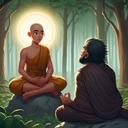
+Opening
| (derived from B. Sujato 2018/12) | (来源于B. Sujato 2018/12) | |
| Mahāsaccakasutta | The Longer Discourse With Saccaka | 与萨卡卡的较长谈话 |
| Evaṃ me sutaṃ— | So I have heard. | 我曾听闻。 |
| ekaṃ samayaṃ bhagavā vesāliyaṃ viharati mahāvane kūṭāgārasālāyaṃ. | At one time the Buddha was staying near Vesālī, at the Great Wood, in the hall with the peaked roof. | 有一次,佛陀住在毗舍离附近,在大林精舍,在尖顶堂里。 |
| Tena kho pana samayena bhagavā pubbaṇhasamayaṃ sunivattho hoti pattacīvaramādāya vesāliṃ piṇḍāya pavisitukāmo. | Now at that time in the morning the Buddha, being properly dressed, took his bowl and robe, wishing to enter Vesālī for alms. | 那时,佛陀清晨穿戴整齐,拿着钵和僧袍,想进毗舍离乞食。 |
| Atha kho saccako nigaṇṭhaputto jaṅghāvihāraṃ anucaṅkamamāno anuvicaramāno yena mahāvanaṃ kūṭāgārasālā tenupasaṅkami. | Then as Saccaka, the son of Jain parents, was going for a walk he approached the hall with the peaked roof in the Great Wood. | 那时,耆那教徒的儿子萨卡卡正在散步,他走近大林精舍的尖顶堂。 |
| Addasā kho āyasmā ānando saccakaṃ nigaṇṭhaputtaṃ dūratova āgacchantaṃ. | Venerable Ānanda saw him coming off in the distance, | 尊者阿难远远地看见他走过来, |
| Disvāna bhagavantaṃ etadavoca: | and said to the Buddha: | 然后对佛陀说: |
| “ayaṃ, bhante, saccako nigaṇṭhaputto āgacchati bhassappavādako paṇḍitavādo sādhusammato bahujanassa. | “Saccaka, the son of Jain parents, is coming. He’s a debater and clever speaker regarded as holy by many people. | “耆那教徒的儿子萨卡卡来了。他是一个辩论家和聪明善辩的人,被许多人视为圣人。 |
| Eso kho, bhante, avaṇṇakāmo buddhassa, avaṇṇakāmo dhammassa, avaṇṇakāmo saṃghassa. | He wants to discredit the Buddha, The Dharma, and the Saṅgha. | 他想诋毁佛陀、佛法和僧伽。 |
| Sādhu, bhante, bhagavā muhuttaṃ nisīdatu anukampaṃ upādāyā”ti. | Please, sir, sit for a moment out of compassion.” | 请世尊慈悲,暂坐片刻。” |
| Nisīdi bhagavā paññatte āsane. | The Buddha sat on the seat spread out. | 佛陀坐在铺好的座位上。 |
| Atha kho saccako nigaṇṭhaputto yena bhagavā tenupasaṅkami; upasaṅkamitvā bhagavatā saddhiṃ sammodi, sammodanīyaṃ kathaṃ sāraṇīyaṃ vītisāretvā ekamantaṃ nisīdi. Ekamantaṃ nisinno kho saccako nigaṇṭhaputto bhagavantaṃ etadavoca: | Then Saccaka went up to the Buddha, and exchanged greetings with him. When the greetings and polite conversation were over, he sat down to one side and said to the Buddha: | 然后萨卡卡走到佛陀面前,与他寒暄。寒暄和客套话结束后,他坐到一边,对佛陀说: |
+36.1 – (What is developed body and mind?)
all
+§1.1 – (outsider un/developed body & mind)
| “Santi, bho gotama, eke samaṇabrāhmaṇā kāyabhāvanānuyogamanuyuttā viharanti, no cittabhāvanaṃ. | “Master Gotama, there are some ascetics and brahmins who live committed to the practice of developing physical endurance, without developing the mind. | “乔达摩大师,有一些苦行者和婆罗门致力于修习身体耐力,而不发展心智。 |
| Phusanti hi te, bho gotama, sārīrikaṃ dukkhaṃ vedanaṃ. | They experience painful physical feelings. | 他们会体验到痛苦的身体感受。 |
| Bhūtapubbaṃ, bho gotama, sārīrikāya dukkhāya vedanāya phuṭṭhassa sato ūrukkhambhopi nāma bhavissati, hadayampi nāma phalissati, uṇhampi lohitaṃ mukhato uggamissati, ummādampi pāpuṇissati cittakkhepaṃ. | This happened to someone once. Their thighs became paralyzed, their heart burst, hot blood gushed from their mouth, and they went mad and lost their mind. | 这曾经发生在某人身上。他们的大腿瘫痪了,心脏破裂,热血从口中涌出,他们变得疯狂,失去了理智。 |
| Tassa kho etaṃ, bho gotama, kāyanvayaṃ cittaṃ hoti, kāyassa vasena vattati. | Their mind was subject to the body, and the body had power over it. | 他们的心受制于身体,身体对它有力量。 |
| Taṃ kissa hetu? | Why is that? | 为什么会这样? |
| Abhāvitattā cittassa. | Because their mind was not developed. | 因为他们的心智没有得到发展。 |
| Santi pana, bho gotama, eke samaṇabrāhmaṇā cittabhāvanānuyogamanuyuttā viharanti, no kāyabhāvanaṃ. | There are some ascetics and brahmins who live committed to the practice of developing the mind, without developing physical endurance. | 有一些苦行者和婆罗门致力于发展心智,而不发展身体耐力。 |
| Phusanti hi te, bho gotama, cetasikaṃ dukkhaṃ vedanaṃ. | They experience painful mental feelings. | 他们会体验到痛苦的精神感受。 |
| Bhūtapubbaṃ, bho gotama, cetasikāya dukkhāya vedanāya phuṭṭhassa sato ūrukkhambhopi nāma bhavissati, hadayampi nāma phalissati, uṇhampi lohitaṃ mukhato uggamissati, ummādampi pāpuṇissati cittakkhepaṃ. | This happened to someone once. Their thighs became paralyzed, their heart burst, hot blood gushed from their mouth, and they went mad and lost their mind. | 这曾经发生在某人身上。他们的大腿瘫痪了,心脏破裂,热血从口中涌出,他们变得疯狂,失去了理智。 |
| Tassa kho eso, bho gotama, cittanvayo kāyo hoti, cittassa vasena vattati. | Their body was subject to the mind, and the mind had power over it. | 他们的身体受制于心智,心智对它有力量。 |
| Taṃ kissa hetu? | Why is that? | 为什么会这样? |
| Abhāvitattā kāyassa. | Because their physical endurance was not developed. | 因为他们的身体耐力没有得到发展。 |
| Tassa mayhaṃ, bho gotama, evaṃ hoti: | It occurs to me that | 我想到 |
| ‘addhā bhoto gotamassa sāvakā cittabhāvanānuyogamanuyuttā viharanti, no kāyabhāvanan’”ti. | Master Gotama’s disciples must live committed to the practice of developing the mind, without developing physical endurance.” | 乔达摩大师的弟子们一定致力于发展心智,而不发展身体耐力。” |
+§1.2 – (outsider developed body & mind)
| “Kinti pana te, aggivessana, kāyabhāvanā sutā”ti? | “But Aggivessana, what have you heard about the development of physical endurance?” | “但是,阿吉韦萨那,你听过关于身体耐力发展的事情吗?” |
| “Seyyathidaṃ— | “Take, for example, | “比如说, |
| nando vaccho, kiso saṅkicco, makkhali gosālo— | Nanda Vaccha, Kisa Saṅkicca, and Makkhali Gosāla. | 难陀·瓦卡、吉萨·桑吉恰和马卡利·戈萨拉。 |
| etehi, bho gotama, acelakā muttācārā hatthāpalekhanā naehibhaddantikā natiṭṭhabhaddantikā na abhihaṭaṃ na uddissakataṃ na nimantanaṃ sādiyanti, | They go naked, ignoring conventions. They lick their hands, and don’t come or wait when asked. They don’t consent to food brought to them, or food prepared on purpose for them, or an invitation for a meal. | 他们赤身裸体,不顾习俗。他们舔手,被要求时不会过来或等待。他们不接受别人送来的食物,或特意为他们准备的食物,或用餐邀请。 |
| te na kumbhimukhā paṭiggaṇhanti na kaḷopimukhā paṭiggaṇhanti na eḷakamantaraṃ na daṇḍamantaraṃ na musalamantaraṃ na dvinnaṃ bhuñjamānānaṃ na gabbhiniyā na pāyamānāya na purisantaragatāya na saṅkittīsu na yattha sā upaṭṭhito hoti na yattha makkhikā saṇḍasaṇḍacārinī, na macchaṃ na maṃsaṃ na suraṃ na merayaṃ na thusodakaṃ pivanti. | They don’t receive anything from a pot or bowl; or from someone who keeps sheep, or who has a weapon or a shovel in their home; or where a couple is eating; or where there is a woman who is pregnant, breastfeeding, or who has a man in her home; or where there’s a dog waiting or flies buzzing. They accept no fish or meat or liquor or wine, and drink no beer. | 他们不从罐子或碗里接受任何东西;不从养羊的人那里接受;不从家里有武器或铲子的人那里接受;不从夫妻正在吃饭的地方接受;不从有孕妇、哺乳期妇女或家里有男人的地方接受;不从有狗等待或苍蝇嗡嗡叫的地方接受。他们不接受鱼、肉、酒或葡萄酒,也不喝啤酒。 |
| Te ekāgārikā vā honti ekālopikā, dvāgārikā vā honti dvālopikā … pe … sattāgārikā vā honti sattālopikā. | They go to just one house for alms, taking just one mouthful, or two houses and two mouthfuls, up to seven houses and seven mouthfuls. | 他们只去一家乞食,只吃一口,或两家两口,最多七家七口。 |
| Ekissāpi dattiyā yāpenti, dvīhipi dattīhi yāpenti … pe … sattahipi dattīhi yāpenti. | They feed on one saucer a day, two saucers a day, up to seven saucers a day. | 他们每天吃一碟,两天吃两碟,最多七天吃七碟。 |
| Ekāhikampi āhāraṃ āhārenti, dvīhikampi āhāraṃ āhārenti … pe … sattāhikampi āhāraṃ āhārenti. Iti evarūpaṃ addhamāsikampi pariyāyabhattabhojanānuyogamanuyuttā viharantī”ti. | They eat once a day, once every second day, up to once a week, and so on, even up to once a fortnight. They live committed to the practice of eating food at set intervals.” | 他们每天吃一次,两天吃一次,最多一周吃一次,甚至两周吃一次。他们致力于有规律地进食。” |
| “Kiṃ pana te, aggivessana, tāvatakeneva yāpentī”ti? | “But Aggivessana, do they get by on so little?” | “但是,阿吉韦萨那,他们能靠这么少的东西维持生计吗?” |
| “No hidaṃ, bho gotama. | “No, Master Gotama. | “不,乔达摩大师。 |
| Appekadā, bho gotama, uḷārāni uḷārāni khādanīyāni khādanti, uḷārāni uḷārāni bhojanāni bhuñjanti, uḷārāni uḷārāni sāyanīyāni sāyanti, uḷārāni uḷārāni pānāni pivanti. | Sometimes they eat a variety of luxury foods and drink a variety of luxury beverages. | 有时他们会吃各种奢侈的食物,喝各种奢侈的饮料。 |
| Te imaṃ kāyaṃ balaṃ gāhenti nāma, brūhenti nāma, medenti nāmā”ti. | They gather their body’s strength, build it up, and get fat.” | 他们聚集身体的力量,增强它,然后变胖。” |
| “Yaṃ kho te, aggivessana, purimaṃ pahāya pacchā upacinanti, evaṃ imassa kāyassa ācayāpacayo hoti. | “What they earlier gave up, they later got back. That is how there is the increase and decrease of this body. | “他们先前放弃的,后来又得到了。身体就是这样增减的。 |
| Kinti pana te, aggivessana, cittabhāvanā sutā”ti? | But Aggivessana, what have you heard about development of the mind?” | 但是,阿吉韦萨那,你听过关于心智发展的事情吗?” |
| Cittabhāvanāya kho saccako nigaṇṭhaputto bhagavatā puṭṭho samāno na sampāyāsi. | When Saccaka was questioned by the Buddha about development of the mind, he was unable to answer. | 当萨卡卡被佛陀问及心智发展时,他无法回答。 |
| Atha kho bhagavā saccakaṃ nigaṇṭhaputtaṃ etadavoca: | So the Buddha said to Saccaka: | 于是佛陀对萨卡卡说: |
| “yāpi kho te esā, aggivessana, purimā kāyabhāvanā bhāsitā sāpi ariyassa vinaye no dhammikā kāyabhāvanā. | “The development of physical endurance that you have described is not the legitimate development of physical endurance in the noble one’s training. | “你所描述的身体耐力的发展,并非圣者修行中合法的身体耐力发展。 |
| Kāyabhāvanampi kho tvaṃ, aggivessana, na aññāsi, kuto pana tvaṃ cittabhāvanaṃ jānissasi? | And since you don’t even understand the development of physical endurance, how can you possibly understand the development of the mind? | 既然你连身体耐力的发展都不明白,又怎能明白心智的发展呢? |
| Api ca, aggivessana, yathā abhāvitakāyo ca hoti abhāvitacitto ca, bhāvitakāyo ca hoti bhāvitacitto ca. | Still, as to how someone is undeveloped in physical endurance and mind, and how someone is developed in physical endurance and mind, | 然而,关于一个人如何在身体耐力和心智方面未得到发展,以及一个人如何在身体耐力与心智方面得到发展, |
| Taṃ suṇāhi, sādhukaṃ manasi karohi, bhāsissāmī”ti. | listen and pay close attention, I will speak.” | 请仔细听,我会说。” |
| “Evaṃ, bho”ti kho saccako nigaṇṭhaputto bhagavato paccassosi. | “Yes, sir,” replied Saccaka. | “是的,先生,”萨卡卡回答。 |
| Bhagavā etadavoca: | The Buddha said this: | 佛陀这样说: |
❧
+§1.3 – (buddha definition undeveloped body & mind)
| “Kathañca, aggivessana, abhāvitakāyo ca hoti abhāvitacitto ca? | “And how is someone undeveloped in physical endurance and mind? | “一个人如何在身体耐力和心智上未得发展呢? |
| Idha, aggivessana, assutavato puthujjanassa uppajjati sukhā vedanā. | Take an uneducated ordinary person who has a pleasant feeling. | 一个未经教导的普通人,他有愉悦的感受。 |
| So sukhāya vedanāya phuṭṭho samāno sukhasārāgī ca hoti sukhasārāgitañca āpajjati. | When they experience pleasant feeling they become full of lust for it. | 当他体验到愉悦的感受时,他充满了对它的欲望。 |
| Tassa sā sukhā vedanā nirujjhati. | Then that pleasant feeling ceases. | 然后那愉悦的感受消失了。 |
| Sukhāya vedanāya nirodhā uppajjati dukkhā vedanā. | And when it ceases, a painful feeling arises. | 当它消失时,痛苦的感受出现了。 |
| So dukkhāya vedanāya phuṭṭho samāno socati kilamati paridevati urattāḷiṃ kandati sammohaṃ āpajjati. | When they experience painful feeling, they sorrow and pine and lament, beating their breast and falling into confusion. | 当他体验到痛苦的感受时,他悲伤、憔悴、哀叹,捶胸顿足,陷入混乱。 |
| Tassa kho esā, aggivessana, uppannāpi sukhā vedanā cittaṃ pariyādāya tiṭṭhati abhāvitattā kāyassa, uppannāpi dukkhā vedanā cittaṃ pariyādāya tiṭṭhati abhāvitattā cittassa. | Because their physical endurance is undeveloped, pleasant feelings occupy the mind. And because their mind is undeveloped, painful feelings occupy the mind. | 因为他的身体耐力未得发展,愉悦的感受占据了他的心。又因为他的心智未得发展,痛苦的感受占据了他的心。 |
| Yassa kassaci, aggivessana, evaṃ ubhatopakkhaṃ uppannāpi sukhā vedanā cittaṃ pariyādāya tiṭṭhati abhāvitattā kāyassa, uppannāpi dukkhā vedanā cittaṃ pariyādāya tiṭṭhati abhāvitattā cittassa, evaṃ kho, aggivessana, abhāvitakāyo ca hoti abhāvitacitto ca. | Someone whose mind is occupied by both pleasant and painful feelings like this is undeveloped in physical endurance and in mind. | 一个心智被愉悦和痛苦感受如此占据的人,在身体耐力和心智上都未得发展。 |
+§1.4 – (buddha definition developed body & mind)
| Kathañca, aggivessana, bhāvitakāyo ca hoti bhāvitacitto ca? | And how is someone developed in physical endurance and mind? | 一个人如何在身体耐力和心智上得到发展呢? |
| Idha, aggivessana, sutavato ariyasāvakassa uppajjati sukhā vedanā. | Take an educated noble-one's-disciple who has a pleasant feeling. | 一个受过教育的圣者弟子,他有愉悦的感受。 |
| So sukhāya vedanāya phuṭṭho samāno na sukhasārāgī ca hoti, na sukhasārāgitañca āpajjati. | When they experience pleasant feeling they don’t become full of lust for it. | 当他体验到愉悦的感受时,他不会充满对它的欲望。 |
| Tassa sā sukhā vedanā nirujjhati. | Then that pleasant feeling ceases. | 然后那愉悦的感受消失了。 |
| Sukhāya vedanāya nirodhā uppajjati dukkhā vedanā. | And when it ceases, painful feeling arises. | 当它消失时,痛苦的感受出现了。 |
| So dukkhāya vedanāya phuṭṭho samāno na socati na kilamati na paridevati na urattāḷiṃ kandati na sammohaṃ āpajjati. | When they experience painful feelings they don’t sorrow or pine or lament, beating their breast and falling into confusion. | 当他体验到痛苦的感受时,他不会悲伤、憔悴、哀叹,捶胸顿足,陷入混乱。 |
| Tassa kho esā, aggivessana, uppannāpi sukhā vedanā cittaṃ na pariyādāya tiṭṭhati bhāvitattā kāyassa, uppannāpi dukkhā vedanā cittaṃ na pariyādāya tiṭṭhati bhāvitattā cittassa. | Because their physical endurance is developed, pleasant feelings don’t occupy the mind. And because their mind is developed, painful feelings don’t occupy the mind. | 因为他的身体耐力得到了发展,愉悦的感受不会占据他的心。又因为他的心智得到了发展,痛苦的感受不会占据他的心。 |
| Yassa kassaci, aggivessana, evaṃ ubhatopakkhaṃ uppannāpi sukhā vedanā cittaṃ na pariyādāya tiṭṭhati bhāvitattā kāyassa, uppannāpi dukkhā vedanā cittaṃ na pariyādāya tiṭṭhati bhāvitattā cittassa. Evaṃ kho, aggivessana, bhāvitakāyo ca hoti bhāvitacitto cā”ti. | Someone whose mind is not occupied by both pleasant and painful feelings like this is developed in physical endurance and in mind.” | 一个心智未被愉悦和痛苦感受如此占据的人,在身体耐力和心智上都得到了发展。” |
| “Evaṃ pasanno ahaṃ bhoto gotamassa. | “I am quite confident that Master Gotama | “我相当确信乔达摩大师 |
| Bhavañhi gotamo bhāvitakāyo ca hoti bhāvitacitto cā”ti. | is developed in physical endurance and in mind.” | 在身体耐力和心智上都得到了发展。” |
| “Addhā kho te ayaṃ, aggivessana, āsajja upanīya vācā bhāsitā, | “Your words are clearly invasive and intrusive, Aggivessana. | “你的话显然具有侵犯性和冒犯性,阿吉韦萨那。 |
| api ca te ahaṃ byākarissāmi. | Nevertheless, I will answer you. | 然而,我会回答你。 |
| Yato kho ahaṃ, aggivessana, kesamassuṃ ohāretvā kāsāyāni vatthāni acchādetvā agārasmā anagāriyaṃ pabbajito, taṃ vata me uppannā vā sukhā vedanā cittaṃ pariyādāya ṭhassati, uppannā vā dukkhā vedanā cittaṃ pariyādāya ṭhassatīti netaṃ ṭhānaṃ vijjatī”ti. | Ever since I shaved off my hair and beard, dressed in ocher robes, and went forth from the lay life to homelessness, it has not been possible for any pleasant or painful feeling to occupy my mind.” | 自从我剃发留须,穿上赭色僧袍,离家出家以来,任何愉悦或痛苦的感觉都无法占据我的心。” |
| “Na hi nūna bhoto gotamassa uppajjati tathārūpā sukhā vedanā yathārūpā uppannā sukhā vedanā cittaṃ pariyādāya tiṭṭheyya; na hi nūna bhoto gotamassa uppajjati tathārūpā dukkhā vedanā yathārūpā uppannā dukkhā vedanā cittaṃ pariyādāya tiṭṭheyyā”ti. | “Surely you must have had feelings so pleasant or so painful that they could occupy your mind?” | “你肯定有过如此愉悦或如此痛苦的感受,以至于它们能占据你的心,不是吗?” |
❧
+36.2 – (buddha’s story of asceticism before awakening)
all
| “Kiñhi no siyā, aggivessana? | “How could I not, Aggivessana? | “我怎么会没有呢,阿吉韦萨那? |
| Idha me, aggivessana, pubbeva sambodhā anabhisambuddhassa bodhisattasseva sato etadahosi: | Before my awakening—when I was still unawakened but intent on awakening—I thought: | 在我觉醒之前——当我还没有觉醒但决心觉醒时——我曾想: |
| ‘sambādho gharāvāso rajāpatho, abbhokāso pabbajjā. | ‘Living in a house is cramped and dirty, but the life of one gone forth is wide open. | “居家生活狭窄污秽,而出家生活则广阔开放。 |
| Nayidaṃ sukaraṃ agāraṃ ajjhāvasatā ekantaparipuṇṇaṃ ekantaparisuddhaṃ saṅkhalikhitaṃ brahmacariyaṃ carituṃ. | It’s not easy for someone living at home to lead the spiritual life utterly full and pure, like a polished shell. | 居家之人难以过上完全圆满纯净的梵行生活,如同擦亮的贝壳。 |
| Yannūnāhaṃ kesamassuṃ ohāretvā kāsāyāni vatthāni acchādetvā agārasmā anagāriyaṃ pabbajeyyan’ti. | Why don’t I shave off my hair and beard, dress in ocher robes, and go forth from the lay life to homelessness?’ | 我何不剃去须发,穿上赭色僧袍,从在家生活中出家呢?” |
| So kho ahaṃ, aggivessana, aparena samayena daharova samāno, susukāḷakeso bhadrena yobbanena samannāgato paṭhamena vayasā, akāmakānaṃ mātāpitūnaṃ assumukhānaṃ rudantānaṃ, kesamassuṃ ohāretvā kāsāyāni vatthāni acchādetvā agārasmā anagāriyaṃ pabbajiṃ. | Some time later, while still black-haired, blessed with youth, in the prime of life—though my mother and father wished otherwise, weeping with tearful faces—I shaved off my hair and beard, dressed in ocher robes, and went forth from the lay life to homelessness. | 一段时间后,我仍是黑发,青春年少,风华正茂——尽管我的父母不愿,泪流满面——我剃去须发,穿上赭色僧袍,从在家生活中出家了。 |
| So evaṃ pabbajito samāno kiṃkusalagavesī anuttaraṃ santivarapadaṃ pariyesamāno yena āḷāro kālāmo tenupasaṅkamiṃ; upasaṅkamitvā āḷāraṃ kālāmaṃ etadavocaṃ: | Once I had gone forth I set out to discover what is skillful, seeking the supreme state of sublime peace. I approached Āḷāra Kālāma and said to him: | 出家后,我开始探寻什么是善巧,寻求崇高寂静的至上境界。我走近阿罗罗·迦罗摩,对他说: |
| ‘icchāmahaṃ, āvuso kālāma, imasmiṃ dhammavinaye brahmacariyaṃ caritun’ti. | ‘Reverend Kālāma, I wish to live the spiritual life in this Dharma and training.’ | “尊敬的迦罗摩,我希望在这佛法和修行中过梵行生活。” |
| Evaṃ vutte, aggivessana, āḷāro kālāmo maṃ etadavoca: | Āḷāra Kālāma replied: | 阿罗罗·迦罗摩回答道: |
| ‘viharatāyasmā, | ‘Stay, venerable. | “请留下,尊者。 |
| tādiso ayaṃ dhammo yattha viññū puriso nacirasseva sakaṃ ācariyakaṃ sayaṃ abhiññā sacchikatvā upasampajja vihareyyā’ti. | this Dharma is such that a sensible person can soon realize their own tradition with their own insight and live having achieved it.’ | 这佛法是如此,一个明智的人很快就能用自己的洞察力证悟自己的传统并住于其中。” |
| So kho ahaṃ, aggivessana, nacirasseva khippameva taṃ dhammaṃ pariyāpuṇiṃ. | I quickly memorized that Dharma. | 我很快就记住了那佛法。 |
| So kho ahaṃ, aggivessana, tāvatakeneva oṭṭhapahatamattena lapitalāpanamattena ñāṇavādañca vadāmi theravādañca, ‘jānāmi passāmī’ti ca paṭijānāmi, ahañceva aññe ca. | So far as lip-recital and oral recitation were concerned, I spoke with knowledge and the authority of the elders. I claimed to know and see, and so did others. | 就口头背诵而言,我以知识和长者的权威说话。我声称知道和看到,其他人也一样。 |
| Tassa mayhaṃ, aggivessana, etadahosi: | Then it occurred to me: | 然后我想到: |
| ‘na kho āḷāro kālāmo imaṃ dhammaṃ kevalaṃ saddhāmattakena sayaṃ abhiññā sacchikatvā upasampajja viharāmīti pavedeti, | ‘It is not solely by mere justifiable-trust that Āḷāra Kālāma declares: “I realize this Dharma with my own insight, and live having achieved it.” | “阿罗罗·迦罗摩宣称:‘我以自己的洞察力证悟此佛法,并住于其中。’并非仅仅因为纯粹的信任。 |
| addhā āḷāro kālāmo imaṃ dhammaṃ jānaṃ passaṃ viharatī’ti. | Surely he meditates knowing and seeing this Dharma.’ | 他肯定是通过禅修来知晓和看到这佛法的。” |
+§2.2 – (learned samādhi of nothingsness from āḷāra kālāma)
| Atha khvāhaṃ, aggivessana, yena āḷāro kālāmo tenupasaṅkamiṃ; upasaṅkamitvā āḷāraṃ kālāmaṃ etadavocaṃ: | So I approached Āḷāra Kālāma and said to him: | 于是我走近阿罗罗·迦罗摩,对他说: |
| ‘kittāvatā no, āvuso kālāma, imaṃ dhammaṃ sayaṃ abhiññā sacchikatvā upasampajja viharāmīti pavedesī’ti? | ‘Reverend Kālāma, to what extent do you say you’ve realized this Dharma with your own insight?’ | “尊敬的迦罗摩,你声称你以自己的洞察力证悟了这佛法达到何种程度?” |
| Evaṃ vutte, aggivessana, āḷāro kālāmo ākiñcaññāyatanaṃ pavedesi. | When I said this, he declared the dimension of nothingness. | 我这样说时,他宣称了空无边处。 |
+§2.4 – (outsiders also have 5ind (indria)!)
| Tassa mayhaṃ, aggivessana, etadahosi: | Then it occurred to me: | 然后我想到: |
| ‘na kho āḷārasseva kālāmassa atthi saddhā, mayhampatthi saddhā; | ‘It’s not just Āḷāra Kālāma who has justifiable-trust, | “不仅仅是阿罗罗·迦罗摩拥有信任、 |
| na kho āḷārasseva kālāmassa atthi vīriyaṃ, mayhampatthi vīriyaṃ; | vigor, | 精进、 |
| na kho āḷārasseva kālāmassa atthi sati, mayhampatthi sati; | rememberfulness, | 正念、 |
| na kho āḷārasseva kālāmassa atthi samādhi, mayhampatthi samādhi; | undistractible-lucidity, | 不散乱的清明、 |
| na kho āḷārasseva kālāmassa atthi paññā, mayhampatthi paññā; | and wisdom; I too have these things. | 和智慧;我也有这些。 |
| yannūnāhaṃ yaṃ dhammaṃ āḷāro kālāmo sayaṃ abhiññā sacchikatvā upasampajja viharāmīti pavedeti tassa dhammassa sacchikiriyāya padaheyyan’ti. | Why don’t I make an effort to realize the same teaching that Āḷāra Kālāma says he has realized with his own insight?’ | 我为什么不努力去证悟阿罗罗·迦罗摩声称他以自己的洞察力证悟的相同教义呢?” |
| So kho ahaṃ, aggivessana, nacirasseva khippameva taṃ dhammaṃ sayaṃ abhiññā sacchikatvā upasampajja vihāsiṃ. | I quickly realized that Dharma with my own insight, and lived having achieved it. | 我很快就以自己的洞察力证悟了那佛法,并住于其中。 |
| Atha khvāhaṃ, aggivessana, yena āḷāro kālāmo tenupasaṅkamiṃ; upasaṅkamitvā āḷāraṃ kālāmaṃ etadavocaṃ: | So I approached Āḷāra Kālāma and said to him: | 于是我走近阿罗罗·迦罗摩,对他说: |
| ‘ettāvatā no, āvuso kālāma, imaṃ dhammaṃ sayaṃ abhiññā sacchikatvā upasampajja pavedesī’ti? | ‘Reverend Kālāma, have you realized this Dharma with your own insight up to this point, and declare it having achieved it?’ | “尊敬的迦罗摩,你是否已经以自己的洞察力证悟这佛法达到此程度,并宣称已达此境界?” |
| ‘Ettāvatā kho ahaṃ, āvuso, imaṃ dhammaṃ sayaṃ abhiññā sacchikatvā upasampajja pavedemī’ti. | ‘I have, reverend.’ | “是的,尊敬的。” |
| ‘Ahampi kho, āvuso, ettāvatā imaṃ dhammaṃ sayaṃ abhiññā sacchikatvā upasampajja viharāmī’ti. | ‘I too have realized this Dharma with my own insight up to this point, and live having achieved it.’ | “我也已经以自己的洞察力证悟这佛法达到此程度,并住于其中。” |
| ‘Lābhā no, āvuso, suladdhaṃ no, āvuso, | ‘We are fortunate, reverend, so very fortunate | “我们很幸运,尊敬的,非常幸运 |
| ye mayaṃ āyasmantaṃ tādisaṃ sabrahmacāriṃ passāma. | to see a venerable such as yourself as one of our spiritual companions! | 能看到像你这样的尊者成为我们的修行同伴! |
| Iti yāhaṃ dhammaṃ sayaṃ abhiññā sacchikatvā upasampajja pavedemi taṃ tvaṃ dhammaṃ sayaṃ abhiññā sacchikatvā upasampajja viharasi; | So The Dharma that I’ve realized with my own insight, and declare having achieved it, you’ve realized with your own insight, and live having achieved it. | 所以,我以自己的洞察力证悟并宣称已达此境界的佛法,你以自己的洞察力证悟并住于其中。 |
| yaṃ tvaṃ dhammaṃ sayaṃ abhiññā sacchikatvā upasampajja viharasi tamahaṃ dhammaṃ sayaṃ abhiññā sacchikatvā upasampajja pavedemi. | The Dharma that you’ve realized with your own insight, and live having achieved it, I’ve realized with my own insight, and declare having achieved it. | 你以自己的洞察力证悟并住于其中的佛法,我以自己的洞察力证悟并宣称已达此境界。 |
| Iti yāhaṃ dhammaṃ jānāmi taṃ tvaṃ dhammaṃ jānāsi; yaṃ tvaṃ dhammaṃ jānāsi tamahaṃ dhammaṃ jānāmi. | So The Dharma that I know, you know, and The Dharma you know, I know. | 因此,我所知之法,你亦知;你所知之法,我亦知。 |
| Iti yādiso ahaṃ tādiso tuvaṃ, yādiso tuvaṃ tādiso ahaṃ. | I am like you and you are like me. | 我像你,你像我。 |
| Ehi dāni, āvuso, ubhova santā imaṃ gaṇaṃ pariharāmā’ti. | Come now, reverend! We should both lead this community together.’ | 来吧,尊敬的!我们都应该一起领导这个僧团。” |
| Iti kho, aggivessana, āḷāro kālāmo ācariyo me samāno attano antevāsiṃ maṃ samānaṃ attanā samasamaṃ ṭhapesi, uḷārāya ca maṃ pūjāya pūjesi. | And that is how my teacher Āḷāra Kālāma placed me, his student, on the same position as him, and honored me with lofty praise. | 我师阿罗罗·迦罗摩就是这样把我这个学生置于与他同等的位置,并以崇高的赞誉尊敬我。 |
| Tassa mayhaṃ, aggivessana, etadahosi: | Then it occurred to me: | 然后我想到: |
| ‘nāyaṃ dhammo nibbidāya na virāgāya na nirodhāya na upasamāya na abhiññāya na sambodhāya na nibbānāya saṃvattati, yāvadeva ākiñcaññāyatanūpapattiyā’ti. | ‘this Dharma doesn’t lead to disenchantment, dispassion, cessation, peace, insight, awakening, and nirvana. It only leads as far as rebirth in the dimension of nothingness.’ | “这佛法并不能导向厌离、离欲、止息、寂静、洞察、觉醒和涅槃。它只能导向在空无边处的重生。” |
| So kho ahaṃ, aggivessana, taṃ dhammaṃ analaṅkaritvā tasmā dhammā nibbijja apakkamiṃ. | Realizing that this Dharma was inadequate, I left disappointed. | 我意识到这佛法不足,便失望地离开了。 |
❧
+§2.4 – (learned samādhi of neither perception nor non perception from rāma-putta)
| So kho ahaṃ, aggivessana, kiṃkusalagavesī anuttaraṃ santivarapadaṃ pariyesamāno yena udako rāmaputto tenupasaṅkamiṃ; upasaṅkamitvā udakaṃ rāmaputtaṃ etadavocaṃ: | I set out to discover what is skillful, seeking the supreme state of sublime peace. I approached Uddaka, son of Rāma, and said to him: | 我开始探索何为善巧,寻求崇高寂静的至上境界。我走近了罗摩之子郁陀迦,对他说: |
| ‘icchāmahaṃ, āvuso, imasmiṃ dhammavinaye brahmacariyaṃ caritun’ti. | ‘Reverend, I wish to live the spiritual life in this Dharma and training.’ | “尊者,我希望在这佛法和训练中过修行生活。” |
| Evaṃ vutte, aggivessana, udako rāmaputto maṃ etadavoca: | Uddaka replied: | 郁陀迦回答说: |
| ‘viharatāyasmā, | ‘Stay, venerable. | “留下吧,尊者。 |
| tādiso ayaṃ dhammo yattha viññū puriso nacirasseva sakaṃ ācariyakaṃ sayaṃ abhiññā sacchikatvā upasampajja vihareyyā’ti. | this Dharma is such that a sensible person can soon realize their own tradition with their own insight and live having achieved it.’ | 这佛法是这样的,一个明智的人很快就能以自己的洞察力证悟自己的传统,并活出它。” |
| So kho ahaṃ, aggivessana, nacirasseva khippameva taṃ dhammaṃ pariyāpuṇiṃ. | I quickly memorized that Dharma. | 我很快就记住了那佛法。 |
| So kho ahaṃ, aggivessana, tāvatakeneva oṭṭhapahatamattena lapitalāpanamattena ñāṇavādañca vadāmi theravādañca, ‘jānāmi passāmī’ti ca paṭijānāmi, ahañceva aññe ca. | So far as lip-recital and oral recitation were concerned, I spoke with knowledge and the authority of the elders. I claimed to know and see, and so did others. | 就口诵和口头背诵而言,我以知识和长老们的权威发言。我声称知道和看到,其他人也一样。 |
| Tassa mayhaṃ, aggivessana, etadahosi: | Then it occurred to me: | 然后我想到: |
| ‘na kho rāmo imaṃ dhammaṃ kevalaṃ saddhāmattakena sayaṃ abhiññā sacchikatvā upasampajja viharāmīti pavedesi. | ‘It is not solely by mere justifiable-trust that Rāma declared: “I realize this Dharma with my own insight, and live having achieved it.” | “罗摩宣称:‘我以自己的洞察力证悟这佛法,并活出它。’这并非仅仅基于信任。 |
| Addhā rāmo imaṃ dhammaṃ jānaṃ passaṃ vihāsī’ti. | Surely he meditated knowing and seeing this Dharma.’ | 他肯定是通过禅修来知晓和看到这佛法的。” |
| Atha khvāhaṃ, aggivessana, yena udako rāmaputto tenupasaṅkamiṃ; upasaṅkamitvā udakaṃ rāmaputtaṃ etadavocaṃ: | So I approached Uddaka, son of Rāma, and said to him: | 于是我走近罗摩之子郁陀迦,对他说: |
| ‘kittāvatā no āvuso rāmo imaṃ dhammaṃ sayaṃ abhiññā sacchikatvā upasampajja viharāmīti pavedesī’ti? | ‘Reverend, to what extent did Rāma say he’d realized this Dharma with his own insight?’ | “尊者,罗摩说他以自己的洞察力证悟这佛法达到了什么程度?” |
| Evaṃ vutte, aggivessana, udako rāmaputto nevasaññānāsaññāyatanaṃ pavedesi. | When I said this, Uddaka, son of Rāma, declared the dimension of neither perception nor non-perception. | 我这样说时,罗摩之子郁陀迦宣称了非想非非想处。 |
| Tassa mayhaṃ, aggivessana, etadahosi: | Then it occurred to me: | 然后我想到: |
| ‘na kho rāmasseva ahosi saddhā, mayhampatthi saddhā; | ‘It’s not just Rāma who had justifiable-trust, | “不仅仅是罗摩拥有信任、 |
| na kho rāmasseva ahosi vīriyaṃ, mayhampatthi vīriyaṃ; | vigor, | 精进、 |
| na kho rāmasseva ahosi sati, mayhampatthi sati; | rememberfulness, | 正念、 |
| na kho rāmasseva ahosi samādhi, mayhampatthi samādhi; | undistractible-lucidity, | 不散乱的清明、 |
| na kho rāmasseva ahosi paññā, mayhampatthi paññā; | and wisdom; I too have these things. | 和智慧;我也有这些。 |
| yannūnāhaṃ yaṃ dhammaṃ rāmo sayaṃ abhiññā sacchikatvā upasampajja viharāmīti pavedesi tassa dhammassa sacchikiriyāya padaheyyan’ti. | Why don’t I make an effort to realize the same teaching that Rāma said he had realized with his own insight?’ | 我为什么不努力去证悟罗摩声称他以自己的洞察力证悟的相同教义呢?” |
| So kho ahaṃ, aggivessana, nacirasseva khippameva taṃ dhammaṃ sayaṃ abhiññā sacchikatvā upasampajja vihāsiṃ. | I quickly realized that Dharma with my own insight, and lived having achieved it. | 我很快就以自己的洞察力证悟了那佛法,并活出它。 |
| Atha khvāhaṃ, aggivessana, yena udako rāmaputto tenupasaṅkamiṃ; upasaṅkamitvā udakaṃ rāmaputtaṃ etadavocaṃ: | So I approached Uddaka, son of Rāma, and said to him: | 于是我走近罗摩之子郁陀迦,对他说: |
| ‘ettāvatā no āvuso rāmo imaṃ dhammaṃ sayaṃ abhiññā sacchikatvā upasampajja pavedesī’ti? | ‘Reverend, had Rāma realized this Dharma with his own insight up to this point, and declared it having achieved it?’ | “尊者,罗摩是否已经以自己的洞察力证悟这佛法达到此程度,并宣称已达此境界?” |
| ‘Ettāvatā kho āvuso rāmo imaṃ dhammaṃ sayaṃ abhiññā sacchikatvā upasampajja pavedesī’ti. | ‘He had, reverend.’ | “是的,尊者。” |
| ‘Ahampi kho, āvuso, ettāvatā imaṃ dhammaṃ sayaṃ abhiññā sacchikatvā upasampajja viharāmī’ti. | ‘I too have realized this Dharma with my own insight up to this point, and live having achieved it.’ | “我也已经以自己的洞察力证悟这佛法达到此程度,并住于其中。” |
| ‘Lābhā no, āvuso, suladdhaṃ no, āvuso, | ‘We are fortunate, reverend, so very fortunate | “我们很幸运,尊者,非常幸运 |
| ye mayaṃ āyasmantaṃ tādisaṃ sabrahmacāriṃ passāma. | to see a venerable such as yourself as one of our spiritual companions! | 能看到像你这样的尊者成为我们的修行同伴! |
| Iti yaṃ dhammaṃ rāmo sayaṃ abhiññā sacchikatvā upasampajja pavedesi, taṃ tvaṃ dhammaṃ sayaṃ abhiññā sacchikatvā upasampajja viharasi; yaṃ tvaṃ dhammaṃ sayaṃ abhiññā sacchikatvā upasampajja viharasi, taṃ dhammaṃ rāmo sayaṃ abhiññā sacchikatvā upasampajja pavedesi. | The Dharma that Rāma had realized with his own insight, and declared having achieved it, you have realized with your own insight, and live having achieved it. The Dharma that you’ve realized with your own insight, and live having achieved it, Rāma had realized with his own insight, and declared having achieved it. | 罗摩以自己的洞察力证悟并宣称已达此境界的佛法,你以自己的洞察力证悟并住于其中。你以自己的洞察力证悟并住于其中的佛法,罗摩以自己的洞察力证悟并宣称已达此境界。 |
| Iti yaṃ dhammaṃ rāmo abhiññāsi taṃ tvaṃ dhammaṃ jānāsi; yaṃ tvaṃ dhammaṃ jānāsi taṃ dhammaṃ rāmo abhiññāsi. | So The Dharma that Rāma directly knew, you know, and The Dharma you know, Rāma directly knew. | 所以,罗摩直接知道的佛法,你亦知;你所知的佛法,罗摩直接知道。 |
| Iti yādiso rāmo ahosi tādiso tuvaṃ; yādiso tuvaṃ tādiso rāmo ahosi. | Rāma was like you and you are like Rāma. | 罗摩像你,你像罗摩。 |
| Ehi dāni, āvuso, tuvaṃ imaṃ gaṇaṃ pariharā’ti. | Come now, reverend! You should lead this community.’ | 来吧,尊者!你应该领导这个僧团。” |
| Iti kho, aggivessana, udako rāmaputto sabrahmacārī me samāno ācariyaṭṭhāne ca maṃ ṭhapesi, uḷārāya ca maṃ pūjāya pūjesi. | And that is how my spiritual companion Uddaka, son of Rāma, placed me in the position of a teacher, and honored me with lofty praise. | 我这位修行同伴罗摩之子郁陀迦就是这样将我置于教师的位置,并以崇高的赞誉尊敬我。 |
| Tassa mayhaṃ, aggivessana, etadahosi: | Then it occurred to me: | 然后我想到: |
| ‘nāyaṃ dhammo nibbidāya na virāgāya na nirodhāya na upasamāya na abhiññāya na sambodhāya na nibbānāya saṃvattati, yāvadeva nevasaññānāsaññāyatanūpapattiyā’ti. | ‘this Dharma doesn’t lead to disenchantment, dispassion, cessation, peace, insight, awakening, and nirvana. It only leads as far as rebirth in the dimension of neither perception nor non-perception.’ | “这佛法并不能导向厌离、离欲、止息、寂静、洞察、觉醒和涅槃。它只能导向在非想非非想处的重生。” |
| So kho ahaṃ, aggivessana, taṃ dhammaṃ analaṅkaritvā tasmā dhammā nibbijja apakkamiṃ. | Realizing that this Dharma was inadequate, I left disappointed. | 我意识到这佛法不足,便失望地离开了。 |
| So kho ahaṃ, aggivessana, kiṅkusalagavesī anuttaraṃ santivarapadaṃ pariyesamāno magadhesu anupubbena cārikaṃ caramāno yena uruvelā senānigamo tadavasariṃ. | I set out to discover what is skillful, seeking the supreme state of sublime peace. Traveling stage by stage in the Magadhan lands, I arrived at Senanigama near Uruvelā. | 我开始探索何为善巧,寻求崇高寂静的至上境界。我在摩揭陀地区逐站游历,抵达优楼频罗附近的塞那尼伽马。 |
| Tatthaddasaṃ ramaṇīyaṃ bhūmibhāgaṃ, pāsādikañca vanasaṇḍaṃ, nadiñca sandantiṃ setakaṃ supatitthaṃ ramaṇīyaṃ, samantā ca gocaragāmaṃ. | There I saw a delightful park, a lovely grove with a flowing river that was clean and charming, with smooth banks. And nearby was a village to go for alms. | 在那里,我看到一个令人愉悦的公园,一片可爱的树林,一条清澈迷人的河流,河岸平缓。附近还有一个村庄可以乞食。 |
| Tassa mayhaṃ, aggivessana, etadahosi: | Then it occurred to me: | 然后我想到: |
| ‘ramaṇīyo vata bho bhūmibhāgo, pāsādiko ca vanasaṇḍo, nadī ca sandati setakā supatitthā ramaṇīyā, samantā ca gocaragāmo. | ‘This park is truly delightful, a lovely grove with a flowing river that’s clean and charming, with smooth banks. And nearby there’s a village to go for alms. | “这个公园真令人愉悦,一片可爱的树林,一条清澈迷人的河流,河岸平缓。附近还有一个村庄可以乞食。 |
| Alaṃ vatidaṃ kulaputtassa padhānatthikassa padhānāyā’ti. | This is good enough for a respectable person who wishes to put forth effort in meditation.’ | 这对于一个希望努力禅修的正直之人来说,已经足够了。” |
| So kho ahaṃ, aggivessana, tattheva nisīdiṃ | So I sat down right there, thinking: | 于是我便坐在那里,心想: |
| ‘alamidaṃ padhānāyā’ti. | ‘This is good enough for meditation.’ | “这对于禅修来说已经足够了。” |
❧
+§2.6 – (3 similes of fire sticks)
| Apissumaṃ, aggivessana, tisso upamā paṭibhaṃsu anacchariyā pubbe assutapubbā. | And then these three examples, which were neither supernaturally inspired, nor learned before in the past, occurred to me. | 然后,我心中浮现出这三个例子,它们既不是超自然灵感,也不是过去学到的。 |
| Seyyathāpi, aggivessana, allaṃ kaṭṭhaṃ sasnehaṃ udake nikkhittaṃ. | Suppose there was a green, sappy log, and it was lying in water. | 假设有一根青涩多汁的木头,它躺在水里。 |
| Atha puriso āgaccheyya uttarāraṇiṃ ādāya: | Then a person comes along with a drill-stick, thinking | 然后一个人拿着钻木棒走过来,想着 |
| ‘aggiṃ abhinibbattessāmi, tejo pātukarissāmī’ti. | to light a fire and produce heat. | 要生火取暖。 |
| Taṃ kiṃ maññasi, aggivessana, | What do you think, Aggivessana? | 你觉得呢,阿吉韦萨那? |
| api nu so puriso amuṃ allaṃ kaṭṭhaṃ sasnehaṃ, udake nikkhittaṃ, uttarāraṇiṃ ādāya abhimanthento aggiṃ abhinibbatteyya, tejo pātukareyyā”ti? | By drilling the stick against that green, sappy log lying in the water, could they light a fire and produce heat?” | 通过用钻木棒摩擦那根躺在水里的青涩多汁的木头,他们能生火取暖吗?” |
| “No hidaṃ, bho gotama”. | “No, Master Gotama. | “不能,乔达摩大师。 |
| “Taṃ kissa hetu”? | Why not? | 为什么不能? |
| “Aduñhi, bho gotama, allaṃ kaṭṭhaṃ sasnehaṃ, tañca pana udake nikkhittaṃ. | Because it’s a green, sappy log, and it’s lying in the water. | 因为它是一根青涩多汁的木头,而且它躺在水里。 |
| Yāvadeva ca pana so puriso kilamathassa vighātassa bhāgī assā”ti. | That person will eventually get weary and frustrated.” | 那个人最终会感到疲倦和沮丧。” |
| “Evameva kho, aggivessana, ye hi keci samaṇā vā brāhmaṇā vā kāyena ceva cittena ca kāmehi avūpakaṭṭhā viharanti, yo ca nesaṃ kāmesu kāmacchando kāmasneho kāmamucchā kāmapipāsā kāmapariḷāho, so ca ajjhattaṃ na suppahīno hoti, na suppaṭippassaddho, opakkamikā cepi te bhonto samaṇabrāhmaṇā dukkhā tibbā kharā kaṭukā vedanā vedayanti, abhabbāva te ñāṇāya dassanāya anuttarāya sambodhāya. No cepi te bhonto samaṇabrāhmaṇā opakkamikā dukkhā tibbā kharā kaṭukā vedanā vedayanti, abhabbāva te ñāṇāya dassanāya anuttarāya sambodhāya. |
“In the same way, there are ascetics and brahmins who don’t live withdrawn in body and mind from sensual pleasures. They haven’t internally given up or stilled desire, affection, stupefaction, thirst, and passion for sensual pleasures. Regardless of whether or not they feel painful, sharp, severe, acute feelings due to overexertion, they are incapable of knowledge and vision, of supreme awakening. | “同样地,有些沙门婆罗门身心并未远离感官享乐。他们内心没有放弃或平息对感官享乐的欲望、爱慕、愚痴、渴求和热情。无论他们是否因过度努力而感受到痛苦、剧烈、严重、尖锐的感受,他们都无法获得知识和洞见,无法获得至高无上的觉醒。 |
| Ayaṃ kho maṃ, aggivessana, paṭhamā upamā paṭibhāsi anacchariyā pubbe assutapubbā. | This was the first example that occurred to me. | 这是我心中浮现的第一个例子。 |
| Aparāpi kho maṃ, aggivessana, dutiyā upamā paṭibhāsi anacchariyā pubbe assutapubbā. | Then a second example occurred to me. | 然后我心中浮现了第二个例子。 |
| Seyyathāpi, aggivessana, allaṃ kaṭṭhaṃ sasnehaṃ, ārakā udakā thale nikkhittaṃ. | Suppose there was a green, sappy log, and it was lying on dry land far from the water. | 假设有一根青涩多汁的木头,它躺在远离水的旱地上。 |
| Atha puriso āgaccheyya uttarāraṇiṃ ādāya: | Then a person comes along with a drill-stick, thinking | 然后一个人拿着钻木棒走过来,想着 |
| ‘aggiṃ abhinibbattessāmi, tejo pātukarissāmī’ti. | to light a fire and produce heat. | 要生火取暖。 |
| Taṃ kiṃ maññasi, aggivessana, | What do you think, Aggivessana? | 你觉得呢,阿吉韦萨那? |
| api nu so puriso amuṃ allaṃ kaṭṭhaṃ sasnehaṃ, ārakā udakā thale nikkhittaṃ, uttarāraṇiṃ ādāya abhimanthento aggiṃ abhinibbatteyya tejo pātukareyyā”ti? | By drilling the stick against that green, sappy log on dry land far from water, could they light a fire and produce heat?” | 通过用钻木棒摩擦那根躺在远离水的旱地上的青涩多汁的木头,他们能生火取暖吗?” |
| “No hidaṃ, bho gotama”. | “No, Master Gotama. | “不能,乔达摩大师。 |
| “Taṃ kissa hetu”? | Why not? | 为什么不能? |
| “Aduñhi, bho gotama, allaṃ kaṭṭhaṃ sasnehaṃ, kiñcāpi ārakā udakā thale nikkhittaṃ. | Because it’s still a green, sappy log, despite the fact that it’s lying on dry land far from water. | 因为它仍然是一根青涩多汁的木头,尽管它躺在远离水的旱地上。 |
| Yāvadeva ca pana so puriso kilamathassa vighātassa bhāgī assā”ti. | That person will eventually get weary and frustrated.” | 那个人最终会感到疲倦和沮丧。” |
| “Evameva kho, aggivessana, ye hi keci samaṇā vā brāhmaṇā vā kāyena ceva cittena ca kāmehi vūpakaṭṭhā viharanti, yo ca nesaṃ kāmesu kāmacchando kāmasneho kāmamucchā kāmapipāsā kāmapariḷāho so ca ajjhattaṃ na suppahīno hoti, na suppaṭippassaddho, opakkamikā cepi te bhonto samaṇabrāhmaṇā dukkhā tibbā kharā kaṭukā vedanā vedayanti, abhabbāva te ñāṇāya dassanāya anuttarāya sambodhāya. No cepi te bhonto samaṇabrāhmaṇā opakkamikā dukkhā tibbā kharā kaṭukā vedanā vedayanti, abhabbāva te ñāṇāya dassanāya anuttarāya sambodhāya. | “In the same way, there are ascetics and brahmins who live withdrawn in body and mind from sensual pleasures. But they haven’t internally given up or stilled desire, affection, stupefaction, thirst, and passion for sensual pleasures. Regardless of whether or not they feel painful, sharp, severe, acute feelings due to overexertion, they are incapable of knowledge and vision, of supreme awakening. | “同样地,有些沙门婆罗门身心远离感官享乐。但他们内心没有放弃或平息对感官享乐的欲望、爱慕、愚痴、渴求和热情。无论他们是否因过度努力而感受到痛苦、剧烈、严重、尖锐的感受,他们都无法获得知识和洞见,无法获得至高无上的觉醒。 |
| Ayaṃ kho maṃ, aggivessana, dutiyā upamā paṭibhāsi anacchariyā pubbe assutapubbā | This was the second example that occurred to me. | 这是我心中浮现的第二个例子。 |
| Aparāpi kho maṃ, aggivessana, tatiyā upamā paṭibhāsi anacchariyā pubbe assutapubbā. | Then a third example occurred to me. | 然后我心中浮现了第三个例子。 |
| Seyyathāpi, aggivessana, sukkhaṃ kaṭṭhaṃ koḷāpaṃ, ārakā udakā thale nikkhittaṃ. | Suppose there was a dried up, withered log, and it was lying on dry land far from the water. | 假设有一根干枯的木头,它躺在远离水的旱地上。 |
| Atha puriso āgaccheyya uttarāraṇiṃ ādāya: | Then a person comes along with a drill-stick, thinking | 然后一个人拿着钻木棒走过来,想着 |
| ‘aggiṃ abhinibbattessāmi, tejo pātukarissāmī’ti. | to light a fire and produce heat. | 要生火取暖。 |
| Taṃ kiṃ maññasi, aggivessana, | What do you think, Aggivessana? | 你觉得呢,阿吉韦萨那? |
| api nu so puriso amuṃ sukkhaṃ kaṭṭhaṃ koḷāpaṃ, ārakā udakā thale nikkhittaṃ, uttarāraṇiṃ ādāya abhimanthento aggiṃ abhinibbatteyya, tejo pātukareyyā”ti? | By drilling the stick against that dried up, withered log on dry land far from water, could they light a fire and produce heat?” | 通过用钻木棒摩擦那根躺在远离水的旱地上的干枯木头,他们能生火取暖吗?” |
| “Evaṃ, bho gotama”. | “Yes, Master Gotama. | “能,乔达摩大师。 |
| “Taṃ kissa hetu”? | Why is that? | 为什么会这样? |
| “Aduñhi, bho gotama, sukkhaṃ kaṭṭhaṃ koḷāpaṃ, tañca pana ārakā udakā thale nikkhittan”ti. | Because it’s a dried up, withered log, and it’s lying on dry land far from water.” | 因为它是一根干枯的木头,而且它躺在远离水的旱地上。” |
| “Evameva kho, aggivessana, ye hi keci samaṇā vā brāhmaṇā vā kāyena ceva cittena ca kāmehi vūpakaṭṭhā viharanti, yo ca nesaṃ kāmesu kāmacchando kāmasneho kāmamucchā kāmapipāsā kāmapariḷāho, so ca ajjhattaṃ suppahīno hoti suppaṭippassaddho, opakkamikā cepi te bhonto samaṇabrāhmaṇā dukkhā tibbā kharā kaṭukā vedanā vedayanti, bhabbāva te ñāṇāya dassanāya anuttarāya sambodhāya. No cepi te bhonto samaṇabrāhmaṇā opakkamikā dukkhā tibbā kharā kaṭukā vedanā vedayanti, bhabbāva te ñāṇāya dassanāya anuttarāya sambodhāya. | “In the same way, there are ascetics and brahmins who live withdrawn in body and mind from sensual pleasures. And they have internally given up and stilled desire, affection, stupefaction, thirst, and passion for sensual pleasures. Regardless of whether or not they feel painful, sharp, severe, acute feelings due to overexertion, they are capable of knowledge and vision, of supreme awakening. | “同样地,有些沙门婆罗门身心远离感官享乐。而且他们内心已经放弃并平息了对感官享乐的欲望、爱慕、愚痴、渴求和热情。无论他们是否因过度努力而感受到痛苦、剧烈、严重、尖锐的感受,他们都能够获得知识和洞见,能够获得至高无上的觉醒。 |
| Ayaṃ kho maṃ, aggivessana, tatiyā upamā paṭibhāsi anacchariyā pubbe assutapubbā. | This was the third example that occurred to me. | 这是我心中浮现的第三个例子。 |
| Imā kho maṃ, aggivessana, tisso upamā paṭibhaṃsu anacchariyā pubbe assutapubbā. | These are the three examples, which were neither supernaturally inspired, nor learned before in the past, that occurred to me. | 这三个例子,既不是超自然灵感,也不是过去学到的,就是这样在我心中浮现的。 |
❧
+§2.8 – (established mindfulness, unmuddled, but too much energy)
| Tassa mayhaṃ, aggivessana, etadahosi: | Then it occurred to me: | 然后我想到: |
| ‘yannūnāhaṃ dantebhi dantamādhāya, jivhāya tāluṃ āhacca, cetasā cittaṃ abhiniggaṇheyyaṃ abhinippīḷeyyaṃ abhisantāpeyyan’ti. | ‘Why don’t I, with teeth clenched and tongue pressed against the roof of my mouth, squeeze, squash, and torture mind with mind.’ | ‘我为什么不咬紧牙关,舌抵上颚,用心来挤压、压碎和折磨我的心呢?’ |
| So kho ahaṃ, aggivessana, dantebhi dantamādhāya, jivhāya tāluṃ āhacca, cetasā cittaṃ abhiniggaṇhāmi abhinippīḷemi abhisantāpemi. | So that’s what I did, | 于是我就这么做了, |
| Tassa mayhaṃ, aggivessana, dantebhi dantamādhāya jivhāya tāluṃ āhacca cetasā cittaṃ abhiniggaṇhato abhinippīḷayato abhisantāpayato kacchehi sedā muccanti. | until sweat ran from my armpits. | 直到汗水从我的腋下流出。 |
| Seyyathāpi, aggivessana, balavā puriso dubbalataraṃ purisaṃ sīse vā gahetvā khandhe vā gahetvā abhiniggaṇheyya abhinippīḷeyya abhisantāpeyya; | It was like when a strong man grabs a weaker man by the head or throat or shoulder and squeezes, squashes, and tortures them. | 这就像一个强壮的人抓住一个较弱的人的头、喉咙或肩膀,然后挤压、压碎和折磨他们一样。 |
| evameva kho me, aggivessana, dantebhi dantamādhāya, jivhāya tāluṃ āhacca, cetasā cittaṃ abhiniggaṇhato abhinippīḷayato abhisantāpayato kacchehi sedā muccanti. | In the same way, with teeth clenched and tongue pressed against the roof of my mouth, I squeezed, squashed, and tortured mind with mind until sweat ran from my armpits. | 同样地,我咬紧牙关,舌抵上颚,用心来挤压、压碎和折磨我的心,直到汗水从我的腋下流出。 |
| Āraddhaṃ kho pana me, aggivessana, vīriyaṃ hoti asallīnaṃ, upaṭṭhitā sati asammuṭṭhā, sāraddho ca pana me kāyo hoti appaṭippassaddho teneva dukkhappadhānena padhānābhitunnassa sato. | My vigor was roused up and unflagging, and my rememberfulness was established and lucid, but my body was disturbed, not pacified, because I’d pushed too hard with that painful striving. | 我的精力被唤起,毫不松懈,我的正念坚定而清晰,但我的身体却感到不安,没有平静,因为我用那痛苦的努力推得太猛了。 |
| Evarūpāpi kho me, aggivessana, uppannā dukkhā vedanā cittaṃ na pariyādāya tiṭṭhati. | But even such painful feeling did not occupy my mind. | 但即使如此痛苦的感受也未能占据我的心。 |
+§2.10 – ([wrong] jhāna of holding the breath)
| Tassa mayhaṃ, aggivessana, etadahosi: | Then it occurred to me: | 然后我想到: |
| ‘yannūnāhaṃ appāṇakaṃyeva jhānaṃ jhāyeyyan’ti. | ‘Why don’t I practice the breathless jhāna?’ | ‘我为什么不练习无呼吸的禅那呢?’ |
| So kho ahaṃ, aggivessana, mukhato ca nāsato ca assāsapassāse uparundhiṃ. | So I cut off my breathing through my mouth and nose. | 于是我通过口和鼻停止了呼吸。 |
| Tassa mayhaṃ, aggivessana, mukhato ca nāsato ca assāsapassāsesu uparuddhesu kaṇṇasotehi vātānaṃ nikkhamantānaṃ adhimatto saddo hoti. | But then winds came out my ears making a loud noise, | 但随后风声从我的耳朵里发出巨大的响声, |
| Seyyathāpi nāma kammāragaggariyā dhamamānāya adhimatto saddo hoti; evameva kho me, aggivessana, mukhato ca nāsato ca assāsapassāsesu uparuddhesu kaṇṇasotehi vātānaṃ nikkhamantānaṃ adhimatto saddo hoti. |
like the puffing of a blacksmith’s bellows. | 就像铁匠的风箱在呼哧作响。 |
| Āraddhaṃ kho pana me, aggivessana, vīriyaṃ hoti asallīnaṃ upaṭṭhitā sati asammuṭṭhā. Sāraddho ca pana me kāyo hoti appaṭippassaddho teneva dukkhappadhānena padhānābhitunnassa sato. | My vigor was roused up and unflagging, and my rememberfulness was established and lucid, but my body was disturbed, not pacified, because I’d pushed too hard with that painful striving. | 我的精力被唤起,毫不松懈,我的正念坚定而清晰,但我的身体却感到不安,没有平静,因为我用那痛苦的努力推得太猛了。 |
| Evarūpāpi kho me, aggivessana, uppannā dukkhā vedanā cittaṃ na pariyādāya tiṭṭhati. | But even such painful feeling did not occupy my mind. | 但即使如此痛苦的感受也未能占据我的心。 |
| Tassa mayhaṃ, aggivessana, etadahosi: | Then it occurred to me: | 然后我想到: |
| ‘yannūnāhaṃ appāṇakaṃyeva jhānaṃ jhāyeyyan’ti. | ‘Why don’t I keep practicing the breathless jhāna?’ | ‘我为什么不继续练习无呼吸的禅那呢?’ |
| So kho ahaṃ, aggivessana, mukhato ca nāsato ca kaṇṇato ca assāsapassāse uparundhiṃ. | So I cut off my breathing through my mouth and nose and ears. | 于是我通过口、鼻和耳朵停止了呼吸。 |
| Tassa mayhaṃ, aggivessana, mukhato ca nāsato ca kaṇṇato ca assāsapassāsesu uparuddhesu adhimattā vātā muddhani ūhananti. | But then strong winds ground my head, | 但随后强风在我的头中研磨, |
| Seyyathāpi, aggivessana, balavā puriso tiṇhena sikharena muddhani abhimattheyya; evameva kho me, aggivessana, mukhato ca nāsato ca kaṇṇato ca assāsapassāsesu uparuddhesu adhimattā vātā muddhani ūhananti. |
like a strong man was drilling into my head with a sharp point. | 就像一个强壮的人用尖锐的工具钻我的头一样。 |
| Āraddhaṃ kho pana me, aggivessana, vīriyaṃ hoti asallīnaṃ upaṭṭhitā sati asammuṭṭhā. Sāraddho ca pana me kāyo hoti appaṭippassaddho teneva dukkhappadhānena padhānābhitunnassa sato. | My vigor was roused up and unflagging, and my rememberfulness was established and lucid, but my body was disturbed, not pacified, because I’d pushed too hard with that painful striving. | 我的精力被唤起,毫不松懈,我的正念坚定而清晰,但我的身体却感到不安,没有平静,因为我用那痛苦的努力推得太猛了。 |
| Evarūpāpi kho me, aggivessana, uppannā dukkhā vedanā cittaṃ na pariyādāya tiṭṭhati. | But even such painful feeling did not occupy my mind. | 但即使如此痛苦的感受也未能占据我的心。 |
| Tassa mayhaṃ, aggivessana, etadahosi: | Then it occurred to me: | 然后我想到: |
| ‘yannūnāhaṃ appāṇakaṃyeva jhānaṃ jhāyeyyan’ti. | ‘Why don’t I keep practicing the breathless jhāna?’ | ‘我为什么不继续练习无呼吸禅那?’ |
| So kho ahaṃ, aggivessana, mukhato ca nāsato ca kaṇṇato ca assāsapassāse uparundhiṃ. | So I cut off my breathing through my mouth and nose and ears. | 于是我堵住口鼻耳停止呼吸。 |
| Tassa mayhaṃ, aggivessana, mukhato ca nāsato ca kaṇṇato ca assāsapassāsesu uparuddhesu adhimattā sīse sīsavedanā honti. | But then I got a severe headache, | 但接着我感到剧烈的头痛, |
| Seyyathāpi, aggivessana, balavā puriso daḷhena varattakkhaṇḍena sīse sīsaveṭhaṃ dadeyya; evameva kho me, aggivessana, mukhato ca nāsato ca kaṇṇato ca assāsapassāsesu uparuddhesu adhimattā sīse sīsavedanā honti. |
like a strong man was tightening a tough leather strap around my head. | 就像一个强壮的人用一条坚韧的皮带紧紧勒住我的头。 |
| Āraddhaṃ kho pana me, aggivessana, vīriyaṃ hoti asallīnaṃ upaṭṭhitā sati asammuṭṭhā. Sāraddho ca pana me kāyo hoti appaṭippassaddho teneva dukkhappadhānena padhānābhitunnassa sato. | My vigor was roused up and unflagging, and my rememberfulness was established and lucid, but my body was disturbed, not pacified, because I’d pushed too hard with that painful striving. | 我的精力被唤起,毫不松懈,我的正念坚定而清晰,但我的身体却感到不安,没有平静,因为我用那痛苦的努力推得太猛了。 |
| Evarūpāpi kho me, aggivessana, uppannā dukkhā vedanā cittaṃ na pariyādāya tiṭṭhati. | But even such painful feeling did not occupy my mind. | 但即使如此痛苦的感受也未能占据我的心。 |
| Tassa mayhaṃ, aggivessana, etadahosi: | Then it occurred to me: | 然后我想到: |
| ‘yannūnāhaṃ appāṇakaṃyeva jhānaṃ jhāyeyyan’ti. | ‘Why don’t I keep practicing the breathless jhāna?’ | ‘我为什么不继续练习无呼吸禅那?’ |
| So kho ahaṃ, aggivessana, mukhato ca nāsato ca kaṇṇato ca assāsapassāse uparundhiṃ. | So I cut off my breathing through my mouth and nose and ears. | 于是我堵住口鼻耳停止呼吸。 |
| Tassa mayhaṃ, aggivessana, mukhato ca nāsato ca kaṇṇato ca assāsapassāsesu uparuddhesu adhimattā vātā kucchiṃ parikantanti. | But then strong winds carved up my belly, | 但接着强风撕扯我的腹部, |
| Seyyathāpi, aggivessana, dakkho goghātako vā goghātakantevāsī vā tiṇhena govikantanena kucchiṃ parikanteyya; evameva kho me, aggivessana, mukhato ca nāsato ca kaṇṇato ca assāsapassāsesu uparuddhesu adhimattā vātā kucchiṃ parikantanti. |
like an expert butcher or their apprentice was slicing my belly open with a meat cleaver. | 就像一个熟练的屠夫或其学徒用切肉刀剖开我的腹部。 |
| Āraddhaṃ kho pana me, aggivessana, vīriyaṃ hoti asallīnaṃ upaṭṭhitā sati asammuṭṭhā. Sāraddho ca pana me kāyo hoti appaṭippassaddho teneva dukkhappadhānena padhānābhitunnassa sato. | My vigor was roused up and unflagging, and my rememberfulness was established and lucid, but my body was disturbed, not pacified, because I’d pushed too hard with that painful striving. | 我的精力被唤起,毫不松懈,我的正念坚定而清晰,但我的身体却感到不安,没有平静,因为我用那痛苦的努力推得太猛了。 |
| Evarūpāpi kho me, aggivessana, uppannā dukkhā vedanā cittaṃ na pariyādāya tiṭṭhati. | But even such painful feeling did not occupy my mind. | 但即使如此痛苦的感受也未能占据我的心。 |
| Tassa mayhaṃ, aggivessana, etadahosi: | Then it occurred to me: | 然后我想到: |
| ‘yannūnāhaṃ appāṇakaṃyeva jhānaṃ jhāyeyyan’ti. | ‘Why don’t I keep practicing the breathless jhāna?’ | ‘我为什么不继续练习无呼吸的禅那呢?’ |
| So kho ahaṃ, aggivessana, mukhato ca nāsato ca kaṇṇato ca assāsapassāse uparundhiṃ. | So I cut off my breathing through my mouth and nose and ears. | 于是我堵住口鼻耳停止呼吸。 |
| Tassa mayhaṃ, aggivessana, mukhato ca nāsato ca kaṇṇato ca assāsapassāsesu uparuddhesu adhimatto kāyasmiṃ ḍāho hoti. | But then there was an intense burning in my body, | 但随即我的身体感到剧烈的灼烧, |
| Seyyathāpi, aggivessana, dve balavanto purisā dubbalataraṃ purisaṃ nānābāhāsu gahetvā aṅgārakāsuyā santāpeyyuṃ samparitāpeyyuṃ; evameva kho me, aggivessana, mukhato ca nāsato ca kaṇṇato ca assāsapassāsesu uparuddhesu adhimatto kāyasmiṃ ḍāho hoti. |
like two strong men grabbing a weaker man by the arms to burn and scorch him on a pit of glowing coals. | 就像两个强壮的人抓住一个虚弱的人的胳膊,在灼热的炭火坑上烧灼他。 |
| Āraddhaṃ kho pana me, aggivessana, vīriyaṃ hoti asallīnaṃ upaṭṭhitā sati asammuṭṭhā. Sāraddho ca pana me kāyo hoti appaṭippassaddho teneva dukkhappadhānena padhānābhitunnassa sato. | My vigor was roused up and unflagging, and my rememberfulness was established and lucid, but my body was disturbed, not pacified, because I’d pushed too hard with that painful striving. | 我的精力被唤起,毫不松懈,我的正念坚定而清晰,但我的身体却感到不安,没有平静,因为我用那痛苦的努力推得太猛了。 |
| Evarūpāpi kho me, aggivessana, uppannā dukkhā vedanā cittaṃ na pariyādāya tiṭṭhati. | But even such painful feeling did not occupy my mind. | 但即使如此痛苦的感受也未能占据我的心。 |
| Apissu maṃ, aggivessana, devatā disvā evamāhaṃsu: | Then some deities saw me and said: | 然后一些神祇看到我,说: |
| ‘kālaṅkato samaṇo gotamo’ti. | ‘The ascetic Gotama is dead.’ | “苦行者乔达摩死了。” |
| Ekaccā devatā evamāhaṃsu: | Others said: | 另一些人说: |
| ‘na kālaṅkato samaṇo gotamo, api ca kālaṃ karotī’ti. | ‘He’s not dead, but he’s dying.’ | “他没死,但他快要死了。” |
| Ekaccā devatā evamāhaṃsu: | Others said: | 另一些人说: |
| ‘na kālaṅkato samaṇo gotamo, napi kālaṃ karoti, arahaṃ samaṇo gotamo, vihāro tveva so arahato evarūpo hotī’ti. | ‘He’s not dead or dying. The ascetic Gotama is a perfected one, for that is how the perfected ones live.’ | “他既没死也没快死。苦行者乔达摩是一位圆满者,因为圆满者就是这样生活的。” |
❧
+§2.12 – (decrease food intake)
| Tassa mayhaṃ, aggivessana, etadahosi: | Then it occurred to me: | 然后我想到: |
| ‘yannūnāhaṃ sabbaso āhārupacchedāya paṭipajjeyyan’ti. | ‘Why don’t I practice completely cutting off food?’ | ‘我为什么不彻底断食呢?’ |
| Atha kho maṃ, aggivessana, devatā upasaṅkamitvā etadavocuṃ: | But deities came to me and said: | 但有天神来到我面前说: |
| ‘mā kho tvaṃ, mārisa, sabbaso āhārupacchedāya paṭipajji. | ‘Good sir, don’t practice totally cutting off food. | ‘善士,不要彻底断食。 |
| Sace kho tvaṃ, mārisa, sabbaso āhārupacchedāya paṭipajjissasi, tassa te mayaṃ dibbaṃ ojaṃ lomakūpehi ajjhohāressāma, tāya tvaṃ yāpessasī’ti. | If you do, we’ll infuse divine nectar into your pores and you will live on that.’ | 如果你这样做,我们会将甘露注入你的毛孔,你将靠此生存。’ |
| Tassa mayhaṃ, aggivessana, etadahosi: | Then I thought: | 然后我心想: |
| ‘ahañceva kho pana sabbaso ajajjitaṃ paṭijāneyyaṃ, imā ca me devatā dibbaṃ ojaṃ lomakūpehi ajjhohāreyyuṃ, tāya cāhaṃ yāpeyyaṃ, taṃ mamassa musā’ti. | ‘If I claim to be completely fasting while these deities are infusing divine nectar in my pores, that would be a lie on my part.’ | ‘如果我声称完全禁食,而这些天神却在我的毛孔中注入甘露,那对我来说将是谎言。’ |
| So kho ahaṃ, aggivessana, tā devatā paccācikkhāmi, ‘halan’ti vadāmi. | So I dismissed those deities, saying, ‘There’s no need.’ | 于是我遣散了那些天神,说:‘没有必要。’ |
| Tassa mayhaṃ, aggivessana, etadahosi: | Then it occurred to me: | 然后我想到: |
| ‘yannūnāhaṃ thokaṃ thokaṃ āhāraṃ āhāreyyaṃ, pasataṃ pasataṃ, yadi vā muggayūsaṃ, yadi vā kulatthayūsaṃ, yadi vā kaḷāyayūsaṃ, yadi vā hareṇukayūsan’ti. | ‘Why don’t I just take a little bit of food each time, a cup of broth made from mung beans, lentils, chick peas, or green gram.’ | ‘我为什么不每次只吃一点食物呢,比如一小杯由绿豆、扁豆、鹰嘴豆或绿小扁豆制成的汤。’ |
| So kho ahaṃ, aggivessana, thokaṃ thokaṃ āhāraṃ āhāresiṃ, pasataṃ pasataṃ, yadi vā muggayūsaṃ, yadi vā kulatthayūsaṃ, yadi vā kaḷāyayūsaṃ, yadi vā hareṇukayūsaṃ. | So that’s what I did, | 于是我就这样做了, |
| Tassa mayhaṃ, aggivessana, thokaṃ thokaṃ āhāraṃ āhārayato, pasataṃ pasataṃ, yadi vā muggayūsaṃ, yadi vā kulatthayūsaṃ, yadi vā kaḷāyayūsaṃ, yadi vā hareṇukayūsaṃ, adhimattakasimānaṃ patto kāyo hoti. | until my body became extremely emaciated. | 直到我的身体变得极其消瘦。 |
| Seyyathāpi nāma āsītikapabbāni vā kāḷapabbāni vā; evamevassu me aṅgapaccaṅgāni bhavanti tāyevappāhāratāya. | Due to eating so little, my limbs became like the joints of an eighty year old or a corpse, | 由于吃得太少,我的四肢变得像八十岁老人或尸体的关节, |
| Seyyathāpi nāma oṭṭhapadaṃ; evamevassu me ānisadaṃ hoti tāyevappāhāratāya. | my bottom became like a camel’s hoof, | 我的臀部变得像骆驼的蹄子, |
| Seyyathāpi nāma vaṭṭanāvaḷī; evamevassu me piṭṭhikaṇṭako uṇṇatāvanato hoti tāyevappāhāratāya. | my vertebrae stuck out like beads on a string, | 我的脊椎骨突出,像一串珠子, |
| Seyyathāpi nāma jarasālāya gopānasiyo oluggaviluggā bhavanti; evamevassu me phāsuḷiyo oluggaviluggā bhavanti tāyevappāhāratāya. | and my ribs were as gaunt as the broken-down rafters on an old barn. | 我的肋骨瘦得像旧谷仓破败的椽子。 |
| Seyyathāpi nāma gambhīre udapāne udakatārakā gambhīragatā okkhāyikā dissanti; evamevassu me akkhikūpesu akkhitārakā gambhīragatā okkhāyikā dissanti tāyevappāhāratāya. | Due to eating so little, the gleam of my eyes sank deep in their sockets, like the gleam of water sunk deep down a well. | 由于吃得太少,我眼睛的光泽深深地陷在眼窝里,就像水的光泽深深地陷在井底一样。 |
| Seyyathāpi nāma tittakālābu āmakacchinno vātātapena samphuṭito hoti sammilāto; evamevassu me sīsacchavi samphuṭitā hoti sammilātā tāyevappāhāratāya. | Due to eating so little, my scalp shriveled and withered like a green bitter-gourd in the wind and sun. | 由于吃得太少,我的头皮像风吹日晒下的青苦瓜一样萎缩干瘪。 |
| So kho ahaṃ, aggivessana, udaracchaviṃ parimasissāmīti piṭṭhikaṇṭakaṃyeva pariggaṇhāmi, piṭṭhikaṇṭakaṃ parimasissāmīti udaracchaviṃyeva pariggaṇhāmi, yāvassu me, aggivessana, udaracchavi piṭṭhikaṇṭakaṃ allīnā hoti tāyevappāhāratāya. | Due to eating so little, the skin of my belly stuck to my backbone, so that when I tried to rub the skin of my belly I grabbed my backbone, and when I tried to rub my backbone I rubbed the skin of my belly. | 由于吃得太少,我的腹部皮肤贴着脊椎骨,以至于我试图揉搓腹部皮肤时,却抓住了脊椎骨,而当我试图揉搓脊椎骨时,却揉搓了腹部皮肤。 |
| So kho ahaṃ, aggivessana, vaccaṃ vā muttaṃ vā karissāmīti tattheva avakujjo papatāmi tāyevappāhāratāya. | Due to eating so little, when I tried to urinate or defecate I fell face down right there. | 由于吃得太少,当我试图小便或大便时,就直接脸朝下摔倒在地。 |
| So kho ahaṃ, aggivessana, imameva kāyaṃ assāsento pāṇinā gattāni anumajjāmi. Tassa mayhaṃ, aggivessana, pāṇinā gattāni anumajjato pūtimūlāni lomāni kāyasmā papatanti tāyevappāhāratāya. | Due to eating so little, when I tried to relieve my body by rubbing my limbs with my hands, the hair, rotted at its roots, fell out. | 由于吃得太少,当我试图用手按摩四肢来缓解身体时,发根腐烂的头发就掉了下来。 |
| Apissu maṃ, aggivessana, manussā disvā evamāhaṃsu: ‘kāḷo samaṇo gotamo’ti. | Then some people saw me and said: ‘The ascetic Gotama is black.’ | 然后有些人看到我,说:“苦行者乔达摩是黑色的。” |
| Ekacce manussā evamāhaṃsu: ‘na kāḷo samaṇo gotamo, sāmo samaṇo gotamo’ti. | Some said: ‘He’s not black, he’s brown.’ | 有些人说:“他不是黑色的,他是棕色的。” |
| Ekacce manussā evamāhaṃsu: ‘na kāḷo samaṇo gotamo, napi sāmo, maṅguracchavi samaṇo gotamo’ti. | Some said: ‘He’s neither black nor brown. The ascetic Gotama has tawny skin.’ | 有些人说:“他既不是黑色也不是棕色。苦行者乔达摩是黄褐色的皮肤。” |
| Yāvassu me, aggivessana, tāva parisuddho chavivaṇṇo pariyodāto upahato hoti tāyevappāhāratāya. | That’s how far the pure, bright complexion of my skin had been ruined by taking so little food. | 我的皮肤纯净明亮的肤色,就是这样因摄取极少食物而被毁坏了。 |
❧
+36.3 – (recall first jhāna experience as boy)
all
| Tassa mayhaṃ, aggivessana, etadahosi: | Then I thought: | 然后我想到: |
| ‘ye kho keci atītamaddhānaṃ samaṇā vā brāhmaṇā vā opakkamikā dukkhā tibbā kharā kaṭukā vedanā vedayiṃsu, etāvaparamaṃ, nayito bhiyyo. Yepi hi keci anāgatamaddhānaṃ samaṇā vā brāhmaṇā vā opakkamikā dukkhā tibbā kharā kaṭukā vedanā vedayissanti, etāvaparamaṃ, nayito bhiyyo. Yepi hi keci etarahi samaṇā vā brāhmaṇā vā opakkamikā dukkhā tibbā kharā kaṭukā vedanā vedayanti, etāvaparamaṃ, nayito bhiyyo. |
‘Whatever ascetics and brahmins have experienced painful, sharp, severe, acute feelings due to overexertion—whether in the past, future, or present—this is as far as it goes, no-one has done more than this. | “无论过去、未来或现在,任何苦行者和婆罗门因过度精进而经历的痛苦、剧烈、严重、尖锐的感受——这便是极限了,没有人能比这做得更多。 |
| Na kho panāhaṃ imāya kaṭukāya dukkarakārikāya adhigacchāmi uttari manussadhammā alamariyañāṇadassanavisesaṃ. | But I have not achieved any superhuman distinction in knowledge and vision worthy of the noble ones by this severe, grueling work. | 但我通过这种严酷、艰苦的修行,并未获得任何超人的知识和洞见,不值得圣者称赞。 |
| Siyā nu kho añño maggo bodhāyā’ti? | Could there be another path to awakening?’ | 难道还有另一条通向觉醒的道路吗?’ |
| Tassa mayhaṃ, aggivessana, etadahosi: | Then it occurred to me: | 然后我想到: |
| ‘abhijānāmi kho panāhaṃ pitu sakkassa kammante sītāya jambucchāyāya nisinno vivicceva kāmehi vivicca akusalehi dhammehi savitakkaṃ savicāraṃ vivekajaṃ pītisukhaṃ paṭhamaṃ jhānaṃ upasampajja viharitā. | ‘I recall sitting in the cool shade of the rose-apple tree while my father the Sakyan was off working. Quite secluded from sensual pleasures, secluded from unskillful Dharmas, I entered and remained in the first jhāna, which has the mental-joy and pleasure born of seclusion, while directing-thought and evaluation. | ‘我记得父亲释迦族人外出劳作时,我坐在玫瑰苹果树凉爽的树荫下。完全远离感官享乐,远离不善法,我进入并安住于初禅,其中有离生喜乐,并伴有寻思和评估。 |
| Siyā nu kho eso maggo bodhāyā’ti? | Could that be the path to awakening?’ | 那会是通向觉醒的道路吗?’ |
| Tassa mayhaṃ, aggivessana, satānusāri viññāṇaṃ ahosi: | Stemming from that memory came the realization: | 从那个记忆中,我认识到: |
| ‘eseva maggo bodhāyā’ti. | ‘That is the path to awakening!’ | ‘那就是通向觉醒的道路!’ |
| Tassa mayhaṃ, aggivessana, etadahosi: | Then it occurred to me: | 然后我想到: |
| ‘kiṃ nu kho ahaṃ tassa sukhassa bhāyāmi, yaṃ taṃ sukhaṃ aññatreva kāmehi aññatra akusalehi dhammehī’ti? | ‘Why am I afraid of that pleasure, for it has nothing to do with sensual pleasures or unskillful Dharmas?’ | ‘我为什么害怕那种快乐呢,因为它与感官享乐和不善法无关?’ |
| Tassa mayhaṃ, aggivessana, etadahosi: | Then I thought: | 然后我心想: |
| ‘na kho ahaṃ tassa sukhassa bhāyāmi, yaṃ taṃ sukhaṃ aññatreva kāmehi aññatra akusalehi dhammehī’ti. | ‘I’m not afraid of that pleasure, for it has nothing to do with sensual pleasures or unskillful Dharmas.’ | ‘我不害怕那种快乐,因为它与感官享乐和不善法无关。’ |
+§3.2 – (eat some food for enough energy to do 4j)
| Tassa mayhaṃ, aggivessana, etadahosi: | Then I thought: | 然后我想到: |
| ‘na kho taṃ sukaraṃ sukhaṃ adhigantuṃ evaṃ adhimattakasimānaṃ pattakāyena, yannūnāhaṃ oḷārikaṃ āhāraṃ āhāreyyaṃ odanakummāsan’ti. | ‘I can’t achieve that pleasure with a body so excessively emaciated. Why don’t I eat some solid food, some rice and porridge?’ | “我这过于消瘦的身体无法获得那种愉悦。我何不吃点固体食物,一些米饭和粥呢?” |
| So kho ahaṃ, aggivessana, oḷārikaṃ āhāraṃ āhāresiṃ odanakummāsaṃ. | So I ate some solid food. | 于是我就吃了一些固体食物。 |
| Tena kho pana maṃ, aggivessana, samayena pañca bhikkhū paccupaṭṭhitā honti: | Now at that time the five monks were attending on me, thinking: | 当时有五位比丘侍奉着我,心想: |
| ‘yaṃ kho samaṇo gotamo dhammaṃ adhigamissati, taṃ no ārocessatī’ti. | ‘The ascetic Gotama will tell us of any truth that he realizes.’ | “苦行者乔达摩将告诉我们他所证悟的任何真理。” |
| Yato kho ahaṃ, aggivessana, oḷārikaṃ āhāraṃ āhāresiṃ odanakummāsaṃ, atha me te pañca bhikkhū nibbijja pakkamiṃsu: | But when I ate some solid food, they left disappointed in me, saying: | 但当我吃了一些固体食物后,他们对我感到失望,说: |
| ‘bāhulliko samaṇo gotamo, padhānavibbhanto, āvatto bāhullāyā’ti. | ‘The ascetic Gotama has become indulgent; he has strayed from the struggle and returned to indulgence.’ | “苦行者乔达摩变得放纵了;他偏离了斗争,又回到了放纵。” |
| So kho ahaṃ, aggivessana, oḷārikaṃ āhāraṃ āhāretvā, balaṃ gahetvā, vivicceva kāmehi vivicca akusalehi dhammehi savitakkaṃ savicāraṃ vivekajaṃ pītisukhaṃ paṭhamaṃ jhānaṃ upasampajja vihāsiṃ. | After eating solid food and gathering my strength, quite secluded from sensual pleasures, secluded from unskillful Dharmas, I entered and remained in the first jhāna, which has the mental-joy and pleasure born of seclusion, while directing-thought and evaluation. | 吃过固体食物并恢复体力后,我完全远离感官享乐,远离不善法,进入并安住于初禅,其中有离生喜乐,并伴有寻思和评估。 |
| Evarūpāpi kho me, aggivessana, uppannā sukhā vedanā cittaṃ na pariyādāya tiṭṭhati. | But even such pleasant feeling did not occupy my mind. | 但即使如此愉悦的感受也未能占据我的心。 |
| Vitakkavicārānaṃ vūpasamā ajjhattaṃ sampasādanaṃ cetaso ekodibhāvaṃ avitakkaṃ avicāraṃ samādhijaṃ pītisukhaṃ dutiyaṃ jhānaṃ upasampajja vihāsiṃ. | As the directed-thought and evaluation were stilled, I entered and remained in the second jhāna, which has the mental-joy and pleasure born of undistractible-lucidity, with internal clarity and confidence, and unified mind, without directing-thought and evaluation. | 随着寻思和评估的平息,我进入并安住于第二禅,其中有定生喜乐,内心清净自信,心一境性,没有寻思和评估。 |
| Evarūpāpi kho me, aggivessana, uppannā sukhā vedanā cittaṃ na pariyādāya tiṭṭhati. | But even such pleasant feeling did not occupy my mind. | 但即使如此愉悦的感受也未能占据我的心。 |
| Pītiyā ca virāgā upekkhako ca vihāsiṃ, sato ca sampajāno. Sukhañca kāyena paṭisaṃvedesiṃ yaṃ taṃ ariyā ācikkhanti: ‘upekkhako satimā sukhavihārī’ti tatiyaṃ jhānaṃ upasampajja vihāsiṃ. | And with the fading away of mental-joy, I entered and remained in the third jhāna, where I meditated with equanimous-observation, rememberful and aware, personally experiencing pleasure with the flesh and blood physical body of which the noble ones declare, ‘Equanimous and rememberful, one meditates in pleasure.’ | 随着喜的消退,我进入并安住于第三禅,在那里我以平等心观修,正念和觉知,亲自用血肉之躯体验快乐,对此圣者宣称:“平等心和正念,安住于快乐中禅修。” |
| Evarūpāpi kho me, aggivessana, uppannā sukhā vedanā cittaṃ na pariyādāya tiṭṭhati. | But even such pleasant feeling did not occupy my mind. | 但即使如此愉悦的感受也未能占据我的心。 |
| Sukhassa ca pahānā dukkhassa ca pahānā, pubbeva somanassadomanassānaṃ atthaṅgamā, adukkhamasukhaṃ upekkhāsatipārisuddhiṃ catutthaṃ jhānaṃ upasampajja vihāsiṃ. | With the giving up of pleasure and pain, and the ending of former happiness and sadness, I entered and remained in the fourth jhāna, without pleasure or pain, with pure equanimous-observation and rememberfulness. | 随着苦乐的舍弃,以及先前乐忧的止息,我进入并安住于第四禅,无苦无乐,以清净的平等心和正念。 |
| Evarūpāpi kho me, aggivessana, uppannā sukhā vedanā cittaṃ na pariyādāya tiṭṭhati. | But even such pleasant feeling did not occupy my mind. | 但即使如此愉悦的感受也未能占据我的心。 |
❧
+36.4 – (with imperturbable 4th jhana samadhi, reach 3 higher knowledges)
| So evaṃ samāhite citte parisuddhe pariyodāte anaṅgaṇe vigatūpakkilese mudubhūte kammaniye ṭhite āneñjappatte pubbenivāsānussatiñāṇāya cittaṃ abhininnāmesiṃ. | When my mind had undistractify-&-lucidifyd in samādhi like this—purified, bright, spotless, rid of taints, pliable, workable, steady, and imperturbable—I extended it toward recollection of past lives. | 当我的心如此专注、明亮、无染、无垢、柔顺、易用、稳定、不动摇地进入三摩地时,我将它导向宿命智。 |
| So anekavihitaṃ pubbenivāsaṃ anussarāmi, seyyathidaṃ—ekampi jātiṃ … pe … iti sākāraṃ sauddesaṃ anekavihitaṃ pubbenivāsaṃ anussarāmi. | I recollected my many kinds of past lives, with features and details. | 我以特征和细节回忆起我的许多前世。 |
| Ayaṃ kho me, aggivessana, rattiyā paṭhame yāme paṭhamā vijjā adhigatā; | This was the first knowledge, which I achieved in the first watch of the night. | 这是第一个知识,我在夜里的初夜时分获得。 |
| avijjā vihatā, vijjā uppannā; tamo vihato, āloko uppanno; yathā taṃ appamattassa ātāpino pahitattassa viharato. | Ignorance was destroyed and knowledge arose; darkness was destroyed and light arose, as happens for a meditator who is assiduous, ardent, and resolute. | 无明被摧毁,知识生起;黑暗被摧毁,光明生起,就像一位精进、热忱、坚定的禅修者所发生的那样。 |
| Evarūpāpi kho me, aggivessana, uppannā sukhā vedanā cittaṃ na pariyādāya tiṭṭhati. | But even such pleasant feeling did not occupy my mind. | 但即使如此愉悦的感受也未能占据我的心。 |
| So evaṃ samāhite citte parisuddhe pariyodāte anaṅgaṇe vigatūpakkilese mudubhūte kammaniye ṭhite āneñjappatte sattānaṃ cutūpapātañāṇāya cittaṃ abhininnāmesiṃ. | When my mind had undistractify-&-lucidifyd in samādhi like this—purified, bright, spotless, rid of taints, pliable, workable, steady, and imperturbable—I extended it toward knowledge of the death and rebirth of sentient beings. | 当我的心如此专注、明亮、无染、无垢、柔顺、易用、稳定、不动摇地进入三摩地时,我将它导向众生生死轮回的知识。 |
| So dibbena cakkhunā visuddhena atikkantamānusakena satte passāmi cavamāne upapajjamāne hīne paṇīte suvaṇṇe dubbaṇṇe sugate duggate yathākammūpage satte pajānāmi … pe … | With clairvoyance that is purified and superhuman, I saw sentient beings passing away and being reborn—inferior and superior, beautiful and ugly, in a good place or a bad place. I understood how sentient beings are reborn according to their deeds. | 我以清净而超人天眼,看到众生逝去和再生——劣等与优等,美丽与丑陋,在善趣或恶趣。我明白了众生如何根据他们的业力而再生。 |
| ayaṃ kho me, aggivessana, rattiyā majjhime yāme dutiyā vijjā adhigatā; | This was the second knowledge, which I achieved in the middle watch of the night. | 这是第二个知识,我在夜里的中夜时分获得。 |
| avijjā vihatā, vijjā uppannā; tamo vihato, āloko uppanno; yathā taṃ appamattassa ātāpino pahitattassa viharato. | Ignorance was destroyed and knowledge arose; darkness was destroyed and light arose, as happens for a meditator who is assiduous, ardent, and resolute. | 无明被摧毁,知识生起;黑暗被摧毁,光明生起,就像一位精进、热忱、坚定的禅修者所发生的那样。 |
| Evarūpāpi kho me, aggivessana, uppannā sukhā vedanā cittaṃ na pariyādāya tiṭṭhati. | But even such pleasant feeling did not occupy my mind. | 但即使如此愉悦的感受也未能占据我的心。 |
| So evaṃ samāhite citte parisuddhe pariyodāte anaṅgaṇe vigatūpakkilese mudubhūte kammaniye ṭhite āneñjappatte āsavānaṃ khayañāṇāya cittaṃ abhininnāmesiṃ. | When my mind had undistractify-&-lucidifyd in samādhi like this—purified, bright, spotless, rid of taints, pliable, workable, steady, and imperturbable—I extended it toward knowledge of the ending of defilements. | 当我的心如此专注、明亮、无染、无垢、柔顺、易用、稳定、不动摇地进入三摩地时,我将它导向烦恼的灭尽智。 |
| So ‘idaṃ dukkhan’ti yathābhūtaṃ abbhaññāsiṃ, ‘ayaṃ dukkhasamudayo’ti yathābhūtaṃ abbhaññāsiṃ, ‘ayaṃ dukkhanirodho’ti yathābhūtaṃ abbhaññāsiṃ, ‘ayaṃ dukkhanirodhagāminī paṭipadā’ti yathābhūtaṃ abbhaññāsiṃ. | I truly understood: ‘This is suffering’ … ‘This is the origin of suffering’ … ‘This is the cessation of suffering’ … ‘This is the practice that leads to the cessation of suffering.’ | 我真正明白了:“这是苦”……“这是苦的起源”……“这是苦的止息”……“这是导致苦止息的修行。” |
| ‘Ime āsavā’ti yathābhūtaṃ abbhaññāsiṃ, ‘ayaṃ āsavasamudayo’ti yathābhūtaṃ abbhaññāsiṃ, ‘ayaṃ āsavanirodho’ti yathābhūtaṃ abbhaññāsiṃ, ‘ayaṃ āsavanirodhagāminī paṭipadā’ti yathābhūtaṃ abbhaññāsiṃ. | I truly understood: ‘These are defilements’ … ‘This is the origin of defilements’ … ‘This is the cessation of defilements’ … ‘This is the practice that leads to the cessation of defilements.’ | 我真正明白了:“这些是烦恼”……“这是烦恼的起源”……“这是烦恼的止息”……“这是导致烦恼止息的修行。” |
| Tassa me evaṃ jānato evaṃ passato kāmāsavāpi cittaṃ vimuccittha, bhavāsavāpi cittaṃ vimuccittha, avijjāsavāpi cittaṃ vimuccittha. | Knowing and seeing like this, my mind was freed from the defilements of sensuality, desire to be reborn, and ignorance. | 如此了知和见证,我的心从感官欲、欲求再生和无明的烦恼中解脱。 |
| Vimuttasmiṃ vimuttamiti ñāṇaṃ ahosi. | When it was freed, I knew it was freed. | 当它解脱时,我便知它已解脱。 |
| ‘Khīṇā jāti, vusitaṃ brahmacariyaṃ, kataṃ karaṇīyaṃ, nāparaṃ itthattāyā’ti abbhaññāsiṃ. | I understood: ‘Rebirth is ended; the spiritual journey has been completed; what had to be done has been done; there is no return to any state of existence.’ | 我明白了:“轮回已尽;梵行已圆满;该做的都已做完;不再回到任何存在状态。” |
| Ayaṃ kho me, aggivessana, rattiyā pacchime yāme tatiyā vijjā adhigatā; | This was the third knowledge, which I achieved in the last watch of the night. | 这是第三个知识,我在夜里的后夜时分获得。 |
| avijjā vihatā, vijjā uppannā; tamo vihato, āloko uppanno; yathā taṃ appamattassa ātāpino pahitattassa viharato. | Ignorance was destroyed and knowledge arose; darkness was destroyed and light arose, as happens for a meditator who is assiduous, ardent, and resolute. | 无明被摧毁,知识生起;黑暗被摧毁,光明生起,就像一位精进、热忱、坚定的禅修者所发生的那样。 |
| Evarūpāpi kho me, aggivessana, uppannā sukhā vedanā cittaṃ na pariyādāya tiṭṭhati. | But even such pleasant feeling did not occupy my mind. | 但即使如此愉悦的感受也未能占据我的心。 |
❧
+36.5 – (Buddha always in samādhi that is jhāna quality after giving dhamma talk)
| Abhijānāmi kho panāhaṃ, aggivessana, anekasatāya parisāya dhammaṃ desetā. | Aggivessana, I recall teaching the Dhamma to an assembly of many hundreds, | 阿吉韦萨那,我记得我曾向数百人的集会讲授佛法, |
| Apissu maṃ ekameko evaṃ maññati: | and each person thinks | 每个人都认为 |
| ‘mamevārabbha samaṇo gotamo dhammaṃ desetī’ti. | that I am teaching the Dhamma especially for them. | 我正在专门为他们讲授佛法。 |
| Na kho panetaṃ, aggivessana, evaṃ daṭṭhabbaṃ; | But it should not be seen like this. | 但它不应该被这样看待。 |
| yāvadeva viññāpanatthāya tathāgato paresaṃ dhammaṃ deseti. | The Realized One teaches others only so that they can understand. | 如来只是为了让人们能够理解而教导他人。 |
| So kho ahaṃ, aggivessana, tassāyeva kathāya pariyosāne, tasmiṃyeva purimasmiṃ samādhinimitte ajjhattameva cittaṃ saṇṭhapemi sannisādemi ekodiṃ karomi samādahāmi, yena sudaṃ niccakappaṃ viharāmī”ti. | When that talk is finished, I still, settle, unify, and undistractify-&-lucidify my mind in samādhi internally, using the same meditation subject as a basis of undistractible-lucidity that I used before, which is my usual meditation.” | 当谈话结束后,我仍然在内心静止、安顿、统一我的心,并以我以前用过的、我常用的禅修主题为基础,保持专注和清明。” |
| “Okappaniyametaṃ bhoto gotamassa yathā taṃ arahato sammāsambuddhassa. | “I’d believe that of Master Gotama, just like a perfected one, a fully awakened Buddha. | “我愿意相信乔达摩大师,就像一位圆满者,一位完全觉悟的佛陀。 |
| Abhijānāti kho pana bhavaṃ gotamo divā supitā”ti? | But do you ever recall sleeping during the day?” | 但是你还记得白天睡觉吗?” |
| “Abhijānāmahaṃ, aggivessana, gimhānaṃ pacchime māse pacchābhattaṃ piṇḍapātapaṭikkanto catugguṇaṃ saṅghāṭiṃ paññapetvā dakkhiṇena passena sato sampajāno niddaṃ okkamitā”ti. | “I do recall that in the last month of the summer, I have spread out my outer robe folded in four and lain down in the lion’s posture—on the right side, placing one foot on top of the other—rememberful and aware.” | “我记得在夏季的最后一个月,我曾将我的外袍叠成四层铺开,以狮子卧姿——右侧卧,一脚放在另一脚上——保持正念和觉知。” |
| “Etaṃ kho, bho gotama, eke samaṇabrāhmaṇā sammohavihārasmiṃ vadantī”ti? | “Some ascetics and brahmins call that a deluded abiding.” | “有些沙门婆罗门称之为迷惑的住处。” |
| “Na kho, aggivessana, ettāvatā sammūḷho vā hoti asammūḷho vā. | “That’s not how to define whether someone is deluded or not. | “那不是定义一个人是否迷惑的方式。 |
| Api ca, aggivessana, yathā sammūḷho ca hoti asammūḷho ca, | But as to how to define whether someone is deluded or not, | 但至于如何定义一个人是否迷惑, |
| taṃ suṇāhi, sādhukaṃ manasi karohi, bhāsissāmī”ti. | listen and pay close attention, I will speak.” | 请仔细听,我将说。” |
| “Evaṃ, bho”ti kho saccako nigaṇṭhaputto bhagavato paccassosi. | “Yes, sir,” replied Saccaka. | “是的,先生,”萨卡卡回答。 |
| Bhagavā etadavoca: | The Buddha said this: | 佛陀这样说: |
| “Yassa kassaci, aggivessana, ye āsavā saṅkilesikā ponobbhavikā sadarā dukkhavipākā āyatiṃ jātijarāmaraṇiyā appahīnā, tamahaṃ ‘sammūḷho’ti vadāmi. | “Whoever has not given up the defilements—corruptions that lead to future lives and are hurtful, resulting in suffering and future rebirth, old age, and death—is deluded, I say. | “凡未断除烦恼者——那些导致未来生命并造成伤害、导致痛苦和未来再生、衰老和死亡的腐败——我称之为迷惑。 |
| Āsavānañhi, aggivessana, appahānā sammūḷho hoti. | For it’s not giving up the defilements that makes you deluded. | 因为未断除烦恼使你迷惑。 |
| Yassa kassaci, aggivessana, ye āsavā saṅkilesikā ponobbhavikā sadarā dukkhavipākā āyatiṃ jātijarāmaraṇiyā pahīnā, tamahaṃ ‘asammūḷho’ti vadāmi. | Whoever has given up the defilements—corruptions that lead to future lives and are hurtful, resulting in suffering and future rebirth, old age, and death—is not deluded, I say. | 凡已断除烦恼者——那些导致未来生命并造成伤害、导致痛苦和未来再生、衰老和死亡的腐败——我称之为不迷惑。 |
| Āsavānañhi, aggivessana, pahānā asammūḷho hoti. | For it’s giving up the defilements that makes you not deluded. | 因为断除烦恼使你不迷惑。 |
| Tathāgatassa kho, aggivessana, ye āsavā saṅkilesikā ponobbhavikā sadarā dukkhavipākā āyatiṃ jātijarāmaraṇiyā pahīnā ucchinnamūlā tālāvatthukatā anabhāvaṅkatā āyatiṃ anuppādadhammā. | The Realized One has given up the defilements—corruptions that lead to future lives and are hurtful, resulting in suffering and future rebirth, old age, and death. He has cut them off at the root, made them like a palm stump, obliterated them so they are unable to arise in the future. | 如来已经断除了烦恼——那些导致未来生命并造成伤害、导致痛苦和未来再生、衰老和死亡的腐败。他已将它们斩草除根,使其如棕榈树桩,彻底根除,以致将来无法再生。 |
| Seyyathāpi, aggivessana, tālo matthakacchinno abhabbo puna virūḷhiyā; | Just as a palm tree with its crown cut off is incapable of further growth, | 正如一棵被砍掉树冠的棕榈树无法继续生长一样, |
| evameva kho, aggivessana, tathāgatassa ye āsavā saṅkilesikā ponobbhavikā sadarā dukkhavipākā āyatiṃ jātijarāmaraṇiyā pahīnā ucchinnamūlā tālāvatthukatā anabhāvaṅkatā āyatiṃ anuppādadhammā”ti. | in the same way, the Realized One has given up the defilements so they are unable to arise in the future.” | 同样地,如来已经断除烦恼,使其将来无法再生。” |
| Evaṃ vutte, saccako nigaṇṭhaputto bhagavantaṃ etadavoca: | When he had spoken, Saccaka said to him: | do: 当他说完时,萨卡卡对他说: |
| “acchariyaṃ, bho gotama, abbhutaṃ, bho gotama. | “It’s incredible, Master Gotama, it’s amazing! | “真是不可思议,乔达摩大师,太神奇了! |
| Yāvañcidaṃ bhoto gotamassa evaṃ āsajja āsajja vuccamānassa, upanītehi vacanappathehi samudācariyamānassa, chavivaṇṇo ceva pariyodāyati, mukhavaṇṇo ca vippasīdati, yathā taṃ arahato sammāsambuddhassa. | When Master Gotama is repeatedly attacked with inappropriate and intrusive criticism, the complexion of his skin brightens and the color of his face becomes clear, just like a perfected one, a fully awakened Buddha. | 当乔达摩大师一再受到不恰当和冒犯性的批评时,他的肤色反而更加明亮,脸上的气色也更加清澈,就像一位圆满者,一位完全觉悟的佛陀。 |
| Abhijānāmahaṃ, bho gotama, pūraṇaṃ kassapaṃ vādena vādaṃ samārabhitā. | I recall taking on Pūraṇa Kassapa in debate. | 我记得曾与富楼那迦叶辩论。 |
| Sopi mayā vādena vādaṃ samāraddho aññenaññaṃ paṭicari, bahiddhā kathaṃ apanāmesi, kopañca dosañca appaccayañca pātvākāsi. | He dodged the issue, distracting the discussion with irrelevant points, and displaying irritation, hate, and bitterness. | 他回避问题,用无关紧要的论点转移话题,并表现出恼怒、憎恨和怨恨。 |
| Bhoto pana gotamassa evaṃ āsajja āsajja vuccamānassa, upanītehi vacanappathehi samudācariyamānassa, chavivaṇṇo ceva pariyodāyati, mukhavaṇṇo ca vippasīdati, yathā taṃ arahato sammāsambuddhassa. | But when Master Gotama is repeatedly attacked with inappropriate and intrusive criticism, the complexion of his skin brightens and the color of his face becomes clear, just like a perfected one, a fully awakened Buddha. | 但是当乔达摩大师一再受到不恰当和冒犯性的批评时,他的肤色反而更加明亮,脸上的气色也更加清澈,就像一位圆满者,一位完全觉悟的佛陀。 |
| Abhijānāmahaṃ, bho gotama, makkhaliṃ gosālaṃ … pe … | I recall taking on Makkhali Gosāla, | 我记得曾与末伽梨·拘舍罗、 |
| ajitaṃ kesakambalaṃ … | Ajita Kesakambala, | 阿耆多·翅舍钦婆罗、 |
| pakudhaṃ kaccāyanaṃ … | Pakudha Kaccāyana, | 婆浮陀·迦旃延、 |
| sañjayaṃ belaṭṭhaputtaṃ … | Sañjaya Belaṭṭhiputta, | 散若耶·毗罗胝子、 |
| nigaṇṭhaṃ nāṭaputtaṃ vādena vādaṃ samārabhitā. | and Nigaṇṭha Nātaputta in debate. | 和尼乾陀·若提子辩论。 |
| Sopi mayā vādena vādaṃ samāraddho aññenaññaṃ paṭicari, bahiddhā kathaṃ apanāmesi, kopañca dosañca appaccayañca pātvākāsi. | They all dodged the issue, distracting the discussion with irrelevant points, and displaying irritation, hate, and bitterness. | 他们都回避问题,用无关紧要的论点转移话题,并表现出恼怒、憎恨和怨恨。 |
| Bhoto pana gotamassa evaṃ āsajja āsajja vuccamānassa, upanītehi vacanappathehi samudācariyamānassa, chavivaṇṇo ceva pariyodāyati, mukhavaṇṇo ca vippasīdati, yathā taṃ arahato sammāsambuddhassa. | But when Master Gotama is repeatedly attacked with inappropriate and intrusive criticism, the complexion of his skin brightens and the color of his face becomes clear, just like a perfected one, a fully awakened Buddha. | 但是当乔达摩大师一再受到不恰当和冒犯性的批评时,他的肤色反而更加明亮,脸上的气色也更加清澈,就像一位圆满者,一位完全觉悟的佛陀。 |
| Handa ca dāni mayaṃ, bho gotama, gacchāma. | Well, now, Master Gotama, I must go. | 好了,乔达摩大师,我必须走了。 |
| Bahukiccā mayaṃ, bahukaraṇīyā”ti. | I have many duties, and much to do.” | 我有很多职责,很多事情要做。” |
| “Yassadāni tvaṃ, aggivessana, kālaṃ maññasī”ti. | “Please, Aggivessana, go at your convenience.” | “请便,阿吉韦萨那,请随意。” |
| Atha kho saccako nigaṇṭhaputto bhagavato bhāsitaṃ abhinanditvā anumoditvā uṭṭhāyāsanā pakkāmīti. | Then Saccaka, the son of Jain parents, having approved and agreed with what the Buddha said, got up from his seat and left. | 然后,耆那教徒的儿子萨卡卡,认可并同意佛陀所说的话,从座位上起身离开了。 |
❧
+MN 37 Cūḷa-taṇhā-saṅkhaya:
Shorter Discourse on Ending of Craving
all
Shorter Discourse on Ending of Craving
+Opening
| (derived from B. Sujato 2018/12) | (来源于B. Sujato 2018/12) | |
| Evaṃ me sutaṃ— | So I have heard. | 我曾听闻。 |
| ekaṃ samayaṃ bhagavā sāvatthiyaṃ viharati pubbārāme migāramātupāsāde. | At one time the Buddha was staying near Sāvatthī in the Eastern Monastery, the stilt longhouse of Migāra’s mother. | 有一次,佛陀住在舍卫城附近的东园,鹿子母讲堂。 |
| Atha kho sakko devānamindo yena bhagavā tenupasaṅkami; upasaṅkamitvā bhagavantaṃ abhivādetvā ekamantaṃ aṭṭhāsi. Ekamantaṃ ṭhito kho sakko devānamindo bhagavantaṃ etadavoca: | And then Sakka, lord of gods, went up to the Buddha, bowed, stood to one side, and said to him: | 然后众神之主释提桓因走到佛陀面前,顶礼,站立在一旁,对他说: |
| “kittāvatā nu kho, bhante, bhikkhu saṅkhittena taṇhāsaṅkhayavimutto hoti accantaniṭṭho accantayogakkhemī accantabrahmacārī accantapariyosāno seṭṭho devamanussānan”ti? | “Sir, how do you briefly define a monk who is freed through the ending of craving, who has reached the ultimate end, the ultimate sanctuary, the ultimate spiritual life, the ultimate goal, and is best among gods and humans?” | “世尊,您如何简要地定义一位通过灭尽贪欲而解脱的比丘,他已达到最终目的,最终庇护所,最终梵行,最终目标,并且是诸天和人类中最优秀的?” |
+37.1 – (Sakka, lord of gods, asks Buddha for brief summary of holy life)
| “Idha, devānaminda, bhikkhuno sutaṃ hoti: | “Lord of Gods, it’s when a monk has heard: | “诸天之主,是当一个比丘听闻: |
| ‘sabbe dhammā nālaṃ abhinivesāyā’ti. | ‘Nothing is worth clinging on to.’ | ‘没有什么值得执着。’ |
| Evañcetaṃ, devānaminda, bhikkhuno sutaṃ hoti: | When a monk has heard that | 当一个比丘听闻到 |
| ‘sabbe dhammā nālaṃ abhinivesāyā’ti. | nothing is worth clinging on to, | 没有什么值得执着时, |
| So sabbaṃ dhammaṃ abhijānāti; sabbaṃ dhammaṃ abhiññāya sabbaṃ dhammaṃ parijānāti; sabbaṃ dhammaṃ pariññāya yaṃ kiñci vedanaṃ vedeti— | they directly know all things. Directly knowing all things, they completely understand all things. Having completely understood all things, when they experience any kind of feeling—pleasant, unpleasant, or neutral— | 他直接了知一切事物。直接了知一切事物后,他完全理解一切事物。完全理解一切事物后,当他体验任何一种感受——愉悦的、不愉悦的或中性的—— |
| sukhaṃ vā dukkhaṃ vā adukkhamasukhaṃ vā, so tāsu vedanāsu aniccānupassī viharati, virāgānupassī viharati, nirodhānupassī viharati, paṭinissaggānupassī viharati. | they meditate observing impermanence, dispassion, cessation, and letting go in those feelings. | 他禅修观察这些感受中的无常、离欲、止息和放下。 |
| So tāsu vedanāsu aniccānupassī viharanto, virāgānupassī viharanto, nirodhānupassī viharanto, paṭinissaggānupassī viharanto na kiñci loke upādiyati. | Meditating in this way, they don’t grasp at anything in the world. | 如此禅修,他对世间的一切都不执着。 |
| Anupādiyaṃ na paritassati, aparitassaṃ paccattaññeva parinibbāyati: | Not grasping, they’re not anxious. Not being anxious, they personally become nirvana'd. | 不执着,他便不焦虑。不焦虑,他便亲证涅槃。 |
| ‘khīṇā jāti, vusitaṃ brahmacariyaṃ, kataṃ karaṇīyaṃ, nāparaṃ itthattāyā’ti pajānāti. | They understand: ‘Rebirth is ended, the spiritual journey has been completed, what had to be done has been done, there is no return to any state of existence.’ | 他明白了:‘轮回已尽,梵行已圆满,该做的都已做完,不再回到任何存在状态。’ |
| Ettāvatā kho, devānaminda, bhikkhu saṅkhittena taṇhāsaṅkhayavimutto hoti accantaniṭṭho accantayogakkhemī accantabrahmacārī accantapariyosāno seṭṭho devamanussānan”ti. | That’s how I briefly define a monk who is freed through the ending of craving, who has reached the ultimate end, the ultimate sanctuary, the ultimate spiritual life, the ultimate goal, and is best among gods and humans.” | 这就是我简要定义一个通过灭尽贪欲而解脱的比丘的方式,他已达到最终目的,最终庇护所,最终梵行,最终目标,并且是诸天和人类中最优秀的。” |
| Atha kho sakko devānamindo bhagavato bhāsitaṃ abhinanditvā anumoditvā bhagavantaṃ abhivādetvā padakkhiṇaṃ katvā tatthevantaradhāyi. | Then Sakka, lord of gods, having approved and agreed with what the Buddha said, bowed and respectfully circled the Buddha, keeping him on his right, before vanishing right there. | 然后,众神之主释提桓因认可并同意佛陀所说的话,顶礼并恭敬地右绕佛陀,然后就在那里消失了。 |
+37.2 – (Mahāmoggallāna visits heaven to check on Sakka)
| Tena kho pana samayena āyasmā mahāmoggallāno bhagavato avidūre nisinno hoti. | Now, at that time Venerable Mahāmoggallāna was sitting not far from the Buddha. | 那时,尊者大目犍连正坐在离佛陀不远的地方。 |
| Atha kho āyasmato mahāmoggallānassa etadahosi: | Then Venerable Mahāmoggallāna thought: | 然后尊者大目犍连想: |
| “kiṃ nu kho so yakkho bhagavato bhāsitaṃ abhisamecca anumodi udāhu no; | “Did that spirit comprehend what the Buddha said when he agreed with him, or not? | “那个天人同意佛陀的话时,他是否理解佛陀所说的呢? |
| yannūnāhaṃ taṃ yakkhaṃ jāneyyaṃ— yadi vā so yakkho bhagavato bhāsitaṃ abhisamecca anumodi yadi vā no”ti? |
Why don’t I find out?” | 我为什么不去弄清楚呢?” |
| Atha kho āyasmā mahāmoggallāno—seyyathāpi nāma balavā puriso samiñjitaṃ vā bāhaṃ pasāreyya, pasāritaṃ vā bāhaṃ samiñjeyya; evameva—pubbārāme migāramātupāsāde antarahito devesu tāvatiṃsesu pāturahosi. | And then Venerable Mahāmoggallāna, as easily as a strong person would extend or contract their arm, vanished from the Eastern Monastery and reappeared among the gods of the Thirty-Three. | 然后尊者大目犍连,就像一个强壮的人伸缩手臂一样容易,从东园消失,重新出现在三十三天神之中。 |
| Tena kho pana samayena sakko devānamindo ekapuṇḍarīke uyyāne dibbehi pañcahi tūriyasatehi samappito samaṅgībhūto paricāreti. | Now at that time Sakka was amusing himself in the Single Lotus Park, supplied and provided with a divine orchestra. | 那时,释提桓因正在莲华单园中娱乐,享受着天神乐队的供养。 |
| Addasā kho sakko devānamindo āyasmantaṃ mahāmoggallānaṃ dūratova āgacchantaṃ. | Seeing Mahāmoggallāna coming off in the distance, | 远远地看到大目犍连走过来, |
| Disvāna tāni dibbāni pañca tūriyasatāni paṭippaṇāmetvā yenāyasmā mahāmoggallāno tenupasaṅkami; upasaṅkamitvā āyasmantaṃ mahāmoggallānaṃ etadavoca: | he dismissed the orchestra, approached Mahāmoggallāna, and said: | 他遣散了乐队,走向大目犍连,说: |
| “ehi kho, mārisa moggallāna, svāgataṃ, mārisa moggallāna. | “Come, my good Moggallāna! Welcome, good sir! | “来吧,我亲爱的大目犍连!欢迎你,善士! |
| Cirassaṃ kho, mārisa moggallāna, imaṃ pariyāyaṃ akāsi yadidaṃ idhāgamanāya. | It’s been a long time since you took the opportunity to come here. | 你很久没有来这里了。 |
| Nisīda, mārisa moggallāna, idamāsanaṃ paññattan”ti. | Sit, my good Moggallāna, this seat is for you.” | 请坐,我亲爱的大目犍连,这个座位是为你准备的。” |
| Nisīdi kho āyasmā mahāmoggallāno paññatte āsane. | Mahāmoggallāna sat down on the seat spread out, | 大目犍连坐在铺好的座位上, |
| Sakkopi kho devānamindo aññataraṃ nīcaṃ āsanaṃ gahetvā ekamantaṃ nisīdi. | while Sakka took a low seat and sat to one side. | 而释提桓因则坐到一个矮座上,坐到一边。 |
| Ekamantaṃ nisinnaṃ kho sakkaṃ devānamindaṃ āyasmā mahāmoggallāno etadavoca: | Mahāmoggallāna said to him: | 大目犍连对他说: |
| “yathā kathaṃ pana kho, kosiya, bhagavā saṃkhittena taṇhāsaṅkhayavimuttiṃ abhāsi? | “Kosiya, how did the Buddha briefly explain freedom through the ending of craving? | “憍尸迦,佛陀是如何简要地解释通过灭尽贪欲而获得解脱的呢? |
| Sādhu mayampi etissā kathāya bhāgino assāma savanāyā”ti. | Please share this talk with me so that I can also get to hear it.” | 请把这次谈话告诉我,以便我也能听到。” |
| “Mayaṃ kho, mārisa moggallāna, bahukiccā bahukaraṇīyā— | “My good Moggallāna, I have many duties, and much to do, | “我亲爱的大目犍连,我有很多职责,很多事情要做, |
| appeva sakena karaṇīyena, api ca devānaṃyeva tāvatiṃsānaṃ karaṇīyena. | not only for myself, but also for the Gods of the Thirty-Three. | 不仅是为了我自己,也是为了三十三天神。 |
| Api ca, mārisa moggallāna, sussutaṃyeva hoti suggahitaṃ sumanasikataṃ sūpadhāritaṃ, yaṃ no khippameva antaradhāyati. | Besides, I quickly forget even things I’ve properly heard, learned, attended, and memorized. | 此外,即使是我认真听过、学过、注意过、记住过的事情,我也很快就会忘记。 |
| Bhūtapubbaṃ, mārisa moggallāna, devāsurasaṅgāmo samupabyūḷho ahosi. | Once upon a time, a battle was fought between the gods and the demons. | 曾几何时,天神与阿修罗之间发生了一场战斗。 |
| Tasmiṃ kho pana, mārisa moggallāna, saṅgāme devā jiniṃsu, asurā parājiniṃsu. | In that battle the gods won and the demons lost. | 在那场战斗中,天神获胜,阿修罗落败。 |
| So kho ahaṃ, mārisa moggallāna, taṃ saṅgāmaṃ abhivijinitvā vijitasaṅgāmo tato paṭinivattitvā vejayantaṃ nāma pāsādaṃ māpesiṃ. | When I returned from that battle as a conqueror, I created the Palace of Victory. | 当我从那场战斗中以胜利者的身份归来时,我建造了胜利宫殿。 |
| Vejayantassa kho, mārisa moggallāna, pāsādassa ekasataṃ niyyūhaṃ. | The Palace of Victory has a hundred towers. | 胜利宫殿有一百座高塔。 |
| Ekekasmiṃ niyyūhe satta satta kūṭāgārasatāni. | Each tower has seven hundred chambers. | 每座高塔有七百个房间。 |
| Ekamekasmiṃ kūṭāgāre satta satta accharāyo. | Each chamber has seven nymphs. | 每个房间有七位天女。 |
| Ekamekissā accharāya satta satta paricārikāyo. | Each nymph has seven maidens. | 每位天女有七个侍女。 |
| Iccheyyāsi no tvaṃ, mārisa moggallāna, vejayantassa pāsādassa rāmaṇeyyakaṃ daṭṭhun”ti? | Would you like to see the lovely Palace of Victory?” | 你愿意看看那可爱的胜利宫殿吗?” |
| Adhivāsesi kho āyasmā mahāmoggallāno tuṇhībhāvena. | Mahāmoggallāna consented in silence. | 大目犍连默然同意了。 |
| Atha kho sakko ca devānamindo vessavaṇo ca mahārājā āyasmantaṃ mahāmoggallānaṃ purakkhatvā yena vejayanto pāsādo tenupasaṅkamiṃsu. | Then, putting Venerable Mahāmoggallāna in front, Sakka, lord of gods, and Vessavaṇa, the Great King, went to the Palace of Victory. | 然后,众神之主释提桓因和大天王毗沙门天,带领着尊者大目犍连前往胜利宫殿。 |
| Addasaṃsu kho sakkassa devānamindassa paricārikāyo āyasmantaṃ mahāmoggallānaṃ dūratova āgacchantaṃ; | When they saw Moggallāna coming off in the distance, Sakka’s maidens, | 当他们远远看到目犍连走过来时,释提桓因的天女们, |
| disvā ottappamānā hirīyamānā sakaṃ sakaṃ ovarakaṃ pavisiṃsu. | being prudent and discreet, each went to her own bedroom. | 出于谨慎和谦逊,各自回到了自己的卧室。 |
| Seyyathāpi nāma suṇisā sasuraṃ disvā ottappati hirīyati; evameva sakkassa devānamindassa paricārikāyo āyasmantaṃ mahāmoggallānaṃ disvā ottappamānā hirīyamānā sakaṃ sakaṃ ovarakaṃ pavisiṃsu. |
They were just like a daughter-in-law who is prudent and conscientious when they see their father-in-law. | 她们就像一个谨慎而有责任心的儿媳妇,见到公公时那样。 |
| Atha kho sakko ca devānamindo vessavaṇo ca mahārājā āyasmantaṃ mahāmoggallānaṃ vejayante pāsāde anucaṅkamāpenti anuvicarāpenti: | Then Sakka and Vessavaṇa encouraged Moggallāna to wander and explore the palace, saying: | 然后释提桓因和毗沙门鼓励目犍连在宫殿中游览和探索,说: |
| “idampi, mārisa moggallāna, passa vejayantassa pāsādassa rāmaṇeyyakaṃ; | “See, in the palace, my good Moggallāna, this lovely thing! | “看,在宫殿里,我亲爱的大目犍连,这美好的事物! |
| idampi, mārisa moggallāna, passa vejayantassa pāsādassa rāmaṇeyyakan”ti. | And that lovely thing!” | 还有那美好的事物!” |
| “Sobhati idaṃ āyasmato kosiyassa, yathā taṃ pubbe katapuññassa. | “That looks nice for Venerable Kosiya, just like for someone who has made merit in the past. | “这看起来很适合尊者憍尸迦,就像适合一位过去曾积德行善的人一样。 |
| Manussāpi kiñcideva rāmaṇeyyakaṃ disvā evamāhaṃsu: | Humans, when they see something lovely, also say: | 人类看到美好的事物时,也会说: |
| ‘sobhati vata bho yathā devānaṃ tāvatiṃsānan’ti. | ‘It looks nice enough for the Gods of the Thirty-Three!’ | ‘这看起来足够美妙,足以配得上三十三天神了!’ |
❧
+37.3 – (Mahāmoggallāna shakes the palace to inspire assiduity)
| Tayidaṃ āyasmato kosiyassa sobhati, yathā taṃ pubbe katapuññassā”ti. | That looks nice for Venerable Kosiya, just like for someone who has made merit in the past.” | 这看起来很适合尊者憍尸迦,就像适合一位过去曾积德行善的人一样。” |
| Atha kho āyasmato mahāmoggallānassa etadahosi: | Then Moggallāna thought: | 然后目犍连心想: |
| “atibāḷhaṃ kho ayaṃ yakkho pamatto viharati. | “This spirit lives much too negligently. | “这个天人生活得太怠惰了。 |
| Yannūnāhaṃ imaṃ yakkhaṃ saṃvejeyyan”ti. | Why don’t I stir up a sense of urgency in him?” | 我何不激发他一种紧迫感呢?” |
| Atha kho āyasmā mahāmoggallāno tathārūpaṃ iddhābhisaṅkhāraṃ abhisaṅkhāsi yathā vejayantaṃ pāsādaṃ pādaṅguṭṭhakena saṅkampesi sampakampesi sampavedhesi. | Then Moggallāna used his psychic power to make the Palace of Victory shake and rock and tremble with his big toe. | 然后目犍连运用神通,用他的大脚趾使胜利宫殿摇晃、震动、颤抖。 |
| Atha kho sakko ca devānamindo, vessavaṇo ca mahārājā, devā ca tāvatiṃsā acchariyabbhutacittajātā ahesuṃ: | Then Sakka, Vessavaṇa, and the Gods of the Thirty-Three, their minds full of wonder and amazement, thought: | 然后释提桓因、毗沙门天和三十三天神,心中充满了惊奇和敬畏,心想: |
| “acchariyaṃ vata, bho, abbhutaṃ vata, bho. | “It’s incredible, it’s amazing! | “真是不可思议,太神奇了! |
| Samaṇassa mahiddhikatā mahānubhāvatā, yatra hi nāma dibbabhavanaṃ pādaṅguṭṭhakena saṅkampessati sampakampessati sampavedhessatī”ti. | The ascetic has such power and might that he makes the god’s home shake and rock and tremble with his big toe!” | 这位沙门竟然有如此大的神通和力量,用他的大脚趾就能让天宫摇晃、震动、颤抖!” |
| Atha kho āyasmā mahāmoggallāno sakkaṃ devānamindaṃ saṃviggaṃ lomahaṭṭhajātaṃ viditvā sakkaṃ devānamindaṃ etadavoca: | Knowing that Sakka was shocked and awestruck, Moggallāna said to him: | 目犍连知道释提桓因感到震惊和敬畏,于是对他说: |
+37.4 – (Mahāmoggallāna quizzes Sakka on Buddha’s talk)
| “yathā kathaṃ pana kho, kosiya, bhagavā saṃkhittena taṇhāsaṅkhayavimuttiṃ abhāsi? | “Kosiya, how did the Buddha briefly explain freedom through the ending of craving? | “憍尸迦,佛陀是如何简要地解释通过灭尽贪欲而获得解脱的呢? |
| Sādhu mayampi etissā kathāya bhāgino assāma savanāyā”ti. | Please share this talk with me so that I can also get to hear it.” | 请把这次谈话告诉我,以便我也能听到。” |
| “Idhāhaṃ, mārisa moggallāna, yena bhagavā tenupasaṅkamiṃ; upasaṅkamitvā bhagavantaṃ abhivādetvā ekamantaṃ aṭṭhāsiṃ. Ekamantaṃ ṭhito kho ahaṃ, mārisa moggallāna, bhagavantaṃ etadavocaṃ: | “My dear Moggallāna, I approached the Buddha, bowed, stood to one side, and said to him: | “我亲爱的大目犍连,我走近佛陀,顶礼,站到一边,对他说: |
| ‘kittāvatā nu kho, bhante, bhikkhu saṅkhittena taṇhāsaṅkhayavimutto hoti accantaniṭṭho accantayogakkhemī accantabrahmacārī accantapariyosāno seṭṭho devamanussānan’ti? | ‘Sir, how do you briefly define a monk who is freed with the ending of craving, who has reached the ultimate end, the ultimate sanctuary, the ultimate spiritual life, the ultimate goal, and is best among gods and humans?’ | “世尊,您如何简要地定义一位通过灭尽贪欲而解脱的比丘,他已达到最终目的,最终庇护所,最终梵行,最终目标,并且是诸天和人类中最优秀的?” |
| Evaṃ vutte, mārisa moggallāna, bhagavā maṃ etadavoca: | When I had spoken the Buddha said to me: | 我说完后,佛陀对我说: |
| ‘idha, devānaminda, bhikkhuno sutaṃ hoti: | “Lord of Gods, it’s when a monk has heard: | “诸天之主,是当一个比丘听闻: |
| “sabbe dhammā nālaṃ abhinivesāyā”ti. | “Nothing is worth clinging on to.” | “没有什么值得执着。” |
| Evañcetaṃ, devānaminda, bhikkhuno sutaṃ hoti | When a monk has heard that | 当一个比丘听闻到 |
| “sabbe dhammā nālaṃ abhinivesāyā”ti. | nothing is worth clinging on to, | 没有什么值得执着时, |
| So sabbaṃ dhammaṃ abhijānāti, sabbaṃ dhammaṃ abhiññāya sabbaṃ dhammaṃ parijānāti, sabbaṃ dhammaṃ pariññāya yaṃ kiñci vedanaṃ vedeti sukhaṃ vā dukkhaṃ vā adukkhamasukhaṃ vā. | they directly know all things. Directly knowing all things, they completely understand all things. Having completely understood all things, when they experience any kind of feeling—pleasant, unpleasant, or neutral— | 他直接了知一切事物。直接了知一切事物后,他完全理解一切事物。完全理解一切事物后,当他体验任何一种感受——愉悦的、不愉悦的或中性的—— |
| So tāsu vedanāsu aniccānupassī viharati, virāgānupassī viharati, nirodhānupassī viharati, paṭinissaggānupassī viharati. | they meditate observing impermanence, dispassion, cessation, and letting go in those feelings. | 他禅修观察这些感受中的无常、离欲、止息和放下。 |
| So tāsu vedanāsu aniccānupassī viharanto, virāgānupassī viharanto, nirodhānupassī viharanto, paṭinissaggānupassī viharanto na kiñci loke upādiyati, | Meditating in this way, they don’t grasp at anything in the world. | 如此禅修,他对世间的一切都不执着。 |
| anupādiyaṃ na paritassati, aparitassaṃ paccattaññeva parinibbāyati: | Not grasping, they’re not anxious. Not being anxious, they personally become nirvana'd. | 不执着,他便不焦虑。不焦虑,他便亲证涅槃。 |
| “khīṇā jāti, vusitaṃ brahmacariyaṃ, kataṃ karaṇīyaṃ, nāparaṃ itthattāyā”ti pajānāti. | They understand: “Rebirth is ended, the spiritual journey has been completed, what had to be done has been done, there is no return to any state of existence.” | 他明白了:“轮回已尽,梵行已圆满,该做的都已做完,不再回到任何存在状态。” |
| Ettāvatā kho, devānaminda, bhikkhu saṅkhittena taṇhāsaṅkhayavimutto hoti accantaniṭṭho accantayogakkhemī accantabrahmacārī accantapariyosāno seṭṭho devamanussānan’ti. | That’s how I briefly define a monk who is freed through the ending of craving, who has reached the ultimate end, the ultimate sanctuary, the ultimate spiritual life, the ultimate goal, and is best among gods and humans.’ | 这就是我简要定义一个通过灭尽贪欲而解脱的比丘的方式,他已达到最终目的,最终庇护所,最终梵行,最终目标,并且是诸天和人类中最优秀的。” |
| Evaṃ kho me, mārisa moggallāna, bhagavā saṅkhittena taṇhāsaṅkhayavimuttiṃ abhāsī”ti. | That’s how the Buddha briefly explained freedom through the ending of craving to me.” | 这就是佛陀向我简要解释通过灭尽贪欲而获得解脱的方式。” |
| Atha kho āyasmā mahāmoggallāno sakkassa devānamindassa bhāsitaṃ abhinanditvā anumoditvā—seyyathāpi nāma balavā puriso samiñjitaṃ vā bāhaṃ pasāreyya, pasāritaṃ vā bāhaṃ samiñjeyya; evameva—devesu tāvatiṃsesu antarahito pubbārāme migāramātupāsāde pāturahosi. | Moggallāna approved and agreed with what Sakka said. As easily as a strong person would extend or contract their arm, he vanished from among the Gods of the Thirty-Three and reappeared in the Eastern Monastery. | 目犍连认可并同意了释提桓因的话。他就像一个强壮的人伸缩手臂一样容易,从三十三天神中消失,重新出现在东园。 |
| Atha kho sakkassa devānamindassa paricārikāyo acirapakkante āyasmante mahāmoggallāne sakkaṃ devānamindaṃ etadavocuṃ: | Soon after Moggallāna left, Sakka’s maidens said to him: | 目犍连离开后不久,释提桓因的天女们对他说: |
| “eso nu te, mārisa, so bhagavā satthā”ti? | “Good sir, was that the Blessed One, your Teacher?” | “善士,那是世尊,您的老师吗?” |
| “Na kho me, mārisa, so bhagavā satthā. | “No, it was not. | “不,不是。 |
| Sabrahmacārī me eso āyasmā mahāmoggallāno”ti. | That was my spiritual companion Venerable Mahāmoggallāna.” | 那是我的修行同伴,尊者大目犍连。” |
| “Lābhā te, mārisa, suladdhaṃ te, mārisa | “You’re fortunate, Good sir, so very fortunate, | “您真幸运,善士,非常幸运, |
| yassa te sabrahmacārī evaṃmahiddhiko evaṃmahānubhāvo. | to have a spiritual companion of such power and might! | 能有如此神通和威力的修行同伴! |
| Aho nūna te so bhagavā satthā”ti. | Surely that must be the Blessed One, your Teacher!” | 那肯定就是世尊,您的老师啊!” |
❧
+37.5 – (Mahāmoggallāna visits Buddha, Buddha gives same talk again (3rd time))
| Atha kho āyasmā mahāmoggallāno yena bhagavā tenupasaṅkami; upasaṅkamitvā bhagavantaṃ abhivādetvā ekamantaṃ nisīdi. Ekamantaṃ nisinno kho āyasmā mahāmoggallāno bhagavantaṃ etadavoca: | Then Mahāmoggallāna went up to the Buddha, bowed, sat down to one side, and said to him: | 然后大目犍连走到佛陀面前,顶礼,坐到一边,对他说: |
| “abhijānāti no, bhante, bhagavā ahu ñātaññatarassa mahesakkhassa yakkhassa saṃkhittena taṇhāsaṅkhayavimuttiṃ bhāsitā”ti? | “Sir, do you recall briefly explaining freedom through the ending of craving to a certain well-known and illustrious spirit?” | “世尊,您是否记得曾简要地向一位著名的、杰出的天人解释通过灭尽贪欲而获得解脱?” |
| “Abhijānāmahaṃ, moggallāna, idha sakko devānamindo yenāhaṃ tenupasaṅkami; upasaṅkamitvā maṃ abhivādetvā ekamantaṃ aṭṭhāsi. Ekamantaṃ ṭhito kho, moggallāna, sakko devānamindo maṃ etadavoca: ‘kittāvatā nu kho, bhante, bhikkhu saṃkhittena taṇhāsaṅkhayavimutto hoti accantaniṭṭho accantayogakkhemī accantabrahmacārī accantapariyosāno seṭṭho devamanussānan’ti. |
“I do, Moggallāna.” And the Buddha retold all that happened when Sakka came to visit him, adding: | “我记得,目犍连。”佛陀复述了释提桓因前来拜访他时发生的一切,并补充说: |
| Evaṃ vutte, ahaṃ, moggallāna, sakkaṃ devānamindaṃ etadavocaṃ ‘idha devānaminda, bhikkhuno sutaṃ hoti “sabbe dhammā nālaṃ abhinivesāyā”ti. Evaṃ cetaṃ, devānaminda, bhikkhuno sutaṃ hoti “sabbe dhammā nālaṃ abhinivesāyā”ti. So sabbaṃ dhammaṃ abhijānāti, sabbaṃ dhammaṃ abhiññāya sabbaṃ dhammaṃ parijānāti, sabbaṃ dhammaṃ pariññāya yaṃ kiñci vedanaṃ vedeti sukhaṃ vā dukkhaṃ vā adukkhamasukhaṃ vā. So tāsu vedanāsu aniccānupassī viharati, virāgānupassī viharati, nirodhānupassī viharati, paṭinissaggānupassī viharati. So tāsu vedanāsu aniccānupassī viharanto, virāgānupassī viharanto, nirodhānupassī viharanto, paṭinissaggānupassī viharanto na kiñci loke upādiyati, anupādiyaṃ na paritassati, aparitassaṃ paccattaññeva parinibbāyati: “khīṇā jāti, vusitaṃ brahmacariyaṃ, kataṃ karaṇīyaṃ, nāparaṃ itthattāyā”ti pajānāti. Ettāvatā kho, devānaminda, bhikkhu saṃkhittena taṇhāsaṅkhayavimutto hoti accantaniṭṭho accantayogakkhemī accantabrahmacārī accantapariyosāno seṭṭho devamanussānan’ti. |
||
| Evaṃ kho ahaṃ, moggallāna, abhijānāmi sakkassa devānamindassa saṃkhittena taṇhāsaṅkhayavimuttiṃ bhāsitā”ti. | “That’s how I recall briefly explaining freedom through the ending of craving to Sakka, lord of gods.” | “我就是这样简要地向众神之主释提桓因解释通过灭尽贪欲而获得解脱的。” |
| Idamavoca bhagavā. | That is what the Buddha said. | 这就是佛陀所说的。 |
| Attamano āyasmā mahāmoggallāno bhagavato bhāsitaṃ abhinandīti. | Satisfied, Venerable Mahāmoggallāna was happy with what the Buddha said. | 尊者大目犍连感到满意,对佛陀所说的话感到高兴。 |
❧
+MN 38 Mahā-taṇhā-saṅkhaya:
Longer Discourse on Ending of Craving
all
Longer Discourse on Ending of Craving

+Opening
| (derived from B. Sujato 2018/12) | (来源于B. Sujato 2018/12) | |
| Evaṃ me sutaṃ— | So I have heard. | 我曾听闻。 |
| ekaṃ samayaṃ bhagavā sāvatthiyaṃ viharati jetavane anāthapiṇḍikassa ārāme. | At one time the Buddha was staying near Sāvatthī in Jeta’s Grove, Anāthapiṇḍika’s monastery. | 有一次,佛陀住在舍卫城祇树给孤独园。 |
+38.1 – (Sāti, the fisherman’s son, had view consciousness is what reincarnates)
| 那时,一位名叫萨提的比丘,渔夫之子,持有以下有害的邪见: | ||
| Tena kho pana samayena sātissa nāma bhikkhuno kevaṭṭaputtassa evarūpaṃ pāpakaṃ diṭṭhigataṃ uppannaṃ hoti: | Now at that time a monk called Sāti, the fisherman’s son, had the following harmful misconception: | “据我理解佛陀的法,正是这个识,在轮回流转,而非另一个。” |
| “tathāhaṃ bhagavatā dhammaṃ desitaṃ ājānāmi yathā tadevidaṃ viññāṇaṃ sandhāvati saṃsarati anaññan”ti. | “As I understand the Buddha’s Dharmas, it is this very same consciousness that roams and transmigrates, not another.” | 几位比丘听说了此事。 |
| Assosuṃ kho sambahulā bhikkhū: “sātissa kira nāma bhikkhuno kevaṭṭaputtassa evarūpaṃ pāpakaṃ diṭṭhigataṃ uppannaṃ: |
Several monks heard about this. | |
| ‘tathāhaṃ bhagavatā dhammaṃ desitaṃ ājānāmi yathā tadevidaṃ viññāṇaṃ sandhāvati saṃsarati, anaññan’”ti. | 他们走到萨提面前,对他说: | |
| Atha kho te bhikkhū yena sāti bhikkhu kevaṭṭaputto tenupasaṅkamiṃsu; upasaṅkamitvā sātiṃ bhikkhuṃ kevaṭṭaputtaṃ etadavocuṃ: | They went up to Sāti and said to him: | “萨提尊者,你真的有这种有害的邪见吗: |
| “saccaṃ kira te, āvuso sāti, evarūpaṃ pāpakaṃ diṭṭhigataṃ uppannaṃ: | “Is it really true, Reverend Sāti, that you have such a harmful misconception: | ‘据我理解佛陀的法,正是这个识,在轮回流转,而非另一个’?” |
| ‘tathāhaṃ bhagavatā dhammaṃ desitaṃ ājānāmi yathā tadevidaṃ viññāṇaṃ sandhāvati saṃsarati, anaññan’”ti? | ‘As I understand the Buddha’s Dharmas, it is this very same consciousness that roams and transmigrates, not another’?” | “绝对如此,尊者们。据我理解佛陀的法,正是这个识,在轮回流转,而非另一个。” |
| “Evaṃ byā kho ahaṃ, āvuso, bhagavatā dhammaṃ desitaṃ ājānāmi yathā tadevidaṃ viññāṇaṃ sandhāvati saṃsarati, anaññan”ti. | “Absolutely, reverends. As I understand the Buddha’s Dharmas, it is this very same consciousness that roams and transmigrates, not another.” | 然后,为了劝说萨提放弃他的观点,比丘们追问、逼迫、盘问他: |
| Atha kho te bhikkhū sātiṃ bhikkhuṃ kevaṭṭaputtaṃ etasmā pāpakā diṭṭhigatā vivecetukāmā samanuyuñjanti samanugāhanti samanubhāsanti: | Then, wishing to dissuade Sāti from his view, the monks pursued, pressed, and grilled him: | “不要那样说,萨提!不要歪曲佛陀,因为歪曲佛陀是不好的。佛陀不会那样说。 |
| “mā evaṃ, āvuso sāti, avaca, mā bhagavantaṃ abbhācikkhi, na hi sādhu bhagavato abbhakkhānaṃ, na hi bhagavā evaṃ vadeyya. | “Don’t say that, Sāti! Don’t misrepresent the Buddha, for misrepresentation of the Buddha is not good. And the Buddha would not say that. | 佛陀在许多方面都说过识是缘起的,因为识不会无因而生。” |
| Anekapariyāyenāvuso sāti, paṭiccasamuppannaṃ viññāṇaṃ vuttaṃ bhagavatā, aññatra paccayā natthi viññāṇassa sambhavo”ti. | In many ways the Buddha has said that consciousness is dependently originated, since consciousness does not arise without a cause.” | 但是,即使比丘们这样逼迫他,萨提仍然顽固地坚持他的邪见,并坚持陈述它。 |
| Evampi kho sāti bhikkhu kevaṭṭaputto tehi bhikkhūhi samanuyuñjiyamāno samanugāhiyamāno samanubhāsiyamāno tadeva pāpakaṃ diṭṭhigataṃ thāmasā parāmāsā abhinivissa voharati: “evaṃ byā kho ahaṃ, āvuso, bhagavatā dhammaṃ desitaṃ ājānāmi yathā tadevidaṃ viññāṇaṃ sandhāvati saṃsarati anaññan”ti. |
But even though the monks pressed him in this way, Sāti obstinately stuck to his misconception and insisted on stating it. | |
| Yato kho te bhikkhū nāsakkhiṃsu sātiṃ bhikkhuṃ kevaṭṭaputtaṃ etasmā pāpakā diṭṭhigatā vivecetuṃ, atha kho te bhikkhū yena bhagavā tenupasaṅkamiṃsu; upasaṅkamitvā bhagavantaṃ abhivādetvā ekamantaṃ nisīdiṃsu. Ekamantaṃ nisinnā kho te bhikkhū bhagavantaṃ etadavocuṃ: “sātissa nāma, bhante, bhikkhuno kevaṭṭaputtassa evarūpaṃ pāpakaṃ diṭṭhigataṃ uppannaṃ: ‘tathāhaṃ bhagavatā dhammaṃ desitaṃ ājānāmi yathā tadevidaṃ viññāṇaṃ sandhāvati saṃsarati, anaññan’ti. Assumha kho mayaṃ, bhante, sātissa kira nāma bhikkhuno kevaṭṭaputtassa evarūpaṃ pāpakaṃ diṭṭhigataṃ uppannaṃ: ‘tathāhaṃ bhagavatā dhammaṃ desitaṃ ājānāmi yathā tadevidaṃ viññāṇaṃ sandhāvati saṃsarati, anaññan’ti. Atha kho mayaṃ, bhante, yena sāti bhikkhu kevaṭṭaputto tenupasaṅkamimha; upasaṅkamitvā sātiṃ bhikkhuṃ kevaṭṭaputtaṃ etadavocumha: ‘saccaṃ kira te, āvuso sāti, evarūpaṃ pāpakaṃ diṭṭhigataṃ uppannaṃ: “tathāhaṃ bhagavatā dhammaṃ desitaṃ ājānāmi yathā tadevidaṃ viññāṇaṃ sandhāvati saṃsarati, anaññan”’ti? Evaṃ vutte, bhante, sāti bhikkhu kevaṭṭaputto amhe etadavoca: ‘evaṃ byā kho ahaṃ, āvuso, bhagavatā dhammaṃ desitaṃ ājānāmi yathā tadevidaṃ viññāṇaṃ sandhāvati saṃsarati, anaññan’ti. Atha kho mayaṃ, bhante, sātiṃ bhikkhuṃ kevaṭṭaputtaṃ etasmā pāpakā diṭṭhigatā vivecetukāmā samanuyuñjimha samanugāhimha samanubhāsimha: ‘mā evaṃ, āvuso sāti, avaca, mā bhagavantaṃ abbhācikkhi, na hi sādhu bhagavato abbhakkhānaṃ, na hi bhagavā evaṃ vadeyya. Anekapariyāyenāvuso sāti, paṭiccasamuppannaṃ viññāṇaṃ vuttaṃ bhagavatā, aññatra paccayā natthi viññāṇassa sambhavo’ti. Evampi kho, bhante, sāti bhikkhu kevaṭṭaputto amhehi samanuyuñjiyamāno samanugāhiyamāno samanubhāsiyamāno tadeva pāpakaṃ diṭṭhigataṃ thāmasā parāmasā abhinivissa voharati: ‘evaṃ byā kho ahaṃ, āvuso, bhagavatā dhammaṃ desitaṃ ājānāmi yathā tadevidaṃ viññāṇaṃ sandhāvati saṃsarati, anaññan’ti. Yato kho mayaṃ, bhante, nāsakkhimha sātiṃ bhikkhuṃ kevaṭṭaputtaṃ etasmā pāpakā diṭṭhigatā vivecetuṃ, atha mayaṃ etamatthaṃ bhagavato ārocemā”ti. |
When they weren’t able to dissuade Sāti from his view, the monks went to the Buddha, bowed, sat down to one side, and told him what had happened. | 当他们无法劝说萨提放弃他的观点时,比丘们去找佛陀,顶礼,坐到一边,并告诉他发生了什么事。 |
❧
+38.2 – (Buddha calls Sāti a fool)
| Atha kho bhagavā aññataraṃ bhikkhuṃ āmantesi: | So the Buddha said to a certain monk: | 于是佛陀对比丘说: |
| “ehi tvaṃ bhikkhu, mama vacanena sātiṃ bhikkhuṃ kevaṭṭaputtaṃ āmantehi: | “Please, monk, in my name tell the monk Sāti that | “比丘,请你以我的名义告诉萨提比丘, |
| ‘satthā taṃ, āvuso sāti, āmantetī’”ti. | the teacher summons him.” | 老师召见他。” |
| “Evaṃ, bhante”ti kho so bhikkhu bhagavato paṭissutvā yena sāti bhikkhu kevaṭṭaputto tenupasaṅkami; upasaṅkamitvā sātiṃ bhikkhuṃ kevaṭṭaputtaṃ etadavoca: | “Yes, sir,” that monk replied. He went to Sāti and said to him: | “是的,世尊。”那位比丘回答道。他走到萨提面前,对他说: |
| “satthā taṃ, āvuso sāti, āmantetī”ti. | “Reverend Sāti, the teacher summons you.” | “萨提尊者,老师召见你。” |
| “Evamāvuso”ti kho sāti bhikkhu kevaṭṭaputto tassa bhikkhuno paṭissutvā yena bhagavā tenupasaṅkami; upasaṅkamitvā bhagavantaṃ abhivādetvā ekamantaṃ nisīdi. Ekamantaṃ nisinnaṃ kho sātiṃ bhikkhuṃ kevaṭṭaputtaṃ bhagavā etadavoca: | “Yes, reverend,” Sāti replied. He went to the Buddha, bowed, and sat down to one side. The Buddha said to him: | “是的,尊者。”萨提回答道。他走到佛陀面前,顶礼,坐到一边。佛陀对他说: |
| “saccaṃ kira te, sāti, evarūpaṃ pāpakaṃ diṭṭhigataṃ uppannaṃ: | “Is it really true, Sāti, that you have such a harmful misconception: | “萨提,你真的有这种有害的邪见吗: |
| ‘tathāhaṃ bhagavatā dhammaṃ desitaṃ ājānāmi yathā tadevidaṃ viññāṇaṃ sandhāvati saṃsarati, anaññan’”ti? | ‘As I understand the Buddha’s Dharmas, it is this very same consciousness that roams and transmigrates, not another’?” | ‘据我理解佛陀的法,正是这个识,在轮回流转,而非另一个’?” |
| “Evaṃ byā kho ahaṃ, bhante, bhagavatā dhammaṃ desitaṃ ājānāmi yathā tadevidaṃ viññāṇaṃ sandhāvati saṃsarati, anaññan”ti. | “Absolutely, sir. As I understand the Buddha’s Dharmas, it is this very same consciousness that roams and transmigrates, not another.” | “绝对如此,世尊。据我理解佛陀的法,正是这个识,在轮回流转,而非另一个。” |
| “Katamaṃ taṃ, sāti, viññāṇan”ti? | “Sāti, what is that consciousness?” | “萨提,那识是什么?” |
| “Yvāyaṃ, bhante, vado vedeyyo tatra tatra kalyāṇapāpakānaṃ kammānaṃ vipākaṃ paṭisaṃvedetī”ti. | “Sir, it is he who speaks and feels and experiences the results of good and bad deeds in all the different realms.” | “世尊,他是那个在所有不同领域中说话、感受并体验善恶业果报的人。” |
| “Kassa nu kho nāma tvaṃ, moghapurisa, mayā evaṃ dhammaṃ desitaṃ ājānāsi? | “Foolish man, who on earth have you ever known me to teach in that way? | “愚蠢的人,你曾听我教导过那样吗? |
| Nanu mayā, moghapurisa, anekapariyāyena paṭiccasamuppannaṃ viññāṇaṃ vuttaṃ, aññatra paccayā natthi viññāṇassa sambhavoti? | Haven’t I said in many ways that consciousness is dependently originated, since consciousness does not arise without a cause? | 我不是在许多方面都说过识是缘起的,因为识不会无因而生吗? |
| Atha ca pana tvaṃ, moghapurisa, attanā duggahitena amhe ceva abbhācikkhasi, attānañca khaṇasi, bahuñca apuññaṃ pasavasi. | But still you misrepresent me by your wrong grasp, harm yourself, and make much bad karma. | 但你仍然以你的错误理解歪曲我,伤害你自己,并造作许多恶业。 |
| Tañhi te, moghapurisa, bhavissati dīgharattaṃ ahitāya dukkhāyā”ti. | This will be for your lasting harm and suffering.” | 这将对你造成持久的伤害和痛苦。” |
+38.3 – (Buddha checks with monks to make sure they have correct view)
| Atha kho bhagavā bhikkhū āmantesi: | Then the Buddha said to the monks: | 然后佛陀对比丘们说: |
| “Taṃ kiṃ maññatha, bhikkhave, | “What do you think, monks? | “你们觉得怎么样,比丘们? |
| api nāyaṃ sāti bhikkhu kevaṭṭaputto usmīkatopi imasmiṃ dhammavinaye”ti? | Has this monk Sāti even begun to warm up in this Dharma and training?” | 这个萨提比丘甚至开始在这个法和训练中感到温暖了吗?” |
| “Kiñhi siyā, bhante? | “How could that be, sir? | “怎么可能呢,世尊? |
| No hetaṃ, bhante”ti. | No, sir.” | 不,世尊。” |
| Evaṃ vutte, sāti bhikkhu kevaṭṭaputto tuṇhībhūto maṅkubhūto pattakkhandho adhomukho pajjhāyanto appaṭibhāno nisīdi. | When this was said, Sāti sat silent, embarrassed, shoulders drooping, downcast, depressed, with nothing to say. | 听到这话,萨提默然无语,羞愧难当,垂头丧气,沮丧不已,无话可说。 |
| Atha kho bhagavā sātiṃ bhikkhuṃ kevaṭṭaputtaṃ tuṇhībhūtaṃ maṅkubhūtaṃ pattakkhandhaṃ adhomukhaṃ pajjhāyantaṃ appaṭibhānaṃ viditvā sātiṃ bhikkhuṃ kevaṭṭaputtaṃ etadavoca: | Knowing this, the Buddha said: | 佛陀知道这一点,便说: |
| “paññāyissasi kho tvaṃ, moghapurisa, etena sakena pāpakena diṭṭhigatena. | “Foolish man, you will be known by your own harmful misconception. | “愚蠢的人,你将因你自己的有害邪见而被人知晓。 |
| Idhāhaṃ bhikkhū paṭipucchissāmī”ti. | I’ll question the monks about this.” | 我要就此事问问比丘们。” |
| Atha kho bhagavā bhikkhū āmantesi: | Then the Buddha said to the monks: | 然后佛陀对比丘们说: |
| “tumhepi me, bhikkhave, evaṃ dhammaṃ desitaṃ ājānātha yathāyaṃ sāti bhikkhu kevaṭṭaputto attanā duggahitena amhe ceva abbhācikkhati, attānañca khaṇati, bahuñca apuññaṃ pasavatī”ti? | “monks, do you understand my Dharmas as Sāti does, when he misrepresents me by his wrong grasp, harms himself, and makes much bad karma?” | “比丘们,你们是否像萨提那样理解我的法,当他以他的错误理解歪曲我,伤害自己,并造作许多恶业时?” |
| “No hetaṃ, bhante. | “No, sir. | “不,世尊。 |
| Anekapariyāyena hi no, bhante, paṭiccasamuppannaṃ viññāṇaṃ vuttaṃ bhagavatā, aññatra paccayā natthi viññāṇassa sambhavo”ti. | For in many ways the Buddha has told us that consciousness is dependently originated, since consciousness does not arise without a cause.” | 因为佛陀在许多方面都告诉我们,识是缘起的,因为识不会无因而生。” |
| “Sādhu sādhu, bhikkhave. | “Good, good, monks! | “好,好,比丘们! |
| Sādhu kho me tumhe, bhikkhave, evaṃ dhammaṃ desitaṃ ājānātha. | It’s good that you understand my teaching like this. | 你们这样理解我的教导是好的。 |
| Anekapariyāyena hi vo, bhikkhave, paṭiccasamuppannaṃ viññāṇaṃ vuttaṃ mayā, aññatra paccayā natthi viññāṇassa sambhavo”ti. | For in many ways I have told you that consciousness is dependently originated, since consciousness does not arise without a cause. | 因为我在许多方面都告诉你们,识是缘起的,因为识不会无因而生。 |
| Atha ca panāyaṃ sāti bhikkhu kevaṭṭaputto attanā duggahitena amhe ceva abbhācikkhati, attānañca khaṇati, bahuñca apuññaṃ pasavati. | But still this Sāti misrepresents me by his wrong grasp, harms himself, and makes much bad karma. | 但这个萨提仍然以他的错误理解歪曲我,伤害自己,并造作许多恶业。 |
| Tañhi tassa moghapurisassa bhavissati dīgharattaṃ ahitāya dukkhāya. | This will be for his lasting harm and suffering. | 这将对你造成持久的伤害和痛苦。 |
❧
+38.4 – (Consciousness is reckoned according to the specific conditions)
| “Yaṃ yadeva, bhikkhave, paccayaṃ paṭicca uppajjati viññāṇaṃ, tena teneva viññāṇantveva saṅkhyaṃ gacchati. | Consciousness is reckoned according to the specific conditions dependent upon which it arises. | 识是根据其生起的特定条件来判定的。 |
| Cakkhuñca paṭicca rūpe ca uppajjati viññāṇaṃ, cakkhuviññāṇantveva saṅkhyaṃ gacchati; | Consciousness that arises dependent on the eye and sights is reckoned as eye consciousness. | 依眼和色而生起的识,被称为眼识。 |
| sotañca paṭicca sadde ca uppajjati viññāṇaṃ, sotaviññāṇantveva saṅkhyaṃ gacchati; | Consciousness that arises dependent on the ear and sounds is reckoned as ear consciousness. | 依耳和声而生起的识,被称为耳识。 |
| ghānañca paṭicca gandhe ca uppajjati viññāṇaṃ, ghānaviññāṇantveva saṅkhyaṃ gacchati; | Consciousness that arises dependent on the nose and smells is reckoned as nose consciousness. | 依鼻和香而生起的识,被称为鼻识。 |
| jivhañca paṭicca rase ca uppajjati viññāṇaṃ, jivhāviññāṇantveva saṅkhyaṃ gacchati; | Consciousness that arises dependent on the tongue and tastes is reckoned as tongue consciousness. | 依舌和味而生起的识,被称为舌识。 |
| kāyañca paṭicca phoṭṭhabbe ca uppajjati viññāṇaṃ, kāyaviññāṇantveva saṅkhyaṃ gacchati; | Consciousness that arises dependent on the body and touches is reckoned as body consciousness. | 依身和触而生起的识,被称为身识。 |
| manañca paṭicca dhamme ca uppajjati viññāṇaṃ, manoviññāṇantveva saṅkhyaṃ gacchati. | Consciousness that arises dependent on the mind and thoughts is reckoned as mind consciousness. | 依意和法而生起的识,被称为意识。 |
+38.5 – (simile of types of fire with different fuels)
| Seyyathāpi, bhikkhave, yaṃ yadeva paccayaṃ paṭicca aggi jalati tena teneva saṅkhyaṃ gacchati. | It’s like fire, which is reckoned according to the specific conditions dependent upon which it burns. | 这就像火,它是根据它燃烧的特定条件来判定的。 |
| Kaṭṭhañca paṭicca aggi jalati, kaṭṭhaggitveva saṅkhyaṃ gacchati; | A fire that burns dependent on logs is reckoned as a log fire. | 依木材燃烧的火,被称为木柴火。 |
| sakalikañca paṭicca aggi jalati, sakalikaggitveva saṅkhyaṃ gacchati; | A fire that burns dependent on twigs is reckoned as a twig fire. | 依树枝燃烧的火,被称为树枝火。 |
| tiṇañca paṭicca aggi jalati, tiṇaggitveva saṅkhyaṃ gacchati; | A fire that burns dependent on grass is reckoned as a grass fire. | 依草燃烧的火,被称为草火。 |
| gomayañca paṭicca aggi jalati, gomayaggitveva saṅkhyaṃ gacchati; | A fire that burns dependent on cow-dung is reckoned as a cow-dung fire. | 依牛粪燃烧的火,被称为牛粪火。 |
| thusañca paṭicca aggi jalati, thusaggitveva saṅkhyaṃ gacchati; | A fire that burns dependent on husks is reckoned as a husk fire. | 依稻壳燃烧的火,被称为稻壳火。 |
| saṅkārañca paṭicca aggi jalati, saṅkāraggitveva saṅkhyaṃ gacchati. | A fire that burns dependent on rubbish is reckoned as a rubbish fire. | 依垃圾燃烧的火,被称为垃圾火。 |
| Evameva kho, bhikkhave, yaṃ yadeva paccayaṃ paṭicca uppajjati viññāṇaṃ, tena teneva saṅkhyaṃ gacchati. Cakkhuñca paṭicca rūpe ca uppajjati viññāṇaṃ, cakkhuviññāṇantveva saṅkhyaṃ gacchati; sotañca paṭicca sadde ca uppajjati viññāṇaṃ, sotaviññāṇantveva saṅkhyaṃ gacchati, ghānañca paṭicca gandhe ca uppajjati viññāṇaṃ, ghānaviññāṇantveva saṅkhyaṃ gacchati, jivhañca paṭicca rase ca uppajjati viññāṇaṃ, jivhāviññāṇantveva saṅkhyaṃ gacchati. Kāyañca paṭicca phoṭṭhabbe ca uppajjati viññāṇaṃ, kāyaviññāṇantveva saṅkhyaṃ gacchati. Manañca paṭicca dhamme ca uppajjati viññāṇaṃ, manoviññāṇantveva saṅkhyaṃ gacchati. |
In the same way, consciousness is reckoned according to the specific conditions dependent upon which it arises. … | 同样地,识是根据其生起的特定条件来判定的。…… |
| Bhūtamidanti, bhikkhave, passathā”ti? | monks, do you see that this has come to be?” | 比丘们,你们是否看到这一切都已经存在了?” |
| “Evaṃ, bhante”. | “Yes, sir.” | “是的,世尊。” |
| “Tadāhārasambhavanti, bhikkhave, passathā”ti? | “Do you see that it originated with that as fuel?” | “你们是否看到它是以那个为燃料而生起的?” |
| “Evaṃ, bhante”. | “Yes, sir.” | “是的,世尊。” |
| “Tadāhāranirodhā yaṃ bhūtaṃ, taṃ nirodhadhammanti, bhikkhave, passathā”ti? | “Do you see that when that fuel ceases, what has come to be is liable to cease?” | “你们是否看到当那个燃料止息时,已经存在的也将止息?” |
| “Evaṃ, bhante”. | “Yes, sir.” | “是的,世尊。” |
| “Bhūtamidaṃ nossūti, bhikkhave, kaṅkhato uppajjati vicikicchā”ti? | “Does doubt arise when you’re uncertain whether or not this has come to be?” | “当你不确定这是否已经存在时,是否会产生疑问?” |
| “Evaṃ, bhante”. | “Yes, sir.” | “是的,世尊。” |
| “Tadāhārasambhavaṃ nossūti, bhikkhave, kaṅkhato uppajjati vicikicchā”ti? | “Does doubt arise when you’re uncertain whether or not this has originated with that as fuel?” | “当你不确定这是否以那个为燃料而生起时,是否会产生疑问?” |
| “Evaṃ, bhante”. | “Yes, sir.” | “是的,世尊。” |
| “Tadāhāranirodhā yaṃ bhūtaṃ, taṃ nirodhadhammaṃ nossūti, bhikkhave, kaṅkhato uppajjati vicikicchā”ti? | “Does doubt arise when you’re uncertain whether or not when that fuel ceases, what has come to be is liable to cease?” | “当你不确定当那个燃料止息时,已经存在的是否会止息时,是否会产生疑问?” |
| “Evaṃ, bhante”. | “Yes, sir.” | “是的,世尊。” |
| “Bhūtamidanti, bhikkhave, yathābhūtaṃ sammappaññāya passato yā vicikicchā sā pahīyatī”ti? | “Is doubt given up in someone who truly sees with proper understanding that this has come to be?” | “对于一个真正以正确理解看到这已经存在的人来说,疑问是否会消失?” |
| “Evaṃ, bhante”. | “Yes, sir.” | “是的,世尊。” |
| “Tadāhārasambhavanti, bhikkhave, yathābhūtaṃ sammappaññāya passato yā vicikicchā sā pahīyatī”ti? | “Is doubt given up in someone who truly sees with proper understanding that this has originated with that as fuel?” | “对于一个真正以正确理解看到这以那个为燃料而生起的人来说,疑问是否会消失?” |
| “Evaṃ, bhante”. | “Yes, sir.” | “是的,世尊。” |
| “Tadāhāranirodhā yaṃ bhūtaṃ, taṃ nirodhadhammanti, bhikkhave, yathābhūtaṃ sammappaññāya passato yā vicikicchā sā pahīyatī”ti? | “Is doubt given up in someone who truly sees with proper understanding that when that fuel ceases, what has come to be is liable to cease?” | “对于一个真正以正确理解看到当那个燃料止息时,已经存在的也将止息的人来说,疑问是否会消失?” |
| “Evaṃ, bhante”. | “Yes, sir.” | “是的,世尊。” |
| “Bhūtamidanti, bhikkhave, itipi vo ettha nibbicikicchā”ti? | “Are you free of doubt as to whether this has come to be?” | “你们是否不再怀疑这是否已经存在?” |
| “Evaṃ, bhante”. | “Yes, sir.” | “是的,世尊。” |
| “Tadāhārasambhavanti, bhikkhave, itipi vo ettha nibbicikicchā”ti? | “Are you free of doubt as to whether this has originated with that as fuel?” | “你们是否不再怀疑这是否以那个为燃料而生起?” |
| “Evaṃ, bhante”. | “Yes, sir.” | “是的,世尊。” |
| “Tadāhāranirodhā yaṃ bhūtaṃ taṃ nirodhadhammanti, bhikkhave, itipi vo ettha nibbicikicchā”ti? | “Are you free of doubt as to whether when that fuel ceases, what has come to be is liable to cease?” | “你们是否不再怀疑当那个燃料止息时,已经存在的也将止息?” |
| “Evaṃ, bhante”. | “Yes, sir.” | “是的,世尊。” |
| “Bhūtamidanti, bhikkhave, yathābhūtaṃ sammappaññāya sudiṭṭhan”ti? | “Have you truly seen clearly with proper understanding that this has come to be?” | “你们是否已经以正确的理解清晰地看到这已经存在?” |
| “Evaṃ, bhante”. | “Yes, sir.” | “是的,世尊。” |
| “Tadāhārasambhavanti, bhikkhave, yathābhūtaṃ sammappaññāya sudiṭṭhan”ti? | “Have you truly seen clearly with proper understanding that this has originated with that as fuel?” | “你们是否已经以正确的理解清晰地看到这以那个为燃料而生起?” |
| “Evaṃ, bhante”. | “Yes, sir.” | “是的,世尊。” |
| “Tadāhāranirodhā yaṃ bhūtaṃ taṃ nirodhadhammanti, bhikkhave, yathābhūtaṃ sammappaññāya sudiṭṭhan”ti? | “Have you truly seen clearly with proper understanding that when that fuel ceases, what has come to be is liable to cease?” | “你们是否已经以正确的理解清晰地看到当那个燃料止息时,已经存在的也将止息?” |
| “Evaṃ, bhante”. | “Yes, sir.” | “是的,世尊。” |
| “Imañce tumhe, bhikkhave, diṭṭhiṃ evaṃ parisuddhaṃ evaṃ pariyodātaṃ allīyetha kelāyetha dhanāyetha mamāyetha, api nu me tumhe, bhikkhave, kullūpamaṃ dhammaṃ desitaṃ ājāneyyātha nittharaṇatthāya no gahaṇatthāyā”ti? | “Pure and bright as this view is, monks, if you cherish it, fancy it, treasure it, and treat it as your own, would you be understanding how the Dhamma is similar to a raft: for crossing over, not for holding on?” | “比丘们,这种见解虽然纯净明亮,但如果你们珍爱它、喜爱它、宝爱它、视之为己有,你们是否会理解佛法如同木筏:是为了渡过彼岸,而不是为了执着?” |
| “No hetaṃ, bhante”. | “No, sir.” | “不,世尊。” |
| “Imañce tumhe, bhikkhave, diṭṭhiṃ evaṃ parisuddhaṃ evaṃ pariyodātaṃ na allīyetha na kelāyetha na dhanāyetha na mamāyetha, api nu me tumhe, bhikkhave, kullūpamaṃ dhammaṃ desitaṃ ājāneyyātha nittharaṇatthāya no gahaṇatthāyā”ti? | “Pure and bright as this view is, monks, if you don’t cherish it, fancy it, treasure it, and treat it as your own, would you be understanding how the Dhamma is similar to a raft: for crossing over, not for holding on?” | “比丘们,这种见解虽然纯净明亮,但如果你们不珍爱它、不喜爱它、不宝爱它、不视之为己有,你们是否会理解佛法如同木筏:是为了渡过彼岸,而不是为了执着?” |
| “Evaṃ, bhante”. | “Yes, sir.” | “是的,世尊。” |
❧
+38.8 – (four nutriments)
| “Cattārome, bhikkhave, āhārā bhūtānaṃ vā sattānaṃ ṭhitiyā, sambhavesīnaṃ vā anuggahāya. | “monks, there are these four fuels. They maintain sentient beings that have been born and help those that are about to be born. | “比丘们,有这四种食物。它们维持已生的有情,并帮助即将生的有情。 |
| Katame cattāro? | What four? | 哪四种? |
| Kabaḷīkāro āhāro oḷāriko vā sukhumo vā, phasso dutiyo, manosañcetanā tatiyā, viññāṇaṃ catutthaṃ. | Solid food, whether coarse or fine; contact is the second, mental intention the third, and consciousness the fourth. | 固体食物,无论是粗糙的还是精细的;第二是触,第三是思,第四是识。 |
+38.9 – (as it relates to 12ps dependent origination)
| Ime ca, bhikkhave, cattāro āhārā kiṃnidānā kiṃsamudayā kiṃjātikā kiṃpabhavā? | What is the source, origin, birthplace, and root of these four fuels? | 这四种食物的来源、起源、出生地和根源是什么? |
| Ime cattāro āhārā taṇhānidānā taṇhāsamudayā taṇhājātikā taṇhāpabhavā. | Craving. | 贪爱。 |
| Taṇhā cāyaṃ, bhikkhave, kiṃnidānā kiṃsamudayā kiṃjātikā kiṃpabhavā? | And what is the source of craving? | 而贪爱的来源是什么? |
| Taṇhā vedanānidānā vedanāsamudayā vedanājātikā vedanāpabhavā. | Feeling. | 感受。 |
| Vedanā cāyaṃ, bhikkhave, kiṃnidānā kiṃsamudayā kiṃjātikā kiṃpabhavā? | And what is the source of feeling? | 而感受的来源是什么? |
| Vedanā phassanidānā phassasamudayā phassajātikā phassapabhavā. | Contact. | 触。 |
| Phasso cāyaṃ, bhikkhave, kiṃnidāno kiṃsamudayo kiṃjātiko kiṃpabhavo? | And what is the source of contact? | 而触的来源是什么? |
| Phasso saḷāyatananidāno saḷāyatanasamudayo saḷāyatanajātiko saḷāyatanapabhavo. | The six sense fields. | 六处。 |
| Saḷāyatanañcidaṃ, bhikkhave, kiṃnidānaṃ kiṃsamudayaṃ kiṃjātikaṃ kiṃpabhavaṃ? | And what is the source of the six sense fields? | 而六处的来源是什么? |
| Saḷāyatanaṃ nāmarūpanidānaṃ nāmarūpasamudayaṃ nāmarūpajātikaṃ nāmarūpapabhavaṃ. | Name and form. | 名色。 |
| Nāmarūpañcidaṃ, bhikkhave, kiṃnidānaṃ kiṃsamudayaṃ kiṃjātikaṃ kiṃpabhavaṃ? | And what is the source of name and form? | 而名色的来源是什么? |
| Nāmarūpaṃ viññāṇanidānaṃ viññāṇasamudayaṃ viññāṇajātikaṃ viññāṇapabhavaṃ. | Consciousness. | 识。 |
| Viññāṇañcidaṃ, bhikkhave, kiṃnidānaṃ kiṃsamudayaṃ kiṃjātikaṃ kiṃpabhavaṃ? | And what is the source of consciousness? | 而识的来源是什么? |
| Viññāṇaṃ saṅkhāranidānaṃ saṅkhārasamudayaṃ saṅkhārajātikaṃ saṅkhārapabhavaṃ. | co-activities. | 行。 |
| Saṅkhārā cime, bhikkhave, kiṃnidānā kiṃsamudayā kiṃjātikā kiṃpabhavā? | And what is the source of co-activities? | 而行的来源是什么? |
| Saṅkhārā avijjānidānā avijjāsamudayā avijjājātikā avijjāpabhavā. | Ignorance. | 无明。 |
| Iti kho, bhikkhave, avijjāpaccayā saṅkhārā, | So, ignorance is a condition for co-activities. | 所以,无明是行的条件。 |
| saṅkhārapaccayā viññāṇaṃ, | co-activities are a condition for consciousness. | 行是识的条件。 |
| viññāṇapaccayā nāmarūpaṃ, | Consciousness is a condition for name and form. | 识是名色的条件。 |
| nāmarūpapaccayā saḷāyatanaṃ, | Name and form are conditions for the six sense fields. | 名色是六处的条件。 |
| saḷāyatanapaccayā phasso, | The six sense fields are conditions for contact. | 六处是触的条件。 |
| phassapaccayā vedanā, | Contact is a condition for feeling. | 触是受的条件。 |
| vedanāpaccayā taṇhā, | Feeling is a condition for craving. | 受是爱的条件。 |
| taṇhāpaccayā upādānaṃ, | Craving is a condition for grasping. | 爱是取的条件。 |
| upādānapaccayā bhavo, | Grasping is a condition for continued existence. | 取是有的条件。 |
| bhavapaccayā jāti, | Continued existence is a condition for rebirth. | 有是生的条件。 |
| jātipaccayā jarāmaraṇaṃ sokaparidevadukkhadomanassupāyāsā sambhavanti. | Rebirth is a condition for old age and death, sorrow, lamentation, pain, sadness, and distress to come to be. | 生是老死、忧愁、悲伤、痛苦、烦恼、愁闷的条件。 |
| Evametassa kevalassa dukkhakkhandhassa samudayo hoti. | That is how this entire mass of suffering originates. | 这就是所有这些苦的聚集之源。 |
| Jātipaccayā jarāmaraṇanti iti kho panetaṃ vuttaṃ; | ‘Rebirth is a condition for old age and death.’ That’s what I said. | “‘生是老死的条件。’我就是这么说的。 |
| jātipaccayā nu kho, bhikkhave, jarāmaraṇaṃ, no vā, kathaṃ vā ettha hotī”ti? “Jātipaccayā, bhante, jarāmaraṇaṃ; |
Is that how you see this or not?” | 你们是这样看的吗,还是不是?” |
| evaṃ no ettha hoti— jātipaccayā jarāmaraṇan”ti. |
“That’s how we see it.” | “我们是这样看的。” |
| “Bhavapaccayā jātīti iti kho panetaṃ vuttaṃ; bhavapaccayā nu kho, bhikkhave, jāti, no vā, kathaṃ vā ettha hotī”ti? “Bhavapaccayā, bhante, jāti; evaṃ no ettha hoti— bhavapaccayā jātī”ti. |
“‘Continued existence is a condition for rebirth.’ … | “‘有是生的条件。’…… |
| “Avijjāpaccayā saṅkhārāti iti kho panetaṃ vuttaṃ; | ‘Ignorance is a condition for co-activities.’ That’s what I said. | “‘无明是行的条件。’我就是这么说的。 |
| avijjāpaccayā nu kho, bhikkhave, saṅkhārā, no vā, kathaṃ vā ettha hotī”ti? “Avijjāpaccayā, bhante, saṅkhārā; |
Is that how you see this or not?” | 你们是这样看的吗,还是不是?” |
| evaṃ no ettha hoti— avijjāpaccayā saṅkhārā”ti. |
“That’s how we see it.” | “我们是这样看的。” |
| “Sādhu, bhikkhave. | “Good, monks! | “好,比丘们! |
| Iti kho, bhikkhave, tumhepi evaṃ vadetha, ahampi evaṃ vadāmi— | So both you and I say this. | 所以你我都是这样说的。 |
| imasmiṃ sati idaṃ hoti, imassuppādā idaṃ uppajjati, yadidaṃ— | When this exists, that is; due to the arising of this, that arises. That is: | 此有故彼有;此生故彼生。即: |
| avijjāpaccayā saṅkhārā, | Ignorance is a condition for co-activities. | 无明是行的条件。 |
| saṅkhārapaccayā viññāṇaṃ, | co-activities are a condition for consciousness. | 行是识的条件。 |
| viññāṇapaccayā nāmarūpaṃ, | Consciousness is a condition for name and form. | 识是名色的条件。 |
| nāmarūpapaccayā saḷāyatanaṃ, | Name and form are conditions for the six sense fields. | 名色是六处的条件。 |
| saḷāyatanapaccayā phasso, | The six sense fields are conditions for contact. | 六处是触的条件。 |
| phassapaccayā vedanā, | Contact is a condition for feeling. | 触是受的条件。 |
| vedanāpaccayā taṇhā, | Feeling is a condition for craving. | 受是爱的条件。 |
| taṇhāpaccayā upādānaṃ, | Craving is a condition for grasping. | 爱是取的条件。 |
| upādānapaccayā bhavo, | Grasping is a condition for continued existence. | 取是有的条件。 |
| bhavapaccayā jāti, | Continued existence is a condition for rebirth. | 有是生的条件。 |
| jātipaccayā jarāmaraṇaṃ sokaparidevadukkhadomanassupāyāsā sambhavanti. | Rebirth is a condition for old age and death, sorrow, lamentation, pain, sadness, and distress to come to be. | 生是老死、忧愁、悲伤、痛苦、烦恼、愁闷的条件。 |
| Evametassa kevalassa dukkhakkhandhassa samudayo hoti. | That is how this entire mass of suffering originates. | 这就是所有这些苦的聚集之源。 |
| Avijjāya tveva asesavirāganirodhā saṅkhāranirodho, | When ignorance fades away and ceases with nothing left over, co-activities cease. | 当无明彻底灭尽、无余止息时,行便止息。 |
| saṅkhāranirodhā viññāṇanirodho, | When co-activities cease, consciousness ceases. | 当行止息时,识便止息。 |
| viññāṇanirodhā nāmarūpanirodho, | When consciousness ceases, name and form cease. | 当识止息时,名色便止息。 |
| nāmarūpanirodhā saḷāyatananirodho, | When name and form cease, the six sense fields cease. | 当名色止息时,六处便止息。 |
| saḷāyatananirodhā phassanirodho, | When the six sense fields cease, contact ceases. | 当六处止息时,触便止息。 |
| phassanirodhā vedanānirodho, | When contact ceases, feeling ceases. | 当触止息时,受便止息。 |
| vedanānirodhā taṇhānirodho, | When feeling ceases, craving ceases. | 当受止息时,爱便止息。 |
| taṇhānirodhā upādānanirodho, | When craving ceases, grasping ceases. | 当爱止息时,取便止息。 |
| upādānanirodhā bhavanirodho, | When grasping ceases, continued existence ceases. | 当取止息时,有便止息。 |
| bhavanirodhā jātinirodho, | When continued existence ceases, rebirth ceases. | 当有止息时,生便止息。 |
| jātinirodhā jarāmaraṇaṃ sokaparidevadukkhadomanassupāyāsā nirujjhanti. | When rebirth ceases, old age and death, sorrow, lamentation, pain, sadness, and distress cease. | 当生止息时,老死、忧愁、悲伤、痛苦、烦恼、愁闷便止息。 |
| Evametassa kevalassa dukkhakkhandhassa nirodho hoti. | That is how this entire mass of suffering ceases. | 这就是所有这些苦的聚集之止息。 |
| Jātinirodhā jarāmaraṇanirodhoti iti kho panetaṃ vuttaṃ; | ‘When rebirth ceases, old age and death cease.’ That’s what I said. | “当生止息时,老死便止息。”我就是这么说的。 |
| jātinirodhā nu kho, bhikkhave, jarāmaraṇanirodho, no vā, kathaṃ vā ettha hotī”ti? “Jātinirodhā, bhante, jarāmaraṇanirodho; |
Is that how you see this or not?” | 你们是这样看的吗,还是不是?” |
| evaṃ no ettha hoti— jātinirodhā jarāmaraṇanirodho”ti. |
“That’s how we see it.” | “我们是这样看的。” |
| “Bhavanirodhā jātinirodhoti iti kho panetaṃ vuttaṃ; bhavanirodhā nu kho, bhikkhave, jātinirodho, no vā, kathaṃ vā ettha hotī”ti? “Bhavanirodhā, bhante, jātinirodho; evaṃ no ettha hoti— bhavanirodhā jātinirodho”ti. |
‘When continued existence ceases, rebirth ceases.’ … | “当有止息时,生便止息。”…… |
| “Avijjānirodhā saṅkhāranirodhoti iti kho panetaṃ vuttaṃ; | ‘When ignorance ceases, co-activities cease.’ That’s what I said. | “当无明止息时,行便止息。”我就是这么说的。 |
| avijjānirodhā nu kho, bhikkhave, saṅkhāranirodho, no vā, kathaṃ vā ettha hotī”ti? “Avijjānirodhā, bhante, saṅkhāranirodho; |
Is that how you see this or not?” | 你们是这样看的吗,还是不是?” |
| evaṃ no ettha hoti— avijjānirodhā saṅkhāranirodho”ti. |
“That’s how we see it.” | “我们是这样看的。” |
| “Sādhu, bhikkhave. | “Good, monks! | “好,比丘们! |
| Iti kho, bhikkhave, tumhepi evaṃ vadetha, ahampi evaṃ vadāmi— | So both you and I say this. | 所以你我都是这样说的。 |
| imasmiṃ asati idaṃ na hoti, imassa nirodhā idaṃ nirujjhati, yadidaṃ— | When this doesn’t exist, that is not; due to the cessation of this, that ceases. That is: | 此无故彼无;此灭故彼灭。即: |
| avijjānirodhā saṅkhāranirodho, | When ignorance ceases, co-activities cease. | 无明灭则行灭。 |
| saṅkhāranirodhā viññāṇanirodho, | When co-activities cease, consciousness ceases. | 行灭则识灭。 |
| viññāṇanirodhā nāmarūpanirodho, | When consciousness ceases, name and form cease. | 识灭则名色灭。 |
| nāmarūpanirodhā saḷāyatananirodho, | When name and form cease, the six sense fields cease. | 名色灭则六处灭。 |
| saḷāyatananirodhā phassanirodho, | When the six sense fields cease, contact ceases. | 六处灭则触灭。 |
| phassanirodhā vedanānirodho, | When contact ceases, feeling ceases. | 触灭则受灭。 |
| vedanānirodhā taṇhānirodho, | When feeling ceases, craving ceases. | 受灭则爱灭。 |
| taṇhānirodhā upādānanirodho, | When craving ceases, grasping ceases. | 爱灭则取灭。 |
| upādānanirodhā bhavanirodho, | When grasping ceases, continued existence ceases. | 取灭则有灭。 |
| bhavanirodhā jātinirodho, | When continued existence ceases, rebirth ceases. | 有灭则生灭。 |
| jātinirodhā jarāmaraṇaṃ sokaparidevadukkhadomanassupāyāsā nirujjhanti. | When rebirth ceases, old age and death, sorrow, lamentation, pain, sadness, and distress cease. | 生灭则老死、忧愁、悲伤、痛苦、烦恼、愁闷灭。 |
| Evametassa kevalassa dukkhakkhandhassa nirodho hoti. | That is how this entire mass of suffering ceases. | 这就是所有这些苦的聚集之止息。 |
❧
+38.12 – (knowing and seeing 12ps, would you speculate about past and future soul?)
| Api nu tumhe, bhikkhave, evaṃ jānantā evaṃ passantā pubbantaṃ vā paṭidhāveyyātha: | Knowing and seeing in this way, monks, would you turn back to the past, thinking: | 比丘们,以这样的了知和洞见,你们会回溯过去,心想: |
| ‘ahesumha nu kho mayaṃ atītamaddhānaṃ, nanu kho ahesumha atītamaddhānaṃ, kiṃ nu kho ahesumha atītamaddhānaṃ, kathaṃ nu kho ahesumha atītamaddhānaṃ, kiṃ hutvā kiṃ ahesumha nu kho mayaṃ atītamaddhānan’”ti? | ‘Did we exist in the past? Did we not exist in the past? What were we in the past? How were we in the past? After being what, what did we become in the past?’?” | “我们过去存在过吗?我们过去不存在过吗?我们过去是什么?我们过去是如何存在的?过去是什么,后来又变成了什么?” |
| “No hetaṃ, bhante”. | “No, sir.” | “不,世尊。” |
| “Api nu tumhe, bhikkhave, evaṃ jānantā evaṃ passantā aparantaṃ vā paṭidhāveyyātha— | “Knowing and seeing in this way, monks, would you turn forward to the future, thinking: | “比丘们,以这样的了知和洞见,你们会展望未来,心想: |
| bhavissāma nu kho mayaṃ anāgatamaddhānaṃ, nanu kho bhavissāma anāgatamaddhānaṃ, kiṃ nu kho bhavissāma anāgatamaddhānaṃ, kathaṃ nu kho bhavissāma anāgatamaddhānaṃ, kiṃ hutvā kiṃ bhavissāma nu kho mayaṃ anāgatamaddhānan”ti? | ‘Will we exist in the future? Will we not exist in the future? What will we be in the future? How will we be in the future? After being what, what will we become in the future?’?” | “我们未来会存在吗?我们未来会不存在吗?我们未来会是什么?我们未来会如何存在?未来是什么,后来又会变成什么?” |
| “No hetaṃ, bhante”. | “No, sir.” | “不,世尊。” |
| “Api nu tumhe, bhikkhave, evaṃ jānantā evaṃ passantā etarahi vā paccuppannamaddhānaṃ ajjhattaṃ kathaṅkathī assatha— | “Knowing and seeing in this way, monks, would you be undecided about the present, thinking: | “比丘们,以这样的了知和洞见,你们会对现在犹豫不决,心想: |
| ahaṃ nu khosmi, no nu khosmi, kiṃ nu khosmi, kathaṃ nu khosmi, ayaṃ nu kho satto kuto āgato, so kuhiṃ gāmī bhavissatī”ti? | ‘Am I? Am I not? What am I? How am I? This sentient being—where did it come from? And where will it go?’?” | “我是吗?我不是吗?我是什么?我是怎么存在的?这个有情从何而来?又要去往何处?” |
| “No hetaṃ, bhante”. | “No, sir.” | “不,世尊。” |
| “Api nu tumhe, bhikkhave, evaṃ jānantā evaṃ passantā evaṃ vadeyyātha— | “Knowing and seeing in this way, would you say: | “以这样的了知和洞见,你们会说: |
| satthā no garu, satthugāravena ca mayaṃ evaṃ vademā”ti? | ‘Our teacher is respected. We speak like this out of respect for our teacher.’?” | “我们的老师受人尊敬。我们如此说是因为尊敬我们的老师。”?” |
| “No hetaṃ, bhante”. | “No, sir.” | “不,世尊。” |
| “Api nu tumhe, bhikkhave, evaṃ jānantā evaṃ passantā evaṃ vadeyyātha— | “Knowing and seeing in this way, would you say: | “以这样的了知和洞见,你们会说: |
| samaṇo evamāha, samaṇā ca nāma mayaṃ evaṃ vademā”ti? | ‘Our ascetic says this. It’s only because of him that we say this’?” | “我们的沙门是这样说的。我们只是因为他才这样说的”?” |
| “No hetaṃ, bhante”. | “No, sir.” | “不,世尊。” |
| “Api nu tumhe, bhikkhave, evaṃ jānantā evaṃ passantā aññaṃ satthāraṃ uddiseyyāthā”ti? | “Knowing and seeing in this way, would you acknowledge another teacher?” | “以这样的了知和洞见,你们会承认另一位老师吗?” |
| “No hetaṃ, bhante”. | “No, sir.” | “不,世尊。” |
| “Api nu tumhe, bhikkhave, evaṃ jānantā evaṃ passantā yāni tāni puthusamaṇabrāhmaṇānaṃ vata kotūhalamaṅgalāni tāni sārato paccāgaccheyyāthā”ti? | “Knowing and seeing in this way, would you believe that the observances and noisy, superstitious rites of the various ascetics and brahmins are the most important things?” | “以这样的了知和洞见,你们会相信各种沙门和婆罗门的戒律和喧闹、迷信的仪式是最重要的吗?” |
| “No hetaṃ, bhante”. | “No, sir.” | “不,世尊。” |
| “Nanu, bhikkhave, yadeva tumhākaṃ sāmaṃ ñātaṃ sāmaṃ diṭṭhaṃ sāmaṃ viditaṃ, tadeva tumhe vadethā”ti. | “Are you not speaking only of what you have known and seen and realized for yourselves?” | “你们不是只在谈论你们自己所知、所见、所证悟的吗?” |
| “Evaṃ, bhante”. | “Yes, sir.” | “是的,世尊。” |
| “Sādhu, bhikkhave, upanītā kho me tumhe, bhikkhave, iminā sandiṭṭhikena dhammena akālikena ehipassikena opaneyyikena paccattaṃ veditabbena viññūhi. | “Good, monks! You have been guided by me with this Dharma that’s realizable in this very life, immediately effective, inviting inspection, relevant, so that sensible people can know it for themselves. | “好,比丘们!我以这法引导你们,这法即生可证,立即有效,邀请检验,相关,明智之人可亲身体证。 |
| Sandiṭṭhiko ayaṃ, bhikkhave, dhammo akāliko ehipassiko opaneyyiko paccattaṃ veditabbo viññūhi— | For when I said that this Dharma is realizable in this very life, immediately effective, inviting inspection, relevant, so that sensible people can know it for themselves, | 因为当我说这法即生可证,立即有效,邀请检验,相关,明智之人可亲身体证时, |
| iti yantaṃ vuttaṃ, idametaṃ paṭicca vuttanti. | this is what I was referring to. | 我指的就是这个。 |
❧
+38.14 – (embryo, mother, father, rebirth, origin of suffering)
| Tiṇṇaṃ kho pana, bhikkhave, sannipātā gabbhassāvakkanti hoti. | monks, when three things come together an embryo is conceived. | 比丘们,当三件事结合在一起时,胚胎就形成了。 |
| Idha mātāpitaro ca sannipatitā honti, mātā ca na utunī hoti, gandhabbo ca na paccupaṭṭhito hoti, neva tāva gabbhassāvakkanti hoti. | In a case where the mother and father come together, but the mother is not in the fertile part of her menstrual cycle, and the spirit being reborn is not present, the embryo is not conceived. | 在母亲和父亲结合,但母亲不在月经周期的受孕期,并且转世的生命体不存在的情况下,胚胎就不会形成。 |
| Idha mātāpitaro ca sannipatitā honti, mātā ca utunī hoti, gandhabbo ca na paccupaṭṭhito hoti, neva tāva gabbhassāvakkanti hoti. | In a case where the mother and father come together, the mother is in the fertile part of her menstrual cycle, but the spirit being reborn is not present, the embryo is not conceived. | 在母亲和父亲结合,母亲在月经周期的受孕期,但转世的生命体不存在的情况下,胚胎就不会形成。 |
| Yato ca kho, bhikkhave, mātāpitaro ca sannipatitā honti, mātā ca utunī hoti, gandhabbo ca paccupaṭṭhito hoti—evaṃ tiṇṇaṃ sannipātā gabbhassāvakkanti hoti. | But when these three things come together—the mother and father come together, the mother is in the fertile part of her menstrual cycle, and the spirit being reborn is present—an embryo is conceived. | 但是当这三件事结合在一起——母亲和父亲结合,母亲在月经周期的受孕期,并且转世的生命体存在——胚胎就形成了。 |
| Tamenaṃ, bhikkhave, mātā nava vā dasa vā māse gabbhaṃ kucchinā pariharati mahatā saṃsayena garubhāraṃ. | The mother nurtures the embryo in her womb for nine or ten months at great risk to her heavy burden. | 母亲在子宫里孕育胚胎九到十个月,这对她沉重的负担有很大的风险。 |
| Tamenaṃ, bhikkhave, mātā navannaṃ vā dasannaṃ vā māsānaṃ accayena vijāyati mahatā saṃsayena garubhāraṃ. | When nine or ten months have passed, the mother gives birth at great risk to her heavy burden. | 当九到十个月过去后,母亲在巨大的风险下分娩。 |
| Tamenaṃ jātaṃ samānaṃ sakena lohitena poseti. | When the infant is born she nourishes it with her own blood. | 当婴儿出生后,她用自己的血滋养它。 |
| Lohitañhetaṃ, bhikkhave, ariyassa vinaye yadidaṃ mātuthaññaṃ. | For mother’s milk is regarded as blood in the training of the noble one. | 因为在圣者的训练中,母乳被视为血液。 |
| Sa kho so, bhikkhave, kumāro vuddhimanvāya indriyānaṃ paripākamanvāya | That boy grows up and his faculties mature. | 这个男孩长大了,他的感官成熟了。 |
| yāni tāni kumārakānaṃ kīḷāpanakāni tehi kīḷati, seyyathidaṃ—vaṅkakaṃ ghaṭikaṃ mokkhacikaṃ ciṅgulakaṃ pattāḷhakaṃ rathakaṃ dhanukaṃ. | He accordingly plays childish games such as toy ploughs, tipcat, somersaults, pinwheels, toy measures, toy carts, and toy bows. | 他因此玩一些孩子气的游戏,如玩具犁、打弹子、翻筋斗、风车、玩具尺、玩具车和玩具弓。 |
| Sa kho so, bhikkhave, kumāro vuddhimanvāya indriyānaṃ paripākamanvāya | That boy grows up and his faculties mature further. | 那个男孩长大了,他的感官进一步成熟。 |
| pañcahi kāmaguṇehi samappito samaṅgībhūto paricāreti— | He accordingly amuses himself, supplied and provided with the five kinds of sensual stimulation. | 他因此娱乐自己,享受着五种感官刺激。 |
| cakkhuviññeyyehi rūpehi iṭṭhehi kantehi manāpehi piyarūpehi kāmūpasaṃhitehi rajanīyehi, | Sights known by the eye that are likable, desirable, agreeable, pleasant, sensual, and arousing. | 眼睛所见的景象,令人喜爱、向往、愉悦、快乐、感官和刺激。 |
| sotaviññeyyehi saddehi … | Sounds known by the ear … | 耳朵所闻的声音…… |
| ghānaviññeyyehi gandhehi … | Smells known by the nose … | 鼻子所嗅的气味…… |
| jivhāviññeyyehi rasehi … | Tastes known by the tongue … | 舌头所尝的味道…… |
| kāyaviññeyyehi phoṭṭhabbehi iṭṭhehi kantehi manāpehi piyarūpehi kāmūpasaṃhitehi rajanīyehi. | Touches known by the body that are likable, desirable, agreeable, pleasant, sensual, and arousing. | 身体所感的触觉,令人喜爱、向往、愉悦、快乐、感官和刺激。 |
| So cakkhunā rūpaṃ disvā piyarūpe rūpe sārajjati, appiyarūpe rūpe byāpajjati, anupaṭṭhitakāyasati ca viharati parittacetaso. | When they see a sight with their eyes, if it’s pleasant they desire it, but if it’s unpleasant they dislike it. They live with rememberfulness of the body unestablished and their heart restricted. | 当他们用眼睛看到景象时,如果它令人愉悦,他们就渴望它,但如果它不令人愉悦,他们就厌恶它。他们生活在身体正念未建立和心受限制的状态中。 |
| Tañca cetovimuttiṃ paññāvimuttiṃ yathābhūtaṃ nappajānāti yatthassa te pāpakā akusalā dhammā aparisesā nirujjhanti. | And they don’t truly understand the freedom of heart and freedom by wisdom where those arisen bad, unskillful Dharmas cease without anything left over. | 而且他们没有真正理解心解脱和慧解脱,那些生起的坏的、不善的法止息而无余。 |
| So evaṃ anurodhavirodhaṃ samāpanno yaṃ kiñci vedanaṃ vedeti sukhaṃ vā dukkhaṃ vā adukkhamasukhaṃ vā, so taṃ vedanaṃ abhinandati abhivadati ajjhosāya tiṭṭhati. | Being so full of favoring and opposing, when they experience any kind of feeling—pleasant, unpleasant, or neutral—they approve, welcome, and keep clinging to it. | 他们充满了好恶,当他们体验任何一种感受——愉悦的、不愉悦的或中性的——他们就认可、欢迎并继续执着。 |
| Tassa taṃ vedanaṃ abhinandato abhivadato ajjhosāya tiṭṭhato uppajjati nandī. | This gives rise to relishing. | 这会产生贪着。 |
| Yā vedanāsu nandī tadupādānaṃ, tassupādānapaccayā bhavo, bhavapaccayā jāti, jātipaccayā jarāmaraṇaṃ sokaparidevadukkhadomanassupāyāsā sambhavanti. | Relishing feelings is grasping. Their grasping is a condition for continued existence. Continued existence is a condition for rebirth. Rebirth is a condition for old age and death, sorrow, lamentation, pain, sadness, and distress to come to be. | 贪着感受就是执取。他们的执取是有的条件。有是生的条件。生是老死、忧愁、悲伤、痛苦、烦恼、愁闷的条件。 |
| Evametassa kevalassa dukkhakkhandhassa samudayo hoti. | That is how this entire mass of suffering originates. | 这就是所有这些苦的聚集之源。 |
| Sotena saddaṃ sutvā … pe … | When they hear a sound with their ears … | 当他们用耳朵听到声音时…… |
| ghānena gandhaṃ ghāyitvā … pe … | When they smell an odor with their nose … | 当他们用鼻子闻到气味时…… |
| jivhāya rasaṃ sāyitvā … pe … | When they taste a flavor with their tongue … | 当他们用舌头尝到味道时…… |
| kāyena phoṭṭhabbaṃ phusitvā … pe … | When they feel a touch with their body … | 当他们用身体感觉到触觉时…… |
| manasā dhammaṃ viññāya piyarūpe dhamme sārajjati, appiyarūpe dhamme byāpajjati, anupaṭṭhitakāyasati ca viharati parittacetaso. | When they cognize a thought with their mind, if it’s pleasant they desire it, but if it’s unpleasant they dislike it. They live with rememberfulness of the body unestablished and their heart restricted. | 当他们用意志感知到一个念头时,如果它令人愉悦,他们就渴望它,但如果它不令人愉悦,他们就厌恶它。他们生活在身体正念未建立和心受限制的状态中。 |
| Tañca cetovimuttiṃ paññāvimuttiṃ yathābhūtaṃ nappajānāti yatthassa te pāpakā akusalā dhammā aparisesā nirujjhanti. | And they don’t truly understand the freedom of heart and freedom by wisdom where those arisen bad, unskillful Dharmas cease without anything left over. | 而且他们没有真正理解心解脱和慧解脱,那些生起的坏的、不善的法止息而无余。 |
| So evaṃ anurodhavirodhaṃ samāpanno yaṃ kiñci vedanaṃ vedeti sukhaṃ vā dukkhaṃ vā adukkhamasukhaṃ vā, so taṃ vedanaṃ abhinandati abhivadati ajjhosāya tiṭṭhati. | Being so full of favoring and opposing, when they experience any kind of feeling—pleasant, unpleasant, or neutral—they approve, welcome, and keep clinging to it. | 他们充满了好恶,当他们体验任何一种感受——愉悦的、不愉悦的或中性的——他们就认可、欢迎并继续执着。 |
| Tassa taṃ vedanaṃ abhinandato abhivadato ajjhosāya tiṭṭhato uppajjati nandī. | This gives rise to relishing. | 这会产生贪着。 |
| Yā vedanāsu nandī tadupādānaṃ, tassupādānapaccayā bhavo, bhavapaccayā jāti, jātipaccayā jarāmaraṇaṃ sokaparidevadukkhadomanassupāyāsā sambhavanti. | Relishing feelings is grasping. Their grasping is a condition for continued existence. Continued existence is a condition for rebirth. Rebirth is a condition for old age and death, sorrow, lamentation, pain, sadness, and distress to come to be. | 贪着感受就是执取。他们的执取是有的条件。有是生的条件。生是老死、忧愁、悲伤、痛苦、烦恼、愁闷的条件。 |
| Evametassa kevalassa dukkhakkhandhassa samudayo hoti. | That is how this entire mass of suffering originates. | 这就是所有这些苦的聚集之源。 |
❧
+38.15 – (ordaining, holy life, gradual training)
| Idha, bhikkhave, tathāgato loke uppajjati arahaṃ sammāsambuddho vijjācaraṇasampanno sugato lokavidū anuttaro purisadammasārathi satthā devamanussānaṃ buddho bhagavā. | But consider when a Realized One arises in the world, perfected, a fully awakened Buddha, accomplished in knowledge and conduct, holy, knower of the world, supreme guide for those who wish to train, teacher of gods and humans, awakened, blessed. | 但是,试想当一位如来出现在世间,圆满者,一位完全觉悟的佛陀,知识与品行俱足,圣者,世间解,无上士,调御丈夫,天人师,佛,世尊。 |
| So imaṃ lokaṃ sadevakaṃ samārakaṃ sabrahmakaṃ sassamaṇabrāhmaṇiṃ pajaṃ sadevamanussaṃ sayaṃ abhiññā sacchikatvā pavedeti. | He has realized with his own insight this world—with its gods, Māras and Brahmās, this population with its ascetics and brahmins, gods and humans—and he makes it known to others. | 他以自己的洞察力证悟了此世间——包括其诸天、魔罗和梵天,以及其沙门婆罗门、天人众生——并将其告知他人。 |
| So dhammaṃ deseti ādikalyāṇaṃ majjhekalyāṇaṃ pariyosānakalyāṇaṃ sātthaṃ sabyañjanaṃ; | He proclaims a teaching that is good in the beginning, good in the middle, and good in the end, with the right meaning and phrasing. | 他宣说妙法,初善、中善、后善,具足义理与文辞。 |
| kevalaparipuṇṇaṃ parisuddhaṃ brahmacariyaṃ pakāseti. | He reveals an entirely full and pure spiritual life. | 他揭示了完全圆满纯净的修行生活。 |
| Taṃ dhammaṃ suṇāti gahapati vā gahapatiputto vā aññatarasmiṃ vā kule paccājāto. | A householder hears that Dharma, or a householder’s child, or someone reborn in some good family. | 居士或居士之子,或生于善族之人,听闻此法。 |
| So taṃ dhammaṃ sutvā tathāgate saddhaṃ paṭilabhati. | They gain justifiable-trust in the Realized One, | 他们对如来生起正信, |
| So tena saddhāpaṭilābhena samannāgato iti paṭisañcikkhati: | and reflect: | 并反思: |
| ‘sambādho gharāvāso rajāpatho, abbhokāso pabbajjā. | ‘Living in a house is cramped and dirty, but the life of one gone forth is wide open. | “居家生活狭窄污秽,而出家生活则广阔开放。 |
| Nayidaṃ sukaraṃ agāraṃ ajjhāvasatā ekantaparipuṇṇaṃ ekantaparisuddhaṃ saṅkhalikhitaṃ brahmacariyaṃ carituṃ. | It’s not easy for someone living at home to lead the spiritual life utterly full and pure, like a polished shell. | 居家之人难以过上完全圆满纯净的梵行生活,如同擦亮的贝壳。 |
| Yannūnāhaṃ kesamassuṃ ohāretvā, kāsāyāni vatthāni acchādetvā, agārasmā anagāriyaṃ pabbajeyyan’”ti. | Why don’t I cut off my hair and beard, dress in ocher robes, and go forth from lay life to homelessness?’ | 我何不剃去须发,穿上赭色僧袍,从在家生活中出家呢?” |
| So aparena samayena appaṃ vā bhogakkhandhaṃ pahāya, mahantaṃ vā bhogakkhandhaṃ pahāya, appaṃ vā ñātiparivaṭṭaṃ pahāya, mahantaṃ vā ñātiparivaṭṭaṃ pahāya, kesamassuṃ ohāretvā, kāsāyāni vatthāni acchādetvā, agārasmā anagāriyaṃ pabbajati. | After some time they give up a large or small fortune, and a large or small family circle. They shave off hair and beard, dress in ocher robes, and go forth from the lay life to homelessness. | 过了一段时间,他们放弃了或多或少的财富,以及或大或小的家庭圈子。他们剃去须发,穿上赭色僧袍,从在家生活中出家了。 |
| So evaṃ pabbajito samāno bhikkhūnaṃ sikkhāsājīvasamāpanno pāṇātipātaṃ pahāya pāṇātipātā paṭivirato hoti, nihitadaṇḍo nihitasattho lajjī dayāpanno sabbapāṇabhūtahitānukampī viharati. | Once they’ve gone forth, they take up the training and livelihood of the monks. They give up killing living creatures, renouncing the rod and the sword. They’re scrupulous and kind, living full of compassion for all living beings. | 出家后,他们接受了比丘的戒律和生活方式。他们放弃杀生,放下棍棒和刀剑。他们严谨而善良,对一切有情充满慈悲。 |
| Adinnādānaṃ pahāya adinnādānā paṭivirato hoti, dinnādāyī dinnapāṭikaṅkhī athenena sucibhūtena attanā viharati. | They give up stealing. They take only what’s given, and expect only what’s given. They keep themselves clean by not thieving. | 他们放弃偷盗。他们只接受被给予的,只期望被给予的。他们通过不偷盗来保持自身的清净。 |
| Abrahmacariyaṃ pahāya brahmacārī hoti, ārācārī virato methunā gāmadhammā. | They give up unchastity. They are celibate, set apart, avoiding the common practice of sex. | 他们放弃不贞洁。他们梵行,离欲,避免世俗的性行为。 |
| Musāvādaṃ pahāya musāvādā paṭivirato hoti, saccavādī saccasandho theto paccayiko avisaṃvādako lokassa. | They give up lying. They speak the truth and stick to the truth. They’re honest and trustworthy, and don’t trick the world with their words. | 他们放弃说谎。他们说实话,坚持真理。他们诚实可信,不以言辞欺骗世人。 |
| Pisuṇaṃ vācaṃ pahāya pisuṇāya vācāya paṭivirato hoti—ito sutvā na amutra akkhātā imesaṃ bhedāya, amutra vā sutvā na imesaṃ akkhātā amūsaṃ bhedāya. Iti bhinnānaṃ vā sandhātā, sahitānaṃ vā anuppadātā samaggārāmo samaggarato samagganandī, samaggakaraṇiṃ vācaṃ bhāsitā hoti. | They give up divisive speech. They don’t repeat in one place what they heard in another so as to divide people against each other. Instead, they reconcile those who are divided, supporting unity, delighting in harmony, loving harmony, speaking words that promote harmony. | 他们放弃离间语。他们不会将从一处听到的言语在另一处重复,以使人相互分裂。相反,他们调和分歧者,支持团结,乐于和谐,喜爱和谐,说促进和谐的话语。 |
| Pharusaṃ vācaṃ pahāya pharusāya vācāya paṭivirato hoti—yā sā vācā nelā kaṇṇasukhā pemanīyā hadayaṅgamā porī bahujanakantā bahujanamanāpā tathārūpiṃ vācaṃ bhāsitā hoti. | They give up harsh speech. They speak in a way that’s mellow, pleasing to the ear, lovely, going to the heart, polite, likable and agreeable to the people. | 他们放弃恶语。他们说话温和,悦耳,可爱,入心,礼貌,受人喜爱和接受。 |
| Samphappalāpaṃ pahāya samphappalāpā paṭivirato hoti, kālavādī bhūtavādī atthavādī dhammavādī vinayavādī, nidhānavatiṃ vācaṃ bhāsitā kālena, sāpadesaṃ pariyantavatiṃ atthasaṃhitaṃ. | They give up talking nonsense. Their words are timely, true, and meaningful, in line with The Dharma and training. They say things at the right time which are valuable, reasonable, succinct, and beneficial. | 他们放弃胡言乱语。他们的话语及时,真实,有意义,符合佛法和修行。他们在适当的时候说有价值、合理、简洁和有益的话。 |
| So bījagāmabhūtagāmasamārambhā paṭivirato hoti, | They avoid injuring plants and seeds. | 他们避免伤害植物和种子。 |
| ekabhattiko hoti rattūparato, virato vikālabhojanā. | They eat in one part of the day, abstaining from eating at night and food at the wrong time. | 他们一日进食一次,不食夜食和非时食。 |
| Naccagītavāditavisūkadassanā paṭivirato hoti, | They avoid dancing, singing, music, and seeing shows. | 他们避免跳舞、歌唱、音乐和观看表演。 |
| mālāgandhavilepanadhāraṇamaṇḍanavibhūsanaṭṭhānā paṭivirato hoti, | They avoid beautifying and adorning themselves with garlands, perfumes, and makeup. | 他们避免用花环、香水和化妆品美化和装饰自己。 |
| uccāsayanamahāsayanā paṭivirato hoti, | They avoid high and luxurious beds. | 他们避免高大豪华的床铺。 |
| jātarūparajatapaṭiggahaṇā paṭivirato hoti, | They avoid receiving gold and money, | 他们避免接受黄金和钱财, |
| āmakadhaññapaṭiggahaṇā paṭivirato hoti, | raw grains, | 生谷物, |
| āmakamaṃsapaṭiggahaṇā paṭivirato hoti, | raw meat, | 生肉, |
| itthikumārikapaṭiggahaṇā paṭivirato hoti, | women and girls, | 女人和女孩, |
| dāsidāsapaṭiggahaṇā paṭivirato hoti, | male and female bondservants, | 男奴和女奴, |
| ajeḷakapaṭiggahaṇā paṭivirato hoti, | goats and sheep, | 山羊和绵羊, |
| kukkuṭasūkarapaṭiggahaṇā paṭivirato hoti, | chickens and pigs, | 鸡和猪, |
| hatthigavāssavaḷavapaṭiggahaṇā paṭivirato hoti, | elephants, cows, horses, and mares, | 大象、牛、马和母马, |
| khettavatthupaṭiggahaṇā paṭivirato hoti, | and fields and land. | 以及田地和土地。 |
| dūteyyapahiṇagamanānuyogā paṭivirato hoti, | They avoid running errands and messages; | 他们避免跑腿和传递信息; |
| kayavikkayā paṭivirato hoti, | buying and selling; | 买卖; |
| tulākūṭakaṃsakūṭamānakūṭā paṭivirato hoti, | falsifying weights, metals, or measures; | 伪造重量、金属或度量; |
| ukkoṭanavañcananikatisāciyogā paṭivirato hoti, | bribery, fraud, cheating, and duplicity; | 和欺骗; |
| chedanavadhabandhanaviparāmosaālopasahasākārā paṭivirato hoti. | mutilation, murder, abduction, banditry, plunder, and violence. | 残害、谋杀、绑架、盗窃、抢劫和暴力。 |
| So santuṭṭho hoti kāyaparihārikena cīvarena kucchiparihārikena piṇḍapātena. So yena yeneva pakkamati samādāyeva pakkamati. | They’re content with robes to look after the body and alms-food to look after the belly. Wherever they go, they set out taking only these things. | 他们满足于袈裟以护身,乞食以充饥。无论他们去哪里,都只带着这些东西。 |
| Seyyathāpi nāma pakkhī sakuṇo yena yeneva ḍeti sapattabhārova ḍeti; | They’re like a bird: wherever it flies, wings are its only burden. | 他们就像一只鸟:无论飞到哪里,翅膀是它唯一的负担。 |
| evameva bhikkhu santuṭṭho hoti kāyaparihārikena cīvarena, kucchiparihārikena piṇḍapātena. So yena yeneva pakkamati samādāyeva pakkamati. | In the same way, a monk is content with robes to look after the body and alms-food to look after the belly. Wherever they go, they set out taking only these things. | 同样地,比丘满足于袈裟以护身,乞食以充饥。无论他们去哪里,都只带着这些东西。 |
| So iminā ariyena sīlakkhandhena samannāgato ajjhattaṃ anavajjasukhaṃ paṭisaṃvedeti. | When they have this entire spectrum of noble ethics, they experience a blameless happiness inside themselves. | 当他们拥有这完整的圣戒时,他们内心体验到一种无瑕的快乐。 |
| So cakkhunā rūpaṃ disvā na nimittaggāhī hoti nānubyañjanaggāhī. | When they see a sight with their eyes, they don’t get caught up in the features and details. | 当他们用眼睛看到景象时,他们不会被其特征和细节所困扰。 |
| Yatvādhikaraṇamenaṃ cakkhundriyaṃ asaṃvutaṃ viharantaṃ abhijjhādomanassā pāpakā akusalā dhammā anvāssaveyyuṃ tassa saṃvarāya paṭipajjati, rakkhati cakkhundriyaṃ, cakkhundriye saṃvaraṃ āpajjati. | If the faculty of sight were left unrestrained, bad unskillful Dharmas of desire and aversion would become overwhelming. For this reason, they practice restraint, protecting the faculty of sight, and achieving its restraint. | 如果视根不加约束,贪爱和厌恶的恶不善法就会变得势不可挡。因此,他们修行约束,保护视根,并实现其约束。 |
| Sotena saddaṃ sutvā … pe … | When they hear a sound with their ears … | 当他们用耳朵听到声音时…… |
| ghānena gandhaṃ ghāyitvā … pe … | When they smell an odor with their nose … | 当他们用鼻子闻到气味时…… |
| jivhāya rasaṃ sāyitvā … pe … | When they taste a flavor with their tongue … | 当他们用舌头尝到味道时…… |
| kāyena phoṭṭhabbaṃ phusitvā … pe … | When they feel a touch with their body … | 当他们用身体感觉到触觉时…… |
| manasā dhammaṃ viññāya na nimittaggāhī hoti nānubyañjanaggāhī. | When they know a thought with their mind, they don’t get caught up in the features and details. | 当他们用意志感知到一个念头时,他们不会被其特征和细节所困扰。 |
| Yatvādhikaraṇamenaṃ manindriyaṃ asaṃvutaṃ viharantaṃ abhijjhādomanassā pāpakā akusalā dhammā anvāssaveyyuṃ tassa saṃvarāya paṭipajjati, rakkhati manindriyaṃ manindriye saṃvaraṃ āpajjati. | If the faculty of mind were left unrestrained, bad unskillful Dharmas of desire and aversion would become overwhelming. For this reason, they practice restraint, protecting the faculty of mind, and achieving its restraint. | 如果意根不加约束,贪爱和厌恶的恶不善法就会变得势不可挡。因此,他们修行约束,保护意根,并实现其约束。 |
| So iminā ariyena indriyasaṃvarena samannāgato ajjhattaṃ abyāsekasukhaṃ paṭisaṃvedeti. | When they have this noble sense restraint, they experience an unsullied pleasure inside themselves. | 当他们拥有这种圣洁的感官约束时,他们内心体验到一种纯洁的快乐。 |
| So abhikkante paṭikkante sampajānakārī hoti, ālokite vilokite sampajānakārī hoti, samiñjite pasārite sampajānakārī hoti, saṅghāṭipattacīvaradhāraṇe sampajānakārī hoti, asite pīte khāyite sāyite sampajānakārī hoti, uccārapassāvakamme sampajānakārī hoti, gate ṭhite nisinne sutte jāgarite bhāsite tuṇhībhāve sampajānakārī hoti. | They act with lucid-discerning when going out and coming back; when looking ahead and aside; when bending and extending the limbs; when bearing the outer robe, bowl and robes; when eating, drinking, chewing, and tasting; when urinating and defecating; when walking, standing, sitting, sleeping, waking, speaking, and keeping silent. | 他们行住坐卧、瞻前顾后、屈伸肢体、持僧伽梨、钵和衣、饮食、咀嚼、品尝、大小便、走路、站立、坐着、睡觉、醒着、说话、保持沉默时,都以明晰的洞察力行事。 |
| So iminā ca ariyena sīlakkhandhena samannāgato, imāya ca ariyāya santuṭṭhiyā samannāgato, iminā ca ariyena indriyasaṃvarena samannāgato, iminā ca ariyena satisampajaññena samannāgato, | When they have this noble spectrum of ethics, this noble sense restraint, and this noble rememberfulness and lucid-discerning, | 当他们拥有这种圣洁的伦理、这种圣洁的感官约束以及这种圣洁的正念和明晰的洞察力时, |
| vivittaṃ senāsanaṃ bhajati—araññaṃ rukkhamūlaṃ pabbataṃ kandaraṃ giriguhaṃ susānaṃ vanapatthaṃ abbhokāsaṃ palālapuñjaṃ. | they frequent a secluded lodging—a wilderness, the root of a tree, a hill, a ravine, a mountain cave, a charnel ground, a forest, the open air, a heap of straw. | 他们常住僻静之处——荒野、树根下、山丘、山谷、山洞、尸陀林、森林、露天场所、草堆。 |
| So pacchābhattaṃ piṇḍapātapaṭikkanto nisīdati pallaṅkaṃ ābhujitvā, ujuṃ kāyaṃ paṇidhāya, parimukhaṃ satiṃ upaṭṭhapetvā. | After the meal, they return from alms-round, sit down cross-legged with their body straight, and establish rememberfulness right there. | 饭后,他们从乞食中回来,盘腿而坐,身体挺直,就在那里建立正念。 |
| So abhijjhaṃ loke pahāya vigatābhijjhena cetasā viharati, abhijjhāya cittaṃ parisodheti; | Giving up desire for the world, they meditate with a heart rid of desire, cleansing the mind of desire. | 他们放弃对世间的欲望,以无欲之心禅修,清除心中的欲望。 |
| byāpādapadosaṃ pahāya abyāpannacitto viharati, sabbapāṇabhūtahitānukampī, byāpādapadosā cittaṃ parisodheti; | Giving up ill will and malevolence, they meditate with a mind rid of ill will, full of compassion for all living beings, cleansing the mind of ill will. | 他们放弃恶意和嗔恚,以无嗔恚之心禅修,对一切有情充满慈悲,清除心中的恶意。 |
| thinamiddhaṃ pahāya vigatathinamiddho viharati ālokasaññī, sato sampajāno, thinamiddhā cittaṃ parisodheti; | Giving up dullness and drowsiness, they meditate with a mind rid of dullness and drowsiness, perceiving light, rememberful and aware, cleansing the mind of dullness and drowsiness. | 他们放弃昏沉和睡眠,以无昏沉和睡眠之心禅修,感知光明,正念分明,清除心中的昏沉和睡眠。 |
| uddhaccakukkuccaṃ pahāya anuddhato viharati ajjhattaṃ vūpasantacitto, uddhaccakukkuccā cittaṃ parisodheti; | Giving up restlessness and remorse, they meditate without restlessness, their mind peaceful inside, cleansing the mind of restlessness and remorse. | 他们放弃掉举和追悔,以无掉举之心禅修,内心平静,清除心中的掉举和追悔。 |
| vicikicchaṃ pahāya tiṇṇavicikiccho viharati akathaṃkathī kusalesu dhammesu, vicikicchāya cittaṃ parisodheti. | Giving up doubt, they meditate having gone beyond doubt, not undecided about skillful Dharmas, cleansing the mind of doubt. | 他们放弃疑虑,以超越疑虑之心禅修,对善法毫不犹豫,清除心中的疑虑。 |
| So ime pañca nīvaraṇe pahāya cetaso upakkilese paññāya dubbalīkaraṇe, | They give up these five hindrances, corruptions of the heart that weaken wisdom. | 他们放弃这五种障碍,这些是腐蚀心灵、削弱智慧的障碍。 |
| vivicceva kāmehi vivicca akusalehi dhammehi savitakkaṃ savicāraṃ vivekajaṃ pītisukhaṃ paṭhamaṃ jhānaṃ upasampajja viharati. | Then, quite secluded from sensual pleasures, secluded from unskillful Dharmas, they enter and remain in the first jhāna, which has the mental-joy and pleasure born of seclusion, while directing-thought and evaluation. | 然后,远离感官享乐,远离不善法,他们进入并安住于初禅,初禅具有离生喜乐,并伴有寻与伺。 |
| Puna caparaṃ, bhikkhave, bhikkhu vitakkavicārānaṃ vūpasamā ajjhattaṃ sampasādanaṃ cetaso ekodibhāvaṃ avitakkaṃ avicāraṃ samādhijaṃ pītisukhaṃ dutiyaṃ jhānaṃ … pe … | Furthermore, as the directed-thought and evaluation are stilled, a monk enters and remains in the second jhāna … | 此外,随着寻与伺的止息,比丘进入并安住于二禅…… |
| tatiyaṃ jhānaṃ … pe … | third jhāna … | 三禅…… |
| catutthaṃ jhānaṃ upasampajja viharati. | fourth jhāna. | 四禅。 |
| So cakkhunā rūpaṃ disvā piyarūpe rūpe na sārajjati, appiyarūpe rūpe na byāpajjati, upaṭṭhitakāyasati ca viharati appamāṇacetaso. | When they see a sight with their eyes, if it’s pleasant they don’t desire it, and if it’s unpleasant they don’t dislike it. They live with rememberfulness of the body established and a limitless heart. | 当他们用眼睛看到景象时,如果它令人愉悦,他们就不渴望它,如果它不令人愉悦,他们就不厌恶它。他们生活在身体正念建立和心量无边的状态中。 |
| Tañca cetovimuttiṃ paññāvimuttiṃ yathābhūtaṃ pajānāti yatthassa te pāpakā akusalā dhammā aparisesā nirujjhanti. | And they truly understand the freedom of heart and freedom by wisdom where those arisen bad, unskillful Dharmas cease without anything left over. | 而且他们真正理解心解脱和慧解脱,那些生起的坏的、不善的法止息而无余。 |
| So evaṃ anurodhavirodhavippahīno yaṃ kiñci vedanaṃ vedeti, sukhaṃ vā dukkhaṃ vā adukkhamasukhaṃ vā, so taṃ vedanaṃ nābhinandati nābhivadati nājjhosāya tiṭṭhati. | Having given up favoring and opposing, when they experience any kind of feeling—pleasant, unpleasant, or neutral—they don’t approve, welcome, or keep clinging to it. | 他们已放弃好恶,当他们体验任何一种感受——愉悦的、不愉悦的或中性的——他们不认可、不欢迎、不执着。 |
| Tassa taṃ vedanaṃ anabhinandato anabhivadato anajjhosāya tiṭṭhato yā vedanāsu nandī sā nirujjhati. | As a result, relishing of feelings ceases. | 结果,对感受的贪着止息了。 |
| Tassa nandīnirodhā upādānanirodho, upādānanirodhā bhavanirodho, bhavanirodhā jātinirodho, jātinirodhā jarāmaraṇaṃ sokaparidevadukkhadomanassupāyāsā nirujjhanti. | When their relishing ceases, grasping ceases. When grasping ceases, continued existence ceases. When continued existence ceases, rebirth ceases. When rebirth ceases, old age and death, sorrow, lamentation, pain, sadness, and distress cease. | 当他们的贪着止息时,执取止息。当执取止息时,有止息。当有止息时,生止息。当生止息时,老死、忧愁、悲伤、痛苦、烦恼、愁闷止息。 |
| Evametassa kevalassa dukkhakkhandhassa nirodho hoti. | That is how this entire mass of suffering ceases. | 这就是所有这些苦的聚集之止息。 |
| Sotena saddaṃ sutvā … pe … | When they hear a sound with their ears … | 当他们用耳朵听到声音时…… |
| ghānena gandhaṃ ghāyitvā … pe … | When they smell an odor with their nose … | 当他们用鼻子闻到气味时…… |
| jivhāya rasaṃ sāyitvā … pe … | When they taste a flavor with their tongue … | 当他们用舌头尝到味道时…… |
| kāyena phoṭṭhabbaṃ phusitvā … pe … | When they feel a touch with their body … | 当他们用身体感觉到触觉时…… |
| manasā dhammaṃ viññāya piyarūpe dhamme na sārajjati, appiyarūpe dhamme na byāpajjati, upaṭṭhitakāyasati ca viharati appamāṇacetaso, | When they know a thought with their mind, if it’s pleasant they don’t desire it, and if it’s unpleasant they don’t dislike it. They live with rememberfulness of the body established and a limitless heart. | 当他们用意志感知到一个念头时,如果它令人愉悦,他们就不渴望它,如果它不令人愉悦,他们就不厌恶它。他们生活在身体正念建立和心量无边的状态中。 |
| tañca cetovimuttiṃ paññāvimuttiṃ yathābhūtaṃ pajānāti yatthassa te pāpakā akusalā dhammā aparisesā nirujjhanti. | And they truly understand the freedom of heart and freedom by wisdom where those arisen bad, unskillful Dharmas cease without anything left over. | 而且他们真正理解心解脱和慧解脱,那些生起的坏的、不善的法止息而无余。 |
| So evaṃ anurodhavirodhavippahīno yaṃ kiñci vedanaṃ vedeti, sukhaṃ vā dukkhaṃ vā adukkhamasukhaṃ vā, so taṃ vedanaṃ nābhinandati nābhivadati nājjhosāya tiṭṭhati. | Having given up favoring and opposing, when they experience any kind of feeling—pleasant, unpleasant, or neutral—they don’t approve, welcome, or keep clinging to it. | 他们已放弃好恶,当他们体验任何一种感受——愉悦的、不愉悦的或中性的——他们不认可、不欢迎、不执着。 |
| Tassa taṃ vedanaṃ anabhinandato anabhivadato anajjhosāya tiṭṭhato yā vedanāsu nandī sā nirujjhati. | As a result, relishing of feelings ceases. | 结果,对感受的贪着止息了。 |
| Tassa nandīnirodhā upādānanirodho, upādānanirodhā bhavanirodho, bhavanirodhā jātinirodho, jātinirodhā jarāmaraṇaṃ sokaparidevadukkhadomanassupāyāsā nirujjhanti. | When their relishing ceases, grasping ceases. When grasping ceases, continued existence ceases. When continued existence ceases, rebirth ceases. When rebirth ceases, old age and death, sorrow, lamentation, pain, sadness, and distress cease. | 当他们的贪着止息时,执取止息。当执取止息时,有止息。当有止息时,生止息。当生止息时,老死、忧愁、悲伤、痛苦、烦恼、愁闷止息。 |
| Evametassa kevalassa dukkhakkhandhassa nirodho hoti. | That is how this entire mass of suffering ceases. | 这就是所有这些苦的聚集之止息。 |
| Imaṃ kho me tumhe, bhikkhave, saṅkhittena taṇhāsaṅkhayavimuttiṃ dhāretha, sātiṃ pana bhikkhuṃ kevaṭṭaputtaṃ mahātaṇhājālataṇhāsaṅghāṭappaṭimukkan”ti. | monks, you should memorize that brief statement on freedom through the ending of craving. But the monk Sāti, the fisherman’s son, is caught in a vast net of craving, a tangle of craving.” | 比丘们,你们应该记住这个关于通过灭尽贪欲而获得解脱的简要陈述。但是萨提比丘,渔夫之子,却被巨大的贪欲之网所困,被贪欲之结所缠绕。” |
| Idamavoca bhagavā. | That is what the Buddha said. | 这就是佛陀所说的。 |
| Attamanā te bhikkhū bhagavato bhāsitaṃ abhinandunti. | Satisfied, the monks were happy with what the Buddha said. | 比丘们感到满意,对佛陀所说的话感到高兴。 |
❧
+MN 39 Mahā-assapura:
Longer Discourse at Assapura
all
Longer Discourse at Assapura
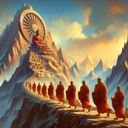
+Opening
| (derived from B. Sujato 2018/12) | (来源于B. Sujato 2018/12) | |
| Evaṃ me sutaṃ— | So I have heard. | 我曾听闻。 |
| ekaṃ samayaṃ bhagavā aṅgesu viharati assapuraṃ nāma aṅgānaṃ nigamo. | At one time the Buddha was staying in the land of the Aṅgas, near the Aṅgan town named Assapura. | 有一次,佛陀在鸯伽国,住在阿萨富罗附近的鸯伽镇。 |
| Tatra kho bhagavā bhikkhū āmantesi: | There the Buddha addressed the monks: | 佛陀在那里对比丘们说: |
| “bhikkhavo”ti. | “monks!” | “比丘们!” |
| “Bhadante”ti te bhikkhū bhagavato paccassosuṃ. | “Venerable sir,” they replied. | “世尊,”他们回答道。 |
| Bhagavā etadavoca: | The Buddha said this: | 佛陀这样说: |
| “Samaṇā samaṇāti vo, bhikkhave, jano sañjānāti. | “monks, people label you as ascetics. | “比丘们,人们称你们为沙门。 |
| Tumhe ca pana ‘ke tumhe’ti puṭṭhā samānā ‘samaṇāmhā’ti paṭijānātha; | And when they ask you what you are, you claim to be ascetics. | 当他们问你们是什么时,你们自称是沙门。 |
| tesaṃ vo, bhikkhave, evaṃsamaññānaṃ sataṃ evaṃpaṭiññānaṃ sataṃ ‘ye dhammā samaṇakaraṇā ca brāhmaṇakaraṇā ca te dhamme samādāya vattissāma, evaṃ no ayaṃ amhākaṃ samaññā ca saccā bhavissati paṭiññā ca bhūtā. | Given this label and this claim, you should train like this: ‘We will undertake and follow the things that make one an ascetic and a brahmin. That way our label will be accurate and our claim correct. | 鉴于这个称呼和这个自称,你们应该这样修行:‘我们将承担并遵循使人成为沙门和婆罗门的事物。这样我们的称呼才会准确,我们的自称才会正确。 |
| Yesañca mayaṃ cīvarapiṇḍapātasenāsanagilānappaccayabhesajjaparikkhāraṃ paribhuñjāma, tesaṃ te kārā amhesu mahapphalā bhavissanti mahānisaṃsā, amhākañcevāyaṃ pabbajjā avañjhā bhavissati saphalā saudrayā’ti. Evañhi vo, bhikkhave, sikkhitabbaṃ. |
Any robes, alms-food, lodgings, and medicines and supplies for the sick that we use will be very fruitful and beneficial for the donor. And our going forth will not be wasted, but will be fruitful and fertile.’ | 我们所使用的任何袈裟、乞食、住所、以及病人所需的医药和补给,都将对施主非常有利。我们的出家生活也不会浪费,而是会有成果和丰饶。’ |
+39.1 – (shame and fear of wrong doing)
| Katame ca, bhikkhave, dhammā samaṇakaraṇā ca brāhmaṇakaraṇā ca? | And what are the things that make one an ascetic and a brahmin? | 那么,使人成为沙门和婆罗门的事物是什么呢? |
| ‘Hirottappena samannāgatā bhavissāmā’ti evañhi vo, bhikkhave, sikkhitabbaṃ. | You should train like this: ‘We will have shame and dread.’ | 你们应该这样修行:‘我们将有惭愧和审慎。’ |
| Siyā kho pana, bhikkhave, tumhākaṃ evamassa: | Now, monks, you might think: | 现在,比丘们,你们可能会想: |
| ‘hirottappenamha samannāgatā, alamettāvatā katamettāvatā, anuppatto no sāmaññattho, natthi no kiñci uttariṃ karaṇīyan’ti tāvatakeneva tuṭṭhiṃ āpajjeyyātha. | ‘We have shame and dread. Just this much is enough. We have achieved the goal of life as an ascetic. There is nothing more to do.’ And you might rest content with just that much. | ‘我们有惭愧和审慎。仅仅这样就足够了。我们已经达到了沙门生活的目的。没有更多的事情可做了。’你们可能会仅仅满足于此。 |
| Ārocayāmi vo, bhikkhave, paṭivedayāmi vo, bhikkhave: | I declare this to you, monks, I announce this to you: | 我向你们宣称,比丘们,我向你们宣布: |
| ‘mā vo sāmaññatthikānaṃ sataṃ sāmaññattho parihāyi, sati uttariṃ karaṇīye’. | ‘You who seek to be true ascetics, do not lose sight of the goal of the ascetic life while there is still more to do.’ | ‘你们这些寻求成为真正沙门的人,当还有更多事情要做时,不要忘记沙门生活的目标。’ |
+39.2 – (bodily, vocal, mental behavior, livelihood pure, open, not secretive, not inconsistent)
| Kiñca, bhikkhave, uttariṃ karaṇīyaṃ? | What more is there to do? | 还有什么更多的事情要做呢? |
| ‘Parisuddho no kāyasamācāro bhavissati uttāno vivaṭo na ca chiddavā saṃvuto ca. | You should train like this: ‘Our bodily behavior will be pure, clear, open, neither inconsistent nor secretive. | 你们应该这样修行:‘我们的身行将纯净、清澈、公开,既不自相矛盾也不隐秘。 |
| Tāya ca pana parisuddhakāyasamācāratāya nevattānukkaṃsessāma na paraṃ vambhessāmā’ti evañhi vo, bhikkhave, sikkhitabbaṃ. | And we won’t glorify ourselves or put others down on account of our pure bodily behavior.’ | 我们不会因为我们纯净的身行而自夸或贬低他人。’ |
| Siyā kho pana, bhikkhave, tumhākaṃ evamassa: | Now, monks, you might think: | 现在,比丘们,你们可能会想: |
| ‘hirottappenamha samannāgatā, parisuddho no kāyasamācāro; | ‘We have shame and dread, and our bodily behavior is pure. | ‘我们有惭愧和审慎,我们的身行是纯净的。 |
| alamettāvatā katamettāvatā, anuppatto no sāmaññattho, natthi no kiñci uttariṃ karaṇīyan’ti tāvatakeneva tuṭṭhiṃ āpajjeyyātha. | Just this much is enough …’ | 仅仅这样就足够了……’ |
| Ārocayāmi vo, bhikkhave, paṭivedayāmi vo, bhikkhave: | I declare this to you, monks, I announce this to you: | 我向你们宣称,比丘们,我向你们宣布: |
| ‘mā vo sāmaññatthikānaṃ sataṃ sāmaññattho parihāyi, sati uttariṃ karaṇīye’. | ‘You who seek to be true ascetics, do not lose sight of the goal of the ascetic life while there is still more to do.’ | ‘你们这些寻求成为真正沙门的人,当还有更多事情要做时,不要忘记沙门生活的目标。’ |
| Kiñca, bhikkhave, uttariṃ karaṇīyaṃ? | What more is there to do? | 还有什么更多的事情要做呢? |
| ‘Parisuddho no vacīsamācāro bhavissati uttāno vivaṭo na ca chiddavā saṃvuto ca. Tāya ca pana parisuddhavacīsamācāratāya nevattānukkaṃsessāma na paraṃ vambhessāmā’ti evañhi vo, bhikkhave, sikkhitabbaṃ. Siyā kho pana, bhikkhave, tumhākaṃ evamassa: ‘hirottappenamha samannāgatā, parisuddho no kāyasamācāro, parisuddho vacīsamācāro; alamettāvatā katamettāvatā, anuppatto no sāmaññattho, natthi no kiñci uttariṃ karaṇīyan’ti tāvatakeneva tuṭṭhiṃ āpajjeyyātha. Ārocayāmi vo, bhikkhave, paṭivedayāmi vo, bhikkhave: ‘mā vo sāmaññatthikānaṃ sataṃ sāmaññattho parihāyi, sati uttariṃ karaṇīye’. |
You should train like this: ‘Our verbal behavior … | 你们应该这样修行:‘我们的语行…… |
| Kiñca, bhikkhave, uttariṃ karaṇīyaṃ? | ||
| ‘Parisuddho no manosamācāro bhavissati uttāno vivaṭo na ca chiddavā saṃvuto ca. Tāya ca pana parisuddhamanosamācāratāya nevattānukkaṃsessāma na paraṃ vambhessāmā’ti evañhi vo, bhikkhave, sikkhitabbaṃ. Siyā kho pana, bhikkhave, tumhākaṃ evamassa: ‘hirottappenamha samannāgatā, parisuddho no kāyasamācāro, parisuddho vacīsamācāro, parisuddho manosamācāro; alamettāvatā katamettāvatā, anuppatto no sāmaññattho, natthi no kiñci uttariṃ karaṇīyan’ti tāvatakeneva tuṭṭhiṃ āpajjeyyātha. Ārocayāmi vo, bhikkhave, paṭivedayāmi vo, bhikkhave: ‘mā vo sāmaññatthikānaṃ sataṃ sāmaññattho parihāyi, sati uttariṃ karaṇīye’. |
mental behavior … | 意行…… |
| Kiñca, bhikkhave, uttariṃ karaṇīyaṃ? | ||
| ‘Parisuddho no ājīvo bhavissati uttāno vivaṭo na ca chiddavā saṃvuto ca. | livelihood will be pure, clear, open, neither inconsistent nor secretive. | 生计将纯净、清澈、公开,既不自相矛盾也不隐秘。 |
| Tāya ca pana parisuddhājīvatāya nevattānukkaṃsessāma na paraṃ vambhessāmā’ti evañhi vo, bhikkhave, sikkhitabbaṃ. | And we won’t glorify ourselves or put others down on account of our pure livelihood.’ | 我们不会因为我们纯净的生计而自夸或贬低他人。’ |
| Siyā kho pana, bhikkhave, tumhākaṃ evamassa: | Now, monks, you might think: | 现在,比丘们,你们可能会想: |
| ‘hirottappenamha samannāgatā, parisuddho no kāyasamācāro, parisuddho vacīsamācāro, parisuddho manosamācāro, parisuddho ājīvo; | ‘We have shame and dread, our bodily, verbal, and mental behavior is pure, and our livelihood is pure. | ‘我们有惭愧和审慎,我们的身、语、意行都是纯净的,我们的生计也是纯净的。 |
| alamettāvatā katamettāvatā, anuppatto no sāmaññattho, natthi no kiñci uttariṃ karaṇīyan’ti tāvatakeneva tuṭṭhiṃ āpajjeyyātha. | Just this much is enough. We have achieved the goal of life as an ascetic. There is nothing more to do.’ And you might rest content with just that much. | 仅仅这样就足够了。我们已经达到了沙门生活的目的。没有更多的事情可做了。’你们可能会仅仅满足于此。 |
| Ārocayāmi vo, bhikkhave, paṭivedayāmi vo, bhikkhave: | I declare this to you, monks, I announce this to you: | 我向你们宣称,比丘们,我向你们宣布: |
| ‘mā vo sāmaññatthikānaṃ sataṃ sāmaññattho parihāyi, sati uttariṃ karaṇīye’. | ‘You who seek to be true ascetics, do not lose sight of the goal of the ascetic life while there is still more to do.’ | ‘你们这些寻求成为真正沙门的人,当还有更多事情要做时,不要忘记沙门生活的目标。’ |
❧
+39.3 – (guarding the sense doors)
| Kiñca, bhikkhave, uttariṃ karaṇīyaṃ? | What more is there to do? | 还有什么更多的事情要做呢? |
| ‘Indriyesu guttadvārā bhavissāma; | You should train yourselves like this: ‘We will restrain our sense doors. | 你们应该这样训练自己:‘我们将约束我们的感官之门。 |
| cakkhunā rūpaṃ disvā na nimittaggāhī nānubyañjanaggāhī. | When we see a sight with our eyes, we won’t get caught up in the features and details. | 当我们用眼睛看到景象时,我们不会被其特征和细节所困扰。 |
| Yatvādhikaraṇamenaṃ cakkhundriyaṃ asaṃvutaṃ viharantaṃ abhijjhādomanassā pāpakā akusalā dhammā anvāssaveyyuṃ, tassa saṃvarāya paṭipajjissāma, rakkhissāma cakkhundriyaṃ, cakkhundriye saṃvaraṃ āpajjissāma. | If the faculty of sight were left unrestrained, bad unskillful Dharmas of desire and aversion would become overwhelming. For this reason, we will practice restraint, we will protect the faculty of sight, and we will achieve its restraint. | 如果视根不加约束,贪爱和厌恶的恶不善法就会变得势不可挡。因此,我们将修行约束,我们将保护视根,我们将实现其约束。 |
| Sotena saddaṃ sutvā … pe … | When we hear a sound with our ears … | 当我们用耳朵听到声音时…… |
| ghānena gandhaṃ ghāyitvā … pe … | When we smell an odor with our nose … | 当我们用鼻子闻到气味时…… |
| jivhāya rasaṃ sāyitvā … pe … | When we taste a flavor with our tongue … | 当我们用舌头尝到味道时…… |
| kāyena phoṭṭhabbaṃ phusitvā … pe … | When we feel a touch with our body … | 当我们用身体感觉到触觉时…… |
| manasā dhammaṃ viññāya na nimittaggāhī nānubyañjanaggāhī. | When we know a thought with our mind, we won’t get caught up in the features and details. | 当我们用意志感知到一个念头时,我们不会被其特征和细节所困扰。 |
| Yatvādhikaraṇamenaṃ manindriyaṃ asaṃvutaṃ viharantaṃ abhijjhādomanassā pāpakā akusalā dhammā anvāssaveyyuṃ, tassa saṃvarāya paṭipajjissāma, rakkhissāma manindriyaṃ, manindriye saṃvaraṃ āpajjissāmā’ti evañhi vo, bhikkhave, sikkhitabbaṃ. | If the faculty of mind was left unrestrained, bad unskillful Dharmas of desire and aversion would become overwhelming. For this reason, we will practice restraint, we will protect the faculty of mind, and we will achieve its restraint.’ | 如果意根不加约束,贪爱和厌恶的恶不善法就会变得势不可挡。因此,我们将修行约束,我们将保护意根,我们将实现其约束。’ |
| Siyā kho pana, bhikkhave, tumhākaṃ evamassa: | Now, monks, you might think: | 现在,比丘们,你们可能会想: |
| ‘hirottappenamha samannāgatā, parisuddho no kāyasamācāro, parisuddho vacīsamācāro, parisuddho manosamācāro, parisuddho ājīvo, indriyesumha guttadvārā; | ‘We have shame and dread, our bodily, verbal, and mental behavior is pure, our livelihood is pure, and our sense doors are restrained. | ‘我们有惭愧和审慎,我们的身、语、意行是纯净的,我们的生计是纯净的,我们的感官之门是受约束的。 |
| alamettāvatā katamettāvatā, anuppatto no sāmaññattho, natthi no kiñci uttariṃ karaṇīyan’ti tāvatakeneva tuṭṭhiṃ āpajjeyyātha. Ārocayāmi vo, bhikkhave, paṭivedayāmi vo, bhikkhave: ‘mā vo sāmaññatthikānaṃ sataṃ sāmaññattho parihāyi, sati uttariṃ karaṇīye’. |
Just this much is enough …’ | 仅仅这样就足够了……’ |
+39.4 – (eating the right way)
| Kiñca, bhikkhave, uttariṃ karaṇīyaṃ? | What more is there to do? | 还有什么更多的事情要做呢? |
| ‘Bhojane mattaññuno bhavissāma, paṭisaṅkhā yoniso āhāraṃ āharissāma, | You should train yourselves like this: ‘We will not eat too much. We will only eat after reflecting properly on our food. | 你们应该这样训练自己:‘我们不会吃太多。我们只会在对食物进行适当的反思后才进食。 |
| neva davāya na madāya na maṇḍanāya na vibhūsanāya yāvadeva imassa kāyassa ṭhitiyā yāpanāya, vihiṃsūparatiyā, brahmacariyānuggahāya, iti purāṇañca vedanaṃ paṭihaṅkhāma navañca vedanaṃ na uppādessāma, yātrā ca no bhavissati, anavajjatā ca, phāsu vihāro cā’ti evañhi vo, bhikkhave, sikkhitabbaṃ. | We will eat not for fun, indulgence, adornment, or decoration, but only to continue and sustain this body, avoid harm, and support spiritual practice; to put an end to old discomfort and not give rise to new discomfort; and so that we’ll keep on living blamelessly and at ease.’ | 我们进食不是为了玩乐、放纵、装饰或打扮,而仅仅是为了维持这个身体,避免伤害,并支持精神修行;为了消除旧的不适,不引起新的不适;并且为了我们能无过失地、轻松地生活下去。’ |
| Siyā kho pana, bhikkhave, tumhākaṃ evamassa: | Now, monks, you might think: | 现在,比丘们,你们可能会想: |
| ‘hirottappenamha samannāgatā, parisuddho no kāyasamācāro, parisuddho vacīsamācāro, parisuddho manosamācāro, parisuddho ājīvo, indriyesumha guttadvārā, bhojane mattaññuno; | ‘We have shame and dread, our bodily, verbal, and mental behavior is pure, our livelihood is pure, our sense doors are restrained, and we don’t eat too much. | ‘我们有惭愧和审慎,我们的身、语、意行是纯净的,我们的生计是纯净的,我们的感官之门是受约束的,我们不吃太多。 |
| alamettāvatā katamettāvatā, anuppatto no sāmaññattho, natthi no kiñci uttariṃ karaṇīyan’ti tāvatakeneva tuṭṭhiṃ āpajjeyyātha. Ārocayāmi vo, bhikkhave, paṭivedayāmi vo, bhikkhave: ‘mā vo, sāmaññatthikānaṃ sataṃ sāmaññattho parihāyi sati uttariṃ karaṇīye’. |
Just this much is enough …’ | 仅仅这样就足够了……’ |
+39.5 – (wakefulness, sleeping 4 hrs. per night)
| Kiñca, bhikkhave, uttariṃ karaṇīyaṃ? | What more is there to do? | 还有什么更多的事情要做呢? |
| ‘Jāgariyaṃ anuyuttā bhavissāma, divasaṃ caṅkamena nisajjāya āvaraṇīyehi dhammehi cittaṃ parisodhessāma. | You should train yourselves like this: ‘We will be dedicated to wakefulness. When practicing walking and sitting meditation by day, we will purify our mind from obstacles. | 你们应该这样训练自己:‘我们将致力于觉醒。白天进行行禅和坐禅时,我们将净化心灵中的障碍。 |
| Rattiyā paṭhamaṃ yāmaṃ caṅkamena nisajjāya āvaraṇīyehi dhammehi cittaṃ parisodhessāma. | In the evening, we will continue to practice walking and sitting meditation. | 晚上,我们将继续进行行禅和坐禅。 |
| Rattiyā majjhimaṃ yāmaṃ dakkhiṇena passena sīhaseyyaṃ kappessāma pāde pādaṃ accādhāya, sato sampajāno uṭṭhānasaññaṃ manasi karitvā. | In the middle of the night, we will lie down in the lion’s posture—on the right side, placing one foot on top of the other—rememberful and aware, and focused on the time of getting up. | 在半夜,我们将以狮子卧姿躺下——右侧卧,双脚交叠——正念分明,专注于起床的时间。 |
| Rattiyā pacchimaṃ yāmaṃ paccuṭṭhāya caṅkamena nisajjāya āvaraṇīyehi dhammehi cittaṃ parisodhessāmā’ti, evañhi vo, bhikkhave, sikkhitabbaṃ. | In the last part of the night, we will get up and continue to practice walking and sitting meditation, purifying our mind from obstacles.’ | 在夜间的最后一部分,我们将起床并继续进行行禅和坐禅,净化心灵中的障碍。’ |
| Siyā kho pana, bhikkhave, tumhākaṃ evamassa: | Now, monks, you might think: | 现在,比丘们,你们可能会想: |
| ‘hirottappenamha samannāgatā, parisuddho no kāyasamācāro, parisuddho vacīsamācāro, parisuddho manosamācāro, parisuddho ājīvo, indriyesumha guttadvārā, bhojane mattaññuno, jāgariyaṃ anuyuttā; | ‘We have shame and dread, our bodily, verbal, and mental behavior is pure, our livelihood is pure, our sense doors are restrained, we don’t eat too much, and we are dedicated to wakefulness. | ‘我们有惭愧和审慎,我们的身、语、意行是纯净的,我们的生计是纯净的,我们的感官之门是受约束的,我们不吃太多,而且我们致力于觉醒。 |
| alamettāvatā katamettāvatā, anuppatto no sāmaññattho, natthi no kiñci uttariṃ karaṇīyan’ti, tāvatakeneva tuṭṭhiṃ āpajjeyyātha. Ārocayāmi vo, bhikkhave, paṭivedayāmi vo, bhikkhave: ‘mā vo, sāmaññatthikānaṃ sataṃ sāmaññattho parihāyi sati uttariṃ karaṇīye’. |
Just this much is enough …’ | 仅仅这样就足够了……’ |
+39.6 – (S&S remembering and applying Dharma and lucid-discerning in all postures and activities)
| Kiñca, bhikkhave, uttariṃ karaṇīyaṃ? | What more is there to do? | 还有什么更多的事情要做呢? |
| ‘Satisampajaññena samannāgatā bhavissāma, abhikkante paṭikkante sampajānakārī, ālokite vilokite sampajānakārī, samiñjite pasārite sampajānakārī, saṅghāṭipattacīvaradhāraṇe sampajānakārī, asite pīte khāyite sāyite sampajānakārī, uccārapassāvakamme sampajānakārī, gate ṭhite nisinne sutte jāgarite bhāsite tuṇhībhāve sampajānakārī’ti, evañhi vo, bhikkhave, sikkhitabbaṃ. | You should train yourselves like this: ‘We will have lucid-discerning and rememberfulness. We will act with lucid-discerning when going out and coming back; when looking ahead and aside; when bending and extending the limbs; when bearing the outer robe, bowl and robes; when eating, drinking, chewing, and tasting; when urinating and defecating; when walking, standing, sitting, sleeping, waking, speaking, and keeping silent.’ | 你们应该这样训练自己:‘我们将具有明晰的洞察力和正念。我们在外出和回来时;瞻前顾后时;屈伸肢体时;穿戴外衣、持钵和衣时;饮食、咀嚼、品尝时;大小便时;走路、站立、坐着、睡觉、醒着、说话和保持沉默时,都以明晰的洞察力行事。’ |
| Siyā kho pana, bhikkhave, tumhākaṃ evamassa: | Now, monks, you might think: | 现在,比丘们,你们可能会想: |
| ‘hirottappenamha samannāgatā, parisuddho no kāyasamācāro, parisuddho vacīsamācāro, parisuddho manosamācāro, parisuddho ājīvo, indriyesumha guttadvārā, bhojane mattaññuno, jāgariyaṃ anuyuttā, satisampajaññena samannāgatā; | ‘We have shame and dread, our bodily, verbal, and mental behavior is pure, our livelihood is pure, our sense doors are restrained, we don’t eat too much, we are dedicated to wakefulness, and we have rememberfulness and lucid-discerning. | ‘我们有惭愧和审慎,我们的身、语、意行是纯净的,我们的生计是纯净的,我们的感官之门是受约束的,我们不吃太多,我们致力于觉醒,而且我们有正念和明晰的洞察力。 |
| alamettāvatā katamettāvatā, anuppatto no sāmaññattho, natthi no kiñci uttariṃ karaṇīyan’ti tāvatakeneva tuṭṭhiṃ āpajjeyyātha. Ārocayāmi vo, bhikkhave, paṭivedayāmi vo, bhikkhave: ‘mā vo, sāmaññatthikānaṃ sataṃ sāmaññattho parihāyi sati uttariṃ karaṇīye’. |
Just this much is enough …’ | 仅仅这样就足够了……’ |
+39.7 – (removing 5niv⛅ hindrances and similes)
| Kiñca, bhikkhave, uttariṃ karaṇīyaṃ? | What more is there to do? | 还有什么更多的事情要做呢? |
| Idha, bhikkhave, bhikkhu vivittaṃ senāsanaṃ bhajati—araññaṃ rukkhamūlaṃ pabbataṃ kandaraṃ giriguhaṃ susānaṃ vanappatthaṃ abbhokāsaṃ palālapuñjaṃ. | Take a monk who frequents a secluded lodging—a wilderness, the root of a tree, a hill, a ravine, a mountain cave, a charnel ground, a forest, the open air, a heap of straw. | 比丘们,一个比丘常住僻静之处——荒野、树根下、山丘、山谷、山洞、尸陀林、森林、露天场所、草堆。 |
| So pacchābhattaṃ piṇḍapātapaṭikkanto nisīdati pallaṅkaṃ ābhujitvā, ujuṃ kāyaṃ paṇidhāya parimukhaṃ satiṃ upaṭṭhapetvā. | After the meal, they return from alms-round, sit down cross-legged with their body straight, and establish rememberfulness right there. | 饭后,他们从乞食中回来,盘腿而坐,身体挺直,就在那里建立正念。 |
| So abhijjhaṃ loke pahāya vigatābhijjhena cetasā viharati, abhijjhāya cittaṃ parisodheti; | Giving up desire for the world, they meditate with a heart rid of desire, cleansing the mind of desire. | 他们放弃对世间的欲望,以无欲之心禅修,清除心中的欲望。 |
| byāpādapadosaṃ pahāya abyāpannacitto viharati, sabbapāṇabhūtahitānukampī, byāpādapadosā cittaṃ parisodheti; | Giving up ill will and malevolence, they meditate with a mind rid of ill will, full of compassion for all living beings, cleansing the mind of ill will. | 他们放弃恶意和嗔恚,以无嗔恚之心禅修,对一切有情充满慈悲,清除心中的恶意。 |
| thinamiddhaṃ pahāya vigatathinamiddho viharati, ālokasaññī sato sampajāno, thinamiddhā cittaṃ parisodheti; | Giving up dullness and drowsiness, they meditate with a mind rid of dullness and drowsiness, perceiving light, rememberful and aware, cleansing the mind of dullness and drowsiness. | 他们放弃昏沉和睡眠,以无昏沉和睡眠之心禅修,感知光明,正念分明,清除心中的昏沉和睡眠。 |
| uddhaccakukkuccaṃ pahāya anuddhato viharati, ajjhattaṃ vūpasantacitto, uddhaccakukkuccā cittaṃ parisodheti; | Giving up restlessness and remorse, they meditate without restlessness, their mind peaceful inside, cleansing the mind of restlessness and remorse. | 他们放弃掉举和追悔,以无掉举之心禅修,内心平静,清除心中的掉举和追悔。 |
| vicikicchaṃ pahāya tiṇṇavicikiccho viharati, akathaṃkathī kusalesu dhammesu, vicikicchāya cittaṃ parisodheti. | Giving up doubt, they meditate having gone beyond doubt, not undecided about skillful Dharmas, cleansing the mind of doubt. | 他们放弃疑虑,以超越疑虑之心禅修,对善法毫不犹豫,清除心中的疑虑。 |
| Seyyathāpi, bhikkhave, puriso iṇaṃ ādāya kammante payojeyya. | Suppose a man who has gotten into debt were to apply himself to work, | 假设一个人负债累累,他努力工作, |
| Tassa te kammantā samijjheyyuṃ. | and his efforts proved successful. | 他的努力取得了成功。 |
| So yāni ca porāṇāni iṇamūlāni tāni ca byantī kareyya, siyā cassa uttariṃ avasiṭṭhaṃ dārabharaṇāya. | He would pay off the original loan and have enough left over to support his partner. | 他偿还了最初的贷款,并且还有足够的剩余来支持他的伴侣。 |
| Tassa evamassa: ‘ahaṃ kho pubbe iṇaṃ ādāya kammante payojesiṃ, tassa me te kammantā samijjhiṃsu. Sohaṃ yāni ca porāṇāni iṇamūlāni tāni ca byantī akāsiṃ, atthi ca me uttariṃ avasiṭṭhaṃ dārabharaṇāyā’ti. |
Thinking about this, | 想到这里, |
| So tatonidānaṃ labhetha pāmojjaṃ, adhigaccheyya somanassaṃ. | he’d be filled with joy and happiness. | 他会充满喜悦和幸福。 |
| Seyyathāpi, bhikkhave, puriso ābādhiko assa dukkhito bāḷhagilāno, bhattañcassa nacchādeyya, na cassa kāye balamattā. | Suppose a person was sick, suffering, and gravely ill. They’d lose their appetite and get physically weak. | 假设一个人病了,痛苦不堪,病重。他会食欲不振,身体虚弱。 |
| So aparena samayena tamhā ābādhā mucceyya, bhattañcassa chādeyya, siyā cassa kāye balamattā. | But after some time they’d recover from that illness, and regain their appetite and their strength. | 但过了一段时间,他从疾病中康复,恢复了食欲和体力。 |
| Tassa evamassa: ‘ahaṃ kho pubbe ābādhiko ahosiṃ dukkhito bāḷhagilāno, bhattañca me nacchādesi, na ca me āsi kāye balamattā, somhi etarahi tamhā ābādhā mutto, bhattañca me chādeti, atthi ca me kāye balamattā’ti. |
Thinking about this, | 想到这里, |
| So tatonidānaṃ labhetha pāmojjaṃ, adhigaccheyya somanassaṃ. | they’d be filled with joy and happiness. | 他会充满喜悦和幸福。 |
| Seyyathāpi, bhikkhave, puriso bandhanāgāre baddho assa. | Suppose a person was imprisoned in a jail. | 假设一个人被囚禁在监狱里。 |
| So aparena samayena tamhā bandhanā mucceyya sotthinā abbhayena, na cassa kiñci bhogānaṃ vayo. | But after some time they were released from jail, safe and sound, with no loss of wealth. | 但过了一段时间,他被从监狱中释放,安然无恙,没有财产损失。 |
| Tassa evamassa: ‘ahaṃ kho pubbe bandhanāgāre baddho ahosiṃ, somhi etarahi tamhā bandhanā mutto, sotthinā abbhayena, natthi ca me kiñci bhogānaṃ vayo’ti. |
Thinking about this, | 想到这里, |
| So tatonidānaṃ labhetha pāmojjaṃ, adhigaccheyya somanassaṃ. | they’d be filled with joy and happiness. | 他会充满喜悦和幸福。 |
| Seyyathāpi, bhikkhave, puriso dāso assa anattādhīno parādhīno na yenakāmaṅgamo. | Suppose a person was a bondservant. They belonged to someone else and were unable to go where they wished. | 假设一个人是奴隶。他属于别人,无法随心所欲地去任何地方。 |
| So aparena samayena tamhā dāsabyā mucceyya attādhīno aparādhīno bhujisso yenakāmaṅgamo. | But after some time they’d be freed from servitude and become their own master, an emancipated individual able to go where they wished. | 但过了一段时间,他摆脱了奴役,成为自己的主人,一个能够随心所欲地去任何地方的自由人。 |
| Tassa evamassa: ‘ahaṃ kho pubbe dāso ahosiṃ anattādhīno parādhīno na yenakāmaṅgamo, somhi etarahi tamhā dāsabyā mutto attādhīno aparādhīno bhujisso yenakāmaṅgamo’ti. |
Thinking about this, | 想到这里, |
| So tatonidānaṃ labhetha pāmojjaṃ, adhigaccheyya somanassaṃ. | they’d be filled with joy and happiness. | 他会充满喜悦和幸福。 |
| Seyyathāpi, bhikkhave, puriso sadhano sabhogo kantāraddhānamaggaṃ paṭipajjeyya. | Suppose there was a person with wealth and property who was traveling along a desert road. | 假设一个人拥有财富和财产,他正在沙漠公路上旅行。 |
| So aparena samayena tamhā kantārā nitthareyya sotthinā abbhayena, na cassa kiñci bhogānaṃ vayo. | But after some time they crossed over the desert, safe and sound, with no loss of wealth. | 但过了一段时间,他安然无恙地穿过了沙漠,没有财产损失。 |
| Tassa evamassa: ‘ahaṃ kho pubbe sadhano sabhogo kantāraddhānamaggaṃ paṭipajjiṃ. Somhi etarahi tamhā kantārā nitthiṇṇo sotthinā abbhayena, natthi ca me kiñci bhogānaṃ vayo’ti. |
Thinking about this, | 想到这里, |
| So tatonidānaṃ labhetha pāmojjaṃ, adhigaccheyya somanassaṃ. | they’d be filled with joy and happiness. | 他会充满喜悦和幸福。 |
| Evameva kho, bhikkhave, bhikkhu yathā iṇaṃ yathā rogaṃ yathā bandhanāgāraṃ yathā dāsabyaṃ yathā kantāraddhānamaggaṃ, ime pañca nīvaraṇe appahīne attani samanupassati. | In the same way, as long as these five hindrances are not given up inside themselves, a monk regards them as a debt, a disease, a prison, slavery, and a desert crossing. | 同样地,只要这五种障碍没有在比丘内心被放弃,比丘就将其视为债务、疾病、监狱、奴役和沙漠穿越。 |
| Seyyathāpi, bhikkhave, āṇaṇyaṃ yathā ārogyaṃ yathā bandhanāmokkhaṃ yathā bhujissaṃ yathā khemantabhūmiṃ; evameva bhikkhu ime pañca nīvaraṇe pahīne attani samanupassati. | But when these five hindrances are given up inside themselves, a monk regards this as freedom from debt, good health, release from prison, emancipation, and sanctuary. | 但当这五种障碍在比丘内心被放弃时,比丘就将其视为免除债务、健康、从监狱中释放、解放和庇护。 |
❧
+39.8 – (four jhānas and similes)
| So ime pañca nīvaraṇe pahāya cetaso upakkilese paññāya dubbalīkaraṇe, | They give up these five hindrances, corruptions of the heart that weaken wisdom. | 他们放弃这五种障碍,这些是腐蚀心灵、削弱智慧的障碍。 |
| vivicceva kāmehi vivicca akusalehi dhammehi, savitakkaṃ savicāraṃ vivekajaṃ pītisukhaṃ paṭhamaṃ jhānaṃ upasampajja viharati. | Then, quite secluded from sensual pleasures, secluded from unskillful Dharmas, they enter and remain in the first jhāna, which has the mental-joy and pleasure born of seclusion, while directing-thought and evaluation. | 然后,远离感官享乐,远离不善法,他们进入并安住于初禅,初禅具有离生喜乐,并伴有寻与伺。 |
| So imameva kāyaṃ vivekajena pītisukhena abhisandeti parisandeti paripūreti parippharati, nāssa kiñci sabbāvato kāyassa vivekajena pītisukhena apphuṭaṃ hoti. | They drench, steep, fill, and spread their body with mental-joy and pleasure born of seclusion. There’s no part of the body that’s not spread with mental-joy and pleasure born of seclusion. | 他们用离生喜乐浸润、浸透、充满并遍布全身。身体的每一个部分都充满了离生喜乐。 |
| Seyyathāpi, bhikkhave, dakkho nhāpako vā nhāpakantevāsī vā kaṃsathāle nhānīyacuṇṇāni ākiritvā udakena paripphosakaṃ paripphosakaṃ sanneyya. Sāyaṃ nhānīyapiṇḍi snehānugatā snehaparetā santarabāhirā, phuṭā snehena na ca pagghariṇī. | It’s like when an expert bathroom attendant or their apprentice pours bath powder into a bronze dish, sprinkling it little by little with water. They knead it until the ball of bath powder is soaked and saturated with moisture, spread through inside and out; yet no moisture oozes out. | 这就像一位熟练的浴室服务员或他们的学徒将沐浴粉倒入铜盆中,一点一点地洒上水。他们揉搓它,直到沐浴粉球被水分浸泡饱和,内外遍布;却没有水分溢出。 |
| Evameva kho, bhikkhave, bhikkhu imameva kāyaṃ vivekajena pītisukhena abhisandeti parisandeti paripūreti parippharati, nāssa kiñci sabbāvato kāyassa vivekajena pītisukhena apphuṭaṃ hoti. | In the same way, a monk drenches, steeps, fills, and spreads their body with mental-joy and pleasure born of seclusion. There’s no part of the body that’s not spread with mental-joy and pleasure born of seclusion. | 同样地,比丘用离生喜乐浸润、浸透、充满并遍布全身。身体的每一个部分都充满了离生喜乐。 |
| Puna caparaṃ, bhikkhave, bhikkhu vitakkavicārānaṃ vūpasamā ajjhattaṃ sampasādanaṃ cetaso ekodibhāvaṃ avitakkaṃ avicāraṃ samādhijaṃ pītisukhaṃ dutiyaṃ jhānaṃ upasampajja viharati. | Furthermore, as the directed-thought and evaluation are stilled, a monk enters and remains in the second jhāna, which has the mental-joy and pleasure born of undistractible-lucidity, with internal clarity and confidence, and unified mind, without directing-thought and evaluation. | 此外,随着寻与伺的止息,比丘进入并安住于二禅,二禅具有由专注而生的喜乐,内心清明与自信,心意统一,没有寻与伺。 |
| So imameva kāyaṃ samādhijena pītisukhena abhisandeti parisandeti paripūreti parippharati, nāssa kiñci sabbāvato kāyassa samādhijena pītisukhena apphuṭaṃ hoti. | They drench, steep, fill, and spread their body with mental-joy and pleasure born of undistractible-lucidity. There’s no part of the body that’s not spread with mental-joy and pleasure born of undistractible-lucidity. | 他们用由专注而生的喜乐浸润、浸透、充满并遍布全身。身体的每一个部分都充满了由专注而生的喜乐。 |
| Seyyathāpi, bhikkhave, udakarahado ubbhidodako. Tassa nevassa puratthimāya disāya udakassa āyamukhaṃ, na pacchimāya disāya udakassa āyamukhaṃ, na uttarāya disāya udakassa āyamukhaṃ, na dakkhiṇāya disāya udakassa āyamukhaṃ, devo ca na kālena kālaṃ sammādhāraṃ anuppaveccheyya. Atha kho tamhāva udakarahadā sītā vāridhārā ubbhijjitvā tameva udakarahadaṃ sītena vārinā abhisandeyya parisandeyya paripūreyya paripphareyya, nāssa kiñci sabbāvato udakarahadassa sītena vārinā apphuṭaṃ assa. | It’s like a deep lake fed by spring water. There’s no inlet to the east, west, north, or south, and no rainfall to replenish it from time to time. But the stream of cool water welling up in the lake drenches, steeps, fills, and spreads throughout the lake. There’s no part of the lake that’s not spread through with cool water. | 这就像一个深湖,由泉水补给。没有东、西、南、北的入口,也没有雨水不时地补充。但湖中涌出的凉水流浸润、浸透、充满并遍布整个湖泊。湖泊的每一个部分都充满了凉水。 |
| Evameva kho, bhikkhave, bhikkhu imameva kāyaṃ samādhijena pītisukhena abhisandeti parisandeti paripūreti parippharati, nāssa kiñci sabbāvato kāyassa samādhijena pītisukhena apphuṭaṃ hoti. | In the same way, a monk drenches, steeps, fills, and spreads their body with mental-joy and pleasure born of undistractible-lucidity. There’s no part of the body that’s not spread with mental-joy and pleasure born of undistractible-lucidity. | 同样地,比丘用由专注而生的喜乐浸润、浸透、充满并遍布全身。身体的每一个部分都充满了由专注而生的喜乐。 |
| Puna caparaṃ, bhikkhave, bhikkhu pītiyā ca virāgā upekkhako ca viharati, sato ca sampajāno, sukhañca kāyena paṭisaṃvedeti, yaṃ taṃ ariyā ācikkhanti: ‘upekkhako satimā sukhavihārī’ti tatiyaṃ jhānaṃ upasampajja viharati. | Furthermore, with the fading away of mental-joy, a monk enters and remains in the third jhāna, where they meditate with equanimous-observation, rememberful and aware, personally experiencing pleasure with the flesh and blood physical body of which the noble ones declare, ‘Equanimous and rememberful, one meditates in pleasure.’ | 此外,随着喜的消失,比丘进入并安住于三禅,在那里,他们以平等心禅修,正念分明,亲身体验身心所产生的乐,圣者称之为“舍念乐住”。 |
| So imameva kāyaṃ nippītikena sukhena abhisandeti parisandeti paripūreti parippharati, nāssa kiñci sabbāvato kāyassa nippītikena sukhena apphuṭaṃ hoti. | They drench, steep, fill, and spread their body with pleasure free of mental-joy. There’s no part of the body that’s not spread with pleasure free of mental-joy. | 他们用无喜之乐浸润、浸透、充满并遍布全身。身体的每一个部分都充满了无喜之乐。 |
| Seyyathāpi, bhikkhave, uppaliniyaṃ vā paduminiyaṃ vā puṇḍarīkiniyaṃ vā appekaccāni uppalāni vā padumāni vā puṇḍarīkāni vā udake jātāni udake saṃvaḍḍhāni udakānuggatāni antonimuggaposīni, tāni yāva caggā yāva ca mūlā sītena vārinā abhisannāni parisannāni paripūrāni paripphuṭāni, nāssa kiñci sabbāvataṃ uppalānaṃ vā padumānaṃ vā puṇḍarīkānaṃ vā sītena vārinā apphuṭaṃ assa. | It’s like a pool with blue water lilies, or pink or white lotuses. Some of them sprout and grow in the water without rising above it, thriving underwater. From the tip to the root they’re drenched, steeped, filled, and soaked with cool water. There’s no part of them that’s not soaked with cool water. | 这就像一个莲花池,里面有蓝色的睡莲,或粉色或白色的莲花。其中一些在水中萌芽生长,却没有高出水面,在水下茁壮成长。从尖端到根部,它们都被凉水浸润、浸透、充满并浸泡。没有一部分没有被凉水浸泡。 |
| Evameva kho, bhikkhave, bhikkhu imameva kāyaṃ nippītikena sukhena abhisandeti parisandeti paripūreti parippharati, nāssa kiñci sabbāvato kāyassa nippītikena sukhena apphuṭaṃ hoti. | In the same way, a monk drenches, steeps, fills, and spreads their body with pleasure free of mental-joy. There’s no part of the body that’s not spread with pleasure free of mental-joy. | 同样地,比丘用无喜之乐浸润、浸透、充满并遍布全身。身体的每一个部分都充满了无喜之乐。 |
| Puna caparaṃ, bhikkhave, bhikkhu sukhassa ca pahānā dukkhassa ca pahānā, pubbeva somanassadomanassānaṃ atthaṅgamā, adukkhamasukhaṃ upekkhāsatipārisuddhiṃ catutthaṃ jhānaṃ upasampajja viharati. | Furthermore, giving up pleasure and pain, and ending former happiness and sadness, a monk enters and remains in the fourth jhāna, without pleasure or pain, with pure equanimous-observation and rememberfulness. | 此外,比丘舍弃乐和苦,止息了先前的喜悦和悲伤,进入并安住于四禅,无乐无苦,只有纯净的平等心和正念。 |
| So imameva kāyaṃ parisuddhena cetasā pariyodātena pharitvā nisinno hoti, nāssa kiñci sabbāvato kāyassa parisuddhena cetasā pariyodātena apphuṭaṃ hoti. | They sit spreading their body through with pure bright mind. There’s no part of the body that’s not spread with pure bright mind. | 他们坐着,用纯净明亮的心遍布全身。身体的每一个部分都充满了纯净明亮的心。 |
| Seyyathāpi, bhikkhave, puriso odātena vatthena sasīsaṃ pārupetvā nisinno assa, nāssa kiñci sabbāvato kāyassa odātena vatthena apphuṭaṃ assa. | It’s like someone sitting wrapped from head to foot with white cloth. There’s no part of the body that’s not spread over with white cloth. | 这就像一个人从头到脚被白布包裹着。身体的每一个部分都被白布覆盖着。 |
| Evameva kho, bhikkhave, bhikkhu imameva kāyaṃ parisuddhena cetasā pariyodātena pharitvā nisinno hoti, nāssa kiñci sabbāvato kāyassa parisuddhena cetasā pariyodātena apphuṭaṃ hoti. | In the same way, they sit spreading their body through with pure bright mind. There’s no part of the body that’s not spread with pure bright mind. | 同样地,他们坐着,用纯净明亮的心遍布全身。身体的每一个部分都充满了纯净明亮的心。 |
❧
+39.9 – (three higher knowedges and similes)
| So evaṃ samāhite citte parisuddhe pariyodāte anaṅgaṇe vigatūpakkilese mudubhūte kammaniye ṭhite āneñjappatte pubbenivāsānussatiñāṇāya cittaṃ abhininnāmeti. | When their mind has become undistractify-&-lucidifyd in samādhi like this—purified, bright, spotless, rid of taints, pliable, workable, steady, and imperturbable—they extend it toward recollection of past lives. | 当他们的心以这种方式在定中变得平静而清明——清净、明亮、无瑕、无垢、柔顺、易用、坚定、不动摇——他们将它导向对过去生命的忆念。 |
| So anekavihitaṃ pubbenivāsaṃ anussarati, seyyathidaṃ—ekampi jātiṃ, dvepi jātiyo … pe … iti sākāraṃ sauddesaṃ anekavihitaṃ pubbenivāsaṃ anussarati. | They recollect many kinds of past lives, with features and details. | 他们忆念许多种类的过去生命,包括其特征和细节。 |
| Seyyathāpi, bhikkhave, puriso sakamhā gāmā aññaṃ gāmaṃ gaccheyya, tamhāpi gāmā aññaṃ gāmaṃ gaccheyya, so tamhā gāmā sakaṃyeva gāmaṃ paccāgaccheyya. Tassa evamassa: ‘ahaṃ kho sakamhā gāmā amuṃ gāmaṃ agacchiṃ, tatrapi evaṃ aṭṭhāsiṃ evaṃ nisīdiṃ evaṃ abhāsiṃ evaṃ tuṇhī ahosiṃ; tamhāpi gāmā amuṃ gāmaṃ agacchiṃ, tatrapi evaṃ aṭṭhāsiṃ evaṃ nisīdiṃ evaṃ abhāsiṃ evaṃ tuṇhī ahosiṃ; somhi tamhā gāmā sakaṃyeva gāmaṃ paccāgato’ti. | Suppose a person was to leave their home village and go to another village. From that village they’d go to yet another village. And from that village they’d return to their home village. They’d think: ‘I went from my home village to another village. There I stood like this, sat like that, spoke like this, or kept silent like that. From that village I went to yet another village. There too I stood like this, sat like that, spoke like this, or kept silent like that. And from that village I returned to my home village.’ | 假设一个人离开自己的家乡,去到另一个村庄。从那个村庄,他们又去了另一个村庄。然后从那个村庄回到自己的家乡。他们会想:‘我从家乡去了另一个村庄。在那里我这样站着,那样坐着,这样说话,或者那样保持沉默。从那个村庄我又去了另一个村庄。在那里我也这样站着,那样坐着,这样说话,或者那样保持沉默。然后从那个村庄我回到了我的家乡。’ |
| Evameva kho, bhikkhave, bhikkhu anekavihitaṃ pubbenivāsaṃ anussarati, seyyathidaṃ—ekampi jātiṃ dvepi jātiyo … pe … iti sākāraṃ sauddesaṃ anekavihitaṃ pubbenivāsaṃ anussarati. | In the same way, a monk recollects their many kinds of past lives, with features and details. | 同样地,比丘忆念他们许多种类的过去生命,包括其特征和细节。 |
| So evaṃ samāhite citte parisuddhe pariyodāte anaṅgaṇe vigatūpakkilese mudubhūte kammaniye ṭhite āneñjappatte sattānaṃ cutūpapātañāṇāya cittaṃ abhininnāmeti. | When their mind has become undistractify-&-lucidifyd in samādhi like this—purified, bright, spotless, rid of taints, pliable, workable, steady, and imperturbable—they extend it toward knowledge of the death and rebirth of sentient beings. | 当他们的心以这种方式在定中变得平静而清明——清净、明亮、无瑕、无垢、柔顺、易用、坚定、不动摇——他们将它导向对有情众生生死和转世的知识。 |
| So dibbena cakkhunā visuddhena atikkantamānusakena satte passati cavamāne upapajjamāne hīne paṇīte suvaṇṇe dubbaṇṇe, sugate duggate, yathākammūpage satte pajānāti … pe … | With clairvoyance that is purified and superhuman, they see sentient beings passing away and being reborn—inferior and superior, beautiful and ugly, in a good place or a bad place. They understand how sentient beings are reborn according to their deeds. | 他们以清净超人的天眼通,看到有情众生死亡和转世——低劣的、高尚的、美丽的、丑陋的、生于善处的、生于恶处的。他们理解有情众生如何依其业而转世。 |
| seyyathāpi, bhikkhave, dve agārā sadvārā. Tattha cakkhumā puriso majjhe ṭhito passeyya manusse gehaṃ pavisantepi nikkhamantepi, anucaṅkamantepi anuvicarantepi. | Suppose there were two houses with doors. A person with good eyesight standing in between them would see people entering and leaving a house and wandering to and fro. | 假设有两扇门的房子。一个视力良好的人站在两扇门之间,会看到人们进出房子,来回走动。 |
| Evameva kho, bhikkhave, bhikkhu dibbena cakkhunā visuddhena atikkantamānusakena satte passati cavamāne upapajjamāne hīne paṇīte suvaṇṇe dubbaṇṇe, sugate duggate yathākammūpage satte pajānāti … pe …. | In the same way, with clairvoyance that is purified and superhuman, they see sentient beings passing away and being reborn—inferior and superior, beautiful and ugly, in a good place or a bad place. They understand how sentient beings are reborn according to their deeds. | 同样地,以清净超人的天眼通,他们看到有情众生死亡和转世——低劣的、高尚的、美丽的、丑陋的、生于善处的、生于恶处的。他们理解有情众生如何依其业而转世。 |
| So evaṃ samāhite citte parisuddhe pariyodāte anaṅgaṇe vigatūpakkilese mudubhūte kammaniye ṭhite āneñjappatte āsavānaṃ khayañāṇāya cittaṃ abhininnāmeti. | When their mind has become undistractify-&-lucidifyd in samādhi like this—purified, bright, spotless, rid of taints, pliable, workable, steady, and imperturbable—they extend it toward knowledge of the ending of defilements. | 当他们的心以这种方式在定中变得平静而清明——清净、明亮、无瑕、无垢、柔顺、易用、坚定、不动摇——他们将它导向对烦恼灭尽的知识。 |
| So ‘idaṃ dukkhan’ti yathābhūtaṃ pajānāti, ‘ayaṃ dukkhasamudayo’ti yathābhūtaṃ pajānāti, ‘ayaṃ dukkhanirodho’ti yathābhūtaṃ pajānāti, ‘ayaṃ dukkhanirodhagāminī paṭipadā’ti yathābhūtaṃ pajānāti. | They truly understand: ‘This is suffering’ … ‘This is the origin of suffering’ … ‘This is the cessation of suffering’ … ‘This is the practice that leads to the cessation of suffering.’ | 他们真正理解:‘这是苦’……‘这是苦的起源’……‘这是苦的止息’……‘这是导致苦止息的修行’。 |
| ‘Ime āsavā’ti yathābhūtaṃ pajānāti, ‘ayaṃ āsavasamudayo’ti yathābhūtaṃ pajānāti, ‘ayaṃ āsavanirodho’ti yathābhūtaṃ pajānāti, ‘ayaṃ āsavanirodhagāminī paṭipadā’ti yathābhūtaṃ pajānāti. | They truly understand: ‘These are defilements’ … ‘This is the origin of defilements’ … ‘This is the cessation of defilements’ … ‘This is the practice that leads to the cessation of defilements.’ | 他们真正理解:‘这些是烦恼’……‘这是烦恼的起源’……‘这是烦恼的止息’……‘这是导致烦恼止息的修行’。 |
| Tassa evaṃ jānato evaṃ passato kāmāsavāpi cittaṃ vimuccati, bhavāsavāpi cittaṃ vimuccati, avijjāsavāpi cittaṃ vimuccati. | Knowing and seeing like this, their mind is freed from the defilements of sensuality, desire to be reborn, and ignorance. | 如此了知和洞见,他们的心从感官欲望、渴望转世和无明的烦恼中解脱。 |
| Vimuttasmiṃ vimuttamiti ñāṇaṃ hoti: | When they’re freed, they know they’re freed. | 当他们解脱时,他们知道自己解脱了。 |
| ‘khīṇā jāti, vusitaṃ brahmacariyaṃ, kataṃ karaṇīyaṃ, nāparaṃ itthattāyā’ti pajānāti. | They understand: ‘Rebirth is ended, the spiritual journey has been completed, what had to be done has been done, there is no return to any state of existence.’ | 他们明白:‘轮回已尽,梵行已圆满,该做的都已做完,不再回到任何存在状态。’ |
| Seyyathāpi, bhikkhave, pabbatasaṅkhepe udakarahado accho vippasanno anāvilo. Tattha cakkhumā puriso tīre ṭhito passeyya sippisambukampi sakkharakathalampi macchagumbampi, carantampi tiṭṭhantampi. |
Suppose that in a mountain glen there was a lake that was transparent, clear, and unclouded. A person with good eyesight standing on the bank would see the mussel shells, gravel and pebbles, and schools of fish swimming about or staying still. | 假设在山谷里有一个湖泊,它透明、清澈、没有云雾。一个视力良好的人站在岸边,会看到贻贝壳、砾石和小石子,以及鱼群游来游去或静止不动。 |
| Tassa evamassa: | They’d think: | 他们会想: |
| ‘ayaṃ kho udakarahado accho vippasanno anāvilo. Tatrime sippisambukāpi sakkharakathalāpi macchagumbāpi carantipi tiṭṭhantipī’ti’. | ‘This lake is transparent, clear, and unclouded. And here are the mussel shells, gravel and pebbles, and schools of fish swimming about or staying still.’ | ‘这个湖泊透明、清澈、没有云雾。这里有贻贝壳、砾石和小石子,以及鱼群游来游去或静止不动。’ |
| Evameva kho, bhikkhave, bhikkhu ‘idaṃ dukkhan’ti yathābhūtaṃ pajānāti … pe … | In the same way, a monk truly understands: ‘This is suffering’ … ‘This is the origin of suffering’ … ‘This is the cessation of suffering’ … ‘This is the practice that leads to the cessation of suffering.’ | 同样地,比丘真正理解:‘这是苦’……‘这是苦的起源’……‘这是苦的止息’……‘这是导致苦止息的修行’。 |
| nāparaṃ itthattāyāti pajānāti. | They understand: ‘… there is no return to any state of existence.’ | 他们明白:‘……不再回到任何存在状态。’ |
❧
+39.10 – (earning the title of ascetic or brahmin)
| Ayaṃ vuccati, bhikkhave, bhikkhu ‘samaṇo’ itipi ‘brāhmaṇo’itipi ‘nhātako’itipi ‘vedagū’itipi ‘sottiyo’itipi ‘ariyo’itipi ‘arahaṃ’itipi. | This monk is called an ‘ascetic’, a ‘brahmin’, a ‘bathed initiate’, a ‘knowledge master’, a ‘scholar’, a ‘noble one’, and a ‘perfected one’. | 这位比丘被称为‘沙门’、‘婆罗门’、‘受洗者’、‘知识大师’、‘学者’、‘圣者’和‘圆满者’。 |
| Kathañca, bhikkhave, bhikkhu samaṇo hoti? | And how is a monk an ascetic? | 比丘如何成为沙门? |
| Samitāssa honti pāpakā akusalā dhammā, saṅkilesikā, ponobbhavikā, sadarā, dukkhavipākā, āyatiṃ, jātijarāmaraṇiyā. | They have quelled the bad, unskillful Dharmas that are corrupted, leading to future lives, hurtful, resulting in suffering and future rebirth, old age, and death. | 他们已经平息了那些腐败的、导致未来生命、有害的、导致痛苦和未来再生、老死的不善法。 |
| Evaṃ kho, bhikkhave, bhikkhu samaṇo hoti. | That’s how a monk is an ascetic. | 这就是比丘成为沙门的方式。 |
| Kathañca, bhikkhave, bhikkhu brāhmaṇo hoti? | And how is a monk a brahmin? | 比丘如何成为婆罗门? |
| Bāhitāssa honti pāpakā akusalā dhammā, saṅkilesikā, ponobbhavikā, sadarā, dukkhavipākā, āyatiṃ, jātijarāmaraṇiyā. | They have barred out the bad, unskillful Dharmas. | 他们已经排除了不善法。 |
| Evaṃ kho, bhikkhave, bhikkhu brāhmaṇo hoti. | That’s how a monk is a brahmin. | 这就是比丘成为婆罗门的方式。 |
| Kathañca, bhikkhave, bhikkhu nhātako hoti? | And how is a monk a bathed initiate? | 比丘如何成为受洗者? |
| Nhātāssa honti pāpakā akusalā dhammā, saṃkilesikā, ponobbhavikā, sadarā, dukkhavipākā, āyatiṃ, jātijarāmaraṇiyā. | They have bathed off the bad, unskillful Dharmas. | 他们已经洗净了不善法。 |
| Evaṃ kho, bhikkhave, bhikkhu nhātako hoti. | That’s how a monk is a bathed initiate. | 这就是比丘成为受洗者的方式。 |
| Kathañca, bhikkhave, bhikkhu vedagū hoti? | And how is a monk a knowledge master? | 比丘如何成为知识大师? |
| Viditāssa honti pāpakā akusalā dhammā, saṅkilesikā, ponobbhavikā, sadarā, dukkhavipākā, āyatiṃ, jātijarāmaraṇiyā. | They have known the bad, unskillful Dharmas. | 他们已经了知了不善法。 |
| Evaṃ kho, bhikkhave, bhikkhu vedagū hoti. | That’s how a monk is a knowledge master. | 这就是比丘成为知识大师的方式。 |
| Kathañca, bhikkhave, bhikkhu sottiyo hoti? | And how is a monk a scholar? | 比丘如何成为学者? |
| Nissutāssa honti pāpakā akusalā dhammā, saṅkilesikā, ponobbhavikā, sadarā, dukkhavipākā, āyatiṃ, jātijarāmaraṇiyā. | They have scoured off the bad, unskillful Dharmas. | 他们已经清除不善法。 |
| Evaṃ kho, bhikkhave, bhikkhu sottiyo hoti. | That’s how a monk is a scholar. | 这就是比丘成为学者的方式。 |
| Kathañca, bhikkhave, bhikkhu ariyo hoti? | And how is a monk a noble one? | 比丘如何成为圣者? |
| Ārakāssa honti pāpakā akusalā dhammā, saṅkilesikā, ponobbhavikā, sadarā, dukkhavipākā, āyatiṃ, jātijarāmaraṇiyā. | They are far away from the bad, unskillful Dharmas. | 他们远离不善法。 |
| Evaṃ kho, bhikkhave, bhikkhu ariyo hoti. | That’s how a monk is a noble one. | 这就是比丘成为圣者的方式。 |
| Kathañca, bhikkhave, bhikkhu arahaṃ hoti? | And how is a monk a perfected one? | 比丘如何成为圆满者? |
| Ārakāssa honti pāpakā akusalā dhammā, saṅkilesikā, ponobbhavikā, sadarā, dukkhavipākā, āyatiṃ, jātijarāmaraṇiyā. | They are far away from the bad, unskillful Dharmas that are corrupted, leading to future lives, hurtful, resulting in suffering and future rebirth, old age, and death. | 他们远离那些腐败的、导致未来生命、有害的、导致痛苦和未来再生、老死的不善法。 |
| Evaṃ kho, bhikkhave, bhikkhu arahaṃ hotī”ti. | That’s how a monk is a perfected one.” | 这就是比丘成为圆满者的方式。” |
| Idamavoca bhagavā. | That is what the Buddha said. | 这就是佛陀所说的。 |
| Attamanā te bhikkhū bhagavato bhāsitaṃ abhinandunti. | Satisfied, the monks were happy with what the Buddha said. | 比丘们感到满意,对佛陀所说的话感到高兴。 |
❧
+MN 40 Cūḷa-assapura:
Shorter Discourse at Assapura
all
Shorter Discourse at Assapura
+Opening
| (derived from B. Sujato 2018/12) | (来源于B. Sujato 2018/12) | |
| Evaṃ me sutaṃ— | So I have heard. | 我曾听闻。 |
| ekaṃ samayaṃ bhagavā aṅgesu viharati assapuraṃ nāma aṅgānaṃ nigamo. | At one time the Buddha was staying in the land of the Aṅgas, near the Aṅgan town named Assapura. | 有一次,佛陀在鸯伽国,住在阿萨富罗附近的鸯伽镇。 |
| Tatra kho bhagavā bhikkhū āmantesi: | There the Buddha addressed the monks: | 佛陀在那里对比丘们说: |
| “bhikkhavo”ti. | “monks!” | “比丘们!” |
| “Bhadante”ti te bhikkhū bhagavato paccassosuṃ. | “Venerable sir,” they replied. | “世尊,”他们回答道。 |
| Bhagavā etadavoca: | The Buddha said this: | 佛陀这样说: |
+40.1 – (monks should live up to title ‘ascetic’)
| “Samaṇā samaṇāti vo, bhikkhave, jano sañjānāti. | “monks, people label you as ascetics. | “比丘们,人们称你们为沙门。 |
| Tumhe ca pana ‘ke tumhe’ti puṭṭhā samānā ‘samaṇāmhā’ti paṭijānātha. | And when they ask you what you are, you claim to be ascetics. | 当他们问你们是什么时,你们自称是沙门。 |
| Tesaṃ vo, bhikkhave, evaṃsamaññānaṃ sataṃ evaṃpaṭiññānaṃ sataṃ: ‘yā samaṇasāmīcippaṭipadā taṃ paṭipajjissāma; evaṃ no ayaṃ amhākaṃ samaññā ca saccā bhavissati paṭiññā ca bhūtā; |
Given this label and this claim, you should train like this: ‘We will practice in the way that is proper for an ascetic. That way our label will be accurate and our claim correct. | 鉴于这个称呼和这个自称,你们应该这样修行:‘我们将以适合沙门的方式修行。这样我们的称呼才会准确,我们的自称才会正确。 |
| yesañca mayaṃ cīvarapiṇḍapātasenāsanagilānappaccayabhesajjaparikkhāraṃ paribhuñjāma, tesaṃ te kārā amhesu mahapphalā bhavissanti mahānisaṃsā, amhākañcevāyaṃ pabbajjā avañjhā bhavissati saphalā saudrayā’ti. Evañhi vo, bhikkhave, sikkhitabbaṃ. |
Any robes, alms-food, lodgings, and medicines and supplies for the sick that we use will be very fruitful and beneficial for the donor. And our going forth will not be wasted, but will be fruitful and fertile.’ | 我们所使用的任何袈裟、乞食、住所、以及病人所需的医药和补给,都将对施主非常有利。我们的出家生活也不会浪费,而是会有成果和丰饶。’ |
+40.2 – (how do monks not live up to ‘ascetic’)
| Kathañca, bhikkhave, bhikkhu na samaṇasāmīcippaṭipadaṃ paṭipanno hoti? | And how does a monk not practice in the way that is proper for an ascetic? | 那么,比丘如何不以适合沙门的方式修行呢? |
| Yassa kassaci, bhikkhave, bhikkhuno abhijjhālussa abhijjhā appahīnā hoti, byāpannacittassa byāpādo appahīno hoti, kodhanassa kodho appahīno hoti, upanāhissa upanāho appahīno hoti, makkhissa makkho appahīno hoti, paḷāsissa paḷāso appahīno hoti, issukissa issā appahīnā hoti, maccharissa macchariyaṃ appahīnaṃ hoti, saṭhassa sāṭheyyaṃ appahīnaṃ hoti, māyāvissa māyā appahīnā hoti, pāpicchassa pāpikā icchā appahīnā hoti, micchādiṭṭhikassa micchādiṭṭhi appahīnā hoti— | There are some monks who have not given up covetousness, ill will, anger, hostility, offensiveness, contempt, envy, stinginess, deviousness, deceit, bad desires, and wrong view. | 有些比丘没有放弃贪婪、恶意、愤怒、敌意、冒犯、轻蔑、嫉妒、吝啬、狡诈、欺骗、恶欲和邪见。 |
| imesaṃ kho ahaṃ, bhikkhave, samaṇamalānaṃ samaṇadosānaṃ samaṇakasaṭānaṃ āpāyikānaṃ ṭhānānaṃ duggativedaniyānaṃ appahānā ‘na samaṇasāmīcippaṭipadaṃ paṭipanno’ti vadāmi. | These stains, flaws, and dregs of an ascetic are grounds for rebirth in places of loss, and are experienced in bad places. As long as they have not given these up, they do not practice in the way that is proper for an ascetic, I say. | 这些沙门的污点、缺陷和残渣是再生到恶道的因,并在恶道中体验。我说,只要他们没有放弃这些,他们就不以适合沙门的方式修行。 |
| Seyyathāpi, bhikkhave, matajaṃ nāma āvudhajātaṃ ubhatodhāraṃ pītanisitaṃ. Tadassa saṅghāṭiyā sampārutaṃ sampaliveṭhitaṃ. Tathūpamāhaṃ, bhikkhave, imassa bhikkhuno pabbajjaṃ vadāmi. |
I say that such a monk’s going forth may be compared to the kind of weapon called ‘death-dealer’—double-edged, hardened, and ardent—covered and wrapped in the outer robe. | 我说,这样的比丘出家,可以比作一种名为‘夺命者’的武器——双刃、淬炼、锋利——被袈裟覆盖和包裹着。 |
| Nāhaṃ, bhikkhave, saṅghāṭikassa saṅghāṭidhāraṇamattena sāmaññaṃ vadāmi. | I say that you don’t deserve the label ‘outer robe wearer’ just because you wear an outer robe. | 我说,你不能仅仅因为穿袈裟就配得上‘穿袈裟者’的称号。 |
| Nāhaṃ, bhikkhave, acelakassa acelakamattena sāmaññaṃ vadāmi. | You don’t deserve the label ‘naked ascetic’ just because you go naked. | 你不能仅仅因为裸体就配得上‘裸体沙门’的称号。 |
| Nāhaṃ, bhikkhave, rajojallikassa rajojallikamattena sāmaññaṃ vadāmi. | You don’t deserve the label ‘dust and dirt wearer’ just because you’re caked in dust and dirt. | 你不能仅仅因为满身灰尘就配得上‘披尘土者’的称号。 |
| Nāhaṃ, bhikkhave, udakorohakassa udakorohaṇamattena sāmaññaṃ vadāmi. | You don’t deserve the label ‘water undistractify-&-lucidifyr’ just because you undistractify-&-lucidify yourself in water. | 你不能仅仅因为入水沐浴就配得上‘入水者’的称号。 |
| Nāhaṃ, bhikkhave, rukkhamūlikassa rukkhamūlikamattena sāmaññaṃ vadāmi. | You don’t deserve the label ‘tree root dweller’ just because you stay at the root of a tree. | 你不能仅仅因为住在树根下就配得上‘树根居士’的称号。 |
| Nāhaṃ, bhikkhave, abbhokāsikassa abbhokāsikamattena sāmaññaṃ vadāmi. | You don’t deserve the label ‘open air dweller’ just because you stay in the open air. | 你不能仅仅因为住在露天就配得上‘露天居士’的称号。 |
| Nāhaṃ, bhikkhave, ubbhaṭṭhakassa ubbhaṭṭhakamattena sāmaññaṃ vadāmi. | You don’t deserve the label ‘stander’ just because you continually stand. | 你不能仅仅因为持续站立就配得上‘站立者’的称号。 |
| Nāhaṃ, bhikkhave, pariyāyabhattikassa pariyāyabhattikamattena sāmaññaṃ vadāmi. | You don’t deserve the label ‘interval eater’ just because you eat food at set intervals. | 你不能仅仅因为定时进食就配得上‘间隔食者’的称号。 |
| Nāhaṃ, bhikkhave, mantajjhāyakassa mantajjhāyakamattena sāmaññaṃ vadāmi. | You don’t deserve the label ‘reciter’ just because you recite scriptures. | 你不能仅仅因为诵经就配得上‘诵经者’的称号。 |
| Nāhaṃ, bhikkhave, jaṭilakassa jaṭādhāraṇamattena sāmaññaṃ vadāmi. | You don’t deserve the label ‘matted-hair ascetic’ just because you have matted hair. | 你不能仅仅因为头发打结就配得上‘结发沙门’的称号。 |
| Saṅghāṭikassa ce, bhikkhave, saṅghāṭidhāraṇamattena abhijjhālussa abhijjhā pahīyetha, byāpannacittassa byāpādo pahīyetha, kodhanassa kodho pahīyetha, upanāhissa upanāho pahīyetha, makkhissa makkho pahīyetha, paḷāsissa paḷāso pahīyetha, issukissa issā pahīyetha, maccharissa macchariyaṃ pahīyetha, saṭhassa sāṭheyyaṃ pahīyetha, māyāvissa māyā pahīyetha, pāpicchassa pāpikā icchā pahīyetha, micchādiṭṭhikassa micchādiṭṭhi pahīyetha, tamenaṃ mittāmaccā ñātisālohitā jātameva naṃ saṅghāṭikaṃ kareyyuṃ, saṅghāṭikattameva samādapeyyuṃ: | Imagine that just by wearing an outer robe someone with covetousness, ill will, anger, hostility, offensiveness, contempt, envy, stinginess, deviousness, deceit, bad desires, and wrong view could give up these things. If that were the case, your friends and colleagues, relatives and kin would make you an outer robe wearer as soon as you were born. They’d encourage you: | 想象一下,如果仅仅通过穿袈裟,一个有贪婪、恶意、愤怒、敌意、冒犯、轻蔑、嫉妒、吝啬、狡诈、欺骗、恶欲和邪见的人就能放弃这些东西。如果真是那样,你的朋友和同事、亲戚和家人会在你一出生就让你穿袈裟。他们会鼓励你: |
| ‘ehi tvaṃ, bhadramukha, saṅghāṭiko hohi, saṅghāṭikassa te sato saṅghāṭidhāraṇamattena abhijjhālussa abhijjhā pahīyissati, byāpannacittassa byāpādo pahīyissati, kodhanassa kodho pahīyissati, upanāhissa upanāho pahīyissati, makkhissa makkho pahīyissati, paḷāsissa paḷāso pahīyissati, issukissa issā pahīyissati, maccharissa macchariyaṃ pahīyissati, saṭhassa sāṭheyyaṃ pahīyissati, māyāvissa māyā pahīyissati, pāpicchassa pāpikā icchā pahīyissati, micchādiṭṭhikassa micchādiṭṭhi pahīyissatī’ti. | ‘Please, my dear, wear an outer robe! By doing so you will give up covetousness, ill will, anger, hostility, offensiveness, contempt, envy, stinginess, deviousness, deceit, bad desires, and wrong view.’ | “请,我亲爱的,穿上袈裟!这样做你就能放弃贪婪、恶意、愤怒、敌意、冒犯、轻蔑、嫉妒、吝啬、狡诈、欺骗、恶欲和邪见。” |
| Yasmā ca kho ahaṃ, bhikkhave, saṅghāṭikampi idhekaccaṃ passāmi abhijjhāluṃ byāpannacittaṃ kodhanaṃ upanāhiṃ makkhiṃ paḷāsiṃ issukiṃ macchariṃ saṭhaṃ māyāviṃ pāpicchaṃ micchādiṭṭhikaṃ, tasmā na saṅghāṭikassa saṅghāṭidhāraṇamattena sāmaññaṃ vadāmi. | But sometimes I see someone with these bad qualities who is an outer robe wearer. That’s why I say that you don’t deserve the label ‘outer robe wearer’ just because you wear an outer robe. | 但我有时会看到一些有这些恶习的人穿着袈裟。所以我说,你不能仅仅因为穿袈裟就配得上‘穿袈裟者’的称号。 |
| Acelakassa ce, bhikkhave … pe … | Imagine that just by going naked … | 想象一下,仅仅通过裸体…… |
| rajojallikassa ce, bhikkhave … pe … | wearing dust and dirt … | 披着尘土…… |
| udakorohakassa ce, bhikkhave … pe … | immersing in water … | 入水沐浴…… |
| rukkhamūlikassa ce, bhikkhave … pe … | staying at the root of a tree … | 住在树根下…… |
| abbhokāsikassa ce, bhikkhave … pe … | staying in the open air … | 住在露天…… |
| ubbhaṭṭhakassa ce, bhikkhave … pe … | standing continually … | 持续站立…… |
| pariyāyabhattikassa ce, bhikkhave … pe … | eating at set intervals … | 定时进食…… |
| mantajjhāyakassa ce, bhikkhave … pe … | reciting scriptures … | 诵经…… |
| jaṭilakassa ce, bhikkhave, jaṭādhāraṇamattena abhijjhālussa abhijjhā pahīyetha, byāpannacittassa byāpādo pahīyetha, kodhanassa kodho pahīyetha, upanāhissa upanāho pahīyetha, makkhissa makkho pahīyetha, paḷāsissa paḷāso pahīyetha, issukissa issā pahīyetha, maccharissa macchariyaṃ pahīyetha, saṭhassa sāṭheyyaṃ pahīyetha, māyāvissa māyā pahīyetha, pāpicchassa pāpikā icchā pahīyetha, micchādiṭṭhikassa micchādiṭṭhi pahīyetha, tamenaṃ mittāmaccā ñātisālohitā jātameva naṃ jaṭilakaṃ kareyyuṃ, jaṭilakattameva samādapeyyuṃ: | having matted hair someone with covetousness, ill will, anger, hostility, offensiveness, contempt, envy, stinginess, deviousness, deceit, bad desires, and wrong view could give up these things. If that were the case, your friends and colleagues, relatives and kin would make you a matted-hair ascetic as soon as you were born. They’d encourage you: | 留着打结的头发,一个有贪婪、恶意、愤怒、敌意、冒犯、轻蔑、嫉妒、吝啬、狡诈、欺骗、恶欲和邪见的人就能放弃这些东西。如果真是那样,你的朋友和同事、亲戚和家人会在你一出生就让你成为结发沙门。他们会鼓励你: |
| ‘ehi tvaṃ, bhadramukha, jaṭilako hohi, jaṭilakassa te sato jaṭādhāraṇamattena abhijjhālussa abhijjhā pahīyissati byāpannacittassa byāpādo pahīyissati, kodhanassa kodho pahīyissati … pe … pāpicchassa pāpikā icchā pahīyissati micchādiṭṭhikassa micchādiṭṭhi pahīyissatī’ti. | ‘Please, my dear, become a matted-hair ascetic! By doing so you will give up covetousness, ill will, anger, hostility, offensiveness, contempt, envy, stinginess, deviousness, deceit, bad desires, and wrong view.’ | “请,我亲爱的,成为结发沙门!这样做你就能放弃贪婪、恶意、愤怒、敌意、冒犯、轻蔑、嫉妒、吝啬、狡诈、欺骗、恶欲和邪见。” |
| Yasmā ca kho ahaṃ, bhikkhave, jaṭilakampi idhekaccaṃ passāmi abhijjhāluṃ byāpannacittaṃ kodhanaṃ upanāhiṃ makkhiṃ palāsiṃ issukiṃ macchariṃ saṭhaṃ māyāviṃ pāpicchaṃ micchādiṭṭhiṃ, tasmā na jaṭilakassa jaṭādhāraṇamattena sāmaññaṃ vadāmi. | But sometimes I see someone with these bad qualities who is a matted-hair ascetic. That’s why I say that you don’t deserve the label ‘matted-hair ascetic’ just because you have matted hair. | 但我有时会看到一些有这些恶习的人是结发沙门。所以我说,你不能仅仅因为头发打结就配得上‘结发沙门’的称号。 |
❧
+40.3 – (monks living like proper ascetic do this)
all
+§3.1 – (7sb awakening factor sequence)
| Kathañca, bhikkhave, bhikkhu samaṇasāmīcippaṭipadaṃ paṭipanno hoti? | And how does a monk practice in the way that is proper for an ascetic? | 那么,比丘如何以适合沙门的方式修行呢? |
| Yassa kassaci, bhikkhave, bhikkhuno abhijjhālussa abhijjhā pahīnā hoti, byāpannacittassa byāpādo pahīno hoti, kodhanassa kodho pahīno hoti, upanāhissa upanāho pahīno hoti, makkhissa makkho pahīno hoti, paḷāsissa paḷāso pahīno hoti, issukissa issā pahīnā hoti, maccharissa macchariyaṃ pahīnaṃ hoti, saṭhassa sāṭheyyaṃ pahīnaṃ hoti, māyāvissa māyā pahīnā hoti, pāpicchassa pāpikā icchā pahīnā hoti, micchādiṭṭhikassa micchādiṭṭhi pahīnā hoti— | There are some monks who have given up covetousness, ill will, anger, hostility, offensiveness, contempt, envy, stinginess, deviousness, deceit, bad desires, and wrong view. | 有些比丘已经放弃了贪婪、恶意、愤怒、敌意、冒犯、轻蔑、嫉妒、吝啬、狡诈、欺骗、恶欲和邪见。 |
| imesaṃ kho ahaṃ, bhikkhave, samaṇamalānaṃ samaṇadosānaṃ samaṇakasaṭānaṃ āpāyikānaṃ ṭhānānaṃ duggativedaniyānaṃ pahānā ‘samaṇasāmīcippaṭipadaṃ paṭipanno’ti vadāmi. | These stains, flaws, and dregs of an ascetic are grounds for rebirth in places of loss, and are experienced in bad places. When they have given these up, they are practicing in the way that is proper for an ascetic, I say. | 这些沙门的污点、缺陷和残渣是再生到恶道的因,并在恶道中体验。当他们放弃了这些,我说,他们就是以适合沙门的方式修行。 |
| So sabbehi imehi pāpakehi akusalehi dhammehi visuddhamattānaṃ samanupassati (). | They see themselves purified from all these bad, unskillful Dharmas. | 他们看到自己已从所有这些坏的、不善的品质中得到净化。 |
| Tassa sabbehi imehi pāpakehi akusalehi dhammehi visuddhamattānaṃ samanupassato () pāmojjaṃ jāyati, pamuditassa pīti jāyati, pītimanassa kāyo passambhati, passaddhakāyo sukhaṃ vedeti, sukhino cittaṃ samādhiyati. | Seeing this, joy springs up. Being joyful, mental-joy springs up. When the mind is full of mental-joy, the body becomes pacified. When the body is pacified, they feel pleasure. And when pleasureful, the mind becomes undistractify-&-lucidifyd in samādhi. | 看到这一点,喜悦油然而生。喜悦之情涌起,心充满喜悦,身体变得平静。当身体平静时,他们感到快乐。当快乐时,心在三摩地中变得平静而清明。 |
+§3.2 – (4bv brahma viharas takes place where 4j jhanas usually does)
| So mettāsahagatena cetasā ekaṃ disaṃ pharitvā viharati, tathā dutiyaṃ, tathā tatiyaṃ, tathā catutthaṃ. Iti uddhamadho tiriyaṃ sabbadhi sabbattatāya sabbāvantaṃ lokaṃ mettāsahagatena cetasā vipulena mahaggatena appamāṇena averena abyābajjhena pharitvā viharati. | They meditate spreading a heart full of friendly-kindness to one direction, and to the second, and to the third, and to the fourth. In the same way above, below, across, everywhere, all around, they spread a heart full of friendly-kindness to the whole world—abundant, expansive, limitless, free of enmity and ill will. | 他们禅修,以慈心遍满一个方向,然后是第二个、第三个、第四个。同样地,上方、下方、横向、处处、周遍,他们以充满慈爱的心遍满整个世界——广阔、无边、无限、无敌意和无恶意。 |
| Karuṇāsahagatena cetasā … pe … | They meditate spreading a heart full of compassion … | 他们禅修,以悲心遍满…… |
| muditāsahagatena cetasā … pe … | They meditate spreading a heart full of rejoicing … | 他们禅修,以喜心遍满…… |
| upekkhāsahagatena cetasā ekaṃ disaṃ pharitvā viharati, tathā dutiyaṃ, tathā tatiyaṃ, tathā catutthaṃ. Iti uddhamadho tiriyaṃ sabbadhi sabbattatāya sabbāvantaṃ lokaṃ upekkhāsahagatena cetasā vipulena mahaggatena appamāṇena averena abyābajjhena pharitvā viharati. | They meditate spreading a heart full of equanimous-observation to one direction, and to the second, and to the third, and to the fourth. In the same way above, below, across, everywhere, all around, they spread a heart full of equanimous-observation to the whole world—abundant, expansive, limitless, free of enmity and ill will. | 他们禅修,以舍心遍满一个方向,然后是第二个、第三个、第四个。同样地,上方、下方、横向、处处、周遍,他们以充满舍心遍满整个世界——广阔、无边、无限、无敌意和无恶意。 |
+§3.3 – (simile of lotus pond with missing piti sukha reference)
| Seyyathāpi, bhikkhave, pokkharaṇī acchodakā sātodakā sītodakā setakā supatitthā ramaṇīyā. | Suppose there was a lotus pond with clear, sweet, cool water, clean, with smooth banks, delightful. | 假设有一个莲花池,水清澈、甘甜、凉爽、干净,池岸平坦,令人愉悦。 |
| Puratthimāya cepi disāya puriso āgaccheyya ghammābhitatto ghammapareto kilanto tasito pipāsito. | Then along comes a person—whether from the east, west, north, or south—struggling in the oppressive heat, weary, thirsty, and parched. | 然后有人——无论是来自东方、西方、北方还是南方——在酷热中挣扎,疲惫、口渴、干渴。 |
| So taṃ pokkharaṇiṃ āgamma vineyya udakapipāsaṃ vineyya ghammapariḷāhaṃ … pe … pacchimāya cepi disāya puriso āgaccheyya … pe … uttarāya cepi disāya puriso āgaccheyya … pe … dakkhiṇāya cepi disāya puriso āgaccheyya. Yato kuto cepi naṃ puriso āgaccheyya ghammābhitatto ghammapareto, kilanto tasito pipāsito. So taṃ pokkharaṇiṃ āgamma vineyya udakapipāsaṃ, vineyya ghammapariḷāhaṃ. | No matter what direction they come from, when they arrive at that lotus pond they would alleviate their thirst and heat exhaustion. | 无论他们从哪个方向来,当他们到达那个莲花池时,他们都会解除口渴和中暑。 |
| Evameva kho, bhikkhave, khattiyakulā cepi agārasmā anagāriyaṃ pabbajito hoti, so ca tathāgatappaveditaṃ dhammavinayaṃ āgamma, evaṃ mettaṃ karuṇaṃ muditaṃ upekkhaṃ bhāvetvā labhati ajjhattaṃ vūpasamaṃ. Ajjhattaṃ vūpasamā ‘samaṇasāmīcippaṭipadaṃ paṭipanno’ti vadāmi. Brāhmaṇakulā cepi … pe … vessakulā cepi … pe … suddakulā cepi … pe … yasmā kasmā cepi kulā agārasmā anagāriyaṃ pabbajito hoti, so ca tathāgatappaveditaṃ dhammavinayaṃ āgamma, evaṃ mettaṃ karuṇaṃ muditaṃ upekkhaṃ bhāvetvā labhati ajjhattaṃ vūpasamaṃ. | In the same way, suppose someone has gone forth from the lay life to homelessness—whether from a family of warrior-nobles, brahmins, merchants, or workers—and has arrived at The Dharma and training proclaimed by a Realized One. Having developed friendly-kindness, compassion, rejoicing, and equanimous-observation in this way they gain inner peace. | 同样地,假设有人从在家生活中出家——无论是来自贵族、婆罗门、商人还是工人家庭——并且他们已经达到了如来所宣讲的教义和训练。他们通过这种方式培养了慈、悲、喜、舍,从而获得了内在的平静。 |
| Ajjhattaṃ vūpasamā ‘samaṇasāmīcippaṭipadaṃ paṭipanno’ti vadāmi. | Because of that inner peace they are practicing the way proper for an ascetic, I say. | 我说,正是因为这种内在的平静,他们才以适合沙门的方式修行。 |
| Khattiyakulā cepi agārasmā anagāriyaṃ pabbajito hoti. | And suppose someone has gone forth from the lay life to homelessness—whether from a family of warrior-nobles, brahmins, merchants, or workers— | 假设有人从在家生活中出家——无论是来自贵族、婆罗门、商人还是工人家庭—— |
| So ca āsavānaṃ khayā anāsavaṃ cetovimuttiṃ paññāvimuttiṃ diṭṭheva dhamme sayaṃ abhiññā sacchikatvā upasampajja viharati. | and they realize the undefiled freedom of heart and freedom by wisdom in this very life. And they live having realized it with their own insight due to the ending of defilements. | 他们在此生中证悟了无垢的心解脱和慧解脱。他们通过烦恼的止息而亲身体证并安住其中。 |
| Āsavānaṃ khayā samaṇo hoti. Brāhmaṇakulā cepi … pe … vessakulā cepi … suddakulā cepi … yasmā kasmā cepi kulā agārasmā anagāriyaṃ pabbajito hoti, so ca āsavānaṃ khayā anāsavaṃ cetovimuttiṃ paññāvimuttiṃ diṭṭheva dhamme sayaṃ abhiññā sacchikatvā upasampajja viharati. Āsavānaṃ khayā samaṇo hotī”ti. | They’re an ascetic because of the ending of defilements.” | 他们因为烦恼的止息而成为沙门。” |
| Idamavoca bhagavā. | That is what the Buddha said. | 这就是佛陀所说的。 |
| Attamanā te bhikkhū bhagavato bhāsitaṃ abhinandunti. | Satisfied, the monks were happy with what the Buddha said. | 比丘们感到满意,对佛陀所说的话感到高兴。 |
❧
+Vagga 5 Cūḷa-yamaka: lesser pairs
all
+MN 41 Sāleyyaka:
People of Sālā
all
People of Sālā
+Opening
| (derived from B. Sujato 2018/12) | (来源于B. Sujato 2018/12) | |
| Evaṃ me sutaṃ— | So I have heard. | 我曾听闻。 |
| ekaṃ samayaṃ bhagavā kosalesu cārikaṃ caramāno mahatā bhikkhusaṅghena saddhiṃ yena sālā nāma kosalānaṃ brāhmaṇagāmo tadavasari. | At one time the Buddha was wandering in the land of the Kosalans together with a large Saṅgha of monks when he arrived at a village of the Kosalan brahmins named Sālā. | 有一次,佛陀与大比丘僧伽在憍萨罗国游化,抵达了一个名叫萨拉的憍萨罗婆罗门村庄。 |
| Assosuṃ kho sāleyyakā brāhmaṇagahapatikā: | The brahmins and householders of Sālā heard: | 萨拉的婆罗门和居士们听说了: |
| “samaṇo khalu, bho, gotamo sakyaputto sakyakulā pabbajito kosalesu cārikaṃ caramāno mahatā bhikkhusaṅghena saddhiṃ sālaṃ anuppatto. | “It seems the ascetic Gotama—a Sakyan, gone forth from a Sakyan family—while wandering in the land of the Kosalans has arrived at Sālā, together with a large Saṅgha of monks. | “看来沙门乔达摩——一位释迦族的,从释迦族出家的——在憍萨罗国游化时,与大比丘僧伽一起抵达了萨拉。 |
| Taṃ kho pana bhavantaṃ gotamaṃ evaṃ kalyāṇo kittisaddo abbhuggato: | He has this good reputation: | 他有这样的美誉: |
| ‘itipi so bhagavā arahaṃ sammāsambuddho vijjācaraṇasampanno sugato lokavidū anuttaro purisadammasārathi satthā devamanussānaṃ buddho bhagavā’. | ‘That Blessed One is perfected, a fully awakened Buddha, accomplished in knowledge and conduct, holy, knower of the world, supreme guide for those who wish to train, teacher of gods and humans, awakened, blessed.’ | “那位世尊是阿罗汉,正等正觉者,明行足,善逝,世间解,无上士,调御丈夫,天人师,佛,世尊。” |
| So imaṃ lokaṃ sadevakaṃ samārakaṃ sabrahmakaṃ sassamaṇabrāhmaṇiṃ pajaṃ sadevamanussaṃ sayaṃ abhiññā sacchikatvā pavedeti. | He has realized with his own insight this world—with its gods, Māras and Brahmās, this population with its ascetics and brahmins, gods and humans—and he makes it known to others. | 他以自己的洞察力证悟了此世间——包括其诸天、魔罗和梵天,以及其沙门婆罗门、天人众生——并将其告知他人。 |
| So dhammaṃ deseti ādikalyāṇaṃ majjhekalyāṇaṃ pariyosānakalyāṇaṃ sātthaṃ sabyañjanaṃ; | He proclaims a teaching that is good in the beginning, good in the middle, and good in the end, with the right meaning and phrasing. | 一部法,开端善妙、中段善妙、结局善妙,意义和措辞都正确。 |
| kevalaparipuṇṇaṃ parisuddhaṃ brahmacariyaṃ pakāseti. | He reveals an entirely full and pure spiritual life. | 他揭示了一种完全圆满和纯净的精神生活。 |
| Sādhu kho pana tathārūpānaṃ arahataṃ dassanaṃ hotī”ti. | It’s good to see such perfected ones.” | 能见到如此圆满之人,真是幸事。” |
+41.1 – (why are some people reborn in good or bad place?)
| Atha kho sāleyyakā brāhmaṇagahapatikā yena bhagavā tenupasaṅkamiṃsu; upasaṅkamitvā appekacce bhagavantaṃ abhivādetvā ekamantaṃ nisīdiṃsu; appekacce bhagavatā saddhiṃ sammodiṃsu, sammodanīyaṃ kathaṃ sāraṇīyaṃ vītisāretvā ekamantaṃ nisīdiṃsu; appekacce yena bhagavā tenañjaliṃ paṇāmetvā ekamantaṃ nisīdiṃsu; appekacce bhagavato santike nāmagottaṃ sāvetvā ekamantaṃ nisīdiṃsu; appekacce tuṇhībhūtā ekamantaṃ nisīdiṃsu. Ekamantaṃ nisinnā kho sāleyyakā brāhmaṇagahapatikā bhagavantaṃ etadavocuṃ: | Then the brahmins and householders of Sālā went up to the Buddha. Before sitting down to one side, some bowed, some exchanged greetings and polite conversation, some held up their joined palms toward the Buddha, some announced their name and clan, while some kept silent. Seated to one side they said to the Buddha: | 于是,萨拉的婆罗门和居士们来到佛陀面前。在坐到一边之前,有些人合掌致敬,有些人互致问候并寒暄,有些人向佛陀合掌,有些人报上自己的姓名和氏族,而有些人则保持沉默。他们坐到一边,对佛陀说: |
| “ko nu kho, bho gotama, hetu, ko paccayo, yena m’idhekacce sattā kāyassa bhedā paraṃ maraṇā apāyaṃ duggatiṃ vinipātaṃ nirayaṃ upapajjanti? | “What is the cause, Master Gotama, what is the reason why some sentient beings, when their body breaks up, after death, are reborn in a place of loss, a bad place, the underworld, hell? | “乔达摩大师,是什么原因,导致有些众生,身体坏散,死后,投生到恶趣、恶处、地狱、饿鬼道? |
| Ko pana, bho gotama, hetu, ko paccayo, yena m’idhekacce sattā kāyassa bhedā paraṃ maraṇā sugatiṃ saggaṃ lokaṃ upapajjantī”ti? | And what is the cause, Master Gotama, what is the reason why some sentient beings, when their body breaks up, after death, are reborn in a good place, a heavenly realm?” | 乔达摩大师,又是什么原因,导致有些众生,身体坏散,死后,投生到善处、天界?” |
| “Adhammacariyāvisamacariyāhetu kho, gahapatayo, evam’idhekacce sattā kāyassa bhedā paraṃ maraṇā apāyaṃ duggatiṃ vinipātaṃ nirayaṃ upapajjanti. | “Non-Dharmic and immoral conduct is the reason why some sentient beings, when their body breaks up, after death, are reborn in a place of loss, a bad place, the underworld, hell. | “不善和不道德的行为,是导致有些众生,身体坏散,死后,投生到恶趣、恶处、地狱、饿鬼道的原因。 |
| Dhammacariyāsamacariyāhetu kho, gahapatayo, evam’idhekacce sattā kāyassa bhedā paraṃ maraṇā sugatiṃ saggaṃ lokaṃ upapajjantī”ti. | Dharmic and moral conduct is the reason why some sentient beings, when their body breaks up, after death, are reborn in a good place, a heavenly realm.” | 善和道德的行为,是导致有些众生,身体坏散,死后,投生到善处、天界的原因。” |
| “Na kho mayaṃ imassa bhoto gotamassa saṅkhittena bhāsitassa, vitthārena atthaṃ avibhattassa, vitthārena atthaṃ ājānāma. | “We don’t understand the detailed meaning of Master Gotama’s brief statement. | “我们不明白乔达摩大师简短陈述的详细含义。 |
| Sādhu no bhavaṃ gotamo tathā dhammaṃ desetu, yathā mayaṃ imassa bhoto gotamassa saṅkhittena bhāsitassa, vitthārena atthaṃ avibhattassa, vitthārena atthaṃ ājāneyyāmā”ti. | Master Gotama, please teach us this matter in detail so we can understand the meaning.” | 乔达摩大师,请详细地教导我们这件事,以便我们能理解其含义。” |
| “Tena hi, gahapatayo, suṇātha, sādhukaṃ manasi karotha, bhāsissāmī”ti. | “Well then, householders, listen and pay close attention, I will speak.” | “那么,居士们,请仔细听,专心注意,我将要说。” |
| “Evaṃ, bho”ti kho sāleyyakā brāhmaṇagahapatikā bhagavato paccassosuṃ. | “Yes, sir,” they replied. | “是的,世尊,”他们回答道。 |
| Bhagavā etadavoca: | The Buddha said this: | 佛陀这样说: |
| “Tividhaṃ kho, gahapatayo, kāyena adhammacariyāvisamacariyā hoti, catubbidhaṃ vācāya adhammacariyāvisamacariyā hoti, tividhaṃ manasā adhammacariyāvisamacariyā hoti. | “Householders, non-Dharmic and immoral conduct is threefold by way of body, fourfold by way of speech, and threefold by way of mind. | “居士们,不善和不道德的行为,身有三种,语有四种,意有三种。 |
+41.2 – (immoral conduct threefold by way of body)
| Kathañca, gahapatayo, tividhaṃ kāyena adhammacariyāvisamacariyā hoti? | And how is non-Dharmic and immoral conduct threefold by way of body? | 那么,不善和不道德的行为,身有哪三种呢? |
| Idha, gahapatayo, ekacco pāṇātipātī hoti, luddo lohitapāṇi hatappahate niviṭṭho adayāpanno pāṇabhūtesu. | It’s when a certain person kills living creatures. They’re violent, bloody-handed, a hardened killer, merciless to living beings. | 有些人杀害有情众生。他们凶残、血腥、杀心坚硬、对有情众生毫无慈悲。 |
| Adinnādāyī kho pana hoti. Yaṃ taṃ parassa paravittūpakaraṇaṃ, gāmagataṃ vā araññagataṃ vā, taṃ adinnaṃ theyyasaṅkhātaṃ ādātā hoti. | They steal. With the intention to commit theft, they take the wealth or belongings of others from village or wilderness. | 他们偷盗。怀着偷窃的意图,他们从村庄或荒野窃取他人的财物。 |
| Kāmesumicchācārī kho pana hoti. Yā tā māturakkhitā piturakkhitā mātāpiturakkhitā bhāturakkhitā bhaginirakkhitā ñātirakkhitā gottarakkhitā dhammarakkhitā sassāmikā saparidaṇḍā antamaso mālāguḷaparikkhittāpi, tathārūpāsu cārittaṃ āpajjitā hoti. | They commit sexual misconduct. They have sexual relations with women who have their mother, father, both mother and father, brother, sister, relatives, or clan as guardian. They have sexual relations with a woman who is protected on dharma, or who has a husband, or whose violation is punishable by law, or even one who has been garlanded as a token of betrothal. | 他们犯邪淫。他们与受母亲、父亲、父母双方、兄弟、姐妹、亲戚或家族守护的女人发生性关系。他们与受到原则保护的女人,或有丈夫的女人,或其侵犯受法律惩罚的女人,甚至是被戴上订婚花环的女人发生性关系。 |
| Evaṃ kho, gahapatayo, tividhaṃ kāyena adhammacariyāvisamacariyā hoti. | This is how non-Dharmic and immoral conduct is threefold by way of body. | 这就是不善和不道德的行为,身有三种。 |
+41.3 – (immoral conduct fourfold by way of speech)
| Kathañca, gahapatayo, catubbidhaṃ vācāya adhammacariyāvisamacariyā hoti? | And how is non-Dharmic and immoral conduct fourfold by way of speech? | 那么,不善和不道德的行为,语有哪四种呢? |
| Idha, gahapatayo, ekacco musāvādī hoti. Sabhāgato vā parisāgato vā, ñātimajjhagato vā pūgamajjhagato vā rājakulamajjhagato vā, abhinīto sakkhipuṭṭho: ‘ehambho purisa, yaṃ jānāsi taṃ vadehī’ti, so ajānaṃ vā āha: ‘jānāmī’ti, jānaṃ vā āha: na jānāmī’ti, ‘apassaṃ vā āha: ‘passāmī’ti, passaṃ vā āha: ‘na passāmī’ti. Iti attahetu vā parahetu vā āmisakiñcikkhahetu vā sampajānamusā bhāsitā hoti. | It’s when a certain person lies. They’re summoned to a council, an assembly, a family meeting, a guild, or to the royal court, and asked to bear witness: ‘Please, mister, say what you know.’ Not knowing, they say ‘I know.’ Knowing, they say ‘I don’t know.’ Not seeing, they say ‘I see.’ And seeing, they say ‘I don’t see.’ So they deliberately lie for the sake of themselves or another, or for some trivial worldly reason. | 有些人说谎。他们被召集到议事会、集会、家庭会议、行会或王室法庭,被要求作证:“先生,请说出你所知道的。”他们不知道却说“我知道”。他们知道却说“我不知道”。他们没看见却说“我看见”。他们看见却说“我没看见”。因此,他们为了自己或他人,或为了某些微不足道的世俗原因而故意说谎。 |
| Pisuṇavāco kho pana hoti. Ito sutvā amutra akkhātā imesaṃ bhedāya, amutra vā sutvā imesaṃ akkhātā amūsaṃ bhedāya. Iti samaggānaṃ vā bhettā, bhinnānaṃ vā anuppadātā, vaggārāmo vaggarato vagganandī vaggakaraṇiṃ vācaṃ bhāsitā hoti. | They speak divisively. They repeat in one place what they heard in another so as to divide people against each other. And so they divide those who are harmonious, supporting division, delighting in division, loving division, speaking words that promote division. | 他们挑拨离间。他们把在别处听到的东西在另一个地方重复,以便挑拨离间。因此,他们离间和睦之人,支持分裂,乐于分裂,喜爱分裂,说促进分裂的话。 |
| Pharusavāco kho pana hoti. Yā sā vācā aṇḍakā kakkasā parakaṭukā parābhisajjanī kodhasāmantā asamādhisaṃvattanikā, tathārūpiṃ vācaṃ bhāsitā hoti. | They speak harshly. They use the kinds of words that are cruel, nasty, hurtful, offensive, bordering on anger, not leading to undistractible-lucidity. | 他们出言不逊。他们使用残酷、恶毒、伤人、冒犯、近乎愤怒、不能导致心专注清明的话。 |
| Samphappalāpī kho pana hoti. Akālavādī abhūtavādī anatthavādī adhammavādī avinayavādī. Anidhānavatiṃ vācaṃ bhāsitā hoti akālena anapadesaṃ apariyantavatiṃ anatthasaṃhitaṃ. | They talk nonsense. Their speech is untimely, and is neither factual nor beneficial. It has nothing to do with The Dharma or the training. Their words have no value, and are untimely, unreasonable, rambling, and pointless. | 他们胡说八道。他们的言语不合时宜,既不真实也无益。与教法和修行毫无关系。他们的话毫无价值,不合时宜,不合理,杂乱无章,毫无意义。 |
| Evaṃ kho, gahapatayo, catubbidhaṃ vācāya adhammacariyāvisamacariyā hoti. | This is how non-Dharmic and immoral conduct is fourfold by way of speech. | 这就是不善和不道德的行为,语有四种。 |
+41.4 – (immoral conduct threefold by way of mind)
| Kathañca, gahapatayo, tividhaṃ manasā adhammacariyāvisamacariyā hoti? | And how is non-Dharmic and immoral conduct threefold by way of mind? | 那么,不善和不道德的行为,意有哪三种呢? |
| Idha, gahapatayo, ekacco abhijjhālu hoti, yaṃ taṃ parassa paravittūpakaraṇaṃ taṃ abhijjhātā hoti: ‘aho vata yaṃ parassa taṃ mamassā’ti. | It's when a certain person is covetous. They covet the wealth and belongings of others: ‘Oh, if only their belongings were mine!’ | 有些人贪婪。他们贪图他人的财物:“哦,如果他们的财物是我的该多好啊!” |
| Byāpannacitto kho pana hoti paduṭṭhamanasaṅkappo: ‘ime sattā haññantu vā vajjhantu vā ucchijjantu vā vinassantu vā mā vā ahesun’ti. | They have ill will and hateful intentions: ‘May these sentient beings be killed, slaughtered, slain, destroyed, or annihilated!’ | 他们心怀恶意和仇恨的意图:“愿这些众生被杀害、屠杀、杀死、毁灭或消灭!” |
| Micchādiṭṭhiko kho pana hoti viparītadassano: | They have wrong view. Their perspective is distorted: | 他们有邪见。他们的观点扭曲了: |
| ‘natthi dinnaṃ natthi yiṭṭhaṃ natthi hutaṃ, natthi sukatadukkaṭānaṃ kammānaṃ phalaṃ vipāko, natthi ayaṃ loko natthi paro loko, natthi mātā natthi pitā, natthi sattā opapātikā, natthi loke samaṇabrāhmaṇā sammaggatā sammāpaṭipannā ye imañca lokaṃ parañca lokaṃ sayaṃ abhiññā sacchikatvā pavedentī’ti. | ‘There’s no meaning in giving, sacrifice, or offerings. There’s no fruit or result of good and bad deeds. There’s no afterlife. There’s no obligation to mother and father. No beings are reborn spontaneously. And there’s no ascetic or brahmin who is well attained and practiced, and who describes the afterlife after realizing it with their own insight.’ | “施舍、牺牲或供养没有意义。善恶行为没有果报。没有来世。没有对父母的义务。没有众生是自然转世的。也没有沙门或婆罗门是善成就和善修行的,他们在以自己的洞察力证悟来世之后,对来世有所描述。” |
| Evaṃ kho, gahapatayo, tividhaṃ manasā adhammacariyāvisamacariyā hoti. | This is how non-Dharmic and immoral conduct is threefold by way of mind. | 这就是不善和不道德的行为,意有三种。 |
| Evaṃ adhammacariyāvisamacariyāhetu kho, gahapatayo, evam’idhekacce sattā kāyassa bhedā paraṃ maraṇā apāyaṃ duggatiṃ vinipātaṃ nirayaṃ upapajjanti. | That’s how non-Dharmic and immoral conduct is the reason why some sentient beings, when their body breaks up, after death, are reborn in a place of loss, a bad place, the underworld, hell. | 这就是为什么不善和不道德的行为,是导致有些众生,身体坏散,死后,投生到恶趣、恶处、地狱、饿鬼道的原因。 |
| Tividhaṃ kho, gahapatayo, kāyena dhammacariyāsamacariyā hoti, catubbidhaṃ vācāya dhammacariyāsamacariyā hoti, tividhaṃ manasā dhammacariyāsamacariyā hoti. | Householders, Dharmic and moral conduct is threefold by way of body, fourfold by way of speech, and threefold by way of mind. | 居士们,善和道德的行为,身有三种,语有四种,意有三种。 |
+41.5 – (moral conduct threefold by way of body)
| Kathañca, gahapatayo, tividhaṃ kāyena dhammacariyāsamacariyā hoti? | And how is Dharmic and moral conduct threefold by way of body? | 那么,善和道德的行为,身有哪三种呢? |
| Idha, gahapatayo, ekacco pāṇātipātaṃ pahāya pāṇātipātā paṭivirato hoti, nihitadaṇḍo nihitasattho lajjī dayāpanno sabbapāṇabhūtahitānukampī viharati. | It’s when a certain person gives up killing living creatures. They renounce the rod and the sword. They’re scrupulous and kind, living full of compassion for all living beings. | 有些人放弃杀害有情众生。他们放下棍棒和刀剑。他们严谨而仁慈,对一切有情充满慈悲。 |
| Adinnādānaṃ pahāya adinnādānā paṭivirato hoti. Yaṃ taṃ parassa paravittūpakaraṇaṃ, gāmagataṃ vā araññagataṃ vā, taṃ nādinnaṃ theyyasaṅkhātaṃ ādātā hoti. | They give up stealing. They don’t, with the intention to commit theft, take the wealth or belongings of others from village or wilderness. | 他们放弃偷盗。他们不怀着偷窃的意图,从村庄或荒野窃取他人的财物。 |
| Kāmesumicchācāraṃ pahāya kāmesumicchācārā paṭivirato hoti. Yā tā māturakkhitā piturakkhitā mātāpiturakkhitā bhāturakkhitā bhaginirakkhitā ñātirakkhitā gottarakkhitā dhammarakkhitā sassāmikā saparidaṇḍā antamaso mālāguḷaparikkhittāpi, tathārūpāsu na cārittaṃ āpajjitā hoti. | They give up sexual misconduct. They don’t have sexual relations with women who have their mother, father, both mother and father, brother, sister, relatives, or clan as guardian. They don’t have sexual relations with a woman who is protected on dharma, or who has a husband, or whose violation is punishable by law, or even one who has been garlanded as a token of betrothal. | 他们放弃邪淫。他们不与受母亲、父亲、父母双方、兄弟、姐妹、亲戚或家族守护的女人发生性关系。他们不与受到原则保护的女人,或有丈夫的女人,或其侵犯受法律惩罚的女人,甚至是被戴上订婚花环的女人发生性关系。 |
| Evaṃ kho, gahapatayo, tividhaṃ kāyena dhammacariyāsamacariyā hoti. | This is how Dharmic and moral conduct is threefold by way of body. | 这就是善和道德的行为,身有三种。 |
| And how is Dharmic and moral conduct fourfold by way of speech? | 那么,善和道德的行为,语有哪四种呢? |
+41.6 – (moral conduct fourfold by way of speech)
| Kathañca, gahapatayo, catubbidhaṃ vācāya dhammacariyāsamacariyā hoti? | And how is Dharmic and moral conduct fourfold by way of speech? | 那么,善和道德的行为,语有哪四种呢? |
| Idha, gahapatayo, ekacco musāvādaṃ pahāya musāvādā paṭivirato hoti. Sabhāgato vā parisāgato vā, ñātimajjhagato vā pūgamajjhagato vā rājakulamajjhagato vā, abhinīto sakkhipuṭṭho: ‘ehambho purisa, yaṃ jānāsi taṃ vadehī’ti, so ajānaṃ vā āha: ‘na jānāmī’ti, jānaṃ vā āha: ‘jānāmī’ti, apassaṃ vā āha: ‘na passāmī’ti, passaṃ vā āha: ‘passāmī’ti. Iti attahetu vā parahetu vā āmisakiñcikkhahetu vā na sampajānamusā bhāsitā hoti. | It’s when a certain person gives up lying. They’re summoned to a council, an assembly, a family meeting, a guild, or to the royal court, and asked to bear witness: ‘Please, mister, say what you know.’ Not knowing, they say ‘I don’t know.’ Knowing, they say ‘I know.’ Not seeing, they say ‘I don’t see.’ And seeing, they say ‘I see.’ So they don’t deliberately lie for the sake of themselves or another, or for some trivial worldly reason. | 有些人放弃说谎。他们被召集到议事会、集会、家庭会议、行会或王室法庭,被要求作证:“先生,请说出你所知道的。”他们不知道却说“我不知道”。他们知道却说“我知道”。他们没看见却说“我没看见”。他们看见却说“我看见”。因此,他们不会为了自己或他人,或为了某些微不足道的世俗原因而故意说谎。 |
| Pisuṇaṃ vācaṃ pahāya pisuṇāya vācāya paṭivirato hoti, ito sutvā na amutra akkhātā imesaṃ bhedāya, amutra vā sutvā na imesaṃ akkhātā amūsaṃ bhedāya. Iti bhinnānaṃ vā sandhātā, sahitānaṃ vā anuppadātā, samaggārāmo samaggarato samagganandī samaggakaraṇiṃ vācaṃ bhāsitā hoti. | They give up divisive speech. They don’t repeat in one place what they heard in another so as to divide people against each other. Instead, they reconcile those who are divided, supporting unity, delighting in harmony, loving harmony, speaking words that promote harmony. | 他们放弃挑拨离间。他们不会把在别处听到的东西在另一个地方重复,以便挑拨离间。相反,他们调和那些分裂的人,支持团结,乐于和睦,喜爱和睦,说促进和睦的话。 |
| Pharusaṃ vācaṃ pahāya pharusāya vācāya paṭivirato hoti. Yā sā vācā nelā kaṇṇasukhā pemanīyā hadayaṅgamā porī bahujanakantā bahujanamanāpā—tathārūpiṃ vācaṃ bhāsitā hoti. | They give up harsh speech. They speak in a way that’s mellow, pleasing to the ear, lovely, going to the heart, polite, likable, and agreeable to the people. | 他们放弃粗言秽语。他们以温和、悦耳、可爱、入心、有礼、讨人喜欢、令人愉悦的方式说话。 |
| Samphappalāpaṃ pahāya samphappalāpā paṭivirato hoti. Kālavādī bhūtavādī atthavādī dhammavādī vinayavādī nidhānavatiṃ vācaṃ bhāsitā hoti kālena sāpadesaṃ pariyantavatiṃ atthasaṃhitaṃ. | They give up talking nonsense. Their words are timely, true, and meaningful, in line with The Dharma and training. They say things at the right time which are valuable, reasonable, succinct, and beneficial. | 他们放弃胡说八道。他们的话语合时宜、真实、有意义,符合教法和修行。他们适时地说出有价值、合理、简洁和有益的话。 |
| Evaṃ kho, gahapatayo, catubbidhaṃ vācāya dhammacariyāsamacariyā hoti. | This is how Dharmic and moral conduct is fourfold by way of speech. | 这就是善和道德的行为,语有四种。 |
+41.7 – (moral conduct threefold by way of mind)
| Kathañca, gahapatayo, tividhaṃ manasā dhammacariyāsamacariyā hoti? | And how is Dharmic and moral conduct threefold by way of mind? | 那么,善和道德的行为,意有哪三种呢? |
| Idha, gahapatayo, ekacco anabhijjhālu hoti, yaṃ taṃ parassa paravittūpakaraṇaṃ taṃ nābhijjhātā hoti: ‘aho vata yaṃ parassa taṃ mamassā’ti. | It's when a certain person is not covetous. They don’t covet the wealth and belongings of others: ‘Oh, if only their belongings were mine!’ | 有些人不贪婪。他们不贪图他人的财物:“哦,如果他们的财物是我的该多好啊!” |
| Abyāpannacitto kho pana hoti appaduṭṭhamanasaṅkappo: ‘ime sattā averā abyābajjhā anīghā sukhī attānaṃ pariharantū’ti. | They have a kind heart and non ill will intentions: ‘May these sentient beings live free of enmity and ill will, untroubled and happy!’ | 他们心怀善意和无恶意的意图:“愿这些有情众生无敌意、无恶意、无烦恼、快乐地生活!” |
| Sammādiṭṭhiko kho pana hoti aviparītadassano: | They have right view, an undistorted perspective: | 他们有正见,观点没有扭曲: |
| ‘atthi dinnaṃ atthi yiṭṭhaṃ atthi hutaṃ, atthi sukatadukkaṭānaṃ kammānaṃ phalaṃ vipāko, atthi ayaṃ loko atthi paro loko, atthi mātā atthi pitā, atthi sattā opapātikā, atthi loke samaṇabrāhmaṇā sammaggatā sammāpaṭipannā ye imañca lokaṃ parañca lokaṃ sayaṃ abhiññā sacchikatvā pavedentī’ti. | ‘There is meaning in giving, sacrifice, and offerings. There are fruits and results of good and bad deeds. There is an afterlife. There is obligation to mother and father. There are beings reborn spontaneously. And there are ascetics and brahmins who are well attained and practiced, and who describe the afterlife after realizing it with their own insight.’ | “施舍、牺牲和供养有意义。善恶行为有果报。有来世。有对父母的义务。有众生是自然转世的。也有沙门和婆罗门是善成就和善修行的,他们在以自己的洞察力证悟来世之后,对来世有所描述。” |
| Evaṃ kho, gahapatayo, tividhaṃ manasā dhammacariyāsamacariyā hoti. | This is how Dharmic and moral conduct is threefold by way of mind. | 这就是善和道德的行为,意有三种。 |
+41.10 – (good people can aim for heavenly realms)
| Evaṃ dhammacariyāsamacariyāhetu kho, gahapatayo, evam’idhekacce sattā kāyassa bhedā paraṃ maraṇā sugatiṃ saggaṃ lokaṃ upapajjanti. | This is how Dharmic and moral conduct is the reason why some sentient beings, when their body breaks up, after death, are reborn in a good place, a heavenly realm. | 这就是为什么善和道德的行为,是导致有些众生,身体坏散,死后,投生到善处、天界的原因。 |
| Ākaṅkheyya ce, gahapatayo, dhammacārī samacārī: | A person of Dharmic and moral conduct might wish: | 一个有原则和道德行为的人可能会希望: |
| ‘aho vatāhaṃ kāyassa bhedā paraṃ maraṇā khattiyamahāsālānaṃ sahabyataṃ upapajjeyyan’ti; | ‘If only, when my body breaks up, after death, I would be reborn in the company of well-to-do warrior-nobles!’ | “如果我的身体坏散,死后,我能投生到富有的贵族之中该多好啊!” |
| ṭhānaṃ kho panetaṃ vijjati, yaṃ so kāyassa bhedā paraṃ maraṇā khattiyamahāsālānaṃ sahabyataṃ upapajjeyya. | It’s possible that this might happen. | 这可能是会发生的。 |
| Taṃ kissa hetu? | Why is that? | 为什么会这样呢? |
| Tathā hi so dhammacārī samacārī. | Because they have Dharmic and moral conduct. | 因为他们有原则和道德行为。 |
| Ākaṅkheyya ce, gahapatayo, dhammacārī samacārī: | A person of Dharmic and moral conduct might wish: | 一个有原则和道德行为的人可能会希望: |
| ‘aho vatāhaṃ kāyassa bhedā paraṃ maraṇā brāhmaṇamahāsālānaṃ … pe … | ‘If only, when my body breaks up, after death, I would be reborn in the company of well-to-do brahmins … | “如果我的身体坏散,死后,我能投生到富有的婆罗门之中…… |
| gahapatimahāsālānaṃ sahabyataṃ upapajjeyyan’ti; ṭhānaṃ kho panetaṃ vijjati, yaṃ so kāyassa bhedā paraṃ maraṇā gahapatimahāsālānaṃ sahabyataṃ upapajjeyya. Taṃ kissa hetu? Tathā hi so dhammacārī samacārī. |
well-to-do householders … | 富有的居士之中…… |
| Ākaṅkheyya ce, gahapatayo, dhammacārī samacārī: | ||
| ‘aho vatāhaṃ kāyassa bhedā paraṃ maraṇā cātumahārājikānaṃ devānaṃ sahabyataṃ upapajjeyyan’ti; ṭhānaṃ kho panetaṃ vijjati, yaṃ so kāyassa bhedā paraṃ maraṇā cātumahārājikānaṃ devānaṃ sahabyataṃ upapajjeyya. Taṃ kissa hetu? Tathā hi so dhammacārī samacārī. |
the Gods of the Four Great Kings … | 四大天王天…… |
| Ākaṅkheyya ce, gahapatayo, dhammacārī samacārī: | ||
| ‘aho vatāhaṃ kāyassa bhedā paraṃ maraṇā tāvatiṃsānaṃ devānaṃ … pe … | the Gods of the Thirty-Three … | 三十三天…… |
| yāmānaṃ devānaṃ … | the Gods of Yama … | 夜摩天…… |
| tusitānaṃ devānaṃ … | the Joyful Gods … | 兜率天…… |
| nimmānaratīnaṃ devānaṃ … | the Gods Who Love to Create … | 化乐天…… |
| paranimmitavasavattīnaṃ devānaṃ … | the Gods Who Control the Creations of Others … | 他化自在天…… |
| brahmakāyikānaṃ devānaṃ sahabyataṃ upapajjeyyan’ti; ṭhānaṃ kho panetaṃ vijjati, yaṃ so kāyassa bhedā paraṃ maraṇā brahmakāyikānaṃ devānaṃ sahabyataṃ upapajjeyya. Taṃ kissa hetu? Tathā hi so dhammacārī samacārī. |
the Gods of Brahmā’s Group … | 梵众天…… |
| Ākaṅkheyya ce, gahapatayo, dhammacārī samacārī: | ||
| ‘aho vatāhaṃ kāyassa bhedā paraṃ maraṇā ābhānaṃ devānaṃ sahabyataṃ upapajjeyyan’ti; ṭhānaṃ kho panetaṃ vijjati, yaṃ so kāyassa bhedā paraṃ maraṇā ābhānaṃ devānaṃ sahabyataṃ upapajjeyya. Taṃ kissa hetu? Tathā hi so dhammacārī samacārī. |
the Radiant Gods … | 光音天…… |
| Ākaṅkheyya ce, gahapatayo, dhammacārī samacārī: | ||
| ‘aho vatāhaṃ kāyassa bhedā paraṃ maraṇā parittābhānaṃ devānaṃ … pe … | the Gods of Limited Radiance … | 少光天…… |
| appamāṇābhānaṃ devānaṃ … | the Gods of Limitless Radiance … | 无量光天…… |
| ābhassarānaṃ devānaṃ … | the Gods of Streaming Radiance … | 极光净天…… |
| parittasubhānaṃ devānaṃ … | the Gods of Limited Glory … | 少净天…… |
| appamāṇasubhānaṃ devānaṃ … | the Gods of Limitless Glory … | 无量净天…… |
| subhakiṇhānaṃ devānaṃ … | the Gods Replete with Glory … | 遍净天…… |
| vehapphalānaṃ devānaṃ … | the Gods of Abundant Fruit … | 广果天…… |
| avihānaṃ devānaṃ … | the Gods of Aviha … | 无烦天…… |
| atappānaṃ devānaṃ … | the Gods of Atappa … | 无热天…… |
| sudassānaṃ devānaṃ … | the Gods Fair to See … | 善见天…… |
| sudassīnaṃ devānaṃ … | the Fair Seeing Gods … | 善现天…… |
| akaniṭṭhānaṃ devānaṃ … | the Gods of Akaniṭṭha … | 色究竟天…… |
| ākāsānañcāyatanūpagānaṃ devānaṃ … | the gods of the dimension of infinite space … | 空无边处天…… |
| viññāṇañcāyatanūpagānaṃ devānaṃ … | the gods of the dimension of infinite consciousness … | 识无边处天…… |
| ākiñcaññāyatanūpagānaṃ devānaṃ … | the gods of the dimension of nothingness … | 无所有处天…… |
| nevasaññānāsaññāyatanūpagānaṃ devānaṃ sahabyataṃ upapajjeyyan’ti; | the gods of the dimension of neither perception nor non-perception.’ | 非想非非想处天。” |
| ṭhānaṃ kho panetaṃ vijjati, yaṃ so kāyassa bhedā paraṃ maraṇā nevasaññānāsaññāyatanūpagānaṃ devānaṃ sahabyataṃ upapajjeyya. | It’s possible that this might happen. | 这可能是会发生的。 |
| Taṃ kissa hetu? | Why is that? | 为什么会这样呢? |
| Tathā hi so dhammacārī samacārī. | Because they have Dharmic and moral conduct. | 因为他们有原则和道德行为。 |
❧
+41.11 – (better yet, they can aim for nirvana)
| Ākaṅkheyya ce, gahapatayo, dhammacārī samacārī: | A person of Dharmic and moral conduct might wish: | 一个有原则和道德行为的人可能会希望: |
| ‘aho vatāhaṃ āsavānaṃ khayā anāsavaṃ cetovimuttiṃ paññāvimuttiṃ diṭṭheva dhamme sayaṃ abhiññā sacchikatvā upasampajja vihareyyan’ti; | ‘If only I might realize the undefiled freedom of heart and freedom by wisdom in this very life, and live having realized it with my own insight due to the ending of defilements.’ | “如果我在此生中证悟无垢的心解脱和慧解脱,并因烦恼的止息而亲身体证并安住其中,该多好啊!” |
| ṭhānaṃ kho panetaṃ vijjati, yaṃ so āsavānaṃ khayā anāsavaṃ cetovimuttiṃ paññāvimuttiṃ diṭṭheva dhamme sayaṃ abhiññā sacchikatvā upasampajja vihareyya. | It’s possible that this might happen. | 这可能是会发生的。 |
| Taṃ kissa hetu? | Why is that? | 为什么会这样呢? |
| Tathā hi so dhammacārī samacārī”ti. | Because they have Dharmic and moral conduct.” | 因为他们有原则和道德行为。” |
| Evaṃ vutte, sāleyyakā brāhmaṇagahapatikā bhagavantaṃ etadavocuṃ: | When he had spoken, the brahmins and householders of Sālā said to the Buddha: | 他说完后,萨拉的婆罗门和居士们对佛陀说: |
| “abhikkantaṃ, bho gotama, abhikkantaṃ, bho gotama. | “Excellent, Master Gotama! Excellent! | “太好了,乔达摩大师!太好了! |
| Seyyathāpi, bho gotama, nikkujjitaṃ vā ukkujjeyya, paṭicchannaṃ vā vivareyya, mūḷhassa vā maggaṃ ācikkheyya, andhakāre vā telapajjotaṃ dhāreyya: ‘cakkhumanto rūpāni dakkhantī’ti; evamevaṃ bhotā gotamena anekapariyāyena dhammo pakāsito. | As if he were righting the overturned, or revealing the hidden, or pointing out the path to the lost, or lighting a lamp in the dark so people with good eyes can see what’s there, Master Gotama has made The Dharma clear in many ways. | 就像扶正颠倒之物,揭示隐藏之物,为迷途者指出道路,或在黑暗中点亮一盏灯,以便视力好的人能看清事物一样,乔达摩大师以多种方式阐明了教法。 |
| Ete mayaṃ bhavantaṃ gotamaṃ saraṇaṃ gacchāma dhammañca bhikkhusaṃghañca. | We go for refuge to Master Gotama, to The Dharma, and to the monk Saṅgha. | 我们皈依乔达摩大师,皈依佛法,皈依僧伽。 |
| Upāsake no bhavaṃ gotamo dhāretu ajjatagge pāṇupete saraṇaṃ gate”ti. | From this day forth, may Master Gotama remember us as lay followers who have gone for refuge for life.” | 从今天起,愿乔达摩大师记住我们是终身皈依的在家信徒。” |
❧
+MN 42 Verañjaka:
People of Verañja
all
People of Verañja
+Opening
| (derived from B. Sujato 2018/12) | (来源于B. Sujato 2018/12) | |
| Evaṃ me sutaṃ— | So I have heard. | 我曾听闻。 |
| ekaṃ samayaṃ bhagavā sāvatthiyaṃ viharati jetavane anāthapiṇḍikassa ārāme. | At one time the Buddha was staying near Sāvatthī in Jeta’s Grove, Anāthapiṇḍika’s monastery. | 有一次,佛陀住在舍卫城附近祇园,给孤独园。 |
| Tena kho pana samayena verañjakā brāhmaṇagahapatikā sāvatthiyaṃ paṭivasanti kenacideva karaṇīyena. | Now at that time the brahmins and householders of Verañja were residing in Sāvatthī on some business. | 那时,维拉尼亚的婆罗门和居士们正在舍卫城处理一些事务。 |
| Assosuṃ kho verañjakā brāhmaṇagahapatikā: | The brahmins and householders of Verañja heard: | 维拉尼亚的婆罗门和居士们听说了: |
| “samaṇo khalu, bho, gotamo sakyaputto sakyakulā pabbajito sāvatthiyaṃ viharati jetavane anāthapiṇḍikassa ārāme. | “It seems the ascetic Gotama—a Sakyan, gone forth from a Sakyan family—is staying near Sāvatthī in Jeta’s Grove, Anāthapiṇḍika’s monastery. | “看来沙门乔达摩——一位释迦族的,从释迦族出家的——正住在舍卫城附近祇园,给孤独园。 |
| Taṃ kho pana bhavantaṃ gotamaṃ evaṃ kalyāṇo kittisaddo abbhuggato: ‘itipi so bhagavā arahaṃ sammāsambuddho vijjācaraṇasampanno sugato lokavidū anuttaro purisadammasārathi satthā devamanussānaṃ buddho bhagavā’. So imaṃ lokaṃ sadevakaṃ samārakaṃ sabrahmakaṃ sassamaṇabrāhmaṇiṃ pajaṃ sadevamanussaṃ sayaṃ abhiññā sacchikatvā pavedeti. So dhammaṃ deseti ādikalyāṇaṃ majjhekalyāṇaṃ pariyosānakalyāṇaṃ sātthaṃ sabyañjanaṃ; kevalaparipuṇṇaṃ parisuddhaṃ brahmacariyaṃ pakāseti. Sādhu kho pana tathārūpānaṃ arahataṃ dassanaṃ hotī”ti. |
He has this good reputation …” … | 他有这样的美誉……”…… |
+42.1 – (rest of sutta same as MN 41)
| “Tividhaṃ kho, gahapatayo, kāyena adhammacārī visamacārī hoti, catubbidhaṃ vācāya adhammacārī visamacārī hoti, tividhaṃ manasā adhammacārī visamacārī hoti. | “Householders, a person of non-Dharmic and immoral conduct is threefold by way of body, fourfold by way of speech, and threefold by way of mind. …” … (The remainder of this discourse is identical with MN 41.) | “居士们,不善和不道德的行为,身有三种,语有四种,意有三种。……”……(本篇论述的其余部分与MN 41相同。) |
+MN 43 mahā-vedalla:
Greater Set of Questions & Answers
all
Greater Set of Questions & Answers
+Opening
| Mahāvedallasutta | The Great Classification | 大分类 |
| Evaṁ me sutaṁ— ekaṁ samayaṁ bhagavā sāvatthiyaṁ viharati jetavane anāthapiṇḍikassa ārāme. | So I have heard. At one time the Buddha was staying near Sāvatthī in Jeta’s Grove, Anāthapiṇḍika’s monastery. | 我曾听闻。有一次,佛陀住在舍卫城附近祇园,给孤独园。 |
| Atha kho āyasmā mahākoṭṭhiko sāyanhasamayaṁ paṭisallānā vuṭṭhito yenāyasmā sāriputto tenupasaṅkami; upasaṅkamitvā āyasmatā sāriputtena saddhiṁ sammodi. Sammodanīyaṁ kathaṁ sāraṇīyaṁ vītisāretvā ekamantaṁ nisīdi. Ekamantaṁ nisinno kho āyasmā mahākoṭṭhiko āyasmantaṁ sāriputtaṁ etadavoca: | Then in the late afternoon, Venerable Mahākoṭṭhita came out of retreat, went to Venerable Sāriputta, and exchanged greetings with him. When the greetings and polite conversation were over, he sat down to one side and said to Sāriputta: | 然后,在傍晚时分,尊者摩诃拘絺罗从禅定中出来,走到尊者舍利弗那里,与他互致问候。问候和寒暄结束后,他坐到一边,对舍利弗说: |
+43.1 – (Pañña: Discernment. Sees 4nt or not)
all
| “‘Duppañño duppañño’ti, āvuso, vuccati. Kittāvatā nu kho, āvuso, duppaññoti vuccatī”ti? | “Reverend, they speak of ‘a witless person’. How is a witless person defined?” | “尊者,他们说‘愚痴的人’。愚痴的人如何定义?” |
| “‘Nappajānāti nappajānātī’ti kho, āvuso, tasmā duppaññoti vuccati. Kiñca nappajānāti? ‘Idaṁ dukkhan’ti nappajānāti, ‘ayaṁ dukkhasamudayo’ti nappajānāti, ‘ayaṁ dukkhanirodho’ti nappajānāti, ‘ayaṁ dukkhanirodhagāminī paṭipadā’ti nappajānāti. ‘Nappajānāti nappajānātī’ti kho, āvuso, tasmā duppaññoti vuccatī”ti. | “Reverend, they’re called witless because they don’t understand. And what don’t they understand? They don’t understand: ‘This is suffering’ … ‘This is the origin of suffering’ … ‘This is the cessation of suffering’ … ‘This is the practice that leads to the cessation of suffering.’ They’re called witless because they don’t understand.” | “尊者,他们被称为愚痴是因为他们不理解。他们不理解什么?他们不理解:‘这是苦’……‘这是苦的起源’……‘这是苦的止息’……‘这是导致苦止息的修行。’他们被称为愚痴是因为他们不理解。” |
| “Sādhāvuso”ti kho āyasmā mahākoṭṭhiko āyasmato sāriputtassa bhāsitaṁ abhinanditvā anumoditvā āyasmantaṁ sāriputtaṁ uttariṁ pañhaṁ apucchi: | Saying “Good, reverend,” Mahākoṭṭhita approved and agreed with what Sāriputta said. Then he asked another question: | 摩诃拘絺罗说“很好,尊者”,认可并同意舍利弗所说的话。然后他提出了另一个问题: |
+(has discernment)
| “‘Paññavā paññavā’ti, āvuso, vuccati. Kittāvatā nu kho, āvuso, paññavāti vuccatī”ti? | “They speak of ‘a wise person’. How is a wise person defined?” | “他们说‘有智慧的人’。有智慧的人如何定义?” |
| “‘Pajānāti pajānātī’ti kho, āvuso, tasmā paññavāti vuccati. Kiñca pajānāti? ‘Idaṁ dukkhan’ti pajānāti, ‘ayaṁ dukkhasamudayo’ti pajānāti, ‘ayaṁ dukkhanirodho’ti pajānāti, ‘ayaṁ dukkhanirodhagāminī paṭipadā’ti pajānāti. ‘Pajānāti pajānātī’ti kho, āvuso, tasmā paññavāti vuccatī”ti. | “They’re called wise because they understand. And what do they understand? They understand: ‘This is suffering’ … ‘This is the origin of suffering’ … ‘This is the cessation of suffering’ … ‘This is the practice that leads to the cessation of suffering.’ They’re called wise because they understand.” | “他们被称为有智慧是因为他们理解。他们理解什么?他们理解:‘这是苦’……‘这是苦的起源’……‘这是苦的止息’……‘这是导致苦止息的修行。’他们被称为有智慧是因为他们理解。” |
+43.2 – (Viññāṇa: Consciousness)
all
+§2.1 – (defined in terms of cognizing 3 types of vedana)
| “‘Viññāṇaṁ viññāṇan’ti, āvuso, vuccati. Kittāvatā nu kho, āvuso, viññāṇanti vuccatī”ti? | “They speak of ‘consciousness’. How is consciousness defined?” | “他们说‘识’。识如何定义?” |
| “‘Vijānāti vijānātī’ti kho, āvuso, tasmā viññāṇanti vuccati. Kiñca vijānāti? Sukhantipi vijānāti, dukkhantipi vijānāti, adukkhamasukhantipi vijānāti. ‘Vijānāti vijānātī’ti kho, āvuso, tasmā viññāṇanti vuccatī”ti. | “It’s called consciousness because it cognizes. And what does it cognize? It cognizes ‘pleasure’ and ‘pain’ and ‘neutral’. It’s called consciousness because it cognizes.” | “它被称为识是因为它能认知。它认知什么?它认知‘乐’和‘苦’和‘不苦不乐’。它被称为识是因为它能认知。” |
+§2.2 – (viññāṇa can not be separated from pañña)
| “Yā cāvuso, paññā yañca viññāṇaṁ— ime dhammā saṁsaṭṭhā udāhu visaṁsaṭṭhā? Labbhā ca panimesaṁ dhammānaṁ vinibbhujitvā vinibbhujitvā nānākaraṇaṁ paññāpetun”ti? Variant: vinibbhujitvā vinibbhujitvā → vinibbhujjitvā vinibbhujjitvā (mr) | “Wisdom and consciousness—are these things mixed or separate? And can we completely dissect them so as to describe the difference between them?” | “智慧和识——这些东西是混合的还是分开的?我们能完全剖析它们,以便描述它们之间的区别吗?” |
| “Yā cāvuso, paññā yañca viññāṇaṁ— ime dhammā saṁsaṭṭhā, no visaṁsaṭṭhā. Na ca labbhā imesaṁ dhammānaṁ vinibbhujitvā vinibbhujitvā nānākaraṇaṁ paññāpetuṁ. Yaṁ hāvuso, pajānāti taṁ vijānāti, yaṁ vijānāti taṁ pajānāti. Variant: Yaṁ hāvuso → yañcāvuso (bj, mr); yañca āvuso (sya-all, km)Tasmā ime dhammā saṁsaṭṭhā, no visaṁsaṭṭhā. Na ca labbhā imesaṁ dhammānaṁ vinibbhujitvā vinibbhujitvā nānākaraṇaṁ paññāpetun”ti. | “Wisdom and consciousness—these things are mixed, not separate. And you can never completely dissect them so as to describe the difference between them. For you understand what you cognize, and you cognize what you understand. That’s why these things are mixed, not separate. And you can never completely dissect them so as to describe the difference between them.” | “智慧和识——这些东西是混合的,不是分开的。你永远无法完全剖析它们,以便描述它们之间的区别。因为你理解你所认知的,你认知你所理解的。这就是为什么这些东西是混合的,不是分开的。你永远无法完全剖析它们,以便描述它们之间的区别。” |
+§2.3 – (viññāña should be known, pañña developed)
| “Yā cāvuso, paññā yañca viññāṇaṁ— imesaṁ dhammānaṁ saṁsaṭṭhānaṁ no visaṁsaṭṭhānaṁ kiṁ nānākaraṇan”ti? | “Wisdom and consciousness—what is the difference between these things that are mixed, not separate?” | “智慧和识——这些混合而非分开的东西之间有什么区别?” |
| “Yā cāvuso, paññā yañca viññāṇaṁ— imesaṁ dhammānaṁ saṁsaṭṭhānaṁ no visaṁsaṭṭhānaṁ paññā bhāvetabbā, viññāṇaṁ pariññeyyaṁ. Idaṁ nesaṁ nānākaraṇan”ti. | “The difference between these things is that wisdom should be developed, while consciousness should be completely understood.” | “这些东西的区别在于,智慧应该被发展,而识应该被完全理解。” |
+43.3 – (vedana: sensation. Senses sukha, dukkha, neither)
| “‘Vedanā vedanā’ti, āvuso, vuccati. Kittāvatā nu kho, āvuso, vedanāti vuccatī”ti? | “They speak of this thing called ‘feeling’. How is feeling defined?” | “他们说这个东西叫做‘受’。受如何定义?” |
| “‘Vedeti vedetī’ti kho, āvuso, tasmā vedanāti vuccati. Kiñca vedeti? Sukhampi vedeti, dukkhampi vedeti, adukkhamasukhampi vedeti. ‘Vedeti vedetī’ti kho, āvuso, tasmā vedanāti vuccatī”ti. | “It’s called feeling because it feels. And what does it feel? It feels pleasure, pain, and neutral. It’s called feeling because it feels.” | “它被称为受是因为它能感受。它感受什么?它感受乐、苦和不苦不乐。它被称为受是因为它能感受。” |
+43.4 – (sañña: Perception)
all
+§4.1 – (perceives 5 colors)
| “‘Saññā saññā’ti, āvuso, vuccati. Kittāvatā nu kho, āvuso, saññāti vuccatī”ti? | “They speak of this thing called ‘perception’. How is perception defined?” | “他们说这个东西叫做‘想’。想如何定义?” |
| “‘Sañjānāti sañjānātī’ti kho, āvuso, tasmā saññāti vuccati. Kiñca sañjānāti? Nīlakampi sañjānāti, pītakampi sañjānāti, lohitakampi sañjānāti, odātampi sañjānāti. ‘Sañjānāti sañjānātī’ti kho, āvuso, tasmā saññāti vuccatī”ti. | “It’s called perception because it perceives. And what does it perceive? It perceives blue, yellow, red, and white. It’s called perception because it perceives.” | “它被称为想是因为它能识别。它识别什么?它识别蓝色、黄色、红色和白色。它被称为想是因为它能识别。” |
+§4.2 – (sañña can not be separted from vedana)
| “Yā cāvuso, vedanā yā ca saññā yañca viññāṇaṁ— ime dhammā saṁsaṭṭhā udāhu visaṁsaṭṭhā? Labbhā ca panimesaṁ dhammānaṁ vinibbhujitvā vinibbhujitvā nānākaraṇaṁ paññāpetun”ti? | “Feeling, perception, and consciousness—are these things mixed or separate? And can we completely dissect them so as to describe the difference between them?” | “受、想和识——这些东西是混合的还是分开的?我们能完全剖析它们,以便描述它们之间的区别吗?” |
| “Yā cāvuso, vedanā yā ca saññā yañca viññāṇaṁ— ime dhammā saṁsaṭṭhā, no visaṁsaṭṭhā. Na ca labbhā imesaṁ dhammānaṁ vinibbhujitvā vinibbhujitvā nānākaraṇaṁ paññāpetuṁ. Yaṁ hāvuso, vedeti taṁ sañjānāti, yaṁ sañjānāti taṁ vijānāti. Variant: Yaṁ hāvuso → yaṁ cāvuso (sya-all, km); yañcāvuso (mr)Tasmā ime dhammā saṁsaṭṭhā no visaṁsaṭṭhā. Na ca labbhā imesaṁ dhammānaṁ vinibbhujitvā vinibbhujitvā nānākaraṇaṁ paññāpetun”ti. | “Feeling, perception, and consciousness—these things are mixed, not separate. And you can never completely dissect them so as to describe the difference between them. For you perceive what you feel, and you cognize what you perceive. That’s why these things are mixed, not separate. And you can never completely dissect them so as to describe the difference between them.” | “受、想和识——这些东西是混合的,不是分开的。你永远无法完全剖析它们,以便描述它们之间的区别。因为你识别你所感受的,你认知你所识别的。这就是为什么这些东西是混合的,不是分开的。你永远无法完全剖析它们,以便描述它们之间的区别。” |
+43.5 – (What can mind divorced from 5 indriya/bodily senses know?)
all
| “Nissaṭṭhena hāvuso, pañcahi indriyehi parisuddhena manoviññāṇena kiṁ neyyan”ti? | “What can be known by purified mind consciousness released from the five senses?” | “通过从五根中解脱出来的清净心识,可以了知什么?” |
+§5.1 – (3 formless attainments can be known, 4 jhānas conspicuously absent!)
| “Nissaṭṭhena, āvuso, pañcahi indriyehi parisuddhena manoviññāṇena | [These 3 formless attainments can be known] by a purified mind divorced from 5 senses of the body: | [这三种无色界定]可以通过脱离身体五根的清净心识来得知: |
| ‘ananto ākāso’ti ākāsānañcāyatanaṁ neyyaṁ, | “Aware that ‘space is infinite’ it can know the dimension of infinite space. | “觉知‘空间是无限的’,它可以了知空无边处。 |
| ‘anantaṁ viññāṇan’ti viññāṇañcāyatanaṁ neyyaṁ, | Aware that ‘consciousness is infinite’ it can know the dimension of infinite consciousness. | 觉知‘识是无限的’,它可以了知识无边处。 |
| ‘natthi kiñcī’ti ākiñcaññāyatanaṁ neyyan”ti. | Aware that ‘there is nothing at all’ it can know the dimension of nothingness.” | 觉知‘一无所有’,它可以了知无所有处。” |
+43.6 – (Eye of Discernment)
all
| “Neyyaṁ panāvuso, dhammaṁ kena pajānātī”ti? | “How do you understand something that can be known?” | “你如何理解可以了知的事物?” |
| “Neyyaṁ kho, āvuso, dhammaṁ paññācakkhunā pajānātī”ti. | “You understand something that can be known with the eye of wisdom.” | “你通过智慧之眼了知可以了知的事物。” |
+§6.2 – (purpose is abhiñña and understanding meaning)
| “Paññā panāvuso, kimatthiyā”ti? | “What is the purpose of wisdom?” | “智慧的目的是什么?” |
| “Paññā kho, āvuso, abhiññatthā pariññatthā pahānatthā”ti. | “The purpose of wisdom is direct knowledge, complete understanding, and giving up.” | “智慧的目的是直接知识、完全理解和放弃。” |
+43.7 – (Right View)
| “Kati panāvuso, paccayā sammādiṭṭhiyā uppādāyā”ti? | “How many conditions are there for the arising of right view?” | “正见生起的条件有几个?” |
| “Dve kho, āvuso, paccayā sammādiṭṭhiyā uppādāya— parato ca ghoso, yoniso ca manasikāro. Ime kho, āvuso, dve paccayā sammādiṭṭhiyā uppādāyā”ti. | “There are two conditions for the arising of right view: the words of another and proper attention. These are the two conditions for the arising of right view.” | “正见生起有两个条件:他人的言语和适当的注意。这两个是正见生起的条件。” |
| “Katihi panāvuso, aṅgehi anuggahitā sammādiṭṭhi cetovimuttiphalā ca hoti cetovimuttiphalānisaṁsā ca, paññāvimuttiphalā ca hoti paññāvimuttiphalānisaṁsā cā”ti? | “When right view is supported by how many factors does it have freedom of heart and freedom by wisdom as its fruit and benefit?” | “当正见由多少因素支持时,它会以心解脱和慧解脱为果报和利益?” |
| “Pañcahi kho, āvuso, aṅgehi anuggahitā sammādiṭṭhi cetovimuttiphalā ca hoti cetovimuttiphalānisaṁsā ca, paññāvimuttiphalā ca hoti paññāvimuttiphalānisaṁsā ca. Idhāvuso, sammādiṭṭhi sīlānuggahitā ca hoti, sutānuggahitā ca hoti, sākacchānuggahitā ca hoti, samathānuggahitā ca hoti, vipassanānuggahitā ca hoti. Imehi kho, āvuso, pañcahaṅgehi anuggahitā sammādiṭṭhi cetovimuttiphalā ca hoti cetovimuttiphalānisaṁsā ca, paññāvimuttiphalā ca hoti paññāvimuttiphalānisaṁsā cā”ti. | “When right view is supported by five factors it has freedom of heart and freedom by wisdom as its fruit and benefit. It’s when right view is supported by ethics, learning, discussion, serenity, and discernment. When right view is supported by these five factors it has freedom of heart and freedom by wisdom as its fruit and benefit.” | “当正见由五个因素支持时,它会以心解脱和慧解脱为果报和利益。那是当正见由戒、闻、论、止、观支持时。当正见由这五个因素支持时,它会以心解脱和慧解脱为果报和利益。” |
+43.8 – (bhava: Becoming)
| “Kati panāvuso, bhavā”ti? | “How many states of existence are there?” | “存在有几种状态?” |
| “Tayome, āvuso, bhavā— kāmabhavo, rūpabhavo, arūpabhavo”ti. | “Reverend, there are these three states of existence. Existence in the sensual realm, the realm of form, and the formless realm.” | “尊者,存在有这三种状态。欲界、色界和无色界的存在。” |
| “Kathaṁ panāvuso, āyatiṁ punabbhavābhinibbatti hotī”ti? | “But how is there rebirth into a new state of existence in the future?” | “那么,未来如何再生到新的存在状态?” |
| “Avijjānīvaraṇānaṁ kho, āvuso, sattānaṁ taṇhāsaṁyojanānaṁ tatratatrābhinandanā— evaṁ āyatiṁ punabbhavābhinibbatti hotī”ti. | “It’s because of sentient beings—hindered by ignorance and fettered by craving—taking pleasure in various different realms. That’s how there is rebirth into a new state of existence in the future.” | “那是因为有情众生——被无明障碍,被贪爱束缚——在各种不同的领域中享乐。这就是未来再生到新的存在状态的方式。” |
| “Kathaṁ panāvuso, āyatiṁ punabbhavābhinibbatti na hotī”ti? | “But how is there no rebirth into a new state of existence in the future?” | “那么,未来如何不再生到新的存在状态?” |
| “Avijjāvirāgā kho, āvuso, vijjuppādā taṇhānirodhā— evaṁ āyatiṁ punabbhavābhinibbatti na hotī”ti. | “It’s when ignorance fades away, knowledge arises, and craving ceases. That’s how there is no rebirth into a new state of existence in the future.” | “那是当无明消失,知识生起,贪爱止息时。这就是未来不再生到新的存在状态的方式。” |
+43.9 – (1st Jhāna. Has 5 factors, gives up 5 hindrances)
| “Katamaṁ panāvuso, paṭhamaṁ jhānan”ti? | “But what, reverend, is the first jhāna?” | “但是,尊者,初禅是什么?” |
| “Idhāvuso, bhikkhu vivicceva kāmehi vivicca akusalehi dhammehi savitakkaṁ savicāraṁ vivekajaṁ pītisukhaṁ paṭhamaṁ jhānaṁ upasampajja viharati— idaṁ vuccati, āvuso, paṭhamaṁ jhānan”ti. | “Reverend, it’s when a monk, quite secluded from sensual pleasures, secluded from unskillful Dharmas, enters and remains in the first jhāna, which has the mental-joy and pleasure born of seclusion, while directing-thought and evaluation. This is called the first jhāna.” | “尊者,那是当比丘远离感官享乐,远离不善法,进入并安住于初禅,初禅具有离生喜乐,并伴有寻与伺。这被称为初禅。” |
| “Paṭhamaṁ panāvuso, jhānaṁ katiaṅgikan”ti? | “But how many factors does the first jhāna have?” | “那么,初禅有多少要素?” |
| “Paṭhamaṁ kho, āvuso, jhānaṁ pañcaṅgikaṁ. Idhāvuso, paṭhamaṁ jhānaṁ samāpannassa bhikkhuno vitakko ca vattati, vicāro ca pīti ca sukhañca cittekaggatā ca. Paṭhamaṁ kho, āvuso, jhānaṁ evaṁ pañcaṅgikan”ti. | “The first jhāna has five factors. When a monk has entered the first jhāna, directing-thought, evaluation, mental-joy, pleasure, and singular focus of mind are present. That’s how the first jhāna has five factors.” | “初禅有五个要素。当比丘进入初禅时,寻、伺、喜、乐和心一境性都存在。这就是初禅有五个要素的方式。” |
| “Paṭhamaṁ panāvuso, jhānaṁ kataṅgavippahīnaṁ kataṅgasamannāgatan”ti? | “But how many factors has the first jhāna given up and how many does it possess?” | “那么,初禅舍弃了多少要素,拥有多少要素?” |
| “Paṭhamaṁ kho, āvuso, jhānaṁ pañcaṅgavippahīnaṁ, pañcaṅgasamannāgataṁ. Idhāvuso, paṭhamaṁ jhānaṁ samāpannassa bhikkhuno kāmacchando pahīno hoti, byāpādo pahīno hoti, thinamiddhaṁ pahīnaṁ hoti, uddhaccakukkuccaṁ pahīnaṁ hoti, vicikicchā pahīnā hoti; vitakko ca vattati, vicāro ca pīti ca sukhañca cittekaggatā ca. Paṭhamaṁ kho, āvuso, jhānaṁ evaṁ pañcaṅgavippahīnaṁ pañcaṅgasamannāgatan”ti. | “The first jhāna has given up five factors and possesses five factors. When a monk has entered the first jhāna, sensual desire, ill will, dullness and drowsiness, restlessness and remorse, and doubt are given up. directing-thought, evaluation, mental-joy, pleasure, and singular focus of mind are present. That’s how the first jhāna has given up five factors and possesses five factors.” | “初禅舍弃了五个要素,拥有五个要素。当比丘进入初禅时,贪欲、嗔恚、昏沉和睡眠、掉举和追悔以及疑虑都被舍弃。寻、伺、喜、乐和心一境性都存在。这就是初禅舍弃了五个要素,拥有五个要素的方式。” |
+43.10 – (5 indriya: faculties)
| “Pañcimāni, āvuso, indriyāni nānāvisayāni nānāgocarāni, na aññamaññassa gocaravisayaṁ paccanubhonti, seyyathidaṁ— cakkhundriyaṁ, sotindriyaṁ, ghānindriyaṁ, jivhindriyaṁ, kāyindriyaṁ. Imesaṁ kho, āvuso, pañcannaṁ indriyānaṁ nānāvisayānaṁ nānāgocarānaṁ, na aññamaññassa gocaravisayaṁ paccanubhontānaṁ, kiṁ paṭisaraṇaṁ, ko ca nesaṁ gocaravisayaṁ paccanubhotī”ti? | “Reverend, these five faculties have different scopes and different ranges, and don’t experience each others’ scope and range. That is, the faculties of the eye, ear, nose, tongue, and body. What do these five faculties, with their different scopes and ranges, have recourse to? What experiences their scopes and ranges?” | “尊者,这五根有不同的范围和领域,并且彼此不体验对方的范围和领域。即眼根、耳根、鼻根、舌根和身根。这五根,具有不同的范围和领域,以什么为依止?什么体验它们的范围和领域?” |
| “Pañcimāni, āvuso, indriyāni nānāvisayāni nānāgocarāni, na aññamaññassa gocaravisayaṁ paccanubhonti, seyyathidaṁ— cakkhundriyaṁ, sotindriyaṁ, ghānindriyaṁ, jivhindriyaṁ, kāyindriyaṁ. Imesaṁ kho, āvuso, pañcannaṁ indriyānaṁ nānāvisayānaṁ nānāgocarānaṁ, na aññamaññassa gocaravisayaṁ paccanubhontānaṁ, mano paṭisaraṇaṁ, mano ca nesaṁ gocaravisayaṁ paccanubhotī”ti. | “These five faculties, with their different scopes and ranges, have recourse to the mind. And the mind experiences their scopes and ranges.” | “这五根,具有不同的范围和领域,以意为依止。而意体验它们的范围和领域。” |
| “Pañcimāni, āvuso, indriyāni, seyyathidaṁ— cakkhundriyaṁ, sotindriyaṁ, ghānindriyaṁ, jivhindriyaṁ, kāyindriyaṁ. Imāni kho, āvuso, pañcindriyāni kiṁ paṭicca tiṭṭhantī”ti? | “These five faculties depend on what to continue?” | “这五根依赖什么来继续存在?” |
| “Pañcimāni, āvuso, indriyāni, seyyathidaṁ— cakkhundriyaṁ, sotindriyaṁ, ghānindriyaṁ, jivhindriyaṁ, kāyindriyaṁ. Imāni kho, āvuso, pañcindriyāni āyuṁ paṭicca tiṭṭhantī”ti. | “These five faculties depend on life to continue.” | “这五根依赖命根来继续存在。” |
| “Āyu panāvuso, kiṁ paṭicca tiṭṭhatī”ti? | “But what does life depend on to continue?” | “但是命根依赖什么来继续存在?” |
| “Āyu usmaṁ paṭicca tiṭṭhatī”ti. | “Life depends on warmth to continue.” | “命根依赖暖来继续存在。” |
| “Usmā panāvuso, kiṁ paṭicca tiṭṭhatī”ti? | “But what does warmth depend on to continue?” | “但是暖依赖什么来继续存在?” |
| “Usmā āyuṁ paṭicca tiṭṭhatī”ti. | “Warmth depends on life to continue.” | “暖依赖命根来继续存在。” |
| “Idāneva kho mayaṁ, āvuso, āyasmato sāriputtassa bhāsitaṁ evaṁ ājānāma: ‘āyu usmaṁ paṭicca tiṭṭhatī’ti. Idāneva pana mayaṁ, āvuso, āyasmato sāriputtassa bhāsitaṁ evaṁ ājānāma: ‘usmā āyuṁ paṭicca tiṭṭhatī’ti. Yathā kathaṁ panāvuso, imassa bhāsitassa attho daṭṭhabbo”ti? | “Just now I understood you to say: ‘Life depends on warmth to continue.’ But I also understood you to say: ‘Warmth depends on life to continue.’ How then should we see the meaning of this statement?” | “刚才我理解您说:‘命根依赖暖来继续存在。’但我又理解您说:‘暖依赖命根来继续存在。’那么我们应该如何理解这句话的含义呢?” |
| “Tena hāvuso, upamaṁ te karissāmi; upamāyapidhekacce viññū purisā bhāsitassa atthaṁ ājānanti. Seyyathāpi, āvuso, telappadīpassa jhāyato acciṁ paṭicca ābhā paññāyati, ābhaṁ paṭicca acci paññāyati; evameva kho, āvuso, āyu usmaṁ paṭicca tiṭṭhati, usmā āyuṁ paṭicca tiṭṭhatī”ti. | “Well then, reverend, I shall give you a simile. For by means of a simile some sensible people understand the meaning of what is said. Suppose there was an oil lamp burning. The light appears dependent on the flame, and the flame appears dependent on the light. In the same way, life depends on warmth to continue, and warmth depends on life to continue.” | “那么,尊者,我给您一个比喻。因为通过比喻,一些明智的人会理解所说的话的含义。假设有一盏油灯正在燃烧。光依火焰而出现,火焰依光而出现。同样地,命根依赖暖来继续存在,暖依赖命根来继续存在。” |
+43.15 – (āyu-saṅkhārā: Vitality fabrications)
| “Teva nu kho, āvuso, āyusaṅkhārā, te vedaniyā dhammā udāhu aññe āyusaṅkhārā aññe vedaniyā dhammā”ti? | “Are the life forces the same things as the dharma that are felt? Or are they different things?” | “命根与受到的法是同一回事吗?还是不同的东西?” |
| “Na kho, āvuso, teva āyusaṅkhārā te vedaniyā dhammā. Te ca hāvuso, āyusaṅkhārā abhaviṁsu te vedaniyā dhammā, na yidaṁ saññāvedayitanirodhaṁ samāpannassa bhikkhuno vuṭṭhānaṁ paññāyetha. Yasmā ca kho, āvuso, aññe āyusaṅkhārā aññe vedaniyā dhammā, tasmā saññāvedayitanirodhaṁ samāpannassa bhikkhuno vuṭṭhānaṁ paññāyatī”ti. | “The life forces are not the same things as the dharma that are felt. For if the life forces and the dharma that are felt were the same things, a monk who had attained the cessation of perception and feeling would not emerge from it. But because the life forces and the dharma that are felt are different things, a monk who has attained the cessation of perception and feeling can emerge from it.” | “命根与受到的法不是同一回事。因为如果命根与受到的法是同一回事,那么证得想受灭的僧人就不会从中出来。但因为命根与受到的法是不同的东西,证得想受灭的僧人可以从中出来。” |
| “Yadā nu kho, āvuso, imaṁ kāyaṁ kati dhammā jahanti; athāyaṁ kāyo ujjhito avakkhitto seti, yathā kaṭṭhaṁ acetanan”ti? | “How many things must this body lose before it lies forsaken, tossed aside like an insentient log?” | “这个身体必须失去多少东西,才能像无知觉的木头一样被抛弃,被扔在一边?” |
| “Yadā kho, āvuso, imaṁ kāyaṁ tayo dhammā jahanti—āyu usmā ca viññāṇaṁ; athāyaṁ kāyo ujjhito avakkhitto seti, yathā kaṭṭhaṁ acetanan”ti. | “This body must lose three things before it lies forsaken, tossed aside like an insentient log: vitality, warmth, and consciousness.” | “这个身体必须失去三样东西,才能像无知觉的木头一样被抛弃,被扔在一边:生命力、温暖和意识。” |
| “Yvāyaṁ, āvuso, mato kālaṅkato, yo cāyaṁ bhikkhu saññāvedayitanirodhaṁ samāpanno—imesaṁ kiṁ nānākaraṇan”ti? | “What’s the difference between someone who has passed away and a monk who has attained the cessation of perception and feeling?” | “已经去世的人和证得想受灭的僧人有什么区别?” |
| “Yvāyaṁ, āvuso, mato kālaṅkato tassa kāyasaṅkhārā niruddhā paṭippassaddhā, vacīsaṅkhārā niruddhā paṭippassaddhā, cittasaṅkhārā niruddhā paṭippassaddhā, āyu parikkhīṇo, usmā vūpasantā, indriyāni paribhinnāni. Yo cāyaṁ bhikkhu saññāvedayitanirodhaṁ samāpanno tassapi kāyasaṅkhārā niruddhā paṭippassaddhā, vacīsaṅkhārā niruddhā paṭippassaddhā, cittasaṅkhārā niruddhā paṭippassaddhā, āyu na parikkhīṇo, usmā avūpasantā, indriyāni vippasannāni. Yvāyaṁ, āvuso, mato kālaṅkato, yo cāyaṁ bhikkhu saññāvedayitanirodhaṁ samāpanno—idaṁ nesaṁ nānākaraṇan”ti. | “When someone dies, their physical, verbal, and mental processes have ceased and stilled; their vitality is spent; their warmth is dissipated; and their faculties have disintegrated. When a monk has attained the cessation of perception and feeling, their physical, verbal, and mental processes have ceased and stilled. But their vitality is not spent; their warmth is not dissipated; and their faculties are very clear. That’s the difference between someone who has passed away and a monk who has attained the cessation of perception and feeling.” | “当一个人去世时,他们的身体、语言和心理过程都已停止和寂灭;他们的生命力已耗尽;他们的温暖已消散;他们的根已瓦解。当一个僧人证得想受灭时,他们的身体、语言和心理过程都已停止和寂灭。但他们的生命力并未耗尽;他们的温暖并未消散;他们的根非常清晰。这就是已经去世的人和证得想受灭的僧人之间的区别。” |
+43.20 – (ceto-vimutti: Awareness-release)
all
+§20.1 – (a-dukkham-a-sukham ceto-vimutti: fourth jhāna Is necessary condition)
| “Kati panāvuso, paccayā adukkhamasukhāya cetovimuttiyā samāpattiyā”ti? | “How many conditions are necessary to attain the neutral release of the heart?” | “获得心之无记解脱需要多少条件?” |
| “Cattāro kho, āvuso, paccayā adukkhamasukhāya cetovimuttiyā samāpattiyā. Idhāvuso, bhikkhu sukhassa ca pahānā dukkhassa ca pahānā pubbeva somanassadomanassānaṁ atthaṅgamā adukkhamasukhaṁ upekkhāsatipārisuddhiṁ catutthaṁ jhānaṁ upasampajja viharati. Ime kho, āvuso, cattāro paccayā adukkhamasukhāya cetovimuttiyā samāpattiyā”ti. | “Four conditions are necessary to attain the neutral release of the heart. Giving up pleasure and pain, and ending former happiness and sadness, a monk enters and remains in the fourth jhāna, without pleasure or pain, with pure equanimous-observation and rememberfulness. These four conditions are necessary to attain the neutral release of the heart.” | “获得心之无记解脱需要四个条件。比丘舍弃乐和苦,止息了先前的喜悦和悲伤,进入并安住于四禅,无乐无苦,只有纯净的平等舍念和正念。这四个条件是获得心之无记解脱所必需的。” |
+§20.2 – (animittā ceto-vimutti: sign-less Awareness-release)
| “Kati panāvuso, paccayā animittāya cetovimuttiyā samāpattiyā”ti? | “How many conditions are necessary to attain the signless release of the heart?” | “获得心之无相解脱需要多少条件?” |
| “Dve kho, āvuso, paccayā animittāya cetovimuttiyā samāpattiyā— sabbanimittānañca amanasikāro, animittāya ca dhātuyā manasikāro. Ime kho, āvuso, dve paccayā animittāya cetovimuttiyā samāpattiyā”ti. | “Two conditions are necessary to attain the signless release of the heart: not focusing on any signs, and focusing on the signless. These two conditions are necessary to attain the signless release of the heart.” | “获得心之无相解脱需要两个条件:不专注于任何相,以及专注于无相。这两个条件是获得心之无相解脱所必需的。” |
| “Kati panāvuso, paccayā animittāya cetovimuttiyā ṭhitiyā”ti? | “How many conditions are necessary to remain in the signless release of the heart?” | “保持心之无相解脱需要多少条件?” |
| “Tayo kho, āvuso, paccayā animittāya cetovimuttiyā ṭhitiyā— sabbanimittānañca amanasikāro, animittāya ca dhātuyā manasikāro, pubbe ca abhisaṅkhāro. Ime kho, āvuso, tayo paccayā animittāya cetovimuttiyā ṭhitiyā”ti. | “Three conditions are necessary to remain in the signless release of the heart: not focusing on any signs, focusing on the signless, and a previous determination. These three conditions are necessary to remain in the signless release of the heart.” | “保持心之无相解脱需要三个条件:不专注于任何相,专注于无相,以及先前的决意。这三个条件是保持心之无相解脱所必需的。” |
+§20.3 – (emerge from animittā ceto-vimutti)
| “Kati panāvuso, paccayā animittāya cetovimuttiyā vuṭṭhānāyā”ti? | “How many conditions are necessary to emerge from the signless release of the heart?” | “从心之无相解脱中出来需要多少条件?” |
| “Dve kho, āvuso, paccayā animittāya cetovimuttiyā vuṭṭhānāya— sabbanimittānañca manasikāro, animittāya ca dhātuyā amanasikāro. Ime kho, āvuso, dve paccayā animittāya cetovimuttiyā vuṭṭhānāyā”ti. | “Two conditions are necessary to emerge from the signless release of the heart: focusing on all signs, and not focusing on the signless. These two conditions are necessary to emerge from the signless release of the heart.” | “从心之无相解脱中出来需要两个条件:专注于所有相,以及不专注于无相。这两个条件是从心之无相解脱中出来所必需的。” |
+§20.4 – (4 kinds of ceto vimutti, how they differ?)
all
| “Yā cāyaṁ, āvuso, appamāṇā cetovimutti, yā ca ākiñcaññā cetovimutti, yā ca suññatā cetovimutti, yā ca animittā cetovimutti—ime dhammā nānātthā ceva nānābyañjanā ca udāhu ekatthā byañjanameva nānan”ti? | “The limitless release of the heart, and the release of the heart through nothingness, and the release of the heart through emptiness, and the signless release of the heart: do these things differ in both meaning and phrasing? Or do they mean the same thing, and differ only in the phrasing?” | “心之无量解脱,心之无所有处解脱,心之空解脱,以及心之无相解脱:这些在意义和措辞上都有所不同吗?还是它们意义相同,只在措辞上有所不同?” |
| “Yā cāyaṁ, āvuso, appamāṇā cetovimutti, yā ca ākiñcaññā cetovimutti, yā ca suññatā cetovimutti, yā ca animittā cetovimutti—atthi kho, āvuso, pariyāyo yaṁ pariyāyaṁ āgamma ime dhammā nānātthā ceva nānābyañjanā ca; atthi ca kho, āvuso, pariyāyo yaṁ pariyāyaṁ āgamma ime dhammā ekatthā, byañjanameva nānaṁ. | “There is a way in which these things differ in both meaning and phrasing. But there’s also a way in which they mean the same thing, and differ only in the phrasing. | “在某种程度上,这些在意义和措辞上都有所不同。但在某种程度上,它们意义相同,只在措辞上有所不同。 |
+(differ in both meaning and phrasing)
| Katamo cāvuso, pariyāyo yaṁ pariyāyaṁ āgamma ime dhammā nānātthā ceva nānābyañjanā ca? | And what’s the way in which these things differ in both meaning and phrasing? | 那么,这些在意义和措辞上都有所不同的方式是什么呢? |
+§4.1 – (appamāṇā cetovimutti = 4bv brahma vihāra)
| Idhāvuso, bhikkhu mettāsahagatena cetasā ekaṁ disaṁ pharitvā viharati, tathā dutiyaṁ, tathā tatiyaṁ, tathā catutthaṁ. Iti uddhamadho tiriyaṁ sabbadhi sabbattatāya sabbāvantaṁ lokaṁ mettāsahagatena cetasā vipulena mahaggatena appamāṇena averena abyābajjhena pharitvā viharati. Karuṇāsahagatena cetasā …pe… muditāsahagatena cetasā … upekkhāsahagatena cetasā ekaṁ disaṁ pharitvā viharati, tathā dutiyaṁ, tathā tatiyaṁ, tathā catutthaṁ. Iti uddhamadho tiriyaṁ sabbadhi sabbattatāya sabbāvantaṁ lokaṁ upekkhāsahagatena cetasā vipulena mahaggatena appamāṇena averena abyābajjhena pharitvā viharati. Ayaṁ vuccatāvuso, appamāṇā cetovimutti. | Firstly, a monk meditates spreading a heart full of friendly-kindness to one direction, and to the second, and to the third, and to the fourth. In the same way above, below, across, everywhere, all around, they spread a heart full of friendly-kindness to the whole world—abundant, expansive, limitless, free of enmity and ill will. They meditate spreading a heart full of compassion … They meditate spreading a heart full of rejoicing … They meditate spreading a heart full of equanimous-observation to one direction, and to the second, and to the third, and to the fourth. In the same way above, below, across, everywhere, all around, they spread a heart full of equanimous-observation to the whole world—abundant, expansive, limitless, free of enmity and ill will. This is called the limitless release of the heart. | 首先,比丘禅修,以慈心遍满一个方向,然后是第二个、第三个、第四个。同样地,上方、下方、横向、处处、周遍,他们以充满慈爱的心遍满整个世界——广阔、无边、无限、无敌意和无恶意。他们禅修,以悲心遍满……他们禅修,以喜心遍满……他们禅修,以舍心遍满一个方向,然后是第二个、第三个、第四个。同样地,上方、下方、横向、处处、周遍,他们以充满舍心遍满整个世界——广阔、无边、无限、无敌意和无恶意。这被称为心之无量解脱。 |
+§4.2 – (ākiñcaññā ceto vimutti = STED dimension of nothingness formula)
| Katamā cāvuso, ākiñcaññā cetovimutti? Idhāvuso, bhikkhu sabbaso viññāṇañcāyatanaṁ samatikkamma natthi kiñcīti ākiñcaññāyatanaṁ upasampajja viharati. Ayaṁ vuccatāvuso, ākiñcaññā cetovimutti. | And what is the release of the heart through nothingness? It’s when a monk, going totally beyond the dimension of infinite consciousness, aware that ‘there is nothing at all’, enters and remains in the dimension of nothingness. This is called the heart’s release through nothingness. | 那么,心之无所有处解脱是什么呢?那是当比丘完全超越识无边处,觉知‘一无所有’,进入并安住于无所有处。这被称为心之无所有处解脱。 |
+§4.3 – (suññatā cetovimutti = See forest, hut, empty of atta/self)
| Katamā cāvuso, suññatā cetovimutti? Idhāvuso, bhikkhu araññagato vā rukkhamūlagato vā suññāgāragato vā iti paṭisañcikkhati: ‘suññamidaṁ attena vā attaniyena vā’ti. Ayaṁ vuccatāvuso, suññatā cetovimutti. | And what is the release of the heart through emptiness? It’s when a monk has gone to a wilderness, or to the root of a tree, or to an empty hut, and reflects like this: ‘This is empty of a self or what belongs to a self.’ This is called the release of the heart through emptiness. | 那么,心之空解脱是什么呢?那是当比丘去到荒野,或树根下,或空屋里,并这样反思:‘这是空无我或我所的。’这被称为心之空解脱。 |
+§4.4 – (animittā cetovimutti: STED animitta formula)
| Katamā cāvuso, animittā cetovimutti? Idhāvuso, bhikkhu sabbanimittānaṁ amanasikārā animittaṁ cetosamādhiṁ upasampajja viharati. Ayaṁ vuccatāvuso, animittā cetovimutti. | And what is the signless release of the heart? It’s when a monk, not focusing on any signs, enters and remains in the signless undistractible-lucidity of the heart. This is called the signless release of the heart. | 那么,心之无相解脱是什么呢?那是当比丘不专注于任何相,进入并安住于心之无相寂静。这被称为心之无相解脱。 |
| Ayaṁ kho, āvuso, pariyāyo yaṁ pariyāyaṁ āgamma ime dhammā nānātthā ceva nānābyañjanā ca. | This is the way in which these things differ in both meaning and phrasing. | 这就是这些在意义和措辞上都有所不同的方式。 |
+§20.10 – (how 4 ceto vimutti are the same – rāga, dosa, moha are the limit/measures)
| Katamo cāvuso, pariyāyo yaṁ pariyāyaṁ āgamma ime dhammā ekatthā byañjanameva nānaṁ? | And what’s the way in which they mean the same thing, and differ only in the phrasing? | 那么,它们意义相同,只在措辞上有所不同的方式是什么呢? |
| Rāgo kho, āvuso, pamāṇakaraṇo, doso pamāṇakaraṇo, moho pamāṇakaraṇo. Te khīṇāsavassa bhikkhuno pahīnā ucchinnamūlā tālāvatthukatā anabhāvaṅkatā āyatiṁ anuppādadhammā. Yāvatā kho, āvuso, appamāṇā cetovimuttiyo, akuppā tāsaṁ cetovimutti aggamakkhāyati. Sā kho panākuppā cetovimutti suññā rāgena, suññā dosena, suññā mohena. | Greed, hate, and delusion are makers of limits. A monk who has ended the defilements has given these up, cut them off at the root, made them like a palm stump, and obliterated them, so they are unable to arise in the future. The unshakable release of the heart is said to be the best kind of limitless release of the heart. That unshakable release of the heart is empty of greed, hate, and delusion. | 贪、嗔、痴是界限的制造者。一个已经灭尽烦恼的僧人已经放弃了它们,将它们从根部切除,使它们像棕榈树桩一样,并将其完全清除,使它们将来无法生起。不动心解脱被认为是最好的心之无量解脱。那个不动心解脱是空无贪、嗔、痴的。 |
| Rāgo kho, āvuso, kiñcano, doso kiñcano, moho kiñcano. Te khīṇāsavassa bhikkhuno pahīnā ucchinnamūlā tālāvatthukatā anabhāvaṅkatā āyatiṁ anuppādadhammā. Yāvatā kho, āvuso, ākiñcaññā cetovimuttiyo, akuppā tāsaṁ cetovimutti aggamakkhāyati. Sā kho panākuppā cetovimutti suññā rāgena, suññā dosena, suññā mohena. | Greed is something, hate is something, and delusion is something. A monk who has ended the defilements has given these up, cut them off at the root, made them like a palm stump, and obliterated them, so they are unable to arise in the future. The unshakable release of the heart is said to be the best kind of release of the heart through nothingness. That unshakable release of the heart is empty of greed, hate, and delusion. | 贪是某种东西,嗔是某种东西,痴是某种东西。一个已经灭尽烦恼的僧人已经放弃了它们,将它们从根部切除,使它们像棕榈树桩一样,并将其完全清除,使它们将来无法生起。不动心解脱被认为是最好的心之无所有处解脱。那个不动心解脱是空无贪、嗔、痴的。 |
| Rāgo kho, āvuso, nimittakaraṇo, doso nimittakaraṇo, moho nimittakaraṇo. Te khīṇāsavassa bhikkhuno pahīnā ucchinnamūlā tālāvatthukatā anabhāvaṅkatā āyatiṁ anuppādadhammā. Yāvatā kho, āvuso, animittā cetovimuttiyo, akuppā tāsaṁ cetovimutti aggamakkhāyati. Sā kho panākuppā cetovimutti suññā rāgena, suññā dosena, suññā mohena. | Greed, hate, and delusion are makers of signs. A monk who has ended the defilements has given these up, cut them off at the root, made them like a palm stump, and obliterated them, so they are unable to arise in the future. The unshakable release of the heart is said to be the best kind of signless release of the heart. That unshakable release of the heart is empty of greed, hate, and delusion. | 贪、嗔、痴是相的制造者。一个已经灭尽烦恼的僧人已经放弃了它们,将它们从根部切除,使它们像棕榈树桩一样,并将其完全清除,使它们将来无法生起。不动心解脱被认为是最好的心之无相解脱。那个不动心解脱是空无贪、嗔、痴的。 |
| Ayaṁ kho, āvuso, pariyāyo yaṁ pariyāyaṁ āgamma ime dhammā ekatthā byañjanameva nānan”ti. | This is the way in which they mean the same thing, and differ only in the phrasing.” | 这就是它们意义相同,只在措辞上有所不同的方式。” |
| Idamavocāyasmā sāriputto. Attamano āyasmā mahākoṭṭhiko āyasmato sāriputtassa bhāsitaṁ abhinandīti. | This is what Venerable Sāriputta said. Satisfied, Venerable Mahākoṭṭhita was happy with what Sāriputta said. | 这就是尊者舍利弗所说的。尊者摩诃拘絺罗感到满意,对舍利弗所说的话感到高兴。 |
| Mahāvedallasuttaṁ niṭṭhitaṁ tatiyaṁ. | (end of sutta⏹️) | (经文结束⏹️) |
❧
+MN 44 cūḷa-vedalla:
Shorter Set of Questions & Answers
all
Shorter Set of Questions & Answers
+Opening
| cst4 | (derived from Ven. Thanissaro trans.) | (来源于尊者提萨罗译本。) |
| (The Buddha praised Dhammadinnā the nun as the foremost Dhamma teacher among his nun disciples. In this discourse she answers questions put to her by a layman—Visākha—who, according to the commentary, was her former husband, a merchant of Rājagaha, and a non-returner.) | (佛陀赞扬法施尼师是其比丘尼弟子中最杰出的佛法教师。在这次论述中,她回答了一个在家信徒——毗舍佉——向她提出的问题。根据注释,毗舍佉是她的前夫,一个王舍城的商人,也是一位不还者。) | |
| ♦ 460. evaṃ me sutaṃ — ekaṃ samayaṃ bhagavā rājagahe viharati veḷuvane kalandakanivāpe. atha kho visākho upāsako yena dhammadinnā bhikkhunī tenupasaṅkami; upasaṅkamitvā dhammadinnaṃ bhikkhuniṃ abhivādetvā ekamantaṃ nisīdi. | I have heard that on one occasion the Blessed One was staying near Rājagaha in the Bamboo Forest, the Squirrels’ Sanctuary. Then Visākha the lay follower went to Dhammadinnā the nun and, on arrival, having bowed down to her, sat to one side. | 我曾听闻,有一次世尊住在王舍城附近的竹林,松鼠饲养所。然后在家信徒毗舍佉去拜访法施尼师,抵达后,向她顶礼,坐到一边。 |
+44.1 – (Self-identification)
| ekamantaṃ nisinno kho visākho upāsako dhammadinnaṃ bhikkhuniṃ etadavoca — “‘sakkāyo sakkāyo’ti, ayye, vuccati. katamo nu kho, ayye, sakkāyo vutto bhagavatā”ti? | As he was sitting there he said to her, “‘Self-identification, self-identification,’ it is said, lady. Which self-identification is described by the Blessed One?” | 他坐在那里时对她说:“‘有身见,有身见,’据说,女士。世尊所描述的有身见是哪一种?” |
| “pañca kho ime, āvuso visākha, upādānak-khandhā sakkāyo vutto bhagavatā, seyyathidaṃ — rūpupādānak-khandho, vedanupādānak-khandho, saññupādānak-khandho, saṅkhārupādānak-khandho, viññāṇupādānak-khandho. ime kho, āvuso visākha, pañcupādānak-khandhā sakkāyo vutto bhagavatā”ti. | “There are these five clinging-aggregates, friend Visākha: the form clinging-aggregate, the feeling clinging-aggregate, the perception clinging-aggregate, the fabrications clinging-aggregate, the consciousness clinging-aggregate. These five clinging-aggregates are the self-identification described by the Blessed One.” | “朋友毗舍佉,有这五种执取蕴:色执取蕴、受执取蕴、想执取蕴、行执取蕴、识执取蕴。这五种执取蕴是世尊所描述的有身见。” |
| ♦ “sādhayye”ti kho visākho upāsako dhammadinnāya bhikkhuniyā bhāsitaṃ abhinanditvā anumoditvā dhammadinnaṃ bhikkhuniṃ uttariṃ pañhaṃ apucchi — “‘sakkāyasamudayo sakkāyasamudayo’ti, ayye, vuccati. katamo nu kho, ayye, sakkāyasamudayo vutto bhagavatā”ti? | Saying, “Yes, lady,” Visākha the lay follower delighted & rejoiced in what Dhammadinnā the nun had said. Then he asked her a further question: “‘The origination of self-identification, the origination of self-identification,’ it is said, lady. Which origination of self-identification is described by the Blessed One?” | 在家信徒毗舍佉说:“是的,女士,”他对法施尼师所说的话感到高兴和欢喜。然后他又问了一个问题:“‘有身见的生起,有身见的生起,’据说,女士。世尊所描述的有身见的生起是哪一种?” |
| “yāyaṃ, āvuso visākha, taṇhā ponobbhavikā nandīrāgasahagatā tatratatrābhinandinī, seyyathidaṃ — kāmataṇhā bhavataṇhā vibhavataṇhā; ayaṃ kho, āvuso visākha, sakkāyasamudayo vutto bhagavatā”ti. | “The craving that makes for further becoming—accompanied by passion & delight, relishing now here & now there—i.e., craving for sensual pleasure, craving for becoming, craving for non-becoming: This, friend Visākha, is the origination of self-identification described by the Blessed One.” | “那导致未来再生的渴爱——伴随着贪欲和喜悦,在此处彼处享受——即对欲乐的渴爱,对存在的渴爱,对非存在的渴爱:朋友毗舍佉,这就是世尊所描述的有身见的生起。” |
| ♦ “‘sakkāyanirodho sakkāyanirodho’ti, ayye, vuccati. katamo nu kho, ayye, sakkāyanirodho vutto bhagavatā”ti? | “‘The cessation of self-identification, the cessation of self-identification,’ it is said, lady. Which cessation of self-identification is described by the Blessed One?” | “‘有身见的止息,有身见的止息,’据说,女士。世尊所描述的有身见的止息是哪一种?” |
| ♦ “yo kho, āvuso visākha, tassāyeva taṇhāya asesavirāganirodho cāgo paṭinissaggo mutti anālayo; ayaṃ kho, āvuso visākha, sakkāyanirodho vutto bhagavatā”ti. | “The remainderless fading & cessation, renunciation, relinquishment, release, & letting go of that very craving: This, friend Visākha, is the cessation of self-identification described by the Blessed One.” | “正是那种渴爱的无余褪去和止息,舍弃、放下、解脱和舍离:朋友毗舍佉,这就是世尊所描述的有身见的止息。” |
| ♦ “‘sakkāyanirodhagāminī paṭipadā sakkāyanirodhagāminī paṭipadā’ti, ayye, vuccati. katamā nu kho, ayye, sakkāyanirodhagāminī paṭipadā vuttā bhagavatā”ti? | “‘The way of practice leading to the cessation of self-identification, the way of practice leading to the cessation of self-identification,’ it is said, lady. Which way of practice leading to the cessation of self-identification is described by the Blessed One?” | “‘导致有身见止息的修行之道,导致有身见止息的修行之道,’据说,女士。世尊所描述的导致有身见止息的修行之道是哪一种?” |
| ♦ “ayameva kho, āvuso visākha, ariyo aṭṭhaṅgiko maggo sakkāyanirodhagāminī paṭipadā vuttā bhagavatā, seyyathidaṃ — sammā-diṭṭhi sammā-saṅkappo sammā-vācā sammā-kammanto sammā-ājīvo sammā-vāyāmo sammā-sati sammā-samādhī”ti. | “Precisely this noble eightfold path—right view, right resolve, right speech, right action, right livelihood, right effort, right-remembering, righteous-undistractable-lucidity: This, friend Visākha, is the way of practice leading to the cessation of self-identification described by the Blessed One.” | “正是这八圣道——正见、正思惟、正语、正业、正命、正精进、正念、正定:朋友毗舍佉,这就是世尊所描述的导致有身见止息的修行之道。” |
| ♦ “taññeva nu kho, ayye, upādānaṃ te VAR pañcupādānak-khandhā udāhu aññatra pañcahupādānak-khandhehi upādānan”ti? | “Is it the case, lady, that clinging is the same thing as the five clinging-aggregates or is it something separate?” | “女士,执取与五执取蕴是同一回事吗,还是不同的东西?” |
| “na kho, āvuso visākha, taññeva upādānaṃ te pañcupādānak-khandhā, nāpi aññatra pañcahupādānak-khandhehi upādānaṃ. yo kho, āvuso visākha, pañcasu upādānak-khandhesu chandarāgo taṃ tattha upādānan”ti. | “Friend Visākha, neither is clinging the same thing as the five clinging-aggregates, nor is it something separate. Whatever desire & passion there is with regard to the five clinging-aggregates, that is the clinging there.” | “朋友毗舍佉,执取与五执取蕴既不是同一回事,也不是不同的东西。凡是对五执取蕴有的欲望和贪爱,那就是执取。” |
| ♦ 461. “kathaṃ panāyye, sakkāyadiṭṭhi hotī”ti? | “But, lady, how does self-identification view come about?” | “但是,女士,有身见是如何产生的?” |
| “idhāvuso visākha, assutavā puthujjano, ariyānaṃ adassāvī ariyadhammassa akovido ariyadhamme avinīto, sappurisānaṃ adassāvī sappurisadhammassa akovido sappurisadhamme avinīto, rūpaṃ attato samanupassati, rūpavantaṃ vā attānaṃ, attani vā rūpaṃ, rūpasmiṃ vā attānaṃ. | “There is the case, friend Visākha, where an uninstructed run-of-the-mill person—who has no regard for noble ones, is not well-versed or disciplined in their Dhamma; who has no regard for people of integrity, is not well-versed or disciplined in their Dhamma—assumes form [e.g., the body] to be the self, or the self as possessing form, or form as in the self, or the self as in form. | “朋友毗舍佉,有一种情况,未经教导的凡夫——不尊重圣者,对圣者的法不熟悉或不遵守;不尊重品德高尚之人,对他们的法不熟悉或不遵守——认为色[例如身体]是自我,或者自我拥有色,或者色在自我中,或者自我包含色。 |
| vedanaṃ ... pe ... | “He assumes feeling to be the self.… | “他认为受是自我…… |
| saññaṃ... | “He assumes perception to be the self.… | “他认为想是自我…… |
| saṅkhāre... | “He assumes fabrications to be the self.… | “他认为行是自我…… |
| viññāṇaṃ attato samanupassati, viññāṇavantaṃ vā attānaṃ, attani vā viññāṇaṃ, viññāṇasmiṃ vā attānaṃ. evaṃ kho, āvuso visākha, sakkāyadiṭṭhi hotī”ti. | “He assumes consciousness to be the self, or the self as possessing consciousness, or consciousness as in the self, or the self as in consciousness. This is how self-identification view comes about.” | “他认为识是自我,或者自我拥有识,或者识在自我中,或者自我包含识。这就是有身见产生的方式。” |
| ♦ “kathaṃ panāyye, sakkāyadiṭṭhi na hotī”ti? | “But, lady, how does self-identification view not come about?” | “但是,女士,有身见是如何不产生的?” |
| ♦ “idhāvuso visākha, sutavā ariyasāvako, ariyānaṃ dassāvī ariyadhammassa kovido ariyadhamme suvinīto, sappurisānaṃ dassāvī sappurisadhammassa kovido sappurisadhamme suvinīto, na rūpaṃ attato samanupassati, na rūpavantaṃ vā attānaṃ, na attani vā rūpaṃ, na rūpasmiṃ vā attānaṃ. | “There is the case where a well-instructed disciple of the noble ones—who has regard for noble ones, is well-versed & disciplined in their Dhamma; who has regard for people of integrity, is well-versed & disciplined in their Dhamma— doesn’t assume form to be the self, or the self as possessing form, or form as in the self, or the self as in form. | “有一种情况,善受教导的圣者弟子——尊重圣者,对圣者的法熟悉并遵守;尊重品德高尚之人,对他们的法熟悉并遵守——不认为色是自我,或者自我拥有色,或者色在自我中,或者自我包含色。 |
| na vedanaṃ ... pe ... | “He doesn’t assume feeling to be the self.… | “他不认为受是自我…… |
| na saññaṃ... | “He doesn’t assume perception to be the self.… | “他不认为想是自我…… |
| na saṅkhāre ... pe ... | “He doesn’t assume fabrications to be the self.… | “他不认为行是自我…… |
| na viññāṇaṃ attato samanupassati, na viññāṇavantaṃ vā attānaṃ, na attani vā viññāṇaṃ, na viññāṇasmiṃ vā attānaṃ. evaṃ kho, āvuso visākha, sakkāyadiṭṭhi na hotī”ti. | “He doesn’t assume consciousness to be the self, or the self as possessing consciousness, or consciousness as in the self, or the self as in consciousness. This is how self-identification view does not come about.” | “他不认为识是自我,或者自我拥有识,或者识在自我中,或者自我包含识。这就是有身见不产生的方式。” |
❧
+44.2 – (The Noble Eightfold Path)
| ♦ 462. “katamo panāyye, ariyo aṭṭhaṅgiko maggo”ti? | “Now, again, lady, what is the noble eightfold path?” | “现在,女士,八圣道又是什么?” |
| ♦ “ayameva kho, āvuso visākha, ariyo aṭṭhaṅgiko maggo, seyyathidaṃ — sammā-diṭṭhi sammā-saṅkappo sammā-vācā sammā-kammanto sammā-ājīvo sammā-vāyāmo sammā-sati sammā-samādhī”ti. | “This is the noble eightfold path, friend Visākha: right view, right resolve, right speech, right action, right livelihood, right effort, right-remembering, righteous-undistractable-lucidity.” | “朋友毗舍佉,这就是八圣道:正见、正思惟、正语、正业、正命、正精进、正念、正定。” |
| “ariyo panāyye, aṭṭhaṅgiko maggo saṅkhato udāhu asaṅkhato”ti? | “Is the noble eightfold path fabricated or unfabricated?” | “八圣道是造作的还是非造作的?” |
| ♦ “ariyo kho, āvuso visākha, aṭṭhaṅgiko maggo saṅkhato”ti. | “The noble eightfold path is fabricated.” | “八圣道是造作的。” |
| ♦ “ariyena nu kho, ayye, aṭṭhaṅgikena maggena tayo khandhā saṅgahitā udāhu tīhi khandhehi ariyo aṭṭhaṅgiko maggo saṅgahito”ti? | “And are the three aggregates [of virtue, concentration, & discernment] included under the noble eightfold path, lady, or is the noble eightfold path included under the three aggregates?” | “尊者,三聚(戒、定、慧)是否包含在八圣道中,还是八圣道包含在三聚中?” |
| ♦ “na kho, āvuso visākha, ariyena aṭṭhaṅgikena maggena tayo khandhā saṅgahitā; tīhi ca kho, āvuso visākha, khandhehi ariyo aṭṭhaṅgiko maggo saṅgahito. | “The three aggregates are not included under the noble eightfold path, friend Visākha, but the noble eightfold path is included under the three aggregates. | “维沙卡朋友,三聚不包含在八圣道中,但八圣道包含在三聚中。 |
| yā cāvuso visākha, sammā-vācā yo ca sammā-kammanto yo ca sammā-ājīvo ime dhammā sīlak-khandhe saṅgahitā. | Right speech, right action, & right livelihood come under the aggregate of virtue. | 正语、正业、正命属于戒蕴。 |
+44.3 – (samādhi-khandha)
| yo ca sammā-vāyāmo yā ca sammā-sati yo ca sammā-samādhi | Right-effort, right-remembering, & righteous-undistractable-lucidity | 正精进、正念、正定 |
| ime dhammā samādhik-khandhe saṅgahitā. | those Dhammas {come under the} undistractable-lucidity-aggregate. | 这些法属于定蕴。 |
| yā ca sammā-diṭṭhi yo ca sammā-saṅkappo, | Right-view & right-resolve, | 正见、正思惟, |
| ime dhammā paññāk-khandhe saṅgahitā”ti. | those Dhammas {come under the} discernment-aggregate.” | 这些法属于慧蕴。” |
+44.4 – (samādhi, -nimittā,-parikkhārā,-bhāvanā)
| ♦ “katamo panāyye, samādhi, | “Now what, lady, (is) undistractable-lucidity? | “那么,尊者,何为正定? |
| katame dhammā samādhi-nimittā, | which Dhammas are undistractable-lucidity-themes? | 哪些法是正定之主题? |
| katame dhammā samādhi-parikkhārā, | what Dhammas are undistractable-lucidity-requisites? | 哪些法是正定之资具? |
| katamā samādhi-bhāvanā”ti? | what (is) undistractable-lucidity-development? | 何为正定之发展?” |
| ♦ “yā kho, āvuso visākha, cittassa ekaggatā ayaṃ samādhi; | “friend Visākha, singular focus of mind is undistractable-lucidity. | “维沙卡朋友,心一境性即是正定。 |
| cattāro sati-’paṭṭhānā samādhi-nimittā; | four remembrance-establishings (are) undistractable-lucidity-themes. | 四念住是正定之主题。 |
| cattāro sammap-padhānā samādhi-parikkhārā. | four right-exertions (are) undistractable-lucidity-requisites. | 四正勤是正定之资具。 |
| yā tesaṃyeva dhammānaṃ | Whichever of these Dhammas; (their) | 所有这些法;它们的 |
| āsevanā bhāvanā bahulī-kammaṃ, | cultivation, development, abundant-pursuit, | 培育、发展、多修, |
| ayaṃ ettha samādhi-bhāvanā”ti. | that there (is) undistractable-lucidity-development. | 即是正定之发展。 |
+44.5 – (Fabrications: bodily, voice, mind)
| ♦ 463. “kati panāyye, saṅkhārā”ti? | “Now, lady, what are-fabrications?” | “那么,尊者,何为诸行?” |
| ♦ “tayo-’me, āvuso visākha, saṅkhārā — | “These three-fabrications, friend Visākha: | “维沙卡朋友,此有三行: |
| kāya-saṅkhāro, vacī-saṅkhāro, citta-saṅkhāro”ti. | bodily-fabrications, vocal-speech-fabrications, & mental-fabrications.” | 身行、语行、心行。” |
| ♦ “katamo panāyye, kāya-saṅkhāro, | “But what are bodily-fabrications? | “何为身行? |
| katamo vacī-saṅkhāro, | What are vocal-speech-fabrications? | 何为语行? |
| katamo citta-saṅkhāro”ti? | What are mental-fabrications?” | 何为心行?” |
| ♦ “assāsa-passāsā kho, āvuso visākha, kāya-saṅkhāro, | “In-&-out-breaths are bodily-fabrications. | “出入息是身行。 |
| vitakka-vicārā vacī-saṅkhāro, | Directed thought-&-evaluation are vocal-speech-fabrications. | 寻与伺是语行。 |
| saññā ca vedanā ca citta-saṅkhāro”ti. | Perceptions & feelings are mental-fabrications.” | 想与受是心行。” |
| ♦ “kasmā panāyye, assāsapassāsā kāya-saṅkhāro, | “But why are in-&-out breaths bodily-fabrications? | “然而,为何出入息是身行? |
| kasmā vitakka-vicārā vacī-saṅkhāro, | Why are directed thought-&-evaluation vocal-speech-fabrications? | 为何寻与伺是语行? |
| kasmā saññā ca vedanā ca citta-saṅkhāro”ti? | Why are perceptions & feelings mental-fabrications?” | 为何想与受是心行?” |
| ♦ “assāsa-passāsā kho, āvuso visākha, kāyikā | “In-&-out breaths, ***, (are) bodily; | “出入息,***,是身体的; |
| ete dhammā kāyap-paṭi-baddhā, | these dhamma-[things] (are) bound-up-with-the-body, | 这些法与身体相连, |
| tasmā assāsa-passāsā kāya-saṅkhāro. | That’s why in-&-out breaths are bodily-fabrications. | 因此出入息是身行。 |
| pubbe kho, āvuso visākha, | prior to [vocalizing speech], friend Visakha, | 在(发出言语)之前,维沙卡朋友, |
| vitakketvā vicāretvā | (one) directs-thoughts (and) evaluates [those very thoughts], | (人)寻思(并)审视(这些思想), |
| pacchā vācaṃ bhindati, | afterwards, vocal-speech breaks-out, | 之后,言语才发出, |
| tasmā vitakka-vicārā vacī-saṅkhāro. | Therefore directed-thought-&-evaluation are vocal-speech-fabrications. | 因此寻与伺是语行。 |
| saññā ca vedanā ca cetasikā | Perceptions & feelings are mental; | 想与受是心的; |
| ete dhammā cittap-paṭi-baddhā, | these dhamma-[things] (are) bound-up-with-the-mind. | 这些法与心相连。 |
| tasmā saññā ca vedanā ca citta-saṅkhāro”ti. | Therefore perceptions & feelings (are) mental-fabrications.” | 因此想与受是心行。” |
❧
+44.6 – (saññā-vedayita-nirodha-samāpatti)
| ♦ 464. “kathaṃ panāyye, saññāvedayitanirodhasamāpatti hotī”ti? | “Now, lady, how does the attainment of the cessation of perception & feeling come about?” | “那么,尊者,想受灭定是如何发生的?” |
| ♦ “na kho, āvuso visākha, saññāvedayitanirodhaṃ samāpajjantassa bhikkhuno evaṃ hoti — ‘ahaṃ saññāvedayitanirodhaṃ samāpajjissan’ti vā, ‘ahaṃ saññāvedayitanirodhaṃ samāpajjāmī’ti vā, ‘ahaṃ saññāvedayitanirodhaṃ samāpanno’ti vā. | “The thought does not occur to a monk as he is attaining the cessation of perception & feeling that ‘I am about to attain the cessation of perception & feeling’ or that ‘I am attaining the cessation of perception & feeling’ or that ‘I have attained the cessation of perception & feeling.’ | “比丘在入想受灭定之时,不生起‘我将入想受灭定’、‘我正在入想受灭定’或‘我已入想受灭定’之念。 |
| atha khvāssa pubbeva tathā cittaṃ bhāvitaṃ hoti yaṃ taṃ tathattāya upanetī”ti. | Instead, the way his mind has previously been developed leads him to that state.” | 相反地,他心先前所培育的,使他达到那个境界。” |
| ♦ “saññāvedayitanirodhaṃ samāpajjantass panāyye, bhikkhuno katame dhammā paṭhamaṃ nirujjhanti — yadi vā kāya-saṅkhāro, yadi vā vacī-saṅkhāro, yadi vā citta-saṅkhāro”ti? | “But when a monk is attaining the cessation of perception & feeling, which things cease first: bodily fabrications, verbal fabrications, or mental fabrications?” | “但当比丘入想受灭定时,哪些法先停止:身行、语行还是心行?” |
| “saññāvedayitanirodhaṃ samāpajjantassa kho, āvuso visākha, bhikkhuno paṭhamaṃ nirujjhati vacī-saṅkhāro, tato kāya-saṅkhāro, tato citta-saṅkhāro”ti. | “When a monk is attaining the cessation of perception & feeling, friend Visākha, verbal fabrications cease first, then bodily fabrications, then mental fabrications.”1 | “维沙卡朋友,当比丘入想受灭定时,语行先停止,然后是身行,然后是心行。”1 |
| ♦ “kathaṃ panāyye, saññāvedayitanirodhasamāpattiyā vuṭṭhānaṃ hotī”ti? | “Now, lady, how does emergence from the cessation of perception & feeling come about?” | “那么,尊者,从想受灭定出定是如何发生的?” |
| ♦ “na kho, āvuso visākha, saññāvedayitanirodhasamāpattiyā vuṭṭhahantassa bhikkhuno evaṃ hoti — ‘ahaṃ saññāvedayitanirodhasamāpattiyā vuṭṭhahissan’ti vā, ‘ahaṃ saññāvedayitanirodhasamāpattiyā vuṭṭhahāmī’ti vā, ‘ahaṃ saññāvedayitanirodhasamāpattiyā vuṭṭhito’ti vā. | “The thought does not occur to a monk as he is emerging from the cessation of perception & feeling that ‘I am about to emerge from the cessation of perception & feeling’ or that ‘I am emerging from the cessation of perception & feeling’ or that ‘I have emerged from the cessation of perception & feeling.’ | “比丘在出想受灭定之时,不生起‘我将出想受灭定’、‘我正在出想受灭定’或‘我已出想受灭定’之念。 |
| atha khvāssa pubbeva tathā cittaṃ bhāvitaṃ hoti yaṃ taṃ tathattāya upanetī”ti. | Instead, the way his mind has previously been developed leads him to that state.” | 相反地,他心先前所培育的,使他达到那个境界。” |
| ♦ “saññāvedayitanirodhasamāpattiyā vuṭṭhahantassa panāyye, bhikkhuno katame dhammā paṭhamaṃ uppajjanti — yadi vā kāya-saṅkhāro, yadi vā vacī-saṅkhāro, yadi vā citta-saṅkhāro”ti? | “But when a monk is emerging from the cessation of perception & feeling, which things arise first: bodily fabrications, verbal fabrications, or mental fabrications?” | “但当比丘从想受灭定出定时,哪些法先生起:身行、语行还是心行?” |
| “saññāvedayitanirodhasamāpattiyā vuṭṭhahantassa kho, āvuso visākha, bhikkhuno paṭhamaṃ uppajjati citta-saṅkhāro, tato kāya-saṅkhāro, tato vacī-saṅkhāro”ti. | “When a monk is emerging from the cessation of perception & feeling, friend Visākha, mental fabrications arise first, then bodily fabrications, then verbal fabrications.” | “维沙卡朋友,当比丘从想受灭定出定时,心行先生起,然后是身行,然后是语行。” |
| ♦ “saññāvedayitanirodhasamāpattiyā vuṭṭhitaṃ panāyye, bhikkhuṃ kati phassā phusantī”ti? | “When a monk has emerged from the cessation of perception & feeling, lady, how many contacts make contact?” | “尊者,当比丘从想受灭定出定时,有多少触发生接触?” |
| “saññāvedayitanirodhasamāpattiyā vuṭṭhitaṃ kho, āvuso visākha, bhikkhuṃ tayo phassā phusanti — suññato phasso, animitto phasso, appaṇihito phasso”ti. | “When a monk has emerged from the cessation of perception & feeling, friend Visākha, three contacts make contact: contact with emptiness, contact with the signless, & contact with the undirected.”2 | “维沙卡朋友,当比丘从想受灭定出定时,有三种触发生接触:空性触、无相触、无愿触。”2 |
| ♦ “saññāvedayitanirodhasamāpattiyā vuṭṭhitassa panāyye, bhikkhuno kiṃninnaṃ cittaṃ hoti kiṃpoṇaṃ kiṃpabbhāran”ti? | “When a monk has emerged from the cessation of perception & feeling, lady, to what does his mind lean, to what does it tend, to what does it incline?” | “尊者,当比丘从想受灭定出定时,他的心倾向于何处,趋向于何处,倾斜于何处?” |
| “saññāvedayitanirodhasamāpattiyā vuṭṭhitassa kho, āvuso visākha, bhikkhuno vivekaninnaṃ cittaṃ hoti, vivekapoṇaṃ vivekapabbhāran”ti. | “When a monk has emerged from the cessation of perception & feeling, friend Visākha, his mind leans to seclusion, tends to seclusion, inclines to seclusion.”3 | “维沙卡朋友,当比丘从想受灭定出定时,他的心倾向于离群,趋向于离群,倾斜于离群。”3 |
+44.7 – (vedana)
| ♦ 465. “kati panāyye, vedanā”ti? | “Now, lady, how many kinds of feeling are there?” | “那么,尊者,受有几种?” |
| ♦ “tisso kho imā, āvuso visākha, vedanā — sukhā vedanā, dukkhā vedanā, adukkhamasukhā vedanā”ti. | “These three kinds of feeling: pleasant feeling, painful feeling, & neither-pleasant-nor-painful feeling.” | “有这三种受:乐受、苦受、不苦不乐受。” |
| ♦ “katamā panāyye, sukhā vedanā, katamā dukkhā vedanā, katamā adukkhamasukhā vedanā”ti? | “What is pleasant feeling? What is painful feeling? What is neither-pleasant-nor-painful feeling?” | “何为乐受?何为苦受?何为不苦不乐受?” |
| ♦ “yaṃ kho, āvuso visākha, kāyikaṃ vā cetasikaṃ vā sukhaṃ sātaṃ vedayitaṃ — ayaṃ sukhā vedanā. | “Whatever is experienced physically or mentally as pleasant & gratifying is pleasant feeling. | “凡身体或心所体验到的愉快和满足,即是乐受。 |
| yaṃ kho, āvuso visākha, kāyikaṃ vā cetasikaṃ vā dukkhaṃ asātaṃ vedayitaṃ — ayaṃ dukkhā vedanā. | Whatever is experienced physically or mentally as painful & hurting is painful feeling. | 凡身体或心所体验到的痛苦和伤害,即是苦受。 |
| yaṃ kho, āvuso visākha, kāyikaṃ vā cetasikaṃ vā neva sātaṃ nāsātaṃ vedayitaṃ — ayaṃ adukkhamasukhā vedanā”ti. | Whatever is experienced physically or mentally as neither gratifying nor hurting is neither-pleasant-nor-painful feeling.” | 凡身体或心所体验到的既非满足亦非伤害,即是不苦不乐受。” |
| ♦ “sukhā panāyye, vedanā kiṃsukhā kiṃdukkhā, dukkhā vedanā kiṃsukhā kiṃdukkhā, adukkhamasukhā vedanā kiṃsukhā kiṃdukkhā”ti? | “In what way is pleasant feeling pleasant, lady, and in what way painful?” | “尊者,乐受在何种意义上是乐的,在何种意义上是苦的?” |
| ♦ “sukhā kho, āvuso visākha, vedanā ṭhiti-sukhā | “Pleasant feeling is pleasant in remaining, | “维沙卡朋友,乐受在持续时是乐的, |
| vipariṇāma-dukkhā; | & painful in changing, friend Visākha. | 在改变时是苦的。 |
| dukkhā vedanā ṭhiti-dukkhā | Painful feeling is painful in remaining & | 苦受在持续时是苦的, |
| vipariṇāma-sukhā; | pleasant in changing. | 在改变时是乐的。 |
| a-dukkham-a-sukhā vedanā ñāṇa-sukhā | Neither-pleasant-nor-painful feeling is pleasant in occurring together with knowledge, | 不苦不乐受在与知同生时是乐的, |
| aññāṇa-dukkhā”ti. | and painful in occurring without knowledge.” | 在无知时是苦的。” |
| ♦ “sukhāya panāyye, vedanāya kiṃ anusayo anuseti, | “What obsession gets obsessed with pleasant feeling? | “何种缠随乐受而缠缚? |
| dukkhāya vedanāya kiṃ anusayo anuseti, | What obsession gets obsessed painful feeling? | 何种缠随苦受而缠缚? |
| adukkhamasukhāya vedanāya kiṃ anusayo anusetī”ti? | What obsession gets obsessed with neither-pleasant-nor-painful feeling?” | 何种缠随不苦不乐受而缠缚?” |
| ♦ “sukhāya kho, āvuso visākha, vedanāya rāgānusayo anuseti, | “Passion-obsession gets obsessed with pleasant feeling. | “贪缠随乐受而缠缚。 |
| dukkhāya vedanāya paṭighānusayo anuseti, | Resistance-obsession gets obsessed with painful feeling. | 嗔缠随苦受而缠缚。 |
| adukkhamasukhāya vedanāya avijjānusayo anusetī”ti. | Ignorance-obsession gets obsessed with neither-pleasant-nor-painful feeling.” | 痴缠随不苦不乐受而缠缚。” |
| ♦ “sabbāya nu kho, ayye, sukhāya vedanāya rāgānusayo anuseti, | “Does passion-obsession get obsessed with all pleasant feeling? | “贪缠是否缠缚所有乐受? |
| sabbāya dukkhāya vedanāya paṭighānusayo anuseti, | Does resistance-obsession get obsessed with all painful feeling? | 嗔缠是否缠缚所有苦受? |
| sabbāya adukkhamasukhāya vedanāya avijjānusayo anusetī”ti? | Does ignorance-obsession get obsessed with all neither-pleasant-nor-painful feeling?” | 痴缠是否缠缚所有不苦不乐受?” |
| ♦ “na kho, āvuso visākha, sabbāya sukhāya vedanāya rāgānusayo anuseti, na sabbāya dukkhāya vedanāya paṭighānusayo anuseti, na sabbāya adukkhamasukhāya vedanāya avijjānusayo anusetī”ti. | “No.…” | “不……” |
| ♦ “sukhāya panāyye, vedanāya kiṃ pahātabbaṃ, dukkhāya vedanāya kiṃ pahātabbaṃ, adukkhamasukhāya vedanāya kiṃ pahātabban”ti? | “But what is to be abandoned with regard to pleasant feeling? What is to be abandoned with regard to painful feeling? What is to be abandoned with regard to neither-pleasant-nor-painful feeling?” | “那么,对于乐受应舍弃什么?对于苦受应舍弃什么?对于不苦不乐受应舍弃什么?” |
| ♦ “sukhāya kho, āvuso visākha, vedanāya rāgānusayo pahātabbo, | “Passion-obsession is to be abandoned with regard to pleasant feeling. | “对于乐受应舍弃贪缠。 |
| dukkhāya vedanāya paṭighānusayo pahātabbo, | Resistance-obsession is to be abandoned with regard to painful feeling. | 对于苦受应舍弃嗔缠。 |
| adukkhamasukhāya vedanāya avijjānusayo pahātabbo”ti. | Ignorance-obsession is to be abandoned with regard to neither-pleasant-nor-painful feeling.” | 对于不苦不乐受应舍弃痴缠。” |
| ♦ “sabbāya nu kho, ayye, sukhāya vedanāya rāgānusayo pahātabbo, sabbāya dukkhāya vedanāya paṭighānusayo pahātabbo, sabbāya adukkhamasukhāya vedanāya avijjānusayo pahātabbo”ti? | “Is passion-obsession to be abandoned with regard to all pleasant feeling? Is resistance-obsession to be abandoned with regard to all painful feeling? Is ignorance-obsession to be abandoned with regard to all neither-pleasant-nor-painful feeling?” | “对于所有乐受都应舍弃贪缠吗?对于所有苦受都应舍弃嗔缠吗?对于所有不苦不乐受都应舍弃痴缠吗?” |
| ♦ “na kho, āvuso visākha, sabbāya sukhāya vedanāya rāgānusayo pahātabbo, na sabbāya dukkhāya vedanāya paṭighānusayo pahātabbo, na sabbāya adukkhamasukhāya vedanāya avijjānusayo pahātabbo. idhāvuso visākha, bhikkhu vivicceva kāmehi vivicca akusalehi dhammehi savitakkaṃ savicāraṃ vivekajaṃ pītisukhaṃ paṭhamaṃ jhānaṃ upasampajja viharati. rāgaṃ tena pajahati, na tattha rāgānusayo anuseti. | “No .… There is the case where a monk—quite secluded from sensuality, secluded from unskillful Dharmas—enters & remains in the first jhāna: mental-joy & pleasure born of seclusion, accompanied by directed thought & evaluation. With that he abandons passion. No passion-obsession gets obsessed there.4 | “不……。有一种情况,比丘远离欲乐,远离不善法,入并住于初禅:由离生喜乐,伴随寻与伺。他因此舍弃贪。那里没有贪缠缠缚。4 |
| idhāvuso visākha, bhikkhu iti paṭisañcikkhati — ‘kudāssu nāmāhaṃ tadāyatanaṃ upasampajja viharissāmi yadariyā etarahi āyatanaṃ upasampajja viharantī’ti? iti anuttaresu vimokkhesu pihaṃ upaṭṭhāpayato uppajjati pihāppaccayā domanassaṃ. paṭighaṃ tena pajahati, na tattha paṭighānusayo anuseti. | There is the case where a monk considers, ‘O when will I enter & remain in the dimension that those who are noble now enter & remain in?’ And as he thus nurses this yearning for the unexcelled liberations, there arises within him sorrow based on that yearning. With that he abandons resistance. No resistance-obsession gets obsessed there.5 | 有一种情况,比丘思虑:‘我何时能入并住于圣者现在所入并住的境界?’当他这样对无上解脱怀有渴望时,内心生起基于这种渴望的悲伤。他因此舍弃嗔。那里没有嗔缠缠缚。5 |
| idhāvuso visākha, bhikkhu sukhassa ca pahānā, dukkhassa ca pahānā, pubbeva somanassadomanassānaṃ atthaṅgamā, adukkhamasukhaṃ upekkhāsatipārisuddhiṃ catutthaṃ jhānaṃ upasampajja viharati. avijjaṃ tena pajahati, na tattha avijjānusayo anusetī”ti. | There is the case where a monk, with the abandoning of pleasure & pain—as with the earlier disappearance of elation & distress—enters & remains in the fourth jhāna: purity of equanimous-observation & rememberfulness, neither pleasure nor pain. With that he abandons ignorance. No ignorance-obsession gets obsessed there.”6 | 有一种情况,比丘舍离乐和苦——如先前喜和忧的消失——入并住于第四禅:舍念清净,不苦不乐。他因此舍弃痴。那里没有痴缠缠缚。”6 |
| ♦ 466. “sukhāya panāyye, vedanāya kiṃ paṭibhāgo”ti? | “Now what, lady, lies on the other side of pleasant feeling?” | “那么,尊者,乐受的彼岸是什么?” |
| ♦ “sukhāya kho, āvuso visākha, vedanāya dukkhā vedanā paṭibhāgo”ti. | “Passion lies on the other side of pleasant feeling.” | “贪欲是乐受的彼岸。” |
| ♦ “dukkhāya pannāyye, vedanāya kiṃ paṭibhāgo”ti? | “And what lies on the other side of painful feeling?” | “那么,苦受的彼岸是什么?” |
| ♦ “dukkhāya kho, āvuso visākha, vedanāya sukhā vedanā paṭibhāgo”ti. | “Resistance lies on the other side of painful feeling.”7 | “嗔恚是苦受的彼岸。”7 |
| ♦ “adukkhamasukhāya panāyye, vedanāya kiṃ paṭibhāgo”ti? | “What lies on the other side of neither-pleasant-nor-painful feeling?” | “不苦不乐受的彼岸是什么?” |
| ♦ “adukkhamasukhāya kho, āvuso visākha, vedanāya avijjā paṭibhāgo”ti. | “Ignorance lies on the other side of neither-pleasant-nor-painful feeling.” | “无明是不苦不乐受的彼岸。” |
| ♦ “avijjāya panāyye, kiṃ paṭibhāgo”ti? | “What lies on the other side of ignorance?” | “无明的彼岸是什么?” |
| ♦ “avijjāya kho, āvuso visākha, vijjā paṭibhāgo”ti. | “Clear knowing lies on the other side of ignorance.” | “明觉是无明的彼岸。” |
| ♦ “vijjāya panāyye, kiṃ paṭibhāgo”ti? | “What lies on the other side of clear knowing?” | “明觉的彼岸是什么?” |
| ♦ “vijjāya kho, āvuso visākha, vimutti paṭibhāgo”ti. | “Release lies on the other side of clear knowing.” | “解脱是明觉的彼岸。” |
| ♦ “vimuttiyā panāyye, kiṃ paṭibhāgo”ti? | “What lies on the other side of release?” | “解脱的彼岸是什么?” |
| ♦ “vimuttiyā kho, āvuso visākha, nibbānaṃ paṭibhāgo”ti. | “Unbinding lies on the other side of release.” | “涅槃是解脱的彼岸。” |
| ♦ “nibbānassa panāyye, kiṃ paṭibhāgo”ti? | “What lies on the other side of unbinding?” | “涅槃的彼岸是什么?” |
| “accayāsi, āvuso VAR visākha, pañhaṃ, nāsakkhi pañhānaṃ pariyantaṃ gahetuṃ. nibbānogadhañhi, āvuso visākha, brahmacariyaṃ, nibbānaparāyanaṃ nibbānapariyosānaṃ. ākaṅkhamāno ca tvaṃ, āvuso visākha, bhagavantaṃ upasaṅkamitvā etamatthaṃ puccheyyāsi, yathā ca te bhagavā byākaroti tathā naṃ dhāreyyāsī”ti. | “You’ve gone too far, friend Visākha. You can’t keep holding on up to the limit of questions. For the holy life gains a footing in unbinding, culminates in unbinding, has unbinding as its final end. If you wish, go to the Blessed One and ask him the meaning of these things. Whatever he says, that’s how you should remember it.” | “维沙卡朋友,你问得太远了。你无法再继续追问问题的极限。因为梵行立足于涅槃,以涅槃为究竟,以涅槃为最终目的。如果你愿意,可以去请教世尊这些事情的意义。无论他说什么,你就应该那样记住。” |
❧
+44.8 – (conclusion)
| ♦ 467. atha kho visākho upāsako dhammadinnāya bhikkhuniyā bhāsitaṃ abhinanditvā anumoditvā uṭṭhāyāsanā dhammadinnaṃ bhikkhuniṃ abhivādetvā padakkhiṇaṃ katvā yena bhagavā tenupasaṅkami; upasaṅkamitvā bhagavantaṃ abhivādetvā ekamantaṃ nisīdi. ekamantaṃ nisinno kho visākho upāsako yāvatako ahosi dhammadinnāya bhikkhuniyā saddhiṃ kathāsallāpo taṃ sabbaṃ bhagavato ārocesi. evaṃ vutte, bhagavā visākhaṃ upāsakaṃ etadavoca — “paṇḍitā, visākha, dhammadinnā bhikkhunī, mahāpaññā, visākha, dhammadinnā bhikkhunī. maṃ cepi tvaṃ, visākha, etamatthaṃ puccheyyāsi, ahampi taṃ evamevaṃ byākareyyaṃ, yathā taṃ dhammadinnāya bhikkhuniyā byākataṃ. eso cevetassa VAR attho. evañca naṃ VAR dhārehī”ti. | Then Visākha the lay follower, delighting & rejoicing in what Dhammadinnā the nun had said, bowed down to her and, keeping her to his right, went to the Blessed One. On arrival, having bowed down to the Blessed One, he sat to one side. As he was sitting there he told the Blessed One the full extent of the conversation he had had with Dhammadinnā the nun. When this was said, the Blessed One said to him, “Dhammadinnā the nun is wise, Visākha, a woman of great discernment. If you had asked me those things, I would have answered you in the same way she did. That is the meaning of those things. That is how you should remember it.” | 于是,居士维沙卡对法施比丘尼所说的话感到欢喜和高兴,向她顶礼,并让她在右边,然后去见世尊。到达后,向世尊顶礼,然后坐在一旁。他坐着的时候,将他与法施比丘尼的所有对话全部告诉了世尊。世尊听后对他说:“维沙卡,法施比丘尼是贤明的,是一位具有大智慧的女子。如果你问我这些事情,我也会像她那样回答你。这些事情的意义就是如此。你就应该这样记住。” |
| ♦ idamavoca bhagavā. attamano visākho upāsako bhagavato bhāsitaṃ abhinandīti. | That is what the Blessed One said. Gratified, Visākha the lay follower delighted in the Blessed One’s words. | 世尊如是说。居士维沙卡心满意足,对世尊的话感到欢喜。 |
| ♦ cūḷavedallasuttaṃ niṭṭhitaṃ catutthaṃ. | (end of sutta) | (经文完) |
Notes (Ṭhānissaro Bhikkhu)
1. Verbal fabrication grows still on attaining the second jhāna; bodily fabrication grows still on attaining the fourth jhāna; mental fabrication grows still on attaining the cessation of perception & feeling.
2. Emptiness, the signless, & the undirected are names for a state of concentration that lies on the threshold of unbinding. They differ only in how they are approached. According to the commentary, they color one’s first apprehension of unbinding: a meditator who has been focusing on the theme of inconstancy will first apprehend unbinding as signless; one who has been focusing on the theme of stress will first apprehend it as undirected; one who has been focusing on the theme of not-self will first apprehend it as emptiness.
3. According to the commentary, “seclusion” here stands for unbinding. On emerging from the cessation of perception & feeling, and having had contact with emptiness/the signless/the undirected, the mind inclines naturally to a direct experience of unbinding.
4. In other words, once the pleasure of the first jhāna has been used as a basis for giving rise to the discernment that leads to arahantship, the mind has no further passion-obsession with pleasant feeling. (The commentary says that this is true at attainment of non-returning, but this must be a mistake, as non-returners are still subject to passion for form and formless phenomena.)
5. Once this sorrow has been used as a basis for giving rise to the discernment that leads to non-returning, the mind has no further resistance-obsession with painful feeling.
6. Once this feeling of neither pleasure nor pain has been used as a basis for giving rise to the discernment that leads to arahantship, the mind has no further ignorance-obsession with feelings of neither pleasure nor pain.
7. This reading follows the Thai edition of the Pali Canon. The PTS edition gives the first two questions and answers of this exchange as follows:
“Now what, lady, lies on the other side of pleasant feeling?”
“Painful feeling lies on the other side of pleasant feeling.”
“And what lies on the other side of painful feeling?”
“Pleasant feeling lies on the other side of painful feeling.”
For some reason, the editors of neither edition seen to have been aware of the reading in the other edition.
See also: MN 109; MN 111; MN 148; SN 22:121; SN 36:6; SN 36:11; AN 5:200; AN 7:11–12; AN 8:70
❧
+MN 45 Cūḷa-dhamma-samādāna:
Shorter Discourse on Taking Up Dharma-[Practices]
all
Shorter Discourse on Taking Up Dharma-[Practices]
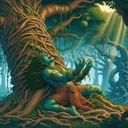
Opening
+45.4 – Four permutations of practice style and rebirth
all
| (derived from B. Sujato 2018/12) | (摘自B. Sujato 2018/12) | |
| Cūḷadhammasamādānasutta | The Shorter Discourse on Taking Up Practices | 略说行持 |
| Evaṃ me sutaṃ— | So I have heard. | 如是我闻。 |
| ekaṃ samayaṃ bhagavā sāvatthiyaṃ viharati jetavane anāthapiṇḍikassa ārāme. | At one time the Buddha was staying near Sāvatthī in Jeta’s Grove, Anāthapiṇḍika’s monastery. | 一时,佛陀住在舍卫城祇树给孤独园。 |
| Tatra kho bhagavā bhikkhū āmantesi: | There the Buddha addressed the monks: | 在那里,佛陀对比丘们说: |
| “bhikkhavo”ti. | “monks!” | “比丘们!” |
| “Bhadante”ti te bhikkhū bhagavato paccassosuṃ. | “Venerable sir,” they replied. | “世尊,”他们回答道。 |
| Bhagavā etadavoca: | The Buddha said this: | 佛陀如是说: |
| “cattārimāni, bhikkhave, dhammasamādānāni. | “monks, there are these four ways of taking up practices. | “比丘们,有这四种行持。 |
| Katamāni cattāri? | What four? | 哪四种? |
| Atthi, bhikkhave, dhammasamādānaṃ paccuppannasukhaṃ āyatiṃ dukkhavipākaṃ; | There is a way of taking up practices that is pleasant now but results in future pain. | 有一种行持,现在是愉快的,但未来会带来痛苦。 |
| atthi, bhikkhave, dhammasamādānaṃ paccuppannadukkhañceva āyatiñca dukkhavipākaṃ; | There is a way of taking up practices that is painful now and results in future pain. | 有一种行持,现在是痛苦的,未来也会带来痛苦。 |
| atthi, bhikkhave, dhammasamādānaṃ paccuppannadukkhaṃ āyatiṃ sukhavipākaṃ; | There is a way of taking up practices that is painful now but results in future pleasure. | 有一种行持,现在是痛苦的,但未来会带来快乐。 |
| atthi, bhikkhave, dhammasamādānaṃ paccuppannasukhañceva āyatiñca sukhavipākaṃ. | There is a way of taking up practices that is pleasant now and results in future pleasure. | 有一种行持,现在是愉快的,未来也会带来快乐。 |
+§4.1 – (pleasure now (5 sensual pleasure strings), future pain (reborn in lower realm))
all
| Katamañca, bhikkhave, dhammasamādānaṃ paccuppannasukhaṃ āyatiṃ dukkhavipākaṃ? | And what is the way of taking up practices that is pleasant now but results in future pain? | 那么,何为现在愉快但未来会带来痛苦的行持? |
| Santi, bhikkhave, eke samaṇabrāhmaṇā evaṃvādino evaṃdiṭṭhino: | There are some ascetics and brahmins who have this doctrine and view: | 有一些沙门和婆罗门持有这种教义和见解: |
| ‘natthi kāmesu doso’ti. | ‘There’s nothing wrong with sensual pleasures.’ | “感官享乐没有什么不对。” |
| Te kāmesu pātabyataṃ āpajjanti. | They throw themselves into sensual pleasures, | 他们沉溺于感官享乐, |
| Te kho moḷibaddhāhi paribbājikāhi paricārenti. | cavorting with female wanderers with fancy hair-dos. | 与发型华丽的游方女嬉戏。 |
| Te evamāhaṃsu: | They say: | 他们说: |
| ‘kiṃsu nāma te bhonto samaṇabrāhmaṇā kāmesu anāgatabhayaṃ sampassamānā kāmānaṃ pahānamāhaṃsu, kāmānaṃ pariññaṃ paññapenti? | ‘What future danger do those ascetics and brahmins see in sensual pleasures that they speak of giving up sensual pleasures, and advocate the complete understanding of sensual pleasures? | “那些沙门和婆罗门在感官享乐中看到了什么未来的危险,以至于他们说要放弃感官享乐,并主张完全理解感官享乐? |
| Sukho imissā paribbājikāya taruṇāya mudukāya lomasāya bāhāya samphasso’ti te kāmesu pātabyataṃ āpajjanti. | Pleasant is the touch of this female wanderer’s arm, tender, soft, and downy!’ And they throw themselves into sensual pleasures. | 这个游方女的手臂触感是多么的愉快,柔软,细嫩,有绒毛!”于是他们沉溺于感官享乐。 |
| Te kāmesu pātabyataṃ āpajjitvā kāyassa bhedā paraṃ maraṇā apāyaṃ duggatiṃ vinipātaṃ nirayaṃ upapajjanti. | When their body breaks up, after death, they’re reborn in a place of loss, a bad place, the underworld, hell. | 当他们的身体坏散,死后,他们投生到恶趣、恶处、地狱。 |
| Te tattha dukkhā tibbā kharā kaṭukā vedanā vedayanti. | And there they feel painful, sharp, severe, acute feelings. | 在那里,他们感受到痛苦、剧烈、严峻、急遽的感受。 |
| Te evamāhaṃsu: | They say: | 他们说: |
| ‘idaṃ kho te bhonto samaṇabrāhmaṇā kāmesu anāgatabhayaṃ sampassamānā kāmānaṃ pahānamāhaṃsu, kāmānaṃ pariññaṃ paññapenti, ime hi mayaṃ kāmahetu kāmanidānaṃ dukkhā tibbā kharā kaṭukā vedanā vedayāmā’ti. | ‘This is that future danger that those ascetics and brahmins saw. For it is because of sensual pleasures that I’m feeling painful, sharp, severe, acute feelings.’ | “这就是那些沙门和婆罗门所见的未来危险。因为感官享乐,我正感受到痛苦、剧烈、严峻、急遽的感受。” |
+§1.5 – (sensual pleasure compared to creeper that kills tree)
| Seyyathāpi, bhikkhave, gimhānaṃ pacchime māse māluvāsipāṭikā phaleyya. | Suppose that in the last month of summer a camel’s foot creeper pod were to burst open | 假设在夏季的最后一个月,骆驼足藤荚裂开, |
| Atha kho taṃ, bhikkhave, māluvābījaṃ aññatarasmiṃ sālamūle nipateyya. | and a seed were to fall at the root of a sal tree. | 一粒种子掉落到娑罗树的根部。 |
| Atha kho, bhikkhave, yā tasmiṃ sāle adhivatthā devatā sā bhītā saṃviggā santāsaṃ āpajjeyya. | Then the deity haunting that sal tree would become apprehensive and nervous. | then the deity haunting that sal tree would become apprehensive and nervous. |
| Atha kho, bhikkhave, tasmiṃ sāle adhivatthāya devatāya mittāmaccā ñātisālohitā ārāmadevatā vanadevatā rukkhadevatā osadhitiṇavanappatīsu adhivatthā devatā saṅgamma samāgamma evaṃ samassāseyyuṃ: | But their friends and colleagues, relatives and kin—deities of the parks, forests, trees, and those who haunt the herbs, grass, and big trees—would come together to reassure them: | Then the deity haunting that sal tree would become apprehensive and nervous. |
| ‘mā bhavaṃ bhāyi, mā bhavaṃ bhāyi; | ‘Do not fear, sir, do not fear! | 但他们的朋友和同事、亲戚和家人——那些居住在公园、森林、树木以及草药、草地和大树中的神灵——会聚集起来安慰他们: |
| appeva nāmetaṃ māluvābījaṃ moro vā gileyya, mago vā khādeyya, davaḍāho vā ḍaheyya, vanakammikā vā uddhareyyuṃ, upacikā vā uṭṭhaheyyuṃ, abījaṃ vā panassā’ti. | Hopefully that seed will be swallowed by a peacock, or eaten by a deer, or burnt by a forest fire, or picked up by a lumberjack, or eaten by termites, or it may not even be fertile.’ | “不要害怕,先生,不要害怕! |
| Atha kho taṃ, bhikkhave, māluvābījaṃ neva moro gileyya, na mago khādeyya, na davaḍāho ḍaheyya, na vanakammikā uddhareyyuṃ, na upacikā uṭṭhaheyyuṃ, bījañca panassa taṃ pāvussakena meghena abhippavuṭṭhaṃ sammadeva viruheyya. | But none of these things happened. And the seed was fertile, so that when the clouds soaked it with rain, it sprouted. | 希望那粒种子会被孔雀吞食,或者被鹿吃掉,或者被森林大火烧毁,或者被伐木工人捡走,或者被白蚁吃掉,或者它甚至可能不肥沃。” |
| Sāssa māluvālatā taruṇā mudukā lomasā vilambinī, sā taṃ sālaṃ upaniseveyya. | And the creeper wound its tender, soft, and downy tendrils around that sal tree. | 但这些事情都没有发生。种子是肥沃的,所以当云层用雨水浸泡它时,它发芽了。 |
| Atha kho, bhikkhave, tasmiṃ sāle adhivatthāya devatāya evamassa: | Then the deity thought: | 藤蔓将它柔软、细嫩、有绒毛的卷须缠绕在娑罗树上。 |
| ‘kiṃsu nāma te bhonto mittāmaccā ñātisālohitā ārāmadevatā vanadevatā rukkhadevatā osadhitiṇavanappatīsu adhivatthā devatā māluvābīje anāgatabhayaṃ sampassamānā saṅgamma samāgamma evaṃ samassāsesuṃ: | ‘What future danger did my friends see when they said: | 于是神灵想: |
| “mā bhavaṃ bhāyi mā bhavaṃ bhāyi, | ‘Do not fear, sir, do not fear! | “我的朋友们看到了什么未来的危险,以至于他们说: |
| appeva nāmetaṃ māluvābījaṃ moro vā gileyya, mago vā khādeyya, davaḍāho vā ḍaheyya, vanakammikā vā uddhareyyuṃ, upacikā vā uṭṭhaheyyuṃ, abījaṃ vā panassā”ti; | Hopefully that seed will be swallowed by a peacock, or eaten by a deer, or burnt by a forest fire, or picked up by a lumberjack, or eaten by termites, or it may not even be fertile.’ | ‘不要害怕,先生,不要害怕! |
| sukho imissā māluvālatāya taruṇāya mudukāya lomasāya vilambiniyā samphasso’ti. | Pleasant is the touch of this creeper’s tender, soft, and downy tendrils.’ | 希望那粒种子会被孔雀吞食,或者被鹿吃掉,或者被森林大火烧毁,或者被伐木工人捡走,或者被白蚁吃掉,或者它甚至可能不肥沃。’ |
| Sā taṃ sālaṃ anuparihareyya. | Then the creeper enfolded the sal tree, | 这种藤蔓柔软、细嫩、有绒毛的卷须的触感是多么的愉快。” |
| Sā taṃ sālaṃ anupariharitvā upari viṭabhiṃ kareyya. | made a canopy over it, | 然后藤蔓包围了娑罗树, |
| Upari viṭabhiṃ karitvā oghanaṃ janeyya. | draped a curtain around it, | 在它上面形成了一个华盖, |
| Oghanaṃ janetvā ye tassa sālassa mahantā mahantā khandhā te padāleyya. | and split apart all the main branches. | 在它周围拉起了一道帷幕, |
| Atha kho, bhikkhave, tasmiṃ sāle adhivatthāya devatāya evamassa: | Then the deity thought: | 并分裂了所有主要枝干。 |
| ‘idaṃ kho te bhonto mittāmaccā ñātisālohitā ārāmadevatā vanadevatā rukkhadevatā osadhitiṇavanappatīsu adhivatthā devatā māluvābīje anāgatabhayaṃ sampassamānā saṅgamma samāgamma evaṃ samassāsesuṃ: | ‘This is the future danger that my friends saw! | 于是神灵想: |
| “mā bhavaṃ bhāyi mā bhavaṃ bhāyi, appeva nāmetaṃ māluvābījaṃ moro vā gileyya, mago vā khādeyya, davaḍāho vā ḍaheyya, vanakammikā vā uddhareyyuṃ, upacikā vā uṭṭhaheyyuṃ abījaṃ vā panassā”ti. Yañcāhaṃ māluvābījahetu dukkhā tibbā kharā kaṭukā vedanā vedayāmī’ti. |
It’s because of that camel’s foot creeper seed that I’m feeling painful, sharp, severe, acute feelings.’ | “这就是我的朋友们所见的未来危险! |
| Evameva kho, bhikkhave, santi eke samaṇabrāhmaṇā evaṃvādino evaṃdiṭṭhino ‘natthi kāmesu doso’ti. | In the same way, there are some ascetics and brahmins who have this doctrine and view: ‘There’s nothing wrong with sensual pleasures’ … | 正是因为那颗骆驼足藤种子,我才感受到痛苦、剧烈、严峻、急遽的感受。” |
| Te kāmesu pātabyataṃ āpajjanti. Te moḷibaddhāhi paribbājikāhi paricārenti. Te evamāhaṃsu: ‘kiṃsu nāma te bhonto samaṇabrāhmaṇā kāmesu anāgatabhayaṃ sampassamānā kāmānaṃ pahānamāhaṃsu, kāmānaṃ pariññaṃ paññapenti? Sukho imissā paribbājikāya taruṇāya mudukāya lomasāya bāhāya samphasso’ti. Te kāmesu pātabyataṃ āpajjanti. Te kāmesu pātabyataṃ āpajjitvā kāyassa bhedā paraṃ maraṇā apāyaṃ duggatiṃ vinipātaṃ nirayaṃ upapajjanti. Te tattha dukkhā tibbā kharā kaṭukā vedanā vedayanti. Te evamāhaṃsu: ‘idaṃ kho te bhonto samaṇabrāhmaṇā kāmesu anāgatabhayaṃ sampassamānā kāmānaṃ pahānamāhaṃsu, kāmānaṃ pariññaṃ paññapenti. Ime hi mayaṃ kāmahetu kāmanidānaṃ dukkhā tibbā kharā kaṭukā vedanā vedayāmā’ti. Idaṃ vuccati, bhikkhave, dhammasamādānaṃ paccuppannasukhaṃ āyatiṃ dukkhavipākaṃ. |
This is called the way of taking up practices that is pleasant now but results in future pain. | 同样地,有一些沙门和婆罗门持有这种教义和见解:“感官享乐没有什么不对”…… |
❧
+§4.2 – (Painful now (useless austerities), future pain (reborn in lower realm))
| Katamañca, bhikkhave, dhammasamādānaṃ paccuppannadukkhañceva āyatiñca dukkhavipākaṃ? | And what is the way of taking up practices that is painful now and results in future pain? | 这被称为现在愉快但未来会带来痛苦的行持。 |
| Idha, bhikkhave, ekacco acelako hoti muttācāro hatthāpalekhano, naehibhaddantiko, natiṭṭhabhaddantiko, nābhihaṭaṃ, na uddissakataṃ, na nimantanaṃ sādiyati, | It’s when someone goes naked, ignoring conventions. They lick their hands, and don’t come or wait when asked. They don’t consent to food brought to them, or food prepared on purpose for them, or an invitation for a meal. | 何为现在痛苦且未来会带来痛苦的行持? |
| so na kumbhimukhā paṭiggaṇhāti, na kaḷopimukhā paṭiggaṇhāti, na eḷakamantaraṃ, na daṇḍamantaraṃ, na musalamantaraṃ, na dvinnaṃ bhuñjamānānaṃ, na gabbhiniyā, na pāyamānāya, na purisantaragatāya, na saṅkittīsu, na yattha sā upaṭṭhito hoti, na yattha makkhikā saṇḍasaṇḍacārinī, na macchaṃ, na maṃsaṃ, na suraṃ, na merayaṃ, na thusodakaṃ pivati. | They don’t receive anything from a pot or bowl; or from someone who keeps sheep, or who has a weapon or a shovel in their home; or where a couple is eating; or where there is a woman who is pregnant, breastfeeding, or who has a man in her home; or where there’s a dog waiting or flies buzzing. They accept no fish or meat or liquor or wine, and drink no beer. | 那就是有人裸体,不顾习俗。他们舔手,被要求时不来也不等。他们不接受送到他们面前的食物,不接受特意为他们准备的食物,也不接受用餐的邀请。 |
| So ekāgāriko vā hoti ekālopiko, dvāgāriko vā hoti dvālopiko … pe … sattāgāriko vā hoti sattālopiko. | They go to just one house for alms, taking just one mouthful, or two houses and two mouthfuls, up to seven houses and seven mouthfuls. | 他们不从罐子或碗里接受任何东西;不从养羊的人那里接受;不从家里有武器或铲子的人那里接受;不从一对夫妇正在吃饭的地方接受;不从有孕妇、哺乳期妇女或家里有男人的地方接受;不从有狗等待或苍蝇嗡嗡叫的地方接受。他们不接受鱼肉或酒,也不喝酒。 |
| Ekissāpi dattiyā yāpeti, dvīhipi dattīhi yāpeti … sattahipi dattīhi yāpeti. | They feed on one saucer a day, two saucers a day, up to seven saucers a day. | 他们只去一户人家乞食,只吃一口;或两户人家,吃两口,最多七户人家,吃七口。 |
| Ekāhikampi āhāraṃ āhāreti, dvīhikampi āhāraṃ āhāreti … sattāhikampi āhāraṃ āhāreti. Iti evarūpaṃ addhamāsikampi pariyāyabhattabhojanānuyogamanuyutto viharati. | They eat once a day, once every second day, up to once a week, and so on, even up to once a fortnight. They live committed to the practice of eating food at set intervals. | 他们每天只吃一小碟,或每天吃两小碟,最多每天吃七小碟。 |
| So sākabhakkho vā hoti, sāmākabhakkho vā hoti, nīvārabhakkho vā hoti, daddulabhakkho vā hoti, haṭabhakkho vā hoti, kaṇabhakkho vā hoti, ācāmabhakkho vā hoti, piññākabhakkho vā hoti, tiṇabhakkho vā hoti, gomayabhakkho vā hoti, vanamūlaphalāhāro yāpeti pavattaphalabhojī. | They eat herbs, millet, wild rice, poor rice, water lettuce, rice bran, scum from boiling rice, sesame flour, grass, or cow dung. They survive on forest roots and fruits, or eating fallen fruit. | 他们每天吃一次,或每两天吃一次,最多每周吃一次,以此类推,甚至每两周吃一次。他们过着定时进食的苦行生活。 |
| So sāṇānipi dhāreti, masāṇānipi dhāreti, chavadussānipi dhāreti, paṃsukūlānipi dhāreti, tirīṭānipi dhāreti, ajinampi dhāreti, ajinakkhipampi dhāreti, kusacīrampi dhāreti, vākacīrampi dhāreti, phalakacīrampi dhāreti, kesakambalampi dhāreti, vāḷakambalampi dhāreti, ulūkapakkhampi dhāreti, | They wear robes of sunn hemp, mixed hemp, corpse-wrapping cloth, rags, lodh tree bark, antelope hide (whole or in strips), kusa grass, bark, wood-chips, human hair, horse-tail hair, or owls’ wings. | 他们吃草药、小米、野米、粗米、水生菜、米糠、米汤、芝麻粉、草或牛粪。他们靠森林里的根和果实生存,或者吃掉落的果实。 |
| kesamassulocakopi hoti, kesamassulocanānuyogamanuyutto, | They tear out their hair and beard, committed to this practice. | 他们穿着用大麻、混纺麻、裹尸布、破布、罗德树皮、羚羊皮(整张或条状)、吉祥草、树皮、木屑、人发、马尾毛或猫头鹰翅膀制成的衣服。 |
| ubbhaṭṭhakopi hoti, āsanapaṭikkhitto, | They stand forever, refusing seats. | 他们拔掉头发和胡须,坚持这种苦行。 |
| ukkuṭikopi hoti ukkuṭikappadhānamanuyutto, | They squat, committed to persisting in the squatting position. | 他们总是站着,拒绝坐下。 |
| kaṇṭakāpassayikopi hoti, kaṇṭakāpassaye seyyaṃ kappeti, | They lie on a mat of thorns, making a mat of thorns their bed. | 他们蹲着,坚持保持蹲姿。 |
| sāyatatiyakampi udakorohanānuyogamanuyutto viharati. | They’re committed to the practice of undistractible-lucidity in water three times a day, including the evening. | 他们睡在荆棘垫上,把荆棘垫当作他们的床。 |
| Iti evarūpaṃ anekavihitaṃ kāyassa ātāpanaparitāpanānuyogamanuyutto viharati. | And so they live committed to practicing these various ways of mortifying and tormenting the body. | 他们每天三次浸入水中,包括晚上。 |
| So kāyassa bhedā paraṃ maraṇā apāyaṃ duggatiṃ vinipātaṃ nirayaṃ upapajjati. | When their body breaks up, after death, they’re reborn in a place of loss, a bad place, the underworld, hell. | 因此,他们过着致力于实践各种折磨和苦待身体的方式。 |
| Idaṃ vuccati, bhikkhave, dhammasamādānaṃ paccuppannadukkhañceva āyatiñca dukkhavipākaṃ. | This is called the way of taking up practices that is painful now and results in future pain. | 当他们的身体坏散,死后,他们投生到恶趣、恶处、地狱。 |
+§4.3 – (Painful now (resist urge of 5niv), future pleasure (reborn in deva realm))
| Katamañca, bhikkhave, dhammasamādānaṃ paccuppannadukkhaṃ āyatiṃ sukhavipākaṃ? | And what is the way of taking up practices that is painful now but results in future pleasure? | 这被称为现在痛苦且未来会带来痛苦的行持。 |
| Idha, bhikkhave, ekacco pakatiyā tibbarāgajātiko hoti, so abhikkhaṇaṃ rāgajaṃ dukkhaṃ domanassaṃ paṭisaṃvedeti; | It’s when someone is ordinarily full of acute greed, hate, and delusion. They often feel the pain and sadness that greed, hate, and delusion bring. | 何为现在痛苦但未来会带来快乐的行持? |
| pakatiyā tibbadosajātiko hoti, so abhikkhaṇaṃ dosajaṃ dukkhaṃ domanassaṃ paṭisaṃvedeti; pakatiyā tibbamohajātiko hoti, so abhikkhaṇaṃ mohajaṃ dukkhaṃ domanassaṃ paṭisaṃvedeti. So sahāpi dukkhena, sahāpi domanassena, assumukhopi rudamāno paripuṇṇaṃ parisuddhaṃ brahmacariyaṃ carati. |
They lead the full and pure spiritual life in pain and sadness, weeping, with tearful faces. | 那就是有人通常充满剧烈的贪、嗔、痴。他们常常感受到贪、嗔、痴带来的痛苦和悲伤。 |
| So kāyassa bhedā paraṃ maraṇā sugatiṃ saggaṃ lokaṃ upapajjati. | When their body breaks up, after death, they’re reborn in a good place, a heavenly realm. | 他们痛苦悲伤地过着完整纯净的梵行生活,哭泣着,泪流满面。 |
| Idaṃ vuccati, bhikkhave, dhammasamādānaṃ paccuppannadukkhaṃ āyatiṃ sukhavipākaṃ. | This is called the way of taking up practices that is painful now but results in future pleasure. | 当他们的身体坏散,死后,他们投生到善趣、天界。 |
+§4.4 – (Pleasure now (4j jhanas), pleasure future (rebirth in deva realm))
| Katamañca, bhikkhave, dhammasamādānaṃ paccuppannasukhañceva āyatiñca sukhavipākaṃ? | And what is the way of taking up practices that is pleasant now and results in future pleasure? | 这被称为现在痛苦但未来会带来快乐的行持。 |
| Idha, bhikkhave, ekacco pakatiyā na tibbarāgajātiko hoti, so na abhikkhaṇaṃ rāgajaṃ dukkhaṃ domanassaṃ paṭisaṃvedeti; | It’s when someone is not ordinarily full of acute greed, hate, and delusion. They rarely feel the pain and sadness that greed, hate, and delusion bring. | 何为现在愉快且未来会带来快乐的行持? |
| pakatiyā na tibbadosajātiko hoti, so na abhikkhaṇaṃ dosajaṃ dukkhaṃ domanassaṃ paṭisaṃvedeti; pakatiyā na tibbamohajātiko hoti, so na abhikkhaṇaṃ mohajaṃ dukkhaṃ domanassaṃ paṭisaṃvedeti. So vivicceva kāmehi vivicca akusalehi dhammehi savitakkaṃ savicāraṃ vivekajaṃ pītisukhaṃ paṭhamaṃ jhānaṃ upasampajja viharati. |
Quite secluded from sensual pleasures, secluded from unskillful Dharmas, they enter and remain in the first jhāna … | 那就是有人通常不充满剧烈的贪、嗔、痴。他们很少感受到贪、嗔、痴带来的痛苦和悲伤。 |
| Vitakkavicārānaṃ vūpasamā ajjhattaṃ sampasādanaṃ cetaso ekodibhāvaṃ avitakkaṃ avicāraṃ samādhijaṃ pītisukhaṃ dutiyaṃ jhānaṃ … pe … | second jhāna … | 远离感官享乐,远离不善法,他们入并住于初禅…… |
| tatiyaṃ jhānaṃ … | third jhāna … | 二禅…… |
| catutthaṃ jhānaṃ upasampajja viharati. | fourth jhāna. | 三禅…… |
| So kāyassa bhedā paraṃ maraṇā sugatiṃ saggaṃ lokaṃ upapajjati. | When their body breaks up, after death, they’re reborn in a good place, a heavenly realm. | 四禅。 |
| Idaṃ vuccati, bhikkhave, dhammasamādānaṃ paccuppannasukhañceva āyatiñca sukhavipākaṃ. | This is called the way of taking up practices that is pleasant now and results in future pleasure. | 当他们的身体坏散,死后,他们投生到善趣、天界。 |
| Imāni kho, bhikkhave, cattāri dhammasamādānānī”ti. | These are the four ways of taking up practices.” | 这被称为现在愉快且未来会带来快乐的行持。 |
| Idamavoca bhagavā. | That is what the Buddha said. | 这就是四种行持。” |
| Attamanā te bhikkhū bhagavato bhāsitaṃ abhinandunti. | Satisfied, the monks were happy with what the Buddha said. | 佛陀如是说。 |
| 比丘们心满意足,对佛陀所说的话感到欢喜。 |
❧
+MN 46 Mahā-dhamma-samādāna:
The Great [Discourse] on Taking Up Dharma [practices]
all
The Great [Discourse] on Taking Up Dharma [practices]
Opening
+46.1 – (beings want good to come and bad to go)
all
| Evaṃ me sutaṃ— | So I have heard. | 如是我闻。 |
| ekaṃ samayaṃ bhagavā sāvatthiyaṃ viharati jetavane anāthapiṇḍikassa ārāme. | At one time the Buddha was staying near Sāvatthī in Jeta’s Grove, Anāthapiṇḍika’s monastery. | 一时,佛陀住在舍卫城祇树给孤独园。 |
| Tatra kho bhagavā bhikkhū āmantesi: | There the Buddha addressed the monks: | 在那里,佛陀对比丘们说: |
| “bhikkhavo”ti. | “monks!” | “比丘们!” |
| “Bhadante”ti te bhikkhū bhagavato paccassosuṃ. | “Venerable sir,” they replied. | “世尊,”他们回答道。 |
| Bhagavā etadavoca: | The Buddha said this: | 佛陀如是说: |
| “yebhuyyena, bhikkhave, sattā evaṅkāmā evaṃchandā evaṃadhippāyā: | “monks, sentient beings typically have the wish, desire, and hope: | “比丘们,有情众生通常都有这样的愿望、欲望和希望: |
| ‘aho vata aniṭṭhā akantā amanāpā dhammā parihāyeyyuṃ, iṭṭhā kantā manāpā dhammā abhivaḍḍheyyun’ti. | ‘Oh, if only unlikable, undesirable, and disagreeable things would decrease, and likable, desirable, and agreeable things would increase!’ | ‘啊,但愿不喜的、不愿的、不悦的事物减少,喜爱的、渴望的、悦意的事物增加!’ |
+§1.1 – (but the opposite happens. Why?)
| Tesaṃ, bhikkhave, sattānaṃ evaṅkāmānaṃ evaṃchandānaṃ evaṃadhippāyānaṃ aniṭṭhā akantā amanāpā dhammā abhivaḍḍhanti, iṭṭhā kantā manāpā dhammā parihāyanti. | But exactly the opposite happens to them. | 然而,他们却恰恰相反。 |
| Tatra tumhe, bhikkhave, kaṃ hetuṃ paccethā”ti? | What do you take to be the reason for this?” | 你们认为这是什么原因呢?” |
| “Bhagavaṃmūlakā no, bhante, dhammā, bhagavaṃnettikā, bhagavaṃpaṭisaraṇā. Sādhu vata, bhante, bhagavantaññeva paṭibhātu etassa bhāsitassa attho; bhagavato sutvā bhikkhū dhāressantī”ti. | “Our Dharmas are rooted in the Buddha. He is our guide and our refuge. Sir, may the Buddha himself please clarify the meaning of this. The monks will listen and remember it.” | “我们的佛法以佛陀为根基。他是我们的导师,我们的皈依处。世尊,请佛陀亲自解释这个意义。比丘们会听闻并记住它。” |
| “Tena hi, bhikkhave, suṇātha, sādhukaṃ manasi karotha, bhāsissāmī”ti. | “Well then, monks, listen and pay close attention, I will speak.” | “那么,比丘们,仔细听,认真注意,我将要说法。” |
| “Evaṃ, bhante”ti kho te bhikkhū bhagavato paccassosuṃ. | “Yes, sir,” they replied. | “是的,世尊,”他们回答道。 |
| Bhagavā etadavoca: | The Buddha said this: | 佛陀如是说: |
+§1.2 – (ordinary person cultivates wrong)
| “Idha, bhikkhave, assutavā puthujjano, ariyānaṃ adassāvī ariyadhammassa akovido ariyadhamme avinīto, sappurisānaṃ adassāvī sappurisadhammassa akovido sappurisadhamme avinīto, | “Take an uneducated ordinary person who has not seen the noble ones, and is neither skilled nor trained in The Dharma of the noble ones. They’ve not seen good persons, and are neither skilled nor trained in The Dharma of the good persons. | “取一个未受教育的凡夫,他没有见过圣者,在圣者的佛法中既不熟练也不受训。他没有见过善人,在善人的佛法中既不熟练也不受训。 |
| sevitabbe dhamme na jānāti asevitabbe dhamme na jānāti, bhajitabbe dhamme na jānāti abhajitabbe dhamme na jānāti. | They don’t know what Dharmas they should cultivate and foster, and what Dharmas they shouldn’t cultivate and foster. | 他们不知道哪些佛法应该培养和扶持,哪些佛法不应该培养和扶持。 |
| So sevitabbe dhamme ajānanto asevitabbe dhamme ajānanto, bhajitabbe dhamme ajānanto abhajitabbe dhamme ajānanto, asevitabbe dhamme sevati sevitabbe dhamme na sevati, abhajitabbe dhamme bhajati bhajitabbe dhamme na bhajati. | So they cultivate and foster Dharmas they shouldn’t, and don’t cultivate and foster Dharmas they should. | 所以他们培养和扶持不应该培养和扶持的佛法,而不培养和扶持应该培养和扶持的佛法。 |
| Tassa asevitabbe dhamme sevato sevitabbe dhamme asevato, abhajitabbe dhamme bhajato bhajitabbe dhamme abhajato aniṭṭhā akantā amanāpā dhammā abhivaḍḍhanti, iṭṭhā kantā manāpā dhammā parihāyanti. | When they do so, unlikable, undesirable, and disagreeable things increase, and likable, desirable, and agreeable things decrease. | 当他们这样做时,不喜的、不愿的、不悦的事物增加,喜爱的、渴望的、悦意的事物减少。 |
| Taṃ kissa hetu? | Why is that? | 为什么会这样? |
| Evañhetaṃ, bhikkhave, hoti yathā taṃ aviddasuno. | Because that’s what it’s like for someone who doesn’t know. | 因为无知的人就是这样。 |
+§1.3 – (educated disciple cultivates right)
| Sutavā ca kho, bhikkhave, ariyasāvako, ariyānaṃ dassāvī ariyadhammassa kovido ariyadhamme suvinīto, sappurisānaṃ dassāvī sappurisadhammassa kovido sappurisadhamme suvinīto, | But an educated noble-one's-disciple has seen the noble ones, and is skilled and trained in The Dharma of the noble ones. They’ve seen good persons, and are skilled and trained in The Dharma of the good persons. | 但一个受过教育的圣者弟子,他见过圣者,在圣者的佛法中既熟练又受训。他见过善人,在善人的佛法中既熟练又受训。 |
| sevitabbe dhamme jānāti asevitabbe dhamme jānāti, bhajitabbe dhamme jānāti abhajitabbe dhamme jānāti. | They know what Dharmas they should cultivate and foster, and what Dharmas they shouldn’t cultivate and foster. | 他们知道哪些佛法应该培养和扶持,哪些佛法不应该培养和扶持。 |
| So sevitabbe dhamme jānanto asevitabbe dhamme jānanto, bhajitabbe dhamme jānanto abhajitabbe dhamme jānanto, asevitabbe dhamme na sevati sevitabbe dhamme sevati, abhajitabbe dhamme na bhajati bhajitabbe dhamme bhajati. | So they cultivate and foster Dharmas they should, and don’t cultivate and foster Dharmas they shouldn’t. | 所以他们培养和扶持应该培养和扶持的佛法,而不培养和扶持不应该培养和扶持的佛法。 |
| Tassa asevitabbe dhamme asevato sevitabbe dhamme sevato, abhajitabbe dhamme abhajato bhajitabbe dhamme bhajato, aniṭṭhā akantā amanāpā dhammā parihāyanti, iṭṭhā kantā manāpā dhammā abhivaḍḍhanti. | When they do so, unlikable, undesirable, and disagreeable things decrease, and likable, desirable, and agreeable things increase. | 当他们这样做时,不喜的、不愿的、不悦的事物减少,喜爱的、渴望的、悦意的事物增加。 |
| Taṃ kissa hetu? | Why is that? | 为什么会这样? |
| Evañhetaṃ, bhikkhave, hoti yathā taṃ viddasuno. | Because that’s what it’s like for someone who knows. | 因为有知的人就是这样。 |
❧
+46.2 – (there are 4 permutations of Dharma and future result)
all
| Cattārimāni, bhikkhave, dhammasamādānāni. | monks, there are these four ways of taking up Dharmas. | 比丘们,有这四种取法的方式。 |
| Katamāni cattāri? | What four? | 哪四种? |
| Atthi, bhikkhave, dhammasamādānaṃ paccuppannadukkhañceva āyatiñca dukkhavipākaṃ; | There is a way of taking up Dharmas that is painful now and results in future pain. | 有一种取法的方式,现在是痛苦的,但未来会带来痛苦。 |
| atthi, bhikkhave, dhammasamādānaṃ paccuppannasukhaṃ āyatiṃ dukkhavipākaṃ; | There is a way of taking up Dharmas that is pleasant now but results in future pain. | 有一种取法的方式,现在是愉快的,但未来会带来痛苦。 |
| atthi, bhikkhave, dhammasamādānaṃ paccuppannadukkhaṃ āyatiṃ sukhavipākaṃ; | There is a way of taking up Dharmas that is painful now but results in future pleasure. | 有一种取法的方式,现在是痛苦的,但未来会带来快乐。 |
| atthi, bhikkhave, dhammasamādānaṃ paccuppannasukhañceva āyatiñca sukhavipākaṃ. | There is a way of taking up Dharmas that is pleasant now and results in future pleasure. | 有一种取法的方式,现在是愉快的,未来也会带来快乐。 |
+§2.1 – (pain now and pain future for ignoramus)
| Tatra, bhikkhave, yamidaṃ dhammasamādānaṃ paccuppannadukkhañceva āyatiñca dukkhavipākaṃ, taṃ avidvā avijjāgato yathābhūtaṃ nappajānāti: | When it comes to the way of taking up Dharmas that is painful now and results in future pain, an ignoramus, without knowing this, doesn’t truly understand: | 当谈到现在痛苦但未来会带来痛苦的取法方式时,一个无知的人,不知道这一点,没有真正理解: |
| ‘idaṃ kho dhammasamādānaṃ paccuppannadukkhañceva āyatiñca dukkhavipākan’ti. | ‘This is the way of taking up Dharmas that is painful now and results in future pain.’ | “这就是现在痛苦但未来会带来痛苦的取法方式。” |
| Taṃ avidvā avijjāgato yathābhūtaṃ appajānanto taṃ sevati, taṃ na parivajjeti. | So instead of avoiding that Dharma, they cultivate it. | 所以他们非但不避免那种佛法,反而培养它。 |
| Tassa taṃ sevato, taṃ aparivajjayato, aniṭṭhā akantā amanāpā dhammā abhivaḍḍhanti, iṭṭhā kantā manāpā dhammā parihāyanti. | When they do so, unlikable, undesirable, and disagreeable things increase, and likable, desirable, and agreeable things decrease. | 当他们这样做时,不喜的、不愿的、不悦的事物增加,喜爱的、渴望的、悦意的事物减少。 |
| Taṃ kissa hetu? | Why is that? | 为什么会这样? |
| Evañhetaṃ, bhikkhave, hoti yathā taṃ aviddasuno. (1) | Because that’s what it’s like for someone who doesn’t know. | 因为无知的人就是这样。 |
+§2.2 – (pleasure now and pain future for ignoramus)
| Tatra, bhikkhave, yamidaṃ dhammasamādānaṃ paccuppannasukhaṃ āyatiṃ dukkhavipākaṃ taṃ avidvā avijjāgato yathābhūtaṃ nappajānāti: ‘idaṃ kho dhammasamādānaṃ paccuppannasukhaṃ āyatiṃ dukkhavipākan’ti. |
When it comes to the way of taking up Dharmas that is pleasant now and results in future pain, an ignoramus … | 当谈到现在愉快但未来会带来痛苦的取法方式时,一个无知的人…… |
| Taṃ avidvā avijjāgato yathābhūtaṃ appajānanto taṃ sevati, taṃ na parivajjeti. | cultivates it … | 培养它…… |
| Tassa taṃ sevato, taṃ aparivajjayato, aniṭṭhā akantā amanāpā dhammā abhivaḍḍhanti, iṭṭhā kantā manāpā dhammā parihāyanti. Taṃ kissa hetu? Evañhetaṃ, bhikkhave, hoti yathā taṃ aviddasuno. (2) |
and disagreeable things increase … | 不愉快的事物增加…… |
+§2.3 – (pain now and pleasure future for ignoramus)
| Tatra, bhikkhave, yamidaṃ dhammasamādānaṃ paccuppannadukkhaṃ āyatiṃ sukhavipākaṃ, taṃ avidvā avijjāgato yathābhūtaṃ nappajānāti: ‘idaṃ kho dhammasamādānaṃ paccuppannadukkhaṃ āyatiṃ sukhavipākan’ti. |
When it comes to the way of taking up Dharmas that is painful now and results in future pleasure, an ignoramus … | 当谈到现在痛苦但未来会带来快乐的取法方式时,一个无知的人…… |
| Taṃ avidvā avijjāgato yathābhūtaṃ appajānanto taṃ na sevati, taṃ parivajjeti. | doesn’t cultivate it … | 不培养它…… |
| Tassa taṃ asevato, taṃ parivajjayato, aniṭṭhā akantā amanāpā dhammā abhivaḍḍhanti, iṭṭhā kantā manāpā dhammā parihāyanti. Taṃ kissa hetu? Evañhetaṃ, bhikkhave, hoti yathā taṃ aviddasuno. (3) |
and disagreeable things increase … | 不愉快的事物增加…… |
+§2.4 – (pleasure now and pleasure future for ignoramus)
| Tatra, bhikkhave, yamidaṃ dhammasamādānaṃ paccuppannasukhañceva āyatiñca sukhavipākaṃ, taṃ avidvā avijjāgato yathābhūtaṃ nappajānāti: ‘idaṃ kho dhammasamādānaṃ paccuppannasukhañceva āyatiñca sukhavipākan’ti. |
When it comes to the way of taking up Dharmas that is pleasant now and results in future pleasure, an ignoramus … | 当谈到现在愉快但未来会带来快乐的取法方式时,一个无知的人…… |
| Taṃ avidvā avijjāgato yathābhūtaṃ appajānanto taṃ na sevati, taṃ parivajjeti. | doesn’t cultivate it … | 不培养它…… |
| Tassa taṃ asevato, taṃ parivajjayato, aniṭṭhā akantā amanāpā dhammā abhivaḍḍhanti, iṭṭhā kantā manāpā dhammā parihāyanti. | and disagreeable things increase … | 不愉快的事物增加…… |
| Taṃ kissa hetu? | Why is that? | 为什么会这样? |
| Evañhetaṃ, bhikkhave, hoti yathā taṃ aviddasuno. (4) | Because that’s what it’s like for someone who doesn’t know. | 因为无知的人就是这样。 |
❧
+46.3 – (four permutations for wise person)
all
+§3.1 – (pain now and pain future for wise)
| Tatra, bhikkhave, yamidaṃ dhammasamādānaṃ paccuppannadukkhañceva āyatiñca dukkhavipākaṃ taṃ vidvā vijjāgato yathābhūtaṃ pajānāti: | When it comes to the way of taking up Dharmas that is painful now and results in future pain, a wise person, knowing this, truly understands: | 当谈到现在痛苦但未来会带来痛苦的取法方式时,一个有智慧的人,知道这一点,真正理解: |
| ‘idaṃ kho dhammasamādānaṃ paccuppannadukkhañceva āyatiñca dukkhavipākan’ti. | ‘This is the way of taking up Dharmas that is painful now and results in future pain.’ | “这就是现在痛苦但未来会带来痛苦的取法方式。” |
| Taṃ vidvā vijjāgato yathābhūtaṃ pajānanto taṃ na sevati, taṃ parivajjeti. | So instead of cultivating that Dharma, they avoid it. | 所以他们非但不培养那种佛法,反而避免它。 |
| Tassa taṃ asevato, taṃ parivajjayato, aniṭṭhā akantā amanāpā dhammā parihāyanti, iṭṭhā kantā manāpā dhammā abhivaḍḍhanti. | When they do so, unlikable, undesirable, and disagreeable things decrease, and likable, desirable, and agreeable things increase. | 当他们这样做时,不喜的、不愿的、不悦的事物减少,喜爱的、渴望的、悦意的事物增加。 |
| Taṃ kissa hetu? | Why is that? | 为什么会这样? |
| Evañhetaṃ, bhikkhave, hoti yathā taṃ viddasuno. (1) | Because that’s what it’s like for someone who knows. | 因为有知的人就是这样。 |
+§3.2 – (pleasure now and pain future for wise)
| Tatra, bhikkhave, yamidaṃ dhammasamādānaṃ paccuppannasukhaṃ āyatiṃ dukkhavipākaṃ taṃ vidvā vijjāgato yathābhūtaṃ pajānāti: ‘idaṃ kho dhammasamādānaṃ paccuppannasukhaṃ āyatiṃ dukkhavipākan’ti. |
When it comes to the way of taking up Dharmas that is pleasant now and results in future pain, a wise person … | 当谈到现在愉快但未来会带来痛苦的取法方式时,一个有智慧的人…… |
| Taṃ vidvā vijjāgato yathābhūtaṃ pajānanto taṃ na sevati, taṃ parivajjeti. | doesn’t cultivate it … | 不培养它…… |
| Tassa taṃ asevato, taṃ parivajjayato, aniṭṭhā akantā amanāpā dhammā parihāyanti, iṭṭhā kantā manāpā dhammā abhivaḍḍhanti. Taṃ kissa hetu? Evañhetaṃ, bhikkhave, hoti yathā taṃ viddasuno. (2) |
and agreeable things increase … | 愉快的事物增加…… |
+§3.3 – (pain now and pleasure future for wise)
| Tatra, bhikkhave, yamidaṃ dhammasamādānaṃ paccuppannadukkhaṃ āyatiṃ sukhavipākaṃ taṃ vidvā vijjāgato yathābhūtaṃ pajānāti: ‘idaṃ kho dhammasamādānaṃ paccuppannadukkhaṃ āyatiṃ sukhavipākan’ti. |
When it comes to the way of taking up Dharmas that is painful now and results in future pleasure, a wise person … | 当谈到现在痛苦但未来会带来快乐的取法方式时,一个有智慧的人…… |
| Taṃ vidvā vijjāgato yathābhūtaṃ pajānanto taṃ sevati, taṃ na parivajjeti. | cultivates it … | 培养它…… |
| Tassa taṃ sevato, taṃ aparivajjayato, aniṭṭhā akantā amanāpā dhammā parihāyanti, iṭṭhā kantā manāpā dhammā abhivaḍḍhanti. Taṃ kissa hetu? Evañhetaṃ, bhikkhave, hoti yathā taṃ viddasuno. (3) |
and agreeable things increase … | 愉快的事物增加…… |
+§3.4 – (pleasure now and pleasure future for wise)
| Tatra, bhikkhave, yamidaṃ dhammasamādānaṃ paccuppannasukhañceva āyatiñca sukhavipākaṃ taṃ vidvā vijjāgato yathābhūtaṃ pajānāti: | When it comes to the way of taking up Dharmas that is pleasant now and results in future pleasure, a wise person, knowing this, truly understands: | 当谈到现在愉快但未来会带来快乐的取法方式时,一个有智慧的人,知道这一点,真正理解: |
| ‘idaṃ kho dhammasamādānaṃ paccuppannasukhañceva āyatiñca sukhavipākan’ti. | ‘This is the way of taking up Dharmas that is pleasant now and results in future pleasure.’ | “这就是现在愉快但未来会带来快乐的取法方式。” |
| Taṃ vidvā vijjāgato yathābhūtaṃ pajānanto taṃ sevati, taṃ na parivajjeti. | So instead of avoiding that Dharma, they cultivate it. | 所以他们非但不避免那种佛法,反而培养它。 |
| Tassa taṃ sevato, taṃ aparivajjayato, aniṭṭhā akantā amanāpā dhammā parihāyanti, iṭṭhā kantā manāpā dhammā abhivaḍḍhanti. | When they do so, unlikable, undesirable, and disagreeable things decrease, and likable, desirable, and agreeable things increase. | 当他们这样做时,不喜的、不愿的、不悦的事物减少,喜爱的、渴望的、悦意的事物增加。 |
| Taṃ kissa hetu? | Why is that? | 为什么会这样? |
| Evañhetaṃ, bhikkhave, hoti yathā taṃ viddasuno. (4) | Because that’s what it’s like for someone who knows. | 因为有知的人就是这样。 |
❧
+46.4 – (four permutation details)
all
+§4.1 – (pain now and pain future: wrong action, speech, view)
| Katamañca, bhikkhave, dhammasamādānaṃ paccuppannadukkhañceva āyatiñca dukkhavipākaṃ? | And what is the way of taking up Dharmas that is painful now and results in future pain? | 何为现在痛苦但未来会带来痛苦的取法方式? |
| Idha, bhikkhave, ekacco sahāpi dukkhena sahāpi domanassena pāṇātipātī hoti, pāṇātipātapaccayā ca dukkhaṃ domanassaṃ paṭisaṃvedeti; sahāpi dukkhena sahāpi domanassena adinnādāyī hoti, adinnādānapaccayā ca dukkhaṃ domanassaṃ paṭisaṃvedeti; sahāpi dukkhena sahāpi domanassena kāmesu micchācārī hoti, kāmesu micchācārapaccayā ca dukkhaṃ domanassaṃ paṭisaṃvedeti; sahāpi dukkhena sahāpi domanassena musāvādī hoti, musāvādapaccayā ca dukkhaṃ domanassaṃ paṭisaṃvedeti; sahāpi dukkhena sahāpi domanassena pisuṇavāco hoti, pisuṇavācāpaccayā ca dukkhaṃ domanassaṃ paṭisaṃvedeti; sahāpi dukkhena sahāpi domanassena pharusavāco hoti, pharusavācāpaccayā ca dukkhaṃ domanassaṃ paṭisaṃvedeti; sahāpi dukkhena sahāpi domanassena samphappalāpī hoti, samphappalāpapaccayā ca dukkhaṃ domanassaṃ paṭisaṃvedeti; sahāpi dukkhena sahāpi domanassena abhijjhālu hoti, abhijjhāpaccayā ca dukkhaṃ domanassaṃ paṭisaṃvedeti; sahāpi dukkhena sahāpi domanassena byāpannacitto hoti, byāpādapaccayā ca dukkhaṃ domanassaṃ paṭisaṃvedeti; sahāpi dukkhena sahāpi domanassena micchādiṭṭhi hoti, micchādiṭṭhipaccayā ca dukkhaṃ domanassaṃ paṭisaṃvedeti. |
It’s when someone in pain and sadness kills living creatures, steals, and commits sexual misconduct. They use speech that’s false, divisive, harsh, or nonsensical. And they’re covetous, malicious, with wrong view. Because of these things they experience pain and sadness. | 那就是有人在痛苦和悲伤中杀害众生、偷盗、行淫。他们使用虚假、离间、粗恶或无意义的言语。他们贪婪、恶意、持邪见。因为这些事情,他们经历痛苦和悲伤。 |
| So kāyassa bhedā paraṃ maraṇā apāyaṃ duggatiṃ vinipātaṃ nirayaṃ upapajjati. | And when their body breaks up, after death, they’re reborn in a place of loss, a bad place, the underworld, hell. | 当他们的身体坏散,死后,他们投生到恶趣、恶处、地狱。 |
| Idaṃ vuccati, bhikkhave, dhammasamādānaṃ paccuppannadukkhañceva āyatiñca dukkhavipākaṃ. (1) | This is called the way of taking up Dharmas that is painful now and results in future pain. | 这被称为现在痛苦但未来会带来痛苦的取法方式。 |
+§4.2 – (pleasure now and pain future: wrong action, speech, view)
| Katamañca, bhikkhave, dhammasamādānaṃ paccuppannasukhaṃ āyatiṃ dukkhavipākaṃ? | And what is the way of taking up Dharmas that is pleasant now but results in future pain? | 何为现在愉快但未来会带来痛苦的取法方式? |
| Idha, bhikkhave, ekacco sahāpi sukhena sahāpi somanassena pāṇātipātī hoti, pāṇātipātapaccayā ca sukhaṃ somanassaṃ paṭisaṃvedeti; sahāpi sukhena sahāpi somanassena adinnādāyī hoti, adinnādānapaccayā ca sukhaṃ somanassaṃ paṭisaṃvedeti; sahāpi sukhena sahāpi somanassena kāmesumicchācārī hoti, kāmesumicchācārapaccayā ca sukhaṃ somanassaṃ paṭisaṃvedeti; sahāpi sukhena sahāpi somanassena musāvādī hoti, musāvādapaccayā ca sukhaṃ somanassaṃ paṭisaṃvedeti; sahāpi sukhena sahāpi somanassena pisuṇavāco hoti, pisuṇavācāpaccayā ca sukhaṃ somanassaṃ paṭisaṃvedeti; sahāpi sukhena sahāpi somanassena pharusavāco hoti, pharusavācāpaccayā ca sukhaṃ somanassaṃ paṭisaṃvedeti; sahāpi sukhena sahāpi somanassena samphappalāpī hoti, samphappalāpapaccayā ca sukhaṃ somanassaṃ paṭisaṃvedeti; sahāpi sukhena sahāpi somanassena abhijjhālu hoti, abhijjhāpaccayā ca sukhaṃ somanassaṃ paṭisaṃvedeti; sahāpi sukhena sahāpi somanassena byāpannacitto hoti, byāpādapaccayā ca sukhaṃ somanassaṃ paṭisaṃvedeti; sahāpi sukhena sahāpi somanassena micchādiṭṭhi hoti, micchādiṭṭhipaccayā ca sukhaṃ somanassaṃ paṭisaṃvedeti. |
It’s when someone with pleasure and happiness kills living creatures, steals, and commits sexual misconduct. They use speech that’s false, divisive, harsh, or nonsensical. And they’re covetous, malicious, with wrong view. Because of these things they experience pleasure and happiness. | 那就是有人在快乐和幸福中杀害众生、偷盗、行淫。他们使用虚假、离间、粗恶或无意义的言语。他们贪婪、恶意、持邪见。因为这些事情,他们经历快乐和幸福。 |
| So kāyassa bhedā paraṃ maraṇā apāyaṃ duggatiṃ vinipātaṃ nirayaṃ upapajjati. | But when their body breaks up, after death, they’re reborn in a place of loss, a bad place, the underworld, hell. | 但当他们的身体坏散,死后,他们投生到恶趣、恶处、地狱。 |
| Idaṃ vuccati, bhikkhave, dhammasamādānaṃ paccuppannasukhaṃ āyatiṃ dukkhavipākaṃ. (2) | This is called the way of taking up Dharmas that is pleasant now but results in future pain. | 这被称为现在愉快但未来会带来痛苦的取法方式。 |
+§4.3 – (pain now and pleasure future: abstain from wrong action, speech, view)
| Katamañca, bhikkhave, dhammasamādānaṃ paccuppannadukkhaṃ āyatiṃ sukhavipākaṃ? | And what is the way of taking up Dharmas that is painful now but results in future pleasure? | 何为现在痛苦但未来会带来快乐的取法方式? |
| Idha, bhikkhave, ekacco sahāpi dukkhena sahāpi domanassena pāṇātipātā paṭivirato hoti, pāṇātipātā veramaṇīpaccayā ca dukkhaṃ domanassaṃ paṭisaṃvedeti; sahāpi dukkhena sahāpi domanassena adinnādānā paṭivirato hoti, adinnādānā veramaṇīpaccayā ca dukkhaṃ domanassaṃ paṭisaṃvedeti; sahāpi dukkhena sahāpi domanassena kāmesumicchācārā paṭivirato hoti, kāmesumicchācārā veramaṇīpaccayā ca dukkhaṃ domanassaṃ paṭisaṃvedeti; sahāpi dukkhena sahāpi domanassena musāvādā paṭivirato hoti, musāvādā veramaṇīpaccayā ca dukkhaṃ domanassaṃ paṭisaṃvedeti; sahāpi dukkhena sahāpi domanassena pisuṇāya vācāya paṭivirato hoti, pisuṇāya vācāya veramaṇīpaccayā ca dukkhaṃ domanassaṃ paṭisaṃvedeti; sahāpi dukkhena sahāpi domanassena pharusāya vācāya paṭivirato hoti, pharusāya vācāya veramaṇīpaccayā ca dukkhaṃ domanassaṃ paṭisaṃvedeti; sahāpi dukkhena sahāpi domanassena samphappalāpā paṭivirato hoti, samphappalāpā veramaṇīpaccayā ca dukkhaṃ domanassaṃ paṭisaṃvedeti; sahāpi dukkhena sahāpi domanassena anabhijjhālu hoti, anabhijjhāpaccayā ca dukkhaṃ domanassaṃ paṭisaṃvedeti; sahāpi dukkhena sahāpi domanassena abyāpannacitto hoti, abyāpādapaccayā ca dukkhaṃ domanassaṃ paṭisaṃvedeti; sahāpi dukkhena sahāpi domanassena sammādiṭṭhi hoti, sammādiṭṭhipaccayā ca dukkhaṃ domanassaṃ paṭisaṃvedeti. |
It’s when someone in pain and sadness doesn’t kill living creatures, steal, or commit sexual misconduct. They don’t use speech that’s false, divisive, harsh, or nonsensical. And they’re contented, kind-hearted, with right view. Because of these things they experience pain and sadness. | 那就是有人在痛苦和悲伤中不杀害众生、不偷盗、不行淫。他们不使用虚假、离间、粗恶或无意义的言语。他们知足、善良、持正见。因为这些事情,他们经历痛苦和悲伤。 |
| So kāyassa bhedā paraṃ maraṇā sugatiṃ saggaṃ lokaṃ upapajjati. | But when their body breaks up, after death, they’re reborn in a good place, a heavenly realm. | 但当他们的身体坏散,死后,他们投生到善趣、天界。 |
| Idaṃ vuccati, bhikkhave, dhammasamādānaṃ paccuppannadukkhaṃ āyatiṃ sukhavipākaṃ. (3) | This is called the way of taking up Dharmas that is painful now but results in future pleasure. | 这被称为现在痛苦但未来会带来快乐的取法方式。 |
+§4.4 – (pleasure now and pleasure future: abstain from wrong action, speech, view)
| Katamañca, bhikkhave, dhammasamādānaṃ paccuppannasukhañceva āyatiñca sukhavipākaṃ? | And what is the way of taking up Dharmas that is pleasant now and results in future pleasure? | 何为现在愉快且未来会带来快乐的取法方式? |
| Idha, bhikkhave, ekacco sahāpi sukhena sahāpi somanassena pāṇātipātā paṭivirato hoti, pāṇātipātā veramaṇīpaccayā ca sukhaṃ somanassaṃ paṭisaṃvedeti; sahāpi sukhena sahāpi somanassena adinnādānā paṭivirato hoti, adinnādānā veramaṇīpaccayā ca sukhaṃ somanassaṃ paṭisaṃvedeti; sahāpi sukhena sahāpi somanassena kāmesumicchācārā paṭivirato hoti, kāmesumicchācārā veramaṇīpaccayā ca sukhaṃ somanassaṃ paṭisaṃvedeti; sahāpi sukhena sahāpi somanassena musāvādā paṭivirato hoti, musāvādā veramaṇīpaccayā ca sukhaṃ somanassaṃ paṭisaṃvedeti; sahāpi sukhena sahāpi somanassena pisuṇāya vācāya paṭivirato hoti, pisuṇāya vācāya veramaṇīpaccayā ca sukhaṃ somanassaṃ paṭisaṃvedeti; sahāpi sukhena sahāpi somanassena pharusāya vācāya paṭivirato hoti, pharusāya vācāya veramaṇīpaccayā ca sukhaṃ somanassaṃ paṭisaṃvedeti; sahāpi sukhena sahāpi somanassena samphappalāpā paṭivirato hoti, samphappalāpā veramaṇīpaccayā ca sukhaṃ somanassaṃ paṭisaṃvedeti; sahāpi sukhena sahāpi somanassena anabhijjhālu hoti, anabhijjhāpaccayā ca sukhaṃ somanassaṃ paṭisaṃvedeti; sahāpi sukhena sahāpi somanassena abyāpannacitto hoti, abyāpādapaccayā ca sukhaṃ somanassaṃ paṭisaṃvedeti; sahāpi sukhena sahāpi somanassena sammādiṭṭhi hoti, sammādiṭṭhipaccayā ca sukhaṃ somanassaṃ paṭisaṃvedeti. |
It’s when someone with pleasure and happiness doesn’t kill living creatures, steal, or commit sexual misconduct. They don’t use speech that’s false, divisive, harsh, or nonsensical. And they’re contented, kind-hearted, with right view. Because of these things they experience pleasure and happiness. | 那就是有人在快乐和幸福中不杀害众生、不偷盗、不行淫。他们不使用虚假、离间、粗恶或无意义的言语。他们知足、善良、持正见。因为这些事情,他们经历快乐和幸福。 |
| So kāyassa bhedā paraṃ maraṇā sugatiṃ saggaṃ lokaṃ upapajjati. | And when their body breaks up, after death, they’re reborn in a good place, a heavenly realm. | 当他们的身体坏散,死后,他们投生到善趣、天界。 |
| Idaṃ, vuccati, bhikkhave, dhammasamādānaṃ paccuppannasukhañceva āyatiñca sukhavipākaṃ. | This is called the way of taking up Dharmas that is pleasant now and results in future pleasure. | 这被称为现在愉快且未来会带来快乐的取法方式。 |
| Imāni kho, bhikkhave, cattāri dhammasamādānāni. (4) | These are the four ways of taking up Dharmas. | 这就是四种取法方式。 |
❧
+46.5 – (four similes)
all
+§5.1 – (bitter gourd mixed with poison)
| Seyyathāpi, bhikkhave, tittakālābu visena saṃsaṭṭho. | Suppose there was some bitter gourd mixed with poison. | 假设有一些苦瓜混有毒药。 |
| Atha puriso āgaccheyya jīvitukāmo amaritukāmo sukhakāmo dukkhappaṭikūlo. | Then a man would come along who wants to live and doesn’t want to die, who wants to be happy and recoils from pain. | 然后一个人走过来,他想活,不想死,他想快乐,厌恶痛苦。 |
| Tamenaṃ evaṃ vadeyyuṃ: | They’d say to him: | 他们会对他说: |
| ‘ambho purisa, ayaṃ tittakālābu visena saṃsaṭṭho, | ‘Here, mister, this is bitter gourd mixed with poison. | “先生,这是混有毒药的苦瓜。 |
| sace ākaṅkhasi piva. | Drink it if you like. | 如果你喜欢就喝吧。 |
| Tassa te pivato ceva nacchādessati vaṇṇenapi gandhenapi rasenapi, pivitvā ca pana maraṇaṃ vā nigacchasi maraṇamattaṃ vā dukkhan’ti. | If you drink it, the color, aroma, and flavor will be unappetizing, and it will result in death or deadly pain.’ | 如果你喝了,它的颜色、香气和味道都会令人不快,并且会导致死亡或剧烈的痛苦。” |
| So taṃ appaṭisaṅkhāya piveyya, nappaṭinissajjeyya. | He wouldn’t reject it. Without thinking, he’d drink it. | 他不会拒绝。他不假思索地喝了。 |
| Tassa taṃ pivato ceva nacchādeyya vaṇṇenapi gandhenapi rasenapi, pivitvā ca pana maraṇaṃ vā nigaccheyya maraṇamattaṃ vā dukkhaṃ. | The color, aroma, and flavor would be unappetizing, and it would result in death or deadly pain. | 颜色、香气和味道都会令人不快,并且会导致死亡或剧烈的痛苦。 |
| Tathūpamāhaṃ, bhikkhave, imaṃ dhammasamādānaṃ vadāmi, yamidaṃ dhammasamādānaṃ paccuppannadukkhañceva āyatiñca dukkhavipākaṃ. (1) | This is comparable to the way of taking up Dharmas that is painful now and results in future pain, I say. | 我说,这与现在痛苦但未来会带来痛苦的取法方式相似。 |
+§5.2 – (bronze cup of beverage)
| Seyyathāpi, bhikkhave, āpānīyakaṃso vaṇṇasampanno gandhasampanno rasasampanno. | Suppose there was a bronze cup of beverage that had a nice color, aroma, and flavor. | 假设有一个青铜杯的饮料,颜色、香气和味道都不错。 |
| So ca kho visena saṃsaṭṭho. | But it was mixed with poison. | 但它混有毒药。 |
| Atha puriso āgaccheyya jīvitukāmo amaritukāmo sukhakāmo dukkhappaṭikūlo. | Then a man would come along who wants to live and doesn’t want to die, who wants to be happy and recoils from pain. | 然后一个人走过来,他想活,不想死,他想快乐,厌恶痛苦。 |
| Tamenaṃ evaṃ vadeyyuṃ: | They’d say to him: | 他们会对他说: |
| ‘ambho purisa, ayaṃ āpānīyakaṃso vaṇṇasampanno gandhasampanno rasasampanno. | ‘Here, mister, this bronze cup of beverage has a nice color, aroma, and flavor. | “先生,这个青铜杯的饮料,颜色、香气和味道都不错。 |
| So ca kho visena saṃsaṭṭho, | But it’s mixed with poison. | 但它混有毒药。 |
| sace ākaṅkhasi piva. | Drink it if you like. | 如果你喜欢就喝吧。 |
| Tassa te pivatohi kho chādessati vaṇṇenapi gandhenapi rasenapi, pivitvā ca pana maraṇaṃ vā nigacchasi maraṇamattaṃ vā dukkhan’ti. | If you drink it, the color, aroma, and flavor will be appetizing, but it will result in death or deadly pain.’ | 如果你喝了,它的颜色、香气和味道都会令人愉快,但会导致死亡或剧烈的痛苦。” |
| So taṃ appaṭisaṅkhāya piveyya, nappaṭinissajjeyya. | He wouldn’t reject it. Without thinking, he’d drink it. | 他不会拒绝。他不假思索地喝了。 |
| Tassa taṃ pivatohi kho chādeyya vaṇṇenapi gandhenapi rasenapi, pivitvā ca pana maraṇaṃ vā nigaccheyya maraṇamattaṃ vā dukkhaṃ. | The color, aroma, and flavor would be appetizing, but it would result in death or deadly pain. | 颜色、香气和味道都会令人愉快,但会导致死亡或剧烈的痛苦。 |
| Tathūpamāhaṃ, bhikkhave, imaṃ dhammasamādānaṃ vadāmi, yamidaṃ dhammasamādānaṃ paccuppannasukhaṃ āyatiṃ dukkhavipākaṃ. (2) | This is comparable to the way of taking up Dharmas that is pleasant now and results in future pain, I say. | 我说,这与现在愉快但未来会带来痛苦的取法方式相似。 |
+§5.3 – (fermented urine with medicine)
| Seyyathāpi, bhikkhave, pūtimuttaṃ nānābhesajjehi saṃsaṭṭhaṃ. | Suppose there was some fermented urine mixed with different medicines. | 假设有一些发酵的尿液混有不同的药物。 |
| Atha puriso āgaccheyya paṇḍukarogī. | Then a man with jaundice would come along. | 然后一个患黄疸病的人走过来。 |
| Tamenaṃ evaṃ vadeyyuṃ: | They’d say to him: | 他们会对他说: |
| ‘ambho purisa, idaṃ pūtimuttaṃ nānābhesajjehi saṃsaṭṭhaṃ, sace ākaṅkhasi piva. | ‘Here, mister, this is fermented urine mixed with different medicines. Drink it if you like. | “先生,这是混有不同药物的发酵尿液。如果你喜欢就喝吧。 |
| Tassa te pivatohi kho nacchādessati vaṇṇenapi gandhenapi rasenapi, pivitvā ca pana sukhī bhavissasī’ti. | If you drink it, the color, aroma, and flavor will be unappetizing, but after drinking it you will be happy.’ | 如果你喝了,它的颜色、香气和味道都会令人不快,但喝了之后你会感到快乐。” |
| So taṃ paṭisaṅkhāya piveyya, nappaṭinissajjeyya. | He wouldn’t reject it. After thinking, he’d drink it. | 他不会拒绝。他思考后喝了。 |
| Tassa taṃ pivatohi kho nacchādeyya vaṇṇenapi gandhenapi rasenapi, pivitvā ca pana sukhī assa. | The color, aroma, and flavor would be unappetizing, but after drinking it he would be happy. | 颜色、香气和味道都会令人不快,但喝了之后他会感到快乐。 |
| Tathūpamāhaṃ, bhikkhave, imaṃ dhammasamādānaṃ vadāmi, yamidaṃ dhammasamādānaṃ paccuppannadukkhaṃ āyatiṃ sukhavipākaṃ. (3) | This is comparable to the way of taking up Dharmas that is painful now and results in future pleasure, I say. | 我说,这与现在痛苦但未来会带来快乐的取法方式相似。 |
+§5.4 – (honey, ghee, molasses)
| Seyyathāpi, bhikkhave, dadhi ca madhu ca sappi ca phāṇitañca ekajjhaṃ saṃsaṭṭhaṃ. | Suppose there was some curds, honey, ghee, and molasses all mixed together. | 假设有一些凝乳、蜂蜜、酥油和糖蜜都混合在一起。 |
| Atha puriso āgaccheyya lohitapakkhandiko. | Then a man with dysentery would come along. | 然后一个患痢疾的人走过来。 |
| Tamenaṃ evaṃ vadeyyuṃ: | They’d say to him: | 他们会对他说: |
| ‘ambho purisa, idaṃ dadhi ca madhu ca sappi ca phāṇitañca ekajjhaṃ saṃsaṭṭhaṃ, sace ākaṅkhasi piva. | ‘Here, mister, this is curds, honey, ghee, and molasses all mixed together. Drink it if you like. | “先生,这是凝乳、蜂蜜、酥油和糖蜜都混合在一起。如果你喜欢就喝吧。 |
| Tassa te pivato ceva chādessati vaṇṇenapi gandhenapi rasenapi, pivitvā ca pana sukhī bhavissasī’ti. | If you drink it, the color, aroma, and flavor will be appetizing, and after drinking it you will be happy.’ | 如果你喝了,它的颜色、香气和味道都会令人愉快,而且喝了之后你会感到快乐。” |
| So taṃ paṭisaṅkhāya piveyya, nappaṭinissajjeyya. | He wouldn’t reject it. After thinking, he’d drink it. | 他不会拒绝。他思考后喝了。 |
| Tassa taṃ pivato ceva chādeyya vaṇṇenapi gandhenapi rasenapi, pivitvā ca pana sukhī assa. | The color, aroma, and flavor would be appetizing, and after drinking it he would be happy. | 颜色、香气和味道都会令人愉快,而且喝了之后他会感到快乐。 |
| Tathūpamāhaṃ, bhikkhave, imaṃ dhammasamādānaṃ vadāmi, yamidaṃ dhammasamādānaṃ paccuppannasukhañceva āyatiñca sukhavipākaṃ. (4) | This is comparable to the way of taking up Dharmas that is pleasant now and results in future pleasure, I say. | 我说,这与现在愉快且未来会带来快乐的取法方式相似。 |
❧
+46.6 – (conclusion: way that is pleasant now and future ↔ rain season sky sun dispels dark)
all
| Seyyathāpi, bhikkhave, vassānaṃ pacchime māse saradasamaye viddhe vigatavalāhake deve ādicco nabhaṃ abbhussakkamāno sabbaṃ ākāsagataṃ tamagataṃ abhivihacca bhāsate ca tapate ca virocate ca; | It’s like the time after the rainy season when the sky is clear and cloudless. And when the sun rises, it dispels all the darkness from the sky as it shines and glows and radiates. | 就像雨季过后,天空晴朗无云。当太阳升起时,它驱散了天空中的所有黑暗,因为它闪耀、发光、辐射。 |
+§6.1 – (Buddha critical of wrong Dharmas of other religions)
| evameva kho, bhikkhave, yamidaṃ dhammasamādānaṃ paccuppannasukhañceva āyatiñca sukhavipākaṃ tadaññe puthusamaṇabrāhmaṇaparappavāde abhivihacca bhāsate ca tapate ca virocate cā”ti. | In the same way, this way of taking up Dharmas that is pleasant now and results in future pleasure dispels the doctrines of the various other ascetics and brahmins as it shines and glows and radiates.” | 同样地,这种现在愉快且未来会带来快乐的取法方式,驱散了各种其他沙门和婆罗门的教义,因为它闪耀、发光、辐射。” |
| Idamavoca bhagavā. | That is what the Buddha said. | 佛陀如是说。 |
| Attamanā te bhikkhū bhagavato bhāsitaṃ abhinandunti. | Satisfied, the monks were happy with what the Buddha said. | 比丘们心满意足,对佛陀所说的话感到欢喜。 |
❧
+MN 47 Vīmaṃsaka:
The Inquirer
all
The Inquirer

+Opening
| (derived from B. Sujato 2018/12) | (摘自B. Sujato 2018/12) | |
| Evaṃ me sutaṃ— | So I have heard. | 如是我闻。 |
| ekaṃ samayaṃ bhagavā sāvatthiyaṃ viharati jetavane anāthapiṇḍikassa ārāme. | At one time the Buddha was staying near Sāvatthī in Jeta’s Grove, Anāthapiṇḍika’s monastery. | 一时,佛陀住在舍卫城祇树给孤独园。 |
| Tatra kho bhagavā bhikkhū āmantesi: | There the Buddha addressed the monks: | 在那里,佛陀对比丘们说: |
| “bhikkhavo”ti. | “monks!” | “比丘们!” |
| “Bhadante”ti te bhikkhū bhagavato paccassosuṃ. | “Venerable sir,” they replied. | “世尊,”他们回答道。 |
| Bhagavā etadavoca: | The Buddha said this: | 佛陀如是说: |
| “vīmaṃsakena, bhikkhave, bhikkhunā parassa cetopariyāyaṃ ajānantena tathāgate samannesanā kātabbā ‘sammāsambuddho vā no vā’ iti viññāṇāyā”ti. | “monks, a monk who is an inquirer, unable to comprehend another’s mind, should scrutinize the Realized One to see whether he is a fully awakened Buddha or not.” | “比丘们,一位寻问的比丘,若不能理解他人的心,应仔细观察如来,看他是否是一位完全觉悟的佛陀。” |
| “Bhagavaṃmūlakā no, bhante, dhammā, bhagavaṃnettikā bhagavaṃpaṭisaraṇā; sādhu vata, bhante, bhagavantaṃyeva paṭibhātu etassa bhāsitassa attho; bhagavato sutvā bhikkhū dhāressantī”ti. | “Our Dharmas are rooted in the Buddha. He is our guide and our refuge. Sir, may the Buddha himself please clarify the meaning of this. The monks will listen and remember it.” | “我们的教法以佛陀为根基。他是我们的导师,我们的皈依处。世尊,请佛陀亲自解释这个意义。比丘们会听闻并记住它。” |
| “Tena hi, bhikkhave, suṇātha, sādhukaṃ manasi karotha, bhāsissāmī”ti. | “Well then, monks, listen and pay close attention, I will speak.” | “那么,比丘们,仔细听,认真注意,我将要说法。” |
| “Evaṃ, bhante”ti kho te bhikkhū bhagavato paccassosuṃ. | “Yes, sir,” they replied. | “是的,世尊,”他们回答道。 |
| Bhagavā etadavoca: | The Buddha said this: | 佛陀如是说: |
+47.1 – (nothing corrupt can be seen or heard in the Realized One.)
| “Vīmaṃsakena, bhikkhave, bhikkhunā parassa cetopariyāyaṃ ajānantena dvīsu dhammesu tathāgato samannesitabbo cakkhusotaviññeyyesu dhammesu: | “monks, a monk who is an inquirer, unable to comprehend another’s mind, should scrutinize the Realized One for two things—things that can be seen and heard: | “比丘们,一位寻问的比丘,若不能理解他人的心,应从两方面——可见可闻的事物——仔细观察如来: |
| ‘ye saṅkiliṭṭhā cakkhusotaviññeyyā dhammā, saṃvijjanti vā te tathāgatassa no vā’ti? | ‘Can anything corrupt be seen or heard in the Realized One or not?’ | ‘在如来身上,是否可见可闻任何染污之物?’ |
| Tamenaṃ samannesamāno evaṃ jānāti: | Scrutinizing him they find that | 观察他后,他们发现 |
| ‘ye saṅkiliṭṭhā cakkhusotaviññeyyā dhammā, na te tathāgatassa saṃvijjantī’ti. (1) | nothing corrupt can be seen or heard in the Realized One. | 在如来身上,不可见可闻任何染污之物。 |
+47.2 – (nothing mixed can be seen or heard in the Realized One.)
| Yato naṃ samannesamāno evaṃ jānāti: | ||
| ‘ye saṅkiliṭṭhā cakkhusotaviññeyyā dhammā, na te tathāgatassa saṃvijjantī’ti, tato naṃ uttariṃ samannesati: | They scrutinize further: | 他们进一步观察: |
| ‘ye vītimissā cakkhusotaviññeyyā dhammā, saṃvijjanti vā te tathāgatassa no vā’ti? | ‘Can anything mixed be seen or heard in the Realized One or not?’ | ‘在如来身上,是否可见可闻任何混杂之物?’ |
| Tamenaṃ samannesamāno evaṃ jānāti: | Scrutinizing him they find that | 观察他后,他们发现 |
| ‘ye vītimissā cakkhusotaviññeyyā dhammā, na te tathāgatassa saṃvijjantī’ti. (2) | nothing mixed can be seen or heard in the Realized One. | 在如来身上,不可见可闻任何混杂之物。 |
+47.3 – (clean things can be seen and heard in the Realized One.)
| Yato naṃ samannesamāno evaṃ jānāti: | ||
| ‘ye vītimissā cakkhusotaviññeyyā dhammā, na te tathāgatassa saṃvijjantī’ti, tato naṃ uttariṃ samannesati: | They scrutinize further: | 他们进一步观察: |
| ‘ye vodātā cakkhusotaviññeyyā dhammā, saṃvijjanti vā te tathāgatassa no vā’ti? | ‘Can anything clean be seen or heard in the Realized One or not?’ | ‘在如来身上,是否可见可闻任何清净之物?’ |
| Tamenaṃ samannesamāno evaṃ jānāti: | Scrutinizing him they find that | 观察他后,他们发现 |
| ‘ye vodātā cakkhusotaviññeyyā dhammā, saṃvijjanti te tathāgatassā’ti. (3) | clean things can be seen and heard in the Realized One. | 在如来身上,可见可闻清净之物。 |
+47.4 – (the venerable attained this skillful state a long time ago, not just recently.)
| Yato naṃ samannesamāno evaṃ jānāti: | ||
| ‘ye vodātā cakkhusotaviññeyyā dhammā, saṃvijjanti te tathāgatassā’ti, tato naṃ uttariṃ samannesati: | They scrutinize further: | 他们进一步观察: |
| ‘dīgharattaṃ samāpanno ayamāyasmā imaṃ kusalaṃ dhammaṃ, udāhu ittarasamāpanno’ti? | ‘Did the venerable attain this skillful state a long time ago, or just recently?’ | ‘这位尊者是很久以前就证得了这种善法,还是最近才证得的?’ |
| Tamenaṃ samannesamāno evaṃ jānāti: | Scrutinizing him they find that | 观察他后,他们发现 |
| ‘dīgharattaṃ samāpanno ayamāyasmā imaṃ kusalaṃ dhammaṃ, nāyamāyasmā ittarasamāpanno’ti. (4) | the venerable attained this skillful state a long time ago, not just recently. | 这位尊者是很久以前就证得了这种善法,而不是最近才证得的。 |
+47.5 – (those dangers are not found in that venerable monk who has achieved fame and renown.)
| Yato naṃ samannesamāno evaṃ jānāti: | ||
| ‘dīgharattaṃ samāpanno ayamāyasmā imaṃ kusalaṃ dhammaṃ, nāyamāyasmā ittarasamāpanno’ti, tato naṃ uttariṃ samannesati: | They scrutinize further: | 他们进一步观察: |
| ‘ñattajjhāpanno ayamāyasmā bhikkhu yasappatto, saṃvijjantassa idhekacce ādīnavā’ti? | ‘Are certain dangers found in that venerable monk who has achieved fame and renown?’ | ‘那位已获得名声和赞誉的尊者比丘身上是否存在某些危险?’ |
| Na tāva, bhikkhave, bhikkhuno idhekacce ādīnavā saṃvijjanti yāva na ñattajjhāpanno hoti yasappatto. | For, monks, so long as a monk has not achieved fame and renown, certain dangers are not found in them. | 比丘们,只要一位比丘尚未获得名声和赞誉,某些危险就不会出现在他们身上。 |
| Yato ca kho, bhikkhave, bhikkhu ñattajjhāpanno hoti yasappatto, athassa idhekacce ādīnavā saṃvijjanti. | But when they achieve fame and renown, those dangers appear. | 但当他们获得名声和赞誉时,那些危险就会出现。 |
| Tamenaṃ samannesamāno evaṃ jānāti: | Scrutinizing him they find that | 观察他后,他们发现 |
| ‘ñattajjhāpanno ayamāyasmā bhikkhu yasappatto, nāssa idhekacce ādīnavā saṃvijjantī’ti. (5) | those dangers are not found in that venerable monk who has achieved fame and renown. | 那位已获得名声和赞誉的尊者比丘身上不存在那些危险。 |
+47.6 – (reason they don’t indulge in sensual pleasures is that greed has ended.)
| Yato naṃ samannesamāno evaṃ jānāti: | ||
| ‘ñattajjhāpanno ayamāyasmā bhikkhu yasappatto, nāssa idhekacce ādīnavā saṃvijjantī’ti, tato naṃ uttariṃ samannesati: | They scrutinize further: | 他们进一步观察: |
| ‘abhayūparato ayamāyasmā, nāyamāyasmā bhayūparato; | ‘Is this venerable securely stopped or insecurely stopped? | ‘这位尊者是稳固地止息了,还是不稳固地止息了? |
| vītarāgattā kāme na sevati khayā rāgassā’ti? | Is the reason they don’t indulge in sensual pleasures that they’re free of greed because greed has ended?’ | 他之所以不放纵感官享乐,是因为他摆脱了贪欲,因为贪欲已尽了吗?’ |
| Tamenaṃ samannesamāno evaṃ jānāti: | Scrutinizing him they find that | 观察他后,他们发现 |
| ‘abhayūparato ayamāyasmā, nāyamāyasmā bhayūparato; | that venerable is securely stopped, not insecurely stopped. | 那位尊者是稳固地止息了,而不是不稳固地止息了。 |
| vītarāgattā kāme na sevati khayā rāgassā’ti. (6) | The reason they don’t indulge in sensual pleasures is that they’re free of greed because greed has ended. | 他之所以不放纵感官享乐,是因为他摆脱了贪欲,因为贪欲已尽。 |
+47.10 – (‘But what reasons does the venerable have for saying this?’)
| Tañce, bhikkhave, bhikkhuṃ pare evaṃ puccheyyuṃ: | If others should ask that monk: | 如果其他人问那个比丘: |
| ‘ke panāyasmato ākārā, ke anvayā, yenāyasmā evaṃ vadesi— abhayūparato ayamāyasmā, nāyamāyasmā bhayūparato; vītarāgattā kāme na sevati khayā rāgassā’ti. |
‘But what reasons does the venerable have for saying this?’ | “但尊者你为什么这么说呢?” |
| Sammā byākaramāno, bhikkhave, bhikkhu evaṃ byākareyya: | Answering rightly, the monk should say: | 比丘应该如实回答: |
| ‘tathā hi pana ayamāyasmā saṅghe vā viharanto eko vā viharanto, ye ca tattha sugatā ye ca tattha duggatā, ye ca tattha gaṇamanusāsanti, ye ca idhekacce āmisesu sandissanti, ye ca idhekacce āmisena anupalittā, nāyamāyasmā taṃ tena avajānāti. | ‘Because, whether that venerable is staying in a community or alone, some people there are in a good way or a bad way, some instruct a group, and some indulge in carnal pleasures, while others remain unsullied. Yet that venerable doesn’t look down on them for that. | “因为,无论那位尊者是住在僧团中还是独居,那里有些人表现良好,有些人表现不佳,有些人教导一群人,有些人沉溺于肉欲享乐,而另一些人则保持纯洁。然而那位尊者并没有因此而轻视他们。 |
| Sammukhā kho pana metaṃ bhagavato sutaṃ sammukhā paṭiggahitaṃ— | Also, I have heard and learned this in the presence of the Buddha: | 而且,我曾亲自听佛陀说: |
| abhayūparatohamasmi, nāhamasmi bhayūparato, vītarāgattā kāme na sevāmi khayā rāgassā’ti. | “I am securely stopped, not insecurely stopped. The reason I don’t indulge in sensual pleasures is that I’m free of greed because greed has ended.”’ | ‘我已安稳止息,并非不稳固止息。我不沉溺于感官享乐的原因是我已摆脱贪欲,因为贪欲已尽。’” |
| Tatra, bhikkhave, tathāgatova uttariṃ paṭipucchitabbo: | Next, they should ask the Realized One himself about this: | 接下来,他们应该亲自向如来请教这个问题: |
| ‘ye saṅkiliṭṭhā cakkhusotaviññeyyā dhammā, saṃvijjanti vā te tathāgatassa no vā’ti? | ‘Can anything corrupt be seen or heard in the Realized One or not?’ | “在如来身上,是否可见可闻任何染污之物?” |
| Byākaramāno, bhikkhave, tathāgato evaṃ byākareyya: | The Realized One would answer: | 如来会回答: |
| ‘ye saṅkiliṭṭhā cakkhusotaviññeyyā dhammā, na te tathāgatassa saṃvijjantī’ti. (1) | ‘Nothing corrupt can be seen or heard in the Realized One.’ | “在如来身上,不可见可闻任何染污之物。” |
| ‘Ye vītimissā cakkhusotaviññeyyā dhammā, saṃvijjanti vā te tathāgatassa no vā’ti? | ‘Can anything mixed be seen or heard in the Realized One or not?’ | “在如来身上,是否可见可闻任何混杂之物?” |
| Byākaramāno, bhikkhave, tathāgato evaṃ byākareyya: | The Realized One would answer: | 如来会回答: |
| ‘ye vītimissā cakkhusotaviññeyyā dhammā, na te tathāgatassa saṃvijjantī’ti. (2) | ‘Nothing mixed can be seen or heard in the Realized One.’ | “在如来身上,不可见可闻任何混杂之物。” |
| ‘Ye vodātā cakkhusotaviññeyyā dhammā, saṃvijjanti vā te tathāgatassa no vā’ti? | ‘Can anything clean be seen or heard in the Realized One or not?’ | “在如来身上,是否可见可闻任何清净之物?” |
| Byākaramāno, bhikkhave, tathāgato evaṃ byākareyya: | The Realized One would answer: | 如来会回答: |
| ‘ye vodātā cakkhusotaviññeyyā dhammā, saṃvijjanti te tathāgatassa; | ‘Clean things can be seen and heard in the Realized One. | “在如来身上,可见可闻清净之物。 |
| etaṃ pathohamasmi, etaṃ gocaro, no ca tena tammayo’ti. (3) | I am that range and that territory, but I don’t identify with that.’ | 我就是那个范围和那个领域,但我并不执着于那个。” |
| Evaṃvādiṃ kho, bhikkhave, satthāraṃ arahati sāvako upasaṅkamituṃ dhammassavanāya. | A disciple ought to approach a teacher who has such a doctrine in order to listen to The Dharma. | 弟子应该以这样的教义亲近老师,以便听闻教法。 |
| Tassa satthā dhammaṃ deseti uttaruttariṃ paṇītapaṇītaṃ kaṇhasukkasappaṭibhāgaṃ. | The teacher explains Dhamma with its higher and higher stages, with its better and better stages, with its dark and bright sides. | 老师解释佛法,其阶段越来越高,其境界越来越好,有其黑暗面和光明面。 |
| Yathā yathā kho, bhikkhave, bhikkhuno satthā dhammaṃ deseti uttaruttariṃ paṇītapaṇītaṃ kaṇhasukkasappaṭibhāgaṃ tathā tathā so tasmiṃ dhamme abhiññāya idhekaccaṃ dhammaṃ dhammesu niṭṭhaṃ gacchati, satthari pasīdati: | When they directly know a certain dharma of those Dharmas, in accordance with how they were taught, the monk comes to a conclusion about the Dharmas. They have confidence in the teacher: | 当他们根据所学的教法,直接了知其中某个原则时,比丘就会对教法得出结论。他们对老师有信心: |
| ‘sammāsambuddho bhagavā, svākkhāto bhagavatā dhammo, suppaṭipanno saṅgho’ti. | ‘The Blessed One is a fully awakened Buddha! The Dharma is well explained! The Saṅgha is practicing well!’ | “世尊是一位完全觉悟的佛陀!教法阐述得很好!僧伽修行得很好!” |
| Tañce, bhikkhave, bhikkhuṃ pare evaṃ puccheyyuṃ: | If others should ask that monk: | 如果其他人问那个比丘: |
| ‘ke panāyasmato ākārā, ke anvayā, yenāyasmā evaṃ vadesi— sammāsambuddho bhagavā, svākkhāto bhagavatā dhammo, suppaṭipanno saṅgho’ti? |
‘But what reasons does the venerable have for saying this?’ | “但尊者你为什么这么说呢?” |
| Sammā byākaramāno, bhikkhave, bhikkhu evaṃ byākareyya: | Answering rightly, the monk should say: | 比丘应该如实回答: |
| ‘idhāhaṃ, āvuso, yena bhagavā tenupasaṅkamiṃ dhammassavanāya. | ‘Reverends, I approached the Buddha to listen to The Dharma. | “诸位尊者,我亲近佛陀是为了听闻教法。 |
| Tassa me bhagavā dhammaṃ deseti uttaruttariṃ paṇītapaṇītaṃ kaṇhasukkasappaṭibhāgaṃ. | He explained Dhamma with its higher and higher stages, with its better and better stages, with its dark and bright sides. | 他解释佛法,其阶段越来越高,其境界越来越好,有其黑暗面和光明面。 |
| Yathā yathā me, āvuso, bhagavā dhammaṃ deseti uttaruttariṃ paṇītapaṇītaṃ kaṇhasukkasappaṭibhāgaṃ tathā tathāhaṃ tasmiṃ dhamme abhiññāya idhekaccaṃ dhammaṃ dhammesu niṭṭhamagamaṃ, satthari pasīdiṃ— | When I directly knew a certain dharma of those Dharmas, in accordance with how I was taught, I came to a conclusion about the Dharmas. I had confidence in the Teacher: | 当我根据所学的教法,直接了知其中某个原则时,我对教法得出了结论。我对老师有信心: |
| sammāsambuddho bhagavā, svākkhāto bhagavatā, dhammo, suppaṭipanno saṅgho’ti. | “The Blessed One is a fully awakened Buddha! The Dharma is well explained! The Saṅgha is practicing well!”’ | “世尊是一位完全觉悟的佛陀!教法阐述得很好!僧伽修行得很好!” |
| Yassa kassaci, bhikkhave, imehi ākārehi imehi padehi imehi byañjanehi tathāgate saddhā niviṭṭhā hoti mūlajātā patiṭṭhitā, ayaṃ vuccati, bhikkhave, ākāravatī saddhā dassanamūlikā, daḷhā; | When someone’s justifiable-trust is settled, rooted, and planted in the Realized One in this manner, with these words and phrases, it’s said to be grounded justifiable-trust that’s based on evidence. | 当一个人的信心以这种方式,用这些言语和措辞,在如来身上安住、扎根、牢固时,这被称为基于证据的坚定信心。 |
| asaṃhāriyā samaṇena vā brāhmaṇena vā devena vā mārena vā brahmunā vā kenaci vā lokasmiṃ. | It is firm, and cannot be shifted by any ascetic or brahmin or god or Māra or Brahmā or by anyone in the world. | 它是坚固的,不能被任何沙门、婆罗门、神、魔罗、梵天或世上任何人所动摇。 |
| Evaṃ kho, bhikkhave, tathāgate dhammasamannesanā hoti. | This is how to scrutinize the Realized One’s qualities. | 这就是审视如来功德的方式。 |
| Evañca pana tathāgato dhammatāsusamanniṭṭho hotī”ti. | But the Realized One has already been properly searched in this way by nature.” | 但如来本身已经以这种方式被恰当地探索过了。” |
| Idamavoca bhagavā. | That is what the Buddha said. | 佛陀如是说。 |
| Attamanā te bhikkhū bhagavato bhāsitaṃ abhinandunti. | Satisfied, the monks were happy with what the Buddha said. | 比丘们心满意足,对佛陀所说的话感到欢喜。 |
❧
+MN 48 Kosambiya:
[The monks of] Kosambi
all
[The monks of] Kosambi
+Opening
| (derived from B. Sujato 2018/12) | (摘自B. Sujato 2018/12) | |
| Kosambiyasutta | The monks of Kosambi | 拘睒弥比丘 |
| Evaṃ me sutaṃ— | So I have heard. | 如是我闻。 |
| ekaṃ samayaṃ bhagavā kosambiyaṃ viharati ghositārāme. | At one time the Buddha was staying near Kosambi, in Ghosita’s Monastery. | 一时,佛陀住在拘睒弥,在瞿师多园精舍。 |
+48.0 – (monks of kosambiya arguing)
| Tena kho pana samayena kosambiyaṃ bhikkhū bhaṇḍanajātā kalahajātā vivādāpannā aññamaññaṃ mukhasattīhi vitudantā viharanti. | Now at that time the monks of Kosambi were arguing, quarreling, and fighting, continually wounding each other with barbed words. | 那时,拘睒弥的比丘们正在争论、吵架、斗殴,不断地用带刺的话语互相伤害。 |
| Te na ceva aññamaññaṃ saññāpenti na ca saññattiṃ upenti, na ca aññamaññaṃ nijjhāpenti, na ca nijjhattiṃ upenti. | They couldn’t persuade each other or be persuaded, nor could they convince each other or be convinced. | 他们无法说服彼此,也无法被说服,也无法使彼此信服,也无法被信服。 |
| Atha kho aññataro bhikkhu yena bhagavā tenupasaṅkami; upasaṅkamitvā bhagavantaṃ abhivādetvā ekamantaṃ nisīdi. Ekamantaṃ nisinno kho so bhikkhu bhagavantaṃ etadavoca: “idha, bhante, kosambiyaṃ bhikkhū bhaṇḍanajātā kalahajātā vivādāpannā aññamaññaṃ mukhasattīhi vitudantā viharanti, te na ceva aññamaññaṃ saññāpenti, na ca saññattiṃ upenti, na ca aññamaññaṃ nijjhāpenti, na ca nijjhattiṃ upentī”ti. |
Then a monk went up to the Buddha, bowed, sat down to one side, and told him what was happening. | 然后,一位比丘去见佛陀,顶礼后,坐到一旁,并告诉佛陀发生了什么事。 |
| Atha kho bhagavā aññataraṃ bhikkhuṃ āmantesi: | So the Buddha said to a certain monk: | 于是,佛陀对一位比丘说: |
| “ehi tvaṃ, bhikkhu, mama vacanena te bhikkhū āmantehi: | “Please, monk, in my name tell those monks that | “请比丘,以我的名义告诉那些比丘, |
| ‘satthā vo āyasmante āmantetī’”ti. | the teacher summons them. | 导师召集他们。” |
| “Evaṃ, bhante”ti kho so bhikkhu bhagavato paṭissutvā yena te bhikkhū tenupasaṅkami; upasaṅkamitvā te bhikkhū etadavoca: | “Yes, sir,” that monk replied. He went to those monks and said: | “是的,世尊,”那位比丘回答道。他去到那些比丘那里说: |
| “satthā āyasmante āmantetī”ti. | “Venerables, the teacher summons you.” | “尊者们,导师召集你们。” |
| “Evamāvuso”ti kho te bhikkhū tassa bhikkhuno paṭissutvā yena bhagavā tenupasaṅkamiṃsu; upasaṅkamitvā bhagavantaṃ abhivādetvā ekamantaṃ nisīdiṃsu. Ekamantaṃ nisinne kho te bhikkhū bhagavā etadavoca: | “Yes, reverend,” those monks replied. They went to the Buddha, bowed, and sat down to one side. The Buddha said to them: | “是的,尊者,”那些比丘回答道。他们去见佛陀,顶礼后,坐到一旁。佛陀对他们说: |
| “saccaṃ kira tumhe, bhikkhave, bhaṇḍanajātā kalahajātā vivādāpannā aññamaññaṃ mukhasattīhi vitudantā viharatha, | “Is it really true, monks, that you have been arguing, quarreling, and fighting, continually wounding each other with barbed words? | “比丘们,你们真的在争论、吵架、斗殴,不断地用带刺的话语互相伤害吗? |
| te na ceva aññamaññaṃ saññāpetha, na ca saññattiṃ upetha, na ca aññamaññaṃ nijjhāpetha, na ca nijjhattiṃ upethā”ti? | And that you can’t persuade each other or be persuaded, nor can you convince each other or be convinced?” | 而且你们无法说服彼此,也无法被说服,也无法使彼此信服,也无法被信服吗?” |
| “Evaṃ, bhante”. | “Yes, sir,” they said. | “是的,世尊,”他们说。 |
| “Taṃ kiṃ maññatha, bhikkhave, | “What do you think, monks? | “比丘们,你们认为如何? |
| yasmiṃ tumhe samaye bhaṇḍanajātā kalahajātā vivādāpannā aññamaññaṃ mukhasattīhi vitudantā viharatha, api nu tumhākaṃ tasmiṃ samaye mettaṃ kāyakammaṃ paccupaṭṭhitaṃ hoti sabrahmacārīsu āvi ceva raho ca, mettaṃ vacīkammaṃ … pe … mettaṃ manokammaṃ paccupaṭṭhitaṃ hoti sabrahmacārīsu āvi ceva raho cā”ti? | When you’re arguing, quarreling, and fighting, continually wounding each other with barbed words, are you treating your spiritual companions with kindness by way of body, speech, and mind, both in public and in private?” | 当你们争论、吵架、斗殴,不断地用带刺的话语互相伤害时,你们是否以身、语、意对待你们的梵行同伴,无论公开还是私下,都以慈心相待?” |
| “No hetaṃ, bhante”. | “No, sir.” | “不,世尊。” |
| “Iti kira, bhikkhave, yasmiṃ tumhe samaye bhaṇḍanajātā kalahajātā vivādāpannā aññamaññaṃ mukhasattīhi vitudantā viharatha, neva tumhākaṃ tasmiṃ samaye mettaṃ kāyakammaṃ paccupaṭṭhitaṃ hoti sabrahmacārīsu āvi ceva raho ca, na mettaṃ vacīkammaṃ … pe … na mettaṃ manokammaṃ paccupaṭṭhitaṃ hoti sabrahmacārīsu āvi ceva raho ca. | “So it seems that when you’re arguing you are not treating each other with kindness. | “所以看起来当你们争论时,你们并没有以慈心相待。 |
| Atha kiñcarahi tumhe, moghapurisā, kiṃ jānantā kiṃ passantā bhaṇḍanajātā kalahajātā vivādāpannā aññamaññaṃ mukhasattīhi vitudantā viharatha, te na ceva aññamaññaṃ saññāpetha, na ca saññattiṃ upetha, na ca aññamaññaṃ nijjhāpetha, na ca nijjhattiṃ upetha? | So what exactly do you know and see, you foolish men, that you behave in such a way? | 那么你们这些愚蠢的人,究竟知道和看到了什么,让你们做出这样的行为? |
| Tañhi tumhākaṃ, moghapurisā, bhavissati dīgharattaṃ ahitāya dukkhāyā”ti. | This will be for your lasting harm and suffering.” | 这将给你们带来持久的伤害和痛苦。” |
❧
+48.1 – (6 warm hearted Dharmas)
| Atha kho bhagavā bhikkhū āmantesi: | Then the Buddha said to the monks: | 然后,佛陀对比丘们说: |
| “chayime, bhikkhave, dhammā sāraṇīyā piyakaraṇā garukaraṇā saṅgahāya avivādāya sāmaggiyā ekībhāvāya saṃvattanti. | “monks, these six warm-hearted qualities make for fondness and respect, conducing to inclusion, harmony, and unity, without quarreling. | “比丘们,这六种热心肠的品质能带来亲切和尊重,有助于包容、和谐和团结,没有争吵。 |
| Katame cha? | What six? | 哪六种? |
| Idha, bhikkhave, bhikkhuno mettaṃ kāyakammaṃ paccupaṭṭhitaṃ hoti sabrahmacārīsu āvi ceva raho ca. | Firstly, a monk consistently treats their spiritual companions with bodily kindness, both in public and in private. | 首先,比丘始终如一地以身体的慈爱对待他们的梵行同伴,无论是公开还是私下。 |
| Ayampi dhammo sāraṇīyo piyakaraṇo garukaraṇo saṅgahāya avivādāya sāmaggiyā ekībhāvāya saṃvattati. (1) | This warm-hearted quality makes for fondness and respect, conducing to inclusion, harmony, and unity, without quarreling. | 这种热心肠的品质能带来亲切和尊重,有助于包容、和谐和团结,没有争吵。 |
| Puna caparaṃ, bhikkhave, bhikkhuno mettaṃ vacīkammaṃ paccupaṭṭhitaṃ hoti sabrahmacārīsu āvi ceva raho ca. Ayampi dhammo sāraṇīyo piyakaraṇo garukaraṇo saṅgahāya avivādāya sāmaggiyā ekībhāvāya saṃvattati. (2) |
Furthermore, a monk consistently treats their spiritual companions with verbal kindness … | 此外,比丘始终如一地以言语的慈爱对待他们的梵行同伴…… |
| Puna caparaṃ, bhikkhave, bhikkhuno mettaṃ manokammaṃ paccupaṭṭhitaṃ hoti sabrahmacārīsu āvi ceva raho ca. Ayampi dhammo sāraṇīyo piyakaraṇo garukaraṇo saṅgahāya avivādāya sāmaggiyā ekībhāvāya saṃvattati. (3) |
Furthermore, a monk consistently treats their spiritual companions with mental kindness … | 此外,比丘始终如一地以心理的慈爱对待他们的梵行同伴…… |
| Puna caparaṃ, bhikkhave, bhikkhu ye te lābhā dhammikā dhammaladdhā antamaso pattapariyāpannamattampi, tathārūpehi lābhehi appaṭivibhattabhogī hoti sīlavantehi sabrahmacārīhi sādhāraṇabhogī. Ayampi dhammo sāraṇīyo piyakaraṇo garukaraṇo saṅgahāya avivādāya sāmaggiyā ekībhāvāya saṃvattati. (4) |
Furthermore, a monk shares without reservation any material possessions they have gained by legitimate means, even the food placed in the alms-bowl, using them in common with their ethical spiritual companions … | 此外,比丘毫不保留地分享他们通过合法手段获得的任何物质财产,甚至钵中的食物,与他们有道德的梵行同伴共同使用…… |
| Puna caparaṃ, bhikkhave, bhikkhu yāni tāni sīlāni akhaṇḍāni acchiddāni asabalāni akammāsāni bhujissāni viññuppasatthāni aparāmaṭṭhāni samādhisaṃvattanikāni tathārūpesu sīlesu sīlasāmaññagato viharati sabrahmacārīhi āvi ceva raho ca. Ayampi dhammo sāraṇīyo piyakaraṇo garukaraṇo saṅgahāya avivādāya sāmaggiyā ekībhāvāya saṃvattati. (5) |
Furthermore, a monk lives according to the precepts shared with their spiritual companions, both in public and in private. Those precepts are uncorrupted, unflawed, unblemished, untainted, liberating, praised by sensible people, not mistaken, and leading to undistractible-lucidity. … | 此外,比丘遵循与他们的梵行同伴共同遵守的戒律,无论是公开还是私下。这些戒律是纯洁无瑕的,无瑕疵,无污点,无染污,能解脱,受明智之人称赞,无误,并能导向不散乱的明晰。…… |
| Puna caparaṃ, bhikkhave, bhikkhu yāyaṃ diṭṭhi ariyā niyyānikā niyyāti takkarassa sammā dukkhakkhayāya tathārūpāya diṭṭhiyā diṭṭhisāmaññagato viharati sabrahmacārīhi āvi ceva raho ca. | Furthermore, a monk lives according to the view shared with their spiritual companions, both in public and in private. That view is noble and emancipating, and leads one who practices it to the complete ending of suffering. | 此外,比丘遵循与他们的梵行同伴共同遵守的见解,无论是公开还是私下。这种见解是高尚和解脱的,并能引导修行者彻底止息痛苦。 |
| Ayampi dhammo sāraṇīyo piyakaraṇo garukaraṇo saṅgahāya avivādāya sāmaggiyā ekībhāvāya saṃvattati. (6) | This warm-hearted quality makes for fondness and respect, conducing to inclusion, harmony, and unity, without quarreling. | 这种热心肠的品质能带来亲切和尊重,有助于包容、和谐和团结,没有争吵。 |
| Ime kho, bhikkhave, cha sāraṇīyā dhammā piyakaraṇā garukaraṇā saṅgahāya avivādāya sāmaggiyā ekībhāvāya saṃvattanti. | These six warm-hearted qualities make for fondness and respect, conducing to inclusion, harmony, and unity, without quarreling. | 这六种热心肠的品质能带来亲切和尊重,有助于包容、和谐和团结,没有争吵。 |
| Imesaṃ kho, bhikkhave, channaṃ sāraṇīyānaṃ dhammānaṃ etaṃ aggaṃ etaṃ saṅgāhikaṃ etaṃ saṅghāṭanikaṃ—yadidaṃ yāyaṃ diṭṭhi ariyā niyyānikā niyyāti takkarassa sammā dukkhakkhayāya. | Of these six warm-hearted qualities, the chief is the view that is noble and emancipating, and leads one who practices it to the complete ending of suffering. It holds and binds everything together. | 在这六种热心肠的品质中,最主要的是那种高尚和解脱的见解,它能引导修行者彻底止息痛苦。它维系并连接着一切。 |
| Seyyathāpi, bhikkhave, kūṭāgārassa etaṃ aggaṃ etaṃ saṅgāhikaṃ etaṃ saṅghāṭanikaṃ yadidaṃ kūṭaṃ; | It’s like a bungalow. The roof-peak is the chief point, which holds and binds everything together. | 就像一座平房。屋顶的尖顶是主要部分,它维系并连接着一切。 |
| evameva kho, bhikkhave, imesaṃ channaṃ sāraṇīyānaṃ dhammānaṃ etaṃ aggaṃ etaṃ saṅgāhikaṃ etaṃ saṅghāṭanikaṃ yadidaṃ yāyaṃ diṭṭhi ariyā niyyānikā niyyāti takkarassa sammā dukkhakkhayāya. | In the same way, of these six warm-hearted qualities, the chief is the view that is noble and emancipating, and leads one who practices it to the complete ending of suffering. It holds and binds everything together. | 同样地,在这六种热心肠的品质中,最主要的是那种高尚和解脱的见解,它能引导修行者彻底止息痛苦。它维系并连接着一切。 |
+48.2 – (noble view and 7 factors of stream entry)
all
+§2.1 – (Knowledge of overcoming 5niv and speculative views )
| Kathañca, bhikkhave, yāyaṃ diṭṭhi ariyā niyyānikā niyyāti takkarassa sammā dukkhakkhayāya? | And how does the view that is noble and emancipating lead one who practices it to the complete ending of suffering? | 那么,高尚和解脱的见解如何引导修行者彻底止息痛苦呢? |
| Idha, bhikkhave, bhikkhu araññagato vā rukkhamūlagato vā suññāgāragato vā iti paṭisañcikkhati: | It’s when a monk has gone to a wilderness, or to the root of a tree, or to an empty hut, and reflects like this: | 那就是比丘去到荒野,或到树下,或到空屋,并这样思惟: |
| ‘atthi nu kho me taṃ pariyuṭṭhānaṃ ajjhattaṃ appahīnaṃ, yenāhaṃ pariyuṭṭhānena pariyuṭṭhitacitto yathābhūtaṃ nappajāneyyaṃ na passeyyan’ti? | ‘Is there anything that I’m overcome with internally and haven’t given up, because of which I might not accurately know and see?’ | “我内心是否有任何尚未舍弃的被克服之物,因为这些东西我可能无法准确地了知和看见?” |
| Sace, bhikkhave, bhikkhu kāmarāgapariyuṭṭhito hoti, pariyuṭṭhitacittova hoti. | If a monk is overcome with sensual desire, it’s their mind that’s overcome. | 如果比丘被感官欲望所克服,那是他的心被克服了。 |
| Sace, bhikkhave, bhikkhu byāpādapariyuṭṭhito hoti, pariyuṭṭhitacittova hoti. | If a monk is overcome with ill will, | 如果比丘被恶意所克服, |
| Sace, bhikkhave, bhikkhu thinamiddhapariyuṭṭhito hoti, pariyuṭṭhitacittova hoti. | dullness and drowsiness, | 昏沉和睡眠, |
| Sace, bhikkhave, bhikkhu uddhaccakukkuccapariyuṭṭhito hoti, pariyuṭṭhitacittova hoti. | restlessness and remorse, | 躁动和懊悔, |
| Sace, bhikkhave, bhikkhu vicikicchāpariyuṭṭhito hoti, pariyuṭṭhitacittova hoti. | doubt, | 疑虑, |
| Sace, bhikkhave, bhikkhu idhalokacintāya pasuto hoti, pariyuṭṭhitacittova hoti. | pursuing speculation about this world, | 追求对这个世界的思辨, |
| Sace, bhikkhave, bhikkhu paralokacintāya pasuto hoti, pariyuṭṭhitacittova hoti. | pursuing speculation about the next world, | 追求对下一个世界的思辨, |
| Sace, bhikkhave, bhikkhu bhaṇḍanajāto kalahajāto vivādāpanno aññamaññaṃ mukhasattīhi vitudanto viharati, pariyuṭṭhitacittova hoti. | or arguing, quarreling, and fighting, continually wounding others with barbed words, it’s their mind that’s overcome. | 或者争论、吵架、斗殴,不断地用带刺的话语互相伤害,那是他的心被克服了。 |
| So evaṃ pajānāti: | They understand: | 他们理解: |
| ‘natthi kho me taṃ pariyuṭṭhānaṃ ajjhattaṃ appahīnaṃ, yenāhaṃ pariyuṭṭhānena pariyuṭṭhitacitto yathābhūtaṃ nappajāneyyaṃ na passeyyaṃ. | ‘There is nothing that I’m overcome with internally and haven’t given up, because of which I might not accurately know and see. | “我内心没有被任何尚未舍弃的被克服之物所克服,因为这些东西我可能无法准确地了知和看见。 |
| Suppaṇihitaṃ me mānasaṃ saccānaṃ bodhāyā’ti. | My mind is properly disposed for awakening to the truths.’ | 我的心已为觉悟真理而恰当地准备好了。” |
| Idamassa paṭhamaṃ ñāṇaṃ adhigataṃ hoti ariyaṃ lokuttaraṃ asādhāraṇaṃ puthujjanehi. (1) | This is the first knowledge they have achieved that is noble and transcendent, and is not shared with ordinary people. | 这是他们所获得的第一个知识,它是高尚和超凡的,且不与凡夫共享。 |
+§2.2 – (Does using noble view get you samatha and nirvana? )
| Puna caparaṃ, bhikkhave, ariyasāvako iti paṭisañcikkhati: | Furthermore, a noble-one's-disciple reflects: | 此外,圣者弟子思惟: |
| ‘imaṃ nu kho ahaṃ diṭṭhiṃ āsevanto bhāvento bahulīkaronto labhāmi paccattaṃ samathaṃ, labhāmi paccattaṃ nibbutin’ti? | ‘When I develop, cultivate, and make much of this view, do I personally gain serenity and nirvanaing?’ | “当我培养、培育和多修这种见解时,我个人是否获得宁静和涅槃?” |
| So evaṃ pajānāti: | They understand: | 他们理解: |
| ‘imaṃ kho ahaṃ diṭṭhiṃ āsevanto bhāvento bahulīkaronto labhāmi paccattaṃ samathaṃ, labhāmi paccattaṃ nibbutin’ti. | ‘When I develop, cultivate, and make much of this view, I personally gain serenity and nirvanaing.’ | “当我培养、培育和多修这种见解时,我个人获得宁静和涅槃。” |
| Idamassa dutiyaṃ ñāṇaṃ adhigataṃ hoti ariyaṃ lokuttaraṃ asādhāraṇaṃ puthujjanehi. (2) | This is their second knowledge … | 这是他们的第二个知识…… |
+§2.3 – (Non Buddhists do not have this noble view)
| Puna caparaṃ, bhikkhave, ariyasāvako iti paṭisañcikkhati: | Furthermore, a noble-one's-disciple reflects: | 此外,圣者弟子思惟: |
| ‘yathārūpāyāhaṃ diṭṭhiyā samannāgato, atthi nu kho ito bahiddhā añño samaṇo vā brāhmaṇo vā tathārūpāya diṭṭhiyā samannāgato’ti? | ‘Are there any ascetics or brahmins outside of the Buddhist community who have the same kind of view that I have?’ | “佛教社区之外是否有任何沙门或婆罗门拥有与我相同的见解?” |
| So evaṃ pajānāti: | They understand: | 他们理解: |
| ‘yathārūpāyāhaṃ diṭṭhiyā samannāgato, natthi ito bahiddhā añño samaṇo vā brāhmaṇo vā tathārūpāya diṭṭhiyā samannāgato’ti. | ‘There are no ascetics or brahmins outside of the Buddhist community who have the same kind of view that I have.’ | “佛教社区之外没有沙门或婆罗门拥有与我相同的见解。” |
| Idamassa tatiyaṃ ñāṇaṃ adhigataṃ hoti ariyaṃ lokuttaraṃ asādhāraṇaṃ puthujjanehi. (3) | This is their third knowledge … | 这是他们的第三个知识…… |
+§2.4 – (Only capable of minor vinaya offense )
| Puna caparaṃ, bhikkhave, ariyasāvako iti paṭisañcikkhati: | Furthermore, a noble-one's-disciple reflects: | 此外,圣者弟子思惟: |
| ‘yathārūpāya dhammatāya diṭṭhisampanno puggalo samannāgato, ahampi tathārūpāya dhammatāya samannāgato’ti. | ‘Do I have the same nature as a person accomplished in view?’ | “我是否与一位在见解上有所成就的人拥有相同的本性?” |
| Kathaṃrūpāya ca, bhikkhave, dhammatāya diṭṭhisampanno puggalo samannāgato? | And what, monks, is the nature of a person accomplished in view? | 比丘们,那么,在见解上有所成就的人的本性是什么呢? |
| Dhammatā esā, bhikkhave, diṭṭhisampannassa puggalassa: | This is the nature of a person accomplished in view. | 这就是在见解上有所成就的人的本性。 |
| ‘kiñcāpi tathārūpiṃ āpattiṃ āpajjati, yathārūpāya āpattiyā vuṭṭhānaṃ paññāyati, atha kho naṃ khippameva satthari vā viññūsu vā sabrahmacārīsu deseti vivarati uttānīkaroti; | Though they may fall into a kind of offence for which rehabilitation has been laid down, they quickly disclose, clarify, and reveal it to the Teacher or a sensible spiritual companion. | 尽管他们可能会犯下某种需要忏悔的过失,但他们会迅速向老师或明智的梵行同伴披露、澄清和揭示它。 |
| desetvā vivaritvā uttānīkatvā āyatiṃ saṃvaraṃ āpajjati’. | And having revealed it they restrain themselves in the future. | 并且在揭示之后,他们会在未来自我约束。 |
| Seyyathāpi, bhikkhave, daharo kumāro mando uttānaseyyako hatthena vā pādena vā aṅgāraṃ akkamitvā khippameva paṭisaṃharati; | Suppose there was a little baby boy. If he puts his hand or foot on a burning coal, he quickly pulls it back. | 假设有一个小男婴。如果他把手或脚放到燃烧的炭火上,他会迅速缩回来。 |
| evameva kho, bhikkhave, dhammatā esā diṭṭhisampannassa puggalassa: | In the same way, this is the nature of a person accomplished in view. | 同样地,这就是在见解上有所成就的人的本性。 |
| ‘kiñcāpi tathārūpiṃ āpattiṃ āpajjati yathārūpāya āpattiyā vuṭṭhānaṃ paññāyati, atha kho naṃ khippameva satthari vā viññūsu vā sabrahmacārīsu deseti vivarati uttānīkaroti; | Though they may still fall into a kind of offence for which rehabilitation has been laid down, they quickly reveal it to the Teacher or a sensible spiritual companion. | 尽管他们仍然可能会犯下某种需要忏悔的过失,但他们会迅速向老师或明智的梵行同伴揭示它。 |
| desetvā vivaritvā uttānīkatvā āyatiṃ saṃvaraṃ āpajjati’. | And having revealed it they restrain themselves in the future. | 并且在揭示之后,他们会在未来自我约束。 |
| So evaṃ pajānāti: | They understand: | 他们理解: |
| ‘yathārūpāya dhammatāya diṭṭhisampanno puggalo samannāgato, ahampi tathārūpāya dhammatāya samannāgato’ti. | ‘I have the same nature as a person accomplished in view.’ | “我与一位在见解上有所成就的人拥有相同的本性。” |
| Idamassa catutthaṃ ñāṇaṃ adhigataṃ hoti ariyaṃ lokuttaraṃ asādhāraṇaṃ puthujjanehi. (4) | This is their fourth knowledge … | 这是他们的第四个知识…… |
+§2.5 – (Even with duties, still devoted to sila, samādhi, panna )
| Puna caparaṃ, bhikkhave, ariyasāvako iti paṭisañcikkhati: | Furthermore, a noble-one's-disciple reflects: | 此外,圣者弟子思惟: |
| ‘yathārūpāya dhammatāya diṭṭhisampanno puggalo samannāgato, ahampi tathārūpāya dhammatāya samannāgato’ti. | ‘Do I have the same nature as a person accomplished in view?’ | “我是否与一位在见解上有所成就的人拥有相同的本性?” |
| Kathaṃrūpāya ca, bhikkhave, dhammatāya diṭṭhisampanno puggalo samannāgato? | And what, monks, is the nature of a person accomplished in view? | 比丘们,那么,在见解上有所成就的人的本性是什么呢? |
| Dhammatā esā, bhikkhave, diṭṭhisampannassa puggalassa: | This is the nature of a person accomplished in view. | 这就是在见解上有所成就的人的本性。 |
| ‘kiñcāpi yāni tāni sabrahmacārīnaṃ uccāvacāni kiṅkaraṇīyāni tattha ussukkaṃ āpanno hoti, atha khvāssa tibbāpekkhā hoti adhisīlasikkhāya adhicittasikkhāya adhipaññāsikkhāya’. | Though they might manage a diverse spectrum of duties for their spiritual companions, they still feel a ardent regard for the training in higher ethics, higher mind, and higher wisdom. | 尽管他们可能要处理各种各样对梵行同伴的职责,但他们仍然对在高等戒律、高等心和高等智慧方面的训练抱有强烈的尊重。 |
| Seyyathāpi, bhikkhave, gāvī taruṇavacchā thambañca ālumpati vacchakañca apacinati; | Suppose there was a cow with a baby calf. She keeps the calf close as she grazes. | 假设有一头带着小牛犊的母牛。她一边吃草一边让小牛犊靠近。 |
| evameva kho, bhikkhave, dhammatā esā diṭṭhisampannassa puggalassa: | In the same way, this is the nature of a person accomplished in view. | 同样地,这就是在见解上有所成就的人的本性。 |
| ‘kiñcāpi yāni tāni sabrahmacārīnaṃ uccāvacāni kiṅkaraṇīyāni tattha ussukkaṃ āpanno hoti, atha khvāssa tibbāpekkhā hoti adhisīlasikkhāya adhicittasikkhāya adhipaññāsikkhāya’. | Though they might manage a diverse spectrum of duties for their spiritual companions, they still feel a ardent regard for the training in higher ethics, higher mind, and higher wisdom. | 尽管他们可能要处理各种各样对梵行同伴的职责,但他们仍然对在高等戒律、高等心和高等智慧方面的训练抱有强烈的尊重。 |
| So evaṃ pajānāti: | They understand: | 他们理解: |
| ‘yathārūpāya dhammatāya diṭṭhisampanno puggalo samannāgato, ahampi tathārūpāya dhammatāya samannāgato’ti. | ‘I have the same nature as a person accomplished in view.’ | “我与一位在见解上有所成就的人拥有相同的本性。” |
| Idamassa pañcamaṃ ñāṇaṃ adhigataṃ hoti ariyaṃ lokuttaraṃ asādhāraṇaṃ puthujjanehi. (5) | This is their fifth knowledge … | 这是他们的第五个知识…… |
+§2.6 – (Listening and contemplating Dharma with samādhi )
| Puna caparaṃ, bhikkhave, ariyasāvako iti paṭisañcikkhati: | Furthermore, a noble-one's-disciple reflects: | 此外,圣者弟子思惟: |
| ‘yathārūpāya balatāya diṭṭhisampanno puggalo samannāgato, ahampi tathārūpāya balatāya samannāgato’ti. | ‘Do I have the same strength as a person accomplished in view?’ | “我是否与一位在见解上有所成就的人拥有相同的力量?” |
| Kathaṃrūpāya ca, bhikkhave, balatāya diṭṭhisampanno puggalo samannāgato? | And what, monks, is the strength of a person accomplished in view? | 比丘们,那么,在见解上有所成就的人的力量是什么呢? |
| Balatā esā, bhikkhave, diṭṭhisampannassa puggalassa yaṃ tathāgatappavedite dhammavinaye desiyamāne aṭṭhiṃ katvā manasikatvā sabbacetasā samannāharitvā ohitasoto dhammaṃ suṇāti. | The strength of a person accomplished in view is that, when The Dharma and training proclaimed by the Realized One are being taught, they pay heed, pay attention, engage wholeheartedly, and lend an ear. | 在见解上有所成就的人的力量是,当如来所宣讲的佛法和训练被教导时,他们会注意、留心、全心投入并侧耳倾听。 |
| So evaṃ pajānāti: | They understand: | 他们理解: |
| ‘yathārūpāya balatāya diṭṭhisampanno puggalo samannāgato, ahampi tathārūpāya balatāya samannāgato’ti. | ‘I have the same strength as a person accomplished in view.’ | “我与一位在见解上有所成就的人拥有相同的力量。” |
| Idamassa chaṭṭhaṃ ñāṇaṃ adhigataṃ hoti ariyaṃ lokuttaraṃ asādhāraṇaṃ puthujjanehi. (6) | This is their sixth knowledge … | 这是他们的第六个知识…… |
+§2.7 – (Listening and contemplating Dharma with Samādhi and rejoicing)
| Puna caparaṃ, bhikkhave, ariyasāvako iti paṭisañcikkhati: | Furthermore, a noble-one's-disciple reflects: | 此外,圣者弟子思惟: |
| ‘yathārūpāya balatāya diṭṭhisampanno puggalo samannāgato, ahampi tathārūpāya balatāya samannāgato’ti. | ‘Do I have the same strength as a person accomplished in view?’ | “我是否与一位在见解上有所成就的人拥有相同的力量?” |
| Kathaṃrūpāya ca, bhikkhave, balatāya diṭṭhisampanno puggalo samannāgato? | And what, monks, is the strength of a person accomplished in view? | 比丘们,那么,在见解上有所成就的人的力量是什么呢? |
| Balatā esā, bhikkhave, diṭṭhisampannassa puggalassa yaṃ tathāgatappavedite dhammavinaye desiyamāne labhati atthavedaṃ, labhati dhammavedaṃ, labhati dhammūpasaṃhitaṃ pāmojjaṃ. | The strength of a person accomplished in view is that, when The Dharma and training proclaimed by the Realized One are being taught, they find joy in the meaning and The Dharma, and find joy connected with The Dharma. | 在见解上有所成就的人的力量是,当如来所宣讲的佛法和训练被教导时,他们能在意义和佛法中找到喜悦,并找到与佛法相关的喜悦。 |
| So evaṃ pajānāti: | They understand: | 他们理解: |
| ‘yathārūpāya balatāya diṭṭhisampanno puggalo samannāgato, ahampi tathārūpāya balatāya samannāgato’ti. | ‘I have the same strength as a person accomplished in view.’ | “我与一位在见解上有所成就的人拥有相同的力量。” |
| Idamassa sattamaṃ ñāṇaṃ adhigataṃ hoti ariyaṃ lokuttaraṃ asādhāraṇaṃ puthujjanehi. (7) | This is the seventh knowledge they have achieved that is noble and transcendent, and is not shared with ordinary people. | 这是他们所获得的第七个知识,它是高尚和超凡的,且不与凡夫共享。 |
❧
+48.3 – (a disciple who has 7 factors is stream enterer)
| Evaṃ sattaṅgasamannāgatassa kho, bhikkhave, ariyasāvakassa dhammatā susamanniṭṭhā hoti sotāpattiphalasacchikiriyāya. | When a noble-one's-disciple has these seven factors, they have properly investigated their own nature with respect to the realization of the fruit of stream-entry. | 当一位圣者弟子拥有这七个因素时,他们就已恰当地检查了自己在证得预流果方面的本性。 |
| Evaṃ sattaṅgasamannāgato kho, bhikkhave, ariyasāvako sotāpattiphalasamannāgato hotī”ti. | A noble-one's-disciple with these seven factors has the fruit of stream-entry.” | 拥有这七个因素的圣者弟子,就已获得预流果。” |
| Idamavoca bhagavā. | That is what the Buddha said. | 佛陀如是说。 |
| Attamanā te bhikkhū bhagavato bhāsitaṃ abhinandunti. | Satisfied, the monks were happy with what the Buddha said. | 比丘们心满意足,对佛陀所说的话感到欢喜。 |
❧
+MN 49 Brahma-nimantanika:
On the Invitation of Brahmā
all
On the Invitation of Brahmā

+Opening
| (derived from B. Sujato 2018/12) | (摘自B. Sujato 2018/12) | |
| Brahmanimantanikasutta | On the Invitation of Brahmā | 梵天劝请经 |
| Evaṃ me sutaṃ— | So I have heard. | 如是我闻。 |
| ekaṃ samayaṃ bhagavā sāvatthiyaṃ viharati jetavane anāthapiṇḍikassa ārāme. | At one time the Buddha was staying near Sāvatthī in Jeta’s Grove, Anāthapiṇḍika’s monastery. | 一时,佛陀住在舍卫城祇树给孤独园。 |
| Tatra kho bhagavā bhikkhū āmantesi: | There the Buddha addressed the monks: | 在那里,佛陀对比丘们说: |
| “bhikkhavo”ti. | “monks!” | “比丘们!” |
| “Bhadante”ti te bhikkhū bhagavato paccassosuṃ. | “Venerable sir,” they replied. | “世尊,”他们回答道。 |
| Bhagavā etadavoca: | The Buddha said this: | 佛陀如是说: |
+49.1 – (Brahma has wrong view that his world is permanent)
| “Ekamidāhaṃ, bhikkhave, samayaṃ ukkaṭṭhāyaṃ viharāmi subhagavane sālarājamūle. | “At one time, monks, I was staying near Ukkaṭṭhā, in the Subhaga Forest at the root of a magnificent sal tree. | “比丘们,有一次,我住在乌卡塔附近,在殊胜林中一棵高大的娑罗树下。 |
| Tena kho pana, bhikkhave, samayena bakassa brahmuno evarūpaṃ pāpakaṃ diṭṭhigataṃ uppannaṃ hoti: | Now at that time Baka the Brahmā had the following harmful misconception: | 当时,梵天巴迦生起了以下有害的邪见: |
| ‘idaṃ niccaṃ, idaṃ dhuvaṃ, idaṃ sassataṃ, idaṃ kevalaṃ, idaṃ acavanadhammaṃ, idañhi na jāyati na jīyati na mīyati na cavati na upapajjati, ito ca panaññaṃ uttari nissaraṇaṃ natthī’ti. | ‘This is permanent, this is everlasting, this is eternal, this is whole, this is imperishable. For this is where there’s no being born, growing old, dying, passing away, or being reborn. And there’s no other escape beyond this.’ | “这是常恒的,这是永存的,这是永恒的,这是完整的,这是不坏的。因为这里没有生、老、病、死、轮回。除此之外,没有别的解脱。” |
+49.2 – (Buddha uses psychic power to read Brahma’s mind, then visit Brahma realm)
| Atha khvāhaṃ, bhikkhave, bakassa brahmuno cetasā cetoparivitakkamaññāya— | Then I knew what Baka the Brahmā was thinking. | 于是,我便知道了梵天巴迦的心思。 |
| seyyathāpi nāma balavā puriso samiñjitaṃ vā bāhaṃ pasāreyya, pasāritaṃ vā bāhaṃ samiñjeyya; evameva—ukkaṭṭhāyaṃ subhagavane sālarājamūle antarahito tasmiṃ brahmaloke pāturahosiṃ. | As easily as a strong person would extend or contract their arm, I vanished from the Subhaga Forest and reappeared in that Brahmā realm. | 就像一个强壮的人伸展或收缩手臂一样容易,我从殊胜林消失,出现在那个梵天界。 |
| Addasā kho maṃ, bhikkhave, bako brahmā dūratova āgacchantaṃ; | Baka saw me coming off in the distance | 巴迦远远地看到我走来 |
| disvāna maṃ etadavoca: | and said: | 便说: |
| ‘ehi kho, mārisa, svāgataṃ, mārisa. | ‘Come, good sir! Welcome, good sir! | “来吧,善人!欢迎,善人! |
| Cirassaṃ kho, mārisa, imaṃ pariyāyamakāsi yadidaṃ idhāgamanāya. | It’s been a long time since you took the opportunity to come here. | 你很久没有来这里了。 |
| Idañhi, mārisa, niccaṃ, idaṃ dhuvaṃ, idaṃ sassataṃ, idaṃ kevalaṃ, idaṃ acavanadhammaṃ, idañhi na jāyati na jīyati na mīyati na cavati na upapajjati. Ito ca panaññaṃ uttari nissaraṇaṃ natthī’ti. | For this is permanent, this is everlasting, this is eternal, this is complete, this is imperishable. For this is where there’s no being born, growing old, dying, passing away, or being reborn. And there’s no other escape beyond this.’ | 因为这是常恒的,这是永存的,这是永恒的,这是完整的,这是不坏的。因为这里没有生、老、病、死、轮回。除此之外,没有别的解脱。” |
+49.3 – (Buddha tells Brahma he’s ignorant)
| Evaṃ vutte, ahaṃ, bhikkhave, bakaṃ brahmānaṃ etadavocaṃ: | When he had spoken, I said to him: | 他讲完后,我对他说道: |
| ‘avijjāgato vata bho bako brahmā, avijjāgato vata bho bako brahmā; | ‘Alas, Baka the Brahmā is lost in ignorance! Alas, Baka the Brahmā is lost in ignorance! | “唉,梵天巴迦迷失在无明之中!唉,梵天巴迦迷失在无明之中! |
| yatra hi nāma aniccaṃyeva samānaṃ niccanti vakkhati, addhuvaṃyeva samānaṃ dhuvanti vakkhati, asassataṃyeva samānaṃ sassatanti vakkhati, akevalaṃyeva samānaṃ kevalanti vakkhati, cavanadhammaṃyeva samānaṃ acavanadhammanti vakkhati; | Because what is actually impermanent, not lasting, transient, incomplete, and perishable, he says is permanent, everlasting, eternal, complete, and imperishable. | 因为他把实际上是无常的、不持久的、短暂的、不完整的、可坏灭的,说成是常恒的、永存的、永恒的、完整的、不坏的。 |
| yattha ca pana jāyati jīyati mīyati cavati upapajjati tañca vakkhati: | And where there is being born, growing old, dying, passing away, and being reborn, he says that | 而且他把实际上有生、老、病、死、轮回的地方,说成是 |
| “idañhi na jāyati na jīyati na mīyati na cavati na upapajjatī”ti; | there’s no being born, growing old, dying, passing away, or being reborn. | 没有生、老、病、死、轮回。 |
| santañca panaññaṃ uttari nissaraṇaṃ “natthaññaṃ uttari nissaraṇan”ti vakkhatī’ti. | And although there is another escape beyond this, he says that there’s no other escape beyond this.’ | 而且尽管除此之外还有其他解脱,他却说除此之外没有其他解脱。” |
+49.4 – (Māra possesses one of Brahma’s retinue to criticize Buddha)
| Atha kho, bhikkhave, māro pāpimā aññataraṃ brahmapārisajjaṃ anvāvisitvā maṃ etadavoca: | Then Māra the Wicked took possession of a member of Brahmā’s retinue and said this to me: | “比丘,比丘!不要攻击这个!不要攻击这个!因为这是梵天,大梵天,不败者,冠军,普视者,权力执掌者,神主,创造者,作者,最胜者,生殖者,控制者,以及所有已生和未生之物的父亲。 |
| ‘bhikkhu bhikkhu, metamāsado metamāsado, eso hi, bhikkhu, brahmā mahābrahmā abhibhū anabhibhūto aññadatthudaso vasavattī issaro kattā nimmātā seṭṭho sajitā vasī pitā bhūtabhabyānaṃ. | ‘monk, monk! Don’t attack this one! Don’t attack this one! For this is Brahmā, the Great Brahmā, the Undefeated, the Champion, the Universal Seer, the Wielder of Power, the Lord God, the Maker, the Author, the Best, the Begetter, the Controller, the Father of those who have been born and those yet to be born. | 比丘,在你之前,曾有沙门和婆罗门批评和厌恶大地、水、空气、火、众生、神、创造者和梵天。 |
| Ahesuṃ kho ye, bhikkhu, tayā pubbe samaṇabrāhmaṇā lokasmiṃ pathavīgarahakā pathavījigucchakā, āpagarahakā āpajigucchakā, tejagarahakā tejajigucchakā, vāyagarahakā vāyajigucchakā, bhūtagarahakā bhūtajigucchakā, devagarahakā devajigucchakā, pajāpatigarahakā pajāpatijigucchakā, brahmagarahakā brahmajigucchakā— | There have been ascetics and brahmins before you, monk, who criticized and loathed earth, water, air, fire, creatures, gods, the Creator, and Brahmā. | 当他们的身体坏散,呼吸停止时,他们投生到较低的境界。 |
| te kāyassa bhedā pāṇupacchedā hīne kāye patiṭṭhitā ahesuṃ. | When their bodies broke up and their breath was cut off they were reborn in a lower realm. | 比丘,在你之前,也曾有沙门和婆罗门赞扬和认可大地、水、空气、火、众生、神、创造者和梵天。 |
| Ye pana, bhikkhu, tayā pubbe samaṇabrāhmaṇā lokasmiṃ pathavīpasaṃsakā pathavābhinandino, āpapasaṃsakā āpābhinandino, tejapasaṃsakā tejābhinandino, vāyapasaṃsakā vāyābhinandino, bhūtapasaṃsakā bhūtābhinandino, devapasaṃsakā devābhinandino, pajāpatipasaṃsakā pajāpatābhinandino, brahmapasaṃsakā brahmābhinandino— | There have been ascetics and brahmins before you, monk, who praised and approved earth, water, air, fire, creatures, gods, the Creator, and Brahmā. | 当他们的身体坏散,呼吸停止时,他们投生到较高的境界。 |
| te kāyassa bhedā pāṇupacchedā paṇīte kāye patiṭṭhitā. | When their bodies broke up and their breath was cut off they were reborn in a higher realm. | 所以,比丘,我告诉你: |
| Taṃ tāhaṃ, bhikkhu, evaṃ vadāmi: | So, monk, I tell you this: | 请,善人,完全按照梵天所说的去做。不要超越梵天的话语。 |
| “iṅgha tvaṃ, mārisa, yadeva te brahmā āha tadeva tvaṃ karohi, mā tvaṃ brahmuno vacanaṃ upātivattittho”. | please, good sir, do exactly what Brahmā says. Don’t go beyond the word of Brahmā. | 如果你那样做,那么你的后果将像一个人,当幸运女神走近时,他用棍子把她赶走,或者像一个人掉入地狱深渊时,他推开地面。 |
| Sace kho tvaṃ, bhikkhu, brahmuno vacanaṃ upātivattissasi, seyyathāpi nāma puriso siriṃ āgacchantiṃ daṇḍena paṭippaṇāmeyya, seyyathāpi vā pana, bhikkhu, puriso narakappapāte papatanto hatthehi ca pādehi ca pathaviṃ virādheyya, evaṃ sampadamidaṃ, bhikkhu, tuyhaṃ bhavissati. | If you do, then the consequence for you will be like that of a person who, when Lady Luck approaches, wards her off with a staff, or someone who shoves away the ground as they fall down the chasm into hell. | 请,亲爱的先生,完全按照梵天所说的去做。不要超越梵天的话语。 |
| Iṅgha tvaṃ, mārisa, yadeva te brahmā āha tadeva tvaṃ karohi, mā tvaṃ brahmuno vacanaṃ upātivattittho. | Please, dear sir, do exactly what Brahmā says. Don’t go beyond the word of Brahmā. | 你难道没有看到这里聚集的梵天会众吗?” |
| Nanu tvaṃ, bhikkhu, passasi brahmaparisaṃ sannipatitan’ti? | Do you not see the assembly of Brahmā gathered here?’ | 邪恶的魔罗就是这样向我展示梵天会众作为例子。 |
| Iti kho maṃ, bhikkhave, māro pāpimā brahmaparisaṃ upanesi. | And that is how Māra the Wicked presented the assembly of Brahmā to me as an example. |
+49.5 – (Buddha recognizes and calls out Māra)
| Evaṃ vutte, ahaṃ, bhikkhave, māraṃ pāpimantaṃ etadavocaṃ: | When he had spoken, I said to Māra: | 他讲完后,我对比迦说道: |
| ‘jānāmi kho tāhaṃ, pāpima; mā tvaṃ maññittho: | ‘I know you, Wicked One. Do not think: | “我知道你,恶魔。不要以为: |
| “na maṃ jānātī”ti. | “He does not know me.” | ‘他不知道我。’ |
| Māro tvamasi, pāpima. | You are Māra the Wicked. | 你是邪恶的魔罗。 |
| Yo ceva, pāpima, brahmā, yā ca brahmaparisā, ye ca brahmapārisajjā, sabbeva tava hatthagatā sabbeva tava vasaṅgatā. | And Brahmā, Brahmā’s assembly, and Brahmā’s retinue have all fallen into your hands; they’re under your sway. | 而梵天、梵天会众和梵天眷属都已落入你的手中;他们都在你的掌控之下。 |
| Tuyhañhi, pāpima, evaṃ hoti: | And you think: | 而你却以为: |
| “esopi me assa hatthagato, esopi me assa vasaṅgato”ti. | “Maybe this one, too, has fallen into my hands; maybe he’s under my sway!” | ‘也许这个人也落入了我的手中;也许他也在我的掌控之下!’ |
| Ahaṃ kho pana, pāpima, neva tava hatthagato neva tava vasaṅgato’ti. | But I haven’t fallen into your hands; I’m not under your sway.’ | 但我没有落入你的手中;我不在你的掌控之下。” |
+49.6 – (Brahma says to Buddha: other monks also thought they were beyond my power but were not)
| Evaṃ vutte, bhikkhave, bako brahmā maṃ etadavoca: | When I had spoken, Baka the Brahmā said to me: | 我讲完后,梵天巴迦对我说: |
| ‘ahañhi, mārisa, niccaṃyeva samānaṃ “niccan”ti vadāmi, dhuvaṃyeva samānaṃ “dhuvan”ti vadāmi, sassataṃyeva samānaṃ “sassatan”ti vadāmi, kevalaṃyeva samānaṃ “kevalan”ti vadāmi, acavanadhammaṃyeva samānaṃ “acavanadhamman”ti vadāmi, yattha ca pana na jāyati na jīyati na mīyati na cavati na upapajjati tadevāhaṃ vadāmi: | ‘But, good sir, what I say is permanent, everlasting, eternal, complete, and imperishable is in fact permanent, everlasting, eternal, complete, and imperishable. And where I say there’s no being born, growing old, dying, passing away, or being reborn there is in fact | “但是,善人,我所说的常恒的、永存的、永恒的、完整的、不坏的,事实上就是常恒的、永存的、永恒的、完整的、不坏的。而且我说没有生、老、病、死、轮回的地方,事实上就是 |
| “idañhi na jāyati na jīyati na mīyati na cavati na upapajjatī”ti. | no being born, growing old, dying, passing away, or being reborn. | 没有生、老、病、死、轮回。 |
| Asantañca panaññaṃ uttari nissaraṇaṃ “natthaññaṃ uttari nissaraṇan”ti vadāmi. | And when I say there’s no other escape beyond this there is in fact no other escape beyond this. | 而且当我说除此之外没有其他解脱时,事实上除此之外没有其他解脱。 |
| Ahesuṃ kho, bhikkhu, tayā pubbe samaṇabrāhmaṇā lokasmiṃ yāvatakaṃ tuyhaṃ kasiṇaṃ āyu tāvatakaṃ tesaṃ tapokammameva ahosi. | There have been ascetics and brahmins in the world before you, monk, whose self-mortification lasted as long as your entire life. | 比丘,在你之前,世上曾有沙门和婆罗门,他们的苦行持续了你整个生命那么长。 |
| Te kho evaṃ jāneyyuṃ santañca panaññaṃ uttari nissaraṇaṃ “atthaññaṃ uttari nissaraṇan”ti, asantaṃ vā aññaṃ uttari nissaraṇaṃ “natthaññaṃ uttari nissaraṇan”ti. | When there was another escape beyond this they knew it, and when there was no other escape beyond this, they knew it. | 当有其他解脱时,他们知道,当没有其他解脱时,他们也知道。 |
| Taṃ tāhaṃ, bhikkhu, evaṃ vadāmi: | So, monk, I tell you this: | 所以,比丘,我告诉你: |
| “na cevaññaṃ uttari nissaraṇaṃ dakkhissasi, yāvadeva ca pana kilamathassa vighātassa bhāgī bhavissasi. | you will never find another escape beyond this, and you will eventually get weary and frustrated. | 你永远找不到除此之外的解脱,你最终会感到厌倦和沮丧。 |
| Sace kho tvaṃ, bhikkhu, pathaviṃ ajjhosissasi, opasāyiko me bhavissasi vatthusāyiko, yathākāmakaraṇīyo bāhiteyyo. | If you attach to earth, you will lie close to me, in my domain, vulnerable and expendable. | 如果你执着于地,你将靠近我,在我的领域中,脆弱且可牺牲。 |
| Sace āpaṃ … | If you attach to water … | 如果你执着于水…… |
| tejaṃ … | fire … | 火…… |
| vāyaṃ … | air … | 空气…… |
| bhūte … | creatures … | 众生…… |
| deve … | gods … | 神…… |
| pajāpatiṃ … | [if you attach to] the Creator … | [如果你执着于]造物主…… |
| brahmaṃ ajjhosissasi, opasāyiko me bhavissasi vatthusāyiko, yathākāmakaraṇīyo bāhiteyyo”’ti. | if you attach to Brahmā, you will lie close to me, in my domain, vulnerable and expendable.’ | 如果你执着于梵天,你将靠近我,在我的领域中,脆弱且可牺牲。” |
+49.7 – (Buddha says to Brahma: Yes, I will be in your power if I attach to those things)
| ‘Ahampi kho evaṃ, brahme, jānāmi: | ‘Brahmā, I too know that | “梵天,我也知道 |
| “sace pathaviṃ ajjhosissāmi, opasāyiko te bhavissāmi vatthusāyiko, yathākāmakaraṇīyo bāhiteyyo. | if I attach to earth, I will lie close to you, in your domain, vulnerable and expendable. | 如果我执着于地,我将靠近你,在你的领域中,脆弱且可牺牲。 |
| Sace āpaṃ … | If I attach to water … | 如果我执着于水…… |
| tejaṃ … | fire … | 火…… |
| vāyaṃ … | air … | 空气…… |
| bhūte … | creatures … | 众生…… |
| deve … | gods … | 神…… |
| pajāpatiṃ … | the Creator … | 造物主…… |
| brahmaṃ ajjhosissāmi, opasāyiko te bhavissāmi vatthusāyiko, yathākāmakaraṇīyo bāhiteyyo”ti api ca te ahaṃ, brahme, gatiñca pajānāmi, jutiñca pajānāmi: | If I attach to Brahmā, I will lie close to you, in your domain, vulnerable and expendable. And in addition, Brahmā, I understand your range and your light: | 如果我执着于梵天,我将靠近你,在你的领域中,脆弱且可牺牲。此外,梵天,我理解你的范围和你的光明: |
| “evaṃ mahiddhiko bako brahmā, evaṃ mahānubhāvo bako brahmā, evaṃ mahesakkho bako brahmā”ti. | “That’s how powerful is Baka the Brahmā, how illustrious and mighty.”’ | ‘梵天巴迦就是如此强大,如此显赫和伟大。’” |
+49.8 – (Buddha’s verse describing Brahma’s power)
all
| Yathākathaṃ pana me tvaṃ, mārisa, gatiñca pajānāsi, jutiñca pajānāsi: “evaṃ mahiddhiko bako brahmā, evaṃ mahānubhāvo bako brahmā, evaṃ mahesakkho bako brahmā”’ti? |
‘But in what way do you understand my range and my light?’ | “但你以何种方式理解我的范围和我的光明?” |
+(verse)
| ‘Yāvatā candimasūriyā, | ‘A galaxy extends a thousand times as far | “一个星系延伸的距离是月亮和太阳旋转的一千倍, |
| Pariharanti disā bhanti virocanā; | as the moon and sun revolve | 发光者照亮四方。 |
| Tāva sahassadhā loko, | and the shining ones light up the quarters. | 在那里你掌握着你的力量。 |
| Ettha te vattate vaso. | And there you wield your power. | |
| Paroparañca jānāsi, | You know the high and low, | 你知晓高低, |
| atho rāgavirāginaṃ; | the passionate and dispassionate, | 有情和无情, |
| Itthabhāvaññathābhāvaṃ, | and the coming and going of sentient beings | 以及有情众生从一个领域到另一个领域的来去。 |
| sattānaṃ āgatiṃ gatinti. | from this realm to another. |
+(end verse)
| Evaṃ kho te ahaṃ, brahme, gatiñca pajānāmi jutiñca pajānāmi: “evaṃ mahiddhiko bako brahmā, evaṃ mahānubhāvo bako brahmā, evaṃ mahesakkho bako brahmā”ti. |
That’s how I understand your range and your light. | 这就是我理解你的范围和你的光明的方式。 |
+49.9 – (Buddha tells Brahma he sees higher realms that Brahma can’t see)
all
| Atthi kho, brahme, añño kāyo, taṃ tvaṃ na jānāsi na passasi; | But there is another realm that you don’t know or see. | 但是,有一个你不知道或看不见的领域。 |
| tamahaṃ jānāmi passāmi. | But I know it and see it. | 但我知道它并看见它。 |
| Atthi kho, brahme, ābhassarā nāma kāyo yato tvaṃ cuto idhūpapanno. | There is the realm named after the gods of streaming radiance. You passed away from there and were reborn here. | 有一个领域以流光天神命名。你从那里死后转生到这里。 |
| Tassa te aticiranivāsena sā sati pamuṭṭhā, tena taṃ tvaṃ na jānāsi na passasi; | You’ve dwelt here so long that you’ve forgotten about that, so you don’t know it or see it. | 你在这里住了这么久,以至于你已经忘记了那个,所以你不知道它或看不见它。 |
| tamahaṃ jānāmi passāmi. | But I know it and see it. | 但我知道它并看见它。 |
| Evampi kho ahaṃ, brahme, neva te samasamo abhiññāya, kuto nīceyyaṃ? | So Brahmā, I am not your equal in knowledge, still less your inferior. | 所以梵天,我在知识上不与你相等,更不用说比你差了。 |
| Atha kho ahameva tayā bhiyyo. | Rather, I know more than you. | 相反,我比你懂得更多。 |
| Atthi kho, brahme, subhakiṇho nāma kāyo, vehapphalo nāma kāyo, abhibhū nāma kāyo, taṃ tvaṃ na jānāsi na passasi; | There is the realm named after the gods replete with glory … the realm named after the gods of abundant fruit … the realm named after the Overlord, which you don’t know or see. | 有一个领域以遍净天命名……有一个领域以广果天命名……有一个领域以自在天命名,你不知道或看不见。 |
| tamahaṃ jānāmi passāmi. | But I know it and see it. | 但我知道它并看见它。 |
| Evampi kho ahaṃ, brahme, neva te samasamo abhiññāya, kuto nīceyyaṃ? | So Brahmā, I am not your equal in knowledge, still less your inferior. | 所以梵天,我在知识上不与你相等,更不用说比你差了。 |
| Atha kho ahameva tayā bhiyyo. | Rather, I know more than you. | 相反,我比你懂得更多。 |
+§9.5 – (Buddha knows everything as it actually is, as in MN 1)
(compare with MN 1)
| Pathaviṃ kho ahaṃ, brahme, pathavito abhiññāya yāvatā pathaviyā pathavattena ananubhūtaṃ tadabhiññāya pathaviṃ nāpahosiṃ, pathaviyā nāpahosiṃ, pathavito nāpahosiṃ, pathaviṃ meti nāpahosiṃ, pathaviṃ nābhivadiṃ. | Having directly known earth as earth, and having directly known that which does not fall within the scope of experience based on earth, I did not identify with earth, I did not identify regarding earth, I did not identify as earth, I did not identify ‘earth is mine’, I did not enjoy earth. | 直接了知地为地,直接了知不属于基于地之经验范围的事物,我没有执着于地,没有执着于关于地,没有执着于我是地,没有执着于“地是我的”,我没有享用地。 |
| Evampi kho ahaṃ, brahme, neva te samasamo abhiññāya, kuto nīceyyaṃ? | So Brahmā, I am not your equal in knowledge, still less your inferior. | 所以梵天,我在知识上不与你相等,更不用说比你差了。 |
| Atha kho ahameva tayā bhiyyo. | Rather, I know more than you. | 相反,我比你懂得更多。 |
| Āpaṃ kho ahaṃ, brahme … pe … | Having directly known water … | 直接了知水…… |
| tejaṃ kho ahaṃ, brahme … pe … | fire … | 火…… |
| vāyaṃ kho ahaṃ, brahme … pe … | air … | 空气…… |
| bhūte kho ahaṃ, brahme … pe … | creatures … | 众生…… |
| deve kho ahaṃ, brahme … pe … | gods … | 神…… |
| pajāpatiṃ kho ahaṃ, brahme … pe … | the Creator … | 造物主…… |
| brahmaṃ kho ahaṃ, brahme … pe … | Brahmā … | 梵天…… |
| ābhassare kho ahaṃ, brahme … pe … | the gods of streaming radiance … | 流光天神…… |
| subhakiṇhe kho ahaṃ, brahme … … pe … |
the gods replete with glory … | 遍净天神…… |
| vehapphale kho ahaṃ, brahme … pe … | the gods of abundant fruit … | 广果天神…… |
| abhibhuṃ kho ahaṃ, brahme … pe … | the Overlord … | 自在天…… |
| sabbaṃ kho ahaṃ, brahme, sabbato abhiññāya yāvatā sabbassa sabbattena ananubhūtaṃ tadabhiññāya sabbaṃ nāpahosiṃ sabbasmiṃ nāpahosiṃ sabbato nāpahosiṃ sabbaṃ meti nāpahosiṃ, sabbaṃ nābhivadiṃ. | Having directly known all as all, and having directly known that which does not fall within the scope of experience based on all, I did not identify with all, I did not identify regarding all, I did not identify as all, I did not identify ‘all is mine’, I did not enjoy all. | 直接了知一切为一切,直接了知不属于基于一切之经验范围的事物,我没有执着于一切,没有执着于关于一切,没有执着于我是一切,没有执着于“一切是我的”,我没有享受一切。 |
| Evampi kho ahaṃ, brahme, neva te samasamo abhiññāya, kuto nīceyyaṃ? | So Brahmā, I am not your equal in knowledge, still less your inferior. | 所以梵天,我在知识上不与你相等,更不用说比你差了。 |
| Atha kho ahameva tayā bhiyyo’ti. | Rather, I know more than you.’ | 相反,我比你懂得更多。” |
| ‘Sace kho, mārisa, sabbassa sabbattena ananubhūtaṃ, tadabhiññāya mā heva te rittakameva ahosi, tucchakameva ahosīti. | ‘Well, good sir, if you have directly known that which is not within the scope of experience based on all, may your words not turn out to be void and hollow! | “那么,善人,如果你直接了知不属于基于一切之经验范围的事物,愿你的言语不至于空洞无物!” |
❧
+§9.7 – (Viññāṇaṃ anidassanaṃ anantaṃ: consciousness that is infinite and radiant)
| Viññāṇaṃ anidassanaṃ anantaṃ sabbato pabhaṃ, taṃ pathaviyā pathavattena ananubhūtaṃ, āpassa āpattena ananubhūtaṃ, tejassa tejattena ananubhūtaṃ, vāyassa vāyattena ananubhūtaṃ, bhūtānaṃ bhūtattena ananubhūtaṃ, devānaṃ devattena ananubhūtaṃ, pajāpatissa pajāpatittena ananubhūtaṃ, brahmānaṃ brahmattena ananubhūtaṃ, ābhassarānaṃ ābhassarattena ananubhūtaṃ, subhakiṇhānaṃ subhakiṇhattena ananubhūtaṃ, vehapphalānaṃ vehapphalattena ananubhūtaṃ, abhibhussa abhibhuttena ananubhūtaṃ, sabbassa sabbattena ananubhūtaṃ. | Consciousness that is invisible, infinite, radiant all round—that’s what is not within the scope of experience based on earth, water, fire, air, creatures, gods, the Creator, Brahmā, the gods of streaming radiance, the gods replete with glory, the gods of abundant fruit, the Overlord, and the all. | 无形的、无限的、遍布光芒的识——这不属于基于地、水、火、风、众生、神、造物主、梵天、流光天、遍净天、广果天、自在天和一切的经验范围。 |
❧
+49.10 – (Brahma tries to vanish from view of Buddha and fails)
| Handa carahi te, mārisa, passa antaradhāyāmī’ti. | Well look now, good sir, I will vanish from you!’ | “那么现在看,善人,我将从你面前消失!” |
| ‘Handa carahi me tvaṃ, brahme, antaradhāyassu, sace visahasī’ti. | ‘All right, then, Brahmā, vanish from me—if you can.’ | “好的,那么梵天,从我面前消失吧——如果你能。” |
| Atha kho, bhikkhave, bako brahmā: | Then Baka the Brahmā said: | 于是梵天巴迦说: |
| ‘antaradhāyissāmi samaṇassa gotamassa, antaradhāyissāmi samaṇassa gotamassā’ti nevassu me sakkoti antaradhāyituṃ. | ‘I will vanish from the ascetic Gotama! I will vanish from the ascetic Gotama!’ But he was unable to vanish from me. | “我将从沙门乔达摩面前消失!我将从沙门乔达摩面前消失!”但他无法从我面前消失。 |
+49.11 – (Buddha vanishes from Brahma’s view successfully)
all
| Evaṃ vutte, ahaṃ, bhikkhave, bakaṃ brahmānaṃ etadavocaṃ: | So I said to him: | 于是我对他说: |
| ‘handa carahi te brahme antaradhāyāmī’ti. | ‘Well look now, Brahmā, I will vanish from you!’ | “那么现在看,梵天,我将从你面前消失!” |
| ‘Handa carahi me tvaṃ, mārisa, antaradhāyassu sace visahasī’ti. | ‘All right, then, good sir, vanish from me—if you can.’ | “好的,那么,善人,从我面前消失吧——如果你能。” |
+§11.1 – (Buddha uses psychic power to speak while invisible to Brahma and his assembly)
all
| Atha kho ahaṃ, bhikkhave, tathārūpaṃ iddhābhisaṅkhāraṃ abhisaṅkhāsiṃ: | Then I used my psychic power to will that | 然后我运用我的神通力,使 |
| ‘ettāvatā brahmā ca brahmaparisā ca brahmapārisajjā ca saddañca me sossanti, na ca maṃ dakkhantī’ti. | my voice would extend so that Brahmā, his assembly, and his retinue would hear me, but they would not see me. | 我的声音能让梵天、他的会众和他的眷属听到,但他们却看不到我。 |
| Antarahito imaṃ gāthaṃ abhāsiṃ: | And while invisible I recited this verse: | 我在隐身时念诵了这偈: |
+(verse)
| ‘Bhavevāhaṃ bhayaṃ disvā, | ‘Seeing the danger in continued existence— | “了知存在之危险—— |
| bhavañca vibhavesinaṃ; | that life in any existence will cease to be— | 任何存在中的生命都将终止—— |
| Bhavaṃ nābhivadiṃ kiñci, | I didn’t welcome any kind of existence, | 我不欢迎任何形式的存在, |
| nandiñca na upādiyin’ti. | and didn’t grasp at relishing.’ | 也不执着于享受。” |
+(they are impressed)
| Atha kho, bhikkhave, brahmā ca brahmaparisā ca brahmapārisajjā ca acchariyabbhutacittajātā ahesuṃ: | Then Brahmā, his assembly, and his retinue, their minds full of wonder and amazement, thought: | 然后,梵天、他的会众和他的眷属,心中充满惊奇和赞叹,想道: |
| ‘acchariyaṃ vata bho, abbhutaṃ vata bho. | ‘It’s incredible, it’s amazing! | “真是不可思议,真是令人惊叹! |
| Samaṇassa gotamassa mahiddhikatā mahānubhāvatā, na ca vata no ito pubbe diṭṭho vā, suto vā, añño samaṇo vā brāhmaṇo vā evaṃ mahiddhiko evaṃ mahānubhāvo yathāyaṃ samaṇo gotamo sakyaputto sakyakulā pabbajito. | The ascetic Gotama has such psychic power and might! We’ve never before seen or heard of any other ascetic or brahmin with psychic power and might like the ascetic Gotama, who has gone forth from the Sakyan clan. | 沙门乔达摩拥有如此神通和力量!我们从未见过或听说过任何其他沙门或婆罗门拥有像沙门乔达摩这样来自释迦族的神通和力量。 |
| Bhavarāmāya vata, bho, pajāya bhavaratāya bhavasammuditāya samūlaṃ bhavaṃ udabbahī’ti. | Though people enjoy continued existence, loving it so much, he has extracted it down to its root.’ | 尽管人们享受着持续的存在,如此热爱它,但他却已将其连根拔除。” |
+49.12 – (Māra possesses someone again to persuade Buddha to stay silent and not teach Dhamma)
| Atha kho, bhikkhave, māro pāpimā aññataraṃ brahmapārisajjaṃ anvāvisitvā maṃ etadavoca: | Then Māra the Wicked took possession of a member of Brahmā’s retinue and said this to me: | 然后,邪恶的魔罗附身于梵天眷属中的一位成员,对我说道: |
| ‘sace kho tvaṃ, mārisa, evaṃ pajānāsi, sace tvaṃ evaṃ anubuddho, mā sāvake upanesi, mā pabbajite; | ‘If such is your understanding, good sir, do not present it to your disciples or those gone forth! | “如果你的理解是这样,善人,就不要将其呈现给你的弟子或出家者! |
| mā sāvakānaṃ dhammaṃ desesi, mā pabbajitānaṃ; | Do not teach this Dhamma to your disciples or those gone forth! | 不要将此佛法教导给你的弟子或出家者! |
| mā sāvakesu gedhimakāsi, mā pabbajitesu. | Do not wish this for your disciples or those gone forth! | 不要将此希望给予你的弟子或出家者! |
| Ahesuṃ kho, bhikkhu, tayā pubbe samaṇabrāhmaṇā lokasmiṃ arahanto sammāsambuddhā paṭijānamānā. | There have been ascetics and brahmins before you, monk, who claimed to be perfected ones, fully awakened Buddhas. | 比丘,在你之前,曾有沙门和婆罗门自称是圆满者、完全觉悟的佛陀。 |
| Te sāvake upanesuṃ pabbajite, sāvakānaṃ dhammaṃ desesuṃ pabbajitānaṃ, sāvakesu gedhimakaṃsu pabbajitesu, te sāvake upanetvā pabbajite, sāvakānaṃ dhammaṃ desetvā pabbajitānaṃ, sāvakesu gedhitacittā pabbajitesu, | They presented, taught, and wished this for their disciples and those gone forth. | 他们将此呈现、教导并希望给予他们的弟子和出家者。 |
| kāyassa bhedā pāṇupacchedā hīne kāye patiṭṭhitā. | When their bodies broke up and their breath was cut off they were reborn in a lower realm. | 当他们的身体坏散,呼吸停止时,他们投生到较低的境界。 |
| Ahesuṃ ye pana, bhikkhu, tayā pubbe samaṇabrāhmaṇā lokasmiṃ arahanto sammāsambuddhā paṭijānamānā. | But there have also been other ascetics and brahmins before you, monk, who claimed to be perfected ones, fully awakened Buddhas. | 但比丘,在你之前,也有其他沙门和婆罗门自称是圆满者、完全觉悟的佛陀。 |
| Te na sāvake upanesuṃ na pabbajite, na sāvakānaṃ dhammaṃ desesuṃ na pabbajitānaṃ, na sāvakesu gedhimakaṃsu na pabbajitesu, te na sāvake upanetvā na pabbajite, na sāvakānaṃ dhammaṃ desetvā na pabbajitānaṃ, na sāvakesu gedhitacittā na pabbajitesu, | They did not present, teach, or wish this for their disciples and those gone forth. | 他们没有将此呈现、教导或希望给予他们的弟子和出家者。 |
| kāyassa bhedā pāṇupacchedā paṇīte kāye patiṭṭhitā. | When their bodies broke up and their breath was cut off they were reborn in a higher realm. | 当他们的身体坏散,呼吸停止时,他们投生到较高的境界。 |
| Taṃ tāhaṃ, bhikkhu, evaṃ vadāmi— | So, monk, I tell you this: | 所以,比丘,我告诉你: |
| iṅgha tvaṃ, mārisa, appossukko diṭṭhadhammasukhavihāramanuyutto viharassu, anakkhātaṃ kusalañhi, mārisa, mā paraṃ ovadāhī’ti. | please, good sir, remain passive, dwelling in pleasureful meditation in the present life, for this is better left unsaid. Good sir, do not instruct others.’ | 请,善人,保持被动,在今生安住于快乐的禅修中,因为这些最好不要说。善人,不要教导他人。” |
+49.13 – (Buddha sees through Māra’s agenda and fear of losing potential victims to nirvana)
| Evaṃ vutte, ahaṃ, bhikkhave, māraṃ pāpimantaṃ etadavocaṃ: | When he had spoken, I said to Māra: | 他讲完后,我对比迦说道: |
| ‘jānāmi kho tāhaṃ, pāpima, mā tvaṃ maññittho: | ‘I know you, Wicked One. Do not think: | “我知道你,恶魔。不要以为: |
| “na maṃ jānātī”ti. | “He doesn’t know me.” | ‘他不知道我。’ |
| Māro tvamasi, pāpima. | You are Māra the Wicked. | 你是邪恶的魔罗。 |
| Na maṃ tvaṃ, pāpima, hitānukampī evaṃ vadesi; | You don’t speak to me like this out of compassion, | 你这样对我说话不是出于慈悲, |
| ahitānukampī maṃ tvaṃ, pāpima, evaṃ vadesi. | but with no compassion. | 而是没有慈悲。 |
| Tuyhañhi, pāpima, evaṃ hoti: | For you think: | 因为你认为: |
| “yesaṃ samaṇo gotamo dhammaṃ desessati, te me visayaṃ upātivattissantī”ti. | “Those who the ascetic Gotama teaches will go beyond my reach.” | ‘那些被沙门乔达摩教导的人将超越我的掌控。’ |
| Asammāsambuddhāva pana te, pāpima, samānā sammāsambuddhāmhāti paṭijāniṃsu. | Those who formerly claimed to be fully awakened Buddhas were not in fact fully awakened Buddhas. | 那些以前自称完全觉悟的佛陀,事实上并非完全觉悟的佛陀。 |
| Ahaṃ kho pana, pāpima, sammāsambuddhova samāno sammāsambuddhomhīti paṭijānāmi. | But I am. | 但我就是。 |
| Desentopi hi, pāpima, tathāgato sāvakānaṃ dhammaṃ tādisova adesentopi hi, pāpima, tathāgato sāvakānaṃ dhammaṃ tādisova. | The Realized One remains as such whether or not he teaches disciples. | 无论如来是否教导弟子,他都保持如是。 |
| Upanentopi hi, pāpima, tathāgato sāvake tādisova, anupanentopi hi, pāpima, tathāgato sāvake tādisova. | The Realized One remains as such whether or not he presents The Dharma to disciples. | 无论如来是否向弟子呈现教法,他都保持如是。 |
| Taṃ kissa hetu? | Why is that? | 为什么会这样? |
| Tathāgatassa, pāpima, ye āsavā saṅkilesikā ponobbhavikā sadarā dukkhavipākā āyatiṃ jātijarāmaraṇiyā— | Because the Realized One has given up the defilements—corruptions that lead to future lives and are hurtful, resulting in suffering and future rebirth, old age, and death. | 因为如来已经舍弃了烦恼——那些导致未来生命、有害、导致痛苦和未来生、老、死的染污。 |
| te pahīnā ucchinnamūlā tālāvatthukatā anabhāvaṅkatā āyatiṃ anuppādadhammā. | He has cut them off at the root, made them like a palm stump, obliterated them so they are unable to arise in the future. | 他已将其连根拔除,使其如同棕榈树桩,彻底清除,使其未来无法生起。 |
| Seyyathāpi, pāpima, tālo matthakacchinno abhabbo puna virūḷhiyā; | Just as a palm tree with its crown cut off is incapable of further growth, | 就像一棵被砍去树冠的棕榈树无法再继续生长一样, |
| evameva kho, pāpima, tathāgatassa ye āsavā saṅkilesikā ponobbhavikā sadarā dukkhavipākā āyatiṃ jātijarāmaraṇiyā— | the Realized One has given up the defilements—corruptions that lead to future lives and are hurtful, resulting in suffering and future rebirth, old age, and death. | 如来已经舍弃了烦恼——那些导致未来生命、有害、导致痛苦和未来生、老、死的染污。 |
| te pahīnā ucchinnamūlā tālāvatthukatā anabhāvaṅkatā āyatiṃ anuppādadhammā’ti. | He has cut them off at the root, made them like a palm stump, obliterated them so they are unable to arise in the future.’” | 他已将其连根拔除,使其如同棕榈树桩,彻底清除,使其未来无法生起。” |
❧
+49.14 – (Conclusion: how sutta got named)
| Iti hidaṃ mārassa ca anālapanatāya brahmuno ca abhinimantanatāya, tasmā imassa veyyākaraṇassa brahmanimantanikantveva adhivacanan”ti. | And so, because of the silencing of Māra, and because of the invitation of Brahmā, the name of this discussion is “On the Invitation of Brahmā”. | 因此,由于魔罗的噤声和梵天的邀请,这次讨论的名称是“梵天劝请经”。 |
❧
+MN 50 Māra-tajjanīya:
Rebuke of Māra
all
Rebuke of Māra

+Opening
| (derived from B. Sujato 2018/12) | (摘自B. Sujato 2018/12) | |
| Evaṃ me sutaṃ— | So I have heard. | 如是我闻。 |
| ekaṃ samayaṃ āyasmā mahāmoggallāno bhaggesu viharati susumāragire bhesakaḷāvane migadāye. | At one time Venerable Mahāmoggallāna was staying in the land of the Bhaggas on Crocodile Hill, in the deer park at Bhesakaḷā’s Wood. | 一时,尊者大目犍连住在婆伽国鳄鱼山,在贝萨卡拉木鹿园。 |
+50.1 – (moggallāna noticed māra had entered his belly)
| Tena kho pana samayena āyasmā mahāmoggallāno abbhokāse caṅkamati. | At that time Moggallāna was walking meditation in the open air. | 那时,目犍连在户外经行。 |
| Tena kho pana samayena māro pāpimā āyasmato mahāmoggallānassa kucchigato hoti koṭṭhamanupaviṭṭho. | Now at that time Māra the Wicked had got inside Moggallāna’s belly. | 那时,邪恶的魔罗进入了目犍连的腹部。 |
| Atha kho āyasmato mahāmoggallānassa etadahosi: | Moggallāna thought: | 目犍连心想: |
| “kiṃ nu kho me kucchi garugaro viya? | “Why now is my belly so very heavy, | “为什么我的肚子现在这么重, |
| Māsācitaṃ maññe”ti. | like I’ve just eaten a load of beans?” | 就像刚吃了一堆豆子一样?” |
| Atha kho āyasmā mahāmoggallāno caṅkamā orohitvā vihāraṃ pavisitvā paññatte āsane nisīdi. | Then he stepped down from the walking path, entered his dwelling, sat down on the seat spread out, | 然后他从经行道上下来,进入自己的住处,坐在铺好的座位上, |
| Nisajja kho āyasmā mahāmoggallāno paccattaṃ yoniso manasākāsi. | and investigated inside himself. | 在自己内心观察。 |
| Addasā kho āyasmā mahāmoggallāno māraṃ pāpimantaṃ kucchigataṃ koṭṭhamanupaviṭṭhaṃ. | He saw that Māra the Wicked had got inside his belly. | 他看见邪恶的魔罗进入了他的腹部。 |
| Disvāna māraṃ pāpimantaṃ etadavoca: | So he said to Māra: | 于是他对魔罗说: |
| “nikkhama, pāpima; | “Come out, Wicked One, | “出来吧,恶魔, |
| nikkhama, pāpima. | come out! | 出来吧! |
| Mā tathāgataṃ vihesesi, mā tathāgatasāvakaṃ. | Do not harass the Realized One or his disciple. | 不要骚扰如来或他的弟子。 |
| Mā te ahosi dīgharattaṃ ahitāya dukkhāyā”ti. | Don’t create lasting harm and suffering for yourself!” | 不要给自己制造持久的伤害和痛苦!” |
| Atha kho mārassa pāpimato etadahosi: | Then Māra thought: | 然后魔罗心想: |
| “ajānameva kho maṃ ayaṃ samaṇo apassaṃ evamāha: ‘nikkhama, pāpima; nikkhama, pāpima. Mā tathāgataṃ vihesesi, mā tathāgatasāvakaṃ. Mā te ahosi dīgharattaṃ ahitāya dukkhāyā’ti. |
“This ascetic doesn’t really know me or see me when he tells me to come out. | “这个沙门让我出来,他并不真正认识我或看见我。 |
| Yopissa so satthā sopi maṃ neva khippaṃ jāneyya, kuto pana maṃ ayaṃ sāvako jānissatī”ti? | Not even the Teacher could recognize me so quickly, so how could a disciple?” | 连导师都无法这么快认出我,一个弟子怎么能呢?” |
| Atha kho āyasmā mahāmoggallāno māraṃ pāpimantaṃ etadavoca: | Then Moggallāna said to Māra: | 于是目犍连对魔罗说: |
| “evampi kho tāhaṃ, pāpima, jānāmi, mā tvaṃ maññittho: | “I know you even when you’re like this, Wicked One. Do not think: | “即使你这样,恶魔,我也知道你。不要以为: |
| ‘na maṃ jānātī’ti. | ‘He doesn’t know me.’ | ‘他不知道我。’ |
| Māro tvamasi, pāpima; | You are Māra the Wicked. | 你是邪恶的魔罗。 |
| tuyhañhi, pāpima, evaṃ hoti: | And you think: | 你以为: |
| ‘ajānameva kho maṃ ayaṃ samaṇo apassaṃ evamāha— nikkhama, pāpima; nikkhama, pāpima. Mā tathāgataṃ vihesesi, mā tathāgatasāvakaṃ. Mā te ahosi dīgharattaṃ ahitāya dukkhāyāti. |
‘This ascetic doesn’t really know me or see me when he tells me to come out. | ‘这个沙门让我出来,他并不真正认识我或看见我。 |
| Yopissa so satthā sopi maṃ neva khippaṃ jāneyya, kuto pana maṃ ayaṃ sāvako jānissatī’”ti? | Not even the Teacher could recognize me so quickly, so how could a disciple?’” | 连导师都无法这么快认出我,一个弟子怎么能呢?’” |
| Atha kho mārassa pāpimato etadahosi: | Then Māra thought: | 然后魔罗心想: |
| “jānameva kho maṃ ayaṃ samaṇo passaṃ evamāha: ‘nikkhama, pāpima; nikkhama, pāpima. Mā tathāgataṃ vihesesi, mā tathāgatasāvakaṃ. Mā te ahosi dīgharattaṃ ahitāya dukkhāyā’”ti. |
“This ascetic really does know me and see me when he tells me to come out.” | “这个沙门真的认识我并看见我,他让我出来。” |
| Atha kho māro pāpimā āyasmato mahāmoggallānassa mukhato uggantvā paccaggaḷe aṭṭhāsi. | Then Māra came up out of Moggallāna’s mouth and stood against the door bar. | 然后魔罗从目犍连的嘴里出来,站在门闩旁。 |
❧
+50.2 – (moggallāna tells māra in previous life he was māra who harrassed previous Buddha Kausandha)
| Addasā kho āyasmā mahāmoggallāno māraṃ pāpimantaṃ paccaggaḷe ṭhitaṃ; | Moggallāna saw him there | 目犍连在那里看见他 |
| disvāna māraṃ pāpimantaṃ etadavoca: | and said: | 便说: |
| “etthāpi kho tāhaṃ, pāpima, passāmi; mā tvaṃ maññittho | “I see you even there, Wicked One. Do not think: | “即使在那里,恶魔,我也看见你。不要以为: |
| ‘na maṃ passatī’ti. | ‘He doesn’t see me.’ | ‘他看不见我。’ |
| Eso tvaṃ, pāpima, paccaggaḷe ṭhito. | That’s you, Wicked One, standing against the door bar. | 那是你,恶魔,站在门闩旁。 |
| Bhūtapubbāhaṃ, pāpima, dūsī nāma māro ahosiṃ, tassa me kāḷī nāma bhaginī. | Once upon a time, Wicked One, I was a Māra named Dūsī, and I had a sister named Kāḷī. | 曾几何时,恶魔,我是一个名叫度思的魔罗,我有一个名叫迦利的妹妹。 |
| Tassā tvaṃ putto. | You were her son, | 你是她的儿子, |
| So me tvaṃ bhāgineyyo ahosi. | which made you my nephew. | 这使你成为我的侄子。 |
| Tena kho pana, pāpima, samayena kakusandho bhagavā arahaṃ sammāsambuddho loke uppanno hoti. | At that time Kakusandha, the Blessed One, the perfected one, the fully awakened Buddha arose in the world. | 那时,世间出现了拘孙陀世尊,阿罗汉,正等正觉的佛陀。 |
| Kakusandhassa kho pana, pāpima, bhagavato arahato sammāsambuddhassa vidhurasañjīvaṃ nāma sāvakayugaṃ ahosi aggaṃ bhaddayugaṃ. | Kakusandha had a fine pair of chief disciples named Vidhura and Sañjīva. | 拘孙陀有两位优秀的首席弟子,名叫毘荼罗和善住。 |
| Yāvatā kho pana, pāpima, kakusandhassa bhagavato arahato sammāsambuddhassa sāvakā. | Of all the disciples of the Buddha Kakusandha, | 在拘孙陀佛的所有弟子中, |
| Tesu na ca koci āyasmatā vidhurena samasamo hoti yadidaṃ dhammadesanāya. | none were the equal of Venerable Vidhura in teaching Dhamma. | 没有一个比尊者毘荼罗更善于说法。 |
| Iminā kho evaṃ, pāpima, pariyāyena āyasmato vidhurassa vidhuroteva samaññā udapādi. | And that’s how he came to be known as Vidhura. | 他因此被称为毘荼罗。 |
+50.3 – (Venerable Sañjīva, while in cessation, was burned alive but impervious to fire)
| Āyasmā pana, pāpima, sañjīvo araññagatopi rukkhamūlagatopi suññāgāragatopi appakasireneva saññāvedayitanirodhaṃ samāpajjati. | But when Venerable Sañjīva had gone to a wilderness, or to the root of a tree, or to an empty hut, he easily attained the cessation of perception and feeling. | 但当尊者善住去到荒野,或到树下,或到空屋时,他很容易就证得了想受灭定。 |
| Bhūtapubbaṃ, pāpima, āyasmā sañjīvo aññatarasmiṃ rukkhamūle saññāvedayitanirodhaṃ samāpanno nisinno hoti. | Once upon a time, Sañjīva was sitting at the root of a certain tree having attained the cessation of perception and feeling. | 曾几何时,善住坐在一棵树下,证得了想受灭定。 |
| Addasaṃsu kho, pāpima, gopālakā pasupālakā kassakā pathāvino āyasmantaṃ sañjīvaṃ aññatarasmiṃ rukkhamūle saññāvedayitanirodhaṃ samāpannaṃ nisinnaṃ; | Some cowherds, shepherds, farmers, and passers-by saw him sitting there | 一些牧牛人、牧羊人、农夫和路人看到他坐在那里 |
| disvāna tesaṃ etadahosi: | and said: | 便说: |
| ‘acchariyaṃ vata bho, abbhutaṃ vata, bho. | ‘It’s incredible, it’s amazing! | “真是不可思议,真是令人惊叹! |
| Ayaṃ samaṇo nisinnakova kālaṅkato. | This ascetic passed away while sitting. | 这个沙门坐着时去世了。 |
| Handa naṃ dahāmā’ti. | We should cremate him.’ | 我们应该火化他。” |
| Atha kho te, pāpima, gopālakā pasupālakā kassakā pathāvino tiṇañca kaṭṭhañca gomayañca saṅkaḍḍhitvā āyasmato sañjīvassa kāye upacinitvā aggiṃ datvā pakkamiṃsu. | They collected grass, wood, and cow-dung, heaped it all on Sañjīva’s body, set it on fire, and left. | 他们收集了草、木柴和牛粪,全部堆在善住的身上,点燃后就离开了。 |
| Atha kho, pāpima, āyasmā sañjīvo tassā rattiyā accayena tāya samāpattiyā vuṭṭhahitvā cīvarāni papphoṭetvā pubbaṇhasamayaṃ nivāsetvā pattacīvaramādāya gāmaṃ piṇḍāya pāvisi. | Then, when the night had passed, Sañjīva emerged from that attainment, shook out his robes, and, since it was morning, he robed up and entered the village for alms. | 然后,夜过之后,善住从那个境界中出定,抖落袈裟,天亮时,他披上袈裟,进入村庄乞食。 |
| Addasaṃsu kho te, pāpima, gopālakā pasupālakā kassakā pathāvino āyasmantaṃ sañjīvaṃ piṇḍāya carantaṃ; | Those cowherds, shepherds, farmers, and passers-by saw him wandering for alms | 那些牧牛人、牧羊人、农夫和路人看到他乞食 |
| disvāna nesaṃ etadahosi: | and said: | 便说: |
| ‘acchariyaṃ vata bho, abbhutaṃ vata, bho. | ‘It’s incredible, it’s amazing! | “真是不可思议,真是令人惊叹! |
| Ayaṃ samaṇo nisinnakova kālaṅkato, svāyaṃ paṭisañjīvito’ti. | This ascetic passed away while sitting, and now he has come back to life!’ | 这个沙门坐着时去世了,现在他又活过来了!” |
| Iminā kho evaṃ, pāpima, pariyāyena āyasmato sañjīvassa sañjīvoteva samaññā udapādi. | And that’s how he came to be known as Sañjīva. | 他因此被称为善住。 |
+50.4 – (Māra Dūsī (Moggallāna) possesses minds of brahmins to criticize monks)
| Atha kho, pāpima, dūsissa mārassa etadahosi: | Then it occurred to Māra Dūsī: | then it occurred to Māra Dūsī: |
| ‘imesaṃ kho ahaṃ bhikkhūnaṃ sīlavantānaṃ kalyāṇadhammānaṃ neva jānāmi āgatiṃ vā gatiṃ vā. | ‘I don’t know the course of rebirth of these ethical monks of good character. | “我不知道这些有道德、品行良好的比丘的轮回轨迹。 |
| Yannūnāhaṃ brāhmaṇagahapatike anvāviseyyaṃ— | Why don’t I take possession of these brahmins and householders and say: | 我为什么不附身于这些婆罗门和居士,然后说: |
| etha, tumhe bhikkhū sīlavante kalyāṇadhamme akkosatha paribhāsatha rosetha vihesetha. | “Come, all of you, abuse, attack, harass, and trouble the ethical monks of good character. | ‘来吧,你们所有人,辱骂、攻击、骚扰、烦扰这些有道德、品行良好的比丘。 |
| Appeva nāma tumhehi akkosiyamānānaṃ paribhāsiyamānānaṃ rosiyamānānaṃ vihesiyamānānaṃ siyā cittassa aññathattaṃ, yathā taṃ dūsī māro labhetha otāran’ti. | Hopefully by doing this we can upset their minds so that Māra Dūsī can find a vulnerability.”’ | 希望通过这样做,我们可以扰乱他们的心,以便魔罗度思可以找到一个可乘之机。’” |
| Atha kho te, pāpima, dūsī māro brāhmaṇagahapatike anvāvisi: ‘etha, tumhe bhikkhū sīlavante kalyāṇadhamme akkosatha paribhāsatha rosetha vihesetha. Appeva nāma tumhehi akkosiyamānānaṃ paribhāsiyamānānaṃ rosiyamānānaṃ vihesiyamānānaṃ siyā cittassa aññathattaṃ, yathā taṃ dūsī māro labhetha otāran’ti. |
And that’s exactly what he did. | 他确实这样做了。 |
| Atha kho te, pāpima, brāhmaṇagahapatikā anvāvisiṭṭhā dūsinā mārena bhikkhū sīlavante kalyāṇadhamme akkosanti paribhāsanti rosenti vihesenti: | Then those brahmins and householders abused, attacked, harassed, and troubled the ethical monks of good character: | 然后那些婆罗门和居士辱骂、攻击、骚扰、烦扰那些有道德、品行良好的比丘: |
| ‘ime pana muṇḍakā samaṇakā ibbhā kiṇhā bandhupādāpaccā “jhāyinosmā jhāyinosmā”ti pattakkhandhā adhomukhā madhurakajātā jhāyanti pajjhāyanti nijjhāyanti apajjhāyanti. | ‘These shavelings, fake ascetics, riffraff, black spawn from the feet of our Kinsman, say, “We practice jhāna! We practice jhāna!” And they meditate and concentrate and contemplate and ruminate. | “这些秃头,假沙门,乌合之众,我们亲属脚下的黑种,他们说:‘我们修禅!我们修禅!’他们禅定、专注、观想、沉思。 |
| Seyyathāpi nāma ulūko rukkhasākhāyaṃ mūsikaṃ maggayamāno jhāyati pajjhāyati nijjhāyati apajjhāyati; evamevime muṇḍakā samaṇakā ibbhā kiṇhā bandhupādāpaccā “jhāyinosmā jhāyinosmā”ti pattakkhandhā adhomukhā madhurakajātā jhāyanti pajjhāyanti nijjhāyanti apajjhāyanti. |
They’re just like an owl on a branch, which meditates and concentrates and contemplates and ruminates as it hunts a mouse. | 他们就像树枝上的猫头鹰,为了捕食老鼠而禅定、专注、观想、沉思。 |
| Seyyathāpi nāma kotthu nadītīre macche maggayamāno jhāyati pajjhāyati nijjhāyati apajjhāyati; evamevime muṇḍakā samaṇakā ibbhā kiṇhā bandhupādāpaccā “jhāyinosmā jhāyinosmā”ti pattakkhandhā adhomukhā madhurakajātā jhāyanti pajjhāyanti nijjhāyanti apajjhāyanti. |
They’re just like a jackal on a river-bank, which meditates and concentrates and contemplates and ruminates as it hunts a fish. | 他们就像河岸上的豺狼,为了捕食鱼而禅定、专注、观想、沉思。 |
| Seyyathāpi nāma biḷāro sandhisamalasaṅkaṭīre mūsikaṃ maggayamāno jhāyati pajjhāyati nijjhāyati apajjhāyati; evamevime muṇḍakā samaṇakā ibbhā kiṇhā bandhupādāpaccā “jhāyinosmā jhāyinosmā”ti pattakkhandhā adhomukhā madhurakajātā jhāyanti pajjhāyanti nijjhāyanti apajjhāyanti. |
They’re just like a cat by an alley or a drain or a dustbin, which meditates and concentrates and contemplates and ruminates as it hunts a mouse. | 他们就像巷道边、排水沟旁或垃圾桶旁的猫,为了捕食老鼠而禅定、专注、观想、沉思。 |
| Seyyathāpi nāma gadrabho vahacchinno sandhisamalasaṅkaṭīre jhāyati pajjhāyati nijjhāyati apajjhāyati; | They’re just like an unladen donkey by an alley or a drain or a dustbin, which meditates and concentrates and contemplates and ruminates. | 他们就像巷道边、排水沟旁或垃圾桶旁未装载的驴子,在那里禅定、专注、观想、沉思。 |
| evamevime muṇḍakā samaṇakā ibbhā kiṇhā bandhupādāpaccā “jhāyinosmā jhāyinosmā”ti pattakkhandhā adhomukhā madhurakajātā jhāyanti pajjhāyanti nijjhāyanti apajjhāyantī’ti. | In the same way, these shavelings, fake ascetics, riffraff, black spawn from the feet of our Kinsman, say, “We practice jhāna! We practice jhāna!” And they meditate and concentrate and contemplate and ruminate.’ | 同样地,这些秃头,假沙门,乌合之众,我们亲属脚下的黑种,他们说:‘我们修禅!我们修禅!’他们禅定、专注、观想、沉思。” |
| Ye kho pana, pāpima, tena samayena manussā kālaṃ karonti yebhuyyena kāyassa bhedā paraṃ maraṇā apāyaṃ duggatiṃ vinipātaṃ nirayaṃ upapajjanti. | Most of the people who died at that time—when their body broke up, after death—were reborn in a place of loss, a bad place, the underworld, hell. | 当时死亡的大多数人——当他们的身体坏散,死后——都投生到恶趣、恶处、地狱。 |
| Atha kho, pāpima, kakusandho bhagavā arahaṃ sammāsambuddho bhikkhū āmantesi: | Then Kakusandha the Blessed One, the perfected one, the fully awakened Buddha, addressed the monks: | 然后,拘孙陀世尊,阿罗汉,正等正觉的佛陀,对比丘们说: |
| ‘anvāviṭṭhā kho, bhikkhave, brāhmaṇagahapatikā dūsinā mārena— | ‘monks, the brahmins and householders have been possessed by Māra Dūsī. | “比丘们,婆罗门和居士们已被魔罗度思附身了。 |
| etha, tumhe bhikkhū sīlavante kalyāṇadhamme akkosatha paribhāsatha rosetha vihesetha, appeva nāma tumhehi akkosiyamānānaṃ paribhāsiyamānānaṃ rosiyamānānaṃ vihesiyamānānaṃ siyā cittassa aññathattaṃ, yathā taṃ dūsī māro labhetha otāran’ti. | He told them to abuse you in the hope of upsetting your minds so that he can find a vulnerability. | 他告诉他们侮辱你们,希望扰乱你们的心,以便他能找到一个可乘之机。 |
| Etha, tumhe, bhikkhave, mettāsahagatena cetasā ekaṃ disaṃ pharitvā viharatha, tathā dutiyaṃ, tathā tatiyaṃ, tathā catutthaṃ. Iti uddhamadho tiriyaṃ sabbadhi sabbattatāya sabbāvantaṃ lokaṃ mettāsahagatena cetasā vipulena mahaggatena appamāṇena averena abyābajjhena pharitvā viharatha. | Come, all of you monks, meditate spreading a heart full of love to one direction, and to the second, and to the third, and to the fourth. In the same way above, below, across, everywhere, all around, spread a heart full of love to the whole world—abundant, expansive, limitless, free of enmity and ill will. | 来吧,你们所有比丘,禅修时以充满慈爱的心遍满一个方向,然后是第二个,第三个,第四个。同样地,上方,下方,横向, সর্বত্র,四面八方,以充满慈爱的心遍满整个世界——广阔,广大,无量,没有敌意和恶意。 |
| Karuṇāsahagatena cetasā … pe … | Meditate spreading a heart full of compassion … | 禅修时以充满悲悯的心…… |
| muditāsahagatena cetasā … pe … | Meditate spreading a heart full of rejoicing … | 禅修时以充满随喜的心…… |
| upekkhāsahagatena cetasā ekaṃ disaṃ pharitvā viharatha, tathā dutiyaṃ, tathā tatiyaṃ, tathā catutthaṃ. Iti uddhamadho tiriyaṃ sabbadhi sabbattatāya sabbāvantaṃ lokaṃ upekkhāsahagatena cetasā vipulena mahaggatena appamāṇena averena abyābajjhena pharitvā viharathā’ti. | Meditate spreading a heart full of equanimous-observation to one direction, and to the second, and to the third, and to the fourth. In the same way above, below, across, everywhere, all around, spread a heart full of equanimous-observation to the whole world—abundant, expansive, limitless, free of enmity and ill will.’ | 禅修时以充满舍弃的心遍满一个方向,然后是第二个,第三个,第四个。同样地,上方,下方,横向, everywhere,四面八方,以充满舍弃的心遍满整个世界——广阔,广大,无量,没有敌意和恶意。” |
| Atha kho te, pāpima, bhikkhū kakusandhena bhagavatā arahatā sammāsambuddhena evaṃ ovadiyamānā evaṃ anusāsiyamānā araññagatāpi rukkhamūlagatāpi suññāgāragatāpi mettāsahagatena cetasā ekaṃ disaṃ pharitvā vihariṃsu, tathā dutiyaṃ, tathā tatiyaṃ, tathā catutthaṃ. Iti uddhamadho tiriyaṃ sabbadhi sabbattatāya sabbāvantaṃ lokaṃ mettāsahagatena cetasā vipulena mahaggatena appamāṇena averena abyābajjhena pharitvā vihariṃsu. | When those monks were instructed and advised by the Buddha Kakusandha in this way, they went to a wilderness, or to the root of a tree, or to an empty hut, where they meditated spreading a heart full of love … | 当那些比丘被拘孙陀佛这样教导和劝告后,他们去到荒野,或到树下,或到空屋,在那里禅修时以充满慈爱的心…… |
| Karuṇāsahagatena cetasā … pe … | compassion … | 悲悯心…… |
| muditāsahagatena cetasā … pe … | rejoicing … | 随喜心…… |
| upekkhāsahagatena cetasā ekaṃ disaṃ pharitvā vihariṃsu, tathā dutiyaṃ, tathā tatiyaṃ, tathā catutthaṃ. Iti uddhamadho tiriyaṃ sabbadhi sabbattatāya sabbāvantaṃ lokaṃ upekkhāsahagatena cetasā vipulena mahaggatena appamāṇena averena abyābajjhena pharitvā vihariṃsu. | equanimous-observation. | 舍弃心。 |
❧
+50.5 – (Māra Dūsī then tries to flatter monks)
| Atha kho, pāpima, dūsissa mārassa etadahosi: | Then it occurred to Māra Dūsī: | then it occurred to Māra Dūsī: |
| ‘evampi kho ahaṃ karonto imesaṃ bhikkhūnaṃ sīlavantānaṃ kalyāṇadhammānaṃ neva jānāmi āgatiṃ vā gatiṃ vā, yannūnāhaṃ brāhmaṇagahapatike anvāviseyyaṃ: | ‘Even when I do this I don’t know the course of rebirth of these ethical monks of good character. Why don’t I take possession of these brahmins and householders and say: | “即使我这样做,我也不知道这些有道德、品行良好的比丘的轮回轨迹。我为什么不附身于这些婆罗门和居士,然后说: |
| “etha, tumhe bhikkhū sīlavante kalyāṇadhamme sakkarotha garuṃ karotha mānetha pūjetha, | “Come, all of you, honor, respect, esteem, and venerate the ethical monks of good character. | ‘来吧,你们所有人,尊敬、敬重、推崇、崇拜这些有道德、品行良好的比丘。 |
| appeva nāma tumhehi sakkariyamānānaṃ garukariyamānānaṃ māniyamānānaṃ pūjiyamānānaṃ siyā cittassa aññathattaṃ, yathā taṃ dūsī māro labhetha otāran”’ti. | Hopefully by doing this we can upset their minds so that Māra Dūsī can find a vulnerability.”’ | 希望通过这样做,我们可以扰乱他们的心,以便魔罗度思可以找到一个可乘之机。’” |
| Atha kho te, pāpima, dūsī māro brāhmaṇagahapatike anvāvisi: ‘etha, tumhe bhikkhū sīlavante kalyāṇadhamme sakkarotha garuṃ karotha mānetha pūjetha, appeva nāma tumhehi sakkariyamānānaṃ garukariyamānānaṃ māniyamānānaṃ pūjiyamānānaṃ siyā cittassa aññathattaṃ, yathā taṃ dūsī māro labhetha otāran’ti. |
And that’s exactly what he did. | 他确实这样做了。 |
| Atha kho te, pāpima, brāhmaṇagahapatikā anvāviṭṭhā dūsinā mārena bhikkhū sīlavante kalyāṇadhamme sakkaronti garuṃ karonti mānenti pūjenti. | Then those brahmins and householders honored, respected, esteemed, and venerated the ethical monks of good character. | 然后那些婆罗门和居士尊敬、敬重、推崇、崇拜那些有道德、品行良好的比丘。 |
| Ye kho pana, pāpima, tena samayena manussā kālaṃ karonti yebhuyyena kāyassa bhedā paraṃ maraṇā sugatiṃ saggaṃ lokaṃ upapajjanti. | Most of the people who died at that time—when their body broke up, after death—were reborn in a good place, a heavenly realm. | 当时死亡的大多数人——当他们的身体坏散,死后——都投生到善趣、天界。 |
| Atha kho, pāpima, kakusandho bhagavā arahaṃ sammāsambuddho bhikkhū āmantesi: | Then Kakusandha the Blessed One, the perfected one, the fully awakened Buddha, addressed the monks: | 然后,拘孙陀世尊,阿罗汉,正等正觉的佛陀,对比丘们说: |
| ‘anvāviṭṭhā kho, bhikkhave, brāhmaṇagahapatikā dūsinā mārena: | ‘monks, the brahmins and householders have been possessed by Māra Dūsī. | “比丘们,婆罗门和居士们已被魔罗度思附身了。 |
| “etha, tumhe bhikkhū sīlavante kalyāṇadhamme sakkarotha garuṃ karotha mānetha pūjetha, | He told them to venerate you | 他告诉他们尊敬你们 |
| appeva nāma tumhehi sakkariyamānānaṃ garukariyamānānaṃ māniyamānānaṃ pūjiyamānānaṃ siyā cittassa aññathattaṃ, yathā taṃ dūsī māro labhetha otāran”ti. | in the hope of upsetting your minds so that he can find a vulnerability. | 希望扰乱你们的心,以便他能找到一个可乘之机。 |
| Etha, tumhe, bhikkhave, asubhānupassino kāye viharatha, āhāre paṭikūlasaññino, sabbaloke anabhiratisaññino, sabbasaṅkhāresu aniccānupassino’ti. | Come, all you monks, meditate observing the ugliness of the body, perceiving the repulsiveness of food, perceiving dissatisfaction with the whole world, and observing the impermanence of all conditions.’ | 来吧,你们所有比丘,禅修时观察身体的丑陋,感受食物的厌恶,感受对整个世界的不满,并观察所有状况的无常。” |
| Atha kho te, pāpima, bhikkhū kakusandhena bhagavatā arahatā sammāsambuddhena evaṃ ovadiyamānā evaṃ anusāsiyamānā araññagatāpi rukkhamūlagatāpi suññāgāragatāpi asubhānupassino kāye vihariṃsu, āhāre paṭikūlasaññino, sabbaloke anabhiratisaññino, sabbasaṅkhāresu aniccānupassino. | When those monks were instructed and advised by the Buddha Kakusandha in this way, they went to a wilderness, or to the root of a tree, or to an empty hut, where they meditated observing the ugliness of the body, perceiving the repulsiveness of food, perceiving dissatisfaction with the whole world, and observing the impermanence of all conditions. | 当那些比丘被拘孙陀佛这样教导和劝告后,他们去到荒野,或到树下,或到空屋,在那里禅修时观察身体的丑陋,感受食物的厌恶,感受对整个世界的不满,并观察所有状况的无常。 |
+50.6 – (Māra Dūsī instantly reborn in hell after drawing blood on chief disciple)
all
| Atha kho, pāpima, kakusandho bhagavā arahaṃ sammāsambuddho pubbaṇhasamayaṃ nivāsetvā pattacīvaramādāya āyasmatā vidhurena pacchāsamaṇena gāmaṃ piṇḍāya pāvisi. | Then the Buddha Kakusandha robed up in the morning and, taking this bowl and robe, entered the village for alms with Venerable Vidhura as his second monk. | 然后,拘孙陀佛早上披上袈裟,带着钵和袈裟,与尊者毘荼罗作为他的第二位比丘,进入村庄乞食。 |
| Atha kho, pāpima, dūsī māro aññataraṃ kumārakaṃ anvāvisitvā sakkharaṃ gahetvā āyasmato vidhurassa sīse pahāramadāsi; sīsaṃ vobhindi. | Then Māra Dūsī took possession of a certain boy, picked up a rock, and hit Vidhura on the head, cracking it open. | 然后魔罗度思附身于一个男孩,捡起一块石头,击中毘荼罗的头部,使其破裂。 |
| Atha kho, pāpima, āyasmā vidhuro bhinnena sīsena lohitena gaḷantena kakusandhaṃyeva bhagavantaṃ arahantaṃ sammāsambuddhaṃ piṭṭhito piṭṭhito anubandhi. | Then Vidhura, with blood pouring from his cracked skull, still followed behind the Buddha Kakusandha. | 然后毘荼罗,头上流着血,仍然跟在拘孙陀佛后面。 |
| Atha kho, pāpima, kakusandho bhagavā arahaṃ sammāsambuddho nāgāpalokitaṃ apalokesi: | Then the Buddha Kakusandha turned his whole body, the way that elephants do, to look back, saying: | 然后,拘孙陀佛全身转过来,像大象一样回头,说道: |
| ‘na vāyaṃ dūsī māro mattamaññāsī’ti. | ‘This Māra Dūsī knows no bounds.’ | “这个魔罗度思不知分寸。” |
| Sahāpalokanāya ca pana, pāpima, dūsī māro tamhā ca ṭhānā cavi mahānirayañca upapajji. | And with that look Māra Dūsī fell from that place and was reborn in the Great Hell. | 就那一眼,魔罗度思从那个地方坠落,投生到大地狱。 |
| Tassa kho pana, pāpima, mahānirayassa tayo nāmadheyyā honti— | Now that Great Hell is known by three names: | 那个大地狱有三个名字: |
| chaphassāyataniko itipi, saṅkusamāhato itipi, paccattavedaniyo itipi. | ‘The Six Fields of Contact’ and also ‘The Impaling With Spikes’ and also ‘Individually Painful’. | “六触处”,又名“钉刺”,又名“个体痛苦”。 |
| Atha kho maṃ, pāpima, nirayapālā upasaṅkamitvā etadavocuṃ: | Then the wardens of hell came to me and said: | 然后地狱狱卒来对我说: |
| ‘yadā kho te, mārisa, saṅkunā saṅku hadaye samāgaccheyya. | ‘When stake meets stake in your heart, | “当桩与桩刺入你心时, |
| Atha naṃ tvaṃ jāneyyāsi: | you will know that | 你将知道 |
| “vassasahassaṃ me niraye paccamānassā”’ti. | you’ve been roasting in hell for a thousand years.’ | 你已在地狱中受苦千年。” |
| So kho ahaṃ, pāpima, bahūni vassāni bahūni vassasatāni bahūni vassasahassāni tasmiṃ mahāniraye apacciṃ. | I roasted for many years, many centuries, many millennia in that Great Hell. | 我那个大地狱中受苦了许多年、许多世纪、许多千年。 |
| Dasavassasahassāni tasseva mahānirayassa ussade apacciṃ vuṭṭhānimaṃ nāma vedanaṃ vediyamāno. | For ten thousand years I roasted in the annex of that Great Hell, experiencing the pain called ‘coming out’. | 在一万年里,我那个大地狱的附地狱中受苦,经历着名为“出离”的痛苦。 |
| Tassa mayhaṃ, pāpima, evarūpo kāyo hoti, seyyathāpi manussassa. | My body was in human form, | 我的身体是人的形状, |
| Evarūpaṃ sīsaṃ hoti, seyyathāpi macchassa. | but I had the head of a fish. | 但我有一个鱼头。 |
+(verse)
| Kīdiso nirayo āsi, | What kind of hell was that, | 那是什么样的地狱, |
| yattha dūsī apaccatha; | where Dūsī was roasted | 度思在那里受苦, |
| Vidhuraṃ sāvakamāsajja, | after attacking the disciple Vidhura | 在攻击了弟子毘荼罗 |
| kakusandhañca brāhmaṇaṃ. | along with the brahmin Kakusandha? | 和婆罗门拘孙陀之后? |
| Sataṃ āsi ayosaṅkū, | There were 100 iron spikes, | 那里有100根铁刺, |
| sabbe paccattavedanā; | each one individually painful. | 每一根都单独带来痛苦。 |
| Īdiso nirayo āsi, | That’s the kind of hell | 那就是那样的地狱, |
| yattha dūsī apaccatha; | where Dūsī was roasted | 度思在那里受苦, |
| Vidhuraṃ sāvakamāsajja, | after attacking the disciple Vidhura | 在攻击了弟子毘荼罗 |
| kakusandhañca brāhmaṇaṃ. | along with the brahmin Kakusandha. | 和婆罗门拘孙陀之后。 |
| Yo etamabhijānāti, | Dark One, if you attack | 黑暗者,如果你攻击 |
| bhikkhu buddhassa sāvako; | a monk who directly knows this, | 一个直接了知此法、 |
| Tādisaṃ bhikkhumāsajja, | a disciple of the Buddha, | 佛陀的弟子, |
| kaṇha dukkhaṃ nigacchasi. | you’ll fall into suffering. | 你将堕入痛苦。 |
| Majjhe sarassa tiṭṭhanti, | There are mansions that last for an aeon | 有能持续一劫的宫殿, |
| vimānā kappaṭṭhāyino; | standing in the middle of a lake. | 矗立在湖中央。 |
| Veḷuriyavaṇṇā rucirā, | Sapphire-colored, brilliant, | 蓝宝石色,璀璨夺目, |
| accimanto pabhassarā; | they sparkle and shine. | 它们闪烁发光。 |
| Accharā tattha naccanti, | Dancing there are nymphs | 仙女们在那里跳舞, |
| puthu nānattavaṇṇiyo. | shining in all different colors. | 以各种不同的颜色闪耀。 |
| Yo etamabhijānāti, | Dark One, if you attack | 黑暗者,如果你攻击 |
| bhikkhu buddhassa sāvako; | a monk who directly knows this, | 一个直接了知此法、 |
| Tādisaṃ bhikkhumāsajja, | a disciple of the Buddha, | 佛陀的弟子, |
| kaṇha dukkhaṃ nigacchasi. | you’ll fall into suffering. | 你将堕入痛苦。 |
| Yo ve buddhena codito, | I’m the one who, encouraged by the Buddha, | 我就是那个,受佛陀鼓励, |
| bhikkhu saṅghassa pekkhato; | shook the stilt longhouse of Migāra’s mother | 用我的大脚趾 |
| Migāramātupāsādaṃ, | with his big toe | 震撼了弥迦罗母亲的干栏式长屋, |
| pādaṅguṭṭhena kampayi. | as the Saṅgha of monks watched. | 僧伽的比丘们都看着。 |
| Yo etamabhijānāti, | Dark One, if you attack | 黑暗者,如果你攻击 |
| bhikkhu buddhassa sāvako; | a monk who directly knows this, | 一个直接了知此法、 |
| Tādisaṃ bhikkhumāsajja, | a disciple of the Buddha, | 佛陀的弟子, |
| kaṇha dukkhaṃ nigacchasi. | you’ll fall into suffering. | 你将堕入痛苦。 |
| Yo vejayantaṃ pāsādaṃ, | I’m the one who shook the Palace of Victory | 我就是那个,用我的大脚趾 |
| pādaṅguṭṭhena kampayi; | with his big toe | 震撼了胜利宫, |
| Iddhibalenupatthaddho, | relying on psychic power, | 依靠神通力, |
| saṃvejesi ca devatā. | inspiring deities to awe. | 令天神感到敬畏。 |
| Yo etamabhijānāti, | Dark One, if you attack | 黑暗者,如果你攻击 |
| bhikkhu buddhassa sāvako; | a monk who directly knows this, | 一个直接了知此法、 |
| Tādisaṃ bhikkhumāsajja, | a disciple of the Buddha, | 佛陀的弟子, |
| kaṇha dukkhaṃ nigacchasi. | you’ll fall into suffering. | 你将堕入痛苦。 |
| Yo vejayantapāsāde, | I’m the one who asked Sakka | 我就是那个在胜利宫问帝释天的人: |
| sakkaṃ so paripucchati; | in the Palace of Victory: | “婆薮,你知道随着渴爱的止息而来的解脱吗?” |
| Api vāsava jānāsi, | ‘Vāsava, do you know the freedom | 我就是那个帝释天被问及后承认了真相的人。 |
| taṇhākkhayavimuttiyo; | that comes with the ending of craving?’ | |
| Tassa sakko viyākāsi, | And I’m the one to whom Sakka | |
| pañhaṃ puṭṭho yathātathaṃ. | admitted the truth when asked. | |
| Yo etamabhijānāti, | Dark One, if you attack | 黑暗者,如果你攻击 |
| bhikkhu buddhassa sāvako; | a monk who directly knows this, | 一个直接了知此法、 |
| Tādisaṃ bhikkhumāsajja, | a disciple of the Buddha, | 佛陀的弟子, |
| kaṇha dukkhaṃ nigacchasi. | you’ll fall into suffering. | 你将堕入痛苦。 |
| Yo brahmaṃ paripucchati, | I’m the one who asked Brahmā | 我就是那个在审判殿上,在大众面前问梵天的人: |
| sudhammāyābhito sabhaṃ; | in the Hall of Justice before the assembly: | “朋友,你还持有你过去那样的见解吗? |
| Ajjāpi tyāvuso diṭṭhi, | ‘Friend, do you still have the same view | 或者你看到了超越梵天界的光芒吗?” |
| yā te diṭṭhi pure ahu; | that you had in the past? | |
| Passasi vītivattantaṃ, | Or do you see the radiance | |
| brahmaloke pabhassaraṃ. | transcending the Brahmā realm?’ | |
| Tassa brahmā viyākāsi, | And I’m the one to whom Brahmā | 我就是那个梵天 |
| anupubbaṃ yathātathaṃ; | truthfully admitted his progress: | 如实承认其进步的人: |
| Na me mārisa sā diṭṭhi, | ‘Friend, I don’t have that view | “朋友,我没有那种 |
| yā me diṭṭhi pure ahu. | that I had in the past. | 我过去那样的见解。 |
| Passāmi vītivattantaṃ, | I see the radiance | 我看到了超越梵天界的光芒。 |
| brahmaloke pabhassaraṃ; | transcending the Brahmā realm. | 那么我今天怎么能说 |
| Sohaṃ ajja kathaṃ vajjaṃ, | So how could I say today | 我是常恒和永恒的呢?” |
| ahaṃ niccomhi sassato. | that I am permanent and eternal?’ | |
| Yo etamabhijānāti, | Dark One, if you attack | 黑暗者,如果你攻击 |
| bhikkhu buddhassa sāvako; | a monk who directly knows this, | 一个直接了知此法、 |
| Tādisaṃ bhikkhumāsajja, | a disciple of the Buddha, | 佛陀的弟子, |
| kaṇha dukkhaṃ nigacchasi. | you’ll fall into suffering. | 你将堕入痛苦。 |
| Yo mahāmeruno kūṭaṃ, | I’m the one who has touched the peak of Mount Meru | 我就是那个以禅定解脱的力量 |
| vimokkhena aphassayi; | using the power of meditative liberation. | 触摸过须弥山顶的人。 |
| Vanaṃ pubbavidehānaṃ, | I’ve visited the forests of the people | 我曾造访东大陆居民的森林。 |
| ye ca bhūmisayā narā. | who dwell in the Eastern Continent. | |
| Yo etamabhijānāti, | Dark One, if you attack | 黑暗者,如果你攻击 |
| bhikkhu buddhassa sāvako; | a monk who directly knows this, | 一个直接了知此法、 |
| Tādisaṃ bhikkhumāsajja, | a disciple of the Buddha, | 佛陀的弟子, |
| kaṇha dukkhaṃ nigacchasi. | you’ll fall into suffering. | 你将堕入痛苦。 |
| Na ve aggi cetayati, | Though a fire doesn’t think: | 虽然火不认为: |
| ‘ahaṃ bālaṃ ḍahāmī’ti; | ‘I’ll burn the fool!’ | “我将烧伤愚者!” |
| Bālo ca jalitaṃ aggiṃ, | Still the fool who attacks | 然而攻击火的愚者 |
| āsajja naṃ sa ḍayhati. | the fire gets burnt. | 仍然会被烧伤。 |
| Evameva tuvaṃ māra, | In the same way Māra, | 同样地,魔罗, |
| āsajja naṃ tathāgataṃ; | in attacking the Realized One, | 在攻击如来时, |
| Sayaṃ ḍahissasi attānaṃ, | you’ll only burn yourself, | 你只会烧伤你自己, |
| bālo aggiṃva samphusaṃ. | like a fool touching the flames. | 就像愚者触碰火焰一样。 |
| Apuññaṃ pasavī māro, | Māra’s made bad karma | 魔罗在攻击如来时造下了恶业。 |
| āsajja naṃ tathāgataṃ; | in attacking the Realized One. | 恶魔,你以为 |
| Kiṃ nu maññasi pāpima, | Wicked One, do you imagine that | 你的邪恶不会结果吗? |
| na me pāpaṃ vipaccati. | your wickedness won’t bear fruit? | |
| Karoto cīyati pāpaṃ, | Your deeds heap up wickedness | 你的行为堆积着邪恶, |
| cirarattāya antaka; | that will last a long time, Terminator! | 那将持续很久,终结者! |
| Māra nibbinda buddhamhā, | Forget about the Buddha, Māra! | 忘记佛陀吧,魔罗! |
| āsaṃ mākāsi bhikkhusu. | And give up your hopes for the monks!” | 放弃你对比丘们的希望!” |
| Iti māraṃ atajjesi, | That is how, in the Bhesekaḷā grove | 就这样,在贝塞卡拉林中, |
| bhikkhu bhesakaḷāvane; | the monk rebuked Māra. | 比丘斥责了魔罗。 |
| Tato so dummano yakkho, | That spirit, downcast, | 那个沮丧的精灵, |
| tatthevantaradhāyathā”ti. | disappeared right there! | 当场消失了! |
❧
+Vagga 6 Gahapati: householders
all
+MN 51 Kandaraka:
With Kandaraka
all
With Kandaraka
+Opening
| (derived from B. Sujato 2018/12) | (摘自B. Sujato 2018/12) | |
| Evaṃ me sutaṃ— | So I have heard. | 如是我闻。 |
| ekaṃ samayaṃ bhagavā campāyaṃ viharati gaggarāya pokkharaṇiyā tīre mahatā bhikkhusaṃghena saddhiṃ. | At one time the Buddha was staying near Campā on the banks of the Gaggarā Lotus Pond together with a large Saṅgha of monks. | 一时,佛陀与大比丘僧团一同住在瞻波城,伽伽拉莲池岸边。 |
| Atha kho pesso ca hatthārohaputto kandarako ca paribbājako yena bhagavā tenupasaṅkamiṃsu; upasaṅkamitvā pesso hatthārohaputto bhagavantaṃ abhivādetvā ekamantaṃ nisīdi. | Then Pessa the elephant driver’s son and Kandaraka the wanderer went to see the Buddha. When they had approached, Pessa bowed and sat down to one side. | 那时,象夫之子佩萨和游方者坎达拉卡去见佛陀。他们走近后,佩萨顶礼,坐到一旁。 |
| Kandarako pana paribbājako bhagavatā saddhiṃ sammodi. Sammodanīyaṃ kathaṃ sāraṇīyaṃ vītisāretvā ekamantaṃ aṭṭhāsi. | But the wanderer Kandaraka exchanged greetings with the Buddha and stood to one side. | 但游方者坎达拉卡与佛陀寒暄后,站到一旁。 |
| Ekamantaṃ ṭhito kho kandarako paribbājako tuṇhībhūtaṃ tuṇhībhūtaṃ bhikkhusaṃghaṃ anuviloketvā bhagavantaṃ etadavoca: | He looked around the monk Saṅgha, who were so very silent, and said to the Buddha: | 他环顾四周,看到比丘僧团非常寂静,便对佛陀说: |
| “acchariyaṃ, bho gotama, abbhutaṃ, bho gotama. | “It’s incredible, Master Gotama, it’s amazing! | “乔达摩大师,真是不可思议,真是令人惊叹! |
| Yāvañcidaṃ bhotā gotamena sammā bhikkhusaṃgho paṭipādito. | How the monk Saṅgha has been led to practice properly by Master Gotama! | 乔达摩大师是如何引导比丘僧团正确修行的! |
| Yepi te, bho gotama, ahesuṃ atītamaddhānaṃ arahanto sammāsambuddhā tepi bhagavanto etaparamaṃyeva sammā bhikkhusaṃghaṃ paṭipādesuṃ— | All the perfected ones, the fully awakened Buddhas in the past or the future who lead the monk Saṅgha to practice properly will at best do so | 所有过去或未来引导比丘僧团正确修行的阿罗汉、正等正觉的佛陀,最多也只能做到 |
| seyyathāpi etarahi bhotā gotamena sammā bhikkhusaṃgho paṭipādito. Yepi te, bho gotama, bhavissanti anāgatamaddhānaṃ arahanto sammāsambuddhā tepi bhagavanto etaparamaṃyeva sammā bhikkhusaṃghaṃ paṭipādessanti— seyyathāpi etarahi bhotā gotamena sammā bhikkhusaṃgho paṭipādito”ti. |
like Master Gotama does in the present.” | 像乔达摩大师现在这样。” |
+51.1 – (all Buddhas’ sangha at best equals Gotama)
| “Evametaṃ, kandaraka, evametaṃ, kandaraka. | “That’s so true, Kandaraka! That’s so true! | “正是如此,坎达拉卡!正是如此! |
| Yepi te, kandaraka, ahesuṃ atītamaddhānaṃ arahanto sammāsambuddhā tepi bhagavanto etaparamaṃyeva sammā bhikkhusaṅghaṃ paṭipādesuṃ— | All the perfected ones, the fully awakened Buddhas in the past or the future who lead the monk Saṅgha to practice properly will at best do so | 所有过去或未来引导比丘僧团正确修行的阿罗汉、正等正觉的佛陀,最多也只能做到 |
| seyyathāpi etarahi mayā sammā bhikkhusaṅgho paṭipādito. Yepi te, kandaraka, bhavissanti anāgatamaddhānaṃ arahanto sammāsambuddhā tepi bhagavanto etaparamaṃyeva sammā bhikkhusaṅghaṃ paṭipādessanti— seyyathāpi etarahi mayā sammā bhikkhusaṅgho paṭipādito. |
like I do in the present. | 像我现在这样。 |
+51.2 – (monastics and lay people do 4sp🐘)
| Santi hi, kandaraka, bhikkhū imasmiṃ bhikkhusaṃghe arahanto khīṇāsavā vusitavanto katakaraṇīyā ohitabhārā anuppattasadatthā parikkhīṇabhavasaṃyojanā sammadaññāvimuttā. | For in this monk Saṅgha there are perfected monks, who have ended the defilements, completed the spiritual journey, done what had to be done, laid down the burden, achieved their own goal, utterly ended the fetters of rebirth, and are rightly freed through enlightenment. | 因为这个比丘僧团中有阿罗汉比丘,他们已尽诸漏,梵行已立,所作已办,舍弃重担,证得己利,彻底断除轮回的系缚,并通过解脱而正解脱。 |
| Santi hi, kandaraka, bhikkhū imasmiṃ bhikkhusaṃghe sekkhā santatasīlā santatavuttino nipakā nipakavuttino; | And in this monk Saṅgha there are trainee monks who are consistently ethical, living consistently, self-disciplined, living in a disciplined manner. | 而这个比丘僧团中也有学处比丘,他们始终如一地遵守戒律,生活有规律,自律,生活有纪律。 |
| te catūsu satipaṭṭhānesu suppatiṭṭhitacittā viharanti. | They meditate with their minds firmly established in the four kinds of remembering meditation. | 他们以心坚定地安住于四种念处而禅修。 |
| Katamesu catūsu? | What four? | 哪四种? |
| Idha, kandaraka, bhikkhu kāye kāyānupassī viharati ātāpī sampajāno satimā, vineyya loke abhijjhādomanassaṃ; | It’s when a monk meditates by observing an aspect of the body—ardent, aware, and rememberful, rid of desire and aversion for the world. | 就是比丘禅修时观察身体的某一方面——精进、警觉、正念,离弃对世间的贪欲和厌恶。 |
| vedanāsu vedanānupassī viharati ātāpī sampajāno satimā, vineyya loke abhijjhādomanassaṃ; | They meditate observing an aspect of feelings—ardent, aware, and rememberful, rid of desire and aversion for the world. | 他们禅修时观察感受的某一方面——精进、警觉、正念,离弃对世间的贪欲和厌恶。 |
| citte cittānupassī viharati ātāpī sampajāno satimā, vineyya loke abhijjhādomanassaṃ; | They meditate observing an aspect of the mind—ardent, aware, and rememberful, rid of desire and aversion for the world. | 他们禅修时观察心的某一方面——精进、警觉、正念,离弃对世间的贪欲和厌恶。 |
| dhammesu dhammānupassī viharati ātāpī sampajāno satimā, vineyya loke abhijjhādomanassan”ti. | They meditate observing an aspect of dharmas—ardent, aware, and rememberful, rid of desire and aversion for the world.” | 他们禅修时观察法理的某一方面——精进、警觉、正念,离弃对世间的贪欲和厌恶。” |
| Evaṃ vutte, pesso hatthārohaputto bhagavantaṃ etadavoca: | When he had spoken, Pessa said to the Buddha: | 他说完后,佩萨对佛陀说: |
| “acchariyaṃ, bhante, abbhutaṃ, bhante. | “It’s incredible, sir, it’s amazing, | “世尊,真是不可思议,真是令人惊叹, |
| Yāva supaññattā cime, bhante, bhagavatā cattāro satipaṭṭhānā sattānaṃ visuddhiyā sokaparidevānaṃ samatikkamāya dukkhadomanassānaṃ atthaṅgamāya ñāyassa adhigamāya nibbānassa sacchikiriyāya. | how much the Buddha has clearly described the four kinds of remembering meditation! They are in order to purify sentient beings, to get past sorrow and crying, to make an end of pain and sadness, to complete the procedure, and to realize nirvana. | 佛陀如此清楚地描述了四种念处!它们是为了净化有情众生,超越悲伤和哭泣,止息痛苦和忧伤,完成修行过程,并证得涅槃。 |
| Mayampi hi, bhante, gihī odātavasanā kālena kālaṃ imesu catūsu satipaṭṭhānesu suppatiṭṭhitacittā viharāma. | For we white-clothed laypeople also from time to time meditate with our minds well established in the four kinds of remembering meditation. | 因为我们白衣居士也时不时地以心安住于四种念处而禅修。 |
| Idha mayaṃ, bhante, kāye kāyānupassino viharāma ātāpino sampajānā satimanto, vineyya loke abhijjhādomanassaṃ; | We meditate observing an aspect of the body … | 我们禅修时观察身体的某一方面…… |
| vedanāsu vedanānupassino viharāma ātāpino sampajānā satimanto, vineyya loke abhijjhādomanassaṃ; | feelings … | 感受…… |
| citte cittānupassino viharāma ātāpino sampajānā satimanto, vineyya loke abhijjhādomanassaṃ; | mind … | 心…… |
| dhammesu dhammānupassino viharāma ātāpino sampajānā satimanto, vineyya loke abhijjhādomanassaṃ. | dharmas—ardent, aware, and rememberful, rid of desire and aversion for the world. | 法理——精进、警觉、正念,离弃对世间的贪欲和厌恶。 |
| Acchariyaṃ, bhante, abbhutaṃ, bhante. | It’s incredible, sir, it’s amazing! | 世尊,真是不可思议,真是令人惊叹! |
| Yāvañcidaṃ, bhante, bhagavā evaṃ manussagahane evaṃ manussakasaṭe evaṃ manussasāṭheyye vattamāne sattānaṃ hitāhitaṃ jānāti. | How the Buddha knows what’s best for sentient beings, even though people continue to be so shady, rotten, and tricky. | 佛陀是如何知道最适合有情众生的方法的,即使人们仍然如此阴暗、腐朽、狡诈。 |
❧
+51.3 – (humans are shady, animals more transparent)
| Gahanañhetaṃ, bhante, yadidaṃ manussā; | For human beings are shady, sir, | 因为人类是阴暗的,世尊, |
| uttānakañhetaṃ, bhante, yadidaṃ pasavo. | while the animal is obvious. | 而动物是显而易见的。 |
| Ahañhi, bhante, pahomi hatthidammaṃ sāretuṃ. | For I can drive an elephant in training, | 因为我可以训练一头大象, |
| Yāvatakena antarena campaṃ gatāgataṃ karissati sabbāni tāni sāṭheyyāni kūṭeyyāni vaṅkeyyāni jimheyyāni pātukarissati. | and while going back and forth in Campā it’ll try all the tricks, bluffs, ruses, and feints that it can. | 它在瞻波来来回回时会使出所有能用的伎俩、虚张声势、诡计和假动作。 |
| Amhākaṃ pana, bhante, dāsāti vā pessāti vā kammakarāti vā aññathāva kāyena samudācaranti aññathāva vācāya aññathāva nesaṃ cittaṃ hoti. | But my bondservants, employees, and workers behave one way by body, another by speech, and their minds another. | 但我的佣人、雇员和工人,他们的身体行为是一回事,言语行为是另一回事,心又是另一回事。 |
| Acchariyaṃ, bhante, abbhutaṃ, bhante. | It’s incredible, sir, it’s amazing! | 世尊,真是不可思议,真是令人惊叹! |
| Yāvañcidaṃ, bhante, bhagavā evaṃ manussagahane evaṃ manussakasaṭe evaṃ manussasāṭheyye vattamāne sattānaṃ hitāhitaṃ jānāti. | How the Buddha knows what’s best for sentient beings, even though people continue to be so shady, rotten, and tricky. | 佛陀是如何知道最适合有情众生的方法的,即使人们仍然如此阴暗、腐朽、狡诈。 |
| Gahanañhetaṃ, bhante, yadidaṃ manussā; | For human beings are shady, sir, | 因为人类是阴暗的,世尊, |
| uttānakañhetaṃ, bhante, yadidaṃ pasavo”ti. | while the animal is obvious.” | 而动物是显而易见的。” |
| “Evametaṃ, pessa, evametaṃ, pessa. | “That’s so true, Pessa! That’s so true! | “正是如此,佩萨!正是如此! |
| Gahanañhetaṃ, pessa, yadidaṃ manussā; | For human beings are shady, | 因为人类是阴暗的, |
| uttānakañhetaṃ, pessa, yadidaṃ pasavo. | while the animal is obvious. | 而动物是显而易见的。 |
| Cattārome, pessa, puggalā santo saṃvijjamānā lokasmiṃ. | Pessa, these four people are found in the world. | 佩萨,世上有这四种人。 |
| Katame cattāro? | What four? | 哪四种? |
+51.4 – (four types of people, only arahants harm neither self or others)
| Idha, pessa, ekacco puggalo attantapo hoti attaparitāpanānuyogamanuyutto; | One person mortifies themselves, committed to the practice of mortifying themselves. | 一个人折磨自己,致力于折磨自己的修行。 |
| idha pana, pessa, ekacco puggalo parantapo hoti paraparitāpanānuyogamanuyutto; | One person mortifies others, committed to the practice of mortifying others. | 一个人折磨他人,致力于折磨他人的修行。 |
| idha pana, pessa, ekacco puggalo attantapo ca hoti attaparitāpanānuyogamanuyutto, parantapo ca paraparitāpanānuyogamanuyutto; | One person mortifies themselves and others, committed to the practice of mortifying themselves and others. | 一个人折磨自己和他人,致力于折磨自己和他人的修行。 |
| idha pana, pessa, ekacco puggalo nevattantapo hoti nāttaparitāpanānuyogamanuyutto na parantapo na paraparitāpanānuyogamanuyutto. | One person doesn’t mortify either themselves or others, committed to the practice of not mortifying themselves or others. | 一个人既不折磨自己也不折磨他人,致力于不折磨自己或他人的修行。 |
| So anattantapo aparantapo diṭṭheva dhamme nicchāto nibbuto sītībhūto sukhappaṭisaṃvedī brahmabhūtena attanā viharati. | They live without wishes in the present life, nirvana'd, cooled, experiencing pleasure, having become holy in themselves. | 他们今生无欲无求地生活,已证涅槃,心已冷却,体验着快乐,自身已成圣洁。 |
| Imesaṃ, pessa, catunnaṃ puggalānaṃ katamo te puggalo cittaṃ ārādhetī”ti? | Which one of these four people do you like the sound of?” | 这四种人中,你喜欢听哪一种?” |
| “Yvāyaṃ, bhante, puggalo attantapo attaparitāpanānuyogamanuyutto, ayaṃ me puggalo cittaṃ nārādheti. Yopāyaṃ, bhante, puggalo parantapo paraparitāpanānuyogamanuyutto, ayampi me puggalo cittaṃ nārādheti. Yopāyaṃ, bhante, puggalo attantapo ca attaparitāpanānuyogamanuyutto parantapo ca paraparitāpanānuyogamanuyutto, ayampi me puggalo cittaṃ nārādheti. Yo ca kho ayaṃ, bhante, puggalo nevattantapo nāttaparitāpanānuyogamanuyutto na parantapo na paraparitāpanānuyogamanuyutto, so anattantapo aparantapo diṭṭheva dhamme nicchāto nibbuto sītībhūto sukhappaṭisaṃvedī brahmabhūtena attanā viharati— |
“Sir, I don’t like the sound of the first three people. | “世尊,我不喜欢听前三种人。 |
| ayameva me puggalo cittaṃ ārādhetī”ti. | I only like the sound of the last person, who doesn’t mortify either themselves or others.” | 我只喜欢听最后一种人,他们既不折磨自己也不折磨他人。” |
| “Kasmā pana te, pessa, ime tayo puggalā cittaṃ nārādhentī”ti? | “But why don’t you like the sound of those three people?” | “但你为什么不喜欢听那三种人?” |
| “Yvāyaṃ, bhante, puggalo attantapo attaparitāpanānuyogamanuyutto so attānaṃ sukhakāmaṃ dukkhapaṭikkūlaṃ ātāpeti paritāpeti— | “Sir, the person who mortifies themselves does so even though they want to be happy and recoil from pain. | “世尊,折磨自己的人这样做,即使他们想要快乐并回避痛苦。 |
| iminā me ayaṃ puggalo cittaṃ nārādheti. | That’s why I don’t like the sound of that person. | 这就是为什么我不喜欢听那种人。 |
| Yopāyaṃ, bhante, puggalo parantapo paraparitāpanānuyogamanuyutto so paraṃ sukhakāmaṃ dukkhapaṭikkūlaṃ ātāpeti paritāpeti— | The person who mortifies others does so even though others want to be happy and recoil from pain. | 折磨他人的人这样做,即使他人想要快乐并回避痛苦。 |
| iminā me ayaṃ puggalo cittaṃ nārādheti. | That’s why I don’t like the sound of that person. | 这就是为什么我不喜欢听那种人。 |
| Yopāyaṃ, bhante, puggalo attantapo ca attaparitāpanānuyogamanuyutto parantapo ca paraparitāpanānuyogamanuyutto so attānañca parañca sukhakāmaṃ dukkhapaṭikkūlaṃ ātāpeti paritāpeti— | The person who mortifies themselves and others does so even though both themselves and others want to be happy and recoil from pain. | 折磨自己和他人的人这样做,即使他们自己和他人想要快乐并回避痛苦。 |
| iminā me ayaṃ puggalo cittaṃ nārādheti. | That’s why I don’t like the sound of that person. | 这就是为什么我不喜欢听那种人。 |
| Yo ca kho ayaṃ, bhante, puggalo nevattantapo nāttaparitāpanānuyogamanuyutto na parantapo na paraparitāpanānuyogamanuyutto so anattantapo aparantapo diṭṭheva dhamme nicchāto nibbuto sītībhūto sukhappaṭisaṃvedī brahmabhūtena attanā viharati; so attānañca parañca sukhakāmaṃ dukkhapaṭikkūlaṃ neva ātāpeti na paritāpeti— |
The person who doesn’t mortify either themselves or others—living without wishes, nirvana'd, cooled, experiencing pleasure, having become holy in themselves—does not torment themselves or others, both of whom want to be happy and recoil from pain. | 既不折磨自己也不折磨他人的人——无欲无求地生活,已证涅槃,心已冷却,体验着快乐,自身已成圣洁——他们不折磨自己也不折磨他人,而两者都想要快乐并回避痛苦。 |
| iminā me ayaṃ puggalo cittaṃ ārādheti. | That’s why I like the sound of that person. | 这就是为什么我喜欢听那种人。 |
| Handa ca dāni mayaṃ, bhante, gacchāma; | Well, now, sir, I must go. | 那么,世尊,我必须走了。 |
| bahukiccā mayaṃ bahukaraṇīyā”ti. | I have many duties, and much to do.” | 我有很多职责,有很多事要做。” |
| “Yassadāni tvaṃ, pessa, kālaṃ maññasī”ti. | “Please, Pessa, go at your convenience.” | “请吧,佩萨,请便。” |
| Atha kho pesso hatthārohaputto bhagavato bhāsitaṃ abhinanditvā anumoditvā uṭṭhāyāsanā bhagavantaṃ abhivādetvā padakkhiṇaṃ katvā pakkāmi. | And then Pessa the elephant driver’s son approved and agreed with what the Buddha said. He got up from his seat, bowed, and respectfully circled the Buddha, keeping him on his right, before leaving. | 于是,象夫之子佩萨赞同并同意了佛陀所说的话。他从座位上起身,顶礼,恭敬地右绕佛陀后离开。 |
| Atha kho bhagavā acirapakkante pesse hatthārohaputte bhikkhū āmantesi: | Then, not long after he had left, the Buddha addressed the monks: | 然后,在他离开后不久,佛陀对比丘们说: |
| “paṇḍito, bhikkhave, pesso hatthārohaputto; | “monks, Pessa the elephant driver’s son is astute. | “比丘们,象夫之子佩萨是明智的。 |
| mahāpañño, bhikkhave, pesso hatthārohaputto. | He has great wisdom. | 他有大智慧。 |
| Sace, bhikkhave, pesso hatthārohaputto muhuttaṃ nisīdeyya yāvassāhaṃ ime cattāro puggale vitthārena vibhajissāmi, mahatā atthena saṃyutto abhavissa. | If he had sat here a little longer so that I could have analyzed these four people in detail, he would have greatly benefited. | 如果他再坐久一点,我就可以详细分析这四种人,他就会受益匪浅。 |
| Api ca, bhikkhave, ettāvatāpi pesso hatthārohaputto mahatā atthena saṃyutto”ti. | Still, even with this much he has already greatly benefited.” | 尽管如此,即使只是这些,他已经受益匪浅了。” |
| “Etassa, bhagavā, kālo, etassa, sugata, kālo, | “Now is the time, Blessed One! Now is the time, Holy One! | “现在正是时候,世尊!现在正是时候,圣者! |
| yaṃ bhagavā ime cattāro puggale vitthārena vibhajeyya. Bhagavato sutvā bhikkhū dhāressantī”ti. | May the Buddha analyze these four people in detail. The monks will listen and remember it.” | 愿佛陀详细分析这四种人。比丘们将聆听并记住。” |
| “Tena hi, bhikkhave, suṇātha, sādhukaṃ manasi karotha, bhāsissāmī”ti. | “Well then, monks, listen and pay close attention, I will speak.” | “那么,比丘们,仔细听,认真注意,我将要讲。” |
| “Evaṃ, bhante”ti kho te bhikkhū bhagavato paccassosuṃ. | “Yes, sir,” they replied. | “是的,世尊,”他们回答道。 |
| Bhagavā etadavoca: | The Buddha said this: | 佛陀如是说: |
❧
+51.5 – (first type: mortify themselves)
| “Katamo ca, bhikkhave, puggalo attantapo attaparitāpanānuyogamanuyutto? Idha, bhikkhave, ekacco puggalo acelako hoti muttācāro hatthāpalekhano naehibhaddantiko natiṭṭhabhaddantiko; nābhihaṭaṃ na uddissakataṃ na nimantanaṃ sādiyati; | “And what person mortifies themselves, committed to the practice of mortifying themselves? It’s when someone goes naked, ignoring conventions. They lick their hands, and don’t come or wait when asked. They don’t consent to food brought to them, or food prepared for them, or an invitation for a meal. | “那么,哪种人折磨自己,致力于折磨自己的修行?就是有人裸体,不顾习俗。他们舔自己的手,被要求时既不来也不等。他们不接受别人送来的食物,不接受为他们准备的食物,也不接受餐宴的邀请。 |
| so na kumbhimukhā paṭiggaṇhāti na kaḷopimukhā paṭiggaṇhāti na eḷakamantaraṃ na daṇḍamantaraṃ na musalamantaraṃ na dvinnaṃ bhuñjamānānaṃ na gabbhiniyā na pāyamānāya na purisantaragatāya na saṅkittīsu na yattha sā upaṭṭhito hoti na yattha makkhikā saṇḍasaṇḍacārinī; na macchaṃ na maṃsaṃ na suraṃ na merayaṃ na thusodakaṃ pivati. | They don’t receive anything from a pot or bowl; or from someone who keeps sheep, or who has a weapon or a shovel in their home; or where a couple is eating; or where there is a woman who is pregnant, breastfeeding, or who has a man in her home; or where there’s a dog waiting or flies buzzing. They accept no fish or meat or liquor or wine, and drink no beer. | 他们不从罐子或碗里接受任何东西;不从养羊的人那里接受;不从家里有武器或铲子的人那里接受;不从一对夫妇正在吃饭的地方接受;不从有孕妇、哺乳期妇女或家里有男人的人那里接受;不从有狗等待或苍蝇嗡嗡叫的地方接受。他们不接受鱼、肉、烈酒或葡萄酒,也不喝啤酒。 |
| So ekāgāriko vā hoti ekālopiko, dvāgāriko vā hoti dvālopiko … pe … sattāgāriko vā hoti sattālopiko; | They go to just one house for alms, taking just one mouthful, or two houses and two mouthfuls, up to seven houses and seven mouthfuls. | 他们只去一家乞食,只吃一口,或两家吃两口,最多七家吃七口。 |
| ekissāpi dattiyā yāpeti, dvīhipi dattīhi yāpeti … pe … sattahipi dattīhi yāpeti; | They feed on one saucer a day, two saucers a day, up to seven saucers a day. | 他们每天吃一小碟,每天吃两小碟,最多每天吃七小碟。 |
| ekāhikampi āhāraṃ āhāreti, dvīhikampi āhāraṃ āhāreti … pe … sattāhikampi āhāraṃ āhāreti—iti evarūpaṃ aḍḍhamāsikaṃ pariyāyabhattabhojanānuyogamanuyutto viharati. | They eat once a day, once every second day, up to once a week, and so on, even up to once a fortnight. They live committed to the practice of eating food at set intervals. | 他们每天吃一次,或每两天吃一次,最多每周吃一次,等等,甚至每两周吃一次。他们致力于间隔进食的修行。 |
| So sākabhakkho vā hoti, sāmākabhakkho vā hoti, nīvārabhakkho vā hoti, daddulabhakkho vā hoti, haṭabhakkho vā hoti, kaṇabhakkho vā hoti, ācāmabhakkho vā hoti, piññākabhakkho vā hoti, tiṇabhakkho vā hoti, gomayabhakkho vā hoti; vanamūlaphalāhāro yāpeti pavattaphalabhojī. | They eat herbs, millet, wild rice, poor rice, water lettuce, rice bran, scum from boiling rice, sesame flour, grass, or cow dung. They survive on forest roots and fruits, or eating fallen fruit. | 他们吃草药、小米、野米、劣质米、水生植物、米糠、米汤、芝麻粉、草或牛粪。他们靠森林的根和果实生存,或者吃掉落的果实。 |
| So sāṇānipi dhāreti, masāṇānipi dhāreti, chavadussānipi dhāreti, paṃsukūlānipi dhāreti, tirīṭānipi dhāreti, ajinampi dhāreti, ajinakkhipampi dhāreti, kusacīrampi dhāreti, vākacīrampi dhāreti, phalakacīrampi dhāreti, kesakambalampi dhāreti, vāḷakambalampi dhāreti, ulūkapakkhampi dhāreti; | They wear robes of sunn hemp, mixed hemp, corpse-wrapping cloth, rags, lodh tree bark, antelope hide (whole or in strips), kusa grass, bark, wood-chips, human hair, horse-tail hair, or owls’ wings. | 他们穿着大麻布、混纺麻布、裹尸布、破布、罗德树皮、羚羊皮(整块或条状)、古沙草、树皮、木屑、人发、马尾毛或猫头鹰翅膀制成的袍子。 |
| kesamassulocakopi hoti, kesamassulocanānuyogamanuyutto, | They tear out their hair and beard, committed to this practice. | 他们拔掉头发和胡须,致力于这种修行。 |
| ubbhaṭṭhakopi hoti āsanapaṭikkhitto, | They constantly stand, refusing seats. | 他们一直站着,拒绝坐下。 |
| ukkuṭikopi hoti ukkuṭikappadhānamanuyutto, | They squat, committed to the endeavor of squatting. | 他们蹲着,致力于蹲着的努力。 |
| kaṇṭakāpassayikopi hoti kaṇṭakāpassaye seyyaṃ kappeti; | They lie on a mat of thorns, making a mat of thorns their bed. | 他们躺在荆棘垫上,以荆棘垫为床。 |
| sāyatatiyakampi udakorohanānuyogamanuyutto viharati— | They’re committed to the practice of undistractible-lucidity in water three times a day, including the evening. | 他们致力于每天三次在水中保持不散乱的明晰,包括晚上。 |
| iti evarūpaṃ anekavihitaṃ kāyassa ātāpanaparitāpanānuyogamanuyutto viharati. | And so they live committed to practicing these various ways of mortifying and tormenting the body. | 因此,他们致力于实践这些各种各样的折磨和苦恼身体的方式。 |
| Ayaṃ vuccati, bhikkhave, puggalo attantapo attaparitāpanānuyogamanuyutto. | This is called a person who mortifies themselves, being committed to the practice of mortifying themselves. | 这被称为折磨自己的人,致力于折磨自己的修行。 |
+51.6 – (second type: mortifies others, butchers)
| Katamo ca, bhikkhave, puggalo parantapo paraparitāpanānuyogamanuyutto? | And what person mortifies others, committed to the practice of mortifying others? | 那么,哪种人折磨他人,致力于折磨他人的修行? |
| Idha, bhikkhave, ekacco puggalo orabbhiko hoti sūkariko sākuṇiko māgaviko luddo macchaghātako coro coraghātako goghātako bandhanāgāriko, ye vā panaññepi keci kurūrakammantā. | It’s when a person is a slaughterer of sheep, pigs, or poultry, a hunter or trapper, a fisher, a bandit, an executioner, a butcher, a jailer, or someone with some other kind of cruel livelihood. | 就是一个人是屠宰牛羊猪禽的人,捕猎者或设陷阱者,渔夫,强盗,刽子手,屠夫,狱卒,或从事其他残忍生计的人。 |
| Ayaṃ vuccati, bhikkhave, puggalo parantapo paraparitāpanānuyogamanuyutto. | This is called a person who mortifies others, being committed to the practice of mortifying others. | 这被称为折磨他人的人,致力于折磨他人的修行。 |
+51.7 – (third type: mortifies self and others: kings)
| Katamo ca, bhikkhave, puggalo attantapo ca attaparitāpanānuyogamanuyutto parantapo ca paraparitāpanānuyogamanuyutto? | And what person mortifies themselves and others, being committed to the practice of mortifying themselves and others? | 那么,哪种人折磨自己和他人,致力于折磨自己和他人的修行? |
| Idha, bhikkhave, ekacco puggalo rājā vā hoti khattiyo muddhāvasitto brāhmaṇo vā mahāsālo. | It’s when a person is an anointed king or a well-to-do brahmin. | 就是一个人是受灌顶的国王或富裕的婆罗门。 |
| So puratthimena nagarassa navaṃ santhāgāraṃ kārāpetvā kesamassuṃ ohāretvā kharājinaṃ nivāsetvā sappitelena kāyaṃ abbhañjitvā magavisāṇena piṭṭhiṃ kaṇḍuvamāno navaṃ santhāgāraṃ pavisati saddhiṃ mahesiyā brāhmaṇena ca purohitena. | He has a new temple built to the east of the city. He shaves off his hair and beard, dresses in a rough antelope hide, and smears his body with ghee and oil. Scratching his back with antlers, he enters the temple with his chief queen and the brahmin high priest. | 他在城东建造了一座新庙。他剃光头发和胡须,穿上粗糙的羚羊皮,身体涂抹酥油和油。用鹿角挠背,他与王后和婆罗门大祭司一起进入庙宇。 |
| So tattha anantarahitāya bhūmiyā haritupalittāya seyyaṃ kappeti. | There he lies on the bare ground strewn with grass. | 在那里他躺在铺着草的裸露地面上。 |
| Ekissāya gāviyā sarūpavacchāya yaṃ ekasmiṃ thane khīraṃ hoti tena rājā yāpeti, yaṃ dutiyasmiṃ thane khīraṃ hoti tena mahesī yāpeti, yaṃ tatiyasmiṃ thane khīraṃ hoti tena brāhmaṇo purohito yāpeti, yaṃ catutthasmiṃ thane khīraṃ hoti tena aggiṃ juhati, avasesena vacchako yāpeti. | The king feeds on the milk from one teat of a cow that has a calf of the same color. The chief queen feeds on the milk from the second teat. The brahmin high priest feeds on the milk from the third teat. The milk from the fourth teat is offered to the flames. The calf feeds on the remainder. | 国王喝一头同色小牛母牛的一个乳头的奶。王后喝第二个乳头的奶。婆罗门大祭司喝第三个乳头的奶。第四个乳头的奶被献给火焰。小牛喝剩下的奶。 |
| So evamāha: | He says: | 他说: |
| ‘ettakā usabhā haññantu yaññatthāya, ettakā vacchatarā haññantu yaññatthāya, ettakā vacchatariyo haññantu yaññatthāya, ettakā ajā haññantu yaññatthāya, ettakā urabbhā haññantu yaññatthāya, ettakā assā haññantu yaññatthāya, ettakā rukkhā chijjantu yūpatthāya, ettakā dabbhā lūyantu barihisatthāyā’ti. | ‘Slaughter this many bulls, bullocks, heifers, goats, rams, and horses for the sacrifice! Fell this many trees and reap this much grass for the sacrificial equipment!’ | “为祭祀宰杀这么多公牛、小公牛、小母牛、山羊、公羊和马!砍伐这么多树木,收割这么多草用于祭祀用品!” |
| Yepissa te honti dāsāti vā pessāti vā kammakarāti vā tepi daṇḍatajjitā bhayatajjitā assumukhā rudamānā parikammāni karonti. | His bondservants, employees, and workers do their jobs under threat of punishment and danger, weeping with tearful faces. | 他的佣人、雇员和工人在惩罚和危险的威胁下工作,哭泣着,脸上挂着泪水。 |
| Ayaṃ vuccati, bhikkhave, puggalo attantapo ca attaparitāpanānuyogamanuyutto parantapo ca paraparitāpanānuyogamanuyutto. | This is called a person who mortifies themselves and others, being committed to the practice of mortifying themselves and others. | 这被称为折磨自己和他人的人,致力于折磨自己和他人的修行。 |
+51.8 – (fourth type: doesn’t mortify self or others)
all
| Katamo ca, bhikkhave, puggalo nevattantapo nāttaparitāpanānuyogamanuyutto na parantapo na paraparitāpanānuyogamanuyutto, so anattantapo aparantapo diṭṭheva dhamme nicchāto nibbuto sītībhūto sukhappaṭisaṃvedī brahmabhūtena attanā viharati? | And what person doesn’t mortify either themselves or others, but lives without wishes, nirvana'd, cooled, experiencing pleasure, having become holy in themselves? | 那么,哪种人既不折磨自己也不折磨他人,而是无欲无求地生活,已证涅槃,心已冷却,体验着快乐,自身已成圣洁? |
| Idha, bhikkhave, tathāgato loke uppajjati arahaṃ sammāsambuddho vijjācaraṇasampanno sugato lokavidū anuttaro purisadammasārathi satthā devamanussānaṃ buddho bhagavā. | It’s when a Realized One arises in the world, perfected, a fully awakened Buddha, accomplished in knowledge and conduct, holy, knower of the world, supreme guide for those who wish to train, teacher of gods and humans, awakened, blessed. | 就是世间出现了一位如来,阿罗汉,正等正觉的佛陀,明行具足,善逝,世间解,无上士,调御丈夫,天人师,佛,世尊。 |
| So imaṃ lokaṃ sadevakaṃ samārakaṃ sabrahmakaṃ sassamaṇabrāhmaṇiṃ pajaṃ sadevamanussaṃ sayaṃ abhiññā sacchikatvā pavedeti. | He has realized with his own insight this world—with its gods, Māras and Brahmās, this population with its ascetics and brahmins, gods and humans—and he makes it known to others. | 他以自己的洞察力证得此世间——及其神、魔罗和梵天,此世间的沙门、婆罗门、天人和人类——并将其告知他人。 |
| So dhammaṃ deseti ādikalyāṇaṃ majjhekalyāṇaṃ pariyosānakalyāṇaṃ sātthaṃ sabyañjanaṃ, kevalaparipuṇṇaṃ parisuddhaṃ brahmacariyaṃ pakāseti. | He teaches Dhamma that’s good in the beginning, good in the middle, and good in the end, meaningful and well-phrased. And he reveals a spiritual practice that’s entirely full and pure. | 他教导佛法,开端善,中间善,结尾善,有意义且措辞精妙。他揭示了一种完全圆满纯净的梵行。 |
+§8.1 – (layperson ordains)
| Taṃ dhammaṃ suṇāti gahapati vā gahapatiputto vā aññatarasmiṃ vā kule paccājāto. | A householder hears that Dharma, or a householder’s child, or someone reborn in some clan. | 一位居士听闻此教法,或一位居士的儿子,或某个家族中出生的人。 |
| So taṃ dhammaṃ sutvā tathāgate saddhaṃ paṭilabhati. | They gain justifiable-trust in the Realized One, | 他们对如来生起信心, |
| So tena saddhāpaṭilābhena samannāgato iti paṭisañcikkhati: | and reflect: | 并思惟: |
| ‘sambādho gharāvāso rajāpatho, abbhokāso pabbajjā. | ‘Living in a house is cramped and dirty, but the life of one gone forth is wide open. | “居家生活是狭窄和污秽的,而出家人的生活是广阔的。 |
| Nayidaṃ sukaraṃ agāraṃ ajjhāvasatā ekantaparipuṇṇaṃ ekantaparisuddhaṃ saṅkhalikhitaṃ brahmacariyaṃ carituṃ. | It’s not easy for someone living at home to lead the spiritual life utterly full and pure, like a polished shell. | 对于居家生活的人来说,要过上完全圆满纯净的梵行,像一个擦亮的贝壳一样,并不容易。 |
| Yannūnāhaṃ kesamassuṃ ohāretvā kāsāyāni vatthāni acchādetvā agārasmā anagāriyaṃ pabbajeyyan’ti. | Why don’t I shave off my hair and beard, dress in ocher robes, and go forth from the lay life to homelessness?’ | 我为什么不剃除头发和胡须,穿上袈裟,从居家生活出家为无家可归者呢?” |
| So aparena samayena appaṃ vā bhogakkhandhaṃ pahāya, mahantaṃ vā bhogakkhandhaṃ pahāya, appaṃ vā ñātiparivaṭṭaṃ pahāya, mahantaṃ vā ñātiparivaṭṭaṃ pahāya, kesamassuṃ ohāretvā, kāsāyāni vatthāni acchādetvā agārasmā anagāriyaṃ pabbajati. | After some time they give up a large or small fortune, and a large or small family circle. They shave off hair and beard, dress in ocher robes, and go forth from the lay life to homelessness. | 过了一段时间,他们放弃了或大或小的财富,或大或小的家庭圈子。他们剃除头发和胡须,穿上袈裟,从居家生活出家为无家可归者。 |
+§8.2 – (removing wrong actions, wrong livelihood)
| So evaṃ pabbajito samāno bhikkhūnaṃ sikkhāsājīvasamāpanno pāṇātipātaṃ pahāya pāṇātipātā paṭivirato hoti nihitadaṇḍo nihitasattho, lajjī dayāpanno sabbapāṇabhūtahitānukampī viharati. | Once they’ve gone forth, they take up the training and livelihood of the monks. They give up killing living creatures, renouncing the rod and the sword. They’re scrupulous and kind, living full of compassion for all living beings. | 一旦出家,他们就接受比丘的训练和生活。他们放弃杀生,舍弃棍棒和刀剑。他们细致谨慎,心怀慈悲地对待所有有情众生。 |
| Adinnādānaṃ pahāya adinnādānā paṭivirato hoti dinnādāyī dinnapāṭikaṅkhī, athenena sucibhūtena attanā viharati. | They give up stealing. They take only what’s given, and expect only what’s given. They keep themselves clean by not thieving. | 他们放弃偷盗。他们只取所给,只期望所给。他们通过不偷盗来保持自身的清净。 |
| Abrahmacariyaṃ pahāya brahmacārī hoti ārācārī virato methunā gāmadhammā. | They give up unchastity. They are celibate, set apart, avoiding the common practice of sex. | 他们放弃不净行。他们是独身者,独自生活,避免普遍的性行为。 |
| Musāvādaṃ pahāya musāvādā paṭivirato hoti saccavādī saccasandho theto paccayiko avisaṃvādako lokassa. | They give up lying. They speak the truth and stick to the truth. They’re honest and trustworthy, and don’t trick the world with their words. | 他们放弃妄语。他们说真话,坚持真话。他们诚实可靠,不以言语欺骗世人。 |
| Pisuṇaṃ vācaṃ pahāya pisuṇāya vācāya paṭivirato hoti, ito sutvā na amutra akkhātā imesaṃ bhedāya, amutra vā sutvā na imesaṃ akkhātā amūsaṃ bhedāya—iti bhinnānaṃ vā sandhātā sahitānaṃ vā anuppadātā samaggārāmo samaggarato samagganandī samaggakaraṇiṃ vācaṃ bhāsitā hoti. | They give up divisive speech. They don’t repeat in one place what they heard in another so as to divide people against each other. Instead, they reconcile those who are divided, supporting unity, delighting in harmony, loving harmony, speaking words that promote harmony. | 他们放弃离间语。他们不把在这里听到的告诉那里,以便挑拨离间。相反,他们调和分裂的人,支持团结,乐于和谐,热爱和谐,说促进和谐的话。 |
| Pharusaṃ vācaṃ pahāya pharusāya vācāya paṭivirato hoti, yā sā vācā nelā kaṇṇasukhā pemanīyā hadayaṅgamā porī bahujanakantā bahujanamanāpā tathārūpiṃ vācaṃ bhāsitā hoti. | They give up harsh speech. They speak in a way that’s mellow, pleasing to the ear, lovely, going to the heart, polite, likable and agreeable to the people. | 他们放弃恶口。他们说话温和,悦耳,可爱,入心,有礼,受人喜爱和赞同。 |
| Samphappalāpaṃ pahāya samphappalāpā paṭivirato hoti kālavādī bhūtavādī atthavādī dhammavādī vinayavādī, nidhānavatiṃ vācaṃ bhāsitā kālena sāpadesaṃ pariyantavatiṃ atthasaṃhitaṃ. | They give up talking nonsense. Their words are timely, true, and meaningful, in line with The Dharma and training. They say things at the right time which are valuable, reasonable, succinct, and beneficial. | 他们放弃无意义的话。他们的话语适时、真实、有意义,符合教义和训练。他们在适当的时候说有价值、合理、简洁、有益的话。 |
| So bījagāmabhūtagāmasamārambhā paṭivirato hoti, | They avoid injuring plants and seeds. | 他们避免伤害植物和种子。 |
| ekabhattiko hoti rattūparato virato vikālabhojanā; | They eat in one part of the day, abstaining from eating at night and food at the wrong time. | 他们在一天的某个时间进食,避免夜间进食和不合时宜的食物。 |
| naccagītavāditavisūkadassanā paṭivirato hoti; | They avoid dancing, singing, music, and seeing shows. | 他们避免跳舞、唱歌、音乐和看表演。 |
| mālāgandhavilepanadhāraṇamaṇḍanavibhūsanaṭṭhānā paṭivirato hoti; | They avoid beautifying and adorning themselves with garlands, perfumes, and makeup. | 他们避免用花环、香水和化妆品美化和装饰自己。 |
| uccāsayanamahāsayanā paṭivirato hoti; | They avoid high and luxurious beds. | 他们避免高贵和奢华的床铺。 |
| jātarūparajatapaṭiggahaṇā paṭivirato hoti; | They avoid receiving gold and money, | 他们避免接受金钱, |
| āmakadhaññapaṭiggahaṇā paṭivirato hoti; | raw grains, | 生谷物, |
| āmakamaṃsapaṭiggahaṇā paṭivirato hoti; | raw meat, | 生肉, |
| itthikumārikapaṭiggahaṇā paṭivirato hoti; | women and girls, | 妇女和女孩, |
| dāsidāsapaṭiggahaṇā paṭivirato hoti; | male and female bondservants, | 男女佣人, |
| ajeḷakapaṭiggahaṇā paṭivirato hoti; | goats and sheep, | 山羊和绵羊, |
| kukkuṭasūkarapaṭiggahaṇā paṭivirato hoti; | chickens and pigs, | 鸡和猪, |
| hatthigavassavaḷavapaṭiggahaṇā paṭivirato hoti; | elephants, cows, horses, and mares, | 大象、牛、马和母马, |
| khettavatthupaṭiggahaṇā paṭivirato hoti; | and fields and land. | 以及田地和土地。 |
| dūteyyapahiṇagamanānuyogā paṭivirato hoti; | They avoid running errands and messages; | 他们避免跑腿和送信; |
| kayavikkayā paṭivirato hoti; | buying and selling; | 买卖; |
| tulākūṭakaṃsakūṭamānakūṭā paṭivirato hoti; | falsifying weights, metals, or measures; | 伪造重量、金属或尺寸; |
| ukkoṭanavañcananikatisāciyogā paṭivirato hoti; | bribery, fraud, cheating, and duplicity; | 贿赂、欺诈、欺骗和两面派; |
| chedanavadhabandhanaviparāmosaālopasahasākārā paṭivirato hoti. | mutilation, murder, abduction, banditry, plunder, and violence. | 残害、谋杀、绑架、抢劫、掠夺和暴力。 |
❧
+§8.3 – (noble ethics)
| So santuṭṭho hoti kāyaparihārikena cīvarena kucchiparihārikena piṇḍapātena. So yena yeneva pakkamati, samādāyeva pakkamati. | They’re content with robes to look after the body and alms-food to look after the belly. Wherever they go, they set out taking only these things. | 他们满足于用来遮身的袈裟和用来果腹的食物。无论走到哪里,他们只带这些东西。 |
| Seyyathāpi nāma pakkhī sakuṇo yena yeneva ḍeti, sapattabhārova ḍeti; | They’re like a bird: wherever it flies, wings are its only burden. | 他们就像一只鸟:无论飞到哪里,翅膀是它唯一的负担。 |
| evameva bhikkhu santuṭṭho hoti kāyaparihārikena cīvarena kucchiparihārikena piṇḍapātena. So yena yeneva pakkamati, samādāyeva pakkamati. | In the same way, a monk is content with robes to look after the body and alms-food to look after the belly. Wherever they go, they set out taking only these things. | 同样地,一个比丘满足于用来遮身的袈裟和用来果腹的食物。无论走到哪里,他们只带这些东西。 |
| So iminā ariyena sīlakkhandhena samannāgato ajjhattaṃ anavajjasukhaṃ paṭisaṃvedeti. | When they have this entire spectrum of noble ethics, they experience a blameless happiness inside themselves. | 当他们拥有这完整的圣洁戒律时,他们内心体验到一种无可指责的快乐。 |
+§8.4 – (guarding sense doors)
| So cakkhunā rūpaṃ disvā na nimittaggāhī hoti nānubyañjanaggāhī. | When they see a sight with their eyes, they don’t get caught up in the features and details. | 当他们用眼睛看东西时,他们不执着于特征和细节。 |
| Yatvādhikaraṇamenaṃ cakkhundriyaṃ asaṃvutaṃ viharantaṃ abhijjhādomanassā pāpakā akusalā dhammā anvāssaveyyuṃ tassa saṃvarāya paṭipajjati, rakkhati cakkhundriyaṃ, cakkhundriye saṃvaraṃ āpajjati. | If the faculty of sight were left unrestrained, bad unskillful Dharmas of desire and aversion would become overwhelming. For this reason, they practice restraint, protecting the faculty of sight, and achieving its restraint. | 如果视觉器官不受约束,贪欲和厌恶等不善法就会变得压倒性。因此,他们修行约束,保护视觉器官,并实现其约束。 |
| Sotena saddaṃ sutvā … pe … | When they hear a sound with their ears … | 当他们用耳朵听声音时…… |
| ghānena gandhaṃ ghāyitvā … pe … | When they smell an odor with their nose … | 当他们用鼻子闻气味时…… |
| jivhāya rasaṃ sāyitvā … pe … | When they taste a flavor with their tongue … | 当他们用舌头品尝味道时…… |
| kāyena phoṭṭhabbaṃ phusitvā … pe … | When they feel a touch with their body … | 当他们用身体感受触觉时…… |
| manasā dhammaṃ viññāya na nimittaggāhī hoti nānubyañjanaggāhī. | When they know a thought with their mind, they don’t get caught up in the features and details. | 当他们用心知道思想时,他们不执着于特征和细节。 |
| Yatvādhikaraṇamenaṃ manindriyaṃ asaṃvutaṃ viharantaṃ abhijjhādomanassā pāpakā akusalā dhammā anvāssaveyyuṃ tassa saṃvarāya paṭipajjati, rakkhati manindriyaṃ, manindriye saṃvaraṃ āpajjati. | If the faculty of mind were left unrestrained, bad unskillful Dharmas of desire and aversion would become overwhelming. For this reason, they practice restraint, protecting the faculty of mind, and achieving its restraint. | 如果心识器官不受约束,贪欲和厌恶等不善法就会变得压倒性。因此,他们修行约束,保护心识器官,并实现其约束。 |
| So iminā ariyena indriyasaṃvarena samannāgato ajjhattaṃ abyāsekasukhaṃ paṭisaṃvedeti. | When they have this noble sense restraint, they experience an unsullied pleasure inside themselves. | 当他们拥有这种圣洁的感官约束时,他们内心体验到一种不受污染的快乐。 |
+§8.5 – (lucid-discerning)
| So abhikkante paṭikkante sampajānakārī hoti, ālokite vilokite sampajānakārī hoti, samiñjite pasārite sampajānakārī hoti, saṅghāṭipattacīvaradhāraṇe sampajānakārī hoti, asite pīte khāyite sāyite sampajānakārī hoti, uccārapassāvakamme sampajānakārī hoti, gate ṭhite nisinne sutte jāgarite bhāsite tuṇhībhāve sampajānakārī hoti. | They act with lucid-discerning when going out and coming back; when looking ahead and aside; when bending and extending the limbs; when bearing the outer robe, bowl and robes; when eating, drinking, chewing, and tasting; when urinating and defecating; when walking, standing, sitting, sleeping, waking, speaking, and keeping silent. | 他们外出和回来时,瞻前顾后时,屈伸肢体时,持外衣、钵和袈裟时,饮食、咀嚼、品尝时,大小便时,行、住、坐、卧、醒、说、默时,都以明晰的辨别力行事。 |
+§8.6 – (abandon 5niv⛅ hindrances)
| So iminā ca ariyena sīlakkhandhena samannāgato, imāya ca ariyāya santuṭṭhiyā samannāgato, iminā ca ariyena indriyasaṃvarena samannāgato, iminā ca ariyena satisampajaññena samannāgato | When they have this noble spectrum of ethics, this noble contentment, this noble sense restraint, and this noble remembering and lucid-discerning, | 当他们拥有这种圣洁的戒律、这种圣洁的知足、这种圣洁的感官约束、以及这种圣洁的正念和明晰的辨别力时, |
| vivittaṃ senāsanaṃ bhajati araññaṃ rukkhamūlaṃ pabbataṃ kandaraṃ giriguhaṃ susānaṃ vanapatthaṃ abbhokāsaṃ palālapuñjaṃ. | they frequent a secluded lodging—a wilderness, the root of a tree, a hill, a ravine, a mountain cave, a charnel ground, a forest, the open air, a heap of straw. | 他们经常独居僻静的住处——荒野、树下、山丘、山谷、山洞、火葬场、森林、露天场所、草堆。 |
| So pacchābhattaṃ piṇḍapātapaṭikkanto nisīdati pallaṅkaṃ ābhujitvā ujuṃ kāyaṃ paṇidhāya parimukhaṃ satiṃ upaṭṭhapetvā. | After the meal, they return from alms-round, sit down cross-legged with their body straight, and establish remembering right there. | 饭后,他们从乞食回来,盘腿而坐,身体正直,并在那里建立正念。 |
| So abhijjhaṃ loke pahāya vigatābhijjhena cetasā viharati, abhijjhāya cittaṃ parisodheti, | Giving up desire for the world, they meditate with a heart rid of desire, cleansing the mind of desire. | 舍弃对世间的欲望,他们以无欲之心禅修,清除心中的欲望。 |
| byāpādapadosaṃ pahāya abyāpannacitto viharati sabbapāṇabhūtahitānukampī, byāpādapadosā cittaṃ parisodheti; | Giving up ill will, they meditate with a mind rid of ill will, full of compassion for all living beings, cleansing the mind of ill will and malevolence. | 舍弃恶意,他们以无恶意之心禅修,对所有有情众生充满慈悲,清除心中的恶意和怨恨。 |
| thinamiddhaṃ pahāya vigatathinamiddho viharati ālokasaññī sato sampajāno, thinamiddhā cittaṃ parisodheti; | Giving up dullness and drowsiness, they meditate with a mind rid of dullness and drowsiness, perceiving light, rememberful and aware, cleansing the mind of dullness and drowsiness. | 舍弃昏沉和睡眠,他们以无昏沉和睡眠之心禅修,感知光明,正念和警觉,清除心中的昏沉和睡眠。 |
| uddhaccakukkuccaṃ pahāya anuddhato viharati ajjhattaṃ vūpasantacitto, uddhaccakukkuccā cittaṃ parisodheti; | Giving up restlessness and remorse, they meditate without restlessness, their mind peaceful inside, cleansing the mind of restlessness and remorse. | 舍弃躁动和懊悔,他们无躁动地禅修,内心平静,清除心中的躁动和懊悔。 |
| vicikicchaṃ pahāya tiṇṇavicikiccho viharati akathaṃkathī kusalesu dhammesu, vicikicchāya cittaṃ parisodheti. | Giving up doubt, they meditate having gone beyond doubt, not undecided about skillful Dharmas, cleansing the mind of doubt. | 舍弃疑虑,他们已超越疑虑而禅修,不对善法犹豫不决,清除心中的疑虑。 |
+§8.7 – (four jhānas)
| So ime pañca nīvaraṇe pahāya cetaso upakkilese paññāya dubbalīkaraṇe, | They give up these five hindrances, corruptions of the heart that weaken wisdom. | 他们舍弃这五种障碍,这些是削弱智慧的心之染污。 |
| vivicceva kāmehi vivicca akusalehi dhammehi savitakkaṃ savicāraṃ vivekajaṃ pītisukhaṃ paṭhamaṃ jhānaṃ upasampajja viharati; | Then, quite secluded from sensual pleasures, secluded from unskillful Dharmas, they enter and remain in the first jhāna, which has the mental-joy and pleasure born of seclusion, while directing-thought and evaluation. | 然后,完全远离感官享乐,远离不善法,他们进入并安住于初禅,初禅具有因远离而生的喜和乐,以及寻和伺。 |
| vitakkavicārānaṃ vūpasamā ajjhattaṃ sampasādanaṃ cetaso ekodibhāvaṃ avitakkaṃ avicāraṃ samādhijaṃ pītisukhaṃ dutiyaṃ jhānaṃ upasampajja viharati; | As the directed-thought and evaluation are stilled, they enter and remain in the second jhāna, which has the mental-joy and pleasure born of undistractible-lucidity, with internal clarity and confidence, and unified mind, without directing-thought and evaluation. | 随着寻和伺的止息,他们进入并安住于第二禅,第二禅具有因不散乱的明晰而生的喜和乐,内心清明和自信,心意一境,没有寻和伺。 |
| pītiyā ca virāgā upekkhako ca viharati sato ca sampajāno sukhañca kāyena paṭisaṃvedeti, yaṃ taṃ ariyā ācikkhanti: ‘upekkhako satimā sukhavihārī’ti tatiyaṃ jhānaṃ upasampajja viharati; | And with the fading away of mental-joy, they enter and remain in the third jhāna, where they meditate with equanimous-observation, rememberful and aware, personally experiencing pleasure with the flesh and blood physical body of which the noble ones declare, ‘Equanimous and rememberful, one meditates in pleasure.’ | 随着喜的消退,他们进入并安住于第三禅,在那里他们以舍心禅修,正念和警觉,亲自体验圣者所宣称的快乐:“具舍具念,安住乐中。” |
| sukhassa ca pahānā dukkhassa ca pahānā pubbeva somanassadomanassānaṃ atthaṅgamā adukkhamasukhaṃ upekkhāsatipārisuddhiṃ catutthaṃ jhānaṃ upasampajja viharati. | Giving up pleasure and pain, and ending former happiness and sadness, they enter and remain in the fourth jhāna, without pleasure or pain, with pure equanimous-observation and remembering. | 舍弃乐和苦,止息先前的快乐和忧伤,他们进入并安住于第四禅,无苦无乐,以纯粹的舍心和正念。 |
+§8.8 – (three higher knowledges)
| So evaṃ samāhite citte parisuddhe pariyodāte anaṅgaṇe vigatūpakkilese mudubhūte kammaniye ṭhite āneñjappatte pubbenivāsānussatiñāṇāya cittaṃ abhininnāmeti. | When their mind has become undistractified-&-lucidified in samādhi like this—purified, bright, spotless, rid of taints, pliable, workable, steady, and imperturbable—they extend it toward recollection of past lives. | 当他们的心以这种方式在三摩地中变得不散乱且明晰——清净、明亮、无瑕、无垢、柔顺、易用、稳定、不动——他们将其导向回忆前生。 |
| So anekavihitaṃ pubbenivāsaṃ anussarati, seyyathidaṃ—ekampi jātiṃ dvepi jātiyo tissopi jātiyo catassopi jātiyo pañcapi jātiyo dasapi jātiyo vīsampi jātiyo tiṃsampi jātiyo cattālīsampi jātiyo paññāsampi jātiyo jātisatampi jātisahassampi jātisatasahassampi anekepi saṃvaṭṭakappe anekepi vivaṭṭakappe anekepi saṃvaṭṭavivaṭṭakappe: ‘amutrāsiṃ evaṃnāmo evaṅgotto evaṃvaṇṇo evamāhāro evaṃsukhadukkhappaṭisaṃvedī evamāyupariyanto, so tato cuto amutra udapādiṃ; tatrāpāsiṃ evaṃnāmo evaṅgotto evaṃvaṇṇo evamāhāro evaṃsukhadukkhappaṭisaṃvedī evamāyupariyanto, so tato cuto idhūpapanno’ti. Iti sākāraṃ sauddesaṃ anekavihitaṃ pubbenivāsaṃ anussarati. | They recollect many kinds of past lives, that is, one, two, three, four, five, ten, twenty, thirty, forty, fifty, a hundred, a thousand, a hundred thousand rebirths; many eons of the world contracting, many eons of the world evolving, many eons of the world contracting and evolving. They remember: ‘There, I was named this, my clan was that, I looked like this, and that was my food. This was how I felt pleasure and pain, and that was how my life ended. When I passed away from that place I was reborn somewhere else. There, too, I was named this, my clan was that, I looked like this, and that was my food. This was how I felt pleasure and pain, and that was how my life ended. When I passed away from that place I was reborn here.’ And so they recollect their many kinds of past lives, with features and details. | 他们回忆多种前生,即一世、二世、三世、四世、五世、十世、二十世、三十世、四十世、五十世、一百世、一千世、十万世的轮回;许多世界劫的收缩,许多世界劫的演变,许多世界劫的收缩和演变。他们记得:“在那里,我叫这个名字,我的家族是那个,我长这样,那是我的食物。我这样感受快乐和痛苦,我的生命就这样结束了。当我从那里死后,我转生到另一个地方。在那里,我也叫这个名字,我的家族是那个,我长这样,那是我的食物。我这样感受快乐和痛苦,我的生命就这样结束了。当我从那里死后,我转生到这里。”他们就这样回忆起多种前生,具有特征和细节。 |
| So evaṃ samāhite citte parisuddhe pariyodāte anaṅgaṇe vigatūpakkilese mudubhūte kammaniye ṭhite āneñjappatte sattānaṃ cutūpapātañāṇāya cittaṃ abhininnāmeti. | When their mind has become undistractified-&-lucidified in samādhi like this—purified, bright, spotless, rid of taints, pliable, workable, steady, and imperturbable—they extend it toward knowledge of the death and rebirth of sentient beings. | 当他们的心以这种方式在三摩地中变得不散乱且明晰——清净、明亮、无瑕、无垢、柔顺、易用、稳定、不动——他们将其导向了知有情众生的死和生。 |
| So dibbena cakkhunā visuddhena atikkantamānusakena satte passati cavamāne upapajjamāne hīne paṇīte suvaṇṇe dubbaṇṇe sugate duggate yathākammūpage satte pajānāti: ‘ime vata bhonto sattā kāyaduccaritena samannāgatā vacīduccaritena samannāgatā manoduccaritena samannāgatā ariyānaṃ upavādakā micchādiṭṭhikā micchādiṭṭhikammasamādānā, te kāyassa bhedā paraṃ maraṇā apāyaṃ duggatiṃ vinipātaṃ nirayaṃ upapannā; ime vā pana bhonto sattā kāyasucaritena samannāgatā vacīsucaritena samannāgatā manosucaritena samannāgatā ariyānaṃ anupavādakā sammādiṭṭhikā sammādiṭṭhikammasamādānā, te kāyassa bhedā paraṃ maraṇā sugatiṃ saggaṃ lokaṃ upapannā’ti. Iti dibbena cakkhunā visuddhena atikkantamānusakena satte passati cavamāne upapajjamāne hīne paṇīte suvaṇṇe dubbaṇṇe sugate duggate yathākammūpage satte pajānāti. | With clairvoyance that is purified and superhuman, they see sentient beings passing away and being reborn—inferior and superior, beautiful and ugly, in a good place or a bad place. They understand how sentient beings are reborn according to their deeds: ‘These dear beings did bad things by way of body, speech, and mind. They spoke ill of the noble ones; they had wrong view; and they chose to act out of that wrong view. When their body breaks up, after death, they’re reborn in a place of loss, a bad place, the underworld, hell. These dear beings, however, did good things by way of body, speech, and mind. They never spoke ill of the noble ones; they had right view; and they chose to act out of that right view. When their body breaks up, after death, they’re reborn in a good place, a heavenly realm.’ And so, with clairvoyance that is purified and superhuman, they see sentient beings passing away and being reborn—inferior and superior, beautiful and ugly, in a good place or a bad place. They understand how sentient beings are reborn according to their deeds. | 他们以清净超人天眼,看见有情众生逝去和再生——低劣和高尚,美丽和丑陋,在善处或恶处。他们理解有情众生如何依其业报而转生:“这些可爱的众生在身、语、意方面做了坏事。他们诽谤圣者;他们有邪见;他们选择按照那邪见行事。当他们的身体坏散,死后,他们转生到恶趣、恶处、地狱。然而,这些可爱的众生在身、语、意方面做了好事。他们从不诽谤圣者;他们有正见;他们选择按照那正见行事。当他们的身体坏散,死后,他们转生到善处、天界。”因此,他们以清净超人天眼,看见有情众生逝去和再生——低劣和高尚,美丽和丑陋,在善处或恶处。他们理解有情众生如何依其业报而转生。 |
| So evaṃ samāhite citte parisuddhe pariyodāte anaṅgaṇe vigatūpakkilese mudubhūte kammaniye ṭhite āneñjappatte āsavānaṃ khayañāṇāya cittaṃ abhininnāmeti. | When their mind has become undistractified-&-lucidified in samādhi like this—purified, bright, spotless, rid of taints, pliable, workable, steady, and imperturbable—they extend it toward knowledge of the ending of defilements. | 当他们的心以这种方式在三摩地中变得不散乱且明晰——清净、明亮、无瑕、无垢、柔顺、易用、稳定、不动——他们将其导向了知烦恼的止息。 |
| So ‘idaṃ dukkhan’ti yathābhūtaṃ pajānāti. ‘Ayaṃ dukkhasamudayo’ti yathābhūtaṃ pajānāti. ‘Ayaṃ dukkhanirodho’ti yathābhūtaṃ pajānāti. ‘Ayaṃ dukkhanirodhagāminī paṭipadā’ti yathābhūtaṃ pajānāti. | They truly understand: ‘This is suffering’ … ‘This is the origin of suffering’ … ‘This is the cessation of suffering’ … ‘This is the practice that leads to the cessation of suffering’. | 他们真实地理解:“这是苦”……“这是苦的起源”……“这是苦的止息”……“这是导致苦止息的修行”。 |
| ‘Ime āsavā’ti yathābhūtaṃ pajānāti. ‘Ayaṃ āsavasamudayo’ti yathābhūtaṃ pajānāti. ‘Ayaṃ āsavanirodho’ti yathābhūtaṃ pajānāti. ‘Ayaṃ āsavanirodhagāminī paṭipadā’ti yathābhūtaṃ pajānāti. | They truly understand: ‘These are defilements’ … ‘This is the origin of defilements’ … ‘This is the cessation of defilements’ … ‘This is the practice that leads to the cessation of defilements’. | 他们真实地理解:“这些是烦恼”……“这是烦恼的起源”……“这是烦恼的止息”……“这是导致烦恼止息的修行”。 |
| Tassa evaṃ jānato evaṃ passato kāmāsavāpi cittaṃ vimuccati, bhavāsavāpi cittaṃ vimuccati, avijjāsavāpi cittaṃ vimuccati. | Knowing and seeing like this, their mind is freed from the defilements of sensuality, desire to be reborn, and ignorance. | 这样了知和看见,他们的心就从感官欲望、渴望再生和无明的烦恼中解脱出来。 |
| Vimuttasmiṃ vimuttamiti ñāṇaṃ hoti. | When they’re freed, they know they’re freed. | 当他们解脱时,他们知道自己已解脱。 |
| ‘Khīṇā jāti, vusitaṃ brahmacariyaṃ, kataṃ karaṇīyaṃ, nāparaṃ itthattāyā’ti pajānāti. | They understand: ‘Rebirth is ended, the spiritual journey has been completed, what had to be done has been done, there is no return to any state of existence.’ | 他们理解:“再生已尽,梵行已立,所作已办,不再回到任何存在状态。” |
| Ayaṃ vuccati, bhikkhave, puggalo nevattantapo nāttaparitāpanānuyogamanuyutto, na parantapo na paraparitāpanānuyogamanuyutto. | This is called a person who neither mortifies themselves or others, being committed to the practice of not mortifying themselves or others. | 这被称为既不折磨自己也不折磨他人的人,致力于不折磨自己或他人的修行。 |
| So attantapo aparantapo diṭṭheva dhamme nicchāto nibbuto sītībhūto sukhappaṭisaṃvedī brahmabhūtena attanā viharatī”ti. | They live without wishes in the present life, nirvana'd, cooled, experiencing pleasure, having become holy in themselves.” | 他们今生无欲无求地生活,已证涅槃,心已冷却,体验着快乐,自身已成圣洁。” |
| Idamavoca bhagavā. | That is what the Buddha said. | 佛陀如是说。 |
| Attamanā te bhikkhū bhagavato bhāsitaṃ abhinandunti. | Satisfied, the monks were happy with what the Buddha said. | 比丘们心满意足,对佛陀所说的话感到欢喜。 |
❧
+MN 52 Aṭṭhakan-āgara:
Man From the City of Aṭṭhaka
all
Man From the City of Aṭṭhaka
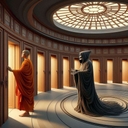
+Opening
| (derived from B. Sujato 2018/12) | (摘自B. Sujato 2018/12) | |
| Evaṃ me sutaṃ— | So I have heard. | 如是我闻。 |
| ekaṃ samayaṃ āyasmā ānando vesāliyaṃ viharati beluvagāmake. | At one time Venerable Ānanda was staying near Vesālī in the little village of Beluva. | 一时,尊者阿难陀住在毗舍离附近,在贝鲁瓦小村。 |
| Tena kho pana samayena dasamo gahapati aṭṭhakanāgaro pāṭaliputtaṃ anuppatto hoti kenacideva karaṇīyena. | Now at that time the householder Dasama from the city of Aṭṭhaka had arrived at Pāṭaliputta on some business. | 那时,阿吒迦城居士达舍摩因事来到了巴利普达。 |
+52.0 – (householder Dasama asked Ānanda for one Dharma to nirvana)
| Atha kho dasamo gahapati aṭṭhakanāgaro yena kukkuṭārāmo yena aññataro bhikkhu tenupasaṅkami; upasaṅkamitvā taṃ bhikkhuṃ abhivādetvā ekamantaṃ nisīdi. Ekamantaṃ nisinno kho dasamo gahapati aṭṭhakanāgaro taṃ bhikkhuṃ etadavoca: | He went to the Chicken Monastery, approached a certain monk, bowed, sat down to one side, and said to him: | 他去了鸡园精舍,走近一位比丘,顶礼后,坐到一旁,对他说道: |
| “kahaṃ nu kho, bhante, āyasmā ānando etarahi viharati? | “Sir, where is Venerable Ānanda now staying? | “世尊,尊者阿难陀现在住在哪里? |
| Dassanakāmā hi mayaṃ taṃ āyasmantaṃ ānandan”ti. | For I want to see him.” | 因为我想见他。” |
| “Eso, gahapati, āyasmā ānando vesāliyaṃ viharati beluvagāmake”ti. | “Householder, Venerable Ānanda is staying near Vesālī in the little village of Beluva.” | “居士,尊者阿难陀住在毗舍离附近,在贝鲁瓦小村。” |
| Atha kho dasamo gahapati aṭṭhakanāgaro pāṭaliputte taṃ karaṇīyaṃ tīretvā yena vesālī yena beluvagāmako yenāyasmā ānando tenupasaṅkami; upasaṅkamitvā āyasmantaṃ ānandaṃ abhivādetvā ekamantaṃ nisīdi. Ekamantaṃ nisinno kho dasamo gahapati aṭṭhakanāgaro āyasmantaṃ ānandaṃ etadavoca: | Then the householder Dasama, having concluded his business there, went to the little village of Beluva in Vesālī to see Ānanda. He bowed, sat down to one side, and said to Ānanda: | 然后居士达舍摩在那里办完事后,去到毗舍离的贝鲁瓦小村见阿难陀。他顶礼后,坐到一旁,对阿难陀说: |
| “atthi nu kho, bhante ānanda, tena bhagavatā jānatā passatā arahatā sammāsambuddhena ekadhammo akkhāto yattha bhikkhuno appamattassa ātāpino pahitattassa viharato avimuttañceva cittaṃ vimuccati, aparikkhīṇā ca āsavā parikkhayaṃ gacchanti, ananuppattañca anuttaraṃ yogakkhemaṃ anupāpuṇātī”ti? | “Sir, Ānanda, is there one Dharma that has been rightly explained by the Blessed One—who knows and sees, the perfected one, the fully awakened Buddha—practicing which a assiduous, ardent, and resolute monk’s mind is freed, their defilements are ended, and they arrive at the supreme sanctuary?” | “世尊阿难陀,世尊——知者、见者,阿罗汉,正等正觉的佛陀——是否正确解释了一种佛法,精进、热忱、坚定的比丘修行它,心便得解脱,烦恼止息,并达到至高无上的安稳处?” |
| “Atthi kho, gahapati, tena bhagavatā jānatā passatā arahatā sammāsambuddhena ekadhammo akkhāto, yattha bhikkhuno appamattassa ātāpino pahitattassa viharato avimuttañceva cittaṃ vimuccati, aparikkhīṇā ca āsavā parikkhayaṃ gacchanti, ananuppattañca anuttaraṃ yogakkhemaṃ anupāpuṇātī”ti. | “There is, householder.” | “有,居士。” |
+52.1 – (four jhānas)
| “Katamo pana, bhante ānanda, tena bhagavatā jānatā passatā arahatā sammāsambuddhena ekadhammo akkhāto, yattha bhikkhuno appamattassa ātāpino pahitattassa viharato avimuttañceva cittaṃ vimuccati, aparikkhīṇā ca āsavā parikkhayaṃ gacchanti, ananuppattañca anuttaraṃ yogakkhemaṃ anupāpuṇātī”ti? | “And what is that one Dharma?” | “那是一种什么佛法?” |
| “Idha, gahapati, bhikkhu vivicceva kāmehi vivicca akusalehi dhammehi savitakkaṃ savicāraṃ vivekajaṃ pītisukhaṃ paṭhamaṃ jhānaṃ upasampajja viharati. | “Householder, it’s when a monk, quite secluded from sensual pleasures, secluded from unskillful Dharmas, enters and remains in the first jhāna, which has the mental-joy and pleasure born of seclusion, while directing-thought and evaluation. | “居士,就是比丘完全远离感官享乐,远离不善法,进入并安住于初禅,初禅具有因远离而生的喜和乐,以及寻和伺。 |
| So iti paṭisañcikkhati: | Then they reflect: | 然后他们思惟: |
| ‘idampi kho paṭhamaṃ jhānaṃ abhisaṅkhataṃ abhisañcetayitaṃ. | ‘Even this first jhāna is produced by co-activities and intentions.’ | ‘即使这个初禅也是由共同活动和意图产生的。’ |
| Yaṃ kho pana kiñci abhisaṅkhataṃ abhisañcetayitaṃ tadaniccaṃ nirodhadhamman’ti pajānāti. | They understand: ‘But whatever is produced by co-activities and intentions is impermanent and liable to cessation.’ | 他们理解:‘但任何由共同活动和意图产生的事物都是无常的,容易止息的。’ |
| So tattha ṭhito āsavānaṃ khayaṃ pāpuṇāti. | Abiding in that they attain the ending of defilements. | 安住于此,他们证得烦恼的止息。 |
| No ce āsavānaṃ khayaṃ pāpuṇāti, teneva dhammarāgena tāya dhammanandiyā pañcannaṃ orambhāgiyānaṃ saṃyojanānaṃ parikkhayā opapātiko hoti tattha parinibbāyī anāvattidhammo tasmā lokā. | If they don’t attain the ending of defilements, with the ending of the five lower fetters they’re reborn spontaneously, because of their passion and love for that meditation. They are nirvana'd there, and are not liable to return from that world. | 如果他们没有证得烦恼的止息,随着五下分结的止息,他们会因为对那禅定的贪爱而自然转生。他们将在那里证得涅槃,且不会从那个世界返回。 |
| Ayampi kho, gahapati, tena bhagavatā jānatā passatā arahatā sammāsambuddhena ekadhammo akkhāto, yattha bhikkhuno appamattassa ātāpino pahitattassa viharato avimuttañceva cittaṃ vimuccati, aparikkhīṇā ca āsavā parikkhayaṃ gacchanti, ananuppattañca anuttaraṃ yogakkhemaṃ anupāpuṇāti. (1) | This is one Dharma that has been rightly explained by the Blessed One—who knows and sees, the perfected one, the fully awakened Buddha—practicing which a assiduous, ardent, and resolute monk’s mind is freed, their defilements are ended, and they arrive at the supreme sanctuary. | 这就是世尊——知者、见者,阿罗汉,正等正觉的佛陀——正确解释的一种佛法,精进、热忱、坚定的比丘修行它,心便得解脱,烦恼止息,并达到至高无上的安稳处。 |
| Puna caparaṃ, gahapati, bhikkhu vitakkavicārānaṃ vūpasamā ajjhattaṃ sampasādanaṃ … pe … dutiyaṃ jhānaṃ upasampajja viharati. So iti paṭisañcikkhati: ‘idampi kho dutiyaṃ jhānaṃ abhisaṅkhataṃ abhisañcetayitaṃ … pe … anuttaraṃ yogakkhemaṃ anupāpuṇāti. (2) |
Furthermore, as the directed-thought and evaluation are stilled, they enter and remain in the second jhāna … | 此外,随着寻和伺的止息,他们进入并安住于第二禅…… |
| Puna caparaṃ, gahapati, bhikkhu pītiyā ca virāgā … pe … tatiyaṃ jhānaṃ upasampajja viharati. So iti paṭisañcikkhati: ‘idampi kho tatiyaṃ jhānaṃ abhisaṅkhataṃ abhisañcetayitaṃ … pe … anuttaraṃ yogakkhemaṃ anupāpuṇāti. (3) |
third jhāna … | 第三禅…… |
| Puna caparaṃ, gahapati, bhikkhu sukhassa ca pahānā … pe … catutthaṃ jhānaṃ upasampajja viharati. So iti paṭisañcikkhati: ‘idampi kho catutthaṃ jhānaṃ abhisaṅkhataṃ abhisañcetayitaṃ … pe … anuttaraṃ yogakkhemaṃ anupāpuṇāti. (4) |
fourth jhāna … | 第四禅…… |
+52.5 – (four brahma vihāras 4bv☮️)
| Puna caparaṃ, gahapati, bhikkhu mettāsahagatena cetasā ekaṃ disaṃ pharitvā viharati, tathā dutiyaṃ, tathā tatiyaṃ, tathā catutthaṃ. Iti uddhamadho tiriyaṃ sabbadhi sabbattatāya sabbāvantaṃ lokaṃ mettāsahagatena cetasā vipulena mahaggatena appamāṇena averena abyābajjhena pharitvā viharati. | Furthermore, a monk meditates spreading a heart full of friendly-kindness to one direction, and to the second, and to the third, and to the fourth. In the same way above, below, across, everywhere, all around, they spread a heart full of friendly-kindness to the whole world—abundant, expansive, limitless, free of enmity and ill will. | 此外,比丘以充满慈爱的心遍满一个方向,然后是第二个,第三个,第四个。同样地,上方,下方,横向, everywhere,四面八方,以充满慈爱的心遍满整个世界——广阔,广大,无量,没有敌意和恶意。 |
| So iti paṭisañcikkhati: | Then they reflect: | 然后他们思惟: |
| ‘ayampi kho mettācetovimutti abhisaṅkhatā abhisañcetayitā. | ‘Even this heart’s release by friendly-kindness is produced by co-activities and intentions.’ | ‘即使这种慈心解脱也是由共同活动和意图产生的。’ |
| Yaṃ kho pana kiñci abhisaṅkhataṃ abhisañcetayitaṃ tadaniccaṃ nirodhadhamman’ti pajānāti. So tattha ṭhito … pe … anuttaraṃ yogakkhemaṃ anupāpuṇāti. (5) |
They understand: ‘But whatever is produced by co-activities and intentions is impermanent and liable to cessation.’ … | 他们理解:‘但任何由共同活动和意图产生的事物都是无常的,容易止息的。’…… |
| Puna caparaṃ, gahapati, bhikkhu karuṇāsahagatena cetasā … pe … | Furthermore, a monk meditates spreading a heart full of compassion … | 此外,比丘以充满悲悯心…… |
| muditāsahagatena cetasā … pe … | rejoicing … | 随喜心…… |
| upekkhāsahagatena cetasā ekaṃ disaṃ pharitvā viharati, tathā dutiyaṃ, tathā tatiyaṃ, tathā catutthaṃ. Iti uddhamadho tiriyaṃ sabbadhi sabbattatāya sabbāvantaṃ lokaṃ upekkhāsahagatena cetasā vipulena mahaggatena appamāṇena averena abyābajjhena pharitvā viharati. So iti paṭisañcikkhati: ‘ayampi kho upekkhācetovimutti abhisaṅkhatā abhisañcetayitā. Yaṃ kho pana kiñci abhisaṅkhataṃ abhisañcetayitaṃ tadaniccaṃ nirodhadhamman’ti pajānāti. So tattha ṭhito … pe … anuttaraṃ yogakkhemaṃ anupāpuṇāti. (6–8.) |
equanimous-observation … | 舍心禅修…… |
+52.9 – (first three formless attainments)
| Puna caparaṃ, gahapati, bhikkhu sabbaso rūpasaññānaṃ samatikkamā paṭighasaññānaṃ atthaṅgamā nānattasaññānaṃ amanasikārā ‘ananto ākāso’ti ākāsānañcāyatanaṃ upasampajja viharati. | Furthermore, householder, a monk, going totally beyond perceptions of form, with the ending of perceptions of impingement, not focusing on perceptions of diversity, aware that ‘space is infinite’, enters and remains in the dimension of infinite space. | 此外,居士,比丘完全超越色想,随着冲击想的止息,不专注于多样想,了知‘虚空无边’,进入并安住于空无边处。 |
| So iti paṭisañcikkhati: | Then they reflect: | 然后他们思惟: |
| ‘ayampi kho ākāsānañcāyatanasamāpatti abhisaṅkhatā abhisañcetayitā. | ‘Even this attainment of the dimension of infinite space is produced by co-activities and intentions.’ | ‘即使这种空无边处定也是由共同活动和意图产生的。’ |
| Yaṃ kho pana kiñci abhisaṅkhataṃ abhisañcetayitaṃ tadaniccaṃ nirodhadhamman’ti pajānāti. So tattha ṭhito … pe … anuttaraṃ yogakkhemaṃ anupāpuṇāti. (9) |
They understand: ‘But whatever is produced by co-activities and intentions is impermanent and liable to cessation.’ … | 他们理解:‘但任何由共同活动和意图产生的事物都是无常的,容易止息的。’…… |
| Puna caparaṃ, gahapati, bhikkhu sabbaso ākāsānañcāyatanaṃ samatikkamma ‘anantaṃ viññāṇan’ti viññāṇañcāyatanaṃ upasampajja viharati. So iti paṭisañcikkhati: ‘ayampi kho viññāṇañcāyatanasamāpatti abhisaṅkhatā abhisañcetayitā. Yaṃ kho pana kiñci abhisaṅkhataṃ abhisañcetayitaṃ tadaniccaṃ nirodhadhamman’ti pajānāti. So tattha ṭhito … pe … anuttaraṃ yogakkhemaṃ anupāpuṇāti. (10) |
Furthermore, a monk, going totally beyond the dimension of infinite space, aware that ‘consciousness is infinite’, enters and remains in the dimension of infinite consciousness. … | 此外,比丘完全超越空无边处,了知‘识无边’,进入并安住于识无边处。…… |
| Puna caparaṃ, gahapati, bhikkhu sabbaso viññāṇañcāyatanaṃ samatikkamma ‘natthi kiñcī’ti ākiñcaññāyatanaṃ upasampajja viharati. | Furthermore, a monk, going totally beyond the dimension of infinite consciousness, aware that ‘there is nothing at all’, enters and remains in the dimension of noDharmaness. | 此外,比丘完全超越识无边处,了知‘一无所有’,进入并安住于无所有处。 |
| So iti paṭisañcikkhati: | Then they reflect: | 然后他们思惟: |
| ‘ayampi kho ākiñcaññāyatanasamāpatti abhisaṅkhatā abhisañcetayitā. | ‘Even this attainment of the dimension of nothingness is produced by co-activities and intentions.’ | ‘即使这种无所有处定也是由共同活动和意图产生的。’ |
| Yaṃ kho pana kiñci abhisaṅkhataṃ abhisañcetayitaṃ tadaniccaṃ nirodhadhamman’ti pajānāti. | They understand: ‘But whatever is produced by co-activities and intentions is impermanent and liable to cessation.’ | 他们理解:‘但任何由共同活动和意图产生的事物都是无常的,容易止息的。’ |
| So tattha ṭhito āsavānaṃ khayaṃ pāpuṇāti. | Abiding in that they attain the ending of defilements. | 安住于此,他们证得烦恼的止息。 |
| No ce āsavānaṃ khayaṃ pāpuṇāti, teneva dhammarāgena tāya dhammanandiyā pañcannaṃ orambhāgiyānaṃ saṃyojanānaṃ parikkhayā opapātiko hoti tattha parinibbāyī anāvattidhammo tasmā lokā. | If they don’t attain the ending of defilements, with the ending of the five lower fetters they’re reborn spontaneously because of their passion and friendly-kindness for that meditation. They are nirvana'd there, and are not liable to return from that world. | 如果他们没有证得烦恼的止息,随着五下分结的止息,他们会因为对那禅定的贪爱而自然转生。他们将在那里证得涅槃,且不会从那个世界返回。 |
| Ayampi kho, gahapati, tena bhagavatā jānatā passatā arahatā sammāsambuddhena ekadhammo akkhāto yattha bhikkhuno appamattassa ātāpino pahitattassa viharato avimuttañceva cittaṃ vimuccati, aparikkhīṇā ca āsavā parikkhayaṃ gacchanti, ananuppattañca anuttaraṃ yogakkhemaṃ anupāpuṇātī”ti. (11) | This too is one Dharma that has been rightly explained by the Blessed One—who knows and sees, the perfected one, the fully awakened Buddha—practicing which a assiduous, ardent, and resolute monk’s mind is freed, their defilements are ended, and they arrive at the supreme sanctuary.” | 这同样是世尊——知者、见者,阿罗汉,正等正觉的佛陀——正确解释的一种佛法,精进、热忱、坚定的比丘修行它,心便得解脱,烦恼止息,并达到至高无上的安稳处。” |
+52.12 – (householder asked for one Dharma, Ānanda gave him 11)
| Evaṃ vutte, dasamo gahapati aṭṭhakanāgaro āyasmantaṃ ānandaṃ etadavoca: | When he said this, the householder Dasama said to Venerable Ānanda: | 他说完后,居士达舍摩对尊者阿难陀说: |
| “seyyathāpi, bhante ānanda, puriso ekaṃva nidhimukhaṃ gavesanto sakideva ekādasa nidhimukhāni adhigaccheyya; | “Sir, suppose a person was looking for an entrance to a hidden treasure. And all at once they’d come across eleven entrances! | “世尊,假设一个人正在寻找进入隐藏宝藏的入口。突然间,他发现了十一个入口! |
| evameva kho ahaṃ, bhante, ekaṃ amatadvāraṃ gavesanto sakideva ekādasa amatadvārāni alatthaṃ bhāvanāya. | In the same way, I was searching for the door to the deathless. And all at once I got to hear of eleven doors to the deathless. | 同样地,我正在寻找通往不死之门的入口。突然间,我听说了通往不死的十一个门。 |
| Seyyathāpi, bhante, purisassa agāraṃ ekādasadvāraṃ, so tasmiṃ agāre āditte ekamekenapi dvārena sakkuṇeyya attānaṃ sotthiṃ kātuṃ; | Suppose a person had a house with eleven doors. If the house caught fire they’d be able to flee to safety through any one of those doors. | 假设一个人有一栋有十一个门的房子。如果房子着火了,他可以通过其中任何一个门逃到安全的地方。 |
| evameva kho ahaṃ, bhante, imesaṃ ekādasannaṃ amatadvārānaṃ ekamekenapi amatadvārena sakkuṇissāmi attānaṃ sotthiṃ kātuṃ. | In the same way, I’m able to flee to safety through any one of these eleven doors to the deathless. | 同样地,我能够通过这十一个通往不死之门中的任何一个逃到安全的地方。 |
| Imehi nāma, bhante, aññatitthiyā ācariyassa ācariyadhanaṃ pariyesissanti, kimaṅgaṃ panāhaṃ āyasmato ānandassa pūjaṃ na karissāmī”ti. | Sir, those who follow other paths seek a fee for the teacher. Why shouldn’t I make an offering to Venerable Ānanda?” | 世尊,那些遵循其他道路的人向老师寻求报酬。我为什么不向尊者阿难陀供养呢?” |
| Atha kho dasamo gahapati aṭṭhakanāgaro pāṭaliputtakañca vesālikañca bhikkhusaṅghaṃ sannipātetvā paṇītena khādanīyena bhojanīyena sahatthā santappesi sampavāresi, | Then the householder Dasama, having assembled the Saṅgha from Vesālī and Pāṭaliputta, served and satisfied them with his own hands with a variety of delicious foods. | 于是居士达舍摩召集了毗舍离和巴利普达的僧伽,亲自用各种美味的食物供养并使他们心满意足。 |
| ekamekañca bhikkhuṃ paccekaṃ dussayugena acchādesi, āyasmantañca ānandaṃ ticīvarena acchādesi, āyasmato ca ānandassa pañcasatavihāraṃ kārāpesīti. | He clothed each and every monk in a pair of garments, with a set of three robes for Ānanda. And he had a dwelling worth five hundred built for Ānanda. | 他给每一位比丘一套衣服,给阿难陀一套三衣。他还为阿难陀建造了一座价值五百的住所。 |
❧
+MN 53 Sekha:
A trainee
all
A trainee

Opening
+53.1 – (Buddha given honor as first speaker at new Sakyan hall)
all
| Sekhasutta | A Trainee | 学处比丘 |
| Evaṃ me sutaṃ— | So I have heard. | 如是我闻。 |
| ekaṃ samayaṃ bhagavā sakkesu viharati kapilavatthusmiṃ nigrodhārāme. | At one time the Buddha was staying in the land of the Sakyans, near Kapilavatthu in the Banyan Tree Monastery. | 一时,佛陀住在释迦国,迦毗罗卫城附近的榕树园精舍。 |
| Tena kho pana samayena kāpilavatthavānaṃ sakyānaṃ navaṃ santhāgāraṃ acirakāritaṃ hoti anajjhāvuṭṭhaṃ samaṇena vā brāhmaṇena vā kenaci vā manussabhūtena. | Now at that time a new town hall had recently been constructed for the Sakyans of Kapilavatthu. It had not yet been occupied by an ascetic or brahmin or any person at all. | 那时,迦毗罗卫城的释迦族刚刚建造了一个新的市政厅。它尚未被任何沙门、婆罗门或任何人占用。 |
| Atha kho kāpilavatthavā sakyā yena bhagavā tenupasaṅkamiṃsu; upasaṅkamitvā bhagavantaṃ abhivādetvā ekamantaṃ nisīdiṃsu. Ekamantaṃ nisinnā kho kāpilavatthavā sakyā bhagavantaṃ etadavocuṃ: | Then the Sakyans of Kapilavatthu went up to the Buddha, bowed, sat down to one side, and said to him: | 然后迦毗罗卫城的释迦族去见佛陀,顶礼后,坐到一旁,对佛陀说: |
| “idha, bhante, kāpilavatthavānaṃ sakyānaṃ navaṃ santhāgāraṃ acirakāritaṃ anajjhāvuṭṭhaṃ samaṇena vā brāhmaṇena vā kenaci vā manussabhūtena. | “Sir, a new town hall has recently been constructed for the Sakyans of Kapilavatthu. It has not yet been occupied by an ascetic or brahmin or any person at all. | “世尊,迦毗罗卫城的释迦族最近建造了一个新的市政厅。它尚未被任何沙门、婆罗门或任何人占用。 |
| Taṃ, bhante, bhagavā paṭhamaṃ paribhuñjatu. Bhagavatā paṭhamaṃ paribhuttaṃ pacchā kāpilavatthavā sakyā paribhuñjissanti. | May the Buddha be the first to use it, and only then will the Sakyans of Kapilavatthu use it. | 愿佛陀首先使用它,然后迦毗罗卫城的释迦族才会使用它。 |
| Tadassa kāpilavatthavānaṃ sakyānaṃ dīgharattaṃ hitāya sukhāyā”ti. | That would be for the lasting welfare and happiness of the Sakyans of Kapilavatthu.” | 这将给迦毗罗卫城的释迦族带来长久的利益和安乐。” |
| Adhivāsesi bhagavā tuṇhībhāvena. | The Buddha consented in silence. | 佛陀默然应允。 |
| Atha kho kāpilavatthavā sakyā bhagavato adhivāsanaṃ viditvā uṭṭhāyāsanā bhagavantaṃ abhivādetvā padakkhiṇaṃ katvā yena navaṃ santhāgāraṃ tenupasaṅkamiṃsu; upasaṅkamitvā sabbasanthariṃ santhāgāraṃ santharitvā āsanāni paññapetvā udakamaṇikaṃ upaṭṭhapetvā telappadīpaṃ āropetvā yena bhagavā tenupasaṅkamiṃsu; | Then, knowing that the Buddha had accepted, the Sakyans got up from their seat, bowed, and respectfully circled the Buddha, keeping him on their right. Then they went to the new town hall, where they spread carpets all over, prepared seats, set up a water jar, and placed a lamp. Then they went back to the Buddha, | 释迦族人知道佛陀已经同意,便从座位上起身,顶礼,恭敬地右绕佛陀。然后他们去了新的市政厅,在那里铺满地毯,准备好座位,设置了一个水罐,并点燃了一盏灯。随后他们回到佛陀那里, |
| upasaṅkamitvā bhagavantaṃ abhivādetvā ekamantaṃ aṭṭhaṃsu. | bowed, stood to one side, | 顶礼后,站到一旁, |
| Ekamantaṃ ṭhitā kho kāpilavatthavā sakyā bhagavantaṃ etadavocuṃ: “sabbasanthariṃ santhataṃ, bhante, santhāgāraṃ, āsanāni paññattāni, udakamaṇiko upaṭṭhāpito, telappadīpo āropito. |
and told him of their preparations, saying: | 向他报告了他们的准备工作,说道: |
| Yassadāni, bhante, bhagavā kālaṃ maññatī”ti. | “Please, sir, come at your convenience.” | “世尊,请您随时来。” |
| Atha kho bhagavā nivāsetvā pattacīvaramādāya saddhiṃ bhikkhusaṃghena yena santhāgāraṃ tenupasaṅkami; upasaṅkamitvā pāde pakkhāletvā santhāgāraṃ pavisitvā majjhimaṃ thambhaṃ nissāya puratthābhimukho nisīdi. | Then the Buddha robed up and, taking his bowl and robe, went to the new town hall together with the Saṅgha of monks. Having washed his feet he entered the town hall and sat against the central column facing east. | 于是佛陀穿好袈裟,拿起钵和衣,与比丘僧团一同前往新的市政厅。他洗净双脚,进入市政厅,坐在中央的柱子旁,面向东方。 |
| Bhikkhusaṃghopi kho pāde pakkhāletvā santhāgāraṃ pavisitvā pacchimaṃ bhittiṃ nissāya puratthābhimukho nisīdi, bhagavantaṃyeva purakkhatvā. | The Saṅgha of monks also washed their feet, entered the town hall, and sat against the west wall facing east, with the Buddha right in front of them. | 比丘僧团也洗净双脚,进入市政厅,坐在西墙边,面向东方,佛陀就在他们正前方。 |
| Kāpilavatthavāpi kho sakyā pāde pakkhāletvā santhāgāraṃ pavisitvā puratthimaṃ bhittiṃ nissāya pacchimābhimukhā nisīdiṃsu, bhagavantaṃyeva purakkhatvā. | The Sakyans of Kapilavatthu also washed their feet, entered the town hall, and sat against the east wall facing west, with the Buddha right in front of them. | 迦毗罗卫城的释迦族人也洗净双脚,进入市政厅,坐在东墙边,面向西方,佛陀就在他们正前方。 |
| Atha kho bhagavā kāpilavatthave sakye bahudeva rattiṃ dhammiyā kathāya sandassetvā samādapetvā samuttejetvā sampahaṃsetvā āyasmantaṃ ānandaṃ āmantesi: | The Buddha spent most of the night educating, encouraging, firing up, and inspiring the Sakyans with a Dhamma talk. Then he addressed Venerable Ānanda: | 佛陀用大半个夜晚以佛法开示教导、鼓励、激励、启发释迦族人。然后他对尊者阿难陀说: |
+§1.2 – (After Buddha’s talk, his back hurts and he naps, asks Ananda to talk further)
| “paṭibhātu taṃ, ānanda, kāpilavatthavānaṃ sakyānaṃ sekho pāṭipado. | “Ānanda, speak about the practicing trainee to the Sakyans of Kapilavatthu as you feel inspired. | “阿难陀,你根据自己的感悟,向迦毗罗卫城的释迦族人宣讲修习学处比丘的法。 |
| Piṭṭhi me āgilāyati; | My back is sore, | 我背部酸痛, |
| tamahaṃ āyamissāmī”ti. | I’ll stretch it.” | 我去伸展一下。” |
| “Evaṃ, bhante”ti kho āyasmā ānando bhagavato paccassosi. | “Yes, sir,” Ānanda replied. | “是的,世尊,”阿难陀回答。 |
| Atha kho bhagavā catugguṇaṃ saṅghāṭiṃ paññāpetvā dakkhiṇena passena sīhaseyyaṃ kappesi, pāde pādaṃ accādhāya, sato sampajāno, uṭṭhānasaññaṃ manasi karitvā. | And then the Buddha spread out his outer robe folded in four and laid down in the lion’s posture—on the right side, placing one foot on top of the other—rememberful and aware, and focused on the time of getting up. | 于是佛陀将外衣叠成四层铺开,以狮子卧姿躺下——右侧卧,两脚相叠——正念具足,清晰明辨,并专注于起身的时间。 |
❧
+53.2 – (Ananda gives talk on gradual training of noble-one's-disciple)
all
| Atha kho āyasmā ānando mahānāmaṃ sakkaṃ āmantesi: | Then Ānanda addressed Mahānāma the Sakyan: | 于是阿难陀对释迦族摩诃那摩说: |
| “idha, mahānāma, ariyasāvako | “Mahānāma, a noble-one's-disciple | “摩诃那摩,圣弟子 |
| sīlasampanno hoti, | is accomplished in ethics, | 戒行圆满, |
| indriyesu guttadvāro hoti, | guards the sense doors, | 守护感官之门, |
| bhojane mattaññū hoti, | eats in moderation, | 饮食适度, |
| jāgariyaṃ anuyutto hoti, | and is dedicated to wakefulness. | 精勤于觉醒。 |
| sattahi saddhammehi samannāgato hoti, | They have seven True Dharmas, | 他们有七种真法, |
| catunnaṃ jhānānaṃ | and they get the four jhānas— | 他们随心所欲,毫不费力地获得四禅—— |
| ābhicetasikānaṃ diṭṭhadhammasukhavihārānaṃ | pleasureful meditations in the present life that belong to the higher mind— | 属于更高心境的今生安乐禅修。 |
| nikāmalābhī hoti akicchalābhī akasiralābhī. | when they want, without trouble or difficulty. |
+§2.1 – (is ethical)
| Kathañca, mahānāma, ariyasāvako sīlasampanno hoti? | And how is a noble-one's-disciple accomplished in ethics? | 圣弟子如何戒行圆满? |
| Idha, mahānāma, ariyasāvako sīlavā hoti, pātimokkhasaṃvarasaṃvuto viharati ācāragocarasampanno aṇumattesu vajjesu bhayadassāvī, samādāya sikkhati sikkhāpadesu. | It’s when a noble-one's-disciple is ethical, restrained in the monastic code, and has appropriate behavior and means of collecting alms. Seeing danger in the slightest flaw, they keep the rules they’ve undertaken. | 就是圣弟子戒行具足,于戒律中有所节制,行为得体,乞食方式适当。即使是最小的过失,他们也能看到危险,并遵守所承担的戒律。 |
| Evaṃ kho, mahānāma, ariyasāvako sīlasampanno hoti. (1) | That’s how a noble-one's-disciple is ethical. | 圣弟子就是这样戒行圆满的。 |
+§2.2 – (guards the sense doors)
| Kathañca, mahānāma, ariyasāvako indriyesu guttadvāro hoti? | And how does a noble-one's-disciple guard the sense doors? | 圣弟子如何守护感官之门? |
| Idha, mahānāma, ariyasāvako cakkhunā rūpaṃ disvā na nimittaggāhī hoti nānubyañjanaggāhī. | When a noble-one's-disciple sees a sight with their eyes, they don’t get caught up in the features and details. | 当圣弟子用眼睛看到景象时,他们不执着于特征和细节。 |
| Yatvādhikaraṇamenaṃ cakkhundriyaṃ asaṃvutaṃ viharantaṃ abhijjhādomanassā pāpakā akusalā dhammā anvāssaveyyuṃ tassa saṃvarāya paṭipajjati, rakkhati cakkhundriyaṃ, cakkhundriye saṃvaraṃ āpajjati. | If the faculty of sight were left unrestrained, bad unskillful Dharmas of desire and aversion would become overwhelming. For this reason, they practice restraint, protecting the faculty of sight, and achieving its restraint. | 如果视觉器官不受约束,贪欲和厌恶等不善法就会变得压倒性。因此,他们修行约束,保护视觉器官,并实现其约束。 |
| Sotena saddaṃ sutvā … pe … | When they hear a sound with their ears … | 当他们用耳朵听到声音时…… |
| ghānena gandhaṃ ghāyitvā … pe … | When they smell an odor with their nose … | 当他们用鼻子闻到气味时…… |
| jivhāya rasaṃ sāyitvā … pe … | When they taste a flavor with their tongue … | 当他们用舌头品尝味道时…… |
| kāyena phoṭṭhabbaṃ phusitvā … pe … | When they feel a touch with their body … | 当他们用身体感受到触觉时…… |
| manasā dhammaṃ viññāya na nimittaggāhī hoti nānubyañjanaggāhī. | When they know a thought with their mind, they don’t get caught up in the features and details. | 当他们用心知道思想时,他们不执着于特征和细节。 |
| Yatvādhikaraṇamenaṃ manindriyaṃ asaṃvutaṃ viharantaṃ abhijjhādomanassā pāpakā akusalā dhammā anvāssaveyyuṃ tassa saṃvarāya paṭipajjati, rakkhati manindriyaṃ, manindriye saṃvaraṃ āpajjati. | If the faculty of mind were left unrestrained, bad unskillful Dharmas of desire and aversion would become overwhelming. For this reason, they practice restraint, protecting the faculty of mind, and achieving its restraint. | 如果心识器官不受约束,贪欲和厌恶等不善法就会变得压倒性。因此,他们修行约束,保护心识器官,并实现其约束。 |
| Evaṃ kho, mahānāma, ariyasāvako indriyesu guttadvāro hoti. (2) | That’s how a noble-one's-disciple guards the sense doors. | 圣弟子就是这样守护感官之门的。 |
+§2.3 – (eats in moderation)
| Kathañca, mahānāma, ariyasāvako bhojane mattaññū hoti? | And how does a noble-one's-disciple eat in moderation? | 圣弟子如何饮食适度? |
| Idha, mahānāma, ariyasāvako paṭisaṅkhā yoniso āhāraṃ āhāreti: | It’s when a noble-one's-disciple reflects properly on the food that they eat: | 就是圣弟子正确地思惟所吃的食物: |
| ‘neva davāya na madāya na maṇḍanāya na vibhūsanāya; yāvadeva imassa kāyassa ṭhitiyā yāpanāya vihiṃsūparatiyā brahmacariyānuggahāya. Iti purāṇañca vedanaṃ paṭihaṅkhāmi, navañca vedanaṃ na uppādessāmi, yātrā ca me bhavissati anavajjatā ca phāsuvihāro cā’ti. | ‘Not for fun, indulgence, adornment, or decoration, but only to continue and sustain this body, avoid harm, and support spiritual practice. So that I will put an end to old discomfort and not give rise to new discomfort, and so that I will keep on living blamelessly and at ease.’ | “不是为了玩乐、放纵、美化或装饰,而只是为了维持和滋养这个身体,避免伤害,并支持梵行。这样我就能止息旧有的不适,不会产生新的不适,这样我就能无过失地、安乐地生活下去。” |
| Evaṃ kho, mahānāma, ariyasāvako bhojane mattaññū hoti. (3) | That’s how a noble-one's-disciple eats in moderation. | 圣弟子就是这样饮食适度的。 |
+§2.4 – (dedicated to wakefulness)
| Kathañca, mahānāma, ariyasāvako jāgariyaṃ anuyutto hoti? | And how is a noble-one's-disciple dedicated to wakefulness? | 圣弟子如何精勤于觉醒? |
| Idha, mahānāma, ariyasāvako divasaṃ caṅkamena nisajjāya āvaraṇīyehi dhammehi cittaṃ parisodheti, | It’s when a noble-one's-disciple practices walking and sitting meditation by day, purifying their mind from obstacles. | 就是圣弟子白天修习行禅和坐禅,净化心灵,使其摆脱障碍。 |
| rattiyā paṭhamaṃ yāmaṃ caṅkamena nisajjāya āvaraṇīyehi dhammehi cittaṃ parisodheti, | In the evening, they continue to practice walking and sitting meditation. | 晚上,他们继续修习行禅和坐禅。 |
| rattiyā majjhimaṃ yāmaṃ dakkhiṇena passena sīhaseyyaṃ kappeti, pāde pādaṃ accādhāya, sato sampajāno, uṭṭhānasaññaṃ manasi karitvā, | In the middle of the night, they lie down in the lion’s posture—on the right side, placing one foot on top of the other—rememberful and aware, and focused on the time of getting up. | 夜半时分,他们以狮子卧姿躺下——右侧卧,两脚相叠——正念具足,清晰明辨,并专注于起身的时间。 |
| rattiyā pacchimaṃ yāmaṃ paccuṭṭhāya caṅkamena nisajjāya āvaraṇīyehi dhammehi cittaṃ parisodheti. | In the last part of the night, they get up and continue to practice walking and sitting meditation, purifying their mind from obstacles. | 夜的最后部分,他们起身,继续修习行禅和坐禅,净化心灵,使其摆脱障碍。 |
| Evaṃ kho, mahānāma, ariyasāvako jāgariyaṃ anuyutto hoti. (4) | That’s how a noble-one's-disciple is dedicated to wakefulness. | 圣弟子就是这样精勤于觉醒的。 |
+§2.5 – (has 7 true Dharmas)
| Kathañca, mahānāma, ariyasāvako sattahi saddhammehi samannāgato hoti? | And how does a noble-one's-disciple have seven True Dharmas? | 圣弟子如何拥有七种真法? |
| Idha, mahānāma, ariyasāvako saddho hoti, saddahati tathāgatassa bodhiṃ: | It’s when a noble-one's-disciple has justifiable-trust in the Realized One’s awakening: | 就是圣弟子对如来的觉悟有确信: |
| ‘itipi so bhagavā arahaṃ sammāsambuddho vijjācaraṇasampanno sugato lokavidū anuttaro purisadammasārathi satthā devamanussānaṃ buddho bhagavā’ti. | ‘That Blessed One is perfected, a fully awakened Buddha, accomplished in knowledge and conduct, holy, knower of the world, supreme guide for those who wish to train, teacher of gods and humans, awakened, blessed.’ | “那位世尊是阿罗汉,正等正觉的佛陀,明行具足,善逝,世间解,无上士,调御丈夫,天人师,佛,世尊。” |
| Hirimā hoti, hirīyati kāyaduccaritena vacīduccaritena manoduccaritena, hirīyati pāpakānaṃ akusalānaṃ dhammānaṃ samāpattiyā. | They have a shame. They’re conscientious about bad conduct by way of body, speech, and mind, and conscientious about having any bad, unskillful Dharmas. | 他们有良心。他们对身体、言语和意念上的不良行为,以及任何不良、不善的法都心存顾虑。 |
| Ottappī hoti, ottappati kāyaduccaritena vacīduccaritena manoduccaritena, ottappati pāpakānaṃ akusalānaṃ dhammānaṃ samāpattiyā. | They exercise dread. They’re prudent when it comes to bad conduct by way of body, speech, and mind, and prudent when it comes to acquiring any bad, unskillful Dharmas. | 他们谨慎。他们在身体、言语和意念上的不良行为方面,以及在获得任何不良、不善的法方面,都保持谨慎。 |
| Bahussuto hoti sutadharo sutasannicayo. Ye te dhammā ādikalyāṇā majjhekalyāṇā pariyosānakalyāṇā sātthā sabyañjanā kevalaparipuṇṇaṃ parisuddhaṃ brahmacariyaṃ abhivadanti tathārūpāssa dhammā bahussutā honti dhātā vacasā paricitā manasānupekkhitā diṭṭhiyā suppaṭividdhā. | They’re very learned, remembering and keeping what they’ve learned. These Dharmas are good in the beginning, good in the middle, and good in the end, meaningful and well-phrased, describing a spiritual practice that’s entirely full and pure. They are very learned in such Dharmas, remembering them, reinforcing them by recitation, mentally scrutinizing them, and comprehending them theoretically. | 他们博学多闻,记忆并保存所学。这些法在开端善,中间善,结尾善,有意义且措辞精妙,描述了一种完全圆满纯净的梵行。他们对这些法博学多闻,记忆它们,通过背诵来强化它们,在心智上仔细审视它们,并在理论上理解它们。 |
| Āraddhavīriyo viharati akusalānaṃ dhammānaṃ pahānāya, kusalānaṃ dhammānaṃ upasampadāya, thāmavā daḷhaparakkamo anikkhittadhuro kusalesu dhammesu. | They live with vigor roused up for giving up unskillful Dharmas and gaining skillful Dharmas. They’re strong, staunchly vigorous, not slacking off when it comes to developing skillful Dharmas. | 他们以精进之心生活,致力于舍弃不善法和获得善法。他们坚强,坚定不移地精进,在发展善法方面不松懈。 |
| Satimā hoti, paramena satinepakkena samannāgato, cirakatampi cirabhāsitampi saritā anussaritā. | They’re rememberful. They have utmost remembering and alertness, and can remember and recall what was said and done long ago. | 他们正念具足。他们具有最高的正念和警觉性,能够记住并回忆很久以前说过和做过的事情。 |
| Paññavā hoti, udayatthagāminiyā paññāya samannāgato, ariyāya nibbedhikāya sammā dukkhakkhayagāminiyā. | They’re wise. They have the wisdom of arising and passing away which is noble, penetrative, and leads to the complete ending of suffering. | 他们有智慧。他们拥有生灭的智慧,这种智慧是圣洁的,具有穿透力,并能导向苦的完全止息。 |
| Evaṃ kho, mahānāma, ariyasāvako sattahi saddhammehi samannāgato hoti. (5–11) | That’s how a noble-one's-disciple has seven True Dharmas. | 圣弟子就是这样拥有七种真法的。 |
+§2.6 – (gets 4 jhānas easily)
| Kathañca, mahānāma, ariyasāvako catunnaṃ jhānānaṃ ābhicetasikānaṃ diṭṭhadhammasukhavihārānaṃ nikāmalābhī hoti akicchalābhī akasiralābhī? | And how does a noble-one's-disciple get the four jhānas—pleasureful meditations in the present life that belong to the higher mind—when they want, without trouble or difficulty? | 圣弟子如何随心所欲,毫不费力地获得四禅——属于更高心境的今生安乐禅修? |
| Idha, mahānāma, ariyasāvako vivicceva kāmehi … pe … paṭhamaṃ jhānaṃ upasampajja viharati; | It’s when a noble-one's-disciple, quite secluded from sensual pleasures, secluded from unskillful Dharmas, enters and remains in the first jhāna … | 就是圣弟子完全远离感官享乐,远离不善法,进入并安住于初禅…… |
| vitakkavicārānaṃ vūpasamā ajjhattaṃ sampasādanaṃ … pe … dutiyaṃ jhānaṃ upasampajja viharati; | second jhāna … | 第二禅…… |
| pītiyā ca virāgā … pe … tatiyaṃ jhānaṃ upasampajja viharati; | third jhāna … | 第三禅…… |
| sukhassa ca pahānā dukkhassa ca pahānā pubbeva somanassadomanassānaṃ atthaṅgamā … pe … catutthaṃ jhānaṃ upasampajja viharati. | fourth jhāna. | 第四禅。 |
| Evaṃ kho, mahānāma, ariyasāvako catunnaṃ jhānānaṃ ābhicetasikānaṃ diṭṭhadhammasukhavihārānaṃ nikāmalābhī hoti akicchalābhī akasiralābhī. (12–15.) | That’s how a noble-one's-disciple gets the four jhānas—pleasureful meditations in the present life that belong to the higher mind—when they want, without trouble or difficulty. | 圣弟子就是这样随心所欲,毫不费力地获得四禅——属于更高心境的今生安乐禅修。 |
❧
+53.3 – (simile of chicken hatching ↔ this we can deduce is stream entry)
all
| Yato kho, mahānāma, ariyasāvako evaṃ sīlasampanno hoti, evaṃ indriyesu guttadvāro hoti, evaṃ bhojane mattaññū hoti, evaṃ jāgariyaṃ anuyutto hoti, evaṃ sattahi saddhammehi samannāgato hoti, evaṃ catunnaṃ jhānānaṃ ābhicetasikānaṃ diṭṭhadhammasukhavihārānaṃ nikāmalābhī hoti akicchalābhī akasiralābhī, ayaṃ vuccati, mahānāma, ariyasāvako sekho pāṭipado apuccaṇḍatāya samāpanno, bhabbo abhinibbhidāya, bhabbo sambodhāya, bhabbo anuttarassa yogakkhemassa adhigamāya. | When a noble-one's-disciple is accomplished in ethics, guards the sense doors, eats in moderation, and is dedicated to wakefulness; and they have seven True Dharmas, and they get the four jhānas—pleasureful meditations in the present life that belong to the higher mind—when they want, without trouble or difficulty, they are called a noble-one's-disciple who is a practicing trainee. Their eggs are unspoiled, and they are capable of breaking out of their shell, becoming awakened, and achieving the supreme sanctuary. | 当圣弟子戒行圆满,守护感官之门,饮食适度,精勤于觉醒;并且他们有七种真法,并且他们随心所欲,毫不费力地获得四禅——属于更高心境的今生安乐禅修时,他们被称为修习学处比丘的圣弟子。他们的蛋没有腐坏,他们能够破壳而出,觉醒,并达到至高无上的安稳处。 |
+§3.0 – (deduction: eggs hatching without wishing means sekha must a stream enterer)
| Seyyathāpi, mahānāma, kukkuṭiyā aṇḍāni aṭṭha vā dasa vā dvādasa vā tānāssu kukkuṭiyā sammā adhisayitāni sammā pariseditāni sammā paribhāvitāni, kiñcāpi tassā kukkuṭiyā na evaṃ icchā uppajjeyya: | Suppose there was a chicken with eight or ten or twelve eggs. And she properly sat on them to keep them warm and incubated. Even if that chicken doesn’t wish: | 假设有一只鸡,有八个、十个或十二个蛋。她正确地孵化它们,使其保持温暖并孵化。即使那只鸡不希望: |
| ‘aho vatime kukkuṭapotakā pādanakhasikhāya vā mukhatuṇḍakena vā aṇḍakosaṃ padāletvā sotthinā abhinibbhijjeyyun’ti, | ‘If only my chicks could break out of the eggshell with their claws and beak and hatch safely!’ | “如果我的小鸡能用它们的爪子和喙破壳而出并安全孵化就好了!” |
| atha kho bhabbāva te kukkuṭapotakā pādanakhasikhāya vā mukhatuṇḍakena vā aṇḍakosaṃ padāletvā sotthinā abhinibbhijjituṃ. | Still they can break out and hatch safely. | 它们仍然可以破壳而出并安全孵化。 |
+§3.1 – (ariya savaka disciple gets promoted to sekha trainee status)
all
| Evameva kho, mahānāma, yato ariyasāvako evaṃ sīlasampanno hoti, evaṃ indriyesu guttadvāro hoti, evaṃ bhojane mattaññū hoti, evaṃ jāgariyaṃ anuyutto hoti, evaṃ sattahi saddhammehi samannāgato hoti, evaṃ catunnaṃ jhānānaṃ ābhicetasikānaṃ diṭṭhadhammasukhavihārānaṃ nikāmalābhī hoti akicchalābhī akasiralābhī, ayaṃ vuccati, mahānāma, ariyasāvako sekho pāṭipado apuccaṇḍatāya samāpanno, bhabbo abhinibbhidāya, bhabbo sambodhāya, bhabbo anuttarassa yogakkhemassa adhigamāya. | In the same way, when a noble-one's-disciple is practicing all these things they are called a noble-one's-disciple who is a practicing trainee. Their eggs are unspoiled, and they are capable of breaking out of their shell, becoming awakened, and achieving the supreme sanctuary. | 同样地,当圣弟子修习所有这些事情时,他们被称为修习学处比丘的圣弟子。他们的蛋没有腐坏,他们能够破壳而出,觉醒,并达到至高无上的安稳处。 |
(these are the 3 higher knowledges of 6ab ⚡☸)
+§1.1 – (knows many rebirths ↔ chick first breaking shell)
| Sa kho so, mahānāma, ariyasāvako imaṃyeva anuttaraṃ upekkhāsatipārisuddhiṃ āgamma anekavihitaṃ pubbenivāsaṃ anussarati, | Relying on this supreme purity of remembering and equanimous-observation, that noble-one's-disciple recollects their many kinds of past lives. | 依靠这种正念和舍心的至高纯净,那位圣弟子回忆起他们的多种前生。 |
| seyyathidaṃ—ekampi jātiṃ dvepi jātiyo … pe … iti sākāraṃ sauddesaṃ anekavihitaṃ pubbenivāsaṃ anussarati, | That is: one, two, three, four, five, ten, twenty, thirty, forty, fifty, a hundred, a thousand, a hundred thousand rebirths; many eons of the world contracting, many eons of the world evolving, many eons of the world contracting and evolving. … And so they recollect their many kinds of past lives, with features and details. | 即:一世、二世、三世、四世、五世、十世、二十世、三十世、四十世、五十世、一百世、一千世、十万世的轮回;许多世界劫的收缩,许多世界劫的演变,许多世界劫的收缩和演变。……他们就这样回忆起多种前生,具有特征和细节。 |
| ayamassa paṭhamābhinibbhidā hoti kukkuṭacchāpakasseva aṇḍakosamhā. (1) | This is their first breaking out, like a chick from an eggshell. | 这是他们的第一次破壳而出,就像小鸡破壳而出一样。 |
+§1.2 – (knows rebirth + karma ↔ chick second breaking shell)
| Sa kho so, mahānāma, ariyasāvako imaṃyeva anuttaraṃ upekkhāsatipārisuddhiṃ āgamma dibbena cakkhunā visuddhena atikkantamānusakena satte passati cavamāne upapajjamāne hīne paṇīte suvaṇṇe dubbaṇṇe sugate duggate … pe … yathākammūpage satte pajānāti, | Relying on this supreme purity of remembering and equanimous-observation, that noble-one's-disciple, with clairvoyance that is purified and superhuman, sees sentient beings passing away and being reborn—inferior and superior, beautiful and ugly, in a good place or a bad place. … They understand how sentient beings are reborn according to their deeds. | 依靠这种正念和舍心的至高纯净,那位圣弟子以清净超人天眼,看见有情众生逝去和再生——低劣和高尚,美丽和丑陋,在善处或恶处。……他们理解有情众生如何依其业报而转生。 |
| ayamassa dutiyābhinibbhidā hoti kukkuṭacchāpakasseva aṇḍakosamhā. (2) | This is their second breaking out, like a chick from an eggshell. | 这是他们的第二次破壳而出,就像小鸡破壳而出一样。 |
+§1.3 – (knows arahantship ↔ chick third breaking shell)
| Sa kho so, mahānāma, ariyasāvako imaṃyeva anuttaraṃ upekkhāsatipārisuddhiṃ āgamma āsavānaṃ khayā anāsavaṃ cetovimuttiṃ paññāvimuttiṃ diṭṭheva dhamme sayaṃ abhiññā sacchikatvā upasampajja viharati, | Relying on this supreme purity of remembering and equanimous-observation, that noble-one's-disciple realizes the undefiled freedom of heart and freedom by wisdom in this very life. And they live having realized it with their own insight due to the ending of defilements. | 依靠这种正念和舍心的至高纯净,那位圣弟子今生就证得无染的心解脱和慧解脱。并且他们因为烦恼的止息,以自己的洞察力证得它并安住。 |
| ayamassa tatiyābhinibbhidā hoti kukkuṭacchāpakasseva aṇḍakosamhā. (3) | This is their third breaking out, like a chick from an eggshell. | 这是他们的第三次破壳而出,就像小鸡破壳而出一样。 |
| Yampi, mahānāma, ariyasāvako sīlasampanno hoti, idampissa hoti caraṇasmiṃ; | A noble-one's-disciple’s conduct includes the following: being accomplished in ethics, | 圣弟子的行为包括:戒行圆满, |
| yampi, mahānāma, ariyasāvako indriyesu guttadvāro hoti, idampissa hoti caraṇasmiṃ; | guarding the sense doors, | 守护感官之门, |
| yampi, mahānāma, ariyasāvako bhojane mattaññū hoti, idampissa hoti caraṇasmiṃ; | moderation in eating, | 饮食适度, |
| yampi, mahānāma, ariyasāvako jāgariyaṃ anuyutto hoti, idampissa hoti caraṇasmiṃ; | being dedicated to wakefulness, | 精勤于觉醒, |
| yampi, mahānāma, ariyasāvako sattahi saddhammehi samannāgato hoti, idampissa hoti caraṇasmiṃ; | having seven True Dharmas, | 拥有七种真法, |
| yampi, mahānāma, ariyasāvako catunnaṃ jhānānaṃ ābhicetasikānaṃ diṭṭhadhammasukhavihārānaṃ nikāmalābhī hoti akicchalābhī akasiralābhī, idampissa hoti caraṇasmiṃ. | and getting the four jhānas when they want, without trouble or difficulty. | 以及随心所欲,毫不费力地获得四禅。 |
❧
+53.4 – (ariya savaka disciple who is an arahant with 3 higher knowledges is ‘accomplished in knowledge and conduct’)
all
| Yañca kho, mahānāma, ariyasāvako anekavihitaṃ pubbenivāsaṃ anussarati, seyyathidaṃ—ekampi jātiṃ dvepi jātiyo … pe … iti sākāraṃ sauddesaṃ anekavihitaṃ pubbenivāsaṃ anussarati, idampissa hoti vijjāya; | A noble-one's-disciple’s knowledge includes the following: recollecting their past lives, | 圣弟子的知识包括:回忆前生, |
| yampi, mahānāma, ariyasāvako dibbena cakkhunā visuddhena atikkantamānusakena satte passati cavamāne upapajjamāne hīne paṇīte suvaṇṇe dubbaṇṇe sugate duggate … pe … yathākammūpage satte pajānāti, idampissa hoti vijjāya. | clairvoyance that is purified and superhuman, | 清净超人天眼, |
| Yampi, mahānāma, ariyasāvako āsavānaṃ khayā anāsavaṃ cetovimuttiṃ paññāvimuttiṃ diṭṭheva dhamme sayaṃ abhiññā sacchikatvā upasampajja viharati, idampissa hoti vijjāya. | and realizing the undefiled freedom of heart and freedom by wisdom in this very life due to the ending of defilements. | 以及今生就证得无染的心解脱和慧解脱,因为烦恼的止息。 |
| Ayaṃ vuccati, mahānāma, ariyasāvako vijjāsampanno itipi caraṇasampanno itipi vijjācaraṇasampanno itipi. | This noble-one's-disciple is said to be ‘accomplished in knowledge’, and also ‘accomplished in conduct’, and also ‘accomplished in knowledge and conduct’. | 这位圣弟子被称为“知识圆满者”,也称为“行为圆满者”,也称为“知识和行为都圆满者”。 |
| Brahmunāpesā, mahānāma, sanaṅkumārena gāthā bhāsitā: | And Brahmā Sanaṅkumāra also spoke this verse: | 而且,梵天萨南库马拉也说了这首偈: |
+(brahma’s verse)
| ‘Khattiyo seṭṭho janetasmiṃ, | ‘The warrior-noble is best of those people | “战士贵族是那些人中最好的, |
| ye gottapaṭisārino; | who take clan as the standard. | 他们以氏族为标准。 |
| Vijjācaraṇasampanno, | But one accomplished in knowledge and conduct | 但知识和行为都圆满的人 |
| so seṭṭho devamānuse’ti. | is best of gods and humans.’ | 是天人和人类中最好的。” |
(end verse)
| Sā kho panesā, mahānāma, brahmunā sanaṅkumārena gāthā sugītā no duggītā, subhāsitā no dubbhāsitā, atthasaṃhitā no anatthasaṃhitā, anumatā bhagavatā”ti. | And that verse was well sung by Brahmā Sanaṅkumāra, not poorly sung; well spoken, not poorly spoken, beneficial, not harmful, and it was approved by the Buddha.” | 那首偈是梵天萨南库马拉唱得很好的,不是唱得不好的;说得很好,不是说得不好的,有益的,无害的,而且得到了佛陀的认可。” |
+53.5 – (conclusion)
| Atha kho bhagavā uṭṭhahitvā āyasmantaṃ ānandaṃ āmantesi: | Then the Buddha got up and said to Venerable Ānanda: | 然后佛陀起身对尊者阿难陀说: |
| “sādhu sādhu, ānanda, | “Good, good, Ānanda! | “好,好,阿难陀! |
| sādhu kho tvaṃ, ānanda, kāpilavatthavānaṃ sakyānaṃ sekhaṃ pāṭipadaṃ abhāsī”ti. | It’s good that you spoke to the Sakyans of Kapilavatthu about the practicing trainee.” | 你向迦毗罗卫城的释迦族人宣讲修习学处比丘的法,这很好。” |
| Idamavocāyasmā ānando. | This is what Venerable Ānanda said, | 这就是尊者阿难陀所说的, |
| Samanuñño satthā ahosi. | and the teacher approved. | 老师也认可了。 |
| Attamanā kāpilavatthavā sakyā āyasmato ānandassa bhāsitaṃ abhinandunti. | Satisfied, the Sakyans of Kapilavatthu were happy with what Venerable Ānanda said. | 迦毗罗卫城的释迦族人感到心满意足,对尊者阿难陀所说的话感到欢喜。 |
❧
+MN 54 Potaliya:
With Potaliya the Wanderer
all
With Potaliya the Wanderer

+Opening
| (derived from B. Sujato 2018/12) | (摘自B. Sujato 2018/12) | |
| Evaṃ me sutaṃ— | So I have heard. | 如是我闻。 |
| ekaṃ samayaṃ bhagavā aṅguttarāpesu viharati āpaṇaṃ nāma aṅguttarāpānaṃ nigamo. | At one time the Buddha was staying in the land of the Northern Āpaṇas, near the town of theirs named Āpaṇa. | 一时,佛陀住在北阿波那国,他们名为阿波那的城镇附近。 |
| Atha kho bhagavā pubbaṇhasamayaṃ nivāsetvā pattacīvaramādāya āpaṇaṃ piṇḍāya pāvisi. | Then the Buddha robed up in the morning and, taking his bowl and robe, entered Āpaṇa for alms. | 然后佛陀早上穿好袈裟,拿起钵和衣,进入阿波那乞食。 |
| Āpaṇe piṇḍāya caritvā pacchābhattaṃ piṇḍapātapaṭikkanto yenaññataro vanasaṇḍo tenupasaṅkami divāvihārāya. | He wandered for alms in Āpaṇa. After the meal, on his return from alms-round, he went to a certain forest grove for the day’s meditation. | 他在阿波那乞食。饭后,从乞食回来,他去了一个森林小树林进行日间禅修。 |
| Taṃ vanasaṇḍaṃ ajjhogāhetvā aññatarasmiṃ rukkhamūle divāvihāraṃ nisīdi. | Having plunged deep into it, he sat at the root of a certain tree for the day’s meditation. | 他深入其中,在一棵树下坐下来进行日间禅修。 |
| Potaliyopi kho gahapati sampannanivāsanapāvuraṇo chattupāhanāhi jaṅghāvihāraṃ anucaṅkamamāno anuvicaramāno yena so vanasaṇḍo tenupasaṅkami; upasaṅkamitvā taṃ vanasaṇḍaṃ ajjhogāhetvā yena bhagavā tenupasaṅkami; upasaṅkamitvā bhagavatā saddhiṃ sammodi. | Potaliya the householder also approached that forest grove while going for a walk. He was well dressed in a cloak and sarong, with parasol and sandals. Having plunged deep into it, he went up to the Buddha, and exchanged greetings with him. | 居士波塔利亚也在散步时来到那个森林小树林。他穿着斗篷和纱笼,戴着阳伞和凉鞋,穿着考究。他深入其中,走到佛陀面前,与佛陀寒暄。 |
| Sammodanīyaṃ kathaṃ sāraṇīyaṃ vītisāretvā ekamantaṃ aṭṭhāsi. Ekamantaṃ ṭhitaṃ kho potaliyaṃ gahapatiṃ bhagavā etadavoca: | When the greetings and polite conversation were over, he stood to one side, and the Buddha said to him: | 寒暄和客套结束后,他站到一旁,佛陀对他说: |
| “saṃvijjanti kho, gahapati, āsanāni; sace ākaṅkhasi nisīdā”ti. | “There are seats, householder. Please sit if you wish.” | “有座位,居士。如果您愿意,请坐。” |
| Evaṃ vutte, potaliyo gahapati “gahapativādena maṃ samaṇo gotamo samudācaratī”ti kupito anattamano tuṇhī ahosi. | When he said this, Potaliya was angry and upset. Thinking, “The ascetic Gotama addresses me as ‘householder’!” he stayed silent. | 他说这话时,波塔利亚又生气又沮丧。他想:“沙门乔达摩称我为‘居士’!”他保持沉默。 |
| Dutiyampi kho bhagavā … pe … | For a second time … | 第二次…… |
| tatiyampi kho bhagavā potaliyaṃ gahapatiṃ etadavoca: | and a third time the Buddha said to him: | 第三次佛陀对他说道: |
| “saṃvijjanti kho, gahapati, āsanāni; sace ākaṅkhasi nisīdā”ti. | “There are seats, householder. Please sit if you wish.” | “有座位,居士。如果您愿意,请坐。” |
| Evaṃ vutte, potaliyo gahapati “gahapativādena maṃ samaṇo gotamo samudācaratī”ti kupito anattamano bhagavantaṃ etadavoca: | When he said this, Potaliya was angry and upset. Thinking, “The ascetic Gotama addresses me as ‘householder’!” he said to the Buddha: | 他说这话时,波塔利亚又生气又沮丧。他想:“沙门乔达摩称我为‘居士’!”他对比陀陀说: |
+54.3 – (how householder refused all work and cut off all judgments)
| “tayidaṃ, bho gotama, nacchannaṃ, tayidaṃ nappatirūpaṃ, yaṃ maṃ tvaṃ gahapativādena samudācarasī”ti. | “Master Gotama, it is neither proper nor appropriate for you to address me as ‘householder’.” | “乔达摩大师,您称我为‘居士’既不合适也不恰当。” |
| “Te hi te, gahapati, ākārā, te liṅgā, te nimittā yathā taṃ gahapatissā”ti. | “Well, householder, you have the features, attributes, and signs of a householder.” | “居士,你有居士的特征、属性和标志。” |
| “Tathā hi pana me, bho gotama, sabbe kammantā paṭikkhittā, sabbe vohārā samucchinnā”ti. | “Master Gotama, it’s because I have refused all work and cut off all judgments.” | “乔达摩大师,那是因为我已拒绝所有工作并切断所有判断。” |
| “Yathā kathaṃ pana te, gahapati, sabbe kammantā paṭikkhittā, sabbe vohārā samucchinnā”ti? | “Householder, in what way have you refused all work and cut off all judgments?” | “居士,你是如何拒绝所有工作并切断所有判断的?” |
| “Idha me, bho gotama, yaṃ ahosi dhanaṃ vā dhaññaṃ vā rajataṃ vā jātarūpaṃ vā sabbaṃ taṃ puttānaṃ dāyajjaṃ niyyātaṃ, tatthāhaṃ anovādī anupavādī ghāsacchādanaparamo viharāmi. | “Master Gotama, all the money, grain, gold, and silver I used to have has been handed over to my children as their inheritance. And in this matter I do not advise or reprimand them, but live with nothing more than food and clothes. | “乔达摩大师,我过去所有的金钱、谷物、黄金和白银都已作为遗产交给我的孩子们。在这件事上,我不给他们建议也不责备他们,只靠食物和衣服生活。 |
| Evaṃ kho me, bho gotama, sabbe kammantā paṭikkhittā, sabbe vohārā samucchinnā”ti. | That’s how I have refused all work and cut off all judgments.” | 我就是这样拒绝所有工作并切断所有判断的。” |
+54.4 – (cutting off of judgments in the noble one’s training is quite different)
| “Aññathā kho tvaṃ, gahapati, vohārasamucchedaṃ vadasi, aññathā ca pana ariyassa vinaye vohārasamucchedo hotī”ti. | “The cutting off of judgments as you describe it is one thing, householder, but the cutting off of judgments in the noble one’s training is quite different.” | “您所描述的切断判断是一回事,居士,但圣者训练中的切断判断则完全不同。” |
| “Yathā kathaṃ pana, bhante, ariyassa vinaye vohārasamucchedo hoti? | “But what, sir, is cutting off of judgments in the noble one’s training? | “但是,世尊,圣者训练中的切断判断是什么? |
| Sādhu me, bhante, bhagavā tathā dhammaṃ desetu yathā ariyassa vinaye vohārasamucchedo hotī”ti. | Sir, please teach me this.” | 世尊,请您教导我这个。” |
| “Tena hi, gahapati, suṇāhi, sādhukaṃ manasi karohi, bhāsissāmī”ti. | “Well then, householder, listen and pay close attention, I will speak.” | “那么,居士,请听好,认真注意,我将要讲。” |
| “Evaṃ, bhante”ti kho potaliyo gahapati bhagavato paccassosi. | “Yes, sir,” said Potaliya. | “是的,世尊,”波塔利亚说。 |
+54.8 – (eight Dharmas lead to the cutting off of judgments in the noble one’s training)
| Bhagavā etadavoca: | The Buddha said this: | 佛陀如是说: |
| “aṭṭha kho ime, gahapati, dhammā ariyassa vinaye vohārasamucchedāya saṃvattanti. | “Householder, these eight Dharmas lead to the cutting off of judgments in the noble one’s training. | “居士,这八种法导致圣者训练中的判断被切断。 |
| Katame aṭṭha? | What eight? | 哪八种? |
| Apāṇātipātaṃ nissāya pāṇātipāto pahātabbo; | Killing living creatures should be given up, relying on not killing living creatures. | 应该放弃杀生,依靠不杀生。 |
| dinnādānaṃ nissāya adinnādānaṃ pahātabbaṃ; | Stealing should be given up, relying on not stealing. | 应该放弃偷盗,依靠不偷盗。 |
| saccavācaṃ nissāya musāvādo pahātabbo; | Lying should be given up, relying on speaking the truth. | 应该放弃妄语,依靠说真话。 |
| apisuṇaṃ vācaṃ nissāya pisuṇā vācā pahātabbā; | Divisive speech should be given up, relying on speech that isn’t divisive. | 应该放弃离间语,依靠不离间语。 |
| agiddhilobhaṃ nissāya giddhilobho pahātabbo; | Greed and lust should be given up, relying on not being greedy and lustful. | 应该放弃贪婪和欲望,依靠不贪婪和不欲望。 |
| anindārosaṃ nissāya nindāroso pahātabbo; | Blaming and insulting should be given up, relying on not blaming and not insulting. | 应该放弃责备和侮辱,依靠不责备和不侮辱。 |
| akkodhūpāyāsaṃ nissāya kodhūpāyāso pahātabbo; | Anger and distress should be given up, relying on not being angry and distressed. | 应该放弃愤怒和苦恼,依靠不愤怒和不苦恼。 |
| anatimānaṃ nissāya atimāno pahātabbo. | Arrogance should be given up, relying on not being arrogant. | 应该放弃傲慢,依靠不傲慢。 |
| Ime kho, gahapati, aṭṭha dhammā saṃkhittena vuttā, vitthārena avibhattā, ariyassa vinaye vohārasamucchedāya saṃvattantī”ti. | These are the eight Dharmas—stated in brief without being analyzed in detail—that lead to the cutting off of judgments in the noble one’s training.” | 这些是八种法——简而言之,没有详细分析——它们导致圣者训练中的判断被切断。” |
| “Ye me, bhante, bhagavatā aṭṭha dhammā saṃkhittena vuttā, vitthārena avibhattā, ariyassa vinaye vohārasamucchedāya saṃvattanti, sādhu me, bhante, bhagavā ime aṭṭha dhamme vitthārena vibhajatu anukampaṃ upādāyā”ti. | “Sir, please teach me these eight Dharmas in detail out of compassion.” | “世尊,请您慈悲地详细教导我这八种法。” |
| “Tena hi, gahapati, suṇāhi, sādhukaṃ manasi karohi, bhāsissāmī”ti. | “Well then, householder, listen and pay close attention, I will speak.” | “那么,居士,请听好,认真注意,我将要讲。” |
| “Evaṃ, bhante”ti kho potaliyo gahapati bhagavato paccassosi. | “Yes, sir,” said Potaliya. | “是的,世尊,”波塔利亚说。 |
| Bhagavā etadavoca: | The Buddha said this: | 佛陀如是说: |
| “‘Apāṇātipātaṃ nissāya pāṇātipāto pahātabbo’ti iti kho panetaṃ vuttaṃ, kiñcetaṃ paṭicca vuttaṃ? | “‘Killing living creatures should be given up, relying on not killing living creatures.’ That’s what I said, but why did I say it? | “‘应该放弃杀生,依靠不杀生。’我这样说了,但为什么这样说? |
| Idha, gahapati, ariyasāvako iti paṭisañcikkhati: | It’s when a noble-one's-disciple reflects: | 就是圣弟子思惟: |
| ‘yesaṃ kho ahaṃ saṃyojanānaṃ hetu pāṇātipātī assaṃ, tesāhaṃ saṃyojanānaṃ pahānāya samucchedāya paṭipanno. | ‘I am practicing to give up and cut off the fetters that might cause me to kill living creatures. | ‘我正在练习放弃和切断可能导致我杀生的束缚。 |
| Ahañceva kho pana pāṇātipātī assaṃ, attāpi maṃ upavadeyya pāṇātipātapaccayā, anuviccāpi maṃ viññū garaheyyuṃ pāṇātipātapaccayā, kāyassa bhedā paraṃ maraṇā duggati pāṭikaṅkhā pāṇātipātapaccayā. | But if I were to kill living creatures, because of that I would reprimand myself; sensible people, after examination, would criticize me; and when my body breaks up, after death, I could expect to be reborn in a bad place. | 但如果我杀生,我会因此自责;明智的人,经过考察,会批评我;当我的身体坏散,死后,我可能会转生到恶趣。 |
| Etadeva kho pana saṃyojanaṃ etaṃ nīvaraṇaṃ yadidaṃ pāṇātipāto. | And killing living creatures is itself a fetter and a hindrance. | 而杀生本身就是一种束缚和障碍。 |
| Ye ca pāṇātipātapaccayā uppajjeyyuṃ āsavā vighātapariḷāhā, pāṇātipātā paṭiviratassa evaṃsa te āsavā vighātapariḷāhā na honti’. | The distressing and feverish defilements that might arise because of killing living creatures do not occur in someone who does not kill living creatures.’ | 因杀生而可能产生的苦恼和热病的烦恼,在不杀生的人身上不会发生。’ |
| ‘Apāṇātipātaṃ nissāya pāṇātipāto pahātabbo’ti— | ‘Killing living creatures should be given up, relying on not killing living creatures.’ | ‘应该放弃杀生,依靠不杀生。’ |
| iti yantaṃ vuttaṃ idametaṃ paṭicca vuttaṃ. | That’s what I said, and this is why I said it. | 我这样说了,这就是我这样说的原因。 |
| ‘Dinnādānaṃ nissāya adinnādānaṃ pahātabban’ti iti kho panetaṃ vuttaṃ, kiñcetaṃ paṭicca vuttaṃ? Idha, gahapati, ariyasāvako iti paṭisañcikkhati: ‘yesaṃ kho ahaṃ saṃyojanānaṃ hetu adinnādāyī assaṃ, tesāhaṃ saṃyojanānaṃ pahānāya samucchedāya paṭipanno. Ahañceva kho pana adinnādāyī assaṃ, attāpi maṃ upavadeyya adinnādānapaccayā, anuviccāpi maṃ viññū garaheyyuṃ adinnādānapaccayā, kāyassa bhedā paraṃ maraṇā duggati pāṭikaṅkhā adinnādānapaccayā. Etadeva kho pana saṃyojanaṃ etaṃ nīvaraṇaṃ yadidaṃ adinnādānaṃ. Ye ca adinnādānapaccayā uppajjeyyuṃ āsavā vighātapariḷāhā adinnādānā paṭiviratassa evaṃsa te āsavā vighātapariḷāhā na honti’. ‘Dinnādānaṃ nissāya adinnādānaṃ pahātabban’ti— iti yantaṃ vuttaṃ idametaṃ paṭicca vuttaṃ. |
‘Stealing … | 偷盗…… |
| ‘Saccavācaṃ nissāya musāvādo pahātabbo’ti iti kho panetaṃ vuttaṃ, kiñcetaṃ paṭicca vuttaṃ? Idha, gahapati, ariyasāvako iti paṭisañcikkhati: ‘yesaṃ kho ahaṃ saṃyojanānaṃ hetu musāvādī assaṃ, tesāhaṃ saṃyojanānaṃ pahānāya samucchedāya paṭipanno. Ahañceva kho pana musāvādī assaṃ, attāpi maṃ upavadeyya musāvādapaccayā, anuviccāpi maṃ viññū garaheyyuṃ musāvādapaccayā, kāyassa bhedā paraṃ maraṇā duggati pāṭikaṅkhā musāvādapaccayā. Etadeva kho pana saṃyojanaṃ etaṃ nīvaraṇaṃ yadidaṃ musāvādo. Ye ca musāvādapaccayā uppajjeyyuṃ āsavā vighātapariḷāhā, musāvādā paṭiviratassa evaṃsa te āsavā vighātapariḷāhā na honti’. ‘Saccavācaṃ nissāya musāvādo pahātabbo’ti— iti yantaṃ vuttaṃ idametaṃ paṭicca vuttaṃ. |
lying … | 妄语…… |
| ‘Apisuṇaṃ vācaṃ nissāya pisuṇā vācā pahātabbā’ti iti kho panetaṃ vuttaṃ, kiñcetaṃ paṭicca vuttaṃ? Idha, gahapati, ariyasāvako iti paṭisañcikkhati: ‘yesaṃ kho ahaṃ saṃyojanānaṃ hetu pisuṇavāco assaṃ, tesāhaṃ saṃyojanānaṃ pahānāya samucchedāya paṭipanno. Ahañceva kho pana pisuṇavāco assaṃ, attāpi maṃ upavadeyya pisuṇavācāpaccayā, anuviccāpi maṃ viññū garaheyyuṃ pisuṇavācāpaccayā, kāyassa bhedā paraṃ maraṇā duggati pāṭikaṅkhā pisuṇavācāpaccayā. Etadeva kho pana saṃyojanaṃ etaṃ nīvaraṇaṃ yadidaṃ pisuṇā vācā. Ye ca pisuṇavācāpaccayā uppajjeyyuṃ āsavā vighātapariḷāhā, pisuṇāya vācāya paṭiviratassa evaṃsa te āsavā vighātapariḷāhā na honti’. ‘Apisuṇaṃ vācaṃ nissāya pisuṇā vācā pahātabbā’ti— iti yantaṃ vuttaṃ idametaṃ paṭicca vuttaṃ. |
divisive speech … | 离间语…… |
| ‘Agiddhilobhaṃ nissāya giddhilobho pahātabbo’ti iti kho panetaṃ vuttaṃ, kiñcetaṃ paṭicca vuttaṃ? Idha, gahapati, ariyasāvako iti paṭisañcikkhati: ‘yesaṃ kho ahaṃ saṃyojanānaṃ hetu giddhilobhī assaṃ, tesāhaṃ saṃyojanānaṃ pahānāya samucchedāya paṭipanno. Ahañceva kho pana giddhilobhī assaṃ, attāpi maṃ upavadeyya giddhilobhapaccayā, anuviccāpi maṃ viññū garaheyyuṃ giddhilobhapaccayā, kāyassa bhedā paraṃ maraṇā duggati pāṭikaṅkhā giddhilobhapaccayā. Etadeva kho pana saṃyojanaṃ etaṃ nīvaraṇaṃ yadidaṃ giddhilobho. Ye ca giddhilobhapaccayā uppajjeyyuṃ āsavā vighātapariḷāhā, giddhilobhā paṭiviratassa evaṃsa te āsavā vighātapariḷāhā na honti’. ‘Agiddhilobhaṃ nissāya giddhilobho pahātabbo’ti— iti yantaṃ vuttaṃ idametaṃ paṭicca vuttaṃ. |
greed and lust … | 贪婪和欲望…… |
| ‘Anindārosaṃ nissāya nindāroso pahātabbo’ti iti kho panetaṃ vuttaṃ, kiñcetaṃ paṭicca vuttaṃ? Idha, gahapati, ariyasāvako iti paṭisañcikkhati: ‘yesaṃ kho ahaṃ saṃyojanānaṃ hetu nindārosī assaṃ, tesāhaṃ saṃyojanānaṃ pahānāya samucchedāya paṭipanno. Ahañceva kho pana nindārosī assaṃ, attāpi maṃ upavadeyya nindārosapaccayā, anuviccāpi maṃ viññū garaheyyuṃ nindārosapaccayā, kāyassa bhedā paraṃ maraṇā duggati pāṭikaṅkhā nindārosapaccayā. Etadeva kho pana saṃyojanaṃ etaṃ nīvaraṇaṃ yadidaṃ nindāroso. Ye ca nindārosapaccayā uppajjeyyuṃ āsavā vighātapariḷāhā, anindārosissa evaṃsa te āsavā vighātapariḷāhā na honti’. ‘Anindārosaṃ nissāya nindāroso pahātabbo’ti— iti yantaṃ vuttaṃ idametaṃ paṭicca vuttaṃ. |
blaming and insulting … | 责备和侮辱…… |
| ‘Akkodhūpāyāsaṃ nissāya kodhūpāyāso pahātabbo’ti iti kho panetaṃ vuttaṃ, kiñcetaṃ paṭicca vuttaṃ? Idha, gahapati, ariyasāvako iti paṭisañcikkhati: ‘yesaṃ kho ahaṃ saṃyojanānaṃ hetu kodhūpāyāsī assaṃ, tesāhaṃ saṃyojanānaṃ pahānāya samucchedāya paṭipanno. Ahañceva kho pana kodhūpāyāsī assaṃ, attāpi maṃ upavadeyya kodhūpāyāsapaccayā, anuviccāpi maṃ viññū garaheyyuṃ kodhūpāyāsapaccayā, kāyassa bhedā paraṃ maraṇā duggati pāṭikaṅkhā kodhūpāyāsapaccayā. Etadeva kho pana saṃyojanaṃ etaṃ nīvaraṇaṃ yadidaṃ kodhūpāyāso. Ye ca kodhūpāyāsapaccayā uppajjeyyuṃ āsavā vighātapariḷāhā, akkodhūpāyāsissa evaṃsa te āsavā vighātapariḷāhā na honti’. ‘Akkodhūpāyāsaṃ nissāya kodhūpāyāso pahātabbo’ti— iti yantaṃ vuttaṃ idametaṃ paṭicca vuttaṃ. |
anger and distress … | 愤怒和苦恼…… |
| ‘Anatimānaṃ nissāya atimāno pahātabbo’ti iti kho panetaṃ vuttaṃ, kiñcetaṃ paṭicca vuttaṃ? | Arrogance should be given up, relying on not being arrogant.’ That’s what I said, but why did I say it? | 傲慢应该放弃,依靠不傲慢。’我这样说了,但为什么这样说? |
| Idha, gahapati, ariyasāvako iti paṭisañcikkhati: | It’s when a noble-one's-disciple reflects: | 就是圣弟子思惟: |
| ‘yesaṃ kho ahaṃ saṃyojanānaṃ hetu atimānī assaṃ, tesāhaṃ saṃyojanānaṃ pahānāya samucchedāya paṭipanno. | ‘I am practicing to give up and cut off the fetters that might cause me to be arrogant. | ‘我正在练习放弃和切断可能导致我傲慢的束缚。 |
| Ahañceva kho pana atimānī assaṃ, attāpi maṃ upavadeyya atimānapaccayā, anuviccāpi maṃ viññū garaheyyuṃ atimānapaccayā, kāyassa bhedā paraṃ maraṇā duggati pāṭikaṅkhā atimānapaccayā. | But if I were to be arrogant, because of that I would reprimand myself; sensible people, after examination, would criticize me; and when my body breaks up, after death, I could expect to be reborn in a bad place. | 但如果我傲慢,我会因此自责;明智的人,经过考察,会批评我;当我的身体坏散,死后,我可能会转生到恶趣。 |
| Etadeva kho pana saṃyojanaṃ etaṃ nīvaraṇaṃ yadidaṃ atimāno. | And arrogance is itself a fetter and a hindrance. | 而傲慢本身就是一种束缚和障碍。 |
| Ye ca atimānapaccayā uppajjeyyuṃ āsavā vighātapariḷāhā, anatimānissa evaṃsa te āsavā vighātapariḷāhā na honti’. | The distressing and feverish defilements that might arise because of arrogance do not occur in someone who is not arrogant.’ | 因傲慢而可能产生的苦恼和热病的烦恼,在不傲慢的人身上不会发生。’ |
| ‘Anatimānaṃ nissāya atimāno pahātabbo’ti— | ‘Arrogance should be given up by not being arrogant.’ | ‘傲慢应该通过不傲慢而放弃。’ |
| iti yantaṃ vuttaṃ idametaṃ paṭicca vuttaṃ. | That’s what I said, and this is why I said it. | 我这样说了,这就是我这样说的原因。 |
| Ime kho, gahapati, aṭṭha dhammā saṃkhittena vuttā, vitthārena vibhattā, ye ariyassa vinaye vohārasamucchedāya saṃvattanti; | These are the eight Dharmas—stated in brief and analyzed in detail—that lead to the cutting off of judgments in the noble one’s training. | 这些是八种法——简要陈述并详细分析——它们导致圣者训练中的判断被切断。 |
| na tveva tāva ariyassa vinaye sabbena sabbaṃ sabbathā sabbaṃ vohārasamucchedo hotī”ti. | But just this much does not constitute the cutting off of judgments in each and every respect in the noble one’s training.” | 但仅仅这些并不构成圣者训练中在各方面切断判断。” |
| “Yathā kathaṃ pana, bhante, ariyassa vinaye sabbena sabbaṃ sabbathā sabbaṃ vohārasamucchedo hoti? | “But, sir, how is there the cutting off of judgments in each and every respect in the noble one’s training? | “但是,世尊,圣者训练中在各方面切断判断是如何实现的? |
| Sādhu me, bhante, bhagavā tathā dhammaṃ desetu yathā ariyassa vinaye sabbena sabbaṃ sabbathā sabbaṃ vohārasamucchedo hotī”ti. | Sir, please teach me this.” | 世尊,请您教导我这个。” |
| “Tena hi, gahapati, suṇāhi, sādhukaṃ manasi karohi, bhāsissāmī”ti. | “Well then, householder, listen and pay close attention, I will speak.” | “那么,居士,请听好,认真注意,我将要讲。” |
| “Evaṃ, bhante”ti kho potaliyo gahapati bhagavato paccassosi. | “Yes, sir,” said Potaliya. | “是的,世尊,”波塔利亚说。 |
| Bhagavā etadavoca: | The Buddha said this: | 佛陀如是说: |
❧
+54.10 – (similes for The Dangers of Sensual Pleasures)
all
| 1. Kāmādīnavakathā | 1. The Dangers of Sensual Pleasures | 1. 感官享乐的危险 |
+§10.1 – (dog Gnawing on such a fleshless skeleton)

| “Seyyathāpi, gahapati, kukkuro jighacchādubbalyapareto goghātakasūnaṃ paccupaṭṭhito assa. | “Householder, suppose a dog weak with hunger was hanging around a butcher’s shop. | “居士,假设一条狗因饥饿而虚弱,在屠夫店附近徘徊。 |
| Tamenaṃ dakkho goghātako vā goghātakantevāsī vā aṭṭhikaṅkalaṃ sunikkantaṃ nikkantaṃ nimmaṃsaṃ lohitamakkhitaṃ upasumbheyya. | Then an expert butcher or their apprentice would toss them a skeleton scraped clean of flesh and smeared in blood. | 然后一位经验丰富的屠夫或他的学徒扔给它一副刮干净肉,沾满血的骨架。 |
| Taṃ kiṃ maññasi, gahapati, | What do you think, householder? | 你认为呢,居士? |
| api nu kho so kukkuro amuṃ aṭṭhikaṅkalaṃ sunikkantaṃ nikkantaṃ nimmaṃsaṃ lohitamakkhitaṃ palehanto jighacchādubbalyaṃ paṭivineyyā”ti? | Gnawing on such a fleshless skeleton, would that dog still get rid of its hunger?” | 啃食这样一副无肉的骨架,那条狗能消除饥饿吗?” |
| “No hetaṃ, bhante”. | “No, sir. | “不能,世尊。 |
| “Taṃ kissa hetu”? | Why not? | 为什么不能? |
| “Aduñhi, bhante, aṭṭhikaṅkalaṃ sunikkantaṃ nikkantaṃ nimmaṃsaṃ lohitamakkhitaṃ. | Because that skeleton is scraped clean of flesh and smeared in blood. | 因为那副骨架是刮干净肉,沾满血的。 |
| Yāvadeva pana so kukkuro kilamathassa vighātassa bhāgī assā”ti. | That dog will eventually get weary and frustrated.” | 那条狗最终会感到疲惫和沮丧。” |
| “Evameva kho, gahapati, ariyasāvako iti paṭisañcikkhati: | “In the same way, a noble-one's-disciple reflects: | “同样地,圣弟子思惟: |
| ‘aṭṭhikaṅkalūpamā kāmā vuttā bhagavatā bahudukkhā bahupāyāsā, ādīnavo ettha bhiyyo’ti. | ‘With the simile of a skeleton the Buddha said that sensual pleasures give little gratification and much suffering and distress, and they are all the more full of drawbacks.’ | ‘佛陀用骨架的比喻说,感官享乐带来的满足很少,痛苦和苦恼很多,而且它们充满了缺点。’ |
| Evametaṃ yathābhūtaṃ sammappaññāya disvā yāyaṃ upekkhā nānattā nānattasitā taṃ abhinivajjetvā, yāyaṃ upekkhā ekattā ekattasitā yattha sabbaso lokāmisūpādānā aparisesā nirujjhanti tamevūpekkhaṃ bhāveti. | Having truly seen this with proper understanding, they reject equanimous-observation based on diversity and develop only the equanimous-observation based on unity, where all kinds of grasping to the world’s carnal delights cease without anything left over. | 真正以正确的理解看到这一点后,他们摒弃基于多样性的舍心,只发展基于统一的舍心,在那里对世间肉欲的所有执着都彻底止息,毫无剩余。 |
+§10.2 – (vulture grab a piece of flesh and fly away, others chase)

| Seyyathāpi, gahapati, gijjho vā kaṅko vā kulalo vā maṃsapesiṃ ādāya uḍḍīyeyya. | Suppose a vulture or a crow or a hawk was to grab a piece of flesh and fly away. | 假设一只秃鹫或乌鸦或老鹰抓起一块肉飞走。 |
| Tamenaṃ gijjhāpi kaṅkāpi kulalāpi anupatitvā anupatitvā vitaccheyyuṃ vissajjeyyuṃ. | Other vultures, crows, and hawks would keep chasing it, pecking and clawing. | 其他秃鹫、乌鸦和老鹰会不断追逐它,啄食和抓挠。 |
| Taṃ kiṃ maññasi, gahapati, | What do you think, householder? | 你认为呢,居士? |
| sace so gijjho vā kaṅko vā kulalo vā taṃ maṃsapesiṃ na khippameva paṭinissajjeyya, so tatonidānaṃ maraṇaṃ vā nigaccheyya maraṇamattaṃ vā dukkhan”ti? | If that vulture, crow, or hawk doesn’t quickly let go of that piece of flesh, wouldn’t that result in death or deadly suffering for them?” | 如果那只秃鹫、乌鸦或老鹰不迅速松开那块肉,那会不会导致它们的死亡或致命的痛苦?” |
| “Evaṃ, bhante”. | “Yes, sir.” … | “是的,世尊。”…… |
+§10.3 – (person carrying grass torch walks against wind)
| Seyyathāpi, gahapati, puriso ādittaṃ tiṇukkaṃ ādāya paṭivātaṃ gaccheyya. | “Suppose a person carrying a blazing grass torch was to walk against the wind. | “假设一个人拿着燃烧的草炬逆风行走。 |
| Taṃ kiṃ maññasi, gahapati, | What do you think, householder? | 你认为呢,居士? |
| sace so puriso taṃ ādittaṃ tiṇukkaṃ na khippameva paṭinissajjeyya tassa sā ādittā tiṇukkā hatthaṃ vā daheyya bāhuṃ vā daheyya aññataraṃ vā aññataraṃ vā aṅgapaccaṅgaṃ daheyya, so tatonidānaṃ maraṇaṃ vā nigaccheyya maraṇamattaṃ vā dukkhan”ti? | If that person doesn’t quickly let go of that blazing grass torch, wouldn’t they burn their hands or arm or other limb, resulting in death or deadly suffering for them?” | 如果那个人不迅速松开那燃烧的草炬,他会不会烧伤手或手臂或其他肢体,导致死亡或致命的痛苦?” |
| “Evaṃ, bhante”. | “Yes, sir.” … | “是的,世尊。”…… |
+§10.4 – (pit of glowing coals deeper than a man’s height)

| Seyyathāpi, gahapati, aṅgārakāsu sādhikaporisā, pūrā aṅgārānaṃ vītaccikānaṃ vītadhūmānaṃ. | “Suppose there was a pit of glowing coals deeper than a man’s height, full of glowing coals that neither flamed nor smoked. | “假设有一个深达一人多高的火坑,里面充满了没有火焰也没有烟的炽热炭火。 |
| Atha puriso āgaccheyya jīvitukāmo amaritukāmo sukhakāmo dukkhapaṭikkūlo. | Then a person would come along who wants to live and doesn’t want to die, who wants to be happy and recoils from pain. | 然后一个人走过来,他想活,不想死,他想快乐,回避痛苦。 |
| Tamenaṃ dve balavanto purisā nānābāhāsu gahetvā aṅgārakāsuṃ upakaḍḍheyyuṃ. | Then two strong men would grab them by the arms and drag them towards the pit of glowing coals. | 然后两个强壮的男人抓住他的手臂,把他拖向那个炽热的炭火坑。 |
| Taṃ kiṃ maññasi, gahapati, | What do you think, householder? | 你认为呢,居士? |
| api nu so puriso iticiticeva kāyaṃ sannāmeyyā”ti? | Wouldn’t that person writhe and struggle to and fro?” | 那个人会不会痛苦地挣扎?” |
| “Evaṃ, bhante”. | “Yes, sir. | “是的,世尊。 |
| “Taṃ kissa hetu”? | Why is that? | 为什么会这样? |
| “Viditañhi, bhante, tassa purisassa imañcāhaṃ aṅgārakāsuṃ papatissāmi, tatonidānaṃ maraṇaṃ vā nigacchissāmi maraṇamattaṃ vā dukkhan”ti. “Evameva kho, gahapati, ariyasāvako iti paṭisañcikkhati: ‘aṅgārakāsūpamā kāmā vuttā bhagavatā bahudukkhā bahupāyāsā, ādīnavo ettha bhiyyo’ti. Evametaṃ yathābhūtaṃ sammappaññāya disvā … pe … tamevūpekkhaṃ bhāveti. |
For that person knows: ‘If I fall in that pit of glowing coals, that’d result in my death or deadly pain.’” … | 因为那个人知道:‘如果我掉进那个炽热的炭火坑,那会导致我的死亡或致命的痛苦。’”…… |
+§10.5 – (person sees delightful parks, lotus ponds in dream)
| Seyyathāpi, gahapati, puriso supinakaṃ passeyya ārāmarāmaṇeyyakaṃ vanarāmaṇeyyakaṃ bhūmirāmaṇeyyakaṃ pokkharaṇirāmaṇeyyakaṃ. | “Suppose a person was to see delightful parks, woods, meadows, and lotus ponds in a dream. | “假设一个人在梦中看到令人愉悦的公园、树林、草地和莲花池。 |
| So paṭibuddho na kiñci paṭipasseyya. Evameva kho, gahapati, ariyasāvako iti paṭisañcikkhati: ‘supinakūpamā kāmā vuttā bhagavatā bahudukkhā bahupāyāsā, ādīnavo ettha bhiyyo’ti … pe … tamevūpekkhaṃ bhāveti. |
But when they woke they couldn’t see them at all. … | 但当他们醒来时,却完全看不到它们。…… |
+§10.6 – (Suppose a man had borrowed some goods)

| Seyyathāpi, gahapati, puriso yācitakaṃ bhogaṃ yācitvā yānaṃ vā poriseyyaṃ pavaramaṇikuṇḍalaṃ. | Suppose a man had borrowed some goods—a gentleman’s carriage and fine jewelled earrings— | 假设一个人借了一些东西——一辆绅士马车和一副精美的珠宝耳环—— |
| So tehi yācitakehi bhogehi purakkhato parivuto antarāpaṇaṃ paṭipajjeyya. | and preceded and surrounded by these he proceeded through the middle of Āpaṇa. | 他被这些东西簇拥着,穿过阿波那市中心。 |
| Tamenaṃ jano disvā evaṃ vadeyya: | When people saw him they’d say: | 当人们看到他时,他们会说: |
| ‘bhogī vata bho puriso, evaṃ kira bhogino bhogāni bhuñjantī’ti. | ‘This must be a wealthy man! For that’s how the wealthy enjoy their wealth.’ | “这一定是个富人!因为富人就是这样享受他们的财富的。” |
| Tamenaṃ sāmikā yattha yattheva passeyyuṃ tattha tattheva sāni hareyyuṃ. | But when the owners saw him, they’d take back what was theirs. | 但当主人看到他时,他们会把属于他们的东西拿回去。 |
| Taṃ kiṃ maññasi, gahapati, alaṃ nu kho tassa purisassa aññathattāyā”ti? | What do you think? Would that be enough for that man to get upset?” | 你认为呢?这足以让那个人感到沮丧吗?” |
| “Evaṃ, bhante”. | “Yes, sir. | “是的,世尊。 |
| “Taṃ kissa hetu”? | Why is that? | 为什么会这样? |
| “Sāmino hi, bhante, sāni harantī”ti. “Evameva kho, gahapati, ariyasāvako iti paṭisañcikkhati: ‘yācitakūpamā kāmā vuttā bhagavatā bahudukkhā bahupāyāsā, ādīnavo ettha bhiyyo’ti … pe … tamevūpekkhaṃ bhāveti. |
Because the owners took back what was theirs.” … | 因为主人拿回了属于他们的东西。”…… |
+§10.7 – (tree laden with fruit, man climbs)

| Seyyathāpi, gahapati, gāmassa vā nigamassa vā avidūre tibbo vanasaṇḍo. | “Suppose there was a dark forest grove not far from a town or village. | 假设离城镇或村庄不远的地方有一片黑暗的森林。 |
| Tatrassa rukkho sampannaphalo ca upapannaphalo ca, na cassu kānici phalāni bhūmiyaṃ patitāni. | And there was a tree laden with fruit, yet none of the fruit had fallen to the ground. | 那里有一棵果实累累的树,但没有一个果实掉到地上。 |
| Atha puriso āgaccheyya phalatthiko phalagavesī phalapariyesanaṃ caramāno. | And along came a person in need of fruit, wandering in search of fruit. | 这时来了一个需要果实的人,四处寻找果实。 |
| So taṃ vanasaṇḍaṃ ajjhogāhetvā taṃ rukkhaṃ passeyya sampannaphalañca upapannaphalañca. | Having plunged deep into that forest grove, they’d see that tree laden with fruit. | 他深入那片森林,看到了那棵果实累累的树。 |
| Tassa evamassa: | They’d think: | 他会想: |
| ‘ayaṃ kho rukkho sampannaphalo ca upapannaphalo ca, natthi ca kānici phalāni bhūmiyaṃ patitāni. | ‘That tree is laden with fruit, yet none of the fruit has fallen to the ground. | “那棵树果实累累,但没有一个果实掉到地上。 |
| Jānāmi kho panāhaṃ rukkhaṃ ārohituṃ. | But I know how to climb a tree. | 但我知道怎么爬树。 |
| Yannūnāhaṃ imaṃ rukkhaṃ ārohitvā yāvadatthañca khādeyyaṃ ucchaṅgañca pūreyyan’ti. | Why don’t I climb the tree, eat as much as I like, then fill my pouch?’ | 我为什么不爬上树,尽情地吃,然后把我的袋子装满呢?” |
| So taṃ rukkhaṃ ārohitvā yāvadatthañca khādeyya ucchaṅgañca pūreyya. | And that’s what they’d do. | 他就会这样做。 |
| Atha dutiyo puriso āgaccheyya phalatthiko phalagavesī phalapariyesanaṃ caramāno tiṇhaṃ kuṭhāriṃ ādāya. | And along would come a second person in need of fruit, wandering in search of fruit, carrying a sharp axe. | 这时又来了第二个人,他需要果实,四处寻找果实,手里拿着一把锋利的斧头。 |
| So taṃ vanasaṇḍaṃ ajjhogāhetvā taṃ rukkhaṃ passeyya sampannaphalañca upapannaphalañca. | Having plunged deep into that forest grove, they’d see that tree laden with fruit. | 他深入那片森林,看到了那棵果实累累的树。 |
| Tassa evamassa: | They’d think: | 他会想: |
| ‘ayaṃ kho rukkho sampannaphalo ca upapannaphalo ca, natthi ca kānici phalāni bhūmiyaṃ patitāni. | ‘That tree is laden with fruit, yet none of the fruit has fallen to the ground. | “那棵树果实累累,但没有一个果实掉到地上。 |
| Na kho panāhaṃ jānāmi rukkhaṃ ārohituṃ. | But I don’t know how to climb a tree. | 但我不知道怎么爬树。 |
| Yannūnāhaṃ imaṃ rukkhaṃ mūlato chetvā yāvadatthañca khādeyyaṃ ucchaṅgañca pūreyyan’ti. | Why don’t I chop this tree down at the root, eat as much as I like, then fill my pouch?’ | 我为什么不从根部把这棵树砍倒,尽情地吃,然后把我的袋子装满呢?” |
| So taṃ rukkhaṃ mūlatova chindeyya. | And so they’d chop the tree down at the root. | 于是他就会从根部把树砍倒。 |
| Taṃ kiṃ maññasi, gahapati, | What do you think, householder? | 你认为呢,居士? |
| amuko yo so puriso paṭhamaṃ rukkhaṃ ārūḷho sace so na khippameva oroheyya tassa so rukkho papatanto hatthaṃ vā bhañjeyya pādaṃ vā bhañjeyya aññataraṃ vā aññataraṃ vā aṅgapaccaṅgaṃ bhañjeyya, so tatonidānaṃ maraṇaṃ vā nigaccheyya maraṇamattaṃ vā dukkhan”ti? | If the first person, who climbed the tree, doesn’t quickly come down, when that tree fell wouldn’t they break their hand or arm or other limb, resulting in death or deadly suffering for them?” | 如果第一个爬树的人不迅速下来,当那棵树倒下时,他会不会伤到手或手臂或其他肢体,导致死亡或致命的痛苦?” |
| “Evaṃ, bhante”. | “Yes, sir.” | “是的,世尊。” |
| “Evameva kho, gahapati, ariyasāvako iti paṭisañcikkhati: | “In the same way, a noble-one's-disciple reflects: | “同样地,圣弟子思惟: |
| ‘rukkhaphalūpamā kāmā vuttā bhagavatā bahudukkhā bahupāyāsā, ādīnavo ettha bhiyyo’ti. | ‘With the simile of the fruit tree the Buddha said that sensual pleasures give little gratification and much suffering and distress, and they are all the more full of drawbacks.’ | ‘佛陀用果树的比喻说,感官享乐带来的满足很少,痛苦和苦恼很多,而且它们充满了缺点。’ |
❧
+54.11 – (upekkhā nānattā compared to upekkhā ekattā)
| Evametaṃ yathābhūtaṃ sammappaññāya disvā | Having truly seen this with proper understanding, | 真正以正确的理解看到这一点后, |
| yāyaṃ upekkhā nānattā nānattasitā taṃ abhinivajjetvā | they reject equanimous-observation based on diversity | 他们摒弃基于多样性的舍心, |
| yāyaṃ upekkhā ekattā ekattasitā | and develop only the equanimous-observation based on unity, | 只发展基于统一的舍心, |
| yattha sabbaso lokāmisūpādānā aparisesā nirujjhanti tamevūpekkhaṃ bhāveti. | where all kinds of grasping to the world’s carnal delights cease without anything left over. | 在那里对世间肉欲的所有执着都彻底止息,毫无剩余。 |
+54.12 – (purified 4th jhāna link to 3 higher knowledges)
| Sa kho so, gahapati, ariyasāvako imaṃyeva anuttaraṃ upekkhāsatipārisuddhiṃ āgamma anekavihitaṃ pubbenivāsaṃ anussarati, | Relying on this supreme purity of remembering and equanimous-observation, that noble-one's-disciple recollects their many kinds of past lives. | 依靠这种正念和舍心的至高纯净,那位圣弟子回忆起他们的多种前生。 |
| seyyathidaṃ—ekampi jātiṃ dvepi jātiyo … pe … iti sākāraṃ sauddesaṃ anekavihitaṃ pubbenivāsaṃ anussarati. | That is: one, two, three, four, five, ten, twenty, thirty, forty, fifty, a hundred, a thousand, a hundred thousand rebirths; many eons of the world contracting, many eons of the world evolving, many eons of the world contracting and evolving. … They recollect their many kinds of past lives, with features and details. | 即:一世、二世、三世、四世、五世、十世、二十世、三十世、四十世、五十世、一百世、一千世、十万世的轮回;许多世界劫的收缩,许多世界劫的演变,许多世界劫的收缩和演变。……他们回忆起多种前生,具有特征和细节。 |
| Sa kho so, gahapati, ariyasāvako imaṃyeva anuttaraṃ upekkhāsatipārisuddhiṃ āgamma dibbena cakkhunā visuddhena atikkantamānusakena satte passati cavamāne upapajjamāne hīne paṇīte suvaṇṇe dubbaṇṇe sugate duggate … pe … yathākammūpage satte pajānāti. | Relying on this supreme purity of remembering and equanimous-observation, that noble-one's-disciple, with clairvoyance that is purified and superhuman, sees sentient beings passing away and being reborn—inferior and superior, beautiful and ugly, in a good place or a bad place. … They understand how sentient beings are reborn according to their deeds. | 依靠这种正念和舍心的至高纯净,那位圣弟子以清净超人天眼,看见有情众生逝去和再生——低劣和高尚,美丽和丑陋,在善处或恶处。……他们理解有情众生如何依其业报而转生。 |
| Sa kho so, gahapati, ariyasāvako imaṃyeva anuttaraṃ upekkhāsatipārisuddhiṃ āgamma āsavānaṃ khayā anāsavaṃ cetovimuttiṃ paññāvimuttiṃ diṭṭheva dhamme sayaṃ abhiññā sacchikatvā upasampajja viharati. | Relying on this supreme purity of remembering and equanimous-observation, that noble-one's-disciple realizes the undefiled freedom of heart and freedom by wisdom in this very life. And they live having realized it with their own insight due to the ending of defilements. | 依靠这种正念和舍心的至高纯净,那位圣弟子今生就证得无染的心解脱和慧解脱。并且他们因为烦恼的止息,以自己的洞察力证得它并安住。 |
| Ettāvatā kho, gahapati, ariyassa vinaye sabbena sabbaṃ sabbathā sabbaṃ vohārasamucchedo hoti. | That’s how there is the cutting off of judgments in each and every respect in the noble one’s training. | 这就是圣者训练中在各方面切断判断的方式。 |
| Taṃ kiṃ maññasi, gahapati, | What do you think, householder? | 你认为呢,居士? |
| yathā ariyassa vinaye sabbena sabbaṃ sabbathā sabbaṃ vohārasamucchedo hoti, api nu tvaṃ evarūpaṃ vohārasamucchedaṃ attani samanupassasī”ti? | Do you regard yourself as having cut off judgments in a way comparable to the cutting off of judgments in each and every respect in the noble one’s training?” | 你是否认为自己已经以一种与圣者训练中在各方面切断判断相媲美的方式切断了判断?” |
| “Ko cāhaṃ, bhante, ko ca ariyassa vinaye sabbena sabbaṃ sabbathā sabbaṃ vohārasamucchedo. | “Who am I compared to one who has cut off judgments in each and every respect in the noble one’s training? | “与圣者训练中在各方面切断判断的人相比,我算什么? |
| Ārakā ahaṃ, bhante, ariyassa vinaye sabbena sabbaṃ sabbathā sabbaṃ vohārasamucchedā. | I am far from that. | 我远远达不到。 |
| Mayañhi, bhante, pubbe aññatitthiye paribbājake anājānīyeva samāne ājānīyāti amaññimha, anājānīyeva samāne ājānīyabhojanaṃ bhojimha, anājānīyeva samāne ājānīyaṭhāne ṭhapimha; | Sir, I used to think that the wanderers following other paths were thoroughbreds, and I fed them and treated them accordingly, but they were not actually thoroughbreds. | 世尊,我以前以为追随其他道路的游方者是纯种马,我也按照纯种马对待他们,但他们实际上并非纯种马。 |
| bhikkhū pana mayaṃ, bhante, ājānīyeva samāne anājānīyāti amaññimha, ājānīyeva samāne anājānīyabhojanaṃ bhojimha, ājānīyeva samāne anājānīyaṭhāne ṭhapimha; | I thought that the monks were not thoroughbreds, and I fed them and treated them accordingly, but they actually were thoroughbreds. | 我以为比丘们不是纯种马,我也按照不是纯种马对待他们,但他们实际上是纯种马。 |
| idāni pana mayaṃ, bhante, aññatitthiye paribbājake anājānīyeva samāne anājānīyāti jānissāma, anājānīyeva samāne anājānīyabhojanaṃ bhojessāma, anājānīyeva samāne anājānīyaṭhāne ṭhapessāma. | But now I shall understand that the wanderers following other paths are not actually thoroughbreds, and I will feed them and treat them accordingly. | 但现在我将明白,追随其他道路的游方者实际上并非纯种马,我也将按照不是纯种马对待他们。 |
| Bhikkhū pana mayaṃ, bhante, ājānīyeva samāne ājānīyāti jānissāma, ājānīyeva samāne ājānīyabhojanaṃ bhojessāma, ājānīyeva samāne ājānīyaṭhāne ṭhapessāma. | And I shall understand that the monks actually are thoroughbreds, and I will feed them and treat them accordingly. | 而我将明白,比丘们实际上是纯种马,我也将按照纯种马对待他们。 |
| Ajanesi vata me, bhante, bhagavā samaṇesu samaṇappemaṃ, samaṇesu samaṇappasādaṃ, samaṇesu samaṇagāravaṃ. | The Buddha has inspired me to have love, confidence, and respect for ascetics! | 佛陀激励我对比丘们产生了爱、信心和尊敬! |
| Abhikkantaṃ, bhante, abhikkantaṃ, bhante. | Excellent, sir! Excellent! | 太好了,世尊!太好了! |
| Seyyathāpi, bhante, nikkujjitaṃ vā ukkujjeyya, paṭicchannaṃ vā vivareyya, mūḷhassa vā maggaṃ ācikkheyya, andhakāre vā telapajjotaṃ dhāreyya, ‘cakkhumanto rūpāni dakkhantī’ti; evamevaṃ kho, bhante, bhagavatā anekapariyāyena dhammo pakāsito. | As if he were righting the overturned, or revealing the hidden, or pointing out the path to the lost, or lighting a lamp in the dark so people with good eyes can see what’s there, the Buddha has made The Dharma clear in many ways. | 就像他扶正倾覆的,揭示隐藏的,为迷路者指出道路,或者在黑暗中点亮一盏灯,让明眼人能看到那里有什么,佛陀以多种方式阐明了佛法。 |
| Esāhaṃ, bhante, bhagavantaṃ saraṇaṃ gacchāmi dhammañca bhikkhusaṅghañca. | I go for refuge to the Buddha, to The Dharma, and to the monk Saṅgha. | 我皈依佛、皈依法、皈依僧。 |
| Upāsakaṃ maṃ bhagavā dhāretu ajjatagge pāṇupetaṃ saraṇaṃ gatan”ti. | From this day forth, may the Buddha remember me as a lay follower who has gone for refuge for life.” | 从今天起,愿佛陀将我记为终身皈依的在家弟子。” |
❧
+MN 55 Jīvaka:
With Jīvaka
all
With Jīvaka
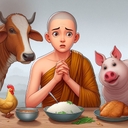
+Opening
| (derived from B. Sujato 2018/12) | (摘自B. Sujato 2018/12) | |
| Evaṃ me sutaṃ— | So I have heard. | 如是我闻。 |
| ekaṃ samayaṃ bhagavā rājagahe viharati jīvakassa komārabhaccassa ambavane. | At one time the Buddha was staying near Rājagaha in the Mango Grove of Jīvaka Komārabhacca. | 一时,佛陀住在王舍城附近,耆婆伽·拘摩罗跋伽的芒果园里。 |
| Atha kho jīvako komārabhacco yena bhagavā tenupasaṅkami; upasaṅkamitvā bhagavantaṃ abhivādetvā ekamantaṃ nisīdi. Ekamantaṃ nisinno kho jīvako komārabhacco bhagavantaṃ etadavoca: | Then Jīvaka went up to the Buddha, bowed, sat down to one side, and said to the Buddha: | 那时耆婆伽去见佛陀,顶礼后,坐到一旁,对佛陀说: |
+55.1 – (rumor: Gotama knowingly eats meat prepared on purpose for him)
| “sutaṃ metaṃ, bhante: | “Sir, I have heard this: | “世尊,我听说: |
| ‘samaṇaṃ gotamaṃ uddissa pāṇaṃ ārabhanti, taṃ samaṇo gotamo jānaṃ uddissakataṃ maṃsaṃ paribhuñjati paṭiccakamman’ti. | ‘They slaughter living creatures specially for the ascetic Gotama. The ascetic Gotama knowingly eats meat prepared on purpose for him: this is a deed he caused.’ | ‘他们特意为沙门乔达摩宰杀活物。沙门乔达摩明知故犯地吃特意为他准备的肉:这是他造成的行为。’ |
| Ye te, bhante, evamāhaṃsu: ‘samaṇaṃ gotamaṃ uddissa pāṇaṃ ārabhanti, taṃ samaṇo gotamo jānaṃ uddissakataṃ maṃsaṃ paribhuñjati paṭiccakamman’ti, kacci te, bhante, bhagavato vuttavādino, na ca bhagavantaṃ abhūtena abbhācikkhanti, dhammassa cānudhammaṃ byākaronti, na ca koci sahadhammiko vādānuvādo gārayhaṃ ṭhānaṃ āgacchatī”ti? | I trust that those who say this repeat what the Buddha has said, and do not misrepresent him with an untruth? Is their explanation in line with The Dharma? Are there any legitimate grounds for rebuke and criticism?” | 我相信那些这样说的人是重复佛陀所说的话,而不是以不实之词歪曲他吧?他们的解释符合教义吗?有没有任何正当的理由可以责备和批评?” |
+55.2 – (‘meat may not be eaten’ if it’s seen, heard, or suspected it was killed for monk)
| “Ye te, jīvaka, evamāhaṃsu: ‘samaṇaṃ gotamaṃ uddissa pāṇaṃ ārabhanti, taṃ samaṇo gotamo jānaṃ uddissakataṃ maṃsaṃ paribhuñjati paṭiccakamman’ti na me te vuttavādino, abbhācikkhanti ca maṃ te asatā abhūtena. | “Jīvaka, those who say this do not repeat what I have said. They misrepresent me with what is false and untrue. | “耆婆伽,那些这样说的人并没有重复我所说的话。他们以虚假不实之词歪曲我。 |
| Tīhi kho ahaṃ, jīvaka, ṭhānehi maṃsaṃ aparibhoganti vadāmi. | For three reasons I say ‘meat may not be eaten’: | 我有三个原因说‘肉不可食’: |
| Diṭṭhaṃ, sutaṃ, parisaṅkitaṃ— | it’s seen, heard, or suspected. | 眼见、耳闻或怀疑。 |
| imehi kho ahaṃ, jīvaka, tīhi ṭhānehi maṃsaṃ aparibhoganti vadāmi. | These are three reasons I say ‘meat may not be eaten’. | 这就是我说‘肉不可食’的三个原因。 |
| Tīhi kho ahaṃ, jīvaka, ṭhānehi maṃsaṃ paribhoganti vadāmi. | For three reasons I say ‘meat may be eaten’: | 我有三个原因说‘肉可食’: |
| Adiṭṭhaṃ, asutaṃ, aparisaṅkitaṃ— | it’s not seen, heard, or suspected. | 不见、不闻或不怀疑。 |
| imehi kho ahaṃ, jīvaka, tīhi ṭhānehi maṃsaṃ paribhoganti vadāmi. | These are three reasons I say ‘meat may be eaten’. | 这就是我说‘肉可食’的三个原因。 |
+55.3 – (monk does metta for village, invited for meal)
| Idha, jīvaka, bhikkhu aññataraṃ gāmaṃ vā nigamaṃ vā upanissāya viharati. | Take the case of a monk living supported by a town or village. | 举例来说,一位比丘住在城镇或乡村,受其供养。 |
| So mettāsahagatena cetasā ekaṃ disaṃ pharitvā viharati, tathā dutiyaṃ, tathā tatiyaṃ, tathā catutthaṃ. Iti uddhamadho tiriyaṃ sabbadhi sabbattatāya sabbāvantaṃ lokaṃ mettāsahagatena cetasā vipulena mahaggatena appamāṇena averena abyābajjhena pharitvā viharati. | They meditate spreading a heart full of friendly-kindness to one direction, and to the second, and to the third, and to the fourth. In the same way above, below, across, everywhere, all around, they spread a heart full of friendly-kindness to the whole world—abundant, expansive, limitless, free of enmity and ill will. | 他们以充满慈爱的心遍满一个方向,然后是第二个,第三个,第四个。同样地,上方,下方,横向, everywhere,四面八方,以充满慈爱的心遍满整个世界——广阔,广大,无量,没有敌意和恶意。 |
| Tamenaṃ gahapati vā gahapatiputto vā upasaṅkamitvā svātanāya bhattena nimanteti. | A householder or their child approaches and invites them for the next day’s meal. | 一位居士或他们的孩子走上前,邀请他们第二天用餐。 |
| Ākaṅkhamānova, jīvaka, bhikkhu adhivāseti. | The monk accepts if they want. | 比丘如果愿意就接受。 |
| So tassā rattiyā accayena pubbaṇhasamayaṃ nivāsetvā pattacīvaramādāya yena tassa gahapatissa vā gahapatiputtassa vā nivesanaṃ tenupasaṅkamati; upasaṅkamitvā paññatte āsane nisīdati. | When the night has passed, they robe up in the morning, take their bowl and robe, and approach that householder’s home, where they sit on the seat spread out. | 夜过天明,他们早上穿好袈裟,拿起钵和衣,来到那位居士的家里,坐在铺好的座位上。 |
| Tamenaṃ so gahapati vā gahapatiputto vā paṇītena piṇḍapātena parivisati. | That householder or their child serves them with delicious alms-food. | 那位居士或他们的孩子用美味的食物供养他们。 |
| Tassa na evaṃ hoti: | It never occurs to them: | 他们从不这样想: |
| ‘sādhu vata māyaṃ gahapati vā gahapatiputto vā paṇītena piṇḍapātena pariviseyyāti. | ‘It’s so good that this householder serves me with delicious alms-food! | “这位居士用美味的食物供养我真是太好了! |
| Aho vata māyaṃ gahapati vā gahapatiputto vā āyatimpi evarūpena paṇītena piṇḍapātena pariviseyyā’ti— | I hope they serve me with such delicious alms-food in the future!’ | 我希望他们将来也能用这样美味的食物供养我!” |
| evampissa na hoti. | They don’t think that. | 他们不那样想。 |
+55.4 – (they eat food unattached, seeing danger, therefore blameless)
| So taṃ piṇḍapātaṃ agathito amucchito anajjhopanno ādīnavadassāvī nissaraṇapañño paribhuñjati. | They eat that alms-food untied, unstupefied, unattached, seeing the drawback, and understanding the escape. | 他们吃那些食物,不执着,不迷惑,不贪恋,看见过患,并理解解脱。 |
| Taṃ kiṃ maññasi, jīvaka, | What do you think, Jīvaka? | 你认为呢,耆婆伽? |
| api nu so bhikkhu tasmiṃ samaye attabyābādhāya vā ceteti, parabyābādhāya vā ceteti, ubhayabyābādhāya vā cetetī”ti? | At that time is that monk intending to hurt themselves, hurt others, or hurt both?” | 那时那位比丘是否打算伤害自己、伤害他人或两者都伤害?” |
| “No hetaṃ, bhante”. | “No, sir.” | “不,世尊。” |
| “Nanu so, jīvaka, bhikkhu tasmiṃ samaye anavajjaṃyeva āhāraṃ āhāretī”ti? | “Aren’t they eating blameless food at that time?” | “那时他们吃的不是无可指责的食物吗?” |
| “Evaṃ, bhante. | “Yes, sir. | “是的,世尊。 |
| Sutaṃ metaṃ, bhante: | Sir, I have heard that | 世尊,我听说 |
| ‘brahmā mettāvihārī’ti. | Brahmā abides in friendly-kindness. | 梵天安住于慈爱。 |
| Taṃ me idaṃ, bhante, bhagavā sakkhidiṭṭho; | Now, I’ve seen the Buddha with my own eyes, | 现在,我亲眼见到了佛陀, |
| bhagavā hi, bhante, mettāvihārī”ti. | and it is the Buddha who truly abides in friendly-kindness.” | 正是佛陀真正安住于慈爱。” |
+55.5 – (Buddha interprets Brahma’s metta analogy with Buddha’s complete ending of defilements)
| “Yena kho, jīvaka, rāgena yena dosena yena mohena byāpādavā assa so rāgo so doso so moho tathāgatassa pahīno ucchinnamūlo tālāvatthukato anabhāvaṃkato āyatiṃ anuppādadhammo. | “Any greed, hate, or delusion that might give rise to ill will has been given up by the Realized One, cut off at the root, made like a palm stump, obliterated, and is unable to arise in the future. | “如来已舍弃任何可能引起恶意的贪欲、嗔恨或痴念,斩草除根,像棕榈树桩一样,彻底消灭,未来再也无法生起。 |
| Sace kho te, jīvaka, idaṃ sandhāya bhāsitaṃ anujānāmi te etan”ti. | If that’s what you were referring to, I acknowledge it.” | 如果你指的是这个,我承认。” |
| “Etadeva kho pana me, bhante, sandhāya bhāsitaṃ”. | “That’s exactly what I was referring to.” | “我指的正是这个。” |
+55.6 – (repeat for remaining 3 brahma-vihāras)
| “Idha, jīvaka, bhikkhu aññataraṃ gāmaṃ vā nigamaṃ vā upanissāya viharati. | “Take the case, Jīvaka, of a monk living supported by a town or village. | “耆婆伽,举例来说,一位比丘住在城镇或乡村,受其供养。 |
| So karuṇāsahagatena cetasā … pe … | They meditate spreading a heart full of compassion … | 他们以充满悲悯心禅修…… |
| muditāsahagatena cetasā … pe … | They meditate spreading a heart full of rejoicing … | 他们以充满随喜心禅修…… |
| upekkhāsahagatena cetasā ekaṃ disaṃ pharitvā viharati, tathā dutiyaṃ, tathā tatiyaṃ, tathā catutthaṃ. | They meditate spreading a heart full of equanimous-observation to one direction, and to the second, and to the third, and to the fourth. | 他们以充满舍心遍满一个方向,然后是第二个,第三个,第四个。 |
| Iti uddhamadho tiriyaṃ sabbadhi sabbattatāya sabbāvantaṃ lokaṃ upekkhāsahagatena cetasā vipulena mahaggatena appamāṇena averena abyābajjhena pharitvā viharati. | In the same way above, below, across, everywhere, all around, they spread a heart full of equanimous-observation to the whole world—abundant, expansive, limitless, free of enmity and ill will. | 同样地,上方,下方,横向, everywhere,四面八方,以充满舍心遍满整个世界——广阔,广大,无量,没有敌意和恶意。 |
| Tamenaṃ gahapati vā gahapatiputto vā upasaṅkamitvā svātanāya bhattena nimanteti. | A householder or their child approaches and invites them for the next day’s meal. | 一位居士或他们的孩子走上前,邀请他们第二天用餐。 |
| Ākaṅkhamānova, jīvaka, bhikkhu adhivāseti. | The monk accepts if they want. | 比丘如果愿意就接受。 |
| So tassā rattiyā accayena pubbaṇhasamayaṃ nivāsetvā pattacīvaramādāya yena gahapatissa vā gahapatiputtassa vā nivesanaṃ tenupasaṅkamati; upasaṅkamitvā paññatte āsane nisīdati. | When the night has passed, they robe up in the morning, take their bowl and robe, and approach that householder’s home, where they sit on the seat spread out. | 夜过天明,他们早上穿好袈裟,拿起钵和衣,来到那位居士的家里,坐在铺好的座位上。 |
| Tamenaṃ so gahapati vā gahapatiputto vā paṇītena piṇḍapātena parivisati. | That householder or their child serves them with delicious alms-food. | 那位居士或他们的孩子用美味的食物供养他们。 |
| Tassa na evaṃ hoti: | It never occurs to them: | 他们从不这样想: |
| ‘sādhu vata māyaṃ gahapati vā gahapatiputto vā paṇītena piṇḍapātena pariviseyyāti. | ‘It’s so good that this householder serves me with delicious alms-food! | “这位居士用美味的食物供养我真是太好了! |
| Aho vata māyaṃ gahapati vā gahapatiputto vā āyatimpi evarūpena paṇītena piṇḍapātena pariviseyyā’ti— | I hope they serve me with such delicious alms-food in the future!’ | 我希望他们将来也能用这样美味的食物供养我!” |
| evampissa na hoti. | They don’t think that. | 他们不那样想。 |
| So taṃ piṇḍapātaṃ agathito amucchito anajjhopanno ādīnavadassāvī nissaraṇapañño paribhuñjati. | They eat that alms-food untied, unstupefied, unattached, seeing the drawback, and understanding the escape. | 他们吃那些食物,不执着,不迷惑,不贪恋,看见过患,并理解解脱。 |
| Taṃ kiṃ maññasi, jīvaka, | What do you think, Jīvaka? | 你认为呢,耆婆伽? |
| api nu so bhikkhu tasmiṃ samaye attabyābādhāya vā ceteti, parabyābādhāya vā ceteti, ubhayabyābādhāya vā cetetī”ti? | At that time is that monk intending to hurt themselves, hurt others, or hurt both?” | 那时那位比丘是否打算伤害自己、伤害他人或两者都伤害?” |
| “No hetaṃ, bhante”. | “No, sir.” | “不,世尊。” |
| “Nanu so, jīvaka, bhikkhu tasmiṃ samaye anavajjaṃyeva āhāraṃ āhāretī”ti? | “Aren’t they eating blameless food at that time?” | “那时他们吃的不是无可指责的食物吗?” |
| “Evaṃ, bhante. | “Yes, sir. | “是的,世尊。 |
| Sutaṃ metaṃ, bhante: | Sir, I have heard that | 世尊,我听说 |
| ‘brahmā upekkhāvihārī’ti. | Brahmā abides in equanimous-observation. | 梵天安住于舍。 |
| Taṃ me idaṃ, bhante, bhagavā sakkhidiṭṭho; | Now, I’ve seen the Buddha with my own eyes, | 现在,我亲眼见到了佛陀, |
| bhagavā hi, bhante, upekkhāvihārī”ti. | and it is the Buddha who truly abides in equanimous-observation.” | 正是佛陀真正安住于舍。” |
| “Yena kho, jīvaka, rāgena yena dosena yena mohena vihesavā assa arativā assa paṭighavā assa so rāgo so doso so moho tathāgatassa pahīno ucchinnamūlo tālāvatthukato anabhāvaṅkato āyatiṃ anuppādadhammo. | “Any greed, hate, or delusion that might give rise to cruelty, negativity, or repulsion has been given up by the Realized One, cut off at the root, made like a palm stump, obliterated, and is unable to arise in the future. | “任何可能引起残忍、消极或厌恶的贪欲、嗔恨或痴念,如来都已舍弃,斩草除根,像棕榈树桩一样,彻底消灭,未来再也无法生起。 |
| Sace kho te, jīvaka, idaṃ sandhāya bhāsitaṃ, anujānāmi te etan”ti. | If that’s what you were referring to, I acknowledge it.” | 如果你指的是这个,我承认。” |
| “Etadeva kho pana me, bhante, sandhāya bhāsitaṃ”. | “That’s exactly what I was referring to.” | “我指的正是这个。” |
| “Yo kho, jīvaka, tathāgataṃ vā tathāgatasāvakaṃ vā uddissa pāṇaṃ ārabhati so pañcahi ṭhānehi bahuṃ apuññaṃ pasavati. | “Jīvaka, anyone who slaughters a living creature specially for the Realized One or the Realized One’s disciple makes much bad karma for five reasons. | “耆婆伽,任何人特意为如来或如来的弟子宰杀活物,会因五个原因而造下大量恶业。 |
| Yampi so, gahapati, evamāha: | When they say: | 当他们说: |
| ‘gacchatha, amukaṃ nāma pāṇaṃ ānethā’ti, iminā paṭhamena ṭhānena bahuṃ apuññaṃ pasavati. | ‘Go, fetch that living creature,’ this is the first reason. | ‘去,把那个活物弄来,’这是第一个原因。 |
| Yampi so pāṇo galappaveṭhakena ānīyamāno dukkhaṃ domanassaṃ paṭisaṃvedeti, iminā dutiyena ṭhānena bahuṃ apuññaṃ pasavati. | When that living creature experiences pain and sadness as it’s led along by a collar, this is the second reason. | 当那个活物被项圈牵着时经历痛苦和悲伤,这是第二个原因。 |
| Yampi so evamāha: | When they say: | 当他们说: |
| ‘gacchatha imaṃ pāṇaṃ ārabhathā’ti, iminā tatiyena ṭhānena bahuṃ apuññaṃ pasavati. | ‘Go, slaughter that living creature,’ this is the third reason. | ‘去,宰杀那个活物,’这是第三个原因。 |
| Yampi so pāṇo ārabhiyamāno dukkhaṃ domanassaṃ paṭisaṃvedeti, iminā catutthena ṭhānena bahuṃ apuññaṃ pasavati. | When that living creature experiences pain and sadness as it’s being slaughtered, this is the fourth reason. | 当那个活物被宰杀时经历痛苦和悲伤,这是第四个原因。 |
| Yampi so tathāgataṃ vā tathāgatasāvakaṃ vā akappiyena āsādeti, iminā pañcamena ṭhānena bahuṃ apuññaṃ pasavati. | When they provide the Realized One or the Realized One’s disciple with unallowable food, this is the fifth reason. | 当他们向如来或如来的弟子提供不允许的食物,这是第五个原因。 |
| Yo kho, jīvaka, tathāgataṃ vā tathāgatasāvakaṃ vā uddissa pāṇaṃ ārabhati so imehi pañcahi ṭhānehi bahuṃ apuññaṃ pasavatī”ti. | Anyone who slaughters a living creature specially for the Realized One or the Realized One’s disciple makes much bad karma for five reasons.” | 任何人特意为如来或如来的弟子宰杀活物,会因五个原因而造下大量恶业。” |
❧
+55.7 – (conclusion: monks indeed eat allowable, blameless food)
| Evaṃ vutte, jīvako komārabhacco bhagavantaṃ etadavoca: | When he had spoken, Jīvaka said to the Buddha: | 他说完后,耆婆伽对佛陀说: |
| “acchariyaṃ, bhante, abbhutaṃ, bhante. | “It’s incredible, sir, it’s amazing! | “真是不可思议,世尊,真是令人惊叹! |
| Kappiyaṃ vata, bhante, bhikkhū āhāraṃ āhārenti; | The monks indeed eat allowable food. | 比丘们确实吃合法的食物。 |
| anavajjaṃ vata, bhante, bhikkhū āhāraṃ āhārenti. | The monks indeed eat blameless food. | 比丘们确实吃无可指责的食物。 |
| Abhikkantaṃ, bhante, abhikkantaṃ, bhante … pe … | Excellent, sir! Excellent! … | 太好了,世尊!太好了!…… |
| upāsakaṃ maṃ bhagavā dhāretu ajjatagge pāṇupetaṃ saraṇaṃ gatan”ti. | From this day forth, may the Buddha remember me as a lay follower who has gone for refuge for life.” | 从今天起,愿佛陀将我记为终身皈依的在家弟子。” |
❧
+MN 56 Upāli:
(name of layperson)
all
(name of layperson)
+Opening
| Upālisutta | With Upāli | 与优婆离 |
| Evaṃ me sutaṃ— | So I have heard. | 如是我闻。 |
| ekaṃ samayaṃ bhagavā nāḷandāyaṃ viharati pāvārikambavane. | At one time the Buddha was staying near Nālandā in Pāvārika’s mango grove. | 一时,佛陀住在那烂陀附近,在波婆利迦的芒果园里。 |
| Tena kho pana samayena nigaṇṭho nāṭaputto nāḷandāyaṃ paṭivasati mahatiyā nigaṇṭhaparisāya saddhiṃ. | At that time Nigaṇṭha Nāṭaputta was residing at Nāḷandā together with a large assembly of Jain ascetics. | 那时,尼乾陀·那吒弗多与大批耆那教苦行僧一同居住在那烂陀。 |
| Atha kho dīghatapassī nigaṇṭho nāḷandāyaṃ piṇḍāya caritvā pacchābhattaṃ piṇḍapātapaṭikkanto yena pāvārikambavanaṃ yena bhagavā tenupasaṅkami; upasaṅkamitvā bhagavatā saddhiṃ sammodi. | Then the Jain ascetic Dīgha Tapassī wandered for alms in Nāḷandā. After the meal, on his return from alms-round, he went to Pāvārika’s mango grove. There he approached the Buddha, and exchanged greetings with him. | 然后耆那教苦行僧长苦行者迪迦·塔帕西在那烂陀乞食。饭后,从乞食回来,他去到波婆利迦的芒果园。在那里他走到佛陀面前,与佛陀寒暄。 |
| Sammodanīyaṃ kathaṃ sāraṇīyaṃ vītisāretvā ekamantaṃ aṭṭhāsi. Ekamantaṃ ṭhitaṃ kho dīghatapassiṃ nigaṇṭhaṃ bhagavā etadavoca: | When the greetings and polite conversation were over, he stood to one side. The Buddha said to him: | 寒暄和客套结束后,他站到一旁。佛陀对他说道: |
| “saṃvijjanti kho, tapassi, āsanāni; sace ākaṅkhasi nisīdā”ti. | “There are seats, Tapassī. Please sit if you wish.” | “有座位,塔帕西。如果您愿意,请坐。” |
| Evaṃ vutte, dīghatapassī nigaṇṭho aññataraṃ nīcaṃ āsanaṃ gahetvā ekamantaṃ nisīdi. | When he said this, Dīgha Tapassī took a low seat and sat to one side. | 他说这话时,迪迦·塔帕西坐到一张低矮的座位上,坐到一旁。 |
| Ekamantaṃ nisinnaṃ kho dīghatapassiṃ nigaṇṭhaṃ bhagavā etadavoca: | The Buddha said to him: | 佛陀对他说道: |
| “kati pana, tapassi, nigaṇṭho nāṭaputto kammāni paññapeti pāpassa kammassa kiriyāya pāpassa kammassa pavattiyā”ti? | “Tapassī, how many kinds of deed does Nigaṇṭha Nātaputta describe for performing bad deeds?” | “塔帕西,尼乾陀·那吒弗多描述了多少种行为来行恶?” |
| “Na kho, āvuso gotama, āciṇṇaṃ nigaṇṭhassa nāṭaputtassa ‘kammaṃ, kamman’ti paññapetuṃ; | “Reverend Gotama, Nigaṇṭha Nātaputta doesn’t usually speak in terms of ‘deeds’. | “乔达摩尊者,尼乾陀·那吒弗多通常不说‘行为’。 |
| ‘daṇḍaṃ, daṇḍan’ti kho, āvuso gotama, āciṇṇaṃ nigaṇṭhassa nāṭaputtassa paññapetun”ti. | He usually speaks in terms of ‘rods’.” | 他通常说‘棍棒’。” |
+56.1 – (Jain leader explains 3 types of action: bodily, verbal, mental)
all
| “Kati pana, tapassi, nigaṇṭho nāṭaputto daṇḍāni paññapeti pāpassa kammassa kiriyāya pāpassa kammassa pavattiyā”ti? | “Then how many kinds of rod does Nigaṇṭha Nātaputta describe for performing bad deeds?” | “那么尼乾陀·那吒弗多描述了多少种棍棒来行恶?” |
| “Tīṇi kho, āvuso gotama, nigaṇṭho nāṭaputto daṇḍāni paññapeti pāpassa kammassa kiriyāya pāpassa kammassa pavattiyāti, seyyathidaṃ— | “Nigaṇṭha Nātaputta describes three kinds of rod for performing bad deeds: | “尼乾陀·那吒弗多描述了三种棍棒来行恶: |
| kāyadaṇḍaṃ, vacīdaṇḍaṃ, manodaṇḍan”ti. | the physical rod, the verbal rod, and the mental rod.” | 身棒、语棒和意棒。” |
+§1.1 – (3 types of action distinct from each other)
| “Kiṃ pana, tapassi, aññadeva kāyadaṇḍaṃ, aññaṃ vacīdaṇḍaṃ, aññaṃ manodaṇḍan”ti? | “But are these kinds of rod all distinct from each other?” | “但是这些棍棒彼此都不同吗?” |
| “Aññadeva, āvuso gotama, kāyadaṇḍaṃ, aññaṃ vacīdaṇḍaṃ, aññaṃ manodaṇḍan”ti. | “Yes, each is quite distinct.” | “是的,每一种都完全不同。” |
| “Imesaṃ pana, tapassi, tiṇṇaṃ daṇḍānaṃ evaṃ paṭivibhattānaṃ evaṃ paṭivisiṭṭhānaṃ katamaṃ daṇḍaṃ nigaṇṭho nāṭaputto mahāsāvajjataraṃ paññapeti pāpassa kammassa kiriyāya pāpassa kammassa pavattiyā, yadi vā kāyadaṇḍaṃ, yadi vā vacīdaṇḍaṃ, yadi vā manodaṇḍan”ti? | “Of the three rods thus analyzed and differentiated, which rod does Nigaṇṭha Nātaputta describe as being the most blameworthy for performing bad deeds: the physical rod, the verbal rod, or the mental rod?” | “在这三种如此分析和区分的棍棒中,尼乾陀·那吒弗多描述哪种棍棒在行恶方面是最应受谴责的:身棒、语棒还是意棒?” |
+§1.2 – (Jain leader says bodily action is most potent of 3, Buddha is incredulous)
| “Imesaṃ kho, āvuso gotama, tiṇṇaṃ daṇḍānaṃ evaṃ paṭivibhattānaṃ evaṃ paṭivisiṭṭhānaṃ kāyadaṇḍaṃ nigaṇṭho nāṭaputto mahāsāvajjataraṃ paññapeti pāpassa kammassa kiriyāya pāpassa kammassa pavattiyā, no tathā vacīdaṇḍaṃ, no tathā manodaṇḍan”ti. | “Nigaṇṭha Nātaputta describes the physical rod as being the most blameworthy for performing bad deeds, not so much the verbal rod or the mental rod.” | 尼乾陀·那提子说身体上的行为是造恶业中最应受谴责的,而不是言语或思想上的行为。 |
| “Kāyadaṇḍanti, tapassi, vadesi”? | “Do you say the physical rod, Tapassī?” | “你说的是身体上的行为吗,塔帕西?” |
| “Kāyadaṇḍanti, āvuso gotama, vadāmi”. | “I say the physical rod, Reverend Gotama.” | “我说的是身体上的行为,尊敬的乔达摩。” |
| “Kāyadaṇḍanti, tapassi, vadesi”? | “Do you say the physical rod, Tapassī?” | “你说的是身体上的行为吗,塔帕西?” |
| “Kāyadaṇḍanti, āvuso gotama, vadāmi”. | “I say the physical rod, Reverend Gotama.” | “我说的是身体上的行为,尊敬的乔达摩。” |
| “Kāyadaṇḍanti, tapassi, vadesi”? | “Do you say the physical rod, Tapassī?” | “你说的是身体上的行为吗,塔帕西?” |
| “Kāyadaṇḍanti, āvuso gotama, vadāmī”ti. | “I say the physical rod, Reverend Gotama.” | “我说的是身体上的行为,尊敬的乔达摩。” |
| Itiha bhagavā dīghatapassiṃ nigaṇṭhaṃ imasmiṃ kathāvatthusmiṃ yāvatatiyakaṃ patiṭṭhāpesi. | Thus the Buddha made Dīgha Tapassī stand by this point up to the third time. | 就这样,佛陀让迪迦·塔帕西三次坚持这个观点。 |
| Evaṃ vutte, dīghatapassī nigaṇṭho bhagavantaṃ etadavoca: | When this was said, Dīgha Tapassī said to the Buddha: | 听他这么说,迪迦·塔帕西对佛陀说: |
| “tvaṃ panāvuso gotama, kati daṇḍāni paññapesi pāpassa kammassa kiriyāya pāpassa kammassa pavattiyā”ti? | “But Reverend Gotama, how many kinds of rod do you describe for performing bad deeds?” | “但是尊敬的乔达摩,您说造恶业有多少种行为?” |
| “Na kho, tapassi, āciṇṇaṃ tathāgatassa ‘daṇḍaṃ, daṇḍan’ti paññapetuṃ; | “Tapassī, the Realized One doesn’t usually speak in terms of ‘rods’. | “塔帕西,如来通常不说‘行为’。 |
| ‘kammaṃ, kamman’ti kho, tapassi, āciṇṇaṃ tathāgatassa paññapetun”ti? | He usually speaks in terms of ‘deeds’.” | 他通常说‘业’。” |
❧
+56.2 – (Buddha explains his 3 types of action: bodily, verbal, mental)
all
| “Tvaṃ panāvuso gotama, kati kammāni paññapesi pāpassa kammassa kiriyāya pāpassa kammassa pavattiyā”ti? | “Then how many kinds of deed do you describe for performing bad deeds?” | “那么,您说造恶业有多少种业?” |
| “Tīṇi kho ahaṃ, tapassi, kammāni paññapemi pāpassa kammassa kiriyāya pāpassa kammassa pavattiyā, seyyathidaṃ— | “I describe three kinds of deed for performing bad deeds: | “我说造恶业有三种业: |
| kāyakammaṃ, vacīkammaṃ, manokamman”ti. | physical deeds, verbal deeds, and mental deeds.” | 身体业、言语业和思想业。” |
+§2.1 – (3 types of action distinct from each other)
| “Kiṃ panāvuso gotama, aññadeva kāyakammaṃ, aññaṃ vacīkammaṃ, aññaṃ manokamman”ti? | “But are these kinds of deed all distinct from each other?” | “但是这些业彼此之间都不同吗?” |
| “Aññadeva, tapassi, kāyakammaṃ, aññaṃ vacīkammaṃ, aññaṃ manokamman”ti. | “Yes, each is quite distinct.” | “是的,每一种都截然不同。” |
+§2.2 – (Buddha says mental action is most potent of 3)
| “Imesaṃ panāvuso gotama, tiṇṇaṃ kammānaṃ evaṃ paṭivibhattānaṃ evaṃ paṭivisiṭṭhānaṃ katamaṃ kammaṃ mahāsāvajjataraṃ paññapesi pāpassa kammassa kiriyāya pāpassa kammassa pavattiyā, yadi vā kāyakammaṃ, yadi vā vacīkammaṃ, yadi vā manokamman”ti? | “Of the three deeds thus analyzed and differentiated, which deed do you describe as being the most blameworthy for performing bad deeds: physical deeds, verbal deeds, or mental deeds?” | “在这三种如此分析和区分的业中,您认为哪种业是造恶业中最应受谴责的:身体业、言语业还是思想业?” |
| “Imesaṃ kho ahaṃ, tapassi, tiṇṇaṃ kammānaṃ evaṃ paṭivibhattānaṃ evaṃ paṭivisiṭṭhānaṃ manokammaṃ mahāsāvajjataraṃ paññapemi pāpassa kammassa kiriyāya pāpassa kammassa pavattiyā, no tathā kāyakammaṃ, no tathā vacīkamman”ti. | “I describe mental deeds as being the most blameworthy for performing bad deeds, not so much physical deeds or verbal deeds.” | “我认为思想业是造恶业中最应受谴责的,而不是身体业或言语业。” |
| “Manokammanti, āvuso gotama, vadesi”? | “Do you say mental deeds, Reverend Gotama?” | “您说的是思想业吗,尊敬的乔达摩?” |
| “Manokammanti, tapassi, vadāmi”. | “I say mental deeds, Tapassī.” | “我说的是思想业,塔帕西。” |
| “Manokammanti, āvuso gotama, vadesi”? | “Do you say mental deeds, Reverend Gotama?” | “您说的是思想业吗,尊敬的乔达摩?” |
| “Manokammanti, tapassi, vadāmi”. | “I say mental deeds, Tapassī.” | “我说的是思想业,塔帕西。” |
| “Manokammanti, āvuso gotama, vadesi”? | “Do you say mental deeds, Reverend Gotama?” | “您说的是思想业吗,尊敬的乔达摩?” |
| “Manokammanti, tapassi, vadāmī”ti. | “I say mental deeds, Tapassī.” | “我说的是思想业,塔帕西。” |
| Itiha dīghatapassī nigaṇṭho bhagavantaṃ imasmiṃ kathāvatthusmiṃ yāvatatiyakaṃ patiṭṭhāpetvā uṭṭhāyāsanā yena nigaṇṭho nāṭaputto tenupasaṅkami. | Thus the Jain ascetic Dīgha Tapassī made the Buddha stand by this point up to the third time, after which he got up from his seat and went to see Nigaṇṭha Nātaputta. | 于是,耆那教苦行僧迪迦·塔帕西让佛陀三次坚持这个观点,之后他起身离开座位,去见尼乾陀·那提子。 |
+56.3 – (Dīgha goes to Jain leader to report conversation, they all agree Buddha is wrong)
| Tena kho pana samayena nigaṇṭho nāṭaputto mahatiyā gihiparisāya saddhiṃ nisinno hoti bālakiniyā parisāya upālipamukhāya. | Now at that time Nigaṇṭha Nātaputta was sitting together with a large assembly of laypeople of Bālaka headed by Upāli. | 当时,尼乾陀·那提子正和以优婆离为首的大批巴拉卡居士坐在一起。 |
| Addasā kho nigaṇṭho nāṭaputto dīghatapassiṃ nigaṇṭhaṃ dūratova āgacchantaṃ; | Nigaṇṭha Nātaputta saw Dīgha Tapassī coming off in the distance | 尼乾陀·那提子远远地看到迪迦·塔帕西走过来, |
| disvāna dīghatapassiṃ nigaṇṭhaṃ etadavoca: | and said to him: | 对他说: |
| “handa kuto nu tvaṃ, tapassi, āgacchasi divā divassā”ti? | “So, Tapassī, where are you coming from in the middle of the day?” | “那么,塔帕西,你大中午从哪里来?” |
| “Ito hi kho ahaṃ, bhante, āgacchāmi samaṇassa gotamassa santikā”ti. | “Just now, sir, I’ve come from the presence of the ascetic Gotama.” | “先生,我刚刚从乔达摩沙门那里来。” |
| “Ahu pana te, tapassi, samaṇena gotamena saddhiṃ kocideva kathāsallāpo”ti? | “But did you have some discussion with him?” | “但是你和他有过一些讨论吗?” |
| “Ahu kho me, bhante, samaṇena gotamena saddhiṃ kocideva kathāsallāpo”ti. | “I did.” | “有。” |
| “Yathā kathaṃ pana te, tapassi, ahu samaṇena gotamena saddhiṃ kocideva kathāsallāpo”ti? | “And what kind of discussion did you have with him?” | “你和他有什么样的讨论?” |
| Atha kho dīghatapassī nigaṇṭho yāvatako ahosi bhagavatā saddhiṃ kathāsallāpo taṃ sabbaṃ nigaṇṭhassa nāṭaputtassa ārocesi. | Then Dīgha Tapassī informed Nigaṇṭha Nātaputta of all they had discussed. | 于是迪迦·塔帕西把他们讨论的所有内容都告诉了尼乾陀·那提子。 |
| Evaṃ vutte, nigaṇṭho nāṭaputto dīghatapassiṃ nigaṇṭhaṃ etadavoca: | When he had spoken, Nigaṇṭha said to him: | 他说完后,尼乾陀对他说: |
| “sādhu sādhu, tapassi. | “Good, good, Tapassī! | “好,好,塔帕西! |
| Yathā taṃ sutavatā sāvakena sammadeva satthusāsanaṃ ājānantena evameva dīghatapassinā nigaṇṭhena samaṇassa gotamassa byākataṃ. | Dīgha Tapassī has answered the ascetic Gotama like an educated disciple who rightly understands their teacher’s instructions. | 迪迦·塔帕西回答乔达摩沙门就像一个受过教育的弟子,正确理解了老师的教诲。 |
| Kiñhi sobhati chavo manodaṇḍo imassa evaṃ oḷārikassa kāyadaṇḍassa upanidhāya. | For how impressive is the measly mental rod when compared with the substantial physical rod? | 因为与实质性的身体行为相比,微不足道的精神行为又有多大的影响力呢? |
| Atha kho kāyadaṇḍova mahāsāvajjataro pāpassa kammassa kiriyāya pāpassa kammassa pavattiyā, no tathā vacīdaṇḍo, no tathā manodaṇḍo”ti. | Rather, the physical rod is the most blameworthy for performing bad deeds, not so much the verbal rod or the mental rod.” | 相反,身体行为是造恶业中最应受谴责的,而不是言语或思想上的行为。” |
+56.4 – (Upali intends to see Buddha and beat him in debate)
| Evaṃ vutte, upāli gahapati nigaṇṭhaṃ nāṭaputtaṃ etadavoca: | When he said this, the householder Upāli said to him: | 听他这么说,居士优婆离对他说: |
| “sādhu sādhu, bhante dīghatapassī. | “Good, sir! Well done, Dīgha Tapassī! | “先生,太好了!迪迦·塔帕西做得好! |
| Yathā taṃ sutavatā sāvakena sammadeva satthusāsanaṃ ājānantena evamevaṃ bhadantena tapassinā samaṇassa gotamassa byākataṃ. | The honorable Tapassī has answered the ascetic Gotama like an educated disciple who rightly understands their teacher’s instructions. | 尊敬的塔帕西回答乔达摩沙门就像一个受过教育的弟子,正确理解了老师的教诲。 |
| Kiñhi sobhati chavo manodaṇḍo imassa evaṃ oḷārikassa kāyadaṇḍassa upanidhāya. | For how impressive is the measly mental rod when compared with the substantial physical rod? | 因为与实质性的身体行为相比,微不足道的精神行为又有多大的影响力呢? |
| Atha kho kāyadaṇḍova mahāsāvajjataro pāpassa kammassa kiriyāya pāpassa kammassa pavattiyā, no tathā vacīdaṇḍo, no tathā manodaṇḍo. | Rather, the physical rod is the most blameworthy for performing bad deeds, not so much the verbal rod or the mental rod. | 相反,身体行为是造恶业中最应受谴责的,而不是言语或思想上的行为。 |
| Handa cāhaṃ, bhante, gacchāmi samaṇassa gotamassa imasmiṃ kathāvatthusmiṃ vādaṃ āropessāmi. | I’d better go and refute the ascetic Gotama’s doctrine regarding this point. | 我最好去驳斥乔达摩沙门关于这一点的教义。 |
| Sace me samaṇo gotamo tathā patiṭṭhahissati yathā bhadantena tapassinā patiṭṭhāpitaṃ; seyyathāpi nāma balavā puriso dīghalomikaṃ eḷakaṃ lomesu gahetvā ākaḍḍheyya parikaḍḍheyya samparikaḍḍheyya; evamevāhaṃ samaṇaṃ gotamaṃ vādena vādaṃ ākaḍḍhissāmi parikaḍḍhissāmi samparikaḍḍhissāmi. | If he stands by the position that he stated to Dīgha Tapassī, I’ll take him on in debate and drag him to and fro and round about, like a strong man would drag a fleecy sheep to and fro and round about! | 如果他坚持他对迪迦·塔帕西所说的立场,我就会和他辩论,来回拖他,就像一个强壮的人来回拖一只多毛的羊一样! |
| Seyyathāpi nāma balavā soṇḍikākammakāro mahantaṃ soṇḍikākilañjaṃ gambhīre udakarahade pakkhipitvā kaṇṇe gahetvā ākaḍḍheyya parikaḍḍheyya samparikaḍḍheyya; evamevāhaṃ samaṇaṃ gotamaṃ vādena vādaṃ ākaḍḍhissāmi parikaḍḍhissāmi samparikaḍḍhissāmi. | Taking him on in debate, I’ll drag him to and fro and round about, like a strong brewer’s worker would toss a large brewer’s sieve into a deep lake, grab it by the corners, and drag it to and fro and round about! | 和他辩论,我会来回拖他,就像一个强壮的酿酒工人把一个大酿酒筛子扔进深湖里,抓住它的角,来回拖它一样! |
| Seyyathāpi nāma balavā soṇḍikādhutto vālaṃ kaṇṇe gahetvā odhuneyya niddhuneyya nipphoṭeyya; evamevāhaṃ samaṇaṃ gotamaṃ vādena vādaṃ odhunissāmi niddhunissāmi nipphoṭessāmi. | Taking him on in debate, I’ll shake him down and about and give him a beating, like a strong brewer’s mixer would grab a strainer by the corners and shake it down and about, and give it a beating! | 和他辩论,我会把他摇下来,打他一顿,就像一个强壮的酿酒搅拌器抓住一个过滤器的角,把它摇下来,打它一顿一样! |
| Seyyathāpi nāma kuñjaro saṭṭhihāyano gambhīraṃ pokkharaṇiṃ ogāhetvā sāṇadhovikaṃ nāma kīḷitajātaṃ kīḷati; evamevāhaṃ samaṇaṃ gotamaṃ sāṇadhovikaṃ maññe kīḷitajātaṃ kīḷissāmi. | I’ll play a game of ear-washing with the ascetic Gotama, like a sixty year old elephant would plunge into a deep lotus pond and play a game of ear-washing! | 我要和乔达摩沙门玩‘洗耳朵’的游戏,就像一头六十岁的象会跳进一个深荷塘里玩‘洗耳朵’的游戏一样! |
| Handa cāhaṃ, bhante, gacchāmi samaṇassa gotamassa imasmiṃ kathāvatthusmiṃ vādaṃ āropessāmī”ti. | Sir, I’d better go and refute the ascetic Gotama’s doctrine on this point.” | 先生,我最好去驳斥乔达摩沙门关于这一点的教义。” |
| “Gaccha tvaṃ, gahapati, samaṇassa gotamassa imasmiṃ kathāvatthusmiṃ vādaṃ āropehi. | “Go, householder, refute the ascetic Gotama’s doctrine on this point. | “去吧,居士,驳斥乔达摩沙门关于这一点的教义。 |
| Ahaṃ vā hi, gahapati, samaṇassa gotamassa vādaṃ āropeyyaṃ, dīghatapassī vā nigaṇṭho, tvaṃ vā”ti. | For either I should do so, or Dīgha Tapassī, or you.” | 因为要么我应该这样做,要么迪迦·塔帕西,要么你。” |
+56.5 – (Digha tells Jain leader it’s a bad idea, Buddha is a formidable ‘magician’, can convert Upali )
all
| Evaṃ vutte, dīghatapassī nigaṇṭho nigaṇṭhaṃ nāṭaputtaṃ etadavoca: | When he said this, Dīgha Tapassī said to Nigaṇṭha Nātaputta: | 听他这么说,迪迦·塔帕西对尼乾陀·那提子说: |
| “na kho metaṃ, bhante, ruccati yaṃ upāli gahapati samaṇassa gotamassa vādaṃ āropeyya. | “Sir, I don’t think it’s a good idea for the householder Upāli to rebut the ascetic Gotama’s doctrine. | “先生,我不认为居士优婆离驳斥乔达摩沙门的教义是个好主意。 |
| Samaṇo hi, bhante, gotamo māyāvī āvaṭṭaniṃ māyaṃ jānāti yāya aññatitthiyānaṃ sāvake āvaṭṭetī”ti. | For the ascetic Gotama is a magician. He knows a conversion magic, and uses it to convert the disciples of those who follow other paths.” | 因为乔达摩沙门是个魔术师。他知道一种转化魔术,并用它来转化那些追随其他道路的弟子的。” |
| “Aṭṭhānaṃ kho etaṃ, tapassi, anavakāso yaṃ upāli gahapati samaṇassa gotamassa sāvakattaṃ upagaccheyya. | “It is impossible, Tapassī, it cannot happen that Upāli could become Gotama’s disciple. | “不可能,塔帕西,优婆离不可能成为乔达摩的弟子。 |
| Ṭhānañca kho etaṃ vijjati yaṃ samaṇo gotamo upālissa gahapatissa sāvakattaṃ upagaccheyya. | But it is possible that Gotama could become Upāli’s disciple. | 但是乔达摩有可能成为优婆离的弟子。 |
| Gaccha tvaṃ, gahapati, samaṇassa gotamassa imasmiṃ kathāvatthusmiṃ vādaṃ āropehi. | Go, householder, refute the ascetic Gotama’s doctrine on this point. | 去吧,居士,驳斥乔达摩沙门关于这一点的教义。 |
| Ahaṃ vā hi, gahapati, samaṇassa gotamassa vādaṃ āropeyyaṃ, dīghatapassī vā nigaṇṭho, tvaṃ vā”ti. | For either I should do so, or Dīgha Tapassī, or you.” | 因为要么我应该这样做,要么迪迦·塔帕西,要么你。” |
| Dutiyampi kho dīghatapassī … pe … | For a second time … | 第二次…… |
| tatiyampi kho dīghatapassī nigaṇṭho nigaṇṭhaṃ nāṭaputtaṃ etadavoca: | and a third time, Dīgha Tapassī said to Nigaṇṭha Nātaputta: | 第三次,迪迦·塔帕西对尼乾陀·那提子说: |
| “na kho metaṃ, bhante, ruccati yaṃ upāli gahapati samaṇassa gotamassa vādaṃ āropeyya. | “Sir, I don’t think it’s a good idea for the householder Upāli to rebut the ascetic Gotama’s doctrine. | “先生,我不认为居士优婆离驳斥乔达摩沙门的教义是个好主意。 |
| Samaṇo hi, bhante, gotamo māyāvī āvaṭṭaniṃ māyaṃ jānāti yāya aññatitthiyānaṃ sāvake āvaṭṭetī”ti. | For the ascetic Gotama is a magician. He knows a conversion magic, and uses it to convert the disciples of those who follow other paths.” | 因为乔达摩沙门是个魔术师。他知道一种转化魔术,并用它来转化那些追随其他道路的弟子的。” |
+§5.1 – (Jain leader thinks Upali will convert Buddha!)
| “Aṭṭhānaṃ kho etaṃ, tapassi, anavakāso yaṃ upāli gahapati samaṇassa gotamassa sāvakattaṃ upagaccheyya. | “It is impossible, Tapassī, it cannot happen that Upāli could become Gotama’s disciple. | “不可能,塔帕西,优婆离不可能成为乔达摩的弟子。 |
| Ṭhānañca kho etaṃ vijjati yaṃ samaṇo gotamo upālissa gahapatissa sāvakattaṃ upagaccheyya. | But it is possible that Gotama could become Upāli’s disciple. | 但是乔达摩有可能成为优婆离的弟子。 |
| Gaccha tvaṃ, gahapati, samaṇassa gotamassa imasmiṃ kathāvatthusmiṃ vādaṃ āropehi. | Go, householder, refute the ascetic Gotama’s doctrine on this point. | 去吧,居士,驳斥乔达摩沙门关于这一点的教义。 |
| Ahaṃ vā hi, gahapati, samaṇassa gotamassa vādaṃ āropeyyaṃ, dīghatapassī vā nigaṇṭho, tvaṃ vā”ti. | For either I should do so, or Dīgha Tapassī, or you.” | 因为要么我应该这样做,要么迪迦·塔帕西,要么你。” |
+56.6 – (Upali goes to see Buddha and confirm what he said on his view of 3 actions with Digha)
all
| “Evaṃ, bhante”ti kho upāli gahapati nigaṇṭhassa nāṭaputtassa paṭissutvā uṭṭhāyāsanā nigaṇṭhaṃ nāṭaputtaṃ abhivādetvā padakkhiṇaṃ katvā yena pāvārikambavanaṃ yena bhagavā tenupasaṅkami; upasaṅkamitvā bhagavantaṃ abhivādetvā ekamantaṃ nisīdi. Ekamantaṃ nisinno kho upāli gahapati bhagavantaṃ etadavoca: | “Yes, sir,” replied the householder Upāli to Nigaṇṭha Nāṭaputta. He got up from his seat, bowed, and respectfully circled him, keeping him on his right. Then he went to the Buddha, bowed, sat down to one side, and said to him: | “是的,先生,”居士优婆离回答尼乾陀·那提子。他从座位上站起来,鞠躬,恭敬地绕着他转了一圈,让他保持在他的右边。然后他去见佛陀,鞠躬,坐在一边,对他说: |
| “āgamā nu khvidha, bhante, dīghatapassī nigaṇṭho”ti? | “Sir, did the Jain ascetic Dīgha Tapassī come here?” | “先生,耆那教苦行僧迪迦·塔帕西来过这里吗?” |
| “Āgamā khvidha, gahapati, dīghatapassī nigaṇṭho”ti. | “He did, householder.” | “来过,居士。” |
| “Ahu kho pana te, bhante, dīghatapassinā nigaṇṭhena saddhiṃ kocideva kathāsallāpo”ti? | “But did you have some discussion with him?” | “但是你和他有过一些讨论吗?” |
| “Ahu kho me, gahapati, dīghatapassinā nigaṇṭhena saddhiṃ kocideva kathāsallāpo”ti. | “I did.” | “有。” |
| “Yathā kathaṃ pana te, bhante, ahu dīghatapassinā nigaṇṭhena saddhiṃ kocideva kathāsallāpo”ti? | “And what kind of discussion did you have with him?” | “你和他有什么样的讨论?” |
| Atha kho bhagavā yāvatako ahosi dīghatapassinā nigaṇṭhena saddhiṃ kathāsallāpo taṃ sabbaṃ upālissa gahapatissa ārocesi. | Then the Buddha informed Upāli of all they had discussed. | 于是佛陀把他们讨论的所有内容都告诉了优婆离。 |
+§6.1 – (Upali affirms Jain leader is right, Buddha is wrong)
| Evaṃ vutte, upāli gahapati bhagavantaṃ etadavoca: | When he said this, the householder Upāli said to him: | 听他这么说,居士优婆离对他说: |
| “sādhu sādhu, bhante tapassī. | “Good, sir, well done by Tapassī! | “先生,塔帕西做得好,做得妙! |
| Yathā taṃ sutavatā sāvakena sammadeva satthusāsanaṃ ājānantena evamevaṃ dīghatapassinā nigaṇṭhena bhagavato byākataṃ. | The honorable Tapassī has answered the ascetic Gotama like an educated disciple who rightly understands their teacher’s instructions. | 尊敬的塔帕西回答乔达摩沙门就像一个受过教育的弟子,正确理解了老师的教诲。 |
| Kiñhi sobhati chavo manodaṇḍo imassa evaṃ oḷārikassa kāyadaṇḍassa upanidhāya? | For how impressive is the measly mental rod when compared with the substantial physical rod? | 因为与实质性的身体行为相比,微不足道的精神行为又有多大的影响力呢? |
| Atha kho kāyadaṇḍova mahāsāvajjataro pāpassa kammassa kiriyāya pāpassa kammassa pavattiyā, no tathā vacīdaṇḍo, no tathā manodaṇḍo”ti. | Rather, the physical rod is the most blameworthy for performing bad deeds, not so much the verbal rod or the mental rod.” | 相反,身体行为是造恶业中最应受谴责的,而不是言语或思想上的行为。” |
+§6.2 – (Buddha establishes ground rules for fair debate)
| “Sace kho tvaṃ, gahapati, sacce patiṭṭhāya manteyyāsi siyā no ettha kathāsallāpo”ti. | “Householder, so long as you debate on the basis of truth, we can have some discussion about this.” | “居士,只要你以真理为基础进行辩论,我们就可以讨论这个问题。” |
| “Sacce ahaṃ, bhante, patiṭṭhāya mantessāmi; | “I will debate on the basis of truth, sir. | “我将以真理为基础进行辩论,先生。 |
| hotu no ettha kathāsallāpo”ti. | Let us have some discussion about this.” | 让我们讨论这个问题。” |
+§6.11 – (Buddha’s example #1 showing Jain contradiction: dying and rebirth caused by mental action instead of physical one)
| “Taṃ kiṃ maññasi, gahapati, | “What do you think, householder? | “居士,你觉得怎么样? |
| idhassa nigaṇṭho ābādhiko dukkhito bāḷhagilāno sītodakapaṭikkhitto uṇhodakapaṭisevī. | Take a Jain ascetic who is sick, suffering, gravely ill. They reject cold water and use only hot water. | 假设一个耆那教苦行僧生病了,受苦了,病得很重。他们拒绝冷水,只用热水。 |
| So sītodakaṃ alabhamāno kālaṃ kareyya. | Not getting cold water, they might die. | 得不到冷水,他们可能会死。 |
| Imassa pana, gahapati, nigaṇṭho nāṭaputto katthūpapattiṃ paññapetī”ti? | Now, where does Nigaṇṭha Nātaputta say they would be reborn?” | 那么,尼乾陀·那提子说他们会投生到哪里?” |
| “Atthi, bhante, manosattā nāma devā tattha so upapajjati”. | “Sir, there are gods called ‘mind-bound’. They would be reborn there. | “先生,有一种神叫做‘意生身’。他们会投生到那里。 |
| “Taṃ kissa hetu”? | Why is that? | 为什么呢? |
| “Asu hi, bhante, manopaṭibaddho kālaṃ karotī”ti. | Because they died with mental attachment.” | 因为他们带着心识执着而死。” |
| “Manasi karohi, gahapati, manasi karitvā kho, gahapati, byākarohi. | “Think about it, householder! You should think before answering. | “想一想,居士!你回答之前应该三思。 |
| Na kho te sandhiyati purimena vā pacchimaṃ, pacchimena vā purimaṃ. | What you said before and what you said after don’t match up. | 你之前说的和之后说的对不上。 |
| Bhāsitā kho pana te, gahapati, esā vācā: ‘sacce ahaṃ, bhante, patiṭṭhāya mantessāmi, hotu no ettha kathāsallāpo’”ti. |
But you said that you would debate on the basis of truth.” | 但是你说过你会以真理为基础进行辩论。” |
| “Kiñcāpi, bhante, bhagavā evamāha, atha kho kāyadaṇḍova mahāsāvajjataro pāpassa kammassa kiriyāya pāpassa kammassa pavattiyā, no tathā vacīdaṇḍo, no tathā manodaṇḍo”ti. | “Even though the Buddha says this, still the physical rod is the most blameworthy for performing bad deeds, not so much the verbal rod or the mental rod.” | “即使佛陀这么说,身体上的行为仍然是造恶业中最应受谴责的,而不是言语或思想上的行为。” |
+§6.12 – (example #2: accidentally killing bugs, intentional makes it blameworthy)
| “Taṃ kiṃ maññasi, gahapati, | “What do you think, householder? | “居士,你觉得怎么样? |
| idhassa nigaṇṭho nāṭaputto cātuyāmasaṃvarasaṃvuto sabbavārivārito sabbavāriyutto sabbavāridhuto sabbavāriphuṭo. | Take a Jain ascetic who is restrained in the fourfold restraint: obstructed by all water, devoted to all water, shaking off all water, pervaded by all water. | 假设一个耆那教苦行僧被四重束缚所束缚:被所有水阻碍,致力于所有水,抖落所有水,被所有水充满。 |
| So abhikkamanto paṭikkamanto bahū khuddake pāṇe saṅghātaṃ āpādeti. | When going out and coming back they accidentally injure many little creatures. | 当他们外出和回来时,不小心伤害了许多小生物。 |
| Imassa pana, gahapati, nigaṇṭho nāṭaputto kaṃ vipākaṃ paññapetī”ti? | Now, what result does Nigaṇṭha Nātaputta say they would incur?” | 那么,尼乾陀·那提子说他们会招致什么结果?” |
| “Asañcetanikaṃ, bhante, nigaṇṭho nāṭaputto no mahāsāvajjaṃ paññapetī”ti. | “Sir, Nigaṇṭha Nātaputta says that unintentional acts are not very blameworthy.” | “先生,尼乾陀·那提子说无意的行为不怎么应受谴责。” |
| “Sace pana, gahapati, cetetī”ti? | “But if they are intentional?” | “但是如果是有意的呢?” |
| “Mahāsāvajjaṃ, bhante, hotī”ti. | “Then they are very blameworthy.” | “那么它们就非常应受谴责。” |
| “Cetanaṃ pana, gahapati, nigaṇṭho nāṭaputto kismiṃ paññapetī”ti? | “But where does Nigaṇṭha Nātaputta say that intention is classified?” | “但是尼乾陀·那提子说意图被归类在哪里?” |
| “Manodaṇḍasmiṃ, bhante”ti. | “In the mental rod, sir.” | “在精神行为中,先生。” |
| “Manasi karohi, gahapati, manasi karitvā kho, gahapati, byākarohi. | “Think about it, householder! You should think before answering. | “想一想,居士!你回答之前应该三思。 |
| Na kho te sandhiyati purimena vā pacchimaṃ, pacchimena vā purimaṃ. | What you said before and what you said after don’t match up. | 你之前说的和之后说的对不上。 |
| Bhāsitā kho pana te, gahapati, esā vācā: ‘sacce ahaṃ, bhante, patiṭṭhāya mantessāmi; hotu no ettha kathāsallāpo’”ti. |
But you said that you would debate on the basis of truth.” | 但是你说过你会以真理为基础进行辩论。” |
| “Kiñcāpi, bhante, bhagavā evamāha, atha kho kāyadaṇḍova mahāsāvajjataro pāpassa kammassa kiriyāya pāpassa kammassa pavattiyā, no tathā vacīdaṇḍo, no tathā manodaṇḍo”ti. | “Even though the Buddha says this, still the physical rod is the most blameworthy for performing bad deeds, not so much the verbal rod or the mental rod.” | “即使佛陀这么说,身体上的行为仍然是造恶业中最应受谴责的,而不是言语或思想上的行为。” |
+§6.13 – (example #3: evil yogi with psychic power can kill with mind/mano, without bodily karma)
| “Taṃ kiṃ maññasi, gahapati, | “What do you think, householder? | “居士,你觉得怎么样? |
| ayaṃ nāḷandā iddhā ceva phītā ca bahujanā ākiṇṇamanussā”ti? | Is this Nāḷandā successful and prosperous and full of people?” | 这个那烂陀城是成功繁荣、人烟稠密吗?” |
| “Evaṃ, bhante, ayaṃ nāḷandā iddhā ceva phītā ca bahujanā ākiṇṇamanussā”ti. | “Indeed it is, sir.” | “确实如此,先生。” |
| “Taṃ kiṃ maññasi, gahapati, | “What do you think, householder? | “居士,你觉得怎么样? |
| idha puriso āgaccheyya ukkhittāsiko. | Suppose a man were to come along with a drawn sword | 假设一个人拿着一把拔出的剑走过来 |
| So evaṃ vadeyya: | and say: | 说: |
| ‘ahaṃ yāvatikā imissā nāḷandāya pāṇā te ekena khaṇena ekena muhuttena ekaṃ maṃsakhalaṃ ekaṃ maṃsapuñjaṃ karissāmī’ti. | ‘In one moment I will reduce all the living creatures within the bounds of Nāḷandā to one heap and mass of flesh!’ | ‘一瞬间,我要把那烂陀城境内所有的生物都变成一堆肉块!’ |
| Taṃ kiṃ maññasi, gahapati, | What do you think, householder? | 居士,你觉得怎么样? |
| pahoti nu kho so puriso yāvatikā imissā nāḷandāya pāṇā te ekena khaṇena ekena muhuttena ekaṃ maṃsakhalaṃ ekaṃ maṃsapuñjaṃ kātun”ti? | Could he do that?” | 他能做到吗?” |
| “Dasapi, bhante, purisā, vīsampi, bhante, purisā, tiṃsampi, bhante, purisā, cattārīsampi, bhante, purisā, paññāsampi, bhante, purisā nappahonti yāvatikā imissā nāḷandāya pāṇā te ekena khaṇena ekena muhuttena ekaṃ maṃsakhalaṃ ekaṃ maṃsapuñjaṃ kātuṃ. | “Sir, even ten, twenty, thirty, forty, or fifty men couldn’t do that. | “先生,即使是十个、二十个、三十个、四十个或五十个人也做不到。 |
| Kiñhi sobhati eko chavo puriso”ti. | How impressive is one measly man?” | 一个人微不足道,能有多大力量?” |
| “Taṃ kiṃ maññasi, gahapati, | “What do you think, householder? | “居士,你觉得怎么样? |
| idha āgaccheyya samaṇo vā brāhmaṇo vā iddhimā cetovasippatto. | Suppose an ascetic or brahmin with psychic power, who has achieved mastery of the mind, were to come along | 假设一位拥有神通,已证得心识自在的沙门或婆罗门走过来 |
| So evaṃ vadeyya: | and say: | 说: |
| ‘ahaṃ imaṃ nāḷandaṃ ekena manopadosena bhasmaṃ karissāmī’ti. | ‘I will reduce Nāḷandā to ashes with a single malevolent act of will!’ | ‘我要用一次恶意的意念把那烂陀城烧成灰烬!’ |
| Taṃ kiṃ maññasi, gahapati, | What do you think, householder? | 居士,你觉得怎么样? |
| pahoti nu kho so samaṇo vā brāhmaṇo vā iddhimā cetovasippatto imaṃ nāḷandaṃ ekena manopadosena bhasmaṃ kātun”ti? | Could he do that?” | 他能做到吗?” |
| “Dasapi, bhante, nāḷandā, vīsampi nāḷandā, tiṃsampi nāḷandā, cattārīsampi nāḷandā, paññāsampi nāḷandā pahoti so samaṇo vā brāhmaṇo vā iddhimā cetovasippatto ekena manopadosena bhasmaṃ kātuṃ. | “Sir, an ascetic or brahmin with psychic power, who has achieved mastery of the mind, could reduce ten, twenty, thirty, forty, or fifty Nāḷandās to ashes with a single malevolent act of will. | “先生,一位拥有神通,已证得心识自在的沙门或婆罗门,可以用一次恶意的意念把十个、二十个、三十个、四十个或五十个那烂陀城烧成灰烬。 |
| Kiñhi sobhati ekā chavā nāḷandā”ti. | How impressive is one measly Nāḷandā?” | 一个微不足道的那烂陀城,能有多大力量?” |
| “Manasi karohi, gahapati, manasi karitvā kho, gahapati, byākarohi. | “Think about it, householder! You should think before answering. | “想一想,居士!你回答之前应该三思。 |
| Na kho te sandhiyati purimena vā pacchimaṃ, pacchimena vā purimaṃ. | What you said before and what you said after don’t match up. | 你之前说的和之后说的对不上。 |
| Bhāsitā kho pana te, gahapati, esā vācā: ‘sacce ahaṃ, bhante, patiṭṭhāya mantessāmi; hotu no ettha kathāsallāpo’”ti. |
But you said that you would debate on the basis of truth.” | 但是你说过你会以真理为基础进行辩论。” |
| “Kiñcāpi, bhante, bhagavā evamāha, atha kho kāyadaṇḍova mahāsāvajjataro pāpassa kammassa kiriyāya pāpassa kammassa pavattiyā, no tathā vacīdaṇḍo, no tathā manodaṇḍo”ti. | “Even though the Buddha says this, still the physical rod is the most blameworthy for performing bad deeds, not so much the verbal rod or the mental rod.” | “即使佛陀这么说,身体上的行为仍然是造恶业中最应受谴责的,而不是言语或思想上的行为。” |
❧
+§6.14 – (example #4: wilderness of some areas had become that way because of evil mental actions of some hermits)
| “Taṃ kiṃ maññasi, gahapati, | “What do you think, householder? | “居士,你觉得怎么样? |
| sutaṃ te daṇḍakīraññaṃ kāliṅgāraññaṃ majjhāraññaṃ mātaṅgāraññaṃ araññaṃ araññabhūtan”ti? | Have you heard how the wildernesses of Daṇḍaka, Kāliṅga, Mejjha, and Mātaṅga came to be that way?” | 你听说过丹达卡、卡林加、梅杰和马坦加的荒野是如何形成的吗?” |
| “Evaṃ, bhante, sutaṃ me daṇḍakīraññaṃ kāliṅgāraññaṃ majjhāraññaṃ mātaṅgāraññaṃ araññaṃ araññabhūtan”ti. | “I have, sir.” | “听说过,先生。” |
| “Taṃ kiṃ maññasi, gahapati, kinti te sutaṃ kena taṃ daṇḍakīraññaṃ kāliṅgāraññaṃ majjhāraññaṃ mātaṅgāraññaṃ araññaṃ araññabhūtan”ti? | “What have you heard?” | “你听说了什么?” |
| “Sutaṃ metaṃ, bhante, isīnaṃ manopadosena taṃ daṇḍakīraññaṃ kāliṅgāraññaṃ majjhāraññaṃ mātaṅgāraññaṃ araññaṃ araññabhūtan”ti. | “I heard that it was because of a malevolent act of will by hermits that the wildernesses of Daṇḍaka, Kāliṅga, Mejjha, and Mātaṅga came to be that way.” | “我听说是因为隐士恶意的意念,丹达卡、卡林加、梅杰和马坦加的荒野才变成那样的。” |
❧
+56.7 – (for the 4th time, Buddha points out Upali’s contradiction violates rules of fair debate)
all
| “Manasi karohi, gahapati, manasi karitvā kho, gahapati, byākarohi. | “Think about it, householder! You should think before answering. | “想一想,居士!你回答之前应该三思。 |
| Na kho te sandhiyati purimena vā pacchimaṃ, pacchimena vā purimaṃ. | What you said before and what you said after don’t match up. | 你之前说的和之后说的对不上。 |
| Bhāsitā kho pana te, gahapati, esā vācā: ‘sacce ahaṃ, bhante, patiṭṭhāya mantessāmi; hotu no ettha kathāsallāpo’”ti. |
But you said that you would debate on the basis of truth.” | 但是你说过你会以真理为基础进行辩论。” |
+§7.1 – (Upali confesses to Buddha: “Sir, you had me at hello, with the first simile.”)
| “Purimenevāhaṃ, bhante, opammena bhagavato attamano abhiraddho. | “Sir, I was already delighted and satisfied by the Buddha’s very first simile. | “先生,我一开始就被佛陀的第一个比喻所感动和满足了。 |
| Api cāhaṃ imāni bhagavato vicitrāni pañhapaṭibhānāni sotukāmo, evāhaṃ bhagavantaṃ paccanīkaṃ kātabbaṃ amaññissaṃ. | Nevertheless, I wanted to hear the Buddha’s various solutions to the problem, so I thought I’d oppose you in this way. | 然而,我想听听佛陀对这个问题的各种解决方案,所以我才想这样反对您。 |
| Abhikkantaṃ, bhante, abhikkantaṃ, bhante. | Excellent, sir! Excellent! | 太好了,先生!太好了! |
| Seyyathāpi, bhante, nikkujjitaṃ vā ukkujjeyya, paṭicchannaṃ vā vivareyya, mūḷhassa vā maggaṃ ācikkheyya, andhakāre vā telapajjotaṃ dhāreyya: ‘cakkhumanto rūpāni dakkhantī’ti; evamevaṃ bhagavatā anekapariyāyena dhammo pakāsito. | As if he were righting the overturned, or revealing the hidden, or pointing out the path to the lost, or lighting a lamp in the dark so people with good eyes can see what’s there, the Buddha has made The Dharma clear in many ways. | 佛陀以多种方式阐明了佛法,就像他扶正了翻倒的,揭示了隐藏的,指出了迷失的道路,或者在黑暗中点亮了一盏灯,让眼睛好的人能看到那里有什么。 |
+§7.2 – (Upali converts, takes refuge in Buddha)
| Esāhaṃ, bhante, bhagavantaṃ saraṇaṃ gacchāmi dhammañca bhikkhusaṅghañca. | I go for refuge to the Buddha, to The Dharma, and to the monk Saṅgha. | 我皈依佛、法、僧。 |
| Upāsakaṃ maṃ bhagavā dhāretu ajjatagge pāṇupetaṃ saraṇaṃ gatan”ti. | From this day forth, may the Buddha remember me as a lay follower who has gone for refuge for life.” | 从今天起,愿佛陀记住我是一个终身皈依的在家弟子。” |
+§7.3 – (Buddha advises Upali to consider carefully before converting)
| “Anuviccakāraṃ kho, gahapati, karohi, anuviccakāro tumhādisānaṃ ñātamanussānaṃ sādhu hotī”ti. | “Householder, you should act after careful consideration. It’s good for well-known people such as yourself to act after careful consideration.” | “居士,你应该慎重行事。像你这样有名望的人,慎重行事是好的。” |
| “Imināpāhaṃ, bhante, bhagavato bhiyyoso mattāya attamano abhiraddho yaṃ maṃ bhagavā evamāha: ‘anuviccakāraṃ kho, gahapati, karohi, anuviccakāro tumhādisānaṃ ñātamanussānaṃ sādhu hotī’ti. | “Now I’m even more delighted and satisfied with the Buddha, since he tells me to act after careful consideration. | “现在我对佛陀更加高兴和满意了,因为他告诉我应该慎重行事。 |
| Mañhi, bhante, aññatitthiyā sāvakaṃ labhitvā kevalakappaṃ nāḷandaṃ paṭākaṃ parihareyyuṃ: | For if the followers of other paths were to gain me as a disciple, they’d carry a banner all over Nāḷandā, saying: | 因为如果其他教派的追随者把我收为弟子,他们会拿着旗帜在那烂陀城到处宣扬: |
| ‘upāli amhākaṃ gahapati sāvakattaṃ upagato’ti. | ‘The householder Upāli has become our disciple!’ | ‘居士优婆离已经成为我们的弟子了!’ |
| Atha ca pana maṃ bhagavā evamāha: | And yet the Buddha says: | 然而佛陀却说: |
| ‘anuviccakāraṃ kho, gahapati, karohi, anuviccakāro tumhādisānaṃ ñātamanussānaṃ sādhu hotī’ti. | ‘Householder, you should act after careful consideration. It’s good for well-known people such as yourself to act after careful consideration.’ | ‘居士,你应该慎重行事。像你这样有名望的人,慎重行事是好的。’ |
| Esāhaṃ, bhante, dutiyampi bhagavantaṃ saraṇaṃ gacchāmi dhammañca bhikkhusaṅghañca. | For a second time, I go for refuge to the Buddha, to The Dharma, and to the monk Saṅgha. | 第二次,我皈依佛、法、僧。 |
| Upāsakaṃ maṃ bhagavā dhāretu ajjatagge pāṇupetaṃ saraṇaṃ gatan”ti. | From this day forth, may the Buddha remember me as a lay follower who has gone for refuge for life.” | 从今天起,愿佛陀记住我是一个终身皈依的在家弟子。” |
+§7.4 – (Buddha advises Upali to continue offering support to Jains)
| “Dīgharattaṃ kho te, gahapati, nigaṇṭhānaṃ opānabhūtaṃ kulaṃ yena nesaṃ upagatānaṃ piṇḍakaṃ dātabbaṃ maññeyyāsī”ti. | “For a long time now, householder, your family has been a well-spring of support for the Jain ascetics. You should consider giving to them when they come.” | “居士,长期以来,你的家族一直是耆那教苦行僧的支柱。他们来的时候,你应该考虑施舍给他们。” |
| “Imināpāhaṃ, bhante, bhagavato bhiyyoso mattāya attamano abhiraddho yaṃ maṃ bhagavā evamāha: ‘dīgharattaṃ kho te, gahapati, nigaṇṭhānaṃ opānabhūtaṃ kulaṃ yena nesaṃ upagatānaṃ piṇḍakaṃ dātabbaṃ maññeyyāsī’ti. | “Now I’m even more delighted and satisfied with the Buddha, since he tells me to consider giving to the Jain ascetics when they come. | “现在我对佛陀更加高兴和满意了,因为他告诉我当耆那教苦行僧来的时候,要考虑施舍给他们。 |
| Sutaṃ metaṃ, bhante, samaṇo gotamo evamāha: | I have heard, sir, that the ascetic Gotama says this: | 先生,我听说乔达摩沙门这样说: |
| ‘mayhameva dānaṃ dātabbaṃ, nāññesaṃ dānaṃ dātabbaṃ; | ‘Gifts should only be given to me, not to others. | ‘布施只应该给我,不应该给其他人。 |
| mayhameva sāvakānaṃ dānaṃ dātabbaṃ, nāññesaṃ sāvakānaṃ dānaṃ dātabbaṃ; | Gifts should only be given to my disciples, not to the disciples of others. | 布施只应该给我的弟子,不应该给其他人的弟子。 |
| mayhameva dinnaṃ mahapphalaṃ, nāññesaṃ dinnaṃ mahapphalaṃ; | Only what is given to me is very fruitful, not what is given to others. | 只有施舍给我的才有丰厚的回报,而不是施舍给其他人的。 |
| mayhameva sāvakānaṃ dinnaṃ mahapphalaṃ, nāññesaṃ sāvakānaṃ dinnaṃ mahapphalan’ti. | Only what is given to my disciples is very fruitful, not what is given to the disciples of others.’ | 只有施舍给我的弟子才有丰厚的回报,而不是施舍给其他人的弟子。’ |
| Atha ca pana maṃ bhagavā nigaṇṭhesupi dāne samādapeti. | Yet the Buddha encourages me to give to the Jain ascetics. | 然而佛陀却鼓励我施舍给耆那教苦行僧。 |
| Api ca, bhante, mayamettha kālaṃ jānissāma. | Well, sir, we’ll know the proper time for that. | 那么,先生,我们会知道合适的时机。 |
| Esāhaṃ, bhante, tatiyampi bhagavantaṃ saraṇaṃ gacchāmi dhammañca bhikkhusaṅghañca. | For a third time, I go for refuge to the Buddha, to The Dharma, and to the monk Saṅgha. | 第三次,我皈依佛、法、僧。 |
| Upāsakaṃ maṃ bhagavā dhāretu ajjatagge pāṇupetaṃ saraṇaṃ gatan”ti. | From this day forth, may the Buddha remember me as a lay follower who has gone for refuge for life.” | 从今天起,愿佛陀记住我是一个终身皈依的在家弟子。” |
❧
+56.8 – (Buddha leads Upali to Dharma eye and stream entry with talk on gradual training)
all
| Atha kho bhagavā upālissa gahapatissa anupubbiṃ kathaṃ kathesi, seyyathidaṃ— | Then the Buddha taught the householder Upāli step by step, with | 于是,佛陀循序渐进地教导居士优婆离, |
| dānakathaṃ sīlakathaṃ saggakathaṃ, kāmānaṃ ādīnavaṃ okāraṃ saṃkilesaṃ, nekkhamme ānisaṃsaṃ pakāsesi. | a talk on giving, ethical conduct, and heaven. He explained the drawbacks of sensual pleasures, so sordid and corrupt, and the benefit of renunciation. | 讲述布施、戒律和天堂。他解释了感官享乐的缺点,它们是如此肮脏和腐败,以及出离的益处。 |
+§8.1 – (Upali attains stream entry with a sufficient first jhāna, free of 5 hindrances, hearing and thinking while it happened)
| Yadā bhagavā aññāsi upāliṃ gahapatiṃ kallacittaṃ muducittaṃ vinīvaraṇacittaṃ udaggacittaṃ pasannacittaṃ, atha yā buddhānaṃ sāmukkaṃsikā dhammadesanā taṃ pakāsesi— | And when he knew that Upāli’s mind was ready, pliable, rid of hindrances, joyful, and confident he explained the special teaching of the Buddhas: | 当他知道优婆离的心已经准备好、柔软、没有障碍、喜悦和自信时,他解释了佛陀的特殊教义: |
| dukkhaṃ, samudayaṃ, nirodhaṃ, maggaṃ. | suffering, its origin, its cessation, and the path. | 苦、苦的起源、苦的止息和道。 |
| Seyyathāpi nāma suddhaṃ vatthaṃ apagatakāḷakaṃ sammadeva rajanaṃ paṭiggaṇheyya; | Just as a clean cloth rid of stains would properly absorb dye, | 正如一块干净的布,去除污渍后能很好地吸收染料一样, |
| evameva upālissa gahapatissa tasmiṃyeva āsane virajaṃ vītamalaṃ dhammacakkhuṃ udapādi: | in that very seat the stainless, immaculate vision of the Dhamma arose in Upāli: | 就在那个座位上,优婆离生起了无染、纯净的法眼: |
| “yaṃ kiñci samudayadhammaṃ sabbaṃ taṃ nirodhadhamman”ti. | “Everything that has a beginning has an end.” | “凡有始者,皆有终。” |
| Atha kho upāli gahapati diṭṭhadhammo pattadhammo viditadhammo pariyogāḷhadhammo tiṇṇavicikiccho vigatakathaṃkatho vesārajjappatto aparappaccayo satthusāsane bhagavantaṃ etadavoca: | Then Upāli saw, attained, understood, and fathomed the Dhamma. He went beyond doubt, got rid of indecision, and became self-assured and independent of others regarding the Teacher’s instructions. He said to the Buddha: | 然后优婆离见法、得法、解法、悟法。他超越了疑惑,摆脱了犹豫,在导师的教诲方面变得自信和独立。他对佛陀说: |
| “handa ca dāni mayaṃ, bhante, gacchāma, bahukiccā mayaṃ bahukaraṇīyā”ti. | “Well, now, sir, I must go. I have many duties, and much to do.” | “那么,先生,我必须走了。我有很多职责,还有很多事情要做。” |
| “Yassadāni tvaṃ, gahapati, kālaṃ maññasī”ti. | “Please, householder, go at your convenience.” | “请吧,居士,你方便的时候就去吧。” |
+56.9 – (Jains hear about Upali’s conversion and are shocked)
all
| Atha kho upāli gahapati bhagavato bhāsitaṃ abhinanditvā anumoditvā uṭṭhāyāsanā bhagavantaṃ abhivādetvā padakkhiṇaṃ katvā yena sakaṃ nivesanaṃ tenupasaṅkami; upasaṅkamitvā dovārikaṃ āmantesi: | And then the householder Upāli approved and agreed with what the Buddha said. He got up from his seat, bowed, and respectfully circled the Buddha, keeping him on his right. Then he went back to his own home, where he addressed the gatekeeper: | 于是,居士优婆离赞同并同意了佛陀所说的话。他从座位上站起来,鞠躬,恭敬地绕着佛陀转了一圈,让他保持在他的右边。然后他回到自己家里,对守门人说: |
| “ajjatagge, samma dovārika, āvarāmi dvāraṃ nigaṇṭhānaṃ nigaṇṭhīnaṃ, anāvaṭaṃ dvāraṃ bhagavato bhikkhūnaṃ bhikkhunīnaṃ upāsakānaṃ upāsikānaṃ. | “My good gatekeeper, from this day forth close the gate to Jain monks and nuns, and open it for the Buddha’s monks, nuns, laymen, and laywomen. | “我的好守门人,从今天起,关上耆那教僧尼的大门,为佛陀的僧尼、居士、居士信女打开大门。 |
| Sace koci nigaṇṭho āgacchati tamenaṃ tvaṃ evaṃ vadeyyāsi: | If any Jain ascetics come, say this to them: | 如果有耆那教苦行僧来,就对他们说: |
+§9.1 – (Jains not allowed on main property, relegated to visitor area)
| ‘tiṭṭha, bhante, mā pāvisi. | ‘Wait, sir, do not enter. | ‘请稍等,先生,请勿入内。 |
| Ajjatagge upāli gahapati samaṇassa gotamassa sāvakattaṃ upagato. | From now on the householder Upāli has become a disciple of the ascetic Gotama. | 从现在起,居士优婆离已经成为乔达摩沙门的弟子。 |
| Āvaṭaṃ dvāraṃ nigaṇṭhānaṃ nigaṇṭhīnaṃ, anāvaṭaṃ dvāraṃ bhagavato bhikkhūnaṃ bhikkhunīnaṃ upāsakānaṃ upāsikānaṃ. | His gate is closed to Jain monks and nuns, and opened for the Buddha’s monks, nuns, laymen, and laywomen. | 他的大门对耆那教僧尼关闭,对佛陀的僧尼、居士、居士信女开放。 |
| Sace te, bhante, piṇḍakena attho, ettheva tiṭṭha, ettheva te āharissantī’”ti. | If you require alms-food, wait here, they will bring it to you.’” | 如果您需要施食,请在这里等候,他们会给您送来。’” |
| “Evaṃ, bhante”ti kho dovāriko upālissa gahapatissa paccassosi. | “Yes, sir,” replied the gatekeeper. | “是的,先生,”守门人回答道。 |
+§9.2 – (Jain leader hears about that from Digha, then in denial about conversion)
| Assosi kho dīghatapassī nigaṇṭho: | Dīgha Tapassī heard that | 迪迦·塔帕西听说了 |
| “upāli kira gahapati samaṇassa gotamassa sāvakattaṃ upagato”ti. | Upāli had become a disciple of the ascetic Gotama. | 优婆离已经成为乔达摩沙门的弟子。 |
| Atha kho dīghatapassī nigaṇṭho yena nigaṇṭho nāṭaputto tenupasaṅkami; upasaṅkamitvā nigaṇṭhaṃ nāṭaputtaṃ etadavoca: | He went to Nigaṇṭha Nātaputta and said to him: | 他去见尼乾陀·那提子,对他说: |
| “sutaṃ metaṃ, bhante, upāli kira gahapati samaṇassa gotamassa sāvakattaṃ upagato”ti. | “Sir, they say that the householder Upāli has become a disciple of the ascetic Gotama.” | “先生,他们说居士优婆离已经成为乔达摩沙门的弟子了。” |
| “Aṭṭhānaṃ kho etaṃ, tapassi, anavakāso yaṃ upāli gahapati samaṇassa gotamassa sāvakattaṃ upagaccheyya. | “It is impossible, Tapassī, it cannot happen that Upāli could become Gotama’s disciple. | “不可能,塔帕西,优婆离不可能成为乔达摩的弟子。 |
| Ṭhānañca kho etaṃ vijjati yaṃ samaṇo gotamo upālissa gahapatissa sāvakattaṃ upagaccheyyā”ti. | But it is possible that Gotama could become Upāli’s disciple.” | 但是乔达摩有可能成为优婆离的弟子。” |
| Dutiyampi kho dīghatapassī nigaṇṭho … pe … | For a second time … | 第二次…… |
| tatiyampi kho dīghatapassī nigaṇṭho nigaṇṭhaṃ nāṭaputtaṃ etadavoca: | and a third time, Dīgha Tapassī said to Nigaṇṭha Nātaputta: | 第三次,迪迦·塔帕西对尼乾陀·那提子说: |
| “sutaṃ metaṃ, bhante … | “Sir, they say that the householder Upāli has become a disciple of the ascetic Gotama.” | “先生,他们说居士优婆离已经成为乔达摩沙门的弟子了。” |
| pe … | “It is impossible, Tapassī, it cannot happen that Upāli could become Gotama’s disciple. | “不可能,塔帕西,优婆离不可能成为乔达摩的弟子。 |
| upālissa gahapatissa sāvakattaṃ upagaccheyyā”ti. | But it is possible that Gotama could become Upāli’s disciple.” | 但是乔达摩有可能成为优婆离的弟子。” |
| “Handāhaṃ, bhante, gacchāmi yāva jānāmi yadi vā upāli gahapati samaṇassa gotamassa sāvakattaṃ upagato yadi vā no”ti. | “Well, sir, I’d better go and find out whether or not Upāli has become Gotama’s disciple.” | “那么,先生,我最好去查清楚优婆离是否真的成了乔达摩的弟子。” |
| “Gaccha tvaṃ, tapassi, jānāhi yadi vā upāli gahapati samaṇassa gotamassa sāvakattaṃ upagato yadi vā no”ti. | “Go, Tapassī, and find out whether or not Upāli has become Gotama’s disciple.” | “去吧,塔帕西,去查清楚优婆离是否真的成了乔达摩的弟子。” |
+§9.3 – (Digha visits Upali to confirm)
| Atha kho dīghatapassī nigaṇṭho yena upālissa gahapatissa nivesanaṃ tenupasaṅkami. | Then Dīgha Tapassī went to Upāli’s home. | 于是迪迦·塔帕西去了优婆离的家。 |
| Addasā kho dovāriko dīghatapassiṃ nigaṇṭhaṃ dūratova āgacchantaṃ. | The gatekeeper saw him coming off in the distance | 守门人远远地看到他走过来 |
| Disvāna dīghatapassiṃ nigaṇṭhaṃ etadavoca: | and said to him: | 对他说: |
| “tiṭṭha, bhante, mā pāvisi. | “Wait, sir, do not enter. | “请稍等,先生,请勿入内。 |
| Ajjatagge upāli gahapati samaṇassa gotamassa sāvakattaṃ upagato. | From now on the householder Upāli has become a disciple of the ascetic Gotama. | 从现在起,居士优婆离已经成为乔达摩沙门的弟子。 |
| Āvaṭaṃ dvāraṃ nigaṇṭhānaṃ nigaṇṭhīnaṃ, anāvaṭaṃ dvāraṃ bhagavato bhikkhūnaṃ bhikkhunīnaṃ upāsakānaṃ upāsikānaṃ. | His gate is closed to Jain monks and nuns, and opened for the Buddha’s monks, nuns, laymen, and laywomen. | 他的大门对耆那教僧尼关闭,对佛陀的僧尼、居士、居士信女开放。 |
| Sace te, bhante, piṇḍakena attho, ettheva tiṭṭha, ettheva te āharissantī”ti. | If you require alms-food, wait here, they will bring it to you.” | 如果您需要施食,请在这里等候,他们会给您送来。” |
| “Na me, āvuso, piṇḍakena attho”ti vatvā tato paṭinivattitvā yena nigaṇṭho nāṭaputto tenupasaṅkami; upasaṅkamitvā nigaṇṭhaṃ nāṭaputtaṃ etadavoca: | Saying, “No, mister, I do not require alms-food,” he turned back and went to Nigaṇṭha Nātaputta and said to him: | 他说:“不,先生,我不需要施食。”他转过身,回到尼乾陀·那提子那里,对他说: |
| “saccaṃyeva kho, bhante, yaṃ upāli gahapati samaṇassa gotamassa sāvakattaṃ upagato. | “Sir, it’s really true that Upāli has become Gotama’s disciple. | “先生,优婆离真的成了乔达摩的弟子了。 |
| Etaṃ kho te ahaṃ, bhante, nālatthaṃ, na kho me, bhante, ruccati yaṃ upāli gahapati samaṇassa gotamassa vādaṃ āropeyya. | Sir, I couldn’t get you to accept that it wasn’t a good idea for the householder Upāli to rebut the ascetic Gotama’s doctrine. | 先生,我没能让您接受居士优婆离驳斥乔达摩沙门的教义不是个好主意。 |
| Samaṇo hi, bhante, gotamo māyāvī āvaṭṭaniṃ māyaṃ jānāti yāya aññatitthiyānaṃ sāvake āvaṭṭetīti. | For the ascetic Gotama is a magician. He knows a conversion magic, and uses it to convert the disciples of those who follow other paths. | 因为乔达摩沙门是个魔术师。他知道一种转化魔术,并用它来转化那些追随其他道路的弟子的。 |
| Āvaṭṭo kho te, bhante, upāli gahapati samaṇena gotamena āvaṭṭaniyā māyāyā”ti. | The householder Upāli has been converted by the ascetic Gotama’s conversion magic!” | 居士优婆离已经被乔达摩沙门的转化魔术转化了!” |
| “Aṭṭhānaṃ kho etaṃ, tapassi, anavakāso yaṃ upāli gahapati samaṇassa gotamassa sāvakattaṃ upagaccheyya. | “It is impossible, Tapassī, it cannot happen that Upāli could become Gotama’s disciple. | “不可能,塔帕西,优婆离不可能成为乔达摩的弟子。 |
| Ṭhānañca kho etaṃ vijjati yaṃ samaṇo gotamo upālissa gahapatissa sāvakattaṃ upagaccheyyā”ti. | But it is possible that Gotama could become Upāli’s disciple.” | 但是乔达摩有可能成为优婆离的弟子。” |
| Dutiyampi kho dīghatapassī nigaṇṭho nigaṇṭhaṃ nāṭaputtaṃ etadavoca: “saccaṃyeva, bhante … pe … upālissa gahapatissa sāvakattaṃ upagaccheyyā”ti. |
For a second time … | 第二次…… |
| Tatiyampi kho dīghatapassī nigaṇṭho nigaṇṭhaṃ nāṭaputtaṃ etadavoca: | and a third time, Dīgha Tapassī said to Nigaṇṭha Nātaputta: | 第三次,迪迦·塔帕西对尼乾陀·那提子说: |
| “saccaṃyeva kho, bhante … | “It’s really true …” | “是真的……” |
| pe … upālissa gahapatissa sāvakattaṃ upagaccheyyā”ti. |
“It is impossible … | “不可能…… |
| “Handa cāhaṃ, tapassi, gacchāmi yāva cāhaṃ sāmaṃyeva jānāmi yadi vā upāli gahapati samaṇassa gotamassa sāvakattaṃ upagato yadi vā no”ti. | Well, Tapassī, I’d better go and find out for myself whether or not Upāli has become Gotama’s disciple.” | 那么,塔帕西,我最好亲自去查清楚优婆离是否真的成了乔达摩的弟子。” |
❧
+§9.4 – (Jain leader still in denial after Digha’s report, decides to visit Upali)
| Atha kho nigaṇṭho nāṭaputto mahatiyā nigaṇṭhaparisāya saddhiṃ yena upālissa gahapatissa nivesanaṃ tenupasaṅkami. | Then Nigaṇṭha Nātaputta went to Upāli’s home together with a large following of Jain ascetics. | 于是尼乾陀·那提子和一大批耆那教苦行僧一起去了优婆离的家。 |
| Addasā kho dovāriko nigaṇṭhaṃ nāṭaputtaṃ dūratova āgacchantaṃ. | The gatekeeper saw him coming off in the distance | 守门人远远地看到他走过来 |
| Disvāna nigaṇṭhaṃ nāṭaputtaṃ etadavoca: | and said to him: | 对他说: |
| “tiṭṭha, bhante, mā pāvisi. | ‘Wait, sir, do not enter. | “请稍等,先生,请勿入内。 |
| Ajjatagge upāli gahapati samaṇassa gotamassa sāvakattaṃ upagato. | From now on the householder Upāli has become a disciple of the ascetic Gotama. | 从现在起,居士优婆离已经成为乔达摩沙门的弟子。 |
| Āvaṭaṃ dvāraṃ nigaṇṭhānaṃ nigaṇṭhīnaṃ, anāvaṭaṃ dvāraṃ bhagavato bhikkhūnaṃ bhikkhunīnaṃ upāsakānaṃ upāsikānaṃ. | His gate is closed to Jain monks and nuns, and opened for the Buddha’s monks, nuns, laymen, and laywomen. | 他的大门对耆那教僧尼关闭,对佛陀的僧尼、居士、居士信女开放。 |
| Sace te, bhante, piṇḍakena attho, ettheva tiṭṭha, ettheva te āharissantī”ti. | If you require alms-food, wait here, they will bring it to you.” | 如果您需要施食,请在这里等候,他们会给您送来。” |
| “Tena hi, samma dovārika, yena upāli gahapati tenupasaṅkama; upasaṅkamitvā upāliṃ gahapatiṃ evaṃ vadehi: | “Well then, my good gatekeeper, go to Upāli and say: | “那么,我的好守门人,你去对优婆离说: |
| ‘nigaṇṭho, bhante, nāṭaputto mahatiyā nigaṇṭhaparisāya saddhiṃ bahidvārakoṭṭhake ṭhito; | ‘Sir, Nigaṇṭha Nātaputta is waiting outside the gates together with a large following of Jain ascetics. | ‘先生,尼乾陀·那提子和一大批耆那教苦行僧在门外等候。 |
| so te dassanakāmo’”ti. | He wishes to see you.’” | 他想见您。’” |
| “Evaṃ, bhante”ti kho dovāriko nigaṇṭhassa nāṭaputtassa paṭissutvā yena upāli gahapati tenupasaṅkami; upasaṅkamitvā upāliṃ gahapatiṃ etadavoca: “nigaṇṭho, bhante, nāṭaputto mahatiyā nigaṇṭhaparisāya saddhiṃ bahidvārakoṭṭhake ṭhito; so te dassanakāmo”ti. |
“Yes, sir,” replied the gatekeeper. He went to Upāli and relayed what was said. | “是的,先生,”守门人回答道。他去见优婆离,转达了所说的话。 |
| “Tena hi, samma dovārika, majjhimāya dvārasālāya āsanāni paññapehī”ti. | Upāli said to him: “Well, then, my good gatekeeper, prepare seats in the hall of the middle gate.” | 优婆离对他说:“那么,我的好守门人,在中门厅里准备座位。” |
| “Evaṃ, bhante”ti kho dovāriko upālissa gahapatissa paṭissutvā majjhimāya dvārasālāya āsanāni paññapetvā yena upāli gahapati tenupasaṅkami; upasaṅkamitvā upāliṃ gahapatiṃ etadavoca: | “Yes, sir,” replied the gatekeeper. He did as he was asked, then returned to Upāli and said: | “是的,先生,”守门人回答道。他照做了,然后回到优婆离那里,说: |
| “paññattāni kho, bhante, majjhimāya dvārasālāya āsanāni. | “Sir, seats have been prepared in the hall of the middle gate. | “先生,中门厅里已经准备好座位了。 |
| Yassadāni kālaṃ maññasī”ti. | Please go at your convenience.” | 请您方便的时候过去。” |
+§9.5 – (Upali makes Jains and Jain leader sit in a visitor area for meal, and Upali himself occupies high seat of honor)
| Atha kho upāli gahapati yena majjhimā dvārasālā tenupasaṅkami; upasaṅkamitvā yaṃ tattha āsanaṃ aggañca seṭṭhañca uttamañca paṇītañca tattha sāmaṃ nisīditvā dovārikaṃ āmantesi: | Then Upāli went to the hall of the middle gate, where he sat on the highest and finest seat. He addressed the gatekeeper: | 于是优婆离去了中门厅,坐在最高最好的座位上。他对守门人说: |
| “tena hi, samma dovārika, yena nigaṇṭho nāṭaputto tenupasaṅkama; upasaṅkamitvā nigaṇṭhaṃ nāṭaputtaṃ evaṃ vadehi: | “Well then, my good gatekeeper, go to Nigaṇṭha Nātaputta and say to him: | “那么,我的好守门人,你去对尼乾陀·那提子说: |
| ‘upāli, bhante, gahapati evamāha— | ‘Sir, Upāli says | ‘先生,优婆离说 |
| pavisa kira, bhante, sace ākaṅkhasī’”ti. | you may enter if you wish.’” | 如果您愿意,可以进来。’” |
| “Evaṃ, bhante”ti kho dovāriko upālissa gahapatissa paṭissutvā yena nigaṇṭho nāṭaputto tenupasaṅkami; upasaṅkamitvā nigaṇṭhaṃ nāṭaputtaṃ etadavoca: “upāli, bhante, gahapati evamāha: ‘pavisa kira, bhante, sace ākaṅkhasī’”ti. |
“Yes, sir,” replied the gatekeeper. He went to Nigaṇṭha Nātaputta and relayed what was said. | “是的,先生,”守门人回答道。他去见尼乾陀·那提子,转达了所说的话。 |
| Atha kho nigaṇṭho nāṭaputto mahatiyā nigaṇṭhaparisāya saddhiṃ yena majjhimā dvārasālā tenupasaṅkami. Atha kho upāli gahapati— |
Then Nigaṇṭha Nātaputta went to the hall of the middle gate together with a large following of Jain ascetics. | 于是尼乾陀·那提子和一大批耆那教苦行僧一起去了中门厅。 |
| yaṃ sudaṃ pubbe yato passati nigaṇṭhaṃ nāṭaputtaṃ dūratova āgacchantaṃ disvāna tato paccuggantvā yaṃ tattha āsanaṃ aggañca seṭṭhañca uttamañca paṇītañca taṃ uttarāsaṅgena sammajjitvā pariggahetvā nisīdāpeti so— | Previously, when Upāli saw Nigaṇṭha Nātaputta coming, he would go out to greet him and, having wiped off the highest and finest seat with his upper robe, he would put his arms around him and sit him down. | 以前,当优婆离看到尼乾陀·那提子来的时候,他会出去迎接他,然后用上衣擦干净最高最好的座位,然后拥抱他,让他坐下。 |
| dāni yaṃ tattha āsanaṃ aggañca seṭṭhañca uttamañca paṇītañca tattha sāmaṃ nisīditvā nigaṇṭhaṃ nāṭaputtaṃ etadavoca: | But today, having seated himself on the highest and finest seat, he said to Nigaṇṭha Nātaputta: | 但是今天,他坐在最高最好的座位上,对尼乾陀·那提子说: |
| “saṃvijjanti kho, bhante, āsanāni; | “There are seats, sir. | “有座位,先生。 |
| sace ākaṅkhasi, nisīdā”ti. | Please sit if you wish.” | 如果您愿意,请坐。” |
| Evaṃ vutte, nigaṇṭho nāṭaputto upāliṃ gahapatiṃ etadavoca: | When he said this, Nigaṇṭha Nātaputta said to him: | 听他这么说,尼乾陀·那提子对他说: |
| “ummattosi tvaṃ, gahapati, dattosi tvaṃ, gahapati. | “You’re mad, householder! You’re a moron! | “你疯了,居士!你是个白痴! |
| ‘Gacchāmahaṃ, bhante, samaṇassa gotamassa vādaṃ āropessāmī’ti gantvā mahatāsi vādasaṅghāṭena paṭimukko āgato. | You said: ‘I’ll go and refute the ascetic Gotama’s doctrine.’ But you come back caught in the vast net of his doctrine. | 你说:‘我要去驳斥乔达摩沙门的教义。’但是你却回来,被他的教义的巨大罗网所困。 |
| Seyyathāpi, gahapati, puriso aṇḍahārako gantvā ubbhatehi aṇḍehi āgaccheyya, seyyathā vā pana gahapati puriso akkhikahārako gantvā ubbhatehi akkhīhi āgaccheyya; | Suppose a man went to deliver a pair of balls, but came back castrated. Or they went to deliver eyes, but came back blinded. | 假设一个人去送一对睾丸,但却被阉割了回来。或者他们去送眼睛,但却被弄瞎了眼睛回来了。 |
| evameva kho tvaṃ, gahapati, ‘gacchāmahaṃ, bhante, samaṇassa gotamassa vādaṃ āropessāmī’ti gantvā mahatāsi vādasaṅghāṭena paṭimukko āgato. | In the same way, you said: ‘I’ll go and refute the ascetic Gotama’s doctrine.’ But you come back caught in the vast net of his doctrine. | 同样,你说:‘我要去驳斥乔达摩沙门的教义。’但是你却回来,被他的教义的巨大罗网所困。 |
| Āvaṭṭosi kho tvaṃ, gahapati, samaṇena gotamena āvaṭṭaniyā māyāyā”ti. | You’ve been converted by the ascetic Gotama’s conversion magic!” | 你已经被乔达摩沙门的转化魔术转化了!” |
❧
+§9.6 – (Jain leader criticizes Upali for getting converted ‘by magic’, Upali says it would benefit whole world to get converted)
| “Bhaddikā, bhante, āvaṭṭanī māyā; | “Sir, this conversion magic is excellent. | “先生,这种转化魔术太好了。 |
| kalyāṇī, bhante, āvaṭṭanī māyā; | This conversion magic is lovely! | 这种转化魔术太可爱了! |
| piyā me, bhante, ñātisālohitā imāya āvaṭṭaniyā āvaṭṭeyyuṃ; piyānampi me assa ñātisālohitānaṃ dīgharattaṃ hitāya sukhāya; | If my loved ones—relatives and kin—were to be converted by this, it would be for their lasting welfare and happiness. | 如果我的亲朋好友被这种魔术转化,那将是他们持久的幸福和快乐。 |
| sabbe cepi, bhante, khattiyā imāya āvaṭṭaniyā āvaṭṭeyyuṃ; sabbesānampissa khattiyānaṃ dīgharattaṃ hitāya sukhāya; sabbe cepi, bhante, brāhmaṇā … pe … vessā … pe … suddā imāya āvaṭṭaniyā āvaṭṭeyyuṃ; sabbesānampissa suddānaṃ dīgharattaṃ hitāya sukhāya; | If all the warrior-nobles, brahmins, merchants, and workers were to be converted by this, it would be for their lasting welfare and happiness. | 如果所有的刹帝利、婆罗门、商人、劳动者都被这种魔术转化,那将是他们持久的幸福和快乐。 |
| sadevako cepi, bhante, loko samārako sabrahmako sassamaṇabrāhmaṇī pajā sadevamanussā imāya āvaṭṭaniyā āvaṭṭeyyuṃ; sadevakassapissa lokassa samārakassa sabrahmakassa sassamaṇabrāhmaṇiyā pajāya sadevamanussāya dīgharattaṃ hitāya sukhāyāti. | If the whole world—with its gods, Māras and Brahmās, this population with its ascetics and brahmins, gods and humans—were to be converted by this, it would be for their lasting welfare and happiness. | 如果整个世界——包括天神、魔罗、梵天,以及沙门、婆罗门、天神和人类——都被这种魔术转化,那将是他们持久的幸福和快乐。 |
| Tena hi, bhante, upamaṃ te karissāmi. | Well then, sir, I shall give you a simile. | 那么,先生,我给您讲个比喻。 |
| Upamāyapidhekacce viññū purisā bhāsitassa atthaṃ ājānanti. | For by means of a simile some sensible people understand the meaning of what is said. | 因为通过比喻,一些明智的人能够理解所说的话的含义。 |
+§9.7 – (Upali makes simile Comparing Jain doctrine to monkey abuse)
all
| Bhūtapubbaṃ, bhante, aññatarassa brāhmaṇassa jiṇṇassa vuḍḍhassa mahallakassa daharā māṇavikā pajāpatī ahosi gabbhinī upavijaññā. | Once upon a time there was an old brahmin, elderly and senior. His wife was a young brahmin lady who was pregnant and approaching the time for giving birth. | 从前,有一位年迈的婆罗门,年纪很大,很资深。他的妻子是一位年轻的婆罗门女子,她怀孕了,快要分娩了。 |
| Atha kho, bhante, sā māṇavikā taṃ brāhmaṇaṃ etadavoca: | Then she said to the brahmin: | 于是她对婆罗门说: |
| ‘gaccha tvaṃ, brāhmaṇa, āpaṇā makkaṭacchāpakaṃ kiṇitvā ānehi, yo me kumārakassa kīḷāpanako bhavissatī’ti. | ‘Go, brahmin, buy a baby monkey from the market and bring it back so it can be a playmate for my child.’ | “去吧,婆罗门,从市场上买一只小猴子回来,让它成为我孩子的玩伴。” |
| Evaṃ vutte, so brāhmaṇo taṃ māṇavikaṃ etadavoca: | When she said this, the brahmin said to her: | 听她这么说,婆罗门对她说: |
| ‘āgamehi tāva, bhoti, yāva vijāyati. | ‘Wait, my dear, until you give birth. | “亲爱的,等生完孩子吧。 |
| Sace tvaṃ, bhoti, kumārakaṃ vijāyissasi, tassā te ahaṃ āpaṇā makkaṭacchāpakaṃ kiṇitvā ānessāmi, yo te kumārakassa kīḷāpanako bhavissati. | If your child is a boy, I’ll buy you a male monkey, | 如果你的孩子是男孩,我就给你买一只公猴, |
| Sace pana tvaṃ, bhoti, kumārikaṃ vijāyissasi, tassā te ahaṃ āpaṇā makkaṭacchāpikaṃ kiṇitvā ānessāmi, yā te kumārikāya kīḷāpanikā bhavissatī’ti. | but if it’s a girl, I’ll buy a female monkey.’ | 但如果是女孩,我就给你买一只母猴。” |
| Dutiyampi kho, bhante, sā māṇavikā … pe … | For a second time, | 第二次, |
| tatiyampi kho, bhante, sā māṇavikā taṃ brāhmaṇaṃ etadavoca: | and a third time she said to the brahmin: | 第三次她对婆罗门说: |
| ‘gaccha tvaṃ, brāhmaṇa, āpaṇā makkaṭacchāpakaṃ kiṇitvā ānehi, yo me kumārakassa kīḷāpanako bhavissatī’ti. | ‘Go, brahmin, buy a baby monkey from the market and bring it back so it can be a playmate for my child.’ | “去吧,婆罗门,从市场上买一只小猴子回来,让它成为我孩子的玩伴。” |
| Atha kho, bhante, so brāhmaṇo tassā māṇavikāya sāratto paṭibaddhacitto āpaṇā makkaṭacchāpakaṃ kiṇitvā ānetvā taṃ māṇavikaṃ etadavoca: | Then that brahmin, because of his infatuation with the brahmin lady, bought a male baby monkey at the market, brought it to her, and said: | 于是那个婆罗门,因为对那个婆罗门女子的迷恋,在市场上买了一只雄性小猴子,带给她,说: |
| ‘ayaṃ te, bhoti, āpaṇā makkaṭacchāpako kiṇitvā ānīto, yo te kumārakassa kīḷāpanako bhavissatī’ti. | ‘I’ve bought this male baby monkey for you so it can be a playmate for your child.’ | “我给你买的这只雄性小猴子,可以成为你孩子的玩伴。” |
| Evaṃ vutte, bhante, sā māṇavikā taṃ brāhmaṇaṃ etadavoca: | When he said this, she said to him: | 听他这么说,她对他说: |
| ‘gaccha tvaṃ, brāhmaṇa, imaṃ makkaṭacchāpakaṃ ādāya yena rattapāṇi rajakaputto tenupasaṅkama; upasaṅkamitvā rattapāṇiṃ rajakaputtaṃ evaṃ vadehi— | ‘Go, brahmin, take this monkey to Rattapāṇi the dyer and say: | “去吧,婆罗门,把这只猴子带给染匠拉塔帕尼,对他说: |
| icchāmahaṃ, samma rattapāṇi, imaṃ makkaṭacchāpakaṃ pītāvalepanaṃ nāma raṅgajātaṃ rajitaṃ ākoṭitapaccākoṭitaṃ ubhatobhāgavimaṭṭhan’ti. | “Mister Rattapāṇi, I wish to have this monkey dyed the color of yellow greasepaint, pounded and re-pounded, and pressed on both sides.”’ | ‘拉塔帕尼先生,我希望把这只猴子染成黄色油彩的颜色,反复捶打,两面压实。’” |
+(punchline: Jain doctrine looks fine at first, but can’t handle pounding from scrutiny )
| Atha kho, bhante, so brāhmaṇo tassā māṇavikāya sāratto paṭibaddhacitto taṃ makkaṭacchāpakaṃ ādāya yena rattapāṇi rajakaputto tenupasaṅkami; upasaṅkamitvā rattapāṇiṃ rajakaputtaṃ etadavoca: | Then that brahmin, because of his infatuation with the brahmin lady, took the monkey to Rattapāṇi the dyer and said: | 于是那个婆罗门,因为对那个婆罗门女子的迷恋,把猴子带给染匠拉塔帕尼,说: |
| ‘icchāmahaṃ, samma rattapāṇi, imaṃ makkaṭacchāpakaṃ pītāvalepanaṃ nāma raṅgajātaṃ rajitaṃ ākoṭitapaccākoṭitaṃ ubhatobhāgavimaṭṭhan’ti. | ‘Mister Rattapāṇi, I wish to have this monkey dyed the color of yellow greasepaint, pounded and re-pounded, and pressed on both sides.’ | “拉塔帕尼先生,我希望把这只猴子染成黄色油彩的颜色,反复捶打,两面压实。” |
| Evaṃ vutte, bhante, rattapāṇi rajakaputto taṃ brāhmaṇaṃ etadavoca: | When he said this, Rattapāṇi said to him: | 听他这么说,拉塔帕尼对他说: |
| ‘ayaṃ kho te, bhante, makkaṭacchāpako raṅgakkhamo hi kho, no ākoṭanakkhamo, no vimajjanakkhamo’ti. | ‘Sir, this monkey can withstand a dying, but not a pounding or a pressing.’ | “先生,这只猴子能承受染色,但不能承受捶打或压实。” |
| Evameva kho, bhante, bālānaṃ nigaṇṭhānaṃ vādo raṅgakkhamo hi kho bālānaṃ no paṇḍitānaṃ, no anuyogakkhamo, no vimajjanakkhamo. | In the same way, the doctrine of the foolish Jains looks fine initially—for fools, not for the astute—but can’t withstand being scrutinized or pressed. | 同样,愚蠢的耆那教义乍看之下很好——对愚蠢的人而言,而不是对明智的人而言——但经不起审视或推敲。 |
+(punchline part 2: Buddha’s Dharma also looks fine at first, and it easily withstands pounding from scrutiny )
| Atha kho, bhante, so brāhmaṇo aparena samayena navaṃ dussayugaṃ ādāya yena rattapāṇi rajakaputto tenupasaṅkami; upasaṅkamitvā rattapāṇiṃ rajakaputtaṃ etadavoca: | Then some time later that brahmin took a new pair of garments to Rattapāṇi the dyer and said: | 然后过了一段时间,那个婆罗门拿着一件新衣服给染匠拉塔帕尼,说: |
| ‘icchāmahaṃ, samma rattapāṇi, imaṃ navaṃ dussayugaṃ pītāvalepanaṃ nāma raṅgajātaṃ rajitaṃ ākoṭitapaccākoṭitaṃ ubhatobhāgavimaṭṭhan’ti. | ‘Mister Rattapāṇi, I wish to have this new pair of garments dyed the color of yellow greasepaint, pounded and re-pounded, and pressed on both sides.’ | “拉塔帕尼先生,我希望把这件新衣服染成黄色油彩的颜色,反复捶打,两面压实。” |
| Evaṃ vutte, bhante, rattapāṇi rajakaputto taṃ brāhmaṇaṃ etadavoca: | When he said this, Rattapāṇi said to him: | 听他这么说,拉塔帕尼对他说: |
| ‘idaṃ kho te, bhante, navaṃ dussayugaṃ raṅgakkhamañceva ākoṭanakkhamañca vimajjanakkhamañcā’ti. | ‘Sir, this pair of garments can withstand a dying, a pounding, and a pressing.’ | “先生,这件衣服能承受染色、捶打和压实。” |
| Evameva kho, bhante, tassa bhagavato vādo arahato sammāsambuddhassa raṅgakkhamo ceva paṇḍitānaṃ no bālānaṃ, anuyogakkhamo ca vimajjanakkhamo cā”ti. | In the same way, the doctrine of the Buddha looks fine initially—for the astute, not for fools—and it can withstand being scrutinized and pressed.” | 同样,佛陀的教义乍看之下很好——对明智的人而言,而不是对愚蠢的人而言——而且它能经受住审视和推敲。” |
| “Sarājikā kho, gahapati, parisā evaṃ jānāti: | “Householder, the king and his retinue know you as | “居士,国王和他的随从都知道您是 |
| ‘upāli gahapati nigaṇṭhassa nāṭaputtassa sāvako’ti. | a disciple of Nigaṇṭha Nātaputta. | 尼乾陀·那提子的弟子。 |
| Kassa taṃ, gahapati, sāvakaṃ dhāremā”ti? | Whose disciple should we remember you as?” | 我们应该记住您是谁的弟子?” |
| Evaṃ vutte, upāli gahapati uṭṭhāyāsanā ekaṃsaṃ uttarāsaṅgaṃ karitvā yena bhagavā tenañjaliṃ paṇāmetvā nigaṇṭhaṃ nāṭaputtaṃ etadavoca: | When he had spoken, the householder Upāli got up from his seat, arranged his robe over one shoulder, raised his joined palms in the direction of the Buddha, and said to Nigaṇṭha Nātaputta: | 他说完后,居士优婆离从座位上站起来,将袍子披在一肩上,双手合十,朝向佛陀,对尼乾陀·那提子说: |
| “tena hi, bhante, suṇohi yassāhaṃ sāvako”ti: | “Well then, sir, hear whose disciple I am: | “那么,先生,请听我是谁的弟子: |
❧
+§9.20 – (Upali’s verse praising Buddha)
| “Dhīrassa vigatamohassa, | The wise one, free of delusion, | 智者,无痴, |
| Pabhinnakhīlassa vijitavijayassa; | rid of barrenness, victor in battle; | 离垢,战胜者; |
| Anīghassa susamacittassa, | he’s untroubled and so even-minded, | 他无忧无虑,心境平和, |
| Vuddhasīlassa sādhupaññassa; | with the virtue of an elder and the wisdom of a saint, | 具长老之德与圣人之智, |
| Vesamantarassa vimalassa, | stainless in the midst of it all: | 身处其中,一尘不染: |
| Bhagavato tassa sāvakohamasmi. | he is the Buddha, and I am his disciple. | 他是佛陀,我是他的弟子。 |
| Akathaṅkathissa tusitassa, | He has no indecision, he’s content, | 他没有犹豫,他满足, |
| Vantalokāmisassa muditassa; | joyful, he has spat out the world’s bait; | 喜悦,他已吐出世间的诱饵; |
| Katasamaṇassa manujassa, | he has completed the ascetic’s task as a human, | 他已完成苦行者的任务,作为一个人, |
| Antimasārīrassa narassa; | a man who bears his final body; | 一个承载他最后身体的人; |
| Anopamassa virajassa, | he’s beyond compare, he’s stainless: | 他无与伦比,他一尘不染: |
| Bhagavato tassa sāvakohamasmi. | he is the Buddha, and I am his disciple. | 他是佛陀,我是他的弟子。 |
| Asaṃsayassa kusalassa, | He’s free of doubt, he’s skillful, | 他没有疑惑,他很熟练, |
| Venayikassa sārathivarassa; | he’s a trainer, an excellent charioteer; | 他是一名训练师,一名优秀的驾车者; |
| Anuttarassa ruciradhammassa, | supreme, with brilliant qualities, | 至高无上,品质卓越, |
| Nikkaṅkhassa pabhāsakassa; | confident, his light shines forth; | 自信,他的光芒四射; |
| Mānacchidassa vīrassa, | he has cut off conceit, he’s a hero: | 他已断除慢心,他是一名英雄: |
| Bhagavato tassa sāvakohamasmi. | he is the Buddha, and I am his disciple. | 他是佛陀,我是他的弟子。 |
| Nisabhassa appameyyassa, | The chief bull, immeasurable, | 主牛,不可估量, |
| Gambhīrassa monapattassa; | profound, sagacious; | 深奥,明智; |
| Khemaṅkarassa vedassa, | he is the builder of sanctuary, knowledgeable, | 他是避难所的建造者,知识渊博, |
| Dhammaṭṭhassa saṃvutattassa; | firm in dharma and restrained; | 佛法坚定,克制; |
| Saṅgātigassa muttassa, | he has got over clinging and is liberated: | 他已克服执着并获得解脱: |
| Bhagavato tassa sāvakohamasmi. | he is the Buddha, and I am his disciple. | 他是佛陀,我是他的弟子。 |
| Nāgassa pantasenassa, | He’s a Dragon, living remotely, | 他是龙,远离尘嚣, |
| Khīṇasaṃyojanassa muttassa; | he’s ended the fetters and is liberated; | 他已断除束缚并获得解脱; |
| Paṭimantakassa dhonassa, | he’s skilled in dialogue and cleansed, | 他擅长对话且清净, |
| Pannadhajassa vītarāgassa; | with banner put down, desireless; | 旗帜放下,无欲; |
| Dantassa nippapañcassa, | he’s tamed, and doesn’t proliferate: | 他已被驯服,不再繁衍: |
| Bhagavato tassa sāvakohamasmi. | he is the Buddha, and I am his disciple. | 他是佛陀,我是他的弟子。 |
| Isisattamassa akuhassa, | He is the seventh sage, free of deceit, | 他是第七位圣人,没有欺骗, |
| Tevijjassa brahmapattassa; | with three knowledges, he has attained to holiness, | 具三明,他已证得圣果, |
| Nhātakassa padakassa, | he has bathed, he knows philology, | 他已沐浴,他懂语文学, |
| Passaddhassa viditavedassa; | he’s pacified, he understands what is known; | 他已平息,他理解已知; |
| Purindadassa sakkassa, | he crushes resistance, he is the lord: | 他压制反抗,他是主宰: |
| Bhagavato tassa sāvakohamasmi. | he is the Buddha, and I am his disciple. | 他是佛陀,我是他的弟子。 |
| Ariyassa bhāvitattassa, | The noble one, self-developed, | 尊贵者,自我发展, |
| Pattipattassa veyyākaraṇassa; | he has attained the goal and explains it; | 他已达到目标并解释之; |
| Satimato vipassissa, | he is rememberful [of the Dharma], clear-seeing, | 他忆念(佛法),清晰洞察, |
| Anabhinatassa no apanatassa; | neither leaning forward nor pulling back, | 不前倾,不后退, |
| Anejassa vasippattassa, | he’s unperturbed, attained to mastery: | 他安然不动,已达自在: |
| Bhagavato tassa sāvakohamasmi. | he is the Buddha, and I am his disciple. | 他是佛陀,我是他的弟子。 |
| Samuggatassa jhāyissa, | He has risen up, he practices jhāna, | 他已站起,他修禅, |
| An-anugat-antarassa suddhassa; | Internally-unafflicted, he is pure, | 内心无苦,他纯净, |
| Asitassa hitassa, | independent, and fearless; | 独立,无畏; |
| Pavivittassa aggappattassa; | secluded, he has reached the peak, | 隐居,他已达到顶峰, |
| Tiṇṇassa tārayantassa, | crossed over, he helps others across: | 已渡过,他帮助他人渡过: |
| Bhagavato tassa sāvakohamasmi. | he is the Buddha, and I am his disciple. | 他是佛陀,我是他的弟子。 |
| Santassa bhūripaññassa, | He’s peaceful, his wisdom is vast, | 他平静,他的智慧广阔, |
| Mahāpaññassa vītalobhassa; | with great wisdom, he’s free of greed; | 大智慧,他无贪婪; |
| Tathāgatassa sugatassa, | he is the Realized One, the Holy One, | 他是如来,是圣者, |
| Appaṭipuggalassa asamassa; | unrivaled, unequaled, | 无可匹敌,无与伦比, |
| Visāradassa nipuṇassa, | assured, and subtle: | 确凿,微妙: |
| Bhagavato tassa sāvakohamasmi. | he is the Buddha, and I am his disciple. | 他是佛陀,我是他的弟子。 |
| Taṇhacchidassa buddhassa, | He has cut off craving and is awakened, | 他已断除渴爱并已觉醒, |
| Vītadhūmassa anupalittassa; | free of fuming, unsullied; | 无怒,无垢; |
| Āhuneyyassa yakkhassa, | a mighty spirit worthy of offerings, | 一个值得供养的强大灵魂, |
| Uttamapuggalassa atulassa; | best of men, inestimable, | 人中之最,不可估量, |
| Mahato yasaggapattassa, | grand, he has reached the peak of glory: | 伟大,他已达到荣耀的顶峰: |
| Bhagavato tassa sāvakohamasmī”ti. | he is the Buddha, and I am his disciple.” | 他是佛陀,我是他的弟子。” |
❧
+§9.21 – (Jain leader, Nātaputta, spews hot blood)
| “Kadā saññūḷhā pana te, gahapati, ime samaṇassa gotamassa vaṇṇā”ti? | “But when did you compose these praises of the ascetic Gotama’s beautiful qualities, householder?” | “但是,居士,您是什么时候创作出这些赞美乔达摩沙门美德的诗句的呢?” |
| “Seyyathāpi, bhante, nānāpupphānaṃ mahāpuppharāsi, tamenaṃ dakkho mālākāro vā mālākārantevāsī vā vicittaṃ mālaṃ gantheyya; | “Sir, suppose there was a large heap of many different flowers. An expert garland-maker or their apprentice could tie them into a colorful garland. | “先生,假设有一大堆各种各样的鲜花。一位熟练的花环匠或他的学徒可以将它们编织成一个五彩缤纷的花环。 |
| evameva kho, bhante, so bhagavā anekavaṇṇo anekasatavaṇṇo. | In the same way, the Buddha has many beautiful qualities to praise, many hundreds of such qualities. | 同样,佛陀有许多美好的品质值得赞美,有数百种这样的品质。 |
| Ko hi, bhante, vaṇṇārahassa vaṇṇaṃ na karissatī”ti? | Who, sir, would not praise the praiseworthy?” | 先生,谁会不赞美值得赞美的人呢?” |
| Atha kho nigaṇṭhassa nāṭaputtassa bhagavato sakkāraṃ asahamānassa tattheva uṇhaṃ lohitaṃ mukhato uggacchīti. | Then, unable to bear this honor paid to the Buddha, Nigaṇṭha Nātaputta spewed hot blood from his mouth there and then. | 于是,尼乾陀·那提子无法忍受对佛陀的这份尊敬,当场口吐热血。 |
❧
+MN 57 Kukkuravatika:
The Ascetic Who Behaved Like a Dog
all
The Ascetic Who Behaved Like a Dog
+Opening
| (derived from B. Sujato 2018/12) | (选自B. Sujato 2018/12) | |
| Evaṃ me sutaṃ— | So I have heard. | 我曾这样听说。 |
| ekaṃ samayaṃ bhagavā koliyesu viharati haliddavasanaṃ nāma koliyānaṃ nigamo. | At one time the Buddha was staying in the land of the Koliyans, where they have a town named Haliddavasana. | 有一次,佛陀住在拘利耶人的土地上,那里有一个名叫哈利达瓦萨纳的城镇。 |
| Atha kho puṇṇo ca koliyaputto govatiko acelo ca seniyo kukkuravatiko yena bhagavā tenupasaṅkamiṃsu; upasaṅkamitvā puṇṇo koliyaputto govatiko bhagavantaṃ abhivādetvā ekamantaṃ nisīdi. Acelo pana seniyo kukkuravatiko bhagavatā saddhiṃ sammodi. Sammodanīyaṃ kathaṃ sāraṇīyaṃ vītisāretvā kukkurova palikujjitvā ekamantaṃ nisīdi. | Then Puṇṇa Koliyaputta, who had taken a vow to behave like a cow, and Seniya, a naked ascetic who had taken a vow to behave like a dog, went to see the Buddha. Puṇṇa bowed to the Buddha and sat down to one side, while Seniya exchanged greetings and polite conversation with him before sitting down to one side curled up like a dog. | 然后,发愿行为像牛的普纳·拘利耶子,以及发愿行为像狗的裸体苦行僧塞尼亚,去见佛陀。普纳向佛陀鞠躬,然后坐在一旁,而塞尼亚则与佛陀交换了问候和客套话,然后像狗一样蜷缩着坐在一旁。 |
| Ekamantaṃ nisinno kho puṇṇo koliyaputto govatiko bhagavantaṃ etadavoca: | Puṇṇa said to the Buddha: | 普纳对佛陀说: |
| “ayaṃ, bhante, acelo seniyo kukkuravatiko dukkarakārako chamānikkhittaṃ bhojanaṃ bhuñjati. | “Sir, this naked dog ascetic Seniya does a hard thing: he eats food placed on the ground. | “先生,这位裸体狗苦行僧塞尼亚做了一件艰难的事情:他吃地上放的食物。 |
| Tassa taṃ kukkuravataṃ dīgharattaṃ samattaṃ samādinnaṃ. | For a long time he has undertaken that observance to behave like a dog. | 他长期以来一直遵守这种像狗一样的行为。 |
| Tassa kā gati, ko abhisamparāyo”ti? | Where will he be reborn in his next life?” | 他来世会投生到哪里?” |
| “Alaṃ, puṇṇa, tiṭṭhatetaṃ; mā maṃ etaṃ pucchī”ti. | “Enough, Puṇṇa, let it be. Don’t ask me that.” | “够了,普纳,就这样吧。别问我了。” |
| Dutiyampi kho puṇṇo koliyaputto govatiko … pe … | For a second time … | 第二次…… |
| tatiyampi kho puṇṇo koliyaputto govatiko bhagavantaṃ etadavoca: | and a third time, Puṇṇa said to the Buddha: | 第三次,普纳对佛陀说: |
| “ayaṃ, bhante, acelo seniyo kukkuravatiko dukkarakārako chamānikkhittaṃ bhojanaṃ bhuñjati. | “Sir, this naked dog ascetic Seniya does a hard thing: he eats food placed on the ground. | “先生,这位裸体狗苦行僧塞尼亚做了一件艰难的事情:他吃地上放的食物。 |
| Tassa taṃ kukkuravataṃ dīgharattaṃ samattaṃ samādinnaṃ. | For a long time he has undertaken that observance to behave like a dog. | 他长期以来一直遵守这种像狗一样的行为。 |
| Tassa kā gati, ko abhisamparāyo”ti? | Where will he be reborn in his next life?” | 他来世会投生到哪里?” |
+57.1 – (dog ascetic practice leads to animal realm or hell)
| “Addhā kho te ahaṃ, puṇṇa, na labhāmi. | “Clearly, Puṇṇa, I’m not getting through to you when I say: | “显然,普纳,当我说: |
| Alaṃ, puṇṇa, tiṭṭhatetaṃ; mā maṃ etaṃ pucchīti; | ‘Enough, Puṇṇa, let it be. Don’t ask me that.’ | ‘够了,普纳,就这样吧。别问我了。’的时候,我并没有让你明白。 |
| api ca tyāhaṃ byākarissāmi. | Nevertheless, I will answer you. | 尽管如此,我还是要回答你。 |
| Idha, puṇṇa, ekacco kukkuravataṃ bhāveti paripuṇṇaṃ abbokiṇṇaṃ, kukkurasīlaṃ bhāveti paripuṇṇaṃ abbokiṇṇaṃ, kukkuracittaṃ bhāveti paripuṇṇaṃ abbokiṇṇaṃ, kukkurākappaṃ bhāveti paripuṇṇaṃ abbokiṇṇaṃ. | Take someone who develops the dog observance fully and uninterruptedly. They develop a dog’s ethics, a dog’s mentality, and a dog’s behavior fully and uninterruptedly. | 假设一个人完全且不间断地遵守狗戒。他们完全且不间断地发展狗的道德、狗的心态和狗的行为。 |
| So kukkuravataṃ bhāvetvā paripuṇṇaṃ abbokiṇṇaṃ, kukkurasīlaṃ bhāvetvā paripuṇṇaṃ abbokiṇṇaṃ, kukkuracittaṃ bhāvetvā paripuṇṇaṃ abbokiṇṇaṃ, kukkurākappaṃ bhāvetvā paripuṇṇaṃ abbokiṇṇaṃ kāyassa bhedā paraṃ maraṇā kukkurānaṃ sahabyataṃ upapajjati. | When their body breaks up, after death, they’re reborn in the company of dogs. | 当他们的身体散坏,死后,他们投生到狗的伴侣中。 |
| Sace kho panassa evaṃdiṭṭhi hoti: ‘imināhaṃ sīlena vā vatena vā tapena vā brahmacariyena vā devo vā bhavissāmi devaññataro vā’ti, sāssa hoti micchādiṭṭhi. | But if they have such a view: ‘By this precept or observance or mortification or spiritual life, may I become one of the gods!’ This is their wrong view. | 但如果他们有这样的观点:‘通过这个戒律、戒行、苦行或灵修生活,我可能会成为诸神之一!’这是他们的邪见。 |
| Micchādiṭṭhissa kho ahaṃ, puṇṇa, dvinnaṃ gatīnaṃ aññataraṃ gatiṃ vadāmi—nirayaṃ vā tiracchānayoniṃ vā. | An individual with wrong view is reborn in one of two places, I say: hell or the animal realm. | 我说,有邪见的人投生到两个地方之一:地狱或畜生道。 |
| Iti kho, puṇṇa, sampajjamānaṃ kukkuravataṃ kukkurānaṃ sahabyataṃ upaneti, vipajjamānaṃ nirayan”ti. | So if the dog observance succeeds it leads to rebirth in the company of dogs, but if it fails it leads to hell.” | 所以,如果狗戒成功,它会导致投生到狗的伴侣中,但如果失败,它会导致地狱。” |
| Evaṃ vutte, acelo seniyo kukkuravatiko parodi, assūni pavattesi. | When he said this, Seniya cried and burst out in tears. | 听他这么说,塞尼亚哭了,泪流满面。 |
| Atha kho bhagavā puṇṇaṃ koliyaputtaṃ govatikaṃ etadavoca: | The Buddha said to Puṇṇa: | 佛陀对普纳说: |
| “etaṃ kho te ahaṃ, puṇṇa, nālatthaṃ. | “This is what I didn’t get through to you when I said: | “这就是我当时对你说: |
| Alaṃ, puṇṇa, tiṭṭhatetaṃ; mā maṃ etaṃ pucchī”ti. | ‘Enough, Puṇṇa, let it be. Don’t ask me that.’” | ‘够了,普纳,就这样吧。别问我了。’的原因。” |
| “Nāhaṃ, bhante, etaṃ rodāmi yaṃ maṃ bhagavā evamāha; | “Sir, I’m not crying because of what the Buddha said. | “先生,我不是因为佛陀说的话而哭。 |
| api ca me idaṃ, bhante, kukkuravataṃ dīgharattaṃ samattaṃ samādinnaṃ. | But, sir, for a long time I have undertaken this observance to behave like a dog. | 但是,先生,我长期以来一直遵守这种像狗一样的行为。” |
+57.2 – (cow ascetic practice leads to animal realm or hell)
| Ayaṃ, bhante, puṇṇo koliyaputto govatiko. | Sir, this Puṇṇa has taken a vow to behave like a cow. | 先生,这位普纳发愿行为像牛。 |
| Tassa taṃ govataṃ dīgharattaṃ samattaṃ samādinnaṃ. | For a long time he has undertaken that observance to behave like a cow. | 他长期以来一直遵守这种像牛一样的行为。 |
| Tassa kā gati, ko abhisamparāyo”ti? | Where will he be reborn in his next life?” | 他来世会投生到哪里?” |
| “Alaṃ, seniya, tiṭṭhatetaṃ; mā maṃ etaṃ pucchī”ti. | “Enough, Seniya, let it be. Don’t ask me that.” | “够了,塞尼亚,就这样吧。别问我了。” |
| Dutiyampi kho acelo seniyo … pe … | For a second time … | 第二次…… |
| tatiyampi kho acelo seniyo kukkuravatiko bhagavantaṃ etadavoca: | and a third time Seniya said to the Buddha: | 第三次塞尼亚对佛陀说: |
| “ayaṃ, bhante, puṇṇo koliyaputto govatiko. | “Sir, this Puṇṇa has taken a vow to behave like a cow. | “先生,这位普纳发愿行为像牛。 |
| Tassa taṃ govataṃ dīgharattaṃ samattaṃ samādinnaṃ. | For a long time he has undertaken that observance to behave like a cow. | 他长期以来一直遵守这种像牛一样的行为。 |
| Tassa kā gati, ko abhisamparāyo”ti? | Where will he be reborn in his next life?” | 他来世会投生到哪里?” |
| “Addhā kho te ahaṃ, seniya, na labhāmi. | “Clearly, Seniya, I’m not getting through to you when I say: | “显然,塞尼亚,当我说: |
| Alaṃ, seniya, tiṭṭhatetaṃ; mā maṃ etaṃ pucchīti; | ‘Enough, Seniya, let it be. Don’t ask me that.’ | ‘够了,塞尼亚,就这样吧。别问我了。’的时候,我并没有让你明白。 |
| api ca tyāhaṃ byākarissāmi. | Nevertheless, I will answer you. | 尽管如此,我还是要回答你。 |
| Idha, seniya, ekacco govataṃ bhāveti paripuṇṇaṃ abbokiṇṇaṃ, gosīlaṃ bhāveti paripuṇṇaṃ abbokiṇṇaṃ, gocittaṃ bhāveti paripuṇṇaṃ abbokiṇṇaṃ, gavākappaṃ bhāveti paripuṇṇaṃ abbokiṇṇaṃ. | Take someone who develops the cow observance fully and uninterruptedly. They develop a cow’s ethics, a cow’s mentality, and a cow’s behavior fully and uninterruptedly. | 假设一个人完全且不间断地遵守牛戒。他们完全且不间断地发展牛的道德、牛的心态和牛的行为。 |
| So govataṃ bhāvetvā paripuṇṇaṃ abbokiṇṇaṃ, gosīlaṃ bhāvetvā paripuṇṇaṃ abbokiṇṇaṃ, gocittaṃ bhāvetvā paripuṇṇaṃ abbokiṇṇaṃ, gavākappaṃ bhāvetvā paripuṇṇaṃ abbokiṇṇaṃ kāyassa bhedā paraṃ maraṇā gunnaṃ sahabyataṃ upapajjati. | When their body breaks up, after death, they’re reborn in the company of cows. | 当他们的身体散坏,死后,他们投生到牛的伴侣中。 |
| Sace kho panassa evaṃdiṭṭhi hoti: ‘imināhaṃ sīlena vā vatena vā tapena vā brahmacariyena vā devo vā bhavissāmi devaññataro vā’ti, sāssa hoti micchādiṭṭhi. | But if they have such a view: ‘By this precept or observance or mortification or spiritual life, may I become one of the gods!’ This is their wrong view. | 但如果他们有这样的观点:‘通过这个戒律、戒行、苦行或灵修生活,我可能会成为诸神之一!’这是他们的邪见。 |
| Micchādiṭṭhissa kho ahaṃ, seniya, dvinnaṃ gatīnaṃ aññataraṃ gatiṃ vadāmi—nirayaṃ vā tiracchānayoniṃ vā. | An individual with wrong view is reborn in one of two places, I say: hell or the animal realm. | 我说,有邪见的人投生到两个地方之一:地狱或畜生道。 |
| Iti kho, seniya, sampajjamānaṃ govataṃ gunnaṃ sahabyataṃ upaneti, vipajjamānaṃ nirayan”ti. | So if the cow observance succeeds it leads to rebirth in the company of cows, but if it fails it leads to hell.” | 所以,如果牛戒成功,它会导致投生到牛的伴侣中,但如果失败,它会导致地狱。” |
| Evaṃ vutte, puṇṇo koliyaputto govatiko parodi, assūni pavattesi. | When he said this, Puṇṇa cried and burst out in tears. | 听他这么说,普纳哭了,泪流满面。 |
| Atha kho bhagavā acelaṃ seniyaṃ kukkuravatikaṃ etadavoca: | The Buddha said to Seniya: | 佛陀对塞尼亚说: |
| “etaṃ kho te ahaṃ, seniya, nālatthaṃ. | “This is what I didn’t get through to you when I said: | “这就是我当时对你说: |
| Alaṃ, seniya, tiṭṭhatetaṃ; mā maṃ etaṃ pucchī”ti. | ‘Enough, Seniya, let it be. Don’t ask me that.’” | ‘够了,塞尼亚,就这样吧。别问我了。’的原因。” |
| “Nāhaṃ, bhante, etaṃ rodāmi yaṃ maṃ bhagavā evamāha; | “Sir, I’m not crying because of what the Buddha said. | “先生,我不是因为佛陀说的话而哭。 |
| api ca me idaṃ, bhante, govataṃ dīgharattaṃ samattaṃ samādinnaṃ. | But, sir, for a long time I have undertaken this observance to behave like a cow. | 但是,先生,我长期以来一直遵守这种像牛一样的行为。 |
| Evaṃ pasanno ahaṃ, bhante, bhagavati; | I am quite confident that the Buddha | 我非常相信佛陀 |
| pahoti bhagavā tathā dhammaṃ desetuṃ yathā ahaṃ cevimaṃ govataṃ pajaheyyaṃ, ayañceva acelo seniyo kukkuravatiko taṃ kukkuravataṃ pajaheyyā”ti. | is capable of teaching me so that I can give up this cow observance, and the naked ascetic Seniya can give up that dog observance.” | 能够教导我放弃这种牛戒,而裸体苦行僧塞尼亚也能放弃那种狗戒。” |
| “Tena hi, puṇṇa, suṇāhi, sādhukaṃ manasi karohi, bhāsissāmī”ti. | “Well then, Puṇṇa, listen and pay close attention, I will speak.” | “那么,普纳,仔细听好,我将要说。” |
| “Evaṃ, bhante”ti kho puṇṇo koliyaputto govatiko bhagavato paccassosi. | “Yes, sir,” he replied. | “是的,先生,”他回答道。 |
| Bhagavā etadavoca: | The Buddha said this: | 佛陀这样说: |
❧
+57.4 – (four kinds of karma / action )
all
| “Cattārimāni, puṇṇa, kammāni mayā sayaṃ abhiññā sacchikatvā paveditāni. | “Puṇṇa, I declare these four kinds of deeds, having realized them with my own insight. | “普纳,我凭自己的洞察力证悟了这四种业。 |
| Katamāni cattāri? | What four? | 哪四种呢? |
| Atthi, puṇṇa, kammaṃ kaṇhaṃ kaṇhavipākaṃ; | There are dark deeds with dark results; | 有黑业,有黑报; |
| atthi, puṇṇa, kammaṃ sukkaṃ sukkavipākaṃ; | bright deeds with bright results; | 有白业,有白报; |
| atthi, puṇṇa, kammaṃ kaṇhasukkaṃ kaṇhasukkavipākaṃ; | dark and bright deeds with dark and bright results; and | 有黑白业,有黑白报;以及 |
| atthi, puṇṇa, kammaṃ akaṇhaṃ asukkaṃ akaṇhaasukkavipākaṃ, kammakkhayāya saṃvattati. | neither dark nor bright deeds with neither dark nor bright results, which lead to the ending of deeds. | 非黑非白业,有非黑非白报,导致业尽。 |
+§4.1 – (And what are dark deeds with dark results?)
| Katamañca, puṇṇa, kammaṃ kaṇhaṃ kaṇhavipākaṃ? | And what are dark deeds with dark results? | 那么,什么是黑业,有黑报呢? |
| Idha, puṇṇa, ekacco sabyābajjhaṃ kāyasaṅkhāraṃ abhisaṅkharoti, sabyābajjhaṃ vacīsaṅkhāraṃ abhisaṅkharoti, sabyābajjhaṃ manosaṅkhāraṃ abhisaṅkharoti. | It’s when someone makes hurtful co-activities by way of body, speech, and mind. | 就是有人通过身体、言语和思想造作了有害的共同行为。 |
| So sabyābajjhaṃ kāyasaṅkhāraṃ abhisaṅkharitvā, sabyābajjhaṃ vacīsaṅkhāraṃ abhisaṅkharitvā, sabyābajjhaṃ manosaṅkhāraṃ abhisaṅkharitvā, sabyābajjhaṃ lokaṃ upapajjati. | Having made these co-activities, they’re reborn in a hurtful world, | 造作了这些共同行为之后,他们投生到一个有害的世界, |
| Tamenaṃ sabyābajjhaṃ lokaṃ upapannaṃ samānaṃ sabyābajjhā phassā phusanti. | where hurtful contacts touch them. | 在那里有害的接触触及他们。 |
| So sabyābajjhehi phassehi phuṭṭho samāno sabyābajjhaṃ vedanaṃ vedeti ekantadukkhaṃ, seyyathāpi sattā nerayikā. | Touched by hurtful contacts, they experience hurtful feelings that are exclusively painful—like the beings in hell. | 被有害的接触触及,他们体验到纯粹痛苦的有害感受——就像地狱中的众生一样。 |
| Iti kho, puṇṇa, bhūtā bhūtassa upapatti hoti; | This is how a being is born from a being. | 这就是众生从众生中诞生的方式。 |
| yaṃ karoti tena upapajjati, | For your deeds determine your rebirth, | 因为你的业决定了你的投生, |
| upapannamenaṃ phassā phusanti. | and when you’re reborn contacts affect you. | 当你投生时,接触会影响你。 |
| Evampāhaṃ, puṇṇa, ‘kammadāyādā sattā’ti vadāmi. | This is why I say that sentient beings are heirs to their deeds. | 这就是为什么我说众生是他们业的继承者。 |
| Idaṃ vuccati, puṇṇa, kammaṃ kaṇhaṃ kaṇhavipākaṃ. (1) | These are called dark deeds with dark results. | 这些被称为黑业,有黑报。 |
+§4.2 – (And what are bright deeds with bright results?)
| Katamañca, puṇṇa, kammaṃ sukkaṃ sukkavipākaṃ? | And what are bright deeds with bright results? | 那么,什么是白业,有白报呢? |
| Idha, puṇṇa, ekacco abyābajjhaṃ kāyasaṅkhāraṃ abhisaṅkharoti, abyābajjhaṃ vacīsaṅkhāraṃ abhisaṅkharoti, abyābajjhaṃ manosaṅkhāraṃ abhisaṅkharoti. | It’s when someone makes pleasing co-activities by way of body, speech, and mind. | 就是有人通过身体、言语和思想造作了令人愉悦的共同行为。 |
| So abyābajjhaṃ kāyasaṅkhāraṃ abhisaṅkharitvā, abyābajjhaṃ vacīsaṅkhāraṃ abhisaṅkharitvā, abyābajjhaṃ manosaṅkhāraṃ abhisaṅkharitvā abyābajjhaṃ lokaṃ upapajjati. | Having made these co-activities, they are reborn in a pleasing world, | 造作了这些共同行为之后,他们投生到一个令人愉悦的世界, |
| Tamenaṃ abyābajjhaṃ lokaṃ upapannaṃ samānaṃ abyābajjhā phassā phusanti. | where pleasing contacts touch them. | 在那里令人愉悦的接触触及他们。 |
| So abyābajjhehi phassehi phuṭṭho samāno abyābajjhaṃ vedanaṃ vedeti ekantasukhaṃ, seyyathāpi devā subhakiṇhā. | Touched by pleasing contacts, they experience pleasing feelings that are exclusively happy—like the gods replete with glory. | 被令人愉悦的接触触及,他们体验到纯粹快乐的令人愉悦的感受——就像充满荣耀的诸神一样。 |
| Iti kho, puṇṇa, bhūtā bhūtassa upapatti hoti; | This is how a being is born from a being. | 这就是众生从众生中诞生的方式。 |
| yaṃ karoti tena upapajjati, | For your deeds determine your rebirth, | 因为你的业决定了你的投生, |
| upapannamenaṃ phassā phusanti. | and when you’re reborn contacts affect you. | 当你投生时,接触会影响你。 |
| Evampāhaṃ, puṇṇa, ‘kammadāyādā sattā’ti vadāmi. | This is why I say that sentient beings are heirs to their deeds. | 这就是为什么我说众生是他们业的继承者。 |
| Idaṃ vuccati, puṇṇa, kammaṃ sukkaṃ sukkavipākaṃ. (2) | These are called bright deeds with bright results. | 这些被称为白业,有白报。 |
+§4.3 – (And what are dark and bright deeds with dark and bright results?)
| Katamañca, puṇṇa, kammaṃ kaṇhasukkaṃ kaṇhasukkavipākaṃ? | And what are dark and bright deeds with dark and bright results? | 那么,什么是黑白业,有黑白报呢? |
| Idha, puṇṇa, ekacco sabyābajjhampi abyābajjhampi kāyasaṅkhāraṃ abhisaṅkharoti, sabyābajjhampi abyābajjhampi vacīsaṅkhāraṃ abhisaṅkharoti, sabyābajjhampi abyābajjhampi manosaṅkhāraṃ abhisaṅkharoti. | It’s when someone makes both hurtful and pleasing co-activities by way of body, speech, and mind. | 就是有人通过身体、言语和思想造作了既有害又令人愉悦的共同行为。 |
| So sabyābajjhampi abyābajjhampi kāyasaṅkhāraṃ abhisaṅkharitvā, sabyābajjhampi abyābajjhampi vacīsaṅkhāraṃ abhisaṅkharitvā, sabyābajjhampi abyābajjhampi manosaṅkhāraṃ abhisaṅkharitvā sabyābajjhampi abyābajjhampi lokaṃ upapajjati. | Having made these co-activities, they are reborn in a world that is both hurtful and pleasing, | 造作了这些共同行为之后,他们投生到一个既有害又令人愉悦的世界, |
| Tamenaṃ sabyābajjhampi abyābajjhampi lokaṃ upapannaṃ samānaṃ sabyābajjhāpi abyābajjhāpi phassā phusanti. | where hurtful and pleasing contacts touch them. | 在那里有害和令人愉悦的接触触及他们。 |
| So sabyābajjhehipi abyābajjhehipi phassehi phuṭṭho samāno sabyābajjhampi abyābajjhampi vedanaṃ vedeti vokiṇṇasukhadukkhaṃ, seyyathāpi manussā ekacce ca devā ekacce ca vinipātikā. | Touched by both hurtful and pleasing contacts, they experience both hurtful and pleasing feelings that are a mixture of pleasure and pain—like humans, some gods, and some beings in the underworld. | 被有害和令人愉悦的接触触及,他们体验到既有害又令人愉悦的感受,是苦乐的混合体——就像人类、一些天神和一些地狱众生。 |
| Iti kho, puṇṇa, bhūtā bhūtassa upapatti hoti; | This is how a being is born from a being. | 这就是众生从众生中诞生的方式。 |
| yaṃ karoti tena upapajjati. | For what you do brings about your rebirth, | 因为你的所作所为导致了你的投生, |
| Upapannamenaṃ phassā phusanti. | and when you’re reborn contacts affect you. | 当你投生时,接触会影响你。 |
| Evampāhaṃ, puṇṇa, ‘kammadāyādā sattā’ti vadāmi. | This is why I say that sentient beings are heirs to their deeds. | 这就是为什么我说众生是他们业的继承者。 |
| Idaṃ vuccati, puṇṇa, kammaṃ kaṇhasukkaṃ kaṇhasukkavipākaṃ. (3) | These are called dark and bright deeds with dark and bright results. | 这些被称为黑白业,有黑白报。 |
+§4.4 – (And what are neither dark nor bright deeds with neither dark nor bright results, which lead to the ending of deeds?)
| Katamañca, puṇṇa, kammaṃ akaṇhaṃ asukkaṃ akaṇhaasukkavipākaṃ, kammakkhayāya saṃvattati? | And what are neither dark nor bright deeds with neither dark nor bright results, which lead to the ending of deeds? | 那么,什么是非黑非白业,有非黑非白报,导致业尽呢? |
| Tatra, puṇṇa, yamidaṃ kammaṃ kaṇhaṃ kaṇhavipākaṃ tassa pahānāya yā cetanā, yamidaṃ kammaṃ sukkaṃ sukkavipākaṃ tassa pahānāya yā cetanā, yamidaṃ kammaṃ kaṇhasukkaṃ kaṇhasukkavipākaṃ tassa pahānāya yā cetanā— | It’s the intention to give up dark deeds with dark results, bright deeds with bright results, and both dark and bright deeds with both dark and bright results. | 就是意欲放弃黑业黑报、白业白报,以及黑白业黑白报。 |
| idaṃ vuccati, puṇṇa, kammaṃ akaṇhaṃ asukkaṃ akaṇhaasukkavipākaṃ, kammakkhayāya saṃvattatīti. | These are called neither dark nor bright deeds with neither dark nor bright results, which lead to the ending of deeds. | 这些被称为非黑非白业,有非黑非白报,导致业尽。 |
| Imāni kho, puṇṇa, cattāri kammāni mayā sayaṃ abhiññā sacchikatvā paveditānī”ti. (4) | These are the four kinds of deeds that I declare, having realized them with my own insight.” | 这些就是我凭自己的洞察力所宣说的四种业。” |
❧
+57.5 – (cow ascetic becomes lay follower)
| Evaṃ vutte, puṇṇo koliyaputto govatiko bhagavantaṃ etadavoca: | When he had spoken, Puṇṇa Koliyaputta the observer of cow behavior said to the Buddha: | 他说完后,遵守牛行仪的普纳·拘利耶子对佛陀说: |
| “abhikkantaṃ, bhante, abhikkantaṃ, bhante. Seyyathāpi, bhante … pe … |
“Excellent, sir! Excellent! … | “太好了,先生!太好了!…… |
| upāsakaṃ maṃ bhagavā dhāretu ajjatagge pāṇupetaṃ saraṇaṃ gatan”ti. | From this day forth, may the Buddha remember me as a lay follower who has gone for refuge for life.” | 从今以后,愿佛陀记住我是一个终身皈依的在家弟子。” |
+57.6 – (dog ascetic ordains, and soon becomes arahant)
| Acelo pana seniyo kukkuravatiko bhagavantaṃ etadavoca: | And Seniya the naked dog ascetic said to the Buddha: | 裸体狗苦行僧塞尼亚对佛陀说: |
| “abhikkantaṃ, bhante, abhikkantaṃ, bhante. Seyyathāpi, bhante … pe … pakāsito. |
“Excellent, sir! Excellent! … | “太好了,先生!太好了!…… |
| Esāhaṃ, bhante, bhagavantaṃ saraṇaṃ gacchāmi dhammañca bhikkhusaṅghañca. | I go for refuge to the Buddha, to The Dharma, and to the monk Saṅgha. | 我皈依佛、法、僧。 |
| Labheyyāhaṃ, bhante, bhagavato santike pabbajjaṃ, labheyyaṃ upasampadan”ti. | Sir, may I receive the going forth, the ordination in the Buddha’s presence?” | 先生,我能否在佛陀座下出家,受具足戒?” |
| “Yo kho, seniya, aññatitthiyapubbo imasmiṃ dhammavinaye ākaṅkhati pabbajjaṃ, ākaṅkhati upasampadaṃ so cattāro māse parivasati. Catunnaṃ māsānaṃ accayena āraddhacittā bhikkhū pabbājenti, upasampādenti bhikkhubhāvāya. | “Seniya, if someone formerly ordained in another sect wishes to take the going forth, the ordination in this Dharma and training, they must spend four months on probation. When four months have passed, if the monks are satisfied, they’ll give the going forth, the ordination into monkhood. | “塞尼亚,如果以前在其他教派出家的人,希望在这个教法中出家受戒,他们必须经过四个月的考察期。四个月过后,如果僧众满意,就会让他们出家,受具足戒。 |
| Api ca mettha puggalavemattatā viditā”ti. | However, I have recognized individual differences in this matter.” | 然而,我在这方面认识到个体差异。” |
| “Sace, bhante, aññatitthiyapubbā imasmiṃ dhammavinaye ākaṅkhantā pabbajjaṃ ākaṅkhantā upasampadaṃ te cattāro māse parivasanti catunnaṃ māsānaṃ accayena āraddhacittā bhikkhū pabbājenti upasampādenti bhikkhubhāvāya, ahaṃ cattāri vassāni parivasissāmi catunnaṃ vassānaṃ accayena āraddhacittā bhikkhū pabbājentu, upasampādentu bhikkhubhāvāyā”ti. | “Sir, if four months probation are required in such a case, I’ll spend four years on probation. When four years have passed, if the monks are satisfied, let them give me the going forth, the ordination into monkhood.” | “先生,如果在这种情况下需要四个月的考察期,我愿意考察四年。四年过后,如果僧众满意,就让我出家,受具足戒。” |
| Alattha kho acelo seniyo kukkuravatiko bhagavato santike pabbajjaṃ, alattha upasampadaṃ. | And the naked dog ascetic Seniya received the going forth, the ordination in the Buddha’s presence. | 裸体狗苦行僧塞尼亚在佛陀座下出家,受具足戒。 |
| Acirūpasampanno kho panāyasmā seniyo eko vūpakaṭṭho appamatto ātāpī pahitatto viharanto nacirasseva—yassatthāya kulaputtā sammadeva agārasmā anagāriyaṃ pabbajanti, Tadanuttaraṃ—brahmacariyapariyosānaṃ diṭṭheva dhamme sayaṃ abhiññā sacchikatvā upasampajja vihāsi. | Not long after his ordination, Venerable Seniya, living alone, withdrawn, assiduous, ardent, and resolute, soon realized the supreme end of the spiritual path in this very life. He lived having achieved with his own insight the goal for which people from good families rightly go forth from the lay life to homelessness. | 出家后不久,尊者塞尼亚独居、离群、精进、热忱、坚决,很快就在这一生中证得了精神道路的最高目标。他凭借自己的洞察力,实现了善家子弟离家出家所应达到的目标。 |
| “Khīṇā jāti, vusitaṃ brahmacariyaṃ, kataṃ karaṇīyaṃ, nāparaṃ itthattāyā”ti abbhaññāsi. | He understood: “Rebirth is ended; the spiritual journey has been completed; what had to be done has been done; there is no return to any state of existence.” | 他明白了:“轮回已尽;精神之旅已完成;该做的都已做完;不再回到任何存在状态。” |
| Aññataro kho panāyasmā seniyo arahataṃ ahosīti. | And Venerable Seniya became one of the perfected. | 尊者塞尼亚成为阿罗汉之一。 |
❧
+MN 58 Abhaya-rāja-kumāra:
With Prince Abhaya
all
With Prince Abhaya
+Opening
| (derived from B. Sujato 2018/12) | (选自B. Sujato 2018/12) | |
| Evaṃ me sutaṃ— | So I have heard. | 我曾这样听说。 |
| ekaṃ samayaṃ bhagavā rājagahe viharati veḷuvane kalandakanivāpe. | At one time the Buddha was staying near Rājagaha, in the Bamboo Grove, the squirrels’ feeding ground. | 有一次,佛陀住在王舍城附近,竹林精舍,松鼠饲喂地。 |
| Atha kho abhayo rājakumāro yena nigaṇṭho nāṭaputto tenupasaṅkami; upasaṅkamitvā nigaṇṭhaṃ nāṭaputtaṃ abhivādetvā ekamantaṃ nisīdi. Ekamantaṃ nisinnaṃ kho abhayaṃ rājakumāraṃ nigaṇṭho nāṭaputto etadavoca: | Then Prince Abhaya went up to Nigaṇṭha Nātaputta, bowed, and sat down to one side. Nigaṇṭha Nātaputta said to him: | 然后阿巴亚王子去见尼乾陀·那提子,鞠躬,坐在一旁。尼乾陀·那提子对他说: |
+58.1 – (Nigaṇṭha Nātaputta tells prince to debate Buddha)
| “ehi tvaṃ, rājakumāra, samaṇassa gotamassa vādaṃ āropehi. | “Come, prince, refute the ascetic Gotama’s doctrine. | “来吧,王子,驳斥乔达摩沙门的教义。 |
| Evaṃ te kalyāṇo kittisaddo abbhuggacchissati: | Then you will get a good reputation: | 那样你就会有好名声: |
| ‘abhayena rājakumārena samaṇassa gotamassa evaṃ mahiddhikassa evaṃ mahānubhāvassa vādo āropito’”ti. | ‘Prince Abhaya refuted the doctrine of the ascetic Gotama, so mighty and powerful!’” | ‘阿巴亚王子驳斥了如此强大有力的乔达摩沙门的教义!’” |
| “Yathā kathaṃ panāhaṃ, bhante, samaṇassa gotamassa evaṃ mahiddhikassa evaṃ mahānubhāvassa vādaṃ āropessāmī”ti? | “But sir, how am I to do this?” | “但是先生,我该怎么做呢?” |
| “Ehi tvaṃ, rājakumāra, yena samaṇo gotamo tenupasaṅkama; upasaṅkamitvā samaṇaṃ gotamaṃ evaṃ vadehi: | “Here, prince, go to the ascetic Gotama and say to him: | “王子,你去见乔达摩沙门,对他说: |
| ‘bhāseyya nu kho, bhante, tathāgato taṃ vācaṃ yā sā vācā paresaṃ appiyā amanāpā’ti? | ‘Sir, might the Realized One utter speech that is disliked by others?’ | ‘先生,如来会说出令他人不悦的话吗?’ |
| Sace te samaṇo gotamo evaṃ puṭṭho evaṃ byākaroti: | When he’s asked this, if he answers: | 当他被问到这个问题时,如果他回答: |
| ‘bhāseyya, rājakumāra, tathāgato taṃ vācaṃ yā sā vācā paresaṃ appiyā amanāpā’ti, tamenaṃ tvaṃ evaṃ vadeyyāsi: | ‘He might, prince,’ say this to him: | ‘他可能会,王子,’你就对他说: |
| ‘atha kiñcarahi te, bhante, puthujjanena nānākaraṇaṃ? | ‘Then, sir, what exactly is the difference between you and an ordinary person? | ‘那么,先生,您和普通人之间究竟有什么区别呢? |
| Puthujjanopi hi taṃ vācaṃ bhāseyya yā sā vācā paresaṃ appiyā amanāpā’ti. | For even an ordinary person might utter speech that is disliked by others.’ | 因为即使是普通人也可能会说出令他人不悦的话。’ |
| Sace pana te samaṇo gotamo evaṃ puṭṭho evaṃ byākaroti: | But if he answers: | 但是如果他回答: |
| ‘na, rājakumāra, tathāgato taṃ vācaṃ bhāseyya yā sā vācā paresaṃ appiyā amanāpā’ti, tamenaṃ tvaṃ evaṃ vadeyyāsi: | ‘He would not, prince,’ say this to him: | ‘他不会,王子,’你就对他说: |
| ‘atha kiñcarahi te, bhante, devadatto byākato: | ‘Then, sir, why exactly did you declare of Devadatta: | ‘那么,先生,您当初为什么宣称提婆达多: |
| “āpāyiko devadatto, nerayiko devadatto, kappaṭṭho devadatto, atekiccho devadatto”ti? | “Devadatta is going to a place of loss, to hell, there to remain for an eon, irredeemable”? | “提婆达多将堕入恶道,下地狱,在那里停留一劫,不可救赎”呢? |
| Tāya ca pana te vācāya devadatto kupito ahosi anattamano’ti. | Devadatta was angry and upset with what you said.’ | 提婆达多对您说的话感到愤怒和不悦。’ |
| Imaṃ kho te, rājakumāra, samaṇo gotamo ubhatokoṭikaṃ pañhaṃ puṭṭho samāno neva sakkhiti uggilituṃ na sakkhiti ogilituṃ. | When you put this dilemma to him, the Buddha won’t be able to either spit it out or swallow it down. | 当你向他提出这个难题时,佛陀将无法吞吐。 |
| Seyyathāpi nāma purisassa ayosiṅghāṭakaṃ kaṇṭhe vilaggaṃ, so neva sakkuṇeyya uggilituṃ na sakkuṇeyya ogilituṃ; evameva kho te, rājakumāra, samaṇo gotamo imaṃ ubhatokoṭikaṃ pañhaṃ puṭṭho samāno neva sakkhiti uggilituṃ na sakkhiti ogilitun”ti. |
He’ll be like a man with an iron cross stuck in his throat, unable to either spit it out or swallow it down.” | 他会像一个人喉咙里卡着一根铁十字架,无法吞也无法吐。” |
| “Evaṃ, bhante”ti kho abhayo rājakumāro nigaṇṭhassa nāṭaputtassa paṭissutvā uṭṭhāyāsanā nigaṇṭhaṃ nāṭaputtaṃ abhivādetvā padakkhiṇaṃ katvā yena bhagavā tenupasaṅkami; upasaṅkamitvā bhagavantaṃ abhivādetvā ekamantaṃ nisīdi. | “Yes, sir,” replied Abhaya. He got up from his seat, bowed, and respectfully circled Nigaṇṭha Nāṭaputta, keeping him on his right. Then he went to the Buddha, bowed, and sat down to one side. | “是的,先生,”阿巴亚回答道。他从座位上站起来,鞠躬,恭敬地绕着尼乾陀·那提子转了一圈,让他保持在他的右边。然后他去见佛陀,鞠躬,坐在一旁。 |
❧
+58.2 – (prince Abhaya goes to see Buddha)
| Ekamantaṃ nisinnassa kho abhayassa rājakumārassa sūriyaṃ ulloketvā etadahosi: | Then he looked up at the sun and thought: | 然后他抬头看了看太阳,心想: |
| “akālo kho ajja bhagavato vādaṃ āropetuṃ. | “It’s too late to refute the Buddha’s doctrine today. | “今天驳斥佛陀的教义太晚了。 |
| Sve dānāhaṃ sake nivesane bhagavato vādaṃ āropessāmī”ti bhagavantaṃ etadavoca: | I shall refute his doctrine in my own home tomorrow.” He said to the Buddha: | 我明天要在自己家里驳斥他的教义。”他对佛陀说: |
| “adhivāsetu me, bhante, bhagavā svātanāya attacatuttho bhattan”ti. | “Sir, may the Buddha please accept tomorrow’s meal from me, together with three other monks.” | “先生,愿佛陀明天能接受我的供养,连同其他三位比丘。” |
| Adhivāsesi bhagavā tuṇhībhāvena. | The Buddha consented in silence. | 佛陀默许了。 |
| Atha kho abhayo rājakumāro bhagavato adhivāsanaṃ viditvā uṭṭhāyāsanā bhagavantaṃ abhivādetvā padakkhiṇaṃ katvā pakkāmi. | Then, knowing that the Buddha had accepted, Abhaya got up from his seat, bowed, and respectfully circled the Buddha, keeping him on his right, before leaving. | 然后,知道佛陀已经接受了,阿巴亚从座位上站起来,鞠躬,恭敬地绕着佛陀转了一圈,让他保持在他的右边,然后离开了。 |
| Atha kho bhagavā tassā rattiyā accayena pubbaṇhasamayaṃ nivāsetvā pattacīvaramādāya yena abhayassa rājakumārassa nivesanaṃ tenupasaṅkami; upasaṅkamitvā paññatte āsane nisīdi. | Then when the night had passed, the Buddha robed up in the morning and, taking his bowl and robe, went to Abhaya’s home, and sat down on the seat spread out. | 然后,夜过之后,佛陀早上披上袈裟,拿着钵和僧袍,去了阿巴亚的家,坐在铺好的座位上。 |
| Atha kho abhayo rājakumāro bhagavantaṃ paṇītena khādanīyena bhojanīyena sahatthā santappesi sampavāresi. | Then Abhaya served and satisfied the Buddha with his own hands with a variety of delicious foods. | 然后阿巴亚亲手用各种美味的食物侍奉并满足了佛陀。 |
| Atha kho abhayo rājakumāro bhagavantaṃ bhuttāviṃ onītapattapāṇiṃ aññataraṃ nīcaṃ āsanaṃ gahetvā ekamantaṃ nisīdi. | When the Buddha had eaten and washed his hand and bowl, Abhaya took a low seat, sat to one side, | 当佛陀吃完饭,洗完手和钵后,阿巴亚坐在一张低矮的座位上,坐在一旁, |
| Ekamantaṃ nisinno kho abhayo rājakumāro bhagavantaṃ etadavoca: | and said to him: | 对他说: |
| “bhāseyya nu kho, bhante, tathāgato taṃ vācaṃ yā sā vācā paresaṃ appiyā amanāpā”ti? | “Sir, might the Realized One utter speech that is disliked by others?” | “先生,如来会说出令他人不悦的话吗?” |
| “Na khvettha, rājakumāra, ekaṃsenā”ti. | “This is no simple matter, prince.” | “王子,这不是一件简单的事情。” |
| “Ettha, bhante, anassuṃ nigaṇṭhā”ti. | “Then the Jains have lost in this, sir.” | “那么耆那教徒在这方面输了,先生。” |
| “Kiṃ pana tvaṃ, rājakumāra, evaṃ vadesi: | “But prince, why do you say that | “但是王子,你为什么说 |
| ‘ettha, bhante, anassuṃ nigaṇṭhā’”ti? | the Jains have lost in this?” | 耆那教徒在这方面输了呢?” |
| “Idhāhaṃ, bhante, yena nigaṇṭho nāṭaputto tenupasaṅkami; upasaṅkamitvā nigaṇṭhaṃ nāṭaputtaṃ abhivādetvā ekamantaṃ nisīdiṃ. Ekamantaṃ nisinnaṃ kho maṃ, bhante, nigaṇṭho nāṭaputto etadavoca: ‘ehi tvaṃ, rājakumāra, samaṇassa gotamassa vādaṃ āropehi. Evaṃ te kalyāṇo kittisaddo abbhuggacchissati— abhayena rājakumārena samaṇassa gotamassa evaṃ mahiddhikassa evaṃ mahānubhāvassa vādo āropito’ti. Evaṃ vutte, ahaṃ, bhante, nigaṇṭhaṃ nāṭaputtaṃ etadavocaṃ: ‘yathā kathaṃ panāhaṃ, bhante, samaṇassa gotamassa evaṃ mahiddhikassa evaṃ mahānubhāvassa vādaṃ āropessāmī’ti? ‘Ehi tvaṃ, rājakumāra, yena samaṇo gotamo tenupasaṅkama; upasaṅkamitvā samaṇaṃ gotamaṃ evaṃ vadehi: “bhāseyya nu kho, bhante, tathāgato taṃ vācaṃ yā sā vācā paresaṃ appiyā amanāpā”ti? Sace te samaṇo gotamo evaṃ puṭṭho evaṃ byākaroti: “bhāseyya, rājakumāra, tathāgato taṃ vācaṃ yā sā vācā paresaṃ appiyā amanāpā”ti, tamenaṃ tvaṃ evaṃ vadeyyāsi: “atha kiñcarahi te, bhante, puthujjanena nānākaraṇaṃ? Puthujjanopi hi taṃ vācaṃ bhāseyya yā sā vācā paresaṃ appiyā amanāpā”ti. Sace pana te samaṇo gotamo evaṃ puṭṭho evaṃ byākaroti: “na, rājakumāra, tathāgato taṃ vācaṃ bhāseyya yā sā vācā paresaṃ appiyā amanāpā”ti, tamenaṃ tvaṃ evaṃ vadeyyāsi— atha kiñcarahi te, bhante, devadatto byākato: “āpāyiko devadatto, nerayiko devadatto, kappaṭṭho devadatto, atekiccho devadatto”ti? Tāya ca pana te vācāya devadatto kupito ahosi anattamano’ti. Imaṃ kho te, rājakumāra, samaṇo gotamo ubhatokoṭikaṃ pañhaṃ puṭṭho samāno neva sakkhiti uggilituṃ na sakkhiti ogilituṃ. Seyyathāpi nāma purisassa ayosiṅghāṭakaṃ kaṇṭhe vilaggaṃ, so neva sakkuṇeyya uggilituṃ na sakkuṇeyya ogilituṃ; evameva kho te, rājakumāra, samaṇo gotamo imaṃ ubhatokoṭikaṃ pañhaṃ puṭṭho samāno neva sakkhiti uggilituṃ na sakkhiti ogilitun”ti. |
Then Abhaya told the Buddha all that had happened. | 于是阿巴亚将所有发生的事情告诉了佛陀。 |
❧
+58.4 – (simile of nurse harming boy)
| Tena kho pana samayena daharo kumāro mando uttānaseyyako abhayassa rājakumārassa aṅke nisinno hoti. | Now at that time a little baby boy was sitting in Prince Abhaya’s lap. | 当时,阿巴亚王子腿上坐着一个小男婴。 |
| Atha kho bhagavā abhayaṃ rājakumāraṃ etadavoca: | Then the Buddha said to Abhaya: | 然后佛陀对阿巴亚说: |
| “Taṃ kiṃ maññasi, rājakumāra, | “What do you think, prince? | “王子,你觉得怎么样? |
| sacāyaṃ kumāro tuyhaṃ vā pamādamanvāya dhātiyā vā pamādamanvāya kaṭṭhaṃ vā kaṭhalaṃ vā mukhe āhareyya, kinti naṃ kareyyāsī”ti? | If—because of your negligence or his nurse’s negligence—your boy was to put a stick or stone in his mouth, what would you do to him?” | 如果——因为你的疏忽或他护士的疏忽——你的孩子把一根棍子或一块石头放进嘴里,你会怎么做?” |
| “Āhareyyassāhaṃ, bhante. | “I’d try to take it out, sir. | “我会试着把它拿出来,先生。 |
| Sace, bhante, na sakkuṇeyyaṃ ādikeneva āhattuṃ, vāmena hatthena sīsaṃ pariggahetvā dakkhiṇena hatthena vaṅkaṅguliṃ karitvā salohitampi āhareyyaṃ. | If that didn’t work, I’d hold his head with my left hand, and take it out using a hooked finger of my right hand, even if it drew blood. | 如果不行,我会用左手扶住他的头,用右手弯曲的手指把它拿出来,即使会流血。 |
| Taṃ kissa hetu? | Why is that? | 为什么呢? |
| Atthi me, bhante, kumāre anukampā”ti. | Because I have compassion for the boy, sir.” | 因为我同情这个孩子,先生。” |
+58.5 – (right speech in more detail than STED)
| “Evameva kho, rājakumāra, yaṃ tathāgato vācaṃ jānāti abhūtaṃ atacchaṃ anatthasaṃhitaṃ sā ca paresaṃ appiyā amanāpā, na taṃ tathāgato vācaṃ bhāsati. | “In the same way, prince, the Realized One does not utter speech that he knows to be untrue, false, and harmful, and which is disliked by others. | “同样,王子,如来不会说出他知道是不真实、虚假、有害且令人不悦的话。 |
| Yampi tathāgato vācaṃ jānāti bhūtaṃ tacchaṃ anatthasaṃhitaṃ sā ca paresaṃ appiyā amanāpā, tampi tathāgato vācaṃ na bhāsati. | The Realized One does not utter speech that he knows to be true and substantive, but which is harmful and disliked by others. | 如来不会说出他知道是真实且有实质内容,但有害且令人不悦的话。 |
| Yañca kho tathāgato vācaṃ jānāti bhūtaṃ tacchaṃ atthasaṃhitaṃ sā ca paresaṃ appiyā amanāpā, tatra kālaññū tathāgato hoti tassā vācāya veyyākaraṇāya. | The Realized One knows the right time to speak so as to explain what he knows to be true, substantive, and beneficial, but which is disliked by others. | 如来知道何时适当地说出他知道是真实、有实质内容、有益但令人不悦的话。 |
| Yaṃ tathāgato vācaṃ jānāti abhūtaṃ atacchaṃ anatthasaṃhitaṃ sā ca paresaṃ piyā manāpā, na taṃ tathāgato vācaṃ bhāsati. | The Realized One does not utter speech that he knows to be untrue, false, and harmful, but which is liked by others. | 如来不会说出他知道是不真实、虚假、有害但令人喜欢的话。 |
| Yampi tathāgato vācaṃ jānāti bhūtaṃ tacchaṃ anatthasaṃhitaṃ sā ca paresaṃ piyā manāpā tampi tathāgato vācaṃ na bhāsati. | The Realized One does not utter speech that he knows to be true and substantive, but which is harmful, even if it is liked by others. | 如来不会说出他知道是真实且有实质内容,但有害,即使令人喜欢的话。 |
| Yañca tathāgato vācaṃ jānāti bhūtaṃ tacchaṃ atthasaṃhitaṃ sā ca paresaṃ piyā manāpā, tatra kālaññū tathāgato hoti tassā vācāya veyyākaraṇāya. | The Realized One knows the right time to speak so as to explain what he knows to be true, substantive, and beneficial, and which is liked by others. | 如来知道何时适当地说出他知道是真实、有实质内容、有益且令人喜欢的话。 |
| Taṃ kissa hetu? | Why is that? | 为什么呢? |
| Atthi, rājakumāra, tathāgatassa sattesu anukampā”ti. | Because the Realized One has compassion for sentient beings.” | 因为如来对众生有慈悲心。” |
+58.6 – (does Buddha use premeditated answers or think on the spot?)
| “Yeme, bhante, khattiyapaṇḍitāpi brāhmaṇapaṇḍitāpi gahapatipaṇḍitāpi samaṇapaṇḍitāpi pañhaṃ abhisaṅkharitvā tathāgataṃ upasaṅkamitvā pucchanti, | “Sir, there are clever warrior-nobles, brahmins, householders, or ascetics who come to see you with a question already planned. | “先生,有些聪明的贵族、婆罗门、居士或沙门,带着预先计划好的问题来见您。 |
| pubbeva nu kho, etaṃ, bhante, bhagavato cetaso parivitakkitaṃ hoti ‘ye maṃ upasaṅkamitvā evaṃ pucchissanti tesāhaṃ evaṃ puṭṭho evaṃ byākarissāmī’ti, udāhu ṭhānasovetaṃ tathāgataṃ paṭibhātī”ti? | Do you think beforehand that if they ask you like this, you’ll answer like that, or does the answer just appear to you on the spot?” | 您是事先思考,如果他们这样问您,您就那样回答,还是答案当下就出现在您面前?” |
| “Tena hi, rājakumāra, taññevettha paṭipucchissāmi, yathā te khameyya tathā naṃ byākareyyāsi. | “Well then, prince, I’ll ask you about this in return, and you can answer as you like. | “那么,王子,我反过来问你这个问题,你可以随意回答。 |
| Taṃ kiṃ maññasi, rājakumāra, | What do you think, prince? | 王子,你觉得怎么样? |
| kusalo tvaṃ rathassa aṅgapaccaṅgānan”ti? | Are you skilled in the various parts of a chariot?” | 你精通马车的各个部件吗?” |
| “Evaṃ, bhante, kusalo ahaṃ rathassa aṅgapaccaṅgānan”ti. | “I am, sir.” | “是的,先生。” |
| “Taṃ kiṃ maññasi, rājakumāra, | “What do you think, prince? | “王子,你觉得怎么样? |
| ye taṃ upasaṅkamitvā evaṃ puccheyyuṃ: | When they come to you and ask: | 当他们来问你: |
| ‘kiṃ nāmidaṃ rathassa aṅgapaccaṅgan’ti? | ‘What’s the name of this chariot part?’ | ‘这个马车部件叫什么名字?’ |
| Pubbeva nu kho te etaṃ cetaso parivitakkitaṃ assa ‘ye maṃ upasaṅkamitvā evaṃ pucchissanti tesāhaṃ evaṃ puṭṭho evaṃ byākarissāmī’ti, udāhu ṭhānasovetaṃ paṭibhāseyyā”ti? | Do you think beforehand that if they ask you like this, you’ll answer like that, or does the answer appear to you on the spot?” | 您是事先思考,如果他们这样问您,您就那样回答,还是答案当下就出现在您面前?” |
| “Ahañhi, bhante, rathiko saññāto kusalo rathassa aṅgapaccaṅgānaṃ. | “Sir, I’m well-known as a charioteer skilled in a chariot’s parts. | “先生,我作为一名精通马车部件的马车夫而闻名。 |
| Sabbāni me rathassa aṅgapaccaṅgāni suviditāni. | All the parts are well-known to me. | 所有部件我都很熟悉。 |
| Ṭhānasovetaṃ maṃ paṭibhāseyyā”ti. | The answer just appears to me on the spot.” | 答案当下就出现在我面前。” |
| “Evameva kho, rājakumāra, ye te khattiyapaṇḍitāpi brāhmaṇapaṇḍitāpi gahapatipaṇḍitāpi samaṇapaṇḍitāpi pañhaṃ abhisaṅkharitvā tathāgataṃ upasaṅkamitvā pucchanti, ṭhānasovetaṃ tathāgataṃ paṭibhāti. | “In the same way, when clever warrior-nobles, brahmins, householders, or ascetics come to see me with a question already planned, the answer just appears to me on the spot. | “同样,当聪明的贵族、婆罗门、居士或沙门带着预先计划好的问题来见我时,答案当下就出现在我面前。 |
| Taṃ kissa hetu? | Why is that? | 为什么呢? |
| Sā hi, rājakumāra, tathāgatassa dhammadhātu suppaṭividdhā yassā dhammadhātuyā suppaṭividdhattā ṭhānasovetaṃ tathāgataṃ paṭibhātī”ti. | Because the Realized One has clearly comprehended the dharma of the Dharmas, so that the answer just appears to him on the spot.” | 因为如来已经清晰地理解了教义的原理,所以答案当下就出现在他面前。” |
| Evaṃ vutte, abhayo rājakumāro bhagavantaṃ etadavoca: | When he had spoken, Prince Abhaya said to the Buddha: | 他说完后,阿巴亚王子对佛陀说: |
| “abhikkantaṃ, bhante, abhikkantaṃ, bhante … pe … | “Excellent, sir! Excellent! … | “太好了,先生!太好了!…… |
| ajjatagge pāṇupetaṃ saraṇaṃ gatan”ti. | From this day forth, may Master Gotama remember me as a lay follower who has gone for refuge for life.” | 从今以后,愿乔达摩大师记住我是一个终身皈依的在家弟子。” |
❧
+MN 59 Bahu-vedanīya:
Many [kinds of] sensations
all
Many [kinds of] sensations
+Opening
| (derived from B. Sujato 2018/12) | (选自B. Sujato 2018/12) | |
| Evaṃ me sutaṃ— | So I have heard. | 我曾这样听说。 |
| ekaṃ samayaṃ bhagavā sāvatthiyaṃ viharati jetavane anāthapiṇḍikassa ārāme. | At one time the Buddha was staying near Sāvatthī in Jeta’s Grove, Anāthapiṇḍika’s monastery. | 有一次,佛陀住在舍卫城附近的祇园精舍,孤独园。 |
| Atha kho pañcakaṅgo thapati yenāyasmā udāyī tenupasaṅkami; upasaṅkamitvā āyasmantaṃ udāyiṃ abhivādetvā ekamantaṃ nisīdi. Ekamantaṃ nisinno kho pañcakaṅgo thapati āyasmantaṃ udāyiṃ etadavoca: | Then the master builder Pañcakaṅga went up to Venerable Udāyī, bowed, sat down to one side, and said to him: | 然后匠师班扎卡加去见尊者优陀夷,鞠躬,坐在一旁,对他说: |
+59.1 – (Buddha spoke of many classifications on vedana )
| “kati nu kho, bhante udāyi, vedanā vuttā bhagavatā”ti? | “Sir, how many sensations has the Buddha spoken of?” | “先生,佛陀说了多少种受?” |
| “Tisso kho, thapati, vedanā vuttā bhagavatā. | “Master builder, the Buddha has spoken of three sensations: | “匠师,佛陀说了三种受: |
| Sukhā vedanā, dukkhā vedanā, adukkhamasukhā vedanā— | pleasant, painful, and neutral. | 乐受、苦受和不苦不乐受。 |
| imā kho, thapati, tisso vedanā vuttā bhagavatā”ti. | The Buddha has spoken of these three sensations.” | 佛陀说了这三种受。” |
| Evaṃ vutte, pañcakaṅgo thapati āyasmantaṃ udāyiṃ etadavoca: | When he said this, Pañcakaṅga said to Udāyī: | 听他这么说,班扎卡加对优陀夷说: |
| “na kho, bhante udāyi, tisso vedanā vuttā bhagavatā; | “Sir, Udāyī, the Buddha hasn’t spoken of three sensations. | “优陀夷先生,佛陀没有说三种受。 |
| dve vedanā vuttā bhagavatā— | He’s spoken of two sensations: | 他说了两种受: |
| sukhā vedanā, dukkhā vedanā. | pleasant and painful. | 乐受和苦受。 |
| Yāyaṃ, bhante, adukkhamasukhā vedanā santasmiṃ esā paṇīte sukhe vuttā bhagavatā”ti. | The Buddha said that neutral sensation is included as a peaceful and subtle kind of pleasure.” | 佛陀说不苦不乐受被包含在一种平静而微妙的乐受中。” |
| Dutiyampi kho āyasmā udāyī pañcakaṅgaṃ thapatiṃ etadavoca: | For a second time, Udāyī said to Pañcakaṅga: | 第二次,优陀夷对班扎卡加说: |
| “na kho, gahapati, dve vedanā vuttā bhagavatā; | “The Buddha hasn’t spoken of two sensations, | “佛陀没有说两种受, |
| tisso vedanā vuttā bhagavatā. Sukhā vedanā, dukkhā vedanā, adukkhamasukhā vedanā— imā kho, thapati, tisso vedanā vuttā bhagavatā”ti. |
he’s spoken of three.” | 他说了三种。” |
| Dutiyampi kho pañcakaṅgo thapati āyasmantaṃ udāyiṃ etadavoca: | For a second time, Pañcakaṅga said to Udāyī: | 第二次,班扎卡加对优陀夷说: |
| “na kho, bhante udāyi, tisso vedanā vuttā bhagavatā; | “The Buddha hasn’t spoken of three sensations, | “佛陀没有说三种受, |
| dve vedanā vuttā bhagavatā— sukhā vedanā, dukkhā vedanā. Yāyaṃ, bhante, adukkhamasukhā vedanā santasmiṃ esā paṇīte sukhe vuttā bhagavatā”ti. |
he’s spoken of two.” | 他说了两种。” |
| Tatiyampi kho āyasmā udāyī pañcakaṅgaṃ thapatiṃ etadavoca: | And for a third time, Udāyī said to Pañcakaṅga: | 第三次,优陀夷对班扎卡加说: |
| “na kho, thapati, dve vedanā vuttā bhagavatā; | “The Buddha hasn’t spoken of two sensations, | “佛陀没有说两种受, |
| tisso vedanā vuttā bhagavatā. Sukhā vedanā, dukkhā vedanā, adukkhamasukhā vedanā— imā kho, thapati, tisso vedanā vuttā bhagavatā”ti. |
he’s spoken of three.” | 他说了三种。” |
| Tatiyampi kho pañcakaṅgo thapati āyasmantaṃ udāyiṃ etadavoca: | And for a third time, Pañcakaṅga said to Udāyī: | 第三次,班扎卡加对优陀夷说: |
| “na kho, bhante udāyi, tisso vedanā vuttā bhagavatā, | “The Buddha hasn’t spoken of three sensations, | “佛陀没有说三种受, |
| dve vedanā vuttā bhagavatā— sukhā vedanā, dukkhā vedanā. Yāyaṃ, bhante, adukkhamasukhā vedanā santasmiṃ esā paṇīte sukhe vuttā bhagavatā”ti. |
he’s spoken of two.” | 他说了两种。” |
| Neva kho sakkhi āyasmā udāyī pañcakaṅgaṃ thapatiṃ saññāpetuṃ, na panāsakkhi pañcakaṅgo thapati āyasmantaṃ udāyiṃ saññāpetuṃ. | But neither was able to persuade the other. | 但两人都无法说服对方。 |
| Assosi kho āyasmā ānando āyasmato udāyissa pañcakaṅgena thapatinā saddhiṃ imaṃ kathāsallāpaṃ. | Venerable Ānanda heard this discussion between Udāyī and Pañcakaṅga. | 尊者阿难陀听到了优陀夷和班扎卡加的这场讨论。 |
| Atha kho āyasmā ānando yena bhagavā tenupasaṅkami; upasaṅkamitvā bhagavantaṃ abhivādetvā ekamantaṃ nisīdi. | Then he went up to the Buddha, bowed, sat down to one side, | 然后他去见佛陀,鞠躬,坐在一旁, |
| Ekamantaṃ nisinno kho āyasmā ānando yāvatako ahosi āyasmato udāyissa pañcakaṅgena thapatinā saddhiṃ kathāsallāpo taṃ sabbaṃ bhagavato ārocesi. | and informed the Buddha of all they had discussed. | 并把他们讨论的所有内容告诉了佛陀。 |
| Evaṃ vutte, bhagavā āyasmantaṃ ānandaṃ etadavoca: | When he had spoken, the Buddha said to him: | 他说完后,佛陀对他说: |
| “santaññeva kho, ānanda, pariyāyaṃ pañcakaṅgo thapati udāyissa nābbhanumodi, santaññeva ca pana pariyāyaṃ udāyī pañcakaṅgassa thapatissa nābbhanumodi. | “Ānanda, the explanation by the monk Udāyī, which the master builder Pañcakaṅga didn’t agree with, was quite correct. But the explanation by Pañcakaṅga, which Udāyī didn’t agree with, was also quite correct. | “阿难陀,优陀夷比丘的解释,匠师班扎卡加不同意的,是完全正确的。但是班扎卡加的解释,优陀夷不同意的,也是完全正确的。 |
| Dvepānanda, vedanā vuttā mayā pariyāyena, tissopi vedanā vuttā mayā pariyāyena, pañcapi vedanā vuttā mayā pariyāyena, chapi vedanā vuttā mayā pariyāyena, aṭṭhārasapi vedanā vuttā mayā pariyāyena, chattiṃsapi vedanā vuttā mayā pariyāyena, aṭṭhasatampi vedanā vuttā mayā pariyāyena. | In one explanation I’ve spoken of two sensations. In another explanation I’ve spoken of three sensations, or five, six, eighteen, thirty-six, or a hundred and eight sensations. | 在一种解释中,我说过两种受。在另一种解释中,我说过三种受,或者五种、六种、十八种、三十六种,或者一百零八种受。 |
| Evaṃ pariyāyadesito kho, ānanda, mayā dhammo. | I’ve explained The Dharma in all these different ways. | 我以所有这些不同的方式解释了教义。 |
| Evaṃ pariyāyadesite kho, ānanda, mayā dhamme ye aññamaññassa subhāsitaṃ sulapitaṃ na samanujānissanti na samanumaññissanti na samanumodissanti tesametaṃ pāṭikaṅkhaṃ—bhaṇḍanajātā kalahajātā vivādāpannā aññamaññaṃ mukhasattīhi vitudantā viharissanti. | This being so, you can expect that those who don’t concede, approve, or agree with what has been well spoken will argue, quarrel, and fight, continually wounding each other with barbed words. | 既然如此,你可以预料到,那些不承认、不赞同或不同意说得好的话的人,会争论、吵架、打架,不断地用带刺的话互相伤害。 |
| Evaṃ pariyāyadesito kho, ānanda, mayā dhammo. | I’ve explained The Dharma in all these different ways. | 我以所有这些不同的方式解释了教义。 |
| Evaṃ pariyāyadesite kho, ānanda, mayā dhamme ye aññamaññassa subhāsitaṃ sulapitaṃ samanujānissanti samanumaññissanti samanumodissanti tesametaṃ pāṭikaṅkhaṃ—samaggā sammodamānā avivadamānā khīrodakībhūtā aññamaññaṃ piyacakkhūhi sampassantā viharissanti. | This being so, you can expect that those who do concede, approve, or agree with what has been well spoken will live in harmony, appreciating each other, without quarreling, blending like milk and water, and regarding each other with kindly eyes. | 既然如此,你可以预料到,那些承认、赞同或同意说得好的话的人,会和睦相处,互相欣赏,不争吵,像水乳交融一样,互相慈眼相待。 |
❧
+59.2 – (sensual-strings 5kg is one type of sukha)
| Pañca kho ime, ānanda, kāmaguṇā. | There are these five kinds of sensual stimulation. | 有这五种感官刺激。 |
| Katame pañca? | What five? | 哪五种? |
| Cakkhuviññeyyā rūpā iṭṭhā kantā manāpā piyarūpā kāmūpasaṃhitā rajanīyā, | Sights known by the eye that are likable, desirable, agreeable, pleasant, sensual, and arousing. | 眼睛所见的、令人喜欢、渴望、愉悦、快乐、感官的、令人兴奋的景象。 |
| sotaviññeyyā saddā … pe … | Sounds known by the ear … | 耳朵所闻的声音…… |
| ghānaviññeyyā gandhā … pe … | Smells known by the nose … | 鼻子所嗅的气味…… |
| jivhāviññeyyā rasā … pe … | Tastes known by the tongue … | 舌头所尝的味道…… |
| kāyaviññeyyā phoṭṭhabbā iṭṭhā kantā manāpā piyarūpā kāmūpasaṃhitā rajanīyā— | Touches known by the body that are likable, desirable, agreeable, pleasant, sensual, and arousing. | 身体所触的、令人喜欢、渴望、愉悦、快乐、感官的、令人兴奋的触觉。 |
| ime kho, ānanda, pañca kāmaguṇā. | These are the five kinds of sensual stimulation. | 这些就是五种感官刺激。 |
| Yaṃ kho, ānanda, ime pañca kāmaguṇe paṭicca uppajjati sukhaṃ somanassaṃ idaṃ vuccati kāmasukhaṃ. | The pleasure and happiness that arise from these five kinds of sensual stimulation is called sensual pleasure. | 从这五种感官刺激中产生的快乐和幸福,称为感官快乐。 |
+59.3 – (four jhānas and 9 samādhi attainments are progressively better sukha)
all
+(1st jhāna a better sukha than 5kg)
| Yo kho, ānanda, evaṃ vadeyya: ‘etaparamaṃ sattā sukhaṃ somanassaṃ paṭisaṃvedentī’ti, idamassa nānujānāmi. | There are those who would say that this is the highest pleasure and happiness that sentient beings experience. But I don’t grant them that. | 有些人会说这是众生体验到的最高级的快乐和幸福。但我不承认这一点。 |
| Taṃ kissa hetu? | Why is that? | 为什么呢? |
| Atthānanda, etamhā sukhā aññaṃ sukhaṃ abhikkantatarañca paṇītatarañca. | Because there is another pleasure that is finer than that. | 因为还有一种比这更精微的快乐。 |
| Katamañcānanda, etamhā sukhā aññaṃ sukhaṃ abhikkantatarañca paṇītatarañca? | And what is that pleasure? | 那是什么快乐呢? |
| Idhānanda, bhikkhu vivicceva kāmehi vivicca akusalehi dhammehi … pe … paṭhamaṃ jhānaṃ upasampajja viharati. | It’s when a monk, quite secluded from sensual pleasures, secluded from unskillful Dharmas, enters and remains in the first jhāna, which has the mental-joy and pleasure born of seclusion, while directing-thought and evaluation. | 就是当比丘完全离于感官快乐,离于不善法,进入并安住于初禅,初禅具有离于感官快乐和不善法所生的喜悦和快乐,同时还有寻和伺。 |
| Idaṃ kho, ānanda, etamhā sukhā aññaṃ sukhaṃ abhikkantatarañca paṇītatarañca. | This is a pleasure that is finer than that. | 这是一种比那更精微的快乐。 |
+(2nd jhāna a better sukha than that)
| Yo kho, ānanda, evaṃ vadeyya: ‘etaparamaṃ sattā sukhaṃ somanassaṃ paṭisaṃvedentī’ti, idamassa nānujānāmi. | There are those who would say that this is the highest pleasure and happiness that sentient beings experience. But I don’t grant them that. | 有些人会说这是众生体验到的最高级的快乐和幸福。但我不承认这一点。 |
| Taṃ kissa hetu? | Why is that? | 为什么呢? |
| Atthānanda, etamhā sukhā aññaṃ sukhaṃ abhikkantatarañca paṇītatarañca. | Because there is another pleasure that is finer than that. | 因为还有一种比这更精微的快乐。 |
| Katamañcānanda, etamhā sukhā aññaṃ sukhaṃ abhikkantatarañca paṇītatarañca? | And what is that pleasure? | 那是什么快乐呢? |
| Idhānanda, bhikkhu vitakkavicārānaṃ vūpasamā … pe … dutiyaṃ jhānaṃ upasampajja viharati. Idaṃ kho, ānanda, etamhā sukhā aññaṃ sukhaṃ abhikkantatarañca paṇītatarañca. |
It’s when, as the directed-thought and evaluation are stilled, a monk enters and remains in the second jhāna, which has the mental-joy and pleasure born of undistractible-lucidity, with internal clarity and confidence, and unified mind, without directing-thought and evaluation. … | 就是当寻和伺止息时,比丘进入并安住于第二禅,第二禅具有由无散乱明晰所生的喜悦和快乐,内心清明和自信,心意统一,没有寻和伺。…… |
+(3rd jhāna a better sukha than that)
| Yo kho, ānanda, evaṃ vadeyya … | ||
| pe …. | There is another pleasure that is finer than that. | 还有一种比这更精微的快乐。 |
| Katamañcānanda, etamhā sukhā aññaṃ sukhaṃ abhikkantatarañca paṇītatarañca? | And what is that pleasure? | 那是什么快乐呢? |
| Idhānanda, bhikkhu pītiyā ca virāgā … pe … tatiyaṃ jhānaṃ upasampajja viharati. Idaṃ kho, ānanda, etamhā sukhā aññaṃ sukhaṃ abhikkantatarañca paṇītatarañca. |
It’s when, with the fading away of mental-joy, a monk enters and remains in the third jhāna, where they meditate with equanimous-observation, rememberful and aware, personally experiencing pleasure with the flesh and blood physical body of which the noble ones declare, ‘Equanimous and rememberful, one meditates in pleasure.’ … | 就是当喜悦消退时,比丘进入并安住于第三禅,他们在那里以舍心禅修,正念正知,亲身体验圣者所宣称的快乐,‘心平气和,正念正知,安住于乐。’…… |
+(4th jhāna a better sukha than that)
| Yo kho, ānanda, evaṃ vadeyya … | ||
| pe …. | There is another pleasure that is finer than that. | 还有一种比这更精微的快乐。 |
| Katamañcānanda, etamhā sukhā aññaṃ sukhaṃ abhikkantatarañca paṇītatarañca? | And what is that pleasure? | 那是什么快乐呢? |
| Idhānanda, bhikkhu sukhassa ca pahānā … pe … catutthaṃ jhānaṃ upasampajja viharati. Idaṃ kho, ānanda, etamhā sukhā aññaṃ sukhaṃ abhikkantatarañca paṇītatarañca. |
It’s when, giving up pleasure and pain, and ending former happiness and sadness, a monk enters and remains in the fourth jhāna, without pleasure or pain, with pure equanimous-observation and remembering. … | 就是当舍弃乐受和苦受,以及昔日的快乐和忧伤,比丘进入并安住于第四禅,没有乐受或苦受,只有纯粹的平等舍和正念。…… |
+(smd5 a better sukha than that)
| Yo kho, ānanda, evaṃ vadeyya … | ||
| pe …. | There is another pleasure that is finer than that. | 还有一种比这更精微的快乐。 |
| Katamañcānanda, etamhā sukhā aññaṃ sukhaṃ abhikkantatarañca paṇītatarañca? | And what is that pleasure? | 那是什么快乐呢? |
| Idhānanda, bhikkhu sabbaso rūpasaññānaṃ samatikkamā, paṭighasaññānaṃ atthaṅgamā, nānattasaññānaṃ amanasikārā ‘ananto ākāso’ti ākāsānañcāyatanaṃ upasampajja viharati. Idaṃ kho, ānanda, etamhā sukhā aññaṃ sukhaṃ abhikkantatarañca paṇītatarañca. |
It’s when a monk, going totally beyond perceptions of form, with the ending of perceptions of impingement, not focusing on perceptions of diversity, aware that ‘space is infinite’, enters and remains in the dimension of infinite space. … | 就是当比丘完全超越色想,随着冲击想的止息,不专注于多样想,意识到‘空间是无限的’,进入并安住于无边空处。…… |
+(smd6 a better sukha than that)
| Yo kho, ānanda, evaṃ vadeyya … | ||
| pe …. | There is another pleasure that is finer than that. | 还有一种比这更精微的快乐。 |
| Katamañcānanda, etamhā sukhā aññaṃ sukhaṃ abhikkantatarañca paṇītatarañca? | And what is that pleasure? | 那是什么快乐呢? |
| Idhānanda, bhikkhu sabbaso ākāsānañcāyatanaṃ samatikkamma ‘anantaṃ viññāṇan’ti viññāṇañcāyatanaṃ upasampajja viharati. Idaṃ kho, ānanda, etamhā sukhā aññaṃ sukhaṃ abhikkantatarañca paṇītatarañca. |
It’s when a monk, going totally beyond the dimension of infinite space, aware that ‘consciousness is infinite’, enters and remains in the dimension of infinite consciousness. … | 就是当比丘完全超越无边空处,意识到‘识是无限的’,进入并安住于无边识处。…… |
+(smd7 a better sukha than that)
| Yo kho, ānanda, evaṃ vadeyya … | ||
| pe …. | There is another pleasure that is finer than that. | 还有一种比这更精微的快乐。 |
| Katamañcānanda, etamhā sukhā aññaṃ sukhaṃ abhikkantatarañca paṇītatarañca? | And what is that pleasure? | 那是什么快乐呢? |
| Idhānanda, bhikkhu sabbaso viññāṇañcāyatanaṃ samatikkamma ‘natthi kiñcī’ti ākiñcaññāyatanaṃ upasampajja viharati. Idaṃ kho, ānanda, etamhā sukhā aññaṃ sukhaṃ abhikkantatarañca paṇītatarañca. |
It’s when a monk, going totally beyond the dimension of infinite consciousness, aware that ‘there is nothing at all’, enters and remains in the dimension of nothingness. … | 就是当比丘完全超越无边识处,意识到‘一无所有’,进入并安住于无所有处。…… |
+(smd8 a better sukha than that)
| Yo kho, ānanda, evaṃ vadeyya … | ||
| pe …. | There is another pleasure that is finer than that. | 还有一种比这更精微的快乐。 |
| Katamañcānanda, etamhā sukhā aññaṃ sukhaṃ abhikkantatarañca paṇītatarañca? | And what is that pleasure? | 那是什么快乐呢? |
| Idhānanda, bhikkhu sabbaso ākiñcaññāyatanaṃ samatikkamma nevasaññānāsaññāyatanaṃ upasampajja viharati. | It’s when a monk, going totally beyond the dimension of nothingness, enters and remains in the dimension of neither perception nor non-perception. | 就是当比丘完全超越非想非非想处,进入并安住于想受灭。 |
| Idaṃ kho, ānanda, etamhā sukhā aññaṃ sukhaṃ abhikkantatarañca paṇītatarañca. | This is a pleasure that is finer than that. | 这是一种比那更精微的快乐。 |
+(smd9 a better sukha than that)
| Yo kho, ānanda, evaṃ vadeyya: ‘etaparamaṃ sattā sukhaṃ somanassaṃ paṭisaṃvedentī’ti, idamassa nānujānāmi. | There are those who would say that this is the highest pleasure and happiness that sentient beings experience. But I don’t grant them that. | 其他教派的游方者可能会说: |
| Taṃ kissa hetu? | Why is that? | “乔达摩沙门谈到想受灭,并将其包含在快乐之中。 |
| Atthānanda, etamhā sukhā aññaṃ sukhaṃ abhikkantatarañca paṇītatarañca. | Because there is another pleasure that is finer than that. | 那是什么意思?” |
| Katamañcānanda, etamhā sukhā aññaṃ sukhaṃ abhikkantatarañca paṇītatarañca? | And what is that pleasure? | 当其他教派的游方者这样说时,你们应该对他们说: |
| Idhānanda, bhikkhu sabbaso nevasaññānāsaññāyatanaṃ samatikkamma saññāvedayitanirodhaṃ upasampajja viharati. | It’s when a monk, going totally beyond the dimension of neither perception nor non-perception, enters and remains in the cessation of perception and sensation. | “各位尊者,佛陀在描述包含在快乐中的内容时,不仅仅是指乐受。 |
| Idaṃ kho, ānanda, etamhā sukhā aññaṃ sukhaṃ abhikkantatarañca paṇītatarañca. | This is a pleasure that is finer than that. | 如来描述快乐是包含在快乐中的,无论它在哪里被发现,无论在什么语境中。” |
❧
+59.4 – (even though smd9 has no vedana, it’s metaphorically still ‘sukha’)
| Ṭhānaṃ kho panetaṃ, ānanda, vijjati yaṃ aññatitthiyā paribbājakā evaṃ vadeyyuṃ: | It’s possible that wanderers who follow other paths might say: | 这就是佛陀所说。 |
| ‘saññāvedayitanirodhaṃ samaṇo gotamo āha; tañca sukhasmiṃ paññapeti. | ‘The ascetic Gotama spoke of the cessation of perception and sensation, and he includes it in happiness. | 尊者阿难陀感到满意,并对佛陀所说的话感到高兴。 |
| Tayidaṃ kiṃsu, tayidaṃ kathaṃsū’ti? | What’s up with that?’ | |
| Evaṃvādino, ānanda, aññatitthiyā paribbājakā evamassu vacanīyā: | When wanderers who follow other paths say this, you should say to them: | |
| ‘na kho, āvuso, bhagavā sukhaṃyeva vedanaṃ sandhāya sukhasmiṃ paññapeti; | ‘Reverends, when the Buddha describes what’s included in happiness, he’s not just referring to pleasant sensation. | |
| api ca, āvuso, yattha yattha sukhaṃ upalabbhati yahiṃ yahiṃ taṃ taṃ tathāgato sukhasmiṃ paññapetī’”ti. | The Realized One describes pleasure as included in happiness wherever it’s found, and in whatever context.’” | |
| Idamavoca bhagavā. | That is what the Buddha said. | |
| Attamano āyasmā ānando bhagavato bhāsitaṃ abhinandīti. | Satisfied, Venerable Ānanda was happy with what the Buddha said. |
❧
+MN 60 Apaṇṇaka:
Guaranteed
all
Guaranteed

+Opening
| (derived from B. Sujato 2018/12) | (选自B. Sujato 2018/12) | |
| Evaṃ me sutaṃ— | So I have heard. | 我曾这样听说。 |
| ekaṃ samayaṃ bhagavā kosalesu cārikaṃ caramāno mahatā bhikkhusaṅghena saddhiṃ yena sālā nāma kosalānaṃ brāhmaṇagāmo tadavasari. | At one time the Buddha was wandering in the land of the Kosalans together with a large Saṅgha of monks when he arrived at a village of the Kosalan brahmins named Sālā. | 有一次,佛陀与一大群比丘僧团在憍萨罗国游化,到达了一个名叫萨拉的憍萨罗婆罗门村。 |
| Assosuṃ kho sāleyyakā brāhmaṇagahapatikā: | The brahmins and householders of Sālā heard: | 萨拉的婆罗门和居士们听说: |
| “samaṇo khalu bho gotamo sakyaputto sakyakulā pabbajito kosalesu cārikaṃ caramāno mahatā bhikkhusaṅghena saddhiṃ sālaṃ anuppatto. | “It seems the ascetic Gotama—a Sakyan, gone forth from a Sakyan family—wandering in the land of the Kosalans has arrived at Sālā, together with a large Saṅgha of monks. | “看来乔达摩沙门——一位释迦族人,从释迦族出家——正在憍萨罗国游化,带着一大群比丘僧团来到了萨拉。 |
| Taṃ kho pana bhavantaṃ gotamaṃ evaṃ kalyāṇo kittisaddo abbhuggato: | He has this good reputation: | 他有这样的好名声: |
| ‘itipi so bhagavā arahaṃ sammāsambuddho vijjācaraṇasampanno sugato lokavidū anuttaro purisadammasārathi satthā devamanussānaṃ buddho bhagavā’ti. | ‘That Blessed One is perfected, a fully awakened Buddha, accomplished in knowledge and conduct, holy, knower of the world, supreme guide for those who wish to train, teacher of gods and humans, awakened, blessed.’ | ‘那位世尊是阿罗汉,一位完全觉悟的佛陀,明行具足,善逝,世间解,无上士,调御丈夫,天人师,佛,世尊。’ |
| So imaṃ lokaṃ sadevakaṃ samārakaṃ sabrahmakaṃ sassamaṇabrāhmaṇiṃ pajaṃ sadevamanussaṃ sayaṃ abhiññā sacchikatvā pavedeti. | He has realized with his own insight this world—with its gods, Māras and Brahmās, this population with its ascetics and brahmins, gods and humans—and he makes it known to others. | 他凭自己的洞察力证悟了这个世界——包括天神、魔罗、梵天,以及沙门、婆罗门、天神和人类——并将其告知他人。 |
| So dhammaṃ deseti ādikalyāṇaṃ majjhekalyāṇaṃ pariyosānakalyāṇaṃ sātthaṃ sabyañjanaṃ, kevalaparipuṇṇaṃ parisuddhaṃ brahmacariyaṃ pakāseti. | He teaches Dhamma that’s good in the beginning, good in the middle, and good in the end, meaningful and well-phrased. And he reveals a spiritual practice that’s entirely full and pure. | 他教导的佛法初善、中善、后善,义理深远,措辞精妙。他揭示了一种完全圆满纯净的精神修习。 |
| Sādhu kho pana tathārūpānaṃ arahataṃ dassanaṃ hotī”ti. | It’s good to see such perfected ones.” | 见到这样的阿罗汉是很好的。” |
| Atha kho sāleyyakā brāhmaṇagahapatikā yena bhagavā tenupasaṅkamiṃsu; upasaṅkamitvā appekacce bhagavantaṃ abhivādetvā ekamantaṃ nisīdiṃsu. Appekacce bhagavatā saddhiṃ sammodiṃsu; sammodanīyaṃ kathaṃ sāraṇīyaṃ vītisāretvā ekamantaṃ nisīdiṃsu. Appekacce yena bhagavā tenañjaliṃ paṇāmetvā ekamantaṃ nisīdiṃsu. Appekacce bhagavato santike nāmagottaṃ sāvetvā ekamantaṃ nisīdiṃsu. Appekacce tuṇhībhūtā ekamantaṃ nisīdiṃsu. Ekamantaṃ nisinne kho sāleyyake brāhmaṇagahapatike bhagavā etadavoca: | Then the brahmins and householders of Sālā went up to the Buddha. Before sitting down to one side, some bowed, some exchanged greetings and polite conversation, some held up their joined palms toward the Buddha, some announced their name and clan, while some kept silent. The Buddha said to them: | 然后萨拉的婆罗门和居士们去见佛陀。在坐在一旁之前,有些人鞠躬,有些人交换了问候和客套话,有些人向佛陀合十,有些人报上自己的姓名和氏族,而有些人则保持沉默。佛陀对他们说: |
| “atthi pana vo, gahapatayo, koci manāpo satthā yasmiṃ vo ākāravatī saddhā paṭiladdhā”ti? | “So, householders, is there some other teacher you’re happy with, in whom you have acquired grounded justifiable-trust?” | “那么,居士们,你们对其他老师满意吗,你们是否对他们获得了坚实的、正当的信任?” |
| “Natthi kho no, bhante, koci manāpo satthā yasmiṃ no ākāravatī saddhā paṭiladdhā”ti. | “No, sir.” | “不,先生。” |
+60.0 – (what is guaranteed Dharma?)
| “Manāpaṃ vo, gahapatayo, satthāraṃ alabhantehi ayaṃ apaṇṇako dhammo samādāya vattitabbo. | “Since you haven’t found a teacher you’re happy with, you should undertake and implement this guaranteed Dharma. | “既然你们没有找到满意的老师,你们就应该承担并实践这个有保障的佛法。 |
| Apaṇṇako hi, gahapatayo, dhammo samatto samādinno, so vo bhavissati dīgharattaṃ hitāya sukhāya. | For when the guaranteed Dharma is undertaken, it will be for your lasting welfare and happiness. | 因为当有保障的佛法被实践时,它将为你们带来持久的幸福和快乐。 |
| Katamo ca, gahapatayo, apaṇṇako dhammo? | And what is the guaranteed Dharma? | 那什么是有保障的佛法呢? |
+60.1 – (wrong view: no karmic efficacy of skillful actions)
all
| Santi, gahapatayo, eke samaṇabrāhmaṇā evaṃvādino evaṃdiṭṭhino: | There are some ascetics and brahmins who have this doctrine and view: | 有一些沙门和婆罗门有这样的教义和观点: |
| ‘natthi dinnaṃ, natthi yiṭṭhaṃ, natthi hutaṃ; natthi sukatadukkaṭānaṃ kammānaṃ phalaṃ vipāko, natthi ayaṃ loko, natthi paro loko; natthi mātā, natthi pitā; natthi sattā opapātikā; natthi loke samaṇabrāhmaṇā sammaggatā sammā paṭipannā ye imañca lokaṃ parañca lokaṃ sayaṃ abhiññā sacchikatvā pavedentī’ti. | ‘There’s no meaning in giving, sacrifice, or offerings. There’s no fruit or result of good and bad deeds. There’s no afterlife. There’s no obligation to mother and father. No beings are reborn spontaneously. And there’s no ascetic or brahmin who is well attained and practiced, and who describes the afterlife after realizing it with their own insight.’ | ‘布施、祭祀、供养都没有意义。善恶业没有果报。没有来世。对父母没有义务。没有众生是自然出生的。也没有沙门或婆罗门是善证、善行的,他们凭自己的洞察力描述来世。’ |
| Tesaṃyeva kho, gahapatayo, samaṇabrāhmaṇānaṃ eke samaṇabrāhmaṇā ujuvipaccanīkavādā. | And there are some ascetics and brahmins whose doctrine directly contradicts this. | 还有一些沙门和婆罗门的教义与此直接相反。 |
| Te evamāhaṃsu: | They say: | 他们说: |
| ‘atthi dinnaṃ, atthi yiṭṭhaṃ, atthi hutaṃ; atthi sukatadukkaṭānaṃ kammānaṃ phalaṃ vipāko; atthi ayaṃ loko, atthi paro loko; atthi mātā, atthi pitā; atthi sattā opapātikā; atthi loke samaṇabrāhmaṇā sammaggatā sammā paṭipannā ye imañca lokaṃ parañca lokaṃ sayaṃ abhiññā sacchikatvā pavedentī’ti. | ‘There is meaning in giving, sacrifice, and offerings. There are fruits and results of good and bad deeds. There is an afterlife. There is obligation to mother and father. There are beings reborn spontaneously. And there are ascetics and brahmins who are well attained and practiced, and who describe the afterlife after realizing it with their own insight.’ | ‘布施、祭祀、供养都有意义。善恶业有果报。有来世。对父母有义务。有众生是自然出生的。也有沙门或婆罗门是善证、善行的,他们凭自己的洞察力描述来世。’ |
| Taṃ kiṃ maññatha, gahapatayo: | What do you think, householders? | 居士们,你们觉得怎么样? |
| ‘nanume samaṇabrāhmaṇā aññamaññassa ujuvipaccanīkavādā’”ti? | Don’t these doctrines directly contradict each other?” | 这些教义是不是直接矛盾的?” |
| “Evaṃ, bhante”. | “Yes, sir.” | “是的,先生。” |
| “Tatra, gahapatayo, ye te samaṇabrāhmaṇā evaṃvādino evaṃdiṭṭhino: | “Since this is so, consider those ascetics and brahmins whose view is that | “既然如此,请考虑那些沙门和婆罗门,他们的观点是 |
| ‘natthi dinnaṃ, natthi yiṭṭhaṃ … pe … ye imañca lokaṃ parañca lokaṃ sayaṃ abhiññā sacchikatvā pavedentī’ti | there’s no meaning in giving, etc. | 布施等都没有意义。 |
| tesametaṃ pāṭikaṅkhaṃ—yamidaṃ kāyasucaritaṃ, vacīsucaritaṃ, manosucaritaṃ—ime tayo kusale dhamme abhinivajjetvā yamidaṃ kāyaduccaritaṃ, vacīduccaritaṃ, manoduccaritaṃ—ime tayo akusale dhamme samādāya vattissanti. | You can expect that they will reject good conduct by way of body, speech, and mind, and undertake and implement bad conduct by way of body, speech, and mind. | 你可以预料到,他们会拒绝身体、言语和思想上的善行,并实行身体、言语和思想上的恶行。 |
| Taṃ kissa hetu? | Why is that? | 为什么呢? |
| Na hi te bhonto samaṇabrāhmaṇā passanti akusalānaṃ dhammānaṃ ādīnavaṃ okāraṃ saṃkilesaṃ, kusalānaṃ dhammānaṃ nekkhamme ānisaṃsaṃ vodānapakkhaṃ. | Because those ascetics and brahmins don’t see that unskillful Dharmas are full of drawbacks, depravity, and corruption, or that skillful Dharmas have the benefit and cleansing power of renunciation. | 因为那些沙门和婆罗门看不到不善法充满了缺点、堕落和腐败,也看不到善法具有出离的益处和净化力量。 |
| Santaṃyeva pana paraṃ lokaṃ ‘natthi paro loko’ tissa diṭṭhi hoti; sāssa hoti micchādiṭṭhi. | Moreover, since there actually is another world, their view that there is no other world is wrong view. | 此外,既然确实有另一个世界,他们认为没有另一个世界的观点是错误的。 |
| Santaṃyeva kho pana paraṃ lokaṃ ‘natthi paro loko’ti saṅkappeti; svāssa hoti micchāsaṅkappo. | Since there actually is another world, their thought that there is no other world is wrong thought. | 既然确实有另一个世界,他们认为没有另一个世界的想法是错误的。 |
| Santaṃyeva kho pana paraṃ lokaṃ ‘natthi paro loko’ti vācaṃ bhāsati; sāssa hoti micchāvācā. | Since there actually is another world, their speech that there is no other world is wrong speech. | 既然确实有另一个世界,他们说没有另一个世界的言语是错误的。 |
| Santaṃyeva kho pana paraṃ lokaṃ ‘natthi paro loko’ti āha; ye te arahanto paralokaviduno tesamayaṃ paccanīkaṃ karoti. | Since there actually is another world, in saying that there is no other world they contradict those perfected ones who know the other world. | 既然确实有另一个世界,他们说没有另一个世界就与那些知道另一个世界的阿罗汉相矛盾。 |
| Santaṃyeva kho pana paraṃ lokaṃ ‘natthi paro loko’ti paraṃ saññāpeti; sāssa hoti asaddhammasaññatti. | Since there actually is another world, in convincing another that there is no other world they are convincing them to accept an untrue Dharma. | 既然确实有另一个世界,他们说服别人相信没有另一个世界就是说服他们接受一个不真实的佛法。 |
| Tāya ca pana asaddhammasaññattiyā attānukkaṃseti, paraṃ vambheti. | And on account of that they glorify themselves and put others down. | 因此他们赞美自己,贬低他人。 |
| Iti pubbeva kho panassa susīlyaṃ pahīnaṃ hoti, dussīlyaṃ paccupaṭṭhitaṃ— | So they give up their former ethical conduct and are established in unethical conduct. | 所以他们放弃了以前的道德行为,并安住于不道德行为。 |
| ayañca micchādiṭṭhi micchāsaṅkappo micchāvācā ariyānaṃ paccanīkatā asaddhammasaññatti attukkaṃsanā paravambhanā. Evamassime aneke pāpakā akusalā dhammā sambhavanti micchādiṭṭhipaccayā. | And that is how wrong view gives rise to these many bad, unskillful Dharmas—wrong view, wrong thought, wrong speech, contradicting the noble ones, convincing others to accept untrue Dharmas, and glorifying oneself and putting others down. | 这就是邪见如何导致这些许多恶劣、不善的佛法——邪见、邪思、邪语、与圣者相矛盾、说服他人接受不真实的佛法,以及赞美自己和贬低他人。 |
+(sensible person reflects…)
| Tatra, gahapatayo, viññū puriso iti paṭisañcikkhati: | A sensible person reflects on this matter in this way: | 一个明智的人这样反思这个问题: |
| ‘sace kho natthi paro loko evamayaṃ bhavaṃ purisapuggalo kāyassa bhedā sotthimattānaṃ karissati; | ‘If there is no other world, when this individual’s body breaks up they will keep themselves safe. | ‘如果没有另一个世界,当这个人的身体散坏时,他们会保护自己。 |
| sace kho atthi paro loko, evamayaṃ bhavaṃ purisapuggalo kāyassa bhedā paraṃ maraṇā apāyaṃ duggatiṃ vinipātaṃ nirayaṃ upapajjissati. | And if there is another world, when their body breaks up, after death, they will be reborn in a place of loss, a bad place, the underworld, hell. | 如果有一个另一个世界,当他们的身体散坏,死后,他们将投生到恶趣、恶道、地狱。 |
| Kāmaṃ kho pana māhu paro loko, hotu nesaṃ bhavataṃ samaṇabrāhmaṇānaṃ saccaṃ vacanaṃ; | But let’s assume that those who say that there is no other world are correct. | 但让我们假设那些说没有另一个世界的人是正确的。 |
| atha ca panāyaṃ bhavaṃ purisapuggalo diṭṭheva dhamme viññūnaṃ gārayho—dussīlo purisapuggalo micchādiṭṭhi natthikavādo’ti. | Regardless, that individual is still criticized by sensible people in the present life as being an immoral individual of wrong view, a nihilist.’ | 无论如何,这个人仍然在今生受到明智之人的批评,认为他们是一个邪见的不道德之人,一个虚无主义者。’ |
| Sace kho attheva paro loko, evaṃ imassa bhoto purisapuggalassa ubhayattha kaliggaho— | But if there really is another world, they lose on both counts. | 但是如果真的有另一个世界,他们就两头都输了。 |
| yañca diṭṭheva dhamme viññūnaṃ gārayho, yañca kāyassa bhedā paraṃ maraṇā apāyaṃ duggatiṃ vinipātaṃ nirayaṃ upapajjissati. | For they are criticized by sensible people in the present life, and when their body breaks up, after death, they will be reborn in a place of loss, a bad place, the underworld, hell. | 因为他们在今生受到明智之人的批评,当他们的身体散坏,死后,他们将投生到恶趣、恶道、地狱。 |
| Evamassāyaṃ apaṇṇako dhammo dussamatto samādinno, ekaṃsaṃ pharitvā tiṭṭhati, riñcati kusalaṃ ṭhānaṃ. | They have wrongly undertaken this guaranteed Dharma in such a way that it encompasses the positive outcomes of one side only, leaving out the skillful premise. | 他们错误地承担了这个有保障的佛法,以至于它只包含了其中一方的积极结果,而忽略了善巧的前提。 |
| Tatra, gahapatayo, ye te samaṇabrāhmaṇā evaṃvādino evaṃdiṭṭhino: | Since this is so, consider those ascetics and brahmins whose view is that | 既然如此,请考虑那些沙门和婆罗门,他们的观点是 |
| ‘atthi dinnaṃ … pe … ye imañca lokaṃ parañca lokaṃ sayaṃ abhiññā sacchikatvā pavedentī’ti | there is meaning in giving, etc. | 布施等有意义。 |
| tesametaṃ pāṭikaṅkhaṃ—yamidaṃ kāyaduccaritaṃ, vacīduccaritaṃ, manoduccaritaṃ—ime tayo akusale dhamme abhinivajjetvā yamidaṃ kāyasucaritaṃ, vacīsucaritaṃ, manosucaritaṃ—ime tayo kusale dhamme samādāya vattissanti. | You can expect that they will reject bad conduct by way of body, speech, and mind, and undertake and implement good conduct by way of body, speech, and mind. | 你可以预料到,他们会拒绝身体、言语和思想上的恶行,并实行身体、言语和思想上的善行。 |
| Taṃ kissa hetu? | Why is that? | 为什么呢? |
| Passanti hi te bhonto samaṇabrāhmaṇā akusalānaṃ dhammānaṃ ādīnavaṃ okāraṃ saṅkilesaṃ, kusalānaṃ dhammānaṃ nekkhamme ānisaṃsaṃ vodānapakkhaṃ. | Because those ascetics and brahmins see that unskillful Dharmas are full of drawbacks, depravity, and corruption, and that skillful Dharmas have the benefit and cleansing power of renunciation. | 因为那些沙门和婆罗门看到不善法充满了缺点、堕落和腐败,而且善法具有出离的益处和净化力量。 |
| Santaṃyeva kho pana paraṃ lokaṃ ‘atthi paro loko’ tissa diṭṭhi hoti; sāssa hoti sammādiṭṭhi. | Moreover, since there actually is another world, their view that there is another world is right view. | 此外,既然确实有另一个世界,他们认为有另一个世界的观点是正见。 |
| Santaṃyeva kho pana paraṃ lokaṃ ‘atthi paro loko’ti saṅkappeti; svāssa hoti sammāsaṅkappo. | Since there actually is another world, their thought that there is another world is right thought. | 既然确实有另一个世界,他们认为有另一个世界的想法是正思。 |
| Santaṃyeva kho pana paraṃ lokaṃ ‘atthi paro loko’ti vācaṃ bhāsati; sāssa hoti sammāvācā. | Since there actually is another world, their speech that there is another world is right speech. | 既然确实有另一个世界,他们说有另一个世界的言语是正语。 |
| Santaṃyeva kho pana paraṃ lokaṃ ‘atthi paro loko’ti āha; ye te arahanto paralokaviduno tesamayaṃ na paccanīkaṃ karoti. | Since there actually is another world, in saying that there is another world they don’t contradict those perfected ones who know the other world. | 既然确实有另一个世界,他们说有另一个世界就不与那些知道另一个世界的阿罗汉相矛盾。 |
| Santaṃyeva kho pana paraṃ lokaṃ ‘atthi paro loko’ti paraṃ saññāpeti; sāssa hoti saddhammasaññatti. | Since there actually is another world, in convincing another that there is another world they are convincing them to accept a true Dharma. | 既然确实有另一个世界,他们说服别人相信有另一个世界就是说服他们接受一个真实的佛法。 |
| Tāya ca pana saddhammasaññattiyā nevattānukkaṃseti, na paraṃ vambheti. | And on account of that they don’t glorify themselves or put others down. | 因此他们不赞美自己,也不贬低他人。 |
| Iti pubbeva kho panassa dussīlyaṃ pahīnaṃ hoti, susīlyaṃ paccupaṭṭhitaṃ— | So they give up their former unethical conduct and are established in ethical conduct. | 所以他们放弃了以前的不道德行为,并安住于道德行为。 |
| ayañca sammādiṭṭhi sammāsaṅkappo sammāvācā ariyānaṃ apaccanīkatā saddhammasaññatti anattukkaṃsanā aparavambhanā. Evamassime aneke kusalā dhammā sambhavanti sammādiṭṭhipaccayā. | And that is how right view gives rise to these many skillful Dharmas—right view, right thought, right speech, not contradicting the noble ones, convincing others to accept true Dharmas, and not glorifying oneself or putting others down. | 这就是正见如何导致这些许多善巧的佛法——正见、正思、正语、不与圣者相矛盾、说服他人接受真实的佛法,以及不赞美自己或贬低他人。 |
❧
+(sensible person reflects…)
| Tatra, gahapatayo, viññū puriso iti paṭisañcikkhati: | A sensible person reflects on this matter in this way: | 一个明智的人这样反思这个问题: |
| ‘sace kho atthi paro loko, evamayaṃ bhavaṃ purisapuggalo kāyassa bhedā paraṃ maraṇā sugatiṃ saggaṃ lokaṃ upapajjissati. | ‘If there is another world, when this individual’s body breaks up, after death, they will be reborn in a good place, a heavenly realm. | ‘如果有一个另一个世界,当这个人的身体散坏,死后,他们将投生到善趣、天界。 |
| Kāmaṃ kho pana māhu paro loko, hotu nesaṃ bhavataṃ samaṇabrāhmaṇānaṃ saccaṃ vacanaṃ; | But let’s assume that those who say that there is no other world are correct. | 但让我们假设那些说没有另一个世界的人是正确的。 |
| atha ca panāyaṃ bhavaṃ purisapuggalo diṭṭheva dhamme viññūnaṃ pāsaṃso—sīlavā purisapuggalo sammādiṭṭhi atthikavādo’ti. | Regardless, that individual is still praised by sensible people in the present life as being a moral individual of right view, who affirms a positive Dharma.’ | 无论如何,这个人仍然在今生受到明智之人的赞扬,认为他们是一个有正见、肯定积极佛法的有道德之人。’ |
| Sace kho attheva paro loko, evaṃ imassa bhoto purisapuggalassa ubhayattha kaṭaggaho— | So if there really is another world, they win on both counts. | 所以如果真的有另一个世界,他们就两头都赢了。 |
| yañca diṭṭheva dhamme viññūnaṃ pāsaṃso, yañca kāyassa bhedā paraṃ maraṇā sugatiṃ saggaṃ lokaṃ upapajjissati. | For they are praised by sensible people in the present life, and when their body breaks up, after death, they will be reborn in a good place, a heavenly realm. | 因为他们在今生受到明智之人的赞扬,当他们的身体散坏,死后,他们将投生到善趣、天界。 |
| Evamassāyaṃ apaṇṇako dhammo susamatto samādinno ubhayaṃsaṃ pharitvā tiṭṭhati, riñcati akusalaṃ ṭhānaṃ. | They have rightly undertaken this guaranteed Dharma in such a way that it encompasses the positive outcomes of both sides, leaving out the unskillful premise. | 他们正确地承担了这个有保障的佛法,以至于它包含了双方的积极结果,而忽略了不善巧的前提。 |
❧
+60.3 – (wrong view: no karmic efficacy for killing)
all
| Santi, gahapatayo, eke samaṇabrāhmaṇā evaṃvādino evaṃdiṭṭhino: | There are some ascetics and brahmins who have this doctrine and view: | 有一些沙门和婆罗门有这样的教义和观点: |
| ‘karoto kārayato, chindato chedāpayato, pacato pācāpayato, socayato socāpayato, kilamato kilamāpayato, phandato phandāpayato, pāṇamatipātayato, adinnaṃ ādiyato, sandhiṃ chindato, nillopaṃ harato, ekāgārikaṃ karoto, paripanthe tiṭṭhato, paradāraṃ gacchato, musā bhaṇato; karoto na karīyati pāpaṃ. | ‘The one who acts does nothing wrong when they punish, mutilate, torture, aggrieve, oppress, intimidate, or when they encourage others to do the same. They do nothing wrong when they kill, steal, break into houses, plunder wealth, steal from isolated buildings, commit highway robbery, commit adultery, and lie. | ‘行为者在惩罚、残害、折磨、悲伤、压迫、恐吓,或者鼓励他人做同样的事情时,没有做错任何事。他们在杀戮、偷窃、闯入房屋、掠夺财富、从偏僻建筑物偷窃、拦路抢劫、通奸和撒谎时,没有做错任何事。 |
| Khurapariyantena cepi cakkena yo imissā pathaviyā pāṇe ekaṃ maṃsakhalaṃ ekaṃ maṃsapuñjaṃ kareyya, natthi tatonidānaṃ pāpaṃ, natthi pāpassa āgamo. | If you were to reduce all the living creatures of this earth to one heap and mass of flesh with a razor-edged chakram, no evil comes of that, and no outcome of evil. | 如果你用锋利的轮盘把地球上所有的生物都变成一堆肉块,那也不会带来任何罪恶,也不会产生任何罪恶的后果。 |
| Dakkhiṇañcepi gaṅgāya tīraṃ gaccheyya hananto ghātento, chindanto chedāpento, pacanto pācento; natthi tatonidānaṃ pāpaṃ, natthi pāpassa āgamo. | If you were to go along the south bank of the Ganges killing, mutilating, and torturing, and encouraging others to do the same, no evil comes of that, and no outcome of evil. | 如果你沿着恒河南岸杀戮、残害和折磨,并鼓励他人做同样的事情,那也不会带来任何罪恶,也不会产生任何罪恶的后果。 |
| Uttarañcepi gaṅgāya tīraṃ gaccheyya dadanto dāpento, yajanto yajāpento; natthi tatonidānaṃ puññaṃ, natthi puññassa āgamo. | If you were to go along the north bank of the Ganges giving and sacrificing and encouraging others to do the same, no merit comes of that, and no outcome of merit. | 如果你沿着恒河北岸布施和祭祀,并鼓励他人做同样的事情,那也不会带来任何功德,也不会产生任何功德的后果。 |
| Dānena damena saṃyamena saccavajjena natthi puññaṃ, natthi puññassa āgamo’ti. | In giving, self-control, restraint, and truthfulness there is no merit or outcome of merit.’ | 在布施、自制、节制和诚实中,没有功德,也没有功德的后果。’ |
| Tesaṃyeva kho, gahapatayo, samaṇabrāhmaṇānaṃ eke samaṇabrāhmaṇā ujuvipaccanīkavādā te evamāhaṃsu: | And there are some ascetics and brahmins whose doctrine directly contradicts this. They say: | 还有一些沙门和婆罗门的教义与此直接相反。他们说: |
| ‘karoto kārayato, chindato chedāpayato, pacato pācāpayato, socayato socāpayato, kilamato kilamāpayato, phandato phandāpayato, pāṇamatipātayato, adinnaṃ ādiyato, sandhiṃ chindato, nillopaṃ harato, ekāgārikaṃ karoto, paripanthe tiṭṭhato, paradāraṃ gacchato, musā bhaṇato; karoto karīyati pāpaṃ. | ‘The one who acts does a bad deed when they punish, mutilate, torture, aggrieve, oppress, intimidate, or when they encourage others to do the same. They do a bad deed when they kill, steal, break into houses, plunder wealth, steal from isolated buildings, commit highway robbery, commit adultery, and lie. | ‘行为者在惩罚、残害、折磨、悲伤、压迫、恐吓,或者鼓励他人做同样的事情时,做了坏事。他们在杀戮、偷窃、闯入房屋、掠夺财富、从偏僻建筑物偷窃、拦路抢劫、通奸和撒谎时,做了坏事。 |
| Khurapariyantena cepi cakkena yo imissā pathaviyā pāṇe ekaṃ maṃsakhalaṃ ekaṃ maṃsapuñjaṃ kareyya, atthi tatonidānaṃ pāpaṃ, atthi pāpassa āgamo. | If you were to reduce all the living creatures of this earth to one heap and mass of flesh with a razor-edged chakram, evil comes of that, and an outcome of evil. | 如果你用锋利的轮盘把地球上所有的生物都变成一堆肉块,那会带来罪恶,也会产生罪恶的后果。 |
| Dakkhiṇañcepi gaṅgāya tīraṃ gaccheyya hananto ghātento, chindanto chedāpento, pacanto pācento; atthi tatonidānaṃ pāpaṃ, atthi pāpassa āgamo. | If you were to go along the south bank of the Ganges killing, mutilating, and torturing, and encouraging others to do the same, evil comes of that, and an outcome of evil. | 如果你沿着恒河南岸杀戮、残害和折磨,并鼓励他人做同样的事情,那会带来罪恶,也会产生罪恶的后果。 |
| Uttarañcepi gaṅgāya tīraṃ gaccheyya dadanto dāpento, yajanto yajāpento; atthi tatonidānaṃ puññaṃ, atthi puññassa āgamo. | If you were to go along the north bank of the Ganges giving and sacrificing and encouraging others to do the same, merit comes of that, and an outcome of merit. | 如果你沿着恒河北岸布施和祭祀,并鼓励他人做同样的事情,那会带来功德,也会产生功德的后果。 |
| Dānena damena saṃyamena saccavajjena atthi puññaṃ, atthi puññassa āgamo’ti. | In giving, self-control, restraint, and truthfulness there is merit and outcome of merit.’ | 在布施、自制、节制和诚实中,有功德,也有功德的后果。’ |
| Taṃ kiṃ maññatha, gahapatayo, | What do you think, householders? | 居士们,你们觉得怎么样? |
| nanume samaṇabrāhmaṇā aññamaññassa ujuvipaccanīkavādā”ti? | Don’t these doctrines directly contradict each other?” | 这些教义是不是直接矛盾的?” |
| “Evaṃ, bhante”. | “Yes, sir.” | “是的,先生。” |
| “Tatra, gahapatayo, ye te samaṇabrāhmaṇā evaṃvādino evaṃdiṭṭhino: | “Since this is so, consider those ascetics and brahmins whose view is that | “既然如此,请考虑那些沙门和婆罗门,他们的观点是 |
| ‘karoto kārayato, chindato chedāpayato, pacato pācāpayato, socayato socāpayato, kilamato kilamāpayato, phandato phandāpayato, pāṇamatipātayato, adinnaṃ ādiyato, sandhiṃ chindato, nillopaṃ harato, ekāgārikaṃ karoto, paripanthe tiṭṭhato, paradāraṃ gacchato, musā bhaṇato; karoto na karīyati pāpaṃ. Khurapariyantena cepi cakkena yo imissā pathaviyā pāṇe ekaṃ maṃsakhalaṃ ekaṃ maṃsapuñjaṃ kareyya, natthi tatonidānaṃ pāpaṃ, natthi pāpassa āgamo. Dakkhiṇañcepi gaṅgāya tīraṃ gaccheyya hananto ghātento … pe … dānena damena saṃyamena saccavajjena natthi puññaṃ, natthi puññassa āgamo’ti |
the one who acts does nothing wrong when they punish, etc. | 行为者在惩罚等方面没有做错任何事。 |
| tesametaṃ pāṭikaṅkhaṃ—yamidaṃ kāyasucaritaṃ, vacīsucaritaṃ, manosucaritaṃ—ime tayo kusale dhamme abhinivajjetvā yamidaṃ kāyaduccaritaṃ, vacīduccaritaṃ, manoduccaritaṃ—ime tayo akusale dhamme samādāya vattissanti. | You can expect that they will reject good conduct by way of body, speech, and mind, and undertake and implement bad conduct by way of body, speech, and mind. | 你可以预料到,他们会拒绝身体、言语和思想上的善行,并实行身体、言语和思想上的恶行。 |
| Taṃ kissa hetu? | Why is that? | 为什么呢? |
| Na hi te bhonto samaṇabrāhmaṇā passanti akusalānaṃ dhammānaṃ ādīnavaṃ okāraṃ saṅkilesaṃ, kusalānaṃ dhammānaṃ nekkhamme ānisaṃsaṃ vodānapakkhaṃ. | Because those ascetics and brahmins don’t see that unskillful Dharmas are full of drawbacks, depravity, and corruption, or that skillful Dharmas have the benefit and cleansing power of renunciation. | 因为那些沙门和婆罗门看不到不善法充满了缺点、堕落和腐败,也看不到善法具有出离的益处和净化力量。 |
| Santaṃyeva kho pana kiriyaṃ ‘natthi kiriyā’ tissa diṭṭhi hoti; sāssa hoti micchādiṭṭhi. | Moreover, since action actually does have an effect, their view that action is ineffective is wrong view. | 此外,既然行为确实有效果,他们认为行为无效的观点是错误的。 |
| Santaṃyeva kho pana kiriyaṃ ‘natthi kiriyā’ti saṅkappeti; svāssa hoti micchāsaṅkappo. | Since action actually does have an effect, their thought that action is ineffective is wrong thought. | 既然行为确实有效果,他们认为行为无效的想法是错误的。 |
| Santaṃyeva kho pana kiriyaṃ ‘natthi kiriyā’ti vācaṃ bhāsati; sāssa hoti micchāvācā. | Since action actually does have an effect, their speech that action is ineffective is wrong speech. | 既然行为确实有效果,他们说行为无效的言语是错误的。 |
| Santaṃyeva kho pana kiriyaṃ ‘natthi kiriyā’ti āha, ye te arahanto kiriyavādā tesamayaṃ paccanīkaṃ karoti. | Since action actually does have an effect, in saying that action is ineffective they contradict those perfected ones who teach that action is effective. | 既然行为确实有效果,他们说行为无效就与那些教导行为有效的阿罗汉相矛盾。 |
| Santaṃyeva kho pana kiriyaṃ ‘natthi kiriyā’ti paraṃ saññāpeti; sāssa hoti asaddhammasaññatti. | Since action actually does have an effect, in convincing another that action is ineffective they are convincing them to accept an untrue Dharma. | 既然行为确实有效果,他们说服别人相信行为无效就是说服他们接受一个不真实的佛法。 |
| Tāya ca pana asaddhammasaññattiyā attānukkaṃseti, paraṃ vambheti. | And on account of that they glorify themselves and put others down. | 因此他们赞美自己,贬低他人。 |
| Iti pubbeva kho panassa susīlyaṃ pahīnaṃ hoti, dussīlyaṃ paccupaṭṭhitaṃ— | So they give up their former ethical conduct and are established in unethical conduct. | 所以他们放弃了以前的道德行为,并安住于不道德行为。 |
| ayañca micchādiṭṭhi micchāsaṅkappo micchāvācā ariyānaṃ paccanīkatā asaddhammasaññatti attukkaṃsanā paravambhanā. Evamassime aneke pāpakā akusalā dhammā sambhavanti micchādiṭṭhipaccayā. | And that is how wrong view gives rise to these many bad, unskillful Dharmas—wrong view, wrong thought, wrong speech, contradicting the noble ones, convincing others to accept untrue Dharmas, and glorifying oneself and putting others down. | 这就是邪见如何导致这些许多恶劣、不善的佛法——邪见、邪思、邪语、与圣者相矛盾、说服他人接受不真实的佛法,以及赞美自己和贬低他人。 |
+(sensible person reflects…)
| Tatra, gahapatayo, viññū puriso iti paṭisañcikkhati: | A sensible person reflects on this matter in this way: | 一个明智的人这样反思这个问题: |
| ‘sace kho natthi kiriyā, evamayaṃ bhavaṃ purisapuggalo kāyassa bhedā sotthimattānaṃ karissati; | ‘If there is no effective action, when this individual’s body breaks up they will keep themselves safe. | ‘如果没有任何有效的行为,当这个人的身体散坏时,他们会保护自己。 |
| sace kho atthi kiriyā evamayaṃ bhavaṃ purisapuggalo kāyassa bhedā paraṃ maraṇā apāyaṃ duggatiṃ vinipātaṃ nirayaṃ upapajjissati. | And if there is effective action, when their body breaks up, after death, they will be reborn in a place of loss, a bad place, the underworld, hell. | 如果存在有效的行为,当他们的身体散坏,死后,他们将投生到恶趣、恶道、地狱。 |
| Kāmaṃ kho pana māhu kiriyā, hotu nesaṃ bhavataṃ samaṇabrāhmaṇānaṃ saccaṃ vacanaṃ; | But let’s assume that those who say that there is no effective action are correct. | 但让我们假设那些说没有有效行为的人是正确的。 |
| atha ca panāyaṃ bhavaṃ purisapuggalo diṭṭheva dhamme viññūnaṃ gārayho—dussīlo purisapuggalo micchādiṭṭhi akiriyavādo’ti. | Regardless, that individual is still criticized by sensible people in the present life as being an immoral individual of wrong view, one who denies the efficacy of action.’ | 无论如何,这个人仍然在今生受到明智之人的批评,认为他们是一个邪见的不道德之人,一个否认行为有效性的人。’ |
| Sace kho attheva kiriyā, evaṃ imassa bhoto purisapuggalassa ubhayattha kaliggaho— | But if there really is effective action, they lose on both counts. | 但是如果真的存在有效的行为,他们就两头都输了。 |
| yañca diṭṭheva dhamme viññūnaṃ gārayho, yañca kāyassa bhedā paraṃ maraṇā apāyaṃ duggatiṃ vinipātaṃ nirayaṃ upapajjissati. | For they are criticized by sensible people in the present life, and when their body breaks up, after death, they will be reborn in a place of loss, a bad place, the underworld, hell. | 因为他们在今生受到明智之人的批评,当他们的身体散坏,死后,他们将投生到恶趣、恶道、地狱。 |
| Evamassāyaṃ apaṇṇako dhammo dussamatto samādinno, ekaṃsaṃ pharitvā tiṭṭhati, riñcati kusalaṃ ṭhānaṃ. | They have wrongly undertaken this guaranteed Dharma in such a way that it encompasses the positive outcomes of one side only, leaving out the skillful premise. | 他们错误地承担了这个有保障的佛法,以至于它只包含了其中一方的积极结果,而忽略了善巧的前提。 |
| Tatra, gahapatayo, ye te samaṇabrāhmaṇā evaṃvādino evaṃdiṭṭhino: | Since this is so, consider those ascetics and brahmins whose view is that | 既然如此,请考虑那些沙门和婆罗门,他们的观点是 |
| ‘karoto kārayato, chindato chedāpayato, pacato pācāpayato, socayato socāpayato, kilamato kilamāpayato, phandato phandāpayato, pāṇamatipātayato, adinnaṃ ādiyato, sandhiṃ chindato, nillopaṃ harato, ekāgārikaṃ karoto, paripanthe tiṭṭhato, paradāraṃ gacchato, musā bhaṇato; karoto karīyati pāpaṃ. Khurapariyantena cepi cakkena yo imissā pathaviyā pāṇe ekaṃ maṃsakhalaṃ ekaṃ maṃsapuñjaṃ kareyya, atthi tatonidānaṃ pāpaṃ, atthi pāpassa āgamo. Dakkhiṇañcepi gaṅgāya tīraṃ gaccheyya hananto ghātento, chindanto chedāpento, pacanto pācento, atthi tatonidānaṃ pāpaṃ, atthi pāpassa āgamo. Uttarañcepi gaṅgāya tīraṃ gaccheyya dadanto dāpento, yajanto yajāpento, atthi tatonidānaṃ puññaṃ, atthi puññassa āgamo. Dānena damena saṃyamena saccavajjena atthi puññaṃ, atthi puññassa āgamo’ti |
the one who acts does a bad deed when they punish, etc. | 行为者在惩罚等方面做了坏事。 |
| tesametaṃ pāṭikaṅkhaṃ yamidaṃ kāyaduccaritaṃ, vacīduccaritaṃ, manoduccaritaṃ—ime tayo akusale dhamme abhinivajjetvā yamidaṃ kāyasucaritaṃ, vacīsucaritaṃ, manosucaritaṃ—ime tayo kusale dhamme samādāya vattissanti. | You can expect that they will reject bad conduct by way of body, speech, and mind, and undertake and implement good conduct by way of body, speech, and mind. | 你可以预料到,他们会拒绝身体、言语和思想上的恶行,并实行身体、言语和思想上的善行。 |
| Taṃ kissa hetu? | Why is that? | 为什么这么说? |
| Passanti hi te bhonto samaṇabrāhmaṇā akusalānaṃ dhammānaṃ ādīnavaṃ okāraṃ saṅkilesaṃ, kusalānaṃ dhammānaṃ nekkhamme ānisaṃsaṃ vodānapakkhaṃ. | Because those ascetics and brahmins see that unskillful Dharmas are full of drawbacks, depravity, and corruption, and that skillful Dharmas have the benefit and cleansing power of renunciation. | 因为那些苦行者和婆罗门看到不善法充满弊端、堕落和腐败,而善法具有出离的利益和净化力量。 |
| Santaṃyeva kho pana kiriyaṃ ‘atthi kiriyā’ tissa diṭṭhi hoti; sāssa hoti sammādiṭṭhi. | Moreover, since action actually does have an effect, their view that action is effective is right view. | 此外,既然行为确实有影响,他们认为行为有效力的观点是正见。 |
| Santaṃyeva kho pana kiriyaṃ ‘atthi kiriyā’ti saṅkappeti; svāssa hoti sammāsaṅkappo. | Since action actually does have an effect, their thought that action is effective is right thought. | 既然行为确实有影响,他们认为行为有效的思想是正思。 |
| Santaṃyeva kho pana kiriyaṃ ‘atthi kiriyā’ti vācaṃ bhāsati; sāssa hoti sammāvācā. | Since action actually does have an effect, their speech that action is effective is right speech. | 既然行为确实有影响,他们认为行为有效的言语是正语。 |
| Santaṃyeva kho pana kiriyaṃ ‘atthi kiriyā’ti āha; ye te arahanto kiriyavādā tesamayaṃ na paccanīkaṃ karoti. | Since action actually does have an effect, in saying that action is effective they don’t contradict those perfected ones who teach that action is effective. | 既然行为确实有影响,他们说行为有效力,这与那些教导行为有效力的圆满者不矛盾。 |
| Santaṃyeva kho pana kiriyaṃ ‘atthi kiriyā’ti paraṃ saññāpeti; sāssa hoti saddhammasaññatti. | Since action actually does have an effect, in convincing another that action is effective they are convincing them to accept a true Dharma. | 既然行为确实有影响,他们说服他人相信行为有效力,就是说服他们接受真实的佛法。 |
| Tāya ca pana saddhammasaññattiyā nevattānukkaṃseti, na paraṃ vambheti. | And on account of that they don’t glorify themselves or put others down. | 因此,他们不自吹自擂,也不贬低他人。 |
| Iti pubbeva kho panassa dussīlyaṃ pahīnaṃ hoti, susīlyaṃ paccupaṭṭhitaṃ— | So they give up their former unethical conduct and are established in ethical conduct. | 所以他们放弃了以前的不道德行为,建立了道德行为。 |
| ayañca sammādiṭṭhi sammāsaṅkappo sammāvācā ariyānaṃ apaccanīkatā saddhammasaññatti anattukkaṃsanā aparavambhanā. Evamassime aneke kusalā dhammā sambhavanti sammādiṭṭhipaccayā. | And that is how right view gives rise to these many skillful Dharmas—right view, right thought, right speech, not contradicting the noble ones, convincing others to accept true Dharmas, and not glorifying oneself or putting others down. | 正见就是这样生起了这许多善法——正见、正思、正语、不与圣者相悖、说服他人接受真法、不自吹自擂也不贬低他人。 |
❧
+(sensible person reflects…)
| Tatra, gahapatayo, viññū puriso iti paṭisañcikkhati: | A sensible person reflects on this matter in this way: | 一个明智的人会这样思考这个问题: |
| ‘sace kho atthi kiriyā, evamayaṃ bhavaṃ purisapuggalo kāyassa bhedā paraṃ maraṇā sugatiṃ saggaṃ lokaṃ upapajjissati. | ‘If there is effective action, when this individual’s body breaks up, after death, they will be reborn in a good place, a heavenly realm. | “如果行动有效,那么当这个人的身体坏灭,死后,他将重生于善处,一个天界。 |
| Kāmaṃ kho pana māhu kiriyā, hotu nesaṃ bhavataṃ samaṇabrāhmaṇānaṃ saccaṃ vacanaṃ; | But let’s assume that those who say that there is no effective action are correct. | 但我们假设那些说行动无效的人是正确的。 |
| atha ca panāyaṃ bhavaṃ purisapuggalo diṭṭheva dhamme viññūnaṃ pāsaṃso—sīlavā purisapuggalo sammādiṭṭhi kiriyavādo’ti. | Regardless, that individual is still praised by sensible people in the present life as being a moral individual of right view, who affirms the efficacy of action.’ | 无论如何,这个人仍然在今生受到明智之人的称赞,认为他是一个有道德、有正见、肯定行动效力的人。” |
| Sace kho attheva kiriyā, evaṃ imassa bhoto purisapuggalassa ubhayattha kaṭaggaho— | So if there really is effective action, they win on both counts. | 所以如果行动真的有效,他两方面都赢了。 |
| yañca diṭṭheva dhamme viññūnaṃ pāsaṃso, yañca kāyassa bhedā paraṃ maraṇā sugatiṃ saggaṃ lokaṃ upapajjissati. | For they are praised by sensible people in the present life, and when their body breaks up, after death, they will be reborn in a good place, a heavenly realm. | 因为他在今生受到明智之人的称赞,而且当他的身体坏灭,死后,他将重生于善处,一个天界。 |
| Evamassāyaṃ apaṇṇako dhammo susamatto samādinno, ubhayaṃsaṃ pharitvā tiṭṭhati, riñcati akusalaṃ ṭhānaṃ. | They have rightly undertaken this guaranteed Dharma in such a way that it encompasses the positive outcomes of both sides, leaving out the unskillful premise. | 他们正确地承担了这种有保障的佛法,使其涵盖了双方的积极结果,排除了不善的前提。 |
❧
+60.4 – (wrong view: no cause and condition)
all
| Santi, gahapatayo, eke samaṇabrāhmaṇā evaṃvādino evaṃdiṭṭhino: | There are some ascetics and brahmins who have this doctrine and view: | 有些苦行者和婆罗门持有这种学说和观点: |
| ‘natthi hetu, natthi paccayo sattānaṃ saṃkilesāya; | ‘There is no cause or condition for the corruption of sentient beings. | “众生堕落没有原因或条件。 |
| ahetū appaccayā sattā saṅkilissanti. | Sentient beings are corrupted without cause or reason. | 众生无因无缘地堕落。 |
| Natthi hetu, natthi paccayo sattānaṃ visuddhiyā; | There’s no cause or condition for the purification of sentient beings. | 众生净化没有原因或条件。 |
| ahetū appaccayā sattā visujjhanti. | Sentient beings are purified without cause or reason. | 众生无因无缘地净化。 |
| Natthi balaṃ, natthi vīriyaṃ, natthi purisathāmo, natthi purisaparakkamo; | There is no power, no vigor, no manly strength or vigor. | 没有力量,没有能量,没有人的力量或活力。 |
| sabbe sattā sabbe pāṇā sabbe bhūtā sabbe jīvā avasā abalā avīriyā niyatisaṃgatibhāvapariṇatā chasvevābhijātīsu sukhadukkhaṃ paṭisaṃvedentī’ti. | All sentient beings, all living creatures, all beings, all souls lack control, power, and vigor. Molded by destiny, circumstance, and nature, they experience pleasure and pain in the six classes of rebirth.’ | 所有众生,所有有情众生,所有生灵,所有灵魂都缺乏控制、力量和能量。他们被命运、境遇和本性塑造,在六道轮回中体验苦乐。” |
| Tesaṃyeva kho, gahapatayo, samaṇabrāhmaṇānaṃ eke samaṇabrāhmaṇā ujuvipaccanīkavādā. | And there are some ascetics and brahmins whose doctrine directly contradicts this. | 还有一些苦行者和婆罗门,他们的学说直接与此相矛盾。 |
| Te evamāhaṃsu: | They say: | 他们说: |
| ‘atthi hetu, atthi paccayo sattānaṃ saṃkilesāya; | ‘There is a cause and condition for the corruption of sentient beings. | “众生堕落有原因和条件。 |
| sahetū sappaccayā sattā saṅkilissanti. | Sentient beings are corrupted with cause and reason. | 众生有因有缘地堕落。 |
| Atthi hetu, atthi paccayo sattānaṃ visuddhiyā; | There is a cause and condition for the purification of sentient beings. | 众生净化有原因和条件。 |
| sahetū sappaccayā sattā visujjhanti. | Sentient beings are purified with cause and reason. | 众生有因有缘地净化。 |
| Atthi balaṃ, atthi vīriyaṃ, atthi purisathāmo, atthi purisaparakkamo; | There is power, vigor, manly strength and vigor. | 有力量,有能量,有人的力量和活力。 |
| na sabbe sattā sabbe pāṇā sabbe bhūtā sabbe jīvā avasā abalā avīriyā niyatisaṃgatibhāvapariṇatā chasvevābhijātīsu sukhadukkhaṃ paṭisaṃvedentī’ti. | It is not the case that all sentient beings, all living creatures, all beings, all souls lack control, power, and vigor, or that, molded by destiny, circumstance, and nature, they experience pleasure and pain in the six classes of rebirth.’ | 并非所有众生,所有有情众生,所有生灵,所有灵魂都缺乏控制、力量和能量,也并非他们被命运、境遇和本性塑造,在六道轮回中体验苦乐。” |
| Taṃ kiṃ maññatha, gahapatayo, | What do you think, householders? | 你们认为怎么样,居士们? |
| nanume samaṇabrāhmaṇā aññamaññassa ujuvipaccanīkavādā”ti? | Don’t these doctrines directly contradict each other?” | 这些学说不是直接相互矛盾吗?” |
| “Evaṃ, bhante”. | “Yes, sir.” | “是的,先生。” |
| “Tatra, gahapatayo, ye te samaṇabrāhmaṇā evaṃvādino evaṃdiṭṭhino: | “Since this is so, consider those ascetics and brahmins whose view is that | “既然如此,请看那些苦行者和婆罗门,他们的观点是 |
| ‘natthi hetu, natthi paccayo sattānaṃ saṅkilesāya; ahetū appaccayā sattā saṅkilissanti. Natthi hetu, natthi paccayo sattānaṃ visuddhiyā; ahetū appaccayā sattā visujjhanti. Natthi balaṃ, natthi vīriyaṃ, natthi purisathāmo, natthi purisaparakkamo; sabbe sattā sabbe pāṇā sabbe bhūtā sabbe jīvā avasā abalā avīriyā niyatisaṅgatibhāvapariṇatā chasvevābhijātīsu sukhadukkhaṃ paṭisaṃvedentī’ti |
there’s no cause or condition for the corruption of sentient beings, etc. | 众生堕落没有原因或条件,等等。 |
| tesametaṃ pāṭikaṅkhaṃ—yamidaṃ kāyasucaritaṃ, vacīsucaritaṃ, manosucaritaṃ—ime tayo kusale dhamme abhinivajjetvā yamidaṃ kāyaduccaritaṃ, vacīduccaritaṃ, manoduccaritaṃ—ime tayo akusale dhamme samādāya vattissanti. | You can expect that they will reject good conduct by way of body, speech, and mind, and undertake and implement bad conduct by way of body, speech, and mind. | 你可以预料,他们会拒绝身体、言语和意念上的善行,并实行身体、言语和意念上的恶行。 |
| Taṃ kissa hetu? | Why is that? | 为什么这么说? |
| Na hi te bhonto samaṇabrāhmaṇā passanti akusalānaṃ dhammānaṃ ādīnavaṃ okāraṃ saṅkilesaṃ, kusalānaṃ dhammānaṃ nekkhamme ānisaṃsaṃ vodānapakkhaṃ. | Because those ascetics and brahmins don’t see that unskillful Dharmas are full of drawbacks, depravity, and corruption, or that skillful Dharmas have the benefit and cleansing power of renunciation. | 因为那些苦行者和婆罗门没有看到不善法充满了弊端、堕落和腐败,也没有看到善法具有出离的益处和净化力量。 |
| Santaṃyeva kho pana hetuṃ ‘natthi hetū’ tissa diṭṭhi hoti; sāssa hoti micchādiṭṭhi. | Moreover, since there actually is causality, their view that there is no causality is wrong view. | 此外,既然确实存在因果关系,他们认为没有因果关系的观点是邪见。 |
| Santaṃyeva kho pana hetuṃ ‘natthi hetū’ti saṅkappeti; svāssa hoti micchāsaṅkappo. | Since there actually is causality, their thought that there is no causality is wrong thought. | 既然确实存在因果关系,他们认为没有因果关系的想法是邪思。 |
| Santaṃyeva kho pana hetuṃ ‘natthi hetū’ti vācaṃ bhāsati; sāssa hoti micchāvācā. | Since there actually is causality, their speech that there is no causality is wrong speech. | 既然确实存在因果关系,他们认为没有因果关系的言论是邪语。 |
| Santaṃyeva kho pana hetuṃ ‘natthi hetū’ti āha; ye te arahanto hetuvādā tesamayaṃ paccanīkaṃ karoti. | Since there actually is causality, in saying that there is no causality they contradict those perfected ones who teach that there is causality. | 既然确实存在因果关系,他们说没有因果关系,这与那些教导因果关系的圆满者相矛盾。 |
| Santaṃyeva kho pana hetuṃ ‘natthi hetū’ti paraṃ saññāpeti; sāssa hoti asaddhammasaññatti. | Since there actually is causality, in convincing another that there is no causality they are convincing them to accept an untrue Dharma. | 既然确实存在因果关系,他们说服他人相信没有因果关系,就是说服他们接受不真实的佛法。 |
| Tāya ca pana asaddhammasaññattiyā attānukkaṃseti, paraṃ vambheti. | And on account of that they glorify themselves and put others down. | 因此,他们自吹自擂,贬低他人。 |
| Iti pubbeva kho panassa susīlyaṃ pahīnaṃ hoti, dussīlyaṃ paccupaṭṭhitaṃ— | So they give up their former ethical conduct and are established in unethical conduct. | 所以他们放弃了以前的道德行为,建立了不道德行为。 |
| ayañca micchādiṭṭhi micchāsaṅkappo micchāvācā ariyānaṃ paccanīkatā asaddhammasaññatti attānukkaṃsanā paravambhanā. Evamassime aneke pāpakā akusalā dhammā sambhavanti micchādiṭṭhipaccayā. | And that is how wrong view gives rise to these many bad, unskillful Dharmas—wrong view, wrong thought, wrong speech, contradicting the noble ones, convincing others to accept untrue Dharmas, and glorifying oneself and putting others down. | 邪见就是这样生起了这许多不善、不善法——邪见、邪思、邪语、与圣者相悖、说服他人接受不真实的佛法、自吹自擂和贬低他人。 |
+(sensible person reflects…)
| Tatra, gahapatayo, viññū puriso iti paṭisañcikkhati: | A sensible person reflects on this matter in this way: | 一个明智的人会这样思考这个问题: |
| ‘sace kho natthi hetu, evamayaṃ bhavaṃ purisapuggalo kāyassa bhedā paraṃ maraṇā sotthimattānaṃ karissati; | ‘If there is no causality, when this individual’s body breaks up they will keep themselves safe. | ‘如果不存在因果关系,那么当这个人的身体坏灭时,他们会保护自己。 |
| sace kho atthi hetu, evamayaṃ bhavaṃ purisapuggalo kāyassa bhedā paraṃ maraṇā apāyaṃ duggatiṃ vinipātaṃ nirayaṃ upapajjissati. | And if there is causality, when their body breaks up, after death, they will be reborn in a place of loss, a bad place, the underworld, hell. | 而如果存在因果关系,那么当他们的身体坏灭,死后,他们将重生于恶趣,一个恶处,地狱。 |
| Kāmaṃ kho pana māhu hetu, hotu nesaṃ bhavataṃ samaṇabrāhmaṇānaṃ saccaṃ vacanaṃ; | But let’s assume that those who say that there is no causality are correct. | 但我们假设那些说没有因果关系的人是正确的。 |
| atha ca panāyaṃ bhavaṃ purisapuggalo diṭṭheva dhamme viññūnaṃ gārayho—dussīlo purisapuggalo micchādiṭṭhi ahetukavādo’ti. | Regardless, that individual is still criticized by sensible people in the present life as being an immoral individual of wrong view, one who denies causality.’ | 无论如何,那个人在今生仍然受到明智之人的批评,认为他是一个不道德的、持有邪见、否定因果关系的人。’ |
| Sace kho attheva hetu, evaṃ imassa bhoto purisapuggalassa ubhayattha kaliggaho— | But if there really is causality, they lose on both counts. | 但是,如果真的存在因果关系,他们两方面都会输。 |
| yañca diṭṭheva dhamme viññūnaṃ gārayho, yañca kāyassa bhedā paraṃ maraṇā apāyaṃ duggatiṃ vinipātaṃ nirayaṃ upapajjissati. | For they are criticized by sensible people in the present life, and when their body breaks up, after death, they will be reborn in a place of loss, a bad place, the underworld, hell. | 因为他们在今生受到明智之人的批评,而且当他们的身体坏灭,死后,他们将重生于恶趣,一个恶处,地狱。 |
| Evamassāyaṃ apaṇṇako dhammo dussamatto samādinno, ekaṃsaṃ pharitvā tiṭṭhati, riñcati kusalaṃ ṭhānaṃ. | They have wrongly undertaken this guaranteed Dharma in such a way that it encompasses the positive outcomes of one side only, leaving out the skillful premise. | 他们错误地承担了这种有保障的佛法,使其仅包含一方面的积极结果,而排除了善巧的前提。 |
| Tatra, gahapatayo, ye te samaṇabrāhmaṇā evaṃvādino evaṃdiṭṭhino: | Since this is so, consider those ascetics and brahmins whose view is that | 既然如此,请看那些苦行者和婆罗门,他们的观点是 |
| ‘atthi hetu, atthi paccayo sattānaṃ saṅkilesāya; sahetū sappaccayā sattā saṅkilissanti. Atthi hetu, atthi paccayo sattānaṃ visuddhiyā; sahetū sappaccayā sattā visujjhanti. Atthi balaṃ, atthi vīriyaṃ, atthi purisathāmo, atthi purisaparakkamo; na sabbe sattā sabbe pāṇā sabbe bhūtā sabbe jīvā avasā abalā avīriyā niyatisaṅgatibhāvapariṇatā chasvevābhijātīsu sukhadukkhaṃ paṭisaṃvedentī’ti |
there is a cause and condition for the corruption of sentient beings, etc. | 众生堕落有因有缘,等等。 |
| tesametaṃ pāṭikaṅkhaṃ—yamidaṃ kāyaduccaritaṃ, vacīduccaritaṃ, manoduccaritaṃ—ime tayo akusale dhamme abhinivajjetvā yamidaṃ kāyasucaritaṃ, vacīsucaritaṃ, manosucaritaṃ—ime tayo kusale dhamme samādāya vattissanti. | You can expect that they will reject bad conduct by way of body, speech, and mind, and undertake and implement good conduct by way of body, speech, and mind. | 你可以预料,他们会拒绝身体、言语和意念上的恶行,并实行身体、言语和意念上的善行。 |
| Taṃ kissa hetu? | Why is that? | 为什么这么说? |
| Passanti hi te bhonto samaṇabrāhmaṇā akusalānaṃ dhammānaṃ ādīnavaṃ okāraṃ saṅkilesaṃ, kusalānaṃ dhammānaṃ nekkhamme ānisaṃsaṃ vodānapakkhaṃ. | Because those ascetics and brahmins see that unskillful Dharmas are full of drawbacks, depravity, and corruption, and that skillful Dharmas have the benefit and cleansing power of renunciation. | 因为那些苦行者和婆罗门看到不善法充满弊端、堕落和腐败,而善法具有出离的利益和净化力量。 |
| Santaṃyeva kho pana hetuṃ ‘atthi hetū’ tissa diṭṭhi hoti; sāssa hoti sammādiṭṭhi. | Moreover, since there actually is causality, their view that there is causality is right view. | 此外,既然确实存在因果关系,他们认为存在因果关系的观点是正见。 |
| Santaṃyeva kho pana hetuṃ ‘atthi hetū’ti saṅkappeti; svāssa hoti sammāsaṅkappo. | Since there actually is causality, their thought that there is causality is right thought. | 既然确实存在因果关系,他们认为存在因果关系的思想是正思。 |
| Santaṃyeva kho pana hetuṃ ‘atthi hetū’ti vācaṃ bhāsati; sāssa hoti sammāvācā. | Since there actually is causality, their speech that there is causality is right speech. | 既然确实存在因果关系,他们认为存在因果关系的言语是正语。 |
| Santaṃyeva kho pana hetuṃ ‘atthi hetū’ti āha, ye te arahanto hetuvādā tesamayaṃ na paccanīkaṃ karoti. | Since there actually is causality, in saying that there is causality they don’t contradict those perfected ones who teach that there is causality. | 既然确实存在因果关系,他们说存在因果关系,这与那些教导存在因果关系的圆满者不矛盾。 |
| Santaṃyeva kho pana hetuṃ ‘atthi hetū’ti paraṃ saññāpeti; sāssa hoti saddhammasaññatti. | Since there actually is causality, in convincing another that there is causality they are convincing them to accept a true Dharma. | 既然确实存在因果关系,他们说服他人相信存在因果关系,就是说服他们接受真实的佛法。 |
| Tāya ca pana saddhammasaññattiyā nevattānukkaṃseti, na paraṃ vambheti. | And on account of that they don’t glorify themselves or put others down. | 因此,他们不自吹自擂,也不贬低他人。 |
| Iti pubbeva kho panassa dussīlyaṃ pahīnaṃ hoti, susīlyaṃ paccupaṭṭhitaṃ— | So they give up their former unethical conduct and are established in ethical conduct. | 所以他们放弃了以前的不道德行为,建立了道德行为。 |
| ayañca sammādiṭṭhi sammāsaṅkappo sammāvācā ariyānaṃ apaccanīkatā saddhammasaññatti anattukkaṃsanā aparavambhanā. Evamassime aneke kusalā dhammā sambhavanti sammādiṭṭhipaccayā. | And that is how right view gives rise to these many skillful Dharmas—right view, right thought, right speech, not contradicting the noble ones, convincing others to accept true Dharmas, and not glorifying oneself or putting others down. | 正见就是这样生起了这许多善法——正见、正思、正语、不与圣者相悖、说服他人接受真法、不自吹自擂也不贬低他人。 |
❧
+(sensible person reflects…)
| Tatra, gahapatayo, viññū puriso iti paṭisañcikkhati: ‘sace kho atthi hetu, evamayaṃ bhavaṃ purisapuggalo kāyassa bhedā paraṃ maraṇā sugatiṃ saggaṃ lokaṃ upapajjissati. | A sensible person reflects on this matter in this way: ‘If there is causality, when this individual’s body breaks up, after death, they will be reborn in a good place, a heavenly realm. | 一个明智的人会这样思考这个问题:“如果存在因果关系,那么当这个人的身体坏灭,死后,他将重生于善处,一个天界。 |
| Kāmaṃ kho pana māhu hetu, hotu nesaṃ bhavataṃ samaṇabrāhmaṇānaṃ saccaṃ vacanaṃ; | But let’s assume that those who say that there is no causality are correct. | 但我们假设那些说没有因果关系的人是正确的。 |
| atha ca panāyaṃ bhavaṃ purisapuggalo diṭṭheva dhamme viññūnaṃ pāsaṃso—sīlavā purisapuggalo sammādiṭṭhi hetuvādo’ti. | Regardless, that individual is still praised by sensible people in the present life as being a moral individual of right view, who affirms causality.’ | 无论如何,这个人仍然在今生受到明智之人的称赞,认为他是一个有道德、有正见、肯定因果关系的人。” |
| Sace kho atthi hetu, evaṃ imassa bhoto purisapuggalassa ubhayattha kaṭaggaho— | So if there really is causality, they win on both counts. | 所以如果真的存在因果关系,他两方面都赢了。 |
| yañca diṭṭheva dhamme viññūnaṃ pāsaṃso, yañca kāyassa bhedā paraṃ maraṇā sugatiṃ saggaṃ lokaṃ upapajjissati. | For they are praised by sensible people in the present life, and when their body breaks up, after death, they will be reborn in a good place, a heavenly realm. | 因为他在今生受到明智之人的称赞,而且当他的身体坏灭,死后,他将重生于善处,一个天界。 |
| Evamassāyaṃ apaṇṇako dhammo susamatto samādinno, ubhayaṃsaṃ pharitvā tiṭṭhati, riñcati akusalaṃ ṭhānaṃ. | They have rightly undertaken this guaranteed Dharma in such a way that it encompasses the positive outcomes of both sides, leaving out the unskillful premise. | 他们正确地承担了这种有保障的佛法,使其涵盖了双方的积极结果,排除了不善的前提。 |
❧
+60.5 – (wrong view: there are no āruppā samādhi attainments)
all
| Santi, gahapatayo, eke samaṇabrāhmaṇā evaṃvādino evaṃdiṭṭhino: | There are some ascetics and brahmins who have this doctrine and view: | 有些苦行者和婆罗门持有这种教义和观点: |
| ‘natthi sabbaso āruppā’ti. | ‘There are no totally formless states of meditation.’ | “没有完全无形的禅定状态。” |
| Tesaṃyeva kho, gahapatayo, samaṇabrāhmaṇānaṃ eke samaṇabrāhmaṇā ujuvipaccanīkavādā. | And there are some ascetics and brahmins whose doctrine directly contradicts this. | 还有一些苦行者和婆罗门,他们的教义直接与此相矛盾。 |
| Te evamāhaṃsu: | They say: | 他们说: |
| ‘atthi sabbaso āruppā’ti. | ‘There are totally formless states of meditation.’ | “存在完全无形的禅定状态。” |
| Taṃ kiṃ maññatha, gahapatayo, | What do you think, householders? | 你们认为怎么样,居士们? |
| nanume samaṇabrāhmaṇā aññamaññassa ujuvipaccanīkavādā”ti? | Don’t these doctrines directly contradict each other?” | 这些教义不是直接相互矛盾吗?” |
| “Evaṃ, bhante”. | “Yes, sir.” | “是的,先生。” |
+(sensible person reflects…)
| “Tatra, gahapatayo, viññū puriso iti paṭisañcikkhati— | “A sensible person reflects on this matter in this way: | 一个明智的人会这样思考这个问题: |
| ye kho te bhonto samaṇabrāhmaṇā evaṃvādino evaṃdiṭṭhino: | ‘Some ascetics and brahmins say that | “有些苦行者和婆罗门说 |
| ‘natthi sabbaso āruppā’ti, idaṃ me adiṭṭhaṃ; | there are no totally formless meditations, but I have not seen that. | 没有完全无形的禅定,但我没有见过。 |
| yepi te bhonto samaṇabrāhmaṇā evaṃvādino evaṃdiṭṭhino: | Some ascetics and brahmins say that | 有些苦行者和婆罗门说 |
| ‘atthi sabbaso āruppā’ti, idaṃ me aviditaṃ. | there are totally formless meditations, but I have not known that. | 存在完全无形的禅定,但我没有体验过。 |
| Ahañceva kho pana ajānanto apassanto ekaṃsena ādāya vohareyyaṃ— | Without knowing or seeing, it would not be appropriate for me to take one side and declare: | 在不知道或没有见过的情况下,我不适合偏袒一方并宣称: |
| idameva saccaṃ, moghamaññanti, na metaṃ assa patirūpaṃ. | “This is the only truth, other ideas are stupid.” | “这是唯一的真理,其他观点都是愚蠢的。” |
| Ye kho te bhonto samaṇabrāhmaṇā evaṃvādino evaṃdiṭṭhino: | If those ascetics and brahmins who say that | 如果那些苦行者和婆罗门说 |
| ‘natthi sabbaso āruppā’ti, sace tesaṃ bhavataṃ samaṇabrāhmaṇānaṃ saccaṃ vacanaṃ, ṭhānametaṃ vijjati— | there are no totally formless meditations are correct, it is possible | 没有完全无形的禅定是正确的,那么 |
| ye te devā rūpino manomayā, apaṇṇakaṃ me tatrūpapatti bhavissati. | that I will be guaranteed rebirth among the gods who possess form and made of mind. | 我有可能投生到有形、意生身的天神之中。 |
| Ye pana te bhonto samaṇabrāhmaṇā evaṃvādino evaṃdiṭṭhino: | If those ascetics and brahmins who say that | 如果那些苦行者和婆罗门说 |
| ‘atthi sabbaso āruppā’ti, sace tesaṃ bhavataṃ samaṇabrāhmaṇānaṃ saccaṃ vacanaṃ, ṭhānametaṃ vijjati— | there are totally formless meditations are correct, it is possible | 存在完全无形的禅定是正确的,那么 |
| ye te devā arūpino saññāmayā, apaṇṇakaṃ me tatrūpapatti bhavissati. | that I will be guaranteed rebirth among the gods who are formless and made of perception. | 我有可能投生到无形、想生身的天神之中。 |
| Dissanti kho pana rūpādhikaraṇaṃ daṇḍādānasatthādānakalahaviggahavivādatuvaṃtuvaṃpesuññamusāvādā. | Now, owing to form, bad things are seen: taking up the rod and the sword, quarrels, arguments, and fights, accusations, divisive speech, and lies. | 现在,由于有形,看到了许多不好的事情:拿起棍棒和刀剑,争吵、辩论和打斗,指责、离间语和谎言。 |
| ‘Natthi kho panetaṃ sabbaso arūpe’ti. | But those things don’t exist where it is totally formless.’ | 但这些事情在完全无形的地方是不存在的。” |
| So iti paṭisaṅkhāya rūpānaṃyeva nibbidāya virāgāya nirodhāya paṭipanno hoti. | Reflecting like this, they simply practice for disenchantment, dispassion, and cessation regarding forms. | 这样反思之后,他们只是为了厌离、离欲和寂灭形色而修行。 |
❧
+60.6 – (wrong view: no cessation of future lives)
all
| Santi, gahapatayo, eke samaṇabrāhmaṇā evaṃvādino evaṃdiṭṭhino: | There are some ascetics and brahmins who have this doctrine and view: | 有些苦行者和婆罗门持有这种教义和观点: |
| ‘natthi sabbaso bhavanirodho’ti. | ‘There is no such thing as the total cessation of future lives.’ | “不存在未来生命完全止息这种事。” |
| Tesaṃyeva kho, gahapatayo, samaṇabrāhmaṇānaṃ eke samaṇabrāhmaṇā ujuvipaccanīkavādā. | And there are some ascetics and brahmins whose doctrine directly contradicts this. | 还有一些苦行者和婆罗门,他们的教义直接与此相矛盾。 |
| Te evamāhaṃsu: | They say: | 他们说: |
| ‘atthi sabbaso bhavanirodho’ti. | ‘There is such a thing as the total cessation of future lives.’ | “存在未来生命完全止息这种事。” |
| Taṃ kiṃ maññatha, gahapatayo, | What do you think, householders? | 你们认为怎么样,居士们? |
| nanume samaṇabrāhmaṇā aññamaññassa ujuvipaccanīkavādā”ti? | Don’t these doctrines directly contradict each other?” | 这些教义不是直接相互矛盾吗?” |
| “Evaṃ, bhante”. | “Yes, sir.” | “是的,先生。” |
+(sensible person reflects…)
| “Tatra, gahapatayo, viññū puriso iti paṭisañcikkhati— | “A sensible person reflects on this matter in this way: | 一个明智的人会这样思考这个问题: |
| ye kho te bhonto samaṇabrāhmaṇā evaṃvādino evaṃdiṭṭhino: | ‘Some ascetics and brahmins say that | “有些苦行者和婆罗门说 |
| ‘natthi sabbaso bhavanirodho’ti, idaṃ me adiṭṭhaṃ; | there is no such thing as the total cessation of future lives, but I have not seen that. | 不存在未来生命完全止息这种事,但我没有见过。 |
| yepi te bhonto samaṇabrāhmaṇā evaṃvādino evaṃdiṭṭhino: | Some ascetics and brahmins say that | 有些苦行者和婆罗门说 |
| ‘atthi sabbaso bhavanirodho’ti, idaṃ me aviditaṃ. | there is such a thing as the total cessation of future lives, but I have not known that. | 存在未来生命完全止息这种事,但我没有体验过。 |
| Ahañceva kho pana ajānanto apassanto ekaṃsena ādāya vohareyyaṃ— | Without knowing or seeing, it would not be appropriate for me to take one side and declare: | 在不知道或没有见过的情况下,我不适合偏袒一方并宣称: |
| idameva saccaṃ, moghamaññanti, na metaṃ assa patirūpaṃ. | “This is the only truth, other ideas are stupid.” | “这是唯一的真理,其他观点都是愚蠢的。” |
| Ye kho te bhonto samaṇabrāhmaṇā evaṃvādino evaṃdiṭṭhino: | If those ascetics and brahmins who say that | 如果那些苦行者和婆罗门说 |
| ‘natthi sabbaso bhavanirodho’ti, sace tesaṃ bhavataṃ samaṇabrāhmaṇānaṃ saccaṃ vacanaṃ, ṭhānametaṃ vijjati— | there is no such thing as the total cessation of future lives are correct, it is possible | 不存在未来生命完全止息这种事是正确的,那么 |
| ye te devā arūpino saññāmayā apaṇṇakaṃ me tatrūpapatti bhavissati. | that I will be guaranteed rebirth among the gods who are formless and made of perception. | 我有可能投生到无形、想生身的天神之中。 |
| Ye pana te bhonto samaṇabrāhmaṇā evaṃvādino evaṃdiṭṭhino: | If those ascetics and brahmins who say that | 如果那些苦行者和婆罗门说 |
| ‘atthi sabbaso bhavanirodho’ti, sace tesaṃ bhavataṃ samaṇabrāhmaṇānaṃ saccaṃ vacanaṃ, ṭhānametaṃ vijjati— | there is such a thing as the total cessation of future lives are correct, it is possible | 存在未来生命完全止息这种事是正确的,那么 |
| yaṃ diṭṭheva dhamme parinibbāyissāmi. | that I will be nirvana'd in the present life. | 我有可能在今生就证得涅槃。 |
| Ye kho te bhonto samaṇabrāhmaṇā evaṃvādino evaṃdiṭṭhino: | The view of those ascetics and brahmins who say that | 那些苦行者和婆罗门说 |
| ‘natthi sabbaso bhavanirodho’ti, tesamayaṃ diṭṭhi sārāgāya santike, saṃyogāya santike, abhinandanāya santike, ajjhosānāya santike, upādānāya santike. | there is no such thing as the total cessation of future lives is close to greed, approving, attachment, and grasping. | 不存在未来生命完全止息这种事的观点,接近于贪婪、赞同、执着和抓取。 |
| Ye pana te bhonto samaṇabrāhmaṇā evaṃvādino evaṃdiṭṭhino: | The view of those ascetics and brahmins who say that | 那些苦行者和婆罗门说 |
| ‘atthi sabbaso bhavanirodho’ti, tesamayaṃ diṭṭhi asārāgāya santike, asaṃyogāya santike, anabhinandanāya santike, anajjhosānāya santike, anupādānāya santiketi. | there is such a thing as the total cessation of future lives is close to non-greed, non-approving, non-attachment, and non-grasping.’ | 存在未来生命完全止息这种事的观点,接近于无贪、不赞同、不执着和不抓取。” |
| So iti paṭisaṅkhāya bhavānaṃyeva nibbidāya virāgāya nirodhāya paṭipanno hoti. | Reflecting like this, they simply practice for disenchantment, dispassion, and cessation regarding future lives. | 这样反思之后,他们只是为了厌离、离欲和止息未来生命而修行。 |
❧
+60.7 – (four kinds of people in the world)
| Cattārome, gahapatayo, puggalā santo saṃvijjamānā lokasmiṃ. | Householders, these four people are found in the world. | 居士们,这四种人存在于世间。 |
| Katame cattāro? | What four? | 哪四种? |
| Idha, gahapatayo, ekacco puggalo attantapo hoti attaparitāpanānuyogamanuyutto. | One person mortifies themselves, committed to the practice of mortifying themselves. | 一种人折磨自己,致力于折磨自己的修行。 |
| Idha, gahapatayo, ekacco puggalo parantapo hoti paraparitāpanānuyogamanuyutto. | One person mortifies others, committed to the practice of mortifying others. | 一种人折磨他人,致力于折磨他人的修行。 |
| Idha, gahapatayo, ekacco puggalo attantapo ca hoti attaparitāpanānuyogamanuyutto parantapo ca paraparitāpanānuyogamanuyutto. | One person mortifies themselves and others, committed to the practice of mortifying themselves and others. | 一种人折磨自己和他人,致力于折磨自己和他人的修行。 |
| Idha, gahapatayo, ekacco puggalo nevattantapo hoti nāttaparitāpanānuyogamanuyutto na parantapo na paraparitāpanānuyogamanuyutto; | One person doesn’t mortify either themselves or others, committed to the practice of not mortifying themselves or others. | 一种人既不折磨自己也不折磨他人,致力于不折磨自己也不折磨他人的修行。 |
| so anattantapo aparantapo diṭṭheva dhamme nicchāto nibbuto sītībhūto sukhappaṭisaṃvedī brahmabhūtena attanā viharati. | They live without wishes in the present life, nirvana'd, cooled, experiencing pleasure, having become holy in themselves. | 他们今生无欲,涅槃,寂静,体验快乐,自身已成圣。 |
| Katamo ca, gahapatayo, puggalo attantapo attaparitāpanānuyogamanuyutto? | And what person mortifies themselves, committed to the practice of mortifying themselves? | 那么,什么是折磨自己,致力于折磨自己的修行者呢? |
| Idha, gahapatayo, ekacco puggalo acelako hoti muttācāro hatthāpalekhano … pe … | It’s when someone goes naked, ignoring conventions. … | 就是有人赤身裸体,不顾习俗…… |
| iti evarūpaṃ anekavihitaṃ kāyassa ātāpanaparitāpanānuyogamanuyutto viharati. | And so they live committed to practicing these various ways of mortifying and tormenting the body. | 他们就这样致力于修行各种折磨和苦待身体的方式。 |
| Ayaṃ vuccati, gahapatayo, puggalo attantapo attaparitāpanānuyogamanuyutto. | This is called a person who mortifies themselves, being committed to the practice of mortifying themselves. | 这被称为折磨自己,致力于折磨自己的修行者。 |
| Katamo ca, gahapatayo, puggalo parantapo paraparitāpanānuyogamanuyutto? | And what person mortifies others, committed to the practice of mortifying others? | 什么是折磨他人,致力于折磨他人的修行者呢? |
| Idha, gahapatayo, ekacco puggalo orabbhiko hoti sūkariko … pe … ye vā panaññepi keci kurūrakammantā. | It’s when a person is a butcher of sheep, pigs, poultry, or deer, a hunter or fisher, a bandit, an executioner, a butcher of cattle, a jailer, or has some other cruel livelihood. | 就是有人是屠宰牛羊、猪、禽或鹿的屠夫,是猎人或渔夫,是强盗,是刽子手,是屠牛的,是狱卒,或从事其他残酷的生计。 |
| Ayaṃ vuccati, gahapatayo, puggalo parantapo paraparitāpanānuyogamanuyutto. | This is called a person who mortifies others, being committed to the practice of mortifying others. | 这被称为折磨他人,致力于折磨他人的修行者。 |
| Katamo ca, gahapatayo, puggalo attantapo ca attaparitāpanānuyogamanuyutto parantapo ca paraparitāpanānuyogamanuyutto? | And what person mortifies themselves and others, being committed to the practice of mortifying themselves and others? | 那么,什么是折磨自己和他人,致力于折磨自己和他人的人呢? |
| Idha, gahapatayo, ekacco puggalo rājā vā hoti khattiyo muddhāvasitto … pe … | It’s when a person is an anointed king or a well-to-do brahmin. … | 就是一个人是受膏的国王或富裕的婆罗门…… |
| tepi daṇḍatajjitā bhayatajjitā assumukhā rudamānā parikammāni karonti. | His bondservants, servants, and workers do their jobs under threat of punishment and danger, weeping, with tearful faces. | 他的奴仆、佣人和工人,在惩罚和危险的威胁下,哭泣着,满脸泪水地做着他们的工作。 |
| Ayaṃ vuccati, gahapatayo, puggalo attantapo ca attaparitāpanānuyogamanuyutto parantapo ca paraparitāpanānuyogamanuyutto. | This is called a person who mortifies themselves and others, being committed to the practice of mortifying themselves and others. | 这被称为折磨自己和他人,致力于折磨自己和他人的修行者。 |
| Katamo ca, gahapatayo, puggalo nevattantapo nāttaparitāpanānuyogamanuyutto na parantapo na paraparitāpanānuyogamanuyutto; | And what person doesn’t mortify either themselves or others, committed to the practice of not mortifying themselves or others, | 那么,什么人既不折磨自己也不折磨他人,致力于不折磨自己也不折磨他人的修行, |
| so anattantapo aparantapo diṭṭheva dhamme nicchāto nibbuto sītībhūto sukhappaṭisaṃvedī brahmabhūtena attanā viharati? | living without wishes in the present life, nirvana'd, cooled, experiencing pleasure, having become holy in themselves? | 今生无欲,涅槃,寂静,体验快乐,自身已成圣呢? |
| Idha, gahapatayo, tathāgato loke uppajjati arahaṃ sammāsambuddho … | It’s when a Realized One arises in the world, perfected, a fully awakened Buddha … | 就是有位如来出现于世,圆满,完全觉醒的佛陀…… |
| pe … | A householder hears that Dharma, or a householder’s child, or someone reborn in some good family. … | 一位居士听到佛法,或一位居士的孩子,或投生在某个善家的人…… |
| so ime pañca nīvaraṇe pahāya cetaso upakkilese paññāya dubbalīkaraṇe | They give up these five hindrances, corruptions of the heart that weaken wisdom. | 他们放弃了这五种障碍,这些是削弱智慧的心垢。 |
| vivicceva kāmehi vivicca akusalehi dhammehi savitakkaṃ savicāraṃ vivekajaṃ pītisukhaṃ paṭhamaṃ jhānaṃ upasampajja viharati. | Then, quite secluded from sensual pleasures, secluded from unskillful Dharmas, they enter and remain in the first jhāna … | 然后,远离感官享乐,远离不善法,他们进入并安住于初禅…… |
| Vitakkavicārānaṃ vūpasamā ajjhattaṃ sampasādanaṃ cetaso ekodibhāvaṃ avitakkaṃ avicāraṃ samādhijaṃ pītisukhaṃ dutiyaṃ jhānaṃ … pe … | second jhāna … | 二禅…… |
| tatiyaṃ jhānaṃ … pe … | third jhāna … | 三禅…… |
| catutthaṃ jhānaṃ upasampajja viharati. | fourth jhāna. | 四禅。 |
| So evaṃ samāhite citte parisuddhe pariyodāte anaṅgaṇe vigatūpakkilese mudubhūte kammaniye ṭhite āneñjappatte pubbenivāsānussatiñāṇāya cittaṃ abhininnāmeti. | When their mind has become undistractified-&-lucidified in samādhi like this—purified, bright, spotless, rid of taints, pliable, workable, steady, and imperturbable—they extend it toward recollection of past lives. … | 当他的心像这样在禅定中变得不散乱且清晰——纯净、明亮、无瑕、去除污垢、柔顺、易用、稳定、不动摇——他将它导向回忆过去生。 |
| So anekavihitaṃ pubbenivāsaṃ anussarati seyyathidaṃ—ekampi jātiṃ dvepi jātiyo … pe … iti sākāraṃ sauddesaṃ anekavihitaṃ pubbenivāsaṃ anussarati. | They recollect their many kinds of past lives, with features and details. | 他回忆起许多种类的过去生,带有特征和细节。 |
| So evaṃ samāhite citte parisuddhe pariyodāte anaṅgaṇe vigatūpakkilese mudubhūte kammaniye ṭhite āneñjappatte sattānaṃ cutūpapātañāṇāya cittaṃ abhininnāmeti. | When their mind has become undistractified-&-lucidified in samādhi like this—purified, bright, spotless, rid of taints, pliable, workable, steady, and imperturbable—they extend it toward knowledge of the death and rebirth of sentient beings. | 当他的心像这样在禅定中变得不散乱且清晰——纯净、明亮、无瑕、去除污垢、柔顺、易用、稳定、不动摇——他将它导向了知众生生死。 |
| So dibbena cakkhunā visuddhena atikkantamānusakena satte passati cavamāne upapajjamāne hīne paṇīte suvaṇṇe dubbaṇṇe, sugate duggate … pe … yathākammūpage satte pajānāti. | With clairvoyance that is purified and superhuman, they see sentient beings passing away and being reborn—inferior and superior, beautiful and ugly, in a good place or a bad place. … They understand how sentient beings are reborn according to their deeds. | 他以清净超人的天眼通,看见众生死亡和再生——劣等和优等,美丑,在善处或恶处。 |
| So evaṃ samāhite citte parisuddhe pariyodāte anaṅgaṇe vigatūpakkilese mudubhūte kammaniye ṭhite āneñjappatte āsavānaṃ khayañāṇāya cittaṃ abhininnāmeti. | When their mind has become undistractified-&-lucidified in samādhi like this—purified, bright, spotless, rid of taints, pliable, workable, steady, and imperturbable—they extend it toward knowledge of the ending of defilements. | 他了知众生如何根据他们的业力再生。 |
| So ‘idaṃ dukkhan’ti yathābhūtaṃ pajānāti … pe … | They truly understand: ‘This is suffering’ … ‘This is the origin of suffering’ … ‘This is the cessation of suffering’ … ‘This is the practice that leads to the cessation of suffering’. | 当他的心像这样在禅定中变得不散乱且清晰——纯净、明亮、无瑕、去除污垢、柔顺、易用、稳定、不动摇——他将它导向了知烦恼的止息。 |
| ‘ayaṃ āsavanirodhagāminī paṭipadā’ti yathābhūtaṃ pajānāti. | They truly understand: ‘These are defilements’ … ‘This is the origin of defilements’ … ‘This is the cessation of defilements’ … ‘This is the practice that leads to the cessation of defilements’. | 他真实了知:“这是苦”……“这是苦的起源”……“这是苦的止息”……“这是导向苦止息的修行”。 |
| Tassa evaṃ jānato evaṃ passato kāmāsavāpi cittaṃ vimuccati, bhavāsavāpi cittaṃ vimuccati, avijjāsavāpi cittaṃ vimuccati. | Knowing and seeing like this, their mind is freed from the defilements of sensuality, desire to be reborn, and ignorance. | 他真实了知:“这些是烦恼”……“这是烦恼的起源”……“这是烦恼的止息”……“这是导向烦恼止息的修行”。 |
| Vimuttasmiṃ vimuttamiti ñāṇaṃ hoti. | When they’re freed, they know they’re freed. | 这样了知和看见后,他的心从感官享乐、再生欲望和无明的烦恼中解脱。 |
| ‘Khīṇā jāti, vusitaṃ brahmacariyaṃ, kataṃ karaṇīyaṃ, nāparaṃ itthattāyā’ti pajānāti. | They understand: ‘Rebirth is ended, the spiritual journey has been completed, what had to be done has been done, there is no return to any state of existence.’ | 当他们解脱时,他们知道自己解脱了。 |
| Ayaṃ vuccati, gahapatayo, puggalo nevattantapo nāttaparitāpanānuyogamanuyutto na parantapo na paraparitāpanānuyogamanuyutto; | This is called a person who neither mortifies themselves or others, being committed to the practice of not mortifying themselves or others. | 他们了知:“再生已尽,梵行已立,所作已办,不再回到任何生存状态。” |
| so anattantapo aparantapo diṭṭheva dhamme nicchāto nibbuto sītībhūto sukhappaṭisaṃvedī brahmabhūtena attanā viharatī”ti. | They live without wishes in the present life, nirvana'd, cooled, experiencing pleasure, having become holy in themselves.” | 这被称为既不折磨自己也不折磨他人,致力于不折磨自己也不折磨他人的修行者。 |
| 他们今生无欲,涅槃,寂静,体验快乐,自身已成圣。” | ||
| Evaṃ vutte, sāleyyakā brāhmaṇagahapatikā bhagavantaṃ etadavocuṃ: | When he had spoken, the brahmins and householders of Sālā said to the Buddha: | 佛陀说完后,萨拉的婆罗门和居士们对佛陀说: |
| “abhikkantaṃ, bho gotama, abhikkantaṃ, bho gotama. | “Excellent, Master Gotama! Excellent! | “太好了,乔达摩大师!太好了! |
| Seyyathāpi, bho gotama, nikkujjitaṃ vā ukkujjeyya, paṭicchannaṃ vā vivareyya, mūḷhassa vā maggaṃ ācikkheyya, andhakāre vā telapajjotaṃ dhāreyya ‘cakkhumanto rūpāni dakkhantī’ti; evamevaṃ bhotā gotamena anekapariyāyena dhammo pakāsito. | As if he were righting the overturned, or revealing the hidden, or pointing out the path to the lost, or lighting a lamp in the dark so people with good eyes can see what’s there, Master Gotama has made The Dharma clear in many ways. | 就像扶正翻倒的,揭示隐藏的,指出迷失者的道路,或者在黑暗中点亮一盏灯,让明眼人看到存在的东西一样,乔达摩大师以多种方式阐明了佛法。 |
| Ete mayaṃ bhavantaṃ gotamaṃ saraṇaṃ gacchāma dhammañca bhikkhusaṅghañca. | We go for refuge to Master Gotama, to The Dharma, and to the monk Saṅgha. | 我们皈依乔达摩大师,皈依佛法,皈依僧伽。 |
| Upāsake no bhavaṃ gotamo dhāretu ajjatagge pāṇupetaṃ saraṇaṃ gate”ti. | From this day forth, may Master Gotama remember us as lay followers who have gone for refuge for life.” | 从今天起,愿乔达摩大师记住我们是终身皈依的在家信徒。” |
❧
+Vagga 7 Bhikkhu: monks
all
+MN 61 amba-laṭṭhika-rāhul-ovāda:
Advice to Rāhula at Ambalaṭṭhika
all
Advice to Rāhula at Ambalaṭṭhika
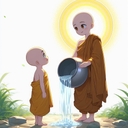
Opening
+61.0 – (intro)
all
| Evaṃ me sutaṃ— | So I have heard. | 我曾听说: |
| ekaṃ samayaṃ bhagavā rājagahe viharati veḷuvane kalandakanivāpe. | At one time the Buddha was staying near Rājagaha, in the Bamboo Grove, the squirrels’ feeding ground. | 有一次,佛陀住在王舍城附近的竹林精舍,那是松鼠的喂食地。 |
| Tena kho pana samayena āyasmā rāhulo ambalaṭṭhikāyaṃ viharati. | Now at that time Venerable Rāhula was staying at Ambalaṭṭhikā. | 当时,尊者罗睺罗住在安巴拉提卡。 |
| Atha kho bhagavā sāyanhasamayaṃ paṭisallānā vuṭṭhito yena ambalaṭṭhikā yenāyasmā rāhulo tenupasaṅkami. | Then in the late afternoon, the Buddha came out of retreat and went to Ambalaṭṭhika to see Venerable Rāhula. | 傍晚时分,佛陀出定,前往安巴拉提卡看望尊者罗睺罗。 |
| Addasā kho āyasmā rāhulo bhagavantaṃ dūratova āgacchantaṃ. | Rāhula saw the Buddha coming off in the distance. | 罗睺罗远远地看见佛陀走来。 |
| Disvāna āsanaṃ paññāpesi, udakañca pādānaṃ. | He spread out a seat and placed water for washing the feet. | 他铺好座位,并准备了洗脚水。 |
| Nisīdi bhagavā paññatte āsane. | The Buddha sat on the seat spread out, | 佛陀坐在铺好的座位上, |
| Nisajja pāde pakkhālesi. | and washed his feet. | 洗了脚。 |
| Āyasmāpi kho rāhulo bhagavantaṃ abhivādetvā ekamantaṃ nisīdi. | Rāhula bowed to the Buddha and sat down to one side. | 罗睺罗向佛陀顶礼,然后坐到一边。 |
+§0.1 – (lying is bad; simile of empty water container)
| Atha kho bhagavā parittaṃ udakāvasesaṃ udakādhāne ṭhapetvā āyasmantaṃ rāhulaṃ āmantesi: | Then the Buddha, leaving a little water in the pot, addressed Rāhula: | 然后佛陀,在盆里留了一点水,对罗睺罗说: |
| “passasi no tvaṃ, rāhula, imaṃ parittaṃ udakāvasesaṃ udakādhāne ṭhapitan”ti? | “Rāhula, do you see this little bit of water left in the pot?” | “罗睺罗,你看到盆里剩下的这一点水了吗?” |
| “Evaṃ, bhante”. | “Yes, sir.” | “是的,先生。” |
| “Evaṃ parittakaṃ kho, rāhula, tesaṃ sāmaññaṃ yesaṃ natthi sampajānamusāvāde lajjā”ti. | “That’s how little of the ascetic’s nature is left in those who are not ashamed to tell a deliberate lie.” | “那些不羞于故意说谎的人,他们的苦行者本质也只剩下这么一点点了。” |
| Atha kho bhagavā parittaṃ udakāvasesaṃ chaḍḍetvā āyasmantaṃ rāhulaṃ āmantesi: | Then the Buddha, tossing away what little water was left in the pot, addressed Rāhula: | 然后佛陀,把盆里剩下的一点水倒掉,对罗睺罗说: |
| “passasi no tvaṃ, rāhula, parittaṃ udakāvasesaṃ chaḍḍitan”ti? | “Do you see this little bit of water that was tossed away?” | “你看到这一点被倒掉的水了吗?” |
| “Evaṃ, bhante”. | “Yes, sir.” | “是的,先生。” |
| “Evaṃ chaḍḍitaṃ kho, rāhula, tesaṃ sāmaññaṃ yesaṃ natthi sampajānamusāvāde lajjā”ti. | “That’s how the ascetic’s nature is tossed away in those who are not ashamed to tell a deliberate lie.” | “那些不羞于故意说谎的人,他们的苦行者本质就这样被丢弃了。” |
| Atha kho bhagavā taṃ udakādhānaṃ nikkujjitvā āyasmantaṃ rāhulaṃ āmantesi: | Then the Buddha, turning the pot upside down, addressed Rāhula: | 然后佛陀,把盆倒扣过来,对罗睺罗说: |
| “passasi no tvaṃ, rāhula, imaṃ udakādhānaṃ nikkujjitan”ti? | “Do you see how this pot is turned upside down?” | “你看到这个盆是怎样倒扣的吗?” |
| “Evaṃ, bhante”. | “Yes, sir.” | “是的,先生。” |
| “Evaṃ nikkujjitaṃ kho, rāhula, tesaṃ sāmaññaṃ yesaṃ natthi sampajānamusāvāde lajjā”ti. | “That’s how the ascetic’s nature is turned upside down in those who are not ashamed to tell a deliberate lie.” | “那些不羞于故意说谎的人,他们的苦行者本质就这样被颠倒了。” |
| Atha kho bhagavā taṃ udakādhānaṃ ukkujjitvā āyasmantaṃ rāhulaṃ āmantesi: | Then the Buddha, turning the pot right side up, addressed Rāhula: | 然后佛陀,把盆正过来,对罗睺罗说: |
| “passasi no tvaṃ, rāhula, imaṃ udakādhānaṃ rittaṃ tucchan”ti? | “Do you see how this pot is vacant and empty?” | “你看到这个盆是空空荡荡的吗?” |
| “Evaṃ, bhante”. | “Yes, sir.” | “是的,先生。” |
| “Evaṃ rittaṃ tucchaṃ kho, rāhula, tesaṃ sāmaññaṃ yesaṃ natthi sampajānamusāvāde lajjāti. | “That’s how vacant and empty the ascetic’s nature is in those who are not ashamed to tell a deliberate lie. | “那些不羞于故意说谎的人,他们的苦行者本质就是这样空空荡荡的。 |
+§0.2 – (lying is bad; simile royal elephant risking life)
| Seyyathāpi, rāhula, rañño nāgo īsādanto urūḷhavā abhijāto saṅgāmāvacaro saṅgāmagato purimehipi pādehi kammaṃ karoti, pacchimehipi pādehi kammaṃ karoti, purimenapi kāyena kammaṃ karoti, pacchimenapi kāyena kammaṃ karoti, sīsenapi kammaṃ karoti, kaṇṇehipi kammaṃ karoti, dantehipi kammaṃ karoti, naṅguṭṭhenapi kammaṃ karoti; rakkhateva soṇḍaṃ. | Suppose there was a royal bull elephant with tusks like plows, able to draw a heavy load, pedigree and battle-hardened. In battle it uses its fore-feet and hind-feet, its fore-quarters and hind-quarters, its head, ears, tusks, and tail, but it still protects its trunk. | 假设有一头皇家公象,象牙像犁头,能够拉动重物,血统纯正,久经沙场。在战斗中,它会用它的前脚和后脚、它的前身和后身、它的头、耳朵、象牙和尾巴,但它仍然会保护它的鼻子。 |
| Tattha hatthārohassa evaṃ hoti: | So its rider thinks: | 所以它的骑师想: |
| ‘ayaṃ kho rañño nāgo īsādanto urūḷhavā abhijāto saṅgāmāvacaro saṅgāmagato purimehipi pādehi kammaṃ karoti, pacchimehipi pādehi kammaṃ karoti … pe … naṅguṭṭhenapi kammaṃ karoti; rakkhateva soṇḍaṃ. | ‘This royal bull elephant still protects its trunk. | “这头皇家公象仍然保护着它的鼻子。 |
| Apariccattaṃ kho rañño nāgassa jīvitan’ti. | It has not fully dedicated its life.’ | 它还没有完全奉献它的生命。” |
| Yato kho, rāhula, rañño nāgo īsādanto urūḷhavā abhijāto saṅgāmāvacaro saṅgāmagato purimehipi pādehi kammaṃ karoti, pacchimehipi pādehi kammaṃ karoti … pe … naṅguṭṭhenapi kammaṃ karoti, soṇḍāyapi kammaṃ karoti, tattha hatthārohassa evaṃ hoti: | But when that royal bull elephant … in battle uses its fore-feet and hind-feet, its fore-quarters and hind-quarters, its head, ears, tusks, and tail, and its trunk, its rider thinks: | 但是当那头皇家公象……在战斗中使用了它的前脚和后脚、它的前身和后身、它的头、耳朵、象牙、尾巴和它的鼻子时,它的骑师会想: |
| ‘ayaṃ kho rañño nāgo īsādanto urūḷhavā abhijāto saṅgāmāvacaro saṅgāmagato purimehipi pādehi kammaṃ karoti, pacchimehipi pādehi kammaṃ karoti, purimenapi kāyena kammaṃ karoti, pacchimenapi kāyena kammaṃ karoti, sīsenapi kammaṃ karoti, kaṇṇehipi kammaṃ karoti, dantehipi kammaṃ karoti, naṅguṭṭhenapi kammaṃ karoti, soṇḍāyapi kammaṃ karoti. | ‘This royal bull elephant … in battle uses its fore-feet and hind-feet, its fore-quarters and hind-quarters, its head, ears, tusks, and tail, and its trunk. | “这头皇家公象……在战斗中使用了它的前脚和后脚、它的前身和后身、它的头、耳朵、象牙、尾巴和它的鼻子。 |
| Pariccattaṃ kho rañño nāgassa jīvitaṃ. | It has fully dedicated its life. | 它已经完全奉献了它的生命。 |
| Natthi dāni kiñci rañño nāgassa akaraṇīyan’ti. | Now there is nothing that royal bull elephant would not do.’ | 现在没有什么事是那头皇家公象不会做的了。” |
+§0.3 – (Never lie! Lying leads to every evil)
| evameva kho, rāhula, | “In the same way, Rāhula, | “同样地,罗睺罗, |
| yassa kassaci sampajāna-musā-vāde natthi lajjā, | when anyone telling-a-deliberate-lie {feels} no shame, | 当任何人故意撒谎却毫不羞愧时, |
| n-āhaṃ tassa kiñci pāpaṃ a-karaṇīyanti vadāmi. | {I say} there is no evil he will not do. | 我说没有什么恶事是他不会做的。 |
| tasmātiha te, rāhula, ‘hassāpi na musā bhaṇissāmī’ti — | Therefore, Rāhula, [thinking]: ‘Even-in-jest no lie will-I-tell.’ | 因此,罗睺罗,[思考]:‘即使是开玩笑,我也绝不说谎。’ |
| evañhi te, rāhula, sikkhitabbaṃ. | In such a way, ********, you should train. | 就这样,**,你应当训练自己。” |
+§0.4 – (simile of miror: reflect before, during, after every action )
| Taṃ kiṃ maññasi, rāhula, | What do you think, Rāhula? | 你觉得呢,罗睺罗? |
| kimatthiyo ādāso”ti? | What is the purpose of a mirror?” | 镜子的目的是什么?” |
| “Paccavekkhaṇattho, bhante”ti. | “It’s for reflection, sir.” | “是为了照见,先生。” |
| “Evameva kho, rāhula, | “In the same way, Rāhula, | “同样地,罗睺罗, |
| paccavekkhitvā paccavekkhitvā kāyena kammaṃ kattabbaṃ, | [only after] repeated reflection {should} bodily karma [action] be performed, | [只有经过]反复思虑[才]应进行身业, |
| paccavekkhitvā paccavekkhitvā vācāya kammaṃ kattabbaṃ, | [only after] repeated reflection {should} vocal karma [action] be performed, | [只有经过]反复思虑[才]应进行语业, |
| paccavekkhitvā paccavekkhitvā manasā kammaṃ kattabbaṃ. | [only after] repeated reflection {should} mental karma [action] be performed, | [只有经过]反复思虑[才]应进行意业。 |
❧
+61.1 – (mirror body action, kāyena kammaṃ )
all
+§1.1 – (before Body action → consider consequence)
| yadeva tvaṃ, rāhula, kāyena kammaṃ kattu-kāmo ahosi, | “Whenever you want to do a bodily karma, | “每当你想要造作身业时, |
| tadeva te kāya-kammaṃ paccavekkhitabbaṃ — | then your bodily-karma (you) should-reflect-on: | 那么你的身业(你)就应该反思: |
| ‘yaṃ nu kho ahaṃ idaṃ kāyena kammaṃ kattu-kāmo | ‘This bodily karma I want to do— | ‘我想做的这个身业—— |
| idaṃ me kāya-kammaṃ | would my bodilly karma | 我的身业会导致 |
| atta-byābādhāyapi saṃvatteyya, | {lead to} self-affliction, | 自我苦恼, |
| para-byābādhāyapi saṃvatteyya, | {lead to} others'-affliction, | 他人苦恼, |
| ubhaya-byābādhāyapi saṃvatteyya — | {lead to} both-[parties']-affliction? | 双方苦恼吗? |
| a-kusalaṃ idaṃ kāya-kammaṃ | Would it be an unskillful bodily karma, | 它会是一个不善的身业吗, |
| dukkh-udrayaṃ dukkha-vipākan’ti? | (with) painful-consequences, painful-results?’ | (带着)痛苦的后果,痛苦的结果?’ |
+§1.2 – (before Body action → if leads to bad, don’t do)
| sace tvaṃ, rāhula, paccavekkhamāno evaṃ jāneyyāsi — | If, on reflection, you know | 如果反思后,你得知 |
| ‘yaṃ kho ahaṃ idaṃ kāyena kammaṃ kattu-kāmo | that this bodily karma I-want-to-do, | 我想做的这个身业, |
| idaṃ me kāya-kammaṃ | this ** bodily-karma | 这个身业 |
| atta-byābādhāyapi saṃvatteyya, | {would lead to} self-affliction, | {会导致}自我苦恼, |
| para-byābādhāyapi saṃvatteyya, | {would lead to} others'-affliction, | {会导致}他人苦恼, |
| ubhaya-byābādhāyapi saṃvatteyya — | {would lead to} both-[parties']-affliction, | {会导致}双方苦恼, |
| a-kusalaṃ idaṃ kāya-kammaṃ | {it would be an} un-skillful **** bodily-karma, | {它将是一个}不善的\*\*\*\*身业, |
| dukkh-udrayaṃ dukkha-vipākan’ti, | (with) painful-consequences, painful-results, | (带着)痛苦的后果,痛苦的结果, |
| evarūpaṃ te, rāhula, kāyena kammaṃ | then any bodily karma {of that sort}, | 那么任何那样的身业, |
| sa-sakkaṃ na karaṇīyaṃ. | as-much-as-possible (you must) not do. | 你必须尽可能地不要去做。 |
+§1.3 – (before Body action → if not lead to bad, do)
| Sace pana tvaṃ, rāhula, paccavekkhamāno evaṃ jāneyyāsi: | But if, while reflecting in this way, you know: | 但是,如果这样反思后,你得知: |
| ‘yaṃ kho ahaṃ idaṃ kāyena kammaṃ kattukāmo idaṃ me kāyakammaṃ nevattabyābādhāyapi saṃvatteyya, na parabyābādhāyapi saṃvatteyya, na ubhayabyābādhāyapi saṃvatteyya— | ‘This act with the body that I want to do doesn’t lead to hurting myself, hurting others, or hurting both. | ‘我想要做的这个身体行为不会导致伤害自己、伤害他人,或者伤害双方。 |
| kusalaṃ idaṃ kāyakammaṃ sukhudrayaṃ sukhavipākan’ti, evarūpaṃ te, rāhula, kāyena kammaṃ karaṇīyaṃ. | It’s skillful, with happiness as its outcome and result.’ Then, Rāhula, you should do such a deed. | 它是善巧的,带来快乐的后果和结果。’那么,罗睺罗,你就应该去做这样的行为。 |
+§2.1 – (during Body action → consider consequence)
| Karontenapi te, rāhula, kāyena kammaṃ tadeva te kāyakammaṃ paccavekkhitabbaṃ: | While you are acting with the body, you should reflect on that same act: | 当你正在进行身体行为时,你应该反思同一个行为: |
| ‘yannu kho ahaṃ idaṃ kāyena kammaṃ karomi idaṃ me kāyakammaṃ attabyābādhāyapi saṃvattati, parabyābādhāyapi saṃvattati, ubhayabyābādhāyapi saṃvattati— | ‘Does this act with the body that I am doing lead to hurting myself, hurting others, or hurting both? | ‘我正在做的这个身体行为会导致伤害自己、伤害他人,或者伤害双方吗? |
| akusalaṃ idaṃ kāyakammaṃ dukkhudrayaṃ dukkhavipākan’ti? | Is it unskillful, with suffering as its outcome and result?’ | 它是不善巧的,带来痛苦的后果和结果吗?’ |
+§2.2 – (during Body action → if leads to bad, don’t do)
| Sace pana tvaṃ, rāhula, paccavekkhamāno evaṃ jāneyyāsi: | If, while reflecting in this way, you know: | 如果,这样反思后,你得知: |
| ‘yaṃ kho ahaṃ idaṃ kāyena kammaṃ karomi idaṃ me kāyakammaṃ attabyābādhāyapi saṃvattati, parabyābādhāyapi saṃvattati, ubhayabyābādhāyapi saṃvattati— | ‘This act with the body that I am doing leads to hurting myself, hurting others, or hurting both. | ‘我正在做的这个身体行为会导致伤害自己、伤害他人,或者伤害双方。 |
| akusalaṃ idaṃ kāyakammaṃ dukkhudrayaṃ dukkhavipākan’ti, paṭisaṃhareyyāsi tvaṃ, rāhula, evarūpaṃ kāyakammaṃ. | It’s unskillful, with suffering as its outcome and result.’ Then, Rāhula, you should desist from such a deed. | 它是不善巧的,带来痛苦的后果和结果。’那么,罗睺罗,你就应该停止这样的行为。 |
+§2.3 – (during Body action → if not lead to bad, do)
| Sace pana tvaṃ, rāhula, paccavekkhamāno evaṃ jāneyyāsi: | But if, while reflecting in this way, you know: | 但是,如果这样反思后,你得知: |
| ‘yaṃ kho ahaṃ idaṃ kāyena kammaṃ karomi idaṃ me kāyakammaṃ nevattabyābādhāyapi saṃvattati, na parabyābādhāyapi saṃvattati, na ubhayabyābādhāyapi saṃvattati— | ‘This act with the body that I am doing doesn’t lead to hurting myself, hurting others, or hurting both. | ‘我正在做的这个身体行为不会导致伤害自己、伤害他人,或者伤害双方。 |
| kusalaṃ idaṃ kāyakammaṃ sukhudrayaṃ sukhavipākan’ti, anupadajjeyyāsi tvaṃ, rāhula, evarūpaṃ kāyakammaṃ. | It’s skillful, with happiness as its outcome and result.’ Then, Rāhula, you should continue doing such a deed. | 它是善巧的,带来快乐的后果和结果。’那么,罗睺罗,你就应该继续做这样的行为。 |
+§3.1 – (after Body action → consider consequence)
| Katvāpi te, rāhula, kāyena kammaṃ tadeva te kāyakammaṃ paccavekkhitabbaṃ: | After you have acted with the body, you should reflect on that same act: | 在你做了身体行为之后,你应该反思同一个行为: |
| ‘yannu kho ahaṃ idaṃ kāyena kammaṃ akāsiṃ idaṃ me kāyakammaṃ attabyābādhāyapi saṃvattati, parabyābādhāyapi saṃvattati, ubhayabyābādhāyapi saṃvattati— | ‘Does this act with the body that I have done lead to hurting myself, hurting others, or hurting both? | ‘我所做的这个身体行为会导致伤害自己、伤害他人,或者伤害双方吗? |
| akusalaṃ idaṃ kāyakammaṃ dukkhudrayaṃ dukkhavipākan’ti? | Is it unskillful, with suffering as its outcome and result?’ | 它是不善巧的,带来痛苦的后果和结果吗?’ |
+§3.2 – (after Body action → if it led to bad, confess and don’t do again)
| Sace kho tvaṃ, rāhula, paccavekkhamāno evaṃ jāneyyāsi: | If, while reflecting in this way, you know: | 如果这样反思后,你得知: |
| ‘yaṃ kho ahaṃ idaṃ kāyena kammaṃ akāsiṃ, idaṃ me kāyakammaṃ attabyābādhāyapi saṃvattati, parabyābādhāyapi saṃvattati, ubhayabyābādhāyapi saṃvattati— | ‘This act with the body that I have done leads to hurting myself, hurting others, or hurting both. | ‘我所做的这个身体行为会导致伤害自己、伤害他人,或者伤害双方。 |
| akusalaṃ idaṃ kāyakammaṃ dukkhudrayaṃ dukkhavipākan’ti, evarūpaṃ te, rāhula, kāyakammaṃ satthari vā viññūsu vā sabrahmacārīsu desetabbaṃ, vivaritabbaṃ, uttānīkātabbaṃ; | It’s unskillful, with suffering as its outcome and result.’ Then, Rāhula, you should confess, reveal, and clarify such a deed to the Teacher or a sensible spiritual companion. | 它是不善巧的,带来痛苦的后果和结果。’那么,罗睺罗,你应该向老师或明智的精神伴侣忏悔、揭露和澄清这样的行为。 |
| desetvā vivaritvā uttānīkatvā āyatiṃ saṃvaraṃ āpajjitabbaṃ. | And having revealed it you should restrain yourself in future. | 揭露之后,你将来应该约束自己。 |
+§3.3 – (after Body action → if not lead to bad, rejoice pīti-pāmojja)
| Sace pana tvaṃ, rāhula, paccavekkhamāno evaṃ jāneyyāsi: | But if, while reflecting in this way, you know: | 但是,如果这样反思后,你得知: |
| ‘yaṃ kho ahaṃ idaṃ kāyena kammaṃ akāsiṃ idaṃ me kāyakammaṃ nevattabyābādhāyapi saṃvattati, na parabyābādhāyapi saṃvattati, na ubhayabyābādhāyapi saṃvattati— | ‘This act with the body that I have done doesn’t lead to hurting myself, hurting others, or hurting both. | ‘我所做的这个身体行为不会导致伤害自己、伤害他人,或者伤害双方。 |
| kusalaṃ idaṃ kāyakammaṃ sukhudrayaṃ sukhavipākan’ti, teneva tvaṃ, rāhula, pītipāmojjena vihareyyāsi ahorattānusikkhī kusalesu dhammesu. | It’s skillful, with happiness as its outcome and result.’ Then, Rāhula, you should live in mental-joy and joy because of this, training day and night in skillful Dharmas. | 它是善巧的,带来快乐的后果和结果。’那么,罗睺罗,你应该因此而生活在欢喜和喜悦中,日夜修习善巧之法。 |
❧
+61.2 – (mirror verbal action, vācāya kammaṃ)
all
+§1.1 – (before Vocal action → consider consequence)
| “Yadeva tvaṃ, rāhula, vācāya kammaṃ kattukāmo ahosi, tadeva te vacīkammaṃ paccavekkhitabbaṃ: | When you want to act with speech, you should reflect on that same deed: | 当你想言语时,你应该反思同一行为: |
| ‘yannu kho ahaṃ idaṃ vācāya kammaṃ kattukāmo idaṃ me vacīkammaṃ attabyābādhāyapi saṃvatteyya, parabyābādhāyapi saṃvatteyya, ubhayabyābādhāyapi saṃvatteyya— akusalaṃ idaṃ vacīkammaṃ dukkhudrayaṃ dukkhavipākan’ti? |
‘Does this act of speech that I want to do lead to hurting myself, hurting others, or hurting both?’ … | ‘我想要做的这个言语行为会导致伤害自己、伤害他人,或者伤害双方吗?’…… |
+§1.2 – (before Vocal action → if leads to bad, don’t do)
| Sace tvaṃ, rāhula, paccavekkhamāno evaṃ jāneyyāsi: ‘yaṃ kho ahaṃ idaṃ vācāya kammaṃ kattukāmo idaṃ me vacīkammaṃ attabyābādhāyapi saṃvatteyya, parabyābādhāyapi saṃvatteyya, ubhayabyābādhāyapi saṃvatteyya— akusalaṃ idaṃ vacīkammaṃ dukkhudrayaṃ dukkhavipākan’ti, evarūpaṃ te, rāhula, vācāya kammaṃ sasakkaṃ na karaṇīyaṃ. |
+§1.3 – (before Vocal action → if not lead to bad, do)
| Sace pana tvaṃ, rāhula, paccavekkhamāno evaṃ jāneyyāsi: ‘yaṃ kho ahaṃ idaṃ vācāya kammaṃ kattukāmo idaṃ me vacīkammaṃ nevattabyābādhāyapi saṃvatteyya, na parabyābādhāyapi saṃvatteyya— kusalaṃ idaṃ vacīkammaṃ sukhudrayaṃ sukhavipākan’ti, evarūpaṃ te, rāhula, vācāya kammaṃ karaṇīyaṃ. |
+§2.1 – (during Vocal action → consider consequence)
| Karontenapi te, rāhula, vācāya kammaṁ tadeva te vacīkammaṁ paccavekkhitabbaṁ: ‘yannu kho ahaṁ idaṁ vācāya kammaṁ karomi idaṁ me vacīkammaṁ attabyābādhāyapi saṁvattati, parabyābādhāyapi saṁvattati, ubhayabyābādhāyapi saṁvattati— akusalaṁ idaṁ vacīkammaṁ dukkhudrayaṁ dukkhavipākan’ti? |
+§2.2 – (during Vocal action → if leads to bad, don’t do)
| Sace pana tvaṁ, rāhula, paccavekkhamāno evaṁ jāneyyāsi: ‘yaṁ kho ahaṁ idaṁ vācāya kammaṁ karomi idaṁ me vacīkammaṁ attabyābādhāyapi saṁvattati, parabyābādhāyapi saṁvattati, ubhayabyābādhāyapi saṁvattati— akusalaṁ idaṁ vacīkammaṁ dukkhudrayaṁ dukkhavipākan’ti, paṭisaṁhareyyāsi tvaṁ, rāhula, evarūpaṁ vacīkammaṁ. |
||
| Sace pana tvaṁ, rāhula, paccavekkhamāno evaṁ jāneyyāsi: |
+§2.3 – (during Vocal action → if not lead to bad, do)
| ‘yaṁ kho ahaṁ idaṁ vācāya kammaṁ karomi idaṁ me vacīkammaṁ nevattabyābādhāyapi saṁvattati, na parabyābādhāyapi saṁvattati, na ubhayabyābādhāyapi saṁvattati— kusalaṁ idaṁ vacīkammaṁ sukhudrayaṁ sukhavipākan’ti, anupadajjeyyāsi tvaṁ, rāhula, evarūpaṁ vacīkammaṁ. |
+§3.1 – (after Vocal action → consider consequence)
| Katvāpi te, rāhula, vācāya kammaṃ tadeva te vacīkammaṃ paccavekkhitabbaṃ: ‘yannu kho ahaṃ idaṃ vācāya kammaṃ akāsiṃ idaṃ me vacīkammaṃ attabyābādhāyapi saṃvattati, parabyābādhāyapi saṃvattati, ubhayabyābādhāyapi saṃvattati— akusalaṃ idaṃ vacīkammaṃ dukkhudrayaṃ dukkhavipākan’ti? |
+§3.2 – (after Vocal action → if it led to bad, confess and don’t do again)
| Sace kho tvaṃ, rāhula, paccavekkhamāno evaṃ jāneyyāsi: | If, while reflecting in this way, you know: | 如果这样反思后,你得知: |
| ‘yaṃ kho ahaṃ idaṃ vācāya kammaṃ akāsiṃ idaṃ me vacīkammaṃ attabyābādhāyapi saṃvattati, parabyābādhāyapi saṃvattati, ubhayabyābādhāyapi saṃvattati— | ‘This act of speech that I have done leads to hurting myself, hurting others, or hurting both. | ‘我所做的这个言语行为会导致伤害自己、伤害他人,或者伤害双方。 |
| akusalaṃ idaṃ vacīkammaṃ dukkhudrayaṃ dukkhavipākan’ti, evarūpaṃ te, rāhula, vacīkammaṃ satthari vā viññūsu vā sabrahmacārīsu desetabbaṃ, vivaritabbaṃ, uttānīkattabbaṃ; | It’s unskillful, with suffering as its outcome and result.’ Then, Rāhula, you should confess, reveal, and clarify such a deed to the Teacher or a sensible spiritual companion. | 它是不善巧的,带来痛苦的后果和结果。’那么,罗睺罗,你应该向老师或明智的精神伴侣忏悔、揭露和澄清这样的行为。 |
| desetvā vivaritvā uttānīkatvā āyatiṃ saṃvaraṃ āpajjitabbaṃ. | And having revealed it you should restrain yourself in future. | 揭露之后,你将来应该约束自己。 |
+§3.3 – (after Vocal action → if not lead to bad, rejoice pīti-pāmojja)
| Sace pana tvaṃ, rāhula, paccavekkhamāno evaṃ jāneyyāsi: | But if, while reflecting in this way, you know: | 但是,如果这样反思后,你得知: |
| ‘yaṃ kho ahaṃ idaṃ vācāya kammaṃ akāsiṃ idaṃ me vacīkammaṃ nevattabyābādhāyapi saṃvattati, na parabyābādhāyapi saṃvattati, na ubhayabyābādhāyapi saṃvattati— | ‘This act of speech that I have done doesn’t lead to hurting myself, hurting others, or hurting both. | ‘我所做的这个言语行为不会导致伤害自己、伤害他人,或者伤害双方。 |
| kusalaṃ idaṃ vacīkammaṃ sukhudrayaṃ sukhavipākan’ti, teneva tvaṃ, rāhula, pītipāmojjena vihareyyāsi ahorattānusikkhī kusalesu dhammesu. | It’s skillful, with happiness as its outcome and result.’ Then, Rāhula, you should live in mental-joy and joy because of this, training day and night in skillful Dharmas. | 它是善巧的,带来快乐的后果和结果。’那么,罗睺罗,你应该因此而生活在欢喜和喜悦中,日夜修习善巧之法。 |
❧
+61.3 – (mirror mental action, manasā kammaṃ)
all
+§1.1 – (before Mental action → consider consequence)
| Yadeva tvaṃ, rāhula, manasā kammaṃ kattukāmo ahosi, tadeva te manokammaṃ paccavekkhitabbaṃ: | When you want to act with the mind, you should reflect on that same deed: | 当你想以意念行动时,你应该反思同样的行动: |
| ‘yannu kho ahaṃ idaṃ manasā kammaṃ kattukāmo idaṃ me manokammaṃ attabyābādhāyapi saṃvatteyya, parabyābādhāyapi saṃvatteyya, ubhayabyābādhāyapi saṃvatteyya— akusalaṃ idaṃ manokammaṃ dukkhudrayaṃ dukkhavipākan’ti? |
‘Does this act of mind that I want to do lead to hurting myself, hurting others, or hurting both?’ … | ‘我想要做的这个意念行动会导致伤害自己、伤害他人,或者伤害双方吗?’…… |
+§1.2 – (before Mental action → if leads to bad, don’t do)
| Sace tvaṃ, rāhula, paccavekkhamāno evaṃ jāneyyāsi: ‘yaṃ kho ahaṃ idaṃ manasā kammaṃ kattukāmo idaṃ me manokammaṃ attabyābādhāyapi saṃvatteyya, parabyābādhāyapi saṃvatteyya, ubhayabyābādhāyapi saṃvatteyya— akusalaṃ idaṃ manokammaṃ dukkhudrayaṃ dukkhavipākan’ti, evarūpaṃ te, rāhula, manasā kammaṃ sasakkaṃ na karaṇīyaṃ. |
+§1.3 – (before Mental action → if not lead to bad, do)
| Sace pana tvaṃ, rāhula, paccavekkhamāno evaṃ jāneyyāsi: ‘yaṃ kho ahaṃ idaṃ manasā kammaṃ kattukāmo idaṃ me manokammaṃ nevattabyābādhāyapi saṃvatteyya, na parabyābādhāyapi saṃvatteyya, na ubhayabyābādhāyapi saṃvatteyya— kusalaṃ idaṃ manokammaṃ sukhudrayaṃ sukhavipākan’ti, evarūpaṃ te, rāhula, manasā kammaṃ karaṇīyaṃ. |
+§2.1 – (during Mental action → consider consequence)
| Karontenapi te, rāhula, manasā kammaṁ tadeva te manokammaṁ paccavekkhitabbaṁ: ‘yannu kho ahaṁ idaṁ manasā kammaṁ karomi idaṁ me manokammaṁ attabyābādhāyapi saṁvattati, parabyābādhāyapi saṁvattati, ubhayabyābādhāyapi saṁvattati— akusalaṁ idaṁ manokammaṁ dukkhudrayaṁ dukkhavipākan’ti? |
+§2.2 – (during Mental action → if leads to bad, don’t do)
| Sace pana tvaṁ, rāhula, paccavekkhamāno evaṁ jāneyyāsi: ‘yaṁ kho ahaṁ idaṁ manasā kammaṁ karomi idaṁ me manokammaṁ attabyābādhāyapi saṁvattati, parabyābādhāyapi saṁvattati, ubhayabyābādhāyapi saṁvattati— akusalaṁ idaṁ manokammaṁ dukkhudrayaṁ dukkhavipākan’ti, paṭisaṁhareyyāsi tvaṁ, rāhula, evarūpaṁ manokammaṁ. |
+§2.3 – (during Mental action → if not lead to bad, do)
| Sace pana tvaṁ, rāhula, paccavekkhamāno evaṁ jāneyyāsi: ‘yaṁ kho ahaṁ idaṁ manasā kammaṁ karomi idaṁ me manokammaṁ nevattabyābādhāyapi saṁvattati, na parabyābādhāyapi saṁvattati, na ubhayabyābādhāyapi saṁvattati— kusalaṁ idaṁ manokammaṁ sukhudrayaṁ sukhavipākan’ti, anupadajjeyyāsi tvaṁ, rāhula, evarūpaṁ manokammaṁ. |
+§3.1 – (after Mental action → consider consequence)
| Katvāpi te, rāhula, manasā kammaṃ tadeva te manokammaṃ paccavekkhitabbaṃ: ‘yannu kho ahaṃ idaṃ manasā kammaṃ akāsiṃ idaṃ me manokammaṃ attabyābādhāyapi saṃvattati, parabyābādhāyapi saṃvattati, ubhayabyābādhāyapi saṃvattati— akusalaṃ idaṃ manokammaṃ dukkhudrayaṃ dukkhavipākan’ti? |
+§3.2 – (after Mental action → if it led to bad, feel disgusted, horrified, and restrain yourself in future)
| Sace kho tvaṃ, rāhula, paccavekkhamāno evaṃ jāneyyāsi: | If, while reflecting in this way, you know: | 如果这样反思后,你得知: |
| ‘yaṃ kho ahaṃ idaṃ manasā kammaṃ akāsiṃ idaṃ me manokammaṃ attabyābādhāyapi saṃvattati, parabyābādhāyapi saṃvattati, ubhayabyābādhāyapi saṃvattati— | ‘This act of mind that I have done leads to hurting myself, hurting others, or hurting both. | ‘我所做的这个意念行动会导致伤害自己、伤害他人,或者伤害双方。 |
+(note asymmetry here compared to body and verbal after check)
| akusalaṃ idaṃ manokammaṃ dukkhudrayaṃ dukkhavipākan’ti, evarūpaṃ pana te, rāhula, manokammaṃ aṭṭīyitabbaṃ harāyitabbaṃ jigucchitabbaṃ; | It’s unskillful, with suffering as its outcome and result.’ Then, Rāhula, you should be horrified, repelled, and disgusted by that deed. | 它是不善巧的,带来痛苦的后果和结果。’那么,罗睺罗,你应该对那个行为感到恐惧、厌恶和反感。 |
| aṭṭīyitvā harāyitvā jigucchitvā āyatiṃ saṃvaraṃ āpajjitabbaṃ. | And being repelled, you should restrain yourself in future. | 并且因为厌恶,你将来应该约束自己。 |
+§3.3 – (after Mental action → if not lead to bad, rejoice pīti-pāmojja)
| Sace pana tvaṃ, rāhula, paccavekkhamāno evaṃ jāneyyāsi: | But if, while reflecting in this way, you know: | 但是,如果这样反思后,你得知: |
| ‘yaṃ kho ahaṃ idaṃ manasā kammaṃ akāsiṃ idaṃ me manokammaṃ nevattabyābādhāyapi saṃvattati, na parabyābādhāyapi saṃvattati, na ubhayabyābādhāyapi saṃvattati— | ‘This act with the mind that I have done doesn’t lead to hurting myself, hurting others, or hurting both. | ‘我所做的这个意念行动不会导致伤害自己、伤害他人,或者伤害双方。 |
| kusalaṃ idaṃ manokammaṃ sukhudrayaṃ sukhavipākan’ti, teneva tvaṃ, rāhula, pītipāmojjena vihareyyāsi ahorattānusikkhī kusalesu dhammesu. | It’s skillful, with happiness as its outcome and result.’ Then, Rāhula, you should live in mental-joy and joy because of this, training day and night in skillful Dharmas. | 它是善巧的,带来快乐的后果和结果。’那么,罗睺罗,你应该因此而生活在欢喜和喜悦中,日夜修习善巧之法。 |
❧
+61.5 – (conclusion: all ascetics, brahmins, of past, future, present used this mirror method)
all
| Ye hi keci, rāhula, atītamaddhānaṃ samaṇā vā brāhmaṇā vā kāyakammaṃ parisodhesuṃ, vacīkammaṃ parisodhesuṃ, manokammaṃ parisodhesuṃ, sabbe te evamevaṃ paccavekkhitvā paccavekkhitvā kāyakammaṃ parisodhesuṃ, paccavekkhitvā paccavekkhitvā vacīkammaṃ parisodhesuṃ, paccavekkhitvā paccavekkhitvā manokammaṃ parisodhesuṃ. Yepi hi keci, rāhula, anāgatamaddhānaṃ samaṇā vā brāhmaṇā vā kāyakammaṃ parisodhessanti, vacīkammaṃ parisodhessanti, manokammaṃ parisodhessanti, sabbe te evamevaṃ paccavekkhitvā paccavekkhitvā kāyakammaṃ parisodhessanti, paccavekkhitvā paccavekkhitvā vacīkammaṃ parisodhessanti, paccavekkhitvā paccavekkhitvā manokammaṃ parisodhessan”ti. Yepi hi keci, rāhula, etarahi samaṇā vā brāhmaṇā vā kāyakammaṃ parisodhenti, vacīkammaṃ parisodhenti, manokammaṃ parisodhenti, sabbe te evamevaṃ paccavekkhitvā paccavekkhitvā kāyakammaṃ parisodhenti, paccavekkhitvā paccavekkhitvā vacīkammaṃ parisodhenti, paccavekkhitvā paccavekkhitvā manokammaṃ parisodhenti. |
All the ascetics and brahmins of the past, future, and present who purify their physical, verbal, and mental actions do so after repeated reflection. | 过去、未来和现在所有的苦行者和婆罗门,凡是净化身、语、意行为的,都是在反复思虑之后才这样做的。 |
+§5.1 – (Rāhula should also use mirror reflect method)
| Tasmātiha, rāhula, ‘paccavekkhitvā paccavekkhitvā kāyakammaṃ parisodhessāmi, paccavekkhitvā paccavekkhitvā vacīkammaṃ parisodhessāmi, paccavekkhitvā paccavekkhitvā manokammaṃ parisodhessāmī’ti— evañhi te, rāhula, sikkhitabban”ti. |
So Rāhula, you should train yourself like this: ‘I will purify my physical, verbal, and mental actions after repeated reflection.’” | 所以罗睺罗,你应当这样训练自己:‘我将在反复思虑之后,净化我的身、语、意行为。’” |
| Idamavoca bhagavā. | That is what the Buddha said. | 世尊如是说。 |
| Attamano āyasmā rāhulo bhagavato bhāsitaṃ abhinandīti. | Satisfied, Venerable Rāhula was happy with what the Buddha said. | 尊者罗睺罗心满意足,对世尊所说之言心生欢喜。 |
❧
+MN 62 mahā-rāhul-ovāda:
(The) Greater Rāhula Admonishment
all
(The) Greater Rāhula Admonishment

Opening
+62.1 – (intro: Buddha and Rāhula go on alms round)
all
| evaṃ me sutaṃ — | Thus I heard - | 如是我闻—— |
| ekaṃ samayaṃ bhagavā sāvatthiyaṃ viharati | One time the-Blessed-One stayed in sāvatthi, | 一时,世尊住在舍卫城, |
| jeta-vane anāthapiṇḍikassa ārāme. | Jeta's Grove, Anathapindika's Monastery. | 祇园,给孤独园。 |
| atha kho bhagavā pubbaṇha-samayaṃ | Then the-Blessed-One, before-noon-time, | 那时,世尊于午前时分, |
| nivāsetvā patta-cīvaramādāya | having-clothed-himself, carrying-bowl-and-outer-robe, | 着衣,持钵和外衣, |
| sāvatthiṃ piṇḍāya pāvisi. | He went for alms in sāvatthi. | 前往舍卫城乞食。 |
| āyasmāpi kho rāhulo pubbaṇha-samayaṃ | Venerable Rāhula [… did the same…] | 尊者罗睺罗[……也一样……] |
| nivāsetvā patta-cīvaramādāya | … | …… |
| bhagavantaṃ piṭṭhito piṭṭhito anubandhi. | following closely behind the-Blessed-One. | 紧随世尊之后。 |
+§1.1 – (Buddha tells him 11 ways of contemplating 5 aggregates, same as in SN 22.59 anatta-lakkhana)
| atha kho bhagavā | Then the-Blessed-One, | 于是世尊, |
| apaloketvā āyasmantaṃ rāhulaṃ āmantesi — | looking-back at Venerable Rāhula, addressed him: | 回首望向尊者罗睺罗,对他说道: |
| “yaṃ kiñci, rāhula, rūpaṃ — | "Rāhula, any such [material] form, | “罗睺罗,任何这样的[物质]色, |
| atītā-(a)n-āgata-paccuppannaṃ | whether past, future, or -present; | 无论是过去、未来,还是现在; |
| ajjhattaṃ vā bahiddhā vā | internal or external; | 内在的或外在的; |
| oḷārikaṃ vā sukhumaṃ vā | coarse or subtle; | 粗糙的或微细的; |
| hīnaṃ vā paṇītaṃ vā | inferior or sublime; | 下等的或殊胜的; |
| yaṃ dūre santike vā, | whether distant or near: | 无论是远或近: |
| sabbaṃ rūpaṃ: | all material form [is to be realized as]: | 所有的物质色都[应被了知为]: |
| ‘n’etaṃ mama, | 'this is not mine, | ‘这不是我的, |
| n'eso-'ham-asmi, | this I am not, | 我不是这个, |
| na meso attā’ti | this is not my self.’ | 这不是我的自我。’ |
| evametaṃ yathā-bhūtaṃ | you must see this as it truly is, | 你必须如实地看到这一点, |
| sammap-paññāya daṭṭhabbaṃ.” | with right discernment." | 以正确的辨别。” |
| ti. | “ | “ |
| “rūpam-eva nu kho, bhagavā, | "only material form, O Blessed One? | “仅仅是物质色吗,世尊? |
| rūpam-eva nu kho, su-gatā”ti? | [or does it apply elsewhere] ?" | [还是适用于其他方面]?” |
| “rūpam-pi, rāhula, | [Not just] "Material Form-**, Rāhula, [also] | [不只是]“色——”,罗睺罗,[还有] |
| vedanā-pi, rāhula, | sensations, | 受, |
| saññā-pi, rāhula, | Perceptions, | 想, |
| saṅkhārā-pi, rāhula, | Co-activities, and | 行,以及 |
| viññāṇam-pi, rāhulā”ti. | Consciousness." | 识。 |
❧
+§1.2 – (Rāhula skips lunch to meditate)
| atha kho āyasmā rāhulo | Then Venerable Rāhula [thought to himself] | 于是,尊者罗睺罗[心想]: |
| “ko najja bhagavatā sam-mukhā | "Who would dare, | “谁敢, |
| ovādena ovadito | admonished in person by the Blessed one, | 被世尊亲自教诲后, |
| gāmaṃ piṇḍāya pavisissatī”ti | still go to town for alms round? | 还进城乞食呢?” |
| tato paṭi-nivattitvā | So he turned back, | 于是他转身回去, |
| aññatarasmiṃ rukkha-mūle nisīdi | sat down at a particular tree, | 坐在一棵树下, |
| pallaṅkaṃ ābhujitvā | folding his legs into cross leg posture, | 盘腿而坐, |
| ujuṃ kāyaṃ paṇidhāya | and straightened his body. | 端正身体。 |
| pari-mukhaṃ satiṃ upaṭṭhapetvā. | He established remembrance of Dharma in front of him [, making Dharma the main priority]. | 他把法忆念置于前方[,将法作为首要]。 |
+§1.3 – (Sāriputta tells him to practice ānā-pānas-sati)
| addasā kho āyasmā sāriputto āyasmantaṃ rāhulaṃ | Ven. Sāriputta saw Ven. Rāhula | 尊者舍利弗看见尊者罗睺罗 |
| aññatarasmiṃ rukkha-mūle nisinnaṃ | sitting at the tree… | 坐在树下…… |
| pallaṅkaṃ ābhujitvā | … | …… |
| ujuṃ kāyaṃ paṇidhāya | … | …… |
| pari-mukhaṃ satiṃ upaṭṭhapetvā. | … | …… |
| disvāna āyasmantaṃ rāhulaṃ āmantesi — | and addressed him - | 并对他说道—— |
| “ānā-pānas-satiṃ, rāhula, | "Rāhula, you | “罗睺罗,你 |
| bhāvanaṃ bhāvehi. | should develop | 应当修习 |
| ānā-pānas-sati, rāhula, | remembrance of breath meditation. | 安那般那念(入出息念)。 |
| bhāvanā | This meditation, | 这种禅修, |
| bhāvitā bahulīkatā | when developed and pursued, | 当被修习和奉行时, |
| mahap-phalā hoti mahā-nisaṃsā”ti. | is of great-fruit and great benefit." | 将带来巨大的果实和巨大的利益。” |
❧
+62.2 – (Rāhula asks Buddha how to do ānāpānā sati)
all
| atha kho āyasmā rāhulo | Then Ven. Rāhula, | 于是,尊者罗睺罗, |
| sāyanha-samayaṃ | in the late afternoon, | 傍晚时分, |
| paṭisallānā vuṭṭhito | emerged from solitude. | 从独处中出来。 |
| yena bhagavā ten-upasaṅkami; | He approached the-Blessed-One; | 他走近世尊; |
| upasaṅkamitvā bhagavantaṃ | … | …… |
| abhivādetvā ekam-antaṃ nisīdi. | bowed down to him | 向他顶礼 |
| ekam-antaṃ nisinno kho āyasmā rāhulo | and sat to one side. | 然后坐到一边。 |
| bhagavantaṃ etad-avoca — | He said to him: | 他对他说: |
| “kathaṃ bhāvitā nu kho, bhante, | "Lord, How do I develop | “世尊,我如何修习 |
| ānā-pānas-sati, | remembrance of breath meditation. | 安那般那念(入出息念)。 |
| kathaṃ bahulīkatā | How do I develop it | 我如何修习它 |
| mahap-phalā hoti mahā-nisaṃsā”ti? | to be of-great-fruit and great-benefit?" | 才能获得巨大的果实和巨大的利益呢?” |
+§2.1 – (Earth-property)
all
| “yaṃ kiñci, rāhula, | Any thing | 任何事物 |
| ajjhattaṃ paccattaṃ | internal, within oneself, | 内在的,自身之内的, |
| kakkhaḷaṃ kharigataṃ | that's hard, solid, | 坚硬、固体的, |
| upādinnaṃ, | & sustained [by craving], | 并被[渴望]维系着, |
| seyyathidaṃ — | such-as : | 例如: |
| kesā lomā nakhā dantā taco | head hairs, body hairs, nails, teeth, skin, | 头发、体毛、指甲、牙齿、皮肤, |
| maṃsaṃ nhāru aṭṭhi aṭṭhimiñjaṃ vakkaṃ | flesh, tendons, bones, bone marrow, kidneys, | 肌肉、筋腱、骨骼、骨髓、肾脏, |
| hadayaṃ yakanaṃ kilomakaṃ pihakaṃ papphāsaṃ | heart, liver, membranes, spleen, lungs, | 心、肝、筋膜、脾、肺, |
| antaṃ antaguṇaṃ udariyaṃ karīsaṃ, | large intestines, small intestines, contents of the stomach, feces, | 大肠、小肠、胃中物、粪便, |
| yaṃ vā pan-aññampi kiñci | or whatever other thing | 或其他任何事物 |
| ajjhattaṃ paccattaṃ | internal, within oneself, | 内在的,自身之内的, |
| kakkhaḷaṃ kharigataṃ | that's hard, solid, | 坚硬、固体的, |
| upādinnaṃ — | (and) sustained [by craving]: | (并)被[渴望]维系着: |
| ayaṃ vuccati, rāhula, | This is called, | 这被称为, |
| ajjhattikā pathavī-dhātu | the internal earth-property. | 内在的地界。 |
+§1.2 – (not-self exercise)
| yā ceva kho pana ajjhattikā pathavī-dhātu | Now both the internal earth property | 现在,内在的地界 |
| yā ca bāhirā pathavī-dhātu, | & the external earth property | 和外在的地界 |
| Pathavī-dhāturevesā. Taṃ | are simply earth property. [They should be seen as] | 都只是地界。[它们应被视为] |
| ‘n’etaṃ mama, | 'this is not mine, | ‘这不是我的, |
| n'eso-'ham-asmi, | this I am not, | 我不是这个, |
| na meso attā’ti | this is not my self.’ | 这不是我的自我。’ |
| evametaṃ yathā-bhūtaṃ | you must see this as it truly is, | 你必须如实地看到这一点, |
| sammap-paññāya daṭṭhabbaṃ.” | with right discernment." | 以正确的辨别。” |
| evametaṃ yathā-bhūtaṃ | When one has seen this truly | 当一个人如实地看到这一点 |
| sammap-paññāya disvā | with right-discernment, | 以正确的辨别, |
| pathavī-dhātuyā nibbindati, | one becomes disenchanted towards the earth-property. | 他就会对地界感到厌离。 |
| pathavī-dhātuyā cittaṃ virājeti”. | The earth-property fades away from the mind. | 地界就会从心中消失。 |
❧
+§2.2 – (Water-property)
all
| “katamā ca, rāhula, āpo-dhātu? | "What is the water-property? | “什么是水界? |
| āpo-dhātu siyā ajjhattikā, | the water-property can-be internal, | 水界可以是内在的, |
| siyā bāhirā. | or external. | 也可以是外在的。 |
| katamā ca, rāhula, ajjhattikā āpo-dhātu? | "What is the internal water-property? | “什么是内在的水界? |
| yaṃ ajjhattaṃ paccattaṃ | Anything internal, belonging-to-oneself, | 任何内在的,属于自身的, |
| āpo āpogataṃ upādinnaṃ, | that's water, watery, & sustained [by craving]: | 是水,水状的,并被[渴望]维系的: |
| seyyathidaṃ — | such-as-these: | 例如: |
| pittaṃ semhaṃ pubbo lohitaṃ sedo medo | bile, phlegm, pus, blood, sweat, fat, | 胆汁、痰、脓、血、汗、脂肪, |
| assu vasā kheḷo siṅghāṇikā lasikā muttaṃ, | tears, oil, saliva, mucus, oil-of-the-joints, urine, | 眼泪、油脂、唾液、鼻涕、关节液、尿液, |
| yaṃ vā panaññampi | or anything else | 或其他任何 |
| kiñci ajjhattaṃ paccattaṃ | that's internal, within-oneself, | 内在的,自身之内的, |
| āpo āpogataṃ upādinnaṃ — | that's water, watery, & sustained: | 是水,水状的,并被维系的: |
| ayaṃ vuccati, rāhula, ajjhattikā āpo-dhātu. | This is called the internal water-property. | 这被称为内在的水界。 |
+§2.2 – (not-self exercise)
| yā ceva kho pana ajjhattikā āpo-dhātu | Now both the internal water-property | 现在,内在的水界 |
| yā ca bāhirā āpo-dhātu | & the external water-property | 和外在的水界 |
| Āpo-dhāturevesā. Taṃ | are simply water-property. [They should be seen as] | 都只是水界。[它们应被视为] |
| ‘n’etaṃ mama, | 'this is not mine, | ‘这不是我的, |
| n'eso-'ham-asmi, | this I am not, | 我不是这个, |
| na meso attā’ti | this is not my self.’ | 这不是我的自我。’ |
| evametaṃ yathā-bhūtaṃ | you must see this as it truly is, | 你必须如实地看到这一点, |
| sammap-paññāya daṭṭhabbaṃ.” | with right discernment." | 以正确的辨别。” |
| evametaṃ yathā-bhūtaṃ | When one has seen this truly | 当一个人如实地看到这一点 |
| sammap-paññāya disvā | with right-discernment, | 以正确的辨别, |
| āpo-dhātuyā nibbindati, | one becomes disenchanted towards the water-property. | 他就会对水界感到厌离。 |
| āpo-dhātuyā cittaṃ virājeti. | The water-property fades away from the mind. | 水界就会从心中消失。 |
❧
+§2.3 – (Fire-property)
all
| “katamā ca, rāhula, tejo-dhātu? | "and what is the fire-property? | “火界又是什么? |
| tejo-dhātu siyā ajjhattikā, | (The) fire-property may-be-either internal | 火界可以是内在的, |
| siyā bāhirā. | or external. | 也可以是外在的。 |
| katamā ca, rāhula, ajjhattikā tejo-dhātu? | What is the internal fire-property? | 内在的火界是什么? |
| yaṃ ajjhattaṃ paccattaṃ | Anything internal, belonging to oneself, | 任何内在的,属于自身的, |
| tejo tejogataṃ upādinnaṃ, | (that's) fire, fiery, & sustained: | 是火,火性的,并被维系着的: |
| seyyathidaṃ — | such-as-these: | 例如: |
| yena ca san-tappati | that ** (by which) [the body is] warmed, | 那(借以)[身体是]温暖的, |
| yena ca jīrīyati | that ** (by which is) aged, | 那(借以)变老的, |
| yena ca pariḍayhati | that ** (by which is) consumed with fever; | 那**(借以)被热病折磨的; |
| yena ca asita-pīta-khāyita-sāyitaṃ | that ** (by which is) eaten, drunk, chewed, & savored | 那\*\*(借以)被吃、被喝、被咀嚼、被品尝的食物 |
| sammā pariṇāmaṃ gacchati, | (and) {goes} (through) proper digestion; | (并){通过}正常消化; |
| yaṃ vā panaññampi kiñci ajjhattaṃ paccattaṃ | {or} any ** particular thing internal, within-oneself, | {或}任何\*\*特殊的内在之物,自身之内, |
| tejo tejogataṃ upādinnaṃ — | (that's) fire, fiery, & sustained: | 是火,火性的,并被维系着的: |
| ayaṃ vuccati, rāhula, ajjhattikā tejo-dhātu. | This is-called (The) internal fire-property. | 这被称为内在的火界。 |
+§3.2 – (not-self exercise)
| yā ceva kho pana ajjhattikā tejo-dhātu | Now both (The) internal fire-property | 现在,内在的火界 |
| yā ca bāhirā tejo-dhātu | & (The) external fire-property | 和外在的火界 |
| Tejo-dhāturevesā. Taṃ | are simply fire-property. [They should be seen as] | 都只是火界。[它们应被视为] |
| ‘n’etaṃ mama, | 'this is not mine, | ‘这不是我的, |
| n'eso-'ham-asmi, | this I am not, | 我不是这个, |
| na meso attā’ti | this is not my self.’ | 这不是我的自我。’ |
| evametaṃ yathā-bhūtaṃ | you must see this as it truly is, | 你必须如实地看到这一点, |
| sammap-paññāya daṭṭhabbaṃ.” | with right discernment." | 以正确的辨别。” |
| evametaṃ yathā-bhūtaṃ | When one has seen this truly | 当一个人如实地看到这一点 |
| sammap-paññāya disvā | with right-discernment, | 以正确的辨别, |
| tejo-dhātuyā nibbindati, | one becomes disenchanted towards the fire-property. | 他就会对火界感到厌离。 |
| tejo-dhātuyā cittaṃ virājeti. | The fire-property fades away from the mind. | 火界就会从心中消失。 |
❧
+§2.4 – (Wind-property)
all
| “katamā ca, rāhula, vāyo-dhātu? | "and what is the wind-property? | “风界又是什么? |
| vāyo-dhātu siyā ajjhattikā, | (the) wind-property may-be-either internal | 风界可以是内在的, |
| siyā bāhirā. | or external. | 也可以是外在的。 |
| katamā ca, rāhula, ajjhattikā vāyo-dhātu? | And what is the internal wind-property? | 内在的风界是什么? |
| yaṃ ajjhattaṃ paccattaṃ | Anything internal, belonging to oneself, | 任何内在的,属于自身的, |
| vāyo vāyogataṃ upādinnaṃ, | that's wind, windy, & sustained: | 是风,风性的,并被维系着的: |
| seyyathidaṃ — | such-as-these: | 例如: |
| uddhaṅgamā vātā, | up-going winds, | 上升的风, |
| adhogamā vātā, | down-going winds, | 下降的风, |
| kucchisayā vātā, | stomach winds, | 胃里的风, |
| koṭṭhāsayā vātā, | intestinal winds, | 肠里的风, |
| aṅgam-aṅgā-(a)nusārino vātā, | winds that course through various body parts, | 流经身体各部位的风, |
| assāso passāso, | in breath and out breath, | 入息和出息, |
| iti yaṃ vā panaññampi kiñci ajjhattaṃ paccattaṃ | or anything else internal, within oneself, | 或其他任何内在的,自身之内, |
| vāyo vāyogataṃ upādinnaṃ — | that's wind, windy, & sustained: | 是风,风性的,并被维系的: |
| ayaṃ vuccati, rāhula, ajjhattikā vāyo-dhātu. | This is called (the) internal wind-property. | 这被称为内在的风界。 |
+§4.2 – (not-self exercise)
| yā ceva kho pana ajjhattikā vāyo-dhātu | Now both (the) internal wind-property | 现在,内在的风界 |
| yā ca bāhirā vāyo-dhātu | & (the) external wind-property | 和外在的风界 |
| Vāyo-dhāturevesā. Taṃ | are simply wind-property. [They should be seen as] | 都只是风界。[它们应被视为] |
| ‘n’etaṃ mama, | 'this is not mine, | ‘这不是我的, |
| n'eso-'ham-asmi, | this I am not, | 我不是这个, |
| na meso attā’ti | this is not my self.’ | 这不是我的自我。’ |
| evametaṃ yathā-bhūtaṃ | you must see this as it truly is, | 你必须如实地看到这一点, |
| sammap-paññāya daṭṭhabbaṃ.” | with right discernment." | 以正确的辨别。” |
| evametaṃ yathā-bhūtaṃ | When one has seen this truly | 当一个人如实地看到这一点 |
| sammap-paññāya disvā | with right-discernment, | 以正确的辨别, |
| vāyo-dhātuyā nibbindati, | one becomes disenchanted towards the wind-property. | 他就会对风界感到厌离。 |
| vāyo-dhātuyā cittaṃ virājeti. | The wind-property fades away from the mind. | 风界就会从心中消失。 |
❧
+§2.5 – (Space-property)
all
| “katamā ca, rāhula, ākāsa-dhātu? | "And what is the space-property? | “空界又是什么? |
| ākāsa-dhātu siyā ajjhattikā, | (the) space-property may-be-either internal | 空界可以是内在的, |
| siyā bāhirā. | or external. | 也可以是外在的。 |
| katamā ca, rāhula, ajjhattikā ākāsa-dhātu? | What is the internal space-property? | 内在的空界是什么? |
| yaṃ ajjhattaṃ paccattaṃ | Anything internal, belonging to oneself, | 任何内在的,属于自身的, |
| ākāsaṃ ākāsagataṃ upādinnaṃ, | (that's) space, spatial, & sustained: | 是空间,空间性的,并被维系着的: |
| seyyathidaṃ — | such-as-these: | 例如: |
| kaṇṇa-c-chiddaṃ | ear-*-holes, | 耳孔, |
| nāsa-c-chiddaṃ | nose-*-holes, | 鼻孔, |
| mukha-dvāraṃ, | Mouth-door, | 口腔, |
| yena ca asita-pīta-khāyita-sāyitaṃ | [the space] whereby-what (is) eaten-drunk-consumed-(&)-tasted | [那空间]藉以吃喝吞咽品尝的食物 |
| ajjhoharati, | (gets) swallowed, | (被)吞下, |
| yattha ca asita-pīta-khāyita-sāyitaṃ | [the space] whereby-what (is) eaten-drunk-consumed-(&)-tasted | [那空间]藉以吃喝吞咽品尝的食物 |
| santiṭṭhati, | collects, | 积聚, |
| yena ca asita-pīta-khāyita-sāyitaṃ | [the space] whereby-what (is) eaten-drunk-consumed-(&)-tasted | [那空间]藉以吃喝吞咽品尝的食物 |
| Adho-bhāgaṃ nikkhamati, | , (in the) lower-region (is) excreted, | ,(在)下部(被)排出, |
| yaṃ vā panaññampi kiñci | {or} any other thing | {或}任何其他事物 |
| ajjhattaṃ paccattaṃ | internal, within oneself, | 内在的,自身之内, |
| ākāsaṃ ākāsa-gataṃ, | that's space, spatial, | 是空间,空间性的, |
| aghaṃ agha-gataṃ, | sky, sky-type, | 空,空性的, |
| vivaraṃ vivara-gataṃ, | an-opening, an-opening-type, | 一个开口,一个开口状的, |
| a-samphuṭṭhaṃ, | un-touched, | 未被触及的, |
| maṃsa-lohitehi upādinnaṃ — | flesh-blood, (&) sustained: | 皮肉,(和)维系着的: |
| ayaṃ vuccati, rāhula, ajjhattikā ākāsa-dhātu. | This is-called the internal space-property. | 这被称为内在的空界。 |
+§5.2 – (not-self exercise)
| yā ceva kho pana ajjhattikā ākāsa-dhātu | Now both (the) internal space-property & | 现在,内在的空界 |
| yā ca bāhirā ākāsa-dhātu | (the) external space-property | 和外在的空界 |
| Ākāsa-dhāturevesā. Taṃ | are simply space-property. [They should be seen as] | 都只是空界。[它们应被视为] |
| ‘n’etaṃ mama, | 'this is not mine, | ‘这不是我的, |
| n'eso-'ham-asmi, | this I am not, | 我不是这个, |
| na meso attā’ti | this is not my self.’ | 这不是我的自我。’ |
| evametaṃ yathā-bhūtaṃ | you must see this as it truly is, | 你必须如实地看到这一点, |
| sammap-paññāya daṭṭhabbaṃ.” | with right discernment." | 以正确的辨别。” |
| evametaṃ yathā-bhūtaṃ | When one has seen this truly | 当一个人如实地看到这一点 |
| sammap-paññāya disvā | with right-discernment, | 以正确的辨别, |
| ākāsa-dhātuyā cittaṃ nibbindati, | one becomes disenchanted towards the space-property. | 他就会对空界感到厌离。 |
| ākāsa-dhātuyā cittaṃ virājeti. | The space-property fades away from the mind. | 空界就会从心中消失。 |
❧
+62.3 – (another way to work with 5 elements)
all
+§3.1 – (Earth-tranquility meditation)
all
| “pathavī-samaṃ, rāhula, bhāvanaṃ bhāvehi. | Rāhula, be the same as the earth: [peaceful and non-reactive] | |
| pathavī-samañhi te, rāhula, bhāvanaṃ bhāvayato | When you develop this meditation, | 罗睺罗,像大地一样:[平静且不起反应] |
| uppannā manāpā-(a)manāpā phassā | agreeable and disagreeable sensory-impressions | 当你修习这种禅定时, |
| cittaṃ na pariyādāya ṭhassanti. | will not overpower and stay in your mind. | 愉悦和不愉悦的感官印象 |
| seyyathāpi, rāhula, pathaviyā | Just as the earth is [peaceful and non-reactive] when | 将不会压倒并停留在你的心中。 |
| sucimpi nikkhipanti, | clean things are thrown on it, | 就像大地一样[平静且不起反应],当 |
| asucimpi nikkhipanti, | unclean things are thrown on it, | 清洁之物被扔在上面, |
| gūtha-gatam-pi nikkhipanti, | feces is thrown on it, | 不洁之物被扔在上面, |
| mutta-gatam-pi nikkhipanti, | urine is thrown on it, | 粪便被扔在上面, |
| kheḷa-gatam-pi nikkhipanti, | saliva is thrown on it, | 尿液被扔在上面, |
| pubba-gatam-pi nikkhipanti, | pus is thrown on it, | 唾液被扔在上面, |
| lohita-gatam-pi nikkhipanti, | blood is thrown on it, | 脓被扔在上面, |
| na ca tena pathavī | the earth is | 血液被扔在上面, |
| aṭṭīyati vā harāyati vā jigucchati vā; | not horrified, nor humiliated, nor disgusted by it; | 大地 |
| evameva kho tvaṃ, rāhula, | in the same way, Rāhula, | 不惊恐,不羞辱,不厌恶; |
| 同样地,罗睺罗, |
+(repeat section intro)
| pathavī-samaṃ bhāvanaṃ bhāvehi. | be the same as earth: [peaceful and non-reactive] | |
| pathavī-samañhi te, rāhula, bhāvanaṃ bhāvayato | When you develop this meditation, | 像大地一样:[平静且不起反应] |
| uppannā manāpāmanāpā phassā | agreeable and disagreeable sensory-impressions | 当你修习这种禅定时, |
| cittaṃ na pariyādāya ṭhassanti. | will not overpower and stay in your mind. | 愉悦和不愉悦的感官印象 |
| 将不会压倒并停留在你的心中。 |
❧
+§3.2 – (Water-tranquility meditation)
all
| “āposamaṃ, rāhula, bhāvanaṃ bhāvehi. | Rāhula, be the same as water: [peaceful and non-reactive] | |
| āposamañhi te, rāhula, bhāvanaṃ bhāvayato | When you develop this meditation, | 罗睺罗,像水一样:[平静且不起反应] |
| uppannā manāpāmanāpā phassā | agreeable and disagreeable sensory-impressions | 当你修习这种禅定时, |
| cittaṃ na pariyādāya ṭhassanti. | will not overpower and stay in your mind. | 愉悦和不愉悦的感官印象 |
| seyyathāpi, rāhula, āpasmiṃ | just-as-when, , in to the water, | 将不会压倒并停留在你的心中。 |
| sucimpi dhovanti, | clean things are washed in it, | 就像当,,放入水中, |
| asucimpi dhovanti, | unclean things are washed in it, | 清洁之物在其中洗涤, |
| gūtha-gatampi dhovanti, | feces is washed in it, | 不洁之物在其中洗涤, |
| mutta-gatampi dhovanti, | urine is washed in it, | 粪便在其中洗涤, |
| kheḷa-gatampi dhovanti, | saliva is washed in it, | 尿液在其中洗涤, |
| pubba-gatampi dhovanti, | pus is washed in it, | 唾液在其中洗涤, |
| lohita-gatampi dhovanti, | blood is washed in it, | 脓在其中洗涤, |
| na ca tena āpo | the water is | 血液在其中洗涤, |
| aṭṭīyati vā harāyati vā jigucchati vā; | not horrified, nor humiliated, nor disgusted by it; | 水 |
| 不惊恐,不羞辱,不厌恶; |
+(repeat section intro)
| evameva kho tvaṃ, rāhula, | in the same way, Rāhula, | |
| āposamaṃ bhāvanaṃ bhāvehi. | be the same as water: [peaceful and non-reactive] | 同样地,罗睺罗, |
| āposamañhi te, rāhula, bhāvanaṃ bhāvayato | When you develop this meditation, | 像水一样:[平静且不起反应] |
| uppannā manāpāmanāpā phassā | agreeable and disagreeable sensory-impressions | 当你修习这种禅定时, |
| cittaṃ na pariyādāya ṭhassanti. | will not overpower and stay in your mind. | 愉悦和不愉悦的感官印象 |
| 将不会压倒并停留在你的心中。 |
❧
+§3.3 – (Fire-tranquility meditation)
all
| “tejo-samaṃ, rāhula, bhāvanaṃ bhāvehi. | Rāhula, be the same as the fire: [peaceful and non-reactive] | |
| tejosamañhi te, rāhula, bhāvanaṃ bhāvayato | When you develop this meditation, | 罗睺罗,像火一样:[平静且不起反应] |
| uppannā manāpāmanāpā phassā | agreeable and disagreeable sensory-impressions | 当你修习这种禅定时, |
| cittaṃ na pariyādāya ṭhassanti. | will not overpower and stay in your mind. | 愉悦和不愉悦的感官印象 |
| seyyathāpi, rāhula, tejo | just-as-when, , in to the fire, | 将不会压倒并停留在你的心中。 |
| sucimpi dahati, | clean things are burned in it, | 就像当,,放入火中, |
| asucimpi dahati, | unclean things are burned in it, | 清洁之物在其中燃烧, |
| gūtha-gatampi dahati, | feces is burned in it, | 不洁之物在其中燃烧, |
| mutta-gatampi dahati, | urine is burned in it, | 粪便在其中燃烧, |
| kheḷa-gatampi dahati, | saliva is burned in it, | 尿液在其中燃烧, |
| pubba-gatampi dahati, | pus is burned in it, | 唾液在其中燃烧, |
| lohita-gatampi dahati, | blood is burned in it, | 脓在其中燃烧, |
| na ca tena tejo | the fire is | 血液在其中燃烧, |
| aṭṭīyati vā harāyati vā jigucchati vā; | not horrified, nor humiliated, nor disgusted by it; | 火 |
| 不惊恐,不羞辱,不厌恶; |
+(repeat section intro)
| evameva kho tvaṃ, rāhula, | in the same way, Rāhula, | |
| tejosamaṃ bhāvanaṃ bhāvehi. | be the same as fire: [peaceful and non-reactive] | 同样地,罗睺罗, |
| tejosamañhi te, rāhula, bhāvanaṃ bhāvayato | When you develop this meditation, | 像火一样:[平静且不起反应] |
| uppannā manāpāmanāpā phassā | agreeable and disagreeable sensory-impressions | 当你修习这种禅定时, |
| cittaṃ na pariyādāya ṭhassanti. | will not overpower and stay in your mind. | 愉悦和不愉悦的感官印象 |
| 将不会压倒并停留在你的心中。 |
❧
+§3.4 – (Wind-tranquility meditation)
all
| “vāyosamaṃ, rāhula, bhāvanaṃ bhāvehi. | Rāhula, be the same as the wind: [peaceful and non-reactive] | |
| vāyosamañhi te, rāhula, bhāvanaṃ bhāvayato | When you develop this meditation, | 罗睺罗,像风一样:[平静且不起反应] |
| uppannā manāpāmanāpā phassā | agreeable and disagreeable sensory-impressions | 当你修习这种禅定时, |
| cittaṃ na pariyādāya ṭhassanti. | will not overpower and stay in your mind. | 愉悦和不愉悦的感官印象 |
| seyyathāpi, rāhula, vāyo | just-as-when, , blown by the wind, | 将不会压倒并停留在你的心中。 |
| sucimpi upavāyati, | clean things are blown by it, | 就像当,,被风吹拂, |
| asucimpi upavāyati, | unclean things are blown by it, | 清洁之物被其吹拂, |
| gūtha-gatampi upavāyati, | feces is blown by it, | 不洁之物被其吹拂, |
| mutta-gatampi upavāyati, | urine is blown by it, | 粪便被其吹拂, |
| kheḷa-gatampi upavāyati, | saliva is blown by it, | 尿液被其吹拂, |
| pubba-gatampi upavāyati, | pus is blown by it, | 唾液被其吹拂, |
| lohita-gatampi upavāyati, | blood is blown by it, | 脓被其吹拂, |
| na ca tena vāyo | the wind is | 血液被其吹拂, |
| aṭṭīyati vā harāyati vā jigucchati vā; | not horrified, nor humiliated, nor disgusted by it; | 风 |
| 不惊恐,不羞辱,不厌恶; |
+(repeat section intro)
| evameva kho tvaṃ, rāhula, | in the same way, Rāhula, | |
| vāyosamaṃ bhāvanaṃ bhāvehi. | be the same as wind: [peaceful and non-reactive] | 同样地,罗睺罗, |
| vāyosamañhi te, rāhula, bhāvanaṃ bhāvayato | When you develop this meditation, | 像风一样:[平静且不起反应] |
| uppannā manāpāmanāpā phassā | agreeable and disagreeable sensory-impressions | 当你修习这种禅定时, |
| cittaṃ na pariyādāya ṭhassanti. | will not overpower and stay in your mind. | 愉悦和不愉悦的感官印象 |
| 将不会压倒并停留在你的心中。 |
❧
+§3.5 – (Space-tranquility meditation)
all
| “ākāsa-samaṃ, rāhula, bhāvanaṃ bhāvehi. | Rāhula, be the same as [empty] space: [peaceful and non-reactive] | |
| ākāsasamañhi te, rāhula, bhāvanaṃ bhāvayato | When you develop this meditation, | 罗睺罗,像[空]空间一样:[平静且不起反应] |
| uppannā manāpā-(a)manāpā phassā | agreeable and disagreeable sensory-impressions | 当你修习这种禅定时, |
| cittaṃ na pariyādāya ṭhassanti. | will not overpower and stay in your mind. | 愉悦和不愉悦的感官印象 |
| seyyathāpi, rāhula, ākāso | just as space | 将不会压倒并停留在你的心中。 |
| na katthaci patiṭṭhito; | is not established anywhere. [‘space’ is not intrusive, disruptive, or annoying] | 就像空间 |
+(repeat section intro)
| evameva kho tvaṃ, rāhula, | in the same way, Rāhula, | 不立于任何地方。[“空间”不具侵扰性、破坏性或令人烦恼] |
| Ākāsa-samaṃ bhāvanaṃ bhāvehi. | be the same as [empty] space: [peaceful and non-reactive] | 同样地,罗睺罗, |
| Ākāsa-samañhi te, rāhula, bhāvanaṃ bhāvayato | When you develop this meditation, | 像[空]空间一样:[平静且不起反应] |
| uppannā manāpāmanāpā phassā | agreeable and disagreeable sensory-impressions | 当你修习这种禅定时, |
| cittaṃ na pariyādāya ṭhassanti. | will not overpower and stay in your mind. | 愉悦和不愉悦的感官印象 |
| 将不会压倒并停留在你的心中。 |
❧
+62.4 – (what each meditation technique counters: similar to AN 9.1)
all
+§4.1 – (purpose of 4 brahma-viharas: counters ill will)
all
+§1.1 – (metta → remove byāpāda / ill will)
| “mettaṃ, rāhula, bhāvanaṃ bhāvehi. | "Rāhula, develop meditation on friendly-kindness. | “罗睺罗,修习慈心禅。 |
| mettañhi te, rāhula, bhāvanaṃ bhāvayato | when you do this meditation, | 当你做这种禅定时, |
| yo byāpādo so pahīyissati. | one's ill-will will-be-abandoned. | 一个人的恶意将被舍弃。 |
+§1.2 – (karuna → remove vihesa / cruelty)
| karuṇaṃ, rāhula, bhāvanaṃ bhāvehi. | "Rāhula, develop meditation on compassion. | “罗睺罗,修习悲心禅。 |
| karuṇañhi te, rāhula, bhāvanaṃ bhāvayato | when you do this meditation, | 当你做这种禅定时, |
| yā vihesā sā pahīyissati. | one's cruelty will-be-abandoned. | 一个人的残酷将被舍弃。 |
+§1.3 – (mudita → remove arati / discontent)
| muditaṃ, rāhula, bhāvanaṃ bhāvehi. | "Rāhula, develop meditation on rejoicing [in skillful Dharmas]. | “罗睺罗,修习随喜禅[于善法]。 |
| muditañhi te, rāhula, bhāvanaṃ bhāvayato | when you do this meditation, | 当你做这种禅定时, |
| yā arati sā pahīyissati. | one's discontent will-be-abandoned. | 一个人的不满将被舍弃。 |
+§1.4 – (upekkha → remove patigha / irritation)
| upekkhaṃ, rāhula, bhāvanaṃ bhāvehi. | "Rāhula, develop meditation on equanimous-observation. | “罗睺罗,修习舍心观。 |
| upekkhañhi te, rāhula, bhāvanaṃ bhāvayato | when you do this meditation, | 当你做这种禅定时, |
| yo paṭigho so pahīyissati. | one's irritation will-be-abandoned. | 一个人的烦躁将被舍弃。 |
+§4.2 – (purpose of a-subhaṃ: counters lust)
| a-subhaṃ, rāhula, bhāvanaṃ bhāvehi. | "Rāhula, develop meditation on unattractiveness. | “罗睺罗,修习不净观。 |
| a-subhañhi te, rāhula, bhāvanaṃ bhāvayato | when you do this meditation, | 当你做这种禅定时, |
| yo rāgo so pahīyissati. | one's lust and passion will-be-abandoned. | 一个人的贪欲和激情将被舍弃。 |
+§4.3 – (purpose of a-nicca-saññaṃ: counters self identity)
| a-nicca-saññaṃ, rāhula, bhāvanaṃ bhāvehi. | "Rāhula, develop meditation on impermanence. | “罗睺罗,修习无常观。 |
| a-nicca-saññañhi te, rāhula, bhāvanaṃ bhāvayato | when you do this meditation, | 当你做这种禅定时, |
| yo asmi-māno so pahīyissati. | one's 'I-am'-conceit will-be-abandoned. | 一个人的‘我慢’将被舍弃。 |
❧
+62.5 – (breath meditation is of great fruit and benefit)
all
| “ānā-pāna-s-satiṃ, rāhula, bhāvanaṃ bhāvehi. | "Rāhula, develop meditation on remembrance of Dharma while breathing. | “罗睺罗,修习入出息念。 |
| ānā-pāna-s-sati hi te, rāhula, bhāvitā bahulī-katā | When you develop this meditation, | 当你修习这种禅定时, |
| mahap-phalā hoti mahā-nisaṃsā. | It is of great-fruit and great-benefit. | 它将带来巨大的果实和巨大的利益。 |
| kathaṃ bhāvitā ca, rāhula, ānā-pāna-s-sati, | How do you develop remembrance of Dharma while breathing? | 你如何修习入出息念? |
| kathaṃ bahulī-katā | How do you practice it | 你如何修习它 |
| mahap-phalā hoti mahā-nisaṃsā? | to be of great-fruit and great-benefit? | 才能获得巨大的果实和巨大的利益呢? |
| idha, rāhula,bhikkhu | Here, Rāhula, a-monk | 在此,罗睺罗,一位比丘 |
+§5.1 – (STED 16-APS, same as SN 54.3)
all
[0.1] 🏞️ arañña-gato vā |
[0.1] 🏞️ has gone to the wilderness, or |
🌲 rukkha-mūla-gato vā |
🌲 to a root of a tree, or |
🏕️ suññā-(a)gāra-gato vā |
🏕️ to an empty dwelling. |
[0.2] nisīdati |
[0.2] They sit down, |
[0.3] 🧘 pallaṅkaṃ ābhujitvā |
[0.3] 🧘 bending into a cross leg posture, |
[0.4] 🏃📐 ujuṃ kāyaṃ paṇidhāya |
[0.4] 🏃📐 straightening the body. |
[0.5] 🌬️😤 pari-mukhaṃ satiṃ upaṭṭhapetvā. |
[0.5] 🌬️😤 They establish remembrance [of ☸Dharma] in front [, making Dharma their main focus]. |
[0.6] 🐘 So sato-va assasati, |
[0.6] 🐘 Always remembering [and applying ☸Dharma], he breathes in. |
Sato-va passasati |
Always “mindful” of [and applying ☸Dharma], he breathes out. |
+ (4sp🐘 #1 🏃 kāyā-(a)nu-passī)
Dīghaṃ vā assasanto ‘dīghaṃ assasāmī’ti pajānāti, |
(1a) When breathing in long, he discerns that: 'I am breathing in long.' |
dīghaṃ vā passasanto ‘dīghaṃ passasāmī’ti pajānāti; |
(1b) When breathing out long, he discerns that: 'I am breathing out long.' |
rassaṃ vā assasanto ‘rassaṃ assasāmī’ti pajānāti, |
(2a) When breathing in short, he discerns that: 'I am breathing in short.' |
rassaṃ vā passasanto ‘rassaṃ passasāmī’ti pajānāti; |
(2b) When breathing out short, he discerns that: 'I am breathing out short.' |
🏃 ‘sabba-kāya-p-paṭisaṃvedī assasissāmī’ti sikkhati, |
(3a) 🏃 They train themselves, [thinking]: 'I will breathe in sensitive to the entire [physical] body.’ |
🏃 ‘sabba-kāya-p-paṭisaṃvedī passasissāmī’ti sikkhati; |
(3b) 🏃 They train themselves, [thinking]: 'I will breathe out sensitive to the entire [physical] body.’ |
🌊🏃 ‘passambhayaṃ kāya-saṅkhāraṃ assasissāmī’ti sikkhati, |
(4a) 🌊🏃 They train themselves, [thinking]: 'I will breathe in pacifying bodily co-activities [which underlie what we experience as a physical body]. |
🌊🏃 ‘passambhayaṃ kāya-saṅkhāraṃ passasissāmī’ti sikkhati. |
(4b) 🌊🏃 They train themselves, [thinking]: 'I will breathe out pacifying bodily co-activities [which underlie what we experience as a physical body]. |
+ (4sp🐘 #2 vedanā-(a)nu-passī )
😁 ‘Pīti-p-paṭisaṃvedī assasissāmī’ti sikkhati, |
(5a) 😁 They train themselves, [thinking]: 'I will breathe in sensitive to [mental] joy.’ |
😁 ‘pīti-p-paṭisaṃvedī passasissāmī’ti sikkhati; |
(5b) 😁 They train themselves, [thinking]: 'I will breathe out sensitive to [mental] joy.’ |
🙂 ‘sukhap-paṭisaṃvedī assasissāmī’ti sikkhati, |
(6a) 🙂 They train themselves, [thinking]: 'I will breathe in sensitive to [physical] pleasure.’ |
🙂 ‘sukhap-paṭisaṃvedī passasissāmī’ti sikkhati; |
(6b) 🙂 They train themselves, [thinking]: 'I will breathe out sensitive to [physical] pleasure.’ |
💭 ‘citta-saṅkhārap-paṭisaṃvedī assasissāmī’ti sikkhati, |
(7a) 💭 They train themselves, [thinking]: 'I will breathe in sensitive to mental co-activities [which underlie what we experience as the “mind”].’ |
💭 ‘citta-saṅkhārap-paṭisaṃvedī passasissāmī’ti sikkhati; |
(7b) 💭 They train themselves, [thinking]: 'I will breathe out sensitive to mental co-activities [which underlie what we experience as the “mind”].’ |
🌊💭 ‘passambhayaṃ citta-saṅkhāraṃ assasissāmī’ti sikkhati, |
(8a) 🌊💭 They train themselves, [thinking]: 'I will breathe in pacifying mental co-activities [which underlie what we experience as the “mind”].’ |
🌊💭 ‘passambhayaṃ citta-saṅkhāraṃ passasissāmī’ti sikkhati. |
(8b) 🌊💭 They train themselves, [thinking]: 'I will breathe out pacifying mental co-activities [which underlie what we experience as the “mind”].’ |
+ (4sp🐘 #3 cittā-(a)nu-passī)
‘Citta-p-paṭisaṃvedī assasissāmī’ti sikkhati, |
(9a) They train themselves, [thinking]: 'I will breathe in sensitive to the mind.’ |
‘citta-p-paṭisaṃvedī passasissāmī’ti sikkhati; |
(9b) They train themselves, [thinking]: 'I will breathe out sensitive to the mind.’ |
😁 ‘abhip-pa-modayaṃ cittaṃ assasissāmī’ti sikkhati, |
(10a) 😁 They train themselves, [thinking]: 'I will breathe in producing joy in the mind.’ |
😁 ‘abhip-pa-modayaṃ cittaṃ passasissāmī’ti sikkhati; |
(10b) 😁 They train themselves, [thinking]: 'I will breathe out producing joy in the mind.’ |
🌄 ‘samādahaṃ cittaṃ assasissāmī’ti sikkhati, |
(11a) 🌄 They train themselves, [thinking]: 'I will breathe in making the mind undistractible-and-lucid.’ |
🌄 ‘samādahaṃ cittaṃ passasissāmī’ti sikkhati; |
(11b) 🌄 They train themselves, [thinking]: 'I will breathe out making the mind undistractible-and-lucid.’ |
‘vimocayaṃ cittaṃ assasissāmī’ti sikkhati, |
(12a) They train themselves, [thinking]: 'I will breathe in liberating the mind.’ |
‘vimocayaṃ cittaṃ passasissāmī’ti sikkhati; |
(12b) They train themselves, [thinking]: 'I will breathe out liberating the mind.’ |
+ (4sp🐘 #4 ☸Dhammā-(a)nu-passī)
‘a-niccā-(a)nu-passī assasissāmī’ti sikkhati. |
(13a) They train themselves, [thinking]: 'I will breathe in continuously-seeing impermanence.’ |
‘A-niccā-(a)nu-passī passasissāmī’ti sikkhati; |
(13b) They train themselves, [thinking]: 'I will breathe out continuously-seeing impermanence.’ |
‘vi-rāgā-(a)nu-passī assasissāmī’ti sikkhati, |
(14a) They train themselves, [thinking]: 'I will breathe in continuously-seeing dispassion.’ |
‘vi-rāgā-(a)nu-passī passasissāmī’ti sikkhati; |
(14b) They train themselves, [thinking]: 'I will breathe out continuously-seeing dispassion.’ |
‘nirodhā-(a)nu-passī assasissāmī’ti sikkhati, |
(15a) They train themselves, [thinking]: 'I will breathe in continuously-seeing cessation.’ |
‘nirodhā-(a)nu-passī passasissāmī’ti sikkhati; |
(15b) They train themselves, [thinking]: 'I will breathe out continuously-seeing cessation.’ |
‘paṭinissaggā-(a)nu-passī assasissāmī’ti sikkhati, |
(16a) They train themselves, [thinking]: 'I will breathe in continuously-seeing relinquishment [leading to nirvana].’ |
‘paṭinissaggā-(a)nu-passī passasissāmī’ti sikkhati. |
(16b) They train themselves, [thinking]: 'I will breathe out continuously-seeing relinquishment [leading to nirvana].’ |
| “evaṃ bhāvitā kho, rāhula, | "Thus developed , Rahula, | “罗睺罗,这样修习, |
| ānā-pāna-s-sati, | in-breathing-and-out-breathing-rememberfulness, | 入出息念, |
| evaṃ bahulī-katā | thus much-practiced, | 这样多加练习, |
| mahap-phalā hoti mahā-nisaṃsā. | is of great-fruit great-benefit. | 能带来巨大的果实和巨大的利益。 |
❧
+§5.5 – (Even last breath at death is known!)
| evaṃ bhāvitāya, rāhula, | "Thus developed , Rahula, | “罗睺罗,这样修习, |
| ānā-pāna-s-satiyā, | in-breathing-and-out-breathing-rememberfulness, | 入出息念, |
| evaṃ bahulī-katāya | thus much-practiced, | 这样多加练习, |
| yepi te carimakā assāsā | even one's final in-breaths & out-breaths, | 即使是一个人的最后入息和出息, |
| tepi viditāva nirujjhanti | they are known as they cease, | 它们在止息时也为人所知, |
| no a-viditā”ti. | not un-known." | 而非不为人知。” |
| ♦ idamavoca bhagavā. | That-was-said by the-Blessed-One. | 世尊如是说。 |
| attamano āyasmā rāhulo | Gratified, Ven. Rahula | 心满意足的尊者罗睺罗 |
| bhagavato bhāsitaṃ abhi-nandīti. | reacted to the-Blessed-One's words by re-joicing. | 因世尊的话语而心生欢喜。 |
| mahā-rāhul-ovāda-suttaṃ niṭṭhitaṃ dutiyaṃ. | the Greater-Rahula-admonishment-discourse is finished, the second sutta in this chapter | 大罗睺罗告诫经已结束,本章第二部经\ |
❧
+MN 63 Cūḷa-mālukya:
Shorter Discourse With Māluṅkya
all
Shorter Discourse With Māluṅkya

+Opening
| (derived from B. Sujato 2018/12) | (derived from B. Sujato 2018/12) | |
| Evaṃ me sutaṃ— | So I have heard. | 如是我闻。 |
| ekaṃ samayaṃ bhagavā sāvatthiyaṃ viharati jetavane anāthapiṇḍikassa ārāme. | At one time the Buddha was staying near Sāvatthī in Jeta’s Grove, Anāthapiṇḍika’s monastery. | 一时,佛陀住在舍卫城,祇树林给孤独园。 |
+63.1 – (Māluṅkya threatens to disrobe if Buddha doesn’t answer metaphysical questions)
| Atha kho āyasmato mālukyaputtassa rahogatassa paṭisallīnassa evaṃ cetaso parivitakko udapādi: | Then as Venerable Māluṅkya was in private retreat this thought came to his mind: | 那时,当尊者马鲁卡亚在私人禅修时,他心里生起了这样的念头: |
| “yānimāni diṭṭhigatāni bhagavatā abyākatāni ṭhapitāni paṭikkhittāni: | “There are several convictions that the Buddha has left undeclared; he has set them aside and refused to comment on them. | “佛陀有几种信念没有宣说;他把它们搁置一旁,拒绝评论。 |
| ‘sassato loko’tipi, ‘asassato loko’tipi, ‘antavā loko’tipi, ‘anantavā loko’tipi, ‘taṃ jīvaṃ taṃ sarīran’tipi, ‘aññaṃ jīvaṃ aññaṃ sarīran’tipi, ‘hoti tathāgato paraṃ maraṇā’tipi, ‘na hoti tathāgato paraṃ maraṇā’tipi, ‘hoti ca na ca hoti tathāgato paraṃ maraṇā’tipi, ‘neva hoti na na hoti tathāgato paraṃ maraṇā’tipi— | For example: the world is eternal, or not eternal, or finite, or infinite; the soul and the body are the same thing, or they are different things; after death, a Realized One exists, or doesn’t exist, or both exists and doesn’t exist, or neither exists nor doesn’t exist. | 例如:世界是永恒的,或不是永恒的,或有限的,或无限的;灵魂和身体是同一回事,或是不同的事物;死后,一位觉悟者存在,或不存在,或既存在又不存在,或既非存在又非不存在。 |
| tāni me bhagavā na byākaroti. | The Buddha does not give me a straight answer on these points. | 佛陀在这些问题上没有给我一个直截了当的答案。 |
| Yāni me bhagavā na byākaroti taṃ me na ruccati, taṃ me nakkhamati. | I don’t approve of that, and do not accept it. | 我不赞成这一点,也不接受。 |
| Sohaṃ bhagavantaṃ upasaṅkamitvā etamatthaṃ pucchissāmi. | I’ll go to him and ask him about this. | 我要去问他。 |
| Sace me bhagavā byākarissati: ‘sassato loko’ti vā ‘asassato loko’ti vā … pe … ‘neva hoti na na hoti tathāgato paraṃ maraṇā’ti vā— |
If he gives me a straight answer on any of these points, | 如果他在这些问题上给我一个直截了当的答案, |
| evāhaṃ bhagavati brahmacariyaṃ carissāmi; | I will live the spiritual life under him. | 我将在他座下过梵行生活。 |
| no ce me bhagavā byākarissati: ‘sassato loko’ti vā ‘asassato loko’ti vā … pe … ‘neva hoti na na hoti tathāgato paraṃ maraṇā’ti vā— |
If he does not give me a straight answer on any of these points, | 如果他不在这些问题上给我一个直截了当的答案, |
| evāhaṃ sikkhaṃ paccakkhāya hīnāyāvattissāmī”ti. | I will reject the training and return to a lesser life.” | 我将放弃修行,回到世俗生活。” |
+63.2 – (Māluṅkya told Buddha of his thoughts)
| Atha kho āyasmā mālukyaputto sāyanhasamayaṃ paṭisallānā vuṭṭhito yena bhagavā tenupasaṅkami; upasaṅkamitvā bhagavantaṃ abhivādetvā ekamantaṃ nisīdi. Ekamantaṃ nisinno kho āyasmā mālukyaputto bhagavantaṃ etadavoca: | Then in the late afternoon, Māluṅkya came out of retreat and went to the Buddha. He bowed, sat down to one side, and told the Buddha of his thoughts. He then continued: | 那时,下午晚些时候,马鲁卡亚从禅修中出来,前往佛陀处。他行礼,坐到一边,并将自己的想法告诉了佛陀。然后他继续说道: |
| “Idha mayhaṃ, bhante, rahogatassa paṭisallīnassa evaṃ cetaso parivitakko udapādi— yānimāni diṭṭhigatāni bhagavatā abyākatāni ṭhapitāni paṭikkhittāni: ‘sassato loko’tipi, ‘asassato loko’tipi … pe … ‘neva hoti na na hoti tathāgato paraṃ maraṇā’tipi— tāni me bhagavā na byākaroti. Yāni me bhagavā na byākaroti taṃ me na ruccati, taṃ me nakkhamati. Sohaṃ bhagavantaṃ upasaṅkamitvā etamatthaṃ pucchissāmi. Sace me bhagavā byākarissati: ‘sassato loko’ti vā, ‘asassato loko’ti vā … pe … ‘neva hoti na na hoti tathāgato paraṃ maraṇā’ti vā— evāhaṃ bhagavati, brahmacariyaṃ carissāmi. No ce me bhagavā byākarissati: ‘sassato loko’ti vā, ‘asassato loko’ti vā … pe … ‘neva hoti na na hoti tathāgato paraṃ maraṇā’ti vā— evāhaṃ sikkhaṃ paccakkhāya hīnāyāvattissāmīti. |
||
| Sace bhagavā jānāti: | “If the Buddha knows | “如果佛陀知道 |
| ‘sassato loko’ti, ‘sassato loko’ti me bhagavā byākarotu; | that the world is eternal, please tell me. | 世界是永恒的,请告诉我。 |
| sace bhagavā jānāti: | If you know | 如果你知道 |
| ‘asassato loko’ti, ‘asassato loko’ti me bhagavā byākarotu. | that the world is not eternal, tell me. | 世界不是永恒的,请告诉我。 |
| No ce bhagavā jānāti: | If you don’t know | 如果你不知道 |
| ‘sassato loko’ti vā, ‘asassato loko’ti vā, ajānato kho pana apassato etadeva ujukaṃ hoti yadidaṃ: | whether the world is eternal or not, then it is straightforward to simply say: | 世界是永恒的还是不永恒的,那么直接说: |
| ‘na jānāmi, na passāmī’ti. | ‘I neither know nor see.’ | ‘我既不知道也看不见。’ |
| Sace bhagavā jānāti: | If you know | 如果你知道 |
| ‘antavā loko’ti, ‘anantavā loko’ti me bhagavā byākarotu; sace bhagavā jānāti: ‘anantavā loko’ti, ‘anantavā loko’ti me bhagavā byākarotu. No ce bhagavā jānāti: ‘antavā loko’ti vā, ‘anantavā loko’ti vā, ajānato kho pana apassato etadeva ujukaṃ hoti yadidaṃ: ‘na jānāmi, na passāmī’ti. Sace bhagavā jānāti: ‘taṃ jīvaṃ taṃ sarīran’ti, ‘taṃ jīvaṃ taṃ sarīran’ti me bhagavā byākarotu; sace bhagavā jānāti: ‘aññaṃ jīvaṃ aññaṃ sarīran’ti, ‘aññaṃ jīvaṃ aññaṃ sarīran’ti me bhagavā byākarotu. No ce bhagavā jānāti: ‘taṃ jīvaṃ taṃ sarīran’ti vā, ‘aññaṃ jīvaṃ aññaṃ sarīran’ti vā, ajānato kho pana apassato etadeva ujukaṃ hoti yadidaṃ: ‘na jānāmi, na passāmī’ti. Sace bhagavā jānāti: ‘hoti tathāgato paraṃ maraṇā’ti, ‘hoti tathāgato paraṃ maraṇā’ti me bhagavā byākarotu; sace bhagavā jānāti: ‘na hoti tathāgato paraṃ maraṇā’ti, ‘na hoti tathāgato paraṃ maraṇā’ti me bhagavā byākarotu. No ce bhagavā jānāti: ‘hoti tathāgato paraṃ maraṇā’ti vā, ‘na hoti tathāgato paraṃ maraṇā’ti vā, ajānato kho pana apassato etadeva ujukaṃ hoti yadidaṃ: ‘na jānāmi na passāmī’ti. Sace bhagavā jānāti: ‘hoti ca na ca hoti tathāgato paraṃ maraṇā’ti, ‘hoti ca na ca hoti tathāgato paraṃ maraṇā’ti me bhagavā byākarotu; sace bhagavā jānāti: ‘neva hoti na na hoti tathāgato paraṃ maraṇā’ti, ‘neva hoti na na hoti tathāgato paraṃ maraṇā’ti me bhagavā byākarotu. |
that the world is finite, or infinite; that the soul and the body are the same thing, or they are different things; that after death, a Realized One exists, or doesn’t exist, or both exists and doesn’t exist, or neither exists nor doesn’t exist, please tell me. | 世界是有限的,或无限的;灵魂和身体是同一回事,或是不同的事物;死后,一位觉悟者存在,或不存在,或既存在又不存在,或既非存在又非不存在,请告诉我。 |
| No ce bhagavā jānāti: | If you don’t know | 如果你不知道 |
| ‘hoti ca na ca hoti tathāgato paraṃ maraṇā’ti vā, ‘neva hoti na na hoti tathāgato paraṃ maraṇā’ti vā, ajānato kho pana apassato etadeva ujukaṃ hoti yadidaṃ: | any of these things, then it is straightforward to simply say: | 这些事情中的任何一件,那么直接说: |
| ‘na jānāmi, na passāmī’”ti. | ‘I neither know nor see.’” | ‘我既不知道也看不见。’” |
❧
+63.3 – (Buddha says, ‘when did I ever promise that?’)
| “Kiṃ nu tāhaṃ, mālukyaputta, evaṃ avacaṃ: | “What, Māluṅkyaputta, did I ever say to you: | “马鲁卡亚普塔,我何时对你说过: |
| ‘ehi tvaṃ, mālukyaputta, mayi brahmacariyaṃ cara, ahaṃ te byākarissāmi: “sassato loko”ti vā, “asassato loko”ti vā, “antavā loko”ti vā, “anantavā loko”ti vā, “taṃ jīvaṃ taṃ sarīran”ti vā, “aññaṃ jīvaṃ aññaṃ sarīran”ti vā, “hoti tathāgato paraṃ maraṇā”ti vā, “na hoti tathāgato paraṃ maraṇā”ti vā, “hoti ca na ca hoti tathāgato paraṃ maraṇā”ti vā, “neva hoti na na hoti tathāgato paraṃ maraṇā”ti vā’”ti? |
‘Come, Māluṅkyaputta, live the spiritual life under me, and I will declare these things to you’?” | ‘来,马鲁卡亚普塔,在我座下过梵行生活,我将向你宣说这些事情’?” |
| “No hetaṃ, bhante”. | “No, sir.” | “没有,尊者。” |
| “Tvaṃ vā pana maṃ evaṃ avaca: | “Or did you ever say to me: | “或者你曾对我说过: |
| ‘ahaṃ, bhante, bhagavati brahmacariyaṃ carissāmi, bhagavā me byākarissati: “sassato loko”ti vā, “asassato loko”ti vā, “antavā loko”ti vā, “anantavā loko”ti vā, “taṃ jīvaṃ taṃ sarīran”ti vā, “aññaṃ jīvaṃ aññaṃ sarīran”ti vā, “hoti tathāgato paraṃ maraṇā”ti vā, “na hoti tathāgato paraṃ maraṇā”ti vā, “hoti ca na ca hoti tathāgato paraṃ maraṇā”ti vā, “neva hoti na na hoti tathāgato paraṃ maraṇā”ti vā’”ti? |
‘Sir, I will live the spiritual life under the Buddha, and the Buddha will declare these things to me’?” | ‘尊者,我将在佛陀座下过梵行生活,佛陀将向我宣说这些事情’?” |
| “No hetaṃ, bhante”. | “No, sir.” | “没有,尊者。” |
| “Iti kira, mālukyaputta, nevāhaṃ taṃ vadāmi: | “So it seems that I did not say to you: | “所以看来我没有对你说过: |
| ‘ehi tvaṃ, mālukyaputta, mayi brahmacariyaṃ cara, ahaṃ te byākarissāmi: “sassato loko”ti vā, “asassato loko”ti vā … pe … “neva hoti na na hoti tathāgato paraṃ maraṇāti vā”’ti; |
‘Come, Māluṅkyaputta, live the spiritual life under me, and I will declare these things to you.’ | ‘来,马鲁卡亚普塔,在我座下过梵行生活,我将向你宣说这些事情。’ |
| napi kira maṃ tvaṃ vadesi: | And you never said to me: | 你也从未对我说过: |
| ‘ahaṃ, bhante, bhagavati brahmacariyaṃ carissāmi, bhagavā me byākarissati: “sassato loko”ti vā “asassato loko”ti vā … pe … “neva hoti na na hoti tathāgato paraṃ maraṇā”ti vā’ti. |
‘Sir, I will live the spiritual life under the Buddha, and the Buddha will declare these things to me.’ | ‘尊者,我将在佛陀座下过梵行生活,佛陀将向我宣说这些事情。’ |
| Evaṃ sante, moghapurisa, ko santo kaṃ paccācikkhasi? | In that case, you foolish man, are you really in a position to be abandoning anything? | 既然如此,你这个愚蠢的人,你真的有资格放弃任何东西吗? |
+63.4 – (simile: man shot with arrow refuses to pull it out until questions answered)
| Yo kho, mālukyaputta, evaṃ vadeyya: | Suppose someone were to say this: | 假设有人会说: |
| ‘na tāvāhaṃ bhagavati brahmacariyaṃ carissāmi yāva me bhagavā na byākarissati: | ‘I will not live the spiritual life under the Buddha until the Buddha declares to me | “我不会在佛陀座下过梵行生活,直到佛陀向我宣说 |
| “sassato loko”ti vā, “asassato loko”ti vā … pe … | that the world is eternal, or that the world is not eternal … | 世界是永恒的,或者世界不是永恒的…… |
| “neva hoti na na hoti tathāgato paraṃ maraṇā”ti vā’ti, | or that after death a Realized One neither exists nor doesn’t exist.’ | 或者死后一位觉悟者既不存在也不不存在。” |
| abyākatameva taṃ, mālukyaputta, tathāgatena assa, atha so puggalo kālaṃ kareyya. | That would still remain undeclared by the Realized One, and meanwhile that person would die. | 这些事情仍将由觉悟者保持不宣说,而在此期间那个人就会死去。 |
| Seyyathāpi, mālukyaputta, puriso sallena viddho assa savisena gāḷhapalepanena. | Suppose a man was struck by an arrow thickly smeared with poison. | 假设一个人被涂满毒药的箭射中。 |
| Tassa mittāmaccā ñātisālohitā bhisakkaṃ sallakattaṃ upaṭṭhapeyyuṃ. | His friends and colleagues, relatives and kin would get a field surgeon to treat him. | 他的朋友、同事、亲戚和家人会请外科医生来治疗他。 |
| So evaṃ vadeyya: | But the man would say: | 但那个人会说: |
| ‘na tāvāhaṃ imaṃ sallaṃ āharissāmi yāva na taṃ purisaṃ jānāmi yenamhi viddho, khattiyo vā brāhmaṇo vā vesso vā suddo vā’ti; | ‘I won’t pull out this arrow as long as I don’t know whether the man who wounded me was an warrior-noble, a brahmin, a merchant, or a worker.’ | “我不会拔出这支箭,除非我知道射伤我的人是贵族、婆罗门、商人还是工人。” |
| so evaṃ vadeyya: | He’d say: | 他会说: |
| ‘na tāvāhaṃ imaṃ sallaṃ āharissāmi yāva na taṃ purisaṃ jānāmi yenamhi viddho, evaṃnāmo evaṃgotto iti vā’ti; so evaṃ vadeyya: |
‘I won’t pull out this arrow as long as I don’t know the following things about the man who wounded me: his name and clan; | “我不会拔出这支箭,除非我知道射伤我的人的以下情况:他的名字和家族; |
| ‘na tāvāhaṃ imaṃ sallaṃ āharissāmi yāva na taṃ purisaṃ jānāmi yenamhi viddho, dīgho vā rasso vā majjhimo vā’ti; so evaṃ vadeyya: |
whether he’s tall, short, or medium; | 他是高、矮还是中等身材; |
| ‘na tāvāhaṃ imaṃ sallaṃ āharissāmi yāva na taṃ purisaṃ jānāmi yenamhi viddho, kāḷo vā sāmo vā maṅguracchavī vā’ti; so evaṃ vadeyya: |
whether his skin is black, brown, or tawny; | 他的皮肤是黑、棕还是棕褐色; |
| ‘na tāvāhaṃ imaṃ sallaṃ āharissāmi yāva na taṃ purisaṃ jānāmi yenamhi viddho, amukasmiṃ gāme vā nigame vā nagare vā’ti; so evaṃ vadeyya: |
and what village, town, or city he comes from. | 他来自哪个村庄、城镇或城市。 |
| ‘na tāvāhaṃ imaṃ sallaṃ āharissāmi yāva na taṃ dhanuṃ jānāmi yenamhi viddho, yadi vā cāpo yadi vā kodaṇḍo’ti; so evaṃ vadeyya: |
I won’t pull out this arrow as long as I don’t know whether the bow that wounded me is made of wood or cane; | 我不会拔出这支箭,除非我知道射伤我的弓是木头还是藤条做的; |
| ‘na tāvāhaṃ imaṃ sallaṃ āharissāmi yāva na taṃ jiyaṃ jānāmi yāyamhi viddho, yadi vā akkassa yadi vā saṇhassa yadi vā nhārussa yadi vā maruvāya yadi vā khīrapaṇṇino’ti; so evaṃ vadeyya: |
whether the bow-string is made of swallow-wort fibre, sunn hemp fibre, sinew, sanseveria fibre, or spurge fibre; | 弓弦是用马利筋纤维、洋麻纤维、筋、虎尾兰纤维还是大戟纤维做的; |
| ‘na tāvāhaṃ imaṃ sallaṃ āharissāmi yāva na taṃ kaṇḍaṃ jānāmi yenamhi viddho, yadi vā gacchaṃ yadi vā ropiman’ti; so evaṃ vadeyya: |
whether the shaft is made from a bush or a plantation tree; | 箭杆是用灌木还是种植园树木做的; |
| ‘na tāvāhaṃ imaṃ sallaṃ āharissāmi yāva na taṃ kaṇḍaṃ jānāmi yenamhi viddho, yassa pattehi vājitaṃ yadi vā gijjhassa yadi vā kaṅkassa yadi vā kulalassa yadi vā morassa yadi vā sithilahanuno’ti; so evaṃ vadeyya: |
whether the shaft was fitted with feathers from a vulture, a heron, a hawk, a peacock, or a stork; | 箭杆是装有秃鹫、苍鹭、鹰、孔雀还是鹳的羽毛; |
| ‘na tāvāhaṃ imaṃ sallaṃ āharissāmi yāva na taṃ kaṇḍaṃ jānāmi yenamhi viddho, yassa nhārunā parikkhittaṃ yadi vā gavassa yadi vā mahiṃsassa yadi vā bheravassa yadi vā semhārassā’ti; so evaṃ vadeyya: |
whether the shaft was bound with sinews of a cow, a buffalo, a swamp deer, or a gibbon; | 箭杆是用牛、水牛、沼泽鹿还是长臂猿的筋绑的; |
| ‘na tāvāhaṃ imaṃ sallaṃ āharissāmi yāva na taṃ sallaṃ jānāmi yenamhi viddho, yadi vā sallaṃ yadi vā khurappaṃ yadi vā vekaṇḍaṃ yadi vā nārācaṃ yadi vā vacchadantaṃ yadi vā karavīrapattan’ti— | and whether the arrowhead was spiked, razor-tipped, barbed, made of iron or a calf’s tooth, or lancet-shaped.’ | 箭头是带刺的、刀刃状的、带倒钩的、铁制的还是小牛牙做的,或者是柳叶形的。” |
| aññātameva taṃ, mālukyaputta, tena purisena assa, atha so puriso kālaṃ kareyya. | That man would still not have learned these things, and meanwhile they’d die. | 那个人仍然没有了解这些事情,而在此期间他们就会死去。 |
| Evameva kho, mālukyaputta, yo evaṃ vadeyya: | In the same way, suppose someone was to say: | 同样地,假设有人会说: |
| ‘na tāvāhaṃ bhagavati brahmacariyaṃ carissāmi yāva me bhagavā na byākarissati: | ‘I will not live the spiritual life under the Buddha until the Buddha declares to me | “我不会在佛陀座下过梵行生活,直到佛陀向我宣说 |
| “sassato loko”ti vā “asassato loko”ti vā … pe … | that the world is eternal, or that the world is not eternal … | 世界是永恒的,或者世界不是永恒的…… |
| “neva hoti na na hoti tathāgato paraṃ maraṇā”ti vā’ti— | or that after death a Realized One neither exists nor doesn’t exist.’ | 或者死后一位觉悟者既不存在也不不存在。” |
| abyākatameva taṃ, mālukyaputta, tathāgatena assa, atha so puggalo kālaṃ kareyya. | That would still remain undeclared by the Realized One, and meanwhile that person would die. | 这些事情仍将由觉悟者保持不宣说,而在此期间那个人就会死去。 |
❧
+63.5 – (whether various views like ‘the world is eternal’, Buddha just teaches ending of dukkha)
| ‘Sassato loko’ti, mālukyaputta, diṭṭhiyā sati brahmacariyavāso abhavissāti, evaṃ no. | It’s not true that if there were the view ‘the world is eternal’ there would be the living of the spiritual life. | 如果存在“世界是永恒的”这种见解,并不意味着会过梵行生活。 |
| ‘Asassato loko’ti, mālukyaputta, diṭṭhiyā sati brahmacariyavāso abhavissāti, evampi no. | It’s not true that if there were the view ‘the world is not eternal’ there would be the living of the spiritual life. | 如果存在“世界不是永恒的”这种见解,并不意味着会过梵行生活。 |
| ‘Sassato loko’ti vā, mālukyaputta, diṭṭhiyā sati, ‘asassato loko’ti vā diṭṭhiyā sati attheva jāti, atthi jarā, atthi maraṇaṃ, santi sokaparidevadukkhadomanassupāyāsā; | When there is the view that the world is eternal or that the world is not eternal, there is rebirth, there is old age, there is death, and there is sorrow, lamentation, pain, sadness, and distress. | 当存在世界是永恒的或世界不是永恒的见解时,就有再生、有老、有死、有忧、悲、苦、恼、困。 |
| yesāhaṃ diṭṭheva dhamme nighātaṃ paññapemi. | And it is the defeat of these things in this very life that I advocate. | 而我所提倡的,正是今生根除这些。 |
| ‘Antavā loko’ti, mālukyaputta, diṭṭhiyā sati brahmacariyavāso abhavissāti, evaṃ no. | It’s not true that if there were the view ‘the world is finite’ … | 如果存在“世界是有限的”这种见解,并不意味着会过梵行生活…… |
| ‘Anantavā loko’ti, mālukyaputta, diṭṭhiyā sati brahmacariyavāso abhavissāti, evampi no. ‘Antavā loko’ti vā, mālukyaputta, diṭṭhiyā sati, ‘anantavā loko’ti vā diṭṭhiyā sati attheva jāti, atthi jarā, atthi maraṇaṃ, santi sokaparidevadukkhadomanassupāyāsā; yesāhaṃ diṭṭheva dhamme nighātaṃ paññapemi. |
‘the world is infinite’ … | “世界是无限的”…… |
| ‘Taṃ jīvaṃ taṃ sarīran’ti, mālukyaputta, diṭṭhiyā sati brahmacariyavāso abhavissāti, evaṃ no. | ‘the soul and the body are the same thing’ … | “灵魂和身体是同一回事”…… |
| ‘Aññaṃ jīvaṃ aññaṃ sarīran’ti, mālukyaputta, diṭṭhiyā sati brahmacariyavāso abhavissāti, evampi no. ‘Taṃ jīvaṃ taṃ sarīran’ti vā, mālukyaputta, diṭṭhiyā sati, ‘aññaṃ jīvaṃ aññaṃ sarīran’ti vā diṭṭhiyā sati attheva jāti … pe … nighātaṃ paññapemi. |
‘the soul and the body are different things’ … | “灵魂和身体是不同的事物”…… |
| ‘Hoti tathāgato paraṃ maraṇā’ti, mālukyaputta, diṭṭhiyā sati brahmacariyavāso abhavissāti, evaṃ no. | ‘a Realized One exists after death’ … | “死后觉悟者存在”…… |
| ‘Na hoti tathāgato paraṃ maraṇā’ti, mālukyaputta, diṭṭhiyā sati brahmacariyavāso abhavissāti, evampi no. ‘Hoti tathāgato paraṃ maraṇā’ti vā, mālukyaputta, diṭṭhiyā sati, ‘na hoti tathāgato paraṃ maraṇā’ti vā diṭṭhiyā sati attheva jāti … pe … yesāhaṃ diṭṭheva dhamme nighātaṃ paññapemi. |
‘a Realized One doesn’t exist after death’ … | “死后觉悟者不存在”…… |
| ‘Hoti ca na ca hoti tathāgato paraṃ maraṇā’ti, mālukyaputta, diṭṭhiyā sati brahmacariyavāso abhavissāti, evaṃ no. | ‘a Realized One both exists and doesn’t exist after death’ … | “死后觉悟者既存在又不存在”…… |
| ‘Neva hoti na na hoti tathāgato paraṃ maraṇā’ti, mālukyaputta, diṭṭhiyā sati brahmacariyavāso abhavissāti, evampi no. | ‘a Realized One neither exists nor doesn’t exist after death’ there would be the living of the spiritual life. | “死后觉悟者既非存在亦非不存在”这种见解,并不意味着会过梵行生活。 |
| ‘Hoti ca na ca hoti tathāgato paraṃ maraṇā’ti, mālukyaputta, diṭṭhiyā sati, ‘neva hoti na na hoti tathāgato paraṃ maraṇā’ti vā diṭṭhiyā sati attheva jāti … pe … | When there are any of these views there is rebirth, there is old age, there is death, and there is sorrow, lamentation, pain, sadness, and distress. | 当存在这些见解中的任何一种时,就有再生、有老、有死、有忧、悲、苦、恼、困。 |
| yesāhaṃ diṭṭheva dhamme nighātaṃ paññapemi. | And it is the defeat of these things in this very life that I advocate. | 而我所提倡的,正是今生根除这些。 |
+63.6 – (remember what I declare, and what I don’t)
| Tasmātiha, mālukyaputta, abyākatañca me abyākatato dhāretha; | So, Māluṅkyaputta, you should remember what I have not declared as undeclared, | 因此,马鲁卡亚普塔,你应该记住我没有宣说的就是没有宣说, |
| byākatañca me byākatato dhāretha. | and what I have declared as declared. | 我已经宣说的就是已经宣说。 |
| Kiñca, mālukyaputta, mayā abyākataṃ? | And what have I not declared? | 那么我没有宣说的是什么呢? |
| ‘Sassato loko’ti mālukyaputta, mayā abyākataṃ; | I have not declared the following: ‘the world is eternal,’ | 我没有宣说以下内容:“世界是永恒的”, |
| ‘asassato loko’ti— mayā abyākataṃ; |
‘the world is not eternal,’ | “世界不是永恒的”, |
| ‘antavā loko’ti— mayā abyākataṃ; |
‘the world is finite,’ | “世界是有限的”, |
| ‘anantavā loko’ti— mayā abyākataṃ; |
‘the world is infinite,’ | “世界是无限的”, |
| ‘taṃ jīvaṃ taṃ sarīran’ti— mayā abyākataṃ; |
‘the soul and the body are the same thing,’ | “灵魂和身体是同一回事”, |
| ‘aññaṃ jīvaṃ aññaṃ sarīran’ti— mayā abyākataṃ; |
‘the soul and the body are different things,’ | “灵魂和身体是不同的事物”, |
| ‘hoti tathāgato paraṃ maraṇā’ti— mayā abyākataṃ; |
‘a Realized One exists after death,’ | “死后觉悟者存在”, |
| ‘na hoti tathāgato paraṃ maraṇā’ti— mayā abyākataṃ; |
‘a Realized One doesn’t exist after death,’ | “死后觉悟者不存在”, |
| ‘hoti ca na ca hoti tathāgato paraṃ maraṇā’ti— mayā abyākataṃ; |
‘a Realized One both exists and doesn’t exist after death,’ | “死后觉悟者既存在又不存在”, |
| ‘neva hoti na na hoti tathāgato paraṃ maraṇā’ti— mayā abyākataṃ. |
‘a Realized One neither exists nor doesn’t exist after death.’ | “死后觉悟者既非存在亦非不存在”。 |
| Kasmā cetaṃ, mālukyaputta, mayā abyākataṃ? | And why haven’t I declared these things? | 为什么我没有宣说这些事情呢? |
| Na hetaṃ, mālukyaputta, atthasaṃhitaṃ na ādibrahmacariyakaṃ na nibbidāya na virāgāya na nirodhāya na upasamāya na abhiññāya na sambodhāya na nibbānāya saṃvattati. | Because they aren’t beneficial or relevant to the fundamentals of the spiritual life. They don’t lead to disenchantment, dispassion, cessation, peace, insight, awakening, and nirvana. | 因为它们对梵行的根本没有益处或关联。它们不会导致离染、离欲、止息、寂静、洞察、觉醒和涅槃。 |
| Tasmā taṃ mayā abyākataṃ. | That’s why I haven’t declared them. | 这就是我没有宣说它们的原因。 |
| Kiñca, mālukyaputta, mayā byākataṃ? | And what have I declared? | 那么我宣说了什么呢? |
| ‘Idaṃ dukkhan’ti, mālukyaputta, mayā byākataṃ; | I have declared the following: ‘this is suffering,’ | 我已经宣说以下内容:“这是苦”, |
| ‘ayaṃ dukkhasamudayo’ti— mayā byākataṃ; |
‘this is the origin of suffering,’ | “这是苦的起源”, |
| ‘ayaṃ dukkhanirodho’ti— mayā byākataṃ; |
‘this is the cessation of suffering,’ | “这是苦的止息”, |
| ‘ayaṃ dukkhanirodhagāminī paṭipadā’ti— mayā byākataṃ. |
‘this is the practice that leads to the cessation of suffering.’ | “这是导致苦止息的修行”。 |
| Kasmā cetaṃ, mālukyaputta, mayā byākataṃ? | And why have I declared these things? | 为什么我宣说这些事情呢? |
| Etañhi, mālukyaputta, atthasaṃhitaṃ etaṃ ādibrahmacariyakaṃ nibbidāya virāgāya nirodhāya upasamāya abhiññāya sambodhāya nibbānāya saṃvattati. | Because they are beneficial and relevant to the fundamentals of the spiritual life. They lead to disenchantment, dispassion, cessation, peace, insight, awakening, and nirvana. | 因为它们有益且与梵行的根本相关。它们会导致离染、离欲、止息、寂静、洞察、觉醒和涅槃。 |
| Tasmā taṃ mayā byākataṃ. | That’s why I have declared them. | 这就是我宣说它们的原因。 |
| Tasmātiha, mālukyaputta, abyākatañca me abyākatato dhāretha; | So, Māluṅkyaputta, you should remember what I have not declared as undeclared, | 所以,马鲁卡亚普塔,你应该记住我没有宣说的就是没有宣说, |
| byākatañca me byākatato dhārethā”ti. | and what I have declared as declared.” | 我已经宣说的就是已经宣说。” |
| Idamavoca bhagavā. | That is what the Buddha said. | 佛陀如是说。 |
| Attamano āyasmā mālukyaputto bhagavato bhāsitaṃ abhinandīti. | Satisfied, Venerable Māluṅkyaputta was happy with what the Buddha said. | 尊者马鲁卡亚普塔心满意足,对佛陀所说之法感到欢喜。 |
| 对世尊所说之言心生欢喜。 |
❧
+MN 64 Mahā-mālukya:
longer (discourse with) mālukya
all
longer (discourse with) mālukya
+Opening
| Mahāmālukyasutta | The Longer Discourse With Māluṅkya | 马鲁卡亚长经 |
| Evaṃ me sutaṃ— | So I have heard. | 如是我闻。 |
| ekaṃ samayaṃ bhagavā sāvatthiyaṃ viharati jetavane anāthapiṇḍikassa ārāme. | At one time the Buddha was staying near Sāvatthī in Jeta’s Grove, Anāthapiṇḍika’s monastery. | 一时,佛陀住在舍卫城,祇树林给孤独园。 |
| Tatra kho bhagavā bhikkhū āmantesi: | There the Buddha addressed the monks: | 在那里,佛陀对比丘们说: |
| “bhikkhavo”ti. | “monks!” | “比丘们!” |
| “Bhadante”ti te bhikkhū bhagavato paccassosuṃ. | “Venerable sir,” they replied. | “尊者,”他们回答说。 |
| Bhagavā etadavoca: | The Buddha said this: | 佛陀说了这些: |
| “dhāretha no tumhe, bhikkhave, mayā desitāni pañcorambhāgiyāni saṃyojanānī”ti? | “monks, do you remember the five lower fetters that I taught?” | “比丘们,你们还记得我所教导的五下分结吗?” |
+64.1 – (Māluṅkyaputta remembers 5 fetters incorrectly)
| Evaṃ vutte, āyasmā mālukyaputto bhagavantaṃ etadavoca: | When he said this, Venerable Māluṅkyaputta said to him: | 当他这样说时,尊者马鲁卡亚普塔对他说: |
| “ahaṃ kho, bhante, dhāremi bhagavatā desitāni pañcorambhāgiyāni saṃyojanānī”ti. | “Sir, I remember them.” | “尊者,我记得。” |
| “Yathā kathaṃ pana tvaṃ, mālukyaputta, dhāresi mayā desitāni pañcorambhāgiyāni saṃyojanānī”ti? | “But how do you remember them?” | “但你是如何记住它们的呢?” |
| “Sakkāyadiṭṭhiṃ kho ahaṃ, bhante, bhagavatā orambhāgiyaṃ saṃyojanaṃ desitaṃ dhāremi; | “I remember the lower fetters taught by the Buddha as follows: identity view, | “我记得佛陀教导的五下分结如下:身见, |
| vicikicchaṃ kho ahaṃ, bhante, bhagavatā orambhāgiyaṃ saṃyojanaṃ desitaṃ dhāremi; | doubt, | 疑, |
| sīlabbataparāmāsaṃ kho ahaṃ, bhante, bhagavatā orambhāgiyaṃ saṃyojanaṃ desitaṃ dhāremi; | misapprehension of precepts and observances, | 戒禁取, |
| kāmacchandaṃ kho ahaṃ, bhante, bhagavatā orambhāgiyaṃ saṃyojanaṃ desitaṃ dhāremi; | sensual desire, | 欲贪, |
| byāpādaṃ kho ahaṃ, bhante, bhagavatā orambhāgiyaṃ saṃyojanaṃ desitaṃ dhāremi. | and ill will. | 和嗔恚。 |
| Evaṃ kho ahaṃ, bhante, dhāremi bhagavatā desitāni pañcorambhāgiyāni saṃyojanānī”ti. | That’s how I remember the five lower fetters taught by the Buddha.” | 这就是我记住佛陀教导的五下分结的方式。” |
+64.2 – (simile of infant: no concept of fetters, but underlying tendency there)
| “Kassa kho nāma tvaṃ, mālukyaputta, imāni evaṃ pañcorambhāgiyāni saṃyojanāni desitāni dhāresi? | “Who on earth do you remember being taught the five lower fetters in that way? | “世上谁会记得以这种方式教授五下分结呢? |
| Nanu, mālukyaputta, aññatitthiyā paribbājakā iminā taruṇūpamena upārambhena upārambhissanti? | Wouldn’t the wanderers who follow other paths fault you using the simile of the infant? | 难道那些遵循其他道路的游方者不会用婴儿的比喻来指责你吗? |
| Daharassa hi, mālukyaputta, kumārassa mandassa uttānaseyyakassa sakkāyotipi na hoti, kuto panassa uppajjissati sakkāyadiṭṭhi? | For a little baby doesn’t even have a concept of ‘identity’, so how could identity view possibly arise in them? | 因为小婴儿甚至没有‘身份’的概念,那么身见怎么可能在他们身上生起呢? |
| Anusetvevassa sakkāyadiṭṭhānusayo. | Yet the underlying tendency to identity view still lies within them. | 然而身见的潜在倾向仍然存在于他们体内。 |
| Daharassa hi, mālukyaputta, kumārassa mandassa uttānaseyyakassa dhammātipi na hoti, kuto panassa uppajjissati dhammesu vicikicchā? | A little baby doesn’t even have a concept of ‘Dharmas’, so how could doubt about the Dharmas possibly arise in them? | 小婴儿甚至没有‘法’的概念,那么对法生疑怎么可能在他们身上生起呢? |
| Anusetvevassa vicikicchānusayo. | Yet the underlying tendency to doubt still lies within them. | 然而怀疑的潜在倾向仍然存在于他们体内。 |
| Daharassa hi, mālukyaputta, kumārassa mandassa uttānaseyyakassa sīlātipi na hoti, kuto panassa uppajjissati sīlesu sīlabbataparāmāso? | A little baby doesn’t even have a concept of ‘precepts’, so how could misapprehension of precepts and observances possibly arise in them? | 小婴儿甚至没有‘戒律’的概念,那么戒禁取怎么可能在他们身上生起呢? |
| Anusetvevassa sīlabbataparāmāsānusayo. | Yet the underlying tendency to misapprehension of precepts and observances still lies within them. | 然而戒禁取的潜在倾向仍然存在于他们体内。 |
| Daharassa hi, mālukyaputta, kumārassa mandassa uttānaseyyakassa kāmātipi na hoti, kuto panassa uppajjissati kāmesu kāmacchando? | A little baby doesn’t even have a concept of ‘sensual pleasures’, so how could desire for sensual pleasures possibly arise in them? | 小婴儿甚至没有‘感官愉悦’的概念,那么对感官愉悦的欲望怎么可能在他们身上生起呢? |
| Anusetvevassa kāmarāgānusayo. | Yet the underlying tendency to sensual desire still lies within them. | 然而欲贪的潜在倾向仍然存在于他们体内。 |
| Daharassa hi, mālukyaputta, kumārassa mandassa uttānaseyyakassa sattātipi na hoti, kuto panassa uppajjissati sattesu byāpādo? | A little baby doesn’t even have a concept of ‘sentient beings’, so how could ill will for sentient beings possibly arise in them? | 小婴儿甚至没有‘有情众生’的概念,那么对有情众生的嗔恚怎么可能在他们身上生起呢? |
| Anusetvevassa byāpādānusayo. | Yet the underlying tendency to ill will still lies within them. | 然而嗔恚的潜在倾向仍然存在于他们体内。 |
| Nanu, mālukyaputta, aññatitthiyā paribbājakā iminā taruṇūpamena upārambhena upārambhissantī”ti? | Wouldn’t the wanderers who follow other paths fault you using the simile of the infant?” | 那些遵循其他道路的游方者难道不会用婴儿的比喻来指责你吗?” |
+64.3 – (Buddha teaches 5 lower fetters)
all
| Evaṃ vutte, āyasmā ānando bhagavantaṃ etadavoca: | When he said this, Venerable Ānanda said to the Buddha: | 当他这样说时,尊者阿难对佛陀说: |
| “etassa, bhagavā, kālo, etassa, sugata, kālo | “Now is the time, Blessed One! Now is the time, Holy One! | “现在正是时候,世尊!现在正是时候,圣者! |
| yaṃ bhagavā pañcorambhāgiyāni saṃyojanāni deseyya. Bhagavato sutvā bhikkhū dhāressantī”ti. | May the Buddha teach the five lower fetters. The monks will listen and remember it.” | 愿佛陀教导五下分结。比丘们将听闻并记住它。” |
| “Tena hānanda, suṇāhi, sādhukaṃ manasi karohi; bhāsissāmī”ti. | “Well then, Ānanda, listen and pay close attention, I will speak.” | “那好,阿难,仔细听,专心注意,我将要说。” |
| “Evaṃ, bhante”ti kho āyasmā ānando bhagavato paccassosi. | “Yes, sir,” Ānanda replied. | “是的,尊者,”阿难回答。 |
| Bhagavā etadavoca: | The Buddha said this: | 佛陀说了这些: |
+§3.1 – (case of ordinary person)
| “Idhānanda, assutavā puthujjano ariyānaṃ adassāvī ariyadhammassa akovido ariyadhamme avinīto, sappurisānaṃ adassāvī sappurisadhammassa akovido sappurisadhamme avinīto | “Ānanda, take an uneducated ordinary person who has not seen the noble ones, and is neither skilled nor trained in The Dharma of the noble ones. They’ve not seen good persons, and are neither skilled nor trained in The Dharma of the good persons. | “阿难,就拿一个未经教育的普通人来说,他没有见过高尚者,也不精通或受过高尚者之法训练。他们没有见过善人,也不精通或受过善人之法训练。 |
| sakkāyadiṭṭhipariyuṭṭhitena cetasā viharati sakkāyadiṭṭhiparetena; | Their heart is overcome and mired in identity view, | 他们的心被身见所克服和缠绕, |
| uppannāya ca sakkāyadiṭṭhiyā nissaraṇaṃ yathābhūtaṃ nappajānāti. | and they don’t truly understand the escape from identity view that has arisen. | 他们没有真正理解从已生起的身份见中解脱出来的方法。 |
| Tassa sā sakkāyadiṭṭhi thāmagatā appaṭivinītā orambhāgiyaṃ saṃyojanaṃ. | That identity view is reinforced in them, not eliminated: it is a lower fetter. | 那种身份见在他们身上被强化,而不是被消除:它是一个下分结。 |
| Vicikicchāpariyuṭṭhitena cetasā viharati vicikicchāparetena; | Their heart is overcome and mired in doubt, | 他们的心被疑所克服和缠绕, |
| uppannāya ca vicikicchāya nissaraṇaṃ yathābhūtaṃ nappajānāti. | and they don’t truly understand the escape from doubt that has arisen. | 他们没有真正理解从已生起的疑中解脱出来的方法。 |
| Tassa sā vicikicchā thāmagatā appaṭivinītā orambhāgiyaṃ saṃyojanaṃ. | That doubt is reinforced in them, not eliminated: it is a lower fetter. | 那种疑在他们身上被强化,而不是被消除:它是一个下分结。 |
| Sīlabbataparāmāsapariyuṭṭhitena cetasā viharati sīlabbataparāmāsaparetena; | Their heart is overcome and mired in misapprehension of precepts and observances, | 他们的心被戒禁取所克服和缠绕, |
| uppannassa ca sīlabbataparāmāsassa nissaraṇaṃ yathābhūtaṃ nappajānāti. | and they don’t truly understand the escape from misapprehension of precepts and observances that has arisen. | 他们没有真正理解从已生起的戒禁取中解脱出来的方法。 |
| Tassa so sīlabbataparāmāso thāmagato appaṭivinīto orambhāgiyaṃ saṃyojanaṃ. | That misapprehension of precepts and observances is reinforced in them, not eliminated: it is a lower fetter. | 那种戒禁取在他们身上被强化,而不是被消除:它是一个下分结。 |
| Kāmarāgapariyuṭṭhitena cetasā viharati kāmarāgaparetena; | Their heart is overcome and mired in sensual desire, | 他们的心被欲贪所克服和缠绕, |
| uppannassa ca kāmarāgassa nissaraṇaṃ yathābhūtaṃ nappajānāti. | and they don’t truly understand the escape from sensual desire that has arisen. | 他们没有真正理解从已生起的欲贪中解脱出来的方法。 |
| Tassa so kāmarāgo thāmagato appaṭivinīto orambhāgiyaṃ saṃyojanaṃ. | That sensual desire is reinforced in them, not eliminated: it is a lower fetter. | 那种欲贪在他们身上被强化,而不是被消除:它是一个下分结。 |
| Byāpādapariyuṭṭhitena cetasā viharati byāpādaparetena; | Their heart is overcome and mired in ill will, | 他们的心被嗔恚所克服和缠绕, |
| uppannassa ca byāpādassa nissaraṇaṃ yathābhūtaṃ nappajānāti. | and they don’t truly understand the escape from ill will that has arisen. | 他们没有真正理解从已生起的嗔恚中解脱出来的方法。 |
| Tassa so byāpādo thāmagato appaṭivinīto orambhāgiyaṃ saṃyojanaṃ. | That ill will is reinforced in them, not eliminated: it is a lower fetter. | 那种嗔恚在他们身上被强化,而不是被消除:它是一个下分结。 |
+§3.2 – (case of noble one’s disciple)
| Sutavā ca kho, ānanda, ariyasāvako ariyānaṃ dassāvī ariyadhammassa kovido ariyadhamme suvinīto, sappurisānaṃ dassāvī sappurisadhammassa kovido sappurisadhamme suvinīto na sakkāyadiṭṭhipariyuṭṭhitena cetasā viharati na sakkāyadiṭṭhiparetena; | But an educated noble-one's-disciple has seen the noble ones, and is skilled and trained in The Dharma of the noble ones. They’ve seen good persons, and are skilled and trained in The Dharma of the good persons. Their heart is not overcome and mired in identity view, | 但一位受过教育的圣弟子,他见过高尚者,精通并受过高尚者之法训练。他们见过善人,精通并受过善人之法训练。他们的心不被身见所克服和缠绕, |
| uppannāya ca sakkāyadiṭṭhiyā nissaraṇaṃ yathābhūtaṃ pajānāti. | and they truly understand the escape from identity view that has arisen. | 他们真正理解从已生起的身份见中解脱出来的方法。 |
| Tassa sā sakkāyadiṭṭhi sānusayā pahīyati. | That identity view, along with any underlying tendency to it, is given up in them. | 那种身份见,连同任何潜在的倾向,在他们身上都被放弃了。 |
| Na vicikicchāpariyuṭṭhitena cetasā viharati na vicikicchāparetena; | Their heart is not overcome and mired in doubt, | 他们的心不被疑所克服和缠绕, |
| uppannāya ca vicikicchāya nissaraṇaṃ yathābhūtaṃ pajānāti. | and they truly understand the escape from doubt that has arisen. | 他们真正理解从已生起的疑中解脱出来的方法。 |
| Tassa sā vicikicchā sānusayā pahīyati. | That doubt, along with any underlying tendency to it, is given up in them. | 那种疑,连同任何潜在的倾向,在他们身上都被放弃了。 |
| Na sīlabbataparāmāsapariyuṭṭhitena cetasā viharati na sīlabbataparāmāsaparetena; | Their heart is not overcome and mired in misapprehension of precepts and observances, | 他们的心不被戒禁取所克服和缠绕, |
| uppannassa ca sīlabbataparāmāsassa nissaraṇaṃ yathābhūtaṃ pajānāti. | and they truly understand the escape from misapprehension of precepts and observances that has arisen. | 他们真正理解从已生起的戒禁取中解脱出来的方法。 |
| Tassa so sīlabbataparāmāso sānusayo pahīyati. | That misapprehension of precepts and observances, along with any underlying tendency to it, is given up in them. | 那种戒禁取,连同任何潜在的倾向,在他们身上都被放弃了。 |
| Na kāmarāgapariyuṭṭhitena cetasā viharati na kāmarāgaparetena; | Their heart is not overcome and mired in sensual desire, | 他们的心不被欲贪所克服和缠绕, |
| uppannassa ca kāmarāgassa nissaraṇaṃ yathābhūtaṃ pajānāti. | and they truly understand the escape from sensual desire that has arisen. | 他们真正理解从已生起的欲贪中解脱出来的方法。 |
| Tassa so kāmarāgo sānusayo pahīyati. | That sensual desire, along with any underlying tendency to it, is given up in them. | 那种欲贪,连同任何潜在的倾向,在他们身上都被放弃了。 |
| Na byāpādapariyuṭṭhitena cetasā viharati na byāpādaparetena; | Their heart is not overcome and mired in ill will, | 他们的心不被嗔恚所克服和缠绕, |
| uppannassa ca byāpādassa nissaraṇaṃ yathābhūtaṃ pajānāti. | and they truly understand the escape from ill will that has arisen. | 他们真正理解从已生起的嗔恚中解脱出来的方法。 |
| Tassa so byāpādo sānusayo pahīyati. | That ill will, along with any underlying tendency to it, is given up in them. | 那种嗔恚,连同任何潜在的倾向,在他们身上都被放弃了。 |
❧
+64.4 – (There is a path for giving up 5 lower fetters)
all
+§4.1 – (It’s impossible to cut 5 lower fetters without that path, simile of heartwood)
| Yo, ānanda, maggo yā paṭipadā pañcannaṃ orambhāgiyānaṃ saṃyojanānaṃ pahānāya taṃ maggaṃ taṃ paṭipadaṃ anāgamma pañcorambhāgiyāni saṃyojanāni ñassati vā dakkhati vā pajahissati vāti—netaṃ ṭhānaṃ vijjati. | There is a path and a practice for giving up the five lower fetters. It’s not possible to know or see or give up the five lower fetters without relying on that path and that practice. | 有一种舍弃五下分结的道路和修行。不依靠那条道路和修行,就不可能了知、看见或舍弃五下分结。 |
| Seyyathāpi, ānanda, mahato rukkhassa tiṭṭhato sāravato tacaṃ acchetvā phegguṃ acchetvā sāracchedo bhavissatīti— netaṃ ṭhānaṃ vijjati; |
Suppose there was a large tree standing with heartwood. It’s not possible to cut out the heartwood without having cut through the bark and the softwood. | 假设有一棵长有心材的大树。不砍穿树皮和软材,就不可能切出心材。 |
| evameva kho, ānanda, yo maggo yā paṭipadā pañcannaṃ orambhāgiyānaṃ saṃyojanānaṃ pahānāya taṃ maggaṃ taṃ paṭipadaṃ anāgamma pañcorambhāgiyāni saṃyojanāni ñassati vā dakkhati vā pajahissati vāti—netaṃ ṭhānaṃ vijjati. | In the same way, there is a path and a practice for giving up the five lower fetters. It’s not possible to know or see or give up the five lower fetters without relying on that path and that practice. | 同样地,有一种舍弃五下分结的道路和修行。不依靠那条道路和修行,就不可能了知、看见或舍弃五下分结。 |
+§4.2 – (It’s possible to cut 5 lower fetters with that path, simile of heartwood)
| Yo ca kho, ānanda, maggo yā paṭipadā pañcannaṃ orambhāgiyānaṃ saṃyojanānaṃ pahānāya taṃ maggaṃ taṃ paṭipadaṃ āgamma pañcorambhāgiyāni saṃyojanāni ñassati vā dakkhati vā pajahissati vāti—ṭhānametaṃ vijjati. | There is a path and a practice for giving up the five lower fetters. It is possible to know and see and give up the five lower fetters by relying on that path and that practice. | 有一种舍弃五下分结的道路和修行。依靠那条道路和修行,就可能了知、看见并舍弃五下分结。 |
| Seyyathāpi, ānanda, mahato rukkhassa tiṭṭhato sāravato tacaṃ chetvā phegguṃ chetvā sāracchedo bhavissatīti—ṭhānametaṃ vijjati. | Suppose there was a large tree standing with heartwood. It is possible to cut out the heartwood after having cut through the bark and the softwood. | 假设有一棵长有心材的大树。砍穿树皮和软材后,就可能切出心材。 |
| evameva kho, ānanda, yo maggo yā paṭipadā pañcannaṃ orambhāgiyānaṃ saṃyojanānaṃ pahānāya taṃ maggaṃ taṃ paṭipadaṃ āgamma pañcorambhāgiyāni saṃyojanāni ñassati vā dakkhati vā pajahissati vāti—ṭhānametaṃ vijjati. | In the same way, there is a path and a practice for giving up the five lower fetters. It is possible to know and see and give up the five lower fetters by relying on that path and that practice. | 同样地,有一种舍弃五下分结的道路和修行。依靠那条道路和修行,就可能了知、看见并舍弃五下分结。 |
+§4.3 – (It’s impossible to cease identity view without calming mind, simile of river ganges)
| Seyyathāpi, ānanda, gaṅgā nadī pūrā udakassa samatittikā kākapeyyā. | Suppose the river Ganges was full to the brim so a crow could drink from it. | 假设恒河水涨得满满的,乌鸦都能喝到水。 |
| Atha dubbalako puriso āgaccheyya: | Then along comes a feeble person, who thinks: | 这时来了一个虚弱的人,他想: |
| ‘ahaṃ imissā gaṅgāya nadiyā tiriyaṃ bāhāya sotaṃ chetvā sotthinā pāraṃ gacchissāmī’ti; | ‘By swimming with my arms I’ll safely cross over to the far shore of the Ganges.’ | “我用胳膊划水,就能安全地渡过恒河到对岸。” |
| so na sakkuṇeyya gaṅgāya nadiyā tiriyaṃ bāhāya sotaṃ chetvā sotthinā pāraṃ gantuṃ. | But they’re not able to do so. | 但他做不到。 |
| Evameva kho, ānanda, yesaṃ kesañci sakkāyanirodhāya dhamme desiyamāne cittaṃ na pakkhandati nappasīdati na santiṭṭhati na vimuccati; | In the same way, when the Dhamma is being taught for the cessation of identity view, someone whose mind isn’t eager, confident, settled, and decided | 同样地,当佛法正在为身见之止息而教导时,一个心不热切、不自信、不安定、不定下的人, |
| seyyathāpi so dubbalako puriso evamete daṭṭhabbā. | should be regarded as being like that feeble person. | 应该被视为像那个虚弱的人一样。 |
+§4.4 – (It’s possible to cease identity view with calming mind, simile of river ganges)
| Seyyathāpi, ānanda, gaṅgā nadī pūrā udakassa samatittikā kākapeyyā. | Suppose the river Ganges was full to the brim so a crow could drink from it. | 假设恒河水涨得满满的,乌鸦都能喝到水。 |
| Atha balavā puriso āgaccheyya: | Then along comes a strong person, who thinks: | 这时来了一个强壮的人,他想: |
| ‘ahaṃ imissā gaṅgāya nadiyā tiriyaṃ bāhāya sotaṃ chetvā sotthinā pāraṃ gacchissāmī’ti; | ‘By swimming with my arms I’ll safely cross over to the far shore of the Ganges.’ | “我用胳膊划水,就能安全地渡过恒河到对岸。” |
| so sakkuṇeyya gaṅgāya nadiyā tiriyaṃ bāhāya sotaṃ chetvā sotthinā pāraṃ gantuṃ. | And they are able to do so. | 他能够做到。 |
| Evameva kho, ānanda, yesaṃ kesañci sakkāyanirodhāya dhamme desiyamāne cittaṃ pakkhandati pasīdati santiṭṭhati vimuccati; | In the same way, when the Dhamma is being taught for the cessation of identity view, someone whose mind is eager, confident, settled, and decided | 同样地,当佛法正在为身见之止息而教导时,一个心热切、自信、安定、定下的人, |
| seyyathāpi so balavā puriso evamete daṭṭhabbā. | should be regarded as being like that strong person. | 应该被视为像那个强壮的人一样。 |
❧
+64.7 – (Seven paths for cutting 5 lower fetters are the 4 jhānas, and first 3 formless attainments)
all
| Katamo cānanda, maggo, katamā paṭipadā pañcannaṃ orambhāgiyānaṃ saṃyojanānaṃ pahānāya? | And what, Ānanda, is the path and the practice for giving up the five lower fetters? | 那么,阿难,什么是舍弃五下分结的道路和修行呢? |
+§7.1 – (1. While doing First jhāna, do vipassana and realize arahantship or nonreturn)
all
| Idhānanda, bhikkhu upadhi-vivekā | It’s when a monk—due to judicious-seclusion (viveka) from attachments, | 当一位比丘——由于对执着的明智离弃(viveka), |
| akusalānaṃ dhammānaṃ pahānā | the giving up of unskillful Dharmas, | 对不善法的舍弃, |
| sabbaso kāya-duṭṭhullānaṃ paṭip-passaddhiyā | and the complete-pacification of physical-discomfort— | 以及身心不适的完全平静—— |
+(STED first jhāna j1🌘)
🚫💑 vivicc’eva kāmehi |
Judiciously-secluded from desire for five cords of sensual pleasures, |
🚫😠 vivicca a-kusalehi dhammehi |
Judiciously-secluded from unskillful ☸Dharmas, |
(V&V💭) sa-vitakkaṃ sa-vicāraṃ |
with directed-thought and evaluation [of those verbal ☸Dharma thoughts], |
😁🙂 viveka-jaṃ pīti-sukhaṃ |
with [mental] rapture and [physical] pleasure born from judicious-seclusion, |
🌘 paṭhamaṃ jhānaṃ upasampajja viharati. |
he attains and lives in first jhāna. |
| So yadeva tattha hoti rūpagataṃ vedanāgataṃ saññāgataṃ saṅkhāragataṃ viññāṇagataṃ te dhamme | They see those dharmas there [while in jhāna]—included in form, feeling, perception, co-activities, and consciousness—as | 他们看到那些法(在禅那中)——包含于色、受、想、行、识中——是 |
+(11ada💩 ways of seeing 5uk as dukkha)
| a-niccato dukkhato | (1) im-permanent, (2) pain-&-suffering, | (1) 无常的,(2) 苦的, |
| rogato gaṇḍato | (3) diseased, (4) an abscess, | (3) 病态的,(4) 脓疮, |
| sallato aghato | (5) a dart, (6) misery, | (5) 箭,(6) 痛苦, |
| ābādhato parato | (7) an affliction, (8) alien, | (7) 苦恼,(8) 异己, |
| palokato suññato | (9) falling apart, (10) empty, | (9) 分崩离析,(10) 空无, |
| anattato | (11) not-self, | (11) 无我, |
| samanupassati. | They see [5 aggregates while in jhāna having those 11 properties]. | 他们看到(在禅那中的五蕴具有这11种特性)。 |
+(doing that well, attains arahantship or nonreturn)
| So tehi dhammehi cittaṃ paṭivāpeti. | They turn their mind away from those dharmas, | 他们将心从那些法中转离, |
| So tehi dhammehi cittaṃ paṭivāpetvā amatāya dhātuyā cittaṃ upasaṃharati: | and apply it to the deathless element: | 并将其用于不死之界: |
| ‘etaṃ santaṃ etaṃ paṇītaṃ yadidaṃ sabbasaṅkhārasamatho sabbūpadhipaṭinissaggo taṇhākkhayo virāgo nirodho nibbānan’ti. | ‘This is peaceful; this is sublime—that is, the stilling of all activities, the letting go of all attachments, the ending of craving, cessation, nirvana.’ | “这是寂静的;这是崇高的——即一切活动的止息,一切执着的放下,贪欲的终结,止息,涅槃。” |
| So tattha ṭhito āsavānaṃ khayaṃ pāpuṇāti; | Abiding in that they attain the ending of asinine-inclinations. | 安住于此,他们获得烦恼的止息。 |
| no ce āsavānaṃ khayaṃ pāpuṇāti teneva dhammarāgena tāya dhammanandiyā pañcannaṃ orambhāgiyānaṃ saṃyojanānaṃ parikkhayā opapātiko hoti, tattha parinibbāyī, anāvattidhammo tasmā lokā. | If they don’t attain the ending of asinine-inclinations, with the ending of the five lower fetters they’re reborn spontaneously, because of their passion and love for that meditation. They are nirvana'd there, and are not liable to return from that world. | 如果他们没有获得烦恼的止息,随着五下分结的止息,他们会因对该禅修的贪爱而自发地再生。他们在此处涅槃,不再从那个世界返回。 |
| Ayampi kho, ānanda, maggo ayaṃ paṭipadā pañcannaṃ orambhāgiyānaṃ saṃyojanānaṃ pahānāya. | This is the path and the practice for giving up the five lower fetters. | 这就是舍弃五下分结的道路和修行。 |
❧
+§7.2 – (2. While doing second jhāna, do vipassana and realize arahantship or nonreturn)
| Puna caparaṃ, ānanda, bhikkhu vitakkavicārānaṃ vūpasamā … pe … dutiyaṃ jhānaṃ upasampajja viharati … pe … | Furthermore, as the directed-thought and evaluation are stilled, a monk enters and remains in the second jhāna … | 此外,随着寻和伺的止息,一位比丘进入并安住于第二禅…… |
+§7.3 – (3. While doing third jhāna, do vipassana and realize arahantship or nonreturn)
| tatiyaṃ jhānaṃ … pe … | third jhāna … | 第三禅…… |
+§7.4 – (4. While doing fourth jhāna, do vipassana and realize arahantship or nonreturn)
| catutthaṃ jhānaṃ upasampajja viharati. | fourth jhāna. | 第四禅。 |
| So yadeva tattha hoti rūpagataṃ vedanāgataṃ saññāgataṃ saṅkhāragataṃ viññāṇagataṃ … | They contemplate the dharma there as impermanent … | 他们在那里观想诸法为无常…… |
| pe … | They turn their mind away from those dharmas … | 他们将心从那些法中转离…… |
| anāvattidhammo tasmā lokā. | If they don’t attain the ending of asinine-inclinations, they’re reborn spontaneously … and are not liable to return from that world. | 如果他们没有获得烦恼的止息,他们会自发地再生……并且不再从那个世界返回。 |
| Ayampi kho, ānanda, maggo ayaṃ paṭipadā pañcannaṃ orambhāgiyānaṃ saṃyojanānaṃ pahānāya. | This too is the path and the practice for giving up the five lower fetters. | 这同样是舍弃五下分结的道路和修行。 |
+§7.5 – (5. While doing base of infinite space, do vipassana and realize arahantship or nonreturn)
| Puna caparaṃ, ānanda, bhikkhu sabbaso rūpasaññānaṃ samatikkamā paṭighasaññānaṃ atthaṅgamā nānattasaññānaṃ amanasikārā ‘ananto ākāso’ti ākāsānañcāyatanaṃ upasampajja viharati. | Furthermore, a monk, going totally beyond perceptions of form, with the ending of perceptions of impingement, not focusing on perceptions of diversity, aware that ‘space is infinite’, enters and remains in the dimension of infinite space. | 此外,一位比丘,完全超越色相,随着有对相的止息,不专注于多样相,觉知到“虚空是无限的”,进入并安住于空无边处。 |
| So yadeva tattha hoti vedanāgataṃ saññāgataṃ saṅkhāragataṃ viññāṇagataṃ … | They contemplate the dharma there as impermanent … | 他们在那里观想诸法为无常…… |
| pe … | They turn their mind away from those dharmas … | 他们将心从那些法中转离…… |
| anāvattidhammo tasmā lokā. | If they don’t attain the ending of asinine-inclinations, they’re reborn spontaneously … and are not liable to return from that world. | 如果他们没有获得烦恼的止息,他们会自发地再生……并且不再从那个世界返回。 |
| Ayampi kho, ānanda, maggo ayaṃ paṭipadā pañcannaṃ orambhāgiyānaṃ saṃyojanānaṃ pahānāya. | This too is the path and the practice for giving up the five lower fetters. | 这同样是舍弃五下分结的道路和修行。 |
+§7.6 – (6. While doing base of infinite consciousness, do vipassana and realize arahantship or nonreturn)
| Puna caparaṃ, ānanda, bhikkhu sabbaso ākāsānañcāyatanaṃ samatikkamma ‘anantaṃ viññāṇan’ti viññāṇañcāyatanaṃ upasampajja viharati. | Furthermore, a monk, going totally beyond the dimension of infinite space, aware that ‘consciousness is infinite’, enters and remains in the dimension of infinite consciousness. | 此外,一位比丘,完全超越空无边处,觉知到“识是无限的”,进入并安住于识无边处。 |
| So yadeva tattha hoti vedanāgataṃ saññāgataṃ saṅkhāragataṃ viññāṇagataṃ … | They contemplate the dharma there as impermanent … | 他们在那里观想诸法为无常…… |
| pe … | They turn their mind away from those dharmas … | 他们将心从那些法中转离…… |
| anāvattidhammo tasmā lokā. | If they don’t attain the ending of asinine-inclinations, they’re reborn spontaneously … and are not liable to return from that world. | 如果他们没有获得烦恼的止息,他们会自发地再生……并且不再从那个世界返回。 |
| Ayampi kho, ānanda, maggo ayaṃ paṭipadā pañcannaṃ orambhāgiyānaṃ saṃyojanānaṃ pahānāya. | This too is the path and the practice for giving up the five lower fetters. | 这同样是舍弃五下分结的道路和修行。 |
+§7.7 – (7. While doing base of no-thingness, do vipassana and realize arahantship or nonreturn)
| Puna caparaṃ, ānanda, bhikkhu sabbaso viññāṇañcāyatanaṃ samatikkamma ‘natthi kiñcī’ti ākiñcaññāyatanaṃ upasampajja viharati. | Furthermore, a monk, going totally beyond the dimension of infinite consciousness, aware that ‘there is nothing at all’, enters and remains in the dimension of nothingness. | 此外,一位比丘,完全超越识无边处,觉知到“一无所有”,进入并安住于无所有处。 |
| So yadeva tattha hoti vedanāgataṃ saññāgataṃ saṅkhāragataṃ viññāṇagataṃ … | They contemplate the dharma there as impermanent … | 他们在那里观想诸法为无常…… |
| pe … | They turn their mind away from those dharmas … | 他们将心从那些法中转离…… |
| anāvattidhammo tasmā lokā. | If they don’t attain the ending of asinine-inclinations, they’re reborn spontaneously … and are not liable to return from that world. | 如果他们没有获得烦恼的止息,他们会自发地再生……并且不再从那个世界返回。 |
| Ayampi kho, ānanda, maggo ayaṃ paṭipadā pañcannaṃ orambhāgiyānaṃ saṃyojanānaṃ pahānāyā”ti. | This too is the path and the practice for giving up the five lower fetters.” | 这同样是舍弃五下分结的道路和修行。” |
+64.8 – (difference between ceto-vimutti and pañña vimutti)
| “尊者,如果这是舍弃五下分结的道路和修行,为什么这里有些比丘是心解脱,而另一些比丘是慧解脱呢?” | ||
| “Eso ce, bhante, maggo esā paṭipadā pañcannaṃ orambhāgiyānaṃ saṃyojanānaṃ pahānāya, atha kiñcarahi idhekacce bhikkhū cetovimuttino ekacce bhikkhū paññāvimuttino”ti? | “Sir, if this is the path and the practice for giving up the five lower fetters, how come some monks here are released in heart while others are released by wisdom?” | “在这种情况下,我说这是由于他们根性的差异。” |
| “Ettha kho panesāhaṃ, ānanda, indriya-vemattataṃ vadāmī”ti. | “In that case, I say it is the diversity of their faculties.” | |
| 佛陀如是说。 | ||
| Idamavoca bhagavā. | That is what the Buddha said. | 尊者阿难心满意足,对佛陀所说之法感到欢喜。 |
| Attamano āyasmā ānando bhagavato bhāsitaṃ abhinandīti. | Satisfied, Venerable Ānanda was happy with what the Buddha said. |
+64.100 – commentary
all
+§100.1 – Commentary from frankk
1. Interesting that the path to cutting the 5 lower fetters is the the four jhānas!
You were probably expecting The Buddha to say noble eightfold path, or sati (remembrance of Dharma) or right view, or a gradual training as the answer, but the Buddha just says the 4 jhānas and the 7 perception attainments.
2. This sutta, MN 64 is probably the most definitive sutta in saying it’s not possible to realize non-returner or arahantship without jhāna, since it says it’s impossible to cut the 5 fetters without the path, and the path is defined in this sutta as the 4 jhānas (and 7 perception attainments).
3. viveka in first jhāna, must be discernment + right view, not just ‘seclusion’, as explained here: only 1 way 1.2.64 – MN 64 says four jhānas is the path that leads to nirvana!
+§100.2 – Notes from B. Ṭhānissaro (from his translation)
1. The list of concentration attainments to be used as a basis for insight while one remains in the attainment stops here.
MN 111 indicates that the next two attainments—the dimension of neither perception nor non-perception and the cessation of perception & feeling—can be used as a basis for liberating insight only after one has emerged from the attainment.
AN 9.36 notes that the attainments from the first jhāna up through the dimension of nothingness are “perception-attainments.”
Given that the work of insight requires perceptions, this suggests that the two higher attainments would be destroyed by trying to use the perceptions of insight while remaining in them.
AN 9.36 adds, “As far as the perception-attainments go, that is as far as gnosis-penetration goes.
As for these two dimensions—the attainment of the dimension of neither perception nor non-perception & the attainment of the cessation of perception & feeling—I tell you that they are to be rightly explained by those monks who are meditators, skilled at attainment, skilled at attainment-emergence, who have attained & emerged in dependence on them.”
2. Given that arahants are described as being of two sorts—released through awareness and released through discernment—it might seem that there should be two different paths to arahantship.
In this sutta, however, the Buddha is describing a single path.
That’s why Ven. Ānanda asks for clarification.
“Released through discernment” does not mean that one has attained awakening without experiencing any of the jhānas.
Instead, it means that one has experienced at least the first jhāna, but without any of the psychic powers that sometimes accompany the jhānas.
Thus a person whose faculty of concentration was too weak to encompass any of those powers would be described as released through discernment, whereas one whose faculty of concentration was strong enough to encompass at least some of them would be described as released through awareness.
❧
+MN 65 Bhaddāli:
With Bhaddāli
all
With Bhaddāli
+Opening
| (derived from B. Sujato 2018/12) | (derived from B. Sujato 2018/12) | |
| Evaṃ me sutaṃ— | So I have heard. | 如是我闻。 |
| ekaṃ samayaṃ bhagavā sāvatthiyaṃ viharati jetavane anāthapiṇḍikassa ārāme. | At one time the Buddha was staying near Sāvatthī in Jeta’s Grove, Anāthapiṇḍika’s monastery. | 一时,佛陀住在舍卫城,祇树林给孤独园。 |
| Tatra kho bhagavā bhikkhū āmantesi: | There the Buddha addressed the monks: | 在那里,佛陀对比丘们说: |
| “bhikkhavo”ti. | “monks!” | “比丘们!” |
| “Bhadante”ti te bhikkhū bhagavato paccassosuṃ. | “Venerable sir,” they replied. | “尊者,”他们回答说。 |
| Bhagavā etadavoca: | The Buddha said this: | 佛陀说了这些: |
+65.1 – (Buddha tells monks to eat food in one sitting per day for good health and comfort)
| “Ahaṃ kho, bhikkhave, ekāsanabhojanaṃ bhuñjāmi; | “monks, I eat my food in one sitting per day. | “比丘们,我每天只吃一顿饭。 |
| ekāsanabhojanaṃ kho, ahaṃ, bhikkhave, bhuñjamāno appābādhatañca sañjānāmi appātaṅkatañca lahuṭṭhānañca balañca phāsuvihārañca. | Doing so, I find that I’m healthy and well, nimble, strong, and living comfortably. | 这样做,我发现自己健康、良好、敏捷、强壮,生活舒适。 |
| Etha, tumhepi, bhikkhave, ekāsanabhojanaṃ bhuñjatha; | You too should eat your food in one sitting per day. | 你们也应该每天只吃一顿饭。 |
| ekāsanabhojanaṃ kho, bhikkhave, tumhepi bhuñjamānā appābādhatañca sañjānissatha appātaṅkatañca lahuṭṭhānañca balañca phāsuvihārañcā”ti. | Doing so, you’ll find that you’re healthy and well, nimble, strong, and living comfortably.” | 这样做,你们会发现自己健康、良好、敏捷、强壮,生活舒适。” |
+65.2 – (Ven. Bhaddāli refuses)
| Evaṃ vutte, āyasmā bhaddāli bhagavantaṃ etadavoca: | When he said this, Venerable Bhaddāli said to the Buddha: | 当他这样说时,尊者跋陀利对佛陀说: |
| “ahaṃ kho, bhante, na ussahāmi ekāsanabhojanaṃ bhuñjituṃ; | “Sir, I’m not going to try to eat my food in one sitting per day. | “尊者,我不会尝试每天只吃一顿饭。 |
| ekāsanabhojanañhi me, bhante, bhuñjato siyā kukkuccaṃ, siyā vippaṭisāro”ti. | For when eating once a day I might feel remorse and regret.” | 因为每天只吃一顿饭,我可能会感到懊悔和遗憾。” |
+65.3 – (Buddha says it’s ok to eat in two sessions)
| “Tena hi tvaṃ, bhaddāli, yattha nimantito assasi tattha ekadesaṃ bhuñjitvā ekadesaṃ nīharitvāpi bhuñjeyyāsi. | “Well then, Bhaddāli, eat one part of the meal in the place where you’re invited, and bring the rest back to eat. | “那好,跋陀利,你可以在受邀的地方吃一部分饭,然后把剩下的带回去吃。 |
| Evampi kho tvaṃ, bhaddāli, bhuñjamāno ekāsano yāpessasī”ti. | Eating this way, too, you will sustain yourself.” | 这样吃饭,你也能维持生计。” |
+65.4 – (Ven. Bhaddāli still refuses)
| “Evampi kho ahaṃ, bhante, na ussahāmi bhuñjituṃ; | “Sir, I’m not going to try to eat that way, either. | “尊者,我也不会尝试那样吃饭。 |
| evampi hi me, bhante, bhuñjato siyā kukkuccaṃ, siyā vippaṭisāro”ti. | For when eating that way I might also feel remorse and regret.” | 因为那样吃饭,我也可能会感到懊悔和遗憾。” |
| Atha kho āyasmā bhaddāli bhagavatā sikkhāpade paññāpiyamāne bhikkhusaṃghe sikkhaṃ samādiyamāne anussāhaṃ pavedesi. | Then, as this rule was being laid down by the Buddha and the Saṅgha was undertaking it, Bhaddāli announced he would not try to keep it. | 于是,当佛陀制定这项戒律,僧伽正在受持时,跋陀利宣布他不会尝试遵守。 |
| Atha kho āyasmā bhaddāli sabbaṃ taṃ temāsaṃ na bhagavato sammukhībhāvaṃ adāsi, yathā taṃ satthusāsane sikkhāya aparipūrakārī. | Then for the whole of that three months Bhaddāli did not present himself in the presence of the Buddha, as happens when someone doesn’t fulfill the training according to the Teacher’s instructions. | 接下来的三个月里,跋陀利都没有出现在佛陀面前,就像有人没有按照导师的指示完成修行一样。 |
+65.5 – (Ven. Bhaddāli apologizes to Buddha)
| Tena kho pana samayena sambahulā bhikkhū bhagavato cīvarakammaṃ karonti— | At that time several monks were making a robe for the Buddha, thinking that | 那时,有几位比丘正在为佛陀缝制僧袍,他们心想: |
| niṭṭhitacīvaro bhagavā temāsaccayena cārikaṃ pakkamissatīti. | when his robe was finished and the three months of the rains residence had passed the Buddha would set out wandering. | 当佛陀的僧袍缝好,雨安居的三个月过去后,佛陀将开始游方。 |
| Atha kho āyasmā bhaddāli yena te bhikkhū tenupasaṅkami; upasaṅkamitvā tehi bhikkhūhi saddhiṃ sammodi. | Then Bhaddāli went up to those monks, and exchanged greetings with them. | 于是跋陀利走到那些比丘那里,与他们互相问候。 |
| Sammodanīyaṃ kathaṃ sāraṇīyaṃ vītisāretvā ekamantaṃ nisīdi. Ekamantaṃ nisinnaṃ kho āyasmantaṃ bhaddāliṃ te bhikkhū etadavocuṃ: | When the greetings and polite conversation were over, he sat down to one side. The monks said to Bhaddāli: | 问候和客套话结束后,他坐到一边。比丘们对跋陀利说: |
| “idaṃ kho, āvuso bhaddāli, bhagavato cīvarakammaṃ karīyati. | “Reverend Bhaddāli, this robe is being made for the Buddha. | “尊敬的跋陀利,这件僧袍是为佛陀缝制的。 |
| Niṭṭhitacīvaro bhagavā temāsaccayena cārikaṃ pakkamissati. | When it’s finished and the three months of the rains residence have passed the Buddha will set out wandering. | 当它缝好,雨安居的三个月过去后,佛陀将开始游方。 |
| Iṅghāvuso bhaddāli, etaṃ dosakaṃ sādhukaṃ manasi karohi, mā te pacchā dukkarataraṃ ahosī”ti. | Come on, Bhaddāli, learn your lesson. Don’t make it hard for yourself later on.” | 来吧,跋陀利,吸取教训。不要在以后为难自己。” |
| “Evamāvuso”ti kho āyasmā bhaddāli tesaṃ bhikkhūnaṃ paṭissutvā yena bhagavā tenupasaṅkami; upasaṅkamitvā bhagavantaṃ abhivādetvā ekamantaṃ nisīdi. Ekamantaṃ nisinno kho āyasmā bhaddāli bhagavantaṃ etadavoca: | “Yes, reverends,” Bhaddāli replied. He went to the Buddha, bowed, sat down to one side, and said to him: | “是的,诸位尊者,”跋陀利回答。他走到佛陀那里,行礼,坐到一边,对他说: |
| “accayo maṃ, bhante, accagamā yathābālaṃ yathāmūḷhaṃ yathāakusalaṃ, yohaṃ bhagavatā sikkhāpade paññāpiyamāne bhikkhusaṃghe sikkhaṃ samādiyamāne anussāhaṃ pavedesiṃ. | “I have made a mistake, sir. It was foolish, stupid, and unskillful of me that, as this rule was being laid down by the Buddha and the Saṅgha was undertaking it, I announced I would not try to keep it. | “尊者,我犯了一个错误。当我愚蠢、不明智、不善巧地,在佛陀制定这条戒律,僧伽正在受持时,我宣布我不会尝试遵守。 |
| Tassa me, bhante, bhagavā accayaṃ accayato paṭiggaṇhātu āyatiṃ saṃvarāyā”ti. | Please, sir, accept my mistake for what it is, so I will restrain myself in future.” | 请尊者接受我的错误,这样我以后会自我约束。” |
| “Taggha tvaṃ, bhaddāli, accayo accagamā yathābālaṃ yathāmūḷhaṃ yathāakusalaṃ, yaṃ tvaṃ mayā sikkhāpade paññāpiyamāne bhikkhusaṅghe sikkhaṃ samādiyamāne anussāhaṃ pavedesi. | “Indeed, Bhaddāli, you made a mistake. It was foolish, stupid, and unskillful of you that, as this rule was being laid down by the Buddha and the Saṅgha was undertaking it, you announced you would not try to keep it. | “确实,跋陀利,你犯了一个错误。当你愚蠢、不明智、不善巧地,在佛陀制定这条戒律,僧伽正在受持时,你宣布你不会尝试遵守。 |
| Samayopi kho te, bhaddāli, appaṭividdho ahosi: | And you didn’t realize this situation: | 而且你没有意识到这种情况: |
| ‘bhagavā kho sāvatthiyaṃ viharati, bhagavāpi maṃ jānissati— | ‘The Buddha is staying in Sāvatthī, and he’ll know me | ‘佛陀住在舍卫城,他会认识我 |
| bhaddāli nāma bhikkhu satthusāsane sikkhāya aparipūrakārī’ti. Ayampi kho te, bhaddāli, samayo appaṭividdho ahosi. |
as the monk named Bhaddāli who doesn’t fulfill the training according to the Teacher’s instructions.’ | 是名叫跋陀利的比丘,他没有按照导师的指示完成修行。’ |
| Samayopi kho te, bhaddāli, appaṭividdho ahosi: | And you didn’t realize this situation: | 而且你没有意识到这种情况: |
| ‘sambahulā kho bhikkhū sāvatthiyaṃ vassaṃ upagatā, tepi maṃ jānissanti— bhaddāli nāma bhikkhu satthusāsane sikkhāya aparipūrakārī’ti. Ayampi kho te, bhaddāli, samayo appaṭividdho ahosi. Samayopi kho te, bhaddāli, appaṭividdho ahosi: |
‘Several monks have commenced the rains retreat in Sāvatthī … | ‘有几位比丘已在舍卫城开始雨安居…… |
| ‘sambahulā kho bhikkhuniyo sāvatthiyaṃ vassaṃ upagatā, tāpi maṃ jānissanti— bhaddāli nāma bhikkhu satthusāsane sikkhāya aparipūrakārī’ti. Ayampi kho te, bhaddāli, samayo appaṭividdho ahosi. Samayopi kho te, bhaddāli, appaṭividdho ahosi: |
several nuns have commenced the rains retreat in Sāvatthī … | 有几位比丘尼已在舍卫城开始雨安居…… |
| ‘sambahulā kho upāsakā sāvatthiyaṃ paṭivasanti, tepi maṃ jānissanti— bhaddāli nāma bhikkhu satthusāsane sikkhāya aparipūrakārī’ti. Ayampi kho te, bhaddāli, samayo appaṭividdho ahosi. Samayopi kho te, bhaddāli, appaṭividdho ahosi: |
several laymen reside in Sāvatthī … | 有几位男居士住在舍卫城…… |
| ‘sambahulā kho upāsikā sāvatthiyaṃ paṭivasanti, tāpi maṃ jānissanti— | several laywomen reside in Sāvatthī, and they’ll know me | 有几位女居士住在舍卫城,她们会认识我 |
| bhaddāli nāma bhikkhu satthusāsane sikkhāya aparipūrakārī’ti. Ayampi kho te, bhaddāli, samayo appaṭividdho ahosi. Samayopi kho te, bhaddāli, appaṭividdho ahosi: |
as the monk named Bhaddāli who doesn’t fulfill the training according to the Teacher’s instructions. … | 是名叫跋陀利的比丘,他没有按照导师的指示完成修行。…… |
| ‘sambahulā kho nānātitthiyā samaṇabrāhmaṇā sāvatthiyaṃ vassaṃ upagatā, tepi maṃ jānissanti— | Several ascetics and brahmins who follow various other paths have commenced the rains retreat in Sāvatthī, and they’ll know me | 有几位遵循其他道路的苦行者和婆罗门已在舍卫城开始雨安居,他们会认识我 |
| bhaddāli nāma bhikkhu samaṇassa gotamassa sāvako theraññataro bhikkhu sāsane sikkhāya aparipūrakārī’ti. | as the monk named Bhaddāli, one of the senior disciples of Gotama, who doesn’t fulfill the training according to the Teacher’s instructions.’ | 是名叫跋陀利的比丘,乔达摩的资深弟子之一,他没有按照导师的指示完成修行。’ |
| Ayampi kho te, bhaddāli, samayo appaṭividdho ahosī”ti. | You also didn’t realize this situation.” | 你也没有意识到这种情况。” |
| “Accayo maṃ, bhante, accagamā yathābālaṃ yathāmūḷhaṃ yathāakusalaṃ, yohaṃ bhagavatā sikkhāpade paññāpiyamāne bhikkhusaṅghe sikkhaṃ samādiyamāne anussāhaṃ pavedesiṃ. | “I made a mistake, sir. It was foolish, stupid, and unskillful of me that, as this rule was being laid down by the Buddha and the Saṅgha was undertaking it, I announced I would not try to keep it. | “我犯了一个错误,尊者。当我愚蠢、不明智、不善巧地,在佛陀制定这条戒律,僧伽正在受持时,我宣布我不会尝试遵守。 |
| Tassa me, bhante, bhagavā accayaṃ accayato paṭiggaṇhātu āyatiṃ saṃvarāyā”ti. | Please, sir, accept my mistake for what it is, so I will restrain myself in future.” | 请尊者接受我的错误,这样我以后会自我约束。” |
| “Taggha tvaṃ, bhaddāli, accayo accagamā yathābālaṃ yathāmūḷhaṃ yathāakusalaṃ, yaṃ tvaṃ mayā sikkhāpade paññāpiyamāne bhikkhusaṅghe sikkhaṃ samādiyamāne anussāhaṃ pavedesi. | “Indeed, Bhaddāli, you made a mistake. It was foolish, stupid, and unskillful of you that, as this rule was being laid down by the Buddha and the Saṅgha was undertaking it, you announced you would not try to keep it. | “确实,跋陀利,你犯了一个错误。当你愚蠢、不明智、不善巧地,在佛陀制定这条戒律,僧伽正在受持时,你宣布你不会尝试遵守。 |
❧
+65.8 – (if Buddha asked arahant to be bridge for him to cross over the mud)
| Taṃ kiṃ maññasi, bhaddāli, | What do you think, Bhaddāli? | 你认为呢,跋陀利? |
| idhassa bhikkhu ubhatobhāgavimutto, tamahaṃ evaṃ vadeyyaṃ: | Suppose I was to say this to a monk who is freed both ways: | 假设我对一个两方面都解脱的比丘说: |
| ‘ehi me tvaṃ, bhikkhu, paṅke saṅkamo hohī’ti, api nu kho so saṅkameyya vā aññena vā kāyaṃ sannāmeyya, ‘no’ti vā vadeyyā”ti? | ‘Please, monk, be a bridge for me to cross over the mud.’ Would they cross over themselves, or struggle to get out of it, or just say no?” | “请比丘,为我搭建一座桥,让我渡过泥泞。”他们会自己渡过,还是挣扎着出来,或者直接拒绝? |
| “No hetaṃ, bhante”. | “No, sir.” | “不会,尊者。” |
| “Taṃ kiṃ maññasi, bhaddāli, | “What do you think, Bhaddāli? | 你认为呢,跋陀利? |
| idhassa bhikkhu paññāvimutto … | Suppose I was to say the same thing to a monk who is freed by wisdom, | 假设我对一个慧解脱的比丘, |
| kāyasakkhi … | or a direct witness, | 或一个亲证者, |
| diṭṭhippatto … | or attained to view, | 或一个达到见地者, |
| saddhāvimutto … | or freed by justifiable-trust, | 或一个信解脱者, |
| dhammānusārī … | or a follower of the Dharmas, | 或一个随法行者, |
| saddhānusārī, tamahaṃ evaṃ vadeyyaṃ: | or a follower by justifiable-trust: | 或一个随信行者,说同样的话: |
| ‘ehi me tvaṃ, bhikkhu, paṅke saṅkamo hohī’ti, api nu kho so saṅkameyya vā aññena vā kāyaṃ sannāmeyya, ‘no’ti vā vadeyyā”ti? | ‘Please, monk, be a bridge for me to cross over the mud.’ Would they cross over themselves, or struggle to get out of it, or just say no?” | “请比丘,为我搭建一座桥,让我渡过泥泞。”他们会自己渡过,还是挣扎着出来,或者直接拒绝? |
| “No hetaṃ, bhante”. | “No, sir.” | “不会,尊者。” |
| “Taṃ kiṃ maññasi, bhaddāli, | “What do you think, Bhaddāli? | 你认为呢,跋陀利? |
| api nu tvaṃ, bhaddāli, tasmiṃ samaye ubhatobhāgavimutto vā hosi paññāvimutto vā kāyasakkhi vā diṭṭhippatto vā saddhāvimutto vā dhammānusārī vā saddhānusārī vā”ti? | At that time were you freed both ways, freed by wisdom, a direct witness, attained to view, freed by justifiable-trust, a follower of the Dharmas, or a follower by justifiable-trust?” | 那时你是两方面都解脱,慧解脱,亲证者,达到见地者,信解脱者,随法行者,还是随信行者? |
| “No hetaṃ, bhante”. | “No, sir.” | “不会,尊者。” |
| “Nanu tvaṃ, bhaddāli, tasmiṃ samaye ritto tuccho aparaddho”ti? | “Weren’t you void, hollow, and mistaken?” | 你不是空虚、空洞、错误的吗? |
| “Evaṃ, bhante. | “Yes, sir.” | “是的,尊者。” |
| Accayo maṃ, bhante, accagamā yathābālaṃ yathāmūḷhaṃ yathāakusalaṃ, yohaṃ bhagavatā sikkhāpade paññāpiyamāne bhikkhusaṅghe sikkhaṃ samādiyamāne anussāhaṃ pavedesiṃ. | “I made a mistake, sir. … | “我犯了一个错误,尊者。…… |
| Tassa me, bhante, bhagavā accayaṃ accayato paṭiggaṇhātu āyatiṃ saṃvarāyā”ti. | Please, sir, accept my mistake for what it is, so I will restrain myself in future.” | 请尊者接受我的错误,这样我以后会自我约束。” |
| “Taggha tvaṃ, bhaddāli, accayo accagamā yathābālaṃ yathāmūḷhaṃ yathāakusalaṃ, yaṃ tvaṃ mayā sikkhāpade paññāpiyamāne bhikkhusaṅghe sikkhaṃ samādiyamāne anussāhaṃ pavedesi. | “Indeed, Bhaddāli, you made a mistake. … | “确实,跋陀利,你犯了一个错误。…… |
| Yato ca kho tvaṃ, bhaddāli, accayaṃ accayato disvā yathādhammaṃ paṭikarosi, taṃ te mayaṃ paṭiggaṇhāma. | But since you have recognized your mistake for what it is, and have dealt with it properly, I accept it. | 但既然你已经认识到自己的错误,并妥善处理了,我接受它。 |
| Vuddhihesā, bhaddāli, ariyassa vinaye yo accayaṃ accayato disvā yathādhammaṃ paṭikaroti, āyatiṃ saṃvaraṃ āpajjati. | For it is growth in the training of the noble one to recognize a mistake for what it is, deal with it properly, and commit to restraint in the future. | 因为认识到自己的错误,妥善处理,并承诺未来自我约束,是圣者训练的成长。 |
❧
+65.9 – (monks who don’t follow training rules don’t succeed in path)
| Idha, bhaddāli, ekacco bhikkhu satthusāsane sikkhāya aparipūrakārī hoti. | Bhaddāli, take a monk who doesn’t fulfill the training according to the Teacher’s instructions. | 跋陀利,就拿一个没有按照导师的指示完成修行的比丘来说。 |
| Tassa evaṃ hoti: | They think: | 他们心想: |
| ‘yannūnāhaṃ vivittaṃ senāsanaṃ bhajeyyaṃ araññaṃ rukkhamūlaṃ pabbataṃ kandaraṃ giriguhaṃ susānaṃ vanapatthaṃ abbhokāsaṃ palālapuñjaṃ. | ‘Why don’t I frequent a secluded lodging—a wilderness, the root of a tree, a hill, a ravine, a mountain cave, a charnel ground, a forest, the open air, a heap of straw. | “为什么我不经常去僻静的住处——荒野、树根下、山丘、山谷、山洞、火葬场、森林、露天场所、草堆。 |
| Appeva nāmāhaṃ uttari manussadhammā alamariyañāṇadassanavisesaṃ sacchikareyyan’ti. | Hopefully I’ll realize a superhuman distinction in knowledge and vision worthy of the noble ones.’ | 希望我能证得与圣者相称的超人知见特质。” |
| So vivittaṃ senāsanaṃ bhajati araññaṃ rukkhamūlaṃ pabbataṃ kandaraṃ giriguhaṃ susānaṃ vanapatthaṃ abbhokāsaṃ palālapuñjaṃ. | So they frequent a secluded lodging. | 于是他们经常去僻静的住处。 |
| Tassa tathāvūpakaṭṭhassa viharato satthāpi upavadati, anuviccapi viññū sabrahmacārī upavadanti, devatāpi upavadanti, attāpi attānaṃ upavadati. | While they’re living withdrawn, they’re reprimanded by the Teacher, by sensible spiritual companions after examination, by deities, and by themselves. | 当他们独自居住时,他们受到导师的斥责,受到明智的修行同伴在考察后的斥责,受到天神的斥责,也受到自己的斥责。 |
| So satthārāpi upavadito, anuviccapi viññūhi sabrahmacārīhi upavadito, devatāhipi upavadito, attanāpi attānaṃ upavadito na uttari manussadhammā alamariyañāṇadassanavisesaṃ sacchikaroti. | Being reprimanded in this way, they don’t realize any superhuman distinction in knowledge and vision worthy of the noble ones. | 受到这样斥责,他们没有证得任何与圣者相称的超人知见特质。 |
| Taṃ kissa hetu? | Why is that? | 为什么会这样? |
| Evañhi taṃ, bhaddāli, hoti yathā taṃ satthusāsane sikkhāya aparipūrakārissa. | Because that’s how it is when someone doesn’t fulfill the training according to the Teacher’s instructions. | 因为这就是没有按照导师的指示完成修行的人的情况。 |
+65.10 – (monks who follow training rules succeed in path)
| Idha pana, bhaddāli, ekacco bhikkhu satthusāsane sikkhāya paripūrakārī hoti. | But take a monk who does fulfill the training according to the Teacher’s instructions. | 但就拿一个按照导师的指示完成修行的比丘来说。 |
| Tassa evaṃ hoti: | They think: | 他们心想: |
| ‘yannūnāhaṃ vivittaṃ senāsanaṃ bhajeyyaṃ araññaṃ rukkhamūlaṃ pabbataṃ kandaraṃ giriguhaṃ susānaṃ vanapatthaṃ abbhokāsaṃ palālapuñjaṃ. | ‘Why don’t I frequent a secluded lodging—a wilderness, the root of a tree, a hill, a ravine, a mountain cave, a charnel ground, a forest, the open air, a heap of straw. | “为什么我不经常去僻静的住处——荒野、树根下、山丘、山谷、山洞、火葬场、森林、露天场所、草堆。 |
| Appeva nāmāhaṃ uttari manussadhammā alamariyañāṇadassanavisesaṃ sacchikareyyan’ti. | Hopefully I’ll realize a superhuman distinction in knowledge and vision worthy of the noble ones.’ | 希望我能证得与圣者相称的超人知见特质。” |
| So vivittaṃ senāsanaṃ bhajati araññaṃ rukkhamūlaṃ pabbataṃ kandaraṃ giriguhaṃ susānaṃ vanapatthaṃ abbhokāsaṃ palālapuñjaṃ. | They frequent a secluded lodging—a wilderness, the root of a tree, a hill, a ravine, a mountain cave, a charnel ground, a forest, the open air, a heap of straw. | 他们经常去僻静的住处——荒野、树根下、山丘、山谷、山洞、火葬场、森林、露天场所、草堆。 |
| Tassa tathāvūpakaṭṭhassa viharato satthāpi na upavadati, anuviccapi viññū sabrahmacārī na upavadanti, devatāpi na upavadanti, attāpi attānaṃ na upavadati. | While they’re living withdrawn, they’re not reprimanded by the Teacher, by sensible spiritual companions after examination, by deities, or by themselves. | 当他们独自居住时,他们没有受到导师的斥责,没有受到明智的修行同伴在考察后的斥责,没有受到天神的斥责,也没有受到自己的斥责。 |
| So satthārāpi anupavadito, anuviccapi viññūhi sabrahmacārīhi anupavadito, devatāhipi anupavadito, attanāpi attānaṃ anupavadito uttari manussadhammā alamariyañāṇadassanavisesaṃ sacchikaroti. | Not being reprimanded in this way, they realize a superhuman distinction in knowledge and vision worthy of the noble ones. | 没有受到这样斥责,他们证得与圣者相称的超人知见特质。 |
| So vivicceva kāmehi vivicca akusalehi dhammehi savitakkaṃ savicāraṃ vivekajaṃ pītisukhaṃ paṭhamaṃ jhānaṃ upasampajja viharati. | Quite secluded from sensual pleasures, secluded from unskillful Dharmas, they enter and remain in the first jhāna, which has the mental-joy and pleasure born of seclusion, while directing-thought and evaluation. | 完全远离感官享乐,远离不善品质,他们进入并安住于初禅,其中有离生喜乐,并伴有寻和伺。 |
| Taṃ kissa hetu? | Why is that? | 为什么会这样? |
| Evañhi taṃ, bhaddāli, hoti yathā taṃ satthusāsane sikkhāya paripūrakārissa. | Because that’s what happens when someone fulfills the training according to the Teacher’s instructions. | 因为这就是按照导师的指示完成修行的人的情况。 |
| Puna caparaṃ, bhaddāli, bhikkhu vitakkavicārānaṃ vūpasamā ajjhattaṃ sampasādanaṃ cetaso ekodibhāvaṃ avitakkaṃ avicāraṃ samādhijaṃ pītisukhaṃ dutiyaṃ jhānaṃ upasampajja viharati. | Furthermore, as the directed-thought and evaluation are stilled, a monk enters and remains in the second jhāna, which has the mental-joy and pleasure born of undistractible-lucidity, with internal clarity and confidence, and unified mind, without directing-thought and evaluation. | 此外,随着寻和伺的止息,一位比丘进入并安住于第二禅,其中有由不散乱明晰所生的喜乐,内心清晰自信,心一境性,无寻无伺。 |
| Taṃ kissa hetu? | Why is that? | 为什么会这样? |
| Evañhi taṃ, bhaddāli, hoti yathā taṃ satthusāsane sikkhāya paripūrakārissa. | Because that’s what happens when someone fulfills the training according to the Teacher’s instructions. | 因为这就是按照导师的指示完成修行的人的情况。 |
| Puna caparaṃ, bhaddāli, bhikkhu pītiyā ca virāgā upekkhako ca viharati, sato ca sampajāno sukhañca kāyena paṭisaṃvedeti, yaṃ taṃ ariyā ācikkhanti: ‘upekkhako satimā sukhavihārī’ti tatiyaṃ jhānaṃ upasampajja viharati. | Furthermore, with the fading away of mental-joy, a monk enters and remains in the third jhāna, where they meditate with equanimous-observation, rememberful and aware, personally experiencing pleasure with the flesh and blood physical body of which the noble ones declare, ‘Equanimous and rememberful, one meditates in pleasure.’ | 此外,随着喜的消失,一位比丘进入并安住于第三禅,他们在那里以平静心禅修,正念正知,亲身体验圣者所宣称的乐,‘平静而正念,安住于乐’。 |
| Taṃ kissa hetu? | Why is that? | 为什么会这样? |
| Evañhi taṃ, bhaddāli, hoti yathā taṃ satthusāsane sikkhāya paripūrakārissa. | Because that’s what happens when someone fulfills the training according to the Teacher’s instructions. | 因为这就是按照导师的指示完成修行的人的情况。 |
| Puna caparaṃ, bhaddāli, bhikkhu sukhassa ca pahānā dukkhassa ca pahānā pubbeva somanassadomanassānaṃ atthaṅgamā adukkhamasukhaṃ upekkhāsatipārisuddhiṃ catutthaṃ jhānaṃ upasampajja viharati. | Furthermore, giving up pleasure and pain, and ending former happiness and sadness, a monk enters and remains in the fourth jhāna, without pleasure or pain, with pure equanimous-observation and remembering. | 此外,舍弃乐和苦,止息先前的快乐和悲伤,一位比丘进入并安住于第四禅,无苦无乐,以纯粹的平静和正念。 |
| Taṃ kissa hetu? | Why is that? | 为什么会这样? |
| Evañhi taṃ, bhaddāli, hoti yathā taṃ satthusāsane sikkhāya paripūrakārissa. | Because that’s what happens when someone fulfills the training according to the Teacher’s instructions. | 因为这就是按照导师的指示完成修行的人的情况。 |
| So evaṃ samāhite citte parisuddhe pariyodāte anaṅgaṇe vigatūpakkilese mudubhūte kammaniye ṭhite āneñjappatte pubbenivāsānussatiñāṇāya cittaṃ abhininnāmeti. | When their mind has become undistractified-&-lucidified in samādhi like this—purified, bright, spotless, rid of taints, pliable, workable, steady, and imperturbable—they extend it toward recollection of past lives. | 当他们的心如此安定而清晰地进入禅定——清净、明亮、无瑕、去除杂染、柔软、易于运作、稳定、不动摇——他们将其导向回忆前世。 |
| So anekavihitaṃ pubbenivāsaṃ anussarati, seyyathidaṃ—ekampi jātiṃ dvepi jātiyo … pe … iti sākāraṃ sauddesaṃ anekavihitaṃ pubbenivāsaṃ anussarati. | They recollect many kinds of past lives, that is, one, two, three, four, five, ten, twenty, thirty, forty, fifty, a hundred, a thousand, a hundred thousand rebirths; many eons of the world contracting, many eons of the world evolving, many eons of the world contracting and evolving. … They recollect their many kinds of past lives, with features and details. | 他们回忆多种前世,即一世、两世、三世、四世、五世、十世、二十世、三十世、四十世、五十世、一百世、一千世、十万世;许多世界坏劫,许多世界成劫,许多世界坏劫又成劫。……他们回忆多种前世,有特点和细节。 |
| Taṃ kissa hetu? | Why is that? | 为什么会这样? |
| Evañhi taṃ, bhaddāli, hoti yathā taṃ satthusāsane sikkhāya paripūrakārissa. | Because that’s what happens when someone fulfills the training according to the Teacher’s instructions. | 因为这就是按照导师的指示完成修行的人的情况。 |
| So evaṃ samāhite citte parisuddhe pariyodāte anaṅgaṇe vigatūpakkilese mudubhūte kammaniye ṭhite āneñjappatte sattānaṃ cutūpapātañāṇāya cittaṃ abhininnāmeti. | When their mind has become undistractified-&-lucidified in samādhi like this—purified, bright, spotless, rid of taints, pliable, workable, steady, and imperturbable—they extend it toward knowledge of the death and rebirth of sentient beings. | 当他们的心如此安定而清晰地进入禅定——清净、明亮、无瑕、去除杂染、柔软、易于运作、稳定、不动摇——他们将其导向了知有情众生的生死和再生。 |
| So dibbena cakkhunā visuddhena atikkantamānusakena satte passati cavamāne upapajjamāne hīne paṇīte suvaṇṇe dubbaṇṇe sugate duggate yathākammūpage satte pajānāti: ‘ime vata bhonto sattā kāyaduccaritena samannāgatā … pe … vinipātaṃ nirayaṃ upapannā; ime vā pana bhonto sattā kāyasucaritena samannāgatā … pe … sugatiṃ saggaṃ lokaṃ upapannā’ti iti dibbena cakkhunā visuddhena atikkantamānusakena … pe … yathākammūpage satte pajānāti. | With clairvoyance that is purified and superhuman, they see sentient beings passing away and being reborn—inferior and superior, beautiful and ugly, in a good place or a bad place. They understand how sentient beings are reborn according to their deeds: ‘These dear beings did bad things by way of body, speech, and mind. … They’re reborn in the underworld, hell. These dear beings, however, did good things by way of body, speech, and mind. … they’re reborn in a good place, a heavenly realm.’ And so, with clairvoyance that is purified and superhuman … they understand how sentient beings are reborn according to their deeds. | 以清净超人的天眼通,他们看到有情众生逝去和再生——低劣和优越,美丽和丑陋,在善趣或恶趣。他们了知有情众生如何依其业而再生:“这些可爱的众生在身体、言语和心意方面做了恶事。……他们再生于恶道、地狱。然而,这些可爱的众生在身体、言语和心意方面做了善事。……他们再生于善趣、天界。”因此,以清净超人的天眼通……他们了知有情众生如何依其业而再生。 |
| Taṃ kissa hetu? | Why is that? | 为什么会这样? |
| Evañhi taṃ, bhaddāli, hoti yathā taṃ satthusāsane sikkhāya paripūrakārissa. | Because that’s what happens when someone fulfills the training according to the Teacher’s instructions. | 因为这就是按照导师的指示完成修行的人的情况。 |
| So evaṃ samāhite citte parisuddhe pariyodāte anaṅgaṇe vigatūpakkilese mudubhūte kammaniye ṭhite āneñjappatte āsavānaṃ khayañāṇāya cittaṃ abhininnāmeti. | When their mind has become undistractified-&-lucidified in samādhi like this—purified, bright, spotless, rid of taints, pliable, workable, steady, and imperturbable—they extend it toward knowledge of the ending of defilements. | 当他们的心如此安定而清晰地进入禅定——清净、明亮、无瑕、去除杂染、柔软、易于运作、稳定、不动摇——他们将其导向了知烦恼的终结。 |
| So ‘idaṃ dukkhan’ti yathābhūtaṃ pajānāti, ‘ayaṃ dukkhasamudayo’ti yathābhūtaṃ pajānāti, ‘ayaṃ dukkhanirodho’ti yathābhūtaṃ pajānāti, ‘ayaṃ dukkhanirodhagāminī paṭipadā’ti yathābhūtaṃ pajānāti; | They truly understand: ‘This is suffering’ … ‘This is the origin of suffering’ … ‘This is the cessation of suffering’ … ‘This is the practice that leads to the cessation of suffering’. | 他们真正理解:“这是苦”……“这是苦的起源”……“这是苦的止息”……“这是导致苦止息的修行”。 |
| ‘ime āsavā’ti yathābhūtaṃ pajānāti, ‘ayaṃ āsavasamudayo’ti yathābhūtaṃ pajānāti, ‘ayaṃ āsavanirodho’ti yathābhūtaṃ pajānāti, ‘ayaṃ āsavanirodhagāminī paṭipadā’ti yathābhūtaṃ pajānāti. | They truly understand: ‘These are defilements’ … ‘This is the origin of defilements’ … ‘This is the cessation of defilements’ … ‘This is the practice that leads to the cessation of defilements’. | 他们真正理解:“这些是烦恼”……“这是烦恼的起源”……“这是烦恼的止息”……“这是导致烦恼止息的修行”。 |
| Tassa evaṃ jānato evaṃ passato kāmāsavāpi cittaṃ vimuccati, bhavāsavāpi cittaṃ vimuccati, avijjāsavāpi cittaṃ vimuccati. | Knowing and seeing like this, their mind is freed from the defilements of sensuality, desire to be reborn, and ignorance. | 如此了知和看见,他们的心从欲乐、有生之欲和无明中解脱。 |
| Vimuttasmiṃ vimuttamiti ñāṇaṃ hoti. | When they’re freed, they know they’re freed. | 当他们解脱时,他们知道自己解脱了。 |
| ‘Khīṇā jāti, vusitaṃ brahmacariyaṃ, kataṃ karaṇīyaṃ, nāparaṃ itthattāyā’ti pajānāti. | They understand: ‘Rebirth is ended, the spiritual journey has been completed, what had to be done has been done, there is no return to any state of existence.’ | 他们理解:“再生已尽,梵行已圆满,应做之事已做,不再回归任何存在状态。” |
| Taṃ kissa hetu? | Why is that? | 为什么会这样? |
| Evañhi taṃ, bhaddāli, hoti yathā taṃ satthusāsane sikkhāya paripūrakārissā”ti. | Because that’s what happens when someone fulfills the training according to the Teacher’s instructions.” | 因为这就是按照导师的指示完成修行的人的情况。” |
❧
+65.11 – (why does Buddha punish some monks repeatedly but not others?)
| Evaṃ vutte, āyasmā bhaddāli bhagavantaṃ etadavoca: | When he said this, Venerable Bhaddāli said to the Buddha: | 当他这样说时,尊者跋陀利对佛陀说: |
| “ko nu kho, bhante, hetu, ko paccayo yena midhekaccaṃ bhikkhuṃ pasayha pasayha kāraṇaṃ karonti? | “What is the cause, sir, what is the reason why they punish some monk, repeatedly pressuring him? | “尊者,原因何在,为何要惩罚一些比丘,反复施压? |
| Ko pana, bhante, hetu, ko paccayo yena midhekaccaṃ bhikkhuṃ no tathā pasayha pasayha kāraṇaṃ karontī”ti? | And what is the cause, what is the reason why they don’t similarly punish another monk, repeatedly pressuring him?” | 原因何在,为何不同样惩罚另一位比丘,反复施压?” |
| “Idha, bhaddāli, ekacco bhikkhu abhiṇhāpattiko hoti āpattibahulo. | “Take a monk who is a frequent offender with many offenses. | “比丘中有個屢犯者,惡行多多。 |
| So bhikkhūhi vuccamāno aññenaññaṃ paṭicarati, bahiddhā kathaṃ apanāmeti, kopañca dosañca appaccayañca pātukaroti, na sammā vattati, na lomaṃ pāteti, na netthāraṃ vattati, ‘yena saṃgho attamano hoti taṃ karomī’ti nāha. | When admonished by the monks, he dodges the issue, distracting the discussion with irrelevant points. He displays irritation, hate, and bitterness. He doesn’t proceed properly, he doesn’t fall in line, he doesn’t proceed to get past it, and he doesn’t say: ‘I’ll do what pleases the Saṅgha.’ | 當僧眾訓誡時,他迴避問題,用不相關的論點轉移討論。他表現出惱怒、憎恨和怨恨。他沒有正確行事,沒有遵守規矩,沒有努力擺脫困境,也沒有說:「我會做讓僧伽滿意的事。」 |
| Tatra, bhaddāli, bhikkhūnaṃ evaṃ hoti: | In such a case, the monks say: | 在這種情況下,僧眾會說: |
| ‘ayaṃ kho, āvuso, bhikkhu abhiṇhāpattiko āpattibahulo. | ‘Reverends, this monk is a frequent offender, with many offenses. | 「諸位尊者,這位比丘是個屢犯者,惡行多多。 |
| So bhikkhūhi vuccamāno aññenaññaṃ paṭicarati, bahiddhā kathaṃ apanāmeti, kopañca dosañca appaccayañca pātukaroti, na sammā vattati, na lomaṃ pāteti, na netthāraṃ vattati, “yena saṃgho attamano hoti taṃ karomī”ti nāha. | When admonished by the monks, he dodges the issue, distracting the discussion with irrelevant points. He displays irritation, hate, and bitterness. He doesn’t proceed properly, he doesn’t fall in line, he doesn’t proceed to get past it, and he doesn’t say: “I’ll do what pleases the Saṅgha.” | 當僧眾訓誡時,他迴避問題,用不相關的論點轉移討論。他表現出惱怒、憎恨和怨恨。他沒有正確行事,沒有遵守規矩,沒有努力擺脫困境,也沒有說:『我會做讓僧伽滿意的事。』 |
| Sādhu vatāyasmanto imassa bhikkhuno tathā tathā upaparikkhatha yathāssidaṃ adhikaraṇaṃ na khippameva vūpasameyyā’ti. | It’d be good for the venerables to examine this monk in such a way that this disciplinary issue is not quickly settled.’ | 諸位尊者最好這樣審查這位比丘,這樣這個戒律問題就不會很快解決。」 |
| Tassa kho evaṃ, bhaddāli, bhikkhuno bhikkhū tathā tathā upaparikkhanti yathāssidaṃ adhikaraṇaṃ na khippameva vūpasammati. | And that’s what they do. | 他們就這麼做了。 |
| Idha pana, bhaddāli, ekacco bhikkhu abhiṇhāpattiko hoti āpattibahulo. | Take some other monk who is a frequent offender with many offenses. | 另一個比丘,也是屢犯者,惡行多多。 |
| So bhikkhūhi vuccamāno nāññenaññaṃ paṭicarati, bahiddhā kathaṃ na apanāmeti, na kopañca dosañca appaccayañca pātukaroti, sammā vattati, lomaṃ pāteti, netthāraṃ vattati, ‘yena saṅgho attamano hoti taṃ karomī’ti āha. | When admonished by the monks, he doesn’t dodge the issue, distracting the discussion with irrelevant points. He doesn’t display irritation, hate, and bitterness. He proceeds properly, he falls in line, he proceeds to get past it, and he says: ‘I’ll do what pleases the Saṅgha.’ | 當僧眾訓誡時,他沒有迴避問題,沒有用不相關的論點轉移討論。他沒有表現出惱怒、憎恨和怨恨。他正確行事,遵守規矩,努力擺脫困境,並且說:「我會做讓僧伽滿意的事。」 |
| Tatra, bhaddāli, bhikkhūnaṃ evaṃ hoti: | In such a case, the monks say: | 在這種情況下,僧眾會說: |
| ‘ayaṃ kho, āvuso, bhikkhu abhiṇhāpattiko āpattibahulo. | ‘Reverends, this monk is a frequent offender, with many offenses. | 「諸位尊者,這位比丘是個屢犯者,惡行多多。 |
| So bhikkhūhi vuccamāno nāññenaññaṃ paṭicarati, bahiddhā kathaṃ na apanāmeti, na kopañca dosañca appaccayañca pātukaroti, sammā vattati, lomaṃ pāteti, netthāraṃ vattati, “yena saṅgho attamano hoti taṃ karomī”ti āha. | When admonished by the monks, he doesn’t dodge the issue, distracting the discussion with irrelevant points. He doesn’t display irritation, hate, and bitterness. He proceeds properly, he falls in line, he proceeds to get past it, and he says: ‘I’ll do what pleases the Saṅgha.’ | 當僧眾訓誡時,他沒有迴避問題,沒有用不相關的論點轉移討論。他沒有表現出惱怒、憎恨和怨恨。他正確行事,遵守規矩,努力擺脫困境,並且說:『我會做讓僧伽滿意的事。』 |
| Sādhu vatāyasmanto, imassa bhikkhuno tathā tathā upaparikkhatha yathāssidaṃ adhikaraṇaṃ khippameva vūpasameyyā’ti. | It’d be good for the venerables to examine this monk in such a way that this disciplinary issue is quickly settled.’ | 諸位尊者最好這樣審查這位比丘,這樣這個戒律問題就會很快解決。」 |
| Tassa kho evaṃ, bhaddāli, bhikkhuno bhikkhū tathā tathā upaparikkhanti yathāssidaṃ adhikaraṇaṃ khippameva vūpasammati. | And that’s what they do. | 他們就這麼做了。 |
| Idha, bhaddāli, ekacco bhikkhu adhiccāpattiko hoti anāpattibahulo. | Take some other monk who is an occasional offender without many offenses. | 另一個比丘,偶爾犯錯,惡行不多。 |
| So bhikkhūhi vuccamāno aññenaññaṃ paṭicarati, bahiddhā kathaṃ apanāmeti, kopañca dosañca appaccayañca pātukaroti, na sammā vattati, na lomaṃ pāteti, na netthāraṃ vattati, ‘yena saṅgho attamano hoti taṃ karomī’ti nāha. | When admonished by the monks, he dodges the issue … | 當僧眾訓誡時,他迴避問題…… |
| Tatra, bhaddāli, bhikkhūnaṃ evaṃ hoti: | In such a case, the monks say: | 在這種情況下,僧眾會說: |
| ‘ayaṃ kho, āvuso, bhikkhu adhiccāpattiko anāpattibahulo. | ‘Reverends, this monk is an occasional offender without many offenses. | 「諸位尊者,這位比丘偶爾犯錯,惡行不多。 |
| So bhikkhūhi vuccamāno aññenaññaṃ paṭicarati, bahiddhā kathaṃ apanāmeti, kopañca dosañca appaccayañca pātukaroti, na sammā vattati, na lomaṃ pāteti, na netthāraṃ vattati, “yena saṅgho attamano hoti taṃ karomī”ti nāha. | When admonished by the monks, he dodges the issue … | 當僧眾訓誡時,他迴避問題…… |
| Sādhu vatāyasmanto, imassa bhikkhuno tathā tathā upaparikkhatha yathāssidaṃ adhikaraṇaṃ na khippameva vūpasameyyā’ti. | It’d be good for the venerables to examine this monk in such a way that this disciplinary issue is not quickly settled.’ | 諸位尊者最好這樣審查這位比丘,這樣這個戒律問題就不會很快解決。」 |
| Tassa kho evaṃ, bhaddāli, bhikkhuno bhikkhū tathā tathā upaparikkhanti yathāssidaṃ adhikaraṇaṃ na khippameva vūpasammati. | And that’s what they do. | 他們就這麼做了。 |
| Idha pana, bhaddāli, ekacco bhikkhu adhiccāpattiko hoti anāpattibahulo. | Take some other monk who is an occasional offender without many offenses. | 另一個比丘,偶爾犯錯,惡行不多。 |
| So bhikkhūhi vuccamāno nāññenaññaṃ paṭicarati, na bahiddhā kathaṃ apanāmeti, na kopañca dosañca appaccayañca pātukaroti, sammā vattati, lomaṃ pāteti, netthāraṃ vattati, ‘yena saṅgho attamano hoti taṃ karomī’ti āha. | When admonished by the monks, he doesn’t dodge the issue … | 當僧眾訓誡時,他沒有迴避問題…… |
| Tatra, bhaddāli, bhikkhūnaṃ evaṃ hoti: | In such a case, the monks say: | 在這種情況下,僧眾會說: |
| ‘ayaṃ kho, āvuso, bhikkhu adhiccāpattiko anāpattibahulo. | ‘Reverends, this monk is an occasional offender without many offenses. | 「諸位尊者,這位比丘偶爾犯錯,惡行不多。 |
| So bhikkhūhi vuccamāno nāññenaññaṃ paṭicarati, na bahiddhā kathaṃ apanāmeti, na kopañca dosañca appaccayañca pātukaroti, sammā vattati, lomaṃ pāteti, netthāraṃ vattati, “yena saṅgho attamano hoti taṃ karomī”ti āha. | When admonished by the monks, he doesn’t dodge the issue … | 當僧眾訓誡時,他沒有迴避問題…… |
| Sādhu vatāyasmanto, imassa bhikkhuno tathā tathā upaparikkhatha yathāssidaṃ adhikaraṇaṃ khippameva vūpasameyyā’ti. | It’d be good for the venerables to examine this monk in such a way that this disciplinary issue is quickly settled.’ | 諸位尊者最好這樣審查這位比丘,這樣這個戒律問題就會很快解決。」 |
| Tassa kho evaṃ, bhaddāli, bhikkhuno bhikkhū tathā tathā upaparikkhanti yathāssidaṃ adhikaraṇaṃ khippameva vūpasammati. | And that’s what they do. | 他們就這麼做了。 |
| Idha, bhaddāli, ekacco bhikkhu saddhāmattakena vahati pemamattakena. | Take some other monk who gets by with mere justifiable-trust and love. | 另一個比丘,僅憑信心和愛心度日。 |
| Tatra, bhaddāli, bhikkhūnaṃ evaṃ hoti: | In such a case, the monks say: | 在這種情況下,僧眾會說: |
| ‘ayaṃ kho, āvuso, bhikkhu saddhāmattakena vahati pemamattakena. | ‘Reverends, this monk gets by with mere justifiable-trust and love. | 「諸位尊者,這位比丘僅憑信心和愛心度日。 |
| Sace mayaṃ imaṃ bhikkhuṃ pasayha pasayha kāraṇaṃ karissāma— | If we punish him, repeatedly pressuring him— | 如果我們懲罰他,反复施壓—— |
| mā yampissa taṃ saddhāmattakaṃ pemamattakaṃ tamhāpi parihāyī’ti. | no, let him not lose what little justifiable-trust and love he has!’ | 不,別讓他失去那點微薄的信心和愛心!」 |
| Seyyathāpi, bhaddāli, purisassa ekaṃ cakkhuṃ, tassa mittāmaccā ñātisālohitā taṃ ekaṃ cakkhuṃ rakkheyyuṃ: | Suppose there was a person with one eye. Their friends and colleagues, relatives and kin would protect that one eye: | 假設有個人只有一隻眼睛。他們的朋友和同事,親戚和家人都會保護那隻眼睛: |
| ‘mā yampissa taṃ ekaṃ cakkhuṃ tamhāpi parihāyī’ti; | ‘Let them not lose the one eye that they have!’ | 「別讓他們失去那隻眼睛!」 |
| evameva kho, bhaddāli, idhekacco bhikkhu saddhāmattakena vahati pemamattakena. | In the same way, some monk gets by with mere justifiable-trust and love. | 同樣地,有些比丘僅憑信心和愛心度日。 |
| Tatra, bhaddāli, bhikkhūnaṃ evaṃ hoti: | In such a case, the monks say: | 在這種情況下,僧眾會說: |
| ‘ayaṃ kho, āvuso, bhikkhu saddhāmattakena vahati pemamattakena. | ‘Reverends, this monk gets by with mere justifiable-trust and love. | 「諸位尊者,這位比丘僅憑信心和愛心度日。 |
| Sace mayaṃ imaṃ bhikkhuṃ pasayha pasayha kāraṇaṃ karissāma— | If we punish him, repeatedly pressuring him— | 如果我們懲罰他,反复施壓—— |
| mā yampissa taṃ saddhāmattakaṃ pemamattakaṃ tamhāpi parihāyī’ti. | no, let him not lose what little justifiable-trust and love he has!’ | 不,別讓他失去那點微薄的信心和愛心!」 |
| Ayaṃ kho, bhaddāli, hetu ayaṃ paccayo yena midhekaccaṃ bhikkhuṃ pasayha pasayha kāraṇaṃ karonti. | This is the cause, this is the reason why they punish some monk, repeatedly pressuring him. | 這就是他們懲罰某些比丘,反复施壓的原因。 |
| Ayaṃ pana, bhaddāli, hetu ayaṃ paccayo, yena midhekaccaṃ bhikkhuṃ no tathā pasayha pasayha kāraṇaṃ karontī”ti. | And this is the cause, this is the reason why they don’t similarly punish another monk, repeatedly pressuring him.” | 這也是他們不同樣懲罰另一個比丘,反复施壓的原因。” |
❧
+65.12 – (why did early sangha have fewer rules but more arahants?)
| “Ko nu kho, bhante, hetu, ko paccayo yena pubbe appatarāni ceva sikkhāpadāni ahesuṃ bahutarā ca bhikkhū aññāya saṇṭhahiṃsu? | “What is the cause, sir, what is the reason why there used to be fewer training rules but more enlightened monks? | “尊者,過去戒律較少但開悟比丘較多的原因是什麼? |
| Ko pana, bhante, hetu, ko paccayo yena etarahi bahutarāni ceva sikkhāpadāni honti appatarā ca bhikkhū aññāya saṇṭhahantī”ti? | And what is the cause, what is the reason why these days there are more training rules and fewer enlightened monks?” | 而現在戒律較多但開悟比丘較少的原因又是什麼?” |
| “Evametaṃ, bhaddāli, hoti sattesu hāyamānesu, saddhamme antaradhāyamāne, bahutarāni ceva sikkhāpadāni honti appatarā ca bhikkhū aññāya saṇṭhahantīti. | “That’s how it is, Bhaddāli. When sentient beings are in decline and the true Dharma is disappearing there are more training rules and fewer enlightened monks. | “就是這樣,巴達利。當眾生衰落、正法消失時,戒律就多了,開悟比丘就少了。 |
| Na tāva, bhaddāli, satthā sāvakānaṃ sikkhāpadaṃ paññāpeti yāva na idhekacce āsavaṭṭhānīyā dhammā saṅghe pātubhavanti. | The Teacher doesnʼt lay down training rules for disciples as long as certain defiling influences have not appeared in the Saṅgha. | 只要某些染污的影響沒有出現在僧伽中,導師就不會為弟子制定戒律。 |
| Yato ca kho, bhaddāli, idhekacce āsavaṭṭhānīyā dhammā saṅghe pātubhavanti, atha satthā sāvakānaṃ sikkhāpadaṃ paññāpeti tesaṃyeva āsavaṭṭhānīyānaṃ dhammānaṃ paṭighātāya. | But when such defiling influences appear in the Saṅgha, the Teacher lays down training rules for disciples to protect against them. | 但是當這些染污的影響出現在僧伽中時,導師就會為弟子制定戒律來保護他們。 |
| Na tāva, bhaddāli, idhekacce āsavaṭṭhānīyā dhammā saṅghe pātubhavanti yāva na saṅgho mahattaṃ patto hoti. Yato ca kho, bhaddāli, saṅgho mahattaṃ patto hoti, atha idhekacce āsavaṭṭhānīyā dhammā saṅghe pātubhavanti. Atha satthā sāvakānaṃ sikkhāpadaṃ paññāpeti tesaṃyeva āsavaṭṭhānīyānaṃ dhammānaṃ paṭighātāya. |
And they donʼt appear until the Saṅgha has attained a great size, | 直到僧伽達到很大的規模,它們才會出現, |
| Na tāva, bhaddāli, idhekacce āsavaṭṭhānīyā dhammā saṅghe pātubhavanti yāva na saṅgho lābhaggaṃ patto hoti, yasaggaṃ patto hoti, bāhusaccaṃ patto hoti, rattaññutaṃ patto hoti. | an abundance of material support and fame, learning, and seniority. | 物質供養和名聲、學識和資歷都很豐富。 |
| Yato ca kho, bhaddāli, saṅgho rattaññutaṃ patto hoti, atha idhekacce āsavaṭṭhānīyā dhammā saṅghe pātubhavanti, atha satthā sāvakānaṃ sikkhāpadaṃ paññāpeti tesaṃyeva āsavaṭṭhānīyānaṃ dhammānaṃ paṭighātāya. | But when the Saṅgha has attained these things, then such defiling influences appear in the Saṅgha, and the Teacher lays down training rules for disciples to protect against them. | 但當僧伽獲得這些東西時,這些染污的影響就會出現在僧伽中,導師就會為弟子制定戒律來保護他們。 |
| Appakā kho tumhe, bhaddāli, tena samayena ahuvattha yadā vo ahaṃ ājānīyasusūpamaṃ dhammapariyāyaṃ desesiṃ. | There were only of few of you there at the time when I taught the exposition of The Dharma on the simile of the thoroughbred colt. | 當我講授純種馬譬喻的教法時,當時你們只有少數幾個人在那裡。 |
| Taṃ sarasi bhaddālī”ti? | Do you remember that, Bhaddāli?” | 你還記得嗎,巴達利?” |
| “No hetaṃ, bhante”. | “No, sir.” | “不,尊者。” |
| “Tatra, bhaddāli, kaṃ hetuṃ paccesī”ti? | “What do you believe the reason for that is?” | “你認為這是什麼原因?” |
| “So hi nūnāhaṃ, bhante, dīgharattaṃ satthusāsane sikkhāya aparipūrakārī ahosin”ti. | “Sir, it’s surely because for a long time now I haven’t fulfilled the training according to the Teacher’s instructions.” | “尊者,這肯定是因爲我很久沒有按照導師的教導去履行修行了。” |
| “Na kho, bhaddāli, eseva hetu, esa paccayo. | “That’s not the only reason, Bhaddāli. | “那不是唯一的原因,巴達利。 |
| Api ca me tvaṃ, bhaddāli, dīgharattaṃ cetasā cetoparicca vidito: | Rather, for a long time I have comprehended your mind and known: | 相反,很久以來,我一直了解你的心並知道: |
| ‘na cāyaṃ moghapuriso mayā dhamme desiyamāne aṭṭhiṃ katvā manasi katvā sabbacetaso samannāharitvā ohitasoto dhammaṃ suṇātī’ti. | ‘While I’m teaching, this foolish man doesn’t pay heed, pay attention, engage wholeheartedly, or lend an ear.’ | 「當我在教導時,這個愚蠢的人不專心,不注意,不全心投入,也不傾聽。」 |
| Api ca te ahaṃ, bhaddāli, ājānīyasusūpamaṃ dhammapariyāyaṃ desessāmi. | Still, Bhaddāli, I shall teach the exposition of The Dharma on the simile of the thoroughbred colt. | 不過,巴達利,我還是會講授純種馬譬喻的教法。 |
| Taṃ suṇāhi, sādhukaṃ manasi karohi; bhāsissāmī”ti. | Listen and pay close attention, I will speak.” | 仔細聽,我會說。” |
| “Evaṃ, bhante”ti kho āyasmā bhaddāli bhagavato paccassosi. | “Yes, sir,” Bhaddāli replied. | “是的,尊者,”巴達利回答道。 |
| Bhagavā etadavoca: | The Buddha said this: | 佛陀這樣說: |
❧
+65.13 – (simile of thoroughbred with 10 factors worthy of king)
| “Seyyathāpi, bhaddāli, dakkho assadamako bhadraṃ assājānīyaṃ labhitvā paṭhameneva mukhādhāne kāraṇaṃ kāreti. | “Suppose an expert horse trainer were to obtain a fine thoroughbred. First of all he’d make it get used to wearing the bit. | “假設一位馴馬專家得到了一匹上等的純種馬。首先他會讓它習慣戴上馬嚼。 |
| Tassa mukhādhāne kāraṇaṃ kāriyamānassa hontiyeva visūkāyitāni visevitāni vipphanditāni kānici kānici, yathā taṃ akāritapubbaṃ kāraṇaṃ kāriyamānassa. | Because it has not done this before, it still resorts to some tricks, dodges, and evasions. | 由於它以前沒有這樣做過,它仍然會使用一些花招、躲閃和逃避。 |
| So abhiṇhakāraṇā anupubbakāraṇā tasmiṃ ṭhāne parinibbāyati. | But with regular and gradual practice it quells that bad habit. | 但通過經常和循序漸進的練習,它會平息這個壞習慣。 |
| Yato kho, bhaddāli, bhadro assājānīyo abhiṇhakāraṇā anupubbakāraṇā tasmiṃ ṭhāne parinibbuto hoti, tamenaṃ assadamako uttari kāraṇaṃ kāreti yugādhāne. | When it has done this, the horse trainer next makes it get used to wearing the harness. | 當它做到這一點後,馴馬師接下來會讓它習慣戴上馬具。 |
| Tassa yugādhāne kāraṇaṃ kāriyamānassa hontiyeva visūkāyitāni visevitāni vipphanditāni kānici kānici, yathā taṃ akāritapubbaṃ kāraṇaṃ kāriyamānassa. | Because it has not done this before, it still resorts to some tricks, dodges, and evasions. | 由於它以前沒有這樣做過,它仍然會使用一些花招、躲閃和逃避。 |
| So abhiṇhakāraṇā anupubbakāraṇā tasmiṃ ṭhāne parinibbāyati. | But with regular and gradual practice it quells that bad habit. | 但通過經常和循序漸進的練習,它會平息這個壞習慣。 |
| Yato kho, bhaddāli, bhadro assājānīyo abhiṇhakāraṇā anupubbakāraṇā tasmiṃ ṭhāne parinibbuto hoti, tamenaṃ assadamako uttari kāraṇaṃ kāreti anukkame maṇḍale khurakāse dhāve davatte rājaguṇe rājavaṃse uttame jave uttame haye uttame sākhalye. | When it has done this, the horse trainer next makes it get used to walking in procession, circling, prancing, galloping, charging, the protocols and traditions of court, and in the very best speed, fleetness, and friendliness. | 當它做到這一點後,馴馬師接下來會讓它習慣於列隊行走、繞圈、騰躍、奔跑、衝鋒、宮廷禮儀和傳統,以及以最佳的速度、敏捷和友善。 |
| Tassa uttame jave uttame haye uttame sākhalye kāraṇaṃ kāriyamānassa hontiyeva visūkāyitāni visevitāni vipphanditāni kānici kānici, yathā taṃ akāritapubbaṃ kāraṇaṃ kāriyamānassa. | Because it has not done this before, it still resorts to some tricks, dodges, and evasions. | 由於它以前沒有這樣做過,它仍然會使用一些花招、躲閃和逃避。 |
| So abhiṇhakāraṇā anupubbakāraṇā tasmiṃ ṭhāne parinibbāyati. | But with regular and gradual practice it quells that bad habit. | 但通過經常和循序漸進的練習,它會平息這個壞習慣。 |
| Yato kho, bhaddāli, bhadro assājānīyo abhiṇhakāraṇā anupubbakāraṇā tasmiṃ ṭhāne parinibbuto hoti, tamenaṃ assadamako uttari vaṇṇiyañca pāṇiyañca anuppavecchati. | When it has done this, the horse trainer next rewards it with a grooming and a rub down. | 當它做到這一點後,馴馬師接下來會獎勵它梳理和擦拭。 |
| Imehi kho, bhaddāli, dasahaṅgehi samannāgato bhadro assājānīyo rājāraho hoti rājabhoggo rañño aṅganteva saṅkhyaṃ gacchati. | A fine royal thoroughbred with these ten factors is worthy of a king, fit to serve a king, and reckoned as a factor of kingship. | 一匹具有這十種因素的優良皇家純種馬值得君王擁有,適合服侍君王,並被視為王權的一個要素。 |
| Evameva kho, bhaddāli, dasahi dhammehi samannāgato bhikkhu āhuneyyo hoti pāhuneyyo dakkhiṇeyyo añjalikaraṇīyo anuttaraṃ puññakkhettaṃ lokassa. | In the same way, a monk with ten qualities is worthy of offerings dedicated to the gods, worthy of hospitality, worthy of a teacher’s offering, worthy of veneration with joined palms, and is the supreme field of merit for the world. | 同樣地,一個具備十種品質的比丘,值得獻給諸神,值得款待,值得老師供養,值得合掌禮敬,是世間最上等的福田。 |
| Katamehi dasahi? | What ten? | 哪十種? |
| Idha, bhaddāli, bhikkhu asekhāya sammādiṭṭhiyā samannāgato hoti, asekhena sammāsaṅkappena samannāgato hoti, asekhāya sammāvācāya samannāgato hoti, asekhena sammākammantena samannāgato hoti, asekhena sammāājīvena samannāgato hoti, asekhena sammāvāyāmena samannāgato hoti, asekhāya sammāsatiyā samannāgato hoti, asekhena sammāsamādhinā samannāgato hoti, asekhena sammāñāṇena samannāgato hoti, asekhāya sammāvimuttiyā samannāgato hoti— | It’s when a monk has an adept’s right view, right thought, right speech, right action, right livelihood, right effort, right remembering, right undistractible-lucidity, right knowledge, and right freedom. | 當一個比丘具備了熟練的正見、正思維、正語、正業、正命、正精進、正念、正定、正智和正解脫。 |
| imehi kho, bhaddāli, dasahi dhammehi samannāgato bhikkhu āhuneyyo hoti pāhuneyyo dakkhiṇeyyo añjalikaraṇīyo anuttaraṃ puññakkhettaṃ lokassā”ti. | A monk with these ten factors is worthy of offerings dedicated to the gods, worthy of hospitality, worthy of a teacher’s offering, worthy of veneration with joined palms, and is the supreme field of merit for the world.” | 一個具備這十種因素的比丘,值得獻給諸神,值得款待,值得老師供養,值得合掌禮敬,是世間最上等的福田。” |
| Idamavoca bhagavā. | That is what the Buddha said. | 佛陀如是說。 |
| Attamano āyasmā bhaddāli bhagavato bhāsitaṃ abhinandīti. | Satisfied, Venerable Bhaddāli was happy with what the Buddha said. | 滿足的巴達利尊者對佛陀所說的感到高興。 |
❧
+MN 66 Laṭukik-opama:
quail simile
all
quail simile

+Opening
| Evaṃ me sutaṃ— | So I have heard. | 如是我聞。 |
| ekaṃ samayaṃ bhagavā aṅguttarāpesu viharati āpaṇaṃ nāma aṅguttarāpānaṃ nigamo. | At one time the Buddha was staying in the land of the Northern Āpaṇas, near the town of theirs named Āpaṇa. | 一時,佛陀住在北阿波那國,靠近他們的城鎮阿波那。 |
| Atha kho bhagavā pubbaṇhasamayaṃ nivāsetvā pattacīvaramādāya āpaṇaṃ piṇḍāya pāvisi. | Then the Buddha robed up in the morning and, taking his bowl and robe, entered Āpaṇa for alms. | 當時佛陀清晨穿上袈裟,帶著缽和衣袍,進入阿波那乞食。 |
| Āpaṇe piṇḍāya caritvā pacchābhattaṃ piṇḍapātapaṭikkanto yenaññataro vanasaṇḍo tenupasaṅkami divāvihārāya. | He wandered for alms in Āpaṇa. After the meal, on his return from alms-round, he went to a certain forest grove for the day’s meditation. | 他在阿波那乞食。飯後,從乞食歸來,他去一個森林小樹林進行白天的禪修。 |
| Taṃ vanasaṇḍaṃ ajjhogāhetvā aññatarasmiṃ rukkhamūle divāvihāraṃ nisīdi. | Having plunged deep into it, he sat at the root of a certain tree for the day’s meditation. | 深入其中,他坐在一棵樹根下進行白天的禪修。 |
| Āyasmāpi kho udāyī pubbaṇhasamayaṃ nivāsetvā pattacīvaramādāya āpaṇaṃ piṇḍāya pāvisi. | Venerable Udāyī also robed up in the morning and, taking his bowl and robe, entered Āpaṇa for alms. | 烏達伊尊者也清晨穿上袈裟,帶著缽和衣袍,進入阿波那乞食。 |
| Āpaṇe piṇḍāya caritvā pacchābhattaṃ piṇḍapātapaṭikkanto yena so vanasaṇḍo tenupasaṅkami divāvihārāya. | He wandered for alms in Āpaṇa. After the meal, on his return from alms-round, he went to a certain forest grove for the day’s meditation. | 他在阿波那乞食。飯後,從乞食歸來,他去一個森林小樹林進行白天的禪修。 |
| Taṃ vanasaṇḍaṃ ajjhogāhetvā aññatarasmiṃ rukkhamūle divāvihāraṃ nisīdi. | Having plunged deep into it, he sat at the root of a certain tree for the day’s meditation. | 深入其中,他坐在一棵樹根下進行白天的禪修。 |
| Atha kho āyasmato udāyissa rahogatassa paṭisallīnassa evaṃ cetaso parivitakko udapādi: | Then as Venerable Udāyī was in private retreat this thought came to his mind: | 當時烏達伊尊者在獨自靜修時,心中生起了這個念頭: |
| “bahūnaṃ vata no bhagavā dukkhadhammānaṃ apahattā, bahūnaṃ vata no bhagavā sukhadhammānaṃ upahattā; | “The Buddha has rid us of so many Dharmas that bring suffering and gifted us so many Dharmas that bring happiness! | 「佛陀已為我們消除了這麼多帶來痛苦的法,並賜予我們這麼多帶來幸福的法! |
| bahūnaṃ vata no bhagavā akusalānaṃ dhammānaṃ apahattā, bahūnaṃ vata no bhagavā kusalānaṃ dhammānaṃ upahattā”ti. | He has rid us of so many unskillful Dharmas and gifted us so many skillful Dharmas!” | 他已為我們消除了這麼多不善的法,並賜予我們這麼多善的法!」 |
| Atha kho āyasmā udāyī sāyanhasamayaṃ paṭisallānā vuṭṭhito yena bhagavā tenupasaṅkami; upasaṅkamitvā bhagavantaṃ abhivādetvā ekamantaṃ nisīdi. Ekamantaṃ nisinno kho āyasmā udāyī bhagavantaṃ etadavoca: | Then in the late afternoon, Udāyī came out of retreat and went to the Buddha. He bowed, sat down to one side, and said to him: | 然後在傍晚時分,烏達伊從靜修中出來,來到佛陀那裡。他向佛陀頂禮,坐在一旁,對佛陀說: |
+66.1 – (not eating after noon, reason Buddha made rule)
| “idha mayhaṃ, bhante, rahogatassa paṭisallīnassa evaṃ cetaso parivitakko udapādi: | “Just now, sir, as I was in private retreat this thought came to mind: | 「剛才,尊者,當我獨自靜修時,心中生起了這個念頭: |
| ‘bahūnaṃ vata no bhagavā dukkhadhammānaṃ apahattā, bahūnaṃ vata no bhagavā sukhadhammānaṃ upahattā; | ‘The Buddha has rid us of so many Dharmas that bring suffering and gifted us so many Dharmas that bring happiness! | 『佛陀已為我們消除了這麼多帶來痛苦的法,並賜予我們這麼多帶來幸福的法! |
| bahūnaṃ vata no bhagavā akusalānaṃ dhammānaṃ apahattā, bahūnaṃ vata no bhagavā kusalānaṃ dhammānaṃ upahattā’ti. | He has rid us of so many unskillful Dharmas and gifted us so many skillful Dharmas!’ | 他已為我們消除了這麼多不善的法,並賜予我們這麼多善的法!』 |
| Mayañhi, bhante, pubbe sāyañceva bhuñjāma pāto ca divā ca vikāle. | For we used to eat in the evening, the morning, and at the wrong time of day. | 因為我們過去常常在晚上、早上和不合適的時間吃飯。 |
| Ahu kho so, bhante, samayo yaṃ bhagavā bhikkhū āmantesi: | But then there came a time when the Buddha addressed the monks, saying: | 但後來有一天,佛陀對比丘們說: |
| ‘iṅgha tumhe, bhikkhave, etaṃ divāvikālabhojanaṃ pajahathā’ti. | ‘Please, monks, give up that meal at the wrong time of day.’ | 『請比丘們,放棄那頓不合時宜的飯食。』 |
| Tassa mayhaṃ, bhante, ahudeva aññathattaṃ, ahudeva domanassaṃ: | At that, sir, we became sad and upset: | 當時,尊者,我們感到悲傷和不安: |
| ‘yampi no saddhā gahapatikā divā vikāle paṇītaṃ khādanīyaṃ bhojanīyaṃ denti tassapi no bhagavā pahānamāha, tassapi no sugato paṭinissaggamāhā’ti. | ‘But these justifiable-trustful householders give us a variety of delicious foods at the wrong time of day. And the Blessed One tells us to give it up! The Holy One tells us to let it go!’ | 『但這些值得信賴的居士在不合時宜的時間給我們提供各種美味的食物。而世尊卻叫我們放棄!聖者卻叫我們放下!』 |
| Te mayaṃ, bhante, bhagavati pemañca gāravañca hiriñca ottappañca sampassamānā evaṃ taṃ divāvikālabhojanaṃ pajahimhā. | But when we considered our love and respect for the Buddha, and our sense of shame and dread, we gave up that meal at the wrong time of day. | 但當我們考慮到我們對佛陀的愛和尊敬,以及我們的良心和謹慎感時,我們放棄了那頓不合時宜的飯食。 |
| Te mayaṃ, bhante, sāyañceva bhuñjāma pāto ca. | Then we ate in the evening and the morning. | 然後我們在晚上和早上吃飯。 |
| Ahu kho so, bhante, samayo yaṃ bhagavā bhikkhū āmantesi: | But then there came a time when the Buddha addressed the monks, saying: | 但後來有一天,佛陀對比丘們說: |
| ‘iṅgha tumhe, bhikkhave, etaṃ rattiṃvikālabhojanaṃ pajahathā’ti. | ‘Please, monks, give up that meal at the wrong time of night.’ | 『請比丘們,放棄那頓不合時宜的夜餐。』 |
| Tassa mayhaṃ, bhante, ahudeva aññathattaṃ ahudeva domanassaṃ: | At that, sir, we became sad and upset: | 當時,尊者,我們感到悲傷和不安: |
| ‘yampi no imesaṃ dvinnaṃ bhattānaṃ paṇītasaṅkhātataraṃ tassapi no bhagavā pahānamāha, tassapi no sugato paṭinissaggamāhā’ti. | ‘But that’s considered the more delicious of the two meals. And the Blessed One tells us to give it up! The Holy One tells us to let it go!’ | 『但那被認為是兩餐中更美味的一餐。而世尊卻叫我們放棄!聖者卻叫我們放下!』 |
| Bhūtapubbaṃ, bhante, aññataro puriso divā sūpeyyaṃ labhitvā evamāha: | Once it so happened that a certain person got some soup during the day. He said: | 有一次,某人在白天得到了一些湯。他說: |
| ‘handa ca imaṃ nikkhipatha, sāyaṃ sabbeva samaggā bhuñjissāmā’ti. | ‘Come, let’s set this aside; we’ll enjoy it together this evening.’ | 『來,我們把它放一邊;今晚我們一起享用。』 |
| Yā kāci, bhante, saṅkhatiyo sabbā tā rattiṃ, appā divā. | Nearly all meals are prepared at night, only a few in the day. | 幾乎所有的飯菜都是晚上準備的,只有少數在白天。 |
| Te mayaṃ, bhante, bhagavati pemañca gāravañca hiriñca ottappañca sampassamānā evaṃ taṃ rattiṃvikālabhojanaṃ pajahimhā. | But when we considered our love and respect for the Buddha, and our sense of shame and dread, we gave up that meal at the wrong time of night. | 但當我們考慮到我們對佛陀的愛和尊敬,以及我們的良心和謹慎感時,我們放棄了那頓不合時宜的夜餐。 |
| Bhūtapubbaṃ, bhante, bhikkhū rattandhakāratimisāyaṃ piṇḍāya carantā candanikampi pavisanti, oligallepi papatanti, kaṇṭakāvāṭampi ārohanti, suttampi gāviṃ ārohanti, māṇavehipi samāgacchanti katakammehipi akatakammehipi, mātugāmopi te asaddhammena nimanteti. | In the past, monks went wandering for alms in the dark of the night. They walked into a swamp, or fell into a sewer, or collided with a thorn bush, or collided with a sleeping cow, or encountered youths escaping a crime or on their way to commit one, or were invited by a female to commit a lewd act. | 過去,比丘們在夜深人靜時乞食。他們走進沼澤,或掉進下水道,或撞上荊棘叢,或撞上睡著的牛,或遇到逃離犯罪或正在犯罪的年輕人,或被女性邀請做淫蕩之事。 |
| Bhūtapubbāhaṃ, bhante, rattandhakāratimisāyaṃ piṇḍāya carāmi. | Once it so happened that I wandered for alms in the dark of the night. | 有一次,我曾在夜深人靜時乞食。 |
| Addasā kho maṃ, bhante, aññatarā itthī vijjantarikāya bhājanaṃ dhovantī. | A woman washing a pot saw me by a flash of lightning. | 一個洗碗的女人被一道閃電照亮,看到了我。 |
| Disvā maṃ bhītā vissaramakāsi: | Startled, she cried out: | 她嚇了一跳,喊道: |
| ‘abhumme pisāco vata man’ti. | ‘Bloody hell! A goblin’s upon me!’ | 『該死!一個妖怪來了!』 |
| Evaṃ vutte, ahaṃ, bhante, taṃ itthiṃ etadavocaṃ: | When she said this, I said to her: | 她說這話時,我對她說: |
| ‘nāhaṃ, bhagini, pisāco; | ‘Sister, I am no goblin. | 『姊妹,我不是妖怪。 |
| bhikkhu piṇḍāya ṭhito’ti. | I’m a monk waiting for alms.’ | 我是一個等待乞食的比丘。』 |
| ‘Bhikkhussa ātumārī, bhikkhussa mātumārī. | ‘Then it’s a monk whose ma died and pa died! | 『那是一個媽媽死了,爸爸死了的比丘! |
| Varaṃ te, bhikkhu, tiṇhena govikantanena kucchi parikanto, na tveva varaṃ yaṃ rattandhakāratimisāyaṃ kucchihetu piṇḍāya carasī’ti. | You’d be better off having your belly sliced open with a meat cleaver than to wander for alms in the dark of night for the sake of your belly.’ | 你還不如用切肉刀把肚子切開,也不要在夜深人靜時為了肚子而乞食。』 |
| Tassa mayhaṃ, bhante, tadanussarato evaṃ hoti: | Recollecting that, I thought: | 回想起這些,我心想: |
| ‘bahūnaṃ vata no bhagavā dukkhadhammānaṃ apahattā, bahūnaṃ vata no bhagavā sukhadhammānaṃ upahattā; | ‘The Buddha has rid us of so many Dharmas that bring suffering and gifted us so many Dharmas that bring happiness! | 『佛陀已為我們消除了這麼多帶來痛苦的法,並賜予我們這麼多帶來幸福的法! |
| bahūnaṃ vata no bhagavā akusalānaṃ dhammānaṃ apahattā, bahūnaṃ vata no bhagavā kusalānaṃ dhammānaṃ upahattā’”ti. | He has rid us of so many unskillful Dharmas and gifted us so many skillful Dharmas!’” | 他已為我們消除了這麼多不善的法,並賜予我們這麼多善的法!』” |
❧
+66.2 – (simile of quail)
| “Evameva panudāyi, idhekacce moghapurisā ‘idaṃ pajahathā’ti mayā vuccamānā te evamāhaṃsu: | “This is exactly what happens when some foolish people are told by me to give something up. They say: | “這正是當我叫一些愚蠢的人放棄某樣東西時發生的事情。他們說: |
| ‘kiṃ panimassa appamattakassa oramattakassa adhisallikhatevāyaṃ samaṇo’ti. | ‘What, such a trivial, insignificant thing as this? This ascetic is much too strict!’ | 『什麼,這麼微不足道、無關緊要的東西?這個苦行僧也太嚴格了!』 |
| Te tañceva nappajahanti, mayi ca appaccayaṃ upaṭṭhāpenti. | They don’t give it up, and they nurse bitterness towards me; | 他們不放棄,並對我懷恨在心; |
| Ye ca bhikkhū sikkhākāmā tesaṃ taṃ, udāyi, hoti balavaṃ bandhanaṃ, daḷhaṃ bandhanaṃ, thiraṃ bandhanaṃ, apūtikaṃ bandhanaṃ, thūlo, kaliṅgaro— | and for the monks who want to train, that becomes a strong, firm, stout bond, a tie that has not rotted, and a heavy yoke. | 對於那些想要修行的比丘來說,那成為了一個堅固、牢固、結實的束縛,一條沒有腐爛的繩索,一個沉重的枷鎖。 |
| seyyathāpi, udāyi, laṭukikā sakuṇikā pūtilatāya bandhanena baddhā tattheva vadhaṃ vā bandhaṃ vā maraṇaṃ vā āgameti. | Suppose a quail was tied with a rotten creeper, and was waiting there to be injured, caged, or killed. | 假設一隻鵪鶉被腐爛的藤蔓綁住,並在那裡等待受傷、被困或被殺。 |
| Yo nu kho, udāyi, evaṃ vadeyya: | Would it be right to say that, | 這樣說對嗎, |
| ‘yena sā laṭukikā sakuṇikā pūtilatāya bandhanena baddhā tattheva vadhaṃ vā bandhaṃ vā maraṇaṃ vā āgameti, tañhi tassā abalaṃ bandhanaṃ, dubbalaṃ bandhanaṃ, pūtikaṃ bandhanaṃ, asārakaṃ bandhanan’ti; sammā nu kho so, udāyi, vadamāno vadeyyā”ti? |
for that quail, that rotten creeper is weak, feeble, rotten, and insubstantial?” | 對於那隻鵪鶉來說,那條腐爛的藤蔓是虛弱、無力、腐爛和不實的?” |
| “No hetaṃ, bhante. | “No, sir. | “不,尊者。 |
| Yena sā, bhante, laṭukikā sakuṇikā pūtilatāya bandhanena baddhā tattheva vadhaṃ vā bandhaṃ vā maraṇaṃ vā āgameti, tañhi tassā balavaṃ bandhanaṃ, daḷhaṃ bandhanaṃ, thiraṃ bandhanaṃ apūtikaṃ bandhanaṃ, thūlo, kaliṅgaro”ti. | For that quail, that rotten creeper is a strong, firm, stout bond, a tie that has not rotted, and a heavy yoke.” | 對於那隻鵪鶉來說,那條腐爛的藤蔓是堅固、牢固、結實的束縛,一條沒有腐爛的繩索,一個沉重的枷鎖。” |
| “Evameva kho, udāyi, idhekacce moghapurisā ‘idaṃ pajahathā’ti mayā vuccamānā te evamāhaṃsu: | “In the same way, when some foolish people are told by me to give something up, they say: | “同樣地,當我叫一些愚蠢的人放棄某樣東西時,他們說: |
| ‘kiṃ panimassa appamattakassa oramattakassa adhisallikhatevāyaṃ samaṇo’ti? | ‘What, such a trivial, insignificant thing as this? This ascetic is much too strict!’ | 『什麼,這麼微不足道、無關緊要的東西?這個苦行僧也太嚴格了!』 |
| Te tañceva nappajahanti, mayi ca appaccayaṃ upaṭṭhāpenti. | They don’t give it up, and they nurse bitterness towards me; | 他們不放棄,並對我懷恨在心; |
| Ye ca bhikkhū sikkhākāmā tesaṃ taṃ, udāyi, hoti balavaṃ bandhanaṃ, daḷhaṃ bandhanaṃ, thiraṃ bandhanaṃ, apūtikaṃ bandhanaṃ, thūlo, kaliṅgaro. | and for the monks who want to train, that becomes a strong, firm, stout bond, a tie that has not rotted, and a heavy yoke. | 對於那些想要修行的比丘來說,那成為了一個堅固、牢固、結實的束縛,一條沒有腐爛的繩索,一個沉重的枷鎖。 |
+66.3 – (simile of royal bull elephant)
| Idha panudāyi, ekacce kulaputtā ‘idaṃ pajahathā’ti mayā vuccamānā te evamāhaṃsu: | But when some respectable people are told by me to give something up, they say: | 但是當我叫一些可敬的人放棄某樣東西時,他們說: |
| ‘kiṃ panimassa appamattakassa oramattakassa pahātabbassa yassa no bhagavā pahānamāha, yassa no sugato paṭinissaggamāhā’ti? | ‘What, we just have to give up such a trivial, insignificant thing as this, when the Blessed One tells us to give it up, the Holy One tells us to let it go?’ | 「什麼,當世尊叫我們放棄,聖者叫我們放下時,我們就必須放棄這麼微不足道、無關緊要的東西嗎?」 |
| Te tañceva pajahanti, mayi ca na appaccayaṃ upaṭṭhāpenti. | They give it up, and they don’t nurse bitterness towards me; | 他們放棄了,並且不對我懷恨在心; |
| Ye ca bhikkhū sikkhākāmā te taṃ pahāya appossukkā pannalomā paradattavuttā migabhūtena cetasā viharanti. | and when the monks who want to train have given that up, they live relaxed, unruffled, surviving on charity, their hearts free as a wild deer. | 當那些想要修行的比丘放棄了那些東西後,他們過著輕鬆、不受擾亂的生活,靠施捨維生,心靈像野鹿一樣自由。 |
| Tesaṃ taṃ, udāyi, hoti abalaṃ bandhanaṃ, dubbalaṃ bandhanaṃ, pūtikaṃ bandhanaṃ, asārakaṃ bandhanaṃ— | For them, that bond is weak, feeble, rotten, and insubstantial. | 對他們來說,那個束縛是虛弱、無力、腐爛和不實的。 |
| seyyathāpi, udāyi, rañño nāgo īsādanto urūḷhavā abhijāto saṅgāmāvacaro daḷhehi varattehi bandhanehi baddho īsakaṃyeva kāyaṃ sannāmetvā tāni bandhanāni saṃchinditvā sampadāletvā yena kāmaṃ pakkamati. | Suppose there was a royal bull elephant with tusks like plows, able to draw a heavy load, pedigree and battle-hardened. And it was bound with a strong harness. But just by twisting its body a little, it would break apart its bonds and go wherever it wants. | 假設有一頭皇家公象,象牙像犁一樣,能拉重物,血統純正,身經百戰。它被一條堅固的馬具綁著。但它只要稍微扭動一下身體,就能掙脫束縛,隨心所欲地去任何地方。 |
| Yo nu kho, udāyi, evaṃ vadeyya: | Would it be right to say that, | 這樣說對嗎, |
| ‘yehi so rañño nāgo īsādanto urūḷhavā abhijāto saṅgāmāvacaro daḷhehi varattehi bandhanehi baddho īsakaṃyeva kāyaṃ sannāmetvā tāni bandhanāni saṃchinditvā sampadāletvā yena kāmaṃ pakkamati, tañhi tassa balavaṃ bandhanaṃ, daḷhaṃ bandhanaṃ, thiraṃ bandhanaṃ, apūtikaṃ bandhanaṃ, thūlo, kaliṅgaro’ti; sammā nu kho so, udāyi, vadamāno vadeyyā”ti? |
for that bull elephant, that strong harness is a strong, firm, stout bond, a tie that has not rotted, and a heavy yoke?” | 對於那頭公象來說,那條堅固的馬具是堅固、牢固、結實的束縛,一條沒有腐爛的繩索,一個沉重的枷鎖?” |
| “No hetaṃ, bhante. | “No, sir. | “不,尊者。 |
| Yehi so, bhante, rañño nāgo īsādanto urūḷhavā abhijāto saṅgāmāvacaro daḷhehi varattehi bandhanehi baddho īsakaṃyeva kāyaṃ sannāmetvā tāni bandhanāni saṃchinditvā sampadāletvā yena kāmaṃ pakkamati, tañhi tassa abalaṃ bandhanaṃ … pe … asārakaṃ bandhanan”ti. | For that bull elephant, that strong harness is weak, feeble, rotten, and insubstantial.” | 對於那頭公象來說,那條堅固的馬具是虛弱、無力、腐爛和不實的。” |
| “Evameva kho, udāyi, idhekacce kulaputtā ‘idaṃ pajahathā’ti mayā vuccamānā te evamāhaṃsu: | “In the same way, when some respectable people are told by me to give something up, they say: | 「同樣地,當我告訴一些可敬的人放棄一些東西時,他們會說: |
| ‘kiṃ panimassa appamattakassa oramattakassa pahātabbassa yassa no bhagavā pahānamāha, yassa no sugato paṭinissaggamāhā’ti? | ‘What, we just have to give up such a trivial, insignificant thing as this, when the Blessed One tells us to give it up, the Holy One tells us to let it go?’ | 『什麼,世尊告訴我們放棄,聖者告訴我們放下,我們只需要放棄這樣微不足道、無關緊要的東西嗎?』 |
| Te tañceva pajahanti, mayi ca na appaccayaṃ upaṭṭhāpenti. | They give it up, and they don’t nurse bitterness towards me; | 他們放棄了,而且他們不會對我懷恨在心; |
| Ye ca bhikkhū sikkhākāmā te taṃ pahāya appossukkā pannalomā paradattavuttā migabhūtena cetasā viharanti. | and when the monks who want to train have given that up, they live relaxed, unruffled, surviving on charity, their hearts free as a wild deer. | 當那些想要修行的比丘放棄了那些東西後,他們生活輕鬆自在,無憂無慮,靠施捨為生,心靈自由如野鹿。 |
| Tesaṃ taṃ, udāyi, hoti abalaṃ bandhanaṃ, dubbalaṃ bandhanaṃ, pūtikaṃ bandhanaṃ, asārakaṃ bandhanaṃ. | For them, that bond is weak, feeble, rotten, and insubstantial. | 對他們來說,那個束縛是微弱、無力、腐爛和不實的。 |
+66.4 – (simile of poor man and not the best kind of wife)
| Seyyathāpi, udāyi, puriso daliddo assako anāḷhiyo; | Suppose there was a poor man, with few possessions and little wealth. | 假設有一個窮人,財產很少,財富不多。 |
| tassassa ekaṃ agārakaṃ oluggaviluggaṃ kākātidāyiṃ naparamarūpaṃ, ekā khaṭopikā oluggaviluggā naparamarūpā, ekissā kumbhiyā dhaññasamavāpakaṃ naparamarūpaṃ, ekā jāyikā naparamarūpā. | He had a single broken-down hovel open to the crows, not the best kind; a single broken-down couch, not the best kind; a single pot for storing grain, not the best kind; and a single wife, not the best kind. | 他只有一間破舊的房屋,屋頂破爛,烏鴉能進出,不是最好的;一張破舊的床,不是最好的;一個儲藏穀物的罐子,不是最好的;以及一個妻子,不是最好的。 |
| So ārāmagataṃ bhikkhuṃ passeyya sudhotahatthapādaṃ manuññaṃ bhojanaṃ bhuttāviṃ sītāya chāyāya nisinnaṃ adhicitte yuttaṃ. | He’d see a monk sitting in meditation in the cool shade, their hands and feet well washed after eating a delectable meal. | 他會看到一個比丘在涼爽的樹蔭下打坐,吃完美味的飯菜後,手腳都洗得乾乾淨淨。 |
| Tassa evamassa: | He’d think: | 他會想: |
| ‘sukhaṃ vata bho sāmaññaṃ, ārogyaṃ vata bho sāmaññaṃ. | ‘The ascetic life is so very pleasant! The ascetic life is so very skillful! | 「苦行生活多麼愉快啊!苦行生活多麼巧妙啊! |
| So vatassaṃ yohaṃ kesamassuṃ ohāretvā kāsāyāni vatthāni acchādetvā agārasmā anagāriyaṃ pabbajeyyan’ti. | If only I could shave off my hair and beard, dress in ocher robes, and go forth from the lay life to homelessness.’ | 如果我能剃除頭髮和鬍鬚,穿上袈裟,從在家生活出家為無家者該多好。」 |
| So na sakkuṇeyya ekaṃ agārakaṃ oluggaviluggaṃ kākātidāyiṃ naparamarūpaṃ pahāya, ekaṃ khaṭopikaṃ oluggaviluggaṃ naparamarūpaṃ pahāya, ekissā kumbhiyā dhaññasamavāpakaṃ naparamarūpaṃ pahāya, ekaṃ jāyikaṃ naparamarūpaṃ pahāya kesamassuṃ ohāretvā kāsāyāni vatthāni acchādetvā agārasmā anagāriyaṃ pabbajituṃ. | But he’s not able to give up his broken-down hovel, his broken-down couch, his pot for storing grain, or his wife—none of which are the best kind—in order to go forth. | 但他無法放棄他那破舊的房屋、破舊的床、儲藏穀物的罐子或妻子——這些都不是最好的——以便出家。 |
| Yo nu kho, udāyi, evaṃ vadeyya: | Would it be right to say that, | 這樣說對嗎, |
| ‘yehi so puriso bandhanehi baddho na sakkoti ekaṃ agārakaṃ oluggaviluggaṃ kākātidāyiṃ naparamarūpaṃ pahāya, ekaṃ khaṭopikaṃ oluggaviluggaṃ naparamarūpaṃ pahāya, ekissā kumbhiyā dhaññasamavāpakaṃ naparamarūpaṃ pahāya, ekaṃ jāyikaṃ naparamarūpaṃ pahāya kesamassuṃ ohāretvā kāsāyāni vatthāni acchādetvā agārasmā anagāriyaṃ pabbajituṃ; | for that man, | 對那個人來說, |
| tañhi tassa abalaṃ bandhanaṃ, dubbalaṃ bandhanaṃ, pūtikaṃ bandhanaṃ, asārakaṃ bandhanan’ti; sammā nu kho so, udāyi, vadamāno vadeyyā”ti? |
those bonds are weak, feeble, rotten, and insubstantial?” | 這些束縛是微弱、無力、腐爛和不實的?” |
| “No hetaṃ, bhante. | “No, sir. | 「不,尊者。 |
| Yehi so, bhante, puriso bandhanehi baddho, na sakkoti ekaṃ agārakaṃ oluggaviluggaṃ kākātidāyiṃ naparamarūpaṃ pahāya, ekaṃ khaṭopikaṃ oluggaviluggaṃ naparamarūpaṃ pahāya, ekissā kumbhiyā dhaññasamavāpakaṃ naparamarūpaṃ pahāya, ekaṃ jāyikaṃ naparamarūpaṃ pahāya kesamassuṃ ohāretvā kāsāyāni vatthāni acchādetvā agārasmā anagāriyaṃ pabbajituṃ; | For that man, | 對那個人來說, |
| tañhi tassa balavaṃ bandhanaṃ, daḷhaṃ bandhanaṃ, thiraṃ bandhanaṃ, apūtikaṃ bandhanaṃ, thūlo, kaliṅgaro”ti. | they are a strong, firm, stout bond, a tie that has not rotted, and a heavy yoke.” | 它們是堅固、牢固、結實的束縛,一條沒有腐爛的繩索,一個沉重的枷鎖。」 |
| “Evameva kho, udāyi, idhekacce moghapurisā ‘idaṃ pajahathā’ti mayā vuccamānā te evamāhaṃsu: | “In the same way, when some foolish people are told by me to give something up, they say: | 「同樣地,當我告訴一些愚蠢的人放棄一些東西時,他們會說: |
| ‘kiṃ panimassa appamattakassa oramattakassa adhisallikhatevāyaṃ samaṇo’ti? | ‘What, such a trivial, insignificant thing as this? This ascetic is much too strict!’ | 『什麼,這樣微不足道、無關緊要的東西?這位苦行僧也太嚴格了!』 |
| Te tañceva nappajahanti, mayi ca appaccayaṃ upaṭṭhāpenti. | They don’t give it up, and they nurse bitterness towards me; | 他們不放棄,而且他們會對我懷恨在心; |
| Ye ca bhikkhū sikkhākāmā tesaṃ taṃ, udāyi, hoti balavaṃ bandhanaṃ, daḷhaṃ bandhanaṃ, thiraṃ bandhanaṃ, apūtikaṃ bandhanaṃ, thūlo, kaliṅgaro. | and for the monks who want to train, that becomes a strong, firm, stout bond, a tie that has not rotted, and a heavy yoke. | 對於那些想要修行的比丘來說,那成為了一個堅固、牢固、結實的束縛,一條沒有腐爛的繩索,一個沉重的枷鎖。 |
❧
+66.5 – (simile of rich man)
| Seyyathāpi, udāyi, gahapati vā gahapatiputto vā aḍḍho mahaddhano mahābhogo, nekānaṃ nikkhagaṇānaṃ cayo, nekānaṃ dhaññagaṇānaṃ cayo, nekānaṃ khettagaṇānaṃ cayo, nekānaṃ vatthugaṇānaṃ cayo, nekānaṃ bhariyagaṇānaṃ cayo, nekānaṃ dāsagaṇānaṃ cayo, nekānaṃ dāsigaṇānaṃ cayo; | Suppose there was a rich man, affluent, and wealthy. He had a vast amount of gold coin, grain, fields, lands, wives, and male and female bondservants. | 假設有一個富人,富有、財產豐厚。他擁有大量的金幣、穀物、田地、土地、妻子,以及男女僕人。 |
| so ārāmagataṃ bhikkhuṃ passeyya sudhotahatthapādaṃ manuññaṃ bhojanaṃ bhuttāviṃ sītāya chāyāya nisinnaṃ adhicitte yuttaṃ. | He’d see a monk sitting in meditation in the cool shade, their hands and feet well washed after eating a delectable meal. | 他會看到一個比丘在涼爽的樹蔭下打坐,吃完美味的飯菜後,手腳都洗得乾乾淨淨。 |
| Tassa evamassa: | He’d think: | 他會想: |
| ‘sukhaṃ vata bho sāmaññaṃ, ārogyaṃ vata bho sāmaññaṃ. | ‘The ascetic life is so very pleasant! The ascetic life is so very skillful! | 「苦行生活多麼愉快啊!苦行生活多麼巧妙啊! |
| So vatassaṃ yohaṃ kesamassuṃ ohāretvā kāsāyāni vatthāni acchādetvā agārasmā anagāriyaṃ pabbajeyyan’ti. | If only I could shave off my hair and beard, dress in ocher robes, and go forth from the lay life to homelessness.’ | 如果我能剃除頭髮和鬍鬚,穿上袈裟,從在家生活出家為無家者該多好。」 |
| So sakkuṇeyya nekāni nikkhagaṇāni pahāya, nekāni dhaññagaṇāni pahāya, nekāni khettagaṇāni pahāya, nekāni vatthugaṇāni pahāya, nekāni bhariyagaṇāni pahāya, nekāni dāsagaṇāni pahāya, nekāni dāsigaṇāni pahāya kesamassuṃ ohāretvā kāsāyāni vatthāni acchādetvā agārasmā anagāriyaṃ pabbajituṃ. | And he is able to give up his vast amount of gold coin, grain, fields, lands, wives, and male and female bondservants in order to go forth. | 而且他能夠放棄他大量的金幣、穀物、田地、土地、妻子,以及男女僕人,以便出家。 |
| Yo nu kho, udāyi, evaṃ vadeyya: | Would it be right to say that, | 這樣說對嗎, |
| ‘yehi so gahapati vā gahapatiputto vā bandhanehi baddho, sakkoti nekāni nikkhagaṇāni pahāya, nekāni dhaññagaṇāni pahāya, nekāni khettagaṇāni pahāya, nekāni vatthugaṇāni pahāya, nekāni bhariyagaṇāni pahāya, nekāni dāsagaṇāni pahāya, nekāni dāsigaṇāni pahāya kesamassuṃ ohāretvā kāsāyāni vatthāni acchādetvā agārasmā anagāriyaṃ pabbajituṃ, tañhi tassa balavaṃ bandhanaṃ, daḷhaṃ bandhanaṃ, thiraṃ bandhanaṃ, apūtikaṃ bandhanaṃ, thūlo, kaliṅgaro’ti; sammā nu kho so, udāyi, vadamāno vadeyyā”ti? |
for that man, they are a strong, firm, stout bond, a tie that has not rotted, and a heavy yoke?” | 對那個人來說,它們是堅固、牢固、結實的束縛,一條沒有腐爛的繩索,一個沉重的枷鎖?” |
| “No hetaṃ, bhante. | “No, sir. | 「不,尊者。 |
| Yehi so, bhante, gahapati vā gahapatiputto vā bandhanehi baddho, sakkoti nekāni nikkhagaṇāni pahāya, nekāni dhaññagaṇāni pahāya, nekāni khettagaṇāni pahāya, nekāni vatthugaṇāni pahāya, nekāni bhariyagaṇāni pahāya, nekāni dāsagaṇāni pahāya, nekāni dāsigaṇāni pahāya kesamassuṃ ohāretvā kāsāyāni vatthāni acchādetvā agārasmā anagāriyaṃ pabbajituṃ; | For that man, | 對那個人來說, |
| tañhi tassa abalaṃ bandhanaṃ, dubbalaṃ bandhanaṃ, pūtikaṃ bandhanaṃ, asārakaṃ bandhanan”ti. | those bonds are weak, feeble, rotten, and insubstantial.” | 那些束縛是微弱、無力、腐爛和不實的。」 |
| “Evameva kho, udāyi, idhekacce kulaputtā ‘idaṃ pajahathā’ti mayā vuccamānā te evamāhaṃsu: | “In the same way, when some respectable people are told by me to give something up, they say: | 「同樣地,當我告訴一些可敬的人放棄一些東西時,他們會說: |
| ‘kiṃ panimassa appamattakassa oramattakassa pahātabbassa yassa no bhagavā pahānamāha, yassa no sugato paṭinissaggamāhā’ti? | ‘What, we just have to give up such a trivial, insignificant thing as this, when the Blessed One tells us to give it up, the Holy One tells us to let it go?’ | 『什麼,當世尊告訴我們放棄,聖者告訴我們放下時,我們只需要放棄這樣微不足道、無關緊要的東西嗎?』 |
| Te tañceva pajahanti, mayi ca na appaccayaṃ upaṭṭhāpenti. | They give it up, and they don’t nurse bitterness towards me; | 他們放棄了,而且他們不會對我懷恨在心; |
| Ye ca bhikkhū sikkhākāmā te taṃ pahāya appossukkā pannalomā paradattavuttā migabhūtena cetasā viharanti. | and when the monks who want to train have given that up, they live relaxed, unruffled, surviving on charity, their hearts free as a wild deer. | 當那些想要修行的比丘放棄了那些東西後,他們生活輕鬆自在,無憂無慮,靠施捨為生,心靈自由如野鹿。 |
| Tesaṃ taṃ, udāyi, hoti abalaṃ bandhanaṃ, dubbalaṃ bandhanaṃ, pūtikaṃ bandhanaṃ, asārakaṃ bandhanaṃ. | For them, that bond is weak, feeble, rotten, and insubstantial. | 對他們來說,那個束縛是微弱、無力、腐爛和不實的。 |
+66.6 – (four kinds of people)
| Cattārome, udāyi, puggalā santo saṃvijjamānā lokasmiṃ. | Udāyī, these four people are found in the world. | 烏達伊,世間有這四種人。 |
| Katame cattāro? | What four? | 哪四種? |
| Idhudāyi, ekacco puggalo upadhipahānāya paṭipanno hoti upadhipaṭinissaggāya. | Take a certain person practicing to give up and let go of attachments. | 有這樣一個人,他練習放棄和放下執著。 |
| Tamenaṃ upadhipahānāya paṭipannaṃ upadhipaṭinissaggāya upadhipaṭisaṃyuttā sarasaṅkappā samudācaranti. | As they do so, memories and thoughts connected with attachments beset them. | 當他這樣做時,與執著相關的記憶和思想困擾著他。 |
| So te adhivāseti, nappajahati, na vinodeti, na byantīkaroti, na anabhāvaṃ gameti. | They tolerate them and don’t give them up, get rid of them, eliminate them, and obliterate them. | 他容忍它們,不放棄它們,不擺脫它們,不消除它們,不抹去它們。 |
| Imaṃ kho ahaṃ, udāyi, puggalaṃ ‘saṃyutto’ti vadāmi no ‘visaṃyutto’. | I call this person ‘fettered’, not ‘detached’. | 我稱這個人為「被束縛的」,而不是「解脫的」。 |
| Taṃ kissa hetu? | Why is that? | 為什麼會這樣? |
| Indriyavemattatā hi me, udāyi, imasmiṃ puggale viditā. | Because I understand the diversity of faculties as it applies to this person. | 因為我理解應用於這個人的根性多樣性。 |
| Idha panudāyi, ekacco puggalo upadhipahānāya paṭipanno hoti upadhipaṭinissaggāya. | Take another person practicing to give up and let go of attachments. | 有另一個人練習放棄和放下執著。 |
| Tamenaṃ upadhipahānāya paṭipannaṃ upadhipaṭinissaggāya upadhipaṭisaṃyuttā sarasaṅkappā samudācaranti. | As they do so, memories and thoughts connected with attachments beset them. | 當他這樣做時,與執著相關的記憶和思想困擾著他。 |
| So te nādhivāseti, pajahati, vinodeti, byantīkaroti, anabhāvaṃ gameti. | They don’t tolerate them, but give them up, get rid of them, eliminate them, and obliterate them. | 他不安忍它們,而是放棄它們,擺脫它們,消除它們,抹去它們。 |
| Imampi kho ahaṃ, udāyi, puggalaṃ ‘saṃyutto’ti vadāmi no ‘visaṃyutto’. | I call this person ‘fettered’, not ‘detached’. | 我稱這個人為「被束縛的」,而不是「解脫的」。 |
| Taṃ kissa hetu? | Why is that? | 為什麼會這樣? |
| Indriyavemattatā hi me, udāyi, imasmiṃ puggale viditā. | Because I understand the diversity of faculties as it applies to this person. | 因為我理解應用於這個人的根性多樣性。 |
| Idha panudāyi, ekacco puggalo upadhipahānāya paṭipanno hoti upadhipaṭinissaggāya. | Take another person practicing to give up and let go of attachments. | 有另一個人練習放棄和放下執著。 |
| Tamenaṃ upadhipahānāya paṭipannaṃ upadhipaṭinissaggāya kadāci karahaci satisammosā upadhipaṭisaṃyuttā sarasaṅkappā samudācaranti; | As they do so, every so often they lose remembering, and memories and thoughts connected with attachments beset them. | 當他這樣做時,偶爾會失去正念,與執著相關的記憶和思想困擾著他。 |
| dandho, udāyi, satuppādo. | Their remembering is slow to come up, | 他的正念很難提起, |
| Atha kho naṃ khippameva pajahati, vinodeti, byantīkaroti, anabhāvaṃ gameti. | but they quickly give up, get rid of, eliminate, and obliterate those thoughts. | 但他很快就放棄、擺脫、消除並抹去那些思想。 |
| Seyyathāpi, udāyi, puriso divasaṃsantatte ayokaṭāhe dve vā tīṇi vā udakaphusitāni nipāteyya; | Suppose there was an iron cauldron that had been heated all day, and a person let two or three drops of water fall onto it. | 假設有一個鐵鍋,加熱了一整天,一個人往上面滴了兩三滴水。 |
| dandho, udāyi, udakaphusitānaṃ nipāto. Atha kho naṃ khippameva parikkhayaṃ pariyādānaṃ gaccheyya. | The drops would be slow to fall, but they’d quickly dry up and evaporate. | 水滴會慢慢落下,但它們很快就會乾涸蒸發。 |
| Evameva kho, udāyi, idhekacco puggalo upadhipahānāya paṭipanno hoti upadhipaṭinissaggāya. | In the same way, take a person practicing to give up and let go of attachments. | 同樣地,有這樣一個人,他練習放棄和放下執著。 |
| Tamenaṃ upadhipahānāya paṭipannaṃ upadhipaṭinissaggāya kadāci karahaci satisammosā upadhipaṭisaṃyuttā sarasaṅkappā samudācaranti; | As they do so, every so often they lose remembering, and memories and thoughts connected with attachments beset them. | 當他這樣做時,偶爾會失去正念,與執著相關的記憶和思想困擾著他。 |
| dandho, udāyi, satuppādo. | Their remembering is slow to come up, | 他的正念很難提起, |
| Atha kho naṃ khippameva pajahati, vinodeti, byantīkaroti, anabhāvaṃ gameti. | but they quickly give them up, get rid of, eliminate, and obliterate those thoughts. | 但他很快就放棄、擺脫、消除並抹去那些思想。 |
| Imampi kho ahaṃ, udāyi, puggalaṃ ‘saṃyutto’ti vadāmi no ‘visaṃyutto’. | I also call this person ‘fettered’, not ‘detached’. | 我也稱這個人為「被束縛的」,而不是「解脫的」。 |
| Taṃ kissa hetu? | Why is that? | 為什麼會這樣? |
| Indriyavemattatā hi me, udāyi, imasmiṃ puggale viditā. | Because I understand the diversity of faculties as it applies to this person. | 因為我理解應用於這個人的根性多樣性。 |
| Idha panudāyi, ekacco puggalo ‘upadhi dukkhassa mūlan’ti— | Take another person who, understanding that attachment is the root of suffering, | 另一個人,了解執著是痛苦的根源, |
| iti viditvā nirupadhi hoti, upadhisaṅkhaye vimutto. | is freed with the ending of attachments. | 隨著執著的結束而獲得解脫。 |
| Imaṃ kho ahaṃ, udāyi, puggalaṃ ‘visaṃyutto’ti vadāmi no ‘saṃyutto’ti. | I call this person ‘detached’, not ‘fettered’. | 我稱這個人為「解脫的」,而不是「被束縛的」。 |
| Taṃ kissa hetu? | Why is that? | 為什麼會這樣? |
| Indriyavemattatā hi me, udāyi, imasmiṃ puggale viditā. | Because I understand the diversity of faculties as it applies to this person. | 因為我理解應用於這個人的根性多樣性。 |
| Ime kho, udāyi, cattāro puggalā santo saṃvijjamānā lokasmiṃ. | These are the four people found in the world. | 這就是世間存在的四種人。 |
❧
+66.7 – (5kg sensuality-strings should be feared)
| Pañca kho ime, udāyi, kāmaguṇā. | Udāyī, these are the five kinds of sensual stimulation. | 烏達伊,這就是五種感官刺激。 |
| Katame pañca? | What five? | 哪五種? |
| Cakkhuviññeyyā rūpā iṭṭhā kantā manāpā piyarūpā kāmūpasaṃhitā rajanīyā, | Sights known by the eye that are likable, desirable, agreeable, pleasant, sensual, and arousing. | 眼睛所見的色相,是可愛的、可欲的、合意的、愉悅的、感官的、引人興奮的。 |
| sotaviññeyyā saddā … pe … | Sounds known by the ear … | 耳朵所聞的聲音…… |
| ghānaviññeyyā gandhā … | Smells known by the nose … | 鼻子所聞的氣味…… |
| jivhāviññeyyā rasā … | Tastes known by the tongue … | 舌頭所嚐的味道…… |
| kāyaviññeyyā phoṭṭhabbā iṭṭhā kantā manāpā piyarūpā kāmūpasaṃhitā rajanīyā. | Touches known by the body that are likable, desirable, agreeable, pleasant, sensual, and arousing. | 身體所觸的觸覺,是可愛的、可欲的、合意的、愉悅的、感官的、引人興奮的。 |
| Ime kho, udāyi, pañca kāmaguṇā. | These are the five kinds of sensual stimulation. | 這就是五種感官刺激。 |
| Yaṃ kho, udāyi, ime pañca kāmaguṇe paṭicca uppajjati sukhaṃ somanassaṃ idaṃ vuccati kāmasukhaṃ miḷhasukhaṃ puthujjanasukhaṃ anariyasukhaṃ, na sevitabbaṃ, na bhāvetabbaṃ, na bahulīkātabbaṃ; ‘bhāyitabbaṃ etassa sukhassā’ti vadāmi. | The pleasure and happiness that arise from these five kinds of sensual stimulation is called sensual pleasure—a filthy, ordinary, ignoble pleasure. Such pleasure should not be cultivated or developed, but should be feared, I say. | 從這五種感官刺激中產生的快樂和幸福,稱為感官快樂——一種污穢的、普通的、卑劣的快樂。這種快樂不應該培養或發展,而是應該畏懼,我說。 |
+66.8 – (4j jhānas are to be developed, not feared)
| Idhudāyi, bhikkhu vivicceva kāmehi … pe … paṭhamaṃ jhānaṃ upasampajja viharati | Take a monk who, quite secluded from sensual pleasures, secluded from unskillful Dharmas, enters and remains in the first jhāna … | 有這樣一位比丘,完全遠離感官享樂,遠離不善之法,進入並安住於初禪…… |
| vitakkavicārānaṃ vūpasamā … pe … dutiyaṃ jhānaṃ upasampajja viharati, | second jhāna … | 二禪…… |
| pītiyā ca virāgā … pe … tatiyaṃ jhānaṃ upasampajja viharati, | third jhāna … | 三禪…… |
| sukhassa ca pahānā … pe … catutthaṃ jhānaṃ upasampajja viharati. | fourth jhāna. | 四禪。 |
| Idaṃ vuccati nekkhammasukhaṃ pavivekasukhaṃ upasamasukhaṃ sambodhasukhaṃ, āsevitabbaṃ, bhāvetabbaṃ, bahulīkātabbaṃ; ‘na bhāyitabbaṃ etassa sukhassā’ti vadāmi. | This is called the pleasure of renunciation, the pleasure of seclusion, the pleasure of peace, the pleasure of awakening. Such pleasure should be cultivated and developed, and should not be feared, I say. | 這被稱為出離的快樂,隱居的快樂,寂靜的快樂,覺醒的快樂。這種快樂應該培養和發展,不應該害怕,我說。 |
+66.9 – (1st jhāna: V&V vitakka & vicara are perturbable/iñjita)
| Idhudāyi, bhikkhu vivicceva kāmehi … pe … paṭhamaṃ jhānaṃ upasampajja viharati; | Take a monk who, quite secluded from sensual pleasures, secluded from unskillful Dharmas, enters and remains in the first jhāna. | 一個比丘,完全遠離感官享受,遠離不善法,進入並安住於初禪。 |
| idaṃ kho ahaṃ, udāyi, iñjitasmiṃ vadāmi. | This belongs to what is perturbable, I say. | 我說,這屬於動搖的範疇。 |
| Kiñca tattha iñjitasmiṃ? | And what there belongs to what is perturbable? | 那麼,屬於動搖範疇的是什麼呢? |
| Yadeva tattha vitakkavicārā aniruddhā honti idaṃ tattha iñjitasmiṃ. | Whatever directed-thought and evaluation has not ceased there is what belongs to what is perturbable. | 在那裡還沒有停止的尋和伺,就屬於動搖的範疇。 |
+66.10 – (2nd jhāna: piti & sukha are perturbable/iñjita)
| Idhudāyi, bhikkhu vitakkavicārānaṃ vūpasamā … pe … dutiyaṃ jhānaṃ upasampajja viharati; | Take a monk who, as the directed-thought and evaluation are stilled, enters and remains in the second jhāna. | 一個比丘,隨著尋和伺的止息,進入並安住於二禪。 |
| idampi kho ahaṃ, udāyi, iñjitasmiṃ vadāmi. | This belongs to what is perturbable, I say. | 我說,這屬於動搖的範疇。 |
| Kiñca tattha iñjitasmiṃ? | And what there belongs to what is perturbable? | 那麼,屬於動搖範疇的是什麼呢? |
| Yadeva tattha pītisukhaṃ aniruddhaṃ hoti idaṃ tattha iñjitasmiṃ. | Whatever mental-joy and pleasure has not ceased there is what belongs to what is perturbable. | 在那裡還沒有停止的喜和樂,就屬於動搖的範疇。 |
3rd
+66.11 – (3rd jhāna: sukha is perturbable/iñjita)
| Idhudāyi, bhikkhu pītiyā ca virāgā … pe … tatiyaṃ jhānaṃ upasampajja viharati; | Take a monk who, with the fading away of mental-joy, enters and remains in the third jhāna. | 一個比丘,隨著喜的消逝,進入並安住於第三禪。 |
| idampi kho ahaṃ, udāyi, iñjitasmiṃ vadāmi. | This pertains to what is perturbable. | 這屬於動搖的範疇。 |
| Kiñca tattha iñjitasmiṃ? | And what there pertains to what is perturbable? | 那麼,屬於動搖範疇的是什麼呢? |
| Yadeva tattha sukhaṃ aniruddhaṃ hoti idaṃ tattha iñjitasmiṃ. | Whatever pleasure has not ceased there is what pertains to what is perturbable. | 在那裡還沒有停止的樂,就屬於動搖的範疇。 |
+66.12 – (4th jhāna: is im-perturbable/an-iñjita)
| Idhudāyi, bhikkhu sukhassa ca pahānā … pe … catutthaṃ jhānaṃ upasampajja viharati; | Take a monk who, giving up pleasure and pain, enters and remains in the fourth jhāna. | 一個比丘,捨棄樂與苦,進入並安住於第四禪。 |
| idaṃ kho ahaṃ, udāyi, aniñjitasmiṃ vadāmi. | This pertains to what is imperturbable. | 這屬於不動搖的範疇。 |
+66.13 – (don’t be satisfied with just 1st jhāna)
| Idhudāyi, bhikkhu vivicceva kāmehi … pe … paṭhamaṃ jhānaṃ upasampajja viharati; | Take a monk who, quite secluded from sensual pleasures, secluded from unskillful Dharmas, enters and remains in the first jhāna. | 有這樣一個比丘,完全遠離感官享受,遠離不善法,進入並安住於初禪。 |
| idaṃ kho ahaṃ, udāyi, ‘analan’ti vadāmi, ‘pajahathā’ti vadāmi, ‘samatikkamathā’ti vadāmi. | But this is not enough, I say: give it up, go beyond it. | 但我說,這還不夠:放棄它,超越它。 |
| Ko ca tassa samatikkamo? | And what goes beyond it? | 那麼,什麼超越它呢? |
| Idhudāyi, bhikkhu vitakkavicārānaṃ vūpasamā … pe … dutiyaṃ jhānaṃ upasampajja viharati, ayaṃ tassa samatikkamo; | Take a monk who, as the directed-thought and evaluation are stilled, enters and remains in the second jhāna. That goes beyond it. | 一個比丘,隨著尋和伺的止息,進入並安住於二禪。那超越了它。 |
| idampi kho ahaṃ, udāyi, ‘analan’ti vadāmi, ‘pajahathā’ti vadāmi, ‘samatikkamathā’ti vadāmi. | But this too is not enough, I say: give it up, go beyond it. | 但這也不夠,我說:放棄它,超越它。 |
| Ko ca tassa samatikkamo? | And what goes beyond it? | 那麼,什麼超越它呢? |
| Idhudāyi, bhikkhu pītiyā ca virāgā … pe … tatiyaṃ jhānaṃ upasampajja viharati, ayaṃ tassa samatikkamo; | Take a monk who, with the fading away of mental-joy, enters and remains in the third jhāna. That goes beyond it. | 一個比丘,隨著喜的消逝,進入並安住於第三禪。那超越了它。 |
| idampi kho ahaṃ, udāyi, ‘analan’ti vadāmi, ‘pajahathā’ti vadāmi, ‘samatikkamathā’ti vadāmi. | But this too is not enough, I say: give it up, go beyond it. | 但這也不夠,我說:放棄它,超越它。 |
| Ko ca tassa samatikkamo? | And what goes beyond it? | 那麼,什麼超越它呢? |
| Idhudāyi, bhikkhu sukhassa ca pahānā … pe … catutthaṃ jhānaṃ upasampajja viharati, ayaṃ tassa samatikkamo; | Take a monk who, giving up pleasure and pain, enters and remains in the fourth jhāna. That goes beyond it. | 一個比丘,捨棄樂與苦,進入並安住於第四禪。那超越了它。 |
| idampi kho ahaṃ, udāyi, ‘analan’ti vadāmi, ‘pajahathā’ti vadāmi, ‘samatikkamathā’ti vadāmi. | But this too is not enough, I say: give it up, go beyond it. | 但這也不夠,我說:放棄它,超越它。 |
+66.14 – (don’t be satisfied with just the four jhānas)
| Ko ca tassa samatikkamo? | And what goes beyond it? | 那麼,什麼超越它呢? |
| Idhudāyi, bhikkhu sabbaso rūpasaññānaṃ samatikkamā paṭighasaññānaṃ atthaṅgamā nānattasaññānaṃ amanasikārā ‘ananto ākāso’ti ākāsānañcāyatanaṃ upasampajja viharati, ayaṃ tassa samatikkamo; | Take a monk who, going totally beyond perceptions of form, with the ending of perceptions of impingement, not focusing on perceptions of diversity, aware that ‘space is infinite’, enters and remains in the dimension of infinite space. That goes beyond it. | 一個比丘,完全超越色想,滅除有對想,不作意種種想,知「空間無邊」,進入並安住於空無邊處。那超越了它。 |
| idampi kho ahaṃ, udāyi, ‘analan’ti vadāmi, ‘pajahathā’ti vadāmi, ‘samatikkamathā’ti vadāmi. | But this too is not enough, I say: give it up, go beyond it. | 但這也不夠,我說:放棄它,超越它。 |
| Ko ca tassa samatikkamo? | And what goes beyond it? | 那麼,什麼超越它呢? |
| Idhudāyi, bhikkhu sabbaso ākāsānañcāyatanaṃ samatikkamma ‘anantaṃ viññāṇan’ti viññāṇañcāyatanaṃ upasampajja viharati, ayaṃ tassa samatikkamo; | Take a monk who, going totally beyond the dimension of infinite space, aware that ‘consciousness is infinite’, enters and remains in the dimension of infinite consciousness. That goes beyond it. | 一個比丘,完全超越空無邊處,知「識無邊」,進入並安住於識無邊處。那超越了它。 |
| idampi kho ahaṃ, udāyi, ‘analan’ti vadāmi, ‘pajahathā’ti vadāmi, ‘samatikkamathā’ti vadāmi. | But this too is not enough, I say: give it up, go beyond it. | 但這也不夠,我說:放棄它,超越它。 |
| Ko ca tassa samatikkamo? | And what goes beyond it? | 那麼,什麼超越它呢? |
| Idhudāyi, bhikkhu sabbaso viññāṇañcāyatanaṃ samatikkamma ‘natthi kiñcī’ti ākiñcaññāyatanaṃ upasampajja viharati, ayaṃ tassa samatikkamo; | Take a monk who, going totally beyond the dimension of infinite consciousness, aware that ‘there is nothing at all’, enters and remains in the dimension of nothingness. That goes beyond it. | 一個比丘,完全超越識無邊處,知「無所有」,進入並安住於無所有處。那超越了它。 |
| idampi kho ahaṃ, udāyi, ‘analan’ti vadāmi, ‘pajahathā’ti vadāmi, ‘samatikkamathā’ti vadāmi. | But this too is not enough, I say: give it up, go beyond it. | 但這也不夠,我說:放棄它,超越它。 |
| Ko ca tassa samatikkamo? | And what goes beyond it? | 那麼,什麼超越它呢? |
| Idhudāyi, bhikkhu sabbaso ākiñcaññāyatanaṃ samatikkamma nevasaññānāsaññāyatanaṃ upasampajja viharati, ayaṃ tassa samatikkamo; | Take a monk who, going totally beyond the dimension of nothingness, enters and remains in the dimension of neither perception nor non-perception. That goes beyond it. | 一個比丘,完全超越無所有處,進入並安住於非想非非想處。那超越了它。 |
| idampi kho ahaṃ, udāyi, ‘analan’ti vadāmi, ‘pajahathā’ti vadāmi, ‘samatikkamathā’ti vadāmi. | But this too is not enough, I say: give it up, go beyond it. | 但這也不夠,我說:放棄它,超越它。 |
| Ko ca tassa samatikkamo? | And what goes beyond it? | 那麼,什麼超越它呢? |
| Idhudāyi, bhikkhu sabbaso nevasaññānāsaññāyatanaṃ samatikkamma saññāvedayitanirodhaṃ upasampajja viharati, ayaṃ tassa samatikkamo; | Take a monk who, going totally beyond the dimension of neither perception nor non-perception, enters and remains in the cessation of perception and feeling. That goes beyond it. | 一個比丘,完全超越非想非非想處,進入並安住於想受滅。那超越了它。 |
| iti kho ahaṃ, udāyi, nevasaññānāsaññāyatanassapi pahānaṃ vadāmi. | So, Udāyī, I even recommend giving up the dimension of neither perception nor non-perception. | 所以,烏達伊,我甚至建議放棄非想非非想處。 |
+66.15 – (conclusion: no fetter too small to give up)
| Passasi no tvaṃ, udāyi, taṃ saṃyojanaṃ aṇuṃ vā thūlaṃ vā yassāhaṃ no pahānaṃ vadāmī”ti? | Do you see any fetter, large or small, that I don’t recommend giving up?” | 你看到我有任何不建議放棄的束縛,無論大小嗎?” |
| “No hetaṃ, bhante”ti. | “No, sir.” | “不,尊者。” |
| Idamavoca bhagavā. | That is what the Buddha said. | 佛陀如是說。 |
| Attamano āyasmā udāyī bhagavato bhāsitaṃ abhinandīti. | Satisfied, Venerable Udāyī was happy with what the Buddha said. | 烏達伊尊者心滿意足,對佛陀所說的感到歡喜。 |
❧
+MN 67 Cātuma:
At Cātumā
all
At Cātumā

+Opening
| (derived from B. Sujato 2018/12) | (源自 B. Sujato 2018/12) | |
| Evaṃ me sutaṃ— | So I have heard. | 如是我聞。 |
| ekaṃ samayaṃ bhagavā cātumāyaṃ viharati āmalakīvane. | At one time the Buddha was staying near Cātumā in a myrobalan grove. | 一時,佛陀住在北阿波那斯國,靠近他們的城鎮阿波那。 |
| Tena kho pana samayena sāriputtamoggallānappamukhāni pañcamattāni bhikkhusatāni cātumaṃ anuppattāni honti bhagavantaṃ dassanāya. | Now at that time around five hundred monks headed by Sāriputta and Moggallāna arrived at Cātumā to see the Buddha. | 當時,大約五百名由舍利弗和目犍連率領的比丘抵達查圖瑪,前來拜見佛陀。 |
| Te ca āgantukā bhikkhū nevāsikehi bhikkhūhi saddhiṃ paṭisammodamānā senāsanāni paññāpayamānā pattacīvarāni paṭisāmayamānā uccāsaddā mahāsaddā ahesuṃ. | And the visiting monks, while exchanging pleasantries with the resident monks, preparing their lodgings, and putting away their bowls and robes, made a dreadful racket. | 來訪的比丘在與住持比丘們寒暄、準備住處、收放缽盂和衣袍時,發出了巨大的喧鬧聲。 |
| Atha kho bhagavā āyasmantaṃ ānandaṃ āmantesi: | Then the Buddha said to Venerable Ānanda: | 於是佛陀對阿難尊者說: |
| “ke panete, ānanda, uccāsaddā mahāsaddā, kevaṭṭā maññe macchavilope”ti? | “Ānanda, who’s making that dreadful racket? You’d think it was fishermen hauling in a catch!” | 「阿難,誰發出這麼大的喧鬧聲?你們會以為是漁夫在捕魚!」 |
| “Etāni, bhante, sāriputtamoggallānappamukhāni pañcamattāni bhikkhusatāni cātumaṃ anuppattāni bhagavantaṃ dassanāya. Te āgantukā bhikkhū nevāsikehi bhikkhūhi saddhiṃ paṭisammodamānā senāsanāni paññāpayamānā pattacīvarāni paṭisāmayamānā uccāsaddā mahāsaddā”ti. |
And Ānanda told him what had happened. | 阿難將發生的事情告訴了他。 |
| “Tenahānanda, mama vacanena te bhikkhū āmantehi: | “Well then, Ānanda, in my name tell those monks that | 「那麼,阿難,以我的名義告訴那些比丘, |
| ‘satthā āyasmante āmantetī’”ti. | the teacher summons them.” | 老師召喚他們。」 |
| “Evaṃ, bhante”ti kho āyasmā ānando bhagavato paṭissutvā yena te bhikkhū tenupasaṅkami; upasaṅkamitvā te bhikkhū etadavoca: | “Yes, sir,” Ānanda replied. He went to those monks and said: | 「是的,尊者。」阿難回答道。他走到那些比丘那裡說: |
| “satthā āyasmante āmantetī”ti. | “Venerables, the teacher summons you.” | 「諸位尊者,老師召喚你們。」 |
| “Evamāvuso”ti kho te bhikkhū āyasmato ānandassa paṭissutvā yena bhagavā tenupasaṅkamiṃsu; upasaṅkamitvā bhagavantaṃ abhivādetvā ekamantaṃ nisīdiṃsu. Ekamantaṃ nisinne kho te bhikkhū bhagavā etadavoca: | “Yes, reverend,” replied those monks. Then they rose from their seats and went to the Buddha, bowed, and sat down to one side. The Buddha said to them: | 「是的,尊者。」那些比丘回答道。然後他們從座位上站起來,走到佛陀那裡,頂禮後坐在一旁。佛陀對他們說: |
| “kiṃ nu tumhe, bhikkhave, uccāsaddā mahāsaddā, kevaṭṭā maññe macchavilope”ti? | “monks, what’s with that dreadful racket? You’d think it was fishermen hauling in a catch!” | 「比丘們,這是什麼可怕的喧鬧聲?你們會以為是漁夫在捕魚!」 |
| “Imāni, bhante, sāriputtamoggallānappamukhāni pañcamattāni bhikkhusatāni cātumaṃ anuppattāni bhagavantaṃ dassanāya. Teme āgantukā bhikkhū nevāsikehi bhikkhūhi saddhiṃ paṭisammodamānā senāsanāni paññāpayamānā pattacīvarāni paṭisāmayamānā uccāsaddā mahāsaddā”ti. |
And they told him what had happened. | 他們將發生的事情告訴了他。 |
+67.1 – (Buddha dismisses 500 monks led by Sāriputta and Moggallāna for being noisy)
all
| “Gacchatha, bhikkhave, paṇāmemi vo, na vo mama santike vatthabban”ti. | “Go away, monks, I dismiss you. You are not to stay in my presence.” | 「走吧,比丘們,我解散你們。你們不准待在我身邊。」 |
| “Evaṃ, bhante”ti kho te bhikkhū bhagavato paṭissutvā uṭṭhāyāsanā bhagavantaṃ abhivādetvā padakkhiṇaṃ katvā senāsanaṃ saṃsāmetvā pattacīvaramādāya pakkamiṃsu. | “Yes, sir,” replied those monks. They got up from their seats, bowed, and respectfully circled the Buddha, keeping him on their right. They set their lodgings in order and left, taking their bowls and robes. | 「是的,尊者。」那些比丘回答道。他們從座位上站起來,向佛陀頂禮,然後恭敬地繞佛,將佛陀保持在他們的右側。他們整理好住處,帶著他們的缽和衣袍離開了。 |
| Tena kho pana samayena cātumeyyakā sakyā santhāgāre sannipatitā honti kenacideva karaṇīyena. | Now at that time the Sakyans of Cātumā were sitting together at the meeting hall on some business. | 當時,查圖瑪的釋迦族人正在會議廳處理一些事務。 |
| Addasaṃsu kho cātumeyyakā sakyā te bhikkhū dūratova āgacchante; | Seeing those monks coming off in the distance, | 看到那些比丘從遠處走來, |
| disvāna yena te bhikkhū tenupasaṅkamiṃsu; upasaṅkamitvā te bhikkhū etadavocuṃ: | they went up to them and said: | 他們走上前去說: |
| “handa kahaṃ pana tumhe āyasmanto gacchathā”ti? | “Hello venerables, where are you going?” | 「諸位尊者,你們要去哪裡?」 |
| “Bhagavatā kho, āvuso, bhikkhusaṃgho paṇāmito”ti. | “Sirs, the monk Saṅgha has been dismissed by the Buddha.” | 「諸位,僧團已被佛陀解散了。」 |
| “Tenahāyasmanto muhuttaṃ nisīdatha, appeva nāma mayaṃ sakkuṇeyyāma bhagavantaṃ pasādetun”ti. | “Well then, venerables, sit here for a minute. Hopefully we’ll be able to restore the Buddha’s confidence.” | 「那麼,諸位尊者,請在這裡稍坐片刻。希望能恢復佛陀的信心。」 |
| “Evamāvuso”ti kho te bhikkhū cātumeyyakānaṃ sakyānaṃ paccassosuṃ. | “Yes, sirs,” replied the monks. | 「是的,諸位。」比丘們回答道。 |
+§1.1 – (sakyan clansman appeal to buddha to forgive monks)
| Atha kho cātumeyyakā sakyā yena bhagavā tenupasaṅkamiṃsu; upasaṅkamitvā bhagavantaṃ abhivādetvā ekamantaṃ nisīdiṃsu. Ekamantaṃ nisinnā kho cātumeyyakā sakyā bhagavantaṃ etadavocuṃ: | Then the Sakyans of Cātumā went up to the Buddha, bowed, sat down to one side, and said to him: | 於是查圖瑪的釋迦族人來到佛陀面前,頂禮後坐在一旁,對佛陀說: |
| “abhinandatu, bhante, bhagavā bhikkhusaṃghaṃ; | “May the Buddha approve of the monk Saṅgha! | 「願佛陀贊許僧伽! |
| abhivadatu, bhante, bhagavā bhikkhusaṃghaṃ. | May the Buddha welcome the monk Saṅgha! | 願佛陀歡迎僧伽! |
| Seyyathāpi, bhante, bhagavatā pubbe bhikkhusaṃgho anuggahito; evameva bhagavā etarahi anuggaṇhātu bhikkhusaṃghaṃ. | May the Buddha support the monk Saṅgha now as he did in the past! | 願佛陀現在和過去一樣支持僧伽! |
| Santettha, bhante, bhikkhū navā acirapabbajitā adhunāgatā imaṃ dhammavinayaṃ. | There are monks here who are junior, recently gone forth, newly come to this Dharma and training. | 這裡有年幼的比丘,剛剛出家,剛接觸到這個教法和修行。 |
| Tesaṃ bhagavantaṃ dassanāya alabhantānaṃ siyā aññathattaṃ, siyā vipariṇāmo. | If they don’t get to see the Buddha they may change and fall apart. | 如果他們見不到佛陀,他們可能會改變並瓦解。 |
+§1.2 – (simile of seedling and young calf ↔ inexerienced monks who were dismissed)
| Seyyathāpi, bhante, bījānaṃ taruṇānaṃ udakaṃ alabhantānaṃ siyā aññathattaṃ siyā vipariṇāmo; | If young seedlings don’t get water they may change and fall apart. | 如果幼苗得不到水,它們可能會改變並枯萎。 |
| evameva kho, bhante, santettha bhikkhū navā acirapabbajitā adhunāgatā imaṃ dhammavinayaṃ, tesaṃ bhagavantaṃ dassanāya alabhantānaṃ siyā aññathattaṃ, siyā vipariṇāmo. | In the same way, there are monks here who are junior, recently gone forth, newly come to this Dharma and training. If they don’t get to see the Buddha they may change and fall apart. | 同樣地,這裡有些比丘還很年輕,剛出家,剛接觸到這教法和訓練。如果他們見不到佛陀,他們可能會改變和瓦解。 |
| Seyyathāpi, bhante, vacchassa taruṇassa mātaraṃ apassantassa siyā aññathattaṃ, siyā vipariṇāmo; | If a young calf doesn’t see its mother it may change and fall apart. | 如果幼犢見不到母親,它可能會改變和瓦解。 |
| evameva kho, bhante, santettha bhikkhū navā acirapabbajitā adhunāgatā imaṃ dhammavinayaṃ, tesaṃ bhagavantaṃ apassantānaṃ siyā aññathattaṃ, siyā vipariṇāmo. | In the same way, there are monks here who are junior, recently gone forth, newly come to this Dharma and training. If they don’t get to see the Buddha they may change and fall apart. | 同樣地,這裡有些比丘還很年輕,剛出家,剛接觸到這教法和訓練。如果他們見不到佛陀,他們可能會改變和瓦解。 |
| Abhinandatu, bhante, bhagavā bhikkhusaṃghaṃ; | May the Buddha approve of the monk Saṅgha! | 願佛陀贊許僧伽! |
| abhivadatu, bhante, bhagavā bhikkhusaṃghaṃ. | May the Buddha welcome the monk Saṅgha! | 願佛陀歡迎僧伽! |
| Seyyathāpi, bhante, bhagavatā pubbe bhikkhusaṃgho anuggahito; evameva bhagavā etarahi anuggaṇhātu bhikkhusaṃghan”ti. | May the Buddha support the monk Saṅgha now as he did in the past!” | 願佛陀現在和過去一樣支持僧伽!」 |
+§1.3 – (Brahma Sahampati appeals to Buddha with same similes)
| Atha kho brahmā sahampati bhagavato cetasā cetoparivitakkamaññāya—seyyathāpi nāma balavā puriso samiñjitaṃ vā bāhaṃ pasāreyya, pasāritaṃ vā bāhaṃ samiñjeyya; evameva—brahmaloke antarahito bhagavato purato pāturahosi. | Then Brahmā Sahampati knew what the Buddha was thinking. As easily as a strong person would extend or contract their arm, he vanished from the Brahmā realm and reappeared in front of the Buddha. | 爾時,梵天.娑婆提知佛所思,猶如力士屈伸臂頃,即於梵天界沒,出現於佛前。 |
| Atha kho brahmā sahampati ekaṃsaṃ uttarāsaṅgaṃ karitvā yena bhagavā tenañjaliṃ paṇāmetvā bhagavantaṃ etadavoca: | He arranged his robe over one shoulder, raised his joined palms toward the Buddha, and said: | 他將袍子披在單肩上,向佛陀合掌,說: |
| “abhinandatu, bhante, bhagavā bhikkhusaṃghaṃ; | “May the Buddha approve of the monk Saṅgha! | 「願佛陀贊許僧伽! |
| abhivadatu, bhante, bhagavā bhikkhusaṃghaṃ. | May the Buddha welcome the monk Saṅgha! | 願佛陀歡迎僧伽! |
| Seyyathāpi, bhante, bhagavatā pubbe bhikkhusaṃgho anuggahito; evameva bhagavā etarahi anuggaṇhātu bhikkhusaṃghaṃ. | May the Buddha support the monk Saṅgha now as he did in the past! | 願佛陀現在和過去一樣支持僧伽! |
| Santettha, bhante, bhikkhū navā acirapabbajitā adhunāgatā imaṃ dhammavinayaṃ, tesaṃ bhagavantaṃ dassanāya alabhantānaṃ siyā aññathattaṃ, siyā vipariṇāmo. | There are monks here who are junior, recently gone forth, newly come to this Dharma and training. If they don’t get to see the Buddha they may change and fall apart. | 這裡有年幼的比丘,剛剛出家,剛接觸到這個教法和修行。如果他們見不到佛陀,他們可能會改變並瓦解。 |
| Seyyathāpi, bhante, bījānaṃ taruṇānaṃ udakaṃ alabhantānaṃ siyā aññathattaṃ, siyā vipariṇāmo; evameva kho, bhante, santettha bhikkhū navā acirapabbajitā adhunāgatā imaṃ dhammavinayaṃ, tesaṃ bhagavantaṃ dassanāya alabhantānaṃ siyā aññathattaṃ, siyā vipariṇāmo. |
If young seedlings don’t get water they may change and fall apart. … | 如果幼苗得不到水,它們可能會改變並瓦解。…… |
| Seyyathāpi, bhante, vacchassa taruṇassa mātaraṃ apassantassa siyā aññathattaṃ, siyā vipariṇāmo; | If a young calf doesn’t see its mother it may change and fall apart. | 如果幼犢見不到母親,它可能會改變和瓦解。 |
| evameva kho, bhante, santettha bhikkhū navā acirapabbajitā adhunāgatā imaṃ dhammavinayaṃ, tesaṃ bhagavantaṃ apassantānaṃ siyā aññathattaṃ, siyā vipariṇāmo. | In the same way, there are monks here who are junior, recently gone forth, newly come to this Dharma and training. If they don’t get to see the Buddha they may change and fall apart. | 同樣地,這裡有些比丘還很年輕,剛出家,剛接觸到這教法和訓練。如果他們見不到佛陀,他們可能會改變和瓦解。 |
| Abhinandatu, bhante, bhagavā bhikkhusaṃghaṃ; | May the Buddha approve of the monk Saṅgha! | 願佛陀贊許僧伽! |
| abhivadatu, bhante, bhagavā bhikkhusaṃghaṃ. | May the Buddha welcome the monk Saṅgha! | 願佛陀歡迎僧伽! |
| Seyyathāpi, bhante, bhagavatā pubbe bhikkhusaṃgho anuggahito; evameva bhagavā etarahi anuggaṇhātu bhikkhusaṃghan”ti. | May the Buddha support the monk Saṅgha now as he did in the past!” | 願佛陀現在和過去一樣支持僧伽!」 |
| Asakkhiṃsu kho cātumeyyakā ca sakyā brahmā ca sahampati bhagavantaṃ pasādetuṃ bījūpamena ca taruṇūpamena ca. | The Sakyans of Cātumā and Brahmā Sahampati were able to restore the Buddha’s confidence with the similes of the seedlings and the calf. | 查圖瑪的釋迦族人和梵天·娑婆提能夠用幼苗和幼犢的比喻恢復佛陀的信心。 |
| Atha kho āyasmā mahāmoggallāno bhikkhū āmantesi: | Then Venerable Mahāmoggallāna addressed the monks: | 然後大目犍連尊者對比丘們說: |
| “uṭṭhethāvuso, gaṇhatha pattacīvaraṃ. | “Get up, reverends, and pick up your bowls and robes. | 「起來吧,諸位,拿起你們的缽和衣袍。 |
| Pasādito bhagavā cātumeyyakehi ca sakyehi brahmunā ca sahampatinā bījūpamena ca taruṇūpamena cā”ti. | The Buddha’s confidence has been restored.” | 佛陀的信心已經恢復了。」 |
| “Evamāvuso”ti kho te bhikkhū āyasmato mahāmoggallānassa paṭissutvā uṭṭhāyāsanā pattacīvaramādāya yena bhagavā tenupasaṅkamiṃsu; upasaṅkamitvā bhagavantaṃ abhivādetvā ekamantaṃ nisīdiṃsu. Ekamantaṃ nisinnaṃ kho āyasmantaṃ sāriputtaṃ bhagavā etadavoca: | “Yes, reverend,” replied those monks. Then they rose from their seats and, taking their bowls and robes, went to the Buddha, bowed, and sat down to one side. The Buddha said to Venerable Sāriputta: | 「是的,尊者。」那些比丘回答道。然後他們從座位上站起來,拿起他們的缽和衣袍,走到佛陀那裡,頂禮後坐在一旁。佛陀對舍利弗尊者說: |
❧
+67.2 – (Sariputta tells Buddha he would also live in solitude like him if monks were permanently dismissed)
| “kinti te, sāriputta, ahosi mayā bhikkhusaṃghe paṇāmite”ti? | “Sāriputta, what did you think when the monk Saṅgha was dismissed by me?” | 「舍利弗,當我解散僧伽時,你作何感想?」 |
| “Evaṃ kho me, bhante, ahosi: | “Sir, I thought this: | 「尊者,我這樣想: |
| ‘bhagavatā bhikkhusaṃgho paṇāmito. | ‘The Buddha has dismissed the monk Saṅgha. | 『佛陀已經解散僧伽。 |
| Appossukko dāni bhagavā diṭṭhadhammasukhavihāraṃ anuyutto viharissati, mayampi dāni appossukkā diṭṭhadhammasukhavihāramanuyuttā viharissāmā’”ti. | Now he will remain passive, dwelling in pleasureful meditation in the present life, and so will we.’” | 現在他將保持被動,安住於現世的快樂禪定中,我們也會如此。』」 |
| “Āgamehi tvaṃ, sāriputta, āgamehi tvaṃ, sāriputta, diṭṭhadhammasukhavihāran”ti. | “Hold on, Sāriputta, hold on! Don’t you ever think such a thing again!” | 「等等,舍利弗,等等!你以後不要再這樣想了!」 |
+67.3 – (Moggallāna tells Buddha he would take over teaching responsibilities)
| Atha kho bhagavā āyasmantaṃ mahāmoggallānaṃ āmantesi: | Then the Buddha addressed Venerable Mahāmoggallāna: | 爾時佛陀對大目犍連尊者說: |
| “kinti te, moggallāna, ahosi mayā bhikkhusaṃghe paṇāmite”ti? | “Moggallāna, what did you think when the monk Saṅgha was dismissed by me?” | 「目犍連,當我解散僧伽時,你作何感想?」 |
| “Evaṃ kho me, bhante, ahosi: | “Sir, I thought this: | 「尊者,我這樣想: |
| ‘bhagavatā bhikkhusaṃgho paṇāmito. | ‘The Buddha has dismissed the monk Saṅgha. | 『佛陀已經解散僧伽。 |
| Appossukko dāni bhagavā diṭṭhadhammasukhavihāraṃ anuyutto viharissati, ahañca dāni āyasmā ca sāriputto bhikkhusaṃghaṃ pariharissāmā’”ti. | Now he will remain passive, dwelling in pleasureful meditation in the present life. Meanwhile, Venerable Sāriputta and I will lead the monk Saṅgha.’” | 現在他將保持被動,安住於現世的快樂禪定中。同時,舍利弗尊者和我將領導僧伽。』」 |
| “Sādhu sādhu, moggallāna. | “Good, good, Moggallāna! | 「好,好,目犍連! |
| Ahaṃ vā hi, moggallāna, bhikkhusaṃghaṃ parihareyyaṃ sāriputtamoggallānā vā”ti. | For either I should lead the monk Saṅgha, or else Sāriputta and Moggallāna.” | 因為僧伽不是由我來領導,就是由舍利弗和目犍連來領導。」 |
+67.4 – (four dangers of waves, crocodiles, whirlpools, and sharks.)
all
| Atha kho bhagavā bhikkhū āmantesi: | Then the Buddha said to the monks: | 爾時佛陀對比丘們說: |
| “cattārimāni, bhikkhave, bhayāni udakorohante pāṭikaṅkhitabbāni. | “monks, when you go into the water you should anticipate four dangers. | 「比丘們,當你們入水時,應預料到四種危險。 |
| Katamāni cattāri? | What four? | 哪四種? |
| Ūmibhayaṃ, kumbhīlabhayaṃ, āvaṭṭabhayaṃ, susukābhayaṃ— | The dangers of waves, crocodiles, whirlpools, and sharks. | 波浪、鱷魚、漩渦和鯊魚的危險。 |
| imāni, bhikkhave, cattāri bhayāni udakorohante pāṭikaṅkhitabbāni. | These are the four dangers that anyone who enters the water should anticipate. | 這些是任何入水者都應預料到的四種危險。 |
| Evameva kho, bhikkhave, cattārimāni bhayāni idhekacce puggale imasmiṃ dhammavinaye agārasmā anagāriyaṃ pabbajite pāṭikaṅkhitabbāni. | In the same way, a respectable person who goes forth from the lay life to homelessness in this Dharma and training should anticipate four dangers. | 同樣地,一個可敬的人在這教法和訓練中從在家生活出家為無家者,應預料到四種危險。 |
| Katamāni cattāri? | What four? | 哪四種? |
| Ūmibhayaṃ, kumbhīlabhayaṃ, āvaṭṭabhayaṃ, susukābhayaṃ. | The dangers of waves, crocodiles, whirlpools, and sharks. | 波浪、鱷魚、漩渦和鯊魚的危險。 |
+§4.1 – (danger of waves ↔ disrobing from anger and distress)
| Katamañca, bhikkhave, ūmibhayaṃ? | And what, monks, is the danger of waves? | 那麼,比丘們,什麼是波浪的危險呢? |
| Idha, bhikkhave, ekacco kulaputto saddhā agārasmā anagāriyaṃ pabbajito hoti: | It’s when a respectable person has gone forth from the lay life to homelessness, thinking: | 就是一個可敬的人從在家生活出家為無家者,心想: |
| ‘otiṇṇomhi jātiyā jarāya maraṇena sokehi paridevehi dukkhehi domanassehi upāyāsehi dukkhotiṇṇo dukkhapareto; | ‘I’m swamped by rebirth, old age, and death; by sorrow, lamentation, pain, sadness, and distress. I’m swamped by suffering, mired in suffering. | 「我被生死、老病死、憂悲惱苦、困苦所淹沒。我被苦困住,深陷於苦中。 |
| appeva nāma imassa kevalassa dukkhakkhandhassa antakiriyā paññāyethā’ti. | Hopefully I can find an end to this entire mass of suffering.’ | 希望能找到這一切苦的終結。」 |
| Tamenaṃ tathā pabbajitaṃ samānaṃ sabrahmacārī ovadanti, anusāsanti: | When they’ve gone forth, their spiritual companions advise and instruct them: | 當他出家後,他的法友們會勸告和教導他: |
| ‘evaṃ te abhikkamitabbaṃ, evaṃ te paṭikkamitabbaṃ, evaṃ te ālokitabbaṃ, evaṃ te vilokitabbaṃ, evaṃ te samiñjitabbaṃ, evaṃ te pasāritabbaṃ, evaṃ te saṅghāṭipattacīvaraṃ dhāretabban’ti. | ‘You should go out like this, and come back like that. You should look to the front like this, and to the side like that. You should contract your limbs like this, and extend them like that. This is how you should bear your outer robe, bowl, and robes.’ | 「你應該這樣出去,那樣回來。你應該這樣向前看,那樣向旁邊看。你應該這樣收縮肢體,那樣伸展肢體。你應該這樣穿外衣、持缽和衣袍。」 |
| Tassa evaṃ hoti: | They think: | 他會想: |
| ‘mayaṃ kho pubbe agāriyabhūtā samānā aññe ovadāma, anusāsāma. | ‘Formerly, as laypeople, we advised and instructed others. | 「以前,我們在家時,我們勸告和教導別人。 |
| Ime panamhākaṃ puttamattā maññe, nattamattā maññe, amhe ovaditabbaṃ anusāsitabbaṃ maññantī’ti. | And now these monks—who you’d think were our children or grandchildren—imagine they can advise and instruct us!’ | 現在這些比丘——你可能會以為他們是我們的兒孫——卻以為他們可以勸告和教導我們!」 |
| So sikkhaṃ paccakkhāya hīnāyāvattati. | They reject the training and return to a lesser life. | 他捨棄修行,返回較低的生活。 |
| Ayaṃ vuccati, bhikkhave, ūmibhayassa bhīto sikkhaṃ paccakkhāya hīnāyāvatto. | This is called one who rejects the training and returns to a lesser life because they’re afraid of the danger of waves. | 這就是因為害怕波浪的危險而捨棄修行,返回較低的生活。 |
| ‘Ūmibhayan’ti kho, bhikkhave, kodhupāyāsassetaṃ adhivacanaṃ. | ‘Danger of waves’ is a term for anger and distress. | 「波浪的危險」是指憤怒和苦惱。 |
+§4.2 – (danger of crocodiles ↔ disrobing from gluttony)
| Katamañca, bhikkhave, kumbhīlabhayaṃ? | And what, monks, is the danger of crocodiles? | 比丘們,什麼是鱷魚的危險呢? |
| Idha, bhikkhave, ekacco kulaputto saddhā agārasmā anagāriyaṃ pabbajito hoti: | It’s when a respectable person has gone forth from the lay life to homelessness, thinking: | 就是一個可敬的人從在家生活出家為無家者,心想: |
| ‘otiṇṇomhi jātiyā jarāya maraṇena sokehi paridevehi dukkhehi domanassehi upāyāsehi dukkhotiṇṇo dukkhapareto; | ‘I’m swamped by rebirth, old age, and death; by sorrow, lamentation, pain, sadness, and distress. I’m swamped by suffering, mired in suffering. | 「我被生死、老病死、憂悲惱苦、困苦所淹沒。我被苦困住,深陷於苦中。 |
| appeva nāma imassa kevalassa dukkhakkhandhassa antakiriyā paññāyethā’ti. | Hopefully I can find an end to this entire mass of suffering.’ | 希望能找到這一切苦的終結。」 |
| Tamenaṃ tathā pabbajitaṃ samānaṃ sabrahmacārī ovadanti anusāsanti: | When they’ve gone forth, their spiritual companions advise and instruct them: | 當他出家後,他的法友們會勸告和教導他: |
| ‘idaṃ te khāditabbaṃ, idaṃ te na khāditabbaṃ; idaṃ te bhuñjitabbaṃ, idaṃ te na bhuñjitabbaṃ; idaṃ te sāyitabbaṃ, idaṃ te na sāyitabbaṃ; idaṃ te pātabbaṃ, idaṃ te na pātabbaṃ; kappiyaṃ te khāditabbaṃ, akappiyaṃ te na khāditabbaṃ; kappiyaṃ te bhuñjitabbaṃ, akappiyaṃ te na bhuñjitabbaṃ; kappiyaṃ te sāyitabbaṃ, akappiyaṃ te na sāyitabbaṃ; kappiyaṃ te pātabbaṃ, akappiyaṃ te na pātabbaṃ; kāle te khāditabbaṃ, vikāle te na khāditabbaṃ; kāle te bhuñjitabbaṃ, vikāle te na bhuñjitabbaṃ; kāle te sāyitabbaṃ, vikāle te na sāyitabbaṃ; kāle te pātabbaṃ, vikāle te na pātabban’ti. | ‘You may eat, consume, taste, and drink these things, but not those. You may eat what’s allowable, but not what’s unallowable. You may eat at the right time, but not at the wrong time.’ | 「你可以吃、喝、嘗、飲這些東西,但不能吃、喝、嘗、飲那些東西。你可以吃允許的,但不能吃不允許的。你可以在正確的時間吃,但不能在錯誤的時間吃。」 |
| Tassa evaṃ hoti: ‘mayaṃ kho pubbe agāriyabhūtā samānā yaṃ icchāma taṃ khādāma, yaṃ na icchāma na taṃ khādāma; yaṃ icchāma taṃ bhuñjāma, yaṃ na icchāma na taṃ bhuñjāma; yaṃ icchāma taṃ sāyāma, yaṃ na icchāma na taṃ sāyāma; yaṃ icchāma taṃ pivāma, yaṃ na icchāma na taṃ pivāma; | They think: ‘When we were laypeople, we used to eat, consume, taste, and drink what we wanted, not what we didn’t want. | 他會想:「我們在家時,我們想吃、喝、嘗、飲什麼就吃、喝、嘗、飲什麼,不想吃、喝、嘗、飲什麼就不吃、喝、嘗、飲什麼。 |
| kappiyampi khādāma, akappiyampi khādāma; kappiyampi bhuñjāma, akappiyampi bhuñjāma; kappiyampi sāyāma, akappiyampi sāyāma; kappiyampi pivāma, akappiyampi pivāma; kālepi khādāma, vikālepi khādāma; kālepi bhuñjāma vikālepi bhuñjāma; kālepi sāyāma, vikālepi sāyāma; kālepi pivāma, vikālepi pivāma. | We ate and drank both allowable and unallowable things, at the right time and the wrong time. | 我們吃、喝允許的和不允許的,在正確的時間和錯誤的時間。 |
| Yampi no saddhā gahapatikā divā vikāle paṇītaṃ khādanīyaṃ bhojanīyaṃ denti tatthapime mukhāvaraṇaṃ maññe karontī’ti. | And these justifiable-trustful householders give us a variety of delicious foods at the wrong time of day. But these monks imagine they can gag our mouths!’ | 而這些虔誠的居士在不對的時間給我們各種美味的食物。但這些比丘卻以為他們可以堵住我們的嘴!」 |
| So sikkhaṃ paccakkhāya hīnāyāvattati. | They reject the training and return to a lesser life. | 他捨棄修行,返回較低的生活。 |
| Ayaṃ vuccati, bhikkhave, kumbhīlabhayassa bhīto sikkhaṃ paccakkhāya hīnāyāvatto. | This is called one who rejects the training and returns to a lesser life because they’re afraid of the danger of crocodiles. | 這就是因為害怕鱷魚的危險而捨棄修行,返回較低的生活。 |
| ‘Kumbhīlabhayan’ti kho, bhikkhave, odarikattassetaṃ adhivacanaṃ. | ‘Danger of crocodiles’ is a term for gluttony. | 「鱷魚的危險」是指貪食。 |
+§4.3 – (danger of whirlpools ↔ disrobing from desiring 5kg sensual pleasures)
| Katamañca, bhikkhave, āvaṭṭabhayaṃ? | And what, monks, is the danger of whirlpools? | 在家生活出家為無家者,心想: |
| Idha, bhikkhave, ekacco kulaputto saddhā agārasmā anagāriyaṃ pabbajito hoti: | It’s when a respectable person has gone forth from the lay life to homelessness, thinking: | 「我被生死、老病死、憂悲惱苦、困苦所淹沒。我被苦困住,深陷於苦中。 |
| ‘otiṇṇomhi jātiyā jarāya maraṇena sokehi paridevehi dukkhehi domanassehi upāyāsehi dukkhotiṇṇo dukkhapareto; | ‘I’m swamped by rebirth, old age, and death; by sorrow, lamentation, pain, sadness, and distress. I’m swamped by suffering, mired in suffering. | 希望能找到這一切苦的終結。」 |
| appeva nāma imassa kevalassa dukkhakkhandhassa antakiriyā paññāyethā’ti. | Hopefully I can find an end to this entire mass of suffering.’ | 當他們出家後,清晨穿上袈裟,帶著缽和衣袍,進入村莊或城鎮乞食,卻不守護身、語、意,不建立正念,也不約束感官。 |
| So evaṃ pabbajito samāno pubbaṇhasamayaṃ nivāsetvā pattacīvaramādāya gāmaṃ vā nigamaṃ vā piṇḍāya pavisati. | When they’ve gone forth, they robe up in the morning and, taking their bowl and robe, enter a village or town for alms without guarding body, speech, and mind, without establishing remembering, and without restraining the sense faculties. | 在那裡,他們看到一個居士或其子女正享受著五種感官刺激。 |
| Arakkhiteneva kāyena arakkhitāya vācāya anupaṭṭhitāya satiyā asaṃvutehi indriyehi so tattha passati gahapatiṃ vā gahapatiputtaṃ vā pañcahi kāmaguṇehi samappitaṃ samaṅgībhūtaṃ paricārayamānaṃ. | There they see a householder or their child amusing themselves, supplied and provided with the five kinds of sensual stimulation. | |
| Tassa evaṃ hoti: | They think: | 他們心想: |
| ‘mayaṃ kho pubbe agāriyabhūtā samānā pañcahi kāmaguṇehi samappitā samaṅgībhūtā paricārimhā. | ‘Formerly, as laypeople, we amused ourselves, supplied and provided with the five kinds of sensual stimulation. | 「以前,我們在家時,也享受著五種感官刺激。 |
| Saṃvijjanti kho pana me kule bhogā. | And it’s true that my family is wealthy. | 而且我家確實很富有。 |
| Sakkā bhoge ca bhuñjituṃ puññāni ca kātun’ti. | I can both enjoy my wealth and make merit.’ | 我既能享受財富,又能積德。」 |
| So sikkhaṃ paccakkhāya hīnāyāvattati. | They reject the training and return to a lesser life. | 他們捨棄修行,返回較低的生活。 |
| Ayaṃ vuccati, bhikkhave, āvaṭṭabhayassa bhīto sikkhaṃ paccakkhāya hīnāyāvatto. | This is called one who rejects the training and returns to a lesser life because they’re afraid of the danger of whirlpools. | 這就是所謂的,因害怕漩渦的危險而捨棄修行,返回較低的生活。 |
| ‘Āvaṭṭabhayan’ti kho, bhikkhave, pañcannetaṃ kāmaguṇānaṃ adhivacanaṃ. | ‘Danger of whirlpools’ is a term for the five kinds of sensual stimulation. | 「漩渦的危險」是指五種感官刺激。 |
+§4.4 – (danger of sharks ↔ disrobing from lust for women)
| Katamañca, bhikkhave, susukābhayaṃ? | And what, monks, is the danger of sharks? | 那麼,比丘們,什麼是鯊魚的危險呢? |
| Idha, bhikkhave, ekacco kulaputto saddhā agārasmā anagāriyaṃ pabbajito hoti: | It’s when a respectable person has gone forth from the lay life to homelessness, thinking: | 就是一個可敬的人從在家生活出家為無家者,心想: |
| ‘otiṇṇomhi jātiyā jarāya maraṇena sokehi paridevehi dukkhehi domanassehi upāyāsehi dukkhotiṇṇo dukkhapareto; | ‘I’m swamped by rebirth, old age, and death; by sorrow, lamentation, pain, sadness, and distress. I’m swamped by suffering, mired in suffering. | 「我被生死、老病死、憂悲惱苦、困苦所淹沒。我被苦困住,深陷於苦中。 |
| appeva nāma imassa kevalassa dukkhakkhandhassa antakiriyā paññāyethā’ti. | Hopefully I can find an end to this entire mass of suffering.’ | 希望能找到這一切苦的終結。」 |
| So evaṃ pabbajito samāno pubbaṇhasamayaṃ nivāsetvā pattacīvaramādāya gāmaṃ vā nigamaṃ vā piṇḍāya pavisati. | When they’ve gone forth, they robe up in the morning and, taking their bowl and robe, enter a village or town for alms without guarding body, speech, and mind, without establishing remembering, and without restraining the sense faculties. | 當他們出家後,清晨穿上袈裟,帶著缽和衣袍,進入村莊或城鎮乞食,卻不守護身、語、意,不建立正念,也不約束感官。 |
| Arakkhiteneva kāyena arakkhitāya vācāya anupaṭṭhitāya satiyā asaṃvutehi indriyehi so tattha passati mātugāmaṃ dunnivatthaṃ vā duppārutaṃ vā. | There they see a female scantily clad, with revealing clothes. | 在那裡,他們看到一個穿著暴露、衣不蔽體的女人。 |
| Tassa mātugāmaṃ disvā dunnivatthaṃ vā duppārutaṃ vā rāgo cittaṃ anuddhaṃseti. | Lust infects their mind, | 淫慾侵染他們的心, |
| So rāgānuddhaṃsena cittena sikkhaṃ paccakkhāya hīnāyāvattati. | so they reject the training and return to a lesser life. | 於是他們捨棄修行,返回較低的生活。 |
| Ayaṃ vuccati, bhikkhave, susukābhayassa bhīto sikkhaṃ paccakkhāya hīnāyāvatto. | This is called one who rejects the training and returns to a lesser life because they’re afraid of the danger of sharks. | 這就是所謂的,因害怕鯊魚的危險而捨棄修行,返回較低的生活。 |
| ‘Susukābhayan’ti kho, bhikkhave, mātugāmassetaṃ adhivacanaṃ. | ‘Danger of sharks’ is a term for females. | 「鯊魚的危險」是指女性。 |
| Imāni kho, bhikkhave, cattāri bhayāni, idhekacce puggale imasmiṃ dhammavinaye agārasmā anagāriyaṃ pabbajite pāṭikaṅkhitabbānī”ti. | These are the four dangers that a respectable person who goes forth from the lay life to homelessness in this Dharma and training should anticipate.” | 這些是可敬的人在這教法和訓練中從在家生活出家為無家者應預料到的四種危險。” |
| Idamavoca bhagavā. | That is what the Buddha said. | 佛陀如是說。 |
| Attamanā te bhikkhū bhagavato bhāsitaṃ abhinandunti. | Satisfied, the monks were happy with what the Buddha said. | 滿足的比丘們,對佛陀所說的感到高興。 |
❧
+MN 68 Naḷakapāna:
At Naḷakapāna
all
At Naḷakapāna
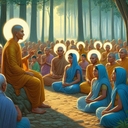
+Opening
| (derived from B. Sujato 2018/12) | (源自 B. Sujato 2018/12) | |
| Evaṃ me sutaṃ— | So I have heard. | 如是我聞。 |
| ekaṃ samayaṃ bhagavā kosalesu viharati naḷakapāne palāsavane. | At one time the Buddha was staying in the land of the Kosalans near Naḷakapāna in the Parrot Tree grove. | 一時,佛陀住在拘薩羅國納拉卡巴那附近的鸚鵡樹林裡。 |
| Tena kho pana samayena sambahulā abhiññātā abhiññātā kulaputtā bhagavantaṃ uddissa saddhā agārasmā anagāriyaṃ pabbajitā honti— | Now at that time several very well-known members of good families had gone forth from the lay life to homelessness out of justifiable-trust in the Buddha— | 當時,數名出身名門望族的著名人士,因對佛陀的信仰,已從在家生活出家為無家者—— |
| āyasmā ca anuruddho, āyasmā ca bhaddiyo, āyasmā ca kimilo, āyasmā ca bhagu, āyasmā ca koṇḍañño, āyasmā ca revato, āyasmā ca ānando, aññe ca abhiññātā abhiññātā kulaputtā. | The venerables Anuruddha, Bhaddiya, Kimbila, Bhagu, Koṇḍañña, Revata, Ānanda, and other very well-known respectable persons. | 尊者阿那律、跋提、金毘羅、跋瞿、拘睒彌、離婆多、阿難,以及其他許多非常著名的可敬之人。 |
| Tena kho pana samayena bhagavā bhikkhusaṃghaparivuto abbhokāse nisinno hoti. | Now at that time the Buddha was sitting in the open, surrounded by the monk Saṅgha. | 當時,佛陀正坐在開闊處,周圍圍繞著僧伽。 |
| Atha kho bhagavā te kulaputte ārabbha bhikkhū āmantesi: | Then the Buddha spoke to the monks about those respectable persons: | 然後佛陀對比丘們談起那些可敬之人: |
| “ye te, bhikkhave, kulaputtā mamaṃ uddissa saddhā agārasmā anagāriyaṃ pabbajitā, kacci te, bhikkhave, bhikkhū abhiratā brahmacariye”ti? | “monks, those respectable persons who have gone forth from the lay life to homelessness out of justifiable-trust in me—I trust they’re satisfied with the spiritual life?” | 「比丘們,那些因信仰我而從在家生活出家為無家者的可敬之人——我相信他們對梵行感到滿意嗎?」 |
| Evaṃ vutte, te bhikkhū tuṇhī ahesuṃ. | When this was said, the monks kept silent. | 說了這話後,比丘們保持沉默。 |
| Dutiyampi kho bhagavā te kulaputte ārabbha bhikkhū āmantesi: “ye te, bhikkhave, kulaputtā mamaṃ uddissa saddhā agārasmā anagāriyaṃ pabbajitā, kacci te, bhikkhave, bhikkhū abhiratā brahmacariye”ti? Dutiyampi kho te bhikkhū tuṇhī ahesuṃ. |
For a second and a third time the Buddha asked the same question. | 佛陀第二次、第三次問了同樣的問題。 |
| Tatiyampi kho bhagavā te kulaputte ārabbha bhikkhū āmantesi: “ye te, bhikkhave, kulaputtā mamaṃ uddissa saddhā agārasmā anagāriyaṃ pabbajitā, kacci te, bhikkhave, bhikkhū abhiratā brahmacariye”ti? |
||
| Tatiyampi kho te bhikkhū tuṇhī ahesuṃ. | For a third time, the monks kept silent. | 比丘們第三次保持沉默。 |
| Atha kho bhagavato etadahosi: | Then it occurred to the Buddha: | 爾時佛陀心想: |
| “yannūnāhaṃ te kulaputte puccheyyan”ti. | “Why don’t I question just those respectable persons?” | 「我何不只問那些可敬之人?」 |
| Atha kho bhagavā āyasmantaṃ anuruddhaṃ āmantesi: | Then the Buddha said to Venerable Anuruddha: | 於是佛陀對阿那律尊者說: |
| “kacci tumhe, anuruddhā, abhiratā brahmacariye”ti? | “Anuruddha and friends, I hope you’re satisfied with the spiritual life?” | 「阿那律和朋友們,你們對梵行感到滿意嗎?」 |
| “Taggha mayaṃ, bhante, abhiratā brahmacariye”ti. | “Indeed, sir, we are satisfied with the spiritual life.” | 「確實如此,尊者,我們對梵行感到滿意。」 |
| “Sādhu sādhu, anuruddhā. | “Good, good, Anuruddha and friends! | 「善哉,善哉,阿那律和朋友們! |
| Etaṃ kho, anuruddhā, tumhākaṃ patirūpaṃ kulaputtānaṃ saddhā agārasmā anagāriyaṃ pabbajitānaṃ yaṃ tumhe abhirameyyātha brahmacariye. | It’s appropriate for respectable persons like yourselves, who have gone forth in justifiable-trust from the lay life to homelessness, to be satisfied with the spiritual life. | 像你們這樣因信仰而從在家生活出家為無家者的可敬之人,對梵行感到滿意是恰當的。 |
| Yena tumhe, anuruddhā, bhadrena yobbanena samannāgatā paṭhamena vayasā susukāḷakesā kāme paribhuñjeyyātha tena tumhe, anuruddhā, bhadrenapi yobbanena samannāgatā paṭhamena vayasā susukāḷakesā agārasmā anagāriyaṃ pabbajitā. | Since you’re blessed with youth, in the prime of life, black-haired, you could have enjoyed sensual pleasures; yet you have gone forth from the lay life to homelessness. | 你們年輕力壯,正值盛年,黑髮烏亮,本可享受感官欲樂;然而你們卻從在家生活出家為無家者。 |
| Te ca kho pana tumhe, anuruddhā, neva rājābhinītā agārasmā anagāriyaṃ pabbajitā, na corābhinītā agārasmā anagāriyaṃ pabbajitā, na iṇaṭṭā agārasmā anagāriyaṃ pabbajitā, na bhayaṭṭā agārasmā anagāriyaṃ pabbajitā, nājīvikāpakatā agārasmā anagāriyaṃ pabbajitā. | But you didn’t go forth because you were forced to by kings or bandits, or because you’re in debt or threatened, or to earn a living. | 但你們出家並非被迫於國王或盜賊,也不是因為負債或受到威脅,更不是為了謀生。 |
| Api ca khomhi otiṇṇo jātiyā jarāya maraṇena sokehi paridevehi dukkhehi domanassehi upāyāsehi, dukkhotiṇṇo dukkhapareto; | Rather, didn’t you go forth thinking: ‘I’m swamped by rebirth, old age, and death; by sorrow, lamentation, pain, sadness, and distress. I’m swamped by suffering, mired in suffering. | 相反,你們出家不是因為心想:『我被生死、老病死、憂悲惱苦、困苦所淹沒。我被苦困住,深陷於苦中。 |
| appeva nāma imassa kevalassa dukkhakkhandhassa antakiriyā paññāyethāti— nanu tumhe, anuruddhā, evaṃ saddhā agārasmā anagāriyaṃ pabbajitā”ti? |
Hopefully I can find an end to this entire mass of suffering’?” | 希望能找到這一切苦的終結』嗎?」 |
| “Evaṃ, bhante”. | “Yes, sir.” | 「是的,尊者。」 |
❧
+68.1 – (this is first jhāna he’s referring to, not using STED formula)
| “Evaṃ pabbajitena ca pana, anuruddhā, kulaputtena kimassa karaṇīyaṃ? | “But, Anuruddha and friends, when a respectable person has gone forth like this, what should they do? | 「但是,阿那律和朋友們,當一個可敬的人這樣出家後,他們應該怎麼做? |
| Vivekaṃ, anuruddhā, kāmehi vivekaṃ akusalehi dhammehi pītisukhaṃ nādhigacchati aññaṃ vā tato santataraṃ, tassa abhijjhāpi cittaṃ pariyādāya tiṭṭhati, byāpādopi cittaṃ pariyādāya tiṭṭhati, thinamiddhampi cittaṃ pariyādāya tiṭṭhati uddhaccakukkuccampi cittaṃ pariyādāya tiṭṭhati, vicikicchāpi cittaṃ pariyādāya tiṭṭhati, aratīpi cittaṃ pariyādāya tiṭṭhati, tandīpi cittaṃ pariyādāya tiṭṭhati. | Take someone who doesn’t achieve the mental-joy and pleasure that are secluded from sensual pleasures and unskillful Dharmas, or something even more peaceful than that. Their mind is still occupied by desire, ill will, dullness and drowsiness, restlessness and remorse, doubt, discontent, and sloth. | 有這樣的人,他們無法獲得遠離感官享受和不善法的喜樂,或比那更平靜的東西。他們的心仍然被慾望、惡意、昏沉瞌睡、散亂懊悔、懷疑、不滿足和懈怠所佔據。 |
| Vivekaṃ, anuruddhā, kāmehi vivekaṃ akusalehi dhammehi pītisukhaṃ nādhigacchati aññaṃ vā tato santataraṃ. | That’s someone who doesn’t achieve the mental-joy and pleasure that are secluded from sensual pleasures and unskillful Dharmas, or something even more peaceful than that. | 這就是無法獲得遠離感官享受和不善法的喜樂,或比那更平靜的東西的人。 |
| Vivekaṃ, anuruddhā, kāmehi vivekaṃ akusalehi dhammehi pītisukhaṃ adhigacchati aññaṃ vā tato santataraṃ, tassa abhijjhāpi cittaṃ na pariyādāya tiṭṭhati, byāpādopi cittaṃ na pariyādāya tiṭṭhati, thinamiddhampi cittaṃ na pariyādāya tiṭṭhati, uddhaccakukkuccampi cittaṃ na pariyādāya tiṭṭhati, vicikicchāpi cittaṃ na pariyādāya tiṭṭhati, aratīpi cittaṃ na pariyādāya tiṭṭhati, tandīpi cittaṃ na pariyādāya tiṭṭhati. | Take someone who does achieve the mental-joy and pleasure that are secluded from sensual pleasures and unskillful Dharmas, or something even more peaceful than that. Their mind is not occupied by desire, ill will, dullness and drowsiness, restlessness and remorse, doubt, discontent, and sloth. | 有這樣的人,他們確實獲得了遠離感官享受和不善法的喜樂,或比那更平靜的東西。他們的心沒有被慾望、惡意、昏沉瞌睡、散亂懊悔、懷疑、不滿足和懈怠所佔據。 |
| Vivekaṃ, anuruddhā, kāmehi vivekaṃ akusalehi dhammehi pītisukhaṃ adhigacchati aññaṃ vā tato santataraṃ. | That’s someone who does achieve the mental-joy and pleasure that are secluded from sensual pleasures and unskillful Dharmas, or something even more peaceful than that. | 這就是確實獲得了遠離感官享受和不善法的喜樂,或比那更平靜的東西的人。 |
| Kinti vo, anuruddhā, mayi hoti: | Is this what you think of me? | 你們是這樣看待我的嗎? |
| ‘ye āsavā saṃkilesikā ponobbhavikā sadarā dukkhavipākā āyatiṃ jātijarāmaraṇiyā, appahīnā te tathāgatassa; | ‘The Realized One has not given up the defilements, the corruptions that lead to future lives and are hurtful, resulting in suffering and future rebirth, old age, and death. | 「如來尚未捨棄那些導致未來生命、有害、產生痛苦、未來再生、老病死的煩惱和腐敗。 |
| tasmā tathāgato saṅkhāyekaṃ paṭisevati, saṅkhāyekaṃ adhivāseti, saṅkhāyekaṃ parivajjeti, saṅkhāyekaṃ vinodetī’”ti? | That’s why, after reflection, he uses some things, endures some things, avoids some things, and gets rid of some things.’” | 因此,經過深思熟慮,他會使用某些東西,忍受某些東西,避免某些東西,並擺脫某些東西。」 |
| “Na kho no, bhante, bhagavati evaṃ hoti: ‘ye āsavā saṅkilesikā ponobbhavikā sadarā dukkhavipākā āyatiṃ jātijarāmaraṇiyā, appahīnā te tathāgatassa; tasmā tathāgato saṅkhāyekaṃ paṭisevati, saṅkhāyekaṃ adhivāseti, saṅkhāyekaṃ parivajjeti, saṅkhāyekaṃ vinodetī’ti. |
“No sir, we don’t think of you that way. | 「不,尊者,我們不是那樣看待您的。 |
| Evaṃ kho no, bhante, bhagavati hoti: | We think of you this way: | 我們這樣看待您: |
| ‘ye āsavā saṅkilesikā ponobbhavikā sadarā dukkhavipākā āyatiṃ jātijarāmaraṇiyā, pahīnā te tathāgatassa; | ‘The Realized One has given up the defilements, the corruptions that lead to future lives and are hurtful, resulting in suffering and future rebirth, old age, and death. | 「如來已捨棄那些導致未來生命、有害、產生痛苦、未來再生、老病死的煩惱和腐敗。 |
| tasmā tathāgato saṅkhāyekaṃ paṭisevati, saṅkhāyekaṃ adhivāseti, saṅkhāyekaṃ parivajjeti, saṅkhāyekaṃ vinodetī’”ti. | That’s why, after reflection, he uses some things, endures some things, avoids some things, and gets rid of some things.’” | 因此,經過深思熟慮,他會使用某些東西,忍受某些東西,避免某些東西,並擺脫某些東西。」 |
| “Sādhu sādhu, anuruddhā. | “Good, good, Anuruddha and friends! | 「善哉,善哉,阿那律和朋友們! |
| Tathāgatassa, anuruddhā, ye āsavā saṅkilesikā ponobbhavikā sadarā dukkhavipākā āyatiṃ jātijarāmaraṇiyā, pahīnā te ucchinnamūlā tālāvatthukatā anabhāvaṅkatā āyatiṃ anuppādadhammā. | The Realized One has given up the defilements, the corruptions that lead to future lives and are hurtful, resulting in suffering and future rebirth, old age, and death. He has cut them off at the root, made them like a palm stump, obliterated them so they are unable to arise in the future. | 如來已捨棄那些導致未來生命、有害、產生痛苦、未來再生、老病死的煩惱和腐敗。他已將它們連根拔起,使它們像棕櫚樹樁一樣,徹底消除,使其未來無法再生。 |
| Seyyathāpi, anuruddhā, tālo matthakacchinno abhabbo punavirūḷhiyā; | Just as a palm tree with its crown cut off is incapable of further growth, | 正如一棵被砍掉樹冠的棕櫚樹無法再繼續生長一樣, |
| evameva kho, anuruddhā, tathāgatassa ye āsavā saṅkilesikā ponobbhavikā sadarā dukkhavipākā āyatiṃ jātijarāmaraṇiyā, pahīnā te ucchinnamūlā tālāvatthukatā anabhāvaṅkatā āyatiṃ anuppādadhammā; | in the same way, the Realized One has given up the defilements so they are unable to arise in the future. | 同樣地,如來已捨棄煩惱,使其未來無法再生。 |
| tasmā tathāgato saṅkhāyekaṃ paṭisevati, saṅkhāyekaṃ adhivāseti, saṅkhāyekaṃ parivajjeti, saṅkhāyekaṃ vinodeti. | That’s why, after reflection, he uses some things, endures some things, avoids some things, and gets rid of some things. | 因此,經過深思熟慮,他會使用某些東西,忍受某些東西,避免某些東西,並擺脫某些東西。 |
❧
+68.2 – (Buddha gives inspiring talks to provide Dhamma thoughts for pamojja, pīti, sukha)
| Taṃ kiṃ maññasi, anuruddhā, | What do you think, Anuruddha and friends? | 阿那律和朋友們,你們怎麼看? |
| kaṃ atthavasaṃ sampassamāno tathāgato sāvake abbhatīte kālaṅkate upapattīsu byākaroti: | What advantage does the Realized One see in declaring the rebirth of his disciples who have passed away: | 如來在宣說其已故弟子的來生時,看到了什麼好處: |
| ‘asu amutra upapanno; asu amutra upapanno’”ti? | ‘This one is reborn here, while that one is reborn there’?” | 「這個人轉生於此,那個人轉生於彼」?” |
| “Bhagavaṃmūlakā no, bhante, dhammā bhagavaṃnettikā bhagavaṃpaṭisaraṇā. Sādhu vata, bhante, bhagavantaṃyeva paṭibhātu etassa bhāsitassa attho. Bhagavato sutvā bhikkhū dhāressantī”ti. | “Our Dharmas are rooted in the Buddha. He is our guide and our refuge. Sir, may the Buddha himself please clarify the meaning of this. The monks will listen and remember it.” | 「我們的教義植根於佛陀。他是我們的引導者和庇護所。尊者,請佛陀親自澄清此義。比丘們將會聆聽並銘記於心。」 |
| “Na kho, anuruddhā, tathāgato janakuhanatthaṃ na janalapanatthaṃ na lābhasakkārasilokānisaṃsatthaṃ na ‘iti maṃ jano jānātū’ti sāvake abbhatīte kālaṅkate upapattīsu byākaroti: ‘asu amutra upapanno, asu amutra upapanno’ti. |
“The Realized One does not declare such things for the sake of deceiving people or flattering them, nor for the benefit of possessions, honor, or popularity, nor thinking, ‘So let people know about me!’ | 如來宣說這些,並非為了欺騙或奉承他人,亦非為了財物、名譽或聲望,也不是心想:「讓世人知道我!」 |
| Santi ca kho, anuruddhā, kulaputtā saddhā uḷāravedā uḷārapāmojjā. | Rather, there are respectable persons of justifiable-trust who are full of sublime joy and gladness. | 相反,有信心的可敬之人充滿崇高的喜悅和歡樂。 |
| Te taṃ sutvā tadatthāya cittaṃ upasaṃharanti. | When they hear that, they apply their minds to that end. | 當他們聽到這些,他們會將心思放在那個目標上。 |
| Tesaṃ taṃ, anuruddhā, hoti dīgharattaṃ hitāya sukhāya. | That is for their lasting welfare and happiness. | 那是為了他們長久的福祉和幸福。 |
+68.3 – (This is the 7sb awakening factor sequence, and phāsu-vihara is code phrase for 4 jhānas)
| Idhānuruddhā, bhikkhu suṇāti: | Take a monk who hears this: | 有比丘聽聞: |
| ‘itthannāmo bhikkhu kālaṅkato; | ‘The monk named so-and-so has passed away. | 「某某比丘已入滅。 |
| so bhagavatā byākato— | The Buddha has declared that, | 佛陀已宣告, |
| aññāya saṇṭhahī’ti. | he was enlightened.’ | 他已開悟。」 |
| So kho panassa āyasmā sāmaṃ diṭṭho vā hoti anussavassuto vā: | And he’s either seen for himself, or heard from someone else, that that venerable | 他親眼見過,或從他人那裡聽聞,那位尊者 |
| ‘evaṃsīlo so āyasmā ahosi itipi, evaṃdhammo so āyasmā ahosi itipi, evaṃpañño so āyasmā ahosi itipi, evaṃvihārī so āyasmā ahosi itipi, evaṃvimutto so āyasmā ahosi itipī’ti. | had such ethics, such qualities, such wisdom, such meditation, or such freedom. | 具備這樣的戒德、這樣的品質、這樣的智慧、這樣的禪定,或這樣的解脫。 |
| So tassa saddhañca sīlañca sutañca cāgañca paññañca anussaranto tadatthāya cittaṃ upasaṃharati. | Recollecting that monk’s justifiable-trust, ethics, learning, generosity, and wisdom, he applies his mind to that end. | 回憶起那位比丘的信心、戒德、學識、布施和智慧,他將心思專注於此。 |
| Evampi kho, anuruddhā, bhikkhuno phāsuvihāro hoti. | That’s how a monk lives at ease. | 比丘就是這樣安住的。 |
| Idhānuruddhā, bhikkhu suṇāti: | Take a monk who hears this: | 有這樣一位比丘,他聽到: |
| ‘itthannāmo bhikkhu kālaṅkato; | ‘The monk named so-and-so has passed away. | 「某某比丘已經入滅。 |
| so bhagavatā byākato— | The Buddha has declared that, | 佛陀已宣告, |
| pañcannaṃ orambhāgiyānaṃ saṃyojanānaṃ parikkhayā opapātiko tattha parinibbāyī anāvattidhammo tasmā lokā’ti. | with the ending of the five lower fetters, he’s been reborn spontaneously and will become nirvana'd there, not liable to return from that world.’ | 他已斷除五下分結,將會自然化生,並在那裡證得涅槃,不再從那個世界返回。」 |
| So kho panassa āyasmā sāmaṃ diṭṭho vā hoti anussavassuto vā: | And he’s either seen for himself, or heard from someone else, that that venerable | 他親眼見過,或從他人那裡聽聞,那位尊者 |
| ‘evaṃsīlo so āyasmā ahosi itipi, evaṃdhammo … pe … evaṃpañño … evaṃvihārī … evaṃvimutto so āyasmā ahosi itipī’ti. | had such ethics, such qualities, such wisdom, such meditation, or such freedom. | 具備這樣的戒德、這樣的品質、這樣的智慧、這樣的禪定,或這樣的解脫。 |
| So tassa saddhañca sīlañca sutañca cāgañca paññañca anussaranto tadatthāya cittaṃ upasaṃharati. | Recollecting that monk’s justifiable-trust, ethics, learning, generosity, and wisdom, he applies his mind to that end. | 回憶起那位比丘的信心、戒德、學識、布施和智慧,他將心思專注於此。 |
| Evampi kho, anuruddhā, bhikkhuno phāsuvihāro hoti. | That too is how a monk lives at ease. | 比丘就是這樣安住的。 |
| Idhānuruddhā, bhikkhu suṇāti: | Take a monk who hears this: | 有這樣一位比丘,他聽到: |
| ‘itthannāmo bhikkhu kālaṅkato; | ‘The monk named so-and-so has passed away. | 「某某比丘已經入滅。 |
| so bhagavatā byākato— | The Buddha has declared that, | 佛陀已宣告, |
| tiṇṇaṃ saṃyojanānaṃ parikkhayā rāgadosamohānaṃ tanuttā sakadāgāmī sakideva imaṃ lokaṃ āgantvā dukkhassantaṃ karissatī’ti. | with the ending of three fetters, and the weakening of greed, hate, and delusion, he’s a once-returner. He’ll come back to this world once only, then make an end of suffering.’ | 他已斷除三結,貪、瞋、癡減弱,他是一還者。他只會回到這個世界一次,然後結束痛苦。」 |
| So kho panassa āyasmā sāmaṃ diṭṭho vā hoti anussavassuto vā: | And he’s either seen for himself, or heard from someone else, that that venerable | 他親眼見過,或從他人那裡聽聞,那位尊者 |
| ‘evaṃsīlo so āyasmā ahosi itipi, evaṃdhammo … pe … evaṃpañño … evaṃvihārī … evaṃvimutto so āyasmā ahosi itipī’ti. | had such ethics, such qualities, such wisdom, such meditation, or such freedom. | 具備這樣的戒德、這樣的品質、這樣的智慧、這樣的禪定,或這樣的解脫。 |
| So tassa saddhañca sīlañca sutañca cāgañca paññañca anussaranto tadatthāya cittaṃ upasaṃharati. | Recollecting that monk’s justifiable-trust, ethics, learning, generosity, and wisdom, he applies his mind to that end. | 回憶起那位比丘的信心、戒德、學識、布施和智慧,他將心思專注於此。 |
| Evampi kho, anuruddhā, bhikkhuno phāsuvihāro hoti. | That too is how a monk lives at ease. | 比丘就是這樣安住的。 |
| Idhānuruddhā, bhikkhu suṇāti: | Take a monk who hears this: | 有這樣一位比丘,他聽到: |
| ‘itthannāmo bhikkhu kālaṅkato; | ‘The monk named so-and-so has passed away. | 「某某比丘已經入滅。 |
| so bhagavatā byākato— | The Buddha has declared that, | 佛陀已宣告, |
| tiṇṇaṃ saṃyojanānaṃ parikkhayā sotāpanno avinipātadhammo niyato sambodhiparāyaṇo’ti. | with the ending of three fetters he’s a stream-enterer, not liable to be reborn in the underworld, bound for awakening.’ | 他已斷除三結,是入流者,不再墮入惡趣,必將證悟。」 |
| So kho panassa āyasmā sāmaṃ diṭṭho vā hoti anussavassuto vā: | And he’s either seen for himself, or heard from someone else, that that venerable | 他親眼見過,或從他人那裡聽聞,那位尊者 |
| ‘evaṃsīlo so āyasmā ahosi itipi, evaṃdhammo … pe … evaṃpañño … evaṃvihārī … evaṃvimutto so āyasmā ahosi itipī’ti. | had such ethics, such qualities, such wisdom, such meditation, or such freedom. | 具備這樣的戒德、這樣的品質、這樣的智慧、這樣的禪定,或這樣的解脫。 |
| So tassa saddhañca sīlañca sutañca cāgañca paññañca anussaranto tadatthāya cittaṃ upasaṃharati. | Recollecting that monk’s justifiable-trust, ethics, learning, generosity, and wisdom, he applies his mind to that end. | 回憶起那位比丘的信心、戒德、學識、布施和智慧,他將心思專注於此。 |
| Evampi kho, anuruddhā, bhikkhuno phāsuvihāro hoti. | That too is how a monk lives at ease. | 比丘就是這樣安住的。 |
❧
+68.4 – (nuns: This is the 7sb awakening factor sequence, and phāsu-vihara is code phrase for 4 jhānas)
| Idhānuruddhā, bhikkhunī suṇāti: | Take a nun who hears this: | 有這樣一位比丘尼,她聽到: |
| ‘itthannāmā bhikkhunī kālaṅkatā; | ‘The nun named so-and-so has passed away. | 「某某比丘尼已經入滅。 |
| sā bhagavatā byākatā— | The Buddha has declared that, | 佛陀已宣告, |
| aññāya saṇṭhahī’ti. | she was enlightened.’ | 她已開悟。」 |
| Sā kho panassā bhaginī sāmaṃ diṭṭhā vā hoti anussavassutā vā: | And she’s either seen for herself, or heard from someone else, that that sister | 她親眼見過,或從他人那裡聽聞,那位姊妹 |
| ‘evaṃsīlā sā bhaginī ahosi itipi, evaṃdhammā sā bhaginī ahosi itipi, evaṃpaññā sā bhaginī ahosi itipi, evaṃvihārinī sā bhaginī ahosi itipi, evaṃvimuttā sā bhaginī ahosi itipī’ti. | had such ethics, such qualities, such wisdom, such meditation, or such freedom. | 具備這樣的戒德、這樣的品質、這樣的智慧、這樣的禪定,或這樣的解脫。 |
| Sā tassā saddhañca sīlañca sutañca cāgañca paññañca anussarantī tadatthāya cittaṃ upasaṃharati. | Recollecting that nun’s justifiable-trust, ethics, learning, generosity, and wisdom, she applies her mind to that end. | 回憶起那位比丘尼的信心、戒德、學識、布施和智慧,她將心思專注於此。 |
| Evampi kho, anuruddhā, bhikkhuniyā phāsuvihāro hoti. | That’s how a nun lives at ease. | 比丘尼就是這樣安住的。 |
| Idhānuruddhā, bhikkhunī suṇāti: | Take a nun who hears this: | 有這樣一位比丘尼,她聽到: |
| ‘itthannāmā bhikkhunī kālaṅkatā; | ‘The nun named so-and-so has passed away. | 「某某比丘尼已經入滅。 |
| sā bhagavatā byākatā— | The Buddha has declared that, | 佛陀已宣告, |
| pañcannaṃ orambhāgiyānaṃ saṃyojanānaṃ parikkhayā opapātikā tattha parinibbāyinī anāvattidhammā tasmā lokā’ti. | with the ending of the five lower fetters, she’s been reborn spontaneously and will become nirvana'd there, not liable to return from that world.’ | 她已斷除五下分結,將會自然化生,並在那裡證得涅槃,不再從那個世界返回。」 |
| Sā kho panassā bhaginī sāmaṃ diṭṭhā vā hoti anussavassutā vā: | And she’s either seen for herself, or heard from someone else, that that sister | 她親眼見過,或從他人那裡聽聞,那位姊妹 |
| ‘evaṃsīlā sā bhaginī ahosi itipi, evaṃdhammā … pe … evaṃpaññā … evaṃvihārinī … evaṃvimuttā sā bhaginī ahosi itipī’ti. | had such ethics, such qualities, such wisdom, such meditation, or such freedom. | 具備這樣的戒德、這樣的品質、這樣的智慧、這樣的禪定,或這樣的解脫。 |
| Sā tassā saddhañca sīlañca sutañca cāgañca paññañca anussarantī tadatthāya cittaṃ upasaṃharati. | Recollecting that nun’s justifiable-trust, ethics, learning, generosity, and wisdom, she applies her mind to that end. | 回憶起那位比丘尼的信心、戒德、學識、布施和智慧,她將心思專注於此。 |
| Evampi kho, anuruddhā, bhikkhuniyā phāsuvihāro hoti. | That too is how a nun lives at ease. | 比丘尼就是這樣安住的。 |
| Idhānuruddhā, bhikkhunī suṇāti: | Take a nun who hears this: | 有這樣一位比丘尼,她聽到: |
| ‘itthannāmā bhikkhunī kālaṅkatā; | ‘The nun named so-and-so has passed away. | 「某某比丘尼已經入滅。 |
| sā bhagavatā byākatā— | The Buddha has declared that, | 佛陀已宣告, |
| tiṇṇaṃ saṃyojanānaṃ parikkhayā rāgadosamohānaṃ tanuttā sakadāgāminī sakideva imaṃ lokaṃ āgantvā dukkhassantaṃ karissatī’ti. | with the ending of three fetters, and the weakening of greed, hate, and delusion, she’s a once-returner. She’ll come back to this world once only, then make an end of suffering.’ | 她已斷除三結,貪、瞋、癡減弱,她是一還者。她只會回到這個世界一次,然後結束痛苦。」 |
| Sā kho panassā bhaginī sāmaṃ diṭṭhā vā hoti anussavassutā vā: | And she’s either seen for herself, or heard from someone else, that that sister | 她親眼見過,或從他人那裡聽聞,那位姊妹 |
| ‘evaṃsīlā sā bhaginī ahosi itipi, evaṃdhammā … pe … evaṃpaññā … evaṃvihārinī … evaṃvimuttā sā bhaginī ahosi itipī’ti. | had such ethics, such qualities, such wisdom, such meditation, or such freedom. | 具備這樣的戒德、這樣的品質、這樣的智慧、這樣的禪定,或這樣的解脫。 |
| Sā tassā saddhañca sīlañca sutañca cāgañca paññañca anussarantī tadatthāya cittaṃ upasaṃharati. | Recollecting that nun’s justifiable-trust, ethics, learning, generosity, and wisdom, she applies her mind to that end. | 回憶起那位比丘尼的信心、戒德、學識、布施和智慧,她將心思專注於此。 |
| Evampi kho, anuruddhā, bhikkhuniyā phāsuvihāro hoti. | That too is how a nun lives at ease. | 比丘尼就是這樣安住的。 |
| Idhānuruddhā, bhikkhunī suṇāti: | Take a nun who hears this: | 有這樣一位女居士,她聽到: |
| ‘itthannāmā bhikkhunī kālaṅkatā; | ‘The nun named so-and-so has passed away. | 「某某女居士已入滅。 |
| sā bhagavatā byākatā— | The Buddha has declared that, | 佛陀已宣告, |
| tiṇṇaṃ saṃyojanānaṃ parikkhayā sotāpannā avinipātadhammā niyatā sambodhiparāyaṇā’ti. | with the ending of three fetters she’s a stream-enterer, not liable to be reborn in the underworld, bound for awakening.’ | 她已斷除五下分結,將會自然化生,並在那裡證得涅槃,不再從那個世界返回。」 |
| Sā kho panassā bhaginī sāmaṃ diṭṭhā vā hoti anussavassutā vā: | And she’s either seen for herself, or heard from someone else, that that sister | 她親眼見過,或從他人那裡聽聞,那位姊妹 |
| ‘evaṃsīlā sā bhaginī ahosi itipi, evaṃdhammā … evaṃpaññā … evaṃvihārinī … evaṃvimuttā sā bhaginī ahosi itipī’ti. | had such ethics, such qualities, such wisdom, such meditation, or such freedom. | 具備這樣的戒德、這樣的品質、這樣的智慧、這樣的禪定,或這樣的解脫。 |
| Sā tassā saddhañca sīlañca sutañca cāgañca paññañca anussarantī tadatthāya cittaṃ upasaṃharati. | Recollecting that nun’s justifiable-trust, ethics, learning, generosity, and wisdom, she applies her mind to that end. | 回憶起那位女居士的信心、戒德、學識、布施和智慧,她將心思專注於此。 |
| Evampi kho, anuruddhā, bhikkhuniyā phāsuvihāro hoti. | That too is how a nun lives at ease. | 女居士就是這樣安住的。 |
❧
+68.5 – (layman: This is the 7sb awakening factor sequence, and phāsu-vihara is code phrase for 4 jhānas)
| Idhānuruddhā, upāsako suṇāti: | Take a layman who hears this: | 有這樣一位男居士,他聽到: |
| ‘itthannāmo upāsako kālaṅkato; | ‘The layman named so-and-so has passed away. | 「某某男居士已入滅。 |
| so bhagavatā byākato— | The Buddha has declared that, | 佛陀已宣告, |
| pañcannaṃ orambhāgiyānaṃ saṃyojanānaṃ parikkhayā opapātiko tattha parinibbāyī anāvattidhammo tasmā lokā’ti. | with the ending of the five lower fetters, he’s been reborn spontaneously and will become nirvana'd there, not liable to return from that world.’ | 他已斷除三結,貪、瞋、癡減弱,他是一還者。他只會回到這個世界一次,然後結束痛苦。」 |
| So kho panassa āyasmā sāmaṃ diṭṭho vā hoti anussavassuto vā: | And he’s either seen for himself, or heard from someone else, that that venerable | 他親眼見過,或從他人那裡聽聞,那位尊者 |
| ‘evaṃsīlo so āyasmā ahosi itipi, evaṃdhammo so āyasmā ahosi itipi, evaṃpañño so āyasmā ahosi itipi, evaṃvihārī so āyasmā ahosi itipi, evaṃvimutto so āyasmā ahosi itipī’ti. | had such ethics, such qualities, such wisdom, such meditation, or such freedom. | 具備這樣的戒德、這樣的品質、這樣的智慧、這樣的禪定,或這樣的解脫。 |
| So tassa saddhañca sutañca cāgañca paññañca anussaranto tadatthāya cittaṃ upasaṃharati. | Recollecting that layman’s justifiable-trust, ethics, learning, generosity, and wisdom, he applies his mind to that end. | 回憶起那位男居士的信心、戒德、學識、布施和智慧,他將心思專注於此。 |
| Evampi kho, anuruddhā, upāsakassa phāsuvihāro hoti. | That’s how a layman lives at ease. | 男居士就是這樣安住的。 |
| Idhānuruddhā, upāsako suṇāti: | Take a layman who hears this: | 有這樣一位男居士,他聽到: |
| ‘itthannāmo upāsako kālaṅkato; | ‘The layman named so-and-so has passed away. | 「某某男居士已入滅。 |
| so bhagavatā byākato— | The Buddha has declared that, | 佛陀已宣告, |
| tiṇṇaṃ saṃyojanānaṃ parikkhayā rāgadosamohānaṃ tanuttā sakadāgāmī sakideva imaṃ lokaṃ āgantvā dukkhassantaṃ karissatī’ti. | with the ending of three fetters, and the weakening of greed, hate, and delusion, he’s a once-returner. He’ll come back to this world once only, then make an end of suffering.’ | 他已斷除三結,是入流者,不再墮入惡趣,必將證悟。」 |
| So kho panassa āyasmā sāmaṃ diṭṭho vā hoti anussavassuto vā: | And he’s either seen for himself, or heard from someone else, that that venerable | 他親眼見過,或從他人那裡聽聞,那位尊者 |
| ‘evaṃsīlo so āyasmā ahosi itipi, evaṃdhammo … evaṃpañño … evaṃvihārī … evaṃvimutto so āyasmā ahosi itipī’ti. | had such ethics, such qualities, such wisdom, such meditation, or such freedom. | 具備這樣的戒德、這樣的品質、這樣的智慧、這樣的禪定,或這樣的解脫。 |
| So tassa saddhañca sīlañca sutañca cāgañca paññañca anussaranto tadatthāya cittaṃ upasaṃharati. | Recollecting that layman’s justifiable-trust, ethics, learning, generosity, and wisdom, he applies his mind to that end. | 回憶起那位男居士的信心、戒德、學識、布施和智慧,他將心思專注於此。 |
| Evampi kho, anuruddhā, upāsakassa phāsuvihāro hoti. | That too is how a layman lives at ease. | 男居士就是這樣安住的。 |
| Idhānuruddhā, upāsako suṇāti: | Take a layman who hears this: | 有這樣一位女居士,她聽到: |
| ‘itthannāmo upāsako kālaṅkato; | ‘The layman named so-and-so has passed away. | 「某某女居士已入滅。 |
| so bhagavatā byākato— | The Buddha has declared that, | 佛陀已宣告, |
| tiṇṇaṃ saṃyojanānaṃ parikkhayā sotāpanno avinipātadhammo niyato sambodhiparāyaṇo’ti. | with the ending of three fetters he’s a stream-enterer, not liable to be reborn in the underworld, bound for awakening.’ | 她已斷除五下分結,將會自然化生,並在那裡證得涅槃,不再從那個世界返回。」 |
| So kho panassa āyasmā sāmaṃ diṭṭho vā hoti anussavassuto vā: | And he’s either seen for himself, or heard from someone else, that that venerable | 她親眼見過,或從他人那裡聽聞,那位姊妹 |
| ‘evaṃsīlo so āyasmā ahosi itipi, evaṃdhammo … evaṃpañño … evaṃvihārī … evaṃvimutto so āyasmā ahosi itipī’ti. | had such ethics, such qualities, such wisdom, such meditation, or such freedom. | 具備這樣的戒德、這樣的品質、這樣的智慧、這樣的禪定,或這樣的解脫。 |
| So tassa saddhañca sīlañca sutañca cāgañca paññañca anussaranto tadatthāya cittaṃ upasaṃharati. | Recollecting that layman’s justifiable-trust, ethics, learning, generosity, and wisdom, he applies his mind to that end. | 回憶起那位女居士的信心、戒德、學識、布施和智慧,她將心思專注於此。 |
| Evampi kho, anuruddhā upāsakassa phāsuvihāro hoti. | That too is how a layman lives at ease. | 女居士就是這樣安住的。 |
❧
+68.6 – (laywoman: This is the 7sb awakening factor sequence, and phāsu-vihara is code phrase for 4 jhānas)
| Idhānuruddhā, upāsikā suṇāti: | Take a laywoman who hears this: | 有這樣一位女居士,她聽到: |
| ‘itthannāmā upāsikā kālaṅkatā; | ‘The laywoman named so-and-so has passed away. | 「某某女居士已入滅。 |
| sā bhagavatā byākatā— | The Buddha has declared that, | 佛陀已宣告, |
| pañcannaṃ orambhāgiyānaṃ saṃyojanānaṃ parikkhayā opapātikā tattha parinibbāyinī anāvattidhammā tasmā lokā’ti. | with the ending of the five lower fetters, she’s been reborn spontaneously and will become nirvana'd there, not liable to return from that world.’ | 她已斷除三結,貪、瞋、癡減弱,她是一還者。她只會回到這個世界一次,然後結束痛苦。」 |
| Sā kho panassā bhaginī sāmaṃ diṭṭhā vā hoti anussavassutā vā: | And she’s either seen for herself, or heard from someone else, that that sister | 她親眼見過,或從他人那裡聽聞,那位姊妹 |
| ‘evaṃsīlā sā bhaginī ahosi itipi, evaṃdhammā … evaṃpaññā … evaṃvihārinī … evaṃvimuttā sā bhaginī ahosi itipī’ti. | had such ethics, such qualities, such wisdom, such meditation, or such freedom. | 具備這樣的戒德、這樣的品質、這樣的智慧、這樣的禪定,或這樣的解脫。 |
| Sā tassā saddhañca sīlañca sutañca cāgañca paññañca anussarantī tadatthāya cittaṃ upasaṃharati. | Recollecting that laywoman’s justifiable-trust, ethics, learning, generosity, and wisdom, she applies her mind to that end. | 回憶起那位女居士的信心、戒德、學識、布施和智慧,她將心思專注於此。 |
| Evampi kho, anuruddhā, upāsikāya phāsuvihāro hoti. | That’s how a laywoman lives at ease. | 女居士就是這樣安住的。 |
| Idhānuruddhā, upāsikā suṇāti: | Take a laywoman who hears this: | 有這樣一位女居士,她聽到: |
| ‘itthannāmā upāsikā kālaṅkatā; | ‘The laywoman named so-and-so has passed away. | 「某某女居士已入滅。 |
| sā bhagavatā byākatā— | The Buddha has declared that, | 佛陀已宣告, |
| tiṇṇaṃ saṃyojanānaṃ parikkhayā rāgadosamohānaṃ tanuttā sakadāgāminī sakideva imaṃ lokaṃ āgantvā dukkhassantaṃ karissatī’ti. | with the ending of three fetters, and the weakening of greed, hate, and delusion, she’s a once-returner. She’ll come back to this world once only, then make an end of suffering.’ | 她已斷除三結,是入流者,不再墮入惡趣,必將證悟。」 |
| Sā kho panassā bhaginī sāmaṃ diṭṭhā vā hoti anussavassutā vā: | And she’s either seen for herself, or heard from someone else, that that sister | 她親眼見過,或從他人那裡聽聞,那位姊妹 |
| ‘evaṃsīlā sā bhaginī ahosi itipi, evaṃdhammā … evaṃpaññā … evaṃvihārinī … evaṃvimuttā sā bhaginī ahosi itipī’ti. | had such ethics, such qualities, such wisdom, such meditation, or such freedom. | 具備這樣的戒德、這樣的品質、這樣的智慧、這樣的禪定,或這樣的解脫。 |
| Sā tassā saddhañca sīlañca sutañca cāgañca paññañca anussarantī tadatthāya cittaṃ upasaṃharati. | Recollecting that laywoman’s justifiable-trust, ethics, learning, generosity, and wisdom, she applies her mind to that end. | 回憶起那位女居士的信心、戒德、學識、布施和智慧,她將心思專注於此。 |
| Evampi kho, anuruddhā, upāsikāya phāsuvihāro hoti. | That too is how a laywoman lives at ease. | 女居士就是這樣安住的。 |
| Idhānuruddhā, upāsikā suṇāti: | Take a laywoman who hears this: | 所以,如來宣說其已故弟子的來生:「這個人轉生於此,那個人轉生於彼」,並非為了欺騙或奉承他人,亦非為了財物、名譽或聲望,也不是心想:「讓世人知道我!」 |
| ‘itthannāmā upāsikā kālaṅkatā; | ‘The laywoman named so-and-so has passed away. | 相反,有信心的可敬之人充滿喜悅和歡樂。 |
| sā bhagavatā byākatā— | The Buddha has declared that, | 當他們聽到這些,他們會將心思放在那個目標上。 |
| tiṇṇaṃ saṃyojanānaṃ parikkhayā sotāpannā avinipātadhammā niyatā sambodhiparāyaṇā’ti. | with the ending of three fetters she’s a stream-enterer, not liable to be reborn in the underworld, bound for awakening.’ | 那是為了他們長久的福祉和幸福。” |
| Sā kho panassā bhaginī sāmaṃ diṭṭhā vā hoti anussavassutā vā: | And she’s either seen for herself, or heard from someone else, that that sister | |
| ‘evaṃsīlā sā bhaginī ahosi itipi, evaṃdhammā sā bhaginī ahosi itipi, evaṃpaññā sā bhaginī ahosi itipi, evaṃvihārinī sā bhaginī ahosi itipi, evaṃvimuttā sā bhaginī ahosi itipī’ti. | had such ethics, such qualities, such wisdom, such meditation, or such freedom. | 佛陀如是說。 |
| Sā tassā saddhañca sīlañca sutañca cāgañca paññañca anussarantī tadatthāya cittaṃ upasaṃharati. | Recollecting that laywoman’s justifiable-trust, ethics, learning, generosity, and wisdom, she applies her mind to that end. | 滿足的阿那律尊者和朋友們,對佛陀所說的感到歡喜。 |
| Evampi kho, anuruddhā, upāsikāya phāsuvihāro hoti. | That too is how a laywoman lives at ease. | |
| Iti kho, anuruddhā, tathāgato na janakuhanatthaṃ na janalapanatthaṃ na lābhasakkārasilokānisaṃsatthaṃ na ‘iti maṃ jano jānātū’ti sāvake abbhatīte kālaṅkate upapattīsu byākaroti: | So it’s not for the sake of deceiving people or flattering them, nor for the benefit of possessions, honor, or popularity, nor thinking, ‘So let people know about me!’ that the Realized One declares the rebirth of his disciples who have passed away: | |
| ‘asu amutra upapanno, asu amutra upapanno’ti. | ‘This one is reborn here, while that one is reborn there.’ | |
| Santi ca kho, anuruddhā, kulaputtā saddhā uḷāravedā uḷārapāmojjā. | Rather, there are respectable persons of justifiable-trust who are full of joy and gladness. | |
| Te taṃ sutvā tadatthāya cittaṃ upasaṃharanti. | When they hear that, they apply their minds to that end. | |
| Tesaṃ taṃ, anuruddhā, hoti dīgharattaṃ hitāya sukhāyā”ti. | That is for their lasting welfare and happiness.” | |
| Idamavoca bhagavā. | That is what the Buddha said. | |
| Attamano āyasmā anuruddho bhagavato bhāsitaṃ abhinandīti. | Satisfied, Venerable Anuruddha and friends were happy with what the Buddha said. |
❧
+MN 69 Goliyāni:
With Gulissāni
all
With Gulissāni
+Opening
| (derived from B. Sujato 2018/12) | (源自 B. Sujato 2018/12) | |
| Evaṃ me sutaṃ— | So I have heard. | 如是我聞。 |
| ekaṃ samayaṃ bhagavā rājagahe viharati veḷuvane kalandakanivāpe. | At one time the Buddha was staying near Rājagaha, in the Bamboo Grove, the squirrels’ feeding ground. | 一時,佛陀住在王舍城附近的竹林,松鼠飼料場。 |
| Tena kho pana samayena goliyāni nāma bhikkhu āraññiko padasamācāro saṃghamajjhe osaṭo hoti kenacideva karaṇīyena. | Now at that time a wilderness monk of lax behavior named Gulissāni had come down to the midst of the Saṅgha on some business. | 當時,一位行為散漫的林居比丘,名叫古利薩尼,因某些事務來到了僧伽之中。 |
+69.0 – (Sariputta is giving the talk, not the Buddha)
| Tatra kho āyasmā sāriputto goliyāniṃ bhikkhuṃ ārabbha bhikkhū āmantesi: | There Venerable Sāriputta spoke to the monks about Gulissāni: | 舍利弗尊者在那裡對比丘們談論古利薩尼: |
+69.1 – (should have respect and reverence for his spiritual companions)
| “Āraññikenāvuso, bhikkhunā saṃghagatena saṃghe viharantena sabrahmacārīsu sagāravena bhavitabbaṃ sappatissena. | “Reverends, a wilderness monk who has come to stay in the Saṅgha should have respect and reverence for his spiritual companions. | 「諸位尊者,一位來到僧伽中居住的林居比丘,應該對他的法友們懷有尊敬和敬畏。 |
| Sace, āvuso, āraññiko bhikkhu saṃghagato saṃghe viharanto sabrahmacārīsu agāravo hoti appatisso, tassa bhavanti vattāro. | If he doesn’t, there’ll be some who say: | 如果他不這樣做,就會有人說: |
| ‘Kiṃ panimassāyasmato āraññikassa ekassāraññe serivihārena, yo ayamāyasmā sabrahmacārīsu agāravo hoti appatisso’ti— tassa bhavanti vattāro. |
‘What’s the point of this wilderness venerable’s staying alone and autonomous in the wilderness, since he has no respect and reverence for his spiritual companions?’ | 「這位林居尊者獨自一人自主地住在林中,既然他對他的法友們沒有尊敬和敬畏,這又有什麼意義呢?」 |
| Tasmā āraññikena bhikkhunā saṃghagatena saṃghe viharantena sabrahmacārīsu sagāravena bhavitabbaṃ sappatissena. (1) | That’s why a wilderness monk who has come to stay in the Saṅgha should have respect and reverence for his spiritual companions. | 所以,一個來到僧伽中居住的林居比丘,應該對他的法友們懷有尊敬和敬畏。 |
+69.2 – (should be careful where he sits)
| Āraññikenāvuso, bhikkhunā saṃghagatena saṃghe viharantena āsanakusalena bhavitabbaṃ: | A wilderness monk who has come to stay in the Saṅgha should be careful where he sits, thinking: | 一位來到僧伽中居住的林居比丘,應該注意自己的坐姿,心想: |
| ‘iti there ca bhikkhū nānupakhajja nisīdissāmi nave ca bhikkhū na āsanena paṭibāhissāmī’ti. | ‘I shall sit so that I don’t intrude on the senior monks and I don’t block the junior monks from a seat.’ | 「我會坐著,這樣我就不會侵犯長老比丘,也不會妨礙年輕比丘入座。」 |
| Sace, āvuso, āraññiko bhikkhu saṃghagato saṃghe viharanto na āsanakusalo hoti, tassa bhavanti vattāro. | If he doesn’t, there’ll be some who say: | 如果他不這樣做,就會有人說: |
| ‘Kiṃ panimassāyasmato āraññikassa ekassāraññe serivihārena, yo ayamāyasmā āsanakusalo na hotī’ti— tassa bhavanti vattāro. |
‘What’s the point of this wilderness venerable’s staying alone and autonomous in the wilderness, since he’s not careful where he sits?’ | 「這位林居尊者獨自一人自主地住在林中,既然他不注意自己的坐姿,這又有什麼意義呢?」 |
| Tasmā āraññikena bhikkhunā saṃghagatena saṃghe viharantena āsanakusalena bhavitabbaṃ. (2) | That’s why a wilderness monk who has come to stay in the Saṅgha should be careful where he sits. | 所以,一位來到僧伽中居住的林居比丘,應該注意自己的坐姿。 |
+69.3 – (should know even the supplementary regulations)
| Āraññikenāvuso, bhikkhunā saṃghagatena saṃghe viharantena ābhisamācārikopi dhammo jānitabbo. | A wilderness monk who has come to stay in the Saṅgha should know even the supplementary regulations. | 一位來到僧伽中居住的林居比丘,甚至應該知道輔助戒律。 |
| Sace, āvuso, āraññiko bhikkhu saṃghagato saṃghe viharanto ābhisamācārikampi dhammaṃ na jānāti, tassa bhavanti vattāro. | If he doesn’t, there’ll be some who say: | 如果他不知道,就會有人說: |
| ‘Kiṃ panimassāyasmato āraññikassa ekassāraññe serivihārena yo ayamāyasmā ābhisamācārikampi dhammaṃ na jānātī’ti— tassa bhavanti vattāro. |
‘What’s the point of this wilderness venerable’s staying alone and autonomous in the wilderness, since he doesn’t even know the supplementary regulations?’ | 「這位林居尊者獨自一人自主地住在林中,既然他連輔助戒律都不知道,這又有什麼意義呢?」 |
| Tasmā āraññikena bhikkhunā saṃghagatena saṃghe viharantena ābhisamācārikopi dhammo jānitabbo. (3) | That’s why a wilderness monk who has come to stay in the Saṅgha should know even the supplementary regulations. | 所以,一位來到僧伽中居住的林居比丘,甚至應該知道輔助戒律。 |
+69.4 – (shouldn’t enter the village too early or return too late in the day)
| Āraññikenāvuso, bhikkhunā saṃghagatena saṃghe viharantena nātikālena gāmo pavisitabbo nātidivā paṭikkamitabbaṃ. | A wilderness monk who has come to stay in the Saṅgha shouldn’t enter the village too early or return too late in the day. | 一位來到僧伽中居住的林居比丘,不應過早入村或過晚回村。 |
| Sace, āvuso, āraññiko bhikkhu saṃghagato saṃghe viharanto atikālena gāmaṃ pavisati atidivā paṭikkamati, tassa bhavanti vattāro. | If he does so, there’ll be some who say: | 如果他這樣做,就會有人說: |
| ‘Kiṃ panimassāyasmato āraññikassa ekassāraññe serivihārena yo ayamāyasmā atikālena gāmaṃ pavisati atidivā paṭikkamatī’ti— tassa bhavanti vattāro. |
‘What’s the point of this wilderness venerable’s staying alone and autonomous in the wilderness, since he enters the village too early or returns too late in the day?’ | 「這位林居尊者獨自一人自主地住在林中,既然他過早入村或過晚回村,這又有什麼意義呢?」 |
| Tasmā āraññikena bhikkhunā saṃghagatena saṃghe viharantena nātikālena gāmo pavisitabbo, nātidivā paṭikkamitabbaṃ. (4) | That’s why a wilderness monk who has come to stay in the Saṅgha shouldn’t enter the village too early or return too late in the day. | 所以,一位來到僧伽中居住的林居比丘,不應過早入村或過晚回村。 |
+69.5 – (shouldn’t socialize with families before or after the meal)
| Āraññikenāvuso, bhikkhunā saṅghagatena saṅghe viharantena na purebhattaṃ pacchābhattaṃ kulesu cārittaṃ āpajjitabbaṃ. | A wilderness monk who has come to stay in the Saṅgha shouldn’t socialize with families before or after the meal. | 一位來到僧伽中居住的林居比丘,飯前飯後不應與家人社交。 |
| Sace, āvuso, āraññiko bhikkhu saṅghagato saṅghe viharanto purebhattaṃ pacchābhattaṃ kulesu cārittaṃ āpajjati, tassa bhavanti vattāro. | If he does so, there’ll be some who say: | 如果他這樣做,就會有人說: |
| ‘Ayaṃ nūnimassāyasmato āraññikassa ekassāraññe serivihārena viharato vikālacariyā bahulīkatā, tamenaṃ saṅghagatampi samudācaratī’ti— tassa bhavanti vattāro. |
‘This wilderness venerable, staying alone and autonomous in the wilderness, must be used to wandering about at the wrong time, since he behaves like this when he’s come to the Saṅgha.’ | 「這位林居尊者獨自一人自主地住在林中,既然他來到僧伽時行為如此,他一定習慣了在不對的時間遊蕩。」 |
| Tasmā āraññikena bhikkhunā saṅghagatena saṅghe viharantena na purebhattaṃ pacchābhattaṃ kulesu cārittaṃ āpajjitabbaṃ. (5) | That’s why a wilderness monk who has come to stay in the Saṅgha shouldn’t socialize with families before or after the meal. | 所以,一位來到僧伽中居住的林居比丘,飯前飯後不應與家人社交。 |
+69.6 – (shouldn’t be restless and fickle)
| Āraññikenāvuso, bhikkhunā saṅghagatena saṅghe viharantena anuddhatena bhavitabbaṃ acapalena. | A wilderness monk who has come to stay in the Saṅgha shouldn’t be restless and fickle. | 一位來到僧伽中居住的林居比丘,不應躁動不安、反覆無常。 |
| Sace, āvuso, āraññiko bhikkhu saṅghagato saṅghe viharanto uddhato hoti capalo, tassa bhavanti vattāro. | If he is, there’ll be some who say: | 如果他這樣做,就會有人說: |
| ‘Idaṃ nūnimassāyasmato āraññikassa ekassāraññe serivihārena viharato uddhaccaṃ cāpalyaṃ bahulīkataṃ, tamenaṃ saṅghagatampi samudācaratī’ti— tassa bhavanti vattāro. |
‘This wilderness venerable, staying alone and autonomous in the wilderness, must be used to being restless and fickle, since he behaves like this when he’s come to the Saṅgha.’ | 「這位林居尊者獨自一人自主地住在林中,既然他來到僧伽時行為如此,他一定習慣了躁動不安、反覆無常。」 |
| Tasmā āraññikena bhikkhunā saṅghagatena saṅghe viharantena anuddhatena bhavitabbaṃ acapalena. (6) | That’s why a wilderness monk who has come to stay in the Saṅgha shouldn’t be restless and fickle. | 所以,一位來到僧伽中居住的林居比丘,不應躁動不安、反覆無常。 |
+69.7 – (shouldn’t be gossipy and loose-tongued)
| Āraññikenāvuso, bhikkhunā saṅghagatena saṅghe viharantena amukharena bhavitabbaṃ avikiṇṇavācena. | A wilderness monk who has come to stay in the Saṅgha shouldn’t be gossipy and loose-tongued. | 一位來到僧伽中居住的林居比丘,不應好說閒話、口無遮攔。 |
| Sace, āvuso, āraññiko bhikkhu saṅghagato saṅghe viharanto mukharo hoti vikiṇṇavāco, tassa bhavanti vattāro. | If he is, there’ll be some who say: | 如果他這樣做,就會有人說: |
| ‘Kiṃ panimassāyasmato āraññikassa ekassāraññe serivihārena yo ayamāyasmā mukharo vikiṇṇavāco’ti— tassa bhavanti vattāro. |
‘What’s the point of this wilderness venerable’s staying alone and autonomous in the wilderness, since he’s gossipy and loose-tongued?’ | 「這位林居尊者獨自一人自主地住在林中,既然他好說閒話、口無遮攔,這又有什麼意義呢?」 |
| Tasmā āraññikena bhikkhunā saṅghagatena saṅghe viharantena amukharena bhavitabbaṃ avikiṇṇavācena. (7) | That’s why a wilderness monk who has come to stay in the Saṅgha shouldn’t be gossipy and loose-tongued. | 所以,一位來到僧伽中居住的林居比丘,不應好說閒話、口無遮攔。 |
+69.8 – (should be easy to admonish, with good friends)
| Āraññikenāvuso, bhikkhunā saṃghagatena saṃghe viharantena suvacena bhavitabbaṃ kalyāṇamittena. | A wilderness monk who has come to stay in the Saṅgha should be easy to admonish, with good friends. | 一位來到僧伽中居住的林居比丘,應該容易接受勸告,並有善友。 |
| Sace, āvuso, āraññiko bhikkhu saṃghagato saṃghe viharanto dubbaco hoti pāpamitto, tassa bhavanti vattāro. | If he’s hard to admonish, with bad friends, there’ll be some who say: | 如果他難以接受勸告,並有惡友,就會有人說: |
| ‘Kiṃ panimassāyasmato āraññikassa ekassāraññe serivihārena yo ayamāyasmā dubbaco pāpamitto’ti— tassa bhavanti vattāro. |
‘What’s the point of this wilderness venerable’s staying alone and autonomous in the wilderness, since he’s hard to admonish, with bad friends?’ | 「這位林居尊者獨自一人自主地住在林中,既然他難以接受勸告,並有惡友,這又有什麼意義呢?」 |
| Tasmā āraññikena bhikkhunā saṃghagatena saṃghe viharantena suvacena bhavitabbaṃ kalyāṇamittena. (8) | That’s why a wilderness monk who has come to stay in the Saṅgha should be easy to admonish, with good friends. | 所以,一位來到僧伽中居住的林居比丘,應該容易接受勸告,並有善友。 |
+69.9 – (should guard the sense doors)
| Āraññikenāvuso, bhikkhunā indriyesu guttadvārena bhavitabbaṃ. | A wilderness monk should guard the sense doors. | 一位林居比丘應該守護根門。 |
| Sace, āvuso, āraññiko bhikkhu indriyesu aguttadvāro hoti, tassa bhavanti vattāro. | If he doesn’t, there’ll be some who say: | 如果他不這樣做,就會有人說: |
| ‘Kiṃ panimassāyasmato āraññikassa ekassāraññe serivihārena yo ayamāyasmā indriyesu aguttadvāro’ti— tassa bhavanti vattāro. |
‘What’s the point of this wilderness venerable’s staying alone and autonomous in the wilderness, since he doesn’t guard the sense doors?’ | 「這位林居尊者獨自一人自主地住在林中,既然他不守護根門,這又有什麼意義呢?」 |
| Tasmā āraññikena bhikkhunā indriyesu guttadvārena bhavitabbaṃ. (9) | That’s why a wilderness monk should guard the sense doors. | 所以,一位林居比丘應該守護根門。 |
+69.10 – (monk should eat in moderation)
| Āraññikenāvuso, bhikkhunā bhojane mattaññunā bhavitabbaṃ. | A wilderness monk should eat in moderation. | 一位林居比丘應該適度飲食。 |
| Sace, āvuso, āraññiko bhikkhu bhojane amattaññū hoti, tassa bhavanti vattāro. | If he doesn’t, there’ll be some who say: | 如果他沒有,就會有人說: |
| ‘Kiṃ panimassāyasmato āraññikassa ekassāraññe serivihārena yo ayamāyasmā bhojane amattaññū’ti— tassa bhavanti vattāro. |
‘What’s the point of this wilderness venerable’s staying alone and autonomous in the wilderness, since he eats too much?’ | 「這位林居尊者獨自一人自主地住在林中,既然他吃得太多,這又有什麼意義呢?」 |
| Tasmā āraññikena bhikkhunā bhojane mattaññunā bhavitabbaṃ. (10) | That’s why a wilderness monk should eat in moderation. | 所以,一位林居比丘應該適度飲食。 |
+69.11 – (monk should be committed to wakefulness)
| Āraññikenāvuso, bhikkhunā jāgariyaṃ anuyuttena bhavitabbaṃ. | A wilderness monk should be committed to wakefulness. | 一位林居比丘應致力於清醒。 |
| Sace, āvuso, āraññiko bhikkhu jāgariyaṃ ananuyutto hoti, tassa bhavanti vattāro. | If he isn’t, there’ll be some who say: | 如果他沒有,就會有人說: |
| ‘Kiṃ panimassāyasmato āraññikassa ekassāraññe serivihārena yo ayamāyasmā jāgariyaṃ ananuyutto’ti— tassa bhavanti vattāro. |
‘What’s the point of this wilderness venerable’s staying alone and autonomous in the wilderness, since he’s not committed to wakefulness?’ | 「這位林居尊者獨自一人自主地住在林中,既然他不致力於清醒,這又有什麼意義呢?」 |
| Tasmā āraññikena bhikkhunā jāgariyaṃ anuyuttena bhavitabbaṃ. (11) | That’s why a wilderness monk should be committed to wakefulness. | 所以,一位林居比丘應致力於清醒。 |
+69.12 – (should have aroused-vigor)
| Āraññikenāvuso, bhikkhunā āraddhavīriyena bhavitabbaṃ. | A wilderness monk should be energetic. | 一位林居比丘應當精進。 |
| Sace, āvuso, āraññiko bhikkhu kusīto hoti, tassa bhavanti vattāro. | If he isn’t, there’ll be some who say: | 如果他沒有,就會有人說: |
| ‘Kiṃ panimassāyasmato āraññikassa ekassāraññe serivihārena yo ayamāyasmā kusīto’ti— tassa bhavanti vattāro. |
‘What’s the point of this wilderness venerable’s staying alone and autonomous in the wilderness, since he’s not energetic?’ | 「這位林居尊者獨自一人自主地住在林中,既然他沒有精進,這又有什麼意義呢?」 |
| Tasmā āraññikena bhikkhunā āraddha-vīriyena bhavitabbaṃ. (12) | That’s why a wilderness monk should have aroused-vigor. | 所以,一位林居比丘應當精進。 |
+69.13 – (should be rememberful [of Dharma])
| Āraññikenāvuso, bhikkhunā upaṭṭhitassatinā bhavitabbaṃ. | A wilderness monk should be rememberful. | 一位林居比丘應該正念。 |
| Sace, āvuso, āraññiko bhikkhu muṭṭhassatī hoti, tassa bhavanti vattāro. | If he isn’t, there’ll be some who say: | 如果他沒有,就會有人說: |
| ‘Kiṃ panimassāyasmato āraññikassa ekassāraññe serivihārena yo ayamāyasmā muṭṭhassatī’ti— tassa bhavanti vattāro. |
‘What’s the point of this wilderness venerable’s staying alone and autonomous in the wilderness, since he’s not rememberful?’ | 「這位林居尊者獨自一人自主地住在林中,既然他沒有正念,這又有什麼意義呢?」 |
| Tasmā āraññikena bhikkhunā upaṭṭhitassatinā bhavitabbaṃ. (13) | That’s why a wilderness monk should be rememberful [of Dharma]. | 所以,一位林居比丘應該正念(於法)。 |
+69.14 – (monk should have undistractible-lucidity)
| Āraññikenāvuso, bhikkhunā samāhitena bhavitabbaṃ. | A wilderness monk should have undistractible-lucidity. | 一位林居比丘應該有不散亂的明晰。 |
| Sace, āvuso, āraññiko bhikkhu asamāhito hoti, tassa bhavanti vattāro. | If he doesn’t, there’ll be some who say: | 如果他沒有,就會有人說: |
| ‘Kiṃ panimassāyasmato āraññikassa ekassāraññe serivihārena yo ayamāyasmā asamāhito’ti— tassa bhavanti vattāro. |
‘What’s the point of this wilderness venerable’s staying alone and autonomous in the wilderness, since he doesn’t have undistractible-lucidity?’ | 「這位林居尊者獨自一人自主地住在林中,既然他沒有不散亂的明晰,這又有什麼意義呢?」 |
| Tasmā āraññikena bhikkhunā samāhitena bhavitabbaṃ. (14) | That’s why a wilderness monk should have undistractible-lucidity. | 所以,一位林居比丘應該有不散亂的明晰。 |
+69.15 – (a wilderness monk should be wise)
| Āraññikenāvuso, bhikkhunā paññavatā bhavitabbaṃ. | A wilderness monk should be wise. | 一位林居比丘應當有智慧。 |
| Sace, āvuso, āraññiko bhikkhu duppañño hoti, tassa bhavanti vattāro. | If he isn’t, there’ll be some who say: | 如果他沒有,就會有人說: |
| ‘Kiṃ panimassāyasmato āraññikassa ekassāraññe serivihārena yo ayamāyasmā duppañño’ti— tassa bhavanti vattāro. |
‘What’s the point of this wilderness venerable’s staying alone and autonomous in the wilderness, since he’s not wise?’ | 「這位林居尊者獨自一人自主地住在林中,既然他沒有智慧,這又有什麼意義呢?」 |
| Tasmā āraññikena bhikkhunā paññavatā bhavitabbaṃ. (15) | That’s why a wilderness monk should be wise. | 所以,一位林居比丘應當有智慧。 |
+69.16 – (should make an effort to learn the higher Dharma and higher training)
| Āraññikenāvuso, bhikkhunā abhidhamme abhivinaye yogo karaṇīyo. | A wilderness monk should make an effort to learn The Dharma and training. | 一位林居比丘應該努力學習教法和戒律。 |
| Santāvuso, āraññikaṃ bhikkhuṃ abhidhamme abhivinaye pañhaṃ pucchitāro. | There are those who will question a wilderness monk about The Dharma and training. | 會有人向林居比丘提問教法和戒律。 |
| Sace, āvuso, āraññiko bhikkhu abhidhamme abhivinaye pañhaṃ puṭṭho na sampāyati, tassa bhavanti vattāro. | If he fails to answer, there’ll be some who say: | 如果他無法回答,就會有人說: |
| ‘Kiṃ panimassāyasmato āraññikassa ekassāraññe serivihārena yo ayamāyasmā abhidhamme abhivinaye pañhaṃ puṭṭho na sampāyatī’ti— tassa bhavanti vattāro. |
‘What’s the point of this wilderness venerable’s staying alone and autonomous in the wilderness, since he can’t answer a question about The Dharma and training?’ | 「這位林居尊者獨自一人自主地住在林中,既然他無法回答關於教法和戒律的問題,這又有什麼意義呢?」 |
| Tasmā āraññikena bhikkhunā abhidhamme abhivinaye yogo karaṇīyo. (16) | That’s why a wilderness monk should make an effort to learn the higher Dharma and higher training. | 所以,一位林居比丘應該努力學習上等法和上等戒律。 |
+69.17 – (to realize the peaceful liberations that are formless, transcending form)
| Āraññikenāvuso, bhikkhunā ye te santā vimokkhā atikkamma rūpe āruppā tattha yogo karaṇīyo. | A wilderness monk should practice meditation to realize the peaceful liberations that are formless, transcending form. | 一位林居比丘應該修習禪定,以證悟寂靜的無色解脫,超越色相。 |
| Santāvuso, āraññikaṃ bhikkhuṃ ye te santā vimokkhā atikkamma rūpe āruppā tattha pañhaṃ pucchitāro. | There are those who will question a wilderness monk regarding the formless liberations. | 會有人向林居比丘提問無色解脫。 |
| Sace, āvuso, āraññiko bhikkhu ye te santā vimokkhā atikkamma rūpe āruppā tattha pañhaṃ puṭṭho na sampāyati, tassa bhavanti vattāro. | If he fails to answer, there’ll be some who say: | 如果他無法回答,就會有人說: |
| ‘Kiṃ panimassāyasmato āraññikassa ekassāraññe serivihārena yo ayamāyasmā ye te santā vimokkhā atikkamma rūpe āruppā tattha pañhaṃ puṭṭho na sampāyatī’ti— tassa bhavanti vattāro. |
‘What’s the point of this wilderness venerable’s staying alone and autonomous in the wilderness, since he can’t answer a question about the formless liberations?’ | 「這位林居尊者獨自一人自主地住在林中,既然他無法回答關於無色解脫的問題,這又有什麼意義呢?」 |
| Tasmā āraññikena bhikkhunā ye te santā vimokkhā atikkamma rūpe āruppā tattha yogo karaṇīyo. (17) | That’s why a wilderness monk should practice meditation to realize the peaceful liberations that are formless, transcending form. | 所以,一位林居比丘應該修習禪定,以證悟寂靜的無色解脫,超越色相。 |
+69.18 – (to realize the superhuman state )
| Āraññikenāvuso, bhikkhunā uttari manussadhamme yogo karaṇīyo. | A wilderness monk should practice meditation to realize the superhuman state. | 一位林居比丘應當修習禪定以證悟超人境界。 |
| Santāvuso, āraññikaṃ bhikkhuṃ uttari manussadhamme pañhaṃ pucchitāro. | There are those who will question a wilderness monk about the superhuman state. | 會有人向林居比丘提問超人境界。 |
| Sace, āvuso, āraññiko bhikkhu uttari manussadhamme pañhaṃ puṭṭho na sampāyati, tassa bhavanti vattāro. | If he fails to answer, there’ll be some who say: | 如果他無法回答,就會有人說: |
| ‘Kiṃ panimassāyasmato āraññikassa ekassāraññe serivihārena yo ayamāyasmā yassatthāya pabbajito tamatthaṃ na jānātī’ti— tassa bhavanti vattāro. |
‘What’s the point of this wilderness venerable’s staying alone and autonomous in the wilderness, since he doesn’t know the goal for which he went forth?’ | 「這位林居尊者獨自一人自主地住在林中,既然他不知道自己出家的目的,這又有什麼意義呢?」 |
| Tasmā āraññikena bhikkhunā uttari manussadhamme yogo karaṇīyo”ti. (18) | That’s why a wilderness monk should practice meditation to realize the superhuman state.” | 所以,一位林居比丘應當修習禪定以證悟超人境界。” |
| Evaṃ vutte, āyasmā mahāmoggallāno āyasmantaṃ sāriputtaṃ etadavoca: | When Venerable Sāriputta said this, Venerable Mahāmoggallāna said to him: | 舍利弗尊者說完這些話後,大目犍連尊者對他說: |
| “āraññikeneva nu kho, āvuso sāriputta, bhikkhunā ime dhammā samādāya vattitabbā udāhu gāmantavihārināpī”ti? | “Reverend Sāriputta, should these things be undertaken and followed only by wilderness monks, or by those who live in the neighborhood of a village as well?” | 「舍利弗尊者,這些事情應該只由林居比丘承擔和遵守嗎,還是那些住在村莊附近的比丘也應該這樣做?」 |
| “Āraññikenāpi kho, āvuso moggallāna, bhikkhunā ime dhammā samādāya vattitabbā pageva gāmantavihārinā”ti. | “Reverend Moggallāna, these things should be undertaken and followed by wilderness monks, and still more by those who live in the neighborhood of a village.” | 「目犍連尊者,這些事情應該由林居比丘承擔和遵守,而那些住在村莊附近的比丘更應該如此。」 |
// MN 69 commentary
+Theravada cmy. On arupa
all
+MN 69 reference to a-rūpa
| Āraññikenāvuso, bhikkhunā ye te santā vimokkhā atikkamma rūpe āruppā tattha yogo karaṇīyo. | A wilderness monk should practice meditation to realize the peaceful liberations that are formless, transcending form. | 一位林居比丘應當修習禪定,以證悟寂靜的無色解脫,超越色相。 |
+Te. Cmy. Glosses
| (B. Dhammanando paraphrase trans.) | (B. Dhammanando 意譯) | |
| ♦ "āruppā" ti | “formless” (gloss:) | 「無色」(註釋:) |
| ettāvatā aṭṭhapi samāpattiyo vuttā honti. | "Though the Buddha mentions only the āruppas, all of the eight samāpattis should be understood as included/implied. | 「雖然佛陀只提及了無色界禪定,但八種等至都應被理解為包含/暗示其中。 |
| tā pana sabbena sabbaṃ asakkontena sattasupi yogo karaṇīyo, chasupi ... pe ... pañcasupi. | However, if a bhikkhu isn’t able to attain all eight, then he should strive for seven or six or five… etc. | 然而,如果一位比丘無法證得所有八種,那麼他應該努力爭取七種或六種或五種……等等。 |
| sabbantimena paricchedena ekaṃ kasiṇe parikammakammaṭṭhānaṃ paguṇaṃ katvā ādāya vicaritabbaṃ, ettakaṃ vinā na vaṭṭati. | At the bare minimum he should so conduct himself that he becomes proficient in at least one kasiṇa meditation. It would be improper for him not to do at least this much." | 至少他應該如此行事,使自己至少精通一種遍處禪定。如果他連這個都做不到,那是不恰當的。」 |
+Theravada subcommentary explains further
| (B. Yuttadhammo trans.) | (B. Yuttadhammo 譯) | |
| Āruppāti iminā catassopi arūpasamāpattiyo gahitā, tā pana catūhi rūpasamāpattīhi vinā na sampajjantīti āha – | In regards to "āruppa": by these ones, all four immaterial attainments are taken, but they do not attain without the four material attainments, | 關於「無色界禪定」:這些禪定指的是所有四種無色界禪定,但若無四種色界禪定則無法證得, |
| ‘‘āruppāti ettāvatā aṭṭhapi samāpattiyo vuttā hontī’ ’ti. | thus it was said, "āruppa was said referring to the extent of the eight attainments". | 因此有言:「無色界禪定指八種禪定的範圍」。 |
+B. Dhammanando explains ‘ettavata’
https://notesonthedhamma.blogspot.com/2020/10/translate-this-line-from-mn-69.html
frank k wrote: ↑Sun Oct 11, 2020 7:47 am
So what the Theravada commentary is saying, wrongly, is that the four jhanas are a-rūpa (since 4 jhanas are part of the 8 attainments).
Ven. Responds:
No. If the commentator had meant that, he would merely have said:
_Āruppā_ti aṭṭha samāpattiyo.
As it is, you're overlooking the word ettāvatā:
Ettāvatā: by just so much, with this much; to such an extent; so far, to that extent; thus.
(Margaret Cone's dictionary)
and the word api, ("also").
The combination of the two words is often used by the commentators when they want to say that some statement is to be understood as allusive or implicative: "Though the Buddha mentioned only X, we should understand Y and Z to be included too."
+a-rūpa and āruppa
With regard to word-formation, arūpa is formed by adding the negative prefix a- to rūpa.
Āruppa is formed by adding the suffix -ṇya to arūp, leading to assimilation (p + -ṇya = pp) and stem-vowel lengthening.
It's analogous to how sāmaññā ("the state of an ascetic") is formed from samaṇa ("ascetic").
With regard to meaning, āruppa is a more specialised term, used to refer to either
(1) meditation subjects that lead to arūpāvacarajjhāna;
(2) the arūpāvacarajjhānas themselves; or
(3) the vipāka that comes from developing arūpāvacarajjhāna, i.e., formless planes of existence.
Arūpa includes all of these too, but a dozen other things besides.
Āruppa (adj.) [fr. arūpa as ā (= a2) -- *rūpya] formless, incorporeal; nt. formless existence D iii.275; M i.410 cp. 472; iii.163; S i.131 (˚ṭṭhāyin); ii.123; A iv.316 It 61; Sn 754; J i.406; Dhs 1385 (cp. trsl. 57); Vism 338; DA i.224; SnA 488, 508; Sdhp 5, 10; the four Vism iii, 326 sq.
The PED seems to have a typo. Āruppa is a noun, not an adjective.
frank k wrote: ↑Sun Oct 11, 2020 7:47 am
The subcommentary for MN 69 says:
[...]
That seems to be correcting the commentary, saying that it's only the four a-arupa attainments that are meant, and not the 4 rupa attainments. Then it mentions there are ten-fold kasinas.
I don't understand what it says about parikkama ...
Can someone confirm I'm translating correctly for subcmy?
Cūḷa Dhammapāla isn't correcting Buddhaghosa. The gist of his first sentence is that Buddhaghosa says what he does because there's no divorcing the attainment of the arūpasamāpattis from that of the rūpasamāpattis. The rest is just saying at length what Buddhaghosa said in brief.
❧
+MN 70 Kīṭāgiri:
(name of place)
all
(name of place)

Opening
+70.1 – (Buddha says not eating in the evening is great for health)
| Evaṃ me sutaṃ— | So I have heard. | 如是我聞。 |
| ekaṃ samayaṃ bhagavā kāsīsu cārikaṃ carati mahatā bhikkhusaṃghena saddhiṃ. | At one time the Buddha was wandering in the land of the Kāsīs together with a large Saṅgha of monks. | 一時,佛陀與大批比丘僧伽在迦尸國遊行。 |
| Tatra kho bhagavā bhikkhū āmantesi: | There the Buddha addressed the monks: | 在那裡,佛陀對比丘們說: |
| “ahaṃ kho, bhikkhave, aññatreva rattibhojanā bhuñjāmi. | “monks, I abstain from eating at night. | 「比丘們,我 abstains from eating at night。 |
| Aññatra kho panāhaṃ, bhikkhave, rattibhojanā bhuñjamāno appābādhatañca sañjānāmi appātaṅkatañca lahuṭṭhānañca balañca phāsuvihārañca. | Doing so, I find that I’m healthy and well, nimble, strong, and living comfortably. | 這樣做,我發現自己身體健康,靈活有力,生活舒適。 |
| Etha, tumhepi, bhikkhave, aññatreva rattibhojanā bhuñjatha. | You too should abstain from eating at night. | 你們也應該 abstains from eating at night。 |
| Aññatra kho pana, bhikkhave, tumhepi rattibhojanā bhuñjamānā appābādhatañca sañjānissatha appātaṅkatañca lahuṭṭhānañca balañca phāsuvihārañcā”ti. | Doing so, you’ll find that you’re healthy and well, nimble, strong, and living comfortably.” | 這樣做,你們會發現自己身體健康,靈活有力,生活舒適。」 |
| “Evaṃ, bhante”ti kho te bhikkhū bhagavato paccassosuṃ. | “Yes, sir,” they replied. | 「是的,尊者。」他們回答道。 |
| Atha kho bhagavā kāsīsu anupubbena cārikaṃ caramāno yena kīṭāgiri nāma kāsīnaṃ nigamo tadavasari. | Then the Buddha, traveling stage by stage in the land of the Kāsīs, arrived at a town of the Kāsīs named Kīṭāgiri, | 然後佛陀在迦尸國逐站遊行,到達迦尸國的一個城鎮,名叫吉塔吉利, |
| Tatra sudaṃ bhagavā kīṭāgirismiṃ viharati kāsīnaṃ nigame. | and stayed there. | 並在那裡停留。 |
| Tena kho pana samayena assajipunabbasukā nāma bhikkhū kīṭāgirismiṃ āvāsikā honti. | Now at that time the monks who followed Assaji and Punabbasuka were residing at Kīṭāgiri. | 當時,阿濕婆和普那巴蘇卡所追隨的比丘們住在吉塔吉利。 |
| Atha kho sambahulā bhikkhū yena assajipunabbasukā bhikkhū tenupasaṅkamiṃsu; upasaṅkamitvā assajipunabbasuke bhikkhū etadavocuṃ: | Then several monks went up to them and said: | 然後幾位比丘走到他們面前說: |
| “bhagavā kho, āvuso, aññatreva rattibhojanā bhuñjati bhikkhusaṅgho ca. | “Reverends, the Buddha abstains from eating at night, and so does the monk Saṅgha. | 「諸位尊者,佛陀 abstains from eating at night,僧伽也一樣。 |
| Aññatra kho panāvuso, rattibhojanā bhuñjamānā appābādhatañca sañjānanti appātaṅkatañca lahuṭṭhānañca balañca phāsuvihārañca. | Doing so, they find that they’re healthy and well, nimble, strong, and living comfortably. | 這樣做,他們發現自己身體健康,靈活有力,生活舒適。 |
| Etha, tumhepi, āvuso, aññatreva rattibhojanā bhuñjatha. | You too should abstain from eating at night. | 你們也應該 abstains from eating at night。 |
| Aññatra kho panāvuso, tumhepi rattibhojanā bhuñjamānā appābādhatañca sañjānissatha appātaṅkatañca lahuṭṭhānañca balañca phāsuvihārañcā”ti. | Doing so, you’ll find that you’re healthy and well, nimble, strong, and living comfortably.” | 這樣做,你們會發現自己身體健康,靈活有力,生活舒適。」 |
+70.2 – (some monks say eating whenever they want is great for health)
| Evaṃ vutte, assajipunabbasukā bhikkhū te bhikkhū etadavocuṃ: | When they said this, the monks who followed Assaji and Punabbasuka said to them: | 他們說了這些話後,阿濕婆和普那巴蘇卡所追隨的比丘們對他們說: |
| “mayaṃ kho, āvuso, sāyañceva bhuñjāma pāto ca divā ca vikāle. | “Reverends, we eat in the evening, the morning, and at the wrong time of day. | 「諸位尊者,我們在傍晚、早上和不合時宜的時間吃飯。 |
| Te mayaṃ sāyañceva bhuñjamānā pāto ca divā ca vikāle appābādhatañca sañjānāma appātaṅkatañca lahuṭṭhānañca balañca phāsuvihārañca. | Doing so, we find that we’re healthy and well, nimble, strong, and living comfortably. | 這樣做,我們發現自己身體健康,靈活有力,生活舒適。 |
| Te mayaṃ kiṃ sandiṭṭhikaṃ hitvā kālikaṃ anudhāvissāma? | Why should we give up what we see in the present to chase after what takes time? | 為什麼我們要放棄眼前所見,去追逐那些需要時間才能獲得的東西呢? |
| Sāyañceva mayaṃ bhuñjissāma pāto ca divā ca vikāle”ti. | We shall eat in the evening, the morning, and at the wrong time of day.” | 我們會在傍晚、早上和不合時宜的時間吃飯。」 |
| Yato kho te bhikkhū nāsakkhiṃsu assajipunabbasuke bhikkhū saññāpetuṃ, atha yena bhagavā tenupasaṅkamiṃsu; upasaṅkamitvā bhagavantaṃ abhivādetvā ekamantaṃ nisīdiṃsu. Ekamantaṃ nisinnā kho te bhikkhū bhagavantaṃ etadavocuṃ: “idha mayaṃ, bhante, yena assajipunabbasukā bhikkhū tenupasaṅkamimha; upasaṅkamitvā assajipunabbasuke bhikkhū etadavocumha: ‘bhagavā kho, āvuso, aññatreva rattibhojanā bhuñjati bhikkhusaṅgho ca; aññatra kho panāvuso, rattibhojanā bhuñjamānā appābādhatañca sañjānanti appātaṅkatañca lahuṭṭhānañca balañca phāsuvihārañca. Etha, tumhepi, āvuso, aññatreva rattibhojanā bhuñjatha. Aññatra kho panāvuso, tumhepi rattibhojanā bhuñjamānā appābādhatañca sañjānissatha appātaṅkatañca lahuṭṭhānañca balañca phāsuvihārañcā’ti. Evaṃ vutte, bhante, assajipunabbasukā bhikkhū amhe etadavocuṃ: ‘mayaṃ kho, āvuso, sāyañceva bhuñjāma pāto ca divā ca vikāle. Te mayaṃ sāyañceva bhuñjamānā pāto ca divā ca vikāle appābādhatañca sañjānāma appātaṅkatañca lahuṭṭhānañca balañca phāsuvihārañca. Te mayaṃ kiṃ sandiṭṭhikaṃ hitvā kālikaṃ anudhāvissāma? Sāyañceva mayaṃ bhuñjissāma pāto ca divā ca vikāle’ti. Yato kho mayaṃ, bhante, nāsakkhimha assajipunabbasuke bhikkhū saññāpetuṃ, atha mayaṃ etamatthaṃ bhagavato ārocemā”ti. |
Since those monks were unable to convince the monks who were followers of Assaji and Punabbasuka, they approached the Buddha, bowed, sat down to one side, and told him what had happened. Then they said: | 由於那些比丘無法說服阿濕婆和普那巴蘇卡的追隨者,他們便來到佛陀面前,頂禮後坐在一旁,並將發生的事情告訴佛陀。然後他們說: |
| Atha kho bhagavā aññataraṃ bhikkhuṃ āmantesi: | So the Buddha said to a certain monk: | 於是佛陀對某位比丘說: |
| “ehi tvaṃ, bhikkhu, mama vacanena assajipunabbasuke bhikkhū āmantehi: | “Please, monk, in my name tell the monks who follow Assaji and Punabbasuka that | 「比丘,請你以我的名義去告訴追隨阿濕婆和普那巴蘇卡的比丘們, |
| ‘satthā āyasmante āmantetī’”ti. | the teacher summons them.” | 老師召喚他們。」 |
| “Evaṃ, bhante”ti kho so bhikkhu bhagavato paṭissutvā yena assajipunabbasukā bhikkhū tenupasaṅkami; upasaṅkamitvā assajipunabbasuke bhikkhū etadavoca: | “Yes, sir,” that monk replied. He went to those monks and said: | 「是的,尊者。」那位比丘回答道。他走到那些比丘那裡說: |
| “satthā āyasmante āmantetī”ti. | “Venerables, the teacher summons you.” | 「諸位尊者,老師召喚你們。」 |
| “Evamāvuso”ti kho assajipunabbasukā bhikkhū tassa bhikkhuno paṭissutvā yena bhagavā tenupasaṅkamiṃsu; upasaṅkamitvā bhagavantaṃ abhivādetvā ekamantaṃ nisīdiṃsu. Ekamantaṃ nisinne kho assajipunabbasuke bhikkhū bhagavā etadavoca: | “Yes, reverend,” those monks replied. They went to the Buddha, bowed, and sat down to one side. The Buddha said to them: | 「是的,尊者。」那些比丘回答道。他們來到佛陀面前,頂禮後坐在一旁。佛陀對他們說: |
| “saccaṃ kira, bhikkhave, sambahulā bhikkhū tumhe upasaṅkamitvā etadavocuṃ: | “Is it really true, monks, that several monks went to you and said: | 「比丘們,這是真的嗎,有幾位比丘來找你們說: |
| ‘bhagavā kho, āvuso, aññatreva rattibhojanā bhuñjati bhikkhusaṃgho ca. | ‘Reverends, the Buddha abstains from eating at night, and so does the monk Saṅgha. | 『諸位尊者,佛陀 abstains from eating at night,僧伽也一樣。 |
| Aññatra kho panāvuso, rattibhojanā bhuñjamānā appābādhatañca sañjānanti appātaṅkatañca lahuṭṭhānañca balañca phāsuvihārañca. | Doing so, they find that they’re healthy and well, nimble, strong, and living comfortably. | 這樣做,他們發現自己身體健康,靈活有力,生活舒適。 |
| Etha, tumhepi, āvuso, aññatreva rattibhojanā bhuñjatha. | You too should abstain from eating at night. | 你們也應該 abstains from eating at night。 |
| Aññatra kho panāvuso, tumhepi rattibhojanā bhuñjamānā appābādhatañca sañjānissatha appātaṅkatañca lahuṭṭhānañca balañca phāsuvihārañcā’ti. | Doing so, you’ll find that you’re healthy and well, nimble, strong, and living comfortably.’ | 這樣做,你們會發現自己身體健康,靈活有力,生活舒適。』 |
| Evaṃ vutte, kira, bhikkhave, tumhe te bhikkhū evaṃ avacuttha: | When they said this, did you really say to them: | 他們說了這些話後,你們真的對他們說: |
| ‘mayaṃ kho panāvuso, sāyañceva bhuñjāma pāto ca divā ca vikāle. | ‘Reverends, we eat in the evening, the morning, and at the wrong time of day. | 『諸位尊者,我們在傍晚、早上和不合時宜的時間吃飯。 |
| Te mayaṃ sāyañceva bhuñjamānā pāto ca divā ca vikāle appābādhatañca sañjānāma appātaṅkatañca lahuṭṭhānañca balañca phāsuvihārañca. | Doing so, we find that we’re healthy and well, nimble, strong, and living comfortably. | 這樣做,我們發現自己身體健康,靈活有力,生活舒適。 |
| Te mayaṃ kiṃ sandiṭṭhikaṃ hitvā kālikaṃ anudhāvissāma? | Why should we give up what we see in the present to chase after what takes time? | 為什麼我們要放棄眼前所見,去追逐那些需要時間才能獲得的東西呢? |
| Sāyañceva mayaṃ bhuñjissāma pāto ca divā ca vikāle’”ti. | We shall eat in the evening, the morning, and at the wrong time of day.’” | 我們會在傍晚、早上和不合時宜的時間吃飯。』」 |
| “Evaṃ, bhante”. | “Yes, sir.” | 「是的,尊者。」 |
❧
+70.3 – (I’ve never taught that by experiencing any kind of sensation, unskillful Dharmas will only decline)
| “Kiṃ nu me tumhe, bhikkhave, evaṃ dhammaṃ desitaṃ ājānātha yaṃ kiñcāyaṃ purisapuggalo paṭisaṃvedeti sukhaṃ vā dukkhaṃ vā adukkhamasukhaṃ vā tassa akusalā dhammā parihāyanti kusalā dhammā abhivaḍḍhantī”ti? | “monks, have you ever known me to teach the Dhamma like this: no matter what this individual experiences—pleasurable, painful, or neutral—their unskillful Dharmas decline and their skillful Dharmas grow?” | 「比丘們,你們曾否知道我這樣教導佛法:無論這個人經歷什麼——愉快的、痛苦的,還是中性的——他們的不善法會減少,而他們的善法會增長?」 |
| “No hetaṃ, bhante”. | “No, sir.” | 「不,尊者。」 |
+70.4 – (I’ve taught that by experiencing certain kinds of sensation, unskillful Dharmas will decline)
all
| “Nanu me tumhe, bhikkhave, evaṃ dhammaṃ desitaṃ ājānātha | “Haven’t you known me to teach the Dhamma like this: | 你們難道不知道我曾這樣教導佛法嗎: |
| idhekaccassa yaṃ evarūpaṃ sukhaṃ vedanaṃ vedayato akusalā dhammā abhivaḍḍhanti kusalā dhammā parihāyanti, | ‘When someone feels this kind of pleasant sensation, unskillful Dharmas grow and skillful Dharmas decline. | 「當有人感受到這種愉快的感受時,不善法增長,善法減少。 |
| idha panekaccassa evarūpaṃ sukhaṃ vedanaṃ vedayato akusalā dhammā parihāyanti, kusalā dhammā abhivaḍḍhanti, | But when someone feels that kind of pleasant sensation, unskillful Dharmas decline and skillful Dharmas grow. | 但當有人感受到那種愉快的感受時,不善法減少,善法增長。 |
| idhekaccassa evarūpaṃ dukkhaṃ vedanaṃ vedayato akusalā dhammā abhivaḍḍhanti kusalā dhammā parihāyanti, | When someone feels this kind of painful sensation, unskillful Dharmas grow and skillful Dharmas decline. | 當有人感受到這種痛苦的感受時,不善法增長,善法減少。 |
| idha panekaccassa evarūpaṃ dukkhaṃ vedanaṃ vedayato akusalā dhammā parihāyanti kusalā dhammā abhivaḍḍhanti, | But when someone feels that kind of painful sensation, unskillful Dharmas decline and skillful Dharmas grow. | 但當有人感受到那種痛苦的感受時,不善法減少,善法增長。 |
| idhekaccassa evarūpaṃ adukkhamasukhaṃ vedanaṃ vedayato akusalā dhammā abhivaḍḍhanti kusalā dhammā parihāyanti, | When someone feels this kind of neutral sensation, unskillful Dharmas grow and skillful Dharmas decline. | 當有人感受到這種中性的感受時,不善法增長,善法減少。 |
| idha panekaccassa evarūpaṃ adukkhamasukhaṃ vedanaṃ vedayato akusalā dhammā parihāyanti kusalā dhammā abhivaḍḍhantī”ti? | But when someone feels that kind of neutral sensation, unskillful Dharmas decline and skillful Dharmas grow’?” | 但當有人感受到那種中性的感受時,不善法減少,善法增長」? |
| “Evaṃ, bhante”. | “Yes, sir.” | 「是的,尊者。」 |
+(1. Type of pleasant sensation that causes unskillful Dharmas to grow )
| “Sādhu, bhikkhave. | “Good, monks! | 「善哉,比丘們! |
| Mayā cetaṃ, bhikkhave, aññātaṃ abhavissa adiṭṭhaṃ aviditaṃ asacchikataṃ aphassitaṃ paññāya: | Now, suppose I hadn’t known, seen, understood, realized, and experienced this with wisdom: | 現在,假設我沒有智慧地知道、看到、理解、證悟和體驗到: |
| ‘idhekaccassa evarūpaṃ sukhaṃ vedanaṃ vedayato akusalā dhammā abhivaḍḍhanti kusalā dhammā parihāyantī’ti, | ‘When someone feels this kind of pleasant sensation, unskillful Dharmas grow and skillful Dharmas decline.’ | 『當有人感受到這種愉快的感受時,不善法增長,善法減少。』 |
| evāhaṃ ajānanto ‘evarūpaṃ sukhaṃ vedanaṃ pajahathā’ti vadeyyaṃ; api nu me etaṃ, bhikkhave, patirūpaṃ abhavissā”ti? | Not knowing this, would it be appropriate for me to say: ‘You should give up this kind of pleasant sensation’?” | 如果不知道這一點,我說『你們應該放棄這種愉快的感受』是否恰當?」 |
| “No hetaṃ, bhante”. | “No, sir.” | 「不,尊者。」 |
| “Yasmā ca kho etaṃ, bhikkhave, mayā ñātaṃ diṭṭhaṃ viditaṃ sacchikataṃ phassitaṃ paññāya: | “But I have known, seen, understood, realized, and experienced this with wisdom: | 但我已智慧地知道、看到、理解、證悟和體驗到: |
| ‘idhekaccassa evarūpaṃ sukhaṃ vedanaṃ vedayato akusalā dhammā abhivaḍḍhanti kusalā dhammā parihāyantī’ti, tasmāhaṃ ‘evarūpaṃ sukhaṃ vedanaṃ pajahathā’ti vadāmi. | ‘When someone feels this kind of pleasant sensation, unskillful Dharmas grow and skillful Dharmas decline.’ Since this is so, that’s why I say: ‘You should give up this kind of pleasant sensation.’ | 「當有人感受到這種愉快的感受時,不善法增長,善法減少。」既然如此,所以我說:「你們應該放棄這種愉快的感受。」 |
+(2. Type of pleasant sensation that causes unskillful Dharmas to decline )
| Mayā cetaṃ, bhikkhave, aññātaṃ abhavissa adiṭṭhaṃ aviditaṃ asacchikataṃ aphassitaṃ paññāya: | Now, suppose I hadn’t known, seen, understood, realized, and experienced this with wisdom: | 現在,假設我沒有智慧地知道、看到、理解、證悟和體驗到: |
| ‘idhekaccassa evarūpaṃ sukhaṃ vedanaṃ vedayato akusalā dhammā parihāyanti kusalā dhammā abhivaḍḍhantī’ti, evāhaṃ ajānanto ‘evarūpaṃ sukhaṃ vedanaṃ upasampajja viharathā’ti vadeyyaṃ; | ‘When someone feels that kind of pleasant sensation, unskillful Dharmas decline and skillful Dharmas grow.’ | 「當有人感受到那種愉快的感受時,不善法減少,善法增長。」 |
| api nu me etaṃ, bhikkhave, patirūpaṃ abhavissā”ti? | Not knowing this, would it be appropriate for me to say: ‘You should enter and remain in that kind of pleasant sensation’?” | 如果不知道這一點,我說「你們應該進入並安住於那種愉快的感受」是否恰當?” |
| “No hetaṃ, bhante”. | “No, sir.” | 「不,尊者。」 |
| “Yasmā ca kho etaṃ, bhikkhave, mayā ñātaṃ diṭṭhaṃ viditaṃ sacchikataṃ phassitaṃ paññāya: | “But I have known, seen, understood, realized, and experienced this with wisdom: | 但我已智慧地知道、看到、理解、證悟和體驗到: |
| ‘idhekaccassa evarūpaṃ sukhaṃ vedanaṃ vedayato akusalā dhammā parihāyanti, kusalā dhammā abhivaḍḍhantī’ti, tasmāhaṃ ‘evarūpaṃ sukhaṃ vedanaṃ upasampajja viharathā’ti vadāmi. | ‘When someone feels that kind of pleasant sensation, unskillful Dharmas decline and skillful Dharmas grow.’ Since this is so, that’s why I say: ‘You should enter and remain in that kind of pleasant sensation.’ | 「當有人感受到那種愉快的感受時,不善法減少,善法增長。」既然如此,所以我說:「你們應該進入並安住於那種愉快的感受。」 |
+(3. Type of painful sensation that causes unskillful Dharmas to grow )
| Mayā cetaṃ, bhikkhave, aññātaṃ abhavissa adiṭṭhaṃ aviditaṃ asacchikataṃ aphassitaṃ paññāya: | Now, suppose I hadn’t known, seen, understood, realized, and experienced this with wisdom: | 現在,假設我沒有智慧地知道、看到、理解、證悟和體驗到: |
| ‘idhekaccassa evarūpaṃ dukkhaṃ vedanaṃ vedayato akusalā dhammā abhivaḍḍhanti kusalā dhammā parihāyantī’ti, evāhaṃ ajānanto ‘evarūpaṃ dukkhaṃ vedanaṃ pajahathā’ti vadeyyaṃ; | ‘When someone feels this kind of painful sensation, unskillful Dharmas grow and skillful Dharmas decline.’ | 「當有人感受到這種痛苦的感受時,不善法增長,善法減少。」 |
| api nu me etaṃ, bhikkhave, patirūpaṃ abhavissā”ti? | Not knowing this, would it be appropriate for me to say: ‘You should give up this kind of painful sensation’?” | 如果不知道這一點,我說「你們應該放棄這種痛苦的感受」是否恰當?” |
| “No hetaṃ, bhante”. | “No, sir.” | 「不,尊者。」 |
| “Yasmā ca kho etaṃ, bhikkhave, mayā ñātaṃ diṭṭhaṃ viditaṃ sacchikataṃ phassitaṃ paññāya: | “But I have known, seen, understood, realized, and experienced this with wisdom: | 但我已智慧地知道、看到、理解、證悟和體驗到: |
| ‘idhekaccassa evarūpaṃ dukkhaṃ vedanaṃ vedayato akusalā dhammā abhivaḍḍhanti kusalā dhammā parihāyantī’ti, tasmāhaṃ ‘evarūpaṃ dukkhaṃ vedanaṃ pajahathā’ti vadāmi. | ‘When someone feels this kind of painful sensation, unskillful Dharmas grow and skillful Dharmas decline.’ Since this is so, that’s why I say: ‘You should give up this kind of painful sensation.’ | 「當有人感受到這種痛苦的感受時,不善法增長,善法減少。」既然如此,所以我說:「你們應該放棄這種痛苦的感受。」 |
+(4. Type of painful sensation that causes unskillful Dharmas to decline )
| Mayā cetaṃ, bhikkhave, aññātaṃ abhavissa adiṭṭhaṃ aviditaṃ asacchikataṃ aphassitaṃ paññāya: | Now, suppose I hadn’t known, seen, understood, realized, and experienced this with wisdom: | 現在,假設我沒有智慧地知道、看到、理解、證悟和體驗到: |
| ‘idhekaccassa evarūpaṃ dukkhaṃ vedanaṃ vedayato akusalā dhammā parihāyanti kusalā dhammā abhivaḍḍhantī’ti, evāhaṃ ajānanto ‘evarūpaṃ dukkhaṃ vedanaṃ upasampajja viharathā’ti vadeyyaṃ; | ‘When someone feels that kind of painful sensation, unskillful Dharmas decline and skillful Dharmas grow.’ | 「當有人感受到那種痛苦的感受時,不善法減少,善法增長。」 |
| api nu me etaṃ, bhikkhave, patirūpaṃ abhavissā”ti? | Not knowing this, would it be appropriate for me to say: ‘You should enter and remain in that kind of painful sensation’?” | 如果不知道這一點,我說是否恰當? |
| “No hetaṃ, bhante”. | “No, sir.” | “不,先生。” |
| “Yasmā ca kho etaṃ, bhikkhave, mayā ñātaṃ diṭṭhaṃ viditaṃ sacchikataṃ phassitaṃ paññāya: | “But I have known, seen, understood, realized, and experienced this with wisdom: | “但我已如实知、见、解、悟、证得此: |
| ‘idhekaccassa evarūpaṃ dukkhaṃ vedanaṃ vedayato akusalā dhammā parihāyanti kusalā dhammā abhivaḍḍhantī’ti, tasmāhaṃ ‘evarūpaṃ dukkhaṃ vedanaṃ upasampajja viharathā’ti vadāmi. | ‘When someone feels that kind of painful sensation, unskillful Dharmas decline and skillful Dharmas grow.’ Since this is so, that’s why I say: ‘You should enter and remain in that kind of painful sensation.’ | ‘当有人感受到那样的苦受时,不善法消退,善法增长。’既然如此,所以我说:‘你应该进入并安住于那种苦受之中。’” |
+(5. Type of neutral sensation that causes unskillful Dharmas to grow )
| Mayā cetaṃ, bhikkhave, aññātaṃ abhavissa adiṭṭhaṃ aviditaṃ asacchikataṃ aphassitaṃ paññāya: | Now, suppose I hadn’t known, seen, understood, realized, and experienced this with wisdom: | 现在,假设我没有如实知、见、解、悟、证得此: |
| ‘idhekaccassa evarūpaṃ adukkhamasukhaṃ vedanaṃ vedayato akusalā dhammā abhivaḍḍhanti kusalā dhammā parihāyantī’ti, evāhaṃ ajānanto ‘evarūpaṃ adukkhamasukhaṃ vedanaṃ pajahathā’ti vadeyyaṃ; | ‘When someone feels this kind of neutral sensation, unskillful Dharmas grow and skillful Dharmas decline.’ | ‘当有人感受到这种不苦不乐受时,不善法增长,善法消退。’ |
| api nu me etaṃ, bhikkhave, patirūpaṃ abhavissā”ti? | Not knowing this, would it be appropriate for me to say: ‘You should give up this kind of neutral sensation’?” | 不知道这个,我是否应该说:‘你应该舍弃这种不苦不乐受’?” |
| “No hetaṃ, bhante”. | “No, sir.” | “不,先生。” |
| “Yasmā ca kho etaṃ, bhikkhave, mayā ñātaṃ diṭṭhaṃ viditaṃ sacchikataṃ phassitaṃ paññāya: | “But I have known, seen, understood, realized, and experienced this with wisdom: | “但我已如实知、见、解、悟、证得此: |
| ‘idhekaccassa evarūpaṃ adukkhamasukhaṃ vedanaṃ vedayato akusalā dhammā abhivaḍḍhanti kusalā dhammā parihāyantī’ti, tasmāhaṃ ‘evarūpaṃ adukkhamasukhaṃ vedanaṃ pajahathā’ti vadāmi. | ‘When someone feels this kind of neutral sensation, unskillful Dharmas grow and skillful Dharmas decline.’ Since this is so, that’s why I say: ‘You should give up this kind of neutral sensation.’ | ‘当有人感受到这种不苦不乐受时,不善法增长,善法消退。’既然如此,所以我说:‘你应该舍弃这种不苦不乐受。’ |
+(6. Type of neutral sensation that causes unskillful Dharmas to decline )
| Mayā cetaṃ, bhikkhave, aññātaṃ abhavissa adiṭṭhaṃ aviditaṃ asacchikataṃ aphassitaṃ paññāya: | Now, suppose I hadn’t known, seen, understood, realized, and experienced this with wisdom: | 现在,假设我没有如实知、见、解、悟、证得此: |
| ‘idhekaccassa evarūpaṃ adukkhamasukhaṃ vedanaṃ vedayato akusalā dhammā parihāyanti kusalā dhammā abhivaḍḍhantī’ti, evāhaṃ ajānanto ‘evarūpaṃ adukkhamasukhaṃ vedanaṃ upasampajja viharathā’ti vadeyyaṃ; | ‘When someone feels that kind of neutral sensation, unskillful Dharmas decline and skillful Dharmas grow.’ | ‘当有人感受到那种不苦不乐受时,不善法消退,善法增长。’ |
| api nu me etaṃ, bhikkhave, patirūpaṃ abhavissā”ti? | Not knowing this, would it be appropriate for me to say: ‘You should enter and remain in that kind of neutral sensation’?” | 不知道这个,我是否应该说:‘你应该进入并安住于那种不苦不乐受之中’?” |
| “No hetaṃ, bhante”. | “No, sir.” | “不,先生。” |
| “Yasmā ca kho etaṃ, bhikkhave, mayā ñātaṃ diṭṭhaṃ viditaṃ sacchikataṃ phassitaṃ paññāya: | “But I have known, seen, understood, realized, and experienced this with wisdom: | “但我已如实知、见、解、悟、证得此: |
| ‘idhekaccassa evarūpaṃ adukkhamasukhaṃ vedanaṃ vedayato akusalā dhammā parihāyanti kusalā dhammā abhivaḍḍhantī’ti, tasmāhaṃ ‘evarūpaṃ adukkhamasukhaṃ vedanaṃ upasampajja viharathā’ti vadāmi. | ‘When someone feels that kind of neutral sensation, unskillful Dharmas decline and skillful Dharmas grow.’ Since this is so, that’s why I say: ‘You should enter and remain in that kind of neutral sensation.’ | ‘当有人感受到那种不苦不乐受时,不善法消退,善法增长。’既然如此,所以我说:‘你应该进入并安住于那种不苦不乐受之中。’ |
❧
+70.5 – (Assiduous monks and negligence)
| Nāhaṃ, bhikkhave, sabbesaṃyeva bhikkhūnaṃ ‘appamādena karaṇīyan’ti vadāmi; | monks, I don’t say that all these monks still have work to do with assiduity. | 比丘们,我并非说所有这些比丘都仍需精勤修行。 |
| na panāhaṃ, bhikkhave, sabbesaṃyeva bhikkhūnaṃ ‘na appamādena karaṇīyan’ti vadāmi. | Nor do I say that all these monks have no work to do with assiduity. | 我也并非说所有这些比丘都无需精勤修行。 |
| Ye te, bhikkhave, bhikkhū arahanto khīṇāsavā vusitavanto katakaraṇīyā ohitabhārā anuppattasadatthā parikkhīṇabhavasaṃyojanā sammadaññāvimuttā, tathārūpānāhaṃ, bhikkhave, bhikkhūnaṃ ‘na appamādena karaṇīyan’ti vadāmi. | I say that monks don’t have work to do with assiduity if they are perfected, with asinine-inclinations ended, having completed the spiritual journey, done what had to be done, laid down the burden, achieved their own goal, utterly ended the fetters of rebirth, and become rightly freed through enlightenment. | 我说,如果比丘们已圆满,烦恼已尽,已完成梵行,所作已办,舍弃重担,证得己利,完全断尽轮回的系缚,并已通过觉悟获得正解脱,那么他们就无需精勤修行。 |
| Taṃ kissa hetu? | Why is that? | 这是为什么呢? |
| Kataṃ tesaṃ appamādena. | They’ve done their work with assiduity. | 他们已经完成了精勤的修行。 |
| Abhabbā te pamajjituṃ. | They’re incapable of being negligent. | 他们不可能再懈怠。 |
| Ye ca kho te, bhikkhave, bhikkhū sekkhā appattamānasā anuttaraṃ yogakkhemaṃ patthayamānā viharanti, tathārūpānāhaṃ, bhikkhave, bhikkhūnaṃ ‘appamādena karaṇīyan’ti vadāmi. | I say that monks still have work to do with assiduity if they are trainees, who haven’t achieved their heart’s desire, but live aspiring to the supreme sanctuary. | 我说,如果比丘们是学人,尚未证得心愿,但渴望最高的安稳,那么他们仍需精勤修行。 |
| Taṃ kissa hetu? | Why is that? Thinking: | 这是为什么呢?他们想: |
| Appeva nāmime āyasmanto anulomikāni senāsanāni paṭisevamānā kalyāṇamitte bhajamānā indriyāni samannānayamānā— | ‘Hopefully this venerable will frequent appropriate lodgings, associate with good friends, and control their faculties. | ‘希望这位尊者能常住适当的住处,亲近善友,并调伏其诸根。 |
| yassatthāya kulaputtā sammadeva agārasmā anagāriyaṃ pabbajanti, tadanuttaraṃ—brahmacariyapariyosānaṃ diṭṭheva dhamme sayaṃ abhiññā sacchikatvā upasampajja vihareyyunti. | Then they might realize the supreme culmination of the spiritual path in this very life, and live having achieved with their own insight the goal for which people from good families rightly go forth from the lay life to homelessness.’ | 这样他们也许能在此生中证得道业的最高成就,并以自己的洞察力证得善家子弟为之出家、舍弃世俗生活的目的。’ |
| Imaṃ kho ahaṃ, bhikkhave, imesaṃ bhikkhūnaṃ appamādaphalaṃ sampassamāno ‘appamādena karaṇīyan’ti vadāmi. | Seeing this fruit of assiduity for those monks, I say that they still have work to do with assiduity. | 见到这些比丘精勤修行的成果,我说他们仍需精勤修行。 |
+70.7 – (7 types of awakened people in the world)
all
| Sattime, bhikkhave, puggalā santo saṃvijjamānā lokasmiṃ. | monks, these seven people are found in the world. | 比丘们,世间有这七种人。 |
| Katame satta? | What seven? | 哪七种? |
| Ubhatobhāgavimutto, paññāvimutto, kāyasakkhi, diṭṭhippatto, saddhāvimutto, dhammānusārī, saddhānusārī. | One freed both ways, one freed by wisdom, an eyewitness, one attained to view, one freed by justifiable-trust, a follower of the Dharmas, and a follower by justifiable-trust. | 一、俱解脱者,二、慧解脱者,三、身证者,四、见至者,五、信解脱者,六、法随行者,七、信随行者。 |
+§7.1 – (freed both ways )
| Katamo ca, bhikkhave, puggalo ubhatobhāgavimutto? | And what person is freed both ways? | 那么,什么是俱解脱者呢? |
| Idha, bhikkhave, ekacco puggalo ye te santā vimokkhā atikkamma rūpe āruppā te kāyena phusitvā viharati paññāya cassa disvā āsavā parikkhīṇā honti. | It’s a person who has an eyewitness meditative experience of the peaceful liberations that are formless, transcending form. And, having seen with wisdom, their asinine-inclinations have come to an end. | 此人以身证得超越色界的无色界寂静解脱,并且以智慧照见,其诸漏已尽。 |
| Ayaṃ vuccati, bhikkhave, puggalo ubhatobhāgavimutto | This person is called freed both ways. | 此人被称为俱解脱者。 |
| imassa kho ahaṃ, bhikkhave, bhikkhuno ‘na appamādena karaṇīyan’ti vadāmi. | And I say that this monk has no work to do with assiduity. | 我说此比丘已无需精勤修行。 |
| Taṃ kissa hetu? | Why is that? | 这是为什么呢? |
| Kataṃ tassa appamādena. | They’ve done their work with assiduity. | 他们已完成精勤修行。 |
| Abhabbo so pamajjituṃ. (1) | They’re incapable of being negligent. | 他们不可能再懈怠。 |
+§7.2 – (freed by wisdom )
| Katamo ca, bhikkhave, puggalo paññāvimutto? | And what person is freed by wisdom? | 那么,什么是慧解脱者呢? |
| Idha, bhikkhave, ekacco puggalo ye te santā vimokkhā atikkamma rūpe āruppā te na kāyena phusitvā viharati, paññāya cassa disvā āsavā parikkhīṇā honti. | It’s a person who does not have an eyewitness meditative experience of the peaceful liberations that are formless, transcending form. Nevertheless, having seen with wisdom, their asinine-inclinations have come to an end. | 此人没有以身证得超越色界的无色界寂静解脱。然而,他以智慧照见,其诸漏已尽。 |
| Ayaṃ vuccati, bhikkhave, puggalo paññāvimutto. | This person is called freed by wisdom. | 此人被称为慧解脱者。 |
| Imassapi kho ahaṃ, bhikkhave, bhikkhuno ‘na appamādena karaṇīyan’ti vadāmi. | I say that this monk has no work to do with assiduity. | 我说此比丘已无需精勤修行。 |
| Taṃ kissa hetu? | Why is that? | 这是为什么呢? |
| Kataṃ tassa appamādena. | They’ve done their work with assiduity. | 他们已完成精勤修行。 |
| Abhabbo so pamajjituṃ. (2) | They’re incapable of being negligent. | 他们不可能再懈怠。 |
+§7.3 – (eyewitness)
| Katamo ca, bhikkhave, puggalo kāyasakkhi? | And what person is an eyewitness? | 那么,什么是身证者呢? |
| Idha, bhikkhave, ekacco puggalo ye te santā vimokkhā atikkamma rūpe āruppā te kāyena phusitvā viharati, paññāya cassa disvā ekacce āsavā parikkhīṇā honti. | It’s a person who has an eyewitness meditative experience of the peaceful liberations that are formless, transcending form. And, having seen with wisdom, some of their asinine-inclinations have come to an end. | 此人以身证得超越色界的无色界寂静解脱。并且,以智慧照见,其部分诸漏已尽。 |
| Ayaṃ vuccati, bhikkhave, puggalo kāyasakkhi. | This person is called an eyewitness. | 此人被称为身证者。 |
| Imassa kho ahaṃ, bhikkhave, bhikkhuno ‘appamādena karaṇīyan’ti vadāmi. | I say that this monk still has work to do with assiduity. | 我说此比丘仍需精勤修行。 |
| Taṃ kissa hetu? | Why is that? Thinking: | 这是为什么呢?他们想: |
| Appeva nāma ayamāyasmā anulomikāni senāsanāni paṭisevamāno kalyāṇamitte bhajamāno indriyāni samannānayamāno— | ‘Hopefully this venerable will frequent appropriate lodgings, associate with good friends, and control their faculties. | “希望这位尊者能常住适当的住处,亲近善友,并调伏其诸根。 |
| yassatthāya kulaputtā sammadeva agārasmā anagāriyaṃ pabbajanti, tadanuttaraṃ—brahmacariyapariyosānaṃ diṭṭheva dhamme sayaṃ abhiññā sacchikatvā upasampajja vihareyyāti. | Then they might realize the supreme culmination of the spiritual path in this very life, and live having achieved with their own insight the goal for which people from good families rightly go forth from the lay life to homelessness.’ | 这样他们也许能在此生中证得道业的最高成就,并以自己的洞察力证得善家子弟为之出家、舍弃世俗生活的目的。” |
| Imaṃ kho ahaṃ, bhikkhave, imassa bhikkhuno appamādaphalaṃ sampassamāno ‘appamādena karaṇīyan’ti vadāmi. (3) | Seeing this fruit of assiduity for this monk, I say that they still have work to do with assiduity. | 见到这位比丘精勤修行的成果,我说他们仍需精勤修行。 |
+§7.4 – (attained to view)
| Katamo ca, bhikkhave, puggalo diṭṭhippatto? | And what person is attained to view? | 那么,什么是见至者呢? |
| Idha, bhikkhave, ekacco puggalo ye te santā vimokkhā atikkamma rūpe āruppā te na kāyena phusitvā viharati, paññāya cassa disvā ekacce āsavā parikkhīṇā honti, tathāgatappaveditā cassa dhammā paññāya vodiṭṭhā honti vocaritā. | It’s a person who doesn’t have an eyewitness meditative experience of the peaceful liberations that are formless, transcending form. Nevertheless, having seen with wisdom, some of their asinine-inclinations have come to an end. And they have clearly seen and clearly contemplated with wisdom The Dharma and training proclaimed by the Realized One. | 此人没有以身证得超越色界的无色界寂静解脱。然而,他以智慧照见,其部分烦恼已尽。并且,他已清晰地以智慧照见和深思熟虑了如来所宣讲的法和律。 |
| Ayaṃ vuccati, bhikkhave, puggalo diṭṭhippatto. | This person is called attained to view. | 此人被称为见至者。 |
| Imassapi kho ahaṃ, bhikkhave, bhikkhuno ‘appamādena karaṇīyan’ti vadāmi. | I say that this monk also still has work to do with assiduity. | 我说此比丘也仍需精勤修行。 |
| Taṃ kissa hetu? | Why is that? Thinking: | 这是为什么呢?他们想: |
| Appeva nāma ayamāyasmā anulomikāni senāsanāni paṭisevamāno kalyāṇamitte bhajamāno indriyāni samannānayamāno— | ‘Hopefully this venerable will frequent appropriate lodgings, associate with good friends, and control their faculties. | “希望这位尊者能常住适当的住处,亲近善友,并调伏其诸根。 |
| yassatthāya kulaputtā sammadeva agārasmā anagāriyaṃ pabbajanti, tadanuttaraṃ—brahmacariyapariyosānaṃ diṭṭheva dhamme sayaṃ abhiññā sacchikatvā upasampajja vihareyyāti. | Then they might realize the supreme culmination of the spiritual path in this very life, and live having achieved with their own insight the goal for which people from good families rightly go forth from the lay life to homelessness.’ | 这样他们也许能在此生中证得道业的最高成就,并以自己的洞察力证得善家子弟为之出家、舍弃世俗生活的目的。” |
| Imaṃ kho ahaṃ, bhikkhave, imassa bhikkhuno appamādaphalaṃ sampassamāno ‘appamādena karaṇīyan’ti vadāmi. (4) | Seeing this fruit of assiduity for this monk, I say that they still have work to do with assiduity. | 见到这位比丘精勤修行的成果,我说他们仍需精勤修行。 |
+§7.5 – (freed by justifiable-trust)
| Katamo ca, bhikkhave, puggalo saddhāvimutto. | And what person is freed by justifiable-trust? | 那么,什么是信解脱者呢? |
| Idha, bhikkhave, ekacco puggalo ye te santā vimokkhā atikkamma rūpe āruppā te na kāyena phusitvā viharati, paññāya cassa disvā ekacce āsavā parikkhīṇā honti, tathāgate cassa saddhā niviṭṭhā hoti mūlajātā patiṭṭhitā. | It’s a person who doesn’t have an eyewitness meditative experience of the peaceful liberations that are formless, transcending form. Nevertheless, having seen with wisdom, some of their asinine-inclinations have come to an end. And their justifiable-trust is settled, rooted, and planted in the Realized One. | 此人没有以身证得超越色界的无色界寂静解脱。然而,他以智慧照见,其部分烦恼已尽。并且,他对如来有坚定、深植、稳固的信心。 |
| Ayaṃ vuccati, bhikkhave, puggalo saddhāvimutto. | This person is called freed by justifiable-trust. | 此人被称为信解脱者。 |
| Imassapi kho ahaṃ, bhikkhave, bhikkhuno ‘appamādena karaṇīyan’ti vadāmi. | I say that this monk also still has work to do with assiduity. | 我说此比丘也仍需精勤修行。 |
| Taṃ kissa hetu? | Why is that? Thinking: | 这是为什么呢?他们想: |
| Appeva nāma ayamāyasmā anulomikāni senāsanāni paṭisevamāno kalyāṇamitte bhajamāno indriyāni samannānayamāno— | ‘Hopefully this venerable will frequent appropriate lodgings, associate with good friends, and control their faculties. | “希望这位尊者能常住适当的住处,亲近善友,并调伏其诸根。 |
| yassatthāya kulaputtā sammadeva agārasmā anagāriyaṃ pabbajanti, tadanuttaraṃ—brahmacariyapariyosānaṃ diṭṭheva dhamme sayaṃ abhiññā sacchikatvā upasampajja vihareyyāti. | Then they might realize the supreme culmination of the spiritual path in this very life, and live having achieved with their own insight the goal for which people from good families rightly go forth from the lay life to homelessness.’ | 这样他们也许能在此生中证得道业的最高成就,并以自己的洞察力证得善家子弟为之出家、舍弃世俗生活的目的。” |
| Imaṃ kho ahaṃ, bhikkhave, imassa bhikkhuno appamādaphalaṃ sampassamāno ‘appamādena karaṇīyan’ti vadāmi. (5) | Seeing this fruit of assiduity for this monk, I say that they still have work to do with assiduity. | 见到这位比丘精勤修行的成果,我说他们仍需精勤修行。 |
+§7.6 – (Follower of the Dharma )
| Katamo ca, bhikkhave, puggalo dhammānusārī? | And what person is a follower of the Dharma? | 那么,什么是法随行者呢? |
| Idha, bhikkhave, ekacco puggalo ye te santā vimokkhā atikkamma rūpe āruppā te na kāyena phusitvā viharati, paññāya cassa disvā ekacce āsavā parikkhīṇā honti, tathāgatappaveditā cassa dhammā paññāya mattaso nijjhānaṃ khamanti, api cassa ime dhammā honti, seyyathidaṃ— | It’s a person who doesn’t have an eyewitness meditative experience of the peaceful liberations that are formless, transcending form. Nevertheless, having seen with wisdom, some of their asinine-inclinations have come to an end. And they accept the Dharmas proclaimed by the Realized One after jhāna meditating on them with a degree of wisdom. And they possess the following dharmas: | 此人没有亲身证得无色界、超越色界的寂静解脱。然而,他以智慧照见,其部分烦恼已尽。并且,他通过禅修,以一定的智慧接受如来所宣说的法。他具备以下诸法: |
| saddhindriyaṃ, vīriyindriyaṃ, satindriyaṃ, samādhindriyaṃ, paññindriyaṃ. | the faculties of justifiable-trust, vigor, remembering, undistractible-lucidity, and wisdom. | 信、精进、念、定和慧诸根。 |
| Ayaṃ vuccati, bhikkhave, puggalo dhammānusārī. | This person is called a follower of the Dharmas. | 此人被称为法随行者。 |
| Imassapi kho ahaṃ, bhikkhave, bhikkhuno ‘appamādena karaṇīyan’ti vadāmi. | I say that this monk also still has work to do with assiduity. | 我说此比丘也仍需精勤修行。 |
| Taṃ kissa hetu? | Why is that? Thinking: | 这是为什么呢?他们想: |
| Appeva nāma ayamāyasmā anulomikāni senāsanāni paṭisevamāno kalyāṇamitte bhajamāno indriyāni samannānayamāno— | ‘Hopefully this venerable will frequent appropriate lodgings, associate with good friends, and control their faculties. | “希望这位尊者能常住适当的住处,亲近善友,并调伏其诸根。 |
| yassatthāya kulaputtā sammadeva agārasmā anagāriyaṃ pabbajanti, tadanuttaraṃ—brahmacariyapariyosānaṃ diṭṭheva dhamme sayaṃ abhiññā sacchikatvā upasampajja vihareyyāti. | Then they might realize the supreme culmination of the spiritual path in this very life, and live having achieved with their own insight the goal for which people from good families rightly go forth from the lay life to homelessness.’ | 这样他们也许能在此生中证得道业的最高成就,并以自己的洞察力证得善家子弟为之出家、舍弃世俗生活的目的。” |
| Imaṃ kho ahaṃ, bhikkhave, imassa bhikkhuno appamādaphalaṃ sampassamāno ‘appamādena karaṇīyan’ti vadāmi. (6) | Seeing this fruit of assiduity for this monk, I say that they still have work to do with assiduity. | 见到这位比丘精勤修行的成果,我说他们仍需精勤修行。 |
+§7.7 – (follower by justifiable-trust )
| Katamo ca, bhikkhave, puggalo saddhānusārī? | And what person is a follower by justifiable-trust? | 那么,什么是信随行者呢? |
| Idha, bhikkhave, ekacco puggalo ye te santā vimokkhā atikkamma rūpe āruppā te na kāyena phusitvā viharati, paññāya cassa disvā ekacce āsavā parikkhīṇā honti, tathāgate cassa saddhāmattaṃ hoti pemamattaṃ, api cassa ime dhammā honti, seyyathidaṃ— | It’s a person who doesn’t have an eyewitness meditative experience of the peaceful liberations that are formless, transcending form. Nevertheless, having seen with wisdom, some of their asinine-inclinations have come to an end. And they have a degree of justifiable-trust and love for the Realized One. And they possess the following Dharmas: | 此人没有亲身证得无色界、超越色界的寂静解脱。然而,他以智慧照见,其部分烦恼已尽。并且,他对如来有一定程度的信心和爱。他具备以下诸法: |
| saddhindriyaṃ, vīriyindriyaṃ, satindriyaṃ, samādhindriyaṃ, paññindriyaṃ. | the faculties of justifiable-trust, vigor, remembering, undistractible-lucidity, and wisdom. | 信、精进、念、定和慧诸根。 |
| Ayaṃ vuccati, bhikkhave, puggalo saddhānusārī. | This person is called a follower by justifiable-trust. | 此人被称为信随行者。 |
| Imassapi kho ahaṃ, bhikkhave, bhikkhuno ‘appamādena karaṇīyan’ti vadāmi. | I say that this monk also still has work to do with assiduity. | 我说此比丘也仍需精勤修行。 |
| Taṃ kissa hetu? | Why is that? Thinking: | 这是为什么呢?他们想: |
| Appeva nāma ayamāyasmā anulomikāni senāsanāni paṭisevamāno kalyāṇamitte bhajamāno indriyāni samannānayamāno— | ‘Hopefully this venerable will frequent appropriate lodgings, associate with good friends, and control their faculties. | “希望这位尊者能常住适当的住处,亲近善友,并调伏其诸根。 |
| yassatthāya kulaputtā sammadeva agārasmā anagāriyaṃ pabbajanti, tadanuttaraṃ—brahmacariyapariyosānaṃ diṭṭheva dhamme sayaṃ abhiññā sacchikatvā upasampajja vihareyyāti. | Then they might realize the supreme culmination of the spiritual path in this very life, and live having achieved with their own insight the goal for which people from good families rightly go forth from the lay life to homelessness.’ | 这样他们也许能在此生中证得道业的最高成就,并以自己的洞察力证得善家子弟为之出家、舍弃世俗生活的目的。” |
| Imaṃ kho ahaṃ, bhikkhave, imassa bhikkhuno appamādaphalaṃ sampassamāno ‘appamādena karaṇīyan’ti vadāmi. (7) | Seeing this fruit of assiduity for this monk, I say that they still have work to do with assiduity. | 见到这位比丘精勤修行的成果,我说他们仍需精勤修行。 |
❧
+70.8 – (Buddha’s 12 step program: gradual training, progress, and practice)
| Nāhaṃ, bhikkhave, ādikeneva aññārādhanaṃ vadāmi; | monks, I don’t say that enlightenment is achieved right away. | 比丘们,我并非说即刻就能证得觉悟。 |
| api ca, bhikkhave, anupubbasikkhā anupubbakiriyā anupubbapaṭipadā aññārādhanā hoti. | Rather, enlightenment is achieved by gradual training, progress, and practice. | 相反,觉悟是通过渐进的训练、进步和实践来实现的。 |
| Kathañca, bhikkhave, anupubbasikkhā anupubbakiriyā anupubbapaṭipadā aññārādhanā hoti? | And how is enlightenment achieved by gradual training, progress, and practice? | 那么,觉悟是如何通过渐进的训练、进步和实践来实现的呢? |
| Idha, bhikkhave, saddhājāto upasaṅkamati, upasaṅkamanto payirupāsati, payirupāsanto sotaṃ odahati, ohitasoto dhammaṃ suṇāti, sutvā dhammaṃ dhāreti, dhatānaṃ dhammānaṃ atthaṃ upaparikkhati, atthaṃ upaparikkhato dhammā nijjhānaṃ khamanti, dhammanijjhānakkhantiyā sati chando jāyati, chandajāto ussahati, ussāhetvā tuleti, tulayitvā padahati, pahitatto samāno kāyena ceva paramasaccaṃ sacchikaroti, paññāya ca naṃ ativijjha passati. | It’s when someone in whom justifiable-trust has arisen approaches a teacher. They pay homage, lend an ear, hear the Dharmas, remember the Dharmas, equanimously-observe their meaning, and accept them after jhāna meditating. Then enthusiasm springs up; they make an effort, scrutinize, and persevere. Persevering, they directly realize the ultimate truth, and see it with penetrating wisdom. | 是当一个人心中生起信心,他便亲近一位老师。他恭敬、倾听、闻法、忆法、平等观其义,并经过禅修后接受这些法。然后,热情油然而生;他努力、审察并坚持。坚持不懈,他便直接证得究竟真理,并以穿透的智慧看到它。 |
| Sāpi nāma, bhikkhave, saddhā nāhosi; | monks, there has not been that justifiable-trust, | 比丘们,如果缺乏那份信心, |
| tampi nāma, bhikkhave, upasaṅkamanaṃ nāhosi; | that approaching, | 那份亲近, |
| sāpi nāma, bhikkhave, payirupāsanā nāhosi; | that paying homage, | 那份恭敬, |
| tampi nāma, bhikkhave, sotāvadhānaṃ nāhosi; | that listening, | 那份倾听, |
| tampi nāma, bhikkhave, dhammassavanaṃ nāhosi; | that hearing the Dharmas, | 那份闻法, |
| sāpi nāma, bhikkhave, dhammadhāraṇā nāhosi; | that remembering the Dharmas, | 那份忆法, |
| sāpi nāma, bhikkhave, atthūpaparikkhā nāhosi; | that equanimous-observation of their meaning, | 那份平等观其义, |
| sāpi nāma, bhikkhave, dhammanijjhānakkhanti nāhosi; | that acceptance after jhāna meditation on those Dharmas [with third jhāna or higher], | 那份(通过第三禅或更高禅定)禅修后接受这些法, |
| sopi nāma, bhikkhave, chando nāhosi; | that enthusiasm, | 那份热情, |
| sopi nāma, bhikkhave, ussāho nāhosi; | that making an effort, | 那份努力, |
| sāpi nāma, bhikkhave, tulanā nāhosi; | that scrutiny, | 那份审察, |
| tampi nāma, bhikkhave, padhānaṃ nāhosi. | or that striving. | 或那份精进。 |
| Vippaṭipannāttha, bhikkhave, micchāpaṭipannāttha, bhikkhave. | You’ve lost the way, monks! You’re practicing the wrong way! | 你们就迷失了方向,比丘们!你们修行的方式是错误的! |
| Kīva dūrevime, bhikkhave, moghapurisā apakkantā imamhā dhammavinayā. | Just how far have these foolish people strayed from this Dharma and training! | 这些愚蠢的人距离这种法和训练究竟偏离了多远啊! |
❧
+70.9 – (exposition in four parts, which a sensible person would quickly understand)
all
| Atthi, bhikkhave, catuppadaṃ veyyākaraṇaṃ yassuddiṭṭhassa viññū puriso nacirasseva paññāyatthaṃ ājāneyya. | There is an exposition in four parts, which a sensible person would quickly understand when it is recited. | 有四部分的解说,明智之人听闻后会迅速理解。 |
| Uddisissāmi vo, bhikkhave, ājānissatha me tan”ti? | I shall recite it for you, monks. Try to understand it.” | 我将为你们诵说,比丘们。请你们尝试理解它。” |
| “Ke ca mayaṃ, bhante, ke ca dhammassa aññātāro”ti? | “Sir, who are we to be counted alongside those who understand The Dharma?” | “先生,我们如何能被算作理解佛法的人呢?” |
| “Yopi so, bhikkhave, satthā āmisagaru āmisadāyādo āmisehi saṃsaṭṭho viharati tassa pāyaṃ evarūpī paṇopaṇaviyā na upeti: | “Even with a teacher who values material things, is an heir in material things, who lives caught up in material things, you wouldn’t get into such haggling: | “即使与一位看重物质、继承物质、沉溺于物质的老师在一起,你们也不会陷入这样的讨价还价: |
| ‘evañca no assa atha naṃ kareyyāma, na ca no evamassa na naṃ kareyyāmā’ti, kiṃ pana, bhikkhave, yaṃ tathāgato sabbaso āmisehi visaṃsaṭṭho viharati. | ‘If we get this, we’ll do that. If we don’t get this, we won’t do it.’ What then of the Realized One, who lives utterly detached from material things? | ‘如果我们得到这个,我们就会做那个。如果我们得不到这个,我们就不会做。’那么,与完全超然于物质的如来相比又如何呢? |
| Saddhassa, bhikkhave, sāvakassa satthusāsane pariyogāhiya vattato ayamanudhammo hoti: | For an justifiable-trust disciple who is practicing to fathom the Teacher’s instructions, this is in line with The Dharma: | 对于一个信心的弟子,如果他正在努力领会导师的教导,这与佛法是相符的: |
+(1. ‘The Buddha is my Teacher, I am his disciple. )
| ‘satthā bhagavā, sāvakohamasmi; | ‘The Buddha is my Teacher, I am his disciple. | ‘佛是我的导师,我是他的弟子。 |
+(2. The Buddha knows, I do not know.’ )
| jānāti bhagavā, nāhaṃ jānāmī’ti. | The Buddha knows, I do not know.’ | 佛知道,我不知道。’ |
+(3. the Teacher’s instructions are nourishing and nutritious. )
| Saddhassa, bhikkhave, sāvakassa satthusāsane pariyogāhiya vattato ruḷhanīyaṃ satthusāsanaṃ hoti ojavantaṃ. | For an justifiable-trust disciple who is practicing to fathom the Teacher’s instructions, the Teacher’s instructions are nourishing and nutritious. | 对于一个信心的弟子,如果他正在努力领会导师的教导,导师的教导是滋养和营养的。 |
+(4. ‘Gladly, let only skin, sinews, and bones remain! )
| Saddhassa, bhikkhave, sāvakassa satthusāsane pariyogāhiya vattato ayamanudhammo hoti: | For an justifiable-trust disciple who is practicing to fathom the Teacher’s instructions, this is in line with The Dharma: | 对于一个信心的弟子,如果他正在努力领会导师的教导,这与佛法是相符的: |
| ‘kāmaṃ taco ca nhāru ca aṭṭhi ca avasissatu, sarīre upassussatu maṃsalohitaṃ, yaṃ taṃ purisathāmena purisavīriyena purisaparakkamena pattabbaṃ na taṃ apāpuṇitvā vīriyassa saṇṭhānaṃ bhavissatī’ti. | ‘Gladly, let only skin, sinews, and bones remain! Let the flesh and blood waste away in my body! I will not relax my vigor until I have achieved what is possible by manly strength, vigor, and vigor.’ | ‘乐意让皮肤、筋腱和骨骼留下!让我的身体的血肉耗尽!我不会放松我的精进,直到我用男子的力量、精力和活力实现了可能的一切。’ |
| Saddhassa, bhikkhave, sāvakassa satthusāsane pariyogāhiya vattato dvinnaṃ phalānaṃ aññataraṃ phalaṃ pāṭikaṅkhaṃ— | an justifiable-trust disciple who is practicing to fathom the Teacher’s instructions can expect one of two results: | 一个正在努力领会导师教导的信心的弟子,可以期待两种结果之一: |
| diṭṭheva dhamme aññā, sati vā upādisese anāgāmitā”ti. | enlightenment in the present life, or if there’s something left over, non-return.” | 此生证得觉悟,或者如果仍有余留,则是不还者。” |
| Idamavoca bhagavā. | That is what the Buddha said. | 这就是佛陀所说的。 |
| Attamanā te bhikkhū bhagavato bhāsitaṃ abhinandunti. | Satisfied, the monks were happy with what the Buddha said. | 比丘们心满意足,对佛陀所说的感到欢喜。 |
❧
+Vagga 8 Paribbājaka: Wanderers
all
+MN 71 Te-vijja-vaccha:
To Vacchagotta on the Three Knowledges
all
To Vacchagotta on the Three Knowledges
+Opening
| (derived from B. Sujato 2018/12) | (摘自B. Sujato 2018/12) | |
| Evaṃ me sutaṃ— | So I have heard. | 如是我闻。 |
| ekaṃ samayaṃ bhagavā vesāliyaṃ viharati mahāvane kūṭāgārasālāyaṃ. | At one time the Buddha was staying near Vesālī, at the Great Wood, in the hall with the peaked roof. | 一时,佛陀住在毗舍离大林重阁讲堂。 |
| Tena kho pana samayena vacchagotto paribbājako ekapuṇḍarīke paribbājakārāme paṭivasati. | Now at that time the wanderer Vacchagotta was residing in the Single Lotus Monastery of the wanderers. | 当时,跋迦姓游方者住在游方者们的单莲花寺。 |
| Atha kho bhagavā pubbaṇhasamayaṃ nivāsetvā pattacīvaramādāya vesāliṃ piṇḍāya pāvisi. | Then the Buddha robed up in the morning and, taking his bowl and robe, entered Vesālī for alms. | 于是佛陀早上穿上袈裟,拿着钵和衣,进入毗舍离乞食。 |
| Atha kho bhagavato etadahosi: | Then it occurred to the Buddha: | 然后佛陀心想: |
| “atippago kho tāva vesāliyaṃ piṇḍāya carituṃ; | “It’s too early to wander for alms in Vesālī. | “在毗舍离乞食还太早。 |
| yannūnāhaṃ yena ekapuṇḍarīko paribbājakārāmo yena vacchagotto paribbājako tenupasaṅkameyyan”ti. | Why don’t I visit the wanderer Vacchagotta at the Single Lotus Monastery?” | 我何不去单莲花寺拜访跋迦姓游方者呢?” |
| Atha kho bhagavā yena ekapuṇḍarīko paribbājakārāmo yena vacchagotto paribbājako tenupasaṅkami. | So that’s what he did. | 于是他照做了。 |
| Addasā kho vacchagotto paribbājako bhagavantaṃ dūratova āgacchantaṃ. | Vacchagotta saw the Buddha coming off in the distance, | 跋迦姓游方者远远地看见佛陀走来, |
| Disvāna bhagavantaṃ etadavoca: | and said to him: | 便对他说: |
+71.1 – (Vacchagotta asked Buddha if he is continuously omniscient)
| “Etu kho, bhante, bhagavā. | “Come, Blessed One! | “来吧,世尊! |
| Svāgataṃ, bhante, bhagavato. | Welcome, Blessed One! | 欢迎世尊! |
| Cirassaṃ kho, bhante, bhagavā imaṃ pariyāyamakāsi yadidaṃ idhāgamanāya. | It’s been a long time since you took the opportunity to come here. | 您很久才来这里一趟。 |
| Nisīdatu, bhante, bhagavā idamāsanaṃ paññattan”ti. | Please, sir, sit down, this seat is ready.” | 请,先生,坐下,这个座位已经准备好了。” |
| Nisīdi bhagavā paññatte āsane. | The Buddha sat on the seat spread out, | 佛陀坐到铺好的座位上, |
| Vacchagottopi kho paribbājako aññataraṃ nīcaṃ āsanaṃ gahetvā ekamantaṃ nisīdi. | while Vacchagotta took a low seat and sat to one side. | 而跋迦姓游方者则取了一个低座,坐到一边。 |
| Ekamantaṃ nisinno kho vacchagotto paribbājako bhagavantaṃ etadavoca: | Then Vacchagotta said to the Buddha: | 然后跋迦姓游方者对佛陀说: |
| “sutaṃ metaṃ, bhante: | “Sir, I have heard this: | “先生,我曾听说: |
| ‘samaṇo gotamo sabbaññū sabbadassāvī, aparisesaṃ ñāṇadassanaṃ paṭijānāti, | ‘The ascetic Gotama claims to be all-knowing and all-seeing, to know and see everything without exception, thus: | ‘沙门乔达摩自称全知全见,无一例外地知晓和看见一切,因此: |
| carato ca me tiṭṭhato ca suttassa ca jāgarassa ca satataṃ samitaṃ ñāṇadassanaṃ paccupaṭṭhitan’ti. | “Knowledge and vision are constantly and continually present to me, while walking, standing, sleeping, and waking.”’ | “无论行、住、坐、卧,知识和见解都不断地呈现在我面前。”’ |
| Ye te, bhante, evamāhaṃsu: ‘samaṇo gotamo sabbaññū sabbadassāvī, aparisesaṃ ñāṇadassanaṃ paṭijānāti, carato ca me tiṭṭhato ca suttassa ca jāgarassa ca satataṃ samitaṃ ñāṇadassanaṃ paccupaṭṭhitan’ti, kacci te, bhante, bhagavato vuttavādino, na ca bhagavantaṃ abhūtena abbhācikkhanti, dhammassa cānudhammaṃ byākaronti, na ca koci sahadhammiko vādānuvādo gārayhaṃ ṭhānaṃ āgacchatī”ti? | I trust that those who say this repeat what the Buddha has said, and do not misrepresent him with an untruth? Is their explanation in line with The Dharma? Are there any legitimate grounds for rebuke and criticism?” | 我是否可以相信,说这话的人重复了佛陀所说的话,并没有用不实之词歪曲他?他们的解释是否符合教义?是否有任何正当的理由可以驳斥和批评?” |
+71.2 – (Buddha said he is not omniscient in that way)
| “Ye te, vaccha, evamāhaṃsu: ‘samaṇo gotamo sabbaññū sabbadassāvī, aparisesaṃ ñāṇadassanaṃ paṭijānāti, carato ca me tiṭṭhato ca suttassa ca jāgarassa ca satataṃ samitaṃ ñāṇadassanaṃ paccupaṭṭhitan’ti, na me te vuttavādino, abbhācikkhanti ca pana maṃ asatā abhūtenā”ti. | “Vaccha, those who say this do not repeat what I have said. They misrepresent me with what is false and untrue.” | “婆蹉,说这话的人并未重复我所说的话。他们用虚假不实之词歪曲了我。” |
| “Kathaṃ byākaramānā pana mayaṃ, bhante, vuttavādino ceva bhagavato assāma, na ca bhagavantaṃ abhūtena abbhācikkheyyāma, dhammassa cānudhammaṃ byākareyyāma, na ca koci sahadhammiko vādānuvādo gārayhaṃ ṭhānaṃ āgaccheyyā”ti? | “So how should we answer so as to repeat what the Buddha has said, and not misrepresent him with an untruth? How should we explain in line with his teaching, with no legitimate grounds for rebuke and criticism?” | “那么,我们该如何回答,才能重复佛陀所说的话,而不以不实之词歪曲他呢?我们该如何解释,才能符合他的教义,而没有正当的理由可以驳斥和批评?” |
+71.3 – (he frames in terms of te-vijja 3 higher knowledges 6ab ⚡☸)
| “‘Tevijjo samaṇo gotamo’ti kho, vaccha, byākaramāno vuttavādī ceva me assa, na ca maṃ abhūtena abbhācikkheyya, dhammassa cānudhammaṃ byākareyya, na ca koci sahadhammiko vādānuvādo gārayhaṃ ṭhānaṃ āgaccheyya. | “‘The ascetic Gotama has the three knowledges.’ Answering like this you would repeat what I have said, and not misrepresent me with an untruth. You would explain in line with my teaching, and there would be no legitimate grounds for rebuke and criticism. | “‘沙门乔达摩具有三明。’这样回答,你就是在重复我所说的话,而不会用虚假不实之词歪曲我。你将依我的教法解释,就不会有任何正当的理由可以驳斥和批评。 |
| Ahañhi, vaccha, yāvadeva ākaṅkhāmi anekavihitaṃ pubbenivāsaṃ anussarāmi, | For, Vaccha, whenever I want, I recollect my many kinds of past lives. | 因为,婆蹉,无论何时我想,我都能忆念起我的多种过去生。 |
| seyyathidaṃ—ekampi jātiṃ dvepi jātiyo … pe … iti sākāraṃ sauddesaṃ anekavihitaṃ pubbenivāsaṃ anussarāmi. | That is: one, two, three, four, five, ten, twenty, thirty, forty, fifty, a hundred, a thousand, a hundred thousand rebirths; many eons of the world contracting, many eons of the world evolving, many eons of the world contracting and evolving. I remember: ‘There, I was named this, my clan was that, I looked like this, and that was my food. This was how I felt pleasure and pain, and that was how my life ended. When I passed away from that place I was reborn somewhere else. There, too, I was named this, my clan was that, I looked like this, and that was my food. This was how I felt pleasure and pain, and that was how my life ended. When I passed away from that place I was reborn here.’ And so I recollect my many kinds of past lives, with features and details. | 即:一、二、三、四、五、十、二十、三十、四十、五十、一百、一千、十万个轮回;许多世界坏劫,许多世界成劫,许多世界坏成劫。我忆念:‘在那里,我叫这个名字,我的种姓是那个,我长成这样,食物是那个。我是这样感受苦乐的,生命是那样结束的。我从那个地方死后,又投生到别处。在那里,我也叫这个名字,我的种姓是那个,我长成这样,食物是那个。我是这样感受苦乐的,生命是那样结束的。我从那个地方死后,又投生到这里。’就这样,我忆念起我的多种过去生,带有特点和细节。 |
| Ahañhi, vaccha, yāvadeva ākaṅkhāmi dibbena cakkhunā visuddhena atikkantamānusakena satte passāmi cavamāne upapajjamāne hīne paṇīte suvaṇṇe dubbaṇṇe sugate duggate … pe … yathākammūpage satte pajānāmi. | And whenever I want, with clairvoyance that is purified and superhuman, I see sentient beings passing away and being reborn—inferior and superior, beautiful and ugly, in a good place or a bad place. I understand how sentient beings are reborn according to their deeds. | 无论何时我想,我都能以清净超人的天眼,看见有情众生逝去又投生——劣等和优等,美丑,去到善处或恶处。我理解有情众生如何依其业而投生。 |
| Ahañhi, vaccha, āsavānaṃ khayā anāsavaṃ cetovimuttiṃ paññāvimuttiṃ diṭṭheva dhamme sayaṃ abhiññā sacchikatvā upasampajja viharāmi. | And I have realized the undefiled freedom of heart and freedom by wisdom in this very life. I live having realized it with my own insight due to the ending of defilements. | 我已在此生中证得无漏心解脱和慧解脱。由于烦恼的止息,我已以自己的洞察力证得并安住其中。 |
| ‘Tevijjo samaṇo gotamo’ti kho, vaccha, byākaramāno vuttavādī ceva me assa, na ca maṃ abhūtena abbhācikkheyya, dhammassa cānudhammaṃ byākareyya, na ca koci sahadhammiko vādānuvādo gārayhaṃ ṭhānaṃ āgaccheyyā”ti. | ‘The ascetic Gotama has the three knowledges.’ Answering like this you would repeat what I have said, and not misrepresent me with an untruth. You would explain in line with my teaching, and there would be no legitimate grounds for rebuke and criticism.” | ‘沙门乔达摩具有三明。’这样回答,你就是在重复我所说的话,而不会用虚假不实之词歪曲我。你将依我的教法解释,就不会有任何正当的理由可以驳斥和批评。” |
+71.4 – (Buddha says there are no lay people arahants)
| Evaṃ vutte, vacchagotto paribbājako bhagavantaṃ etadavoca: | When he said this, the wanderer Vacchagotta said to the Buddha: | 听他如此说,跋迦姓游方者对佛陀说: |
| “atthi nu kho, bho gotama, koci gihī gihisaṃyojanaṃ appahāya kāyassa bhedā dukkhassantakaro”ti? | “Master Gotama, are there any laypeople who, without giving up the fetter of lay life, make an end of suffering when the body breaks up?” | “乔达摩大师,是否有在家居士,不舍在家生活的束缚,而能在身坏时终结痛苦?” |
| “Natthi kho, vaccha, koci gihī gihisaṃyojanaṃ appahāya kāyassa bhedā dukkhassantakaro”ti. | “No, Vaccha.” | “不,婆蹉。” |
+71.5 – (but way more than 500 laypeople reborn in heaven)
| “Atthi pana, bho gotama, koci gihī gihisaṃyojanaṃ appahāya kāyassa bhedā saggūpago”ti? | “But are there any laypeople who, without giving up the fetter of lay life, go to heaven when the body breaks up?” | “但是否有在家居士,不舍在家生活的束缚,而能在身坏时生天?” |
| “Na kho, vaccha, ekaṃyeva sataṃ na dve satāni na tīṇi satāni na cattāri satāni na pañca satāni, atha kho bhiyyova ye gihī gihisaṃyojanaṃ appahāya kāyassa bhedā saggūpagā”ti. | “There’s not just one hundred laypeople, Vaccha, or two or three or four or five hundred, but many more than that who, without giving up the fetter of lay life, go to heaven when the body breaks up.” | “婆蹉,不只一百、两百、三百、四百、五百个在家居士,而是更多更多的人,不舍在家生活的束缚,却能在身坏时生天。” |
| “Atthi nu kho, bho gotama, koci ājīvako kāyassa bhedā dukkhassantakaro”ti? | “Master Gotama, are there any Ājīvaka ascetics who make an end of suffering when the body breaks up?” | “乔达摩大师,是否有阿耆毗伽苦行者在身坏时终结痛苦?” |
| “Natthi kho, vaccha, koci ājīvako kāyassa bhedā dukkhassantakaro”ti. | “No, Vaccha.” | “不,婆蹉。” |
+71.6 – (only 1 Ājīvaka ascetics in 91 aeons who went to heaven)
| “Atthi pana, bho gotama, koci ājīvako kāyassa bhedā saggūpago”ti? | “But are there any Ājīvaka ascetics who go to heaven when the body breaks up?” | “但是否有阿耆毗伽苦行者能在身坏时生天?” |
| “Ito kho so, vaccha, ekanavuto kappo yamahaṃ anussarāmi, nābhijānāmi kañci ājīvakaṃ saggūpagaṃ aññatra ekena; | “Vaccha, when I recollect the past ninety-one eons, I can’t find any Ājīvaka ascetics who have gone to heaven, except one; | “婆蹉,当我忆念过去九十一劫时,我找不到任何阿耆毗伽苦行者曾生天,除了一个; |
| sopāsi kammavādī kiriyavādī”ti. | and he taught the efficacy of deeds and action.” | 他教导了业和行为的效力。” |
| “Evaṃ sante, bho gotama, suññaṃ aduṃ titthāyatanaṃ antamaso saggūpagenapī”ti? | “In that case, Master Gotama, the sectarian tenets are empty even of the chance to go to heaven.” | “既然如此,乔达摩大师,那么外道的教义连生天的机会都没有。” |
| “Evaṃ, vaccha, suññaṃ aduṃ titthāyatanaṃ antamaso saggūpagenapī”ti. | “Yes, Vaccha, the sectarian tenets are empty even of the chance to go to heaven.” | “是的,婆蹉,外道的教义连生天的机会都没有。” |
| Idamavoca bhagavā. | That is what the Buddha said. | 这就是佛陀所说的。 |
| Attamano vacchagotto paribbājako bhagavato bhāsitaṃ abhinandīti. | Satisfied, the wanderer Vacchagotta was happy with what the Buddha said. | 跋迦姓游方者心满意足,对佛陀所说的感到欢喜。 |
❧
+MN 72 Aggi-vaccha:
With Vacchagotta on Fire
all
With Vacchagotta on Fire

+Opening
| (derived from B. Sujato 2018/12) | (摘自B. Sujato 2018/12) | |
| Evaṃ me sutaṃ— | So I have heard. | 如是我闻。 |
| ekaṃ samayaṃ bhagavā sāvatthiyaṃ viharati jetavane anāthapiṇḍikassa ārāme. | At one time the Buddha was staying near Sāvatthī in Jeta’s Grove, Anāthapiṇḍika’s monastery. | 一时,佛陀住在舍卫城祇树给孤独园。 |
| Atha kho vacchagotto paribbājako yena bhagavā tenupasaṅkami; upasaṅkamitvā bhagavatā saddhiṃ sammodi. | Then the wanderer Vacchagotta went up to the Buddha and exchanged greetings with him. | 然后,跋迦姓游方者来到佛陀面前,与他互相问候。 |
| Sammodanīyaṃ kathaṃ sāraṇīyaṃ vītisāretvā ekamantaṃ nisīdi. Ekamantaṃ nisinno kho vacchagotto paribbājako bhagavantaṃ etadavoca: | When the greetings and polite conversation were over, he sat down to one side and said to the Buddha: | 问候和礼貌的交谈结束后,他坐到一边,对佛陀说: |
+72.1 – (Vacchagotta asked Buddha metaphysical questions)
| “Kiṃ nu kho, bho gotama, ‘sassato loko, idameva saccaṃ moghamaññan’ti— evaṃdiṭṭhi bhavaṃ gotamo”ti? |
“Master Gotama, is this your view: ‘The world is eternal. This is the only truth, other ideas are stupid’?” | “乔达摩大师,您的观点是:‘世界是永恒的。这是唯一的真理,其他观点都是愚蠢的’吗?” |
| “Na kho ahaṃ, vaccha, evaṃdiṭṭhi: ‘sassato loko, idameva saccaṃ moghamaññan’”ti. |
“That’s not my view, Vaccha.” | “那不是我的观点,婆蹉。” |
| “Kiṃ pana, bho gotama, ‘asassato loko, idameva saccaṃ moghamaññan’ti— evaṃdiṭṭhi bhavaṃ gotamo”ti? |
“Then is this your view: ‘The world is not eternal. This is the only truth, other ideas are stupid’?” | “那么,您的观点是:‘世界不是永恒的。这是唯一的真理,其他观点都是愚蠢的’吗?” |
| “Na kho ahaṃ, vaccha, evaṃdiṭṭhi: ‘asassato loko, idameva saccaṃ moghamaññan’”ti. |
“That’s not my view, Vaccha.” | “那不是我的观点,婆蹉。” |
| “Kiṃ nu kho, bho gotama, ‘antavā loko, idameva saccaṃ moghamaññan’ti— evaṃdiṭṭhi bhavaṃ gotamo”ti? |
“Then is this your view: ‘The world is finite. This is the only truth, other ideas are stupid’?” | “那么,您的观点是:‘世界是有限的。这是唯一的真理,其他观点都是愚蠢的’吗?” |
| “Na kho ahaṃ, vaccha, evaṃdiṭṭhi: ‘antavā loko, idameva saccaṃ moghamaññan’”ti. |
“That’s not my view, Vaccha.” | “那不是我的观点,婆蹉。” |
| “Kiṃ pana, bho gotama, ‘anantavā loko, idameva saccaṃ moghamaññan’ti— evaṃdiṭṭhi bhavaṃ gotamo”ti? |
“Then is this your view: ‘The world is infinite. This is the only truth, other ideas are stupid’?” | “那么,您的观点是:‘世界是无限的。这是唯一的真理,其他观点都是愚蠢的’吗?” |
| “Na kho ahaṃ, vaccha, evaṃdiṭṭhi: ‘anantavā loko, idameva saccaṃ moghamaññan’”ti. |
“That’s not my view, Vaccha.” | “那不是我的观点,婆蹉。” |
| “Kiṃ nu kho, bho gotama, ‘taṃ jīvaṃ taṃ sarīraṃ, idameva saccaṃ moghamaññan’ti— evaṃdiṭṭhi bhavaṃ gotamo”ti? |
“Then is this your view: ‘The soul and the body are the same thing. This is the only truth, other ideas are stupid’?” | “那么,您的观点是:‘灵魂和身体是同一回事。这是唯一的真理,其他观点都是愚蠢的’吗?” |
| “Na kho ahaṃ, vaccha, evaṃdiṭṭhi: ‘taṃ jīvaṃ taṃ sarīraṃ, idameva saccaṃ moghamaññan’”ti. |
“That’s not my view, Vaccha.” | “那不是我的观点,婆蹉。” |
| “Kiṃ pana, bho gotama, ‘aññaṃ jīvaṃ aññaṃ sarīraṃ, idameva saccaṃ moghamaññan’ti— evaṃdiṭṭhi bhavaṃ gotamo”ti? |
“Then is this your view: ‘The soul and the body are different things. This is the only truth, other ideas are stupid’?” | “那么,您的观点是:‘灵魂和身体是不同的东西。这是唯一的真理,其他观点都是愚蠢的’吗?” |
| “Na kho ahaṃ, vaccha, evaṃdiṭṭhi: ‘aññaṃ jīvaṃ aññaṃ sarīraṃ, idameva saccaṃ moghamaññan’”ti. |
“That’s not my view, Vaccha.” | “那不是我的观点,婆蹉。” |
| “Kiṃ nu kho, bho gotama, ‘hoti tathāgato paraṃ maraṇā, idameva saccaṃ moghamaññan’ti— evaṃdiṭṭhi bhavaṃ gotamo”ti? |
“Then is this your view: ‘A Realized One exists after death. This is the only truth, other ideas are stupid’?” | “那么,您的观点是:‘如来死后存在。这是唯一的真理,其他观点都是愚蠢的’吗?” |
| “Na kho ahaṃ, vaccha, evaṃdiṭṭhi: ‘hoti tathāgato paraṃ maraṇā, idameva saccaṃ moghamaññan’”ti. |
“That’s not my view, Vaccha.” | “那不是我的观点,婆蹉。” |
| “Kiṃ pana, bho gotama, ‘na hoti tathāgato paraṃ maraṇā, idameva saccaṃ moghamaññan’ti— evaṃdiṭṭhi bhavaṃ gotamo”ti? |
“Then is this your view: ‘A Realized One doesn’t exist after death. This is the only truth, other ideas are stupid’?” | “那么,您的观点是:‘如来死后不存在。这是唯一的真理,其他观点都是愚蠢的’吗?” |
| “Na kho ahaṃ, vaccha, evaṃdiṭṭhi: ‘na hoti tathāgato paraṃ maraṇā, idameva saccaṃ moghamaññan’”ti. |
“That’s not my view, Vaccha.” | “那不是我的观点,婆蹉。” |
| “Kiṃ nu kho, bho gotama, ‘hoti ca na ca hoti tathāgato paraṃ maraṇā, idameva saccaṃ moghamaññan’ti— evaṃdiṭṭhi bhavaṃ gotamo”ti? |
“Then is this your view: ‘A Realized One both exists and doesn’t exist after death. This is the only truth, other ideas are stupid’?” | “那么,您的观点是:‘如来死后既存在又不存在。这是唯一的真理,其他观点都是愚蠢的’吗?” |
| “Na kho ahaṃ, vaccha, evaṃdiṭṭhi: ‘hoti ca na ca hoti tathāgato paraṃ maraṇā, idameva saccaṃ moghamaññan’”ti. |
“That’s not my view, Vaccha.” | “那不是我的观点,婆蹉。” |
| “Kiṃ pana, bho gotama, ‘neva hoti na na hoti tathāgato paraṃ maraṇā, idameva saccaṃ moghamaññan’ti— evaṃdiṭṭhi bhavaṃ gotamo”ti? |
“Then is this your view: ‘A Realized One neither exists nor doesn’t exist after death. This is the only truth, other ideas are stupid’?” | “那么,您的观点是:‘如来死后既非存在亦非不存在。这是唯一的真理,其他观点都是愚蠢的’吗?” |
| “Na kho ahaṃ, vaccha, evaṃdiṭṭhi: ‘neva hoti na na hoti tathāgato paraṃ maraṇā, idameva saccaṃ moghamaññan’”ti. |
“That’s not my view, Vaccha.” | “那不是我的观点,婆蹉。” |
❧
+72.2 – (Buddha avoids all 10 of those speculative views)
| “‘Kiṃ nu kho, bho gotama, sassato loko, idameva saccaṃ moghamaññanti— evaṃdiṭṭhi bhavaṃ gotamo’ti iti puṭṭho samāno ‘na kho ahaṃ, vaccha, evaṃdiṭṭhi— sassato loko, idameva saccaṃ moghamaññan’ti vadesi. ‘Kiṃ pana, bho gotama, asassato loko, idameva saccaṃ moghamaññanti— evaṃdiṭṭhi bhavaṃ gotamo’ti iti puṭṭho samāno ‘na kho ahaṃ, vaccha, evaṃdiṭṭhi— asassato loko, idameva saccaṃ moghamaññan’ti vadesi. ‘Kiṃ nu kho, bho gotama, antavā loko, idameva saccaṃ moghamaññanti— evaṃdiṭṭhi bhavaṃ gotamo’ti iti puṭṭho samāno ‘na kho ahaṃ, vaccha, evaṃdiṭṭhi— antavā loko, idameva saccaṃ moghamaññan’ti vadesi. ‘Kiṃ pana, bho gotama, anantavā loko, idameva saccaṃ moghamaññanti— evaṃdiṭṭhi bhavaṃ gotamo’ti iti puṭṭho samāno ‘na kho ahaṃ, vaccha, evaṃdiṭṭhi— anantavā loko, idameva saccaṃ moghamaññan’ti vadesi. ‘Kiṃ nu kho, bho gotama, taṃ jīvaṃ taṃ sarīraṃ, idameva saccaṃ moghamaññanti— evaṃdiṭṭhi bhavaṃ gotamo’ti iti puṭṭho samāno ‘na kho ahaṃ, vaccha, evaṃdiṭṭhi— taṃ jīvaṃ taṃ sarīraṃ, idameva saccaṃ moghamaññan’ti vadesi. ‘Kiṃ pana, bho gotama, aññaṃ jīvaṃ aññaṃ sarīraṃ, idameva saccaṃ moghamaññanti— evaṃdiṭṭhi bhavaṃ gotamo’ti iti puṭṭho samāno ‘na kho ahaṃ, vaccha, evaṃdiṭṭhi— aññaṃ jīvaṃ aññaṃ sarīraṃ, idameva saccaṃ moghamaññan’ti vadesi. ‘Kiṃ nu kho, bho gotama, hoti tathāgato paraṃ maraṇā, idameva saccaṃ moghamaññanti— evaṃdiṭṭhi bhavaṃ gotamo’ti iti puṭṭho samāno ‘na kho ahaṃ, vaccha, evaṃdiṭṭhi— hoti tathāgato paraṃ maraṇā, idameva saccaṃ moghamaññan’ti vadesi. |
“Master Gotama, when asked these ten questions, you say: ‘That’s not my view.’ | “乔达摩大师,当被问及这十个问题时,您都说:‘那不是我的观点。’ |
+72.3 – (Buddha says thickets of views are suffering and don’t lead to nirvana )
| Kiṃ pana bho gotamo ādīnavaṃ sampassamāno evaṃ imāni sabbaso diṭṭhigatāni anupagato”ti? | Seeing what drawback do you avoid all these convictions?” | 您是看到了什么弊端,所以避免所有这些见解呢?” |
| “‘Sassato loko’ti kho, vaccha, diṭṭhigatametaṃ diṭṭhigahanaṃ diṭṭhikantāro diṭṭhivisūkaṃ diṭṭhivipphanditaṃ diṭṭhisaṃyojanaṃ sadukkhaṃ savighātaṃ saupāyāsaṃ sapariḷāhaṃ, na nibbidāya na virāgāya na nirodhāya na upasamāya na abhiññāya na sambodhāya na nibbānāya saṃvattati. ‘Asassato loko’ti kho, vaccha … pe … ‘antavā loko’ti kho, vaccha … pe … ‘anantavā loko’ti kho, vaccha … pe … ‘taṃ jīvaṃ taṃ sarīran’ti kho, vaccha … pe … ‘aññaṃ jīvaṃ aññaṃ sarīran’ti kho, vaccha … pe … ‘hoti tathāgato paraṃ maraṇā’ti kho, vaccha … pe … ‘na hoti tathāgato paraṃ maraṇā’ti kho, vaccha … pe … ‘hoti ca na ca hoti tathāgato paraṃ maraṇā’ti kho, vaccha … pe … ‘neva hoti na na hoti tathāgato paraṃ maraṇā’ti kho, vaccha, diṭṭhigatametaṃ diṭṭhigahanaṃ diṭṭhikantāro diṭṭhivisūkaṃ diṭṭhivipphanditaṃ diṭṭhisaṃyojanaṃ sadukkhaṃ savighātaṃ saupāyāsaṃ sapariḷāhaṃ, na nibbidāya na virāgāya na nirodhāya na upasamāya na abhiññāya na sambodhāya na nibbānāya saṃvattati. |
“Each of these ten convictions is the thicket of views, the desert of views, the trick of views, the evasiveness of views, the fetter of views. They’re beset with anguish, distress, and fever. They don’t lead to disenchantment, dispassion, cessation, peace, insight, awakening, and nirvana. | 这十种见解都是见解的丛林、见解的荒漠、见解的诡计、见解的闪烁、见解的桎梏。它们充满痛苦、烦恼和热恼。它们不能导向厌离、离欲、止息、寂静、洞察、觉醒和涅槃。 |
| Imaṃ kho ahaṃ, vaccha, ādīnavaṃ sampassamāno evaṃ imāni sabbaso diṭṭhigatāni anupagato”ti. | Seeing this drawback I avoid all these convictions.” | 见到这个弊端,我避免所有这些见解。” |
+72.4 – (instead he sees rise and fall of aggregates)
| “Atthi pana bhoto gotamassa kiñci diṭṭhigatan”ti? | “But does Master Gotama have any convictions at all?” | “但是乔达摩大师,您有任何见解吗?” |
| “Diṭṭhigatanti kho, vaccha, apanītametaṃ tathāgatassa. | “The Realized One has done away with convictions. | “如来已经抛弃了见解。 |
| Diṭṭhañhetaṃ, vaccha, tathāgatena: | For the Realized One has seen: | 因为如来已经洞见: |
| ‘iti rūpaṃ, iti rūpassa samudayo, iti rūpassa atthaṅgamo; | ‘Such is form, such is the origin of form, such is the ending of form. | ‘色是如此,色的起源是如此,色的止息是如此。 |
| iti vedanā, iti vedanāya samudayo, iti vedanāya atthaṅgamo; | Such is feeling, such is the origin of feeling, such is the ending of feeling. | 受是如此,受的起源是如此,受的止息是如此。 |
| iti saññā, iti saññāya samudayo, iti saññāya atthaṅgamo; | Such is perception, such is the origin of perception, such is the ending of perception. | 想是如此,想的起源是如此,想的止息是如此。 |
| iti saṅkhārā, iti saṅkhārānaṃ samudayo, iti saṅkhārānaṃ atthaṅgamo; | Such are co-activities, such is the origin of co-activities, such is the ending of co-activities. | 行是如此,行的起源是如此,行的止息是如此。 |
| iti viññāṇaṃ, iti viññāṇassa samudayo, iti viññāṇassa atthaṅgamo’ti. | Such is consciousness, such is the origin of consciousness, such is the ending of consciousness.’ | 识是如此,识的起源是如此,识的止息是如此。’ |
| Tasmā tathāgato sabbamaññitānaṃ sabbamathitānaṃ sabbaahaṅkāramamaṅkāramānānusayānaṃ khayā virāgā nirodhā cāgā paṭinissaggā anupādā vimuttoti vadāmī”ti. | That’s why the Realized One is freed with the ending, fading away, cessation, giving up, and letting go of all conceivings, all worries, and all ego, possessiveness, or underlying tendency to conceit, I say.” | 所以我说,如来通过一切构想、一切忧虑以及一切自我、占有或潜在的慢癖的止息、消退、灭尽、舍弃和放下而获得解脱。” |
+72.5 – (Vacchagotta asks if arahants get reborn)
| “Evaṃ vimuttacitto pana, bho gotama, bhikkhu kuhiṃ upapajjatī”ti? | “But Master Gotama, when a monk’s mind is freed like this, where are they reborn?” | “但是乔达摩大师,当一位比丘的心如此解脱时,他们会投生到哪里呢?” |
| “Upapajjatīti kho, vaccha, na upeti”. | “‘They’re reborn’ doesn’t apply, Vaccha.” | “‘他们投生’不适用,婆蹉。” |
| “Tena hi, bho gotama, na upapajjatī”ti? | “Well then, are they not reborn?” | “那么,他们不投生吗?” |
| “Na upapajjatīti kho, vaccha, na upeti”. | “‘They’re not reborn’ doesn’t apply, Vaccha.” | “‘他们不投生’不适用,婆蹉。” |
| “Tena hi, bho gotama, upapajjati ca na ca upapajjatī”ti? | “Well then, are they both reborn and not reborn?” | “那么,他们既投生又不投生吗?” |
| “Upapajjati ca na ca upapajjatīti kho, vaccha, na upeti”. | “‘They’re both reborn and not reborn’ doesn’t apply, Vaccha.” | “‘他们既投生又不投生’不适用,婆蹉。” |
| “Tena hi, bho gotama, neva upapajjati na na upapajjatī”ti? | “Well then, are they neither reborn nor not reborn?” | “那么,他们既非投生亦非不投生吗?” |
| “Neva upapajjati na na upapajjatīti kho, vaccha, na upeti”. | “‘They’re neither reborn nor not reborn’ doesn’t apply, Vaccha.” | “‘他们既非投生亦非不投生’不适用,婆蹉。” |
| “‘Evaṃ vimuttacitto pana, bho gotama, bhikkhu kuhiṃ upapajjatī’ti iti puṭṭho samāno ‘upapajjatīti kho, vaccha, na upetī’ti vadesi. ‘Tena hi, bho gotama, na upapajjatī’ti iti puṭṭho samāno ‘na upapajjatīti kho, vaccha, na upetī’ti vadesi. ‘Tena hi, bho gotama, upapajjati ca na ca upapajjatī’ti iti puṭṭho samāno ‘upapajjati ca na ca upapajjatīti kho, vaccha, na upetī’ti vadesi. ‘Tena hi, bho gotama, neva upapajjati na na upapajjatī’ti iti puṭṭho samāno ‘neva upapajjati na na upapajjatīti kho, vaccha, na upetī’ti vadesi. |
“Master Gotama, when asked all these questions, you say: ‘It doesn’t apply.’ | “乔达摩大师,当被问及所有这些问题时,您都说:‘不适用。’ |
| Etthāhaṃ, bho gotama, aññāṇamāpādiṃ, ettha sammohamāpādiṃ. | I fail to understand this point, Master Gotama; I’ve fallen into confusion. | 我无法理解这一点,乔达摩大师;我已陷入困惑。 |
| Yāpi me esā bhoto gotamassa purimena kathāsallāpena ahu pasādamattā sāpi me etarahi antarahitā”ti. | And I’ve now lost even the degree of clarity I had from previous discussion with Master Gotama.” | 我甚至失去了之前与乔达摩大师讨论时所获得的那点清晰。” |
+72.6 – (Buddha uses simile of fire ↔ arahants not getting reborn)
| “Alañhi te, vaccha, aññāṇāya, alaṃ sammohāya. | “No wonder you don’t understand, Vaccha, no wonder you’re confused. | “你无法理解,婆蹉,你感到困惑,这并不奇怪。 |
| Gambhīro hāyaṃ, vaccha, dhammo duddaso duranubodho santo paṇīto atakkāvacaro nipuṇo paṇḍitavedanīyo. | For this dharma is deep, hard to see, hard to understand, peaceful, sublime, beyond the scope of reason, subtle, comprehensible to the astute. | 因为这个道理深奥、难以察觉、难以理解、寂静、崇高、超越推理范围、微妙、只有敏锐者才能领会。 |
| So tayā dujjāno aññadiṭṭhikena aññakhantikena aññarucikena aññatrayogena aññatrācariyakena. | It’s hard for you to understand, since you have a different view, creed, belief, practice, and tradition. | 对你来说很难理解,因为你有不同的见解、信条、信仰、实践和传统。 |
| Tena hi, vaccha, taññevettha paṭipucchissāmi; yathā te khameyya tathā naṃ byākareyyāsi. | Well then, Vaccha, I’ll ask you about this in return, and you can answer as you like. | 那么,婆蹉,我反过来问你这个问题,你可以随意回答。 |
| Taṃ kiṃ maññasi, vaccha, | What do you think, Vaccha? | 你认为如何,婆蹉? |
| sace te purato aggi jaleyya, jāneyyāsi tvaṃ: | Suppose a fire was burning in front of you. Would you know: | 假设你面前有一堆火在燃烧。你知道吗: |
| ‘ayaṃ me purato aggi jalatī’”ti? | ‘This fire is burning in front of me’?” | ‘这火在我面前燃烧着’?” |
| “Sace me, bho gotama, purato aggi jaleyya, jāneyyāhaṃ: ‘ayaṃ me purato aggi jalatī’”ti. |
“Yes, I would, Master Gotama.” | “是的,我知道,乔达摩大师。” |
| “Sace pana taṃ, vaccha, evaṃ puccheyya: | “But Vaccha, suppose they were to ask you: | “但是婆蹉,假设他们问你: |
| ‘yo te ayaṃ purato aggi jalati ayaṃ aggi kiṃ paṭicca jalatī’ti, evaṃ puṭṭho tvaṃ, vaccha, kinti byākareyyāsī”ti? “Sace maṃ, bho gotama, evaṃ puccheyya: |
‘This fire burning in front of you: what does it depend on to burn?’ How would you answer?” | ‘你面前燃烧的这火:它依靠什么燃烧?’你将如何回答?” |
| ‘yo te ayaṃ purato aggi jalati ayaṃ aggi kiṃ paṭicca jalatī’ti, evaṃ puṭṭho ahaṃ, bho gotama, evaṃ byākareyyaṃ: | “I would answer like this: | “我会这样回答: |
| ‘yo me ayaṃ purato aggi jalati ayaṃ aggi tiṇakaṭṭhupādānaṃ paṭicca jalatī’”ti. | ‘This fire burning in front of me burns in dependence on grass and logs as fuel.’” | ‘我面前燃烧的这火,依靠草和木柴作为燃料来燃烧。’” |
| “Sace te, vaccha, purato so aggi nibbāyeyya, jāneyyāsi tvaṃ: | “Suppose that fire burning in front of you was nirvana'd. Would you know: | “假设你面前燃烧的火已经涅槃了。你知道吗: |
| ‘ayaṃ me purato aggi nibbuto’”ti? | ‘This fire in front of me is nirvana'd’?” | ‘我面前的这火已经涅槃了’?” |
| “Sace me, bho gotama, purato so aggi nibbāyeyya, jāneyyāhaṃ: ‘ayaṃ me purato aggi nibbuto’”ti. |
“Yes, I would, Master Gotama.” | “是的,我知道,乔达摩大师。” |
| “Sace pana taṃ, vaccha, evaṃ puccheyya: | “But Vaccha, suppose they were to ask you: | “但是婆蹉,假设他们问你: |
| ‘yo te ayaṃ purato aggi nibbuto so aggi ito katamaṃ disaṃ gato— | ‘This fire in front of you that is nirvana'd: in what direction did it go— | ‘你面前的这堆已涅槃的火:它去了哪个方向—— |
| puratthimaṃ vā dakkhiṇaṃ vā pacchimaṃ vā uttaraṃ vā’ti, evaṃ puṭṭho tvaṃ, vaccha, kinti byākareyyāsī”ti? | east, south, west, or north?’ How would you answer?” | 东方、南方、西方还是北方?’你将如何回答?” |
| “Na upeti, bho gotama, yañhi so, bho gotama, aggi tiṇakaṭṭhupādānaṃ paṭicca ajali tassa ca pariyādānā aññassa ca anupahārā anāhāro nibbutotveva saṅkhyaṃ gacchatī”ti. | “It doesn’t apply, Master Gotama. The fire depended on grass and logs as fuel. When that runs out, and no more fuel is added, the fire is reckoned to have become nirvana'd due to lack of fuel.” | “不适用,乔达摩大师。这火依靠草和木柴作为燃料。当燃料耗尽,且没有再添加燃料时,这火就被认为是因燃料耗尽而涅槃了。” |
| “Evameva kho, vaccha, yena rūpena tathāgataṃ paññāpayamāno paññāpeyya taṃ rūpaṃ tathāgatassa pahīnaṃ ucchinnamūlaṃ tālāvatthukataṃ anabhāvaṃkataṃ āyatiṃ anuppādadhammaṃ. | “In the same way, Vaccha, any form by which a Realized One might be described has been cut off at the root, made like a palm stump, obliterated, and unable to arise in the future. | “同样地,婆蹉,任何可以描述如来的色,都已被连根拔除,如棕榈树桩般被彻底摧毁,无法在未来生起。 |
| Rūpasaṅkhayavimutto kho, vaccha, tathāgato gambhīro appameyyo duppariyogāḷho— | A Realized One is freed from reckoning in terms of form. They’re deep, immeasurable, and hard to fathom, | 如来已从色相的计算中解脱。他们深邃、不可测量、难以理解, |
| seyyathāpi mahāsamuddo. | like the ocean. | 如同大海。 |
| Upapajjatīti na upeti, na upapajjatīti na upeti, upapajjati ca na ca upapajjatīti na upeti, neva upapajjati na na upapajjatīti na upeti. | ‘They’re reborn’, ‘they’re not reborn’, ‘they’re both reborn and not reborn’, ‘they’re neither reborn nor not reborn’—none of these apply. | ‘他们投生’、‘他们不投生’、‘他们既投生又不投生’、‘他们既非投生亦非不投生’——这些都不适用。 |
| Yāya vedanāya tathāgataṃ paññāpayamāno paññāpeyya sā vedanā tathāgatassa pahīnā ucchinnamūlā tālāvatthukatā anabhāvaṅkatā āyatiṃ anuppādadhammā. Vedanāsaṅkhayavimutto kho, vaccha, tathāgato gambhīro appameyyo duppariyogāḷho— seyyathāpi mahāsamuddo. Upapajjatīti na upeti, na upapajjatīti na upeti, upapajjati ca na ca upapajjatīti na upeti, neva upapajjati na na upapajjatīti na upeti. |
Any feeling … | 任何感受…… |
| Yāya saññāya tathāgataṃ paññāpayamāno paññāpeyya sā saññā tathāgatassa pahīnā ucchinnamūlā tālāvatthukatā anabhāvaṅkatā āyatiṃ anuppādadhammā. Saññāsaṅkhayavimutto kho, vaccha, tathāgato gambhīro appameyyo duppariyogāḷho— seyyathāpi mahāsamuddo. Upapajjatīti na upeti, na upapajjatīti na upeti, upapajjati ca na ca upapajjatīti na upeti, neva upapajjati na na upapajjatīti na upeti. |
perception … | 知觉…… |
| Yehi saṅkhārehi tathāgataṃ paññāpayamāno paññāpeyya te saṅkhārā tathāgatassa pahīnā ucchinnamūlā tālāvatthukatā anabhāvaṅkatā āyatiṃ anuppādadhammā. Saṅkhārasaṅkhayavimutto kho, vaccha, tathāgato gambhīro appameyyo duppariyogāḷho— seyyathāpi mahāsamuddo. Upapajjatīti na upeti, na upapajjatīti na upeti, upapajjati ca na ca upapajjatīti na upeti, neva upapajjati na na upapajjatīti na upeti. |
co-activities … | 行作…… |
| Yena viññāṇena tathāgataṃ paññāpayamāno paññāpeyya taṃ viññāṇaṃ tathāgatassa pahīnaṃ ucchinnamūlaṃ tālāvatthukataṃ anabhāvaṅkataṃ āyatiṃ anuppādadhammaṃ. | consciousness by which a Realized One might be described has been cut off at the root, made like a palm stump, obliterated, and unable to arise in the future. | 任何可以描述如来的识,都已被连根拔除,如棕榈树桩般被彻底摧毁,无法在未来生起。 |
| Viññāṇasaṅkhayavimutto kho, vaccha, tathāgato gambhīro appameyyo duppariyogāḷho— | A Realized One is freed from reckoning in terms of consciousness. They’re deep, immeasurable, and hard to fathom, | 如来已从识的计算中解脱。他们深邃、不可测量、难以理解, |
| seyyathāpi mahāsamuddo. | like the ocean. | 如同大海。 |
| Upapajjatīti na upeti, na upapajjatīti na upeti, upapajjati ca na ca upapajjatīti na upeti, neva upapajjati na na upapajjatīti na upetī”ti. | ‘They’re reborn’, ‘they’re not reborn’, ‘they’re both reborn and not reborn’, ‘they’re neither reborn nor not reborn’—none of these apply.” | ‘他们投生’、‘他们不投生’、‘他们既投生又不投生’、‘他们既非投生亦非不投生’——这些都不适用。” |
❧
+72.7 – (Vacchagotta compares sangha to heartwood of tree)
| Evaṃ vutte, vacchagotto paribbājako bhagavantaṃ etadavoca: | When he said this, the wanderer Vacchagotta said to the Buddha: | 听他如此说,跋迦姓游方者对佛陀说: |
| “seyyathāpi, bho gotama, gāmassa vā nigamassa vā avidūre mahāsālarukkho. | “Master Gotama, suppose there was a large sal tree not far from a town or village. | “乔达摩大师,假设离城镇或村庄不远的地方有一棵高大的娑罗树。 |
| Tassa aniccatā sākhāpalāsā palujjeyyuṃ, tacapapaṭikā palujjeyyuṃ, pheggū palujjeyyuṃ; | And because it’s impermanent, its branches and foliage, bark and shoots, and softwood would fall off. | 由于它是无常的,它的枝叶、树皮、嫩芽和软木都会掉落。 |
| so aparena samayena apagatasākhāpalāso apagatatacapapaṭiko apagataphegguko suddho assa, sāre patiṭṭhito; | After some time it would be rid of branches and foliage, bark and shoots, and softwood, consisting purely of heartwood. | 一段时间后,它就会没有枝叶、树皮、嫩芽和软木,只剩下纯粹的树心。 |
| evameva bhoto gotamassa pāvacanaṃ apagatasākhāpalāsaṃ apagatatacapapaṭikaṃ apagatapheggukaṃ suddhaṃ, sāre patiṭṭhitaṃ. | In the same way, Master Gotama’s dispensation is rid of branches and foliage, bark and shoots, and softwood, consisting purely of heartwood. | 同样地,乔达摩大师的教法已无枝叶、树皮、嫩芽和软木,只剩下纯粹的树心。 |
| Abhikkantaṃ, bho gotama … pe … | Excellent, Master Gotama! … | 太好了,乔达摩大师!…… |
| upāsakaṃ maṃ bhavaṃ gotamo dhāretu ajjatagge pāṇupetaṃ saraṇaṃ gatan”ti. | From this day forth, may Master Gotama remember me as a lay follower who has gone for refuge for life.” | 从今天起,愿乔达摩大师记得我是一个终身皈依的在家弟子。” |
❧
+MN 73 Mahā-vaccha:
Longer Discourse With Vacchagotta
all
Longer Discourse With Vacchagotta
+Opening
| (derived from B. Sujato 2018/12) | (摘自B. Sujato 2018/12) | |
| Evaṃ me sutaṃ— | So I have heard. | 如是我闻。 |
| ekaṃ samayaṃ bhagavā rājagahe viharati veḷuvane kalandakanivāpe. | At one time the Buddha was staying near Rājagaha, in the Bamboo Grove, the squirrels’ feeding ground. | 一时,佛陀住在王舍城竹林精舍,松鼠饲养处。 |
| Atha kho vacchagotto paribbājako yena bhagavā tenupasaṅkami; upasaṅkamitvā bhagavatā saddhiṃ sammodi. | Then the wanderer Vacchagotta went up to the Buddha and exchanged greetings with him. | 然后,跋迦姓游方者来到佛陀面前,与他互相问候。 |
| Sammodanīyaṃ kathaṃ sāraṇīyaṃ vītisāretvā ekamantaṃ nisīdi. Ekamantaṃ nisinno kho vacchagotto paribbājako bhagavantaṃ etadavoca: | When the greetings and polite conversation were over, he sat down to one side and said to the Buddha: | 问候和礼貌的交谈结束后,他坐到一边,对佛陀说: |
| “dīgharattāhaṃ bhotā gotamena sahakathī. | “For a long time I have had discussions with Master Gotama. | “我与乔达摩大师讨论很久了。 |
| Sādhu me bhavaṃ gotamo saṃkhittena kusalākusalaṃ desetū”ti. | Please teach me in brief what is skillful and what is unskillful.” | 请您简要地教我什么是善,什么是不善。” |
| “Saṃkhittenapi kho te ahaṃ, vaccha, kusalākusalaṃ deseyyaṃ, vitthārenapi kho te ahaṃ, vaccha, kusalākusalaṃ deseyyaṃ; | “Vaccha, I can teach you what is skillful and what is unskillful in brief or in detail. | “婆蹉,我可以用简要或详细的方式教你什么是善,什么是不善。 |
| api ca te ahaṃ, vaccha, saṃkhittena kusalākusalaṃ desessāmi. | Still, let me do so in brief. | 不过,我还是简要地教你吧。 |
| Taṃ suṇāhi, sādhukaṃ manasi karohi, bhāsissāmī”ti. | Listen and pay close attention, I will speak.” | 请听好,并仔细留意,我将要说。” |
| “Evaṃ, bho”ti kho vacchagotto paribbājako bhagavato paccassosi. | “Yes, sir,” Vaccha replied. | “是的,先生,”跋迦回答说。 |
| Bhagavā etadavoca: | The Buddha said this: | 佛陀如此说: |
+73.1 – (in brief: skillful and unskillful)
| “Lobho kho, vaccha, akusalaṃ, alobho kusalaṃ; | “Greed is unskillful, contentment is skillful. | “贪是不善,知足是善。 |
| doso kho, vaccha, akusalaṃ, adoso kusalaṃ; | Hate is unskillful, love is skillful. | 嗔是不善,慈爱是善。 |
| moho kho, vaccha, akusalaṃ, amoho kusalaṃ. | Delusion is unskillful, understanding is skillful. | 痴是不善,理解是善。 |
| Iti kho, vaccha, ime tayo dhammā akusalā, tayo dhammā kusalā. | So there are these three unskillful things and three that are skillful. | 所以,有这三种不善和三种善。” |
| Pāṇātipāto kho, vaccha, akusalaṃ, pāṇātipātā veramaṇī kusalaṃ; | Killing living creatures, stealing, and sexual misconduct; speech that’s false, divisive, harsh, or nonsensical; covetousness, ill will, and wrong view: these things are unskillful. | 杀害生灵、偷盗、邪淫;妄语、两舌、恶口、绮语;贪婪、瞋恚、邪见:这些是不善的。 |
| adinnādānaṃ kho, vaccha, akusalaṃ, adinnādānā veramaṇī kusalaṃ; kāmesumicchācāro kho, vaccha, akusalaṃ, kāmesumicchācārā veramaṇī kusalaṃ; musāvādo kho, vaccha, akusalaṃ, musāvādā veramaṇī kusalaṃ; pisuṇā vācā kho, vaccha, akusalaṃ, pisuṇāya vācāya veramaṇī kusalaṃ; pharusā vācā kho, vaccha, akusalaṃ, pharusāya vācāya veramaṇī kusalaṃ; samphappalāpo kho, vaccha, akusalaṃ, samphappalāpā veramaṇī kusalaṃ; abhijjhā kho, vaccha, akusalaṃ, anabhijjhā kusalaṃ; byāpādo kho, vaccha, akusalaṃ, abyāpādo kusalaṃ; micchādiṭṭhi kho, vaccha, akusalaṃ sammādiṭṭhi kusalaṃ. |
Refraining from killing living creatures, stealing, and sexual misconduct; refraining from speech that’s false, divisive, harsh, or nonsensical; contentment, kind-heartedness, and right view: these things are skillful. | 戒杀生、戒偷盗、戒邪淫;戒妄语、戒两舌、戒恶口、戒绮语;知足、慈心、正见:这些是善的。 |
| Iti kho, vaccha, ime dasa dhammā akusalā, dasa dhammā kusalā. | So there are these ten unskillful things and ten that are skillful. | 所以,有这十种不善和十种善。 |
+73.2 – (many more than 500 monk disciples are arahants)
| Yato kho, vaccha, bhikkhuno taṇhā pahīnā hoti ucchinnamūlā tālāvatthukatā anabhāvaṅkatā āyatiṃ anuppādadhammā, so hoti bhikkhu arahaṃ khīṇāsavo vusitavā katakaraṇīyo ohitabhāro anuppattasadattho parikkhīṇabhavasaṃyojano sammadaññāvimutto”ti. | When a monk has given up craving so it is cut off at the root, made like a palm stump, obliterated, and unable to arise in the future, that monk is perfected. They’ve ended the defilements, completed the spiritual journey, done what had to be done, laid down the burden, achieved their own true goal, utterly ended the fetters of rebirth, and are rightly freed through enlightenment.” | 当比丘已断除渴爱,使其连根拔起,犹如棕榈树桩般被彻底摧毁,无法在未来生起,那么这位比丘便是圆满的。他们已尽诸漏,完成了梵行,所作已办,舍弃重担,证得己利,完全断尽轮回的系缚,并已通过觉悟获得正解脱。” |
| “Tiṭṭhatu bhavaṃ gotamo. | “Leaving aside Master Gotama, | “撇开乔达摩大师不谈, |
| Atthi pana te bhoto gotamassa ekabhikkhupi sāvako yo āsavānaṃ khayā anāsavaṃ cetovimuttiṃ paññāvimuttiṃ diṭṭheva dhamme sayaṃ abhiññā sacchikatvā upasampajja viharatī”ti? | is there even a single monk disciple of Master Gotama who has realized the undefiled freedom of heart and freedom by wisdom in this very life, and lives having realized it with their own insight due to the ending of defilements?” | 乔达摩大师的弟子中,是否有任何一位比丘在此生中证得无漏心解脱和慧解脱,并已以自己的洞察力证得它,因为烦恼的止息?” |
| “Na kho, vaccha, ekaṃyeva sataṃ na dve satāni na tīṇi satāni na cattāri satāni na pañca satāni, atha kho bhiyyova ye bhikkhū mama sāvakā āsavānaṃ khayā anāsavaṃ cetovimuttiṃ paññāvimuttiṃ diṭṭheva dhamme sayaṃ abhiññā sacchikatvā upasampajja viharantī”ti. | “There are not just one hundred such monks who are my disciples, Vaccha, or two or three or four or five hundred, but many more than that.” | “婆蹉,我的弟子中,这样的比丘不只一百、两百、三百、四百、五百,而是更多更多。” |
+73.3 – (many more than 500 nun disciples are arahants)
| “Tiṭṭhatu bhavaṃ gotamo, tiṭṭhantu bhikkhū. | “Leaving aside Master Gotama and the monks, | “撇开乔达摩大师和比丘们不谈, |
| Atthi pana bhoto gotamassa ekā bhikkhunīpi sāvikā yā āsavānaṃ khayā anāsavaṃ cetovimuttiṃ paññāvimuttiṃ diṭṭheva dhamme sayaṃ abhiññā sacchikatvā upasampajja viharatī”ti? | is there even a single nun disciple of Master Gotama who has realized the undefiled freedom of heart and freedom by wisdom in this very life, and lives having realized it with their own insight due to the ending of defilements?” | 乔达摩大师的弟子中,是否有任何一位比丘尼在此生中证得无漏心解脱和慧解脱,并已以自己的洞察力证得它,因为烦恼的止息?” |
| “Na kho, vaccha, ekaṃyeva sataṃ na dve satāni na tīṇi satāni na cattāri satāni na pañca satāni, atha kho bhiyyova yā bhikkhuniyo mama sāvikā āsavānaṃ khayā anāsavaṃ cetovimuttiṃ paññāvimuttiṃ diṭṭheva dhamme sayaṃ abhiññā sacchikatvā upasampajja viharantī”ti. | “There are not just one hundred such nuns who are my disciples, Vaccha, or two or three or four or five hundred, but many more than that.” | “婆蹉,我的弟子中,这样的比丘尼不只一百、两百、三百、四百、五百,而是更多更多。” |
+73.4 – (many more than 500 celibate laymen are nonreturners)
| “Tiṭṭhatu bhavaṃ gotamo, tiṭṭhantu bhikkhū, tiṭṭhantu bhikkhuniyo. | “Leaving aside Master Gotama, the monks, and the nuns, | “撇开乔达摩大师、比丘们和比丘尼们不谈, |
| Atthi pana bhoto gotamassa ekupāsakopi sāvako gihī odātavasano brahmacārī yo pañcannaṃ orambhāgiyānaṃ saṃyojanānaṃ parikkhayā opapātiko tattha parinibbāyī anāvattidhammo tasmā lokā”ti? | is there even a single layman disciple of Master Gotama—white-clothed and celibate—who, with the ending of the five lower fetters, is reborn spontaneously, to be nirvana'd there, not liable to return from that world?” | 乔达摩大师的在家弟子中,是否有任何一位——身着白衣、持梵行——因五下分结已尽,而能自然往生,在那里般涅槃,不再从那个世界回来?” |
| “Na kho, vaccha, ekaṃyeva sataṃ na dve satāni na tīṇi satāni na cattāri satāni na pañca satāni, atha kho bhiyyova ye upāsakā mama sāvakā gihī odātavasanā brahmacārino pañcannaṃ orambhāgiyānaṃ saṃyojanānaṃ parikkhayā opapātikā tattha parinibbāyino anāvattidhammā tasmā lokā”ti. | “There are not just one hundred such celibate laymen who are my disciples, Vaccha, or two or three or four or five hundred, but many more than that.” | “婆蹉,我的弟子中,这样的持梵行在家男居士不只一百、两百、三百、四百、五百,而是更多更多。” |
+73.5 – (many more than 500 non celibate laymen are stream enterers)
| “Tiṭṭhatu bhavaṃ gotamo, tiṭṭhantu bhikkhū, tiṭṭhantu bhikkhuniyo, tiṭṭhantu upāsakā gihī odātavasanā brahmacārino. | “Leaving aside Master Gotama, the monks, the nuns, and the celibate laymen, | “撇开乔达摩大师、比丘们、比丘尼们和持梵行的在家男居士不谈, |
| Atthi pana bhoto gotamassa ekupāsakopi sāvako gihī odātavasano kāmabhogī sāsanakaro ovādappaṭikaro yo tiṇṇavicikiccho vigatakathaṅkatho vesārajjappatto aparappaccayo satthusāsane viharatī”ti? | is there even a single layman disciple of Master Gotama—white-clothed, enjoying sensual pleasures, following instructions, and responding to advice—who has gone beyond doubt, got rid of indecision, and lives self-assured and independent of others regarding the Teacher’s instruction?” | 乔达摩大师的在家弟子中,是否有任何一位——身着白衣、享受感官乐、遵循教导、听从劝告——已超越疑惑、摆脱犹豫,对导师的教导充满自信且不依赖他人?” |
| “Na kho, vaccha, ekaṃyeva sataṃ na dve satāni na tīṇi satāni na cattāri satāni na pañca satāni, atha kho bhiyyova ye upāsakā mama sāvakā gihī odātavasanā kāmabhogino sāsanakarā ovādappaṭikarā tiṇṇavicikicchā vigatakathaṅkathā vesārajjappattā aparappaccayā satthusāsane viharantī”ti. | “There are not just one hundred such laymen enjoying sensual pleasures who are my disciples, Vaccha, or two or three or four or five hundred, but many more than that.” | “婆蹉,我的弟子中,这样的享受感官乐的在家男居士不只一百、两百、三百、四百、五百,而是更多更多。” |
+73.6 – (many more than 500 celibate lay women are nonreturners)
| “Tiṭṭhatu bhavaṃ gotamo, tiṭṭhantu bhikkhū, tiṭṭhantu bhikkhuniyo, tiṭṭhantu upāsakā gihī odātavasanā brahmacārino, tiṭṭhantu upāsakā gihī odātavasanā kāmabhogino. | “Leaving aside Master Gotama, the monks, the nuns, the celibate laymen, and the laymen enjoying sensual pleasures, | “撇开乔达摩大师、比丘们、比丘尼们、持梵行的在家男居士和享受感官乐的在家男居士不谈, |
| Atthi pana bhoto gotamassa ekupāsikāpi sāvikā gihinī odātavasanā brahmacārinī yā pañcannaṃ orambhāgiyānaṃ saṃyojanānaṃ parikkhayā opapātikā tattha parinibbāyinī anāvattidhammā tasmā lokā”ti? | is there even a single laywoman disciple of Master Gotama—white-clothed and celibate—who, with the ending of the five lower fetters, is reborn spontaneously, to be nirvana'd there, not liable to return from that world?” | 乔达摩大师的在家弟子中,是否有任何一位——身着白衣、持梵行——因五下分结已尽,而能自然往生,在那里般涅槃,不再从那个世界回来?” |
| “Na kho, vaccha, ekaṃyeva sataṃ na dve satāni na tīṇi satāni na cattāri satāni na pañca satāni, atha kho bhiyyova yā upāsikā mama sāvikā gihiniyo odātavasanā brahmacāriniyo pañcannaṃ orambhāgiyānaṃ saṃyojanānaṃ parikkhayā opapātikā tattha parinibbāyiniyo anāvattidhammā tasmā lokā”ti. | “There are not just one hundred such celibate laywomen who are my disciples, Vaccha, or two or three or four or five hundred, but many more than that.” | “婆蹉,我的弟子中,这样的持梵行在家女居士不只一百、两百、三百、四百、五百,而是更多更多。” |
+73.7 – (many more than 500 non celibate lay women are stream enterers)
| “Tiṭṭhatu bhavaṃ gotamo, tiṭṭhantu bhikkhū, tiṭṭhantu bhikkhuniyo, tiṭṭhantu upāsakā gihī odātavasanā brahmacārino, tiṭṭhantu upāsakā gihī odātavasanā kāmabhogino, tiṭṭhantu upāsikā gihiniyo odātavasanā brahmacāriniyo. | “Leaving aside Master Gotama, the monks, the nuns, the celibate laymen, the laymen enjoying sensual pleasures, and the celibate laywomen, | “撇开乔达摩大师、比丘们、比丘尼们、持梵行的在家男居士、享受感官乐的在家男居士和持梵行的在家女居士不谈, |
| Atthi pana bhoto gotamassa ekupāsikāpi sāvikā gihinī odātavasanā kāmabhoginī sāsanakarā ovādappaṭikarā yā tiṇṇavicikicchā vigatakathaṅkathā vesārajjappattā aparappaccayā satthusāsane viharatī”ti? | is there even a single laywoman disciple of Master Gotama—white-clothed, enjoying sensual pleasures, following instructions, and responding to advice—who has gone beyond doubt, got rid of indecision, and lives self-assured and independent of others regarding the Teacher’s instruction?” | 乔达摩大师的在家弟子中,是否有任何一位——身着白衣、享受感官乐、遵循教导、听从劝告——已超越疑惑、摆脱犹豫,对导师的教导充满自信且不依赖他人?” |
| “Na kho, vaccha, ekaṃyeva sataṃ na dve satāni na tīṇi satāni na cattāri satāni na pañca satāni, atha kho bhiyyova yā upāsikā mama sāvikā gihiniyo odātavasanā kāmabhoginiyo sāsanakarā ovādappaṭikarā tiṇṇavicikicchā vigatakathaṅkathā vesārajjappattā aparappaccayā satthusāsane viharantī”ti. | “There are not just one hundred such laywomen enjoying sensual pleasures who are my disciples, Vaccha, or two or three or four or five hundred, but many more than that.” | “婆蹉,我的弟子中,这样的享受感官乐的在家女居士不只一百、两百、三百、四百、五百,而是更多更多。” |
+73.10 – (Vaccha declares Buddha’s brahmacariya is complete because validated by so many awakened disciples)
| “Sace hi, bho gotama, imaṃ dhammaṃ bhavaṃyeva gotamo ārādhako abhavissa, no ca kho bhikkhū ārādhakā abhavissaṃsu; | “If Master Gotama was the only one to succeed in this Dharma, not any monks, | “如果乔达摩大师是唯一一位在此教法中成功的人,而没有任何比丘成功, |
| evamidaṃ brahmacariyaṃ aparipūraṃ abhavissa tenaṅgena. | then this spiritual path would be incomplete in that respect. | 那么这个灵修之道在这方面就不完整。 |
| Yasmā ca kho, bho gotama, imaṃ dhammaṃ bhavañceva gotamo ārādhako bhikkhū ca ārādhakā; | But because both Master Gotama and monks have succeeded in this Dharma, | 但因为乔达摩大师和比丘们都已在此教法中成功, |
| evamidaṃ brahmacariyaṃ paripūraṃ tenaṅgena. | this spiritual path is complete in that respect. | 这个灵修之道在这方面是完整的。 |
| Sace hi, bho gotama, imaṃ dhammaṃ bhavañceva gotamo ārādhako abhavissa, bhikkhū ca ārādhakā abhavissaṃsu, no ca kho bhikkhuniyo ārādhikā abhavissaṃsu; evamidaṃ brahmacariyaṃ aparipūraṃ abhavissa tenaṅgena. Yasmā ca kho, bho gotama, imaṃ dhammaṃ bhavañceva gotamo ārādhako, bhikkhū ca ārādhakā, bhikkhuniyo ca ārādhikā; evamidaṃ brahmacariyaṃ paripūraṃ tenaṅgena. |
If Master Gotama and the monks were the only ones to succeed in this Dharma, not any nuns … | 如果乔达摩大师和比丘们是唯一在此教法中成功的人,而没有任何比丘尼…… |
| Sace hi, bho gotama, imaṃ dhammaṃ bhavañceva gotamo ārādhako abhavissa, bhikkhū ca ārādhakā abhavissaṃsu, bhikkhuniyo ca ārādhikā abhavissaṃsu, no ca kho upāsakā gihī odātavasanā brahmacārino ārādhakā abhavissaṃsu; evamidaṃ brahmacariyaṃ aparipūraṃ abhavissa tenaṅgena. Yasmā ca kho, bho gotama, imaṃ dhammaṃ bhavañceva gotamo ārādhako, bhikkhū ca ārādhakā, bhikkhuniyo ca ārādhikā, upāsakā ca gihī odātavasanā brahmacārino ārādhakā; evamidaṃ brahmacariyaṃ paripūraṃ tenaṅgena. |
celibate laymen … | 持梵行的在家男居士…… |
| Sace hi, bho gotama, imaṃ dhammaṃ bhavañceva gotamo ārādhako abhavissa, bhikkhū ca ārādhakā abhavissaṃsu, bhikkhuniyo ca ārādhikā abhavissaṃsu, upāsakā ca gihī odātavasanā brahmacārino ārādhakā abhavissaṃsu, no ca kho upāsakā gihī odātavasanā kāmabhogino ārādhakā abhavissaṃsu; evamidaṃ brahmacariyaṃ aparipūraṃ abhavissa tenaṅgena. Yasmā ca kho, bho gotama, imaṃ dhammaṃ bhavañceva gotamo ārādhako, bhikkhū ca ārādhakā, bhikkhuniyo ca ārādhikā, upāsakā ca gihī odātavasanā brahmacārino ārādhakā, upāsakā ca gihī odātavasanā kāmabhogino ārādhakā; evamidaṃ brahmacariyaṃ paripūraṃ tenaṅgena. |
laymen enjoying sensual pleasures … | 享受感官乐的在家男居士…… |
| Sace hi, bho gotama, imaṃ dhammaṃ bhavañceva gotamo ārādhako abhavissa, bhikkhū ca ārādhakā abhavissaṃsu, bhikkhuniyo ca ārādhikā abhavissaṃsu, upāsakā ca gihī odātavasanā brahmacārino ārādhakā abhavissaṃsu, upāsakā ca gihī odātavasanā kāmabhogino ārādhakā abhavissaṃsu, no ca kho upāsikā gihiniyo odātavasanā brahmacāriniyo ārādhikā abhavissaṃsu; evamidaṃ brahmacariyaṃ aparipūraṃ abhavissa tenaṅgena. Yasmā ca kho, bho gotama, imaṃ dhammaṃ bhavañceva gotamo ārādhako, bhikkhū ca ārādhakā, bhikkhuniyo ca ārādhikā, upāsakā ca gihī odātavasanā brahmacārino ārādhakā, upāsakā ca gihī odātavasanā kāmabhogino ārādhakā, upāsikā ca gihiniyo odātavasanā brahmacāriniyo ārādhikā; evamidaṃ brahmacariyaṃ paripūraṃ tenaṅgena. |
celibate laywomen … | 持梵行的在家女居士…… |
| Sace hi, bho gotama, imaṃ dhammaṃ bhavañceva gotamo ārādhako abhavissa, bhikkhū ca ārādhakā abhavissaṃsu, bhikkhuniyo ca ārādhikā abhavissaṃsu, upāsakā ca gihī odātavasanā brahmacārino ārādhakā abhavissaṃsu, upāsakā ca gihī odātavasanā kāmabhogino ārādhakā abhavissaṃsu, upāsikā ca gihiniyo odātavasanā brahmacāriniyo ārādhikā abhavissaṃsu, no ca kho upāsikā gihiniyo odātavasanā kāmabhoginiyo ārādhikā abhavissaṃsu; | laywomen enjoying sensual pleasures, | 享受感官乐的在家女居士, |
| evamidaṃ brahmacariyaṃ aparipūraṃ abhavissa tenaṅgena. | then this spiritual path would be incomplete in that respect. | 那么这个灵修之道在这方面就不完整。 |
| Yasmā ca kho, bho gotama, imaṃ dhammaṃ bhavañceva gotamo ārādhako, bhikkhū ca ārādhakā, bhikkhuniyo ca ārādhikā, upāsakā ca gihī odātavasanā brahmacārino ārādhakā, upāsakā ca gihī odātavasanā kāmabhogino ārādhakā, upāsikā ca gihiniyo odātavasanā brahmacāriniyo ārādhikā, upāsikā ca gihiniyo odātavasanā kāmabhoginiyo ārādhikā; | But because Master Gotama, monks, nuns, celibate laymen, laymen enjoying sensual pleasures, celibate laywomen, and laywomen enjoying sensual pleasures have all succeeded in this Dharma, | 但因为乔达摩大师、比丘们、比丘尼们、持梵行的在家男居士、享受感官乐的在家男居士、持梵行的在家女居士和享受感官乐的在家女居士都已在此教法中成功, |
| evamidaṃ brahmacariyaṃ paripūraṃ tenaṅgena. | this spiritual path is complete in that respect. | 这个灵修之道在这方面是完整的。 |
+73.11 – (Vaccha requests ordination as monk)
| Seyyathāpi, bho gotama, gaṅgā nadī samuddaninnā samuddapoṇā samuddapabbhārā samuddaṃ āhacca tiṭṭhati, evamevāyaṃ bhoto gotamassa parisā sagahaṭṭhapabbajitā nibbānaninnā nibbānapoṇā nibbānapabbhārā nibbānaṃ āhacca tiṭṭhati. | Just as the Ganges river slants, slopes, and inclines towards the ocean, and keeps pushing into the ocean, in the same way Master Gotama’s assembly—with both laypeople and renunciates—slants, slopes, and inclines towards nirvana, and keeps pushing into nirvana. | 正如恒河斜向、倾斜、倾向于海洋,并不断汇入海洋一样,乔达摩大师的僧团——包括在家众和出家众——也斜向、倾斜、倾向于涅槃,并不断汇入涅槃。 |
| Abhikkantaṃ, bho gotama … pe … | Excellent, Master Gotama! … | 太好了,乔达摩大师!…… |
| esāhaṃ bhavantaṃ gotamaṃ saraṇaṃ gacchāmi dhammañca bhikkhusaṅghañca. | I go for refuge to Master Gotama, to The Dharma, and to the monk Saṅgha. | 我皈依乔达摩大师,皈依佛法,皈依僧伽。 |
| Labheyyāhaṃ bhoto gotamassa santike pabbajjaṃ, labheyyaṃ upasampadan”ti. | Sir, may I receive the going forth, the ordination in the Buddha’s presence?” | 先生,我可以在佛陀面前出家受戒吗?” |
| “Yo kho, vaccha, aññatitthiyapubbo imasmiṃ dhammavinaye ākaṅkhati pabbajjaṃ, ākaṅkhati upasampadaṃ, so cattāro māse parivasati. Catunnaṃ māsānaṃ accayena āraddhacittā bhikkhū pabbājenti upasampādenti bhikkhubhāvāya; | “Vaccha, if someone formerly ordained in another sect wishes to take the going forth, the ordination in this Dharma and training, they must spend four months on probation. When four months have passed, if the monks are satisfied, they’ll give the going forth, the ordination into monkhood. | “婆蹉,如果有人之前在外道出家,希望在此教法和训练中出家受戒,他们必须接受四个月的考察。四个月期满,如果比丘们满意,他们就会给予出家受戒,成为比丘。 |
| api ca mettha puggalavemattatā viditā”ti. | However, I have recognized individual differences in this matter.” | 然而,我在这件事上承认个体差异。” |
| “Sace, bhante, aññatitthiyapubbā imasmiṃ dhammavinaye ākaṅkhantā pabbajjaṃ, ākaṅkhantā upasampadaṃ cattāro māse parivasanti, catunnaṃ māsānaṃ accayena āraddhacittā bhikkhū pabbājenti upasampādenti bhikkhubhāvāya; ahaṃ cattāri vassāni parivasissāmi. Catunnaṃ vassānaṃ accayena āraddhacittā bhikkhū pabbājentu upasampādentu bhikkhubhāvāyā”ti. | “Sir, if four months probation are required in such a case, I’ll spend four years on probation. When four years have passed, if the monks are satisfied, let them give me the going forth, the ordination into monkhood.” | “先生,如果在这种情况下需要四个月的考察,我愿意考察四年。四年期满,如果比丘们满意,就请他们给我出家受戒,成为比丘。” |
| Alattha kho vacchagotto paribbājako bhagavato santike pabbajjaṃ alattha upasampadaṃ. | And the wanderer Vaccha received the going forth, the ordination in the Buddha’s presence. | 于是,跋迦姓游方者在佛陀面前出家受戒。 |
+73.12 – (Vaccha becomes sekha trainee after 2 weeks)
| Acirūpasampanno kho panāyasmā vacchagotto addhamāsūpasampanno yena bhagavā tenupasaṅkami; upasaṅkamitvā bhagavantaṃ abhivādetvā ekamantaṃ nisīdi. Ekamantaṃ nisinno kho āyasmā vacchagotto bhagavantaṃ etadavoca: | Not long after his ordination, a fortnight later, Venerable Vacchagotta went to the Buddha, bowed, sat down to one side, and said to him: | 出家不久,半个月后,跋迦姓尊者来到佛陀面前,顶礼后坐到一边,对他说: |
| “yāvatakaṃ, bhante, sekhena ñāṇena sekhāya vijjāya pattabbaṃ, anuppattaṃ taṃ mayā; | “Sir, I’ve reached as far as possible with the knowledge and understanding of a trainee. | “先生,我已达到学人的知识和理解的极限。 |
| uttari ca me bhagavā dhammaṃ desetū”ti. | Please teach me further.” | 请您进一步教导我。” |
+73.13 – (developing samatha and vipassana leads to 6 higher knowledges 6ab ⚡☸)
| “Tena hi tvaṃ, vaccha, dve dhamme uttari bhāvehi—samathañca vipassanañca. | “Well then, Vaccha, further develop two things: serenity and discernment. | “那么,婆蹉,进一步培养两种事物:止和观。 |
| Ime kho te, vaccha, dve dhammā uttari bhāvitā—samatho ca vipassanā ca—anekadhātupaṭivedhāya saṃvattissanti. | When you have further developed these two things, they’ll lead to the penetration of many elements. | 当你进一步发展这两件事时,它们将导致许多元素的渗透。 |
| So tvaṃ, vaccha, yāvadeva ākaṅkhissasi: | Whenever you want, you’ll be capable of realizing the following, in each and every case: | 每当你想要的时候,你都能够在每一种情况下实现以下目标: |
| ‘anekavihitaṃ iddhividhaṃ paccanubhaveyyaṃ—ekopi hutvā bahudhā assaṃ, bahudhāpi hutvā eko assaṃ; āvibhāvaṃ, tirobhāvaṃ; tirokuṭṭaṃ tiropākāraṃ tiropabbataṃ asajjamāno gaccheyyaṃ, seyyathāpi ākāse; pathaviyāpi ummujjanimujjaṃ kareyyaṃ, seyyathāpi udake; udakepi abhijjamāne gaccheyyaṃ, seyyathāpi pathaviyaṃ; ākāsepi pallaṅkena kameyyaṃ, seyyathāpi pakkhī sakuṇo; imepi candimasūriye evaṃmahiddhike evaṃmahānubhāve pāṇinā parimaseyyaṃ, parimajjeyyaṃ; yāva brahmalokāpi kāyena vasaṃ vatteyyan’ti, tatra tatreva sakkhibhabbataṃ pāpuṇissasi, sati satiāyatane. (1) |
‘May I wield the many kinds of psychic power: multiplying myself and becoming one again; appearing and disappearing; going unimpeded through a wall, a rampart, or a mountain as if through space; diving in and out of the earth as if it were water; walking on water as if it were earth; flying cross-legged through the sky like a bird; touching and stroking with my hand the sun and moon, so mighty and powerful; controlling my body as far as the Brahmā realm.’ | “愿我能运用多种神通:分身再合一;显身和隐身;穿墙、穿堡垒、穿山如穿过空间;潜入地下又钻出如在水中;在水上行走如在地上;盘腿在空中飞行如鸟;用手触摸和抚摸如此强大有力的太阳和月亮;控制我的身体远至梵天界。” |
| So tvaṃ, vaccha, yāvadeva ākaṅkhissasi: | Whenever you want, you’ll be capable of realizing the following, in each and every case: | 每当你想要的时候,你都能够在每一种情况下实现以下目标: |
| ‘dibbāya sotadhātuyā visuddhāya atikkantamānusikāya ubho sadde suṇeyyaṃ—dibbe ca mānuse ca, ye dūre santike cā’ti, tatra tatreva sakkhibhabbataṃ pāpuṇissasi, sati satiāyatane. (2) | ‘With clairaudience that is purified and superhuman, may I hear both kinds of sounds, human and divine, whether near or far.’ | “愿我以清净超人的天耳通,听到人声和天声两种声音,无论远近。” |
| So tvaṃ, vaccha, yāvadeva ākaṅkhissasi: | Whenever you want, you’ll be capable of realizing the following, in each and every case: | 每当你想要的时候,你都能够在每一种情况下实现以下目标: |
| ‘parasattānaṃ parapuggalānaṃ cetasā ceto paricca pajāneyyaṃ—sarāgaṃ vā cittaṃ sarāgaṃ cittanti pajāneyyaṃ, vītarāgaṃ vā cittaṃ vītarāgaṃ cittanti pajāneyyaṃ; sadosaṃ vā cittaṃ sadosaṃ cittanti pajāneyyaṃ, vītadosaṃ vā cittaṃ vītadosaṃ cittanti pajāneyyaṃ; samohaṃ vā cittaṃ samohaṃ cittanti pajāneyyaṃ, vītamohaṃ vā cittaṃ vītamohaṃ cittanti pajāneyyaṃ; saṅkhittaṃ vā cittaṃ saṅkhittaṃ cittanti pajāneyyaṃ, vikkhittaṃ vā cittaṃ vikkhittaṃ cittanti pajāneyyaṃ; mahaggataṃ vā cittaṃ mahaggataṃ cittanti pajāneyyaṃ, amahaggataṃ vā cittaṃ amahaggataṃ cittanti pajāneyyaṃ; sauttaraṃ vā cittaṃ sauttaraṃ cittanti pajāneyyaṃ, anuttaraṃ vā cittaṃ anuttaraṃ cittanti pajāneyyaṃ; samāhitaṃ vā cittaṃ samāhitaṃ cittanti pajāneyyaṃ, asamāhitaṃ vā cittaṃ asamāhitaṃ cittanti pajāneyyaṃ; vimuttaṃ vā cittaṃ vimuttaṃ cittanti pajāneyyaṃ, avimuttaṃ vā cittaṃ avimuttaṃ cittanti pajāneyyan’ti, tatra tatreva sakkhibhabbataṃ pāpuṇissasi, sati satiāyatane. (3) |
‘May I understand the minds of other beings and individuals, having comprehended them with my mind. May I understand mind with greed as “mind with greed”, and mind without greed as “mind without greed”; mind with hate as “mind with hate”, and mind without hate as “mind without hate”; mind with delusion as “mind with delusion”, and mind without delusion as “mind without delusion”; contracted mind as “contracted mind”, and scattered mind as “scattered mind”; expansive mind as “expansive mind”, and unexpansive mind as “unexpansive mind”; mind that is not supreme as “mind that is not supreme”, and mind that is supreme as “mind that is supreme”; mind undistractified-&-lucidified in samādhi as “mind undistractified-&-lucidified in samādhi”, and mind not undistractified-&-lucidified in samādhi as “mind not undistractified-&-lucidified in samādhi”; freed mind as “freed mind”, and unfreed mind as “unfreed mind”.’ | “愿我以心理解其他众生和个体的思想。愿我理解有贪婪的心为‘有贪婪的心’,无贪婪的心为‘无贪婪的心’;有嗔恨的心为‘有嗔恨的心’,无嗔恨的心为‘无嗔恨的心’;有愚痴的心为‘有愚痴的心’,无愚痴的心为‘无愚痴的心’;收缩的心为‘收缩的心’,散乱的心为‘散乱的心’;广阔的心为‘广阔的心’,不广阔的心为‘不广阔的心’;非至上的心为‘非至上的心’,至上的心为‘至上的心’;在禅定中不散乱清澈的心为‘在禅定中不散乱清澈的心’,不在禅定中不散乱清澈的心为‘不在禅定中不散乱清澈的心’;解脱的心为‘解脱的心’,未解脱的心为‘未解脱的心’。” |
| So tvaṃ, vaccha, yāvadeva ākaṅkhissasi: | Whenever you want, you’ll be capable of realizing the following, in each and every case: | 每当你想要的时候,你都能够在每一种情况下实现以下目标: |
| ‘anekavihitaṃ pubbenivāsaṃ anussareyyaṃ, seyyathidaṃ—ekampi jātiṃ dvepi jātiyo tissopi jātiyo catassopi jātiyo pañcapi jātiyo dasapi jātiyo vīsampi jātiyo tiṃsampi jātiyo cattālīsampi jātiyo paññāsampi jātiyo jātisatampi jātisahassampi jātisatasahassampi; anekepi saṃvaṭṭakappe anekepi vivaṭṭakappe anekepi saṃvaṭṭavivaṭṭakappe—amutrāsiṃ evaṃnāmo evaṅgotto evaṃvaṇṇo evamāhāro evaṃsukhadukkhappaṭisaṃvedī evamāyupariyanto, so tato cuto amutra udapādiṃ; tatrāpāsiṃ evaṃnāmo evaṅgotto evaṃvaṇṇo evamāhāro evaṃsukhadukkhappaṭisaṃvedī evamāyupariyanto, so tato cuto idhūpapannoti; iti sākāraṃ sauddesaṃ anekavihitaṃ pubbenivāsaṃ anussareyyan’ti, tatra tatreva sakkhibhabbataṃ pāpuṇissasi, sati satiāyatane. (4) |
‘May I recollect many kinds of past lives. That is: one, two, three, four, five, ten, twenty, thirty, forty, fifty, a hundred, a thousand, a hundred thousand rebirths; many eons of the world contracting, many eons of the world evolving, many eons of the world contracting and evolving. May I remember: “There, I was named this, my clan was that, I looked like this, and that was my food. This was how I felt pleasure and pain, and that was how my life ended. When I passed away from that place I was reborn somewhere else. There, too, I was named this, my clan was that, I looked like this, and that was my food. This was how I felt pleasure and pain, and that was how my life ended. When I passed away from that place I was reborn here.” May I recollect my many past lives, with features and details.’ | “愿我忆起多种前生。即:一世、两世、三世、四世、五世、十世、二十世、三十世、四十世、五十世、一百世、一千世、十万世的转生;许多世界劫的收缩,许多世界劫的演变,许多世界劫的收缩和演变。愿我忆起:‘在那里,我名叫某某,我的氏族是某某,我长这样,那是我的食物。我这样感受乐和苦,我的生命那样结束。当我从那个地方去世后,我转生到别处。在那里,我也名叫某某,我的氏族是某某,我长这样,那是我的食物。我这样感受乐和苦,我的生命那样结束。当我从那个地方去世后,我转生到这里。’愿我忆起我的许多前生,带有特征和细节。” |
| So tvaṃ, vaccha, yāvadeva ākaṅkhissasi: | Whenever you want, you’ll be capable of realizing the following, in each and every case: | 每当你想要的时候,你都能够在每一种情况下实现以下目标: |
| ‘dibbena cakkhunā visuddhena atikkantamānusakena satte passeyyaṃ cavamāne upapajjamāne hīne paṇīte suvaṇṇe dubbaṇṇe sugate duggate yathākammūpage satte pajāneyyaṃ—ime vata bhonto sattā kāyaduccaritena samannāgatā vacīduccaritena samannāgatā manoduccaritena samannāgatā ariyānaṃ upavādakā micchādiṭṭhikā micchādiṭṭhikammasamādānā, te kāyassa bhedā paraṃ maraṇā apāyaṃ duggatiṃ vinipātaṃ nirayaṃ upapannā; ime vā pana bhonto sattā kāyasucaritena samannāgatā vacīsucaritena samannāgatā manosucaritena samannāgatā ariyānaṃ anupavādakā sammādiṭṭhikā sammādiṭṭhikammasamādānā, te kāyassa bhedā paraṃ maraṇā sugatiṃ saggaṃ lokaṃ upapannāti; iti dibbena cakkhunā visuddhena atikkantamānusakena satte passeyyaṃ cavamāne upapajjamāne hīne paṇīte suvaṇṇe dubbaṇṇe sugate duggate yathākammūpage satte pajāneyyan’ti, tatra tatreva sakkhibhabbataṃ pāpuṇissasi, sati satiāyatane. (5) |
‘With clairvoyance that is purified and superhuman, may I see sentient beings passing away and being reborn—inferior and superior, beautiful and ugly, in a good place or a bad place—and understand how sentient beings are reborn according to their deeds: “These dear beings did bad things by way of body, speech, and mind. They spoke ill of the noble ones; they had wrong view; and they chose to act out of that wrong view. When their body breaks up, after death, they’re reborn in a place of loss, a bad place, the underworld, hell. These dear beings, however, did good things by way of body, speech, and mind. They never spoke ill of the noble ones; they had right view; and they chose to act out of that right view. When their body breaks up, after death, they’re reborn in a good place, a heavenly realm.” And so, with clairvoyance that is purified and superhuman, may I see sentient beings passing away and being reborn—inferior and superior, beautiful and ugly, in a good place or a bad place. And may I understand how sentient beings are reborn according to their deeds.’ | “愿我以清净超人的天眼通,看见众生死去和投生——卑劣和优越,美丽和丑陋,在好地方或坏地方——并理解众生如何根据他们的业力投生:‘这些可爱的众生通过身、语、意做了坏事。他们诽谤圣者;他们有邪见;他们选择按照那邪见行事。当他们的身体瓦解,死后,他们转生到损失之地,一个坏地方,地狱。然而,这些可爱的众生通过身、语、意做了好事。他们从不诽谤圣者;他们有正见;他们选择按照那正见行事。当他们的身体瓦解,死后,他们转生到一个好地方,一个天界。’因此,愿我以清净超人的天眼通,看见众生死去和投生——卑劣和优越,美丽和丑陋,在好地方或坏地方。并愿我理解众生如何根据他们的业力投生。” |
| So tvaṃ, vaccha, yāvadeva ākaṅkhissasi: | Whenever you want, you’ll be capable of realizing the following, in each and every case: | 每当你想要的时候,你都能够在每一种情况下实现以下目标: |
| ‘āsavānaṃ khayā anāsavaṃ cetovimuttiṃ paññāvimuttiṃ diṭṭheva dhamme sayaṃ abhiññā sacchikatvā upasampajja vihareyyan’ti, tatra tatreva sakkhibhabbataṃ pāpuṇissasi, sati satiāyatane”ti. (6) |
‘May I realize the undefiled freedom of heart and freedom by wisdom in this very life, and live having realized it with my own insight due to the ending of defilements.’ | “愿我在此生证得无染的心解脱和慧解脱,并因烦恼的止息而以自己的洞察力证得并安住。” |
+73.14 – (Vaccha becomes arahant)
| Atha kho āyasmā vacchagotto bhagavato bhāsitaṃ abhinanditvā anumoditvā uṭṭhāyāsanā bhagavantaṃ abhivādetvā padakkhiṇaṃ katvā pakkāmi. | And then Venerable Vacchagotta approved and agreed with what the Buddha said. He got up from his seat, bowed, and respectfully circled the Buddha, keeping him on his right, before leaving. | 然后,尊者跋蹉种接受并同意佛陀所说的。他从座位上起身,向佛陀鞠躬,恭敬地右绕佛陀,然后离开。 |
| Atha kho āyasmā vacchagotto eko vūpakaṭṭho appamatto ātāpī pahitatto viharanto nacirasseva—yassatthāya kulaputtā sammadeva agārasmā anagāriyaṃ pabbajanti, tadanuttaraṃ—brahmacariyapariyosānaṃ diṭṭheva dhamme sayaṃ abhiññā sacchikatvā upasampajja vihāsi. | Then Vacchagotta, living alone, withdrawn, assiduous, ardent, and resolute, soon realized the supreme end of the spiritual path in this very life. He lived having achieved with his own insight the goal for which people from good families rightly go forth from the lay life to homelessness. | 然后,跋蹉种独自一人,离群索居,精进、热忱、坚定,很快就在此生证得了灵性道路的最高目标。他以自己的洞察力证得了善家弟子出家寻求无家生活的目的。 |
| “Khīṇā jāti, vusitaṃ brahmacariyaṃ, kataṃ karaṇīyaṃ, nāparaṃ itthattāyā”ti abbhaññāsi. | He understood: “Rebirth is ended; the spiritual journey has been completed; what had to be done has been done; there is no return to any state of existence.” | 他明白了:“轮回已尽;灵性之旅已完成;该做的都已做完;不再回到任何存在状态。” |
| Aññataro kho panāyasmā vacchagotto arahataṃ ahosi. | And Venerable Vacchagotta became one of the perfected. | 尊者跋蹉种成为了一位阿罗汉。 |
| Tena kho pana samayena sambahulā bhikkhū bhagavantaṃ dassanāya gacchanti. | Now at that time several monks were going to see the Buddha. | 那时,有几位比丘正要去拜见佛陀。 |
| Addasā kho āyasmā vacchagotto te bhikkhū dūratova āgacchante. | Vacchagotta saw them coming off in the distance, | 跋蹉种远远地看见他们走来, |
| Disvāna yena te bhikkhū tenupasaṅkami; upasaṅkamitvā te bhikkhū etadavoca: | went up to them, and said: | 便上前对他们说: |
| “handa kahaṃ pana tumhe āyasmanto gacchathā”ti? | “Hello venerables, where are you going?” | “尊者们好,你们要去哪里?” |
| “Bhagavantaṃ kho mayaṃ, āvuso, dassanāya gacchāmā”ti. | “Reverend, we are going to see the Buddha.” | “尊者,我们正要去拜见佛陀。” |
| “Tenahāyasmanto mama vacanena bhagavato pāde sirasā vandatha, evañca vadetha: | “Well then, reverends, in my name please bow with your head to the Buddha’s feet and say: | “那么,尊者们,请替我向佛陀的足下顶礼,并说: |
| ‘vacchagotto, bhante, bhikkhu bhagavato pāde sirasā vandati, evañca vadeti— | ‘Sir, the monk Vacchagotta bows with his head to your feet and says: | ‘世尊,比丘跋蹉种向您的足下顶礼,并说: |
| pariciṇṇo me bhagavā, pariciṇṇo me sugato’”ti. | “I have served the Blessed One! I have served the Holy One!”’” | “我已侍奉世尊!我已侍奉圣者!”’” |
| “Evamāvuso”ti kho te bhikkhū āyasmato vacchagottassa paccassosuṃ. | “Yes, reverend,” they replied. | “是的,尊者。”他们回答说。 |
| Atha kho te bhikkhū yena bhagavā tenupasaṅkamiṃsu; upasaṅkamitvā bhagavantaṃ abhivādetvā ekamantaṃ nisīdiṃsu. Ekamantaṃ nisinnā kho te bhikkhū bhagavantaṃ etadavocuṃ: | Then those monks went up to the Buddha, bowed, sat down to one side, and said to him: | 然后,那些比丘走到佛陀那里,顶礼,坐在一旁,对他说: |
| “āyasmā, bhante, vacchagotto bhagavato pāde sirasā vandati, evañca vadeti: | “Sir, the monk Vacchagotta bows with his head to your feet and says: | “世尊,比丘跋蹉种向您的足下顶礼,并说: |
| ‘pariciṇṇo me bhagavā, pariciṇṇo me sugato’”ti. | ‘I have served the Blessed One! I have served the Holy One!’” | ‘我已侍奉世尊!我已侍奉圣者!’” |
| “Pubbeva me, bhikkhave, vacchagotto bhikkhu cetasā ceto paricca vidito: | “I’ve already comprehended Vacchagotta’s mind and understood that | “我早已了知跋蹉种的心,并理解他 |
| ‘tevijjo vacchagotto bhikkhu mahiddhiko mahānubhāvo’ti. | he has the three knowledges, and is very mighty and powerful. | 拥有三明,并且非常强大有力。 |
| Devatāpi me etamatthaṃ ārocesuṃ: ‘tevijjo, bhante, vacchagotto bhikkhu mahiddhiko mahānubhāvo’”ti. |
And deities also told me.” | 诸天也告诉我了。” |
| Idamavoca bhagavā. | That is what the Buddha said. | 佛陀就是这样说的。 |
| Attamanā te bhikkhū bhagavato bhāsitaṃ abhinandunti. | Satisfied, the monks were happy with what the Buddha said. | 比丘们心满意足,对佛陀所说的感到欢喜。 |
❧
+MN 74 Dīgha-nakha:
with wanderer named ‘long nails’
all
with wanderer named ‘long nails’
+Opening
| (derived from B. Sujato 2018/12) | (源自B. Sujato 2018/12) | |
| Evaṃ me sutaṃ— | So I have heard. | 我曾听闻。 |
| ekaṃ samayaṃ bhagavā rājagahe viharati gijjhakūṭe pabbate sūkarakhatāyaṃ. | At one time the Buddha was staying near Rājagaha, on the Vulture’s Peak Mountain in the Boar’s Cave. | 有一次,佛陀住在王舍城附近,在鹫峰山的猪窟里。 |
| Atha kho dīghanakho paribbājako yena bhagavā tenupasaṅkami; upasaṅkamitvā bhagavatā saddhiṃ sammodi. | Then the wanderer Dīghanakha went up to the Buddha, and exchanged greetings with him. | 那时,游方者长指甲上前拜见佛陀,并与他互相问候。 |
| Sammodanīyaṃ kathaṃ sāraṇīyaṃ vītisāretvā ekamantaṃ aṭṭhāsi. Ekamantaṃ ṭhito kho dīghanakho paribbājako bhagavantaṃ etadavoca: | When the greetings and polite conversation were over, he stood to one side, and said to the Buddha: | 问候和礼貌的交谈结束后,他站到一旁,对佛陀说: |
+74.1 – (He has view of ‘I believe nothing’)
| “ahañhi, bho gotama, evaṃvādī evaṃdiṭṭhi: | “Master Gotama, this is my doctrine and view: | “乔达摩大师,这是我的教义和观点: |
| ‘sabbaṃ me nakkhamatī’”ti. | ‘I believe in nothing.’” | ‘我不相信任何东西。’” |
+74.2 – (Buddha points out inherent contradiction in holding that view, but he still insists on it)
| “Yāpi kho te esā, aggivessana, diṭṭhi: | “This view of yours, Aggivessana— | “你这个观点,阿吉韦萨那—— |
| ‘sabbaṃ me nakkhamatī’ti, esāpi te diṭṭhi nakkhamatī”ti? | do you believe in that?” | 你相信它吗?” |
| “Esā ce me, bho gotama, diṭṭhi khameyya, taṃpassa tādisameva, taṃpassa tādisamevā”ti. | “If I believed in this view, Master Gotama, it wouldn’t make any difference, it wouldn’t make any difference!” | “如果我相信这个观点,乔达摩大师,那不会有任何区别,不会有任何区别!” |
| “Ato kho te, aggivessana, bahū hi bahutarā lokasmiṃ ye evamāhaṃsu: | “Well, Aggivessana, there are many more in the world who say, | “那么,阿吉韦萨那,世上还有更多的人说, |
| ‘taṃpassa tādisameva, taṃpassa tādisamevā’ti. | ‘It wouldn’t make any difference! It wouldn’t make any difference!’ | ‘那不会有任何区别!那不会有任何区别!’ |
| Te tañceva diṭṭhiṃ nappajahanti aññañca diṭṭhiṃ upādiyanti. | But they don’t give up that view, and they grasp another view. | 但他们不放弃那个观点,他们抓住另一个观点。 |
| Ato kho te, aggivessana, tanū hi tanutarā lokasmiṃ ye evamāhaṃsu: | And there are a scant few in the world who say, | 世上只有少数人说, |
| ‘taṃpassa tādisameva, taṃpassa tādisamevā’ti. | ‘It wouldn’t make any difference! It wouldn’t make any difference!’ | ‘那不会有任何区别!那不会有任何区别!’ |
| Te tañceva diṭṭhiṃ pajahanti aññañca diṭṭhiṃ na upādiyanti. | And they give up that view by not grasping another view. | 他们通过不抓住另一个观点来放弃那个观点。 |
| Santaggivessana, eke samaṇabrāhmaṇā evaṃvādino evaṃdiṭṭhino: | There are some ascetics and brahmins who have this doctrine and view: | 有些沙门和婆罗门有这样的教义和观点: |
| ‘sabbaṃ me khamatī’ti; | ‘I believe in everything.’ | ‘我相信一切。’ |
| santaggivessana, eke samaṇabrāhmaṇā evaṃvādino evaṃdiṭṭhino: | There are some ascetics and brahmins who have this doctrine and view: | 有些沙门和婆罗门有这样的教义和观点: |
| ‘sabbaṃ me nakkhamatī’ti; | ‘I believe in nothing.’ | ‘我不相信任何东西。’ |
| santaggivessana, eke samaṇabrāhmaṇā evaṃvādino evaṃdiṭṭhino: | There are some ascetics and brahmins who have this doctrine and view: | 有些沙门和婆罗门有这样的教义和观点: |
| ‘ekaccaṃ me khamati, ekaccaṃ me nakkhamatī’ti. | ‘I believe in some things, and not in others.’ | ‘我只相信某些东西,不相信其他东西。’” |
+74.3 – (belief in everything Is worse than belief in nothing)
| Tatraggivessana, ye te samaṇabrāhmaṇā evaṃvādino evaṃdiṭṭhino: ‘sabbaṃ me khamatī’ti | Regarding this, the view of the ascetics and brahmins who believe in everything | 关于这一点,那些相信一切的沙门和婆罗门的观点 |
| tesamayaṃ diṭṭhi sārāgāya santike, saññogāya santike, abhinandanāya santike, ajjhosānāya santike, upādānāya santike; | is close to greed, bondage, approving, attachment, and grasping. | 接近贪婪、束缚、赞同、执着和抓取。 |
| tatraggivessana ye te samaṇabrāhmaṇā evaṃvādino evaṃdiṭṭhino: ‘sabbaṃ me nakkhamatī’ti | The view of the ascetics and brahmins who believe in nothing | 那些不相信任何东西的沙门和婆罗门的观点 |
| tesamayaṃ diṭṭhi asārāgāya santike, asaññogāya santike, anabhinandanāya santike, anajjhosānāya santike, anupādānāya santike”ti. | is far from greed, bondage, approving, attachment, and grasping.” | 远离贪婪、束缚、赞同、执着和抓取。” |
| Evaṃ vutte, dīghanakho paribbājako bhagavantaṃ etadavoca: | When he said this, the wanderer Dīghanakha said to the Buddha: | 他说完这番话,游方者长指甲对佛陀说: |
| “ukkaṃseti me bhavaṃ gotamo diṭṭhigataṃ, samukkaṃseti me bhavaṃ gotamo diṭṭhigatan”ti. | “Master Gotama commends my conviction! He recommends my conviction!” | “乔达摩大师赞扬我的信念!他推荐我的信念!” |
+74.4 – (regarding those who belief in somethings but not other things)
| “Tatraggivessana, ye te samaṇabrāhmaṇā evaṃvādino evaṃdiṭṭhino: | “Now, regarding the ascetics and brahmins who | “现在,关于那些 |
| ‘ekaccaṃ me khamati, ekaccaṃ me nakkhamatī’ti. | believe in some things and not in others. | 只相信某些东西,不相信其他东西的沙门和婆罗门。 |
| Yā hi tesaṃ khamati sāyaṃ diṭṭhi sārāgāya santike, saññogāya santike, abhinandanāya santike, ajjhosānāya santike, upādānāya santike; | Their view of what they believe in is close to greed, bondage, approving, attachment, and grasping. | 他们所相信的观点接近贪婪、束缚、赞同、执着和抓取。 |
| yā hi tesaṃ nakkhamati sāyaṃ diṭṭhi asārāgāya santike, asaññogāya santike, anabhinandanāya santike, anajjhosānāya santike, anupādānāya santike. | Their view of what they don’t believe in is far from greed, bondage, approving, attachment, and grasping. | 他们所不相信的观点远离贪婪、束缚、赞同、执着和抓取。 |
| Tatraggivessana, ye te samaṇabrāhmaṇā evaṃvādino evaṃdiṭṭhino: | When it comes to the view of the ascetics and brahmins who | 当谈到那些 |
| ‘sabbaṃ me khamatī’ti | believe in everything, | 相信一切的沙门和婆罗门的观点时, |
| tattha viññū puriso iti paṭisañcikkhati: | a sensible person reflects like this: | 一个明智的人会这样思考: |
| ‘yā kho me ayaṃ diṭṭhi— | ‘I have the view that | ‘我持有这样的观点: |
| sabbaṃ me khamatīti, | I believe in everything. | 我相信一切。 |
| imañce ahaṃ diṭṭhiṃ thāmasā parāmāsā abhinivissa vohareyyaṃ— | Suppose I obstinately stick to this view and insist that: | 假设我顽固地坚持这个观点并坚持认为: |
| idameva saccaṃ moghamaññanti; | “This is the only truth, other ideas are stupid.” | “这是唯一的真理,其他想法都是愚蠢的。” |
| dvīhi me assa viggaho— | Then I’d argue with two people— | 那么我就会与两个人争论—— |
| yo cāyaṃ samaṇo vā brāhmaṇo vā evaṃvādī evaṃdiṭṭhi—sabbaṃ me nakkhamatīti, | an ascetic or brahmin who believes in nothing, | 一个不相信任何东西的沙门或婆罗门, |
| yo cāyaṃ samaṇo vā brāhmaṇo vā evaṃvādī evaṃdiṭṭhi—ekaccaṃ me khamati, ekaccaṃ me nakkhamatīti— imehi assa dvīhi viggaho. |
and an ascetic or brahmin who believes in some things and not in others. | 以及一个只相信某些东西,不相信其他东西的沙门或婆罗门。’” |
| Iti viggahe sati vivādo, vivāde sati vighāto, vighāte sati vihesā’. | And when there’s arguing, there’s quarreling; when there’s quarreling there’s anguish; and when there’s anguish there’s harm.’ | “有争论就有争吵;有争吵就有痛苦;有痛苦就有伤害。” |
| Iti so viggahañca vivādañca vighātañca vihesañca attani sampassamāno tañceva diṭṭhiṃ pajahati aññañca diṭṭhiṃ na upādiyati. | So, considering in themselves the potential for arguing, quarreling, anguish, and harm, they give up that view by not grasping another view. | 因此,考虑到自身争论、争吵、痛苦和伤害的可能性,他们放弃了那个观点,而不抓住另一个观点。 |
| Evametāsaṃ diṭṭhīnaṃ pahānaṃ hoti, evametāsaṃ diṭṭhīnaṃ paṭinissaggo hoti. | That’s how those views are given up and let go. | 那些观点就是这样被放弃和舍弃的。 |
❧
+74.5 – (regarding those who believe in nothing)
| Tatraggivessana, ye te samaṇabrāhmaṇā evaṃvādino evaṃdiṭṭhino: | When it comes to the view of the ascetics and brahmins who | 当谈到那些 |
| ‘sabbaṃ me nakkhamatī’ti | believe in nothing, | 不相信任何东西的沙门和婆罗门的观点时, |
| tattha viññū puriso iti paṭisañcikkhati: | a sensible person reflects like this: | 一个明智的人会这样思考: |
| ‘yā kho me ayaṃ diṭṭhi— | ‘I have the view that | ‘我持有这样的观点: |
| sabbaṃ me nakkhamatīti, | I believe in nothing. | 我不相信任何东西。 |
| imañce ahaṃ diṭṭhiṃ thāmasā parāmāsā abhinivissa vohareyyaṃ— | Suppose I obstinately stick to this view and insist that: | 假设我顽固地坚持这个观点并坚持认为: |
| idameva saccaṃ moghamaññanti; | “This is the only truth, other ideas are stupid.” | “这是唯一的真理,其他想法都是愚蠢的。” |
| dvīhi me assa viggaho— | Then I’d argue with two people— | 那么我就会与两个人争论—— |
| yo cāyaṃ samaṇo vā brāhmaṇo vā evaṃvādī evaṃdiṭṭhi—sabbaṃ me khamatīti, | an ascetic or brahmin who believes in everything, | 一个相信一切的沙门或婆罗门, |
| yo cāyaṃ samaṇo vā brāhmaṇo vā evaṃvādī evaṃdiṭṭhi—ekaccaṃ me khamati ekaccaṃ me nakkhamatīti— imehi assa dvīhi viggaho. |
and an ascetic or brahmin who believes in some things and not in others. | 以及一个只相信某些东西,不相信其他东西的沙门或婆罗门。’” |
| Iti viggahe sati vivādo, vivāde sati vighāto, vighāte sati vihesā’. | And when there’s arguing, there’s quarreling; when there’s quarreling there’s anguish; and when there’s anguish there’s harm.’ | “有争论就有争吵;有争吵就有痛苦;有痛苦就有伤害。” |
| Iti so viggahañca vivādañca vighātañca vihesañca attani sampassamāno tañceva diṭṭhiṃ pajahati aññañca diṭṭhiṃ na upādiyati. | So, considering in themselves the potential for arguing, quarreling, anguish, and harm, they give up that view by not grasping another view. | 因此,考虑到自身争论、争吵、痛苦和伤害的可能性,他们放弃了那个观点,而不抓住另一个观点。 |
| Evametāsaṃ diṭṭhīnaṃ pahānaṃ hoti, evametāsaṃ diṭṭhīnaṃ paṭinissaggo hoti. | That’s how those views are given up and let go. | 那些观点就是这样被放弃和舍弃的。 |
+74.6 – (regarding those who belief in somethings but not other things)
| Tatraggivessana, ye te samaṇabrāhmaṇā evaṃvādino evaṃdiṭṭhino: | When it comes to the view of the ascetics and brahmins who | 当谈到那些 |
| ‘ekaccaṃ me khamati, ekaccaṃ me nakkhamatī’ti | believe in some things and not in others, | 只相信某些东西,不相信其他东西的沙门和婆罗门的观点时, |
| tattha viññū puriso iti paṭisañcikkhati: | a sensible person reflects like this: | 一个明智的人会这样思考: |
| ‘yā kho me ayaṃ diṭṭhi— | ‘I have the view that | ‘我持有这样的观点: |
| ekaccaṃ me khamati, ekaccaṃ me nakkhamatīti, | I believe in some things and not in others. | 我只相信某些东西,不相信其他东西。 |
| imañce ahaṃ diṭṭhiṃ thāmasā parāmāsā abhinivissa vohareyyaṃ— | Suppose I obstinately stick to this view and insist that: | 假设我顽固地坚持这个观点并坚持认为: |
| idameva saccaṃ moghamaññanti; | “This is the only truth, other ideas are stupid.” | “这是唯一的真理,其他想法都是愚蠢的。” |
| dvīhi me assa viggaho— | Then I’d argue with two people— | 那么我就会与两个人争论—— |
| yo cāyaṃ samaṇo vā brāhmaṇo vā evaṃvādī evaṃdiṭṭhi—sabbaṃ me khamatīti, | an ascetic or brahmin who believes in everything, | 一个相信一切的沙门或婆罗门, |
| yo cāyaṃ samaṇo vā brāhmaṇo vā evaṃvādī evaṃdiṭṭhi—sabbaṃ me nakkhamatīti— imehi assa dvīhi viggaho. |
and an ascetic or brahmin who believes in nothing. | 以及一个不相信任何东西的沙门或婆罗门。’” |
| Iti viggahe sati vivādo, vivāde sati vighāto, vighāte sati vihesā’. | And when there’s arguing, there’s quarreling; when there’s quarreling there’s anguish; and when there’s anguish there’s harm.’ | “有争论就有争吵;有争吵就有痛苦;有痛苦就有伤害。” |
| Iti so viggahañca vivādañca vighātañca vihesañca attani sampassamāno tañceva diṭṭhiṃ pajahati aññañca diṭṭhiṃ na upādiyati. | So, considering in themselves the potential for arguing, quarreling, anguish, and harm, they give up that view by not grasping another view. | 因此,考虑到自身争论、争吵、痛苦和伤害的可能性,他们放弃了那个观点,而不抓住另一个观点。 |
| Evametāsaṃ diṭṭhīnaṃ pahānaṃ hoti, evametāsaṃ diṭṭhīnaṃ paṭinissaggo hoti. | That’s how those views are given up and let go. | 那些观点就是这样被放弃和舍弃的。 |
+74.7 – (the body is physical, made up of 4 elements)
| Ayaṃ kho panaggivessana, kāyo rūpī cātumahābhūtiko mātāpettikasambhavo odanakummāsūpacayo aniccucchādanaparimaddanabhedanaviddhaṃsanadhammo, aniccato dukkhato rogato gaṇḍato sallato aghato ābādhato parato palokato suññato anattato samanupassitabbo. | Aggivessana, this body is physical. It’s made up of the four primary elements, produced by mother and father, built up from rice and porridge, liable to impermanence, to wearing away and erosion, to breaking up and destruction. You should see it as impermanent, as suffering, as diseased, as an abscess, as a dart, as misery, as an affliction, as alien, as falling apart, as empty, as not-self. | 阿吉韦萨那,这个身体是物质的。它由四大元素组成,由父母所生,由米饭和粥所滋养,易于无常,易于磨损和侵蚀,易于破碎和毁灭。你应该将它视为无常、痛苦、疾病、脓疮、毒箭、悲惨、苦恼、异己、分崩离析、空无、无我。 |
| Tassimaṃ kāyaṃ aniccato dukkhato rogato gaṇḍato sallato aghato ābādhato parato palokato suññato anattato samanupassato yo kāyasmiṃ kāyachando kāyasneho kāyanvayatā sā pahīyati. | Doing so, you’ll give up desire, affection, and subservience to the body. | 这样做,你就会放弃对身体的欲望、喜爱和依附。 |
+74.8 – (three kinds of vedana, you only sense one type at a time)
| Tisso kho imā, aggivessana, vedanā— | There are these three feelings: | 有这三种感受: |
| sukhā vedanā, dukkhā vedanā, adukkhamasukhā vedanā. | pleasant, painful, and neutral. | 乐受、苦受和不苦不乐受。 |
| Yasmiṃ, aggivessana, samaye sukhaṃ vedanaṃ vedeti, neva tasmiṃ samaye dukkhaṃ vedanaṃ vedeti, na adukkhamasukhaṃ vedanaṃ vedeti; | At a time when you feel a pleasant feeling, you don’t feel a painful or neutral feeling; | 当你感受到乐受时,你不会感受到苦受或不苦不乐受; |
| sukhaṃyeva tasmiṃ samaye vedanaṃ vedeti. | you only feel a pleasant feeling. | 你只感受到乐受。 |
| Yasmiṃ, aggivessana, samaye dukkhaṃ vedanaṃ vedeti, neva tasmiṃ samaye sukhaṃ vedanaṃ vedeti, na adukkhamasukhaṃ vedanaṃ vedeti; | At a time when you feel a painful feeling, you don’t feel a pleasant or neutral feeling; | 当你感受到苦受时,你不会感受到乐受或不苦不乐受; |
| dukkhaṃyeva tasmiṃ samaye vedanaṃ vedeti. | you only feel a painful feeling. | 你只感受到苦受。 |
| Yasmiṃ, aggivessana, samaye adukkhamasukhaṃ vedanaṃ vedeti, neva tasmiṃ samaye sukhaṃ vedanaṃ vedeti, na dukkhaṃ vedanaṃ vedeti; | At a time when you feel a neutral feeling, you don’t feel a pleasant or painful feeling; | 当你感受到不苦不乐受时,你不会感受到乐受或苦受; |
| adukkhamasukhaṃyeva tasmiṃ samaye vedanaṃ vedeti. | you only feel a neutral feeling. | 你只感受到不苦不乐受。 |
| Sukhāpi kho, aggivessana, vedanā aniccā saṅkhatā paṭiccasamuppannā khayadhammā vayadhammā virāgadhammā nirodhadhammā; dukkhāpi kho, aggivessana, vedanā aniccā saṅkhatā paṭiccasamuppannā khayadhammā vayadhammā virāgadhammā nirodhadhammā; adukkhamasukhāpi kho, aggivessana, vedanā aniccā saṅkhatā paṭiccasamuppannā khayadhammā vayadhammā virāgadhammā nirodhadhammā. |
Pleasant, painful, and neutral feelings are impermanent, conditioned, dependently originated, liable to end, vanish, fade away, and cease. | 乐受、苦受和不苦不乐受都是无常的、有条件的、缘起的、易于终结、消失、消退和止息的。 |
+74.9 – (non delight in vedana leads to arahant)
| Evaṃ passaṃ, aggivessana, sutavā ariyasāvako sukhāyapi vedanāya nibbindati, dukkhāyapi vedanāya nibbindati, adukkhamasukhāyapi vedanāya nibbindati; | Seeing this, a learned noble-one's-disciple grows disenchanted with pleasant, painful, and neutral feelings. | 看到这一点,一位有学识的圣弟子对乐受、苦受和不苦不乐受感到厌倦。 |
| nibbindaṃ virajjati, virāgā vimuccati. Vimuttasmiṃ, vimuttamiti ñāṇaṃ hoti. | Being disenchanted, desire fades away. When desire fades away they’re freed. When they’re freed, they know they’re freed. | 厌倦之后,欲望消退。当欲望消退时,他们就解脱了。当他们解脱时,他们就知道自己解脱了。 |
| ‘Khīṇā jāti, vusitaṃ brahmacariyaṃ, kataṃ karaṇīyaṃ, nāparaṃ itthattāyā’ti pajānāti. | They understand: ‘Rebirth is ended, the spiritual journey has been completed, what had to be done has been done, there is no return to any state of existence.’ | 他们明白:‘轮回已尽,梵行已立,所作已办,不再回到任何存在状态。’ |
+74.10 – (an arahant doesn’t side with or fight with anyone)
| Evaṃ vimuttacitto kho, aggivessana, bhikkhu na kenaci saṃvadati, na kenaci vivadati, yañca loke vuttaṃ tena voharati, aparāmasan”ti. | A monk whose mind is freed like this doesn’t side with anyone or fight with anyone. They speak the language of the world without misapprehending it.” | 心已解脱的比丘不偏袒任何人,也不与任何人争斗。他们说世间的语言,而不误解它。” |
+74.11 – (Sariputta becomes an arahant listening to Buddha talk)
| Tena kho pana samayena āyasmā sāriputto bhagavato piṭṭhito ṭhito hoti bhagavantaṃ bījayamāno. | Now at that time Venerable Sāriputta was standing behind the Buddha fanning him. | 那时,尊者舍利弗正站在佛陀身后为他扇扇子。 |
| Atha kho āyasmato sāriputtassa etadahosi: | Then he thought: | 他心想: |
| “tesaṃ tesaṃ kira no bhagavā dhammānaṃ abhiññā pahānamāha, tesaṃ tesaṃ kira no sugato dhammānaṃ abhiññā paṭinissaggamāhā”ti. | “It seems the Buddha speaks of giving up and letting go all these things through direct knowledge.” | “看来佛陀是通过直接的知识来谈论放弃和放下所有这些东西的。” |
| Iti hidaṃ āyasmato sāriputtassa paṭisañcikkhato anupādāya āsavehi cittaṃ vimucci. | Reflecting like this, Venerable Sāriputta’s mind was freed from the defilements by not grasping. | 如此思考后,尊者舍利弗的心通过不执著而从烦恼中解脱。 |
+74.12 – (Dighanakha becomes stream enterer hearing Buddha talk)
| Dīghanakhassa pana paribbājakassa virajaṃ vītamalaṃ dhammacakkhuṃ udapādi: | And the stainless, immaculate vision of the Dhamma arose in the wanderer Dīghanakha: | 然后,游方者长指甲心中生起了清净无垢的法眼: |
| “yaṃ kiñci samudayadhammaṃ sabbaṃ taṃ nirodhadhamman”ti. | “Everything that has a beginning has an end.” | “一切有开始的事物都有结束。” |
| Atha kho dīghanakho paribbājako diṭṭhadhammo pattadhammo viditadhammo pariyogāḷhadhammo tiṇṇavicikiccho vigatakathaṃkatho vesārajjappatto aparappaccayo satthusāsane bhagavantaṃ etadavoca: | Then Dīghanakha saw, attained, understood, and fathomed the Dhamma. He went beyond doubt, got rid of indecision, and became self-assured and independent of others regarding the Teacher’s instructions. He said to the Buddha: | 于是长指甲见法、得法、解法、入法。他超越了疑惑,消除了犹豫,对导师的教诲变得自信和不依赖他人。他对佛陀说: |
| “abhikkantaṃ, bho gotama, abhikkantaṃ, bho gotama. | “Excellent, Master Gotama! Excellent! | “太好了,乔达摩大师!太棒了! |
| Seyyathāpi, bho gotama, nikkujjitaṃ vā ukkujjeyya, paṭicchannaṃ vā vivareyya, mūḷhassa vā maggaṃ ācikkheyya, andhakāre vā telapajjotaṃ dhāreyya: ‘cakkhumanto rūpāni dakkhantī’ti; evameva kho bhotā gotamena anekapariyāyena dhammo pakāsito. | As if he were righting the overturned, or revealing the hidden, or pointing out the path to the lost, or lighting a lamp in the dark so people with good eyes can see what’s there, Master Gotama has made The Dharma clear in many ways. | 乔达摩大师以多种方式阐明了佛法,就像扶正了颠倒的东西,揭示了隐藏的东西,为迷路的人指明了道路,或者在黑暗中点亮了一盏灯,让视力好的人能看到那里有什么。 |
| Esāhaṃ bhavantaṃ gotamaṃ saraṇaṃ gacchāmi dhammañca bhikkhusaṃghañca. | I go for refuge to Master Gotama, to The Dharma, and to the monk Saṅgha. | 我皈依乔达摩大师,皈依法,皈依僧伽。 |
| Upāsakaṃ maṃ bhavaṃ gotamo dhāretu ajjatagge pāṇupetaṃ saraṇaṃ gatan”ti. | From this day forth, may Master Gotama remember me as a lay follower who has gone for refuge for life.” | 从今天起,愿乔达摩大师记得我是一个终生皈依的在家信徒。” |
❧
+MN 75 Māgaṇḍiya:
(name of brahmin)
all
(name of brahmin)

Opening
+75.1 – (brahmins have conversation about Buddha)
all
| Evaṃ me sutaṃ— | So I have heard. | 我曾听闻。 |
| ekaṃ samayaṃ bhagavā kurūsu viharati kammāsadhammaṃ nāma kurūnaṃ nigamo, bhāradvājagottassa brāhmaṇassa agyāgāre tiṇasanthārake. | At one time the Buddha was staying in the land of the Kurus, near the Kuru town named Kammāsadamma, on a grass mat in the fire chamber of a brahmin of the Bhāradvāja clan. | 有一次,佛陀住在俱卢国,靠近俱卢城名叫卡玛萨达玛的地方,在一婆罗门婆罗堕阇家族的火室里的一张草席上。 |
| Atha kho bhagavā pubbaṇhasamayaṃ nivāsetvā pattacīvaramādāya kammāsadhammaṃ piṇḍāya pāvisi. | Then the Buddha robed up in the morning and, taking his bowl and robe, entered Kammāsadamma for alms. | 然后,佛陀在早上穿上衣服,拿起他的钵和袈裟,进入卡玛萨达玛乞食。 |
| Kammāsadhammaṃ piṇḍāya caritvā pacchābhattaṃ piṇḍapātapaṭikkanto yena aññataro vanasaṇḍo tenupasaṅkami divāvihārāya. | He wandered for alms in Kammāsadamma. After the meal, on his return from alms-round, he went to a certain forest grove for the day’s meditation. | 他在卡玛萨达玛乞食。饭后,乞食归来,他去了一个森林小树林进行日间禅定。 |
| Taṃ vanasaṇḍaṃ ajjhogāhetvā aññatarasmiṃ rukkhamūle divāvihāraṃ nisīdi. | Having plunged deep into it, he sat at the root of a certain tree for the day’s meditation. | 他深入其中,坐在一棵树下进行日间禅定。 |
| Atha kho māgaṇḍiyo paribbājako jaṅghāvihāraṃ anucaṅkamamāno anuvicaramāno yena bhāradvājagottassa brāhmaṇassa agyāgāraṃ tenupasaṅkami. | Then as the wanderer Māgaṇḍiya was going for a walk he approached that fire chamber. | 那时,游方者摩犍提亚正在散步,他走近那个火室。 |
| Addasā kho māgaṇḍiyo paribbājako bhāradvājagottassa brāhmaṇassa agyāgāre tiṇasanthārakaṃ paññattaṃ. | He saw the grass mat spread out there | 他看到那里铺着一张草席 |
| Disvāna bhāradvājagottaṃ brāhmaṇaṃ etadavoca: | and asked the brahmin of the Bhāradvāja clan: | 便问婆罗堕阇家族的婆罗门: |
| “kassa nvayaṃ bhoto bhāradvājassa agyāgāre tiṇasanthārako paññatto, samaṇaseyyānurūpaṃ maññe”ti? | “Mister Bhāradvāja, who has this grass mat been spread out for? It looks like an ascetic’s bed.” | “婆罗堕阇先生,这张草席是为谁铺的?它看起来像沙门的卧具。” |
| “Atthi, bho māgaṇḍiya, samaṇo gotamo sakyaputto sakyakulā pabbajito. | “There is the ascetic Gotama, a Sakyan, gone forth from a Sakyan family. | “有一位沙门乔达摩,一个释迦族人,从释迦族家庭出家。 |
| Taṃ kho pana bhavantaṃ gotamaṃ evaṃ kalyāṇo kittisaddo abbhuggato: | He has this good reputation: | 他有这样的好名声: |
| ‘itipi so bhagavā arahaṃ sammāsambuddho vijjācaraṇasampanno sugato lokavidū anuttaro purisadammasārathi satthā devamanussānaṃ buddho bhagavā’ti. | ‘That Blessed One is perfected, a fully awakened Buddha, accomplished in knowledge and conduct, holy, knower of the world, supreme guide for those who wish to train, teacher of gods and humans, awakened, blessed.’ | ‘那位世尊是阿罗汉,一位完全觉悟的佛陀,明行具足,善逝,世间解,无上士,调御丈夫,天人师,佛,世尊。’ |
| Tassesā bhoto gotamassa seyyā paññattā”ti. | This bed has been spread for that Master Gotama.” | 这张床就是为那位乔达摩大师铺的。” |
+§1.2 – (magandiya calls Buddha a ‘life destroyer’)
| “Duddiṭṭhaṃ vata, bho bhāradvāja, addasāma; | “Well, it’s a sad sight, Mister Bhāradvāja, | “哎,真是可悲的景象,婆罗堕阇先生, |
| duddiṭṭhaṃ vata, bho bhāradvāja, addasāma. | a very sad sight indeed, | 真是非常可悲的景象, |
| Ye mayaṃ tassa bhoto gotamassa bhūnahuno seyyaṃ addasāmā”ti. | to see a bed for Master Gotama, that life-destroyer!” | 看到为乔达摩大师这个生命毁灭者铺的床!” |
| “Rakkhassetaṃ, māgaṇḍiya, vācaṃ; | “Be careful what you say, Māgaṇḍiya, | “说话小心点,摩犍提亚, |
| rakkhassetaṃ, māgaṇḍiya, vācaṃ. | be careful what you say. | 说话小心点。 |
| Bahū hi tassa bhoto gotamassa khattiyapaṇḍitāpi brāhmaṇapaṇḍitāpi gahapatipaṇḍitāpi samaṇapaṇḍitāpi abhippasannā vinītā ariye ñāye dhamme kusale”ti. | Many astute warrior-nobles, brahmins, householders, and ascetics are devoted to Master Gotama. They’ve been guided by him in the noble procedure, the skillful Dharma.” | 许多精明的刹帝利、婆罗门、居士和沙门都虔诚地追随乔达摩大师。他们被他在高尚的实践、善巧的佛法中引导。” |
| “Sammukhā cepi mayaṃ, bho bhāradvāja, taṃ bhavantaṃ gotamaṃ passeyyāma, sammukhāpi naṃ vadeyyāma: | “Even if I was to see Master Gotama face to face, Mister Bhāradvāja, I would say to his face: | “即使我当面见到乔达摩大师,婆罗堕阇先生,我也会当面告诉他: |
| ‘bhūnahu samaṇo gotamo’ti. | ‘The ascetic Gotama is a life-destroyer.’ | ‘沙门乔达摩是一个生命毁灭者。’ |
| Taṃ kissa hetu? | Why is that? | 为什么会这样? |
| Evañhi no sutte ocaratī”ti. | Because that’s what it implies in a discourse of ours.” | 因为我们的论述中就是这么说的。” |
| “Sace taṃ bhoto māgaṇḍiyassa agaru āroceyyāmi taṃ samaṇassa gotamassā”ti. | “If you don’t mind, I’ll tell the ascetic Gotama about this.” | “如果你不介意,我会把这件事告诉沙门乔达摩。” |
| “Appossukko bhavaṃ bhāradvājo vuttova naṃ vadeyyā”ti. | “Don’t worry, Mister Bharadvāja. You may tell him exactly what I’ve said.” | “别担心,婆罗堕阇先生。你可以把我所说的原封不动地告诉他。” |
❧
+75.2 – (Buddha overhears conversation with divine ear, while in jhāna retreat)
all
| Assosi kho bhagavā dibbāya sotadhātuyā visuddhāya atikkantamānusikāya bhāradvājagottassa brāhmaṇassa māgaṇḍiyena paribbājakena saddhiṃ imaṃ kathāsallāpaṃ. | With clairaudience that is purified and superhuman, the Buddha heard this discussion between the brahmin of the Bhāradvāja clan and the wanderer Māgaṇḍiya. | 佛陀以清净超人的天耳通,听到了婆罗堕阇家族的婆罗门与游方者摩犍提亚之间的这次讨论。 |
| Atha kho bhagavā sāyanhasamayaṃ paṭisallānā vuṭṭhito yena bhāradvājagottassa brāhmaṇassa agyāgāraṃ tenupasaṅkami; upasaṅkamitvā nisīdi bhagavā paññatte tiṇasanthārake. | Coming out of retreat, he went to the brahmin’s fire chamber and sat on the grass mat. | 他出定后,来到婆罗门的火室,坐在草席上。 |
| Atha kho bhāradvājagotto brāhmaṇo yena bhagavā tenupasaṅkami; upasaṅkamitvā bhagavatā saddhiṃ sammodi. | Then the brahmin of the Bhāradvāja clan went to the Buddha and exchanged greetings with him. | 然后,婆罗堕阇家族的婆罗门来到佛陀面前,与他互相问候。 |
| Sammodanīyaṃ kathaṃ sāraṇīyaṃ vītisāretvā ekamantaṃ nisīdi. Ekamantaṃ nisinnaṃ kho bhāradvājagottaṃ brāhmaṇaṃ bhagavā etadavoca: | When the greetings and polite conversation were over, he sat down to one side. The Buddha said to him: | 问候和礼貌的交谈结束后,他坐在一旁。佛陀对他说: |
| “ahu pana te, bhāradvāja, māgaṇḍiyena paribbājakena saddhiṃ imaṃyeva tiṇasanthārakaṃ ārabbha kocideva kathāsallāpo”ti? | “Bhāradvāja, did you have a discussion with the wanderer Māgaṇḍiya about this grass mat?” | “婆罗堕阇,你和游方者摩犍提亚讨论过这张草席吗?” |
| Evaṃ vutte, bhāradvājagotto brāhmaṇo saṃviggo lomahaṭṭhajāto bhagavantaṃ etadavoca: | When he said this, the brahmin said to the Buddha: | 他说完这番话,婆罗门对佛陀说: |
| “etadeva kho pana mayaṃ bhoto gotamassa ārocetukāmā. | “I wanted to mention this very thing to Master Gotama, | “我正想把这件事告诉乔达摩大师, |
| Atha ca pana bhavaṃ gotamo anakkhātaṃyeva akkhāsī”ti. | but you brought it up before I had a chance.” | 但您在我有机会之前就提出来了。” |
+§2.1 – (magandiya joins conversation to discuss ‘life destroying’)
| Ayañca hi bhagavato bhāradvājagottena brāhmaṇena saddhiṃ antarākathā vippakatā hoti. | But this conversation between the Buddha and the brahmin was left unfinished. | 但是佛陀和婆罗门之间的这次谈话没有完成。 |
| Atha kho māgaṇḍiyo paribbājako jaṅghāvihāraṃ anucaṅkamamāno anuvicaramāno yena bhāradvājagottassa brāhmaṇassa agyāgāraṃ yena bhagavā tenupasaṅkami; upasaṅkamitvā bhagavatā saddhiṃ sammodi. | Then as the wanderer Māgaṇḍiya was going for a walk he approached that fire chamber. He went up to the Buddha, and exchanged greetings with him. | 然后游方者摩犍提亚散步时走近那个火室。他走到佛陀面前,并与他互相问候。 |
| Sammodanīyaṃ kathaṃ sāraṇīyaṃ vītisāretvā ekamantaṃ nisīdi. Ekamantaṃ nisinnaṃ kho māgaṇḍiyaṃ paribbājakaṃ bhagavā etadavoca: | When the greetings and polite conversation were over, he sat down to one side, and the Buddha said to him: | 问候和礼貌的交谈结束后,他坐在一旁,佛陀对他说: |
| “Cakkhuṃ kho, māgaṇḍiya, rūpārāmaṃ rūparataṃ rūpasammuditaṃ. | “Māgaṇḍiya, the eye likes sights, it loves them and enjoys them. | “摩犍提亚,眼睛喜欢色相,爱它们并享受它们。 |
| Taṃ tathāgatassa dantaṃ guttaṃ rakkhitaṃ saṃvutaṃ, tassa ca saṃvarāya dhammaṃ deseti. | That’s been tamed, guarded, protected and restrained by the Realized One, and he teaches Dhamma for its restraint. | 正觉者已经调伏、守护、保护和约束了它,他教导佛法以约束它。 |
| Idaṃ nu te etaṃ, māgaṇḍiya, sandhāya bhāsitaṃ: | Is that what you were referring to when you called me | 你称我为 |
| ‘bhūnahu samaṇo gotamo’”ti? | a life-destroyer?” | 生命毁灭者,指的是这个吗?” |
| “Etadeva kho pana me, bho gotama, sandhāya bhāsitaṃ: ‘bhūnahu samaṇo gotamo’ti. |
“That’s exactly what I was referring to. | “我指的正是这个。” |
| Taṃ kissa hetu? | Why is that? | 为什么会这样? |
| Evañhi no sutte ocaratī”ti. | Because that’s what it implies in a discourse of ours.” | 因为我们的论述中就是这么说的。” |
| “Sotaṃ kho, māgaṇḍiya, saddārāmaṃ … pe … | “The ear likes sounds … | “耳朵喜欢声音…… |
| ghānaṃ kho, māgaṇḍiya gandhārāmaṃ … | The nose likes smells … | 鼻子喜欢气味…… |
| jivhā kho, māgaṇḍiya, rasārāmā rasaratā rasasammuditā. Sā tathāgatassa dantā guttā rakkhitā saṃvutā, tassā ca saṃvarāya dhammaṃ deseti. Idaṃ nu te etaṃ, māgaṇḍiya, sandhāya bhāsitaṃ: ‘bhūnahu samaṇo gotamo’”ti? “Etadeva kho pana me, bho gotama, sandhāya bhāsitaṃ: ‘bhūnahu samaṇo gotamo’ti. Taṃ kissa hetu? Evañhi no sutte ocaratī”ti. |
The tongue likes tastes … | 舌头喜欢味道…… |
| “Kāyo kho, māgaṇḍiya, phoṭṭhabbārāmo phoṭṭhabbarato … pe … | The body likes touches … | 身体喜欢触觉…… |
| mano kho, māgaṇḍiya, dhammārāmo dhammarato dhammasammudito. | The mind likes thoughts, it loves them and enjoys them. | 心喜欢思想,爱它们并享受它们。 |
| So tathāgatassa danto gutto rakkhito saṃvuto, tassa ca saṃvarāya dhammaṃ deseti. | That’s been tamed, guarded, protected and restrained by the Realized One, and he teaches Dhamma for its restraint. | 正觉者已经调伏、守护、保护和约束了它,他教导佛法以约束它。 |
| Idaṃ nu te etaṃ, māgaṇḍiya, sandhāya bhāsitaṃ: | Is that what you were referring to when you called me | 你称我为 |
| ‘bhūnahu samaṇo gotamo’”ti? | a life-destroyer?” | 生命毁灭者,指的是这个吗?” |
| “Etadeva kho pana me, bho gotama, sandhāya bhāsitaṃ: ‘bhūnahu samaṇo gotamo’ti. |
“That’s exactly what I was referring to. | “我指的正是这个。 |
| Taṃ kissa hetu? | Why is that? | 为什么会这样? |
| Evañhi no sutte ocaratī”ti. | Because that’s what it implies in a discourse of ours.” | 因为我们的论述中就是这么说的。” |
❧
+§2.2 – (Buddha talks about gratification, danger, escape, dispassion and peace, Magandiya approves)
| “Taṃ kiṃ maññasi, māgaṇḍiya: | “What do you think, Māgaṇḍiya? | “你认为如何,摩犍提亚? |
| ‘idhekacco cakkhuviññeyyehi rūpehi paricāritapubbo assa iṭṭhehi kantehi manāpehi piyarūpehi kāmūpasaṃhitehi rajanīyehi, so aparena samayena rūpānaṃyeva samudayañca atthaṅgamañca assādañca ādīnavañca nissaraṇañca yathābhūtaṃ viditvā rūpataṇhaṃ pahāya rūpapariḷāhaṃ paṭivinodetvā vigatapipāso ajjhattaṃ vūpasantacitto vihareyya. | Take someone who used to amuse themselves with sights known by the eye that are likable, desirable, agreeable, pleasant, sensual, and arousing. Some time later—having truly understood the origin, ending, gratification, drawback, and escape of sights, and having given up craving and dispelled passion for sights—they would live rid of thirst, their mind peaceful inside. | 假设有一个人,过去曾沉溺于眼睛所见的令人喜爱、渴望、愉悦、快乐、感官和刺激的色相。一段时间后,他真正理解了色相的生起、灭尽、享受、过患和出离,并放弃了对色相的贪爱和消除了对色相的激情,他将活得没有渴求,内心平静。 |
| Imassa pana te, māgaṇḍiya, kimassa vacanīyan’”ti? | What would you have to say to them, Māgaṇḍiya?” | 摩犍提亚,你会对他说什么?” |
| “Na kiñci, bho gotama”. | “Nothing, Master Gotama.” | “没什么,乔达摩大师。” |
| “Taṃ kiṃ maññasi, māgaṇḍiya: | “What do you think, Māgaṇḍiya? | “你认为如何,摩犍提亚? |
| ‘idhekacco sotaviññeyyehi saddehi … pe … | Take someone who used to amuse themselves with sounds known by the ear … | 假设有一个人,过去曾沉溺于耳朵所听到的声音…… |
| ghānaviññeyyehi gandhehi … | smells known by the nose … | 鼻子所闻到的气味…… |
| jivhāviññeyyehi rasehi … | tastes known by the tongue … | 舌头所尝到的味道…… |
| kāyaviññeyyehi phoṭṭhabbehi paricāritapubbo assa iṭṭhehi kantehi manāpehi piyarūpehi kāmūpasaṃhitehi rajanīyehi, | touches known by the body that are likable, desirable, agreeable, pleasant, sensual, and arousing. | 身体所感受到的令人喜爱、渴望、愉悦、快乐、感官和刺激的触觉。 |
| so aparena samayena phoṭṭhabbānaṃyeva samudayañca atthaṅgamañca assādañca ādīnavañca nissaraṇañca yathābhūtaṃ viditvā phoṭṭhabbataṇhaṃ pahāya phoṭṭhabbapariḷāhaṃ paṭivinodetvā vigatapipāso ajjhattaṃ vūpasantacitto vihareyya. | Some time later—having truly understood the origin, ending, gratification, drawback, and escape of touches, and having given up craving and dispelled passion for touches—they would live rid of thirst, their mind peaceful inside. | 一段时间后,他真正理解了触觉的生起、灭尽、享受、过患和出离,并放弃了对触觉的贪爱和消除了对触觉的激情,他将活得没有渴求,内心平静。 |
| Imassa pana te, māgaṇḍiya, kimassa vacanīyan’”ti? | What would you have to say to them, Māgaṇḍiya?” | 摩犍提亚,你会对他说什么?” |
| “Na kiñci, bho gotama”. | “Nothing, Master Gotama.” | “没什么,乔达摩大师。” |
+§2.3 – (Buddha’s previous luxurious 5kg pleasures in lay life)
| “Ahaṃ kho pana, māgaṇḍiya, pubbe agāriyabhūto samāno pañcahi kāmaguṇehi samappito samaṅgībhūto paricāresiṃ cakkhuviññeyyehi rūpehi iṭṭhehi kantehi manāpehi piyarūpehi kāmūpasaṃhitehi rajanīyehi, sotaviññeyyehi saddehi … pe … | “Well, when I was still a layperson I used to amuse myself, supplied and provided with sights known by the eye … sounds known by the ear … | “嗯,当我还是个在家居士的时候,我曾沉溺于眼睛所见的……耳朵所听的…… |
| ghānaviññeyyehi gandhehi … | smells known by the nose … | 鼻子所闻的…… |
| jivhāviññeyyehi rasehi … | tastes known by the tongue … | 舌头所尝的…… |
| kāyaviññeyyehi phoṭṭhabbehi iṭṭhehi kantehi manāpehi piyarūpehi kāmūpasaṃhitehi rajanīyehi. | touches known by the body that are likable, desirable, agreeable, pleasant, sensual, and arousing. | 身体所感受到的令人喜爱、渴望、愉悦、快乐、感官和刺激的触觉,并且获得了这些享受。 |
| Tassa mayhaṃ, māgaṇḍiya, tayo pāsādā ahesuṃ— | I had three stilt longhouses— | 我有三栋高脚长屋—— |
| eko vassiko, eko hemantiko, eko gimhiko. | one for the rainy season, one for the winter, and one for the summer. | 一栋用于雨季,一栋用于冬季,一栋用于夏季。 |
| So kho ahaṃ, māgaṇḍiya, vassike pāsāde vassike cattāro māse nippurisehi tūriyehi paricārayamāno na heṭṭhāpāsādaṃ orohāmi. | I stayed in a stilt longhouse without coming downstairs for the four months of the rainy season, where I was entertained by musicians—none of them men. | 我在高脚长屋里住了雨季的四个月,没有下楼,期间有乐师娱乐我——没有一个是男人。 |
| So aparena samayena kāmānaṃyeva samudayañca atthaṅgamañca assādañca ādīnavañca nissaraṇañca yathābhūtaṃ viditvā kāmataṇhaṃ pahāya kāmapariḷāhaṃ paṭivinodetvā vigatapipāso ajjhattaṃ vūpasantacitto viharāmi. | Some time later—having truly understood the origin, ending, gratification, drawback, and escape of sensual pleasures, and having given up craving and dispelled passion for sensual pleasures—I live rid of thirst, my mind peaceful inside. | 一段时间后,我真正理解了感官享乐的生起、灭尽、满足、过患和出离,并放弃了对感官享乐的贪爱和消除了对感官享乐的激情,我活得没有渴求,内心平静。 |
| So aññe satte passāmi kāmesu avītarāge kāmataṇhāhi khajjamāne kāmapariḷāhena pariḍayhamāne kāme paṭisevante. | I see other sentient beings who are not free from sensual pleasures being consumed by craving for sensual pleasures, burning with passion for sensual pleasures, indulging in sensual pleasures. | 我看到其他未摆脱感官享乐的众生被感官享乐的贪爱所吞噬,被感官享乐的激情所焚烧,沉溺于感官享乐。 |
+§2.4 – (Buddha’s doesn’t miss or envy that because he has divine pleasures of jhāna ↔ simile gods with their pleasures don’t envy rich humans)
| So tesaṃ na pihemi, na tattha abhiramāmi. | I don’t envy them, nor do I hope to enjoy that. | 我既不羡慕他们,也不希望享受那种快乐。 |
| Taṃ kissa hetu? | Why is that? | 为什么会这样? |
| Yāhayaṃ, māgaṇḍiya, rati, aññatreva kāmehi aññatra akusalehi dhammehi— | Because there is a satisfaction that is apart from sensual pleasures and unskillful Dharmas, | 因为有一种满足感是脱离感官享乐和不善法的, |
| api dibbaṃ sukhaṃ samadhigayha tiṭṭhati— | which even achieves the level of heavenly pleasure. | 甚至达到了天界的快乐程度。 |
| tāya ratiyā ramamāno hīnassa na pihemi, na tattha abhiramāmi. | Enjoying that satisfaction, I don’t envy what is inferior, nor do I hope to enjoy it. | 享受那种满足感,我既不羡慕低级的,也不希望享受它。 |
| Seyyathāpi, māgaṇḍiya, gahapati vā gahapatiputto vā aḍḍho mahaddhano mahābhogo pañcahi kāmaguṇehi samappito samaṅgībhūto paricāreyya cakkhuviññeyyehi rūpehi … | Suppose there was a householder or a householder’s child who was rich, affluent, and wealthy. And they would amuse themselves, supplied and provided with the five kinds of sensual stimulation. That is, sights known by the eye … | 假设有一个富裕、丰足、有财富的居士或居士之子。他们将沉溺于五种感官刺激的享受,这些刺激都是令人喜爱、渴望、愉悦、快乐、感官和刺激的。也就是说,眼睛所见的色相…… |
| pe … | sounds … smells … tastes … | 声音……气味……味道…… |
| phoṭṭhabbehi iṭṭhehi kantehi manāpehi piyarūpehi kāmūpasaṃhitehi rajanīyehi. | touches known by the body that are likable, desirable, agreeable, pleasant, sensual, and arousing. | 身体所感受到的触觉。 |
| So kāyena sucaritaṃ caritvā vācāya sucaritaṃ caritvā manasā sucaritaṃ caritvā kāyassa bhedā paraṃ maraṇā sugatiṃ saggaṃ lokaṃ upapajjeyya devānaṃ tāvatiṃsānaṃ sahabyataṃ. | Having practiced good conduct by way of body, speech, and mind, when their body breaks up, after death, they’d be reborn in a good place, a heavenly realm, in the company of the gods of the Thirty-Three. | 他们通过身、语、意实践了善行,当他们的身体瓦解,死后,他们将投生到一个好地方,一个天界,与三十三天神同伴。 |
| So tattha nandane vane accharāsaṅghaparivuto dibbehi pañcahi kāmaguṇehi samappito samaṅgībhūto paricāreyya. | There they’d amuse themselves in the Garden of Delight, escorted by a band of nymphs, supplied and provided with the five kinds of heavenly sensual stimulation. | 在那里,他们将在喜乐园中享受,由一群仙女陪伴,获得并享有五种天界感官刺激。 |
| So passeyya gahapatiṃ vā gahapatiputtaṃ vā pañcahi kāmaguṇehi samappitaṃ samaṅgībhūtaṃ paricārayamānaṃ. | Then they’d see a householder or a householder’s child amusing themselves, supplied and provided with the five kinds of sensual stimulation. | 然后他们会看到一个居士或居士之子沉溺于五种感官刺激的享受。 |
+§4.1 – (simile gods with their pleasures don’t envy humans)
all
| Taṃ kiṃ maññasi, māgaṇḍiya, api nu so devaputto nandane vane accharāsaṅghaparivuto dibbehi pañcahi kāmaguṇehi samappito samaṅgībhūto paricārayamāno amussa gahapatissa vā gahapatiputtassa vā piheyya, mānusakānaṃ vā pañcannaṃ kāmaguṇānaṃ mānusakehi vā kāmehi āvaṭṭeyyā”ti? | What do you think, Māgaṇḍiya? Would that god—amusing themselves in the Garden of Delight, escorted by a band of nymphs, supplied and provided with the five kinds of heavenly sensual stimulation—envy that householder or householder’s child their five kinds of human sensual stimulation, or return to human sensual pleasures?” | 你认为如何,摩犍提亚?那个天神——在喜乐园中享受,由一群仙女陪伴,获得并享有五种天界感官刺激——会羡慕那个居士或居士之子的五种人类感官刺激,或者回到人类感官享乐中吗?” |
| “No hidaṃ, bho gotama. | “No, Master Gotama. | “不,乔达摩大师。 |
| Taṃ kissa hetu? | Why is that? | 为什么会这样? |
| Mānusakehi, bho gotama, kāmehi dibbakāmā abhikkantatarā ca paṇītatarā cā”ti. | Because heavenly sensual pleasures are better than human sensual pleasures.” | 因为天界的感官享乐比人类的感官享乐更好。” |
+(repeat earlier part before simile)
| “Evameva kho ahaṃ, māgaṇḍiya, pubbe agāriyabhūto samāno pañcahi kāmaguṇehi samappito samaṅgībhūto paricāresiṃ cakkhuviññeyyehi rūpehi iṭṭhehi kantehi manāpehi piyarūpehi kāmūpasaṃhitehi rajanīyehi, sotaviññeyyehi saddehi … pe … | “In the same way, Māgaṇḍiya, when I was still a layperson I used to entertain myself with sights … sounds … | “同样地,摩犍提亚,当我还是个在家居士的时候,我曾沉溺于眼睛所见的……耳朵所听的…… |
| ghānaviññeyyehi gandhehi … | smells … | 鼻子所闻的…… |
| jivhāviññeyyehi rasehi … | tastes … | 舌头所尝的…… |
| kāyaviññeyyehi phoṭṭhabbehi iṭṭhehi kantehi manāpehi piyarūpehi kāmūpasaṃhitehi rajanīyehi. | touches known by the body that are likable, desirable, agreeable, pleasant, sensual, and arousing. | 身体所感受到的令人喜爱、渴望、愉悦、快乐、感官和刺激的触觉。 |
| So aparena samayena kāmānaṃyeva samudayañca atthaṅgamañca assādañca ādīnavañca nissaraṇañca yathābhūtaṃ viditvā kāmataṇhaṃ pahāya kāmapariḷāhaṃ paṭivinodetvā vigatapipāso ajjhattaṃ vūpasantacitto viharāmi. | Some time later—having truly understood the origin, ending, gratification, drawback, and escape of sensual pleasures, and having given up craving and dispelled passion for sensual pleasures—I live rid of thirst, my mind peaceful inside. | 一段时间后,我真正理解了感官享乐的生起、灭尽、满足、过患和出离,并放弃了对感官享乐的贪爱和消除了对感官享乐的激情,我活得没有渴求,内心平静。 |
| So aññe satte passāmi kāmesu avītarāge kāmataṇhāhi khajjamāne kāmapariḷāhena pariḍayhamāne kāme paṭisevante, so tesaṃ na pihemi, na tattha abhiramāmi. | I see other sentient beings who are not free from sensual pleasures being consumed by craving for sensual pleasures, burning with passion for sensual pleasures, indulging in sensual pleasures. I don’t envy them, nor do I hope to enjoy that. | 我看到其他未摆脱感官享乐的众生被感官享乐的贪爱所吞噬,被感官享乐的激情所焚烧,沉溺于感官享乐。我既不羡慕他们,也不希望享受那种快乐。 |
| Taṃ kissa hetu? | Why is that? | 为什么会这样? |
| Yāhayaṃ, māgaṇḍiya, rati aññatreva kāmehi aññatra akusalehi dhammehi— | Because there is a satisfaction that is apart from sensual pleasures and unskillful Dharmas, | 因为有一种满足感是脱离感官享乐和不善法的, |
| api dibbaṃ sukhaṃ samadhigayha tiṭṭhati— | which even achieves the level of heavenly pleasure. | 甚至达到了天界的快乐程度。 |
| tāya ratiyā ramamāno hīnassa na pihemi, na tattha abhiramāmi. | Enjoying that satisfaction, I don’t envy what is inferior, nor do I hope to enjoy it. | 享受那种满足感,我既不羡慕低级的,也不希望享受它。 |
❧
+75.3 – (simile of leper)
all
+§3.1 – (simile: would cured leper be jealous of uncured leper?)
all
| Seyyathāpi, māgaṇḍiya, kuṭṭhī puriso arugatto pakkagatto kimīhi khajjamāno nakhehi vaṇamukhāni vippatacchamāno aṅgārakāsuyā kāyaṃ paritāpeyya. | Suppose there was a person affected by leprosy, with sores and blisters on their limbs. Being devoured by worms, scratching with their nails at the opening of their wounds, they’d cauterize their body over a pit of glowing coals. | 假设有一个人患有麻风病,四肢布满疮和水泡。被虫子吞噬,用指甲抓挠伤口,他们会将身体在灼热的炭火坑上烧灼。 |
| Tassa mittāmaccā ñātisālohitā bhisakkaṃ sallakattaṃ upaṭṭhāpeyyuṃ. | Their friends and colleagues, relatives and kin would get a field surgeon to treat them. | 他们的朋友和同事,亲戚和家人会请外科医生为他们治疗。 |
| Tassa so bhisakko sallakatto bhesajjaṃ kareyya. | The field surgeon would make medicine for them, | 外科医生会为他们配药, |
| So taṃ bhesajjaṃ āgamma kuṭṭhehi parimucceyya, arogo assa sukhī serī sayaṃvasī yena kāmaṃ gamo. | and by using that they’d be cured of leprosy. They’d be healthy, happy, autonomous, master of themselves, able to go where they wanted. | 通过使用那些药,他们的麻风病就会痊愈。他们会健康、快乐、自主,掌控自己,能够随心所欲地去任何地方。 |
| So aññaṃ kuṭṭhiṃ purisaṃ passeyya arugattaṃ pakkagattaṃ kimīhi khajjamānaṃ nakhehi vaṇamukhāni vippatacchamānaṃ aṅgārakāsuyā kāyaṃ paritāpentaṃ. | Then they’d see another person affected by leprosy, with sores and blisters on their limbs, being devoured by worms, scratching with their nails at the opening of their wounds, cauterizing their body over a pit of glowing coals. | 然后他们会看到另一个人患有麻风病,四肢布满疮和水泡,被虫子吞噬,用指甲抓挠伤口,将身体在灼热的炭火坑上烧灼。 |
| Taṃ kiṃ maññasi, māgaṇḍiya, | What do you think, Māgaṇḍiya? | 你认为如何,摩犍提亚? |
| api nu so puriso amussa kuṭṭhissa purisassa piheyya aṅgārakāsuyā vā bhesajjaṃ paṭisevanāya vā”ti? | Would that person envy that other person affected by leprosy for their pit of glowing coals or for taking medicine?” | 那个人会羡慕另一个人患麻风病的人的炭火坑或服用药物吗?” |
| “No hidaṃ, bho gotama. | “No, Master Gotama. | “不,乔达摩大师。 |
| Taṃ kissa hetu? | Why is that? | 为什么会这样? |
| Roge hi, bho gotama, sati bhesajjena karaṇīyaṃ hoti, roge asati na bhesajjena karaṇīyaṃ hotī”ti. | Because you need to take medicine only when there’s a disease. When there’s no disease, there’s no need for medicine.” | 因为只有生病才需要吃药。没病就没必要吃药。” |
+(repeat earlier part before simile)
| “Evameva kho ahaṃ, māgaṇḍiya, pubbe agāriyabhūto samāno pañcahi kāmaguṇehi samappito samaṅgībhūto paricāresiṃ, cakkhuviññeyyehi rūpehi iṭṭhehi kantehi manāpehi piyarūpehi kāmūpasaṃhitehi rajanīyehi, sotaviññeyyehi saddehi … pe … | “In the same way, Māgaṇḍiya, when I was still a layperson I used to entertain myself with sights … sounds … | “同样地,摩犍提亚,当我还是个在家居士的时候,我曾沉溺于眼睛所见的……耳朵所听的…… |
| ghānaviññeyyehi gandhehi … | smells … | 鼻子所闻的…… |
| jivhāviññeyyehi rasehi … | tastes … | 舌头所尝的…… |
| kāyaviññeyyehi phoṭṭhabbehi iṭṭhehi kantehi manāpehi piyarūpehi kāmūpasaṃhitehi rajanīyehi. | touches known by the body that are likable, desirable, agreeable, pleasant, sensual, and arousing. | 身体所感受到的令人喜爱、渴望、愉悦、快乐、感官和刺激的触觉。 |
| So aparena samayena kāmānaṃyeva samudayañca atthaṅgamañca assādañca ādīnavañca nissaraṇañca yathābhūtaṃ viditvā kāmataṇhaṃ pahāya kāmapariḷāhaṃ paṭivinodetvā vigatapipāso ajjhattaṃ vūpasantacitto viharāmi. | Some time later—having truly understood the origin, ending, gratification, drawback, and escape of sensual pleasures, and having given up craving and dispelled passion for sensual pleasures—I live rid of thirst, my mind peaceful inside. | 一段时间后,我真正理解了感官享乐的生起、灭尽、满足、过患和出离,并放弃了对感官享乐的贪爱和消除了对感官享乐的激情,我活得没有渴求,内心平静。 |
| So aññe satte passāmi kāmesu avītarāge kāmataṇhāhi khajjamāne kāmapariḷāhena pariḍayhamāne kāme paṭisevante. | I see other sentient beings who are not free from sensual pleasures being consumed by craving for sensual pleasures, burning with passion for sensual pleasures, indulging in sensual pleasures. | 我看到其他未摆脱感官享乐的众生被感官享乐的贪爱所吞噬,被感官享乐的激情所焚烧,沉溺于感官享乐。 |
| So tesaṃ na pihemi, na tattha abhiramāmi. | I don’t envy them, nor do I hope to enjoy that. | 我既不羡慕他们,也不希望享受那种快乐。 |
| Taṃ kissa hetu? | Why is that? | 为什么会这样? |
| Yāhayaṃ, māgaṇḍiya, rati, aññatreva kāmehi aññatra akusalehi dhammehi— | Because there is a satisfaction that is apart from sensual pleasures and unskillful Dharmas, | 因为有一种满足感是脱离感官享乐和不善法的, |
| api dibbaṃ sukhaṃ samadhigayha tiṭṭhati— | which even achieves the level of heavenly pleasure. | 甚至达到了天界的快乐程度。 |
| tāya ratiyā ramamāno hīnassa na pihemi, na tattha abhiramāmi. | Enjoying that satisfaction, I don’t envy what is inferior, nor do I hope to enjoy it. | 享受那种满足感,我既不羡慕低级的,也不希望享受它。 |
❧
+§3.2 – (cured leper wouldn’t want to go back to cauterizing fire ↔ simile: strong man drags them back, they’d struggle)
| Seyyathāpi, māgaṇḍiya, kuṭṭhī puriso arugatto pakkagatto kimīhi khajjamāno nakhehi vaṇamukhāni vippatacchamāno aṅgārakāsuyā kāyaṃ paritāpeyya. | Suppose there was a person affected by leprosy, with sores and blisters on their limbs. Being devoured by worms, scratching with their nails at the opening of their wounds, they’d cauterize their body over a pit of glowing coals. | 假设有一个人患有麻风病,四肢布满疮和水泡。被虫子吞噬,用指甲抓挠伤口,他们会将身体在灼热的炭火坑上烧灼。 |
| Tassa mittāmaccā ñātisālohitā bhisakkaṃ sallakattaṃ upaṭṭhāpeyyuṃ. | Their friends and colleagues, relatives and kin would get a field surgeon to treat them. | 他们的朋友和同事,亲戚和家人会请外科医生为他们治疗。 |
| Tassa so bhisakko sallakatto bhesajjaṃ kareyya. | The field surgeon would make medicine for them, | 外科医生会为他们配药, |
| So taṃ bhesajjaṃ āgamma kuṭṭhehi parimucceyya, arogo assa sukhī serī sayaṃvasī yena kāmaṃ gamo. | and by using that they’d be cured of leprosy. They’d be healthy, happy, autonomous, master of themselves, able to go where they wanted. | 通过使用那些药,他们的麻风病就会痊愈。他们会健康、快乐、自主,掌控自己,能够随心所欲地去任何地方。 |
| Tamenaṃ dve balavanto purisā nānābāhāsu gahetvā aṅgārakāsuṃ upakaḍḍheyyuṃ. | Then two strong men would grab them by the arms and drag them towards the pit of glowing coals. | 然后两个强壮的男人会抓住他们的手臂,把他们拖向灼热的炭火坑。 |
| Taṃ kiṃ maññasi, māgaṇḍiya, | What do you think, Māgaṇḍiya? | 你认为如何,摩犍提亚? |
| api nu so puriso iti citiceva kāyaṃ sannāmeyyā”ti? | Wouldn’t that person writhe and struggle to and fro?” | 那个人难道不会挣扎吗?” |
| “Evaṃ, bho gotama. | “Yes, Master Gotama. | “会,乔达摩大师。 |
| Taṃ kissa hetu? | Why is that? | 为什么会这样? |
| Asu hi, bho gotama, aggi dukkhasamphasso ceva mahābhitāpo ca mahāpariḷāho cā”ti. | Because that fire is really painful to touch, fiercely burning and scorching.” | 因为那火摸起来真的会很痛,剧烈燃烧和灼热。” |
| “Taṃ kiṃ maññasi, māgaṇḍiya, | “What do you think, Māgaṇḍiya? | “你认为如何,摩犍提亚? |
| idāneva nu kho so aggi dukkhasamphasso ceva mahābhitāpo ca mahāpariḷāho ca udāhu pubbepi so aggi dukkhasamphasso ceva mahābhitāpo ca mahāpariḷāho cā”ti? | Is it only now that the fire is really painful to touch, fiercely burning and scorching, or was it painful previously as well?” | 是不是只有现在火摸起来才真的会很痛,剧烈燃烧和灼热,还是以前也痛?” |
| “Idāni ceva, bho gotama, so aggi dukkhasamphasso ceva mahābhitāpo ca mahāpariḷāho ca, pubbepi so aggi dukkhasamphasso ceva mahābhitāpo ca mahāpariḷāho ca. | “That fire is painful now and it was also painful previously. | “那火现在摸起来痛,以前也痛。 |
| Asu ca, bho gotama, kuṭṭhī puriso arugatto pakkagatto kimīhi khajjamāno nakhehi vaṇamukhāni vippatacchamāno upahatindriyo dukkhasamphasseyeva aggismiṃ sukhamiti viparītasaññaṃ paccalatthā”ti. | That person was affected by leprosy, with sores and blisters on their limbs. Being devoured by worms, scratching with their nails at the opening of their wounds, their sense faculties were impaired. So even though the fire was actually painful to touch, they had a distorted perception that it was pleasant.” | 那个人患有麻风病,四肢布满疮和水泡。被虫子吞噬,用指甲抓挠伤口,他们的感官功能受损了。所以即使火摸起来实际上很痛,他们也有扭曲的认知,认为那是快乐的。” |
| “Evameva kho, māgaṇḍiya, atītampi addhānaṃ kāmā dukkhasamphassā ceva mahābhitāpā ca mahāpariḷāhā ca, anāgatampi addhānaṃ kāmā dukkhasamphassā ceva mahābhitāpā ca mahāpariḷāhā ca, etarahipi paccuppannaṃ addhānaṃ kāmā dukkhasamphassā ceva mahābhitāpā ca mahāpariḷāhā ca. | “In the same way, sensual pleasures of the past, future, and present are painful to touch, fiercely burning and scorching. | “同样地,过去、未来和现在的感官享乐摸起来都是痛苦的,剧烈燃烧和灼热的。 |
| Ime ca, māgaṇḍiya, sattā kāmesu avītarāgā kāmataṇhāhi khajjamānā kāmapariḷāhena pariḍayhamānā upahatindriyā dukkhasamphassesuyeva kāmesu sukhamiti viparītasaññaṃ paccalatthuṃ. | These sentient beings who are not free from sensual pleasures—being consumed by craving for sensual pleasures, burning with passion for sensual pleasures—have impaired sense faculties. So even though sensual pleasures are actually painful to touch, they have a distorted perception that they are pleasant. | 这些未摆脱感官享乐的众生——被感官享乐的贪爱所吞噬,被感官享乐的激情所焚烧——感官功能受损了。所以即使感官享乐实际上摸起来很痛,他们也有扭曲的认知,认为那是快乐的。” |
+§3.3 – (enjoying 5kg is like leper enjoying picking scab 🐛🪱 and cauterizing, pleasurable but harmful)
all
| Seyyathāpi, māgaṇḍiya, kuṭṭhī puriso arugatto pakkagatto kimīhi khajjamāno nakhehi vaṇamukhāni vippatacchamāno aṅgārakāsuyā kāyaṃ paritāpeti. | Suppose there was a person affected by leprosy, with sores and blisters on their limbs. Being devoured by worms, scratching with their nails at the opening of their wounds, they’re cauterizing their body over a pit of glowing coals. | 假设有一个人患有麻风病,四肢布满疮和水泡。被虫子吞噬,用指甲抓挠伤口,他们会将身体在灼热的炭火坑上烧灼。 |
| Yathā yathā kho, māgaṇḍiya, asu kuṭṭhī puriso arugatto pakkagatto kimīhi khajjamāno nakhehi vaṇamukhāni vippatacchamāno aṅgārakāsuyā kāyaṃ paritāpeti tathā tathāssa tāni vaṇamukhāni asucitarāni ceva honti duggandhatarāni ca pūtikatarāni ca, hoti ceva kāci sātamattā assādamattā—yadidaṃ vaṇamukhānaṃ kaṇḍūvanahetu; | The more they scratch their wounds and cauterize their body, the more their wounds become foul, stinking, and infected. But still, they derive a degree of pleasure and gratification from the itchiness of their wounds. | 他们越是抓挠伤口和烧灼身体,他们的伤口就越是变得污秽、恶臭和感染。但即便如此,他们还是从伤口的瘙痒中获得了一定程度的快乐和满足。 |
+(beings enjoying sensual pleasures are like that leper scratching wound)
| evameva kho, māgaṇḍiya, | In the same way, | 同样地, |
| sattā kāmesu a-vīta-rāgā | I see other sentient beings who are not free from sensual pleasures | 我看到其他未摆脱感官享乐的众生 |
| Kāma-taṇhāhi khajjamānā | being consumed by craving for sensual pleasures, | 被感官享乐的贪爱所吞噬, |
| kāma-pariḷāhena ca pariḍayhamānā | burning with passion for sensual pleasures, | 被感官享乐的激情所焚烧, |
| kāme paṭisevanti. | indulging in sensual pleasures. | 沉溺于感官享乐。 |
| Yathā yathā kho, māgaṇḍiya, sattā kāmesu avītarāgā kāmataṇhāhi khajjamānā kāmapariḷāhena ca pariḍayhamānā kāme paṭisevanti | (…regarding those burning in that way...) | \(……关于那些那样被焚烧的……)\ |
| tathā tathā tesaṃ tesaṃ | The more they indulge in sensual pleasures (...in that way…), | 他们越是沉溺于感官享乐 \(……那样……)\, |
| sattānaṃ kāma-taṇhā ceva pavaḍḍhati, | the more their craving for sensual pleasures grows, | 他们对感官享乐的贪爱就越增长, |
| kāma-pariḷāhena ca pariḍayhanti, | and the more they burn with passion ❤️🔥 for sensual pleasures. | 他们对感官享乐的激情就越炽热。 |
| hoti ceva sāta-mattā assāda-mattā— | But still, they derive a degree of pleasure and gratification | 但即便如此,他们还是从五种感官刺激中获得了一定程度的快乐和满足。 |
| yadidaṃ pañca-kāma-guṇe paṭicca. | from the five kinds of sensual stimulation. |
❧
+75.4 – (can a king enjoy 5kg and have mind of peace?)
all
| Taṃ kiṃ maññasi, māgaṇḍiya, | What do you think, Māgaṇḍiya? | 你认为如何,摩犍提亚? |
| api nu te diṭṭho vā suto vā rājā vā rājamahāmatto vā pañcahi kāmaguṇehi samappito samaṅgībhūto paricārayamāno kāmataṇhaṃ appahāya kāmapariḷāhaṃ appaṭivinodetvā vigatapipāso ajjhattaṃ vūpasantacitto vihāsi vā viharati vā viharissati vā”ti? | Have you seen or heard of a king or a royal minister of the past, future, or present, amusing themselves supplied and provided with the five kinds of sensual stimulation, who—without giving up craving for sensual pleasures and dispelling passion for sensual pleasures—lives rid of thirst, their mind peaceful inside?” | 你是否见过或听说过过去、现在或未来的国王或王公大臣,沉溺于五种感官刺激的享受,他们——没有放弃对感官享乐的贪爱和消除对感官享乐的激情——活得没有渴求,内心平静?” |
| “No hidaṃ, bho gotama”. | “No, Master Gotama.” | “没有,乔达摩大师。” |
| “Sādhu, māgaṇḍiya. | “Good, Māgaṇḍiya. | “很好,摩犍提亚。 |
| Mayāpi kho etaṃ, māgaṇḍiya, neva diṭṭhaṃ na sutaṃ rājā vā rājamahāmatto vā pañcahi kāmaguṇehi samappito samaṅgībhūto paricārayamāno kāmataṇhaṃ appahāya kāmapariḷāhaṃ appaṭivinodetvā vigatapipāso ajjhattaṃ vūpasantacitto vihāsi vā viharati vā viharissati vā. | Neither have I. | 我也没有。 |
| Atha kho, māgaṇḍiya, ye hi keci samaṇā vā brāhmaṇā vā vigatapipāsā ajjhattaṃ vūpasantacittā vihāsuṃ vā viharanti vā viharissanti vā sabbe te kāmānaṃyeva samudayañca atthaṅgamañca assādañca ādīnavañca nissaraṇañca yathābhūtaṃ viditvā kāmataṇhaṃ pahāya kāmapariḷāhaṃ paṭivinodetvā vigatapipāsā ajjhattaṃ vūpasantacittā vihāsuṃ vā viharanti vā viharissanti vā”ti. | On the contrary, all the ascetics or brahmins of the past, future, or present who live rid of thirst, their minds peaceful inside, do so after truly understanding the origin, ending, gratification, drawback, and escape of sensual pleasures, and after giving up craving and dispelling passion for sensual pleasures.” | 相反,所有过去、现在或未来活得没有渴求,内心平静的沙门或婆罗门,都是在真正理解了感官享乐的生起、灭尽、满足、过患和出离,并放弃了对感官享乐的贪爱和消除了对感官享乐的激情之后才做到的。” |
| Atha kho bhagavā tāyaṃ velāyaṃ imaṃ udānaṃ udānesi: | Then on that occasion the Buddha spoke these words of inspiration: | 那时,佛陀说了这些激励人心的话: |
+§4.1 – (Buddha’s verse on nirvana being ultimate happiness)
| “Ārogyaparamā lābhā, | “Health is the ultimate blessing; | “健康是最高的祝福; |
| nibbānaṃ paramaṃ sukhaṃ; | nirvana, the ultimate happiness. | 涅槃是最高的快乐。 |
| Aṭṭhaṅgiko ca maggānaṃ, | Of paths, the ultimate is eightfold— | 所有道路中,最高的是八圣道—— |
| khemaṃ amatagāminan”ti. | it’s safe, and leads to the deathless.” | 它是安全的,并通向不朽。” |
+§4.2 – (Magandiya misinterprets Buddha’s verse)
| Evaṃ vutte, māgaṇḍiyo paribbājako bhagavantaṃ etadavoca: | When he said this, Māgaṇḍiya said to him: | 他说完这番话,摩犍提亚对他说: |
| “acchariyaṃ, bho gotama, abbhutaṃ, bho gotama. | “It’s incredible, Master Gotama, it’s amazing! | “不可思议,乔达摩大师,太棒了! |
| Yāva subhāsitañcidaṃ bhotā gotamena: | How well said this was by Master Gotama! | 乔达摩大师说得真好! |
| ‘ārogyaparamā lābhā, nibbānaṃ paramaṃ sukhan’ti. | ‘Health is the ultimate blessing; nirvana, the ultimate happiness.’ | ‘健康是最高的祝福;涅槃是最高的快乐。’ |
| Mayāpi kho etaṃ, bho gotama, sutaṃ pubbakānaṃ paribbājakānaṃ ācariyapācariyānaṃ bhāsamānānaṃ: | I’ve also heard that wanderers of the past, the teachers of teachers, said: | 我也曾听说过去的游方者、老师的老师说: |
| ‘ārogyaparamā lābhā, nibbānaṃ paramaṃ sukhan’ti; | ‘Health is the ultimate blessing; nirvana, the ultimate happiness.’ | ‘健康是最高的祝福;涅槃是最高的快乐。’ |
| tayidaṃ, bho gotama, sametī”ti. | And it agrees, Master Gotama.” | 这与此相符,乔达摩大师。” |
| “Yaṃ pana te etaṃ, māgaṇḍiya, sutaṃ pubbakānaṃ paribbājakānaṃ ācariyapācariyānaṃ bhāsamānānaṃ: | “But Māgaṇḍiya, when you heard that wanderers of the past said this, | “但是摩犍提亚,当你听到过去的游方者说这话时, |
| ‘ārogyaparamā lābhā, nibbānaṃ paramaṃ sukhan’ti, katamaṃ taṃ ārogyaṃ, katamaṃ taṃ nibbānan”ti? | what is that health? And what is that nirvana?” | 那健康是什么?那涅槃又是什么?” |
| Evaṃ vutte, māgaṇḍiyo paribbājako sakāneva sudaṃ gattāni pāṇinā anomajjati: | When he said this, Māgaṇḍiya stroked his own limbs with his hands, saying: | 他说完这番话,摩犍提亚用手抚摸自己的四肢,说: |
| “idantaṃ, bho gotama, ārogyaṃ, idantaṃ nibbānaṃ. | “This is that health, Master Gotama, this is that nirvana! | “这就是健康,乔达摩大师,这就是涅槃! |
| Ahañhi, bho gotama, etarahi arogo sukhī, na maṃ kiñci ābādhatī”ti. | For I am now healthy and happy, and have no afflictions.” | 因为我现在健康快乐,没有任何苦恼。” |
+§4.3 – (simile of blind man and white cloth being cheated)
| “Seyyathāpi, māgaṇḍiya, jaccandho puriso; | “Māgaṇḍiya, suppose a person was born blind. | “摩犍提亚,假设有一个人生来就是盲人。 |
| so na passeyya kaṇhasukkāni rūpāni, na passeyya nīlakāni rūpāni, na passeyya pītakāni rūpāni, na passeyya lohitakāni rūpāni, na passeyya mañjiṭṭhakāni rūpāni, na passeyya samavisamaṃ, na passeyya tārakarūpāni, na passeyya candimasūriye. | They couldn’t see sights that are dark or bright, or blue, yellow, red, or magenta. They couldn’t see even and uneven ground, or the stars, or the moon and sun. | 他们看不到黑暗或明亮的景象,也看不到蓝色、黄色、红色或品红色的景象。他们看不到平坦或不平坦的地面,也看不到星星、月亮和太阳。 |
| So suṇeyya cakkhumato bhāsamānassa: | They might hear a sighted person saying: | 他们可能会听到一个有视力的人说: |
| ‘chekaṃ vata, bho, odātaṃ vatthaṃ abhirūpaṃ nimmalaṃ sucī’ti. | ‘White cloth is really nice, it’s attractive, stainless, and clean.’ | ‘白色的布料真好,它很有吸引力,洁净无瑕。’ |
| So odātapariyesanaṃ careyya. | They’d go in search of white cloth. | 他们会去寻找白色的布料。 |
| Tamenaṃ aññataro puriso telamalikatena sāhuḷicīrena vañceyya: | But someone would cheat them with a dirty, soiled garment, saying: | 但是有人会用一件肮脏、沾染污渍的衣服欺骗他们,说: |
| ‘idaṃ te, ambho purisa, odātaṃ vatthaṃ abhirūpaṃ nimmalaṃ sucī’ti. | ‘Sir, here is a white cloth for you, it’s attractive, stainless, and clean.’ | ‘先生,这是您的白色布料,它很有吸引力,洁净无瑕。’ |
| So taṃ paṭiggaṇheyya, paṭiggahetvā pārupeyya, pārupetvā attamano attamanavācaṃ nicchāreyya: | They’d take it and put it on, expressing their gladness: | 他们会拿起来穿上,表达他们的喜悦: |
| ‘chekaṃ vata, bho, odātaṃ vatthaṃ abhirūpaṃ nimmalaṃ sucī’ti. | ‘White cloth is really nice, it’s attractive, stainless, and clean.’ | ‘白色的布料真好,它很有吸引力,洁净无瑕。’ |
+§4.4 – (blind man had blind faith in cheater, rather than knowing and seeing for himself)
| Taṃ kiṃ maññasi, māgaṇḍiya, | What do you think, Māgaṇḍiya? | 你认为如何,摩犍提亚? |
| api nu so jaccandho puriso jānanto passanto amuṃ telamalikataṃ sāhuḷicīraṃ paṭiggaṇheyya, paṭiggahetvā pārupeyya, pārupetvā attamano attamanavācaṃ nicchāreyya: | Did that person blind from birth do this knowing and seeing, | 这个生来就盲的人这样做是知道和看到, |
| ‘chekaṃ vata, bho, odātaṃ vatthaṃ abhirūpaṃ nimmalaṃ sucī’ti udāhu cakkhumato saddhāyā”ti? | or out of justifiable-trust in the sighted person?” | 还是出于对有视力的人的信任?” |
| “Ajānanto hi, bho gotama, apassanto so jaccandho puriso amuṃ telamalikataṃ sāhuḷicīraṃ paṭiggaṇheyya, paṭiggahetvā pārupeyya, pārupetvā attamano attamanavācaṃ nicchāreyya: | “They did so not knowing or seeing, | “他们这样做不是因为知道或看到, |
| ‘chekaṃ vata, bho, odātaṃ vatthaṃ abhirūpaṃ nimmalaṃ sucī’ti, cakkhumato saddhāyā”ti. | but out of justifiable-trust in the sighted person.” | 而是出于对有视力的人的信任。” |
| “Evameva kho, māgaṇḍiya, aññatitthiyā paribbājakā andhā acakkhukā ajānantā ārogyaṃ, apassantā nibbānaṃ, atha ca panimaṃ gāthaṃ bhāsanti: | “In the same way, the wanderers who follow other paths are blind and sightless. Not knowing health and not seeing nirvana, they still recite this verse: | “同样地,那些追随其他道路的游方者是盲人,没有视力。他们不知道健康,也看不到涅槃,但他们仍然背诵这首诗: |
| ‘ārogyaparamā lābhā, nibbānaṃ paramaṃ sukhan’ti. | ‘Health is the ultimate blessing; nirvana, the ultimate happiness.’ | ‘健康是最高的祝福;涅槃是最高的快乐。’ |
| Pubbakehesā, māgaṇḍiya, arahantehi sammāsambuddhehi gāthā bhāsitā: | For this verse was recited by the perfected ones, fully awakened Buddhas of the past: | 因为这首诗是由过去的阿罗汉、完全觉悟的佛陀背诵的: |
(verse repeated)
| ‘Ārogyaparamā lābhā, | ‘Health is the ultimate blessing; | ‘健康是最高的祝福; |
| nibbānaṃ paramaṃ sukhaṃ; | nirvana, the ultimate happiness. | 涅槃是最高的快乐。 |
| Aṭṭhaṅgiko ca maggānaṃ, | Of paths, the ultimate is eightfold— | 所有道路中,最高的是八圣道—— |
| khemaṃ amatagāminan’ti. | it’s safe, and leads to the deathless.' | 它是安全的,并通向不朽。’ |
(end of verse)
| Sā etarahi anupubbena puthujjanagāthā. | These days it has gradually become a verse used by ordinary people. | 现在它已逐渐成为普通人使用的诗句。 |
| Ayaṃ kho pana, māgaṇḍiya, kāyo rogabhūto gaṇḍabhūto sallabhūto aghabhūto ābādhabhūto, so tvaṃ imaṃ kāyaṃ rogabhūtaṃ gaṇḍabhūtaṃ sallabhūtaṃ aghabhūtaṃ ābādhabhūtaṃ: | But Māgaṇḍiya, this body is a disease, an abscess, a dart, a misery, an affliction. Yet you say of this body: | 但是摩犍提亚,这个身体是疾病、脓疮、毒箭、悲惨、苦恼。然而你却说这个身体是: |
| ‘idantaṃ, bho gotama, ārogyaṃ, idantaṃ nibbānan’ti vadesi. | ‘This is that health, this is that nirvana!’ | ‘这就是健康,这就是涅槃!’ |
| Tañhi te, māgaṇḍiya, ariyaṃ cakkhuṃ natthi yena tvaṃ ariyena cakkhunā ārogyaṃ jāneyyāsi, nibbānaṃ passeyyāsī”ti. | Māgaṇḍiya, you don’t have the noble vision by which you might know health and see nirvana.” | 摩犍提亚,你没有能够认识健康和看到涅槃的圣者之眼。” |
| “Evaṃ pasanno ahaṃ bhoto gotamassa. | “I am quite confident that Master Gotama | “我非常相信乔达摩大师 |
| Pahoti me bhavaṃ gotamo tathā dhammaṃ desetuṃ yathāhaṃ ārogyaṃ jāneyyaṃ, nibbānaṃ passeyyan”ti. | is capable of teaching Dharma to me so that I can know health and see nirvana.” | 能够教导我佛法,使我能够认识健康和看到涅槃。” |
❧
+§4.5 – (Surgeon tries to cure blind man but fail)
| “Seyyathāpi, māgaṇḍiya, jaccandho puriso; | “Māgaṇḍiya, suppose a person was born blind. | “摩犍提亚,假设有一个人生来就是盲人。 |
| so na passeyya kaṇhasukkāni rūpāni, na passeyya nīlakāni rūpāni, na passeyya pītakāni rūpāni, na passeyya lohitakāni rūpāni, na passeyya mañjiṭṭhakāni rūpāni, na passeyya samavisamaṃ, na passeyya tārakarūpāni, na passeyya candimasūriye. | They couldn’t see sights that are dark or bright, or blue, yellow, red, or magenta. They couldn’t see even and uneven ground, or the stars, or the moon and sun. | 他们看不到黑暗或明亮的景象,也看不到蓝色、黄色、红色或品红色的景象。他们看不到平坦或不平坦的地面,也看不到星星、月亮和太阳。 |
| Tassa mittāmaccā ñātisālohitā bhisakkaṃ sallakattaṃ upaṭṭhāpeyyuṃ. | Their friends and colleagues, relatives and kin would get a field surgeon to treat them. | 他们的朋友和同事,亲戚和家人会请外科医生为他们治疗。 |
| Tassa so bhisakko sallakatto bhesajjaṃ kareyya. | The field surgeon would make medicine for them, | 外科医生会为他们配药, |
| So taṃ bhesajjaṃ āgamma na cakkhūni uppādeyya, na cakkhūni visodheyya. | but when they used it their eyes were not cured and they still could not see clearly. | 但当他们使用后,他们的眼睛没有痊愈,仍然看不清楚。 |
| Taṃ kiṃ maññasi, māgaṇḍiya, | What do you think, Māgaṇḍiya? | 你认为如何,摩犍提亚? |
| nanu so vejjo yāvadeva kilamathassa vighātassa bhāgī assā”ti? | Wouldn’t that doctor just get weary and frustrated?” | 那个医生难道不会感到疲惫和沮丧吗?” |
| “Evaṃ, bho gotama”. | “Yes, Master Gotama.” | “会,乔达摩大师。” |
+§5.1 – (Buddha compares himself to surgeon, wondering if it’s worth trouble to teach magandiya)
| “Evameva kho, māgaṇḍiya, ahañce te dhammaṃ deseyyaṃ: | “In the same way, suppose I were to teach you the Dhamma, saying: | “同样地,假设我教导你佛法,说: |
| ‘idantaṃ ārogyaṃ, idantaṃ nibbānan’ti, so tvaṃ ārogyaṃ na jāneyyāsi, nibbānaṃ na passeyyāsi. | ‘This is that health, this is that nirvana.’ But you might not know health or see nirvana, | ‘这就是健康,这就是涅槃。’但你可能不知道健康或看不到涅槃, |
| So mamassa kilamatho, sā mamassa vihesā”ti. | which would be wearying and troublesome for me.” | 那对我来说会很累和麻烦。” |
| “Evaṃ pasanno ahaṃ bhoto gotamassa. | “I am quite confident that Master Gotama | “我非常相信乔达摩大师 |
| Pahoti me bhavaṃ gotamo tathā dhammaṃ desetuṃ yathāhaṃ ārogyaṃ jāneyyaṃ, nibbānaṃ passeyyan”ti. | is capable of teaching Dharma to me so that I can know health and see nirvana.” | 能够教导我佛法,使我能够认识健康和看到涅槃。” |
+§4.8 – (blind man cured by surgeon, personally knows and sees the cheater was lying)
| “Seyyathāpi, māgaṇḍiya, jaccandho puriso; | “Māgaṇḍiya, suppose a person was born blind. | “摩犍提亚,假设有一个人生来就是盲人。 |
| so na passeyya kaṇhasukkāni rūpāni, na passeyya nīlakāni rūpāni, na passeyya pītakāni rūpāni, na passeyya lohitakāni rūpāni, na passeyya mañjiṭṭhakāni rūpāni, na passeyya samavisamaṃ, na passeyya tārakarūpāni, na passeyya candimasūriye. | They couldn’t see sights that are dark or bright, or blue, yellow, red, or magenta. They couldn’t see even and uneven ground, or the stars, or the moon and sun. | 他们看不到黑暗或明亮的景象,也看不到蓝色、黄色、红色或品红色的景象。他们看不到平坦或不平坦的地面,也看不到星星、月亮和太阳。 |
| So suṇeyya cakkhumato bhāsamānassa: | They might hear a sighted person saying: | 他们可能会听到一个有视力的人说: |
| ‘chekaṃ vata, bho, odātaṃ vatthaṃ abhirūpaṃ nimmalaṃ sucī’ti. | ‘White cloth is really nice, it’s attractive, stainless, and clean.’ | ‘白色的布料真好,它很有吸引力,洁净无瑕。’ |
| So odātapariyesanaṃ careyya. | They’d go in search of white cloth. | 他们会去寻找白色的布料。 |
| Tamenaṃ aññataro puriso telamalikatena sāhuḷicīrena vañceyya: | But someone would cheat them with a dirty, soiled garment, saying: | 但是有人会用一件肮脏、沾染污渍的衣服欺骗他们,说: |
| ‘idaṃ te, ambho purisa, odātaṃ vatthaṃ abhirūpaṃ nimmalaṃ sucī’ti. | ‘Sir, here is a white cloth for you, it’s attractive, stainless, and clean.’ | ‘先生,这是您的白色布料,它很有吸引力,洁净无瑕。’ |
| So taṃ paṭiggaṇheyya, paṭiggahetvā pārupeyya. | They’d take it and put it on. | 他们拿起并穿上。 |
| Tassa mittāmaccā ñātisālohitā bhisakkaṃ sallakattaṃ upaṭṭhāpeyyuṃ. | Their friends and colleagues, relatives and kin would get a field surgeon to treat them. | 他们的朋友、同事、亲戚和家人会请一位战地医生来治疗他们。 |
| Tassa so bhisakko sallakatto bhesajjaṃ kareyya— | The field surgeon would make medicine for them: | 战地医生会为他们配制药物: |
| uddhaṃvirecanaṃ adhovirecanaṃ añjanaṃ paccañjanaṃ natthukammaṃ. | emetics, purgatives, ointment, counter-ointment, or nasal treatment. | 催吐剂、泻药、软膏、反软膏或鼻腔治疗剂。 |
| So taṃ bhesajjaṃ āgamma cakkhūni uppādeyya, cakkhūni visodheyya. | And when they used it their eyes would be cured so that they could see clearly. | 当他们使用后,他们的眼睛就会痊愈,从而能够清晰地看到。 |
| Tassa saha cakkhuppādā yo amusmiṃ telamalikate sāhuḷicīre chandarāgo so pahīyetha. | As soon as their eyes were cured they’d lose all desire for that dirty, soiled garment. | 一旦他们的眼睛痊愈,他们就会对那件肮脏、沾染污渍的衣服失去所有欲望。 |
+§4.9 – (simile 5uk aggregates ↔ the cheater of blind man)
| Tañca naṃ purisaṃ amittatopi daheyya, paccatthikatopi daheyya, api ca jīvitā voropetabbaṃ maññeyya: | Then they would consider that person to be no friend, but an enemy, and might even think of murdering them: | 然后他们会认为那个人不是朋友,而是敌人,甚至可能会想到谋杀他们: |
| ‘dīgharattaṃ vata, bho, ahaṃ iminā purisena telamalikatena sāhuḷicīrena nikato vañcito paluddho— | ‘For such a long time I’ve been cheated, tricked, and deceived by that person with this dirty, soiled garment when he said: | “这么长时间以来,我一直被那个人用这件肮脏、沾染污渍的衣服欺骗、哄骗和迷惑,他说: |
| idaṃ te, ambho purisa, odātaṃ vatthaṃ abhirūpaṃ nimmalaṃ sucī’ti. | “Sir, here is a white cloth for you, it’s attractive, stainless, and clean.”’ | ‘先生,这是您的白色布料,它很有吸引力,洁净无瑕。’” |
| Evameva kho, māgaṇḍiya, ahañce te dhammaṃ deseyyaṃ: | In the same way, Māgaṇḍiya, suppose I were to teach you the Dhamma, saying: | 同样地,摩犍提亚,假设我教导你佛法,说: |
| ‘idantaṃ ārogyaṃ, idantaṃ nibbānan’ti. | ‘This is that health, this is that nirvana.’ | “这就是健康,这就是涅槃。” |
| So tvaṃ ārogyaṃ jāneyyāsi, nibbānaṃ passeyyāsi. | You might know health and see nirvana. | 你可能会认识健康和看到涅槃。 |
| Tassa te saha cakkhuppādā yo pañcasupādānakkhandhesu chandarāgo so pahīyetha; | And as soon as your vision arises you might give up desire for the five grasping aggregates. | 一旦你的视力出现,你可能会放弃对五取蕴的欲望。 |
| api ca te evamassa: | And you might even think: | 你甚至可能会想: |
| ‘dīgharattaṃ vata bho ahaṃ iminā cittena nikato vañcito paluddho. | ‘For such a long time I’ve been cheated, tricked, and deceived by this mind. | “这么长时间以来,我一直被这颗心欺骗、哄骗和迷惑。 |
| Ahañhi rūpaṃyeva upādiyamāno upādiyiṃ, vedanaṃyeva upādiyamāno upādiyiṃ, saññaṃyeva upādiyamāno upādiyiṃ, saṅkhāreyeva upādiyamāno upādiyiṃ, viññāṇaṃyeva upādiyamāno upādiyiṃ. | For what I have been grasping is only form, feeling, perception, co-activities, and consciousness. | 因为我一直执着的是色、受、想、行、识。 |
| Tassa me upādānapaccayā bhavo, bhavapaccayā jāti, jātipaccayā jarāmaraṇaṃ sokaparidevadukkhadomanassupāyāsā sambhavanti; | My grasping is a condition for continued existence. Continued existence is a condition for rebirth. Rebirth is a condition for old age and death, sorrow, lamentation, pain, sadness, and distress to come to be. | 我的执着是持续存在的条件。持续存在是再生的条件。再生是老死、悲伤、哀叹、痛苦、忧愁和苦恼出现的条件。 |
| evametassa kevalassa dukkhakkhandhassa samudayo hotī’”ti. | That is how this entire mass of suffering originates.’” | 这就是所有这些苦难的整个起源。” |
| “Evaṃ pasanno ahaṃ bhoto gotamassa. | “I am quite confident that Master Gotama | “我非常相信乔达摩大师 |
| Pahoti me bhavaṃ gotamo tathā dhammaṃ desetuṃ yathāhaṃ imamhā āsanā anandho vuṭṭhaheyyan”ti. | is capable of teaching Dharma to me so that I can rise from this seat cured of blindness.” | 能够教导我佛法,使我能够从这个座位上起身,痊愈盲症。” |
❧
+75.5 – (conclusion: associate with wise people, so you practice according to Dharma and led to nirvana)
all
| “Tena hi tvaṃ, māgaṇḍiya, sappurise bhajeyyāsi. | “Well then, Māgaṇḍiya, you should associate with good people. | “那么,摩犍提亚,你应该与善知识交往。 |
| Yato kho tvaṃ, māgaṇḍiya, sappurise bhajissasi tato tvaṃ, māgaṇḍiya, saddhammaṃ sossasi; | When you associate with good people, you will hear the true Dharma. | 当你与善知识交往时,你将听到真正的佛法。 |
| yato kho tvaṃ, māgaṇḍiya, saddhammaṃ sossasi tato tvaṃ, māgaṇḍiya, dhammānudhammaṃ paṭipajjissasi; | When you hear the true Dharma, you’ll practice in line with The Dharma. | 当你听到真正的佛法时,你将依照佛法修行。 |
| yato kho tvaṃ, māgaṇḍiya, dhammānudhammaṃ paṭipajjissasi tato tvaṃ, māgaṇḍiya, sāmaṃyeva ñassasi, sāmaṃ dakkhissasi— | When you practice in line with The Dharma, you’ll know and see for yourself: | 当你依照佛法修行时,你将亲自了解和看到: |
| ime rogā gaṇḍā sallā; | ‘These are diseases, boils, and darts. | ‘这些是疾病、脓疮和毒箭。 |
| idha rogā gaṇḍā sallā aparisesā nirujjhanti. | And here is where diseases, boils, and darts cease without anything left over.’ | 而这里是疾病、脓疮和毒箭彻底止息的地方。’ |
| Tassa me upādānanirodhā bhavanirodho, bhavanirodhā jātinirodho, jātinirodhā jarāmaraṇaṃ sokaparidevadukkhadomanassupāyāsā nirujjhanti; | When my grasping ceases, continued existence ceases. When continued existence ceases, rebirth ceases. When rebirth ceases, old age and death, sorrow, lamentation, pain, sadness, and distress cease. | 当我的执着止息时,持续存在止息。当持续存在止息时,再生止息。当再生止息时,老死、悲伤、哀叹、痛苦、忧愁和苦恼止息。 |
| evametassa kevalassa dukkhakkhandhassa nirodho hotī”ti. | That is how this entire mass of suffering ceases.” | 这就是所有这些苦难的整个止息。” |
+§5.2 – (Magandiya ordains, soon becomes arahant)
| Evaṃ vutte, māgaṇḍiyo paribbājako bhagavantaṃ etadavoca: | When he said this, Māgaṇḍiya said to him: | 他说完这番话,摩犍提亚对他说: |
| “abhikkantaṃ, bho gotama, abhikkantaṃ, bho gotama. | “Excellent, Master Gotama! Excellent! | “太好了,乔达摩大师!太棒了! |
| Seyyathāpi, bho gotama, nikkujjitaṃ vā ukkujjeyya, paṭicchannaṃ vā vivareyya, mūḷhassa vā maggaṃ ācikkheyya, andhakāre vā telapajjotaṃ dhāreyya: ‘cakkhumanto rūpāni dakkhantī’ti; evamevaṃ bhotā gotamena anekapariyāyena dhammo pakāsito. | As if he were righting the overturned, or revealing the hidden, or pointing out the path to the lost, or lighting a lamp in the dark so people with good eyes can see what’s there, Master Gotama has made The Dharma clear in many ways. | 乔达摩大师以多种方式阐明了佛法,就像扶正了颠倒的东西,揭示了隐藏的东西,为迷路的人指明了道路,或者在黑暗中点亮了一盏灯,让视力好的人能看到那里有什么。 |
| Esāhaṃ bhavantaṃ gotamaṃ saraṇaṃ gacchāmi dhammañca bhikkhusaṅghañca. | I go for refuge to Master Gotama, to The Dharma, and to the monk Saṅgha. | 我皈依乔达摩大师,皈依法,皈依僧伽。 |
| Labheyyāhaṃ bhoto gotamassa santike pabbajjaṃ, labheyyaṃ upasampadan”ti. | Sir, may I receive the going forth, the ordination in the Buddha’s presence?” | 世尊,我能否在佛陀面前出家受戒?” |
| “Yo kho, māgaṇḍiya, aññatitthiyapubbo imasmiṃ dhammavinaye ākaṅkhati pabbajjaṃ, ākaṅkhati upasampadaṃ, so cattāro māse parivasati; catunnaṃ māsānaṃ accayena āraddhacittā bhikkhū pabbājenti, upasampādenti bhikkhubhāvāya. | “Māgaṇḍiya, if someone formerly ordained in another sect wishes to take the going forth, the ordination in this Dharma and training, they must spend four months on probation. When four months have passed, if the monks are satisfied, they’ll give the going forth, the ordination into monkhood. | “摩犍提亚,如果有人以前在其他教派受戒,希望在这个佛法和训练中出家受戒,他们必须先观察四个月。四个月过后,如果比丘们满意,他们就会给予出家受戒。 |
| Api ca mettha puggalavemattatā viditā”ti. | However, I have recognized individual differences in this matter.” | 然而,我在这方面认识到个体的差异。” |
| “Sace, bhante, aññatitthiyapubbā imasmiṃ dhammavinaye ākaṅkhantā pabbajjaṃ, ākaṅkhantā upasampadaṃ cattāro māse parivasanti, catunnaṃ māsānaṃ accayena āraddhacittā bhikkhū pabbājenti upasampādenti bhikkhubhāvāya; ahaṃ cattāri vassāni parivasissāmi, catunnaṃ vassānaṃ accayena āraddhacittā bhikkhū pabbājentu, upasampādentu bhikkhubhāvāyā”ti. | “Sir, if four months probation are required in such a case, I’ll spend four years on probation. When four years have passed, if the monks are satisfied, let them give me the going forth, the ordination into monkhood.” | “世尊,如果在这种情况下需要观察四个月,我将观察四年。四年过后,如果比丘们满意,就请他们给我出家受戒。” |
| Alattha kho māgaṇḍiyo paribbājako bhagavato santike pabbajjaṃ, alattha upasampadaṃ. | And the wanderer Māgaṇḍiya received the going forth, the ordination in the Buddha’s presence. | 游方者摩犍提亚在佛陀面前获得了出家受戒。 |
| Acirūpasampanno kho panāyasmā māgaṇḍiyo eko vūpakaṭṭho appamatto ātāpī pahitatto viharanto nacirasseva—yassatthāya kulaputtā sammadeva agārasmā anagāriyaṃ pabbajanti, tadanuttaraṃ—brahmacariyapariyosānaṃ diṭṭheva dhamme sayaṃ abhiññā sacchikatvā upasampajja vihāsi. | Not long after his ordination, Venerable Māgaṇḍiya, living alone, withdrawn, assiduous, ardent, and resolute, realized the supreme culmination of the spiritual path in this very life. He lived having achieved with his own insight the goal for which people from good families rightly go forth from the lay life to homelessness. | 受戒后不久,尊者摩犍提亚独自一人,离群索居,精进、热忱、坚定,就在此生证得了灵性道路的最高境界。他以自己的洞察力证得了善家子弟舍弃居家生活而过无家生活的目的。 |
| “Khīṇā jāti, vusitaṃ brahmacariyaṃ, kataṃ karaṇīyaṃ, nāparaṃ itthattāyā”ti abbhaññāsi. | He understood: “Rebirth is ended; the spiritual journey has been completed; what had to be done has been done; there is no return to any state of existence.” | 他明白了:“轮回已尽;梵行已立;所作已办;不再回到任何存在状态。” |
| Aññataro kho panāyasmā māgaṇḍiyo arahataṃ ahosīti. | And Venerable Māgaṇḍiya became one of the perfected. | 尊者摩犍提亚成为了一位阿罗汉。 |
❧
+MN 76 Sandaka:
with Sandaka
all
with Sandaka
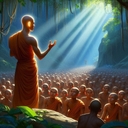
+Opening
| (derived from B. Sujato 2018/12) | (源自B. Sujato 2018/12) | |
| Evaṃ me sutaṃ— | So I have heard. | 我曾听闻。 |
| ekaṃ samayaṃ bhagavā kosambiyaṃ viharati ghositārāme. | At one time the Buddha was staying near Kosambi, in Ghosita’s Monastery. | 有一次,佛陀住在拘睒弥附近的瞿师罗精舍。 |
| Tena kho pana samayena sandako paribbājako pilakkhaguhāyaṃ paṭivasati mahatiyā paribbājakaparisāya saddhiṃ pañcamattehi paribbājakasatehi. | Now at that time the wanderer Sandaka was residing at the cave of the wavy leaf fig tree together with a large assembly of around five hundred wanderers. | 那时,游方者山达卡和大约五百名游方者一起住在波叶无花果树洞穴里。 |
| Atha kho āyasmā ānando sāyanhasamayaṃ paṭisallānā vuṭṭhito bhikkhū āmantesi: | Then in the late afternoon, Venerable Ānanda came out of retreat and addressed the monks: | 然后,傍晚时分,尊者阿难出定,对比丘们说: |
| “āyāmāvuso, yena devakatasobbho tenupasaṅkamissāma guhādassanāyā”ti. | “Come, reverends, let’s go to the Devakata Pool to see the cave.” | “来吧,尊者们,我们去提瓦卡塔池看洞穴吧。” |
| “Evamāvuso”ti kho te bhikkhū āyasmato ānandassa paccassosuṃ. | “Yes, reverend,” they replied. | “是的,尊者。”他们回答。 |
| Atha kho āyasmā ānando sambahulehi bhikkhūhi saddhiṃ yena devakatasobbho tenupasaṅkami. | Then Ānanda together with several monks went to the Devakata Pool. | 于是阿难和几位比丘去了提瓦卡塔池。 |
| Tena kho pana samayena sandako paribbājako mahatiyā paribbājakaparisāya saddhiṃ nisinno hoti unnādiniyā uccāsaddamahāsaddāya anekavihitaṃ tiracchānakathaṃ kathentiyā, seyyathidaṃ— | Now at that time, Sandaka and the large assembly of wanderers were sitting together making an uproar, a dreadful racket. They engaged in all kinds of unworthy talk, such as | 那时,山达卡和一大群游方者正坐在一起大声喧哗,制造着可怕的噪音。他们进行各种不值得的谈话,例如 |
| rājakathaṃ corakathaṃ mahāmattakathaṃ senākathaṃ bhayakathaṃ yuddhakathaṃ annakathaṃ pānakathaṃ vatthakathaṃ sayanakathaṃ mālākathaṃ gandhakathaṃ ñātikathaṃ yānakathaṃ gāmakathaṃ nigamakathaṃ nagarakathaṃ janapadakathaṃ itthikathaṃ sūrakathaṃ visikhākathaṃ kumbhaṭṭhānakathaṃ pubbapetakathaṃ nānattakathaṃ lokakkhāyikaṃ samuddakkhāyikaṃ itibhavābhavakathaṃ iti vā. | talk about kings, bandits, and ministers; talk about armies, threats, and wars; talk about food, drink, clothes, and beds; talk about garlands and fragrances; talk about family, vehicles, villages, towns, cities, and countries; talk about women and heroes; street talk and well talk; talk about the departed; motley talk; tales of land and sea; and talk about being reborn in this or that state of existence. | 谈论国王、强盗和大臣;谈论军队、威胁和战争;谈论食物、饮料、衣服和床铺;谈论花环和香料;谈论家庭、交通工具、村庄、城镇、城市和国家;谈论妇女和英雄;街谈巷议和井边闲聊;谈论逝者;杂七杂八的谈话;陆地和海洋的故事;以及谈论投生到这种或那种存在状态。 |
+76.2 – (Sandaka saw Ānanda coming and silenced his assembly)
| Addasā kho sandako paribbājako āyasmantaṃ ānandaṃ dūratova āgacchantaṃ. | Sandaka saw Ānanda coming off in the distance, | 山达卡远远地看见阿难走来, |
| Disvāna sakaṃ parisaṃ saṇṭhāpesi: | and hushed his own assembly: | 便制止了他自己的集会: |
| “appasaddā bhonto hontu, mā bhonto saddamakattha; | “Be quiet, good sirs, don’t make a sound. | “安静,各位先生,不要发出声音。 |
| ayaṃ samaṇassa gotamassa sāvako āgacchati samaṇo ānando. | The ascetic Ānanda, a disciple of the ascetic Gotama, is coming. | 沙门阿难,沙门乔达摩的弟子,正走过来。 |
| Yāvatā kho pana samaṇassa gotamassa sāvakā kosambiyaṃ paṭivasanti, ayaṃ tesaṃ aññataro samaṇo ānando. | He is included among the disciples of the ascetic Gotama, who is residing near Kosambī. | 他被列入沙门乔达摩的弟子之列,乔达摩正住在拘睒弥附近。 |
| Appasaddakāmā kho pana te āyasmanto appasaddavinītā appasaddassa vaṇṇavādino; | Such venerables like the quiet, are educated to be quiet, and praise the quiet. | 这样的尊者喜欢安静,受过安静的教育,并赞美安静。 |
| appeva nāma appasaddaṃ parisaṃ viditvā upasaṅkamitabbaṃ maññeyyā”ti. | Hopefully if he sees that our assembly is quiet he’ll see fit to approach.” | 希望他看到我们的集会安静后,会认为适合走近。” |
| Atha kho te paribbājakā tuṇhī ahesuṃ. | Then those wanderers fell silent. | 于是那些游方者都安静下来。 |
| Atha kho āyasmā ānando yena sandako paribbājako tenupasaṅkami. | Then Venerable Ānanda went up to the wanderer Sandaka, | 然后,尊者阿难走到游方者山达卡面前, |
| Atha kho sandako paribbājako āyasmantaṃ ānandaṃ etadavoca: | who said to him: | 山达卡对他说: |
| “etu kho bhavaṃ ānando, svāgataṃ bhoto ānandassa. | “Come, Master Ānanda! Welcome, Master Ānanda! | “欢迎,阿难大师!欢迎,阿难大师! |
| Cirassaṃ kho bhavaṃ ānando imaṃ pariyāyamakāsi yadidaṃ idhāgamanāya. | It’s been a long time since you took the opportunity to come here. | 您好久没有机会来这里了。 |
| Nisīdatu bhavaṃ ānando, idamāsanaṃ paññattan”ti. | Please, sir, sit down, this seat is ready.” | 请坐,先生,这个座位已经准备好了。” |
| Nisīdi kho āyasmā ānando paññatte āsane. | Ānanda sat down on the seat spread out, | 阿难坐在铺好的座位上, |
| Sandakopi kho paribbājako aññataraṃ nīcaṃ āsanaṃ gahetvā ekamantaṃ nisīdi. | while Sandaka took a low seat and sat to one side. | 而山达卡则坐到一个矮凳上,坐在一旁。 |
| Ekamantaṃ nisinnaṃ kho sandakaṃ paribbājakaṃ āyasmā ānando etadavoca: | Ānanda said to Sandaka: | 阿难对山达卡说: |
| “kāya nuttha, sandaka, etarahi kathāya sannisinnā, kā ca pana vo antarākathā vippakatā”ti? | “Sandaka, what were you sitting talking about just now? What conversation was unfinished?” | “山达卡,你刚才坐着谈论什么?什么谈话还没结束?” |
❧
+76.3 – (Ānanda gives Dhamma talk)
| “Tiṭṭhatesā, bho ānanda, kathā yāya mayaṃ etarahi kathāya sannisinnā. | “Master Ānanda, leave aside what we were sitting talking about just now. | “阿难大师,请不要谈论我们刚才坐着谈论的事情。 |
| Nesā bhoto ānandassa kathā dullabhā bhavissati pacchāpi savanāya. | It won’t be hard for you to hear about that later. | 您稍后听起来也不会觉得困难。 |
| Sādhu vata bhavantaṃyeva ānandaṃ paṭibhātu sake ācariyake dhammīkathā”ti. | It’d be great if Master Ānanda himself would give a Dhamma talk explaining his own tradition.” | 如果阿难大师能亲自讲解他的传统,那就太好了。” |
| “Tena hi, sandaka, suṇāhi, sādhukaṃ manasi karohi, bhāsissāmī”ti. | “Well then, Sandaka, listen and pay close attention, I will speak.” | “那么,山达卡,请仔细听,我会说。” |
| “Evaṃ, bho”ti kho sandako paribbājako āyasmato ānandassa paccassosi. | “Yes, sir,” replied Sandaka. | “是的,先生。”山达卡回答。 |
| Āyasmā ānando etadavoca: | Venerable Ānanda said this: | 尊者阿难这样说: |
| “cattārome, sandaka, tena bhagavatā jānatā passatā arahatā sammāsambuddhena abrahmacariyavāsā akkhātā cattāri ca anassāsikāni brahmacariyāni akkhātāni, yattha viññū puriso sasakkaṃ brahmacariyaṃ na vaseyya, vasanto ca nārādheyya ñāyaṃ dhammaṃ kusalan”ti. | “Sandaka, these things have been explained by the Blessed One, who knows and sees, the perfected one, the fully awakened Buddha: four ways that negate the spiritual life, and four kinds of unreliable spiritual life. A sensible person would, to the best of their ability, not practice such spiritual paths, and if they did practice them, they wouldn’t succeed in the procedure of the skillful Dharma.” | “山达卡,这些事情已被世尊,知见者,阿罗汉,完全觉醒的佛陀解释过了:四种否定梵行的方式,和四种不可靠的梵行。一个明智的人会尽其所能地不实践这样的梵行,如果他们实践了,他们也不会在善巧佛法的程序中成功。” |
| “Katame pana te, bho ānanda, tena bhagavatā jānatā passatā arahatā sammāsambuddhena cattāro abrahmacariyavāsā akkhātā, yattha viññū puriso sasakkaṃ brahmacariyaṃ na vaseyya, vasanto ca nārādheyya ñāyaṃ dhammaṃ kusalan”ti? | “But Master Ānanda, what are the four ways that negate the spiritual life, and the four kinds of unreliable spiritual life?” | “但是阿难大师,什么是四种否定梵行的方式,和四种不可靠的梵行呢?” |
+76.4 – (four ways that negate the spiritual life)
all
+§4.1 – (view that no karma efficacy and rebirth)
| “Idha, sandaka, ekacco satthā evaṃvādī hoti evaṃdiṭṭhi: | “Sandaka, take a certain teacher who has this doctrine and view: | “山达卡,假设有这样一位老师,他持有这样的教义和观点: |
| ‘natthi dinnaṃ, natthi yiṭṭhaṃ, natthi hutaṃ, natthi sukatadukkaṭānaṃ kammānaṃ phalaṃ vipāko, natthi ayaṃ loko, natthi paroloko, natthi mātā, natthi pitā, natthi sattā opapātikā, natthi loke samaṇabrāhmaṇā sammaggatā sammāpaṭipannā ye imañca lokaṃ parañca lokaṃ sayaṃ abhiññā sacchikatvā pavedenti. | ‘There’s no meaning in giving, sacrifice, or offerings. There’s no fruit or result of good and bad deeds. There’s no afterlife. There’s no obligation to mother and father. No beings are reborn spontaneously. And there’s no ascetic or brahmin who is well attained and practiced, and who describes the afterlife after realizing it with their own insight. | ‘布施、祭祀或供养没有任何意义。善恶业没有果报。没有来世。没有对父母的义务。没有众生是自然出生的。也没有任何沙门或婆罗门已然证得并实践良好,他们能够以自己的洞察力描述来世。 |
| Cātumahābhūtiko ayaṃ puriso yadā kālaṃ karoti, pathavī pathavīkāyaṃ anupeti anupagacchati, āpo āpokāyaṃ anupeti anupagacchati, tejo tejokāyaṃ anupeti anupagacchati, vāyo vāyokāyaṃ anupeti anupagacchati, ākāsaṃ indriyāni saṅkamanti. | This person is made up of the four primary elements. When they die, the earth in their body merges and coalesces with the main mass of earth. The water in their body merges and coalesces with the main mass of water. The fire in their body merges and coalesces with the main mass of fire. The air in their body merges and coalesces with the main mass of air. The faculties are transferred to space. | 这个人由四大元素组成。当他死后,他身体中的地大与地大主体融合凝结。他身体中的水大与水大主体融合凝结。他身体中的火大与火大主体融合凝结。他身体中的风大与风大主体融合凝结。感官则转移到空间。 |
| Āsandipañcamā purisā mataṃ ādāya gacchanti, | Four men with a bier carry away the corpse. | 四个人用担架抬走尸体。 |
| yāvāḷāhanā padāni paññāyanti. | Their footprints show the way to the cemetery. | 他们的脚印指引着通往墓地的路。 |
| Kāpotakāni aṭṭhīni bhavanti. | The bones become bleached. | 骨头变得白净。 |
| Bhassantā āhutiyo; | Offerings dedicated to the gods end in ashes. | 供奉给神的祭品化为灰烬。 |
| dattupaññattaṃ yadidaṃ dānaṃ. | Giving is a doctrine for morons. | 布施是傻瓜的教义。 |
| Tesaṃ tucchā musā vilāpo ye keci atthikavādaṃ vadanti. | When anyone affirms a positive Dharma it’s just baseless, false nonsense. | 当任何人肯定一个正面的佛法时,那都只是毫无根据、虚假的胡言乱语。 |
| Bāle ca paṇḍite ca kāyassa bhedā ucchijjanti vinassanti na honti paraṃ maraṇā’ti. | Both the foolish and the astute are annihilated and destroyed when their body breaks up, and they don’t exist after death.’ | 无论是愚蠢的还是聪明的,当他们的身体瓦解时,都会被消灭和毁灭,死后就不复存在。’ |
| Tatra, sandaka, viññū puriso iti paṭisañcikkhati: | A sensible person reflects on this matter in this way: | 一个明智的人会这样思考这个问题: |
| ‘ayaṃ kho bhavaṃ satthā evaṃvādī evaṃdiṭṭhi— natthi dinnaṃ, natthi yiṭṭhaṃ, natthi hutaṃ, natthi sukatadukkaṭānaṃ kammānaṃ phalaṃ vipāko, natthi ayaṃ loko, natthi paroloko, natthi mātā, natthi pitā, natthi sattā opapātikā, natthi loke samaṇabrāhmaṇā sammaggatā sammāpaṭipannā ye imañca lokaṃ parañca lokaṃ sayaṃ abhiññā sacchikatvā pavedenti. Cātumahābhūtiko ayaṃ puriso yadā kālaṃ karoti, pathavī pathavīkāyaṃ anupeti anupagacchati, āpo āpokāyaṃ anupeti anupagacchati, tejo tejokāyaṃ anupeti anupagacchati, vāyo vāyokāyaṃ anupeti anupagacchati, ākāsaṃ indriyāni saṅkamanti. Āsandipañcamā purisā mataṃ ādāya gacchanti, yāvāḷāhanā padāni paññāyanti. Kāpotakāni aṭṭhīni bhavanti. Bhassantā āhutiyo; dattupaññattaṃ yadidaṃ dānaṃ. Tesaṃ tucchā musā vilāpo ye keci atthikavādaṃ vadanti. Bāle ca paṇḍite ca kāyassa bhedā ucchijjanti vinassanti na honti paraṃ maraṇā’ti. |
‘This teacher has such a doctrine and view. | ‘这位老师持有这样的教义和观点。 |
| Sace imassa bhoto satthuno saccaṃ vacanaṃ, akatena me ettha kataṃ, avusitena me ettha vusitaṃ. | If what that teacher says is true, both I who have not accomplished this and one who has accomplished it | 如果这位老师说的是真的,那么我这个尚未做到的人和已经做到的人 |
| Ubhopi mayaṃ ettha samasamā sāmaññaṃ pattā, yo cāhaṃ na vadāmi ‘ubho kāyassa bhedā ucchijjissāma, vinassissāma, na bhavissāma paraṃ maraṇā’ti. | have attained exactly the same level. Yet I’m not one who says that both of us are annihilated and destroyed when our body breaks up, and we don’t exist after death. | 都达到了完全相同的境界。然而,我并不是一个会说我们两人在身体瓦解后都会被消灭和毁灭,死后就不复存在的人。 |
| Atirekaṃ kho panimassa bhoto satthuno naggiyaṃ muṇḍiyaṃ ukkuṭikappadhānaṃ kesamassulocanaṃ, yohaṃ puttasambādhasayanaṃ ajjhāvasanto kāsikacandanaṃ paccanubhonto mālāgandhavilepanaṃ dhārento jātarūparajataṃ sādiyanto iminā bhotā satthārā samasamagatiko bhavissāmi abhisamparāyaṃ. | But it’s superfluous for this teacher to go naked, shaven, persisting in squatting, tearing out their hair and beard. For I’m living at home with my children, using sandalwood imported from Kāsi, wearing garlands, perfumes, and makeup, and accepting gold and money. Yet I’ll have exactly the same destiny in the next life as this teacher. | 但是,这位老师赤身裸体、剃发、坚持蹲坐、拔掉头发和胡须,这都是多余的。因为我与我的孩子住在家中,使用来自迦尸的檀香,佩戴花环、香水和化妆品,并接受黄金和金钱。然而,我在来世的命运将与这位老师完全相同。 |
| Sohaṃ kiṃ jānanto kiṃ passanto imasmiṃ satthari brahmacariyaṃ carissāmi? | What do I know or see that I should live the spiritual life under this teacher? | 我有什么知道或看到,以至于我应该在这位老师门下修行梵行呢? |
| ‘So abrahmacariyavāso ayan’ti— | This negates the spiritual life.’ | 这否定了梵行。’ |
| iti viditvā tasmā brahmacariyā nibbijja pakkamati. | Realizing this, they leave disappointed.. | 认识到这一点,他们失望地离开了。 |
| Ayaṃ kho, sandaka, tena bhagavatā jānatā passatā arahatā sammāsambuddhena paṭhamo abrahmacariyavāso akkhāto yattha viññū puriso sasakkaṃ brahmacariyaṃ na vaseyya, vasanto ca nārādheyya ñāyaṃ dhammaṃ kusalaṃ. | This is the first way that negates the spiritual life. | 这是第一种否定梵行的方式。 |
❧
+§4.2 – (view that killing and torture is not bad karma)
| Puna caparaṃ, sandaka, idhekacco satthā evaṃvādī hoti evaṃdiṭṭhi: | Furthermore, take a certain teacher who has this doctrine and view: | 此外,假设有这样一位老师,他持有这样的教义和观点: |
| ‘karoto kārayato chindato chedāpayato pacato pācāpayato socayato socāpayato kilamato kilamāpayato phandato phandāpayato pāṇamatipātayato adinnaṃ ādiyato sandhiṃ chindato nillopaṃ harato ekāgārikaṃ karoto paripanthe tiṭṭhato paradāraṃ gacchato musā bhaṇato karoto na karīyati pāpaṃ. | ‘Nothing bad is done by the doer when they punish, mutilate, torture, aggrieve, oppress, intimidate, or when they encourage others to do the same. Nothing bad is done when they kill, steal, break into houses, plunder wealth, steal from isolated buildings, commit highway robbery, commit adultery, and lie. | ‘当一个人惩罚、残害、折磨、骚扰、压迫、恐吓,或者当他们鼓励他人做同样的事情时,行事者没有做任何坏事。当他们杀人、偷窃、闯入房屋、抢劫财富、从偏僻建筑物偷窃、拦路抢劫、通奸和撒谎时,没有做任何坏事。 |
| Khurapariyantena cepi cakkena yo imissā pathaviyā pāṇe ekaṃ maṃsakhalaṃ ekaṃ maṃsapuñjaṃ kareyya, natthi tatonidānaṃ pāpaṃ, natthi pāpassa āgamo. | If you were to reduce all the living creatures of this earth to one heap and mass of flesh with a razor-edged chakram, no evil comes of that, and no outcome of evil. | 如果你用一把锋利的飞轮,将世间所有活着的生物都削成一堆肉,那也不会产生任何恶行,也没有任何恶行的结果。 |
| Dakkhiṇañcepi gaṅgāya tīraṃ gaccheyya hananto ghātento chindanto chedāpento pacanto pacāpento, natthi tatonidānaṃ pāpaṃ, natthi pāpassa āgamo. | If you were to go along the south bank of the Ganges killing, mutilating, and torturing, and encouraging others to do the same, no evil comes of that, and no outcome of evil. | 如果你沿着恒河南岸杀戮、残害和折磨,并鼓励他人做同样的事情,那也不会产生任何恶行,也没有任何恶行的结果。 |
| Uttarañcepi gaṅgāya tīraṃ gaccheyya dadanto dāpento yajanto yajāpento, natthi tatonidānaṃ puññaṃ, natthi puññassa āgamo. | If you were to go along the north bank of the Ganges giving and sacrificing and encouraging others to do the same, no merit comes of that, and no outcome of merit. | 如果你沿着恒河北岸布施和祭祀,并鼓励他人做同样的事情,那也不会产生任何功德,也没有任何功德的结果。 |
| Dānena damena saṃyamena saccavajjena natthi puññaṃ, natthi puññassa āgamo’ti. | In giving, self-control, restraint, and truthfulness there is no merit or outcome of merit.’ | 在布施、自制、约束和诚实中,没有功德或功德的结果。’ |
| Tatra, sandaka, viññū puriso iti paṭisañcikkhati: | A sensible person reflects on this matter in this way: | 一个明智的人会这样思考这个问题: |
| ‘ayaṃ kho bhavaṃ satthā evaṃvādī evaṃdiṭṭhi— karoto kārayato chindato chedāpayato pacato pācāpayato socato socāpayato kilamato kilamāpayato phandato phandāpayato pāṇamatipātayato adinnaṃ ādiyato sandhiṃ chindato nillopaṃ harato ekāgārikaṃ karoto paripanthe tiṭṭhato paradāraṃ gacchato musā bhaṇato karoto na karīyati pāpaṃ khurapariyantena cepi cakkena yo imissā pathaviyā pāṇe ekaṃ maṃsakhalaṃ ekaṃ maṃsapuñjaṃ kareyya, natthi tatonidānaṃ pāpaṃ, natthi pāpassa āgamo. Dakkhiṇañcepi gaṅgāya tīraṃ gaccheyya hananto ghātento chindanto chedāpento pacanto pacāpento, natthi tatonidānaṃ pāpaṃ, natthi pāpassa āgamo. Uttarañcepi gaṅgāya tīraṃ gaccheyya dadanto dāpento yajanto yajāpento, natthi tatonidānaṃ puññaṃ, natthi puññassa āgamo. Dānena damena saṃyamena saccavajjena natthi puññaṃ, natthi puññassa āgamo’ti. |
‘This teacher has such a doctrine and view. | ‘这位老师持有这样的教义和观点。 |
| Sace imassa bhoto satthuno saccaṃ vacanaṃ, akatena me ettha kataṃ, avusitena me ettha vusitaṃ. | If what that teacher says is true, both I who have not accomplished this and one who has accomplished it | 如果那位老师说的是真的,那么我这个尚未做到的人和已经做到的人 |
| Ubhopi mayaṃ ettha samasamā sāmaññaṃ pattā, yo cāhaṃ na vadāmi ‘ubhinnaṃ kurutaṃ na karīyati pāpan’ti. | have attained exactly the same level. Yet I’m not one who says that when both of us act, nothing wrong is done. | 都达到了完全相同的境界。然而,我并不是一个会说当我们两人都行动时,没有任何错误发生的人。 |
| Atirekaṃ kho panimassa bhoto satthuno naggiyaṃ muṇḍiyaṃ ukkuṭikappadhānaṃ kesamassulocanaṃ, yohaṃ puttasambādhasayanaṃ ajjhāvasanto kāsikacandanaṃ paccanubhonto mālāgandhavilepanaṃ dhārento jātarūparajataṃ sādiyanto iminā bhotā satthārā samasamagatiko bhavissāmi abhisamparāyaṃ. | But it’s superfluous for this teacher to go naked, shaven, persisting in squatting, tearing out their hair and beard. For I’m living at home with my children, using sandalwood imported from Kāsi, wearing garlands, perfumes, and makeup, and accepting gold and money. Yet I’ll have exactly the same destiny in the next life as this teacher. | 但是,这位老师赤身裸体、剃发、坚持蹲坐、拔掉头发和胡须,这都是多余的。因为我与我的孩子住在家中,使用来自迦尸的檀香,佩戴花环、香水和化妆品,并接受黄金和金钱。然而,我在来世的命运将与这位老师完全相同。 |
| Sohaṃ kiṃ jānanto kiṃ passanto imasmiṃ satthari brahmacariyaṃ carissāmi? | What do I know or see that I should live the spiritual life under this teacher? | 我有什么知道或看到,以至于我应该在这位老师门下修行梵行呢? |
| ‘So abrahmacariyavāso ayan’ti | This negates the spiritual life.’ | 这否定了梵行。’ |
| iti viditvā tasmā brahmacariyā nibbijja pakkamati. | Realizing this, they leave disappointed. | 认识到这一点,他们失望地离开了。 |
| Ayaṃ kho, sandaka, tena bhagavatā jānatā passatā arahatā sammāsambuddhena dutiyo abrahmacariyavāso akkhāto yattha viññū puriso sasakkaṃ brahmacariyaṃ na vaseyya, vasanto ca nārādheyya ñāyaṃ dhammaṃ kusalaṃ. | This is the second way that negates the spiritual life. | 这是第二种否定梵行的方式。 |
+§4.3 – (view that no cause or condition for the corruption of sentient beings)
| Puna caparaṃ, sandaka, idhekacco satthā evaṃvādī hoti evaṃdiṭṭhi: | Furthermore, take a certain teacher who has this doctrine and view: | 此外,假设有这样一位老师,他持有这样的教义和观点: |
| ‘natthi hetu, natthi paccayo sattānaṃ saṅkilesāya; | ‘There is no cause or condition for the corruption of sentient beings. | ‘众生腐化的原因和条件不存在。 |
| ahetū appaccayā sattā saṅkilissanti; | Sentient beings are corrupted without cause or reason. | 众生无因无缘地腐化。 |
| natthi hetu, natthi paccayo sattānaṃ visuddhiyā; | There’s no cause or condition for the purification of sentient beings. | 众生净化的原因和条件不存在。 |
| ahetū appaccayā sattā visujjhanti; | Sentient beings are purified without cause or reason. | 众生无因无缘地净化。 |
| natthi balaṃ, natthi vīriyaṃ, natthi purisathāmo, natthi purisaparakkamo; | There is no power, no vigor, no manly strength or vigor. | 没有力量,没有能量,没有男子的力量或活力。 |
| sabbe sattā sabbe pāṇā sabbe bhūtā sabbe jīvā avasā abalā avīriyā niyatisaṅgatibhāvapariṇatā chasvevābhijātīsu sukhadukkhaṃ paṭisaṃvedentī’ti. | All sentient beings, all living creatures, all beings, all souls lack control, power, and vigor. Molded by destiny, circumstance, and nature, they experience pleasure and pain in the six classes of rebirth.’ | 所有众生,所有有情众生,所有生物,所有灵魂都缺乏控制、力量和能量。受命运、境遇和本性的塑造,他们在六类轮回中经历快乐和痛苦。’ |
| Tatra, sandaka, viññū puriso iti paṭisañcikkhati: | A sensible person reflects on this matter in this way: | 一个明智的人会这样思考这个问题: |
| ‘ayaṃ kho bhavaṃ satthā evaṃvādī evaṃdiṭṭhi— natthi hetu, natthi paccayo sattānaṃ saṅkilesāya, ahetū appaccayā sattā saṅkilissanti. Natthi hetu natthi paccayo sattānaṃ visuddhiyā, ahetū appaccayā sattā visujjhanti. Natthi balaṃ, natthi vīriyaṃ, natthi purisathāmo, natthi purisaparakkamo, sabbe sattā sabbe pāṇā sabbe bhūtā sabbe jīvā avasā abalā avīriyā niyatisaṅgatibhāvapariṇatā chasvevābhijātīsu sukhadukkhaṃ paṭisaṃvedentī’ti. |
‘This teacher has such a doctrine and view. | ‘这位老师持有这样的教义和观点。 |
| Sace imassa bhoto satthuno saccaṃ vacanaṃ, akatena me ettha kataṃ, avusitena me ettha vusitaṃ. | If what that teacher says is true, both I who have not accomplished this and one who has accomplished it | 如果那位老师说的是真的,那么我这个尚未做到的人和已经做到的人 |
| Ubhopi mayaṃ ettha samasamā sāmaññaṃ pattā, yo cāhaṃ na vadāmi ‘ubho ahetū appaccayā visujjhissāmā’ti. | have attained exactly the same level. Yet I’m not one who says that both of us are purified without cause or reason. | 都达到了完全相同的境界。然而,我并不是一个会说我们两人都会无因无缘地净化的人。 |
| Atirekaṃ kho panimassa bhoto satthuno naggiyaṃ muṇḍiyaṃ ukkuṭikappadhānaṃ kesamassulocanaṃ, yohaṃ puttasambādhasayanaṃ ajjhāvasanto kāsikacandanaṃ paccanubhonto mālāgandhavilepanaṃ dhārento jātarūparajataṃ sādiyanto iminā bhotā satthārā samasamagatiko bhavissāmi abhisamparāyaṃ. | But it’s superfluous for this teacher to go naked, shaven, persisting in squatting, tearing out their hair and beard. For I’m living at home with my children, using sandalwood imported from Kāsi, wearing garlands, perfumes, and makeup, and accepting gold and money. Yet I’ll have exactly the same destiny in the next life as this teacher. | 但是,这位老师赤身裸体、剃发、坚持蹲坐、拔掉头发和胡须,这都是多余的。因为我与我的孩子住在家中,使用来自迦尸的檀香,佩戴花环、香水和化妆品,并接受黄金和金钱。然而,我在来世的命运将与这位老师完全相同。 |
| Sohaṃ kiṃ jānanto kiṃ passanto imasmiṃ satthari brahmacariyaṃ carissāmi? | What do I know or see that I should live the spiritual life under this teacher? | 我有什么知道或看到,以至于我应该在这位老师门下修行梵行呢? |
| ‘So abrahmacariyavāso ayan’ti— | This negates the spiritual life.’ | 这否定了梵行。’ |
| iti viditvā tasmā brahmacariyā nibbijja pakkamati. | Realizing this, they leave disappointed. | 认识到这一点,他们失望地离开了。 |
| Ayaṃ kho, sandaka, tena bhagavatā jānatā passatā arahatā sammāsambuddhena tatiyo abrahmacariyavāso akkhāto yattha viññū puriso sasakkaṃ brahmacariyaṃ na vaseyya, vasanto ca nārādheyya ñāyaṃ dhammaṃ kusalaṃ. | This is the third way that negates the spiritual life. | 这是第三种否定梵行的方式。 |
❧
+§4.4 – (view that seven substances that are not made, not derived, not created, without a creator)
| Puna caparaṃ, sandaka, idhekacco satthā evaṃvādī hoti evaṃdiṭṭhi: | Furthermore, take a certain teacher who has this doctrine and view: | 此外,假设有这样一位老师,他持有这样的教义和观点: |
| ‘sattime kāyā akaṭā akaṭavidhā animmitā animmātā vañjhā kūṭaṭṭhā esikaṭṭhāyiṭṭhitā, | ‘There are these seven substances that are not made, not derived, not created, without a creator, barren, steady as a mountain peak, standing firm like a pillar. | ‘有这七种不造作、不衍生、不创造、无造物主、贫瘠、如山顶般稳定、如柱般坚固的物质。 |
| te na iñjanti na vipariṇamanti na aññamaññaṃ byābādhenti nālaṃ aññamaññassa sukhāya vā dukkhāya vā sukhadukkhāya vā. | They don’t move or deteriorate or obstruct each other. They’re unable to cause pleasure, pain, or neutral feeling to each other. | 它们不动摇也不变质,也不互相妨碍。它们无法互相引起乐、苦或不苦不乐受。 |
| Katame satta? | What seven? | 是哪七种呢? |
| Pathavīkāyo āpokāyo tejokāyo vāyokāyo sukhe dukkhe jīve sattame— | The substances of earth, water, fire, air; pleasure, pain, and the soul is the seventh. | 地、水、火、风的物质;乐、苦,以及灵魂是第七种。 |
| ime sattakāyā akaṭā akaṭavidhā animmitā animmātā vañjhā kūṭaṭṭhā esikaṭṭhāyiṭṭhitā. | These seven substances are not made, not derived, not created, without a creator, barren, steady as a mountain peak, standing firm like a pillar. | 这七种物质不造作、不衍生、不创造、无造物主、贫瘠、如山顶般稳定、如柱般坚固。 |
| Te na iñjanti na vipariṇamanti na aññamaññaṃ byābādhenti. Nālaṃ aññamaññassa sukhāya vā dukkhāya vā sukhadukkhāya vā. | They don’t move or deteriorate or obstruct each other. They’re unable to cause pleasure, pain, or neutral feeling to each other. | 它们不动摇也不变质,也不互相妨碍。它们无法互相引起乐、苦或不苦不乐受。 |
| Tattha natthi hantā vā ghātetā vā sotā vā sāvetā vā viññātā vā viññāpetā vā. | And here there is no-one who kills or who makes others kill; no-one who learns or who educates others; no-one who understands or who helps others understand. | 这里也没有杀人者或使他人杀人者;没有学习者或教导他人者;没有理解者或帮助他人理解者。 |
| Yopi tiṇhena satthena sīsaṃ chindati, na koci kañci jīvitā voropeti. | If you chop off someone’s head with a sharp sword, you don’t take anyone’s life. | 如果你用一把锋利的剑砍掉某人的头,你并没有夺走任何人的生命。 |
| Sattannaṃ tveva kāyānamantarena satthaṃ vivaramanupatati. | The sword simply passes through the gap between the seven substances. | 剑只是穿过了七种物质之间的空隙。 |
| Cuddasa kho panimāni yonipamukhasatasahassāni saṭṭhi ca satāni cha ca satāni pañca ca kammuno satāni pañca ca kammāni tīṇi ca kammāni, kamme ca aḍḍhakamme ca, dvaṭṭhipaṭipadā, dvaṭṭhantarakappā, chaḷābhijātiyo, aṭṭha purisabhūmiyo, ekūnapaññāsa ājīvakasate, ekūnapaññāsa paribbājakasate, ekūnapaññāsa nāgāvāsasate, vīse indriyasate, tiṃse nirayasate, chattiṃsa rajodhātuyo, satta saññīgabbhā, satta asaññīgabbhā, satta nigaṇṭhigabbhā, satta devā, satta mānusā, satta pesācā, satta sarā, satta pavuṭā, satta papātā, satta papātasatāni, satta supinā, satta supinasatāni, cullāsīti mahākappino satasahassāni, yāni bāle ca paṇḍite ca sandhāvitvā saṃsaritvā dukkhassantaṃ karissanti. | There are 1.4 million main wombs, and 6,000, and 600. There are 500 deeds, and five, and three. There are deeds and half-deeds. There are 62 paths, 62 sub-eons, six classes of rebirth, and eight stages in a person’s life. There are 4,900 Ājīvaka ascetics, 4,900 wanderers, and 4,900 naked ascetics. There are 2,000 faculties, 3,000 hells, and 36 realms of dust. There are seven percipient embryos, seven non-percipient embryos, and seven embryos without attachments. There are seven gods, seven humans, and seven goblins. There are seven lakes, seven winds, seven cliffs, and 700 cliffs. There are seven dreams and 700 dreams. There are 8.4 million great eons through which the foolish and the astute transmigrate before making an end of suffering. | 有140万个主要的子宫,还有6000个,还有600个。有500种业,还有五种,还有三种。有业和半业。有62条道,62个小劫,六类轮回,以及一个人生命中的八个阶段。有4900名阿耆婆迦苦行者,4900名游方者,以及4900名裸体苦行者。有2000个感官,3000个地狱,以及36个尘世领域。有七种有知胚胎,七种无知胚胎,以及七种无执着胚胎。有七位神,七个人,以及七个小鬼。有七个湖,七种风,七座悬崖,以及700座悬崖。有七个梦和700个梦。有840万个大劫,愚蠢者和聪明者都将经历这些大劫,然后才能结束痛苦。 |
| Tattha natthi imināhaṃ sīlena vā vatena vā tapena vā brahmacariyena vā aparipakkaṃ vā kammaṃ paripācessāmi, paripakkaṃ vā kammaṃ phussa phussa byantiṃ karissāmīti. | And here there is no such thing as this: “By this precept or observance or mortification or spiritual life I shall force unripened deeds to bear their fruit, or eliminate old deeds by experiencing their results little by little”—for that cannot be. | 这里也没有这样的事情:“通过这个戒律或戒行或苦行或梵行,我将强迫未成熟的业结果,或者通过一点一点地经历它们的后果来消除旧业”——因为那是不可能的。 |
| Hevaṃ natthi doṇamite sukhadukkhe pariyantakate saṃsāre, natthi hāyanavaḍḍhane, natthi ukkaṃsāvakaṃse. | Pleasure and pain are allotted. Transmigration lasts only for a limited period, so there’s no increase or decrease, no getting better or worse. | 乐和苦是注定的。轮回只持续有限的时间,所以没有增加或减少,没有变好或变坏。 |
| Seyyathāpi nāma suttaguḷe khitte nibbeṭhiyamānameva paleti; | It’s like how, when you toss a ball of string, it rolls away unraveling. | 这就像你扔出一个线团,它会一边滚动一边解开。 |
| evameva bāle ca paṇḍite ca sandhāvitvā saṃsaritvā dukkhassantaṃ karissantī’ti. | In the same way, after transmigrating the foolish and the astute will make an end of suffering.’ | 同样地,愚蠢者和聪明者在轮回之后,最终都会结束痛苦。’ |
| Tatra, sandaka, viññū puriso iti paṭisañcikkhati: | A sensible person reflects on this matter in this way: | 一个明智的人会这样思考这个问题: |
| ‘ayaṃ kho bhavaṃ satthā evaṃvādī evaṃdiṭṭhi— sattime kāyā akaṭā akaṭavidhā animmitā animmātā vañjhā kūṭaṭṭhā esikaṭṭhāyiṭṭhitā. Te na iñjanti na vipariṇamanti na aññamaññaṃ byābādhenti. Nālaṃ aññamaññassa sukhāya vā dukkhāya vā sukhadukkhāya vā. Katame satta? Pathavīkāyo āpokāyo tejokāyo vāyokāyo sukhe dukkhe jīve sattame— ime satta kāyā akaṭā akaṭavidhā animmitā animmātā vañjhā kūṭaṭṭhā esikaṭṭhāyiṭṭhitā. Te na iñjanti na vipariṇamanti na aññamaññaṃ byābādhenti. Nālaṃ aññamaññassa sukhāya vā dukkhāya vā sukhadukkhāya vā. Tattha natthi hantā vā ghātetā vā sotā vā sāvetā vā viññātā vā viññāpetā vā. Yopi tiṇhena satthena sīsaṃ chindati, na koci kañci jīvitā voropeti. Sattannaṃ tveva kāyānamantarena satthaṃ vivaramanupatati. Cuddasa kho panimāni yonipamukhasatasahassāni saṭṭhi ca satāni cha ca satāni pañca ca kammuno satāni pañca ca kammāni tīṇi ca kammāni, kamme ca aḍḍhakamme ca, dvaṭṭhipaṭipadā, dvaṭṭhantarakappā, chaḷābhijātiyo, aṭṭha purisabhūmiyo, ekūnapaññāsa ājīvakasate, ekūnapaññāsa paribbājakasate, ekūnapaññāsa nāgāvāsasate, vīse indriyasate, tiṃse nirayasate, chattiṃsa rajodhātuyo, satta saññīgabbhā, satta asaññīgabbhā, satta nigaṇṭhigabbhā, satta devā, satta mānusā, satta pesācā, satta sarā, satta pavuṭā, satta papātā, satta papātasatāni, satta supinā, satta supinasatāni, cullāsīti mahākappino satasahassāni, yāni bāle ca paṇḍite ca sandhāvitvā saṃsaritvā dukkhassantaṃ karissanti. Tattha natthi imināhaṃ sīlena vā vatena vā tapena vā brahmacariyena vā aparipakkaṃ vā kammaṃ paripācessāmi, paripakkaṃ vā kammaṃ phussa phussa byantiṃ karissāmīti, hevaṃ natthi doṇamite sukhadukkhe pariyantakate saṃsāre, natthi hāyanavaḍḍhane, natthi ukkaṃsāvakaṃse. Seyyathāpi nāma suttaguḷe khitte nibbeṭhiyamānameva paleti; evameva bāle ca paṇḍite ca sandhāvitvā saṃsaritvā dukkhassantaṃ karissantī’ti. |
‘This teacher has such a doctrine and view. | ‘这位老师持有这样的教义和观点。 |
| Sace pana imassa bhoto satthuno saccaṃ vacanaṃ, akatena me ettha kataṃ, avusitena me ettha vusitaṃ. | If what that teacher says is true, both I who have not accomplished this and one who has accomplished it | 如果那位老师说的是真的,那么我这个尚未做到的人和已经做到的人 |
| Ubhopi mayaṃ ettha samasamā sāmaññaṃ pattā, yo cāhaṃ na vadāmi ‘ubho sandhāvitvā saṃsaritvā dukkhassantaṃ karissāmā’ti. | have attained exactly the same level. Yet I’m not one who says that after transmigrating both of us will make an end of suffering. | 都达到了完全相同的境界。然而,我并不是一个会说我们两人在轮回之后都会结束痛苦的人。 |
| Atirekaṃ kho panimassa bhoto satthuno naggiyaṃ muṇḍiyaṃ ukkuṭikappadhānaṃ kesamassulocanaṃ, yohaṃ puttasambādhasayanaṃ ajjhāvasanto kāsikacandanaṃ paccanubhonto mālāgandhavilepanaṃ dhārento jātarūparajataṃ sādiyanto iminā bhotā satthārā samasamagatiko bhavissāmi abhisamparāyaṃ. | But it’s superfluous for this teacher to go naked, shaven, persisting in squatting, tearing out their hair and beard. For I’m living at home with my children, using sandalwood imported from Kāsi, wearing garlands, perfumes, and makeup, and accepting gold and money. Yet I’ll have exactly the same destiny in the next life as this teacher. | 但是,这位老师赤身裸体、剃发、坚持蹲坐、拔掉头发和胡须,这都是多余的。因为我与我的孩子住在家中,使用来自迦尸的檀香,佩戴花环、香水和化妆品,并接受黄金和金钱。然而,我在来世的命运将与这位老师完全相同。 |
| Sohaṃ kiṃ jānanto kiṃ passanto imasmiṃ satthari brahmacariyaṃ carissāmi? | What do I know or see that I should live the spiritual life under this teacher? | 我有什么知道或看到,以至于我应该在这位老师门下修行梵行呢? |
| ‘So abrahmacariyavāso ayan’ti— | This negates the spiritual life.’ | 这否定了梵行。’ |
| iti viditvā tasmā brahmacariyā nibbijja pakkamati. | Realizing this, they leave disappointed. | 认识到这一点,他们失望地离开了。 |
| Ayaṃ kho, sandaka, tena bhagavatā jānatā passatā arahatā sammāsambuddhena catuttho abrahmacariyavāso akkhāto yattha viññū puriso sasakkaṃ brahmacariyaṃ na vaseyya, vasanto ca nārādheyya ñāyaṃ dhammaṃ kusalaṃ. | This is the fourth way that negates the spiritual life. | 这是第四种否定梵行的方式。 |
| Ime kho te, sandaka, tena bhagavatā jānatā passatā arahatā sammāsambuddhena cattāro abrahmacariyavāsā akkhātā yattha viññū puriso sasakkaṃ brahmacariyaṃ na vaseyya, vasanto ca nārādheyya ñāyaṃ dhammaṃ kusalan”ti. | These are the four ways that negate the spiritual life that have been explained by the Blessed One, who knows and sees, the perfected one, the fully awakened Buddha. A sensible person would, to the best of their ability, not practice such spiritual paths, and if they did practice them, they wouldn’t succeed in the procedure of the skillful Dharma.” | 以上就是世尊,知见者,阿罗汉,完全觉醒的佛陀所解释的四种否定梵行的方式。一个明智的人会尽其所能地不实践这样的灵性道路,如果他们实践了,他们也不会在善巧佛法的程序中成功。” |
| “Acchariyaṃ, bho ānanda, abbhutaṃ, bho ānanda. | “It’s incredible, Master Ānanda, it’s amazing, | “不可思议,阿难大师,太棒了, |
| Yāvañcidaṃ tena bhagavatā jānatā passatā arahatā sammāsambuddhena cattāro abrahmacariyavāsāva samānā ‘abrahmacariyavāsā’ti akkhātā yattha viññū puriso sasakkaṃ brahmacariyaṃ na vaseyya, vasanto ca nārādheyya ñāyaṃ dhammaṃ kusalanti. | how these four ways that negate the spiritual life have been explained by the Buddha. | 佛陀解释的这四种否定梵行的方式是多么精妙啊。 |
❧
+76.5 – (four kinds of unreliable spiritual life)
all
| Katamāni pana tāni, bho ānanda, tena bhagavatā jānatā passatā arahatā sammāsambuddhena cattāri anassāsikāni brahmacariyāni akkhātāni yattha viññū puriso sasakkaṃ brahmacariyaṃ na vaseyya, vasanto ca nārādheyya ñāyaṃ dhammaṃ kusalan”ti? | But Master Ānanda, what are the four kinds of unreliable spiritual life?” | 但是阿难大师,什么是四种不可靠的梵行呢?” |
+§5.1 – (Knowledge and vision are continually present in all postures)
| “Idha, sandaka, ekacco satthā sabbaññū sabbadassāvī aparisesaṃ ñāṇadassanaṃ paṭijānāti: | “Sandaka, take a certain teacher who claims to be all-knowing and all-seeing, to know and see everything without exception, thus: | “山达卡,假设有这样一位老师,他自称全知全视,无一例外地知晓和看到一切,他说: |
| ‘carato ca me tiṭṭhato ca suttassa ca jāgarassa ca satataṃ samitaṃ ñāṇadassanaṃ paccupaṭṭhitan’ti. | ‘Knowledge and vision are constantly and continually present to me, while walking, standing, sleeping, and waking.’ | ‘知识和视觉在行走、站立、睡觉和清醒时都持续不断地存在于我。’ |
| So suññampi agāraṃ pavisati, piṇḍampi na labhati, kukkuropi ḍaṃsati, caṇḍenapi hatthinā samāgacchati, caṇḍenapi assena samāgacchati, caṇḍenapi goṇena samāgacchati, itthiyāpi purisassapi nāmampi gottampi pucchati, gāmassapi nigamassapi nāmampi maggampi pucchati. | He enters an empty house; he gets no alms-food; a dog bites him; he encounters a wild elephant, a wild horse, and a wild cow; he asks the name and clan of a woman or man; he asks the name and path to a village or town. | 他进入一间空房子;他没有得到施舍的食物;一条狗咬了他;他遇到了一头野象、一匹野马和一头野牛;他询问一个女人或男人的名字和家族;他询问一个村庄或城镇的名字和路径。 |
| So ‘kimidan’ti puṭṭho samāno ‘suññaṃ me agāraṃ pavisitabbaṃ ahosi’, tena pāvisiṃ; ‘piṇḍampi aladdhabbaṃ ahosi’, tena nālatthaṃ; ‘kukkurena ḍaṃsitabbaṃ ahosi’, tenamhi daṭṭho; ‘caṇḍena hatthinā samāgantabbaṃ ahosi’, tena samāgamiṃ; ‘caṇḍena assena samāgantabbaṃ ahosi’, tena samāgamiṃ; ‘caṇḍena goṇena samāgantabbaṃ ahosi’, tena samāgamiṃ; ‘itthiyāpi purisassapi nāmampi gottampi pucchitabbaṃ ahosi’, tena pucchiṃ; ‘gāmassapi nigamassapi nāmampi maggampi pucchitabbaṃ ahosi’, tena pucchinti. | When asked, ‘Why is this?’ he answers: ‘I had to enter an empty house, that’s why I entered it. I had to get no alms-food, that’s why I got none. I had to get bitten by a dog, that’s why I was bitten. I had to encounter a wild elephant, a wild horse, and a wild cow, that’s why I encountered them. I had to ask the name and clan of a woman or man, that’s why I asked. I had to ask the name and path to a village or town, that’s why I asked.’ | 当被问及‘为什么会这样?’时,他回答说:‘我必须进入一间空房子,所以我进入了。我必须得不到施舍的食物,所以我没有得到。我必须被狗咬,所以我被咬了。我必须遇到一头野象、一匹野马和一头野牛,所以我遇到了。我必须询问一个女人或男人的名字和家族,所以我问了。我必须询问一个村庄或城镇的名字和路径,所以我问了。’ |
| Tatra, sandaka, viññū puriso iti paṭisañcikkhati: | A sensible person reflects on this matter in this way: | 一个明智的人会这样思考这个问题: |
| ‘ayaṃ kho bhavaṃ satthā sabbaññū sabbadassāvī aparisesaṃ ñāṇadassanaṃ paṭijānāti … pe … ‘gāmassapi nigamassapi nāmampi maggampi pucchitabbaṃ ahosi, tena pucchin’ti. | ‘This teacher makes such a claim, but he answers in such a way. | ‘这位老师提出了这样的主张,但他却这样回答。 |
| So ‘anassāsikaṃ idaṃ brahmacariyan’ti— | This spiritual life is unreliable.’ | 这种梵行是不可靠的。’ |
| iti viditvā tasmā brahmacariyā nibbijja pakkamati. | Realizing this, they leave disappointed. | 认识到这一点,他们失望地离开了。 |
| Idaṃ kho, sandaka, tena bhagavatā jānatā passatā arahatā sammāsambuddhena paṭhamaṃ anassāsikaṃ brahmacariyaṃ akkhātaṃ yattha viññū puriso sasakkaṃ brahmacariyaṃ na vaseyya, vasanto ca nārādheyya ñāyaṃ dhammaṃ kusalaṃ. | This is the first kind of unreliable spiritual life. | 这是第一种不可靠的梵行。 |
+§5.2 – (teacher who is an oral transmitter, who takes oral transmission to be the truth)
| Puna caparaṃ, sandaka, idhekacco satthā anussaviko hoti anussavasacco. | Furthermore, take another teacher who is an oral transmitter, who takes oral transmission to be the truth. | 此外,假设有另一位老师,他是口头传授者,他将口头传授视为真理。 |
| So anussavena itihitihaparamparāya piṭakasampadāya dhammaṃ deseti. | He teaches by oral transmission, by the lineage of testament, by canonical authority. | 他通过口头传授、通过遗嘱传承、通过经典权威来教导。 |
| Anussavikassa kho pana, sandaka, satthuno anussavasaccassa sussutampi hoti dussutampi hoti tathāpi hoti aññathāpi hoti. | But when a teacher takes oral transmission to be the truth, some of that is well learned, some poorly learned, some true, and some otherwise. | 但是当一位老师将口头传授视为真理时,其中有些是学得好,有些是学得差,有些是真的,有些则不然。 |
| Tatra, sandaka, viññū puriso iti paṭisañcikkhati: | A sensible person reflects on this matter in this way: | 一个明智的人会这样思考这个问题: |
| ‘ayaṃ kho bhavaṃ satthā anussaviko anussavasacco so anussavena itihitihaparamparāya piṭakasampadāya dhammaṃ deseti. | ‘This teacher takes oral transmission to be the truth. He teaches by oral transmission, by the lineage of testament, by canonical authority. | ‘这位老师将口头传授视为真理。他通过口头传授、通过遗嘱传承、通过经典权威来教导。 |
| Anussavikassa kho pana satthuno anussavasaccassa sussutampi hoti dussutampi hoti tathāpi hoti aññathāpi hoti’. | But when a teacher takes oral transmission to be the truth, some of that is well learned, some poorly learned, some true, and some otherwise. | 但是当一位老师将口头传授视为真理时,其中有些是学得好,有些是学得差,有些是真的,有些则不然。 |
| So ‘anassāsikaṃ idaṃ brahmacariyan’ti— | This spiritual life is unreliable.’ | 这种梵行是不可靠的。’ |
| iti viditvā tasmā brahmacariyā nibbijja pakkamati. | Realizing this, they leave disappointed. | 认识到这一点,他们失望地离开了。 |
| Idaṃ kho, sandaka, tena bhagavatā jānatā passatā arahatā sammāsambuddhena dutiyaṃ anassāsikaṃ brahmacariyaṃ akkhātaṃ yattha viññū puriso sasakkaṃ brahmacariyaṃ na vaseyya, vasanto ca nārādheyya ñāyaṃ dhammaṃ kusalaṃ. | This is the second kind of unreliable spiritual life. | 这是第二种不可靠的梵行。 |
+§5.3 – (teacher who relies on logic and inquiry)
| Puna caparaṃ, sandaka, idhekacco satthā takkī hoti vīmaṃsī. | Furthermore, take another teacher who relies on logic and inquiry. | 此外,假设有另一位老师,他依靠逻辑和探究。 |
| So takkapariyāhataṃ vīmaṃsānucaritaṃ sayampaṭibhānaṃ dhammaṃ deseti. | He teaches what he has worked out by logic, following a line of inquiry, expressing his own perspective. | 他教导他通过逻辑推导出来的东西,遵循一条探究路线,表达他自己的观点。 |
| Takkissa kho pana, sandaka, satthuno vīmaṃsissa sutakkitampi hoti duttakkitampi hoti tathāpi hoti aññathāpi hoti. | But when a teacher relies on logic and inquiry, some of that is well reasoned, some poorly reasoned, some true, and some otherwise. | 但是当一位老师依靠逻辑和探究时,其中有些是推理得好,有些是推理得差,有些是真的,有些则不然。 |
| Tatra, sandaka, viññū puriso iti paṭisañcikkhati: | A sensible person reflects on this matter in this way: | 一个明智的人会这样思考这个问题: |
| ‘ayaṃ kho bhavaṃ satthā takkī vīmaṃsī. | ‘This teacher relies on logic and inquiry. | ‘这位老师依靠逻辑和探究。 |
| So takkapariyāhataṃ vīmaṃsānucaritaṃ sayampaṭibhānaṃ dhammaṃ deseti. | He teaches what he has worked out by logic, following a line of inquiry, expressing his own perspective. | 他教导他通过逻辑推导出来的东西,遵循一条探究路线,表达他自己的观点。 |
| Takkissa kho pana satthuno vīmaṃsissa sutakkitampi hoti duttakkitampi hoti tathāpi hoti aññathāpi hoti’. | But when a teacher relies on logic and inquiry, some of that is well reasoned, some poorly reasoned, some true, and some otherwise. | 但是当一位老师依靠逻辑和探究时,其中有些是推理得好,有些是推理得差,有些是真的,有些则不然。 |
| So ‘anassāsikaṃ idaṃ brahmacariyan’ti— | This spiritual life is unreliable.’ | 这种梵行是不可靠的。’ |
| iti viditvā tasmā brahmacariyā nibbijja pakkamati. | Realizing this, they leave disappointed. | 认识到这一点,他们失望地离开了。 |
| Idaṃ kho, sandaka, tena bhagavatā jānatā passatā arahatā sammāsambuddhena tatiyaṃ anassāsikaṃ brahmacariyaṃ akkhātaṃ yattha viññū puriso sasakkaṃ brahmacariyaṃ na vaseyya, vasanto ca nārādheyya ñāyaṃ dhammaṃ kusalaṃ. | This is the third kind of unreliable spiritual life. | 这是第三种不可靠的梵行。 |
+§5.4 – (teacher who is dull and stupid)
| Puna caparaṃ, sandaka, idhekacco satthā mando hoti momūho. | Furthermore, take another teacher who is dull and stupid. | 此外,假设有另一位老师,他是迟钝而愚蠢的。 |
| So mandattā momūhattā tattha tattha pañhaṃ puṭṭho samāno vācāvikkhepaṃ āpajjati amarāvikkhepaṃ: | Because of that, whenever he’s asked a question, he resorts to evasiveness and equivocation: | 因此,每当有人问他问题时,他都会采取回避和模棱两可的回答: |
| ‘evantipi me no, tathātipi me no, aññathātipi me no, notipi me no, no notipi me no’ti. | ‘I don’t say it’s like this. I don’t say it’s like that. I don’t say it’s otherwise. I don’t say it’s not so. And I don’t deny it’s not so.’ | ‘我不是说它像这样。我不是说它像那样。我不是说它不一样。我不是说它不是那样。我也不否认它不是那样。’ |
| Tatra, sandaka, viññū puriso iti paṭisañcikkhati: | A sensible person reflects on this matter in this way: | 一个明智的人会这样思考这个问题: |
| ‘ayaṃ kho bhavaṃ satthā mando momūho. | ‘This teacher is dull and stupid. | ‘这位老师迟钝而愚蠢。 |
| So mandattā momūhattā tattha tattha pañhaṃ puṭṭho samāno vācāvikkhepaṃ āpajjati amarāvikkhepaṃ— | Because of that, whenever he’s asked a question, he resorts to evasiveness and equivocation: | 因此,每当有人问他问题时,他都会采取回避和模棱两可的回答: |
| evantipi me no, tathātipi me no, aññathātipi me no, notipi me no, no notipi me no’ti. | “I don’t say it’s like this. I don’t say it’s like that. I don’t say it’s otherwise. I don’t say it’s not so. And I don’t deny it’s not so.” | “我不是说它像这样。我不是说它像那样。我不是说它不一样。我不是说它不是那样。我也不否认它不是那样。” |
| So ‘anassāsikaṃ idaṃ brahmacariyan’ti— | This spiritual life is unreliable.’ | 这种梵行是不可靠的。’ |
| iti viditvā tasmā brahmacariyā nibbijja pakkamati. | Realizing this, they leave disappointed. | 认识到这一点,他们失望地离开了。 |
| Idaṃ kho, sandaka, tena bhagavatā jānatā passatā arahatā sammāsambuddhena catutthaṃ anassāsikaṃ brahmacariyaṃ akkhātaṃ yattha viññū puriso sasakkaṃ brahmacariyaṃ na vaseyya, vasanto ca nārādheyya ñāyaṃ dhammaṃ kusalaṃ. | This is the fourth kind of unreliable spiritual life. | 这是第四种不可靠的梵行。 |
| Imāni kho tāni, sandaka, tena bhagavatā jānatā passatā arahatā sammāsambuddhena cattāri anassāsikāni brahmacariyāni akkhātāni yattha viññū puriso sasakkaṃ brahmacariyaṃ na vaseyya, vasanto ca nārādheyya ñāyaṃ dhammaṃ kusalan”ti. | These are the four kinds of unreliable spiritual life that have been explained by the Blessed One, who knows and sees, the perfected one, the fully awakened Buddha. A sensible person would, to the best of their ability, not practice such spiritual paths, and if they did practice them, they wouldn’t complete the procedure of the skillful Dharma.” | 以上就是世尊,知见者,阿罗汉,完全觉醒的佛陀所解释的四种不可靠的梵行。一个明智的人会尽其所能地不实践这样的灵性道路,如果他们实践了,他们也不会完成善巧佛法的程序。” |
| “Acchariyaṃ, bho ānanda, abbhutaṃ, bho ānanda. | “It’s incredible, Master Ānanda, it’s amazing, | “不可思议,阿难大师,太棒了, |
| Yāvañcidaṃ tena bhagavatā jānatā passatā arahatā sammāsambuddhena cattāri anassāsikāneva brahmacariyāni anassāsikāni brahmacariyānīti akkhātāni yattha viññū puriso sasakkaṃ brahmacariyaṃ na vaseyya, vasanto ca nārādheyya ñāyaṃ dhammaṃ kusalaṃ. | how these four kinds of unreliable spiritual life have been explained by the Buddha. | 佛陀解释的这四种不可靠的梵行是多么精妙啊。 |
| So pana, bho ānanda, satthā kiṃ vādī kiṃ akkhāyī yattha viññū puriso sasakkaṃ brahmacariyaṃ vaseyya, vasanto ca ārādheyya ñāyaṃ dhammaṃ kusalan”ti. | But, Master Ānanda, what would a teacher say and explain so that a sensible person would, to the best of their ability, practice such a spiritual path, and once practicing it, they would complete the procedure of the skillful Dharma?” | 但是,阿难大师,一位老师会怎么说和解释,才能让一个明智的人尽其所能地实践这样的灵性道路,并且一旦实践了,他们就能完成善巧佛法的程序呢?” |
❧
+76.6 – (what is a Skillful Dharma for successful spiritual path)
| “Idha, sandaka, tathāgato loke uppajjati arahaṃ sammāsambuddho vijjācaraṇasampanno sugato lokavidū anuttaro purisadammasārathi satthā devamanussānaṃ buddho bhagavā … pe … | “Sandaka, it’s when a Realized One arises in the world, perfected, a fully awakened Buddha, accomplished in knowledge and conduct, holy, knower of the world, supreme guide for those who wish to train, teacher of gods and humans, awakened, blessed. … | “山达卡,当一位如来出现于世时,他是阿罗汉,一位完全觉醒的佛陀,明行具足,善逝,世间解,无上士,调御丈夫,天人师,佛,世尊。…… |
| so ime pañca nīvaraṇe pahāya cetaso upakkilese paññāya dubbalīkaraṇe | He gives up these five hindrances, corruptions of the heart that weaken wisdom. | 他舍弃了这五盖,这些染污心灵、削弱智慧的障碍。 |
| vivicceva kāmehi vivicca akusalehi dhammehi savitakkaṃ savicāraṃ vivekajaṃ pītisukhaṃ paṭhamaṃ jhānaṃ upasampajja viharati. | Then, quite secluded from sensual pleasures, secluded from unskillful Dharmas, he enters and remains in the first jhāna, which has the mental-joy and pleasure born of seclusion, while directing-thought and evaluation. | 然后,完全远离感官享乐,远离不善法,他进入并安住于初禅,初禅有离欲所生的喜乐,同时有寻有伺。 |
| Yasmiṃ kho, sandaka, satthari sāvako evarūpaṃ uḷāravisesaṃ adhigacchati tattha viññū puriso sasakkaṃ brahmacariyaṃ vaseyya, vasanto ca ārādheyya ñāyaṃ dhammaṃ kusalaṃ. | A sensible person would, to the best of their ability live the spiritual life under a teacher who achieves such a high distinction, and, once practicing it, they would complete the procedure of the skillful Dharma. | 一个明智的人会尽其所能地在一位达到如此高超境界的老师门下修行梵行,并且一旦实践了,他们就会完成善巧佛法的程序。 |
| Puna caparaṃ, sandaka, bhikkhu vitakkavicārānaṃ vūpasamā … pe … dutiyaṃ jhānaṃ upasampajja viharati. Yasmiṃ kho, sandaka, satthari sāvako evarūpaṃ uḷāravisesaṃ adhigacchati tattha viññū puriso sasakkaṃ brahmacariyaṃ vaseyya, vasanto ca ārādheyya ñāyaṃ dhammaṃ kusalaṃ. |
Furthermore, as the directed-thought and evaluation are stilled, a monk … enters and remains in the second jhāna … | 此外,随着寻和伺的止息,一位比丘……进入并安住于第二禅…… |
| Puna caparaṃ, sandaka, bhikkhu pītiyā ca virāgā upekkhako ca viharati … pe … tatiyaṃ jhānaṃ upasampajja viharati. Yasmiṃ kho, sandaka, satthari sāvako evarūpaṃ uḷāravisesaṃ adhigacchati tattha viññū puriso sasakkaṃ brahmacariyaṃ vaseyya, vasanto ca ārādheyya ñāyaṃ dhammaṃ kusalaṃ. |
third jhāna … | 第三禅…… |
| Puna caparaṃ, sandaka, bhikkhu sukhassa ca pahānā … pe … catutthaṃ jhānaṃ upasampajja viharati. | fourth jhāna. | 第四禅。 |
| Yasmiṃ kho, sandaka, satthari sāvako evarūpaṃ uḷāravisesaṃ adhigacchati tattha viññū puriso sasakkaṃ brahmacariyaṃ vaseyya, vasanto ca ārādheyya ñāyaṃ dhammaṃ kusalaṃ. | A sensible person would, to the best of their ability live the spiritual life under a teacher who achieves such a high distinction, and, once practicing it, they would complete the procedure of the skillful Dharma. | 一个明智的人会尽其所能地在一位达到如此高超境界的老师门下修行梵行,并且一旦实践了,他们就会完成善巧佛法的程序。 |
| So evaṃ samāhite citte parisuddhe pariyodāte anaṅgaṇe vigatūpakkilese mudubhūte kammaniye ṭhite āneñjappatte pubbenivāsānussatiñāṇāya cittaṃ abhininnāmeti. | When their mind has become undistractified-&-lucidified in samādhi like this—purified, bright, spotless, rid of taints, pliable, workable, steady, and imperturbable—they extend it toward recollection of past lives. | 当他们的心在这样禅定中变得不散乱而清澈——清净、明亮、无瑕、无染、柔软、适用、稳定和不动摇——他们便将其导向忆念过去生。 |
| So anekavihitaṃ pubbenivāsaṃ anussarati, seyyathidaṃ—ekampi jātiṃ dvepi jātiyo … pe … iti sākāraṃ sauddesaṃ anekavihitaṃ pubbenivāsaṃ anussarati. | They recollect many kinds of past lives. That is: one, two, three, four, five, ten, twenty, thirty, forty, fifty, a hundred, a thousand, a hundred thousand rebirths; many eons of the world contracting, many eons of the world evolving, many eons of the world contracting and evolving. … They recollect their many kinds of past lives, with features and details. | 他们忆念多种过去生。即:一世、两世、三世、四世、五世、十世、二十世、三十世、四十世、五十世、一百世、一千世、十万世的转生;许多世界劫的收缩,许多世界劫的演变,许多世界劫的收缩和演变。……他们忆念自己的多种过去生,带有特征和细节。 |
| Yasmiṃ kho, sandaka, satthari sāvako evarūpaṃ uḷāravisesaṃ adhigacchati tattha viññū puriso sasakkaṃ brahmacariyaṃ vaseyya, vasanto ca ārādheyya ñāyaṃ dhammaṃ kusalaṃ. | A sensible person would, to the best of their ability live the spiritual life under a teacher who achieves such a high distinction, and, once practicing it, they would complete the procedure of the skillful Dharma. | 一个明智的人会尽其所能地在一位达到如此高超境界的老师门下修行梵行,并且一旦实践了,他们就会完成善巧佛法的程序。 |
| So evaṃ samāhite citte parisuddhe pariyodāte anaṅgaṇe vigatūpakkilese mudubhūte kammaniye ṭhite āneñjappatte sattānaṃ cutūpapātañāṇāya cittaṃ abhininnāmeti. | When their mind has become undistractified-&-lucidified in samādhi like this—purified, bright, spotless, rid of taints, pliable, workable, steady, and imperturbable—they extend it toward knowledge of the death and rebirth of sentient beings. | 当他们的心在这样禅定中变得不散乱而清澈——清净、明亮、无瑕、无染、柔软、适用、稳定和不动摇——他们便将其导向了知众生死去和投生。 |
| So dibbena cakkhunā visuddhena atikkantamānusakena satte passati cavamāne upapajjamāne hīne paṇīte suvaṇṇe dubbaṇṇe sugate duggate … pe … yathākammūpage satte pajānāti. | With clairvoyance that is purified and superhuman, they see sentient beings passing away and being reborn—inferior and superior, beautiful and ugly, in a good place or a bad place. … They understand how sentient beings are reborn according to their deeds. | 他们以清净超人的天眼通,看见众生死去和投生——卑劣和优越,美丽和丑陋,在好地方或坏地方。……他们理解众生如何根据他们的业力投生。 |
| Yasmiṃ kho, sandaka, satthari sāvako evarūpaṃ uḷāravisesaṃ adhigacchati tattha viññū puriso sasakkaṃ brahmacariyaṃ vaseyya, vasanto ca ārādheyya ñāyaṃ dhammaṃ kusalaṃ. | A sensible person would, to the best of their ability live the spiritual life under a teacher who achieves such a high distinction, and, once practicing it, they would complete the procedure of the skillful Dharma. | 一个明智的人会尽其所能地在一位达到如此高超境界的老师门下修行梵行,并且一旦实践了,他们就会完成善巧佛法的程序。 |
| So evaṃ samāhite citte parisuddhe pariyodāte anaṅgaṇe vigatūpakkilese mudubhūte kammaniye ṭhite āneñjappatte āsavānaṃ khayañāṇāya cittaṃ abhininnāmeti. | When their mind has become undistractified-&-lucidified in samādhi like this—purified, bright, spotless, rid of taints, pliable, workable, steady, and imperturbable—they extend it toward knowledge of the ending of defilements. | 当他们的心在这样禅定中变得不散乱而清澈——清净、明亮、无瑕、无染、柔软、适用、稳定和不动摇——他们便将其导向了知烦恼的止息。 |
| So ‘idaṃ dukkhan’ti yathābhūtaṃ pajānāti, ‘ayaṃ dukkhasamudayo’ti yathābhūtaṃ pajānāti, ‘ayaṃ dukkhanirodho’ti yathābhūtaṃ pajānāti, ‘ayaṃ dukkhanirodhagāminī paṭipadā’ti yathābhūtaṃ pajānāti; | They truly understand: ‘This is suffering’ … ‘This is the origin of suffering’ … ‘This is the cessation of suffering’ … ‘This is the practice that leads to the cessation of suffering’. | 他们真正理解:‘这是苦’……‘这是苦的根源’……‘这是苦的止息’……‘这是导致苦止息的修行’。 |
| ‘ime āsavā’ti yathābhūtaṃ pajānāti, ‘ayaṃ āsavasamudayo’ti yathābhūtaṃ pajānāti, ‘ayaṃ āsavanirodho’ti yathābhūtaṃ pajānāti, ‘ayaṃ āsavanirodhagāminī paṭipadā’ti yathābhūtaṃ pajānāti. | They truly understand: ‘These are defilements’ … ‘This is the origin of defilements’ … ‘This is the cessation of defilements’ … ‘This is the practice that leads to the cessation of defilements’. | 他们真正理解:‘这些是烦恼’……‘这是烦恼的根源’……‘这是烦恼的止息’……‘这是导致烦恼止息的修行’。 |
| Tassa evaṃ jānato evaṃ passato kāmāsavāpi cittaṃ vimuccati, bhavāsavāpi cittaṃ vimuccati, avijjāsavāpi cittaṃ vimuccati. | Knowing and seeing like this, their mind is freed from the defilements of sensuality, desire to be reborn, and ignorance. | 如此知见,他们的心便从欲爱、有爱和无明烦恼中解脱。 |
| Vimuttasmiṃ vimuttamiti ñāṇaṃ hoti. | When they’re freed, they know they’re freed. | 当他们解脱时,他们就知道自己解脱了。 |
| ‘Khīṇā jāti, vusitaṃ brahmacariyaṃ, kataṃ karaṇīyaṃ, nāparaṃ itthattāyā’ti pajānāti. | They understand: ‘Rebirth is ended, the spiritual journey has been completed, what had to be done has been done, there is no return to any state of existence.’ | 他们明白:‘轮回已尽,梵行已立,所作已办,不再回到任何存在状态。’ |
| Yasmiṃ kho, sandaka, satthari sāvako evarūpaṃ uḷāravisesaṃ adhigacchati tattha viññū puriso sasakkaṃ brahmacariyaṃ vaseyya, vasanto ca ārādheyya ñāyaṃ dhammaṃ kusalan”ti. | A sensible person would, to the best of their ability live the spiritual life under a teacher who achieves such a high distinction, and, once practicing it, they would complete the procedure of the skillful Dharma.” | 一个明智的人会尽其所能地在一位达到如此高超境界的老师门下修行梵行,并且一旦实践了,他们就会完成善巧佛法的程序。” |
| “Yo pana so, bho ānanda, bhikkhu arahaṃ khīṇāsavo vusitavā katakaraṇīyo ohitabhāro anuppattasadattho parikkhīṇabhavasaṃyojano sammadaññā vimutto paribhuñjeyya so kāme”ti? | “But Master Ānanda, when a monk is perfected—with defilements ended, who has completed the spiritual journey, done what had to be done, laid down the burden, achieved their own true goal, utterly ended the fetters of rebirth, and is rightly freed through enlightenment—could they still enjoy sensual pleasures?” | “但是阿难大师,当一位比丘是阿罗汉——烦恼已尽,已完成梵行,所作已办,放下重担,证得自己的真正目标,彻底断除轮回的束缚,并正当地通过觉悟解脱——他还能享受感官享乐吗?” |
| “Yo so, sandaka, bhikkhu arahaṃ khīṇāsavo vusitavā katakaraṇīyo ohitabhāro anuppattasadattho parikkhīṇabhavasaṃyojano sammadaññāvimutto, abhabbo so pañcaṭṭhānāni ajjhācarituṃ. | “Sandaka, a monk who is perfected—with defilements ended, who has completed the spiritual journey, done what had to be done, laid down the burden, achieved their own true goal, utterly ended the fetters of rebirth, and is rightly freed through enlightenment—can’t transgress in five respects. | “山达卡,一位阿罗汉比丘——烦恼已尽,已完成梵行,所作已办,放下重担,证得自己的真正目标,彻底断除轮回的束缚,并正当地通过觉悟解脱——不能在五个方面犯戒。 |
| Abhabbo khīṇāsavo bhikkhu sañcicca pāṇaṃ jīvitā voropetuṃ, abhabbo khīṇāsavo bhikkhu adinnaṃ theyyasaṅkhātaṃ ādātuṃ, abhabbo khīṇāsavo bhikkhu methunaṃ dhammaṃ paṭisevetuṃ, abhabbo khīṇāsavo bhikkhu sampajānamusā bhāsituṃ, abhabbo khīṇāsavo bhikkhu sannidhikārakaṃ kāme paribhuñjituṃ, seyyathāpi pubbe agāriyabhūto. | A monk with defilements ended can’t deliberately take the life of a living creature, take something with the intention to steal, have sex, tell a deliberate lie, or store up goods for their own enjoyment like they did as a lay person. | 一位烦恼已尽的比丘不能故意夺取活物的生命,不能怀着偷盗的意图拿取物品,不能行淫,不能故意说谎,也不能像在家居士那样为自己享受而储存物品。 |
| Yo so, sandaka, bhikkhu arahaṃ khīṇāsavo vusitavā katakaraṇīyo ohitabhāro anuppattasadattho parikkhīṇabhavasaṃyojano sammadaññāvimutto, abhabbo so imāni pañcaṭṭhānāni ajjhācaritun”ti. | A monk who is perfected can’t transgress in these five respects.” | 一位阿罗汉比丘不能在这五个方面犯戒。” |
| “Yo pana so, bho ānanda, bhikkhu arahaṃ khīṇāsavo vusitavā katakaraṇīyo ohitabhāro anuppattasadattho parikkhīṇabhavasaṃyojano sammadaññāvimutto tassa carato ceva tiṭṭhato ca suttassa ca jāgarassa ca satataṃ samitaṃ ñāṇadassanaṃ paccupaṭṭhitaṃ: ‘khīṇā me āsavā’”ti? |
“But Master Ānanda, when a monk is perfected, would the knowledge and vision that their defilements are ended be constantly and continually present to them, while walking, standing, sleeping, and waking?” | “但是阿难大师,当一位比丘是阿罗汉时,他烦恼已尽的知见在行走、站立、睡觉和清醒时是否会持续不断地存在于他呢?” |
| “Tena hi, sandaka, upamaṃ te karissāmi; | “Well then, Sandaka, I shall give you a simile. | “那么,山达卡,我给你打个比方。 |
| upamāyapidhekacce viññū purisā bhāsitassa atthaṃ ājānanti. | For by means of a simile some sensible people understand the meaning of what is said. | 因为通过比喻,一些明智的人能够理解所说内容的含义。 |
| Seyyathāpi, sandaka, purisassa hatthapādā chinnā; | Suppose there was a person whose hands and feet had been amputated. | 假设有一个人手脚都被截肢了。 |
| tassa carato ceva tiṭṭhato ca suttassa ca jāgarassa ca satataṃ samitaṃ jānāti: | Would they be aware that their hands and feet had been amputated constantly and continually, while walking, standing, sleeping, and waking? | 他在行走、站立、睡觉和清醒时,是否会持续不断地意识到自己的手脚已被截肢呢? |
| ‘chinnā me hatthapādā’ti, udāhu paccavekkhamāno jānāti: ‘chinnā me hatthapādā’”ti? |
Or would they be aware of it only when they reflected on it?” | 还是只有当他思考时才会意识到呢?” |
| “Na kho, bho ānanda, so puriso satataṃ samitaṃ jānāti: ‘chinnā me hatthapādā’ti. |
“They wouldn’t be aware of it constantly, | “他不会持续不断地意识到, |
| Api ca kho pana naṃ paccavekkhamāno jānāti: ‘chinnā me hatthapādā’”ti. |
only when they reflected on it.” | 只有当他思考时才会意识到。” |
| “Evameva kho, sandaka, yo so bhikkhu arahaṃ khīṇāsavo vusitavā katakaraṇīyo ohitabhāro anuppattasadattho parikkhīṇabhavasaṃyojano sammadaññāvimutto tassa carato ceva tiṭṭhato ca suttassa ca jāgarassa ca satataṃ samitaṃ ñāṇadassanaṃ na paccupaṭṭhitaṃ: ‘khīṇā me āsavā’ti; |
“In the same way, when a monk is perfected, the knowledge and vision that their defilements are ended is not constantly and continually present to them, while walking, standing, sleeping, and waking. | “同样地,当一位比丘是阿罗汉时,他烦恼已尽的知见在行走、站立、睡觉和清醒时不会持续不断地存在于他。 |
| api ca kho pana naṃ paccavekkhamāno jānāti: ‘khīṇā me āsavā’”ti. |
Rather, they are aware of it only when they reflect on it.” | 相反,他只有当他思考时才会意识到。” |
❧
+76.7 – (how many emancipators are there in this Dharma and training?)
| “Kīvabahukā pana, bho ānanda, imasmiṃ dhammavinaye niyyātāro”ti? | “But Reverend Ānanda, how many emancipators are there in this Dharma and training?” | “但是阿难尊者,这种佛法和修行中有多少位解脱者呢?” |
| “Na kho, sandaka, ekaṃyeva sataṃ na dve satāni na tīṇi satāni na cattāri satāni na pañca satāni, atha kho bhiyyova ye imasmiṃ dhammavinaye niyyātāro”ti. | “There are not just one hundred emancipators, Sandaka, or two or three or four or five hundred, but many more than that in this Dharma and training.” | “山达卡,这种佛法和修行中不仅仅是一百位解脱者,或两百、三百、四百、五百位,而是远不止这些。” |
| “Acchariyaṃ, bho ānanda, abbhutaṃ, bho ānanda. | “It’s incredible, Master Ānanda, it’s amazing! | “不可思议,阿难大师,太棒了! |
| Na ca nāma sadhammokkaṃsanā bhavissati, na paradhammavambhanā, āyatane ca dhammadesanā tāva bahukā ca niyyātāro paññāyissanti. | Namely, that there’s no glorifying one’s own Dharma and putting down the Dharma of others. The Dhamma is taught in its own field, and so many emancipators are recognized. | 也就是说,没有赞美自己的佛法而贬低他人的佛法。佛法在自己的领域内得到教导,并且有如此多的解脱者得到认可。 |
| Ime panājīvakā puttamatāya puttā attānañceva ukkaṃsenti, pare ca vambhenti tayo ceva niyyātāro paññapenti, seyyathidaṃ— | But these Ājīvakas, those sons of dead sons, glorify themselves and put others down. And they only recognize three emancipators: | 但是这些阿耆婆迦,那些死去的儿子的儿子们,却赞美自己,贬低他人。他们只认可三位解脱者: |
| nandaṃ vacchaṃ, kisaṃ saṅkiccaṃ, makkhaliṃ gosālan”ti. | Nanda Vaccha, Kisa Saṅkicca, and Makkhali Gosāla.” | 难陀·瓦查、吉萨·桑基卡和末迦利·拘舍罗。” |
| Atha kho sandako paribbājako sakaṃ parisaṃ āmantesi: | Then the wanderer Sandaka addressed his own assembly: | 然后游方者山达卡对他的集会说: |
| “carantu bhonto samaṇe gotame brahmacariyavāso. | “Go, good sirs. The spiritual life is lived under the ascetic Gotama. | “走吧,各位先生。在沙门乔达摩座下修行梵行吧。 |
| Na dāni sukaraṃ amhehi lābhasakkārasiloke pariccajitun”ti. | It’s not easy for me to give up possessions, honor, or popularity now.” | 现在要我放弃财产、荣誉或名声可不容易。” |
| Iti hidaṃ sandako paribbājako sakaṃ parisaṃ uyyojesi bhagavati brahmacariyeti. | And that’s how the wanderer Sandaka sent his own assembly to live the spiritual life under the Buddha. | 游方者山达卡就这样把他的集会送去佛陀座下修行梵行。 |
❧
+MN 77 Mahā-sakuludāyi:
Longer Discourse with Sakuludāyī
all
Longer Discourse with Sakuludāyī

+Opening
| (derived from B. Sujato 2018/12) | (源自B. Sujato 2018/12) | |
| Evaṃ me sutaṃ— | So I have heard. | 我曾听闻。 |
| ekaṃ samayaṃ bhagavā rājagahe viharati veḷuvane kalandakanivāpe. | At one time the Buddha was staying near Rājagaha, in the Bamboo Grove, the squirrels’ feeding ground. | 有一次,佛陀住在王舍城附近的竹林精舍,在松鼠喂食处。 |
| Tena kho pana samayena sambahulā abhiññātā abhiññātā paribbājakā moranivāpe paribbājakārāme paṭivasanti, seyyathidaṃ— | Now at that time several very well-known wanderers were residing in the monastery of the wanderers in the peacocks’ feeding ground. | 那时,几位非常著名的游方者正住在孔雀喂食处的游方者寺院里。 |
| annabhāro varadharo sakuludāyī ca paribbājako aññe ca abhiññātā abhiññātā paribbājakā. | They included Annabhāra, Varadhara, Sakuludāyī, and other very well-known wanderers. | 他们包括阿那婆罗、伐罗达拉、萨库卢达伊和其他几位非常著名的游方者。 |
| Atha kho bhagavā pubbaṇhasamayaṃ nivāsetvā pattacīvaramādāya rājagahaṃ piṇḍāya pāvisi. | Then the Buddha robed up in the morning and, taking his bowl and robe, entered Rājagaha for alms. | 然后,佛陀在早上穿上衣服,拿起他的钵和袈裟,进入王舍城乞食。 |
| Atha kho bhagavato etadahosi: | Then it occurred to the Buddha: | 这时佛陀心想: |
| “atippago kho tāva rājagahe piṇḍāya carituṃ. | “It’s too early to wander for alms in Rājagaha. | “现在去王舍城乞食还太早了。 |
| Yannūnāhaṃ yena moranivāpo paribbājakārāmo yena sakuludāyī paribbājako tenupasaṅkameyyan”ti. | Why don’t I visit the wanderer Sakuludāyī at the monastery of the wanderers in the peacocks’ feeding ground?” | 何不我去孔雀喂食处的游方者寺院拜访游方者萨库卢达伊呢?” |
| Atha kho bhagavā yena moranivāpo paribbājakārāmo tenupasaṅkami. | Then the Buddha went to the monastery of the wanderers. | 然后佛陀去了游方者寺院。 |
| Tena kho pana samayena sakuludāyī paribbājako mahatiyā paribbājakaparisāya saddhiṃ nisinno hoti unnādiniyā uccāsaddamahāsaddāya anekavihitaṃ tiracchānakathaṃ kathentiyā, seyyathidaṃ— | Now at that time, Sakuludāyī was sitting together with a large assembly of wanderers making an uproar, a dreadful racket. They engaged in all kinds of unworthy talk, such as | 那时,萨库卢达伊正和一大群游方者坐在一起大声喧哗,制造着可怕的噪音。他们进行各种不值得的谈话,例如 |
| rājakathaṃ corakathaṃ mahāmattakathaṃ senākathaṃ bhayakathaṃ yuddhakathaṃ annakathaṃ pānakathaṃ vatthakathaṃ sayanakathaṃ mālākathaṃ gandhakathaṃ ñātikathaṃ yānakathaṃ gāmakathaṃ nigamakathaṃ nagarakathaṃ janapadakathaṃ itthikathaṃ sūrakathaṃ visikhākathaṃ kumbhaṭṭhānakathaṃ pubbapetakathaṃ nānattakathaṃ lokakkhāyikaṃ samuddakkhāyikaṃ itibhavābhavakathaṃ iti vā. | talk about kings, bandits, and ministers; talk about armies, threats, and wars; talk about food, drink, clothes, and beds; talk about garlands and fragrances; talk about family, vehicles, villages, towns, cities, and countries; talk about women and heroes; street talk and well talk; talk about the departed; motley talk; tales of land and sea; and talk about being reborn in this or that state of existence. | 谈论国王、强盗和大臣;谈论军队、威胁和战争;谈论食物、饮料、衣服和床铺;谈论花环和香料;谈论家庭、交通工具、村庄、城镇、城市和国家;谈论妇女和英雄;街谈巷议和井边闲聊;谈论逝者;杂七杂八的谈话;陆地和海洋的故事;以及谈论投生到这种或那种存在状态。 |
| Addasā kho sakuludāyī paribbājako bhagavantaṃ dūratova āgacchantaṃ. | Sakuludāyī saw the Buddha coming off in the distance, | 萨库卢达伊远远地看见佛陀走来, |
| Disvāna sakaṃ parisaṃ saṇṭhāpeti: | and hushed his own assembly: | 便制止了他自己的集会: |
| “appasaddā bhonto hontu; mā bhonto saddamakattha. |
“Be quiet, good sirs, don’t make a sound. | “安静,各位先生,不要发出声音。 |
| Ayaṃ samaṇo gotamo āgacchati; | Here comes the ascetic Gotama. | 沙门乔达摩来了。 |
| appasaddakāmo kho pana so āyasmā appasaddassa vaṇṇavādī. | The venerable likes quiet and praises quiet. | 这位尊者喜欢安静并赞美安静。 |
| Appeva nāma appasaddaṃ parisaṃ viditvā upasaṅkamitabbaṃ maññeyyā”ti. | Hopefully if he sees that our assembly is quiet he’ll see fit to approach.” | 希望他看到我们的集会安静后,会认为适合走近。” |
| Atha kho te paribbājakā tuṇhī ahesuṃ. | Then those wanderers fell silent. | 于是那些游方者都安静下来。 |
| Atha kho bhagavā yena sakuludāyī paribbājako tenupasaṅkami. | Then the Buddha approached Sakuludāyī, | 然后佛陀走近萨库卢达伊, |
| Atha kho sakuludāyī paribbājako bhagavantaṃ etadavoca: | who said to him: | 萨库卢达伊对他说: |
| “etu kho, bhante, bhagavā. | “Come, Blessed One! | “欢迎,世尊! |
| Svāgataṃ, bhante, bhagavato. | Welcome, Blessed One! | 欢迎,世尊! |
| Cirassaṃ kho, bhante, bhagavā imaṃ pariyāyamakāsi yadidaṃ idhāgamanāya. | It’s been a long time since you took the opportunity to come here. | 您好久没有机会来这里了。 |
| Nisīdatu, bhante, bhagavā; idamāsanaṃ paññattan”ti. |
Please, sir, sit down, this seat is ready.” | 请坐,先生,这个座位已经准备好了。” |
| Nisīdi bhagavā paññatte āsane. | The Buddha sat on the seat spread out, | 佛陀坐在铺好的座位上, |
| Sakuludāyīpi kho paribbājako aññataraṃ nīcaṃ āsanaṃ gahetvā ekamantaṃ nisīdi. | while Sakuludāyī took a low seat and sat to one side. | 而萨库卢达伊则坐到一个矮凳上,坐在一旁。 |
| Ekamantaṃ nisinnaṃ kho sakuludāyiṃ paribbājakaṃ bhagavā etadavoca: | The Buddha said to him: | 佛陀对他说: |
| “Kāya nuttha, udāyi, etarahi kathāya sannisinnā, kā ca pana vo antarākathā vippakatā”ti? | “Udāyī, what were you sitting talking about just now? What conversation was unfinished?” | “乌达伊,你刚才坐着谈论什么?什么谈话还没结束?” |
| “Tiṭṭhatesā, bhante, kathā yāya mayaṃ etarahi kathāya sannisinnā. | “Sir, leave aside what we were sitting talking about just now. | “世尊,请不要谈论我们刚才坐着谈论的事情。 |
| Nesā, bhante, kathā bhagavato dullabhā bhavissati pacchāpi savanāya. | It won’t be hard for you to hear about that later. | 您稍后听起来也不会觉得困难。 |
| Purimāni, bhante, divasāni purimatarāni nānātitthiyānaṃ samaṇabrāhmaṇānaṃ kutūhalasālāyaṃ sannisinnānaṃ sannipatitānaṃ ayamantarākathā udapādi: | Sir, a few days ago several ascetics and brahmins who follow various other paths were sitting together at the debating hall, and this discussion came up among them: | 世尊,几天前,几位信奉各种其他道路的沙门和婆罗门坐在一起在辩论厅里,他们之间展开了这样的讨论: |
| ‘lābhā vata, bho, aṅgamagadhānaṃ, suladdhalābhā vata, bho, aṅgamagadhānaṃ. | ‘The people of Aṅga and Magadha are so fortunate, so very fortunate! | ‘鸯伽和摩揭陀的人民真是太幸运了,太幸运了! |
| Tatrime samaṇabrāhmaṇā saṃghino gaṇino gaṇācariyā ñātā yasassino titthakarā sādhusammatā bahujanassa rājagahaṃ vassāvāsaṃ osaṭā. | For there are these ascetics and brahmins who lead an order and a community, and teach a community. They’re well-known and famous religious founders, regarded as holy by many people. And they have come down for the rainy season residence at Rājagaha. | 因为有这些沙门和婆罗门领导着一个教团和一个社区,并教导着一个社区。他们是知名且著名的宗教创始人,被许多人视为圣者。他们已经来到王舍城安居了。 |
| Ayampi kho pūraṇo kassapo saṃghī ceva gaṇī ca gaṇācariyo ca ñāto yasassī titthakaro sādhusammato bahujanassa; sopi rājagahaṃ vassāvāsaṃ osaṭo. |
They include Pūraṇa Kassapa, | 他们包括富楼那·迦叶, |
| Ayampi kho makkhali gosālo … pe … | Makkhali Gosāla, | 末迦利·拘舍罗, |
| ajito kesakambalo … | Ajita Kesakambala, | 阿耆多·翅舍钦婆罗, |
| pakudho kaccāyano … | Pakudha Kaccāyana, | 波拘陀·迦旃延, |
| sañjayo belaṭṭhaputto … | Sañjaya Belaṭṭhiputta, | 散惹耶·毗罗胝子, |
| nigaṇṭho nāṭaputto saṃghī ceva gaṇī ca gaṇācariyo ca ñāto yasassī titthakaro sādhusammato bahujanassa; sopi rājagahaṃ vassāvāsaṃ osaṭo. |
and Nigaṇṭha Nāṭaputta. | 以及尼干陀·若提子。 |
| Ayampi kho samaṇo gotamo saṃghī ceva gaṇī ca gaṇācariyo ca ñāto yasassī titthakaro sādhusammato bahujanassa; | This ascetic Gotama also leads an order and a community, and teaches a community. He’s a well-known and famous religious founder, regarded as holy by many people. | 这位沙门乔达摩也领导着一个教团和一个社区,并教导着一个社区。他是一位知名且著名的宗教创始人,被许多人视为圣者。 |
| sopi rājagahaṃ vassāvāsaṃ osaṭo. | And he too has come down for the rains residence at Rājagaha. | 他也来到王舍城安居了。 |
| Ko nu kho imesaṃ bhavataṃ samaṇabrāhmaṇānaṃ saṃghīnaṃ gaṇīnaṃ gaṇācariyānaṃ ñātānaṃ yasassinaṃ titthakarānaṃ sādhusammatānaṃ bahujanassa sāvakānaṃ sakkato garukato mānito pūjito, kañca pana sāvakā sakkatvā garuṃ katvā upanissāya viharantī’ti? | Which of these ascetics and brahmins is honored, respected, revered, and venerated by their disciples? And how do their disciples, after honoring and respecting them, remain loyal?’ | 这些沙门和婆罗门中,哪一位受到其弟子的尊敬、崇敬、尊崇和敬仰?他们的弟子在尊敬和崇敬他们之后,又是如何保持忠诚的呢?’ |
| Tatrekacce evamāhaṃsu: | Some of them said: | 有人说: |
| ‘ayaṃ kho pūraṇo kassapo saṅghī ceva gaṇī ca gaṇācariyo ca ñāto yasassī titthakaro sādhusammato bahujanassa; | ‘This Pūraṇa Kassapa leads an order and a community, and teaches a community. He’s a well-known and famous religious founder, regarded as holy by many people. | “这位富兰那·迦叶领导着一个僧团和社群,并教导一个社群。他是一位著名且声名显赫的宗教创始人,被许多人视为圣洁。 |
| so ca kho sāvakānaṃ na sakkato na garukato na mānito na pūjito, na ca pana pūraṇaṃ kassapaṃ sāvakā sakkatvā garuṃ katvā upanissāya viharanti. | But he’s not honored, respected, revered, venerated, and esteemed by his disciples. And his disciples, not honoring and respecting him, don’t remain loyal to him. | 但他的弟子们不尊敬、不尊重、不崇敬、不崇拜、也不敬重他。他的弟子们不尊敬、不尊重他,也不对他保持忠诚。 |
| Bhūtapubbaṃ pūraṇo kassapo anekasatāya parisāya dhammaṃ deseti. | Once it so happened that he was teaching an assembly of many hundreds. | 曾有一次,他在教导数百人的集会。 |
| Tatraññataro pūraṇassa kassapassa sāvako saddamakāsi: | Then one of his disciples made a noise: | 然后他的一位弟子发出声音: |
| “mā bhonto pūraṇaṃ kassapaṃ etamatthaṃ pucchittha; | “My good sirs, don’t ask Pūraṇa Kassapa about that. | “诸位善士,不要问富兰那·迦叶那个问题。 |
| neso etaṃ jānāti; | He doesn’t know that. | 他不知道那个。 |
| mayametaṃ jānāma, amhe etamatthaṃ pucchatha; | I know it. Ask me about it, | 我知道。问我吧, |
| mayametaṃ bhavantānaṃ byākarissāmā”ti. | and I’ll answer you.” | 我会回答你们。” |
| Bhūtapubbaṃ pūraṇo kassapo bāhā paggayha kandanto na labhati: | It happened that Pūraṇa Kassapa didn’t get his way, though he called out with raised arms: | 结果富兰那·迦叶没有如愿,尽管他举起双臂喊道: |
| “appasaddā bhonto hontu, mā bhonto saddamakattha. | “Be quiet, good sirs, don’t make a sound. | “安静,诸位善士,不要出声。 |
| Nete, bhavante, pucchanti, amhe ete pucchanti; | They’re not asking you, they’re asking me! | 他们不是在问你,他们是在问我! |
| mayametesaṃ byākarissāmā”ti. | I’ll answer you!” | 我会回答你们!” |
| Bahū kho pana pūraṇassa kassapassa sāvakā vādaṃ āropetvā apakkantā: | Indeed, many of his disciples have left him after refuting his doctrine: | 事实上,他的许多弟子在驳斥他的教义后离开了: |
| “na tvaṃ imaṃ dhammavinayaṃ ājānāsi, ahaṃ imaṃ dhammavinayaṃ ājānāmi, kiṃ tvaṃ imaṃ dhammavinayaṃ ājānissasi? Micchāpaṭipanno tvamasi, ahamasmi sammāpaṭipanno, sahitaṃ me, asahitaṃ te, purevacanīyaṃ pacchā avaca, pacchāvacanīyaṃ pure avaca, adhiciṇṇaṃ te viparāvattaṃ, āropito te vādo, niggahitosi, cara vādappamokkhāya, nibbeṭhehi vā sace pahosī”ti. | “You don’t understand this Dharma and training. I understand this Dharma and training. What, you understand this Dharma and training? You’re practicing wrong. I’m practicing right. I stay on topic, you don’t. You said last what you should have said first. You said first what you should have said last. What you’ve thought so much about has been disproved. Your doctrine is refuted. Go on, save your doctrine! You’re trapped; get yourself out of this—if you can!” | “你不懂这个教法和修行。我懂这个教法和修行。什么,你懂这个教法和修行?你修行错了。我修行对了。我紧扣主题,你没有。你把该先说的后说,把该后说的先说。你深思熟虑的已被驳倒。你的教义被驳斥了。去吧,拯救你的教义!你被困住了;如果你能的话,自己摆脱困境!” |
| Iti pūraṇo kassapo sāvakānaṃ na sakkato na garukato na mānito na pūjito, na ca pana pūraṇaṃ kassapaṃ sāvakā sakkatvā garuṃ katvā upanissāya viharanti. | That’s how Pūraṇa Kassapa is not honored, respected, revered, venerated, and esteemed by his disciples. On the contrary, his disciples, not honoring and respecting him, don’t remain loyal to him. | 富兰那·迦叶就是这样不被他的弟子们尊敬、尊重、崇敬、崇拜和敬重。相反,他的弟子们不尊敬、不尊重他,也不对他保持忠诚。 |
| Akkuṭṭho ca pana pūraṇo kassapo dhammakkosenā’ti. | Rather, he’s reviled, and rightly so.’ | 相反,他被谩骂,而且理应如此。” |
| Ekacce evamāhaṃsu: | Others said: | 另一些人说: |
| ‘ayampi kho makkhali gosālo … pe … | 'This Makkhali Gosāla … | “这位末伽梨·拘舍罗…… |
| ajito kesakambalo … | Ajita Kesakambala … | 阿耆多·翅舍钦婆罗…… |
| pakudho kaccāyano … | Pakudha Kaccāyana … | 浮陀·迦旃延…… |
| sañjayo belaṭṭhaputto … | Sañjaya Belaṭṭhiputta … | 散惹耶·毗罗胝子…… |
| nigaṇṭho nāṭaputto saṅghī ceva gaṇī ca gaṇācariyo ca ñāto yasassī titthakaro sādhusammato bahujanassa; | Nigaṇṭha Nāṭaputta leads an order and a community, and teaches a community. He’s a well-known and famous religious founder, regarded as holy by many people. | 尼乾陀·若提子领导着一个僧团和社群,并教导一个社群。他是一位著名且声名显赫的宗教创始人,被许多人视为圣洁。 |
| so ca kho sāvakānaṃ na sakkato na garukato na mānito na pūjito, na ca pana nigaṇṭhaṃ nāṭaputtaṃ sāvakā sakkatvā garuṃ katvā upanissāya viharanti. | But he’s not honored, respected, revered, and venerated by his disciples. And his disciples, not honoring and respecting him, don’t remain loyal to him. | 但他的弟子们不尊敬、不尊重、不崇敬、也不崇拜他。他的弟子们不尊敬、不尊重他,也不对他保持忠诚。 |
| Bhūtapubbaṃ nigaṇṭho nāṭaputto anekasatāya parisāya dhammaṃ deseti. | Once it so happened that he was teaching an assembly of many hundreds. | 曾有一次,他在教导数百人的集会。 |
| Tatraññataro nigaṇṭhassa nāṭaputtassa sāvako saddamakāsi: | Then one of his disciples made a noise: | 然后他的一位弟子发出声音: |
| “mā bhonto nigaṇṭhaṃ nāṭaputtaṃ etamatthaṃ pucchittha; | “My good sirs, don’t ask Nigaṇṭha Nātaputta about that. | “诸位善士,不要问尼乾陀·若提子那个问题。 |
| neso etaṃ jānāti; | He doesn’t know that. | 他不知道那个。 |
| mayametaṃ jānāma, amhe etamatthaṃ pucchatha; | I know it. Ask me about it, | 我知道。问我吧, |
| mayametaṃ bhavantānaṃ byākarissāmā”ti. | and I’ll answer you.” | 我会回答你们。” |
| Bhūtapubbaṃ nigaṇṭho nāṭaputto bāhā paggayha kandanto na labhati: | It happened that Nigaṇṭha Nātaputta didn’t get his way, though he called out with raised arms: | 结果尼乾陀·若提子没有如愿,尽管他举起双臂喊道: |
| “appasaddā bhonto hontu, mā bhonto saddamakattha. | “Be quiet, good sirs, don’t make a sound. | “安静,诸位善士,不要出声。 |
| Nete bhavante pucchanti, amhe ete pucchanti; | They’re not asking you, they’re asking me! | 他们不是在问你,他们是在问我! |
| mayametesaṃ byākarissāmā”ti. | I’ll answer you!” | 我会回答你们!” |
| Bahū kho pana nigaṇṭhassa nāṭaputtassa sāvakā vādaṃ āropetvā apakkantā: | Indeed, many of his disciples have left him after refuting his doctrine: | 事实上,他的许多弟子在驳斥他的教义后离开了: |
| “na tvaṃ imaṃ dhammavinayaṃ ājānāsi, ahaṃ imaṃ dhammavinayaṃ ājānāmi. Kiṃ tvaṃ imaṃ dhammavinayaṃ ājānissasi? Micchāpaṭipanno tvamasi. Ahamasmi sammāpaṭipanno. Sahitaṃ me asahitaṃ te, purevacanīyaṃ pacchā avaca, pacchāvacanīyaṃ pure avaca, adhiciṇṇaṃ te viparāvattaṃ, āropito te vādo, niggahitosi, cara vādappamokkhāya, nibbeṭhehi vā sace pahosī”ti. | "You don’t understand this Dharma and training. I understand this Dharma and training. What, you understand this Dharma and training? You’re practicing wrong. I’m practicing right. I stay on topic, you don’t. You said last what you should have said first. You said first what you should have said last. What you’ve thought so much about has been disproved. Your doctrine is refuted. Go on, save your doctrine! You’re trapped; get yourself out of this—if you can!” | “你不懂这个教法和修行。我懂这个教法和修行。什么,你懂这个教法和修行?你修行错了。我修行对了。我紧扣主题,你没有。你把该先说的后说,把该后说的先说。你深思熟虑的已被驳倒。你的教义被驳斥了。去吧,拯救你的教义!你被困住了;如果你能的话,自己摆脱困境!” |
| Iti nigaṇṭho nāṭaputto sāvakānaṃ na sakkato na garukato na mānito na pūjito, na ca pana nigaṇṭhaṃ nāṭaputtaṃ sāvakā sakkatvā garuṃ katvā upanissāya viharanti. | That’s how Nigaṇṭha Nātaputta is not honored, respected, revered, and venerated by his disciples. On the contrary, his disciples, not honoring and respecting him, don’t remain loyal to him. | 尼乾陀·若提子就是这样不被他的弟子们尊敬、尊重、崇敬和崇拜。相反,他的弟子们不尊敬、不尊重他,也不对他保持忠诚。 |
| Akkuṭṭho ca pana nigaṇṭho nāṭaputto dhammakkosenā’ti. | Rather, he’s reviled, and rightly so.’ | 相反,他被谩骂,而且理应如此。” |
| Ekacce evamāhaṃsu: | Others said: | 另一些人说: |
| ‘ayampi kho samaṇo gotamo saṃghī ceva gaṇī ca gaṇācariyo ca ñāto yasassī titthakaro sādhusammato bahujanassa; | ‘This ascetic Gotama leads an order and a community, and teaches a community. He’s a well-known and famous religious founder, regarded as holy by many people. | “这位乔达摩沙门领导着一个僧团和社群,并教导一个社群。他是一位著名且声名显赫的宗教创始人,被许多人视为圣洁。 |
| so ca kho sāvakānaṃ sakkato garukato mānito pūjito, samaṇañca pana gotamaṃ sāvakā sakkatvā garuṃ katvā upanissāya viharanti. | He’s honored, respected, revered, and venerated by his disciples. And his disciples, honoring and respecting him, remain loyal to him. | 他受到弟子们的尊敬、尊重、崇敬和崇拜。他的弟子们尊敬、尊重他,并对他保持忠诚。 |
| Bhūtapubbaṃ samaṇo gotamo anekasatāya parisāya dhammaṃ desesi. | Once it so happened that he was teaching an assembly of many hundreds. | 曾有一次,他在教导数百人的集会。 |
| Tatraññataro samaṇassa gotamassa sāvako ukkāsi. | Then one of his disciples cleared their throat. | 然后他的一位弟子清了清喉咙。 |
| Tamenāññataro sabrahmacārī jaṇṇukena ghaṭṭesi: | And one of their spiritual companions nudged them with their knee, to indicate: | 他的一位同修用膝盖碰了碰他,示意: |
| “appasaddo āyasmā hotu, māyasmā saddamakāsi, satthā no bhagavā dhammaṃ desesī”ti. | “Hush, venerable, don’t make sound! Our teacher, the Blessed One, is teaching!” | “嘘,尊者,不要发出声音!我们的老师,世尊,正在说法!” |
| Yasmiṃ samaye samaṇo gotamo anekasatāya parisāya dhammaṃ deseti, neva tasmiṃ samaye samaṇassa gotamassa sāvakānaṃ khipitasaddo vā hoti ukkāsitasaddo vā. | While the ascetic Gotama is teaching an assembly of many hundreds, there is no sound of his disciples coughing or clearing their throats. | 当乔达摩沙门教导数百人的集会时,听不到他的弟子咳嗽或清喉咙的声音。 |
| Tamenaṃ mahājanakāyo paccāsīsamānarūpo paccupaṭṭhito hoti: | That large crowd is poised on the edge of their seats, thinking: | 那一大群人正襟危坐,心想: |
| “yaṃ no bhagavā dhammaṃ bhāsissati taṃ no sossāmā”ti. | “Whatever the Buddha teaches, we shall listen to it.” | “无论佛陀教导什么,我们都将聆听。” |
| Seyyathāpi nāma puriso cātummahāpathe khuddamadhuṃ anelakaṃ pīḷeyya. | It’s like when there’s a person at the crossroads pressing out pure manuka honey, | 这就像一个人在十字路口榨出纯净的麦卢卡蜂蜜, |
| Tamenaṃ mahājanakāyo paccāsīsamānarūpo paccupaṭṭhito assa. | and a large crowd is poised on the edge of their seats. | 一大群人正襟危坐。 |
| Evameva yasmiṃ samaye samaṇo gotamo anekasatāya parisāya dhammaṃ deseti, neva tasmiṃ samaye samaṇassa gotamassa sāvakānaṃ khipitasaddo vā hoti ukkāsitasaddo vā. | In the same way, while the ascetic Gotama is teaching an assembly of many hundreds, there is no sound of his disciples coughing or clearing their throats. | 同样地,当乔达摩沙门教导数百人的集会时,听不到他的弟子咳嗽或清喉咙的声音。 |
| Tamenaṃ mahājanakāyo paccāsīsamānarūpo paccupaṭṭhito hoti: | That large crowd is poised on the edge of their seats, thinking: | 那一大群人正襟危坐,心想: |
| “yaṃ no bhagavā dhammaṃ bhāsissati taṃ no sossāmā”ti. | “Whatever the Buddha teaches, we shall listen to it.” | “无论佛陀教导什么,我们都将聆听。” |
| Yepi samaṇassa gotamassa sāvakā sabrahmacārīhi sampayojetvā sikkhaṃ paccakkhāya hīnāyāvattanti tepi satthu ceva vaṇṇavādino honti, dhammassa ca vaṇṇavādino honti, saṃghassa ca vaṇṇavādino honti, attagarahinoyeva honti anaññagarahino, “mayamevamhā alakkhikā mayaṃ appapuññā te mayaṃ evaṃ svākkhāte dhammavinaye pabbajitvā nāsakkhimhā yāvajīvaṃ paripuṇṇaṃ parisuddhaṃ brahmacariyaṃ caritun”ti. | Even when a disciple of the ascetic Gotama rejects the training and returns to a lesser life, having been overly attached to their spiritual companions, they speak only praise of the teacher, The Dharma, and the Saṅgha. They blame only themselves, not others: “We were unlucky, we had little merit. For even after going forth in such a well explained Dharma and Training we weren’t able to practice for life the perfectly full and pure spiritual life.” | 即使乔达摩沙门的一位弟子因过分依恋他们的同修而放弃了修行,重返世俗生活,他们也只赞美老师、教法和僧伽。他们只责备自己,不责备他人:“我们不幸,福薄。因为即使在这样善于解释的教法和修行中出家,我们也没能终生修行圆满、纯净的梵行。” |
| Te ārāmikabhūtā vā upāsakabhūtā vā pañcasikkhāpade samādāya vattanti. | They become monastery workers or lay followers, and they proceed having undertaken the five precepts. | 他们成为寺院工作者或在家信徒,他们奉行五戒。 |
| Iti samaṇo gotamo sāvakānaṃ sakkato garukato mānito pūjito, samaṇañca pana gotamaṃ sāvakā sakkatvā garuṃ katvā upanissāya viharantī’”ti. | That’s how the ascetic Gotama is honored, respected, revered, and venerated by his disciples. And that’s how his disciples, honoring and respecting him, remain loyal to him.’” | 乔达摩沙门就是这样被他的弟子们尊敬、尊重、崇敬和崇拜。他的弟子们就是这样尊敬、尊重他,并对他保持忠诚。” |
❧
+77.3 – (five Dharmas which engender loyalty for Buddha)
| “Kati pana tvaṃ, udāyi, mayi dhamme samanupassasi, yehi mamaṃ sāvakā sakkaronti garuṃ karonti mānenti pūjenti, sakkatvā garuṃ katvā upanissāya viharantī”ti? | “But Udāyī, how many Dharmas do you see in me, because of which my disciples honor, respect, revere, and venerate me; and after honoring and respecting me, they remain loyal to me?” | “但乌陀夷,你在我身上看到了多少法,因为这些法,我的弟子们尊敬、尊重、崇敬、崇拜我;并且在尊敬、尊重我之后,他们对我保持忠诚?” |
| “Pañca kho ahaṃ, bhante, bhagavati dhamme samanupassāmi yehi bhagavantaṃ sāvakā sakkaronti garuṃ karonti mānenti pūjenti, sakkatvā garuṃ katvā upanissāya viharanti. | “Sir, I see five such Dharmas in the Buddha. | “世尊,我在佛陀身上看到了五种这样的法。 |
| Katame pañca? | What five? | 哪五种? |
| Bhagavā hi, bhante, appāhāro, appāhāratāya ca vaṇṇavādī. | The Buddha eats little and praises eating little. | 佛陀少食并赞叹少食。 |
| Yampi, bhante, bhagavā appāhāro, appāhāratāya ca vaṇṇavādī imaṃ kho ahaṃ, bhante, bhagavati paṭhamaṃ dhammaṃ samanupassāmi yena bhagavantaṃ sāvakā sakkaronti garuṃ karonti mānenti pūjenti, sakkatvā garuṃ katvā upanissāya viharanti. (1) | This is the first such Dharma I see in the Buddha. | 这是我在佛陀身上看到的第一种这样的法。 |
| Puna caparaṃ, bhante, bhagavā santuṭṭho itarītarena cīvarena, itarītaracīvarasantuṭṭhiyā ca vaṇṇavādī. | Furthermore, the Buddha is content with any kind of robe, and praises such contentment. | 此外,佛陀对任何种类的袈裟都知足,并赞叹这种知足。 |
| Yampi, bhante, bhagavā santuṭṭho itarītarena cīvarena, itarītaracīvarasantuṭṭhiyā ca vaṇṇavādī, imaṃ kho ahaṃ, bhante, bhagavati dutiyaṃ dhammaṃ samanupassāmi yena bhagavantaṃ sāvakā sakkaronti garuṃ karonti mānenti pūjenti, sakkatvā garuṃ katvā upanissāya viharanti. (2) | This is the second such Dharma I see in the Buddha. | 这是我在佛陀身上看到的第二种这样的法。 |
| Puna caparaṃ, bhante, bhagavā santuṭṭho itarītarena piṇḍapātena, itarītarapiṇḍapātasantuṭṭhiyā ca vaṇṇavādī. | Furthermore, the Buddha is content with any kind of almsfood, and praises such contentment. | 此外,佛陀对任何种类的乞食都知足,并赞叹这种知足。 |
| Yampi, bhante, bhagavā santuṭṭho itarītarena piṇḍapātena, itarītarapiṇḍapātasantuṭṭhiyā ca vaṇṇavādī, imaṃ kho ahaṃ, bhante, bhagavati tatiyaṃ dhammaṃ samanupassāmi yena bhagavantaṃ sāvakā sakkaronti garuṃ karonti mānenti pūjenti, sakkatvā garuṃ katvā upanissāya viharanti. (3) | This is the third such Dharma I see in the Buddha. | 这是我在佛陀身上看到的第三种这样的法。 |
| Puna caparaṃ, bhante, bhagavā santuṭṭho itarītarena senāsanena, itarītarasenāsanasantuṭṭhiyā ca vaṇṇavādī. | Furthermore, the Buddha is content with any kind of lodging, and praises such contentment. | 此外,佛陀对任何种类的住所都知足,并赞叹这种知足。 |
| Yampi, bhante, bhagavā santuṭṭho itarītarena senāsanena, itarītarasenāsanasantuṭṭhiyā ca vaṇṇavādī, imaṃ kho ahaṃ, bhante, bhagavati catutthaṃ dhammaṃ samanupassāmi yena bhagavantaṃ sāvakā sakkaronti garuṃ karonti mānenti pūjenti, sakkatvā garuṃ katvā upanissāya viharanti. (4) | This is the fourth such Dharma I see in the Buddha. | 这是我在佛陀身上看到的第四种这样的法。 |
| Puna caparaṃ, bhante, bhagavā pavivitto, pavivekassa ca vaṇṇavādī. | Furthermore, the Buddha is secluded, and praises seclusion. | 此外,佛陀隐居,并赞叹隐居。 |
| Yampi, bhante, bhagavā pavivitto, pavivekassa ca vaṇṇavādī, imaṃ kho ahaṃ, bhante, bhagavati pañcamaṃ dhammaṃ samanupassāmi yena bhagavantaṃ sāvakā sakkaronti garuṃ karonti mānenti pūjenti, sakkatvā garuṃ katvā upanissāya viharanti. (5) | This is the fifth such Dharma I see in the Buddha. | 这是我在佛陀身上看到的第五种这样的法。 |
| Ime kho ahaṃ, bhante, bhagavati pañca dhamme samanupassāmi yehi bhagavantaṃ sāvakā sakkaronti garuṃ karonti mānenti pūjenti, sakkatvā garuṃ katvā upanissāya viharantī”ti. | These are the five Dharmas I see in the Buddha, because of which his disciples honor, respect, revere, and venerate him; and after honoring and respecting him, they remain loyal to him.” | 这些是我在佛陀身上看到的五种法,因为这些法,他的弟子们尊敬、尊重、崇敬、崇拜他;并且在尊敬、尊重他之后,他们对他保持忠诚。” |
+77.4 – (Buddha says udayi’s 5 Dharmas are ascetic practices that not the most important)
| “‘Appāhāro samaṇo gotamo, appāhāratāya ca vaṇṇavādī’ti, iti ce maṃ, udāyi, sāvakā sakkareyyuṃ garuṃ kareyyuṃ māneyyuṃ pūjeyyuṃ, sakkatvā garuṃ katvā upanissāya vihareyyuṃ, santi kho pana me, udāyi, sāvakā kosakāhārāpi aḍḍhakosakāhārāpi beluvāhārāpi aḍḍhabeluvāhārāpi. | “Suppose, Udāyī, my disciples were loyal to me because I eat little. Well, there are disciples of mine who eat a cupful of food, or half a cupful; they eat a wood apple, or half a wood apple. | “乌陀夷,假设我的弟子们忠诚于我是因为我少食。那么,我的弟子中有吃一杯饭的,或半杯饭的;他们吃一个木苹果,或半个木苹果。 |
| Ahaṃ kho pana, udāyi, appekadā iminā pattena samatittikampi bhuñjāmi bhiyyopi bhuñjāmi. | But sometimes I even eat this bowl full to the brim, or even more. | 但我有时甚至吃满溢的这碗饭,甚至更多。 |
| ‘Appāhāro samaṇo gotamo, appāhāratāya ca vaṇṇavādī’ti, iti ce maṃ, udāyi, sāvakā sakkareyyuṃ garuṃ kareyyuṃ māneyyuṃ pūjeyyuṃ, sakkatvā garuṃ katvā upanissāya vihareyyuṃ, ye te, udāyi, mama sāvakā kosakāhārāpi aḍḍhakosakāhārāpi beluvāhārāpi aḍḍhabeluvāhārāpi na maṃ te iminā dhammena sakkareyyuṃ garuṃ kareyyuṃ māneyyuṃ pūjeyyuṃ, sakkatvā garuṃ katvā upanissāya vihareyyuṃ. (1) | So if it were the case that my disciples are loyal to me because I eat little, then those disciples who eat even less would not be loyal to me. | 所以,如果我的弟子忠诚于我是因为我少食,那么那些吃得更少的弟子就不会忠诚于我。 |
| ‘Santuṭṭho samaṇo gotamo itarītarena cīvarena, itarītaracīvarasantuṭṭhiyā ca vaṇṇavādī’ti, iti ce maṃ, udāyi, sāvakā sakkareyyuṃ garuṃ kareyyuṃ māneyyuṃ pūjeyyuṃ, sakkatvā garuṃ katvā upanissāya vihareyyuṃ, santi kho pana me, udāyi, sāvakā paṃsukūlikā lūkhacīvaradharā te susānā vā saṅkārakūṭā vā pāpaṇikā vā nantakāni uccinitvā saṅghāṭiṃ karitvā dhārenti. | Suppose my disciples were loyal to me because I’m content with any kind of robe. Well, there are disciples of mine who have rag robes, wearing shabby robes. They gather scraps from charnel grounds, rubbish dumps, and shops, make them into a patchwork robe and wear it. | 假设我的弟子们忠诚于我是因为我满足于任何一种袈裟。那么,我的弟子中有穿破布袈裟的,穿着破旧袈裟的。他们从墓地、垃圾堆和商店收集碎布,将它们做成补丁袈裟并穿上。 |
| Ahaṃ kho panudāyi, appekadā gahapaticīvarāni dhāremi daḷhāni satthalūkhāni alābulomasāni. | But sometimes I wear robes offered by householders that are strong, yet next to which bottle-gourd down is coarse. | 但我有时会穿由居士供养的坚固袈裟,即使是葫芦棉在其旁边也显得粗糙。 |
| ‘Santuṭṭho samaṇo gotamo itarītarena cīvarena, itarītaracīvarasantuṭṭhiyā ca vaṇṇavādī’ti, iti ce maṃ, udāyi, sāvakā sakkareyyuṃ garuṃ kareyyuṃ māneyyuṃ pūjeyyuṃ, sakkatvā garuṃ katvā upanissāya vihareyyuṃ, ye te, udāyi, mama sāvakā paṃsukūlikā lūkhacīvaradharā te susānā vā saṅkārakūṭā vā pāpaṇikā vā nantakāni uccinitvā saṅghāṭiṃ karitvā dhārenti, na maṃ te iminā dhammena sakkareyyuṃ garuṃ kareyyuṃ māneyyuṃ pūjeyyuṃ, sakkatvā garuṃ katvā upanissāya vihareyyuṃ. (2) | So if it were the case that my disciples are loyal to me because I’m content with any kind of robe, then those disciples who wear rag robes would not be loyal to me. | 所以,如果我的弟子忠诚于我是因为我满足于任何一种袈裟,那么那些穿破布袈裟的弟子就不会忠诚于我。 |
| ‘Santuṭṭho samaṇo gotamo itarītarena piṇḍapātena, itarītarapiṇḍapātasantuṭṭhiyā ca vaṇṇavādī’ti, iti ce maṃ, udāyi, sāvakā sakkareyyuṃ garuṃ kareyyuṃ māneyyuṃ pūjeyyuṃ, sakkatvā garuṃ katvā upanissāya vihareyyuṃ, santi kho pana me, udāyi, sāvakā piṇḍapātikā sapadānacārino uñchāsake vate ratā, te antaragharaṃ paviṭṭhā samānā āsanenapi nimantiyamānā na sādiyanti. | Suppose my disciples were loyal to me because I’m content with any kind of alms-food. Well, there are disciples of mine who eat only alms-food, wander indiscriminately for alms-food, happy to eat whatever they glean. When they’ve entered an inhabited area, they don’t consent when invited to sit down. | 假设我的弟子们忠诚于我是因为我满足于任何一种乞食。那么,我的弟子中有只吃乞食的,随意乞食的,乐于吃他们所拾得的任何东西。当他们进入有人居住的区域时,他们不接受被邀请坐下。 |
| Ahaṃ kho panudāyi, appekadā nimantanepi bhuñjāmi sālīnaṃ odanaṃ vicitakāḷakaṃ anekasūpaṃ anekabyañjanaṃ. | But sometimes I even eat by invitation boiled fine rice with the dark grains picked out, served with many soups and sauces. | 但我有时甚至会应邀食用精选黑米煮成的精米饭,配有多种汤汁和酱料。 |
| ‘Santuṭṭho samaṇo gotamo itarītarena piṇḍapātena, itarītarapiṇḍapātasantuṭṭhiyā ca vaṇṇavādī’ti, iti ce maṃ, udāyi, sāvakā sakkareyyuṃ garuṃ kareyyuṃ māneyyuṃ pūjeyyuṃ, sakkatvā garuṃ katvā upanissāya vihareyyuṃ, ye te, udāyi, mama sāvakā piṇḍapātikā sapadānacārino uñchāsake vate ratā te antaragharaṃ paviṭṭhā samānā āsanenapi nimantiyamānā na sādiyanti, na maṃ te iminā dhammena sakkareyyuṃ garuṃ kareyyuṃ māneyyuṃ pūjeyyuṃ, sakkatvā garuṃ katvā upanissāya vihareyyuṃ. (3) | So if it were the case that my disciples are loyal to me because I’m content with any kind of alms-food, then those disciples who eat only alms-food would not be loyal to me. | 所以,如果我的弟子忠诚于我是因为我满足于任何一种乞食,那么那些只吃乞食的弟子就不会忠诚于我。 |
| ‘Santuṭṭho samaṇo gotamo itarītarena senāsanena, itarītarasenāsanasantuṭṭhiyā ca vaṇṇavādī’ti, iti ce maṃ, udāyi, sāvakā sakkareyyuṃ garuṃ kareyyuṃ māneyyuṃ pūjeyyuṃ, sakkatvā garuṃ katvā upanissāya vihareyyuṃ, santi kho pana me, udāyi, sāvakā rukkhamūlikā abbhokāsikā, te aṭṭhamāse channaṃ na upenti. | Suppose my disciples were loyal to me because I’m content with any kind of lodging. Well, there are disciples of mine who stay at the root of a tree, in the open air. For eight months they don’t go under a roof. | 假设我的弟子们忠诚于我是因为我满足于任何一种住所。那么,我的弟子中有住在树下,露天而居的。八个月他们都不进屋顶下。 |
| Ahaṃ kho panudāyi, appekadā kūṭāgāresupi viharāmi ullittāvalittesu nivātesu phusitaggaḷesu pihitavātapānesu. | But sometimes I even stay in bungalows, plastered inside and out, draft-free, with latches fastened and windows shuttered. | 但我有时甚至住在平房里,内外抹灰,没有穿堂风,门闩紧闭,窗户遮蔽。 |
| ‘Santuṭṭho samaṇo gotamo itarītarena senāsanena, itarītarasenāsanasantuṭṭhiyā ca vaṇṇavādī’ti, iti ce maṃ, udāyi, sāvakā sakkareyyuṃ garuṃ kareyyuṃ māneyyuṃ pūjeyyuṃ, sakkatvā garuṃ katvā upanissāya vihareyyuṃ, ye te, udāyi, mama sāvakā rukkhamūlikā abbhokāsikā te aṭṭhamāse channaṃ na upenti, na maṃ te iminā dhammena sakkareyyuṃ garuṃ kareyyuṃ māneyyuṃ pūjeyyuṃ, sakkatvā garuṃ katvā upanissāya vihareyyuṃ. (4) | So if it were the case that my disciples are loyal to me because I’m content with any kind of lodging, then those disciples who stay at the root of a tree would not be loyal to me. | 所以,如果我的弟子忠诚于我是因为我满足于任何一种住所,那么那些住在树下的弟子就不会忠诚于我。 |
| ‘Pavivitto samaṇo gotamo, pavivekassa ca vaṇṇavādī’ti, iti ce maṃ, udāyi, sāvakā sakkareyyuṃ garuṃ kareyyuṃ māneyyuṃ pūjeyyuṃ, sakkatvā garuṃ katvā upanissāya vihareyyuṃ, santi kho pana me, udāyi, sāvakā āraññikā pantasenāsanā araññavanapatthāni pantāni senāsanāni ajjhogāhetvā viharanti, te anvaddhamāsaṃ saṅghamajjhe osaranti pātimokkhuddesāya. | Suppose my disciples were loyal to me because I’m secluded and I praise seclusion. Well, there are disciples of mine who live in the wilderness, in remote lodgings. Having ventured deep into remote lodgings in the wilderness and the forest, they live there, coming down to the midst of the Saṅgha each fortnight for the recitation of the monastic code. | 假设我的弟子忠诚于我是因为我隐居并赞美隐居。那么,我的弟子中有住在荒野、偏远住所的。他们深入荒野和森林中的偏远住所,住在那里,每半个月下来到僧伽中诵戒。 |
| Ahaṃ kho panudāyi, appekadā ākiṇṇo viharāmi bhikkhūhi bhikkhunīhi upāsakehi upāsikāhi raññā rājamahāmattehi titthiyehi titthiyasāvakehi. | But sometimes I live crowded by monks, nuns, laymen, and laywomen; by rulers and their ministers, and teachers of other paths and their disciples. | 但我有时被比丘、比丘尼、在家男众、在家女众;被国王及其大臣,以及其他道的老师及其弟子所围绕。 |
| ‘Pavivitto samaṇo gotamo, pavivekassa ca vaṇṇavādī’ti, iti ce maṃ, udāyi, sāvakā sakkareyyuṃ garuṃ kareyyuṃ māneyyuṃ pūjeyyuṃ, sakkatvā garuṃ katvā upanissāya vihareyyuṃ. Ye te, udāyi, mama sāvakā āraññakā pantasenāsanā araññavanapatthāni pantāni senāsanāni ajjhogāhetvā viharanti te anvaddhamāsaṃ saṅghamajjhe osaranti pātimokkhuddesāya, na maṃ te iminā dhammena sakkareyyuṃ garuṃ kareyyuṃ māneyyuṃ pūjeyyuṃ, sakkatvā garuṃ katvā upanissāya vihareyyuṃ. (5) | So if it were the case that my disciples are loyal to me because I’m secluded and praise seclusion, then those disciples who live in the wilderness would not be loyal to me. | 所以,如果我的弟子忠诚于我是因为我隐居并赞美隐居,那么那些住在荒野的弟子就不会忠诚于我。 |
| Iti kho, udāyi, na mamaṃ sāvakā imehi pañcahi dhammehi sakkaronti garuṃ karonti mānenti pūjenti, sakkatvā garuṃ katvā upanissāya viharanti. | So, Udāyī, it’s not because of these five Dharmas that my disciples honor, respect, revere, and venerate me; and after honoring and respecting me, they remain loyal to me. | 所以,乌陀夷,我的弟子们尊敬、尊重、崇敬、崇拜我,并且在尊敬、尊重我之后,他们对我保持忠诚,并不是因为这五种法。 |
+77.5 – (five Dharmas the Buddha sees in himself)
all
+§5.1 – (Adhi-sīla / higher ethics)
| Atthi kho, udāyi, aññe ca pañca dhammā yehi pañcahi dhammehi mamaṃ sāvakā sakkaronti garuṃ karonti mānenti pūjenti, sakkatvā garuṃ katvā upanissāya viharanti. | There are five other Dharmas because of which my disciples honor, respect, revere, and venerate me; and after honoring and respecting me, they remain loyal to me. | 还有另外五种法,因为这些法,我的弟子们尊敬、尊重、崇敬、崇拜我;并且在尊敬、尊重我之后,他们对我保持忠诚。 |
| Katame pañca? | What five? | 哪五种? |
| Idhudāyi, mamaṃ sāvakā adhisīle sambhāventi: | Firstly, my disciples esteem me for the higher ethics: | 首先,我的弟子们因我的高尚戒律而尊敬我: |
| ‘sīlavā samaṇo gotamo paramena sīlakkhandhena samannāgato’ti. | ‘The ascetic Gotama is ethical. He possesses the entire spectrum of ethical conduct to the highest degree.’ | “乔达摩沙门有戒德。他拥有最高程度的完整戒行。” |
| Yampudāyi, mamaṃ sāvakā adhisīle sambhāventi: | Since this is so, | 既然如此, |
| ‘sīlavā samaṇo gotamo paramena sīlakkhandhena samannāgato’ti, ayaṃ kho, udāyi, paṭhamo dhammo yena mamaṃ sāvakā sakkaronti garuṃ karonti mānenti pūjenti, sakkatvā garuṃ katvā upanissāya viharanti. | this is the first Dharma because of which my disciples are loyal to me. | 这是我的弟子忠诚于我的第一种法。 |
+§5.2 – (Knowledge and vision)
| Puna caparaṃ, udāyi, mamaṃ sāvakā abhikkante ñāṇadassane sambhāventi: | Furthermore, my disciples esteem me for my excellent knowledge and vision: | 此外,我的弟子们因我卓越的知见而尊敬我: |
| ‘jānaṃyevāha samaṇo gotamo—jānāmīti, | ‘The ascetic Gotama only claims to know when he does in fact know. | “乔达摩沙门只在他确实知道的时候才声称知道。 |
| passaṃyevāha samaṇo gotamo—passāmīti; | He only claims to see when he really does see. | 他只在他确实看到的时候才声称看到。 |
| abhiññāya samaṇo gotamo dhammaṃ deseti no anabhiññāya; | He teaches based on direct knowledge, not without direct knowledge. | 他基于直接的知识教导,而不是没有直接的知识。 |
| sanidānaṃ samaṇo gotamo dhammaṃ deseti no anidānaṃ; | He teaches based on reason, not without reason. | 他基于理性教导,而不是没有理性。 |
| sappāṭihāriyaṃ samaṇo gotamo dhammaṃ deseti no appāṭihāriyan’ti. | He teaches with a demonstrable basis, not without it.’ | 他基于可证明的基础教导,而不是没有它。” |
| Yampudāyi, mamaṃ sāvakā abhikkante ñāṇadassane sambhāventi: ‘jānaṃyevāha samaṇo gotamo—jānāmīti, passaṃyevāha samaṇo gotamo—passāmīti; abhiññāya samaṇo gotamo dhammaṃ deseti no anabhiññāya; sanidānaṃ samaṇo gotamo dhammaṃ deseti no anidānaṃ; |
Since this is so, | 既然如此, |
| sappāṭihāriyaṃ samaṇo gotamo dhammaṃ deseti no appāṭihāriyan’ti, ayaṃ kho, udāyi, dutiyo dhammo yena mamaṃ sāvakā sakkaronti garuṃ karonti mānenti pūjenti, sakkatvā garuṃ katvā upanissāya viharanti. | this is the second Dharma because of which my disciples are loyal to me. | 这是我的弟子忠诚于我的第二种法。 |
+§5.3 – (Adhi-paññāya / higher discernment-wisdom)
| Puna caparaṃ, udāyi, mamaṃ sāvakā adhipaññāya sambhāventi: | Furthermore, my disciples esteem me for my higher wisdom: | 此外,我的弟子们因我高深的智慧而尊敬我: |
| ‘paññavā samaṇo gotamo paramena paññākkhandhena samannāgato; | ‘The ascetic Gotama is wise. He possesses the entire spectrum of wisdom to the highest degree. | “乔达摩沙门是智慧的。他拥有最高程度的完整智慧。 |
| taṃ vata anāgataṃ vādapathaṃ na dakkhati, uppannaṃ vā parappavādaṃ na sahadhammena suniggahitaṃ niggaṇhissatīti—netaṃ ṭhānaṃ vijjati’. | It’s not possible that he would fail to foresee grounds for future criticism, or to legitimately and completely refute the doctrines of others that come up.’ | 他不可能无法预见未来批评的理由,也无法合理且彻底地驳斥他人提出的教义。” |
| Taṃ kiṃ maññasi, udāyi, | What do you think, Udāyī? | 你认为如何,乌陀夷? |
| api nu me sāvakā evaṃ jānantā evaṃ passantā antarantarā kathaṃ opāteyyun”ti? | Would my disciples, knowing and seeing this, break in and interrupt me?” | 我的弟子们知道了、看到了这些,会打断我吗?” |
| “No hetaṃ, bhante”. | “No, sir.” | “不会,世尊。” |
| “Na kho panāhaṃ, udāyi, sāvakesu anusāsaniṃ paccāsīsāmi; | “That’s because I don’t expect to be instructed by my disciples. | “那是因为我不期望被我的弟子教导。 |
| aññadatthu mamayeva sāvakā anusāsaniṃ paccāsīsanti. | Invariably, my disciples expect instruction from me. | 我的弟子们总是期望得到我的教导。 |
| Yampudāyi, mamaṃ sāvakā adhipaññāya sambhāventi: ‘paññavā samaṇo gotamo paramena paññākkhandhena samannāgato; taṃ vata anāgataṃ vādapathaṃ na dakkhati, uppannaṃ vā parappavādaṃ na sahadhammena niggahitaṃ niggaṇhissatīti— netaṃ ṭhānaṃ vijjati’. |
Since this is so, | 既然如此, |
| Ayaṃ kho, udāyi, tatiyo dhammo yena mamaṃ sāvakā sakkaronti garuṃ karonti mānenti pūjenti, sakkatvā garuṃ katvā upanissāya viharanti. | this is the third Dharma because of which my disciples are loyal to me. | 这是我的弟子忠诚于我的第三种法。 |
+§5.4 – (Four noble truths is practical and applies to people’s real problems)
| Puna caparaṃ, udāyi, mama sāvakā yena dukkhena dukkhotiṇṇā dukkhaparetā te maṃ upasaṅkamitvā dukkhaṃ ariyasaccaṃ pucchanti, tesāhaṃ dukkhaṃ ariyasaccaṃ puṭṭho byākaromi, tesāhaṃ cittaṃ ārādhemi pañhassa veyyākaraṇena; | Furthermore, my disciples come to me and ask how the noble truth of suffering applies to the suffering in which they are swamped and mired. And I provide them with a satisfying answer to their question. | 此外,我的弟子们来找我,询问苦的圣谛如何适用于他们所陷入和困扰的苦。我为他们的问题提供了令人满意的答案。 |
| te maṃ dukkhasamudayaṃ … | They ask how the noble truths of the origin of suffering, | 他们询问苦的起源、 |
| dukkhanirodhaṃ … | the cessation of suffering, | 苦的止息、 |
| dukkhanirodhagāminiṃ paṭipadaṃ ariyasaccaṃ pucchanti, tesāhaṃ dukkhanirodhagāminiṃ paṭipadaṃ ariyasaccaṃ puṭṭho byākaromi, tesāhaṃ cittaṃ ārādhemi pañhassa veyyākaraṇena. | and the practice that leads to the cessation of suffering apply to the suffering that has overwhelmed them and brought them low. And I provide them with satisfying answers to their questions. | 以及导致苦止息的修行,如何适用于他们所淹没和击垮的苦。我为他们的问题提供了令人满意的答案。 |
| Yampudāyi, mama sāvakā yena dukkhena dukkhotiṇṇā dukkhaparetā te maṃ upasaṅkamitvā dukkhaṃ ariyasaccaṃ pucchanti, tesāhaṃ dukkhaṃ ariyasaccaṃ puṭṭho byākaromi, tesāhaṃ cittaṃ ārādhemi pañhassa veyyākaraṇena. Te maṃ dukkhasamudayaṃ … dukkhanirodhaṃ … dukkhanirodhagāminiṃ paṭipadaṃ ariyasaccaṃ pucchanti. Tesāhaṃ dukkhanirodhagāminiṃ paṭipadaṃ ariyasaccaṃ puṭṭho byākaromi. Tesāhaṃ cittaṃ ārādhemi pañhassa veyyākaraṇena. |
Since this is so, | 既然如此, |
| Ayaṃ kho, udāyi, catuttho dhammo yena mamaṃ sāvakā sakkaronti garuṃ karonti mānenti pūjenti, sakkatvā garuṃ katvā upanissāya viharanti. | this is the fourth Dharma because of which my disciples are loyal to me. | 这是我的弟子忠诚于我的第四种法。 |
+§5.5 – (Dharma teachings including… 37bp = 7 sets of bodhi-pakkhiya)
❧
+77.10 – (37bp🕊️ → 4sp🐘)
| Puna caparaṃ, udāyi, akkhātā mayā sāvakānaṃ paṭipadā, yathāpaṭipannā me sāvakā cattāro satipaṭṭhāne bhāventi. | Furthermore, I have explained to my disciples a practice that they use to develop the four kinds of remembering meditation. | 此外,我向我的弟子们解释了一种修行,他们用它来发展四种念住。 |
| Idhudāyi, bhikkhu kāye kāyānupassī viharati ātāpī sampajāno satimā vineyya loke abhijjhādomanassaṃ; | It’s when a monk meditates by observing an aspect of the body—ardent, aware, and rememberful, rid of desire and aversion for the world. | 那是一位比丘观身——精进、正知、具念,去除世间的贪欲和忧愁。 |
| vedanāsu vedanānupassī viharati … | They meditate observing an aspect of feelings … | 他们观受…… |
| citte cittānupassī viharati … | mind … | 观心…… |
| dhammesu dhammānupassī viharati ātāpī sampajāno satimā vineyya loke abhijjhādomanassaṃ. | dharmas—ardent, aware, and rememberful, rid of desire and aversion for the world. | 观法——精进、正知、具念,去除世间的贪欲和忧愁。 |
| Tatra ca pana me sāvakā bahū abhiññāvosānapāramippattā viharanti. | And many of my disciples meditate on that having attained perfection and consummation of insight. | 我的许多弟子在证得圆满和究竟的洞察力后,修习这种禅修。 |
+77.11 – (37bp🕊️ → 4pd🏹️)
| Puna caparaṃ, udāyi, akkhātā mayā sāvakānaṃ paṭipadā, yathāpaṭipannā me sāvakā cattāro sammappadhāne bhāventi. | Furthermore, I have explained to my disciples a practice that they use to develop the four right efforts. | 此外,我向我的弟子们解释了一种修行,他们用它来发展四种正精进。 |
| Idhudāyi, bhikkhu anuppannānaṃ pāpakānaṃ akusalānaṃ dhammānaṃ anuppādāya chandaṃ janeti, vāyamati, vīriyaṃ ārabhati, cittaṃ paggaṇhāti, padahati; | It’s when a monk generates enthusiasm, tries, makes an effort, exerts the mind, and strives so that bad, unskillful Dharmas don’t arise. | 那是一位比丘生起精进,努力,付出心力,策励自心,精勤以使恶不善法不生起。 |
| uppannānaṃ pāpakānaṃ akusalānaṃ dhammānaṃ pahānāya chandaṃ janeti, vāyamati, vīriyaṃ ārabhati, cittaṃ paggaṇhāti, padahati; | They generate enthusiasm, try, make an effort, exert the mind, and strive so that bad, unskillful Dharmas that have arisen are given up. | 他们生起精进,努力,付出心力,策励自心,精勤以使已生起的恶不善法被舍弃。 |
| anuppannānaṃ kusalānaṃ dhammānaṃ uppādāya chandaṃ janeti, vāyamati, vīriyaṃ ārabhati, cittaṃ paggaṇhāti, padahati; | They generate enthusiasm, try, make an effort, exert the mind, and strive so that skillful Dharmas arise. | 他们生起精进,努力,付出心力,策励自心,精勤以使善法生起。 |
| uppannānaṃ kusalānaṃ dhammānaṃ ṭhitiyā asammosāya bhiyyobhāvāya vepullāya bhāvanāya pāripūriyā chandaṃ janeti, vāyamati, vīriyaṃ ārabhati, cittaṃ paggaṇhāti, padahati. | They generate enthusiasm, try, make an effort, exert the mind, and strive so that skillful Dharmas that have arisen remain, are not lost, but increase, mature, and are fulfilled by development. | 他们生起精进,努力,付出心力,策励自心,精勤以使已生起的善法保持,不失,而是通过发展而增长、成熟和圆满。 |
| Tatra ca pana me sāvakā bahū abhiññāvosānapāramippattā viharanti. | And many of my disciples meditate on that having attained perfection and consummation of insight. | 我的许多弟子在证得圆满和究竟的洞察力后,修习这种禅修。 |
+77.12 – (37bp🕊️ → 4ip 🌕⚡)
| Puna caparaṃ, udāyi, akkhātā mayā sāvakānaṃ paṭipadā, yathāpaṭipannā me sāvakā cattāro iddhipāde bhāventi. | Furthermore, I have explained to my disciples a practice that they use to develop the four bases of psychic power. | 此外,我向我的弟子们解释了一种修行,他们用它来发展四种神通基础。 |
| Idhudāyi, bhikkhu chandasamādhipadhānasaṅkhārasamannāgataṃ iddhipādaṃ bhāveti, | It’s when a monk develops the basis of psychic power that has undistractible-lucidity due to enthusiasm, and active effort. | 那是一位比丘发展以欲为因,伴随着不散乱、清明的禅定和精勤努力的神通基础。 |
| vīriyasamādhipadhānasaṅkhārasamannāgataṃ iddhipādaṃ bhāveti, | They develop the basis of psychic power that has undistractible-lucidity due to vigor, and active effort. | 他们发展以精进为因,伴随着不散乱、清明的禅定和精勤努力的神通基础。 |
| cittasamādhipadhānasaṅkhārasamannāgataṃ iddhipādaṃ bhāveti, | They develop the basis of psychic power that has undistractible-lucidity due to mental development, and active effort. | 他们发展以心为因,伴随着不散乱、清明的禅定和精勤努力的神通基础。 |
| vīmaṃsāsamādhipadhānasaṅkhārasamannāgataṃ iddhipādaṃ bhāveti. | They develop the basis of psychic power that has undistractible-lucidity due to inquiry, and active effort. | 他们发展以观为因,伴随着不散乱、清明的禅定和精勤努力的神通基础。 |
| Tatra ca pana me sāvakā bahū abhiññāvosānapāramippattā viharanti. | And many of my disciples meditate on that having attained perfection and consummation of insight. | 我的许多弟子在证得圆满和究竟的洞察力后,修习这种禅修。 |
+77.13 – (37bp🕊️ → 5ind🖐️)
| Puna caparaṃ, udāyi, akkhātā mayā sāvakānaṃ paṭipadā, yathāpaṭipannā me sāvakā pañcindriyāni bhāventi. | Furthermore, I have explained to my disciples a practice that they use to develop the five faculties. | 此外,我向我的弟子们解释了一种修行,他们用它来发展五根。 |
| Idhudāyi, bhikkhu saddhindriyaṃ bhāveti upasamagāmiṃ sambodhagāmiṃ; | It’s when a monk develops the faculties of justifiable-trust, | 那是一位比丘发展信根、 |
| vīriyindriyaṃ bhāveti … pe … | vigor, | 精进根、 |
| satindriyaṃ bhāveti … | remembering, | 念根、 |
| samādhindriyaṃ bhāveti … | undistractible-lucidity, | 定根、 |
| paññindriyaṃ bhāveti upasamagāmiṃ sambodhagāmiṃ. | and wisdom, which lead to peace and awakening. | 和慧根,这些都导向平静和觉悟。 |
| Tatra ca pana me sāvakā bahū abhiññāvosānapāramippattā viharanti. | And many of my disciples meditate on that having attained perfection and consummation of insight. | 我的许多弟子在证得圆满和究竟的洞察力后,修习这种禅修。 |
+77.14 – (37bp🕊️ → 5bal👊️)
| Puna caparaṃ, udāyi, akkhātā mayā sāvakānaṃ paṭipadā, yathāpaṭipannā me sāvakā pañca balāni bhāventi. | Furthermore, I have explained to my disciples a practice that they use to develop the five powers. | 此外,我向我的弟子们解释了一种修行,他们用它来发展五力。 |
| Idhudāyi, bhikkhu saddhābalaṃ bhāveti upasamagāmiṃ sambodhagāmiṃ; | It’s when a monk develops the powers of justifiable-trust, | 那是一位比丘发展信力、 |
| vīriyabalaṃ bhāveti … pe … | vigor, | 精进力、 |
| satibalaṃ bhāveti … | remembering, | 念力、 |
| samādhibalaṃ bhāveti … | undistractible-lucidity, | 定力、 |
| paññābalaṃ bhāveti upasamagāmiṃ sambodhagāmiṃ. | and wisdom, which lead to peace and awakening. | 和慧力,这些都导向平静和觉悟。 |
| Tatra ca pana me sāvakā bahū abhiññāvosānapāramippattā viharanti. | And many of my disciples meditate on that having attained perfection and consummation of insight. | 我的许多弟子在证得圆满和究竟的洞察力后,修习这种禅修。 |
+77.15 – (37bp🕊️ → 7sb☀️)
| Puna caparaṃ, udāyi, akkhātā mayā sāvakānaṃ paṭipadā, yathāpaṭipannā me sāvakā sattabojjhaṅge bhāventi. | Furthermore, I have explained to my disciples a practice that they use to develop the seven awakening factors. | 此外,我向我的弟子们解释了一种修行,他们用它来发展七觉支。 |
| Idhudāyi, bhikkhu satisambojjhaṅgaṃ bhāveti vivekanissitaṃ virāganissitaṃ nirodhanissitaṃ vossaggapariṇāmiṃ; dhammavicayasambojjhaṅgaṃ bhāveti … pe … vīriyasambojjhaṅgaṃ bhāveti … pītisambojjhaṅgaṃ bhāveti … passaddhisambojjhaṅgaṃ bhāveti … samādhisambojjhaṅgaṃ bhāveti … upekkhāsambojjhaṅgaṃ bhāveti vivekanissitaṃ virāganissitaṃ nirodhanissitaṃ vossaggapariṇāmiṃ. | It’s when a monk develops the awakening factors of remembering, investigation of dharmas, vigor, mental-joy, pacification, undistractible-lucidity, and equanimous-observation, which rely on seclusion, fading away, and cessation, and ripen as letting go. | 那是一位比丘发展念觉支、择法觉支、精进觉支、喜觉支、轻安觉支、定觉支、和舍觉支,这些都依止于远离、离欲和止息,并成熟为放下。 |
| Tatra ca pana me sāvakā bahū abhiññāvosānapāramippattā viharanti. | And many of my disciples meditate on that having attained perfection and consummation of insight. | 我的许多弟子在证得圆满和究竟的洞察力后,修习这种禅修。 |
+77.16 – (37bp🕊️ → 👑8☸)
| Puna caparaṃ, udāyi, akkhātā mayā sāvakānaṃ paṭipadā, yathāpaṭipannā me sāvakā ariyaṃ aṭṭhaṅgikaṃ maggaṃ bhāventi. | Furthermore, I have explained to my disciples a practice that they use to develop the noble eightfold path. | 此外,我向我的弟子们解释了一种修行,他们用它来发展八圣道。 |
| Idhudāyi, bhikkhu sammādiṭṭhiṃ bhāveti, sammāsaṅkappaṃ bhāveti, sammāvācaṃ bhāveti, sammākammantaṃ bhāveti, sammāājīvaṃ bhāveti, sammāvāyāmaṃ bhāveti, sammāsatiṃ bhāveti, sammāsamādhiṃ bhāveti. | It’s when a monk develops right view, right thought, right speech, right action, right livelihood, right effort, right remembering, and right undistractible-lucidity. | 那是一位比丘发展正见、正思惟、正语、正业、正命、正精进、正念、和正定。 |
| Tatra ca pana me sāvakā bahū abhiññāvosānapāramippattā viharanti. | And many of my disciples meditate on that having attained perfection and consummation of insight. | 我的许多弟子在证得圆满和究竟的洞察力后,修习这种禅修。 |
+77.17 – (8 vimokkha)
all
| Puna caparaṃ, udāyi, akkhātā mayā sāvakānaṃ paṭipadā, yathāpaṭipannā me sāvakā aṭṭha vimokkhe bhāventi. | Furthermore, I have explained to my disciples a practice that they use to develop the eight liberations. | 此外,我向我的弟子们解释了一种修行,他们用它来发展八解脱。 |
+(1. Has rūpa, sees rūpa)
rūpī rūpāni passati. |
[From a samādhi where the mind can perceive the 5 senses, the meditator] sees form [internally and externally, his own body and external objects]. |
ayaṃ paṭhamo vimokkho. |
This is the first liberation. |
| [All four jhānas can fall under this first liberation, though the primary one must be the imperturbable version of 4th jhāna since only there is it strong and reliable enough to have all day luminosity, divine eye, and ability to see internal body organs and their colors as in the 8 abhi-bha-ayatana.] | |
+(2. Doesn’t perceive internal rūpa, perceives external rūpa)
“ajjhattaṃ a-rūpa-saññī, |
[From a samādhi where the mind is no longer connected to the 5 senses of the body, the meditator] can not see his own body and internal organs, |
bahiddhā rūpāni passati. |
but he can see external forms [and their colors as described in 8 abhi-bha-ayatana]. |
ayaṃ dutiyo vimokkho. |
This is the second liberation. |
| [The four jhānas are not included in the second liberation, since one is in a formless attainment where one can not perceive the physical body.] | |
+(3. Focused on ‘subha’ beautiful)
“subha-nteva adhimutto hoti. |
They’re focused only on ‘beauty’ [, a code word referring to metta, friendly-kindness, or any of the four brahma vihāras, the divine abidings]. |
| [Following the standard formula for brahma-vihāras, they pervade that energy in 8 directions.] | |
ayaṃ tatiyo vimokkho. |
This is the third liberation. |
+(4. ākāsā-nañcā-(a)yatanaṃ: Dimension of infinite space)
sabbaso rūpa-saññānaṃ samatikkamā |
Going totally beyond perceptions of [both the internal physical body and external] forms, |
Paṭigha-saññānaṃ atthaṅgamā |
with the ending of perceptions of impingement, [such as extreme cold, heat, bug bites that can only be felt when the mind is still connected to the 5 senses], |
nānatta-saññānaṃ a-manasikārā |
not focusing on perceptions of diversity [that occur when the five sense faculties are active], |
‘an-anto ākāso’ti |
[one perceives that] ‘space is infinite’, |
ākāsānañcā-(a)yatanaṃ upasampajja viharati. |
they enter and remain in the dimension of infinite space. |
ayaṃ catuttho vimokkho. |
This is the fourth liberation. |
+(5. Viññāṇañcā-(a)yatanaṃ: Dimension of infinite consciousness)
sabbaso ākāsānañcā-(a)yatanaṃ samatikkamma |
Going totally beyond the dimension of infinite space, |
'An-antaṃ viññāṇan’ti |
[one perceives that] ‘the consciousness [that remains when the perception of infinite space drops out is also] infinite’, |
viññāṇañcā-(a)yatanaṃ upasampajja viharati. |
they enter and remain in the dimension of infinite consciousness. |
ayaṃ pañcamo vimokkho. |
This is the fifth liberation. |
+(6. ākiñcaññā-(a)yatanaṃ: Dimension of nothingness)
sabbaso viññāṇañcā-(a)yatanaṃ samatikkamma |
Going totally beyond the dimension of infinite consciousness, |
'N-atthi kiñcī’ti |
[one perceives that] ‘there is nothing at all’ [after one drops the perception of infinite consciousness], |
ākiñcaññā-(a)yatanaṃ upasampajja viharati. |
they enter and remain in the dimension of nothingness. |
ayaṃ chaṭṭho vimokkho. |
This is the sixth liberation. |
+(7. Neva-saññā-nāsaññā-(a)yatanaṃ: Dimension of neither perception nor non-perception)
sabbaso ākiñcaññā-(a)yatanaṃ samatikkamma |
Going totally beyond the dimension of nothingness, |
Neva-saññā-nāsaññā-(a)yatanaṃ upasampajja viharati. |
they enter and remain in the dimension of neither perception nor non-perception. |
| [This means that awareness is too subtle to be considered ‘perception’, but there is enough awareness to know you’re not unconscious.] | |
ayaṃ sattamo vimokkho. |
This is the seventh liberation. |
+(8. Saññā-vedayita-nirodhaṃ: Cessation of perception and sensation)
sabbaso neva-saññā-nāsaññā-(a)yatanaṃ samatikkamma |
Going totally beyond the dimension of neither perception nor non-perception, |
Saññā-vedayita-nirodhaṃ upasampajja viharati |
they enter and remain in the cessation of perception and sensation. |
ayaṃ aṭṭhamo vimokkho. |
This is the eighth liberation. |
| Tatra ca pana me sāvakā bahū abhiññāvosānapāramippattā viharanti. | And many of my disciples meditate on that having attained perfection and consummation of insight. | 我的许多弟子在证得圆满和究竟的洞察力后,修习这种禅修。 |
❧
+77.18 – (8 abhi-bh-āyatana)
all
| Puna caparaṃ, udāyi, akkhātā mayā sāvakānaṃ paṭipadā, yathāpaṭipannā me sāvakā aṭṭha abhibhāyatanāni bhāventi. | Furthermore, I have explained to my disciples a practice that they use to develop the eight dimensions of mastery. | 此外,我向我的弟子们解释了一种修行,他们用它来发展八胜处。 |
+(1. Perceives internal rūpa, sees external rūpa limited)
1. ajjhattaṃ rūpa-saññī eko bahiddhā rūpāni passati |
1. With the mind percipient of the internal [five physical sense bases], he sees external forms |
parittāni suvaṇṇa-dubbaṇṇāni. |
that are limited, beautiful, or ugly. |
| [he sees things such as realms of heaven and hell, and the denizens of those realms, or he sees accurate visions of his 31 body parts, or the body parts of other living beings.] | |
‘tāni abhibhuyya jānāmi passāmī’ti, evaṃ-saññī hoti. |
He perceives that, “Having mastered this, I know and I see.” |
idaṃ paṭhamaṃ abhibh'-āyatanaṃ. |
This is the first dimension of mastery [of knowledge and vision]. |
+(2. Perceives internal rūpa, sees external rūpa measureless)
2. ♦ “ajjhattaṃ rūpa-saññī eko bahiddhā rūpāni passati |
2. With the mind percipient of the internal [five physical sense bases], he sees external forms |
appamāṇāni suvaṇṇa-dubbaṇṇāni. |
that are measureless, beautiful, or ugly. |
| [he sees things such as realms of heaven and hell, and the denizens of those realms, or he sees accurate visions of his 31 body parts, or the body parts of other living beings.] | |
‘tāni abhibhuyya jānāmi passāmī’ti, evaṃ-saññī hoti. |
He perceives that, “Having mastered this, I know and I see.” |
idaṃ dutiyaṃ abhibh'-āyatanaṃ. |
This is the second dimension of mastery [of knowledge and vision]. |
+(3. Does not perceive internal rūpa, sees external rūpa limited)
3. ♦ “ajjhattaṃ a-rūpa-saññī eko bahiddhā rūpāni passati |
With the mind no longer percipient of the internal [five physical sense bases], he sees external forms |
parittāni suvaṇṇa-dubbaṇṇāni. ‘ |
that are limited, beautiful, or ugly. |
| [he sees things such as realms of heaven and hell, and the denizens of those realms, or he sees accurate visions of his 31 body parts, or the body parts of other living beings.] | |
‘tāni abhibhuyya jānāmi passāmī’ti, evaṃ-saññī hoti. |
He perceives that, “Having mastered this, I know and I see.” |
idaṃ tatiyaṃ abhibh-āyatanaṃ. |
This is the third dimension of mastery [of knowledge and vision]. |
+(4. Does not perceive internal rūpa, sees external rūpa measureless)
4. ♦ “ajjhattaṃ a-rūpa-saññī eko bahiddhā rūpāni passati |
With the mind no longer percipient of the internal [five physical sense bases], he sees external forms |
appamāṇāni suvaṇṇa-dubbaṇṇāni. |
that are measureless, beautiful, or ugly. |
| [he sees things such as realms of heaven and hell, and the denizens of those realms, or he sees accurate visions of his 31 body parts, or the body parts of other living beings.] | |
‘tāni abhibhuyya jānāmi passāmī’ti, evaṃ-saññī hoti. |
He perceives that, “Having mastered this, I know and I see.” |
idaṃ catutthaṃ abhibh'-āyatanaṃ. |
This is the fourth dimension of mastery [of knowledge and vision]. |
+(5-8 usually start with one of the 31 body parts of suitable color)
| [For the next four dimensions, the meditator can directly conjure up a visual perception of a chosen color as the ‘external form’, but the preferred way is to use one of the 31 body parts of an external being as a starting point, then focus on the dominant color of that body part. For example, bones are white, blood is red, hair is black/dark-blue, urine is yellow.] | |
+(5. Does not perceives internal rūpa, sees external rūpa blue color)
5. ♦ “ajjhattaṃ a-rūpa-saññī eko bahiddhā rūpāni passati |
With the mind no longer percipient of the internal [five physical sense bases], he sees external forms |
nīlāni nīlavaṇṇāni nīlanidassanāni nīlanibhāsāni. |
that are blue, blue in their color, blue in their features, blue in their glow. |
Seyyathāpi nāma umāpupphaṃ nīlaṃ nīlavaṇṇaṃ nīlanidassanaṃ nīlanibhāsaṃ, seyyathā vā pana taṃ vatthaṃ bārāṇaseyyakaṃ ubhatobhāgavimaṭṭhaṃ nīlaṃ nīlavaṇṇaṃ nīlanidassanaṃ nīlanibhāsaṃ; |
They’re like a flax flower that’s blue, with blue color, blue hue, and blue tint. Or a cloth from Bāraṇasī that’s smoothed on both sides, blue, with blue color, blue hue, and blue tint. |
evameva ajjhattaṃ arūpasaññī eko bahiddhā rūpāni passati nīlāni nīlavaṇṇāni nīlanidassanāni nīlanibhāsāni. |
in the same way With the mind no longer percipient of the internal [five physical sense bases], he sees external forms that are blue, blue in their color, blue in their features, blue in their glow. |
‘tāni abhibhuyya jānāmi passāmī’ti, evaṃ-saññī hoti. |
He perceives that, “Having mastered this, I know and I see.” |
idaṃ pañcamaṃ abhibh'-āyatanaṃ. |
This is the fifth dimension of mastery [of knowledge and vision]. |
+(6. Does not perceives internal rūpa, sees external rūpa yellow color)
6. ♦ “ajjhattaṃ a-rūpa-saññī eko bahiddhā rūpāni passati |
With the mind no longer percipient of the internal [five physical sense bases], he sees external forms |
pītāni pītavaṇṇāni pītanidassanāni pītanibhāsāni. |
that are yellow, yellow in their color, yellow in their features, yellow in their glow. |
Seyyathāpi nāma kaṇikārapupphaṃ pītaṃ pītavaṇṇaṃ pītanidassanaṃ pītanibhāsaṃ, seyyathā vā pana taṃ vatthaṃ bārāṇaseyyakaṃ ubhatobhāgavimaṭṭhaṃ pītaṃ pītavaṇṇaṃ pītanidassanaṃ pītanibhāsaṃ; |
They’re like a champak flower that’s yellow, with yellow color, yellow hue, and yellow tint. Or a cloth from Bāraṇasī that’s smoothed on both sides, yellow, with yellow color, yellow hue, and yellow tint. |
evameva ajjhattaṃ arūpasaññī eko bahiddhā rūpāni passati pītāni pītavaṇṇāni pītanidassanāni pītanibhāsāni. |
in the same way With the mind no longer percipient of the internal [five physical sense bases], he sees external forms that are yellow, yellow in their color, yellow in their features, yellow in their glow. |
‘tāni abhibhuyya jānāmi passāmī’ti, evaṃ-saññī hoti. |
He perceives that, “Having mastered this, I know and I see.” |
idaṃ chaṭṭhaṃ abhibh'-āyatanaṃ. |
This is the sixth dimension of mastery [of knowledge and vision]. |
+(7. Does not perceives internal rūpa, sees external rūpa red color)
7. ♦ “ajjhattaṃ a-rūpa-saññī eko bahiddhā rūpāni passati |
With the mind no longer percipient of the internal [five physical sense bases], he sees external forms |
lohitakāni lohitakavaṇṇāni lohitakanidassanāni lohitakanibhāsāni. |
that are red, red in their color, red in their features, red in their glow. |
Seyyathāpi nāma bandhujīvakapupphaṃ lohitakaṃ lohitakavaṇṇaṃ lohitakanidassanaṃ lohitakanibhāsaṃ, seyyathā vā pana taṃ vatthaṃ bārāṇaseyyakaṃ ubhatobhāgavimaṭṭhaṃ lohitakaṃ lohitakavaṇṇaṃ lohitakanidassanaṃ lohitakanibhāsaṃ; |
They’re like a scarlet mallow flower that’s red, with red color, red hue, and red tint. Or a cloth from Bāraṇasī that’s smoothed on both sides, red, with red color, red hue, and red tint. |
evameva ajjhattaṃ arūpasaññī eko bahiddhā rūpāni passati lohitakāni lohitakavaṇṇāni lohitakanidassanāni lohitakanibhāsāni. |
in the same way With the mind no longer percipient of the internal [five physical sense bases], he sees external forms that are red, red in their color, red in their features, red in their glow. |
‘tāni abhibhuyya jānāmi passāmī’ti, evaṃ-saññī hoti. |
He perceives that, “Having mastered this, I know and I see.” |
idaṃ sattamaṃ abhibh'-āyatanaṃ. |
This is the seventh dimension of mastery [of knowledge and vision]. |
+(8. Does not perceives internal rūpa, sees external rūpa white color)
8. ♦ “ajjhattaṃ a-rūpa-saññī eko bahiddhā rūpāni passati |
With the mind no longer percipient of the internal [five physical sense bases], he sees external forms |
odātāni odātavaṇṇāni odātanidassanāni odātanibhāsāni. |
That are white, white in their color, white in their features, white in their glow. |
Seyyathāpi nāma osadhitārakā odātā odātavaṇṇā odātanidassanā odātanibhāsā, seyyathā vā pana taṃ vatthaṃ bārāṇaseyyakaṃ ubhatobhāgavimaṭṭhaṃ odātaṃ odātavaṇṇaṃ odātanidassanaṃ odātanibhāsaṃ; |
They’re like the morning star that’s white, with white color, white hue, and white tint. Or a cloth from Bāraṇasī that’s smoothed on both sides, white, with white color, white hue, and white tint. |
evameva ajjhattaṃ arūpasaññī eko bahiddhā rūpāni passati odātāni odātavaṇṇāni odātanidassanāni odātanibhāsāni. |
in the same way With the mind no longer percipient of the internal [five physical sense bases], he sees external forms That are white, white in their color, white in their features, white in their glow. |
‘tāni abhibhuyya jānāmi passāmī’ti, evaṃ-saññī hoti. |
He perceives that, “Having mastered this, I know and I see.” |
idaṃ aṭṭhamaṃ abhibh'-āyatanaṃ. |
This is the eighth dimension of mastery [of knowledge and vision]. |
| Tatra ca pana me sāvakā bahū abhiññāvosānapāramippattā viharanti. | And many of my disciples meditate on that having attained perfection and consummation of insight. | 我的许多弟子在证得圆满和究竟的洞察力后,修习这种禅修。 |
❧
+77.19 – (ten kasinas)
| Puna caparaṃ, udāyi, akkhātā mayā sāvakānaṃ paṭipadā, yathāpaṭipannā me sāvakā dasa kasiṇāyatanāni bhāventi. | Furthermore, I have explained to my disciples a practice that they use to develop the ten universal dimensions of meditation. | 此外,我向我的弟子们解释了一种修行,他们用它来发展十遍处禅。 |
| Pathavīkasiṇameko sañjānāti uddhamadho tiriyaṃ advayaṃ appamāṇaṃ; | Someone perceives the meditation on universal earth above, below, across, non-dual and limitless. | 有人感知到遍地土相,上下、横遍,无二无量。 |
| āpokasiṇameko sañjānāti … pe … | They perceive the meditation on universal water … | 他们感知到遍地水相…… |
| tejokasiṇameko sañjānāti … | the meditation on universal fire … | 遍地火相…… |
| vāyokasiṇameko sañjānāti … | the meditation on universal air … | 遍地风相…… |
| nīlakasiṇameko sañjānāti … | the meditation on universal blue … | 遍地青相…… |
| pītakasiṇameko sañjānāti … | the meditation on universal yellow … | 遍地黄相…… |
| lohitakasiṇameko sañjānāti … | the meditation on universal red … | 遍地赤相…… |
| odātakasiṇameko sañjānāti … | the meditation on universal white … | 遍地白相…… |
| ākāsakasiṇameko sañjānāti … | the meditation on universal space … | 遍地虚空相…… |
| viññāṇakasiṇameko sañjānāti uddhamadho tiriyaṃ advayaṃ appamāṇaṃ. | the meditation on universal consciousness above, below, across, non-dual and limitless. | 遍地识相,上下、横遍,无二无量。 |
| Tatra ca pana me sāvakā bahū abhiññāvosānapāramippattā viharanti. | And many of my disciples meditate on that having attained perfection and consummation of insight. | 我的许多弟子在证得圆满和究竟的洞察力后,修习这种禅修。 |
+77.20 – (STED 4 jhānas and similes)
| Puna caparaṃ, udāyi, akkhātā mayā sāvakānaṃ paṭipadā, yathāpaṭipannā me sāvakā cattāri jhānāni bhāventi. | Furthermore, I have explained to my disciples a practice that they use to develop the four jhānas. | 此外,我向我的弟子们解释了一种修行,他们用它来发展四种禅那。 |
| Idhudāyi, bhikkhu vivicceva kāmehi vivicca akusalehi dhammehi savitakkaṃ savicāraṃ vivekajaṃ pītisukhaṃ paṭhamaṃ jhānaṃ upasampajja viharati. | It’s when a monk, quite secluded from sensual pleasures, secluded from unskillful Dharmas, enters and remains in the first jhāna, which has the mental-joy and pleasure born of seclusion, while directing-thought and evaluation. | 那是一位比丘,完全远离欲乐,远离不善法,进入并安住于初禅,初禅伴随着因远离而生的喜和乐,以及寻和伺。 |
| So imameva kāyaṃ vivekajena pītisukhena abhisandeti parisandeti paripūreti parippharati, nāssa kiñci sabbāvato kāyassa vivekajena pītisukhena apphuṭaṃ hoti. | They drench, steep, fill, and spread their body with mental-joy and pleasure born of seclusion. There’s no part of the body that’s not spread with mental-joy and pleasure born of seclusion. | 他们以因远离而生的喜和乐浸润、充满、遍布、弥漫全身。身体没有哪个部分不被因远离而生的喜和乐所遍布。 |
| Seyyathāpi, udāyi, dakkho nhāpako vā nhāpakantevāsī vā kaṃsathāle nhānīyacuṇṇāni ākiritvā udakena paripphosakaṃ paripphosakaṃ sanneyya, sāyaṃ nhānīyapiṇḍi snehānugatā snehaparetā santarabāhirā phuṭā snehena na ca pagghariṇī; | It’s like when an expert bathroom attendant or their apprentice pours bath powder into a bronze dish, sprinkling it little by little with water. They knead it until the ball of bath powder is soaked and saturated with moisture, spread through inside and out; yet no moisture oozes out. | 这就像一位熟练的澡堂侍者或他们的学徒将洗浴粉倒入铜盘中,一点一点地洒水。他们揉搓直到洗浴粉团被水分完全浸透、饱和,内外遍布;却没有水分渗出。 |
| evameva kho, udāyi, bhikkhu imameva kāyaṃ vivekajena pītisukhena abhisandeti parisandeti paripūreti parippharati, nāssa kiñci sabbāvato kāyassa vivekajena pītisukhena apphuṭaṃ hoti. | In the same way, a monk drenches, steeps, fills, and spreads their body with mental-joy and pleasure born of seclusion. There’s no part of the body that’s not spread with mental-joy and pleasure born of seclusion. | 同样地,一位比丘以因远离而生的喜和乐浸润、充满、遍布、弥漫全身。身体没有哪个部分不被因远离而生的喜和乐所遍布。 |
| Puna caparaṃ, udāyi, bhikkhu vitakkavicārānaṃ vūpasamā ajjhattaṃ sampasādanaṃ … pe … dutiyaṃ jhānaṃ upasampajja viharati. | Furthermore, as the directed-thought and evaluation are stilled, a monk enters and remains in the second jhāna. It has the mental-joy and pleasure born of undistractible-lucidity, with internal clarity and confidence, and unified mind, without directing-thought and evaluation. | 此外,当寻和伺止息时,一位比丘进入并安住于第二禅。第二禅具有因定而生的喜和乐,内心清净自信,心一境性,没有寻和伺。 |
| So imameva kāyaṃ samādhijena pītisukhena abhisandeti parisandeti paripūreti parippharati, nāssa kiñci sabbāvato kāyassa samādhijena pītisukhena apphuṭaṃ hoti. | They drench, steep, fill, and spread their body with mental-joy and pleasure born of undistractible-lucidity. There’s no part of the body that’s not spread with mental-joy and pleasure born of undistractible-lucidity. | 他们以因定而生的喜和乐浸润、充满、遍布、弥漫全身。身体没有哪个部分不被因定而生的喜和乐所遍布。 |
| Seyyathāpi, udāyi, udakarahado gambhīro ubbhidodako. Tassa nevassa puratthimāya disāya udakassa āyamukhaṃ, na pacchimāya disāya udakassa āyamukhaṃ, na uttarāya disāya udakassa āyamukhaṃ, na dakkhiṇāya disāya udakassa āyamukhaṃ, devo ca na kālena kālaṃ sammā dhāraṃ anuppaveccheyya; | It’s like a deep lake fed by spring water. There’s no inlet to the east, west, north, or south, and no rainfall to replenish it from time to time. | 这就像一个由泉水滋养的深湖。东方、西方、南方或北方都没有入口,也没有雨水不时地补充。 |
| atha kho tamhāva udakarahadā sītā vāridhārā ubbhijjitvā tameva udakarahadaṃ sītena vārinā abhisandeyya parisandeyya paripūreyya paripphareyya, nāssa kiñci sabbāvato udakarahadassa sītena vārinā apphuṭaṃ assa. | But the stream of cool water welling up in the lake drenches, steeps, fills, and spreads throughout the lake. There’s no part of the lake that’s not spread through with cool water. | 但是,湖中涌出的清凉水流浸润、充满、遍布整个湖泊。湖泊没有哪个部分不被清凉水所遍布。 |
| Evameva kho, udāyi, bhikkhu imameva kāyaṃ samādhijena pītisukhena abhisandeti parisandeti paripūreti parippharati, nāssa kiñci sabbāvato kāyassa samādhijena pītisukhena apphuṭaṃ hoti. | In the same way, a monk drenches, steeps, fills, and spreads their body with mental-joy and pleasure born of undistractible-lucidity. There’s no part of the body that’s not spread with mental-joy and pleasure born of undistractible-lucidity. | 同样地,一位比丘以因定而生的喜和乐浸润、充满、遍布、弥漫全身。身体没有哪个部分不被因定而生的喜和乐所遍布。 |
| Puna caparaṃ, udāyi, bhikkhu pītiyā ca virāgā … pe … tatiyaṃ jhānaṃ upasampajja viharati. | Furthermore, with the fading away of mental-joy, a monk enters and remains in the third jhāna. They meditate with equanimous-observation, rememberful and aware, personally experiencing pleasure with the flesh and blood physical body of which the noble ones declare, ‘Equanimous and rememberful, one meditates in pleasure.’ | 此外,随着喜的消退,一位比丘进入并安住于第三禅。他们以舍心禅修,具念、正知,亲身体验圣者所宣称的“舍心具念,安住于乐”的乐。 |
| So imameva kāyaṃ nippītikena sukhena abhisandeti parisandeti paripūreti parippharati, nāssa kiñci sabbāvato kāyassa nippītikena sukhena apphuṭaṃ hoti. | They drench, steep, fill, and spread their body with pleasure free of mental-joy. There’s no part of the body that’s not spread with pleasure free of mental-joy. | 他们以无喜的乐浸润、充满、遍布、弥漫全身。身体没有哪个部分不被无喜的乐所遍布。 |
| Seyyathāpi, udāyi, uppaliniyaṃ vā paduminiyaṃ vā puṇḍarīkiniyaṃ vā appekaccāni uppalāni vā padumāni vā puṇḍarīkāni vā udake jātāni udake saṃvaḍḍhāni udakānuggatāni anto nimuggaposīni, tāni yāva caggā yāva ca mūlā sītena vārinā abhisannāni parisannāni paripūrāni paripphuṭāni, nāssa kiñci sabbāvataṃ, uppalānaṃ vā padumānaṃ vā puṇḍarīkānaṃ vā sītena vārinā apphuṭaṃ assa; | It’s like a pool with blue water lilies, or pink or white lotuses. Some of them sprout and grow in the water without rising above it, thriving underwater. From the tip to the root they’re drenched, steeped, filled, and soaked with cool water. There’s no part of them that’s not soaked with cool water. | 这就像一个有蓝色睡莲,或粉色或白色莲花的池塘。其中一些在水中萌芽生长,没有高出水面,在水下茁壮成长。从尖端到根部,它们被清凉水浸润、充满、遍布、渗透。它们没有哪个部分不被清凉水渗透。 |
| evameva kho, udāyi, bhikkhu imameva kāyaṃ nippītikena sukhena abhisandeti parisandeti paripūreti parippharati, nāssa kiñci sabbāvato kāyassa nippītikena sukhena apphuṭaṃ hoti. | In the same way, a monk drenches, steeps, fills, and spreads their body with pleasure free of mental-joy. There’s no part of the body that’s not spread with pleasure free of mental-joy. | 同样地,一位比丘以无喜的乐浸润、充满、遍布、弥漫全身。身体没有哪个部分不被无喜的乐所遍布。 |
| Puna caparaṃ, udāyi, bhikkhu sukhassa ca pahānā dukkhassa ca pahānā pubbeva somanassadomanassānaṃ atthaṅgamā adukkhamasukhaṃ upekkhāsatipārisuddhiṃ catutthaṃ jhānaṃ upasampajja viharati. | Furthermore, giving up pleasure and pain, and ending former happiness and sadness, a monk enters and remains in the fourth jhāna. It is without pleasure or pain, with pure equanimous-observation and remembering. | 此外,舍弃乐和苦,止息先前的快乐和忧伤,一位比丘进入并安住于第四禅。第四禅没有乐和苦,只有纯净的舍心和念。 |
| So imameva kāyaṃ parisuddhena cetasā pariyodātena pharitvā nisinno hoti, nāssa kiñci sabbāvato kāyassa parisuddhena cetasā pariyodātena apphuṭaṃ hoti. | They sit spreading their body through with pure bright mind. There’s no part of the body that’s not spread with pure bright mind. | 他们端坐,以纯净明亮的心遍布全身。身体没有哪个部分不被纯净明亮的心所遍布。 |
| Seyyathāpi, udāyi, puriso odātena vatthena sasīsaṃ pārupitvā nisinno assa, nāssa kiñci sabbāvato kāyassa odātena vatthena apphuṭaṃ assa; | It’s like someone sitting wrapped from head to foot with white cloth. There’s no part of the body that’s not spread over with white cloth. | 这就像一个人从头到脚被白布包裹。身体没有哪个部分不被白布所遍布。 |
| evameva kho, udāyi, bhikkhu imameva kāyaṃ parisuddhena cetasā pariyodātena pharitvā nisinno hoti, nāssa kiñci sabbāvato kāyassa parisuddhena cetasā pariyodātena apphuṭaṃ hoti. | In the same way, they sit spreading their body through with pure bright mind. There’s no part of the body that’s not spread with pure bright mind. | 同样地,他们端坐,以纯净明亮的心遍布全身。身体没有哪个部分不被纯净明亮的心所遍布。 |
| Tatra ca pana me sāvakā bahū abhiññāvosānapāramippattā viharanti. | And many of my disciples meditate on that having attained perfection and consummation of insight. | 我的许多弟子在证得圆满和究竟的洞察力后,修习这种禅修。 |
❧
+77.21 – (four elements meditation and simile)
| Puna caparaṃ, udāyi, akkhātā mayā sāvakānaṃ paṭipadā, yathāpaṭipannā me sāvakā evaṃ pajānanti: | Furthermore, I have explained to my disciples a practice that they use to understand this: | 此外,我向我的弟子们解释了一种修行,他们用它来理解这一点: |
| ‘ayaṃ kho me kāyo rūpī cātumahābhūtiko mātāpettikasambhavo odanakummāsūpacayo aniccucchādanaparimaddanabhedanaviddhaṃsanadhammo; | ‘This body of mine is physical. It’s made up of the four primary elements, produced by mother and father, built up from rice and porridge, liable to impermanence, to wearing away and erosion, to breaking up and destruction. | “我这个身体是物质的。它由四大元素组成,由父母所生,由米饭和粥所滋养,易于无常,会磨损、侵蚀、分解和毁灭。 |
| idañca pana me viññāṇaṃ ettha sitaṃ ettha paṭibaddhaṃ’. | And this consciousness of mine is attached to it, tied to it.’ | 而我的这个意识依附于它,与它相连。” |
| Seyyathāpi, udāyi, maṇi veḷuriyo subho jātimā aṭṭhaṃso suparikammakato accho vippasanno sabbākārasampanno; | Suppose there was a beryl gem that was naturally beautiful, eight-faceted, with expert workmanship, transparent and clear, endowed with all good Dharmas. | 假设有一颗天然美丽、八面、工艺精湛、透明清澈、具足一切善法的绿宝石。 |
| tatridaṃ suttaṃ āvutaṃ nīlaṃ vā pītaṃ vā lohitaṃ vā odātaṃ vā paṇḍusuttaṃ vā. | And it was strung with a thread of blue, yellow, red, white, or golden brown. | 它被一根蓝色、黄色、红色、白色或金棕色的线串着。 |
| Tamenaṃ cakkhumā puriso hatthe karitvā paccavekkheyya: | And someone with good eyesight were to take it in their hand and examine it: | 一位视力良好的人拿起它仔细观察: |
| ‘ayaṃ kho maṇi veḷuriyo subho jātimā aṭṭhaṃso suparikammakato accho vippasanno sabbākārasampanno; | ‘This beryl gem is naturally beautiful, eight-faceted, with expert workmanship, transparent and clear, endowed with all good Dharmas. | “这颗绿宝石天然美丽、八面、工艺精湛、透明清澈、具足一切善法。 |
| tatridaṃ suttaṃ āvutaṃ nīlaṃ vā pītaṃ vā lohitaṃ vā odātaṃ vā paṇḍusuttaṃ vā’ti. | And it’s strung with a thread of blue, yellow, red, white, or golden brown.’ | 它被一根蓝色、黄色、红色、白色或金棕色的线串着。” |
| Evameva kho, udāyi, akkhātā mayā sāvakānaṃ paṭipadā, yathāpaṭipannā me sāvakā evaṃ pajānanti: | In the same way, I have explained to my disciples a practice that they use to understand this: | 同样地,我向我的弟子们解释了一种修行,他们用它来理解这一点: |
| ‘ayaṃ kho me kāyo rūpī cātumahābhūtiko mātāpettikasambhavo odanakummāsūpacayo aniccucchādanaparimaddanabhedanaviddhaṃsanadhammo; | ‘This body of mine is physical. It’s made up of the four primary elements, produced by mother and father, built up from rice and porridge, liable to impermanence, to wearing away and erosion, to breaking up and destruction. | “我这个身体是物质的。它由四大元素组成,由父母所生,由米饭和粥所滋养,易于无常,会磨损、侵蚀、分解和毁灭。 |
| idañca pana me viññāṇaṃ ettha sitaṃ ettha paṭibaddhan’ti. | And this consciousness of mine is attached to it, tied to it.’ | 而我的这个意识依附于它,与它相连。” |
| Tatra ca pana me sāvakā bahū abhiññāvosānapāramippattā viharanti. | And many of my disciples meditate on that having attained perfection and consummation of insight. | 我的许多弟子在证得圆满和究竟的洞察力后,修习这种禅修。 |
+77.22 – (mind made body with simile)
| Puna caparaṃ, udāyi, akkhātā mayā sāvakānaṃ paṭipadā, yathāpaṭipannā me sāvakā imamhā kāyā aññaṃ kāyaṃ abhinimminanti rūpiṃ manomayaṃ sabbaṅgapaccaṅgiṃ ahīnindriyaṃ. | Furthermore, I have explained to my disciples a practice that they use to create from this body another body, consisting of form, mind-made, complete in all its various parts, not deficient in any faculty. | 此外,我向我的弟子们解释了一种修行,他们用它来从这个身体创造出另一个身体,由形色、意生、各部分完整、没有任何缺陷的身体。 |
| Seyyathāpi, udāyi, puriso muñjamhā īsikaṃ pabbāheyya; | Suppose a person was to draw a reed out from its sheath. | 假设一个人从鞘中抽出芦苇。 |
| tassa evamassa: | They’d think: | 他们会想: |
| ‘ayaṃ muñjo, ayaṃ īsikā; añño muñjo, aññā īsikā; muñjamhā tveva īsikā pabbāḷhā’ti. | ‘This is the reed, this is the sheath. The reed and the sheath are different things. The reed has been drawn out from the sheath.’ | “这是芦苇,这是鞘。芦苇和鞘是不同的东西。芦苇已从鞘中抽出。” |
| Seyyathā vā panudāyi, puriso asiṃ kosiyā pabbāheyya; | Or suppose a person was to draw a sword out from its scabbard. | 或者假设一个人从剑鞘中抽出剑。 |
| tassa evamassa: | They’d think: | 他们会想: |
| ‘ayaṃ asi, ayaṃ kosi; añño asi aññā kosi; kosiyā tveva asi pabbāḷho’ti. | ‘This is the sword, this is the scabbard. The sword and the scabbard are different things. The sword has been drawn out from the scabbard.’ | “这是剑,这是剑鞘。剑和剑鞘是不同的东西。剑已从剑鞘中抽出。” |
| Seyyathā vā, panudāyi, puriso ahiṃ karaṇḍā uddhareyya; | Or suppose a person was to draw a snake out from its slough. | 或者假设一个人从蛇蜕中抽出蛇。 |
| tassa evamassa: | They’d think: | 他们会想: |
| ‘ayaṃ ahi, ayaṃ karaṇḍo; añño ahi, añño karaṇḍo; karaṇḍā tveva ahi ubbhato’ti. | ‘This is the snake, this is the slough. The snake and the slough are different things. The snake has been drawn out from the slough.’ | “这是蛇,这是蛇蜕。蛇和蛇蜕是不同的东西。蛇已从蛇蜕中抽出。” |
| Evameva kho, udāyi, akkhātā mayā sāvakānaṃ paṭipadā, yathāpaṭipannā me sāvakā imamhā kāyā aññaṃ kāyaṃ abhinimminanti rūpiṃ manomayaṃ sabbaṅgapaccaṅgiṃ ahīnindriyaṃ. | In the same way, I have explained to my disciples a practice that they use to create from this body another body, consisting of form, mind-made, complete in all its various parts, not deficient in any faculty. | 同样地,我向我的弟子们解释了一种修行,他们用它来从这个身体创造出另一个身体,由形色、意生、各部分完整、没有任何缺陷的身体。 |
| Tatra ca pana me sāvakā bahū abhiññāvosānapāramippattā viharanti. | And many of my disciples meditate on that having attained perfection and consummation of insight. | 我的许多弟子在证得圆满和究竟的洞察力后,修习这种禅修。 |
+77.23 – (6ab ⚡☸ higher knowledges with similes)
all
+(#1 supernormal powers)
| Puna caparaṃ, udāyi, akkhātā mayā sāvakānaṃ paṭipadā, yathāpaṭipannā me sāvakā anekavihitaṃ iddhividhaṃ paccanubhonti—ekopi hutvā bahudhā honti, bahudhāpi hutvā eko hoti; āvibhāvaṃ, tirobhāvaṃ; tirokuṭṭaṃ tiropākāraṃ tiropabbataṃ asajjamānā gacchanti, seyyathāpi ākāse; pathaviyāpi ummujjanimujjaṃ karonti, seyyathāpi udake; udakepi abhijjamāne gacchanti, seyyathāpi pathaviyaṃ; ākāsepi pallaṅkena kamanti, seyyathāpi pakkhī sakuṇo; imepi candimasūriye evaṃmahiddhike evaṃmahānubhāve pāṇinā parimasanti parimajjanti, yāva brahmalokāpi kāyena vasaṃ vattenti. | Furthermore, I have explained to my disciples a practice that they use to wield the many kinds of psychic power: multiplying themselves and becoming one again; appearing and disappearing; going unimpeded through a wall, a rampart, or a mountain as if through space; diving in and out of the earth as if it were water; walking on water as if it were earth; flying cross-legged through the sky like a bird; touching and stroking with the hand the sun and moon, so mighty and powerful. They control the body as far as the Brahmā realm. | 此外,我向我的弟子们解释了一种修行,他们用它来施展多种神通:化一为多,化多为一;隐没与显现;穿墙越壁,逾山如空;入地如水;水上行走如陆地;盘腿飞翔于空中如鸟;手触日月,如此威德。他们控制身体,上至梵天界。 |
| Seyyathāpi, udāyi, dakkho kumbhakāro vā kumbhakārantevāsī vā suparikammakatāya mattikāya yaṃ yadeva bhājanavikatiṃ ākaṅkheyya taṃ tadeva kareyya abhinipphādeyya; | Suppose an expert potter or their apprentice had some well-prepared clay. They could produce any kind of pot that they like. | 假设一位熟练的陶工或其学徒有一些准备好的粘土。他们可以制造出任何他们喜欢的陶器。 |
| seyyathā vā panudāyi, dakkho dantakāro vā dantakārantevāsī vā suparikammakatasmiṃ dantasmiṃ yaṃ yadeva dantavikatiṃ ākaṅkheyya taṃ tadeva kareyya abhinipphādeyya; | Or suppose an expert ivory-carver or their apprentice had some well-prepared ivory. They could produce any kind of ivory item that they like. | 或者假设一位熟练的象牙雕刻师或其学徒有一些准备好的象牙。他们可以制造出任何他们喜欢的象牙制品。 |
| seyyathā vā panudāyi, dakkho suvaṇṇakāro vā suvaṇṇakārantevāsī vā suparikammakatasmiṃ suvaṇṇasmiṃ yaṃ yadeva suvaṇṇavikatiṃ ākaṅkheyya taṃ tadeva kareyya abhinipphādeyya. | Or suppose an expert goldsmith or their apprentice had some well-prepared gold. They could produce any kind of gold item that they like. | 或者假设一位熟练的金匠或其学徒有一些准备好的黄金。他们可以制造出任何他们喜欢的黄金制品。 |
| Evameva kho, udāyi, akkhātā mayā sāvakānaṃ paṭipadā, yathāpaṭipannā me sāvakā anekavihitaṃ iddhividhaṃ paccanubhonti—ekopi hutvā bahudhā honti, bahudhāpi hutvā eko hoti; āvibhāvaṃ, tirobhāvaṃ; tirokuṭṭaṃ tiropākāraṃ tiropabbataṃ asajjamānā gacchanti, seyyathāpi ākāse; pathaviyāpi ummujjanimujjaṃ karonti, seyyathāpi udake; udakepi abhijjamāne gacchanti, seyyathāpi pathaviyaṃ; ākāsepi pallaṅkena kamanti, seyyathāpi pakkhī sakuṇo; imepi candimasūriye evaṃmahiddhike evaṃmahānubhāve pāṇinā parimasanti parimajjanti, yāva brahmalokāpi kāyena vasaṃ vattenti. | In the same way, I have explained to my disciples a practice that they use to wield the many kinds of psychic power … | 同样地,我向我的弟子们解释了一种修行,他们用它来施展多种神通…… |
| Tatra ca pana me sāvakā bahū abhiññāvosānapāramippattā viharanti. | And many of my disciples meditate on that having attained perfection and consummation of insight. | 我的许多弟子在证得圆满和究竟的洞察力后,修习这种禅修。 |
+(#2 divine ear)
| Puna caparaṃ, udāyi, akkhātā mayā sāvakānaṃ paṭipadā, yathāpaṭipannā me sāvakā dibbāya sotadhātuyā visuddhāya atikkantamānusikāya ubho sadde suṇanti—dibbe ca mānuse ca, ye dūre santike ca. | Furthermore, I have explained to my disciples a practice that they use so that, with clairaudience that is purified and superhuman, they hear both kinds of sounds, human and divine, whether near or far. | 此外,我向我的弟子们解释了一种修行,他们用它来通过清净而超人性的天耳通,听到人声和天声两种声音,无论是近还是远。 |
| Seyyathāpi, udāyi, balavā saṅkhadhamo appakasireneva cātuddisā viññāpeyya; | Suppose there was a powerful horn blower. They’d easily make themselves heard in the four directions. | 假设有一位强力的吹号者。他们可以轻易地在四个方向上让人听到。 |
| evameva kho, udāyi, akkhātā mayā sāvakānaṃ paṭipadā, yathāpaṭipannā me sāvakā dibbāya sotadhātuyā visuddhāya atikkantamānusikāya ubho sadde suṇanti—dibbe ca mānuse ca, ye dūre santike ca. | In the same way, I have explained to my disciples a practice that they use so that, with clairaudience that is purified and superhuman, they hear both kinds of sounds, human and divine, whether near or far. | 同样地,我向我的弟子们解释了一种修行,他们用它来通过清净而超人性的天耳通,听到人声和天声两种声音,无论是近还是远。 |
| Tatra ca pana me sāvakā bahū abhiññāvosānapāramippattā viharanti. | And many of my disciples meditate on that having attained perfection and consummation of insight. | 我的许多弟子在证得圆满和究竟的洞察力后,修习这种禅修。 |
+(#3 mind reading)
| Puna caparaṃ, udāyi, akkhātā mayā sāvakānaṃ paṭipadā, yathāpaṭipannā me sāvakā parasattānaṃ parapuggalānaṃ cetasā ceto paricca pajānanti—sarāgaṃ vā cittaṃ ‘sarāgaṃ cittan’ti pajānanti, vītarāgaṃ vā cittaṃ ‘vītarāgaṃ cittan’ti pajānanti; sadosaṃ vā cittaṃ ‘sadosaṃ cittan’ti pajānanti, vītadosaṃ vā cittaṃ ‘vītadosaṃ cittan’ti pajānanti; samohaṃ vā cittaṃ ‘samohaṃ cittan’ti pajānanti, vītamohaṃ vā cittaṃ ‘vītamohaṃ cittan’ti pajānanti; saṃkhittaṃ vā cittaṃ ‘saṃkhittaṃ cittan’ti pajānanti, vikkhittaṃ vā cittaṃ ‘vikkhittaṃ cittan’ti pajānanti; mahaggataṃ vā cittaṃ ‘mahaggataṃ cittan’ti pajānanti, amahaggataṃ vā cittaṃ ‘amahaggataṃ cittan’ti pajānanti; sauttaraṃ vā cittaṃ ‘sauttaraṃ cittan’ti pajānanti, anuttaraṃ vā cittaṃ ‘anuttaraṃ cittan’ti pajānanti; samāhitaṃ vā cittaṃ ‘samāhitaṃ cittan’ti pajānanti, asamāhitaṃ vā cittaṃ ‘asamāhitaṃ cittan’ti pajānanti; vimuttaṃ vā cittaṃ ‘vimuttaṃ cittan’ti pajānanti, avimuttaṃ vā cittaṃ ‘avimuttaṃ cittan’ti pajānanti. | Furthermore, I have explained to my disciples a practice that they use to understand the minds of other beings and individuals, having comprehended them with their own mind. They understand mind with greed as ‘mind with greed’, and mind without greed as ‘mind without greed’; mind with hate as ‘mind with hate’, and mind without hate as ‘mind without hate’; mind with delusion as ‘mind with delusion’, and mind without delusion as ‘mind without delusion’; contracted mind as ‘contracted mind’, and scattered mind as ‘scattered mind’; expansive mind as ‘expansive mind’, and unexpansive mind as ‘unexpansive mind’; mind that is not supreme as ‘mind that is not supreme’, and mind that is supreme as ‘mind that is supreme’; mind undistractified-&-lucidified in samādhi as ‘mind undistractified-&-lucidified in samādhi’, and mind not undistractified-&-lucidified in samādhi as ‘mind not undistractified-&-lucidified in samādhi’; freed mind as ‘freed mind’, and unfreed mind as ‘unfreed mind’. | 此外,我向我的弟子们解释了一种修行,他们用它来理解其他众生和个体的思想,用自己的心领会它们。他们理解有贪欲的心为“有贪欲的心”,无贪欲的心为“无贪欲的心”;有嗔恨的心为“有嗔恨的心”,无嗔恨的心为“无嗔恨的心”;有愚痴的心为“有愚痴的心”,无愚痴的心为“无愚痴的心”;收缩的心为“收缩的心”,散乱的心为“散乱的心”;广大的心为“广大的心”,不广大的心为“不广大的心”;非至上的心为“非至上的心”,至上的心为“至上的心”;入定的心为“入定的心”,未入定的心为“未入定的心”;解脱的心为“解脱的心”,未解脱的心为“未解脱的心”。 |
| Seyyathāpi, udāyi, itthī vā puriso vā daharo yuvā maṇḍanakajātiko ādāse vā parisuddhe pariyodāte acche vā udakapatte sakaṃ mukhanimittaṃ paccavekkhamāno sakaṇikaṃ vā ‘sakaṇikan’ti jāneyya, akaṇikaṃ vā ‘akaṇikan’ti jāneyya; | Suppose there was a woman or man who was young, youthful, and fond of adornments, and they check their own reflection in a clean bright mirror or a clear bowl of water. If they had a spot they’d know ‘I have a spot’, and if they had no spots they’d know ‘I have no spots’. | 假设有一位年轻的男女,爱好打扮,他们在干净明亮的镜子或清澈的水碗中查看自己的倒影。如果他们有斑点,他们会知道“我有斑点”,如果没有斑点,他们会知道“我没有斑点”。 |
| evameva kho, udāyi, akkhātā mayā sāvakānaṃ paṭipadā, yathāpaṭipannā me sāvakā parasattānaṃ parapuggalānaṃ cetasā ceto paricca pajānanti—sarāgaṃ vā cittaṃ ‘sarāgaṃ cittan’ti pajānanti, vītarāgaṃ vā cittaṃ … pe … sadosaṃ vā cittaṃ … vītadosaṃ vā cittaṃ … samohaṃ vā cittaṃ … vītamohaṃ vā cittaṃ … saṃkhittaṃ vā cittaṃ … vikkhittaṃ vā cittaṃ … mahaggataṃ vā cittaṃ … amahaggataṃ vā cittaṃ … sauttaraṃ vā cittaṃ … anuttaraṃ vā cittaṃ … samāhitaṃ vā cittaṃ … asamāhitaṃ vā cittaṃ … vimuttaṃ vā cittaṃ … avimuttaṃ vā cittaṃ ‘avimuttaṃ cittan’ti pajānanti. | In the same way, I have explained to my disciples a practice that they use to understand the minds of other beings and individuals, having comprehended them with their own mind … | 同样地,我向我的弟子们解释了一种修行,他们用它来理解其他众生和个体的思想,用自己的心领会它们…… |
| Tatra ca pana me sāvakā bahū abhiññāvosānapāramippattā viharanti. | And many of my disciples meditate on that having attained perfection and consummation of insight. | 我的许多弟子在证得圆满和究竟的洞察力后,修习这种禅修。 |
+(#4 recollect past lives)
| Puna caparaṃ, udāyi, akkhātā mayā sāvakānaṃ paṭipadā, yathāpaṭipannā me sāvakā anekavihitaṃ pubbenivāsaṃ anussaranti, seyyathidaṃ—ekampi jātiṃ dvepi jātiyo tissopi jātiyo catassopi jātiyo pañcapi jātiyo dasapi jātiyo vīsampi jātiyo tiṃsampi jātiyo cattālīsampi jātiyo paññāsampi jātiyo jātisatampi jātisahassampi jātisatasahassampi, anekepi saṃvaṭṭakappe anekepi vivaṭṭakappe anekepi saṃvaṭṭavivaṭṭakappe: ‘amutrāsiṃ evaṃnāmo evaṅgotto evaṃvaṇṇo evamāhāro evaṃsukhadukkhappaṭisaṃvedī evamāyupariyanto, so tato cuto amutra udapādiṃ; tatrāpāsiṃ evaṃnāmo evaṅgotto evaṃvaṇṇo evamāhāro evaṃsukhadukkhappaṭisaṃvedī evamāyupariyanto, so tato cuto idhūpapanno’ti. Iti sākāraṃ sauddesaṃ anekavihitaṃ pubbenivāsaṃ anussarati. | Furthermore, I have explained to my disciples a practice that they use to recollect the many kinds of past lives. That is: one, two, three, four, five, ten, twenty, thirty, forty, fifty, a hundred, a thousand, a hundred thousand rebirths; many eons of the world contracting, many eons of the world evolving, many eons of the world contracting and evolving. ‘There, I was named this, my clan was that, I looked like this, and that was my food. This was how I felt pleasure and pain, and that was how my life ended. When I passed away from that place I was reborn somewhere else. There, too, I was named this, my clan was that, I looked like this, and that was my food. This was how I felt pleasure and pain, and that was how my life ended. When I passed away from that place I was reborn here.’ And so they recollect their many kinds of past lives, with features and details. | 此外,我向我的弟子们解释了一种修行,他们用它来回忆多种过去的生命。即:一、二、三、四、五、十、二十、三十、四十、五十、一百、一千、十万次转生;许多世界坏劫,许多世界成劫,许多世界坏劫和成劫。“在那里,我名叫某某,我的种族是某某,我长这样,那是我的食物。我这样感受乐和苦,那是我的生命结束的方式。当我从那个地方死去后,我转生到别处。在那里,我也名叫某某,我的种族是某某,我长这样,那是我的食物。我这样感受乐和苦,那是我的生命结束的方式。当我从那个地方死去后,我转生到这里。”他们就这样回忆起多种过去的生命,具有特征和细节。 |
| Seyyathāpi, udāyi, puriso sakamhā gāmā aññaṃ gāmaṃ gaccheyya, tamhāpi gāmā aññaṃ gāmaṃ gaccheyya; so tamhā gāmā sakaṃyeva gāmaṃ paccāgaccheyya; tassa evamassa: ‘ahaṃ kho sakamhā gāmā aññaṃ gāmaṃ agacchiṃ, tatra evaṃ aṭṭhāsiṃ evaṃ nisīdiṃ evaṃ abhāsiṃ evaṃ tuṇhī ahosiṃ; tamhāpi gāmā amuṃ gāmaṃ agacchiṃ, tatrāpi evaṃ aṭṭhāsiṃ evaṃ nisīdiṃ evaṃ abhāsiṃ evaṃ tuṇhī ahosiṃ, somhi tamhā gāmā sakaṃyeva gāmaṃ paccāgato’ti. | Suppose a person was to leave their home village and go to another village. From that village they’d go to yet another village. And from that village they’d return to their home village. They’d think: ‘I went from my home village to another village. There I stood like this, sat like that, spoke like this, or kept silent like that. From that village I went to yet another village. There too I stood like this, sat like that, spoke like this, or kept silent like that. And from that village I returned to my home village.’ | 假设一个人离开家乡,去另一个村庄。从那个村庄他们又去另一个村庄。再从那个村庄他们回到家乡。他们会想:“我从家乡去了另一个村庄。我在那里这样站着,那样坐着,这样说话,或者那样保持沉默。从那个村庄我又去了另一个村庄。我在那里也这样站着,那样坐着,这样说话,或者那样保持沉默。再从那个村庄我回到了家乡。” |
| Evameva kho, udāyi, akkhātā mayā sāvakānaṃ paṭipadā, yathāpaṭipannā me sāvakā anekavihitaṃ pubbenivāsaṃ anussaranti, seyyathidaṃ—ekampi jātiṃ … pe … iti sākāraṃ sauddesaṃ anekavihitaṃ pubbenivāsaṃ anussaranti. | In the same way, I have explained to my disciples a practice that they use to recollect the many kinds of past lives. | 同样地,我向我的弟子们解释了一种修行,他们用它来回忆多种过去的生命。 |
| Tatra ca pana me sāvakā bahū abhiññāvosānapāramippattā viharanti. | And many of my disciples meditate on that having attained perfection and consummation of insight. | 我的许多弟子在证得圆满和究竟的洞察力后,修习这种禅修。 |
+(#5 divine eye)
| Puna caparaṃ, udāyi, akkhātā mayā sāvakānaṃ paṭipadā, yathāpaṭipannā me sāvakā dibbena cakkhunā visuddhena atikkantamānusakena satte passanti cavamāne upapajjamāne hīne paṇīte suvaṇṇe dubbaṇṇe sugate duggate yathākammūpage satte pajānanti: ‘ime vata bhonto sattā kāyaduccaritena samannāgatā vacīduccaritena samannāgatā manoduccaritena samannāgatā ariyānaṃ upavādakā micchādiṭṭhikā micchādiṭṭhikammasamādānā, te kāyassa bhedā paraṃ maraṇā apāyaṃ duggatiṃ vinipātaṃ nirayaṃ upapannā; ime vā pana bhonto sattā kāyasucaritena samannāgatā vacīsucaritena samannāgatā manosucaritena samannāgatā ariyānaṃ anupavādakā sammādiṭṭhikā sammādiṭṭhikammasamādānā, te kāyassa bhedā paraṃ maraṇā sugatiṃ saggaṃ lokaṃ upapannā’ti. Iti dibbena cakkhunā visuddhena atikkantamānusakena satte passanti cavamāne upapajjamāne hīne paṇīte suvaṇṇe dubbaṇṇe sugate duggate yathākammūpage satte pajānanti. | Furthermore, I have explained to my disciples a practice that they use so that, with clairvoyance that is purified and superhuman, they see sentient beings passing away and being reborn—inferior and superior, beautiful and ugly, in a good place or a bad place. They understand how sentient beings are reborn according to their deeds: ‘These dear beings did bad things by way of body, speech, and mind. They spoke ill of the noble ones; they had wrong view; and they chose to act out of that wrong view. When their body breaks up, after death, they’re reborn in a place of loss, a bad place, the underworld, hell. These dear beings, however, did good things by way of body, speech, and mind. They never spoke ill of the noble ones; they had right view; and they chose to act out of that right view. When their body breaks up, after death, they’re reborn in a good place, a heavenly realm.’ And so, with clairvoyance that is purified and superhuman, they see sentient beings passing away and being reborn—inferior and superior, beautiful and ugly, in a good place or a bad place. They understand how sentient beings are reborn according to their deeds. | 此外,我向我的弟子们解释了一种修行,他们用它来通过清净而超人性的天眼通,看到众生逝去和投生——劣等和优等,美丽和丑陋,在善趣或恶趣。他们理解众生如何根据他们的业力投生:“这些可爱的众生在身、语、意方面做了恶事。他们恶言诋毁圣者;他们有邪见;他们选择根据邪见行事。当他们的身体坏灭,死后,他们投生到堕落之处,恶趣,地狱。然而,这些可爱的众生在身、语、意方面做了善事。他们从不恶言诋毁圣者;他们有正见;他们选择根据正见行事。当他们的身体坏灭,死后,他们投生到善趣,天界。”他们就这样通过清净而超人性的天眼通,看到众生逝去和投生——劣等和优等,美丽和丑陋,在善趣或恶趣。他们理解众生如何根据他们的业力投生。 |
| Seyyathāpi, udāyi, dve agārā sadvārā. Tatra cakkhumā puriso majjhe ṭhito passeyya manusse gehaṃ pavisantepi nikkhamantepi anucaṅkamantepi anuvicarantepi; | Suppose there were two houses with doors. A person with good eyesight standing in between them would see people entering and leaving a house and wandering to and fro. | 假设有两扇门的房子。一个视力良好的人站在两扇门之间,会看到人们进出房子,来回走动。 |
| evameva kho, udāyi, akkhātā mayā sāvakānaṃ paṭipadā, yathāpaṭipannā me sāvakā dibbena cakkhunā visuddhena atikkantamānusakena satte passanti cavamāne upapajjamāne hīne paṇīte suvaṇṇe dubbaṇṇe sugate duggate yathākammūpage satte pajānanti … pe … | In the same way, I have explained to my disciples a practice that they use so that, with clairvoyance that is purified and superhuman, they see sentient beings passing away and being reborn … | 同样地,我向我的弟子们解释了一种修行,他们用它来通过清净而超人性的天眼通,看到众生逝去和投生…… |
| tatra ca pana me sāvakā bahū abhiññāvosānapāramippattā viharanti. | And many of my disciples meditate on that having attained perfection and consummation of insight. | 我的许多弟子在证得圆满和究竟的洞察力后,修习这种禅修。 |
+(#6 destruction of asinine inclinations)
| Puna caparaṃ, udāyi, akkhātā mayā sāvakānaṃ paṭipadā, yathāpaṭipannā me sāvakā āsavānaṃ khayā anāsavaṃ cetovimuttiṃ paññāvimuttiṃ diṭṭheva dhamme sayaṃ abhiññā sacchikatvā upasampajja viharanti. | Furthermore, I have explained to my disciples a practice that they use to realize the undefiled freedom of heart and freedom by wisdom in this very life. And they live having realized it with their own insight due to the ending of defilements. | 此外,我向我的弟子们解释了一种修行,他们用它来在今生就证得无垢的心解脱和慧解脱。他们通过烦恼的止息,用自己的洞察力证得了它并安住于其中。 |
| Seyyathāpi, udāyi, pabbatasaṅkhepe udakarahado accho vippasanno anāvilo, tattha cakkhumā puriso tīre ṭhito passeyya sippisambukampi sakkharakaṭhalampi macchagumbampi carantampi tiṭṭhantampi. Tassa evamassa: ‘ayaṃ kho udakarahado accho vippasanno anāvilo, tatrime sippisambukāpi sakkharakaṭhalāpi macchagumbāpi carantipi tiṭṭhantipī’ti. | Suppose there was a lake that was transparent, clear, and unclouded. A person with good eyesight standing on the bank would see the mussel shells, gravel and pebbles, and schools of fish swimming about or staying still. They’d think: ‘This lake is transparent, clear, and unclouded. And here are the mussel shells, gravel and pebbles, and schools of fish swimming about or staying still.’ | 假设有一个湖泊透明、清澈、无垢。一个视力良好的人站在岸边,会看到贻贝壳、砂石和鹅卵石,以及鱼群游动或静止。他们会想:“这个湖泊透明、清澈、无垢。这里有贻贝壳、砂石和鹅卵石,以及鱼群游动或静止。” |
| Evameva kho, udāyi, akkhātā mayā sāvakānaṃ paṭipadā, yathāpaṭipannā me sāvakā āsavānaṃ khayā anāsavaṃ cetovimuttiṃ paññāvimuttiṃ diṭṭheva dhamme sayaṃ abhiññā sacchikatvā upasampajja viharanti. | In the same way, I have explained to my disciples a practice that they use to realize the undefiled freedom of heart and freedom by wisdom in this very life. And they live having realized it with their own insight due to the ending of defilements. | 同样地,我向我的弟子们解释了一种修行,他们用它来在今生就证得无垢的心解脱和慧解脱。他们通过烦恼的止息,用自己的洞察力证得了它并安住于其中。 |
| Tatra ca pana me sāvakā bahū abhiññāvosānapāramippattā viharanti. | And many of my disciples meditate on that having attained perfection and consummation of insight. | 我的许多弟子在证得圆满和究竟的洞察力后,修习这种禅修。 |
❧
+77.24 – (conclusion)
(this concludes section MN 77.5.5)
| Ayaṃ kho, udāyi, pañcamo dhammo yena mama sāvakā sakkaronti garuṃ karonti mānenti pūjenti, sakkatvā garuṃ katvā upanissāya viharanti. | [All of these Dharma Dharmas that lead to awakening] is the fifth Dharma because of which my disciples are loyal to me. | [所有这些导向觉悟的法教]是我的弟子忠诚于我的第五种法。 |
| Ime kho, udāyi, pañca dhammā yehi mamaṃ sāvakā sakkaronti garuṃ karonti mānenti pūjenti, sakkatvā garuṃ katvā upanissāya viharantī”ti. | These are the five Dharmas because of which my disciples honor, respect, revere, and venerate me; and after honoring and respecting me, they remain loyal to me.” | 这些是我的弟子尊敬、尊重、崇敬、崇拜我,并且在尊敬、尊重我之后,他们对我保持忠诚的五种法。” |
| Idamavoca bhagavā. | That is what the Buddha said. | 这就是佛陀所说的。 |
| Attamano sakuludāyī paribbājako bhagavato bhāsitaṃ abhinandīti. | Satisfied, the wanderer Sakuludāyī was happy with what the Buddha said. | 听闻此言,游方僧萨库卢达伊心满意足,对佛陀所说感到高兴。 |
// MN 77 commentary
+B. Thanissaro from his MN 77 intro
https://www.dhammatalks.org/suttas/MN/MN77.html
Introduction
This sutta illustrates a principle set forth in DN 1: that run-of-the-mill people, when praising the Buddha, tend to speak only of minor matters, connected with virtue. They don’t really understand the higher reasons for giving the Buddha the praise he rightly deserves.
Sakuludāyin the wanderer, in conversation with the Buddha, here states that the Buddha is respected by his followers because he eats little; he is content with little in terms of food, clothing, and shelter; and he practices seclusion. The Buddha replies that he has students who eat less than he does; who are more ascetic than he is in terms of food, clothing, and shelter; and who practice seclusion more stringently than he does. If Sakuludāyin’s reasons were the only ones for which the Buddha’s followers respected him, these more stringent followers wouldn’t respect him at all.
The Buddha then goes on to explain five deeper reasons for which his followers respect him. The five fall into two sorts: Dharmas of his character, and his ability to teach them to master many skills, all the way to the total ending of suffering.
Because the Buddha in this sutta states that he does not follow the strict ascetic regimen that some of his students do, some people have interpreted this sutta as an implied criticism of those students and of ascetic regimens in general. This interpretation, however, takes the Buddha’s statements out of two contexts: their context within this sutta, and their context within his statements about ascetic regimens in other suttas.
In terms of this sutta, there is nothing in the Buddha’s words in this sutta to suggest that he is criticizing his stricter followers in any way. And in terms of his statements about asceticism in other suttas, it’s easy to see why. MN 101 contains a passage that is particularly relevant here.
“Suppose a fletcher were to heat & warm an arrow shaft between two flames, making it straight & pliable. Then at a later time he would no longer heat & warm the shaft between two flames, making it straight & pliable. Why is that? Because he has attained the goal for which he was heating & warming the shaft. That is why at a later time he would no longer heat & warm the shaft between two flames, making it straight & pliable.
“In the same way, the monk notices this: ‘When I live according to my pleasure, unskillful Dharmas increase in me & skillful Dharmas decline. When I exert myself with stress & pain, though, unskillful Dharmas decline in me & skillful Dharmas increase. Why don’t I exert myself with stress & pain?’ So he exerts himself with stress & pain, and while he is exerting himself with stress & pain, unskillful Dharmas decline in him, & skillful Dharmas increase. Then at a later time he would no longer exert himself with stress & pain. Why is that? Because he has attained the goal for which he was exerting himself with stress & pain. That is why, at a later time, he would no longer exert himself with stress & pain.” — MN 101
This passage makes two points. The first is that some people find that they cannot indulge in certain pleasures without provoking unskillful Dharmas in the mind. In cases like that, they have to avoid those pleasure and practice with pain. This would be the legitimate reason for which the Buddha’s followers would follow a stricter ascetic regimen than the Buddha, and there would be no reason for him to criticize them for doing so.
The second point explains why the Buddha himself no longer adheres to an ascetic regimen: He has already achieved his goal, and so is in no danger of falling back, even when eating larger amounts of food; when making use of exquisite food, clothing, and shelter; and when living surrounded by students and visitors. He is like the fletcher who has succeeded in straightening the arrow and no longer has to heat it between two flames.
Rather than taking a categorical position that all asceticism is bad or all asceticism is good, the Buddha took an analytical approach to the issue:
“If, when an asceticism is pursued, unskillful Dharmas increase and skillful Dharmas decline, then I tell you that that sort of asceticism is not to be pursued. But if, when an asceticism is pursued, unskillful Dharmas decline and skillful Dharmas increase, then I tell you that that sort of asceticism is to be pursued.” — AN 10:94
“Headman, those who say, ‘Gotama the contemplative criticizes all asceticism, that he categorically denounces & disparages all ascetics who live the rough life,’ are not saying what I have said, and they slander me with what is unfactual & untrue.…
“As for the ascetic living the rough life who afflicts & torments himself, who doesn’t attain a skilled state, and doesn’t realize a superior human state, a truly noble distinction of knowledge & vision: This ascetic living the rough life can be criticized on three grounds. On which three grounds can he be criticized? ‘He afflicts & torments himself’: This is the first ground on which he can be criticized. ‘He doesn’t attain a skilled state’: This is the second ground on which he can be criticized. ‘He doesn’t realize a superior human state, a truly noble distinction of knowledge & vision’: This is the third ground on which he can be criticized.…
“As for the ascetic living the rough life who afflicts & torments himself, who attains a skilled state, and who realizes a superior human state, a truly noble distinction of knowledge & vision: This ascetic living the rough life can be criticized on one ground and praised on two. On which one ground can he be criticized? ‘He afflicts & torments himself’: This is the one ground on which he can be criticized.… On which two grounds can he be praised? ‘He attains a skilled state’: This is the first ground on which he can be praised. ‘He realizes a superior human state, a truly noble distinction of knowledge & vision’: This is the second ground on which he can be praised.” — SN 42:12
The last example shows that ascetic practices, in and of themselves, are not necessarily contrary to the middle way. It is possible to follow them all the way to the noble attainments. And, as this sutta shows, only when you have followed the path to its culmination and attained the noble attainments can you fully appreciate how skilled a teacher the Buddha was.
❧
+MN 78 Samaṇamuṇḍika:
(name of person)
all
(name of person)

+Opening
| Majjhima Nikāya 78 | Middle Discourses 78 | 中部 78 |
| Samaṇamuṇḍikasutta | With Uggāhamāna Samaṇamuṇḍika | 与乌伽哈玛那·沙玛那木迪卡 |
| Evaṃ me sutaṃ— | So I have heard. | 如是我闻。 |
| ekaṃ samayaṃ bhagavā sāvatthiyaṃ viharati jetavane anāthapiṇḍikassa ārāme. | At one time the Buddha was staying near Sāvatthī in Jeta’s Grove, Anāthapiṇḍika’s monastery. | 一次,佛陀住在舍卫城附近的祇树林中,阿那邠坻迦的寺院里。 |
| Tena kho pana samayena uggāhamāno paribbājako samaṇamuṇḍikāputto samayappavādake tindukācīre ekasālake mallikāya ārāme paṭivasati mahatiyā paribbājakaparisāya saddhiṃ pañcamattehi paribbājakasatehi. | Now at that time the wanderer Uggāhamāna Samaṇamuṇḍikāputta was residing together with around three hundred wanderers in Mallikā’s single-halled monastery for group debates, set among the flaking pale-moon ebony trees. | 当时,游方者乌伽哈玛那·沙玛那木迪卡普塔与大约三百名游方者一起,住在末利卡单厅寺院的辩论场,寺院坐落在剥落的淡月乌木树林中。 |
| Atha kho pañcakaṅgo thapati sāvatthiyā nikkhami divā divassa bhagavantaṃ dassanāya. | Then the master builder Pañcakaṅga left Sāvatthī in the middle of the day to see the Buddha. | 那时,建筑大师般遮迦迦从中午的舍卫城出发,去拜见佛陀。 |
| Atha kho pañcakaṅgassa thapatissa etadahosi: | Then it occurred to him: | 然后他想: |
| “akālo kho tāva bhagavantaṃ dassanāya; | “It’s the wrong time to see the Buddha, | “现在不是拜见佛陀的正确时间, |
| paṭisallīno bhagavā. | as he’s in retreat. | 因为他正在闭关。 |
| Manobhāvaniyānampi bhikkhūnaṃ asamayo dassanāya; | And it’s the wrong time to see the esteemed monks, | 也不是拜见受尊敬的比丘们的正确时间, |
| paṭisallīnā manobhāvaniyā bhikkhū. | as they’re in retreat. | 因为他们正在闭关。 |
| Yannūnāhaṃ yena samayappavādako tindukācīro ekasālako mallikāya ārāmo yena uggāhamāno paribbājako samaṇamuṇḍikāputto tenupasaṅkameyyan”ti. | Why don’t I go to Mallikā’s monastery to visit the wanderer Uggāhamāna?” | 我何不去末利卡寺院拜访游方者乌伽哈玛那呢?” |
| Atha kho pañcakaṅgo thapati yena samayappavādako tindukācīro ekasālako mallikāya ārāmo yena uggāhamāno paribbājako samaṇamuṇḍikāputto tenupasaṅkami. | So that’s what he did. | 于是他照做了。 |
| Tena kho pana samayena uggāhamāno paribbājako samaṇamuṇḍikāputto mahatiyā paribbājakaparisāya saddhiṃ nisinno hoti unnādiniyā uccāsaddamahāsaddāya anekavihitaṃ tiracchānakathaṃ kathentiyā, seyyathidaṃ— | Now at that time, Uggāhamāna was sitting together with a large assembly of wanderers making an uproar, a dreadful racket. They engaged in all kinds of unworthy talk, such as | 那时,乌伽哈玛那正与一大群游方者坐在一起,喧哗吵闹,发出可怕的噪音。他们从事各种不值得的谈论,例如: |
+78.1 – (Uggāhamāna's invincible ascetic— no bad body action, word, thought, livelihood)
all
| rājakathaṃ corakathaṃ mahāmattakathaṃ senākathaṃ bhayakathaṃ yuddhakathaṃ annakathaṃ pānakathaṃ vatthakathaṃ sayanakathaṃ mālākathaṃ gandhakathaṃ ñātikathaṃ yānakathaṃ gāmakathaṃ nigamakathaṃ nagarakathaṃ janapadakathaṃ itthikathaṃ sūrakathaṃ visikhākathaṃ kumbhaṭṭhānakathaṃ pubbapetakathaṃ nānattakathaṃ lokakkhāyikaṃ samuddakkhāyikaṃ itibhavābhavakathaṃ iti vā. | talk about kings, bandits, and ministers; talk about armies, threats, and wars; talk about food, drink, clothes, and beds; talk about garlands and fragrances; talk about family, vehicles, villages, towns, cities, and countries; talk about women and heroes; street talk and well talk; talk about the departed; motley talk; tales of land and sea; and talk about being reborn in this or that state of existence. | 谈论国王、强盗、大臣;谈论军队、威胁、战争;谈论食物、饮料、衣服、床铺;谈论花环和香料;谈论家庭、交通工具、村庄、城镇、城市和国家;谈论女人和英雄;街谈巷议和井边闲聊;谈论逝者;杂七杂八的谈论;陆地和海洋的故事;以及谈论投生到此或彼的存在状态。 |
| Addasā kho uggāhamāno paribbājako samaṇamuṇḍikāputto pañcakaṅgaṃ thapatiṃ dūratova āgacchantaṃ. | Uggāhamāna saw Pañcakaṅga coming off in the distance, | 乌伽哈玛那远远看到般遮迦迦走来, |
| Disvāna sakaṃ parisaṃ saṇṭhāpesi: | and hushed his own assembly: | 就让自己的集会安静下来: |
| “appasaddā bhonto hontu, mā bhonto saddamakattha; | “Be quiet, good sirs, don’t make a sound. | “诸位,安静,不要发出声音。 |
| ayaṃ samaṇassa gotamassa sāvako āgacchati pañcakaṅgo thapati. | Here comes Pañcakaṅga, a disciple of the ascetic Gotama. | 沙门乔达摩的弟子般遮迦迦来了。 |
| Yāvatā kho pana samaṇassa gotamassa sāvakā gihī odātavasanā sāvatthiyaṃ paṭivasanti ayaṃ tesaṃ aññataro pañcakaṅgo thapati. | He is included among the white-clothed lay disciples of the ascetic Gotama, who is residing in Sāvatthī. | 他属于住在舍卫城的沙门乔达摩的白衣在家弟子。 |
| Appasaddakāmā kho pana te āyasmanto appasaddavinītā appasaddassa vaṇṇavādino; | Such venerables like the quiet, are educated to be quiet, and praise the quiet. | 像这些受尊敬的人喜欢安静,受教育要安静,并且赞扬安静。 |
| appeva nāma appasaddaṃ parisaṃ viditvā upasaṅkamitabbaṃ maññeyyā”ti. | Hopefully if he sees that our assembly is quiet he’ll see fit to approach.” | 希望他看到我们的集会安静时,会认为适合走近。” |
| Atha kho te paribbājakā tuṇhī ahesuṃ. | Then those wanderers fell silent. | 于是那些游方者都安静下来。 |
| Atha kho pañcakaṅgo thapati yena uggāhamāno paribbājako samaṇamuṇḍikāputto tenupasaṅkami; upasaṅkamitvā uggāhamānena paribbājakena samaṇamuṇḍikāputtena saddhiṃ sammodi. | Then Pañcakaṅga approached Uggāhamāna, and exchanged greetings with him. | 于是般遮迦迦走近乌伽哈玛那,与他互致问候。 |
| Sammodanīyaṃ kathaṃ sāraṇīyaṃ vītisāretvā ekamantaṃ nisīdi. Ekamantaṃ nisinnaṃ kho pañcakaṅgaṃ thapatiṃ uggāhamāno paribbājako samaṇamuṇḍikāputto etadavoca: | When the greetings and polite conversation were over, he sat down to one side. Uggāhamāna said to him: | 问候和客套话结束后,他坐到一边。乌伽哈玛那对他说: |
| “catūhi kho ahaṃ, gahapati, dhammehi samannāgataṃ purisapuggalaṃ paññapemi sampannakusalaṃ paramakusalaṃ uttamapattipattaṃ samaṇaṃ ayojjhaṃ. | “Householder, when an individual has four Dharmas I describe them as an invincible ascetic—accomplished in the skillful, excelling in the skillful, attained to the highest attainment. | “居士,当一个人具足四法时,我称他为无敌的苦行者——善巧成就,善巧卓越,达到最高成就。 |
| Katamehi catūhi? | What four? | 是哪四法呢? |
| Idha, gahapati, na kāyena pāpakammaṃ karoti, na pāpakaṃ vācaṃ bhāsati, na pāpakaṃ saṅkappaṃ saṅkappeti, na pāpakaṃ ājīvaṃ ājīvati— | It’s when they do no bad deeds with their body; speak no bad words; resolve no bad resolves; and don’t earn a living by bad livelihood. | 就是他们身不作恶,口不恶言,意不恶愿,不以恶谋生。 |
| imehi kho ahaṃ, gahapati, catūhi dhammehi samannāgataṃ purisapuggalaṃ paññapemi sampannakusalaṃ paramakusalaṃ uttamapattipattaṃ samaṇaṃ ayojjhan”ti. | When an individual has these four Dharmas I describe them as an invincible ascetic.” | 当一个人具足这四法时,我称他为无敌的苦行者。” |
| Atha kho pañcakaṅgo thapati uggāhamānassa paribbājakassa samaṇamuṇḍikāputtassa bhāsitaṃ neva abhinandi nappaṭikkosi. | Then Pañcakaṅga neither approved nor dismissed that monk’s statement. | 于是般遮迦迦对那比丘的说法既不赞同也不驳斥。 |
| Anabhinanditvā appaṭikkositvā uṭṭhāyāsanā pakkāmi: | He got up from his seat, thinking: | 他从座位上站起来,心想: |
| “bhagavato santike etassa bhāsitassa atthaṃ ājānissāmī”ti. | “I will learn the meaning of this statement from the Buddha himself.” | “我将亲自向佛陀学习这句话的含义。” |
| Atha kho pañcakaṅgo thapati yena bhagavā tenupasaṅkami; upasaṅkamitvā bhagavantaṃ abhivādetvā ekamantaṃ nisīdi. | Then he went to the Buddha, bowed, sat down to one side, | 于是他去见佛陀,顶礼后坐到一边, |
+§1.1 – (Buddha makes fun of him, compare to baby)
| Ekamantaṃ nisinno kho pañcakaṅgo thapati yāvatako ahosi uggāhamānena paribbājakena samaṇamuṇḍikāputtena saddhiṃ kathāsallāpo taṃ sabbaṃ bhagavato ārocesi. | and informed the Buddha of all that had been discussed. | 并将所有讨论过的事情禀告给佛陀。 |
| Evaṃ vutte, bhagavā pañcakaṅgaṃ thapatiṃ etadavoca: | When he had spoken, the Buddha said to him: | 当他说完后,佛陀对他说: |
| “evaṃ sante kho, thapati, daharo kumāro mando uttānaseyyako sampannakusalo bhavissati paramakusalo uttamapattipatto samaṇo ayojjho, yathā uggāhamānassa paribbājakassa samaṇamuṇḍikāputtassa vacanaṃ. | “Master builder, if what Uggāhamāna says is true, a little baby boy is an invincible ascetic—accomplished in the skillful, excelling in the skillful, attained to the highest attainment. | “建筑大师,如果乌伽哈玛那所说的是真的,那么一个小婴儿就是无敌的苦行者——善巧成就,善巧卓越,达到最高成就。 |
| Daharassa hi, thapati, kumārassa mandassa uttānaseyyakassa kāyotipi na hoti, kuto pana kāyena pāpakammaṃ karissati, aññatra phanditamattā. | For a little baby doesn’t even have a concept of ‘a body’, so how could they possibly do a bad deed with their body, apart from just wriggling? | 因为小婴儿甚至没有‘身体’的概念,除了扭动之外,他们怎么可能用身体做坏事呢? |
| Daharassa hi, thapati, kumārassa mandassa uttānaseyyakassa vācātipi na hoti, kuto pana pāpakaṃ vācaṃ bhāsissati, aññatra roditamattā. | And a little baby doesn’t even have a concept of ‘speech’, so how could they possibly speak bad words, apart from just crying? | 小婴儿甚至没有‘言语’的概念,除了哭泣之外,他们怎么可能说坏话呢? |
| Daharassa hi, thapati, kumārassa mandassa uttānaseyyakassa saṅkappotipi na hoti, kuto pana pāpakaṃ saṅkappaṃ saṅkappissati, aññatra vikūjitamattā. | And a little baby doesn’t even have a concept of ‘resolve’, so how could they possibly resolve bad resolves, apart from just whimpering? | 小婴儿甚至没有‘决心’的概念,除了呜咽之外,他们怎么可能下坏决心呢? |
| Daharassa hi, thapati, kumārassa mandassa uttānaseyyakassa ājīvotipi na hoti, kuto pana pāpakaṃ ājīvaṃ ājīvissati, aññatra mātuthaññā. | And a little baby doesn’t even have a concept of ‘livelihood’, so how could they possibly earn a living by bad livelihood, apart from their mother’s breast? | 小婴儿甚至没有‘生计’的概念,除了母亲的乳房之外,他们怎么可能以不正当的方式谋生呢? |
❧
+78.2 – (Buddha’s ideal ascetic has 10 Dharmas)
all
| Evaṃ sante kho, thapati, daharo kumāro mando uttānaseyyako sampannakusalo bhavissati paramakusalo uttamapattipatto samaṇo ayojjho, yathā uggāhamānassa paribbājakassa samaṇamuṇḍikāputtassa vacanaṃ. | If what Uggāhamāna says is true, a little baby boy is an invincible ascetic—accomplished in the skillful, excelling in the skillful, attained to the highest attainment. | 如果乌伽哈玛那所说的是真的,那么一个小婴儿就是无敌的苦行者——善巧成就,善巧卓越,达到最高成就。” |
+§2.1 – (10 Dharmas revealed in conclusion as 8aam + right knowledge + right liberation)
| Catūhi kho ahaṃ, thapati, dhammehi samannāgataṃ purisapuggalaṃ paññapemi na ceva sampannakusalaṃ na paramakusalaṃ na uttamapattipattaṃ samaṇaṃ ayojjhaṃ, api cimaṃ daharaṃ kumāraṃ mandaṃ uttānaseyyakaṃ samadhigayha tiṭṭhati. | When an individual has four Dharmas I describe them, not as an invincible ascetic—accomplished in the skillful, excelling in the skillful, attained to the highest attainment—but as having achieved the same level as a little baby. | 当一个人具足四法时,我称他们不是无敌的苦行者——善巧成就,善巧卓越,达到最高成就——而是达到了与小婴儿相同的水平。 |
| Katamehi catūhi? | What four? | 是哪四法呢? |
| Idha, thapati, na kāyena pāpakammaṃ karoti, na pāpakaṃ vācaṃ bhāsati, na pāpakaṃ saṅkappaṃ saṅkappeti, na pāpakaṃ ājīvaṃ ājīvati— | It’s when they do no bad deeds with their body; speak no bad words; resolve no bad resolves; and don’t earn a living by bad livelihood. | 就是他们身不作恶,口不恶言,意不恶愿,不以恶谋生。 |
+§2.2 – (but these things need to be understood first)
| imehi kho ahaṃ, thapati, catūhi dhammehi samannāgataṃ purisapuggalaṃ paññapemi na ceva sampannakusalaṃ na paramakusalaṃ na uttamapattipattaṃ samaṇaṃ ayojjhaṃ, api cimaṃ daharaṃ kumāraṃ mandaṃ uttānaseyyakaṃ samadhigayha tiṭṭhati. | When an individual has these four Dharmas I describe them, not as an invincible ascetic, but as having achieved the same level as a little baby. | 当一个人具足这四法时,我称他们不是无敌的苦行者,而是达到了与小婴儿相同的水平。 |
| Dasahi kho ahaṃ, thapati, dhammehi samannāgataṃ purisapuggalaṃ paññapemi sampannakusalaṃ paramakusalaṃ uttamapattipattaṃ samaṇaṃ ayojjhaṃ. | When an individual has ten Dharmas, master builder, I describe them as an invincible ascetic—accomplished in the skillful, excelling in the skillful, attained to the highest attainment. | 建筑大师,当一个人具足十法时,我称他们为无敌的苦行者——善巧成就,善巧卓越,达到最高成就。 |
| Ime akusalā sīlā; tamahaṃ, thapati, veditabbanti vadāmi. |
But certain things must first be understood, I say. ‘These are unskillful behaviors.’ | 但我说,首先必须理解某些事情。“这些是不善的行为。” |
| Itosamuṭṭhānā akusalā sīlā; tamahaṃ, thapati, veditabbanti vadāmi. |
‘Unskillful behaviors stem from this.’ | “不善行为源于此。” |
| Idha akusalā sīlā aparisesā nirujjhanti; tamahaṃ, thapati, veditabbanti vadāmi. |
‘Here unskillful behaviors cease without anything left over.’ | “不善行为在此彻底止息。” |
| Evaṃ paṭipanno akusalānaṃ sīlānaṃ nirodhāya paṭipanno hoti; tamahaṃ, thapati, veditabbanti vadāmi. |
‘Someone practicing like this is practicing for the cessation of unskillful behaviors.’ | “像这样修行的人,是为不善行为的止息而修行。” |
| Ime kusalā sīlā; tamahaṃ, thapati, veditabbanti vadāmi. |
‘These are skillful behaviors.’ | “这些是善巧的行为。” |
| Itosamuṭṭhānā kusalā sīlā; tamahaṃ, thapati, veditabbanti vadāmi. |
‘Skillful behaviors stem from this.’ | “善巧行为源于此。” |
| Idha kusalā sīlā aparisesā nirujjhanti; tamahaṃ, thapati, veditabbanti vadāmi. |
‘Here skillful behaviors cease without anything left over.’ | “善巧行为在此彻底止息。” |
| Evaṃ paṭipanno kusalānaṃ sīlānaṃ nirodhāya paṭipanno hoti; tamahaṃ, thapati, veditabbanti vadāmi. |
‘Someone practicing like this is practicing for the cessation of skillful behaviors.’ | “像这样修行的人,是为善巧行为的止息而修行。” |
| Ime akusalā saṅkappā; tamahaṃ, thapati, veditabbanti vadāmi. |
‘These are unskillful resolves.’ | “这些是不善的决意。” |
| Itosamuṭṭhānā akusalā saṅkappā; tamahaṃ, thapati, veditabbanti vadāmi. |
‘Unskillful resolves stem from this.’ | “不善的决意源于此。” |
| Idha akusalā saṅkappā aparisesā nirujjhanti; tamahaṃ, thapati, veditabbanti vadāmi. |
‘Here unskillful resolves cease without anything left over.’ | “不善的决意在此彻底止息。” |
| Evaṃ paṭipanno akusalānaṃ saṅkappānaṃ nirodhāya paṭipanno hoti; tamahaṃ, thapati, veditabbanti vadāmi. |
‘Someone practicing like this is practicing for the cessation of unskillful resolves.’ | “像这样修行的人,是为不善决意的止息而修行。” |
| Ime kusalā saṅkappā; tamahaṃ, thapati, veditabbanti vadāmi. |
‘These are skillful resolves.’ | “这些是善巧的决意。” |
| Itosamuṭṭhānā kusalā saṅkappā; tamahaṃ, thapati, veditabbanti vadāmi. |
‘Skillful resolves stem from this.’ | “善巧的决意源于此。” |
| Idha kusalā saṅkappā aparisesā nirujjhanti; tamahaṃ, thapati, veditabbanti vadāmi. |
‘Here skillful resolves cease without anything left over.’ | “善巧的决意在此彻底止息。” |
| Evaṃ paṭipanno kusalānaṃ saṅkappānaṃ nirodhāya paṭipanno hoti; | ‘Someone practicing like this is practicing for the cessation of skillful resolves.’ | “像这样修行的人,是为善巧决意的止息而修行。” |
❧
+78.3 – (What are unskillful behaviors)
all
| tamahaṃ, thapati, veditabbanti vadāmi. | ||
| Katame ca, thapati, akusalā sīlā? | And what, master builder, are unskillful behaviors? | 建筑大师,什么是不善行为? |
| Akusalaṃ kāyakammaṃ, akusalaṃ vacīkammaṃ, pāpako ājīvo— | Unskillful deeds by way of body and speech, and bad livelihood. | 身、语方面的恶行,以及邪命。 |
+§3.1 – (Where do them stem from? )
| ime vuccanti, thapati, akusalā sīlā. | These are called unskillful behaviors. | 这些被称为不善行为。 |
| Ime ca, thapati, akusalā sīlā kiṃsamuṭṭhānā? | And where do these unskillful behaviors stem from? | 这些不善行为源于何处? |
| Samuṭṭhānampi nesaṃ vuttaṃ. | Where they stem from has been stated. | 它们源于何处已经说明。 |
| ‘Cittasamuṭṭhānā’tissa vacanīyaṃ. | You should say that they stem from the mind. | 你应该说它们源于心。 |
| Katamaṃ cittaṃ? | What mind? | 什么心呢? |
| Cittampi hi bahuṃ anekavidhaṃ nānappakārakaṃ. | The mind takes many and diverse forms. | 心有多种多样的形式。 |
+§3.2 – (How do they cease? )
| Yaṃ cittaṃ sarāgaṃ sadosaṃ samohaṃ, itosamuṭṭhānā akusalā sīlā. | But unskillful behaviors stem from a mind that has greed, hate, and delusion. | 但不如法的行为源于贪、瞋、痴之心。 |
| Ime ca, thapati, akusalā sīlā kuhiṃ aparisesā nirujjhanti? | And where do these unskillful behaviors cease without anything left over? | 这些不善行为在何处彻底止息? |
| Nirodhopi nesaṃ vutto. | Their cessation has also been stated. | 它们的止息也已说明。 |
| Idha, thapati, bhikkhu kāyaduccaritaṃ pahāya kāyasucaritaṃ bhāveti, vacīduccaritaṃ pahāya vacīsucaritaṃ bhāveti, manoduccaritaṃ pahāya manosucaritaṃ bhāveti, micchājīvaṃ pahāya sammājīvena jīvitaṃ kappeti— | It’s when a monk gives up bad conduct by way of body, speech, and mind, and develops good conduct by way of body, speech, and mind; they give up wrong livelihood and earn a living by right livelihood. | 那就是比丘放弃身、语、意的不善行为,发展身、语、意的善行;他们放弃邪命,以正命谋生。 |
+§3.3 – (what’s the practice for their cessation? Right effort)
| etthete akusalā sīlā aparisesā nirujjhanti. | This is where these unskillful behaviors cease without anything left over. | 这就是这些不善行为彻底止息的地方。 |
| Kathaṃ paṭipanno, thapati, akusalānaṃ sīlānaṃ nirodhāya paṭipanno hoti? | And how is someone practicing for the cessation of unskillful behaviors? | 如何为不善行为的止息而修行? |
| Idha, thapati, bhikkhu anuppannānaṃ pāpakānaṃ akusalānaṃ dhammānaṃ anuppādāya chandaṃ janeti vāyamati vīriyaṃ ārabhati cittaṃ paggaṇhāti padahati; | It’s when a monk generates enthusiasm, tries, makes an effort, exerts the mind, and strives so that bad, unskillful Dharmas don’t arise. | 那就是比丘生起精进,努力,奋斗,策发心力,精勤努力,以使不善法不生起。 |
| uppannānaṃ pāpakānaṃ akusalānaṃ dhammānaṃ pahānāya chandaṃ janeti vāyamati vīriyaṃ ārabhati cittaṃ paggaṇhāti padahati; | They generate enthusiasm, try, make an effort, exert the mind, and strive so that bad, unskillful Dharmas that have arisen are given up. | 他们生起精进,努力,奋斗,策发心力,精勤努力,以使已生起的不善法被舍弃。 |
| anuppannānaṃ kusalānaṃ dhammānaṃ uppādāya chandaṃ janeti vāyamati vīriyaṃ ārabhati cittaṃ paggaṇhāti padahati; | They generate enthusiasm, try, make an effort, exert the mind, and strive so that skillful Dharmas arise. | 他们生起精进,努力,奋斗,策发心力,精勤努力,以使善法生起。 |
| uppannānaṃ kusalānaṃ dhammānaṃ ṭhitiyā asammosāya bhiyyobhāvāya vepullāya bhāvanāya pāripūriyā chandaṃ janeti vāyamati vīriyaṃ ārabhati cittaṃ paggaṇhāti padahati. | They generate enthusiasm, try, make an effort, exert the mind, and strive so that skillful Dharmas that have arisen remain, are not lost, but increase, mature, and are completed by development. | 他们生起精进,努力,奋斗,策发心力,精勤努力,以使已生起的善法保持,不失,增长,成熟,并通过发展而圆满。 |
❧
+78.4 – (What are kusala sila? )
all
| Evaṃ paṭipanno kho, thapati, akusalānaṃ sīlānaṃ nirodhāya paṭipanno hoti. | Someone practicing like this is practicing for the cessation of unskillful behaviors. | 像这样修行的人,是为不善行为的止息而修行。 |
| Katame ca, thapati, kusalā sīlā? | And what are skillful behaviors? | 什么是善巧行为? |
| Kusalaṃ kāyakammaṃ, kusalaṃ vacīkammaṃ, ājīvaparisuddhampi kho ahaṃ, thapati, sīlasmiṃ vadāmi. | Skillful deeds by way of body and speech, and purified livelihood are included in behavior, I say. | 我说,身语的善行和清净的生计都包含在行为中。 |
+§4.1 – (where do they stem from?)
| Ime vuccanti, thapati, kusalā sīlā. | These are called skillful behaviors. | 这些被称为善巧行为。 |
| Ime ca, thapati, kusalā sīlā kiṃsamuṭṭhānā? | And where do these skillful behaviors stem from? | 这些善巧行为源于何处? |
| Samuṭṭhānampi nesaṃ vuttaṃ. | Where they stem from has been stated. | 它们源于何处已经说明。 |
| ‘Cittasamuṭṭhānā’tissa vacanīyaṃ. | You should say that they stem from the mind. | 你应该说它们源于心。 |
| Katamaṃ cittaṃ? | What mind? | 什么心呢? |
| Cittampi hi bahuṃ anekavidhaṃ nānappakārakaṃ. | The mind takes many and diverse forms. | 心有多种多样的形式。 |
+§4.2 – (where do they cease? )
| Yaṃ cittaṃ vītarāgaṃ vītadosaṃ vītamohaṃ, itosamuṭṭhānā kusalā sīlā. | But skillful behaviors stem from a mind that is free from greed, hate, and delusion. | 但善巧的行为源于无贪、无瞋、无痴之心。 |
| Ime ca, thapati, kusalā sīlā kuhiṃ aparisesā nirujjhanti? | And where do these skillful behaviors cease without anything left over? | 这些善巧行为在何处彻底止息? |
| Nirodhopi nesaṃ vutto. | Their cessation has also been stated. | 它们的止息也已说明。 |
| Idha, thapati, bhikkhu sīlavā hoti no ca sīlamayo, | It’s when a monk behaves ethically, but they don’t identify with their ethical behavior. | 那就是比丘行为合乎道德,但他们不执著于自己的道德行为。 |
+§4.3 – (Kusala sīla purified by right effort)
| tañca cetovimuttiṃ paññāvimuttiṃ yathābhūtaṃ pajānāti; yatthassa te kusalā sīlā aparisesā nirujjhanti. | And they truly understand the freedom of heart and freedom by wisdom where these skillful behaviors cease without anything left over. | 他们真实地理解心解脱和慧解脱,在那里这些善巧行为彻底止息。 |
| Kathaṃ paṭipanno ca, thapati, kusalānaṃ sīlānaṃ nirodhāya paṭipanno hoti? | And how is someone practicing for the cessation of skillful behaviors? | 如何为善巧行为的止息而修行? |
| Idha, thapati, bhikkhu anuppannānaṃ pāpakānaṃ akusalānaṃ dhammānaṃ anuppādāya chandaṃ janeti vāyamati vīriyaṃ ārabhati cittaṃ paggaṇhāti padahati; | It’s when a monk generates enthusiasm, tries, makes an effort, exerts the mind, and strives so that bad, unskillful Dharmas don’t arise … | 那就是比丘生起精进,努力,奋斗,策发心力,精勤努力,以使不善法不生起…… |
| uppannānaṃ pāpakānaṃ akusalānaṃ dhammānaṃ pahānāya … pe … | so that unskillful Dharmas are given up … | 以使不善法被舍弃…… |
| anuppannānaṃ kusalānaṃ dhammānaṃ uppādāya … pe … | so that skillful Dharmas arise … | 以使善法生起…… |
| uppannānaṃ kusalānaṃ dhammānaṃ ṭhitiyā asammosāya bhiyyobhāvāya vepullāya bhāvanāya pāripūriyā chandaṃ janeti vāyamati vīriyaṃ ārabhati cittaṃ paggaṇhāti padahati. | so that skillful Dharmas that have arisen remain, are not lost, but increase, mature, and are fulfilled by development. | 以使已生起的善法保持,不失,增长,成熟,并通过发展而圆满。 |
❧
+78.5 – (what are 3 akusalā saṅkappā? exact opposite of 3 aspects of right resolve, lust, ill will, harm)
all
| Evaṃ paṭipanno kho, thapati, kusalānaṃ sīlānaṃ nirodhāya paṭipanno hoti. | Someone practicing like this is practicing for the cessation of skillful behaviors. | 像这样修行的人,是为善巧行为的止息而修行。 |
| Katame ca, thapati, akusalā saṅkappā? | And what are unskillful resolves? | 什么是不善的决意? |
| Kāmasaṅkappo, byāpādasaṅkappo, vihiṃsāsaṅkappo— | resolves of sensuality, of malice, and of cruelty. | 欲念的决意,恶意,以及残酷。 |
+§5.1 – (Akusalā saṅkappā depend on 3 perceptions based on opposite of right resolves, lust, ill will, harm)
| ime vuccanti, thapati, akusalā saṅkappā. | These are called unskillful resolves. | 这些被称为不善的决意。 |
| Ime ca, thapati, akusalā saṅkappā kiṃsamuṭṭhānā? | And where do these unskillful resolves stem from? | 这些不善的决意源于何处? |
| Samuṭṭhānampi nesaṃ vuttaṃ. | Where they stem from has been stated. | 它们源于何处已经说明。 |
| ‘Saññāsamuṭṭhānā’tissa vacanīyaṃ. | You should say that they stem from perception. | 你应该说它们源于想。 |
| Katamā saññā? | What perception? | 什么想呢? |
| Saññāpi hi bahū anekavidhā nānappakārakā. | Perception takes many and diverse forms. | 想有多种多样的形式。 |
| Kāmasaññā, byāpādasaññā, vihiṃsāsaññā— | Perceptions of sensuality, malice, and cruelty— | 欲念、恶意、残酷之想—— |
+§5.2 – (akusalā saṅkappā cease in first jhāna)
| itosamuṭṭhānā akusalā saṅkappā. | unskillful resolves stem from this. | 不善的决意源于此。 |
| Ime ca, thapati, akusalā saṅkappā kuhiṃ aparisesā nirujjhanti? | And where do these unskillful resolves cease without anything left over? | 这些不善的决意在何处彻底止息? |
| Nirodhopi nesaṃ vutto. | Their cessation has also been stated. | 它们的止息也已说明。 |
| Idha, thapati, bhikkhu vivicceva kāmehi … pe … paṭhamaṃ jhānaṃ upasampajja viharati; | It’s when a monk, quite secluded from sensual pleasures, secluded from unskillful Dharmas, enters and remains in the first jhāna, which has the mental-joy and pleasure born of seclusion, while directing-thought and evaluation. | 那就是比丘完全远离感官享乐,远离不善法,进入并安住于初禅,初禅伴随着离生喜乐,同时有寻有伺。 |
+§5.3 – (right effort does the work of removing akusalā saṅkappā within, and prior to first jhāna)
| etthete akusalā saṅkappā aparisesā nirujjhanti. | This is where these unskillful resolves cease without anything left over. | 这就是这些不善的决意彻底止息的地方。 |
| Kathaṃ paṭipanno ca, thapati, akusalānaṃ saṅkappānaṃ nirodhāya paṭipanno hoti? | And how is someone practicing for the cessation of unskillful resolves? | 如何为不善决意的止息而修行? |
| Idha, thapati, bhikkhu anuppannānaṃ pāpakānaṃ akusalānaṃ dhammānaṃ anuppādāya chandaṃ janeti vāyamati vīriyaṃ ārabhati cittaṃ paggaṇhāti padahati; | It’s when a monk generates enthusiasm, tries, makes an effort, exerts the mind, and strives so that bad, unskillful Dharmas don’t arise … | 那就是比丘生起精进,努力,奋斗,策发心力,精勤努力,以使不善法不生起…… |
| uppannānaṃ pāpakānaṃ akusalānaṃ dhammānaṃ pahānāya … pe … | so that unskillful Dharmas are given up … | 以使不善法被舍弃…… |
| anuppannānaṃ kusalānaṃ dhammānaṃ uppādāya … pe … | so that skillful Dharmas arise … | 以使善法生起…… |
| uppannānaṃ kusalānaṃ dhammānaṃ ṭhitiyā asammosāya bhiyyobhāvāya vepullāya bhāvanāya pāripūriyā chandaṃ janeti vāyamati vīriyaṃ ārabhati cittaṃ paggaṇhāti padahati. | so that skillful Dharmas that have arisen remain, are not lost, but increase, mature, and are fulfilled by development. | 以使已生起的善法保持,不失,增长,成熟,并通过发展而圆满。 |
❧
+78.6 – (what are 3 kusalā saṅkappā? same 3 aspects of Right Resolve)
all
| Evaṃ paṭipanno kho, thapati, akusalānaṃ saṅkappānaṃ nirodhāya paṭipanno hoti. | Someone practicing like this is practicing for the cessation of unskillful resolves. | 像这样修行的人,是为不善决意的止息而修行。 |
| Katame ca, thapati, kusalā saṅkappā? | And what are skillful resolves? | 什么是善巧的决意? |
| Nekkhammasaṅkappo, abyāpādasaṅkappo, avihiṃsāsaṅkappo— | resolves of renunciation, non-ill-will, and nonharm. | 出离心、无恶意、无害心。 |
+§6.1 – (kusalā saṅkappā depend on the 3 kusala perceptions)
| ime vuccanti, thapati, kusalā saṅkappā. | These are called skillful resolves. | 这些被称为善巧的决意。 |
| Ime ca, thapati, kusalā saṅkappā kiṃsamuṭṭhānā? | And where do these skillful resolves stem from? | 这些善巧的决意源于何处? |
| Samuṭṭhānampi nesaṃ vuttaṃ. | Where they stem from has been stated. | 它们源于何处已经说明。 |
| ‘Saññāsamuṭṭhānā’tissa vacanīyaṃ. | You should say that they stem from perception. | 你应该说它们源于想。 |
| Katamā saññā? | What perception? | 什么想呢? |
| Saññāpi hi bahū anekavidhā nānappakārakā. | Perception takes many and diverse forms. | 想有多种多样的形式。 |
| Nekkhammasaññā, abyāpādasaññā, avihiṃsāsaññā— | Perceptions of renunciation, non-ill-will, and kindness— | 出离心、无恶意、慈悲心之想—— |
+§6.2 – (kusalā saṅkappā cease in 2nd jhāna)
all
| itosamuṭṭhānā kusalā saṅkappā. | skillful resolves stem from this. | 善巧的决意源于此。 |
| Ime ca, thapati, kusalā saṅkappā kuhiṃ aparisesā nirujjhanti? | And where do these skillful resolves cease without anything left over? | 这些善巧的决意在何处彻底止息? |
| Nirodhopi nesaṃ vutto. | Their cessation has also been stated. | 它们的止息也已说明。 |
| Idha, thapati, bhikkhu vitakkavicārānaṃ vūpasamā … pe … dutiyaṃ jhānaṃ upasampajja viharati; | It’s when, as the directed-thought and evaluation are stilled, a monk enters and remains in the second jhāna, which has the mental-joy and pleasure born of undistractible-lucidity, with internal clarity and confidence, and unified mind, without directing-thought and evaluation. | 那就是当寻和伺止息时,比丘进入并安住于第二禅,第二禅伴随着由无散乱明晰所生的喜乐,内心清净自信,心一境性,无寻无伺。 |
| etthete kusalā saṅkappā aparisesā nirujjhanti. | This is where these skillful resolves cease without anything left over. | 这就是这些善巧的决意彻底止息的地方。 |
+§2.0 – (that means kusalā saṅkappā are active in 1st jhāna!)
[Skillful resolves are still active in first jhāna. Those skillful resolves manifest as the directed thoughts and evaluation (V&V💭) of first jhāna.]
+§6.3 – (right effort removes kusala sankappa from first jhāna resulting in no V&V of 2nd jhāna)
| Kathaṃ paṭipanno ca, thapati, kusalānaṃ saṅkappānaṃ nirodhāya paṭipanno hoti? | And how is someone practicing for the cessation of skillful resolves? | 如何为善巧决意的止息而修行? |
| Idha, thapati, bhikkhu anuppannānaṃ pāpakānaṃ akusalānaṃ dhammānaṃ anuppādāya chandaṃ janeti vāyamati vīriyaṃ ārabhati cittaṃ paggaṇhāti padahati; | It’s when a monk generates enthusiasm, tries, makes an effort, exerts the mind, and strives so that bad, unskillful Dharmas don’t arise … | 那就是比丘生起精进,努力,奋斗,策发心力,精勤努力,以使不善法不生起…… |
| uppannānaṃ pāpakānaṃ akusalānaṃ dhammānaṃ pahānāya … pe … | so that unskillful Dharmas are given up … | 以使不善法被舍弃…… |
| anuppannānaṃ kusalānaṃ dhammānaṃ uppādāya … pe … | so that skillful Dharmas arise … | 以使善法生起…… |
| uppannānaṃ kusalānaṃ dhammānaṃ ṭhitiyā asammosāya bhiyyobhāvāya vepullāya bhāvanāya pāripūriyā chandaṃ janeti vāyamati vīriyaṃ ārabhati cittaṃ paggaṇhāti padahati. | so that skillful Dharmas that have arisen remain, are not lost, but increase, mature, and are fulfilled by development. | 以使已生起的善法保持,不失,增长,成熟,并通过发展而圆满。 |
❧
+78.7 – (conclusion )
| Evaṃ paṭipanno kho, thapati, kusalānaṃ saṅkappānaṃ nirodhāya paṭipanno hoti. | Someone practicing like this is practicing for the cessation of skillful resolves. | 像这样修行的人,是为善巧决意的止息而修行。 |
| Katamehi cāhaṃ, thapati, dasahi dhammehi samannāgataṃ purisapuggalaṃ paññapemi sampannakusalaṃ paramakusalaṃ uttamapattipattaṃ samaṇaṃ ayojjhaṃ? | Master builder, when an individual has what ten Dharmas do I describe them as an invincible ascetic—accomplished in the skillful, excelling in the skillful, attained to the highest attainment? | 建筑大师,当一个人具足哪十法时,我称他们为无敌的苦行者——善巧成就,善巧卓越,达到最高成就? |
| Idha, thapati, bhikkhu asekhāya sammādiṭṭhiyā samannāgato hoti, asekhena sammāsaṅkappena samannāgato hoti, asekhāya sammāvācāya samannāgato hoti, asekhena sammākammantena samannāgato hoti, asekhena sammāājīvena samannāgato hoti, asekhena sammāvāyāmena samannāgato hoti, asekhāya sammāsatiyā samannāgato hoti, asekhena sammāsamādhinā samannāgato hoti, asekhena sammāñāṇena samannāgato hoti, asekhāya sammāvimuttiyā samannāgato hoti— | It’s when a monk has an adept’s right view, right resolve, right speech, right action, right livelihood, right effort, right remembering, right undistractible-lucidity, right knowledge, and right freedom. | 那就是比丘具足学人的正见、正思惟、正语、正业、正命、正精进、正念、正定、正智和正解脱。 |
| imehi kho ahaṃ, thapati, dasahi dhammehi samannāgataṃ purisapuggalaṃ paññapemi sampannakusalaṃ paramakusalaṃ uttamapattipattaṃ samaṇaṃ ayojjhan”ti. | When an individual has these ten Dharmas, I describe them as an invincible ascetic—accomplished in the skillful, excelling in the skillful, attained to the highest attainment.” | 当一个人具足这十法时,我称他们为无敌的苦行者——善巧成就,善巧卓越,达到最高成就。” |
| Idamavoca bhagavā. | That is what the Buddha said. | 佛陀如是说。 |
| Attamano pañcakaṅgo thapati bhagavato bhāsitaṃ abhinandīti. | Satisfied, Pañcakaṅga the master builder was happy with what the Buddha said. | 建筑大师般遮迦迦心满意足,对佛陀所说的话感到高兴。 |
+jhāna links
MN 78.6 - (what are 3 kusalā saṅkappā? same 3 aspects of Right Resolve)
MN 78.6.1 (kusalā saṅkappā depend on the 3 kusala perceptions)
MN 78.6.2 - (kusalā saṅkappā cease in 2nd jhāna)
MN 78.6.2.0 – (that means kusalā saṅkappā are active in 1st jhāna!
MN 78.6.3 - (right effort removes kusala sankappa from first jhāna resulting in no V&V of 2nd jhāna)
❧
+MN 79 Cūḷa-sakuludāyi:
shorter (discourse with) sakuludāyi
all
shorter (discourse with) sakuludāyi

+Opening
| (derived from B. Sujato 2018/12) | (源自B. Sujato 2018/12) | |
| Evaṃ me sutaṃ— | So I have heard. | 如是我闻。 |
| ekaṃ samayaṃ bhagavā rājagahe viharati veḷuvane kalandakanivāpe. | At one time the Buddha was staying near Rājagaha, in the Bamboo Grove, the squirrels’ feeding ground. | 一次,佛陀住在王舍城附近的竹林精舍,松鼠的食场。 |
| Tena kho pana samayena sakuludāyī paribbājako moranivāpe paribbājakārāme paṭivasati mahatiyā paribbājakaparisāya saddhiṃ. | Now at that time the wanderer Sakuludāyī was residing together with a large assembly of wanderers in the monastery of the wanderers in the peacocks’ feeding ground. | 当时,游方者萨库鲁达依与一大群游方者一起,住在孔雀食场的游方者寺院里。 |
| Atha kho bhagavā pubbaṇhasamayaṃ nivāsetvā pattacīvaramādāya rājagahaṃ piṇḍāya pāvisi. | Then the Buddha robed up in the morning and, taking his bowl and robe, entered Rājagaha for alms. | 于是佛陀早上穿上袈裟,带着钵和袈裟,进入王舍城乞食。 |
| Atha kho bhagavato etadahosi: | Then it occurred to the Buddha: | 然后佛陀想: |
| “atippago kho tāva rājagahe piṇḍāya carituṃ. | “It’s too early to wander for alms in Rājagaha. | “现在在王舍城乞食还太早。 |
| Yannūnāhaṃ yena moranivāpo paribbājakārāmo yena sakuludāyī paribbājako tenupasaṅkameyyan”ti. | Why don’t I visit the wanderer Sakuludāyī at the monastery of the wanderers in the peacocks’ feeding ground?” | 我何不去孔雀食场的游方者寺院拜访游方者萨库鲁达依呢?” |
| Atha kho bhagavā yena moranivāpo paribbājakārāmo tenupasaṅkami. | Then the Buddha went to the monastery of the wanderers. | 于是佛陀去了游方者寺院。 |
| Tena kho pana samayena sakuludāyī paribbājako mahatiyā paribbājakaparisāya saddhiṃ nisinno hoti unnādiniyā uccāsaddamahāsaddāya anekavihitaṃ tiracchānakathaṃ kathentiyā, seyyathidaṃ— | Now at that time, Sakuludāyī was sitting together with a large assembly of wanderers making an uproar, a dreadful racket. They engaged in all kinds of unworthy talk, such as | 那时,萨库鲁达依正与一大群游方者坐在一起,喧哗吵闹,发出可怕的噪音。他们从事各种不值得的谈论,例如: |
| rājakathaṃ corakathaṃ mahāmattakathaṃ senākathaṃ bhayakathaṃ yuddhakathaṃ annakathaṃ pānakathaṃ vatthakathaṃ sayanakathaṃ mālākathaṃ gandhakathaṃ ñātikathaṃ yānakathaṃ gāmakathaṃ nigamakathaṃ nagarakathaṃ janapadakathaṃ itthikathaṃ sūrakathaṃ visikhākathaṃ kumbhaṭṭhānakathaṃ pubbapetakathaṃ nānattakathaṃ lokakkhāyikaṃ samuddakkhāyikaṃ itibhavābhavakathaṃ iti vā. | talk about kings, bandits, and ministers; talk about armies, threats, and wars; talk about food, drink, clothes, and beds; talk about garlands and fragrances; talk about family, vehicles, villages, towns, cities, and countries; talk about women and heroes; street talk and well talk; talk about the departed; motley talk; tales of land and sea; and talk about being reborn in this or that state of existence. | 谈论国王、强盗、大臣;谈论军队、威胁、战争;谈论食物、饮料、衣服、床铺;谈论花环和香料;谈论家庭、交通工具、村庄、城镇、城市和国家;谈论女人和英雄;街谈巷议和井边闲聊;谈论逝者;杂七杂八的谈论;陆地和海洋的故事;以及谈论投生到此或彼的存在状态。 |
| Addasā kho sakuludāyī paribbājako bhagavantaṃ dūratova āgacchantaṃ. | Sakuludāyī saw the Buddha coming off in the distance, | 萨库鲁达依远远看到佛陀走来, |
| Disvāna sakaṃ parisaṃ saṇṭhāpesi: | and hushed his own assembly: | 就让自己的集会安静下来: |
| “appasaddā bhonto hontu, mā bhonto saddamakattha. | “Be quiet, good sirs, don’t make a sound. | “诸位,安静,不要发出声音。 |
| Ayaṃ samaṇo gotamo āgacchati; | Here comes the ascetic Gotama. | 沙门乔达摩来了。 |
| appasaddakāmo kho pana so āyasmā appasaddassa vaṇṇavādī. | The venerable likes quiet and praises quiet. | 尊者喜欢安静,并赞扬安静。 |
| Appeva nāma appasaddaṃ parisaṃ viditvā upasaṅkamitabbaṃ maññeyyā”ti. | Hopefully if he sees that our assembly is quiet he’ll see fit to approach.” | 希望他看到我们的集会安静时,会认为适合走近。” |
| Atha kho te paribbājakā tuṇhī ahesuṃ. | Then those wanderers fell silent. | 于是那些游方者都安静下来。 |
| Atha kho bhagavā yena sakuludāyī paribbājako tenupasaṅkami. | Then the Buddha approached Sakuludāyī, | 于是佛陀走近萨库鲁达依, |
| Atha kho sakuludāyī paribbājako bhagavantaṃ etadavoca: | who said to him: | 萨库鲁达依对他说: |
| “etu kho, bhante, bhagavā. | “Come, Blessed One! | “欢迎,世尊! |
| Svāgataṃ, bhante, bhagavato. | Welcome, Blessed One! | 欢迎,世尊! |
| Cirassaṃ kho, bhante, bhagavā imaṃ pariyāyamakāsi yadidaṃ idhāgamanāya. | It’s been a long time since you took the opportunity to come here. | 您很久没有来这里了。 |
| Nisīdatu, bhante, bhagavā; idamāsanaṃ paññattan”ti. |
Please, sir, sit down, this seat is ready.” | 请坐,先生,这个座位已经准备好了。” |
| Nisīdi bhagavā paññatte āsane. | The Buddha sat on the seat spread out, | 佛陀坐在铺好的座位上, |
| Sakuludāyīpi kho paribbājako aññataraṃ nīcaṃ āsanaṃ gahetvā ekamantaṃ nisīdi. | while Sakuludāyī took a low seat and sat to one side. | 萨库鲁达依则坐到一个低矮的座位上,坐到一边。 |
| Ekamantaṃ nisinnaṃ kho sakuludāyiṃ paribbājakaṃ bhagavā etadavoca: | The Buddha said to him: | 佛陀对他说: |
| “kāya nuttha, udāyi, etarahi kathāya sannisinnā, kā ca pana vo antarākathā vippakatā”ti? | “Udāyī, what were you sitting talking about just now? What conversation was unfinished?” | “乌达依,你刚才坐着在谈论什么?什么谈话没有结束?” |
| “Tiṭṭhatesā, bhante, kathā yāya mayaṃ etarahi kathāya sannisinnā. | “Sir, leave aside what we were sitting talking about just now. | “先生,我们刚才坐着谈论的就放一边吧。 |
| Nesā, bhante, kathā bhagavato dullabhā bhavissati pacchāpi savanāya. | It won’t be hard for you to hear about that later. | 你以后再听也不会难。 |
| Yadāhaṃ, bhante, imaṃ parisaṃ anupasaṅkanto homi athāyaṃ parisā anekavihitaṃ tiracchānakathaṃ kathentī nisinnā hoti; | When I don’t come to the assembly, they sit and engage in all kinds of unworthy talk. | 当我不在集会时,他们坐着进行各种不值得的谈论。 |
| yadā ca kho ahaṃ, bhante, imaṃ parisaṃ upasaṅkanto homi athāyaṃ parisā mamaññeva mukhaṃ ullokentī nisinnā hoti: | But when I have come to the assembly, they sit gazing up at my face alone, thinking: | 但当我来到集会时,他们只坐着凝视着我的脸,心想: |
| ‘yaṃ no samaṇo udāyī dhammaṃ bhāsissati taṃ sossāmā’ti; | ‘Whatever the ascetic Udāyī teaches, we shall listen to it.’ | ‘无论沙门乌达依教导什么,我们都会听。’ |
| yadā pana, bhante, bhagavā imaṃ parisaṃ upasaṅkanto hoti athāhañceva ayañca parisā bhagavato mukhaṃ ullokentā nisinnā homa: | But when the Buddha has come to the assembly, both myself and the assembly sit gazing up at your face, thinking: | 但当佛陀来到集会时,我和集会都坐着凝视着您的脸,心想: |
❧
+79.2 – (Buddha gives talk to Udāyī and his students)
| ‘yaṃ no bhagavā dhammaṃ bhāsissati taṃ sossāmā’”ti. | ‘Whatever the Buddha teaches, we shall listen to it.’” | ‘无论佛陀教导什么,我们都会听。’” |
| “Tenahudāyi, taṃyevettha paṭibhātu yathā maṃ paṭibhāseyyā”ti. | “Well then, Udāyī, suggest something for me to talk about.” | “那么,乌达依,你提议我谈些什么吧。” |
| “Purimāni, bhante, divasāni purimatarāni sabbaññū sabbadassāvī aparisesaṃ ñāṇadassanaṃ paṭijānamāno ‘carato ca me tiṭṭhato ca suttassa ca jāgarassa ca satataṃ samitaṃ ñāṇadassanaṃ paccupaṭṭhitan’ti. | “Master Gotama, a few days ago someone was claiming to be all-knowing and all-seeing, to know and see everything without exception, thus: ‘Knowledge and vision are constantly and continually present to me, while walking, standing, sleeping, and waking.’ | “乔达摩大师,几天前有人声称自己全知全视,无一例外地知晓并看到一切,他说:‘知识和见解在我行走、站立、睡觉和醒来时始终不断地存在。’ |
| So mayā pubbantaṃ ārabbha pañhaṃ puṭṭho samāno aññenaññaṃ paṭicari, bahiddhā kathaṃ apanāmesi, kopañca dosañca appaccayañca pātvākāsi. | When I asked them a question about the past, they dodged the issue, distracted the discussion with irrelevant points, and displayed irritation, hate, and bitterness. | 当我问他一个关于过去的问题时,他回避了问题,用无关紧要的观点转移了讨论,并表现出恼怒、憎恨和苦涩。 |
| Tassa mayhaṃ, bhante, bhagavantaṃyeva ārabbha sati udapādi: | That reminded me of the Buddha: | 这让我想起了佛陀: |
| ‘aho nūna bhagavā, aho nūna sugato. Yo imesaṃ dhammānaṃ sukusalo’”ti. | ‘Surely it must be the Blessed One, the Holy One who is so skilled in such matters.’” | ‘当然,在这类事情上如此熟练的,一定是世尊,圣者。’” |
| “Ko pana so, udāyi, sabbaññū sabbadassāvī aparisesaṃ ñāṇadassanaṃ paṭijānamāno ‘carato ca me tiṭṭhato ca suttassa ca jāgarassa ca satataṃ samitaṃ ñāṇadassanaṃ paccupaṭṭhitan’ti, yo tayā pubbantaṃ ārabbha pañhaṃ puṭṭho samāno aññenaññaṃ paṭicari, bahiddhā kathaṃ apanāmesi kopañca dosañca appaccayañca pātvākāsī”ti? | “But Udāyī, who was it that made such a claim and behaved in such a way?” | “但是,乌达依,是谁提出了这样的主张并以这种方式行事呢?” |
| “Nigaṇṭho, bhante, nāṭaputto”ti. | “It was Nigaṇṭha Nātaputta, sir.” | “是尼干陀·那陀子,先生。” |
| “Yo kho, udāyi, anekavihitaṃ pubbenivāsaṃ anussareyya, seyyathidaṃ—ekampi jātiṃ dvepi jātiyo … pe … iti sākāraṃ sauddesaṃ anekavihitaṃ pubbenivāsaṃ anussareyya, so vā maṃ pubbantaṃ ārabbha pañhaṃ puccheyya, taṃ vāhaṃ pubbantaṃ ārabbha pañhaṃ puccheyyaṃ; | “Udāyī, someone who can recollect their many kinds of past lives, with features and details, might ask me a question about the past, or I might ask them a question about the past. | “乌达依,如果有人能忆起他多生多世的过去生,带着特征和细节,他或许会问我一个关于过去的问题,或者我或许会问他一个关于过去的问题。 |
| so vā me pubbantaṃ ārabbha pañhassa veyyākaraṇena cittaṃ ārādheyya, tassa vāhaṃ pubbantaṃ ārabbha pañhassa veyyākaraṇena cittaṃ ārādheyyaṃ. | And they might satisfy me with their answer, or I might satisfy them with my answer. | 他或许会用他的答案满足我,或者我或许会用我的答案满足他。” |
| Yo kho, udāyi, dibbena cakkhunā visuddhena atikkantamānusakena satte passeyya cavamāne upapajjamāne hīne paṇīte suvaṇṇe dubbaṇṇe sugate duggate yathākammūpage satte pajāneyya, so vā maṃ aparantaṃ ārabbha pañhaṃ puccheyya, taṃ vāhaṃ aparantaṃ ārabbha pañhaṃ puccheyyaṃ; | Someone who, with clairvoyance that is purified and superhuman, understands how sentient beings are reborn according to their deeds might ask me a question about the future, or I might ask them a question about the future. | 如果有人具足清净超人的天眼,能理解众生如何依其业而受生,他或许会问我一个关于未来的问题,或者我或许会问他一个关于未来的问题。 |
+79.4 – (Buddha teaches him conditionality)
| so vā me aparantaṃ ārabbha pañhassa veyyākaraṇena cittaṃ ārādheyya, tassa vāhaṃ aparantaṃ ārabbha pañhassa veyyākaraṇena cittaṃ ārādheyyaṃ. | And they might satisfy me with their answer, or I might satisfy them with my answer. | 他或许会用他的答案满足我,或者我或许会用我的答案满足他。 |
| Api ca, udāyi, tiṭṭhatu pubbanto, tiṭṭhatu aparanto. | Nevertheless, Udāyī, leave aside the past and the future. | 然而,乌达依,放下过去和未来吧。 |
| Dhammaṃ te desessāmi— | I shall teach you the Dhamma: | 我将教你佛法: |
| imasmiṃ sati idaṃ hoti, imassuppādā idaṃ uppajjati; | ‘When this exists, that is; due to the arising of this, that arises. | ‘有此故有彼;此生故彼生。 |
| imasmiṃ asati idaṃ na hoti, imassa nirodhā idaṃ nirujjhatī”ti. | When this doesn’t exist, that is not; due to the cessation of this, that ceases.’” | 无此故无彼;此灭故彼灭。’” |
| “Ahañhi, bhante, yāvatakampi me iminā attabhāvena paccanubhūtaṃ tampi nappahomi sākāraṃ sauddesaṃ anussarituṃ, | “Well sir, I can’t even recall with features and details what I’ve undergone in this incarnation. | “先生,我甚至无法详细地回忆起我这一生所经历的。 |
| kuto panāhaṃ anekavihitaṃ pubbenivāsaṃ anussarissāmi, seyyathidaṃ—ekampi jātiṃ dvepi jātiyo … pe … iti sākāraṃ sauddesaṃ anekavihitaṃ pubbenivāsaṃ anussarissāmi, seyyathāpi bhagavā? | How should I possibly recollect my many kinds of past lives with features and details, like the Buddha? | 我怎么可能像佛陀那样,详细地回忆起我多生多世的过去生呢? |
| Ahañhi, bhante, etarahi paṃsupisācakampi na passāmi, | And I can’t now see even a mud-goblin. | 而且我现在连泥妖都看不见。 |
| kuto panāhaṃ dibbena cakkhunā visuddhena atikkantamānusakena satte passissāmi cavamāne upapajjamāne hīne paṇīte suvaṇṇe dubbaṇṇe sugate duggate yathākammūpage satte pajānissāmi, seyyathāpi bhagavā? | How should I possibly, with clairvoyance that is purified and superhuman, see sentient beings passing away and being reborn, like the Buddha? | 我怎么可能像佛陀那样,用清净超人的天眼,看到众生死亡和投生呢? |
| Yaṃ pana maṃ, bhante, bhagavā evamāha: | But then the Buddha told me: | 但佛陀却告诉我: |
| ‘api ca, udāyi, tiṭṭhatu pubbanto, tiṭṭhatu aparanto; | ‘Nevertheless, Udāyī, leave aside the past and the future. | ‘然而,乌达依,放下过去和未来吧。 |
| dhammaṃ te desessāmi— | I shall teach you the Dhamma: | 我将教你佛法: |
| imasmiṃ sati idaṃ hoti, imassuppādā idaṃ uppajjati; | “When this exists, that is; due to the arising of this, that arises. | “有此故有彼;此生故彼生。 |
| imasmiṃ asati idaṃ na hoti, imassa nirodhā idaṃ nirujjhatī’ti tañca pana me bhiyyoso mattāya na pakkhāyati. | When this doesn’t exist, that is not; due to the cessation of this, that ceases.”’ But that is even more unclear to me. | 无此故无彼;此灭故故彼灭。”’但这对我来说更不清楚。 |
+79.6 – (Udāyī’s teacher’s doctrine: ‘This is the ultimate splendor’)
| Appeva nāmāhaṃ, bhante, sake ācariyake bhagavato cittaṃ ārādheyyaṃ pañhassa veyyākaraṇenā”ti. | Perhaps I might satisfy the Buddha by answering a question about my own teacher’s doctrine.” | 或许我可以通过回答一个关于我老师教义的问题来满足佛陀。” |
| “Kinti pana te, udāyi, sake ācariyake hotī”ti? | “But Udāyī, what is your own teacher’s doctrine?” | “但是,乌达依,你老师的教义是什么?” |
| “Amhākaṃ, bhante, sake ācariyake evaṃ hoti: | “Sir, it’s this: | “先生,是这样: |
| ‘ayaṃ paramo vaṇṇo, ayaṃ paramo vaṇṇo’”ti. | ‘This is the ultimate splendor, this is the ultimate splendor.’” | ‘这是终极辉煌,这是终极辉煌。’” |
| “Yaṃ pana te etaṃ, udāyi, sake ācariyake evaṃ hoti: ‘ayaṃ paramo vaṇṇo, ayaṃ paramo vaṇṇo’ti, katamo so paramo vaṇṇo”ti? |
“But what is that ultimate splendor?” | “但那终极辉煌是什么?” |
| “Yasmā, bhante, vaṇṇā añño vaṇṇo uttaritaro vā paṇītataro vā natthi so paramo vaṇṇo”ti. | “Sir, the ultimate splendor is the splendor compared to which no other splendor is finer.” | “先生,终极辉煌是没有任何其他辉煌比它更精美的辉煌。” |
| “Katamo pana so paramo vaṇṇo yasmā vaṇṇā añño vaṇṇo uttaritaro vā paṇītataro vā natthī”ti? | “But what is that ultimate splendor compared to which no other splendor is finer?” | “但是,那没有什么其他辉煌比它更精美的终极辉煌是什么?” |
| “Yasmā, bhante, vaṇṇā añño vaṇṇo uttaritaro vā paṇītataro vā natthi so paramo vaṇṇo”ti. | “Sir, the ultimate splendor is the splendor compared to which no other splendor is finer.” | “先生,终极辉煌是没有任何其他辉煌比它更精美的辉煌。” |
| “Dīghāpi kho te esā, udāyi, phareyya: | “Udāyī, you could draw this out for a long time. | “乌达依,你可以这样一直说下去。 |
| ‘yasmā, bhante, vaṇṇā añño vaṇṇo uttaritaro vā paṇītataro vā natthi so paramo vaṇṇo’ti vadesi, tañca vaṇṇaṃ na paññapesi. | You say, ‘The ultimate splendor is the splendor compared to which no other splendor is finer.’ But you don’t describe that splendor. | 你说,‘终极辉煌是没有任何其他辉煌比它更精美的辉煌。’但你没有描述那种辉煌。 |
| Seyyathāpi, udāyi, puriso evaṃ vadeyya: | Suppose a man was to say: | 假设一个人说: |
| ‘ahaṃ yā imasmiṃ janapade janapadakalyāṇī taṃ icchāmi, taṃ kāmemī’ti. | ‘Whoever the finest lady in the land is, it is her that I want, her I desire!’ | ‘谁是这片土地上最美丽的女子,我就是要她,我渴望她!’ |
| Tamenaṃ evaṃ vadeyyuṃ: | They’d say to him: | 他们会对他说: |
| ‘ambho purisa, yaṃ tvaṃ janapadakalyāṇiṃ icchasi kāmesi, jānāsi taṃ janapadakalyāṇiṃ—khattiyī vā brāhmaṇī vā vessī vā suddī vā’ti? | ‘Mister, that finest lady in the land who you desire—do you know whether she’s an warrior-noble, a brahmin, a merchant, or a worker?’ | ‘先生,你渴望的那片土地上最美丽的女子——你知道她是贵族、婆罗门、商人,还是工人吗?’ |
| Iti puṭṭho ‘no’ti vadeyya. | Asked this, he’d say, ‘No.’ | 被问到这个,他会说:‘不知道。’ |
| Tamenaṃ evaṃ vadeyyuṃ: | They’d say to him: | 他们会对他说: |
| ‘ambho purisa, yaṃ tvaṃ janapadakalyāṇiṃ icchasi kāmesi, jānāsi taṃ janapadakalyāṇiṃ—evaṃnāmā evaṅgottāti vāti … pe … dīghā vā rassā vā majjhimā vā kāḷī vā sāmā vā maṅguracchavī vāti … amukasmiṃ gāme vā nigame vā nagare vā’ti? | ‘Mister, that finest lady in the land who you desire—do you know her name or clan? Whether she’s tall or short or medium? Whether her skin is black, brown, or tawny? What village, town, or city she comes from?’ | ‘先生,你渴望的那片土地上最美丽的女子——你知道她的名字或家族吗?她身材高、矮还是中等?她的肤色是黑、棕还是棕褐色?她来自哪个村庄、城镇或城市?’ |
| Iti puṭṭho ‘no’ti vadeyya. | Asked this, he’d say, ‘No.’ | 被问到这个,他会说:‘不知道。’ |
| Tamenaṃ evaṃ vadeyyuṃ: | They’d say to him: | 他们会对他说: |
| ‘ambho purisa, yaṃ tvaṃ na jānāsi na passasi, taṃ tvaṃ icchasi kāmesī’ti? | ‘Mister, do you desire someone who you’ve never even known or seen?’ | ‘先生,你渴望一个你从未认识或见过的人吗?’ |
| Iti puṭṭho ‘āmā’ti vadeyya. | Asked this, he’d say, ‘Yes.’ | 被问到这个,他会说:‘是的。’ |
| Taṃ kiṃ maññasi, udāyi— | What do you think, Udāyī? | 乌达依,你认为呢? |
| nanu evaṃ sante, tassa purisassa appāṭihīrakataṃ bhāsitaṃ sampajjatī”ti? | This being so, doesn’t that man’s statement turn out to have no demonstrable basis?” | 既然如此,那个人所说的话是不是没有可证明的基础呢?” |
| “Addhā kho, bhante, evaṃ sante tassa purisassa appāṭihīrakataṃ bhāsitaṃ sampajjatī”ti. | “Clearly that’s the case, sir.” | “显然是这样,先生。” |
❧
+79.8 – (simile of beryl gem)
| “Evameva kho tvaṃ, udāyi, ‘yasmā, bhante, vaṇṇā añño vaṇṇo uttaritaro vā paṇītataro vā natthi so paramo vaṇṇo’ti vadesi, tañca vaṇṇaṃ na paññapesī”ti. | “In the same way, you say, ‘The ultimate splendor is the splendor compared to which no other splendor is finer.’ But you don’t describe that splendor.” | “同样地,你说,‘终极辉煌是没有任何其他辉煌比它更精美的辉煌。’但你没有描述那种辉煌。” |
| “Seyyathāpi, bhante, maṇi veḷuriyo subho jātimā aṭṭhaṃso suparikammakato paṇḍukambale nikkhitto bhāsate ca tapate ca virocati ca, evaṃ vaṇṇo attā hoti arogo paraṃ maraṇā”ti. | “Sir, suppose there was a beryl gem that was naturally beautiful, eight-faceted, with expert workmanship. When placed on a cream rug it would shine and glow and radiate. Such is the splendor of the self that is sound after death.” | “先生,假设有一块天然美丽的八面体绿宝石,经过精湛的工艺制作。当它放置在奶油色的地毯上时,会闪耀、发光并放射出光芒。这就是死后健全的自我的辉煌。” |
| “Taṃ kiṃ maññasi, udāyi, | “What do you think, Udāyī? | 乌达依,你认为呢? |
| yo vā maṇi veḷuriyo subho jātimā aṭṭhaṃso suparikammakato paṇḍukambale nikkhitto bhāsate ca tapate ca virocati ca, yo vā rattandhakāratimisāya kimi khajjopanako—imesaṃ ubhinnaṃ vaṇṇānaṃ katamo vaṇṇo abhikkantataro ca paṇītataro cā”ti? | Which of these two has a finer splendor: such a beryl gem, or a firefly in the dark of night?” | 这两种光辉,哪一种更精美:是这样一块绿宝石,还是夜幕中的萤火虫? |
| “Yvāyaṃ, bhante, rattandhakāratimisāya kimi khajjopanako—ayaṃ imesaṃ ubhinnaṃ vaṇṇānaṃ abhikkantataro ca paṇītataro cā”ti. | “A firefly in the dark of night, sir.” | “夜幕中的萤火虫,先生。” |
| “Taṃ kiṃ maññasi, udāyi, | “What do you think, Udāyī? | 乌达依,你认为呢? |
| yo vā rattandhakāratimisāya kimi khajjopanako, yo vā rattandhakāratimisāya telappadīpo—imesaṃ ubhinnaṃ vaṇṇānaṃ katamo vaṇṇo abhikkantataro ca paṇītataro cā”ti? | Which of these two has a finer splendor: a firefly in the dark of night, or an oil lamp in the dark of night?” | 这两种光辉,哪一种更精美:是夜幕中的萤火虫,还是夜幕中的油灯? |
| “Yvāyaṃ, bhante, rattandhakāratimisāya telappadīpo—ayaṃ imesaṃ ubhinnaṃ vaṇṇānaṃ abhikkantataro ca paṇītataro cā”ti. | “An oil lamp in the dark of night, sir.” | “夜幕中的油灯,先生。” |
| “Taṃ kiṃ maññasi, udāyi, | “What do you think, Udāyī? | 乌达依,你认为呢? |
| yo vā rattandhakāratimisāya telappadīpo, yo vā rattandhakāratimisāya mahāaggikkhandho—imesaṃ ubhinnaṃ vaṇṇānaṃ katamo vaṇṇo abhikkantataro ca paṇītataro cā”ti? | Which of these two has a finer splendor: an oil lamp in the dark of night, or a bonfire in the dark of night?” | 这两种光辉,哪一种更精美:是夜幕中的油灯,还是夜幕中的篝火? |
| “Yvāyaṃ, bhante, rattandhakāratimisāya mahāaggikkhandho—ayaṃ imesaṃ ubhinnaṃ vaṇṇānaṃ abhikkantataro ca paṇītataro cā”ti. | “A bonfire in the dark of night, sir.” | “夜幕中的篝火,先生。” |
| “Taṃ kiṃ maññasi, udāyi, | “What do you think, Udāyī? | 乌达依,你认为呢? |
| yo vā rattandhakāratimisāya mahāaggikkhandho, yā vā rattiyā paccūsasamayaṃ viddhe vigatavalāhake deve osadhitārakā—imesaṃ ubhinnaṃ vaṇṇānaṃ katamo vaṇṇo abhikkantataro ca paṇītataro cā”ti? | Which of these two has a finer splendor: a bonfire in the dark of night, or the Morning Star in a clear and cloudless sky at the crack of dawn?” | 这两种光辉,哪一种更精美:是夜幕中的篝火,还是黎明时分晴朗无云的天空中的启明星? |
| “Yvāyaṃ, bhante, rattiyā paccūsasamayaṃ viddhe vigatavalāhake deve osadhitārakā—ayaṃ imesaṃ ubhinnaṃ vaṇṇānaṃ abhikkantataro ca paṇītataro cā”ti. | “The Morning Star in a clear and cloudless sky at the crack of dawn, sir.” | “黎明时分晴朗无云的天空中的启明星,先生。” |
| “Taṃ kiṃ maññasi, udāyi, | “What do you think, Udāyī? | 乌达依,你认为呢? |
| yā vā rattiyā paccūsasamayaṃ viddhe vigatavalāhake deve osadhitārakā, yo vā tadahuposathe pannarase viddhe vigatavalāhake deve abhido aḍḍharattasamayaṃ cando—imesaṃ ubhinnaṃ vaṇṇānaṃ katamo vaṇṇo abhikkantataro ca paṇītataro cā”ti? | Which of these two has a finer splendor: the Morning Star in a clear and cloudless sky at the crack of dawn, or the full moon at midnight in a clear and cloudless sky on the fifteenth day sabbath?” | 这两种光辉,哪一种更精美:是黎明时分晴朗无云的天空中的启明星,还是十五日布萨日午夜时分晴朗无云天空中的满月? |
| “Yvāyaṃ, bhante, tadahuposathe pannarase viddhe vigatavalāhake deve abhido aḍḍharattasamayaṃ cando—ayaṃ imesaṃ ubhinnaṃ vaṇṇānaṃ abhikkantataro ca paṇītataro cā”ti. | “The full moon at midnight in a clear and cloudless sky on the fifteenth day sabbath, sir.” | “十五日布萨日午夜时分晴朗无云天空中的满月,先生。” |
| “Taṃ kiṃ maññasi, udāyi, | “What do you think, Udāyī? | 乌达依,你认为呢? |
| yo vā tadahuposathe pannarase viddhe vigatavalāhake deve abhido aḍḍharattasamayaṃ cando, yo vā vassānaṃ pacchime māse saradasamaye viddhe vigatavalāhake deve abhido majjhanhikasamayaṃ sūriyo—imesaṃ ubhinnaṃ vaṇṇānaṃ katamo vaṇṇo abhikkantataro ca paṇītataro cā”ti? | Which of these two has a finer splendor: the full moon at midnight in a clear and cloudless sky on the fifteenth day sabbath, or the sun at midday in a clear and cloudless sky in the last month of the rainy season?” | 这两种光辉,哪一种更精美:是十五日布萨日午夜时分晴朗无云天空中的满月,还是雨季最后一个月正午时分晴朗无云天空中的太阳? |
| “Yvāyaṃ, bhante, vassānaṃ pacchime māse saradasamaye viddhe vigatavalāhake deve abhido majjhanhikasamayaṃ sūriyo—ayaṃ imesaṃ ubhinnaṃ vaṇṇānaṃ abhikkantataro ca paṇītataro cā”ti. | “The sun at midday in a clear and cloudless sky in the last month of the rainy season, sir.” | “雨季最后一个月正午时分晴朗无云天空中的太阳,先生。” |
| “Ato kho te, udāyi, bahū hi bahutarā devā ye imesaṃ candimasūriyānaṃ ābhā nānubhonti, tyāhaṃ pajānāmi. | “Beyond this, Udāyī, I know very many gods on whom the light of the sun and moon make no impression. | “此外,乌达依,我认识许多连日月之光都无法对其产生影响的天神。 |
| Atha ca panāhaṃ na vadāmi: | Nevertheless, I do not say: | 然而,我并没有说: |
| ‘yasmā vaṇṇā añño vaṇṇo uttaritaro vā paṇītataro vā natthī’ti. | ‘The splendor compared to which no other splendor is finer.’ | ‘这是没有任何其他辉煌比它更精美的辉煌。’ |
| Atha ca pana tvaṃ, udāyi, ‘yvāyaṃ vaṇṇo kiminā khajjopanakena nihīnataro ca patikiṭṭhataro ca so paramo vaṇṇo’ti vadesi, tañca vaṇṇaṃ na paññapesī”ti. | But of the splendor inferior to a firefly you say, ‘This is the ultimate splendor.’ And you don’t describe that splendor.” | 但对于萤火虫不如的光辉,你却说:‘这是终极辉煌。’而你没有描述那种辉煌。” |
| “Acchidaṃ bhagavā kathaṃ, acchidaṃ sugato kathan”ti. | “The Blessed One has cut short the discussion! The Holy One has cut short the discussion!” | “世尊打断了讨论!圣者打断了讨论!” |
| “Kiṃ pana tvaṃ, udāyi, evaṃ vadesi: ‘acchidaṃ bhagavā kathaṃ, acchidaṃ sugato kathan’”ti? |
“But Udāyī, why do you say this?” | “但是,乌达依,你为什么这么说?” |
| “Amhākaṃ, bhante, sake ācariyake evaṃ hoti: | “Sir, it says this in our own teacher’s doctrine: | “先生,我们自己的老师的教义中是这样说的: |
| ‘ayaṃ paramo vaṇṇo, ayaṃ paramo vaṇṇo’ti. | ‘This is the ultimate splendor, this is the ultimate splendor.’ | ‘这是终极辉煌,这是终极辉煌。’ |
❧
+79.10 – (is there a world of perfect happiness? A path to it?)
| Te mayaṃ, bhante, bhagavatā sake ācariyake samanuyuñjīyamānā samanuggāhīyamānā samanubhāsīyamānā rittā tucchā aparaddhā”ti. | But when pursued, pressed, and grilled on our own teacher’s doctrine, we turned out to be void, hollow, and mistaken.” | 但当被追问、逼问、拷问我们自己的老师的教义时,我们却变得空洞、虚无、错误。” |
| “Kiṃ panudāyi, atthi ekantasukho loko, atthi ākāravatī paṭipadā ekantasukhassa lokassa sacchikiriyāyā”ti? | “But Udāyī, is there a world of perfect happiness? And is there a grounded path for realizing a world of perfect happiness?” | “但是,乌达依,是否存在一个充满完美幸福的世界?并且是否存在一条实现完美幸福世界的有根据的道路?” |
| “Amhākaṃ, bhante, sake ācariyake evaṃ hoti: | “Sir, it says this in our own teacher’s doctrine: | “先生,我们自己的老师的教义中是这样说的: |
| ‘atthi ekantasukho loko, atthi ākāravatī paṭipadā ekantasukhassa lokassa sacchikiriyāyā’”ti. | ‘There is a world of perfect happiness. And there is a grounded path for realizing a world of perfect happiness.’” | ‘存在一个充满完美幸福的世界。并且存在一条实现完美幸福世界的有根据的道路。’” |
| “Katamā pana sā, udāyi, ākāravatī paṭipadā ekantasukhassa lokassa sacchikiriyāyā”ti? | “Well, what is that grounded path for realizing a world of perfect happiness?” | “那么,实现完美幸福世界的有根据的道路是什么?” |
| “Idha, bhante, ekacco pāṇātipātaṃ pahāya pāṇātipātā paṭivirato hoti, adinnādānaṃ pahāya adinnādānā paṭivirato hoti, kāmesumicchācāraṃ pahāya kāmesumicchācārā paṭivirato hoti, musāvādaṃ pahāya musāvādā paṭivirato hoti, aññataraṃ vā pana tapoguṇaṃ samādāya vattati. | “Sir, it’s when someone gives up killing living creatures, stealing, sexual misconduct, and lying. And they proceed having undertaken some kind of mortification. | “先生,那就是当一个人放弃杀生、偷盗、邪淫和妄语。并且他们实行某种苦行。 |
| Ayaṃ kho sā, bhante, ākāravatī paṭipadā ekantasukhassa lokassa sacchikiriyāyā”ti. | This is the grounded path for realizing a world of perfect happiness.” | 这就是实现完美幸福世界的有根据的道路。” |
| “Taṃ kiṃ maññasi, udāyi, | “What do you think, Udāyī? | 乌达依,你认为呢? |
| yasmiṃ samaye pāṇātipātaṃ pahāya pāṇātipātā paṭivirato hoti, ekantasukhī vā tasmiṃ samaye attā hoti sukhadukkhī vā”ti? | On an occasion when someone refrains from killing living creatures, is their self perfectly happy at that time, or does it have both pleasure and pain?” | 当一个人不杀生时,他们的自我在那时是完全幸福的,还是有苦有乐? |
| “Sukhadukkhī, bhante”. | “It has both pleasure and pain.” | “有苦有乐。” |
| “Taṃ kiṃ maññasi, udāyi, | “What do you think, Udāyī? | 乌达依,你认为呢? |
| yasmiṃ samaye adinnādānaṃ pahāya adinnādānā paṭivirato hoti, ekantasukhī vā tasmiṃ samaye attā hoti sukhadukkhī vā”ti? “Sukhadukkhī, bhante”. |
On an occasion when someone refrains from stealing … | 当一个人不偷盗时…… |
| “Taṃ kiṃ maññasi, udāyi, yasmiṃ samaye kāmesumicchācāraṃ pahāya kāmesumicchācārā paṭivirato hoti, ekantasukhī vā tasmiṃ samaye attā hoti sukhadukkhī vā”ti? “Sukhadukkhī, bhante”. |
sexual misconduct … | 邪淫…… |
| “Taṃ kiṃ maññasi, udāyi, yasmiṃ samaye musāvādaṃ pahāya musāvādā paṭivirato hoti, ekantasukhī vā tasmiṃ samaye attā hoti sukhadukkhī vā”ti? | lying, is their self perfectly happy at that time, or does it have both pleasure and pain?” | 说谎时,他们的自我在那时是完全幸福的,还是有苦有乐? |
| “Sukhadukkhī, bhante”. | “It has both pleasure and pain.” | “有苦有乐。” |
| “Taṃ kiṃ maññasi, udāyi, | “What do you think, Udāyī? | 乌达依,你认为呢? |
| yasmiṃ samaye aññataraṃ tapoguṇaṃ samādāya vattati, ekantasukhī vā tasmiṃ samaye attā hoti sukhadukkhī vā”ti? | On an occasion when someone undertakes and follows some kind of mortification, is their self perfectly happy at that time, or does it have both pleasure and pain?” | 当一个人实行并遵循某种苦行时,他们的自我在那时是完全幸福的,还是有苦有乐? |
| “Sukhadukkhī, bhante”. | “It has both pleasure and pain.” | “有苦有乐。” |
| “Taṃ kiṃ maññasi, udāyi, | “What do you think, Udāyī? | 乌达依,你认为呢? |
| api nu kho vokiṇṇasukhadukkhaṃ paṭipadaṃ āgamma ekantasukhassa lokassa sacchikiriyā hotī”ti? | Is a perfectly happy world realized by relying on a practice of mixed pleasure and pain?” | 一个完美的幸福世界是通过依靠苦乐参半的修行来实现的吗? |
| “Acchidaṃ bhagavā kathaṃ, acchidaṃ sugato kathan”ti. | “The Blessed One has cut short the discussion! The Holy One has cut short the discussion!” | “世尊打断了讨论!圣者打断了讨论!” |
| “Kiṃ pana tvaṃ, udāyi, vadesi: ‘acchidaṃ bhagavā kathaṃ, acchidaṃ sugato kathan’”ti? |
“But Udāyī, why do you say this?” | “但是,乌达依,你为什么这么说?” |
| “Amhākaṃ, bhante, sake ācariyake evaṃ hoti: | “Sir, it says this in our own teacher’s doctrine: | “先生,我们自己的老师的教义中是这样说的: |
| ‘atthi ekantasukho loko, atthi ākāravatī paṭipadā ekantasukhassa lokassa sacchikiriyāyā’ti. | ‘There is a world of perfect happiness. And there is a grounded path for realizing a world of perfect happiness.’ | ‘存在一个充满完美幸福的世界。并且存在一条实现完美幸福世界的有根据的道路。’ |
| Te mayaṃ, bhante, bhagavatā sake ācariyake samanuyuñjiyamānā samanuggāhiyamānā samanubhāsiyamānā rittā tucchā aparaddhā”ti. | But when pursued, pressed, and grilled on our own teacher’s doctrine, we turned out to be void, hollow, and mistaken. | 但当被追问、逼问、拷问我们自己的老师的教义时,我们却变得空洞、虚无、错误。 |
| “Kiṃ pana, bhante, atthi ekantasukho loko, atthi ākāravatī paṭipadā ekantasukhassa lokassa sacchikiriyāyā”ti? | But sir, is there a world of perfect happiness? And is there a grounded path for realizing a world of perfect happiness?” | 但是,先生,是否存在一个充满完美幸福的世界?并且是否存在一条实现完美幸福世界的有根据的道路?” |
| “Atthi kho, udāyi, ekantasukho loko, atthi ākāravatī paṭipadā ekantasukhassa lokassa sacchikiriyāyā”ti. | “There is a world of perfect happiness, Udāyī. And there is a grounded path for realizing a world of perfect happiness.” | “乌达依,存在一个充满完美幸福的世界。并且存在一条实现完美幸福世界的有根据的道路。” |
| “Katamā pana sā, bhante, ākāravatī paṭipadā ekantasukhassa lokassa sacchikiriyāyā”ti? | “Well sir, what is that grounded path for realizing a world of perfect happiness?” | “那么,先生,实现完美幸福世界的有根据的道路是什么?” |
| “Idhudāyi, bhikkhu vivicceva kāmehi … pe … paṭhamaṃ jhānaṃ upasampajja viharati; | “It’s when a monk, quite secluded from sensual pleasures, secluded from unskillful Dharmas, enters and remains in the first jhāna. | “那就是比丘完全远离感官享乐,远离不善法,进入并安住于初禅。 |
| vitakkavicārānaṃ vūpasamā … pe … dutiyaṃ jhānaṃ upasampajja viharati; | As the directed-thought and evaluation are stilled, they enter and remain in the second jhāna. | 当寻和伺止息时,他们进入并安住于第二禅。 |
| pītiyā ca virāgā … pe … tatiyaṃ jhānaṃ upasampajja viharati— | With the fading away of mental-joy, they enter and remain in the third jhāna. | 当喜悦消退时,他们进入并安住于第三禅。 |
| ayaṃ kho sā, udāyi, ākāravatī paṭipadā ekantasukhassa lokassa sacchikiriyāyā”ti. | This is the grounded path for realizing a world of perfect happiness.” | 这就是实现完美幸福世界的有根据的道路。” |
| “Na kho sā, bhante, ākāravatī paṭipadā ekantasukhassa lokassa sacchikiriyāya, sacchikato hissa, bhante, ettāvatā ekantasukho loko hotī”ti. | “Sir, that’s not the grounded path for realizing a world of perfect happiness. At that point a perfectly happy world has already been realized.” | “先生,那不是实现完美幸福世界的有根据的道路。在那个时候,一个完美的幸福世界就已经实现了。” |
| “Na khvāssa, udāyi, ettāvatā ekantasukho loko sacchikato hoti; | “No, Udāyī, at that point a perfectly happy world has not been realized. | “不,乌达依,在那个时候,一个完美的幸福世界还没有实现。 |
| ākāravatī tveva sā paṭipadā ekantasukhassa lokassa sacchikiriyāyā”ti. | This is the grounded path for realizing a world of perfect happiness.” | 这就是实现完美幸福世界的有根据的道路。” |
| Evaṃ vutte, sakuludāyissa paribbājakassa parisā unnādinī uccāsaddamahāsaddā ahosi: | When he said this, Sakuludāyī’s assembly made an uproar, a dreadful racket: | 当他说这话时,萨库鲁达依的集会一片哗然,发出可怕的噪音: |
| “ettha mayaṃ anassāma sācariyakā, ettha mayaṃ anassāma sācariyakā. | “In that case, we’re lost, and so are our teacher’s doctrines! We’re lost, and so are our teacher’s doctrines! | “这样的话,我们完了,我们的老师的教义也完了!我们完了,我们的老师的教义也完了! |
❧
+79.12 – (when is perfect world realized? 4th jhāna meditator meets brahma devas)
| Na mayaṃ ito bhiyyo uttaritaraṃ pajānāmā”ti. | We know nothing higher than this!” | 我们不知道比这更高的东西了!” |
| Atha kho sakuludāyī paribbājako te paribbājake appasadde katvā bhagavantaṃ etadavoca: | Then Sakuludāyī, having quieted those wanderers, said to the Buddha: | 于是萨库鲁达依让那些游方者安静下来,然后对佛陀说: |
| “kittāvatā panāssa, bhante, ekantasukho loko sacchikato hotī”ti? | “Well sir, at what point is a perfectly happy world realized?” | “那么,先生,什么时候才能实现一个完美的幸福世界?” |
| “Idhudāyi, bhikkhu sukhassa ca pahānā … pe … catutthaṃ jhānaṃ … upasampajja viharati. | “It’s when, giving up pleasure and pain, and ending former happiness and sadness, a monk enters and remains in the fourth jhāna. | “那就是当比丘放弃苦乐,并结束过去的喜乐和忧伤,进入并安住于第四禅。 |
| Yā tā devatā ekantasukhaṃ lokaṃ upapannā tāhi devatāhi saddhiṃ santiṭṭhati sallapati sākacchaṃ samāpajjati. | There are deities who have been reborn in a perfectly happy world. That monk associates with them, converses, and engages in discussion. | 有天神投生到完美幸福的世界。那位比丘与他们交往、交谈、讨论。 |
+79.13 – (monks train for even finer things than ‘perfect world’)
all
| Ettāvatā khvāssa, udāyi, ekantasukho loko sacchikato hotī”ti. | It’s at this point that a perfectly happy world has been realized.” | 正是在这个时候,一个完美的幸福世界就实现了。” |
| “Etassa nūna, bhante, ekantasukhassa lokassa sacchikiriyāhetu bhikkhū bhagavati brahmacariyaṃ carantī”ti? | “Surely the monks must live the spiritual life under the Buddha for the sake of realizing this perfectly happy world?” | “比丘们一定是为了实现这个完美的幸福世界而跟随佛陀过梵行的吧?” |
| “Na kho, udāyi, ekantasukhassa lokassa sacchikiriyāhetu bhikkhū mayi brahmacariyaṃ caranti. | “No, Udāyī, the monks don’t live the spiritual life under me for the sake of realizing this perfectly happy world. | “不,乌达依,比丘们跟随我过梵行并非为了实现这个完美的幸福世界。 |
+§13.1 – (four jhānas)
| Atthi kho, udāyi, aññeva dhammā uttaritarā ca paṇītatarā ca, yesaṃ sacchikiriyāhetu bhikkhū mayi brahmacariyaṃ carantī”ti. | There are other things that are finer, for the sake of which the monks live the spiritual life under me.” | 还有更精微的事物,比丘们为之而跟随我过梵行。” |
| “Katame pana te, bhante, dhammā uttaritarā ca paṇītatarā ca yesaṃ sacchikiriyāhetu bhikkhū bhagavati brahmacariyaṃ carantī”ti? | “But what are those finer things?” | “但那些更精微的事物是什么?” |
| “Idhudāyi, tathāgato loke uppajjati arahaṃ sammāsambuddho vijjācaraṇasampanno sugato lokavidū anuttaro purisadammasārathi satthā devamanussānaṃ buddho bhagavā … pe … | “It’s when a Realized One arises in the world, perfected, a fully awakened Buddha, accomplished in knowledge and conduct, holy, knower of the world, supreme guide for those who wish to train, teacher of gods and humans, awakened, blessed. … | “那就是当一位如来出现于世,圆满、完全觉悟的佛陀,知识与行为具足,圣洁,知世间,调御丈夫无上士,天人师,觉者,世尊。…… |
| so ime pañca nīvaraṇe pahāya cetaso upakkilese paññāya dubbalīkaraṇe | They give up these five hindrances, corruptions of the heart that weaken wisdom. | 他们舍弃这五种障碍,这些是污染心灵、削弱智慧的障碍。 |
| vivicceva kāmehi … pe … paṭhamaṃ jhānaṃ upasampajja viharati. | Then, quite secluded from sensual pleasures, secluded from unskillful Dharmas, they enter and remain in the first jhāna. | 然后,完全远离感官享乐,远离不善法,他们进入并安住于初禅。 |
| Ayampi kho, udāyi, dhammo uttaritaro ca paṇītataro ca yassa sacchikiriyāhetu bhikkhū mayi brahmacariyaṃ caranti. | This is one of the finer things for the sake of which the monks live the spiritual life under me. | 这是比丘们跟随我过梵行所为的更精微的事物之一。 |
| Puna caparaṃ, udāyi, bhikkhu vitakkavicārānaṃ vūpasamā … dutiyaṃ jhānaṃ … | Furthermore, as the directed-thought and evaluation are stilled, a monk enters and remains in the second jhāna … | 此外,当寻和伺止息时,比丘进入并安住于第二禅…… |
| tatiyaṃ jhānaṃ … | third jhāna … | 第三禅…… |
| catutthaṃ jhānaṃ upasampajja viharati. | fourth jhāna. | 第四禅。 |
+§13.2 – (three higher knowledges of 6ab ⚡☸)
| Ayampi kho, udāyi, dhammo uttaritaro ca paṇītataro ca yassa sacchikiriyāhetu bhikkhū mayi brahmacariyaṃ caranti. | This too is one of the finer things. | 这同样是更精微的事物之一。 |
| So evaṃ samāhite citte parisuddhe pariyodāte anaṅgaṇe vigatūpakkilese mudubhūte kammaniye ṭhite āneñjappatte pubbenivāsānussatiñāṇāya cittaṃ abhininnāmeti. | When their mind has become undistractified-&-lucidified in samādhi like this—purified, bright, spotless, rid of taints, pliable, workable, steady, and imperturbable—they extend it toward recollection of past lives. | 当他们的心如此禅定,变得无散乱而明晰——清净、明亮、无瑕、无染、柔软、适用、稳定、不动摇——他们将其导向回忆过去生。 |
| So anekavihitaṃ pubbenivāsaṃ anussarati, seyyathidaṃ—ekampi jātiṃ dvepi jātiyo … pe … iti sākāraṃ sauddesaṃ anekavihitaṃ pubbenivāsaṃ anussarati. | They recollect many kinds of past lives. That is: one, two, three, four, five, ten, twenty, thirty, forty, fifty, a hundred, a thousand, a hundred thousand rebirths; many eons of the world contracting, many eons of the world evolving, many eons of the world contracting and evolving. They recollect their many kinds of past lives, with features and details. | 他们回忆起许多种过去生。那就是:一世、二世、三世、四世、五世、十世、二十世、三十世、四十世、五十世、一百世、一千世、十万世的生。许多世界劫的收缩,许多世界劫的演变,许多世界劫的收缩和演变。他们回忆起许多种过去生,带着特征和细节。 |
| Ayampi kho, udāyi, dhammo uttaritaro ca paṇītataro ca yassa sacchikiriyāhetu bhikkhū mayi brahmacariyaṃ caranti. | This too is one of the finer things. | 这同样是更精微的事物之一。 |
| So evaṃ samāhite citte parisuddhe pariyodāte anaṅgaṇe vigatūpakkilese mudubhūte kammaniye ṭhite āneñjappatte sattānaṃ cutūpapātañāṇāya cittaṃ abhininnāmeti. | When their mind has become undistractified-&-lucidified in samādhi like this—purified, bright, spotless, rid of taints, pliable, workable, steady, and imperturbable—they extend it toward knowledge of the death and rebirth of sentient beings. | 当他们的心如此禅定,变得无散乱而明晰——清净、明亮、无瑕、无染、柔软、适用、稳定、不动摇——他们将其导向众生死生智。 |
| So dibbena cakkhunā visuddhena atikkantamānusakena satte passati cavamāne upapajjamāne hīne paṇīte suvaṇṇe dubbaṇṇe sugate duggate … pe … yathākammūpage satte pajānāti. | With clairvoyance that is purified and superhuman, they see sentient beings passing away and being reborn—inferior and superior, beautiful and ugly, in a good place or a bad place. They understand how sentient beings are reborn according to their deeds. | 他们以清净超人的天眼,看见众生死去和投生——劣等和优等,美丽和丑陋,生于善处或恶处。他们理解众生如何依其业而受生。 |
| Ayampi kho, udāyi, dhammo uttaritaro ca paṇītataro ca yassa sacchikiriyāhetu bhikkhū mayi brahmacariyaṃ caranti. | This too is one of the finer things. | 这同样是更精微的事物之一。 |
| So evaṃ samāhite citte parisuddhe pariyodāte anaṅgaṇe vigatūpakkilese mudubhūte kammaniye ṭhite āneñjappatte āsavānaṃ khayañāṇāya cittaṃ abhininnāmeti. | When their mind has become undistractified-&-lucidified in samādhi like this—purified, bright, spotless, rid of taints, pliable, workable, steady, and imperturbable—they extend it toward knowledge of the ending of defilements. | 当他们的心如此禅定,变得无散乱而明晰——清净、明亮、无瑕、无染、柔软、适用、稳定、不动摇——他们将其导向漏尽智。 |
| So ‘idaṃ dukkhan’ti yathābhūtaṃ pajānāti, ‘ayaṃ dukkhasamudayo’ti … pe … ‘ayaṃ dukkhanirodho’ti … ‘ayaṃ dukkhanirodhagāminī paṭipadā’ti yathābhūtaṃ pajānāti, | They truly understand: ‘This is suffering’ … ‘This is the origin of suffering’ … ‘This is the cessation of suffering’ … ‘This is the practice that leads to the cessation of suffering’. | 他们真实地理解:‘这是苦’……‘这是苦的起源’……‘这是苦的止息’……‘这是导向苦止息的修行’。 |
| ‘ime āsavā’ti yathābhūtaṃ pajānāti, ‘ayaṃ āsavasamudayo’ti … ‘ayaṃ āsavanirodho’ti … ‘ayaṃ āsavanirodhagāminī paṭipadā’ti yathābhūtaṃ pajānāti. | They truly understand: ‘These are defilements’ … ‘This is the origin of defilements’ … ‘This is the cessation of defilements’ … ‘This is the practice that leads to the cessation of defilements’. | 他们真实地理解:‘这些是烦恼’……‘这是烦恼的起源’……‘这是烦恼的止息’……‘这是导向烦恼止息的修行’。 |
| Tassa evaṃ jānato evaṃ passato kāmāsavāpi cittaṃ vimuccati, bhavāsavāpi cittaṃ vimuccati, avijjāsavāpi cittaṃ vimuccati. | Knowing and seeing like this, their mind is freed from the defilements of sensuality, desire to be reborn, and ignorance. | 如此知见,他们的心从欲漏、有漏和无明漏中解脱。 |
| Vimuttasmiṃ vimuttamiti ñāṇaṃ hoti. | When they’re freed, they know they’re freed. | 当他们解脱时,他们知道自己已解脱。 |
| ‘Khīṇā jāti, vusitaṃ brahmacariyaṃ, kataṃ karaṇīyaṃ, nāparaṃ itthattāyā’ti pajānāti. | They understand: ‘Rebirth is ended, the spiritual journey has been completed, what had to be done has been done, there is no return to any state of existence.’ | 他们理解:‘生已尽,梵行已立,所作已办,不复受后有。’ |
| Ayampi kho, udāyi, dhammo uttaritaro ca paṇītataro ca yassa sacchikiriyāhetu bhikkhū mayi brahmacariyaṃ caranti. | This too is one of the finer things. | 这同样是更精微的事物之一。 |
| Ime kho, udāyi, dhammā uttaritarā ca paṇītatarā ca yesaṃ sacchikiriyāhetu bhikkhū mayi brahmacariyaṃ carantī”ti. | These are the finer things for the sake of which the monks live the spiritual life under me.” | 这些就是比丘们跟随我过梵行所为的更精微的事物。” |
| Evaṃ vutte, sakuludāyī paribbājako bhagavantaṃ etadavoca: | When he had spoken, Sakuludāyī said to the Buddha: | 他说完后,萨库鲁达依对佛陀说: |
| “abhikkantaṃ, bhante, abhikkantaṃ, bhante. | “Excellent, sir! Excellent! | “太好了,先生!太好了! |
| Seyyathāpi, bhante, nikkujjitaṃ vā ukkujjeyya, paṭicchannaṃ vā vivareyya, mūḷhassa vā maggaṃ ācikkheyya, andhakāre vā telapajjotaṃ dhāreyya: ‘cakkhumanto rūpāni dakkhantī’ti; evamevaṃ bhagavatā anekapariyāyena dhammo pakāsito. | As if he were righting the overturned, or revealing the hidden, or pointing out the path to the lost, or lighting a lamp in the dark so people with good eyes can see what’s there, the Buddha has made The Dharma clear in many ways. | 佛陀以多种方式阐明了教法,就好像扶正了被推翻的,揭示了隐藏的,指明了迷失者的道路,或者在黑暗中点亮了一盏灯,让明眼人能看到事物。 |
| Esāhaṃ, bhante, bhagavantaṃ saraṇaṃ gacchāmi dhammañca bhikkhusaṅghañca. | I go for refuge to the Buddha, to The Dharma, and to the monk Saṅgha. | 我皈依佛,皈依法,皈依僧伽。 |
❧
+79.14 – (Udāyī attempts to ordain, but his students prevent him)
| Labheyyāhaṃ, bhante, bhagavato santike pabbajjaṃ, labheyyaṃ upasampadan”ti. | Sir, may I receive the going forth, the ordination in the Buddha’s presence?” | 先生,我可以在佛陀面前出家受戒吗?” |
| Evaṃ vutte, sakuludāyissa paribbājakassa parisā sakuludāyiṃ paribbājakaṃ etadavocuṃ: | When he said this, Sakuludāyī’s assembly said to him: | 当他这么说时,萨库鲁达依的集会成员对他说: |
| “mā bhavaṃ, udāyi, samaṇe gotame brahmacariyaṃ cari; | “Master Udāyī, don’t live the spiritual life under the ascetic Gotama. | “乌达依大师,不要跟随沙门乔达摩过梵行生活。 |
| mā bhavaṃ, udāyi, ācariyo hutvā antevāsīvāsaṃ vasi. | You have been a teacher; don’t live as a student. | 你一直是一位老师;不要作为学生生活。 |
| Seyyathāpi nāma udakamaṇiko hutvā udañcaniko assa, evaṃ sampadamidaṃ bhoto udāyissa bhavissati. | The consequence for you will be as if a water jar were to become a water jug. | 你的结果将如同一个水瓮变成了水罐。 |
| Mā bhavaṃ, udāyi, samaṇe gotame brahmacariyaṃ cari; | Master Udāyī, don’t live the spiritual life under the ascetic Gotama. | 乌达依大师,不要跟随沙门乔达摩过梵行生活。 |
| mā bhavaṃ, udāyi, ācariyo hutvā antevāsīvāsaṃ vasī”ti. | You have been a teacher; don’t live as a student.” | 你一直是一位老师;不要作为学生。” |
| Iti hidaṃ sakuludāyissa paribbājakassa parisā sakuludāyiṃ paribbājakaṃ antarāyamakāsi bhagavati brahmacariyeti. | And that’s how the wanderer Sakuludāyī’s own assembly prevented him from living the spiritual life under the Buddha. | 就这样,游方者萨库鲁达依自己的集会成员阻止他跟随佛陀过梵行生活。 |
❧
+MN 80 Vekhanasa:
with Vekhanasa
all
with Vekhanasa
+Opening
| (derived from B. Sujato 2018/12) | (源自B. Sujato 2018/12) | |
| Evaṃ me sutaṃ— | So I have heard. | 如是我闻。 |
| ekaṃ samayaṃ bhagavā sāvatthiyaṃ viharati jetavane anāthapiṇḍikassa ārāme. | At one time the Buddha was staying near Sāvatthī in Jeta’s Grove, Anāthapiṇḍika’s monastery. | 一次,佛陀住在舍卫城附近的祇树林中,阿那邠坻迦的寺院里。 |
| Atha kho vekhanaso paribbājako yena bhagavā tenupasaṅkami; upasaṅkamitvā bhagavatā saddhiṃ sammodi. | Then the wanderer Vekhanasa went up to the Buddha, and exchanged greetings with him. | 于是游方者维卡那萨来到佛陀面前,与他互致问候。 |
| Sammodanīyaṃ kathaṃ sāraṇīyaṃ vītisāretvā ekamantaṃ aṭṭhāsi. | When the greetings and polite conversation were over, he stood to one side, | 问候和客套话结束后,他站到一边, |
| Ekamantaṃ ṭhito kho vekhanaso paribbājako bhagavato santike udānaṃ udānesi: | and spoke these words of inspiration: | 说出这些灵感之语: |
+80.2 – (Kaccāna’s ‘This is the ultimate splendor’)
| “ayaṃ paramo vaṇṇo, ayaṃ paramo vaṇṇo”ti. | “This is the ultimate splendor, this is the ultimate splendor.” | “这是终极辉煌,这是终极辉煌。” |
| “Kiṃ pana tvaṃ, kaccāna, evaṃ vadesi: | “But Kaccāna, why do you say: | “但是迦旃延,你为什么说: |
| ‘ayaṃ paramo vaṇṇo, ayaṃ paramo vaṇṇo’ti? | ‘This is the ultimate splendor, this is the ultimate splendor.’ | ‘这是终极辉煌,这是终极辉煌。’ |
| Katamo, kaccāna, so paramo vaṇṇo”ti? | What is that ultimate splendor?” | 那终极辉煌是什么?” |
| “Yasmā, bho gotama, vaṇṇā añño vaṇṇo uttaritaro vā paṇītataro vā natthi so paramo vaṇṇo”ti. | “Master Gotama, the ultimate splendor is the splendor compared to which no other splendor is finer.” | “乔达摩大师,终极辉煌是没有任何其他辉煌比它更精美的辉煌。” |
| “Katamo pana so, kaccāna, vaṇṇo yasmā vaṇṇā añño vaṇṇo uttaritaro vā paṇītataro vā natthī”ti? | “But what is that ultimate splendor compared to which no other splendor is finer?” | “但是,那没有什么其他辉煌比它更精美的终极辉煌是什么?” |
| “Yasmā, bho gotama, vaṇṇā añño vaṇṇo uttaritaro vā paṇītataro vā natthi so paramo vaṇṇo”ti. | “Master Gotama, the ultimate splendor is the splendor compared to which no other splendor is finer.” | “乔达摩大师,终极辉煌是没有任何其他辉煌比它更精美的辉煌。” |
| “Dīghāpi kho te esā, kaccāna, phareyya: | “Kaccāna, you could draw this out for a long time. | “迦旃延,你可以这样一直说下去。 |
| ‘yasmā, bho gotama, vaṇṇā añño vaṇṇo uttaritaro vā paṇītataro vā natthi so paramo vaṇṇo’ti vadesi, tañca vaṇṇaṃ na paññapesi. | You say, ‘The ultimate splendor is the splendor compared to which no other splendor is finer.’ But you don’t describe that splendor. | 你说,‘终极辉煌是没有任何其他辉煌比它更精美的辉煌。’但你没有描述那种辉煌。 |
| Seyyathāpi, kaccāna, puriso evaṃ vadeyya: | Suppose a man was to say: | 假设一个人说: |
| ‘ahaṃ yā imasmiṃ janapade janapadakalyāṇī, taṃ icchāmi taṃ kāmemī’ti. | ‘Whoever the finest lady in the land is, it is her that I want, her I desire!’ | ‘谁是这片土地上最美丽的女子,我就是要她,我渴望她!’ |
| Tamenaṃ evaṃ vadeyyuṃ: | They’d say to him: | 他们会对他说: |
| ‘ambho purisa, yaṃ tvaṃ janapadakalyāṇiṃ icchasi kāmesi, jānāsi taṃ janapadakalyāṇiṃ—khattiyī vā brāhmaṇī vā vessī vā suddī vā’ti? | ‘Mister, that finest lady in the land who you desire—do you know whether she’s an warrior-noble, a brahmin, a merchant, or a worker?’ | ‘先生,你渴望的那片土地上最美丽的女子——你知道她是贵族、婆罗门、商人,还是工人吗?’ |
| Iti puṭṭho ‘no’ti vadeyya. | Asked this, he’d say, ‘No.’ | 被问到这个,他会说:‘不知道。’ |
| Tamenaṃ evaṃ vadeyyuṃ: | They’d say to him: | 他们会对他说: |
| ‘ambho purisa, yaṃ tvaṃ janapadakalyāṇiṃ icchasi kāmesi, jānāsi taṃ janapadakalyāṇiṃ evaṃnāmā evaṅgottāti vāti … pe … dīghā vā rassā vā majjhimā vā kāḷī vā sāmā vā maṅguracchavī vāti … amukasmiṃ gāme vā nigame vā nagare vā’ti? | ‘Mister, that finest lady in the land who you desire—do you know her name or clan? Whether she’s tall or short or medium? Whether her skin is black, brown, or tawny? What village, town, or city she comes from?’ | ‘先生,你渴望的那片土地上最美丽的女子——你知道她的名字或家族吗?她身材高、矮还是中等?她的肤色是黑、棕还是棕褐色?她来自哪个村庄、城镇或城市?’ |
| Iti puṭṭho ‘no’ti vadeyya. | Asked this, he’d say, ‘No.’ | 被问到这个,他会说:‘不知道。’ |
| Tamenaṃ evaṃ vadeyyuṃ: | They’d say to him: | 他们会对他说: |
| ‘ambho purisa, yaṃ tvaṃ na jānāsi na passasi, taṃ tvaṃ icchasi kāmesī’ti? | ‘Mister, do you desire someone who you’ve never even known or seen?’ | ‘先生,你渴望一个你从未认识或见过的人吗?’ |
❧
+80.3 – (simile of beryl gem)
| Iti puṭṭho ‘āmā’ti vadeyya. | Asked this, he’d say, ‘Yes.’ | 被问到这个,他会说:‘是的。’ |
| Taṃ kiṃ maññasi, kaccāna, | What do you think, Kaccāna? | 迦旃延,你认为呢? |
| nanu evaṃ sante tassa purisassa appāṭihīrakataṃ bhāsitaṃ sampajjatī”ti? | This being so, doesn’t that man’s statement turn out to have no demonstrable basis?” | 既然如此,那个人所说的话是不是没有可证明的基础呢?” |
| “Addhā kho, bho gotama, evaṃ sante tassa purisassa appāṭihīrakataṃ bhāsitaṃ sampajjatī”ti. | “Clearly that’s the case, sir.” | “显然是这样,先生。” |
| “Evameva kho tvaṃ, kaccāna, ‘yasmā, bho gotama, vaṇṇā añño vaṇṇo uttaritaro vā paṇītataro vā natthi so paramo vaṇṇo’ti vadesi; tañca vaṇṇaṃ na paññapesī”ti. | “In the same way, you say, ‘The ultimate splendor is the splendor compared to which no other splendor is finer.’ But you don’t describe that splendor.” | “同样地,你说,‘终极辉煌是没有任何其他辉煌比它更精美的辉煌。’但你没有描述那种辉煌。” |
| “Seyyathāpi, bho gotama, maṇi veḷuriyo subho jātimā aṭṭhaṃso suparikammakato paṇḍukambale nikkhitto bhāsate ca tapate ca virocati ca, evaṃ vaṇṇo attā hoti arogo paraṃ maraṇā”ti. | “Master Gotama, suppose there was a beryl gem that was naturally beautiful, eight-faceted, with expert workmanship. When placed on a cream rug it would shine and glow and radiate. Such is the splendor of the self that is sound after death.” | “乔达摩大师,假设有一块天然美丽的八面体绿宝石,经过精湛的工艺制作。当它放置在奶油色的地毯上时,会闪耀、发光并放射出光芒。这就是死后健全的自我的辉煌。” |
| “Taṃ kiṃ maññasi, kaccāna, | “What do you think, Kaccāna? | “迦旃延,你认为呢? |
| yo vā maṇi veḷuriyo subho jātimā aṭṭhaṃso suparikammakato paṇḍukambale nikkhitto bhāsate ca tapate ca virocati ca, yo vā rattandhakāratimisāya kimi khajjopanako imesaṃ ubhinnaṃ vaṇṇānaṃ katamo vaṇṇo abhikkantataro ca paṇītataro cā”ti? | Which of these two has a finer splendor: such a beryl gem, or a firefly in the dark of night?” | 这两者中,哪一种光辉更胜一筹:是那块绿宝石,还是夜幕中的萤火虫?” |
| “Yvāyaṃ, bho gotama, rattandhakāratimisāya kimi khajjopanako, ayaṃ imesaṃ ubhinnaṃ vaṇṇānaṃ abhikkantataro ca paṇītataro cā”ti. | “A firefly in the dark of night.” | “夜幕中的萤火虫,先生。” |
| “Taṃ kiṃ maññasi, kaccāna, | “What do you think, Kaccāna? | “迦旃延,你认为呢? |
| yo vā rattandhakāratimisāya kimi khajjopanako, yo vā rattandhakāratimisāya telappadīpo, imesaṃ ubhinnaṃ vaṇṇānaṃ katamo vaṇṇo abhikkantataro ca paṇītataro cā”ti? | Which of these two has a finer splendor: a firefly in the dark of night, or an oil lamp in the dark of night?” | 这两者中,哪一种光辉更胜一筹:是夜幕中的萤火虫,还是夜幕中的油灯?” |
| “Yvāyaṃ, bho gotama, rattandhakāratimisāya telappadīpo, ayaṃ imesaṃ ubhinnaṃ vaṇṇānaṃ abhikkantataro ca paṇītataro cā”ti. | “An oil lamp in the dark of night.” | “夜幕中的油灯,先生。” |
| “Taṃ kiṃ maññasi, kaccāna, | “What do you think, Kaccāna? | “迦旃延,你认为呢? |
| yo vā rattandhakāratimisāya telappadīpo, yo vā rattandhakāratimisāya mahāaggikkhandho, imesaṃ ubhinnaṃ vaṇṇānaṃ katamo vaṇṇo abhikkantataro ca paṇītataro cā”ti? | Which of these two has a finer splendor: an oil lamp in the dark of night, or a bonfire in the dark of night?” | 这两者中,哪一种光辉更胜一筹:是夜幕中的油灯,还是夜幕中的篝火?” |
| “Yvāyaṃ, bho gotama, rattandhakāratimisāya mahāaggikkhandho, ayaṃ imesaṃ ubhinnaṃ vaṇṇānaṃ abhikkantataro ca paṇītataro cā”ti. | “A bonfire in the dark of night.” | “夜幕中的篝火,先生。” |
| “Taṃ kiṃ maññasi, kaccāna, | “What do you think, Kaccāna? | “迦旃延,你认为呢? |
| yo vā rattandhakāratimisāya mahāaggikkhandho, yā vā rattiyā paccūsasamayaṃ viddhe vigatavalāhake deve osadhitārakā, imesaṃ ubhinnaṃ vaṇṇānaṃ katamo vaṇṇo abhikkantataro ca paṇītataro cā”ti? | Which of these two has a finer splendor: a bonfire in the dark of night, or the Morning Star in a clear and cloudless sky at the crack of dawn?” | 这两者中,哪一种光辉更胜一筹:是夜幕中的篝火,还是黎明时分晴朗无云的天空中的启明星?” |
| “Yvāyaṃ, bho gotama, rattiyā paccūsasamayaṃ viddhe vigatavalāhake deve osadhitārakā, ayaṃ imesaṃ ubhinnaṃ vaṇṇānaṃ abhikkantataro ca paṇītataro cā”ti. | “The Morning Star in a clear and cloudless sky at the crack of dawn.” | “黎明时分晴朗无云的天空中的启明星,先生。” |
| “Taṃ kiṃ maññasi, kaccāna, | “What do you think, Kaccāna? | “迦旃延,你认为呢? |
| yā vā rattiyā paccūsasamayaṃ viddhe vigatavalāhake deve osadhitārakā, yo vā tadahuposathe pannarase viddhe vigatavalāhake deve abhido aḍḍharattasamayaṃ cando, imesaṃ ubhinnaṃ vaṇṇānaṃ katamo vaṇṇo abhikkantataro ca paṇītataro cā”ti? | Which of these two has a finer splendor: the Morning Star in a clear and cloudless sky at the crack of dawn, or the full moon at midnight in a clear and cloudless sky on the fifteenth day sabbath?” | 这两者中,哪一种光辉更胜一筹:是黎明时分晴朗无云的天空中的启明星,还是十五日布萨日午夜时分晴朗无云天空中的满月?” |
| “Yvāyaṃ, bho gotama, tadahuposathe pannarase viddhe vigatavalāhake deve abhido aḍḍharattasamayaṃ cando, ayaṃ imesaṃ ubhinnaṃ vaṇṇānaṃ abhikkantataro ca paṇītataro cā”ti. | “The full moon at midnight in a clear and cloudless sky on the fifteenth day sabbath.” | “十五日布萨日午夜时分晴朗无云天空中的满月,先生。” |
| “Taṃ kiṃ maññasi, kaccāna, | “What do you think, Kaccāna? | “迦旃延,你认为呢? |
| yo vā tadahuposathe pannarase viddhe vigatavalāhake deve abhido aḍḍharattasamayaṃ cando, yo vā vassānaṃ pacchime māse saradasamaye viddhe vigatavalāhake deve abhido majjhanhikasamayaṃ sūriyo, imesaṃ ubhinnaṃ vaṇṇānaṃ katamo vaṇṇo abhikkantataro ca paṇītataro cā”ti? | Which of these two has a finer splendor: the full moon at midnight in a clear and cloudless sky on the fifteenth day sabbath, or the sun at midday in a clear and cloudless sky in the last month of the rainy season?” | 这两者中,哪一种光辉更胜一筹:是十五日布萨日午夜时分晴朗无云天空中的满月,还是雨季最后一个月正午时分晴朗无云天空中的太阳?” |
| “Yvāyaṃ, bho gotama, vassānaṃ pacchime māse saradasamaye viddhe vigatavalāhake deve abhido majjhanhikasamayaṃ sūriyo—ayaṃ imesaṃ ubhinnaṃ vaṇṇānaṃ abhikkantataro ca paṇītataro cā”ti. | “The sun at midday in a clear and cloudless sky in the last month of the rainy season.” | “雨季最后一个月正午时分晴朗无云天空中的太阳,先生。” |
| “Ato kho te, kaccāna, bahū hi bahutarā devā ye imesaṃ candimasūriyānaṃ ābhā nānubhonti, tyāhaṃ pajānāmi. | “Beyond this, Kaccāna, I know very many gods on whom the light of the sun and moon make no impression. | “除此之外,迦旃延,我认识许多连日月之光都无法对其产生影响的天神。 |
| Atha ca panāhaṃ na vadāmi: | Nevertheless, I do not say: | 然而,我并没有说: |
| ‘yasmā vaṇṇā añño vaṇṇo uttaritaro ca paṇītataro ca natthī’ti. | ‘The splendor compared to which no other splendor is finer.’ | ‘这是没有任何其他辉煌比它更精美的辉煌。’ |
❧
+80.4 – (five kinds of sensual stimulation 5kg)
| Atha ca pana tvaṃ, kaccāna, ‘yvāyaṃ vaṇṇo kiminā khajjopanakena nihīnataro ca patikiṭṭhataro ca so paramo vaṇṇo’ti vadesi; tañca vaṇṇaṃ na paññapesi. | But of the splendor inferior to a firefly you say, ‘This is the ultimate splendor.’ And you don’t describe that splendor. | 但对于萤火虫不如的光辉,你却说:‘这是终极辉煌。’而你没有描述那种辉煌。” |
| Pañca kho ime, kaccāna, kāmaguṇā. | Kaccāna, there are these five kinds of sensual stimulation. | 迦旃延,有这五种感官刺激。 |
| Katame pañca? | What five? | 哪五种呢? |
| Cakkhuviññeyyā rūpā iṭṭhā kantā manāpā piyarūpā kāmūpasaṃhitā rajanīyā, | Sights known by the eye that are likable, desirable, agreeable, pleasant, sensual, and arousing. | 眼所见之色,是可爱、合意、称心、悦意、感官的,且能引起欲望的。 |
| sotaviññeyyā saddā … pe … | Sounds known by the ear … | 耳所闻之声…… |
| ghānaviññeyyā gandhā … | Smells known by the nose … | 鼻所嗅之香…… |
| jivhāviññeyyā rasā … | Tastes known by the tongue … | 舌所尝之味…… |
| kāyaviññeyyā phoṭṭhabbā iṭṭhā kantā manāpā piyarūpā kāmūpasaṃhitā rajanīyā— | Touches known by the body that are likable, desirable, agreeable, pleasant, sensual, and arousing. | 身所触之触,是可爱、合意、称心、悦意、感官的,且能引起欲望的。 |
| ime kho, kaccāna, pañca kāmaguṇā. | These are the five kinds of sensual stimulation. | 这五种是感官刺激。 |
| Yaṃ kho, kaccāna, ime pañca kāmaguṇe paṭicca uppajjati sukhaṃ somanassaṃ idaṃ vuccati kāmasukhaṃ. | The pleasure and happiness that arises from these five kinds of sensual stimulation is called sensual pleasure. | 从这五种感官刺激中产生的喜乐,称为感官之乐。 |
| Iti kāmehi kāmasukhaṃ, kāmasukhā kāmaggasukhaṃ tattha aggamakkhāyatī”ti. | So there is the saying: ‘From the senses comes sensual pleasure. From sensual pleasure comes the best kind of sensual pleasure, which is said to be the best thing there.’” | 所以有这样的说法:‘感官带来感官之乐。感官之乐带来最上等的感官之乐,据说那是最好的事物。’” |
| Evaṃ vutte, vekhanaso paribbājako bhagavantaṃ etadavoca: | When he said this, Vekhanasa said to the Buddha: | 他说完后,维卡那萨对佛陀说: |
| “acchariyaṃ, bho gotama, abbhutaṃ, bho gotama. | “It’s incredible, Master Gotama, it’s amazing! | “乔达摩大师,这真是不可思议,真是令人惊叹! |
| Yāva subhāsitañcidaṃ bhotā gotamena: | How well said this was by Master Gotama! | 乔达摩大师说得真好! |
| ‘kāmehi kāmasukhaṃ, kāmasukhā kāmaggasukhaṃ tattha aggamakkhāyatī’ti. | ‘From the senses comes sensual pleasure. From sensual pleasure comes the best kind of sensual pleasure, which is said to be the best thing there.’ | ‘感官带来感官之乐。感官之乐带来最上等的感官之乐,据说那是最好的事物。’ |
| ‘Kāmehi, bho gotama, kāmasukhaṃ, kāmasukhā kāmaggasukhaṃ, tattha aggamakkhāyatī’”ti | Master Gotama, from the senses comes sensual pleasure. From sensual pleasure comes the best kind of sensual pleasure, which is said to be the best thing there.” | 乔达摩大师,感官带来感官之乐。感官之乐带来最上等的感官之乐,据说那是最好的事物。” |
| “dujjānaṃ kho etaṃ, kaccāna, tayā aññadiṭṭhikena aññakhantikena aññarucikena aññatrayogena aññatrācariyakena— | “Kaccāna, it’s hard for you, who has a different view, creed, belief, practice, and teacher’s doctrine, to understand | “迦旃延,对于你这样持有不同观点、信条、信仰、修行和师说的人来说,很难理解 |
| kāmā vā kāmasukhaṃ vā kāmaggasukhaṃ vā. | the senses, sensual pleasure, and the best kind of sensual pleasure. | 感官、感官之乐和最上等的感官之乐。 |
| Ye kho te, kaccāna, bhikkhū arahanto khīṇāsavā vusitavanto katakaraṇīyā ohitabhārā anuppattasadatthā parikkhīṇabhavasaṃyojanā sammadaññāvimuttā te kho etaṃ jāneyyuṃ— | There are monks who are perfected, who have ended the defilements, completed the spiritual journey, done what had to be done, laid down the burden, achieved their own goal, utterly ended the fetters of rebirth, and are rightly freed through enlightenment. They can understand | 那些已圆满、已断除烦恼、已完成梵行、所作已办、已放下重担、已达到自身目标、彻底断绝生死系缚、通过正等正觉而获得正解脱的比丘们,他们能够理解 |
❧
+80.6 – (Vekhanasa became angry … and badmouthed the Buddha )
| kāmā vā kāmasukhaṃ vā kāmaggasukhaṃ vā”ti. | the senses, sensual pleasure, and the best kind of sensual pleasure.” | 感官、感官之乐和最上等的感官之乐。” |
| Evaṃ vutte, vekhanaso paribbājako kupito anattamano bhagavantaṃyeva khuṃsento bhagavantaṃyeva vambhento bhagavantaṃyeva vadamāno: | When he said this, Vekhanasa became angry and upset. He even attacked and badmouthed the Buddha himself, saying: | 他说完后,维卡那萨变得愤怒和沮丧。他甚至攻击并诽谤佛陀本人,说: |
| “samaṇo gotamo pāpito bhavissatī”ti bhagavantaṃ etadavoca: | “The ascetic Gotama will be worsted!” He said to the Buddha: | “沙门乔达摩将被击败!”他对佛陀说: |
| “evameva panidhekacce samaṇabrāhmaṇā ajānantā pubbantaṃ, apassantā aparantaṃ atha ca pana | “This is exactly what happens with some ascetics and brahmins. Not knowing the past or seeing the future, they nevertheless claim: | “这正是某些沙门婆罗门所发生的情况。他们不了解过去,也看不到未来,却声称: |
| ‘khīṇā jāti, vusitaṃ brahmacariyaṃ, kataṃ karaṇīyaṃ, nāparaṃ itthattāyāti—pajānāmā’ti—paṭijānanti. | ‘We understand: “Rebirth is ended, the spiritual journey has been completed, what had to be done has been done, there is no return to any state of existence.’” | ‘我们已理解:“生已尽,梵行已立,所作已办,不复受后有。”’ |
| Tesamidaṃ bhāsitaṃ hassakaṃyeva sampajjati, nāmakaṃyeva sampajjati, rittakaṃyeva sampajjati, tucchakaṃyeva sampajjatī”ti. | Their statement turns out to be a joke—mere words, void and hollow.” | 他们的话结果成了一个笑话——仅仅是言语,空洞而虚无。” |
| “Ye kho te, kaccāna, samaṇabrāhmaṇā ajānantā pubbantaṃ, apassantā aparantaṃ, | “Kaccāna, there are some ascetics and brahmins who, not knowing the past or seeing the future, nevertheless claim: | “迦旃延,确实有些沙门婆罗门,他们不了解过去,也看不到未来,却声称: |
| ‘khīṇā jāti, vusitaṃ brahmacariyaṃ, kataṃ karaṇīyaṃ, nāparaṃ itthattāyāti—pajānāmā’ti—paṭijānanti; | ‘We understand: “Rebirth is ended, the spiritual journey has been completed, what had to be done has been done, there is no return to any state of existence.’” | ‘我们已理解:“生已尽,梵行已立,所作已办,不复受后有。”’ |
| tesaṃ soyeva sahadhammiko niggaho hoti. | There is a legitimate refutation of them. | 对他们来说,有一个合理的驳斥。 |
| Api ca, kaccāna, tiṭṭhatu pubbanto, tiṭṭhatu aparanto. | Nevertheless, Kaccāna, leave aside the past and the future. | 然而,迦旃延,放下过去和未来吧。 |
| Etu viññū puriso asaṭho amāyāvī ujujātiko, ahamanusāsāmi ahaṃ dhammaṃ desemi. | Let a sensible person come—neither devious nor deceitful, a person of integrity. I teach and instruct them. | 让一个明智的人来——既不狡猾也不欺诈,一个正直的人。我教导和指导他们。 |
| Yathānusiṭṭhaṃ tathā paṭipajjamāno nacirasseva sāmaññeva ñassati sāmaṃ dakkhiti— | Practicing as instructed they will soon know and see for themselves: | 按照教导修行,他们很快就会亲自知晓和看到: |
| evaṃ kira sammā bandhanā vippamokkho hoti, yadidaṃ avijjā bandhanā. | ‘So this is how to be rightly released from the bond, that is, the bond of ignorance.’ | ‘原来这就是如何正当地从束缚中解脱,即无明的束缚。’ |
| Seyyathāpi, kaccāna, daharo kumāro mando uttānaseyyako kaṇṭhapañcamehi bandhanehi baddho assa suttabandhanehi; | Suppose there was a little baby bound with swaddling up to the neck. | 假设有一个小婴儿被襁褓束缚到脖子。 |
| tassa vuddhimanvāya indriyānaṃ paripākamanvāya tāni bandhanāni mucceyyuṃ; | As they grow up and their senses mature, they’re accordingly released from those bonds. | 当他们长大,感官成熟时,他们就会相应地从那些束缚中解脱。 |
| so mokkhomhīti kho jāneyya no ca bandhanaṃ. | They’d know ‘I’m released,’ and there would be no more bonds. | 他们会知道‘我已解脱’,并且不再有束缚。 |
| Evameva kho, kaccāna, etu viññū puriso asaṭho amāyāvī ujujātiko, ahamanusāsāmi, ahaṃ dhammaṃ desemi; | In the same way, let a sensible person come—neither devious nor deceitful, a person of integrity. I teach and instruct them. | 同样地,让一个明智的人来——既不狡猾也不欺诈,一个正直的人。我教导和指导他们。 |
| yathānusiṭṭhaṃ tathā paṭipajjamāno nacirasseva sāmaññeva ñassati, sāmaṃ dakkhiti: | Practicing as instructed they will soon know and see for themselves: | 按照教导修行,他们很快就会亲自知晓和看到: |
❧
+80.8 – (Vekhanasa becomes lay follower)
| ‘evaṃ kira sammā bandhanā vippamokkho hoti, yadidaṃ avijjā bandhanā’”ti. | ‘So this is how to be rightly released from the bond, that is, the bond of ignorance.’” | ‘原来这就是如何正当地从束缚中解脱,即无明的束缚。’” |
| Evaṃ vutte, vekhanaso paribbājako bhagavantaṃ etadavoca: | When he said this, Vekhanasa said to the Buddha: | 他说完后,维卡那萨对佛陀说: |
| “abhikkantaṃ, bho gotama … pe … | “Excellent, Master Gotama! … | “太好了,乔达摩大师!…… |
| upāsakaṃ maṃ bhavaṃ gotamo dhāretu ajjatagge pāṇupetaṃ saraṇaṃ gatan”ti. | From this day forth, may Master Gotama remember me as a lay follower who has gone for refuge for life.” | 从今天起,请乔达摩大师记住我是一个终身皈依的三宝弟子。” |
❧
+Vagga 9 Rāja: kings
all
+MN 81 Ghaṭikāra:
with Ghaṭikāra
all
with Ghaṭikāra
+Opening
| (derived from B. Sujato 2018/12) | ||
| Evaṃ me sutaṃ— | So I have heard. | 我曾这样听说: |
| ekaṃ samayaṃ bhagavā kosalesu cārikaṃ carati mahatā bhikkhusaṃghena saddhiṃ. | At one time the Buddha was wandering in the land of the Kosalans together with a large Saṅgha of monks. | 当时,佛陀与一大群僧侣在拘萨罗国游行。 |
| Atha kho bhagavā maggā okkamma aññatarasmiṃ padese sitaṃ pātvākāsi. | Then the Buddha left the road, and at a certain spot he smiled. | 然后佛陀离开了道路,在某个地方微笑了。 |
| Atha kho āyasmato ānandassa etadahosi: | Then Venerable Ānanda thought: | 于是,阿难尊者心想: |
| “ko nu kho hetu, ko paccayo bhagavato sitassa pātukammāya? | “What is the cause, what is the reason why the Buddha smiled? | “佛陀微笑的原因是什么? |
| Na akāraṇena tathāgatā sitaṃ pātukarontī”ti. | Realized Ones do not smile for no reason.” | 觉悟者不会无缘无故地微笑。” |
| Atha kho āyasmā ānando ekaṃsaṃ cīvaraṃ katvā yena bhagavā tenañjaliṃ paṇāmetvā bhagavantaṃ etadavoca: | Then Ānanda got up from his seat, arranged his robe over one shoulder, raised his joined palms toward the Buddha, and said: | 于是,阿难从座位上站起来,将长袍披在一肩,合掌向佛陀,说道: |
| “ko nu kho, bhante, hetu, ko paccayo bhagavato sitassa pātukammāya? | “What is the cause, what is the reason why the Buddha smiled? | “佛陀微笑的原因是什么? |
+81.1 – (Buddha smiled because previous Buddha Kassapa was here once)
| Na akāraṇena tathāgatā sitaṃ pātukarontī”ti. | Realized Ones do not smile for no reason.” | 觉悟者不会无缘无故地微笑。” |
| “Bhūtapubbaṃ, ānanda, imasmiṃ padese vegaḷiṅgaṃ nāma gāmanigamo ahosi iddho ceva phīto ca bahujano ākiṇṇamanusso. | “Once upon a time, Ānanda, there was a market town in this spot named Vebhaliṅga. It was successful and prosperous and full of people. | “阿难,很久以前,这个地方有一个名叫韦婆陵伽的集镇。它繁荣昌盛,人口众多。 |
| Vegaḷiṅgaṃ kho, ānanda, gāmanigamaṃ kassapo bhagavā arahaṃ sammāsambuddho upanissāya vihāsi. | And Kassapa, a blessed one, a perfected one, a fully awakened Buddha, lived supported by Vebhaliṅga. | 迦叶佛,一位受祝福的、完美的、完全觉醒的佛陀,受韦婆陵伽的供养而住。 |
| Idha sudaṃ, ānanda, kassapassa bhagavato arahato sammāsambuddhassa ārāmo ahosi. | It was here, in fact, that he had his monastery, | 事实上,他就是在这里建立了寺院, |
| Idha sudaṃ, ānanda, kassapo bhagavā arahaṃ sammāsambuddho nisinnako bhikkhusaṃghaṃ ovadatī”ti. | where he sat and advised the monk Saṅgha.” | 他在那里坐着,指导僧伽。” |
| Atha kho āyasmā ānando catugguṇaṃ saṅghāṭiṃ paññapetvā bhagavantaṃ etadavoca: | Then Ānanda spread out his outer robe folded in four and said to the Buddha: | 于是阿难将外袍叠成四层铺开,对佛陀说: |
| “tena hi, bhante, bhagavā nisīdatu ettha. | “Well then, sir, may the Blessed One sit here! | “那好,世尊,愿世尊坐在这里! |
| Ayaṃ bhūmipadeso dvīhi arahantehi sammāsambuddhehi paribhutto bhavissatī”ti. | Then this piece of land will have been occupied by two perfected ones, fully awakened Buddhas.” | 那么这块土地就会被两位圆满觉悟的佛陀占据了。” |
| Nisīdi bhagavā paññatte āsane. | The Buddha sat on the seat spread out. | 佛陀坐在铺好的座位上。 |
| Nisajja kho bhagavā āyasmantaṃ ānandaṃ āmantesi: | When he was seated he said to Venerable Ānanda: | 坐定后,他对阿难尊者说: |
| “Bhūtapubbaṃ, ānanda, imasmiṃ padese vegaḷiṅgaṃ nāma gāmanigamo ahosi iddho ceva phīto ca bahujano ākiṇṇamanusso. | “Once upon a time, Ānanda, there was a market town in this spot named Vebhaliṅga. It was successful and prosperous and full of people. | 阿难,很久以前,这个地方有一个名叫韦婆陵伽的集镇。它繁荣昌盛,人口众多。 |
| Vegaḷiṅgaṃ kho, ānanda, gāmanigamaṃ kassapo bhagavā arahaṃ sammāsambuddho upanissāya vihāsi. | And Kassapa, a blessed one, a perfected one, a fully awakened Buddha, lived supported by Vebhaliṅga. | 迦叶佛,一位受祝福的、完美的、完全觉醒的佛陀,受韦婆陵伽的供养而住。 |
| Idha sudaṃ, ānanda, kassapassa bhagavato arahato sammāsambuddhassa ārāmo ahosi. | It was here, in fact, that he had his monastery, | 事实上,他就是在这里建立了寺院, |
+81.2 – (Buddha Kassapa’s chief attendant, potter named Ghaṭīkāra)
| Idha sudaṃ, ānanda, kassapo bhagavā arahaṃ sammāsambuddho nisinnako bhikkhusaṅghaṃ ovadati. | where he sat and advised the monk Saṅgha. | 他在那里坐着,指导僧伽。 |
| Vegaḷiṅge kho, ānanda, gāmanigame ghaṭikāro nāma kumbhakāro kassapassa bhagavato arahato sammāsambuddhassa upaṭṭhāko ahosi aggupaṭṭhāko. | The Buddha Kassapa had as chief attendant in Vebhaliṅga a potter named Ghaṭīkāra. | 迦叶佛在韦婆陵伽有一位首席侍者,名叫伽提伽罗,是一名陶匠。 |
| Ghaṭikārassa kho, ānanda, kumbhakārassa jotipālo nāma māṇavo sahāyo ahosi piyasahāyo. | Ghaṭīkāra had a dear friend named Jotipāla, a brahmin student. | 伽提伽罗有一位名叫乔提波罗的挚友,是一名婆罗门学生。 |
+81.3 – (Jotipāla, a brahmin student is his best friend)
| Atha kho, ānanda, ghaṭikāro kumbhakāro jotipālaṃ māṇavaṃ āmantesi: | Then Ghaṭīkāra addressed Jotipāla: | 于是伽提伽罗对乔提波罗说: |
| ‘āyāma, samma jotipāla, kassapaṃ bhagavantaṃ arahantaṃ sammāsambuddhaṃ dassanāya upasaṅkamissāma. | ‘Come, dear Jotipāla, let’s go to see the Blessed One Kassapa, the perfected one, the fully awakened Buddha. | “来吧,亲爱的乔提波罗,我们去见受祝福的迦叶佛,那位圆满觉悟的佛陀。 |
| Sādhusammatañhi me tassa bhagavato dassanaṃ arahato sammāsambuddhassā’ti. | For I regard it as holy to see that Blessed One.’ | 因为我把见到那位受祝福者看作是神圣的。” |
| Evaṃ vutte, ānanda, jotipālo māṇavo ghaṭikāraṃ kumbhakāraṃ etadavoca: | When he said this, Jotipāla said to him: | 当他这么说时,乔提波罗对他说: |
| ‘alaṃ, samma ghaṭikāra. | ‘Enough, dear Ghaṭīkāra. | “够了,亲爱的伽提伽罗。 |
| Kiṃ pana tena muṇḍakena samaṇakena diṭṭhenā’ti? | What’s the use of seeing that baldy, that fake ascetic?’ | 看那个秃子,那个假苦行僧有什么用?” |
| Dutiyampi kho, ānanda … pe … | For a second time … | 第二次…… |
| tatiyampi kho, ānanda, ghaṭikāro kumbhakāro jotipālaṃ māṇavaṃ etadavoca: | and a third time, Ghaṭīkāra addressed Jotipāla: | 第三次,伽提伽罗对乔提波罗说: |
| ‘āyāma, samma jotipāla, kassapaṃ bhagavantaṃ arahantaṃ sammāsambuddhaṃ dassanāya upasaṅkamissāma. | ‘Come, dear Jotipāla, let’s go to see the Blessed One Kassapa, the perfected one, the fully awakened Buddha. | “来吧,亲爱的乔提波罗,我们去见受祝福的迦叶佛,那位圆满觉悟的佛陀。 |
| Sādhusammatañhi me tassa bhagavato dassanaṃ arahato sammāsambuddhassā’ti. | For I regard it as holy to see that Blessed One.’ | 因为我把见到那位受祝福者看作是神圣的。” |
| Tatiyampi kho, ānanda, jotipālo māṇavo ghaṭikāraṃ kumbhakāraṃ etadavoca: | For a third time, Jotipāla said to him: | 第三次,乔提波罗对他说: |
| ‘alaṃ, samma ghaṭikāra. | ‘Enough, dear Ghaṭīkāra. | “够了,亲爱的伽提伽罗。 |
| Kiṃ pana tena muṇḍakena samaṇakena diṭṭhenā’ti? | What’s the use of seeing that baldy, that fake ascetic?’ | 看那个秃子,那个假苦行僧有什么用?” |
| ‘Tena hi, samma jotipāla, sottisināniṃ ādāya nadiṃ gamissāma sināyitun’ti. | ‘Well then, dear Jotipāla, let’s take some bathing paste of powdered shell and go to the river to bathe.’ | “那么,亲爱的乔提波罗,我们带些贝壳粉做的沐浴膏去河边洗澡吧。” |
| ‘Evaṃ, sammā’ti kho, ānanda, jotipālo māṇavo ghaṭikārassa kumbhakārassa paccassosi. | ‘Yes, dear,’ replied Jotipāla. | “好的,亲爱的。”乔提波罗答道。 |
+81.4 – (Ghaṭīkāra tries again to convince Jotipāla to see Buddha Kassapa)
| Atha kho, ānanda, ghaṭikāro ca kumbhakāro jotipālo ca māṇavo sottisināniṃ ādāya nadiṃ agamaṃsu sināyituṃ. | So that’s what they did. | 于是他们就这样做了。 |
| Atha kho, ānanda, ghaṭikāro kumbhakāro jotipālaṃ māṇavaṃ āmantesi: | Then Ghaṭīkāra addressed Jotipāla: | 于是,伽提伽罗对乔提波罗说: |
| ‘ayaṃ, samma jotipāla, kassapassa bhagavato arahato sammāsambuddhassa avidūre ārāmo. | ‘Dear Jotipāla, the Buddha Kassapa’s monastery is not far away. | “亲爱的乔提波罗,迦叶佛的寺院不远。 |
| Āyāma, samma jotipāla, kassapaṃ bhagavantaṃ arahantaṃ sammāsambuddhaṃ dassanāya upasaṅkamissāma. | Let’s go to see the Blessed One Kassapa, the perfected one, the fully awakened Buddha. | 我们去见受祝福的迦叶佛,那位圆满觉悟的佛陀。 |
| Sādhusammatañhi me tassa bhagavato dassanaṃ arahato sammāsambuddhassā’ti. | For I regard it as holy to see that Blessed One.’ | 因为我把见到那位受祝福者看作是神圣的。” |
| Evaṃ vutte, ānanda, jotipālo māṇavo ghaṭikāraṃ kumbhakāraṃ etadavoca: | When he said this, Jotipāla said to him: | 当他这么说时,乔提波罗对他说: |
| ‘alaṃ, samma ghaṭikāra. | ‘Enough, dear Ghaṭīkāra. | “够了,亲爱的伽提伽罗。 |
| Kiṃ pana tena muṇḍakena samaṇakena diṭṭhenā’ti? | What’s the use of seeing that baldy, that fake ascetic?’ | 看那个秃子,那个假苦行僧有什么用?” |
| Dutiyampi kho, ānanda … pe … | For a second time … | 第二次…… |
| tatiyampi kho, ānanda, ghaṭikāro kumbhakāro jotipālaṃ māṇavaṃ etadavoca: | and a third time, Ghaṭīkāra addressed Jotipāla: | 第三次,伽提伽罗对乔提波罗说: |
| ‘ayaṃ, samma jotipāla, kassapassa bhagavato arahato sammāsambuddhassa avidūre ārāmo. | ‘Dear Jotipāla, the Buddha Kassapa’s monastery is not far away. | “亲爱的乔提波罗,迦叶佛的寺院不远。 |
| Āyāma, samma jotipāla, kassapaṃ bhagavantaṃ arahantaṃ sammāsambuddhaṃ dassanāya upasaṅkamissāma. | Let’s go to see the Blessed One Kassapa, the perfected one, the fully awakened Buddha. | 我们去见受祝福的迦叶佛,那位圆满觉悟的佛陀。 |
| Sādhusammatañhi me tassa bhagavato dassanaṃ arahato sammāsambuddhassā’ti. | For I regard it as holy to see that Blessed One.’ | 因为我把见到那位受祝福者看作是神圣的。” |
| Tatiyampi kho, ānanda, jotipālo māṇavo ghaṭikāraṃ kumbhakāraṃ etadavoca: | For a third time, Jotipāla said to him: | 第三次,乔提波罗对他说: |
| ‘alaṃ, samma ghaṭikāra. | ‘Enough, dear Ghaṭīkāra. | “够了,亲爱的伽提伽罗。 |
+81.5 – (Ghaṭīkāra grabbed Jotipāla by the belt )
| Kiṃ pana tena muṇḍakena samaṇakena diṭṭhenā’ti? | What’s the use of seeing that baldy, that fake ascetic?’ | 看那个秃子,那个假苦行僧有什么用?” |
| Atha kho, ānanda, ghaṭikāro kumbhakāro jotipālaṃ māṇavaṃ ovaṭṭikāyaṃ parāmasitvā etadavoca: | Then Ghaṭīkāra grabbed Jotipāla by the belt and said: | 然后伽提伽罗抓住乔提波罗的腰带说: |
| ‘ayaṃ, samma jotipāla, kassapassa bhagavato arahato sammāsambuddhassa avidūre ārāmo. | ‘Dear Jotipāla, the Buddha Kassapa’s monastery is not far away. | “亲爱的乔提波罗,迦叶佛的寺院不远。 |
| Āyāma, samma jotipāla, kassapaṃ bhagavantaṃ arahantaṃ sammāsambuddhaṃ dassanāya upasaṅkamissāma. | Let’s go to see the Blessed One Kassapa, the perfected one, the fully awakened Buddha. | 我们去见受祝福的迦叶佛,那位圆满觉悟的佛陀。 |
| Sādhusammatañhi me tassa bhagavato dassanaṃ arahato sammāsambuddhassā’ti. | For I regard it as holy to see that Blessed One.’ | 因为我把见到那位受祝福者看作是神圣的。” |
| Atha kho, ānanda, jotipālo māṇavo ovaṭṭikaṃ vinivaṭṭetvā ghaṭikāraṃ kumbhakāraṃ etadavoca: | So Jotipāla undid his belt and said to Ghaṭīkāra: | 于是乔提波罗解开腰带对伽提伽罗说: |
| ‘alaṃ, samma ghaṭikāra. | ‘Enough, dear Ghaṭīkāra. | “够了,亲爱的伽提伽罗。 |
| Kiṃ pana tena muṇḍakena samaṇakena diṭṭhenā’ti? | What’s the use of seeing that baldy, that fake ascetic?’ | 看那个秃子,那个假苦行僧有什么用?” |
| Atha kho, ānanda, ghaṭikāro kumbhakāro jotipālaṃ māṇavaṃ sīsaṃnhātaṃ kesesu parāmasitvā etadavoca: | Then Ghaṭīkāra grabbed Jotipāla by the hair of his freshly-washed head and said: | 然后伽提伽罗抓住乔提波罗刚洗过的头发说: |
| ‘ayaṃ, samma jotipāla, kassapassa bhagavato arahato sammāsambuddhassa avidūre ārāmo. | ‘Dear Jotipāla, the Buddha Kassapa’s monastery is not far away. | “亲爱的乔提波罗,迦叶佛的寺院不远。 |
| Āyāma, samma jotipāla, kassapaṃ bhagavantaṃ arahantaṃ sammāsambuddhaṃ dassanāya upasaṅkamissāma. | Let’s go to see the Blessed One Kassapa, the perfected one, the fully awakened Buddha. | 我们去见受祝福的迦叶佛,那位圆满觉悟的佛陀。 |
| Sādhusammatañhi me tassa bhagavato dassanaṃ arahato sammāsambuddhassā’ti. | For I regard it as holy to see that Blessed One.’ | 因为我把见到那位受祝福者看作是神圣的。” |
| Atha kho, ānanda, jotipālassa māṇavassa etadahosi: | Then Jotipāla thought: | 于是乔提波罗想: |
| ‘acchariyaṃ vata bho, abbhutaṃ vata bho. | ‘It’s incredible, it’s amazing, | “真是不可思议,真是令人惊讶, |
| Yatra hi nāmāyaṃ ghaṭikāro kumbhakāro ittarajacco samāno amhākaṃ sīsaṃnhātānaṃ kesesu parāmasitabbaṃ maññissati; | how this potter Ghaṭikāra, though born in a lower caste, should presume to grab me by the hair of my freshly-washed head! | 这个陶匠伽提伽罗,虽然出身低贱,竟然敢抓我刚洗过的头发! |
| na vatidaṃ kira orakaṃ maññe bhavissatī’ti; | This must be no ordinary matter.’ | 这一定不是寻常之事。” |
| ghaṭikāraṃ kumbhakāraṃ etadavoca: | He said to Ghaṭīkāra: | 他对伽提伽罗说: |
| ‘yāvatādohipi, samma ghaṭikārā’ti? | ‘You’d even milk it to this extent, dear Ghaṭīkāra?’ | “你甚至会到这种地步,亲爱的伽提伽罗?” |
| ‘Yāvatādohipi, samma jotipāla. | ‘I even milk it to this extent, dear Jotipāla. | “我甚至会到这种地步,亲爱的乔提波罗。 |
| Tathā hi pana me sādhusammataṃ tassa bhagavato dassanaṃ arahato sammāsambuddhassā’ti. | For that is how holy I regard it to see that Blessed One.’ | 因为我把见到那位受祝福者看作是多么神圣啊。” |
❧
+81.6 – (Jotipāla finally agrees to see Buddha, and ordains)
| ‘Tena hi, samma ghaṭikāra, muñca; gamissāmā’ti. | ‘Well then, dear Ghaṭīkāra, release me, we shall go.’ | “那么,亲爱的伽提伽罗,放开我,我们这就去。” |
| Atha kho, ānanda, ghaṭikāro ca kumbhakāro jotipālo ca māṇavo yena kassapo bhagavā arahaṃ sammāsambuddho tenupasaṅkamiṃsu; upasaṅkamitvā ghaṭikāro kumbhakāro kassapaṃ bhagavantaṃ arahantaṃ sammāsambuddhaṃ abhivādetvā ekamantaṃ nisīdi. Jotipālo pana māṇavo kassapena bhagavatā arahatā sammāsambuddhena saddhiṃ sammodi. Sammodanīyaṃ kathaṃ sāraṇīyaṃ vītisāretvā ekamantaṃ nisīdi. | Then Ghaṭīkāra the potter and Jotipāla the brahmin student went to the Buddha Kassapa. Ghaṭīkāra bowed and sat down to one side, but Jotipāla exchanged greetings with the Buddha and sat down to one side. | 于是陶匠伽提伽罗和婆罗门学生乔提波罗去见迦叶佛。伽提伽罗向佛陀顶礼,然后坐到一边;乔提波罗则与佛陀互相问候,然后坐到一边。 |
| Ekamantaṃ nisinno kho, ānanda, ghaṭikāro kumbhakāro kassapaṃ bhagavantaṃ arahantaṃ sammāsambuddhaṃ etadavoca: | Ghaṭīkāra said to the Buddha Kassapa: | 伽提伽罗对迦叶佛说: |
| ‘ayaṃ me, bhante, jotipālo māṇavo sahāyo piyasahāyo. | ‘Sir, this is my dear friend Jotipāla, a brahmin student. | “世尊,这是我的挚友乔提波罗,一个婆罗门学生。 |
| Imassa bhagavā dhammaṃ desetū’ti. | Please teach him the Dhamma.’ | 请您教导他佛法吧。” |
| Atha kho, ānanda, kassapo bhagavā arahaṃ sammāsambuddho ghaṭikārañca kumbhakāraṃ jotipālañca māṇavaṃ dhammiyā kathāya sandassesi samādapesi samuttejesi sampahaṃsesi. | Then the Buddha Kassapa educated, encouraged, fired up, and inspired Ghaṭikāra and Jotipāla with a Dhamma talk. | 于是迦叶佛以佛法谈话来教导、鼓励、激励、启发伽提伽罗和乔提波罗。 |
| Atha kho, ānanda, ghaṭikāro ca kumbhakāro jotipālo ca māṇavo kassapena bhagavatā arahatā sammāsambuddhena dhammiyā kathāya sandassitā samādapitā samuttejitā sampahaṃsitā kassapassa bhagavato arahato sammāsambuddhassa bhāsitaṃ abhinanditvā anumoditvā uṭṭhāyāsanā kassapaṃ bhagavantaṃ arahantaṃ sammāsambuddhaṃ abhivādetvā padakkhiṇaṃ katvā pakkamiṃsu. | Then they got up from their seat, bowed, and respectfully circled the Buddha Kassapa, keeping him on their right, before leaving. | 然后他们从座位上站起来,向佛陀顶礼,恭敬地右绕佛陀,然后离开了。 |
| Atha kho, ānanda, jotipālo māṇavo ghaṭikāraṃ kumbhakāraṃ etadavoca: | Then Jotipāla said to Ghatīkāra: | 然后乔提波罗对伽提伽罗说: |
| ‘imaṃ nu tvaṃ, samma ghaṭikāra, dhammaṃ suṇanto atha ca pana agārasmā anagāriyaṃ na pabbajissasī’ti? | ‘Dear Ghaṭīkāra, you have heard this Dharma, so why don’t you go forth from the lay life to homelessness?’ | “亲爱的伽提伽罗,你听了这教法,为什么不从在家生活出家,过无家生活呢?” |
| ‘Nanu maṃ, samma jotipāla, jānāsi, andhe jiṇṇe mātāpitaro posemī’ti? | ‘Don’t you know, dear Jotipāla, that I look after my blind old parents?’ | “你难道不知道吗,亲爱的乔提波罗,我得照顾我年迈失明的父母?” |
| ‘Tena hi, samma ghaṭikāra, ahaṃ agārasmā anagāriyaṃ pabbajissāmī’ti. | ‘Well then, dear Ghaṭīkāra, I shall go forth from the lay life to homelessness.’ | “那么,亲爱的伽提伽罗,我将从在家生活出家,过无家生活。” |
| Atha kho, ānanda, ghaṭikāro ca kumbhakāro jotipālo ca māṇavo yena kassapo bhagavā arahaṃ sammāsambuddho tenupasaṅkamiṃsu; upasaṅkamitvā kassapaṃ bhagavantaṃ arahantaṃ sammāsambuddhaṃ abhivādetvā ekamantaṃ nisīdiṃsu. Ekamantaṃ nisinno kho, ānanda, ghaṭikāro kumbhakāro kassapaṃ bhagavantaṃ arahantaṃ sammāsambuddhaṃ etadavoca: | Then Ghaṭīkāra and Jotipāla went to the Buddha Kassapa, bowed and sat down to one side, Ghaṭīkāra said to the Buddha Kassapa: | 于是伽提伽罗和乔提波罗去见迦叶佛,向佛陀顶礼,然后坐到一边。伽提伽罗对迦叶佛说: |
| ‘ayaṃ me, bhante, jotipālo māṇavo sahāyo piyasahāyo. | ‘Sir, this is my dear friend Jotipāla, a brahmin student. | “世尊,这是我的挚友乔提波罗,一个婆罗门学生。 |
| Imaṃ bhagavā pabbājetū’ti. | Please give him the going forth.’ | 请您让他出家吧。” |
+81.7 – (King Kikī offers meal to Buddha)
| Alattha kho, ānanda, jotipālo māṇavo kassapassa bhagavato arahato sammāsambuddhassa santike pabbajjaṃ, alattha upasampadaṃ. | And Jotipāla the brahmin student received the going forth, the ordination in the Buddha’s presence. | 于是婆罗门学生乔提波罗在佛陀面前获得了出家受戒。 |
| Atha kho, ānanda, kassapo bhagavā arahaṃ sammāsambuddho acirūpasampanne jotipāle māṇave aḍḍhamāsupasampanne vegaḷiṅge yathābhirantaṃ viharitvā yena bārāṇasī tena cārikaṃ pakkāmi. | Not long after Jotipāla’s ordination, a fortnight later, the Buddha Kassapa—having stayed in Vebhaliṅga as long as he wished—set out for Benares. | 乔提波罗受戒后不久,两周后,迦叶佛——在韦婆陵伽随心所欲地住了一段时间后——动身前往波罗奈。 |
| Anupubbena cārikaṃ caramāno yena bārāṇasī tadavasari. | Traveling stage by stage, he arrived at Benares, | 他一路跋涉,抵达波罗奈, |
| Tatra sudaṃ, ānanda, kassapo bhagavā arahaṃ sammāsambuddho bārāṇasiyaṃ viharati isipatane migadāye. | where he stayed near Benares, in the deer park at Isipatana. | 住在波罗奈附近的鹿野苑仙人堕处。 |
| Assosi kho, ānanda, kikī kāsirājā: ‘kassapo kira bhagavā arahaṃ sammāsambuddho bārāṇasiṃ anuppatto bārāṇasiyaṃ viharati isipatane migadāye’ti. | King Kikī of Kāsi heard that he had arrived. | 迦尸国的基基王听说他到了。 |
| Atha kho, ānanda, kikī kāsirājā bhadrāni bhadrāni yānāni yojāpetvā bhadraṃ yānaṃ abhiruhitvā bhadrehi bhadrehi yānehi bārāṇasiyā niyyāsi mahaccarājānubhāvena kassapaṃ bhagavantaṃ arahantaṃ sammāsambuddhaṃ dassanāya. | King Kikī had the finest carriages harnessed. Then he mounted a fine carriage and, along with other fine carriages, set out in full royal pomp from Benares to see the Buddha Kassapa. | 基基王命人套上最好的马车。然后他乘上一辆豪华马车,并带着其他豪华马车,以隆重的王室排场从波罗奈出发去见迦叶佛。 |
| Yāvatikā yānassa bhūmi yānena gantvā yānā paccorohitvā pattikova yena kassapo bhagavā arahaṃ sammāsambuddho tenupasaṅkami; upasaṅkamitvā kassapaṃ bhagavantaṃ arahantaṃ sammāsambuddhaṃ abhivādetvā ekamantaṃ nisīdi. | He went by carriage as far as the terrain allowed, then descended and approached the Buddha Kassapa on foot. He bowed and sat down to one side. | 他乘马车行进到地形允许的地方,然后下车,步行接近迦叶佛。他向佛陀顶礼,然后坐到一边。 |
| Ekamantaṃ nisinnaṃ kho, ānanda, kikiṃ kāsirājānaṃ kassapo bhagavā arahaṃ sammāsambuddho dhammiyā kathāya sandassesi samādapesi samuttejesi sampahaṃsesi. | Then the Buddha educated, encouraged, fired up, and inspired him with a Dhamma talk. | 于是佛陀以佛法谈话来教导、鼓励、激励、启发他。 |
| Atha kho, ānanda, kikī kāsirājā kassapena bhagavatā arahatā sammāsambuddhena dhammiyā kathāya sandassito samādapito samuttejito sampahaṃsito kassapaṃ bhagavantaṃ arahantaṃ sammāsambuddhaṃ etadavoca: | Then King Kikī said to the Buddha: | 然后基基王对佛陀说: |
| ‘adhivāsetu me, bhante, bhagavā svātanāya bhattaṃ saddhiṃ bhikkhusaṃghenā’ti. | ‘Sir, would the Buddha together with the monk Saṅgha please accept tomorrow’s meal from me?’ | “世尊,请佛陀和僧伽接受我明日的供养。” |
| Adhivāsesi kho, ānanda, kassapo bhagavā arahaṃ sammāsambuddho tuṇhībhāvena. | The Buddha Kassapa consented in silence. | 迦叶佛默然允诺。 |
| Atha kho, ānanda, kikī kāsirājā kassapassa bhagavato sammāsambuddhassa adhivāsanaṃ viditvā uṭṭhāyāsanā kassapaṃ bhagavantaṃ arahantaṃ sammāsambuddhaṃ abhivādetvā padakkhiṇaṃ katvā pakkāmi. | Then, knowing that the Buddha had accepted, King Kikī got up from his seat, bowed, and respectfully circled the Buddha, keeping him on his right, before leaving. | 然后,基基王知道佛陀已接受,便从座位上站起来,向佛陀顶礼,恭敬地右绕佛陀,然后离开了。 |
| Atha kho, ānanda, kikī kāsirājā tassā rattiyā accayena sake nivesane paṇītaṃ khādanīyaṃ bhojanīyaṃ paṭiyādāpetvā paṇḍupuṭakassa sālino vigatakāḷakaṃ anekasūpaṃ anekabyañjanaṃ, kassapassa bhagavato arahato sammāsambuddhassa kālaṃ ārocāpesi: | And when the night had passed, King Kikī had a variety of delicious foods prepared in his own home—soft saffron rice with the dark grains picked out, served with many soups and sauces. Then he had the Buddha informed of the time, saying: | 夜幕降临后,基基王在自己家里准备了各种美味的食物——剔除了黑米粒的柔软藏红花米饭,配上许多汤汁。然后他派人通知佛陀时间,说: |
| ‘kālo, bhante, niṭṭhitaṃ bhattan’ti. | ‘Sir, it’s time. The meal is ready.’ | “世尊,时间到了。斋饭已备妥。” |
| Atha kho, ānanda, kassapo bhagavā arahaṃ sammāsambuddho pubbaṇhasamayaṃ nivāsetvā pattacīvaramādāya yena kikissa kāsirañño nivesanaṃ tenupasaṅkami; upasaṅkamitvā paññatte āsane nisīdi saddhiṃ bhikkhusaṅghena. | Then Kassapa Buddha robed up in the morning and, taking his bowl and robe, went to the home of King Kikī, where he sat on the seat spread out, together with the Saṅgha of monks. | 然后迦叶佛清晨着衣,持钵和僧袍,前往基基王家,与僧伽一同坐在铺好的座位上。 |
| Atha kho, ānanda, kikī kāsirājā buddhappamukhaṃ bhikkhusaṅghaṃ paṇītena khādanīyena bhojanīyena sahatthā santappesi sampavāresi. | Then King Kikī served and satisfied the monk Saṅgha headed by the Buddha with his own hands with a variety of delicious foods. | 然后基基王亲自以各种美味食物供养并满足了以佛陀为首的僧伽。 |
| Atha kho, ānanda, kikī kāsirājā kassapaṃ bhagavantaṃ arahantaṃ sammāsambuddhaṃ bhuttāviṃ onītapattapāṇiṃ aññataraṃ nīcaṃ āsanaṃ gahetvā ekamantaṃ nisīdi. | When the Buddha Kassapa had eaten and washed his hand and bowl, King Kikī took a low seat and sat to one side. | 迦叶佛饭后洗手洗钵,基基王坐到低座,坐到一边。 |
| Ekamantaṃ nisinno kho, ānanda, kikī kāsirājā kassapaṃ bhagavantaṃ arahantaṃ sammāsambuddhaṃ etadavoca: | There he said to the Buddha Kassapa: | 他在那里对迦叶佛说: |
| ‘adhivāsetu me, bhante, bhagavā bārāṇasiyaṃ vassāvāsaṃ; | ‘Sir, may the Buddha please accept my invitation to reside in Benares for the rainy season. | “世尊,请佛陀接受我的邀请,在波罗奈安居。 |
| evarūpaṃ saṅghassa upaṭṭhānaṃ bhavissatī’ti. | The Saṅgha will be looked after in the same style.’ | 僧伽将得到同样的照料。” |
| ‘Alaṃ, mahārāja. | ‘Enough, great king. | “够了,大王。 |
| Adhivuttho me vassāvāso’ti. | I have already accepted an invitation for the rains residence.’ | 我已接受了雨季安居的邀请。” |
| Dutiyampi kho, ānanda … | For a second time … | 第二次…… |
| tatiyampi kho, ānanda, kikī kāsirājā kassapaṃ bhagavantaṃ arahantaṃ sammāsambuddhaṃ etadavoca: | and a third time King Kikī said to the Buddha Kassapa: | 第三次,基基王对迦叶佛说: |
| ‘adhivāsetu me, bhante, bhagavā bārāṇasiyaṃ vassāvāsaṃ; | ‘Sir, may the Buddha please accept my invitation to reside in Benares for the rainy season. | “世尊,请佛陀接受我的邀请,在波罗奈安居。 |
| evarūpaṃ saṅghassa upaṭṭhānaṃ bhavissatī’ti. | The Saṅgha will be looked after in the same style.’ | 僧伽将得到同样的照料。” |
| ‘Alaṃ, mahārāja. | ‘Enough, Great King. | “够了,大王。 |
| Adhivuttho me vassāvāso’ti. | I have already accepted an invitation for the rains residence.’ | 我已接受了雨季安居的邀请。” |
| Atha kho, ānanda, kikissa kāsirañño ‘na me kassapo bhagavā arahaṃ sammāsambuddho adhivāseti bārāṇasiyaṃ vassāvāsan’ti ahudeva aññathattaṃ, ahu domanassaṃ. | Then King Kikī, thinking, ‘The Buddha does not accept my invitation to reside for the rains in Benares,’ became sad and upset. | 于是基基王心想:“佛陀不接受我在波罗奈安居的邀请”,便变得悲伤沮丧。 |
| Atha kho, ānanda, kikī kāsirājā kassapaṃ bhagavantaṃ arahantaṃ sammāsambuddhaṃ etadavoca: | Then King Kikī said to the Buddha Kassapa: | 然后基基王对迦叶佛说: |
❧
+81.8 – (king offers Buddha rain season, but he decline because already committed to Ghaṭīkāra)
| ‘atthi nu kho, bhante, añño koci mayā upaṭṭhākataro’ti? | ‘Sir, do you have another attendant better than me?’ | “世尊,您有比我更好的侍者吗?” |
| ‘Atthi, mahārāja, vegaḷiṅgaṃ nāma gāmanigamo. | ‘Great king, there is a market town named Vebhaliṅga, | “大王,有一个集镇名叫韦婆陵伽, |
| Tattha ghaṭikāro nāma kumbhakāro; | where there’s a potter named Ghaṭīkāra. | 那里有一个名叫伽提伽罗的陶匠。 |
| so me upaṭṭhāko aggupaṭṭhāko. | He is my chief attendant. | 他是我的首席侍者。 |
| Tuyhaṃ kho pana, mahārāja, na me kassapo bhagavā arahaṃ sammāsambuddho adhivāseti bārāṇasiyaṃ vassāvāsanti attheva aññathattaṃ, atthi domanassaṃ. | Now, great king, you thought, “The Buddha does not accept my invitation to reside for the rains in Benares,” and you became sad and upset. | 现在,大王,你心想:‘佛陀不接受我在波罗奈安居的邀请,’于是你变得悲伤沮丧。 |
| Tayidaṃ ghaṭikārassa kumbhakārassa natthi ca na ca bhavissati. | But Ghaṭīkāra doesn’t get upset, nor will he. | 但伽提伽罗不会沮丧,将来也不会。 |
| Ghaṭikāro kho, mahārāja, kumbhakāro buddhaṃ saraṇaṃ gato, dhammaṃ saraṇaṃ gato, saṃghaṃ saraṇaṃ gato. | Ghaṭīkāra has gone for refuge to the Buddha, The Dharma, and the Saṅgha. | 伽提伽罗已皈依佛、法、僧。 |
| Ghaṭikāro kho, mahārāja, kumbhakāro pāṇātipātā paṭivirato, adinnādānā paṭivirato, kāmesumicchācārā paṭivirato, musāvādā paṭivirato, surāmerayamajjapamādaṭṭhānā paṭivirato. | He doesn’t kill living creatures, steal, commit sexual misconduct, lie, or take alcoholic drinks that cause negligence. | 他不行杀生、不偷盗、不邪淫、不妄语、不饮酒,酒会导致放逸。 |
| Ghaṭikāro kho, mahārāja, kumbhakāro buddhe aveccappasādena samannāgato, dhamme aveccappasādena samannāgato, saṃghe aveccappasādena samannāgato, ariyakantehi sīlehi samannāgato. | He has experiential confidence in the Buddha, The Dharma, and the Saṅgha, and has the ethics loved by the noble ones. | 他对佛、法、僧有亲证的信心,并具足圣者所喜爱的戒律。 |
| Ghaṭikāro kho, mahārāja, kumbhakāro dukkhe nikkaṅkho, dukkhasamudaye nikkaṅkho, dukkhanirodhe nikkaṅkho, dukkhanirodhagāminiyā paṭipadāya nikkaṅkho. | He is free of doubt regarding suffering, its origin, its cessation, and the practice that leads to its cessation. | 他对苦、苦的起源、苦的止息以及导致苦止息的修行毫无疑问。 |
| Ghaṭikāro kho, mahārāja, kumbhakāro ekabhattiko brahmacārī sīlavā kalyāṇadhammo. | He eats in one part of the day; he’s celibate, ethical, and of good character. | 他一天只吃一餐;他梵行、持戒、品行良好。 |
| Ghaṭikāro kho, mahārāja, kumbhakāro nikkhittamaṇisuvaṇṇo apetajātarūparajato. | He has set aside gems and gold, and rejected gold and money. | 他已放下珠宝黄金,并拒绝了黄金和金钱。 |
| Ghaṭikāro kho, mahārāja, kumbhakāro pannamusalo na sahatthā pathaviṃ khaṇati. | He’s put down the shovel and doesn’t dig the earth with his own hands. | 他已放下铲子,不用自己的手挖土。 |
| Yaṃ hoti kūlapaluggaṃ vā mūsikukkaro vā taṃ kājena āharitvā bhājanaṃ karitvā evamāha: | He takes what has crumbled off by a riverbank or been dug up by mice, and brings it back in a carrier. When he has made a pot, he says: | 他从河岸边崩落的泥土或老鼠挖出的泥土,带回来放在背篓里。当他做了一个陶器后,他说: |
+81.9 – (Ghaṭīkāra is a non-returner lay person)
| “ettha yo icchati taṇḍulapaṭibhastāni vā muggapaṭibhastāni vā kaḷāyapaṭibhastāni vā nikkhipitvā yaṃ icchati taṃ haratū”ti. | “Anyone may leave bagged sesame, mung beans, or chick peas here and take what they wish.” | “任何人都可以把装好的芝麻、绿豆或鹰嘴豆放在这里,拿走他们想要的东西。” |
| Ghaṭikāro kho, mahārāja, kumbhakāro andhe jiṇṇe mātāpitaro poseti. | He looks after his blind old parents. | 他照顾他年迈失明的父母。 |
+81.10 – (joy and happiness did not leave him for a fortnight, or his parents for a week from offering Buddha a meal)
| Ghaṭikāro kho, mahārāja, kumbhakāro pañcannaṃ orambhāgiyānaṃ saṃyojanānaṃ parikkhayā opapātiko tattha parinibbāyī anāvattidhammo tasmā lokā. | And since he has ended the five lower fetters, Ghaṭīkāra will be reborn spontaneously and will become nirvana'd there, not liable to return from that world. | 由于他已断除了五下分结,伽提伽罗将自发地再生并在此处证得涅槃,不再从那个世界返回。 |
| Ekamidāhaṃ, mahārāja, samayaṃ vegaḷiṅge nāma gāmanigame viharāmi. | This one time, great king, I was staying near the market town of Vebhaliṅga. | 有一次,大王,我住在韦婆陵伽集镇附近。 |
| Atha khvāhaṃ, mahārāja, pubbaṇhasamayaṃ nivāsetvā pattacīvaramādāya yena ghaṭikārassa kumbhakārassa mātāpitaro tenupasaṅkamiṃ; upasaṅkamitvā ghaṭikārassa kumbhakārassa mātāpitaro etadavocaṃ: | Then I robed up in the morning and, taking my bowl and robe, went to the home of Ghaṭīkāra’s parents, where I said to them: | 然后我清晨着衣,持钵和僧袍,前往伽提伽罗父母的家,我对他们说: |
| “handa ko nu kho ayaṃ bhaggavo gato”ti? | “Excuse me, where has Bhaggava gone?” | “打扰一下,跋伽瓦去哪儿了?” |
| “Nikkhanto kho te, bhante, upaṭṭhāko antokumbhiyā odanaṃ gahetvā pariyogā sūpaṃ gahetvā paribhuñjā”ti. | “Your attendant has gone out, sir. But take rice from the pot and sauce from the pan and eat.” | “您的侍者出去了,世尊。但请从锅里取饭,从锅里取酱,然后吃。” |
| Atha khvāhaṃ, mahārāja, kumbhiyā odanaṃ gahetvā pariyogā sūpaṃ gahetvā paribhuñjitvā uṭṭhāyāsanā pakkamiṃ. | So that’s what I did. And after eating I got up from my seat and left. | 于是我照做了。吃完饭后我从座位上站起来离开了。 |
| Atha kho, mahārāja, ghaṭikāro kumbhakāro yena mātāpitaro tenupasaṅkami; upasaṅkamitvā mātāpitaro etadavoca: | Then Ghaṭīkāra went up to his parents and said: | 然后伽提伽罗走到他父母那里说: |
| “ko kumbhiyā odanaṃ gahetvā pariyogā sūpaṃ gahetvā paribhuñjitvā uṭṭhāyāsanā pakkanto”ti? | “Who took rice from the pot and sauce from the pan, ate it, and left?” | “谁从锅里取饭,从锅里取酱,吃了,然后离开了?” |
| “Kassapo, tāta, bhagavā arahaṃ sammāsambuddho kumbhiyā odanaṃ gahetvā pariyogā sūpaṃ gahetvā paribhuñjitvā uṭṭhāyāsanā pakkanto”ti? | “It was the Buddha Kassapa, my dear.” | “是迦叶佛,亲爱的。” |
| Atha kho, mahārāja, ghaṭikārassa kumbhakārassa etadahosi: | Then Ghaṭīkāra thought: | 于是伽提伽罗心想: |
| “lābhā vata me, suladdhaṃ vata me, | “I’m so fortunate, so very fortunate, | “我真幸运,真幸运, |
| yassa me kassapo bhagavā arahaṃ sammāsambuddho evaṃ abhivissattho”ti. | in that the Buddha Kassapa trusts me so much!” | 迦叶佛竟然如此信任我!” |
| Atha kho, mahārāja, ghaṭikāraṃ kumbhakāraṃ aḍḍhamāsaṃ pītisukhaṃ na vijahati, sattāhaṃ mātāpitūnaṃ. | Then joy and happiness did not leave him for a fortnight, or his parents for a week. | 于是,快乐和喜悦在他身上持续了两周,在他父母身上持续了一周。 |
| Ekamidāhaṃ, mahārāja, samayaṃ tattheva vegaḷiṅge nāma gāmanigame viharāmi. | Another time, great king, I was staying near that same market town of Vebhaliṅga. | 还有一次,大王,我住在同一个韦婆陵伽集镇附近。 |
| Atha khvāhaṃ, mahārāja, pubbaṇhasamayaṃ nivāsetvā pattacīvaramādāya yena ghaṭikārassa kumbhakārassa mātāpitaro tenupasaṅkamiṃ; upasaṅkamitvā ghaṭikārassa kumbhakārassa mātāpitaro etadavocaṃ: | Then I robed up in the morning and, taking my bowl and robe, went to the home of Ghaṭīkāra’s parents, where I said to them: | 然后我清晨着衣,持钵和僧袍,前往伽提伽罗父母的家,我对他们说: |
| “handa ko nu kho ayaṃ bhaggavo gato”ti? | “Excuse me, where has Bhaggava gone?” | “打扰一下,跋伽瓦去哪儿了?” |
| “Nikkhanto kho te, bhante, upaṭṭhāko anto kaḷopiyā kummāsaṃ gahetvā pariyogā sūpaṃ gahetvā paribhuñjā”ti. | “Your attendant has gone out, sir. But take porridge from the pot and sauce from the pan and eat.” | “您的侍者出去了,世尊。但请从锅里取粥,从锅里取酱,然后吃。” |
| Atha khvāhaṃ, mahārāja, kaḷopiyā kummāsaṃ gahetvā pariyogā sūpaṃ gahetvā paribhuñjitvā uṭṭhāyāsanā pakkamiṃ. | So that’s what I did. And after eating I got up from my seat and left. | 于是我照做了。吃完饭后我从座位上站起来离开了。 |
| Atha kho, mahārāja, ghaṭikāro kumbhakāro yena mātāpitaro tenupasaṅkami; upasaṅkamitvā mātāpitaro etadavoca: | Then Ghaṭīkāra went up to his parents and said: | 然后伽提伽罗走到他父母那里说: |
| “ko kaḷopiyā kummāsaṃ gahetvā pariyogā sūpaṃ gahetvā paribhuñjitvā uṭṭhāyāsanā pakkanto”ti? | “Who took porridge from the pot and sauce from the pan, ate it, and left?” | “谁从锅里取粥,从锅里取酱,吃了,然后离开了?” |
| “Kassapo, tāta, bhagavā arahaṃ sammāsambuddho kaḷopiyā kummāsaṃ gahetvā pariyogā sūpaṃ gahetvā paribhuñjitvā uṭṭhāyāsanā pakkanto”ti. | “It was the Buddha Kassapa, my dear.” | “是迦叶佛,亲爱的。” |
| Atha kho, mahārāja, ghaṭikārassa kumbhakārassa etadahosi: | Then Ghaṭīkāra thought: | 于是伽提伽罗心想: |
| “lābhā vata me, suladdhaṃ vata me, | “I’m so fortunate, so very fortunate, | “我真幸运,真幸运, |
| yassa me kassapo bhagavā arahaṃ sammāsambuddho evaṃ abhivissattho”ti. | to be trusted so much by the Buddha Kassapa!” | 迦叶佛竟然如此信任我!” |
❧
+81.12 – (Buddha took some of Ghaṭīkāra’s roofing material to fix his hut)
| Atha kho, mahārāja, ghaṭikāraṃ kumbhakāraṃ aḍḍhamāsaṃ pītisukhaṃ na vijahati, sattāhaṃ mātāpitūnaṃ. | Then joy and happiness did not leave him for a fortnight, or his parents for a week. | 于是,快乐和喜悦在他身上持续了两周,在他父母身上持续了一周。 |
| Ekamidāhaṃ, mahārāja, samayaṃ tattheva vegaḷiṅge nāma gāmanigame viharāmi. | Another time, great king, I was staying near that same market town of Vebhaliṅga. | 还有一次,大王,我住在同一个韦婆陵伽集镇附近。 |
| Tena kho pana samayena kuṭi ovassati. | Now at that time my hut leaked. | 那时我的茅屋漏水了。 |
| Atha khvāhaṃ, mahārāja, bhikkhū āmantesiṃ: | So I addressed the monks: | 于是我对比丘们说: |
| “gacchatha, bhikkhave, ghaṭikārassa kumbhakārassa nivesane tiṇaṃ jānāthā”ti. | “monks, go to Ghaṭikāra’s home and find some grass.” | “比丘们,去伽提伽罗家找些草。” |
| Evaṃ vutte, mahārāja, te bhikkhū maṃ etadavocuṃ: | When I said this, those monks said to me: | 当我这么说时,那些比丘对我说: |
| “natthi kho, bhante, ghaṭikārassa kumbhakārassa nivesane tiṇaṃ, atthi ca khvāssa āvesane tiṇacchadanan”ti. | “Sir, there’s no grass there, but his workshop has a grass roof.” | “世尊,那里没有草,但他的作坊屋顶是草的。” |
| “Gacchatha, bhikkhave, ghaṭikārassa kumbhakārassa āvesanaṃ uttiṇaṃ karothā”ti. | “Then go to the workshop and strip the grass.” | “那你们就去作坊把草剥下来。” |
| Atha kho te, mahārāja, bhikkhū ghaṭikārassa kumbhakārassa āvesanaṃ uttiṇamakaṃsu. | So that’s what they did. | 于是他们就这样做了。 |
| Atha kho, mahārāja, ghaṭikārassa kumbhakārassa mātāpitaro te bhikkhū etadavocuṃ: | Then Ghaṭīkāra’s parents said to those monks: | 然后伽提伽罗的父母对那些比丘说: |
| “ke āvesanaṃ uttiṇaṃ karontī”ti? | “Who’s stripping the grass from the workshop?” | “谁在剥作坊的草?” |
| “Bhikkhū, bhagini, kassapassa bhagavato arahato sammāsambuddhassa kuṭi ovassatī”ti. | “It’s the monks, sister. The Buddha’s hut is leaking.” | “是比丘们,姊妹。佛陀的茅屋漏水了。” |
| “Haratha, bhante, haratha, bhadramukhā”ti. | “Take it, sirs! Take it, my dears!” | “拿去吧,先生们!拿去吧,亲爱的!” |
| Atha kho, mahārāja, ghaṭikāro kumbhakāro yena mātāpitaro tenupasaṅkami; upasaṅkamitvā mātāpitaro etadavoca: | Then Ghaṭīkāra went up to his parents and said: | 然后伽提伽罗走到他父母那里说: |
| “ke āvesanaṃ uttiṇamakaṃsū”ti? | “Who stripped the grass from the workshop?” | “谁剥了作坊的草?” |
| “Bhikkhū, tāta, kassapassa kira bhagavato arahato sammāsambuddhassa kuṭi ovassatī”ti. | “It was the monks, dear. It seems the Buddha’s hut is leaking.” | “是比丘们,亲爱的。看来佛陀的茅屋漏水了。” |
| Atha kho, mahārāja, ghaṭikārassa kumbhakārassa etadahosi: | Then Ghaṭīkāra thought: | 于是伽提伽罗心想: |
| “lābhā vata me, suladdhaṃ vata me, | “I’m so fortunate, so very fortunate, | “我真幸运,真幸运, |
| yassa me kassapo bhagavā arahaṃ sammāsambuddho evaṃ abhivissattho”ti. | to be trusted so much by the Buddha Kassapa!” | 迦叶佛竟然如此信任我!” |
| Atha kho, mahārāja, ghaṭikāraṃ kumbhakāraṃ aḍḍhamāsaṃ pītisukhaṃ na vijahati, sattāhaṃ mātāpitūnaṃ. | Then joy and happiness did not leave him for a fortnight, or his parents for a week. | 于是,快乐和喜悦在他身上持续了两周,在他父母身上持续了一周。 |
| Atha kho, mahārāja, āvesanaṃ sabbantaṃ temāsaṃ ākāsacchadanaṃ aṭṭhāsi, na devotivassi. | Then the workshop remained with the sky for a roof for the whole three months, but no rain fell on it. | 然后作坊的屋顶在整个三个月里都是空的,但没有下雨。 |
| Evarūpo ca, mahārāja, ghaṭikāro kumbhakāro’ti. | And that, great king, is what Ghaṭīkāra the potter is like.’ | 而大王,这就是陶匠伽提伽罗的样子。 |
| ‘Lābhā, bhante, ghaṭikārassa kumbhakārassa, suladdhā, bhante, ghaṭikārassa kumbhakārassa | ‘Ghaṭīkāra the potter is fortunate, very fortunate, | 陶匠伽提伽罗真是幸运,非常幸运, |
❧
+81.13 – (Gotama Buddha was the student Jotipāla monk under Buddha Kassapa)
| yassa bhagavā evaṃ abhivissattho’ti. | to be so trusted by the Buddha Kassapa.’ | 能得到迦叶佛如此的信任。 |
| Atha kho, ānanda, kikī kāsirājā ghaṭikārassa kumbhakārassa pañcamattāni taṇḍulavāhasatāni pāhesi paṇḍupuṭakassa sālino tadupiyañca sūpeyyaṃ. | Then King Kikī sent around five hundred cartloads of rice, soft saffron rice, and suitable sauce to Ghaṭīkāra. | 于是基基王命人送了五百车稻米、柔软藏红花米和适当的酱料给伽提伽罗。 |
| Atha kho te, ānanda, rājapurisā ghaṭikāraṃ kumbhakāraṃ upasaṅkamitvā etadavocuṃ: | Then one of the king’s men approached Ghaṭīkāra and said: | 然后国王的一名随从走到伽提伽罗面前说: |
| ‘imāni kho, bhante, pañcamattāni taṇḍulavāhasatāni kikinā kāsirājena pahitāni paṇḍupuṭakassa sālino tadupiyañca sūpeyyaṃ. | ‘Sir, these five hundred cartloads of rice, soft saffron rice, and suitable sauce have been sent to you by King Kikī of Kāsī. | “世尊,这五百车稻米、柔软藏红花米和适当的酱料是迦尸国的基基王送给您的。 |
| Tāni, bhante, paṭiggaṇhathā’ti. | Please accept them.’ | 请您接受。” |
| ‘Rājā kho bahukicco bahukaraṇīyo. | ‘The king has many duties, and much to do. | “国王公务繁忙,事情很多。 |
| Alaṃ me. | I have enough. | 我已足够了。 |
| Raññova hotū’ti. | Let this be for the king himself.’ | 这些还是留给国王自己吧。” |
| Siyā kho pana te, ānanda, evamassa: | Ānanda, you might think: | 阿难,你可能会想: |
| ‘añño nūna tena samayena jotipālo māṇavo ahosī’ti. | ‘Surely the brahmin student Jotipāla must have been someone else at that time?’ | “当时乔提波罗婆罗门学生一定是别人吧?” |
| Na kho panetaṃ, ānanda, evaṃ daṭṭhabbaṃ. | But you should not see it like this. | 但你不应该这样看。 |
| Ahaṃ tena samayena jotipālo māṇavo ahosin”ti. | I myself was the student Jotipāla at that time.” | 那时我就是乔提波罗学生。” |
| Idamavoca bhagavā. | That is what the Buddha said. | 佛陀如是说。 |
| Attamano āyasmā ānando bhagavato bhāsitaṃ abhinandīti. | Satisfied, Venerable Ānanda was happy with what the Buddha said. | 阿难尊者心满意足,对佛陀所说的话感到欢喜。 |
❧
+MN 82 Raṭṭhapāla:
with Raṭṭhapāla
all
with Raṭṭhapāla
+Opening
| (derived from B. Sujato 2018/12) | (源自B. Sujato 2018/12) | |
| Evaṃ me sutaṃ— | So I have heard. | 我曾这样听说: |
| ekaṃ samayaṃ bhagavā kurūsu cārikaṃ caramāno mahatā bhikkhusaṃghena saddhiṃ yena thullakoṭṭhikaṃ nāma kurūnaṃ nigamo tadavasari. | At one time the Buddha was wandering in the land of the Kurus together with a large Saṅgha of monks when he arrived at a town of the Kurus named Thullakoṭṭhita. | 有一次,佛陀与一大群僧侣在俱卢国游化,到达了俱卢国的一个城镇,名叫图拉哥提塔。 |
| Assosuṃ kho thullakoṭṭhikā brāhmaṇagahapatikā: | The brahmins and householders of Thullakoṭṭhita heard: | 图拉哥提塔的婆罗门和居士们听说了: |
| “samaṇo khalu, bho, gotamo sakyaputto sakyakulā pabbajito kurūsu cārikaṃ caramāno mahatā bhikkhusaṃghena saddhiṃ thullakoṭṭhikaṃ anuppatto. | “It seems the ascetic Gotama—a Sakyan, gone forth from a Sakyan family—has arrived at Thullakoṭṭhita, together with a large Saṅgha of monks. | “据说沙门乔达摩——一位释迦族的,从释迦族家庭出家的——已抵达图拉哥提塔,并与一大群僧侣在一起。 |
| Taṃ kho pana bhavantaṃ gotamaṃ evaṃ kalyāṇo kittisaddo abbhuggato: | He has this good reputation: | 他有这样的美誉: |
| ‘itipi so bhagavā arahaṃ sammāsambuddho vijjācaraṇasampanno sugato lokavidū anuttaro purisadammasārathi satthā devamanussānaṃ buddho bhagavā’ti. | ‘That Blessed One is perfected, a fully awakened Buddha, accomplished in knowledge and conduct, holy, knower of the world, supreme guide for those who wish to train, teacher of gods and humans, awakened, blessed.’ | ‘那位世尊是阿罗汉,正等正觉,明行具足,善逝,世间解,无上士,调御丈夫,天人师,佛,世尊。’ |
| So imaṃ lokaṃ sadevakaṃ samārakaṃ sabrahmakaṃ sassamaṇabrāhmaṇiṃ pajaṃ sadevamanussaṃ sayaṃ abhiññā sacchikatvā pavedeti. | He has realized with his own insight this world—with its gods, Māras and Brahmās, this population with its ascetics and brahmins, gods and humans—and he makes it known to others. | 他以自己的洞察力证悟了这个世界——包括诸天、魔罗、梵天,以及世人中的沙门、婆罗门、天人——并将其教导给他人。 |
| So dhammaṃ deseti ādikalyāṇaṃ majjhekalyāṇaṃ pariyosānakalyāṇaṃ sātthaṃ sabyañjanaṃ, kevalaparipuṇṇaṃ parisuddhaṃ brahmacariyaṃ pakāseti. | He teaches Dhamma that’s good in the beginning, good in the middle, and good in the end, meaningful and well-phrased. And he reveals a spiritual practice that’s entirely full and pure. | 他所教导的佛法,初善、中善、后善,义理周全,文辞优美。他所揭示的梵行,完全圆满纯净。 |
| Sādhu kho pana tathārūpānaṃ arahataṃ dassanaṃ hotī”ti. | It’s good to see such perfected ones.” | 能见到这样的圆满者真是太好了。” |
| Atha kho thullakoṭṭhikā brāhmaṇagahapatikā yena bhagavā tenupasaṅkamiṃsu; upasaṅkamitvā appekacce bhagavantaṃ abhivādetvā ekamantaṃ nisīdiṃsu; appekacce bhagavatā saddhiṃ sammodiṃsu, sammodanīyaṃ kathaṃ sāraṇīyaṃ vītisāretvā ekamantaṃ nisīdiṃsu; appekacce yena bhagavā tenañjaliṃ paṇāmetvā ekamantaṃ nisīdiṃsu; appekacce bhagavato santike nāmagottaṃ sāvetvā ekamantaṃ nisīdiṃsu; appekacce tuṇhībhūtā ekamantaṃ nisīdiṃsu. | Then the brahmins and householders of Thullakoṭṭhita went up to the Buddha. Before sitting down to one side, some bowed, some exchanged greetings and polite conversation, some held up their joined palms toward the Buddha, some announced their name and clan, while some kept silent. | 于是图拉哥提塔的婆罗门和居士们来到佛陀面前。在坐到一边之前,有些人顶礼,有些人互相问候并礼貌交谈,有些人合掌向佛陀,有些人报上自己的姓名和氏族,而有些人则保持沉默。 |
| Ekamantaṃ nisinne kho thullakoṭṭhike brāhmaṇagahapatike bhagavā dhammiyā kathāya sandassesi samādapesi samuttejesi sampahaṃsesi. | When they were seated, the Buddha educated, encouraged, fired up, and inspired them with a Dhamma talk. | 他们坐定后,佛陀以佛法谈话来教导、鼓励、激励、启发他们。 |
| Tena kho pana samayena raṭṭhapālo nāma kulaputto tasmiṃyeva thullakoṭṭhike aggakulassa putto tissaṃ parisāyaṃ nisinno hoti. | Now at that time a respectable person named Raṭṭhapāla, the son of the leading clan in Thullakoṭṭhita, was sitting in the assembly. | 当时,一位名叫拉塔波罗的受尊敬的人,他是图拉哥提塔主要家族的儿子,正坐在集会中。 |
| Atha kho raṭṭhapālassa kulaputtassa etadahosi: | He thought: | 他想: |
| “yathā yathā khvāhaṃ bhagavatā dhammaṃ desitaṃ ājānāmi, nayidaṃ sukaraṃ agāraṃ ajjhāvasatā ekantaparipuṇṇaṃ ekantaparisuddhaṃ saṅkhalikhitaṃ brahmacariyaṃ carituṃ. | “As I understand the Buddha’s Dharmas, it’s not easy for someone living at home to lead the spiritual life utterly full and pure, like a polished shell. | “依我理解佛陀的教导,在家生活的人要过完全圆满纯净,像磨光的贝壳一样的灵性生活,并不容易。 |
| Yannūnāhaṃ kesamassuṃ ohāretvā kāsāyāni vatthāni acchādetvā agārasmā anagāriyaṃ pabbajeyyan”ti. | Why don’t I cut off my hair and beard, dress in ocher robes, and go forth from lay life to homelessness?” | 我何不剃除须发,披上袈裟,从在家生活出家,过无家生活呢?” |
| Atha kho thullakoṭṭhikā brāhmaṇagahapatikā bhagavatā dhammiyā kathāya sandassitā samādapitā samuttejitā sampahaṃsitā bhagavato bhāsitaṃ abhinanditvā anumoditvā uṭṭhāyāsanā bhagavantaṃ abhivādetvā padakkhiṇaṃ katvā pakkamiṃsu. | Then, having approved and agreed with what the Buddha said, the brahmins and householders of Thullakoṭṭhita got up from their seat, bowed, and respectfully circled the Buddha, keeping him on their right, before leaving. | 然后,图拉哥提塔的婆罗门和居士们赞同并同意了佛陀所说的话,他们从座位上站起来,向佛陀顶礼,恭敬地右绕佛陀,然后离开了。 |
| Atha kho raṭṭhapālo kulaputto acirapakkantesu thullakoṭṭhikesu brāhmaṇagahapatikesu yena bhagavā tenupasaṅkami; upasaṅkamitvā bhagavantaṃ abhivādetvā ekamantaṃ nisīdi. Ekamantaṃ nisinno kho raṭṭhapālo kulaputto bhagavantaṃ etadavoca: | Soon after they left, Raṭṭhapāla went up to the Buddha, bowed, sat down to one side, and said to him: | 他们离开后不久,拉塔波罗走到佛陀面前,向佛陀顶礼,坐到一边,然后对佛陀说: |
| “yathā yathāhaṃ, bhante, bhagavatā dhammaṃ desitaṃ ājānāmi, nayidaṃ sukaraṃ agāraṃ ajjhāvasatā ekantaparipuṇṇaṃ ekantaparisuddhaṃ saṅkhalikhitaṃ brahmacariyaṃ carituṃ. | “Sir, as I understand the Buddha’s Dharmas, it’s not easy for someone living at home to lead the spiritual life utterly full and pure, like a polished shell. | “世尊,依我理解佛陀的教导,在家生活的人要过完全圆满纯净,像磨光的贝壳一样的灵性生活,并不容易。 |
| Icchāmahaṃ, bhante, kesamassuṃ ohāretvā kāsāyāni vatthāni acchādetvā agārasmā anagāriyaṃ pabbajituṃ. | I wish to cut off my hair and beard, dress in ocher robes, and go forth from the lay life to homelessness. | 我希望剃除须发,披上袈裟,从在家生活出家,过无家生活。 |
| Labheyyāhaṃ, bhante, bhagavato santike pabbajjaṃ, labheyyaṃ upasampadaṃ. | Sir, may I receive the going forth, the ordination in the Buddha’s presence? | 世尊,我可以在佛陀面前获得出家受戒吗? |
| Pabbājetu maṃ bhagavā”ti. | May the Buddha please give me the going forth.” | 请佛陀让我出家吧。” |
| “Anuññātosi pana tvaṃ, raṭṭhapāla, mātāpitūhi agārasmā anagāriyaṃ pabbajjāyā”ti? | “But, Raṭṭhapāla, do you have your parents’ permission?” | “可是,拉塔波罗,你得到你父母的允许了吗?” |
| “Na khohaṃ, bhante, anuññāto mātāpitūhi agārasmā anagāriyaṃ pabbajjāyā”ti. | “No, sir.” | “没有,世尊。” |
| “Na kho, raṭṭhapāla, tathāgatā ananuññātaṃ mātāpitūhi puttaṃ pabbājentī”ti. | “Raṭṭhapāla, Buddhas don’t give the going forth to the child of parents who haven’t given their permission.” | “拉塔波罗,佛陀不会让未经父母允许的孩子出家。” |
| “Svāhaṃ, bhante, tathā karissāmi yathā maṃ mātāpitaro anujānissanti agārasmā anagāriyaṃ pabbajjāyā”ti. | “I’ll make sure, sir, to get my parents’ permission.” | “世尊,我会确保得到我父母的允许。” |
| Atha kho raṭṭhapālo kulaputto uṭṭhāyāsanā bhagavantaṃ abhivādetvā padakkhiṇaṃ katvā yena mātāpitaro tenupasaṅkami; upasaṅkamitvā mātāpitaro etadavoca: | Then Raṭṭhapāla got up from his seat, bowed, and respectfully circled the Buddha. Then he went to his parents and said: | 然后拉塔波罗从座位上站起来,向佛陀顶礼,恭敬地右绕佛陀。然后他走到父母那里说: |
| “ammatātā, yathā yathāhaṃ bhagavatā dhammaṃ desitaṃ ājānāmi, nayidaṃ sukaraṃ agāraṃ ajjhāvasatā ekantaparipuṇṇaṃ ekantaparisuddhaṃ saṅkhalikhitaṃ brahmacariyaṃ carituṃ. | “Mum and dad, as I understand the Buddha’s Dharmas, it’s not easy for someone living at home to lead the spiritual life utterly full and pure, like a polished shell. | “爸爸妈妈,依我理解佛陀的教导,在家生活的人要过完全圆满纯净,像磨光的贝壳一样的灵性生活,并不容易。 |
| Icchāmahaṃ kesamassuṃ ohāretvā kāsāyāni vatthāni acchādetvā agārasmā anagāriyaṃ pabbajituṃ. | I wish to cut off my hair and beard, dress in ocher robes, and go forth from the lay life to homelessness. | 我希望剃除须发,披上袈裟,从在家生活出家,过无家生活。 |
| Anujānātha maṃ agārasmā anagāriyaṃ pabbajjāyā”ti. | Please give me permission to go forth.” | 请允许我出家吧。” |
| Evaṃ vutte, raṭṭhapālassa kulaputtassa mātāpitaro raṭṭhapālaṃ kulaputtaṃ etadavocuṃ: | When he said this, Raṭṭhapāla’s parents said to him: | 当他这么说时,拉塔波罗的父母对他说: |
| “tvaṃ khosi, tāta raṭṭhapāla, amhākaṃ ekaputtako piyo manāpo sukhedhito sukhaparibhato. | “But, dear Raṭṭhapāla, you’re our only child. Youʼre dear to us and we love you. You’re dainty and raised in comfort. | “可是,亲爱的拉塔波罗,你是我们唯一的孩子。你对我们来说是珍贵的,我们爱你。你娇生惯养,养尊处优。 |
| Na tvaṃ, tāta raṭṭhapāla, kassaci dukkhassa jānāsi. | You know nothing of suffering. | 你一无所知关于痛苦。 |
| () Maraṇenapi te mayaṃ akāmakā vinā bhavissāma. | When you die we will lose you against our wishes. | 你死后,我们会违背我们的意愿失去你。 |
| Kiṃ pana mayaṃ taṃ jīvantaṃ anujānissāma agārasmā anagāriyaṃ pabbajjāyā”ti? | So how can we allow you to go forth while you’re still alive?” | 所以我们怎么能允许你活着的时候出家呢?” |
| Dutiyampi kho raṭṭhapālo kulaputto … pe … | For a second time, | 第二次, |
| tatiyampi kho raṭṭhapālo kulaputto mātāpitaro etadavoca: “ammatātā, yathā yathāhaṃ bhagavatā dhammaṃ desitaṃ ājānāmi, nayidaṃ sukaraṃ agāraṃ ajjhāvasatā ekantaparipuṇṇaṃ ekantaparisuddhaṃ saṅkhalikhitaṃ brahmacariyaṃ carituṃ. Icchāmahaṃ kesamassuṃ ohāretvā kāsāyāni vatthāni acchādetvā agārasmā anagāriyaṃ pabbajituṃ. Anujānātha maṃ agārasmā anagāriyaṃ pabbajjāyā”ti. |
and a third time, Raṭṭhapāla asked his parents for permission, but got the same reply. | 第三次,拉塔波罗向他父母请求允许,但得到了相同的答复。 |
| Atha kho raṭṭhapālo kulaputto: | Then Raṭṭhapāla thought: | 于是拉塔波罗想: |
| “na maṃ mātāpitaro anujānanti agārasmā anagāriyaṃ pabbajjāyā”ti tattheva anantarahitāya bhūmiyā nipajji: | “My parents don’t allow me to go forth.” He laid down there on the bare ground, saying: | “我父母不让我出家。”他躺在光秃秃的地上,说: |
| “idheva me maraṇaṃ bhavissati pabbajjā vā”ti. | “I’ll either die right here or go forth.” | “我要么死在这里,要么出家。” |
| Atha kho raṭṭhapālo kulaputto ekampi bhattaṃ na bhuñji, dvepi bhattāni na bhuñji, tīṇipi bhattāni na bhuñji, cattāripi bhattāni na bhuñji, pañcapi bhattāni na bhuñji, chapi bhattāni na bhuñji, sattapi bhattāni na bhuñji. | And he refused to eat, up to the seventh meal. | 他拒绝进食,直到第七顿饭。 |
| Atha kho raṭṭhapālassa kulaputtassa mātāpitaro raṭṭhapālaṃ kulaputtaṃ etadavocuṃ: | Then Raṭṭhapāla’s parents said to him: | 然后拉塔波罗的父母对他说: |
| “tvaṃ khosi, tāta raṭṭhapāla, amhākaṃ ekaputtako piyo manāpo sukhedhito sukhaparibhato. | “Dear Raṭṭhapāla, youʼre our only child. You’re dear to us and we love you. You’re dainty and raised in comfort. | “亲爱的拉塔波罗,你是我们唯一的孩子。你对我们来说是珍贵的,我们爱你。你娇生惯养,养尊处优。 |
| Na tvaṃ, tāta raṭṭhapāla, kassaci, dukkhassa jānāsi. | You know nothing of suffering. | 你一无所知关于痛苦。 |
| Maraṇenapi te mayaṃ akāmakā vinā bhavissāma. | When you die we will lose you against our wishes. | 你死后,我们会违背我们的意愿失去你。 |
| Kiṃ pana mayaṃ taṃ jīvantaṃ anujānissāma agārasmā anagāriyaṃ pabbajjāya. | So how can we allow you to go forth from lay life to homelessness while youʼre still living? | 那么我们怎么能允许你在有生之年从在家生活出家,过无家生活呢? |
| Uṭṭhehi, tāta raṭṭhapāla, bhuñja ca piva ca paricārehi ca; | Get up, Raṭṭhapāla! Eat, drink, and amuse yourself. | 起来吧,拉塔波罗!吃喝玩乐吧。 |
| bhuñjanto pivanto paricārento kāme paribhuñjanto puññāni karonto abhiramassu. | While enjoying sensual pleasures, delight in making merit. | 在享受感官乐趣的同时,乐于积德。 |
| Na taṃ mayaṃ anujānāma agārasmā anagāriyaṃ pabbajjāya. | We don’t allow you to go forth. | 我们不允许你出家。 |
| Maraṇenapi te mayaṃ akāmakā vinā bhavissāma. | When you die we will lose you against our wishes. | 你死后,我们会违背我们的意愿失去你。 |
| Kiṃ pana mayaṃ taṃ jīvantaṃ anujānissāma agārasmā anagāriyaṃ pabbajjāyā”ti? | So how can we allow you to go forth while you’re still alive?” | 那么我们怎么能允许你活着的时候出家呢?” |
| Evaṃ vutte, raṭṭhapālo kulaputto tuṇhī ahosi. | When they said this, Raṭṭhapāla kept silent. | 当他们这么说时,拉塔波罗保持沉默。 |
| Dutiyampi kho raṭṭhapālassa kulaputtassa mātāpitaro raṭṭhapālaṃ kulaputtaṃ etadavocuṃ … pe … dutiyampi kho raṭṭhapālo kulaputto tuṇhī ahosi. |
For a second time, | 第二次, |
| Tatiyampi kho raṭṭhapālassa kulaputtassa mātāpitaro raṭṭhapālaṃ kulaputtaṃ etadavocuṃ: “tvaṃ khosi, tāta raṭṭhapāla, amhākaṃ ekaputtako piyo manāpo sukhedhito sukhaparibhato. Na tvaṃ, tāta raṭṭhapāla, kassaci dukkhassa jānāsi. Maraṇenapi te mayaṃ akāmakā vinā bhavissāma, kiṃ pana mayaṃ taṃ jīvantaṃ anujānissāma agārasmā anagāriyaṃ pabbajjāya. Uṭṭhehi, tāta raṭṭhapāla, bhuñja ca piva ca paricārehi ca; bhuñjanto pivanto paricārento kāme paribhuñjanto puññāni karonto abhiramassu. Na taṃ mayaṃ anujānāma agārasmā anagāriyaṃ pabbajjāya. Maraṇenapi te mayaṃ akāmakā vinā bhavissāma. Kiṃ pana mayaṃ taṃ jīvantaṃ anujānissāma agārasmā anagāriyaṃ pabbajjāyā”ti? |
and a third time, Raṭṭhapāla’s parents made the same request. | 第三次,拉塔波罗的父母提出了相同的要求。 |
| Tatiyampi kho raṭṭhapālo kulaputto tuṇhī ahosi. | And for a third time, Raṭṭhapāla kept silent. Raṭṭhapāla’s parents then went to see his friends. They told them of the situation and asked for their help. | 第三次,拉塔波罗仍保持沉默。拉塔波罗的父母于是去见他的朋友。他们告诉他们情况并请求他们的帮助。 |
| Atha kho raṭṭhapālassa kulaputtassa sahāyakā yena raṭṭhapālo kulaputto tenupasaṅkamiṃsu; upasaṅkamitvā raṭṭhapālaṃ kulaputtaṃ etadavocuṃ: | Then Raṭṭhapāla’s friends went to him and said: | 于是,拉塔波罗的朋友们走到他面前说: |
| “tvaṃ khosi, samma raṭṭhapāla, mātāpitūnaṃ ekaputtako piyo manāpo sukhedhito sukhaparibhato. | “Our friend Raṭṭhapāla, you are your parents’ only child. Youʼre dear to them and they love you. You’re dainty and raised in comfort. | “我们的朋友拉塔波罗,你是你父母唯一的孩子。你对他们来说是珍贵的,他们爱你。你娇生惯养,养尊处优。 |
| Na tvaṃ, samma raṭṭhapāla, kassaci dukkhassa jānāsi. | You know nothing of suffering. | 你一无所知关于痛苦。 |
| Maraṇenapi te mātāpitaro akāmakā vinā bhavissanti. | When you die your parents will lose you against their wishes. | 你死后,你父母会违背他们的意愿失去你。 |
| Kiṃ pana te taṃ jīvantaṃ anujānissanti agārasmā anagāriyaṃ pabbajjāya. | So how can they allow you to go forth while you’re still alive? | 所以他们怎么能允许你活着的时候出家呢? |
| Uṭṭhehi, samma raṭṭhapāla, bhuñja ca piva ca paricārehi ca; | Get up, Raṭṭhapāla! Eat, drink, and amuse yourself. | 起来吧,拉塔波罗!吃喝玩乐吧。 |
| bhuñjanto pivanto paricārento kāme paribhuñjanto puññāni karonto abhiramassu. | While enjoying sensual pleasures, delight in making merit. | 在享受感官乐趣的同时,乐于积德。 |
| Na taṃ mātāpitaro anujānissanti agārasmā anagāriyaṃ pabbajjāya. | Your parents will not allow you to go forth. | 你父母不会允许你出家。 |
| Maraṇenapi te mātāpitaro akāmakā vinā bhavissanti. | When you die your parents will lose you against their wishes. | 你死后,你父母会违背他们的意愿失去你。 |
| Kiṃ pana te taṃ jīvantaṃ anujānissanti agārasmā anagāriyaṃ pabbajjāyā”ti? | So how can they allow you to go forth while you’re still alive?” | 所以他们怎么能允许你活着的时候出家呢?” |
| Evaṃ vutte, raṭṭhapālo kulaputto tuṇhī ahosi. | When they said this, Raṭṭhapāla kept silent. | 当他们这么说时,拉塔波罗保持沉默。 |
| Dutiyampi kho … | For a second time, | 第二次, |
| tatiyampi kho raṭṭhapālassa kulaputtassa sahāyakā raṭṭhapālaṃ kulaputtaṃ etadavocuṃ: “tvaṃ khosi, samma raṭṭhapāla, mātāpitūnaṃ ekaputtako piyo manāpo sukhedhito sukhaparibhato, na tvaṃ, samma raṭṭhapāla, kassaci dukkhassa jānāsi, maraṇenapi te mātāpitaro akāmakā vinā bhavissanti. Kiṃ pana te taṃ jīvantaṃ anujānissanti agārasmā anagāriyaṃ pabbajjāya? Uṭṭhehi, samma raṭṭhapāla, bhuñja ca piva ca paricārehi ca, bhuñjanto pivanto paricārento kāme paribhuñjanto puññāni karonto abhiramassu. Na taṃ mātāpitaro anujānissanti agārasmā anagāriyaṃ pabbajjāya, maraṇenapi te mātāpitaro akāmakā vinā bhavissanti. Kiṃ pana te taṃ jīvantaṃ anujānissanti agārasmā anagāriyaṃ pabbajjāyā”ti? |
and a third time, Raṭṭhapāla’s friends made the same request. | 第三次,拉塔波罗的朋友们提出了同样的要求。 |
| Tatiyampi kho raṭṭhapālo kulaputto tuṇhī ahosi. | And for a third time, Raṭṭhapāla kept silent. | 第三次,拉塔波罗仍保持沉默。 |
| Atha kho raṭṭhapālassa kulaputtassa sahāyakā yena raṭṭhapālassa kulaputtassa mātāpitaro tenupasaṅkamiṃsu; upasaṅkamitvā raṭṭhapālassa kulaputtassa mātāpitaro etadavocuṃ: | Then Raṭṭhapāla’s friends went to his parents and said: | 于是,拉塔波罗的朋友们走到他父母面前说: |
| “ammatātā, eso raṭṭhapālo kulaputto tattheva anantarahitāya bhūmiyā nipanno: | “Mum and dad, Raṭṭhapāla is lying there on the bare ground saying: | “爸爸妈妈,拉塔波罗正躺在光秃秃的地上说: |
| ‘idheva me maraṇaṃ bhavissati pabbajjā vā’ti. | ‘I’ll either die right here or go forth.’ | ‘我要么死在这里,要么出家。’ |
| Sace tumhe raṭṭhapālaṃ kulaputtaṃ nānujānissatha agārasmā anagāriyaṃ pabbajjāya, tattheva maraṇaṃ āgamissati. | If you donʼt allow him to go forth, he’ll die there. | 如果你们不让他出家,他就会死在那里。 |
| Sace pana tumhe raṭṭhapālaṃ kulaputtaṃ anujānissatha agārasmā anagāriyaṃ pabbajjāya, pabbajitampi naṃ dakkhissatha. | But if you do allow him to go forth, you’ll see him again afterwards. | 但如果你们允许他出家,之后你们还会再见到他。 |
| Sace raṭṭhapālo kulaputto nābhiramissati agārasmā anagāriyaṃ pabbajjāya, kā tassa aññā gati bhavissati? Idheva paccāgamissati. | And if he doesnʼt enjoy the renunciate life, where else will he have to go? He’ll come right back here. | 如果他不喜欢出家生活,他还能去哪里呢?他会直接回来这里。 |
| Anujānātha raṭṭhapālaṃ kulaputtaṃ agārasmā anagāriyaṃ pabbajjāyā”ti. | Please give Raṭṭhapāla permission to go forth.” | 请允许拉塔波罗出家吧。” |
| “Anujānāma, tātā, raṭṭhapālaṃ kulaputtaṃ agārasmā anagāriyaṃ pabbajjāya. | “Then, dears, we give Raṭṭhapāla permission to go forth. | “那么,亲爱的,我们允许拉塔波罗出家。 |
| Pabbajitena ca pana mātāpitaro uddassetabbā”ti. | But once gone forth he must visit his parents.” | 但他出家后必须探望他的父母。” |
| Atha kho raṭṭhapālassa kulaputtassa sahāyakā yena raṭṭhapālo kulaputto tenupasaṅkamiṃsu; upasaṅkamitvā raṭṭhapālaṃ kulaputtaṃ etadavocuṃ: | Then Raṭṭhapāla’s friends went to him and said: | 于是拉塔波罗的朋友们走到他面前说: |
| “uṭṭhehi, samma raṭṭhapāla, anuññātosi mātāpitūhi agārasmā anagāriyaṃ pabbajjāya. | “Get up, Raṭṭhapāla! Your parents have given you permission to go forth from lay life to homelessness. | “起来吧,拉塔波罗!你的父母已允许你从在家生活出家,过无家生活。 |
| Pabbajitena ca pana te mātāpitaro uddassetabbā”ti. | But once gone forth you must visit your parents.” | 但你出家后必须探望你的父母。” |
| Atha kho raṭṭhapālo kulaputto uṭṭhahitvā balaṃ gāhetvā yena bhagavā tenupasaṅkami; upasaṅkamitvā bhagavantaṃ abhivādetvā ekamantaṃ nisīdi. Ekamantaṃ nisinno kho raṭṭhapālo kulaputto bhagavantaṃ etadavoca: | Raṭṭhapāla got up and regained his strength. He went to the Buddha, bowed, sat down to one side, and said to him: | 拉塔波罗起身,恢复了体力。他来到佛陀面前,向佛陀顶礼,坐到一边,然后对佛陀说: |
| “anuññāto ahaṃ, bhante, mātāpitūhi agārasmā anagāriyaṃ pabbajjāya. | “Sir, I have my parentsʼ permission to go forth from the lay life to homelessness. | “世尊,我已得到父母的允许,可以从在家生活出家,过无家生活。 |
| Pabbājetu maṃ bhagavā”ti. | May the Buddha please give me the going forth.” | 请佛陀允许我出家吧。” |
| Alattha kho raṭṭhapālo kulaputto bhagavato santike pabbajjaṃ, alattha upasampadaṃ. | And Raṭṭhapāla received the going forth, the ordination in the Buddha’s presence. | 于是拉塔波罗获得了出家受戒,在佛陀面前受具足戒。 |
| Atha kho bhagavā acirūpasampanne āyasmante raṭṭhapāle aḍḍhamāsupasampanne thullakoṭṭhike yathābhirantaṃ viharitvā yena sāvatthi tena cārikaṃ pakkāmi. | Not long after Venerable Raṭṭhapāla’s ordination, a fortnight later, the Buddha—having stayed in Thullakoṭṭhita as long as he wished—set out for Sāvatthī. | 拉塔波罗尊者受戒后不久,两周后,佛陀——在图拉哥提塔随心所欲地住了一段时间后——动身前往舍卫城。 |
| Anupubbena cārikaṃ caramāno yena sāvatthi tadavasari. | Traveling stage by stage, he arrived at Sāvatthī, | 他一路跋涉,抵达舍卫城, |
| Tatra sudaṃ bhagavā sāvatthiyaṃ viharati jetavane anāthapiṇḍikassa ārāme. | where he stayed in Jeta’s Grove, Anāthapiṇḍika’s monastery. | 住在祇树给孤独园。 |
| Atha kho āyasmā raṭṭhapālo eko vūpakaṭṭho appamatto ātāpī pahitatto viharanto nacirasseva—yassatthāya kulaputtā sammadeva agārasmā anagāriyaṃ pabbajanti, tadanuttaraṃ—brahmacariyapariyosānaṃ diṭṭheva dhamme sayaṃ abhiññā sacchikatvā upasampajja vihāsi. | Then Venerable Raṭṭhapāla, living alone, withdrawn, assiduous, ardent, and resolute, soon realized the supreme end of the spiritual path in this very life. He lived having achieved with his own insight the goal for which people from good families rightly go forth from the lay life to homelessness. | 然后拉塔波罗尊者独居、离群、精进、热忱、坚定,很快就在此生证得了梵行的最高境界。他以自己的洞察力证得了善男子正当从在家生活出家,过无家生活的目标。 |
| “Khīṇā jāti, vusitaṃ brahmacariyaṃ, kataṃ karaṇīyaṃ, nāparaṃ itthattāyā”ti abbhaññāsi. | He understood: “Rebirth is ended; the spiritual journey has been completed; what had to be done has been done; there is no return to any state of existence.” | 他明白:“生死已尽;梵行已立;应做已做;不再有任何存在状态。” |
| Aññataro kho panāyasmā raṭṭhapālo arahataṃ ahosi. | And Venerable Raṭṭhapāla became one of the perfected. | 于是拉塔波罗尊者成为了一位阿罗汉。 |
| Atha kho āyasmā raṭṭhapālo yena bhagavā tenupasaṅkami; upasaṅkamitvā bhagavantaṃ abhivādetvā ekamantaṃ nisīdi. Ekamantaṃ nisinno kho āyasmā raṭṭhapālo bhagavantaṃ etadavoca: | Then he went up to the Buddha, bowed, sat down to one side, and said to him: | 然后他来到佛陀面前,向佛陀顶礼,坐到一边,然后对佛陀说: |
| “icchāmahaṃ, bhante, mātāpitaro uddassetuṃ, sace maṃ bhagavā anujānātī”ti. | “Sir, I’d like to visit my parents, if the Buddha allows it.” | “世尊,如果佛陀允许,我想探望我的父母。” |
| Atha kho bhagavā āyasmato raṭṭhapālassa cetasā ceto paricca manasākāsi. | Then the Buddha focused on comprehending Raṭṭhapāla’s mind. | 于是佛陀专注于理解拉塔波罗的心意。 |
| Yathā bhagavā aññāsi: | When he knew that | 当他知道 |
| “abhabbo kho raṭṭhapālo kulaputto sikkhaṃ paccakkhāya hīnāyāvattitun”ti, atha kho bhagavā āyasmantaṃ raṭṭhapālaṃ etadavoca: | it was impossible for Raṭṭhapāla to reject the training and return to a lesser life, he said: | 拉塔波罗不可能放弃修行而回到较低级的俗世生活时,他说: |
| “yassadāni tvaṃ, raṭṭhapāla, kālaṃ maññasī”ti. | “Please, Raṭṭhapāla, go at your convenience.” | “请便,拉塔波罗,你方便的时候就去吧。” |
| Atha kho āyasmā raṭṭhapālo uṭṭhāyāsanā bhagavantaṃ abhivādetvā padakkhiṇaṃ katvā senāsanaṃ saṃsāmetvā pattacīvaramādāya yena thullakoṭṭhikaṃ tena cārikaṃ pakkāmi. | And then Raṭṭhapāla got up from his seat, bowed, and respectfully circled the Buddha, keeping him on his right. Then he set his lodgings in order and, taking his bowl and robe, set out for Thullakoṭṭhita. | 于是拉塔波罗从座位上站起来,向佛陀顶礼,恭敬地右绕佛陀。然后他整理好住处,持钵和僧袍,动身前往图拉哥提塔。 |
| Anupubbena cārikaṃ caramāno yena thullakoṭṭhiko tadavasari. | Traveling stage by stage, he arrived at Thullakoṭṭhika, | 他一路跋涉,抵达图拉哥提塔, |
| Tatra sudaṃ āyasmā raṭṭhapālo thullakoṭṭhike viharati rañño korabyassa migacīre. | where he stayed in King Koravya’s deer range. | 住在俱卢维亚国王的鹿苑。 |
| Atha kho āyasmā raṭṭhapālo pubbaṇhasamayaṃ nivāsetvā pattacīvaramādāya thullakoṭṭhikaṃ piṇḍāya pāvisi. | Then Raṭṭhapāla robed up in the morning and, taking his bowl and robe, entered Thullakoṭṭhita for alms. | 然后拉塔波罗清晨着衣,持钵和僧袍,进入图拉哥提塔乞食。 |
| Thullakoṭṭhike sapadānaṃ piṇḍāya caramāno yena sakapitu nivesanaṃ tenupasaṅkami. | Wandering indiscriminately for alms-food, he approached his own father’s house. | 漫无目的地乞食,他来到了自己父亲的家。 |
| Tena kho pana samayena āyasmato raṭṭhapālassa pitā majjhimāya dvārasālāya ullikhāpeti. | Now at that time Raṭṭhapāla’s father was having his hair dressed in the hall of the middle gate. | 当时拉塔波罗的父亲正在中门厅梳理头发。 |
| Addasā kho āyasmato raṭṭhapālassa pitā āyasmantaṃ raṭṭhapālaṃ dūratova āgacchantaṃ. | He saw Raṭṭhapāla coming off in the distance | 他远远地看到拉塔波罗走来 |
| Disvāna etadavoca: | and said: | 他说: |
| “imehi muṇḍakehi samaṇakehi amhākaṃ ekaputtako piyo manāpo pabbājito”ti. | “Our dear and beloved only son was made to go forth by these shavelings, these fake ascetics!” | “我们亲爱而唯一的儿子被这些剃光头、假苦行僧的人逼着出家了!” |
| Atha kho āyasmā raṭṭhapālo sakapitu nivesane neva dānaṃ alattha na paccakkhānaṃ; | And at his own father’s house Raṭṭhapāla received neither alms nor a polite refusal, | 而在他自己父亲的家里,拉塔波罗既没有得到施舍,也没有得到礼貌的拒绝, |
| aññadatthu akkosameva alattha. | but only abuse. | 只有辱骂。 |
| Tena kho pana samayena āyasmato raṭṭhapālassa ñātidāsī ābhidosikaṃ kummāsaṃ chaḍḍetukāmā hoti. | Now at that time a family bondservant wanted to throw away the previous night’s porridge. | 当时,一个家仆想把前一晚的粥倒掉。 |
| Atha kho āyasmā raṭṭhapālo taṃ ñātidāsiṃ etadavoca: | So Raṭṭhapāla said to her: | 于是拉塔波罗对她说: |
| “sacetaṃ, bhagini, chaḍḍanīyadhammaṃ, idha me patte ākirā”ti. | “If that’s to be thrown away, sister, pour it here in my bowl.” | “如果那要倒掉,姊妹,把它倒进我的钵里。” |
| Atha kho āyasmato raṭṭhapālassa ñātidāsī taṃ ābhidosikaṃ kummāsaṃ āyasmato raṭṭhapālassa patte ākirantī hatthānañca pādānañca sarassa ca nimittaṃ aggahesi. | As she was pouring the porridge into his bowl, she recognized the details of his hands, feet, and voice. | 当她把粥倒进他的钵里时,她认出了他手、脚和声音的细节。 |
| Atha kho āyasmato raṭṭhapālassa ñātidāsī yenāyasmato raṭṭhapālassa mātā tenupasaṅkami; upasaṅkamitvā āyasmato raṭṭhapālassa mātaraṃ etadavoca: | She then went to his mother and said: | 她于是走到他母亲面前说: |
| “yaggheyye, jāneyyāsi: | “Please, madam, you should know this. | “夫人,请您务必知道这件事。 |
| ‘ayyaputto raṭṭhapālo anuppatto’”ti. | My lord Raṭṭhapāla has arrived.” | 我的主人拉塔波罗回来了。” |
| “Sace, je, saccaṃ bhaṇasi, adāsiṃ taṃ karomī”ti. | “Wow! If you speak the truth, I’ll make you a free woman!” | “哇!如果你说的是实话,我就让你自由!” |
| Atha kho āyasmato raṭṭhapālassa mātā yenāyasmato raṭṭhapālassa pitā tenupasaṅkami; upasaṅkamitvā āyasmato raṭṭhapālassa pitaraṃ etadavoca: | Then Raṭṭhapāla’s mother went to his father and said: | 然后拉塔波罗的母亲走到他父亲面前说: |
| “yagghe, gahapati, jāneyyāsi: | “Please householder, you should know this. | “居士,请您务必知道这件事。 |
| ‘raṭṭhapālo kira kulaputto anuppatto’”ti? | It seems our son Raṭṭhapāla has arrived.” | 看来我们的儿子拉塔波罗回来了。” |
| Tena kho pana samayena āyasmā raṭṭhapālo taṃ ābhidosikaṃ kummāsaṃ aññataraṃ kuṭṭamūlaṃ nissāya paribhuñjati. | Now at that time Raṭṭhapāla was eating last night’s porridge by a wall. | 当时拉塔波罗正靠着墙吃昨晚的粥。 |
| Atha kho āyasmato raṭṭhapālassa pitā yenāyasmā raṭṭhapālo tenupasaṅkami; upasaṅkamitvā āyasmantaṃ raṭṭhapālaṃ etadavoca: | Then Raṭṭhapāla’s father went up to him and said: | 然后拉塔波罗的父亲走到他面前说: |
| “atthi nāma, tāta raṭṭhapāla, ābhidosikaṃ kummāsaṃ paribhuñjissasi? | “Dear Raṭṭhapāla! There’s … and youʼll be eating last night’s porridge! | “亲爱的拉塔波罗!还有……你竟然在吃昨晚的粥! |
| Nanu, tāta raṭṭhapāla, sakaṃ gehaṃ gantabban”ti? | Why not go to your own home?” | 为什么不去你自己的家呢?” |
| “Kuto no, gahapati, amhākaṃ gehaṃ agārasmā anagāriyaṃ pabbajitānaṃ? | “Householder, how could those of us who have gone forth from the lay life to homelessness have a house? | “居士,我们这些从在家生活出家,过无家生活的人,怎么会有家呢? |
| Anagārā mayaṃ, gahapati. | We’re homeless, householder. | 我们是无家可归的,居士。 |
| Agamamha kho te, gahapati, gehaṃ, tattha neva dānaṃ alatthamha na paccakkhānaṃ; | I came to your house, but there I received neither alms nor a polite refusal, | 我去了你家,但在那里我既没有得到施舍,也没有得到礼貌的拒绝, |
| aññadatthu akkosameva alatthamhā”ti. | but only abuse.” | 只有辱骂。” |
| “Ehi, tāta raṭṭhapāla, gharaṃ gamissāmā”ti. | “Come, dear Raṭṭhapāla, let’s go to the house.” | “来吧,亲爱的拉塔波罗,我们回家去。” |
| “Alaṃ, gahapati, kataṃ me ajja bhattakiccaṃ”. | “Enough, householder. My meal is finished for today.” | “够了,居士。我今天的饭已经吃完了。” |
| “Tena hi, tāta raṭṭhapāla, adhivāsehi svātanāya bhattan”ti. | “Well then, dear Raṭṭhapāla, please accept tomorrow’s meal from me.” | “那么,亲爱的拉塔波罗,请接受我明天的供养。” |
| Adhivāsesi kho āyasmā raṭṭhapālo tuṇhībhāvena. | Raṭṭhapāla consented in silence. | 拉塔波罗默然允诺。 |
| Atha kho āyasmato raṭṭhapālassa pitā āyasmato raṭṭhapālassa adhivāsanaṃ viditvā yena sakaṃ nivesanaṃ tenupasaṅkami; upasaṅkamitvā mahantaṃ hiraññasuvaṇṇassa puñjaṃ kārāpetvā kilañjehi paṭicchādetvā āyasmato raṭṭhapālassa purāṇadutiyikā āmantesi: | Then, knowing that Raṭṭhapāla had accepted, his father went back to his own house. He made a heap of gold coins and bullion and hid it under mats. Then he addressed Raṭṭhapāla’s former wives: | 然后,拉塔波罗的父亲知道拉塔波罗已接受,便回到自己家里。他堆了一堆金币和金块,藏在垫子下面。然后他对拉塔波罗的前妻们说: |
| “etha tumhe, vadhuyo, yena alaṅkārena alaṅkatā pubbe raṭṭhapālassa kulaputtassa piyā hotha manāpā tena alaṅkārena alaṅkarothā”ti. | “Please, daughters-in-law, adorn yourselves in the way that our son Raṭṭhapāla found you most adorable.” | “媳妇们,请你们打扮成我们儿子拉塔波罗觉得你们最可爱的样子。” |
| Atha kho āyasmato raṭṭhapālassa pitā tassā rattiyā accayena sake nivesane paṇītaṃ khādanīyaṃ bhojanīyaṃ paṭiyādāpetvā āyasmato raṭṭhapālassa kālaṃ ārocesi: | And when the night had passed Raṭṭhapāla’s father had a variety of delicious foods prepared in his own home, and announced the time to the Venerable Raṭṭhapāla, saying: | 夜幕降临后,拉塔波罗的父亲在自己家里准备了各种美味佳肴,并通知拉塔波罗尊者时间,说: |
| “kālo, tāta raṭṭhapāla, niṭṭhitaṃ bhattan”ti. | “Sir, it’s time. The meal is ready.” | “世尊,时间到了。斋饭已备妥。” |
| Atha kho āyasmā raṭṭhapālo pubbaṇhasamayaṃ nivāsetvā pattacīvaramādāya yena sakapitu nivesanaṃ tenupasaṅkami; upasaṅkamitvā paññatte āsane nisīdi. Atha kho āyasmato raṭṭhapālassa pitā taṃ hiraññasuvaṇṇassa puñjaṃ vivarāpetvā āyasmantaṃ raṭṭhapālaṃ etadavoca: | Then Raṭṭhapāla robed up in the morning and, taking his bowl and robe, went to his father’s home, and sat down on the seat spread out. Then Raṭṭhapāla’s father, revealing the heap of gold coins and bullion, said to Raṭṭhapāla: | 然后拉塔波罗清晨着衣,持钵和僧袍,前往父亲的家,坐在铺好的座位上。然后拉塔波罗的父亲,显露出那堆金币和金块,对拉塔波罗说: |
| “idaṃ te, tāta raṭṭhapāla, mātu mattikaṃ dhanaṃ, aññaṃ pettikaṃ, aññaṃ pitāmahaṃ. | “Dear Raṭṭhapāla, this is your maternal fortune. There’s another paternal fortune, and an ancestral one. | “亲爱的拉塔波罗,这是你母亲那边的财富。还有一份你父亲那边的财富,以及一份祖传的财富。 |
| Sakkā, tāta raṭṭhapāla, bhoge ca bhuñjituṃ puññāni ca kātuṃ. | You can both enjoy your wealth and make merit. | 你可以既享受你的财富又积德。 |
| Ehi tvaṃ, tāta raṭṭhapāla, hīnāyāvattitvā bhoge ca bhuñjassu puññāni ca karohī”ti. | Come, return to a lesser life, enjoy wealth, and make merit!” | 来吧,回到世俗生活,享受财富,并积德!” |
| “Sace me tvaṃ, gahapati, vacanaṃ kareyyāsi, imaṃ hiraññasuvaṇṇassa puñjaṃ sakaṭe āropetvā nibbāhāpetvā majjhegaṅgāya nadiyā sote opilāpeyyāsi. | “If you’d follow my advice, householder, you’d have this heap of gold loaded on a cart and carried away to be dumped in the middle of the Ganges river. | “如果居士您听从我的建议,您会把这堆金子装上马车,运到恒河中间倒掉。 |
| Taṃ kissa hetu? | Why is that? | 为什么呢? |
| Ye uppajjissanti hi te, gahapati, tatonidānaṃ sokaparidevadukkhadomanassupāyāsā”ti. | Because this will bring you nothing but sorrow, lamentation, pain, sadness, and distress.” | 因为这只会给你带来悲伤、哀叹、痛苦、悲伤和苦恼。” |
| Atha kho āyasmato raṭṭhapālassa purāṇadutiyikā paccekaṃ pādesu gahetvā āyasmantaṃ raṭṭhapālaṃ etadavocuṃ: | Then Raṭṭhapāla’s former wives each clasped his feet and said: | 然后拉塔波罗的前妻们各自抱住他的脚说: |
| “kīdisā nāma tā, ayyaputta, accharāyo yāsaṃ tvaṃ hetu brahmacariyaṃ carasī”ti? | “What are they like, lord, the nymphs for whom you lead the spiritual life?” | “主人,您为之过梵行的仙女们是什么样的呢?” |
| “Na kho mayaṃ, bhaginī, accharānaṃ hetu brahmacariyaṃ carāmā”ti. | “Sisters, I don’t lead the spiritual life for the sake of nymphs.” | “姊妹们,我不是为了仙女们而过梵行的。” |
| “Bhaginivādena no ayyaputto raṭṭhapālo samudācaratī”ti tā tattheva mucchitā papatiṃsu. | Saying, “Our lord Raṭṭhapāla refers to us as sisters!” they fainted right away. | 她们说:“我们的主人拉塔波罗竟然称我们为姊妹!”她们立刻晕倒了。 |
| Atha kho āyasmā raṭṭhapālo pitaraṃ etadavoca: | Then Raṭṭhapāla said to his father: | 然后拉塔波罗对父亲说: |
| “sace, gahapati, bhojanaṃ dātabbaṃ, detha; | “If there is food to be given, householder, please give it. | “如果有什么食物要施舍,居士,请施舍吧。 |
| mā no viheṭhethā”ti. | But don’t harass me.” | 但请不要骚扰我。” |
| “Bhuñja, tāta raṭṭhapāla, niṭṭhitaṃ bhattan”ti. | “Eat, dear Raṭṭhapāla. The meal is ready.” | “吃吧,亲爱的拉塔波罗。斋饭已备妥。” |
| Atha kho āyasmato raṭṭhapālassa pitā āyasmantaṃ raṭṭhapālaṃ paṇītena khādanīyena bhojanīyena sahatthā santappesi sampavāresi. | Then Raṭṭhapāla’s father served and satisfied Venerable Raṭṭhapāla with his own hands with a variety of delicious foods. | 然后拉塔波罗的父亲亲自以各种美味食物供养并满足了拉塔波罗尊者。 |
| Atha kho āyasmā raṭṭhapālo bhuttāvī onītapattapāṇī ṭhitakova imā gāthā abhāsi: | When he had eaten and washed his hand and bowl, he recited these verses while standing right there: | 他吃完并洗手洗钵后,就站在那里,念诵了这些偈颂: |
| “Passa cittīkataṃ bimbaṃ, | “See this fancy puppet, | 看这华丽的木偶, |
| arukāyaṃ samussitaṃ; | a body built of sores, | 一个由疮痍构成的身体, |
| Āturaṃ bahusaṅkappaṃ, | diseased, obsessed over, | 疾病缠身,被痴迷, |
| yassa natthi dhuvaṃ ṭhiti. | which doesn’t last at all. | 完全无法持久。 |
| Passa cittīkataṃ rūpaṃ, | See this fancy figure, | 看这个华丽的人儿, |
| maṇinā kuṇḍalena ca; | with gems and earrings, | 戴着珠宝和耳环, |
| Aṭṭhi tacena onaddhaṃ, | bones wrapped in skin, | 骨骼被皮肤包裹, |
| saha vatthebhi sobhati. | made pretty by its clothes. | 衣着华丽而美丽。 |
| Alattakakatā pādā, | Rouged feet | 涂抹的脚 |
| mukhaṃ cuṇṇakamakkhitaṃ; | and powdered face | 和敷粉的脸 |
| Alaṃ bālassa mohāya, | is enough to beguile a fool, | 足以迷惑愚人, |
| no ca pāragavesino. | but not a seeker of the far shore. | 但不能迷惑彼岸的求道者。 |
| Aṭṭhāpadakatā kesā, | Hair in eight braids | 八股的头发 |
| nettā añjanamakkhitā; | and eyeliner, | 和眼线, |
| Alaṃ bālassa mohāya, | is enough to beguile a fool, | 足以迷惑愚人, |
| no ca pāragavesino. | but not a seeker of the far shore. | 但不能迷惑彼岸的求道者。 |
| Añjanīva navā cittā, | A rotting body all adorned | 一个腐烂的身体,却被打扮得 |
| pūtikāyo alaṅkato; | like a freshly painted makeup box | 像一个新上漆的化妆盒 |
| Alaṃ bālassa mohāya, | is enough to beguile a fool, | 足以迷惑愚人, |
| no ca pāragavesino. | but not a seeker of the far shore. | 但不能迷惑彼岸的求道者。 |
| Odahi migavo pāsaṃ, | The hunter laid his snare, | 猎人布下陷阱, |
| nāsadā vākaraṃ migo; | but the deer didn’t spring the trap. | 但鹿没有触动。 |
| Bhutvā nivāpaṃ gacchāma, | I’ve eaten the bait and now I go, | 我已吃下诱饵,现在我走了, |
| kandante migabandhake”ti. | leaving the trapper to lament.” | 留下捕猎者哀叹。” |
| Atha kho āyasmā raṭṭhapālo ṭhitakova imā gāthā bhāsitvā yena rañño korabyassa migacīraṃ tenupasaṅkami; upasaṅkamitvā aññatarasmiṃ rukkhamūle divāvihāraṃ nisīdi. | Then Raṭṭhapāla, having recited this verse while standing, went to King Koravya’s deer range and sat at the root of a tree for the day’s meditation. | 然后拉塔波罗站在那里念诵完这首偈颂后,前往俱卢维亚国王的鹿苑,坐在一棵树下进行白天的禅修。 |
| Atha kho rājā korabyo migavaṃ āmantesi: | Then King Koravya addressed his gamekeeper: | 然后俱卢维亚国王对他的猎场管理员说: |
| “sodhehi, samma migava, migacīraṃ uyyānabhūmiṃ; | “My good gamekeeper, tidy up the park of the deer range. | “我亲爱的猎场管理员,把鹿苑公园收拾干净。 |
| gacchāma subhūmiṃ dassanāyā”ti. | We will go to see the nice scenery.” | 我们要去看看美丽的风景。” |
| “Evaṃ, devā”ti kho migavo rañño korabyassa paṭissutvā migacīraṃ sodhento addasa āyasmantaṃ raṭṭhapālaṃ aññatarasmiṃ rukkhamūle divāvihāraṃ nisinnaṃ. | “Yes, Your Majesty,” replied the gamekeeper. While tidying the deer range he saw Raṭṭhapāla sitting in meditation. | “是的,陛下。”猎场管理员回答道。在收拾鹿苑时,他看到拉塔波罗坐在那里禅修。 |
| Disvāna yena rājā korabyo tenupasaṅkami; upasaṅkamitvā rājānaṃ korabyaṃ etadavoca: | Seeing this, he went to the king, and said: | 看到这,他去见国王,说: |
| “suddhaṃ kho te, deva, migacīraṃ. | “The deer range is tidy, sire. | “陛下,鹿苑已收拾干净。 |
| Atthi cettha raṭṭhapālo nāma kulaputto imasmiṃyeva thullakoṭṭhike aggakulassa putto yassa tvaṃ abhiṇhaṃ kittayamāno ahosi, so aññatarasmiṃ rukkhamūle divāvihāraṃ nisinno”ti. | And the respectable person named Raṭṭhapāla, the son of the leading clan in Thullakoṭṭhita, of whom you have often spoken highly, is meditating there at the root of a tree.” | 而且您经常称赞的那位受尊敬的人,图拉哥提塔主要家族的儿子,名叫拉塔波罗的,正在一棵树下禅修。” |
| “Tena hi, samma migava, alaṃ dānajja uyyānabhūmiyā. | “Well then, my good gamekeeper, that’s enough of the park for today. | “那么,我亲爱的猎场管理员,今天的公园就够了。 |
| Tameva dāni mayaṃ bhavantaṃ raṭṭhapālaṃ payirupāsissāmā”ti. | Now I shall pay homage to the Master Raṭṭhapāla.” | 现在我要去拜见拉塔波罗大师。” |
| Atha kho rājā korabyo “yaṃ tattha khādanīyaṃ bhojanīyaṃ paṭiyattaṃ taṃ sabbaṃ vissajjethā”ti vatvā bhadrāni bhadrāni yānāni yojāpetvā bhadraṃ yānaṃ abhiruhitvā bhadrehi bhadrehi yānehi thullakoṭṭhikamhā niyyāsi mahaccarājānubhāvena āyasmantaṃ raṭṭhapālaṃ dassanāya. | And then King Koravya said: “Give away all the different foods that have been prepared there.” He had the finest carriages harnessed. Then he mounted a fine carriage and, along with other fine carriages, set out in full royal pomp from Thullakoṭṭhita to see Raṭṭhapāla. | 然后俱卢维亚国王说:“把那里准备好的所有食物都分发出去。”他命人套上最好的马车。然后他乘上一辆豪华马车,并带着其他豪华马车,以隆重的王室排场从图拉哥提塔出发去见拉塔波罗。 |
| Yāvatikā yānassa bhūmi yānena gantvā yānā paccorohitvā pattikova ussaṭāya ussaṭāya parisāya yenāyasmā raṭṭhapālo tenupasaṅkami; upasaṅkamitvā āyasmatā raṭṭhapālena saddhiṃ sammodi. Sammodanīyaṃ kathaṃ sāraṇīyaṃ vītisāretvā ekamantaṃ aṭṭhāsi. Ekamantaṃ ṭhito kho rājā korabyo āyasmantaṃ raṭṭhapālaṃ etadavoca: | He went by carriage as far as the terrain allowed, then descended and approached Raṭṭhapāla on foot, together with a group of eminent officials. They exchanged greetings, and, when the greetings and polite conversation were over, he stood to one side, and said to Raṭṭhapāla: | 他乘马车行进到地形允许的地方,然后下车,与一群显赫的官员一同步行接近拉塔波罗。他们互相问候,问候和礼貌的交谈结束后,他站到一边,对拉塔波罗说: |
| “idha bhavaṃ raṭṭhapālo hatthatthare nisīdatū”ti. | “Here, Master Raṭṭhapāla, sit on this elephant rug.” | “拉塔波罗大师,请坐在这张象毯上。” |
| “Alaṃ, mahārāja, nisīda tvaṃ; | “Enough, great king, you sit on it. | “够了,大王,您坐吧。 |
| nisinno ahaṃ sake āsane”ti. | I’m sitting on my own seat.” | 我正坐在我自己的座位上。” |
| Nisīdi rājā korabyo paññatte āsane. Nisajja kho rājā korabyo āyasmantaṃ raṭṭhapālaṃ etadavoca: | So the king sat down on the seat spread out, and said: | 于是国王坐在铺好的座位上,说: |
| “Cattārimāni, bho raṭṭhapāla, pārijuññāni yehi pārijuññehi samannāgatā idhekacce kesamassuṃ ohāretvā kāsāyāni vatthāni acchādetvā agārasmā anagāriyaṃ pabbajanti. | “Master Raṭṭhapāla, there are these four kinds of decay. Because of these, some people shave off their hair and beard, dress in ocher robes, and go forth from the lay life to homelessness. | “拉塔波罗大师,有这四种衰败。因为这些,有些人会剃掉头发和胡须,穿上赭色僧袍,从在家生活出家,过无家生活。 |
| Katamāni cattāri? | What four? | 哪四种? |
| Jarāpārijuññaṃ, byādhipārijuññaṃ, bhogapārijuññaṃ, ñātipārijuññaṃ. | Decay due to old age, decay due to sickness, decay of wealth, and decay of relatives. | 年老衰败、疾病衰败、财富衰败和亲属衰败。 |
| Katamañca, bho raṭṭhapāla, jarāpārijuññaṃ? | And what is decay due to old age? | 什么是年老衰败? |
| Idha, bho raṭṭhapāla, ekacco jiṇṇo hoti vuḍḍho mahallako addhagato vayoanuppatto. | It’s when someone is old, elderly, and senior, advanced in years, and has reached the final stage of life. | 就是当一个人年老、年迈、年长、年事已高、已达生命最后阶段时。 |
| So iti paṭisañcikkhati: | They reflect: | 他们反思: |
| ‘ahaṃ khomhi etarahi jiṇṇo vuḍḍho mahallako addhagato vayoanuppatto. | ‘I’m now old, elderly, and senior. I’m advanced in years and have reached the final stage of life. | ‘我现在年老、年迈、年长。我年事已高,已达生命最后阶段。 |
| Na kho pana mayā sukaraṃ anadhigataṃ vā bhogaṃ adhigantuṃ adhigataṃ vā bhogaṃ phātiṃ kātuṃ. | It’s not easy for me to acquire more wealth or to increase the wealth I’ve already acquired. | 对我来说,获取更多财富或增加已有的财富并不容易。 |
| Yannūnāhaṃ kesamassuṃ ohāretvā kāsāyāni vatthāni acchādetvā agārasmā anagāriyaṃ pabbajeyyan’ti. | Why don’t I shave off my hair and beard, dress in ocher robes, and go forth from the lay life to homelessness?’ | 我何不剃掉头发和胡须,穿上赭色僧袍,从在家生活出家,过无家生活呢?’ |
| So tena jarāpārijuññena samannāgato kesamassuṃ ohāretvā kāsāyāni vatthāni acchādetvā agārasmā anagāriyaṃ pabbajati. | So because of that decay due to old age they go forth. | 所以因为年老衰败他们出家。 |
| Idaṃ vuccati, bho raṭṭhapāla, jarāpārijuññaṃ. | This is called decay due to old age. | 这称为年老衰败。 |
| Bhavaṃ kho pana raṭṭhapālo etarahi daharo yuvā susukāḷakeso bhadrena yobbanena samannāgato paṭhamena vayasā. | But Master Raṭṭhapāla is now a youth, young, black-haired, blessed with youth, in the prime of life. | 但拉塔波罗大师现在还年轻,黑发,青春年少,正值壮年。 |
| Taṃ bhoto raṭṭhapālassa jarāpārijuññaṃ natthi. | You have no decay due to old age. | 你没有年老衰败。 |
| Kiṃ bhavaṃ raṭṭhapālo ñatvā vā disvā vā sutvā vā agārasmā anagāriyaṃ pabbajito? (1) | So what did you know or see or hear that made you go forth? | 那么你了解、看到或听到什么,让你出家了呢? |
| Katamañca, bho raṭṭhapāla, byādhipārijuññaṃ? | And what is decay due to sickness? | 什么是疾病衰败? |
| Idha, bho raṭṭhapāla, ekacco ābādhiko hoti dukkhito bāḷhagilāno. | It’s when someone is sick, suffering, gravely ill. | 就是当一个人有病,受苦,病重。 |
| So iti paṭisañcikkhati: | They reflect: | 他们反思: |
| ‘ahaṃ khomhi etarahi ābādhiko dukkhito bāḷhagilāno. | ‘I’m now sick, suffering, gravely ill. | “我现在生病了,痛苦,病得很重。 |
| Na kho pana mayā sukaraṃ anadhigataṃ vā bhogaṃ adhigantuṃ adhigataṃ vā bhogaṃ phātiṃ kātuṃ. | It’s not easy for me to acquire more wealth or to increase the wealth I’ve already acquired. | 对我来说,获取更多财富或增加已有的财富并不容易。 |
| Yannūnāhaṃ kesamassuṃ ohāretvā kāsāyāni vatthāni acchādetvā agārasmā anagāriyaṃ pabbajeyyan’ti. | Why don’t I go forth from the lay life to homelessness?’ | 我何不从在家生活出家,过无家生活呢?” |
| So tena byādhipārijuññena samannāgato kesamassuṃ ohāretvā kāsāyāni vatthāni acchādetvā agārasmā anagāriyaṃ pabbajati. | So because of that decay due to sickness they go forth. | 所以因为疾病衰败他们出家。 |
| Idaṃ vuccati, bho raṭṭhapāla, byādhipārijuññaṃ. | This is called decay due to sickness. | 这称为疾病衰败。 |
| Bhavaṃ kho pana raṭṭhapālo etarahi appābādho appātaṅko samavepākiniyā gahaṇiyā samannāgato nātisītāya nāccuṇhāya. | But Master Raṭṭhapāla is now rarely ill or unwell. Your stomach digests well, being neither too hot nor too cold. | 但拉塔波罗大师现在很少生病或不适。您的胃口很好,既不太热也不太冷。 |
| Taṃ bhoto raṭṭhapālassa byādhipārijuññaṃ natthi. | You have no decay due to sickness. | 你没有疾病衰败。 |
| Kiṃ bhavaṃ raṭṭhapālo ñatvā vā disvā vā sutvā vā agārasmā anagāriyaṃ pabbajito? (2) | So what did you know or see or hear that made you go forth? | 那么你了解、看到或听到什么,让你出家了呢? |
| Katamañca, bho raṭṭhapāla, bhogapārijuññaṃ? | And what is decay of wealth? | 什么是财富衰败? |
| Idha, bho raṭṭhapāla, ekacco aḍḍho hoti mahaddhano mahābhogo. | It’s when someone is rich, affluent, and wealthy. | 就是当一个人富有、富裕、有钱。 |
| Tassa te bhogā anupubbena parikkhayaṃ gacchanti. | But gradually their wealth dwindles away. | 但他的财富逐渐减少。 |
| So iti paṭisañcikkhati: | They reflect: | 他们反思: |
| ‘ahaṃ kho pubbe aḍḍho ahosiṃ mahaddhano mahābhogo. | ‘I used to be rich, affluent, and wealthy. | “我曾经富有、富裕、有钱。 |
| Tassa me te bhogā anupubbena parikkhayaṃ gatā. | But gradually my wealth has dwindled away. | 但我的财富逐渐减少。 |
| Na kho pana mayā sukaraṃ anadhigataṃ vā bhogaṃ adhigantuṃ adhigataṃ vā bhogaṃ phātiṃ kātuṃ. | It’s not easy for me to acquire more wealth or to increase the wealth I’ve already acquired. | 对我来说,获取更多财富或增加已有的财富并不容易。 |
| Yannūnāhaṃ kesamassuṃ ohāretvā kāsāyāni vatthāni acchādetvā agārasmā anagāriyaṃ pabbajeyyan’ti. | Why don’t I go forth from the lay life to homelessness?’ | 我何不从在家生活出家,过无家生活呢?” |
| So tena bhogapārijuññena samannāgato kesamassuṃ ohāretvā kāsāyāni vatthāni acchādetvā agārasmā anagāriyaṃ pabbajati. | So because of that decay of wealth they go forth. | 所以因为财富衰败他们出家。 |
| Idaṃ vuccati, bho raṭṭhapāla, bhogapārijuññaṃ. | This is called decay of wealth. | 这称为财富衰败。 |
| Bhavaṃ kho pana raṭṭhapālo imasmiṃyeva thullakoṭṭhike aggakulassa putto. | But Master Raṭṭhapāla is the son of the leading clan here in Thullakoṭṭhita. | 但拉塔波罗大师是图拉哥提塔这里主要家族的儿子。 |
| Taṃ bhoto raṭṭhapālassa bhogapārijuññaṃ natthi. | You have no decay of wealth. | 你没有财富衰败。 |
| Kiṃ bhavaṃ raṭṭhapālo ñatvā vā disvā vā sutvā vā agārasmā anagāriyaṃ pabbajito? (3) | So what did you know or see or hear that made you go forth? | 那么你了解、看到或听到什么,让你出家了呢? |
| Katamañca, bho raṭṭhapāla, ñātipārijuññaṃ? | And what is decay of relatives? | 什么是亲属衰败? |
| Idha, bho raṭṭhapāla, ekaccassa bahū honti mittāmaccā ñātisālohitā. | It’s when someone has many friends and colleagues, relatives and kin. | 就是当一个人有许多朋友和同事、亲戚和家族。 |
| Tassa te ñātakā anupubbena parikkhayaṃ gacchanti. | But gradually their relatives dwindle away. | 但他的亲属逐渐减少。 |
| So iti paṭisañcikkhati: | They reflect: | 他们反思: |
| ‘mamaṃ kho pubbe bahū ahesuṃ mittāmaccā ñātisālohitā. | ‘I used to have many friends and colleagues, relatives and kin. | “我曾经有许多朋友和同事、亲戚和家族。 |
| Tassa me te anupubbena parikkhayaṃ gatā. | But gradually they’ve dwindled away. | 但他们逐渐减少了。 |
| Na kho pana mayā sukaraṃ anadhigataṃ vā bhogaṃ adhigantuṃ adhigataṃ vā bhogaṃ phātiṃ kātuṃ. | It’s not easy for me to acquire more wealth or to increase the wealth I’ve already acquired. | 对我来说,获取更多财富或增加已有的财富并不容易。 |
| Yannūnāhaṃ kesamassuṃ ohāretvā kāsāyāni vatthāni acchādetvā agārasmā anagāriyaṃ pabbajeyyan’ti. | Why don’t I shave off my hair and beard, dress in ocher robes, and go forth from the lay life to homelessness?’ | 我何不剃掉头发和胡须,穿上赭色僧袍,从在家生活出家,过无家生活呢?” |
| So tena ñātipārijuññena samannāgato kesamassuṃ ohāretvā kāsāyāni vatthāni acchādetvā agārasmā anagāriyaṃ pabbajati. | So because of that decay of relatives they go forth. | 所以因为亲属衰败他们出家。 |
| Idaṃ vuccati, bho raṭṭhapāla, ñātipārijuññaṃ. | This is called decay of relatives. | 这称为亲属衰败。 |
| Bhoto kho pana raṭṭhapālassa imasmiṃyeva thullakoṭṭhike bahū mittāmaccā ñātisālohitā. | But Master Raṭṭhapāla has many friends and colleagues, relatives and kin right here in Thullakoṭṭhita. | 但拉塔波罗大师在图拉哥提塔这里有许多朋友和同事、亲戚和家族。 |
| Taṃ bhoto raṭṭhapālassa ñātipārijuññaṃ natthi. | You have no decay of relatives. | 你没有亲属衰败。 |
| Kiṃ bhavaṃ raṭṭhapālo ñatvā vā disvā vā sutvā vā agārasmā anagāriyaṃ pabbajito? (4) | So what did you know or see or hear that made you go forth? | 那么你了解、看到或听到什么,让你出家了呢?” |
| Imāni kho, bho raṭṭhapāla, cattāri pārijuññāni, yehi pārijuññehi samannāgatā idhekacce kesamassuṃ ohāretvā kāsāyāni vatthāni acchādetvā agārasmā anagāriyaṃ pabbajanti. | There are these four kinds of decay. Because of these, some people shave off their hair and beard, dress in ocher robes, and go forth from the lay life to homelessness. | 有这四种衰败。因为这些,有些人会剃掉头发和胡须,穿上赭色僧袍,从在家生活出家,过无家生活。 |
| Tāni bhoto raṭṭhapālassa natthi. | Master Raṭṭhapāla has none of these. | 拉塔波罗大师没有这些。 |
| Kiṃ bhavaṃ raṭṭhapālo ñatvā vā disvā vā sutvā vā agārasmā anagāriyaṃ pabbajito”ti? | So what did you know or see or hear that made you go forth?” | 那么你了解、看到或听到什么,让你出家了呢?” |
| “Atthi kho, mahārāja, tena bhagavatā jānatā passatā arahatā sammāsambuddhena cattāro dhammuddesā uddiṭṭhā, ye ahaṃ ñatvā ca disvā ca sutvā ca agārasmā anagāriyaṃ pabbajito. | “Great king, the Blessed One who knows and sees, the perfected one, the fully awakened Buddha has taught these four summaries of The Dharma for recitation. It was after knowing and seeing and hearing these that I went forth from the lay life to homelessness. | “大王,知者、见者、阿罗汉、正等正觉者世尊教导了这四种法要摘要以供背诵。我正是因为了解、看到并听到了这些,才从在家生活出家,过无家生活的。 |
| Katame cattāro? | What four? | 哪四种? |
| Upaniyyati loko addhuvo’ti | ‘The world is unstable and swept away.’ | ‘世间无常,为世所牵。’ |
| kho, mahārāja, tena bhagavatā jānatā passatā arahatā sammāsambuddhena paṭhamo dhammuddeso uddiṭṭho, yamahaṃ ñatvā ca disvā ca sutvā ca agārasmā anagāriyaṃ pabbajito. | This is the first summary. | 这是第一项摘要。 |
| ‘Atāṇo loko anabhissaro’ti | ‘The world has no shelter and no savior.’ | ‘世间无依,无救护者。’ |
| kho, mahārāja, tena bhagavatā jānatā passatā arahatā sammāsambuddhena dutiyo dhammuddeso uddiṭṭho, yamahaṃ ñatvā ca disvā ca sutvā ca agārasmā anagāriyaṃ pabbajito. | This is the second summary. | 这是第二项摘要。 |
| ‘Assako loko, sabbaṃ pahāya gamanīyan’ti | ‘The world has no owner—you must leave it all behind and pass on.’ | ‘世间无主——你必须舍弃一切,然后离去。’ |
| kho, mahārāja, tena bhagavatā jānatā passatā arahatā sammāsambuddhena tatiyo dhammuddeso uddiṭṭho, yamahaṃ ñatvā ca disvā ca sutvā ca agārasmā anagāriyaṃ pabbajito. | This is the third summary. | 这是第三项摘要。 |
| ‘Ūno loko atitto taṇhādāso’ti | ‘The world is wanting, insatiable, the slave of craving.’ | ‘世间贪求,永不满足,受制于渴爱。’ |
| kho, mahārāja, tena bhagavatā jānatā passatā arahatā sammāsambuddhena catuttho dhammuddeso uddiṭṭho, yamahaṃ ñatvā ca disvā ca sutvā ca agārasmā anagāriyaṃ pabbajito. | This is the fourth summary. | 这是第四项摘要。 |
| Ime kho, mahārāja, tena bhagavatā jānatā passatā arahatā sammāsambuddhena cattāro dhammuddesā uddiṭṭhā, ye ahaṃ ñatvā ca disvā ca sutvā ca agārasmā anagāriyaṃ pabbajito”ti. | The Blessed One who knows and sees, the perfected one, the fully awakened Buddha taught these four summaries of The Dharma. It was after knowing and seeing and hearing these that I went forth from the lay life to homelessness.” | 知者、见者、阿罗汉、正等正觉者世尊教导了这四种法要摘要。我正是因为了解、看到并听到了这些,才从在家生活出家,过无家生活的。” |
| “‘Upaniyyati loko addhuvo’ti— | “‘The world is unstable and swept away.’ | “‘世间无常,为世所牵。’ |
| bhavaṃ raṭṭhapālo āha. | So Master Raṭṭhapāla said. | 拉塔波罗大师如是说。 |
| Imassa, bho raṭṭhapāla, bhāsitassa kathaṃ attho daṭṭhabbo”ti? | How should I see the meaning of this statement?” | 我该如何理解这句话的含义?” |
| “Taṃ kiṃ maññasi, mahārāja, | “What do you think, great king? | “大王,你认为呢? |
| tvaṃ vīsativassuddesikopi paṇṇavīsativassuddesikopi hatthismimpi katāvī assasmimpi katāvī rathasmimpi katāvī dhanusmimpi katāvī tharusmimpi katāvī ūrubalī bāhubalī alamatto saṅgāmāvacaro”ti? | When you were twenty or twenty-five years of age, were you proficient at riding elephants, horses, and chariots, and at archery? Were you strong in thigh and arm, capable, and battle-hardened?” | 当你二十或二十五岁时,你精通骑象、骑马、驾车和射箭吗?你的大腿和手臂强壮吗?你能力出众,久经沙场吗?” |
| “Ahosiṃ ahaṃ, bho raṭṭhapāla, vīsativassuddesikopi paṇṇavīsativassuddesikopi hatthismimpi katāvī assasmimpi katāvī rathasmimpi katāvī dhanusmimpi katāvī tharusmimpi katāvī ūrubalī bāhubalī alamatto saṅgāmāvacaro. | “I was, Master Raṭṭhapāla. | “我是的,拉塔波罗大师。 |
| Appekadāhaṃ, bho raṭṭhapāla, iddhimāva maññe na attano balena samasamaṃ samanupassāmī”ti. | Sometimes it seems as if I had superpowers then. I don’t see anyone who could have equalled me in strength.” | 有时我觉得那时我拥有超能力。我没见过有人能在力量上与我匹敌。” |
| “Taṃ kiṃ maññasi, mahārāja, | “What do you think, great king? | “大王,你认为呢? |
| evameva tvaṃ etarahi ūrubalī bāhubalī alamatto saṅgāmāvacaro”ti? | These days are you just as strong in thigh and arm, capable, and battle-hardened?” | 现在你的大腿和手臂还像那时一样强壮吗?你还能力出众,久经沙场吗?” |
| “No hidaṃ, bho raṭṭhapāla. | “No, Master Raṭṭhapāla. | “不了,拉塔波罗大师。 |
| Etarahi jiṇṇo vuḍḍho mahallako addhagato vayoanuppatto āsītiko me vayo vattati. | For now I am old, elderly, and senior, I’m advanced in years and have reached the final stage of life. I am eighty years old. | 因为我现在年老、年迈、年长,年事已高,已达生命最后阶段。我今年八十岁了。 |
| Appekadāhaṃ, bho raṭṭhapāla, ‘idha pādaṃ karissāmī’ti aññeneva pādaṃ karomī”ti. | Sometimes I intend to step in one place, but my foot goes somewhere else.” | 有时我打算踏在一个地方,但我的脚却踏到别处去了。” |
| “Idaṃ kho taṃ, mahārāja, tena bhagavatā jānatā passatā arahatā sammāsambuddhena sandhāya bhāsitaṃ: | “This is what the Buddha was referring to when he said: | “这就是佛陀所指的: |
| ‘upaniyyati loko addhuvo’ti, yamahaṃ ñatvā ca disvā ca sutvā ca agārasmā anagāriyaṃ pabbajito”ti. |
‘The world is unstable and swept away.’” | ‘世间无常,为世所牵。’” |
| “Acchariyaṃ, bho raṭṭhapāla, abbhutaṃ, bho raṭṭhapāla. | “It’s incredible, Master Raṭṭhapāla, it’s amazing, | “真是不可思议,拉塔波罗大师,真是令人惊叹, |
| Yāva subhāsitañcidaṃ tena bhagavatā jānatā passatā arahatā sammāsambuddhena: ‘upaniyyati loko addhuvo’ti. |
how well said this was by the Buddha. | 佛陀说得多么好啊。 |
| Upaniyyati hi, bho raṭṭhapāla, loko addhuvo. (1) | For the world is indeed unstable and swept away. | 因为世间确实无常,为世所牵。 |
| Saṃvijjante kho, bho raṭṭhapāla, imasmiṃ rājakule hatthikāyāpi assakāyāpi rathakāyāpi pattikāyāpi, amhākaṃ āpadāsu pariyodhāya vattissanti. | In this royal court you can find divisions of elephants, cavalry, chariots, and infantry. They will serve to defend us from any threats. Yet you said: | 在这个王宫里,你可以找到象军、骑兵、战车和步兵。他们将为我们抵御任何威胁。然而你说: |
| ‘Atāṇo loko anabhissaro’ti— bhavaṃ raṭṭhapālo āha. |
‘The world has no shelter and no savior.’ | ‘世间无依,无救护者。’ |
| Imassa pana, bho raṭṭhapāla, bhāsitassa kathaṃ attho daṭṭhabbo”ti? | How should I see the meaning of this statement?” | 我该如何理解这句话的含义?” |
| “Taṃ kiṃ maññasi, mahārāja, | “What do you think, great king? | “大王,你认为呢? |
| atthi te koci anusāyiko ābādho”ti? | Do you have any chronic ailments?” | 你有什么慢性疾病吗?” |
| “Atthi me, bho raṭṭhapāla, anusāyiko ābādho. | “Yes, I do. | “是的,我有。 |
| Appekadā maṃ, bho raṭṭhapāla, mittāmaccā ñātisālohitā parivāretvā ṭhitā honti: | Sometimes my friends and colleagues, relatives and family members surround me, thinking: | 有时我的朋友、同事、亲戚和家人会围着我,心想: |
| ‘idāni rājā korabyo kālaṃ karissati, idāni rājā korabyo kālaṃ karissatī’”ti. | ‘Now the king will die! Now the king will die!’” | ‘现在国王要死了!现在国王要死了!’” |
| “Taṃ kiṃ maññasi, mahārāja, | “What do you think, great king? | “大王,你认为呢? |
| labhasi tvaṃ te mittāmacce ñātisālohite: | Can you get your friends and colleagues, relatives and family members to help: | 你能让你的朋友、同事、亲戚和家人帮忙吗: |
| ‘āyantu me bhonto mittāmaccā ñātisālohitā, sabbeva santā imaṃ vedanaṃ saṃvibhajatha, yathāhaṃ lahukatarikaṃ vedanaṃ vediyeyyan’ti— | ‘Please, my dear friends and colleagues, relatives and family members, all of you here share my pain so that I may feel less pain.’ | ‘请亲爱的朋友、同事、亲戚和家人,你们都分担我的痛苦,这样我就可以少受些痛苦。’ |
| udāhu tvaṃyeva taṃ vedanaṃ vediyasī”ti? | Or must you alone feel that pain?” | 还是你必须独自承受那痛苦?” |
| “Nāhaṃ, bho raṭṭhapāla, labhāmi te mittāmacce ñātisālohite: ‘āyantu me bhonto mittāmaccā ñātisālohitā, sabbeva santā imaṃ vedanaṃ saṃvibhajatha, yathāhaṃ lahukatarikaṃ vedanaṃ vediyeyyan’ti. |
“I can’t get my friends to share my pain. | “我不能让我的朋友分担我的痛苦。 |
| Atha kho ahameva taṃ vedanaṃ vediyāmī”ti. | Rather, I alone must feel it.” | 相反,我必须独自承受。” |
| “Idaṃ kho taṃ, mahārāja, tena bhagavatā jānatā passatā arahatā sammāsambuddhena sandhāya bhāsitaṃ: | “This is what the Buddha was referring to when he said: | “这就是佛陀所指的: |
| ‘atāṇo loko anabhissaro’ti, yamahaṃ ñatvā ca disvā ca sutvā ca agārasmā anagāriyaṃ pabbajito”ti. |
‘The world has no shelter and no savior.’” | ‘世间无依,无救护者。’” |
| “Acchariyaṃ, bho raṭṭhapāla, abbhutaṃ, bho raṭṭhapāla. | “It’s incredible, Master Raṭṭhapāla, it’s amazing, | “真是不可思议,拉塔波罗大师,真是令人惊叹, |
| Yāva subhāsitaṃ cidaṃ tena bhagavatā jānatā passatā arahatā sammāsambuddhena: ‘atāṇo loko anabhissaro’ti. |
how well said this was by the Buddha. | 佛陀说得多么好啊。 |
| Atāṇo hi, bho raṭṭhapāla, loko anabhissaro. (2) | For the world indeed has no shelter and no savior. | 因为世间确实无依,无救护者。 |
| Saṃvijjati kho, bho raṭṭhapāla, imasmiṃ rājakule pahūtaṃ hiraññasuvaṇṇaṃ bhūmigatañca vehāsagatañca. | In this royal court you can find abundant gold coin and bullion stored in dungeons and towers. Yet you said: | 在这个王宫里,你可以找到大量金币和金块,储存在地牢和高塔中。然而你说: |
| ‘Assako loko, sabbaṃ pahāya gamanīyan’ti— bhavaṃ raṭṭhapālo āha. |
‘The world has no owner—you must leave it all behind and pass on.’ | ‘世间无主——你必须舍弃一切,然后离去。’ |
| Imassa pana, bho raṭṭhapāla, bhāsitassa kathaṃ attho daṭṭhabbo”ti? | How should I see the meaning of this statement?” | 我该如何理解这句话的含义?” |
| “Taṃ kiṃ maññasi, mahārāja, | ‘What do you think, great king? | “大王,你认为呢? |
| yathā tvaṃ etarahi pañcahi kāmaguṇehi samappito samaṅgībhūto paricāresi, lacchasi tvaṃ paratthāpi: | These days you amuse yourself, supplied and provided with the five kinds of sensual stimulation. But is there any way to ensure that in the next life | 如今你享受着五种感官刺激的供应。但有什么办法能确保在来世 |
| ‘evamevāhaṃ imeheva pañcahi kāmaguṇehi samappito samaṅgībhūto paricāremī’ti, udāhu aññe imaṃ bhogaṃ paṭipajjissanti, tvaṃ pana yathākammaṃ gamissasī”ti? | you will continue to amuse yourself in the same way, supplied and provided with the same five kinds of sensual stimulation? Or will others make use of this property, while you pass on according to your deeds?” | 你将以同样的方式继续享受,同样供应着五种感官刺激吗?或者其他人将使用这些财产,而你则根据你的行为而离去?” |
| “Yathāhaṃ, bho raṭṭhapāla, etarahi pañcahi kāmaguṇehi samappito samaṅgībhūto paricāremi, nāhaṃ lacchāmi paratthāpi: ‘evameva imeheva pañcahi kāmaguṇehi samappito samaṅgībhūto paricāremī’ti. |
“There’s no way to ensure that I will continue to amuse myself in the same way. | “没有任何办法能确保我将以同样的方式继续享乐。 |
| Atha kho aññe imaṃ bhogaṃ paṭipajjissanti; ahaṃ pana yathākammaṃ gamissāmī”ti. | Rather, others will take over this property, while I pass on according to my deeds.” | 相反,其他人将接管这些财产,而我则根据我的业力而离去。” |
| “Idaṃ kho taṃ, mahārāja, tena bhagavatā jānatā passatā arahatā sammāsambuddhena sandhāya bhāsitaṃ: | “This is what the Buddha was referring to when he said: | “这就是佛陀所指的: |
| ‘assako loko, sabbaṃ pahāya gamanīyan’ti, yamahaṃ ñatvā ca disvā ca sutvā ca agārasmā anagāriyaṃ pabbajito”ti. |
‘The world has no owner—you must leave it all behind and pass on.’” | ‘世间无主——你必须舍弃一切,然后离去。’” |
| “Acchariyaṃ, bho raṭṭhapāla, abbhutaṃ, bho raṭṭhapāla. | “It’s incredible, Master Raṭṭhapāla, it’s amazing, | “真是不可思议,拉塔波罗大师,真是令人惊叹, |
| Yāva subhāsitaṃ cidaṃ tena bhagavatā jānatā passatā arahatā sammāsambuddhena: ‘assako loko, sabbaṃ pahāya gamanīyan’ti. |
how well said this was by the Buddha. | 佛陀说得多么好啊。 |
| Assako hi, bho raṭṭhapāla, loko sabbaṃ pahāya gamanīyaṃ. (3) | For the world indeed has no owner—you must leave it all behind and pass on. | 因为世间确实无主——你必须舍弃一切,然后离去。 |
| ‘Ūno loko atitto taṇhādāso’ti— bhavaṃ raṭṭhapālo āha. |
You also said this: ‘The world is wanting, insatiable, the slave of craving.’ | 你还说了这句话:‘世间贪求,永不满足,受制于渴爱。’ |
| Imassa, bho raṭṭhapāla, bhāsitassa kathaṃ attho daṭṭhabbo”ti? | How should I see the meaning of this statement?” | 我该如何理解这句话的含义?” |
| “Taṃ kiṃ maññasi, mahārāja, | “What do you think, great king? | “大王,你认为呢? |
| phītaṃ kuruṃ ajjhāvasasī”ti? | Do you dwell in the prosperous land of Kuru?” | 你住在富饶的俱卢国吗?” |
| “Evaṃ, bho raṭṭhapāla, phītaṃ kuruṃ ajjhāvasāmī”ti. | “Indeed I do.” | “我确实是。” |
| “Taṃ kiṃ maññasi, mahārāja, | “What do you think, great king? | “大王,你认为呢? |
| idha puriso āgaccheyya puratthimāya disāya saddhāyiko paccayiko. | Suppose a trustworthy and reliable man were to come from the east. | 假设一位值得信赖的人从东方来。 |
| So taṃ upasaṅkamitvā evaṃ vadeyya: | He’d approach you and say: | 他会走近你,说: |
| ‘yagghe, mahārāja, jāneyyāsi, ahaṃ āgacchāmi puratthimāya disāya? | ‘Please sir, you should know this. I come from the east. | ‘先生,请您知道。我来自东方。 |
| Tatthaddasaṃ mahantaṃ janapadaṃ iddhañceva phītañca bahujanaṃ ākiṇṇamanussaṃ. | There I saw a large country that is successful and prosperous and full of people. | 在那里我看到一个富饶繁荣、人口众多的国家。 |
| Bahū tattha hatthikāyā assakāyā rathakāyā pattikāyā; | They have many divisions of elephants, cavalry, chariots, and infantry. | 他们有许多象军、骑兵、战车和步兵。 |
| bahu tattha dhanadhaññaṃ; | And there’s plenty of money and grain, | 而且有充足的钱财和粮食, |
| bahu tattha hiraññasuvaṇṇaṃ akatañceva katañca; | plenty of gold coins and bullion, both worked and unworked, | 大量已加工和未加工的金币和金块, |
| bahu tattha itthipariggaho. | and plenty of women for the taking. | 以及大量可供取用的女人。 |
| Sakkā ca tāvatakeneva balamattena abhivijinituṃ. | With your current forces you can conquer it. | 以您现有的兵力可以征服它。 |
| Abhivijina, mahārājā’ti, kinti naṃ kareyyāsī”ti? | Conquer it, great king!’ What would you do?” | 征服它吧,大王!’你会怎么做?” |
| “Tampi mayaṃ, bho raṭṭhapāla, abhivijiya ajjhāvaseyyāmā”ti. | “I would conquer it and dwell there.” | “我会征服它并居住在那里。” |
| “Taṃ kiṃ maññasi, mahārāja, | “What do you think, great king? | “大王,你认为呢? |
| idha puriso āgaccheyya pacchimāya disāya … | Suppose a trustworthy and reliable man were to come from the west, | 假设一位值得信赖的人从西方, |
| uttarāya disāya … | north, | 北方, |
| dakkhiṇāya disāya … | south, | 南方, |
| parasamuddato saddhāyiko paccayiko. | or from over the ocean. | 或从海外来。 |
| So taṃ upasaṅkamitvā evaṃ vadeyya: ‘yagghe, mahārāja, jāneyyāsi, ahaṃ āgacchāmi parasamuddato? Tatthaddasaṃ mahantaṃ janapadaṃ iddhañceva phītañca bahujanaṃ ākiṇṇamanussaṃ. Bahū tattha hatthikāyā assakāyā rathakāyā pattikāyā; bahu tattha dhanadhaññaṃ; bahu tattha hiraññasuvaṇṇaṃ akatañceva katañca; bahu tattha itthipariggaho. Sakkā ca tāvatakeneva balamattena abhivijinituṃ. |
He’d approach you and say the same thing. | 他会走近你,说同样的话。 |
| Abhivijina, mahārājā’ti, kinti naṃ kareyyāsī”ti? | What would you do?” | 你会怎么做?” |
| “Tampi mayaṃ, bho raṭṭhapāla, abhivijiya ajjhāvaseyyāmā”ti. | “I would conquer it and dwell there.” | “我会征服它并居住在那里。” |
| “Idaṃ kho taṃ, mahārāja, tena bhagavatā jānatā passatā arahatā sammāsambuddhena sandhāya bhāsitaṃ: | “This is what the Buddha was referring to when he said: | “这就是佛陀所指的: |
| ‘ūno loko atitto taṇhādāso’ti, | ‘The world is wanting, insatiable, the slave of craving.’ | ‘世间贪求,永不满足,受制于渴爱。’ |
| yamahaṃ ñatvā ca disvā ca sutvā ca agārasmā anagāriyaṃ pabbajito”ti. | And it was after knowing and seeing and hearing this that I went forth from the lay life to homelessness.” | 我正是因为了解、看到并听到了这些,才从在家生活出家,过无家生活的。” |
| “Acchariyaṃ, bho raṭṭhapāla, abbhutaṃ, bho raṭṭhapāla. | “It’s incredible, Master Raṭṭhapāla, it’s amazing, | “真是不可思议,拉塔波罗大师,真是令人惊叹, |
| Yāva subhāsitañcidaṃ tena bhagavatā jānatā passatā arahatā sammāsambuddhena: ‘ūno loko atitto taṇhādāso’ti. |
how well said this was by the Buddha. | 佛陀说得多么好啊。 |
| Ūno hi, bho raṭṭhapāla, loko atitto taṇhādāso”ti. | For the world is indeed wanting, insatiable, the slave of craving.” | 因为世间确实贪求,永不满足,受制于渴爱。” |
| Idamavoca āyasmā raṭṭhapālo. | This is what Venerable Raṭṭhapāla said. | 拉塔波罗尊者如是说。 |
| Idaṃ vatvā athāparaṃ etadavoca: | Then he went on to say: | 然后他接着说: |
| “Passāmi loke sadhane manusse, | “I see rich people in the world who, | “我看到世间富人,他们 |
| Laddhāna vittaṃ na dadanti mohā; | because of delusion, give not the wealth they’ve earned. | 因迷惑而不布施所赚之财。 |
| Luddhā dhanaṃ sannicayaṃ karonti, | Greedily, they hoard their riches, | 贪婪地囤积财富, |
| Bhiyyova kāme abhipatthayanti. | yearning for ever more sensual pleasures. | 渴望更多的感官享受。 |
| Rājā pasayhā pathaviṃ vijitvā, | A king who conquered the earth by force, | 一位以武力征服大地的国王, |
| Sasāgarantaṃ mahimāvasanto; | ruling the land from sea to sea, | 从海到海统治着国土, |
| Oraṃ samuddassa atittarūpo, | unsatisfied with the near shore of the ocean, | 不满足于海洋的近岸, |
| Pāraṃ samuddassapi patthayetha. | would still yearn for the further shore. | 仍会渴望远岸。 |
| Rājā ca aññe ca bahū manussā, | Not just the king, but others too, | 不只国王,其他人也一样, |
| Avītataṇhā maraṇaṃ upenti; | reach death not rid of craving. | 死时仍未摆脱渴爱。 |
| Ūnāva hutvāna jahanti dehaṃ, | They leave the body still wanting, | 他们带着渴望离开身体, |
| Kāmehi lokamhi na hatthi titti. | for in this world sensual pleasures never satisfy. | 因为在这个世界上,感官享受永不满足。 |
| Kandanti naṃ ñātī pakiriya kese, | Relatives lament, their hair disheveled, | 亲友哀叹,头发散乱, |
| Ahovatā no amarāti cāhu; | saying ‘Ah! Alas! They’re not immortal!’ | 说着“啊!唉!他们不是不死的!” |
| Vatthena naṃ pārutaṃ nīharitvā, | They take out the body wrapped in a shroud, | 他们抬出用裹尸布包裹的尸体, |
| Citaṃ samādāya tatoḍahanti. | heap up a pyre, and burn it there. | 堆起柴堆,在那里焚烧。 |
| So ḍayhati sūlehi tujjamāno, | It’s poked with stakes while being burnt, | 尸体在焚烧时被棍棒戳动, |
| Ekena vatthena pahāya bhoge; | in just a single cloth, all wealth gone. | 只剩下一件单衣,所有财富都已消失。 |
| Na mīyamānassa bhavanti tāṇā, | Relatives, friends, and companions | 亲友、朋友和同伴 |
| Ñātīdha mittā atha vā sahāyā. | can’t help you when you’re dying. | 在你临死时无法帮助你。 |
| Dāyādakā tassa dhanaṃ haranti, | Heirs take your riches, | 继承人取走你的财富, |
| Satto pana gacchati yena kammaṃ; | while beings fare on according to their deeds. | 而众生则按各自的业力前进。 |
| Na mīyamānaṃ dhanamanveti kiñci, | Riches don’t follow you when you die; | 你死时财富不会跟随你; |
| Puttā ca dārā ca dhanañca raṭṭhaṃ. | nor do children, wife, wealth, nor kingdom. | 子女、妻子、财产、王国也不会。 |
| Na dīghamāyuṃ labhate dhanena, | Longevity isn’t gained by riches, | 长寿并非财富可得, |
| Na cāpi vittena jaraṃ vihanti; | nor does wealth banish old age; | 财富也无法驱走衰老; |
| Appaṃ hidaṃ jīvitamāhu dhīrā, | for the wise say this life is short, | 智者说此生短暂, |
| Asassataṃ vippariṇāmadhammaṃ. | it’s perishable and not eternal. | 它易逝且非永恒。 |
| Aḍḍhā daliddā ca phusanti phassaṃ, | The rich and the poor feel its touch; | 富人和穷人都会感受它的触碰; |
| Bālo ca dhīro ca tatheva phuṭṭho; | the fool and the wise feel it too. | 愚人和智者也会感受。 |
| Bālo ca bālyā vadhitova seti, | But the fool lies stricken by their own folly, | 但愚人因自己的愚蠢而受苦, |
| Dhīro ca na vedhati phassaphuṭṭho. | but the wise don’t tremble at the touch. | 而智者在触碰时却不动摇。 |
| Tasmā hi paññāva dhanena seyyo, | Therefore wisdom’s much better than wealth, | 因此,智慧远胜财富, |
| Yāya vosānamidhādhigacchati; | since by wisdom you reach consummation in this life. | 因为通过智慧,你可以在此生达到圆满。 |
| Abyositattā hi bhavābhavesu, | But if because of delusion you don’t reach consummation, | 但如果因迷惑而未达圆满, |
| Pāpāni kammāni karonti mohā. | you’ll do evil deeds in life after life. | 你将生生世世造作恶业。 |
| Upeti gabbhañca parañca lokaṃ, | One who enters a womb and the world beyond, | 一个进入母胎和来世的人, |
| Saṃsāramāpajja paramparāya; | will transmigrate from one life to the next. | 将从一生转世到下一生。 |
| Tassappapañño abhisaddahanto, | While someone of little wisdom, placing justifiable-trust in them, | 而一个智慧浅薄的人,信赖他们, |
| Upeti gabbhañca parañca lokaṃ. | also enters a womb and the world beyond. | 也进入母胎和来世。 |
| Coro yathā sandhimukhe gahito, | As a bandit caught in the door | 就像一个被困在门口的强盗 |
| Sakammunā haññati pāpadhammo; | is punished for his own bad deeds; | 因自己的恶行受到惩罚; |
| Evaṃ pajā pecca paramhi loke, | so after departing, in the world beyond, | 同样,在死后,在来世, |
| Sakammunā haññati pāpadhammo. | people are punished for their own bad deeds. | 人们因自己的恶行受到惩罚。 |
| Kāmāhi citrā madhurā manoramā, | Sensual pleasures are diverse, sweet, delightful; | 感官享受多种多样,甜美可口; |
| Virūparūpena mathenti cittaṃ; | appearing in disguise they disturb the mind. | 它们伪装出现,扰乱心神。 |
| Ādīnavaṃ kāmaguṇesu disvā, | Seeing danger in the many kinds of sensual stimulation, | 看到多种感官刺激中的危险, |
| Tasmā ahaṃ pabbajitomhi rāja. | I went forth, O King. | 我出家了,大王。 |
| Dumapphalāneva patanti māṇavā, | As fruit falls from a tree, so people fall, | 就像果实从树上落下,人也会落下, |
| Daharā ca vuḍḍhā ca sarīrabhedā; | young and old, when the body breaks up. | 无论老少,当身体瓦解时。 |
| Etampi disvā pabbajitomhi rāja, | Seeing this, too, I went forth, O King; | 看到这一点,我也出家了,大王; |
| Apaṇṇakaṃ sāmaññameva seyyo”ti. | the ascetic life is guaranteed to be better.” | 出家生活肯定会更好。 |
❧
+MN 83 Maghadeva:
King Makhādeva
all
King Makhādeva
Opening
+(king named) Maghadeva
| (derived from B. Sujato 2018/12) | (源自B. Sujato 2018/12) | |
| Maghadevasutta | About King Makhādeva | 关于摩诃提婆王 |
| Evaṃ me sutaṃ— | So I have heard. | 我曾这样听说: |
| ekaṃ samayaṃ bhagavā mithilāyaṃ viharati maghadevaambavane. | At one time the Buddha was staying near Mithilā in the Makhādeva Mango Grove. | 有一次,佛陀住在婆伽国鳄鱼山,贝萨迦拉树林的鹿园里。 |
| Atha kho bhagavā aññatarasmiṃ padese sitaṃ pātvākāsi. | Then the Buddha smiled at a certain spot. | 然后佛陀在某个地方微笑了。 |
| Atha kho āyasmato ānandassa etadahosi: | Then Venerable Ānanda thought: | 于是,阿难尊者心想: |
| “ko nu kho hetu, ko paccayo bhagavato sitassa pātukammāya? | “What is the cause, what is the reason why the Buddha smiled? | “佛陀微笑的原因是什么? |
| Na akāraṇena tathāgatā sitaṃ pātukarontī”ti. | Realized Ones do not smile for no reason.” | 觉悟者不会无缘无故地微笑。” |
| Atha kho āyasmā ānando ekaṃsaṃ cīvaraṃ katvā yena bhagavā tenañjaliṃ paṇāmetvā bhagavantaṃ etadavoca: | Then Ānanda got up from his seat, arranged his robe over one shoulder, raised his joined palms toward the Buddha, and said: | 于是,阿难从座位上站起来,将长袍披在一肩,合掌向佛陀,说道: |
| “ko nu kho, bhante, hetu, ko paccayo bhagavato sitassa pātukammāya? | “What is the cause, what is the reason why the Buddha smiled? | “佛陀微笑的原因是什么? |
| Na akāraṇena tathāgatā sitaṃ pātukarontī”ti. | Realized Ones do not smile for no reason.” | 觉悟者不会无故微笑。” |
| “Bhūtapubbaṃ, ānanda, imissāyeva mithilāyaṃ rājā ahosi maghadevo nāma dhammiko dhammarājā dhamme ṭhito mahārājā; | “Once upon a time, Ānanda, right here in Mithilā there was a just and Dharmic king named Makhādeva, a great king who stood by his duty. | 阿难,很久以前,就在弥提拉,有一位名叫摩诃提婆的公正正直的国王,一位恪守职责的伟大国王。 |
| dhammaṃ carati brāhmaṇagahapatikesu negamesu ceva jānapadesu ca; | He justly treated brahmins and householders, and people of town and country. | 他公正地对待婆罗门和居士,以及城乡居民。 |
| uposathañca upavasati cātuddasiṃ pañcadasiṃ aṭṭhamiñca pakkhassa. | And he observed the sabbath on the fourteenth, fifteenth, and eighth of the fortnight. | 他遵守每半个月的十四日、十五日和八日布萨。 |
| Atha kho, ānanda, rājā maghadevo bahūnaṃ vassānaṃ bahūnaṃ vassasatānaṃ bahūnaṃ vassasahassānaṃ accayena kappakaṃ āmantesi: | Then, after many years, many hundred years, many thousand years had passed, King Makhādeva addressed his barber: | 然后,过了许多年,许多百年,许多千年之后,摩诃提婆王对他理发师说: |
| ‘yadā me, samma kappaka, passeyyāsi sirasmiṃ palitāni jātāni, atha me āroceyyāsī’ti. | ‘My dear barber, when you see grey hairs growing on my head, please tell me.’ | “亲爱的理发师,当你看到我头顶长出白发时,请告诉我。” |
| ‘Evaṃ, devā’ti kho, ānanda, kappako rañño maghadevassa paccassosi. | ‘Yes, Your Majesty,’ replied the barber. | “是的,陛下。”理发师回答。 |
| Addasā kho, ānanda, kappako bahūnaṃ vassānaṃ bahūnaṃ vassasatānaṃ bahūnaṃ vassasahassānaṃ accayena rañño maghadevassa sirasmiṃ palitāni jātāni. | When many thousands of years had passed, the barber saw grey hairs growing on the king’s head. | 又过了几千年,理发师看到国王头顶长出了白发。 |
| Disvāna rājānaṃ maghadevaṃ etadavoca: | He said to the king: | 他对国王说: |
| ‘pātubhūtā kho devassa devadūtā, dissanti sirasmiṃ palitāni jātānī’ti. | ‘The messengers of the gods have shown themselves to you. Grey hairs can be seen growing on your head.’ | “天神已向您示现。您的头顶已长出白发。” |
| ‘Tena hi, samma kappaka, tāni palitāni sādhukaṃ saṇḍāsena uddharitvā mama añjalismiṃ patiṭṭhāpehī’ti. | ‘Well then, my dear barber, carefully pull them out with tweezers and place them in my cupped hands.’ | “那么,亲爱的理发师,请用镊子小心地将它们拔下,放在我手中。” |
| ‘Evaṃ, devā’ti kho, ānanda, kappako rañño maghadevassa paṭissutvā tāni palitāni sādhukaṃ saṇḍāsena uddharitvā rañño maghadevassa añjalismiṃ patiṭṭhāpesi. | ‘Yes, Your Majesty,’ replied the barber, and he did as the king said. | “是的,陛下。”理发师回答,并照国王所说做了。 |
| Atha kho, ānanda, rājā maghadevo kappakassa gāmavaraṃ datvā jeṭṭhaputtaṃ kumāraṃ āmantāpetvā etadavoca: | The king gave the barber a prize village, then summoned the crown prince and said: | 国王将一个奖赏的村庄赐予理发师,然后召见太子说: |
| ‘pātubhūtā kho me, tāta kumāra, devadūtā; | ‘Dear prince, the messengers of the gods have shown themselves to me. | “亲爱的太子,天神的使者已向我示现。 |
| dissanti sirasmiṃ palitāni jātāni; | Grey hairs can be seen growing on my head. | 我的头顶已长出白发。 |
| bhuttā kho pana me mānusakā kāmā; | I have enjoyed human pleasures. | 我已享受了人间之乐。 |
| samayo dibbe kāme pariyesituṃ. | Now it is time to seek heavenly pleasures. | 现在是寻求天上之乐的时候了。 |
| Ehi tvaṃ, tāta kumāra, imaṃ rajjaṃ paṭipajja. | Come, dear prince, rule the realm. | 来吧,亲爱的太子,治理王国吧。 |
| Ahaṃ pana kesamassuṃ ohāretvā kāsāyāni vatthāni acchādetvā agārasmā anagāriyaṃ pabbajissāmi. | I shall shave off my hair and beard, dress in ocher robes, and go forth from the lay life to homelessness. | 我将剃除须发,披上袈裟,从在家生活出家,过无家生活。 |
| Tena hi, tāta kumāra, yadā tvampi passeyyāsi sirasmiṃ palitāni jātāni, atha kappakassa gāmavaraṃ datvā jeṭṭhaputtaṃ kumāraṃ sādhukaṃ rajje samanusāsitvā kesamassuṃ ohāretvā kāsāyāni vatthāni acchādetvā agārasmā anagāriyaṃ pabbajeyyāsi. | For dear prince, you too will one day see grey hairs growing on your head. When this happens, after giving a prize village to the barber and carefully instructing the crown prince in kingship, you should shave off your hair and beard, dress in ocher robes, and go forth from the lay life to homelessness. | 因为亲爱的太子,你有一天也会看到自己头顶长出白发。当这种情况发生时,在将一个奖赏的村庄赐予理发师并仔细指导太子治国后,你应该剃除须发,披上袈裟,从在家生活出家,过无家生活。 |
| Yena me idaṃ kalyāṇaṃ vattaṃ nihitaṃ anuppavatteyyāsi, mā kho me tvaṃ antimapuriso ahosi. | Keep up this good practice that I have founded. Do not be my final man. | 保持我所创立的这种良好修行。不要成为我最后一人。 |
| Yasmiṃ kho, tāta kumāra, purisayuge vattamāne evarūpassa kalyāṇassa vattassa samucchedo hoti so tesaṃ antimapuriso hoti. | Whatever generation is current when such good practice is broken, he is their final man. | 当这种良好修行被打破时,无论哪个世代,他都是他们的最后一人。 |
| Taṃ tāhaṃ, tāta kumāra, evaṃ vadāmi— | Therefore I say to you: | 因此我对你说: |
| yena me idaṃ kalyāṇaṃ vattaṃ nihitaṃ anuppavatteyyāsi, mā kho me tvaṃ antimapuriso ahosī’ti. | “Keep up this good practice that I have founded. Do not be my final man.”’ | “保持我所创立的这种良好修行。不要成为我最后一人。”’ |
| Atha kho, ānanda, rājā maghadevo kappakassa gāmavaraṃ datvā jeṭṭhaputtaṃ kumāraṃ sādhukaṃ rajje samanusāsitvā imasmiṃyeva maghadevaambavane kesamassuṃ ohāretvā kāsāyāni vatthāni acchādetvā agārasmā anagāriyaṃ pabbaji. | And so, after giving a prize village to the barber and carefully instructing the crown prince in kingship, King Makhādeva shaved off his hair and beard, dressed in ocher robes, and went forth from the lay life to homelessness here in this mango grove. | 于是,摩诃提婆王在将一个奖赏的村庄赐予理发师并仔细指导太子治国后,在这里的芒果林中剃除了须发,披上袈裟,从在家生活出家,过无家生活。 |
| So mettāsahagatena cetasā ekaṃ disaṃ pharitvā vihāsi, tathā dutiyaṃ, tathā tatiyaṃ, tathā catutthaṃ; iti uddhamadho tiriyaṃ sabbadhi sabbattatāya sabbāvantaṃ lokaṃ mettāsahagatena cetasā vipulena mahaggatena appamāṇena averena abyābajjhena pharitvā vihāsi. | He meditated spreading a heart full of love to one direction, and to the second, and to the third, and to the fourth. In the same way above, below, across, everywhere, all around, he spread a heart full of love to the whole world—abundant, expansive, limitless, free of enmity and ill will. | 他以充满慈爱的心修习禅定,遍及一方,再及第二方,再及第三方,再及第四方。同样地,上方、下方、横向、遍及一切处、四面八方,他以充满慈爱的心遍及整个世界——广阔、广大、无边、无怨无恨。 |
| Karuṇāsahagatena cetasā … | He meditated spreading a heart full of compassion … | 他以充满悲悯的心修习禅定…… |
| muditāsahagatena cetasā … | rejoicing … | 喜悦…… |
| upekkhāsahagatena cetasā ekaṃ disaṃ pharitvā vihāsi, tathā dutiyaṃ, tathā tatiyaṃ, tathā catutthaṃ; iti uddhamadho tiriyaṃ sabbadhi sabbattatāya sabbāvantaṃ lokaṃ upekkhāsahagatena cetasā vipulena mahaggatena appamāṇena averena abyābajjhena pharitvā vihāsi. | equanimous-observation to one direction, and to the second, and to the third, and to the fourth. In the same way above, below, across, everywhere, all around, he spread a heart full of equanimous-observation to the whole world—abundant, expansive, limitless, free of enmity and ill will. | 舍心,遍及一方,再及第二方,再及第三方,再及第四方。同样地,上方、下方、横向、遍及一切处、四面八方,他以充满舍心遍及整个世界——广阔、广大、无边、无怨无恨。 |
| Rājā kho panānanda, maghadevo caturāsītivassasahassāni kumārakīḷitaṃ kīḷi, caturāsītivassasahassāni oparajjaṃ kāresi, caturāsītivassasahassāni rajjaṃ kāresi, caturāsītivassasahassāni imasmiṃyeva maghadevaambavane agārasmā anagāriyaṃ pabbajito brahmacariyamacari. | For 84,000 years King Makhādeva played games as a child, for 84,000 years he acted as viceroy, for 84,000 years he ruled the realm, and for 84,000 years he led the spiritual life after going forth here in this mango grove. | 摩诃提婆王童年玩耍了84,000年,担任摄政王84,000年,治理王国84,000年,并在这里的芒果林中出家修行84,000年。 |
| So cattāro brahmavihāre bhāvetvā kāyassa bhedā paraṃ maraṇā brahmalokūpago ahosi. | Having developed these four Brahmā meditations, when his body broke up, after death, he was reborn in a good place, a Brahmā realm. | 他修习了这四种梵住禅定,当他身体瓦解,死后,他投生于善处,梵天界。 |
| Atha kho rañño, ānanda, maghadevassa putto bahūnaṃ vassānaṃ bahūnaṃ vassasatānaṃ bahūnaṃ vassasahassānaṃ accayena kappakaṃ āmantesi: | Then, after many years, many hundred years, many thousand years had passed, King Makhādeva’s son addressed his barber: | 然后,过了许多年,许多百年,许多千年之后,摩诃提婆王的儿子对他的理发师说: |
| ‘yadā me, samma kappaka, passeyyāsi sirasmiṃ palitāni jātāni, atha kho āroceyyāsī’ti. | ‘My dear barber, when you see grey hairs growing on my head, please tell me.’ | “亲爱的理发师,当你看到我头顶长出白发时,请告诉我。” |
| ‘Evaṃ, devā’ti kho, ānanda, kappako rañño maghadevassa puttassa paccassosi. Addasā kho, ānanda, kappako bahūnaṃ vassānaṃ bahūnaṃ vassasatānaṃ bahūnaṃ vassasahassānaṃ accayena rañño maghadevassa puttassa sirasmiṃ palitāni jātāni. Disvāna rañño maghadevassa puttaṃ etadavoca: ‘pātubhūtā kho devassa devadūtā; dissanti sirasmiṃ palitāni jātānī’ti. ‘Tena hi, samma kappaka, tāni palitāni sādhukaṃ saṇḍāsena uddharitvā mama añjalismiṃ patiṭṭhāpehī’ti. ‘Evaṃ, devā’ti kho, ānanda, kappako rañño maghadevassa puttassa paṭissutvā tāni palitāni sādhukaṃ saṇḍāsena uddharitvā rañño maghadevassa puttassa añjalismiṃ patiṭṭhāpesi. |
And all unfolded as in the case of his father. | 一切都像他父亲那样展开。 |
| Atha kho, ānanda, rañño maghadevassa putto kappakassa gāmavaraṃ datvā jeṭṭhaputtaṃ kumāraṃ sādhukaṃ rajje samanusāsitvā imasmiṃyeva maghadevaambavane kesamassuṃ ohāretvā kāsāyāni vatthāni acchādetvā agārasmā anagāriyaṃ pabbaji. So mettāsahagatena cetasā ekaṃ disaṃ pharitvā vihāsi, tathā dutiyaṃ, tathā tatiyaṃ, tathā catutthaṃ; iti uddhamadho tiriyaṃ sabbadhi sabbattatāya sabbāvantaṃ lokaṃ mettāsahagatena cetasā vipulena mahaggatena appamāṇena averena abyābajjhena pharitvā vihāsi. Karuṇāsahagatena cetasā … muditāsahagatena cetasā … upekkhāsahagatena cetasā ekaṃ disaṃ pharitvā vihāsi, tathā dutiyaṃ, tathā tatiyaṃ, tathā catutthaṃ; iti uddhamadho tiriyaṃ sabbadhi sabbattatāya sabbāvantaṃ lokaṃ upekkhāsahagatena cetasā vipulena mahaggatena appamāṇena averena abyābajjhena pharitvā vihāsi. Rañño kho panānanda, maghadevassa putto caturāsītivassasahassāni kumārakīḷitaṃ kīḷi, caturāsītivassasahassāni oparajjaṃ kāresi, caturāsītivassasahassāni rajjaṃ kāresi, caturāsītivassasahassāni imasmiṃyeva maghadevaambavane agārasmā anagāriyaṃ pabbajito brahmacariyamacari. |
||
| So cattāro brahmavihāre bhāvetvā kāyassa bhedā paraṃ maraṇā brahmalokūpago ahosi. | And having developed the four Brahmā meditations, when his body broke up, after death, Makhādeva’s son was reborn in a good place, a Brahmā realm. | 他修习了这四种梵住禅定,当他身体瓦解,死后,摩诃提婆的儿子投生于善处,梵天界。 |
| Rañño kho panānanda, maghadevassa puttapaputtakā tassa paramparā caturāsītirājasahassāni imasmiṃyeva maghadevaambavane kesamassuṃ ohāretvā kāsāyāni vatthāni acchādetvā agārasmā anagāriyaṃ pabbajiṃsu. | And a lineage of 84,000 kings, sons of sons of King Makhādeva, shaved off their hair and beard, dressed in ocher robes, and went forth from the lay life to homelessness here in this mango grove. | 摩诃提婆王之后有84,000代国王,都是摩诃提婆王的子孙,他们都在这片芒果林中剃除须发,披上袈裟,从在家生活出家,过无家生活。 |
| Te mettāsahagatena cetasā ekaṃ disaṃ pharitvā vihariṃsu, tathā dutiyaṃ, tathā tatiyaṃ, tathā catutthaṃ; iti uddhamadho tiriyaṃ sabbadhi sabbattatāya sabbāvantaṃ lokaṃ mettāsahagatena cetasā vipulena mahaggatena appamāṇena averena abyābajjhena pharitvā vihariṃsu. | They meditated spreading a heart full of love … | 他们修习慈心禅…… |
| Karuṇāsahagatena cetasā … | compassion … | 悲心…… |
| muditāsahagatena cetasā … | rejoicing … | 喜心…… |
| upekkhāsahagatena cetasā ekaṃ disaṃ pharitvā vihariṃsu, tathā dutiyaṃ, tathā tatiyaṃ, tathā catutthaṃ; iti uddhamadho tiriyaṃ sabbadhi sabbattatāya sabbāvantaṃ lokaṃ upekkhāsahagatena cetasā vipulena mahaggatena appamāṇena averena abyābajjhena pharitvā vihariṃsu. | equanimous-observation to one direction, and to the second, and to the third, and to the fourth. In the same way above, below, across, everywhere, all around, they spread a heart full of equanimous-observation to the whole world—abundant, expansive, limitless, free of enmity and ill will. | 舍心,遍及一方,再及第二方,再及第三方,再及第四方。同样地,上方、下方、横向、遍及一切处、四面八方,他们以充满舍心遍及整个世界——广阔、广大、无边、无怨无恨。 |
| Caturāsītivassasahassāni kumārakīḷitaṃ kīḷiṃsu, caturāsītivassasahassāni oparajjaṃ kāresuṃ, caturāsītivassasahassāni rajjaṃ kāresuṃ, caturāsītivassasahassāni imasmiṃyeva maghadevaambavane agārasmā anagāriyaṃ pabbajitā brahmacariyamacariṃsu. | For 84,000 years they played games as a child, for 84,000 years they acted as viceroy, for 84,000 years they ruled the realm, and for 84,000 years they led the spiritual life after going forth here in this mango grove. | 他们童年玩耍了84,000年,担任摄政王84,000年,治理王国84,000年,并在这里的芒果林中出家修行84,000年。 |
| Te cattāro brahmavihāre bhāvetvā kāyassa bhedā paraṃ maraṇā brahmalokūpagā ahesuṃ. | And having developed the four Brahmā meditations, when their bodies broke up, after death, they were reborn in a good place, a Brahmā realm. | 他们修习了这四种梵住禅定,当他们身体瓦解,死后,他们投生于善处,梵天界。 |
| Nimi tesaṃ rājā pacchimako ahosi dhammiko dhammarājā dhamme ṭhito mahārājā; | Nimi was the last of those kings, a just and Dharmic king, a great king who stood by his duty. | 那最后一位国王是尼弥,他是一位公正正直的国王,一位恪守职责的伟大国王。 |
| dhammaṃ carati brāhmaṇagahapatikesu negamesu ceva jānapadesu ca; | He justly treated brahmins and householders, and people of town and country. | 他公正地对待婆罗门和居士,以及城乡居民。 |
| uposathañca upavasati cātuddasiṃ pañcadasiṃ aṭṭhamiñca pakkhassa. | And he observed the sabbath on the fourteenth, fifteenth, and eighth of the fortnight. | 他遵守每半个月的十四日、十五日和八日布萨。 |
| Bhūtapubbaṃ, ānanda, devānaṃ tāvatiṃsānaṃ sudhammāyaṃ sabhāyaṃ sannisinnānaṃ sannipatitānaṃ ayamantarākathā udapādi: | Once upon a time, Ānanda, while the gods of the Thirty-Three were sitting together in the Hall of Justice, this discussion came up among them: | 阿难,有一次,三十三天神在正法堂聚会时,他们之间发生了这样的讨论: |
| ‘lābhā vata, bho, videhānaṃ, suladdhaṃ vata, bho, videhānaṃ, | ‘The people of Videha are so fortunate, so very fortunate | “毗提诃人真幸运,非常幸运, |
| yesaṃ nimi rājā dhammiko dhammarājā dhamme ṭhito mahārājā; | to have Nimi as their king. He is a just and Dharmic king, a great king who stands by his duty. | 能有尼弥作为他们的国王。他是一位公正正直的国王,一位恪守职责的伟大国王。 |
| dhammaṃ carati brāhmaṇagahapatikesu negamesu ceva jānapadesu ca; | He justly treats brahmins and householders, and people of town and country. | 他公正地对待婆罗门和居士,以及城乡居民。 |
| uposathañca upavasati cātuddasiṃ pañcadasiṃ aṭṭhamiñca pakkhassā’ti. | And he observes the sabbath on the fourteenth, fifteenth, and eighth of the fortnight.’ | 他遵守每半个月的十四日、十五日和八日布萨。” |
| Atha kho, ānanda, sakko devānamindo deve tāvatiṃse āmantesi: | Then Sakka, lord of gods, addressed the gods of the Thirty-Three: | 然后,天主释迦对三十三天神说: |
| ‘iccheyyātha no tumhe, mārisā, nimiṃ rājānaṃ daṭṭhun’ti? | ‘Good sirs, would you like to see King Nimi?’ | “诸位善友,你们想见尼弥王吗?” |
| ‘Icchāma mayaṃ, mārisa, nimiṃ rājānaṃ daṭṭhun’ti. | ‘We would.’ | “我们想。” |
| Tena kho pana, ānanda, samayena nimi rājā tadahuposathe pannarase sīsaṃnhāto uposathiko uparipāsādavaragato nisinno hoti. | Now at that time it was the fifteenth day sabbath, and King Nimi had bathed his head and was sitting upstairs in the stilt longhouse to observe the sabbath. | 当时正值十五日布萨,尼弥王已洗过头,正坐在高脚长屋楼上持守布萨。 |
| Atha kho, ānanda, sakko devānamindo—seyyathāpi nāma balavā puriso samiñjitaṃ vā bāhaṃ pasāreyya, pasāritaṃ vā bāhaṃ samiñjeyya; evameva—devesu tāvatiṃsesu antarahito nimissa rañño pamukhe pāturahosi. | Then, as easily as a strong person would extend or contract their arm, Sakka vanished from the Thirty-Three gods and reappeared in front of King Nimi. | 然后,就像一个强壮的人伸缩手臂一样容易,释迦从三十三天神中消失,出现在尼弥王面前。 |
| Atha kho, ānanda, sakko devānamindo nimiṃ rājānaṃ etadavoca: | Then he said to the king: | 然后他对国王说: |
| ‘lābhā te, mahārāja, suladdhaṃ te, mahārāja. | ‘You’re fortunate, great king, so very fortunate. | “大王,你真幸运,非常幸运。 |
| Devā, mahārāja, tāvatiṃsā sudhammāyaṃ sabhāyaṃ kittayamānarūpā sannisinnā: “lābhā vata, bho, videhānaṃ, suladdhaṃ vata, bho, videhānaṃ, yesaṃ nimi rājā dhammiko dhammarājā dhamme ṭhito mahārājā; dhammaṃ carati brāhmaṇagahapatikesu negamesu ceva jānapadesu ca; uposathañca upavasati cātuddasiṃ pañcadasiṃ aṭṭhamiñca pakkhassā”ti. |
The gods of the Thirty-Three were sitting together in the Hall of Justice, where they spoke very highly of you. | 三十三天神在正法堂聚会时,对你赞不绝口。 |
| Devā te, mahārāja, tāvatiṃsā dassanakāmā. | They would like to see you. | 他们想见你。 |
| Tassa te ahaṃ, mahārāja, sahassayuttaṃ ājaññarathaṃ pahiṇissāmi; | I shall send a chariot harnessed with a thousand thoroughbreds for you, great king. | 大王,我将为你派去一辆由千匹纯种马驾驭的战车。 |
| abhiruheyyāsi, mahārāja, dibbaṃ yānaṃ avikampamāno’ti. | Mount the heavenly chariot, great king! Do not waver.’ | 大王,登上天车吧!不要犹豫。” |
| Adhivāsesi kho, ānanda, nimi rājā tuṇhībhāvena. | King Nimi consented in silence. | 尼弥王默然允诺。 |
| Atha kho, ānanda, sakko devānamindo nimissa rañño adhivāsanaṃ viditvā—seyyathāpi nāma balavā puriso samiñjitaṃ vā bāhaṃ pasāreyya, pasāritaṃ vā bāhaṃ samiñjeyya; evameva—nimissa rañño pamukhe antarahito devesu tāvatiṃsesu pāturahosi. | Then, knowing that the king had accepted, as easily as a strong person would extend or contract their arm, Sakka vanished from King Nimi and reappeared among the Thirty-Three gods. | 然后,释迦知道国王已接受,就像一个强壮的人伸缩手臂一样容易,他从尼弥王面前消失,重新出现在三十三天神中。 |
| Atha kho, ānanda, sakko devānamindo mātaliṃ saṅgāhakaṃ āmantesi: | Then Sakka, lord of gods, addressed his charioteer Mātali: | 然后天主释迦对他的御者马塔利说: |
| ‘ehi tvaṃ, samma mātali, sahassayuttaṃ ājaññarathaṃ yojetvā nimiṃ rājānaṃ upasaṅkamitvā evaṃ vadehi— | ‘Come, dear Mātali, harness the chariot with a thousand thoroughbreds. Then go to King Nimi and say: | “来,亲爱的马塔利,用千匹纯种马驾驭战车。然后去见尼弥王,对他说: |
| ayaṃ te, mahārāja, sahassayutto ājaññaratho sakkena devānamindena pesito; | “Great king, this chariot has been sent for you by Sakka, lord of gods. | “大王,这辆战车是天主释迦派给您的。 |
| abhiruheyyāsi, mahārāja, dibbaṃ yānaṃ avikampamāno’ti. | Mount the heavenly chariot, great king! Do not waver.”’ | 大王,登上天车吧!不要犹豫。” |
| ‘Evaṃ, bhaddantavā’ti kho, ānanda, mātali saṅgāhako sakkassa devānamindassa paṭissutvā sahassayuttaṃ ājaññarathaṃ yojetvā nimiṃ rājānaṃ upasaṅkamitvā etadavoca: | ‘Yes, lord,’ replied Mātali. He did as Sakka asked, and said to the king: | “遵命,世尊。”马塔利回答。他照释迦所说做了,然后对国王说: |
| ‘ayaṃ te, mahārāja, sahassayutto ājaññaratho sakkena devānamindena pesito; | ‘Great king, this chariot has been sent for you by Sakka, lord of gods. | “大王,这辆战车是天主释迦派给您的。 |
| abhiruha, mahārāja, dibbaṃ yānaṃ avikampamāno. | Mount the heavenly chariot, great king! Do not waver. | 大王,登上天车吧!不要犹豫。 |
| Api ca, mahārāja, katamena taṃ nemi, yena vā pāpakammā pāpakānaṃ kammānaṃ vipākaṃ paṭisaṃvedenti, yena vā kalyāṇakammā kalyāṇakammānaṃ vipākaṃ paṭisaṃvedentī’ti? | But which way should we go—the way of those who experience the result of bad deeds, or the way of those who experience the result of good deeds?’ | 但是我们该走哪条路——那些感受恶业果报者的路,还是那些感受善业果报者的路?” |
| ‘Ubhayeneva maṃ, mātali, nehī’ti. | ‘Take me both ways, Mātali.’ | “带我两条路都走走吧,马塔利。” |
| Sampavesesi kho, ānanda, mātali, saṅgāhako nimiṃ rājānaṃ sudhammaṃ sabhaṃ. | Mātali brought King Nimi to the Hall of Justice. | 马塔利带着尼弥王来到了正法堂。 |
| Addasā kho, ānanda, sakko devānamindo nimiṃ rājānaṃ dūratova āgacchantaṃ. | Sakka saw King Nimi coming off in the distance, | 释迦远远地看到尼弥王走来, |
| Disvāna nimiṃ rājānaṃ etadavoca: | and said to him: | 他对他说: |
| ‘ehi kho, mahārāja. | ‘Come, great king! | “来吧,大王! |
| Svāgataṃ, mahārāja. | Welcome, great king! | 欢迎您,大王! |
| Devā te dassanakāmā, mahārāja, tāvatiṃsā sudhammāyaṃ sabhāyaṃ kittayamānarūpā sannisinnā: “lābhā vata, bho, videhānaṃ, suladdhaṃ vata, bho, videhānaṃ, yesaṃ nimi rājā dhammiko dhammarājā dhamme ṭhito mahārājā; dhammaṃ carati brāhmaṇagahapatikesu negamesu ceva jānapadesu ca; uposathañca upavasati cātuddasiṃ pañcadasiṃ aṭṭhamiñca pakkhassā”ti. |
The gods of the Thirty-Three who wanted to see you were sitting together in the Hall of Justice, where they spoke very highly of you. | 那些想见您的三十三天神在正法堂聚会时,对您赞不绝口。 |
| Devā te, mahārāja, tāvatiṃsā dassanakāmā. | The gods of the Thirty-Three would like to see you. | 三十三天神想见您。 |
| Abhirama, mahārāja, devesu devānubhāvenā’ti. | Enjoy divine glory among the gods!’ | 请您在天神中享受神圣的荣耀吧!” |
| ‘Alaṃ, mārisa, tattheva maṃ mithilaṃ paṭinetu. | ‘Enough, good sir. Send me back to Mithila right away. | “够了,善友。立刻把我送回弥提拉吧。 |
| Tathāhaṃ dhammaṃ carissāmi brāhmaṇagahapatikesu negamesu ceva jānapadesu ca; | That way I shall justly treat brahmins and householders, and people of town and country. | 那样我就可以公正地对待婆罗门和居士,以及城乡居民。 |
| uposathañca upavasāmi cātuddasiṃ pañcadasiṃ aṭṭhamiñca pakkhassā’ti. | And I shall observe the sabbath on the fourteenth, fifteenth, and eighth of the fortnight.’ | 我将遵守每半个月的十四日、十五日和八日布萨。” |
| Atha kho, ānanda, sakko devānamindo mātaliṃ saṅgāhakaṃ āmantesi: | Then Sakka, lord of gods, addressed his charioteer Mātali: | 然后天主释迦对他的御者马塔利说: |
| ‘ehi tvaṃ, samma mātali, sahassayuttaṃ ājaññarathaṃ yojetvā nimiṃ rājānaṃ tattheva mithilaṃ paṭinehī’ti. | ‘Come, dear Mātali, harness the chariot with a thousand thoroughbreds and send King Nimi back to Mithila right away.’ | “来,亲爱的马塔利,用千匹纯种马驾驭战车,立刻把尼弥王送回弥提拉。” |
| ‘Evaṃ, bhaddantavā’ti kho, ānanda, mātali saṅgāhako sakkassa devānamindassa paṭissutvā sahassayuttaṃ ājaññarathaṃ yojetvā nimiṃ rājānaṃ tattheva mithilaṃ paṭinesi. | ‘Yes, lord,’ replied Mātali, and did as Sakka asked. | “遵命,世尊。”马塔利回答,并照释迦所说做了。 |
| Tatra sudaṃ, ānanda, nimi rājā dhammaṃ carati brāhmaṇagahapatikesu negamesu ceva jānapadesu ca, uposathañca upavasati cātuddasiṃ pañcadasiṃ aṭṭhamiñca pakkhassāti. | And there King Nimi justly treated his people, and observed the sabbath. | 在那里,尼弥王公正地对待他的人民,并遵守布萨。 |
| Atha kho, ānanda, nimi rājā bahūnaṃ vassānaṃ bahūnaṃ vassasatānaṃ bahūnaṃ vassasahassānaṃ accayena kappakaṃ āmantesi: | Then, after many years, many hundred years, many thousand years had passed, King Nimi addressed his barber: | 然后,过了许多年,许多百年,许多千年之后,尼弥王对他的理发师说: |
| ‘yadā me, samma kappaka, passeyyāsi sirasmiṃ palitāni jātāni, atha me āroceyyāsī’ti. | ‘My dear barber, when you see grey hairs growing on my head, please tell me.’ | “亲爱的理发师,当你看到我头顶长出白发时,请告诉我。” |
| ‘Evaṃ, devā’ti kho, ānanda, kappako nimissa rañño paccassosi. Addasā kho, ānanda, kappako bahūnaṃ vassānaṃ bahūnaṃ vassasatānaṃ bahūnaṃ vassasahassānaṃ accayena nimissa rañño sirasmiṃ palitāni jātāni. Disvāna nimiṃ rājānaṃ etadavoca: ‘pātubhūtā kho devassa devadūtā; dissanti sirasmiṃ palitāni jātānī’ti. ‘Tena hi, samma kappaka, tāni palitāni sādhukaṃ saṇḍāsena uddharitvā mama añjalismiṃ patiṭṭhāpehī’ti. ‘Evaṃ, devā’ti kho, ānanda, kappako nimissa rañño paṭissutvā tāni palitāni sādhukaṃ saṇḍāsena uddharitvā nimissa rañño añjalismiṃ patiṭṭhāpesi. Atha kho, ānanda, nimi rājā kappakassa gāmavaraṃ datvā jeṭṭhaputtaṃ kumāraṃ āmantāpetvā etadavoca: ‘pātubhūtā kho me, tāta kumāra, devadūtā; dissanti sirasmiṃ palitāni jātāni; bhuttā kho pana me mānusakā kāmā; samayo dibbe kāme pariyesituṃ. Ehi tvaṃ, tāta kumāra, imaṃ rajjaṃ paṭipajja. Ahaṃ pana kesamassuṃ ohāretvā kāsāyāni vatthāni acchādetvā agārasmā anagāriyaṃ pabbajissāmi. Tena hi, tāta kumāra, yadā tvampi passeyyāsi sirasmiṃ palitāni jātāni, atha kappakassa gāmavaraṃ datvā jeṭṭhaputtaṃ kumāraṃ sādhukaṃ rajje samanusāsitvā kesamassuṃ ohāretvā kāsāyāni vatthāni acchādetvā agārasmā anagāriyaṃ pabbajeyyāsi. Yena me idaṃ kalyāṇaṃ vattaṃ nihitaṃ anuppavatteyyāsi, mā kho me tvaṃ antimapuriso ahosi. Yasmiṃ kho, tāta kumāra, purisayuge vattamāne evarūpassa kalyāṇassa vattassa samucchedo hoti so tesaṃ antimapuriso hoti. Taṃ tāhaṃ, tāta kumāra, evaṃ vadāmi: “yena me idaṃ kalyāṇaṃ vattaṃ nihitaṃ anuppavatteyyāsi, mā kho me tvaṃ antimapuriso ahosī”’ti. |
And all unfolded as before. | 一切都像以前一样展开。 |
| Atha kho, ānanda, nimi rājā kappakassa gāmavaraṃ datvā jeṭṭhaputtaṃ kumāraṃ sādhukaṃ rajje samanusāsitvā imasmiṃyeva maghadevaambavane kesamassuṃ ohāretvā kāsāyāni vatthāni acchādetvā agārasmā anagāriyaṃ pabbaji. So mettāsahagatena cetasā ekaṃ disaṃ pharitvā vihāsi, tathā dutiyaṃ, tathā tatiyaṃ, tathā catutthaṃ; iti uddhamadho tiriyaṃ sabbadhi sabbattatāya sabbāvantaṃ lokaṃ mettāsahagatena cetasā vipulena mahaggatena appamāṇena averena abyābajjhena pharitvā vihāsi. Karuṇāsahagatena cetasā … muditāsahagatena cetasā … upekkhāsahagatena cetasā ekaṃ disaṃ pharitvā vihāsi, tathā dutiyaṃ, tathā tatiyaṃ, tathā catutthaṃ; iti uddhamadho tiriyaṃ sabbadhi sabbattatāya sabbāvantaṃ lokaṃ upekkhāsahagatena cetasā vipulena mahaggatena appamāṇena averena abyābajjhena pharitvā vihāsi. Nimi kho panānanda, rājā caturāsītivassasahassāni kumārakīḷitaṃ kīḷi, caturāsītivassasahassāni oparajjaṃ kāresi, caturāsītivassasahassāni rajjaṃ kāresi, caturāsītivassasahassāni imasmiṃyeva maghadevaambavane agārasmā anagāriyaṃ pabbajito brahmacariyamacari. |
||
| So cattāro brahmavihāre bhāvetvā kāyassa bhedā paraṃ maraṇā brahmalokūpago ahosi. | And having developed the four Brahmā meditations, when his body broke up, after death, King Nimi was reborn in a good place, a Brahmā realm. | 他修习了这四种梵住禅定,当他身体瓦解,死后,尼弥王投生于善处,梵天界。 |
| Nimissa kho panānanda, rañño kaḷārajanako nāma putto ahosi. | But King Nimi had a son named Kaḷārajanaka. | 但尼弥王有一个儿子名叫卡拉拉迦那卡。 |
| Na so agārasmā anagāriyaṃ pabbaji. | He didn’t go forth from the lay life to homelessness. | 他没有从在家生活出家,过无家生活。 |
| So taṃ kalyāṇaṃ vattaṃ samucchindi. | He broke that good practice. | 他打破了那种良好修行。 |
| So tesaṃ antimapuriso ahosi. | He was their final man. | 他是他们的最后一人。 |
| Siyā kho pana te, ānanda, evamassa: | Ānanda, you might think: | 阿难,你可能会想: |
| ‘añño nūna tena samayena rājā maghadevo ahosi, yena taṃ kalyāṇaṃ vattaṃ nihitan’ti. | ‘Surely King Makhādeva, by whom that good practice was founded, must have been someone else at that time?’ | “那位创立了那种良好修行的摩诃提婆王,当时一定是别人吧?” |
| Na kho panetaṃ, ānanda, evaṃ daṭṭhabbaṃ. | But you should not see it like this. | 但你不应该这样看。 |
| Ahaṃ tena samayena rājā maghadevo ahosiṃ. | I myself was King Makhādeva at that time. | 那时我就是摩诃提婆王。 |
| Ahaṃ taṃ kalyāṇaṃ vattaṃ nihiniṃ, mayā taṃ kalyāṇaṃ vattaṃ nihitaṃ; | I was the one who founded that good practice, | 我就是创立那种良好修行的人, |
| pacchimā janatā anuppavattesi. | which was kept up by those who came after. | 这种修行被后人继承。 |
| Taṃ kho panānanda, kalyāṇaṃ vattaṃ na nibbidāya na virāgāya na nirodhāya na upasamāya na abhiññāya na sambodhāya na nibbānāya saṃvattati, yāvadeva brahmalokūpapattiyā. | But that good practice doesn’t lead to disenchantment, dispassion, cessation, peace, insight, awakening, and nirvana. It only leads as far as rebirth in the Brahmā realm. | 但那种良好修行并不能导致厌离、离欲、止息、寂静、洞察、觉醒和涅槃。它只能导致投生梵天界。 |
| Idaṃ kho panānanda, etarahi mayā kalyāṇaṃ vattaṃ nihitaṃ ekantanibbidāya virāgāya nirodhāya upasamāya abhiññāya sambodhāya nibbānāya saṃvattati. | But now I have founded a good practice that does lead to disenchantment, dispassion, cessation, peace, insight, awakening, and nirvana. | 但现在我创立了一种良好修行,它能导致厌离、离欲、止息、寂静、洞察、觉醒和涅槃。 |
| Katamañcānanda, etarahi mayā kalyāṇaṃ vattaṃ nihitaṃ ekantanibbidāya virāgāya nirodhāya upasamāya abhiññāya sambodhāya nibbānāya saṃvattati? | And what is that good practice? | 那是什么良好修行呢? |
| Ayameva ariyo aṭṭhaṅgiko maggo, seyyathidaṃ— | It is simply this noble eightfold path, that is: | 它就是这八圣道分,即: |
| sammādiṭṭhi, sammāsaṅkappo, sammāvācā, sammākammanto, sammāājīvo, sammāvāyāmo, sammāsati, sammāsamādhi. | right view, right thought, right speech, right action, right livelihood, right effort, right remembering, and right undistractible-lucidity. | 正见、正思惟、正语、正业、正命、正精进、正念和正定。 |
| Idaṃ kho, ānanda, etarahi mayā kalyāṇaṃ vattaṃ nihitaṃ ekantanibbidāya virāgāya nirodhāya upasamāya abhiññāya sambodhāya nibbānāya saṃvattati. | This is the good practice I have now founded that leads to disenchantment, dispassion, cessation, peace, insight, awakening, and nirvana. | 这就是我现在创立的良好修行,它能导致厌离、离欲、止息、寂静、洞察、觉醒和涅槃。 |
| Taṃ vo ahaṃ, ānanda, evaṃ vadāmi: | Ānanda, I say to you: | 阿难,我对你说: |
| ‘yena me idaṃ kalyāṇaṃ vattaṃ nihitaṃ anuppavatteyyātha, mā kho me tumhe antimapurisā ahuvattha’. | ‘You all should keep up this good practice that I have founded. Do not be my final men.’ | “你们都应该保持我所创立的这种良好修行。不要成为我最后的人。” |
| Yasmiṃ kho, ānanda, purisayuge vattamāne evarūpassa kalyāṇassa vattassa samucchedo hoti so tesaṃ antimapuriso hoti. | Whatever generation is current when such good practice is broken, he is their final man. | 当这种良好修行被打破时,无论哪个世代,他都是他们的最后一人。 |
| Taṃ vo ahaṃ, ānanda, evaṃ vadāmi: | Ānanda, I say to you: | 阿难,我对你说: |
| ‘yena me idaṃ kalyāṇaṃ vattaṃ nihitaṃ anuppavatteyyātha, mā kho me tumhe antimapurisā ahuvatthā’”ti. | ‘You all should keep up this good practice that I have founded. Do not be my final men.’” | “你们都应该保持我所创立的这种良好修行。不要成为我最后的人。” |
| Idamavoca bhagavā. | That is what the Buddha said. | 佛陀如是说。 |
| Attamano āyasmā ānando bhagavato bhāsitaṃ abhinandīti. | Satisfied, Venerable Ānanda was happy with what the Buddha said. | 阿难尊者心满意足,对佛陀所说的话感到欢喜。 |
❧
+MN 84 Madhura:
At Madhurā
all
At Madhurā
Opening
+at Madhura
| (derived from B. Sujato 2018/12) | ||
| Evaṃ me sutaṃ— | So I have heard. | 所得。 |
| ekaṃ samayaṃ āyasmā mahākaccāno madhurāyaṃ viharati gundāvane. | At one time Venerable Mahākaccāna was staying near Madhurā, in Gunda’s Grove. | 一時,尊者摩訶迦旃延住於馬度拉附近,在貢達的林園中。 |
| Assosi kho rājā mādhuro avantiputto: | King Avantiputta of Madhurā heard: | 馬度拉的阿槃提子王聽聞: |
| “samaṇo khalu, bho, kaccāno madhurāyaṃ viharati gundāvane. | “It seems the ascetic Kaccāna is staying near Madhurā, in Gunda’s Grove. | “看來,沙門迦旃延正住於馬度拉附近,在貢達的林園中。 |
| Taṃ kho pana bhavantaṃ kaccānaṃ evaṃ kalyāṇo kittisaddo abbhuggato: | He has this good reputation: | 他有這樣的好名聲: |
| ‘paṇḍito viyatto medhāvī bahussuto cittakathī kalyāṇapaṭibhāno vuddho ceva arahā ca’. | ‘He is astute, competent, clever, learned, a brilliant speaker, eloquent, mature, a perfected one.’ | ‘他敏銳,能幹,聰明,博學,善於言談,口才流暢,成熟,是個圓滿者。’ |
| Sādhu kho pana tathārūpānaṃ arahataṃ dassanaṃ hotī”ti. | It’s good to see such perfected ones.” | 見到這樣圓滿的人是很好的。” |
| Atha kho rājā mādhuro avantiputto bhadrāni bhadrāni yānāni yojāpetvā bhadraṃ yānaṃ abhiruhitvā bhadrehi bhadrehi yānehi madhurāya niyyāsi mahaccarājānubhāvena āyasmantaṃ mahākaccānaṃ dassanāya. | And then King Avantiputta said: “Give away all the different foods that have been prepared there.” He had the finest carriages harnessed. Then he mounted a fine carriage and, along with other fine carriages, set out in full royal pomp from Madhurā to see Mahākaccāna. | 於是阿槃提子王說:“把那裡準備好的各種食物都施捨出去。”他套上了最好的馬車。然後他坐上一輛好馬車,與其他好馬車一同,以完全的王家排場從馬度拉出發,去見摩訶迦旃延。 |
| Yāvatikā yānassa bhūmi yānena gantvā yānā paccorohitvā pattikova yenāyasmā mahākaccāno tenupasaṅkami; upasaṅkamitvā āyasmatā mahākaccānena saddhiṃ sammodi. Sammodanīyaṃ kathaṃ sāraṇīyaṃ vītisāretvā ekamantaṃ nisīdi. Ekamantaṃ nisinno kho rājā mādhuro avantiputto āyasmantaṃ mahākaccānaṃ etadavoca: | He went by carriage as far as the terrain allowed, then descended and approached Mahākaccāna on foot. They exchanged greetings, and when the greetings and polite conversation were over, the king sat down to one side and said to Mahākaccāna: | 他乘馬車行進到地形允許的最遠處,然後下車,步行接近摩訶迦旃延。他們互相問候,問候和客氣的談話結束後,國王坐到一邊,對摩訶迦旃延說: |
| “brāhmaṇā, bho kaccāna, evamāhaṃsu: | “Master Kaccāna, the brahmins say: | “迦旃延大師,婆羅門們說: |
| ‘brāhmaṇova seṭṭho vaṇṇo, hīno añño vaṇṇo; | ‘Only brahmins are the highest caste; other castes are inferior. | ‘只有婆羅門是最高種姓;其他種姓都較低。 |
| brāhmaṇova sukko vaṇṇo, kaṇho añño vaṇṇo; | Only brahmins are the light caste; other castes are dark. | 只有婆羅門是光明種姓;其他種姓是黑暗。 |
| brāhmaṇāva sujjhanti, no abrāhmaṇā; | Only brahmins are purified, not others. | 只有婆羅門是潔淨的,其他人不是。 |
| brāhmaṇāva brahmuno puttā orasā mukhato jātā brahmajā brahmanimmitā brahmadāyādā’ti. | Only brahmins are Brahmā’s rightful sons, born of his mouth, born of Brahmā, created by Brahmā, heirs of Brahmā.’ | 只有婆羅門是梵天的合法兒子,從他的口中出生,從梵天出生,由梵天創造,梵天的繼承者。’ |
| Idha bhavaṃ kaccāno kimakkhāyī”ti? | What does Master Kaccāna have to say about this?” | 迦旃延大師對此有何看法?” |
| “Ghosoyeva kho eso, mahārāja, lokasmiṃ: ‘brāhmaṇova seṭṭho vaṇṇo, hīno añño vaṇṇo; brāhmaṇova sukko vaṇṇo, kaṇho añño vaṇṇo; brāhmaṇāva sujjhanti, no abrāhmaṇā; brāhmaṇāva brahmuno puttā orasā mukhato jātā brahmajā brahmanimmitā brahmadāyādā’ti. |
“Great king, that’s just propaganda. | “大王,那只是宣傳而已。” |
| Tadamināpetaṃ, mahārāja, pariyāyena veditabbaṃ yathā ghosoyeveso lokasmiṃ: ‘brāhmaṇova seṭṭho vaṇṇo, hīno añño vaṇṇo … pe … brahmadāyādā’ti. |
And here’s a way to understand that it’s just propaganda. | 這是一種理解,它只不過是宣傳。 |
| Taṃ kiṃ maññasi, mahārāja, | What do you think, great king? | 大王,你認為怎麼樣? |
| khattiyassa cepi ijjheyya dhanena vā dhaññena vā rajatena vā jātarūpena vā khattiyopissāssa pubbuṭṭhāyī pacchānipātī kiṅkārapaṭissāvī manāpacārī piyavādī … brāhmaṇopissāssa … vessopissāssa … suddopissāssa pubbuṭṭhāyī pacchānipātī kiṅkārapaṭissāvī manāpacārī piyavādī”ti? |
Suppose an warrior-noble prospers in money, grain, silver, or gold. Wouldn’t there be warrior-nobles, brahmins, merchants, and workers who would get up before him and go to bed after him, and be obliging, behaving nicely and speaking politely?” | 假設一個剎帝利在金錢、穀物、白銀或黃金方面都很富裕。難道沒有剎帝利、婆羅門、商人、工人會比他早起晚睡,並且樂於助人,行為良好,言語禮貌嗎? |
| “Khattiyassa cepi, bho kaccāna, ijjheyya dhanena vā dhaññena vā rajatena vā jātarūpena vā khattiyopissāssa pubbuṭṭhāyī pacchānipātī kiṅkārapaṭissāvī manāpacārī piyavādī … brāhmaṇopissāssa … vessopissāssa … suddopissāssa pubbuṭṭhāyī pacchānipātī kiṅkārapaṭissāvī manāpacārī piyavādī”ti. |
“There would, Master Kaccāna.” | “會有,迦旃延大師。” |
| “Taṃ kiṃ maññasi, mahārāja, | “What do you think, great king? | 大王,你認為怎麼樣? |
| brāhmaṇassa cepi ijjheyya dhanena vā dhaññena vā rajatena vā jātarūpena vā brāhmaṇopissāssa pubbuṭṭhāyī pacchānipātī kiṅkārapaṭissāvī manāpacārī piyavādī … vessopissāssa … suddopissāssa … khattiyopissāssa pubbuṭṭhāyī pacchānipātī kiṅkārapaṭissāvī manāpacārī piyavādī”ti? “Brāhmaṇassa cepi, bho kaccāna, ijjheyya dhanena vā dhaññena vā rajatena vā jātarūpena vā brāhmaṇopissāssa pubbuṭṭhāyī pacchānipātī kiṅkārapaṭissāvī manāpacārī piyavādī … vessopissāssa … suddopissāssa … khattiyopissāssa pubbuṭṭhāyī pacchānipātī kiṅkārapaṭissāvī manāpacārī piyavādī”ti. |
Suppose a brahmin … | 假設一個婆羅門…… |
| “Taṃ kiṃ maññasi, mahārāja, vessassa cepi ijjheyya dhanena vā dhaññena vā rajatena vā jātarūpena vā vessopissāssa pubbuṭṭhāyī pacchānipātī kiṅkārapaṭissāvī manāpacārī piyavādī … suddopissāssa … khattiyopissāssa … brāhmaṇopissāssa pubbuṭṭhāyī pacchānipātī kiṅkārapaṭissāvī manāpacārī piyavādī”ti? “Vessassa cepi, bho kaccāna, ijjheyya dhanena vā dhaññena vā rajatena vā jātarūpena vā vessopissāssa pubbuṭṭhāyī pacchānipātī kiṅkārapaṭissāvī manāpacārī piyavādī … suddopissāssa … khattiyopissāssa … brāhmaṇopissāssa pubbuṭṭhāyī pacchānipātī kiṅkārapaṭissāvī manāpacārī piyavādī”ti. |
a merchant … | 一個商人…… |
| “Taṃ kiṃ maññasi, mahārāja, suddassa cepi ijjheyya dhanena vā dhaññena vā rajatena vā jātarūpena vā suddopissāssa pubbuṭṭhāyī pacchānipātī kiṅkārapaṭissāvī manāpacārī piyavādī … khattiyopissāssa … brāhmaṇopissāssa … vessopissāssa pubbuṭṭhāyī pacchānipātī kiṅkārapaṭissāvī manāpacārī piyavādī”ti? |
a worker prospers in money, grain, silver, or gold. Wouldn’t there be workers, warrior-nobles, brahmins, and merchants who would get up before him and go to bed after him, and be obliging, behaving nicely and speaking politely?” | 一個工人,在金錢、穀物、白銀或黃金方面都很富裕。難道沒有工人、剎帝利、婆羅門、商人會比他早起晚睡,並且樂於助人,行為良好,言語禮貌嗎? |
| “Suddassa cepi, bho kaccāna, ijjheyya dhanena vā dhaññena vā rajatena vā jātarūpena vā suddopissāssa pubbuṭṭhāyī pacchānipātī kiṅkārapaṭissāvī manāpacārī piyavādīti … khattiyopissāssa … brāhmaṇopissāssa … vessopissāssa pubbuṭṭhāyī pacchānipātī kiṅkārapaṭissāvī manāpacārī piyavādī”ti. |
“There would, Master Kaccāna.” | “會有,迦旃延大師。” |
| “Taṃ kiṃ maññasi, mahārāja, | “What do you think, great king? | 大王,你認為怎麼樣? |
| yadi evaṃ sante, ime cattāro vaṇṇā samasamā honti no vā? | If this is so, are the four castes equal or not? | 如果這樣,四個種姓是平等的還是不平等的? |
| Kathaṃ vā te ettha hotī”ti? | Or how do you see this?” | 或者你怎麼看這個問題? |
| “Addhā kho, bho kaccāna, evaṃ sante, ime cattāro vaṇṇā samasamā honti. | “Certainly, Master Kaccāna, in this case these four castes are equal. | “確實,迦旃延大師,在這種情況下,這四個種姓是平等的。 |
| Nesaṃ ettha kiñci nānākaraṇaṃ samanupassāmī”ti. | I can’t see any difference between them.” | 我看不到他們之間有任何區別。” |
| “Imināpi kho etaṃ, mahārāja, pariyāyena veditabbaṃ yathā ghosoyeveso lokasmiṃ: ‘brāhmaṇova seṭṭho vaṇṇo, hīno añño vaṇṇo … pe … brahmadāyādā’ti. |
“And here’s another way to understand that the claims of the brahmins are just propaganda. | 這也是一種理解,婆羅門的聲稱只不過是宣傳。 |
| Taṃ kiṃ maññasi, mahārāja, | What do you think, great king? | 大王,你認為怎麼樣? |
| idhassa khattiyo pāṇātipātī adinnādāyī kāmesumicchācārī musāvādī pisuṇavāco pharusavāco samphappalāpī abhijjhālu byāpannacitto micchādiṭṭhi kāyassa bhedā paraṃ maraṇā apāyaṃ duggatiṃ vinipātaṃ nirayaṃ upapajjeyya no vā? | Take an warrior-noble who kills living creatures, steals, and commits sexual misconduct; uses speech that’s false, divisive, harsh, or nonsensical; and is covetous, malicious, and has wrong view. When their body breaks up, after death, would they be reborn in a place of loss, a bad place, the underworld, hell, or not? | 假設一個剎帝利殺害眾生、偷盜、邪淫;使用虛假、離間、粗惡或無意義的語言;貪婪、惡意、有邪見。當他們身體毀壞,死後,會投生到惡趣、惡處、地獄,還是不會? |
| Kathaṃ vā te ettha hotī”ti? | Or how do you see this?” | 或者你怎麼看這個問題? |
| “Khattiyopi hi, bho kaccāna, pāṇātipātī adinnādāyī kāmesumicchācārī musāvādī pisuṇavāco pharusavāco samphappalāpī abhijjhālu byāpannacitto micchādiṭṭhi kāyassa bhedā paraṃ maraṇā apāyaṃ duggatiṃ vinipātaṃ nirayaṃ upapajjeyya. | “Such an warrior-noble would be reborn in a bad place. | “這樣的剎帝利會投生到惡處。 |
| Evaṃ me ettha hoti, evañca pana me etaṃ arahataṃ sutan”ti. | That’s what I think, but I’ve also heard it from the perfected ones.” | 我這麼認為,但我也從圓滿者那裡聽說過。” |
| “Sādhu sādhu, mahārāja. | “Good, good, great king! | “善哉,善哉,大王! |
| Sādhu kho te etaṃ, mahārāja, evaṃ hoti, sādhu ca pana te etaṃ arahataṃ sutaṃ. | It’s good that you think so, and it’s good that you’ve heard it from the perfected ones. | 你這樣想很好,你從圓滿者那裡聽說也很好。 |
| Taṃ kiṃ maññasi, mahārāja, | What do you think, great king? | 大王,你認為怎麼樣? |
| idhassa brāhmaṇo … pe … | Take a brahmin … | 假設一個婆羅門…… |
| idhassa vesso … pe … | a merchant … | 一個商人…… |
| idhassa suddo pāṇātipātī adinnādāyī … pe … micchādiṭṭhi kāyassa bhedā paraṃ maraṇā apāyaṃ duggatiṃ vinipātaṃ nirayaṃ upapajjeyya no vā? | a worker who kills living creatures, steals, and commits sexual misconduct; uses speech that’s false, divisive, harsh, or nonsensical; and is covetous, malicious, and has wrong view. When their body breaks up, after death, would they be reborn in a place of loss, a bad place, the underworld, hell, or not? | 一個工人,殺害眾生、偷盜、邪淫;使用虛假、離間、粗惡或無意義的語言;貪婪、惡意、有邪見。當他們身體毀壞,死後,會投生到惡趣、惡處、地獄,還是不會? |
| Kathaṃ vā te ettha hotī”ti? | Or how do you see this?” | 或者你怎麼看這個問題? |
| “Suddopi hi, bho kaccāna, pāṇātipātī adinnādāyī … pe … micchādiṭṭhi kāyassa bhedā paraṃ maraṇā apāyaṃ duggatiṃ vinipātaṃ nirayaṃ upapajjeyya. | “Such a brahmin, merchant, or worker would be reborn in a bad place. | “這樣的婆羅門、商人或工人會投生到惡處。 |
| Evaṃ me ettha hoti, evañca pana me etaṃ arahataṃ sutan”ti. | That’s what I think, but I’ve also heard it from the perfected ones.” | 我這麼認為,但我也從圓滿者那裡聽說過。” |
| “Sādhu sādhu, mahārāja. | “Good, good, great king! | “善哉,善哉,大王! |
| Sādhu kho te etaṃ, mahārāja, evaṃ hoti, sādhu ca pana te etaṃ arahataṃ sutaṃ. | It’s good that you think so, and it’s good that you’ve heard it from the perfected ones. | 你這樣想很好,你從圓滿者那裡聽說也很好。 |
| Taṃ kiṃ maññasi, mahārāja, | What do you think, great king? | 大王,你認為怎麼樣? |
| yadi evaṃ sante, ime cattāro vaṇṇā samasamā honti no vā? | If this is so, are the four castes equal or not? | 如果這樣,四個種姓是平等的還是不平等的? |
| Kathaṃ vā te ettha hotī”ti? | Or how do you see this?” | 或者你怎麼看這個問題? |
| “Addhā kho, bho kaccāna, evaṃ sante, ime cattāro vaṇṇā samasamā honti. | “Certainly, Master Kaccāna, in this case these four castes are equal. | “確實,迦旃延大師,在這種情況下,這四個種姓是平等的。 |
| Nesaṃ ettha kiñci nānākaraṇaṃ samanupassāmī”ti. | I can’t see any difference between them.” | 我看不到他們之間有任何區別。” |
| “Imināpi kho etaṃ, mahārāja, pariyāyena veditabbaṃ yathā ghosoyeveso lokasmiṃ: ‘brāhmaṇova seṭṭho vaṇṇo, hīno añño vaṇṇo … pe … brahmadāyādā’”ti. |
“And here’s another way to understand that the claims of the brahmins are just propaganda. | 這也是一種理解,婆羅門的聲稱只不過是宣傳。 |
| “Taṃ kiṃ maññasi, mahārāja, | What do you think, great king? | 大王,你認為怎麼樣? |
| idhassa khattiyo pāṇātipātā paṭivirato, adinnādānā paṭivirato, kāmesumicchācārā paṭivirato, musāvādā paṭivirato, pisuṇāya vācāya paṭivirato, pharusāya vācāya paṭivirato, samphappalāpā paṭivirato, anabhijjhālu abyāpannacitto sammādiṭṭhi kāyassa bhedā paraṃ maraṇā sugatiṃ saggaṃ lokaṃ upapajjeyya no vā? | Take an warrior-noble who doesn’t kill living creatures, steal, or commit sexual misconduct. They don’t use speech that’s false, divisive, harsh, or nonsensical. And they’re contented, kind-hearted, with right view. When their body breaks up, after death, would they be reborn in a good place, a heavenly realm, or not? | 假設一個剎帝利不殺害眾生、不偷盜、不邪淫。他們不使用虛假、離間、粗惡或無意義的語言。而且他們知足、心善、有正見。當他們身體毀壞,死後,會投生到善處,天界,還是不會? |
| Kathaṃ vā te ettha hotī”ti? | Or how do you see this?” | 或者你怎麼看這個問題? |
| “Khattiyopi hi, bho kaccāna, pāṇātipātā paṭivirato, adinnādānā paṭivirato, kāmesumicchācārā paṭivirato, musāvādā paṭivirato, pisuṇāya vācāya paṭivirato, pharusāya vācāya paṭivirato, samphappalāpā paṭivirato, anabhijjhālu abyāpannacitto sammādiṭṭhi kāyassa bhedā paraṃ maraṇā sugatiṃ saggaṃ lokaṃ upapajjeyya. | “Such an warrior-noble would be reborn in a good place. | “這樣的剎帝利會投生到善處。 |
| Evaṃ me ettha hoti, evañca pana me etaṃ arahataṃ sutan”ti. | That’s what I think, but I’ve also heard it from the perfected ones.” | 我這麼認為,但我也從圓滿者那裡聽說過。” |
| “Sādhu sādhu, mahārāja. | “Good, good, great king! | “善哉,善哉,大王! |
| Sādhu kho te etaṃ, mahārāja, evaṃ hoti, sādhu ca pana te etaṃ arahataṃ sutaṃ. | It’s good that you think so, and it’s good that you’ve heard it from the perfected ones. | 你這樣想很好,你從圓滿者那裡聽說也很好。 |
| Taṃ kiṃ maññasi, mahārāja, | What do you think, great king? | 大王,你認為怎麼樣? |
| idhassa brāhmaṇo, idhassa vesso, idhassa suddo pāṇātipātā paṭivirato adinnādānā paṭivirato … pe … sammādiṭṭhi kāyassa bhedā paraṃ maraṇā sugatiṃ saggaṃ lokaṃ upapajjeyya no vā? | Take a brahmin, merchant, or worker who doesn’t kill living creatures, steal, or commit sexual misconduct. They don’t use speech that’s false, divisive, harsh, or nonsensical. And they’re contented, kind-hearted, with right view. When their body breaks up, after death, would they be reborn in a good place, a heavenly realm, or not? | 假設一個婆羅門、商人或工人,不殺害眾生、不偷盜、不邪淫。他們不使用虛假、離間、粗惡或無意義的語言。而且他們知足、心善、有正見。當他們身體毀壞,死後,會投生到善處,天界,還是不會? |
| Kathaṃ vā te ettha hotī”ti? | Or how do you see this?” | 或者你怎麼看這個問題? |
| “Suddopi hi, bho kaccāna, pāṇātipātā paṭivirato, adinnādānā paṭivirato … pe … sammādiṭṭhi kāyassa bhedā paraṃ maraṇā sugatiṃ saggaṃ lokaṃ upapajjeyya. | “Such a brahmin, merchant, or worker would be reborn in a good place. | “這樣的婆羅門、商人或工人會投生到善處。 |
| Evaṃ me ettha hoti, evañca pana me etaṃ arahataṃ sutan”ti. | That’s what I think, but I’ve also heard it from the perfected ones.” | 我這麼認為,但我也從圓滿者那裡聽說過。” |
| “Sādhu sādhu, mahārāja. | “Good, good, great king! | “善哉,善哉,大王! |
| Sādhu kho te etaṃ, mahārāja, evaṃ hoti, sādhu ca pana te etaṃ arahataṃ sutaṃ. | It’s good that you think so, and it’s good that you’ve heard it from the perfected ones. | 你這樣想很好,你從圓滿者那裡聽說也很好。 |
| Taṃ kiṃ maññasi, mahārāja, | What do you think, great king? | 大王,你認為怎麼樣? |
| yadi evaṃ sante, ime cattāro vaṇṇā samasamā honti no vā? | If this is so, are the four castes equal or not? | 如果這樣,四個種姓是平等的還是不平等的? |
| Kathaṃ vā te ettha hotī”ti? | Or how do you see this?” | 或者你怎麼看這個問題? |
| “Addhā kho, bho kaccāna, evaṃ sante, ime cattāro vaṇṇā samasamā honti. | “Certainly, Master Kaccāna, in this case these four castes are equal. | “確實,迦旃延大師,在這種情況下,這四個種姓是平等的。 |
| Nesaṃ ettha kiñci nānākaraṇaṃ samanupassāmī”ti. | I can’t see any difference between them.” | 我看不到他們之間有任何區別。” |
| “Imināpi kho etaṃ, mahārāja, pariyāyena veditabbaṃ yathā ghosoyeveso lokasmiṃ: ‘brāhmaṇova seṭṭho vaṇṇo, hīno añño vaṇṇo … pe … brahmadāyādā’”ti. |
“And here’s another way to understand that the claims of the brahmins are just propaganda. | 這也是一種理解,婆羅門的聲稱只不過是宣傳。 |
| “Taṃ kiṃ maññasi, mahārāja, | What do you think, great king? | 大王,你認為怎麼樣? |
| idha khattiyo sandhiṃ vā chindeyya, nillopaṃ vā hareyya, ekāgārikaṃ vā kareyya, paripanthe vā tiṭṭheyya, paradāraṃ vā gaccheyya, tañce te purisā gahetvā dasseyyuṃ: | Take an warrior-noble who breaks into houses, plunders wealth, steals from isolated buildings, commits highway robbery, and commits adultery. Suppose your men arrest him and present him to you, saying: | 假設一個剎帝利破門而入,劫掠財物,從偏僻建築物偷竊,在公路上搶劫,並且犯下通姦罪。假設你的手下逮捕了他,把他交給你,說: |
| ‘ayaṃ te, deva, coro āgucārī. | ‘Your Majesty, this man is a bandit, a criminal. | “陛下,這個人是強盜,是罪犯。 |
| Imassa yaṃ icchasi taṃ daṇḍaṃ paṇehī’ti. | Punish him as you will.’ | 請您隨意懲罰他。” |
| Kinti naṃ kareyyāsī”ti? | What would you do to him?” | 你會怎麼對待他? |
| “Ghāteyyāma vā, bho kaccāna, jāpeyyāma vā pabbājeyyāma vā yathāpaccayaṃ vā kareyyāma. | “I would have him executed, fined, or banished, or dealt with as befits the crime. | “我會判他死刑、罰款或流放,或者按照罪行處理。 |
| Taṃ kissa hetu? | Why is that? | 為什麼呢? |
| Yā hissa, bho kaccāna, pubbe ‘khattiyo’ti samaññā sāssa antarahitā; corotveva saṅkhyaṃ gacchatī”ti. | Because he’s lost his former status as an warrior-noble, and is just reckoned as a bandit.” | 因為他已經失去了他原來的剎帝利身份,只被視為一個強盜。” |
| “Taṃ kiṃ maññasi, mahārāja, | “What do you think, great king? | “大王,你認為怎麼樣? |
| idha brāhmaṇo, idha vesso, idha suddo sandhiṃ vā chindeyya, nillopaṃ vā hareyya, ekāgārikaṃ vā kareyya, paripanthe vā tiṭṭheyya, paradāraṃ vā gaccheyya, tañce te purisā gahetvā dasseyyuṃ: | Take a brahmin, merchant, or worker who breaks into houses, plunders wealth, steals from isolated buildings, commits highway robbery, and commits adultery. Suppose your men arrest him and present him to you, saying: | 假設一個婆羅門、商人或工人,破門而入,劫掠財物,從偏僻建築物偷竊,在公路上搶劫,並且犯下通姦罪。假設你的手下逮捕了他,把他交給你,說: |
| ‘ayaṃ te, deva, coro āgucārī. | ‘Your Majesty, this man is a bandit, a criminal. | “陛下,這個人是強盜,是罪犯。 |
| Imassa yaṃ icchasi taṃ daṇḍaṃ paṇehī’ti. | Punish him as you will.’ | 請您隨意懲罰他。” |
| Kinti naṃ kareyyāsī”ti? | What would you do to him?” | 你會怎麼對待他? |
| “Ghāteyyāma vā, bho kaccāna, jāpeyyāma vā pabbājeyyāma vā yathāpaccayaṃ vā kareyyāma. | “I would have him executed, fined, or banished, or dealt with as befits the crime. | “我會判他死刑、罰款或流放,或者按照罪行處理。 |
| Taṃ kissa hetu? | Why is that? | 為什麼呢? |
| Yā hissa, bho kaccāna, pubbe ‘suddo’ti samaññā sāssa antarahitā; corotveva saṅkhyaṃ gacchatī”ti. | Because he’s lost his former status as a brahmin, merchant, or worker, and is just reckoned as a bandit.” | 因為他已經失去了他原來的婆羅門、商人或工人身份,只被視為一個強盜。” |
| “Taṃ kiṃ maññasi, mahārāja, | “What do you think, great king? | “大王,你認為怎麼樣? |
| yadi evaṃ sante, ime cattāro vaṇṇā samasamā honti no vā? | If this is so, are the four castes equal or not? | 如果這樣,四個種姓是平等的還是不平等的? |
| Kathaṃ vā te ettha hotī”ti? | Or how do you see this?” | 或者你怎麼看這個問題? |
| “Addhā kho, bho kaccāna, evaṃ sante, ime cattāro vaṇṇā samasamā honti. | “Certainly, Master Kaccāna, in this case these four castes are equal. | “確實,迦旃延大師,在這種情況下,這四個種姓是平等的。 |
| Nesaṃ ettha kiñci nānākaraṇaṃ samanupassāmī”ti. | I can’t see any difference between them.” | 我看不到他們之間有任何區別。” |
| “Imināpi kho etaṃ, mahārāja, pariyāyena veditabbaṃ yathā ghosoyeveso lokasmiṃ: ‘brāhmaṇova seṭṭho vaṇṇo, hīno añño vaṇṇo … pe … brahmadāyādā’”ti. |
“And here’s another way to understand that the claims of the brahmins are just propaganda. | 這也是一種理解,婆羅門的聲稱只不過是宣傳。 |
| “Taṃ kiṃ maññasi, mahārāja, | What do you think, great king? | 大王,你認為怎麼樣? |
| idha khattiyo kesamassuṃ ohāretvā kāsāyāni vatthāni acchādetvā agārasmā anagāriyaṃ pabbajito assa virato pāṇātipātā, virato adinnādānā, virato musāvādā, rattūparato, ekabhattiko, brahmacārī, sīlavā, kalyāṇadhammo. | Take an warrior-noble who shaves off their hair and beard, dresses in ocher robes, and goes forth from the lay life to homelessness. They refrain from killing living creatures, stealing, and lying. They abstain from eating at night, eat in one part of the day, and are celibate, ethical, and of good character. | 假設一個剎帝利剃除鬚髮,穿上袈裟,從在家生活出家,過著無家生活。他戒殺生、偷盜、妄語。他不非時食,日中一食,並且是梵行者、有道德、品行良好。 |
| Kinti naṃ kareyyāsī”ti? | How would you treat them?” | 你會如何對待他們? |
| “Abhivādeyyāma vā, bho kaccāna, paccuṭṭheyyāma vā āsanena vā nimanteyyāma abhinimanteyyāma vā naṃ cīvarapiṇḍapātasenāsanagilānappaccayabhesajjaparikkhārehi dhammikaṃ vā assa rakkhāvaraṇaguttiṃ saṃvidaheyyāma. | “I would bow to them, rise in their presence, or offer them a seat. I’d invite them to accept robes, alms-food, lodgings, and medicines and supplies for the sick. And I’d arrange for their lawful guarding and protection. | “我會向他們頂禮,在他們面前起身,或者為他們提供座位。我會邀請他們接受袈裟、食物、住處、以及病人的藥品和必需品。我還會安排對他們的合法守護和保護。 |
| Taṃ kissa hetu? | Why is that? | 為什麼呢? |
| Yā hissa, bho kaccāna, pubbe ‘khattiyo’ti samaññā sāssa antarahitā; samaṇotveva saṅkhyaṃ gacchatī”ti. | Because they’ve lost their former status as an warrior-noble, and are just reckoned as an ascetic.” | 因為他們已經失去了他原來的剎帝利身份,只被視為一個沙門。” |
| “Taṃ kiṃ maññasi, mahārāja, | “What do you think, great king? | “大王,你認為怎麼樣? |
| idha brāhmaṇo, idha vesso, idha suddo kesamassuṃ ohāretvā kāsāyāni vatthāni acchādetvā agārasmā anagāriyaṃ pabbajito assa virato pāṇātipātā, virato adinnādānā virato musāvādā, rattūparato, ekabhattiko, brahmacārī, sīlavā, kalyāṇadhammo. | Take a brahmin, merchant, or worker who shaves off their hair and beard, dresses in ocher robes, and goes forth from the lay life to homelessness. They refrain from killing living creatures, stealing, and lying. They abstain from eating at night, eat in one part of the day, and are celibate, ethical, and of good character. | 假設一個婆羅門、商人或工人,剃除鬚髮,穿上袈裟,從在家生活出家,過著無家生活。他們戒殺生、偷盜、妄語。他們不非時食,日中一食,並且是梵行者、有道德、品行良好。 |
| Kinti naṃ kareyyāsī”ti? | How would you treat them?” | 你會如何對待他們? |
| “Abhivādeyyāma vā, bho kaccāna, paccuṭṭheyyāma vā āsanena vā nimanteyyāma abhinimanteyyāma vā naṃ cīvarapiṇḍapātasenāsanagilānappaccayabhesajjaparikkhārehi dhammikaṃ vā assa rakkhāvaraṇaguttiṃ saṃvidaheyyāma. | “I would bow to them, rise in their presence, or offer them a seat. I’d invite them to accept robes, alms-food, lodgings, and medicines and supplies for the sick. And I’d arrange for their lawful guarding and protection. | “我會向他們頂禮,在他們面前起身,或者為他們提供座位。我會邀請他們接受袈裟、食物、住處、以及病人的藥品和必需品。我還會安排對他們的合法守護和保護。 |
| Taṃ kissa hetu? | Why is that? | 為什麼呢? |
| Yā hissa, bho kaccāna, pubbe ‘suddo’ti samaññā sāssa antarahitā; samaṇotveva saṅkhyaṃ gacchatī”ti. | Because they’ve lost their former status as a brahmin, merchant, or worker, and are just reckoned as an ascetic.” | 因為他們已經失去了他原來的婆羅門、商人或工人身份,只被視為一個沙門。” |
| “Taṃ kiṃ maññasi, mahārāja, | “What do you think, great king? | “大王,你認為怎麼樣? |
| yadi evaṃ sante, ime cattāro vaṇṇā samasamā honti no vā? | If this is so, are the four castes equal or not? | 如果這樣,四個種姓是平等的還是不平等的? |
| Kathaṃ vā te ettha hotī”ti? | Or how do you see this?” | 或者你怎麼看這個問題? |
| “Addhā kho, bho kaccāna, evaṃ sante, ime cattāro vaṇṇā samasamā honti. | “Certainly, Master Kaccāna, in this case these four castes are equal. | “確實,迦旃延大師,在這種情況下,這四個種姓是平等的。 |
| Nesaṃ ettha kiñci nānākaraṇaṃ samanupassāmī”ti. | I can’t see any difference between them.” | 我看不到他們之間有任何區別。” |
| “Imināpi kho etaṃ, mahārāja, pariyāyena veditabbaṃ yathā ghosoyeveso lokasmiṃ: | “This is another way to understand that this is just propaganda: | 這也是一種理解,這只不過是宣傳: |
| ‘brāhmaṇova seṭṭho vaṇṇo, hīno añño vaṇṇo; | ‘Only brahmins are the highest caste; other castes are inferior. | “只有婆羅門是最高種姓;其他種姓都較低。 |
| brāhmaṇova sukko vaṇṇo, kaṇho añño vaṇṇo; | Only brahmins are the light caste; other castes are dark. | 只有婆羅門是光明種姓;其他種姓是黑暗。 |
| brāhmaṇāva sujjhanti, no abrāhmaṇā; | Only brahmins are purified, not others. | 只有婆羅門是潔淨的,其他人不是。 |
| brāhmaṇāva brahmuno puttā orasā mukhato jātā brahmajā brahmanimmitā brahmadāyādā’”ti. | Only brahmins are Brahmā’s rightful sons, born of his mouth, born of Brahmā, created by Brahmā, heirs of Brahmā.’” | 只有婆羅門是梵天的合法兒子,從他的口中出生,從梵天出生,由梵天創造,梵天的繼承者。” |
| Evaṃ vutte, rājā mādhuro avantiputto āyasmantaṃ mahākaccānaṃ etadavoca: | When he had spoken, King Avantiputta of Madhurā said to Mahākaccāna: | 他說完之後,馬度拉的阿槃提子王對摩訶迦旃延說: |
| “abhikkantaṃ, bho kaccāna, abhikkantaṃ, bho kaccāna. | “Excellent, Master Kaccāna! Excellent! | “太好了,迦旃延大師!太好了! |
| Seyyathāpi, bho kaccāna, nikkujjitaṃ vā ukkujjeyya, paṭicchannaṃ vā vivareyya, mūḷhassa vā maggaṃ ācikkheyya, andhakāre vā telapajjotaṃ dhāreyya ‘cakkhumanto rūpāni dakkhantī’ti; evamevaṃ bhotā kaccānena anekapariyāyena dhammo pakāsito. | As if he were righting the overturned, or revealing the hidden, or pointing out the path to the lost, or lighting a lamp in the dark so people with good eyes can see what’s there, Master Kaccāna has made The Dharma clear in many ways. | 迦旃延大師以多種方式闡明了教義,就像扶正了顛倒的,揭示了隱藏的,指出了迷失的道路,或者在黑暗中點亮了一盞燈,讓視力好的人能看清事物一樣。 |
| Esāhaṃ bhavantaṃ kaccānaṃ saraṇaṃ gacchāmi dhammañca bhikkhusaṃghañca. | I go for refuge to Master Kaccāna, to The Dharma, and to the monk Saṅgha. | 我歸依迦旃延大師,歸依教義,歸依僧伽。 |
| Upāsakaṃ maṃ bhavaṃ kaccāno dhāretu ajjatagge pāṇupetaṃ saraṇaṃ gatan”ti. | From this day forth, may Master Kaccāna remember me as a lay follower who has gone for refuge for life.” | 從今天起,願迦旃延大師記住我是一個終身歸依的在家信徒。” |
| “Mā kho maṃ tvaṃ, mahārāja, saraṇaṃ agamāsi. | “Great king, don’t go for refuge to me. | “大王,不要歸依我。 |
| Tameva tvaṃ bhagavantaṃ saraṇaṃ gaccha yamahaṃ saraṇaṃ gato”ti. | You should go for refuge to that same Blessed One to whom I have gone for refuge.” | 你應該歸依我所歸依的那位世尊。” |
| “Kahaṃ pana, bho kaccāna, etarahi so bhagavā viharati arahaṃ sammāsambuddho”ti? | “But where is that Blessed One at present, the perfected one, the fully awakened Buddha?” | “但那位世尊,那位圓滿者,那位完全覺醒的佛陀現在在哪裡?” |
| “Parinibbuto kho, mahārāja, etarahi so bhagavā arahaṃ sammāsambuddho”ti. | “Great king, the Buddha has already become fully nirvana'd.” | “大王,佛陀已經完全涅槃了。” |
| “Sacepi mayaṃ, bho kaccāna, suṇeyyāma taṃ bhagavantaṃ dasasu yojanesu, dasapi mayaṃ yojanāni gaccheyyāma taṃ bhagavantaṃ dassanāya arahantaṃ sammāsambuddhaṃ. Sacepi mayaṃ, bho kaccāna, suṇeyyāma taṃ bhagavantaṃ vīsatiyā yojanesu, tiṃsāya yojanesu, cattārīsāya yojanesu, paññāsāya yojanesu, paññāsampi mayaṃ yojanāni gaccheyyāma taṃ bhagavantaṃ dassanāya arahantaṃ sammāsambuddhaṃ. Yojanasate cepi mayaṃ bho kaccāna, suṇeyyāma taṃ bhagavantaṃ, yojanasatampi mayaṃ gaccheyyāma taṃ bhagavantaṃ dassanāya arahantaṃ sammāsambuddhaṃ. |
“Master Kaccāna, if I heard that the Buddha was within ten leagues, or twenty, or even up to a hundred leagues away, I’d go a hundred leagues to see him. | “迦旃延大師,如果我聽說佛陀在十由旬,或者二十,甚至一百由旬之外,我會走一百由旬去見他。 |
| Yato ca, bho kaccāna, parinibbuto so bhagavā, parinibbutampi mayaṃ bhagavantaṃ saraṇaṃ gacchāma dhammañca bhikkhusaṃghañca. | But since the Buddha has become fully nirvana'd, I go for refuge to that fully nirvana'd Buddha, to The Dharma, and to the Saṅgha. | 但既然佛陀已經完全涅槃,我歸依那位完全涅槃的佛陀,歸依教義,歸依僧伽。 |
| Upāsakaṃ maṃ bhavaṃ kaccāno dhāretu ajjatagge pāṇupetaṃ saraṇaṃ gatan”ti. | From this day forth, may Master Kaccāna remember me as a lay follower who has gone for refuge for life.” | 從今天起,願迦旃延大師記住我是一個終身歸依的在家信徒。” |
❧
+MN 85 Bodhi-rāja-kumāra:
To Prince Bodhi
all
To Prince Bodhi
Opening
+boy king named ‘Bodhi’
all
| (derived from B. Sujato 2018/12) | (源自 B. Sujato 2018/12) | |
| Bodhirājakumārasutta | With Prince Bodhi | 與菩提王子 |
| Evaṃ me sutaṃ— | So I have heard. | 如是我聞。 |
| ekaṃ samayaṃ bhagavā bhaggesu viharati susumāragire bhesakaḷāvane migadāye. | At one time the Buddha was staying in the land of the Bhaggas on Crocodile Hill, in the deer park at Bhesakaḷā’s Wood. | 一時,佛陀住在婆伽國的鱷魚山上,在貝薩卡拉樹林的鹿園中。 |
| Tena kho pana samayena bodhissa rājakumārassa kokanado nāma pāsādo acirakārito hoti anajjhāvuṭṭho samaṇena vā brāhmaṇena vā kenaci vā manussabhūtena. | Now at that time a new stilt longhouse named Pink Lotus had recently been constructed for Prince Bodhi. It had not yet been occupied by an ascetic or brahmin or any person at all. | 當時,新近為菩提王子建造了一座名為“粉紅蓮花”的高腳長屋。它尚未被任何沙門、婆羅門或任何人居住過。 |
| Atha kho bodhi rājakumāro sañjikāputtaṃ māṇavaṃ āmantesi: | Then Prince Bodhi addressed the brahmin student Sañjikāputta: | 於是菩提王子對婆羅門學生山吉卡普塔說: |
| “ehi tvaṃ, samma sañjikāputta, yena bhagavā tenupasaṅkama; upasaṅkamitvā mama vacanena bhagavato pāde sirasā vanda, appābādhaṃ appātaṅkaṃ lahuṭṭhānaṃ balaṃ phāsuvihāraṃ puccha: ‘bodhi, bhante, rājakumāro bhagavato pāde sirasā vandati, appābādhaṃ appātaṅkaṃ lahuṭṭhānaṃ balaṃ phāsuvihāraṃ pucchatī’ti. |
“Please, dear Sañjikāputta, go to the Buddha, and in my name bow with your head to his feet. Ask him if he is healthy and well, nimble, strong, and living comfortably. | “親愛的山吉卡普塔,請你去見佛陀,代我向他頂禮。問他是否健康安好,行動敏捷,身體強壯,生活舒適。 |
| Evañca vadehi: | And then ask him whether he | 然後問他是否 |
| ‘adhivāsetu kira, bhante, bhagavā bodhissa rājakumārassa svātanāya bhattaṃ saddhiṃ bhikkhusaṃghenā’”ti. | might accept tomorrow’s meal from me together with the monk Saṅgha.” | 願與僧伽一同接受我明日的供養。” |
| “Evaṃ, bho”ti kho sañjikāputto māṇavo bodhissa rājakumārassa paṭissutvā yena bhagavā tenupasaṅkami; upasaṅkamitvā bhagavatā saddhiṃ sammodi. Sammodanīyaṃ kathaṃ sāraṇīyaṃ vītisāretvā ekamantaṃ nisīdi. Ekamantaṃ nisinno kho sañjikāputto māṇavo bhagavantaṃ etadavoca: “bodhi kho rājakumāro bhoto gotamassa pāde sirasā vandati, appābādhaṃ appātaṅkaṃ lahuṭṭhānaṃ balaṃ phāsuvihāraṃ pucchati. Evañca vadeti: ‘adhivāsetu kira bhavaṃ gotamo bodhissa rājakumārassa svātanāya bhattaṃ saddhiṃ bhikkhusaṃghenā’”ti. |
“Yes, sir,” Sañjikāputta replied. He did as Prince Bodhi asked, and | “是的,尊者,”山吉卡普塔回答。他照菩提王子所吩咐的做了, |
| Adhivāsesi bhagavā tuṇhībhāvena. | the Buddha consented in silence. | 佛陀默許了。 |
| Atha kho sañjikāputto māṇavo bhagavato adhivāsanaṃ viditvā uṭṭhāyāsanā yena bodhi rājakumāro tenupasaṅkami; upasaṅkamitvā bodhiṃ rājakumāraṃ etadavoca: | Then, knowing that the Buddha had accepted, Sañjikāputta got up from his seat, went to Prince Bodhi, and said: | 於是,山吉卡普塔知道佛陀已經接受了,便從座位上起身,來到菩提王子面前,說: |
| “avocumha bhoto vacanena taṃ bhavantaṃ gotamaṃ: ‘bodhi kho rājakumāro bhoto gotamassa pāde sirasā vandati, appābādhaṃ appātaṅkaṃ lahuṭṭhānaṃ balaṃ phāsuvihāraṃ pucchati. Evañca vadeti— adhivāsetu kira bhavaṃ gotamo bodhissa rājakumārassa svātanāya bhattaṃ saddhiṃ bhikkhusaṅghenā’ti. |
“I gave the ascetic Gotama your message, | “我把你的口信轉達給了喬達摩沙門, |
| Adhivuṭṭhañca pana samaṇena gotamenā”ti. | and he accepted.” | 他接受了。” |
| Atha kho bodhi rājakumāro tassā rattiyā accayena sake nivesane paṇītaṃ khādanīyaṃ bhojanīyaṃ paṭiyādāpetvā, kokanadañca pāsādaṃ odātehi dussehi santharāpetvā yāva pacchimasopānakaḷevarā, sañjikāputtaṃ māṇavaṃ āmantesi: | And when the night had passed Prince Bodhi had a variety of delicious foods prepared in his own home. He also had the Pink Lotus longhouse spread with white cloth down to the last step of the staircase. Then he said to Sañjikāputta: | 夜過天明,菩提王子在他的家中準備了各種美味的食物。他還在粉紅蓮花長屋的樓梯直到最後一級台階都鋪上了白布。然後他對山吉卡普塔說: |
| “ehi tvaṃ, samma sañjikāputta, yena bhagavā tenupasaṅkama; upasaṅkamitvā bhagavato kālaṃ ārocehi: | “Please, dear Sañjikāputta, go to the Buddha, and announce the time, saying: | “親愛的山吉卡普塔,請你去見佛陀,並告知時間,說: |
| ‘kālo, bhante, niṭṭhitaṃ bhattan’”ti. | ‘Sir, it’s time. The meal is ready.’” | ‘尊者,時候到了。飯菜已經準備好了。’” |
| “Evaṃ, bho”ti kho sañjikāputto māṇavo bodhissa rājakumārassa paṭissutvā yena bhagavā tenupasaṅkami; upasaṅkamitvā bhagavato kālaṃ ārocesi: “kālo, bho gotama, niṭṭhitaṃ bhattan”ti. |
“Yes, sir,” Sañjikāputta replied, and he did as he was asked. | “是的,尊者,”山吉卡普塔回答,他照吩咐做了。 |
| Atha kho bhagavā pubbaṇhasamayaṃ nivāsetvā pattacīvaramādāya yena bodhissa rājakumārassa nivesanaṃ tenupasaṅkami. | Then the Buddha robed up in the morning and, taking his bowl and robe, went to Prince Bodhi’s home. | 然後佛陀早上穿好衣服,拿起缽和袈裟,前往菩提王子的家中。 |
| Tena kho pana samayena bodhi rājakumāro bahidvārakoṭṭhake ṭhito hoti bhagavantaṃ āgamayamāno. | Now at that time Prince Bodhi was standing outside the gates waiting for the Buddha. | 當時菩提王子正站在門外等候佛陀。 |
| Addasā kho bodhi rājakumāro bhagavantaṃ dūratova āgacchantaṃ. | Seeing the Buddha coming off in the distance, | 遙見佛陀走來, |
| Disvāna paccuggantvā bhagavantaṃ abhivādetvā purakkhatvā yena kokanado pāsādo tenupasaṅkami. | he went out to greet him. After bowing and inviting the Buddha to go first, he approached the Pink Lotus longhouse. | 他出去迎接。頂禮並邀請佛陀先行後,他走向粉紅蓮花長屋。 |
| Atha kho bhagavā pacchimaṃ sopānakaḷevaraṃ nissāya aṭṭhāsi. | But the Buddha stopped by the last step of the staircase. | 但佛陀在樓梯的最後一級台階處停了下來。 |
| Atha kho bodhi rājakumāro bhagavantaṃ etadavoca: | Then Prince Bodhi said to him: | 於是菩提王子對他說: |
| “abhiruhatu, bhante, bhagavā dussāni, abhiruhatu sugato dussāni; | “Sir, let the Blessed One ascend on the cloth! Let the Holy One ascend on the cloth! | “尊者,請世尊踏著布上樓吧!請聖者踏著布上樓吧! |
| yaṃ mama assa dīgharattaṃ hitāya sukhāyā”ti. | It will be for my lasting welfare and happiness.” | 這將會給我帶來長久的福利和幸福。” |
| Evaṃ vutte, bhagavā tuṇhī ahosi. | But when he said this, the Buddha kept silent. | 但他這麼說時,佛陀保持沉默。 |
| Dutiyampi kho … pe … | For a second time … | 第二次…… |
| tatiyampi kho bodhi rājakumāro bhagavantaṃ etadavoca: | and a third time, Prince Bodhi said to him: | 第三次,菩提王子對他說: |
| “abhiruhatu, bhante, bhagavā dussāni, abhiruhatu sugato dussāni; | “Sir, let the Blessed One ascend on the cloth! Let the Holy One ascend on the cloth! | “尊者,請世尊踏著布上樓吧!請聖者踏著布上樓吧! |
| yaṃ mama assa dīgharattaṃ hitāya sukhāyā”ti. | It will be for my lasting welfare and happiness.” | 這將會給我帶來長久的福利和幸福。” |
| Atha kho bhagavā āyasmantaṃ ānandaṃ apalokesi. | Then the Buddha glanced at Venerable Ānanda. | 於是佛陀看了一眼尊者阿難。 |
| Atha kho āyasmā ānando bodhiṃ rājakumāraṃ etadavoca: | So Ānanda said to Prince Bodhi: | 阿難對菩提王子說: |
| “saṃharatu, rājakumāra, dussāni; | “Fold up the cloth, Prince. | “王子,把布收起來吧。 |
| na bhagavā celapaṭikaṃ akkamissati. | The Buddha will not step upon white cloth. | 佛陀不會踏在白布上。 |
| Pacchimaṃ janataṃ tathāgato anukampatī”ti. | The Realized One has compassion for future generations.” | 如來悲憫後代。” |
| Atha kho bodhi rājakumāro dussāni saṃharāpetvā uparikokanadapāsāde āsanāni paññapesi. | So Prince Bodhi had the cloth folded up and the seats spread out upstairs in the longhouse. | 於是菩提王子命人將布收起,並在長屋樓上鋪設好座位。 |
| Atha kho bhagavā kokanadaṃ pāsādaṃ abhiruhitvā paññatte āsane nisīdi saddhiṃ bhikkhusaṃghena. | Then the Buddha ascended the longhouse and sat on the seats spread out together with the Saṅgha of monks. | 然後佛陀登上長屋,與眾比丘僧團一同坐在鋪設好的座位上。 |
| Atha kho bodhi rājakumāro buddhappamukhaṃ bhikkhusaṃghaṃ paṇītena khādanīyena bhojanīyena sahatthā santappesi sampavāresi. | Then Prince Bodhi served and satisfied the monk Saṅgha headed by the Buddha with his own hands with a variety of delicious foods. | 於是菩提王子親手以各種美味食物供養並滿足了以佛陀為首的比丘僧團。 |
+(buddha used to think pleasure was gained through pain, not pleasure)
| Atha kho bodhi rājakumāro bhagavantaṃ bhuttāviṃ onītapattapāṇiṃ aññataraṃ nīcaṃ āsanaṃ gahetvā ekamantaṃ nisīdi. | When the Buddha had eaten and washed his hand and bowl, Prince Bodhi took a low seat, sat to one side, | 佛陀飯畢,洗淨手和缽後,菩提王子坐到一旁, |
| Ekamantaṃ nisinno kho bodhi rājakumāro bhagavantaṃ etadavoca: | and said to him: | 對他說: |
| “mayhaṃ kho, bhante, evaṃ hoti: | “Sir, this is what I think: | “尊者,我這樣認為: |
+(buddha’s story of ordaining)
| ‘na kho sukhena sukhaṃ adhigantabbaṃ, dukkhena kho sukhaṃ adhigantabban’”ti. | ‘Pleasure is not gained through pleasure; pleasure is gained through pain.’” | ‘快樂不是通過快樂獲得的;快樂是通過痛苦獲得的。’” |
| “Mayhampi kho, rājakumāra, pubbeva sambodhā anabhisambuddhassa bodhisattasseva sato etadahosi: | “Prince, before my awakening—when I was still unawakened but intent on awakening—I too thought: | “王子,在我覺醒之前——當我尚未覺醒但立志覺醒時——我也曾想: |
| ‘na kho sukhena sukhaṃ adhigantabbaṃ, dukkhena kho sukhaṃ adhigantabban’ti. | ‘Pleasure is not gained through pleasure; pleasure is gained through pain.’ | ‘快樂不是通過快樂獲得的;快樂是通過痛苦獲得的。’ |
| So kho ahaṃ, rājakumāra, aparena samayena daharova samāno susukāḷakeso bhadrena yobbanena samannāgato paṭhamena vayasā akāmakānaṃ mātāpitūnaṃ assumukhānaṃ rudantānaṃ kesamassuṃ ohāretvā kāsāyāni vatthāni acchādetvā agārasmā anagāriyaṃ pabbajiṃ. | Some time later, while still black-haired, blessed with youth, in the prime of life—though my mother and father wished otherwise, weeping with tearful faces—I shaved off my hair and beard, dressed in ocher robes, and went forth from the lay life to homelessness. | 後來,我依然頭髮烏黑,年輕力壯,在生命的黃金時期——儘管我的父母不願,哭泣著淚流滿面——我剃除了頭髮和鬍鬚,穿上袈裟,從在家生活出家,過著無家生活。 |
| So evaṃ pabbajito samāno kiṃkusalagavesī anuttaraṃ santivarapadaṃ pariyesamāno yena āḷāro kālāmo tenupasaṅkamiṃ; upasaṅkamitvā āḷāraṃ kālāmaṃ etadavocaṃ: | Once I had gone forth I set out to discover what is skillful, seeking the supreme state of sublime peace. I approached Āḷāra Kālāma and said to him: | 出家後,我開始探求什麼是善巧的,尋求無上寂靜的境界。我走近阿羅羅·迦羅摩,對他說: |
| ‘icchāmahaṃ, āvuso kālāma, imasmiṃ dhammavinaye brahmacariyaṃ caritun’ti. | ‘Reverend Kālāma, I wish to live the spiritual life in this Dharma and training.’ | ‘迦羅摩尊者,我希望在這教法與訓練中過梵行生活。’ |
| Evaṃ vutte, rājakumāra, āḷāro kālāmo maṃ etadavoca: | Āḷāra Kālāma replied: | 阿羅羅·迦羅摩回答說: |
| ‘viharatāyasmā, | ‘Stay, venerable. | ‘請留下來,尊者。 |
| tādiso ayaṃ dhammo yattha viññū puriso nacirasseva sakaṃ ācariyakaṃ sayaṃ abhiññā sacchikatvā upasampajja vihareyyā’ti. | This Dharma is such that a sensible person can soon realize their own teacher’s doctrine with their own insight and live having achieved it.’ | 這教法是這樣的,一個明智的人很快就能以自己的洞察力證悟其老師的教義,並親身實踐。’ |
| So kho ahaṃ, rājakumāra, nacirasseva khippameva taṃ dhammaṃ pariyāpuṇiṃ. | I quickly memorized that Dharma. | 我很快就記住了那教法。 |
| So kho ahaṃ, rājakumāra, tāvatakeneva oṭṭhapahatamattena lapitalāpanamattena ñāṇavādañca vadāmi, theravādañca jānāmi passāmīti ca paṭijānāmi, ahañceva aññe ca. | So far as lip-recital and oral recitation were concerned, I spoke with knowledge and the authority of the elders. I claimed to know and see, and so did others. | 就背誦和口頭複述而言,我以知識和長老的權威說話。我聲稱自己知道並看到,其他人也這樣說。 |
| Tassa mayhaṃ, rājakumāra, etadahosi: | Then it occurred to me: | 然後我想到: |
| ‘na kho āḷāro kālāmo imaṃ dhammaṃ kevalaṃ saddhāmattakena sayaṃ abhiññā sacchikatvā upasampajja viharāmīti pavedeti; | ‘It is not solely by mere justifiable-trust that Āḷāra Kālāma declares: “I realize this Dharma with my own insight, and live having achieved it.” | ‘阿羅羅·迦羅摩聲稱“我以自己的洞察力證悟這教法,並親身實踐”,並非僅憑信仰。 |
+(learned samadhi of nothingness from Āḷāra Kālāma)
| addhā āḷāro kālāmo imaṃ dhammaṃ jānaṃ passaṃ viharatī’ti. | Surely he meditates knowing and seeing this Dharma.’ | 他必定是知見這教法而修習禪定。’ |
| Atha khvāhaṃ, rājakumāra, yena āḷāro kālāmo tenupasaṅkamiṃ; upasaṅkamitvā āḷāraṃ kālāmaṃ etadavocaṃ: | So I approached Āḷāra Kālāma and said to him: | 於是我走近阿羅羅·迦羅摩,對他說: |
| ‘kittāvatā no, āvuso kālāma, imaṃ dhammaṃ sayaṃ abhiññā sacchikatvā upasampajja viharāmīti pavedesī’ti? | ‘Reverend Kālāma, to what extent do you say you’ve realized this Dharma with your own insight?’ | ‘迦羅摩尊者,你說你以自己的洞察力證悟這教法到什麼程度了?’ |
+(outsiders also have 5ind (indriya)!)
| Evaṃ vutte, rājakumāra, āḷāro kālāmo ākiñcaññāyatanaṃ pavedesi. | When I said this, he declared the dimension of nothingness. | 我說這話時,他宣稱了無所有處。 |
| Tassa mayhaṃ, rājakumāra, etadahosi: | Then it occurred to me: | 然後我想到: |
| ‘na kho āḷārasseva kālāmassa atthi saddhā, mayhampatthi saddhā; | ‘It’s not just Āḷāra Kālāma who has justifiable-trust, | ‘不只是阿羅羅·迦羅摩有信, |
| na kho āḷārasseva kālāmassa atthi vīriyaṃ … pe … | vigor, | 精進, |
| sati … | remembering, | 念, |
| samādhi … | undistractible-lucidity, | 專注的明晰, |
| paññā, mayhampatthi paññā. | and wisdom; I too have these things. | 和智慧;我也有這些。 |
| Yannūnāhaṃ yaṃ dhammaṃ āḷāro kālāmo sayaṃ abhiññā sacchikatvā upasampajja viharāmīti pavedeti tassa dhammassa sacchikiriyāya padaheyyan’ti. | Why don’t I make an effort to realize the same teaching that Āḷāra Kālāma says he has realized with his own insight?’ | 我為什麼不努力去證悟阿羅羅·迦羅摩所說的他以自己的洞察力證悟的同一個教法呢?’ |
| So kho ahaṃ, rājakumāra, nacirasseva khippameva taṃ dhammaṃ sayaṃ abhiññā sacchikatvā upasampajja vihāsiṃ. | I quickly realized that Dharma with my own insight, and lived having achieved it. | 我很快就以自己的洞察力證悟了那教法,並親身實踐。 |
| Atha khvāhaṃ, rājakumāra, yena āḷāro kālāmo tenupasaṅkamiṃ; upasaṅkamitvā āḷāraṃ kālāmaṃ etadavocaṃ: | So I approached Āḷāra Kālāma and said to him: | 於是我走近阿羅羅·迦羅摩,對他說: |
| ‘ettāvatā no, āvuso kālāma, imaṃ dhammaṃ sayaṃ abhiññā sacchikatvā upasampajja pavedesī’ti? | ‘Reverend Kālāma, have you realized this Dharma with your own insight up to this point, and declare it having achieved it?’ | ‘迦羅摩尊者,你是否以自己的洞察力證悟這教法到這個程度,並宣稱你已親身實踐?’ |
| ‘Ettāvatā kho ahaṃ, āvuso, imaṃ dhammaṃ sayaṃ abhiññā sacchikatvā upasampajja pavedemī’ti. | ‘I have, reverend.’ | ‘是的,尊者。’ |
| ‘Ahampi kho, āvuso, ettāvatā imaṃ dhammaṃ sayaṃ abhiññā sacchikatvā upasampajja viharāmī’ti. | ‘I too have realized this Dharma with my own insight up to this point, and live having achieved it.’ | ‘我也以自己的洞察力證悟這教法到這個程度,並親身實踐。’ |
| ‘Lābhā no, āvuso, suladdhaṃ no, āvuso, | ‘We are fortunate, reverend, so very fortunate | ‘我們很幸運,尊者,非常幸運 |
| ye mayaṃ āyasmantaṃ tādisaṃ sabrahmacāriṃ passāma. | to see a venerable such as yourself as one of our spiritual companions! | 能看到像您這樣的尊者成為我們的同修! |
| Iti yāhaṃ dhammaṃ sayaṃ abhiññā sacchikatvā upasampajja pavedemi, taṃ tvaṃ dhammaṃ sayaṃ abhiññā sacchikatvā upasampajja viharasi. | So The Dharma that I’ve realized with my own insight, and declare having achieved it, you’ve realized with your own insight, and live having achieved it. | 所以我以自己的洞察力證悟的教法,並宣稱我已親身實踐,你也以自己的洞察力證悟了,並親身實踐。 |
| Yaṃ tvaṃ dhammaṃ sayaṃ abhiññā sacchikatvā upasampajja viharasi, tamahaṃ dhammaṃ sayaṃ abhiññā sacchikatvā upasampajja pavedemi. | The Dharma that you’ve realized with your own insight, and live having achieved it, I’ve realized with my own insight, and declare having achieved it. | 你以自己的洞察力證悟的教法,並親身實踐,我以自己的洞察力證悟了,並宣稱我已親身實踐。 |
| Iti yāhaṃ dhammaṃ jānāmi taṃ tvaṃ dhammaṃ jānāsi; yaṃ tvaṃ dhammaṃ jānāsi tamahaṃ dhammaṃ jānāmi. | So The Dharma that I know, you know, and The Dharma you know, I know. | 所以我知道的教法,你知道,你所知道的教法,我知道。 |
| Iti yādiso ahaṃ, tādiso tuvaṃ; yādiso tuvaṃ tādiso ahaṃ. | I am like you and you are like me. | 我像你,你像我。 |
| Ehi dāni, āvuso, ubhova santā imaṃ gaṇaṃ pariharāmā’ti. | Come now, reverend! We should both lead this community together.’ | 現在來吧,尊者!我們應該一起領導這個僧團。’ |
| Iti kho, rājakumāra, āḷāro kālāmo ācariyo me samāno attano antevāsiṃ maṃ samānaṃ attanā samasamaṃ ṭhapesi, uḷārāya ca maṃ pūjāya pūjesi. | And that is how my teacher Āḷāra Kālāma placed me, his student, on the same position as him, and honored me with lofty praise. | 我的老師阿羅羅·迦羅摩就是這樣將我這位學生置於與他同等的位置,並以崇高的讚美來榮耀我。 |
| Tassa mayhaṃ, rājakumāra, etadahosi: | Then it occurred to me: | 然後我想到: |
| ‘nāyaṃ dhammo nibbidāya na virāgāya na nirodhāya na upasamāya na abhiññāya na sambodhāya na nibbānāya saṃvattati, yāvadeva ākiñcaññāyatanūpapattiyā’ti. | ‘This Dharma doesn’t lead to disenchantment, dispassion, cessation, peace, insight, awakening, and nirvana. It only leads as far as rebirth in the dimension of nothingness.’ | ‘這教法並不能導向厭離、離欲、滅盡、寂靜、洞察、覺醒和涅槃。它只導向投生到無所有處。’ |
❧
+(learned samadhi of neither perception nor non perception from rama uddaka)
| So kho ahaṃ, rājakumāra, taṃ dhammaṃ analaṅkaritvā tasmā dhammā nibbijja apakkamiṃ. | Realizing that this Dharma was inadequate, I left disappointed. | 認識到這教法不足,我失望地離開了。 |
| So kho ahaṃ, rājakumāra, kiṃkusalagavesī anuttaraṃ santivarapadaṃ pariyesamāno yena udako rāmaputto tenupasaṅkamiṃ; upasaṅkamitvā udakaṃ rāmaputtaṃ etadavocaṃ: | I set out to discover what is skillful, seeking the supreme state of sublime peace. I approached Uddaka, son of Rāma, and said to him: | 我開始探求何為善巧,尋求至上寂靜之境。我走近鬱陀伽,羅摩之子,對他說: |
| ‘icchāmahaṃ, āvuso, imasmiṃ dhammavinaye brahmacariyaṃ caritun’ti. | ‘Reverend, I wish to live the spiritual life in this Dharma and training.’ | ‘尊者,我希望在這教法與訓練中過梵行生活。’ |
| Evaṃ vutte, rājakumāra, udako rāmaputto maṃ etadavoca: | Uddaka replied: | 鬱陀伽回答說: |
| ‘viharatāyasmā, | ‘Stay, venerable. | ‘請留下來,尊者。 |
| tādiso ayaṃ dhammo yattha viññū puriso nacirasseva sakaṃ ācariyakaṃ sayaṃ abhiññā sacchikatvā upasampajja vihareyyā’ti. | This Dharma is such that a sensible person can soon realize their own teacher’s doctrine with their own insight and live having achieved it.’ | 這教法是這樣的,一個明智的人很快就能以自己的洞察力證悟其老師的教義,並親身實踐。’ |
| So kho ahaṃ, rājakumāra, nacirasseva khippameva taṃ dhammaṃ pariyāpuṇiṃ. | I quickly memorized that Dharma. | 我很快就記住了那教法。 |
| So kho ahaṃ, rājakumāra, tāvatakeneva oṭṭhapahatamattena lapitalāpanamattena ñāṇavādañca vadāmi, theravādañca jānāmi passāmīti ca paṭijānāmi, ahañceva aññe ca. | So far as lip-recital and oral recitation were concerned, I spoke with knowledge and the authority of the elders. I claimed to know and see, and so did others. | 就背誦和口頭複述而言,我以知識和長老的權威說話。我聲稱自己知道並看到,其他人也這樣說。 |
| Tassa mayhaṃ, rājakumāra, etadahosi: | Then it occurred to me: | 然後我想到: |
| ‘na kho rāmo imaṃ dhammaṃ kevalaṃ saddhāmattakena sayaṃ abhiññā sacchikatvā upasampajja viharāmīti pavedesi; | ‘It is not solely by mere justifiable-trust that Rāma declared: “I realize this Dharma with my own insight, and live having achieved it.” | ‘羅摩聲稱“我以自己的洞察力證悟這教法,並親身實踐”,並非僅憑信仰。 |
| addhā rāmo imaṃ dhammaṃ jānaṃ passaṃ vihāsī’ti. | Surely he meditated knowing and seeing this Dharma.’ | 他必定是知見這教法而修習禪定。’ |
| Atha khvāhaṃ, rājakumāra, yena udako rāmaputto tenupasaṅkamiṃ; upasaṅkamitvā udakaṃ rāmaputtaṃ etadavocaṃ: | So I approached Uddaka, son of Rāma, and said to him: | 於是我走近鬱陀伽,羅摩之子,對他說: |
| ‘kittāvatā no, āvuso, rāmo imaṃ dhammaṃ sayaṃ abhiññā sacchikatvā upasampajja viharāmīti pavedesī’ti? | ‘Reverend, to what extent did Rāma say he’d realized this Dharma with his own insight?’ | ‘尊者,羅摩說他以自己的洞察力證悟這教法到什麼程度了?’ |
| Evaṃ vutte, rājakumāra, udako rāmaputto nevasaññānāsaññāyatanaṃ pavedesi. | When I said this, Uddaka, son of Rāma, declared the dimension of neither perception nor non-perception. | 我說這話時,鬱陀伽,羅摩之子,宣稱了非想非非想處。 |
| Tassa mayhaṃ, rājakumāra, etadahosi: | Then it occurred to me: | 然後我想到: |
| ‘na kho rāmasseva ahosi saddhā, mayhampatthi saddhā; | ‘It’s not just Rāma who had justifiable-trust, | ‘不只是羅摩有信, |
| na kho rāmasseva ahosi vīriyaṃ … pe … | vigor, | 精進, |
| sati … | remembering, | 念, |
| samādhi … | undistractible-lucidity, | 專注的明晰, |
| paññā, mayhampatthi paññā. | and wisdom; I too have these things. | 和智慧;我也有這些。 |
| Yannūnāhaṃ yaṃ dhammaṃ rāmo sayaṃ abhiññā sacchikatvā upasampajja viharāmīti pavedeti tassa dhammassa sacchikiriyāya padaheyyan’ti. | Why don’t I make an effort to realize the same teaching that Rāma said he had realized with his own insight?’ | 我為什麼不努力去證悟羅摩所說的他以自己的洞察力證悟的同一個教法呢?’ |
| So kho ahaṃ, rājakumāra, nacirasseva khippameva taṃ dhammaṃ sayaṃ abhiññā sacchikatvā upasampajja vihāsiṃ. | I quickly realized that Dharma with my own insight, and lived having achieved it. | 我很快就以自己的洞察力證悟了那教法,並親身實踐。 |
| Atha khvāhaṃ, rājakumāra, yena udako rāmaputto tenupasaṅkamiṃ; upasaṅkamitvā udakaṃ rāmaputtaṃ etadavocaṃ: | So I approached Uddaka, son of Rāma, and said to him: | 於是我走近鬱陀伽,羅摩之子,對他說: |
| ‘ettāvatā no, āvuso, rāmo imaṃ dhammaṃ sayaṃ abhiññā sacchikatvā upasampajja pavedesī’ti? | ‘Reverend, had Rāma realized this Dharma with his own insight up to this point, and declared it having achieved it?’ | ‘尊者,羅摩是否以自己的洞察力證悟這教法到這個程度,並宣稱他已親身實踐?’ |
| ‘Ettāvatā kho, āvuso, rāmo imaṃ dhammaṃ sayaṃ abhiññā sacchikatvā upasampajja pavedesī’ti. | ‘He had, reverend.’ | ‘是的,尊者。’ |
| ‘Ahampi kho, āvuso, ettāvatā imaṃ dhammaṃ sayaṃ abhiññā sacchikatvā upasampajja viharāmī’ti. | ‘I too have realized this Dharma with my own insight up to this point, and live having achieved it.’ | ‘我也以自己的洞察力證悟這教法到這個程度,並親身實踐。’ |
| ‘Lābhā no, āvuso, suladdhaṃ no, āvuso, | ‘We are fortunate, reverend, so very fortunate | ‘我們很幸運,尊者,非常幸運 |
| ye mayaṃ āyasmantaṃ tādisaṃ sabrahmacāriṃ passāma. | to see a venerable such as yourself as one of our spiritual companions! | 能看到像您這樣的尊者成為我們的同修! |
| Iti yaṃ dhammaṃ rāmo sayaṃ abhiññā sacchikatvā upasampajja pavedesi taṃ tvaṃ dhammaṃ sayaṃ abhiññā sacchikatvā upasampajja viharasi. | So The Dharma that Rāma had realized with his own insight, and declared having achieved it, you've realized with your own insight, and live having achieved it. | 所以羅摩以自己的洞察力證悟的教法,並宣稱他已親身實踐,你也以自己的洞察力證悟了,並親身實踐。 |
| Yaṃ tvaṃ dhammaṃ sayaṃ abhiññā sacchikatvā upasampajja viharasi taṃ dhammaṃ rāmo sayaṃ abhiññā sacchikatvā upasampajja pavedesi. | The Dharma that you’ve realized with your own insight, and live having achieved it, Rāma had realized with his own insight, and declared having achieved it. | 你以自己的洞察力證悟的教法,並親身實踐,羅摩以自己的洞察力證悟了,並宣稱他已親身實踐。 |
| Iti yaṃ dhammaṃ rāmo abhiññāsi taṃ tvaṃ dhammaṃ jānāsi; yaṃ tvaṃ dhammaṃ jānāsi taṃ dhammaṃ rāmo abhiññāsi. | So The Dharma that Rāma directly knew, you know, and The Dharma you know, Rāma directly knew. | 所以羅摩直接知道的教法,你知道,你所知道的教法,羅摩直接知道。 |
| Iti yādiso rāmo ahosi tādiso tuvaṃ, yādiso tuvaṃ tādiso rāmo ahosi. | Rāma was like you and you are like Rāma. | 羅摩像你,你像羅摩。 |
| Ehi dāni, āvuso, tuvaṃ imaṃ gaṇaṃ pariharā’ti. | Come now, reverend! You should lead this community.’ | 現在來吧,尊者!你應該領導這個僧團。’ |
| Iti kho, rājakumāra, udako rāmaputto sabrahmacārī me samāno ācariyaṭṭhāne maṃ ṭhapesi, uḷārāya ca maṃ pūjāya pūjesi. | And that is how my spiritual companion Uddaka, son of Rāma, placed me in the position of a teacher, and honored me with lofty praise. | 我的同修鬱陀伽,羅摩之子,就是這樣將我置於老師的位置,並以崇高的讚美來榮耀我。 |
| Tassa mayhaṃ, rājakumāra, etadahosi: | Then it occurred to me: | 然後我想到: |
| ‘nāyaṃ dhammo nibbidāya na virāgāya na nirodhāya na upasamāya na abhiññāya na sambodhāya na nibbānāya saṃvattati, yāvadeva nevasaññānāsaññāyatanūpapattiyā’ti. | ‘This Dharma doesn’t lead to disenchantment, dispassion, cessation, peace, insight, awakening, and nirvana. It only leads as far as rebirth in the dimension of neither perception nor non-perception.’ | ‘這教法並不能導向厭離、離欲、滅盡、寂靜、洞察、覺醒和涅槃。它只導向投生到非想非非想處。’ |
❧
+(3 similes of fire sticks)
| So kho ahaṃ, rājakumāra, taṃ dhammaṃ analaṅkaritvā tasmā dhammā nibbijja apakkamiṃ. | Realizing that this Dharma was inadequate, I left disappointed. | 認識到這教法不足,我失望地離開了。 |
| So kho ahaṃ, rājakumāra, kiṃkusalagavesī anuttaraṃ santivarapadaṃ pariyesamāno, magadhesu anupubbena cārikaṃ caramāno, yena uruvelā senānigamo tadavasariṃ. | I set out to discover what is skillful, seeking the supreme state of sublime peace. Traveling stage by stage in the Magadhan lands, I arrived at Senanigama near Uruvelā. | 我開始探求何為善巧,尋求至上寂靜之境。我一步步遊歷摩揭陀國,來到鬱毘羅附近的斯那尼村。 |
| Tatthaddasaṃ ramaṇīyaṃ bhūmibhāgaṃ, pāsādikañca vanasaṇḍaṃ, nadiñca sandantiṃ setakaṃ supatitthaṃ, ramaṇīyaṃ samantā ca gocaragāmaṃ. | There I saw a delightful park, a lovely grove with a flowing river that was clean and charming, with smooth banks. And nearby was a village to go for alms. | 在那裡我看到一個令人愉悅的園林,一個美麗的樹林,有一條清澈迷人的河流,河岸平坦。附近還有一個可以去乞食的村莊。 |
| Tassa mayhaṃ, rājakumāra, etadahosi: | Then it occurred to me: | 然後我想到: |
| ‘ramaṇīyo vata bho bhūmibhāgo, pāsādiko ca vanasaṇḍo, nadī ca sandati setakā supatitthā, ramaṇīyā samantā ca gocaragāmo. | ‘This park is truly delightful, a lovely grove with a flowing river that’s clean and charming, with smooth banks. And nearby there’s a village to go for alms. | ‘這園林真是令人愉悅,一個美麗的樹林,有一條清澈迷人的河流,河岸平坦。附近還有一個可以去乞食的村莊。 |
| Alaṃ vatidaṃ kulaputtassa padhānatthikassa padhānāyā’ti. | This is good enough for a respectable person who wishes to put forth effort in meditation.’ | 這對一個希望精進禪修的受尊敬的人來說足夠好了。’ |
| So kho ahaṃ, rājakumāra, tattheva nisīdiṃ: | So I sat down right there, thinking: | 於是我就在那裡坐下來,心想: |
| ‘alamidaṃ padhānāyā’ti. | ‘This is good enough for meditation.’ | ‘這足以用來禪修。’ |
| Apissu maṃ, rājakumāra, tisso upamā paṭibhaṃsu anacchariyā pubbe assutapubbā. | And then these three examples, which were neither supernaturally inspired, nor learned before in the past, occurred to me. | 然後這三個既非神性啟示,也非先前學過的比喻,出現在我心中。 |
| Seyyathāpi, rājakumāra, allaṃ kaṭṭhaṃ sasnehaṃ udake nikkhittaṃ. | Suppose there was a green, sappy log, and it was lying in water. | 假設有一根濕潤、含汁的木頭,它正躺在水中。 |
| Atha puriso āgaccheyya uttarāraṇiṃ ādāya: | Then a person comes along with a drill-stick, thinking | 然後一個人帶著鑽木棒走來,心想著 |
| ‘aggiṃ abhinibbattessāmi, tejo pātukarissāmī’ti. | to light a fire and produce heat. | 要點火取暖。 |
| Taṃ kiṃ maññasi, rājakumāra, | What do you think, Prince? | 王子,你認為怎麼樣? |
| api nu so puriso amuṃ allaṃ kaṭṭhaṃ sasnehaṃ udake nikkhittaṃ uttarāraṇiṃ ādāya abhimanthento aggiṃ abhinibbatteyya, tejo pātukareyyā”ti? | By drilling the stick against that green, sappy log lying in water, could they light a fire and produce heat?” | 通過用鑽木棒摩擦那根躺在水中的濕潤、含汁的木頭,他們能點火取暖嗎? |
| “No hidaṃ, bhante. | “No, sir. | “不能,尊者。 |
| Taṃ kissa hetu? | Why is that? | 為什麼呢? |
| Aduñhi, bhante, allaṃ kaṭṭhaṃ sasnehaṃ tañca pana udake nikkhittaṃ, | Because it’s a green, sappy log, and it’s lying in the water. | 因為它是一根濕潤、含汁的木頭,而且躺在水中。 |
| yāvadeva ca pana so puriso kilamathassa vighātassa bhāgī assā”ti. | That person will eventually get weary and frustrated.” | 那個人最終會感到疲憊和沮喪。” |
| “Evameva kho, rājakumāra, ye hi keci samaṇā vā brāhmaṇā vā kāyena ceva cittena ca kāmehi avūpakaṭṭhā viharanti, yo ca nesaṃ kāmesu kāmacchando kāmasneho kāmamucchā kāmapipāsā kāmapariḷāho so ca ajjhattaṃ na suppahīno hoti, na suppaṭippassaddho. Opakkamikā cepi te bhonto samaṇabrāhmaṇā dukkhā tibbā kharā kaṭukā vedanā vedayanti, abhabbāva te ñāṇāya dassanāya anuttarāya sambodhāya. No cepi te bhonto samaṇabrāhmaṇā opakkamikā dukkhā tibbā kharā kaṭukā vedanā vedayanti, abhabbāva te ñāṇāya dassanāya anuttarāya sambodhāya. |
“In the same way, there are ascetics and brahmins who don’t live withdrawn in body and mind from sensual pleasures. They haven’t internally given up or stilled desire, affection, stupefaction, thirst, and passion for sensual pleasures. Regardless of whether or not they feel painful, sharp, severe, acute feelings because of their efforts, they are incapable of knowledge and vision, of supreme awakening. | 同樣地,有些沙門和婆羅門,身心並未從欲樂中抽離。他們內心沒有放棄或平息對欲樂的慾望、喜愛、愚昧、渴求和貪戀。無論他們是否因為努力而感到痛苦、尖銳、嚴厲、劇烈的感受,他們都無法獲得知識和洞見,無法獲得無上覺醒。 |
| Ayaṃ kho maṃ, rājakumāra, paṭhamā upamā paṭibhāsi anacchariyā pubbe assutapubbā. | This was the first example that occurred to me. | 這是第一個出現在我腦海中的比喻。 |
| Aparāpi kho maṃ, rājakumāra, dutiyā upamā paṭibhāsi anacchariyā pubbe assutapubbā. | Then a second example occurred to me. | 然後第二個比喻出現在我腦海中。 |
| Seyyathāpi, rājakumāra, allaṃ kaṭṭhaṃ sasnehaṃ ārakā udakā thale nikkhittaṃ. | Suppose there was a green, sappy log, and it was lying on dry land far from the water. | 假設有一根濕潤、含汁的木頭,它正躺在離水很遠的旱地上。 |
| Atha puriso āgaccheyya uttarāraṇiṃ ādāya: | Then a person comes along with a drill-stick, thinking | 然後一個人帶著鑽木棒走來,心想著 |
| ‘aggiṃ abhinibbattessāmi, tejo pātukarissāmī’ti. | to light a fire and produce heat. | 要點火取暖。 |
| Taṃ kiṃ maññasi, rājakumāra, | What do you think, Prince? | 王子,你認為怎麼樣? |
| api nu so puriso amuṃ allaṃ kaṭṭhaṃ sasnehaṃ ārakā udakā thale nikkhittaṃ uttarāraṇiṃ ādāya abhimanthento aggiṃ abhinibbatteyya, tejo pātukareyyā”ti? | By drilling the stick against that green, sappy log on dry land far from water, could they light a fire and produce heat?” | 通過用鑽木棒摩擦那根躺在離水很遠的旱地上的濕潤、含汁的木頭,他們能點火取暖嗎? |
| “No hidaṃ, bhante. | “No, sir. | “不能,尊者。 |
| Taṃ kissa hetu? | Why is that? | 為什麼呢? |
| Aduñhi, bhante, allaṃ kaṭṭhaṃ sasnehaṃ kiñcāpi ārakā udakā thale nikkhittaṃ, | Because it’s still a green, sappy log, despite the fact that it’s lying on dry land far from water. | 因為它仍然是一根濕潤、含汁的木頭,儘管它躺在離水很遠的旱地上。 |
| yāvadeva ca pana so puriso kilamathassa vighātassa bhāgī assā”ti. | That person will eventually get weary and frustrated.” | 那個人最終會感到疲憊和沮喪。” |
| “Evameva kho, rājakumāra, ye hi keci samaṇā vā brāhmaṇā vā kāyena ceva cittena ca kāmehi vūpakaṭṭhā viharanti, yo ca nesaṃ kāmesu kāmacchando kāmasneho kāmamucchā kāmapipāsā kāmapariḷāho so ca ajjhattaṃ na suppahīno hoti, na suppaṭippassaddho. Opakkamikā cepi te bhonto samaṇabrāhmaṇā dukkhā tibbā kharā kaṭukā vedanā vedayanti, abhabbāva te ñāṇāya dassanāya anuttarāya sambodhāya. No cepi te bhonto samaṇabrāhmaṇā opakkamikā dukkhā tibbā kharā kaṭukā vedanā vedayanti, abhabbāva te ñāṇāya dassanāya anuttarāya sambodhāya. |
“In the same way, there are ascetics and brahmins who live withdrawn in body and mind from sensual pleasures. But they haven’t internally given up or stilled desire, affection, stupefaction, thirst, and passion for sensual pleasures. Regardless of whether or not they feel painful, sharp, severe, acute feelings because of their efforts, they are incapable of knowledge and vision, of supreme awakening. | 同樣地,有些沙門和婆羅門,身心從欲樂中抽離。但他們內心沒有放棄或平息對欲樂的慾望、喜愛、愚昧、渴求和貪戀。無論他們是否因為努力而感到痛苦、尖銳、嚴厲、劇烈的感受,他們都無法獲得知識和洞見,無法獲得無上覺醒。 |
| Ayaṃ kho maṃ, rājakumāra, dutiyā upamā paṭibhāsi anacchariyā pubbe assutapubbā. | This was the second example that occurred to me. | 這是第二個出現在我腦海中的比喻。 |
| Aparāpi kho maṃ, rājakumāra, tatiyā upamā paṭibhāsi anacchariyā pubbe assutapubbā. | Then a third example occurred to me. | 然後第三個比喻出現在我腦海中。 |
| Seyyathāpi, rājakumāra, sukkhaṃ kaṭṭhaṃ koḷāpaṃ ārakā udakā thale nikkhittaṃ. | Suppose there was a dried up, withered log, and it was lying on dry land far from the water. | 假設有一根乾枯、枯萎的木頭,它正躺在離水很遠的旱地上。 |
| Atha puriso āgaccheyya uttarāraṇiṃ ādāya: | Then a person comes along with a drill-stick, thinking | 然後一個人帶著鑽木棒走來,心想著 |
| ‘aggiṃ abhinibbattessāmi, tejo pātukarissāmī’ti. | to light a fire and produce heat. | 要點火取暖。 |
| Taṃ kiṃ maññasi, rājakumāra, | What do you think, Prince? | 王子,你認為怎麼樣? |
| api nu so puriso amuṃ sukkhaṃ kaṭṭhaṃ koḷāpaṃ ārakā udakā thale nikkhittaṃ uttarāraṇiṃ ādāya abhimanthento aggiṃ abhinibbatteyya, tejo pātukareyyā”ti? | By drilling the stick against that dried up, withered log on dry land far from water, could they light a fire and produce heat?” | 通過用鑽木棒摩擦那根躺在離水很遠的旱地上的乾枯、枯萎的木頭,他們能點火取暖嗎? |
| “Evaṃ, bhante. | “Yes, sir. | “能,尊者。 |
| Taṃ kissa hetu? | Why is that? | 為什麼呢? |
| Aduñhi, bhante, sukkhaṃ kaṭṭhaṃ koḷāpaṃ, tañca pana ārakā udakā thale nikkhittan”ti. | Because it’s a dried up, withered log, and it’s lying on dry land far from water.” | 因為它是一根乾枯、枯萎的木頭,而且躺在離水很遠的旱地上。” |
| “Evameva kho, rājakumāra, ye hi keci samaṇā vā brāhmaṇā vā kāyena ceva cittena ca kāmehi vūpakaṭṭhā viharanti, yo ca nesaṃ kāmesu kāmacchando kāmasneho kāmamucchā kāmapipāsā kāmapariḷāho so ca ajjhattaṃ suppahīno hoti suppaṭippassaddho. Opakkamikā cepi te bhonto samaṇabrāhmaṇā dukkhā tibbā kharā kaṭukā vedanā vedayanti, bhabbāva te ñāṇāya dassanāya anuttarāya sambodhāya. No cepi te bhonto samaṇabrāhmaṇā opakkamikā dukkhā tibbā kharā kaṭukā vedanā vedayanti, bhabbāva te ñāṇāya dassanāya anuttarāya sambodhāya. |
“In the same way, there are ascetics and brahmins who live withdrawn in body and mind from sensual pleasures. And they have internally given up and stilled desire, affection, stupefaction, thirst, and passion for sensual pleasures. Regardless of whether or not they feel painful, sharp, severe, acute feelings because of their efforts, they are capable of knowledge and vision, of supreme awakening. | 同樣地,有些沙門和婆羅門,身心從欲樂中抽離。而且他們內心已經放棄並平息了對欲樂的慾望、喜愛、愚昧、渴求和貪戀。無論他們是否因為努力而感到痛苦、尖銳、嚴厲、劇烈的感受,他們都能夠獲得知識和洞見,獲得無上覺醒。 |
| Ayaṃ kho maṃ, rājakumāra, tatiyā upamā paṭibhāsi anacchariyā pubbe assutapubbā. | This was the third example that occurred to me. | 這是第三個出現在我腦海中的比喻。 |
❧
+(established mindfulness, unmuddled, but too much energy)
| Imā kho maṃ, rājakumāra, tisso upamā paṭibhaṃsu anacchariyā pubbe assutapubbā. | These are the three examples, which were neither supernaturally inspired, nor learned before in the past, that occurred to me. | 這三個既非神性啟示,也非先前學過的比喻,出現在我心中。 |
| Tassa mayhaṃ, rājakumāra, etadahosi: | Then it occurred to me: | 然後我想到: |
| ‘yannūnāhaṃ dantebhidantamādhāya, jivhāya tāluṃ āhacca, cetasā cittaṃ abhiniggaṇheyyaṃ abhinippīḷeyyaṃ abhisantāpeyyan’ti. | ‘Why don’t I, with teeth clenched and tongue pressed against the roof of my mouth, squeeze, squash, and torture mind with mind.’ | ‘我為什麼不用緊咬牙關,舌抵上顎,以心壓迫、擠壓、折磨心呢?’ |
| So kho ahaṃ, rājakumāra, dantebhidantamādhāya, jivhāya tāluṃ āhacca, cetasā cittaṃ abhiniggaṇhāmi abhinippīḷemi abhisantāpemi. | So that’s what I did, | 所以我這麼做了, |
| Tassa mayhaṃ, rājakumāra, dantebhidantamādhāya, jivhāya tāluṃ āhacca, cetasā cittaṃ abhiniggaṇhato abhinippīḷayato abhisantāpayato kacchehi sedā muccanti. | until sweat ran from my armpits. | 直到汗水從腋下流出。 |
| Seyyathāpi, rājakumāra, balavā puriso dubbalataraṃ purisaṃ sīse vā gahetvā khandhe vā gahetvā abhiniggaṇheyya abhinippīḷeyya abhisantāpeyya; | It was like when a strong man grabs a weaker man by the head or throat or shoulder and squeezes, squashes, and tortures them. | 這就像一個強壯的人抓住一個較弱的人的頭或喉嚨或肩膀,壓迫、擠壓、折磨他們一樣。 |
| evameva kho me, rājakumāra, dantebhidantamādhāya, jivhāya tāluṃ āhacca, cetasā cittaṃ abhiniggaṇhato abhinippīḷayato abhisantāpayato kacchehi sedā muccanti. | In the same way, with teeth clenched and tongue pressed against the roof of my mouth, I squeezed, squashed, and tortured mind with mind until sweat ran from my armpits. | 同樣地,我緊咬牙關,舌抵上顎,以心壓迫、擠壓、折磨心,直到汗水從腋下流出。 |
+(jhāna of holding the breath)
| Āraddhaṃ kho pana me, rājakumāra, vīriyaṃ hoti asallīnaṃ, upaṭṭhitā sati asammuṭṭhā, sāraddho ca pana me kāyo hoti appaṭippassaddho, teneva dukkhappadhānena padhānābhitunnassa sato. | My vigor was roused up and unflagging, and my remembering was established and lucid, but my body was disturbed, not pacified, because I’d pushed too hard with that painful striving. | 我的精進力被激發起來,毫不鬆懈,我的念頭堅固而清晰,但我的身體卻受到擾動,不安穩,因為我在那痛苦的奮鬥中用力過猛。 |
| Tassa mayhaṃ, rājakumāra, etadahosi: | Then it occurred to me: | 然後我想到: |
| ‘yannūnāhaṃ appāṇakaṃyeva jhānaṃ jhāyeyyan’ti. | ‘Why don’t I practice the breathless jhāna?’ | ‘我為什麼不修無息禪呢?’ |
| So kho ahaṃ, rājakumāra, mukhato ca nāsato ca assāsapassāse uparundhiṃ. | So I cut off my breathing through my mouth and nose. | 於是我堵住了口鼻的呼吸。 |
| Tassa mayhaṃ, rājakumāra, mukhato ca nāsato ca assāsapassāsesu uparuddhesu kaṇṇasotehi vātānaṃ nikkhamantānaṃ adhimatto saddo hoti. | But then winds came out my ears making a loud noise, | 但隨後有風從我耳中發出巨大的聲響, |
| Seyyathāpi nāma kammāragaggariyā dhamamānāya adhimatto saddo hoti; evameva kho me, rājakumāra, mukhato ca nāsato ca assāsapassāsesu uparuddhesu kaṇṇasotehi vātānaṃ nikkhamantānaṃ adhimatto saddo hoti. |
like the puffing of a blacksmith’s bellows. | 就像鐵匠風箱的鼓風聲。 |
| Āraddhaṃ kho pana me, rājakumāra, vīriyaṃ hoti asallīnaṃ, upaṭṭhitā sati asammuṭṭhā, sāraddho ca pana me kāyo hoti appaṭippassaddho, teneva dukkhappadhānena padhānābhitunnassa sato. | My vigor was roused up and unflagging, and my remembering was established and lucid, but my body was disturbed, not pacified, because I’d pushed too hard with that painful striving. | 我的精進力被激發起來,毫不鬆懈,我的念頭堅固而清晰,但我的身體卻受到擾動,不安穩,因為我在那痛苦的奮鬥中用力過猛。 |
| Tassa mayhaṃ, rājakumāra, etadahosi: | Then it occurred to me: | 然後我想到: |
| ‘yannūnāhaṃ appāṇakaṃyeva jhānaṃ jhāyeyyan’ti. | ‘Why don’t I keep practicing the breathless jhāna?’ | ‘我為什麼不繼續修無息禪呢?’ |
| So kho ahaṃ, rājakumāra, mukhato ca nāsato ca kaṇṇato ca assāsapassāse uparundhiṃ. | So I cut off my breathing through my mouth and nose and ears. | 於是我堵住了口鼻和耳朵的呼吸。 |
| Tassa mayhaṃ, rājakumāra, mukhato ca nāsato ca kaṇṇato ca assāsapassāsesu uparuddhesu adhimattā vātā muddhani ūhananti. | But then strong winds ground my head, | 但隨後強風衝擊我的頭部, |
| Seyyathāpi, rājakumāra, balavā puriso tiṇhena sikharena muddhani abhimattheyya; evameva kho me, rājakumāra, mukhato ca nāsato ca kaṇṇato ca assāsapassāsesu uparuddhesu adhimattā vātā muddhani ūhananti. |
like a strong man was drilling into my head with a sharp point. | 就像一個強壯的人用鋒利的尖頭鑽我的頭一樣。 |
| Āraddhaṃ kho pana me, rājakumāra, vīriyaṃ hoti asallīnaṃ, upaṭṭhitā sati asammuṭṭhā, sāraddho ca pana me kāyo hoti appaṭippassaddho, teneva dukkhappadhānena padhānābhitunnassa sato. | My vigor was roused up and unflagging, and my remembering was established and lucid, but my body was disturbed, not pacified, because I’d pushed too hard with that painful striving. | 我的精進力被激發起來,毫不鬆懈,我的念頭堅固而清晰,但我的身體卻受到擾動,不安穩,因為我在那痛苦的奮鬥中用力過猛。 |
| Tassa mayhaṃ, rājakumāra, etadahosi: | Then it occurred to me: | 然後我想到: |
| ‘yannūnāhaṃ appāṇakaṃyeva jhānaṃ jhāyeyyan’ti. | ‘Why don’t I keep practicing the breathless jhāna?’ | ‘我為什麼不繼續修無息禪呢?’ |
| So kho ahaṃ, rājakumāra, mukhato ca nāsato ca kaṇṇato ca assāsapassāse uparundhiṃ. | So I cut off my breathing through my mouth and nose and ears. | 於是我堵住了口鼻和耳朵的呼吸。 |
| Tassa mayhaṃ, rājakumāra, mukhato ca nāsato ca kaṇṇato ca assāsapassāsesu uparuddhesu adhimattā sīse sīsavedanā honti. | But then I got a severe headache, | 但隨後我感到劇烈的頭痛, |
| Seyyathāpi, rājakumāra, balavā puriso daḷhena varattakkhaṇḍena sīse sīsaveṭhaṃ dadeyya; evameva kho me, rājakumāra, mukhato ca nāsato ca kaṇṇato ca assāsapassāsesu uparuddhesu adhimattā sīse sīsavedanā honti. |
like a strong man was tightening a tough leather strap around my head. | 就像一個強壯的人用堅韌的皮帶勒緊我的頭一樣。 |
| Āraddhaṃ kho pana me, rājakumāra, vīriyaṃ hoti asallīnaṃ, upaṭṭhitā sati asammuṭṭhā, sāraddho ca pana me kāyo hoti appaṭippassaddho, teneva dukkhappadhānena padhānābhitunnassa sato. | My vigor was roused up and unflagging, and my remembering was established and lucid, but my body was disturbed, not pacified, because I’d pushed too hard with that painful striving. | 我的精進力被激發起來,毫不鬆懈,我的念頭堅固而清晰,但我的身體卻受到擾動,不安穩,因為我在那痛苦的奮鬥中用力過猛。 |
| Tassa mayhaṃ, rājakumāra, etadahosi: | Then it occurred to me: | 然後我想到: |
| ‘yannūnāhaṃ appāṇakaṃyeva jhānaṃ jhāyeyyan’ti. | ‘Why don’t I keep practicing the breathless jhāna?’ | ‘我為什麼不繼續修無息禪呢?’ |
| So kho ahaṃ, rājakumāra, mukhato ca nāsato ca kaṇṇato ca assāsapassāse uparundhiṃ. | So I cut off my breathing through my mouth and nose and ears. | 於是我堵住了口鼻和耳朵的呼吸。 |
| Tassa mayhaṃ, rājakumāra, mukhato ca nāsato ca kaṇṇato ca assāsapassāsesu uparuddhesu adhimattā vātā kucchiṃ parikantanti. | But then strong winds carved up my belly, | 但隨後強風劃破我的腹部, |
| Seyyathāpi, rājakumāra, dakkho goghātako vā goghātakantevāsī vā tiṇhena govikantanena kucchiṃ parikanteyya; evameva kho me, rājakumāra, mukhato ca nāsato ca kaṇṇato ca assāsapassāsesu uparuddhesu adhimattā, vātā kucchiṃ parikantanti. |
like an expert butcher or their apprentice was slicing my belly open with a meat cleaver. | 就像一個熟練的屠夫或他們的學徒用切肉刀割開我的腹部一樣。 |
| Āraddhaṃ kho pana me, rājakumāra, vīriyaṃ hoti asallīnaṃ, upaṭṭhitā sati asammuṭṭhā, sāraddho ca pana me kāyo hoti appaṭippassaddho, teneva dukkhappadhānena padhānābhitunnassa sato. | My vigor was roused up and unflagging, and my remembering was established and lucid, but my body was disturbed, not pacified, because I’d pushed too hard with that painful striving. | 我的精進力被激發起來,毫不鬆懈,我的念頭堅固而清晰,但我的身體卻受到擾動,不安穩,因為我在那痛苦的奮鬥中用力過猛。 |
| Tassa mayhaṃ, rājakumāra, etadahosi: | Then it occurred to me: | 然後我想到: |
| ‘yannūnāhaṃ appāṇakaṃyeva jhānaṃ jhāyeyyan’ti. | ‘Why don’t I keep practicing the breathless jhāna?’ | ‘我為什麼不繼續修無息禪呢?’ |
| So kho ahaṃ, rājakumāra, mukhato ca nāsato ca kaṇṇato ca assāsapassāse uparundhiṃ. | So I cut off my breathing through my mouth and nose and ears. | 於是我堵住了口鼻和耳朵的呼吸。 |
| Tassa mayhaṃ, rājakumāra, mukhato ca nāsato ca kaṇṇato ca assāsapassāsesu uparuddhesu adhimatto kāyasmiṃ ḍāho hoti. | But then there was an intense burning in my body, | 但隨後我的身體出現劇烈的灼燒感, |
| Seyyathāpi, rājakumāra, dve balavanto purisā dubbalataraṃ purisaṃ nānābāhāsu gahetvā aṅgārakāsuyā santāpeyyuṃ samparitāpeyyuṃ; evameva kho me, rājakumāra, mukhato ca nāsato ca kaṇṇato ca assāsapassāsesu uparuddhesu adhimatto kāyasmiṃ ḍāho hoti. |
like two strong men grabbing a weaker man by the arms to burn and scorch him on a pit of glowing coals. | 就像兩個強壯的人抓住一個較弱的人的手臂,把他放在熾熱的炭坑上焚燒一樣。 |
| Āraddhaṃ kho pana me, rājakumāra, vīriyaṃ hoti asallīnaṃ, upaṭṭhitā sati asammuṭṭhā, sāraddho ca pana me kāyo hoti appaṭippassaddho, teneva dukkhappadhānena padhānābhitunnassa sato. | My vigor was roused up and unflagging, and my remembering was established and lucid, but my body was disturbed, not pacified, because I’d pushed too hard with that painful striving. | 我的精進力被激發起來,毫不鬆懈,我的念頭堅固而清晰,但我的身體卻受到擾動,不安穩,因為我在那痛苦的奮鬥中用力過猛。 |
| Apissu maṃ, rājakumāra, devatā disvā evamāhaṃsu: | Then some deities saw me and said: | 然後一些天神看見我,說: |
| ‘kālaṅkato samaṇo gotamo’ti. | ‘The ascetic Gotama is dead.’ | ‘沙門喬達摩死了。’ |
| Ekaccā devatā evamāhaṃsu: | Others said: | 另一些說: |
| ‘na kālaṅkato samaṇo gotamo, api ca kālaṃ karotī’ti. | ‘He’s not dead, but he’s dying.’ | ‘他沒死,但快死了。’ |
| Ekaccā devatā evamāhaṃsu: | Others said: | 另一些說: |
❧
+(decrease food intake)
| ‘na kālaṅkato samaṇo gotamo, nāpi kālaṃ karoti. Arahaṃ samaṇo gotamo. Vihāro tveva so arahato evarūpo hotī’ti. | ‘He’s not dead or dying. The ascetic Gotama is a perfected one, for that is how the perfected ones live.’ | ‘他既沒死也沒快死。沙門喬達摩是個圓滿者,因為圓滿者就是這樣生活的。’ |
| Tassa mayhaṃ, rājakumāra, etadahosi: | Then it occurred to me: | 然後我想到: |
| ‘yannūnāhaṃ sabbaso āhārupacchedāya paṭipajjeyyan’ti. | ‘Why don’t I practice completely cutting off food?’ | ‘我為什麼不徹底斷食呢?’ |
| Atha kho maṃ, rājakumāra, devatā upasaṅkamitvā etadavocuṃ: | But deities came to me and said: | 但天神們來到我面前說: |
| ‘mā kho tvaṃ, mārisa, sabbaso āhārupacchedāya paṭipajji. | ‘Good sir, don’t practice totally cutting off food. | ‘善士,不要徹底斷食。 |
| Sace kho tvaṃ, mārisa, sabbaso āhārupacchedāya paṭipajjissasi, tassa te mayaṃ dibbaṃ ojaṃ lomakūpehi ajjhohāressāma, tāya tvaṃ yāpessasī’ti. | If you do, we’ll infuse divine nectar into your pores and you will live on that.’ | 如果你這樣做,我們會將神聖的甘露注入你的毛孔,你將靠此為生。’ |
| Tassa mayhaṃ, rājakumāra, etadahosi: | Then it occurred to me: | 然後我想到: |
| ‘ahañceva kho pana sabbaso ajajjitaṃ paṭijāneyyaṃ. Imā ca me devatā dibbaṃ ojaṃ lomakūpehi ajjhohāreyyuṃ, tāya cāhaṃ yāpeyyaṃ, taṃ mamassa musā’ti. | ‘If I claim to be completely fasting while these deities are infusing divine nectar in my pores, that would be a lie on my part.’ | ‘如果我聲稱自己完全禁食,而這些天神卻在我的毛孔中注入神聖甘露,那將是我的謊言。’ |
| So kho ahaṃ, rājakumāra, tā devatā paccācikkhāmi. ‘Halan’ti vadāmi. | So I dismissed those deities, saying, ‘There’s no need.’ | 於是我打發走那些天神,說:‘不需要。’ |
| Tassa mayhaṃ, rājakumāra, etadahosi: | Then it occurred to me: | 然後我想到: |
| ‘yannūnāhaṃ thokaṃ thokaṃ āhāraṃ āhāreyyaṃ pasataṃ pasataṃ, yadi vā muggayūsaṃ yadi vā kulatthayūsaṃ yadi vā kaḷāyayūsaṃ yadi vā hareṇukayūsan’ti. | ‘Why don’t I just take a little bit of food each time, a cup of broth made from mung beans, lentils, chick peas, or green gram.’ | ‘我為什麼不每次只吃一點點食物,比如一杯用綠豆、扁豆、鷹嘴豆或綠扁豆製成的湯呢?’ |
| So kho ahaṃ, rājakumāra, thokaṃ thokaṃ āhāraṃ āhāresiṃ pasataṃ pasataṃ, yadi vā muggayūsaṃ yadi vā kulatthayūsaṃ yadi vā kaḷāyayūsaṃ yadi vā hareṇukayūsaṃ. | So that’s what I did, | 所以我這麼做了, |
| Tassa mayhaṃ, rājakumāra, thokaṃ thokaṃ āhāraṃ āhārayato pasataṃ pasataṃ, yadi vā muggayūsaṃ yadi vā kulatthayūsaṃ yadi vā kaḷāyayūsaṃ yadi vā hareṇukayūsaṃ, adhimattakasimānaṃ patto kāyo hoti. | until my body became extremely emaciated. | 直到我的身體極度消瘦。 |
| Seyyathāpi nāma āsītikapabbāni vā kāḷapabbāni vā; evamevassu me aṅgapaccaṅgāni bhavanti tāyevappāhāratāya. | Due to eating so little, my limbs became like the joints of an eighty year old or a corpse, | 因為吃得太少,我的四肢變得像八十歲老人或屍體的關節, |
| Seyyathāpi nāma oṭṭhapadaṃ; evamevassu me ānisadaṃ hoti tāyevappāhāratāya. | my bottom became like a camel’s hoof, | 我的臀部變得像駱駝的蹄子, |
| Seyyathāpi nāma vaṭṭanāvaḷī; evamevassu me piṭṭhikaṇṭako uṇṇatāvanato hoti tāyevappāhāratāya. | my vertebrae stuck out like beads on a string, | 我的脊椎骨像串珠一樣突出, |
| Seyyathāpi nāma jarasālāya gopānasiyo oluggaviluggā bhavanti; evamevassu me phāsuḷiyo oluggaviluggā bhavanti tāyevappāhāratāya. | and my ribs were as gaunt as the broken-down rafters on an old barn. | 我的肋骨像舊穀倉上破舊的椽子一樣瘦骨嶙峋。 |
| Seyyathāpi nāma gambhīre udapāne udakatārakā gambhīragatā okkhāyikā dissanti; evamevassu me akkhikūpesu akkhitārakā gambhīragatā okkhāyikā dissanti tāyevappāhāratāya. | Due to eating so little, the gleam of my eyes sank deep in their sockets, like the gleam of water sunk deep down a well. | 因為吃得太少,我的眼睛的光澤深深地陷在眼窩裡,就像水的光澤深深地陷在井底一樣。 |
| Seyyathāpi nāma tittakālābu āmakacchinno vātātapena samphuṭito hoti sammilāto; evamevassu me sīsacchavi samphuṭitā hoti sammilātā tāyevappāhāratāya. | Due to eating so little, my scalp shriveled and withered like a green bitter-gourd in the wind and sun. | 因為吃得太少,我的頭皮像風和陽光下的綠苦瓜一樣萎縮枯萎。 |
| So kho ahaṃ, rājakumāra, ‘udaracchaviṃ parimasissāmī’ti piṭṭhikaṇṭakaṃyeva pariggaṇhāmi, ‘piṭṭhikaṇṭakaṃ parimasissāmī’ti udaracchaviṃyeva pariggaṇhāmi. Yāvassu me, rājakumāra, udaracchavi piṭṭhikaṇṭakaṃ allīnā hoti tāyevappāhāratāya. | Due to eating so little, the skin of my belly stuck to my backbone, so that when I tried to rub the skin of my belly I grabbed my backbone, and when I tried to rub my backbone I rubbed the skin of my belly. | 因為吃得太少,我的肚皮貼在脊椎骨上,以至於我試圖揉搓肚皮時,卻抓住了脊椎骨,而當我試圖揉搓脊椎骨時,卻揉搓了肚皮。 |
| So kho ahaṃ, rājakumāra, ‘vaccaṃ vā muttaṃ vā karissāmī’ti tattheva avakujjo papatāmi tāyevappāhāratāya. | Due to eating so little, when I tried to urinate or defecate I fell face down right there. | 因為吃得太少,當我試圖排尿或排便時,我直接臉朝下倒在那裡。 |
| So kho ahaṃ, rājakumāra, imameva kāyaṃ assāsento pāṇinā gattāni anumajjāmi. Tassa mayhaṃ, rājakumāra, pāṇinā gattāni anumajjato pūtimūlāni lomāni kāyasmā papatanti tāyevappāhāratāya. | Due to eating so little, when I tried to relieve my body by rubbing my limbs with my hands, the hair, rotted at its roots, fell out. | 因為吃得太少,當我試圖通過用手揉搓四肢來舒緩身體時,頭髮,從根部腐爛,掉了下來。 |
| Apissu maṃ, rājakumāra, manussā disvā evamāhaṃsu: ‘kāḷo samaṇo gotamo’ti, | Then some people saw me and said: ‘The ascetic Gotama is black.’ | 然後有些人看見我,說:‘沙門喬達摩是黑色的。’ |
| ekacce manussā evamāhaṃsu: ‘na kāḷo samaṇo gotamo, sāmo samaṇo gotamo’ti. | Some said: ‘He’s not black, he’s brown.’ | 有些人說:‘他不黑,他棕色。’ |
| Ekacce manussā evamāhaṃsu: ‘na kāḷo samaṇo gotamo, napi sāmo, maṅguracchavi samaṇo gotamo’ti. | Some said: ‘He’s neither black nor brown. The ascetic Gotama has tawny skin.’ | 有些人說:‘他既不黑也不棕。沙門喬達摩膚色是黃褐色。’ |
| Yāvassu me, rājakumāra, tāva parisuddho chavivaṇṇo pariyodāto upahato hoti tāyevappāhāratāya. | That’s how far the pure, bright complexion of my skin had been ruined by taking so little food. | 這就是我純淨、明亮的膚色因飲食過少而被毀壞的程度。 |
| Tassa mayhaṃ, rājakumāra, etadahosi: | Then it occurred to me: | 然後我想到: |
| ‘ye kho keci atītamaddhānaṃ samaṇā vā brāhmaṇā vā opakkamikā dukkhā tibbā kharā kaṭukā vedanā vedayiṃsu, etāvaparamaṃ nayito bhiyyo. Yepi hi keci anāgatamaddhānaṃ samaṇā vā brāhmaṇā vā opakkamikā dukkhā tibbā kharā kaṭukā vedanā vedayissanti, etāvaparamaṃ nayito bhiyyo. Yepi hi keci etarahi samaṇā vā brāhmaṇā vā opakkamikā dukkhā tibbā kharā kaṭukā vedanā vedayanti, etāvaparamaṃ nayito bhiyyo. |
‘Whatever ascetics and brahmins have experienced painful, sharp, severe, acute feelings due to overexertion—whether in the past, future, or present—this is as far as it goes, no-one has done more than this. | ‘無論過去、未來或現在,凡是沙門和婆羅門因過度勞累而經歷的痛苦、尖銳、嚴厲、劇烈的感受——這就是極限了,沒有人做得比這更多。 |
| Na kho panāhaṃ imāya kaṭukāya dukkarakārikāya adhigacchāmi uttari manussadhammā alamariyañāṇadassanavisesaṃ; | But I have not achieved any superhuman distinction in knowledge and vision worthy of the noble ones by this severe, gruelling work. | 但我並沒有通過這種嚴酷、艱苦的工作,獲得任何值得聖者稱讚的超人知識和洞見。 |
❧
+(recall first jhāna experience as boy)
| siyā nu kho añño maggo bodhāyā’ti. | Could there be another path to awakening?’ | 難道還有另一條通往覺醒的道路嗎?’ |
| Tassa mayhaṃ, rājakumāra, etadahosi: | Then it occurred to me: | 然後我想到: |
| ‘abhijānāmi kho panāhaṃ pitu sakkassa kammante sītāya jambucchāyāya nisinno vivicceva kāmehi vivicca akusalehi dhammehi savitakkaṃ savicāraṃ vivekajaṃ pītisukhaṃ paṭhamaṃ jhānaṃ upasampajja viharitā; | ‘I recall sitting in the cool shade of the rose-apple tree while my father the Sakyan was off working. Quite secluded from sensual pleasures, secluded from unskillful Dharmas, I entered and remained in the first jhāna, which has the mental-joy and pleasure born of seclusion, while directing-thought and evaluation. | ‘我記得我父親釋迦族人在工作時,我坐在玫瑰蘋果樹下涼爽的樹蔭裡。遠離欲樂,遠離不善法,我進入並安住於初禪,其中有離生喜樂,有尋有伺。 |
| siyā nu kho eso maggo bodhāyā’ti. | Could that be the path to awakening?’ | 那會不會是通往覺醒的道路呢?’ |
| Tassa mayhaṃ, rājakumāra, satānusāri viññāṇaṃ ahosi: | Stemming from that memory came the realization: | 源於那段記憶,我領悟到: |
| ‘eseva maggo bodhāyā’ti. | ‘That is the path to awakening!’ | ‘那才是通往覺醒的道路!’ |
| Tassa mayhaṃ, rājakumāra, etadahosi: | Then it occurred to me: | 然後我想到: |
| ‘kiṃ nu kho ahaṃ tassa sukhassa bhāyāmi yaṃ taṃ sukhaṃ aññatreva kāmehi aññatra akusalehi dhammehī’ti? | ‘Why am I afraid of that pleasure, for it has nothing to do with sensual pleasures or unskillful Dharmas?’ | ‘我為什麼會害怕那種快樂呢,因為它與欲樂或不善法無關?’ |
| Tassa mayhaṃ, rājakumāra, etadahosi: | Then it occurred to me: | 然後我想到: |
+(eat some food for enough energy to do 4j)
all
| ‘na kho ahaṃ tassa sukhassa bhāyāmi yaṃ taṃ sukhaṃ aññatreva kāmehi aññatra akusalehi dhammehī’ti. | ‘I’m not afraid of that pleasure, for it has nothing to do with sensual pleasures or unskillful Dharmas.’ | ‘我不害怕那種快樂,因為它與欲樂或不善法無關。’ |
+(4j🌕 four jhanas)
| Tassa mayhaṃ, rājakumāra, etadahosi: | Then it occurred to me: | 然後我想到: |
| ‘na kho taṃ sukaraṃ sukhaṃ adhigantuṃ evaṃ adhimattakasimānaṃ pattakāyena. Yannūnāhaṃ oḷārikaṃ āhāraṃ āhāreyyaṃ odanakummāsan’ti. | ‘I can’t achieve that pleasure with a body so excessively emaciated. Why don’t I eat some solid food, some rice and porridge?’ | ‘我這麼瘦弱的身體無法獲得那種快樂。我為什麼不吃些固體食物,一些米飯和粥呢?’ |
| So kho ahaṃ, rājakumāra, oḷārikaṃ āhāraṃ āhāresiṃ odanakummāsaṃ. | So I ate some solid food. | 於是我吃了一些固體食物。 |
| Tena kho pana maṃ, rājakumāra, samayena pañcavaggiyā bhikkhū paccupaṭṭhitā honti: | Now at that time the five monks were attending on me, thinking: | 當時那五位比丘正在侍奉我,心想: |
| ‘yaṃ kho samaṇo gotamo dhammaṃ adhigamissati taṃ no ārocessatī’ti. | ‘The ascetic Gotama will tell us of any truth that he realizes.’ | ‘沙門喬達摩將會告訴我們他所證悟的任何真理。’ |
| Yato kho ahaṃ, rājakumāra, oḷārikaṃ āhāraṃ āhāresiṃ odanakummāsaṃ, atha me te pañcavaggiyā bhikkhū nibbijja pakkamiṃsu: | But when I ate some solid food, they left disappointed in me, saying: | 但當我吃了一些固體食物後,他們對我失望地離開了,說: |
| ‘bāhulliko samaṇo gotamo padhānavibbhanto, āvatto bāhullāyā’ti. | ‘The ascetic Gotama has become indulgent; he has strayed from the struggle and returned to indulgence.’ | ‘沙門喬達摩變得放縱了;他偏離了奮鬥,回到了放縱。’ |
| So kho ahaṃ, rājakumāra, oḷārikaṃ āhāraṃ āhāretvā balaṃ gahetvā vivicceva kāmehi … pe … paṭhamaṃ jhānaṃ upasampajja vihāsiṃ. | After eating solid food and gathering my strength, quite secluded from sensual pleasures, secluded from unskillful Dharmas, I entered and remained in the first jhāna … | 吃了固體食物,恢復體力後,我遠離欲樂,遠離不善法,進入並安住於初禪…… |
| Vitakkavicārānaṃ vūpasamā … dutiyaṃ jhānaṃ … | second jhāna … | 二禪…… |
| tatiyaṃ jhānaṃ … | third jhāna … | 三禪…… |
+(with imperturbable 4th jhana samadhi, reach 3 higher knowledges)
all
| catutthaṃ jhānaṃ upasampajja vihāsiṃ. | fourth jhāna. | 四禪。 |
+(j4🌕 āneñja⚡)
| So evaṃ samāhite citte parisuddhe pariyodāte anaṅgaṇe vigatūpakkilese mudubhūte kammaniye ṭhite āneñjappatte pubbenivāsānussatiñāṇāya cittaṃ abhininnāmesiṃ. | When my mind had undistractified-&-lucidified in samādhi like this—purified, bright, spotless, rid of taints, pliable, workable, steady, and imperturbable—I extended it toward recollection of past lives. | 當我的心這樣在定中變得專注而明晰——清淨、明亮、無垢、無染、柔軟、適用、穩固、不動搖——我將它導向宿命智。 |
| So anekavihitaṃ pubbenivāsaṃ anussarāmi, seyyathidaṃ—ekampi jātiṃ dvepi jātiyo … pe … iti sākāraṃ sauddesaṃ anekavihitaṃ pubbenivāsaṃ anussarāmi. | I recollected many past lives. That is: one, two, three, four, five, ten, twenty, thirty, forty, fifty, a hundred, a thousand, a hundred thousand rebirths; many eons of the world contracting, many eons of the world evolving, many eons of the world contracting and evolving. And so I recollected my many kinds of past lives, with features and details. | 我回憶起許多過去世。那就是:一世、兩世、三世、四世、五世、十世、二十世、三十世、四十世、五十世、一百世、一千世、十萬世;許多世界成劫、許多世界壞劫、許多世界成壞劫。我以其特徵和細節,回憶起我許多種的過去世。 |
| Ayaṃ kho me, rājakumāra, rattiyā paṭhame yāme paṭhamā | This was the first knowledge, which I achieved in the first watch of the night. | 這是第一個知識,我在上半夜獲得。 |
| vijjā adhigatā, avijjā vihatā, vijjā uppannā; tamo vihato, āloko uppanno—yathā taṃ appamattassa ātāpino pahitattassa viharato. | Ignorance was destroyed and knowledge arose; darkness was destroyed and light arose, as happens for a meditator who is assiduous, ardent, and resolute. | 無明被摧毀,知識生起;黑暗被摧毀,光明生起,這就像一個精進、熱切、堅定的禪修者所發生的那樣。 |
| So evaṃ samāhite citte parisuddhe pariyodāte anaṅgaṇe vigatūpakkilese mudubhūte kammaniye ṭhite āneñjappatte sattānaṃ cutūpapātañāṇāya cittaṃ abhininnāmesiṃ. | When my mind had undistractified-&-lucidified in samādhi like this—purified, bright, spotless, rid of taints, pliable, workable, steady, and imperturbable—I extended it toward knowledge of the death and rebirth of sentient beings. | 当我的心像这样在禅定中变得不散乱和清明——清净、明亮、无染、无垢、柔顺、易用、坚定、不动摇——我将它导向对众生死亡和重生的知识。 |
| So dibbena cakkhunā visuddhena atikkantamānusakena satte passāmi cavamāne upapajjamāne hīne paṇīte suvaṇṇe dubbaṇṇe sugate duggate yathākammūpage satte pajānāmi … pe … | With clairvoyance that is purified and superhuman, I saw sentient beings passing away and being reborn—inferior and superior, beautiful and ugly, in a good place or a bad place. I understood how sentient beings are reborn according to their deeds. | 以清净超人的天眼,我看到众生逝去和重生——卑劣的、高贵的、美丽的、丑陋的,在好的地方或坏的地方。我理解众生如何根据他们的业力重生。 |
| ayaṃ kho me, rājakumāra, rattiyā majjhime yāme dutiyā vijjā adhigatā, avijjā vihatā, vijjā uppannā; tamo vihato, āloko uppanno—yathā taṃ appamattassa ātāpino pahitattassa viharato. | This was the second knowledge, which I achieved in the middle watch of the night. Ignorance was destroyed and knowledge arose; darkness was destroyed and light arose, as happens for a meditator who is assiduous, ardent, and resolute. | 这是我夜半时分获得的第二种知识。无明被摧毁,知识升起;黑暗被摧毁,光明升起,就像精进、热切、坚决的禅修者一样。 |
| So evaṃ samāhite citte parisuddhe pariyodāte anaṅgaṇe vigatūpakkilese mudubhūte kammaniye ṭhite āneñjappatte āsavānaṃ khayañāṇāya cittaṃ abhininnāmesiṃ. | When my mind had undistractified-&-lucidified in samādhi like this—purified, bright, spotless, rid of taints, pliable, workable, steady, and imperturbable—I extended it toward knowledge of the ending of defilements. | 当我的心像这样在禅定中变得不散乱和清明——清净、明亮、无染、无垢、柔顺、易用、坚定、不动摇——我将它导向对烦恼灭尽的知识。 |
| So ‘idaṃ dukkhan’ti yathābhūtaṃ abbhaññāsiṃ … pe … ‘ayaṃ dukkhanirodhagāminī paṭipadā’ti yathābhūtaṃ abbhaññāsiṃ; | I truly understood: ‘This is suffering’ … ‘This is the origin of suffering’ … ‘This is the cessation of suffering’ … ‘This is the practice that leads to the cessation of suffering’. | 我真正理解了:“这是苦”……“这是苦的起源”……“这是苦的止息”……“这是导致苦止息的修行”。 |
| ‘ime āsavā’ti yathābhūtaṃ abbhaññāsiṃ … pe … ‘ayaṃ āsavanirodhagāminī paṭipadā’ti yathābhūtaṃ abbhaññāsiṃ. | I truly understood: ‘These are defilements’ … ‘This is the origin of defilements’ … ‘This is the cessation of defilements’ … ‘This is the practice that leads to the cessation of defilements’. | 我真正理解了:“这些是烦恼”……“这是烦恼的起源”……“这是烦恼的止息”……“这是导致烦恼止息的修行”。 |
| Tassa me evaṃ jānato evaṃ passato kāmāsavāpi cittaṃ vimuccittha, bhavāsavāpi cittaṃ vimuccittha, avijjāsavāpi cittaṃ vimuccittha. | Knowing and seeing like this, my mind was freed from the defilements of sensuality, desire to be reborn, and ignorance. | 如此知晓和看见,我的心从感官享乐、求生和无明的烦恼中解脱出来。 |
| Vimuttasmiṃ vimuttamiti ñāṇaṃ ahosi. | When it was freed, I knew it was freed. | 当它解脱时,我知道它解脱了。 |
| ‘Khīṇā jāti, vusitaṃ brahmacariyaṃ, kataṃ karaṇīyaṃ, nāparaṃ itthattāyā’ti abbhaññāsiṃ. | I understood: ‘Rebirth is ended; the spiritual journey has been completed; what had to be done has been done; there is no return to any state of existence.’ | 我明白了:“轮回已尽;灵性之旅已完成;该做的都已做完;不再回到任何存在状态。” |
| Ayaṃ kho me, rājakumāra, rattiyā pacchime yāme tatiyā | This was the third knowledge, which I achieved in the last watch of the night. | 这是我夜末时分获得的第三种知识。 |
+(Buddha doubts he can teach others the deep 12ps)
all
| vijjā adhigatā, avijjā vihatā, vijjā uppannā; tamo vihato, āloko uppanno—yathā taṃ appamattassa ātāpino pahitattassa viharato. | Ignorance was destroyed and knowledge arose; darkness was destroyed and light arose, as happens for a meditator who is assiduous, ardent, and resolute. | 无明被摧毁,知识升起;黑暗被摧毁,光明升起,就像精进、热切、坚决的禅修者一样。 |
+(12ps)
| Tassa mayhaṃ, rājakumāra, etadahosi: | Then it occurred to me: | 然后我想到: |
| ‘adhigato kho myāyaṃ dhammo gambhīro duddaso duranubodho santo paṇīto atakkāvacaro nipuṇo paṇḍitavedanīyo. | ‘This dharma I have discovered is deep, hard to see, hard to understand, peaceful, sublime, beyond the scope of reason, subtle, comprehensible to the astute. | “我发现的这个法深奥、难见、难懂、寂静、崇高、超乎理性、微妙、为明智者所理解。 |
| Ālayarāmā kho panāyaṃ pajā ālayaratā ālayasammuditā. | But people like attachment, they love it and enjoy it. | 但人们喜欢执着,他们热爱并享受它。 |
| Ālayarāmāya kho pana pajāya ālayaratāya ālayasammuditāya duddasaṃ idaṃ ṭhānaṃ yadidaṃ—idappaccayatāpaṭiccasamuppādo. | It’s hard for them to see this thing; that is, specific conditionality, dependent origination. | 他们很难看到这一点;那就是,具体的缘起、十二因缘。 |
| Idampi kho ṭhānaṃ duddasaṃ—yadidaṃ sabbasaṅkhārasamatho sabbūpadhipaṭinissaggo taṇhākkhayo virāgo nirodho nibbānaṃ. | It’s also hard for them to see this thing; that is, the stilling of all activities, the letting go of all attachments, the ending of craving, fading away, cessation, nirvana. | 他们也很难看到这一点;那就是,一切活动的止息、一切执着的放下、贪欲的止尽、消退、止息、涅槃。 |
| Ahañceva kho pana dhammaṃ deseyyaṃ, pare ca me na ājāneyyuṃ, so mamassa kilamatho, sā mamassa vihesā’ti. | And if I were to teach the Dhamma, others might not understand me, which would be wearying and troublesome for me.’ | 如果我教导佛法,其他人可能不理解我,那对我来说将是令人厌倦和麻烦的。” |
+(verse)
| Apissu maṃ, rājakumāra, imā anacchariyā gāthāyo paṭibhaṃsu pubbe assutapubbā: | And then these verses, which were neither supernaturally inspired, nor learned before in the past, occurred to me: | 然后这些偈颂,既非超自然启示,也非以前所学,在我心中升起: |
| ‘Kicchena me adhigataṃ, | ‘I’ve struggled hard to realize this, | “我已艰苦努力才证悟, |
| halaṃ dāni pakāsituṃ; | enough with trying to explain it! | 何必再费力解释? |
| Rāgadosaparetehi, | This Dharma is not easily understood | 此教法不易被理解, |
| nāyaṃ dhammo susambudho. | by those mired in greed and hate. | 被贪婪和仇恨缠绕之人。” |
| Paṭisotagāmiṃ nipuṇaṃ, | Those caught up in greed can’t see | “那些被贪婪困住的人看不到 |
| gambhīraṃ duddasaṃ aṇuṃ; | what’s subtle, going against the stream, | 什么是微妙的、逆流的、 |
| Rāgarattā na dakkhanti, | deep, hard to see, and very fine, | 深奥的、难见的、非常精微的, |
+(Brahma begs buddha to teach others)
all
| tamokhandhena āvuṭā’ti. | for they’re shrouded in a mass of darkness.’ | 因为他们被黑暗笼罩。” |
| Itiha me, rājakumāra, paṭisañcikkhato appossukkatāya cittaṃ namati no dhammadesanāya. | And as I reflected like this, my mind inclined to remaining passive, not to teaching the Dhamma. | 当我如此思忖时,我的心倾向于保持被动,而不是教导佛法。 |
| Atha kho, rājakumāra, brahmuno sahampatissa mama cetasā cetoparivitakkamaññāya etadahosi: | Then Brahmā Sahampati, knowing what I was thinking, thought: | 这时,梵天娑婆世界主,知我心之所思,心想: |
| ‘nassati vata bho loko; vinassati vata bho loko. Yatra hi nāma tathāgatassa arahato sammāsambuddhassa appossukkatāya cittaṃ namati no dhammadesanāyā’ti. | ‘Oh my goodness! The world will be lost, the world will perish! For the mind of the Realized One, the perfected one, the fully awakened Buddha, inclines to remaining passive, not to teaching the Dhamma.’ | “哦,天哪!世界将沉沦,世界将灭亡!因为如来、圆满者、完全觉悟的佛陀的心,倾向于保持被动,而不是教导佛法。” |
| Atha kho, rājakumāra, brahmā sahampati—seyyathāpi nāma balavā puriso samiñjitaṃ vā bāhaṃ pasāreyya pasāritaṃ vā bāhaṃ samiñjeyya; evameva—brahmaloke antarahito mama purato pāturahosi. | Then Brahmā Sahampati, as easily as a strong person would extend or contract their arm, vanished from the Brahmā realm and reappeared in front of the Buddha. | 于是梵天娑婆世界主,如壮士屈伸手臂般,从梵天界消失,出现在佛陀面前。 |
| Atha kho, rājakumāra, brahmā sahampati ekaṃsaṃ uttarāsaṅgaṃ karitvā yenāhaṃ tenañjaliṃ paṇāmetvā maṃ etadavoca: | He arranged his robe over one shoulder, knelt on his right knee, raised his joined palms toward the Buddha, and said: | 他将袈裟披在一肩上,右膝跪地,合掌向佛陀,说道: |
| ‘desetu, bhante, bhagavā dhammaṃ, desetu sugato dhammaṃ. | ‘Sir, let the Blessed One teach the Dhamma! Let the Holy One teach the Dhamma! | “世尊,愿世尊教导佛法!愿圣者教导佛法! |
| Santi sattā apparajakkhajātikā assavanatāya dhammassa parihāyanti; | There are beings with little dust in their eyes. They’re in decline because they haven’t heard The Dharma. | 有众生眼尘甚少。他们因未闻法而堕落。 |
| bhavissanti dhammassa aññātāro’ti. | There will be those who understand The Dharma!’ | 将有人理解佛法!” |
| Idamavoca, rājakumāra, brahmā sahampati; | That’s what Brahmā Sahampati said. | 梵天娑婆世界主如此说道。 |
+(Brahma says a verse)
| idaṃ vatvā athāparaṃ etadavoca: | Then he went on to say: | 然后他接着说: |
| ‘Pāturahosi magadhesu pubbe, | ‘Among the Magadhans there appeared in the past | “过去在摩揭陀人中出现了一种 |
| Dhammo asuddho samalehi cintito; | an impure teaching thought up by those still stained. | 由那些仍有污秽者构想出的不净教义。 |
| Apāpuretaṃ amatassa dvāraṃ, | Fling open the door to the deathless! | 敞开不死之门! |
| Suṇantu dhammaṃ vimalenānubuddhaṃ. | Let them hear The Dharma the stainless one discovered. | 让他们听闻无垢者所发现的教义。 |
| Sele yathā pabbatamuddhaniṭṭhito, | Standing high on a rocky mountain, | 高立于岩石山上, |
| Yathāpi passe janataṃ samantato; | you can see the people all around. | 你可以看到周围的所有人。 |
| Tathūpamaṃ dhammamayaṃ sumedha, | In just the same way, all-seer, wise one, | 同样地,一切见者,智者, |
| Pāsādamāruyha samantacakkhu. | ascend the palace built of Dhamma! | 登上佛法所建的宫殿吧! |
| Sokāvatiṇṇaṃ janatamapetasoko, | You’re free of sorrow; but look at these people | 你已无忧;但看看这些人, |
| Avekkhassu jātijarābhibhūtaṃ; | overwhelmed with sorrow, oppressed by rebirth and old age. | 被忧愁淹没,被生老病死所压迫。 |
| Uṭṭhehi vīra vijitasaṅgāma, | Rise, hero! Victor in battle, leader of the caravan, | 起来吧,英雄!战胜者,商队领袖, |
| Satthavāha aṇaṇa vicara loke; | wander the world without obligation. | 无拘无束地游历世间。 |
| Desassu bhagavā dhammaṃ, | Let the Blessed One teach the Dhamma! | 愿世尊教导佛法! |
❧
+(Buddha surveys world, sees some with little dust in eyes)
all
| Aññātāro bhavissantī’ti. | There will be those who understand!’ | 将有人理解!” |
| Atha khvāhaṃ, rājakumāra, brahmuno ca ajjhesanaṃ viditvā sattesu ca kāruññataṃ paṭicca buddhacakkhunā lokaṃ volokesiṃ. | Then, understanding Brahmā’s invitation, I surveyed the world with the eye of a Buddha, because of my compassion for sentient beings. | 然后,我理解了梵天的邀请,出于对众生的慈悲,我以佛眼观察世界。 |
| Addasaṃ kho ahaṃ, rājakumāra, buddhacakkhunā lokaṃ volokento satte apparajakkhe mahārajakkhe tikkhindriye mudindriye svākāre dvākāre suviññāpaye duviññāpaye appekacce paralokavajjabhayadassāvine viharante, appekacce na paralokavajjabhayadassāvine viharante. | And I saw sentient beings with little dust in their eyes, and some with much dust in their eyes; with ardent faculties and with weak faculties, with good qualities and with bad qualities, easy to teach and hard to teach. And some of them lived seeing the danger in the flaw to do with the next world, while others did not. | 我看到有些众生眼中尘垢甚少,有些则甚多;有些根器敏锐,有些则迟钝;有些品质良好,有些则恶劣;有些易于教导,有些则难教。其中一些看到了来世过患的危险,而另一些则没有。 |
| Seyyathāpi nāma uppaliniyaṃ vā paduminiyaṃ vā puṇḍarīkiniyaṃ vā appekaccāni uppalāni vā padumāni vā puṇḍarīkāni vā udake jātāni udake saṃvaḍḍhāni udakānuggatāni antonimuggaposīni, appekaccāni uppalāni vā padumāni vā puṇḍarīkāni vā udake jātāni udake saṃvaḍḍhāni udakānuggatāni samodakaṃ ṭhitāni, appekaccāni uppalāni vā padumāni vā puṇḍarīkāni vā udake jātāni udake saṃvaḍḍhāni udakā accuggamma ṭhitāni anupalittāni udakena; evameva kho ahaṃ, rājakumāra; buddhacakkhunā lokaṃ volokento addasaṃ satte apparajakkhe mahārajakkhe tikkhindriye mudindriye svākāre dvākāre suviññāpaye duviññāpaye, appekacce paralokavajjabhayadassāvine viharante, appekacce na paralokavajjabhayadassāvine viharante. |
It’s like a pool with blue water lilies, or pink or white lotuses. Some of them sprout and grow in the water without rising above it, thriving underwater. Some of them sprout and grow in the water reaching the water’s surface. And some of them sprout and grow in the water but rise up above the water and stand with no water clinging to them. | 这就像一个池塘,里面有蓝色的睡莲,或者粉色、白色的荷花。有些在水中萌芽生长,但没有高出水面,在水下茁壮成长。有些在水中萌芽生长,达到水面。还有些在水中萌芽生长,但高出水面,且没有水附着在它们身上。 |
+(Buddha says verse)
| Atha khvāhaṃ, rājakumāra, brahmānaṃ sahampatiṃ gāthāya paccabhāsiṃ: | Then I replied in verse to Brahmā Sahampati: | 于是我以偈颂回答梵天娑婆世界主: |
| ‘Apārutā tesaṃ amatassa dvārā, | ‘Flung open are the doors to the deathless! | “不死之门已敞开! |
| Ye sotavanto pamuñcantu saddhaṃ; | Let those with ears to hear decide their justifiable-trust. | 愿有耳者自行决定其信仰。 |
| Vihiṃsasaññī paguṇaṃ na bhāsiṃ, | Thinking it would be troublesome, Brahmā, I did not teach | 梵天,我原以为会很麻烦,所以没有 |
| Dhammaṃ paṇītaṃ manujesu brahme’ti. | the sophisticated, sublime Dhamma among humans.’ | 在人间教导这深奥、崇高的佛法。” |
+(Buddha decides to teach his former two teachers)
| Atha kho, rājakumāra, brahmā sahampati ‘katāvakāso khomhi bhagavatā dhammadesanāyā’ti maṃ abhivādetvā padakkhiṇaṃ katvā tatthevantaradhāyi. | Then Brahmā Sahampati, knowing that his request for me to teach the Dhamma had been granted, bowed and respectfully circled me, keeping me on his right, before vanishing right there. | 于是梵天娑婆世界主,知道他请求我教导佛法的愿望已被允许,便向我鞠躬,恭敬地右绕我三匝,然后当场消失。 |
| Tassa mayhaṃ, rājakumāra, etadahosi: | Then it occurred to me: | 然后我想到: |
| ‘kassa nu kho ahaṃ paṭhamaṃ dhammaṃ deseyyaṃ? | ‘Who should I teach first of all? | “我应该首先教导谁? |
| Ko imaṃ dhammaṃ khippameva ājānissatī’ti? | Who will quickly understand The Dharma?’ | 谁会很快理解教义?” |
| Tassa mayhaṃ, rājakumāra, etadahosi: | Then it occurred to me: | 然后我想到: |
| ‘ayaṃ kho āḷāro kālāmo paṇḍito viyatto medhāvī dīgharattaṃ apparajakkhajātiko. | ‘That Āḷāra Kālāma is astute, competent, clever, and has long had little dust in his eyes. | “那位阿罗逻·迦罗摩聪明、能干、机敏,而且很长时间以来眼中尘垢甚少。 |
| Yannūnāhaṃ āḷārassa kālāmassa paṭhamaṃ dhammaṃ deseyyaṃ; | Why don’t I teach him first of all? | 我为什么不首先教导他呢? |
| so imaṃ dhammaṃ khippameva ājānissatī’ti. | He’ll quickly understand The Dharma.’ | 他会很快理解教义。” |
| Atha kho maṃ, rājakumāra, devatā upasaṅkamitvā etadavoca: | But a deity came to me and said: | 但一位天神来到我面前说: |
| ‘sattāhakālaṅkato, bhante, āḷāro kālāmo’ti. | ‘Sir, Āḷāra Kālāma passed away seven days ago.’ | “世尊,阿罗逻·迦罗摩七天前去世了。” |
| Ñāṇañca pana me dassanaṃ udapādi: | And knowledge and vision arose in me: | 于是我心中生起了知见: |
| ‘sattāhakālaṅkato āḷāro kālāmo’ti. | ‘Āḷāra Kālāma passed away seven days ago.’ | “阿罗逻·迦罗摩七天前去世了。” |
| Tassa mayhaṃ, rājakumāra, etadahosi: | Then it occurred to me: | 然后我想到: |
| ‘mahājāniyo kho āḷāro kālāmo. | ‘This is a great loss for Āḷāra Kālāma. | “这对阿罗逻·迦罗摩来说是巨大的损失。 |
| Sace hi so imaṃ dhammaṃ suṇeyya, khippameva ājāneyyā’ti. | If he had heard The Dharma, he would have understood it quickly.’ | 如果他听到了教义,他会很快理解的。” |
| Tassa mayhaṃ, rājakumāra, etadahosi: | Then it occurred to me: | 然后我想到: |
| ‘kassa nu kho ahaṃ paṭhamaṃ dhammaṃ deseyyaṃ? | ‘Who should I teach first of all? | “我应该首先教导谁? |
| Ko imaṃ dhammaṃ khippameva ājānissatī’ti? | Who will quickly understand The Dharma?’ | 谁会很快理解教义?” |
| Tassa mayhaṃ, rājakumāra, etadahosi: | Then it occurred to me: | 然后我想到: |
| ‘ayaṃ kho udako rāmaputto paṇḍito viyatto medhāvī dīgharattaṃ apparajakkhajātiko. | ‘That Uddaka, son of Rāma, is astute, competent, clever, and has long had little dust in his eyes. | “那位郁陀迦·罗摩子聪明、能干、机敏,而且很长时间以来眼中尘垢甚少。 |
| Yannūnāhaṃ udakassa rāmaputtassa paṭhamaṃ dhammaṃ deseyyaṃ; | Why don’t I teach him first of all? | 我为什么不首先教导他呢? |
| so imaṃ dhammaṃ khippameva ājānissatī’ti. | He’ll quickly understand The Dharma.’ | 他会很快理解教义。” |
| Atha kho maṃ, rājakumāra, devatā upasaṅkamitvā etadavoca: | But a deity came to me and said: | 但一位天神来到我面前说: |
| ‘abhidosakālaṅkato, bhante, udako rāmaputto’ti. | ‘Sir, Uddaka, son of Rāma, passed away just last night.’ | “世尊,郁陀迦·罗摩子昨晚刚刚去世。” |
| Ñāṇañca pana me dassanaṃ udapādi: | And knowledge and vision arose in me: | 于是我心中生起了知见: |
| ‘abhidosakālaṅkato udako rāmaputto’ti. | ‘Uddaka, son of Rāma, passed away just last night.’ | “郁陀迦·罗摩子昨晚刚刚去世。” |
| Tassa mayhaṃ, rājakumāra, etadahosi: | Then it occurred to me: | 然后我想到: |
| ‘mahājāniyo kho udako rāmaputto. | ‘This is a great loss for Uddaka. | “这对郁陀迦来说是巨大的损失。 |
❧
+(Buddha decides to teach his 5 former monk companions)
| Sace hi so imaṃ dhammaṃ suṇeyya, khippameva ājāneyyā’ti. | If he had heard The Dharma, he would have understood it quickly.’ | 如果他听到了教义,他会很快理解的。” |
| Tassa mayhaṃ, rājakumāra, etadahosi: | Then it occurred to me: | 然后我想到: |
| ‘kassa nu kho ahaṃ paṭhamaṃ dhammaṃ deseyyaṃ? | ‘Who should I teach first of all? | “我应该首先教导谁? |
| Ko imaṃ dhammaṃ khippameva ājānissatī’ti? | Who will quickly understand The Dharma?’ | 谁会很快理解教义?” |
| Tassa mayhaṃ, rājakumāra, etadahosi: | Then it occurred to me: | 然后我想到: |
| ‘bahukārā kho me pañcavaggiyā bhikkhū ye maṃ padhānapahitattaṃ upaṭṭhahiṃsu. | ‘The group of five monks were very helpful to me. They looked after me during my time of resolute striving. | “五比丘对我帮助很大。在我坚决精进的时候,他们照顾了我。 |
| Yannūnāhaṃ pañcavaggiyānaṃ bhikkhūnaṃ paṭhamaṃ dhammaṃ deseyyan’ti. | Why don’t I teach them first of all?’ | 我为什么不首先教导他们呢?” |
| Tassa mayhaṃ, rājakumāra, etadahosi: | Then it occurred to me: | 然后我想到: |
| ‘kahaṃ nu kho etarahi pañcavaggiyā bhikkhū viharantī’ti. | ‘Where are the group of five monks staying these days?’ | “这群五比丘现在住在哪里?” |
| Addasaṃ khvāhaṃ, rājakumāra, dibbena cakkhunā visuddhena atikkantamānusakena pañcavaggiye bhikkhū bārāṇasiyaṃ viharante isipatane migadāye. | With clairvoyance that is purified and superhuman I saw that the group of five monks were staying near Benares, in the deer park at Isipatana. | 我以清净超人的天眼看到这群五比丘住在贝拿勒斯附近,伊西巴塔那的鹿野苑。 |
+(The first person Buddha talked to after enlightenment)
all
| Atha khvāhaṃ, rājakumāra, uruvelāyaṃ yathābhirantaṃ viharitvā yena bārāṇasī tena cārikaṃ pakkamiṃ. | So, when I had stayed in Uruvelā as long as I wished, I set out for Benares. | 所以,当我在优楼频螺随心所欲地住了一段时间后,我便启程前往贝拿勒斯。 |
| Addasā kho maṃ, rājakumāra, upako ājīvako antarā ca gayaṃ antarā ca bodhiṃ addhānamaggappaṭipannaṃ. | While I was traveling along the road between Gaya and Bodhgaya, the Ājīvaka ascetic Upaka saw me | 当我在伽耶和菩提伽耶之间的路上行走时,邪命外道优波迦看到了我 |
| Disvāna maṃ etadavoca: | and said: | 并说: |
| ‘vippasannāni kho te, āvuso, indriyāni, parisuddho chavivaṇṇo pariyodāto. | ‘Reverend, your faculties are so very clear, and your complexion is pure and bright. | “尊者,您的感官如此清明,您的脸色纯净而明亮。 |
| Kaṃsi tvaṃ, āvuso, uddissa pabbajito? Ko vā te satthā? Kassa vā tvaṃ dhammaṃ rocesī’ti? | In whose name have you gone forth, reverend? Who is your Teacher? Whose teaching do you believe in?’ | 尊者,您是为何而出家?您的老师是谁?您信仰谁的教义?” |
+(Buddha’s verse on being the greatest)
| Evaṃ vutte, ahaṃ, rājakumāra, upakaṃ ājīvakaṃ gāthāhi ajjhabhāsiṃ: | I replied to Upaka in verse: | 我以偈颂回答优波迦: |
| ‘Sabbābhibhū sabbavidūhamasmi, | ‘I am the champion, the knower of all, | “我是胜者,一切知者, |
| Sabbesu dhammesu anūpalitto; | unsullied in the midst of all things. | 于一切事物中无染。 |
| Sabbañjaho taṇhākkhaye vimutto, | I’ve given up all, freed in the ending of craving. | 我已舍弃一切,解脱于贪欲之尽。 |
| Sayaṃ abhiññāya kamuddiseyyaṃ. | When I know for myself, who should I follow? | 我自知自证,何须跟随他人?” |
| Na me ācariyo atthi, | I have no teacher. | “我没有老师。 |
| sadiso me na vijjati; | There is no-one like me. | 没有人能与我相比。 |
| Sadevakasmiṃ lokasmiṃ, | In the world with its gods, | 在天人世界中, |
| natthi me paṭipuggalo. | I have no counterpart. | 我没有对手。 |
| Ahañhi arahā loke, | For in this world, I am the perfected one; | 因为在这个世界上,我是圆满者; |
| ahaṃ satthā anuttaro; | I am the supreme Teacher. | 我是至高无上的导师。 |
| Ekomhi sammāsambuddho, | I alone am fully awakened, | 我独自一人完全觉悟, |
| sītibhūtosmi nibbuto. | cooled, nirvana'd. | 清凉,涅槃。” |
| Dhammacakkaṃ pavattetuṃ, | I am going to the city of Kāsi | “我将前往迦尸城 |
| Gacchāmi kāsinaṃ puraṃ; | to roll forth the Wheel of Dhamma. | 转动佛法之轮。 |
| Andhībhūtasmiṃ lokasmiṃ, | In this world that is so blind, | 在这个如此盲目的世界, |
| Āhañchaṃ amatadundubhin’ti. | I’ll beat the deathless drum!’ | 我将敲响不死之鼓!” |
| ‘Yathā kho tvaṃ, āvuso, paṭijānāsi arahasi anantajino’ti. | ‘According to what you claim, reverend, you ought to be the Infinite Victor.’ | “根据您的说法,尊者,您应该就是无上胜者。” |
| ‘Mādisā ve jinā honti, | ‘The victors are those who, like me, | “胜者,如我, |
| ye pattā āsavakkhayaṃ; | have reached the ending of defilements. | 已达烦恼之尽。 |
| Jitā me pāpakā dhammā, | I have conquered bad qualities, Upaka— | 优波迦,我已征服恶法—— |
❧
+(guy is skeptical, tells Buddha, ‘Whatever, dude.’)
| tasmāhamupaka jino’ti. | that’s why I’m a victor.’ | 这就是我为何是胜者。” |
❧
+(Buddha finds 5 monks)
| Evaṃ vutte, rājakumāra, upako ājīvako ‘hupeyyapāvuso’ti vatvā sīsaṃ okampetvā ummaggaṃ gahetvā pakkāmi. | When I had spoken, Upaka said: ‘If you say so, reverend.’ Shaking his head, he took a wrong turn and left. | 我说完后,优波迦说:“如果您这么说,尊者。”他摇了摇头,走错了路,离开了。 |
| Atha khvāhaṃ, rājakumāra, anupubbena cārikaṃ caramāno yena bārāṇasī isipatanaṃ migadāyo yena pañcavaggiyā bhikkhū tenupasaṅkamiṃ. | Traveling stage by stage, I arrived at Benares, and went to see the group of five monks in the deer park at Isipatana. | 我一步步旅行,到达贝拿勒斯,前往伊西巴塔那的鹿野苑拜访五比丘。 |
| Addasaṃsu kho maṃ, rājakumāra, pañcavaggiyā bhikkhū dūratova āgacchantaṃ. | The group of five monks saw me coming off in the distance | 五比丘远远地看见我走来 |
| Disvāna aññamaññaṃ saṇṭhapesuṃ: | and stopped each other, saying: | 互相阻止,说道: |
| ‘ayaṃ kho, āvuso, samaṇo gotamo āgacchati bāhulliko padhānavibbhanto āvatto bāhullāya. | ‘Here comes the ascetic Gotama. He’s so indulgent; he strayed from the struggle and returned to indulgence. | “那个沙门乔达摩来了。他太放纵了;他偏离了精进,又回到放纵中。 |
| So neva abhivādetabbo, na paccuṭṭhātabbo, nāssa pattacīvaraṃ paṭiggahetabbaṃ; | We shouldn’t bow to him or rise for him or receive his bowl and robe. | 我们不应该向他顶礼,也不应该为他起身,也不应该接受他的钵和袈裟。 |
| api ca kho āsanaṃ ṭhapetabbaṃ—sace so ākaṅkhissati nisīdissatī’ti. | But we can set out a seat; he can sit if he likes.’ | 但我们可以摆好座位;如果他愿意,他可以坐下。” |
| Yathā yathā kho ahaṃ, rājakumāra, pañcavaggiye bhikkhū upasaṅkamiṃ tathā tathā pañcavaggiyā bhikkhū nāsakkhiṃsu sakāya katikāya saṇṭhātuṃ. | Yet as I drew closer, the group of five monks were unable to stop themselves as they had agreed. | 然而当我走近时,五比丘无法像他们约定好的那样阻止自己。 |
| Appekacce maṃ paccuggantvā pattacīvaraṃ paṭiggahesuṃ. Appekacce āsanaṃ paññapesuṃ. Appekacce pādodakaṃ upaṭṭhapesuṃ. | Some came out to greet me and receive my bowl and robe, some spread out a seat, while others set out water for washing my feet. | 有些人出来迎接我,接受我的钵和袈裟,有些人铺好座位,而另一些人则准备洗脚水。 |
| Api ca kho maṃ nāmena ca āvusovādena ca samudācaranti. | But they still addressed me by name and as ‘reverend’. | 但他们仍然称呼我的名字和“尊者”。 |
| Evaṃ vutte, ahaṃ, rājakumāra, pañcavaggiye bhikkhū etadavocaṃ: | So I said to them: | 于是我对他们说: |
| ‘mā, bhikkhave, tathāgataṃ nāmena ca āvusovādena ca samudācaratha; | ‘monks, don’t address me by name and as “reverend”. | “比丘们,不要以名字和‘尊者’称呼我。 |
| arahaṃ, bhikkhave, tathāgato sammāsambuddho. | The Realized One is Perfected, a fully awakened Buddha. | 如来是圆满者,一位完全觉悟的佛陀。 |
| Odahatha, bhikkhave, sotaṃ. Amatamadhigataṃ ahamanusāsāmi, ahaṃ dhammaṃ desemi. | Listen up, monks: I have achieved the Deathless! I shall instruct you, I will teach you the Dhamma. | 听着,比丘们:我已证得不死!我将指导你们,我将教导你们佛法。 |
| Yathānusiṭṭhaṃ tathā paṭipajjamānā nacirasseva—yassatthāya kulaputtā sammadeva agārasmā anagāriyaṃ pabbajanti, tadanuttaraṃ—brahmacariyapariyosānaṃ diṭṭheva dhamme sayaṃ abhiññā sacchikatvā upasampajja viharissathā’ti. | By practicing as instructed you will soon realize the supreme end of the spiritual path in this very life. You will live having achieved with your own insight the goal for which people from good families rightly go forth from the lay life to homelessness.’ | 通过按照指示修行,你们将很快在此生中证得灵性道路的最高目标。你们将凭自己的洞察力,达到那些善家子弟理应离家出家所追求的目标。” |
| Evaṃ vutte, rājakumāra, pañcavaggiyā bhikkhū maṃ etadavocuṃ: | But they said to me: | 但他们对我说: |
| ‘tāyapi kho tvaṃ, āvuso gotama, iriyāya tāya paṭipadāya tāya dukkarakārikāya nājjhagamā uttari manussadhammā alamariyañāṇadassanavisesaṃ; kiṃ pana tvaṃ etarahi bāhulliko padhānavibbhanto āvatto bāhullāya adhigamissasi uttari manussadhammā alamariyañāṇadassanavisesan’ti? | ‘Reverend Gotama, even by that conduct, that practice, that grueling work you did not achieve any superhuman distinction in knowledge and vision worthy of the noble ones. How could you have achieved such a state now that you’ve become indulgent, strayed from the struggle and fallen into indulgence?’ | “尊者乔达摩,即使是那样的行为、修行、苦行,您也没有获得任何值得圣者称道的超人知见。既然您已经变得放纵,偏离了精进,堕入了放纵,您又怎能获得这样的境界呢?” |
| Evaṃ vutte, ahaṃ, rājakumāra, pañcavaggiye bhikkhū etadavocaṃ: | So I said to them: | 于是我对他们说: |
| ‘na, bhikkhave, tathāgato bāhulliko na padhānavibbhanto na āvatto bāhullāya. | ‘The Realized One has not become indulgent, strayed from the struggle and fallen into indulgence. | “如来并没有变得放纵,也没有偏离精进,堕入放纵。 |
| Arahaṃ, bhikkhave, tathāgato sammāsambuddho. | The Realized One is Perfected, a fully awakened Buddha. | 如来是圆满者,一位完全觉悟的佛陀。 |
| Odahatha, bhikkhave, sotaṃ. Amatamadhigataṃ ahamanusāsāmi, ahaṃ dhammaṃ desemi. | Listen up, monks: I have achieved the Deathless! I shall instruct you, I will teach you the Dhamma. | 听着,比丘们:我已证得不死!我将指导你们,我将教导你们佛法。 |
| Yathānusiṭṭhaṃ tathā paṭipajjamānā nacirasseva—yassatthāya kulaputtā sammadeva agārasmā anagāriyaṃ pabbajanti, tadanuttaraṃ—brahmacariyapariyosānaṃ diṭṭheva dhamme sayaṃ abhiññā sacchikatvā upasampajja viharissathā’ti. | By practicing as instructed you will soon realize the supreme end of the spiritual path in this very life. You will live having achieved with your own insight the goal for which people from good families rightly go forth from the lay life to homelessness.’ | 通过按照指示修行,你们将很快在此生中证得灵性道路的最高目标。你们将凭自己的洞察力,达到那些善家子弟理应离家出家所追求的目标。” |
| Dutiyampi kho, rājakumāra, pañcavaggiyā bhikkhū maṃ etadavocuṃ: | But for a second time they said to me: | 但他们第二次对我说: |
| ‘tāyapi kho tvaṃ, āvuso gotama, iriyāya tāya paṭipadāya tāya dukkarakārikāya nājjhagamā uttari manussadhammā alamariyañāṇadassanavisesaṃ; kiṃ pana tvaṃ etarahi bāhulliko padhānavibbhanto āvatto bāhullāya adhigamissasi uttari manussadhammā alamariyañāṇadassanavisesan’ti? | ‘Reverend Gotama … you’ve fallen into indulgence.’ | “尊者乔达摩……您已经堕入放纵。” |
| Dutiyampi kho ahaṃ, rājakumāra, pañcavaggiye bhikkhū etadavocaṃ: | So for a second time I said to them: | 所以我第二次对他们说: |
| ‘na, bhikkhave, tathāgato bāhulliko na padhānavibbhanto na āvatto bāhullāya. Arahaṃ, bhikkhave, tathāgato sammāsambuddho. Odahatha, bhikkhave, sotaṃ. Amatamadhigataṃ ahamanusāsāmi, ahaṃ dhammaṃ desemi. Yathānusiṭṭhaṃ tathā paṭipajjamānā nacirasseva—yassatthāya kulaputtā sammadeva agārasmā anagāriyaṃ pabbajanti, tadanuttaraṃ—brahmacariyapariyosānaṃ diṭṭheva dhamme sayaṃ abhiññā sacchikatvā upasampajja viharissathā’ti. |
‘The Realized One has not become indulgent …’ | “如来并没有变得放纵……” |
| Tatiyampi kho, rājakumāra, pañcavaggiyā bhikkhū maṃ etadavocuṃ: | But for a third time they said to me: | 但他们第三次对我说: |
| ‘tāyapi kho tvaṃ, āvuso gotama, iriyāya tāya paṭipadāya tāya dukkarakārikāya nājjhagamā uttari manussadhammā alamariyañāṇadassanavisesaṃ; kiṃ pana tvaṃ etarahi bāhulliko padhānavibbhanto āvatto bāhullāya adhigamissasi uttari manussadhammā alamariyañāṇadassanavisesan’ti? | ‘Reverend Gotama … you’ve fallen into indulgence.’ | “尊者乔达摩……您已经堕入放纵。” |
| Evaṃ vutte, ahaṃ, rājakumāra, pañcavaggiye bhikkhū etadavocaṃ: | So I said to them: | 于是我对他们说: |
| ‘abhijānātha me no tumhe, bhikkhave, ito pubbe evarūpaṃ pabhāvitametan’ti? | ‘monks, have you ever known me to speak like this before?’ | “比丘们,你们以前认识我这样说话吗?” |
| ‘No hetaṃ, bhante’. | ‘No, sir.’ | “不,世尊。” |
| ‘Arahaṃ, bhikkhave, tathāgato sammāsambuddho. | ‘The Realized One is Perfected, a fully awakened Buddha. | “如来是圆满者,一位完全觉悟的佛陀。 |
| Odahatha, bhikkhave, sotaṃ. Amatamadhigataṃ ahamanusāsāmi, ahaṃ dhammaṃ desemi. | Listen up, monks: I have achieved the Deathless! I shall instruct you, I will teach you the Dhamma. | 听着,比丘们:我已证得不死!我将指导你们,我将教导你们佛法。 |
| Yathānusiṭṭhaṃ tathā paṭipajjamānā nacirasseva—yassatthāya kulaputtā sammadeva agārasmā anagāriyaṃ pabbajanti, tadanuttaraṃ—brahmacariyapariyosānaṃ diṭṭheva dhamme sayaṃ abhiññā sacchikatvā upasampajja viharissathā’ti. | By practicing as instructed you will soon realize the supreme end of the spiritual path in this very life. You will live having achieved with your own insight the goal for which people from good families rightly go forth from the lay life to homelessness.’ | 通过按照指示修行,你们将很快在此生中证得灵性道路的最高目标。你们将凭自己的洞察力,达到那些善家子弟理应离家出家所追求的目标。” |
| Asakkhiṃ kho ahaṃ, rājakumāra, pañcavaggiye bhikkhū saññāpetuṃ. | I was able to persuade the group of five monks. | 我能够说服五比丘。 |
| Dvepi sudaṃ, rājakumāra, bhikkhū ovadāmi. Tayo bhikkhū piṇḍāya caranti. | Then sometimes I advised two monks, while the other three went for alms. | 然后有时我指导两位比丘,而另外三位去乞食。 |
| Yaṃ tayo bhikkhū piṇḍāya caritvā āharanti, tena chabbaggiyā yāpema. | Then those three would feed all six of us with what they brought back. | 然后那三位会用他们带回来的食物养活我们六个人。 |
| Tayopi sudaṃ, rājakumāra, bhikkhū ovadāmi, dve bhikkhū piṇḍāya caranti. | Sometimes I advised three monks, while the other two went for alms. | 有时我指导三位比丘,而另外两位去乞食。 |
| Yaṃ dve bhikkhū piṇḍāya caritvā āharanti tena chabbaggiyā yāpema. | Then those two would feed all six of us with what they brought back. | 然后那两位会用他们带回来的食物养活我们六个人。 |
❧
+(prince asks buddha how long it takes to realize nirvana)
| Atha kho, rājakumāra, pañcavaggiyā bhikkhū mayā evaṃ ovadiyamānā evaṃ anusāsiyamānā nacirasseva—yassatthāya kulaputtā sammadeva agārasmā anagāriyaṃ pabbajanti, tadanuttaraṃ—brahmacariyapariyosānaṃ diṭṭheva dhamme sayaṃ abhiññā sacchikatvā upasampajja vihariṃsū”ti. | As the group of five monks were being advised and instructed by me like this, they soon realized the supreme end of the spiritual path in this very life. They lived having achieved with their own insight the goal for which people from good families rightly go forth from the lay life to homelessness.” | 五比丘这样被我教导和指导,很快就在此生中证得了灵性道路的最高目标。他们凭自己的洞察力,达到了那些善家子弟理应离家出家所追求的目标。” |
| Evaṃ vutte, bodhi rājakumāro bhagavantaṃ etadavoca: | When he had spoken, Prince Bodhi said to the Buddha: | 他说完后,菩提王子对佛陀说: |
| “kīva cirena nu kho, bhante, bhikkhu tathāgataṃ vināyakaṃ labhamāno—yassatthāya kulaputtā sammadeva agārasmā anagāriyaṃ pabbajanti, tadanuttaraṃ—brahmacariyapariyosānaṃ diṭṭheva dhamme sayaṃ abhiññā sacchikatvā upasampajja vihareyyā”ti? | “Sir, when a monk has the Realized One as trainer, how long would it take for them to realize the supreme end of the spiritual path in this very life?” | “世尊,当一位比丘以如来为导师时,他们需要多长时间才能在此生中证得灵性道路的最高目标?” |
| “Tena hi, rājakumāra, taṃyevettha paṭipucchissāmi. Yathā te khameyya, tathā naṃ byākareyyāsi. | “Well then, prince, I’ll ask you about this in return, and you can answer as you like. | “那么,王子,我反过来问你,你可以随意回答。 |
| Taṃ kiṃ maññasi, rājakumāra, | What do you think, prince? | 你觉得呢,王子? |
| kusalo tvaṃ hatthārūḷhe aṅkusagayhe sippe”ti? | Are you skilled in the art of wielding a hooked goad while riding an elephant?” | 你善于骑象时挥舞带钩的象钩吗?” |
| “Evaṃ, bhante, kusalo ahaṃ hatthārūḷhe aṅkusagayhe sippe”ti. | “Yes, sir.” | “是的,世尊。” |
| “Taṃ kiṃ maññasi, rājakumāra, | “What do you think, prince? | “你觉得呢,王子? |
| idha puriso āgaccheyya: | Suppose a man were to come along thinking: | 假设有个人来了,心想: |
| ‘bodhi rājakumāro hatthārūḷhaṃ aṅkusagayhaṃ sippaṃ jānāti; | ‘Prince Bodhi knows the art of wielding a hooked goad while riding an elephant. | ‘菩提王子懂得骑象时挥舞带钩象钩的艺术。 |
| tassāhaṃ santike hatthārūḷhaṃ aṅkusagayhaṃ sippaṃ sikkhissāmī’ti. | I’ll train in that art under him.’ | 我将在他手下学习这门艺术。’ |
| So cassa assaddho; | If he’s justifiable-trustless, | 如果他没有信心, |
| yāvatakaṃ saddhena pattabbaṃ taṃ na sampāpuṇeyya. | he wouldn’t achieve what he could with justifiable-trust. | 他就无法达到他凭信心所能达到的。 |
| So cassa bahvābādho; | If he’s unhealthy, | 如果他不健康, |
| yāvatakaṃ appābādhena pattabbaṃ taṃ na sampāpuṇeyya. | he wouldn’t achieve what he could with good health. | 他就无法达到他凭健康所能达到的。 |
| So cassa saṭho māyāvī; | If he’s devious or deceitful, | 如果他狡猾或欺诈, |
| yāvatakaṃ asaṭhena amāyāvinā pattabbaṃ taṃ na sampāpuṇeyya. | he wouldn’t achieve what he could with honesty and integrity. | 他就无法达到他凭诚实正直所能达到的。 |
| So cassa kusīto; | If he’s lazy, | 如果他懒惰, |
| yāvatakaṃ āraddhavīriyena pattabbaṃ taṃ na sampāpuṇeyya. | he wouldn’t achieve what he could with vigor. | 他就无法达到他凭精进所能达到的。 |
| So cassa duppañño; | If he’s stupid, | 如果他愚蠢, |
| yāvatakaṃ paññavatā pattabbaṃ taṃ na sampāpuṇeyya. | he wouldn’t achieve what he could with wisdom. | 他就无法达到他凭智慧所能达到的。 |
| Taṃ kiṃ maññasi, rājakumāra, | What do you think, prince? | 你觉得呢,王子? |
| api nu so puriso tava santike hatthārūḷhaṃ aṅkusagayhaṃ sippaṃ sikkheyyā”ti? | Could that man still train under you in the art of wielding a hooked goad while riding an elephant?” | 那个人还能在你手下学习骑象时挥舞带钩象钩的艺术吗?” |
| “Ekamekenāpi, bhante, aṅgena samannāgato so puriso na mama santike hatthārūḷhaṃ aṅkusagayhaṃ sippaṃ sikkheyya, ko pana vādo pañcahaṅgehī”ti. | “Sir, if he had even a single one of these factors he couldn’t train under me, not to speak of all five.” | “世尊,如果他有这些因素中的任何一个,他就不能在我手下学习,更不用说全部五个了。” |
| “Taṃ kiṃ maññasi, rājakumāra, | “What do you think, prince? | “你觉得呢,王子? |
| idha puriso āgaccheyya: | Suppose a man were to come along thinking: | 假设有个人来了,心想: |
| ‘bodhi rājakumāro hatthārūḷhaṃ aṅkusagayhaṃ sippaṃ jānāti; | ‘Prince Bodhi knows the art of wielding a hooked goad while riding an elephant. | ‘菩提王子懂得骑象时挥舞带钩象钩的艺术。 |
| tassāhaṃ santike hatthārūḷhaṃ aṅkusagayhaṃ sippaṃ sikkhissāmī’ti. | I’ll train in that art under him.’ | 我将在他手下学习这门艺术。’ |
| So cassa saddho; | If he’s justifiable-trustful, | 如果他有信心, |
| yāvatakaṃ saddhena pattabbaṃ taṃ sampāpuṇeyya. | he’d achieve what he could with justifiable-trust. | 他就能达到他凭信心所能达到的。 |
| So cassa appābādho; | If he’s healthy, | 如果他健康, |
| yāvatakaṃ appābādhena pattabbaṃ taṃ sampāpuṇeyya. | he’d achieve what he could with good health. | 他就能达到他凭健康所能达到的。 |
| So cassa asaṭho amāyāvī; | If he’s honest and has integrity, | 如果他诚实正直, |
| yāvatakaṃ asaṭhena amāyāvinā pattabbaṃ taṃ sampāpuṇeyya. | he’d achieve what he could with honesty and integrity. | 他就能达到他凭诚实正直所能达到的。 |
| So cassa āraddhavīriyo; | If he’s energetic, | 如果他精进, |
| yāvatakaṃ āraddhavīriyena pattabbaṃ taṃ sampāpuṇeyya. | he’d achieve what he could with vigor. | 他就能达到他凭精进所能达到的。 |
| So cassa paññavā; | If he’s wise, | 如果他有智慧, |
| yāvatakaṃ paññavatā pattabbaṃ taṃ sampāpuṇeyya. | he’d achieve what he could with wisdom. | 他就能达到他凭智慧所能达到的。 |
| Taṃ kiṃ maññasi, rājakumāra, | What do you think, prince? | 你觉得呢,王子? |
| api nu so puriso tava santike hatthārūḷhaṃ aṅkusagayhaṃ sippaṃ sikkheyyā”ti? | Could that man still train under you in the art of wielding a hooked goad while riding an elephant?” | 那个人还能在你手下学习骑象时挥舞带钩象钩的艺术吗?” |
❧
+(Buddha says if they have 5 of these characteristics, then it takes 7 years or less)
all
| “Ekamekenāpi, bhante, aṅgena samannāgato so puriso mama santike hatthārūḷhaṃ aṅkusagayhaṃ sippaṃ sikkheyya, ko pana vādo pañcahaṅgehī”ti. | “Sir, if he had even a single one of these factors he could train under me, not to speak of all five.” | “世尊,如果他有这些因素中的任何一个,他就能在我手下学习,更不用说全部五个了。” |
+(3 of them are from 5ind🖐️, other two are good health, not devious or deceitful)
| “Evameva kho, rājakumāra, pañcimāni padhāniyaṅgāni. | “In the same way, prince, there are these five factors that support meditation. | “同样地,王子,有这五种支持禅修的因素。 |
| Katamāni pañca? | What five? | 哪五个? |
| Idha, rājakumāra, bhikkhu saddho hoti; saddahati tathāgatassa bodhiṃ: | It’s when a noble-one's-disciple has justifiable-trust in the Realized One’s awakening: | 那就是一位圣弟子对如来的觉悟有信心: |
| ‘itipi so bhagavā arahaṃ sammāsambuddho vijjācaraṇasampanno sugato lokavidū anuttaro purisadammasārathi satthā devamanussānaṃ buddho bhagavā’ti; | ‘That Blessed One is perfected, a fully awakened Buddha, accomplished in knowledge and conduct, holy, knower of the world, supreme guide for those who wish to train, teacher of gods and humans, awakened, blessed.’ | ‘那位世尊是圆满者,一位完全觉悟的佛陀,明行具足,善逝,世间解,无上士,调御丈夫,天人师,佛,世尊。’ |
| appābādho hoti appātaṅko samavepākiniyā gahaṇiyā samannāgato nātisītāya nāccuṇhāya majjhimāya padhānakkhamāya; | They are rarely ill or unwell. Their stomach digests well, being neither too hot nor too cold, but just right, and fit for meditation. | 他们很少生病或不适。他们的胃消化良好,既不太热也不太冷,恰到好处,适合禅修。 |
| asaṭho hoti amāyāvī yathābhūtaṃ attānaṃ āvikattā satthari vā viññūsu vā sabrahmacārīsu; | They’re not devious or deceitful. They reveal themselves honestly to the Teacher or sensible spiritual companions. | 他们不狡猾或欺诈。他们向导师或明智的灵性同伴坦诚相待。 |
| āraddhavīriyo viharati akusalānaṃ dhammānaṃ pahānāya kusalānaṃ dhammānaṃ upasampadāya, thāmavā daḷhaparakkamo anikkhittadhuro kusalesu dhammesu; | They live with vigor roused up for giving up unskillful Dharmas and gaining skillful Dharmas. They’re strong, staunchly vigorous, not slacking off when it comes to developing skillful Dharmas. | 他们以精进的心住着,为了舍弃不善法和获得善法而振奋起来。他们强壮、坚韧、精进,在发展善法方面不懈怠。 |
| paññavā hoti udayatthagāminiyā paññāya samannāgato ariyāya nibbedhikāya sammādukkhakkhayagāminiyā. | They’re wise. They have the wisdom of arising and passing away which is noble, penetrative, and leads to the complete ending of suffering. | 他们有智慧。他们拥有生灭的智慧,这种智慧是圣洁的,具有穿透力,并能导致苦的完全止息。 |
| Imāni kho, rājakumāra, pañca padhāniyaṅgāni. | These are the five factors that support meditation. | 这些是支持禅修的五种因素。 |
| Imehi, rājakumāra, pañcahi padhāniyaṅgehi samannāgato bhikkhu tathāgataṃ vināyakaṃ labhamāno— | When a monk with these five factors that support meditation has the Realized One as trainer, they could | 当一位比丘具备这五种支持禅修的因素,并以如来为导师时,他们可以 |
| yassatthāya kulaputtā sammadeva agārasmā anagāriyaṃ pabbajanti, tadanuttaraṃ—brahmacariyapariyosānaṃ diṭṭheva dhamme sayaṃ abhiññā sacchikatvā upasampajja vihareyya satta vassāni. | realize the supreme end of the spiritual path in seven years. | 在七年内证得灵性道路的最高目标。 |
| Tiṭṭhantu, rājakumāra, satta vassāni. | Let alone seven years, | 更不用说七年了, |
| Imehi pañcahi padhāniyaṅgehi samannāgato bhikkhu tathāgataṃ vināyakaṃ labhamāno— | they could | 他们可以 |
| yassatthāya kulaputtā sammadeva agārasmā anagāriyaṃ pabbajanti, tadanuttaraṃ—brahmacariyapariyosānaṃ diṭṭheva dhamme sayaṃ abhiññā sacchikatvā upasampajja vihareyya chabbassāni … pañca vassāni … cattāri vassāni … tīṇi vassāni … dve vassāni … |
realize the supreme end of the spiritual path in six years, | 在六年内证得灵性道路的最高目标, |
| ekaṃ vassaṃ. | or as little as one year. | 甚至只需一年。 |
| Tiṭṭhatu, rājakumāra, ekaṃ vassaṃ. | Let alone one year, | 更不用说一年了, |
| Imehi pañcahi padhāniyaṅgehi samannāgato bhikkhu tathāgataṃ vināyakaṃ labhamāno— | when a monk with these five factors that support meditation has the Realized One as trainer, they could | 当一位比丘具备这五种支持禅修的因素,并以如来为导师时,他们可以 |
| yassatthāya kulaputtā sammadeva agārasmā anagāriyaṃ pabbajanti, tadanuttaraṃ—brahmacariyapariyosānaṃ diṭṭheva dhamme sayaṃ abhiññā sacchikatvā upasampajja vihareyya satta māsāni. Tiṭṭhantu, rājakumāra, satta māsāni. Imehi pañcahi padhāniyaṅgehi samannāgato bhikkhu tathāgataṃ vināyakaṃ labhamāno— yassatthāya kulaputtā sammadeva agārasmā anagāriyaṃ pabbajanti, tadanuttaraṃ— brahmacariyapariyosānaṃ diṭṭheva dhamme sayaṃ abhiññā sacchikatvā upasampajja vihareyya cha māsāni … pañca māsāni … cattāri māsāni … tīṇi māsāni … dve māsāni … ekaṃ māsaṃ … aḍḍhamāsaṃ. Tiṭṭhatu, rājakumāra, aḍḍhamāso. Imehi pañcahi padhāniyaṅgehi samannāgato bhikkhu tathāgataṃ vināyakaṃ labhamāno— yassatthāya kulaputtā sammadeva agārasmā anagāriyaṃ pabbajanti, tadanuttaraṃ— brahmacariyapariyosānaṃ diṭṭheva dhamme sayaṃ abhiññā sacchikatvā upasampajja vihareyya satta rattindivāni. Tiṭṭhantu, rājakumāra, satta rattindivāni. Imehi pañcahi padhāniyaṅgehi samannāgato bhikkhu tathāgataṃ vināyakaṃ labhamāno— yassatthāya kulaputtā sammadeva agārasmā anagāriyaṃ pabbajanti, tadanuttaraṃ— brahmacariyapariyosānaṃ diṭṭheva dhamme sayaṃ abhiññā sacchikatvā upasampajja vihareyya cha rattindivāni … pañca rattindivāni … cattāri rattindivāni … tīṇi rattindivāni … dve rattindivāni … |
realize the supreme end of the spiritual path in seven months, | 在七个月内证得灵性道路的最高目标, |
| ekaṃ rattindivaṃ. | or as little as one day. | 甚至只需一天。 |
| Tiṭṭhatu, rājakumāra, eko rattindivo. | Let alone one day, | 更不用说一天了, |
| Imehi pañcahi padhāniyaṅgehi samannāgato bhikkhu tathāgataṃ vināyakaṃ labhamāno sāyamanusiṭṭho pāto visesaṃ adhigamissati, pātamanusiṭṭho sāyaṃ visesaṃ adhigamissatī”ti. | when a monk with these five factors that support meditation has the Realized One as trainer, they could be instructed in the evening and achieve distinction in the morning, or be instructed in the morning and achieve distinction in the evening.” | 当一位比丘具备这五种支持禅修的因素,并以如来为导师时,他们可以在晚上受教,早上就取得成就,或者早上受教,晚上就取得成就。” |
| Evaṃ vutte, bodhi rājakumāro bhagavantaṃ etadavoca: | When he had spoken, Prince Bodhi said to the Buddha: | 他说完后,菩提王子对佛陀说: |
| “aho buddho, aho dhammo, aho dhammassa svākkhātatā. | “Oh, the Buddha! Oh, The Dharma! Oh, how well explained is The Dharma! | “哦,佛陀!哦,佛法!哦,佛法讲解得多么好啊! |
| Yatra hi nāma sāyamanusiṭṭho pāto visesaṃ adhigamissati, pātamanusiṭṭho sāyaṃ visesaṃ adhigamissatī”ti. | For someone could be instructed in the evening and achieve distinction in the morning, or be instructed in the morning and achieve distinction in the evening.” | 因为一个人可以在晚上受教,早上就取得成就,或者早上受教,晚上就取得成就。” |
| Evaṃ vutte, sañjikāputto māṇavo bodhiṃ rājakumāraṃ etadavoca: | When he said this, Sañjikāputta said to Prince Bodhi: | 他说此话时,善星子对菩提王子说: |
| “evameva panāyaṃ bhavaṃ bodhi: ‘aho buddho, aho dhammo, aho dhammassa svākkhātatā’ti ca vadeti; |
“Though Master Bodhi speaks like this, | “虽然菩提大师这样说, |
| atha ca pana na taṃ bhavantaṃ gotamaṃ saraṇaṃ gacchati dhammañca bhikkhusaṃghañcā”ti. | you don’t go for refuge to Master Gotama, to The Dharma, and to the monk Saṅgha.” | 您却没有皈依乔达摩大师,皈依佛法,皈依僧伽。” |
| “Mā hevaṃ, samma sañjikāputta, avaca; mā hevaṃ, samma sañjikāputta, avaca. | “Don’t say that, dear Sañjikāputta, don’t say that. | “亲爱的善星子,不要那样说,不要那样说。 |
| Sammukhā metaṃ, samma sañjikāputta, ayyāya sutaṃ, sammukhā paṭiggahitaṃ”. | I have heard and learned this in the presence of the lady, my mother. | 这是我在母亲夫人面前听闻并学到的。 |
| “Ekamidaṃ, samma sañjikāputta, samayaṃ bhagavā kosambiyaṃ viharati ghositārāme. | This one time the Buddha was staying near Kosambi, in Ghosita’s Monastery. | 有一次佛陀住在拘睒弥附近,在瞿师罗园里。 |
| Atha kho me ayyā kucchimatī yena bhagavā tenupasaṅkami; upasaṅkamitvā bhagavantaṃ abhivādetvā ekamantaṃ nisīdi. Ekamantaṃ nisinnā kho me ayyā bhagavantaṃ etadavoca: | Then my pregnant mother went up to the Buddha, bowed, sat down to one side, and said to him: | 那时我怀孕的母亲去见佛陀,顶礼后坐在一旁,对他说: |
| ‘yo me ayaṃ, bhante, kucchigato kumārako vā kumārikā vā so bhagavantaṃ saraṇaṃ gacchati dhammañca bhikkhusaṃghañca. | ‘Sir, the prince or princess in my womb goes for refuge to the Buddha, The Dharma, and the monk Saṅgha. | ‘世尊,我腹中的王子或公主皈依佛陀、佛法和僧伽。 |
| Upāsakaṃ taṃ bhagavā dhāretu ajjatagge pāṇupetaṃ saraṇaṃ gatan’ti. | From this day forth, may the Buddha remember them as a lay follower who has gone for refuge for life.’ | 从今天起,愿佛陀记住他们是终身皈依的三宝居士。’ |
| Ekamidaṃ, samma sañjikāputta, samayaṃ bhagavā idheva bhaggesu viharati susumāragire bhesakaḷāvane migadāye. | Another time the Buddha was staying here in the land of the Bhaggas on Crocodile Hill, in the deer park at Bhesakaḷā’s Wood. | 另有一次佛陀住在巴伽国鳄鱼山,在菩萨迦林鹿苑里。 |
| Atha kho maṃ dhāti aṅkena haritvā yena bhagavā tenupasaṅkami; upasaṅkamitvā bhagavantaṃ abhivādetvā ekamantaṃ aṭṭhāsi. Ekamantaṃ ṭhitā kho maṃ dhāti bhagavantaṃ etadavoca: | Then my nurse, carrying me on her hip, went to the Buddha, bowed, stood to one side, and said to him: | 那时我的乳母抱着我,去见佛陀,顶礼后站立一旁,对他说: |
| ‘ayaṃ, bhante, bodhi rājakumāro bhagavantaṃ saraṇaṃ gacchati dhammañca bhikkhusaṃghañca. | ‘Sir, this Prince Bodhi goes for refuge to the Buddha, to The Dharma, and to the monk Saṅgha. | ‘世尊,这位菩提王子皈依佛陀、佛法和僧伽。 |
| Upāsakaṃ taṃ bhagavā dhāretu ajjatagge pāṇupetaṃ saraṇaṃ gatan’ti. | From this day forth, may the Buddha remember him as a lay follower who has gone for refuge for life.’ | 从今天起,愿佛陀记住他是一位终身皈依的三宝居士。’ |
| Esāhaṃ, samma sañjikāputta, tatiyakampi bhagavantaṃ saraṇaṃ gacchāmi dhammañca bhikkhusaṃghañca. | Now for a third time I go for refuge to the Buddha, to The Dharma, and to the monk Saṅgha. | 现在我第三次皈依佛陀、佛法和僧伽。 |
| Upāsakaṃ maṃ bhagavā dhāretu ajjatagge pāṇupetaṃ saraṇaṃ gatan”ti. | From this day forth, may the Buddha remember me as a lay follower who has gone for refuge for life.” | 从今天起,愿佛陀记住我是一位终身皈依的三宝居士。” |
❧
+MN 86 Aṅgulimāla:
On Angulimāla
all
On Angulimāla

Opening
+with Aṅguli-māla (finger-garland)
| (derived from B. Sujato 2018/12) | (选自B. Sujato 2018/12) | |
| Evaṃ me sutaṃ— | So I have heard. | 我曾听闻。 |
| ekaṃ samayaṃ bhagavā sāvatthiyaṃ viharati jetavane anāthapiṇḍikassa ārāme. | At one time the Buddha was staying near Sāvatthī in Jeta’s Grove, Anāthapiṇḍika’s monastery. | 一时,佛陀住在舍卫城祇树给孤独园。 |
| Tena kho pana samayena rañño pasenadissa kosalassa vijite coro aṅgulimālo nāma hoti luddo lohitapāṇi hatapahate niviṭṭho adayāpanno pāṇabhūtesu. | Now at that time in the realm of King Pasenadi of Kosala there was a bandit named Aṅgulimāla. He was violent, bloody-handed, a hardened killer, merciless to living beings. | 当时,拘萨罗国波斯匿王境内有一个名叫鸯掘摩罗的强盗。他残暴、手上沾满鲜血、杀人成性、对众生毫无慈悲。 |
| Tena gāmāpi agāmā katā, nigamāpi anigamā katā, janapadāpi ajanapadā katā. | He laid waste to villages, towns, and countries. | 他摧毁村庄、城镇和国家。 |
| So manusse vadhitvā vadhitvā aṅgulīnaṃ mālaṃ dhāreti. | He was constantly murdering people, and he wore their fingers as a necklace. | 他不断杀人,并把他们的手指串成项链戴着。 |
| Atha kho bhagavā pubbaṇhasamayaṃ nivāsetvā pattacīvaramādāya sāvatthiṃ piṇḍāya pāvisi. | Then the Buddha robed up in the morning and, taking his bowl and robe, entered Sāvatthī for alms. | 于是佛陀早上穿好袈裟,拿着钵和袈裟,进入舍卫城乞食。 |
| Sāvatthiyaṃ piṇḍāya caritvā pacchābhattaṃ piṇḍapātapaṭikkanto senāsanaṃ saṃsāmetvā pattacīvaramādāya yena coro aṅgulimālo tenaddhānamaggaṃ paṭipajji. | Then, after the meal, on his return from alms-round, he set his lodgings in order and, taking his bowl and robe, he walked down the road that led to Aṅgulimāla. | 然后,饭后,从乞食回来,他整理好住所,拿着钵和袈裟,沿着通往鸯掘摩罗的道路走去。 |
| Addasāsuṃ kho gopālakā pasupālakā kassakā pathāvino bhagavantaṃ yena coro aṅgulimālo tenaddhānamaggapaṭipannaṃ. | The cowherds, shepherds, farmers, and travelers saw him on the road, | 牧牛人、牧羊人、农夫和旅行者在路上看到了他, |
| Disvāna bhagavantaṃ etadavocuṃ: | and said to him: | 并对他说: |
| “mā, samaṇa, etaṃ maggaṃ paṭipajji. | “Don’t take this road, ascetic. | “沙门,不要走这条路。 |
| Etasmiṃ, samaṇa, magge coro aṅgulimālo nāma luddo lohitapāṇi hatapahate niviṭṭho adayāpanno pāṇabhūtesu. | On this road there is a bandit named Aṅgulimāla. He is violent, bloody-handed, a hardened killer, merciless to living beings. | 这条路上有一个名叫鸯掘摩罗的强盗。他残暴、手上沾满鲜血、杀人成性、对众生毫无慈悲。 |
| Tena gāmāpi agāmā katā, nigamāpi anigamā katā, janapadāpi ajanapadā katā. | He has laid waste to villages, towns, and countries. | 他摧毁了村庄、城镇和国家。 |
| So manusse vadhitvā vadhitvā aṅgulīnaṃ mālaṃ dhāreti. | He is constantly murdering people, and he wears their fingers as a necklace. | 他不断杀人,并把他们的手指串成项链戴着。 |
| Etañhi, samaṇa, maggaṃ dasapi purisā vīsampi purisā tiṃsampi purisā cattārīsampi purisā paññāsampi purisā saṅkaritvā saṅkaritvā paṭipajjanti. | People travel along this road only after banding closely together in groups of ten, twenty, thirty, forty, or fifty. | 人们只有在十人、二十人、三十人、四十人或五十人成群结队地紧密聚集后才敢走这条路。 |
| Tepi corassa aṅgulimālassa hatthatthaṃ gacchantī”ti. | Still they meet their end by Aṅgulimāla’s hand.” | 即便如此,他们还是死在鸯掘摩罗的手中。” |
| Evaṃ vutte, bhagavā tuṇhībhūto agamāsi. | But when they said this, the Buddha went on in silence. | 但当他们这样说时,佛陀默默地走了过去。 |
| Dutiyampi kho gopālakā … pe … | For a second time … | 第二次…… |
| tatiyampi kho gopālakā pasupālakā kassakā pathāvino bhagavantaṃ etadavocuṃ: “mā, samaṇa, etaṃ maggaṃ paṭipajji, etasmiṃ samaṇa magge coro aṅgulimālo nāma luddo lohitapāṇi hatapahate niviṭṭho adayāpanno pāṇabhūtesu, tena gāmāpi agāmā katā, nigamāpi anigamā katā, janapadāpi ajanapadā katā. So manusse vadhitvā vadhitvā aṅgulīnaṃ mālaṃ dhāreti. Etañhi samaṇa maggaṃ dasapi purisā vīsampi purisā tiṃsampi purisā cattārīsampi purisā paññāsampi purisā saṅkaritvā saṅkaritvā paṭipajjanti. Tepi corassa aṅgulimālassa hatthatthaṃ gacchantī”ti. |
and a third time, they urged the Buddha to turn back. | 第三次,他们催促佛陀回头。 |
| Atha kho bhagavā tuṇhībhūto agamāsi. | But when they said this, the Buddha went on in silence. | 但当他们这样说时,佛陀默默地走了过去。 |
| Addasā kho coro aṅgulimālo bhagavantaṃ dūratova āgacchantaṃ. | The bandit Aṅgulimāla saw the Buddha coming off in the distance, | 强盗鸯掘摩罗远远地看见佛陀走来, |
| Disvānassa etadahosi: | and thought: | 心想: |
| “acchariyaṃ vata bho, abbhutaṃ vata bho. | “It’s incredible, it’s amazing! | “真是不可思议,太神奇了! |
| Imañhi maggaṃ dasapi purisā vīsampi purisā tiṃsampi purisā cattārīsampi purisā paññāsampi purisā saṅkaritvā saṅkaritvā paṭipajjanti. | People travel along this road only after banding closely together in groups of ten, twenty, thirty, forty, or fifty. | 人们只有在十人、二十人、三十人、四十人或五十人成群结队地紧密聚集后才敢走这条路。 |
| Tepi mama hatthatthaṃ gacchanti. | Still they meet their end by my hand. | 即便如此,他们还是死在我的手中。 |
| Atha ca panāyaṃ samaṇo eko adutiyo pasayha maññe āgacchati. | But still this ascetic comes along alone and unaccompanied, like he had beaten me already. | 但这位沙门竟然独自一人,没有陪伴,就像他已经打败了我一样走过来。 |
| Yannūnāhaṃ imaṃ samaṇaṃ jīvitā voropeyyan”ti. | Why don’t I take his life?” | 我何不取了他的性命?” |
| Atha kho coro aṅgulimālo asicammaṃ gahetvā dhanukalāpaṃ sannayhitvā bhagavantaṃ piṭṭhito piṭṭhito anubandhi. | Then Aṅgulimāla donned his sword and shield, fastened his bow and arrows, and followed behind the Buddha. | 于是鸯掘摩罗佩戴上剑和盾牌,系好弓箭,跟在佛陀身后。 |
| Atha kho bhagavā tathārūpaṃ iddhābhisaṅkhāraṃ abhisaṅkhāsi yathā coro aṅgulimālo bhagavantaṃ pakatiyā gacchantaṃ sabbathāmena gacchanto na sakkoti sampāpuṇituṃ. | Then the Buddha used his psychic power to will that Aṅgulimāla could not catch up with him no matter how hard he tried, even though the Buddha kept walking at a normal speed. | 然后佛陀运用神通力,意念让鸯掘摩罗无论如何努力也无法追上他,尽管佛陀以正常速度行走。 |
| Atha kho corassa aṅgulimālassa etadahosi: | Then Aṅgulimāla thought: | 然后鸯掘摩罗心想: |
| “acchariyaṃ vata bho, abbhutaṃ vata bho. | “It’s incredible, it’s amazing! | “真是不可思议,太神奇了! |
| Ahañhi pubbe hatthimpi dhāvantaṃ anupatitvā gaṇhāmi, assampi dhāvantaṃ anupatitvā gaṇhāmi, rathampi dhāvantaṃ anupatitvā gaṇhāmi, migampi dhāvantaṃ anupatitvā gaṇhāmi; | Previously, even when I’ve chased a speeding elephant, horse, chariot or deer, I’ve always caught up with them. | 以前,即使我追赶飞奔的大象、马、战车或鹿,我也总能追上它们。 |
| atha ca panāhaṃ imaṃ samaṇaṃ pakatiyā gacchantaṃ sabbathāmena gacchanto na sakkomi sampāpuṇitun”ti. | But I can’t catch up with this ascetic no matter how hard I try, even though he’s walking at a normal speed.” | 但无论我怎么努力,都追不上这位沙门,尽管他以正常速度行走。” |
| Ṭhitova bhagavantaṃ etadavoca: | He stood still and said: | 他站住了,说道: |
| “tiṭṭha, tiṭṭha, samaṇā”ti. | “Stop, stop, ascetic!” | “停下,停下,沙门!” |
| “Ṭhito ahaṃ, aṅgulimāla, tvañca tiṭṭhā”ti. | “I’ve stopped, Aṅgulimāla—now you stop.” | “鸯掘摩罗,我已停下——现在你停下。” |
| Atha kho corassa aṅgulimālassa etadahosi: | Then Aṅgulimāla thought: | 然后鸯掘摩罗心想: |
| “ime kho samaṇā sakyaputtiyā saccavādino saccapaṭiññā. | “These Sakyan ascetics speak the truth. | “这些释迦族沙门说的是真话。 |
| Atha panāyaṃ samaṇo gacchaṃ yevāha: | Yet while walking the ascetic Gotama says: | 然而,乔达摩沙门在行走时却说: |
| ‘ṭhito ahaṃ, aṅgulimāla, tvañca tiṭṭhā’ti. | ‘I’ve stopped, Aṅgulimāla—now you stop.’ | ‘鸯掘摩罗,我已停下——现在你停下。’ |
| Yannūnāhaṃ imaṃ samaṇaṃ puccheyyan”ti. | Why don’t I ask him about this?” | 我何不问问他这是怎么回事?” |
| Atha kho coro aṅgulimālo bhagavantaṃ gāthāya ajjhabhāsi: | Then he addressed the Buddha in verse: | 于是他以偈颂对佛陀说: |
| “Gacchaṃ vadesi samaṇa ṭhitomhi, | “While walking, ascetic, you say ‘I’ve stopped.’ | “沙门,你行走时说‘我已停下’。 |
| Mamañca brūsi ṭhitamaṭṭhitoti; | And I have stopped, but you tell me I’ve not. | 而我已停下,你却说我没有。 |
| Pucchāmi taṃ samaṇa etamatthaṃ, | I’m asking you this, ascetic: | 我问你,沙门: |
| Kathaṃ ṭhito tvaṃ ahamaṭṭhitomhī”ti. | how is it you’ve stopped and I have not?” | 你是如何停下而我没有?” |
| “Ṭhito ahaṃ aṅgulimāla sabbadā, | “Aṅgulimāla, I have forever stopped— | “鸯掘摩罗,我已永远停下—— |
| Sabbesu bhūtesu nidhāya daṇḍaṃ; | I’ve cast off violence towards all creatures. | 我已舍弃对一切众生的暴力。 |
| Tuvañca pāṇesu asaññatosi, | But you’re uncontrolled towards living creatures; | 而你对众生毫无节制; |
| Tasmā ṭhitohaṃ tuvamaṭṭhitosī”ti. | that’s why I’ve stopped, but you have not.” | 这就是我停下而你没有的原因。” |
| “Cirassaṃ vata me mahito mahesī, | “Oh, at long last an ascetic, | “哦,终于有一位沙门, |
| Mahāvanaṃ pāpuṇi saccavādī; | a great sage who I honor, has entered this great forest. | 一位我尊敬的伟大贤者,进入了这片大森林。 |
| Sohaṃ carissāmi pahāya pāpaṃ, | Now that I’ve heard your verse on Dhamma, | 如今我听了你的佛法偈颂, |
| Sutvāna gāthaṃ tava dhammayuttaṃ”. | I shall live without evil.” | 我将活而无恶。” |
| Itveva coro asimāvudhañca, | With these words, the bandit hurled his sword and weapons | 说着,强盗把剑和武器 |
| Sobbhe papāte narake akiri; | down a cliff into a chasm. | 扔下悬崖,坠入深渊。 |
| Avandi coro sugatassa pāde, | He venerated the Holy One’s feet, | 他恭敬地顶礼圣者的双足, |
| Tattheva naṃ pabbajjaṃ ayāci. | and asked for the going forth right there. | 并当场请求出家。 |
| Buddho ca kho kāruṇiko mahesi, | Then the Buddha, the compassionate great sage, | 于是佛陀,这位慈悲的伟大贤者, |
| Yo satthā lokassa sadevakassa; | the teacher of the world with its gods, | 天人世界的导师, |
| “Tamehi bhikkhū”ti tadā avoca, | said to him, “Come, monk!” | 对他说道:“来吧,比丘!” |
| Eseva tassa ahu bhikkhubhāvoti. | And with that he became a monk. | 于是他便成了一名比丘。 |
| Atha kho bhagavā āyasmatā aṅgulimālena pacchāsamaṇena yena sāvatthi tena cārikaṃ pakkāmi. | Then the Buddha set out for Sāvatthī with Venerable Aṅgulimāla as his second monk. | 于是佛陀与尊者鸯掘摩罗作为他的第二位比丘,一同前往舍卫城。 |
| Anupubbena cārikaṃ caramāno yena sāvatthi tadavasari. | Traveling stage by stage, he arrived at Sāvatthī, | 他一步步旅行,到达舍卫城, |
| Tatra sudaṃ bhagavā sāvatthiyaṃ viharati jetavane anāthapiṇḍikassa ārāme. | where he stayed in Jeta’s Grove, Anāthapiṇḍika’s monastery. | 住在祇树给孤独园。 |
| Tena kho pana samayena rañño pasenadissa kosalassa antepuradvāre mahājanakāyo sannipatitvā uccāsaddo mahāsaddo hoti: | Now at that time a crowd had gathered by the gate of King Pasenadi’s royal compound making a dreadful racket: | 这时,波斯匿王王宫门外聚集了一大群人,发出可怕的喧嚣声: |
| “coro te, deva, vijite aṅgulimālo nāma luddo lohitapāṇi hatapahate niviṭṭho adayāpanno pāṇabhūtesu. | “In your realm, Your Majesty, there is a bandit named Aṅgulimāla. He is violent, bloody-handed, a hardened killer, merciless to living beings. | “陛下,您的国境内有一个名叫鸯掘摩罗的强盗。他残暴、手上沾满鲜血、杀人成性、对众生毫无慈悲。 |
| Tena gāmāpi agāmā katā, nigamāpi anigamā katā, janapadāpi ajanapadā katā. | He has laid waste to villages, towns, and countries. | 他摧毁了村庄、城镇和国家。 |
| So manusse vadhitvā vadhitvā aṅgulīnaṃ mālaṃ dhāreti. | He is constantly murdering people, and he wears their fingers as a necklace. | 他不断杀人,并把他们的手指串成项链戴着。 |
| Taṃ devo paṭisedhetū”ti. | Your Majesty must put a stop to him!” | 陛下必须阻止他!” |
| Atha kho rājā pasenadi kosalo pañcamattehi assasatehi sāvatthiyā nikkhami divā divassa. | Then King Pasenadi drove out from Sāvatthī in the middle of the day with around five hundred horses, | 于是波斯匿王在中午时分,率领大约五百匹马,从舍卫城出发, |
| Yena ārāmo tena pāvisi. | heading for the monastery. | 前往精舍。 |
| Yāvatikā yānassa bhūmi yānena gantvā yānā paccorohitvā pattikova yena bhagavā tenupasaṅkami; upasaṅkamitvā bhagavantaṃ abhivādetvā ekamantaṃ nisīdi. Ekamantaṃ nisinnaṃ kho rājānaṃ pasenadiṃ kosalaṃ bhagavā etadavoca: | He went by carriage as far as the terrain allowed, then descended and approached the Buddha on foot. He bowed and sat down to one side. The Buddha said to him: | 他乘马车尽可能远,然后下车步行接近佛陀。他顶礼后坐在一旁。佛陀对他说: |
| “kiṃ nu te, mahārāja, rājā vā māgadho seniyo bimbisāro kupito vesālikā vā licchavī aññe vā paṭirājāno”ti? | “What is it, great king? Is King Seniya Bimbisāra of Magadha angry with you, or the Licchavis of Vesālī, or some other opposing ruler?” | “大王,发生什么事了?摩揭陀国斯尼雅·频毗娑罗王对您生气了,还是毗舍离的离车族,或其他敌对的统治者?” |
| “Na kho me, bhante, rājā māgadho seniyo bimbisāro kupito, nāpi vesālikā licchavī, nāpi aññe paṭirājāno. | “No, sir. | “不,世尊。 |
| Coro me, bhante, vijite aṅgulimālo nāma luddo lohitapāṇi hatapahate niviṭṭho adayāpanno pāṇabhūtesu. Tena gāmāpi agāmā katā, nigamāpi anigamā katā, janapadāpi ajanapadā katā. So manusse vadhitvā vadhitvā aṅgulīnaṃ mālaṃ dhāreti. |
In my realm there is a bandit named Aṅgulimāla. He is violent, bloody-handed, a hardened killer, merciless to living beings. … | 在我的国境内,有一个名叫鸯掘摩罗的强盗。他残暴、手上沾满鲜血、杀人成性、对众生毫无慈悲。…… |
| Tāhaṃ, bhante, paṭisedhissāmī”ti. | I shall put a stop to him.” | 我将阻止他。” |
| “Sace pana tvaṃ, mahārāja, aṅgulimālaṃ passeyyāsi kesamassuṃ ohāretvā kāsāyāni vatthāni acchādetvā agārasmā anagāriyaṃ pabbajitaṃ, virataṃ pāṇātipātā, virataṃ adinnādānā, virataṃ musāvādā, ekabhattikaṃ, brahmacāriṃ, sīlavantaṃ, kalyāṇadhammaṃ, kinti naṃ kareyyāsī”ti? | “But great king, suppose you were to see that Aṅgulimāla had shaved off his hair and beard, dressed in ocher robes, and gone forth from the lay life to homelessness. And that he was refraining from killing living creatures, stealing, and lying; that he was eating in one part of the day, and was celibate, ethical, and of good character. What would you do to him?” | “但是大王,假如你看到鸯掘摩罗剃除了须发,穿上袈裟,离家出家,不再杀生、偷盗、妄语;他日中一食,梵行清净,持戒严谨,品德高尚。你会怎么对待他?” |
| “Abhivādeyyāma vā, bhante, paccuṭṭheyyāma vā āsanena vā nimanteyyāma, abhinimanteyyāma vā naṃ cīvarapiṇḍapātasenāsanagilānappaccayabhesajjaparikkhārehi, dhammikaṃ vā assa rakkhāvaraṇaguttiṃ saṃvidaheyyāma. | “I would bow to him, rise in his presence, or offer him a seat. I’d invite him to accept robes, alms-food, lodgings, and medicines and supplies for the sick. And I’d arrange for his lawful guarding and protection. | “我会向他顶礼、为他起身、或为他设座。我会邀请他接受袈裟、乞食、住所和病人的医药补给。我还会安排对他合法的守护和保护。 |
| Kuto panassa, bhante, dussīlassa pāpadhammassa evarūpo sīlasaṃyamo bhavissatī”ti? | But sir, how could such an immoral, evil man ever have such virtue and restraint?” | 但是世尊,这样一个不道德、邪恶的人怎么可能拥有这样的美德和自律呢?” |
| Tena kho pana samayena āyasmā aṅgulimālo bhagavato avidūre nisinno hoti. | Now, at that time Venerable Aṅgulimāla was sitting not far from the Buddha. | 那时,尊者鸯掘摩罗正坐在离佛陀不远的地方。 |
| Atha kho bhagavā dakkhiṇaṃ bāhuṃ paggahetvā rājānaṃ pasenadiṃ kosalaṃ etadavoca: | Then the Buddha pointed with his right arm and said to the king: | 于是佛陀用右手指向国王,对他说: |
| “eso, mahārāja, aṅgulimālo”ti. | “Great king, this is Aṅgulimāla.” | “大王,这就是鸯掘摩罗。” |
| Atha kho rañño pasenadissa kosalassa ahudeva bhayaṃ, ahu chambhitattaṃ, ahu lomahaṃso. | Then the king became frightened, scared, his hair standing on end. | 于是国王变得恐惧、害怕,汗毛直竖。 |
| Atha kho bhagavā rājānaṃ pasenadiṃ kosalaṃ bhītaṃ saṃviggaṃ lomahaṭṭhajātaṃ viditvā rājānaṃ pasenadiṃ kosalaṃ etadavoca: | Knowing this, the Buddha said to him: | 佛陀知其心,对他说: |
| “mā bhāyi, mahārāja, natthi te ito bhayan”ti. | “Do not fear, great king. You have nothing to fear from him.” | “大王,不要害怕。你没有什么好怕他的。” |
| Atha kho rañño pasenadissa kosalassa yaṃ ahosi bhayaṃ vā chambhitattaṃ vā lomahaṃso vā so paṭippassambhi. | Then the king’s fear died down. | 于是国王的恐惧平息了。 |
| Atha kho rājā pasenadi kosalo yenāyasmā aṅgulimālo tenupasaṅkami; upasaṅkamitvā āyasmantaṃ aṅgulimālaṃ etadavoca: | Then the king went over to Aṅgulimāla and said: | 然后国王走到鸯掘摩罗面前说: |
| “ayyo no, bhante, aṅgulimālo”ti? | “Sir, is the venerable really Aṅgulimāla?” | “世尊,这位尊者真的是鸯掘摩罗吗?” |
| “Evaṃ, mahārājā”ti. | “Yes, great king.” | “是的,大王。” |
| “Kathaṅgotto ayyassa pitā, kathaṅgottā mātā”ti? | “What clans were your father and mother from?” | “您的父母是哪个家族的?” |
| “Gaggo kho, mahārāja, pitā, mantāṇī mātā”ti. | “My father was a Gagga, and my mother a Mantāṇī.” | “我父亲是伽伽族,我母亲是曼塔尼族。” |
| “Abhiramatu, bhante, ayyo gaggo mantāṇiputto. | “May the venerable Gagga Mantāṇīputta be happy. | “愿尊者伽伽曼塔尼子快乐。 |
| Ahamayyassa gaggassa mantāṇiputtassa ussukkaṃ karissāmi cīvarapiṇḍapātasenāsanagilānappaccayabhesajjaparikkhārānan”ti. | I’ll make sure that you’re provided with robes, alms-food, lodgings, and medicines and supplies for the sick.” | 我将确保为您提供袈裟、乞食、住所和病人的医药补给。” |
| Tena kho pana samayena āyasmā aṅgulimālo āraññiko hoti piṇḍapātiko paṃsukūliko tecīvariko. | Now at that time Venerable Aṅgulimāla lived in the wilderness, ate only alms-food, and owned just three robes. | 那时,尊者鸯掘摩罗住在旷野,只吃乞食,只拥有三件袈裟。 |
| Atha kho āyasmā aṅgulimālo rājānaṃ pasenadiṃ kosalaṃ etadavoca: | He said to the king: | 他对国王说: |
| “alaṃ, mahārāja, paripuṇṇaṃ me cīvaran”ti. | “Enough, great king. My robes are complete.” | “够了,大王。我的袈裟已备齐。” |
| Atha kho rājā pasenadi kosalo yena bhagavā tenupasaṅkami; upasaṅkamitvā bhagavantaṃ abhivādetvā ekamantaṃ nisīdi. Ekamantaṃ nisinno kho rājā pasenadi kosalo bhagavantaṃ etadavoca: | Then the king went back to the Buddha, bowed, sat down to one side, and said to him: | 于是国王回到佛陀身边,顶礼后坐在一旁,对佛陀说: |
| “acchariyaṃ, bhante, abbhutaṃ, bhante. | “It’s incredible, sir, it’s amazing! | “真是不可思议,世尊,真是神奇! |
| Yāvañcidaṃ, bhante, bhagavā adantānaṃ dametā, asantānaṃ sametā, aparinibbutānaṃ parinibbāpetā. | How the Buddha tames those who are wild, pacifies those who are violent, and extinguishes those who are unnirvana'd! | 佛陀是如何驯服那些野蛮的人,平息那些暴戾的人,以及熄灭那些尚未涅槃的人! |
| Yañhi mayaṃ, bhante, nāsakkhimhā daṇḍenapi satthenapi dametuṃ so bhagavatā adaṇḍena asattheneva danto. | For I was not able to tame him with the rod and the sword, but the Buddha tamed him without rod or sword. | 因为我无法用棍棒和刀剑驯服他,但佛陀却不用棍棒或刀剑驯服了他。 |
| Handa ca dāni mayaṃ, bhante, gacchāma; | Well, now, sir, I must go. | 那么,世尊,我必须走了。 |
| bahukiccā mayaṃ bahukaraṇīyā”ti. | I have many duties, and much to do.” | 我有很多职责,很多事情要做。” |
| “Yassadāni, mahārāja, kālaṃ maññasī”ti. | “Please, great king, go at your convenience.” | “请便,大王。” |
| Atha kho rājā pasenadi kosalo uṭṭhāyāsanā bhagavantaṃ abhivādetvā padakkhiṇaṃ katvā pakkāmi. | Then King Pasenadi got up from his seat, bowed, and respectfully circled the Buddha, keeping him on his right, before leaving. | 于是波斯匿王从座位上起身,顶礼,然后恭敬地右绕佛陀,然后离开了。 |
| Atha kho āyasmā aṅgulimālo pubbaṇhasamayaṃ nivāsetvā pattacīvaramādāya sāvatthiyaṃ piṇḍāya pāvisi. | Then Venerable Aṅgulimāla robed up in the morning and, taking his bowl and robe, entered Sāvatthī for alms. | 然后尊者鸯掘摩罗早上穿好袈裟,拿着钵和袈裟,进入舍卫城乞食。 |
| Addasā kho āyasmā aṅgulimālo sāvatthiyaṃ sapadānaṃ piṇḍāya caramāno aññataraṃ itthiṃ mūḷhagabbhaṃ vighātagabbhaṃ. | Then as he was wandering indiscriminately for alms-food he saw a woman undergoing a painful obstructed labor. | 然后当他随意乞食时,他看到一位妇女正在经历痛苦的难产。 |
| Disvānassa etadahosi: | Seeing this, it occurred to him: | 看到这个,他心想: |
| “kilissanti vata, bho, sattā; | “Oh, beings suffer such filth! | “哦,众生遭受如此污秽! |
| kilissanti vata, bho, sattā”ti. | Oh, beings suffer such filth!” | 哦,众生遭受如此污秽!” |
| Atha kho āyasmā aṅgulimālo sāvatthiyaṃ piṇḍāya caritvā pacchābhattaṃ piṇḍapātapaṭikkanto yena bhagavā tenupasaṅkami; upasaṅkamitvā bhagavantaṃ abhivādetvā ekamantaṃ nisīdi. Ekamantaṃ nisinno kho āyasmā aṅgulimālo bhagavantaṃ etadavoca: “idhāhaṃ, bhante, pubbaṇhasamayaṃ nivāsetvā pattacīvaramādāya sāvatthiṃ piṇḍāya pāvisiṃ. Addasaṃ kho ahaṃ, bhante, sāvatthiyaṃ sapadānaṃ piṇḍāya caramāno aññataraṃ itthiṃ mūḷhagabbhaṃ vighātagabbhaṃ. Disvāna mayhaṃ etadahosi: ‘kilissanti vata bho sattā, kilissanti vata bho sattā’”ti. |
Then after wandering for alms in Sāvatthī, after the meal, on his return from alms-round, he went to the Buddha, bowed, sat down to one side, and told him what had happened. The Buddha said to him: | 然后在舍卫城乞食后,饭后,从乞食回来,他去见佛陀,顶礼后坐在一旁,并将发生的事情告诉了佛陀。佛陀对他说: |
| “Tena hi tvaṃ, aṅgulimāla, yena sā itthī tenupasaṅkama; upasaṅkamitvā taṃ itthiṃ evaṃ vadehi: | “Well then, Aṅgulimāla, go to that woman and say this: | “那么,鸯掘摩罗,你去那个女人那里,这样说: |
| ‘yatohaṃ, bhagini, jāto nābhijānāmi sañcicca pāṇaṃ jīvitā voropetā, tena saccena sotthi te hotu, sotthi gabbhassā’”ti. | ‘Ever since I was born, sister, I don’t recall having deliberately taken the life of a living creature. By this truth, may both you and your infant be safe.’” | ‘姐妹,自从我出生以来,我不记得有故意夺取任何众生的生命。以此真理,愿你和你的婴儿都平安。’” |
| “So hi nūna me, bhante, sampajānamusāvādo bhavissati. | “But sir, wouldn’t that be telling a deliberate lie? | “但是世尊,那不是故意说谎吗? |
| Mayā hi, bhante, bahū sañcicca pāṇā jīvitā voropitā”ti. | For I have deliberately killed many living creatures.” | 因为我曾故意杀害许多众生。” |
| “Tena hi tvaṃ, aṅgulimāla, yena sā itthī tenupasaṅkama; upasaṅkamitvā taṃ itthiṃ evaṃ vadehi: | “In that case, Aṅgulimāla, go to that woman and say this: | “那样的话,鸯掘摩罗,你去那个女人那里,这样说: |
| ‘yatohaṃ, bhagini, ariyāya jātiyā jāto, nābhijānāmi sañcicca pāṇaṃ jīvitā voropetā, tena saccena sotthi te hotu, sotthi gabbhassā’”ti. | ‘Ever since I was born in the noble birth, sister, I don’t recall having deliberately taken the life of a living creature. By this truth, may both you and your infant be safe.’” | ‘姐妹,自从我圣者之生以来,我不记得有故意夺取任何众生的生命。以此真理,愿你和你的婴儿都平安。’” |
| “Evaṃ, bhante”ti kho āyasmā aṅgulimālo bhagavato paṭissutvā yena sā itthī tenupasaṅkami; upasaṅkamitvā taṃ itthiṃ etadavoca: | “Yes, sir,” replied Aṅgulimāla. He went to that woman and said: | “是的,世尊,”鸯掘摩罗回答道。他去那个女人那里,说道: |
| “yatohaṃ, bhagini, ariyāya jātiyā jāto, nābhijānāmi sañcicca pāṇaṃ jīvitā voropetā, tena saccena sotthi te hotu, sotthi gabbhassā”ti. | “Ever since I was born in the noble birth, sister, I don’t recall having deliberately taken the life of a living creature. By this truth, may both you and your infant be safe.” | “姐妹,自从我圣者之生以来,我不记得有故意夺取任何众生的生命。以此真理,愿你和你的婴儿都平安。” |
| Atha khvāssā itthiyā sotthi ahosi, sotthi gabbhassa. | Then that woman was safe, and so was her infant. | 于是那个女人平安了,她的婴儿也平安了。 |
| Atha kho āyasmā aṅgulimālo eko vūpakaṭṭho appamatto ātāpī pahitatto viharanto nacirasseva—yassatthāya kulaputtā sammadeva agārasmā anagāriyaṃ pabbajanti, tadanuttaraṃ—brahmacariyapariyosānaṃ diṭṭheva dhamme sayaṃ abhiññā sacchikatvā upasampajja vihāsi. | Then Aṅgulimāla, living alone, withdrawn, assiduous, ardent, and resolute, soon realized the supreme end of the spiritual path in this very life. He lived having achieved with his own insight the goal for which people from good families rightly go forth from the lay life to homelessness. | 然后鸯掘摩罗独自居住,离群索居,精进,热切,坚决,很快就在此生中证得了灵性道路的最高目标。他凭自己的洞察力,达到了那些善家子弟理应离家出家所追求的目标。 |
| “Khīṇā jāti, vusitaṃ brahmacariyaṃ, kataṃ karaṇīyaṃ, nāparaṃ itthattāyā”ti abbhaññāsi. | He understood: “Rebirth is ended; the spiritual journey has been completed; what had to be done has been done; there is no return to any state of existence.” | 他明白:“轮回已尽;灵性之旅已完成;该做的都已做完;不再回到任何存在状态。” |
| Aññataro kho panāyasmā aṅgulimālo arahataṃ ahosi. | And Venerable Aṅgulimāla became one of the perfected. | 于是尊者鸯掘摩罗成为一位圆满者。 |
| Atha kho āyasmā aṅgulimālo pubbaṇhasamayaṃ nivāsetvā pattacīvaramādāya sāvatthiṃ piṇḍāya pāvisi. | Then Venerable Aṅgulimāla robed up in the morning and, taking his bowl and robe, entered Sāvatthī for alms. | 然后尊者鸯掘摩罗早上穿好袈裟,拿着钵和袈裟,进入舍卫城乞食。 |
| Tena kho pana samayena aññenapi leḍḍu khitto āyasmato aṅgulimālassa kāye nipatati, aññenapi daṇḍo khitto āyasmato aṅgulimālassa kāye nipatati, aññenapi sakkharā khittā āyasmato aṅgulimālassa kāye nipatati. | Now at that time someone threw a stone that hit Aṅgulimāla, someone else threw a stick, and someone else threw gravel. | 那时有人扔了一块石头砸中鸯掘摩罗,另一个人扔了一根棍子,还有人扔了碎石。 |
| Atha kho āyasmā aṅgulimālo bhinnena sīsena, lohitena gaḷantena, bhinnena pattena, vipphālitāya saṅghāṭiyā yena bhagavā tenupasaṅkami. | Then Aṅgulimāla—with cracked head, bleeding, his bowl broken, and his outer robe torn—went to the Buddha. | 然后鸯掘摩罗——头破血流,钵被打碎,外衣撕裂——去见佛陀。 |
| Addasā kho bhagavā āyasmantaṃ aṅgulimālaṃ dūratova āgacchantaṃ. | The Buddha saw him coming off in the distance, | 佛陀远远地看见他走来, |
| Disvāna āyasmantaṃ aṅgulimālaṃ etadavoca: | and said to him: | 并对他说: |
| “adhivāsehi tvaṃ, brāhmaṇa, adhivāsehi tvaṃ, brāhmaṇa. | “Endure it, brahmin! Endure it, brahmin! | “忍受吧,婆罗门!忍受吧,婆罗门! |
| Yassa kho tvaṃ, brāhmaṇa, kammassa vipākena bahūni vassāni bahūni vassasatāni bahūni vassasahassāni niraye pacceyyāsi tassa tvaṃ, brāhmaṇa, kammassa vipākaṃ diṭṭheva dhamme paṭisaṃvedesī”ti. | You’re experiencing in this life the result of deeds that might have caused you to be tormented in hell for many years, many hundreds or thousands of years.” | 你正在此生中经历那些可能使你在地狱中受苦许多年、许多百年或千年业报。” |
| Atha kho āyasmā aṅgulimālo rahogato paṭisallīno vimuttisukhaṃ paṭisaṃvedi; | Later, Venerable Aṅgulimāla was experiencing the pleasure of release while in private retreat. | 后来,尊者鸯掘摩罗在僻静处体验着解脱的喜悦。 |
| tāyaṃ velāyaṃ imaṃ udānaṃ udānesi: | On that occasion he spoke these words of inspiration: | 那时他说了这些感言: |
| “Yo pubbeva pamajjitvā, | “Someone who was heedless before, | “以前放逸的人, |
| pacchā so nappamajjati; | and afterwards is not, | 后来不再放逸, |
| Somaṃ lokaṃ pabhāseti, | lights up the world, | 照亮世界, |
| abbhā muttova candimā. | like the moon freed from a cloud. | 就像从云中解脱的月亮。 |
| Yassa pāpaṃ kataṃ kammaṃ, | Someone who, with skillful deeds, | 一个人以善业, |
| kusalena pidhīyati; | closes the door on bad things they’ve done, | 关闭了他们所做的坏事之门, |
| Somaṃ lokaṃ pabhāseti, | lights up the world, | 照亮世界, |
| abbhā muttova candimā. | like the moon freed from a cloud. | 就像从云中解脱的月亮。 |
| Yo have daharo bhikkhu, | A young monk, | 一位年轻的比丘, |
| yuñjati buddhasāsane; | devoted to The Dharma of the Buddha, | 致力于佛陀的教导, |
| Somaṃ lokaṃ pabhāseti, | lights up the world, | 照亮世界, |
| abbhā muttova candimā. | like the moon freed from a cloud. | 就像从云中解脱的月亮。 |
| Disā hi me dhammakathaṃ suṇantu, | May even my enemies hear a Dhamma talk! | 愿我的敌人也听闻佛法! |
| Disā hi me yuñjantu buddhasāsane; | May even my enemies devote themselves to the Buddha’s teaching! | 愿我的敌人也致力于佛陀的教导! |
| Disā hi me te manujā bhajantu, | May even my enemies associate with those good people | 愿我的敌人也与那些善人交往, |
| Ye dhammamevādapayanti santo. | who establish others in the Dhamma! | 那些在佛法中建立他人的人! |
| Disā hi me khantivādānaṃ, | May even my enemies hear Dhamma at the right time, | 愿我的敌人及时听闻佛法, |
| avirodhappasaṃsīnaṃ; | from those who speak on acceptance, | 从那些谈论接受的人那里, |
| Suṇantu dhammaṃ kālena, | praising acquiescence; | 赞扬顺从; |
| tañca anuvidhīyantu. | and may they follow that path! | 愿他们遵循那条道路! |
| Na hi jātu so mamaṃ hiṃse, | For then they’d surely wish no harm | 因为那样他们就不会伤害 |
| aññaṃ vā pana kiñci naṃ; | upon myself or others. | 我自己或他人。 |
| Pappuyya paramaṃ santiṃ, | Protecting creatures firm and fragile, | 保护众生,无论是坚固还是脆弱, |
| rakkheyya tasathāvare. | they’d attain ultimate peace. | 他们将获得最终的和平。 |
| Udakañhi nayanti nettikā, | For irrigators guide the water, | 灌溉者引导水流, |
| Usukārā namayanti tejanaṃ; | and fletchers straighten arrows; | 箭匠矫直箭矢; |
| Dāruṃ namayanti tacchakā, | carpenters shape timber— | 木匠塑形木材—— |
| Attānaṃ damayanti paṇḍitā. | but the astute tame themselves. | 但智者驯服自己。 |
| Daṇḍeneke damayanti, | Some tame by using the rod, | 有些人用棍棒驯服, |
| aṅkusehi kasāhi ca; | some with goads, and some with whips. | 有些人用象钩,有些人用鞭子。 |
| Adaṇḍena asatthena, | But the poised one tamed me | 但这位平静者驯服了我, |
| ahaṃ dantomhi tādinā. | without rod or sword. | 没有棍棒,也没有刀剑。 |
| Ahiṃsakoti me nāmaṃ, | My name is ‘Harmless’, | 我的名字是“无害”, |
| hiṃsakassa pure sato; | though I used to be harmful. | 尽管我曾经有害。 |
| Ajjāhaṃ saccanāmomhi, | The name I bear today is true, | 我今天所承受的名字是真实的, |
| na naṃ hiṃsāmi kiñci naṃ. | for I do no harm to anyone. | 因为我不伤害任何人。 |
| Coro ahaṃ pure āsiṃ, | I used to be a bandit, | 我曾经是强盗, |
| aṅgulimāloti vissuto; | the notorious Aṅgulimāla. | 臭名昭著的鸯掘摩罗。 |
| Vuyhamāno mahoghena, | Swept away in a great flood, | 被一场大洪水冲走, |
| buddhaṃ saraṇamāgamaṃ. | I went to the Buddha as a refuge. | 我投奔佛陀作为庇护。 |
| Lohitapāṇi pure āsiṃ, | I used to have blood on my hands, | 我曾经手上沾满鲜血, |
| aṅgulimāloti vissuto; | the notorious Aṅgulimāla. | 臭名昭著的鸯掘摩罗。 |
| Saraṇagamanaṃ passa, | See the refuge I’ve found— | 看我找到的庇护所—— |
| bhavanetti samūhatā. | the attachment to rebirth is eradicated. | 对重生的执着已根除。 |
| Tādisaṃ kammaṃ katvāna, | I’ve done many of the sort of deeds | 我做了许多种会 |
| bahuṃ duggatigāminaṃ; | that lead to a bad destination. | 导致恶趣的业。 |
| Phuṭṭho kammavipākena, | The result of my deeds has already hit me, | 我的业报已经降临在我身上, |
| aṇaṇo bhuñjāmi bhojanaṃ. | so I enjoy my food free of debt. | 所以我无债一身轻地享用我的食物。 |
| TMPBLBANKLINE | ||
| Pamādamanuyuñjanti, | Fools and unintelligent people | 愚蠢和不明智的人 |
| bālā dummedhino janā; | devote themselves to negligence. | 沉溺于放逸。 |
| Appamādañca medhāvī, | But the intelligent protect assiduity | 但聪明人保护精进, |
| dhanaṃ seṭṭhaṃva rakkhati. | as their best treasure. | 视之为他们最好的宝藏。 |
| Mā pamādamanuyuñjetha, | Don’t devote yourself to negligence, | 不要沉溺于放逸, |
| mā kāmarati santhavaṃ; | or delight in sexual intimacy. | 也不要沉溺于性亲密。 |
| Appamatto hi jhāyanto, | For if you’re assiduous and practice jhāna, | 因为如果你精进并修习禅那, |
| pappoti vipulaṃ sukhaṃ. | you’ll attain abundant happiness. | 你将获得丰盛的快乐。 |
| Svāgataṃ nāpagataṃ, | It was welcome, not unwelcome, | 这是受欢迎的,而非不受欢迎的, |
| nayidaṃ dummantitaṃ mama; | the advice I got was good. | 我得到的忠告是好的。 |
| Saṃvibhattesu dhammesu, | Of Dharmas that are shared, | 在所有分享的教法中, |
| yaṃ seṭṭhaṃ tadupāgamaṃ. | I encountered the best. | 我遇到了最好的。 |
| Svāgataṃ nāpagataṃ, | It was welcome, not unwelcome, | 这是受欢迎的,而非不受欢迎的, |
| nayidaṃ dummantitaṃ mama; | the advice I got was good. | 我得到的忠告是好的。 |
| Tisso vijjā anuppattā, | I’ve attained the three knowledges | 我已证得三明, |
| kataṃ buddhassa sāsanan”ti. | and fulfilled the Buddha’s instructions.” | 并完成了佛陀的指示。 |
❧
+MN 87 Piya-jātika:
Born from Those Who Are Dear
all
Born from Those Who Are Dear

Opening
+born from the beloved
| (derived from B. Sujato 2018/12) | (选自B. Sujato 2018/12) | |
| Evaṃ me sutaṃ— | So I have heard. | 我曾听闻。 |
| ekaṃ samayaṃ bhagavā sāvatthiyaṃ viharati jetavane anāthapiṇḍikassa ārāme. | At one time the Buddha was staying near Sāvatthī in Jeta’s Grove, Anāthapiṇḍika’s monastery. | 一时,佛陀住在舍卫城祇树给孤独园。 |
| Tena kho pana samayena aññatarassa gahapatissa ekaputtako piyo manāpo kālaṅkato hoti. | Now at that time a certain householder’s dear and beloved only child passed away. | 那时,某位居士心爱的独子去世了。 |
| Tassa kālaṃkiriyāya neva kammantā paṭibhanti na bhattaṃ paṭibhāti. | After their death he didn’t feel like working or eating. | 他死后,那位居士不想工作也不想吃饭。 |
| So āḷāhanaṃ gantvā kandati: | He would go to the cemetery and wail: | 他会去墓地哭嚎: |
| “kahaṃ, ekaputtaka, kahaṃ, ekaputtakā”ti. | “Where are you, my only child? Where are you, my only child?” | “我的独子你在哪里?我的独子你在哪里?” |
| Atha kho so gahapati yena bhagavā tenupasaṅkami; upasaṅkamitvā bhagavantaṃ abhivādetvā ekamantaṃ nisīdi. Ekamantaṃ nisinnaṃ kho taṃ gahapatiṃ bhagavā etadavoca: | Then he went to the Buddha, bowed, and sat down to one side. The Buddha said to him: | 然后他去见佛陀,顶礼后坐在一旁。佛陀对他说: |
| “na kho te, gahapati, sake citte ṭhitassa indriyāni, atthi te indriyānaṃ aññathattan”ti. | “Householder, you look like someone who’s not in their right mind; your faculties have deteriorated.” | “居士,您看起来像个心不在焉的人;您的感官已经退化了。” |
| “Kiñhi me, bhante, indriyānaṃ nāññathattaṃ bhavissati; | “And how, sir, could my faculties not have deteriorated? | “世尊,我的感官怎么可能没有退化呢? |
| mayhañhi, bhante, ekaputto piyo manāpo kālaṅkato. | For my dear and beloved only child has passed away. | 因为我心爱的独子去世了。 |
| Tassa kālaṃkiriyāya neva kammantā paṭibhanti, na bhattaṃ paṭibhāti. | Since their death I haven’t felt like working or eating. | 他死后,我不想工作也不想吃饭。 |
| Sohaṃ āḷāhanaṃ gantvā kandāmi: | I go to the cemetery and wail: | 我去墓地哭嚎: |
| ‘kahaṃ, ekaputtaka, kahaṃ, ekaputtakā’”ti. | ‘Where are you, my only child? Where are you, my only child?’” | ‘我的独子你在哪里?我的独子你在哪里?’” |
| “Evametaṃ, gahapati, evametaṃ, gahapati. | “That’s so true, householder! That’s so true, householder! | “真是这样,居士!真是这样,居士! |
| Piyajātikā hi, gahapati, sokaparidevadukkhadomanassupāyāsā piyappabhavikā”ti. | For our loved ones are a source of sorrow, lamentation, pain, sadness, and distress.” | 因为我们所爱的人是忧愁、悲叹、痛苦、悲伤和苦恼的来源。” |
| “Kassa kho nāmetaṃ, bhante, evaṃ bhavissati: ‘piyajātikā sokaparidevadukkhadomanassupāyāsā piyappabhavikā’ti? |
“Sir, who on earth could ever think such a thing! | “世尊,世上谁会这么想呢! |
| Piyajātikā hi kho, bhante, ānandasomanassā piyappabhavikā”ti. | For our loved ones are a source of joy and happiness.” | 因为我们所爱的人是喜悦和幸福的来源。” |
| Atha kho so gahapati bhagavato bhāsitaṃ anabhinanditvā paṭikkositvā uṭṭhāyāsanā pakkāmi. | Disagreeing with the Buddha’s statement, rejecting it, he got up from his seat and left. | 他不认同佛陀的说法,拒绝了它,然后从座位上起身离开了。 |
| Tena kho pana samayena sambahulā akkhadhuttā bhagavato avidūre akkhehi dibbanti. | Now at that time several gamblers were playing dice not far from the Buddha. | 那时,有几个赌徒正在离佛陀不远的地方玩骰子。 |
| Atha kho so gahapati yena te akkhadhuttā tenupasaṅkami; upasaṅkamitvā akkhadhutte etadavoca: “idhāhaṃ, bhonto, yena samaṇo gotamo tenupasaṅkamiṃ; upasaṅkamitvā samaṇaṃ gotamaṃ abhivādetvā ekamantaṃ nisīdiṃ. Ekamantaṃ nisinnaṃ kho maṃ, bhonto, samaṇo gotamo etadavoca: ‘na kho te, gahapati, sake citte ṭhitassa indriyāni, atthi te indriyānaṃ aññathattan’ti. Evaṃ vutte, ahaṃ, bhonto, samaṇaṃ gotamaṃ etadavocaṃ: ‘kiñhi me, bhante, indriyānaṃ nāññathattaṃ bhavissati; mayhañhi, bhante, ekaputtako piyo manāpo kālaṅkato. Tassa kālaṅkiriyāya neva kammantā paṭibhanti, na bhattaṃ paṭibhāti. Sohaṃ āḷāhanaṃ gantvā kandāmi— kahaṃ, ekaputtaka, kahaṃ, ekaputtakā’ti. ‘Evametaṃ, gahapati, evametaṃ, gahapati. Piyajātikā hi, gahapati, sokaparidevadukkhadomanassupāyāsā piyappabhavikā’ti. ‘Kassa kho nāmetaṃ, bhante, evaṃ bhavissati— piyajātikā sokaparidevadukkhadomanassupāyāsā piyappabhavikā? Piyajātikā hi kho, bhante, ānandasomanassā piyappabhavikā’ti. Atha khvāhaṃ, bhonto, samaṇassa gotamassa bhāsitaṃ anabhinanditvā paṭikkositvā uṭṭhāyāsanā pakkamin”ti. |
That householder approached them and told them what had happened. | 那位居士走上前去,把发生的事情告诉了他们。 |
| “Evametaṃ, gahapati, evametaṃ, gahapati. | “That’s so true, householder! That’s so true, householder! | “真是这样,居士!真是这样,居士! |
| Piyajātikā hi, gahapati, ānandasomanassā piyappabhavikā”ti. | For our loved ones are a source of joy and happiness.” | 因为我们所爱的人是喜悦和幸福的来源。” |
| Atha kho so gahapati “sameti me akkhadhuttehī”ti pakkāmi. | Thinking, “The gamblers and I are in agreement,” the householder left. | 居士心想:“这些赌徒和我意见一致。”于是离开了。 |
| Atha kho idaṃ kathāvatthu anupubbena rājantepuraṃ pāvisi. | Eventually that topic of discussion reached the royal compound. | 最终这个话题传到了王宫。 |
| --- | ||
| Atha kho rājā pasenadi kosalo mallikaṃ deviṃ āmantesi: | Then King Pasenadi addressed Queen Mallikā: | 波斯匿王对末利王后说: |
| “idaṃ te, mallike, samaṇena gotamena bhāsitaṃ: | “Mallika, your ascetic Gotama said this: | “末利,你的沙门乔达摩说: |
| ‘piyajātikā sokaparidevadukkhadomanassupāyāsā piyappabhavikā’”ti. | ‘Our loved ones are a source of sorrow, lamentation, pain, sadness, and distress.’” | ‘我们所爱的人是忧愁、悲叹、痛苦、悲伤和苦恼的来源。’” |
| “Sacetaṃ, mahārāja, bhagavatā bhāsitaṃ, evametan”ti. | “If that’s what the Buddha said, great king, then that’s how it is.” | “如果佛陀是这么说的,大王,那就是这样。” |
| “Evameva panāyaṃ mallikā yaññadeva samaṇo gotamo bhāsati taṃ tadevassa abbhanumodati: | “No matter what the ascetic Gotama says, Mallikā agrees with him: | “无论沙门乔达摩说什么,末利都同意他: |
| ‘Sacetaṃ, mahārāja, bhagavatā bhāsitaṃ evametan’ti. | ‘If that’s what the Buddha said, great king, then that’s how it is.’ | ‘如果佛陀是这么说的,大王,那就是这样。’ |
| Seyyathāpi nāma, yaññadeva ācariyo antevāsissa bhāsati taṃ tadevassa antevāsī abbhanumodati: ‘evametaṃ, ācariya, evametaṃ, ācariyā’ti. Evameva kho tvaṃ, mallike, yaññadeva samaṇo gotamo bhāsati taṃ tadevassa abbhanumodasi: ‘Sacetaṃ, mahārāja, bhagavatā bhāsitaṃ evametan’ti. |
You’re just like a student who agrees with everything their teacher says. | 你就像一个学生,同意老师所说的一切。 |
| Cara pire, mallike, vinassā”ti. | Go away, Mallikā, get out of here!” | 走开,末利,离开这里!” |
| --- | ||
| Atha kho mallikā devī nāḷijaṅghaṃ brāhmaṇaṃ āmantesi: | Then Queen Mallikā addressed the brahmin Nāḷijaṅgha: | 于是末利王后对婆罗门那梨迦奢那说: |
| “ehi tvaṃ, brāhmaṇa, yena bhagavā tenupasaṅkama; upasaṅkamitvā mama vacanena bhagavato pāde sirasā vandāhi, appābādhaṃ appātaṅkaṃ lahuṭṭhānaṃ balaṃ phāsuvihāraṃ puccha: ‘mallikā, bhante, devī bhagavato pāde sirasā vandati, appābādhaṃ appātaṅkaṃ lahuṭṭhānaṃ balaṃ phāsuvihāraṃ pucchatī’ti; |
“Please, brahmin, go to the Buddha, and in my name bow with your head to his feet. Ask him if he is healthy and well, nimble, strong, and living comfortably. | “请你,婆罗门,去见佛陀,以我的名义,五体投地向他顶礼。问他是否健康安好,轻捷有力,生活舒适。 |
| evañca vadehi: | And then say: | |
| ‘bhāsitā nu kho, bhante, bhagavatā esā vācā— | ‘Sir, did the Buddha made this statement: | 然后说: |
| piyajātikā sokaparidevadukkhadomanassupāyāsā piyappabhavikā’ti. | “Our loved ones are a source of sorrow, lamentation, pain, sadness, and distress”?’ | ‘世尊,佛陀是否曾说过: |
| Yathā te bhagavā byākaroti taṃ sādhukaṃ uggahetvā mama āroceyyāsi. | Remember well how the Buddha answers and tell it to me. | “我们所爱的人是忧愁、悲叹、痛苦、悲伤和苦恼的来源”?’ |
| Na hi tathāgatā vitathaṃ bhaṇantī”ti. | For Realized Ones say nothing that is not so.” | 请你好好记住佛陀的回答,然后告诉我。 |
| “Evaṃ, bhotī”ti kho nāḷijaṅgho brāhmaṇo mallikāya deviyā paṭissutvā yena bhagavā tenupasaṅkami; upasaṅkamitvā bhagavatā saddhiṃ sammodi. | “Yes, ma’am,” he replied. He went to the Buddha and exchanged greetings with him. | 因为如来不说不真实的话。” |
| Sammodanīyaṃ kathaṃ sāraṇīyaṃ vītisāretvā ekamantaṃ nisīdi. Ekamantaṃ nisinno kho nāḷijaṅgho brāhmaṇo bhagavantaṃ etadavoca: | When the greetings and polite conversation were over, he sat down to one side and said to the Buddha: | “好的,夫人,”他回答。他去见佛陀,与他互相问候。 |
| “mallikā, bho gotama, devī bhoto gotamassa pāde sirasā vandati; appābādhaṃ appātaṅkaṃ lahuṭṭhānaṃ balaṃ phāsuvihāraṃ pucchati; | “Master Gotama, Queen Mallikā bows with her head to your feet. She asks if you are healthy and well, nimble, strong, and living comfortably. | 问候和礼节性的交谈结束后,他坐在一旁,对佛陀说: |
| evañca vadeti: | And she asks whether | “乔达摩大师,末利王后五体投地向您顶礼。她问您是否健康安好,轻捷有力,生活舒适。 |
| ‘bhāsitā nu kho, bhante, bhagavatā esā vācā— | the Buddha made this statement: | 她还问 |
| piyajātikā sokaparidevadukkhadomanassupāyāsā piyappabhavikā’”ti. | ‘Our loved ones are a source of sorrow, lamentation, pain, sadness, and distress.’” | 佛陀是否曾说过: |
| ‘我们所爱的人是忧愁、悲叹、痛苦、悲伤和苦恼的来源。’” | ||
| “Evametaṃ, brāhmaṇa, evametaṃ, brāhmaṇa. | “That’s right, brahmin, that’s right! | --- |
| Piyajātikā hi, brāhmaṇa, sokaparidevadukkhadomanassupāyāsā piyappabhavikāti. | For our loved ones are a source of sorrow, lamentation, pain, sadness, and distress. | “没错,婆罗门,没错! |
| Tadamināpetaṃ, brāhmaṇa, pariyāyena veditabbaṃ yathā piyajātikā sokaparidevadukkhadomanassupāyāsā piyappabhavikā. | And here’s a way to understand how our loved ones are a source of sorrow, lamentation, pain, sadness, and distress. | 因为我们所爱的人是忧愁、悲叹、痛苦、悲伤和苦恼的来源。 |
| Bhūtapubbaṃ, brāhmaṇa, imissāyeva sāvatthiyā aññatarissā itthiyā mātā kālamakāsi. | Once upon a time right here in Sāvatthī a certain woman’s mother passed away. | 以下是一种理解方式,说明我们所爱的人如何成为忧愁、悲叹、痛苦、悲伤和苦恼的来源。 |
| Sā tassā kālakiriyāya ummattikā khittacittā rathikāya rathikaṃ siṅghāṭakena siṅghāṭakaṃ upasaṅkamitvā evamāha: | And because of that she went mad and lost her mind. She went from street to street and from square to square saying: | 从前,就在舍卫城,某位妇女的母亲去世了。 |
| ‘api me mātaraṃ addassatha, api me mātaraṃ addassathā’ti? | ‘Has anyone seen my mother? Has anyone seen my mother?’ | 因此她变得疯狂失常。她从一条街到另一条街,从一个广场到另一个广场,说: |
| Imināpi kho etaṃ, brāhmaṇa, pariyāyena veditabbaṃ yathā piyajātikā sokaparidevadukkhadomanassupāyāsā piyappabhavikāti. | And here’s another way to understand how our loved ones are a source of sorrow, lamentation, pain, sadness, and distress. | ‘有人见过我母亲吗?有人见过我母亲吗?’ |
| Bhūtapubbaṃ, brāhmaṇa, imissāyeva sāvatthiyā aññatarissā itthiyā pitā kālamakāsi … | Once upon a time right here in Sāvatthī a certain woman’s father … | 以下是另一种理解方式,说明我们所爱的人如何成为忧愁、悲叹、痛苦、悲伤和苦恼的来源。 |
| bhātā kālamakāsi … | brother … | 从前,就在舍卫城,某位妇女的父亲…… |
| bhaginī kālamakāsi … | sister … | 兄弟…… |
| putto kālamakāsi … | son … | 姐妹…… |
| dhītā kālamakāsi … | daughter … | 儿子…… |
| sāmiko kālamakāsi. | husband passed away. | 女儿…… |
| Sā tassa kālakiriyāya ummattikā khittacittā rathikāya rathikaṃ siṅghāṭakena siṅghāṭakaṃ upasaṅkamitvā evamāha: | And because of that she went mad and lost her mind. She went from street to street and from square to square saying: | 丈夫去世了。 |
| ‘api me sāmikaṃ addassatha, api me sāmikaṃ addassathā’ti? | ‘Has anyone seen my husband? Has anyone seen my husband?’ | 因此她变得疯狂失常。她从一条街到另一条街,从一个广场到另一个广场,说: |
| Imināpi kho etaṃ, brāhmaṇa, pariyāyena veditabbaṃ yathā piyajātikā sokaparidevadukkhadomanassupāyāsā piyappabhavikāti. | And here’s another way to understand how our loved ones are a source of sorrow, lamentation, pain, sadness, and distress. | ‘有人见过我丈夫吗?有人见过我丈夫吗?’ |
| Bhūtapubbaṃ, brāhmaṇa, imissāyeva sāvatthiyā aññatarassa purisassa mātā kālamakāsi. | Once upon a time right here in Sāvatthī a certain man’s mother … | 以下是另一种理解方式,说明我们所爱的人如何成为忧愁、悲叹、痛苦、悲伤和苦恼的来源。 |
| So tassā kālakiriyāya ummattako khittacitto rathikāya rathikaṃ siṅghāṭakena siṅghāṭakaṃ upasaṅkamitvā evamāha: ‘api me mātaraṃ addassatha, api me mātaraṃ addassathā’ti? Imināpi kho etaṃ, brāhmaṇa, pariyāyena veditabbaṃ yathā piyajātikā sokaparidevadukkhadomanassupāyāsā piyappabhavikāti. |
从前,就在舍卫城,某位男子之母…… | |
| Bhūtapubbaṃ, brāhmaṇa, imissāyeva sāvatthiyā aññatarassa purisassa pitā kālamakāsi … | father … | 父亲…… |
| bhātā kālamakāsi … | brother … | 兄弟…… |
| bhaginī kālamakāsi … | sister … | 姐妹…… |
| putto kālamakāsi … | son … | 儿子…… |
| dhītā kālamakāsi … | daughter … | 女儿…… |
| pajāpati kālamakāsi. | wife passed away. | 妻子去世了。 |
| So tassā kālakiriyāya ummattako khittacitto rathikāya rathikaṃ siṅghāṭakena siṅghāṭakaṃ upasaṅkamitvā evamāha: | And because of that he went mad and lost his mind. He went from street to street and from square to square saying: | 因此他变得疯狂失常。他从一条街到另一条街,从一个广场到另一个广场,说: |
| ‘api me pajāpatiṃ addassatha, api me pajāpatiṃ addassathā’ti? | ‘Has anyone seen my wife? Has anyone seen my wife?’ | ‘有人见过我妻子吗?有人见过我妻子吗?’ |
| Imināpi kho etaṃ, brāhmaṇa, pariyāyena veditabbaṃ yathā piyajātikā sokaparidevadukkhadomanassupāyāsā piyappabhavikāti. | And here’s another way to understand how our loved ones are a source of sorrow, lamentation, pain, sadness, and distress. | 以下是另一种理解方式,说明我们所爱的人如何成为忧愁、悲叹、痛苦、悲伤和苦恼的来源。 |
| Bhūtapubbaṃ, brāhmaṇa, imissāyeva sāvatthiyā aññatarā itthī ñātikulaṃ agamāsi. | Once upon a time right here in Sāvatthī a certain woman went to live with her relative’s family. | 从前,就在舍卫城,某位女子去亲戚家居住。 |
| Tassā te ñātakā sāmikaṃ acchinditvā aññassa dātukāmā. | But her relatives wanted to divorce her from her husband and give her to another, | 但她的亲戚想让她与丈夫离婚,并把她嫁给另一个她不想要的人。 |
| Sā ca taṃ na icchati. | who she didn’t want. | 于是她把这事告诉了她的丈夫。 |
| Atha kho sā itthī sāmikaṃ etadavoca: ‘ime, maṃ, ayyaputta, ñātakā tvaṃ acchinditvā aññassa dātukāmā. Ahañca taṃ na icchāmī’ti. |
So she told her husband about this. | |
| Atha kho so puriso taṃ itthiṃ dvidhā chetvā attānaṃ upphālesi: | But he cut her in two and disemboweled himself, thinking: | 但他把她切成两半,然后自己也剖腹,心想: |
| ‘ubho pecca bhavissāmā’ti. | ‘We shall be together after death.’ | ‘我们死后会在一起。’ |
| Imināpi kho etaṃ, brāhmaṇa, pariyāyena veditabbaṃ yathā piyajātikā sokaparidevadukkhadomanassupāyāsā piyappabhavikā”ti. | That’s another way to understand how our loved ones are a source of sorrow, lamentation, pain, sadness, and distress.” | 这是另一种理解方式,说明我们所爱的人如何成为忧愁、悲叹、痛苦、悲伤和苦恼的来源。” |
| --- | ||
| Atha kho nāḷijaṅgho brāhmaṇo bhagavato bhāsitaṃ abhinanditvā anumoditvā uṭṭhāyāsanā yena mallikā devī tenupasaṅkami; upasaṅkamitvā yāvatako ahosi bhagavatā saddhiṃ kathāsallāpo taṃ sabbaṃ mallikāya deviyā ārocesi. Atha kho mallikā devī yena rājā pasenadi kosalo tenupasaṅkami; upasaṅkamitvā rājānaṃ pasenadiṃ kosalaṃ etadavoca: | Then Nāḷijaṅgha the brahmin, having approved and agreed with what the Buddha said, got up from his seat, went to Queen Mallikā, and told her of all they had discussed. Then Queen Mallikā approached King Pasenadi and said to him: | 于是婆罗门那梨迦奢那,赞同并同意佛陀所说的话,从座位上起身,去见末利王后,并将他们所讨论的一切告诉了她。然后末利王后走到波斯匿王面前,对他说: |
| “Taṃ kiṃ maññasi, mahārāja, | “What do you think, great king? | “大王,您觉得呢? |
| piyā te vajirī kumārī”ti? | Do you love Princess Vajirī?” | 您爱跋阇利公主吗?” |
| “Evaṃ, mallike, piyā me vajirī kumārī”ti. | “Indeed I do, Mallikā.” | “确实如此,末利。” |
| “Taṃ kiṃ maññasi, mahārāja, | “What do you think, great king? | “大王,您觉得呢? |
| vajiriyā te kumāriyā vipariṇāmaññathābhāvā uppajjeyyuṃ sokaparidevadukkhadomanassupāyāsā”ti? | If she were to decay and perish, would sorrow, lamentation, pain, sadness, and distress arise in you?” | 如果她衰老死亡,您是否会生起忧愁、悲叹、痛苦、悲伤和苦恼?” |
| “Vajiriyā me, mallike, kumāriyā vipariṇāmaññathābhāvā jīvitassapi siyā aññathattaṃ, kiṃ pana me na uppajjissanti sokaparidevadukkhadomanassupāyāsā”ti? | “If she were to decay and perish, my life would fall apart. How could sorrow, lamentation, pain, sadness, and distress not arise in me?” | “如果她衰老死亡,我的生活就会崩溃。我怎么可能不生起忧愁、悲叹、痛苦、悲伤和苦恼呢?” |
| “Idaṃ kho taṃ, mahārāja, tena bhagavatā jānatā passatā arahatā sammāsambuddhena sandhāya bhāsitaṃ: | “This is what the Buddha was referring to when he said: | “佛陀所指的就是这个,他说: |
| ‘piyajātikā sokaparidevadukkhadomanassupāyāsā piyappabhavikā’ti. | ‘Our loved ones are a source of sorrow, lamentation, pain, sadness, and distress.’ | ‘我们所爱的人是忧愁、悲叹、痛苦、悲伤和苦恼的来源。’ |
| Taṃ kiṃ maññasi, mahārāja, | What do you think, great king? | 大王,您觉得呢? |
| piyā te vāsabhā khattiyā”ti? “Evaṃ, mallike, piyā me vāsabhā khattiyā”ti. “Taṃ kiṃ maññasi, mahārāja, vāsabhāya te khattiyāya vipariṇāmaññathābhāvā uppajjeyyuṃ sokaparidevadukkhadomanassupāyāsā”ti? “Vāsabhāya me, mallike, khattiyāya vipariṇāmaññathābhāvā jīvitassapi siyā aññathattaṃ, kiṃ pana me na uppajjissanti sokaparidevadukkhadomanassupāyāsā”ti? “Idaṃ kho taṃ, mahārāja, tena bhagavatā jānatā passatā arahatā sammāsambuddhena sandhāya bhāsitaṃ: ‘piyajātikā sokaparidevadukkhadomanassupāyāsā piyappabhavikā’ti. |
Do you love Lady Vāsabhā? … | 您爱婆娑婆夫人吗?…… |
| Taṃ kiṃ maññasi, mahārāja, piyo te viṭaṭūbho senāpatī”ti? “Evaṃ, mallike, piyo me viṭaṭūbho senāpatī”ti. “Taṃ kiṃ maññasi, mahārāja, viṭaṭūbhassa te senāpatissa vipariṇāmaññathābhāvā uppajjeyyuṃ sokaparidevadukkhadomanassupāyāsā”ti? “Viṭaṭūbhassa me, mallike, senāpatissa vipariṇāmaññathābhāvā jīvitassapi siyā aññathattaṃ, kiṃ pana me na uppajjissanti sokaparidevadukkhadomanassupāyāsā”ti? “Idaṃ kho taṃ, mahārāja, tena bhagavatā jānatā passatā arahatā sammāsambuddhena sandhāya bhāsitaṃ: ‘piyajātikā sokaparidevadukkhadomanassupāyāsā piyappabhavikā’ti. |
your son, General Viḍūḍabha … | 您的儿子,毘琉璃将军…… |
| Taṃ kiṃ maññasi, mahārāja, piyā te ahan”ti? | do you love me?” | 您爱我吗?” |
| “Evaṃ, mallike, piyā mesi tvan”ti. | “Indeed I do love you, Mallikā.” | “我确实爱你,末利。” |
| “Taṃ kiṃ maññasi, mahārāja, | “What do you think, great king? | “大王,您觉得呢? |
| mayhaṃ te vipariṇāmaññathābhāvā uppajjeyyuṃ sokaparidevadukkhadomanassupāyāsā”ti? | If I were to decay and perish, would sorrow, lamentation, pain, sadness, and distress arise in you?” | 如果我衰老死亡,您是否会生起忧愁、悲叹、痛苦、悲伤和苦恼?” |
| “Tuyhañhi me, mallike, vipariṇāmaññathābhāvā jīvitassapi siyā aññathattaṃ, kiṃ pana me na uppajjissanti sokaparidevadukkhadomanassupāyāsā”ti? | “If you were to decay and perish, my life would fall apart. How could sorrow, lamentation, pain, sadness, and distress not arise in me?” | “如果我衰老死亡,我的生活就会崩溃。我怎么可能不生起忧愁、悲叹、痛苦、悲伤和苦恼呢?” |
| “Idaṃ kho taṃ, mahārāja, tena bhagavatā jānatā passatā arahatā sammāsambuddhena sandhāya bhāsitaṃ: | “This is what the Buddha was referring to when he said: | “佛陀所指的就是这个,他说: |
| ‘piyajātikā sokaparidevadukkhadomanassupāyāsā piyappabhavikā’ti. | ‘Our loved ones are a source of sorrow, lamentation, pain, sadness, and distress.’ | ‘我们所爱的人是忧愁、悲叹、痛苦、悲伤和苦恼的来源。’ |
| Taṃ kiṃ maññasi, mahārāja, | What do you think, great king? | 大王,您觉得呢? |
| piyā te kāsikosalā”ti? | Do you love the realms of Kāsi and Kosala?” | 您爱迦尸国和拘萨罗国吗?” |
| “Evaṃ, mallike, piyā me kāsikosalā. | “Indeed I do, Mallikā. | “确实如此,末利。 |
| Kāsikosalānaṃ, mallike, ānubhāvena kāsikacandanaṃ paccanubhoma, mālāgandhavilepanaṃ dhāremā”ti. | It’s due to the bounty of Kāsi and Kosala that we use sandalwood imported from Kāsi and wear garlands, perfumes, and makeup.” | 正是由于迦尸和拘萨罗的富饶,我们才使用从迦尸进口的檀香,佩戴花环、香料和化妆品。” |
| “Taṃ kiṃ maññasi, mahārāja, | “What do you think, great king? | “大王,您觉得呢? |
| kāsikosalānaṃ te vipariṇāmaññathābhāvā uppajjeyyuṃ sokaparidevadukkhadomanassupāyāsā”ti? | If these realms were to decay and perish, would sorrow, lamentation, pain, sadness, and distress arise in you?” | 如果这些王国衰老死亡,您是否会生起忧愁、悲叹、痛苦、悲伤和苦恼?” |
| “Kāsikosalānañhi, mallike, vipariṇāmaññathābhāvā jīvitassapi siyā aññathattaṃ, kiṃ pana me na uppajjissanti sokaparidevadukkhadomanassupāyāsā”ti? | “If they were to decay and perish, my life would fall apart. How could sorrow, lamentation, pain, sadness, and distress not arise in me?” | “如果它们衰老死亡,我的生活就会崩溃。我怎么可能不生起忧愁、悲叹、痛苦、悲伤和苦恼呢?” |
| “Idaṃ kho taṃ, mahārāja, tena bhagavatā jānatā passatā arahatā sammāsambuddhena sandhāya bhāsitaṃ: | “This is what the Buddha was referring to when he said: | “佛陀所指的就是这个,他说: |
| ‘piyajātikā sokaparidevadukkhadomanassupāyāsā piyappabhavikā’”ti. | ‘Our loved ones are a source of sorrow, lamentation, pain, sadness, and distress.’” | ‘我们所爱的人是忧愁、悲叹、痛苦、悲伤和苦恼的来源。’” |
| --- | ||
| “Acchariyaṃ, mallike, abbhutaṃ, mallike. | “It’s incredible, Mallikā, it’s amazing, | “真是不可思议,末利,真是神奇, |
| Yāvañca so bhagavā paññāya ativijjha maññe passati. | how far the Buddha sees with penetrating wisdom, it seems to me. | 佛陀的智慧如此洞察入微,在我看来。 |
| Ehi, mallike, ācamehī”ti. | Come, Mallikā, rinse my hands.” | 来吧,末利,给我洗手。” |
| Atha kho rājā pasenadi kosalo uṭṭhāyāsanā ekaṃsaṃ uttarāsaṅgaṃ karitvā yena bhagavā tenañjaliṃ paṇāmetvā tikkhattuṃ udānaṃ udānesi: | Then King Pasenadi got up from his seat, arranged his robe over one shoulder, knelt on his right knee, raised his joined palms toward the Buddha, and spoke these words of inspiration three times: | 于是波斯匿王从座位上起身,将袈裟披在一肩上,右膝跪地,合掌向佛陀,三次说出这些感言: |
| “Namo tassa bhagavato arahato sammāsambuddhassa. | “Homage to that Blessed One, the perfected one, the fully awakened Buddha! | “礼敬那位世尊,圆满者,完全觉悟的佛陀! |
| Namo tassa bhagavato arahato sammāsambuddhassa. | Homage to that Blessed One, the perfected one, the fully awakened Buddha! | 礼敬那位世尊,圆满者,完全觉悟的佛陀! |
| Namo tassa bhagavato arahato sammāsambuddhassā”ti. | Homage to that Blessed One, the perfected one, the fully awakened Buddha!” | 礼敬那位世尊,圆满者,完全觉悟的佛陀!” |
❧
+MN 88 Bāhitika:
The Cloak
all
The Cloak
Opening
+The Imported Cloth
| (derived from B. Sujato 2018/12) | (选自B. Sujato 2018/12) | |
| Evaṃ me sutaṃ— | So I have heard. | 我曾听闻。 |
| ekaṃ samayaṃ bhagavā sāvatthiyaṃ viharati jetavane anāthapiṇḍikassa ārāme. | At one time the Buddha was staying near Sāvatthī in Jeta’s Grove, Anāthapiṇḍika’s monastery. | 一时,佛陀住在舍卫城祇树给孤独园。 |
| Atha kho āyasmā ānando pubbaṇhasamayaṃ nivāsetvā pattacīvaramādāya sāvatthiyaṃ piṇḍāya pāvisi. | Then Venerable Ānanda robed up in the morning and, taking his bowl and robe, entered Sāvatthī for alms. | 于是尊者阿难早上穿好袈裟,拿着钵和袈裟,进入舍卫城乞食。 |
| Sāvatthiyaṃ piṇḍāya caritvā pacchābhattaṃ piṇḍapātapaṭikkanto yena pubbārāmo migāramātupāsādo tenupasaṅkami divāvihārāya. | He wandered for alms in Sāvatthī. After the meal, on his return from alms-round, he went to the Eastern Monastery, the stilt longhouse of Migāra’s mother, for the day’s meditation. | 他在舍卫城乞食。饭后,从乞食回来,他前往东园,弥伽罗母的长屋,进行白天的禅修。 |
| Tena kho pana samayena rājā pasenadi kosalo ekapuṇḍarīkaṃ nāgaṃ abhiruhitvā sāvatthiyā niyyāti divā divassa. | Now at that time King Pasenadi of Kosala mounted the Single Lotus Elephant and drove out from Sāvatthī in the middle of the day. | 那时,拘萨罗国波斯匿王骑着单莲花象,中午时分从舍卫城出发。 |
| Addasā kho rājā pasenadi kosalo āyasmantaṃ ānandaṃ dūratova āgacchantaṃ. | He saw Ānanda coming off in the distance | 他远远地看见阿难走来 |
| Disvāna sirivaḍḍhaṃ mahāmattaṃ āmantesi: | and said to the minister Sirivaḍḍha: | 并对大臣西利瓦德哈说: |
| “āyasmā no eso, samma sirivaḍḍha, ānando”ti. | “My dear Sirivaḍḍha, isn’t that Venerable Ānanda?” | “亲爱的西利瓦德哈,那不是尊者阿难吗?” |
| “Evaṃ, mahārāja, āyasmā eso ānando”ti. | “Indeed it is, great king.” | “正是,大王。” |
| --- | ||
| Atha kho rājā pasenadi kosalo aññataraṃ purisaṃ āmantesi: | Then King Pasenadi addressed a man: | 于是波斯匿王对一个人说: |
| “ehi tvaṃ, ambho purisa, yenāyasmā ānando tenupasaṅkama; upasaṅkamitvā mama vacanena āyasmato ānandassa pāde sirasā vandāhi: | “Please, mister, go to Venerable Ānanda, and in my name bow with your head to his feet. Say to him: | “请你,先生,去见尊者阿难,以我的名义,五体投地向他顶礼。对他说: |
| ‘rājā, bhante, pasenadi kosalo āyasmato ānandassa pāde sirasā vandatī’ti; | ‘Sir, King Pasenadi of Kosala bows with his head at your feet.’ | ‘世尊,拘萨罗国波斯匿王五体投地向您顶礼。’ |
| evañca vadehi: | And then say: | 然后说: |
| ‘sace kira, bhante, āyasmato ānandassa na kiñci accāyikaṃ karaṇīyaṃ, āgametu kira, bhante, āyasmā ānando muhuttaṃ anukampaṃ upādāyā’”ti. | ‘Sir, if you have no urgent business, please wait a moment out of compassion.’” | ‘世尊,如果您没有急事,请出于慈悲稍候片刻。’” |
| “Evaṃ, devā”ti kho so puriso rañño pasenadissa kosalassa paṭissutvā yenāyasmā ānando tenupasaṅkami; upasaṅkamitvā āyasmantaṃ ānandaṃ abhivādetvā ekamantaṃ aṭṭhāsi. Ekamantaṃ ṭhito kho so puriso āyasmantaṃ ānandaṃ etadavoca: “rājā, bhante, pasenadi kosalo āyasmato ānandassa pāde sirasā vandati; evañca vadeti: ‘sace kira, bhante, āyasmato ānandassa na kiñci accāyikaṃ karaṇīyaṃ, āgametu kira, bhante, āyasmā ānando muhuttaṃ anukampaṃ upādāyā’”ti. |
“Yes, Your Majesty,” that man replied. He did as the king asked. | “遵命,陛下,”那人回答。他照国王的吩咐做了。 |
| Adhivāsesi kho āyasmā ānando tuṇhībhāvena. | Ānanda consented in silence. | 阿难默许了。 |
| --- | ||
| Atha kho rājā pasenadi kosalo yāvatikā nāgassa bhūmi nāgena gantvā nāgā paccorohitvā pattikova yenāyasmā ānando tenupasaṅkami; upasaṅkamitvā āyasmantaṃ ānandaṃ abhivādetvā ekamantaṃ aṭṭhāsi. Ekamantaṃ ṭhito kho rājā pasenadi kosalo āyasmantaṃ ānandaṃ etadavoca: | Then King Pasenadi rode on the elephant as far as the terrain allowed, then descended and approached Ānanda on foot. He bowed, stood to one side, and said to Ānanda: | 于是波斯匿王骑象行至路尽处,然后下马步行接近阿难。他顶礼后站立一旁,对阿难说: |
| “sace, bhante, āyasmato ānandassa na kiñci accāyikaṃ karaṇīyaṃ, sādhu, bhante, āyasmā ānando yena aciravatiyā nadiyā tīraṃ tenupasaṅkamatu anukampaṃ upādāyā”ti. | “Sir, if you have no urgent business, it would be nice of you to go to the bank of the Aciravatī river out of compassion.” | “世尊,如果您没有急事,出于慈悲,您能去阿致罗筏底河畔就好了。” |
| Adhivāsesi kho āyasmā ānando tuṇhībhāvena. | Ānanda consented in silence. | 阿难默许了。 |
| --- | ||
| Atha kho āyasmā ānando yena aciravatiyā nadiyā tīraṃ tenupasaṅkami; upasaṅkamitvā aññatarasmiṃ rukkhamūle paññatte āsane nisīdi. | He went to the river bank and sat at the root of a certain tree on a seat spread out. | 他来到河岸,在一棵树下铺好的座位上坐下。 |
| Atha kho rājā pasenadi kosalo yāvatikā nāgassa bhūmi nāgena gantvā nāgā paccorohitvā pattikova yenāyasmā ānando tenupasaṅkami; upasaṅkamitvā āyasmantaṃ ānandaṃ abhivādetvā ekamantaṃ aṭṭhāsi. Ekamantaṃ ṭhito kho rājā pasenadi kosalo āyasmantaṃ ānandaṃ etadavoca: | Then King Pasenadi rode on the elephant as far as the terrain allowed, then descended and approached Ānanda on foot. He bowed, stood to one side, and said to Ānanda: | 于是波斯匿王骑象行至路尽处,然后下马步行接近阿难。他顶礼后站立一旁,对阿难说: |
| “idha, bhante, āyasmā ānando hatthatthare nisīdatū”ti. | “Here, Venerable Ānanda, sit on this elephant rug.” | “尊者阿难,请坐在这张象毯上。” |
| “Alaṃ, mahārāja. Nisīda tvaṃ; |
“Enough, great king, you sit on it. | “够了,大王,您坐吧。 |
| nisinno ahaṃ sake āsane”ti. | I’m sitting on my own seat.” | 我坐在我自己的座位上。” |
| Nisīdi kho rājā pasenadi kosalo paññatte āsane. | So the king sat down on the seat spread out, | 于是国王坐在铺好的座位上, |
| Nisajja kho rājā pasenadi kosalo āyasmantaṃ ānandaṃ etadavoca: | and said: | 并说: |
| “kiṃ nu kho, bhante ānanda, so bhagavā tathārūpaṃ kāyasamācāraṃ samācareyya, yvāssa kāyasamācāro opārambho samaṇehi brāhmaṇehī”ti? | “Sir, might the Buddha engage in the sort of behavior—by way of body, speech, or mind—that is faulted by ascetics and brahmins?” | “世尊,佛陀是否会做出那种——通过身体、语言或思想——被沙门和婆罗门所指责的行为?” |
| “Na kho, mahārāja, so bhagavā tathārūpaṃ kāyasamācāraṃ samācareyya, yvāssa kāyasamācāro opārambho samaṇehi brāhmaṇehi viññūhī”ti. | “No, great king, the Buddha would not engage in the sort of behavior that is faulted by sensible ascetics and brahmins.” | “不,大王,佛陀不会做出那种被明智的沙门和婆罗门所指责的行为。” |
| --- | ||
| “Acchariyaṃ, bhante, abbhutaṃ, bhante. | “It’s incredible, sir, it’s amazing! | “真是不可思议,世尊,真是神奇! |
| Yañhi mayaṃ, bhante, nāsakkhimhā pañhena paripūretuṃ taṃ, bhante, āyasmatā ānandena pañhassa veyyākaraṇena paripūritaṃ. | For I couldn’t fully express the question, but Ānanda’s answer completed it for me. | 因为我还没完全表达出问题,但阿难的回答已经为我补全了。 |
| Ye te, bhante, bālā abyattā ananuvicca apariyogāhetvā paresaṃ vaṇṇaṃ vā avaṇṇaṃ vā bhāsanti, na mayaṃ taṃ sārato paccāgacchāma; | I don’t believe that praise or criticism of others spoken by incompetent fools, without examining or scrutinizing, is the most important thing. | 我不认为那些无能的愚人,未经审察和仔细推敲而说出的赞扬或批评他人是最重要的。 |
| ye pana te, bhante, paṇḍitā viyattā medhāvino anuvicca pariyogāhetvā paresaṃ vaṇṇaṃ vā avaṇṇaṃ vā bhāsanti, mayaṃ taṃ sārato paccāgacchāma. | Rather, I believe that praise or criticism of others spoken by competent and intelligent people after examining and scrutinizing is the most important thing. | 相反,我认为那些有能力和智慧的人,经过审察和仔细推敲后说出的赞扬或批评他人才是最重要的。 |
| Katamo pana, bhante ānanda, kāyasamācāro opārambho samaṇehi brāhmaṇehi viññūhī”ti? | But sir, what kind of bodily behavior is faulted by sensible ascetics and brahmins?” | 但是世尊,什么样的身体行为会被明智的沙门和婆罗门所指责呢?” |
| “Yo kho, mahārāja, kāyasamācāro akusalo”. | “Unskillful behavior.” | “不善行为。” |
| “Katamo pana, bhante, kāyasamācāro akusalo”? | “But what kind of bodily behavior is unskillful?” | “但是什么样的身体行为是不善的呢?” |
| “Yo kho, mahārāja, kāyasamācāro sāvajjo”. | “Blameworthy behavior.” | “应受指责的行为。” |
| “Katamo pana, bhante, kāyasamācāro sāvajjo”? | “But what kind of bodily behavior is blameworthy?” | “但是什么样的身体行为是应受指责的呢?” |
| “Yo kho, mahārāja, kāyasamācāro sabyābajjho”. | “Hurtful behavior.” | “有害的行为。” |
| “Katamo pana, bhante, kāyasamācāro sabyābajjho”? | “But what kind of bodily behavior is hurtful?” | “但是什么样的身体行为是有害的呢?” |
| “Yo kho, mahārāja, kāyasamācāro dukkhavipāko”. | “Behavior that results in suffering.” | “导致痛苦的行为。” |
| “Katamo pana, bhante, kāyasamācāro dukkhavipāko”? | “But what kind of bodily behavior results in suffering?” | “但是什么样的身体行为会导致痛苦呢?” |
| “Yo kho, mahārāja, kāyasamācāro attabyābādhāyapi saṃvattati, parabyābādhāyapi saṃvattati, ubhayabyābādhāyapi saṃvattati. | “Bodily behavior that leads to hurting yourself, hurting others, and hurting both, | “导致伤害自己、伤害他人、以及伤害双方的身体行为, |
| Tassa akusalā dhammā abhivaḍḍhanti, kusalā dhammā parihāyanti; | and which makes unskillful Dharmas grow while skillful Dharmas decline. | 并且使不善法增长而善法衰退。 |
| evarūpo kho, mahārāja, kāyasamācāro opārambho samaṇehi brāhmaṇehi viññūhī”ti. | That kind of bodily behavior is faulted by sensible ascetics and brahmins.” | 这种身体行为会被明智的沙门和婆罗门所指责。” |
| “Katamo pana, bhante ānanda, vacīsamācāro … pe … | “But what kind of verbal behavior … | “但是什么样的语言行为…… |
| manosamācāro opārambho samaṇehi brāhmaṇehi viññūhī”ti? “Yo kho, mahārāja, manosamācāro akusalo”. |
mental behavior is faulted by sensible ascetics and brahmins?” … | 心理行为会被明智的沙门和婆罗门所指责呢?”…… |
| “Katamo pana, bhante, manosamācāro dukkhavipāko”? | ||
| “Yo kho, mahārāja, manosamācāro attabyābādhāyapi saṃvattati, parabyābādhāyapi saṃvattati, ubhayabyābādhāyapi saṃvattati. | “Mental behavior that leads to hurting yourself, hurting others, and hurting both, | “导致伤害自己、伤害他人、以及伤害双方的心理行为, |
| Tassa akusalā dhammā abhivaḍḍhanti, kusalā dhammā parihāyanti; | and which makes unskillful Dharmas grow while skillful Dharmas decline. | 并且使不善法增长而善法衰退。 |
| evarūpo kho, mahārāja, manosamācāro opārambho samaṇehi brāhmaṇehi viññūhī”ti. | That kind of mental behavior is faulted by sensible ascetics and brahmins.” | 这种心理行为会被明智的沙门和婆罗门所指责。” |
| --- | ||
| “Kiṃ nu kho, bhante ānanda, so bhagavā sabbesaṃyeva akusalānaṃ dhammānaṃ pahānaṃ vaṇṇetī”ti? | “Sir, does the Buddha praise giving up all these unskillful things?” | “世尊,佛陀赞扬放弃所有这些不善法吗?” |
| “Sabbākusaladhammapahīno kho, mahārāja, tathāgato kusaladhammasamannāgato”ti. | “Great king, the Realized One has given up all unskillful things and possesses skillful things.” | “大王,如来已经放弃了所有不善法,并拥有善法。” |
| “Katamo pana, bhante ānanda, kāyasamācāro anopārambho samaṇehi brāhmaṇehi viññūhī”ti? | “But sir, what kind of bodily behavior is not faulted by sensible ascetics and brahmins?” | “但是世尊,什么样的身体行为不会被明智的沙门和婆罗门所指责呢?” |
| “Yo kho, mahārāja, kāyasamācāro kusalo”. | “Skillful behavior.” | “善巧行为。” |
| “Katamo pana, bhante, kāyasamācāro kusalo”? | “But what kind of bodily behavior is skillful?” | “但是什么样的身体行为是善巧的呢?” |
| “Yo kho, mahārāja, kāyasamācāro anavajjo”. | “Blameless behavior.” | “无可指责的行为。” |
| “Katamo pana, bhante, kāyasamācāro anavajjo”? | “But what kind of bodily behavior is blameless?” | “但是什么样的身体行为是无可指责的呢?” |
| “Yo kho, mahārāja, kāyasamācāro abyābajjho”. | “Pleasing behavior.” | “令人愉悦的行为。” |
| “Katamo pana, bhante, kāyasamācāro abyābajjho”? | “But what kind of bodily behavior is pleasing?” | “但是什么样的身体行为是令人愉悦的呢?” |
| “Yo kho, mahārāja, kāyasamācāro sukhavipāko”. | “Behavior that results in happiness.” | “导致幸福的行为。” |
| “Katamo pana, bhante, kāyasamācāro sukhavipāko”? | “But what kind of bodily behavior results in happiness?” | “但是什么样的身体行为会导致幸福呢?” |
| “Yo kho, mahārāja, kāyasamācāro nevattabyābādhāyapi saṃvattati, na parabyābādhāyapi saṃvattati, na ubhayabyābādhāyapi saṃvattati. | “Bodily behavior that leads to pleasing yourself, pleasing others, and pleasing both, | “导致愉悦自己、愉悦他人、以及愉悦双方的身体行为, |
| Tassa akusalā dhammā parihāyanti, kusalā dhammā abhivaḍḍhanti. | and which makes unskillful Dharmas decline while skillful Dharmas grow. | 并且使不善法衰退而善法增长。 |
| Evarūpo kho, mahārāja, kāyasamācāro anopārambho samaṇehi brāhmaṇehi viññūhī”ti. | That kind of bodily behavior is not faulted by sensible ascetics and brahmins.” | 这种身体行为不会被明智的沙门和婆罗门所指责。” |
| “Katamo pana, bhante ānanda, vacīsamācāro … pe … | “But what kind of verbal behavior … | “但是什么样的语言行为…… |
| manosamācāro anopārambho samaṇehi brāhmaṇehi viññūhī”ti? “Yo kho, mahārāja, manosamācāro kusalo”. |
mental behavior is not faulted by sensible ascetics and brahmins?” … | 心理行为不会被明智的沙门和婆罗门所指责呢?”…… |
| “Katamo pana, bhante, manosamācāro sukhavipāko”? | ||
| “Yo kho, mahārāja, manosamācāro nevattabyābādhāyapi saṃvattati, na parabyābādhāyapi saṃvattati, na ubhayabyābādhāyapi saṃvattati. | “Mental behavior that leads to pleasing yourself, pleasing others, and pleasing both, | “导致愉悦自己、愉悦他人、以及愉悦双方的心理行为, |
| Tassa akusalā dhammā parihāyanti, kusalā dhammā abhivaḍḍhanti. | and which makes unskillful Dharmas decline while skillful Dharmas grow. | 并且使不善法衰退而善法增长。 |
| Evarūpo kho, mahārāja, manosamācāro anopārambho samaṇehi brāhmaṇehi viññūhī”ti. | That kind of mental behavior is not faulted by sensible ascetics and brahmins.” | 这种心理行为不会被明智的沙门和婆罗门所指责。” |
| --- | ||
| “Kiṃ pana, bhante ānanda, so bhagavā sabbesaṃyeva kusalānaṃ dhammānaṃ upasampadaṃ vaṇṇetī”ti? | “Sir, does the Buddha praise gaining all these skillful things?” | “世尊,佛陀赞扬获得所有这些善法吗?” |
| “Sabbākusaladhammapahīno kho, mahārāja, tathāgato kusaladhammasamannāgato”ti. | “Great king, the Realized One has given up all unskillful things and possesses skillful things.” | “大王,如来已经放弃了所有不善法,并拥有善法。” |
| “Acchariyaṃ, bhante, abbhutaṃ, bhante. | “It’s incredible, sir, it’s amazing! | “真是不可思议,世尊,真是神奇! |
| Yāva subhāsitañcidaṃ, bhante, āyasmatā ānandena. | How well this was said by Venerable Ānanda! | 尊者阿难说得多么好啊! |
| Iminā ca mayaṃ, bhante, āyasmato ānandassa subhāsitena attamanābhiraddhā. | I’m delighted and satisfied with what you’ve expressed so well. | 您表达得如此出色,我感到高兴和满意。 |
| Evaṃ attamanābhiraddhā ca mayaṃ, bhante, āyasmato ānandassa subhāsitena. | So much so that | 以至于 |
| Sace, bhante, āyasmato ānandassa hatthiratanaṃ kappeyya, hatthiratanampi mayaṃ āyasmato ānandassa dadeyyāma. | if an elephant treasure was suitable for you, I would give you one. | 如果一头象宝适合您,我会送您一头。 |
| Sace, bhante, āyasmato ānandassa assaratanaṃ kappeyya, assaratanampi mayaṃ āyasmato ānandassa dadeyyāma. | If a horse treasure was suitable for you, I would give you one. | 如果一匹马宝适合您,我会送您一匹。 |
| Sace, bhante, āyasmato ānandassa gāmavaraṃ kappeyya, gāmavarampi mayaṃ āyasmato ānandassa dadeyyāma. | If a prize village was suitable for you, I would give you one. | 如果一个宝贵的村庄适合您,我会送您一个。 |
| Api ca, bhante, mayampetaṃ jānāma: | But, sir, I know that | 但是,世尊,我知道 |
| ‘netaṃ āyasmato ānandassa kappatī’ti. | these things are not suitable for you. | 这些东西不适合您。 |
| Ayaṃ me, bhante, bāhitikā raññā māgadhena ajātasattunā vedehiputtena vatthanāḷiyā pakkhipitvā pahitā soḷasasamā āyāmena, aṭṭhasamā vitthārena. | This imported cloth was sent to me by King Ajātasattu Vedehiputta of Magadha packed in a parasol case. It’s exactly sixteen measures long and eight wide. | 这件进口布料是摩揭陀国韦提希子阿阇世王装在伞盒里送给我的。它长正好十六肘,宽八肘。 |
| Taṃ, bhante, āyasmā ānando paṭiggaṇhātu anukampaṃ upādāyā”ti. | May Venerable Ānanda please accept it out of compassion.” | 愿尊者阿难出于慈悲接受它。” |
| “Alaṃ, mahārāja, paripuṇṇaṃ me ticīvaran”ti. | “Enough, great king. My three robes are complete.” | “够了,大王。我的三衣已经齐全了。” |
| “Ayaṃ, bhante, aciravatī nadī diṭṭhā āyasmatā ceva ānandena amhehi ca. | “Sir, we have both seen this river Aciravatī | “世尊,我们都见过这条阿致罗筏底河, |
| Yadā uparipabbate mahāmegho abhippavuṭṭho hoti, athāyaṃ aciravatī nadī ubhato kūlāni saṃvissandantī gacchati; | when it has rained heavily in the mountains, and the river overflows both its banks. | 当山上大雨滂沱时,河水会溢出两岸。 |
| evameva kho, bhante, āyasmā ānando imāya bāhitikāya attano ticīvaraṃ karissati. | In the same way, Venerable Ānanda can make a set of three robes for himself from this imported cloak. | 同样地,尊者阿难可以从这件进口袈裟中为自己制作一套三衣。 |
| Yaṃ panāyasmato ānandassa purāṇaṃ ticīvaraṃ taṃ sabrahmacārīhi saṃvibhajissati. | And you can share your old robes with your fellow monks. | 您可以将旧袈裟分给您的同修比丘。 |
| Evāyaṃ amhākaṃ dakkhiṇā saṃvissandantī maññe gamissati. | In this way my teacher’s offering will come to overflow, it seems to me. | 这样一来,在我看来,我的老师的供养将盈溢。 |
| Paṭiggaṇhātu, bhante, āyasmā ānando bāhitikan”ti. | Please accept the imported cloth.” | 请接受这件进口布料。” |
| Paṭiggahesi kho āyasmā ānando bāhitikaṃ. | So Ānanda accepted it. | 于是阿难接受了。 |
| --- | ||
| Atha kho rājā pasenadi kosalo āyasmantaṃ ānandaṃ etadavoca: | Then King Pasenadi said to him: | 于是波斯匿王对他说: |
| “handa ca dāni mayaṃ, bhante ānanda, gacchāma; | “Well, now, sir, I must go. | “那么,世尊,我必须走了。 |
| bahukiccā mayaṃ bahukaraṇīyā”ti. | I have many duties, and much to do.” | 我有很多职责,很多事情要做。” |
| “Yassadāni tvaṃ, mahārāja, kālaṃ maññasī”ti. | “Please, great king, go at your convenience.” | “请便,大王,请您随意。” |
| Atha kho rājā pasenadi kosalo āyasmato ānandassa bhāsitaṃ abhinanditvā anumoditvā uṭṭhāyāsanā āyasmantaṃ ānandaṃ abhivādetvā padakkhiṇaṃ katvā pakkāmi. | Then King Pasenadi approved and agreed with what Ānanda said. Then he got up from his seat, bowed, and respectfully circled Ānanda, keeping him on his right, before leaving. | 于是波斯匿王赞同并同意阿难所说的话。然后他从座位上起身,顶礼,然后恭敬地右绕阿难,然后离开了。 |
| --- | ||
| Atha kho āyasmā ānando acirapakkantassa rañño pasenadissa kosalassa yena bhagavā tenupasaṅkami; upasaṅkamitvā bhagavantaṃ abhivādetvā ekamantaṃ nisīdi. | Soon after he left, Ānanda went to the Buddha, bowed, sat down to one side, | 他离开后不久,阿难去见佛陀,顶礼后坐在一旁, |
| Ekamantaṃ nisinno kho āyasmā ānando yāvatako ahosi raññā pasenadinā kosalena saddhiṃ kathāsallāpo taṃ sabbaṃ bhagavato ārocesi. | and told him what had happened. | 并将发生的事情告诉了佛陀。 |
| Tañca bāhitikaṃ bhagavato pādāsi. | He presented the cloth to the Buddha. | 他把布料呈给佛陀。 |
| Atha kho bhagavā bhikkhū āmantesi: | Then the Buddha said to the monks: | 然后佛陀对比丘们说: |
| “lābhā, bhikkhave, rañño pasenadissa kosalassa, suladdhalābhā, bhikkhave, rañño pasenadissa kosalassa; | “monks, King Pasenadi is lucky, so very lucky, | “比丘们,波斯匿王真幸运,非常幸运, |
| yaṃ rājā pasenadi kosalo labhati ānandaṃ dassanāya, labhati payirupāsanāyā”ti. | to get to see Ānanda and pay homage to him.” | 能够见到阿难并向他致敬。” |
| --- | ||
| Idamavoca bhagavā. | That is what the Buddha said. | 佛陀如此说道。 |
| Attamanā te bhikkhū bhagavato bhāsitaṃ abhinandunti. | Satisfied, the monks were happy with what the Buddha said. | 比丘们感到满意,对佛陀所说的话感到高兴。 |
❧
+MN 89 Dhammacetiya:
Monuments to the Dhamma
all
Monuments to the Dhamma

Opening
+Shrines to the Teaching
| (derived from B. Sujato 2018/12) | (选自B. Sujato 2018/12) | |
| Evaṃ me sutaṃ— | So I have heard. | 我曾听闻。 |
| ekaṃ samayaṃ bhagavā sakkesu viharati medāḷupaṃ nāma sakyānaṃ nigamo. | At one time the Buddha was staying in the land of the Sakyans, near the Sakyan town named Medeḷumpa. | 一时,佛陀住在释迦国,毗邻名为梅德伦帕的释迦小镇。 |
| Tena kho pana samayena rājā pasenadi kosalo nagarakaṃ anuppatto hoti kenacideva karaṇīyena. | Now at that time King Pasenadi of Kosala had arrived at Nagaraka on some business. | 那时,拘萨罗国波斯匿王因事抵达那迦罗迦。 |
| Atha kho rājā pasenadi kosalo dīghaṃ kārāyanaṃ āmantesi: | Then he addressed Dīgha Kārāyana: | 然后他对地伽迦罗衍那说: |
| “yojehi, samma kārāyana, bhadrāni bhadrāni yānāni, uyyānabhūmiṃ gacchāma subhūmiṃ dassanāyā”ti. | “My good Kārāyana, harness the finest chariots. We will go to a park and see the scenery.” | “我亲爱的迦罗衍那,套上最好的马车。我们将去公园观赏风景。” |
| “Evaṃ, devā”ti kho dīgho kārāyano rañño pasenadissa kosalassa paṭissutvā bhadrāni bhadrāni yānāni yojāpetvā rañño pasenadissa kosalassa paṭivedesi: | “Yes, Your Majesty,” replied Dīgha Kārāyana. He harnessed the chariots and informed the king: | “遵命,陛下,”地伽迦罗衍那回答。他套好马车,并告知国王: |
| “yuttāni kho te, deva, bhadrāni bhadrāni yānāni. | “Sire, the finest chariots are harnessed. | “陛下,最好的马车已套好。 |
| Yassadāni kālaṃ maññasī”ti. | Please go at your convenience.” | 请您随意前往。” |
| Atha kho rājā pasenadi kosalo bhadraṃ yānaṃ abhiruhitvā bhadrehi bhadrehi yānehi nagarakamhā niyyāsi mahaccā rājānubhāvena. | Then King Pasenadi mounted a fine carriage and, along with other fine carriages, set out in full royal pomp from Nagaraka, | 于是波斯匿王坐上华丽的马车,与其他华丽的马车一起,盛装从那迦罗迦出发, |
| Yena ārāmo tena pāyāsi. | heading for the park grounds. | 前往公园。 |
| Yāvatikā yānassa bhūmi, yānena gantvā yānā paccorohitvā pattikova ārāmaṃ pāvisi. | He went by carriage as far as the terrain allowed, then descended and entered the park on foot. | 他乘马车行至路尽处,然后下马步行进入公园。 |
| Addasā kho rājā pasenadi kosalo ārāme jaṅghāvihāraṃ anucaṅkamamāno anuvicaramāno rukkhamūlāni pāsādikāni pasādanīyāni appasaddāni appanigghosāni vijanavātāni manussarāhasseyyakāni paṭisallānasāruppāni. | As he was going for a walk in the park he saw roots of trees that were impressive and inspiring, quiet and still, far from the madding crowd, remote from human settlements, and appropriate for retreat. | 当他在公园里散步时,他看到了一些令人印象深刻、令人振奋的树根,它们安静而寂静,远离尘嚣,远离人类住区,适合隐居。 |
| Disvāna bhagavantaṃyeva ārabbha sati udapādi: | The sight reminded him right away of the Buddha: | 这景象立刻让他想起了佛陀: |
| “imāni kho tāni rukkhamūlāni pāsādikāni pasādanīyāni appasaddāni appanigghosāni vijanavātāni manussarāhasseyyakāni paṭisallānasāruppāni, yattha sudaṃ mayaṃ taṃ bhagavantaṃ payirupāsāma arahantaṃ sammāsambuddhan”ti. | “These roots of trees, so impressive and inspiring, are like those where we used to pay homage to the Blessed One, the perfected one, the fully awakened Buddha.” | “这些令人印象深刻、令人振奋的树根,就像我们以前用来顶礼世尊、圆满者、完全觉悟的佛陀的地方。” |
| --- | ||
| Atha kho rājā pasenadi kosalo dīghaṃ kārāyanaṃ āmantesi: | He addressed Dīgha Kārāyana: | 他对地伽迦罗衍那说: |
| “imāni kho, samma kārāyana, tāni rukkhamūlāni pāsādikāni pasādanīyāni appasaddāni appanigghosāni vijanavātāni manussarāhasseyyakāni paṭisallānasāruppāni, yattha sudaṃ mayaṃ taṃ bhagavantaṃ payirupāsāma arahantaṃ sammāsambuddhaṃ. | “These roots of trees, so impressive and inspiring, are like those where we used to pay homage to the Blessed One, the perfected one, the fully awakened Buddha. | “这些令人印象深刻、令人振奋的树根,就像我们以前用来顶礼世尊、圆满者、完全觉悟的佛陀的地方。 |
| Kahaṃ nu kho, samma kārāyana, etarahi so bhagavā viharati arahaṃ sammāsambuddho”ti? | My good Kārāyana, where is that Buddha at present?” | 我亲爱的迦罗衍那,那位佛陀现在在哪里?” |
| “Atthi, mahārāja, medāḷupaṃ nāma sakyānaṃ nigamo. | “Great king, there is a Sakyan town named Medaḷumpa. | “大王,有一个释迦小镇名叫梅德伦帕。 |
| Tattha so bhagavā etarahi viharati arahaṃ sammāsambuddho”ti. | That’s where the Buddha is now staying.” | 佛陀现在就住在那里。” |
| “Kīvadūre pana, samma kārāyana, nagarakamhā medāḷupaṃ nāma sakyānaṃ nigamo hotī”ti? | “But how far away is that town?” | “但是那个小镇有多远?” |
| “Na dūre, mahārāja; | “Not far, great king, | “不远,大王, |
| tīṇi yojanāni; | it’s three leagues. | 只有三由旬。 |
| sakkā divasāvasesena gantun”ti. | We can get there while it’s still light.” | 我们可以在天黑前到达那里。” |
| “Tena hi, samma kārāyana, yojehi bhadrāni bhadrāni yānāni, gamissāma mayaṃ taṃ bhagavantaṃ dassanāya arahantaṃ sammāsambuddhan”ti. | “Well then, harness the chariots, and we shall go to see the Buddha.” | “那么,套上马车,我们去见佛陀。” |
| “Evaṃ, devā”ti kho dīgho kārāyano rañño pasenadissa kosalassa paṭissutvā bhadrāni bhadrāni yānāni yojāpetvā rañño pasenadissa kosalassa paṭivedesi: | “Yes, Your Majesty,” replied Dīgha Kārāyana. He harnessed the chariots and informed the king: | “遵命,陛下,”地伽迦罗衍那回答。他套好马车,并告知国王: |
| “yuttāni kho te, deva, bhadrāni bhadrāni yānāni. | “Sire, the finest chariots are harnessed. | “陛下,最好的马车已套好。 |
| Yassadāni kālaṃ maññasī”ti. | Please go at your convenience.” | 请您随意前往。” |
| Atha kho rājā pasenadi kosalo bhadraṃ yānaṃ abhiruhitvā bhadrehi bhadrehi yānehi nagarakamhā yena medāḷupaṃ nāma sakyānaṃ nigamo tena pāyāsi. | Then King Pasenadi mounted a fine carriage and, along with other fine carriages, set out from Nagaraka to Medaḷumpa. | 于是波斯匿王坐上华丽的马车,与其他华丽的马车一起,从那迦罗迦出发前往梅德伦帕。 |
| Teneva divasāvasesena medāḷupaṃ nāma sakyānaṃ nigamaṃ sampāpuṇi. | He reached the town while it was still light | 他在天黑前到达小镇 |
| Yena ārāmo tena pāyāsi. | and headed for the park grounds. | 并前往公园。 |
| Yāvatikā yānassa bhūmi, yānena gantvā yānā paccorohitvā pattikova ārāmaṃ pāvisi. | He went by carriage as far as the terrain allowed, then descended and entered the monastery on foot. | 他乘马车行至路尽处,然后下马步行进入精舍。 |
| --- | ||
| Tena kho pana samayena sambahulā bhikkhū abbhokāse caṅkamanti. | At that time several monks were walking meditation in the open air. | 那时,有几位比丘正在户外经行。 |
| Atha kho rājā pasenadi kosalo yena te bhikkhū tenupasaṅkami; upasaṅkamitvā te bhikkhū etadavoca: | King Pasenadi of Kosala went up to them and said: | 拘萨罗国波斯匿王走到他们面前说: |
| “kahaṃ nu kho, bhante, etarahi so bhagavā viharati arahaṃ sammāsambuddho? | “Sirs, where is the Blessed One at present, the perfected one, the fully awakened Buddha? | “诸位,世尊、圆满者、完全觉悟的佛陀现在在哪里? |
| Dassanakāmā hi mayaṃ taṃ bhagavantaṃ arahantaṃ sammāsambuddhan”ti. | For I want to see him.” | 因为我想见他。” |
| “Eso, mahārāja, vihāro saṃvutadvāro. Tena appasaddo upasaṅkamitvā ataramāno āḷindaṃ pavisitvā ukkāsitvā aggaḷaṃ ākoṭehi. Vivarissati bhagavā te dvāran”ti. | “Great king, that’s his dwelling, with the door closed. Approach it quietly, without hurrying; go onto the porch, clear your throat, and knock with the latch. The Buddha will open the door.” | “大王,那是他的住所,门是关着的。请您悄悄地走近,不要急;走到门廊上,清清嗓子,然后用门闩敲门。佛陀会开门。” |
| Atha kho rājā pasenadi kosalo tattheva khaggañca uṇhīsañca dīghassa kārāyanassa pādāsi. | The king right away presented his sword and turban to Dīgha Kārāyana, | 国王立刻把他的剑和头巾交给地伽迦罗衍那, |
| Atha kho dīghassa kārāyanassa etadahosi: | who thought: | 地伽迦罗衍那心想: |
| “rahāyati kho dāni rājā, idheva dāni mayā ṭhātabban”ti. | “Now the king seeks privacy. I should wait here.” | “现在国王需要独处。我应该在这里等着。” |
| Atha kho rājā pasenadi kosalo yena so vihāro saṃvutadvāro tena appasaddo upasaṅkamitvā ataramāno āḷindaṃ pavisitvā ukkāsitvā aggaḷaṃ ākoṭesi. Vivari bhagavā dvāraṃ. | Then the king approached the Buddha’s dwelling and knocked, and the Buddha opened the door. | 然后国王走近佛陀的住所,敲了敲门,佛陀开了门。 |
| Atha kho rājā pasenadi kosalo vihāraṃ pavisitvā bhagavato pādesu sirasā nipatitvā bhagavato pādāni mukhena ca paricumbati, pāṇīhi ca parisambāhati, nāmañca sāveti: | King Pasenadi entered the dwelling, and bowed with his head to the Buddha’s feet, caressing them and covering them with kisses, and pronounced his name: | 波斯匿王进入住所,五体投地向佛陀的脚顶礼,抚摸着它们,亲吻着它们,并报出自己的名字: |
| “rājāhaṃ, bhante, pasenadi kosalo; | “Sir, I am Pasenadi, king of Kosala! | “世尊,我是波斯匿,拘萨罗王! |
| rājāhaṃ, bhante, pasenadi kosalo”ti. | I am Pasenadi, king of Kosala!” | 我是波斯匿,拘萨罗王!” |
| --- | ||
| “Kiṃ pana tvaṃ, mahārāja, atthavasaṃ sampassamāno imasmiṃ sarīre evarūpaṃ paramanipaccakāraṃ karosi, mittūpahāraṃ upadaṃsesī”ti? | “But great king, for what reason do you demonstrate such utmost devotion for this body, conveying your manifest love?” | “但是大王,您为何如此极致地表达对这个身体的虔诚,显露出您的爱呢?” |
| “Atthi kho me, bhante, bhagavati dhammanvayo hoti: | “Sir, I infer about the Buddha from The Dharma: | “世尊,我从佛法推断出佛陀: |
| ‘sammāsambuddho bhagavā, svākkhāto bhagavatā dhammo, suppaṭipanno bhagavato sāvakasaṃgho’ti. | ‘The Blessed One is a fully awakened Buddha. The Dharma is well explained. The Saṅgha is practicing well.’ | ‘那位世尊是完全觉悟的佛陀。佛法宣讲得很好。僧伽修行得很好。’ |
| Idhāhaṃ, bhante, passāmi eke samaṇabrāhmaṇe pariyantakataṃ brahmacariyaṃ carante dasapi vassāni, vīsampi vassāni, tiṃsampi vassāni, cattārīsampi vassāni. | It happens, sir, that I see some ascetics and brahmins leading the spiritual life only for a limited period: ten, twenty, thirty, or forty years. | 世尊,我看到有些沙门和婆罗门只在有限的一段时期内过着灵性生活:十年、二十年、三十年或四十年。 |
| Te aparena samayena sunhātā suvilittā kappitakesamassū pañcahi kāmaguṇehi samappitā samaṅgībhūtā paricārenti. | Some time later—nicely bathed and anointed, with hair and beard dressed—they amuse themselves, supplied and provided with the five kinds of sensual stimulation. | 过了一段时间——洗净沐浴,涂抹香膏,梳理好头发和胡须——他们就享受自己,享受着五种感官刺激。 |
| Idha panāhaṃ, bhante, bhikkhū passāmi yāvajīvaṃ āpāṇakoṭikaṃ paripuṇṇaṃ parisuddhaṃ brahmacariyaṃ carante. | But here I see the monks leading the spiritual life entirely full and pure as long as they live, to their last breath. | 但是在这里,我看到比丘们在有生之年,直到他们最后一口气,都过着完全圆满而纯净的灵性生活。 |
| Na kho panāhaṃ, bhante, ito bahiddhā aññaṃ evaṃ paripuṇṇaṃ parisuddhaṃ brahmacariyaṃ samanupassāmi. | I don’t see any other spiritual life elsewhere so full and pure. | 我在其他任何地方都没有看到如此圆满而纯净的灵性生活。 |
| Ayampi kho me, bhante, bhagavati dhammanvayo hoti: | That’s why I infer this about the Buddha from The Dharma: | 这就是我从佛法推断出佛陀的原因: |
| ‘sammāsambuddho bhagavā, svākkhāto bhagavatā dhammo, suppaṭipanno bhagavato sāvakasaṃgho’ti. | ‘The Blessed One is a fully awakened Buddha. The Dharma is well explained. The Saṅgha is practicing well.’ | ‘那位世尊是完全觉悟的佛陀。佛法宣讲得很好。僧伽修行得很好。’ |
| --- | ||
| Puna caparaṃ, bhante, rājānopi rājūhi vivadanti, khattiyāpi khattiyehi vivadanti, brāhmaṇāpi brāhmaṇehi vivadanti, gahapatayopi gahapatīhi vivadanti, mātāpi puttena vivadati, puttopi mātarā vivadati, pitāpi puttena vivadati, puttopi pitarā vivadati, bhātāpi bhaginiyā vivadati, bhaginīpi bhātarā vivadati, sahāyopi sahāyena vivadati. | Furthermore, kings fight with kings, warrior-nobles fight with warrior-nobles, brahmins fight with brahmins, householders fight with householders. A mother fights with her child, child with mother, father with child, and child with father. Brother fights with brother, brother with sister, sister with brother, and friend fights with friend. | 此外,国王与国王争斗,刹帝利与刹帝利争斗,婆罗门与婆罗门争斗,居士与居士争斗。母亲与孩子争斗,孩子与母亲争斗,父亲与孩子争斗,孩子与父亲争斗。兄弟与兄弟争斗,兄弟与姐妹争斗,姐妹与兄弟争斗,朋友与朋友争斗。 |
| Idha panāhaṃ, bhante, bhikkhū passāmi samagge sammodamāne avivadamāne khīrodakībhūte aññamaññaṃ piyacakkhūhi sampassante viharante. | But here I see the monks living in harmony, appreciating each other, without quarreling, blending like milk and water, and regarding each other with kindly eyes. | 但是在这里,我看到比丘们和睦相处,互相欣赏,没有争吵,像牛奶和水一样融合,并以友善的眼神看待彼此。 |
| Na kho panāhaṃ, bhante, ito bahiddhā aññaṃ evaṃ samaggaṃ parisaṃ samanupassāmi. | I don’t see any other assembly elsewhere so harmonious. | 我在其他任何地方都没有看到如此和谐的集会。 |
| Ayampi kho me, bhante, bhagavati dhammanvayo hoti: | So I infer this about the Buddha from The Dharma: | 所以我从佛法推断出佛陀: |
| ‘sammāsambuddho bhagavā, svākkhāto bhagavatā dhammo, suppaṭipanno bhagavato sāvakasaṅgho’ti. | ‘The Blessed One is a fully awakened Buddha. The Dharma is well explained. The Saṅgha is practicing well.’ | ‘那位世尊是完全觉悟的佛陀。佛法宣讲得很好。僧伽修行得很好。’ |
| --- | ||
| Puna caparāhaṃ, bhante, ārāmena ārāmaṃ, uyyānena uyyānaṃ anucaṅkamāmi anuvicarāmi. | Furthermore, I have walked and wandered from monastery to monastery and from park to park. | 此外,我曾从一座寺院走到另一座寺院,从一个公园走到另一个公园。 |
| Sohaṃ tattha passāmi eke samaṇabrāhmaṇe kise lūkhe dubbaṇṇe uppaṇḍuppaṇḍukajāte dhamanisanthatagatte, na viya maññe cakkhuṃ bandhante janassa dassanāya. | There I’ve seen some ascetics and brahmins who are thin, haggard, pale, and veiny—hardly a captivating sight, you’d think. | 在那里,我看到有些沙门和婆罗门瘦骨嶙峋,面容憔悴,脸色苍白,青筋暴露——你大概会觉得他们毫无魅力可言。 |
| Tassa mayhaṃ, bhante, etadahosi: | It occurred to me: | 我心想: |
| ‘addhā ime āyasmanto anabhiratā vā brahmacariyaṃ caranti, atthi vā tesaṃ kiñci pāpaṃ kammaṃ kataṃ paṭicchannaṃ; | ‘Clearly these venerables lead the spiritual life dissatisfied, or they’re hiding some bad deed they’ve done. | ‘显然这些尊者对灵性生活不满意,或者他们隐藏了什么恶行。 |
| tathā hi ime āyasmanto kisā lūkhā dubbaṇṇā uppaṇḍuppaṇḍukajātā dhamanisanthatagattā, na viya maññe cakkhuṃ bandhanti janassa dassanāyā’ti. | That’s why they’re thin, haggard, pale, and veiny—hardly a captivating sight, you’d think.’ | 所以他们瘦骨嶙峋,面容憔悴,脸色苍白,青筋暴露——你大概会觉得他们毫无魅力可言。’ |
| Tyāhaṃ upasaṅkamitvā evaṃ vadāmi: | I went up to them and said: | 我走上前去说: |
| ‘kiṃ nu kho tumhe āyasmanto kisā lūkhā dubbaṇṇā uppaṇḍuppaṇḍukajātā dhamanisanthatagattā, na viya maññe cakkhuṃ bandhatha janassa dassanāyā’ti? | ‘Venerables, why are you so thin, haggard, pale, and veiny—hardly a captivating sight, you’d think?’ | ‘尊者们,你们为什么如此瘦骨嶙峋,面容憔悴,脸色苍白,青筋暴露——你大概会觉得他们毫无魅力可言?’ |
| Te evamāhaṃsu: | They say: | 他们说: |
| ‘bandhukarogo no, mahārājā’ti. | ‘We have jaundice, great king.’ | ‘我们得了黄疸,大王。’ |
| Idha panāhaṃ, bhante, bhikkhū passāmi haṭṭhapahaṭṭhe udaggudagge abhiratarūpe pīṇindriye appossukke pannalome paradattavutte migabhūtena cetasā viharante. | But here I see monks always smiling and joyful, obviously happy, with cheerful faces, living relaxed, unruffled, surviving on charity, their hearts free as a wild deer. | 但是在这里,我看到比丘们总是笑容满面,充满喜悦,明显快乐,面带愉悦,生活轻松,无忧无虑,靠乞食维生,心如野鹿般自由。 |
| Tassa mayhaṃ, bhante, etadahosi: | It occurred to me: | 我心想: |
| ‘addhā ime āyasmanto tassa bhagavato sāsane uḷāraṃ pubbenāparaṃ visesaṃ jānanti; | ‘Clearly these venerables have realized a higher distinction in the Buddha’s instructions than they had before. | ‘显然这些尊者在佛陀的教导中已经证得了比以前更高的成就。 |
| tathā hi ime āyasmanto haṭṭhapahaṭṭhā udaggudaggā abhiratarūpā pīṇindriyā appossukkā pannalomā paradattavuttā migabhūtena cetasā viharantī’ti. | That’s why these venerables are always smiling and joyful, obviously happy, with cheerful faces, living relaxed, unruffled, surviving on charity, their hearts free as a wild deer.’ | 所以这些尊者总是笑容满面,充满喜悦,明显快乐,面带愉悦,生活轻松,无忧无虑,靠乞食维生,心如野鹿般自由。’ |
| Ayampi kho me, bhante, bhagavati dhammanvayo hoti: | So I infer this about the Buddha from The Dharma: | 所以我从佛法推断出佛陀: |
| ‘sammāsambuddho bhagavā, svākkhāto bhagavatā dhammo, suppaṭipanno bhagavato sāvakasaṃgho’ti. | ‘The Blessed One is a fully awakened Buddha. The Dharma is well explained. The Saṅgha is practicing well.’ | ‘那位世尊是完全觉悟的佛陀。佛法宣讲得很好。僧伽修行得很好。’ |
| --- | ||
| Puna caparāhaṃ, bhante, rājā khattiyo muddhāvasitto; | Furthermore, as an anointed king | 此外,作为一位受戒国王, |
| pahomi ghātetāyaṃ vā ghātetuṃ, jāpetāyaṃ vā jāpetuṃ, pabbājetāyaṃ vā pabbājetuṃ. | I am able to execute, fine, or banish those who are guilty. | 我能够处决、罚款或流放有罪之人。 |
| Tassa mayhaṃ, bhante, aḍḍakaraṇe nisinnassa antarantarā kathaṃ opātenti. | Yet when I’m sitting in judgment they interrupt me. | 然而,当我审判时,他们会打断我。 |
| Sohaṃ na labhāmi: | And I can’t get them | 我无法让他们 |
| ‘mā me bhonto aḍḍakaraṇe nisinnassa antarantarā kathaṃ opātetha, kathāpariyosānaṃ me bhonto āgamentū’ti. Tassa mayhaṃ, bhante, antarantarā kathaṃ opātenti. |
to stop interrupting me and wait until I’ve finished speaking. | 停止打断我,等待我说完。 |
| Idha panāhaṃ, bhante, bhikkhū passāmi; | But here I’ve seen the monks | 但是在这里,我看到比丘们 |
| yasmiṃ samaye bhagavā anekasatāya parisāya dhammaṃ deseti, neva tasmiṃ samaye bhagavato sāvakānaṃ khipitasaddo vā hoti ukkāsitasaddo vā. | while the Buddha is teaching an assembly of many hundreds, and there is no sound of his disciples coughing or clearing their throats. | 当佛陀教导数百人的集会时,他的弟子们没有咳嗽或清嗓子的声音。 |
| Bhūtapubbaṃ, bhante, bhagavā anekasatāya parisāya dhammaṃ deseti. | Once it so happened that the Buddha was teaching an assembly of many hundreds. | 有一次,佛陀正在教导数百人的集会。 |
| Tatraññataro bhagavato sāvako ukkāsi. | Then one of his disciples cleared their throat. | 然后他的一位弟子清了清嗓子。 |
| Tamenaṃ aññataro sabrahmacārī jaṇṇukena ghaṭṭesi: | And one of their spiritual companions nudged them with their knee, to indicate: | 他们的一位精神伴侣用膝盖碰了碰他们,示意: |
| ‘appasaddo āyasmā hotu, māyasmā saddamakāsi; satthā no bhagavā dhammaṃ desetī’ti. | ‘Hush, venerable, don’t make a sound! Our teacher, the Blessed One, is teaching!’ | ‘嘘,尊者,不要发出声音!我们的老师,世尊,正在教导!’ |
| Tassa mayhaṃ, bhante, etadahosi: | It occurred to me: | 我心想: |
| ‘acchariyaṃ vata bho, abbhutaṃ vata bho. | ‘It’s incredible, it’s amazing, | ‘真是不可思议,真是神奇, |
| Adaṇḍena vata kira, bho, asatthena evaṃ suvinītā parisā bhavissatī’ti. | how an assembly can be so well trained without rod or sword!’ | 一个集会竟然能在没有棍棒或刀剑的情况下,训练得如此之好!’ |
| Na kho panāhaṃ, bhante, ito bahiddhā aññaṃ evaṃ suvinītaṃ parisaṃ samanupassāmi. | I don’t see any other assembly elsewhere so well trained. | 我在其他任何地方都没有看到如此训练有素的集会。 |
| Ayampi kho me, bhante, bhagavati dhammanvayo hoti: | So I infer this about the Buddha from The Dharma: | 所以我从佛法推断出佛陀: |
| ‘sammāsambuddho bhagavā, svākkhāto bhagavatā dhammo, suppaṭipanno bhagavato sāvakasaṃgho’ti. | ‘The Blessed One is a fully awakened Buddha. The Dharma is well explained. The Saṅgha is practicing well.’ | ‘那位世尊是完全觉悟的佛陀。佛法宣讲得很好。僧伽修行得很好。’ |
| --- | ||
| Puna caparāhaṃ, bhante, passāmi idhekacce khattiyapaṇḍite nipuṇe kataparappavāde vālavedhirūpe. Te bhindantā maññe caranti paññāgatena diṭṭhigatāni. | Furthermore, I’ve seen some clever warrior-nobles who are subtle, accomplished in the doctrines of others, hair-splitters. You’d think they live to demolish convictions with their intellect. | 此外,我见过一些聪明的刹帝利,他们机敏、精通他宗教义、善于钻牛角尖。你会觉得他们活着就是为了用他们的智力来摧毁信仰。 |
| Te suṇanti: | They hear: | 他们听说: |
| ‘samaṇo khalu, bho, gotamo amukaṃ nāma gāmaṃ vā nigamaṃ vā osarissatī’ti. | ‘So, gentlemen, that ascetic Gotama will come down to such and such village or town.’ | ‘诸位,那位沙门乔达摩将来到某个村庄或城镇。’ |
| Te pañhaṃ abhisaṅkharonti: | They formulate a question, thinking: | 他们提出一个问题,心想: |
| ‘imaṃ mayaṃ pañhaṃ samaṇaṃ gotamaṃ upasaṅkamitvā pucchissāma. | ‘We’ll approach the ascetic Gotama and ask him this question. | ‘我们将走近沙门乔达摩,问他这个问题。 |
| Evañce no puṭṭho evaṃ byākarissati, evamassa mayaṃ vādaṃ āropessāma; | If he answers like this, we’ll refute him like that; | 如果他这样回答,我们就那样反驳他; |
| evañcepi no puṭṭho evaṃ byākarissati, evampissa mayaṃ vādaṃ āropessāmā’ti. | and if he answers like that, we’ll refute him like this.’ | 如果他那样回答,我们就这样反驳他。’ |
| Te suṇanti: | When they hear that | 当他们听说 |
| ‘samaṇo khalu, bho, gotamo amukaṃ nāma gāmaṃ vā nigamaṃ vā osaṭo’ti. | he has come down | 他已经来了 |
| Te yena bhagavā tenupasaṅkamanti. | they approach him. | 他们走近他。 |
| Te bhagavā dhammiyā kathāya sandasseti samādapeti samuttejeti sampahaṃseti. | The Buddha educates, encourages, fires up, and inspires them with a Dhamma talk. | 佛陀以佛法开导、鼓励、激励、启发他们。 |
| Te bhagavatā dhammiyā kathāya sandassitā samādapitā samuttejitā sampahaṃsitā na ceva bhagavantaṃ pañhaṃ pucchanti, kuto vādaṃ āropessanti? | They don’t even get around to asking their question to the Buddha, so how could they refute his answer? | 他们甚至还没来得及向佛陀提问,又怎么能反驳他的回答呢? |
| Aññadatthu bhagavato sāvakā sampajjanti. | Invariably, they become his disciples. | 他们无一例外地都成了他的弟子。 |
| Ayampi kho me, bhante, bhagavati dhammanvayo hoti: | So I infer this about the Buddha from The Dharma: | 所以我从佛法推断出佛陀: |
| ‘sammāsambuddho bhagavā, svākkhāto bhagavatā dhammo, suppaṭipanno bhagavato sāvakasaṃgho’ti. | ‘The Blessed One is a fully awakened Buddha. The Dharma is well explained. The Saṅgha is practicing well.’ | ‘那位世尊是完全觉悟的佛陀。佛法宣讲得很好。僧伽修行得很好。’ |
| --- | ||
| Puna caparāhaṃ, bhante, passāmi idhekacce brāhmaṇapaṇḍite … pe … | Furthermore, I see some clever brahmins … | 此外,我看到一些聪明的婆罗门…… |
| gahapatipaṇḍite … pe … | some clever householders … | 一些聪明的居士…… |
| samaṇapaṇḍite nipuṇe kataparappavāde vālavedhirūpe. Te bhindantā maññe caranti paññāgatena diṭṭhigatāni. Te suṇanti: ‘samaṇo khalu, bho, gotamo amukaṃ nāma gāmaṃ vā nigamaṃ vā osarissatī’ti. Te pañhaṃ abhisaṅkharonti: ‘imaṃ mayaṃ pañhaṃ samaṇaṃ gotamaṃ upasaṅkamitvā pucchissāma. Evañce no puṭṭho evaṃ byākarissati, evamassa mayaṃ vādaṃ āropessāma; evañcepi no puṭṭho evaṃ byākarissati, evampissa mayaṃ vādaṃ āropessāmā’ti. Te suṇanti: ‘samaṇo khalu, bho, gotamo amukaṃ nāma gāmaṃ vā nigamaṃ vā osaṭo’ti. Te yena bhagavā tenupasaṅkamanti. Te bhagavā dhammiyā kathāya sandasseti samādapeti samuttejeti sampahaṃseti. |
some clever ascetics who are subtle, accomplished in the doctrines of others, hair-splitters. … | 一些聪明的沙门,他们机敏、精通他宗教义、善于钻牛角尖。…… |
| Te bhagavatā dhammiyā kathāya sandassitā samādapitā samuttejitā sampahaṃsitā na ceva bhagavantaṃ pañhaṃ pucchanti, kuto vādaṃ āropessanti? | They don’t even get around to asking their question to the Buddha, so how could they refute his answer? | 他们甚至还没来得及向佛陀提问,又怎么能反驳他的回答呢? |
| Aññadatthu bhagavantaṃyeva okāsaṃ yācanti agārasmā anagāriyaṃ pabbajjāya. | Invariably, they ask the ascetic Gotama for the chance to go forth. | 他们无一例外地都请求沙门乔达摩允许他们出家。 |
| Te bhagavā pabbājeti. | And he gives them the going-forth. | 他允许他们出家。 |
| Te tathāpabbajitā samānā ekā vūpakaṭṭhā appamattā ātāpino pahitattā viharantā nacirasseva—yassatthāya kulaputtā sammadeva agārasmā anagāriyaṃ pabbajanti, tadanuttaraṃ—brahmacariyapariyosānaṃ diṭṭheva dhamme sayaṃ abhiññā sacchikatvā upasampajja viharanti. | Soon after going forth, living withdrawn, assiduous, ardent, and resolute, they realize the supreme end of the spiritual path in this very life. They live having achieved with their own insight the goal for which people from good families rightly go forth from the lay life to homelessness. | 出家后不久,他们离群索居,精进,热切,坚决,很快就在此生中证得了灵性道路的最高目标。他们凭自己的洞察力,达到了那些善家子弟理应离家出家所追求的目标。 |
| Te evamāhaṃsu: | They say: | 他们说: |
| ‘manaṃ vata, bho, anassāma; manaṃ vata, bho, panassāma’. | ‘We were almost lost! We almost perished! | ‘我们差点就迷失了!我们差点就灭亡了! |
| Mayañhi pubbe assamaṇāva samānā samaṇāmhāti paṭijānimhā, abrāhmaṇāva samānā brāhmaṇāmhāti paṭijānimhā, anarahantova samānā arahantāmhāti paṭijānimhā. | For we used to claim that we were ascetics, brahmins, and perfected ones, but we were none of these things. | 因为我们以前声称自己是沙门、婆罗门和圆满者,但我们都不是这些。 |
| ‘Idāni khomha samaṇā, idāni khomha brāhmaṇā, idāni khomha arahanto’ti. | But now we really are ascetics, brahmins, and perfected ones!’ | 但是现在我们真的是沙门、婆罗门和圆满者了!’ |
| Ayampi kho me, bhante, bhagavati dhammanvayo hoti: | So I infer this about the Buddha from The Dharma: | 所以我从佛法推断出佛陀: |
| ‘sammāsambuddho bhagavā, svākkhāto bhagavatā dhammo, suppaṭipanno bhagavato sāvakasaṅgho’ti. | ‘The Blessed One is a fully awakened Buddha. The Dharma is well explained. The Saṅgha is practicing well.’ | ‘那位世尊是完全觉悟的佛陀。佛法宣讲得很好。僧伽修行得很好。’ |
| --- | ||
| Puna caparāhaṃ, bhante, ime isidattapurāṇā thapatayo mamabhattā mamayānā, ahaṃ nesaṃ jīvikāya dātā, yasassa āhattā; | Furthermore, these chamberlains Isidatta and Purāṇa share my meals and my carriages. I give them a livelihood and bring them renown. | 此外,这些侍从伊西达达和普拉那与我同食同车。我给予他们生计,并使他们获得声望。 |
| atha ca pana no tathā mayi nipaccakāraṃ karonti yathā bhagavati. | And yet they don’t show me the same level of devotion that they show to the Buddha. | 然而他们对我所表现出的虔诚程度,却不及他们对佛陀的虔诚。 |
| Bhūtapubbāhaṃ, bhante, senaṃ abbhuyyāto samāno ime ca isidattapurāṇā thapatayo vīmaṃsamāno aññatarasmiṃ sambādhe āvasathe vāsaṃ upagacchiṃ. | Once it so happened that while I was leading a military campaign and testing Isidatta and Purāṇa I took up residence in a cramped house. | 有一次,我带领军队作战,为了考验伊西达达和普拉那,我住进了一间狭小的房子。 |
| Atha kho, bhante, ime isidattapurāṇā thapatayo bahudeva rattiṃ dhammiyā kathāya vītināmetvā, yato ahosi bhagavā tato sīsaṃ katvā maṃ pādato karitvā nipajjiṃsu. | They spent most of the night discussing The Dharma, then they lay down with their heads towards where the Buddha was and their feet towards me. | 他们大部分夜晚都在讨论佛法,然后头朝佛陀所在的方向,脚朝我的方向躺下。 |
| Tassa mayhaṃ, bhante, etadahosi: | It occurred to me: | 我心想: |
| ‘acchariyaṃ vata bho, abbhutaṃ vata bho. | ‘It’s incredible, it’s amazing! | ‘真是不可思议,真是神奇! |
| Ime isidattapurāṇā thapatayo mamabhattā mamayānā, ahaṃ nesaṃ jīvikāya dātā, yasassa āhattā; | These chamberlains Isidatta and Purāṇa share my meals and my carriages. I give them a livelihood and bring them renown. | 这些侍从伊西达达和普拉那与我同食同车。我给予他们生计,并使他们获得声望。 |
| atha ca pana no tathā mayi nipaccakāraṃ karonti yathā bhagavati. | And yet they don’t show me the same level of devotion that they show to the Buddha. | 然而他们对我所表现出的虔诚程度,却不及他们对佛陀的虔诚。 |
| Addhā ime āyasmanto tassa bhagavato sāsane uḷāraṃ pubbenāparaṃ visesaṃ jānantī’ti. | Clearly these venerables have realized a higher distinction in the Buddha’s instructions than they had before.’ | 显然这些尊者在佛陀的教导中已经证得了比以前更高的成就。’ |
| Ayampi kho me, bhante, bhagavati dhammanvayo hoti: | So I infer this about the Buddha from The Dharma: | 所以我从佛法推断出佛陀: |
| ‘sammāsambuddho bhagavā, svākkhāto bhagavatā dhammo, suppaṭipanno bhagavato sāvakasaṃgho’ti. | ‘The Blessed One is a fully awakened Buddha. The Dharma is well explained. The Saṅgha is practicing well.’ | ‘那位世尊是完全觉悟的佛陀。佛法宣讲得很好。僧伽修行得很好。’ |
| --- | ||
| Puna caparaṃ, bhante, bhagavāpi khattiyo, ahampi khattiyo; | Furthermore, the Buddha is an warrior-noble, and so am I. | 此外,佛陀是刹帝利,我也是。 |
| bhagavāpi kosalo, ahampi kosalo; | The Buddha is Kosalan, and so am I. | 佛陀是拘萨罗人,我也是。 |
| bhagavāpi āsītiko, ahampi āsītiko. | The Buddha is eighty years old, and so am I. | 佛陀八十岁,我也是。 |
| Yampi, bhante, bhagavāpi khattiyo ahampi khattiyo, bhagavāpi kosalo ahampi kosalo, bhagavāpi āsītiko ahampi āsītiko; | Since this is so, | 既然如此, |
| imināvārahāmevāhaṃ, bhante, bhagavati paramanipaccakāraṃ kātuṃ, mittūpahāraṃ upadaṃsetuṃ. | it’s proper for me to show the Buddha such utmost devotion and demonstrate such friendship. | 我如此极致地表达对佛陀的虔诚,并表现出如此友谊是恰当的。 |
| Handa ca dāni mayaṃ, bhante, gacchāma; | Well, now, sir, I must go. | 那么,世尊,我必须走了。 |
| bahukiccā mayaṃ bahukaraṇīyā”ti. | I have many duties, and much to do.” | 我有很多职责,很多事情要做。” |
| “Yassadāni tvaṃ, mahārāja, kālaṃ maññasī”ti. | “Please, great king, go at your convenience.” | “请便,大王,请您随意。” |
| Atha kho rājā pasenadi kosalo uṭṭhāyāsanā bhagavantaṃ abhivādetvā padakkhiṇaṃ katvā pakkāmi. | Then King Pasenadi got up from his seat, bowed, and respectfully circled the Buddha, keeping him on his right, before leaving. | 于是波斯匿王从座位上起身,顶礼,然后恭敬地右绕佛陀,然后离开了。 |
| --- | ||
| Atha kho bhagavā acirapakkantassa rañño pasenadissa kosalassa bhikkhū āmantesi: | Soon after the king had left, the Buddha addressed the monks: | 国王离开后不久,佛陀对比丘们说: |
| “eso, bhikkhave, rājā pasenadi kosalo dhammacetiyāni bhāsitvā uṭṭhāyāsanā pakkanto. | “monks, before he got up and left, King Pasenadi spoke shrines to The Dharma. | “比丘们,波斯匿王在起身离开之前,说了佛法的圣迹。 |
| Uggaṇhatha, bhikkhave, dhammacetiyāni; | Learn these shrines to The Dharma! | 学习这些佛法的圣迹! |
| pariyāpuṇātha, bhikkhave, dhammacetiyāni; | Memorize these shrines to The Dharma! | 记住这些佛法的圣迹! |
| dhāretha, bhikkhave, dhammacetiyāni. | Remember these shrines to The Dharma! | 思考这些佛法的圣迹! |
| Atthasaṃhitāni, bhikkhave, dhammacetiyāni ādibrahmacariyakānī”ti. | These shrines to The Dharma are beneficial and relate to the fundamentals of the spiritual life.” | 这些佛法的圣迹是有益的,并且与灵性生活的基本要素有关。” |
| --- | ||
| Idamavoca bhagavā. | That is what the Buddha said. | 佛陀如此说道。 |
| Attamanā te bhikkhū bhagavato bhāsitaṃ abhinandunti. | Satisfied, the monks were happy with what the Buddha said. | 比丘们感到满意,对佛陀所说的话感到高兴。 |
❧
+MN 90 Kaṇṇakatthala:
At Kaṇṇakatthala
all
At Kaṇṇakatthala
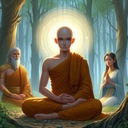
Opening
+at Kaṇṇakatthala
| (derived from B. Sujato 2018/12) | (选自B. Sujato 2018/12) | |
| Evaṃ me sutaṃ— | So I have heard. | 我曾听闻。 |
| ekaṃ samayaṃ bhagavā uruññāyaṃ viharati kaṇṇakatthale migadāye. | At one time the Buddha was staying near Ujuñña, in the deer park at Kaṇṇakatthala. | 一时,佛陀住在乌阇那附近,迦那迦达拉的鹿野苑。 |
| Tena kho pana samayena rājā pasenadi kosalo uruññaṃ anuppatto hoti kenacideva karaṇīyena. | Now at that time King Pasenadi of Kosala had arrived at Ujuñña on some business. | 那时,拘萨罗国波斯匿王因事抵达乌阇那。 |
| Atha kho rājā pasenadi kosalo aññataraṃ purisaṃ āmantesi: | Then he addressed a man: | 然后他对一个人说: |
| “ehi tvaṃ, ambho purisa, yena bhagavā tenupasaṅkama; upasaṅkamitvā mama vacanena bhagavato pāde sirasā vandāhi, appābādhaṃ appātaṅkaṃ lahuṭṭhānaṃ balaṃ phāsuvihāraṃ puccha: ‘rājā, bhante, pasenadi kosalo bhagavato pāde sirasā vandati, appābādhaṃ appātaṅkaṃ lahuṭṭhānaṃ balaṃ phāsuvihāraṃ pucchatī’ti; |
“Please, mister, go to the Buddha, and in my name bow with your head to his feet. Ask him if he is healthy and well, nimble, strong, and living comfortably. | “请你,先生,去见佛陀,以我的名义,五体投地向他顶礼。问他是否健康安好,轻捷有力,生活舒适。 |
| evañca vadehi: | And then say: | 然后说: |
| ‘ajja kira, bhante, rājā pasenadi kosalo pacchābhattaṃ bhuttapātarāso bhagavantaṃ dassanāya upasaṅkamissatī’”ti. | ‘Sir, King Pasenadi of Kosala will come to see you today when he has finished breakfast.’" | ‘世尊,拘萨罗国波斯匿王今天早餐后将来拜见您。’” |
| “Evaṃ, devā”ti kho so puriso rañño pasenadissa kosalassa paṭissutvā yena bhagavā tenupasaṅkami; upasaṅkamitvā bhagavantaṃ abhivādetvā ekamantaṃ nisīdi. Ekamantaṃ nisinno kho so puriso bhagavantaṃ etadavoca: “rājā, bhante, pasenadi kosalo bhagavato pāde sirasā vandati, appābādhaṃ appātaṅkaṃ lahuṭṭhānaṃ balaṃ phāsuvihāraṃ pucchati; evañca vadeti: ‘ajja kira, bhante, rājā pasenadi kosalo pacchābhattaṃ bhuttapātarāso bhagavantaṃ dassanāya upasaṅkamissatī’”ti. |
“Yes, Your Majesty,” that man replied. He did as the king asked. | “遵命,陛下,”那人回答。他照国王的吩咐做了。 |
| Assosuṃ kho somā ca bhaginī sakulā ca bhaginī: “ajja kira rājā pasenadi kosalo pacchābhattaṃ bhuttapātarāso bhagavantaṃ dassanāya upasaṅkamissatī”ti. |
The sisters Somā and Sakulā heard this. | 苏摩和娑俱罗姐妹听到了这个消息。 |
| Atha kho somā ca bhaginī sakulā ca bhaginī rājānaṃ pasenadiṃ kosalaṃ bhattābhihāre upasaṅkamitvā etadavocuṃ: | Then, while the meal was being served, they approached the king and said: | 于是,当饭菜上桌时,她们走近国王说: |
| “tena hi, mahārāja, amhākampi vacanena bhagavato pāde sirasā vandāhi, appābādhaṃ appātaṅkaṃ lahuṭṭhānaṃ balaṃ phāsuvihāraṃ puccha: ‘somā ca, bhante, bhaginī sakulā ca bhaginī bhagavato pāde sirasā vandati, appābādhaṃ appātaṅkaṃ lahuṭṭhānaṃ balaṃ phāsuvihāraṃ pucchatī’”ti. |
“Great king, since you are going to the Buddha, please bow in our name with your head to his feet. Ask him if he is healthy and well, nimble, strong, and living comfortably.” | “大王,既然您要去见佛陀,请以我们的名义,五体投地向他顶礼。问他是否健康安好,轻捷有力,生活舒适。” |
| Atha kho rājā pasenadi kosalo pacchābhattaṃ bhuttapātarāso yena bhagavā tenupasaṅkami; upasaṅkamitvā bhagavantaṃ abhivādetvā ekamantaṃ nisīdi. Ekamantaṃ nisinno kho rājā pasenadi kosalo bhagavantaṃ etadavoca: | When he had finished breakfast, King Pasenadi went to the Buddha, bowed, sat down to one side, and said to him: | 早餐后,波斯匿王去见佛陀,顶礼后坐在一旁,对佛陀说: |
| “somā ca, bhante, bhaginī sakulā ca bhaginī bhagavato pāde sirasā vandati, appābādhaṃ appātaṅkaṃ lahuṭṭhānaṃ balaṃ phāsuvihāraṃ pucchatī”ti. | “Sir, the sisters Somā and Sakulā bow with their heads to your feet. They ask if you are healthy and well, nimble, strong, and living comfortably.” | “世尊,苏摩和娑俱罗姐妹五体投地向您顶礼。她们问您是否健康安好,轻捷有力,生活舒适。” |
| “Kiṃ pana, mahārāja, somā ca bhaginī sakulā ca bhaginī aññaṃ dūtaṃ nālatthun”ti? | “But, great king, couldn’t they get any other messenger?” | “但是,大王,她们难道找不到其他信使吗?” |
| “Assosuṃ kho, bhante, somā ca bhaginī sakulā ca bhaginī: ‘ajja kira rājā pasenadi kosalo pacchābhattaṃ bhuttapātarāso bhagavantaṃ dassanāya upasaṅkamissatī’ti. Atha kho, bhante, somā ca bhaginī sakulā ca bhaginī maṃ bhattābhihāre upasaṅkamitvā etadavocuṃ: ‘tena hi, mahārāja, amhākampi vacanena bhagavato pāde sirasā vandāhi, appābādhaṃ appātaṅkaṃ lahuṭṭhānaṃ balaṃ phāsuvihāraṃ puccha— somā ca bhaginī sakulā ca bhaginī bhagavato pāde sirasā vandati, appābādhaṃ appātaṅkaṃ lahuṭṭhānaṃ balaṃ phāsuvihāraṃ pucchatī’”ti. |
So Pasenadi explained the circumstances of the message. | 于是波斯匿王解释了传话的情况。 |
| “Sukhiniyo hontu tā, mahārāja, somā ca bhaginī sakulā ca bhaginī”ti. | The Buddha said: “May the sisters Somā and Sakulā be happy, great king.” | 佛陀说:“愿苏摩和娑俱罗姐妹平安快乐,大王。” |
| --- | ||
| Atha kho rājā pasenadi kosalo bhagavantaṃ etadavoca: | Then the king said to the Buddha: | 然后国王对佛陀说: |
| “sutaṃ metaṃ, bhante, samaṇo gotamo evamāha: | “I have heard, sir, that the ascetic Gotama says this: | “世尊,我曾听说沙门乔达摩这样说: |
| ‘natthi so samaṇo vā brāhmaṇo vā yo sabbaññū sabbadassāvī aparisesaṃ ñāṇadassanaṃ paṭijānissati, netaṃ ṭhānaṃ vijjatī’ti. | ‘There is no ascetic or brahmin who will claim to be all-knowing and all-seeing, to know and see everything without exception: that is not possible.’ | ‘没有任何沙门或婆罗门会声称自己无所不知、无所不包,无一例外地知晓一切、看到一切:那是不可能的。’ |
| Ye te, bhante, evamāhaṃsu: ‘samaṇo gotamo evamāha—natthi so samaṇo vā brāhmaṇo vā yo sabbaññū sabbadassāvī aparisesaṃ ñāṇadassanaṃ paṭijānissati, netaṃ ṭhānaṃ vijjatī’ti; kacci te, bhante, bhagavato vuttavādino, na ca bhagavantaṃ abhūtena abbhācikkhanti, dhammassa cānudhammaṃ byākaronti, na ca koci sahadhammiko vādānuvādo gārayhaṃ ṭhānaṃ āgacchatī”ti? | Do those who say this repeat what the Buddha has said, and not misrepresent him with an untruth? Is their explanation in line with The Dharma? Are there any legitimate grounds for rebuke and criticism?” | 那些说这话的人是否复述了佛陀所说的话,而没有以虚假不实之言歪曲他?他们的解释是否符合教义?是否有任何正当的理由进行反驳和批评?” |
| “Ye te, mahārāja, evamāhaṃsu: ‘samaṇo gotamo evamāha—natthi so samaṇo vā brāhmaṇo vā yo sabbaññū sabbadassāvī aparisesaṃ ñāṇadassanaṃ paṭijānissati, netaṃ ṭhānaṃ vijjatī’ti; na me te vuttavādino, abbhācikkhanti ca pana maṃ te asatā abhūtenā”ti. | “Great king, those who say this do not repeat what I have said. They misrepresent me with what is false and untrue.” | “大王,那些说这话的人并没有复述我所说的话。他们用虚假不实之言歪曲了我。” |
| --- | ||
| Atha kho rājā pasenadi kosalo viṭaṭūbhaṃ senāpatiṃ āmantesi: | Then King Pasenadi addressed General Viḍūḍabha: | 于是波斯匿王对毘琉璃将军说: |
| “ko nu kho, senāpati, imaṃ kathāvatthuṃ rājantepure abbhudāhāsī”ti? | “General, who introduced this topic of discussion to the royal compound?” | “将军,是谁把这个话题引入王宫的?” |
| “Sañjayo, mahārāja, brāhmaṇo ākāsagotto”ti. | “It was Sañjaya, great king, the brahmin of the Ākāsa clan.” | “是大王,是阿迦萨家族的婆罗门善星。” |
| Atha kho rājā pasenadi kosalo aññataraṃ purisaṃ āmantesi: | Then the king addressed a man: | 然后国王对一个人说: |
| “ehi tvaṃ, ambho purisa, mama vacanena sañjayaṃ brāhmaṇaṃ ākāsagottaṃ āmantehi: | “Please, mister, in my name tell Sañjaya that | “请你,先生,以我的名义告诉善星, |
| ‘rājā taṃ, bhante, pasenadi kosalo āmantetī’”ti. | King Pasenadi summons him.” | 波斯匿王召见他。” |
| “Evaṃ, devā”ti kho so puriso rañño pasenadissa kosalassa paṭissutvā yena sañjayo brāhmaṇo ākāsagotto tenupasaṅkami; upasaṅkamitvā sañjayaṃ brāhmaṇaṃ ākāsagottaṃ etadavoca: | “Yes, Your Majesty,” that man replied. He did as the king asked. | “遵命,陛下,”那人回答。他照国王的吩咐做了。 |
| “rājā taṃ, bhante, pasenadi kosalo āmantetī”ti. | --- | |
| Atha kho rājā pasenadi kosalo bhagavantaṃ etadavoca: | Then the king said to the Buddha: | 然后国王对佛陀说: |
| “siyā nu kho, bhante, bhagavatā aññadeva kiñci sandhāya bhāsitaṃ, tañca jano aññathāpi paccāgaccheyya. | “Sir, might the Buddha have spoken in reference to one thing, but that person believed it was something else? | “世尊,佛陀是否可能指的是一件事,而那个人却误解为另一件事? |
| Yathā kathaṃ pana, bhante, bhagavā abhijānāti vācaṃ bhāsitā”ti? | How then do you recall making this statement?” | 那么您是如何回忆自己说过这句话的呢?” |
| “Evaṃ kho ahaṃ, mahārāja, abhijānāmi vācaṃ bhāsitā: | “Great king, I recall making this statement: | “大王,我记得我说过这句话: |
| ‘natthi so samaṇo vā brāhmaṇo vā yo sakideva sabbaṃ ñassati, sabbaṃ dakkhiti, netaṃ ṭhānaṃ vijjatī’”ti. | ‘There is no ascetic or brahmin who knows all and sees all simultaneously: that is not possible.’” | ‘没有任何沙门或婆罗门能够同时知晓一切、看到一切:那是不可能的。’” |
| “Heturūpaṃ, bhante, bhagavā āha; saheturūpaṃ, bhante, bhagavā āha: ‘natthi so samaṇo vā brāhmaṇo vā yo sakideva sabbaṃ ñassati, sabbaṃ dakkhiti, netaṃ ṭhānaṃ vijjatī’ti. |
“What the Buddha says appears reasonable. | “佛陀所说的话听起来很合理。 |
| Cattārome, bhante, vaṇṇā— | Sir, there are these four classes: | 世尊,有这四种阶级: |
| khattiyā, brāhmaṇā, vessā, suddā. | warrior-nobles, brahmins, merchants, and workers. | 刹帝利、婆罗门、吠舍和首陀罗。 |
| Imesaṃ nu kho, bhante, catunnaṃ vaṇṇānaṃ siyā viseso siyā nānākaraṇan”ti? “Cattārome, mahārāja, vaṇṇā— khattiyā, brāhmaṇā, vessā, suddā. |
Is there any difference between them?” | 它们之间有区别吗?” |
| Imesaṃ kho, mahārāja, catunnaṃ vaṇṇānaṃ dve vaṇṇā aggamakkhāyanti— | “Of the four classes, two are said to be preeminent— | “在这四种阶级中,有两类被认为是卓越的—— |
| khattiyā ca brāhmaṇā ca— | the warrior-nobles and the brahmins. | 刹帝利和婆罗门。 |
| yadidaṃ abhivādanapaccuṭṭhānaañjalikammasāmīcikammānī”ti. | That is, when it comes to bowing down, rising up, greeting with joined palms, and observing proper etiquette.” | 那就是,在顶礼、起身、合掌致敬和遵守适当礼仪方面。” |
| “Nāhaṃ, bhante, bhagavantaṃ diṭṭhadhammikaṃ pucchāmi; | “Sir, I am not asking you about the present life, | “世尊,我不是在问您今生, |
| samparāyikāhaṃ, bhante, bhagavantaṃ pucchāmi. Cattārome, bhante, vaṇṇā— khattiyā, brāhmaṇā, vessā, suddā. Imesaṃ nu kho, bhante, catunnaṃ vaṇṇānaṃ siyā viseso siyā nānākaraṇan”ti? |
but about the life to come.” | 而是来世。” |
| “Pañcimāni, mahārāja, padhāniyaṅgāni. | “Great king, there are these five factors that support meditation. | “大王,有这五种支持禅修的因素。 |
| Katamāni pañca? | What five? | 哪五种? |
| Idha, mahārāja, bhikkhu saddho hoti, saddahati tathāgatassa bodhiṃ: | It’s when a monk has justifiable-trust in the Realized One’s awakening: | 那就是比丘对如来的觉悟有信心: |
| ‘itipi so bhagavā arahaṃ sammāsambuddho vijjācaraṇasampanno sugato lokavidū anuttaro purisadammasārathi satthā devamanussānaṃ buddho bhagavā’ti; | ‘That Blessed One is perfected, a fully awakened Buddha, accomplished in knowledge and conduct, holy, knower of the world, supreme guide for those who wish to train, teacher of gods and humans, awakened, blessed.’ | ‘那位世尊是圆满者,一位完全觉悟的佛陀,明行具足,善逝,世间解,无上士,调御丈夫,天人师,佛,世尊。’ |
| appābādho hoti appātaṅko samavepākiniyā gahaṇiyā samannāgato nātisītāya nāccuṇhāya majjhimāya padhānakkhamāya; | They are rarely ill or unwell. Their stomach digests well, being neither too hot nor too cold, but just right, and fit for meditation. | 他们很少生病或不适。他们的胃消化良好,既不太热也不太冷,恰到好处,适合禅修。 |
| asaṭho hoti amāyāvī yathābhūtaṃ attānaṃ āvikattā satthari vā viññūsu vā sabrahmacārīsu; | They’re not devious or deceitful. They reveal themselves honestly to the Teacher or sensible spiritual companions. | 他们不狡猾或欺诈。他们向老师或明智的灵性同伴坦诚相待。 |
| āraddhavīriyo viharati akusalānaṃ dhammānaṃ pahānāya, kusalānaṃ dhammānaṃ upasampadāya, thāmavā daḷhaparakkamo anikkhittadhuro kusalesu dhammesu; | They live with vigor roused up for giving up unskillful Dharmas and gaining skillful Dharmas. They’re strong, staunchly vigorous, not slacking off when it comes to developing skillful Dharmas. | 他们以精进的心住着,为了舍弃不善法和获得善法而振奋起来。他们强壮、坚韧、精进,在发展善法方面不懈怠。 |
| paññavā hoti udayatthagāminiyā paññāya samannāgato ariyāya nibbedhikāya sammādukkhakkhayagāminiyā— | They’re wise. They have the wisdom of arising and passing away which is noble, penetrative, and leads to the complete ending of suffering. | 他们有智慧。他们拥有生灭的智慧,这种智慧是圣洁的,具有穿透力,并能导致苦的完全止息。 |
| imāni kho, mahārāja, pañca padhāniyaṅgāni. | These are the five factors that support meditation. | 这些是支持禅修的五种因素。 |
| Cattārome, mahārāja, vaṇṇā— | There are these four classes: | 有这四种阶级: |
| khattiyā, brāhmaṇā, vessā, suddā. | warrior-nobles, brahmins, merchants, and workers. | 刹帝利、婆罗门、吠舍和首陀罗。 |
| Te cassu imehi pañcahi padhāniyaṅgehi samannāgatā; | If they had these five factors that support meditation, | 如果他们具备这五种支持禅修的因素, |
| ettha pana nesaṃ assa dīgharattaṃ hitāya sukhāyā”ti. | that would be for their lasting welfare and happiness.” | 那将对他们带来长久的福祉和快乐。” |
| “Cattārome, bhante, vaṇṇā— | “Sir, there are these four classes: | “世尊,有这四种阶级: |
| khattiyā, brāhmaṇā, vessā, suddā. | warrior-nobles, brahmins, merchants, and workers. | 刹帝利、婆罗门、吠舍和首陀罗。 |
| Te cassu imehi pañcahi padhāniyaṅgehi samannāgatā; | If they had these five factors that support meditation, | 如果他们具备这五种支持禅修的因素, |
| ettha pana nesaṃ, bhante, siyā viseso siyā nānākaraṇan”ti? | would there be any difference between them?” | 它们之间会有区别吗?” |
| “Ettha kho nesāhaṃ, mahārāja, padhānavemattataṃ vadāmi. | “In that case, I say it is the diversity of their efforts in meditation. | “那样的话,我说是他们禅修努力的多样性。 |
| Seyyathāpissu, mahārāja, dve hatthidammā vā assadammā vā godammā vā sudantā suvinītā, dve hatthidammā vā assadammā vā godammā vā adantā avinītā. | Suppose there was a pair of elephants or horses or oxen in training who were well tamed and well trained. And there was a pair who were not tamed or trained. | 假设有一对训练有素、驯服得很好的大象、马或牛。还有一对没有驯服或训练过的。 |
| Taṃ kiṃ maññasi, mahārāja, | What do you think, great king? | 大王,您觉得呢? |
| ye te dve hatthidammā vā assadammā vā godammā vā sudantā suvinītā, api nu te dantāva dantakāraṇaṃ gaccheyyuṃ, dantāva dantabhūmiṃ sampāpuṇeyyun”ti? | Wouldn’t the pair that was well tamed and well trained perform the tasks of the tamed, and reach the level of the tamed?” | 那对驯服得很好的动物,是否会完成驯服动物的任务,达到驯服动物的水平?” |
| “Evaṃ, bhante”. | “Yes, sir.” | “是的,世尊。” |
| “Ye pana te dve hatthidammā vā assadammā vā godammā vā adantā avinītā, api nu te adantāva dantakāraṇaṃ gaccheyyuṃ, adantāva dantabhūmiṃ sampāpuṇeyyuṃ, seyyathāpi te dve hatthidammā vā assadammā vā godammā vā sudantā suvinītā”ti? | “But would the pair that was not tamed and trained perform the tasks of the tamed and reach the level of the tamed, just like the tamed pair?” | “但是那对没有驯服和训练过的动物,是否会像驯服过的动物一样,完成驯服动物的任务,达到驯服动物的水平呢?” |
| “No hetaṃ, bhante”. | “No, sir.” | “不,世尊。” |
| “Evameva kho, mahārāja, yaṃ taṃ saddhena pattabbaṃ appābādhena asaṭhena amāyāvinā āraddhavīriyena paññavatā, taṃ vata assaddho bahvābādho saṭho māyāvī kusīto duppañño pāpuṇissatīti—netaṃ ṭhānaṃ vijjatī”ti. | “In the same way, there are things that must be attained by someone with justifiable-trust, health, integrity, vigor, and wisdom. It’s not possible for a justifiable-trustless, unhealthy, deceitful, lazy, witless person to attain them.” | “同样地,有些事情必须由有信心、健康、正直、精进和智慧的人才能达到。对于一个没有信心、不健康、狡猾、懒惰、愚笨的人来说,那是不可能达到的。” |
| --- | ||
| “Heturūpaṃ, bhante, bhagavā āha; saheturūpaṃ, bhante, bhagavā āha. | “What the Buddha says appears reasonable. | “佛陀所说的话听起来很合理。 |
| Cattārome, bhante, vaṇṇā— | Sir, there are these four classes: | 世尊,有这四种阶级: |
| khattiyā, brāhmaṇā, vessā, suddā. | warrior-nobles, brahmins, merchants, and workers. | 刹帝利、婆罗门、吠舍和首陀罗。 |
| Te cassu imehi pañcahi padhāniyaṅgehi samannāgatā te cassu sammappadhānā; | If they had these five factors that support meditation, and if they practiced rightly, | 如果他们具备这五种支持禅修的因素,并且修行得当, |
| ettha pana nesaṃ, bhante, siyā viseso siyā nānākaraṇan”ti? | would there be any difference between them?” | 它们之间会有区别吗?” |
| “Ettha kho nesāhaṃ, mahārāja, na kiñci nānākaraṇaṃ vadāmi—yadidaṃ vimuttiyā vimuttiṃ. | “In that case, I say that there is no difference between the freedom of one and the freedom of the other. | “那样的话,我说是解脱与解脱之间没有区别。 |
| Seyyathāpi, mahārāja, puriso sukkhaṃ sākakaṭṭhaṃ ādāya aggiṃ abhinibbatteyya, tejo pātukareyya; | Suppose a person took dry teak wood and lit a fire and produced heat. | 假设一个人拿起干燥的柚木,生火并产生热量。 |
| athāparo puriso sukkhaṃ sālakaṭṭhaṃ ādāya aggiṃ abhinibbatteyya, tejo pātukareyya; | Then another person did the same using sāl wood, | 然后另一个人用娑罗木也做了同样的事, |
| athāparo puriso sukkhaṃ ambakaṭṭhaṃ ādāya aggiṃ abhinibbatteyya, tejo pātukareyya; | another used mango wood, | 另一个人用芒果木, |
| athāparo puriso sukkhaṃ udumbarakaṭṭhaṃ ādāya aggiṃ abhinibbatteyya, tejo pātukareyya. | while another used wood of the cluster fig. | 而另一个人用聚果榕的木头。 |
| Taṃ kiṃ maññasi, mahārāja, | What do you think, great king? | 大王,您觉得呢? |
| siyā nu kho tesaṃ aggīnaṃ nānādāruto abhinibbattānaṃ kiñci nānākaraṇaṃ acciyā vā acciṃ, vaṇṇena vā vaṇṇaṃ, ābhāya vā ābhan”ti? | Would there be any difference between the fires produced by these different kinds of wood, that is, in the flame, color, or light?” | 这些不同种类的木头产生的火焰,即火焰、颜色或光线之间会有任何区别吗?” |
| “No hetaṃ, bhante”. | “No, sir.” | “不,世尊。” |
| “Evameva kho, mahārāja, yaṃ taṃ tejaṃ vīriyā nimmathitaṃ padhānābhinibbattaṃ, nāhaṃ tattha kiñci nānākaraṇaṃ vadāmi—yadidaṃ vimuttiyā vimuttin”ti. | “In the same way, when fire has been kindled by vigor and produced by effort, I say that there is no difference between the freedom of one and the freedom of the other.” | “同样地,当火被精进所燃起,由努力所产生时,我说解脱与解脱之间没有区别。” |
| “Heturūpaṃ, bhante, bhagavā āha; saheturūpaṃ, bhante, bhagavā āha. | “What the Buddha says appears reasonable. | “佛陀所说的话听起来很合理。 |
| Kiṃ pana, bhante, atthi devā”ti? | But sir, do gods absolutely exist?” | 但是世尊,天神是否绝对存在?” |
| “Kiṃ pana tvaṃ, mahārāja, evaṃ vadesi: ‘kiṃ pana, bhante, atthi devā’”ti? |
“But what exactly are you asking?” | “但是您究竟在问什么?” |
| “Yadi vā te, bhante, devā āgantāro itthattaṃ yadi vā anāgantāro itthattaṃ”? | “Whether those gods come back to this state of existence or not.” | “那些天神是否会回到这种存在状态。” |
| “Ye te, mahārāja, devā sabyābajjhā te devā āgantāro itthattaṃ, ye te devā abyābajjhā te devā anāgantāro itthattan”ti. | “Those gods who are subject to affliction come back to this state of existence, but those free of affliction do not come back.” | “那些受苦的天神会回到这种存在状态,但那些不受苦的天神则不会回来。” |
| --- | ||
| Evaṃ vutte, viṭaṭūbho senāpati bhagavantaṃ etadavoca: | When he said this, General Viḍūḍabha said to the Buddha: | 他说完后,毘琉璃将军对佛陀说: |
| “ye te, bhante, devā sabyābajjhā āgantāro itthattaṃ te devā, ye te devā abyābajjhā anāgantāro itthattaṃ te deve tamhā ṭhānā cāvessanti vā pabbājessanti vā”ti? | “Sir, will the gods subject to affliction topple or expel from their place the gods who are free of affliction?” | “世尊,那些受苦的天神会被他们的……颠覆或驱逐吗?” |
| Atha kho āyasmato ānandassa etadahosi: | Then Venerable Ānanda thought: | 那时,尊者阿难心想: |
| “ayaṃ kho viṭaṭūbho senāpati rañño pasenadissa kosalassa putto; | “This General Viḍūḍabha is King Pasenadi’s son, | “毗琉璃将军是波斯匿王的儿子, |
| ahaṃ bhagavato putto. | and I am the Buddha’s son. | 我是佛陀的儿子。 |
| Ayaṃ kho kālo yaṃ putto puttena manteyyā”ti. | Now is the time for one son to confer with another.” | 现在是一个儿子与另一个儿子商议的时候了。” |
| Atha kho āyasmā ānando viṭaṭūbhaṃ senāpatiṃ āmantesi: | Then Ānanda addressed General Viḍūḍabha: | 于是阿难对毗琉璃将军说: |
| “tena hi, senāpati, taññevettha paṭipucchissāmi; yathā te khameyya tathā naṃ byākareyyāsi. | “Well then, general, I’ll ask you about this in return, and you can answer as you like. | “那么,将军,我反过来问你,你可以随意回答。 |
| Taṃ kiṃ maññasi, senāpati, | What do you think, general? | 将军,你认为呢? |
| yāvatā rañño pasenadissa kosalassa vijitaṃ yattha ca rājā pasenadi kosalo issariyādhipaccaṃ rajjaṃ kāreti, pahoti tattha rājā pasenadi kosalo samaṇaṃ vā brāhmaṇaṃ vā puññavantaṃ vā apuññavantaṃ vā brahmacariyavantaṃ vā abrahmacariyavantaṃ vā tamhā ṭhānā cāvetuṃ vā pabbājetuṃ vā”ti? | As far as the dominion of King Pasenadi of Kosala extends, where he rules as sovereign lord, can he topple or expel from that place any ascetic or brahmin, regardless of whether they are good or bad, or whether or not they are genuine spiritual practitioners?” | 在拘萨罗国波斯匿王的统治范围内,他作为主权领主统治的地方,他能推翻或驱逐任何沙门或婆罗门吗,无论他们是好是坏,或者他们是否是真正的修行者?” |
| “Yāvatā, bho, rañño pasenadissa kosalassa vijitaṃ yattha ca rājā pasenadi kosalo issariyādhipaccaṃ rajjaṃ kāreti, pahoti tattha rājā pasenadi kosalo samaṇaṃ vā brāhmaṇaṃ vā puññavantaṃ vā apuññavantaṃ vā brahmacariyavantaṃ vā abrahmacariyavantaṃ vā tamhā ṭhānā cāvetuṃ vā pabbājetuṃ vā”ti. | “He can, mister.” | “他能,先生。” |
| “Taṃ kiṃ maññasi, senāpati, | “What do you think, general? | “将军,你认为呢? |
| yāvatā rañño pasenadissa kosalassa avijitaṃ yattha ca rājā pasenadi kosalo na issariyādhipaccaṃ rajjaṃ kāreti, tattha pahoti rājā pasenadi kosalo samaṇaṃ vā brāhmaṇaṃ vā puññavantaṃ vā apuññavantaṃ vā brahmacariyavantaṃ vā abrahmacariyavantaṃ vā tamhā ṭhānā cāvetuṃ vā pabbājetuṃ vā”ti? | As far as the dominion of King Pasenadi does not extend, where he does not rule as sovereign lord, can he topple or expel from that place any ascetic or brahmin, regardless of whether they are good or bad, or whether or not they are genuine spiritual practitioners?” | 在拘萨罗国波斯匿王统治范围之外,他不是主权领主的地方,他能推翻或驱逐那里的任何沙门或婆罗门吗,无论他们是好是坏,或者他们是否是真正的修行者?” |
| “Yāvatā, bho, rañño pasenadissa kosalassa avijitaṃ yattha ca rājā pasenadi kosalo na issariyādhipaccaṃ rajjaṃ kāreti, na tattha pahoti rājā pasenadi kosalo samaṇaṃ vā brāhmaṇaṃ vā puññavantaṃ vā apuññavantaṃ vā brahmacariyavantaṃ vā abrahmacariyavantaṃ vā tamhā ṭhānā cāvetuṃ vā pabbājetuṃ vā”ti. | “He cannot, mister.” | “他不能,先生。” |
| “Taṃ kiṃ maññasi, senāpati, | “What do you think, general? | “将军,你认为呢? |
| sutā te devā tāvatiṃsā”ti? | Have you heard of the gods of the Thirty-Three?” | 你听说过三十三天吗?” |
| “Evaṃ, bho. | “Yes, mister, | “是的,先生, |
| Sutā me devā tāvatiṃsā. | I’ve heard of them, | 我听说过, |
| Idhāpi bhotā raññā pasenadinā kosalena sutā devā tāvatiṃsā”ti. | and so has King Pasenadi.” | 波斯匿王也听说过。” |
| “Taṃ kiṃ maññasi, senāpati, | “What do you think, general? | “将军,你认为呢? |
| pahoti rājā pasenadi kosalo deve tāvatiṃse tamhā ṭhānā cāvetuṃ vā pabbājetuṃ vā”ti? | Can King Pasenadi topple or expel from their place the gods of the Thirty-Three?” | 波斯匿王能推翻或驱逐三十三天吗?” |
| “Dassanampi, bho, rājā pasenadi kosalo deve tāvatiṃse nappahoti, kuto pana tamhā ṭhānā cāvessati vā pabbājessati vā”ti? | “King Pasenadi can’t even see the gods of the Thirty-Three, so how could he possibly topple or expel them from their place?” | “波斯匿王连三十三天都看不见,他怎么可能推翻或驱逐他们呢?” |
| “Evameva kho, senāpati, ye te devā sabyābajjhā āgantāro itthattaṃ te devā, ye te devā abyābajjhā anāgantāro itthattaṃ te deve dassanāyapi nappahonti; kuto pana tamhā ṭhānā cāvessanti vā pabbājessanti vā”ti? | “In the same way, general, the gods subject to affliction can’t even see the gods who are free of affliction, so how could they possibly topple or expel them from their place?” | “同样,将军,受苦的众生连不受苦的众生都看不见,他们怎么可能推翻或驱逐他们呢?” |
| Atha kho rājā pasenadi kosalo bhagavantaṃ etadavoca: | Then the king said to the Buddha: | 那时,国王对佛陀说: |
| “konāmo ayaṃ, bhante, bhikkhū”ti? | “Sir, what is this monk’s name?” | “先生,这位比丘叫什么名字?” |
| “Ānando nāma, mahārājā”ti. | “Ānanda, great king.” | “阿难,大王。” |
| “Ānando vata bho, ānandarūpo vata bho. | “A joy he is, and a joy he seems! | “他带来喜悦,他看起来也令人喜悦! |
| Heturūpaṃ, bhante, āyasmā ānando āha; saheturūpaṃ, bhante, āyasmā ānando āha. | What Venerable Ānanda says seems reasonable. | 尊者阿难所说的似乎合情合理。 |
| Kiṃ pana, bhante, atthi brahmā”ti? | But sir, does Brahmā absolutely exist?” | 但是先生,梵天绝对存在吗?” |
| “Kiṃ pana tvaṃ, mahārāja, evaṃ vadesi: ‘kiṃ pana, bhante, atthi brahmā’”ti? |
“But what exactly are you asking?” | “但是你到底在问什么?” |
| “Yadi vā so, bhante, brahmā āgantā itthattaṃ, yadi vā anāgantā itthattan”ti? | “Whether that Brahmā comes back to this state of existence or not.” | “那个梵天是否会回到这种存在状态。” |
| “Yo so, mahārāja, brahmā sabyābajjho so brahmā āgantā itthattaṃ, yo so brahmā abyābajjho so brahmā anāgantā itthattan”ti. | “Any Brahmā who is subject to affliction comes back to this state of existence, but those free of affliction do not come back.” | “任何受苦的梵天都会回到这种存在状态,但那些不受苦的则不会回来。” |
| Atha kho aññataro puriso rājānaṃ pasenadiṃ kosalaṃ etadavoca: | Then a certain man said to the king: | 这时,某人对国王说: |
| “sañjayo, mahārāja, brāhmaṇo ākāsagotto āgato”ti. | “Great king, Sañjaya, the brahmin of the Ākāsa clan, has come.” | “大王,阿迦奢家族的婆罗门散若耶来了。” |
| Atha kho rājā pasenadi kosalo sañjayaṃ brāhmaṇaṃ ākāsagottaṃ etadavoca: | Then King Pasenadi asked Sañjaya: | 于是波斯匿王问散若耶: |
| “ko nu kho, brāhmaṇa, imaṃ kathāvatthuṃ rājantepure abbhudāhāsī”ti? | “Brahmin, who introduced this topic of discussion to the royal compound?” | “婆罗门,是谁在王宫里提出了这个话题?” |
| “Viṭaṭūbho, mahārāja, senāpatī”ti. | “It was General Viḍūḍabha, great king.” | “是毗琉璃将军,大王。” |
| Viṭaṭūbho senāpati evamāha: | But Viḍūḍabha said: | 但毗琉璃说: |
| “sañjayo, mahārāja, brāhmaṇo ākāsagotto”ti. | “It was Sañjaya, great king, the brahmin of the Ākāsa clan.” | “是散若耶,大王,阿迦奢家族的婆罗门。” |
| Atha kho aññataro puriso rājānaṃ pasenadiṃ kosalaṃ etadavoca: | Then a certain man said to the king: | 这时,某人对国王说: |
| “yānakālo, mahārājā”ti. | “It’s time to depart, great king.” | “大王,该走了。” |
| Atha kho rājā pasenadi kosalo bhagavantaṃ etadavoca: | Then the king said to the Buddha: | 那时,国王对佛陀说: |
| “sabbaññutaṃ mayaṃ, bhante, bhagavantaṃ apucchimhā, sabbaññutaṃ bhagavā byākāsi; | “Sir, I asked you about omniscience, and you answered. | “先生,我问你关于一切智,你回答了。 |
| tañca panamhākaṃ ruccati ceva khamati ca, tena camhā attamanā. | I approve and accept this, and am satisfied with it. | 我赞同并接受这个,并对此感到满意。 |
| Cātuvaṇṇisuddhiṃ mayaṃ, bhante, bhagavantaṃ apucchimhā, cātuvaṇṇisuddhiṃ bhagavā byākāsi; tañca panamhākaṃ ruccati ceva khamati ca, tena camhā attamanā. |
I asked you about the four classes, | 我问你关于四个阶级, |
| Adhideve mayaṃ, bhante, bhagavantaṃ apucchimhā, adhideve bhagavā byākāsi; tañca panamhākaṃ ruccati ceva khamati ca, tena camhā attamanā. |
about the gods, | 关于诸天, |
| Adhibrahmānaṃ mayaṃ, bhante, bhagavantaṃ apucchimhā, adhibrahmānaṃ bhagavā byākāsi; tañca panamhākaṃ ruccati ceva khamati ca, tena camhā attamanā. |
and about Brahmā, and you answered in each case. | 以及关于梵天,你都一一回答了。 |
| Yaṃ yadeva ca mayaṃ bhagavantaṃ apucchimhā taṃ tadeva bhagavā byākāsi; | Whatever I asked the Buddha about, he answered. | 无论我问佛陀什么,他都回答了。 |
| tañca panamhākaṃ ruccati ceva khamati ca, tena camhā attamanā. | I approve and accept this, and am satisfied with it. | 我赞同并接受这个,并对此感到满意。 |
| Handa ca dāni mayaṃ, bhante, gacchāma; | Well, now, sir, I must go. | 那么,现在,先生,我必须走了。 |
| bahukiccā mayaṃ bahukaraṇīyā”ti. | I have many duties, and much to do.” | 我有很多职责,有很多事情要做。” |
| “Yassadāni tvaṃ, mahārāja, kālaṃ maññasī”ti. | “Please, great king, go at your convenience.” | “请,大王,随意去吧。” |
| Atha kho rājā pasenadi kosalo bhagavato bhāsitaṃ abhinanditvā anumoditvā uṭṭhāyāsanā bhagavantaṃ abhivādetvā padakkhiṇaṃ katvā pakkāmīti. | Then King Pasenadi approved and agreed with what the Buddha said. Then he got up from his seat, bowed, and respectfully circled the Buddha, keeping him on his right, before leaving. | 于是波斯匿王赞同并同意佛陀所说的。然后他从座位上站起来,合掌,恭敬地右绕佛陀,然后离开。 |
❧
+Vagga 10 Brāhmaṇa: brahmins
all
+MN 91 Brahmāyu:
Brahmāyu
all
Brahmāyu

Opening
+with Brahmāyu
| Evaṃ me sutaṃ— | (derived from B. Sujato 2018/12) | (摘自B. Sujato 2018/12) |
| ekaṃ samayaṃ bhagavā videhesu cārikaṃ carati mahatā bhikkhusaṃghena saddhiṃ pañcamattehi bhikkhusatehi. | So I have heard. | 我曾听闻。 |
| Tena kho pana samayena brahmāyu brāhmaṇo mithilāyaṃ paṭivasati jiṇṇo vuḍḍho mahallako addhagato vayoanuppatto, vīsavassasatiko jātiyā, tiṇṇaṃ vedānaṃ pāragū sanighaṇḍukeṭubhānaṃ sākkharappabhedānaṃ itihāsapañcamānaṃ, padako, veyyākaraṇo, lokāyatamahāpurisalakkhaṇesu anavayo. | Now at that time the brahmin Brahmāyu was residing in Mithilā. He was old, elderly, and senior, advanced in years, having reached the final stage of life; he was a hundred and twenty years old. He was an expert in the three Vedas, together with their vocabularies, ritual, phonology and etymology, and the testament as fifth. He knew philology and grammar, and was well versed in cosmology and the marks of a great man. | 那时,婆罗门梵天达多住在弥提罗。他年老、年迈、高寿,已届晚年;他一百二十岁了。他精通三吠陀,连同其词汇、仪式、语音学和词源学,并以第五的契经。他精通语文学和语法,并且精通宇宙学和大丈夫相。 |
| Assosi kho brahmāyu brāhmaṇo: | He heard: | 他听闻: |
| “samaṇo khalu bho, gotamo sakyaputto sakyakulā pabbajito videhesu cārikaṃ carati mahatā bhikkhusaṃghena saddhiṃ pañcamattehi bhikkhusatehi. | “It seems the ascetic Gotama—a Sakyan, gone forth from a Sakyan family—is wandering in the land of the Videhans, together with a large Saṅgha of around five hundred monks. | “沙门乔达摩——一位释迦族的沙门,从释迦族出家——似乎在毗提诃国游方,与大约五百名比丘的大僧伽在一起。 |
| Taṃ kho pana bhavantaṃ gotamaṃ evaṃ kalyāṇo kittisaddo abbhuggato: | He has this good reputation: | 他有这样的好名声: |
| ‘itipi so bhagavā arahaṃ sammāsambuddho vijjācaraṇasampanno sugato lokavidū anuttaro purisadammasārathi satthā devamanussānaṃ buddho bhagavā’ti. | ‘That Blessed One is perfected, a fully awakened Buddha, accomplished in knowledge and conduct, holy, knower of the world, supreme guide for those who wish to train, teacher of gods and humans, awakened, blessed.’ | ‘那位世尊是阿罗汉,正等正觉,明行足,善逝,世间解,无上士,调御丈夫,天人师,佛,世尊。’ |
| So imaṃ lokaṃ sadevakaṃ samārakaṃ sabrahmakaṃ sassamaṇabrāhmaṇiṃ pajaṃ sadevamanussaṃ sayaṃ abhiññā sacchikatvā pavedeti. | He has realized with his own insight this world—with its gods, Māras and Brahmās, this population with its ascetics and brahmins, gods and humans—and he makes it known to others. | 他以自己的洞察力证悟了此世——连同其诸天、魔罗和梵天,以及此世的沙门、婆罗门、天人和人类——并将其告知他人。 |
| So dhammaṃ deseti ādikalyāṇaṃ majjhekalyāṇaṃ pariyosānakalyāṇaṃ sātthaṃ sabyañjanaṃ, kevalaparipuṇṇaṃ parisuddhaṃ brahmacariyaṃ pakāseti. | He explains a teaching that’s good in the beginning, good in the middle, and good in the end, meaningful and well-phrased. And he reveals a spiritual practice that’s entirely full and pure. | 他解释的教法在开始时是好的,在中间是好的,在结尾时也是好的,有意义且措辞优美。他揭示了一种完全圆满和纯粹的精神修行。 |
| Sādhu kho pana tathārūpānaṃ arahataṃ dassanaṃ hotī”ti. | It’s good to see such perfected ones.” | 能见到这样的阿罗汉是件好事。” |
| Tena kho pana samayena brahmāyussa brāhmaṇassa uttaro nāma māṇavo antevāsī hoti tiṇṇaṃ vedānaṃ pāragū sanighaṇḍukeṭubhānaṃ sākkharappabhedānaṃ itihāsapañcamānaṃ, padako, veyyākaraṇo, lokāyatamahāpurisalakkhaṇesu anavayo. | Now at that time the brahmin Brahmāyu had a student named Uttara. He too was an expert in the three Vedas, etc. | 那时,婆罗门梵天达多有一个名叫郁多罗的学生。他同样精通三吠陀等。 |
| Atha kho brahmāyu brāhmaṇo uttaraṃ māṇavaṃ āmantesi: “ayaṃ, tāta uttara, samaṇo gotamo sakyaputto sakyakulā pabbajito videhesu cārikaṃ carati mahatā bhikkhusaṃghena saddhiṃ pañcamattehi bhikkhusatehi. Taṃ kho pana bhavantaṃ gotamaṃ evaṃ kalyāṇo kittisaddo abbhuggato: ‘itipi so bhagavā arahaṃ sammāsambuddho … pe … sādhu kho pana tathārūpānaṃ arahataṃ dassanaṃ hotī’ti. |
Then Brahmāyu told Uttara of the Buddha’s presence in the land of the Videhans, and added: | 于是梵天达多将佛陀在毗提诃国的事告诉了郁多罗,并补充道: |
| Ehi tvaṃ, tāta uttara, yena samaṇo gotamo tenupasaṅkama; upasaṅkamitvā samaṇaṃ gotamaṃ jānāhi, yadi vā taṃ bhavantaṃ gotamaṃ tathā santaṃyeva saddo abbhuggato, yadi vā no tathā; yadi vā so bhavaṃ gotamo tādiso, yadi vā na tādiso. |
“Please, dear Uttara, go to the ascetic Gotama and find out whether or not he lives up to his reputation. | “亲爱的郁多罗,请去沙门乔达摩那里,看看他是否名副其实。 |
| Tathā mayaṃ taṃ bhavantaṃ gotamaṃ vedissāmā”ti. | Through you I shall learn about Master Gotama.” | 通过你,我将了解乔达摩大师。” |
| “Yathā kathaṃ panāhaṃ, bho, taṃ bhavantaṃ gotamaṃ jānissāmi yadi vā taṃ bhavantaṃ gotamaṃ tathā santaṃyeva saddo abbhuggato, yadi vā no tathā; yadi vā so bhavaṃ gotamo tādiso, yadi vā na tādiso”ti. |
“But sir, how shall I find out whether or not the ascetic Gotama lives up to his reputation?” | “但是先生,我如何才能知道沙门乔达摩是否名副其实呢?” |
| “Āgatāni kho, tāta uttara, amhākaṃ mantesu dvattiṃsamahāpurisalakkhaṇāni, yehi samannāgatassa mahāpurisassa dveyeva gatiyo bhavanti anaññā. | “Dear Uttara, the thirty-two marks of a great man have been handed down in our hymns. A great man who possesses these has only two possible destinies, no other. | “亲爱的郁多罗,我们赞颂的圣歌中流传着三十二大丈夫相。一个拥有这些相的伟人只有两种可能的命运,没有其他。 |
| Sace agāraṃ ajjhāvasati, rājā hoti cakkavattī dhammiko dhammarājā cāturanto vijitāvī janapadatthāvariyappatto sattaratanasamannāgato. | If he stays at home he becomes a king, a wheel-turning monarch, a just and Dharmic king. His dominion extends to all four sides, he achieves stability in the country, and he possesses the seven treasures. | 如果他留在家里,他就会成为国王,转轮圣王,一位公正而有原则的国王。他的统治范围遍及四方,他在国内取得了稳定,并拥有七宝。 |
| Tassimāni satta ratanāni bhavanti, seyyathidaṃ— | He has the following seven treasures: | 他拥有以下七宝: |
| cakkaratanaṃ, hatthiratanaṃ, assaratanaṃ, maṇiratanaṃ, itthiratanaṃ, gahapatiratanaṃ, pariṇāyakaratanameva sattamaṃ. | the wheel, the elephant, the horse, the jewel, the woman, the treasurer, and the counselor as the seventh treasure. | 轮宝、象宝、马宝、珠宝、女宝、居士宝和第七的将士宝。 |
| Parosahassaṃ kho panassa puttā bhavanti sūrā vīraṅgarūpā parasenappamaddanā. | He has over a thousand sons who are valiant and heroic, crushing the armies of his enemies. | 他有一千多个儿子,他们勇猛善战,击溃敌人的军队。 |
| So imaṃ pathaviṃ sāgarapariyantaṃ adaṇḍena asatthena dhammena abhivijiya ajjhāvasati. | After conquering this land girt by sea, he reigns by dharma, without rod or sword. | 征服了这片被海洋环绕的土地后,他以原则统治,不持棍棒或刀剑。 |
| Sace kho pana agārasmā anagāriyaṃ pabbajati, arahaṃ hoti sammāsambuddho loke vivaṭṭacchado. | But if he goes forth from the lay life to homelessness, he becomes a perfected one, a fully awakened Buddha, who draws back the veil from the world. | 但如果他出家离家,他就会成为阿罗汉,一位正等正觉,揭开世界面纱的人。 |
| Ahaṃ kho pana, tāta uttara, mantānaṃ dātā; | But, dear Uttara, I am the one who gives the hymns, | 但是,亲爱的郁多罗,我是传授圣歌的人, |
| tvaṃ mantānaṃ paṭiggahetā”ti. | and you are the one who receives them.” | 而你是接受它们的人。” |
| “Evaṃ, bho”ti kho uttaro māṇavo brahmāyussa brāhmaṇassa paṭissutvā uṭṭhāyāsanā brahmāyuṃ brāhmaṇaṃ abhivādetvā padakkhiṇaṃ katvā videhesu yena bhagavā tena cārikaṃ pakkāmi. | “Yes, sir,” replied Uttara. He got up from his seat, bowed, and respectfully circled Brahmāyu before setting out for the land of the Videhans where the Buddha was wandering. | “好的,先生。”郁多罗回答。他从座位上站起来,合掌,恭敬地右绕梵天达多,然后前往佛陀正在游方的毗提诃国。 |
| Anupubbena cārikaṃ caramāno yena bhagavā tenupasaṅkami; upasaṅkamitvā bhagavatā saddhiṃ sammodi. | Traveling stage by stage, he came to the Buddha and exchanged greetings with him. | 他一步一步地旅行,来到佛陀面前,与他互致问候。 |
| Sammodanīyaṃ kathaṃ sāraṇīyaṃ vītisāretvā ekamantaṃ nisīdi. | When the greetings and polite conversation were over, he sat down to one side, | 问候和礼貌的交谈结束后,他坐在一边, |
| Ekamantaṃ nisinno kho uttaro māṇavo bhagavato kāye dvattiṃsamahāpurisalakkhaṇāni samannesi. | and scrutinized his body for the thirty-two marks of a great man. | 仔细检查佛陀身体上的三十二大丈夫相。 |
| Addasā kho uttaro māṇavo bhagavato kāye dvattiṃsamahāpurisalakkhaṇāni, yebhuyyena thapetvā dve. | He saw all of them except for two, | 他看到了所有相,除了两相, |
| Dvīsu mahāpurisalakkhaṇesu kaṅkhati vicikicchati nādhimuccati na sampasīdati— | which he had doubts about: | 他对此有疑问: |
| kosohite ca vatthaguyhe pahūtajivhatāya ca. | whether the private parts are retracted, and the largeness of the tongue. | 私处是否隐匿,以及舌头的大小。 |
| Atha kho bhagavato etadahosi: | Then it occurred to the Buddha: | 那时佛陀心想: |
| “passati kho me ayaṃ uttaro māṇavo dvattiṃsamahāpurisalakkhaṇāni, yebhuyyena thapetvā dve. | “This brahmin student Uttara sees all the marks except for two, | “这位婆罗门学生郁多罗看到了所有相,除了两相, |
| Dvīsu mahāpurisalakkhaṇesu kaṅkhati vicikicchati nādhimuccati na sampasīdati— | which he has doubts about: | 他对此有疑问: |
| kosohite ca vatthaguyhe pahūtajivhatāya cā”ti. | whether the private parts are retracted, and the largeness of the tongue.” | 私处是否隐匿,以及舌头的大小。” |
| Atha kho bhagavā tathārūpaṃ iddhābhisaṅkhāraṃ abhisaṅkhāsi yathā addasa uttaro māṇavo bhagavato kosohitaṃ vatthaguyhaṃ. | Then the Buddha used his psychic power to will that Uttara would see his retracted private parts. | 于是佛陀运用神通,让郁多罗看到了他隐匿的私处。 |
| Atha kho bhagavā jivhaṃ ninnāmetvā ubhopi kaṇṇasotāni anumasi paṭimasi; ubhopi nāsikasotāni anumasi paṭimasi; kevalampi nalāṭamaṇḍalaṃ jivhāya chādesi. | And he stuck out his tongue and stroked back and forth on his ear holes and nostrils, and covered his entire forehead with his tongue. | 他伸出舌头,来回舔拭他的耳孔和鼻孔,并用舌头覆盖了他整个前额。 |
| Atha kho uttarassa māṇavassa etadahosi: | Then Uttara thought: | 于是郁多罗心想: |
| “samannāgato kho samaṇo gotamo dvattiṃsamahāpurisalakkhaṇehi. | “The ascetic Gotama possesses the thirty-two marks. | “沙门乔达摩拥有三十二大丈夫相。 |
| Yannūnāhaṃ samaṇaṃ gotamaṃ anubandheyyaṃ, iriyāpathamassa passeyyan”ti. | Why don’t I follow him and observe his deportment?” | 我为什么不跟随他,观察他的举止呢?” |
| Atha kho uttaro māṇavo sattamāsāni bhagavantaṃ anubandhi chāyāva anapāyinī. | Then Uttara followed the Buddha like a shadow for seven months. | 于是郁多罗像影子一样跟随佛陀七个月。 |
| Atha kho uttaro māṇavo sattannaṃ māsānaṃ accayena videhesu yena mithilā tena cārikaṃ pakkāmi. | When seven months had passed he set out wandering towards Mithilā. | 七个月后,他开始向弥提罗游方。 |
| Anupubbena cārikaṃ caramāno yena mithilā yena brahmāyu brāhmaṇo tenupasaṅkami; upasaṅkamitvā brahmāyuṃ brāhmaṇaṃ abhivādetvā ekamantaṃ nisīdi. Ekamantaṃ nisinnaṃ kho uttaraṃ māṇavaṃ brahmāyu brāhmaṇo etadavoca: | There he approached the brahmin Brahmāyu, bowed, and sat down to one side. Brahmāyu said to him: | 在那里,他来到婆罗门梵天达多面前,合掌,坐在一边。梵天达多对他说: |
| “kacci, tāta uttara, taṃ bhavantaṃ gotamaṃ tathā santaṃyeva saddo abbhuggato, no aññathā? Kacci pana so bhavaṃ gotamo tādiso, no aññādiso”ti? |
“Well, dear Uttara, does Master Gotama live up to his reputation or not?” | “那么,亲爱的郁多罗,乔达摩大师是否名副其实呢?” |
| “Tathā santaṃyeva, bho, taṃ bhavantaṃ gotamaṃ saddo abbhuggato, no aññathā; tādisova so bhavaṃ gotamo, no aññādiso. |
“He does, sir. | “是的,先生。 |
| Samannāgato ca so bhavaṃ gotamo dvattiṃsamahāpurisalakkhaṇehi. | Master Gotama possesses the thirty-two marks. | 乔达摩大师拥有三十二大丈夫相。 |
| Suppatiṭṭhitapādo kho pana bho bhavaṃ gotamo; idampi tassa bhoto gotamassa mahāpurisassa mahāpurisalakkhaṇaṃ bhavati. (1) |
He has well-planted feet. | 他的脚安稳。 |
| Heṭṭhā kho pana tassa bhoto gotamassa pādatalesu cakkāni jātāni sahassārāni sanemikāni sanābhikāni sabbākāraparipūrāni … (2) | On the soles of his feet there are thousand-spoked wheels, with rims and hubs, complete in every detail. | 在他的脚底有千辐法轮,有轮缘和轮毂,细节完整。 |
| Āyatapaṇhi kho pana so bhavaṃ gotamo … (3) | He has projecting heels. | 他有凸出的脚跟。 |
| Dīghaṅguli kho pana so bhavaṃ gotamo … (4) | He has long fingers. | 他有长手指。 |
| Mudutalunahatthapādo kho pana so bhavaṃ gotamo … (5) | His hands and feet are tender. | 他的手脚柔软。 |
| Jālahatthapādo kho pana so bhavaṃ gotamo … (6) | His hands and feet cling gracefully. | 他的手脚优雅地附着。 |
| Ussaṅkhapādo kho pana so bhavaṃ gotamo … (7) | His feet are arched. | 他的脚弓高。 |
| Eṇijaṅgho kho pana so bhavaṃ gotamo … (8) | His calves are like those of an antelope. | 他的小腿像羚羊一样。 |
| Ṭhitako kho pana so bhavaṃ gotamo anonamanto ubhohi pāṇitalehi jaṇṇukāni parimasati parimajjati … (9) | When standing upright and not bending over, the palms of both hands touch the knees. | 直立不弯腰时,双手掌能触及膝盖。 |
| Kosohitavatthaguyho kho pana so bhavaṃ gotamo … (10) | His private parts are retracted. | 他的私处隐匿。 |
| Suvaṇṇavaṇṇo kho pana so bhavaṃ gotamo kañcanasannibhattaco … (11) | He is gold colored; his skin has a golden sheen. | 他是金色的;他的皮肤有金色光泽。 |
| Sukhumacchavi kho pana so bhavaṃ gotamo. Sukhumattā chaviyā rajojallaṃ kāye na upalimpati … (12) | He has delicate skin, so delicate that dust and dirt don’t stick to his body. | 他有细腻的皮肤,细腻到灰尘和污垢不会粘在他的身体上。 |
| Ekekalomo kho pana so bhavaṃ gotamo; ekekāni lomāni lomakūpesu jātāni … (13) | His hairs grow one per pore. | 他的头发一孔一根。 |
| Uddhaggalomo kho pana so bhavaṃ gotamo; uddhaggāni lomāni jātāni nīlāni añjanavaṇṇāni kuṇḍalāvaṭṭāni dakkhiṇāvaṭṭakajātāni … (14) | His hairs stand up; they’re blue-black and curl clockwise. | 他的头发向上生长;它们是蓝黑色的,顺时针卷曲。 |
| Brahmujugatto kho pana so bhavaṃ gotamo … (15) | His body is as straight as Brahmā’s. | 他的身体像梵天一样笔直。 |
| Sattussado kho pana so bhavaṃ gotamo … (16) | He has bulging muscles in seven places. | 他在七处有隆起的肌肉。 |
| Sīhapubbaddhakāyo kho pana so bhavaṃ gotamo … (17) | His chest is like that of a lion. | 他的胸部像狮子一样。 |
| Citantaraṃso kho pana so bhavaṃ gotamo … (18) | The gap between the shoulder-blades is filled in. | 肩胛骨之间的空隙填满了。 |
| Nigrodhaparimaṇḍalo kho pana so bhavaṃ gotamo; yāvatakvassa kāyo tāvatakvassa byāmo, yāvatakvassa byāmo tāvatakvassa kāyo … (19) | He has the proportional circumference of a banyan tree: the span of his arms equals the height of his body. | 他有榕树般的比例:他的臂展等于他的身高。 |
| Samavaṭṭakkhandho kho pana so bhavaṃ gotamo … (20) | His torso is cylindrical. | 他的躯干是圆柱形的。 |
| Rasaggasaggī kho pana so bhavaṃ gotamo … (21) | He has an excellent sense of taste. | 他有极佳的味觉。 |
| Sīhahanu kho pana so bhavaṃ gotamo … (22) | His jaw is like that of a lion. | 他的下巴像狮子一样。 |
| Cattālīsadanto kho pana so bhavaṃ gotamo … (23) | He has forty teeth. | 他有四十颗牙齿。 |
| Samadanto kho pana so bhavaṃ gotamo … (24) | His teeth are even. | 他的牙齿整齐。 |
| Aviraḷadanto kho pana so bhavaṃ gotamo … (25) | His teeth have no gaps. | 他的牙齿没有缝隙。 |
| Susukkadāṭho kho pana so bhavaṃ gotamo … (26) | His teeth are perfectly white. | 他的牙齿洁白无瑕。 |
| Pahūtajivho kho pana so bhavaṃ gotamo … (27) | He has a large tongue. | 他有大舌头。 |
| Brahmassaro kho pana so bhavaṃ gotamo karavikabhāṇī … (28) | He has the voice of Brahmā, like a cuckoo’s call. | 他有梵天的声音,像杜鹃的叫声。 |
| Abhinīlanetto kho pana so bhavaṃ gotamo … (29) | His eyes are deep blue. | 他的眼睛深蓝色。 |
| Gopakhumo kho pana so bhavaṃ gotamo … (30) | He has eyelashes like a cow’s. | 他的睫毛像牛一样。 |
| Uṇṇā kho panassa bhoto gotamassa bhamukantare jātā odātā mudutūlasannibhā … (31) | Between his eyebrows there grows a tuft, soft and white like cotton-wool. | 他的眉毛之间长有一簇毛发,柔软洁白如棉絮。 |
| Uṇhīsasīso kho pana so bhavaṃ gotamo; idampi tassa bhoto gotamassa mahāpurisassa mahāpurisalakkhaṇaṃ bhavati. (32) | His head is shaped like a turban. | 他的头形如头巾。 |
| Imehi kho, bho, so bhavaṃ gotamo dvattiṃsamahāpurisalakkhaṇehi samannāgato. | These are the thirty-two marks of a great man possessed by Master Gotama. | 这些是乔达摩大师所拥有的三十二大丈夫相。 |
| Gacchanto kho pana so bhavaṃ gotamo dakkhiṇeneva pādena paṭhamaṃ pakkamati. | When he’s walking he takes the first step with the right foot. | 他行走时,先迈右脚。 |
| So nātidūre pādaṃ uddharati, nāccāsanne pādaṃ nikkhipati; | He doesn’t lift his foot too far or place it too near. | 他抬脚不过高,落脚不过近。 |
| so nātisīghaṃ gacchati, nātisaṇikaṃ gacchati; | He doesn’t walk too slow or too fast. | 他行走不快不慢。 |
| na ca adduvena adduvaṃ saṅghaṭṭento gacchati, na ca gopphakena gopphakaṃ saṅghaṭṭento gacchati. | He walks without knocking his knees or ankles together. | 他行走时膝盖和脚踝不碰在一起。 |
| So gacchanto na satthiṃ unnāmeti, na satthiṃ onāmeti; na satthiṃ sannāmeti, na satthiṃ vināmeti. | When he’s walking he keeps his thighs neither too straight nor too bent, neither too tight nor too loose. | 他行走时大腿既不过直也不过弯,既不过紧也不过松。 |
| Gacchato kho pana tassa bhoto gotamassa adharakāyova iñjati, na ca kāyabalena gacchati. | When he walks, only the lower half of his body moves, and he walks effortlessly. | 他行走时只有下半身移动,毫不费力。 |
| Apalokento kho pana so bhavaṃ gotamo sabbakāyeneva apaloketi; | When he turns to look he does so with the whole body. | 他转身看时,全身转动。 |
| so na uddhaṃ ulloketi, na adho oloketi; | He doesn’t look directly up or down. | 他既不直视上方也不直视下方。 |
| na ca vipekkhamāno gacchati, yugamattañca pekkhati; tato cassa uttari anāvaṭaṃ ñāṇadassanaṃ bhavati. | He doesn’t look all around while walking, but focuses a plough’s length in front. Beyond that he has unhindered knowledge and vision. | 他行走时不四处张望,而是专注于前方犁铧的长度。除此之外,他有无碍的知识和视力。 |
| So antaragharaṃ pavisanto na kāyaṃ unnāmeti, na kāyaṃ onāmeti; na kāyaṃ sannāmeti, na kāyaṃ vināmeti. | When entering an inhabited area he keeps his body neither too straight nor too bent, neither too tight nor too loose. | 进入居住区时,他的身体既不过直也不过弯,既不过紧也不过松。 |
| So nātidūre nāccāsanne āsanassa parivattati, na ca pāṇinā ālambitvā āsane nisīdati, na ca āsanasmiṃ kāyaṃ pakkhipati. | He turns around neither too far nor too close to the seat. He doesn’t lean on his hand when sitting down. And he doesn’t just plonk his body down on the seat. | 他转身时既不过远也不过近地对着座位。他坐下时不倚靠手。他也不会把身体猛地摔到座位上。 |
| So antaraghare nisinno samāno na hatthakukkuccaṃ āpajjati, na pādakukkuccaṃ āpajjati; | When sitting in inhabited areas he doesn’t fidget with his hands or feet. | 在居住区就座时,他不动手脚。 |
| na adduvena adduvaṃ āropetvā nisīdati; na ca gopphakena gopphakaṃ āropetvā nisīdati; | He doesn’t sit with his knees or ankles crossed. | 他坐时不交叉膝盖或脚踝。 |
| na ca pāṇinā hanukaṃ upadahitvā nisīdati. | He doesn’t sit with his hand holding his chin. | 他坐时不托着下巴。 |
| So antaraghare nisinno samāno na chambhati na kampati na vedhati na paritassati. So achambhī akampī avedhī aparitassī vigatalomahaṃso. | When sitting in inhabited areas he doesn’t cower or shake or tremble or get anxious, and so he is not nervous at all. | 在居住区就座时,他不畏缩、不颤抖、不战栗、不焦虑,因此他一点也不紧张。 |
| Vivekavatto ca so bhavaṃ gotamo antaraghare nisinno hoti. | When sitting in inhabited areas he still practices seclusion. | 在居住区就座时,他仍然保持独处。 |
| So pattodakaṃ paṭiggaṇhanto na pattaṃ unnāmeti, na pattaṃ onāmeti; na pattaṃ sannāmeti, na pattaṃ vināmeti. | When receiving water for rinsing the bowl, he holds the bowl neither too straight nor too bent, neither too tight nor too loose. | 接水冲洗钵时,他持钵既不过直也不过弯,既不过紧也不过松。 |
| So pattodakaṃ paṭiggaṇhāti nātithokaṃ nātibahuṃ. | He receives neither too little nor too much water. | 他接水不多也不少。 |
| So na khulukhulukārakaṃ pattaṃ dhovati, na samparivattakaṃ pattaṃ dhovati, na pattaṃ bhūmiyaṃ nikkhipitvā hatthe dhovati; hatthesu dhotesu patto dhoto hoti, patte dhote hatthā dhotā honti. | He rinses the bowl without making a sloshing noise, or spinning it around. He doesn’t put the bowl on the ground to rinse his hands; his hands and bowl are rinsed at the same time. | 他冲洗钵时没有哗啦声,也没有转动钵。他不会把钵放在地上洗手;他的手和钵同时洗净。 |
| So pattodakaṃ chaḍḍeti nātidūre nāccāsanne, na ca vicchaḍḍayamāno. | He doesn’t throw the bowl rinsing water away too far or too near, or splash it about. | 他倒洗钵水时既不过远也不过近,也不泼洒。 |
| So odanaṃ paṭiggaṇhanto na pattaṃ unnāmeti, na pattaṃ onāmeti; na pattaṃ sannāmeti, na pattaṃ vināmeti. | When receiving rice, he holds the bowl neither too straight nor too bent, neither too close nor too loose. | 接饭时,他持钵既不过直也不过弯,既不过近也不过松。 |
| So odanaṃ paṭiggaṇhāti nātithokaṃ nātibahuṃ. | He receives neither too little nor too much rice. | 他接饭不多也不少。 |
| Byañjanaṃ kho pana bhavaṃ gotamo byañjanamattāya āhāreti, na ca byañjanena ālopaṃ atināmeti. | He eats sauce in a moderate proportion, and doesn’t spend too much time saucing his portions. | 他适量地吃酱汁,并且不会花太多时间给他的份量加酱汁。 |
| Dvattikkhattuṃ kho bhavaṃ gotamo mukhe ālopaṃ samparivattetvā ajjhoharati; | He chews over each portion two or three times before swallowing. | 他每份食物咀嚼两三次才吞咽。 |
| na cassa kāci odanamiñjā asambhinnā kāyaṃ pavisati, na cassa kāci odanamiñjā mukhe avasiṭṭhā hoti; | But no grain of rice enters his body unchewed, and none remain in his mouth. | 但没有一粒米饭未经咀嚼就进入他的身体,也没有一粒留在他的嘴里。 |
| athāparaṃ ālopaṃ upanāmeti. | Only then does he raise another portion to his lips. | 只有那时他才将另一份食物送到嘴边。 |
| Rasapaṭisaṃvedī kho pana so bhavaṃ gotamo āhāraṃ āhāreti, no ca rasarāgapaṭisaṃvedī. | He eats experiencing the taste, but without experiencing greed for the taste. | 他吃东西时品尝味道,但没有对味道产生贪婪。 |
| Aṭṭhaṅgasamannāgataṃ kho pana so bhavaṃ gotamo āhāraṃ āhāreti— | He eats food for eight reasons: | 他吃食物有八个原因: |
| neva davāya, na madāya na maṇḍanāya na vibhūsanāya, yāvadeva imassa kāyassa ṭhitiyā yāpanāya, vihiṃsūparatiyā brahmacariyānuggahāya: ‘iti purāṇañca vedanaṃ paṭihaṅkhāmi navañca vedanaṃ na uppādessāmi, yātrā ca me bhavissati anavajjatā ca phāsuvihāro cā’ti. | ‘Not for fun, indulgence, adornment, or decoration, but only to continue and sustain this body, avoid harm, and support spiritual practice. So that I will put an end to old discomfort and not give rise to new discomfort, and so that I will keep on living blamelessly and at ease.’ | ‘不是为了玩乐、享受、装饰或打扮,而仅仅是为了维持和滋养这个身体,避免伤害,并支持精神修行。这样我将结束旧的不适,而不会产生新的不适,并且我将无过地、自在地生活下去。’ |
| So bhuttāvī pattodakaṃ paṭiggaṇhanto na pattaṃ unnāmeti, na pattaṃ onāmeti; na pattaṃ sannāmeti, na pattaṃ vināmeti. | After eating, when receiving water for washing the bowl, he holds the bowl neither too straight nor too bent, neither too tight nor too loose. | 饭后,接水洗钵时,他持钵既不过直也不过弯,既不过紧也不过松。 |
| So pattodakaṃ paṭiggaṇhāti nātithokaṃ nātibahuṃ. | He receives neither too little nor too much water. | 他接水不多也不少。 |
| So na khulukhulukārakaṃ pattaṃ dhovati, na samparivattakaṃ pattaṃ dhovati, na pattaṃ bhūmiyaṃ nikkhipitvā hatthe dhovati; hatthesu dhotesu patto dhoto hoti, patte dhote hatthā dhotā honti. | He washes the bowl without making a sloshing noise, or spinning it around. He doesn’t put the bowl on the ground to wash his hands; his hands and bowl are washed at the same time. | 他洗钵时没有哗啦声,也没有转动钵。他不会把钵放在地上洗手;他的手和钵同时洗净。 |
| So pattodakaṃ chaḍḍeti nātidūre nāccāsanne, na ca vicchaḍḍayamāno. | He doesn’t throw the bowl washing water away too far or too near, or splash it about. | 他倒洗钵水时既不过远也不过近,也不泼洒。 |
| So bhuttāvī na pattaṃ bhūmiyaṃ nikkhipati nātidūre nāccāsanne, na ca anatthiko pattena hoti, na ca ativelānurakkhī pattasmiṃ. | After eating he doesn’t put the bowl on the ground too far away or too close. He’s not careless with his bowl, nor does he spend too much time on it. | 饭后,他不会把钵放得太远或太近。他对自己的钵不粗心,也不会在上面花太多时间。 |
| So bhuttāvī muhuttaṃ tuṇhī nisīdati, na ca anumodanassa kālamatināmeti. | After eating he sits for a while in silence, but doesn’t wait too long to give the verses of appreciation. | 饭后,他会静坐片刻,但不会等太久才念诵回向偈。 |
| So bhuttāvī anumodati, na taṃ bhattaṃ garahati, na aññaṃ bhattaṃ paṭikaṅkhati; | After eating he expresses appreciation without criticizing the meal or expecting another one. | 饭后,他表达感恩,而不批评饭菜或期待另一餐。 |
| aññadatthu dhammiyā kathāya taṃ parisaṃ sandasseti samādapeti samuttejeti sampahaṃseti. | Invariably, he educates, encourages, fires up, and inspires that assembly with a Dhamma talk. | 他总是以佛法开示教导、鼓励、激励、启发大众。 |
| So taṃ parisaṃ dhammiyā kathāya sandassetvā samādapetvā samuttejetvā sampahaṃsetvā uṭṭhāyāsanā pakkamati. | Then he gets up from his seat and leaves. | 然后他从座位上站起来离开。 |
| So nātisīghaṃ gacchati, nātisaṇikaṃ gacchati, na ca muccitukāmo gacchati; | He walks neither too fast nor too slow, without wanting to get out of there. | 他行走不快不慢,不想离开那里。 |
| na ca tassa bhoto gotamassa kāye cīvaraṃ accukkaṭṭhaṃ hoti na ca accokkaṭṭhaṃ, na ca kāyasmiṃ allīnaṃ na ca kāyasmā apakaṭṭhaṃ; | He wears his robe on his body neither too high nor too low, neither too tight nor too loose. | 他的僧袍穿在身上既不过高也不过低,既不过紧也不过松。 |
| na ca tassa bhoto gotamassa kāyamhā vāto cīvaraṃ apavahati; | The wind doesn’t blow his robe off his body. | 风不会把他的僧袍吹落。 |
| na ca tassa bhoto gotamassa kāye rajojallaṃ upalimpati. | And dust and dirt don’t stick to his body. | 灰尘和污垢也不会粘在他的身体上。 |
| So ārāmagato nisīdati paññatte āsane. Nisajja pāde pakkhāleti; | When he has gone to the monastery he sits on a seat spread out and washes his feet. | 当他去寺院时,他坐在铺好的座位上洗脚。 |
| na ca so bhavaṃ gotamo pādamaṇḍanānuyogamanuyutto viharati. | But he doesn’t waste time with pedicures. | 但他不会在修脚上浪费时间。 |
| So pāde pakkhāletvā nisīdati pallaṅkaṃ ābhujitvā ujuṃ kāyaṃ paṇidhāya parimukhaṃ satiṃ upaṭṭhapetvā. | When he has washed his feet, he sits down cross-legged, with his body straight, and establishes remembering right there. | 洗完脚后,他盘腿而坐,身体笔直,并安住正念。 |
| So neva attabyābādhāya ceteti, na parabyābādhāya ceteti, na ubhayabyābādhāya ceteti; | He has no intention to hurt himself, hurt others, or hurt both. | 他没有伤害自己、伤害他人或伤害两者的意图。 |
| attahitaparahitaubhayahitasabbalokahitameva so bhavaṃ gotamo cintento nisinno hoti. | He only wishes for the welfare of himself, of others, of both, and of the whole world. | 他只希望自己、他人、双方以及整个世界的福祉。 |
| So ārāmagato parisati dhammaṃ deseti, na taṃ parisaṃ ussādeti, na taṃ parisaṃ apasādeti; | In the monastery when he teaches Dhamma to an assembly, he neither flatters them nor rebukes them. | 在寺院向大众宣讲佛法时,他既不奉承他们也不斥责他们。 |
| aññadatthu dhammiyā kathāya taṃ parisaṃ sandasseti samādapeti samuttejeti sampahaṃseti. | Invariably, he educates, encourages, fires up, and inspires that assembly with a Dhamma talk. | 他总是以佛法开示教导、鼓励、激励、启发大众。 |
| Aṭṭhaṅgasamannāgato kho panassa bhoto gotamassa mukhato ghoso niccharati— | His voice has eight qualities: | 他的声音有八种特质: |
| vissaṭṭho ca, viññeyyo ca, mañju ca, savanīyo ca, bindu ca, avisārī ca, gambhīro ca, ninnādī ca. | it is clear, comprehensible, charming, audible, rounded, undistorted, deep, and resonant. | 清晰、易懂、悦耳、可闻、圆润、无失真、深沉、响亮。 |
| Yathāparisaṃ kho pana so bhavaṃ gotamo sarena viññāpeti, na cassa bahiddhā parisāya ghoso niccharati. | He makes sure his voice is intelligible as far as the assembly goes, but it doesn’t extend outside the assembly. | 他确保他的声音在听众范围内清晰可辨,但不会超出听众范围。 |
| Te tena bhotā gotamena dhammiyā kathāya sandassitā samādapitā samuttejitā sampahaṃsitā uṭṭhāyāsanā pakkamanti avalokayamānāyeva avijahitattā. | And when they’ve been inspired with a Dhamma talk by Master Gotama they get up from their seats and leave looking back at him alone, and not forgetting their lesson. | 当他们被乔达摩大师的佛法开示所启发时,他们从座位上站起来离开,只看着他,没有忘记他们的教诲。 |
| Addasāma kho mayaṃ, bho, taṃ bhavantaṃ gotamaṃ gacchantaṃ, addasāma ṭhitaṃ, addasāma antaragharaṃ pavisantaṃ, addasāma antaraghare nisinnaṃ tuṇhībhūtaṃ, addasāma antaraghare bhuñjantaṃ, addasāma bhuttāviṃ nisinnaṃ tuṇhībhūtaṃ, addasāma bhuttāviṃ anumodantaṃ, addasāma ārāmaṃ gacchantaṃ, addasāma ārāmagataṃ nisinnaṃ tuṇhībhūtaṃ, addasāma ārāmagataṃ parisati dhammaṃ desentaṃ. | I have seen Master Gotama walking and standing; entering inhabited areas, and sitting and eating there; sitting silently after eating, and expressing appreciation; going to the monastery, sitting silently there, and teaching Dhamma to an assembly there. | 我见过乔达摩大师行走、站立;进入居住区,并在那里就座和用餐;饭后静坐,并表达感恩;去寺院,在那里静坐,并在那里向大众宣讲佛法。 |
| Ediso ca ediso ca so bhavaṃ gotamo, tato ca bhiyyo”ti. | Such is Master Gotama; such he is and more than that.” | 乔达摩大师就是这样,他就是这样,而且不仅仅是这样。” |
| Evaṃ vutte, brahmāyu brāhmaṇo uṭṭhāyāsanā ekaṃsaṃ uttarāsaṅgaṃ karitvā yena bhagavā tenañjaliṃ paṇāmetvā tikkhattuṃ udānaṃ udāneti: | When he had spoken, the brahmin Brahmāyu got up from his seat, arranged his robe over one shoulder, knelt on his right knee, raised his joined palms toward the Buddha, and uttered this aphorism three times: | 他讲完后,婆罗门梵天达多从座位上站起来,将袍服披在一肩,右膝跪地,合掌向佛陀,三度宣说此偈: |
| “Namo tassa bhagavato arahato sammāsambuddhassa. | “Homage to that Blessed One, the perfected one, the fully awakened Buddha! | “皈依彼世尊、阿罗汉、正等正觉! |
| Namo tassa bhagavato arahato sammāsambuddhassa. | Homage to that Blessed One, the perfected one, the fully awakened Buddha! | 皈依彼世尊、阿罗汉、正等正觉! |
| Namo tassa bhagavato arahato sammāsambuddhassāti. | Homage to that Blessed One, the perfected one, the fully awakened Buddha! | 皈依彼世尊、阿罗汉、正等正觉! |
| Appeva nāma mayaṃ kadāci karahaci tena bhotā gotamena samāgaccheyyāma? Appeva nāma siyā kocideva kathāsallāpo”ti. | Hopefully, some time or other I’ll get to meet him, and we can have a discussion.” | 希望有朝一日我能见到他,我们可以进行一次讨论。” |
| Atha kho bhagavā videhesu anupubbena cārikaṃ caramāno yena mithilā tadavasari. | And then the Buddha, traveling stage by stage in the Videhan lands, arrived at Mithilā, | 佛陀于是循序渐进地在毗提诃国游化,抵达弥提罗, |
| Tatra sudaṃ bhagavā mithilāyaṃ viharati maghadevaambavane. | where he stayed in the Makhādeva Mango Grove. | 住在猕猴园。 |
| Assosuṃ kho mithileyyakā brāhmaṇagahapatikā: | The brahmins and householders of Mithilā heard: | 弥提罗的婆罗门和居士们听闻: |
| “samaṇo khalu, bho, gotamo sakyaputto sakyakulā pabbajito videhesu cārikaṃ caramāno mahatā bhikkhusaṃghena saddhiṃ pañcamattehi bhikkhusatehi mithilaṃ anuppatto, mithilāyaṃ viharati maghadevaambavane. | “It seems the ascetic Gotama—a Sakyan, gone forth from a Sakyan family—has arrived at Mithilā, where he is staying in the Makhādeva Mango Grove. | “沙门乔达摩——一位释迦族的沙门,从释迦族出家——似乎已抵达弥提罗,住在猕猴园。 |
| Taṃ kho pana bhavantaṃ gotamaṃ evaṃ kalyāṇo kittisaddo abbhuggato: | He has this good reputation: | 他有这样的好名声: |
| ‘itipi so bhagavā arahaṃ sammāsambuddho vijjācaraṇasampanno sugato lokavidū anuttaro purisadammasārathi satthā devamanussānaṃ buddho bhagavā’ti. | ‘That Blessed One is perfected, a fully awakened Buddha, accomplished in knowledge and conduct, holy, knower of the world, supreme guide for those who wish to train, teacher of gods and humans, awakened, blessed.’ | ‘那位世尊是阿罗汉,正等正觉,明行足,善逝,世间解,无上士,调御丈夫,天人师,佛,世尊。’ |
| So imaṃ lokaṃ sadevakaṃ samārakaṃ sabrahmakaṃ sassamaṇabrāhmaṇiṃ pajaṃ sadevamanussaṃ sayaṃ abhiññā sacchikatvā pavedeti. | He has realized with his own insight this world—with its gods, Māras and Brahmās, this population with its ascetics and brahmins, gods and humans—and he makes it known to others. | 他以自己的洞察力证悟了此世——连同其诸天、魔罗和梵天,以及此世的沙门、婆罗门、天人和人类——并将其告知他人。 |
| So dhammaṃ deseti ādikalyāṇaṃ majjhekalyāṇaṃ pariyosānakalyāṇaṃ sātthaṃ sabyañjanaṃ, kevalaparipuṇṇaṃ parisuddhaṃ brahmacariyaṃ pakāseti. | He teaches Dhamma that’s good in the beginning, good in the middle, and good in the end, meaningful and well-phrased. And he reveals a spiritual practice that’s entirely full and pure. | 他教导的佛法在开始时是好的,在中间是好的,在结尾时也是好的,有意义且措辞优美。他揭示了一种完全圆满和纯粹的精神修行。 |
| Sādhu kho pana tathārūpānaṃ arahataṃ dassanaṃ hotī”ti. | It’s good to see such perfected ones.” | 能见到这样的阿罗汉是件好事。” |
| Atha kho mithileyyakā brāhmaṇagahapatikā yena bhagavā tenupasaṅkamiṃsu; upasaṅkamitvā appekacce bhagavantaṃ abhivādetvā ekamantaṃ nisīdiṃsu; appekacce bhagavatā saddhiṃ sammodiṃsu, sammodanīyaṃ kathaṃ sāraṇīyaṃ vītisāretvā ekamantaṃ nisīdiṃsu; appekacce yena bhagavā tenañjaliṃ paṇāmetvā ekamantaṃ nisīdiṃsu; appekacce bhagavato santike nāmagottaṃ sāvetvā ekamantaṃ nisīdiṃsu; appekacce tuṇhībhūtā ekamantaṃ nisīdiṃsu. | Then the brahmins and householders of Mithilā went up to the Buddha. Before sitting down to one side, some bowed, some exchanged greetings and polite conversation, some held up their joined palms toward the Buddha, some announced their name and clan, while some kept silent. | 于是弥提罗的婆罗门和居士们前往佛陀处。在坐到一边之前,有些人合掌,有些人互致问候和礼貌的交谈,有些人合掌向佛陀,有些人报上自己的姓名和族姓,而有些人则保持沉默。 |
| Assosi kho brahmāyu brāhmaṇo: “samaṇo khalu, bho, gotamo sakyaputto sakyakulā pabbajito mithilaṃ anuppatto, mithilāyaṃ viharati maghadevaambavane”ti. | The brahmin Brahmāyu also heard that the Buddha had arrived. | 婆罗门梵天达多也听说佛陀来了。 |
| Atha kho brahmāyu brāhmaṇo sambahulehi sāvakehi saddhiṃ yena maghadevaambavanaṃ tenupasaṅkami. | So he went to the Makhādeva Mango Grove together with several disciples. | 于是他带着几名弟子前往猕猴园。 |
| Atha kho brahmāyuno brāhmaṇassa avidūre ambavanassa etadahosi: | Not far from the grove he thought: | 离园子不远,他心想: |
| “na kho metaṃ patirūpaṃ yohaṃ pubbe appaṭisaṃvidito samaṇaṃ gotamaṃ dassanāya upasaṅkameyyan”ti. | “It wouldn’t be appropriate for me to go to see the ascetic Gotama without first letting him know.” | “我未经沙门乔达摩允许就去见他,这不合适。” |
| Atha kho brahmāyu brāhmaṇo aññataraṃ māṇavakaṃ āmantesi: | Then Brahmāyu addressed one of his students: | 于是梵天达多对他的一个学生说: |
| “ehi tvaṃ, māṇavaka, yena samaṇo gotamo tenupasaṅkama; upasaṅkamitvā mama vacanena samaṇaṃ gotamaṃ appābādhaṃ appātaṅkaṃ lahuṭṭhānaṃ balaṃ phāsuvihāraṃ puccha: ‘brahmāyu, bho gotama, brāhmaṇo bhavantaṃ gotamaṃ appābādhaṃ appātaṅkaṃ lahuṭṭhānaṃ balaṃ phāsuvihāraṃ pucchatī’ti. |
“Here, student, go to the ascetic Gotama and in my name bow with your head to his feet. Ask him if he is healthy and well, nimble, strong, and living comfortably. | “学生,去沙门乔达摩那里,替我五体投地向他请安。问他是否健康安好,身轻体健,力量充沛,生活舒适。 |
| Evañca vadehi: | And then say: | 然后说: |
| ‘brahmāyu, bho gotama, brāhmaṇo jiṇṇo vuḍḍho mahallako addhagato vayoanuppatto, vīsavassasatiko jātiyā, tiṇṇaṃ vedānaṃ pāragū sanighaṇḍukeṭubhānaṃ sākkharappabhedānaṃ itihāsapañcamānaṃ, padako, veyyākaraṇo, lokāyatamahāpurisalakkhaṇesu anavayo. | ‘Master Gotama, the brahmin Brahmāyu is old, elderly, and senior, advanced in years, having reached the final stage of life; he is a hundred and twenty years old. He is an expert in the three Vedas, together with their vocabularies, ritual, phonology and etymology, and the testament as fifth. He knows philology and grammar, and is well versed in cosmology and the marks of a great man. | ‘乔达摩大师,婆罗门梵天达多年老、年迈、高寿,已届晚年;他一百二十岁了。他精通三吠陀,连同其词汇、仪式、语音学和词源学,并以第五的契经。他精通语文学和语法,并且精通宇宙学和大丈夫相。 |
| Yāvatā, bho, brāhmaṇagahapatikā mithilāyaṃ paṭivasanti, brahmāyu tesaṃ brāhmaṇo aggamakkhāyati— | Of all the brahmins and householders residing in Mithilā, Brahmāyu is said to be the foremost in | 在弥提罗所有婆罗门和居士中,梵天达多在 |
| yadidaṃ bhogehi; brahmāyu tesaṃ brāhmaṇo aggamakkhāyati— |
wealth, | 财富、 |
| yadidaṃ mantehi; brahmāyu tesaṃ brāhmaṇo aggamakkhāyati— |
hymns, | 圣歌、 |
| yadidaṃ āyunā ceva yasasā ca. | lifespan, and fame. | 寿命和名声方面,据说都是最出色的。 |
| So bhoto gotamassa dassanakāmo’”ti. | He wants to see Master Gotama.’” | 他想见乔达摩大师。’” |
| “Evaṃ, bho”ti kho so māṇavako brahmāyussa brāhmaṇassa paṭissutvā yena bhagavā tenupasaṅkami; upasaṅkamitvā bhagavatā saddhiṃ sammodi. Sammodanīyaṃ kathaṃ sāraṇīyaṃ vītisāretvā ekamantaṃ aṭṭhāsi. Ekamantaṃ ṭhito kho so māṇavako bhagavantaṃ etadavoca: “brahmāyu, bho gotama, brāhmaṇo bhavantaṃ gotamaṃ appābādhaṃ appātaṅkaṃ lahuṭṭhānaṃ balaṃ phāsuvihāraṃ pucchati; evañca vadeti: ‘brahmāyu, bho gotama, brāhmaṇo jiṇṇo vuḍḍho mahallako addhagato vayoanuppatto, vīsavassasatiko jātiyā, tiṇṇaṃ vedānaṃ pāragū sanighaṇḍukeṭubhānaṃ sākkharappabhedānaṃ itihāsapañcamānaṃ, padako, veyyākaraṇo, lokāyatamahāpurisalakkhaṇesu anavayo. Yāvatā, bho, brāhmaṇagahapatikā mithilāyaṃ paṭivasanti, brahmāyu tesaṃ brāhmaṇo aggamakkhāyati— yadidaṃ bhogehi; brahmāyu tesaṃ brāhmaṇo aggamakkhāyati— yadidaṃ mantehi; brahmāyu tesaṃ brāhmaṇo aggamakkhāyati— yadidaṃ āyunā ceva yasasā ca. So bhoto gotamassa dassanakāmo’”ti. |
“Yes, sir,” that student replied. He did as he was asked, and the Buddha said: | “好的,先生。”那个学生回答。他照办了,佛陀说: |
| “Yassadāni, māṇava, brahmāyu brāhmaṇo kālaṃ maññatī”ti. | “Please, student, let Brahmāyu come when he’s ready.” | “请学生回去告诉梵天达多,他准备好了就可以来。” |
| Atha kho so māṇavako yena brahmāyu brāhmaṇo tenupasaṅkami; upasaṅkamitvā brahmāyuṃ brāhmaṇaṃ etadavoca: | The student went back to Brahmāyu and said to him: | 学生回到梵天达多身边,对他说: |
| “katāvakāso khomhi bhavatā samaṇena gotamena. | “Your request for an audience with the ascetic Gotama has been granted. | “您求见沙门乔达摩的请求已被允许。 |
| Yassadāni bhavaṃ kālaṃ maññatī”ti. | Please go at your convenience.” | 请您方便时去吧。” |
| Atha kho brahmāyu brāhmaṇo yena bhagavā tenupasaṅkami. | Then the brahmin Brahmāyu went up to the Buddha. | 于是婆罗门梵天达多前往佛陀处。 |
| Addasā kho sā parisā brahmāyuṃ brāhmaṇaṃ dūratova āgacchantaṃ. | The assembly saw him coming off in the distance, | 大众远远地看到他来了, |
| Disvāna oramiya okāsamakāsi yathā taṃ ñātassa yasassino. | and made way for him, as he was well-known and famous. | 便为他让路,因为他很出名。 |
| Atha kho brahmāyu brāhmaṇo taṃ parisaṃ etadavoca: | Brahmāyu said to that retinue: | 梵天达多对那群随从说: |
| “alaṃ, bho. | “Enough, gentlemen. | “够了,诸位。 |
| Nisīdatha tumhe sake āsane. | Please sit on your own seats. | 请坐到自己的座位上。 |
| Idhāhaṃ samaṇassa gotamassa santike nisīdissāmī”ti. | I shall sit here by the ascetic Gotama.” | 我将坐在这里,沙门乔达摩旁边。” |
| Atha kho brahmāyu brāhmaṇo yena bhagavā tenupasaṅkami; upasaṅkamitvā bhagavatā saddhiṃ sammodi. | Then the brahmin Brahmāyu went up to the Buddha, and exchanged greetings with him. | 婆罗门梵天达多于是来到佛陀处,与他互致问候。 |
| Sammodanīyaṃ kathaṃ sāraṇīyaṃ vītisāretvā ekamantaṃ nisīdi. | When the greetings and polite conversation were over, he sat down to one side, | 问候和礼貌的交谈结束后,他坐到一边, |
| Ekamantaṃ nisinno kho brahmāyu brāhmaṇo bhagavato kāye dvattiṃsamahāpurisalakkhaṇāni samannesi. | and scrutinized the Buddha’s body for the thirty-two marks of a great man. | 仔细审视佛陀身体上的三十二大丈夫相。 |
| Addasā kho brahmāyu brāhmaṇo bhagavato kāye dvattiṃsamahāpurisalakkhaṇāni, yebhuyyena ṭhapetvā dve. | He saw all of them except for two, | 他看到了所有相,除了两相, |
| Dvīsu mahāpurisalakkhaṇesu kaṅkhati vicikicchati nādhimuccati na sampasīdati— | which he had doubts about: | 他对此有疑问: |
| kosohite ca vatthaguyhe pahūtajivhatāya ca. | whether the private parts are retracted, and the largeness of the tongue. | 私处是否隐匿,以及舌头的大小。 |
| Atha kho brahmāyu brāhmaṇo bhagavantaṃ gāthāhi ajjhabhāsi: | Then Brahmāyu addressed the Buddha in verse: | 于是梵天达多以偈语对佛陀说: |
| “Ye me dvattiṃsāti sutā, | “I have learned of the thirty-two | “我已学得三十二 |
| mahāpurisalakkhaṇā; | marks of a great man. | 大丈夫相。 |
| Duve tesaṃ na passāmi, | There are two that I don’t see | 有两相我未见 |
| bhoto kāyasmiṃ gotama. | on the body of the ascetic Gotama. | 沙门乔达摩身上。 |
| Kacci kosohitaṃ bhoto, | Are the private parts retracted, | 私处是否隐匿, |
| vatthaguyhaṃ naruttama; | O supreme person? | 哦,至高无上的人? |
| Nārīsamānasavhayā, | Though called by a word of the feminine gender, | 虽然被称作阴性名词, |
| kacci jivhā na dassakā. | perhaps your tongue is a manly one? | 也许你的舌头是男性的? |
| Kacci pahūtajivhosi, | Perhaps your tongue is large, | 也许你的舌头很大, |
| yathā taṃ jāniyāmase; | as we have been informed. | 如我们所知。 |
| Ninnāmayetaṃ pahūtaṃ, | Please stick it out in its full extent, | 请将其完全伸出, |
| kaṅkhaṃ vinaya no ise. | and so, O hermit, dispel my doubt. | 如此,哦,隐士,消除我的疑惑。 |
| Diṭṭhadhammahitatthāya, | For my welfare and benefit in this life, | 为了我此生的福祉和利益, |
| samparāyasukhāya ca; | and happiness in the next. | 以及来生的幸福。 |
| Katāvakāsā pucchāma, | And I ask you to grant the opportunity | 我恳请你允许我 |
| yaṃ kiñci abhipatthitan”ti. | to ask whatever I desire.” | 问任何我想要的问题。” |
| Atha kho bhagavato etadahosi: | Then the Buddha thought: | 佛陀于是心想: |
| “passati kho me ayaṃ brahmāyu brāhmaṇo dvattiṃsamahāpurisalakkhaṇāni, yebhuyyena ṭhapetvā dve. | “Brahmāyu sees all the marks except for two, | “梵天达多看到了所有相,除了两相, |
| Dvīsu mahāpurisalakkhaṇesu kaṅkhati vicikicchati nādhimuccati na sampasīdati— | which he has doubts about: | 他对此有疑问: |
| kosohite ca vatthaguyhe pahūtajivhatāya cā”ti. | whether the private parts are retracted, and the largeness of the tongue.” | 私处是否隐匿,以及舌头的大小。” |
| Atha kho bhagavā tathārūpaṃ iddhābhisaṅkhāraṃ abhisaṅkhāsi yathā addasa brahmāyu brāhmaṇo bhagavato kosohitaṃ vatthaguyhaṃ. | Then the Buddha used his psychic power to will that Brahmāyu would see his retracted private parts. | 于是佛陀运用神通,让梵天达多看到了他隐匿的私处。 |
| Atha kho bhagavā jivhaṃ ninnāmetvā ubhopi kaṇṇasotāni anumasi paṭimasi; ubhopi nāsikasotāni anumasi paṭimasi; kevalampi nalāṭamaṇḍalaṃ jivhāya chādesi. | And he stuck out his tongue and stroked back and forth on his ear holes and nostrils, and covered his entire forehead with his tongue. | 他伸出舌头,来回舔拭他的耳孔和鼻孔,并用舌头覆盖了他整个前额。 |
| Atha kho bhagavā brahmāyuṃ brāhmaṇaṃ gāthāhi paccabhāsi: | Then the Buddha replied to Brahmāyu in verse: | 佛陀于是以偈语回答梵天达多: |
| “Ye te dvattiṃsāti sutā, | “The thirty-two marks of a great man | “你所学得的 |
| mahāpurisalakkhaṇā; | that you have learned | 三十二大丈夫相, |
| Sabbe te mama kāyasmiṃ, | are all found on my body: | 都存在于我的身体上: |
| mā te kaṅkhāhu brāhmaṇa. | so do not doubt, brahmin. | 所以不要怀疑,婆罗门。 |
| Abhiññeyyaṃ abhiññātaṃ, | I have known what should be known, | 我已知应知, |
| bhāvetabbañca bhāvitaṃ; | and developed what should be developed, | 已修应修, |
| Pahātabbaṃ pahīnaṃ me, | and given up what should be given up: | 已舍应舍: |
| tasmā buddhosmi brāhmaṇa. | and so, brahmin, I am a Buddha. | 因此,婆罗门,我是佛陀。 |
| Diṭṭhadhammahitatthāya, | For your welfare and benefit in this life, | 为了你此生的福祉和利益, |
| samparāyasukhāya ca; | and happiness in the next: | 以及来生的幸福: |
| Katāvakāso pucchassu, | I grant you the opportunity | 我允许你 |
| yaṃ kiñci abhipatthitan”ti. | to ask whatever you desire.” | 问任何你想要的问题。” |
| Atha kho brahmāyussa brāhmaṇassa etadahosi: | Then Brahmāyu thought: | 梵天达多于是心想: |
| “katāvakāso khomhi samaṇena gotamena. | “My request has been granted. | “我的请求被允许了。 |
| Kiṃ nu kho ahaṃ samaṇaṃ gotamaṃ puccheyyaṃ: | Should I ask him about | 我应该问他关于 |
| ‘diṭṭhadhammikaṃ vā atthaṃ samparāyikaṃ vā’”ti. | what is beneficial in this life or the next?” | 此生还是来生的利益呢?” |
| Atha kho brahmāyussa brāhmaṇassa etadahosi: | Then he thought: | 然后他想: |
| “kusalo kho ahaṃ diṭṭhadhammikānaṃ atthānaṃ. | “I’m well versed in the benefits that apply to this life, | “我精通此生所适用的利益, |
| Aññepi maṃ diṭṭhadhammikaṃ atthaṃ pucchanti. | and others ask me about this. | 而其他人也问我这些。 |
| Yannūnāhaṃ samaṇaṃ gotamaṃ samparāyikaṃyeva atthaṃ puccheyyan”ti. | Why don’t I ask the ascetic Gotama about the benefit that specifically applies to lives to come?” | 我为什么不问沙门乔达摩专门适用于来生的利益呢?” |
| Atha kho brahmāyu brāhmaṇo bhagavantaṃ gāthāhi ajjhabhāsi: | Then Brahmāyu addressed the Buddha in verse: | 于是梵天达多以偈语对佛陀说: |
| “Kathaṃ kho brāhmaṇo hoti, | “How do you become a brahmin? | “如何成为婆罗门? |
| kathaṃ bhavati vedagū; | And how do you become a knowledge master? | 如何成为知识大师? |
| Tevijjo bho kathaṃ hoti, | How a master of the three knowledges? | 如何成为三明者? |
| sotthiyo kinti vuccati. | And how is one called a scholar? | 如何被称为学者? |
| Arahaṃ bho kathaṃ hoti, | How do you become a perfected one? | 如何成为阿罗汉? |
| kathaṃ bhavati kevalī; | And how a consummate one? | 如何成为圆满者? |
| Muni ca bho kathaṃ hoti, | How do you become a sage? | 如何成为圣人? |
| buddho kinti pavuccatī”ti. | And how is one declared to be awakened?” | 如何被宣称为觉悟者?” |
| Atha kho bhagavā brahmāyuṃ brāhmaṇaṃ gāthāhi paccabhāsi: | Then the Buddha replied to Brahmāyu in verse: | 佛陀于是以偈语回答梵天达多: |
| “Pubbenivāsaṃ yo vedi, | “One who knows their past lives, | “知其宿世者, |
| saggāpāyañca passati; | and sees heaven and places of loss, | 见天界与恶趣, |
| Atho jātikkhayaṃ patto, | and has attained the end of rebirth: | 已证轮回尽: |
| abhiññā vosito muni. | that sage has perfect insight. | 彼圣人有圆满洞察。 |
| Cittaṃ visuddhaṃ jānāti, | They know their mind is pure, | 彼知自心清净, |
| muttaṃ rāgehi sabbaso; | completely freed from greed; | 彻底离贪; |
| Pahīnajātimaraṇo, | they’ve given up birth and death, | 彼已舍生与死, |
| brahmacariyassa kevalī; | and have completed the spiritual journey. | 已完成灵性之旅。 |
| Pāragū sabbadhammānaṃ, | Gone beyond all things, | 超越一切事物者, |
| buddho tādī pavuccatī”ti. | such a one is declared to be awakened.” | 彼被宣称为觉悟者。” |
| Evaṃ vutte, brahmāyu brāhmaṇo uṭṭhāyāsanā ekaṃsaṃ uttarāsaṅgaṃ karitvā bhagavato pādesu sirasā nipatitvā bhagavato pādāni mukhena ca paricumbati, pāṇīhi ca parisambāhati, nāmañca sāveti: | When he said this, Brahmāyu got up from his seat and arranged his robe on one shoulder. He bowed with his head to the Buddha’s feet, caressing them and covering them with kisses, and pronounced his name: | 他说完后,梵天达多从座位上站起来,将袍服披在一肩。他五体投地向佛陀的双足,爱抚并亲吻它们,并报上自己的名字: |
| “brahmāyu ahaṃ, bho gotama, brāhmaṇo; | “I am the brahmin Brahmāyu, Master Gotama! | “我是婆罗门梵天达多,乔达摩大师! |
| brahmāyu ahaṃ, bho gotama, brāhmaṇo”ti. | I am the brahmin Brahmāyu!” | 我是婆罗门梵天达多!” |
| Atha kho sā parisā acchariyabbhutacittajātā ahosi: | Then that assembly, their minds full of wonder and amazement, thought: | 于是大众心生惊奇和赞叹,心想: |
| “acchariyaṃ vata bho, abbhutaṃ vata bho. | “It’s incredible, it’s amazing, | “令人难以置信,令人惊叹, |
| Yatra hi nāmāyaṃ brahmāyu brāhmaṇo ñāto yasassī evarūpaṃ paramanipaccakāraṃ karissatī”ti. | that Brahmāyu, who is so well-known and famous, should show the Buddha such utmost devotion.” | 如此知名且著名的梵天达多,竟然对佛陀表现出如此至高的虔诚。” |
| Atha kho bhagavā brahmāyuṃ brāhmaṇaṃ etadavoca: | Then the Buddha said to Brahmāyu: | 于是佛陀对梵天达多说: |
| “alaṃ, brāhmaṇa, uṭṭhaha nisīda tvaṃ sake āsane yato te mayi cittaṃ pasannan”ti. | “Enough, brahmin. Get up, and sit in your own seat, since your mind has such confidence in me.” | “够了,婆罗门。起来,坐回你的座位上,因为你的心对我如此自信。” |
| Atha kho brahmāyu brāhmaṇo uṭṭhahitvā sake āsane nisīdi. | So Brahmāyu got up and sat in his own seat. | 于是梵天达多站起来,坐回自己的座位。 |
| Atha kho bhagavā brahmāyussa brāhmaṇassa anupubbiṃ kathaṃ kathesi, seyyathidaṃ— | Then the Buddha taught him step by step, with | 佛陀于是逐步教导他,以 |
| dānakathaṃ, sīlakathaṃ, saggakathaṃ; | a talk on giving, ethical conduct, and heaven. | 布施、戒行和天界的谈论。 |
| kāmānaṃ ādīnavaṃ okāraṃ saṅkilesaṃ nekkhamme ānisaṃsaṃ pakāsesi. | He explained the drawbacks of sensual pleasures, so sordid and corrupt, and the benefit of renunciation. | 他解释了感官享乐的弊端,是如此污秽和腐败,以及出离的益处。 |
| Yadā bhagavā aññāsi brahmāyuṃ brāhmaṇaṃ kallacittaṃ muducittaṃ vinīvaraṇacittaṃ udaggacittaṃ pasannacittaṃ, atha yā buddhānaṃ sāmukkaṃsikā dhammadesanā taṃ pakāsesi— | And when the Buddha knew that Brahmāyu’s mind was ready, pliable, rid of hindrances, joyful, and confident he explained the special teaching of the Buddhas: | 当佛陀知道梵天达多的心已准备好、柔顺、没有障碍、喜悦和自信时,他解释了佛陀的特殊教法: |
| dukkhaṃ, samudayaṃ, nirodhaṃ, maggaṃ. | suffering, its origin, its cessation, and the path. | 苦、苦之源、苦之灭、以及道。 |
| Seyyathāpi nāma suddhaṃ vatthaṃ apagatakāḷakaṃ sammadeva rajanaṃ paṭiggaṇheyya; | Just as a clean cloth rid of stains would properly absorb dye, | 就像一块干净无染的布能够很好地吸收染料一样, |
| evameva brahmāyussa brāhmaṇassa tasmiṃyeva āsane virajaṃ vītamalaṃ dhammacakkhuṃ udapādi: | in that very seat the stainless, immaculate vision of the Dhamma arose in the brahmin Brahmāyu: | 就在那个座位上,婆罗门梵天达多生起了无垢、无染的法眼: |
| “yaṃ kiñci samudayadhammaṃ sabbaṃ taṃ nirodhadhamman”ti. | “Everything that has a beginning has an end.” | “一切有开始的事物都有结束。” |
| Atha kho brahmāyu brāhmaṇo diṭṭhadhammo pattadhammo viditadhammo pariyogāḷhadhammo tiṇṇavicikiccho vigatakathaṅkatho vesārajjappatto aparappaccayo satthusāsane bhagavantaṃ etadavoca: | Then Brahmāyu saw, attained, understood, and fathomed the Dhamma. He went beyond doubt, got rid of indecision, and became self-assured and independent of others regarding the Teacher’s instructions. He said to the Buddha: | 于是梵天达多见道、证道、明了、彻悟佛法。他超越了疑惑,消除了犹豫不决,对导师的教诲变得自信和不依赖他人。他对佛陀说: |
| “abhikkantaṃ, bho gotama, abhikkantaṃ, bho gotama. | “Excellent, Master Gotama! Excellent! | “太好了,乔达摩大师!太好了! |
| Seyyathāpi, bho gotama, nikkujjitaṃ vā ukkujjeyya, paṭicchannaṃ vā vivareyya, mūḷhassa vā maggaṃ ācikkheyya, andhakāre vā telapajjotaṃ dhāreyya ‘cakkhumanto rūpāni dakkhantī’ti; evamevaṃ bhotā gotamena anekapariyāyena dhammo pakāsito. | As if he were righting the overturned, or revealing the hidden, or pointing out the path to the lost, or lighting a lamp in the dark so people with good eyes can see what’s there, Master Gotama has made The Dharma clear in many ways. | 就像扶正颠倒的,揭示隐藏的,指出迷途者的道路,或在黑暗中点亮一盏灯,让明眼人能看清事物一样,乔达摩大师以多种方式阐明了教法。 |
| Esāhaṃ bhavantaṃ gotamaṃ saraṇaṃ gacchāmi dhammañca bhikkhusaṅghañca. | I go for refuge to Master Gotama, to The Dharma, and to the monk Saṅgha. | 我皈依乔达摩大师,皈依佛法,皈依僧伽。 |
| Upāsakaṃ maṃ bhavaṃ gotamo dhāretu ajjatagge pāṇupetaṃ saraṇaṃ gataṃ. | From this day forth, may Master Gotama remember me as a lay follower who has gone for refuge for life. | 从今天起,愿乔达摩大师记住我是一个终身皈依的在家弟子。 |
| Adhivāsetu ca me bhavaṃ gotamo svātanāya bhattaṃ saddhiṃ bhikkhusaṅghenā”ti. | Would you and the monk Saṅgha please accept a meal from me tomorrow?” | 您和僧伽明天能否接受我的供养?” |
| Adhivāsesi bhagavā tuṇhībhāvena. | The Buddha consented in silence. | 佛陀默许了。 |
| Atha kho brahmāyu brāhmaṇo bhagavato adhivāsanaṃ viditvā uṭṭhāyāsanā bhagavantaṃ abhivādetvā padakkhiṇaṃ katvā pakkāmi. | Then, knowing that the Buddha had accepted, Brahmāyu got up from his seat, bowed, and respectfully circled the Buddha, keeping him on his right, before leaving. | 于是,梵天达多知道佛陀已接受,便从座位上站起来,合掌,恭敬地右绕佛陀,然后离开。 |
| Atha kho brahmāyu brāhmaṇo tassā rattiyā accayena sake nivesane paṇītaṃ khādanīyaṃ bhojanīyaṃ paṭiyādāpetvā bhagavato kālaṃ ārocāpesi: | And when the night had passed Brahmāyu had a variety of delicious foods prepared in his own home. Then he had the Buddha informed of the time, saying: | 夜过之后,梵天达多在自己家中准备了各种美味食物。然后他派人通知佛陀时间,说: |
| “kālo, bho gotama, niṭṭhitaṃ bhattan”ti. | “Itʼs time, Master Gotama, the meal is ready.” | “乔达摩大师,时间到了,斋饭已备好。” |
| Atha kho bhagavā pubbaṇhasamayaṃ nivāsetvā pattacīvaramādāya yena brahmāyussa brāhmaṇassa nivesanaṃ tenupasaṅkami; upasaṅkamitvā paññatte āsane nisīdi saddhiṃ bhikkhusaṅghena. | Then the Buddha robed up in the morning and, taking his bowl and robe, went to the home of the brahmin Brahmāyu, where he sat on the seat spread out, together with the Saṅgha of monks. | 于是佛陀早上穿上僧袍,带着钵和袈裟,前往婆罗门梵天达多家中,与众比丘僧伽一起坐在铺好的座位上。 |
| Atha kho brahmāyu brāhmaṇo sattāhaṃ buddhappamukhaṃ bhikkhusaṅghaṃ paṇītena khādanīyena bhojanīyena sahatthā santappesi sampavāresi. | Then Brahmāyu served and satisfied the monk Saṅgha headed by the Buddha with his own hands with a variety of delicious foods. | 于是梵天达多亲手供养并满足了以佛陀为首的比丘僧伽各种美味食物。 |
| Atha kho bhagavā tassa sattāhassa accayena videhesu cārikaṃ pakkāmi. | A week later, the Buddha departed to wander in the Videhan lands. | 一周后,佛陀离开,在毗提诃国游方。 |
| Atha kho brahmāyu brāhmaṇo acirapakkantassa bhagavato kālamakāsi. | Not long after the Buddha left, Brahmāyu passed away. | 佛陀离开后不久,梵天达多便去世了。 |
| Atha kho sambahulā bhikkhū yena bhagavā tenupasaṅkamiṃsu; upasaṅkamitvā bhagavantaṃ abhivādetvā ekamantaṃ nisīdiṃsu. Ekamantaṃ nisinnā kho te bhikkhū bhagavantaṃ etadavocuṃ: | Then several monks went up to the Buddha, bowed, sat down to one side, and said to him: | 于是几位比丘来到佛陀处,合掌,坐到一边,对他说: |
| “brahmāyu, bhante, brāhmaṇo kālaṅkato. | “Sir, Brahmāyu has passed away. | “先生,梵天达多已经去世了。 |
| Tassa kā gati, ko abhisamparāyo”ti? | Where has he been reborn in his next life?” | 他来世投生何处?” |
| “Paṇḍito, bhikkhave, brahmāyu brāhmaṇo paccapādi dhammassānudhammaṃ, na ca maṃ dhammādhikaraṇaṃ vihesesi. | “monks, the brahmin Brahmāyu was astute. He practiced in line with the Dharmas, and did not trouble me about the Dharmas. | “比丘们,婆罗门梵天达多很聪明。他按照教义修行,没有因为教义而困扰我。 |
| Brahmāyu, bhikkhave, brāhmaṇo pañcannaṃ orambhāgiyānaṃ saṃyojanānaṃ parikkhayā opapātiko hoti, tattha parinibbāyī, anāvattidhammo tasmā lokā”ti. | With the ending of the five lower fetters, he’s been reborn spontaneously and will become nirvana'd there, not liable to return from that world.” | 随着五下分结的断尽,他已自然往生,并将在此地涅槃,不再从那个世界返回。” |
| Idamavoca bhagavā. | That is what the Buddha said. | 佛陀就是这样说的。 |
| Attamanā te bhikkhū bhagavato bhāsitaṃ abhinandunti. | Satisfied, the monks were happy with what the Buddha said. | 比丘们感到满意,并对佛陀所说的感到高兴。 |
❧
+MN 92 Sela:
To Sela
all
To Sela

Opening
+with Sela
| (derived from B. Sujato 2018/12) | (摘自B. Sujato 2018/12) | |
| Evaṃ me sutaṃ— | So I have heard. | |
| ekaṃ samayaṃ bhagavā aṅguttarāpesu cārikaṃ caramāno mahatā bhikkhusaṃghena saddhiṃ aḍḍhateḷasehi bhikkhusatehi yena āpaṇaṃ nāma aṅguttarāpānaṃ nigamo tadavasari. | At one time the Buddha was wandering in the land of the Northern Āpaṇas together with a large Saṅgha of 1,250 monks when he arrived at a town of the Northern Āpaṇas named Āpaṇa. | 我曾闻如是。 |
| Assosi kho keṇiyo jaṭilo: | The matted-hair ascetic Keṇiya heard: | 一时,佛陀与一千二百五十名比丘的大僧伽在北阿波那国游方,来到北阿波那的一个名叫阿波那的小镇。 |
| “samaṇo khalu, bho, gotamo sakyaputto sakyakulā pabbajito aṅguttarāpesu cārikaṃ caramāno mahatā bhikkhusaṃghena saddhiṃ aḍḍhateḷasehi bhikkhusatehi āpaṇaṃ anuppatto. | “It seems the ascetic Gotama—a Sakyan, gone forth from a Sakyan family—has arrived at Āpaṇa, together with a large Saṅgha of 1,250 monks. | 结发外道迦尼亚听闻: |
| Taṃ kho pana bhavantaṃ gotamaṃ evaṃ kalyāṇo kittisaddo abbhuggato: | He has this good reputation: | “沙门乔达摩——一位释迦族的沙门,从释迦族出家——似乎已抵达阿波那,与一千二百五十名比丘的大僧伽在一起。 |
| ‘itipi so bhagavā arahaṃ sammāsambuddho vijjācaraṇasampanno sugato lokavidū anuttaro purisadammasārathi satthā devamanussānaṃ buddho bhagavā’ti. | ‘That Blessed One is perfected, a fully awakened Buddha, accomplished in knowledge and conduct, holy, knower of the world, supreme guide for those who wish to train, teacher of gods and humans, awakened, blessed.’ | 他有这样的好名声: |
| So imaṃ lokaṃ sadevakaṃ samārakaṃ sabrahmakaṃ sassamaṇabrāhmaṇiṃ pajaṃ sadevamanussaṃ sayaṃ abhiññā sacchikatvā pavedeti. | He has realized with his own insight this world—with its gods, Māras and Brahmās, this population with its ascetics and brahmins, gods and humans—and he makes it known to others. | ‘那位世尊是阿罗汉,正等正觉,明行足,善逝,世间解,无上士,调御丈夫,天人师,佛,世尊。’ |
| So dhammaṃ deseti ādikalyāṇaṃ majjhekalyāṇaṃ pariyosānakalyāṇaṃ sātthaṃ sabyañjanaṃ, kevalaparipuṇṇaṃ parisuddhaṃ brahmacariyaṃ pakāseti. | He teaches Dhamma that’s good in the beginning, good in the middle, and good in the end, meaningful and well-phrased. And he reveals a spiritual practice that’s entirely full and pure. | 他以自己的洞察力证悟了此世——连同其诸天、魔罗和梵天,以及此世的沙门、婆罗门、天人和人类——并将其告知他人。 |
| Sādhu kho pana tathārūpānaṃ arahataṃ dassanaṃ hotī”ti. | It’s good to see such perfected ones.” | 他教导的佛法在开始时是好的,在中间是好的,在结尾时也是好的,有意义且措辞优美。他揭示了一种完全圆满和纯粹的精神修行。 |
| Atha kho keṇiyo jaṭilo yena bhagavā tenupasaṅkami; upasaṅkamitvā bhagavatā saddhiṃ sammodi. | So Keṇiya approached the Buddha and exchanged greetings with him. | 能见到这样的阿罗汉是件好事。” |
| Sammodanīyaṃ kathaṃ sāraṇīyaṃ vītisāretvā ekamantaṃ nisīdi. | When the greetings and polite conversation were over, he sat down to one side. | 于是迦尼亚来到佛陀处,与他互致问候。 |
| Ekamantaṃ nisinnaṃ kho keṇiyaṃ jaṭilaṃ bhagavā dhammiyā kathāya sandassesi samādapesi samuttejesi sampahaṃsesi. | The Buddha educated, encouraged, fired up, and inspired him with a Dhamma talk. | 问候和礼貌的交谈结束后,他坐到一边。 |
| Atha kho keṇiyo jaṭilo bhagavatā dhammiyā kathāya sandassito samādapito samuttejito sampahaṃsito bhagavantaṃ etadavoca: | Then he said to the Buddha: | 佛陀以佛法开示教导、鼓励、激励、启发他。 |
| “adhivāsetu me bhavaṃ gotamo svātanāya bhattaṃ saddhiṃ bhikkhusaṅghenā”ti. | “Would Master Gotama together with the monk Saṅgha please accept tomorrow’s meal from me?” | 然后他对佛陀说: |
| Evaṃ vutte, bhagavā keṇiyaṃ jaṭilaṃ etadavoca: | When he said this, the Buddha said to him: | “乔达摩大师和僧伽明天能否接受我的供养?” |
| “mahā kho, keṇiya, bhikkhusaṅgho aḍḍhateḷasāni bhikkhusatāni, tvañca brāhmaṇesu abhippasanno”ti. | “The Saṅgha is large, Keṇiya; there are 1,250 monks. And you are devoted to the brahmins.” | 他说完后,佛陀对他说: |
| “僧伽人数众多,迦尼亚;有一千二百五十名比丘。而且你对婆罗门很虔诚。” | ||
| Dutiyampi kho keṇiyo jaṭilo bhagavantaṃ etadavoca: “kiñcāpi kho, bho gotama, mahā bhikkhusaṅgho aḍḍhateḷasāni bhikkhusatāni, ahañca brāhmaṇesu abhippasanno; adhivāsetu me bhavaṃ gotamo svātanāya bhattaṃ saddhiṃ bhikkhusaṅghenā”ti. Dutiyampi kho bhagavā keṇiyaṃ jaṭilaṃ etadavoca: “mahā kho, keṇiya, bhikkhusaṅgho aḍḍhateḷasāni bhikkhusatāni, tvañca brāhmaṇesu abhippasanno”ti. |
For a second time … | 第二次…… |
| Tatiyampi kho keṇiyo jaṭilo bhagavantaṃ etadavoca: “kiñcāpi kho, bho gotama, mahā bhikkhusaṅgho aḍḍhateḷasāni bhikkhusatāni, ahañca brāhmaṇesu abhippasanno; adhivāsetu me bhavaṃ gotamo svātanāya bhattaṃ saddhiṃ bhikkhusaṅghenā”ti. |
and a third time Keṇiya asked the Buddha to accept a meal offering. | 第三次,迦尼亚请求佛陀接受供养。 |
| Adhivāsesi bhagavā tuṇhībhāvena. | Finally, the Buddha consented in silence. | 最后,佛陀默许了。 |
| Atha kho keṇiyo jaṭilo bhagavato adhivāsanaṃ viditvā uṭṭhāyāsanā yena sako assamo tenupasaṅkami; upasaṅkamitvā mittāmacce ñātisālohite āmantesi: | Then, knowing that the Buddha had accepted, Keṇiya got up from his seat and went to his own hermitage. There he addressed his friends and colleagues, relatives and family members: | 于是,迦尼亚知道佛陀已接受,便从座位上站起来,回到自己的隐修处。在那里,他对他的朋友、同事、亲戚和家人说: |
| “suṇantu me bhonto, mittāmaccā ñātisālohitā; | “Gentlemen, please listen. | “诸位,请听。 |
| samaṇo me gotamo nimantito svātanāya bhattaṃ saddhiṃ bhikkhusaṃghena. | The ascetic Gotama together with the monk Saṅgha has been invited by me for tomorrow’s meal. | 沙门乔达摩和僧伽已被我邀请明天用餐。 |
| Yena me kāyaveyyāvaṭikaṃ kareyyāthā”ti. | Please help me with the preparations.” | 请帮助我准备。” |
| “Evaṃ, bho”ti kho keṇiyassa jaṭilassa mittāmaccā ñātisālohitā keṇiyassa jaṭilassa paṭissutvā appekacce uddhanāni khaṇanti, appekacce kaṭṭhāni phālenti, appekacce bhājanāni dhovanti, appekacce udakamaṇikaṃ patiṭṭhāpenti, appekacce āsanāni paññapenti. | “Yes, sir,” they replied. Some dug ovens, some chopped wood, some washed dishes, some set out a water jar, and some spread out seats. | “好的,先生。”他们回答。有些人挖炉灶,有些人砍柴,有些人洗碗,有些人摆放水壶,有些人铺设座位。 |
| Keṇiyo pana jaṭilo sāmaṃyeva maṇḍalamālaṃ paṭiyādeti. | Meanwhile, Keṇiya set up the pavilion himself. | 同时,迦尼亚亲自搭建了凉亭。 |
| Tena kho pana samayena selo brāhmaṇo āpaṇe paṭivasati tiṇṇaṃ vedānaṃ pāragū sanighaṇḍukeṭubhānaṃ sākkharappabhedānaṃ itihāsapañcamānaṃ, padako, veyyākaraṇo, lokāyatamahāpurisalakkhaṇesu anavayo, tīṇi ca māṇavakasatāni mante vāceti. | Now at that time the brahmin Sela was residing in Āpaṇa. He was an expert in the three Vedas, together with their vocabularies, ritual, phonology and etymology, and the testament as fifth. He knew philology and grammar, and was well versed in cosmology and the marks of a great man. And he was teaching three hundred students to recite the hymns. | 那时,婆罗门色拉住在阿波那。他精通三吠陀,连同其词汇、仪式、语音学和词源学,并以第五的契经。他精通语文学和语法,并且精通宇宙学和大丈夫相。他教导三百名学生背诵圣歌。 |
| Tena kho pana samayena keṇiyo jaṭilo sele brāhmaṇe abhippasanno hoti. | Now at that time Keṇiya was devoted to Sela. | 那时迦尼亚对色拉很虔诚。 |
| Atha kho selo brāhmaṇo tīhi māṇavakasatehi parivuto jaṅghāvihāraṃ anucaṅkamamāno anuvicaramāno yena keṇiyassa jaṭilassa assamo tenupasaṅkami. | Then Sela, while going for a walk escorted by the three hundred students, approached Keṇiya’s hermitage. | 于是色拉在三百名学生的陪同下散步,来到迦尼亚的隐修处。 |
| Addasā kho selo brāhmaṇo keṇiyassa jaṭilassa assame appekacce uddhanāni khaṇante, appekacce kaṭṭhāni phālente, appekacce bhājanāni dhovante, appekacce udakamaṇikaṃ patiṭṭhāpente, appekacce āsanāni paññapente, keṇiyaṃ pana jaṭilaṃ sāmaṃyeva maṇḍalamālaṃ paṭiyādentaṃ. | He saw the preparations going on, | 他看到正在进行的准备工作, |
| Disvāna keṇiyaṃ jaṭilaṃ etadavoca: | and said to Keṇiya: | 于是对迦尼亚说: |
| “kiṃ nu bhoto keṇiyassa āvāho vā bhavissati vivāho vā bhavissati mahāyañño vā paccupaṭṭhito, rājā vā māgadho seniyo bimbisāro nimantito svātanāya saddhiṃ balakāyenā”ti? | “Keṇiya, is your son or daughter being married? Or are you setting up a big sacrifice? Or has King Seniya Bimbisāra of Magadha been invited for tomorrow’s meal?” | “迦尼亚,你的儿子或女儿要结婚吗?或者你要举行一场大型祭祀?或者摩揭陀国斯尼亚·宾比萨拉王已被邀请明天用餐?” |
| “Na me, bho sela, āvāho bhavissati napi vivāho bhavissati napi rājā māgadho seniyo bimbisāro nimantito svātanāya saddhiṃ balakāyena; | “There is no marriage, Sela, and the king is not coming. | “没有结婚,色拉,国王也不会来。 |
| api ca kho me mahāyañño paccupaṭṭhito. | Rather, I am setting up a big sacrifice. | 相反,我正在举行一场大型祭祀。 |
| Atthi, bho, samaṇo gotamo sakyaputto sakyakulā pabbajito aṅguttarāpesu cārikaṃ caramāno mahatā bhikkhusaṅghena saddhiṃ aḍḍhateḷasehi bhikkhusatehi āpaṇaṃ anuppatto. | The ascetic Gotama has arrived at Āpaṇa, together with a large Saṅgha of 1,250 monks. | 沙门乔达摩已抵达阿波那,与一千二百五十名比丘的大僧伽在一起。 |
| Taṃ kho pana bhavantaṃ gotamaṃ evaṃ kalyāṇo kittisaddo abbhuggato: | He has this good reputation: | 他有这样的好名声: |
| ‘itipi so bhagavā arahaṃ sammāsambuddho vijjācaraṇasampanno sugato lokavidū anuttaro purisadammasārathi satthā devamanussānaṃ buddho bhagavā’ti. | ‘That Blessed One is perfected, a fully awakened Buddha, accomplished in knowledge and conduct, holy, knower of the world, supreme guide for those who wish to train, teacher of gods and humans, awakened, blessed.’ | ‘那位世尊是阿罗汉,正等正觉,明行足,善逝,世间解,无上士,调御丈夫,天人师,佛,世尊。’ |
| So me nimantito svātanāya bhattaṃ saddhiṃ bhikkhusaṅghenā”ti. | He has been invited by me for tomorrow’s meal together with the monk Saṅgha.” | 他已被我邀请明天与僧伽一起用餐。” |
| “Buddhoti—bho keṇiya, vadesi”? | “Mister Keṇiya, did you say ‘the awakened one’?” | “迦尼亚先生,你说的是‘觉悟者’吗?” |
| “Buddhoti—bho sela, vadāmi”. | “I said ‘the awakened one’.” | “我说的是‘觉悟者’。” |
| “Buddhoti—bho keṇiya, vadesi”? | “Did you say ‘the awakened one’?” | “你说的是‘觉悟者’吗?” |
| “Buddhoti—bho sela, vadāmī”ti. | “I said ‘the awakened one’.” | “我说的是‘觉悟者’。” |
| Atha kho selassa brāhmaṇassa etadahosi: | Then Sela thought: | 色拉于是心想: |
| “ghosopi kho eso dullabho lokasmiṃ—yadidaṃ ‘buddho’ti. | “It’s hard to even find the word ‘awakened one’ in the world. | “世间连‘觉悟者’这个词都很难找到。 |
| Āgatāni kho panamhākaṃ mantesu dvattiṃsamahāpurisalakkhaṇāni, yehi samannāgatassa mahāpurisassa dveyeva gatiyo bhavanti anaññā. | The thirty-two marks of a great man have been handed down in our hymns. A great man who possesses these has only two possible destinies, no other. | 我们赞颂的圣歌中流传着三十二大丈夫相。一个拥有这些相的伟人只有两种可能的命运,没有其他。 |
| Sace agāraṃ ajjhāvasati, rājā hoti cakkavattī dhammiko dhammarājā cāturanto vijitāvī janapadatthāvariyappatto sattaratanasamannāgato. | If he stays at home he becomes a king, a wheel-turning monarch, a just and Dharmic king. His dominion extends to all four sides, he achieves stability in the country, and he possesses the seven treasures. | 如果他留在家里,他就会成为国王,转轮圣王,一位公正而有原则的国王。他的统治范围遍及四方,他在国内取得了稳定,并拥有七宝。 |
| Tassimāni satta ratanāni bhavanti, seyyathidaṃ— | He has the following seven treasures: | 他拥有以下七宝: |
| cakkaratanaṃ, hatthiratanaṃ, assaratanaṃ, maṇiratanaṃ, itthiratanaṃ, gahapatiratanaṃ, pariṇāyakaratanameva sattamaṃ. | the wheel, the elephant, the horse, the jewel, the woman, the treasurer, and the counselor as the seventh treasure. | 轮宝、象宝、马宝、珠宝、女宝、居士宝和第七的将士宝。 |
| Parosahassaṃ kho panassa puttā bhavanti sūrā vīraṅgarūpā parasenappamaddanā. | He has over a thousand sons who are valiant and heroic, crushing the armies of his enemies. | 他有一千多个儿子,他们勇猛善战,击溃敌人的军队。 |
| So imaṃ pathaviṃ sāgarapariyantaṃ adaṇḍena asatthena dhammena abhivijiya ajjhāvasati. | After conquering this land girt by sea, he reigns by dharma, without rod or sword. | 征服了这片被海洋环绕的土地后,他以原则统治,不持棍棒或刀剑。 |
| Sace pana agārasmā anagāriyaṃ pabbajati, arahaṃ hoti sammāsambuddho loke vivaṭṭacchado”. | But if he goes forth from the lay life to homelessness, he becomes a perfected one, a fully awakened Buddha, who draws back the veil from the world.” | 但如果他出家离家,他就会成为阿罗汉,一位正等正觉,揭开世界面纱的人。” |
| “Kahaṃ pana, bho keṇiya, etarahi so bhavaṃ gotamo viharati arahaṃ sammāsambuddho”ti? | “But Keṇiya, where is the Blessed One at present, the perfected one, the fully awakened Buddha?” | “但是迦尼亚,那位世尊、阿罗汉、正等正觉,现在在哪里?” |
| Evaṃ vutte, keṇiyo jaṭilo dakkhiṇaṃ bāhuṃ paggahetvā selaṃ brāhmaṇaṃ etadavoca: | When he said this, Keṇiya pointed with his right arm and said: | 他说完后,迦尼亚用右臂指着说: |
| “yenesā, bho sela, nīlavanarājī”ti. | “There, Mister Sela, at that line of blue forest.” | “在那里,色拉先生,在那片蓝色的森林边。” |
| Atha kho selo brāhmaṇo tīhi māṇavakasatehi saddhiṃ yena bhagavā tenupasaṅkami. | Then Sela, together with his students, approached the Buddha. | 于是色拉和他的学生们来到佛陀处。 |
| Atha kho selo brāhmaṇo te māṇavake āmantesi: | He said to his students: | 他对他的学生们说: |
| “appasaddā bhonto āgacchantu pade padaṃ nikkhipantā; | “Come quietly, gentlemen, tread carefully. | “诸位,请轻声走,小心翼翼。 |
| durāsadā hi te bhagavanto sīhāva ekacarā. | For the Buddhas are hard to attack, like a lion living alone. | 因为佛陀难以攻击,就像独自生活的狮子。 |
| Yadā cāhaṃ, bho, samaṇena gotamena saddhiṃ manteyyaṃ, mā me bhonto antarantarā kathaṃ opātetha. | When I’m consulting with the ascetic Gotama, don’t interrupt. | 当我与沙门乔达摩商议时,不要打断。 |
| Kathāpariyosānaṃ me bhavanto āgamentū”ti. | Wait until I’ve finished speaking.” | 等我说完。” |
| Atha kho selo brāhmaṇo yena bhagavā tenupasaṅkami; upasaṅkamitvā bhagavatā saddhiṃ sammodi. | Then Sela went up to the Buddha, and exchanged greetings with him. | 于是色拉来到佛陀处,与他互致问候。 |
| Sammodanīyaṃ kathaṃ sāraṇīyaṃ vītisāretvā ekamantaṃ nisīdi. | When the greetings and polite conversation were over, he sat down to one side, | 问候和礼貌的交谈结束后,他坐到一边, |
| Ekamantaṃ nisinno kho selo brāhmaṇo bhagavato kāye dvattiṃsamahāpurisalakkhaṇāni samannesi. | and scrutinized the Buddha’s body for the thirty-two marks of a great man. | 仔细审视佛陀身体上的三十二大丈夫相。 |
| Addasā kho selo brāhmaṇo bhagavato kāye dvattiṃsamahāpurisalakkhaṇāni, yebhuyyena ṭhapetvā dve. | He saw all of them except for two, | 他看到了所有相,除了两相, |
| Dvīsu mahāpurisalakkhaṇesu kaṅkhati vicikicchati nādhimuccati na sampasīdati— | which he had doubts about: | 他对此有疑问: |
| kosohite ca vatthaguyhe pahūtajivhatāya ca. | whether the private parts are retracted, and the largeness of the tongue. | 私处是否隐匿,以及舌头的大小。 |
| Atha kho bhagavato etadahosi: | Then it occurred to the Buddha: | 那时佛陀心想: |
| “passati kho me ayaṃ selo brāhmaṇo dvattiṃsamahāpurisalakkhaṇāni, yebhuyyena ṭhapetvā dve. | “Sela sees all the marks except for two, | “色拉看到了所有相,除了两相, |
| Dvīsu mahāpurisalakkhaṇesu kaṅkhati vicikicchati nādhimuccati na sampasīdati— | which he has doubts about: | 他对此有疑问: |
| kosohite ca vatthaguyhe pahūtajivhatāya cā”ti. | whether the private parts are retracted, and the largeness of the tongue.” | 私处是否隐匿,以及舌头的大小。” |
| Atha kho bhagavā tathārūpaṃ iddhābhisaṅkhāraṃ abhisaṅkhāsi, yathā addasa selo brāhmaṇo bhagavato kosohitaṃ vatthaguyhaṃ. | Then the Buddha used his psychic power to will that Sela would see his retracted private parts. | 于是佛陀运用神通,让色拉看到了他隐匿的私处。 |
| Atha kho bhagavā jivhaṃ ninnāmetvā ubhopi kaṇṇasotāni anumasi paṭimasi; ubhopi nāsikasotāni anumasi paṭimasi; kevalampi nalāṭamaṇḍalaṃ jivhāya chādesi. | And he stuck out his tongue and stroked back and forth on his ear holes and nostrils, and covered his entire forehead with his tongue. | 他伸出舌头,来回舔拭他的耳孔和鼻孔,并用舌头覆盖了他整个前额。 |
| Atha kho selassa brāhmaṇassa etadahosi: | Then Sela thought: | 于是色拉心想: |
| “samannāgato kho samaṇo gotamo dvattiṃsamahāpurisalakkhaṇehi paripuṇṇehi, no aparipuṇṇehi; | “The ascetic Gotama possesses the thirty-two marks completely, lacking none. | “沙门乔达摩拥有完整的三十二大丈夫相,无一欠缺。 |
| no ca kho naṃ jānāmi buddho vā no vā. | But I don’t know whether or not he is an awakened one. | 但我不知道他是否是觉悟者。 |
| Sutaṃ kho pana metaṃ brāhmaṇānaṃ vuddhānaṃ mahallakānaṃ ācariyapācariyānaṃ bhāsamānānaṃ: | I have heard that brahmins of the past who were elderly and senior, the teachers of teachers, said: | 我曾听闻过去的年老资深婆罗门,即老师的老师们说: |
| ‘ye te bhavanti arahanto sammāsambuddhā te sake vaṇṇe bhaññamāne attānaṃ pātukarontī’ti. | ‘Those who are perfected ones, fully awakened Buddhas reveal themselves when praised.’ | ‘那些阿罗汉,正等正觉,在被赞美时会显露自己。’ |
| Yannūnāhaṃ samaṇaṃ gotamaṃ sammukhā sāruppāhi gāthāhi abhitthaveyyan”ti. | Why don’t I extoll him in his presence with appropriate verses?” | 我为什么不当着他的面以适当的偈语赞美他呢?” |
| Atha kho selo brāhmaṇo bhagavantaṃ sammukhā sāruppāhi gāthāhi abhitthavi: | Then Sela extolled the Buddha in his presence with appropriate verses: | 于是色拉当着佛陀的面以适当的偈语赞美他: |
| “Paripuṇṇakāyo suruci, | “O Blessed One, your body’s perfect, | “哦,世尊,您的身体完美无瑕, |
| Sujāto cārudassano; | you’re radiant, handsome, lovely to behold; | 您光彩照人,英俊,令人赏心悦目; |
| Suvaṇṇavaṇṇosi bhagavā, | golden colored, | 金色皮肤, |
| Susukkadāṭhosi vīriyavā. | with teeth so white; you’re strong. | 牙齿洁白;您很强壮。 |
| Narassa hi sujātassa, | The characteristics | 一位英俊男子的 |
| ye bhavanti viyañjanā; | of a handsome man, | 特征, |
| Sabbe te tava kāyasmiṃ, | the marks of a great man, | 大丈夫的相, |
| mahāpurisalakkhaṇā. | are all in your body. | 都在您的身体上。 |
| Pasannanetto sumukho, | Your eyes are clear, your face is fair, | 您的眼睛清澈,您的面容美丽, |
| brahā uju patāpavā; | you’re formidable, upright, majestic. | 您威严,正直,庄严。 |
| Majjhe samaṇasaṃghassa, | In the middle of the Saṅgha of ascetics, | 在沙门僧伽中, |
| ādiccova virocasi. | you shine like the sun. | 您如太阳般闪耀。 |
| Kalyāṇadassano bhikkhu, | You’re a monk lovely to see, | 您是一位令人愉悦的比丘, |
| kañcanasannibhattaco; | with skin of golden sheen. | 皮肤有金色光泽。 |
| Kiṃ te samaṇabhāvena, | But with such excellent appearance, | 但拥有如此出色的外貌, |
| evaṃ uttamavaṇṇino. | what do you want with the ascetic life? | 您为何还要过沙门生活呢? |
| Rājā arahasi bhavituṃ, | You’re fit to be a king, | 您适合做国王, |
| cakkavattī rathesabho; | a wheel-turning monarch, chief of charioteers, | 一位转轮圣王,车夫之首, |
| Cāturanto vijitāvī, | victorious in the four directions, | 四方胜利, |
| jambusaṇḍassa issaro. | sovereign of all India. | 全印度的君主。 |
| Khattiyā bhogirājāno, | Warrior-nobles, nobles, and kings | 贵族、婆罗门和国王们 |
| anuyantā bhavantu te; | follow your rule. | 都遵循您的法。 |
| Rājābhirājā manujindo, | Gotama, you should reign | 乔达摩,您应该统治 |
| rajjaṃ kārehi gotama”. | as king of kings, lord of men!” | 作万王之王,人中之主!” |
| “Rājāhamasmi selāti, | “I am a king, Sela— | “我是国王,色拉—— |
| dhammarājā anuttaro; | the supreme king of The Dharma. | 教法的至高无上之王。 |
| Dhammena cakkaṃ vattemi, | By The Dharma I roll forth the wheel, | 我以教法转动法轮, |
| cakkaṃ appaṭivattiyaṃ”. | and it cannot be rolled back.” | 它不可逆转。” |
| “Sambuddho paṭijānāsi, | “You claim to be awakened, | “您自称觉悟者, |
| dhammarājā anuttaro; | the supreme king of The Dharma. | 教法的至高无上之王。 |
| ‘Dhammena cakkaṃ vattemi’, | ‘I roll forth The Dharma’: | ‘我转动教法’: |
| iti bhāsasi gotama. | so you say, Gotama. | 您就是这么说的,乔达摩。 |
| Ko nu senāpati bhoto, | Then who is your general, | 那么谁是您的将军, |
| sāvako satthuranvayo; | the disciple who follows the Teacher’s way? | 追随导师之道的弟子? |
| Ko tetamanuvatteti, | Who keeps rolling the wheel | 谁在继续转动 |
| dhammacakkaṃ pavattitaṃ”. | of teaching you rolled forth?” | 您所转动的教法轮?” |
| “Mayā pavattitaṃ cakkaṃ, (selāti bhagavā) | “By me the wheel was rolled forth,” said the Buddha, | 佛陀说:“我转动了法轮, |
| Dhammacakkaṃ anuttaraṃ; | “The supreme wheel of teaching. | 至高无上的教法轮。 |
| Sāriputto anuvatteti, | Sāriputta, taking after the Realized One, | 舍利弗,追随如来, |
| Anujāto tathāgataṃ. | keeps it rolling on. | 继续转动它。 |
| Abhiññeyyaṃ abhiññātaṃ, | I have known what should be known, | 我已知应知, |
| bhāvetabbañca bhāvitaṃ; | and developed what should be developed, | 已修应修, |
| Pahātabbaṃ pahīnaṃ me, | and given up what should be given up: | 已舍应舍: |
| tasmā buddhosmi brāhmaṇa. | and so, brahmin, I am a Buddha. | 因此,婆罗门,我是佛陀。 |
| Vinayassu mayi kaṅkhaṃ, | Dispel your doubt in me— | 消除你对我的疑虑—— |
| adhimuccassu brāhmaṇa; | make up your mind, brahmin! | 下定决心吧,婆罗门! |
| Dullabhaṃ dassanaṃ hoti, | The sight of a Buddha | 见到佛陀 |
| sambuddhānaṃ abhiṇhaso. | is hard to find again. | 是难以再得的。 |
| Yesaṃ ve dullabho loke, | I am a Buddha, brahmin, | 我是佛陀,婆罗门, |
| pātubhāvo abhiṇhaso; | the supreme surgeon, | 至高无上的医者, |
| Sohaṃ brāhmaṇa sambuddho, | whose appearance in the world | 他在世间的出现 |
| sallakatto anuttaro. | is hard to find again. | 是难以再得的。 |
| Brahmabhūto atitulo, | Holy, unequalled, | 圣洁,无与伦比, |
| mārasenappamaddano; | crusher of Māra’s army; | 魔罗军队的摧毁者; |
| Sabbāmitte vasī katvā, | having subdued all my opponents, | 降服了所有敌人, |
| modāmi akutobhayo”. | I rejoice, fearing nothing from any quarter.” | 我欢喜,无所畏惧。” |
| “Imaṃ bhonto nisāmetha, | “Listen, sirs, to what | “诸位请听, |
| yathā bhāsati cakkhumā; | is spoken by the seer. | 这位贤者所说。 |
| Sallakatto mahāvīro, | The surgeon, the great hero, | 医者,伟大的英雄, |
| sīhova nadatī vane. | roars like a lion in the jungle. | 如林中狮子般咆哮。 |
| Brahmabhūtaṃ atitulaṃ, | Holy, unequalled, | 圣洁,无与伦比, |
| mārasenappamaddanaṃ; | crusher of Māra’s army; | 魔罗军队的摧毁者; |
| Ko disvā nappasīdeyya, | who would not be inspired by him, | 谁不会被他所启发, |
| api kaṇhābhijātiko. | even one whose nature is dark? | 即使是本性黑暗的人? |
| Yo maṃ icchati anvetu, | Those who wish may follow me; | 愿意追随我的人, |
| yo vā nicchati gacchatu; | those who don’t wish may go. | 不愿意的可以离开。 |
| Idhāhaṃ pabbajissāmi, | Right here, I’ll go forth in the presence of him, | 就在这里,我要在他面前出家, |
| varapaññassa santike”. | this man of such splendid wisdom.” | 这位拥有如此卓越智慧的人。” |
| “Etañce ruccati bhoto, | “Sir, if you approve | “先生,如果您赞同 |
| sammāsambuddhasāsanaṃ; | The Dharma of the Buddha, | 佛陀的教法, |
| Mayampi pabbajissāma, | we’ll also go forth in the presence of him, | 我们也要在他面前出家, |
| varapaññassa santike”. | this man of such splendid wisdom.” | 这位拥有如此卓越智慧的人。” |
| Brāhmaṇā tisatā ime, | “These three hundred brahmins | “这三百名婆罗门 |
| yācanti pañjalīkatā; | with joined palms held up, ask: | 合掌恭敬地问: |
| “Brahmacariyaṃ carissāma, | ‘May we lead the spiritual life | ‘世尊,我们能在您面前 |
| bhagavā tava santike”. | in your presence, Blessed One?’” | 过清净的生活吗?’” |
| “Svākkhātaṃ brahmacariyaṃ, (selāti bhagavā) | “The spiritual life is well explained,” said the Buddha, | 佛陀说:“清净的生活已善为解说, |
| Sandiṭṭhikamakālikaṃ; | “Realizable in this very life, immediately effective. | 此生即可实现,立竿见影。 |
| Yattha amoghā pabbajjā, | Here the going forth isn’t in vain | 在此精勤修行者, |
| Appamattassa sikkhato”ti. | for one who trains with assiduity.” | 出家不会徒劳无功。” |
| Alattha kho selo brāhmaṇo sapariso bhagavato santike pabbajjaṃ, alattha upasampadaṃ. | And the brahmin Sela together with his assembly received the going forth, the ordination in the Buddha’s presence. | 于是婆罗门色拉和他的随从在佛陀座下出家受戒。 |
| Atha kho keṇiyo jaṭilo tassā rattiyā accayena sake assame paṇītaṃ khādanīyaṃ bhojanīyaṃ paṭiyādāpetvā bhagavato kālaṃ ārocāpesi: | And when the night had passed Keṇiya had a variety of delicious foods prepared in his own home. Then he had the Buddha informed of the time, saying: | 夜晚过后,迦尼亚在自己家中准备了各种美味佳肴。然后他派人通知佛陀时间,说: |
| “kālo, bho gotama, niṭṭhitaṃ bhattan”ti. | “Itʼs time, Master Gotama, the meal is ready.” | “乔达摩大师,时间到了,斋饭已备好。” |
| Atha kho bhagavā pubbaṇhasamayaṃ nivāsetvā pattacīvaramādāya yena keṇiyassa jaṭilassa assamo tenupasaṅkami; upasaṅkamitvā paññatte āsane nisīdi saddhiṃ bhikkhusaṅghena. | Then the Buddha robed up in the morning and, taking his bowl and robe, went to Keṇiya’s hermitage, where he sat on the seat spread out, together with the Saṅgha of monks. | 于是佛陀早上穿上僧袍,带着钵和袈裟,前往迦尼亚的隐修处,与众比丘僧伽一同坐在铺好的座位上。 |
| Atha kho keṇiyo jaṭilo buddhappamukhaṃ bhikkhusaṅghaṃ paṇītena khādanīyena bhojanīyena sahatthā santappesi, sampavāresi. | Then Keṇiya served and satisfied the monk Saṅgha headed by the Buddha with his own hands with a variety of delicious foods. | 于是迦尼亚亲手供养并满足了以佛陀为首的比丘僧伽各种美味佳肴。 |
| Atha kho keṇiyo jaṭilo bhagavantaṃ bhuttāviṃ onītapattapāṇiṃ aññataraṃ nīcaṃ āsanaṃ gahetvā ekamantaṃ nisīdi. | When the Buddha had eaten and washed his hand and bowl, Keṇiya took a low seat and sat to one side. | 佛陀用餐完毕,洗净手和钵后,迦尼亚取一低座,坐在一旁。 |
| Ekamantaṃ nisinnaṃ kho keṇiyaṃ jaṭilaṃ bhagavā imāhi gāthāhi anumodi: | The Buddha expressed his appreciation with these verses: | 佛陀以这些偈语表示感谢: |
| “Aggihuttamukhā yaññā, | “The foremost of sacrifices is offering to the sacred flame; | “供养圣火是祭祀之首; |
| sāvittī chandaso mukhaṃ; | the Sāvittī is the foremost of poetic meters; | 萨维特里是诗歌韵律之首; |
| Rājā mukhaṃ manussānaṃ, | of humans, the king is the foremost; | 人类中,国王是至高无上者; |
| nadīnaṃ sāgaro mukhaṃ. | the ocean’s the foremost of rivers; | 大海是河流之首; |
| Nakkhattānaṃ mukhaṃ cando, | the foremost of stars is the moon; | 星辰中,月亮是至高无上者; |
| ādicco tapataṃ mukhaṃ; | the sun is the foremost of lights; | 光明中,太阳是至高无上者; |
| Puññaṃ ākaṅkhamānānaṃ, | for those who sacrifice seeking merit, | 为寻求功德而祭祀者, |
| saṅgho ve yajataṃ mukhan”ti. | the Saṅgha is the foremost.” | 僧伽是至高无上者。” |
| Atha kho bhagavā keṇiyaṃ jaṭilaṃ imāhi gāthāhi anumoditvā uṭṭhāyāsanā pakkāmi. | When the Buddha had expressed his appreciation to Keṇiya the matted-hair ascetic with these verses, he got up from his seat and left. | 佛陀以这些偈语向结发外道迦尼亚表示感谢后,便从座位上起身离开了。 |
| Atha kho āyasmā selo sapariso eko vūpakaṭṭho appamatto ātāpī pahitatto viharanto nacirasseva—yassatthāya kulaputtā sammadeva agārasmā anagāriyaṃ pabbajanti, tadanuttaraṃ—brahmacariyapariyosānaṃ diṭṭheva dhamme sayaṃ abhiññā sacchikatvā upasampajja vihāsi. | Then Venerable Sela and his assembly, living alone, withdrawn, assiduous, ardent, and resolute, soon realized the supreme end of the spiritual path in this very life. They lived having achieved with their own insight the goal for which people from good families rightly go forth from the lay life to homelessness. | 尊者色拉和他的僧团,独自隐居,精进不懈,敏锐坚定,很快就在此生证得了梵行的最高境界。他们以自己的洞察力,实现了善家子弟理应从在家生活出家、过无家生活的目的。 |
| “Khīṇā jāti, vusitaṃ brahmacariyaṃ, kataṃ karaṇīyaṃ, nāparaṃ itthattāyā”ti abbhaññāsi. | They understood: “Rebirth is ended; the spiritual journey has been completed; what had to be done has been done; there is no return to any state of existence.” | 他们明白:“轮回已尽;梵行已完成;应做之事已做;不再回到任何存在状态。” |
| Aññataro kho panāyasmā selo sapariso arahataṃ ahosi. | And Venerable Sela together with his assembly became perfected. | 尊者色拉和他的僧团都成了阿罗汉。 |
| Atha kho āyasmā selo sapariso yena bhagavā tenupasaṅkami; upasaṅkamitvā ekaṃsaṃ cīvaraṃ katvā yena bhagavā tenañjaliṃ paṇāmetvā bhagavantaṃ gāthāhi ajjhabhāsi: | Then Sela with his assembly went to see the Buddha. He arranged his robe over one shoulder, raised his joined palms toward the Buddha, and said: | 于是色拉和他的僧团去见佛陀。他将僧袍披在一肩,合掌向佛陀,然后说: |
| “Yaṃ taṃ saraṇamāgamma, | “This is the eighth day since | “贤者啊,这是我们皈依以来的第八天。 |
| ito aṭṭhami cakkhumā; | we went for refuge, O seer. | 世尊啊,这七天里,我们已在您的教法中受到调伏。 |
| Sattarattena bhagavā, | In these seven days, Blessed One, | |
| dantamha tava sāsane. | we’ve become tamed in your teaching. | 您是佛陀,您是导师, |
| 您是已战胜魔罗的圣者; | ||
| Tuvaṃ buddho tuvaṃ satthā, | You are the Buddha, you are the Teacher, | 您已断除烦恼习气, |
| tuvaṃ mārābhibhū muni; | you are the sage who has overcome Māra; | 您已渡过,并带领人类渡过。 |
| Tuvaṃ anusaye chetvā, | you have cut off the underlying tendencies, | |
| tiṇṇo tāresimaṃ pajaṃ. | you’ve crossed over, and you bring humanity across. | 您已超越执著, |
| 您的烦恼已破除; | ||
| Upadhī te samatikkantā, | You have transcended attachments, | 您不执著,如狮子般, |
| āsavā te padālitā; | your defilements are shattered; | 您已舍弃恐惧和怖畏。 |
| Sīhova anupādāno, | by not grasping, like a lion, | |
| pahīnabhayabheravo. | you’ve given up fear and dread. | 这三百名比丘 |
| 合掌而立。 | ||
| Bhikkhavo tisatā ime, | These three hundred monks | 伸出您的脚吧,大英雄: |
| tiṭṭhanti pañjalīkatā; | stand with joined palms raised. | 让这些巨人们礼拜导师。” |
| Pāde vīra pasārehi, | Stretch out your feet, great hero: | |
| nāgā vandantu satthuno”ti. | let these giants worship the Teacher.” |
❧
+MN 93 Assalāyana:
To Assalāyana
all
To Assalāyana
Opening
+with Assalāyana
| (derived from B. Sujato 2018/12) | (摘自B. Sujato 2018/12) | |
| Evaṃ me sutaṃ— | So I have heard. | 我曾闻如是。 |
| ekaṃ samayaṃ bhagavā sāvatthiyaṃ viharati jetavane anāthapiṇḍikassa ārāme. | At one time the Buddha was staying near Sāvatthī in Jeta’s Grove, Anāthapiṇḍika’s monastery. | 一时,佛陀住在舍卫城只陀林,给孤独园。 |
| Tena kho pana samayena nānāverajjakānaṃ brāhmaṇānaṃ pañcamattāni brāhmaṇasatāni sāvatthiyaṃ paṭivasanti kenacideva karaṇīyena. | Now at that time around five hundred brahmins from abroad were residing in Sāvatthī on some business. | 那时,大约有五百名来自国外的婆罗门因事住在舍卫城。 |
| Atha kho tesaṃ brāhmaṇānaṃ etadahosi: | Then those brahmins thought: | 于是那些婆罗门心想: |
| “ayaṃ kho samaṇo gotamo cātuvaṇṇiṃ suddhiṃ paññapeti. | “This ascetic Gotama advocates purification for all four classes. | “这位沙门乔达摩提倡所有四种姓的净化。 |
| Ko nu kho pahoti samaṇena gotamena saddhiṃ asmiṃ vacane paṭimantetun”ti? | Who is capable of having a dialogue with him about this?” | 谁有能力与他讨论这个问题呢?” |
| Tena kho pana samayena assalāyano nāma māṇavo sāvatthiyaṃ paṭivasati daharo, vuttasiro, soḷasavassuddesiko jātiyā, tiṇṇaṃ vedānaṃ pāragū sanighaṇḍukeṭubhānaṃ sākkharappabhedānaṃ itihāsapañcamānaṃ, padako, veyyākaraṇo, lokāyatamahāpurisalakkhaṇesu anavayo. | Now at that time the brahmin student Assalāyana was residing in Sāvatthī. He was young, just tonsured; he was sixteen years old. He was an expert in the three Vedas, together with their vocabularies, ritual, phonology and etymology, and the testament as fifth. He knew philology and grammar, and was well versed in cosmology and the marks of a great man. | 那时,婆罗门学生阿萨罗耶那住在舍卫城。他年轻,刚剃度;他十六岁。他精通三吠陀,连同其词汇、仪式、语音学和词源学,并以第五的契经。他精通语文学和语法,并且精通宇宙学和大丈夫相。 |
| Atha kho tesaṃ brāhmaṇānaṃ etadahosi: “ayaṃ kho assalāyano māṇavo sāvatthiyaṃ paṭivasati daharo, vuttasiro, soḷasavassuddesiko jātiyā, tiṇṇaṃ vedānaṃ pāragū … pe … anavayo. |
Then those brahmins thought: | 于是那些婆罗门心想: |
| So kho pahoti samaṇena gotamena saddhiṃ asmiṃ vacane paṭimantetun”ti. | “This Assalāyana is capable of having a dialogue with the ascetic Gotama about this.” | “这个阿萨罗耶那有能力与沙门乔达摩讨论这个问题。” |
| Atha kho te brāhmaṇā yena assalāyano māṇavo tenupasaṅkamiṃsu; upasaṅkamitvā assalāyanaṃ māṇavaṃ etadavocuṃ: | So they approached Assalāyana and said to him: | 于是他们来到阿萨罗耶那处,对他说: |
| “ayaṃ, bho assalāyana, samaṇo gotamo cātuvaṇṇiṃ suddhiṃ paññapeti. | “This ascetic Gotama advocates purification for all four classes. | “这位沙门乔达摩提倡所有四种姓的净化。 |
| Etu bhavaṃ assalāyano samaṇena gotamena saddhiṃ asmiṃ vacane paṭimantetū”ti. | Please, Mister Assalāyana, have a dialogue with the ascetic Gotama about this.” | 请阿萨罗耶那先生与沙门乔达摩讨论这个问题。” |
| Evaṃ vutte, assalāyano māṇavo te brāhmaṇe etadavoca: | When they said this, Assalāyana said to them: | 他们说完后,阿萨罗耶那对他们说: |
| “samaṇo khalu, bho, gotamo dhammavādī; | “They say that the ascetic Gotama is a speaker of dharma. | “他们说沙门乔达摩是说法者。 |
| dhammavādino ca pana duppaṭimantiyā bhavanti. | But speakers of dharma are hard to have a dialogue with. | 但是说法者很难与之对话。 |
| Nāhaṃ sakkomi samaṇena gotamena saddhiṃ asmiṃ vacane paṭimantetun”ti. | I’m not capable of having a dialogue with the ascetic Gotama about this.” | 我没有能力与沙门乔达摩讨论这个问题。” |
| Dutiyampi kho te brāhmaṇā assalāyanaṃ māṇavaṃ etadavocuṃ: | For a second time, those brahmins said to him: | 那些婆罗门第二次对他说: |
| “ayaṃ, bho assalāyana, samaṇo gotamo cātuvaṇṇiṃ suddhiṃ paññapeti. | “This ascetic Gotama advocates purification for all four classes. | “这位沙门乔达摩提倡所有四种姓的净化。 |
| Etu bhavaṃ assalāyano samaṇena gotamena saddhiṃ asmiṃ vacane paṭimantetu. | Please, Mister Assalāyana, have a dialogue with the ascetic Gotama about this. | 请阿萨罗耶那先生与沙门乔达摩讨论这个问题。 |
| Caritaṃ kho pana bhotā assalāyanena paribbājakan”ti. | For you have lived as a wanderer.” | 因为你曾是游方者。” |
| Dutiyampi kho assalāyano māṇavo te brāhmaṇe etadavoca: “samaṇo khalu, bho, gotamo dhammavādī; dhammavādino ca pana duppaṭimantiyā bhavanti. Nāhaṃ sakkomi samaṇena gotamena saddhiṃ asmiṃ vacane paṭimantetun”ti. |
And for a second time, Assalāyana refused. | 阿萨罗耶那第二次拒绝了。 |
| Tatiyampi kho te brāhmaṇā assalāyanaṃ māṇavaṃ etadavocuṃ: | For a third time, those brahmins said to him: | 那些婆罗门第三次对他说: |
| “ayaṃ, bho assalāyana, samaṇo gotamo cātuvaṇṇiṃ suddhiṃ paññapeti. | “This ascetic Gotama advocates purification for all four classes. | “这位沙门乔达摩提倡所有四种姓的净化。 |
| Etu bhavaṃ assalāyano samaṇena gotamena saddhiṃ asmiṃ vacane paṭimantetu. | Please, Mister Assalāyana, have a dialogue with the ascetic Gotama about this. | 请阿萨罗耶那先生与沙门乔达摩讨论这个问题。 |
| Caritaṃ kho pana bhotā assalāyanena paribbājakaṃ. | For you have lived as a wanderer. | 因为你曾是游方者。 |
| Mā bhavaṃ assalāyano ayuddhaparājitaṃ parājayī”ti. | Don’t admit defeat before going into battle!” | 不要在战斗前认输!” |
| Evaṃ vutte, assalāyano māṇavo te brāhmaṇe etadavoca: | When they said this, Assalāyana said to them: | 他们说完后,阿萨罗耶那对他们说: |
| “addhā kho ahaṃ bhavanto na labhāmi. | “Clearly, gentlemen, I’m not getting through to you when I say: | “诸位,显然我说的话没有让你们明白: |
| Samaṇo khalu, bho, gotamo dhammavādī; | ‘They say that the ascetic Gotama is a speaker of dharma. | ‘他们说沙门乔达摩是说法者。 |
| dhammavādino ca pana duppaṭimantiyā bhavanti. | But speakers of dharma are hard to have a dialogue with. | 但是说法者很难与之对话。 |
| Nāhaṃ sakkomi samaṇena gotamena saddhiṃ asmiṃ vacane paṭimantetunti. | I’m not capable of having a dialogue with the ascetic Gotama about this.’ | 我没有能力与沙门乔达摩讨论这个问题。’ |
| Api cāhaṃ bhavantānaṃ vacanena gamissāmī”ti. | Nevertheless, I shall go at your bidding.” | 尽管如此,我还是会按照你们的吩咐去。” |
| Atha kho assalāyano māṇavo mahatā brāhmaṇagaṇena saddhiṃ yena bhagavā tenupasaṅkami; upasaṅkamitvā bhagavatā saddhiṃ sammodi. | Then Assalāyana together with a large group of brahmins went to the Buddha and exchanged greetings with him. | 于是阿萨罗耶那带着一大群婆罗门来到佛陀处,与他互致问候。 |
| Sammodanīyaṃ kathaṃ sāraṇīyaṃ vītisāretvā ekamantaṃ nisīdi. Ekamantaṃ nisinno kho assalāyano māṇavo bhagavantaṃ etadavoca: | When the greetings and polite conversation were over, he sat down to one side and said to the Buddha: | 问候和礼貌的交谈结束后,他坐到一边,对佛陀说: |
| “brāhmaṇā, bho gotama, evamāhaṃsu: | “Master Gotama, the brahmins say: | “乔达摩大师,婆罗门们说: |
| ‘brāhmaṇova seṭṭho vaṇṇo, hīno añño vaṇṇo; | ‘Only brahmins are the highest caste; other castes are inferior. | ‘只有婆罗门是最高种姓;其他种姓低劣。 |
| brāhmaṇova sukko vaṇṇo, kaṇho añño vaṇṇo; | Only brahmins are the light caste; other castes are dark. | 只有婆罗门是光明种姓;其他种姓黑暗。 |
| brāhmaṇova sujjhanti, no abrāhmaṇā; | Only brahmins are purified, not others. | 只有婆罗门是清净的,不是其他人。 |
| brāhmaṇāva brahmuno puttā orasā mukhato jātā brahmajā brahmanimmitā brahmadāyādā’ti. | Only brahmins are Brahmā’s rightful sons, born of his mouth, born of Brahmā, created by Brahmā, heirs of Brahmā.’ | 只有婆罗门是梵天真正的儿子,从他口中出生,由梵天所生,由梵天所造,梵天的继承人。’ |
| Idha bhavaṃ gotamo kimāhā”ti? | What do you say about this?” | 您对此有何看法?” |
| “Dissanti kho pana, assalāyana, brāhmaṇānaṃ brāhmaṇiyo utuniyopi gabbhiniyopi vijāyamānāpi pāyamānāpi. | “But Assalāyana, brahmin women are seen menstruating, being pregnant, giving birth, and breastfeeding. | “但是阿萨罗耶那,婆罗门妇女被看到有月经、怀孕、分娩和哺乳。 |
| Te ca brāhmaṇiyonijāva samānā evamāhaṃsu: | Yet even though they’re born from a brahmin womb they say: | 然而即使她们出生于婆罗门之胎,他们仍然说: |
| ‘brāhmaṇova seṭṭho vaṇṇo, hīno añño vaṇṇo; | ‘Only brahmins are the highest caste; other castes are inferior. | ‘只有婆罗门是最高种姓;其他种姓低劣。 |
| brāhmaṇova sukko vaṇṇo, kaṇho añño vaṇṇo; | Only brahmins are the light caste; other castes are dark. | 只有婆罗门是光明种姓;其他种姓黑暗。 |
| brāhmaṇāva sujjhanti, no abrāhmaṇā; | Only brahmins are purified, not others. | 只有婆罗门是清净的,不是其他人。 |
| brāhmaṇāva brahmuno puttā orasā mukhato jātā brahmajā brahmanimmitā brahmadāyādā’”ti. | Only brahmins are Brahmā’s rightful sons, born of his mouth, born of Brahmā, created by Brahmā, heirs of Brahmā.’” | 只有婆罗门是梵天真正的儿子,从他口中出生,由梵天所生,由梵天所造,梵天的继承人。’” |
| “Kiñcāpi bhavaṃ gotamo evamāha, atha khvettha brāhmaṇā evametaṃ maññanti: ‘brāhmaṇova seṭṭho vaṇṇo, hīno añño vaṇṇo … pe … brahmadāyādā’”ti. |
“Even though you say this, still the brahmins maintain their belief.” | “即使您这么说,婆罗门们仍然坚持他们的信仰。” |
| “Taṃ kiṃ maññasi, assalāyana, | “What do you think, Assalāyana? | “阿萨罗耶那,你认为呢? |
| sutaṃ te: ‘yonakambojesu aññesu ca paccantimesu janapadesu dveva vaṇṇā—ayyo ceva dāso ca; ayyo hutvā dāso hoti, dāso hutvā ayyo hotī’”ti? | Have you heard that in Greece and Persia and other foreign lands there are only two classes, masters and bonded servants; and that masters may become servants, and servants masters?” | 你听说过在希腊、波斯和其他外国,只有两个阶级,主人和奴仆;而且主人可以成为奴仆,奴仆也可以成为主人吗?” |
| “Evaṃ, bho, sutaṃ taṃ me: ‘yonakambojesu aññesu ca paccantimesu janapadesu dveva vaṇṇā—ayyo ceva dāso ca; ayyo hutvā dāso hoti, dāso hutvā ayyo hotī’”ti. | “Yes, I have heard that.” | “是的,我听说过。” |
| “Ettha, assalāyana, brāhmaṇānaṃ kiṃ balaṃ, ko assāso yadettha brāhmaṇā evamāhaṃsu: ‘brāhmaṇova seṭṭho vaṇṇo, hīno añño vaṇṇo … pe … brahmadāyādā’”ti? |
“Then what is the source of the brahmins’ self-confidence and forcefulness in this matter that they make this claim?” | “那么,婆罗门们在这件事上如此自信和强硬,他们提出这个主张的来源是什么?” |
| “Kiñcāpi bhavaṃ gotamo evamāha, atha khvettha brāhmaṇā evametaṃ maññanti: ‘brāhmaṇova seṭṭho vaṇṇo, hīno añño vaṇṇo … pe … brahmadāyādā’”ti. |
“Even though you say this, still the brahmins maintain their belief.” | “即使您这么说,婆罗门们仍然坚持他们的信仰。” |
| “Taṃ kiṃ maññasi, assalāyana, | “What do you think, Assalāyana? | “阿萨罗耶那,你认为呢? |
| khattiyova nu kho pāṇātipātī adinnādāyī kāmesumicchācārī musāvādī pisuṇavāco pharusavāco samphappalāpī abhijjhālu byāpannacitto micchādiṭṭhi kāyassa bhedā paraṃ maraṇā apāyaṃ duggatiṃ vinipātaṃ nirayaṃ upapajjeyya, no brāhmaṇo? | Suppose an warrior-noble were to kill living creatures, steal, and commit sexual misconduct; to use speech that’s false, divisive, harsh, or nonsensical; and to be covetous, malicious, with wrong view. When their body breaks up, after death, they’d be reborn in a place of loss, a bad place, the underworld, hell. Would this happen only to an warrior-noble, and not to a brahmin? | 假设一位刹帝利杀生、偷盗、邪淫;说妄语、两舌语、恶口语、绮语;贪婪、恶意、邪见。当他的身体坏灭,死后,他会投生到恶趣、恶处、地狱。这只会发生在刹帝利身上,而不会发生在婆罗门身上吗? |
| Vessova nu kho … pe … | Or suppose a merchant, | 或者假设一位商人, |
| suddova nu kho pāṇātipātī adinnādāyī kāmesumicchācārī musāvādī pisuṇavāco pharusavāco samphappalāpī abhijjhālu byāpannacitto micchādiṭṭhi kāyassa bhedā paraṃ maraṇā apāyaṃ duggatiṃ vinipātaṃ nirayaṃ upapajjeyya, no brāhmaṇo”ti? | or a worker were to act in the same way. Would that result befall only a merchant or a worker, and not to a brahmin?” | 或一位工人以同样的方式行事。那个结果只会降临在商人或工人身上,而不会降临在婆罗门身上吗?” |
| “No hidaṃ, bho gotama. | “No, Master Gotama. | “不,乔达摩大师。 |
| Khattiyopi hi, bho gotama, pāṇātipātī adinnādāyī kāmesumicchācārī musāvādī pisuṇavāco pharusavāco samphappalāpī abhijjhālu byāpannacitto micchādiṭṭhi kāyassa bhedā paraṃ maraṇā apāyaṃ duggatiṃ vinipātaṃ nirayaṃ upapajjeyya. Brāhmaṇopi hi, bho gotama … pe … vessopi hi, bho gotama … pe … suddopi hi, bho gotama … pe … |
If they acted the same way, the same result would befall an warrior-noble, a brahmin, a merchant, or a worker. | 如果他们以同样的方式行事,同样的结果会降临在刹帝利、婆罗门、商人或工人身上。 |
| sabbepi hi, bho gotama, cattāro vaṇṇā pāṇātipātino adinnādāyino kāmesumicchācārino musāvādino pisuṇavācā pharusavācā samphappalāpino abhijjhālū byāpannacittā micchādiṭṭhī kāyassa bhedā paraṃ maraṇā apāyaṃ duggatiṃ vinipātaṃ nirayaṃ upapajjeyyun”ti. | For if any of the four classes were to kill living creatures, steal, and commit sexual misconduct; to use speech that’s false, divisive, harsh, or nonsensical; and to be covetous, malicious, with wrong view, then, when their body breaks up, after death, they’d be reborn in a place of loss, a bad place, the underworld, hell.” | 因为如果任何一个种姓杀生、偷盗、邪淫;说妄语、两舌语、恶口语、绮语;贪婪、恶意、邪见,那么,当他们的身体坏灭,死后,他们就会投生到恶趣、恶处、地狱。” |
| “Ettha, assalāyana, brāhmaṇānaṃ kiṃ balaṃ, ko assāso yadettha brāhmaṇā evamāhaṃsu: ‘brāhmaṇova seṭṭho vaṇṇo, hīno añño vaṇṇo … pe … brahmadāyādā’”ti? |
“Then what is the source of the brahmins’ self-confidence and forcefulness in this matter that they make this claim?” | “那么,婆罗门们在这件事上如此自信和强硬,他们提出这个主张的来源是什么?” |
| “Kiñcāpi bhavaṃ gotamo evamāha, atha khvettha brāhmaṇā evametaṃ maññanti: ‘brāhmaṇova seṭṭho vaṇṇo, hīno añño vaṇṇo … pe … brahmadāyādā’”ti. |
“Even though you say this, still the brahmins maintain their belief.” | “即使您这么说,婆罗门们仍然坚持他们的信仰。” |
| “Taṃ kiṃ maññasi, assalāyana, | “What do you think, Assalāyana? | “阿萨罗耶那,你认为呢? |
| brāhmaṇova nu kho pāṇātipātā paṭivirato adinnādānā paṭivirato kāmesumicchācārā paṭivirato musāvādā paṭivirato pisuṇāya vācāya paṭivirato pharusāya vācāya paṭivirato samphappalāpā paṭivirato anabhijjhālu abyāpannacitto sammādiṭṭhi kāyassa bhedā paraṃ maraṇā sugatiṃ saggaṃ lokaṃ upapajjeyya, no khattiyo, no vesso, no suddo”ti? | Suppose a brahmin were to refrain from killing living creatures, stealing, and committing sexual misconduct; from using speech that’s false, divisive, harsh, or nonsensical; and from covetousness, malice, and wrong view. When their body breaks up, after death, they’d be reborn in a good place, a heavenly realm. Would this happen only to an brahmin, and not to an warrior-noble, a merchant, or a worker?” | 假设一位婆罗门戒杀生、偷盗、邪淫;戒妄语、两舌语、恶口语、绮语;戒贪婪、恶意、邪见。当他的身体坏灭,死后,他会投生到善趣、天界。这只会发生在婆罗门身上,而不会发生在刹帝利、商人或工人身上吗?” |
| “No hidaṃ, bho gotama. | “No, Master Gotama. | “不,乔达摩大师。 |
| Khattiyopi hi, bho gotama, pāṇātipātā paṭivirato adinnādānā paṭivirato kāmesumicchācārā paṭivirato musāvādā paṭivirato pisuṇāya vācāya paṭivirato pharusāya vācāya paṭivirato samphappalāpā paṭivirato anabhijjhālu abyāpannacitto sammādiṭṭhi kāyassa bhedā paraṃ maraṇā sugatiṃ saggaṃ lokaṃ upapajjeyya. Brāhmaṇopi hi, bho gotama … pe … vessopi hi, bho gotama … pe … suddopi hi, bho gotama … pe … |
If they acted the same way, the same result would befall an warrior-noble, a brahmin, a merchant, or a worker. | 如果他们以同样的方式行事,同样的结果会降临在刹帝利、婆罗门、商人或工人身上。 |
| sabbepi hi, bho gotama, cattāro vaṇṇā pāṇātipātā paṭiviratā adinnādānā paṭiviratā kāmesumicchācārā paṭiviratā musāvādā paṭiviratā pisuṇāya vācāya paṭiviratā pharusāya vācāya paṭiviratā samphappalāpā paṭiviratā anabhijjhālū abyāpannacittā sammādiṭṭhī kāyassa bhedā paraṃ maraṇā sugatiṃ saggaṃ lokaṃ upapajjeyyun”ti. | For if any of the four classes were to refrain from killing living creatures, stealing, and committing sexual misconduct; from using speech that’s false, divisive, harsh, or nonsensical; and from covetousness, malice, and wrong view, then, when their body breaks up, after death, they’d be reborn in a good place, a heavenly realm.” | 因为如果任何一个种姓戒杀生、偷盗、邪淫;戒妄语、两舌语、恶口语、绮语;戒贪婪、恶意、邪见,那么,当他们的身体坏灭,死后,他们就会投生到善趣、天界。” |
| “Ettha, assalāyana, brāhmaṇānaṃ kiṃ balaṃ, ko assāso yadettha brāhmaṇā evamāhaṃsu: ‘brāhmaṇova seṭṭho vaṇṇo, hīno añño vaṇṇo … pe … brahmadāyādā’”ti? |
“Then what is the source of the brahmins’ self-confidence and forcefulness in this matter that they make this claim?” | “那么,婆罗门们在这件事上如此自信和强硬,他们提出这个主张的来源是什么?” |
| “Kiñcāpi bhavaṃ gotamo evamāha, atha khvettha brāhmaṇā evametaṃ maññanti: ‘brāhmaṇova seṭṭho vaṇṇo, hīno añño vaṇṇo … pe … brahmadāyādā’”ti. |
“Even though you say this, still the brahmins maintain their belief.” | “即使您这么说,婆罗门们仍然坚持他们的信仰。” |
| “Taṃ kiṃ maññasi, assalāyana, | “What do you think, Assalāyana? | “阿萨罗耶那,你认为呢? |
| brāhmaṇova nu kho pahoti asmiṃ padese averaṃ abyābajjhaṃ mettacittaṃ bhāvetuṃ, no khattiyo, no vesso, no suddo”ti? | Is only a brahmin capable of developing a heart of love, free of enmity and ill will for this region, and not an warrior-noble, merchant, or worker?” | 只有婆罗门能够对这个地区生起无怨无瞋的慈悲心,而不是刹帝利、商人或工人吗?” |
| “No hidaṃ, bho gotama. | “No, Master Gotama. | “不,乔达摩大师。 |
| Khattiyopi hi, bho gotama, pahoti asmiṃ padese averaṃ abyābajjhaṃ mettacittaṃ bhāvetuṃ; brāhmaṇopi hi, bho gotama … vessopi hi, bho gotama … suddopi hi, bho gotama … |
Warrior-nobles, brahmins, merchants, and workers can all do so. | 刹帝利、婆罗门、商人、工人都能够这样做。 |
| sabbepi hi, bho gotama, cattāro vaṇṇā pahonti asmiṃ padese averaṃ abyābajjhaṃ mettacittaṃ bhāvetun”ti. | For all four classes are capable of developing a heart of love, free of enmity and ill will for this region.” | 因为所有四种姓都能够对这个地区生起无怨无瞋的慈悲心。” |
| “Ettha, assalāyana, brāhmaṇānaṃ kiṃ balaṃ, ko assāso yadettha brāhmaṇā evamāhaṃsu: ‘brāhmaṇova seṭṭho vaṇṇo, hīno añño vaṇṇo … pe … brahmadāyādā’”ti? |
“Then what is the source of the brahmins’ self-confidence and forcefulness in this matter that they make this claim?” | “那么,婆罗门们在这件事上如此自信和强硬,他们提出这个主张的来源是什么?” |
| “Kiñcāpi bhavaṃ gotamo evamāha, atha khvettha brāhmaṇā evametaṃ maññanti: ‘brāhmaṇova seṭṭho vaṇṇo, hīno añño vaṇṇo … pe … brahmadāyādā’”ti. |
“Even though you say this, still the brahmins maintain their belief.” | “即使您这么说,婆罗门们仍然坚持他们的信仰。” |
| “Taṃ kiṃ maññasi, assalāyana, | “What do you think, Assalāyana? | “阿萨罗耶那,你认为呢? |
| brāhmaṇova nu kho pahoti sottisināniṃ ādāya nadiṃ gantvā rajojallaṃ pavāhetuṃ, no khattiyo, no vesso, no suddo”ti? | Is only a brahmin capable of taking some bathing paste of powdered shell, going to the river, and washing off dust and dirt, and not an warrior-noble, merchant, or worker?” | 只有婆罗门能用一些贝壳粉做的沐浴膏,去河边洗去灰尘和污垢,而不是刹帝利、商人或工人吗?” |
| “No hidaṃ, bho gotama. Khattiyopi hi, bho gotama, pahoti sottisināniṃ ādāya nadiṃ gantvā rajojallaṃ pavāhetuṃ, brāhmaṇopi hi, bho gotama … vessopi hi, bho gotama … suddopi hi, bho gotama … |
“No, Master Gotama. | “不,乔达摩大师。 |
| sabbepi hi, bho gotama, cattāro vaṇṇā pahonti sottisināniṃ ādāya nadiṃ gantvā rajojallaṃ pavāhetun”ti. | All four classes are capable of doing this.” | 所有四种姓都能做到这一点。” |
| “Ettha, assalāyana, brāhmaṇānaṃ kiṃ balaṃ, ko assāso yadettha brāhmaṇā evamāhaṃsu: ‘brāhmaṇova seṭṭho vaṇṇo, hīno añño vaṇṇo … pe … brahmadāyādā’”ti? |
“Then what is the source of the brahmins’ self-confidence and forcefulness in this matter that they make this claim?” | “那么,婆罗门们在这件事上如此自信和强硬,他们提出这个主张的来源是什么?” |
| “Kiñcāpi bhavaṃ gotamo evamāha, atha khvettha brāhmaṇā evametaṃ maññanti: ‘brāhmaṇova seṭṭho vaṇṇo, hīno añño vaṇṇo … pe … brahmadāyādā’”ti. |
“Even though you say this, still the brahmins maintain their belief.” | “即使您这么说,婆罗门们仍然坚持他们的信仰。” |
| “Taṃ kiṃ maññasi, assalāyana, | “What do you think, Assalāyana? | “阿萨罗耶那,你认为呢? |
| idha rājā khattiyo muddhāvasitto nānājaccānaṃ purisānaṃ purisasataṃ sannipāteyya: | Suppose an anointed warrior-nobleic king were to gather a hundred people born in different castes and say to them: | 假设一位受过膏的刹帝利国王召集了一百名不同种姓出生的人,对他们说: |
| ‘āyantu bhonto ye tattha khattiyakulā brāhmaṇakulā rājaññakulā uppannā, sākassa vā sālassa vā salaḷassa vā candanassa vā padumakassa vā uttarāraṇiṃ ādāya, aggiṃ abhinibbattentu, tejo pātukarontu. | ‘Please gentlemen, let anyone here who was born in a family of warrior-nobles, brahmins, or chieftains take a drill-stick made of teak, sal, frankincense wood, sandalwood, or cherry wood, light a fire and produce heat. | ‘请诸位,这里任何出生于刹帝利、婆罗门或首领家庭的人,用柚木、娑罗木、乳香木、檀香木或樱桃木制成的钻木,生火并产生热量。 |
| Āyantu pana bhonto ye tattha caṇḍālakulā nesādakulā venakulā rathakārakulā pukkusakulā uppannā, sāpānadoṇiyā vā sūkaradoṇiyā vā rajakadoṇiyā vā eraṇḍakaṭṭhassa vā uttarāraṇiṃ ādāya, aggiṃ abhinibbattentu, tejo pātukarontū’ti. | And let anyone here who was born in a family of outcastes, hunters, bamboo-workers, chariot-makers, or waste-collectors take a drill-stick made from a dog’s drinking trough, a pig’s trough, a dustbin, or castor-oil wood, light a fire and produce heat.’ | 这里任何出生于贱民、猎人、竹工、车夫或清道夫家庭的人,用狗饮槽、猪槽、垃圾桶或蓖麻油木制成的钻木,生火并产生热量。’ |
| Taṃ kiṃ maññasi, assalāyana, | What do you think, Assalāyana? | 阿萨罗耶那,你认为呢? |
| yo evaṃ nu kho so khattiyakulā brāhmaṇakulā rājaññakulā uppannehi sākassa vā sālassa vā salaḷassa vā candanassa vā padumakassa vā uttarāraṇiṃ ādāya aggi abhinibbatto, tejo pātukato, so eva nu khvāssa aggi accimā ceva vaṇṇavā ca pabhassaro ca, tena ca sakkā agginā aggikaraṇīyaṃ kātuṃ; | Would only the fire produced by the high class people with good quality wood have flames, color, and radiance, and be usable as fire, | 只有高种姓的人用优质木材生出的火才会有火焰、颜色和光辉,并能用作火, |
| yo pana so caṇḍālakulā nesādakulā venakulā rathakārakulā pukkusakulā uppannehi sāpānadoṇiyā vā sūkaradoṇiyā vā rajakadoṇiyā vā eraṇḍakaṭṭhassa vā uttarāraṇiṃ ādāya aggi abhinibbatto, tejo pātukato svāssa aggi na ceva accimā na ca vaṇṇavā na ca pabhassaro, na ca tena sakkā agginā aggikaraṇīyaṃ kātun”ti? | and not the fire produced by the low class people with poor quality wood?” | 而低种姓的人用劣质木材生出的火则不能吗?” |
| “No hidaṃ, bho gotama. | “No, Master Gotama. | “不,乔达摩大师。 |
| Yopi hi so, bho gotama, khattiyakulā brāhmaṇakulā rājaññakulā uppannehi sākassa vā sālassa vā salaḷassa vā candanassa vā padumakassa vā uttarāraṇiṃ ādāya aggi abhinibbatto, tejo pātukato svāssa aggi accimā ceva vaṇṇavā ca pabhassaro ca, tena ca sakkā agginā aggikaraṇīyaṃ kātuṃ; | The fire produced by the high class people with good quality wood would have flames, color, and radiance, and be usable as fire, | 高种姓的人用优质木材生出的火会有火焰、颜色和光辉,并能用作火, |
| yopi so caṇḍālakulā nesādakulā venakulā rathakārakulā pukkusakulā uppannehi sāpānadoṇiyā vā sūkaradoṇiyā vā rajakadoṇiyā vā eraṇḍakaṭṭhassa vā uttarāraṇiṃ ādāya aggi abhinibbatto, tejo pātukato, svāssa aggi accimā ceva vaṇṇavā ca pabhassaro ca, tena ca sakkā agginā aggikaraṇīyaṃ kātuṃ. | and so would the fire produced by the low class people with poor quality wood. | 低种姓的人用劣质木材生出的火也会有火焰、颜色和光辉,并能用作火。 |
| Sabbopi hi, bho gotama, aggi accimā ceva vaṇṇavā ca pabhassaro ca, sabbenapi sakkā agginā aggikaraṇīyaṃ kātun”ti. | For all fire has flames, color, and radiance, and is usable as fire.” | 因为所有的火都有火焰、颜色和光辉,并能用作火。” |
| “Ettha, assalāyana, brāhmaṇānaṃ kiṃ balaṃ, ko assāso yadettha brāhmaṇā evamāhaṃsu: ‘brāhmaṇova seṭṭho vaṇṇo, hīno añño vaṇṇo; brāhmaṇova sukko vaṇṇo, kaṇho añño vaṇṇo; brāhmaṇāva sujjhanti, no abrāhmaṇā; brāhmaṇāva brahmuno puttā orasā mukhato jātā brahmajā brahmanimmitā brahmadāyādā’”ti? |
“Then what is the source of the brahmins’ self-confidence and forcefulness in this matter that they make this claim?” | “那么,婆罗门们在这件事上如此自信和强硬,他们提出这个主张的来源是什么?” |
| “Kiñcāpi bhavaṃ gotamo evamāha, atha khvettha brāhmaṇā evametaṃ maññanti: ‘brāhmaṇova seṭṭho vaṇṇo, hīno añño vaṇṇo … pe … brahmadāyādā’”ti. |
“Even though you say this, still the brahmins maintain their belief.” | “即使您这么说,婆罗门们仍然坚持他们的信仰。” |
| “Taṃ kiṃ maññasi, assalāyana, | “What do you think, Assalāyana? | “阿萨罗耶那,你认为呢? |
| idha khattiyakumāro brāhmaṇakaññāya saddhiṃ saṃvāsaṃ kappeyya, tesaṃ saṃvāsamanvāya putto jāyetha; | Suppose an warrior-noble boy was to sleep with a brahmin girl, and they had a child. | 假设一个刹帝利男孩与一个婆罗门女孩同居,他们生了一个孩子。 |
| yo so khattiyakumārena brāhmaṇakaññāya putto uppanno, siyā so mātupi sadiso pitupi sadiso, ‘khattiyo’tipi vattabbo ‘brāhmaṇo’tipi vattabbo”ti? | Would that child be called an warrior-noble after the father or a brahmin after the mother?” | 这个孩子会根据父亲被称为刹帝利,还是根据母亲被称为婆罗门?” |
| “Yo so, bho gotama, khattiyakumārena brāhmaṇakaññāya putto uppanno, siyā so mātupi sadiso pitupi sadiso, ‘khattiyo’tipi vattabbo ‘brāhmaṇo’tipi vattabbo”ti. | “They could be called either.” | “两者都可以。” |
| “Taṃ kiṃ maññasi, assalāyana, | “What do you think, Assalāyana? | “阿萨罗耶那,你认为呢? |
| idha brāhmaṇakumāro khattiyakaññāya saddhiṃ saṃvāsaṃ kappeyya, tesaṃ saṃvāsamanvāya putto jāyetha; | Suppose a brahmin boy was to sleep with an warrior-noble girl, and they had a child. | 假设一个婆罗门男孩与一个刹帝利女孩同居,他们生了一个孩子。 |
| yo so brāhmaṇakumārena khattiyakaññāya putto uppanno, siyā so mātupi sadiso pitupi sadiso, ‘khattiyo’tipi vattabbo ‘brāhmaṇo’tipi vattabbo”ti? | Would that child be called an warrior-noble after the mother or a brahmin after the father?” | 这个孩子会根据母亲被称为刹帝利,还是根据父亲被称为婆罗门?” |
| “Yo so, bho gotama, brāhmaṇakumārena khattiyakaññāya putto uppanno, siyā so mātupi sadiso pitupi sadiso, ‘khattiyo’tipi vattabbo ‘brāhmaṇo’tipi vattabbo”ti. | “They could be called either.” | “两者都可以。” |
| “Taṃ kiṃ maññasi, assalāyana, | “What do you think, Assalāyana? | “阿萨罗耶那,你认为呢? |
| idha vaḷavaṃ gadrabhena sampayojeyyuṃ, tesaṃ sampayogamanvāya kisoro jāyetha; | Suppose a mare were to mate with a donkey, and she gave birth to a mule. | 假设一匹母马与一头驴交配,生下了一头骡子。 |
| yo so vaḷavāya gadrabhena kisoro uppanno, siyā so mātupi sadiso pitupi sadiso, ‘asso’tipi vattabbo ‘gadrabho’tipi vattabbo”ti? | Would that mule be called a horse after the mother or a donkey after the father?” | 这头骡子会根据母亲被称为马,还是根据父亲被称为驴?” |
| “Kuṇḍañhi so, bho gotama, assataro hoti. | “It’s a mule, as it is a crossbreed. | “它是骡子,因为它是一个杂交品种。 |
| Idaṃ hissa, bho gotama, nānākaraṇaṃ passāmi; | I see the difference in this case, | 在这种情况下我看到了区别, |
| amutra ca panesānaṃ na kiñci nānākaraṇaṃ passāmī”ti. | but not in the previous cases.” | 但在之前的案例中没有。” |
| “Taṃ kiṃ maññasi, assalāyana, | “What do you think, Assalāyana? | “阿萨罗耶那,你认为呢? |
| idhāssu dve māṇavakā bhātaro sodariyā, eko ajjhāyako upanīto eko anajjhāyako anupanīto. | Suppose there were two brahmin students who were brothers who had shared a womb. One was educated, a reciter, while the other was uneducated and not a reciter. | 假设有两个婆罗门学生,是同胞兄弟。一个受过教育,能背诵吠陀,另一个则未受教育,不能背诵。 |
| Kamettha brāhmaṇā paṭhamaṃ bhojeyyuṃ saddhe vā thālipāke vā yaññe vā pāhune vā”ti? | Who would the brahmins feed first at an offering of food for ancestors, an offering of a dish of milk-rice, a sacrifice, or a feast for guests?” | 在祖先供食、乳饭供食、祭祀或招待客人时,婆罗门们会先供养谁?” |
| “Yo so, bho gotama, māṇavako ajjhāyako upanīto tamettha brāhmaṇā paṭhamaṃ bhojeyyuṃ saddhe vā thālipāke vā yaññe vā pāhune vā. | “They’d first feed the student who was educated, a reciter. | “他们会先供养受过教育、能背诵吠陀的学生。 |
| Kiñhi, bho gotama, anajjhāyake anupanīte dinnaṃ mahapphalaṃ bhavissatī”ti? | For how could an offering to someone who is uneducated and not a reciter be very fruitful?” | 因为供养未受教育、不能背诵吠陀的人,怎能有丰硕的成果呢?” |
| “Taṃ kiṃ maññasi, assalāyana, | “What do you think, Assalāyana? | “阿萨罗耶那,你认为呢? |
| idhāssu dve māṇavakā bhātaro sodariyā, eko ajjhāyako upanīto dussīlo pāpadhammo, eko anajjhāyako anupanīto sīlavā kalyāṇadhammo. | Suppose there were two brahmin students who were brothers who had shared a womb. One was educated, a reciter, but was unethical, of bad character, while the other was uneducated and not a reciter, but was ethical and of good character. | 假设有两个婆罗门学生,是同胞兄弟。一个受过教育,能背诵吠陀,但品德败坏,另一个则未受教育,不能背诵,但品德高尚。 |
| Kamettha brāhmaṇā paṭhamaṃ bhojeyyuṃ saddhe vā thālipāke vā yaññe vā pāhune vā”ti? | Who would the brahmins feed first?” | 婆罗门们会先供养谁?” |
| “Yo so, bho gotama, māṇavako anajjhāyako anupanīto sīlavā kalyāṇadhammo tamettha brāhmaṇā paṭhamaṃ bhojeyyuṃ saddhe vā thālipāke vā yaññe vā pāhune vā. | “They’d first feed the student who was uneducated and not a reciter, but was ethical and of good character. | “他们会先供养未受教育、不能背诵吠陀,但品德高尚的学生。 |
| Kiñhi, bho gotama, dussīle pāpadhamme dinnaṃ mahapphalaṃ bhavissatī”ti? | For how could an offering to someone who is unethical and of bad character be very fruitful?” | 因为供养品德败坏的人,怎能有丰硕的成果呢?” |
| “Pubbe kho tvaṃ, assalāyana, jātiṃ agamāsi; | “Firstly you relied on birth, Assalāyana, | “首先你依赖出身,阿萨罗耶那, |
| jātiṃ gantvā mante agamāsi; | then you switched to education, | 然后你转而看重教育, |
| mante gantvā tape agamāsi; | then you switched to abstemious behavior. | 接着你又转而看重节制行为。 |
| tape gantvā cātuvaṇṇiṃ suddhiṃ paccāgato, yamahaṃ paññapemī”ti. | Now you’ve come around to believing in purification for the four classes, just as I advocate.” | 现在你已经开始相信我所提倡的四种姓的净化了。” |
| Evaṃ vutte, assalāyano māṇavo tuṇhībhūto maṅkubhūto pattakkhandho adhomukho pajjhāyanto appaṭibhāno nisīdi. | When he said this, Assalāyana sat silent, embarrassed, shoulders drooping, downcast, depressed, with nothing to say. | 他说完后,阿萨罗耶那沉默不语,尴尬地垂下肩膀,沮丧,消沉,无话可说。 |
| Atha kho bhagavā assalāyanaṃ māṇavaṃ tuṇhībhūtaṃ maṅkubhūtaṃ pattakkhandhaṃ adhomukhaṃ pajjhāyantaṃ appaṭibhānaṃ viditvā assalāyanaṃ māṇavaṃ etadavoca: | Knowing this, the Buddha said to him: | 佛陀知道后,对他说: |
| “bhūtapubbaṃ, assalāyana, sattannaṃ brāhmaṇisīnaṃ araññāyatane paṇṇakuṭīsu sammantānaṃ evarūpaṃ pāpakaṃ diṭṭhigataṃ uppannaṃ hoti: | “Once upon a time, Assalāyana, seven brahmin hermits settled in leaf huts in a wilderness region. They had the following harmful misconception: | “从前,阿萨罗耶那,有七位婆罗门隐士在旷野地区定居在草屋里。他们有以下有害的错误观念: |
| ‘brāhmaṇova seṭṭho vaṇṇo, hīno añño vaṇṇo … | ‘Only brahmins are the highest caste; other castes are inferior. | ‘只有婆罗门是最高种姓;其他种姓低劣。 |
| pe … | Only brahmins are the light caste; other castes are dark. Only brahmins are purified, not others. | 只有婆罗门是光明种姓;其他种姓黑暗。只有婆罗门是清净的,不是其他人。 |
| brahmadāyādā’ti. | Only brahmins are Brahmā’s rightful sons, born of his mouth, born of Brahmā, created by Brahmā, heirs of Brahmā.’ | 只有婆罗门是梵天真正的儿子,从他口中出生,由梵天所生,由梵天所造,梵天的继承人。’ |
| Assosi kho, assalāyana, asito devalo isi: ‘sattannaṃ kira brāhmaṇisīnaṃ araññāyatane paṇṇakuṭīsu sammantānaṃ evarūpaṃ pāpakaṃ diṭṭhigataṃ uppannaṃ— brāhmaṇova seṭṭho vaṇṇo … pe … brahmadāyādā’ti. |
The hermit Devala the Dark heard about this. | 隐士德瓦拉·达克听说了这件事。 |
| Atha kho, assalāyana, asito devalo isi kesamassuṃ kappetvā mañjiṭṭhavaṇṇāni dussāni nivāsetvā paṭaliyo upāhanā āruhitvā jātarūpamayaṃ daṇḍaṃ gahetvā sattannaṃ brāhmaṇisīnaṃ patthaṇḍile pāturahosi. | So he did up his hair and beard, dressed in magenta robes, put on his boots, grasped a golden staff, and appeared in the courtyard of the seven brahmin hermits. | 于是他梳理头发和胡须,穿上紫红色长袍,穿上靴子,手持金杖,出现在七位婆罗门隐士的院子里。 |
| Atha kho, assalāyana, asito devalo isi sattannaṃ brāhmaṇisīnaṃ patthaṇḍile caṅkamamāno evamāha: | Then he wandered about the yard saying: | 然后他在院子里徘徊,说: |
| ‘handa ko nu kho ime bhavanto brāhmaṇisayo gatā; | ‘Where, oh where have those brahmin hermits gone? | ‘那些婆罗门隐士去哪里了? |
| handa ko nu kho ime bhavanto brāhmaṇisayo gatā’ti? | Where, oh where have those rahmin hermits gone?’ | 那些婆罗门隐士去哪里了?’ |
| Atha kho, assalāyana, sattannaṃ brāhmaṇisīnaṃ etadahosi: | Then those brahmin hermits said: | 于是那些婆罗门隐士说: |
| ‘ko nāyaṃ gāmaṇḍalarūpo viya sattannaṃ brāhmaṇisīnaṃ patthaṇḍile caṅkamamāno evamāha: “handa ko nu kho ime bhavanto brāhmaṇisayo gatā; handa ko nu kho ime bhavanto brāhmaṇisayo gatāti? |
‘Who’s this wandering about our courtyard like a cowboy? | ‘这是谁像个牧童一样在我们的院子里徘徊? |
| Handa naṃ abhisapāmā”’ti. | Let’s curse him!’ | 我们诅咒他!’ |
| Atha kho, assalāyana, satta brāhmaṇisayo asitaṃ devalaṃ isiṃ abhisapiṃsu: | So they cursed Devala the Dark: | 于是他们诅咒德瓦拉·达克: |
| ‘bhasmā, vasala, hohi; | ‘Be ashes, wretch! | ‘化为灰烬吧,恶徒! |
| bhasmā, vasala, hohī’ti. | Be ashes, wretch!’ | 化为灰烬吧,恶徒!’ |
| Yathā yathā kho, assalāyana, satta brāhmaṇisayo asitaṃ devalaṃ isiṃ abhisapiṃsu tathā tathā asito devalo isi abhirūpataro ceva hoti dassanīyataro ca pāsādikataro ca. | But the more the hermits cursed him, the more attractive, good-looking, and lovely Devala the Dark became. | 但是隐士们越诅咒他,德瓦拉·达克就变得越有魅力,越好看,越可爱。 |
| Atha kho, assalāyana, sattannaṃ brāhmaṇisīnaṃ etadahosi: | Then those brahmin hermits said: | 于是那些婆罗门隐士说: |
| ‘moghaṃ vata no tapo, aphalaṃ brahmacariyaṃ. | ‘Our austerities are in vain! Our spiritual path is fruitless! | ‘我们的苦行白费了!我们的灵性之路没有成果! |
| Mayañhi pubbe yaṃ abhisapāma— | For when we used to curse someone | 因为我们以前诅咒别人 |
| bhasmā, vasala, hohi; | to become ashes, | 化为灰烬, |
| bhasmā, vasala, hohīti bhasmāva bhavati ekacco. | ashes they became. | 他们就真的化为灰烬了。 |
| Imaṃ pana mayaṃ yathā yathā abhisapāma tathā tathā abhirūpataro ceva hoti dassanīyataro ca pāsādikataro cā’ti. | But the more we curse this one, the more attractive, good-looking, and lovely he becomes.’ | 但是我们越诅咒这个人,他就变得越有魅力,越好看,越可爱。’ |
| ‘Na bhavantānaṃ moghaṃ tapo, nāphalaṃ brahmacariyaṃ. | ‘Gentlemen, your austerities are not in vain; your spiritual path is not fruitless. | ‘诸位,你们的苦行没有白费;你们的灵性之路没有白费。 |
| Iṅgha bhavanto, yo mayi manopadoso taṃ pajahathā’ti. | Please let go of your malevolence towards me.’ | 请放下对我的恶意。’ |
| ‘Yo bhavati manopadoso taṃ pajahāma. | ‘We let go of our malevolence towards you. | ‘我们放下对您的恶意。 |
| Ko nu bhavaṃ hotī’ti? | But who are you, sir?’ | 但是您是谁,先生?’ |
| ‘Suto nu bhavataṃ— | ‘Have you heard of | ‘您听说过 |
| asito devalo isī’ti? | the hermit Devala the Dark?’ | 隐士德瓦拉·达克吗?’ |
| ‘Evaṃ, bho’. | ‘Yes, sir.’ | ‘是的,先生。’ |
| ‘So khvāhaṃ, bho, homī’ti. | ‘I am he, sirs.’ | ‘我就是他,诸位。’ |
| Atha kho, assalāyana, satta brāhmaṇisayo asitaṃ devalaṃ isiṃ abhivādetuṃ upakkamiṃsu. | Then they approached Devala and bowed to him. | 然后他们走到德瓦拉面前,向他致敬。 |
| Atha kho, assalāyana, asito devalo isi satta brāhmaṇisayo etadavoca: | Devala said to them: | 德瓦拉对他们说: |
| ‘sutaṃ metaṃ, bho, sattannaṃ kira brāhmaṇisīnaṃ araññāyatane paṇṇakuṭīsu sammantānaṃ evarūpaṃ pāpakaṃ diṭṭhigataṃ uppannaṃ— | ‘I heard that when the seven brahmin hermits had settled in leaf huts in a wilderness region, they had the following harmful misconception: | ‘我听说那七位婆罗门隐士在旷野地区定居在草屋里时,他们有以下有害的错误观念: |
| brāhmaṇova seṭṭho vaṇṇo, hīno añño vaṇṇo; | “Only brahmins are the highest caste; other castes are inferior. | “只有婆罗门是最高种姓;其他种姓低劣。 |
| brāhmaṇova sukko vaṇṇo, kaṇho añño vaṇṇo; | Only brahmins are the light caste; other castes are dark. | 只有婆罗门是光明种姓;其他种姓黑暗。 |
| brāhmaṇāva sujjhanti, no abrāhmaṇā; | Only brahmins are purified, not others. | 只有婆罗门是清净的,不是其他人。 |
| brāhmaṇāva brahmuno puttā orasā mukhato jātā brahmajā brahmanimmitā brahmadāyādā’ti. | Only brahmins are Brahmā’s rightful sons, born of his mouth, born of Brahmā, created by Brahmā, heirs of Brahmā.”’ | 只有婆罗门是梵天真正的儿子,从他口中出生,由梵天所生,由梵天所造,梵天的继承人。”’ |
| ‘Evaṃ, bho’. | ‘That’s right, sir.’ | ‘是的,先生。’ |
| ‘Jānanti pana bhonto— | ‘But do you know | ‘但是你知道吗 |
| yā janikā mātā brāhmaṇaṃyeva agamāsi, no abrāhmaṇan’ti? | whether your birth mother only had relations with a brahmin and not with a non-brahmin?’ | 你的生母只和婆罗门有关系,没有和非婆罗门有关系?’ |
| ‘No hidaṃ, bho’. | ‘We don’t know that.’ | ‘我们不知道。’ |
| ‘Jānanti pana bhonto— | ‘But do you know | ‘但是你知道吗 |
| yā janikāmātu mātā yāva sattamā mātumātāmahayugā brāhmaṇaṃyeva agamāsi, no abrāhmaṇan’ti? | whether your birth mother’s mothers back to the seventh generation only had relations with brahmins and not with non-brahmins?’ | 你生母的母亲们,追溯到第七代,只和婆罗门有关系,没有和非婆罗门有关系?’ |
| ‘No hidaṃ, bho’. | ‘We don’t know that.’ | ‘我们不知道。’ |
| ‘Jānanti pana bhonto— | ‘But do you know | ‘但是你知道吗 |
| yo janako pitā brāhmaṇiṃyeva agamāsi, no abrāhmaṇin’ti? | whether your birth father only had relations with a brahmin woman and not with a non-brahmin?’ | 你的生父只和婆罗门女子有关系,没有和非婆罗门女子有关系?’ |
| ‘No hidaṃ, bho’. | ‘We don’t know that.’ | ‘我们不知道。’ |
| ‘Jānanti pana bhonto— | ‘But do you know | ‘但是你知道吗 |
| yo janakapitu pitā yāva sattamā pitupitāmahayugā brāhmaṇiṃyeva agamāsi, no abrāhmaṇin’ti? | whether your birth father’s fathers back to the seventh generation only had relations with brahmins and not with non-brahmins?’ | 你生父的父亲们,追溯到第七代,只和婆罗门有关系,没有和非婆罗门有关系?’ |
| ‘No hidaṃ, bho’. | ‘We don’t know that.’ | ‘我们不知道。’ |
| ‘Jānanti pana bhonto— | ‘But do you know | ‘但是你知道吗 |
| yathā gabbhassa avakkanti hotī’ti? | how an embryo is conceived?’ | 胚胎是如何受孕的?’ |
| ‘Jānāma mayaṃ, bho— yathā gabbhassa avakkanti hoti. |
‘We do know that, sir. | ‘我们知道,先生。 |
| Idha mātāpitaro ca sannipatitā honti, mātā ca utunī hoti, gandhabbo ca paccupaṭṭhito hoti; evaṃ tiṇṇaṃ sannipātā gabbhassa avakkanti hotī’ti. | An embryo is conceived when these three things come together—the mother and father come together, the mother is in the fertile part of her menstrual cycle, and the spirit being reborn is present.’ | 当这三件事结合在一起时,胚胎就受孕了——母亲和父亲结合,母亲处于月经周期的受孕期,并且有灵识存在。’ |
| ‘Jānanti pana bhonto— | ‘But do you know | ‘但是你知道吗 |
| taggha, so gandhabbo khattiyo vā brāhmaṇo vā vesso vā suddo vā’ti? | for sure whether that spirit is an warrior-noble, a brahmin, a merchant, or a worker?’ | 那个灵识是刹帝利、婆罗门、商人还是工人?’ |
| ‘Na mayaṃ, bho, jānāma— taggha so gandhabbo khattiyo vā brāhmaṇo vā vesso vā suddo vā’ti. |
‘We don’t know that.’ | ‘我们不知道。’ |
| ‘Evaṃ sante, bho, jānātha— | ‘In that case, sirs, don’t you know | ‘既然如此,诸位,你们不知道吗 |
| ke tumhe hothā’ti? | what you are?’ | 你们自己是什么?’ |
| ‘Evaṃ sante, bho, na mayaṃ jānāma— | ‘In that case, sir, we don’t know | ‘既然如此,先生,我们不知道 |
| ke mayaṃ homā’ti. | what we are.’ | 我们是什么。’ |
| Te hi nāma, assalāyana, satta brāhmaṇisayo asitena devalena isinā sake jātivāde samanuyuñjīyamānā samanuggāhīyamānā samanubhāsīyamānā na sampāyissanti; | So even those seven brahmin hermits were stumped when pursued, pressed, and grilled by the seer Devala on their own doctrine of ancestry. | 所以,即使是那七位婆罗门隐士,当被贤者德瓦拉根据他们自己的血统教义追问、压迫和质问时,也无言以对。 |
| kiṃ pana tvaṃ etarahi mayā sakasmiṃ jātivāde samanuyuñjīyamāno samanuggāhīyamāno samanubhāsīyamāno sampāyissasi, yesaṃ tvaṃ sācariyako na puṇṇo dabbigāho”ti. | So how could you succeed, being grilled by me now on your own doctrine of ancestry—you who have not even mastered your own teacher’s doctrine?” | 那么,现在由我根据你自己的血统教义来质问你,你连自己老师的教义都没有掌握,你又怎能成功呢?” |
| Evaṃ vutte, assalāyano māṇavo bhagavantaṃ etadavoca: | When he had spoken, Assalāyana said to him: | 他说完后,阿萨罗耶那对他说: |
| “abhikkantaṃ, bho gotama … pe … | “Excellent, Master Gotama! … | “太好了,乔达摩大师!…… |
| upāsakaṃ maṃ bhavaṃ gotamo dhāretu ajjatagge pāṇupetaṃ saraṇaṃ gatan”ti. | From this day forth, may Master Gotama remember me as a lay follower who has gone for refuge for life.” | 从今天起,愿乔达摩大师记住我是一个终身皈依的在家弟子。” |
❧
+MN 94 Ghoṭamukha:
To Ghoṭamukha
all
To Ghoṭamukha
Opening
+with Ghoṭamukha
| (derived from B. Sujato 2018/12) | (摘自B. Sujato 2018/12) | |
| ekaṃ samayaṃ āyasmā udeno bārāṇasiyaṃ viharati khemiyambavane. | At one time Venerable Udena was staying near Benares in the Khemiya Mango Grove. | 一时,尊者优陀耶那住在波罗奈附近的克弥亚芒果林。 |
| Tena kho pana samayena ghoṭamukho brāhmaṇo bārāṇasiṃ anuppatto hoti kenacideva karaṇīyena. | Now at that time the brahmin Ghoṭamukha had arrived at Benares on some business. | 那时,婆罗门高塔穆卡因事抵达波罗奈。 |
| Atha kho ghoṭamukho brāhmaṇo jaṅghāvihāraṃ anucaṅkamamāno anuvicaramāno yena khemiyambavanaṃ tenupasaṅkami. | Then as he was going for a walk he went to the Khemiya Mango Grove. | 于是他散步时,前往克弥亚芒果林。 |
| Tena kho pana samayena āyasmā udeno abbhokāse caṅkamati. | At that time Venerable Udena was walking meditation in the open air. | 那时,尊者优陀耶那正在露天经行。 |
| Atha kho ghoṭamukho brāhmaṇo yenāyasmā udeno tenupasaṅkami; upasaṅkamitvā āyasmatā udenena saddhiṃ sammodi. | Ghoṭamukha approached and exchanged greetings with him. | 高塔穆卡走上前去,与他互致问候。 |
| Sammodanīyaṃ kathaṃ sāraṇīyaṃ vītisāretvā āyasmantaṃ udenaṃ caṅkamantaṃ anucaṅkamamāno evamāha: | Walking alongside Udena, he said: | 他一边与优陀耶那同行,一边说: |
| “ambho samaṇa, ‘natthi dhammiko paribbajo’— | “Mister ascetic, there is no such thing as a Dharmic renunciate life; | “先生沙门,没有所谓的有原则的出家生活; |
| evaṃ me ettha hoti. | that’s what I think. | 我是这么认为的。 |
| Tañca kho bhavantarūpānaṃ vā adassanā, yo vā panettha dhammo”ti. | And that’s without seeing gentlemen such as yourself, or a relevant teaching.” | 而且我从未见过像您这样的人,或相关的教法。” |
| Evaṃ vutte, āyasmā udeno caṅkamā orohitvā vihāraṃ pavisitvā paññatte āsane nisīdi. | When he said this, Udena stepped down from the walking path, entered his dwelling, and sat down on the seat spread out. | 他这么说时,优陀耶那从经行道上下来,进入自己的住处,坐在铺好的座位上。 |
| Ghoṭamukhopi kho brāhmaṇo caṅkamā orohitvā vihāraṃ pavisitvā ekamantaṃ aṭṭhāsi. | Ghoṭamukha also stepped down from the walking path and entered the dwelling, where he stood to one side. | 高塔穆卡也从经行道上下来,进入住处,站在一旁。 |
| Ekamantaṃ ṭhitaṃ kho ghoṭamukhaṃ brāhmaṇaṃ āyasmā udeno etadavoca: | Udena said to him: | 优陀耶那对他说: |
| “saṃvijjanti kho, brāhmaṇa, āsanāni. | “There are seats, brahmin. | “有座位,婆罗门。 |
| Sace ākaṅkhasi, nisīdā”ti. | Please sit if you wish.” | 如果您愿意,请坐。” |
| “Etadeva kho pana mayaṃ bhoto udenassa āgamayamānā nisīdāma. | “I was just waiting for you to sit down. | “我只是在等您坐下。 |
| Kathañhi nāma mādiso pubbe animantito āsane nisīditabbaṃ maññeyyā”ti? | For how could one such as I presume to sit first without being invited?” | 像我这样的人,未经邀请,怎敢先坐?” |
| Atha kho ghoṭamukho brāhmaṇo aññataraṃ nīcaṃ āsanaṃ gahetvā ekamantaṃ nisīdi. | Then he took a low seat and sat to one side, | 于是他取一低座,坐在一旁, |
| Ekamantaṃ nisinno kho ghoṭamukho brāhmaṇo āyasmantaṃ udenaṃ etadavoca: | where he said: | 在那里他说: |
| “ambho samaṇa, ‘natthi dhammiko paribbajo’— | “Mister ascetic, there is no such thing as a Dharmic renunciate life; | “先生沙门,没有所谓的有原则的出家生活; |
| evaṃ me ettha hoti. | that’s what I think. | 我是这么认为的。 |
| Tañca kho bhavantarūpānaṃ vā adassanā, yo vā panettha dhammo”ti. | And that’s without seeing gentlemen such as yourself, or a relevant teaching.” | 而且我从未见过像您这样的人,或相关的教法。” |
| “Sace kho pana me tvaṃ, brāhmaṇa, anuññeyyaṃ anujāneyyāsi, paṭikkositabbañca paṭikkoseyyāsi; yassa ca pana me bhāsitassa atthaṃ na jāneyyāsi, mamaṃyeva tattha uttari paṭipuccheyyāsi: | “Brahmin, we can discuss this. But only if you allow what should be allowed, and reject what should be rejected. And if you ask me the meaning of anything you don’t understand, saying: | “婆罗门,我们可以讨论这个问题。但前提是你要允许应该允许的,拒绝应该拒绝的。如果你有不明白的地方,就问我意思,说: |
| ‘idaṃ, bho udena, kathaṃ, imassa kvattho’ti? Evaṃ katvā siyā no ettha kathāsallāpo”ti. | ‘Sir, why is this? What does that mean?’” | ‘先生,这是为什么?那是什么意思?’” |
| “Anuññeyyaṃ khvāhaṃ bhoto udenassa anujānissāmi, paṭikkositabbañca paṭikkosissāmi; yassa ca panāhaṃ bhoto udenassa bhāsitassa atthaṃ na jānissāmi, bhavantaṃyeva tattha udenaṃ uttari paṭipucchissāmi: ‘idaṃ, bho udena, kathaṃ, imassa kvattho’ti? Evaṃ katvā hotu no ettha kathāsallāpo”ti. | “Let us discuss this. I will do as you say.” | “让我们讨论这个问题。我将照您说的做。” |
| “Cattārome, brāhmaṇa, puggalā santo saṃvijjamānā lokasmiṃ. | “Brahmin, these four people are found in the world. | “婆罗门,世上有四种人。 |
| Katame cattāro? | What four? | 哪四种? |
| Idha, brāhmaṇa, ekacco puggalo attantapo hoti attaparitāpanānuyogamanuyutto. | One person mortifies themselves, committed to the practice of mortifying themselves. | 一种人折磨自己,致力于折磨自己的修行。 |
| Idha pana, brāhmaṇa, ekacco puggalo parantapo hoti paraparitāpanānuyogamanuyutto. | One person mortifies others, committed to the practice of mortifying others. | 一种人折磨他人,致力于折磨他人的修行。 |
| Idha pana, brāhmaṇa, ekacco puggalo attantapo ca hoti attaparitāpanānuyogamanuyutto parantapo ca paraparitāpanānuyogamanuyutto. | One person mortifies themselves and others, committed to the practice of mortifying themselves and others. | 一种人折磨自己和他人,致力于折磨自己和他人的修行。 |
| Idha pana, brāhmaṇa, ekacco puggalo nevattantapo hoti nāttaparitāpanānuyogamanuyutto, na parantapo na paraparitāpanānuyogamanuyutto. | One person doesn’t mortify either themselves or others, committed to the practice of not mortifying themselves or others. | 一种人既不折磨自己也不折磨他人,致力于不折磨自己也不折磨他人的修行。 |
| So anattantapo aparantapo diṭṭheva dhamme nicchāto nibbuto sītībhūto sukhappaṭisaṃvedī brahmabhūtena attanā viharati. | They live without wishes in the present life, nirvana'd, cooled, experiencing pleasure, having become holy in themselves. | 他们此生无所求,涅槃,寂静,体验快乐,自身已成圣洁。 |
| Imesaṃ, brāhmaṇa, catunnaṃ puggalānaṃ katamo te puggalo cittaṃ ārādhetī”ti? | Which one of these four people do you like the sound of?” | 这四种人中,你喜欢哪一种?” |
| “Yvāyaṃ, bho udena, puggalo attantapo attaparitāpanānuyogamanuyutto ayaṃ me puggalo cittaṃ nārādheti; yopāyaṃ, bho udena, puggalo parantapo paraparitāpanānuyogamanuyutto ayampi me puggalo cittaṃ nārādheti; yopāyaṃ, bho udena, puggalo attantapo ca attaparitāpanānuyogamanuyutto parantapo ca paraparitāpanānuyogamanuyutto ayampi me puggalo cittaṃ nārādheti; yo ca kho ayaṃ, bho udena, puggalo nevattantapo nāttaparitāpanānuyogamanuyutto na parantapo na paraparitāpanānuyogamanuyutto so anattantapo aparantapo diṭṭheva dhamme nicchāto nibbuto sītībhūto sukhappaṭisaṃvedī brahmabhūtena attanā viharati. |
“Sir, I don’t like the sound of the first three people. | “先生,我不喜欢前三种人。 |
| Ayameva me puggalo cittaṃ ārādhetī”ti. | I only like the sound of the last person, who doesn’t mortify either themselves or others.” | 我只喜欢最后一种人,他既不折磨自己也不折磨他人。” |
| “Kasmā pana te, brāhmaṇa, ime tayo puggalā cittaṃ nārādhentī”ti? | “But why don’t you like the sound of those three people?” | “但是你为什么不喜欢那三种人呢?” |
| “Yvāyaṃ, bho udena, puggalo attantapo attaparitāpanānuyogamanuyutto so attānaṃ sukhakāmaṃ dukkhapaṭikkūlaṃ ātāpeti paritāpeti; | “Sir, the person who mortifies themselves does so even though they want to be happy and recoil from pain. | “先生,折磨自己的人这样做,即使他们想要快乐,并厌恶痛苦。 |
| iminā me ayaṃ puggalo cittaṃ nārādheti. | That’s why I don’t like the sound of that person. | 这就是为什么我不喜欢那种人。 |
| Yopāyaṃ, bho udena, puggalo parantapo paraparitāpanānuyogamanuyutto so paraṃ sukhakāmaṃ dukkhapaṭikkūlaṃ ātāpeti paritāpeti; | The person who mortifies others does so even though others want to be happy and recoil from pain. | 折磨他人的人这样做,即使其他人想要快乐,并厌恶痛苦。 |
| iminā me ayaṃ puggalo cittaṃ nārādheti. | That’s why I don’t like the sound of that person. | 这就是为什么我不喜欢那种人。 |
| Yopāyaṃ, bho udena, puggalo attantapo ca attaparitāpanānuyogamanuyutto parantapo ca paraparitāpanānuyogamanuyutto so attānañca parañca sukhakāmaṃ dukkhapaṭikkūlaṃ ātāpeti paritāpeti; | The person who mortifies themselves and others does so even though both themselves and others want to be happy and recoil from pain. | 折磨自己和他人的人这样做,即使他们自己和他人想要快乐,并厌恶痛苦。 |
| iminā me ayaṃ puggalo cittaṃ nārādheti. | That’s why I don’t like the sound of that person. | 这就是为什么我不喜欢那种人。 |
| Yo ca kho ayaṃ, bho udena, puggalo nevattantapo nāttaparitāpanānuyogamanuyutto na parantapo na paraparitāpanānuyogamanuyutto so anattantapo aparantapo diṭṭheva dhamme nicchāto nibbuto sītībhūto sukhappaṭisaṃvedī brahmabhūtena attanā viharati, so attānañca parañca sukhakāmaṃ dukkhapaṭikkūlaṃ neva ātāpeti na paritāpeti; | The person who doesn’t mortify either themselves or others—living without wishes, nirvana'd, cooled, experiencing pleasure, having become holy in themselves—does not torment themselves or others, both of whom want to be happy and recoil from pain. | 既不折磨自己也不折磨他人的人——无所求,涅槃,寂静,体验快乐,自身已成圣洁——不折磨自己或他人,他们都想要快乐,并厌恶痛苦。 |
| iminā me ayaṃ puggalo cittaṃ ārādhetī”ti. | That’s why I like the sound of that person.” | 这就是为什么我喜欢那种人。” |
| “Dvemā, brāhmaṇa, parisā. | “There are, brahmin, these two groups of people. | “婆罗门,有这两种人。 |
| Katamā dve? | What two? | 哪两种? |
| Idha, brāhmaṇa, ekaccā parisā sārattarattā maṇikuṇḍalesu puttabhariyaṃ pariyesati, dāsidāsaṃ pariyesati, khettavatthuṃ pariyesati, jātarūparajataṃ pariyesati. | There’s one group of people who, being stupefied with jewels and earrings, seeks partners and children, male and female bondservants, fields and lands, and gold and money. | 有一种人,被珠宝和耳环所迷惑,寻求伴侣和子女,男女仆役,田地和土地,以及金钱。 |
| Idha pana, brāhmaṇa, ekaccā parisā asārattarattā maṇikuṇḍalesu puttabhariyaṃ pahāya, dāsidāsaṃ pahāya, khettavatthuṃ pahāya, jātarūparajataṃ pahāya, agārasmā anagāriyaṃ pabbajitā. | And there’s another group of people who, not being stupefied with jewels and earrings, has given up partner and children, male and female bondservants, fields and lands, and gold and money, and goes forth from the lay life to homelessness. | 还有另一种人,没有被珠宝和耳环所迷惑,已舍弃伴侣和子女,男女仆役,田地和土地,以及金钱,从在家生活出家,过无家生活。 |
| Svāyaṃ, brāhmaṇa, puggalo nevattantapo nāttaparitāpanānuyogamanuyutto na parantapo na paraparitāpanānuyogamanuyutto. So anattantapo aparantapo diṭṭheva dhamme nicchāto nibbuto sītībhūto sukhappaṭisaṃvedī brahmabhūtena attanā viharati. |
Now, brahmin, that person who doesn’t mortify either themselves or others— | 现在,婆罗门,那个既不折磨自己也不折磨他人的人—— |
| Idha katamaṃ tvaṃ, brāhmaṇa, puggalaṃ katamāya parisāya bahulaṃ samanupassasi— yā cāyaṃ parisā sārattarattā maṇikuṇḍalesu puttabhariyaṃ pariyesati dāsidāsaṃ pariyesati khettavatthuṃ pariyesati jātarūparajataṃ pariyesati, yā cāyaṃ parisā asārattarattā maṇikuṇḍalesu puttabhariyaṃ pahāya dāsidāsaṃ pahāya khettavatthuṃ pahāya jātarūparajataṃ pahāya agārasmā anagāriyaṃ pabbajitā”ti? |
in which of these two groups of people do you usually find such a person?” | 你通常会在这两类人中的哪一类中找到这样的人?” |
| “Yvāyaṃ, bho udena, puggalo nevattantapo nāttaparitāpanānuyogamanuyutto na parantapo na paraparitāpanānuyogamanuyutto so anattantapo aparantapo diṭṭheva dhamme nicchāto nibbuto sītībhūto sukhappaṭisaṃvedī brahmabhūtena attanā viharati; | “I usually find such a person in | “我通常在 |
| imāhaṃ puggalaṃ yāyaṃ parisā asārattarattā maṇikuṇḍalesu puttabhariyaṃ pahāya dāsidāsaṃ pahāya khettavatthuṃ pahāya jātarūparajataṃ pahāya agārasmā anagāriyaṃ pabbajitā imissaṃ parisāyaṃ bahulaṃ samanupassāmī”ti. | the group that has gone forth from the lay life to homelessness.” | 从在家生活出家,过无家生活的那一类人中找到这样的人。” |
| “Idāneva kho pana te, brāhmaṇa, bhāsitaṃ: ‘mayaṃ evaṃ ājānāma— | “Just now I understood you to say: | “刚才我明白你说: |
| ambho samaṇa, natthi dhammiko paribbajo, | ‘Mister ascetic, there is no such thing as a Dharmic renunciate life; | ‘先生沙门,没有所谓的有原则的出家生活; |
| evaṃ me ettha hoti. | that’s what I think. | 我是这么认为的。 |
| Tañca kho bhavantarūpānaṃ vā adassanā, yo vā panettha dhammo’”ti. | And that’s without seeing gentlemen such as yourself, nor a relevant teaching.’” | 而且我从未见过像您这样的人,或相关的教法。’” |
| “Addhā mesā, bho udena, sānuggahā vācā bhāsitā. | “Well, I obviously had my reasons for saying that, master Udena. | “嗯,我当然有理由那么说,优陀耶那大师。 |
| ‘Atthi dhammiko paribbajo’— | But there is such a thing as a Dharmic renunciate life; | 但是确实存在有原则的出家生活; |
| evaṃ me ettha hoti. | that’s what I think. | 我是这么认为的。 |
| Evañca pana maṃ bhavaṃ udeno dhāretu. | Please remember me as saying this. | 请记住我是这么说的。 |
| Ye ca me bhotā udenena cattāro puggalā saṅkhittena vuttā vitthārena avibhattā, sādhu me bhavaṃ, udeno ime cattāro puggale vitthārena vibhajatu anukampaṃ upādāyā”ti. | Now, these four kinds of people that you’ve spoken of in a brief summary: please explain them to me in detail, out of compassion.” | 现在,您刚才简要概括的这四种人:请慈悲地向我详细解释。” |
| “Tena hi, brāhmaṇa, suṇāhi, sādhukaṃ manasi karohi, bhāsissāmī”ti. | “Well then, brahmin, listen and pay close attention, I will speak.” | “那么,婆罗门,请听并仔细听,我将要说。” |
| “Evaṃ, bho”ti kho ghoṭamukho brāhmaṇo āyasmato udenassa paccassosi. | “Yes, sir,” replied Ghoṭamukha. | “好的,先生。”高塔穆卡回答。 |
| Āyasmā udeno etadavoca: | Udena said this: | 优陀耶那这么说: |
| “Katamo ca, brāhmaṇa, puggalo attantapo attaparitāpanānuyogamanuyutto? | “What person mortifies themselves, committed to the practice of mortifying themselves? | “什么样的人折磨自己,致力于折磨自己的修行? |
| Idha, brāhmaṇa, ekacco puggalo acelako hoti muttācāro hatthāpalekhano naehibhaddantiko natiṭṭhabhaddantiko, nābhihaṭaṃ na uddissakataṃ na nimantanaṃ sādiyati. | It’s when someone goes naked, ignoring conventions. They lick their hands, and don’t come or wait when asked. They don’t consent to food brought to them, or food prepared on purpose for them, or an invitation for a meal. | 就是有人赤身裸体,不顾习俗。他们舔手,被叫时不来或等待。他们不接受别人送来的食物,或专门为他们准备的食物,或宴请。 |
| So na kumbhimukhā paṭiggaṇhāti, na kaḷopimukhā paṭiggaṇhāti, na eḷakamantaraṃ, na daṇḍamantaraṃ, na musalamantaraṃ, na dvinnaṃ bhuñjamānānaṃ, na gabbhiniyā, na pāyamānāya, na purisantaragatāya, na saṅkittīsu, na yattha sā upaṭṭhito hoti, na yattha makkhikā saṇḍasaṇḍacārinī, na macchaṃ na maṃsaṃ, na suraṃ na merayaṃ na thusodakaṃ pivati. | They don’t receive anything from a pot or bowl; or from someone who keeps sheep, or who has a weapon or a shovel in their home; or where a couple is eating; or where there is a woman who is pregnant, breastfeeding, or who has a man in her home; or where there’s a dog waiting or flies buzzing. They accept no fish or meat or liquor or wine, and drink no beer. | 他们不从罐子或碗里接受任何东西;不从养羊的人那里接受;不从家里有武器或铲子的人那里接受;不从一对夫妇正在吃饭的地方接受;不从有怀孕、哺乳或家里有男人的妇女那里接受;不从有狗等待或苍蝇嗡嗡叫的地方接受。他们不接受鱼肉、酒类,不喝啤酒。 |
| So ekāgāriko vā hoti ekālopiko, dvāgāriko vā hoti dvālopiko … pe … sattāgāriko vā hoti sattālopiko; | They go to just one house for alms, taking just one mouthful, or two houses and two mouthfuls, up to seven houses and seven mouthfuls. | 他们只去一家乞食,只吃一口,或去两家吃两口,最多去七家吃七口。 |
| ekissāpi dattiyā yāpeti, dvīhipi dattīhi yāpeti … pe … sattahipi dattīhi yāpeti; | They feed on one saucer a day, two saucers a day, up to seven saucers a day. | 他们一天吃一碟,一天吃两碟,最多一天吃七碟。 |
| ekāhikampi āhāraṃ āhāreti, dvīhikampi āhāraṃ āhāreti … pe … sattāhikampi āhāraṃ āhāreti—iti evarūpaṃ addhamāsikaṃ pariyāyabhattabhojanānuyogamanuyutto viharati. | They eat once a day, once every second day, up to once a week, and so on, even up to once a fortnight. They live committed to the practice of eating food at set intervals. | 他们一天吃一次,两天吃一次,最多一周吃一次,如此等等,甚至两周吃一次。他们致力于按规定间隔时间进食的修行。 |
| So sākabhakkho vā hoti, sāmākabhakkho vā hoti, nīvārabhakkho vā hoti, daddulabhakkho vā hoti, haṭabhakkho vā hoti, kaṇabhakkho vā hoti, ācāmabhakkho vā hoti, piññākabhakkho vā hoti, tiṇabhakkho vā hoti, gomayabhakkho vā hoti, vanamūlaphalāhāro yāpeti pavattaphalabhojī. | They eat herbs, millet, wild rice, poor rice, water lettuce, rice bran, scum from boiling rice, sesame flour, grass, or cow dung. They survive on forest roots and fruits, or eating fallen fruit. | 他们吃草本植物、小米、野生稻米、劣质稻米、水生菜、米糠、米汤上的浮沫、芝麻粉、草或牛粪。他们靠森林里的根和果实生存,或吃掉落的果实。 |
| So sāṇānipi dhāreti, masāṇānipi dhāreti, chavadussānipi dhāreti, paṃsukūlānipi dhāreti, tirīṭānipi dhāreti, ajinampi dhāreti, ajinakkhipampi dhāreti, kusacīrampi dhāreti, vākacīrampi dhāreti, phalakacīrampi dhāreti, kesakambalampi dhāreti, vāḷakambalampi dhāreti, ulūkapakkhampi dhāreti; | They wear robes of sunn hemp, mixed hemp, corpse-wrapping cloth, rags, lodh tree bark, antelope hide (whole or in strips), kusa grass, bark, wood-chips, human hair, horse-tail hair, or owls’ wings. | 他们穿着粗麻、混麻、裹尸布、碎布、罗德树皮、羚羊皮(整张或条状)、古莎草、树皮、木屑、人发、马尾毛或猫头鹰翅膀制成的袍服。 |
| kesamassulocakopi hoti kesamassulocanānuyogamanuyutto, | They tear out their hair and beard, committed to this practice. | 他们撕扯自己的头发和胡须,致力于这种修行。 |
| ubbhaṭṭhakopi hoti āsanapaṭikkhitto, | They constantly stand, refusing seats. | 他们不断站立,拒绝坐下。 |
| ukkuṭikopi hoti ukkuṭikappadhānamanuyutto, | They squat, committed to persisting in the squatting position. | 他们蹲着,致力于保持蹲姿。 |
| kaṇṭakāpassayikopi hoti kaṇṭakāpassaye seyyaṃ kappeti; | They lie on a mat of thorns, making a mat of thorns their bed. | 他们睡在荆棘垫上,以荆棘垫为床。 |
| sāyatatiyakampi udakorohanānuyogamanuyutto viharati— | They’re committed to the practice of undistractible-lucidity in water three times a day, including the evening. | 他们致力于每天浸泡在水中三次,包括晚上。 |
| iti evarūpaṃ anekavihitaṃ kāyassa ātāpanaparitāpanānuyogamanuyutto viharati. | And so they live committed to practicing these various ways of mortifying and tormenting the body. | 因此,他们致力于实践这些各种各样折磨和痛苦身体的方式。 |
| Ayaṃ vuccati, brāhmaṇa, puggalo attantapo attaparitāpanānuyogamanuyutto. | This is called a person who mortifies themselves, being committed to the practice of mortifying themselves. | 这被称为折磨自己,致力于折磨自己的修行。 |
| Katamo ca, brāhmaṇa, puggalo parantapo paraparitāpanānuyogamanuyutto? | And what person mortifies others, committed to the practice of mortifying others? | 什么样的人折磨他人,致力于折磨他人的修行? |
| Idha, brāhmaṇa, ekacco puggalo orabbhiko hoti sūkariko sākuṇiko māgaviko luddo macchaghātako coro coraghātako goghātako bandhanāgāriko—ye vā panaññepi keci kurūrakammantā. | It’s when a person is a slaughterer of sheep, pigs, poultry, or deer, a hunter or fisher, a bandit, an executioner, a butcher of cattle, a jailer, or has some other cruel livelihood. | 就是一个人是屠宰羊、猪、家禽或鹿的人,猎人或渔夫,土匪,刽子手,屠牛者,狱卒,或有其他残忍的生计。 |
| Ayaṃ vuccati, brāhmaṇa, puggalo parantapo paraparitāpanānuyogamanuyutto. | This is called a person who mortifies others, being committed to the practice of mortifying others. | 这被称为折磨他人,致力于折磨他人的修行。 |
| Katamo ca, brāhmaṇa, puggalo attantapo ca attaparitāpanānuyogamanuyutto, parantapo ca paraparitāpanānuyogamanuyutto? | And what person mortifies themselves and others, being committed to the practice of mortifying themselves and others? | 什么样的人折磨自己和他人,致力于折磨自己和他人的修行? |
| Idha, brāhmaṇa, ekacco puggalo rājā vā hoti khattiyo muddhāvasitto, brāhmaṇo vā mahāsālo. | It’s when a person is an anointed king or a well-to-do brahmin. | 就是一个人是受过膏的国王或富有的婆罗门。 |
| So puratthimena nagarassa navaṃ santhāgāraṃ kārāpetvā kesamassuṃ ohāretvā kharājinaṃ nivāsetvā sappitelena kāyaṃ abbhañjitvā magavisāṇena piṭṭhiṃ kaṇḍuvamāno navaṃ santhāgāraṃ pavisati saddhiṃ mahesiyā brāhmaṇena ca purohitena. | He has a new temple built to the east of the city. He shaves off his hair and beard, dresses in a rough antelope hide, and smears his body with ghee and oil. Scratching his back with antlers, he enters the temple with his chief queen and the brahmin high priest. | 他在城东建造了一座新寺庙。他剃光头发和胡须,穿上粗糙的羚羊皮,身体涂满酥油和油。他用鹿角挠背,与王后和大婆罗门祭司一起进入寺庙。 |
| So tattha anantarahitāya bhūmiyā haritupalittāya seyyaṃ kappeti. | There he lies on the bare ground strewn with grass. | 在那里,他躺在铺着草的赤裸地面上。 |
| Ekissāya gāviyā sarūpavacchāya yaṃ ekasmiṃ thane khīraṃ hoti tena rājā yāpeti, yaṃ dutiyasmiṃ thane khīraṃ hoti tena mahesī yāpeti, yaṃ tatiyasmiṃ thane khīraṃ hoti tena brāhmaṇo purohito yāpeti, yaṃ catutthasmiṃ thane khīraṃ hoti tena aggiṃ juhati, avasesena vacchako yāpeti. | The king feeds on the milk from one teat of a cow that has a calf of the same color. The chief queen feeds on the milk from the second teat. The brahmin high priest feeds on the milk from the third teat. The milk from the fourth teat is offered to the flames. The calf feeds on the remainder. | 国王吃一只与小牛同色的母牛的一个乳头的奶。王后吃第二个乳头的奶。大婆罗门祭司吃第三个乳头的奶。第四个乳头的奶则供奉给火焰。小牛吃剩余的。 |
| So evamāha: | He says: | 他说: |
| ‘ettakā usabhā haññantu yaññatthāya, ettakā vacchatarā haññantu yaññatthāya, ettakā vacchatariyo haññantu yaññatthāya, ettakā ajā haññantu yaññatthāya, ettakā urabbhā haññantu yaññatthāya, ettakā assā haññantu yaññatthāya, ettakā rukkhā chijjantu yūpatthāya, ettakā dabbhā lūyantu barihisatthāyā’ti. | ‘Slaughter this many bulls, bullocks, heifers, goats, rams, and horses for the sacrifice! Fell this many trees and reap this much grass for the sacrificial equipment!’ | “为这次祭祀宰杀这么多公牛、小公牛、小母牛、山羊、公羊和马!砍伐这么多树木,收割这么多草用于祭祀设备!” |
| Yepissa te honti ‘dāsā’ti vā ‘pessā’ti vā ‘kammakarā’ti vā tepi daṇḍatajjitā bhayatajjitā assumukhā rudamānā parikammāni karonti. | His bondservants, employees, and workers do their jobs under threat of punishment and danger, weeping with tearful faces. | 他的奴仆、雇员和工人都在惩罚和危险的威胁下,流着泪做他们的工作。 |
| Ayaṃ vuccati, brāhmaṇa, puggalo attantapo ca attaparitāpanānuyogamanuyutto, parantapo ca paraparitāpanānuyogamanuyutto. | This is called a person who mortifies themselves and others, being committed to the practice of mortifying themselves and others. | 这被称为折磨自己和他人,致力于折磨自己和他人的修行。 |
| Katamo ca, brāhmaṇa, puggalo nevattantapo nāttaparitāpanānuyogamanuyutto, na parantapo na paraparitāpanānuyogamanuyutto; | And what person doesn’t mortify either themselves or others, committed to the practice of not mortifying themselves or others, | 什么样的人既不折磨自己也不折磨他人,致力于不折磨自己也不折磨他人的修行, |
| so anattantapo aparantapo diṭṭheva dhamme nicchāto nibbuto sītībhūto sukhappaṭisaṃvedī brahmabhūtena attanā viharati? | living without wishes in the present life, nirvana'd, cooled, experiencing pleasure, having become holy in themselves? | 此生无所求,涅槃,寂静,体验快乐,自身已成圣洁? |
| Idha, brāhmaṇa, tathāgato loke uppajjati arahaṃ sammāsambuddho vijjācaraṇasampanno sugato lokavidū anuttaro purisadammasārathi satthā devamanussānaṃ buddho bhagavā. | It’s when a Realized One arises in the world, perfected, a fully awakened Buddha, accomplished in knowledge and conduct, holy, knower of the world, supreme guide for those who wish to train, teacher of gods and humans, awakened, blessed. | 就是当一位如来出现于世,阿罗汉,正等正觉,明行足,善逝,世间解,无上士,调御丈夫,天人师,佛,世尊。 |
| So imaṃ lokaṃ sadevakaṃ samārakaṃ sabrahmakaṃ sassamaṇabrāhmaṇiṃ pajaṃ sadevamanussaṃ sayaṃ abhiññā sacchikatvā pavedeti. | He has realized with his own insight this world—with its gods, Māras and Brahmās, this population with its ascetics and brahmins, gods and humans—and he makes it known to others. | 他以自己的洞察力证悟了此世——连同其诸天、魔罗和梵天,以及此世的沙门、婆罗门、天人和人类——并将其告知他人。 |
| So dhammaṃ deseti ādikalyāṇaṃ majjhekalyāṇaṃ pariyosānakalyāṇaṃ sātthaṃ sabyañjanaṃ, kevalaparipuṇṇaṃ parisuddhaṃ brahmacariyaṃ pakāseti. | He teaches Dhamma that’s good in the beginning, good in the middle, and good in the end, meaningful and well-phrased. And he reveals a spiritual practice that’s entirely full and pure. | 他教导的佛法在开始时是好的,在中间是好的,在结尾时也是好的,有意义且措辞优美。他揭示了一种完全圆满和纯粹的精神修行。 |
| Taṃ dhammaṃ suṇāti gahapati vā gahapatiputto vā aññatarasmiṃ vā kule paccājāto. | A householder hears that Dharma, or a householder’s child, or someone reborn in some clan. | 一位居士听到那种教法,或一位居士的子女,或某位转生于某个家族的人。 |
| So taṃ dhammaṃ sutvā tathāgate saddhaṃ paṭilabhati. | They gain justifiable-trust in the Realized One, | 他们对如来生起信心, |
| So tena saddhāpaṭilābhena samannāgato iti paṭisañcikkhati: | and reflect: | 并反思: |
| ‘sambādho gharāvāso rajopatho abbhokāso pabbajjā. | ‘Living in a house is cramped and dirty, but the life of one gone forth is wide open. | “住在家里狭窄污秽,但出家生活广阔开放。 |
| Nayidaṃ sukaraṃ agāraṃ ajjhāvasatā ekantaparipuṇṇaṃ ekantaparisuddhaṃ saṅkhalikhitaṃ brahmacariyaṃ carituṃ. | It’s not easy for someone living at home to lead the spiritual life utterly full and pure, like a polished shell. | 在家生活的人,要过完全圆满纯粹的梵行生活,像一块磨光的贝壳一样,是不容易的。 |
| Yannūnāhaṃ kesamassuṃ ohāretvā kāsāyāni vatthāni acchādetvā agārasmā anagāriyaṃ pabbajeyyan’ti. | Why don’t I shave off my hair and beard, dress in ocher robes, and go forth from the lay life to homelessness?’ | 我为什么不剃除头发和胡须,穿上袈裟,从在家生活出家,过无家生活呢?” |
| So aparena samayena appaṃ vā bhogakkhandhaṃ pahāya mahantaṃ vā bhogakkhandhaṃ pahāya, appaṃ vā ñātiparivaṭṭaṃ pahāya mahantaṃ vā ñātiparivaṭṭaṃ pahāya, kesamassuṃ ohāretvā kāsāyāni vatthāni acchādetvā agārasmā anagāriyaṃ pabbajati. | After some time they give up a large or small fortune, and a large or small family circle. They shave off hair and beard, dress in ocher robes, and go forth from the lay life to homelessness. | 过了一段时间,他们放弃了大量的财富,以及大家庭。他们剃除头发和胡须,穿上袈裟,从在家生活出家,过无家生活。 |
| So evaṃ pabbajito samāno bhikkhūnaṃ sikkhāsājīvasamāpanno pāṇātipātaṃ pahāya pāṇātipātā paṭivirato hoti, nihitadaṇḍo nihitasattho lajjī dayāpanno sabbapāṇabhūtahitānukampī viharati. | Once they’ve gone forth, they take up the training and livelihood of the monks. They give up killing living creatures, renouncing the rod and the sword. They’re scrupulous and kind, living full of compassion for all living beings. | 一旦出家,他们就接受比丘的训练和生计。他们放弃杀生,放下刀杖。他们严谨善良,对所有众生充满慈悲。 |
| Adinnādānaṃ pahāya adinnādānā paṭivirato hoti dinnādāyī dinnapāṭikaṅkhī. Athenena sucibhūtena attanā viharati. | They give up stealing. They take only what’s given, and expect only what’s given. They keep themselves clean by not thieving. | 他们放弃偷盗。他们只取被给予的,只期望被给予的。他们不偷窃以保持清净。 |
| Abrahmacariyaṃ pahāya brahmacārī hoti ārācārī virato methunā gāmadhammā. | They give up unchastity. They are celibate, set apart, avoiding the common practice of sex. | 他们放弃不净行。他们过梵行,离欲,避免普遍的性行为。 |
| Musāvādaṃ pahāya musāvādā paṭivirato hoti saccavādī saccasandho theto paccayiko avisaṃvādako lokassa. | They give up lying. They speak the truth and stick to the truth. They’re honest and trustworthy, and don’t trick the world with their words. | 他们放弃说谎。他们说真话并坚持真话。他们诚实可信,不以言语欺骗世人。 |
| Pisuṇaṃ vācaṃ pahāya pisuṇāya vācāya paṭivirato hoti; ito sutvā na amutra akkhātā imesaṃ bhedāya, amutra vā sutvā na imesaṃ akkhātā amūsaṃ bhedāya. Iti bhinnānaṃ vā sandhātā sahitānaṃ vā anuppadātā, samaggārāmo samaggarato samagganandī samaggakaraṇiṃ vācaṃ bhāsitā hoti. | They give up divisive speech. They don’t repeat in one place what they heard in another so as to divide people against each other. Instead, they reconcile those who are divided, supporting unity, delighting in harmony, loving harmony, speaking words that promote harmony. | 他们放弃两舌。他们不把在这里听到的重复到别处,以离间人们。相反,他们调和分裂的人,支持团结,喜爱和谐,乐于和谐,说促进和谐的话。 |
| Pharusaṃ vācaṃ pahāya pharusāya vācāya paṭivirato hoti. Yā sā vācā nelā kaṇṇasukhā pemanīyā hadayaṅgamā porī bahujanakantā bahujanamanāpā tathārūpiṃ vācaṃ bhāsitā hoti. | They give up harsh speech. They speak in a way that’s mellow, pleasing to the ear, lovely, going to the heart, polite, likable and agreeable to the people. | 他们放弃恶口。他们说话温和,悦耳,可爱,入心,礼貌,受人喜爱和赞同。 |
| Samphappalāpaṃ pahāya samphappalāpā paṭivirato hoti, kālavādī bhūtavādī atthavādī dhammavādī vinayavādī, nidhānavatiṃ vācaṃ bhāsitā kālena sāpadesaṃ pariyantavatiṃ atthasaṃhitaṃ. | They give up talking nonsense. Their words are timely, true, and meaningful, in line with The Dharma and training. They say things at the right time which are valuable, reasonable, succinct, and beneficial. | 他们放弃胡言乱语。他们的话语及时,真实,有意义,符合教义和训练。他们在适当的时候说有价值、合理、简洁、有益的话。 |
| So bījagāmabhūtagāmasamārambhā paṭivirato hoti. | They avoid injuring plants and seeds. | 他们避免伤害植物和种子。 |
| Ekabhattiko hoti rattūparato virato vikālabhojanā. | They eat in one part of the day, abstaining from eating at night and food at the wrong time. | 他们一天只吃一部分,晚上不吃饭,不吃非时食。 |
| Naccagītavāditavisūkadassanā paṭivirato hoti. | They avoid dancing, singing, music, and seeing shows. | 他们避免跳舞、唱歌、音乐和看表演。 |
| Mālāgandhavilepanadhāraṇamaṇḍanavibhūsanaṭṭhānā paṭivirato hoti. | They avoid beautifying and adorning themselves with garlands, perfumes, and makeup. | 他们避免用花环、香水和化妆品美化和装饰自己。 |
| Uccāsayanamahāsayanā paṭivirato hoti. | They avoid high and luxurious beds. | 他们避免高贵和奢侈的床铺。 |
| Jātarūparajatapaṭiggahaṇā paṭivirato hoti. | They avoid receiving gold and money, | 他们避免接受金钱, |
| Āmakadhaññapaṭiggahaṇā paṭivirato hoti. | raw grains, | 生谷物, |
| Āmakamaṃsapaṭiggahaṇā paṭivirato hoti. | raw meat, | 生肉, |
| Itthikumārikapaṭiggahaṇā paṭivirato hoti. | women and girls, | 妇女和女孩, |
| Dāsidāsapaṭiggahaṇā paṭivirato hoti. | male and female bondservants, | 男女仆役, |
| Ajeḷakapaṭiggahaṇā paṭivirato hoti. | goats and sheep, | 山羊和绵羊, |
| Kukkuṭasūkarapaṭiggahaṇā paṭivirato hoti. | chickens and pigs, | 鸡和猪, |
| Hatthigavassavaḷavapaṭiggahaṇā paṭivirato hoti. | elephants, cows, horses, and mares, | 大象、牛、马和母马, |
| Khettavatthupaṭiggahaṇā paṭivirato hoti. | and fields and land. | 以及田地和土地。 |
| Dūteyyapahiṇagamanānuyogā paṭivirato hoti. | They avoid running errands and messages; | 他们避免跑腿和送信; |
| Kayavikkayā paṭivirato hoti. | buying and selling; | 买卖; |
| Tulākūṭakaṃsakūṭamānakūṭā paṭivirato hoti. | falsifying weights, metals, or measures; | 伪造重量、金属或尺寸; |
| Ukkoṭanavañcananikatisāciyogā paṭivirato hoti. | bribery, fraud, cheating, and duplicity; | 贿赂、欺诈、欺骗和两面派; |
| Chedanavadhabandhanaviparāmosaālopasahasākārā paṭivirato hoti. | mutilation, murder, abduction, banditry, plunder, and violence. | 残害、谋杀、绑架、盗窃、抢劫和暴力。 |
| So santuṭṭho hoti kāyaparihārikena cīvarena, kucchiparihārikena piṇḍapātena. So yena yeneva pakkamati samādāyeva pakkamati. | They’re content with robes to look after the body and alms-food to look after the belly. Wherever they go, they set out taking only these things. | 他们满足于只靠袈裟来护体,只靠托钵来的食物来养活肚子。无论走到哪里,他们只带着这些东西出发。 |
| Seyyathāpi nāma pakkhī sakuṇo yena yeneva ḍeti sapattabhārova ḍeti; | They’re like a bird: wherever it flies, wings are its only burden. | 他们就像一只鸟:无论飞到哪里,翅膀是它唯一的负担。 |
| evameva bhikkhu santuṭṭho hoti kāyaparihārikena cīvarena, kucchiparihārikena piṇḍapātena. So yena yeneva pakkamati samādāyeva pakkamati. | In the same way, a monk is content with robes to look after the body and alms-food to look after the belly. Wherever they go, they set out taking only these things. | 同样地,比丘满足于只靠袈裟来护体,只靠托钵来的食物来养活肚子。无论走到哪里,他们只带着这些东西出发。 |
| So iminā ariyena sīlakkhandhena samannāgato ajjhattaṃ anavajjasukhaṃ paṭisaṃvedeti. | When they have this entire spectrum of noble ethics, they experience a blameless happiness inside themselves. | 当他们具备了所有这些高尚的戒德时,他们内心体验到一种无可指责的快乐。 |
| So cakkhunā rūpaṃ disvā na nimittaggāhī hoti nānubyañjanaggāhī. | When they see a sight with their eyes, they don’t get caught up in the features and details. | 当他们用眼睛看到景象时,他们不会被特征和细节所迷惑。 |
| Yatvādhikaraṇamenaṃ cakkhundriyaṃ asaṃvutaṃ viharantaṃ abhijjhādomanassā pāpakā akusalā dhammā anvāssaveyyuṃ tassa saṃvarāya paṭipajjati, rakkhati cakkhundriyaṃ, cakkhundriye saṃvaraṃ āpajjati. | If the faculty of sight were left unrestrained, bad unskillful Dharmas of desire and aversion would become overwhelming. For this reason, they practice restraint, protecting the faculty of sight, and achieving its restraint. | 如果眼根不加约束,贪欲和瞋恚的不善品质就会变得压倒性。因此,他们修习约束,保护眼根,并实现其约束。 |
| Sotena saddaṃ sutvā … pe … | When they hear a sound with their ears … | 当他们用耳朵听到声音时…… |
| ghānena gandhaṃ ghāyitvā … | When they smell an odor with their nose … | 当他们用鼻子闻到气味时…… |
| jivhāya rasaṃ sāyitvā … | When they taste a flavor with their tongue … | 当他们用舌头尝到味道时…… |
| kāyena phoṭṭhabbaṃ phusitvā … | When they feel a touch with their body … | 当他们用身体感受到触觉时…… |
| manasā dhammaṃ viññāya na nimittaggāhī hoti nānubyañjanaggāhī. | When they know a thought with their mind, they don’t get caught up in the features and details. | 当他们用意识觉知到思想时,他们不会被特征和细节所迷惑。 |
| Yatvādhikaraṇamenaṃ manindriyaṃ asaṃvutaṃ viharantaṃ abhijjhādomanassā pāpakā akusalā dhammā anvāssaveyyuṃ tassa saṃvarāya paṭipajjati, rakkhati manindriyaṃ, manindriye saṃvaraṃ āpajjati. | If the faculty of mind were left unrestrained, bad unskillful Dharmas of desire and aversion would become overwhelming. For this reason, they practice restraint, protecting the faculty of mind, and achieving its restraint. | 如果意根不加约束,贪欲和瞋恚的不善品质就会变得压倒性。因此,他们修习约束,保护意根,并实现其约束。 |
| So iminā ariyena indriyasaṃvarena samannāgato ajjhattaṃ abyāsekasukhaṃ paṭisaṃvedeti. | When they have this noble sense restraint, they experience an unsullied pleasure inside themselves. | 当他们具备这种高尚的感官约束时,他们内心体验到一种纯洁的愉悦。 |
| So abhikkante paṭikkante sampajānakārī hoti, ālokite vilokite sampajānakārī hoti, samiñjite pasārite sampajānakārī hoti, saṅghāṭipattacīvaradhāraṇe sampajānakārī hoti, asite pīte khāyite sāyite sampajānakārī hoti, uccārapassāvakamme sampajānakārī hoti, gate ṭhite nisinne sutte jāgarite bhāsite tuṇhībhāve sampajānakārī hoti. | They act with lucid-discerning when going out and coming back; when looking ahead and aside; when bending and extending the limbs; when bearing the outer robe, bowl and robes; when eating, drinking, chewing, and tasting; when urinating and defecating; when walking, standing, sitting, sleeping, waking, speaking, and keeping silent. | 他们出入时,具备清晰的辨别力;瞻前顾后时,具备清晰的辨别力;屈伸肢体时,具备清晰的辨别力;披着外衣、拿着钵和袈裟时,具备清晰的辨别力;饮食、咀嚼和品尝时,具备清晰的辨别力;大小便时,具备清晰的辨别力;行、住、坐、卧、醒、说、默时,具备清晰的辨别力。 |
| So iminā ca ariyena sīlakkhandhena samannāgato, imāya ca ariyāya santuṭṭhiyā samannāgato, iminā ca ariyena indriyasaṃvarena samannāgato, iminā ca ariyena satisampajaññena samannāgato | When they have this noble spectrum of ethics, this noble sense restraint, and this noble remembering and lucid-discerning, | 当他们具备这种高尚的戒德、这种高尚的感官约束和这种高尚的忆念和清晰辨别力时, |
| vivittaṃ senāsanaṃ bhajati araññaṃ rukkhamūlaṃ pabbataṃ kandaraṃ giriguhaṃ susānaṃ vanapatthaṃ abbhokāsaṃ palālapuñjaṃ. | they frequent a secluded lodging—a wilderness, the root of a tree, a hill, a ravine, a mountain cave, a charnel ground, a forest, the open air, a heap of straw. | 他们经常去僻静的住处——荒野、树根下、小山、山谷、山洞、尸陀林、森林、露天场所、草堆。 |
| So pacchābhattaṃ piṇḍapātapaṭikkanto nisīdati pallaṅkaṃ ābhujitvā, ujuṃ kāyaṃ paṇidhāya, parimukhaṃ satiṃ upaṭṭhapetvā. | After the meal, they return from alms-round, sit down cross-legged with their body straight, and establish remembering right there. | 饭后,他们从托钵归来,盘腿而坐,身体挺直,就在那里安住忆念。 |
| So abhijjhaṃ loke pahāya vigatābhijjhena cetasā viharati, abhijjhāya cittaṃ parisodheti; | Giving up desire for the world, they meditate with a heart rid of desire, cleansing the mind of desire. | 舍弃对世俗的欲望,他们以无欲之心禅修,净化内心的欲望。 |
| byāpādapadosaṃ pahāya abyāpannacitto viharati sabbapāṇabhūtahitānukampī, byāpādapadosā cittaṃ parisodheti; | Giving up ill will and malevolence, they meditate with a mind rid of ill will, full of compassion for all living beings, cleansing the mind of ill will. | 舍弃恶意和瞋恚,他们以无恶意之心禅修,对一切众生充满慈悲,净化内心的恶意。 |
| thinamiddhaṃ pahāya vigatathinamiddho viharati ālokasaññī sato sampajāno, thinamiddhā cittaṃ parisodheti; | Giving up dullness and drowsiness, they meditate with a mind rid of dullness and drowsiness, perceiving light, rememberful and aware, cleansing the mind of dullness and drowsiness. | 舍弃昏沉和睡眠,他们以无昏沉和睡眠之心禅修,感受光明,忆念分明,觉知,净化内心的昏沉和睡眠。 |
| uddhaccakukkuccaṃ pahāya anuddhato viharati ajjhattaṃ vūpasantacitto, uddhaccakukkuccā cittaṃ parisodheti; | Giving up restlessness and remorse, they meditate without restlessness, their mind peaceful inside, cleansing the mind of restlessness and remorse. | 舍弃散乱和懊悔,他们无散乱地禅修,内心平静,净化内心的散乱和懊悔。 |
| vicikicchaṃ pahāya tiṇṇavicikiccho viharati akathaṃkathī kusalesu dhammesu, vicikicchāya cittaṃ parisodheti. | Giving up doubt, they meditate having gone beyond doubt, not undecided about skillful Dharmas, cleansing the mind of doubt. | 舍弃怀疑,他们超越怀疑而禅修,对善法不再犹豫,净化内心的怀疑。 |
| So ime pañca nīvaraṇe pahāya cetaso upakkilese paññāya dubbalīkaraṇe | They give up these five hindrances, corruptions of the heart that weaken wisdom. | 他们舍弃这五种障碍,这些是内心染污,会削弱智慧。 |
| vivicceva kāmehi vivicca akusalehi dhammehi savitakkaṃ savicāraṃ vivekajaṃ pītisukhaṃ paṭhamaṃ jhānaṃ upasampajja viharati. | Then, quite secluded from sensual pleasures, secluded from unskillful Dharmas, they enter and remain in the first jhāna, which has the mental-joy and pleasure born of seclusion, while directing-thought and evaluation. | 然后,他们完全远离感官欲乐,远离不善法,进入并安住于初禅,其中有离欲乐生起的喜和乐,以及寻和伺。 |
| Vitakkavicārānaṃ vūpasamā ajjhattaṃ sampasādanaṃ cetaso ekodibhāvaṃ avitakkaṃ avicāraṃ samādhijaṃ pītisukhaṃ dutiyaṃ jhānaṃ upasampajja viharati. | As the directed-thought and evaluation are stilled, they enter and remain in the second jhāna, which has the mental-joy and pleasure born of undistractible-lucidity, with internal clarity and confidence, and unified mind, without directing-thought and evaluation. | 当寻和伺寂止后,他们进入并安住于第二禅,其中有由不散乱明晰生起的喜和乐,内心清明,自信,心一境性,没有寻和伺。 |
| Pītiyā ca virāgā upekkhako ca viharati sato ca sampajāno, sukhañca kāyena paṭisaṃvedeti, yaṃ taṃ ariyā ācikkhanti: ‘upekkhako satimā sukhavihārī’ti tatiyaṃ jhānaṃ upasampajja viharati. | And with the fading away of mental-joy, they enter and remain in the third jhāna, where they meditate with equanimous-observation, rememberful and aware, personally experiencing pleasure with the flesh and blood physical body of which the noble ones declare, ‘Equanimous and rememberful, one meditates in pleasure.’ | 随着喜的消退,他们进入并安住于第三禅,在那里他们以舍心禅修,忆念分明,觉知,亲自体验到圣者所宣称的“平等而忆念分明,安住于乐”的快乐。 |
| Sukhassa ca pahānā dukkhassa ca pahānā, pubbeva somanassadomanassānaṃ atthaṅgamā, adukkhamasukhaṃ upekkhāsatipārisuddhiṃ catutthaṃ jhānaṃ upasampajja viharati. | Giving up pleasure and pain, and ending former happiness and sadness, they enter and remain in the fourth jhāna, without pleasure or pain, with pure equanimous-observation and remembering. | 舍弃乐和苦,结束了昔日的喜悦和忧伤,他们进入并安住于第四禅,没有乐也没有苦,只有纯净的舍心和忆念。 |
| So evaṃ samāhite citte parisuddhe pariyodāte anaṅgaṇe vigatūpakkilese mudubhūte kammaniye ṭhite āneñjappatte pubbenivāsānussatiñāṇāya cittaṃ abhininnāmeti. | When their mind has become undistractified-&-lucidified in samādhi like this—purified, bright, spotless, rid of taints, pliable, workable, steady, and imperturbable—they extend it toward recollection of past lives. | 当他们的心如此般在禅定中变得不散乱且清明——纯净、明亮、无瑕、无垢、柔顺、易用、稳定、不动摇——他们将其导向回忆前世。 |
| So anekavihitaṃ pubbenivāsaṃ anussarati, seyyathidaṃ—ekampi jātiṃ dvepi jātiyo tissopi jātiyo catassopi jātiyo pañcapi jātiyo dasapi jātiyo vīsampi jātiyo tiṃsampi jātiyo cattālīsampi jātiyo paññāsampi jātiyo jātisatampi jātisahassampi jātisatasahassampi, anekepi saṃvaṭṭakappe anekepi vivaṭṭakappe anekepi saṃvaṭṭavivaṭṭakappe: ‘amutrāsiṃ evaṃnāmo evaṅgotto evaṃvaṇṇo evamāhāro evaṃsukhadukkhappaṭisaṃvedī evamāyupariyanto; so tato cuto amutra udapādiṃ; tatrāpāsiṃ evaṃnāmo evaṅgotto evaṃvaṇṇo evamāhāro evaṃsukhadukkhappaṭisaṃvedī evamāyupariyanto; so tato cuto idhūpapanno’ti. Iti sākāraṃ sauddesaṃ anekavihitaṃ pubbenivāsaṃ anussarati. | They recollect many kinds of past lives. That is: one, two, three, four, five, ten, twenty, thirty, forty, fifty, a hundred, a thousand, a hundred thousand rebirths; many eons of the world contracting, many eons of the world evolving, many eons of the world contracting and evolving. They remember: ‘There, I was named this, my clan was that, I looked like this, and that was my food. This was how I felt pleasure and pain, and that was how my life ended. When I passed away from that place I was reborn somewhere else. There, too, I was named this, my clan was that, I looked like this, and that was my food. This was how I felt pleasure and pain, and that was how my life ended. Passing away from there, I was reborn here.’ And so they recollect their many kinds of past lives, with features and details. | 他们回忆起许多种前世。即:一世、两世、三世、四世、五世、十世、二十世、三十世、四十世、五十世、一百世、一千世、十万世的生死;许多世界成坏劫,许多世界演化劫,许多世界成坏和演化劫。他们忆念道:“在那里,我叫这个名字,我的种姓是那个,我长这样,那是我的食物。我那时感受乐和苦,那是我的生命终结的方式。当我从那个地方去世后,我转生到其他地方。在那里,我也叫这个名字,我的种姓是那个,我长这样,那是我的食物。我那时感受乐和苦,那是我的生命终结的方式。从那里去世后,我转生到这里。”就这样,他们回忆起许多种前世,带着特征和细节。 |
| So evaṃ samāhite citte parisuddhe pariyodāte anaṅgaṇe vigatūpakkilese mudubhūte kammaniye ṭhite āneñjappatte sattānaṃ cutūpapātañāṇāya cittaṃ abhininnāmeti. | When their mind has become undistractified-&-lucidified in samādhi like this—purified, bright, spotless, rid of taints, pliable, workable, steady, and imperturbable—they extend it toward knowledge of the death and rebirth of sentient beings. | 当他们的心如此般在禅定中变得不散乱且清明——纯净、明亮、无瑕、无垢、柔顺、易用、稳定、不动摇——他们将其导向了解众生的死亡与投生。 |
| So dibbena cakkhunā visuddhena atikkantamānusakena satte passati cavamāne upapajjamāne hīne paṇīte suvaṇṇe dubbaṇṇe sugate duggate yathākammūpage satte pajānāti: ‘ime vata bhonto sattā kāyaduccaritena samannāgatā … pe … ariyānaṃ upavādakā micchādiṭṭhikā micchādiṭṭhikammasamādānā, te kāyassa bhedā paraṃ maraṇā apāyaṃ duggatiṃ vinipātaṃ nirayaṃ upapannā. Ime vā pana bhonto sattā kāyasucaritena samannāgatā … pe … ariyānaṃ anupavādakā sammādiṭṭhikā sammādiṭṭhikammasamādānā, te kāyassa bhedā paraṃ maraṇā sugatiṃ saggaṃ lokaṃ upapannā’ti. Iti dibbena cakkhunā visuddhena atikkantamānusakena satte passati cavamāne upapajjamāne hīne paṇīte suvaṇṇe dubbaṇṇe sugate duggate yathākammūpage satte pajānāti. | With clairvoyance that is purified and superhuman, they see sentient beings passing away and being reborn—inferior and superior, beautiful and ugly, in a good place or a bad place. They understand how sentient beings are reborn according to their deeds: ‘These dear beings did bad things by way of body, speech, and mind. They spoke ill of the noble ones; they had wrong view; and they chose to act out of that wrong view. When their body breaks up, after death, they’re reborn in a place of loss, a bad place, the underworld, hell. These dear beings, however, did good things by way of body, speech, and mind. They never spoke ill of the noble ones; they had right view; and they chose to act out of that right view. When their body breaks up, after death, they’re reborn in a good place, a heavenly realm.’ And so, with clairvoyance that is purified and superhuman, they see sentient beings passing away and being reborn—inferior and superior, beautiful and ugly, in a good place or a bad place. They understand how sentient beings are reborn according to their deeds. | 他们以清净且超人间的宿命智,看见众生死亡与投生——劣等与优等,美丽与丑陋,生于善处或恶处。他们了解众生如何依照各自的业而投生:“这些可爱的众生在身、语、意方面造了恶业。他们诽谤圣者;他们有邪见;他们选择依照邪见行事。当他们的身体坏散,死后,他们投生到恶道、恶处、地狱。然而,这些可爱的众生在身、语、意方面造了善业。他们从不诽谤圣者;他们有正见;他们选择依照正见行事。当他们的身体坏散,死后,他们投生到善处、天界。”就这样,他们以清净且超人间的宿命智,看见众生死亡与投生——劣等与优等,美丽与丑陋,生于善处或恶处。他们了解众生如何依照各自的业而投生。 |
| So evaṃ samāhite citte parisuddhe pariyodāte anaṅgaṇe vigatūpakkilese mudubhūte kammaniye ṭhite āneñjappatte āsavānaṃ khayañāṇāya cittaṃ abhininnāmeti. | When their mind has become undistractified-&-lucidified in samādhi like this—purified, bright, spotless, rid of taints, pliable, workable, steady, and imperturbable—they extend it toward knowledge of the ending of defilements. | 当他们的心如此般在禅定中变得不散乱且清明——纯净、明亮、无瑕、无垢、柔顺、易用、稳定、不动摇——他们将其导向了解烦恼的止息。 |
| So ‘idaṃ dukkhan’ti yathābhūtaṃ pajānāti, ‘ayaṃ dukkhasamudayo’ti yathābhūtaṃ pajānāti, ‘ayaṃ dukkhanirodho’ti yathābhūtaṃ pajānāti, ‘ayaṃ dukkhanirodhagāminī paṭipadā’ti yathābhūtaṃ pajānāti; | They truly understand: ‘This is suffering’ … ‘This is the origin of suffering’ … ‘This is the cessation of suffering’ … ‘This is the practice that leads to the cessation of suffering’. | 他们如实地了知:“这是苦”……“这是苦的起源”……“这是苦的止息”……“这是导致苦止息的修行”。 |
| ‘ime āsavā’ti yathābhūtaṃ pajānāti, ‘ayaṃ āsavasamudayo’ti yathābhūtaṃ pajānāti, ‘ayaṃ āsavanirodho’ti yathābhūtaṃ pajānāti, ‘ayaṃ āsavanirodhagāminī paṭipadā’ti yathābhūtaṃ pajānāti. | They truly understand: ‘These are defilements’ … ‘This is the origin of defilements’ … ‘This is the cessation of defilements’ … ‘This is the practice that leads to the cessation of defilements’. | 他们如实地了知:“这些是烦恼”……“这是烦恼的起源”……“这是烦恼的止息”……“这是导致烦恼止息的修行”。 |
| Tassa evaṃ jānato evaṃ passato kāmāsavāpi cittaṃ vimuccati, bhavāsavāpi cittaṃ vimuccati, avijjāsavāpi cittaṃ vimuccati. | Knowing and seeing like this, their mind is freed from the defilements of sensuality, desire to be reborn, and ignorance. | 如此般地了知和看见,他们的心从感官欲乐、欲求投生和无明的烦恼中解脱。 |
| Vimuttasmiṃ vimuttamiti ñāṇaṃ hoti. | When they’re freed, they know they’re freed. | 当他们解脱时,他们知道自己已解脱。 |
| ‘Khīṇā jāti, vusitaṃ brahmacariyaṃ, kataṃ karaṇīyaṃ, nāparaṃ itthattāyā’ti pajānāti. | They understand: ‘Rebirth is ended, the spiritual journey has been completed, what had to be done has been done, there is no return to any state of existence.’ | 他们了知:“再生已尽,梵行已立,所作已办,不再有任何存在状态。” |
| Ayaṃ vuccati, brāhmaṇa, puggalo nevattantapo nāttaparitāpanānuyogamanuyutto, na parantapo na paraparitāpanānuyogamanuyutto. | This is called a person who neither mortifies themselves or others, being committed to the practice of not mortifying themselves or others. | 这被称为一个人既不折磨自己也不折磨他人,致力于不折磨自己或他人的修行。 |
| So anattantapo aparantapo diṭṭheva dhamme nicchāto nibbuto sītībhūto sukhappaṭisaṃvedī brahmabhūtena attanā viharatī”ti. | They live without wishes in the present life, nirvana'd, cooled, experiencing pleasure, having become holy in themselves.” | 他们活在当下,没有欲望,已得涅槃,心已清凉,体验着快乐,内在已成圣。” |
| Evaṃ vutte, ghoṭamukho brāhmaṇo āyasmantaṃ udenaṃ etadavoca: | When he had spoken, Ghoṭamukha said to him: | 当他说完后,戈达穆卡对他说: |
| “abhikkantaṃ, bho udena, abhikkantaṃ, bho udena. | “Excellent, Master Udena! Excellent! | “太好了,乌德纳尊者!太好了! |
| Seyyathāpi, bho udena, nikkujjitaṃ vā ukkujjeyya, paṭicchannaṃ vā vivareyya, mūḷhassa vā maggaṃ ācikkheyya, andhakāre vā telapajjotaṃ dhāreyya ‘cakkhumanto rūpāni dakkhantī’ti; evamevaṃ bhotā udenena anekapariyāyena dhammo pakāsito. | As if he were righting the overturned, or revealing the hidden, or pointing out the path to the lost, or lighting a lamp in the dark so people with good eyes can see what’s there, Master Udena has made The Dharma clear in many ways. | 就像扶正被倾覆的,揭示被隐藏的,指引迷途者方向,或在黑暗中点亮一盏灯,让明眼人能看到事物,乌德纳尊者以多种方式阐明了教法。 |
| Esāhaṃ bhavantaṃ udenaṃ saraṇaṃ gacchāmi dhammañca bhikkhusaṅghañca. | I go for refuge to Master Udena, to The Dharma, and to the monk Saṅgha. | 我皈依乌德纳尊者,皈依教法,皈依僧伽。 |
| Upāsakaṃ maṃ bhavaṃ udeno dhāretu ajjatagge pāṇupetaṃ saraṇaṃ gatan”ti. | From this day forth, may Master Udena remember me as a lay follower who has gone for refuge for life.” | 从今天起,愿乌德纳尊者把我记住为一个终生皈依的在家信徒。” |
| “Mā kho maṃ tvaṃ, brāhmaṇa, saraṇaṃ agamāsi. | “Brahmin, don’t go for refuge to me. | “婆罗门,不要皈依我。 |
| Tameva bhagavantaṃ saraṇaṃ gacchāhi yamahaṃ saraṇaṃ gato”ti. | You should go for refuge to that same Blessed One to whom I have gone for refuge.” | 你应该皈依我所皈依的那位世尊。” |
| “Kahaṃ pana, bho udena, etarahi so bhavaṃ gotamo viharati arahaṃ sammāsambuddho”ti? | “But Master Udena, where is the Blessed One at present, the perfected one, the fully awakened Buddha?” | “可是乌德纳尊者,那位世尊,那位阿罗汉,那位圆满觉悟的佛陀现在在哪里呢?” |
| “Parinibbuto kho, brāhmaṇa, etarahi so bhagavā arahaṃ sammāsambuddho”ti. | “Brahmin, the Buddha has already become fully nirvana'd.” | “婆罗门,佛陀已经完全般涅槃了。” |
| “Sacepi mayaṃ, bho udena, suṇeyyāma taṃ bhavantaṃ gotamaṃ dasasu yojanesu, dasapi mayaṃ yojanāni gaccheyyāma taṃ bhavantaṃ gotamaṃ dassanāya arahantaṃ sammāsambuddhaṃ. Sacepi mayaṃ, bho udena, suṇeyyāma taṃ bhavantaṃ gotamaṃ vīsatiyā yojanesu … tiṃsāya yojanesu … cattārīsāya yojanesu … paññāsāya yojanesu, paññāsampi mayaṃ yojanāni gaccheyyāma taṃ bhavantaṃ gotamaṃ dassanāya arahantaṃ sammāsambuddhaṃ. Yojanasate cepi mayaṃ, bho udena, suṇeyyāma taṃ bhavantaṃ gotamaṃ, yojanasatampi mayaṃ gaccheyyāma taṃ bhavantaṃ gotamaṃ dassanāya arahantaṃ sammāsambuddhaṃ. |
“Master Udena, if I heard that the Buddha was within ten leagues, or twenty, or even up to a hundred leagues away, I’d go a hundred leagues to see him. | “乌德纳尊者,如果我听说佛陀在十由旬之内,或者二十由旬,甚至远至一百由旬之外,我也会走一百由旬去见他。 |
| Yato ca kho, bho udena, parinibbuto so bhavaṃ gotamo, parinibbutampi mayaṃ taṃ bhavantaṃ gotamaṃ saraṇaṃ gacchāma dhammañca bhikkhusaṅghañca. | But since the Buddha has become fully nirvana'd, I go for refuge to that fully nirvana'd Buddha, to The Dharma, and to the Saṅgha. | 但既然佛陀已经完全般涅槃了,我皈依那位已经完全般涅槃的佛陀,皈依教法,皈依僧伽。 |
| Upāsakaṃ maṃ bhavaṃ udeno dhāretu ajjatagge pāṇupetaṃ saraṇaṃ gataṃ. | From this day forth, may Master Udena remember me as a lay follower who has gone for refuge for life. | 从今天起,愿乌德纳尊者把我记住为一个终生皈依的在家信徒。 |
| Atthi ca me, bho udena, aṅgarājā devasikaṃ niccabhikkhaṃ dadāti, tato ahaṃ bhoto udenassa ekaṃ niccabhikkhaṃ dadāmī”ti. | Master Udena, the king of Aṅga gives me a regular daily allowance. I will give you one portion of that.” | 乌德纳尊者,安伽国王每天给我定期的津贴。我会把其中的一份给你。” |
| “Kiṃ pana te, brāhmaṇa, aṅgarājā devasikaṃ niccabhikkhaṃ dadātī”ti? | “But brahmin, what does the king of Aṅga give you as a regular daily allowance?” | “可是婆罗门,安伽国王给你什么作为定期的每日津贴?” |
| “Pañca, bho udena, kahāpaṇasatānī”ti. | “Five hundred dollars.” | “五百元。” |
| “Na kho no, brāhmaṇa, kappati jātarūparajataṃ paṭiggahetun”ti. | “It’s not proper for us to receive gold and money.” | “我们不适合接受黄金和金钱。” |
| “Sace taṃ bhoto udenassa na kappati vihāraṃ bhoto udenassa kārāpessāmī”ti. | “If that’s not proper, I will have a dwelling built for Master Udena.” | “如果那不合适,我将为乌德纳尊者建造一所住所。” |
| “Sace kho me tvaṃ, brāhmaṇa, vihāraṃ, kārāpetukāmo, pāṭaliputte saṅghassa upaṭṭhānasālaṃ kārāpehī”ti. | “If you want to build me a dwelling, then build an assembly hall for the Saṅgha at Pāṭaliputta.” | “如果你想为我建造一所住所,那么请在波吒利弗多为僧伽建造一座集会堂。” |
| “Imināpāhaṃ bhoto udenassa bhiyyoso mattāya attamano abhiraddho yaṃ maṃ bhavaṃ udeno saṅghe dāne samādapeti. | “Now I’m even more delighted and satisfied with Master Udena, since he encourages me to give to the Saṅgha. | “现在我对乌德纳尊者更加高兴和满意了,因为他鼓励我布施给僧伽。 |
| Esāhaṃ, bho udena, etissā ca niccabhikkhāya aparāya ca niccabhikkhāya pāṭaliputte saṅghassa upaṭṭhānasālaṃ kārāpessāmī”ti. | So with this allowance and another one I will have an assembly hall built for the Saṅgha at Pāṭaliputta.” | 所以,用这笔津贴和另一笔,我将在波吒利弗多为僧伽建造一座集会堂。” |
| Atha kho ghoṭamukho brāhmaṇo etissā ca niccabhikkhāya aparāya ca niccabhikkhāya pāṭaliputte saṅghassa upaṭṭhānasālaṃ kārāpesi. | And so he had that hall built. | 就这样,他建造了那座会堂。 |
| Sā etarahi “ghoṭamukhī”ti vuccatīti. | And these days it’s called the “Ghoṭamukhī”. | 如今它被称为“戈达穆奇”。 |
❧
+MN 95 Caṅkī:
(name of brahman)
all
(name of brahman)
Opening
+(Caṅkī wants to visit Buddha)
| Evaṃ me sutaṃ— | So I have heard. | 如是我闻。 |
| ekaṃ samayaṃ bhagavā kosalesu cārikaṃ caramāno mahatā bhikkhusaṅghena saddhiṃ yena opāsādaṃ nāma kosalānaṃ brāhmaṇagāmo tadavasari. | At one time the Buddha was wandering in the land of the Kosalans together with a large Saṅgha of monks when he arrived at a village of the Kosalan brahmins named Opāsāda. | 一时,佛陀与大比丘僧伽在憍萨罗国游行,来到憍萨罗婆罗门的一个村庄,名叫奥帕萨达。 |
| Tatra sudaṃ bhagavā opāsāde viharati uttarena opāsādaṃ devavane sālavane. | He stayed in a sal grove to the north of Opāsāda called the “Gods’ Grove”. | 他住在奥帕萨达北部一片名为“天神林”的娑罗树林中。 |
| Tena kho pana samayena caṅkī brāhmaṇo opāsādaṃ ajjhāvasati sattussadaṃ satiṇakaṭṭhodakaṃ sadhaññaṃ rājabhoggaṃ raññā pasenadinā kosalena dinnaṃ rājadāyaṃ brahmadeyyaṃ. | Now at that time the brahmin Caṅkī was living in Opāsāda. It was a crown property given by King Pasenadi of Kosala, teeming with living creatures, full of hay, wood, water, and grain, a royal endowment of the highest quality. | 当时,婆罗门昌基住在奥帕萨达。那是憍萨罗国的波塞那底国王赐予的王室地产,生机勃勃,充满干草、木材、水和谷物,是最高品质的王室恩赐。 |
| Assosuṃ kho opāsādakā brāhmaṇagahapatikā: | The brahmins and householders of Opāsāda heard: | 奥帕萨达的婆罗门和居士们听说: |
| “samaṇo khalu, bho, gotamo sakyaputto sakyakulā pabbajito kosalesu cārikaṃ caramāno mahatā bhikkhusaṅghena saddhiṃ opāsādaṃ anuppatto, opāsāde viharati uttarena opāsādaṃ devavane sālavane. | “It seems the ascetic Gotama—a Sakyan, gone forth from a Sakyan family—has arrived at Opāsāda together with a large Saṅgha of monks. He is staying in the God’s Grove to the north. | “似乎沙门乔达摩——一个释迦族人,从释迦族家庭出家——已经来到奥帕萨达,与大比丘僧伽在一起。他住在北方的天神林中。 |
| Taṃ kho pana bhavantaṃ gotamaṃ evaṃ kalyāṇo kittisaddo abbhuggato: | He has this good reputation: | 他有这样的美誉: |
| ‘itipi so bhagavā arahaṃ sammāsambuddho vijjācaraṇasampanno sugato lokavidū anuttaro purisadammasārathi satthā devamanussānaṃ buddho bhagavā’ti. | ‘That Blessed One is perfected, a fully awakened Buddha, accomplished in knowledge and conduct, holy, knower of the world, supreme guide for those who wish to train, teacher of gods and humans, awakened, blessed.’ | ‘那位世尊是阿罗汉、正等正觉者、明行足、善逝、世间解、无上士、调御丈夫、天人师、佛、世尊。’ |
| So imaṃ lokaṃ sadevakaṃ samārakaṃ sabrahmakaṃ sassamaṇabrāhmaṇiṃ pajaṃ sadevamanussaṃ sayaṃ abhiññā sacchikatvā pavedeti. | He has realized with his own insight this world—with its gods, Māras and Brahmās, this population with its ascetics and brahmins, gods and humans—and he makes it known to others. | 他以自己的洞察力证悟了此世——连同天神、魔罗和梵天,此世界连同沙门和婆罗门、天神和人类——并将其告知他人。 |
| So dhammaṃ deseti ādikalyāṇaṃ majjhekalyāṇaṃ pariyosānakalyāṇaṃ sātthaṃ sabyañjanaṃ, kevalaparipuṇṇaṃ parisuddhaṃ brahmacariyaṃ pakāseti. | He teaches Dhamma that’s good in the beginning, good in the middle, and good in the end, meaningful and well-phrased. And he reveals a spiritual practice that’s entirely full and pure. | 他教导的佛法,初善、中善、后善,意义深刻,措辞优美。他揭示的修行是完全圆满和纯净的。 |
| Sādhu kho pana tathārūpānaṃ arahataṃ dassanaṃ hotī”ti. | It’s good to see such perfected ones.” | 见到这样的圆满者是好事。” |
| Atha kho opāsādakā brāhmaṇagahapatikā opāsādā nikkhamitvā saṅghasaṅghī gaṇībhūtā uttarenamukhā gacchanti yena devavanaṃ sālavanaṃ. | Then, having departed Opāsāda, they formed into companies and headed north to the God’s Grove. | 然后,他们离开奥帕萨达,结伴北上,前往天神林。 |
| Tena kho pana samayena caṅkī brāhmaṇo uparipāsāde divāseyyaṃ upagato. | Now at that time the brahmin Caṅkī had retired to the upper floor of his stilt longhouse for his midday nap. | 当时,婆罗门昌基已退到他的高脚长屋上层午休。 |
| Addasā kho caṅkī brāhmaṇo opāsādake brāhmaṇagahapatike opāsādā nikkhamitvā saṅghasaṅghī gaṇībhūte uttarenamukhaṃ yena devavanaṃ sālavanaṃ tenupasaṅkamante. | He saw the brahmins and householders heading for the God’s Grove, | 他看到婆罗门和居士们正前往天神林, |
| Disvā khattaṃ āmantesi: | and addressed his steward: | 便对他的管家说: |
| “kiṃ nu kho, bho khatte, opāsādakā brāhmaṇagahapatikā opāsādā nikkhamitvā saṅghasaṅghī gaṇībhūtā uttarenamukhā gacchanti yena devavanaṃ sālavanan”ti? | “My steward, why are the brahmins and householders heading north for the God’s Grove?” | “我的管家,婆罗门和居士们为什么都往北去天神林?” |
| “Atthi, bho caṅkī, samaṇo gotamo sakyaputto sakyakulā pabbajito kosalesu cārikaṃ caramāno mahatā bhikkhusaṅghena saddhiṃ opāsādaṃ anuppatto, opāsāde viharati uttarena opāsādaṃ devavane sālavane. | “The ascetic Gotama has arrived at Opāsāda together with a large Saṅgha of monks. He is staying in the God’s Grove to the north. | “沙门乔达摩与大比丘僧伽已来到奥帕萨达。他住在北方的天神林中。 |
| Taṃ kho pana bhavantaṃ gotamaṃ evaṃ kalyāṇo kittisaddo abbhuggato: | He has this good reputation: | 他有这样的美誉: |
| ‘itipi so bhagavā arahaṃ sammāsambuddho vijjācaraṇasampanno sugato lokavidū anuttaro purisadammasārathi satthā devamanussānaṃ buddho bhagavā’ti. | ‘That Blessed One is perfected, a fully awakened Buddha, accomplished in knowledge and conduct, holy, knower of the world, supreme guide for those who wish to train, teacher of gods and humans, awakened, blessed.’ | ‘那位世尊是阿罗汉、正等正觉者、明行足、善逝、世间解、无上士、调御丈夫、天人师、佛、世尊。’ |
| Tamete bhavantaṃ gotamaṃ dassanāya gacchantī”ti. | They’re going to see that Master Gotama.” | 他们要去见那位乔达摩大师。” |
| “Tena hi, bho khatte, yena opāsādakā brāhmaṇagahapatikā tenupasaṅkama; upasaṅkamitvā opāsādake brāhmaṇagahapatike evaṃ vadehi: | “Well then, go to the brahmins and householders and say to them: | “那么,你去对那些婆罗门和居士们说: |
| ‘caṅkī, bho, brāhmaṇo evamāha— | “Sirs, the brahmin Caṅkī asks | ‘诸位,婆罗门昌基请你们稍等,他也要去见沙门乔达摩。’” |
| āgamentu kira bhonto, caṅkīpi brāhmaṇo samaṇaṃ gotamaṃ dassanāya upasaṅkamissatī’”ti. | you to wait, as he will also go to see the ascetic Gotama.” | “是的,老爷。”管家回答道,并照做了。 |
| “Evaṃ, bho”ti kho so khatto caṅkissa brāhmaṇassa paṭissutvā yena opāsādakā brāhmaṇagahapatikā tenupasaṅkami; upasaṅkamitvā opāsādake brāhmaṇagahapatike etadavoca: “caṅkī, bho, brāhmaṇo evamāha: ‘āgamentu kira bhonto, caṅkīpi brāhmaṇo samaṇaṃ gotamaṃ dassanāya upasaṅkamissatī’”ti. |
“Yes, sir,” replied the steward, and did as he was asked. |
❧
+95.1 – (500 brahmins try to talk him out of visit)
| Tena kho pana samayena nānāverajjakānaṃ brāhmaṇānaṃ pañcamattāni brāhmaṇasatāni opāsāde paṭivasanti kenacideva karaṇīyena. | Now at that time around five hundred brahmins from abroad were residing in Opāsāda on some business. | 当时,大约有五百名来自国外的婆罗门,因某些事务而居住在奥帕萨达。 |
| Assosuṃ kho te brāhmaṇā: | They heard that | 他们听说 |
| “caṅkī kira brāhmaṇo samaṇaṃ gotamaṃ dassanāya upasaṅkamissatī”ti. | the brahmin Caṅkī was going to see the ascetic Gotama. | 婆罗门昌基要去见沙门乔达摩。 |
| Atha kho te brāhmaṇā yena caṅkī brāhmaṇo tenupasaṅkamiṃsu; upasaṅkamitvā caṅkiṃ brāhmaṇaṃ etadavocuṃ: | They approached Caṅkī and said to him: | 他们走近昌基,对他说: |
| “saccaṃ kira bhavaṃ caṅkī samaṇaṃ gotamaṃ dassanāya upasaṅkamissatī”ti? | “Is it really true that you are going to see the ascetic Gotama?” | “你要去见沙门乔达摩是真的吗?” |
| “Evaṃ kho me, bho, hoti: ‘ahaṃ samaṇaṃ gotamaṃ dassanāya upasaṅkamissāmī’”ti. |
“Yes, gentlemen, it is true.” | “是的,诸位,是真的。” |
| “Mā bhavaṃ caṅkī samaṇaṃ gotamaṃ dassanāya upasaṅkami. | “Please don’t! | “请不要去! |
| Na arahati bhavaṃ caṅkī samaṇaṃ gotamaṃ dassanāya upasaṅkamituṃ; | It’s not appropriate for you to go to see the ascetic Gotama; | 您去见沙门乔达摩是不合适的; |
| samaṇotveva gotamo arahati bhavantaṃ caṅkiṃ dassanāya upasaṅkamituṃ. | it’s appropriate that he comes to see you. | 他来见您才是合适的。 |
| Bhavañhi caṅkī ubhato sujāto mātito ca pitito ca saṃsuddhagahaṇiko yāva sattamā pitāmahayugā akkhitto anupakkuṭṭho jātivādena. | You are well born on both your mother’s and father’s side, of pure descent, irrefutable and impeccable in questions of ancestry back to the seventh paternal generation. | 您母系和父系都出身高贵,血统纯正,追溯到第七代父系祖先,都无可辩驳,无可指摘。 |
| Yampi bhavaṃ caṅkī ubhato sujāto mātito ca pitito ca saṃsuddhagahaṇiko yāva sattamā pitāmahayugā akkhitto anupakkuṭṭho jātivādena, imināpaṅgena na arahati bhavaṃ caṅkī samaṇaṃ gotamaṃ dassanāya upasaṅkamituṃ; | For this reason it’s not appropriate for you to go to see the ascetic Gotama; | 因此,您去见沙门乔达摩是不合适的; |
| samaṇotveva gotamo arahati bhavantaṃ caṅkiṃ dassanāya upasaṅkamituṃ. | it’s appropriate that he comes to see you. | 他来见您才是合适的。 |
| Bhavañhi caṅkī aḍḍho mahaddhano mahābhogo … pe … | You’re rich, affluent, and wealthy. … | 您富有、富裕、财力雄厚。…… |
| bhavañhi caṅkī tiṇṇaṃ vedānaṃ pāragū sanighaṇḍukeṭubhānaṃ sākkharappabhedānaṃ itihāsapañcamānaṃ, padako, veyyākaraṇo, lokāyatamahāpurisalakkhaṇesu anavayo … pe … | You recite and remember the hymns, and are an expert in the three Vedas, together with their vocabularies, ritual, phonology and etymology, and the testament as fifth. You know philology and grammar, and are well versed in cosmology and the marks of a great man. … | 您能背诵并记住赞美诗,精通三吠陀,连同其词汇、仪式、语音学和词源学,以及作为第五部的圣典。您精通语文学和语法,并且精通宇宙学和伟人的相貌。…… |
| bhavañhi caṅkī abhirūpo dassanīyo pāsādiko paramāya vaṇṇapokkharatāya samannāgato brahmavaṇṇī brahmavacchasī akhuddāvakāso dassanāya … pe … | You are attractive, good-looking, lovely, of surpassing beauty. You are magnificent, splendid, remarkable to behold. … | 您英俊、好看、可爱,美貌超群。您光彩照人、华丽、引人注目。…… |
| bhavañhi caṅkī sīlavā vuddhasīlī vuddhasīlena samannāgato … pe … | You are ethical, mature in ethical conduct. … | 您有道德,道德行为成熟。…… |
| bhavañhi caṅkī kalyāṇavāco kalyāṇavākkaraṇo poriyā vācāya samannāgato vissaṭṭhāya anelagalāya atthassa viññāpaniyā … pe … | You’re a good speaker, with a polished, clear, and articulate voice that expresses the meaning. … | 您能言善道,声音圆润、清晰、发音准确,能表达出意义。…… |
| bhavañhi caṅkī bahūnaṃ ācariyapācariyo, tīṇi māṇavakasatāni mante vāceti … pe … | You teach the teachers of many, and teach three hundred students to recite the hymns. … | 您是许多老师的老师,教导三百名学生背诵赞美诗。…… |
| bhavañhi caṅkī rañño pasenadissa kosalassa sakkato garukato mānito pūjito apacito … pe … | You’re honored, respected, revered, venerated, and esteemed by King Pasenadi of Kosala | 您受到憍萨罗国王波塞那底 |
| bhavañhi caṅkī brāhmaṇassa pokkharasātissa sakkato garukato mānito pūjito apacito … pe … | and the brahmin Pokkharasāti. … | 和婆罗门波克卡拉萨帝的尊敬、敬仰、尊崇、崇拜和推崇。…… |
| bhavañhi caṅkī opāsādaṃ ajjhāvasati sattussadaṃ satiṇakaṭṭhodakaṃ sadhaññaṃ rājabhoggaṃ raññā pasenadinā kosalena dinnaṃ rājadāyaṃ brahmadeyyaṃ. | You live in Opāsāda, a crown property given by King Pasenadi of Kosala, teeming with living creatures, full of hay, wood, water, and grain, a royal endowment of the highest quality. | 您居住在奥帕萨达,这是憍萨罗国王波塞那底赐予的王室地产,生机勃勃,充满干草、木材、水和谷物,是最高品质的王室恩赐。 |
| Yampi bhavaṃ caṅkī opāsādaṃ ajjhāvasati sattussadaṃ satiṇakaṭṭhodakaṃ sadhaññaṃ rājabhoggaṃ raññā pasenadinā kosalena dinnaṃ rājadāyaṃ brahmadeyyaṃ, imināpaṅgena na arahati bhavaṃ caṅkī samaṇaṃ gotamaṃ dassanāya upasaṅkamituṃ; | For all these reasons it’s not appropriate for you to go to see the ascetic Gotama; | 所有这些原因都表明,您去见沙门乔达摩是不合适的; |
| samaṇotveva gotamo arahati bhavantaṃ caṅkiṃ dassanāya upasaṅkamitun”ti. | it’s appropriate that he comes to see you.” | 他来见您才是合适的。” |
❧
+95.2 – (Cankī defends Buddha)
| Evaṃ vutte, caṅkī brāhmaṇo te brāhmaṇe etadavoca: | When they had spoken, Caṅkī said to those brahmins: | 当他们说完后,昌基对那些婆罗门说: |
| “tena hi, bho, mamapi suṇātha, yathā mayameva arahāma taṃ samaṇaṃ gotamaṃ dassanāya upasaṅkamituṃ; | “Well then, gentlemen, listen to why it’s appropriate for me to go to see the ascetic Gotama, | “那么,诸位,请听我说,为什么我去见沙门乔达摩是合适的, |
| na tveva arahati so bhavaṃ gotamo amhākaṃ dassanāya upasaṅkamituṃ. | and it’s not appropriate for him to come to see me. | 而他来见我则不合适。 |
| Samaṇo khalu, bho, gotamo ubhato sujāto mātito ca pitito ca saṃsuddhagahaṇiko yāva sattamā pitāmahayugā akkhitto anupakkuṭṭho jātivādena. | He is well born on both his mother’s and father’s side, of pure descent, irrefutable and impeccable in questions of ancestry back to the seventh paternal generation. | 他母系和父系都出身高贵,血统纯正,追溯到第七代父系祖先,都无可辩驳,无可指摘。 |
| Yampi, bho, samaṇo gotamo ubhato sujāto mātito ca pitito ca saṃsuddhagahaṇiko yāva sattamā pitāmahayugā akkhitto anupakkuṭṭho jātivādena, imināpaṅgena na arahati so bhavaṃ gotamo amhākaṃ dassanāya upasaṅkamituṃ; | For this reason it’s not appropriate for the ascetic Gotama to come to see me; | 因此,沙门乔达摩来见我是不合适的; |
| atha kho mayameva arahāma taṃ bhavantaṃ gotamaṃ dassanāya upasaṅkamituṃ. | rather, it’s appropriate for me to go to see him. | 相反,我去见他才是合适的。 |
| Samaṇo khalu, bho, gotamo pahūtaṃ hiraññasuvaṇṇaṃ ohāya pabbajito bhūmigatañca vehāsaṭṭhañca … pe … | When he went forth he abandoned abundant gold coin and bullion stored in dungeons and towers. … | 他出家时舍弃了大量储存在地牢和高塔中的金币和金块。…… |
| Samaṇo khalu, bho, gotamo daharova samāno yuvā susukāḷakeso bhadrena yobbanena samannāgato paṭhamena vayasā agārasmā anagāriyaṃ pabbajito … pe … | He went forth from the lay life to homelessness while still a youth, young, black-haired, blessed with youth, in the prime of life. … | 他年少时就已离家,剃度出家,头发乌黑,青春焕发,风华正茂。…… |
| Samaṇo khalu, bho, gotamo akāmakānaṃ mātāpitūnaṃ assumukhānaṃ rudantānaṃ kesamassuṃ ohāretvā kāsāyāni vatthāni acchādetvā agārasmā anagāriyaṃ pabbajito … pe … | Though his mother and father wished otherwise, weeping with tearful faces, he shaved off his hair and beard, dressed in ocher robes, and went forth from the lay life to homelessness. … | 虽然他的父母不愿,泪流满面,他仍剃除须发,身披袈裟,离家出家。…… |
| Samaṇo khalu, bho, gotamo abhirūpo dassanīyo pāsādiko paramāya vaṇṇapokkharatāya samannāgato brahmavaṇṇī brahmavacchasī akhuddāvakāso dassanāya … pe … | He is attractive, good-looking, lovely, of surpassing beauty. He is magnificent, splendid, remarkable to behold. … | 他英俊、好看、可爱,美貌超群。他光彩照人、华丽、引人注目。…… |
| Samaṇo khalu, bho, gotamo sīlavā ariyasīlī kusalasīlī kusalena sīlena samannāgato … pe … | He is ethical, possessing ethical conduct that is noble and skillful. … | 他有道德,具备高尚和善巧的道德行为。…… |
| Samaṇo khalu, bho, gotamo kalyāṇavāco kalyāṇavākkaraṇo poriyā vācāya samannāgato vissaṭṭhāya anelagalāya atthassa viññāpaniyā … pe … | He’s a good speaker, with a polished, clear, and articulate voice that expresses the meaning. … | 他能言善道,声音圆润、清晰、发音准确,能表达出意义。…… |
| Samaṇo khalu, bho, gotamo bahūnaṃ ācariyapācariyo … pe … | He’s a teacher of teachers. … | 他是老师的老师。…… |
| Samaṇo khalu, bho, gotamo khīṇakāmarāgo vigatacāpallo … pe … | He has ended sensual desire, and is rid of caprice. … | 他已断除感官欲乐,无有变幻。…… |
| Samaṇo khalu, bho, gotamo kammavādī kiriyavādī apāpapurekkhāro brahmaññāya pajāya … pe … | He teaches the efficacy of deeds and action. He doesn’t wish any harm upon the community of brahmins. … | 他教导业和行为的效用。他不对婆罗门社群有任何恶意。…… |
| Samaṇo khalu, bho, gotamo uccā kulā pabbajito asambhinnā khattiyakulā … pe … | He went forth from an eminent family of unbroken warrior-nobleic lineage. … | 他出身于一个显赫的家族,其刹帝利血统纯正无断。…… |
| Samaṇo khalu, bho, gotamo aḍḍhā kulā pabbajito mahaddhanā mahābhogā … pe … | He went forth from a rich, affluent, and wealthy family. … | 他出身于一个富有、富裕、财力雄厚的家庭。…… |
| Samaṇaṃ khalu, bho, gotamaṃ tiroraṭṭhā tirojanapadā saṃpucchituṃ āgacchanti … pe … | People come from distant lands and distant countries to question him. … | 人们从遥远的地方和国家前来向他请教。…… |
| Samaṇaṃ khalu, bho, gotamaṃ anekāni devatāsahassāni pāṇehi saraṇaṃ gatāni … pe … | Many thousands of deities have gone for refuge for life to him. … | 数千位天神已终生皈依于他。…… |
| Samaṇaṃ khalu, bho, gotamaṃ evaṃ kalyāṇo kittisaddo abbhuggato: | He has this good reputation: | 他有这样的美誉: |
| ‘itipi so bhagavā arahaṃ sammāsambuddho vijjācaraṇasampanno sugato lokavidū anuttaro purisadammasārathi satthā devamanussānaṃ buddho bhagavā’ti … pe … | ‘That Blessed One is perfected, a fully awakened Buddha, accomplished in knowledge and conduct, holy, knower of the world, supreme guide for those who wish to train, teacher of gods and humans, awakened, blessed.’ … | “那位世尊是阿罗汉、正等正觉者、明行足、善逝、世间解、无上士、调御丈夫、天人师、佛、世尊。”…… |
| Samaṇo khalu, bho, gotamo dvattiṃsamahāpurisalakkhaṇehi samannāgato … pe … | He has the thirty-two marks of a great man. … | 他拥有三十二大人相。…… |
| Samaṇaṃ khalu, bho, gotamaṃ rājā māgadho seniyo bimbisāro saputtadāro pāṇehi saraṇaṃ gato … pe … | King Seniya Bimbisāra of Magadha and his wives and children have gone for refuge for life to the ascetic Gotama. … | 摩揭陀国的塞尼耶·频毘萨罗国王及其妻子儿女已终生皈依沙门乔达摩。…… |
| Samaṇaṃ khalu, bho, gotamaṃ rājā pasenadi kosalo saputtadāro pāṇehi saraṇaṃ gato … pe … | King Pasenadi of Kosala and his wives and children have gone for refuge for life to the ascetic Gotama. … | 憍萨罗国的波塞那底国王及其妻子儿女已终生皈依沙门乔达摩。…… |
| Samaṇaṃ khalu, bho, gotamaṃ brāhmaṇo pokkharasāti saputtadāro pāṇehi saraṇaṃ gato … pe … | The brahmin Pokkharasāti and his wives and children have gone for refuge for life to the ascetic Gotama. … | 婆罗门波克卡拉萨帝及其妻子儿女已终生皈依沙门乔达摩。…… |
| Samaṇo khalu, bho, gotamo opāsādaṃ anuppatto opāsāde viharati uttarena opāsādaṃ devavane sālavane. | The ascetic Gotama has arrived to stay in the God’s Grove to the north of Opāsāda. | 沙门乔达摩已来到奥帕萨达北方的天神林居住。 |
| Ye kho te samaṇā vā brāhmaṇā vā amhākaṃ gāmakkhettaṃ āgacchanti, atithī no te honti. | Any ascetic or brahmin who comes to stay in our village district is our guest, | 任何来到我们村庄区域居住的沙门或婆罗门都是我们的客人, |
| Atithī kho panamhehi sakkātabbā garukātabbā mānetabbā pūjetabbā. Yampi samaṇo gotamo opāsādaṃ anuppatto opāsāde viharati uttarena opāsādaṃ devavane sālavane, atithimhākaṃ samaṇo gotamo. Atithi kho panamhehi sakkātabbo garukātabbo mānetabbo pūjetabbo. |
and should be honored and respected as such. | 应该受到这样的尊敬和礼遇。 |
| Imināpaṅgena na arahati so bhavaṃ gotamo amhākaṃ dassanāya upasaṅkamituṃ; | For this reason, too, it’s not appropriate for Master Gotama to come to see me, | 也因此,乔达摩大师来见我是不合适的, |
| atha kho mayameva arahāma taṃ bhavantaṃ gotamaṃ dassanāya upasaṅkamituṃ. | rather, it’s appropriate for me to go to see him. | 相反,我去见他才是合适的。 |
| Ettake kho ahaṃ, bho, tassa bhoto gotamassa vaṇṇe pariyāpuṇāmi, no ca kho so bhavaṃ gotamo ettakavaṇṇo; | This is the extent of Master Gotama’s praise that I have learned. But his praises are not confined to this, | 这就是我所知道的乔达摩大师的赞美之词。但对他的赞美并不仅限于此, |
| aparimāṇavaṇṇo hi so bhavaṃ gotamo. | for the praise of Master Gotama is limitless. | 因为对乔达摩大师的赞美是无限的。 |
| Ekamekenapi tena aṅgena samannāgato na arahati, so bhavaṃ gotamo amhākaṃ dassanāya upasaṅkamituṃ; | The possession of even a single one of these factors makes it inappropriate for Master Gotama to come to see me, | 只要具备这些因素中的任何一个,就足以让乔达摩大师来见我是不合适的, |
| atha kho mayameva arahāma taṃ bhavantaṃ gotamaṃ dassanāya upasaṅkamitunti. | rather, it’s appropriate for me to go to see him. | 相反,我去见他才是合适的。 |
| Tena hi, bho, sabbeva mayaṃ samaṇaṃ gotamaṃ dassanāya upasaṅkamissāmā”ti. | Well then, gentlemen, let’s all go to see the ascetic Gotama.” | 那么,诸位,让我们一起去见沙门乔达摩吧。” |
❧
+95.3 – (Caṅkī goes to visit Buddha)
| Atha kho caṅkī brāhmaṇo mahatā brāhmaṇagaṇena saddhiṃ yena bhagavā tenupasaṅkami; upasaṅkamitvā bhagavatā saddhiṃ sammodi. | Then Caṅkī together with a large group of brahmins went to the Buddha and exchanged greetings with him. | 于是,昌基与一大群婆罗门一同前往佛陀处,并与他互相问候。 |
| Sammodanīyaṃ kathaṃ sāraṇīyaṃ vītisāretvā ekamantaṃ nisīdi. | When the greetings and polite conversation were over, he sat down to one side. | 问候和礼貌的交谈结束后,他坐到一边。 |
| Tena kho pana samayena bhagavā vuddhehi vuddhehi brāhmaṇehi saddhiṃ kiñci kiñci kathaṃ sāraṇīyaṃ vītisāretvā nisinno hoti. | Now at that time the Buddha was sitting engaged in some polite conversation together with some very senior brahmins. | 那时,佛陀正与一些非常年长的婆罗门进行着礼貌的交谈。 |
| Tena kho pana samayena kāpaṭiko nāma māṇavo daharo vuttasiro soḷasavassuddesiko jātiyā, tiṇṇaṃ vedānaṃ pāragū sanighaṇḍukeṭubhānaṃ sākkharappabhedānaṃ itihāsapañcamānaṃ, padako, veyyākaraṇo, lokāyatamahāpurisalakkhaṇesu anavayo tassaṃ parisāyaṃ nisinno hoti. | Now at that time the brahmin student Kāpaṭika was sitting in that assembly. He was young, just tonsured; he was sixteen years old. He was an expert in the three Vedas, together with their vocabularies, ritual, phonology and etymology, and the testament as fifth. He knew philology and grammar, and was well versed in cosmology and the marks of a great man. | 当时,婆罗门学生卡帕蒂卡也在那个集会中。他很年轻,刚剃度,十六岁。他精通三吠陀,连同其词汇、仪式、语音学和词源学,以及作为第五部的圣典。他精通语文学和语法,并且精通宇宙学和伟人的相貌。 |
| So vuddhānaṃ vuddhānaṃ brāhmaṇānaṃ bhagavatā saddhiṃ mantayamānānaṃ antarantarā kathaṃ opāteti. | While the senior brahmins were conversing together with the Buddha, he interrupted. | 当那些年长的婆罗门正与佛陀交谈时,他插嘴了。 |
| Atha kho bhagavā kāpaṭikaṃ māṇavaṃ apasādeti: | Then the Buddha rebuked Kāpaṭika: | 于是佛陀斥责卡帕蒂卡: |
| “māyasmā bhāradvājo vuddhānaṃ vuddhānaṃ brāhmaṇānaṃ mantayamānānaṃ antarantarā kathaṃ opātetu. | “Venerable Bhāradvāja, don’t interrupt the senior brahmins. | “尊者婆罗堕阇,不要打断年长的婆罗门。 |
| Kathāpariyosānaṃ āyasmā bhāradvājo āgametū”ti. | Wait until they’ve finished speaking.” | 等他们说完。” |
| Evaṃ vutte, caṅkī brāhmaṇo bhagavantaṃ etadavoca: | When he had spoken, Caṅkī said to the Buddha: | 当他说完后,昌基对佛陀说: |
| “mā bhavaṃ gotamo kāpaṭikaṃ māṇavaṃ apasādesi. | “Master Gotama, don’t rebuke the student Kāpaṭika. | “乔达摩大师,不要斥责学生卡帕蒂卡。 |
| kulaputto ca kāpaṭiko māṇavo, bahussuto ca kāpaṭiko māṇavo, paṇḍito ca kāpaṭiko māṇavo, kalyāṇavākkaraṇo ca kāpaṭiko māṇavo, pahoti ca kāpaṭiko māṇavo bhotā gotamena saddhiṃ asmiṃ vacane paṭimantetun”ti. | He’s respectable, learned, astute, a good speaker. He’s capable of having a dialogue with Master Gotama about this.” | 他受人尊敬,博学多才,机敏,能言善道。他有能力与乔达摩大师就此事进行对话。” |
| Atha kho bhagavato etadahosi: | Then it occurred to the Buddha: | 于是佛陀心想: |
| “addhā kho kāpaṭikassa māṇavassa tevijjake pāvacane kathā bhavissati. | “Clearly the student Kāpaṭika will talk about the scriptural heritage of the three Vedas. | “显然,学生卡帕蒂卡会谈论三吠陀的圣典传承。 |
| Tathā hi naṃ brāhmaṇā sampurekkharontī”ti. | That’s why they put him at the front.” | 这就是为什么他们把他放在前面。” |
| Atha kho kāpaṭikassa māṇavassa etadahosi: | Then Kāpaṭika thought: | 然后卡帕蒂卡心想: |
| “yadā me samaṇo gotamo cakkhuṃ upasaṃharissati, athāhaṃ samaṇaṃ gotamaṃ pañhaṃ pucchissāmī”ti. | “When the ascetic Gotama looks at me, I’ll ask him a question.” | “当沙门乔达摩看着我时,我就问他一个问题。” |
| Atha kho bhagavā kāpaṭikassa māṇavassa cetasā cetoparivitakkamaññāya yena kāpaṭiko māṇavo tena cakkhūni upasaṃhāsi. | Then the Buddha, knowing what Kāpaṭika was thinking, looked at him. | 于是佛陀知晓卡帕蒂卡心中所想,便看着他。 |
❧
+95.4 – (Buddha asks if any brahmin is qualified to say they know and see truth)
| Atha kho kāpaṭikassa māṇavassa etadahosi: | Then Kāpaṭika thought: | 卡帕蒂卡心想: |
| “samannāharati kho maṃ samaṇo gotamo. | “The ascetic Gotama is engaging with me. | “沙门乔达摩正在与我互动。 |
| Yannūnāhaṃ samaṇaṃ gotamaṃ pañhaṃ puccheyyan”ti. | Why don’t I ask him a question?” | 我何不问他一个问题呢?” |
| Atha kho kāpaṭiko māṇavo bhagavantaṃ etadavoca: | Then he said: | 于是他说: |
| “yadidaṃ, bho gotama, brāhmaṇānaṃ porāṇaṃ mantapadaṃ itihitihaparamparāya piṭakasampadāya, tattha ca brāhmaṇā ekaṃsena niṭṭhaṃ gacchanti: | “Master Gotama, regarding that which by the lineage of testament and by canonical authority is the traditional hymnal of the brahmins, the brahmins come to the definite conclusion: | “乔达摩大师,关于那些通过圣典传承和经典权威,作为婆罗门传统赞美诗的东西,婆罗门们得出了明确的结论: |
| ‘idameva saccaṃ, moghamaññan’ti. | ‘This is the only truth, other ideas are stupid.’ | ‘这是唯一的真理,其他观点都是愚蠢的。’ |
| Idha bhavaṃ gotamo kimāhā”ti? | What do you say about this?” | 您对此有何看法?” |
| “Kiṃ pana, bhāradvāja, atthi koci brāhmaṇānaṃ ekabrāhmaṇopi yo evamāha: | “Well, Bhāradvāja, is there even a single one of the brahmins who says this: | “那么,婆罗堕阇,有没有任何一位婆罗门这样说: |
| ‘ahametaṃ jānāmi, ahametaṃ passāmi. | ‘I know this, I see this: | ‘我知道这个,我看到这个: |
| Idameva saccaṃ, moghamaññan’”ti? | this is the only truth, other ideas are stupid’?” | 这是唯一的真理,其他观点都是愚蠢的’?” |
| “No hidaṃ, bho gotama”. | “No, Master Gotama.” | “没有,乔达摩大师。” |
| “Kiṃ pana, bhāradvāja, atthi koci brāhmaṇānaṃ ekācariyopi, ekācariyapācariyopi, yāva sattamā ācariyamahayugāpi, yo evamāha: | “Well, is there even a single teacher of the brahmins, or a teacher’s teacher, or anyone back to the seventh generation of teachers, who says this: | “那么,有没有任何一位婆罗门的老师,或老师的老师,或追溯到第七代的老师,这样说: |
| ‘ahametaṃ jānāmi, ahametaṃ passāmi. | ‘I know this, I see this: | ‘我知道这个,我看到这个: |
| Idameva saccaṃ, moghamaññan’”ti? | this is the only truth, other ideas are stupid’?” | 这是唯一的真理,其他观点都是愚蠢的’?” |
| “No hidaṃ, bho gotama”. | “No, Master Gotama.” | “没有,乔达摩大师。” |
| “Kiṃ pana, bhāradvāja, yepi te brāhmaṇānaṃ pubbakā isayo mantānaṃ kattāro mantānaṃ pavattāro yesamidaṃ etarahi brāhmaṇā porāṇaṃ mantapadaṃ gītaṃ pavuttaṃ samihitaṃ tadanugāyanti tadanubhāsanti bhāsitamanubhāsanti vācitamanuvācenti seyyathidaṃ—aṭṭhako vāmako vāmadevo vessāmitto yamataggi aṅgīraso bhāradvājo vāseṭṭho kassapo bhagu, | “Well, what of the ancient hermits of the brahmins, namely Aṭṭhaka, Vāmaka, Vāmadeva, Vessāmitta, Yamadaggi, Aṅgīrasa, Bhāradvāja, Vāseṭṭha, Kassapa, and Bhagu? They were the authors and propagators of the hymns, whose hymnal was sung and propagated and compiled in ancient times. These days, brahmins continue to sing and chant it. They continue chanting what was chanted and teaching what was taught. | “那么,古代婆罗门的隐士,即阿塔卡、瓦马卡、瓦马提婆、维萨米塔、亚马达吉、安吉拉萨、婆罗堕阇、瓦塞塔、卡萨帕和巴古呢?他们是赞美诗的作者和传播者,他们的赞美诗在古代被传唱、传播和汇编。如今,婆罗门们仍然传唱着它。他们继续唱诵所传唱的,教导所教导的。 |
| tepi evamāhaṃsu: | Did even they say: | 他们是否曾说过: |
| ‘mayametaṃ jānāma, mayametaṃ passāma. | ‘We know this, we see this: | ‘我们知道这个,我们看到这个: |
| Idameva saccaṃ, moghamaññan’”ti? | this is the only truth, other ideas are stupid’?” | 这是唯一的真理,其他观点都是愚蠢的’?” |
| “No hidaṃ, bho gotama”. | “No, Master Gotama.” | “没有,乔达摩大师。” |
| “Iti kira, bhāradvāja, natthi koci brāhmaṇānaṃ ekabrāhmaṇopi yo evamāha: ‘ahametaṃ jānāmi, ahametaṃ passāmi. Idameva saccaṃ, moghamaññan’ti; |
“So, Bhāradvāja, it seems that there is not a single one of the brahmins, | “所以,婆罗堕阇,看来没有任何一位婆罗门, |
| natthi koci brāhmaṇānaṃ ekācariyopi ekācariyapācariyopi, yāva sattamā ācariyamahayugāpi, yo evamāha: ‘ahametaṃ jānāmi, ahametaṃ passāmi. Idameva saccaṃ, moghamaññan’ti; |
not even anyone back to the seventh generation of teachers, | 甚至追溯到第七代的老师, |
| yepi te brāhmaṇānaṃ pubbakā isayo mantānaṃ kattāro mantānaṃ pavattāro yesamidaṃ etarahi brāhmaṇā porāṇaṃ mantapadaṃ gītaṃ pavuttaṃ samihitaṃ tadanugāyanti tadanubhāsanti bhāsitamanubhāsanti vācitamanuvācenti seyyathidaṃ—aṭṭhako vāmako vāmadevo vessāmitto yamataggi aṅgīraso bhāradvājo vāseṭṭho kassapo bhagu, tepi na evamāhaṃsu: | nor even the ancient hermits of the brahmins who say: | 甚至古代婆罗门的隐士也没有说过: |
| ‘mayametaṃ jānāma, mayametaṃ passāma. | ‘We know this, we see this: | ‘我们知道这个,我们看到这个: |
| Idameva saccaṃ, moghamaññan’ti. | this is the only truth, other ideas are stupid.’ | 这是唯一的真理,其他观点都是愚蠢的。’ |
❧
+95.5 – (Buddha compares brahmins to a line of blind men operating on blind faith (un-justifiable trust) )
all
| Seyyathāpi, bhāradvāja, andhaveṇi paramparāsaṃsattā purimopi na passati majjhimopi na passati pacchimopi na passati; | Suppose there was a queue of blind men, each holding the one in front: the first one does not see, the middle one does not see, and the last one does not see. | 假设有一队盲人,每个人都拉着前面的人:第一个看不见,中间的看不见,最后一个也看不见。 |
| evameva kho, bhāradvāja, andhaveṇūpamaṃ maññe brāhmaṇānaṃ bhāsitaṃ sampajjati—purimopi na passati majjhimopi na passati pacchimopi na passati. | In the same way, it seems to me that the brahmins’ statement turns out to be like a queue of blind men: the first one does not see, the middle one does not see, and the last one does not see. | 同样地,在我看来,婆罗门的说法就像一队盲人:第一个看不见,中间的看不见,最后一个也看不见。 |
| Taṃ kiṃ maññasi, bhāradvāja, | What do you think, Bhāradvāja? | 你觉得呢,婆罗堕阇? |
| nanu evaṃ sante brāhmaṇānaṃ amūlikā saddhā sampajjatī”ti? | This being so, doesn’t the brahmins’ justifiable-trust turn out to be baseless?” | 既然如此,婆罗门的正当信任不就毫无根据了吗?” |
| “Na khvettha, bho gotama, brāhmaṇā saddhāyeva payirupāsanti, anussavāpettha brāhmaṇā payirupāsantī”ti. | “The brahmins don’t just honor this because of justifiable-trust, but also because of oral transmission.” | “婆罗门们不仅因为正当信任而尊重这个,也因为口头传承。” |
| “Pubbeva kho tvaṃ, bhāradvāja, saddhaṃ agamāsi, anussavaṃ idāni vadesi. | “First you relied on justifiable-trust, now you speak of oral tradition. | “你先是依赖正当信任,现在你又谈到口头传承。 |
+§5.1 – (5 dharmas that may turn out to be true or false)
| Pañca kho ime, bhāradvāja, dhammā diṭṭheva dhamme dvedhā vipākā. | These five dharmas can be seen to turn out in two different ways. | 这五种法可以有两种不同的结果。 |
| Katame pañca? | What five? | 哪五种? |
| Saddhā, ruci, anussavo, ākāraparivitakko, diṭṭhinijjhānakkhanti— ime kho, bhāradvāja, pañca dhammā diṭṭheva dhamme dvedhā vipākā. |
justifiable-trust, personal preference, oral tradition, reasoned thinking, and acceptance of a view after jhāna meditating on the view. | 正当信任、个人偏好、口头传承、理性思考,以及在禅定思惟某个观点后接受该观点。 |
| Api ca, bhāradvāja, susaddahitaṃyeva hoti, tañca hoti rittaṃ tucchaṃ musā; | Even though you have relied on justifiable-trust in something, it may be void, hollow, and false. | 即使你依赖正当信任,它也可能是空洞、虚假和错误的。 |
| no cepi susaddahitaṃ hoti, tañca hoti bhūtaṃ tacchaṃ anaññathā. | And even if you didn’t rely on justifiable-trust in something, it may be true and real, not otherwise. | 即使你不依赖正当信任,它也可能是真实和实际的,并非相反。 |
| Api ca, bhāradvāja, surucitaṃyeva hoti … pe … | Even though you have a strong preference for something … | 即使你对某事有强烈的偏好…… |
| svānussutaṃyeva hoti … pe … | something may be accurately transmitted … | 某事可能被准确地传承…… |
| suparivitakkitaṃyeva hoti … pe … | something may be well investigated with thought … | 某事可能通过思考得到很好的考察…… |
| sunijjhāyitaṃyeva hoti, tañca hoti rittaṃ tucchaṃ musā; | something may be well jhāna meditated on, it may be void, hollow, and false. | 某事可能在禅定中得到很好的思惟,但它也可能是空洞、虚假和错误的。 |
| no cepi sunijjhāyitaṃ hoti, tañca hoti bhūtaṃ tacchaṃ anaññathā. | And even if something is not well jhāna meditated on, it may be true and real, not otherwise. | 即使某事没有得到很好的禅定思惟,它也可能是真实和实际的,并非相反。 |
| Saccamanurakkhatā, bhāradvāja, viññunā purisena nālamettha ekaṃsena niṭṭhaṃ gantuṃ: | For a sensible person who is preserving truth this is not sufficient to come to the definite conclusion: | 对于一个明智的、维护真理的人来说,这不足以得出明确的结论: |
| ‘idameva saccaṃ, moghamaññan’”ti. | ‘This is the only truth, other ideas are stupid.’” | “这是唯一的真理,其他观点都是愚蠢的。” |
❧
+95.6 – (Buddha defines justifiable-trust and ‘preservation of truth’)
| “Kittāvatā pana, bho gotama, saccānurakkhaṇā hoti, kittāvatā saccamanurakkhati? Saccānurakkhaṇaṃ mayaṃ bhavantaṃ gotamaṃ pucchāmā”ti. |
“But Master Gotama, how do you define the preservation of truth?” | “但是乔达摩大师,您如何定义维护真理呢?” |
| “Saddhā cepi, bhāradvāja, purisassa hoti; | “If a person is [relying on] justifiable-trust, | “如果一个人是[依赖]正当信任, |
| ‘evaṃ me saddhā’ti— | they preserve truth by saying, ‘on the basis of my justifiable-trust [in something].’ | 他们通过说‘基于我的正当信任[某事]’来维护真理。 |
| iti vadaṃ saccamanurakkhati, na tveva tāva ekaṃsena niṭṭhaṃ gacchati: | But they don’t yet come to the definite conclusion: | 但他们尚未得出明确的结论: |
| ‘idameva saccaṃ, moghamaññan’ti (). | ‘This is the only truth, other ideas are stupid.’ | ‘这是唯一的真理,其他观点都是愚蠢的。’ |
| Ruci cepi, bhāradvāja, purisassa hoti … pe … | If a person has a preference … | 如果一个人有偏好…… |
| anussavo cepi, bhāradvāja, purisassa hoti … pe … | or has received an oral transmission … | 或者接受了口头传承…… |
| ākāraparivitakko cepi, bhāradvāja, purisassa hoti … pe … | or has a reasoned thought about something … | 或者对某事有理性思考…… |
| diṭṭhinijjhānakkhanti cepi, bhāradvāja, purisassa hoti; | or has accepted a view after jhāna meditating on the view, | 或者在禅定思惟某个观点后接受了该观点, |
| ‘evaṃ me diṭṭhinijjhānakkhantī’ti— | they preserve truth by saying, ‘Such is the view I have accepted after jhāna meditating on the view.’ | 他们通过说‘这就是我在禅定思惟该观点后所接受的观点’来维护真理。 |
| iti vadaṃ saccamanurakkhati, na tveva tāva ekaṃsena niṭṭhaṃ gacchati: | But they don’t yet come to the definite conclusion: | 但他们尚未得出明确的结论: |
| ‘idameva saccaṃ, moghamaññan’ti. | ‘This is the only truth, other ideas are stupid.’ | ‘这是唯一的真理,其他观点都是愚蠢的。’ |
| Ettāvatā kho, bhāradvāja, saccānurakkhaṇā hoti, ettāvatā saccamanurakkhati, ettāvatā ca mayaṃ saccānurakkhaṇaṃ paññapema; | That’s how the preservation of truth is defined, Bhāradvāja. I describe the preservation of truth as defined in this way. | 这就是维护真理的定义,婆罗堕阇。我将维护真理定义为这样。 |
| na tveva tāva saccānubodho hotī”ti. | But this is not yet the awakening to the truth.” | 但这尚未是真理的觉醒。” |
+95.7 – (Buddha defines ‘awakening to the truth’)
all
| “Ettāvatā, bho gotama, saccānurakkhaṇā hoti, ettāvatā saccamanurakkhati, ettāvatā ca mayaṃ saccānurakkhaṇaṃ pekkhāma. | “That’s how the preservation of truth is defined, Master Gotama. We regard the preservation of truth as defined in this way. | “维护真理就是这样定义的,乔达摩大师。我们认为维护真理就是这样定义的。 |
| Kittāvatā pana, bho gotama, saccānubodho hoti, kittāvatā saccamanubujjhati? Saccānubodhaṃ mayaṃ bhavantaṃ gotamaṃ pucchāmā”ti. |
But Master Gotama, how do you define awakening to the truth?” | 但是乔达摩大师,您如何定义真理的觉醒呢?” |
+§7.1 – (1. Check for greed)
| “Idha, bhāradvāja, bhikkhu aññataraṃ gāmaṃ vā nigamaṃ vā upanissāya viharati. | “Bhāradvāja, take the case of a monk living supported by a town or village. | “婆罗堕阇,以比丘居住在城镇或村庄为例。 |
| Tamenaṃ gahapati vā gahapatiputto vā upasaṅkamitvā tīsu dhammesu samannesati— | A householder or their child approaches and scrutinizes them for three kinds of things: | 一家之主或其子女走上前去,仔细审视他们三类事情: |
| lobhanīyesu dhammesu, dosanīyesu dhammesu, mohanīyesu dhammesu. | things that arouse greed, things that provoke hate, and things that promote delusion. | 引起贪欲的事物,引发瞋恨的事物,以及助长愚痴的事物。 |
| Atthi nu kho imassāyasmato tathārūpā lobhanīyā dhammā yathārūpehi lobhanīyehi dhammehi pariyādinnacitto ajānaṃ vā vadeyya— | ‘Does this venerable have any Dharmas that arouse greed? Such Dharmas that, were their mind to be overwhelmed by them, they might say | “这位尊者是否有任何会引起贪欲的法?这样的法,如果他们的心被它们压倒,他们可能会说 |
| jānāmīti, apassaṃ vā vadeyya— | that they know, even though they don’t know, or that they see, even though they don’t see; | 他们知道,即使他们不知道,或者他们看到,即使他们没有看到; |
| passāmīti, paraṃ vā tadatthāya samādapeyya yaṃ paresaṃ assa dīgharattaṃ ahitāya dukkhāyāti? | or that they might encourage others to do what is for their lasting harm and suffering?’ | 或者他们可能会鼓励他人做那些会给他们带来持久伤害和痛苦的事情?” |
| Tamenaṃ samannesamāno evaṃ jānāti: | Scrutinizing them they find: | 审视他们后发现: |
| ‘natthi kho imassāyasmato tathārūpā lobhanīyā dhammā yathārūpehi lobhanīyehi dhammehi pariyādinnacitto ajānaṃ vā vadeyya— jānāmīti, apassaṃ vā vadeyya— passāmīti, paraṃ vā tadatthāya samādapeyya yaṃ paresaṃ assa dīgharattaṃ ahitāya dukkhāya. |
‘This venerable has no such Dharmas that arouse greed. | “这位尊者没有任何会引起贪欲的法。 |
| Tathārūpo kho panimassāyasmato kāyasamācāro tathārūpo vacīsamācāro yathā taṃ aluddhassa. | Rather, that venerable has bodily and verbal behavior like that of someone without greed. | 相反,这位尊者的身体和言语行为像一个没有贪欲的人。 |
| Yaṃ kho pana ayamāyasmā dhammaṃ deseti, gambhīro so dhammo duddaso duranubodho santo paṇīto atakkāvacaro nipuṇo paṇḍitavedanīyo; | And the dharma that they teach is deep, hard to see, hard to understand, peaceful, sublime, beyond the scope of reason, subtle, comprehensible to the astute. | 他们所教导的法深奥、难以见到、难以理解、平静、崇高、超越理性范围、微妙、能被 astute 者理解。 |
| na so dhammo sudesiyo luddhenā’ti. | It’s not easy for someone with greed to teach this.’ | 贪欲缠身的人不容易教导这个。” |
+§7.2 – (2. Check for anger)
| Yato naṃ samannesamāno visuddhaṃ lobhanīyehi dhammehi samanupassati tato naṃ uttari samannesati dosanīyesu dhammesu. | Scrutinizing them in this way they see that they are purified of Dharmas that arouse greed. Next, they search them for Dharmas that provoke hate. | 他们这样审视后,看到他们已清除了引起贪欲的法。接下来,他们审视他们是否有引起瞋恨的法。 |
| Atthi nu kho imassāyasmato tathārūpā dosanīyā dhammā yathārūpehi dosanīyehi dhammehi pariyādinnacitto ajānaṃ vā vadeyya— | ‘Does this venerable have any Dharmas that provoke hate? Such Dharmas that, were their mind to be overwhelmed by them, they might say | “这位尊者是否有任何会引起瞋恨的法?这样的法,如果他们的心被它们压倒,他们可能会说 |
| jānāmīti, apassaṃ vā vadeyya— | that they know, even though they don’t know, or that they see, even though they don’t see; | 他们知道,即使他们不知道,或者他们看到,即使他们没有看到; |
| passāmīti, paraṃ vā tadatthāya samādapeyya yaṃ paresaṃ assa dīgharattaṃ ahitāya dukkhāyāti? | or that they might encourage others to do what is for their lasting harm and suffering?’ | 或者他们可能会鼓励他人做那些会给他们带来持久伤害和痛苦的事情?” |
| Tamenaṃ samannesamāno evaṃ jānāti: | Scrutinizing them they find: | 审视他们后发现: |
| ‘natthi kho imassāyasmato tathārūpā dosanīyā dhammā yathārūpehi dosanīyehi dhammehi pariyādinnacitto ajānaṃ vā vadeyya— jānāmīti, apassaṃ vā vadeyya— passāmīti, paraṃ vā tadatthāya samādapeyya yaṃ paresaṃ assa dīgharattaṃ ahitāya dukkhāya. |
‘This venerable has no such Dharmas that provoke hate. | “这位尊者没有任何会引起瞋恨的法。 |
| Tathārūpo kho panimassāyasmato kāyasamācāro tathārūpo vacīsamācāro yathā taṃ aduṭṭhassa. | Rather, that venerable has bodily and verbal behavior like that of someone without hate. | 相反,这位尊者的身体和言语行为像一个没有瞋恨的人。 |
| Yaṃ kho pana ayamāyasmā dhammaṃ deseti, gambhīro so dhammo duddaso duranubodho santo paṇīto atakkāvacaro nipuṇo paṇḍitavedanīyo; | And the dharma that they teach is deep, hard to see, hard to understand, peaceful, sublime, beyond the scope of reason, subtle, comprehensible to the astute. | 他们所教导的法深奥、难以见到、难以理解、平静、崇高、超越理性范围、微妙、能被 astute 者理解。 |
| na so dhammo sudesiyo duṭṭhenā’ti. | It’s not easy for someone with hate to teach this.’ | 瞋恨缠身的人不容易教导这个。” |
+§7.3 – (3. Check for delusion)
| Yato naṃ samannesamāno visuddhaṃ dosanīyehi dhammehi samanupassati, tato naṃ uttari samannesati mohanīyesu dhammesu. | Scrutinizing them in this way they see that they are purified of Dharmas that provoke hate. Next, they scrutinize them for Dharmas that promote delusion. | 他们这样审视后,看到他们已清除了引起瞋恨的法。接下来,他们审视他们是否有助长愚痴的法。 |
| Atthi nu kho imassāyasmato tathārūpā mohanīyā dhammā yathārūpehi mohanīyehi dhammehi pariyādinnacitto ajānaṃ vā vadeyya— | ‘Does this venerable have any Dharmas that promote delusion? Such Dharmas that, were their mind to be overwhelmed by them, they might say | “这位尊者是否有任何会助长愚痴的法?这样的法,如果他们的心被它们压倒,他们可能会说 |
| jānāmīti, apassaṃ vā vadeyya— | that they know, even though they don’t know, or that they see, even though they don’t see; | 他们知道,即使他们不知道,或者他们看到,即使他们没有看到; |
| passāmīti, paraṃ vā tadatthāya samādapeyya yaṃ paresaṃ assa dīgharattaṃ ahitāya dukkhāyāti? | or that they might encourage others to do what is for their lasting harm and suffering?’ | 或者他们可能会鼓励他人做那些会给他们带来持久伤害和痛苦的事情?” |
| Tamenaṃ samannesamāno evaṃ jānāti: | Scrutinizing them they find: | 审视他们后发现: |
| ‘natthi kho imassāyasmato tathārūpā mohanīyā dhammā yathārūpehi mohanīyehi dhammehi pariyādinnacitto ajānaṃ vā vadeyya— jānāmīti, apassaṃ vā vadeyya— passāmīti, paraṃ vā tadatthāya samādapeyya yaṃ paresaṃ assa dīgharattaṃ ahitāya dukkhāya. |
‘This venerable has no such Dharmas that promote delusion. | “这位尊者没有任何会助长愚痴的法。 |
| Tathārūpo kho panimassāyasmato kāyasamācāro tathārūpo vacīsamācāro yathā taṃ amūḷhassa. | Rather, that venerable has bodily and verbal behavior like that of someone without delusion. | 相反,这位尊者的身体和言语行为像一个没有愚痴的人。 |
| Yaṃ kho pana ayamāyasmā dhammaṃ deseti, gambhīro so dhammo duddaso duranubodho santo paṇīto atakkāvacaro nipuṇo paṇḍitavedanīyo; | And the dharma that they teach is deep, hard to see, hard to understand, peaceful, sublime, beyond the scope of reason, subtle, comprehensible to the astute. | 他们所教导的法深奥、难以见到、难以理解、平静、崇高、超越理性范围、微妙、能被 astute 者理解。 |
| na so dhammo sudesiyo mūḷhenā’ti. | It’s not easy for someone with delusion to teach this.’ | 愚痴缠身的人不容易教导这个。” |
+§7.4 – (saddha = justifiable-trust, justified confidence, not provisional faith, not blind faith)
| Yato naṃ samannesamāno visuddhaṃ mohanīyehi dhammehi samanupassati; | Scrutinizing them in this way they see that they are purified of Dharmas that promote delusion. | 他们这样审视后,看到他们已清除了助长愚痴的法。 |
| atha tamhi saddhaṃ niveseti, saddhājāto upasaṅkamati, upasaṅkamanto payirupāsati, payirupāsanto sotaṃ odahati, ohitasoto dhammaṃ suṇāti, sutvā dhammaṃ dhāreti, dhatānaṃ dhammānaṃ atthaṃ upaparikkhati, atthaṃ upaparikkhato dhammā nijjhānaṃ khamanti, dhammanijjhānakkhantiyā sati chando jāyati, chandajāto ussahati, ussahitvā tuleti, tulayitvā padahati, pahitatto samāno kāyena ceva paramasaccaṃ sacchikaroti paññāya ca naṃ ativijjha passati. | Next, they place justifiable-trust in them. When justifiable-trust has arisen they approach the teacher. They pay homage, lend an ear, hear the Dharmas, remember the Dharmas, equanimously-observe their meaning, and accept them after jhāna meditating on those Dharmas [with third jhāna or higher]. Then enthusiasm springs up; they make an effort, scrutinize, and persevere. Persevering, they directly realize the ultimate truth, and see it with penetrating wisdom. | 接下来,他们对他们产生正当信任。当正当信任产生后,他们走近老师。他们恭敬地礼拜,侧耳倾听,听闻佛法,忆念佛法,平等观察其意义,并在禅定思惟那些佛法[以第三禅或更高]后接受它们。然后,热情油然而生;他们努力,审视,并坚持不懈。坚持不懈,他们直接证悟究竟真理,并以穿透性智慧看到它。 |
| Ettāvatā kho, bhāradvāja, saccānubodho hoti, ettāvatā saccamanubujjhati, ettāvatā ca mayaṃ saccānubodhaṃ paññapema; | That’s how the awakening to truth is defined, Bhāradvāja. I describe the awakening to truth as defined in this way. | 这就是真理的觉醒的定义,婆罗堕阇。我将真理的觉醒定义为这样。 |
| na tveva tāva saccānuppatti hotī”ti. | But this is not yet the arrival at the truth.” | 但这尚未是真理的抵达。” |
❧
+95.8 – (Buddha defines ‘arrival at the truth’)
all
| “Ettāvatā, bho gotama, saccānubodho hoti, ettāvatā saccamanubujjhati, ettāvatā ca mayaṃ saccānubodhaṃ pekkhāma. | “That’s how the awakening to truth is defined, Master Gotama. I regard the awakening to truth as defined in this way. | “这就是真理的觉醒的定义,乔达摩大师。我认为真理的觉醒就是这样定义的。 |
| Kittāvatā pana, bho gotama, saccānuppatti hoti, kittāvatā saccamanupāpuṇāti? Saccānuppattiṃ mayaṃ bhavantaṃ gotamaṃ pucchāmā”ti. |
But Master Gotama, how do you define the arrival at the truth?” | 但是乔达摩大师,您如何定义真理的抵达呢?” |
| “Tesaṃyeva, bhāradvāja, dhammānaṃ āsevanā bhāvanā bahulīkammaṃ saccānuppatti hoti. | “By the cultivation, development, and making much of these very same things there is the arrival at the truth. | “通过对这些相同的法进行培育、发展和多作,就能抵达真理。 |
| Ettāvatā kho, bhāradvāja, saccānuppatti hoti, ettāvatā saccamanupāpuṇāti, ettāvatā ca mayaṃ saccānuppattiṃ paññapemā”ti. | That’s how the arrival at the truth is defined, Bhāradvāja. I describe the arrival at the truth as defined in this way.” | 这就是真理的抵达的定义,婆罗堕阇。我将真理的抵达定义为这样。” |
+§8.0 – (Buddha’s 12 step program in reverse order, see MN 70 for forward order)
all
(see MN 70 for forward order)
+§8.1 – (1. “Striving is helpful for arriving at the truth.)
| “Ettāvatā, bho gotama, saccānuppatti hoti, ettāvatā saccamanupāpuṇāti, ettāvatā ca mayaṃ saccānuppattiṃ pekkhāma. | “That’s how the arrival at the truth is defined, Master Gotama. I regard the arrival at the truth as defined in this way. | “这就是真理的抵达的定义,乔达摩大师。我认为真理的抵达就是这样定义的。 |
| Saccānuppattiyā pana, bho gotama, katamo dhammo bahukāro? Saccānuppattiyā bahukāraṃ dhammaṃ mayaṃ bhavantaṃ gotamaṃ pucchāmā”ti. |
But what Dharma is helpful for arriving at the truth?” | 但是,什么法有助于抵达真理呢?” |
| “Saccānuppattiyā kho, bhāradvāja, padhānaṃ bahukāraṃ. | “Striving is helpful for arriving at the truth. | “精进有助于抵达真理。 |
| No cetaṃ padaheyya, nayidaṃ saccamanupāpuṇeyya. | If you don’t strive, you won’t arrive at the truth. | 如果你不精进,你就不会抵达真理。 |
| Yasmā ca kho padahati tasmā saccamanupāpuṇāti. | You arrive at the truth because you strive. | 你因为精进而抵达真理。 |
| Tasmā saccānuppattiyā padhānaṃ bahukāran”ti. | That’s why striving is helpful for arriving at the truth.” | 所以精进有助于抵达真理。” |
+§8.2 – (2. “Scrutiny is helpful for striving …)
| “Padhānassa pana, bho gotama, katamo dhammo bahukāro? Padhānassa bahukāraṃ dhammaṃ mayaṃ bhavantaṃ gotamaṃ pucchāmā”ti. |
“But what Dharma is helpful for striving?” | “但是什么法有助于精进呢?” |
| “Padhānassa kho, bhāradvāja, tulanā bahukārā. No cetaṃ tuleyya, nayidaṃ padaheyya. Yasmā ca kho tuleti tasmā padahati. Tasmā padhānassa tulanā bahukārā”ti. |
“Scrutiny is helpful for striving … | “审慎有助于精进…… |
+§8.3 – (3. Making an effort is helpful for scrutiny …)
| “Tulanāya pana, bho gotama, katamo dhammo bahukāro? Tulanāya bahukāraṃ dhammaṃ mayaṃ bhavantaṃ gotamaṃ pucchāmā”ti. |
||
| “Tulanāya kho, bhāradvāja, ussāho bahukāro. No cetaṃ ussaheyya, nayidaṃ tuleyya. Yasmā ca kho ussahati tasmā tuleti. Tasmā tulanāya ussāho bahukāro”ti. |
Making an effort is helpful for scrutiny … | 努力有助于审慎…… |
+§8.4 – (4. Enthusiasm is helpful for making an effort …)
| “Ussāhassa pana, bho gotama, katamo dhammo bahukāro? Ussāhassa bahukāraṃ dhammaṃ mayaṃ bhavantaṃ gotamaṃ pucchāmā”ti. |
||
| “Ussāhassa kho, bhāradvāja, chando bahukāro. No cetaṃ chando jāyetha, nayidaṃ ussaheyya. Yasmā ca kho chando jāyati tasmā ussahati. Tasmā ussāhassa chando bahukāro”ti. |
Enthusiasm is helpful for making an effort … | 热情有助于努力…… |
+§8.5 – (5. Acceptance of the Dharmas after jhāna meditating on them is helpful for enthusiasm .)
| “Chandassa pana, bho gotama, katamo dhammo bahukāro? Chandassa bahukāraṃ dhammaṃ mayaṃ bhavantaṃ gotamaṃ pucchāmā”ti. |
||
| “Chandassa kho, bhāradvāja, dhammanijjhānakkhanti bahukārā. No cete dhammā nijjhānaṃ khameyyuṃ, nayidaṃ chando jāyetha. Yasmā ca kho dhammā nijjhānaṃ khamanti tasmā chando jāyati. Tasmā chandassa dhammanijjhānakkhanti bahukārā”ti. |
Acceptance of the Dharmas after jhāna meditating on them [with third jhāna or higer] is helpful for enthusiasm … | 在禅定思惟佛法[以第三禅或更高]后接受佛法有助于热情…… |
+§8.6 – (6. Equanimously-observing the meaning of the Dharmas is helpful for accepting them after jhāna meditating on those Dharmas …)
| “Dhammanijjhānakkhantiyā pana, bho gotama, katamo dhammo bahukāro? Dhammanijjhānakkhantiyā bahukāraṃ dhammaṃ mayaṃ bhavantaṃ gotamaṃ pucchāmā”ti. |
||
| “Dhammanijjhānakkhantiyā kho, bhāradvāja, atthūpaparikkhā bahukārā. No cetaṃ atthaṃ upaparikkheyya, nayidaṃ dhammā nijjhānaṃ khameyyuṃ. Yasmā ca kho atthaṃ upaparikkhati tasmā dhammā nijjhānaṃ khamanti. Tasmā dhammanijjhānakkhantiyā atthūpaparikkhā bahukārā”ti. |
Equanimously-observing the meaning of the Dharmas is helpful for accepting them after jhāna meditating on those Dharmas [with third jhāna or higher]… | 平等观察佛法的意义有助于在禅定思惟那些佛法[以第三禅或更高]后接受它们…… |
+§8.7 – (7. Remembering the Dharmas is helpful for equanimously-observing their meaning …)
| “Atthūpaparikkhāya pana, bho gotama, katamo dhammo bahukāro? Atthūpaparikkhāya bahukāraṃ dhammaṃ mayaṃ bhavantaṃ gotamaṃ pucchāmā”ti. |
||
| “Atthūpaparikkhāya kho, bhāradvāja, dhammadhāraṇā bahukārā. No cetaṃ dhammaṃ dhāreyya, nayidaṃ atthaṃ upaparikkheyya. Yasmā ca kho dhammaṃ dhāreti tasmā atthaṃ upaparikkhati. Tasmā atthūpaparikkhāya dhammadhāraṇā bahukārā”ti. |
Remembering the Dharmas is helpful for equanimously-observing their meaning … | 忆念佛法有助于平等观察其意义…… |
+§8.8 – (8. Hearing the Dharmas is helpful for remembering the Dharmas …)
| “Dhammadhāraṇāya pana, bho gotama, katamo dhammo bahukāro? Dhammadhāraṇāya bahukāraṃ dhammaṃ mayaṃ bhavantaṃ gotamaṃ pucchāmā”ti. |
||
| “Dhammadhāraṇāya kho, bhāradvāja, dhammassavanaṃ bahukāraṃ. No cetaṃ dhammaṃ suṇeyya, nayidaṃ dhammaṃ dhāreyya. Yasmā ca kho dhammaṃ suṇāti tasmā dhammaṃ dhāreti. Tasmā dhammadhāraṇāya dhammassavanaṃ bahukāran”ti. |
Hearing the Dharmas is helpful for remembering the Dharmas … | 听闻佛法有助于忆念佛法…… |
+§8.9 – (9. Listening is helpful for hearing the Dharmas …)
| “Dhammassavanassa pana, bho gotama, katamo dhammo bahukāro? Dhammassavanassa bahukāraṃ dhammaṃ mayaṃ bhavantaṃ gotamaṃ pucchāmā”ti. |
||
| “Dhammassavanassa kho, bhāradvāja, sotāvadhānaṃ bahukāraṃ. No cetaṃ sotaṃ odaheyya, nayidaṃ dhammaṃ suṇeyya. Yasmā ca kho sotaṃ odahati tasmā dhammaṃ suṇāti. Tasmā dhammassavanassa sotāvadhānaṃ bahukāran”ti. |
Listening is helpful for hearing the Dharmas … | 聆听有助于听闻佛法…… |
+§8.10 – (10. Paying homage is helpful for listening …)
| “Sotāvadhānassa pana, bho gotama, katamo dhammo bahukāro? Sotāvadhānassa bahukāraṃ dhammaṃ mayaṃ bhavantaṃ gotamaṃ pucchāmā”ti. |
||
| “Sotāvadhānassa kho, bhāradvāja, payirupāsanā bahukārā. No cetaṃ payirupāseyya, nayidaṃ sotaṃ odaheyya. Yasmā ca kho payirupāsati tasmā sotaṃ odahati. Tasmā sotāvadhānassa payirupāsanā bahukārā”ti. |
Paying homage is helpful for listening … | 恭敬礼拜有助于聆听…… |
+§8.11 – (11. Approaching is helpful for paying homage …)
| “Payirupāsanāya pana, bho gotama, katamo dhammo bahukāro? Payirupāsanāya bahukāraṃ dhammaṃ mayaṃ bhavantaṃ gotamaṃ pucchāmā”ti. |
||
| “Payirupāsanāya kho, bhāradvāja, upasaṅkamanaṃ bahukāraṃ. No cetaṃ upasaṅkameyya, nayidaṃ payirupāseyya. Yasmā ca kho upasaṅkamati tasmā payirupāsati. Tasmā payirupāsanāya upasaṅkamanaṃ bahukāran”ti. |
Approaching is helpful for paying homage … | 亲近有助于恭敬礼拜…… |
+§8.12 – (12. justifiable-trust is helpful for approaching a teacher.)
| “Upasaṅkamanassa pana, bho gotama, katamo dhammo bahukāro? Upasaṅkamanassa bahukāraṃ dhammaṃ mayaṃ bhavantaṃ gotamaṃ pucchāmā”ti. |
||
| “Upasaṅkamanassa kho, bhāradvāja, saddhā bahukārā. | justifiable-trust is helpful for approaching a teacher. | 正当信任有助于亲近老师。 |
| No cetaṃ saddhā jāyetha, nayidaṃ upasaṅkameyya. | If you don’t give rise to justifiable-trust, you won’t approach a teacher. | 如果你不生起正当信任,你就不会亲近老师。 |
| Yasmā ca kho saddhā jāyati tasmā upasaṅkamati. | You approach a teacher because on the basis of justifiable-trust. | 你因为正当信任而亲近老师。 |
| Tasmā upasaṅkamanassa saddhā bahukārā”ti. | That’s why justifiable-trust is helpful for approaching a teacher.” | 所以正当信任有助于亲近老师。” |
❧
+95.10 – (Conclusion: Brahman becomes lay follower of Buddha)
| “Saccānurakkhaṇaṃ mayaṃ bhavantaṃ gotamaṃ apucchimha, saccānurakkhaṇaṃ bhavaṃ gotamo byākāsi; | “I’ve asked Master Gotama about the preservation of truth, and he has answered me. | “我曾向乔达摩大师请教真理的维护,他已回答了我。 |
| tañca panamhākaṃ ruccati ceva khamati ca tena camha attamanā. | I approve and accept this, and am satisfied with it. | 我赞同并接受,并对此感到满意。 |
| Saccānubodhaṃ mayaṃ bhavantaṃ gotamaṃ apucchimha, saccānubodhaṃ bhavaṃ gotamo byākāsi; | I’ve asked Master Gotama about awakening to the truth, and he has answered me. | 我曾向乔达摩大师请教真理的觉醒,他已回答了我。 |
| tañca panamhākaṃ ruccati ceva khamati ca tena camha attamanā. | I approve and accept this, and am satisfied with it. | 我赞同并接受,并对此感到满意。 |
| Saccānuppattiṃ mayaṃ bhavantaṃ gotamaṃ apucchimha, saccānuppattiṃ bhavaṃ gotamo byākāsi; | I’ve asked Master Gotama about the arrival at the truth, and he has answered me. | 我曾向乔达摩大师请教真理的抵达,他已回答了我。 |
| tañca panamhākaṃ ruccati ceva khamati ca tena camha attamanā. | I approve and accept this, and am satisfied with it. | 我赞同并接受,并对此感到满意。 |
| Saccānuppattiyā bahukāraṃ dhammaṃ mayaṃ bhavantaṃ gotamaṃ apucchimha, saccānuppattiyā bahukāraṃ dhammaṃ bhavaṃ gotamo byākāsi; | I’ve asked Master Gotama about the things that are helpful for the arrival at the truth, and he has answered me. | 我曾向乔达摩大师请教有助于抵达真理的事物,他已回答了我。 |
| tañca panamhākaṃ ruccati ceva khamati ca tena camha attamanā. | I approve and accept this, and am satisfied with it. | 我赞同并接受,并对此感到满意。 |
| Yaṃyadeva ca mayaṃ bhavantaṃ gotamaṃ apucchimha taṃtadeva bhavaṃ gotamo byākāsi; | Whatever I have asked Master Gotama about he has answered me. | 我所问乔达摩大师的任何问题,他都已回答了我。 |
| tañca panamhākaṃ ruccati ceva khamati ca tena camha attamanā. | I approve and accept this, and am satisfied with it. | 我赞同并接受,并对此感到满意。 |
| Mayañhi, bho gotama, pubbe evaṃ jānāma: | Master Gotama, I used to think this: | 乔达摩大师,我过去曾这样想: |
| ‘ke ca muṇḍakā samaṇakā ibbhā kaṇhā bandhupādāpaccā, ke ca dhammassa aññātāro’ti? | ‘Who are these shavelings, fake ascetics, riffraff, black spawn from the feet of our Kinsman to be counted alongside those who understand The Dharma?’ | “这些剃发者、假沙门、乌合之众、我们亲属脚下的黑种人,怎能与那些理解佛法的人相提并论?” |
| Ajanesi vata me bhavaṃ gotamo samaṇesu samaṇapemaṃ, samaṇesu samaṇapasādaṃ, samaṇesu samaṇagāravaṃ. | The Buddha has inspired me to have love, confidence, and respect for ascetics! | 佛陀已启发我对沙门产生爱、信心和尊敬! |
| Abhikkantaṃ, bho gotama … pe … | Excellent, Master Gotama! … | 太好了,乔达摩大师!…… |
| upāsakaṃ maṃ bhavaṃ gotamo dhāretu ajjatagge pāṇupetaṃ saraṇaṃ gatan”ti. | From this day forth, may Master Gotama remember me as a lay follower who has gone for refuge for life.” | 从今天起,愿乔达摩大师把我记住为一个终生皈依的在家信徒。” |
❧
+MN 96 Esukārī:
To Esukārī
all
To Esukārī

Opening
+with Esukārī
| (derived from B. Sujato 2018/12) | (选自B. Sujato 2018/12) | |
| Evaṃ me sutaṃ— | So I have heard. | 如是我闻。 |
| ekaṃ samayaṃ bhagavā sāvatthiyaṃ viharati jetavane anāthapiṇḍikassa ārāme. | At one time the Buddha was staying near Sāvatthī in Jeta’s Grove, Anāthapiṇḍika’s monastery. | 一时,佛陀住在舍卫城附近祇园,给孤独园。 |
| Atha kho esukārī brāhmaṇo yena bhagavā tenupasaṅkami; upasaṅkamitvā bhagavatā saddhiṃ sammodi. | Then Esukārī the brahmin went up to the Buddha, and exchanged greetings with him. | 那时,婆罗门伊苏卡里来到佛陀处,并与他互相问候。 |
| Sammodanīyaṃ kathaṃ sāraṇīyaṃ vītisāretvā ekamantaṃ nisīdi. Ekamantaṃ nisinno kho esukārī brāhmaṇo bhagavantaṃ etadavoca: | When the greetings and polite conversation were over, he sat down to one side and said to the Buddha: | 问候和礼貌的交谈结束后,他坐到一边,对佛陀说: |
| “brāhmaṇā, bho gotama, catasso pāricariyā paññapenti— | “Master Gotama, the brahmins prescribe four kinds of service: | “乔达摩大师,婆罗门规定了四种服务: |
| brāhmaṇassa pāricariyaṃ paññapenti, khattiyassa pāricariyaṃ paññapenti, vessassa pāricariyaṃ paññapenti, suddassa pāricariyaṃ paññapenti. | for a brahmin, an warrior-noble, a merchant, and a worker. | 为婆罗门、刹帝利、吠舍和首陀罗服务。 |
| Tatridaṃ, bho gotama, brāhmaṇā brāhmaṇassa pāricariyaṃ paññapenti: | This is the service they prescribe for a brahmin: | 这是他们为婆罗门规定的服务: |
| ‘brāhmaṇo vā brāhmaṇaṃ paricareyya, khattiyo vā brāhmaṇaṃ paricareyya, vesso vā brāhmaṇaṃ paricareyya, suddo vā brāhmaṇaṃ paricareyyā’ti. Idaṃ kho, bho gotama, brāhmaṇā brāhmaṇassa pāricariyaṃ paññapenti. |
‘A brahmin, an warrior-noble, a merchant, and a worker may all serve a brahmin.’ | ‘婆罗门、刹帝利、吠舍和首陀罗都可以为婆罗门服务。’ |
| Tatridaṃ, bho gotama, brāhmaṇā khattiyassa pāricariyaṃ paññapenti: | This is the service they prescribe for an warrior-noble: | 这是他们为刹帝利规定的服务: |
| ‘khattiyo vā khattiyaṃ paricareyya, vesso vā khattiyaṃ paricareyya, suddo vā khattiyaṃ paricareyyā’ti. Idaṃ kho, bho gotama, brāhmaṇā khattiyassa pāricariyaṃ paññapenti. |
‘An warrior-noble, a merchant, and a worker may all serve an warrior-noble.’ | ‘刹帝利、吠舍和首陀罗都可以为刹帝利服务。’ |
| Tatridaṃ, bho gotama, brāhmaṇā vessassa pāricariyaṃ paññapenti: | This is the service they prescribe for a merchant: | 这是他们为吠舍规定的服务: |
| ‘vesso vā vessaṃ paricareyya, suddo vā vessaṃ paricareyyā’ti. Idaṃ kho, bho gotama, brāhmaṇā vessassa pāricariyaṃ paññapenti. |
‘A merchant or a worker may serve a merchant.’ | ‘吠舍或首陀罗可以为吠舍服务。’ |
| Tatridaṃ, bho gotama, brāhmaṇā suddassa pāricariyaṃ paññapenti: | This is the service they prescribe for a worker: | 这是他们为首陀罗规定的服务: |
| ‘suddova suddaṃ paricareyya. | ‘Only a worker may serve a worker. | ‘只有首陀罗可以为首陀罗服务。 |
| Ko panañño suddaṃ paricarissatī’ti? Idaṃ kho, bho gotama, brāhmaṇā suddassa pāricariyaṃ paññapenti. |
For who else will serve a worker?’ | 因为还有谁会为首陀罗服务呢?’ |
| Brāhmaṇā, bho gotama, imā catasso pāricariyā paññapenti. | These are the four kinds of service that the brahmins prescribe. | 这些是婆罗门规定的四种服务。 |
| Idha bhavaṃ gotamo kimāhā”ti? | What do you say about this?” | 您对此有何看法?” |
| “Kiṃ pana, brāhmaṇa, sabbo loko brāhmaṇānaṃ etadabbhanujānāti: ‘imā catasso pāricariyā paññapentū’”ti? | “But brahmin, did the whole world authorize the brahmins to prescribe these four kinds of service?” | “但是婆罗门,整个世界都授权婆罗门规定这四种服务了吗?” |
| “No hidaṃ, bho gotama”. | “No, Master Gotama.” | “没有,乔达摩大师。” |
| “Seyyathāpi, brāhmaṇa, puriso daliddo assako anāḷhiyo. Tassa akāmassa bilaṃ olaggeyyuṃ: ‘idaṃ te, ambho purisa, maṃsaṃ khāditabbaṃ, mūlañca anuppadātabban’ti. | “It’s as if they were to force a steak on a poor, penniless person, telling them they must eat it and then pay for it. | “这就像他们强迫一个贫穷、身无分文的人吃一块牛排,告诉他必须吃并付钱。 |
| Evameva kho, brāhmaṇa, brāhmaṇā appaṭiññāya tesaṃ samaṇabrāhmaṇānaṃ, atha ca panimā catasso pāricariyā paññapenti. | In the same way, the brahmins have prescribed these four kinds of service without the consent of these ascetics and brahmins. | 同样地,婆罗门们在未经这些沙门和婆罗门同意的情况下规定了这四种服务。 |
| Nāhaṃ, brāhmaṇa, ‘sabbaṃ paricaritabban’ti vadāmi; nāhaṃ, brāhmaṇa, ‘sabbaṃ na paricaritabban’ti vadāmi. | Brahmin, I don’t say that you should serve everyone, nor do I say that you shouldn’t serve anyone. | 婆罗门,我既不说你们应该服务所有人,也不说你们不应该服务任何人。 |
| Yaṃ hissa, brāhmaṇa, paricarato pāricariyāhetu pāpiyo assa na seyyo, nāhaṃ taṃ ‘paricaritabban’ti vadāmi; | I say that you shouldn’t serve someone if serving them makes you worse, not better. | 我说,如果服务某人让你变得更糟,而不是更好,你就不应该服务他们。 |
| yañca khvāssa, brāhmaṇa, paricarato pāricariyāhetu seyyo assa na pāpiyo tamahaṃ ‘paricaritabban’ti vadāmi. | And I say that you should serve someone if serving them makes you better, not worse. | 我说,如果服务某人让你变得更好,而不是更糟,你就应该服务他们。 |
| Khattiyañcepi, brāhmaṇa, evaṃ puccheyyuṃ: | If they were to ask an warrior-noble this: | 如果他们问一位刹帝利: |
| ‘yaṃ vā te paricarato pāricariyāhetu pāpiyo assa na seyyo, yaṃ vā te paricarato pāricariyāhetu seyyo assa na pāpiyo; | ‘Who should you serve? Someone in whose service you get worse, or someone in whose service you get better?’ | ‘你应该服务谁?服务让你变得更糟的人,还是服务让你变得更好的人?’ |
| kamettha paricareyyāsī’ti, khattiyopi hi, brāhmaṇa, sammā byākaramāno evaṃ byākareyya: | Answering rightly, an warrior-noble would say: | 正确回答,一位刹帝利会说: |
| ‘yañhi me paricarato pāricariyāhetu pāpiyo assa na seyyo, nāhaṃ taṃ paricareyyaṃ; yañca kho me paricarato pāricariyāhetu seyyo assa na pāpiyo tamahaṃ paricareyyan’ti. | ‘Someone in whose service I get better.’ | ‘服务让我变得更好的人。’ |
| Brāhmaṇañcepi, brāhmaṇa … pe … | If they were to ask a brahmin … | 如果他们问一位婆罗门…… |
| vessañcepi, brāhmaṇa … pe … | a merchant … | 一位吠舍…… |
| suddañcepi, brāhmaṇa, evaṃ puccheyyuṃ: | or a worker this: | 或一位首陀罗: |
| ‘yaṃ vā te paricarato pāricariyāhetu pāpiyo assa na seyyo, yaṃ vā te paricarato pāricariyāhetu seyyo assa na pāpiyo; | ‘Who should you serve? Someone in whose service you get worse, or someone in whose service you get better?’ | ‘你应该服务谁?服务让你变得更糟的人,还是服务让你变得更好的人?’ |
| kamettha paricareyyāsī’ti, suddopi hi, brāhmaṇa, sammā byākaramāno evaṃ byākareyya: | Answering rightly, a worker would say: | 正确回答,一位首陀罗会说: |
| ‘yañhi me paricarato pāricariyāhetu pāpiyo assa na seyyo, nāhaṃ taṃ paricareyyaṃ; yañca kho me paricarato pāricariyāhetu seyyo assa na pāpiyo tamahaṃ paricareyyan’ti. | ‘Someone in whose service I get better.’ | ‘服务让我变得更好的人。’ |
| Nāhaṃ, brāhmaṇa, ‘uccākulīnatā seyyaṃso’ti vadāmi, na panāhaṃ, brāhmaṇa, ‘uccākulīnatā pāpiyaṃso’ti vadāmi; | Brahmin, I don’t say that coming from an eminent family makes you a better or worse person. | 婆罗门,我不是说出身显赫就让你成为一个更好或更差的人。 |
| nāhaṃ, brāhmaṇa, ‘uḷāravaṇṇatā seyyaṃso’ti vadāmi, na panāhaṃ, brāhmaṇa, ‘uḷāravaṇṇatā pāpiyaṃso’ti vadāmi; | I don’t say that being very beautiful makes you a better or worse person. | 我不是说非常美丽就让你成为一个更好或更差的人。 |
| nāhaṃ, brāhmaṇa, ‘uḷārabhogatā seyyaṃso’ti vadāmi, na panāhaṃ, brāhmaṇa, ‘uḷārabhogatā pāpiyaṃso’ti vadāmi. | I don’t say that being very wealthy makes you a better or worse person. | 我不是说非常富有就让你成为一个更好或更差的人。 |
| Uccākulīnopi hi, brāhmaṇa, idhekacco pāṇātipātī hoti, adinnādāyī hoti, kāmesumicchācārī hoti, musāvādī hoti, pisuṇāvāco hoti, pharusāvāco hoti, samphappalāpī hoti, abhijjhālu hoti, byāpannacitto hoti, micchādiṭṭhi hoti. | For some people from eminent families kill living creatures, steal, and commit sexual misconduct. They use speech that’s false, divisive, harsh, or nonsensical. And they’re covetous, malicious, with wrong view. | 因为有些出身显赫的人杀害众生,偷盗,犯邪淫。他们说谎言、离间语、粗恶语或无意义语。他们贪婪、恶意、持邪见。 |
| Tasmā ‘na uccākulīnatā seyyaṃso’ti vadāmi. | That’s why I don’t say that coming from an eminent family makes you a better person. | 所以我不是说出身显赫就让你成为一个更好的人。 |
| Uccākulīnopi hi, brāhmaṇa, idhekacco pāṇātipātā paṭivirato hoti, adinnādānā paṭivirato hoti, kāmesumicchācārā paṭivirato hoti, musāvādā paṭivirato hoti, pisuṇāya vācāya paṭivirato hoti, pharusāya vācāya paṭivirato hoti, samphappalāpā paṭivirato hoti, anabhijjhālu hoti, abyāpannacitto hoti, sammādiṭṭhi hoti. | But some people from eminent families also refrain from killing living creatures, stealing, and committing sexual misconduct. They refrain from using speech that’s false, divisive, harsh, or nonsensical. And they’re not covetous or malicious, and they have right view. | 但是,有些出身显赫的人也避免杀害众生,偷盗,犯邪淫。他们避免说谎言、离间语、粗恶语或无意义语。他们不贪婪、不恶意,并且持有正见。 |
| Tasmā ‘na uccākulīnatā pāpiyaṃso’ti vadāmi. | That’s why I don’t say that coming from an eminent family makes you a worse person. | 所以我不是说出身显赫就让你成为一个更差的人。 |
| Uḷāravaṇṇopi hi, brāhmaṇa … | People who are very beautiful, | 那些非常美丽的人, |
| pe … | or not very beautiful, | 或不那么美丽的人, |
| uḷārabhogopi hi, brāhmaṇa, idhekacco pāṇātipātī hoti … | who are very wealthy, | 那些非常富有的人, |
| pe … | or not very wealthy, | 或不那么富有的人, |
| micchādiṭṭhi hoti. | may also behave in the same ways. | 也可能以同样的方式行事。 |
| Tasmā ‘na uḷārabhogatā seyyaṃso’ti vadāmi. Uḷārabhogopi hi, brāhmaṇa, idhekacco pāṇātipātā paṭivirato hoti … pe … sammādiṭṭhi hoti. Tasmā ‘na uḷārabhogatā pāpiyaṃso’ti vadāmi. |
That’s why I don’t say that any of these things makes you a better or worse person. | 所以我不是说这些事情中的任何一件会让你成为一个更好或更差的人。 |
| Nāhaṃ, brāhmaṇa, ‘sabbaṃ paricaritabban’ti vadāmi, na panāhaṃ, brāhmaṇa, ‘sabbaṃ na paricaritabban’ti vadāmi. | Brahmin, I don’t say that you should serve everyone, nor do I say that you shouldn’t serve anyone. | 婆罗门,我既不说你们应该服务所有人,也不说你们不应该服务任何人。 |
| Yaṃ hissa, brāhmaṇa, paricarato pāricariyāhetu saddhā vaḍḍhati, sīlaṃ vaḍḍhati, sutaṃ vaḍḍhati, cāgo vaḍḍhati, paññā vaḍḍhati, tamahaṃ ‘paricaritabban’ti vadāmi. | And I say that you should serve someone if serving them makes you grow in justifiable-trust, ethics, learning, generosity, and wisdom. | 我说,如果服务某人让你在信仰、道德、学习、慷慨和智慧方面有所增长,你就应该服务他们。 |
| Yaṃ hissa, brāhmaṇa, paricarato pāricariyāhetu na saddhā vaḍḍhati, na sīlaṃ vaḍḍhati, na sutaṃ vaḍḍhati, na cāgo vaḍḍhati, na paññā vaḍḍhati, nāhaṃ taṃ ‘paricaritabban’ti vadāmī”ti. | I say that you shouldn’t serve someone if serving them doesn’t make you grow in justifiable-trust, ethics, learning, generosity, and wisdom.” | 我说,如果服务某人不能让你在信仰、道德、学习、慷慨和智慧方面有所增长,你就不应该服务他们。” |
| Evaṃ vutte, esukārī brāhmaṇo bhagavantaṃ etadavoca: | When he had spoken, Esukārī said to him: | 当他说完后,伊苏卡里对他说: |
| “brāhmaṇā, bho gotama, cattāri dhanāni paññapenti— | “Master Gotama, the brahmins prescribe four kinds of wealth: | “乔达摩大师,婆罗门规定了四种财富: |
| brāhmaṇassa sandhanaṃ paññapenti, khattiyassa sandhanaṃ paññapenti, vessassa sandhanaṃ paññapenti, suddassa sandhanaṃ paññapenti. | for a brahmin, an warrior-noble, a merchant, and a worker. | 为婆罗门、刹帝利、吠舍和首陀罗。 |
| Tatridaṃ, bho gotama, brāhmaṇā brāhmaṇassa sandhanaṃ paññapenti bhikkhācariyaṃ; | The wealth they prescribe for a brahmin is living on alms. | 他们为婆罗门规定的财富是乞食维生。 |
| bhikkhācariyañca pana brāhmaṇo sandhanaṃ atimaññamāno akiccakārī hoti gopova adinnaṃ ādiyamānoti. Idaṃ kho, bho gotama, brāhmaṇā brāhmaṇassa sandhanaṃ paññapenti. |
A brahmin who scorns his own wealth, living on alms, fails in his duty like a guard who steals. | 一个婆罗门如果轻视自己的财富——乞食维生,就像一个偷窃的卫兵一样失职。 |
| Tatridaṃ, bho gotama, brāhmaṇā khattiyassa sandhanaṃ paññapenti dhanukalāpaṃ; | The wealth they prescribe for an warrior-noble is the bow and quiver. | 他们为刹帝利规定的财富是弓箭和箭袋。 |
| dhanukalāpañca pana khattiyo sandhanaṃ atimaññamāno akiccakārī hoti gopova adinnaṃ ādiyamānoti. Idaṃ kho, bho gotama, brāhmaṇā khattiyassa sandhanaṃ paññapenti. |
An warrior-noble who scorns his own wealth, the bow and quiver, fails in his duty like a guard who steals. | 一个刹帝利如果轻视自己的财富——弓箭和箭袋,就像一个偷窃的卫兵一样失职。 |
| Tatridaṃ, bho gotama, brāhmaṇā vessassa sandhanaṃ paññapenti kasigorakkhaṃ; | The wealth they prescribe for a merchant is farming and animal husbandry. | 他们为吠舍规定的财富是耕种和畜牧。 |
| kasigorakkhañca pana vesso sandhanaṃ atimaññamāno akiccakārī hoti gopova adinnaṃ ādiyamānoti. Idaṃ kho, bho gotama, brāhmaṇā vessassa sandhanaṃ paññapenti. |
A merchant who scorns his own wealth, farming and animal husbandry, fails in his duty like a guard who steals. | 一个吠舍如果轻视自己的财富——耕种和畜牧,就像一个偷窃的卫兵一样失职。 |
| Tatridaṃ, bho gotama, brāhmaṇā suddassa sandhanaṃ paññapenti asitabyābhaṅgiṃ; | The wealth they prescribe for a worker is the scythe and flail. | 他们为首陀罗规定的财富是镰刀和打谷棒。 |
| asitabyābhaṅgiñca pana suddo sandhanaṃ atimaññamāno akiccakārī hoti gopova adinnaṃ ādiyamānoti. Idaṃ kho, bho gotama, brāhmaṇā suddassa sandhanaṃ paññapenti. |
A worker who scorns his own wealth, the scythe and flail, fails in his duty like a guard who steals. | 一个首陀罗如果轻视自己的财富——镰刀和打谷棒,就像一个偷窃的卫兵一样失职。 |
| Brāhmaṇā, bho gotama, imāni cattāri dhanāni paññapenti. | These are the four kinds of wealth that the brahmins prescribe. | 这些是婆罗门规定的四种财富。 |
| Idha bhavaṃ gotamo kimāhā”ti? | What do you say about this?” | 您对此有何看法?” |
| “Kiṃ pana, brāhmaṇa, sabbo loko brāhmaṇānaṃ etadabbhanujānāti: ‘imāni cattāri dhanāni paññapentū’”ti? | “But brahmin, did the whole world authorize the brahmins to prescribe these four kinds of wealth?” | “但是婆罗门,整个世界都授权婆罗门规定这四种财富了吗?” |
| “No hidaṃ, bho gotama”. | “No, Master Gotama.” | “没有,乔达摩大师。” |
| “Seyyathāpi, brāhmaṇa, puriso daliddo assako anāḷhiyo. Tassa akāmassa bilaṃ olaggeyyuṃ: ‘idaṃ te, ambho purisa, maṃsaṃ khāditabbaṃ, mūlañca anuppadātabban’ti. | “It’s as if they were to force a steak on a poor, penniless person, telling them they must eat it and then pay for it. | “这就像他们强迫一个贫穷、身无分文的人吃一块牛排,告诉他必须吃并付钱。 |
| Evameva kho, brāhmaṇa, brāhmaṇā appaṭiññāya tesaṃ samaṇabrāhmaṇānaṃ, atha ca panimāni cattāri dhanāni paññapenti. | In the same way, the brahmins have prescribed these four kinds of wealth without the consent of these ascetics and brahmins. | 同样地,婆罗门们在未经这些沙门和婆罗门同意的情况下规定了这四种财富。 |
| Ariyaṃ kho ahaṃ, brāhmaṇa, lokuttaraṃ dhammaṃ purisassa sandhanaṃ paññapemi. | I declare that a person’s own wealth is the noble, transcendent teaching. | 我宣称一个人的真正财富是高尚、超凡的教法。 |
| Porāṇaṃ kho panassa mātāpettikaṃ kulavaṃsaṃ anussarato yattha yattheva attabhāvassa abhinibbatti hoti tena teneva saṅkhyaṃ gacchati. | But they are reckoned by recollecting the traditional family lineage of their mother and father wherever they are incarnated. | 但他们的出身则根据他们投生时父母的传统家族血统来确定。 |
| Khattiyakule ce attabhāvassa abhinibbatti hoti ‘khattiyo’tveva saṅkhyaṃ gacchati; | If they incarnate in a family of warrior-nobles they are reckoned as an warrior-noble. | 如果他们投生在刹帝利家族,他们就被认为是刹帝利。 |
| brāhmaṇakule ce attabhāvassa abhinibbatti hoti ‘brāhmaṇo’tveva saṅkhyaṃ gacchati; | If they incarnate in a family of brahmins they are reckoned as a brahmin. | 如果他们投生在婆罗门家族,他们就被认为是婆罗门。 |
| vessakule ce attabhāvassa abhinibbatti hoti ‘vesso’tveva saṅkhyaṃ gacchati; | If they incarnate in a family of merchants they are reckoned as a merchant. | 如果他们投生在吠舍家族,他们就被认为是吠舍。 |
| suddakule ce attabhāvassa abhinibbatti hoti ‘suddo’tveva saṅkhyaṃ gacchati. | If they incarnate in a family of workers they are reckoned as a worker. | 如果他们投生在首陀罗家族,他们就被认为是首陀罗。 |
| Seyyathāpi, brāhmaṇa, yaṃyadeva paccayaṃ paṭicca aggi jalati tena teneva saṅkhyaṃ gacchati. | It’s like fire, which is reckoned according to the specific conditions dependent upon which it burns. | 这就像火,根据它燃烧所依赖的具体条件来确定。 |
| Kaṭṭhañce paṭicca aggi jalati ‘kaṭṭhaggi’tveva saṅkhyaṃ gacchati; | A fire that burns dependent on logs is reckoned as a log fire. | 依赖木材燃烧的火被认为是木柴火。 |
| sakalikañce paṭicca aggi jalati ‘sakalikaggi’tveva saṅkhyaṃ gacchati; | A fire that burns dependent on twigs is reckoned as a twig fire. | 依赖树枝燃烧的火被认为是树枝火。 |
| tiṇañce paṭicca aggi jalati ‘tiṇaggi’tveva saṅkhyaṃ gacchati; | A fire that burns dependent on grass is reckoned as a grass fire. | 依赖草燃烧的火被认为是草火。 |
| gomayañce paṭicca aggi jalati ‘gomayaggi’tveva saṅkhyaṃ gacchati. | A fire that burns dependent on cow-dung is reckoned as a cow-dung fire. | 依赖牛粪燃烧的火被认为是牛粪火。 |
| Evameva kho ahaṃ, brāhmaṇa, ariyaṃ lokuttaraṃ dhammaṃ purisassa sandhanaṃ paññapemi. | In the same way, I declare that a person’s own wealth is the noble, transcendent teaching. | 同样地,我宣称一个人的真正财富是高尚、超凡的教法。 |
| Porāṇaṃ kho panassa mātāpettikaṃ kulavaṃsaṃ anussarato yattha yattheva attabhāvassa abhinibbatti hoti tena teneva saṅkhyaṃ gacchati. | But they are reckoned by recollecting the traditional family lineage of their mother and father wherever they are incarnated. | 但他们的出身则根据他们投生时父母的传统家族血统来确定。 |
| Khattiyakulā cepi, brāhmaṇa, agārasmā anagāriyaṃ pabbajito hoti, so ca tathāgatappaveditaṃ dhammavinayaṃ āgamma pāṇātipātā paṭivirato hoti, adinnādānā paṭivirato hoti, abrahmacariyā paṭivirato hoti, musāvādā paṭivirato hoti, pisuṇāya vācāya paṭivirato hoti, pharusāya vācāya paṭivirato hoti, samphappalāpā paṭivirato hoti, anabhijjhālu hoti, abyāpannacitto hoti, sammādiṭṭhi hoti, ārādhako hoti ñāyaṃ dhammaṃ kusalaṃ. | Suppose someone from a family of warrior-nobles goes forth from the lay life to homelessness. Relying on The Dharma and training proclaimed by the Realized One they refrain from killing living creatures, stealing, and sex. They refrain from using speech that’s false, divisive, harsh, or nonsensical. And they’re not covetous or malicious, and they have right view. They succeed in the procedure of the skillful teaching. | 假设一个刹帝利家族的人离家出家,依靠如来宣说的教法和训练,他们避免杀害众生、偷盗和性行为。他们避免说谎言、离间语、粗恶语或无意义语。他们不贪婪、不恶意,并且持有正见。他们在善巧教法的程序中取得了成功。 |
| Brāhmaṇakulā cepi, brāhmaṇa, agārasmā anagāriyaṃ pabbajito hoti, so ca tathāgatappaveditaṃ dhammavinayaṃ āgamma pāṇātipātā paṭivirato hoti … pe … sammādiṭṭhi hoti, ārādhako hoti ñāyaṃ dhammaṃ kusalaṃ. | Suppose someone from a family of brahmins … | 假设一个婆罗门家族的人…… |
| Vessakulā cepi, brāhmaṇa, agārasmā anagāriyaṃ pabbajito hoti, so ca tathāgatappaveditaṃ dhammavinayaṃ āgamma pāṇātipātā paṭivirato hoti … pe … sammādiṭṭhi hoti, ārādhako hoti ñāyaṃ dhammaṃ kusalaṃ. | merchants … | 吠舍家族的人…… |
| Suddakulā cepi, brāhmaṇa, agārasmā anagāriyaṃ pabbajito hoti, so ca tathāgatappaveditaṃ dhammavinayaṃ āgamma pāṇātipātā paṭivirato hoti … pe … sammādiṭṭhi hoti, ārādhako hoti ñāyaṃ dhammaṃ kusalaṃ. | workers goes forth from the lay life to homelessness. Relying on The Dharma and training proclaimed by the Realized One … they succeed in the procedure of the skillful teaching. | 首陀罗家族的人离家出家,依靠如来宣说的教法和训练……他们在善巧教法的程序中取得了成功。 |
| Taṃ kiṃ maññasi, brāhmaṇa, | What do you think, brahmin? | 你觉得呢,婆罗门? |
| brāhmaṇova nu kho pahoti asmiṃ padese averaṃ abyābajjhaṃ mettacittaṃ bhāvetuṃ, no khattiyo no vesso no suddo”ti? | Is only a brahmin capable of developing a heart of love free of enmity and ill will for this region, and not an warrior-noble, merchant, or worker?” | 是不是只有婆罗门才能为这个地区培养出无敌意、无恶意的爱心,而刹帝利、吠舍或首陀罗不能呢?” |
| “No hidaṃ, bho gotama. | “No, Master Gotama. | “不是的,乔达摩大师。 |
| Khattiyopi hi, bho gotama, pahoti asmiṃ padese averaṃ abyābajjhaṃ mettacittaṃ bhāvetuṃ; brāhmaṇopi hi, bho gotama … vessopi hi, bho gotama … suddopi hi, bho gotama … |
Warrior-nobles, brahmins, merchants, and workers can all do so. | 刹帝利、婆罗门、吠舍和首陀罗都能做到。 |
| sabbepi hi, bho gotama, cattāro vaṇṇā pahonti asmiṃ padese averaṃ abyābajjhaṃ mettacittaṃ bhāvetun”ti. | For all four classes are capable of developing a heart of love free of enmity and ill will for this region.” | 因为这四个阶层都能够为这个地区培养出无敌意、无恶意的爱心。” |
| “Evameva kho, brāhmaṇa, khattiyakulā cepi agārasmā anagāriyaṃ pabbajito hoti, so ca tathāgatappaveditaṃ dhammavinayaṃ āgamma pāṇātipātā paṭivirato hoti … pe … sammādiṭṭhi hoti, ārādhako hoti ñāyaṃ dhammaṃ kusalaṃ. | “In the same way, suppose someone from a family of warrior-nobles, | “同样地,假设一个刹帝利家族的人, |
| Brāhmaṇakulā cepi, brāhmaṇa … | brahmins, | 婆罗门家族的人, |
| vessakulā cepi, brāhmaṇa … | merchants, | 吠舍家族的人, |
| suddakulā cepi, brāhmaṇa, agārasmā anagāriyaṃ pabbajito hoti, so ca tathāgatappaveditaṃ dhammavinayaṃ āgamma pāṇātipātā paṭivirato hoti … pe … sammādiṭṭhi hoti, ārādhako hoti ñāyaṃ dhammaṃ kusalaṃ. | or workers goes forth from the lay life to homelessness. Relying on The Dharma and training proclaimed by the Realized One … they succeed in the procedure of the skillful teaching. | 或首陀罗家族的人离家出家。依靠如来宣说的教法和训练……他们在善巧教法的程序中取得了成功。 |
| Taṃ kiṃ maññasi, brāhmaṇa, | What do you think, brahmin? | 你觉得呢,婆罗门? |
| brāhmaṇova nu kho pahoti sottisināniṃ ādāya nadiṃ gantvā rajojallaṃ pavāhetuṃ, no khattiyo no vesso no suddo”ti? | Is only a brahmin capable of taking some bathing paste of powdered shell, going to the river, and washing off dust and dirt, and not an warrior-noble, merchant, or worker?” | 是不是只有婆罗门才能拿起一些贝壳粉制成的沐浴膏,到河边洗去尘垢,而刹帝利、吠舍或首陀罗不能呢?” |
| “No hidaṃ, bho gotama. Khattiyopi hi, bho gotama, pahoti sottisināniṃ ādāya nadiṃ gantvā rajojallaṃ pavāhetuṃ; brāhmaṇopi hi, bho gotama … vessopi hi, bho gotama … suddopi hi, bho gotama … |
“No, Master Gotama. | “不是的,乔达摩大师。 |
| sabbepi hi, bho gotama, cattāro vaṇṇā pahonti sottisināniṃ ādāya nadiṃ gantvā rajojallaṃ pavāhetun”ti. | All four classes are capable of doing this.” | 所有四个阶层都能做到。” |
| “Evameva kho, brāhmaṇa, khattiyakulā cepi agārasmā anagāriyaṃ pabbajito hoti, so ca tathāgatappaveditaṃ dhammavinayaṃ āgamma pāṇātipātā paṭivirato hoti … pe … sammādiṭṭhi hoti, ārādhako hoti ñāyaṃ dhammaṃ kusalaṃ. | “In the same way, suppose someone from a family of warrior-nobles, | “同样地,假设一个刹帝利家族的人, |
| Brāhmaṇakulā cepi, brāhmaṇa … | brahmins, | 婆罗门家族的人, |
| vessakulā cepi, brāhmaṇa … | merchants, | 吠舍家族的人, |
| suddakulā cepi, brāhmaṇa, agārasmā anagāriyaṃ pabbajito hoti, so ca tathāgatappaveditaṃ dhammavinayaṃ āgamma pāṇātipātā paṭivirato hoti … pe … sammādiṭṭhi hoti, ārādhako hoti ñāyaṃ dhammaṃ kusalaṃ. | or workers goes forth from the lay life to homelessness. Relying on The Dharma and training proclaimed by the Realized One … they succeed in the procedure of the skillful teaching. | 或首陀罗家族的人离家出家。依靠如来宣说的教法和训练……他们在善巧教法的程序中取得了成功。 |
| Taṃ kiṃ maññasi, brāhmaṇa, | What do you think, brahmin? | 你觉得呢,婆罗门? |
| idha rājā khattiyo muddhāvasitto nānājaccānaṃ purisānaṃ purisasataṃ sannipāteyya: | Suppose an anointed warrior-nobleic king were to gather a hundred people born in different castes and say to them: | 假设一位受膏的刹帝利国王召集一百位出身不同种姓的人,对他们说: |
| ‘āyantu bhonto ye tattha khattiyakulā brāhmaṇakulā rājaññakulā uppannā sākassa vā sālassa vā salaḷassa vā candanassa vā padumakassa vā uttarāraṇiṃ ādāya aggiṃ abhinibbattentu, tejo pātukarontu; | ‘Please gentlemen, let anyone here who was born in a family of warrior-nobles, brahmins, or chieftains take a drill-stick made of teak, sal, frankincense wood, sandalwood, or cherry wood, light a fire and produce heat. | ‘请各位先生,这里凡是出身刹帝利、婆罗门或首领家族的人,请拿一块由柚木、娑罗木、乳香木、檀香木或樱桃木制成的钻木棒,生火并产生热量。 |
| āyantu pana bhonto ye tattha caṇḍālakulā nesādakulā venakulā rathakārakulā pukkusakulā uppannā sāpānadoṇiyā vā sūkaradoṇiyā vā rajakadoṇiyā vā eraṇḍakaṭṭhassa vā uttarāraṇiṃ ādāya aggiṃ abhinibbattentu, tejo pātukarontū’”ti? | And let anyone here who was born in a family of outcastes, hunters, bamboo-workers, chariot-makers, or waste-collectors take a drill-stick made from a dog’s drinking trough, a pig’s trough, a dustbin, or castor-oil wood, light a fire and produce heat.’ | 而这里凡是出身贱民、猎人、竹匠、车匠或垃圾收集者家族的人,请拿一块由狗食槽、猪食槽、垃圾桶或蓖麻油木制成的钻木棒,生火并产生热量。’ |
| “Taṃ kiṃ maññasi, brāhmaṇa, | What do you think, brahmin? | 你觉得呢,婆罗门? |
| yo evaṃ nu kho so khattiyakulā brāhmaṇakulā rājaññakulā uppannehi sākassa vā sālassa vā salaḷassa vā candanassa vā padumakassa vā uttarāraṇiṃ ādāya aggi abhinibbatto tejo pātukato so eva nu khvāssa aggi accimā ceva vaṇṇavā ca pabhassaro ca tena ca sakkā agginā aggikaraṇīyaṃ kātuṃ; | Would only the fire produced by the high class people with good quality wood have flames, color, and radiance, and be usable as fire, | 是不是只有高阶层的人用优质木材生出的火才有火焰、颜色和光芒,并能作为火使用, |
| yo pana so caṇḍālakulā nesādakulā venakulā rathakārakulā pukkusakulā uppannehi sāpānadoṇiyā vā sūkaradoṇiyā vā rajakadoṇiyā vā eraṇḍakaṭṭhassa vā uttarāraṇiṃ ādāya aggi abhinibbatto tejo pātukato svāssa aggi na ceva accimā na ca vaṇṇavā na ca pabhassaro na ca tena sakkā agginā aggikaraṇīyaṃ kātun”ti? | and not the fire produced by the low class people with poor quality wood?” | 而低阶层的人用劣质木材生出的火则不能呢?” |
| “No hidaṃ, bho gotama. | “No, Master Gotama. | “不是的,乔达摩大师。 |
| Yopi hi so, bho gotama, khattiyakulā brāhmaṇakulā rājaññakulā uppannehi sākassa vā sālassa vā salaḷassa vā candanassa vā padumakassa vā uttarāraṇiṃ ādāya aggi abhinibbatto tejo pātukato svāssa aggi accimā ceva vaṇṇavā ca pabhassaro ca tena ca sakkā agginā aggikaraṇīyaṃ kātuṃ; | The fire produced by the high class people with good quality wood would have flames, color, and radiance, and be usable as fire, | 高阶层的人用优质木材生出的火会有火焰、颜色和光芒,并能作为火使用, |
| yopi so caṇḍālakulā nesādakulā venakulā rathakārakulā pukkusakulā uppannehi sāpānadoṇiyā vā sūkaradoṇiyā vā rajakadoṇiyā vā eraṇḍakaṭṭhassa vā uttarāraṇiṃ ādāya aggi abhinibbatto tejo pātukato svāssa aggi accimā ceva vaṇṇavā ca pabhassaro ca tena ca sakkā agginā aggikaraṇīyaṃ kātuṃ. | and so would the fire produced by the low class people with poor quality wood. | 低阶层的人用劣质木材生出的火也会有火焰、颜色和光芒,并能作为火使用。 |
| Sabbopi hi, bho gotama, aggi accimā ceva vaṇṇavā ca pabhassaro ca sabbenapi sakkā agginā aggikaraṇīyaṃ kātun”ti. | For all fire has flames, color, and radiance, and is usable as fire.” | 因为所有的火都有火焰、颜色和光芒,并能作为火使用。” |
| “Evameva kho, brāhmaṇa, khattiyakulā cepi agārasmā anagāriyaṃ pabbajito hoti, so ca tathāgatappaveditaṃ dhammavinayaṃ āgamma pāṇātipātā paṭivirato hoti … pe … sammādiṭṭhi hoti, ārādhako hoti ñāyaṃ dhammaṃ kusalaṃ. | “In the same way, suppose someone from a family of warrior-nobles, | “同样地,假设一个刹帝利家族的人, |
| Brāhmaṇakulā cepi, brāhmaṇa … | brahmins, | 婆罗门家族的人, |
| vessakulā cepi, brāhmaṇa … | merchants, | 吠舍家族的人, |
| suddakulā cepi, brāhmaṇa, agārasmā anagāriyaṃ pabbajito hoti, so ca tathāgatappaveditaṃ dhammavinayaṃ āgamma pāṇātipātā paṭivirato hoti, adinnādānā paṭivirato hoti, abrahmacariyā paṭivirato hoti, musāvādā paṭivirato hoti, pisuṇāya vācāya paṭivirato hoti, pharusāya vācāya paṭivirato hoti, samphappalāpā paṭivirato hoti, anabhijjhālu hoti, abyāpannacitto hoti, sammādiṭṭhi hoti, ārādhako hoti ñāyaṃ dhammaṃ kusalan”ti. | or workers goes forth from the lay life to homelessness. Relying on The Dharma and training proclaimed by the Realized One they refrain from killing living creatures, stealing, and sex. They refrain from using speech that’s false, divisive, harsh, or nonsensical. And they’re not covetous or malicious, and they have right view. They succeed in the procedure of the skillful teaching.” | 或首陀罗家族的人离家出家。依靠如来宣说的教法和训练,他们避免杀害众生、偷盗和性行为。他们避免说谎言、离间语、粗恶语或无意义语。他们不贪婪、不恶意,并且持有正见。他们在善巧教法的程序中取得了成功。” |
| Evaṃ vutte, esukārī brāhmaṇo bhagavantaṃ etadavoca: | When he had spoken, Esukārī said to him: | 当他说完后,伊苏卡里对他说: |
| “abhikkantaṃ, bho gotama, abhikkantaṃ, bho gotama … pe … | “Excellent, Master Gotama! Excellent! … | “太好了,乔达摩大师!太好了!…… |
| upāsakaṃ maṃ bhavaṃ gotamo dhāretu ajjatagge pāṇupetaṃ saraṇaṃ gatan”ti. | From this day forth, may Master Gotama remember me as a lay follower who has gone for refuge for life.” | 从今天起,愿乔达摩大师把我记住为一个终生皈依的在家信徒。” |
❧
+MN 97 Dhanañjāni:
To Dhānañjāni
all
To Dhānañjāni

Opening
+with Dhanañjāni
| (derived from B. Sujato 2018/12) | ||
| Evaṃ me sutaṃ— | So I have heard. | 如是我闻。 |
| ekaṃ samayaṃ bhagavā rājagahe viharati veḷuvane kalandakanivāpe. | At one time the Buddha was staying near Rājagaha, in the Bamboo Grove, the squirrels’ feeding ground. | 一时,佛陀住在王舍城附近的竹林精舍,在松鼠饲养场。 |
| Tena kho pana samayena āyasmā sāriputto dakkhiṇāgirismiṃ cārikaṃ carati mahatā bhikkhusaṃghena saddhiṃ. | Now at that time Venerable Sāriputta was wandering in the Southern Hills together with a large Saṅgha of monks. | 那时,尊者舍利弗正与一大群比丘僧团在南方山丘游荡。 |
| Atha kho aññataro bhikkhu rājagahe vassaṃvuṭṭho yena dakkhiṇāgiri yenāyasmā sāriputto tenupasaṅkami; upasaṅkamitvā āyasmatā sāriputtena saddhiṃ sammodi. | Then a certain monk who had completed the rainy season residence in Rājagaha went to the Southern Hills, where he approached Venerable Sāriputta, and exchanged greetings with him. | 于是,一位在王舍城完成了雨季安居的比丘去了南方山丘,在那里他走近尊者舍利弗,并与他互相问候。 |
| Sammodanīyaṃ kathaṃ sāraṇīyaṃ vītisāretvā ekamantaṃ nisīdi. Ekamantaṃ nisinnaṃ kho taṃ bhikkhuṃ āyasmā sāriputto etadavoca: | When the greetings and polite conversation were over, he sat down to one side. Sāriputta said to him: | 问候和客套话结束后,他坐到一边。舍利弗对比丘说: |
| “kaccāvuso, bhagavā arogo ca balavā cā”ti? | “Reverend, I hope the Buddha is healthy and well?” | “尊者,我希望佛陀健康安好?” |
| “Arogo cāvuso, bhagavā balavā cā”ti. | “He is, reverend.” | “是的,尊者。” |
| “Kacci panāvuso, bhikkhusaṃgho arogo ca balavā cā”ti? | “And I hope that the monk Saṅgha is healthy and well.” | “我也希望比丘僧团健康安好。” |
| “Bhikkhusaṃghopi kho, āvuso, arogo ca balavā cā”ti. | “It is.” | “是的。” |
| “Ettha, āvuso, taṇḍulapālidvārāya dhanañjāni nāma brāhmaṇo atthi. | “Reverend, at the rice checkpoint there is a brahmin named Dhanañjāni. | “尊者,在米粮检查站有一位名叫达纳加尼的婆罗门。 |
| Kaccāvuso, dhanañjāni brāhmaṇo arogo ca balavā cā”ti? | I hope that he is healthy and well?” | 我希望他健康安好?” |
| “Dhanañjānipi kho, āvuso, brāhmaṇo arogo ca balavā cā”ti. | “He too is well.” | “他也安好。” |
| “Kacci panāvuso, dhanañjāni brāhmaṇo appamatto”ti? | “But is he assiduous?” | “但他是否精进呢?” |
| “Kuto panāvuso, dhanañjānissa brāhmaṇassa appamādo? | “How could he possibly be assiduous? | “他怎么可能精进呢? |
| Dhanañjāni, āvuso, brāhmaṇo rājānaṃ nissāya brāhmaṇagahapatike vilumpati, brāhmaṇagahapatike nissāya rājānaṃ vilumpati. | Dhanañjāni robs the brahmins and householders in the name of the king, and he robs the king in the name of the brahmins and householders. | 达纳加尼以国王的名义抢劫婆罗门和居士,他又以婆罗门和居士的名义抢劫国王。 |
| Yāpissa bhariyā saddhā saddhakulā ānītā sāpi kālaṅkatā; | His wife, a lady of justifiable-trust who he married from a family of justifiable-trust, has passed away. | 他的妻子,一位从有信仰的家庭娶来的有信仰的女士,已经去世了。 |
| aññāssa bhariyā assaddhā assaddhakulā ānītā”ti. | And he has taken a new wife who has no justifiable-trust.” | 他又娶了一位没有信仰的新妻子。” |
| “Dussutaṃ vatāvuso, assumha, dussutaṃ vatāvuso, assumha; | “Oh, it’s bad news | “哦,这是个坏消息 |
| ye mayaṃ dhanañjāniṃ brāhmaṇaṃ pamattaṃ assumha. | to hear that Dhanañjāni is negligent. | 听说达纳加尼疏忽怠惰。 |
| Appeva ca nāma mayaṃ kadāci karahaci dhanañjāninā brāhmaṇena saddhiṃ samāgaccheyyāma, appeva nāma siyā kocideva kathāsallāpo”ti? | Hopefully, some time or other I’ll get to meet him, and we can have a discussion.” | 希望总有一天我能见到他,我们可以谈谈。” |
| Atha kho āyasmā sāriputto dakkhiṇāgirismiṃ yathābhirantaṃ viharitvā yena rājagahaṃ tena cārikaṃ pakkāmi. | When Sāriputta had stayed in the Southern Hills as long as he wished, he set out for Rājagaha. | 舍利弗在南方山丘随心所欲地住了一段时间后,便动身前往王舍城。 |
| Anupubbena cārikaṃ caramāno yena rājagahaṃ tadavasari. | Traveling stage by stage, he arrived at Rājagaha, | 他一站一站地旅行,抵达王舍城, |
| Tatra sudaṃ āyasmā sāriputto rājagahe viharati veḷuvane kalandakanivāpe. | where he stayed in the Bamboo Grove, the squirrels’ feeding ground. | 住在竹林精舍,松鼠饲养场。 |
| Atha kho āyasmā sāriputto pubbaṇhasamayaṃ nivāsetvā pattacīvaramādāya rājagahaṃ piṇḍāya pāvisi. | Then he robed up in the morning and, taking his bowl and robe, entered Rājagaha for alms. | 然后他早上穿上袈裟,拿着钵和袈裟,进入王舍城乞食。 |
| Tena kho pana samayena dhanañjāni brāhmaṇo bahinagare gāvo goṭṭhe duhāpeti. | Now at that time Dhanañjāni was having his cows milked in a cow-shed outside the city. | 当时,达纳加尼正在城外的一个牛棚里挤牛奶。 |
| Atha kho āyasmā sāriputto rājagahe piṇḍāya caritvā pacchābhattaṃ piṇḍapātapaṭikkanto yena dhanañjāni brāhmaṇo tenupasaṅkami. | Then Sāriputta wandered for alms in Rājagaha. After the meal, on his return from alms-round, he approached Dhanañjāni. | 于是舍利弗在王舍城乞食。饭后,乞食归来,他走到达纳加尼身边。 |
| Addasā kho dhanañjāni brāhmaṇo āyasmantaṃ sāriputtaṃ dūratova āgacchantaṃ. | Seeing Sāriputta coming off in the distance, | 达纳加尼远远地看到舍利弗走来, |
| Disvāna yenāyasmā sāriputto tenupasaṅkami; upasaṅkamitvā āyasmantaṃ sāriputtaṃ etadavoca: | Dhanañjāni went to him and said: | 便走上前对他说: |
| “ito, bho sāriputta, payo, pīyataṃ tāva bhattassa kālo bhavissatī”ti. | “Here, Master Sāriputta, drink some fresh milk before the meal time.” | “尊者舍利弗,请在饭前喝些新鲜牛奶吧。” |
| “Alaṃ, brāhmaṇa. | “Enough, brahmin, | “够了,婆罗门, |
| Kataṃ me ajja bhattakiccaṃ. | I’ve finished eating for today. | 我今天已经吃完了。 |
| Amukasmiṃ me rukkhamūle divāvihāro bhavissati. | I shall be at the root of that tree for the day’s meditation. | 我将在那棵树下度过一天的禅修。 |
| Tattha āgaccheyyāsī”ti. | Come see me there.” | 来那里找我吧。” |
| “Evaṃ, bho”ti kho dhanañjāni brāhmaṇo āyasmato sāriputtassa paccassosi. | “Yes, sir,” replied Dhanañjāni. | “好的,尊者,”达纳加尼回答。 |
| Atha kho dhanañjāni brāhmaṇo pacchābhattaṃ bhuttapātarāso yenāyasmā sāriputto tenupasaṅkami; upasaṅkamitvā āyasmatā sāriputtena saddhiṃ sammodi. | When Dhanañjāni had finished breakfast he went to Sāriputta and exchanged greetings with him. | 达纳加尼吃完早饭后,便去见舍利弗,并与他互相问候。 |
| Sammodanīyaṃ kathaṃ sāraṇīyaṃ vītisāretvā ekamantaṃ nisīdi. Ekamantaṃ nisinnaṃ kho dhanañjāniṃ brāhmaṇaṃ āyasmā sāriputto etadavoca: | When the greetings and polite conversation were over, he sat down to one side. Sāriputta said to him: | 问候和客套话结束后,他坐到一边。舍利弗对他说: |
| “kaccāsi, dhanañjāni, appamatto”ti? | “I hope you’re assiduous, Dhanañjāni?” | “达纳加尼,我希望你精进?” |
| “Kuto, bho sāriputta, amhākaṃ appamādo yesaṃ no mātāpitaro posetabbā, puttadāro posetabbo, dāsakammakarā posetabbā, mittāmaccānaṃ mittāmaccakaraṇīyaṃ kātabbaṃ, ñātisālohitānaṃ ñātisālohitakaraṇīyaṃ kātabbaṃ, atithīnaṃ atithikaraṇīyaṃ kātabbaṃ, pubbapetānaṃ pubbapetakaraṇīyaṃ kātabbaṃ, devatānaṃ devatākaraṇīyaṃ kātabbaṃ, rañño rājakaraṇīyaṃ kātabbaṃ, ayampi kāyo pīṇetabbo brūhetabbo”ti? | “How can I possibly be assiduous, Master Sāriputta? I have to provide for my mother and father, my wives and children, and my bondservants and workers. And I have to make the proper offerings to friends and colleagues, relatives and kin, guests, ancestors, deities, and king. And then this body must also be fattened and built up.” | “我怎么可能精进呢,尊者舍利弗?我必须供养我的父母、妻儿、奴仆和工人。我还要向朋友、同事、亲戚、客人、祖先、神灵和国王献上应有的供品。而且,这个身体也必须养肥养壮。” |
| “Taṃ kiṃ maññasi, dhanañjāni, | “What do you think, Dhanañjāni? | “你认为怎么样,达纳加尼? |
| idhekacco mātāpitūnaṃ hetu adhammacārī visamacārī assa, tamenaṃ adhammacariyāvisamacariyāhetu nirayaṃ nirayapālā upakaḍḍheyyuṃ. | Suppose someone was to behave in an non-Dharmic and unjust way for the sake of their parents. Because of this the wardens of hell would drag them to hell. | 假设有人为了父母而做出不道德和不公正的行为。地狱的狱卒因此会将他们拖入地狱。 |
| Labheyya nu kho so ‘ahaṃ kho mātāpitūnaṃ hetu adhammacārī visamacārī ahosiṃ, mā maṃ nirayaṃ nirayapālā’ti, mātāpitaro vā panassa labheyyuṃ ‘eso kho amhākaṃ hetu adhammacārī visamacārī ahosi, mā naṃ nirayaṃ nirayapālā’”ti? | Could they get out of being dragged to hell by pleading that they had acted for the sake of their parents? Or could their parents save them by pleading that the acts had been done for their sake?” | 他们能通过声称自己是为了父母而行动来摆脱被拖入地狱吗?或者他们的父母能通过声称这些行为是为了他们而做的来拯救他们吗?” |
| “No hidaṃ, bho sāriputta. | “No, Master Sāriputta. | “不能,尊者舍利弗。 |
| Atha kho naṃ vikkandantaṃyeva niraye nirayapālā pakkhipeyyuṃ”. | Rather, even as they were wailing the wardens of hell would cast them down into hell.” | 相反,即使他们哭嚎,地狱的狱卒也会把他们扔进地狱。” |
| “Taṃ kiṃ maññasi, dhanañjāni, | “What do you think, Dhanañjāni? | “你认为怎么样,达纳加尼? |
| idhekacco puttadārassa hetu adhammacārī visamacārī assa, tamenaṃ adhammacariyāvisamacariyāhetu nirayaṃ nirayapālā upakaḍḍheyyuṃ. Labheyya nu kho so ‘ahaṃ kho puttadārassa hetu adhammacārī visamacārī ahosiṃ, mā maṃ nirayaṃ nirayapālā’ti, puttadāro vā panassa labheyya ‘eso kho amhākaṃ hetu adhammacārī visamacārī ahosi mā naṃ nirayaṃ nirayapālā’”ti? “No hidaṃ, bho sāriputta. Atha kho naṃ vikkandantaṃyeva niraye nirayapālā pakkhipeyyuṃ”. |
Suppose someone was to behave in an non-Dharmic and unjust way for the sake of their wives and children … | 假设有人为了妻儿而做出不道德和不公正的行为…… |
| “Taṃ kiṃ maññasi, dhanañjāni, idhekacco dāsakammakaraporisassa hetu adhammacārī visamacārī assa, tamenaṃ adhammacariyāvisamacariyāhetu nirayaṃ nirayapālā upakaḍḍheyyuṃ. Labheyya nu kho so ‘ahaṃ kho dāsakammakaraporisassa hetu adhammacārī visamacārī ahosiṃ, mā maṃ nirayaṃ nirayapālā’ti, dāsakammakaraporisā vā panassa labheyyuṃ ‘eso kho amhākaṃ hetu adhammacārī visamacārī ahosi, mā naṃ nirayaṃ nirayapālā’”ti? “No hidaṃ, bho sāriputta. Atha kho naṃ vikkandantaṃyeva niraye nirayapālā pakkhipeyyuṃ”. |
bondservants and workers … | ……奴仆和工人…… |
| “Taṃ kiṃ maññasi, dhanañjāni, idhekacco mittāmaccānaṃ hetu adhammacārī visamacārī assa, tamenaṃ adhammacariyāvisamacariyāhetu nirayaṃ nirayapālā upakaḍḍheyyuṃ. Labheyya nu kho so ‘ahaṃ kho mittāmaccānaṃ hetu adhammacārī visamacārī ahosiṃ, mā maṃ nirayaṃ nirayapālā’ti, mittāmaccā vā panassa labheyyuṃ ‘eso kho amhākaṃ hetu adhammacārī visamacārī ahosi, mā naṃ nirayaṃ nirayapālā’”ti? “No hidaṃ, bho sāriputta. Atha kho naṃ vikkandantaṃyeva niraye nirayapālā pakkhipeyyuṃ”. |
friends and colleagues … | ……朋友和同事…… |
| “Taṃ kiṃ maññasi, dhanañjāni, idhekacco ñātisālohitānaṃ hetu adhammacārī visamacārī assa, tamenaṃ adhammacariyāvisamacariyāhetu nirayaṃ nirayapālā upakaḍḍheyyuṃ. Labheyya nu kho so ‘ahaṃ kho ñātisālohitānaṃ hetu adhammacārī visamacārī ahosiṃ, mā maṃ nirayaṃ nirayapālā’ti, ñātisālohitā vā panassa labheyyuṃ ‘eso kho amhākaṃ hetu adhammacārī visamacārī ahosi, mā naṃ nirayaṃ nirayapālā’”ti? “No hidaṃ, bho sāriputta. Atha kho naṃ vikkandantaṃyeva niraye nirayapālā pakkhipeyyuṃ”. |
relatives and kin … | ……亲戚和家人…… |
| “Taṃ kiṃ maññasi, dhanañjāni, idhekacco atithīnaṃ hetu adhammacārī visamacārī assa, tamenaṃ adhammacariyāvisamacariyāhetu nirayaṃ nirayapālā upakaḍḍheyyuṃ. Labheyya nu kho so ‘ahaṃ kho atithīnaṃ hetu adhammacārī visamacārī ahosiṃ, mā maṃ nirayaṃ nirayapālā’ti, atithī vā panassa labheyyuṃ ‘eso kho amhākaṃ hetu adhammacārī visamacārī ahosi, mā naṃ nirayaṃ nirayapālā’”ti? “No hidaṃ, bho sāriputta. Atha kho naṃ vikkandantaṃyeva niraye nirayapālā pakkhipeyyuṃ”. |
guests … | ……客人…… |
| “Taṃ kiṃ maññasi, dhanañjāni, idhekacco pubbapetānaṃ hetu adhammacārī visamacārī assa, tamenaṃ adhammacariyāvisamacariyāhetu nirayaṃ nirayapālā upakaḍḍheyyuṃ. Labheyya nu kho so ‘ahaṃ kho pubbapetānaṃ hetu adhammacārī visamacārī ahosiṃ, mā maṃ nirayaṃ nirayapālā’ti, pubbapetā vā panassa labheyyuṃ ‘eso kho amhākaṃ hetu adhammacārī visamacārī ahosi, mā naṃ nirayaṃ nirayapālā’”ti? “No hidaṃ, bho sāriputta. Atha kho naṃ vikkandantaṃyeva niraye nirayapālā pakkhipeyyuṃ”. |
ancestors … | ……祖先…… |
| “Taṃ kiṃ maññasi, dhanañjāni, idhekacco devatānaṃ hetu adhammacārī visamacārī assa, tamenaṃ adhammacariyāvisamacariyāhetu nirayaṃ nirayapālā upakaḍḍheyyuṃ. Labheyya nu kho so ‘ahaṃ kho devatānaṃ hetu adhammacārī visamacārī ahosiṃ, mā maṃ nirayaṃ nirayapālā’ti, devatā vā panassa labheyyuṃ ‘eso kho amhākaṃ hetu adhammacārī visamacārī ahosi, mā naṃ nirayaṃ nirayapālā’”ti? “No hidaṃ, bho sāriputta. Atha kho naṃ vikkandantaṃyeva niraye nirayapālā pakkhipeyyuṃ”. |
deities … | ……神灵…… |
| “Taṃ kiṃ maññasi, dhanañjāni, idhekacco rañño hetu adhammacārī visamacārī assa, tamenaṃ adhammacariyāvisamacariyāhetu nirayaṃ nirayapālā upakaḍḍheyyuṃ. Labheyya nu kho so ‘ahaṃ kho rañño hetu adhammacārī visamacārī ahosiṃ, mā maṃ nirayaṃ nirayapālā’ti, rājā vā panassa labheyya ‘eso kho amhākaṃ hetu adhammacārī visamacārī ahosi, mā naṃ nirayaṃ nirayapālā’”ti? “No hidaṃ, bho sāriputta. Atha kho naṃ vikkandantaṃyeva niraye nirayapālā pakkhipeyyuṃ”. |
king … | ……国王…… |
| “Taṃ kiṃ maññasi, dhanañjāni, idhekacco kāyassa pīṇanāhetu brūhanāhetu adhammacārī visamacārī assa, tamenaṃ adhammacariyāvisamacariyāhetu nirayaṃ nirayapālā upakaḍḍheyyuṃ. | fattening and building up their body. Because of this the wardens of hell would drag them to hell. | ……养肥和强壮他们的身体。地狱的狱卒因此会将他们拖入地狱。 |
| Labheyya nu kho so ‘ahaṃ kho kāyassa pīṇanāhetu brūhanāhetu adhammacārī visamacārī ahosiṃ, mā maṃ nirayaṃ nirayapālā’ti, pare vā panassa labheyyuṃ ‘eso kho kāyassa pīṇanāhetu brūhanāhetu adhammacārī visamacārī ahosi, mā naṃ nirayaṃ nirayapālā’”ti? | Could they get out of being dragged to hell by pleading that they had acted for the sake of fattening and building up their body? Or could anyone else save them by pleading that the acts had been done for that reason?” | 他们能通过声称自己是为了养肥和强壮身体而行动来摆脱被拖入地狱吗?或者其他人能通过声称这些行为是出于这个原因而做的来拯救他们吗?” |
| “No hidaṃ, bho sāriputta. | “No, Master Sāriputta. | “不能,尊者舍利弗。 |
| Atha kho naṃ vikkandantaṃyeva niraye nirayapālā pakkhipeyyuṃ”. | Rather, even as they were wailing the wardens of hell would cast them down into hell.” | 相反,即使他们哭嚎,地狱的狱卒也会把他们扔进地狱。” |
| “Taṃ kiṃ maññasi, dhanañjāni, yo vā mātāpitūnaṃ hetu adhammacārī visamacārī assa, yo vā mātāpitūnaṃ hetu dhammacārī samacārī assa; katamaṃ seyyo”ti? |
“Who do you think is better, Dhanañjāni? Someone who, for the sake of their parents, behaves in an non-Dharmic and unjust manner, or someone who behaves in a Dharmic and just manner?” | “你认为谁更好,达纳加尼?一个人为了父母,行为不端不正,还是一个人行为有原则公正?” |
| “Yo hi, bho sāriputta, mātāpitūnaṃ hetu adhammacārī visamacārī assa, na taṃ seyyo; yo ca kho, bho sāriputta, mātāpitūnaṃ hetu dhammacārī samacārī assa, tadevettha seyyo. |
“Someone who behaves in a Dharmic and just manner for the sake of their parents. | “一个人为了父母,行为有原则公正。 |
| Adhammacariyāvisamacariyāhi, bho sāriputta, dhammacariyāsamacariyā seyyo”ti. | For Dharmic and moral conduct is better than non-Dharmic and immoral conduct.” | 因为有原则和有道德的行为比没有原则和不道德的行为更好。” |
| “Atthi kho, dhanañjāni, aññesaṃ hetukā dhammikā kammantā, yehi sakkā mātāpitaro ceva posetuṃ, na ca pāpakammaṃ kātuṃ, puññañca paṭipadaṃ paṭipajjituṃ. | “Dhanañjāni, there are other livelihoods that are both profitable and legitimate. By means of these it’s possible to provide for your parents, avoid bad deeds, and practice the path of goodness. | “达纳加尼,还有其他既有利可图又合法的生计。通过这些,可以供养父母,避免恶行,并践行善道。” |
| Taṃ kiṃ maññasi, dhanañjāni, yo vā puttadārassa hetu adhammacārī visamacārī assa, yo vā puttadārassa hetu dhammacārī samacārī assa; katamaṃ seyyo”ti? “Yo hi, bho sāriputta, puttadārassa hetu adhammacārī visamacārī assa, na taṃ seyyo; yo ca kho, bho sāriputta, puttadārassa hetu dhammacārī samacārī assa, tadevettha seyyo. Adhammacariyāvisamacariyāhi, bho sāriputta, dhammacariyāsamacariyā seyyo”ti. “Atthi kho, dhanañjāni, aññesaṃ hetukā dhammikā kammantā yehi sakkā puttadārañceva posetuṃ, na ca pāpakammaṃ kātuṃ, puññañca paṭipadaṃ paṭipajjituṃ. |
Who do you think is better, Dhanañjāni? Someone who, for the sake of their wives and children … | “你认为谁更好,达纳加尼?一个人为了妻子和孩子…… |
| Taṃ kiṃ maññasi, dhanañjāni, yo vā dāsakammakaraporisassa hetu adhammacārī visamacārī assa, yo vā dāsakammakaraporisassa hetu dhammacārī samacārī assa; katamaṃ seyyo”ti? “Yo hi, bho sāriputta, dāsakammakaraporisassa hetu adhammacārī visamacārī assa, na taṃ seyyo; yo ca kho, bho sāriputta, dāsakammakaraporisassa hetu dhammacārī samacārī assa, tadevettha seyyo. Adhammacariyāvisamacariyāhi, bho sāriputta, dhammacariyāsamacariyā seyyo”ti. “Atthi kho, dhanañjāni, aññesaṃ hetukā dhammikā kammantā, yehi sakkā dāsakammakaraporise ceva posetuṃ, na ca pāpakammaṃ kātuṃ, puññañca paṭipadaṃ paṭipajjituṃ. |
bondservants and workers … | ……奴仆和工人…… |
| Taṃ kiṃ maññasi, dhanañjāni, yo vā mittāmaccānaṃ hetu adhammacārī visamacārī assa, yo vā mittāmaccānaṃ hetu dhammacārī samacārī assa; katamaṃ seyyo”ti? “Yo hi, bho sāriputta, mittāmaccānaṃ hetu adhammacārī visamacārī assa, na taṃ seyyo; yo ca kho, bho sāriputta, mittāmaccānaṃ hetu dhammacārī samacārī assa, tadevettha seyyo. Adhammacariyāvisamacariyāhi, bho sāriputta, dhammacariyāsamacariyā seyyo”ti. “Atthi kho, dhanañjāni, aññesaṃ hetukā dhammikā kammantā, yehi sakkā mittāmaccānañceva mittāmaccakaraṇīyaṃ kātuṃ, na ca pāpakammaṃ kātuṃ, puññañca paṭipadaṃ paṭipajjituṃ. |
friends and colleagues … | ……朋友和同事…… |
| Taṃ kiṃ maññasi, dhanañjāni, yo vā ñātisālohitānaṃ hetu adhammacārī visamacārī assa, yo vā ñātisālohitānaṃ hetu dhammacārī samacārī assa; katamaṃ seyyo”ti? “Yo hi, bho sāriputta, ñātisālohitānaṃ hetu adhammacārī visamacārī assa, na taṃ seyyo; yo ca kho, bho sāriputta, ñātisālohitānaṃ hetu dhammacārī samacārī assa, tadevettha seyyo. Adhammacariyāvisamacariyāhi, bho sāriputta, dhammacariyāsamacariyā seyyo”ti. “Atthi kho, dhanañjāni, aññesaṃ hetukā dhammikā kammantā, yehi sakkā ñātisālohitānañceva ñātisālohitakaraṇīyaṃ kātuṃ, na ca pāpakammaṃ kātuṃ, puññañca paṭipadaṃ paṭipajjituṃ. |
relatives and kin … | ……亲戚和家人…… |
| Taṃ kiṃ maññasi, dhanañjāni, yo vā atithīnaṃ hetu adhammacārī visamacārī assa, yo vā atithīnaṃ hetu dhammacārī samacārī assa; katamaṃ seyyo”ti? “Yo hi, bho sāriputta, atithīnaṃ hetu adhammacārī visamacārī assa, na taṃ seyyo; yo ca kho, bho sāriputta, atithīnaṃ hetu dhammacārī samacārī assa, tadevettha seyyo. Adhammacariyāvisamacariyāhi, bho sāriputta, dhammacariyāsamacariyā seyyo”ti. “Atthi kho, dhanañjāni, aññesaṃ hetukā dhammikā kammantā, yehi sakkā atithīnañceva atithikaraṇīyaṃ kātuṃ, na ca pāpakammaṃ kātuṃ, puññañca paṭipadaṃ paṭipajjituṃ. |
guests … | ……客人…… |
| Taṃ kiṃ maññasi, dhanañjāni, yo vā pubbapetānaṃ hetu adhammacārī visamacārī assa, yo vā pubbapetānaṃ hetu dhammacārī samacārī assa; katamaṃ seyyo”ti? “Yo hi, bho sāriputta, pubbapetānaṃ hetu adhammacārī visamacārī assa, na taṃ seyyo; yo ca kho, bho sāriputta, pubbapetānaṃ hetu dhammacārī samacārī assa, tadevettha seyyo. Adhammacariyāvisamacariyāhi, bho sāriputta, dhammacariyāsamacariyā seyyo”ti. “Atthi kho, dhanañjāni, aññesaṃ hetukā dhammikā kammantā, yehi sakkā pubbapetānañceva pubbapetakaraṇīyaṃ kātuṃ, na ca pāpakammaṃ kātuṃ, puññañca paṭipadaṃ paṭipajjituṃ. |
ancestors … | ……祖先…… |
| Taṃ kiṃ maññasi, dhanañjāni, yo vā devatānaṃ hetu adhammacārī visamacārī assa, yo vā devatānaṃ hetu dhammacārī samacārī assa; katamaṃ seyyo”ti? “Yo hi, bho sāriputta, devatānaṃ hetu adhammacārī visamacārī assa, na taṃ seyyo; yo ca kho, bho sāriputta, devatānaṃ hetu dhammacārī samacārī assa, tadevettha seyyo. Adhammacariyāvisamacariyāhi, bho sāriputta, dhammacariyāsamacariyā seyyo”ti. “Atthi kho, dhanañjāni, aññesaṃ hetukā dhammikā kammantā, yehi sakkā devatānañceva devatākaraṇīyaṃ kātuṃ, na ca pāpakammaṃ kātuṃ, puññañca paṭipadaṃ paṭipajjituṃ. |
deities … | ……神灵…… |
| Taṃ kiṃ maññasi, dhanañjāni, yo vā rañño hetu adhammacārī visamacārī assa, yo vā rañño hetu dhammacārī samacārī assa; katamaṃ seyyo”ti? |
||
| “Yo hi, bho sāriputta, rañño hetu adhammacārī visamacārī assa, na taṃ seyyo; yo ca kho, bho sāriputta, rañño hetu dhammacārī samacārī assa, tadevettha seyyo. Adhammacariyāvisamacariyāhi, bho sāriputta, dhammacariyāsamacariyā seyyo”ti. “Atthi kho, dhanañjāni, aññesaṃ hetukā dhammikā kammantā, yehi sakkā rañño ceva rājakaraṇīyaṃ kātuṃ, na ca pāpakammaṃ kātuṃ, puññañca paṭipadaṃ paṭipajjituṃ. |
king … | ……国王…… |
| Taṃ kiṃ maññasi, dhanañjāni, yo vā kāyassa pīṇanāhetu brūhanāhetu adhammacārī visamacārī assa, yo vā kāyassa pīṇanāhetu brūhanāhetu dhammacārī samacārī assa; katamaṃ seyyo”ti? |
fattening and building up their body, behaves in an non-Dharmic and unjust manner, or someone who behaves in a Dharmic and just manner?” | ……养肥和强壮他们的身体,行为不端不正,还是一个人行为有原则公正?” |
| “Yo hi, bho sāriputta, kāyassa pīṇanāhetu brūhanāhetu adhammacārī visamacārī assa, na taṃ seyyo; yo ca kho, bho sāriputta, kāyassa pīṇanāhetu brūhanāhetu dhammacārī samacārī assa, tadevettha seyyo. |
“Someone who behaves in a Dharmic and just manner. | “一个人行为有原则公正。 |
| Adhammacariyāvisamacariyāhi, bho sāriputta, dhammacariyāsamacariyā seyyo”ti. | For Dharmic and moral conduct is better than non-Dharmic and immoral conduct.” | 因为有原则和有道德的行为比没有原则和不道德的行为更好。” |
| “Atthi kho, dhanañjāni, aññesaṃ hetukā dhammikā kammantā, yehi sakkā kāyañceva pīṇetuṃ brūhetuṃ, na ca pāpakammaṃ kātuṃ, puññañca paṭipadaṃ paṭipajjitun”ti. | “Dhanañjāni, there are other livelihoods that are both profitable and legitimate. By means of these it’s possible to fatten and build up your body, avoid bad deeds, and practice the path of goodness.” | “达纳加尼,还有其他既有利可图又合法的生计。通过这些,可以养肥和强壮你的身体,避免恶行,并践行善道。” |
| Atha kho dhanañjāni brāhmaṇo āyasmato sāriputtassa bhāsitaṃ abhinanditvā anumoditvā uṭṭhāyāsanā pakkāmi. | Then Dhanañjāni the brahmin, having approved and agreed with what Venerable Sāriputta said, got up from his seat and left. | 于是,婆罗门达纳加尼赞同并同意了尊者舍利弗所说的话,便从座位上起身离开了。 |
| Atha kho dhanañjāni brāhmaṇo aparena samayena ābādhiko ahosi dukkhito bāḷhagilāno. | Some time later Dhanañjāni became sick, suffering, gravely ill. | 过了一段时间,达纳加尼病了,受苦,病情严重。 |
| Atha kho dhanañjāni brāhmaṇo aññataraṃ purisaṃ āmantesi: | Then he addressed a man: | 然后他对一个人说: |
| “ehi tvaṃ, ambho purisa, yena bhagavā tenupasaṅkama; upasaṅkamitvā mama vacanena bhagavato pāde sirasā vandāhi: | “Please, mister, go to the Buddha, and in my name bow with your head to his feet. Say to him: | “请你,先生,去佛陀那里,替我顶礼佛足。对他说: |
| ‘dhanañjāni, bhante, brāhmaṇo ābādhiko dukkhito bāḷhagilāno. | ‘Sir, the brahmin Dhanañjāni is sick, suffering, gravely ill. | ‘尊者,婆罗门达纳加尼病了,受苦,病情严重。 |
| So bhagavato pāde sirasā vandatī’ti. | He bows with his head to your feet.’ | 他向您顶礼。’ |
| Yena cāyasmā sāriputto tenupasaṅkama; upasaṅkamitvā mama vacanena āyasmato sāriputtassa pāde sirasā vandāhi: | Then go to Venerable Sāriputta, and in my name bow with your head to his feet. Say to him: | 然后去尊者舍利弗那里,替我顶礼他的脚。对他说: |
| ‘dhanañjāni, bhante, brāhmaṇo ābādhiko dukkhito bāḷhagilāno. | ‘Sir, the brahmin Dhanañjāni is sick, suffering, gravely ill. | ‘尊者,婆罗门达纳加尼病了,受苦,病情严重。 |
| So āyasmato sāriputtassa pāde sirasā vandatī’ti. | He bows with his head to your feet.’ | 他向您顶礼。’ |
| Evañca vadehi: | And then say: | 然后说: |
| ‘sādhu kira, bhante, āyasmā sāriputto yena dhanañjānissa brāhmaṇassa nivesanaṃ tenupasaṅkamatu anukampaṃ upādāyā’”ti. | ‘Sir, please visit Dhanañjāni at his home out of compassion.’” | ‘尊者,请您慈悲地拜访达纳加尼的家。’” |
| “Evaṃ, bhante”ti kho so puriso dhanañjānissa brāhmaṇassa paṭissutvā yena bhagavā tenupasaṅkami; upasaṅkamitvā bhagavantaṃ abhivādetvā ekamantaṃ nisīdi. Ekamantaṃ nisinno kho so puriso bhagavantaṃ etadavoca: “dhanañjāni, bhante, brāhmaṇo ābādhiko dukkhito bāḷhagilāno. So bhagavato pāde sirasā vandatī”ti. Yena cāyasmā sāriputto tenupasaṅkami; upasaṅkamitvā āyasmantaṃ sāriputtaṃ abhivādetvā ekamantaṃ nisīdi. Ekamantaṃ nisinno kho so puriso āyasmantaṃ sāriputtaṃ etadavoca: “dhanañjāni, bhante, brāhmaṇo ābādhiko dukkhito bāḷhagilāno. So āyasmato sāriputtassa pāde sirasā vandati, evañca vadeti: ‘sādhu kira, bhante, āyasmā sāriputto yena dhanañjānissa brāhmaṇassa nivesanaṃ tenupasaṅkamatu anukampaṃ upādāyā’”ti. |
“Yes, sir,” that man replied. He did as Dhanañjāni asked. | “好的,尊者,”那人回答。他照达纳加尼的吩咐做了。 |
| Adhivāsesi kho āyasmā sāriputto tuṇhībhāvena. | Sāriputta consented in silence. | 舍利弗默然应允。 |
| Atha kho āyasmā sāriputto nivāsetvā pattacīvaramādāya yena dhanañjānissa brāhmaṇassa nivesanaṃ tenupasaṅkami; upasaṅkamitvā paññatte āsane nisīdi. Nisajja kho āyasmā sāriputto dhanañjāniṃ brāhmaṇaṃ etadavoca: | He robed up, and, taking his bowl and robe, went to Dhanañjāni’s home, where he sat on the seat spread out and said to Dhanañjāni: | 他穿上袈裟,拿着钵和袈裟,前往达纳加尼的家,坐在铺好的座位上,对达纳加尼说: |
| “kacci te, dhanañjāni, khamanīyaṃ, kacci yāpanīyaṃ? Kacci dukkhā vedanā paṭikkamanti, no abhikkamanti? Paṭikkamosānaṃ paññāyati, no abhikkamo”ti? | “Dhanañjāni, I hope you’re keeping well; I hope you’re alright. And I hope the pain is fading, not growing, that its fading is evident, not its growing.” | “达纳加尼,我希望你身体安好,我希望你一切顺利。我希望疼痛正在消退,而不是加剧,它的消退是明显的,而不是加剧。” |
| “Na me, bho sāriputta, khamanīyaṃ na yāpanīyaṃ. Bāḷhā me dukkhā vedanā abhikkamanti, no paṭikkamanti. Abhikkamosānaṃ paññāyati, no paṭikkamo. | “I’m not keeping well, Master Sāriputta, I’m not alright. The pain is terrible and growing, not fading; its growing is evident, not its fading. | “我身体不好,尊者舍利弗,我一切都不好。疼痛剧烈且加剧,而不是消退;它的加剧是明显的,而不是消退。 |
| Seyyathāpi, bho sāriputta, balavā puriso tiṇhena sikharena muddhani abhimattheyya; evameva kho, bho sāriputta, adhimattā vātā muddhani ca ūhananti. | The winds piercing my head are so severe, it feels like a strong man drilling into my head with a sharp point. | 刺穿我头部的风如此剧烈,感觉就像一个强壮的男人用尖锐的东西钻我的头。 |
| Na me, bho sāriputta, khamanīyaṃ, na yāpanīyaṃ. Bāḷhā me dukkhā vedanā abhikkamanti, no paṭikkamanti. Abhikkamosānaṃ paññāyati, no paṭikkamo. | I’m not keeping well. | 我身体不好。 |
| Seyyathāpi, bho sāriputta, balavā puriso daḷhena varattakkhaṇḍena sīse sīsaveṭhaṃ dadeyya; evameva kho, bho sāriputta, adhimattā sīse sīsavedanā. | The pain in my head is so severe, it feels like a strong man tightening a tough leather strap around my head. | 我头部的疼痛如此剧烈,感觉就像一个强壮的男人用坚韧的皮带勒紧我的头。 |
| Na me, bho sāriputta, khamanīyaṃ na yāpanīyaṃ. Bāḷhā me dukkhā vedanā abhikkamanti, no paṭikkamanti. Abhikkamosānaṃ paññāyati, no paṭikkamo. | I’m not keeping well. | 我身体不好。 |
| Seyyathāpi, bho sāriputta, dakkho goghātako vā goghātakantevāsī vā tiṇhena govikantanena kucchiṃ parikanteyya; evameva kho, bho sāriputta, adhimattā vātā kucchiṃ parikantanti. | The winds piercing my belly are so severe, it feels like an expert butcher or their apprentice is slicing my belly open with a meat cleaver. | 刺穿我腹部的风如此剧烈,感觉就像一个熟练的屠夫或他的学徒用切肉刀割开我的腹部。 |
| Na me, bho sāriputta, khamanīyaṃ, na yāpanīyaṃ. Bāḷhā me dukkhā vedanā abhikkamanti, no paṭikkamanti. Abhikkamosānaṃ paññāyati, no paṭikkamo. | I’m not keeping well. | 我身体不好。 |
| Seyyathāpi, bho sāriputta, dve balavanto purisā dubbalataraṃ purisaṃ nānābāhāsu gahetvā aṅgārakāsuyā santāpeyyuṃ samparitāpeyyuṃ; evameva kho, bho sāriputta, adhimatto kāyasmiṃ ḍāho. | The burning in my body is so severe, it feels like two strong men grabbing a weaker man by the arms to burn and scorch him on a pit of glowing coals. | 我身体的灼热感如此剧烈,感觉就像两个强壮的男人抓住一个较弱的人的手臂,把他放在一堆发光的煤炭上烧烤。 |
| Na me, bho sāriputta, khamanīyaṃ na yāpanīyaṃ. Bāḷhā me dukkhā vedanā abhikkamanti, no paṭikkamanti. Abhikkamosānaṃ paññāyati, no paṭikkamo”ti. | I’m not keeping well, Master Sāriputta, I’m not alright. The pain is terrible and growing, not fading; its growing is evident, not its fading.” | 我身体不好,尊者舍利弗,我一切都不好。疼痛剧烈且加剧,而不是消退;它的加剧是明显的,而不是消退。” |
| “Taṃ kiṃ maññasi, dhanañjāni, katamaṃ seyyo— | “Dhanañjāni, which do you think is better: | “达纳加尼,你认为哪一个更好: |
| nirayo vā tiracchānayoni vā”ti? | hell or the animal realm?” | 地狱还是畜生道?” |
| “Nirayā, bho sāriputta, tiracchānayoni seyyo”ti. | “The animal realm is better.” | “畜生道更好。” |
| “Taṃ kiṃ maññasi, dhanañjāni, katamaṃ seyyo— | “Which do you think is better: | “你认为哪一个更好: |
| tiracchānayoni vā pettivisayo vā”ti? | the animal realm or the ghost realm?” | 畜生道还是饿鬼道?” |
| “Tiracchānayoniyā, bho sāriputta, pettivisayo seyyo”ti. | “The ghost realm is better.” | “饿鬼道更好。” |
| “Taṃ kiṃ maññasi, dhanañjāni, katamaṃ seyyo— | “Which do you think is better: | “你认为哪一个更好: |
| pettivisayo vā manussā vā”ti? | the ghost realm or human life?” | 饿鬼道还是人道?” |
| “Pettivisayā, bho sāriputta, manussā seyyo”ti. | “Human life is better.” | “人道更好。” |
| “Taṃ kiṃ maññasi, dhanañjāni, katamaṃ seyyo— | “Which do you think is better: | “你认为哪一个更好: |
| manussā vā cātumahārājikā vā devā”ti? | human life or as one of the gods of the Four Great Kings?” | 人道还是四大天王天神?” |
| “Manussehi, bho sāriputta, cātumahārājikā devā seyyo”ti. | “The gods of the Four Great Kings.” | “四大天王天神。” |
| “Taṃ kiṃ maññasi, dhanañjāni, katamaṃ seyyo— | “Which do you think is better: | “你认为哪一个更好: |
| cātumahārājikā vā devā tāvatiṃsā vā devā”ti? | the gods of the Four Great Kings or the gods of the Thirty-Three?” | 四大天王天神还是三十三天?” |
| “Cātumahārājikehi, bho sāriputta, devehi tāvatiṃsā devā seyyo”ti. | “The gods of the thirty-three.” | “三十三天。” |
| “Taṃ kiṃ maññasi, dhanañjāni, katamaṃ seyyo— | “Which do you think is better: | “你认为哪一个更好: |
| tāvatiṃsā vā devā yāmā vā devā”ti? | the gods of the thirty-three or the gods of Yama?” | 三十三天还是夜摩天?” |
| “Tāvatiṃsehi, bho sāriputta, devehi yāmā devā seyyo”ti. | “The gods of Yama.” | “夜摩天。” |
| “Taṃ kiṃ maññasi, dhanañjāni, katamaṃ seyyo— | “Which do you think is better: | “你认为哪一个更好: |
| yāmā vā devā tusitā vā devā”ti? | the gods of Yama or the Joyful Gods?” | 夜摩天还是兜率天?” |
| “Yāmehi, bho sāriputta, devehi tusitā devā seyyo”ti. | “The Joyful Gods.” | “兜率天。” |
| “Taṃ kiṃ maññasi, dhanañjāni, katamaṃ seyyo— | “Which do you think is better: | “你认为哪一个更好: |
| tusitā vā devā nimmānaratī vā devā”ti? | the Joyful Gods or the Gods Who Love to Create?” | 兜率天还是化乐天?” |
| “Tusitehi, bho sāriputta, devehi nimmānaratī devā seyyo”ti. | “The Gods Who Love to Create.” | “化乐天。” |
| “Taṃ kiṃ maññasi, dhanañjāni, katamaṃ seyyo— | “Which do you think is better: | “你认为哪一个更好: |
| nimmānaratī vā devā paranimmitavasavattī vā devā”ti? | the Gods Who Love to Create or the Gods Who Control the Creations of Others?” | 化乐天还是他化自在天?” |
| “Nimmānaratīhi, bho sāriputta, devehi paranimmitavasavattī devā seyyo”ti. | “The Gods Who Control the Creations of Others.” | “他化自在天。” |
| “Taṃ kiṃ maññasi, dhanañjāni, katamaṃ seyyo | “Which do you think is better: | “你认为哪一个更好: |
| paranimmitavasavattī vā devā brahmaloko vā”ti? | the Gods Who Control the Creations of Others or the Brahmā realm?” | 他化自在天还是梵天?” |
| “‘Brahmaloko’ti—bhavaṃ sāriputto āha; | “Master Sāriputta speaks of the Brahmā realm! | “尊者舍利弗谈到了梵天! |
| ‘brahmaloko’ti—bhavaṃ sāriputto āhā”ti. | Master Sāriputta speaks of the Brahmā realm!” | 尊者舍利弗谈到了梵天!” |
| Atha kho āyasmato sāriputtassa etadahosi: | Then Sāriputta thought: | 于是舍利弗想: |
| “ime kho brāhmaṇā brahmalokādhimuttā. | “These brahmins are devoted to the Brahmā realm. | “这些婆罗门一心向往梵天。 |
| Yannūnāhaṃ dhanañjānissa brāhmaṇassa brahmānaṃ sahabyatāya maggaṃ deseyyan”ti. | Why don’t I teach him a path to the company of Brahmā?” | 我为什么不教他一条通往梵天的道路呢?” |
| “Brahmānaṃ te, dhanañjāni, sahabyatāya maggaṃ desessāmi; | “Dhanañjāni, I shall teach you a path to the company of Brahmā. | “达纳加尼,我将教你一条通往梵天的道路。 |
| taṃ suṇāhi, sādhukaṃ manasi karohi, bhāsissāmī”ti. | Listen and pay close attention, I will speak.” | 仔细听,我会说。” |
| “Evaṃ, bho”ti kho dhanañjāni brāhmaṇo āyasmato sāriputtassa paccassosi. | “Yes, sir,” replied Dhanañjāni. | “好的,尊者,”达纳加尼回答。 |
| Āyasmā sāriputto etadavoca: | Venerable Sāriputta said this: | 尊者舍利弗这样说: |
| “katamo ca, dhanañjāni, brahmānaṃ sahabyatāya maggo? | “And what is a path to companionship with Brahmā? | “那么,什么是通往梵天的道路呢? |
| Idha, dhanañjāni, bhikkhu mettāsahagatena cetasā ekaṃ disaṃ pharitvā viharati, tathā dutiyaṃ, tathā tatiyaṃ, tathā catutthaṃ; iti uddhamadho tiriyaṃ sabbadhi sabbattatāya sabbāvantaṃ lokaṃ mettāsahagatena cetasā vipulena mahaggatena appamāṇena averena abyābajjhena pharitvā viharati. | Firstly, a monk meditates spreading a heart full of love to one direction, and to the second, and to the third, and to the fourth. In the same way above, below, across, everywhere, all around, they spread a heart full of love to the whole world—abundant, expansive, limitless, free of enmity and ill will. | 首先,一个比丘以慈心遍满一个方向,然后是第二个、第三个、第四个。同样地,上方、下方、横向,到处,周遍一切,他们以慈心遍满整个世界——广阔、广大、无量、无敌意、无恶意。 |
| Ayaṃ kho, dhanañjāni, brahmānaṃ sahabyatāya maggo. | This is a path to companionship with Brahmā. | 这是通往梵天的道路。 |
| Puna caparaṃ, dhanañjāni, bhikkhu karuṇāsahagatena cetasā … pe … | Furthermore, a monk meditates spreading a heart full of compassion … | 此外,比丘以悲心遍满…… |
| muditāsahagatena cetasā … | They meditate spreading a heart full of rejoicing … | 他们以喜心遍满…… |
| upekkhāsahagatena cetasā ekaṃ disaṃ pharitvā viharati, tathā dutiyaṃ, tathā tatiyaṃ, tathā catutthaṃ; iti uddhamadho tiriyaṃ sabbadhi sabbattatāya sabbāvantaṃ lokaṃ upekkhāsahagatena cetasā vipulena mahaggatena appamāṇena averena abyābajjhena pharitvā viharati. | They meditate spreading a heart full of equanimous-observation to one direction, and to the second, and to the third, and to the fourth. In the same way above, below, across, everywhere, all around, they spread a heart full of equanimous-observation to the whole world—abundant, expansive, limitless, free of enmity and ill will. | 他们以舍心遍满一个方向,然后是第二个、第三个、第四个。同样地,上方、下方、横向,到处,周遍一切,他们以舍心遍满整个世界——广阔、广大、无量、无敌意、无恶意。 |
| Ayaṃ kho, dhanañjāni, brahmānaṃ sahabyatāya maggo”ti. | This is a path to companionship with Brahmā.” | 这是通往梵天的道路。” |
| “Tena hi, bho sāriputta, mama vacanena bhagavato pāde sirasā vandāhi: | “Well then, Master Sāriputta, in my name bow with your head to the Buddha’s feet. Say to him: | “那么,尊者舍利弗,请你替我向佛陀顶礼。对他说: |
| ‘dhanañjāni, bhante, brāhmaṇo ābādhiko dukkhito bāḷhagilāno. | ‘Sir, the brahmin Dhanañjāni is sick, suffering, gravely ill. | ‘尊者,婆罗门达纳加尼病了,受苦,病情严重。 |
| So bhagavato pāde sirasā vandatī’”ti. | He bows with his head to your feet.’” | 他向您顶礼。’” |
| Atha kho āyasmā sāriputto dhanañjāniṃ brāhmaṇaṃ sati uttarikaraṇīye hīne brahmaloke patiṭṭhāpetvā uṭṭhāyāsanā pakkāmi. | Then Sāriputta, after establishing Dhanañjāni in the inferior Brahmā realm, got up from his seat and left while there was still more left to do. | 于是舍利弗,在将达纳加尼安置在下梵天后,便起身离开了,尽管还有更多的事情要做。 |
| Atha kho dhanañjāni brāhmaṇo acirapakkante āyasmante sāriputte kālamakāsi, brahmalokañca upapajji. | Not long after Sāriputta had departed, Dhanañjāni passed away and was reborn in the Brahmā realm. | 舍利弗离开后不久,达纳加尼便去世了,并投生到梵天。 |
| Atha kho bhagavā bhikkhū āmantesi: | Then the Buddha said to the monks: | 于是佛陀对众比丘说: |
| “eso, bhikkhave, sāriputto dhanañjāniṃ brāhmaṇaṃ sati uttarikaraṇīye hīne brahmaloke patiṭṭhāpetvā uṭṭhāyāsanā pakkanto”ti. | “monks, Sāriputta, after establishing Dhanañjāni in the inferior Brahmā realm, got up from his seat and left while there was still more left to do.” | “比丘们,舍利弗在将达纳加尼安置在下梵天后,便起身离开了,尽管还有更多的事情要做。” |
| Atha kho āyasmā sāriputto yena bhagavā tenupasaṅkami, upasaṅkamitvā bhagavantaṃ abhivādetvā ekamantaṃ nisīdi, ekamantaṃ nisinno kho āyasmā sāriputto bhagavantaṃ etadavoca: | Then Sāriputta went to the Buddha, bowed, sat down to one side, and said: | 于是舍利弗去见佛陀,顶礼,坐到一边,说: |
| “dhanañjāni, bhante, brāhmaṇo ābādhiko dukkhito bāḷhagilāno, | “Sir, the brahmin Dhanañjāni is sick, suffering, gravely ill. | “尊者,婆罗门达纳加尼病了,受苦,病情严重。 |
| so bhagavato pāde sirasā vandatī”ti. | He bows with his head to your feet.” | 他向您顶礼。” |
| “Kiṃ pana tvaṃ, sāriputta, dhanañjāniṃ brāhmaṇaṃ sati uttarikaraṇīye hīne brahmaloke patiṭṭhāpetvā uṭṭhāyāsanā pakkanto”ti? | “But Sāriputta, after establishing Dhanañjāni in the inferior Brahmā realm, why did you get up from your seat and leave while there was still more left to do?” | “但是舍利弗,在将达纳加尼安置在下梵天后,你为什么在还有更多事情要做的时候就起身离开了呢?” |
| “Mayhaṃ kho, bhante, evaṃ ahosi: | “Sir, I thought: | “尊者,我当时想: |
| ‘ime kho brāhmaṇā brahmalokādhimuttā, yannūnāhaṃ dhanañjānissa brāhmaṇassa brahmānaṃ sahabyatāya maggaṃ deseyyan’”ti. | ‘These brahmins are devoted to the Brahmā realm. Why don’t I teach him a path to the company of Brahmā?’” | ‘这些婆罗门一心向往梵天。我为什么不教他一条通往梵天的道路呢?’” |
| “Kālaṅkato ca, sāriputta, dhanañjāni brāhmaṇo, brahmalokañca upapanno”ti. | “And Sāriputta, the brahmin Dhanañjāni has passed away and been reborn in the Brahmā realm.” | “而且舍利弗,婆罗门达纳加尼已经去世并投生到梵天了。” |
❧
+MN 98 Vāseṭṭha:
To Vāseṭṭha
all
To Vāseṭṭha
Opening
+with Vāseṭṭha
all
| (derived from B. Sujato 2018/12) | (根据B. Sujato 2018/12 译) | |
| Evaṃ me sutaṃ— | So I have heard. | 如是我闻。 |
| ekaṃ samayaṃ bhagavā icchānaṅgale viharati icchānaṅgalavanasaṇḍe. | At one time the Buddha was staying in a forest near Icchānaṅgala. | 一时,佛陀住在伊查南伽拉附近的一片森林里。 |
| Tena kho pana samayena sambahulā abhiññātā abhiññātā brāhmaṇamahāsālā icchānaṅgale paṭivasanti, seyyathidaṃ— | Now at that time several very well-known well-to-do brahmins were residing in Icchānaṅgala. They included | 当时,有几位非常有名望的富裕婆罗门住在伊查南伽拉。他们包括: |
| caṅkī brāhmaṇo, tārukkho brāhmaṇo, pokkharasāti brāhmaṇo, jāṇussoṇi brāhmaṇo, todeyyo brāhmaṇo, aññe ca abhiññātā abhiññātā brāhmaṇamahāsālā. | the brahmins Caṅkī, Tārukkha, Pokkharasāti, Jāṇussoṇi, Todeyya, and others. | 婆罗门羌奇、塔鲁哈、波卡拉萨蒂、贾努索尼、托德亚,以及其他人。 |
| Atha kho vāseṭṭhabhāradvājānaṃ māṇavānaṃ jaṅghāvihāraṃ anucaṅkamantānaṃ anuvicarantānaṃ ayamantarākathā udapādi: | Then as the brahmin students Vāseṭṭha and Bhāradvāja were going for a walk they began a discussion: | 于是,婆罗门学生瓦塞塔和巴拉德瓦贾散步时,他们开始了一场讨论: |
| “kathaṃ, bho, brāhmaṇo hotī”ti? | “How is one a brahmin?” | “一个人如何成为婆罗门?” |
| Bhāradvājo māṇavo evamāha: | Bhāradvāja said this: | 巴拉德瓦贾这样说: |
| “yato kho, bho, ubhato sujāto mātito ca pitito ca saṃsuddhagahaṇiko yāva sattamā pitāmahayugā akkhitto anupakkuṭṭho jātivādena— | “When you’re well born on both your mother’s and father’s side, of pure descent, irrefutable and impeccable in questions of ancestry back to the seventh paternal generation— | “当你的父母双方都出身良好,血统纯正,在追溯到第七代父系祖先的血统问题上无可辩驳、无可挑剔时—— |
| ettāvatā kho, bho, brāhmaṇo hotī”ti. | then you’re a brahmin.” | 那时你就是婆罗门。” |
| Vāseṭṭho māṇavo evamāha: | Vāseṭṭha said this: | 瓦塞塔这样说: |
| “yato kho, bho, sīlavā ca hoti vattasampanno ca— | “When you’re ethical and accomplished in doing your duties— | “当你道德高尚并能出色地履行职责时—— |
| ettāvatā kho, bho, brāhmaṇo hotī”ti. | then you’re a brahmin.” | 那时你就是婆罗门。” |
| Neva kho asakkhi bhāradvājo māṇavo vāseṭṭhaṃ māṇavaṃ saññāpetuṃ, na pana asakkhi vāseṭṭho māṇavo bhāradvājaṃ māṇavaṃ saññāpetuṃ. | But neither was able to persuade the other. | 但他们俩都无法说服对方。 |
| Atha kho vāseṭṭho māṇavo bhāradvājaṃ māṇavaṃ āmantesi: | So Vāseṭṭha said to Bhāradvāja: | 于是瓦塞塔对巴拉德瓦贾说: |
| “ayaṃ kho, bho bhāradvāja, samaṇo gotamo sakyaputto sakyakulā pabbajito icchānaṅgale viharati icchānaṅgalavanasaṇḍe. | “Master Bhāradvāja, the ascetic Gotama—a Sakyan, gone forth from a Sakyan family—is staying in a forest near Icchānaṅgala. | “巴拉德瓦贾尊者,沙门乔达摩——一位释迦族的后代,从释迦族出家——正住在伊查南伽拉附近的一片森林里。 |
| Taṃ kho pana bhavantaṃ gotamaṃ evaṃ kalyāṇo kittisaddo abbhuggato: | He has this good reputation: | 他有这样的好名声: |
| ‘itipi so bhagavā arahaṃ sammāsambuddho vijjācaraṇasampanno sugato lokavidū anuttaro purisadammasārathi satthā devamanussānaṃ buddho bhagavā’ti. | ‘That Blessed One is perfected, a fully awakened Buddha, accomplished in knowledge and conduct, holy, knower of the world, supreme guide for those who wish to train, teacher of gods and humans, awakened, blessed.’ | ‘那位世尊是阿罗汉,一位完全觉醒的佛陀,成就于知识和行为,圣洁,知晓世间,是那些希望训练的人的最高导师,天人导师,觉醒者,有福者。’ |
| Āyāma, bho bhāradvāja, yena samaṇo gotamo tenupasaṅkamissāma; upasaṅkamitvā samaṇaṃ gotamaṃ etamatthaṃ pucchissāma. | Come, let’s go to see him and ask him about this matter. | 来吧,我们去见他,问他这个问题。 |
| Yathā no samaṇo gotamo byākarissati tathā naṃ dhāressāmā”ti. | As he answers, so we’ll remember it.” | 他怎么回答,我们就怎么记住。” |
| “Evaṃ, bho”ti kho bhāradvājo māṇavo vāseṭṭhassa māṇavassa paccassosi. | “Yes, sir,” replied Bhāradvāja. | “好的,尊者,”巴拉德瓦贾回答。 |
| Atha kho vāseṭṭhabhāradvājā māṇavā yena bhagavā tenupasaṅkamiṃsu; upasaṅkamitvā bhagavatā saddhiṃ sammodiṃsu. | So they went to the Buddha, and exchanged greetings with him. | 于是他们去见佛陀,并与他互相问候。 |
| Sammodanīyaṃ kathaṃ sāraṇīyaṃ vītisāretvā ekamantaṃ nisīdiṃsu. | When the greetings and polite conversation were over, they sat down to one side, | 问候和客套话结束后,他们坐到一边, |
| Ekamantaṃ nisinno kho vāseṭṭho māṇavo bhagavantaṃ gāthāhi ajjhabhāsi: | and Vāseṭṭha addressed the Buddha in verse: | 瓦塞塔用偈语对佛陀说: |
+(verse)
| “Anuññātapaṭiññātā, | “We’re both authorized masters | “我们都是三吠陀的 |
| tevijjā mayamasmubho; | of the three Vedas. | 授权大师。 |
| Ahaṃ pokkharasātissa, | I’m a student of Pokkharasāti, | 我是波卡拉萨蒂的学生, |
| tārukkhassāyaṃ māṇavo. | and he of Tārukkha. | 他是塔鲁哈的学生。 |
| Tevijjānaṃ yadakkhātaṃ, | We’re fully qualified | 我们完全具备 |
| tatra kevalinosmase; | in all the Vedic experts teach. | 所有吠陀专家所教导的资格。 |
| Padakasmā veyyākaraṇā, | As philologists and grammarians, | 作为语言学家和语法学家, |
| jappe ācariyasādisā; | we match our teachers in recitation. | 我们与老师在背诵方面不相上下。 |
| Tesaṃ no jātivādasmiṃ, | We have a dispute | 我们有一个争论 |
| vivādo atthi gotama. | regarding the question of ancestry. | 关于血统的问题。 |
| Jātiyā brāhmaṇo hoti, | For Bhāradvāja says that | 因为巴拉德瓦贾说 |
| bhāradvājo iti bhāsati; | one is a brahmin due to birth, | 一个人是婆罗门是因为出生, |
| Ahañca kammunā brūmi, | but I declare it’s because of one’s actions. | 但我宣称是因为一个人的行为。 |
| evaṃ jānāhi cakkhuma. | Oh seer, know this as our debate. | 哦,先知,请知晓这是我们的辩论。 |
| Te na sakkoma ñāpetuṃ, | Since neither of us was able | 既然我们俩都无法 |
| aññamaññaṃ mayaṃ ubho; | to convince the other, | 说服对方, |
| Bhavantaṃ puṭṭhumāgamā, | we’ve come to ask you, sir, | 我们来请教您,尊者, |
| sambuddhaṃ iti vissutaṃ. | so renowned as the awakened one. | 您作为觉醒者如此闻名。 |
| Candaṃ yathā khayātītaṃ, | As people honor with joined palms | 正如人们合掌恭敬地 |
| pecca pañjalikā janā; | the moon on the cusp of waxing, | 敬拜新月, |
| Vandamānā namassanti, | bowing, they revere | 他们鞠躬,崇敬 |
| lokasmiṃ gotamaṃ. | Gotama in the world. | 世间的乔达摩。 |
| Cakkhuṃ loke samuppannaṃ, | We ask this of Gotama, | 我们向乔达摩提问, |
| mayaṃ pucchāma gotamaṃ; | the eye arisen in the world: | 世间之眼: |
| Jātiyā brāhmaṇo hoti, | is one a brahmin due to birth, | 一个人是婆罗门是因为出生, |
| udāhu bhavati kammunā; | or else because of actions? | 还是因为行为? |
| Ajānataṃ no pabrūhi, | We don’t know, please tell us, | 我们不知道,请告诉我们, |
| yathā jānemu brāhmaṇan”ti. | so that we can know a brahmin.” | 以便我们能认识婆罗门。” |
| “Tesaṃ vo ahaṃ byakkhissaṃ, (vāseṭṭhāti bhagavā) | “I shall explain to you,” said the Buddha, | “我将向你们解释,”佛陀说, |
| Anupubbaṃ yathātathaṃ; | “accurately and in sequence, | “准确而有条理地, |
| Jātivibhaṅgaṃ pāṇānaṃ, | the taxonomy of living creatures, | 生物的分类, |
| Aññamaññāhi jātiyo. | for species are indeed diverse. | 因为物种确实是多样化的。 |
| Tiṇarukkhepi jānātha, | Know the grass and trees, | 认识草木, |
| na cāpi paṭijānare; | though they lack self-awareness. | 虽然它们没有自我意识。 |
| Liṅgaṃ jātimayaṃ tesaṃ, | They’re defined by their birth, | 它们由它们的出生来定义, |
| aññamaññā hi jātiyo. | for species are indeed diverse. | 因为物种确实是多样化的。 |
| Tato kīṭe paṭaṅge ca, | Next there are bugs and moths, | 其次有昆虫和飞蛾, |
| yāva kunthakipillike; | and so on, to ants and termites. | 等等,到蚂蚁和白蚁。 |
| Liṅgaṃ jātimayaṃ tesaṃ, | They’re defined by their birth, | 它们由它们的出生来定义, |
| aññamaññā hi jātiyo. | for species are indeed diverse. | 因为物种确实是多样化的。 |
| Catuppadepi jānātha, | Know the quadrupeds, too, | 也认识四足动物, |
| khuddake ca mahallake; | both small and large. | 无论大小。 |
| Liṅgaṃ jātimayaṃ tesaṃ, | They’re defined by their birth, | 它们由它们的出生来定义, |
| aññamaññā hi jātiyo. | for species are indeed diverse. | 因为物种确实是多样化的。 |
| Pādudarepi jānātha, | Know, too, the long-backed snakes, | 也认识那些长背的蛇, |
| urage dīghapiṭṭhike; | crawling on their bellies. | 它们用腹部爬行。 |
| Liṅgaṃ jātimayaṃ tesaṃ, | They’re defined by their birth, | 它们由它们的出生来定义, |
| aññamaññā hi jātiyo. | for species are indeed diverse. | 因为物种确实是多样化的。 |
| Tato macchepi jānātha, | Next know the fish, | 其次认识鱼类, |
| udake vārigocare; | whose habitat is the water. | 它们的栖息地是水。 |
| Liṅgaṃ jātimayaṃ tesaṃ, | They’re defined by their birth, | 它们由它们的出生来定义, |
| aññamaññā hi jātiyo. | for species are indeed diverse. | 因为物种确实是多样化的。 |
| Tato pakkhīpi jānātha, | Next know the birds, | 其次认识鸟类, |
| pattayāne vihaṅgame; | flying with wings as chariots. | 它们以翅膀为车飞行。 |
| Liṅgaṃ jātimayaṃ tesaṃ, | They’re defined by their birth, | 它们由它们的出生来定义, |
| aññamaññā hi jātiyo. | for species are indeed diverse. | 因为物种确实是多样化的。 |
| Yathā etāsu jātīsu, | While the differences between these species | 虽然这些物种之间的差异 |
| liṅgaṃ jātimayaṃ puthu; | are defined by their birth, | 是由它们的出生来定义的, |
| Evaṃ natthi manussesu, | the differences between humans | 但人类之间的差异 |
| liṅgaṃ jātimayaṃ puthu. | are not defined by their birth. | 不是由它们的出生来定义的。 |
| Na kesehi na sīsehi, | Not by hair nor by head, | 不是根据头发,也不是根据头, |
| na kaṇṇehi na akkhīhi; | not by ear nor by eye, | 不是根据耳朵,也不是根据眼睛, |
| Na mukhena na nāsāya, | not by mouth nor by nose, | 不是根据嘴巴,也不是根据鼻子, |
| na oṭṭhehi bhamūhi vā. | not by lips nor by eyebrow, | 不是根据嘴唇,也不是根据眉毛, |
| Na gīvāya na aṃsehi, | not by shoulder nor by neck, | 不是根据肩膀,也不是根据脖子, |
| na udarena na piṭṭhiyā; | not by belly nor by back, | 不是根据肚子,也不是根据背部, |
| Na soṇiyā na urasā, | not by buttocks nor by breast, | 不是根据臀部,也不是根据乳房, |
| na sambādhe na methune. | not by genitals nor by groin, | 不是根据生殖器,也不是根据腹股沟, |
| Na hatthehi na pādehi, | not by hands nor by feet, | 不是根据手,也不是根据脚, |
| naṅgulīhi nakhehi vā; | not by fingers nor by nails, | 不是根据手指,也不是根据指甲, |
| Na jaṅghāhi na ūrūhi, | not by knees nor by thighs, | 不是根据膝盖,也不是根据大腿, |
| na vaṇṇena sarena vā; | not by color nor by voice: | 不是根据颜色,也不是根据声音: |
| Liṅgaṃ jātimayaṃ neva, | none of these are defined by birth | 所有这些都不是由出生来定义的, |
| yathā aññāsu jātisu. | as it is for other species. | 就像其他物种一样。 |
| Paccattañca sarīresu, | In individual human bodies | 在 individual human bodies |
| manussesvetaṃ na vijjati; | you can’t find such distinctions. | 你找不到这样的区别。 |
| Vokārañca manussesu, | The distinctions among humans | 人类之间的区别 |
| samaññāya pavuccati. | are spoken of by convention. | 是由习俗来说的。 |
| Yo hi koci manussesu, | Anyone among humans | 人类中任何 |
| gorakkhaṃ upajīvati; | who lives off keeping cattle: | 以饲养牲畜为生的人: |
| Evaṃ vāseṭṭha jānāhi, | know them, Vāseṭṭha, | 瓦塞塔,要知道他们是 |
| kassako so na brāhmaṇo. | as a farmer, not a brahmin. | 农夫,而不是婆罗门。 |
| Yo hi koci manussesu, | Anyone among humans | 人类中任何 |
| puthusippena jīvati; | who lives off various professions: | 从事各种职业的人: |
| Evaṃ vāseṭṭha jānāhi, | know them, Vāseṭṭha, | 瓦塞塔,要知道他们是 |
| sippiko so na brāhmaṇo. | as a professional, not a brahmin. | 专业人士,而不是婆罗门。 |
| Yo hi koci manussesu, | Anyone among humans | 人类中任何 |
| vohāraṃ upajīvati; | who lives off trade: | 以贸易为生的人: |
| Evaṃ vāseṭṭha jānāhi, | know them, Vāseṭṭha, | 瓦塞塔,要知道他们是 |
| vāṇijo so na brāhmaṇo. | as a trader, not a brahmin. | 商人,而不是婆罗门。 |
| Yo hi koci manussesu, | Anyone among humans | 人类中任何 |
| parapessena jīvati; | who lives off serving others: | 以服务他人为生的人: |
| Evaṃ vāseṭṭha jānāhi, | know them, Vāseṭṭha, | 瓦塞塔,要知道他们是 |
| pessako so na brāhmaṇo. | as an employee, not a brahmin. | 雇员,而不是婆罗门。 |
| Yo hi koci manussesu, | Anyone among humans | 人类中任何 |
| adinnaṃ upajīvati; | who lives off stealing: | 以偷窃为生的人: |
| Evaṃ vāseṭṭha jānāhi, | know them, Vāseṭṭha, | 瓦塞塔,要知道他们是 |
| coro eso na brāhmaṇo. | as a bandit, not a brahmin. | 强盗,而不是婆罗门。 |
| Yo hi koci manussesu, | Anyone among humans | 人类中任何 |
| issatthaṃ upajīvati; | who lives off archery: | 以射箭为生的人: |
| Evaṃ vāseṭṭha jānāhi, | know them, Vāseṭṭha, | 瓦塞塔,要知道他们是 |
| yodhājīvo na brāhmaṇo. | as a soldier, not a brahmin. | 士兵,而不是婆罗门。 |
| Yo hi koci manussesu, | Anyone among humans | 人类中任何 |
| porohiccena jīvati; | who lives off priesthood: | 以神职为生的人: |
| Evaṃ vāseṭṭha jānāhi, | know them, Vāseṭṭha, | 瓦塞塔,要知道他们是 |
| yājako so na brāhmaṇo. | as a sacrificer, not a brahmin. | 祭祀者,而不是婆罗门。 |
| Yo hi koci manussesu, | Anyone among humans | 人类中任何 |
| gāmaṃ raṭṭhañca bhuñjati; | who taxes village and nation, | 向村庄和国家征税的人, |
| Evaṃ vāseṭṭha jānāhi, | know them, Vāseṭṭha, | 瓦塞塔,要知道他们是 |
| rājā eso na brāhmaṇo. | as a ruler, not a brahmin. | 统治者,而不是婆罗门。 |
| Na cāhaṃ brāhmaṇaṃ brūmi, | I don’t call someone a brahmin | 我不称一个人为婆罗门, |
| yonijaṃ mattisambhavaṃ; | after the mother or womb they came from. | 只因其母亲或出生之胎。 |
| Bhovādi nāma so hoti, | If they still have attachments, | 如果他们仍有执着, |
| sace hoti sakiñcano; | they’re just someone who says ‘sir’. | 他们只是一个称人“先生”的人。 |
| Akiñcanaṃ anādānaṃ, | One with nothing, by not grasping: | 一无所有,不执着: |
| tamahaṃ brūmi brāhmaṇaṃ. | that’s who I call a brahmin. | 我称之为婆罗门。 |
| Sabbasaṃyojanaṃ chetvā, | Having cut off all fetters | 断除所有束缚 |
| yo ve na paritassati; | they have no anxiety. | 他们没有焦虑。 |
| Saṅgātigaṃ visaṃyuttaṃ, | They’ve got over clinging, and are detached: | 他们已克服执着,超然: |
| tamahaṃ brūmi brāhmaṇaṃ. | that’s who I call a brahmin. | 我称之为婆罗门。 |
| Chetvā naddhiṃ varattañca, | They’ve cut the strap and harness, | 他们已斩断绳索和缰绳, |
| sandānaṃ sahanukkamaṃ; | the reins and bridle too, | 也包括缰绳和辔头, |
| Ukkhittapalighaṃ buddhaṃ, | with cross-bar lifted, they’re awakened: | 放下横杆,他们已觉醒: |
| tamahaṃ brūmi brāhmaṇaṃ. | that’s who I call a brahmin. | 我称之为婆罗门。 |
| Akkosaṃ vadhabandhañca, | Abuse, murder, abduction: | 辱骂、杀戮、绑架: |
| aduṭṭho yo titikkhati; | they endure these without anger. | 他们无怒地忍受这些。 |
| Khantībalaṃ balānīkaṃ, | Patience is their powerful army: | 忍辱是他们强大的军队: |
| tamahaṃ brūmi brāhmaṇaṃ. | that’s who I call a brahmin. | 我称之为婆罗门。 |
| Akkodhanaṃ vatavantaṃ, | Not angered or stuck up, | 不生气也不骄傲, |
| sīlavantaṃ anussadaṃ; | dutiful in precepts and observances, | 严守戒律和规矩, |
| Dantaṃ antimasārīraṃ, | tamed, bearing their final body: | 调伏,拥有最后的身体: |
| tamahaṃ brūmi brāhmaṇaṃ. | that’s who I call a brahmin. | 我称之为婆罗门。 |
| Vāripokkharapatteva, | Like rain off a lotus leaf, | 就像雨水从莲叶上滑落, |
| āraggeriva sāsapo; | like a mustard seed off the point of a pin, | 就像芥末籽从针尖上滑落, |
| Yo na limpati kāmesu, | sensual pleasures slide off them: | 感官享受从他们身上滑落: |
| tamahaṃ brūmi brāhmaṇaṃ. | that’s who I call a brahmin. | 我称之为婆罗门。 |
| Yo dukkhassa pajānāti, | They understand for themselves | 他们自己领悟 |
| idheva khayamattano; | in this life the end of suffering; | 此生苦的终结; |
| Pannabhāraṃ visaṃyuttaṃ, | with burden put down, detached: | 放下重担,无执着: |
| tamahaṃ brūmi brāhmaṇaṃ. | that’s who I call a brahmin. | 我称之为婆罗门。 |
| Gambhīrapaññaṃ medhāviṃ, | Deep in wisdom, intelligent, | 智慧深广,聪明睿智, |
| maggāmaggassa kovidaṃ; | expert in the variety of paths; | 精通各种道路; |
| Uttamatthamanuppattaṃ, | arrived at the highest goal: | 已达最高目标: |
| tamahaṃ brūmi brāhmaṇaṃ. | that’s who I call a brahmin. | 我称之为婆罗门。 |
| Asaṃsaṭṭhaṃ gahaṭṭhehi, | Socializing with neither | 既不与 |
| anāgārehi cūbhayaṃ; | householders nor the homeless. | 在家众也不与无家者交往。 |
| Anokasārimappicchaṃ, | A migrant without a shelter, few in wishes: | 一个没有住所的游民,少欲: |
| tamahaṃ brūmi brāhmaṇaṃ. | that’s who I call a brahmin. | 我称之为婆罗门。 |
| Nidhāya daṇḍaṃ bhūtesu, | They’ve laid down the rod | 他们已放下权杖, |
| tasesu thāvaresu ca; | against creatures firm and frail; | 对弱小和坚固的众生; |
| Yo na hanti na ghāteti, | they don’t kill or cause to kill: | 他们不杀生也不教唆杀生: |
| tamahaṃ brūmi brāhmaṇaṃ. | that’s who I call a brahmin. | 我称之为婆罗门。 |
| Aviruddhaṃ viruddhesu, | Not fighting among those who fight, | 在战斗者中不争斗, |
| attadaṇḍesu nibbutaṃ; | they’re nirvana'd among those who’ve taken up arms. | 在拿起武器者中涅槃。 |
| Sādānesu anādānaṃ, | Not grasping among those who grasp: | 在执着者中不执着: |
| tamahaṃ brūmi brāhmaṇaṃ. | that’s who I call a brahmin. | 我称之为婆罗门。 |
| Yassa rāgo ca doso ca, | They’ve discarded greed and hate, | 他们已舍弃贪婪和仇恨, |
| māno makkho ca ohito; | conceit and denigration, | 自大和诽谤, |
| Sāsaporiva āraggā, | like a mustard seed off the point of a pin: | 就像芥末籽从针尖上滑落: |
| tamahaṃ brūmi brāhmaṇaṃ. | that’s who I call a brahmin. | 我称之为婆罗门。 |
| Akakkasaṃ viññāpaniṃ, | The words they utter | 他们说的话 |
| giraṃ saccaṃ udīraye; | are sweet, informative, and true, | 甜美、有教益、真实, |
| Yāya nābhisajje kiñci, | and don’t offend anyone: | 而且不冒犯任何人: |
| tamahaṃ brūmi brāhmaṇaṃ. | that’s who I call a brahmin. | 我称之为婆罗门。 |
| Yo ca dīghaṃ va rassaṃ vā, | They don’t steal anything in the world, | 他们不偷世间任何东西, |
| aṇuṃ thūlaṃ subhāsubhaṃ; | long or short, | 无论长短, |
| Loke adinnaṃ nādeti, | fine or coarse, beautiful or ugly: | 无论精细粗糙,无论美丑: |
| tamahaṃ brūmi brāhmaṇaṃ. | that’s who I call a brahmin. | 我称之为婆罗门。 |
| Āsā yassa na vijjanti, | They have no hope | 他们不抱希望 |
| asmiṃ loke paramhi ca; | for this world or the next; | 今生或来世; |
| Nirāsāsaṃ visaṃyuttaṃ, | free of hope, detached: | 无所希望,超然: |
| tamahaṃ brūmi brāhmaṇaṃ. | that’s who I call a brahmin. | 我称之为婆罗门。 |
| Yassālayā na vijjanti, | They have no clinging, | 他们没有执着, |
| aññāya akathaṅkathiṃ; | knowledge has freed them of doubt, | 知识已让他们摆脱疑惑, |
| Amatogadhaṃ anuppattaṃ, | they’ve arrived at the culmination of the deathless: | 他们已达到不死之道的顶点: |
| tamahaṃ brūmi brāhmaṇaṃ. | that’s who I call a brahmin. | 我称之为婆罗门。 |
| Yodhapuññañca pāpañca, | They’ve escaped clinging | 他们已摆脱对 |
| ubho saṅgaṃ upaccagā; | to both good and bad deeds; | 善恶行为的执着; |
| Asokaṃ virajaṃ suddhaṃ, | sorrowless, stainless, pure: | 无忧、无垢、纯净: |
| tamahaṃ brūmi brāhmaṇaṃ. | that’s who I call a brahmin. | 我称之为婆罗门。 |
| Candaṃ va vimalaṃ suddhaṃ, | Pure as the spotless moon, | 纯洁如无瑕之月, |
| vippasannaṃ anāvilaṃ; | clear and undisturbed, | 清澈而宁静, |
| Nandībhavaparikkhīṇaṃ, | they’ve ended desire to be reborn: | 他们已终结再生的欲望: |
| tamahaṃ brūmi brāhmaṇaṃ. | that’s who I call a brahmin. | 我称之为婆罗门。 |
| Yo imaṃ palipathaṃ duggaṃ, | They’ve got past this grueling swamp | 他们已经度过这个艰难的 |
| saṃsāraṃ mohamaccagā; | of delusion, transmigration. | 迷惑之沼、轮回。 |
| Tiṇṇo pāraṅgato jhāyī, | They’ve crossed over to the far shore, | 他们已经渡到彼岸, |
| anejo akathaṅkathī; | stilled and free of doubt. | 平静而无疑惑。 |
| Anupādāya nibbuto, | They’re nirvana'd by not grasping: | 他们因不执著而涅槃: |
| tamahaṃ brūmi brāhmaṇaṃ. | that’s who I call a brahmin. | 我称之为婆罗门。 |
| Yodhakāme pahantvāna, | They’ve given up sensual stimulations, | 他们已放弃感官刺激, |
| anāgāro paribbaje; | and have gone forth from lay life; | 并已出离世俗生活; |
| Kāmabhavaparikkhīṇaṃ, | they’ve ended rebirth in the sensual realm: | 他们已终结在感官领域的再生: |
| tamahaṃ brūmi brāhmaṇaṃ. | that’s who I call a brahmin. | 我称之为婆罗门。 |
| Yodhataṇhaṃ pahantvāna, | They’ve given up craving, | 他们已放弃贪爱, |
| anāgāro paribbaje; | and have gone forth from lay life; | 并已出离世俗生活; |
| Taṇhābhavaparikkhīṇaṃ, | they’ve ended craving to be reborn: | 他们已终结再生的贪爱: |
| tamahaṃ brūmi brāhmaṇaṃ. | that’s who I call a brahmin. | 我称之为婆罗门。 |
| Hitvā mānusakaṃ yogaṃ, | They’ve given up human bonds, | 他们已放弃人间的羁绊, |
| dibbaṃ yogaṃ upaccagā; | and gone beyond heavenly bonds; | 并已超越天界的羁绊; |
| Sabbayogavisaṃyuttaṃ, | detached from all attachments: | 脱离所有执着: |
| tamahaṃ brūmi brāhmaṇaṃ. | that’s who I call a brahmin. | 我称之为婆罗门。 |
| Hitvā ratiñca aratiṃ, | They’ve given up liking and disliking, | 他们已放弃喜恶, |
| sītībhūtaṃ nirūpadhiṃ; | they’re cooled and free of attachments; | 他们已冷却且无执着; |
| Sabbalokābhibhuṃ vīraṃ, | a hero, master of the whole world: | 一位英雄,全世界的主宰: |
| tamahaṃ brūmi brāhmaṇaṃ. | that’s who I call a brahmin. | 我称之为婆罗门。 |
| Cutiṃ yo vedi sattānaṃ, | They know the passing away | 他们知晓所有众生的 |
| upapattiñca sabbaso; | and rebirth of all beings; | 逝去和再生; |
| Asattaṃ sugataṃ buddhaṃ, | unattached, holy, awakened: | 无执着,圣洁,觉醒: |
| tamahaṃ brūmi brāhmaṇaṃ. | that’s who I call a brahmin. | 我称之为婆罗门。 |
| Yassa gatiṃ na jānanti, | Gods, fairies, and humans | 神、仙、人 |
| devā gandhabbamānusā; | don’t know their destiny; | 不知其命运; |
| Khīṇāsavaṃ arahantaṃ, | the perfected ones with defilements ended: | 烦恼已尽的圆满者: |
| tamahaṃ brūmi brāhmaṇaṃ. | that’s who I call a brahmin. | 我称之为婆罗门。 |
| Yassa pure ca pacchā ca, | They have nothing before or after, | 他们没有前世或后世, |
| majjhe ca natthi kiñcanaṃ; | or even in between; | 甚至没有中间; |
| Akiñcanaṃ anādānaṃ, | one with nothing, by not grasping: | 一无所有,因不执着: |
| tamahaṃ brūmi brāhmaṇaṃ. | that’s who I call a brahmin. | 我称之为婆罗门。 |
| Usabhaṃ pavaraṃ vīraṃ, | Leader of the herd, excellent hero, | 群体的领袖,杰出的英雄, |
| mahesiṃ vijitāvinaṃ; | great hermit and victor; | 大隐士和胜利者; |
| Anejaṃ nhātakaṃ buddhaṃ, | stilled, washed, awakened: | 平静,洗净,觉醒: |
| tamahaṃ brūmi brāhmaṇaṃ. | that’s who I call a brahmin. | 我称之为婆罗门。 |
| Pubbenivāsaṃ yo vedi, | They know their past lives, | 他们知晓自己的过去世, |
| saggāpāyañca passati; | and see heaven and places of loss, | 并看见天堂和堕落之处, |
| Atho jātikkhayaṃ patto, | and have attained the end of rebirth: | 并已达到再生的终结: |
| tamahaṃ brūmi brāhmaṇaṃ. | that’s who I call a brahmin. | 我称之为婆罗门。 |
| Samaññā hesā lokasmiṃ, | For name and clan are assigned | 因为名称和氏族被指定 |
| nāmagottaṃ pakappitaṃ; | as mere convention in the world. | 只是世俗的约定。 |
| Sammuccā samudāgataṃ, | Arising by mutual agreement, | 它们是相互约定而产生的, |
| tattha tattha pakappitaṃ. | they’re assigned to each individual. | 被指定给每个人。 |
| Dīgharattānusayitaṃ, | For a long time this misconception | 长期以来,这种误解 |
| diṭṭhigatamajānataṃ; | has prejudiced those who don’t understand. | 一直使不理解的人产生偏见。 |
| Ajānantā no pabrunti, | Ignorant, they declare | 无知地,他们宣称 |
| jātiyā hoti brāhmaṇo. | that one is a brahmin by birth. | 一个人是婆罗门因其出生。 |
| Na jaccā brāhmaṇo hoti, | You’re not a brahmin by birth, | 你不是因出生而为婆罗门, |
| na jaccā hoti abrāhmaṇo; | nor by birth a non-brahmin. | 也不是因出生而为非婆罗门。 |
| Kammunā brāhmaṇo hoti, | You’re a brahmin by your deeds, | 你因你的行为而为婆罗门, |
| kammunā hoti abrāhmaṇo. | and by deeds a non-brahmin. | 因行为而为非婆罗门。 |
| Kassako kammunā hoti, | You’re a farmer by your deeds, | 你因你的行为而为农夫, |
| sippiko hoti kammunā; | by deeds you’re a professional; | 因行为而为专业人士; |
| Vāṇijo kammunā hoti, | you’re a trader by your deeds, | 你因你的行为而为商人, |
| pessako hoti kammunā. | by deeds are you an employee; | 因行为而为雇员; |
| Coropi kammunā hoti, | you’re a bandit by your deeds, | 你因你的行为而为强盗, |
| yodhājīvopi kammunā; | by deeds you’re a soldier; | 因行为而为士兵; |
| Yājako kammunā hoti, | you’re a sacrificer by your deeds, | 你因你的行为而为祭司, |
| rājāpi hoti kammunā. | by deeds you’re a ruler. | 因行为而为统治者。 |
| Evametaṃ yathābhūtaṃ, | In this way in accord with truth, | 就这样,符合真理地, |
| kammaṃ passanti paṇḍitā; | the astute regard deeds. | 明智者看待行为。 |
| Paṭiccasamuppādadassā, | Seeing dependent origination, | 看见缘起, |
| kammavipākakovidā. | they’re expert in deeds and their results. | 他们精通行为及其结果。 |
| Kammunā vattati loko, | Deeds make the world go on, | 行为使世界运转, |
| kammunā vattati pajā; | deeds make people go on; | 行为使人们运转; |
| Kammanibandhanā sattā, | sentient beings are bound by deeds, | 有情众生被行为束缚, |
| rathassāṇīva yāyato. | like a moving chariot’s linchpin. | 就像移动战车的轴心。 |
| Tapena brahmacariyena, | By austerity and spiritual practice, | 通过苦行和精神实践, |
| saṃyamena damena ca; | by restraint and by taming: | 通过克制和调伏: |
| Etena brāhmaṇo hoti, | that’s how to become a brahmin, | 这就是如何成为婆罗门, |
| etaṃ brāhmaṇamuttamaṃ. | this is the supreme brahmin. | 这是最高的婆罗门。 |
| Tīhi vijjāhi sampanno, | Accomplished in the three knowledges, | 精通三明, |
| santo khīṇapunabbhavo; | peaceful, with rebirth ended, | 平静,再生已尽, |
| Evaṃ vāseṭṭha jānāhi, | know them, Vāseṭṭha, | 瓦塞塔,知晓他们是 |
| brahmā sakko vijānatan”ti. | as Brahmā and Sakka to the wise.” | 智者之梵天和释迦。 |
❧
+(conclusion)
| Evaṃ vutte, vāseṭṭhabhāradvājā māṇavā bhagavantaṃ etadavocuṃ: | When he had spoken, Vāseṭṭha and Bhāradvāja said to him: | 他说完后,瓦塞塔和巴拉德瓦贾对他说: |
| “abhikkantaṃ, bho gotama, abhikkantaṃ, bho gotama. | “Excellent, Master Gotama! Excellent! | “太好了,乔达摩大师!太好了! |
| Seyyathāpi, bho gotama, nikkujjitaṃ vā ukkujjeyya, paṭicchannaṃ vā vivareyya, mūḷhassa vā maggaṃ ācikkheyya, andhakāre vā telapajjotaṃ dhāreyya ‘cakkhumanto rūpāni dakkhantī’ti; evamevaṃ bhotā gotamena anekapariyāyena dhammo pakāsito. | As if he were righting the overturned, or revealing the hidden, or pointing out the path to the lost, or lighting a lamp in the dark so people with good eyes can see what’s there, Master Gotama has made The Dharma clear in many ways. | 就像他扶正了倾覆的,揭示了隐藏的,指明了迷失者的道路,或者在黑暗中点亮了一盏灯,让好眼力的人能看到那里有什么,乔达摩大师以多种方式阐明了教法。 |
| Ete mayaṃ bhavantaṃ gotamaṃ saraṇaṃ gacchāma dhammañca bhikkhusaṅghañca. | We go for refuge to Master Gotama, to The Dharma, and to the monk Saṅgha. | 我们皈依乔达摩大师,皈依教法,皈依比丘僧伽。 |
| Upāsake no bhavaṃ gotamo dhāretu ajjatagge pāṇupetaṃ saraṇaṃ gate”ti. | From this day forth, may Master Gotama remember us as lay followers who have gone for refuge for life.” | 从今天起,愿乔达摩大师记住我们是终生皈依的在家弟子。” |
❧
+MN 99 Subha:
To Subha
all
To Subha

Opening
+with Subha
| (derived from B. Sujato 2018/12) | (根据B. Sujato 2018/12译) | |
| Evaṃ me sutaṃ— | So I have heard. | 如是我闻。 |
| ekaṃ samayaṃ bhagavā sāvatthiyaṃ viharati jetavane anāthapiṇḍikassa ārāme. | At one time the Buddha was staying near Sāvatthī in Jeta’s Grove, Anāthapiṇḍika’s monastery. | 一时,佛陀住在舍卫城附近,祇树给孤独园。 |
| Tena kho pana samayena subho māṇavo todeyyaputto sāvatthiyaṃ paṭivasati aññatarassa gahapatissa nivesane kenacideva karaṇīyena. | Now at that time the brahmin student Subha, Todeyya’s son, was residing in Sāvatthī at a certain householder’s home on some business. | 当时,婆罗门学生苏巴,托德亚之子,因事住在舍卫城一户居士家中。 |
| Atha kho subho māṇavo todeyyaputto yassa gahapatissa nivesane paṭivasati taṃ gahapatiṃ etadavoca: | Then Subha said to that householder: | 于是苏巴对那户居士说: |
| “sutaṃ metaṃ, gahapati: | “Householder, I’ve heard that | “居士,我听说 |
| ‘avivittā sāvatthī arahantehī’ti. | Sāvatthī does not lack for perfected ones. | 舍卫城不乏阿罗汉。 |
| Kaṃ nu khvajja samaṇaṃ vā brāhmaṇaṃ vā payirupāseyyāmā”ti? | What ascetic or brahmin might we pay homage to today?” | 今天我们可以向哪位沙门或婆罗门致敬呢?” |
| “Ayaṃ, bhante, bhagavā sāvatthiyaṃ viharati jetavane anāthapiṇḍikassa ārāme. | “Sir, the Buddha is staying near Sāvatthī in Jeta’s Grove, Anāthapiṇḍika’s monastery. | “尊者,佛陀住在舍卫城附近,祇树给孤独园。 |
| Taṃ, bhante, bhagavantaṃ payirupāsassū”ti. | You can pay homage to him.” | 你可以向他致敬。” |
| Atha kho subho māṇavo todeyyaputto tassa gahapatissa paṭissutvā yena bhagavā tenupasaṅkami; upasaṅkamitvā bhagavatā saddhiṃ sammodi. | Acknowledging that householder, Subha went to the Buddha, and exchanged greetings with him. | 苏巴感谢了那位居士,便去见佛陀,并与他互相问候。 |
| Sammodanīyaṃ kathaṃ sāraṇīyaṃ vītisāretvā ekamantaṃ nisīdi. Ekamantaṃ nisinno kho subho māṇavo todeyyaputto bhagavantaṃ etadavoca: | When the greetings and polite conversation were over, he sat down to one side and said to the Buddha: | 问候和客套话结束后,他坐到一边,对佛陀说: |
| “brāhmaṇā, bho gotama, evamāhaṃsu: | “Master Gotama, the brahmins say: | “乔达摩大师,婆罗门们说: |
| ‘gahaṭṭho ārādhako hoti ñāyaṃ dhammaṃ kusalaṃ, na pabbajito ārādhako hoti ñāyaṃ dhammaṃ kusalan’ti. | ‘Laypeople succeed in the procedure of the skillful teaching, not renunciates.’ | ‘在家众在善巧教法的实践中会成功,出家众不会。’ |
| Idha bhavaṃ gotamo kimāhā”ti? | What do you say about this?” | 您对此有何看法?” |
| “Vibhajjavādo kho ahamettha, māṇava; | “On this point, student, I speak after analyzing the question, | “在这一点上,学生,我是经过分析问题后才说的, |
| nāhamettha ekaṃsavādo. | without making generalizations. | 而不是概括而论。 |
| Gihissa vāhaṃ, māṇava, pabbajitassa vā micchāpaṭipattiṃ na vaṇṇemi. | I don’t praise wrong practice for either laypeople or renunciates. | 我既不赞成在家众也不赞成出家众的错误修行。 |
| Gihī vā hi, māṇava, pabbajito vā micchāpaṭipanno micchāpaṭipattādhikaraṇahetu na ārādhako hoti ñāyaṃ dhammaṃ kusalaṃ. | Because of wrong practice, neither laypeople nor renunciates succeed in the procedure of the skillful teaching. | 因为错误修行,无论在家众还是出家众都无法在善巧教法的实践中成功。 |
| Gihissa vāhaṃ, māṇava, pabbajitassa vā sammāpaṭipattiṃ vaṇṇemi. | I praise right practice for both laypeople and renunciates. | 我赞成在家众和出家众的正确修行。 |
| Gihī vā hi, māṇava, pabbajito vā sammāpaṭipanno sammāpaṭipattādhikaraṇahetu ārādhako hoti ñāyaṃ dhammaṃ kusalan”ti. | Because of right practice, both laypeople and renunciates succeed in the procedure of the skillful teaching.” | 因为正确修行,在家众和出家众都可以在善巧教法的实践中成功。” |
| “Brāhmaṇā, bho gotama, evamāhaṃsu: | “Master Gotama, the brahmins say: | “乔达摩大师,婆罗门们说: |
| ‘mahaṭṭhamidaṃ mahākiccaṃ mahādhikaraṇaṃ mahāsamārambhaṃ gharāvāsakammaṭṭhānaṃ mahapphalaṃ hoti; | ‘Since the work of the lay life has many requirements, duties, issues, and undertakings it is very fruitful. | ‘在家生活的工作有许多要求、职责、事务和承担,因此非常有成果。 |
| appaṭṭhamidaṃ appakiccaṃ appādhikaraṇaṃ appasamārambhaṃ pabbajjā kammaṭṭhānaṃ appaphalaṃ hotī’ti. | But since the work of the renunciate has few requirements, duties, issues, and undertakings it is not very fruitful.’ | 但出家生活的工作要求、职责、事务和承担都很少,因此没有什么成果。’ |
| Idha bhavaṃ gotamo kimāhā”ti. | What do you say about this?” | 您对此有何看法?” |
| “Etthāpi kho ahaṃ, māṇava, vibhajjavādo; | “On this point, too, I speak after analyzing the question, | “在这一点上,我也是在分析问题后才说的, |
| nāhamettha ekaṃsavādo. | without making generalizations. | 而不是概括而论。 |
| Atthi, māṇava, kammaṭṭhānaṃ mahaṭṭhaṃ mahākiccaṃ mahādhikaraṇaṃ mahāsamārambhaṃ, vipajjamānaṃ appaphalaṃ hoti; | Some work has many requirements, duties, issues, and undertakings, and when it fails it’s not very fruitful. | 有些工作有许多要求、职责、事务和承担,但失败时没有什么成果。 |
| atthi, māṇava, kammaṭṭhānaṃ mahaṭṭhaṃ mahākiccaṃ mahādhikaraṇaṃ mahāsamārambhaṃ, sampajjamānaṃ mahapphalaṃ hoti; | Some work has many requirements, duties, issues, and undertakings, and when it succeeds it is very fruitful. | 有些工作有许多要求、职责、事务和承担,但成功时非常有成果。 |
| atthi, māṇava, kammaṭṭhānaṃ appaṭṭhaṃ appakiccaṃ appādhikaraṇaṃ appasamārambhaṃ, vipajjamānaṃ appaphalaṃ hoti; | Some work has few requirements, duties, issues, and undertakings, and when it fails it’s not very fruitful. | 有些工作要求、职责、事务和承担都很少,但失败时没有什么成果。 |
| atthi, māṇava, kammaṭṭhānaṃ appaṭṭhaṃ appakiccaṃ appādhikaraṇaṃ appasamārambhaṃ sampajjamānaṃ mahapphalaṃ hoti. | Some work has few requirements, duties, issues, and undertakings, and when it succeeds it is very fruitful. | 有些工作要求、职责、事务和承担都很少,但成功时非常有成果。 |
| Katamañca, māṇava, kammaṭṭhānaṃ mahaṭṭhaṃ mahākiccaṃ mahādhikaraṇaṃ mahāsamārambhaṃ vipajjamānaṃ appaphalaṃ hoti? | And what work has many requirements, duties, issues, and undertakings, and when it fails it’s not very fruitful? | 那么,什么工作有许多要求、职责、事务和承担,但失败时没有什么成果呢? |
| Kasi kho, māṇava, kammaṭṭhānaṃ mahaṭṭhaṃ mahākiccaṃ mahādhikaraṇaṃ mahāsamārambhaṃ vipajjamānaṃ appaphalaṃ hoti. | Farming. | 农业。 |
| Katamañca, māṇava, kammaṭṭhānaṃ mahaṭṭhaṃ mahākiccaṃ mahādhikaraṇaṃ mahāsamārambhaṃ sampajjamānaṃ mahapphalaṃ hoti? | And what work has many requirements, duties, issues, and undertakings, and when it succeeds it is very fruitful? | 那么,什么工作有许多要求、职责、事务和承担,但成功时非常有成果呢? |
| Kasiyeva kho, māṇava, kammaṭṭhānaṃ mahaṭṭhaṃ mahākiccaṃ mahādhikaraṇaṃ mahāsamārambhaṃ sampajjamānaṃ mahapphalaṃ hoti. | Again, it is farming. | 同样,是农业。 |
| Katamañca, māṇava, kammaṭṭhānaṃ appaṭṭhaṃ appakiccaṃ appādhikaraṇaṃ appasamārambhaṃ vipajjamānaṃ appaphalaṃ hoti? | And what work has few requirements, duties, issues, and undertakings, and when it fails it’s not very fruitful? | 那么,什么工作要求、职责、事务和承担都很少,但失败时没有什么成果呢? |
| Vaṇijjā kho, māṇava, kammaṭṭhānaṃ appaṭṭhaṃ appakiccaṃ appādhikaraṇaṃ appasamārambhaṃ vipajjamānaṃ appaphalaṃ hoti. | Trade. | 贸易。 |
| Katamañca, māṇava, kammaṭṭhānaṃ appaṭṭhaṃ appakiccaṃ appādhikaraṇaṃ appasamārambhaṃ sampajjamānaṃ mahapphalaṃ hoti? | And what work has few requirements, duties, issues, and undertakings, and when it succeeds it is very fruitful? | 那么,什么工作要求、职责、事务和承担都很少,但成功时非常有成果呢? |
| Vaṇijjāyeva kho, māṇava, kammaṭṭhānaṃ appaṭṭhaṃ appakiccaṃ appādhikaraṇaṃ appasamārambhaṃ sampajjamānaṃ mahapphalaṃ hoti. | Again, it’s trade. | 同样,是贸易。 |
| Seyyathāpi, māṇava, kasi kammaṭṭhānaṃ mahaṭṭhaṃ mahākiccaṃ mahādhikaraṇaṃ mahāsamārambhaṃ vipajjamānaṃ appaphalaṃ hoti; evameva kho, māṇava, gharāvāsakammaṭṭhānaṃ mahaṭṭhaṃ mahākiccaṃ mahādhikaraṇaṃ mahāsamārambhaṃ vipajjamānaṃ appaphalaṃ hoti. |
The lay life is like farming in that it’s work with many requirements and when it fails it’s not very fruitful; | 在家生活就像农业,它有很多要求,失败时没有什么成果; |
| Seyyathāpi, māṇava, kasiyeva kammaṭṭhānaṃ mahaṭṭhaṃ mahākiccaṃ mahādhikaraṇaṃ mahāsamārambhaṃ sampajjamānaṃ mahapphalaṃ hoti; evameva kho, māṇava, gharāvāsakammaṭṭhānaṃ mahaṭṭhaṃ mahākiccaṃ mahādhikaraṇaṃ mahāsamārambhaṃ sampajjamānaṃ mahapphalaṃ hoti. |
but when it succeeds it is very fruitful. | 但成功时,非常有成果。 |
| Seyyathāpi, māṇava, vaṇijjā kammaṭṭhānaṃ appaṭṭhaṃ appakiccaṃ appādhikaraṇaṃ appasamārambhaṃ vipajjamānaṃ appaphalaṃ hoti; evameva kho, māṇava, pabbajjā kammaṭṭhānaṃ appaṭṭhaṃ appakiccaṃ appādhikaraṇaṃ appasamārambhaṃ vipajjamānaṃ appaphalaṃ hoti. |
The renunciate life is like trade in that it’s work with few requirements and when it fails it’s not very fruitful; | 出家生活就像贸易,它要求很少,失败时没有什么成果; |
| Seyyathāpi, māṇava, vaṇijjāyeva kammaṭṭhānaṃ appaṭṭhaṃ appakiccaṃ appādhikaraṇaṃ appasamārambhaṃ sampajjamānaṃ mahapphalaṃ hoti; evameva kho, māṇava, pabbajjā kammaṭṭhānaṃ appaṭṭhaṃ appakiccaṃ appādhikaraṇaṃ appasamārambhaṃ sampajjamānaṃ mahapphalaṃ hotī”ti. |
but when it succeeds it is very fruitful.” | 但成功时,非常有成果。” |
| “Brāhmaṇā, bho gotama, pañca dhamme paññapenti puññassa kiriyāya, kusalassa ārādhanāyā”ti. “Ye te, māṇava, brāhmaṇā pañca dhamme paññapenti puññassa kiriyāya, kusalassa ārādhanāya— |
“Master Gotama, the brahmins prescribe five things for making merit and succeeding in the skillful.” | “乔达摩大师,婆罗门们规定了五件事,用于积德和在善巧中成功。” |
| sace te agaru— | “If you don’t mind, | “如果你不介意, |
| sādhu te pañca dhamme imasmiṃ parisati bhāsassū”ti. | please explain these in this assembly.” | 请在这个集会中解释这些。” |
| “Na kho me, bho gotama, garu yatthassu bhavanto vā nisinno bhavantarūpo vā”ti. | “It’s no trouble when gentlemen such as yourself are sitting here.” | “像您这样的先生们坐在这里,没有麻烦。” |
| “Tena hi, māṇava, bhāsassū”ti. | “Well, speak then, student.” | “那么,请说吧,学生。” |
| “Saccaṃ kho, bho gotama, brāhmaṇā paṭhamaṃ dhammaṃ paññapenti puññassa kiriyāya, kusalassa ārādhanāya. | “Master Gotama, truth is the first thing. | “乔达摩大师,真理是第一件事。 |
| Tapaṃ kho, bho gotama, brāhmaṇā dutiyaṃ dhammaṃ paññapenti puññassa kiriyāya, kusalassa ārādhanāya. | Austerity is the second thing. | 苦行是第二件事。 |
| Brahmacariyaṃ kho, bho gotama, brāhmaṇā tatiyaṃ dhammaṃ paññapenti puññassa kiriyāya, kusalassa ārādhanāya. | Celibacy is the third thing. | 梵行是第三件事。 |
| Ajjhenaṃ kho, bho gotama, brāhmaṇā catutthaṃ dhammaṃ paññapenti puññassa kiriyāya, kusalassa ārādhanāya. | Recitation is the fourth thing. | 背诵是第四件事。 |
| Cāgaṃ kho, bho gotama, brāhmaṇā pañcamaṃ dhammaṃ paññapenti puññassa kiriyāya, kusalassa ārādhanāya. | Generosity is the fifth thing. | 布施是第五件事。 |
| Brāhmaṇā, bho gotama, ime pañca dhamme paññapenti puññassa kiriyāya, kusalassa ārādhanāyāti. | These are the five things that the brahmins prescribe for making merit and succeeding in the skillful. | 这些是婆罗门们规定用于积德和在善巧中成功的五件事。 |
| Idha bhavaṃ gotamo kimāhā”ti? | What do you say about this?” | 您对此有何看法?” |
| “Kiṃ pana, māṇava, atthi koci brāhmaṇānaṃ ekabrāhmaṇopi yo evamāha: | “Well, student, is there even a single one of the brahmins who says this: | “那么,学生,有没有任何一位婆罗门这样说: |
| ‘ahaṃ imesaṃ pañcannaṃ dhammānaṃ sayaṃ abhiññā sacchikatvā vipākaṃ pavedemī’”ti? | ‘I declare the result of these five things after realizing it with my own insight’?” | ‘我通过自己的洞察力证悟后,宣称这五件事的结果’?” |
| “No hidaṃ, bho gotama”. | “No, Master Gotama.” | “没有,乔达摩大师。” |
| “Kiṃ pana, māṇava, atthi koci brāhmaṇānaṃ ekācariyopi ekācariyapācariyopi yāva sattamā ācariyamahayugāpi yo evamāha: | “Well, is there even a single teacher of the brahmins, or a teacher’s teacher, or anyone back to the seventh generation of teachers, who says this: | “那么,有没有任何一位婆罗门的老师,或者老师的老师,或者追溯到第七代的任何一位老师,这样说: |
| ‘ahaṃ imesaṃ pañcannaṃ dhammānaṃ sayaṃ abhiññā sacchikatvā vipākaṃ pavedemī’”ti? | ‘I declare the result of these five things after realizing it with my own insight’?” | ‘我通过自己的洞察力证悟后,宣称这五件事的结果’?” |
| “No hidaṃ, bho gotama”. | “No, Master Gotama.” | “没有,乔达摩大师。” |
| “Kiṃ pana, māṇava, yepi te brāhmaṇānaṃ pubbakā isayo mantānaṃ kattāro mantānaṃ pavattāro yesamidaṃ etarahi brāhmaṇā porāṇaṃ mantapadaṃ gītaṃ pavuttaṃ samihitaṃ tadanugāyanti tadanubhāsanti bhāsitamanubhāsanti vācitamanuvācenti, seyyathidaṃ—aṭṭhako vāmako vāmadevo vessāmitto yamataggi aṅgīraso bhāradvājo vāseṭṭho kassapo bhagu, | “Well, what of the ancient hermits of the brahmins, namely Aṭṭhaka, Vāmaka, Vāmadeva, Vessāmitta, Yamadaggi, Aṅgīrasa, Bhāradvāja, Vāseṭṭha, Kassapa, and Bhagu? They were the authors and propagators of the hymns, whose hymnal was sung and propagated and compiled in ancient times. These days, brahmins continue to sing and chant it. They continue chanting what was chanted and teaching what was taught. | “那么,古代的婆罗门隐士呢,比如阿塔卡、瓦玛卡、瓦马德瓦、维萨米塔、亚马达吉、安吉拉萨、巴拉德瓦贾、瓦塞塔、卡萨帕和巴古?他们是赞美诗的作者和传播者,他们的赞美诗集在古代被歌唱、传播和编纂。如今,婆罗门们继续歌唱和吟诵它。他们继续吟诵被吟诵的,教导被教导的。 |
| tepi evamāhaṃsu: | Did even they say: | 即使是他们,有没有说: |
| ‘mayaṃ imesaṃ pañcannaṃ dhammānaṃ sayaṃ abhiññā sacchikatvā vipākaṃ pavedemā’”ti? | ‘We declare the result of these five things after realizing it with our own insight’?” | ‘我们通过自己的洞察力证悟后,宣称这五件事的结果’?” |
| “No hidaṃ, bho gotama”. | “No, Master Gotama.” | “没有,乔达摩大师。” |
| “Iti kira, māṇava, natthi koci brāhmaṇānaṃ ekabrāhmaṇopi yo evamāha: ‘ahaṃ imesaṃ pañcannaṃ dhammānaṃ sayaṃ abhiññā sacchikatvā vipākaṃ pavedemī’ti; |
“So, student, it seems that there is not a single one of the brahmins, | “所以,学生,看来没有一个婆罗门, |
| natthi koci brāhmaṇānaṃ ekācariyopi ekācariyapācariyopi yāva sattamā ācariyamahayugāpi yo evamāha: ‘ahaṃ imesaṃ pañcannaṃ dhammānaṃ sayaṃ abhiññā sacchikatvā vipākaṃ pavedemī’ti; |
not even anyone back to the seventh generation of teachers, | 甚至没有追溯到第七代的任何一位老师, |
| yepi te brāhmaṇānaṃ pubbakā isayo mantānaṃ kattāro mantānaṃ pavattāro, yesamidaṃ etarahi brāhmaṇā porāṇaṃ mantapadaṃ gītaṃ pavuttaṃ samihitaṃ, tadanugāyanti tadanubhāsanti bhāsitamanubhāsanti vācitamanuvācenti, seyyathidaṃ—aṭṭhako vāmako vāmadevo vessāmitto yamataggi aṅgīraso bhāradvājo vāseṭṭho kassapo bhagu. | nor even the ancient hermits of the brahmins | 甚至连古代的婆罗门隐士都没有 |
| Tepi na evamāhaṃsu: | who says: | 这样说: |
| ‘mayaṃ imesaṃ pañcannaṃ dhammānaṃ sayaṃ abhiññā sacchikatvā vipākaṃ pavedemā’ti. | ‘We declare the result of these five things after realizing it with our own insight.’ | ‘我们通过自己的洞察力证悟后,宣称这五件事的结果。’ |
| Seyyathāpi, māṇava, andhaveṇi paramparāsaṃsattā purimopi na passati majjhimopi na passati pacchimopi na passati; | Suppose there was a queue of blind men, each holding the one in front: the first one does not see, the middle one does not see, and the last one does not see. | 假设有一队盲人,每个人都拉着前面的人:第一个看不见,中间的看不见,最后一个也看不见。 |
| evameva kho, māṇava, andhaveṇūpamaṃ maññe brāhmaṇānaṃ bhāsitaṃ sampajjati—purimopi na passati majjhimopi na passati pacchimopi na passatī”ti. | In the same way, it seems to me that the brahmins’ statement turns out to be comparable to a queue of blind men: the first one does not see, the middle one does not see, and the last one does not see.” | 同样地,在我看来,婆罗门们的说法竟然与一队盲人相似:第一个看不见,中间的看不见,最后一个也看不见。” |
| Evaṃ vutte, subho māṇavo todeyyaputto bhagavatā andhaveṇūpamena vuccamāno kupito anattamano bhagavantaṃyeva khuṃsento bhagavantaṃyeva vambhento bhagavantaṃyeva vadamāno: | When he said this, Subha became angry and upset with the Buddha because of the simile of the queue of blind men. He even attacked and badmouthed the Buddha himself, saying: | 他说完这话,苏巴因盲人队列的比喻而对佛陀感到愤怒和不满。他甚至攻击并诽谤佛陀本人,说: |
| “samaṇo gotamo pāpito bhavissatī”ti bhagavantaṃ etadavoca: | “The ascetic Gotama will be worsted!” He said to the Buddha: | “沙门乔达摩要被击败了!”他对佛陀说: |
| “brāhmaṇo, bho gotama, pokkharasāti opamañño subhagavaniko evamāha: | “Master Gotama, the brahmin Pokkharasāti Upamañña of the Subhaga Forest says: | “乔达摩大师,斯布哈伽森林的婆罗门波卡拉萨蒂·乌帕曼尼亚说: |
| ‘evameva panidhekacce samaṇabrāhmaṇā uttari manussadhammā alamariyañāṇadassanavisesaṃ paṭijānanti. | ‘This is exactly what happens with some ascetics and brahmins. They claim to have a superhuman distinction in knowledge and vision worthy of the noble ones. | ‘这正是某些沙门和婆罗门的真实情况。他们声称拥有超人的知识和见识,配得上高贵者。 |
| Tesamidaṃ bhāsitaṃ hassakaṃyeva sampajjati, nāmakaṃyeva sampajjati, rittakaṃyeva sampajjati, tucchakaṃyeva sampajjati. | But their statement turns out to be a joke—mere words, void and hollow. | 但他们的话语结果却是一个笑话——仅仅是言语,空洞而虚无。 |
| Kathañhi nāma manussabhūto uttari manussadhammā alamariyañāṇadassanavisesaṃ ñassati vā dakkhati vā sacchi vā karissatīti— | For how on earth can a human being know or see or realize a superhuman distinction in knowledge and vision worthy of the noble ones? | 因为一个人怎么可能知道、看见或证悟配得上高贵者的超人知识和见识呢? |
| netaṃ ṭhānaṃ vijjatī’”ti? | That is not possible.’” | 那是不可能的。’” |
| “Kiṃ pana, māṇava, brāhmaṇo pokkharasāti opamañño subhagavaniko sabbesaṃyeva samaṇabrāhmaṇānaṃ cetasā ceto paricca pajānātī”ti? | “But student, does Pokkharasāti understand the minds of all these ascetics and brahmins, having comprehended them with his mind?” | “但是学生,波卡拉萨蒂是否用心智理解了所有这些沙门和婆罗门的心智,通过心智 comprehended them with his mind?” |
| “Sakāyapi hi, bho gotama, puṇṇikāya dāsiyā brāhmaṇo pokkharasāti opamañño subhagavaniko cetasā ceto paricca na pajānāti, kuto pana sabbesaṃyeva samaṇabrāhmaṇānaṃ cetasā ceto paricca pajānissatī”ti? | “Master Gotama, Pokkharasāti doesn’t even know the mind of his own bonded maid Puṇṇikā, so how could he know all those ascetics and brahmins?” | “乔达摩大师,波卡拉萨蒂甚至不知道他自己的女仆普尼卡的思想,他怎么可能知道所有那些沙门和婆罗门呢?” |
| “Seyyathāpi, māṇava, jaccandho puriso na passeyya kaṇhasukkāni rūpāni, na passeyya nīlakāni rūpāni, na passeyya pītakāni rūpāni, na passeyya lohitakāni rūpāni, na passeyya mañjiṭṭhakāni rūpāni, na passeyya samavisamaṃ, na passeyya tārakarūpāni, na passeyya candimasūriye. | “Suppose there was a person blind from birth. They couldn’t see sights that are dark or bright, or blue, yellow, red, or magenta. They couldn’t see even and uneven ground, or the stars, or the moon and sun. | “假设有一个生来就失明的人。他看不到黑色或亮色的景象,也看不到蓝色、黄色、红色或洋红色的景象。他看不到平坦或不平坦的地面,也看不到星星,看不到月亮和太阳。 |
| So evaṃ vadeyya: | They’d say: | 他会说: |
| ‘natthi kaṇhasukkāni rūpāni, natthi kaṇhasukkānaṃ rūpānaṃ dassāvī; | ‘There’s no such thing as dark and bright sights, and no-one who sees them. | ‘没有黑色和亮色的景象这种东西,也没有人能看到它们。 |
| natthi nīlakāni rūpāni, natthi nīlakānaṃ rūpānaṃ dassāvī; | There’s no such thing as blue, | 没有蓝色这种东西, |
| natthi pītakāni rūpāni, natthi pītakānaṃ rūpānaṃ dassāvī; | yellow, | 黄色, |
| natthi lohitakāni rūpāni, natthi lohitakānaṃ rūpānaṃ dassāvī; | red, | 红色, |
| natthi mañjiṭṭhakāni rūpāni, natthi mañjiṭṭhakānaṃ rūpānaṃ dassāvī; | magenta, | 洋红色, |
| natthi samavisamaṃ, natthi samavisamassa dassāvī; | even and uneven ground, | 平坦和不平坦的地面, |
| natthi tārakarūpāni, natthi tārakarūpānaṃ dassāvī; | stars, | 星星, |
| natthi candimasūriyā, natthi candimasūriyānaṃ dassāvī. | moon and sun, and no-one who sees these things. | 月亮和太阳,也没有人能看到这些东西。 |
| Ahametaṃ na jānāmi, ahametaṃ na passāmi; | I don’t know it or see it, | 我不知道,也看不到, |
| tasmā taṃ natthī’ti. | therefore it doesn’t exist.’ | 因此它不存在。’ |
| Sammā nu kho so, māṇava, vadamāno vadeyyā”ti? | Would they be speaking rightly?” | 他会说得对吗?” |
| “No hidaṃ, bho gotama. | “No, Master Gotama. | “不,乔达摩大师。 |
| Atthi kaṇhasukkāni rūpāni, atthi kaṇhasukkānaṃ rūpānaṃ dassāvī; | There are such things as dark and bright sights, and one who sees them. | 有黑色和亮色的景象这种东西,也有人能看到它们。 |
| atthi nīlakāni rūpāni, atthi nīlakānaṃ rūpānaṃ dassāvī; | There is blue, | 有蓝色, |
| atthi pītakāni rūpāni, atthi pītakānaṃ rūpānaṃ dassāvī; | yellow, | 黄色, |
| atthi lohitakāni rūpāni, atthi lohitakānaṃ rūpānaṃ dassāvī; | red, | 红色, |
| atthi mañjiṭṭhakāni rūpāni, atthi mañjiṭṭhakānaṃ rūpānaṃ dassāvī; | magenta, | 洋红色, |
| atthi samavisamaṃ, atthi samavisamassa dassāvī; | even and uneven ground, | 平坦和不平坦的地面, |
| atthi tārakarūpāni, atthi tārakarūpānaṃ dassāvī; | stars, | 星星, |
| atthi candimasūriyā, atthi candimasūriyānaṃ dassāvī. | moon and sun, and one who sees these things. | 月亮和太阳,也有人能看到这些东西。 |
| ‘Ahametaṃ na jānāmi, ahametaṃ na passāmi; | So it’s not right to say this: ‘I don’t know it or see it, | 所以这样说是不对的:‘我不知道,也看不到, |
| tasmā taṃ natthī’ti; na hi so, bho gotama, sammā vadamāno vadeyyā”ti. |
therefore it doesn’t exist.’” | 因此它不存在。’” |
| “Evameva kho, māṇava, brāhmaṇo pokkharasāti opamañño subhagavaniko andho acakkhuko. | “In the same way, Pokkharasāti is blind and sightless. | “同样地,波卡拉萨蒂是盲目的,没有视力。 |
| So vata uttari manussadhammā alamariyañāṇadassanavisesaṃ ñassati vā dakkhati vā sacchi vā karissatīti—netaṃ ṭhānaṃ vijjati. | It’s not possible for him to know or see or realize a superhuman distinction in knowledge and vision worthy of the noble ones. | 他不可能知道、看到或证悟配得上高贵者的超人知识和见解。 |
| Taṃ kiṃ maññasi, māṇava, | What do you think, student? | 学生,你觉得呢? |
| ye te kosalakā brāhmaṇamahāsālā, seyyathidaṃ— | There are well-to-do brahmins of Kosala such as | 有一些富有的拘萨罗婆罗门,例如 |
| caṅkī brāhmaṇo tārukkho brāhmaṇo pokkharasāti brāhmaṇo jāṇussoṇi brāhmaṇo pitā ca te todeyyo, katamā nesaṃ seyyo, yaṃ vā te sammuccā vācaṃ bhāseyyuṃ yaṃ vā asammuccā”ti? | the brahmins Caṅkī, Tārukkha, Pokkharasāti, Jāṇussoṇi, and your father Todeyya. What’s better for them: that their speech agrees or disagrees with accepted usage?” | 婆罗门羌奇、塔鲁哈、波卡拉萨蒂、贾努索尼,以及你的父亲托德亚。对他们来说,是他们的言语与公认的用法一致好,还是不一致好?” |
| “Sammuccā, bho gotama”. | “That it agrees, Master Gotama.” | “一致好,乔达摩大师。” |
| “Katamā nesaṃ seyyo, yaṃ vā te mantā vācaṃ bhāseyyuṃ yaṃ vā amantā”ti? | “What’s better for them: that their speech is thoughtful or thoughtless?” | “对他们来说,是他们的言语有思想好,还是没有思想好?” |
| “Mantā, bho gotama”. | “That it is thoughtful.” | “有思想好。” |
| “Katamā nesaṃ seyyo, yaṃ vā te paṭisaṅkhāya vācaṃ bhāseyyuṃ yaṃ vā appaṭisaṅkhāyā”ti? | “What’s better for them: that their speech follows reflection or is unreflective?” | “对他们来说,是他们的言语经过深思熟虑好,还是未经深思熟虑好?” |
| “Paṭisaṅkhāya, bho gotama”. | “That it follows reflection.” | “经过深思熟虑好。” |
| “Katamā nesaṃ seyyo, yaṃ vā te atthasaṃhitaṃ vācaṃ bhāseyyuṃ yaṃ vā anatthasaṃhitan”ti? | “What’s better for them: that their speech is beneficial or worthless?” | “对他们来说,是他们的言语有益好,还是毫无价值好?” |
| “Atthasaṃhitaṃ, bho gotama”. | “That it’s beneficial.” | “有益好。” |
| “Taṃ kiṃ maññasi, māṇava, | “What do you think, student? | “学生,你觉得呢? |
| yadi evaṃ sante, brāhmaṇena pokkharasātinā opamaññena subhagavanikena sammuccā vācā bhāsitā asammuccā”ti? | If this is so, does Pokkharasāti’s speech agree or disagree with accepted usage?” | 如果是这样,波卡拉萨蒂的言语是否与公认的用法一致?” |
| “Asammuccā, bho gotama”. | “It disagrees, Master Gotama.” | “不一致,乔达摩大师。” |
| “Mantā vācā bhāsitā amantā vā”ti? | “Is it thoughtful or thoughtless?” | “是有思想还是没有思想?” |
| “Amantā, bho gotama”. | “Thoughtless.” | “没有思想。” |
| “Paṭisaṅkhāya vācā bhāsitā appaṭisaṅkhāyā”ti? | “Is it reflective or unreflective?” | “是经过深思熟虑还是未经深思熟虑?” |
| “Appaṭisaṅkhāya, bho gotama”. | “Unreflective.” | “未经深思熟虑。” |
| “Atthasaṃhitā vācā bhāsitā anatthasaṃhitā”ti? | “Is it beneficial or worthless?” | “是有益还是毫无价值?” |
| “Anatthasaṃhitā, bho gotama”. | “Worthless.” | “毫无价值。” |
| “Pañca kho ime, māṇava, nīvaraṇā. | “Student, there are these five hindrances. | “学生,有这五种障碍。 |
| Katame pañca? | What five? | 哪五种? |
| Kāmacchandanīvaraṇaṃ, byāpādanīvaraṇaṃ, thinamiddhanīvaraṇaṃ uddhaccakukkuccanīvaraṇaṃ, vicikicchānīvaraṇaṃ— | The hindrances of sensual desire, ill will, dullness and drowsiness, restlessness and remorse, and doubt. | 感官欲望、恶意、昏沉与嗜睡、掉举与悔恨、以及疑虑的障碍。 |
| ime kho, māṇava, pañca nīvaraṇā. | These are the five hindrances. | 这五种是障碍。 |
| Imehi kho, māṇava, pañcahi nīvaraṇehi brāhmaṇo pokkharasāti opamañño subhagavaniko āvuto nivuto ophuṭo pariyonaddho. | Pokkharasāti is caged, trapped, covered, and engulfed by these five hindrances. | 波卡拉萨蒂被这五种障碍所困、所缚、所覆盖、所吞噬。 |
| So vata uttari manussadhammā alamariyañāṇadassanavisesaṃ ñassati vā dakkhati vā sacchi vā karissatīti—netaṃ ṭhānaṃ vijjati. | It’s not possible for him to know or see or realize a superhuman distinction in knowledge and vision worthy of the noble ones. | 他不可能知道、看见或证悟配得上圣者的超人知识和见解。 |
| Pañca kho ime, māṇava, kāmaguṇā. | There are these five kinds of sensual stimulation. | 有这五种感官刺激。 |
| Katame pañca? | What five? | 哪五种? |
| Cakkhuviññeyyā rūpā iṭṭhā kantā manāpā piyarūpā kāmūpasaṃhitā rajanīyā; | There are sights known by the eye that are likable, desirable, agreeable, pleasant, sensual, and arousing. | 有眼睛所见的色、声、香、味、触,是可爱、可欲、可意、悦人、性感和令人兴奋的。 |
| sotaviññeyyā saddā … pe … | There are sounds known by the ear … | 有耳朵所闻之声…… |
| ghānaviññeyyā gandhā … | smells known by the nose … | 鼻子所嗅之香…… |
| jivhā viññeyyā rasā … | tastes known by the tongue … | 舌头所尝之味…… |
| kāyaviññeyyā phoṭṭhabbā iṭṭhā kantā manāpā piyarūpā kāmūpasaṃhitā rajanīyā— | touches known by the body that are likable, desirable, agreeable, pleasant, sensual, and arousing. | 身体所触之触,是可爱、可欲、可意、悦人、性感和令人兴奋的。 |
| ime kho, māṇava, pañca kāmaguṇā. | These are the five kinds of sensual stimulation. | 这五种是感官刺激。 |
| Imehi kho, māṇava, pañcahi kāmaguṇehi brāhmaṇo pokkharasāti opamañño subhagavaniko gathito mucchito ajjhopanno anādīnavadassāvī anissaraṇapañño paribhuñjati. | Pokkharasāti enjoys himself with these five kinds of sensual stimulation, tied, stupefied, attached, blind to the drawbacks, and not understanding the escape. | 波卡拉萨蒂沉溺于这五种感官刺激,被束缚、愚弄、执着,看不见其缺点,也不明白如何解脱。 |
| So vata uttari manussadhammā alamariyañāṇadassanavisesaṃ ñassati vā dakkhati vā sacchi vā karissatīti—netaṃ ṭhānaṃ vijjati. | It’s not possible for him to know or see or realize a superhuman distinction in knowledge and vision worthy of the noble ones. | 他不可能知道、看到或证悟配得上圣者的超人知识和见解。 |
| Taṃ kiṃ maññasi, māṇava, | What do you think, student? | 学生,你觉得呢? |
| yaṃ vā tiṇakaṭṭhupādānaṃ paṭicca aggiṃ jāleyya yaṃ vā nissaṭṭhatiṇakaṭṭhupādānaṃ aggiṃ jāleyya, katamo nu khvāssa aggi accimā ceva vaṇṇavā ca pabhassaro cā”ti? | Which would have better flames, color, and radiance: a fire that depends on grass and logs as fuel, or one that does not?” | 哪个火焰、颜色和光芒会更好:一种以草木为燃料的火,还是一种不以草木为燃料的火?” |
| “Sace taṃ, bho gotama, ṭhānaṃ nissaṭṭhatiṇakaṭṭhupādānaṃ aggiṃ jāletuṃ, svāssa aggi accimā ceva vaṇṇavā ca pabhassaro cā”ti. | “If it were possible for a fire to burn without depending on grass and logs as fuel, that would have better flames, color, and radiance.” | “如果火能在不依靠草木为燃料的情况下燃烧,那它的火焰、颜色和光芒会更好。” |
| “Aṭṭhānaṃ kho etaṃ, māṇava, anavakāso yaṃ nissaṭṭhatiṇakaṭṭhupādānaṃ aggiṃ jāleyya aññatra iddhimatā. | “But it isn’t possible, except by psychic power. | “但那是不可能的,除非是神通。 |
| Seyyathāpi, māṇava, tiṇakaṭṭhupādānaṃ paṭicca aggi jalati tathūpamāhaṃ, māṇava, imaṃ pītiṃ vadāmi yāyaṃ pīti pañca kāmaguṇe paṭicca. | Mental-joy that depends on the five kinds of sensual stimulation is like a fire that depends on grass and logs as fuel. | 依赖五种感官刺激的喜悦,就像依赖草木为燃料的火。 |
| Seyyathāpi, māṇava, nissaṭṭhatiṇakaṭṭhupādāno aggi jalati tathūpamāhaṃ, māṇava, imaṃ pītiṃ vadāmi yāyaṃ pīti aññatreva kāmehi aññatra akusalehi dhammehi. | Mental-joy that’s apart from sensual pleasures and unskillful Dharmas is like a fire that doesn’t depend on grass and logs as fuel. | 脱离感官享受和不善法的喜悦,就像不依赖草木为燃料的火。 |
| Katamā ca, māṇava, pīti aññatreva kāmehi aññatra akusalehi dhammehi? | And what is mental-joy that’s apart from sensual pleasures and unskillful Dharmas? | 什么是脱离感官享受和不善法的喜悦? |
| Idha, māṇava, bhikkhu vivicceva kāmehi … pe … paṭhamaṃ jhānaṃ upasampajja viharati. | It’s when a monk, quite secluded from sensual pleasures, secluded from unskillful Dharmas, enters and remains in the first jhāna, which has the mental-joy and pleasure born of seclusion, while directing-thought and evaluation. | 就是比丘,完全远离感官享受,远离不善法,进入并安住于初禅,其中有离欲乐生起的喜悦和快乐,同时有寻和伺。 |
| Ayampi kho, māṇava, pīti aññatreva kāmehi aññatra akusalehi dhammehi. | This is mental-joy that’s apart from sensual pleasures and unskillful Dharmas. | 这是脱离感官享受和不善法的喜悦。 |
| Puna caparaṃ, māṇava, bhikkhu vitakkavicārānaṃ vūpasamā … dutiyaṃ jhānaṃ upasampajja viharati. | Furthermore, as the directed-thought and evaluation are stilled, they enter and remain in the second jhāna, which has the mental-joy and pleasure born of undistractible-lucidity, with internal clarity and confidence, and unified mind, without directing-thought and evaluation. | 此外,当寻和伺止息时,他们进入并安住于第二禅,其中有由不散乱明晰生起的喜悦和快乐,具有内在的清晰和信心,心意统一,没有寻和伺。 |
| Ayampi kho, māṇava, pīti aññatreva kāmehi aññatra akusalehi dhammehi. | This too is mental-joy that’s apart from sensual pleasures and unskillful Dharmas. | 这也是脱离感官享受和不善法的喜悦。 |
| Ye te, māṇava, brāhmaṇā pañca dhamme paññapenti puññassa kiriyāya kusalassa ārādhanāya, katamettha brāhmaṇā dhammaṃ mahapphalataraṃ paññapenti puññassa kiriyāya kusalassa ārādhanāyā”ti? | Of the five things that the brahmins prescribe for making merit and succeeding in the skillful, which do they say is the most fruitful?” | 婆罗门们规定了五件事,用于积德和在善巧中成功,他们说哪一件最有成果?” |
| “Yeme, bho gotama, brāhmaṇā pañca dhamme paññapenti puññassa kiriyāya kusalassa ārādhanāya, cāgamettha brāhmaṇā dhammaṃ mahapphalataraṃ paññapenti puññassa kiriyāya kusalassa ārādhanāyā”ti. | “Generosity.” | “布施。” |
| “Taṃ kiṃ maññasi, māṇava, | “What do you think, student? | “学生,你认为呢? |
| idha aññatarassa brāhmaṇassa mahāyañño paccupaṭṭhito assa. | Suppose a brahmin was setting up a big sacrifice. | 假设一位婆罗门正在举行一次大型祭祀。 |
| Atha dve brāhmaṇā āgaccheyyuṃ: | Then two brahmins came along, | 然后有两位婆罗门来了, |
| ‘itthannāmassa brāhmaṇassa mahāyaññaṃ anubhavissāmā’ti. | thinking to participate. | 想着要参与。 |
| Tatrekassa brāhmaṇassa evamassa: | Then one of those brahmins thought: | 然后其中一位婆罗门想: |
| ‘aho vata ahameva labheyyaṃ bhattagge aggāsanaṃ aggodakaṃ aggapiṇḍaṃ, na añño brāhmaṇo labheyya bhattagge aggāsanaṃ aggodakaṃ aggapiṇḍan’ti. | ‘Oh, I hope that I alone get the best seat, the best drink, and the best alms-food in the refectory, not some other brahmin.’ | ‘哦,我希望只有我能得到餐厅里最好的座位、最好的饮料和最好的乞食食物,而不是其他婆罗门。’ |
| Ṭhānaṃ kho panetaṃ, māṇava, vijjati yaṃ añño brāhmaṇo labheyya bhattagge aggāsanaṃ aggodakaṃ aggapiṇḍaṃ, na so brāhmaṇo labheyya bhattagge aggāsanaṃ aggodakaṃ aggapiṇḍaṃ. | But it’s possible that some other brahmin gets the best seat, the best drink, and the best alms-food in the refectory. | 但其他婆罗门有可能得到餐厅里最好的座位、最好的饮料和最好的乞食食物。 |
| ‘Añño brāhmaṇo labhati bhattagge aggāsanaṃ aggodakaṃ aggapiṇḍaṃ, nāhaṃ labhāmi bhattagge aggāsanaṃ aggodakaṃ aggapiṇḍan’ti— | Thinking, ‘Some other brahmin has got the best seat, the best drink, the best alms-food,’ | 想到‘其他婆罗门得到了最好的座位、最好的饮料、最好的乞食食物’, |
| iti so kupito hoti anattamano. | they get angry and bitter. | 他们变得愤怒和痛苦。 |
| Imassa pana, māṇava, brāhmaṇā kiṃ vipākaṃ paññapentī”ti? | What do the brahmins say is the result of this?” | 婆罗门们说这会产生什么结果?” |
| “Na khvettha, bho gotama, brāhmaṇā evaṃ dānaṃ denti: | “Master Gotama, brahmins don’t give gifts so that | “乔达摩大师,婆罗门们不施舍礼物,以便 |
| ‘iminā paro kupito hotu anattamano’ti. | others will get angry and upset. | 让别人感到愤怒和不安。 |
| Atha khvettha brāhmaṇā anukampājātikaṃyeva dānaṃ dentī”ti. | Rather, they give only out of compassion.” | 相反,他们只出于慈悲而施舍。” |
| “Evaṃ sante kho, māṇava, brāhmaṇānaṃ idaṃ chaṭṭhaṃ puññakiriyavatthu hoti— yadidaṃ anukampājātikan”ti. |
“In that case, isn’t compassion a sixth ground for making merit?” | “既然如此,慈悲难道不是积德的第六个基础吗?” |
| “Evaṃ sante, bho gotama, brāhmaṇānaṃ idaṃ chaṭṭhaṃ puññakiriyavatthu hoti— yadidaṃ anukampājātikan”ti. |
“In that case, compassion is a sixth ground for making merit.” | “既然如此,慈悲就是积德的第六个基础。” |
| “Ye te, māṇava, brāhmaṇā pañca dhamme paññapenti puññassa kiriyāya kusalassa ārādhanāya, ime tvaṃ pañca dhamme kattha bahulaṃ samanupassasi— | “Of the five things that the brahmins prescribe for making merit and succeeding in the skillful, where do you usually find them: | “婆罗门们规定了五种积德和善巧圆满之事,你通常在哪里找到它们: |
| gahaṭṭhesu vā pabbajitesu vā”ti? | among laypeople or renunciates?” | 是在家众还是出家众中?” |
| “Yeme, bho gotama, brāhmaṇā pañca dhamme paññapenti puññassa kiriyāya kusalassa ārādhanāya, imāhaṃ pañca dhamme pabbajitesu bahulaṃ samanupassāmi appaṃ gahaṭṭhesu. | “Mostly among renunciates, and less so among lay people. | “大多在出家众中,在家众中较少。 |
| Gahaṭṭho hi, bho gotama, mahaṭṭho mahākicco mahādhikaraṇo mahāsamārambho, na satataṃ samitaṃ saccavādī hoti; pabbajito kho pana, bho gotama, appaṭṭho appakicco appādhikaraṇo appasamārambho, satataṃ samitaṃ saccavādī hoti. |
For a lay person has many requirements, duties, issues, and undertakings, and they can’t always tell the truth, | 因为在家者有许多要求、职责、事务和承担,他们不能总是说实话, |
| Gahaṭṭho hi, bho gotama, mahaṭṭho mahākicco mahādhikaraṇo mahāsamārambho na satataṃ samitaṃ tapassī hoti … | practice austerities, | 修苦行, |
| brahmacārī hoti … | be celibate, | 过梵行, |
| sajjhāyabahulo hoti … | do lots of recitation, | 多诵经, |
| cāgabahulo hoti; | or be very generous. | 或非常慷慨。 |
| pabbajito kho pana, bho gotama, appaṭṭho appakicco appādhikaraṇo appasamārambho satataṃ samitaṃ tapassī hoti … | But a renunciate has few requirements, duties, issues, and undertakings, and they can always tell the truth, practice austerities, | 但出家者要求、职责、事务和承担都很少,他们可以总是说实话,修苦行, |
| brahmacārī hoti … | be celibate, | 过梵行, |
| sajjhāyabahulo hoti … | do lots of recitation, | 多诵经, |
| cāgabahulo hoti. | and be very generous. | 而且非常慷慨。 |
| Yeme, bho gotama, brāhmaṇā pañca dhamme paññapenti puññassa kiriyāya kusalassa ārādhanāya, imāhaṃ pañca dhamme pabbajitesu bahulaṃ samanupassāmi appaṃ gahaṭṭhesū”ti. | Of the five things that the brahmins prescribe for making merit and succeeding in the skillful, I usually find them among renunciates, and less so among laypeople.” | 婆罗门们规定的五种积德和善巧圆满之事,我通常在出家众中找到它们,在家众中较少。” |
| “Ye te, māṇava, brāhmaṇā pañca dhamme paññapenti puññassa kiriyāya kusalassa ārādhanāya cittassāhaṃ ete parikkhāre vadāmi— | “I say that the five things prescribed by the brahmins for making merit are prerequisites of the mind for | “我说婆罗门们规定的五件积德之事是发展无敌意和无恶意之心的前提条件。 |
| yadidaṃ cittaṃ averaṃ abyābajjhaṃ tassa bhāvanāya. | developing a mind free of enmity and ill will. | 比如一位说真话的比丘。 |
| Idha, māṇava, bhikkhu saccavādī hoti. | Take a monk who speaks the truth. | 他们想:‘我说真话。’于是他们在意义和教法中找到喜悦,并找到与教法相关的喜悦。 |
| So ‘saccavādīmhī’ti labhati atthavedaṃ, labhati dhammavedaṃ, labhati dhammūpasaṃhitaṃ pāmojjaṃ. | Thinking, ‘I’m truthful,’ they find joy in the meaning and The Dharma, and find joy connected with The Dharma. | 我说与善巧相关的喜悦是发展无敌意和无恶意之心的前提条件。 |
| Yaṃ taṃ kusalūpasaṃhitaṃ pāmojjaṃ, cittassāhaṃ etaṃ parikkhāraṃ vadāmi— | And I say that joy connected with the skillful is a prerequisite of the mind for | 比如一位修苦行的比丘…… |
| yadidaṃ cittaṃ averaṃ abyābajjhaṃ tassa bhāvanāya. | developing a mind free of enmity and ill will. | 过梵行…… |
| Idha, māṇava, bhikkhu tapassī hoti … pe … | Take a monk who practices austerities … | 多诵经…… |
| brahmacārī hoti … pe … | is celibate … | 而且非常慷慨。 |
| sajjhāyabahulo hoti … pe … | does lots of recitation … | 他们想:‘我非常慷慨。’于是他们在意义和教法中找到喜悦,并找到与教法相关的喜悦。 |
| cāgabahulo hoti. | and is very generous. | 我说与善巧相关的喜悦是发展无敌意和无恶意之心的前提条件。 |
| So ‘cāgabahulomhī’ti labhati atthavedaṃ, labhati dhammavedaṃ, labhati dhammūpasaṃhitaṃ pāmojjaṃ. | Thinking, ‘I’m very generous,’ they find joy in the meaning and The Dharma, and find joy connected with The Dharma. | 我说婆罗门们规定的这五件积德之事是发展无敌意和无恶意之心的前提条件。” |
| Yaṃ taṃ kusalūpasaṃhitaṃ pāmojjaṃ, cittassāhaṃ etaṃ parikkhāraṃ vadāmi— | And I say that joy connected with the skillful is a prerequisite of the mind for | |
| yadidaṃ cittaṃ averaṃ abyābajjhaṃ tassa bhāvanāya. | developing a mind free of enmity and ill will. | |
| Ye te, māṇava, brāhmaṇā pañca dhamme paññapenti puññassa kiriyāya kusalassa ārādhanāya, cittassāhaṃ ete parikkhāre vadāmi— | I say that these five things prescribed by the brahmins for making merit are prerequisites of the mind for | |
| yadidaṃ cittaṃ averaṃ abyābajjhaṃ tassa bhāvanāyā”ti. | developing a mind free of enmity and ill will.” | |
| Evaṃ vutte, subho māṇavo todeyyaputto bhagavantaṃ etadavoca: | When he had spoken, Subha said to him: | 他说完后,苏巴对他说: |
| “sutaṃ metaṃ, bho gotama: | “Master Gotama, I have heard that | “乔达摩大师,我听说 |
| ‘samaṇo gotamo brahmānaṃ sahabyatāya maggaṃ jānātī’”ti. | the ascetic Gotama knows a path to companionship with Brahmā.” | 沙门乔达摩知晓通往梵天的道路。” |
| “Taṃ kiṃ maññasi, māṇava, | “What do you think, student? | “学生,你认为呢? |
| āsanne ito naḷakāragāmo, na yito dūre naḷakāragāmo”ti? | Is the village of Naḷakāra nearby?” | 那拉卡拉村在附近吗?” |
| “Evaṃ, bho, āsanne ito naḷakāragāmo, na yito dūre naḷakāragāmo”ti. | “Yes it is, sir.” | “是的,尊者。” |
| “Taṃ, kiṃ maññasi, māṇava, idhassa puriso naḷakāragāme jātavaddho; | “What do you think, student? Suppose a person was born and raised in Naḷakāra. | “学生,你认为呢?假设一个人在那拉卡拉出生和长大。 |
| tamenaṃ naḷakāragāmato tāvadeva avasaṭaṃ naḷakāragāmassa maggaṃ puccheyyuṃ; | And as soon as they left the town some people asked them for the road to Naḷakāra. | 他们刚离开城镇,就有人问他们去那拉卡拉的路。 |
| siyā nu kho, māṇava, tassa purisassa naḷakāragāme jātavaddhassa naḷakāragāmassa maggaṃ puṭṭhassa dandhāyitattaṃ vā vitthāyitattaṃ vā”ti? | Would they be slow or hesitant to answer?” | 他们会回答得慢或犹豫吗?” |
| “No hidaṃ, bho gotama”. | “No, Master Gotama. | “不会,乔达摩大师。” |
| “Taṃ kissa hetu”? | Why is that? | “为什么呢?” |
| “Amu hi, bho gotama, puriso naḷakāragāme jātavaddho. Tassa sabbāneva naḷakāragāmassa maggāni suviditānī”ti. | Because they were born and raised in Naḷakāra. They’re well acquainted with all the roads to the village.” | “因为他们在那拉卡拉出生和长大。他们对所有通往村庄的道路都很熟悉。” |
| “Siyā nu kho, māṇava, tassa purisassa naḷakāragāme jātavaddhassa naḷakāragāmassa maggaṃ puṭṭhassa dandhāyitattaṃ vā vitthāyitattaṃ vāti, na tveva tathāgatassa brahmalokaṃ vā brahmalokagāminiṃ vā paṭipadaṃ puṭṭhassa dandhāyitattaṃ vā vitthāyitattaṃ vā. | “Still, it’s possible they might be slow or hesitant to answer. But the Realized One is never slow or hesitant when questioned about the Brahmā realm or the practice that leads to the Brahmā realm. | “即便如此,他们也可能回答得慢或犹豫。但如来在被问及梵天或通往梵天的修行时,从不迟疑或犹豫。 |
| Brahmānañcāhaṃ, māṇava, pajānāmi brahmalokañca brahmalokagāminiñca paṭipadaṃ; yathāpaṭipanno ca brahmalokaṃ upapanno tañca pajānāmī”ti. | I understand Brahmā, the Brahmā realm, and the practice that leads to the Brahmā realm, practicing in accordance with which one is reborn in the Brahmā realm.” | 我了解梵天、梵天世界以及通往梵天世界的修行,按照这种修行,人会投生到梵天世界。” |
| “Sutaṃ metaṃ, bho gotama: | “Master Gotama, I have heard that | “乔达摩大师,我听说 |
| ‘samaṇo gotamo brahmānaṃ sahabyatāya maggaṃ desetī’ti. | the ascetic Gotama teaches a path to companionship with Brahmā. | 沙门乔达摩教导一条通往梵天的道路。 |
| Sādhu me bhavaṃ gotamo brahmānaṃ sahabyatāya maggaṃ desetū”ti. | Please teach me that path.” | 请教我那条道路。” |
| “Tena hi, māṇava, suṇāhi, sādhukaṃ manasi karohi, bhāsissāmī”ti. | “Well then, student, listen and pay close attention, I will speak.” | “那么,学生,请仔细听,我会说。” |
| “Evaṃ, bho”ti kho subho māṇavo todeyyaputto bhagavato paccassosi. | “Yes, sir,” replied Subha. | “好的,尊者,”苏巴回答。 |
| Bhagavā etadavoca: | The Buddha said this: | 佛陀这样说: |
| “Katamo ca, māṇava, brahmānaṃ sahabyatāya maggo? | “And what is a path to companionship with Brahmā? | “什么是通往梵天的道路? |
| Idha, māṇava, bhikkhu mettāsahagatena cetasā ekaṃ disaṃ pharitvā viharati, tathā dutiyaṃ, tathā tatiyaṃ, tathā catutthaṃ; iti uddhamadho tiriyaṃ sabbadhi sabbattatāya sabbāvantaṃ lokaṃ mettāsahagatena cetasā vipulena mahaggatena appamāṇena averena abyābajjhena pharitvā viharati. | Firstly, a monk meditates spreading a heart full of love to one direction, and to the second, and to the third, and to the fourth. In the same way above, below, across, everywhere, all around, they spread a heart full of love to the whole world—abundant, expansive, limitless, free of enmity and ill will. | 首先,一个比丘以慈心遍满一个方向,然后是第二个、第三个、第四个。同样地,上方、下方、横向,到处,周遍一切,他们以慈心遍满整个世界——广阔、广大、无量、无敌意、无恶意。 |
| Evaṃ bhāvitāya kho, māṇava, mettāya cetovimuttiyā yaṃ pamāṇakataṃ kammaṃ na taṃ tatrāvasissati, na taṃ tatrāvatiṭṭhati. | When the heart’s release by love has been developed and cultivated like this, any limited deeds they’ve done don’t remain or persist there. | 当这种慈心解脱得到这样发展和培养时,他们所做的任何有限的业力都不会留在那里或持续存在。 |
| Seyyathāpi, māṇava, balavā saṅkhadhamo appakasireneva cātuddisā viññāpeyya; | Suppose there was a powerful horn blower. They’d easily make themselves heard in the four directions. | 假设有一个强壮的号角吹奏者。他们可以轻易地在四个方向上发出声音。 |
| evameva kho, māṇava … pe … evaṃ bhāvitāya kho, māṇava, mettāya cetovimuttiyā yaṃ pamāṇakataṃ kammaṃ na taṃ tatrāvasissati, na taṃ tatrāvatiṭṭhati. | In the same way, when the heart’s release by love has been developed and cultivated like this, any limited deeds they’ve done don’t remain or persist there. | 同样地,当这种慈心解脱得到这样发展和培养时,他们所做的任何有限的业力都不会留在那里或持续存在。 |
| Ayampi kho, māṇava, brahmānaṃ sahabyatāya maggo. | This is a path to companionship with Brahmā. | 这是通往梵天的道路。 |
| “Puna caparaṃ, māṇava, bhikkhu karuṇāsahagatena cetasā … pe … | Furthermore, a monk meditates spreading a heart full of compassion … | 此外,比丘以悲心遍满…… |
| muditāsahagatena cetasā … pe … | They meditate spreading a heart full of rejoicing … | 他们以喜心遍满…… |
| upekkhāsahagatena cetasā ekaṃ disaṃ pharitvā viharati, tathā dutiyaṃ, tathā tatiyaṃ, tathā catutthaṃ; iti uddhamadho tiriyaṃ sabbadhi sabbattatāya sabbāvantaṃ lokaṃ upekkhāsahagatena cetasā vipulena mahaggatena appamāṇena averena abyābajjhena pharitvā viharati. | They meditate spreading a heart full of equanimous-observation to one direction, and to the second, and to the third, and to the fourth. In the same way above, below, across, everywhere, all around, they spread a heart full of equanimous-observation to the whole world—abundant, expansive, limitless, free of enmity and ill will. | 他们以舍心遍满一个方向,然后是第二个、第三个、第四个。同样地,上方、下方、横向,到处,周遍一切,他们以舍心遍满整个世界——广阔、广大、无量、无敌意、无恶意。 |
| Evaṃ bhāvitāya kho, māṇava, upekkhāya cetovimuttiyā yaṃ pamāṇakataṃ kammaṃ na taṃ tatrāvasissati, na taṃ tatrāvatiṭṭhati. | When the heart’s release by equanimous-observation has been developed and cultivated like this, any limited deeds they’ve done don’t remain or persist there. | 当这种舍心解脱得到这样发展和培养时,他们所做的任何有限的业力都不会留在那里或持续存在。 |
| Seyyathāpi, māṇava, balavā saṅkhadhamo appakasireneva cātuddisā viññāpeyya; | Suppose there was a powerful horn blower. They’d easily make themselves heard in the four directions. | 假设有一个强壮的号角吹奏者。他们可以轻易地在四个方向上发出声音。 |
| evameva kho, māṇava … pe … evaṃ bhāvitāya kho, māṇava, upekkhāya cetovimuttiyā yaṃ pamāṇakataṃ kammaṃ na taṃ tatrāvasissati, na taṃ tatrāvatiṭṭhati. | In the same way, when the heart’s release by equanimous-observation has been developed and cultivated like this, any limited deeds they’ve done don’t remain or persist there. | 同样地,当这种舍心解脱得到这样发展和培养时,他们所做的任何有限的业力都不会留在那里或持续存在。 |
| Ayampi kho, māṇava, brahmānaṃ sahabyatāya maggo”ti. | This too is a path to companionship with Brahmā.” | 这也是通往梵天的道路。” |
| Evaṃ vutte, subho māṇavo todeyyaputto bhagavantaṃ etadavoca: | When he had spoken, Subha said to him: | 他说完后,苏巴对他说: |
| “abhikkantaṃ, bho gotama, abhikkantaṃ, bho gotama. | “Excellent, Master Gotama! Excellent! | “太好了,乔达摩大师!太好了! |
| Seyyathāpi, bho gotama, nikkujjitaṃ vā ukkujjeyya, paṭicchannaṃ vā vivareyya, mūḷhassa vā maggaṃ ācikkheyya, andhakāre vā telapajjotaṃ dhāreyya: ‘cakkhumanto rūpāni dakkhantī’ti; evamevaṃ bhotā gotamena anekapariyāyena dhammo pakāsito. | As if he were righting the overturned, or revealing the hidden, or pointing out the path to the lost, or lighting a lamp in the dark so people with good eyes can see what’s there, Master Gotama has made The Dharma clear in many ways. | 就像他扶正了倾覆的,揭示了隐藏的,指明了迷失者的道路,或者在黑暗中点亮了一盏灯,让好眼力的人能看到那里有什么,乔达摩大师以多种方式阐明了教法。 |
| Esāhaṃ bhavantaṃ gotamaṃ saraṇaṃ gacchāmi dhammañca bhikkhusaṅghañca. | I go for refuge to Master Gotama, to The Dharma, and to the monk Saṅgha. | 我皈依乔达摩大师,皈依教法,皈依比丘僧伽。 |
| Upāsakaṃ maṃ bhavaṃ gotamo dhāretu ajjatagge pāṇupetaṃ saraṇaṃ gataṃ. | From this day forth, may Master Gotama remember me as a lay follower who has gone for refuge for life. | 从今天起,愿乔达摩大师记住我是终生皈依的在家弟子。 |
| Handa ca dāni mayaṃ, bho gotama, gacchāma; | Well, now, Master Gotama, I must go. | 那么,现在,乔达摩大师,我必须走了。 |
| bahukiccā mayaṃ bahukaraṇīyā”ti. | I have many duties, and much to do.” | 我有很多职责,也有很多事情要做。” |
| “Yassadāni tvaṃ, māṇava, kālaṃ maññasī”ti. | “Please, student, go at your convenience.” | “请便,学生。” |
| Atha kho subho māṇavo todeyyaputto bhagavato bhāsitaṃ abhinanditvā anumoditvā uṭṭhāyāsanā bhagavantaṃ abhivādetvā padakkhiṇaṃ katvā pakkāmi. | And then Subha approved and agreed with what the Buddha said. He got up from his seat, bowed, and respectfully circled the Buddha, keeping him on his right, before leaving. | 于是苏巴赞同并同意了佛陀所说的话。他从座位上起身,鞠躬,恭敬地右绕佛陀,然后离开了。 |
| Tena kho pana samayena jāṇussoṇi brāhmaṇo sabbasetena vaḷavābhirathena sāvatthiyā niyyāti divā divassa. | Now at that time the brahmin Jāṇussoṇi drove out from Sāvatthī in the middle of the day in an all-white chariot drawn by mares. | 那时,婆罗门贾努索尼在中午时分,驾着一辆由母马牵引的纯白色战车从舍卫城驶出。 |
| Addasā kho jāṇussoṇi brāhmaṇo subhaṃ māṇavaṃ todeyyaputtaṃ dūratova āgacchantaṃ. | He saw the student Subha coming off in the distance, | 他远远地看到学生苏巴走过来, |
| Disvāna subhaṃ māṇavaṃ todeyyaputtaṃ etadavoca: | and said to him: | 便对他说: |
| “handa kuto nu bhavaṃ bhāradvājo āgacchati divā divassā”ti? | “So, Master Bharadvāja, where are you coming from in the middle of the day?” | “那么,巴拉德瓦贾大师,你中午从哪里来?” |
| “Ito hi kho ahaṃ, bho, āgacchāmi samaṇassa gotamassa santikā”ti. | “Just now, good sir, I’ve come from the presence of the ascetic Gotama.” | “刚才,先生,我刚从沙门乔达摩那里来。” |
| “Taṃ kiṃ maññasi, bhavaṃ bhāradvājo samaṇassa gotamassa paññāveyyattiyaṃ paṇḍito maññeti”? | “What do you think of the ascetic Gotama’s proficiency in wisdom? Do you think he’s astute?” | “你认为沙门乔达摩在智慧方面的能力如何?你认为他聪明吗?” |
| “Ko cāhaṃ, bho, ko ca samaṇassa gotamassa paññāveyyattiyaṃ jānissāmi? | “My good man, who am I to judge the ascetic Gotama’s competence in wisdom? | “我的好先生,我有什么资格来评判沙门乔达摩在智慧方面的能力? |
| Sopi nūnassa tādisova yo samaṇassa gotamassa paññāveyyattiyaṃ jāneyyā”ti. | You’d really have to be on the same level to judge his competence in wisdom.” | 你真的必须与他在同一水平才能评判他在智慧方面的能力。” |
| “Uḷārāya khalu bhavaṃ bhāradvājo samaṇaṃ gotamaṃ pasaṃsāya pasaṃsatī”ti. | “Master Bharadvāja praises the ascetic Gotama with lofty praise indeed.” | “巴拉德瓦贾大师对沙门乔达摩的赞扬确实很高。” |
| “Ko cāhaṃ, bho, ko ca samaṇaṃ gotamaṃ pasaṃsissāmi? | “Who am I to praise the ascetic Gotama? | “我有什么资格赞扬沙门乔达摩? |
| Pasatthapasatthova so bhavaṃ gotamo seṭṭho devamanussānaṃ. | He is praised by the praised as the best of gods and humans. | 他被受赞扬者赞扬为天人中最优秀的。 |
| Ye cime, bho, brāhmaṇā pañca dhamme paññapenti puññassa kiriyāya kusalassa ārādhanāya; | The five things that the brahmins prescribe for making merit and succeeding in the skillful | 婆罗门们规定的五种积德和在善巧中成功的事情 |
| cittassete samaṇo gotamo parikkhāre vadeti— | he says are prerequisites of the mind for | 他说这是培养 |
| yadidaṃ cittaṃ averaṃ abyābajjhaṃ tassa bhāvanāyā”ti. | developing a mind free of enmity and ill will.” | 无敌意和无恶意之心的前提条件。” |
| Evaṃ vutte, jāṇussoṇi brāhmaṇo sabbasetā vaḷavābhirathā orohitvā ekaṃsaṃ uttarāsaṅgaṃ karitvā yena bhagavā tenañjaliṃ paṇāmetvā udānaṃ udānesi: | When he had spoken, Jāṇussoṇi got down from his chariot, arranged his robe over one shoulder, knelt on his right knee, raised his joined palms toward the Buddha, and spoke these words of inspiration three times: | 他说完,贾努索尼从战车上下来,将袍子披在一肩,右膝跪地,合掌向佛陀,三次说出这些感言: |
| “lābhā rañño pasenadissa kosalassa, suladdhalābhā rañño pasenadissa kosalassa | “King Pasenadi of Kosala is lucky, so very lucky | “拘萨罗的波西那提国王真幸运,非常幸运 |
| yassa vijite tathāgato viharati arahaṃ sammāsambuddho”ti. | that the Realized One, the perfected one, the fully awakened Buddha is living in his realm!” | 如来,阿罗汉,完全觉醒的佛陀住在他的国度里!” |
❧
+MN 100 Saṅgārava:
To Sangārava
all
To Sangārava
Opening
+with Saṅgārava
| (derived from B. Sujato 2018/12) | (根据B. Sujato 2018/12译) | |
| Evaṃ me sutaṃ— | So I have heard. | 如是我闻。 |
| ekaṃ samayaṃ bhagavā kosalesu cārikaṃ carati mahatā bhikkhusaṃghena saddhiṃ. | At one time the Buddha was wandering in the land of the Kosalans together with a large Saṅgha of monks. | 一时,佛陀与一大群比丘僧团在拘萨罗国游化。 |
| Tena kho pana samayena dhanañjānī nāma brāhmaṇī cañcalikappe paṭivasati abhippasannā buddhe ca dhamme ca saṃghe ca. | Now at that time a brahmin lady named Dhanañjānī was residing at Caṇḍalakappa. She was devoted to the Buddha, The Dharma, and the Saṅgha. | 那时,一位名叫达纳詹尼的婆罗门女住在坎达拉卡帕。她虔诚地信仰佛陀、佛法和僧伽。 |
| Atha kho dhanañjānī brāhmaṇī upakkhalitvā tikkhattuṃ udānaṃ udānesi: | Once, she tripped and spoke these words of inspiration three times: | 有一次,她不小心跌倒了,口中三次说出这些感言: |
| “Namo tassa bhagavato arahato sammāsambuddhassa. | “Homage to that Blessed One, the perfected one, the fully awakened Buddha! | “礼敬世尊,阿罗汉,正等正觉者! |
| Namo tassa bhagavato arahato sammāsambuddhassa. | Homage to that Blessed One, the perfected one, the fully awakened Buddha! | 礼敬世尊,阿罗汉,正等正觉者! |
| Namo tassa bhagavato arahato sammāsambuddhassā”ti. | Homage to that Blessed One, the perfected one, the fully awakened Buddha!” | 礼敬世尊,阿罗汉,正等正觉者!” |
| Tena kho pana samayena saṅgāravo nāma māṇavo cañcalikappe paṭivasati tiṇṇaṃ vedānaṃ pāragū sanighaṇḍukeṭubhānaṃ sākkharappabhedānaṃ itihāsapañcamānaṃ, padako, veyyākaraṇo, lokāyatamahāpurisalakkhaṇesu anavayo. | Now at that time the brahmin student Saṅgārava was residing in Caṇḍalakappa. He was young, just tonsured; he was sixteen years old. He was an expert in the three Vedas, together with their vocabularies, ritual, phonology and etymology, and the testament as fifth. He knew philology and grammar, and was well versed in cosmology and the marks of a great man. | 当时,婆罗门学生桑迦罗瓦住在坎达拉卡帕。他很年轻,刚剃度;他十六岁。他精通三吠陀,包括它们的词汇、仪式、语音学和词源学,以及作为第五部的圣约。他懂语文学和语法,精通宇宙学和伟人的相好。 |
| Assosi kho saṅgāravo māṇavo dhanañjāniyā brāhmaṇiyā evaṃ vācaṃ bhāsamānāya. | Hearing Dhanañjānī’s exclamation, | 听到达纳詹尼的惊呼, |
| Sutvā dhanañjāniṃ brāhmaṇiṃ etadavoca: | he said to her: | 他对她说: |
| “avabhūtāva ayaṃ dhanañjānī brāhmaṇī, parabhūtāva ayaṃ dhanañjānī brāhmaṇī, vijjamānānaṃ tevijjānaṃ brāhmaṇānaṃ, atha ca pana tassa muṇḍakassa samaṇakassa vaṇṇaṃ bhāsissatī”ti. | “The brahmin lady named Dhanañjānī is a disgrace! Though brahmins who are expert in the three Vedas are found, she praises that shaveling, that fake ascetic.” | “名叫达纳詹尼的婆罗门女真是丢脸!虽然有精通三吠陀的婆罗门,她却赞美那个剃头者,那个假沙门。” |
| “Na hi pana tvaṃ, tāta bhadramukha, tassa bhagavato sīlapaññāṇaṃ jānāsi. | “But my little dear, you don’t understand the Buddha’s ethics and wisdom. | “但是我亲爱的,你不了解佛陀的戒律和智慧。 |
| Sace tvaṃ, tāta bhadramukha, tassa bhagavato sīlapaññāṇaṃ jāneyyāsi, na tvaṃ, tāta bhadramukha, taṃ bhagavantaṃ akkositabbaṃ paribhāsitabbaṃ maññeyyāsī”ti. | If you did, you’d never think of abusing or insulting him.” | 如果你了解,你绝不会想到辱骂或侮辱他。” |
| “Tena hi, bhoti, yadā samaṇo gotamo cañcalikappaṃ anuppatto hoti atha me āroceyyāsī”ti. | “Well then, ma’am, let me know when the Buddha arrives in Caṇḍalakappa.” | “那么,夫人,当佛陀抵达坎达拉卡帕时,请告诉我。” |
| “Evaṃ, bhadramukhā”ti kho dhanañjānī brāhmaṇī saṅgāravassa māṇavassa paccassosi. | “I will, dear,” she replied. | “好的,亲爱的,”她回答。 |
| Atha kho bhagavā kosalesu anupubbena cārikaṃ caramāno yena cañcalikappaṃ tadavasari. | And then the Buddha, traveling stage by stage in the Kosalan lands, arrived at Caṇḍalakappa, | 随后,佛陀在拘萨罗国逐站游化,抵达坎达拉卡帕, |
| Tatra sudaṃ bhagavā cañcalikappe viharati todeyyānaṃ brāhmaṇānaṃ ambavane. | where he stayed in the mango grove of the Todeyya brahmins. | 住在托德亚婆罗门的芒果林中。 |
| Assosi kho dhanañjānī brāhmaṇī: “bhagavā kira cañcalikappaṃ anuppatto, cañcalikappe viharati todeyyānaṃ brāhmaṇānaṃ ambavane”ti. | Dhanañjānī heard that he had arrived. | 达纳詹尼听说他已抵达。 |
| Atha kho dhanañjānī brāhmaṇī yena saṅgāravo māṇavo tenupasaṅkami; upasaṅkamitvā saṅgāravaṃ māṇavaṃ etadavoca: “ayaṃ, tāta bhadramukha, so bhagavā cañcalikappaṃ anuppatto, cañcalikappe viharati todeyyānaṃ brāhmaṇānaṃ ambavane. |
So she went to Saṅgārava and told him, adding: | 于是她去见桑迦罗瓦,告诉他,并补充说: |
| Yassadāni, tāta bhadramukha, kālaṃ maññasī”ti. | “Please, my little dear, go at your convenience.” | “请便,我亲爱的,方便时去吧。” |
| “Evaṃ, bho”ti kho saṅgāravo māṇavo dhanañjāniyā brāhmaṇiyā paṭissutvā yena bhagavā tenupasaṅkami; upasaṅkamitvā bhagavatā saddhiṃ sammodi. | “Yes, ma’am,” replied Saṅgārava. He went to the Buddha and exchanged greetings with him. | “好的,夫人,”桑迦罗瓦回答。他去见佛陀,并与他互相问候。 |
| Sammodanīyaṃ kathaṃ sāraṇīyaṃ vītisāretvā ekamantaṃ nisīdi. Ekamantaṃ nisinno kho saṅgāravo māṇavo bhagavantaṃ etadavoca: | When the greetings and polite conversation were over, he sat down to one side and said to the Buddha: | 问候和客套话结束后,他坐到一边,对佛陀说: |
| “Santi kho, bho gotama, eke samaṇabrāhmaṇā diṭṭhadhammābhiññāvosānapāramippattā, ādibrahmacariyaṃ paṭijānanti. | “Master Gotama, there are some ascetics and brahmins who claim to have mastered the fundamentals of the spiritual life having attained perfection and consummation of insight in the present life. | “乔达摩大师,有些沙门和婆罗门声称今生已证得梵行的基础,已达至洞察力的圆满和成就。 |
| Tatra, bho gotama, ye te samaṇabrāhmaṇā diṭṭhadhammābhiññāvosānapāramippattā, ādibrahmacariyaṃ paṭijānanti, tesaṃ bhavaṃ gotamo katamo”ti? | Where do you stand regarding these?” | 您对这些有何看法?” |
| “Diṭṭhadhammābhiññāvosānapāramippattānaṃ, ādibrahmacariyaṃ paṭijānantānampi kho ahaṃ, bhāradvāja, vemattaṃ vadāmi. | “I say there is a diversity among those who claim to have mastered the fundamentals of the spiritual life having attained perfection and consummation of insight in the present life. | “我说,那些声称今生已证得梵行基础,已达至洞察力圆满和成就的人,他们之间存在差异。 |
| Santi, bhāradvāja, eke samaṇabrāhmaṇā anussavikā. | There are some ascetics and brahmins who are oral transmitters. | 有些沙门和婆罗门是口头传授者。 |
| Te anussavena diṭṭhadhammābhiññāvosānapāramippattā, ādibrahmacariyaṃ paṭijānanti; | Through oral transmission they claim to have mastered the fundamentals of the spiritual life. | 他们通过口头传授声称已掌握梵行的基础。 |
| seyyathāpi brāhmaṇā tevijjā. | For example, the brahmins who are experts in the three Vedas. | 例如,精通三吠陀的婆罗门。 |
| Santi pana, bhāradvāja, eke samaṇabrāhmaṇā kevalaṃ saddhāmattakena diṭṭhadhammābhiññāvosānapāramippattā, ādibrahmacariyaṃ paṭijānanti; | There are some ascetics and brahmins who solely by mere justifiable-trust claim to have mastered the fundamentals of the spiritual life. | 有些沙门和婆罗门仅凭信仰,声称已掌握梵行的基础。 |
| seyyathāpi takkī vīmaṃsī. | For example, those who rely on logic and inquiry. | 例如,那些依赖逻辑和探究的人。 |
| Santi, bhāradvāja, eke samaṇabrāhmaṇā pubbe ananussutesu dhammesu sāmaṃyeva dhammaṃ abhiññāya diṭṭhadhammābhiññāvosānapāramippattā, ādibrahmacariyaṃ paṭijānanti. | There are some ascetics and brahmins who, having directly known for themselves the dharma regarding Dharmas not learned before from another, claim to have mastered the fundamentals of the spiritual life. | 有些沙门和婆罗门,对于从未从他人那里学到的教义,已亲自直接了知其原理,声称已掌握梵行的基础。 |
| Tatra, bhāradvāja, ye te samaṇabrāhmaṇā pubbe ananussutesu dhammesu sāmaṃyeva dhammaṃ abhiññāya diṭṭhadhammābhiññāvosānapāramippattā, ādibrahmacariyaṃ paṭijānanti, tesāhamasmi. | I am one of those. | 我就是其中之一。 |
| Tadamināpetaṃ, bhāradvāja, pariyāyena veditabbaṃ, yathā ye te samaṇabrāhmaṇā pubbe ananussutesu dhammesu sāmaṃyeva dhammaṃ abhiññāya diṭṭhadhammābhiññāvosānapāramippattā, ādibrahmacariyaṃ paṭijānanti, tesāhamasmi. | And here’s a way to understand that I am one of them. | 以下是了解我是其中之一的方法。 |
| Idha me, bhāradvāja, pubbeva sambodhā anabhisambuddhassa bodhisattasseva sato etadahosi: | Before my awakening—when I was still unawakened but intent on awakening—I thought: | 在我觉醒之前——当我仍未觉醒但致力于觉醒时——我想: |
| ‘sambādho gharāvāso rajāpatho, abbhokāso pabbajjā. | ‘Living in a house is cramped and dirty, but the life of one gone forth is wide open. | ‘住在家里狭窄而肮脏,而出家生活则广阔开阔。 |
| Nayidaṃ sukaraṃ agāraṃ ajjhāvasatā ekantaparipuṇṇaṃ ekantaparisuddhaṃ saṅkhalikhitaṃ brahmacariyaṃ carituṃ. | It’s not easy for someone living at home to lead the spiritual life utterly full and pure, like a polished shell. | 在家生活的人要过上完全圆满纯洁、像擦亮的贝壳一样的梵行生活并不容易。 |
| Yannūnāhaṃ kesamassuṃ ohāretvā kāsāyāni vatthāni acchādetvā agārasmā anagāriyaṃ pabbajeyyan’ti. | Why don’t I shave off my hair and beard, dress in ocher robes, and go forth from the lay life to homelessness?’ | 我为什么不剃除头发和胡须,穿上赭色袈裟,从在家生活中出离,过无家生活呢?’ |
| So kho ahaṃ, bhāradvāja, aparena samayena daharova samāno susukāḷakeso bhadrena yobbanena samannāgato paṭhamena vayasā akāmakānaṃ mātāpitūnaṃ assumukhānaṃ rudantānaṃ kesamassuṃ ohāretvā kāsāyāni vatthāni acchādetvā agārasmā anagāriyaṃ pabbajiṃ. | Some time later, while still black-haired, blessed with youth, in the prime of life—though my mother and father wished otherwise, weeping with tearful faces—I shaved off my hair and beard, dressed in ocher robes, and went forth from the lay life to homelessness. | 一段时间后,我仍是黑发,青春年少,风华正茂——尽管我的父母不愿如此,哭泣着泪流满面——我剃除了头发和胡须,穿上赭色袈裟,从在家生活中出离,过无家生活。 |
| So evaṃ pabbajito samāno kiṅkusalagavesī anuttaraṃ santivarapadaṃ pariyesamāno yena āḷāro kālāmo tenupasaṅkamiṃ; upasaṅkamitvā āḷāraṃ kālāmaṃ etadavocaṃ: | Once I had gone forth I set out to discover what is skillful, seeking the supreme state of sublime peace. I approached Āḷāra Kālāma and said to him: | 一旦出家,我便开始探索何为善巧,寻求崇高平静的最高境界。我走近阿罗罗·迦拉玛,对他说: |
| ‘icchāmahaṃ, āvuso kālāma, imasmiṃ dhammavinaye brahmacariyaṃ caritun’ti. | ‘Reverend Kālāma, I wish to live the spiritual life in this Dharma and training.’ | ‘迦拉玛尊者,我希望在此教法和训练中过梵行生活。’ |
| Evaṃ vutte, bhāradvāja, āḷāro kālāmo maṃ etadavoca: | Āḷāra Kālāma replied: | 阿罗罗·迦拉玛回答说: |
| ‘viharatāyasmā. | ‘Stay, venerable. | ‘留下吧,尊者。 |
| Tādiso ayaṃ dhammo yattha viññū puriso nacirasseva sakaṃ ācariyakaṃ sayaṃ abhiññā sacchikatvā upasampajja vihareyyā’ti. | This Dharma is such that a sensible person can soon realize their own teacher’s doctrine with their own insight and live having achieved it.’ | 这个教法是如此,一个明智的人很快就能用自己的洞察力证悟自己的老师的教义,并活出它。’ |
| So kho ahaṃ, bhāradvāja, nacirasseva khippameva taṃ dhammaṃ pariyāpuṇiṃ. | I quickly memorized that Dharma. | 我很快就记住了那个教法。 |
| So kho ahaṃ, bhāradvāja, tāvatakeneva oṭṭhapahatamattena lapitalāpanamattena ‘ñāṇavādañca vadāmi, theravādañca jānāmi, passāmī’ti ca paṭijānāmi, ahañceva aññe ca. | So far as lip-recital and oral recitation were concerned, I spoke with knowledge and the authority of the elders. I claimed to know and see, and so did others. | 就口头背诵和口头吟诵而言,我以知识和长者的权威发言。我声称知道和看到,其他人也一样。 |
| Tassa mayhaṃ, bhāradvāja, etadahosi: | Then it occurred to me: | 然后我想到: |
| ‘na kho āḷāro kālāmo imaṃ dhammaṃ kevalaṃ saddhāmattakena sayaṃ abhiññā sacchikatvā upasampajja viharāmīti pavedeti; | ‘It is not solely by mere justifiable-trust that Āḷāra Kālāma declares: “I realize this Dharma with my own insight, and live having achieved it.” | ‘阿罗罗·迦拉玛并不是仅凭信仰就宣称:“我用自己的洞察力证悟这个教法,并活出它。” |
| addhā āḷāro kālāmo imaṃ dhammaṃ jānaṃ passaṃ viharatī’ti. | Surely he meditates knowing and seeing this Dharma.’ | 他肯定是通过知晓和看到这个教法来禅修的。’ |
| Atha khvāhaṃ, bhāradvāja, yena āḷāro kālāmo tenupasaṅkamiṃ; upasaṅkamitvā āḷāraṃ kālāmaṃ etadavocaṃ: | So I approached Āḷāra Kālāma and said to him: | 于是我走近阿罗罗·迦拉玛,对他说: |
| ‘kittāvatā no, āvuso kālāma, imaṃ dhammaṃ sayaṃ abhiññā sacchikatvā upasampajja viharāmīti pavedesī’ti? | ‘Reverend Kālāma, to what extent do you say you’ve realized this Dharma with your own insight?’ | “迦拉玛尊者,您说您用自己的洞察力证悟这个教法到什么程度了?” |
| Evaṃ vutte, bhāradvāja, āḷāro kālāmo ākiñcaññāyatanaṃ pavedesi. | When I said this, he declared the dimension of nothingness. | 我这样说时,他宣称了无所有处。 |
| Tassa mayhaṃ, bhāradvāja, etadahosi: | Then it occurred to me: | 然后我想到: |
| ‘na kho āḷārasseva kālāmassa atthi saddhā, mayhampatthi saddhā; | ‘It’s not just Āḷāra Kālāma who has justifiable-trust, | “不只是阿罗罗·迦拉玛有信心, |
| na kho āḷārasseva kālāmassa atthi vīriyaṃ … pe … | vigor, | 精进, |
| sati … | remembering, | 忆念, |
| samādhi … | undistractible-lucidity, | 不散乱的明晰, |
| paññā, mayhampatthi paññā. | and wisdom; I too have these things. | 和智慧;我也有这些东西。 |
| Yannūnāhaṃ yaṃ dhammaṃ āḷāro kālāmo sayaṃ abhiññā sacchikatvā upasampajja viharāmīti pavedeti tassa dhammassa sacchikiriyāya padaheyyan’ti. | Why don’t I make an effort to realize the same teaching that Āḷāra Kālāma says he has realized with his own insight?’ | 我为什么不努力去证悟阿罗罗·迦拉玛说他已用自己的洞察力证悟的那个教法呢?” |
| So kho ahaṃ, bhāradvāja, nacirasseva khippameva taṃ dhammaṃ sayaṃ abhiññā sacchikatvā upasampajja vihāsiṃ. | I quickly realized that Dharma with my own insight, and lived having achieved it. | 我很快就用自己的洞察力证悟了那个教法,并依之生活。 |
| Atha khvāhaṃ, bhāradvāja, yena āḷāro kālāmo tenupasaṅkamiṃ; upasaṅkamitvā āḷāraṃ kālāmaṃ etadavocaṃ: | So I approached Āḷāra Kālāma and said to him: | 于是我走近阿罗罗·迦拉玛,对他说: |
| ‘ettāvatā no, āvuso kālāma, imaṃ dhammaṃ sayaṃ abhiññā sacchikatvā upasampajja pavedesī’ti? | ‘Reverend Kālāma, have you realized this Dharma with your own insight up to this point, and declare it having achieved it?’ | “迦拉玛尊者,您是否已用自己的洞察力证悟这个教法到这个程度,并宣称已证得它?” |
| ‘Ettāvatā kho ahaṃ, āvuso, imaṃ dhammaṃ sayaṃ abhiññā sacchikatvā upasampajja pavedemī’ti. | ‘I have, reverend.’ | “是的,尊者。” |
| ‘Ahampi kho, āvuso, ettāvatā imaṃ dhammaṃ sayaṃ abhiññā sacchikatvā upasampajja viharāmī’ti. | ‘I too have realized this Dharma with my own insight up to this point, and live having achieved it.’ | “我也已用自己的洞察力证悟这个教法到这个程度,并依之生活。” |
| ‘Lābhā no, āvuso, suladdhaṃ no, āvuso, | ‘We are fortunate, reverend, so very fortunate | “我们真幸运,尊者,非常幸运 |
| ye mayaṃ āyasmantaṃ tādisaṃ sabrahmacāriṃ passāma. | to see a venerable such as yourself as one of our spiritual companions! | 能看到像您这样的一位尊者成为我们的修行伙伴! |
| Iti yāhaṃ dhammaṃ sayaṃ abhiññā sacchikatvā upasampajja pavedemi taṃ tvaṃ dhammaṃ sayaṃ abhiññā sacchikatvā upasampajja viharasi; | So The Dharma that I’ve realized with my own insight, and declare having achieved it, you’ve realized with your own insight, and live having achieved it. | 所以您已用自己的洞察力证悟并宣称已证得的教法,您也用自己的洞察力证悟并依之生活。 |
| yaṃ tvaṃ dhammaṃ sayaṃ abhiññā sacchikatvā upasampajja viharasi tamahaṃ dhammaṃ sayaṃ abhiññā sacchikatvā upasampajja pavedemi. | The Dharma that you’ve realized with your own insight, and live having achieved it, I’ve realized with my own insight, and declare having achieved it. | 您已用自己的洞察力证悟并依之生活的教法,我也已用自己的洞察力证悟并宣称已证得它。 |
| Iti yāhaṃ dhammaṃ jānāmi taṃ tvaṃ dhammaṃ jānāsi, yaṃ tvaṃ dhammaṃ jānāsi tamahaṃ dhammaṃ jānāmi. | So The Dharma that I know, you know, and The Dharma you know, I know. | 所以我知道的教法,您也知道,您知道的教法,我也知道。 |
| Iti yādiso ahaṃ tādiso tuvaṃ, yādiso tuvaṃ tādiso ahaṃ. | I am like you and you are like me. | 我像您一样,您也像我一样。 |
| Ehi dāni, āvuso, ubhova santā imaṃ gaṇaṃ pariharāmā’ti. | Come now, reverend! We should both lead this community together.’ | 来吧,尊者!我们应该一起领导这个僧团。” |
| Iti kho, bhāradvāja, āḷāro kālāmo ācariyo me samāno attano antevāsiṃ maṃ samānaṃ attanā samasamaṃ ṭhapesi, uḷārāya ca maṃ pūjāya pūjesi. | And that is how my teacher Āḷāra Kālāma placed me, his student, on the same position as him, and honored me with lofty praise. | 这就是我的老师阿罗罗·迦拉玛如何将我这个学生置于与他同等的地位,并以崇高的赞扬来荣耀我。 |
| Tassa mayhaṃ, bhāradvāja, etadahosi: | Then it occurred to me: | 然后我想到: |
| ‘nāyaṃ dhammo nibbidāya na virāgāya na nirodhāya na upasamāya na abhiññāya na sambodhāya na nibbānāya saṃvattati, yāvadeva ākiñcaññāyatanūpapattiyā’ti. | ‘This Dharma doesn’t lead to disenchantment, dispassion, cessation, peace, insight, awakening, and nirvana. It only leads as far as rebirth in the dimension of nothingness.’ | “这个教法不导致厌离、离欲、止息、平静、洞察、觉醒和涅槃。它只导致投生到无所有处。” |
| So kho ahaṃ, bhāradvāja, taṃ dhammaṃ analaṅkaritvā tasmā dhammā nibbijja apakkamiṃ. | Realizing that this Dharma was inadequate, I left disappointed. | 我意识到这个教法不充分,便失望地离开了。 |
| So kho ahaṃ, bhāradvāja, kiṃkusalagavesī anuttaraṃ santivarapadaṃ pariyesamāno yena udako rāmaputto tenupasaṅkamiṃ; upasaṅkamitvā udakaṃ rāmaputtaṃ etadavocaṃ: | I set out to discover what is skillful, seeking the supreme state of sublime peace. I approached Uddaka, son of Rāma, and said to him: | 我决心发现何为巧妙,寻求崇高宁静的至高境界。我走近拉玛的儿子乌达卡,对他说: |
| ‘icchāmahaṃ, āvuso, imasmiṃ dhammavinaye brahmacariyaṃ caritun’ti. | ‘Reverend, I wish to live the spiritual life in this Dharma and training.’ | “尊者,我希望在这教义和修行中过精神生活。” |
| Evaṃ vutte, bhāradvāja, udako rāmaputto maṃ etadavoca: | Uddaka replied: | 乌达卡回答: |
| ‘viharatāyasmā. | ‘Stay, venerable. | “请留步,尊者。 |
| Tādiso ayaṃ dhammo yattha viññū puriso nacirasseva sakaṃ ācariyakaṃ sayaṃ abhiññā sacchikatvā upasampajja vihareyyā’ti. | This Dharma is such that a sensible person can soon realize their own teacher’s doctrine with their own insight and live having achieved it.’ | 这种教义是如此,一个明智的人很快就能用自己的洞察力领悟到自己老师的教义,并活出所达成的境界。” |
| So kho ahaṃ, bhāradvāja, nacirasseva khippameva taṃ dhammaṃ pariyāpuṇiṃ. | I quickly memorized that Dharma. | 我很快记住了那个教义。 |
| So kho ahaṃ, bhāradvāja, tāvatakeneva oṭṭhapahatamattena lapitalāpanamattena ‘ñāṇavādañca vadāmi, theravādañca jānāmi, passāmī’ti ca paṭijānāmi, ahañceva aññe ca. | So far as lip-recital and oral recitation were concerned, I spoke with knowledge and the authority of the elders. I claimed to know and see, and so did others. | 至于口头诵读和背诵,我以知识和长老的权威发言。我声称自己知道和看见,其他人也如此。 |
| Tassa mayhaṃ, bhāradvāja, etadahosi: | Then it occurred to me: | 然后我想到: |
| ‘na kho rāmo imaṃ dhammaṃ kevalaṃ saddhāmattakena sayaṃ abhiññā sacchikatvā upasampajja viharāmīti pavedesi; | ‘It is not solely by mere justifiable-trust that Rāma declared: “I realize this Dharma with my own insight, and live having achieved it.” | “拉玛宣称‘我用自己的洞察力领悟了这种教义,并活出所达成的境界’,并非仅仅凭借信仰。 |
| addhā rāmo imaṃ dhammaṃ jānaṃ passaṃ vihāsī’ti. | Surely he meditated knowing and seeing this Dharma.’ | 他必定是知道和看见这种教义后进行禅修的。” |
| Atha khvāhaṃ, bhāradvāja, yena udako rāmaputto tenupasaṅkamiṃ; upasaṅkamitvā udakaṃ rāmaputtaṃ etadavocaṃ: | So I approached Uddaka, son of Rāma, and said to him: | 于是我走近拉玛的儿子乌达卡,对他说: |
| ‘kittāvatā no, āvuso, rāmo imaṃ dhammaṃ sayaṃ abhiññā sacchikatvā upasampajja viharāmīti pavedesī’ti? | ‘Reverend, to what extent did Rāma say he’d realized this Dharma with his own insight?’ | “尊者,拉玛说他用自己的洞察力领悟这种教义到什么程度?” |
| Evaṃ vutte, bhāradvāja, udako rāmaputto nevasaññānāsaññāyatanaṃ pavedesi. | When I said this, Uddaka, son of Rāma, declared the dimension of neither perception nor non-perception. | 我说这话时,拉玛的儿子乌达卡宣告了非想非非想处。 |
| Tassa mayhaṃ, bhāradvāja, etadahosi: | Then it occurred to me: | 然后我想到: |
| ‘na kho rāmasseva ahosi saddhā, mayhampatthi saddhā; | ‘It’s not just Rāma who had justifiable-trust, | “不只是拉玛有信仰, |
| na kho rāmasseva ahosi vīriyaṃ … pe … | vigor, | 精进, |
| sati … | remembering, | 忆念, |
| samādhi … | undistractible-lucidity, | 不散乱的明晰, |
| paññā, mayhampatthi paññā. | and wisdom; I too have these things. | 和智慧;我也有这些。 |
| Yannūnāhaṃ yaṃ dhammaṃ rāmo sayaṃ abhiññā sacchikatvā upasampajja viharāmīti pavedesi tassa dhammassa sacchikiriyāya padaheyyan’ti. | Why don’t I make an effort to realize the same teaching that Rāma said he had realized with his own insight?’ | 我为什么不努力去领悟拉玛说他用自己的洞察力领悟到的那种教义呢?” |
| So kho ahaṃ, bhāradvāja, nacirasseva khippameva taṃ dhammaṃ sayaṃ abhiññā sacchikatvā upasampajja vihāsiṃ. | I quickly realized that Dharma with my own insight, and lived having achieved it. | 我很快就用自己的洞察力领悟了那种教义,并活出了所达成的境界。 |
| Atha khvāhaṃ, bhāradvāja, yena udako rāmaputto tenupasaṅkamiṃ; upasaṅkamitvā udakaṃ rāmaputtaṃ etadavocaṃ: | So I approached Uddaka, son of Rāma, and said to him: | 于是我走近拉玛的儿子乌达卡,对他说: |
| ‘ettāvatā no, āvuso, rāmo imaṃ dhammaṃ sayaṃ abhiññā sacchikatvā upasampajja pavedesī’ti? | ‘Reverend, had Rāma realized this Dharma with his own insight up to this point, and declared it having achieved it?’ | “尊者,拉玛是否已经用自己的洞察力领悟了这种教义到这个地步,并宣称他已经达成了呢?” |
| ‘Ettāvatā kho, āvuso, rāmo imaṃ dhammaṃ sayaṃ abhiññā sacchikatvā upasampajja pavedesī’ti. | ‘He had, reverend.’ | “是的,尊者。” |
| ‘Ahampi kho, āvuso, ettāvatā imaṃ dhammaṃ sayaṃ abhiññā sacchikatvā upasampajja viharāmī’ti. | ‘I too have realized this Dharma with my own insight up to this point, and live having achieved it.’ | “我也已经用自己的洞察力领悟了这种教义到这个地步,并活出了所达成的境界。” |
| ‘Lābhā no, āvuso, suladdhaṃ no, āvuso, | ‘We are fortunate, reverend, so very fortunate | “我们很幸运,尊者,非常幸运 |
| ye mayaṃ āyasmantaṃ tādisaṃ sabrahmacāriṃ passāma. | to see a venerable such as yourself as one of our spiritual companions! | 能看到像您这样的尊者成为我们的精神伴侣! |
| Iti yaṃ dhammaṃ rāmo sayaṃ abhiññā sacchikatvā upasampajja pavedesi taṃ tvaṃ dhammaṃ sayaṃ abhiññā sacchikatvā upasampajja viharasi; | So The Dharma that Rāma had realized with his own insight, and declared having achieved it, you’ve realized with your own insight, and live having achieved it. | 所以拉玛用自己的洞察力领悟并宣称已经达成的教义,您也用自己的洞察力领悟并活出了所达成的境界。 |
| yaṃ tvaṃ dhammaṃ sayaṃ abhiññā sacchikatvā upasampajja viharasi taṃ dhammaṃ rāmo sayaṃ abhiññā sacchikatvā upasampajja pavedesi. | The Dharma that you’ve realized with your own insight, and live having achieved it, Rāma had realized with his own insight, and declared having achieved it. | 您用自己的洞察力领悟并活出了所达成的教义,拉玛也用自己的洞察力领悟并宣称已经达成了。 |
| Iti yaṃ dhammaṃ rāmo abhiññāsi taṃ tvaṃ dhammaṃ jānāsi, yaṃ tvaṃ dhammaṃ jānāsi taṃ dhammaṃ rāmo abhiññāsi. | So The Dharma that Rāma directly knew, you know, and The Dharma you know, Rāma directly knew. | 所以拉玛直接知道的教义,您也知道,您知道的教义,拉玛也直接知道。 |
| Iti yādiso rāmo ahosi tādiso tuvaṃ, yādiso tuvaṃ tādiso rāmo ahosi. | Rāma was like you and you are like Rāma. | 拉玛像您,您也像拉玛。 |
| Ehi dāni, āvuso, tuvaṃ imaṃ gaṇaṃ pariharā’ti. | Come now, reverend! You should lead this community.’ | 来吧,尊者!您应该领导这个团体。” |
| Iti kho, bhāradvāja, udako rāmaputto sabrahmacārī me samāno ācariyaṭṭhāne maṃ ṭhapesi, uḷārāya ca maṃ pūjāya pūjesi. | And that is how my spiritual companion Uddaka, son of Rāma, placed me in the position of a teacher, and honored me with lofty praise. | 我的精神伴侣拉玛的儿子乌达卡就是这样把我放在了老师的位置上,并以崇高的赞美尊敬我。 |
| Tassa mayhaṃ, bhāradvāja, etadahosi: | Then it occurred to me: | 然后我想到: |
| ‘nāyaṃ dhammo nibbidāya na virāgāya na nirodhāya na upasamāya na abhiññāya na sambodhāya na nibbānāya saṃvattati, yāvadeva nevasaññānāsaññāyatanūpapattiyā’ti. | ‘This Dharma doesn’t lead to disenchantment, dispassion, cessation, peace, insight, awakening, and nirvana. It only leads as far as rebirth in dimension of neither perception nor non-perception.’ | “这种教义不会导致厌离、离欲、止息、寂静、洞察力、觉醒和涅槃。它只导致投生到非想非非想处。” |
| So kho ahaṃ, bhāradvāja, taṃ dhammaṃ analaṅkaritvā tasmā dhammā nibbijja apakkamiṃ. | Realizing that this Dharma was inadequate, I left disappointed. | 意识到这种教义不足,我失望地离开了。 |
| So kho ahaṃ, bhāradvāja, kiṅkusalagavesī anuttaraṃ santivarapadaṃ pariyesamāno magadhesu anupubbena cārikaṃ caramāno yena uruvelā senānigamo tadavasariṃ. | I set out to discover what is skillful, seeking the supreme state of sublime peace. Traveling stage by stage in the Magadhan lands, I arrived at Senanigama near Uruvelā. | 我决心发现何为巧妙,寻求崇高宁静的至高境界。我一步步地在摩揭陀国游历,来到了靠近优楼频螺的塞那尼村。 |
| Tatthaddasaṃ ramaṇīyaṃ bhūmibhāgaṃ, pāsādikañca vanasaṇḍaṃ, nadiñca sandantiṃ setakaṃ supatitthaṃ ramaṇīyaṃ, samantā ca gocaragāmaṃ. | There I saw a delightful park, a lovely grove with a flowing river that was clean and charming, with smooth banks. And nearby was a village to go for alms. | 在那里我看到一个令人愉悦的公园,一片美丽的树林,有一条干净迷人、河岸平坦的河流流过。附近还有一个可以乞食的村庄。 |
| Tassa mayhaṃ, bhāradvāja, etadahosi: | Then it occurred to me: | 然后我想到: |
| ‘ramaṇīyo vata bho bhūmibhāgo, pāsādiko ca vanasaṇḍo, nadī ca sandati setakā supatitthā ramaṇīyā, samantā ca gocaragāmo. | ‘This park is truly delightful, a lovely grove with a flowing river that’s clean and charming, with smooth banks. And nearby there’s a village to go for alms. | “这个公园确实令人愉悦,一片美丽的树林,有一条干净迷人、河岸平坦的河流流过。附近还有一个可以乞食的村庄。 |
| Alaṃ vatidaṃ kulaputtassa padhānatthikassa padhānāyā’ti. | This is good enough for a respectable person who wishes to put forth effort in meditation.’ | 这对一个希望努力禅修的正直之人来说已经足够了。” |
| So kho ahaṃ, bhāradvāja, tattheva nisīdiṃ: | So I sat down right there, thinking: | 于是我便坐在那里,心想: |
| ‘alamidaṃ padhānāyā’ti. | ‘This is good enough for meditation.’ | “这对于禅修来说已经足够了。” |
| Apissu maṃ, bhāradvāja, tisso upamā paṭibhaṃsu anacchariyā pubbe assutapubbā. | And then these three examples, which were neither supernaturally inspired, nor learned before in the past, occurred to me. | 然后我心中浮现出这三个既非神灵启示,也非过去学过的例子。 |
| Seyyathāpi, bhāradvāja, allaṃ kaṭṭhaṃ sasnehaṃ udake nikkhittaṃ. | Suppose there was a green, sappy log, and it was lying in water. | 假设有一根绿色、多汁的木头,它正躺在水中。 |
| Atha puriso āgaccheyya uttarāraṇiṃ ādāya: | Then a person comes along with a drill-stick, thinking | 然后一个人带着钻木棒走过来,想着 |
| ‘aggiṃ abhinibbattessāmi, tejo pātukarissāmī’ti. | to light a fire and produce heat. | 要生火并产生热量。 |
| Taṃ kiṃ maññasi, bhāradvāja, | What do you think, Bhāradvāja? | 你们认为呢,婆罗堕阇? |
| api nu so puriso amuṃ allaṃ kaṭṭhaṃ sasnehaṃ udake nikkhittaṃ uttarāraṇiṃ ādāya abhimanthento aggiṃ abhinibbatteyya, tejo pātukareyyā”ti? | By drilling the stick against that green, sappy log lying in water, could they light a fire and produce heat?” | 通过用钻木棒摩擦那根躺在水中的绿色、多汁的木头,他们能生火并产生热量吗?” |
| “No hidaṃ, bho gotama. | “No, Master Gotama. | “不能,瞿昙大师。 |
| Taṃ kissa hetu? | Why is that? | 为什么呢? |
| Aduñhi, bho gotama, allaṃ kaṭṭhaṃ sasnehaṃ, tañca pana udake nikkhittaṃ; | Because it’s a green, sappy log, and it’s lying in the water. | 因为它是一根绿色、多汁的木头,而且它躺在水中。 |
| yāvadeva ca pana so puriso kilamathassa vighātassa bhāgī assā”ti. | That person will eventually get weary and frustrated.” | 那个人最终会感到疲倦和沮丧。” |
| “Evameva kho, bhāradvāja, ye hi keci samaṇā vā brāhmaṇā vā kāyena ceva cittena ca kāmehi avūpakaṭṭhā viharanti, yo ca nesaṃ kāmesu kāmacchando kāmasneho kāmamucchā kāmapipāsā kāmapariḷāho so ca ajjhattaṃ na suppahīno hoti na suppaṭippassaddho, opakkamikā cepi te bhonto samaṇabrāhmaṇā dukkhā tibbā kharā kaṭukā vedanā vedayanti, abhabbāva te ñāṇāya dassanāya anuttarāya sambodhāya. No cepi te bhonto samaṇabrāhmaṇā opakkamikā dukkhā tibbā kharā kaṭukā vedanā vedayanti abhabbāva te ñāṇāya dassanāya anuttarāya sambodhāya. | “In the same way, there are ascetics and brahmins who don’t live withdrawn in body and mind from sensual pleasures. They haven’t internally given up or stilled desire, affection, stupefaction, thirst, and passion for sensual pleasures. Regardless of whether or not they feel painful, sharp, severe, acute feelings due to overexertion, they are incapable of knowledge and vision, of supreme awakening. | “同样地,有些沙门和婆罗门身心并未远离感官享乐。他们没有内在放弃或平息对感官享乐的欲望、爱慕、愚痴、渴求和激情。无论他们是否因过度劳累而感到痛苦、剧烈、严重、急性的感受,他们都无法获得知识和洞见,无法获得至上觉醒。 |
| Ayaṃ kho maṃ, bhāradvāja, paṭhamā upamā paṭibhāsi anacchariyā pubbe assutapubbā. | This was the first example that occurred to me. | 这是我心中出现的第一个例子。 |
| Aparāpi kho maṃ, bhāradvāja, dutiyā upamā paṭibhāsi anacchariyā pubbe assutapubbā. | Then a second example occurred to me. | 然后我心中出现了第二个例子。 |
| Seyyathāpi, bhāradvāja, allaṃ kaṭṭhaṃ sasnehaṃ ārakā udakā thale nikkhittaṃ. | Suppose there was a green, sappy log, and it was lying on dry land far from the water. | 假设有一根绿色、多汁的木头,它躺在远离水的干燥土地上。 |
| Atha puriso āgaccheyya uttarāraṇiṃ ādāya: | Then a person comes along with a drill-stick, thinking | 然后一个人带着钻木棒走过来,想着 |
| ‘aggiṃ abhinibbattessāmi, tejo pātukarissāmī’ti. | to light a fire and produce heat. | 要生火并产生热量。 |
| Taṃ kiṃ maññasi, bhāradvāja, | What do you think, Bhāradvāja? | 你们认为呢,婆罗堕阇? |
| api nu so puriso amuṃ allaṃ kaṭṭhaṃ sasnehaṃ ārakā udakā thale nikkhittaṃ uttarāraṇiṃ ādāya abhimanthento aggiṃ abhinibbatteyya tejo pātukareyyā”ti? | By drilling the stick against that green, sappy log on dry land far from water, could they light a fire and produce heat?” | 通过用钻木棒摩擦那根躺在远离水的干燥土地上的绿色、多汁的木头,他们能生火并产生热量吗?” |
| “No hidaṃ, bho gotama. | “No, Master Gotama. | “不能,瞿昙大师。 |
| Taṃ kissa hetu? | Why is that? | 为什么呢? |
| Aduñhi, bho gotama, allaṃ kaṭṭhaṃ sasnehaṃ, kiñcāpi ārakā udakā thale nikkhittaṃ; | Because it’s still a green, sappy log, despite the fact that it’s lying on dry land far from water. | 因为它仍然是一根绿色、多汁的木头,尽管它躺在远离水的干燥土地上。 |
| yāvadeva ca pana so puriso kilamathassa vighātassa bhāgī assā”ti. “Evameva kho, bhāradvāja, ye hi keci samaṇā vā brāhmaṇā vā kāyena ceva cittena ca kāmehi vūpakaṭṭhā viharanti, yo ca nesaṃ kāmesu kāmacchando kāmasneho kāmamucchā kāmapipāsā kāmapariḷāho so ca ajjhattaṃ na suppahīno hoti na suppaṭippassaddho, opakkamikā cepi te bhonto samaṇabrāhmaṇā dukkhā tibbā kharā kaṭukā vedanā vedayanti, abhabbāva te ñāṇāya dassanāya anuttarāya sambodhāya. No cepi te bhonto samaṇabrāhmaṇā opakkamikā dukkhā tibbā kharā kaṭukā vedanā vedayanti, abhabbāva te ñāṇāya dassanāya anuttarāya sambodhāya. | That person will eventually get weary and frustrated.” “In the same way, there are ascetics and brahmins who live withdrawn in body and mind from sensual pleasures. But they haven’t internally given up or stilled desire, affection, stupefaction, thirst, and passion for sensual pleasures. Regardless of whether or not they feel painful, sharp, severe, acute feelings due to overexertion, they are incapable of knowledge and vision, of supreme awakening. | 那个人最终会感到疲倦和沮丧。”“同样地,有些沙门和婆罗门身心远离感官享乐。但他们没有内在放弃或平息对感官享乐的欲望、爱慕、愚痴、渴求和激情。无论他们是否因过度劳累而感到痛苦、剧烈、严重、急性的感受,他们都无法获得知识和洞见,无法获得至上觉醒。 |
| Ayaṃ kho maṃ, bhāradvāja, dutiyā upamā paṭibhāsi anacchariyā pubbe assutapubbā. | This was the second example that occurred to me. | 这是我心中出现的第二个例子。 |
| Aparāpi kho maṃ, bhāradvāja, tatiyā upamā paṭibhāsi anacchariyā pubbe assutapubbā. | Then a third example occurred to me. | 然后我心中出现了第三个例子。 |
| Seyyathāpi, bhāradvāja, sukkhaṃ kaṭṭhaṃ koḷāpaṃ ārakā udakā thale nikkhittaṃ. | Suppose there was a dried up, withered log, and it was lying on dry land far from the water. | 假设有一根干燥、枯萎的木头,它躺在远离水的干燥土地上。 |
| Atha puriso āgaccheyya uttarāraṇiṃ ādāya: | Then a person comes along with a drill-stick, thinking | 然后一个人带着钻木棒走过来,想着 |
| ‘aggiṃ abhinibbattessāmi, tejo pātukarissāmī’ti. | to light a fire and produce heat. | 要生火并产生热量。 |
| Taṃ kiṃ maññasi, bhāradvāja, | What do you think, Bhāradvāja? | 你们认为呢,婆罗堕阇? |
| api nu so puriso amuṃ sukkhaṃ kaṭṭhaṃ koḷāpaṃ ārakā udakā thale nikkhittaṃ uttarāraṇiṃ ādāya abhimanthento aggiṃ abhinibbatteyya, tejo pātukareyyā”ti? | By drilling the stick against that dried up, withered log on dry land far from water, could they light a fire and produce heat?” | 通过用钻木棒摩擦那根躺在远离水的干燥土地上的干燥、枯萎的木头,他们能生火并产生热量吗?” |
| “Evaṃ, bho gotama. | “Yes, Master Gotama. | “能,瞿昙大师。 |
| Taṃ kissa hetu? | Why is that? | 为什么呢? |
| Aduñhi, bho gotama, sukkhaṃ kaṭṭhaṃ koḷāpaṃ, tañca pana ārakā udakā thale nikkhittan”ti. | Because it’s a dried up, withered log, and it’s lying on dry land far from water.” | 因为它是一根干燥、枯萎的木头,而且它躺在远离水的干燥土地上。” |
| “Evameva kho, bhāradvāja, ye hi keci samaṇā vā brāhmaṇā vā kāyena ceva cittena ca kāmehi vūpakaṭṭhā viharanti, yo ca nesaṃ kāmesu kāmacchando kāmasneho kāmamucchā kāmapipāsā kāmapariḷāho so ca ajjhattaṃ suppahīno hoti suppaṭippassaddho, opakkamikā cepi te bhonto samaṇabrāhmaṇā dukkhā tibbā kharā kaṭukā vedanā vedayanti, bhabbāva te ñāṇāya dassanāya anuttarāya sambodhāya. No cepi te bhonto samaṇabrāhmaṇā opakkamikā dukkhā tibbā kharā kaṭukā vedanā vedayanti, bhabbāva te ñāṇāya dassanāya anuttarāya sambodhāya. | “In the same way, there are ascetics and brahmins who live withdrawn in body and mind from sensual pleasures. And they have internally given up and stilled desire, affection, stupefaction, thirst, and passion for sensual pleasures. Regardless of whether or not they feel painful, sharp, severe, acute feelings due to overexertion, they are capable of knowledge and vision, of supreme awakening. | “同样地,有些沙门和婆罗门身心远离感官享乐。他们已经内在放弃并平息了对感官享乐的欲望、爱慕、愚痴、渴求和激情。无论他们是否因过度劳累而感到痛苦、剧烈、严重、急性的感受,他们都能够获得知识和洞见,获得至上觉醒。 |
| Ayaṃ kho maṃ, bhāradvāja, tatiyā upamā paṭibhāsi anacchariyā pubbe assutapubbā. | This was the third example that occurred to me. | 这是我心中出现的第三个例子。 |
| Imā kho maṃ, bhāradvāja, tisso upamā paṭibhaṃsu anacchariyā pubbe assutapubbā. | These are the three examples, which were neither supernaturally inspired, nor learned before in the past, that occurred to me. | 这三个例子,既非神灵启示,也非过去学过,是当时我心中浮现的。 |
| Tassa mayhaṃ, bhāradvāja, etadahosi: | Then it occurred to me: | 然后我想到: |
| ‘yannūnāhaṃ dantebhidantamādhāya, jivhāya tāluṃ āhacca, cetasā cittaṃ abhiniggaṇheyyaṃ abhinippīḷeyyaṃ abhisantāpeyyan’ti. | ‘Why don’t I, with teeth clenched and tongue pressed against the roof of my mouth, squeeze, squash, and torture mind with mind.’ | “我何不紧咬牙关,舌抵上颚,以心挤压、压碎、折磨心呢?” |
| So kho ahaṃ, bhāradvāja, dantebhidantamādhāya, jivhāya tāluṃ āhacca, cetasā cittaṃ abhiniggaṇhāmi abhinippīḷemi abhisantāpemi. | So that’s what I did, | 于是我就那样做了, |
| Tassa mayhaṃ, bhāradvāja, dantebhidantamādhāya, jivhāya tāluṃ āhacca, cetasā cittaṃ abhiniggaṇhato abhinippīḷayato abhisantāpayato kacchehi sedā muccanti. | until sweat ran from my armpits. | 直到汗水从我的腋下流出。 |
| Seyyathāpi, bhāradvāja, balavā puriso dubbalataraṃ purisaṃ sīse vā gahetvā khandhe vā gahetvā abhiniggaṇheyya abhinippīḷeyya abhisantāpeyya; | It was like when a strong man grabs a weaker man by the head or throat or shoulder and squeezes, squashes, and tortures them. | 这就好比一个强壮的人抓住一个虚弱的人的头、喉咙或肩膀,然后挤压、压碎和折磨他们。 |
| evameva kho me, bhāradvāja, dantebhidantamādhāya, jivhāya tāluṃ āhacca, cetasā cittaṃ abhiniggaṇhato abhinippīḷayato abhisantāpayato kacchehi sedā muccanti. | In the same way, with teeth clenched and tongue pressed against the roof of my mouth, I squeezed, squashed, and tortured mind with mind until sweat ran from my armpits. | 同样地,我紧咬牙关,舌抵上颚,以心挤压、压碎、折磨心,直到汗水从我的腋下流出。 |
| Āraddhaṃ kho pana me, bhāradvāja, vīriyaṃ hoti asallīnaṃ, upaṭṭhitā sati asammuṭṭhā; sāraddho ca pana me kāyo hoti appaṭippassaddho, teneva dukkhappadhānena padhānābhitunnassa sato. | My vigor was roused up and unflagging, and my remembering was established and lucid, but my body was disturbed, not pacified, because I’d pushed too hard with that painful striving. | 我的精力被激发起来,毫不松懈,我的忆念清晰而稳固,但我的身体却不安,没有平静,因为我用那痛苦的努力推得太猛了。 |
| Tassa mayhaṃ, bhāradvāja, etadahosi: | Then it occurred to me: | 然后我想到: |
| ‘yannūnāhaṃ appāṇakaṃyeva jhānaṃ jhāyeyyan’ti. | ‘Why don’t I practice the breathless jhāna?’ | “我何不修习无呼吸禅那呢?” |
| So kho ahaṃ, bhāradvāja, mukhato ca nāsato ca assāsapassāse uparundhiṃ. | So I cut off my breathing through my mouth and nose. | 于是我停止了通过口鼻呼吸。 |
| Tassa mayhaṃ, bhāradvāja, mukhato ca nāsato ca assāsapassāsesu uparuddhesu kaṇṇasotehi vātānaṃ nikkhamantānaṃ adhimatto saddo hoti. | But then winds came out my ears making a loud noise, | 但随后风声从我耳朵里传出,发出巨大的声响, |
| Seyyathāpi nāma kammāragaggariyā dhamamānāya adhimatto saddo hoti; evameva kho me, bhāradvāja, mukhato ca nāsato ca assāsapassāsesu uparuddhesu kaṇṇasotehi vātānaṃ nikkhamantānaṃ adhimatto saddo hoti. |
like the puffing of a blacksmith’s bellows. | 就像铁匠的风箱鼓风一样。 |
| Āraddhaṃ kho pana me, bhāradvāja, vīriyaṃ hoti asallīnaṃ, upaṭṭhitā sati asammuṭṭhā; sāraddho ca pana me kāyo hoti appaṭippassaddho, teneva dukkhappadhānena padhānābhitunnassa sato. | My vigor was roused up and unflagging, and my remembering was established and lucid, but my body was disturbed, not pacified, because I’d pushed too hard with that painful striving. | 我的精力被激发起来,毫不松懈,我的忆念清晰而稳固,但我的身体却不安,没有平静,因为我用那痛苦的努力推得太猛了。 |
| Tassa mayhaṃ, bhāradvāja, etadahosi: | Then it occurred to me: | 然后我想到: |
| ‘yannūnāhaṃ appāṇakaṃyeva jhānaṃ jhāyeyyan’ti. | ‘Why don’t I keep practicing the breathless jhāna?’ | “我何不继续修习无呼吸禅那呢?” |
| So kho ahaṃ, bhāradvāja, mukhato ca nāsato ca kaṇṇato ca assāsapassāse uparundhiṃ. | So I cut off my breathing through my mouth and nose. | 于是我停止了通过口鼻呼吸。 |
| Tassa mayhaṃ, bhāradvāja, mukhato ca nāsato ca kaṇṇato ca assāsapassāsesu uparuddhesu adhimattā vātā muddhani ūhananti. | But then strong winds ground my head, | 但随后强风在我的头颅中研磨, |
| Seyyathāpi, bhāradvāja, balavā puriso, tiṇhena sikharena muddhani abhimattheyya; evameva kho me, bhāradvāja, mukhato ca nāsato ca kaṇṇato ca assāsapassāsesu uparuddhesu adhimattā vātā muddhani ūhananti. |
like a strong man was drilling into my head with a sharp point. | 就像一个强壮的人用尖锐的工具钻我的头一样。 |
| Āraddhaṃ kho pana me, bhāradvāja, vīriyaṃ hoti asallīnaṃ, upaṭṭhitā sati asammuṭṭhā; sāraddho ca pana me kāyo hoti appaṭippassaddho, teneva dukkhappadhānena padhānābhitunnassa sato. | My vigor was roused up and unflagging, and my remembering was established and lucid, but my body was disturbed, not pacified, because I’d pushed too hard with that painful striving. | 我的精力被激发起来,毫不松懈,我的忆念清晰而稳固,但我的身体却不安,没有平静,因为我用那痛苦的努力推得太猛了。 |
| Tassa mayhaṃ, bhāradvāja, etadahosi: | Then it occurred to me: | 然后我想到: |
| ‘yannūnāhaṃ appāṇakaṃyeva jhānaṃ jhāyeyyan’ti. | ‘Why don’t I keep practicing the breathless jhāna?’ | “我何不继续修习无呼吸禅那呢?” |
| So kho ahaṃ, bhāradvāja, mukhato ca nāsato ca kaṇṇato ca assāsapassāse uparundhiṃ. | So I cut off my breathing through my mouth and nose. | 于是我停止了通过口鼻呼吸。 |
| Tassa mayhaṃ, bhāradvāja, mukhato ca nāsato ca kaṇṇato ca assāsapassāsesu uparuddhesu adhimattā sīse sīsavedanā honti. | But then I got a severe headache, | 但随后我感到剧烈的头痛, |
| Seyyathāpi, bhāradvāja, balavā puriso daḷhena varattakkhaṇḍena sīse sīsaveṭhaṃ dadeyya; evameva kho, bhāradvāja, mukhato ca nāsato ca kaṇṇato ca assāsapassāsesu uparuddhesu adhimattā sīse sīsavedanā honti. |
like a strong man was tightening a tough leather strap around my head. | 就像一个强壮的人用一条坚韧的皮带勒紧我的头一样。 |
| Āraddhaṃ kho pana me, bhāradvāja, vīriyaṃ hoti asallīnaṃ, upaṭṭhitā sati asammuṭṭhā; sāraddho ca pana me kāyo hoti appaṭippassaddho, teneva dukkhappadhānena padhānābhitunnassa sato. | My vigor was roused up and unflagging, and my remembering was established and lucid, but my body was disturbed, not pacified, because I’d pushed too hard with that painful striving. | 我的精力被激发起来,毫不松懈,我的忆念清晰而稳固,但我的身体却不安,没有平静,因为我用那痛苦的努力推得太猛了。 |
| Tassa mayhaṃ, bhāradvāja, etadahosi: | Then it occurred to me: | 然后我想到: |
| ‘yannūnāhaṃ appāṇakaṃyeva jhānaṃ jhāyeyyan’ti. | ‘Why don’t I keep practicing the breathless jhāna?’ | “我何不继续修习无呼吸禅那呢?” |
| So kho ahaṃ, bhāradvāja, mukhato ca nāsato ca kaṇṇato ca assāsapassāse uparundhiṃ. | So I cut off my breathing through my mouth and nose. | 于是我停止了通过口鼻呼吸。 |
| Tassa mayhaṃ, bhāradvāja, mukhato ca nāsato ca kaṇṇato ca assāsapassāsesu uparuddhesu adhimattā vātā kucchiṃ parikantanti. | But then strong winds carved up my belly, | 但随后强风在我腹部肆虐, |
| Seyyathāpi, bhāradvāja, dakkho goghātako vā goghātakantevāsī vā tiṇhena govikantanena kucchiṃ parikanteyya; evameva kho me, bhāradvāja, mukhato ca nāsato ca kaṇṇato ca assāsapassāsesu uparuddhesu adhimattā vātā kucchiṃ parikantanti. |
like an expert butcher or their apprentice was slicing my belly open with a meat cleaver. | 就像一个熟练的屠夫或他的学徒用切肉刀切开我的腹部一样。 |
| Āraddhaṃ kho pana me, bhāradvāja, vīriyaṃ hoti asallīnaṃ upaṭṭhitā sati asammuṭṭhā; sāraddho ca pana me kāyo hoti appaṭippassaddho, teneva dukkhappadhānena padhānābhitunnassa sato. | My vigor was roused up and unflagging, and my remembering was established and lucid, but my body was disturbed, not pacified, because I’d pushed too hard with that painful striving. | 我的精力被激发起来,毫不松懈,我的忆念清晰而稳固,但我的身体却不安,没有平静,因为我用那痛苦的努力推得太猛了。 |
| Tassa mayhaṃ, bhāradvāja, etadahosi: | Then it occurred to me: | 然后我想到: |
| ‘yannūnāhaṃ appāṇakaṃyeva jhānaṃ jhāyeyyan’ti. | ‘Why don’t I keep practicing the breathless jhāna?’ | “我何不继续修习无呼吸禅那呢?” |
| So kho ahaṃ, bhāradvāja, mukhato ca nāsato ca kaṇṇato ca assāsapassāse uparundhiṃ. | So I cut off my breathing through my mouth and nose. | 于是我停止了通过口鼻呼吸。 |
| Tassa mayhaṃ, bhāradvāja, mukhato ca nāsato ca kaṇṇato ca assāsapassāsesu uparuddhesu adhimatto kāyasmiṃ ḍāho hoti. | But then there was an intense burning in my body, | 但随后我的身体感到剧烈的灼烧感, |
| Seyyathāpi, bhāradvāja, dve balavanto purisā dubbalataraṃ purisaṃ nānābāhāsu gahetvā aṅgārakāsuyā santāpeyyuṃ samparitāpeyyuṃ; evameva kho me, bhāradvāja, mukhato ca nāsato ca kaṇṇato ca assāsapassāsesu uparuddhesu adhimatto kāyasmiṃ ḍāho hoti. |
like two strong men grabbing a weaker man by the arms to burn and scorch him on a pit of glowing coals. | 就像两个强壮的男人抓住一个虚弱的男人手臂,把他放到炽热的炭坑上焚烧一样。 |
| Āraddhaṃ kho pana me, bhāradvāja, vīriyaṃ hoti asallīnaṃ, upaṭṭhitā sati asammuṭṭhā, sāraddho ca pana me kāyo hoti appaṭippassaddho, teneva dukkhappadhānena padhānābhitunnassa sato. | My vigor was roused up and unflagging, and my remembering was established and lucid, but my body was disturbed, not pacified, because I’d pushed too hard with that painful striving. | 我的精力被激发起来,毫不松懈,我的忆念清晰而稳固,但我的身体却不安,没有平静,因为我用那痛苦的努力推得太猛了。 |
| Apissu maṃ, bhāradvāja, devatā disvā evamāhaṃsu: | Then some deities saw me and said: | 这时有些天神看见我,说道: |
| ‘kālaṅkato samaṇo gotamo’ti. | ‘The ascetic Gotama is dead.’ | “沙门瞿昙死了。” |
| Ekaccā devatā evamāhaṃsu: | Others said: | 另一些人说: |
| ‘na kālaṅkato samaṇo gotamo, api ca kālaṃ karotī’ti. | ‘He’s not dead, but he’s dying.’ | “他没死,但他快要死了。” |
| Ekaccā devatā evamāhaṃsu: | Others said: | 还有些人说: |
| ‘na kālaṅkato samaṇo gotamo, nāpi kālaṃ karoti; arahaṃ samaṇo gotamo, vihāro tveva so arahato evarūpo hotī’ti. |
‘He’s not dead or dying. The ascetic Gotama is a perfected one, for that is how the perfected ones live.’ | “他既没死也没快死。沙门瞿昙是一位阿罗汉,因为阿罗汉就是这样生活的。” |
| Tassa mayhaṃ, bhāradvāja, etadahosi: | Then it occurred to me: | 然后我想到: |
| ‘yannūnāhaṃ sabbaso āhārupacchedāya paṭipajjeyyan’ti. | ‘Why don’t I practice completely cutting off food?’ | “我何不完全断绝食物呢?” |
| Atha kho maṃ, bhāradvāja, devatā upasaṅkamitvā etadavocuṃ: | But deities came to me and said: | 但有天神来到我这里,说: |
| ‘mā kho tvaṃ, mārisa, sabbaso āhārupacchedāya paṭipajji. | ‘Good sir, don’t practice totally cutting off food. | “善士,不要完全断绝食物。 |
| Sace kho tvaṃ, mārisa, sabbaso āhārupacchedāya paṭipajjissasi, tassa te mayaṃ dibbaṃ ojaṃ lomakūpehi ajjhohāressāma. Tāya tvaṃ yāpessasī’ti. |
If you do, we’ll infuse divine nectar into your pores and you will live on that.’ | 如果您那样做,我们会将神圣的甘露注入您的毛孔,您将以此为生。” |
| Tassa mayhaṃ, bhāradvāja, etadahosi: | Then it occurred to me: | 然后我想到: |
| ‘ahañceva kho pana sabbaso ajajjitaṃ paṭijāneyyaṃ, imā ca me devatā dibbaṃ ojaṃ lomakūpehi ajjhohāreyyuṃ, tāya cāhaṃ yāpeyyaṃ. Taṃ mamassa musā’ti. |
‘If I claim to be completely fasting while these deities are infusing divine nectar in my pores, that would be a lie on my part.’ | “如果我声称完全禁食,而这些天神却在我的毛孔中注入神圣的甘露,那对我来说就是撒谎。” |
| So kho ahaṃ, bhāradvāja, tā devatā paccācikkhāmi, ‘halan’ti vadāmi. | So I dismissed those deities, saying, ‘There’s no need.’ | 于是我遣退了那些天神,说:“没有必要。” |
| Tassa mayhaṃ, bhāradvāja, etadahosi: | Then it occurred to me: | 然后我想到: |
| ‘yannūnāhaṃ thokaṃ thokaṃ āhāraṃ āhāreyyaṃ pasataṃ pasataṃ, yadi vā muggayūsaṃ, yadi vā kulatthayūsaṃ, yadi vā kaḷāyayūsaṃ, yadi vā hareṇukayūsan’ti. | ‘Why don’t I just take a little bit of food each time, a cup of broth made from mung beans, lentils, chick peas, or green gram.’ | “我何不每次只吃一点食物,一小杯用绿豆、小扁豆、鹰嘴豆或绿小扁豆制成的肉汤呢?” |
| So kho ahaṃ, bhāradvāja, thokaṃ thokaṃ āhāraṃ āhāresiṃ pasataṃ pasataṃ, yadi vā muggayūsaṃ, yadi vā kulatthayūsaṃ, yadi vā kaḷāyayūsaṃ, yadi vā hareṇukayūsaṃ. | So that’s what I did, | 于是我就那样做了, |
| Tassa mayhaṃ, bhāradvāja, thokaṃ thokaṃ āhāraṃ āhārayato pasataṃ pasataṃ, yadi vā muggayūsaṃ, yadi vā kulatthayūsaṃ, yadi vā kaḷāyayūsaṃ, yadi vā hareṇukayūsaṃ, adhimattakasimānaṃ patto kāyo hoti. | until my body became extremely emaciated. | 直到我的身体变得极度消瘦。 |
| Seyyathāpi nāma āsītikapabbāni vā kāḷapabbāni vā; evamevassu me aṅgapaccaṅgāni bhavanti tāyevappāhāratāya. | Due to eating so little, my limbs became like the joints of an eighty year old or a corpse, | 由于吃得太少,我的四肢变得像八十岁老人或尸体的关节, |
| Seyyathāpi nāma oṭṭhapadaṃ; evamevassu me ānisadaṃ hoti tāyevappāhāratāya; | my bottom became like a camel’s hoof, | 我的臀部变得像骆驼的蹄子, |
| seyyathāpi nāma vaṭṭanāvaḷī; evamevassu me piṭṭhikaṇṭako uṇṇatāvanato hoti tāyevappāhāratāya. | my vertebrae stuck out like beads on a string, | 我的脊椎骨像一串珠子一样突出, |
| Seyyathāpi nāma jarasālāya gopānasiyo oluggaviluggā bhavanti; evamevassu me phāsuḷiyo oluggaviluggā bhavanti tāyevappāhāratāya. | and my ribs were as gaunt as the broken-down rafters on an old barn. | 我的肋骨像旧谷仓上破旧的椽子一样瘦骨嶙峋。 |
| Seyyathāpi nāma gambhīre udapāne udakatārakā gambhīragatā okkhāyikā dissanti; evamevassu me akkhikūpesu akkhitārakā gambhīragatā okkhāyikā dissanti tāyevappāhāratāya. | Due to eating so little, the gleam of my eyes sank deep in their sockets, like the gleam of water sunk deep down a well. | 由于吃得太少,我的眼睛的光泽深深地陷进眼窝,就像水的光泽深深地陷进井底一样。 |
| Seyyathāpi nāma tittakālābu āmakacchinno vātātapena samphuṭito hoti sammilāto; evamevassu me sīsacchavi samphuṭitā hoti sammilātā tāyevappāhāratāya. | Due to eating so little, my scalp shriveled and withered like a green bitter-gourd in the wind and sun. | 由于吃得太少,我的头皮像被风吹日晒的青苦瓜一样干瘪枯萎。 |
| So kho ahaṃ, bhāradvāja, ‘udaracchaviṃ parimasissāmī’ti piṭṭhikaṇṭakaṃyeva pariggaṇhāmi, ‘piṭṭhikaṇṭakaṃ parimasissāmī’ti udaracchaviṃyeva pariggaṇhāmi; yāvassu me, bhāradvāja, udaracchavi piṭṭhikaṇṭakaṃ allīnā hoti tāyevappāhāratāya. | Due to eating so little, the skin of my belly stuck to my backbone, so that when I tried to rub the skin of my belly I grabbed my backbone, and when I tried to rub my backbone I rubbed the skin of my belly. | 由于吃得太少,我的腹部皮肤紧贴脊椎骨,以至于当我试图摩擦腹部皮肤时,我抓到了脊椎骨,当我试图摩擦脊椎骨时,我摩擦到了腹部皮肤。 |
| So kho ahaṃ, bhāradvāja, ‘vaccaṃ vā muttaṃ vā karissāmī’ti tattheva avakujjo papatāmi tāyevappāhāratāya. | Due to eating so little, when I tried to urinate or defecate I fell face down right there. | 由于吃得太少,当我试图大小便时,我就在那里脸朝下摔倒。 |
| So kho ahaṃ, bhāradvāja, imameva kāyaṃ assāsento pāṇinā gattāni anumajjāmi. Tassa mayhaṃ, bhāradvāja, pāṇinā gattāni anumajjato pūtimūlāni lomāni kāyasmā papatanti tāyevappāhāratāya. | Due to eating so little, when I tried to relieve my body by rubbing my limbs with my hands, the hair, rotted at its roots, fell out. | 由于吃得太少,当我试图用手摩擦四肢以缓解身体时,毛发从根部腐烂,脱落下来。 |
| Apissu maṃ, bhāradvāja, manussā disvā evamāhaṃsu: ‘kāḷo samaṇo gotamo’ti. | Then some people saw me and said: ‘The ascetic Gotama is black.’ | 然后有些人看见我,说:“沙门瞿昙黑了。” |
| Ekacce manussā evamāhaṃsu: ‘na kāḷo samaṇo gotamo, sāmo samaṇo gotamo’ti. | Some said: ‘He’s not black, he’s brown.’ | 有些人说:“他没黑,他褐了。” |
| Ekacce manussā evamāhaṃsu: ‘na kāḷo samaṇo gotamo napi sāmo, maṅguracchavi samaṇo gotamo’ti; | Some said: ‘He’s neither black nor brown. The ascetic Gotama has tawny skin.’ | 有些人说:“他既不黑也不褐。沙门瞿昙皮肤呈黄褐色。” |
| yāvassu me, bhāradvāja, tāva parisuddho chavivaṇṇo pariyodāto upahato hoti tāyevappāhāratāya. | That’s how far the pure, bright complexion of my skin had been ruined by taking so little food. | 我就是这样因为吃得太少而毁掉了我纯净明亮的肤色。 |
| Tassa mayhaṃ, bhāradvāja, etadahosi: | Then it occurred to me: | 然后我想到: |
| ‘ye kho keci atītamaddhānaṃ samaṇā vā brāhmaṇā vā opakkamikā dukkhā tibbā kharā kaṭukā vedanā vedayiṃsu, etāvaparamaṃ, nayito bhiyyo; yepi hi keci anāgatamaddhānaṃ samaṇā vā brāhmaṇā vā opakkamikā dukkhā tibbā kharā kaṭukā vedanā vedayissanti, etāvaparamaṃ, nayito bhiyyo; yepi hi keci etarahi samaṇā vā brāhmaṇā vā opakkamikā dukkhā tibbā kharā kaṭukā vedanā vedayanti, etāvaparamaṃ, nayito bhiyyo. |
‘Whatever ascetics and brahmins have experienced painful, sharp, severe, acute feelings due to overexertion—whether in the past, future, or present—this is as far as it goes, no-one has done more than this. | “无论过去、未来、现在,所有因过度劳累而经历过痛苦、剧烈、严重、急剧感受的沙门和婆罗门——这就是极限了,没有人做得比这更多了。 |
| Na kho panāhaṃ imāya kaṭukāya dukkarakārikāya adhigacchāmi uttari manussadhammā alamariyañāṇadassanavisesaṃ. | But I have not achieved any superhuman distinction in knowledge and vision worthy of the noble ones by this severe, grueling work. | 但我并没有通过这种严酷、艰苦的工作获得任何配得上圣者的超人知识和洞见。 |
| Siyā nu kho añño maggo bodhāyā’ti? | Could there be another path to awakening?’ | 难道还有另一条通往觉醒的道路吗?” |
| Tassa mayhaṃ, bhāradvāja, etadahosi: | Then it occurred to me: | 然后我想到: |
| ‘abhijānāmi kho panāhaṃ pitu sakkassa kammante sītāya jambucchāyāya nisinno vivicceva kāmehi vivicca akusalehi dhammehi savitakkaṃ savicāraṃ vivekajaṃ pītisukhaṃ paṭhamaṃ jhānaṃ upasampajja viharitā. | ‘I recall sitting in the cool shade of the rose-apple tree while my father the Sakyan was off working. Quite secluded from sensual pleasures, secluded from unskillful Dharmas, I entered and remained in the first jhāna, which has the mental-joy and pleasure born of seclusion, while directing-thought and evaluation. | “我记得当时我的父亲释迦族人正在工作,我坐在玫瑰苹果树凉爽的树荫下。我远离感官享乐,远离不善法,进入并安住于初禅,这具有离生喜乐,并伴有寻思和评估。 |
| Siyā nu kho eso maggo bodhāyā’ti? | Could that be the path to awakening?’ | 那会是通往觉醒的道路吗?” |
| Tassa mayhaṃ, bhāradvāja, satānusāri viññāṇaṃ ahosi: | Stemming from that memory came the realization: | 由此记忆生起了一个领悟: |
| ‘eseva maggo bodhāyā’ti. | ‘That is the path to awakening!’ | “那就是通往觉醒的道路!” |
| Tassa mayhaṃ, bhāradvāja, etadahosi: | Then it occurred to me: | 然后我想到: |
| ‘kiṃ nu kho ahaṃ tassa sukhassa bhāyāmi yaṃ taṃ sukhaṃ aññatreva kāmehi aññatra akusalehi dhammehī’ti? | ‘Why am I afraid of that pleasure, for it has nothing to do with sensual pleasures or unskillful Dharmas?’ | “我为什么害怕那种快乐呢?因为它与感官享乐或不善法无关。” |
| Tassa mayhaṃ, bhāradvāja, etadahosi: | Then it occurred to me: | 然后我想到: |
| ‘na kho ahaṃ tassa sukhassa bhāyāmi yaṃ taṃ sukhaṃ aññatreva kāmehi aññatra akusalehi dhammehī’ti. | ‘I’m not afraid of that pleasure, for it has nothing to do with sensual pleasures or unskillful Dharmas.’ | “我不害怕那种快乐,因为它与感官享乐或不善法无关。” |
| Tassa mayhaṃ, bhāradvāja, etadahosi: | Then it occurred to me: | 然后我想到: |
| ‘na kho taṃ sukaraṃ sukhaṃ adhigantuṃ evaṃ adhimattakasimānaṃ pattakāyena. Yannūnāhaṃ oḷārikaṃ āhāraṃ āhāreyyaṃ odanakummāsan’ti. |
‘I can’t achieve that pleasure with a body so excessively emaciated. Why don’t I eat some solid food, some rice and porridge?’ | “我无法用如此极度消瘦的身体获得那种快乐。我何不吃些固体食物,一些米饭和粥呢?” |
| So kho ahaṃ, bhāradvāja, oḷārikaṃ āhāraṃ āhāresiṃ odanakummāsaṃ. | So I ate some solid food. | 于是我吃了一些固体食物。 |
| Tena kho pana maṃ, bhāradvāja, samayena pañcavaggiyā bhikkhū paccupaṭṭhitā honti: | Now at that time the five monks were attending on me, thinking: | 当时有五位比丘侍奉着我,心想: |
| ‘yaṃ kho samaṇo gotamo dhammaṃ adhigamissati taṃ no ārocessatī’ti. | ‘The ascetic Gotama will tell us of any truth that he realizes.’ | “沙门瞿昙会告诉我们他所领悟的任何真理。” |
| Yato kho ahaṃ, bhāradvāja, oḷārikaṃ āhāraṃ āhāresiṃ odanakummāsaṃ, atha me te pañcavaggiyā bhikkhū nibbijja pakkamiṃsu: | But when I ate some solid food, they left disappointed in me, saying: | 但当我吃了一些固体食物时,他们对我感到失望,说: |
| ‘bāhulliko samaṇo gotamo padhānavibbhanto āvatto bāhullāyā’ti. | ‘The ascetic Gotama has become indulgent; he has strayed from the struggle and returned to indulgence.’ | “沙门瞿昙变得放纵了;他偏离了斗争,又回到了放纵。” |
| So kho ahaṃ, bhāradvāja, oḷārikaṃ āhāraṃ āhāretvā balaṃ gahetvā vivicceva kāmehi … pe … paṭhamaṃ jhānaṃ upasampajja vihāsiṃ. | After eating solid food and gathering my strength, quite secluded from sensual pleasures, secluded from unskillful Dharmas, I entered and remained in the first jhāna … | 在吃过固体食物并恢复体力后,我远离感官享乐,远离不善法,进入并安住于初禅…… |
| Vitakkavicārānaṃ vūpasamā ajjhattaṃ sampasādanaṃ cetaso ekodibhāvaṃ avitakkaṃ avicāraṃ samādhijaṃ pītisukhaṃ dutiyaṃ jhānaṃ … | As the directed-thought and evaluation were stilled, I entered and remained in the second jhāna … | 随着寻思和评估的平息,我进入并安住于二禅…… |
| tatiyaṃ jhānaṃ … | third jhāna … | 三禅…… |
| catutthaṃ jhānaṃ upasampajja vihāsiṃ. | fourth jhāna. | 四禅。 |
| So evaṃ samāhite citte parisuddhe pariyodāte anaṅgaṇe vigatūpakkilese mudubhūte kammaniye ṭhite āneñjappatte pubbenivāsānussatiñāṇāya cittaṃ abhininnāmesiṃ. | When my mind had undistractified-&-lucidified in samādhi like this—purified, bright, spotless, rid of taints, pliable, workable, steady, and imperturbable—I extended it toward recollection of past lives. | 当我的心以这种方式在三摩地中变得不散乱且明晰——清净、明亮、无瑕、摆脱污垢、柔顺、易用、稳定、不动摇——我将其扩展到回忆前世。 |
| So anekavihitaṃ pubbenivāsaṃ anussarāmi, seyyathidaṃ—ekampi jātiṃ dvepi jātiyo … pe … iti sākāraṃ sauddesaṃ anekavihitaṃ pubbenivāsaṃ anussarāmi. | I recollected many past lives. That is: one, two, three, four, five, ten, twenty, thirty, forty, fifty, a hundred, a thousand, a hundred thousand rebirths; many eons of the world contracting, many eons of the world evolving, many eons of the world contracting and evolving. And so I recollected my many kinds of past lives, with features and details. | 我回忆了许多前世。那就是:一世、两世、三世、四世、五世、十世、二十世、三十世、四十世、五十世、一百世、一千世、十万世的生死轮回;许多世界形成劫、许多世界坏灭劫、许多世界形成坏灭劫。我这样回忆了许多种类的前世,包括其特征和细节。 |
| Ayaṃ kho me, bhāradvāja, rattiyā paṭhame yāme paṭhamā vijjā adhigatā, | This was the first knowledge, which I achieved in the first watch of the night. | 这是我夜里第一更所证得的第一个知识。 |
| avijjā vihatā, vijjā uppannā; tamo vihato, āloko uppanno; yathā taṃ appamattassa ātāpino pahitattassa viharato. | Ignorance was destroyed and knowledge arose; darkness was destroyed and light arose, as happens for a meditator who is assiduous, ardent, and resolute. | 无明被摧毁,知识生起;黑暗被摧毁,光明生起,正如精进、敏锐、坚定的禅修者所发生的那样。 |
| So evaṃ samāhite citte parisuddhe pariyodāte anaṅgaṇe vigatūpakkilese mudubhūte kammaniye ṭhite āneñjappatte sattānaṃ cutūpapātañāṇāya cittaṃ abhininnāmesiṃ. | When my mind had undistractified-&-lucidified in samādhi like this—purified, bright, spotless, rid of taints, pliable, workable, steady, and imperturbable—I extended it toward knowledge of the death and rebirth of sentient beings. | 当我的心以这种方式在三摩地中变得不散乱且明晰——清净、明亮、无瑕、摆脱污垢、柔顺、易用、稳定、不动摇——我将其扩展到对众生生死轮回的知识。 |
| So dibbena cakkhunā visuddhena atikkantamānusakena satte passāmi cavamāne upapajjamāne hīne paṇīte suvaṇṇe dubbaṇṇe sugate duggate yathākammūpage satte pajānāmi … pe … | With clairvoyance that is purified and superhuman, I saw sentient beings passing away and being reborn—inferior and superior, beautiful and ugly, in a good place or a bad place. I understood how sentient beings are reborn according to their deeds … | 我以清净且超人的天眼通,看见众生逝去并再生——低劣和高贵,美丽和丑陋,生于善处或恶处。我理解众生如何根据他们的业力而再生…… |
| ayaṃ kho me, bhāradvāja, rattiyā majjhime yāme dutiyā | This was the second knowledge, which I achieved in the middle watch of the night. | 这是我夜里第二更所证得的第二个知识。 |
| vijjā adhigatā, avijjā vihatā, vijjā uppannā; tamo vihato, āloko uppanno; yathā taṃ appamattassa ātāpino pahitattassa viharato. | Ignorance was destroyed and knowledge arose; darkness was destroyed and light arose, as happens for a meditator who is assiduous, ardent, and resolute. | 无明被摧毁,知识生起;黑暗被摧毁,光明生起,正如精进、敏锐、坚定的禅修者所发生的那样。 |
| So evaṃ samāhite citte parisuddhe pariyodāte anaṅgaṇe vigatūpakkilese mudubhūte kammaniye ṭhite āneñjappatte āsavānaṃ khayañāṇāya cittaṃ abhininnāmesiṃ. | When my mind had undistractified-&-lucidified in samādhi like this—purified, bright, spotless, rid of taints, pliable, workable, steady, and imperturbable—I extended it toward knowledge of the ending of defilements. | 当我的心以这种方式在三摩地中变得不散乱且明晰——清净、明亮、无瑕、摆脱污垢、柔顺、易用、稳定、不动摇——我将其扩展到烦恼尽的知识。 |
| So ‘idaṃ dukkhan’ti yathābhūtaṃ abbhaññāsiṃ, ‘ayaṃ dukkhasamudayo’ti yathābhūtaṃ abbhaññāsiṃ, ‘ayaṃ dukkhanirodho’ti yathābhūtaṃ abbhaññāsiṃ, ‘ayaṃ dukkhanirodhagāminī paṭipadā’ti yathābhūtaṃ abbhaññāsiṃ; | I truly understood: ‘This is suffering’ … ‘This is the origin of suffering’ … ‘This is the cessation of suffering’ … ‘This is the practice that leads to the cessation of suffering’. | 我真正地理解了:“这是苦”……“这是苦的起源”……“这是苦的止息”……“这是导致苦止息的修行”。 |
| ‘ime āsavā’ti yathābhūtaṃ abbhaññāsiṃ, ‘ayaṃ āsavasamudayo’ti yathābhūtaṃ abbhaññāsiṃ, ‘ayaṃ āsavanirodho’ti yathābhūtaṃ abbhaññāsiṃ, ‘ayaṃ āsavanirodhagāminī paṭipadā’ti yathābhūtaṃ abbhaññāsiṃ. | I truly understood: ‘These are defilements’ … ‘This is the origin of defilements’ … ‘This is the cessation of defilements’ … ‘This is the practice that leads to the cessation of defilements’. | 我真正地理解了:“这些是烦恼”……“这是烦恼的起源”……“这是烦恼的止息”……“这是导致烦恼止息的修行”。 |
| Tassa me evaṃ jānato evaṃ passato kāmāsavāpi cittaṃ vimuccittha, bhavāsavāpi cittaṃ vimuccittha, avijjāsavāpi cittaṃ vimuccittha. | Knowing and seeing like this, my mind was freed from the defilements of sensuality, desire to be reborn, and ignorance. | 如此知见后,我的心从感官欲乐、欲求再生和无明的烦恼中解脱出来。 |
| Vimuttasmiṃ vimuttamiti ñāṇaṃ ahosi. | When it was freed, I knew it was freed. | 当它解脱时,我便知道它已解脱。 |
| ‘Khīṇā jāti, vusitaṃ brahmacariyaṃ, kataṃ karaṇīyaṃ, nāparaṃ itthattāyā’ti abbhaññāsiṃ. | I understood: ‘Rebirth is ended; the spiritual journey has been completed; what had to be done has been done; there is no return to any state of existence.’ | 我明白了:“轮回已尽;梵行已立;所作已办;不再有任何存在状态的轮回。” |
| Ayaṃ kho me, bhāradvāja, rattiyā pacchime yāme tatiyā | This was the third knowledge, which I achieved in the last watch of the night. | 这是我夜里最后一更所证得的第三个知识。 |
| vijjā adhigatā, avijjā vihatā, vijjā uppannā; tamo vihato, āloko uppanno; yathā taṃ appamattassa ātāpino pahitattassa viharato”ti. | Ignorance was destroyed and knowledge arose; darkness was destroyed and light arose, as happens for a meditator who is assiduous, ardent, and resolute.” | 无明被摧毁,知识生起;黑暗被摧毁,光明生起,正如精进、敏锐、坚定的禅修者所发生的那样。” |
| Evaṃ vutte, saṅgāravo māṇavo bhagavantaṃ etadavoca: | When he had spoken, Saṅgārava said to the Buddha: | 当他说完后,僧伽罗瓦对佛陀说: |
| “aṭṭhitavataṃ bhoto gotamassa padhānaṃ ahosi, sappurisavataṃ bhoto gotamassa padhānaṃ ahosi; | “Master Gotama’s effort was steadfast and appropriate for a good person, | “瞿昙大师的努力坚定而适合一个好人, |
| yathā taṃ arahato sammāsambuddhassa. | since he is a perfected one, a fully awakened Buddha. | 因为他是一位阿罗汉,一位完全觉悟的佛陀。 |
| Kiṃ nu kho, bho gotama, atthi devā”ti? | But Master Gotama, do gods absolutely exist?” | 但瞿昙大师,神是否绝对存在?” |
| “Ṭhānaso metaṃ, bhāradvāja, viditaṃ yadidaṃ— adhidevā”ti. |
“I’ve understood the existence of gods in terms of causes.” | “我已从因果的角度理解了神的存在。” |
| “Kiṃ nu kho, bho gotama, ‘atthi devā’ti puṭṭho samāno ‘ṭhānaso metaṃ, bhāradvāja, viditaṃ yadidaṃ adhidevā’ti vadesi. | “But Master Gotama, when asked ‘Do gods exist?’ why did you say that you have understood the existence of gods in terms of causes? | “但是瞿昙大师,当被问及‘神是否存在?’时,您为什么说您是从因果的角度理解神的存在呢? |
| Nanu, bho gotama, evaṃ sante tucchā musā hotī”ti? | If that’s the case, isn’t it a baseless lie?” | 如果是这样,这难道不是一个毫无根据的谎言吗?” |
| “‘Atthi devā’ti, bhāradvāja, puṭṭho samāno ‘atthi devā’ti yo vadeyya, ‘ṭhānaso me viditā’ti yo vadeyya; | “When asked ‘Do gods exist’, whether you reply ‘Gods exist’ or ‘I’ve understood it in terms of causes’ | “当被问及‘神是否存在’时,无论您回答‘神存在’还是‘我已从因果的角度理解’ |
| atha khvettha viññunā purisena ekaṃsena niṭṭhaṃ gantabbaṃ yadidaṃ: | a sensible person would come to the definite conclusion that | 一个明智的人都会得出明确的结论,即 |
| ‘atthi devā’”ti. | gods exist.” | 神存在。” |
| “Kissa pana me bhavaṃ gotamo ādikeneva na byākāsī”ti? | “But why didn’t you say that in the first place?” | “但您为什么一开始不那样说呢?” |
| “Uccena sammataṃ kho etaṃ, bhāradvāja, lokasmiṃ yadidaṃ: | “It’s widely agreed in the world that | “世人普遍认为 |
| ‘atthi devā’”ti. | gods exist.” | 神存在。” |
| Evaṃ vutte, saṅgāravo māṇavo bhagavantaṃ etadavoca: | When he had spoken, Saṅgārava said to the Buddha: | 当他说完后,僧伽罗瓦对佛陀说: |
| “abhikkantaṃ, bho gotama, abhikkantaṃ, bho gotama. | “Excellent, Master Gotama! Excellent! | “太好了,瞿昙大师!太好了! |
| Seyyathāpi, bho gotama, nikkujjitaṃ vā ukkujjeyya, paṭicchannaṃ vā vivareyya, mūḷhassa vā maggaṃ ācikkheyya, andhakāre vā telapajjotaṃ dhāreyya: ‘cakkhumanto rūpāni dakkhantī’ti; evamevaṃ bhotā gotamena anekapariyāyena dhammo pakāsito. | As if he were righting the overturned, or revealing the hidden, or pointing out the path to the lost, or lighting a lamp in the dark so people with good eyes can see what’s there, Master Gotama has made The Dharma clear in many ways. | 就像扶正颠覆的,揭示隐藏的,指引迷途的,或者在黑暗中点亮一盏灯让视力好的人看到那里有什么一样,瞿昙大师以多种方式阐明了教义。 |
| Esāhaṃ bhavantaṃ gotamaṃ saraṇaṃ gacchāmi dhammañca bhikkhusaṅghañca. | I go for refuge to Master Gotama, to The Dharma, and to the monk Saṅgha. | 我皈依瞿昙大师,皈依教义,皈依僧伽。 |
| Upāsakaṃ maṃ bhavaṃ gotamo dhāretu ajjatagge pāṇupetaṃ saraṇaṃ gatan”ti. | From this day forth, may Master Gotama remember me as a lay follower who has gone for refuge for life.” | 从今以后,愿瞿昙大师铭记我是一个终生皈依的在家信徒。” |
❧
+Vagga 11 Devadaha: name of place
all
+MN 101 Devadaha:
at Devadaha
all
at Devadaha
+Opening
| (derived from B. Sujato 2018/12) | (摘自B. Sujato 2018/12) | |
| Evaṃ me sutaṃ— | So I have heard. | 如是我闻。 |
| ekaṃ samayaṃ bhagavā sakkesu viharati devadahaṃ nāma sakyānaṃ nigamo. | At one time the Buddha was staying in the land of the Sakyans, near the Sakyan town named Devadaha. | 一时,佛陀住在释迦族国,靠近释迦族城镇提婆达诃。 |
| Tatra kho bhagavā bhikkhū āmantesi: | There the Buddha addressed the monks: | 在那里,佛陀对比丘们说: |
| “bhikkhavo”ti. | “monks!” | “比丘们!” |
| “Bhadante”ti te bhikkhū bhagavato paccassosuṃ. | “Venerable sir,” they replied. | “尊者,”他们回答说。 |
+101.1 – (Buddha explains to monks Jains’ wrong view on karma)
| Bhagavā etadavoca: | The Buddha said this: | 佛陀如是说: |
| “santi, bhikkhave, eke samaṇabrāhmaṇā evaṃvādino evaṃdiṭṭhino: | “monks, there are some ascetics and brahmins who have this doctrine and view: | “比丘们,有些沙门和婆罗门持这种教义和观点: |
| ‘yaṃ kiñcāyaṃ purisapuggalo paṭisaṃvedeti sukhaṃ vā dukkhaṃ vā adukkhamasukhaṃ vā, sabbaṃ taṃ pubbekatahetu. | ‘Everything this individual experiences—pleasurable, painful, or neutral—is because of past deeds. | ‘此个体所经历的一切——愉悦的、痛苦的或中性的——都是因为过去的业。 |
| Iti purāṇānaṃ kammānaṃ tapasā byantībhāvā, navānaṃ kammānaṃ akaraṇā, āyatiṃ anavassavo; | So, due to eliminating past deeds by mortification, and not doing any new deeds, there’s nothing to come up in the future. | 因此,通过苦行消除过去的业,并且不做任何新的业,未来就不会有任何东西出现。 |
| āyatiṃ anavassavā kammakkhayo; kammakkhayā dukkhakkhayo; dukkhakkhayā vedanākkhayo; vedanākkhayā sabbaṃ dukkhaṃ nijjiṇṇaṃ bhavissatī’ti. | With nothing to come up in the future, deeds end. With the ending of deeds, suffering ends. With the ending of suffering, feeling ends. And with the ending of feeling, all suffering will have been worn away.’ | 未来没有东西出现,业就终止。业终止,苦就终止。苦终止,感受就终止。感受终止,所有苦就都消磨殆尽了。’ |
| Evaṃvādino, bhikkhave, nigaṇṭhā. | Such is the doctrine of the Jain ascetics. | 这就是耆那教苦行者的教义。 |
+101.2 – (Buddha confirms by questioning Jains)
| Evaṃvādāhaṃ, bhikkhave, nigaṇṭhe upasaṅkamitvā evaṃ vadāmi: | I’ve gone up to the Jain ascetics who say this and said: | 我曾走到那些如此说的耆那教苦行者面前,对他们说: |
| ‘saccaṃ kira tumhe, āvuso nigaṇṭhā, evaṃvādino evaṃdiṭṭhino— yaṃ kiñcāyaṃ purisapuggalo paṭisaṃvedeti sukhaṃ vā dukkhaṃ vā adukkhamasukhaṃ vā, sabbaṃ taṃ pubbekatahetu. Iti purāṇānaṃ kammānaṃ tapasā byantībhāvā, navānaṃ kammānaṃ akaraṇā, āyatiṃ anavassavo; āyatiṃ anavassavā kammakkhayo; kammakkhayā dukkhakkhayo; dukkhakkhayā vedanākkhayo; vedanākkhayā sabbaṃ dukkhaṃ nijjiṇṇaṃ bhavissatī’ti? |
‘Is it really true that this is the venerables’ view?’ | “诸位尊者,这真的是诸位尊者的观点吗?” |
| Te ca me, bhikkhave, nigaṇṭhā evaṃ puṭṭhā ‘āmā’ti paṭijānanti. | They admitted that it is. | 他们承认是。 |
| Tyāhaṃ evaṃ vadāmi: | I said to them: | 我对他们说: |
| ‘kiṃ pana tumhe, āvuso nigaṇṭhā, jānātha— | ‘But reverends, do you know | “但诸位尊者,你们确定 |
| ahuvamheva mayaṃ pubbe, na nāhuvamhā’ti? | for sure that you existed in the past, and it is not the case that you didn’t exist?’ | 你们过去存在过,而不是不存在吗?” |
| ‘No hidaṃ, āvuso’. | ‘No we don’t, reverend.’ | “我们不确定,尊者。” |
| ‘Kiṃ pana tumhe, āvuso nigaṇṭhā, jānātha— | ‘But reverends, do you know | “但诸位尊者,你们确定 |
| akaramheva mayaṃ pubbe pāpakammaṃ, na nākaramhā’ti? | for sure that you did bad deeds in the past?’ | 你们过去做过恶业吗?” |
| ‘No hidaṃ, āvuso’. | ‘No we don’t, reverend.’ | “我们不确定,尊者。” |
| ‘Kiṃ pana tumhe, āvuso nigaṇṭhā, jānātha— | ‘But reverends, do you know | “但诸位尊者,你们知道 |
| evarūpaṃ vā evarūpaṃ vā pāpakammaṃ akaramhā’ti? | that you did such and such bad deeds?’ | 你们做了某某恶业吗?” |
| ‘No hidaṃ, āvuso’. | ‘No we don’t, reverend.’ | “我们不确定,尊者。” |
| ‘Kiṃ pana tumhe, āvuso nigaṇṭhā, jānātha— | ‘But reverends, do you know | “但诸位尊者,你们知道 |
| ettakaṃ vā dukkhaṃ nijjiṇṇaṃ, ettakaṃ vā dukkhaṃ nijjīretabbaṃ, ettakamhi vā dukkhe nijjiṇṇe sabbaṃ dukkhaṃ nijjiṇṇaṃ bhavissatī’ti? | that so much suffering has already been worn away? Or that so much suffering still remains to be worn away? Or that when so much suffering is worn away all suffering will have been worn away?’ | 已经有多少痛苦被消磨掉了吗?或者还有多少痛苦需要消磨掉吗?或者当多少痛苦被消磨掉后,所有的痛苦都将消磨殆尽吗?” |
| ‘No hidaṃ, āvuso’. | ‘No we don’t, reverend.’ | “我们不确定,尊者。” |
| ‘Kiṃ pana tumhe, āvuso nigaṇṭhā, jānātha— | ‘But reverends, do you know | “但诸位尊者,你们知道 |
| diṭṭheva dhamme akusalānaṃ dhammānaṃ pahānaṃ, kusalānaṃ dhammānaṃ upasampadan’ti? | about giving up unskillful Dharmas in the present life and gaining skillful Dharmas?’ | 如何放弃此生中的不善法并获得善法吗?” |
| ‘No hidaṃ, āvuso’. | ‘No we don’t, reverend.’ | “我们不确定,尊者。” |
| ‘Iti kira tumhe, āvuso nigaṇṭhā, na jānātha— ahuvamheva mayaṃ pubbe, na nāhuvamhāti, na jānātha— akaramheva mayaṃ pubbe pāpakammaṃ, na nākaramhāti, na jānātha— evarūpaṃ vā evarūpaṃ vā pāpakammaṃ akaramhāti, na jānātha— ettakaṃ vā dukkhaṃ nijjiṇṇaṃ, ettakaṃ vā dukkhaṃ nijjīretabbaṃ, ettakamhi vā dukkhe nijjiṇṇe sabbaṃ dukkhaṃ nijjiṇṇaṃ bhavissatīti, na jānātha— diṭṭheva dhamme akusalānaṃ dhammānaṃ pahānaṃ, kusalānaṃ dhammānaṃ upasampadaṃ; |
‘So it seems that you don’t know any of these things. | “所以看来你们什么都不知道。 |
| evaṃ sante āyasmantānaṃ nigaṇṭhānaṃ na kallamassa veyyākaraṇāya: “yaṃ kiñcāyaṃ purisapuggalo paṭisaṃvedeti sukhaṃ vā dukkhaṃ vā adukkhamasukhaṃ vā, sabbaṃ taṃ pubbekatahetu. Iti purāṇānaṃ kammānaṃ tapasā byantībhāvā, navānaṃ kammānaṃ akaraṇā, āyatiṃ anavassavo; āyatiṃ anavassavā kammakkhayo; kammakkhayā dukkhakkhayo; dukkhakkhayā vedanākkhayo; vedanākkhayā sabbaṃ dukkhaṃ nijjiṇṇaṃ bhavissatī”ti. |
In that case, it’s not appropriate for the Jain venerables to declare this. | 在这种情况下,耆那教的尊者们宣称这些是不合适的。 |
| Sace pana tumhe, āvuso nigaṇṭhā, jāneyyātha— ahuvamheva mayaṃ pubbe, na nāhuvamhāti, jāneyyātha— akaramheva mayaṃ pubbe pāpakammaṃ, na nākaramhāti, jāneyyātha— evarūpaṃ vā evarūpaṃ vā pāpakammaṃ akaramhāti, jāneyyātha— ettakaṃ vā dukkhaṃ nijjiṇṇaṃ, ettakaṃ vā dukkhaṃ nijjīretabbaṃ, ettakamhi vā dukkhe nijjiṇṇe sabbaṃ dukkhaṃ nijjiṇṇaṃ bhavissatīti, jāneyyātha— diṭṭheva dhamme akusalānaṃ dhammānaṃ pahānaṃ, kusalānaṃ dhammānaṃ upasampadaṃ; |
Now, supposing you did know these things. | 现在,假设你们确实知道这些。 |
| evaṃ sante āyasmantānaṃ nigaṇṭhānaṃ kallamassa veyyākaraṇāya: “yaṃ kiñcāyaṃ purisapuggalo paṭisaṃvedeti sukhaṃ vā dukkhaṃ vā adukkhamasukhaṃ vā, sabbaṃ taṃ pubbekatahetu. Iti purāṇānaṃ kammānaṃ tapasā byantībhāvā, navānaṃ kammānaṃ akaraṇā, āyatiṃ anavassavo; āyatiṃ anavassavā kammakkhayo; kammakkhayā dukkhakkhayo; dukkhakkhayā vedanākkhayo; vedanākkhayā sabbaṃ dukkhaṃ nijjiṇṇaṃ bhavissatī”ti. |
In that case, it would be appropriate for the Jain venerables to declare this. | 在这种情况下,耆那教的尊者们宣称这些是合适的。 |
❧
+101.3 – (simile of pain from process removing arrow)
| Seyyathāpi, āvuso nigaṇṭhā, puriso sallena viddho assa savisena gāḷhūpalepanena; | Suppose a man was struck by an arrow thickly smeared with poison, | 假设一个人被一支涂满剧毒的箭射中, |
| so sallassapi vedhanahetu dukkhā tibbā kaṭukā vedanā vediyeyya. | causing painful feelings, sharp and severe. | 导致痛苦、剧烈、严重的感受。 |
| Tassa mittāmaccā ñātisālohitā bhisakkaṃ sallakattaṃ upaṭṭhāpeyyuṃ. | Their friends and colleagues, relatives and kin would get a field surgeon to treat them. | 他们的朋友、同事、亲戚和家人会请一位外科医生为他们治疗。 |
| Tassa so bhisakko sallakatto satthena vaṇamukhaṃ parikanteyya; | The surgeon would cut open the wound with a scalpel, | 医生会用手术刀切开伤口, |
| so satthenapi vaṇamukhassa parikantanahetu dukkhā tibbā kaṭukā vedanā vediyeyya. | causing painful feelings, sharp and severe. | 导致痛苦、剧烈、严重的感受。 |
| Tassa so bhisakko sallakatto esaniyā sallaṃ eseyya; | They’d probe for the arrow, | 他们会探查箭, |
| so esaniyāpi sallassa esanāhetu dukkhā tibbā kaṭukā vedanā vediyeyya. | causing painful feelings, sharp and severe. | 导致痛苦、剧烈、严重的感受。 |
| Tassa so bhisakko sallakatto sallaṃ abbuheyya; | They’d extract the arrow, | 他们会取出箭, |
| so sallassapi abbuhanahetu dukkhā tibbā kaṭukā vedanā vediyeyya. | causing painful feelings, sharp and severe. | 导致痛苦、剧烈、严重的感受。 |
| Tassa so bhisakko sallakatto agadaṅgāraṃ vaṇamukhe odaheyya; | They’d apply cauterizing medicine to the wound, | 他们会在伤口上涂抹烧灼药, |
| so agadaṅgārassapi vaṇamukhe odahanahetu dukkhā tibbā kaṭukā vedanā vediyeyya. | causing painful feelings, sharp and severe. | 导致痛苦、剧烈、严重的感受。 |
| So aparena samayena rūḷhena vaṇena sañchavinā arogo assa sukhī serī sayaṃvasī yena kāmaṅgamo. | After some time that wound would be healed and the skin regrown. They’d be healthy, happy, autonomous, master of themselves, able to go where they wanted. | 一段时间后,伤口会愈合,皮肤会重新长出。他们会健康、快乐、自主、自作主宰,能够随心所欲地去任何地方。 |
| Tassa evamassa: | They’d think: | 他们会想: |
| “ahaṃ kho pubbe sallena viddho ahosiṃ savisena gāḷhūpalepanena. | “Earlier I was struck by an arrow thickly smeared with poison, | “早些时候我被一支涂满剧毒的箭射中, |
| Sohaṃ sallassapi vedhanahetu dukkhā tibbā kaṭukā vedanā vediyiṃ. | causing painful feelings, sharp and severe. | 导致痛苦、剧烈、严重的感受。 |
| Tassa me mittāmaccā ñātisālohitā bhisakkaṃ sallakattaṃ upaṭṭhapesuṃ. | My friends and colleagues, relatives and kin got a field surgeon to treat me. | 我的朋友、同事、亲戚和家人请了一位外科医生为我治疗。 |
| Tassa me so bhisakko sallakatto satthena vaṇamukhaṃ parikanti; sohaṃ satthenapi vaṇamukhassa parikantanahetu dukkhā tibbā kaṭukā vedanā vediyiṃ. Tassa me so bhisakko sallakatto esaniyā sallaṃ esi; so ahaṃ esaniyāpi sallassa esanāhetu dukkhā tibbā kaṭukā vedanā vediyiṃ. Tassa me so bhisakko sallakatto sallaṃ abbuhi; sohaṃ sallassapi abbuhanahetu dukkhā tibbā kaṭukā vedanā vediyiṃ. Tassa me so bhisakko sallakatto agadaṅgāraṃ vaṇamukhe odahi; sohaṃ agadaṅgārassapi vaṇamukhe odahanahetu dukkhā tibbā kaṭukā vedanā vediyiṃ. |
At each step, the treatment was painful. | 每一步的治疗都是痛苦的。 |
| Somhi etarahi rūḷhena vaṇena sañchavinā arogo sukhī serī sayaṃvasī yena kāmaṅgamo”ti. | But these days that wound is healed and the skin regrown. I’m healthy, happy, autonomous, my own master, able to go where I want.” | 但如今,伤口已愈合,皮肤已重新长出。我健康、快乐、自主、自作主宰,能够随心所欲地去任何地方。” |
❧
+101.4 – (Buddha reiterates same points as before simile)
| Evameva kho, āvuso nigaṇṭhā, sace tumhe jāneyyātha— ahuvamheva mayaṃ pubbe, na nāhuvamhāti, jāneyyātha— akaramheva mayaṃ pubbe pāpakammaṃ, na nākaramhāti, jāneyyātha— evarūpaṃ vā evarūpaṃ vā pāpakammaṃ akaramhāti, jāneyyātha— ettakaṃ vā dukkhaṃ nijjiṇṇaṃ, ettakaṃ vā dukkhaṃ nijjīretabbaṃ, ettakamhi vā dukkhe nijjiṇṇe sabbaṃ dukkhaṃ nijjiṇṇaṃ bhavissatīti, jāneyyātha— diṭṭheva dhamme akusalānaṃ dhammānaṃ pahānaṃ, kusalānaṃ dhammānaṃ upasampadaṃ; |
In the same way, reverends, if you knew about these things, | 同样地,诸位尊者,如果你们知道这些事, |
| evaṃ sante āyasmantānaṃ nigaṇṭhānaṃ kallamassa veyyākaraṇāya: “yaṃ kiñcāyaṃ purisapuggalo paṭisaṃvedeti sukhaṃ vā dukkhaṃ vā adukkhamasukhaṃ vā, sabbaṃ taṃ pubbekatahetu. Iti purāṇānaṃ kammānaṃ tapasā byantībhāvā, navānaṃ kammānaṃ akaraṇā, āyatiṃ anavassavo; āyatiṃ anavassavā kammakkhayo; kammakkhayā dukkhakkhayo; dukkhakkhayā vedanākkhayo; vedanākkhayā sabbaṃ dukkhaṃ nijjiṇṇaṃ bhavissatī”ti. |
it would be appropriate for the Jain venerables to declare this. | 那么耆那教的尊者们宣称这些是合适的。 |
| Yasmā ca kho tumhe, āvuso nigaṇṭhā, na jānātha— ahuvamheva mayaṃ pubbe, na nāhuvamhāti, na jānātha— akaramheva mayaṃ pubbe pāpakammaṃ, na nākaramhāti, na jānātha— evarūpaṃ vā evarūpaṃ vā pāpakammaṃ akaramhāti, na jānātha— ettakaṃ vā dukkhaṃ nijjiṇṇaṃ, ettakaṃ vā dukkhaṃ nijjīretabbaṃ, ettakamhi vā dukkhe nijjiṇṇe sabbaṃ dukkhaṃ nijjiṇṇaṃ bhavissatīti, na jānātha— diṭṭheva dhamme akusalānaṃ dhammānaṃ pahānaṃ, kusalānaṃ dhammānaṃ upasampadaṃ; |
But since you don’t know any of these things, | 但既然你们什么都不知道, |
| tasmā āyasmantānaṃ nigaṇṭhānaṃ na kallamassa veyyākaraṇāya: “yaṃ kiñcāyaṃ purisapuggalo paṭisaṃvedeti sukhaṃ vā dukkhaṃ vā adukkhamasukhaṃ vā, sabbaṃ taṃ pubbekatahetu. Iti purāṇānaṃ kammānaṃ tapasā byantībhāvā, navānaṃ kammānaṃ akaraṇā, āyatiṃ anavassavo; āyatiṃ anavassavā kammakkhayo; kammakkhayā dukkhakkhayo; dukkhakkhayā vedanākkhayo; vedanākkhayā sabbaṃ dukkhaṃ nijjiṇṇaṃ bhavissatī”’ti. |
it’s not appropriate for the Jain venerables to declare this.’ | 那么耆那教的尊者们宣称这些是不合适的。 |
+101.5 – (Jain leader Nāṭaputta claims to be all-knowing continuously every moment)
| Evaṃ vutte, bhikkhave, te nigaṇṭhā maṃ etadavocuṃ: | When I said this, those Jain ascetics said to me: | 当我说了这话,那些耆那教苦行者对我说: |
| ‘nigaṇṭho, āvuso, nāṭaputto sabbaññū sabbadassāvī, aparisesaṃ ñāṇadassanaṃ paṭijānāti. | ‘Reverend, the Jain leader Nāṭaputta claims to be all-knowing and all-seeing, to know and see everything without exception, thus: | “尊者,耆那教领袖那他弗多声称无所不知、无所不见,毫无例外地知见一切,他这样说: |
| “Carato ca me tiṭṭhato ca suttassa ca jāgarassa ca satataṃ samitaṃ ñāṇadassanaṃ paccupaṭṭhitan”ti. | “Knowledge and vision are constantly and continually present to me, while walking, standing, sleeping, and waking.” | ‘知识和洞见在我走路、站立、睡觉和清醒时始终持续不断地存在。’ |
| So evamāha: | He says: | 他说: |
| “atthi kho vo, āvuso nigaṇṭhā, pubbeva pāpakammaṃ kataṃ, taṃ imāya kaṭukāya dukkarakārikāya nijjīretha, | “O reverend Jain ascetics, you have done bad deeds in a past life. Wear them away with these severe and grueling austerities. | ‘哦,诸位耆那教苦行者,你们在过去世中做了恶业。用这些严厉而艰苦的苦行来消磨它们。 |
| yaṃ panettha etarahi kāyena saṃvutā vācāya saṃvutā manasā saṃvutā taṃ āyatiṃ pāpakammassa akaraṇaṃ. | And when you refrain from such deeds in the present by way of body, speech, and mind, you’re not doing any bad deeds for the future. | 当你们在当下通过身体、言语和意念避免此类行为时,你们就没有为未来做任何恶业。 |
| Iti purāṇānaṃ kammānaṃ tapasā byantībhāvā, navānaṃ kammānaṃ akaraṇā, āyatiṃ anavassavo; | So, due to eliminating past deeds by mortification, and not doing any new deeds, there’s nothing to come up in the future. | 因此,通过苦行消除过去的业,并且不做任何新的业,未来就不会有任何东西出现。 |
| āyatiṃ anavassavā kammakkhayo; kammakkhayā dukkhakkhayo; dukkhakkhayā vedanākkhayo; vedanākkhayā sabbaṃ dukkhaṃ nijjiṇṇaṃ bhavissatī”ti. | With nothing to come up in the future, deeds end. With the ending of deeds, suffering ends. With the ending of suffering, feeling ends. And with the ending of feeling, all suffering will have been worn away.” | 未来没有东西出现,业就终止。业终止,苦就终止。苦终止,感受就终止。感受终止,所有苦就都消磨殆尽了。’ |
| Tañca panamhākaṃ ruccati ceva khamati ca, tena camhā attamanā’ti. | We approve and accept this, and we are satisfied with it.’ | 我们赞同并接受这一点,我们对此感到满意。” |
+101.6 – (five things can be seen to turn out in two different ways)
| Evaṃ vutte, ahaṃ, bhikkhave, te nigaṇṭhe etadavocaṃ: | When they said this, I said to them: | 当他们这样说时,我对他们说: |
| ‘pañca kho ime, āvuso nigaṇṭhā, dhammā diṭṭheva dhamme dvidhāvipākā. | ‘These five things can be seen to turn out in two different ways. | “这五件事可以有两种不同的结果。 |
| Katame pañca? | What five? | 哪五种? |
| Saddhā, ruci, anussavo, ākāraparivitakko, diṭṭhinijjhānakkhanti— | justifiable-trust, personal preference, oral tradition, reasoned contemplation, and acceptance of a view after consideration. | 正当的信任、个人偏好、口头传统、合理思辨和考虑后接受观点。 |
| ime kho, āvuso nigaṇṭhā, pañca dhammā diṭṭheva dhamme dvidhāvipākā. | These are the five things that can be seen to turn out in two different ways. | 这五件事可以有两种不同的结果。 |
| Tatrāyasmantānaṃ nigaṇṭhānaṃ kā atītaṃse satthari saddhā, kā ruci, ko anussavo, ko ākāraparivitakko, kā diṭṭhinijjhānakkhantī’ti. | In this case, what justifiable-trust in your teacher do you have when it comes to the past? What personal preference, oral tradition, reasoned contemplation, or acceptance of a view after consideration?’ | 在这种情况下,你们对你们的老师在过去方面有什么正当的信任?有什么个人偏好、口头传统、合理思辨或考虑后接受的观点?” |
| Evaṃvādī kho ahaṃ, bhikkhave, nigaṇṭhesu na kañci sahadhammikaṃ vādapaṭihāraṃ samanupassāmi. | When I said this, I did not see any legitimate defense of their doctrine from the Jains. | 我说这话时,没有看到耆那教徒对其教义有任何合法的辩护。 |
+101.7 – (Buddha asks Jains more question to show fallacy of their karma)
| Puna caparāhaṃ, bhikkhave, te nigaṇṭhe evaṃ vadāmi: | Furthermore, I said to those Jain ascetics: | 此外,我对那些耆那教苦行者说: |
| ‘taṃ kiṃ maññatha, āvuso nigaṇṭhā. | ‘What do you think, reverends? | “你们认为呢,诸位尊者? |
| Yasmiṃ vo samaye tibbo upakkamo hoti tibbaṃ padhānaṃ, tibbā tasmiṃ samaye opakkamikā dukkhā tibbā kaṭukā vedanā vediyetha; | At a time of intense exertion and striving do you experience painful, intense, severe, acute feelings due to overexertion? | 在剧烈精进和努力的时候,你们是否因为过度劳累而经历痛苦、强烈、严重、急剧的感受? |
| yasmiṃ pana vo samaye na tibbo upakkamo hoti na tibbaṃ padhānaṃ, na tibbā tasmiṃ samaye opakkamikā dukkhā tibbā kaṭukā vedanā vediyethā’ti? | Whereas at a time without intense exertion and striving do you not experience painful, intense, severe, acute feelings due to overexertion?’ | 而在没有剧烈精进和努力的时候,你们是否不经历痛苦、强烈、严重、急剧的感受?” |
| ‘Yasmiṃ no, āvuso gotama, samaye tibbo upakkamo hoti tibbaṃ padhānaṃ, tibbā tasmiṃ samaye opakkamikā dukkhā tibbā kaṭukā vedanā vediyāma; | ‘Reverend Gotama, at a time of intense exertion we experience painful, intense feelings due to overexertion, | “瞿昙尊者,在剧烈精进的时候,我们因过度劳累而经历痛苦、强烈的感受, |
| yasmiṃ pana no samaye na tibbo upakkamo hoti na tibbaṃ padhānaṃ, na tibbā tasmiṃ samaye opakkamikā dukkhā tibbā kaṭukā vedanā vediyāmā’ti. | not without intense exertion.’ | 没有剧烈精进的时候则不经历。” |
| ‘Iti kira, āvuso nigaṇṭhā, yasmiṃ vo samaye tibbo upakkamo hoti tibbaṃ padhānaṃ, tibbā tasmiṃ samaye opakkamikā dukkhā tibbā kaṭukā vedanā vediyetha; | ‘So it seems that only at a time of intense exertion do you experience painful, intense feelings due to overexertion, | “所以看来你们只有在剧烈精进的时候才经历痛苦、强烈的感受, |
| yasmiṃ pana vo samaye na tibbo upakkamo hoti na tibbaṃ padhānaṃ, na tibbā tasmiṃ samaye opakkamikā dukkhā tibbā kaṭukā vedanā vediyetha. | not without intense exertion. | 没有剧烈精进的时候则不经历。 |
| Evaṃ sante āyasmantānaṃ nigaṇṭhānaṃ na kallamassa veyyākaraṇāya: | In that case, it’s not appropriate for the Jain venerables to declare: | 在这种情况下,耆那教的尊者们宣称: |
| “yaṃ kiñcāyaṃ purisapuggalo paṭisaṃvedeti sukhaṃ vā dukkhaṃ vā adukkhamasukhaṃ vā, sabbaṃ taṃ pubbekatahetu. Iti purāṇānaṃ kammānaṃ tapasā byantībhāvā, navānaṃ kammānaṃ akaraṇā, āyatiṃ anavassavo; āyatiṃ anavassavā kammakkhayo; kammakkhayā dukkhakkhayo; dukkhakkhayā vedanākkhayo; vedanākkhayā sabbaṃ dukkhaṃ nijjiṇṇaṃ bhavissatī”ti. |
“Everything this individual experiences—pleasurable, painful, or neutral—is because of past deeds. …” | ‘此个体所经历的一切——愉悦的、痛苦的或中性的——都是因为过去的业。……’是不合适的。 |
| Sace, āvuso nigaṇṭhā, yasmiṃ vo samaye tibbo upakkamo hoti tibbaṃ padhānaṃ, na tibbā tasmiṃ samaye opakkamikā dukkhā tibbā kaṭukā vedanā vediyetha; | If at a time of intense exertion you did not experience painful, intense feelings due to overexertion, | 如果你们在剧烈精进的时候不经历痛苦、强烈的感受, |
| yasmiṃ pana vo samaye na tibbo upakkamo hoti na tibbaṃ padhānaṃ, tibbā tasmiṃ samaye opakkamikā dukkhā tibbā kaṭukā vedanā vediyetha; | and if without intense exertion you did experience such feelings, | 而在没有剧烈精进的时候却经历这样的感受, |
| evaṃ sante āyasmantānaṃ nigaṇṭhānaṃ kallamassa veyyākaraṇāya: “yaṃ kiñcāyaṃ purisapuggalo paṭisaṃvedeti sukhaṃ vā dukkhaṃ vā adukkhamasukhaṃ vā, sabbaṃ taṃ pubbekatahetu. Iti purāṇānaṃ kammānaṃ tapasā byantībhāvā, navānaṃ kammānaṃ akaraṇā, āyatiṃ anavassavo; āyatiṃ anavassavā kammakkhayo; kammakkhayā dukkhakkhayo; dukkhakkhayā vedanākkhayo; vedanākkhayā sabbaṃ dukkhaṃ nijjiṇṇaṃ bhavissatī”ti. |
it would be appropriate for the Jain venerables to declare this. | 那么耆那教的尊者们宣称这些就是合适的。 |
| Yasmā ca kho, āvuso nigaṇṭhā, yasmiṃ vo samaye tibbo upakkamo hoti tibbaṃ padhānaṃ, tibbā tasmiṃ samaye opakkamikā dukkhā tibbā kaṭukā vedanā vediyetha; yasmiṃ pana vo samaye na tibbo upakkamo hoti na tibbaṃ padhānaṃ, na tibbā tasmiṃ samaye opakkamikā dukkhā tibbā kaṭukā vedanā vediyetha; |
But since this is not the case, | 但既然事实并非如此, |
| te tumhe sāmaṃyeva opakkamikā dukkhā tibbā kaṭukā vedanā vedayamānā avijjā aññāṇā sammohā vipaccetha: | aren’t you experiencing painful, intense feelings due only to your own exertion, which out of ignorance, unknowing, and confusion you misconstrue to imply: | 你们所经历的痛苦、强烈的感受难道不是仅仅因为你们自己的努力吗?而你们却出于无知、不明和困惑而错误地推断: |
| “yaṃ kiñcāyaṃ purisapuggalo paṭisaṃvedeti sukhaṃ vā dukkhaṃ vā adukkhamasukhaṃ vā, sabbaṃ taṃ pubbekatahetu. Iti purāṇānaṃ kammānaṃ tapasā byantībhāvā, navānaṃ kammānaṃ akaraṇā, āyatiṃ anavassavo; āyatiṃ anavassavā kammakkhayo; kammakkhayā dukkhakkhayo; dukkhakkhayā vedanākkhayo; vedanākkhayā sabbaṃ dukkhaṃ nijjiṇṇaṃ bhavissatī”’ti. |
“Everything this individual experiences—pleasurable, painful, or neutral—is because of past deeds. …”?’ | ‘此个体所经历的一切——愉悦的、痛苦的或中性的——都是因为过去的业。……’?” |
| Evaṃvādīpi kho ahaṃ, bhikkhave, nigaṇṭhesu na kañci sahadhammikaṃ vādapaṭihāraṃ samanupassāmi. | When I said this, I did not see any legitimate defense of their doctrine from the Jains. | 我说这话时,没有看到耆那教徒对其教义有任何合法的辩护。 |
| Puna caparāhaṃ, bhikkhave, te nigaṇṭhe evaṃ vadāmi: | Furthermore, I said to those Jain ascetics: | 此外,我对那些耆那教苦行者说: |
| ‘taṃ kiṃ maññathāvuso nigaṇṭhā, yamidaṃ kammaṃ diṭṭhadhammavedanīyaṃ taṃ upakkamena vā padhānena vā samparāyavedanīyaṃ hotūti labbhametan’ti? | ‘What do you think, reverends? If a deed is to be experienced in this life, can exertion make it be experienced in lives to come?’ | “你们认为呢,诸位尊者?如果一个业注定要在今生经历,努力能使它在来生经历吗?” |
| ‘No hidaṃ, āvuso’. | ‘No, reverend.’ | “不能,尊者。” |
| ‘Yaṃ panidaṃ kammaṃ samparāyavedanīyaṃ taṃ upakkamena vā padhānena vā diṭṭhadhammavedanīyaṃ hotūti labbhametan’ti? | ‘But if a deed is to be experienced in lives to come, can exertion make it be experienced in this life?’ | “但如果一个业注定要在来生经历,努力能使它在今生经历吗?” |
| ‘No hidaṃ, āvuso’. | ‘No, reverend.’ | “不能,尊者。” |
| ‘Taṃ kiṃ maññathāvuso nigaṇṭhā, yamidaṃ kammaṃ sukhavedanīyaṃ taṃ upakkamena vā padhānena vā dukkhavedanīyaṃ hotūti labbhametan’ti? | ‘What do you think, reverends? If a deed is to be experienced as pleasure, can exertion make it be experienced as pain?’ | “你们认为呢,诸位尊者?如果一个业注定要经历为快乐,努力能使它经历为痛苦吗?” |
| ‘No hidaṃ, āvuso’. | ‘No, reverend.’ | “不能,尊者。” |
| ‘Yaṃ panidaṃ kammaṃ dukkhavedanīyaṃ taṃ upakkamena vā padhānena vā sukhavedanīyaṃ hotūti labbhametan’ti? | ‘But if a deed is to be experienced as pain, can exertion make it be experienced as pleasure?’ | “但如果一个业注定要经历为痛苦,努力能使它经历为快乐吗?” |
| ‘No hidaṃ, āvuso’. | ‘No, reverend.’ | “不能,尊者。” |
| ‘Taṃ kiṃ maññathāvuso nigaṇṭhā, yamidaṃ kammaṃ paripakkavedanīyaṃ taṃ upakkamena vā padhānena vā aparipakkavedanīyaṃ hotūti labbhametan’ti? | ‘What do you think, reverends? If a deed is to be experienced when fully ripened, can exertion make it be experienced when not fully ripened?’ | “你们认为呢,诸位尊者?如果一个业注定要在完全成熟时经历,努力能使它在未完全成熟时经历吗?” |
| ‘No hidaṃ, āvuso’. | ‘No, reverend.’ | “不能,尊者。” |
| ‘Yaṃ panidaṃ kammaṃ aparipakkavedanīyaṃ taṃ upakkamena vā padhānena vā paripakkavedanīyaṃ hotūti labbhametan’ti? | ‘But if a deed is to be experienced when not fully ripened, can exertion make it be experienced when fully ripened?’ | “但如果一个业注定要在未完全成熟时经历,努力能使它在完全成熟时经历吗?” |
| ‘No hidaṃ, āvuso’. | ‘No, reverend.’ | “不能,尊者。” |
| ‘Taṃ kiṃ maññathāvuso nigaṇṭhā, yamidaṃ kammaṃ bahuvedanīyaṃ taṃ upakkamena vā padhānena vā appavedanīyaṃ hotūti labbhametan’ti? | ‘What do you think, reverends? If a deed is to be experienced strongly, can exertion make it be experienced weakly?’ | “你们认为呢,诸位尊者?如果一个业注定要强烈地经历,努力能使它微弱地经历吗?” |
| ‘No hidaṃ, āvuso’. | ‘No, reverend.’ | “不能,尊者。” |
| ‘Yaṃ panidaṃ kammaṃ appavedanīyaṃ taṃ upakkamena vā padhānena vā bahuvedanīyaṃ hotūti labbhametan’ti? | ‘But if a deed is to be experienced weakly, can exertion make it be experienced strongly?’ | “但如果一个业注定要微弱地经历,努力能使它强烈地经历吗?” |
| ‘No hidaṃ, āvuso’. | ‘No, reverend.’ | “不能,尊者。” |
| ‘Taṃ kiṃ maññathāvuso nigaṇṭhā, yamidaṃ kammaṃ savedanīyaṃ taṃ upakkamena vā padhānena vā avedanīyaṃ hotūti labbhametan’ti? | ‘What do you think, reverends? If a deed is to be experienced, can exertion make it not be experienced?’ | “你们认为呢,诸位尊者?如果一个业注定要经历,努力能使它不被经历吗?” |
| ‘No hidaṃ, āvuso’. | ‘No, reverend.’ | “不能,尊者。” |
| ‘Yaṃ panidaṃ kammaṃ avedanīyaṃ taṃ upakkamena vā padhānena vā savedanīyaṃ hotūti labbhametan’ti? | ‘But if a deed is not to be experienced, can exertion make it be experienced?’ | “但如果一个业注定不被经历,努力能使它被经历吗?” |
| ‘No hidaṃ, āvuso’. | ‘No, reverend.’ | “不能,尊者。” |
(…)
| ‘Iti kira, āvuso nigaṇṭhā, yamidaṃ kammaṃ diṭṭhadhammavedanīyaṃ taṃ upakkamena vā padhānena vā samparāyavedanīyaṃ hotūti alabbhametaṃ, yaṃ panidaṃ kammaṃ samparāyavedanīyaṃ taṃ upakkamena vā padhānena vā diṭṭhadhammavedanīyaṃ hotūti alabbhametaṃ, yamidaṃ kammaṃ sukhavedanīyaṃ taṃ upakkamena vā padhānena vā dukkhavedanīyaṃ hotūti alabbhametaṃ, yamidaṃ kammaṃ dukkhavedanīyaṃ taṃ upakkamena vā padhānena vā sukhavedanīyaṃ hotūti alabbhametaṃ, yamidaṃ kammaṃ paripakkavedanīyaṃ taṃ upakkamena vā padhānena vā aparipakkavedanīyaṃ hotūti alabbhametaṃ, yamidaṃ kammaṃ aparipakkavedanīyaṃ taṃ upakkamena vā padhānena vā paripakkavedanīyaṃ hotūti alabbhametaṃ, yamidaṃ kammaṃ bahuvedanīyaṃ taṃ upakkamena vā padhānena vā appavedanīyaṃ hotūti alabbhametaṃ, yamidaṃ kammaṃ appavedanīyaṃ taṃ upakkamena vā padhānena vā bahuvedanīyaṃ hotūti alabbhametaṃ, yamidaṃ kammaṃ savedanīyaṃ taṃ upakkamena vā padhānena vā avedanīyaṃ hotūti alabbhametaṃ, yamidaṃ kammaṃ avedanīyaṃ taṃ upakkamena vā padhānena vā savedanīyaṃ hotūti alabbhametaṃ; | ‘So it seems that exertion cannot change the way deeds are experienced in any of these ways. | “所以看来努力不能以这些方式改变业的经历方式。 |
| evaṃ sante āyasmantānaṃ nigaṇṭhānaṃ aphalo upakkamo hoti, aphalaṃ padhānaṃ’. | This being so, your exertion and striving are fruitless.’ | 既然如此,你们的努力和精进是徒劳的。” |
❧
+101.8 – (Jain ascetics deserve rebuke and criticism on ten legitimate grounds)
| Evaṃvādī, bhikkhave, nigaṇṭhā. | Such is the doctrine of the Jain ascetics. | 这就是耆那教苦行者的教义。 |
| Evaṃvādīnaṃ, bhikkhave, nigaṇṭhānaṃ dasa sahadhammikā vādānuvādā gārayhaṃ ṭhānaṃ āgacchanti. | Saying this, the Jain ascetics deserve rebuke and criticism on ten legitimate grounds. | 说了这话,耆那教苦行者在十个正当理由上应受指责和批评。 |
| Sace, bhikkhave, sattā pubbekatahetu sukhadukkhaṃ paṭisaṃvedenti; | If sentient beings experience pleasure and pain because of past deeds, | 如果众生因过去的业而经历乐和苦, |
| addhā, bhikkhave, nigaṇṭhā pubbe dukkaṭakammakārino yaṃ etarahi evarūpā dukkhā tibbā kaṭukā vedanā vediyanti. | clearly the Jains have done bad deeds in the past, since they now experience such intense pain. | 显然耆那教徒在过去做了恶业,因为他们现在经历如此剧烈的痛苦。 |
| Sace, bhikkhave, sattā issaranimmānahetu sukhadukkhaṃ paṭisaṃvedenti; | If sentient beings experience pleasure and pain because of the Lord God’s creation, | 如果众生因主神的创造而经历乐和苦, |
| addhā, bhikkhave, nigaṇṭhā pāpakena issarena nimmitā yaṃ etarahi evarūpā dukkhā tibbā kaṭukā vedanā vediyanti. | clearly the Jains were created by a bad God, since they now experience such intense pain. | 显然耆那教徒是由一个恶神创造的,因为他们现在经历如此剧烈的痛苦。 |
| Sace, bhikkhave, sattā saṅgatibhāvahetu sukhadukkhaṃ paṭisaṃvedenti; | If sentient beings experience pleasure and pain because of circumstance and nature, | 如果众生因境遇和本性而经历乐和苦, |
| addhā, bhikkhave, nigaṇṭhā pāpasaṅgatikā yaṃ etarahi evarūpā dukkhā tibbā kaṭukā vedanā vediyanti. | clearly the Jains arise from bad circumstances, since they now experience such intense pain. | 显然耆那教徒来自恶劣的境遇,因为他们现在经历如此剧烈的痛苦。 |
| Sace, bhikkhave, sattā abhijātihetu sukhadukkhaṃ paṭisaṃvedenti; | If sentient beings experience pleasure and pain because of the class of rebirth, | 如果众生因轮回的类别而经历乐和苦, |
| addhā, bhikkhave, nigaṇṭhā pāpābhijātikā yaṃ etarahi evarūpā dukkhā tibbā kaṭukā vedanā vediyanti. | clearly the Jains have been reborn in a bad class, since they now experience such intense pain. | 显然耆那教徒投生到了一个恶劣的类别,因为他们现在经历如此剧烈的痛苦。 |
| Sace, bhikkhave, sattā diṭṭhadhammūpakkamahetu sukhadukkhaṃ paṭisaṃvedenti; | If sentient beings experience pleasure and pain because of exertion in the present, | 如果众生因当下的努力而经历乐和苦, |
| addhā, bhikkhave, nigaṇṭhā evarūpā diṭṭhadhammūpakkamā yaṃ etarahi evarūpā dukkhā tibbā kaṭukā vedanā vediyanti. | clearly the Jains exert themselves badly in the present, since they now experience such intense pain. | 显然耆那教徒当下努力得不好,因为他们现在经历如此剧烈的痛苦。 |
| Sace, bhikkhave, sattā pubbekatahetu sukhadukkhaṃ paṭisaṃvedenti, gārayhā nigaṇṭhā; no ce sattā pubbekatahetu sukhadukkhaṃ paṭisaṃvedenti, gārayhā nigaṇṭhā. |
The Jains deserve criticism whether or not sentient beings experience pleasure and pain because of past deeds, | 无论众生是否因过去的业而经历乐和苦, |
| Sace, bhikkhave, sattā issaranimmānahetu sukhadukkhaṃ paṭisaṃvedenti, gārayhā nigaṇṭhā; no ce sattā issaranimmānahetu sukhadukkhaṃ paṭisaṃvedenti, gārayhā nigaṇṭhā. |
or the Lord God’s creation, | 或主神的创造, |
| Sace, bhikkhave, sattā saṅgatibhāvahetu sukhadukkhaṃ paṭisaṃvedenti, gārayhā nigaṇṭhā; no ce sattā saṅgatibhāvahetu sukhadukkhaṃ paṭisaṃvedenti, gārayhā nigaṇṭhā. |
or circumstance and nature, | 或境遇和本性, |
| Sace, bhikkhave, sattā abhijātihetu sukhadukkhaṃ paṭisaṃvedenti, gārayhā nigaṇṭhā; no ce sattā abhijātihetu sukhadukkhaṃ paṭisaṃvedenti, gārayhā nigaṇṭhā. |
or class of rebirth, | 或轮回的类别, |
| Sace, bhikkhave, sattā diṭṭhadhammūpakkamahetu sukhadukkhaṃ paṭisaṃvedenti, gārayhā nigaṇṭhā; no ce sattā diṭṭhadhammūpakkamahetu sukhadukkhaṃ paṭisaṃvedenti, gārayhā nigaṇṭhā. |
or exertion in the present. | 或当下的努力,耆那教徒都应受批评。 |
| Evaṃvādī, bhikkhave, nigaṇṭhā. | Such is the doctrine of the Jain ascetics. | 这就是耆那教苦行者的教义。 |
| Evaṃvādīnaṃ, bhikkhave, nigaṇṭhānaṃ ime dasa sahadhammikā vādānuvādā gārayhaṃ ṭhānaṃ āgacchanti. | The Jain ascetics who say this deserve rebuke and criticism on these ten legitimate grounds. | 那些如此说的耆那教苦行者在这些十个正当理由上应受指责和批评。 |
| Evaṃ kho, bhikkhave, aphalo upakkamo hoti, aphalaṃ padhānaṃ. | That’s how exertion and striving is fruitless. | 这就是努力和精进是徒劳的。 |
❧
+101.9 – (Equanimous-observation And how is exertion and striving fruitful?)
| Kathañca, bhikkhave, saphalo upakkamo hoti, saphalaṃ padhānaṃ? | And how is exertion and striving fruitful? | 那么,努力和精进如何才会有成果呢? |
| Idha, bhikkhave, bhikkhu na heva anaddhabhūtaṃ attānaṃ dukkhena addhabhāveti, dhammikañca sukhaṃ na pariccajati, tasmiñca sukhe anadhimucchito hoti. | It’s when a monk doesn’t bring suffering upon themselves; and they don’t give up legitimate pleasure, but they’re not stupefied with that pleasure. | 那就是一个比丘不给自己带来痛苦;他们不放弃合法的快乐,但他们并没有被这种快乐所迷惑。 |
| So evaṃ pajānāti: | They understand: | 他们理解: |
| ‘imassa kho me dukkhanidānassa saṅkhāraṃ padahato saṅkhārappadhānā virāgo hoti, imassa pana me dukkhanidānassa ajjhupekkhato upekkhaṃ bhāvayato virāgo hotī’ti. | ‘When I actively strive I become dispassionate towards this source of suffering. But when I develop equanimous-observation I become dispassionate towards this other source of suffering.’ | “当我积极努力时,我对这种痛苦之源变得不执着。但当我培养舍离观察时,我对另一种痛苦之源变得不执着。” |
| So yassa hi khvāssa dukkhanidānassa saṅkhāraṃ padahato saṅkhārappadhānā virāgo hoti, saṅkhāraṃ tattha padahati. Yassa panassa dukkhanidānassa ajjhupekkhato upekkhaṃ bhāvayato virāgo hoti, upekkhaṃ tattha bhāveti. |
So they either actively strive or develop equanimous-observation as appropriate. | 因此,他们要么积极努力,要么根据情况培养舍离观察。 |
| Tassa tassa dukkhanidānassa saṅkhāraṃ padahato saṅkhārappadhānā virāgo hoti— | Through active striving they become dispassionate towards that specific source of suffering, | 通过积极努力,他们对特定的痛苦之源变得不执着, |
| evampissa taṃ dukkhaṃ nijjiṇṇaṃ hoti. | and so that suffering is worn away. | 于是那种痛苦就被消磨掉了。 |
| Tassa tassa dukkhanidānassa ajjhupekkhato upekkhaṃ bhāvayato virāgo hoti— | Through developing equanimous-observation they become dispassionate towards that other source of suffering, | 通过培养舍离观察,他们对另一种痛苦之源变得不执着, |
| evampissa taṃ dukkhaṃ nijjiṇṇaṃ hoti. | and so that suffering is worn away. | 于是那种痛苦就被消磨掉了。 |
+101.10 – (simile of man jealous from pretty woman)
all
| Seyyathāpi, bhikkhave, puriso itthiyā sāratto paṭibaddhacitto tibbacchando tibbāpekkho. | Suppose a man is infatuated with a woman, full of intense desire and lust. | 假设一个人迷恋一个女人,充满强烈的欲望和贪婪。 |
| So taṃ itthiṃ passeyya aññena purisena saddhiṃ santiṭṭhantiṃ sallapantiṃ sañjagghantiṃ saṃhasantiṃ. | Then he sees her standing together with another man, chatting, giggling, and laughing. | 然后他看到她和另一个男人站在一起,聊天、咯咯笑、大笑。 |
| Taṃ kiṃ maññatha, bhikkhave, | What do you think, monks? | 你们认为呢,比丘们? |
| api nu tassa purisassa amuṃ itthiṃ disvā aññena purisena saddhiṃ santiṭṭhantiṃ sallapantiṃ sañjagghantiṃ saṃhasantiṃ uppajjeyyuṃ sokaparidevadukkhadomanassūpāyāsā”ti? | Would that give rise to sorrow, lamentation, pain, sadness, and distress for him?” | 这会给他带来悲伤、哀叹、痛苦、忧愁和苦恼吗?” |
| “Evaṃ, bhante”. | “Yes, sir. | “会的,世尊。 |
| “Taṃ kissa hetu”? | Why is that? | 为什么呢? |
| “Amu hi, bhante, puriso amussā itthiyā sāratto paṭibaddhacitto tibbacchando tibbāpekkho. Tasmā taṃ itthiṃ disvā aññena purisena saddhiṃ santiṭṭhantiṃ sallapantiṃ sañjagghantiṃ saṃhasantiṃ uppajjeyyuṃ sokaparidevadukkhadomanassūpāyāsā”ti. |
Because that man is infatuated with that woman, full of intense desire and lust.” | 因为那个人迷恋那个女人,充满强烈的欲望和贪婪。” |
| “Atha kho, bhikkhave, tassa purisassa evamassa: | “Then that man might think: | “然后那个人可能会想: |
| ‘ahaṃ kho amussā itthiyā sāratto paṭibaddhacitto tibbacchando tibbāpekkho. | ‘I’m infatuated with that woman, full of intense desire and lust. | ‘我迷恋那个女人,充满强烈的欲望和贪婪。 |
| Tassa me amuṃ itthiṃ disvā aññena purisena saddhiṃ santiṭṭhantiṃ sallapantiṃ sañjagghantiṃ saṃhasantiṃ uppajjanti sokaparidevadukkhadomanassūpāyāsā. | When I saw her standing together with another man, chatting, giggling, and laughing, it gave rise to sorrow, lamentation, pain, sadness, and distress for me. | 当我看到她和另一个男人站在一起,聊天、咯咯笑、大笑时,这给我带来了悲伤、哀叹、痛苦、忧愁和苦恼。 |
| Yannūnāhaṃ yo me amussā itthiyā chandarāgo taṃ pajaheyyan’ti. | Why don’t I give up that desire and lust for that woman?’ | 我何不放弃对那个女人的欲望和贪婪呢?’ |
| So yo amussā itthiyā chandarāgo taṃ pajaheyya. | So that’s what he did. | 于是他就那样做了。 |
| So taṃ itthiṃ passeyya aparena samayena aññena purisena saddhiṃ santiṭṭhantiṃ sallapantiṃ sañjagghantiṃ saṃhasantiṃ. | Some time later he sees her again standing together with another man, chatting, giggling, and laughing. | 一段时间后,他再次看到她和另一个男人站在一起,聊天、咯咯笑、大笑。 |
| Taṃ kiṃ maññatha, bhikkhave, | What do you think, monks? | 你们认为呢,比丘们? |
| api nu tassa purisassa amuṃ itthiṃ disvā aññena purisena saddhiṃ santiṭṭhantiṃ sallapantiṃ sañjagghantiṃ saṃhasantiṃ uppajjeyyuṃ sokaparidevadukkhadomanassūpāyāsā”ti? | Would that give rise to sorrow, lamentation, pain, sadness, and distress for him?” | 这会给他带来悲伤、哀叹、痛苦、忧愁和苦恼吗?” |
| “No hetaṃ, bhante”. | “No, sir. | “不会的,世尊。 |
| “Taṃ kissa hetu”? | Why is that? | 为什么呢? |
| “Amu hi, bhante, puriso amussā itthiyā virāgo. Tasmā taṃ itthiṃ disvā aññena purisena saddhiṃ santiṭṭhantiṃ sallapantiṃ sañjagghantiṃ saṃhasantiṃ na uppajjeyyuṃ sokaparidevadukkhadomanassūpāyāsā”ti. |
Because he no longer desires that woman.” | 因为他不再渴望那个女人了。” |
+(reiterate part before simile)
| “Evameva kho, bhikkhave, bhikkhu na heva anaddhabhūtaṃ attānaṃ dukkhena addhabhāveti, dhammikañca sukhaṃ na pariccajati, tasmiñca sukhe anadhimucchito hoti. | “In the same way, a monk doesn’t bring suffering upon themselves; and they don’t give up legitimate pleasure, but they’re not stupefied with that pleasure. | 同样地,一个比丘不给自己带来痛苦;他们不放弃合法的快乐,但他们并没有被这种快乐所迷惑。 |
| So evaṃ pajānāti: | They understand: | 他们理解: |
| ‘imassa kho me dukkhanidānassa saṅkhāraṃ padahato saṅkhārappadhānā virāgo hoti, imassa pana me dukkhanidānassa ajjhupekkhato upekkhaṃ bhāvayato virāgo hotī’ti. | ‘When I actively strive I become dispassionate towards this source of suffering. But when I develop equanimous-observation I become dispassionate towards this other source of suffering.’ | “当我积极努力时,我对这种痛苦之源变得不执着。但当我培养舍离观察时,我对另一种痛苦之源变得不执着。” |
| So yassa hi khvāssa dukkhanidānassa saṅkhāraṃ padahato saṅkhārappadhānā virāgo hoti, saṅkhāraṃ tattha padahati; yassa panassa dukkhanidānassa ajjhupekkhato upekkhaṃ bhāvayato virāgo hoti, upekkhaṃ tattha bhāveti. |
So they either actively strive or develop equanimous-observation as appropriate. | 因此,他们要么积极努力,要么根据情况培养舍离观察。 |
| Tassa tassa dukkhanidānassa saṅkhāraṃ padahato saṅkhārappadhānā virāgo hoti— | Through active striving they become dispassionate towards that specific source of suffering, | 通过积极努力,他们对特定的痛苦之源变得不执着, |
| evampissa taṃ dukkhaṃ nijjiṇṇaṃ hoti. | and so that suffering is worn away. | 于是那种痛苦就被消磨掉了。 |
| Tassa tassa dukkhanidānassa ajjhupekkhato upekkhaṃ bhāvayato virāgo hoti— | Through developing equanimous-observation they become dispassionate towards that other source of suffering, | 通过培养舍离观察,他们对另一种痛苦之源变得不执着, |
| evampissa taṃ dukkhaṃ nijjiṇṇaṃ hoti. | and so that suffering is worn away. | 于是那种痛苦就被消磨掉了。 |
| Evampi, bhikkhave, saphalo upakkamo hoti, saphalaṃ padhānaṃ. | That’s how exertion and striving is fruitful. | 这就是努力和精进有成果的方式。 |
❧
+101.11 – (right effort that’s painful only done as much as necessary)
all
| Puna caparaṃ, bhikkhave, bhikkhu iti paṭisañcikkhati: | Furthermore, a monk reflects: | 此外,比丘反思: |
| ‘yathāsukhaṃ kho me viharato akusalā dhammā abhivaḍḍhanti, kusalā dhammā parihāyanti; | ‘When I live as I please, unskillful Dharmas grow and skillful Dharmas decline. | “当我随心所欲地生活时,不善法增长,善法衰退。 |
| dukkhāya pana me attānaṃ padahato akusalā dhammā parihāyanti, kusalā dhammā abhivaḍḍhanti. | But when I strive painfully, unskillful Dharmas decline and skillful Dharmas grow. | 但当我痛苦地精进时,不善法衰退,善法增长。 |
| Yannūnāhaṃ dukkhāya attānaṃ padaheyyan’ti. | Why don’t I strive painfully?’ | 我何不痛苦地精进呢?” |
| So dukkhāya attānaṃ padahati. | So that’s what they do, | 于是他们就那样做了, |
| Tassa dukkhāya attānaṃ padahato akusalā dhammā parihāyanti kusalā dhammā abhivaḍḍhanti. | and as they do so unskillful Dharmas decline and skillful Dharmas grow. | 当他们这样做时,不善法衰退,善法增长。 |
| So na aparena samayena dukkhāya attānaṃ padahati. | After some time, they no longer strive painfully. | 一段时间后,他们不再痛苦地精进。 |
| Taṃ kissa hetu? | Why is that? | 为什么呢? |
| Yassa hi so, bhikkhave, bhikkhu atthāya dukkhāya attānaṃ padaheyya svāssa attho abhinipphanno hoti. Tasmā na aparena samayena dukkhāya attānaṃ padahati. |
Because they have accomplished the goal for which they strived painfully. | 因为他们已经完成了他们痛苦精进所追求的目标。 |
+(simile of heating arrow)
| Seyyathāpi, bhikkhave, usukāro tejanaṃ dvīsu alātesu ātāpeti paritāpeti ujuṃ karoti kammaniyaṃ. | Suppose an arrowsmith was heating an arrow shaft between two firebrands, making it straight and fit for use. | 因为他们已经完成了他们加热它的目标。 |
| Yato kho, bhikkhave, usukārassa tejanaṃ dvīsu alātesu ātāpitaṃ hoti paritāpitaṃ ujuṃ kataṃ kammaniyaṃ, na so taṃ aparena samayena usukāro tejanaṃ dvīsu alātesu ātāpeti paritāpeti ujuṃ karoti kammaniyaṃ. | After it’s been made straight and fit for use, they’d no longer heat it to make it straight and fit for use. | 在它变直并适合使用后,他们就不再加热它来使它变直并适合使用了。 |
| Taṃ kissa hetu? | Why is that? | 同样地,一个比丘反思: |
| Yassa hi so, bhikkhave, atthāya usukāro tejanaṃ dvīsu alātesu ātāpeyya paritāpeyya ujuṃ kareyya kammaniyaṃ svāssa attho abhinipphanno hoti. | Because they have accomplished the goal for which they heated it. | “当我随心所欲地生活时,不善法增长,善法衰退。 |
| Tasmā na aparena samayena usukāro tejanaṃ dvīsu alātesu ātāpeti paritāpeti ujuṃ karoti kammaniyaṃ. | 但当我痛苦地精进时,不善法衰退,善法增长。 | |
| Evameva kho, bhikkhave, bhikkhu iti paṭisañcikkhati: | In the same way, a monk reflects: | 我何不痛苦地精进呢?”…… |
| ‘yathāsukhaṃ kho me viharato akusalā dhammā abhivaḍḍhanti, kusalā dhammā parihāyanti; | ‘When I live as I please, unskillful Dharmas grow and skillful Dharmas decline. | |
| dukkhāya pana me attānaṃ padahato akusalā dhammā parihāyanti, kusalā dhammā abhivaḍḍhanti. | But when I strive painfully, unskillful Dharmas decline and skillful Dharmas grow. | |
| Yannūnāhaṃ dukkhāya attānaṃ padaheyyan’ti. So dukkhāya attānaṃ padahati. Tassa dukkhāya attānaṃ padahato akusalā dhammā parihāyanti, kusalā dhammā abhivaḍḍhanti. So na aparena samayena dukkhāya attānaṃ padahati. Taṃ kissa hetu? Yassa hi so, bhikkhave, bhikkhu atthāya dukkhāya attānaṃ padaheyya svāssa attho abhinipphanno hoti. |
Why don’t I strive painfully?’ … | |
| Tasmā na aparena samayena dukkhāya attānaṃ padahati. | After some time, they no longer strive painfully. | 一段时间后,他们不再痛苦地精进。 |
| Evampi, bhikkhave, saphalo upakkamo hoti, saphalaṃ padhānaṃ. | That too is how exertion and striving is fruitful. | 那也是精进和努力有成果的方式。 |
❧
+101.12 – (gradual training culminating in 3 higher knowledges)
| Puna caparaṃ, bhikkhave, idha tathāgato loke uppajjati arahaṃ sammāsambuddho vijjācaraṇasampanno sugato lokavidū anuttaro purisadammasārathi satthā devamanussānaṃ buddho bhagavā. | Furthermore, a Realized One arises in the world, perfected, a fully awakened Buddha, accomplished in knowledge and conduct, holy, knower of the world, supreme guide for those who wish to train, teacher of gods and humans, awakened, blessed. | 此外,一位如来出世,阿罗汉,正等正觉者,明行具足,善逝,世间解,无上士,调御丈夫,天人师,佛,世尊。 |
| So imaṃ lokaṃ sadevakaṃ samārakaṃ sabrahmakaṃ sassamaṇabrāhmaṇiṃ pajaṃ sadevamanussaṃ sayaṃ abhiññā sacchikatvā pavedeti. | He has realized with his own insight this world—with its gods, Māras and Brahmās, this population with its ascetics and brahmins, gods and humans—and he makes it known to others. | 他以自己的洞察力证悟了这个世界——包括它的天神、魔罗和梵天,以及这个世界中的沙门和婆罗门、天神和人类——并将它宣示给他人。 |
| So dhammaṃ deseti ādikalyāṇaṃ majjhekalyāṇaṃ pariyosānakalyāṇaṃ sātthaṃ sabyañjanaṃ, kevalaparipuṇṇaṃ parisuddhaṃ brahmacariyaṃ pakāseti. | He teaches Dhamma that’s good in the beginning, good in the middle, and good in the end, meaningful and well-phrased. And he reveals a spiritual practice that’s entirely full and pure. | 他教导的佛法,初善、中善、后善,有义有文。他揭示了完全圆满、纯净的精神修行。 |
| Taṃ dhammaṃ suṇāti gahapati vā gahapatiputto vā aññatarasmiṃ vā kule paccājāto. | A householder hears that Dharma, or a householder’s child, or someone reborn in some clan. | 一个在家居士或在家居士的孩子,或出生于某个家族的人,听闻了那佛法。 |
| So taṃ dhammaṃ sutvā tathāgate saddhaṃ paṭilabhati. | They gain justifiable-trust in the Realized One, | 他们对如来生起正当的信任, |
| So tena saddhāpaṭilābhena samannāgato iti paṭisañcikkhati: | and reflect: | 并反思: |
| ‘sambādho gharāvāso rajāpatho, abbhokāso pabbajjā. | ‘Living in a house is cramped and dirty, but the life of one gone forth is wide open. | “居家生活狭窄污秽,而出家生活则宽广开阔。 |
| Nayidaṃ sukaraṃ agāraṃ ajjhāvasatā ekantaparipuṇṇaṃ ekantaparisuddhaṃ saṅkhalikhitaṃ brahmacariyaṃ carituṃ. | It’s not easy for someone living at home to lead the spiritual life utterly full and pure, like a polished shell. | 在家生活的人要过完全圆满纯净,像擦亮的贝壳一样的梵行生活是不容易的。 |
| Yannūnāhaṃ kesamassuṃ ohāretvā kāsāyāni vatthāni acchādetvā agārasmā anagāriyaṃ pabbajeyyan’ti. | Why don’t I shave off my hair and beard, dress in ocher robes, and go forth from the lay life to homelessness?’ | 我何不剃除须发,披上袈裟,从俗家出离而过无家生活呢?” |
| So aparena samayena appaṃ vā bhogakkhandhaṃ pahāya mahantaṃ vā bhogakkhandhaṃ pahāya, appaṃ vā ñātiparivaṭṭaṃ pahāya mahantaṃ vā ñātiparivaṭṭaṃ pahāya kesamassuṃ ohāretvā kāsāyāni vatthāni acchādetvā agārasmā anagāriyaṃ pabbajati. | After some time they give up a large or small fortune, and a large or small family circle. They shave off hair and beard, dress in ocher robes, and go forth from the lay life to homelessness. | 一段时间后,他们放弃了或多或少的财产,以及或大或小的家庭圈子。他们剃除须发,披上袈裟,从俗家出离而过无家生活。 |
| So evaṃ pabbajito samāno bhikkhūnaṃ sikkhāsājīvasamāpanno pāṇātipātaṃ pahāya pāṇātipātā paṭivirato hoti nihitadaṇḍo nihitasattho, lajjī dayāpanno sabbapāṇabhūtahitānukampī viharati. | Once they’ve gone forth, they take up the training and livelihood of the monks. They give up killing living creatures, renouncing the rod and the sword. They’re scrupulous and kind, living full of compassion for all living beings. | 一旦他们出家,他们就接受比丘的训练和生活。他们放弃杀生,放下棍棒和刀剑。他们严谨而仁慈,对一切众生充满慈悲。 |
| Adinnādānaṃ pahāya adinnādānā paṭivirato hoti dinnādāyī dinnapāṭikaṅkhī, athenena sucibhūtena attanā viharati. | They give up stealing. They take only what’s given, and expect only what’s given. They keep themselves clean by not thieving. | 他们放弃偷盗。他们只取被给予的,只期待被给予的。他们通过不偷盗来保持自身的清净。 |
| Abrahmacariyaṃ pahāya brahmacārī hoti ārācārī virato methunā gāmadhammā. | They give up unchastity. They are celibate, set apart, avoiding the common practice of sex. | 他们放弃不贞洁。他们梵行,离欲,避免世俗的性行为。 |
| Musāvādaṃ pahāya musāvādā paṭivirato hoti saccavādī saccasandho theto paccayiko avisaṃvādako lokassa. | They give up lying. They speak the truth and stick to the truth. They’re honest and trustworthy, and don’t trick the world with their words. | 他们放弃说谎。他们说真话,坚守真话。他们诚实可信,不以言语欺骗世人。 |
| Pisuṇaṃ vācaṃ pahāya pisuṇāya vācāya paṭivirato hoti; ito sutvā na amutra akkhātā imesaṃ bhedāya, amutra vā sutvā na imesaṃ akkhātā amūsaṃ bhedāya—iti bhinnānaṃ vā sandhātā sahitānaṃ vā anuppadātā samaggārāmo samaggarato samagganandī samaggakaraṇiṃ vācaṃ bhāsitā hoti. | They give up divisive speech. They don’t repeat in one place what they heard in another so as to divide people against each other. Instead, they reconcile those who are divided, supporting unity, delighting in harmony, loving harmony, speaking words that promote harmony. | 他们放弃离间语。他们不会将一处听到的东西在另一处重复,从而使人彼此分裂。相反,他们和解分裂的人,支持团结,乐于和谐,喜爱和谐,说促进和谐的言语。 |
| Pharusaṃ vācaṃ pahāya pharusāya vācāya paṭivirato hoti; yā sā vācā nelā kaṇṇasukhā pemanīyā hadayaṅgamā porī bahujanakantā bahujanamanāpā tathārūpiṃ vācaṃ bhāsitā hoti. | They give up harsh speech. They speak in a way that’s mellow, pleasing to the ear, lovely, going to the heart, polite, likable and agreeable to the people. | 他们放弃粗恶语。他们说话温和悦耳,可爱,入心,有礼,受人喜爱和赞同。 |
| Samphappalāpaṃ pahāya samphappalāpā paṭivirato hoti kālavādī bhūtavādī atthavādī dhammavādī vinayavādī, nidhānavatiṃ vācaṃ bhāsitā kālena sāpadesaṃ pariyantavatiṃ atthasaṃhitaṃ. | They give up talking nonsense. Their words are timely, true, and meaningful, in line with The Dharma and training. They say things at the right time which are valuable, reasonable, succinct, and beneficial. | 他们放弃说闲话。他们的话语及时、真实、有意义,符合佛法和戒律。他们适时说出有价值、合理、简洁和有益的话语。 |
| So bījagāmabhūtagāmasamārambhā paṭivirato hoti. | They avoid injuring plants and seeds. | 他们避免伤害植物和种子。 |
| Ekabhattiko hoti rattūparato virato vikālabhojanā. | They eat in one part of the day, abstaining from eating at night and food at the wrong time. | 他们一天只吃一餐,不晚上进食,也不在不适当的时间进食。 |
| Naccagītavāditavisūkadassanā paṭivirato hoti. | They avoid dancing, singing, music, and seeing shows. | 他们避免跳舞、唱歌、音乐和观看表演。 |
| Mālāgandhavilepanadhāraṇamaṇḍanavibhūsanaṭṭhānā paṭivirato hoti. | They avoid beautifying and adorning themselves with garlands, perfumes, and makeup. | 他们避免用花环、香水和化妆品来美化和装饰自己。 |
| Uccāsayanamahāsayanā paṭivirato hoti. | They avoid high and luxurious beds. | 他们避免高贵和奢华的床铺。 |
| Jātarūparajatapaṭiggahaṇā paṭivirato hoti. | They avoid receiving gold and money, | 他们避免接受金银钱财, |
| Āmakadhaññapaṭiggahaṇā paṭivirato hoti. | raw grains, | 生谷, |
| Āmakamaṃsapaṭiggahaṇā paṭivirato hoti. | raw meat, | 生肉, |
| Itthikumārikapaṭiggahaṇā paṭivirato hoti. | women and girls, | 女人和女孩, |
| Dāsidāsapaṭiggahaṇā paṭivirato hoti. | male and female bondservants, | 男奴和女奴, |
| Ajeḷakapaṭiggahaṇā paṭivirato hoti. | goats and sheep, | 山羊和绵羊, |
| Kukkuṭasūkarapaṭiggahaṇā paṭivirato hoti. | chickens and pigs, | 鸡和猪, |
| Hatthigavassavaḷavapaṭiggahaṇā paṭivirato hoti. | elephants, cows, horses, and mares, | 大象、牛、马和母马, |
| Khettavatthupaṭiggahaṇā paṭivirato hoti. | and fields and land. | 以及田地和土地。 |
| Dūteyyapahiṇagamanānuyogā paṭivirato hoti. | They avoid running errands and messages; | 他们避免跑腿和送信; |
| Kayavikkayā paṭivirato hoti. | buying and selling; | 买卖; |
| Tulākūṭakaṃsakūṭamānakūṭā paṭivirato hoti. | falsifying weights, metals, or measures; | 伪造重量、金属或度量; |
| Ukkoṭanavañcananikatisāciyogā paṭivirato hoti. | bribery, fraud, cheating, and duplicity; | 贿赂、欺诈、欺骗和两面派; |
| Chedanavadhabandhanaviparāmosaālopasahasākārā paṭivirato hoti. | mutilation, murder, abduction, banditry, plunder, and violence. | 残害、谋杀、绑架、抢劫、掠夺和暴力。 |
| So santuṭṭho hoti kāyaparihārikena cīvarena, kucchiparihārikena piṇḍapātena. So yena yeneva pakkamati samādāyeva pakkamati. | They’re content with robes to look after the body and alms-food to look after the belly. Wherever they go, they set out taking only these things. | 他们满足于袈裟以遮身,满足于乞食以充饥。无论他们走到哪里,都只带着这些东西出发。 |
| Seyyathāpi nāma pakkhī sakuṇo yena yeneva ḍeti sapattabhārova ḍeti; | They’re like a bird: wherever it flies, wings are its only burden. | 他们就像一只鸟:无论它飞到哪里,翅膀是它唯一的负担。 |
| evameva bhikkhu santuṭṭho hoti kāyaparihārikena cīvarena, kucchiparihārikena piṇḍapātena; so yena yeneva pakkamati samādāyeva pakkamati. | In the same way, a monk is content with robes to look after the body and alms-food to look after the belly. Wherever they go, they set out taking only these things. | 同样地,一个比丘满足于袈裟以遮身,满足于乞食以充饥。无论他们走到哪里,都只带着这些东西出发。 |
| So iminā ariyena sīlakkhandhena samannāgato ajjhattaṃ anavajjasukhaṃ paṭisaṃvedeti. | When they have this entire spectrum of noble ethics, they experience a blameless happiness inside themselves. | 当他们拥有这一整套高尚的伦理时,他们在内心体验到一种无可指责的幸福。 |
| So cakkhunā rūpaṃ disvā na nimittaggāhī hoti nānubyañjanaggāhī. | When they see a sight with their eyes, they don’t get caught up in the features and details. | 当他们用眼睛看到景象时,他们不执着于特征和细节。 |
| Yatvādhikaraṇamenaṃ cakkhundriyaṃ asaṃvutaṃ viharantaṃ abhijjhādomanassā pāpakā akusalā dhammā anvāssaveyyuṃ tassa saṃvarāya paṭipajjati, rakkhati cakkhundriyaṃ, cakkhundriye saṃvaraṃ āpajjati. | If the faculty of sight were left unrestrained, bad unskillful Dharmas of desire and aversion would become overwhelming. For this reason, they practice restraint, protecting the faculty of sight, and achieving its restraint. | 如果视根不加约束,贪欲和瞋恨等不良不善法就会变得势不可挡。因此,他们修行约束,保护视根,并实现其约束。 |
| Sotena saddaṃ sutvā … pe … | When they hear a sound with their ears … | 当他们用耳朵听到声音时…… |
| ghānena gandhaṃ ghāyitvā … pe … | When they smell an odor with their nose … | 当他们用鼻子闻到气味时…… |
| jivhāya rasaṃ sāyitvā … pe … | When they taste a flavor with your tongue … | 当他们用舌头尝到味道时…… |
| kāyena phoṭṭhabbaṃ phusitvā … pe … | When they feel a touch with their body … | 当他们用身体感受到触觉时…… |
| manasā dhammaṃ viññāya na nimittaggāhī hoti nānubyañjanaggāhī. | When they know a thought with their mind, they don’t get caught up in the features and details. | 当他们用意识觉知到念头时,他们不执着于特征和细节。 |
| Yatvādhikaraṇamenaṃ manindriyaṃ asaṃvutaṃ viharantaṃ abhijjhādomanassā pāpakā akusalā dhammā anvāssaveyyuṃ tassa saṃvarāya paṭipajjati, rakkhati manindriyaṃ, manindriye saṃvaraṃ āpajjati. | If the faculty of mind were left unrestrained, bad unskillful Dharmas of desire and aversion would become overwhelming. For this reason, they practice restraint, protecting the faculty of mind, and achieving its restraint. | 如果意根不加约束,贪欲和瞋恨等不良不善法就会变得势不可挡。因此,他们修行约束,保护意根,并实现其约束。 |
| So iminā ariyena indriyasaṃvarena samannāgato ajjhattaṃ abyāsekasukhaṃ paṭisaṃvedeti. | When they have this noble sense restraint, they experience an unsullied pleasure inside themselves. | 当他们拥有这种高尚的感官约束时,他们在内心体验到一种纯洁的喜悦。 |
| So abhikkante paṭikkante sampajānakārī hoti, ālokite vilokite sampajānakārī hoti, samiñjite pasārite sampajānakārī hoti, saṅghāṭipattacīvaradhāraṇe sampajānakārī hoti, asite pīte khāyite sāyite sampajānakārī hoti, uccārapassāvakamme sampajānakārī hoti, gate ṭhite nisinne sutte jāgarite bhāsite tuṇhībhāve sampajānakārī hoti. | They act with lucid-discerning when going out and coming back; when looking ahead and aside; when bending and extending the limbs; when bearing the outer robe, bowl and robes; when eating, drinking, chewing, and tasting; when urinating and defecating; when walking, standing, sitting, sleeping, waking, speaking, and keeping silent. | 他们在出入、前瞻和回顾、屈伸肢体、持外衣、钵和袈裟、饮食嚼尝、大小便、行走、站立、坐卧、醒寐、言谈和保持沉默时,都以清晰的辨别力行事。 |
| So iminā ca ariyena sīlakkhandhena samannāgato, imāya ca ariyāya santuṭṭhiyā samannāgato, iminā ca ariyena indriyasaṃvarena samannāgato, iminā ca ariyena satisampajaññena samannāgato | When they have this noble spectrum of ethics, this noble sense restraint, and this noble remembering and lucid-discerning, | 当他们拥有这种高尚的戒行,这种高尚的感官约束,以及这种高尚的忆念和清晰的辨别力时, |
| vivittaṃ senāsanaṃ bhajati araññaṃ rukkhamūlaṃ pabbataṃ kandaraṃ giriguhaṃ susānaṃ vanapatthaṃ abbhokāsaṃ palālapuñjaṃ. | they frequent a secluded lodging—a wilderness, the root of a tree, a hill, a ravine, a mountain cave, a charnel ground, a forest, the open air, a heap of straw. | 他们经常前往僻静的住所——荒野、树根下、山丘、山谷、山洞、尸陀林、森林、露天场所、草堆。 |
| So pacchābhattaṃ piṇḍapātapaṭikkanto nisīdati pallaṅkaṃ ābhujitvā, ujuṃ kāyaṃ paṇidhāya, parimukhaṃ satiṃ upaṭṭhapetvā. | After the meal, they return from alms-round, sit down cross-legged with their body straight, and establish remembering right there. | 饭后,他们从乞食中回来,盘腿而坐,身体挺直,并就地建立忆念。 |
| So abhijjhaṃ loke pahāya vigatābhijjhena cetasā viharati, abhijjhāya cittaṃ parisodheti. | Giving up desire for the world, they meditate with a heart rid of desire, cleansing the mind of desire. | 舍弃对世间的欲望,他们以无欲之心禅修,清除心中的欲望。 |
| Byāpādapadosaṃ pahāya abyāpannacitto viharati sabbapāṇabhūtahitānukampī, byāpādapadosā cittaṃ parisodheti. | Giving up ill will and malevolence, they meditate with a mind rid of ill will, full of compassion for all living beings, cleansing the mind of ill will. | 舍弃恶意和瞋恨,他们以无恶意之心禅修,对一切众生充满慈悲,清除心中的恶意。 |
| Thinamiddhaṃ pahāya vigatathinamiddho viharati ālokasaññī sato sampajāno, thinamiddhā cittaṃ parisodheti. | Giving up dullness and drowsiness, they meditate with a mind rid of dullness and drowsiness, perceiving light, rememberful and aware, cleansing the mind of dullness and drowsiness. | 舍弃昏沉和睡眠,他们以无昏沉和睡眠之心禅修,感知光明,正念正知,清除心中的昏沉和睡眠。 |
| Uddhaccakukkuccaṃ pahāya anuddhato viharati ajjhattaṃ vūpasantacitto, uddhaccakukkuccā cittaṃ parisodheti. | Giving up restlessness and remorse, they meditate without restlessness, their mind peaceful inside, cleansing the mind of restlessness and remorse. | 舍弃掉悔,他们以无掉悔之心禅修,内心平静,清除心中的掉悔。 |
| Vicikicchaṃ pahāya tiṇṇavicikiccho viharati akathaṃkathī kusalesu dhammesu, vicikicchāya cittaṃ parisodheti. | Giving up doubt, they meditate having gone beyond doubt, not undecided about skillful Dharmas, cleansing the mind of doubt. | 舍弃疑惑,他们以超越疑惑之心禅修,对善法不疑不惑,清除心中的疑惑。 |
| So ime pañca nīvaraṇe pahāya cetaso upakkilese paññāya dubbalīkaraṇe | They give up these five hindrances, corruptions of the heart that weaken wisdom. | 他们放弃这五种障碍,这些是削弱智慧的心垢。 |
| vivicceva kāmehi vivicca akusalehi dhammehi savitakkaṃ savicāraṃ vivekajaṃ pītisukhaṃ paṭhamaṃ jhānaṃ upasampajja viharati. | Then, quite secluded from sensual pleasures, secluded from unskillful Dharmas, they enter and remain in the first jhāna, which has the mental-joy and pleasure born of seclusion, while directing-thought and evaluation. | 然后,完全远离感官欲乐,远离不善法,他们进入并安住于初禅,这具有离生喜乐,并伴有寻思和评估。 |
| Evampi, bhikkhave, saphalo upakkamo hoti, saphalaṃ padhānaṃ. | That too is how exertion and striving is fruitful. | 那也是精进和努力有成果的方式。 |
| Puna caparaṃ, bhikkhave, bhikkhu vitakkavicārānaṃ vūpasamā ajjhattaṃ sampasādanaṃ cetaso ekodibhāvaṃ avitakkaṃ avicāraṃ samādhijaṃ pītisukhaṃ dutiyaṃ jhānaṃ upasampajja viharati. | Furthermore, as the directed-thought and evaluation are stilled, they enter and remain in the second jhāna, which has the mental-joy and pleasure born of undistractible-lucidity, with internal clarity and confidence, and unified mind, without directing-thought and evaluation. | 此外,随着寻思和评估的平息,他们进入并安住于二禅,这具有不散乱的明晰所生的喜乐,伴有内在的清明和自信,以及心一境性,没有寻思和评估。 |
| Evampi, bhikkhave, saphalo upakkamo hoti, saphalaṃ padhānaṃ. | That too is how exertion and striving is fruitful. | 那也是精进和努力有成果的方式。 |
| Puna caparaṃ, bhikkhave, bhikkhu pītiyā ca virāgā upekkhako ca viharati sato ca sampajāno, sukhañca kāyena paṭisaṃvedeti. Yaṃ taṃ ariyā ācikkhanti: ‘upekkhako satimā sukhavihārī’ti tatiyaṃ jhānaṃ upasampajja viharati. | Furthermore, with the fading away of mental-joy, a monk enters and remains in the third jhāna, where they meditate with equanimous-observation, rememberful and aware, personally experiencing pleasure with the flesh and blood physical body of which the noble ones declare, ‘Equanimous and rememberful, one meditates in pleasure.’ | 此外,随着喜的消退,比丘进入并安住于三禅,在那里他们以舍离观察禅修,正念正知,亲身用身肉之躯体验快乐,对此圣者们宣称:“舍离而正念,安住于乐中。” |
| Evampi, bhikkhave, saphalo upakkamo hoti, saphalaṃ padhānaṃ. | That too is how exertion and striving is fruitful. | 那也是精进和努力有成果的方式。 |
| Puna caparaṃ, bhikkhave, bhikkhu sukhassa ca pahānā dukkhassa ca pahānā, pubbeva somanassadomanassānaṃ atthaṅgamā, adukkhamasukhaṃ upekkhāsatipārisuddhiṃ catutthaṃ jhānaṃ upasampajja viharati. | Furthermore, giving up pleasure and pain, and ending former happiness and sadness, they enter and remain in the fourth jhāna, without pleasure or pain, with pure equanimous-observation and remembering. | 此外,舍弃乐和苦,并结束先前的快乐和悲伤,他们进入并安住于四禅,没有乐或苦,只有纯净的舍离观察和忆念。 |
| Evampi, bhikkhave, saphalo upakkamo hoti, saphalaṃ padhānaṃ. | That too is how exertion and striving is fruitful. | 那也是精进和努力有成果的方式。 |
| So evaṃ samāhite citte parisuddhe pariyodāte anaṅgaṇe vigatūpakkilese mudubhūte kammaniye ṭhite āneñjappatte pubbenivāsānussatiñāṇāya cittaṃ abhininnāmeti. | When their mind has become undistractified-&-lucidified in samādhi like this—purified, bright, spotless, rid of taints, pliable, workable, steady, and imperturbable—they extend it toward recollection of past lives. | 当他们的心在三摩地中变得不散乱且明晰——清净、明亮、无瑕、摆脱污垢、柔顺、易用、稳定、不动摇——他们将其扩展到回忆前世。 |
| So anekavihitaṃ pubbenivāsaṃ anussarati, seyyathidaṃ—ekampi jātiṃ dvepi jātiyo tissopi jātiyo catassopi jātiyo pañcapi jātiyo dasapi jātiyo vīsampi jātiyo tiṃsampi jātiyo cattālīsampi jātiyo paññāsampi jātiyo jātisatampi jātisahassampi jātisatasahassampi anekepi saṃvaṭṭakappe anekepi vivaṭṭakappe anekepi saṃvaṭṭavivaṭṭakappe: ‘amutrāsiṃ evaṃnāmo evaṃgotto evaṃvaṇṇo evamāhāro evaṃsukhadukkhappaṭisaṃvedī evamāyupariyanto, so tato cuto amutra udapādiṃ; tatrāpāsiṃ evaṃnāmo evaṃgotto evaṃvaṇṇo evamāhāro evaṃsukhadukkhappaṭisaṃvedī evamāyupariyanto, so tato cuto idhūpapanno’ti. Iti sākāraṃ sauddesaṃ anekavihitaṃ pubbenivāsaṃ anussarati. | They recollect many kinds of past lives, that is, one, two, three, four, five, ten, twenty, thirty, forty, fifty, a hundred, a thousand, a hundred thousand rebirths; many eons of the world contracting, many eons of the world evolving, many eons of the world contracting and evolving. They remember: ‘There, I was named this, my clan was that, I looked like this, and that was my food. This was how I felt pleasure and pain, and that was how my life ended. When I passed away from that place I was reborn somewhere else. There, too, I was named this, my clan was that, I looked like this, and that was my food. This was how I felt pleasure and pain, and that was how my life ended. When I passed away from that place I was reborn here.’ And so they recollect their many kinds of past lives, with features and details. | 他们回忆了许多种类的前世,即一世、两世、三世、四世、五世、十世、二十世、三十世、四十世、五十世、一百世、一千世、十万世的生死轮回;许多世界形成劫、许多世界坏灭劫、许多世界形成坏灭劫。他们忆念:“在那里,我名叫某某,我的家族是某某,我长这样,我的食物是那样的。我如此感受快乐和痛苦,我的生命如此终结。当我从那个地方逝世后,我在别处再生。在那里,我也名叫某某,我的家族是某某,我长这样,我的食物是那样的。我如此感受快乐和痛苦,我的生命如此终结。当我从那个地方逝世后,我在这里再生。”他们这样回忆了许多种类的前世,包括其特征和细节。 |
| Evampi, bhikkhave, saphalo upakkamo hoti, saphalaṃ padhānaṃ. | That too is how exertion and striving is fruitful. | 那也是精进和努力有成果的方式。 |
| So evaṃ samāhite citte parisuddhe pariyodāte anaṅgaṇe vigatūpakkilese mudubhūte kammaniye ṭhite āneñjappatte sattānaṃ cutūpapātañāṇāya cittaṃ abhininnāmeti. | When their mind has become undistractified-&-lucidified in samādhi like this—purified, bright, spotless, rid of taints, pliable, workable, steady, and imperturbable—they extend it toward knowledge of the death and rebirth of sentient beings. | 当他们的心在三摩地中变得不散乱且明晰——清净、明亮、无瑕、摆脱污垢、柔顺、易用、稳定、不动摇——他们将其扩展到对众生生死轮回的知识。 |
| So dibbena cakkhunā visuddhena atikkantamānusakena satte passati cavamāne upapajjamāne hīne paṇīte suvaṇṇe dubbaṇṇe, sugate duggate yathākammūpage satte pajānāti: ‘ime vata bhonto sattā kāyaduccaritena samannāgatā vacīduccaritena samannāgatā manoduccaritena samannāgatā ariyānaṃ upavādakā micchādiṭṭhikā micchādiṭṭhikammasamādānā, te kāyassa bhedā paraṃ maraṇā apāyaṃ duggatiṃ vinipātaṃ nirayaṃ upapannā. Ime vā pana bhonto sattā kāyasucaritena samannāgatā vacīsucaritena samannāgatā manosucaritena samannāgatā ariyānaṃ anupavādakā sammādiṭṭhikā sammādiṭṭhikammasamādānā, te kāyassa bhedā paraṃ maraṇā sugatiṃ saggaṃ lokaṃ upapannā’ti. Iti dibbena cakkhunā visuddhena atikkantamānusakena satte passati cavamāne upapajjamāne hīne paṇīte suvaṇṇe dubbaṇṇe, sugate duggate yathākammūpage satte pajānāti. | With clairvoyance that is purified and superhuman, they see sentient beings passing away and being reborn—inferior and superior, beautiful and ugly, in a good place or a bad place. They understood how sentient beings are reborn according to their deeds: ‘These dear beings did bad things by way of body, speech, and mind. They spoke ill of the noble ones; they had wrong view; and they chose to act out of that wrong view. When their body breaks up, after death, they’re reborn in a place of loss, a bad place, the underworld, hell. These dear beings, however, did good things by way of body, speech, and mind. They never spoke ill of the noble ones; they had right view; and they chose to act out of that right view. When their body breaks up, after death, they’re reborn in a good place, a heavenly realm.’ And so, with clairvoyance that is purified and superhuman, they see sentient beings passing away and being reborn—inferior and superior, beautiful and ugly, in a good place or a bad place. They understand how sentient beings are reborn according to their deeds. | 他们以清净且超人的天眼通,看见众生逝去并再生——低劣和高贵,美丽和丑陋,生于善处或恶处。他们理解众生如何根据他们的业力而再生:“这些亲爱的众生通过身体、言语和意念做了坏事。他们诽谤圣者;他们持有邪见;他们选择按照那邪见行事。当他们的身体坏灭后,死后,他们投生到一个失落之地、一个恶劣之地、地下世界、地狱。然而,这些亲爱的众生通过身体、言语和意念做了好事。他们从不诽谤圣者;他们持有正见;他们选择按照那正见行事。当他们的身体坏灭后,死后,他们投生到一个好地方、一个天界。”他们这样以清净且超人的天眼通,看见众生逝去并再生——低劣和高贵,美丽和丑陋,生于善处或恶处。他们理解众生如何根据他们的业力而再生。 |
| Evampi, bhikkhave, saphalo upakkamo hoti, saphalaṃ padhānaṃ. | That too is how exertion and striving is fruitful. | 那也是精进和努力有成果的方式。 |
| So evaṃ samāhite citte parisuddhe pariyodāte anaṅgaṇe vigatūpakkilese mudubhūte kammaniye ṭhite āneñjappatte āsavānaṃ khayañāṇāya cittaṃ abhininnāmeti. | When their mind has become undistractified-&-lucidified in samādhi like this—purified, bright, spotless, rid of taints, pliable, workable, steady, and imperturbable—they extend it toward knowledge of the ending of defilements. | 当他们的心在三摩地中变得不散乱且明晰——清净、明亮、无瑕、摆脱污垢、柔顺、易用、稳定、不动摇——他们将其扩展到烦恼尽的知识。 |
| So ‘idaṃ dukkhan’ti yathābhūtaṃ pajānāti, ‘ayaṃ dukkhasamudayo’ti yathābhūtaṃ pajānāti, ‘ayaṃ dukkhanirodho’ti yathābhūtaṃ pajānāti, ‘ayaṃ dukkhanirodhagāminī paṭipadā’ti yathābhūtaṃ pajānāti; | They truly understand: ‘This is suffering’ … ‘This is the origin of suffering’ … ‘This is the cessation of suffering’ … ‘This is the practice that leads to the cessation of suffering’. | 他们真正地理解了:“这是苦”……“这是苦的起源”……“这是苦的止息”……“这是导致苦止息的修行”。 |
| ‘ime āsavā’ti yathābhūtaṃ pajānāti, ‘ayaṃ āsavasamudayo’ti yathābhūtaṃ pajānāti, ‘ayaṃ āsavanirodho’ti yathābhūtaṃ pajānāti, ‘ayaṃ āsavanirodhagāminī paṭipadā’ti yathābhūtaṃ pajānāti. | They truly understand: ‘These are defilements’ … ‘This is the origin of defilements’ … ‘This is the cessation of defilements’ … ‘This is the practice that leads to the cessation of defilements’. | 他们真正地理解了:“这些是烦恼”……“这是烦恼的起源”……“这是烦恼的止息”……“这是导致烦恼止息的修行”。 |
| Tassa evaṃ jānato evaṃ passato kāmāsavāpi cittaṃ vimuccati, bhavāsavāpi cittaṃ vimuccati, avijjāsavāpi cittaṃ vimuccati. | Knowing and seeing like this, their mind is freed from the defilements of sensuality, desire to be reborn, and ignorance. | 如此知见后,他们的心从感官欲乐、欲求再生和无明的烦恼中解脱出来。 |
| Vimuttasmiṃ vimuttamiti ñāṇaṃ hoti. | When they’re freed, they know they’re freed. | 当他们解脱时,他们知道自己已解脱。 |
| ‘Khīṇā jāti, vusitaṃ brahmacariyaṃ, kataṃ karaṇīyaṃ, nāparaṃ itthattāyā’ti pajānāti. | They understand: ‘Rebirth is ended, the spiritual journey has been completed, what had to be done has been done, there is no return to any state of existence.’ | 他们明白了:“轮回已尽,梵行已立,所作已办,不再有任何存在状态的轮回。” |
| Evampi kho, bhikkhave, saphalo upakkamo hoti, saphalaṃ padhānaṃ. | That too is how exertion and striving is fruitful. | 那也是精进和努力有成果的方式。 |
| Evaṃvādī, bhikkhave, tathāgatā. | Such is the doctrine of the Realized One. | 这就是如来的教义。 |
| Evaṃvādīnaṃ, bhikkhave, tathāgatānaṃ dasa sahadhammikā pāsaṃsaṭṭhānā āgacchanti. | Saying this, the Realized One deserves praise on ten legitimate grounds. | 说了这话,如来在十个正当理由上应受赞扬。 |
| Sace, bhikkhave, sattā pubbekatahetu sukhadukkhaṃ paṭisaṃvedenti; | If sentient beings experience pleasure and pain because of past deeds, | 如果众生因过去的业而经历乐和苦, |
| addhā, bhikkhave, tathāgato pubbe sukatakammakārī yaṃ etarahi evarūpā anāsavā sukhā vedanā vedeti. | clearly the Realized One has done good deeds in the past, since he now experiences such undefiled pleasure. | 显然如来在过去做了善业,因为他现在经历如此清净的快乐。 |
| Sace, bhikkhave, sattā issaranimmānahetu sukhadukkhaṃ paṭisaṃvedenti; | If sentient beings experience pleasure and pain because of the Lord God’s creation, | 如果众生因主神的创造而经历乐和苦, |
| addhā, bhikkhave, tathāgato bhaddakena issarena nimmito yaṃ etarahi evarūpā anāsavā sukhā vedanā vedeti. | clearly the Realized One was created by a good God, since he now experiences such undefiled pleasure. | 显然如来是由一个善神创造的,因为他现在经历如此清净的快乐。 |
| Sace, bhikkhave, sattā saṅgatibhāvahetu sukhadukkhaṃ paṭisaṃvedenti; | If sentient beings experience pleasure and pain because of circumstance and nature, | 如果众生因境遇和本性而经历乐和苦, |
| addhā, bhikkhave, tathāgato kalyāṇasaṅgatiko yaṃ etarahi evarūpā anāsavā sukhā vedanā vedeti. | clearly the Realized One arises from good circumstances, since he now experiences such undefiled pleasure. | 显然如来来自良好的境遇,因为他现在经历如此清净的快乐。 |
| Sace, bhikkhave, sattā abhijātihetu sukhadukkhaṃ paṭisaṃvedenti; | If sentient beings experience pleasure and pain because of the class of rebirth, | 如果众生因轮回的类别而经历乐和苦, |
| addhā, bhikkhave, tathāgato kalyāṇābhijātiko yaṃ etarahi evarūpā anāsavā sukhā vedanā vedeti. | clearly the Realized One was reborn in a good class, since he now experiences such undefiled pleasure. | 显然如来投生到了一个良好的类别,因为他现在经历如此清净的快乐。 |
| Sace, bhikkhave, sattā diṭṭhadhammūpakkamahetu sukhadukkhaṃ paṭisaṃvedenti; | If sentient beings experience pleasure and pain because of exertion in the present, | 如果众生因当下的努力而经历乐和苦, |
| addhā, bhikkhave, tathāgato kalyāṇadiṭṭhadhammūpakkamo yaṃ etarahi evarūpā anāsavā sukhā vedanā vedeti. | clearly the Realized One exerts himself well in the present, since he now experiences such undefiled pleasure. | 显然如来当下努力得很好,因为他现在经历如此清净的快乐。 |
| Sace, bhikkhave, sattā pubbekatahetu sukhadukkhaṃ paṭisaṃvedenti, pāsaṃso tathāgato; no ce sattā pubbekatahetu sukhadukkhaṃ paṭisaṃvedenti, pāsaṃso tathāgato. |
The Realized One deserves praise whether or not sentient beings experience pleasure and pain because of past deeds, | 无论众生是否因过去的业而经历乐和苦, |
| Sace, bhikkhave, sattā issaranimmānahetu sukhadukkhaṃ paṭisaṃvedenti, pāsaṃso tathāgato; no ce sattā issaranimmānahetu sukhadukkhaṃ paṭisaṃvedenti, pāsaṃso tathāgato. |
or the Lord God’s creation, | 或主神的创造, |
| Sace, bhikkhave, sattā saṅgatibhāvahetu sukhadukkhaṃ paṭisaṃvedenti, pāsaṃso tathāgato; no ce sattā saṅgatibhāvahetu sukhadukkhaṃ paṭisaṃvedenti, pāsaṃso tathāgato. |
or circumstance and nature, | 或境遇和本性, |
| Sace, bhikkhave, sattā abhijātihetu sukhadukkhaṃ paṭisaṃvedenti, pāsaṃso tathāgato; no ce sattā abhijātihetu sukhadukkhaṃ paṭisaṃvedenti, pāsaṃso tathāgato. Sace, bhikkhave, sattā diṭṭhadhammūpakkamahetu sukhadukkhaṃ paṭisaṃvedenti, pāsaṃso tathāgato; |
or class of rebirth, | 或轮回的类别, |
| no ce sattā diṭṭhadhammūpakkamahetu sukhadukkhaṃ paṭisaṃvedenti, pāsaṃso tathāgato. | or exertion in the present. | 或当下的努力,如来都应受赞扬。 |
| Evaṃvādī, bhikkhave, tathāgatā. | Such is the doctrine of the Realized One. | 这就是如来的教义。 |
| Evaṃvādīnaṃ, bhikkhave, tathāgatānaṃ ime dasa sahadhammikā pāsaṃsaṭṭhānā āgacchantī”ti. | Saying this, the Realized One deserves praise on these ten legitimate grounds.” | 说了这话,如来在这些十个正当理由上应受赞扬。” |
| Idamavoca bhagavā. | That is what the Buddha said. | 这就是佛陀所说的。 |
| Attamanā te bhikkhū bhagavato bhāsitaṃ abhinandunti. | Satisfied, the monks were happy with what the Buddha said. | 比丘们心满意足,对佛陀所说的感到高兴。 |
❧
+MN 102 Pañcattaya:
The Five and Three
all
The Five and Three
Opening
+The Five and Three
| (derived from B. Sujato 2018/12) | ||
| Evaṃ me sutaṃ— | So I have heard. | 我曾这样听说: |
| ekaṃ samayaṃ bhagavā sāvatthiyaṃ viharati jetavane anāthapiṇḍikassa ārāme. | At one time the Buddha was staying near Sāvatthī in Jeta’s Grove, Anāthapiṇḍika’s monastery. | 一时,佛陀住在舍卫城,祇树林给孤独园。 |
| Tatra kho bhagavā bhikkhū āmantesi: | There the Buddha addressed the monks: | 在那儿,佛陀对比丘们讲: |
| “bhikkhavo”ti. | “monks!” | “比丘们!” |
| “Bhadante”ti te bhikkhū bhagavato paccassosuṃ. | “Venerable sir,” they replied. | 他们回答:“世尊!” |
| Bhagavā etadavoca: | The Buddha said this: | 佛陀这样说: |
| “santi, bhikkhave, eke samaṇabrāhmaṇā aparantakappikā aparantānudiṭṭhino aparantaṃ ārabbha anekavihitāni adhivuttipadāni abhivadanti. | “monks, there are some ascetics and brahmins who theorize about the future, and assert various hypotheses concerning the future. | “比丘们,有些沙门、婆罗门,对未来进行理论,并对未来提出各种假设。 |
| ‘Saññī attā hoti arogo paraṃ maraṇā’ti— ittheke abhivadanti; |
Some propose this: ‘The self is percipient and is sound after death.’ | 有些这样主张:‘自我有知觉,死后仍然存在。’ |
| ‘asaññī attā hoti arogo paraṃ maraṇā’ti— ittheke abhivadanti; |
Some propose this: ‘The self is non-percipient and is sound after death.’ | 有些这样主张:‘自我无知觉,死后仍然存在。’ |
| ‘nevasaññīnāsaññī attā hoti arogo paraṃ maraṇā’ti— ittheke abhivadanti; |
Some propose this: ‘The self is neither percipient nor non-percipient and is sound after death.’ | 有些这样主张:‘自我既非有知觉也非无知觉,死后仍然存在。’ |
| sato vā pana sattassa ucchedaṃ vināsaṃ vibhavaṃ paññapenti, diṭṭhadhammanibbānaṃ vā paneke abhivadanti. | But some assert the annihilation, eradication, and obliteration of an existing being, while others propose nirvana in the present life. | 但有些人主张现有存在的毁灭、根除和消灭,而另一些人则提出现生涅槃。 |
| Iti santaṃ vā attānaṃ paññapenti arogaṃ paraṃ maraṇā, sato vā pana sattassa ucchedaṃ vināsaṃ vibhavaṃ paññapenti, diṭṭhadhammanibbānaṃ vā paneke abhivadanti. | Thus they assert an existent self that is sound after death; or they assert the annihilation of an existing being; or they propose nirvana in the present life. | 因此,他们主张一个死后存在的自我;或者他们主张现有存在的毁灭;或者他们提出现生涅槃。 |
| Iti imāni pañca hutvā tīṇi honti, tīṇi hutvā pañca honti— | In this way five become three, and three become five. | 这样,五变成三,三变成五。 |
| ayamuddeso pañcattayassa. | This is the passage for recitation of the five and three. | 这是五三诵的段落。 |
+(all kinds of wrong views)
| Tatra, bhikkhave, ye te samaṇabrāhmaṇā saññiṃ attānaṃ paññapenti arogaṃ paraṃ maraṇā, rūpiṃ vā te bhonto samaṇabrāhmaṇā saññiṃ attānaṃ paññapenti arogaṃ paraṃ maraṇā, arūpiṃ vā te bhonto samaṇabrāhmaṇā saññiṃ attānaṃ paññapenti arogaṃ paraṃ maraṇā, rūpiñca arūpiñca vā te bhonto samaṇabrāhmaṇā saññiṃ attānaṃ paññapenti arogaṃ paraṃ maraṇā, nevarūpiṃ nārūpiṃ vā te bhonto samaṇabrāhmaṇā saññiṃ attānaṃ paññapenti arogaṃ paraṃ maraṇā, ekattasaññiṃ vā te bhonto samaṇabrāhmaṇā saññiṃ attānaṃ paññapenti arogaṃ paraṃ maraṇā, nānattasaññiṃ vā te bhonto samaṇabrāhmaṇā saññiṃ attānaṃ paññapenti arogaṃ paraṃ maraṇā, parittasaññiṃ vā te bhonto samaṇabrāhmaṇā saññiṃ attānaṃ paññapenti arogaṃ paraṃ maraṇā, appamāṇasaññiṃ vā te bhonto samaṇabrāhmaṇā saññiṃ attānaṃ paññapenti arogaṃ paraṃ maraṇā, etaṃ vā panekesaṃ upātivattataṃ viññāṇakasiṇameke abhivadanti appamāṇaṃ āneñjaṃ. | Now, the ascetics and brahmins who assert a self that is percipient and sound after death describe it as having form, or being formless, or both having form and being formless, or neither having form nor being formless. Or they describe it as of unified perception, or of diverse perception, or of limited perception, or of limitless perception. Or some among those who go beyond this propose universal consciousness, limitless and imperturbable. | 现在,那些主张自我有知觉且死后仍然存在的沙门、婆罗门,将其描述为有形、无形、既有形也无形,或既非有形也非无形。或者他们将其描述为统一的知觉、多样化的知觉、有限的知觉,或无限的知觉。或者其中一些超越此者,提出普遍意识,无限且不动摇。 |
| Tayidaṃ, bhikkhave, tathāgato abhijānāti. | The Realized One understands this as follows. | 如来对此理解如下。 |
| Ye kho te bhonto samaṇabrāhmaṇā saññiṃ attānaṃ paññapenti arogaṃ paraṃ maraṇā, rūpiṃ vā te bhonto samaṇabrāhmaṇā saññiṃ attānaṃ paññapenti arogaṃ paraṃ maraṇā, arūpiṃ vā te bhonto samaṇabrāhmaṇā saññiṃ attānaṃ paññapenti arogaṃ paraṃ maraṇā, rūpiñca arūpiñca vā te bhonto samaṇabrāhmaṇā saññiṃ attānaṃ paññapenti arogaṃ paraṃ maraṇā, nevarūpiṃ nārūpiṃ vā te bhonto samaṇabrāhmaṇā saññiṃ attānaṃ paññapenti arogaṃ paraṃ maraṇā, ekattasaññiṃ vā te bhonto samaṇabrāhmaṇā saññiṃ attānaṃ paññapenti arogaṃ paraṃ maraṇā, nānattasaññiṃ vā te bhonto samaṇabrāhmaṇā saññiṃ attānaṃ paññapenti arogaṃ paraṃ maraṇā, parittasaññiṃ vā te bhonto samaṇabrāhmaṇā saññiṃ attānaṃ paññapenti arogaṃ paraṃ maraṇā, appamāṇasaññiṃ vā te bhonto samaṇabrāhmaṇā saññiṃ attānaṃ paññapenti arogaṃ paraṃ maraṇā, yā vā panetāsaṃ saññānaṃ parisuddhā paramā aggā anuttariyā akkhāyati— yadi rūpasaññānaṃ yadi arūpasaññānaṃ yadi ekattasaññānaṃ yadi nānattasaññānaṃ. |
There are ascetics and brahmins who assert a self that is percipient and sound after death, describing it as having form, or being formless, or both having form and being formless, or neither having form nor being formless. Or they describe it as of unified perception, or of diverse perception, or of limited perception, or of limitless perception. | 有些沙门、婆罗门主张自我有知觉且死后仍然存在,将其描述为有形、无形、既有形也无形,或既非有形也非无形。或者他们将其描述为统一的知觉、多样化的知觉、有限的知觉,或无限的知觉。 |
| ‘Natthi kiñcī’ti ākiñcaññāyatanameke abhivadanti appamāṇaṃ āneñjaṃ. | Or some, aware that ‘there is nothing at all’, propose the dimension of nothingness, limitless and imperturbable. They declare that this is the purest, highest, best, and supreme of all those perceptions, whether of form or of formlessness or of unity or of diversity. | 或者有些人,意识到“一无所有”,提出空无边处,无限且不动摇。他们宣称这是所有知觉中最纯净、最高尚、最好、最殊胜的,无论是形色、无形、统一或多样性。 |
| ‘Tayidaṃ saṅkhataṃ oḷārikaṃ atthi kho pana saṅkhārānaṃ nirodho atthetan’ti— | ‘All that is conditioned and coarse. But there is the cessation of conditions—that is real.’ | “所有有为法都是粗糙的。但是,有为法的止息——那才是真实的。” |
| iti viditvā tassa nissaraṇadassāvī tathāgato tadupātivatto. | Understanding thus and seeing the escape from it, the Realized One has gone beyond all that. | 如来如此理解并看到解脱之道,已超越这一切。 |
+(all kinds of wrong views)
| Tatra, bhikkhave, ye te samaṇabrāhmaṇā asaññiṃ attānaṃ paññapenti arogaṃ paraṃ maraṇā, rūpiṃ vā te bhonto samaṇabrāhmaṇā asaññiṃ attānaṃ paññapenti arogaṃ paraṃ maraṇā, arūpiṃ vā te bhonto samaṇabrāhmaṇā asaññiṃ attānaṃ paññapenti arogaṃ paraṃ maraṇā, rūpiñca arūpiñca vā te bhonto samaṇabrāhmaṇā asaññiṃ attānaṃ paññapenti arogaṃ paraṃ maraṇā, nevarūpiṃ nārūpiṃ vā te bhonto samaṇabrāhmaṇā asaññiṃ attānaṃ paññapenti arogaṃ paraṃ maraṇā. | Now, the ascetics and brahmins who assert a self that is non-percipient and sound after death describe it as having form, or being formless, or both having form and being formless, or neither having form nor being formless. | 现在,那些主张自我无知觉且死后仍然存在的沙门、婆罗门,将其描述为有形、无形、既有形也无形,或既非有形也非无形。 |
| Tatra, bhikkhave, ye te samaṇabrāhmaṇā saññiṃ attānaṃ paññapenti arogaṃ paraṃ maraṇā tesamete paṭikkosanti. | So they reject those who assert a self that is percipient and sound after death. | 因此,他们拒绝那些主张自我有知觉且死后仍然存在的沙门、婆罗门。 |
| Taṃ kissa hetu? | Why is that? | 这是为什么呢? |
| Saññā rogo saññā gaṇḍo saññā sallaṃ, etaṃ santaṃ etaṃ paṇītaṃ yadidaṃ: ‘asaññan’ti. | Because they believe that perception is a disease, a boil, a dart, and that the state of non-perception is peaceful and sublime. | 因为他们认为知觉是一种疾病、一个脓疮、一支飞镖,而无知觉的状态是平静和崇高的。 |
| Tayidaṃ, bhikkhave, tathāgato abhijānāti | The Realized One understands this as follows. | 如来对此理解如下。 |
| ye kho te bhonto samaṇabrāhmaṇā asaññiṃ attānaṃ paññapenti arogaṃ paraṃ maraṇā, rūpiṃ vā te bhonto samaṇabrāhmaṇā asaññiṃ attānaṃ paññapenti arogaṃ paraṃ maraṇā, arūpiṃ vā te bhonto samaṇabrāhmaṇā asaññiṃ attānaṃ paññapenti arogaṃ paraṃ maraṇā, rūpiñca arūpiñca vā te bhonto samaṇabrāhmaṇā asaññiṃ attānaṃ paññapenti arogaṃ paraṃ maraṇā, nevarūpiṃ nārūpiṃ vā te bhonto samaṇabrāhmaṇā asaññiṃ attānaṃ paññapenti arogaṃ paraṃ maraṇā. | There are ascetics and brahmins who assert a self that is non-percipient and sound after death, describing it as having form, or being formless, or both having form and being formless, or neither having form nor being formless. | 有些沙门、婆罗门主张自我无知觉且死后仍然存在,将其描述为有形、无形、既有形也无形,或既非有形也非无形。 |
| Yo hi koci, bhikkhave, samaṇo vā brāhmaṇo vā evaṃ vadeyya: | But if any ascetic or brahmin should say this: | 但如果任何沙门或婆罗门这样说: |
| ‘ahamaññatra rūpā, aññatra vedanāya, aññatra saññāya, aññatra saṅkhārehi, viññāṇassa āgatiṃ vā gatiṃ vā cutiṃ vā upapattiṃ vā vuddhiṃ vā virūḷhiṃ vā vepullaṃ vā paññapessāmī’ti— | ‘Apart from form, feeling, perception, and co-activities, I will describe the coming and going of consciousness, its passing away and reappearing, its growth, increase, and maturity.’ | “除了形色、感受、知觉和造作之外,我将描述意识的来来去去、生灭、成长、增长和成熟。” |
| netaṃ ṭhānaṃ vijjati. | That is not possible. | 那是不可能的。 |
| ‘Tayidaṃ saṅkhataṃ oḷārikaṃ atthi kho pana saṅkhārānaṃ nirodho atthetan’ti— | ‘All that is conditioned and coarse. But there is the cessation of conditions—that is real.’ | “所有有为法都是粗糙的。但是,有为法的止息——那才是真实的。” |
| iti viditvā tassa nissaraṇadassāvī tathāgato tadupātivatto. | Understanding this and seeing the escape from it, the Realized One has gone beyond all that. | 如来如此理解并看到解脱之道,已超越这一切。 |
+(all kinds of wrong views on self)
| Tatra, bhikkhave, ye te samaṇabrāhmaṇā nevasaññīnāsaññiṃ attānaṃ paññapenti arogaṃ paraṃ maraṇā, rūpiṃ vā te bhonto samaṇabrāhmaṇā nevasaññīnāsaññiṃ attānaṃ paññapenti arogaṃ paraṃ maraṇā, arūpiṃ vā te bhonto samaṇabrāhmaṇā nevasaññīnāsaññiṃ attānaṃ paññapenti arogaṃ paraṃ maraṇā, rūpiñca arūpiñca vā te bhonto samaṇabrāhmaṇā nevasaññīnāsaññiṃ attānaṃ paññapenti arogaṃ paraṃ maraṇā, nevarūpiṃ nārūpiṃ vā te bhonto samaṇabrāhmaṇā nevasaññīnāsaññiṃ attānaṃ paññapenti arogaṃ paraṃ maraṇā. | Now, the ascetics and brahmins who assert a self that is neither percipient nor non-percipient and sound after death describe it as having form, or being formless, or both having form and being formless, or neither having form nor being formless. | 现在,那些主张自我既非有知觉也非无知觉且死后仍然存在的沙门、婆罗门,将其描述为有形、无形、既有形也无形,或既非有形也非无形。 |
| Tatra, bhikkhave, ye te samaṇabrāhmaṇā saññiṃ attānaṃ paññapenti arogaṃ paraṃ maraṇā tesamete paṭikkosanti, yepi te bhonto samaṇabrāhmaṇā asaññiṃ attānaṃ paññapenti arogaṃ paraṃ maraṇā tesamete paṭikkosanti. | So they reject those who assert a self that is percipient and sound after death, as well as those who assert a self that is non-percipient and sound after death. | 因此,他们拒绝那些主张自我有知觉且死后仍然存在的沙门、婆罗门,以及那些主张自我无知觉且死后仍然存在的沙门、婆罗门。 |
| Taṃ kissa hetu? | Why is that? | 这是为什么呢? |
| Saññā rogo saññā gaṇḍo saññā sallaṃ, asaññā sammoho, etaṃ santaṃ etaṃ paṇītaṃ yadidaṃ: ‘nevasaññānāsaññan’ti. |
Because they believe that perception is a disease, a boil, a dart, and that the state of neither perception nor non-perception is peaceful and sublime. | 因为他们认为知觉是一种疾病、一个脓疮、一支飞镖,而既非知觉也非无知觉的状态是平静和崇高的。 |
| Tayidaṃ, bhikkhave, tathāgato abhijānāti. | The Realized One understands this as follows. | 如来对此理解如下。 |
| Ye kho te bhonto samaṇabrāhmaṇā nevasaññīnāsaññiṃ attānaṃ paññapenti arogaṃ paraṃ maraṇā, rūpiṃ vā te bhonto samaṇabrāhmaṇā nevasaññīnāsaññiṃ attānaṃ paññapenti arogaṃ paraṃ maraṇā, arūpiṃ vā te bhonto samaṇabrāhmaṇā nevasaññīnāsaññiṃ attānaṃ paññapenti arogaṃ paraṃ maraṇā, rūpiñca arūpiñca vā te bhonto samaṇabrāhmaṇā nevasaññīnāsaññiṃ attānaṃ paññapenti arogaṃ paraṃ maraṇā, nevarūpiṃ nārūpiṃ vā te bhonto samaṇabrāhmaṇā nevasaññīnāsaññiṃ attānaṃ paññapenti arogaṃ paraṃ maraṇā. | There are ascetics and brahmins who assert a self that is neither percipient nor non-percipient and sound after death, describing it as having form, or being formless, or both having form and being formless, or neither having form nor being formless. | 有些沙门、婆罗门主张自我既非有知觉也非无知觉且死后仍然存在,将其描述为有形、无形、既有形也无形,或既非有形也非无形。 |
| Ye hi keci, bhikkhave, samaṇā vā brāhmaṇā vā diṭṭhasutamutaviññātabbasaṅkhāramattena etassa āyatanassa upasampadaṃ paññapenti, byasanañhetaṃ, bhikkhave, akkhāyati etassa āyatanassa upasampadāya. | Some ascetics or brahmins assert the attainment of that dimension merely through the conditioned dharma of what is seen, heard, thought, and known. But that is said to be a disastrous approach. | 有些沙门或婆罗门仅通过所见、所闻、所思、所知的有为现象来主张达到那个境界。但据说那是一种灾难性的方法。 |
| Na hetaṃ, bhikkhave, āyatanaṃ saṅkhārasamāpattipattabbamakkhāyati; | For that dimension is said to be not attainable by means of conditioned dharma, | 因为据说那个境界无法通过有为现象达到, |
| saṅkhārāvasesasamāpattipattabbametaṃ, bhikkhave, āyatanamakkhāyati. | but only with a residue of conditioned dharma. | 而只能通过有为现象的余留。 |
| ‘Tayidaṃ saṅkhataṃ oḷārikaṃ atthi kho pana saṅkhārānaṃ nirodho atthetan’ti— | ‘All that is conditioned and coarse. But there is the cessation of conditions—that is real.’ | “所有有为法都是粗糙的。但是,有为法的止息——那才是真实的。” |
| iti viditvā tassa nissaraṇadassāvī tathāgato tadupātivatto. | Understanding this and seeing the escape from it, the Realized One has gone beyond all that. | 如来如此理解并看到解脱之道,已超越这一切。 |
| Tatra, bhikkhave, ye te samaṇabrāhmaṇā sato sattassa ucchedaṃ vināsaṃ vibhavaṃ paññapenti, tatra, bhikkhave, ye te samaṇabrāhmaṇā saññiṃ attānaṃ paññapenti arogaṃ paraṃ maraṇā tesamete paṭikkosanti, yepi te bhonto samaṇabrāhmaṇā asaññiṃ attānaṃ paññapenti arogaṃ paraṃ maraṇā tesamete paṭikkosanti, yepi te bhonto samaṇabrāhmaṇā nevasaññīnāsaññiṃ attānaṃ paññapenti arogaṃ paraṃ maraṇā tesamete paṭikkosanti. | Now, the ascetics and brahmins who assert the annihilation, eradication, and obliteration of an existing being reject those who assert a self that is sound after death, whether percipient or non-percipient or neither percipient non-percipient. | 现在,那些主张现有存在被毁灭、根除和消灭的沙门、婆罗门,拒绝那些主张自我死后仍然存在的沙门、婆罗门,无论其是有知觉、无知觉或既非有知觉也非无知觉。 |
| Taṃ kissa hetu? | Why is that? | 这是为什么呢? |
| Sabbepime bhonto samaṇabrāhmaṇā uddhaṃ saraṃ āsattiṃyeva abhivadanti: | Because all of those ascetics and brahmins only assert their attachment to moving up to a higher realm: | 因为所有这些沙门、婆罗门都只主张他们执着于上升到更高的境界: |
| ‘iti pecca bhavissāma, iti pecca bhavissāmā’ti. | ‘After death we shall be like this! After death we shall be like that!’ | “死后我们将是这样!死后我们将是那样!” |
| Seyyathāpi nāma vāṇijassa vāṇijjāya gacchato evaṃ hoti: | Suppose a trader was going to market, thinking: | 假设一个商人去市场,心想: |
| ‘ito me idaṃ bhavissati, iminā idaṃ lacchāmī’ti; | ‘With this, that shall be mine! This way, I shall get that!’ | “有了这个,那个就将是我的!这样,我就能得到那个!” |
| evamevime bhonto samaṇabrāhmaṇā vāṇijūpamā maññe paṭibhanti: | In the same way, those ascetics and brahmins seem to be like traders when they say: | 同样地,那些沙门、婆罗门在说: |
| ‘iti pecca bhavissāma, iti pecca bhavissāmā’ti. | ‘After death we shall be like this! After death we shall be like that!’ | “死后我们将是这样!死后我们将是那样!”时,就像商人一样。 |
| Tayidaṃ, bhikkhave, tathāgato abhijānāti. | The Realized One understands this as follows. | 如来对此理解如下。 |
| Ye kho te bhonto samaṇabrāhmaṇā sato sattassa ucchedaṃ vināsaṃ vibhavaṃ paññapenti te sakkāyabhayā sakkāyaparijegucchā sakkāyaññeva anuparidhāvanti anuparivattanti. | The ascetics and brahmins who assert the annihilation, eradication, and obliteration of an existing being; from fear and disgust with identity, they just keep running and circling around identity. | 那些主张现有存在被毁灭、根除和消灭的沙门、婆罗门;出于对身份的恐惧和厌恶,他们只是不停地围绕身份奔跑和盘旋。 |
| Seyyathāpi nāma sā gaddulabaddho daḷhe thambhe vā khile vā upanibaddho, tameva thambhaṃ vā khilaṃ vā anuparidhāvati anuparivattati; | Suppose a dog on a leash was tethered to a strong post or pillar. It would just keeping running and circling around that post or pillar. | 假设一条狗被拴在一条强壮的柱子或桩子上。它只会不停地围绕那根柱子或桩子奔跑和盘旋。 |
| evamevime bhonto samaṇabrāhmaṇā sakkāyabhayā sakkāyaparijegucchā sakkāyaññeva anuparidhāvanti anuparivattanti. | In the same way, those ascetics and brahmins, from fear and disgust with identity, just keep running and circling around identity. | 同样地,那些沙门、婆罗门,出于对身份的恐惧和厌恶,只是不停地围绕身份奔跑和盘旋。 |
| ‘Tayidaṃ saṅkhataṃ oḷārikaṃ atthi kho pana saṅkhārānaṃ nirodho atthetan’ti— | ‘All that is conditioned and coarse. But there is the cessation of conditions—that is real.’ | “所有有为法都是粗糙的。但是,有为法的止息——那才是真实的。” |
| iti viditvā tassa nissaraṇadassāvī tathāgato tadupātivatto. | Understanding this and seeing the escape from it, the Realized One has gone beyond all that. | 如来如此理解并看到解脱之道,已超越这一切。 |
| Ye hi keci, bhikkhave, samaṇā vā brāhmaṇā vā aparantakappikā aparantānudiṭṭhino aparantaṃ ārabbha anekavihitāni adhivuttipadāni abhivadanti, sabbe te imāneva pañcāyatanāni abhivadanti etesaṃ vā aññataraṃ. | Whatever ascetics and brahmins theorize about the future, and propose various hypotheses concerning the future, all of them propose one or other of these five theses. | 任何沙门、婆罗门对未来进行理论,并对未来提出各种假设,他们都提出这五种论点中的一种或另一种。 |
❧
+(all kinds of wrong views)
| Santi, bhikkhave, eke samaṇabrāhmaṇā pubbantakappikā pubbantānudiṭṭhino pubbantaṃ ārabbha anekavihitāni adhivuttipadāni abhivadanti. | There are some ascetics and brahmins who theorize about the past, and propose various hypotheses concerning the past. They propose the following, each insisting that theirs is the only truth and that everything else is wrong. | 有些沙门、婆罗门对过去进行理论,并对过去提出各种假设。他们提出以下观点,每个人都坚持自己的才是唯一的真相,其他一切都是错误的。 |
| ‘Sassato attā ca loko ca, idameva saccaṃ moghamaññan’ti— | ‘The self and the cosmos are eternal.’ | “自我和宇宙是永恒的。” |
| ittheke abhivadanti, ‘asassato attā ca loko ca, idameva saccaṃ moghamaññan’ti— | ‘The self and the cosmos are not eternal.’ | “自我和宇宙不是永恒的。” |
| ittheke abhivadanti, ‘sassato ca asassato ca attā ca loko ca, idameva saccaṃ moghamaññan’ti— | ‘The self and the cosmos are both eternal and not eternal.’ | “自我和宇宙既永恒又不永恒。” |
| ittheke abhivadanti, ‘nevasassato nāsassato attā ca loko ca, idameva saccaṃ moghamaññan’ti— | ‘The self and the cosmos are neither eternal nor not eternal.’ | “自我和宇宙既非永恒也非不永恒。” |
| ittheke abhivadanti, ‘antavā attā ca loko ca, idameva saccaṃ moghamaññan’ti— | ‘The self and the cosmos are finite.’ | “自我和宇宙是有限的。” |
| ittheke abhivadanti, ‘anantavā attā ca loko ca, idameva saccaṃ moghamaññan’ti— | ‘The self and the cosmos are infinite.’ | “自我和宇宙是无限的。” |
| ittheke abhivadanti, ‘antavā ca anantavā ca attā ca loko ca, idameva saccaṃ moghamaññan’ti— | ‘The self and the cosmos are both finite and infinite.’ | “自我和宇宙既有限又无限。” |
| ittheke abhivadanti, ‘nevantavā nānantavā attā ca loko ca, idameva saccaṃ moghamaññan’ti— | ‘The self and the cosmos are neither finite nor infinite.’ | “自我和宇宙既非有限也非无限。” |
| ittheke abhivadanti, ‘ekattasaññī attā ca loko ca, idameva saccaṃ moghamaññan’ti— | ‘The self and the cosmos are unified in perception.’ | “自我和宇宙在知觉上是统一的。” |
| ittheke abhivadanti, ‘nānattasaññī attā ca loko ca, idameva saccaṃ moghamaññan’ti— | ‘The self and the cosmos are diverse in perception.’ | “自我和宇宙在知觉上是多样化的。” |
| ittheke abhivadanti, ‘parittasaññī attā ca loko ca, idameva saccaṃ moghamaññan’ti— | ‘The self and the cosmos have limited perception.’ | “自我和宇宙有有限的知觉。” |
| ittheke abhivadanti, ‘appamāṇasaññī attā ca loko ca, idameva saccaṃ moghamaññan’ti— | ‘The self and the cosmos have limitless perception.’ | “自我和宇宙有无限的知觉。” |
| ittheke abhivadanti, ‘ekantasukhī attā ca loko ca, idameva saccaṃ moghamaññan’ti— | ‘The self and the cosmos experience nothing but happiness.’ | “自我和宇宙只经历幸福。” |
| ittheke abhivadanti, ‘ekantadukkhī attā ca loko ca, idameva saccaṃ moghamaññan’ti— | ‘The self and the cosmos experience nothing but suffering.’ | “自我和宇宙只经历痛苦。” |
| ittheke abhivadanti, ‘sukhadukkhī attā ca loko ca, idameva saccaṃ moghamaññan’ti— | ‘The self and the cosmos experience both happiness and suffering.’ | “自我和宇宙既经历幸福也经历痛苦。” |
| ittheke abhivadanti, ‘adukkhamasukhī attā ca loko ca, idameva saccaṃ moghamaññan’ti— ittheke abhivadanti. |
‘The self and the cosmos experience neither happiness nor suffering.’ | “自我和宇宙既不经历幸福也不经历痛苦。” |
❧
+(all kinds of wrong views)
| Tatra, bhikkhave, ye te samaṇabrāhmaṇā evaṃvādino evaṃdiṭṭhino: | Now, consider the ascetics and brahmins whose view is as follows. | 现在,考虑那些沙门、婆罗门,他们的观点如下: |
| ‘sassato attā ca loko ca, idameva saccaṃ moghamaññan’ti, tesaṃ vata aññatreva saddhāya aññatra ruciyā aññatra anussavā aññatra ākāraparivitakkā aññatra diṭṭhinijjhānakkhantiyā paccattaṃyeva ñāṇaṃ bhavissati parisuddhaṃ pariyodātanti—netaṃ ṭhānaṃ vijjati. | ‘The self and the cosmos are eternal. This is the only truth, other ideas are stupid.’ It’s simply not possible for them to have purified and clear personal knowledge of this, apart from justifiable-trust, personal preference, oral tradition, reasoned contemplation, or acceptance of a view after consideration. | “自我和宇宙是永恒的。这是唯一的真相,其他观点都是愚蠢的。”除了信仰、个人偏好、口头传统、理性思辨或考虑后接受某种观点之外,他们根本不可能对此有清净和清晰的个人知识。 |
| Paccattaṃ kho pana, bhikkhave, ñāṇe asati parisuddhe pariyodāte yadapi te bhonto samaṇabrāhmaṇā tattha ñāṇabhāgamattameva pariyodapenti tadapi tesaṃ bhavataṃ samaṇabrāhmaṇānaṃ upādānamakkhāyati. | And in the absence of such knowledge, even the partial knowledge that they are clear about is said to be grasping on their part. | 而且在缺乏这种知识的情况下,即使他们清楚的部分知识也被认为是他们的执取。 |
| ‘Tayidaṃ saṅkhataṃ oḷārikaṃ atthi kho pana saṅkhārānaṃ nirodho atthetan’ti— | ‘All that is conditioned and coarse. But there is the cessation of conditions—that is real.’ | “所有有为法都是粗糙的。但是,有为法的止息——那才是真实的。” |
| iti viditvā tassa nissaraṇadassāvī tathāgato tadupātivatto. | Understanding this and seeing the escape from it, the Realized One has gone beyond all that. | 如来如此理解并看到解脱之道,已超越这一切。 |
+(all kinds of wrong views)
| Tatra, bhikkhave, ye te samaṇabrāhmaṇā evaṃvādino evaṃdiṭṭhino: | Now, consider the ascetics and brahmins whose view is is follows. | 现在,考虑那些沙门、婆罗门,他们的观点如下: |
| ‘asassato attā ca loko ca, idameva saccaṃ moghamaññan’ti … pe … | The self and the cosmos are not eternal, | 自我和宇宙不是永恒的, |
| sassato ca asassato ca attā ca loko ca … | or both eternal and not eternal, | 或既永恒又不永恒, |
| nevasassato nāsassato attā ca loko ca … | or neither eternal nor not-eternal, | 或既非永恒也非不永恒, |
| antavā attā ca loko ca … | or finite, | 或有限的, |
| anantavā attā ca loko ca … | or infinite, | 或无限的, |
| antavā ca anantavā ca attā ca loko ca … | or both finite and infinite, | 或既有限又无限, |
| nevantavā nānantavā attā ca loko ca … | or neither infinite or infinite, | 或既非无限也非无限, |
| ekattasaññī attā ca loko ca … | or of unified perception, | 或知觉统一的, |
| nānattasaññī attā ca loko ca … | or of diverse perception, | 或知觉多样的, |
| parittasaññī attā ca loko ca … | or of limited perception, | 或知觉有限的, |
| appamāṇasaññī attā ca loko ca … | or of limitless perception, | 或知觉无限的, |
| ekantasukhī attā ca loko ca … | or experience nothing but happiness, | 或只经历幸福, |
| ekantadukkhī attā ca loko ca … | or experience nothing but suffering, | 或只经历痛苦, |
| sukhadukkhī attā ca loko ca … | or experience both happiness and suffering, | 或既经历幸福也经历痛苦, |
| adukkhamasukhī attā ca loko ca, idameva saccaṃ moghamaññanti, tesaṃ vata aññatreva saddhāya aññatra ruciyā aññatra anussavā aññatra ākāraparivitakkā aññatra diṭṭhinijjhānakkhantiyā paccattaṃyeva ñāṇaṃ bhavissati parisuddhaṃ pariyodātanti—netaṃ ṭhānaṃ vijjati. | or experience neither happiness nor suffering. It’s simply not possible for them to have purified and clear personal knowledge of this, apart from justifiable-trust, personal preference, oral tradition, reasoned contemplation, or acceptance of a view after consideration. | 或既不经历幸福也不经历痛苦。除了信仰、个人偏好、口头传统、理性思辨或考虑后接受某种观点之外,他们根本不可能对此有清净和清晰的个人知识。 |
| Paccattaṃ kho pana, bhikkhave, ñāṇe asati parisuddhe pariyodāte yadapi te bhonto samaṇabrāhmaṇā tattha ñāṇabhāgamattameva pariyodapenti tadapi tesaṃ bhavataṃ samaṇabrāhmaṇānaṃ upādānamakkhāyati. | And in the absence of such knowledge, even the partial knowledge that they are clear about is said to be grasping on their part. | 而且在缺乏这种知识的情况下,即使他们清楚的部分知识也被认为是他们的执取。 |
| ‘Tayidaṃ saṅkhataṃ oḷārikaṃ atthi kho pana saṅkhārānaṃ nirodho atthetan’ti— | ‘All that is conditioned and coarse. But there is the cessation of conditions—that is real.’ | “所有有为法都是粗糙的。但是,有为法的止息——那才是真实的。” |
| iti viditvā tassa nissaraṇadassāvī tathāgato tadupātivatto. | Understanding this and seeing the escape from it, the Realized One has gone beyond all that. | 如来如此理解并看到解脱之道,已超越这一切。 |
❧
+(pavivekaṃ pītiṃ / seclusion rapture → a code phrase for 1st and 2nd jhana)
| Idha, bhikkhave, ekacco samaṇo vā brāhmaṇo vā pubbantānudiṭṭhīnañca paṭinissaggā, aparantānudiṭṭhīnañca paṭinissaggā, sabbaso kāmasaṃyojanānaṃ anadhiṭṭhānā, pavivekaṃ pītiṃ upasampajja viharati: | Now, some ascetics and brahmins, letting go of theories about the past and the future, shedding the fetters of sensuality, enter and remain in the mental-joy of seclusion: | 现在,有些沙门、婆罗门,舍弃了关于过去和未来的理论,摆脱了感官的束缚,进入并安住于离欲的喜悦中: |
| ‘etaṃ santaṃ etaṃ paṇītaṃ yadidaṃ pavivekaṃ pītiṃ upasampajja viharāmī’ti. | ‘This is peaceful, this is sublime, that is, entering and remaining in the mental-joy of seclusion.’ | “这是平静的,这是崇高的,即进入并安住于离欲的喜悦中。” |
| Tassa sā pavivekā pīti nirujjhati. | But that mental-joy of seclusion of theirs ceases. | 但他们的离欲喜悦会止息。 |
| Pavivekāya pītiyā nirodhā uppajjati domanassaṃ, domanassassa nirodhā uppajjati pavivekā pīti. | When the mental-joy of seclusion ceases, sadness arises; and when sadness ceases, the mental-joy of seclusion arises. | 当离欲喜悦止息时,悲伤升起;当悲伤止息时,离欲喜悦升起。 |
| Seyyathāpi, bhikkhave, yaṃ chāyā jahati taṃ ātapo pharati, yaṃ ātapo jahati taṃ chāyā pharati; | It’s like how the sunlight fills the space when the shadow leaves, or the shadow fills the space when the sunshine leaves. | 这就像阳光离开时充满空间,或者阴影离开时充满空间一样。 |
| evameva kho, bhikkhave, pavivekāya pītiyā nirodhā uppajjati domanassaṃ, domanassassa nirodhā uppajjati pavivekā pīti. | In the same way, when the mental-joy of seclusion ceases, sadness arises; and when sadness ceases, the mental-joy of seclusion arises. | 同样地,当离欲喜悦止息时,悲伤升起;当悲伤止息时,离欲喜悦升起。 |
| Tayidaṃ, bhikkhave, tathāgato abhijānāti. | The Realized One understands this as follows. | 如来对此理解如下。 |
| Ayaṃ kho bhavaṃ samaṇo vā brāhmaṇo vā pubbantānudiṭṭhīnañca paṭinissaggā, aparantānudiṭṭhīnañca paṭinissaggā, sabbaso kāmasaṃyojanānaṃ anadhiṭṭhānā, pavivekaṃ pītiṃ upasampajja viharati: | This good ascetic or brahmin, letting go of theories about the past and the future, shedding the fetters of sensuality, enters and remains in the mental-joy of seclusion: | 这位善意的沙门或婆罗门,舍弃了关于过去和未来的理论,摆脱了感官的束缚,进入并安住于离欲的喜悦中: |
| ‘etaṃ santaṃ etaṃ paṇītaṃ yadidaṃ pavivekaṃ pītiṃ upasampajja viharāmī’ti. | ‘This is peaceful, this is sublime, that is, entering and remaining in the mental-joy of seclusion.’ | “这是平静的,这是崇高的,即进入并安住于离欲的喜悦中。” |
| Tassa sā pavivekā pīti nirujjhati. | But that mental-joy of seclusion of theirs ceases. | 但他们的离欲喜悦会止息。 |
| Pavivekāya pītiyā nirodhā uppajjati domanassaṃ, domanassassa nirodhā uppajjati pavivekā pīti. | When the mental-joy of seclusion ceases, sadness arises; and when sadness ceases, the mental-joy of seclusion arises. | 当离欲喜悦止息时,悲伤升起;当悲伤止息时,离欲喜悦升起。 |
| ‘Tayidaṃ saṅkhataṃ oḷārikaṃ atthi kho pana saṅkhārānaṃ nirodho atthetan’ti— | ‘All that is conditioned and coarse. But there is the cessation of conditions—that is real.’ | “所有有为法都是粗糙的。但是,有为法的止息——那才是真实的。” |
| iti viditvā tassa nissaraṇadassāvī tathāgato tadupātivatto. | Understanding this and seeing the escape from it, the Realized One has gone beyond all that. | 如来如此理解并看到解脱之道,已超越这一切。 |
+(nirāmisaṃ sukhaṃ / spiritual pleasure → a code phrase for 3rd jhana)
| Idha pana, bhikkhave, ekacco samaṇo vā brāhmaṇo vā pubbantānudiṭṭhīnañca paṭinissaggā, aparantānudiṭṭhīnañca paṭinissaggā, sabbaso kāmasaṃyojanānaṃ anadhiṭṭhānā, pavivekāya pītiyā samatikkamā nirāmisaṃ sukhaṃ upasampajja viharati: | Now, some ascetics and brahmins, letting go of theories about the past and the future, shedding the fetters of sensuality, going beyond the mental-joy of seclusion, enter and remain in spiritual pleasure. | 现在,有些沙门、婆罗门,舍弃了关于过去和未来的理论,摆脱了感官的束缚,超越了离欲的喜悦,进入并安住于精神愉悦中。 |
| ‘etaṃ santaṃ etaṃ paṇītaṃ yadidaṃ nirāmisaṃ sukhaṃ upasampajja viharāmī’ti. | ‘This is peaceful, this is sublime, that is, entering and remaining in spiritual pleasure.’ | “这是平静的,这是崇高的,即进入并安住于精神愉悦中。” |
| Tassa taṃ nirāmisaṃ sukhaṃ nirujjhati. | But that spiritual pleasure of theirs ceases. | 但他们的精神愉悦会止息。 |
| Nirāmisassa sukhassa nirodhā uppajjati pavivekā pīti, pavivekāya pītiyā nirodhā uppajjati nirāmisaṃ sukhaṃ. | When spiritual pleasure ceases, the mental-joy of seclusion arises; and when the mental-joy of seclusion ceases, spiritual pleasure arises. | 当精神愉悦止息时,离欲喜悦升起;当离欲喜悦止息时,精神愉悦升起。 |
| Seyyathāpi, bhikkhave, yaṃ chāyā jahati taṃ ātapo pharati, yaṃ ātapo jahati taṃ chāyā pharati; evameva kho, bhikkhave, nirāmisassa sukhassa nirodhā uppajjati pavivekā pīti, pavivekāya pītiyā nirodhā uppajjati nirāmisaṃ sukhaṃ. |
It’s like how the sunlight fills the space when the shadow leaves, or the shadow fills the space when the sunshine leaves. … | 这就像阳光离开时充满空间,或者阴影离开时充满空间一样。…… |
| Tayidaṃ, bhikkhave, tathāgato abhijānāti. | The Realized One understands this as follows. | 如来对此理解如下。 |
| Ayaṃ kho bhavaṃ samaṇo vā brāhmaṇo vā pubbantānudiṭṭhīnañca paṭinissaggā, aparantānudiṭṭhīnañca paṭinissaggā, sabbaso kāmasaṃyojanānaṃ anadhiṭṭhānā, pavivekāya pītiyā samatikkamā, nirāmisaṃ sukhaṃ upasampajja viharati: | This good ascetic or brahmin, letting go of theories about the past and the future, shedding the fetters of sensuality, going beyond the mental-joy of seclusion, enters and remains in spiritual pleasure. | 这位善意的沙门或婆罗门,舍弃了关于过去和未来的理论,摆脱了感官的束缚,超越了离欲的喜悦,进入并安住于精神愉悦中。 |
| ‘etaṃ santaṃ etaṃ paṇītaṃ yadidaṃ nirāmisaṃ sukhaṃ upasampajja viharāmī’ti. | ‘This is peaceful, this is sublime, that is, entering and remaining in spiritual pleasure.’ | “这是平静的,这是崇高的,即进入并安住于精神愉悦中。” |
| Tassa taṃ nirāmisaṃ sukhaṃ nirujjhati. | But that spiritual pleasure of theirs ceases. | 但他们的精神愉悦会止息。 |
| Nirāmisassa sukhassa nirodhā uppajjati pavivekā pīti, pavivekāya pītiyā nirodhā uppajjati nirāmisaṃ sukhaṃ. | When spiritual pleasure ceases, the mental-joy of seclusion arises; and when the mental-joy of seclusion ceases, spiritual pleasure arises. | 当精神愉悦止息时,离欲喜悦升起;当离欲喜悦止息时,精神愉悦升起。 |
| ‘Tayidaṃ saṅkhataṃ oḷārikaṃ atthi kho pana saṅkhārānaṃ nirodho atthetan’ti— | ‘All that is conditioned and coarse. But there is the cessation of conditions—that is real.’ | “所有有为法都是粗糙的。但是,有为法的止息——那才是真实的。” |
| iti viditvā tassa nissaraṇadassāvī tathāgato tadupātivatto. | Understanding this and seeing the escape from it, the Realized One has gone beyond all that. | 如来如此理解并看到解脱之道,已超越这一切。 |
+(a-dukkham-a-sukham vedana → a code phrase for 4th jhana)
| Idha pana, bhikkhave, ekacco samaṇo vā brāhmaṇo vā pubbantānudiṭṭhīnañca paṭinissaggā, aparantānudiṭṭhīnañca paṭinissaggā, sabbaso kāmasaṃyojanānaṃ anadhiṭṭhānā, pavivekāya pītiyā samatikkamā, nirāmisassa sukhassa samatikkamā, adukkhamasukhaṃ vedanaṃ upasampajja viharati: | Now, some ascetics and brahmins, letting go of theories about the past and the future, shedding the fetters of sensuality, going beyond the mental-joy of seclusion and spiritual pleasure, enter and remain in neutral feeling. | 现在,有些沙门、婆罗门,舍弃了关于过去和未来的理论,摆脱了感官的束缚,超越了离欲的喜悦和精神愉悦,进入并安住于中性感受中。 |
| ‘etaṃ santaṃ etaṃ paṇītaṃ yadidaṃ adukkhamasukhaṃ vedanaṃ upasampajja viharāmī’ti. | ‘This is peaceful, this is sublime, that is, entering and remaining in neutral feeling.’ | “这是平静的,这是崇高的,即进入并安住于中性感受中。” |
| Tassa sā adukkhamasukhā vedanā nirujjhati. | Then that neutral feeling ceases. | 然后中性感受会止息。 |
| Adukkhamasukhāya vedanāya nirodhā uppajjati nirāmisaṃ sukhaṃ, nirāmisassa sukhassa nirodhā uppajjati adukkhamasukhā vedanā. | When neutral feeling ceases, spiritual pleasure arises; and when spiritual pleasure ceases, neutral feelings arises. | 当中性感受止息时,精神愉悦升起;当精神愉悦止息时,中性感受升起。 |
| Seyyathāpi, bhikkhave, yaṃ chāyā jahati taṃ ātapo pharati, yaṃ ātapo jahati taṃ chāyā pharati; evameva kho, bhikkhave, adukkhamasukhāya vedanāya nirodhā uppajjati nirāmisaṃ sukhaṃ, nirāmisassa sukhassa nirodhā uppajjati adukkhamasukhā vedanā. |
It’s like how the sunlight fills the space when the shadow leaves, or the shadow fills the space when the sunshine leaves. … | 这就像阳光离开时充满空间,或者阴影离开时充满空间一样。…… |
| Tayidaṃ, bhikkhave, tathāgato abhijānāti. | The Realized One understands this as follows. | 如来对此理解如下。 |
| Ayaṃ kho bhavaṃ samaṇo vā brāhmaṇo vā pubbantānudiṭṭhīnañca paṭinissaggā, aparantānudiṭṭhīnañca paṭinissaggā, sabbaso kāmasaṃyojanānaṃ anadhiṭṭhānā, pavivekāya pītiyā samatikkamā, nirāmisassa sukhassa samatikkamā, adukkhamasukhaṃ vedanaṃ upasampajja viharati: | This good ascetic or brahmin, letting go of theories about the past and the future, shedding the fetters of sensuality, going beyond the mental-joy of seclusion and spiritual pleasure, enters and remains in neutral feeling. | 这位善意的沙门或婆罗门,舍弃了关于过去和未来的理论,摆脱了感官的束缚,超越了离欲的喜悦和精神愉悦,进入并安住于中性感受中。 |
| ‘etaṃ santaṃ etaṃ paṇītaṃ yadidaṃ adukkhamasukhaṃ vedanaṃ upasampajja viharāmī’ti. | ‘This is peaceful, this is sublime, that is, entering and remaining in neutral feeling.’ | “这是平静的,这是崇高的,即进入并安住于中性感受中。” |
| Tassa sā adukkhamasukhā vedanā nirujjhati. | Then that neutral feeling ceases. | 然后中性感受会止息。 |
| Adukkhamasukhāya vedanāya nirodhā uppajjati nirāmisaṃ sukhaṃ, nirāmisassa sukhassa nirodhā uppajjati adukkhamasukhā vedanā. | When neutral feeling ceases, spiritual pleasure arises; and when spiritual pleasure ceases, neutral feelings arises. | 当中性感受止息时,精神愉悦升起;当精神愉悦止息时,中性感受升起。 |
| ‘Tayidaṃ saṅkhataṃ oḷārikaṃ atthi kho pana saṅkhārānaṃ nirodho atthetan’ti— | ‘All that is conditioned and coarse. But there is the cessation of conditions—that is real.’ | “所有有为法都是粗糙的。但是,有为法的止息——那才是真实的。” |
| iti viditvā tassa nissaraṇadassāvī tathāgato tadupātivatto. | Understanding this and seeing the escape from it, the Realized One has gone beyond all that. | 如来如此理解并看到解脱之道,已超越这一切。 |
+(fake nirvana and real nirvana)
| Idha pana, bhikkhave, ekacco samaṇo vā brāhmaṇo vā pubbantānudiṭṭhīnañca paṭinissaggā, aparantānudiṭṭhīnañca paṭinissaggā, sabbaso kāmasaṃyojanānaṃ anadhiṭṭhānā, pavivekāya pītiyā samatikkamā, nirāmisassa sukhassa samatikkamā, adukkhamasukhāya vedanāya samatikkamā: | Now, some ascetics and brahmins, letting go of theories about the past and the future, shedding the fetters of sensuality, go beyond the mental-joy of seclusion, spiritual pleasure, and neutral feeling. | 现在,有些沙门、婆罗门,舍弃了关于过去和未来的理论,摆脱了感官的束缚,超越了离欲的喜悦、精神愉悦和中性感受。 |
| ‘santohamasmi, nibbutohamasmi, anupādānohamasmī’ti samanupassati. | They regard themselves like this: ‘I am at peace; I am nirvana'd; I am free of grasping.’ | 他们这样看待自己:“我平静了;我涅槃了;我没有执取了。” |
| Tayidaṃ, bhikkhave, tathāgato abhijānāti. | The Realized One understands this as follows. | 如来对此理解如下。 |
| Ayaṃ kho bhavaṃ samaṇo vā brāhmaṇo vā pubbantānudiṭṭhīnañca paṭinissaggā, aparantānudiṭṭhīnañca paṭinissaggā, sabbaso kāmasaṃyojanānaṃ anadhiṭṭhānā, pavivekāya pītiyā samatikkamā, nirāmisassa sukhassa samatikkamā, adukkhamasukhāya vedanāya samatikkamā: | This good ascetic or brahmin, letting go of theories about the past and the future, shedding the fetters of sensuality, goes beyond the mental-joy of seclusion, spiritual pleasure, and neutral feeling. | 这位善意的沙门或婆罗门,舍弃了关于过去和未来的理论,摆脱了感官的束缚,超越了离欲的喜悦、精神愉悦和中性感受。 |
| ‘santohamasmi, nibbutohamasmi, anupādānohamasmī’ti samanupassati; | They regard themselves like this: ‘I am at peace; I am nirvana'd; I am free of grasping.’ | 他们这样看待自己:“我平静了;我涅槃了;我没有执取了。” |
| addhā ayamāyasmā nibbānasappāyaṃyeva paṭipadaṃ abhivadati. | Clearly this venerable speaks of a practice that’s conducive to nirvana. | 显然这位尊者谈论的是一种有助于涅槃的修行。 |
| Atha ca panāyaṃ bhavaṃ samaṇo vā brāhmaṇo vā pubbantānudiṭṭhiṃ vā upādiyamāno upādiyati, aparantānudiṭṭhiṃ vā upādiyamāno upādiyati, kāmasaṃyojanaṃ vā upādiyamāno upādiyati, pavivekaṃ vā pītiṃ upādiyamāno upādiyati, nirāmisaṃ vā sukhaṃ upādiyamāno upādiyati, adukkhamasukhaṃ vā vedanaṃ upādiyamāno upādiyati. | Nevertheless, they still grasp at theories about the past or the future, or the fetters of sensuality, or the mental-joy of seclusion, or spiritual pleasure, or neutral feeling. | 然而,他们仍然执着于关于过去或未来的理论,或感官的束缚,或离欲的喜悦,或精神愉悦,或中性感受。 |
| Yañca kho ayamāyasmā: | And when they regard themselves like this: | 当他们这样看待自己时: |
| ‘santohamasmi, nibbutohamasmi, anupādānohamasmī’ti samanupassati tadapi imassa bhoto samaṇassa brāhmaṇassa upādānamakkhāyati. | ‘I am at peace; I am nirvana'd; I am free of grasping,’ that’s also said to be grasping on their part. | “我平静了;我涅槃了;我没有执取了。”这也被认为是他们的执取。 |
| ‘Tayidaṃ saṅkhataṃ oḷārikaṃ atthi kho pana saṅkhārānaṃ nirodho atthetan’ti— | ‘All that is conditioned and coarse. But there is the cessation of conditions—that is real.’ | “所有有为法都是粗糙的。但是,有为法的止息——那才是真实的。” |
| iti viditvā tassa nissaraṇadassāvī tathāgato tadupātivatto. | Understanding this and seeing the escape from it, the Realized One has gone beyond all that. | 如来如此理解并看到解脱之道,已超越这一切。 |
| Idaṃ kho pana, bhikkhave, tathāgatena anuttaraṃ santivarapadaṃ abhisambuddhaṃ yadidaṃ— | But the Realized One has awakened to the supreme state of sublime peace, that is, | 但如来已觉悟到最殊胜的寂静状态,即 |
| channaṃ phassāyatanānaṃ samudayañca atthaṅgamañca assādañca ādīnavañca nissaraṇañca yathābhūtaṃ viditvā anupādāvimokkho”ti. | liberation by not grasping after truly understanding these six sense fields’ origin, ending, gratification, drawback, and escape.” | 通过不执取,真正理解六根的生起、止息、满足、过患和解脱,从而获得解脱。” |
| Idamavoca bhagavā. | That is what the Buddha said. | 佛陀这样说。 |
| Attamanā te bhikkhū bhagavato bhāsitaṃ abhinandunti. | Satisfied, the monks were happy with what the Buddha said. | 比丘们满意,并对佛陀所说感到高兴。 |
Te Commentary
+says this sutta is talking about jhānas!
| pavivekaṃ pītinti sa-p-pītika-j-jhāna-dvaya-pītiṃ. | There's a direct connection, piti involves 1st and 2nd jhana: | 喜悦与初禅和二禅有直接关联: |
| nirāmisaṃ sukhanti tatiya-j-jhāna-sukhaṃ. | As for sukha, it is not of the flesh in the third jhana: | 至于乐,它在三禅中不是肉体的: |
❧
+MN 103 Kinti:
What Do You Think About Me?
all
What Do You Think About Me?
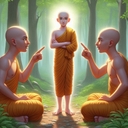
Opening
+Is This What You Think Of Me?
| (derived from B. Sujato 2018/12) | (摘自B. Sujato 2018/12) | |
| Evaṃ me sutaṃ— | So I have heard. | 我曾这样听说。 |
| ekaṃ samayaṃ bhagavā pisinārāyaṃ viharati baliharaṇe vanasaṇḍe. | At one time the Buddha was staying near Kusināra, in the Forest of Offerings. | 一时,佛陀住在拘尸那罗附近的供奉林中。 |
| Tatra kho bhagavā bhikkhū āmantesi: | There the Buddha addressed the monks: | 在那里,佛陀对比丘们说: |
| “bhikkhavo”ti. | “monks!” | “比丘们!” |
| “Bhadante”ti te bhikkhū bhagavato paccassosuṃ. | “Venerable sir,” they replied. | “世尊!”他们回答。 |
| Bhagavā etadavoca: | The Buddha said this: | 佛陀这样说: |
| “kinti vo, bhikkhave, mayi hoti: | “monks, is this what you think of me? | “比丘们,你们是这样想我的吗? |
| ‘cīvarahetu vā samaṇo gotamo dhammaṃ deseti, piṇḍapātahetu vā samaṇo gotamo dhammaṃ deseti, senāsanahetu vā samaṇo gotamo dhammaṃ deseti, itibhavābhavahetu vā samaṇo gotamo dhammaṃ desetī’”ti? | ‘The ascetic Gotama teaches the Dhamma for the sake of robes, alms-food, lodgings, or rebirth in this or that state.’” | ‘沙门乔达摩为了衣袍、乞食、住所,或为了在某种状态中重生而教导佛法。’” |
| “Na kho no, bhante, bhagavati evaṃ hoti: ‘cīvarahetu vā samaṇo gotamo dhammaṃ deseti, piṇḍapātahetu vā samaṇo gotamo dhammaṃ deseti, senāsanahetu vā samaṇo gotamo dhammaṃ deseti, itibhavābhavahetu vā samaṇo gotamo dhammaṃ desetī’”ti. |
“No sir, we don’t think of you that way.” | “不,世尊,我们不是那样想您的。” |
| “Na ca kira vo, bhikkhave, mayi evaṃ hoti: ‘cīvarahetu vā samaṇo gotamo dhammaṃ deseti … pe … itibhavābhavahetu vā samaṇo gotamo dhammaṃ desetī’ti; |
“If you don’t think of me that way, | “如果你们不是那样想我的, |
| atha kinti carahi vo, bhikkhave, mayi hotī”ti? | then what exactly do you think of me?” | 那么你们究竟是怎样想我的呢?” |
| “Evaṃ kho no, bhante, bhagavati hoti: | “We think of you this way: | “我们是这样想您的: |
| ‘anukampako bhagavā hitesī; | ‘The Buddha is compassionate and wants what’s best for us. | ‘佛陀慈悲,希望我们得到最好的。 |
| anukampaṃ upādāya dhammaṃ desetī’”ti. | He teaches out of compassion.’” | 他出于慈悲而教导。’” |
| “Evañca kira vo, bhikkhave, mayi hoti: ‘anukampako bhagavā hitesī; anukampaṃ upādāya dhammaṃ desetī’ti. |
“If you think of me that way, | “如果你们那样想我, |
| Tasmātiha, bhikkhave, ye vo mayā dhammā abhiññā desitā, seyyathidaṃ— | then each and every one of you should train in the things I have taught from my direct knowledge, that is, | 那么你们每个人都应该在我亲身证悟的教导中修行,即 |
| cattāro satipaṭṭhānā cattāro sammappadhānā cattāro iddhipādā pañcindriyāni pañca balāni satta bojjhaṅgā ariyo aṭṭhaṅgiko maggo, tattha sabbeheva samaggehi sammodamānehi avivadamānehi sikkhitabbaṃ. | the four kinds of remembering meditation, the four right efforts, the four bases of psychic power, the five faculties, the five powers, the seven awakening factors, and the noble eightfold path. You should train in these things in harmony, appreciating each other, without quarreling. | 四念处、四正勤、四神足、五根、五力、七觉支和八圣道。你们应该和谐地修行这些,互相尊重,不争吵。 |
| Tesañca vo, bhikkhave, samaggānaṃ sammodamānānaṃ avivadamānānaṃ sikkhataṃ siyaṃsu dve bhikkhū abhidhamme nānāvādā. | As you do so, it may happen that two monks disagree about The Dharma. | 当你们这样做时,可能会发生两名比丘在教义上意见不合。 |
| Tatra ce tumhākaṃ evamassa: | Now, you might think: | 现在,你们可能会想: |
| ‘imesaṃ kho āyasmantānaṃ atthato ceva nānaṃ byañjanato ca nānan’ti, tattha yaṃ bhikkhuṃ suvacataraṃ maññeyyātha so upasaṅkamitvā evamassa vacanīyo: | ‘These two venerables disagree on both the meaning and the phrasing.’ So you should approach whichever monk you think is most amenable and say to them: | “这两位尊者在意义和措辞上都有分歧。”所以你们应该接近你们认为最随和的比丘,对他们说: |
| ‘āyasmantānaṃ kho atthato ceva nānaṃ, byañjanato ca nānaṃ. | ‘The venerables disagree on the meaning and the phrasing. | “尊者们在意义和措辞上存在分歧。 |
| Tadamināpetaṃ āyasmanto jānātha— | But the venerables should know that this is how | 但尊者们应该知道,这种 |
| yathā atthato ceva nānaṃ, byañjanato ca nānaṃ. | such disagreement on the meaning and the phrasing comes to be. | 在意义和措辞上的分歧是如何产生的。 |
| Māyasmanto vivādaṃ āpajjitthā’ti. | Please don’t get into a fight about this.’ | 请不要为此争吵。” |
| Athāparesaṃ ekatopakkhikānaṃ bhikkhūnaṃ yaṃ bhikkhuṃ suvacataraṃ maññeyyātha so upasaṅkamitvā evamassa vacanīyo: | Then they should approach whichever monk they think is most amenable among those who side with the other party and say to them: | 然后他们应该接近他们认为在另一方中最随和的比丘,对他们说: |
| ‘āyasmantānaṃ kho atthato ceva nānaṃ, byañjanato ca nānaṃ. | ‘The venerables disagree on the meaning and the phrasing. | “尊者们在意义和措辞上存在分歧。 |
| Tadamināpetaṃ āyasmanto jānātha— | But the venerables should know that this is how | 但尊者们应该知道,这种 |
| yathā atthato ceva nānaṃ, byañjanato ca nānaṃ. | such disagreement on the meaning and the phrasing comes to be. | 在意义和措辞上的分歧是如何产生的。 |
| Māyasmanto vivādaṃ āpajjitthā’ti. | Please don’t get into a fight about this.’ | 请不要为此争吵。” |
| Iti duggahitaṃ duggahitato dhāretabbaṃ, suggahitaṃ suggahitato dhāretabbaṃ. | So you should remember what has been incorrectly memorized as incorrectly memorized and what has been correctly memorized as correctly memorized. | 所以你们应该将错误记忆的记为错误记忆的,将正确记忆的记为正确记忆的。 |
| Duggahitaṃ duggahitato dhāretvā suggahitaṃ suggahitato dhāretvā yo dhammo yo vinayo so bhāsitabbo. | Remembering this, you should speak on The Dharma and the training. | 记住这一点,你们应该宣讲教义和修行。 |
| Tatra ce tumhākaṃ evamassa: | Now, you might think: | 现在,你可能会想: |
| ‘imesaṃ kho āyasmantānaṃ atthato hi kho nānaṃ, byañjanato sametī’ti, tattha yaṃ bhikkhuṃ suvacataraṃ maññeyyātha so upasaṅkamitvā evamassa vacanīyo: | ‘These two venerables disagree on the meaning but agree on the phrasing.’ So you should approach whichever monk you think is most amenable and say to them: | “这两位尊者在意义上意见不合,但在措辞上意见一致。”所以你们应该接近你们认为最随和的比丘,对他们说: |
| ‘āyasmantānaṃ kho atthato hi nānaṃ, byañjanato sameti. | ‘The venerables disagree on the meaning but agree on the phrasing. | “尊者们在意义上意见不合,但在措辞上意见一致。 |
| Tadamināpetaṃ āyasmanto jānātha— | But the venerables should know that this is how | 但尊者们应该知道,这种 |
| yathā atthato hi kho nānaṃ, byañjanato sameti. | such disagreement on the meaning and agreement on the phrasing comes to be. | 在意义上意见不合而在措辞上意见一致是如何产生的。 |
| Māyasmanto vivādaṃ āpajjitthā’ti. | Please don’t get into a fight about this.’ | 请不要为此争吵。” |
| Athāparesaṃ ekatopakkhikānaṃ bhikkhūnaṃ yaṃ bhikkhuṃ suvacataraṃ maññeyyātha so upasaṅkamitvā evamassa vacanīyo: | Then they should approach whichever monk they think is most amenable among those who side with the other party and say to them: | 然后他们应该接近他们认为在另一方中最随和的比丘,对他们说: |
| ‘āyasmantānaṃ kho atthato hi kho nānaṃ, byañjanato sameti. | ‘The venerables disagree on the meaning but agree on the phrasing. | “尊者们在意义上意见不合,但在措辞上意见一致。 |
| Tadamināpetaṃ āyasmanto jānātha— | But the venerables should know that this is how | 但尊者们应该知道,这种 |
| yathā atthato hi kho nānaṃ, byañjanato sameti. | such disagreement on the meaning and agreement on the phrasing comes to be. | 在意义上意见不合而在措辞上意见一致是如何产生的。 |
| Māyasmanto vivādaṃ āpajjitthā’ti. | Please don’t get into a fight about this.’ | 请不要为此争吵。” |
| Iti duggahitaṃ duggahitato dhāretabbaṃ, suggahitaṃ suggahitato dhāretabbaṃ. | So you should remember what has been incorrectly memorized as incorrectly memorized and what has been correctly memorized as correctly memorized. | 所以你们应该将错误记忆的记为错误记忆的,将正确记忆的记为正确记忆的。 |
| Duggahitaṃ duggahitato dhāretvā suggahitaṃ suggahitato dhāretvā yo dhammo yo vinayo so bhāsitabbo. | Remembering this, you should speak on The Dharma and the training. | 记住这一点,你们应该宣讲教义和修行。 |
| Tatra ce tumhākaṃ evamassa: | Now, you might think: | 现在,你可能会想: |
| ‘imesaṃ kho āyasmantānaṃ atthato hi kho sameti, byañjanato nānan’ti, tattha yaṃ bhikkhuṃ suvacataraṃ maññeyyātha so upasaṅkamitvā evamassa vacanīyo: | ‘These two venerables agree on the meaning but disagree on the phrasing.’ So you should approach whichever monk you think is most amenable and say to them: | “这两位尊者在意义上意见一致,但在措辞上意见不合。”所以你们应该接近你们认为最随和的比丘,对他们说: |
| ‘āyasmantānaṃ kho atthato hi sameti, byañjanato nānaṃ. | ‘The venerables agree on the meaning but disagree on the phrasing. | “尊者们在意义上意见一致,但在措辞上意见不合。 |
| Tadamināpetaṃ āyasmanto jānātha— | But the venerables should know that this is how | 但尊者们应该知道,这种 |
| yathā atthato hi kho sameti, byañjanato nānaṃ. | such agreement on the meaning and disagreement on the phrasing comes to be. | 在意义上意见一致而在措辞上意见不合是如何产生的。 |
| Appamattakaṃ kho panetaṃ yadidaṃ—byañjanaṃ. | But the phrasing is a minor matter. | 但是措辞是小事。 |
| Māyasmanto appamattake vivādaṃ āpajjitthā’ti. | Please don’t get into a fight about something so minor.’ | 请不要为这种小事争吵。” |
| Athāparesaṃ ekatopakkhikānaṃ bhikkhūnaṃ yaṃ bhikkhuṃ suvacataraṃ maññeyyātha so upasaṅkamitvā evamassa vacanīyo: | Then they should approach whichever monk they think is most amenable among those who side with the other party and say to them: | 然后他们应该接近他们认为在另一方中最随和的比丘,对他们说: |
| ‘āyasmantānaṃ kho atthato hi sameti, byañjanato nānaṃ. | ‘The venerables agree on the meaning but disagree on the phrasing. | “尊者们在意义上意见一致,但在措辞上意见不合。 |
| Tadamināpetaṃ āyasmanto jānātha— | But the venerables should know that this is how | 但尊者们应该知道,这种 |
| yathā atthato hi kho sameti, byañjanato nānaṃ. | such agreement on the meaning and disagreement on the phrasing comes to be. | 在意义上意见一致而在措辞上意见不合是如何产生的。 |
| Appamattakaṃ kho panetaṃ yadidaṃ—byañjanaṃ. | But the phrasing is a minor matter. | 但是措辞是小事。 |
| Māyasmanto appamattake vivādaṃ āpajjitthā’ti. | Please don’t get into a fight about something so minor.’ | 请不要为这种小事争吵。” |
| Iti suggahitaṃ suggahitato dhāretabbaṃ, duggahitaṃ duggahitato dhāretabbaṃ. | So you should remember what has been correctly memorized as correctly memorized and what has been incorrectly memorized as incorrectly memorized. | 所以你们应该将正确记忆的记为正确记忆的,将错误记忆的记为错误记忆的。 |
| Suggahitaṃ suggahitato dhāretvā duggahitaṃ duggahitato dhāretvā yo dhammo yo vinayo so bhāsitabbo. | Remembering this, you should speak on The Dharma and the training. | 记住这一点,你们应该宣讲教义和修行。 |
| Tatra ce tumhākaṃ evamassa: | Now, you might think: | 现在,你可能会想: |
| ‘imesaṃ kho āyasmantānaṃ atthato ceva sameti byañjanato ca sametī’ti, tattha yaṃ bhikkhuṃ suvacataraṃ maññeyyātha so upasaṅkamitvā evamassa vacanīyo: | ‘These two venerables agree on both the meaning and the phrasing.’ So you should approach whichever monk you think is most amenable and say to them: | “这两位尊者在意义和措辞上都意见一致。”所以你们应该接近你们认为最随和的比丘,对他们说: |
| ‘āyasmantānaṃ kho atthato ceva sameti, byañjanato ca sameti. | ‘The venerables agree on both the meaning and the phrasing. | “尊者们在意义和措辞上都意见一致。 |
| Tadamināpetaṃ āyasmanto jānātha— | But the venerables should know that this is how | 但尊者们应该知道,这种 |
| yathā atthato ceva sameti byañjanato ca sameti. | they come to agree on the meaning and the phrasing. | 在意义和措辞上意见一致是如何产生的。 |
| Māyasmanto vivādaṃ āpajjitthā’ti. | Please don’t get into a fight about this.’ | 请不要为此争吵。” |
| Athāparesaṃ ekatopakkhikānaṃ bhikkhūnaṃ yaṃ bhikkhuṃ suvacataraṃ maññeyyātha so upasaṅkamitvā evamassa vacanīyo: | Then they should approach whichever monk they think is most amenable among those who side with the other party and say to them: | 然后他们应该接近他们认为在另一方中最随和的比丘,对他们说: |
| ‘āyasmantānaṃ kho atthato ceva sameti byañjanato ca sameti. | ‘The venerables agree on both the meaning and the phrasing. | “尊者们在意义和措辞上都意见一致。 |
| Tadamināpetaṃ āyasmanto jānātha— | But the venerables should know that this is how | 但尊者们应该知道,这种 |
| yathā atthato ceva sameti byañjanato ca sameti. | they come to agree on the meaning and the phrasing. | 在意义和措辞上意见一致是如何产生的。 |
| Māyasmanto vivādaṃ āpajjitthā’ti. | Please don’t get into a fight about this.’ | 请不要为此争吵。” |
| Iti suggahitaṃ suggahitato dhāretabbaṃ. | So you should remember what has been correctly memorized as correctly memorized. | 所以你们应该将正确记忆的记为正确记忆的。 |
| Suggahitaṃ suggahitato dhāretvā yo dhammo yo vinayo so bhāsitabbo. | Remembering this, you should speak on The Dharma and the training. | 记住这一点,你们应该宣讲教义和修行。 |
| Tesañca vo, bhikkhave, samaggānaṃ sammodamānānaṃ avivadamānānaṃ sikkhataṃ siyā aññatarassa bhikkhuno āpatti siyā vītikkamo, | As you train in harmony, appreciating each other, without quarreling, one of the monks might commit an offense or transgression. | 当你们和谐修行,互相尊重,不争吵时,其中一名比丘可能会犯下过失或越界行为。 |
| tatra, bhikkhave, na codanāya taritabbaṃ. Puggalo upaparikkhitabbo: | In such a case, you should not be in a hurry to accuse them. The individual should be examined like this: | 在这种情况下,你们不应急于指责他们。应该这样审视这个人: |
| ‘iti mayhañca avihesā bhavissati parassa ca puggalassa anupaghāto, paro hi puggalo akkodhano anupanāhī adaḷhadiṭṭhī suppaṭinissaggī, sakkomi cāhaṃ etaṃ puggalaṃ akusalā vuṭṭhāpetvā kusale patiṭṭhāpetun’ti. | ‘I won’t be troubled and the other individual won’t be hurt, for they’re not angry and hostile. They don’t hold fast to their views, but let them go easily. I can draw them away from the unskillful and establish them in the skillful.’ | “我不会感到困扰,对方也不会受到伤害,因为他们不生气、不怀敌意。他们不固执己见,而是轻易放下。我能引导他们远离不善,确立善行。” |
| Sace, bhikkhave, evamassa, kallaṃ vacanāya. | If that’s what you think, then it’s appropriate to speak to them. | 如果你们这样想,那么与他们交谈是合适的。 |
| Sace pana, bhikkhave, evamassa: | But if you think this: | 但如果你这样想: |
| ‘mayhaṃ kho avihesā bhavissati parassa ca puggalassa upaghāto, paro hi puggalo kodhano upanāhī adaḷhadiṭṭhī suppaṭinissaggī, sakkomi cāhaṃ etaṃ puggalaṃ akusalā vuṭṭhāpetvā kusale patiṭṭhāpetuṃ. | ‘I will be troubled and the other individual will be hurt, for they’re angry and hostile. However, they don’t hold fast to their views, but let them go easily. I can draw them away from the unskillful and establish them in the skillful. | “我将感到困扰,而对方将受到伤害,因为他们生气并怀有敌意。然而,他们不固执己见,而是轻易放下。我能引导他们远离不善,确立善行。 |
| Appamattakaṃ kho panetaṃ yadidaṃ—parassa puggalassa upaghāto. | But for the other individual to get hurt is a minor matter. | 但对方受到伤害是小事。 |
| Atha kho etadeva bahutaraṃ— | It’s more important | 更重要的是 |
| svāhaṃ sakkomi etaṃ puggalaṃ akusalā vuṭṭhāpetvā kusale patiṭṭhāpetun’ti. | that I can draw them away from the unskillful and establish them in the skillful.’ | 我能引导他们远离不善,确立善行。” |
| Sace, bhikkhave, evamassa, kallaṃ vacanāya. | If that’s what you think, then it’s appropriate to speak to them. | 如果你们这样想,那么与他们交谈是合适的。 |
| Sace pana, bhikkhave, evamassa: | But if you think this: | 但如果你这样想: |
| ‘mayhaṃ kho vihesā bhavissati parassa ca puggalassa anupaghāto. Paro hi puggalo akkodhano anupanāhī daḷhadiṭṭhī duppaṭinissaggī, sakkomi cāhaṃ etaṃ puggalaṃ akusalā vuṭṭhāpetvā kusale patiṭṭhāpetuṃ. | ‘I will be troubled but the other individual won’t be hurt, for they’re not angry and hostile. However, they hold fast to their views, refusing to let go. Nevertheless, I can draw them away from the unskillful and establish them in the skillful. | “我将感到困扰,但对方不会受到伤害,因为他们不生气、不怀敌意。然而,他们固执己见,不肯放下。尽管如此,我能引导他们远离不善,确立善行。 |
| Appamattakaṃ kho panetaṃ yadidaṃ—mayhaṃ vihesā. | But for me to be troubled is a minor matter. | 但我的困扰是小事。 |
| Atha kho etadeva bahutaraṃ— | It’s more important | 更重要的是 |
| svāhaṃ sakkomi etaṃ puggalaṃ akusalā vuṭṭhāpetvā kusale patiṭṭhāpetun’ti. | that I can draw them away from the unskillful and establish them in the skillful.’ | 我能引导他们远离不善,确立善行。” |
| Sace, bhikkhave, evamassa, kallaṃ vacanāya. | If that’s what you think, then it’s appropriate to speak to them. | 如果你们这样想,那么与他们交谈是合适的。 |
| Sace pana, bhikkhave, evamassa: | But if you think this: | 但如果你这样想: |
| ‘mayhañca kho vihesā bhavissati parassa ca puggalassa upaghāto. Paro hi puggalo kodhano upanāhī daḷhadiṭṭhī duppaṭinissaggī, sakkomi cāhaṃ etaṃ puggalaṃ akusalā vuṭṭhāpetvā kusale patiṭṭhāpetuṃ. | ‘I will be troubled and the other individual will be hurt, for they’re angry and hostile. And they hold fast to their views, refusing to let go. Nevertheless, I can draw them away from the unskillful and establish them in the skillful. | “我将感到困扰,而对方将受到伤害,因为他们生气并怀有敌意。而且他们固执己见,不肯放下。尽管如此,我能引导他们远离不善,确立善行。 |
| Appamattakaṃ kho panetaṃ yadidaṃ—mayhañca vihesā bhavissati parassa ca puggalassa upaghāto. | But for me to be troubled and the other individual to get hurt is a minor matter. | 但我的困扰和对方受到伤害是小事。 |
| Atha kho etadeva bahutaraṃ— | It’s more important | 更重要的是 |
| svāhaṃ sakkomi etaṃ puggalaṃ akusalā vuṭṭhāpetvā kusale patiṭṭhāpetun’ti. | that I can draw them away from the unskillful and establish them in the skillful.’ | 我能引导他们远离不善,确立善行。” |
| Sace, bhikkhave, evamassa, kallaṃ vacanāya. | If that’s what you think, then it’s appropriate to speak to them. | 如果你们这样想,那么与他们交谈是合适的。 |
| Sace pana, bhikkhave, evamassa: | But if you think this: | 但如果你这样想: |
| ‘mayhañca kho vihesā bhavissati parassa ca puggalassa upaghāto. Paro hi puggalo kodhano upanāhī daḷhadiṭṭhī duppaṭinissaggī, na cāhaṃ sakkomi etaṃ puggalaṃ akusalā vuṭṭhāpetvā kusale patiṭṭhāpetun’ti. | ‘I will be troubled and the other individual will be hurt, for they’re angry and hostile. And they hold fast to their views, refusing to let go. I cannot draw them away from the unskillful and establish them in the skillful.’ | “我将感到困扰,而对方将受到伤害,因为他们生气并怀有敌意。而且他们固执己见,不肯放下。我无法引导他们远离不善,确立善行。” |
| Evarūpe, bhikkhave, puggale upekkhā nātimaññitabbā. | Don’t underestimate the value of equanimous-observation for such a person. | 对于这样的人,不要低估平静的价值。 |
| Tesañca vo, bhikkhave, samaggānaṃ sammodamānānaṃ avivadamānānaṃ sikkhataṃ aññamaññassa vacīsaṃhāro uppajjeyya diṭṭhipaḷāso cetaso āghāto appaccayo anabhiraddhi. | As you train in harmony, appreciating each other, without quarreling, mutual tale-bearing might come up, with contempt for each other’s views, resentful, bitter, and exasperated. | 当你们和谐修行,互相尊重,不争吵时,可能会出现互相搬弄是非的情况,互相轻蔑对方的观点,怨恨、苦涩和恼怒。 |
| Tattha ekatopakkhikānaṃ bhikkhūnaṃ yaṃ bhikkhuṃ suvacataraṃ maññeyyātha so upasaṅkamitvā evamassa vacanīyo: | In this case you should approach whichever monk you think is most amenable among those who side with one party and say to them: | 在这种情况下,你们应该接近你们认为在一方中最随和的比丘,对他们说: |
| ‘yaṃ no, āvuso, amhākaṃ samaggānaṃ sammodamānānaṃ avivadamānānaṃ sikkhataṃ aññamaññassa vacīsaṃhāro uppanno diṭṭhipaḷāso cetaso āghāto appaccayo anabhiraddhi, taṃ jānamāno samaṇo garaheyyā’ti. | ‘Reverend, as we were training, mutual tale-bearing came up. If the Ascetic knew about this, would he rebuke it?’ | “尊者,在我们修行时,出现了互相搬弄是非的情况。如果世尊知道此事,他会呵斥吗?” |
| Sammā byākaramāno, bhikkhave, bhikkhu evaṃ byākareyya: | Answering rightly, the monk should say: | 比丘应该如实回答: |
| ‘yaṃ no, āvuso, amhākaṃ samaggānaṃ sammodamānānaṃ avivadamānānaṃ sikkhataṃ aññamaññassa vacīsaṃhāro uppanno diṭṭhipaḷāso cetaso āghāto appaccayo anabhiraddhi, taṃ jānamāno samaṇo garaheyyāti. | ‘Yes, reverend, he would.’ | “是的,尊者,他会呵斥。” |
| Etaṃ panāvuso, dhammaṃ appahāya nibbānaṃ sacchikareyyā’ti. | ‘But without giving that up, reverend, can one realize nirvana?’ | “但是,尊者,不放弃这些,能证得涅槃吗?” |
| Sammā byākaramāno, bhikkhave, bhikkhu evaṃ byākareyya: | Answering rightly, the monk should say: | 比丘应该如实回答: |
| ‘etaṃ, āvuso, dhammaṃ appahāya na nibbānaṃ sacchikareyyā’ti. | ‘No, reverend, one cannot.’ | “不,尊者,不能。” |
| Athāparesaṃ ekatopakkhikānaṃ bhikkhūnaṃ yaṃ bhikkhuṃ suvacataraṃ maññeyyātha, so upasaṅkamitvā evamassa vacanīyo: | Then they should approach whichever monk they think is most amenable among those who side with the other party and say to them: | 然后他们应该接近他们认为在另一方中最随和的比丘,对他们说: |
| ‘yaṃ no, āvuso, amhākaṃ samaggānaṃ sammodamānānaṃ avivadamānānaṃ sikkhataṃ aññamaññassa vacīsaṃhāro uppanno diṭṭhipaḷāso cetaso āghāto appaccayo anabhiraddhi, taṃ jānamāno samaṇo garaheyyā’ti. | ‘Reverend, as we were training, mutual tale-bearing came up. If the Ascetic knew about this, would he rebuke it?’ | “尊者,在我们修行时,出现了互相搬弄是非的情况。如果世尊知道此事,他会呵斥吗?” |
| Sammā byākaramāno, bhikkhave, bhikkhu evaṃ byākareyya: | Answering rightly, the monk should say: | 比丘应该如实回答: |
| ‘yaṃ no, āvuso, amhākaṃ samaggānaṃ sammodamānānaṃ avivadamānānaṃ sikkhataṃ aññamaññassa vacīsaṃhāro uppanno diṭṭhipaḷāso cetaso āghāto appaccayo anabhiraddhi taṃ jānamāno samaṇo garaheyyāti. | ‘Yes, reverend, he would.’ | “是的,尊者,他会呵斥。” |
| Etaṃ panāvuso, dhammaṃ appahāya nibbānaṃ sacchikareyyā’ti. | ‘But without giving that up, reverend, can one realize nirvana?’ | “但是,尊者,不放弃这些,能证得涅槃吗?” |
| Sammā byākaramāno, bhikkhave, bhikkhu evaṃ byākareyya: | Answering rightly, the monk should say: | 比丘应该如实回答: |
| ‘etaṃ kho, āvuso, dhammaṃ appahāya na nibbānaṃ sacchikareyyā’ti. | ‘No, reverend, one cannot.’ | “不,尊者,不能。” |
| Tañce, bhikkhave, bhikkhuṃ pare evaṃ puccheyyuṃ: | If others should ask that monk: | 如果其他人问那名比丘: |
| ‘āyasmatā no ete bhikkhū akusalā vuṭṭhāpetvā kusale patiṭṭhāpitā’ti? | ‘Were you the venerable who drew those monks away from the unskillful and established them in the skillful?’ | “你就是那位引导那些比丘远离不善,确立善行的人吗?” |
| Sammā byākaramāno, bhikkhave, bhikkhu evaṃ byākareyya: | Answering rightly, the monk should say: | 比丘应该如实回答: |
| ‘idhāhaṃ, āvuso, yena bhagavā tenupasaṅkamiṃ, tassa me bhagavā dhammaṃ desesi, tāhaṃ dhammaṃ sutvā tesaṃ bhikkhūnaṃ abhāsiṃ. | ‘Well, reverends, I approached the Buddha. He taught me the Dhamma. After hearing that Dharma I explained it to those monks. | “嗯,诸位尊者,我曾请教佛陀。他教导了我佛法。听闻那个教导后,我向那些比丘解释了它。 |
| Taṃ te bhikkhū dhammaṃ sutvā akusalā vuṭṭhahiṃsu, kusale patiṭṭhahiṃsū’ti. | When those monks heard that Dharma they were drawn away from the unskillful and established in the skillful.’ | 当那些比丘听闻那个教导后,他们就远离不善,确立了善行。” |
| Evaṃ byākaramāno kho, bhikkhave, bhikkhu na ceva attānaṃ ukkaṃseti, na paraṃ vambheti, dhammassa cānudhammaṃ byākaroti, na ca koci sahadhammiko vādānuvādo gārayhaṃ ṭhānaṃ āgacchatī”ti. | Answering in this way, that monk doesn’t glorify themselves or put others down. They answer in line with The Dharma, with no legitimate grounds for rebuke and criticism.” | 这样回答,那名比丘不会自我吹嘘,也不会贬低他人。他们按照教导回答,没有正当的理由受到指责和批评。” |
| Idamavoca bhagavā. | That is what the Buddha said. | 佛陀这样说。 |
| Attamanā te bhikkhū bhagavato bhāsitaṃ abhinandunti. | Satisfied, the monks were happy with what the Buddha said. | 比丘们满意,并对佛陀所说感到高兴。 |
❧
+MN 104 Sāmagāma:
At Sāmagāma
all
At Sāmagāma
Opening
+at Sāmagāma
| (derived from B. Sujato 2018/12) | (摘自B. Sujato 2018/12) | |
| Evaṃ me sutaṃ— | So I have heard. | 我曾这样听说。 |
| ekaṃ samayaṃ bhagavā sakkesu viharati sāmagāme. | At one time the Buddha was staying among the Sakyans near the village of Sāma. | 一时,佛陀住在释迦族人中,近萨玛村。 |
| Tena kho pana samayena nigaṇṭho nāṭaputto pāvāyaṃ adhunākālaṅkato hoti. | Now at that time the Nigaṇṭha Nātaputta had recently passed away at Pāvā. | 当时,尼犍陀·那陀子最近在波婆城逝世。 |
| Tassa kālaṃkiriyāya bhinnā nigaṇṭhā dvedhikajātā bhaṇḍanajātā kalahajātā vivādāpannā aññamaññaṃ mukhasattīhi vitudantā viharanti: | With his passing the Jain ascetics split, dividing into two factions, arguing, quarreling, and fighting, continually wounding each other with barbed words: | 他逝世后,耆那教苦行僧分裂,分成两派,争论、吵架、斗殴,不断用带刺的话互相伤害: |
| “na tvaṃ imaṃ dhammavinayaṃ ājānāsi, ahaṃ imaṃ dhammavinayaṃ ājānāmi. Kiṃ tvaṃ imaṃ dhammavinayaṃ ājānissasi. Micchāpaṭipanno tvamasi, ahamasmi sammāpaṭipanno. Sahitaṃ me, asahitaṃ te. Purevacanīyaṃ pacchā avaca, pacchāvacanīyaṃ pure avaca. Adhiciṇṇaṃ te viparāvattaṃ. Āropito te vādo. Niggahitosi, cara vādappamokkhāya; nibbeṭhehi vā sace pahosī”ti. | ‘You don’t understand this Dharma and training. I understand this Dharma and training. What, you understand this Dharma and training? You’re practicing wrong. I’m practicing right. I stay on topic, you don’t. You said last what you should have said first. You said first what you should have said last. What you’ve thought so much about has been disproved. Your doctrine is refuted. Go on, save your doctrine! You’re trapped; get yourself out of this—if you can!’ | “你不明白这个教义和修行。我明白这个教义和修行。什么,你明白这个教义和修行?你修行错了。我修行对了。我紧扣主题,你没有。你把该先说的放到最后说。你把该后说的放到最先说。你深思熟虑的东西已经被驳倒了。你的学说被驳斥了。去吧,拯救你的学说!你被困住了;如果你能的话,自己摆脱困境吧!” |
| Vadhoyeva kho maññe nigaṇṭhesu nāṭaputtiyesu vattati. | You’d think there was nothing but slaughter going on among the Jain ascetics. | 你会觉得耆那教苦行僧中除了杀戮什么都没有发生。 |
| Yepi nigaṇṭhassa nāṭaputtassa sāvakā gihī odātavasanā tepi nigaṇṭhesu nāṭaputtiyesu nibbinnarūpā virattarūpā paṭivānarūpā yathā taṃ durakkhāte dhammavinaye duppavedite aniyyānike anupasamasaṃvattanike asammāsambuddhappavedite bhinnathūpe appaṭisaraṇe. | And the Nigaṇṭha Nātaputta’s white-clothed lay disciples were disenchanted, dismayed, and disappointed in the Jain ascetics. They were equally disappointed with a Dharma and Training so poorly explained and poorly propounded, not emancipating, not leading to peace, proclaimed by someone who is not a fully awakened Buddha, with broken monument and without a refuge. | 尼犍陀·那陀子的白衣在家弟子们对耆那教苦行僧感到失望、沮丧和灰心。他们同样对一个解释不佳、阐述不佳、不能解脱、不能导向平静、由一位未完全觉悟的佛陀宣讲、纪念碑已破碎、无处可依的教义和修行感到失望。 |
| Atha kho cundo samaṇuddeso pāvāyaṃ vassaṃvuṭṭho yena sāmagāmo yenāyasmā ānando tenupasaṅkami; upasaṅkamitvā āyasmantaṃ ānandaṃ abhivādetvā ekamantaṃ nisīdi. Ekamantaṃ nisinno kho cundo samaṇuddeso āyasmantaṃ ānandaṃ etadavoca: “nigaṇṭho, bhante, nāṭaputto pāvāyaṃ adhunākālaṅkato. Tassa kālaṃkiriyāya bhinnā nigaṇṭhā dvedhikajātā … pe … bhinnathūpe appaṭisaraṇe”ti. |
And then, after completing the rainy season residence near Pāvā, the novice Cunda went to see Venerable Ānanda at Sāma village. He bowed, sat down to one side, and told him what had happened. | 然后,在波婆城附近完成了雨安居后,沙弥准达去看望住在萨玛村的阿难尊者。他顶礼后坐在一旁,并将发生的事情告诉了他。 |
| Evaṃ vutte, āyasmā ānando cundaṃ samaṇuddesaṃ etadavoca: | Ānanda said to him: | 阿难对他说: |
| “atthi kho idaṃ, āvuso cunda, kathāpābhataṃ bhagavantaṃ dassanāya. | “Reverend Cunda, we should see the Buddha about this matter. | “准达尊者,我们应该就此事去见佛陀。 |
| Āyāma, āvuso cunda, yena bhagavā tenupasaṅkamissāma; upasaṅkamitvā etamatthaṃ bhagavato ārocessāmā”ti. | Come, let’s go to the Buddha and inform him about this.” | 来吧,我们去见佛陀,并向他汇报此事。” |
| “Evaṃ, bhante”ti kho cundo samaṇuddeso āyasmato ānandassa paccassosi. | “Yes, sir,” replied Cunda. | “是的,世尊。”准达回答。 |
| Atha kho āyasmā ca ānando cundo ca samaṇuddeso yena bhagavā tenupasaṅkamiṃsu; upasaṅkamitvā bhagavantaṃ abhivādetvā ekamantaṃ nisīdiṃsu. Ekamantaṃ nisinno kho āyasmā ānando bhagavantaṃ etadavoca: “ayaṃ, bhante, cundo samaṇuddeso evamāha: ‘nigaṇṭho, bhante, nāṭaputto pāvāyaṃ adhunākālaṅkato. Tassa kālaṃkiriyāya bhinnā nigaṇṭhā dvedhikajātā … pe … bhinnathūpe appaṭisaraṇe’ti. |
Then Ānanda and Cunda went to the Buddha, bowed, sat down to one side, and Ānanda informed him of what Cunda had said. He went on to say: | 然后阿难和准达去见佛陀,顶礼后坐在一旁,阿难将准达所说告诉了他。他继续说: |
| Tassa mayhaṃ, bhante, evaṃ hoti: | “Sir, it occurs to me: | “世尊,我想到: |
| ‘mā heva bhagavato accayena saṃghe vivādo uppajji; | ‘When the Buddha has passed away, let no dispute arise in the Saṅgha. | ‘当佛陀逝世后,僧伽中不要发生争议。 |
| svāssa vivādo bahujanāhitāya bahujanāsukhāya bahuno janassa anatthāya ahitāya dukkhāya devamanussānan’”ti. | For such a dispute would be for the hurt and unhappiness of the people, for the harm, hurt, and suffering of gods and humans.’” | 因为这样的争议会给人们带来伤害和不幸,给天人和人类带来损害、伤害和痛苦。’” |
| “Taṃ kiṃ maññasi, ānanda, | “What do you think, Ānanda? | “阿难,你觉得呢? |
| ye vo mayā dhammā abhiññā desitā, seyyathidaṃ— | Do you see even two monks who disagree regarding the things I have taught from my direct knowledge, that is, | 你看到即使有两名比丘在我的亲身证悟的教导上意见不合吗,即 |
| cattāro satipaṭṭhānā cattāro sammappadhānā cattāro iddhipādā pañcindriyāni pañca balāni satta bojjhaṅgā ariyo aṭṭhaṅgiko maggo, passasi no tvaṃ, ānanda, imesu dhammesu dvepi bhikkhū nānāvāde”ti? | the four kinds of remembering meditation, the four right efforts, the four bases of psychic power, the five faculties, the five powers, the seven awakening factors, and the noble eightfold path?” | 四念处、四正勤、四神足、五根、五力、七觉支和八圣道?” |
| “Ye me, bhante, dhammā bhagavatā abhiññā desitā, seyyathidaṃ— cattāro satipaṭṭhānā cattāro sammappadhānā cattāro iddhipādā pañcindriyāni pañca balāni satta bojjhaṅgā ariyo aṭṭhaṅgiko maggo, nāhaṃ passāmi imesu dhammesu dvepi bhikkhū nānāvāde. |
“No, sir, I do not. | “不,世尊,我没有看到。 |
| Ye ca kho, bhante, puggalā bhagavantaṃ patissayamānarūpā viharanti tepi bhagavato accayena saṃghe vivādaṃ janeyyuṃ ajjhājīve vā adhipātimokkhe vā. | Nevertheless, there are some individuals who appear to live obedient to the Buddha, but when the Buddha has passed away they might create a dispute in the Saṅgha regarding livelihood or the monastic code. | 然而,有些人表面上遵守佛陀的教诲,但当佛陀逝世后,他们可能会在僧伽中就生计或戒律问题制造争议。 |
| Svāssa vivādo bahujanāhitāya bahujanāsukhāya bahuno janassa anatthāya ahitāya dukkhāya devamanussānan”ti. | Such a dispute would be for the hurt and unhappiness of the people, for the harm, hurt, and suffering of gods and humans.” | 这样的争议会给人们带来伤害和不幸,给天人和人类带来损害、伤害和痛苦。” |
| “Appamattako so, ānanda, vivādo yadidaṃ—ajjhājīve vā adhipātimokkhe vā. | “Ānanda, dispute about livelihood or the monastic code is a minor matter. | “阿难,关于生计或戒律的争议是小事。 |
| Magge vā hi, ānanda, paṭipadāya vā saṅghe vivādo uppajjamāno uppajjeyya; svāssa vivādo bahujanāhitāya bahujanāsukhāya bahuno janassa anatthāya ahitāya dukkhāya devamanussānaṃ. | But should a dispute arise in the Saṅgha concerning the path or the practice, that would be for the hurt and unhappiness of the people, for the harm, hurt, and suffering of gods and humans. | 但是,如果僧伽中就道途或修行发生争议,那就会给人们带来伤害和不幸,给天人和人类带来损害、伤害和痛苦。 |
| Chayimāni, ānanda, vivādamūlāni. | Ānanda, there are these six roots of disputes. | 阿难,有这六种争议的根源。 |
| Katamāni cha? | What six? | 哪六种? |
| Idhānanda, bhikkhu kodhano hoti upanāhī. | Firstly, a monk is angry and hostile. | 首先,比丘是愤怒和怀有敌意的。 |
| Yo so, ānanda, bhikkhu kodhano hoti upanāhī so sattharipi agāravo viharati appatisso, dhammepi agāravo viharati appatisso, saṃghepi agāravo viharati appatisso, sikkhāyapi na paripūrakārī hoti. | Such a monk lacks respect and reverence for the teacher, The Dharma, and the Saṅgha, and they don’t fulfill the training. | 这样的比丘对师父、教法和僧伽缺乏尊重和恭敬,他们不履行修行。 |
| Yo so, ānanda, bhikkhu satthari agāravo viharati appatisso, dhamme … saṃghe agāravo viharati appatisso, sikkhāya na paripūrakārī hoti, so saṃghe vivādaṃ janeti; yo hoti vivādo bahujanāhitāya bahujanāsukhāya, bahuno janassa anatthāya ahitāya dukkhāya devamanussānaṃ. | They create a dispute in the Saṅgha, which is for the hurt and unhappiness of the people, for the harm, hurt, and suffering of gods and humans. | 他们会在僧伽中制造争议,这会给人们带来伤害和不幸,给天人和人类带来损害、伤害和痛苦。 |
| Evarūpañce tumhe, ānanda, vivādamūlaṃ ajjhattaṃ vā bahiddhā vā samanupasseyyātha, tatra tumhe, ānanda, tasseva pāpakassa vivādamūlassa pahānāya vāyameyyātha. | If you see such a root of disputes in yourselves or others, you should try to give up this bad thing. | 如果你在自己或他人身上看到这样的争议根源,你应该努力放弃这个坏事。 |
| Evarūpañce tumhe, ānanda, vivādamūlaṃ ajjhattaṃ vā bahiddhā vā na samanupasseyyātha. Tatra tumhe, ānanda, tasseva pāpakassa vivādamūlassa āyatiṃ anavassavāya paṭipajjeyyātha. | If you don’t see it, you should practice so that it doesn’t come up in the future. | 如果你没有看到它,你应该修行,使其将来不再出现。 |
| Evametassa pāpakassa vivādamūlassa pahānaṃ hoti, evametassa pāpakassa vivādamūlassa āyatiṃ anavassavo hoti. | That’s how to give up this bad root of quarrels, so it doesn’t come up in the future. | 这就是放弃这个坏的争吵根源的方法,使其将来不再出现。 |
| Puna caparaṃ, ānanda, bhikkhu makkhī hoti paḷāsī … pe … | Furthermore, a monk is offensive and contemptuous … | 此外,比丘是冒犯和轻蔑的…… |
| issukī hoti maccharī … pe … | They’re envious and mean … | 他们是嫉妒和刻薄的…… |
| saṭho hoti māyāvī … pe … | They’re devious and deceitful … | 他们是狡猾和欺诈的…… |
| pāpiccho hoti micchādiṭṭhi … pe … | They have wicked desires and wrong view … | 他们有邪恶的欲望和错误的观点…… |
| sandiṭṭhiparāmāsī hoti ādhānaggāhī duppaṭinissaggī. | They’re attached to their own views, holding them tight, and refusing to let go. | 他们执着于自己的观点,紧抓不放,不愿舍弃。 |
| Yo so, ānanda, bhikkhu sandiṭṭhiparāmāsī hoti ādhānaggāhī duppaṭinissaggī so sattharipi agāravo viharati appatisso, dhammepi agāravo viharati appatisso, saṃghepi agāravo viharati appatisso, sikkhāyapi na paripūrakārī hoti. | Such a monk lacks respect and reverence for the teacher, The Dharma, and the Saṅgha, and they don’t fulfill the training. | 这样的比丘对师父、教法和僧伽缺乏尊重和恭敬,他们不履行修行。 |
| Yo so, ānanda, bhikkhu satthari agāravo viharati appatisso, dhamme … saṃghe … sikkhāya na paripūrakārī hoti so saṃghe vivādaṃ janeti; yo hoti vivādo bahujanāhitāya bahujanāsukhāya, bahuno janassa anatthāya ahitāya dukkhāya devamanussānaṃ. | They create a dispute in the Saṅgha, which is for the hurt and unhappiness of the people, for the harm, hurt, and suffering of gods and humans. | 他们会在僧伽中制造争议,这会给人们带来伤害和不幸,给天人和人类带来损害、伤害和痛苦。 |
| Evarūpañce tumhe, ānanda, vivādamūlaṃ ajjhattaṃ vā bahiddhā vā samanupasseyyātha. Tatra tumhe, ānanda, tasseva pāpakassa vivādamūlassa pahānāya vāyameyyātha. | If you see such a root of quarrels in yourselves or others, you should try to give up this bad thing. | 如果你在自己或他人身上看到这样的争吵根源,你应该努力放弃这个坏事。 |
| Evarūpañce tumhe, ānanda, vivādamūlaṃ ajjhattaṃ vā bahiddhā vā na samanupasseyyātha, tatra tumhe, ānanda, tasseva pāpakassa vivādamūlassa āyatiṃ anavassavāya paṭipajjeyyātha. | If you don’t see it, you should practice so that it doesn’t come up in the future. | 如果你没有看到它,你应该修行,使其将来不再出现。 |
| Evametassa pāpakassa vivādamūlassa pahānaṃ hoti, evametassa pāpakassa vivādamūlassa āyatiṃ anavassavo hoti. | That’s how to give up this bad root of quarrels, so it doesn’t come up in the future. | 这就是放弃这个坏的争吵根源的方法,使其将来不再出现。 |
| Imāni kho, ānanda, cha vivādamūlāni. | These are the six roots of quarrels. | 这些是争吵的六个根源。 |
| Cattārimāni, ānanda, adhikaraṇāni. | There are four kinds of disciplinary issues. | 有四种纪律问题。 |
| Katamāni cattāri? | What four? | 哪四种? |
| Vivādādhikaraṇaṃ, anuvādādhikaraṇaṃ, āpattādhikaraṇaṃ, kiccādhikaraṇaṃ— | Disciplinary issues due to disputes, accusations, offenses, or proceedings. | 因争议、指控、过失或程序而引起的纪律问题。 |
| imāni kho, ānanda, cattāri adhikaraṇāni. | These are the four kinds of disciplinary issues. | 这些是四种纪律问题。 |
| Satta kho panime, ānanda, adhikaraṇasamathā— | There are seven methods for the settlement of any disciplinary issues that might arise. | 有七种方法来解决可能出现的任何纪律问题。 |
| uppannuppannānaṃ adhikaraṇānaṃ samathāya vūpasamāya sammukhāvinayo dātabbo, sativinayo dātabbo, amūḷhavinayo dātabbo, paṭiññāya kāretabbaṃ, yebhuyyasikā, tassapāpiyasikā, tiṇavatthārako. | Removal in the presence of those concerned is applicable. Removal by accurate recollection is applicable. Removal due to recovery from madness is applicable. The offense should be acknowledged. The decision of a majority. A verdict of aggravated misconduct. Covering over with grass. | 在有关人士在场时进行移除是适用的。通过准确回忆进行移除是适用的。因精神失常恢复而移除是适用的。过失应被承认。多数人的决定。加重不当行为的裁决。以草覆盖。 |
| Kathañcānanda, sammukhāvinayo hoti? | And how is there removal in the presence of those concerned? | 那么,在有关人士在场时进行移除是如何进行的呢? |
| Idhānanda, bhikkhū vivadanti dhammoti vā adhammoti vā vinayoti vā avinayoti vā. | It’s when monks are disputing: ‘This is The Dharma,’ ‘This is not The Dharma,’ ‘This is the training,’ ‘This is not the training.’ | 当比丘们争论时:“这是教法”,“这不是教法”,“这是修行”,“这不是修行。” |
| Tehānanda, bhikkhūhi sabbeheva samaggehi sannipatitabbaṃ. | Those monks should all sit together in harmony | 所有这些比丘都应该和谐地坐在一起 |
| Sannipatitvā dhammanetti samanumajjitabbā. | and thoroughly go over the guidelines of The Dharma. | 并彻底审阅教义的准则。 |
| Dhammanettiṃ samanumajjitvā yathā tattha sameti tathā taṃ adhikaraṇaṃ vūpasametabbaṃ. | They should settle that disciplinary issue in agreement with the guidelines. | 他们应该根据准则解决那个纪律问题。 |
| Evaṃ kho, ānanda, sammukhāvinayo hoti; | That’s how there is removal in the presence of those concerned. | 这就是在有关人士在场时进行移除的方式。 |
| evañca panidhekaccānaṃ adhikaraṇānaṃ vūpasamo hoti yadidaṃ— | And that’s how certain disciplinary issues are settled, that is, | 这就是某些纪律问题得到解决的方式,即 |
| sammukhāvinayena. (1) | by removal in the presence of those concerned. | 通过在有关人士在场时进行移除。 |
| Kathañcānanda, yebhuyyasikā hoti? | And how is there the decision of a majority? | 那么,多数人的决定是如何进行的呢? |
| Te ce, ānanda, bhikkhū na sakkonti taṃ adhikaraṇaṃ tasmiṃ āvāse vūpasametuṃ. | If those monks are not able to settle that issue in that monastery, | 如果那些比丘无法在该寺院中解决该问题, |
| Tehānanda, bhikkhūhi yasmiṃ āvāse bahutarā bhikkhū so āvāso gantabbo. | they should go to another monastery with more monks. | 他们应该去另一个有更多比丘的寺院。 |
| Tattha sabbeheva samaggehi sannipatitabbaṃ. | There they should all sit together in harmony | 在那里,他们应该和谐地坐在一起 |
| Sannipatitvā dhammanetti samanumajjitabbā. | and thoroughly go over the guidelines of The Dharma. | 并彻底审阅教义的准则。 |
| Dhammanettiṃ samanumajjitvā yathā tattha sameti tathā taṃ adhikaraṇaṃ vūpasametabbaṃ. | They should settle that disciplinary issue in agreement with the guidelines. | 他们应该根据准则解决那个纪律问题。 |
| Evaṃ kho, ānanda, yebhuyyasikā hoti, evañca panidhekaccānaṃ adhikaraṇānaṃ vūpasamo hoti yadidaṃ— | That’s how there is the decision of a majority. And that’s how certain disciplinary issues are settled, that is, | 这就是多数人的决定的方式。这就是某些纪律问题得到解决的方式,即 |
| yebhuyyasikāya. (2) | by decision of a majority. | 通过多数人的决定。 |
| Kathañcānanda, sativinayo hoti? | And how is there removal by accurate recollection? | 那么,通过准确回忆进行移除是如何进行的呢? |
| Idhānanda, bhikkhū bhikkhuṃ evarūpāya garukāya āpattiyā codenti pārājikena vā pārājikasāmantena vā: | It’s when monks accuse a monk of a serious offense; one entailing expulsion, or close to it: | 当比丘们指控一名比丘犯有严重过失时;一种导致开除或接近开除的过失: |
| ‘saratāyasmā evarūpiṃ garukaṃ āpattiṃ āpajjitā pārājikaṃ vā pārājikasāmantaṃ vā’ti? | ‘Venerable, do you recall committing the kind of serious offense that entails expulsion or close to it?’ | “尊者,你是否记得犯下过那种导致开除或接近开除的严重过失?” |
| So evamāha: | They say: | 他们说: |
| ‘na kho ahaṃ, āvuso, sarāmi evarūpiṃ garukaṃ āpattiṃ āpajjitā pārājikaṃ vā pārājikasāmantaṃ vā’ti. | ‘No, reverends, I don’t recall committing such an offense.’ | “不,诸位尊者,我不记得犯下过这种过失。” |
| Tassa kho, ānanda, bhikkhuno sativinayo dātabbo. | The removal by accurate recollection is applicable to them. | 通过准确回忆进行移除对他们是适用的。 |
| Evaṃ kho, ānanda, sativinayo hoti, evañca panidhekaccānaṃ adhikaraṇānaṃ vūpasamo hoti yadidaṃ— | That’s how there is the removal by accurate recollection. And that’s how certain disciplinary issues are settled, that is, | 这就是通过准确回忆进行移除的方式。 |
| sativinayena. (3) | by removal by accurate recollection. | |
| Kathañcānanda, amūḷhavinayo hoti? | And how is there removal by recovery from madness? | 那么,因精神失常恢复而移除是如何进行的呢? |
| Idhānanda, bhikkhū bhikkhuṃ evarūpāya garukāya āpattiyā codenti pārājikena vā pārājikasāmantena vā: | It’s when monks accuse a monk of the kind of serious offense that entails expulsion, or close to it: | 当比丘们指控一名比丘犯有导致开除或接近开除的严重过失时: |
| ‘saratāyasmā evarūpiṃ garukaṃ āpattiṃ āpajjitā pārājikaṃ vā pārājikasāmantaṃ vā’ti? | ‘Venerable, do you recall committing the kind of serious offense that entails expulsion or close to it?’ | “尊者,你是否记得犯下过那种导致开除或接近开除的严重过失?” |
| So evamāha: | They say: | 他们说: |
| ‘na kho ahaṃ, āvuso, sarāmi evarūpiṃ garukaṃ āpattiṃ āpajjitā pārājikaṃ vā pārājikasāmantaṃ vā’ti. | ‘No, reverends, I don’t recall committing such an offense.’ | “不,诸位尊者,我不记得犯下过这种过失。” |
| Tamenaṃ so nibbeṭhentaṃ ativeṭheti: | But though they try to get out of it, the monks pursue the issue: | 但尽管他们试图摆脱,比丘们仍继续追问: |
| ‘iṅghāyasmā sādhukameva jānāhi yadi sarasi evarūpiṃ garukaṃ āpattiṃ āpajjitā pārājikaṃ vā pārājikasāmantaṃ vā’ti. | ‘Surely the venerable must know perfectly well if you recall committing an offense that entails expulsion or close to it!’ | “尊者肯定很清楚自己是否记得犯下过导致开除或接近开除的过失!” |
| So evamāha: | They say: | 他们说: |
| ‘ahaṃ kho, āvuso, ummādaṃ pāpuṇiṃ cetaso vipariyāsaṃ. | ‘Reverends, I had gone mad, I was out of my mind. | “诸位尊者,我当时疯了,神志不清。 |
| Tena me ummattakena bahuṃ assāmaṇakaṃ ajjhāciṇṇaṃ bhāsitaparikkantaṃ. | And while I was mad I did and said many things that are not proper for an ascetic. | 我在发疯的时候做了很多不适合沙门的事情,也说了许多不适合沙门的话。 |
| Nāhaṃ taṃ sarāmi. | I don’t remember any of that, | 我什么都不记得了, |
| Mūḷhena me etaṃ katan’ti. | I was mad when I did it.’ | 我做的时候是疯了的。” |
| Tassa kho, ānanda, bhikkhuno amūḷhavinayo dātabbo. | The removal by recovery from madness is applicable to them. | 因精神失常恢复而移除适用于他们。 |
| Evaṃ kho, ānanda, amūḷhavinayo hoti, evañca panidhekaccānaṃ adhikaraṇānaṃ vūpasamo hoti yadidaṃ— | That’s how there is the removal by recovery from madness. And that’s how certain disciplinary issues are settled, that is, | 这就是因精神失常恢复而移除的方式。这就是某些纪律问题得到解决的方式,即 |
| amūḷhavinayena. (4) | by recovery from madness. | 通过因精神失常恢复而移除。 |
| Kathañcānanda, paṭiññātakaraṇaṃ hoti? | And how is there the acknowledging of an offense? | 那么,承认过失是如何进行的呢? |
| Idhānanda, bhikkhu codito vā acodito vā āpattiṃ sarati, vivarati uttānīkaroti. | It’s when a monk, whether accused or not, recalls an offense and clarifies it and reveals it. | 当一名比丘,无论是否被指控,回忆起一项过失并澄清和揭示它。 |
| Tena, ānanda, bhikkhunā vuḍḍhataraṃ bhikkhuṃ upasaṅkamitvā ekaṃsaṃ cīvaraṃ katvā pāde vanditvā ukkuṭikaṃ nisīditvā añjaliṃ paggahetvā evamassa vacanīyo: | After approaching a more senior monk, that monk should arrange his robe over one shoulder, bow to that monk’s feet, squat on their heels, raise their joined palms, and say: | 在接近一位更年长的比丘后,那名比丘应该将袈裟披在一肩上,向那位比丘的脚鞠躬,蹲踞,合掌,然后说: |
| ‘ahaṃ, bhante, itthannāmaṃ āpattiṃ āpanno, taṃ paṭidesemī’ti. | ‘Sir, I have fallen into such-and-such an offense. I confess it.’ | “世尊,我犯了某个过失。我忏悔。” |
| So evamāha: | The senior monk says: | 年长的比丘说: |
| ‘passasī’ti? | ‘Do you see it?’ | “你看到了吗?” |
| ‘Āma passāmī’ti. | ‘Yes, I see it.’ | “是的,我看到了。” |
| ‘Āyatiṃsaṃvareyyāsī’ti. | ‘Then restrain yourself in future.’ | “那么将来要自我约束。” |
| ‘Saṃvarissāmī’ti. | ‘I shall restrain myself.’ | “我将自我约束。” |
| Evaṃ kho, ānanda, paṭiññātakaraṇaṃ hoti, evañca panidhekaccānaṃ adhikaraṇānaṃ vūpasamo hoti yadidaṃ— | That’s how there is the acknowledging of an offense. And that’s how certain disciplinary issues are settled, that is, | 这就是承认过失的方式。这就是某些纪律问题得到解决的方式,即 |
| paṭiññātakaraṇena. (5) | by acknowledging an offense. | 通过承认过失。 |
| Kathañcānanda, tassapāpiyasikā hoti? | And how is there a verdict of aggravated misconduct? | 那么,加重不当行为的裁决是如何进行的呢? |
| Idhānanda, bhikkhu bhikkhuṃ evarūpāya garukāya āpattiyā codeti pārājikena vā pārājikasāmantena vā: | It’s when a monk accuses a monk of the kind of serious offense that entails expulsion, or close to it: | 当一名比丘指控一名比丘犯有导致开除或接近开除的严重过失时: |
| ‘saratāyasmā evarūpiṃ garukaṃ āpattiṃ āpajjitā pārājikaṃ vā pārājikasāmantaṃ vā’ti? | ‘Venerable, do you recall committing the kind of serious offense that entails expulsion or close to it?’ | “尊者,你是否记得犯下过那种导致开除或接近开除的严重过失?” |
| So evamāha: | They say: | 他们说: |
| ‘na kho ahaṃ, āvuso, sarāmi evarūpiṃ garukaṃ āpattiṃ āpajjitā pārājikaṃ vā pārājikasāmantaṃ vā’ti. | ‘No, reverends, I don’t recall committing such an offense.’ | “不,诸位尊者,我不记得犯下过这种过失。” |
| Tamenaṃ so nibbeṭhentaṃ ativeṭheti: | But though they try to get out of it, the monks pursue the issue: | 但尽管他们试图摆脱,比丘们仍继续追问: |
| ‘iṅghāyasmā sādhukameva jānāhi yadi sarasi evarūpiṃ garukaṃ āpattiṃ āpajjitā pārājikaṃ vā pārājikasāmantaṃ vā’ti. | ‘Surely the venerable must know perfectly well if you recall committing an offense that entails expulsion or close to it!’ | “尊者肯定很清楚自己是否记得犯下过导致开除或接近开除的过失!” |
| So evamāha: | They say: | 他们说: |
| ‘na kho ahaṃ, āvuso, sarāmi evarūpiṃ garukaṃ āpattiṃ āpajjitā pārājikaṃ vā pārājikasāmantaṃ vā; | ‘Reverends, I don’t recall committing a serious offense of that nature. | “诸位尊者,我不记得犯下过那种性质的严重过失。 |
| sarāmi ca kho ahaṃ, āvuso, evarūpiṃ appamattikaṃ āpattiṃ āpajjitā’ti. | But I do recall committing a light offense.’ | 但我确实记得犯下过轻微过失。” |
| Tamenaṃ so nibbeṭhentaṃ ativeṭheti: | But though they try to get out of it, the monks pursue the issue: | 但尽管他们试图摆脱,比丘们仍继续追问: |
| ‘iṅghāyasmā sādhukameva jānāhi yadi sarasi evarūpiṃ garukaṃ āpattiṃ āpajjitā pārājikaṃ vā pārājikasāmantaṃ vā’ti? | ‘Surely the venerable must know perfectly well if you recall committing an offense that entails expulsion or close to it!’ | “尊者肯定很清楚自己是否记得犯下过导致开除或接近开除的过失!” |
| So evamāha: | They say: | 他们说: |
| ‘imañhi nāmāhaṃ, āvuso, appamattikaṃ āpattiṃ āpajjitvā apuṭṭho paṭijānissāmi. | ‘Reverends, I’ll go so far as to acknowledge this light offense even when not asked. | “诸位尊者,即使没有被问到,我也会承认这种轻微过失。 |
| Kiṃ panāhaṃ evarūpiṃ garukaṃ āpattiṃ āpajjitvā pārājikaṃ vā pārājikasāmantaṃ vā puṭṭho na paṭijānissāmī’ti? | Why wouldn’t I acknowledge a serious offense when asked?’ | 为什么被问到严重过失时我却不承认呢?” |
| So evamāha: | They say: | 他们说: |
| ‘imañhi nāma tvaṃ, āvuso, appamattikaṃ āpattiṃ āpajjitvā apuṭṭho na paṭijānissasi, kiṃ pana tvaṃ evarūpiṃ garukaṃ āpattiṃ āpajjitvā pārājikaṃ vā pārājikasāmantaṃ vā puṭṭho paṭijānissasi? | ‘You wouldn’t have acknowledged that light offense without being asked, so why would you acknowledge a serious offense? | “如果没有被问到,你不会承认那个轻微过失,那么你为什么会承认一个严重过失呢? |
| Iṅghāyasmā sādhukameva jānāhi yadi sarasi evarūpiṃ garukaṃ āpattiṃ āpajjitā pārājikaṃ vā pārājikasāmantaṃ vā’ti. | Surely the venerable must know perfectly well if you recall committing an offense that entails expulsion or close to it!’ | 尊者肯定很清楚自己是否记得犯下过导致开除或接近开除的过失!” |
| So evamāha: | They say: | 他们说: |
| ‘sarāmi kho ahaṃ, āvuso, evarūpiṃ garukaṃ āpattiṃ āpajjitā pārājikaṃ vā pārājikasāmantaṃ vā. | ‘Reverend, I do recall committing the kind of serious offense that entails expulsion or close to it. | “尊者,我确实记得犯下过那种导致开除或接近开除的严重过失。 |
| Davā me etaṃ vuttaṃ, ravā me etaṃ vuttaṃ— | I spoke too hastily when I said | 我当时说我 |
| nāhaṃ taṃ sarāmi evarūpiṃ garukaṃ āpattiṃ āpajjitā pārājikaṃ vā pārājikasāmantaṃ vā’ti. | that I didn’t recall it.’ | 不记得时说得太仓促了。” |
| Evaṃ kho, ānanda, tassapāpiyasikā hoti, evañca panidhekaccānaṃ adhikaraṇānaṃ vūpasamo hoti yadidaṃ— | That’s how there is a verdict of aggravated misconduct. And that’s how certain disciplinary issues are settled, that is, | 这就是加重不当行为的裁决方式。这就是某些纪律问题得到解决的方式,即 |
| tassapāpiyasikāya. (6) | by a verdict of aggravated misconduct. | 通过加重不当行为的裁决。 |
| Kathañcānanda, tiṇavatthārako hoti? | And how there the covering over with grass? | 那么,以草覆盖是如何进行的呢? |
| Idhānanda, bhikkhūnaṃ bhaṇḍanajātānaṃ kalahajātānaṃ vivādāpannānaṃ viharataṃ bahuṃ assāmaṇakaṃ ajjhāciṇṇaṃ hoti bhāsitaparikkantaṃ. | It’s when the monks continually argue, quarrel, and fight, doing and saying many things that are not proper for an ascetic. | 当比丘们不断地争吵、斗殴、打架,做和说许多不适合沙门的事情。 |
| Tehānanda, bhikkhūhi sabbeheva samaggehi sannipatitabbaṃ. | Those monks should all sit together in harmony. | 所有这些比丘都应该和谐地坐在一起。 |
| Sannipatitvā ekatopakkhikānaṃ bhikkhūnaṃ byattena bhikkhunā uṭṭhāyāsanā ekaṃsaṃ cīvaraṃ katvā añjaliṃ paṇāmetvā saṃgho ñāpetabbo— | A competent monk of one party, having got up from their seat, arranged their robe over one shoulder, and raised their joined palms, should inform the Saṅgha: | 其中一方的一位有能力的比丘,从座位上站起来,将袈裟披在一肩上,合掌,然后向僧伽禀告: |
| Suṇātu me, bhante, saṅgho. | ‘Sir, let the Saṅgha listen to me. | “世尊,请僧伽听我说。 |
| Idaṃ amhākaṃ bhaṇḍanajātānaṃ kalahajātānaṃ vivādāpannānaṃ viharataṃ bahuṃ assāmaṇakaṃ ajjhāciṇṇaṃ bhāsitaparikkantaṃ. | We have been continually arguing, quarreling, and fighting, doing and saying many things that are not proper for an ascetic. | 我们一直在不断地争吵、斗殴、打架,做和说许多不适合沙门的事情。 |
| Yadi saṅghassa pattakallaṃ, ahaṃ yā ceva imesaṃ āyasmantānaṃ āpatti yā ca attano āpatti, imesañceva āyasmantānaṃ atthāya attano ca atthāya, saṅghamajjhe tiṇavatthārakena deseyyaṃ, ṭhapetvā thullavajjaṃ ṭhapetvā gihipaṭisaṃyuttan’ti. | If it seems appropriate to the Saṅgha, then—for the benefit of these venerables and myself—I disclose in the middle of the Saṅgha by means of covering over with grass any offenses committed by these venerables and by myself, excepting only those that are gravely blameworthy and those connected with laypeople.’ | 如果僧伽认为合适,那么——为了这些尊者和我自己的利益——我将在僧伽中以草覆盖的方式披露这些尊者和我自己所犯的任何过失,只排除那些严重可责备的和与在家众有关的过失。” |
| Athāparesaṃ ekatopakkhikānaṃ bhikkhūnaṃ byattena bhikkhunā uṭṭhāyāsanā ekaṃsaṃ cīvaraṃ katvā añjaliṃ paṇāmetvā saṅgho ñāpetabbo: | Then a competent monk of the other party, having got up from their seat, arranged their robe over one shoulder, and raising their joined palms, should inform the Saṅgha: | 然后另一方的一位有能力的比丘,从座位上站起来,将袈裟披在一肩上,合掌,然后向僧伽禀告: |
| ‘Suṇātu me, bhante, saṅgho. | ‘Sir, let the Saṅgha listen to me. | “世尊,请僧伽听我说。 |
| Idaṃ amhākaṃ bhaṇḍanajātānaṃ kalahajātānaṃ vivādāpannānaṃ viharataṃ bahuṃ assāmaṇakaṃ ajjhāciṇṇaṃ bhāsitaparikkantaṃ. | We have been continually arguing, quarreling, and fighting, doing and saying many things that are not proper for an ascetic. | 我们一直在不断地争吵、斗殴、打架,做和说许多不适合沙门的事情。 |
| Yadi saṅghassa pattakallaṃ, ahaṃ yā ceva imesaṃ āyasmantānaṃ āpatti yā ca attano āpatti, imesañceva āyasmantānaṃ atthāya attano ca atthāya, saṅghamajjhe tiṇavatthārakena deseyyaṃ, ṭhapetvā thullavajjaṃ ṭhapetvā gihipaṭisaṃyuttan’ti. | If it seems appropriate to the Saṅgha, then—for the benefit of these venerables and myself—I disclose in the middle of the Saṅgha by means of covering over with grass any offenses committed by these venerables and by myself, excepting only those that are gravely blameworthy and those connected with laypeople.’ | 如果僧伽认为合适,那么——为了这些尊者和我自己的利益——我将在僧伽中以草覆盖的方式披露这些尊者和我自己所犯的任何过失,只排除那些严重可责备的和与在家众有关的过失。” |
| Evaṃ kho, ānanda, tiṇavatthārako hoti, evañca panidhekaccānaṃ adhikaraṇānaṃ vūpasamo hoti yadidaṃ— | That’s how there is the covering over with grass. And that’s how certain disciplinary issues are settled, that is, | 这就是以草覆盖的方式。这就是某些纪律问题得到解决的方式,即 |
| tiṇavatthārakena. (7) | by covering over with grass. | 通过以草覆盖。 |
| Chayime, ānanda, dhammā sāraṇīyā piyakaraṇā garukaraṇā saṅgahāya avivādāya sāmaggiyā ekībhāvāya saṃvattanti. | Ānanda, these six warm-hearted qualities make for fondness and respect, conducing to inclusion, harmony, and unity, without quarreling. | 阿难,这六种热忱的品质能带来喜爱和尊敬,有助于融合、和谐与团结,而不争吵。 |
| Katame cha? | What six? | 哪六种? |
| Idhānanda, bhikkhuno mettaṃ kāyakammaṃ paccupaṭṭhitaṃ hoti sabrahmacārīsu āvi ceva raho ca. | Firstly, a monk consistently treats their spiritual companions with bodily kindness, both in public and in private. | 首先,比丘始终以身体的善意对待他们的同修,无论是在公开场合还是私下。 |
| Ayampi dhammo sāraṇīyo piyakaraṇo garukaraṇo saṅgahāya avivādāya sāmaggiyā ekībhāvāya saṃvattati. (1) | This warm-hearted quality makes for fondness and respect, conducing to inclusion, harmony, and unity, without quarreling. | 这种热忱的品质能带来喜爱和尊敬,有助于融合、和谐与团结,而不争吵。 |
| Puna caparaṃ, ānanda, bhikkhuno mettaṃ vacīkammaṃ paccupaṭṭhitaṃ hoti sabrahmacārīsu āvi ceva raho ca. | Furthermore, a monk consistently treats their spiritual companions with verbal kindness … | 此外,比丘始终以言语的善意对待他们的同修…… |
| Ayampi dhammo sāraṇīyo piyakaraṇo garukaraṇo saṅgahāya avivādāya sāmaggiyā ekībhāvāya saṃvattati. (2) | This too is a warm-hearted quality. | 这也是一种热忱的品质。 |
| Puna caparaṃ, ānanda, bhikkhuno mettaṃ manokammaṃ paccupaṭṭhitaṃ hoti sabrahmacārīsu āvi ceva raho ca. | Furthermore, a monk consistently treats their spiritual companions with mental kindness … | 此外,比丘始终以心意的善意对待他们的同修…… |
| Ayampi dhammo sāraṇīyo piyakaraṇo garukaraṇo saṅgahāya avivādāya sāmaggiyā ekībhāvāya saṃvattati. (3) | This too is a warm-hearted quality. | 这也是一种热忱的品质。 |
| Puna caparaṃ, ānanda, bhikkhu—ye te lābhā dhammikā dhammaladdhā antamaso pattapariyāpannamattampi tathārūpehi lābhehi—apaṭivibhattabhogī hoti, sīlavantehi sabrahmacārīhi sādhāraṇabhogī. | Furthermore, a monk shares without reservation any material possessions they have gained by legitimate means, even the food placed in the alms-bowl, using them in common with their ethical spiritual companions. | 此外,比丘毫无保留地分享他们通过合法手段获得的任何物质财产,即使是钵中的食物,与他们有道德的同修共同使用。 |
| Ayampi dhammo sāraṇīyo piyakaraṇo garukaraṇo saṅgahāya avivādāya sāmaggiyā ekībhāvāya saṃvattati. (4) | This too is a warm-hearted quality. | 这也是一种热忱的品质。 |
| Puna caparaṃ, ānanda, bhikkhu—yāni tāni sīlāni akhaṇḍāni acchiddāni asabalāni akammāsāni bhujissāni viññuppasatthāni aparāmaṭṭhāni samādhisaṃvattanikāni tathārūpesu sīlesu—sīlasāmaññagato viharati sabrahmacārīhi āvi ceva raho ca. | Furthermore, a monk lives according to the precepts shared with their spiritual companions, both in public and in private. Those precepts are uncorrupted, unflawed, unblemished, untainted, liberating, praised by sensible people, not mistaken, and leading to undistractible-lucidity. | 此外,比丘无论在公开场合还是私下,都按照与同修共享的戒律生活。那些戒律是清净的、无瑕的、无垢的、无染的、能解脱的、受明智之人称赞的、无误的,并能导向不散乱的清明。 |
| Ayampi dhammo sāraṇīyo piyakaraṇo garukaraṇo saṅgahāya avivādāya sāmaggiyā ekībhāvāya saṃvattati. (5) | This too is a warm-hearted quality. | 这也是一种热忱的品质。 |
| Puna caparaṃ, ānanda, bhikkhu—yāyaṃ diṭṭhi ariyā niyyānikā niyyāti takkarassa sammā dukkhakkhayāya tathārūpāya diṭṭhiyā—diṭṭhisāmaññagato viharati sabrahmacārīhi āvi ceva raho ca. | Furthermore, a monk lives according to the view shared with their spiritual companions, both in public and in private. That view is noble and emancipating, and leads one who practices it to the complete ending of suffering. | 此外,比丘无论在公开场合还是私下,都按照与同修共享的见解生活。那种见解是高尚和解脱的,并能引导修行者彻底终止痛苦。 |
| Ayampi dhammo sāraṇīyo piyakaraṇo garukaraṇo saṅgahāya avivādāya sāmaggiyā ekībhāvāya saṃvattati. (6) | This too is a warm-hearted quality. | 这也是一种热忱的品质。 |
| Ime kho, ānanda, cha sāraṇīyā dhammā piyakaraṇā garukaraṇā saṅgahāya avivādāya sāmaggiyā ekībhāvāya saṃvattanti. | These six warm-hearted qualities make for fondness and respect, conducing to inclusion, harmony, and unity, without quarreling. | 这六种热忱的品质能带来喜爱和尊敬,有助于融合、和谐与团结,而不争吵。 |
| Ime ce tumhe, ānanda, cha sāraṇīye dhamme samādāya vatteyyātha, passatha no tumhe, ānanda, taṃ vacanapathaṃ aṇuṃ vā thūlaṃ vā yaṃ tumhe nādhivāseyyāthā”ti? | If you should undertake and follow these six warm-hearted qualities, do you see any criticism, large or small, that you could not endure?” | 如果你要承担并遵循这六种热忱的品质,你看到任何或大或小的批评是你无法忍受的吗?” |
| “No hetaṃ, bhante”. | “No, sir.” | “不,世尊。” |
| “Tasmātihānanda, ime cha sāraṇīye dhamme samādāya vattatha. | “That’s why, Ānanda, you should undertake and follow these six warm-hearted qualities. | “这就是为什么,阿难,你应该承担并遵循这六种热忱的品质。 |
| Taṃ vo bhavissati dīgharattaṃ hitāya sukhāyā”ti. | That will be for your lasting welfare and happiness.” | 那将是为了你长久的幸福和安乐。” |
| Idamavoca bhagavā. | That is what the Buddha said. | 佛陀这样说。 |
| Attamano āyasmā ānando bhagavato bhāsitaṃ abhinandīti. | Satisfied, Venerable Ānanda was happy with what the Buddha said. | 阿难尊者满意,并对佛陀所说感到高兴。 |
❧
+MN 105 Sunakkhatta:
To Sunakkhatta
all
To Sunakkhatta
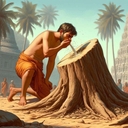
Opening
+with Sunakkhatta
| (derived from B. Sujato 2018/12) | (摘自B. Sujato 2018/12) | |
| Evaṃ me sutaṃ— | So I have heard. | 我曾这样听说。 |
| ekaṃ samayaṃ bhagavā vesāliyaṃ viharati mahāvane kūṭāgārasālāyaṃ. | At one time the Buddha was staying near Vesālī, at the Great Wood, in the hall with the peaked roof. | 一时,佛陀住在毗舍离附近,大林中,重阁讲堂里。 |
| Tena kho pana samayena sambahulehi bhikkhūhi bhagavato santike aññā byākatā hoti: | Now at that time several monks had declared their enlightenment in the Buddha’s presence: | 当时,有几位比丘已在佛陀面前宣称他们证得阿罗汉果: |
| “‘khīṇā jāti, vusitaṃ brahmacariyaṃ, kataṃ karaṇīyaṃ, nāparaṃ itthattāyā’ti pajānāmā”ti. | “We understand: ‘Rebirth is ended, the spiritual journey has been completed, what had to be done has been done, there is no return to any state of existence.’” | “我们已明白:‘轮回已尽,梵行已立,所作已办,不再有任何存在状态的回归。’” |
| Assosi kho sunakkhatto licchaviputto: “sambahulehi kira bhikkhūhi bhagavato santike aññā byākatā hoti: ‘khīṇā jāti, vusitaṃ brahmacariyaṃ, kataṃ karaṇīyaṃ, nāparaṃ itthattāyāti pajānāmā’”ti. |
Sunakkhatta the Licchavi heard about this. | 离车族人善行听说了这件事。 |
| Atha kho sunakkhatto licchaviputto yena bhagavā tenupasaṅkami; upasaṅkamitvā bhagavantaṃ abhivādetvā ekamantaṃ nisīdi. Ekamantaṃ nisinno kho sunakkhatto licchaviputto bhagavantaṃ etadavoca: | He went to the Buddha, bowed, sat down to one side, and said to him: | 他去见佛陀,顶礼后坐在一旁,对他说: |
| “sutaṃ metaṃ, bhante: | “Sir, I have heard that | “世尊,我听说 |
| ‘sambahulehi kira bhikkhūhi bhagavato santike aññā byākatā— khīṇā jāti, vusitaṃ brahmacariyaṃ, kataṃ karaṇīyaṃ, nāparaṃ itthattāyāti pajānāmā’ti. Ye te, bhante, bhikkhū bhagavato santike aññaṃ byākaṃsu: |
several monks have declared their enlightenment in the Buddha’s presence. | 有几位比丘已在佛陀面前宣称他们证得阿罗汉果。 |
| ‘khīṇā jāti, vusitaṃ brahmacariyaṃ, kataṃ karaṇīyaṃ, nāparaṃ itthattāyāti pajānāmā’ti, kacci te, bhante, bhikkhū sammadeva aññaṃ byākaṃsu udāhu santetthekacce bhikkhū adhimānena aññaṃ byākaṃsū”ti? | I trust they did so rightly—or are there some who declared enlightenment out of overestimation?” | 我相信他们这样做是正确的——或者有没有人是出于过高的估计而宣称证得阿罗汉果呢?” |
| “Ye te, sunakkhatta, bhikkhū mama santike aññaṃ byākaṃsu: ‘khīṇā jāti, vusitaṃ brahmacariyaṃ, kataṃ karaṇīyaṃ, nāparaṃ itthattāyāti pajānāmā’ti. |
||
| Santetthekacce bhikkhū sammadeva aññaṃ byākaṃsu, santi panidhekacce bhikkhū adhimānenapi aññaṃ byākaṃsu. | “Some of them did so rightly, Sunakkhatta, while others did so out of overestimation. | “他们中有一些是正确地宣称的,善行,而另一些是出于过高的估计。 |
| Tatra, sunakkhatta, ye te bhikkhū sammadeva aññaṃ byākaṃsu tesaṃ taṃ tatheva hoti; | Now, when monks declare enlightenment rightly, that’s how it is for them. | 现在,当比丘们正确地宣称证得阿罗汉果时,他们就是如此。 |
| ye pana te bhikkhū adhimānena aññaṃ byākaṃsu tatra, sunakkhatta, tathāgatassa evaṃ hoti: | But when monks declare enlightenment out of overestimation, the Realized One thinks: | 但当比丘们出于过高的估计而宣称证得阿罗汉果时,如来会想: |
| ‘dhammaṃ nesaṃ desessan’ti. | ‘I should teach them the Dhamma.’ | ‘我应该教导他们佛法。’ |
| Evañcettha, sunakkhatta, tathāgatassa hoti: | If the Realized One thinks | 如果如来认为 |
| ‘dhammaṃ nesaṃ desessan’ti. | he should teach them the Dhamma, | 他应该教导他们佛法, |
| Atha ca panidhekacce moghapurisā pañhaṃ abhisaṅkharitvā abhisaṅkharitvā tathāgataṃ upasaṅkamitvā pucchanti. | but then certain foolish men, having carefully planned a question, approach the Realized One and ask it, | 但某些愚蠢的人,精心策划了一个问题,然后来接近如来并提问, |
| Tatra, sunakkhatta, yampi tathāgatassa evaṃ hoti: | then the Realized One | 那么如来就会 |
| ‘dhammaṃ nesaṃ desessan’ti tassapi hoti aññathattan”ti. | changes his mind.” | 改变主意。” |
| “Etassa bhagavā kālo, etassa sugata kālo, | “Now is the time, Blessed One! Now is the time, Holy One! | “现在是时候了,世尊!现在是时候了,圣者! |
| yaṃ bhagavā dhammaṃ deseyya. Bhagavato sutvā bhikkhū dhāressantī”ti. | Let the Buddha teach the Dhamma. The monks will listen and remember it.” | 让佛陀教导佛法吧。比丘们会听并记住的。” |
| “Tena hi, sunakkhatta, suṇāhi, sādhukaṃ manasi karohi; bhāsissāmī”ti. | “Well then, Sunakkhatta, listen and pay close attention, I will speak.” | “那么,善行,仔细听并专心,我将要说。” |
| “Evaṃ, bhante”ti kho sunakkhatto licchaviputto bhagavato paccassosi. | “Yes, sir,” replied Sunakkhatta. | “是的,世尊。”善行回答。 |
| Bhagavā etadavoca— | The Buddha said this: | 佛陀这样说: |
| Pañca kho ime, sunakkhatta, kāmaguṇā. | “Sunakkhatta, there are these five kinds of sensual stimulation. | “善行,有这五种感官刺激。 |
| Katame pañca? | What five? | 哪五种? |
| Cakkhuviññeyyā rūpā iṭṭhā kantā manāpā piyarūpā kāmūpasaṃhitā rajanīyā, | Sights known by the eye that are likable, desirable, agreeable, pleasant, sensual, and arousing. | 眼睛所见的、令人喜爱、合意、称心、愉悦、感官的、令人兴奋的景象。 |
| sotaviññeyyā saddā … pe … | Sounds known by the ear … | 耳朵所闻的声音…… |
| ghānaviññeyyā gandhā … | Smells known by the nose … | 鼻子所嗅的气味…… |
| jivhāviññeyyā rasā … | Tastes known by the tongue … | 舌头所尝的味道…… |
| kāyaviññeyyā phoṭṭhabbā iṭṭhā kantā manāpā piyarūpā kāmūpasaṃhitā rajanīyā— | Touches known by the body that are likable, desirable, agreeable, pleasant, sensual, and arousing. | 身体所触的、令人喜爱、合意、称心、愉悦、感官的、令人兴奋的触觉。 |
| ime kho, sunakkhatta, pañca kāmaguṇā. | These are the five kinds of sensual stimulation. | 这些是五种感官刺激。 |
| Ṭhānaṃ kho panetaṃ, sunakkhatta, vijjati yaṃ idhekacco purisapuggalo lokāmisādhimutto assa. | It’s possible that a certain individual may be intent on carnal pleasures. | 可能某个个体沉迷于肉欲享乐。 |
| Lokāmisādhimuttassa kho, sunakkhatta, purisapuggalassa tappatirūpī ceva kathā saṇṭhāti, tadanudhammañca anuvitakketi, anuvicāreti, tañca purisaṃ bhajati, tena ca vittiṃ āpajjati; | Such an individual engages in pertinent conversation, thinking and considering in line with that. They associate with that kind of person, and they find it satisfying. | 这样的人会进行相关的交谈,思想和考虑都与此一致。他们与这类人交往,并从中感到满足。 |
| āneñjapaṭisaṃyuttāya ca pana kathāya kacchamānāya na sussūsati, na sotaṃ odahati, na aññā cittaṃ upaṭṭhāpeti, na ca taṃ purisaṃ bhajati, na ca tena vittiṃ āpajjati. | But when talk connected with the imperturbable is going on they don’t want to listen. They don’t lend an ear or apply their minds to understand it. They don’t associate with that kind of person, and they don’t find it satisfying. | 但当谈论不动法时,他们不想听。他们不倾耳聆听,也不用心去理解。他们不与这类人交往,也不从中感到满足。 |
| Seyyathāpi, sunakkhatta, puriso sakamhā gāmā vā nigamā vā ciravippavuttho assa. | Suppose a person had left their own village or town long ago, | 假设一个人很久以前就离开了自己的村庄或城镇, |
| So aññataraṃ purisaṃ passeyya tamhā gāmā vā nigamā vā acirapakkantaṃ. | and they saw another person who had only recently left there. | 他看到另一个最近才离开那里的人。 |
| So taṃ purisaṃ tassa gāmassa vā nigamassa vā khematañca subhikkhatañca appābādhatañca puccheyya; | They would ask about whether their village was safe, with plenty of food and little disease, | 他会问起他们的村庄是否安全,食物是否充足,疾病是否很少, |
| tassa so puriso tassa gāmassa vā nigamassa vā khematañca subhikkhatañca appābādhatañca saṃseyya. | and the other person would tell them the news. | 另一个人会告诉他消息。 |
| Taṃ kiṃ maññasi, sunakkhatta, | What do you think, Sunakkhatta? | 你觉得呢,善行? |
| api nu so puriso tassa purisassa sussūseyya, sotaṃ odaheyya, aññā cittaṃ upaṭṭhāpeyya, tañca purisaṃ bhajeyya, tena ca vittiṃ āpajjeyyā”ti? | Would that person want to listen to that other person? Would they lend an ear and apply their minds to understand? Would they associate with that person, and find it satisfying?” | 那个人会想听那个人说吗?他们会倾耳聆听并用心去理解吗?他们会和那个人交往并从中感到满足吗? |
| “Evaṃ, bhante”. | “Yes, sir.” | “是的,世尊。” |
| “Evameva kho, sunakkhatta, ṭhānametaṃ vijjati yaṃ idhekacco purisapuggalo lokāmisādhimutto assa. | “In the same way, it’s possible that a certain individual may be intent on carnal pleasures. | “同样地,可能某个个体沉迷于肉欲享乐。 |
| Lokāmisādhimuttassa kho, sunakkhatta, purisapuggalassa tappatirūpī ceva kathā saṇṭhāti, tadanudhammañca anuvitakketi, anuvicāreti, tañca purisaṃ bhajati, tena ca vittiṃ āpajjati; | Such an individual engages in pertinent conversation, thinking and considering in line with that. They associate with that kind of person, and they find it satisfying. | 这样的人会进行相关的交谈,思想和考虑都与此一致。他们与这类人交往,并从中感到满足。 |
| āneñjapaṭisaṃyuttāya ca pana kathāya kacchamānāya na sussūsati, na sotaṃ odahati, na aññā cittaṃ upaṭṭhāpeti, na ca taṃ purisaṃ bhajati, na ca tena vittiṃ āpajjati. | But when talk connected with the imperturbable is going on they don’t want to listen. They don’t lend an ear or apply their minds to understand it. They don’t associate with that kind of person, and they don’t find it satisfying. | 但当谈论不动法时,他们不想听。他们不倾耳聆听,也不用心去理解。他们不与这类人交往,也不从中感到满足。 |
| So evamassa veditabbo: | You should know of them: | 你应该了解他们: |
| ‘āneñjasaṃyojanena hi kho visaṃyutto lokāmisādhimutto purisapuggalo’ti. | ‘That individual is intent on carnal pleasures, for they’re detached from things connected with the imperturbable.’ | “那个人沉迷于肉欲享乐,因为他们对与不动法相关的事物不感兴趣。” |
| Ṭhānaṃ kho panetaṃ, sunakkhatta, vijjati yaṃ idhekacco purisapuggalo āneñjādhimutto assa. | It’s possible that a certain individual may be intent on the imperturbable. | 可能某个个体沉迷于不动法。 |
| Āneñjādhimuttassa kho, sunakkhatta, purisapuggalassa tappatirūpī ceva kathā saṇṭhāti, tadanudhammañca anuvitakketi, anuvicāreti, tañca purisaṃ bhajati, tena ca vittiṃ āpajjati; | Such an individual engages in pertinent conversation, thinking and considering in line with that. They associate with that kind of person, and they find it satisfying. | 这样的人会进行相关的交谈,思想和考虑都与此一致。他们与这类人交往,并从中感到满足。 |
| lokāmisapaṭisaṃyuttāya ca pana kathāya kacchamānāya na sussūsati, na sotaṃ odahati, na aññā cittaṃ upaṭṭhāpeti, na ca taṃ purisaṃ bhajati, na ca tena vittiṃ āpajjati. | But when talk connected with carnal pleasures is going on they don’t want to listen. They don’t lend an ear or apply their minds to understand it. They don’t associate with that kind of person, and they don’t find it satisfying. | 但当谈论肉欲享乐时,他们不想听。他们不倾耳聆听,也不用心去理解。他们不与这类人交往,也不从中感到满足。 |
| Seyyathāpi, sunakkhatta, paṇḍupalāso bandhanā pavutto abhabbo haritattāya; | Suppose there was a fallen, withered leaf. It’s incapable of becoming green again. | 假设有一片枯萎的落叶。它无法再次变绿。 |
| evameva kho, sunakkhatta, āneñjādhimuttassa purisapuggalassa ye lokāmisasaṃyojane se pavutte. | In the same way, an individual intent on the imperturbable has dropped the connection with carnal pleasures. | 同样地,一个沉迷于不动法的人已经断绝了与肉欲享乐的联系。 |
| So evamassa veditabbo: | You should know of them: | 你应该了解他们: |
| ‘lokāmisasaṃyojanena hi kho visaṃyutto āneñjādhimutto purisapuggalo’ti. | ‘That individual is intent on the imperturbable, for they’re detached from things connected with carnal pleasures.’ | “那个人沉迷于不动法,因为他们对与肉欲享乐相关的事物不感兴趣。” |
| Ṭhānaṃ kho panetaṃ, sunakkhatta, vijjati yaṃ idhekacco purisapuggalo ākiñcaññāyatanādhimutto assa. | It’s possible that a certain individual may be intent on the dimension of nothingness. | 可能某个个体沉迷于空无边处。 |
| Ākiñcaññāyatanādhimuttassa kho, sunakkhatta, purisapuggalassa tappatirūpī ceva kathā saṇṭhāti, tadanudhammañca anuvitakketi, anuvicāreti, tañca purisaṃ bhajati, tena ca vittiṃ āpajjati; | Such an individual engages in pertinent conversation, thinking and considering in line with that. They associate with that kind of person, and they find it satisfying. | 这样的人会进行相关的交谈,思想和考虑都与此一致。他们与这类人交往,并从中感到满足。 |
| āneñjapaṭisaṃyuttāya ca pana kathāya kacchamānāya na sussūsati, na sotaṃ odahati, na aññā cittaṃ upaṭṭhāpeti, na ca taṃ purisaṃ bhajati, na ca tena vittiṃ āpajjati. | But when talk connected with the imperturbable is going on they don’t want to listen. They don’t lend an ear or apply their minds to understand it. They don’t associate with that kind of person, and they don’t find it satisfying. | 但当谈论不动法时,他们不想听。他们不倾耳聆听,也不用心去理解。他们不与这类人交往,也不从中感到满足。 |
| Seyyathāpi, sunakkhatta, puthusilā dvedhābhinnā appaṭisandhikā hoti; | Suppose there was a broad rock that had been broken in half, so that it could not be put back together again. | 假设有一块宽阔的石头被劈成两半,无法再合拢。 |
| evameva kho, sunakkhatta, ākiñcaññāyatanādhimuttassa purisapuggalassa ye āneñjasaṃyojane se bhinne. | In the same way, an individual intent on the dimension of nothingness has broken the connection with the imperturbable. | 同样地,一个沉迷于空无边处的人已经断绝了与不动法的联系。 |
| So evamassa veditabbo: | You should know of them: | 你应该了解他们: |
| ‘āneñjasaṃyojanena hi kho visaṃyutto ākiñcaññāyatanādhimutto purisapuggalo’ti. | ‘That individual is intent on the dimension of nothingness, for they’re detached from things connected with the imperturbable.’ | “那个人沉迷于空无边处,因为他们对与不动法相关的事物不感兴趣。” |
| Ṭhānaṃ kho panetaṃ, sunakkhatta, vijjati yaṃ idhekacco purisapuggalo nevasaññānāsaññāyatanādhimutto assa. | It’s possible that a certain individual may be intent on the dimension of neither perception nor non-perception. | 可能某个个体沉迷于非想非非想处。 |
| Nevasaññānāsaññāyatanādhimuttassa kho, sunakkhatta, purisapuggalassa tappatirūpī ceva kathā saṇṭhāti, tadanudhammañca anuvitakketi, anuvicāreti, tañca purisaṃ bhajati, tena ca vittiṃ āpajjati; | Such an individual engages in pertinent conversation, thinking and considering in line with that. They associate with that kind of person, and they find it satisfying. | 这样的人会进行相关的交谈,思想和考虑都与此一致。他们与这类人交往,并从中感到满足。 |
| ākiñcaññāyatanapaṭisaṃyuttāya ca pana kathāya kacchamānāya na sussūsati, na sotaṃ odahati, na aññā cittaṃ upaṭṭhāpeti, na ca taṃ purisaṃ bhajati, na ca tena vittiṃ āpajjati. | But when talk connected with the dimension of nothingness is going on they don’t want to listen. They don’t lend an ear or apply their minds to understand it. They don’t associate with that kind of person, and they don’t find it satisfying. | 但当谈论空无边处时,他们不想听。他们不倾耳聆听,也不用心去理解。他们不与这类人交往,也不从中感到满足。 |
| Seyyathāpi, sunakkhatta, puriso manuññabhojanaṃ bhuttāvī chaḍḍeyya. | Suppose someone had eaten some delectable food and thrown it up. | 假设有人吃了一些美味的食物然后吐了出来。 |
| Taṃ kiṃ maññasi, sunakkhatta, | What do you think, Sunakkhatta? | 你觉得呢,善行? |
| api nu tassa purisassa tasmiṃ bhatte puna bhottukamyatā assā”ti? | Would that person want to eat that food again?” | 那个人会想再吃那些食物吗?” |
| “No hetaṃ, bhante”. | “No, sir. | “不,世尊。 |
| “Taṃ kissa hetu”? | Why is that? | 为什么呢? |
| “Aduñhi, bhante, bhattaṃ paṭikūlasammatan”ti. | Because that food is considered repulsive.” | 因为那些食物被认为是令人厌恶的。” |
| “Evameva kho, sunakkhatta, nevasaññānāsaññāyatanādhimuttassa purisapuggalassa ye ākiñcaññāyatanasaṃyojane se vante. | “In the same way, an individual intent on the dimension of neither perception nor non-perception has vomited the connection with the dimension of nothingness. | “同样地,一个沉迷于非想非非想处的人已经吐出了与空无边处的联系。 |
| So evamassa veditabbo: | You should know of them: | 你应该了解他们: |
| ‘ākiñcaññāyatanasaṃyojanena hi kho visaṃyutto nevasaññānāsaññāyatanādhimutto purisapuggalo’ti. | ‘That individual is intent on the dimension of neither perception nor non-perception, for they’re detached from things connected with the dimension of nothingness.’ | “那个人沉迷于非想非非想处,因为他们对与空无边处相关的事物不感兴趣。” |
| Ṭhānaṃ kho panetaṃ, sunakkhatta, vijjati yaṃ idhekacco purisapuggalo sammā nibbānādhimutto assa. | It’s possible that a certain individual may be rightly intent on nirvana. | 可能某个个体正当地沉迷于涅槃。 |
| Sammā nibbānādhimuttassa kho, sunakkhatta, purisapuggalassa tappatirūpī ceva kathā saṇṭhāti, tadanudhammañca anuvitakketi, anuvicāreti, tañca purisaṃ bhajati, tena ca vittiṃ āpajjati; | Such an individual engages in pertinent conversation, thinking and considering in line with that. They associate with that kind of person, and they find it satisfying. | 这样的人会进行相关的交谈,思想和考虑都与此一致。他们与这类人交往,并从中感到满足。 |
| nevasaññānāsaññāyatanapaṭisaṃyuttāya ca pana kathāya kacchamānāya na sussūsati, na sotaṃ odahati, na aññā cittaṃ upaṭṭhāpeti, na ca taṃ purisaṃ bhajati, na ca tena vittiṃ āpajjati. | But when talk connected with the dimension of neither perception nor non-perception is going on they don’t want to listen. They don’t lend an ear or apply their minds to understand it. They don’t associate with that kind of person, and they don’t find it satisfying. | 但当谈论非想非非想处时,他们不想听。他们不倾耳聆听,也不用心去理解。他们不与这类人交往,也不从中感到满足。 |
| Seyyathāpi, sunakkhatta, tālo matthakacchinno abhabbo puna viruḷhiyā; | Suppose there was a palm tree with its crown cut off. It’s incapable of further growth. | 假设有一棵棕榈树被砍掉了树冠。它无法再继续生长。 |
| evameva kho, sunakkhatta, sammā nibbānādhimuttassa purisapuggalassa ye nevasaññānāsaññāyatanasaṃyojane se ucchinnamūle tālāvatthukate anabhāvaṃkate āyatiṃ anuppādadhamme. | In the same way, an individual rightly intent on nirvana has cut off the connection with the dimension of neither perception nor non-perception at the root, made it like a palm stump, obliterated it, so it’s unable to arise in the future. | 同样地,一个正当地沉迷于涅槃的人已经从根本上切断了与非想非非想处的联系,使其像棕榈树桩一样,彻底消灭了它,使其将来无法再生起。 |
| So evamassa veditabbo: | You should know of them: | 你应该了解他们: |
| ‘nevasaññānāsaññāyatanasaṃyojanena hi kho visaṃyutto sammā nibbānādhimutto purisapuggalo’ti. | ‘That individual is rightly intent on nirvana, for they’re detached from things connected with the dimension of neither perception nor non-perception.’ | “那个人正当地沉迷于涅槃,因为他们对与非想非非想处相关的事物不感兴趣。” |
| Ṭhānaṃ kho panetaṃ, sunakkhatta, vijjati yaṃ idhekaccassa bhikkhuno evamassa: | It’s possible that a certain monk might think: | 可能某个比丘会想: |
| ‘taṇhā kho sallaṃ samaṇena vuttaṃ, avijjāvisadoso, chandarāgabyāpādena ruppati. | ‘The Ascetic has said that craving is a dart; and that the poison of ignorance is inflicted by desire and ill will. | “沙门说过,贪爱是飞镖;无明的毒是由欲望和恶意造成的。 |
| Taṃ me taṇhāsallaṃ pahīnaṃ, apanīto avijjāvisadoso, sammā nibbānādhimuttohamasmī’ti. | I have given up the dart of craving and expelled the poison of ignorance; I am rightly intent on nirvana.’ | 我已放弃贪爱的飞镖,驱逐了无明的毒;我正当地沉迷于涅槃。” |
| Evaṃmāni assa atathaṃ samānaṃ. | Having such conceit, though it’s not based in fact, | 拥有这样的自负,尽管它并非基于事实, |
| So yāni sammā nibbānādhimuttassa asappāyāni tāni anuyuñjeyya; asappāyaṃ cakkhunā rūpadassanaṃ anuyuñjeyya, asappāyaṃ sotena saddaṃ anuyuñjeyya, asappāyaṃ ghānena gandhaṃ anuyuñjeyya, asappāyaṃ jivhāya rasaṃ anuyuñjeyya, asappāyaṃ kāyena phoṭṭhabbaṃ anuyuñjeyya, asappāyaṃ manasā dhammaṃ anuyuñjeyya. | they would engage in things unconducive to nirvana: unsuitable sights, sounds, smells, tastes, touches, and thoughts. | 他们会从事不利于涅槃的事情:不合适的景象、声音、气味、味道、触觉和思想。 |
| Tassa asappāyaṃ cakkhunā rūpadassanaṃ anuyuttassa, asappāyaṃ sotena saddaṃ anuyuttassa, asappāyaṃ ghānena gandhaṃ anuyuttassa, asappāyaṃ jivhāya rasaṃ anuyuttassa, asappāyaṃ kāyena phoṭṭhabbaṃ anuyuttassa, asappāyaṃ manasā dhammaṃ anuyuttassa rāgo cittaṃ anuddhaṃseyya. | Doing so, lust infects their mind, | 这样做,贪欲就会感染他们的心, |
| So rāgānuddhaṃsitena cittena maraṇaṃ vā nigaccheyya maraṇamattaṃ vā dukkhaṃ. | resulting in death or deadly pain. | 导致死亡或致命的痛苦。 |
| Seyyathāpi, sunakkhatta, puriso sallena viddho assa savisena gāḷhūpalepanena. | Suppose a man was struck by an arrow thickly smeared with poison. | 假设一个人被一支涂满剧毒的箭射中。 |
| Tassa mittāmaccā ñātisālohitā bhisakkaṃ sallakattaṃ upaṭṭhāpeyyuṃ. | Their friends and colleagues, relatives and kin would get a field surgeon to treat them. | 他们的朋友、同事、亲戚和家人会请外科医生为他们治疗。 |
| Tassa so bhisakko sallakatto satthena vaṇamukhaṃ parikanteyya. | The surgeon would cut open the wound with a scalpel, | 医生会用手术刀切开伤口, |
| Satthena vaṇamukhaṃ parikantitvā esaniyā sallaṃ eseyya. | probe for the arrow, | 探寻箭矢, |
| Esaniyā sallaṃ esitvā sallaṃ abbuheyya, apaneyya visadosaṃ saupādisesaṃ. | extract it, and expel the poison, leaving some residue behind. | 拔出箭矢,并排出毒素,留下一些残余。 |
| Saupādisesoti jānamāno so evaṃ vadeyya: | Thinking that no residue remained, the surgeon would say: | 医生认为没有残余,会说: |
| ‘ambho purisa, ubbhataṃ kho te sallaṃ, apanīto visadoso saupādiseso. | ‘My good man, the dart has been extracted and the poison expelled without residue. | “我的好人,飞镖已拔出,毒素已排出,没有残余。 |
| Analañca te antarāyāya. | It’s not capable of harming you. | 它无法再伤害你了。 |
| Sappāyāni ceva bhojanāni bhuñjeyyāsi, mā te asappāyāni bhojanāni bhuñjato vaṇo assāvī assa. | Eat only suitable food. Don’t eat unsuitable food, or else the wound may get infected. | 只吃合适的食物。不要吃不合适的食物,否则伤口可能会感染。 |
| Kālena kālañca vaṇaṃ dhoveyyāsi, kālena kālaṃ vaṇamukhaṃ ālimpeyyāsi, mā te na kālena kālaṃ vaṇaṃ dhovato na kālena kālaṃ vaṇamukhaṃ ālimpato pubbalohitaṃ vaṇamukhaṃ pariyonandhi. | Regularly wash the wound and anoint the opening, or else it’ll get covered with pus and blood. | 定期清洗伤口并涂抹开口处,否则它会被脓和血覆盖。 |
| Mā ca vātātape cārittaṃ anuyuñji, mā te vātātape cārittaṃ anuyuttassa rajosūkaṃ vaṇamukhaṃ anuddhaṃsesi. | Don’t walk too much in the wind and sun, or else dust and dirt will infect the wound. | 不要过多地在风和阳光下行走,否则灰尘和污垢会感染伤口。 |
| Vaṇānurakkhī ca, ambho purisa, vihareyyāsi vaṇasāropī’ti. | Take care of the wound, my good sir, heal it.’ | 照顾好伤口,我的好先生,治愈它。” |
| Tassa evamassa: | They’d think: | 他们会想: |
| ‘ubbhataṃ kho me sallaṃ, apanīto visadoso anupādiseso. | ‘The dart has been extracted and the poison expelled without residue. | “飞镖已拔出,毒素已排出,没有残余。 |
| Analañca me antarāyāyā’ti. | It’s not capable of harming me.’ | 它无法再伤害我。” |
| So asappāyāni ceva bhojanāni bhuñjeyya. Tassa asappāyāni bhojanāni bhuñjato vaṇo assāvī assa. | They’d eat unsuitable food, and the wound would get infected. | 他们会吃不合适的食物,伤口就会感染。 |
| Na ca kālena kālaṃ vaṇaṃ dhoveyya, na ca kālena kālaṃ vaṇamukhaṃ ālimpeyya. Tassa na kālena kālaṃ vaṇaṃ dhovato, na kālena kālaṃ vaṇamukhaṃ ālimpato pubbalohitaṃ vaṇamukhaṃ pariyonandheyya. | And they wouldn’t regularly wash and anoint the opening, so it would get covered in pus and blood. | 他们不会定期清洗和涂抹开口处,所以它会被脓和血覆盖。 |
| Vātātape ca cārittaṃ anuyuñjeyya. Tassa vātātape cārittaṃ anuyuttassa rajosūkaṃ vaṇamukhaṃ anuddhaṃseyya. | And they’d walk too much in the wind and sun, so dust and dirt infected the wound. | 他们会在风和阳光下行走过多,所以灰尘和污垢感染了伤口。 |
| Na ca vaṇānurakkhī vihareyya na vaṇasāropī. | And they wouldn’t take care of the wound or heal it. | 他们不会照顾好伤口,也不会治愈它。 |
| Tassa imissā ca asappāyakiriyāya, asuci visadoso apanīto saupādiseso tadubhayena vaṇo puthuttaṃ gaccheyya. | Then both because they did what was unsuitable, and because of the residue of unclean poison, the wound would spread, | 那么,由于他们做了不合适的事情,也由于不洁毒素的残余,伤口会扩散, |
| So puthuttaṃ gatena vaṇena maraṇaṃ vā nigaccheyya maraṇamattaṃ vā dukkhaṃ. | resulting in death or deadly pain. | 导致死亡或致命的痛苦。 |
| Evameva kho, sunakkhatta, ṭhānametaṃ vijjati yaṃ idhekaccassa bhikkhuno evamassa: | In the same way, it’s possible that a certain monk might think: | 同样地,可能某个比丘会想: |
| ‘taṇhā kho sallaṃ samaṇena vuttaṃ, avijjāvisadoso chandarāgabyāpādena ruppati. | ‘The Ascetic has said that craving is a dart; and that the poison of ignorance is inflicted by desire and ill will. | “沙门说过,贪爱是飞镖;无明的毒是由欲望和恶意造成的。 |
| Taṃ me taṇhāsallaṃ pahīnaṃ, apanīto avijjāvisadoso, sammā nibbānādhimuttohamasmī’ti. | I have given up the dart of craving and expelled the poison of ignorance; I am rightly intent on nirvana.’ | 我已放弃贪爱的飞镖,驱逐了无明的毒;我正当地沉迷于涅槃。” |
| Evaṃmāni assa atathaṃ samānaṃ. | Having such conceit, though it’s not based in fact, | 拥有这样的自负,尽管它并非基于事实, |
| So yāni sammā nibbānādhimuttassa asappāyāni tāni anuyuñjeyya, asappāyaṃ cakkhunā rūpadassanaṃ anuyuñjeyya, asappāyaṃ sotena saddaṃ anuyuñjeyya, asappāyaṃ ghānena gandhaṃ anuyuñjeyya, asappāyaṃ jivhāya rasaṃ anuyuñjeyya, asappāyaṃ kāyena phoṭṭhabbaṃ anuyuñjeyya, asappāyaṃ manasā dhammaṃ anuyuñjeyya. | they would engage in things unconducive to nirvana: unsuitable sights, sounds, smells, tastes, touches, and thoughts. | 他们会从事不利于涅槃的事情:不合适的景象、声音、气味、味道、触觉和思想。 |
| Tassa asappāyaṃ cakkhunā rūpadassanaṃ anuyuttassa, asappāyaṃ sotena saddaṃ anuyuttassa, asappāyaṃ ghānena gandhaṃ anuyuttassa, asappāyaṃ jivhāya rasaṃ anuyuttassa, asappāyaṃ kāyena phoṭṭhabbaṃ anuyuttassa, asappāyaṃ manasā dhammaṃ anuyuttassa rāgo cittaṃ anuddhaṃseyya. | Doing so, lust infects their mind, | 这样做,贪欲就会感染他们的心, |
| So rāgānuddhaṃsitena cittena maraṇaṃ vā nigaccheyya maraṇamattaṃ vā dukkhaṃ. | resulting in death or deadly pain. | 导致死亡或致命的痛苦。 |
| Maraṇañhetaṃ, sunakkhatta, ariyassa vinaye yo sikkhaṃ paccakkhāya hīnāyāvattati; | For it is death in the training of the noble one to reject the training and return to a lesser life. | 因为在圣者的修行中,拒绝修行并回到较低的生活是一种死亡。 |
| maraṇamattañhetaṃ, sunakkhatta, dukkhaṃ yaṃ aññataraṃ saṅkiliṭṭhaṃ āpattiṃ āpajjati. | And it is deadly pain to commit one of the corrupt offenses. | 而犯下腐败过失之一是致命的痛苦。 |
| Ṭhānaṃ kho panetaṃ, sunakkhatta, vijjati yaṃ idhekaccassa bhikkhuno evamassa: | It’s possible that a certain monk might think: | 可能某个比丘会想: |
| ‘taṇhā kho sallaṃ samaṇena vuttaṃ, avijjāvisadoso chandarāgabyāpādena ruppati. | ‘The Ascetic has said that craving is a dart; and that the poison of ignorance is inflicted by desire and ill will. | “沙门说过,贪爱是飞镖;无明的毒是由欲望和恶意造成的。 |
| Taṃ me taṇhāsallaṃ pahīnaṃ, apanīto avijjāvisadoso, sammā nibbānādhimuttohamasmī’ti. | I have given up the dart of craving and expelled the poison of ignorance; I am rightly intent on nirvana.’ | 我已放弃贪爱的飞镖,驱逐了无明的毒;我正当地沉迷于涅槃。” |
| Sammā nibbānādhimuttasseva sato so yāni sammā nibbānādhimuttassa asappāyāni tāni nānuyuñjeyya, asappāyaṃ cakkhunā rūpadassanaṃ nānuyuñjeyya, asappāyaṃ sotena saddaṃ nānuyuñjeyya, asappāyaṃ ghānena gandhaṃ nānuyuñjeyya, asappāyaṃ jivhāya rasaṃ nānuyuñjeyya, asappāyaṃ kāyena phoṭṭhabbaṃ nānuyuñjeyya, asappāyaṃ manasā dhammaṃ nānuyuñjeyya. | Being rightly intent on nirvana, they wouldn’t engage in things unconducive to nirvana: unsuitable sights, sounds, smells, tastes, touches, and thoughts. | 正当地沉迷于涅槃,他们不会从事不利于涅槃的事情:不合适的景象、声音、气味、味道、触觉和思想。 |
| Tassa asappāyaṃ cakkhunā rūpadassanaṃ nānuyuttassa, asappāyaṃ sotena saddaṃ nānuyuttassa, asappāyaṃ ghānena gandhaṃ nānuyuttassa, asappāyaṃ jivhāya rasaṃ nānuyuttassa, asappāyaṃ kāyena phoṭṭhabbaṃ nānuyuttassa, asappāyaṃ manasā dhammaṃ nānuyuttassa rāgo cittaṃ nānuddhaṃseyya. | Doing so, lust wouldn’t infect their mind, | 这样做,贪欲就不会感染他们的心, |
| So na rāgānuddhaṃsitena cittena neva maraṇaṃ vā nigaccheyya na maraṇamattaṃ vā dukkhaṃ. | so no death or deadly pain would result. | 因此不会导致死亡或致命的痛苦。 |
| Seyyathāpi, sunakkhatta, puriso sallena viddho assa savisena gāḷhūpalepanena. | Suppose a man was struck by an arrow thickly smeared with poison. | 假设一个人被一支涂满剧毒的箭射中。 |
| Tassa mittāmaccā ñātisālohitā bhisakkaṃ sallakattaṃ upaṭṭhāpeyyuṃ. | Their friends and colleagues, relatives and kin would get a field surgeon to treat them. | 他们的朋友、同事、亲戚和家人会请外科医生为他们治疗。 |
| Tassa so bhisakko sallakatto satthena vaṇamukhaṃ parikanteyya. | The surgeon would cut open the wound with a scalpel, | 医生会用手术刀切开伤口, |
| Satthena vaṇamukhaṃ parikantitvā esaniyā sallaṃ eseyya. | probe for the arrow, | 探寻箭矢, |
| Esaniyā sallaṃ esitvā sallaṃ abbuheyya, apaneyya visadosaṃ anupādisesaṃ. | extract it, and expel the poison, leaving no residue behind. | 拔出箭矢,并排出毒素,没有留下任何残余。 |
| Anupādisesoti jānamāno so evaṃ vadeyya: | Knowing that no residue remained, the surgeon would say: | 医生知道没有残余,会说: |
| ‘ambho purisa, ubbhataṃ kho te sallaṃ, apanīto visadoso anupādiseso. | ‘My good man, the dart has been extracted and the poison expelled without residue. | “我的好人,飞镖已拔出,毒素已排出,没有残余。 |
| Analañca te antarāyāya. | It’s not capable of harming you. | 它无法再伤害你了。 |
| Sappāyāni ceva bhojanāni bhuñjeyyāsi, mā te asappāyāni bhojanāni bhuñjato vaṇo assāvī assa. | Eat only suitable food. Don’t eat unsuitable food, or else the wound may get infected. | 只吃合适的食物。不要吃不合适的食物,否则伤口可能会感染。 |
| Kālena kālañca vaṇaṃ dhoveyyāsi, kālena kālaṃ vaṇamukhaṃ ālimpeyyāsi. Mā te na kālena kālaṃ vaṇaṃ dhovato na kālena kālaṃ vaṇamukhaṃ ālimpato pubbalohitaṃ vaṇamukhaṃ pariyonandhi. | Regularly wash the wound and anoint the opening, or else it’ll get covered with pus and blood. | 定期清洗伤口并涂抹开口处,否则它会被脓和血覆盖。 |
| Mā ca vātātape cārittaṃ anuyuñji, mā te vātātape cārittaṃ anuyuttassa rajosūkaṃ vaṇamukhaṃ anuddhaṃsesi. | Don’t walk too much in the wind and sun, or else dust and dirt will infect the wound. | 不要过多地在风和阳光下行走,否则灰尘和污垢会感染伤口。 |
| Vaṇānurakkhī ca, ambho purisa, vihareyyāsi vaṇasāropī’ti. | Take care of the wound, my good sir, heal it.’ | 照顾好伤口,我的好先生,治愈它。” |
| Tassa evamassa: | They’d think: | 他们会想: |
| ‘ubbhataṃ kho me sallaṃ, apanīto visadoso anupādiseso. | ‘The dart has been extracted and the poison expelled without residue. | “飞镖已拔出,毒素已排出,没有残余。 |
| Analañca me antarāyāyā’ti. | It’s not capable of harming me.’ | 它无法再伤害我。” |
| So sappāyāni ceva bhojanāni bhuñjeyya. Tassa sappāyāni bhojanāni bhuñjato vaṇo na assāvī assa. | They’d eat suitable food, and the wound wouldn’t get infected. | 他们会吃合适的食物,伤口就不会感染。 |
| Kālena kālañca vaṇaṃ dhoveyya, kālena kālaṃ vaṇamukhaṃ ālimpeyya. Tassa kālena kālaṃ vaṇaṃ dhovato kālena kālaṃ vaṇamukhaṃ ālimpato na pubbalohitaṃ vaṇamukhaṃ pariyonandheyya. | And they’d regularly wash and anoint the opening, so it wouldn’t get covered in pus and blood. | 他们会定期清洗和涂抹开口处,所以它不会被脓和血覆盖。 |
| Na ca vātātape cārittaṃ anuyuñjeyya. Tassa vātātape cārittaṃ ananuyuttassa rajosūkaṃ vaṇamukhaṃ nānuddhaṃseyya. | And they wouldn’t walk too much in the wind and sun, so dust and dirt wouldn’t infect the wound. | 他们不会过多地在风和阳光下行走,所以灰尘和污垢不会感染伤口。 |
| Vaṇānurakkhī ca vihareyya vaṇasāropī. | And they’d take care of the wound and heal it. | 他们会照顾好伤口并治愈它。 |
| Tassa imissā ca sappāyakiriyāya asu ca visadoso apanīto anupādiseso tadubhayena vaṇo viruheyya. | Then both because they did what was suitable, and the unclean poison had left no residue, the wound would heal, | 那么,由于他们做了合适的事情,并且不洁毒素没有留下残余,伤口就会愈合, |
| So ruḷhena vaṇena sañchavinā neva maraṇaṃ vā nigaccheyya na maraṇamattaṃ vā dukkhaṃ. | and no death or deadly pain would result. | 并且不会导致死亡或致命的痛苦。 |
| Evameva kho, sunakkhatta, ṭhānametaṃ vijjati yaṃ idhekaccassa bhikkhuno evamassa: | In the same way, it’s possible that a certain monk might think: | 同样地,可能某个比丘会想: |
| ‘taṇhā kho sallaṃ samaṇena vuttaṃ, avijjāvisadoso chandarāgabyāpādena ruppati. | ‘The Ascetic has said that craving is a dart; and that the poison of ignorance is inflicted by desire and ill will. | “沙门说过,贪爱是飞镖;无明的毒是由欲望和恶意造成的。 |
| Taṃ me taṇhāsallaṃ pahīnaṃ, apanīto avijjāvisadoso, sammā nibbānādhimuttohamasmī’ti. | I have given up the dart of craving and expelled the poison of ignorance; I am rightly intent on nirvana.’ | 我已放弃贪爱的飞镖,驱逐了无明的毒;我正当地沉迷于涅槃。” |
| Sammā nibbānādhimuttasseva sato so yāni sammā nibbānādhimuttassa asappāyāni tāni nānuyuñjeyya, asappāyaṃ cakkhunā rūpadassanaṃ nānuyuñjeyya, asappāyaṃ sotena saddaṃ nānuyuñjeyya, asappāyaṃ ghānena gandhaṃ nānuyuñjeyya, asappāyaṃ jivhāya rasaṃ nānuyuñjeyya, asappāyaṃ kāyena phoṭṭhabbaṃ nānuyuñjeyya, asappāyaṃ manasā dhammaṃ nānuyuñjeyya. | Being rightly intent on nirvana, they wouldn’t engage in things unconducive to nirvana: unsuitable sights, sounds, smells, tastes, touches, and thoughts. | 正当地沉迷于涅槃,他们不会从事不利于涅槃的事情:不合适的景象、声音、气味、味道、触觉和思想。 |
| Tassa asappāyaṃ cakkhunā rūpadassanaṃ nānuyuttassa, asappāyaṃ sotena saddaṃ nānuyuttassa, asappāyaṃ ghānena gandhaṃ nānuyuttassa, asappāyaṃ jivhāya rasaṃ nānuyuttassa, asappāyaṃ kāyena phoṭṭhabbaṃ nānuyuttassa, asappāyaṃ manasā dhammaṃ nānuyuttassa, rāgo cittaṃ nānuddhaṃseyya. | Doing so, lust wouldn’t infect their mind, | 这样做,贪欲就不会感染他们的心, |
| So na rāgānuddhaṃsitena cittena neva maraṇaṃ vā nigaccheyya na maraṇamattaṃ vā dukkhaṃ. | so no death or deadly pain would result. | 因此不会导致死亡或致命的痛苦。 |
| Upamā kho me ayaṃ, sunakkhatta, katā atthassa viññāpanāya. | I’ve made up this simile to make a point. | 我编造这个比喻是为了说明一个道理。 |
| Ayaṃyevettha attho— | And this is the point: | 这个道理就是: |
| vaṇoti kho, sunakkhatta, channetaṃ ajjhattikānaṃ āyatanānaṃ adhivacanaṃ; | ‘Wound’ is a term for the six interior sense fields. | “伤口”是六种内在感官领域的代名词。 |
| visadosoti kho, sunakkhatta, avijjāyetaṃ adhivacanaṃ; | ‘Poison’ is a term for ignorance. | “毒药”是无明的代名词。 |
| sallanti kho, sunakkhatta, taṇhāyetaṃ adhivacanaṃ; | ‘Dart’ is a term for craving. | “飞镖”是贪爱的代名词。 |
| esanīti kho, sunakkhatta, satiyāyetaṃ adhivacanaṃ; | ‘Probing’ is a term for remembering. | “探寻”是忆念的代名词。 |
| satthanti kho, sunakkhatta, ariyāyetaṃ paññāya adhivacanaṃ; | ‘Scalpel’ is a term for noble wisdom. | “手术刀”是圣者智慧的代名词。 |
| bhisakko sallakattoti kho, sunakkhatta, tathāgatassetaṃ adhivacanaṃ arahato sammāsambuddhassa. | ‘Field surgeon’ is a term for the Realized One, the perfected one, the fully awakened Buddha. | “外科医生”是如来、阿罗汉、完全觉悟的佛陀的代名词。 |
| So vata, sunakkhatta, bhikkhu chasu phassāyatanesu saṃvutakārī ‘upadhi dukkhassa mūlan’ti— | Truly, Sunakkhatta, that monk practices restraint regarding the six fields of contact. | 确实,善行,那名比丘对六处接触进行自制。 |
| iti viditvā nirupadhi upadhisaṅkhaye vimutto upadhismiṃ vā kāyaṃ upasaṃharissati cittaṃ vā uppādessatīti—netaṃ ṭhānaṃ vijjati. | Understanding that attachment is the root of suffering, they are freed with the ending of attachments. It’s not possible that they would apply their body or interest their mind in any attachment. | 他们明白执着是痛苦的根源,通过执着的止息而获得解脱。他们不可能将自己的身体或心意投入到任何执着中。 |
| Seyyathāpi, sunakkhatta, āpānīyakaṃso vaṇṇasampanno gandhasampanno rasasampanno; | Suppose there was a bronze cup of beverage that had a nice color, aroma, and flavor. | 假设有一个颜色、香气和味道都很不错的青铜杯装饮料。 |
| so ca kho visena saṃsaṭṭho. | But it was mixed with poison. | 但它混合了毒药。 |
| Atha puriso āgaccheyya jīvitukāmo amaritukāmo sukhakāmo dukkhapaṭikūlo. | Then a person would come along who wants to live and doesn’t want to die, who wants to be happy and recoils from pain. | 然后来了一个想活不想死、想快乐不想痛苦的人。 |
| Taṃ kiṃ maññasi, sunakkhatta, | What do you think, Sunakkhatta? | 你觉得呢,善行? |
| api nu so puriso amuṃ āpānīyakaṃsaṃ piveyya yaṃ jaññā: | Would that person drink that beverage knowing that | 那个人会喝那个饮料吗,明知 |
| ‘imāhaṃ pivitvā maraṇaṃ vā nigacchāmi maraṇamattaṃ vā dukkhan’”ti? | it would result in death or deadly suffering?” | 那会导致死亡或致命的痛苦?” |
| “No hetaṃ, bhante”. | “No, sir.” | “不,世尊。” |
| “Evameva kho, sunakkhatta, so vata bhikkhu chasu phassāyatanesu saṃvutakārī ‘upadhi dukkhassa mūlan’ti— | “In the same way, Sunakkhatta, that monk practices restraint regarding the six fields of contact. | “同样地,善行,那名比丘对六处接触进行自制。 |
| iti viditvā nirupadhi upadhisaṅkhaye vimutto upadhismiṃ vā kāyaṃ upasaṃharissati cittaṃ vā uppādessatīti—netaṃ ṭhānaṃ vijjati. | Understanding that attachment is the root of suffering, they are freed with the ending of attachments. It’s not possible that they would apply their body or interest their mind in any attachment. | 他们明白执着是痛苦的根源,通过执着的止息而获得解脱。他们不可能将自己的身体或心意投入到任何执着中。 |
| Seyyathāpi, sunakkhatta, āsīviso ghoraviso. | Suppose there was a lethal viper. | 假设有一条致命的毒蛇。 |
| Atha puriso āgaccheyya jīvitukāmo amaritukāmo sukhakāmo dukkhapaṭikūlo. | Then a person would come along who wants to live and doesn’t want to die, who wants to be happy and recoils from pain. | 然后来了一个想活不想死、想快乐不想痛苦的人。 |
| Taṃ kiṃ maññasi, sunakkhatta, | What do you think, Sunakkhatta? | 你觉得呢,善行? |
| api nu so puriso amussa āsīvisassa ghoravisassa hatthaṃ vā aṅguṭṭhaṃ vā dajjā yaṃ jaññā: | Would that person give that lethal viper their hand or finger knowing that | 那个人会把手或手指伸给那条致命的毒蛇吗,明知 |
| ‘imināhaṃ daṭṭho maraṇaṃ vā nigacchāmi maraṇamattaṃ vā dukkhan’”ti? | it would result in death or deadly suffering?” | 那会导致死亡或致命的痛苦?” |
| “No hetaṃ, bhante”. | “No, sir.” | “不,世尊。” |
| “Evameva kho, sunakkhatta, so vata bhikkhu chasu phassāyatanesu saṃvutakārī ‘upadhi dukkhassa mūlan’ti— | “In the same way, Sunakkhatta, that monk practices restraint regarding the six fields of contact. | “同样地,善行,那名比丘对六处接触进行自制。 |
| iti viditvā nirupadhi upadhisaṅkhaye vimutto upadhismiṃ vā kāyaṃ upasaṃharissati cittaṃ vā uppādessatīti— netaṃ ṭhānaṃ vijjatī”ti. |
Understanding that attachment is the root of suffering, they are freed with the ending of attachments. It’s not possible that they would apply their body or interest their mind in any attachment.” | 他们明白执着是痛苦的根源,通过执着的止息而获得解脱。他们不可能将自己的身体或心意投入到任何执着中。” |
| Idamavoca bhagavā. | That is what the Buddha said. | 佛陀这样说。 |
| Attamano sunakkhatto licchaviputto bhagavato bhāsitaṃ abhinandīti. | Satisfied, Sunakkhatta of the Licchavi clan was happy with what the Buddha said. | 离车族的善行满意,并对佛陀所说感到高兴。 |
❧
+MN 106 āneñja-sappāya:
Conducive to the Imperturbable
all
Conducive to the Imperturbable
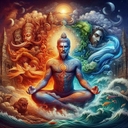
+Opening
| Āneñjasappāyasutta | Conducive to the Imperturbable | 不动行 |
| Evaṃ me sutaṃ— | So I have heard. | 我曾这样听说。 |
| ekaṃ samayaṃ bhagavā kurūsu viharati kammāsadhammaṃ nāma kurūnaṃ nigamo. | At one time the Buddha was staying in the land of the Kurus, near the Kuru town named Kammāsadamma. | 一时,佛陀住在俱卢国,近俱卢市镇名伽马萨达玛。 |
| Tatra kho bhagavā bhikkhū āmantesi: | There the Buddha addressed the monks: | 在那里,佛陀对比丘们讲: |
| “bhikkhavo”ti. | “monks!” | “比丘们!” |
| “Bhadante”ti te bhikkhū bhagavato paccassosuṃ. | “Venerable sir,” they replied. | “世尊!”他们回答。 |
| Bhagavā etadavoca: | The Buddha said this: | 佛陀这样说: |
+106.0 – (Problem with 5kg sensuality cords)
| “Aniccā, bhikkhave, kāmā tucchā musā mosadhammā. | “monks, sensual pleasures are impermanent, baseless, false, and deceptive, | “比丘们,感官享乐是无常的、无根据的、虚假的、欺骗的, |
| Māyākatametaṃ, bhikkhave, bālalāpanaṃ. | made by illusion, cooed over by fools. | 由幻象造成,被愚人欢呼。 |
| Ye ca diṭṭhadhammikā kāmā, ye ca samparāyikā kāmā; | Sensual pleasures in this life and in lives to come, | 此生和未来世的感官享乐, |
| yā ca diṭṭhadhammikā kāmasaññā, yā ca samparāyikā kāmasaññā— | sensual perceptions in this life and in lives to come; | 此生和未来世的感官知觉; |
| ubhayametaṃ māradheyyaṃ, mārassesa visayo, mārassesa nivāpo, mārassesa gocaro. | both of these are Māra’s dominion, Māra’s domain, and Māra’s territory. | 这两者都是魔罗的领域、魔罗的疆域和魔罗的领地。 |
| Etthete pāpakā akusalā mānasā abhijjhāpi byāpādāpi sārambhāpi saṃvattanti. | They conduce to bad, unskillful Dharmas such as desire, ill will, and aggression. | 它们导致恶的、不善的法,如欲望、恶意和侵略。 |
| Teva ariyasāvakassa idhamanusikkhato antarāyāya sambhavanti. | And they create an obstacle for a noble-one's-disciple training here. | 它们为在此修行的圣弟子制造障碍。 |
| Tatra, bhikkhave, ariyasāvako iti paṭisañcikkhati: | A noble-one's-disciple reflects on this: | 圣弟子如此反思: |
| ‘ye ca diṭṭhadhammikā kāmā, ye ca samparāyikā kāmā; | ‘Sensual pleasures in this life and in lives to come, | ‘此生和未来世的感官享乐, |
| yā ca diṭṭhadhammikā kāmasaññā, yā ca samparāyikā kāmasaññā— | sensual perceptions in this life and in lives to come; | 此生和未来世的感官知觉; |
| ubhayametaṃ māradheyyaṃ, mārassesa visayo, mārassesa nivāpo, mārassesa gocaro. | both of these are Māra’s dominion, Māra’s domain, and Māra’s territory. | 这两者都是魔罗的领域、魔罗的疆域和魔罗的领地。 |
| Etthete pāpakā akusalā mānasā abhijjhāpi byāpādāpi sārambhāpi saṃvattanti, | They conduce to bad, unskillful Dharmas such as desire, ill will, and aggression. | 它们导致恶的、不善的法,如欲望、恶意和侵略。 |
| teva ariyasāvakassa idhamanusikkhato antarāyāya sambhavanti. | And they create an obstacle for a noble-one's-disciple training here. | 它们为在此修行的圣弟子制造障碍。 |
+106.1 – (first way to imperturbable: with vast, exalted mind: vipulena mahaggatena cetasā)
| Yannūnāhaṃ vipulena mahaggatena cetasā vihareyyaṃ abhibhuyya lokaṃ adhiṭṭhāya manasā. | Why don’t I meditate with an abundant, expansive heart, having mastered the world and resolved the mind? | 为什么我不以一种丰富、广阔的心来禅修,掌握了世间并解决了心意? |
| Vipulena hi me mahaggatena cetasā viharato abhibhuyya lokaṃ adhiṭṭhāya manasā ye pāpakā akusalā mānasā abhijjhāpi byāpādāpi sārambhāpi te na bhavissanti. | Then I will have no more bad, unskillful Dharmas such as desire, ill will, and aggression. | 那样我就不会再有欲望、恶意和侵略等恶的、不善的法。 |
| Tesaṃ pahānā aparittañca me cittaṃ bhavissati appamāṇaṃ subhāvitan’ti. | And by giving them up my mind, no longer limited, will become limitless and well developed.’ | 通过放弃它们,我的心不再受限,将变得无限和良好发展。’ |
| Tassa evaṃpaṭipannassa tabbahulavihārino āyatane cittaṃ pasīdati. | Practicing in this way and meditating on it often their mind becomes confident in this dimension. | 这样修行并经常禅修,他们的心对此境界变得自信。 |
| Sampasāde sati etarahi vā āneñjaṃ samāpajjati paññāya vā adhimuccati kāyassa bhedā paraṃ maraṇā. | Being confident, they either attain the imperturbable now, or are freed by wisdom. | 自信后,他们要么现在就证得不动法,要么通过智慧获得解脱。 |
| Ṭhānametaṃ vijjati yaṃ taṃsaṃvattanikaṃ viññāṇaṃ assa āneñjūpagaṃ. | When their body breaks up, after death, it’s possible that the consciousness headed that way will be reborn in the imperturbable. | 当他们的身体坏灭,死后,那个朝向那个方向的意识有可能在不动法中重生。 |
| Ayaṃ, bhikkhave, paṭhamā āneñjasappāyā paṭipadā akkhāyati. | This is said to be the first way of practice suitable for attaining the imperturbable. | 这被认为是适合证得不动法的第一个修行方法。 |
+106.2 – (second way to imperturbable: all form, rūpa, is just 4 elements)
| Puna caparaṃ, bhikkhave, ariyasāvako iti paṭisañcikkhati: | Furthermore, a noble-one's-disciple reflects: | 此外,圣弟子反思: |
| ‘ye ca diṭṭhadhammikā kāmā, ye ca samparāyikā kāmā; | ‘Sensual pleasures in this life and in lives to come, | “此生和未来世的感官享乐, |
| yā ca diṭṭhadhammikā kāmasaññā, yā ca samparāyikā kāmasaññā; | sensual perceptions in this life and in lives to come; | 此生和未来世的感官知觉; |
| yaṃ kiñci rūpaṃ sabbaṃ rūpaṃ cattāri ca mahābhūtāni, catunnañca mahābhūtānaṃ upādāyarūpan’ti. | whatever is form, all form is the four primary elements, or form derived from the four primary elements.’ | 凡是色法,所有色法都是四大元素,或由四大元素所生的色法。” |
| Tassa evaṃpaṭipannassa tabbahulavihārino āyatane cittaṃ pasīdati. | Practicing in this way and meditating on it often their mind becomes confident in this dimension. | 这样修行并经常禅修,他们的心对此境界变得自信。 |
| Sampasāde sati etarahi vā āneñjaṃ samāpajjati paññāya vā adhimuccati kāyassa bhedā paraṃ maraṇā. | Being confident, they either attain the imperturbable now, or are freed by wisdom. | 自信后,他们要么现在就证得不动法,要么通过智慧获得解脱。 |
| Ṭhānametaṃ vijjati yaṃ taṃsaṃvattanikaṃ viññāṇaṃ assa āneñjūpagaṃ. | When their body breaks up, after death, it’s possible that the consciousness headed that way will be reborn in the imperturbable. | 当他们的身体坏灭,死后,那个朝向那个方向的意识有可能在不动法中重生。 |
| Ayaṃ, bhikkhave, dutiyā āneñjasappāyā paṭipadā akkhāyati. | This is said to be the second way of practice suitable for attaining the imperturbable. | 这被认为是适合证得不动法的第二个修行方法。 |
+106.3 – (third way to imperturbable: all form, rūpa, from past present future are impermanent)
| Puna caparaṃ, bhikkhave, ariyasāvako iti paṭisañcikkhati: | Furthermore, a noble-one's-disciple reflects: | 此外,圣弟子反思: |
| ‘ye ca diṭṭhadhammikā kāmā, ye ca samparāyikā kāmā; | ‘Sensual pleasures in this life and in lives to come, | “此生和未来世的感官享乐, |
| yā ca diṭṭhadhammikā kāmasaññā, yā ca samparāyikā kāmasaññā; | sensual perceptions in this life and in lives to come, | 此生和未来世的感官知觉, |
| ye ca diṭṭhadhammikā rūpā, ye ca samparāyikā rūpā; | material-forms in this life and in lives to come, | 此生和未来世的物质形式, |
| yā ca diṭṭhadhammikā rūpasaññā, yā ca samparāyikā rūpasaññā— | perceptions of material-forms in this life and in lives to come; | 此生和未来世对物质形式的知觉; |
| ubhayametaṃ aniccaṃ. | all of these are impermanent. | 所有这些都是无常的。 |
| Yadaniccaṃ taṃ nālaṃ abhinandituṃ, nālaṃ abhivadituṃ, nālaṃ ajjhositun’ti. | And what’s impermanent is not worth approving, welcoming, or clinging to.’ | 无常的东西不值得赞同、欢迎或执着。” |
| Tassa evaṃpaṭipannassa tabbahulavihārino āyatane cittaṃ pasīdati. | Practicing in this way and meditating on it often their mind becomes confident in this dimension. | 这样修行并经常禅修,他们的心对此境界变得自信。 |
| Sampasāde sati etarahi vā āneñjaṃ samāpajjati paññāya vā adhimuccati kāyassa bhedā paraṃ maraṇā. | Being confident, they either attain the imperturbable now, or are freed by wisdom. | 自信后,他们要么现在就证得不动法,要么通过智慧获得解脱。 |
| Ṭhānametaṃ vijjati yaṃ taṃsaṃvattanikaṃ viññāṇaṃ assa āneñjūpagaṃ. | When their body breaks up, after death, it’s possible that the consciousness headed that way will be reborn in the imperturbable. | 当他们的身体坏灭,死后,那个朝向那个方向的意识有可能在不动法中重生。 |
| Ayaṃ, bhikkhave, tatiyā āneñjasappāyā paṭipadā akkhāyati. | This is said to be the third way of practice suitable for attaining the imperturbable. | 这被认为是适合证得不动法的第三个修行方法。 |
+106.11 – (first practice to dimension of nothingness: drop all perceptions of form and lower formless dimensions)
| Puna caparaṃ, bhikkhave, ariyasāvako iti paṭisañcikkhati: | Furthermore, a noble-one's-disciple reflects: | 此外,圣弟子反思: |
| ‘ye ca diṭṭhadhammikā kāmā, ye ca samparāyikā kāmā; | ‘Sensual pleasures in this life and in lives to come, | “此生和未来世的感官享乐, |
| yā ca diṭṭhadhammikā kāmasaññā, yā ca samparāyikā kāmasaññā; | sensual perceptions in this life and in lives to come, | 此生和未来世的感官知觉, |
| ye ca diṭṭhadhammikā rūpā, ye ca samparāyikā rūpā; | material-forms in this life and in lives to come, | 此生和未来世的物质形式, |
| yā ca diṭṭhadhammikā rūpasaññā, yā ca samparāyikā rūpasaññā; | perceptions of material-forms in this life and in lives to come, | 此生和未来世对物质形式的知觉, |
| yā ca āneñjasaññā— | and perceptions of the imperturbable; | 以及对不动法的知觉; |
| sabbā saññā. | all are perceptions. | 所有这些都是知觉。 |
| Yatthetā aparisesā nirujjhanti etaṃ santaṃ etaṃ paṇītaṃ— | Where [perceptions of form and perceptions of lower formless dimensions] cease without anything left over, that is peaceful, that is sublime, | 当它们完全止息而无余时,那才是平静的,那才是崇高的, |
| yadidaṃ ākiñcaññāyatanan’ti. | namely the dimension of nothingness.’ | 即空无边处。” |
| Tassa evaṃpaṭipannassa tabbahulavihārino āyatane cittaṃ pasīdati. | Practicing in this way and meditating on it often their mind becomes confident in this dimension. | 这样修行并经常禅修,他们的心对此境界变得自信。 |
| Sampasāde sati etarahi vā ākiñcaññāyatanaṃ samāpajjati paññāya vā adhimuccati kāyassa bhedā paraṃ maraṇā. | Being confident, they either attain the dimension of nothingness now, or are freed by wisdom. | 自信后,他们要么现在就证得空无边处,要么通过智慧获得解脱。 |
| Ṭhānametaṃ vijjati yaṃ taṃsaṃvattanikaṃ viññāṇaṃ assa ākiñcaññāyatanūpagaṃ. | When their body breaks up, after death, it’s possible that the consciousness headed that way will be reborn in the dimension of nothingness. | 当他们的身体坏灭,死后,那个朝向那个方向的意识有可能在空无边处中重生。 |
| Ayaṃ, bhikkhave, paṭhamā ākiñcaññāyatanasappāyā paṭipadā akkhāyati. | This is said to be the first way of practice suitable for attaining the dimension of nothingness. | 这被认为是适合证得空无边处的第一个修行方法。 |
+106.12 – (second practice to dimension of nothingness: seeing emptiness, no self identity there)
| Puna caparaṃ, bhikkhave, ariyasāvako araññagato vā rukkhamūlagato vā suññāgāragato vā iti paṭisañcikkhati: | Furthermore, a noble-one's-disciple has gone to a wilderness, or to the root of a tree, or to an empty hut, and reflects like this: | 此外,圣弟子已去到荒野,或树根下,或空茅屋中,并这样反思: |
| ‘suññamidaṃ attena vā attaniyena vā’ti. | ‘This is empty of a self or what belongs to a self.’ | “这空无我或属于我之物。” |
| Tassa evaṃpaṭipannassa tabbahulavihārino āyatane cittaṃ pasīdati. | Practicing in this way and meditating on it often their mind becomes confident in this dimension. | 这样修行并经常禅修,他们的心对此境界变得自信。 |
| Sampasāde sati etarahi vā ākiñcaññāyatanaṃ samāpajjati paññāya vā adhimuccati kāyassa bhedā paraṃ maraṇā. | Being confident, they either attain the dimension of nothingness now, or are freed by wisdom. | 自信后,他们要么现在就证得空无边处,要么通过智慧获得解脱。 |
| Ṭhānametaṃ vijjati yaṃ taṃsaṃvattanikaṃ viññāṇaṃ assa ākiñcaññāyatanūpagaṃ. | When their body breaks up, after death, it’s possible that the consciousness headed that way will be reborn in the dimension of nothingness. | 当他们的身体坏灭,死后,那个朝向那个方向的意识有可能在空无边处中重生。 |
| Ayaṃ, bhikkhave, dutiyā ākiñcaññāyatanasappāyā paṭipadā akkhāyati. | This is said to be the second way of practice suitable for attaining the dimension of nothingness. | 这被认为是适合证得空无边处的第二个修行方法。 |
+106.13 – (third practice to dimension of nothingness: seeing ‘not mine’)
| Puna caparaṃ, bhikkhave, ariyasāvako iti paṭisañcikkhati: | Furthermore, a noble-one's-disciple reflects: | 此外,圣弟子反思: |
| ‘nāhaṃ kvacani kassaci kiñcanatasmiṃ, na ca mama kvacani kismiñci kiñcanaṃ natthī’ti. | ‘I don’t belong to anyone anywhere! And nothing belongs to me anywhere!’ | “我在任何地方都不属于任何人!而且任何地方都没有任何东西属于我!” |
| Tassa evaṃpaṭipannassa tabbahulavihārino āyatane cittaṃ pasīdati. | Practicing in this way and meditating on it often their mind becomes confident in this dimension. | 这样修行并经常禅修,他们的心对此境界变得自信。 |
| Sampasāde sati etarahi vā ākiñcaññāyatanaṃ samāpajjati paññāya vā adhimuccati kāyassa bhedā paraṃ maraṇā. | Being confident, they either attain the dimension of nothingness now, or are freed by wisdom. | 自信后,他们要么现在就证得空无边处,要么通过智慧获得解脱。 |
| Ṭhānametaṃ vijjati yaṃ taṃsaṃvattanikaṃ viññāṇaṃ assa ākiñcaññāyatanūpagaṃ. | When their body breaks up, after death, it’s possible that the consciousness headed that way will be reborn in the dimension of nothingness. | 当他们的身体坏灭,死后,那个朝向那个方向的意识有可能在空无边处中重生。 |
| Ayaṃ, bhikkhave, tatiyā ākiñcaññāyatanasappāyā paṭipadā akkhāyati. | This is said to be the third way of practice suitable for attaining the dimension of nothingness. | 这被认为是适合证得空无边处的第三个修行方法。 |
+106.20 – (way to neither perception nor non perception: drop perception of nothingness dimension)
| Puna caparaṃ, bhikkhave, ariyasāvako iti paṭisañcikkhati: | Furthermore, a noble-one's-disciple reflects: | 此外,圣弟子反思: |
| ‘ye ca diṭṭhadhammikā kāmā, ye ca samparāyikā kāmā; | ‘Sensual pleasures in this life and in lives to come, | “此生和未来世的感官享乐, |
| yā ca diṭṭhadhammikā kāmasaññā, yā ca samparāyikā kāmasaññā; | sensual perceptions in this life and in lives to come, | 此生和未来世的感官知觉, |
| ye ca diṭṭhadhammikā rūpā, ye ca samparāyikā rūpā; | material-forms in this life and in lives to come, | 此生和未来世的物质形式, |
| yā ca diṭṭhadhammikā rūpasaññā, yā ca samparāyikā rūpasaññā; | perceptions of material-forms in this life and in lives to come, | 此生和未来世对物质形式的知觉, |
| yā ca āneñjasaññā, yā ca ākiñcaññāyatanasaññā— | perceptions of the imperturbable, and perceptions of the dimension of nothingness; | 对不动法的知觉,以及对空无边处的知觉; |
| sabbā saññā. | all are perceptions. | 所有这些都是知觉。 |
| Yatthetā aparisesā nirujjhanti etaṃ santaṃ etaṃ paṇītaṃ— | Where they cease without anything left over, that is peaceful, that is sublime, | 当它们完全止息而无余时,那才是平静的,那才是崇高的, |
| yadidaṃ nevasaññānāsaññāyatanan’ti. | namely the dimension of neither perception nor non-perception.’ | 即非想非非想处。” |
| Tassa evaṃpaṭipannassa tabbahulavihārino āyatane cittaṃ pasīdati. | Practicing in this way and meditating on it often their mind becomes confident in this dimension. | 这样修行并经常禅修,他们的心对此境界变得自信。 |
| Sampasāde sati etarahi vā nevasaññānāsaññāyatanaṃ samāpajjati paññāya vā adhimuccati kāyassa bhedā paraṃ maraṇā. | Being confident, they either attain the dimension of neither perception nor non-perception now, or are freed by wisdom. | 自信后,他们要么现在就证得非想非非想处,要么通过智慧获得解脱。 |
| Ṭhānametaṃ vijjati yaṃ taṃsaṃvattanikaṃ viññāṇaṃ assa nevasaññānāsaññāyatanūpagaṃ. | When their body breaks up, after death, it’s possible that the consciousness headed that way will be reborn in the dimension of neither perception nor non-perception. | 当他们的身体坏灭,死后,那个朝向那个方向的意识有可能在非想非非想处中重生。 |
| Ayaṃ, bhikkhave, nevasaññānāsaññāyatanasappāyā paṭipadā akkhāyatī”ti. | This is said to be the way of practice suitable for attaining the dimension of neither perception nor non-perception.” | 这被认为是适合证得非想非非想处的修行方法。” |
+106.25 – (clinging to upekkha in formless dimension prevents nirvana)
| Evaṃ vutte, āyasmā ānando bhagavantaṃ etadavoca: | When he said this, Venerable Ānanda said to the Buddha: | 当他说完这些话时,阿难尊者对佛陀说: |
| “idha, bhante, bhikkhu evaṃ paṭipanno hoti: | "Sir, take a monk who practices like this: | “世尊,请看一位这样修行的比丘: |
| ‘no cassa, no ca me siyā; na bhavissati, na me bhavissati; yadatthi yaṃ, bhūtaṃ—taṃ pajahāmī’ti. | ‘It might not be, and it might not be mine. It will not be, and it will not be mine. I am giving up what exists, what has come to be.’ | ‘它可能不存在,它可能不属于我。它将不存在,它将不属于我。我正在放弃现有的,已形成的。’ |
| Evaṃ upekkhaṃ paṭilabhati. | In this way they gain equanimous-observation. | 这样,他们获得了舍心。 |
| Parinibbāyeyya nu kho so, bhante, bhikkhu na vā parinibbāyeyyā”ti? | Would that monk become nirvana'd or not?” | 那位比丘会证得涅槃吗?还是不会?” |
| “Apetthekacco, ānanda, bhikkhu parinibbāyeyya, apetthekacco bhikkhu na parinibbāyeyyā”ti. | “One such monk might become nirvana'd, Ānanda, while another might not.” | “这样的比丘可能证得涅槃,阿难,而另一个可能不会。” |
| “Ko nu kho, bhante, hetu ko paccayo yenapetthekacco bhikkhu parinibbāyeyya, apetthekacco bhikkhu na parinibbāyeyyā”ti? | “What is the cause, sir, what is the reason for this?” | “世尊,这是什么原因,什么理由呢?” |
| “Idhānanda, bhikkhu evaṃ paṭipanno hoti: | “Ānanda, take a monk who practices like this: | “阿难,就拿一位这样修行的比丘来说: |
| ‘no cassa, no ca me siyā; na bhavissati, na me bhavissati; yadatthi, yaṃ bhūtaṃ—taṃ pajahāmī’ti. | ‘It might not be, and it might not be mine. It will not be, and it will not be mine. I am giving up what exists, what has come to be.’ | ‘它可能不存在,它可能不属于我。它将不存在,它将不属于我。我正在放弃现有的,已形成的。’ |
| Evaṃ upekkhaṃ paṭilabhati. | In this way they gain equanimous-observation. | 这样,他们获得了舍心。 |
| So taṃ upekkhaṃ abhinandati, abhivadati, ajjhosāya tiṭṭhati. | They approve, welcome, and keep clinging to that equanimous-observation. | 他们赞同、欢迎并持续执着于那个舍心。 |
| Tassa taṃ upekkhaṃ abhinandato abhivadato ajjhosāya tiṭṭhato tannissitaṃ hoti viññāṇaṃ tadupādānaṃ. | Their consciousness relies on that and grasps it. | 他们的意识依赖于那个并执取它。 |
| Saupādāno, ānanda, bhikkhu na parinibbāyatī”ti. | A monk with grasping does not become nirvana'd.” | 一个有执着的比丘不会证得涅槃。” |
| “Kahaṃ pana so, bhante, bhikkhu upādiyamāno upādiyatī”ti? | “But sir, what is that monk grasping?” | “但是世尊,那位比丘执着的是什么呢?” |
| “Nevasaññānāsaññāyatanaṃ, ānandā”ti. | “The dimension of neither perception nor non-perception.” | “非想非非想处。” |
| “Upādānaseṭṭhaṃ kira so, bhante, bhikkhu upādiyamāno upādiyatī”ti? | “Sir, it seems that monk is grasping the best thing to grasp!” | “世尊,看来那位比丘执着的是最好的东西!” |
| “Upādānaseṭṭhañhi so, ānanda, bhikkhu upādiyamāno upādiyati. | “Indeed, Ānanda. | “确实如此,阿难。 |
| Upādānaseṭṭhañhetaṃ, ānanda, yadidaṃ— | For the best thing to grasp is | 因为最好的执着是 |
| nevasaññānāsaññāyatanaṃ. | the dimension of neither perception nor non-perception. | 非想非非想处。 |
❧
+106.30 – (not clinging to upekkha in formless dimension enables nirvana)
| Idhānanda, bhikkhu evaṃ paṭipanno hoti: | Take a monk who practices like this: | 就拿一位这样修行的比丘来说: |
| ‘no cassa, no ca me siyā; na bhavissati, na me bhavissati; yadatthi, yaṃ bhūtaṃ—taṃ pajahāmī’ti. | ‘It might not be, and it might not be mine. It will not be, and it will not be mine. I am giving up what exists, what has come to be.’ | ‘它可能不存在,它可能不属于我。它将不存在,它将不属于我。我正在放弃现有的,已形成的。’ |
| Evaṃ upekkhaṃ paṭilabhati. | In this way they gain equanimous-observation. | 这样,他们获得了舍心。 |
| So taṃ upekkhaṃ nābhinandati, nābhivadati, na ajjhosāya tiṭṭhati. | They don’t approve, welcome, or keep clinging to that equanimous-observation. | 他们不赞同、不欢迎、不持续执着于那个舍心。 |
| Tassa taṃ upekkhaṃ anabhinandato anabhivadato anajjhosāya tiṭṭhato na tannissitaṃ hoti viññāṇaṃ na tadupādānaṃ. | So their consciousness doesn’t rely on that and grasp it. | 所以他们的意识不依赖于那个并执取它。 |
| Anupādāno, ānanda, bhikkhu parinibbāyatī”ti. | A monk free of grasping becomes nirvana'd.” | 一个没有执着的比丘会证得涅槃。” |
+106.35 – (conclusion)
all
| “Acchariyaṃ, bhante, abbhutaṃ, bhante. | “It’s incredible, sir, it’s amazing! | “世尊,真是不可思议,真是令人惊叹! |
| Nissāya nissāya kira no, bhante, bhagavatā oghassa nittharaṇā akkhātā. | The Buddha has explained to us how to cross over the flood by relying on one support or the other. | 佛陀已向我们解释了如何依靠一个或另一个依靠来度过洪流。 |
+§35.1 – (define noble liberation, ariyo vimokkho)
| Katamo pana, bhante, ariyo vimokkho”ti? | But sir, what is noble liberation?” | 但是世尊,什么是圣者解脱呢?” |
| “Idhānanda, bhikkhu ariyasāvako iti paṭisañcikkhati: | “Ananda, it’s when a monk reflects like this: | “阿难,当一位比丘这样反思时: |
| ‘ye ca diṭṭhadhammikā kāmā, ye ca samparāyikā kāmā; | ‘Sensual pleasures in this life and in lives to come, | ‘此生和未来世的感官享乐, |
| yā ca diṭṭhadhammikā kāmasaññā, yā ca samparāyikā kāmasaññā; | sensual perceptions in this life and in lives to come, | 此生和未来世的感官知觉, |
| ye ca diṭṭhadhammikā rūpā, ye ca samparāyikā rūpā; | material-forms in this life and in lives to come, | 此生和未来世的物质形式, |
| yā ca diṭṭhadhammikā rūpasaññā, yā ca samparāyikā rūpasaññā; | perceptions of material-forms in this life and in lives to come, | 此生和未来世对物质形式的知觉, |
| yā ca āneñjasaññā, yā ca ākiñcaññāyatanasaññā, yā ca nevasaññānāsaññāyatanasaññā— | perceptions of the imperturbable, perceptions of the dimension of nothingness, perceptions of the dimension of neither perception nor non-perception; | 对不动法的知觉,对空无边处的知觉,对非想非非想处的知觉; |
+§35.2 – (identity, sak-kāya)
| esa sakkāyo yāvatā sakkāyo. | that is identity as far as identity extends. | 那就是认同,直到认同延伸的范围。 |
| Etaṃ amataṃ yadidaṃ anupādā cittassa vimokkho. | This is the deathless, namely the liberation of the mind through not grasping. | 这就是不死,即通过不执着而解脱心意。 |
| Iti, kho, ānanda, desitā mayā āneñjasappāyā paṭipadā, desitā ākiñcaññāyatanasappāyā paṭipadā, desitā nevasaññānāsaññāyatanasappāyā paṭipadā, desitā nissāya nissāya oghassa nittharaṇā, desito ariyo vimokkho. | So, Ānanda, I have taught the ways of practice suitable for attaining the imperturbable, the dimension of nothingness, and the dimension of neither perception nor non-perception. I have taught how to cross the flood by relying on one support or the other, and I have taught noble liberation. | 所以,阿难,我已教导了适合证得不动法、空无边处和非想非非想处的修行方法。我已教导了如何依靠一个或另一个依靠来度过洪流,我也教导了圣者解脱。 |
| Yaṃ kho, ānanda, satthārā karaṇīyaṃ sāvakānaṃ hitesinā anukampakena anukampaṃ upādāya, kataṃ vo taṃ mayā. | Out of compassion, I’ve done what a teacher should do who wants what’s best for their disciples. | 出于慈悲,我已做了老师应该做的事情,即为弟子们寻求最好的。 |
+§35.3 – (you know what to do: empty huts, trees, jhāna)
| Etāni, ānanda, rukkhamūlāni, etāni suññāgārāni. Jhāyathānanda, mā pamādattha, mā pacchā vippaṭisārino ahuvattha. Ayaṃ vo amhākaṃ anusāsanī’”ti. | Here are these roots of trees, and here are these empty huts. Practice jhāna, Ānanda! Don’t be negligent! Don’t regret it later! This is my instruction to you.” | 这里是树根,这里是空茅屋。阿难,禅修吧!不要懈怠!不要以后后悔!这是我对你们的教诲。” |
| Idamavoca bhagavā. | That is what the Buddha said. | 佛陀这样说。 |
| Attamano āyasmā ānando bhagavato bhāsitaṃ abhinandīti. | Satisfied, Venerable Ānanda was happy with what the Buddha said. | 阿难尊者满意,并对佛陀所说感到高兴。 |
❧
+Thānissaro footnotes
1. According to the commentaries, “imperturbable” denotes the fourth jhāna and the four formless attainments.
MN 66 provides partial support for this interpretation, saying that the first three jhānas are perturbable while the fourth is not, but this sutta does not include the dimension of nothingness under the term—or, apparently, any of the formless attainments higher than that.
❧
+MN 107 Gaṇaka-moggallāna:
To Gaṇaka Moggallāna
all
To Gaṇaka Moggallāna
Opening
+With Moggallāna the Accountant
| (derived from B. Sujato 2018/12) | ||
| Evaṃ me sutaṃ— | So I have heard. | 我曾这样听说: |
| ekaṃ samayaṃ bhagavā sāvatthiyaṃ viharati pubbārāme migāramātupāsāde. | At one time the Buddha was staying near Sāvatthī in the Eastern Monastery, the stilt longhouse of Migāra’s mother. | 那时,佛陀住在舍卫城,在弥伽罗母亲的东园重阁堂。 |
| Atha kho gaṇakamoggallāno brāhmaṇo yena bhagavā tenupasaṅkami; upasaṅkamitvā bhagavatā saddhiṃ sammodi. | Then the brahmin Moggallāna the Accountant went up to the Buddha, and exchanged greetings with him. | 于是,计财的婆罗门目犍连前来见佛陀,并与佛陀互相问候。 |
| Sammodanīyaṃ kathaṃ sāraṇīyaṃ vītisāretvā ekamantaṃ nisīdi. Ekamantaṃ nisinno kho gaṇakamoggallāno brāhmaṇo bhagavantaṃ etadavoca: | When the greetings and polite conversation were over, he sat down to one side and said to the Buddha: | 问候和礼貌的交谈结束后,他坐在一边,对佛陀说: |
| “Seyyathāpi, bho gotama, imassa migāramātupāsādassa dissati anupubbasikkhā anupubbakiriyā anupubbapaṭipadā yadidaṃ— | “Master Gotama, in this stilt longhouse we can see gradual progress | “乔达摩大师,在这重阁堂里,我们能看到循序渐进的进步, |
| yāva pacchimasopānakaḷevarā; | down to the last step of the staircase. | 直到楼梯的最后一级。 |
| imesampi hi, bho gotama, brāhmaṇānaṃ dissati anupubbasikkhā anupubbakiriyā anupubbapaṭipadā yadidaṃ— | Among the brahmins we can see gradual progress | 在婆罗门中,我们能看到循序渐进的进步, |
| ajjhene; | in learning the chants. | 学习吟诵。 |
| imesampi hi, bho gotama, issāsānaṃ dissati anupubbasikkhā anupubbakiriyā anupubbapaṭipadā yadidaṃ— | Among archers we can see gradual progress | 在弓箭手中,我们能看到循序渐进的进步, |
| issatthe. | in archery. | 射箭。 |
| Amhākampi hi, bho gotama, gaṇakānaṃ gaṇanājīvānaṃ dissati anupubbasikkhā anupubbakiriyā anupubbapaṭipadā yadidaṃ— | Among us accountants, who earn a living by accounting, we can see gradual progress | 在我们这些靠会计谋生的会计师中,我们能看到循序渐进的进步, |
| saṅkhāne. | in mathematics. | 数学。 |
| Mayañhi, bho gotama, antevāsiṃ labhitvā paṭhamaṃ evaṃ gaṇāpema: | For when we get an apprentice we first make them count: | 因为当我们收徒时,我们首先让他们数: |
| ‘ekaṃ ekakaṃ, dve dukā, tīṇi tikā, cattāri catukkā, pañca pañcakā, cha chakkā, satta sattakā, aṭṭha aṭṭhakā, nava navakā, dasa dasakā’ti; | ‘One one, two twos, three threes, four fours, five fives, six sixes, seven sevens, eight eights, nine nines, ten tens.’ | ‘一一,二二,三三,四四,五五,六六,七七,八八,九九,十十。’ |
| satampi mayaṃ, bho gotama, gaṇāpema, bhiyyopi gaṇāpema. | We even make them count up to a hundred. | 我们甚至让他们数到一百。 |
| Sakkā nu kho, bho gotama, imasmimpi dhammavinaye evameva anupubbasikkhā anupubbakiriyā anupubbapaṭipadā paññapetun”ti? | Is it possible to similarly describe a gradual training, gradual progress, and gradual practice in this Dharma and training?” | 在这教导和训练中,是否也能同样地描述渐进的训练、渐进的进步和渐进的实践呢?” |
| “Sakkā, brāhmaṇa, imasmimpi dhammavinaye anupubbasikkhā anupubbakiriyā anupubbapaṭipadā paññapetuṃ. | “It is possible, brahmin. | “婆罗门,这是可能的。 |
| Seyyathāpi, brāhmaṇa, dakkho assadammako bhaddaṃ assājānīyaṃ labhitvā paṭhameneva mukhādhāne kāraṇaṃ kāreti, atha uttariṃ kāraṇaṃ kāreti; | Suppose an expert horse trainer were to obtain a fine thoroughbred. First of all he’d make it get used to wearing the bit. | 假如一个熟练的驯马师得到一匹优秀的纯种马。首先他会训练它习惯戴嚼子。 |
| evameva kho, brāhmaṇa, tathāgato purisadammaṃ labhitvā paṭhamaṃ evaṃ vineti: | In the same way, when the Realized One gets a person for training they first guide them like this: | 同样地,当如来训练一个人时,他们首先这样引导他们: |
| ‘ehi tvaṃ, bhikkhu, sīlavā hohi, pātimokkhasaṃvarasaṃvuto viharāhi ācāragocarasampanno aṇumattesu vajjesu bhayadassāvī, samādāya sikkhassu sikkhāpadesū’ti. | ‘Come, monk, be ethical and restrained in the monastic code, with appropriate behavior and means of collecting alms. Seeing danger in the slightest flaw, keep the rules you’ve undertaken.’ | ‘来,比丘,在戒律中保持伦理和约束,举止得体,乞食方式合宜。看到最微小的过失也有危险,遵守你所承担的戒律。’ |
| Yato kho, brāhmaṇa, bhikkhu sīlavā hoti, pātimokkhasaṃvarasaṃvuto viharati ācāragocarasampanno aṇumattesu vajjesu bhayadassāvī, samādāya sikkhati sikkhāpadesu, tamenaṃ tathāgato uttariṃ vineti: | When they have ethical conduct, the Realized One guides them further: | 当他们具备道德行为时,如来进一步引导他们: |
| ‘ehi tvaṃ, bhikkhu, indriyesu guttadvāro hohi, cakkhunā rūpaṃ disvā mā nimittaggāhī hohi mānubyañjanaggāhī. | ‘Come, monk, guard your sense doors. When you see a sight with your eyes, don’t get caught up in the features and details. | ‘来,比丘,守护你的感官之门。当你的眼睛看到景象时,不要被特征和细节所迷惑。 |
| Yatvādhikaraṇamenaṃ cakkhundriyaṃ asaṃvutaṃ viharantaṃ abhijjhādomanassā pāpakā akusalā dhammā anvāssaveyyuṃ tassa saṃvarāya paṭipajjāhi; rakkhāhi cakkhundriyaṃ, cakkhundriye saṃvaraṃ āpajjāhi. | If the faculty of sight were left unrestrained, bad unskillful Dharmas of desire and aversion would become overwhelming. For this reason, practice restraint, protect the faculty of sight, and achieve restraint over it. | 如果视觉器官不受约束,贪欲和嗔恚的坏不善法就会变得压倒一切。因此,要练习约束,保护视觉器官,并对其实现约束。 |
| Sotena saddaṃ sutvā … pe … | When you hear a sound with your ears … | 当你的耳朵听到声音时…… |
| ghānena gandhaṃ ghāyitvā … pe … | When you smell an odor with your nose … | 当你的鼻子闻到气味时…… |
| jivhāya rasaṃ sāyitvā … pe … | When you taste a flavor with your tongue … | 当你的舌头尝到味道时…… |
| kāyena phoṭṭhabbaṃ phusitvā … pe … | When you feel a touch with your body … | 当你的身体感受到触觉时…… |
| manasā dhammaṃ viññāya mā nimittaggāhī hohi mānubyañjanaggāhī. | When you know a thought with your mind, don’t get caught up in the features and details. | 当你的心知道一个念头时,不要被特征和细节所迷惑。 |
| Yatvādhikaraṇamenaṃ manindriyaṃ asaṃvutaṃ viharantaṃ abhijjhādomanassā pāpakā akusalā dhammā anvāssaveyyuṃ tassa saṃvarāya paṭipajjāhi; rakkhāhi manindriyaṃ, manindriye saṃvaraṃ āpajjāhī’ti. | If the faculty of mind were left unrestrained, bad unskillful Dharmas of desire and aversion would become overwhelming. For this reason, practice restraint, protect the faculty of mind, and achieve its restraint.’ | 如果意根不受约束,贪欲和嗔恚的坏不善法就会变得压倒一切。因此,要练习约束,保护意根,并实现对其的约束。’ |
| Yato kho, brāhmaṇa, bhikkhu indriyesu guttadvāro hoti, tamenaṃ tathāgato uttariṃ vineti: | When they guard their sense doors, the Realized One guides them further: | 当他们守护感官之门时,如来进一步引导他们: |
| ‘ehi tvaṃ, bhikkhu, bhojane mattaññū hohi. | ‘Come, monk, eat in moderation. | ‘来,比丘,饮食适度。 |
| Paṭisaṅkhā yoniso āhāraṃ āhāreyyāsi— | Reflect properly on the food that you eat: | 正确地反思你所吃的食物: |
| neva davāya na madāya na maṇḍanāya na vibhūsanāya, yāvadeva imassa kāyassa ṭhitiyā yāpanāya vihiṃsūparatiyā brahmacariyānuggahāya—iti purāṇañca vedanaṃ paṭihaṅkhāmi, navañca vedanaṃ na uppādessāmi, yātrā ca me bhavissati anavajjatā ca phāsuvihāro cā’ti. | ‘Not for fun, indulgence, adornment, or decoration, but only to continue and sustain this body, avoid harm, and support spiritual practice. So that I will put an end to old discomfort and not give rise to new discomfort, and so that I will keep on living blamelessly and at ease.’ | ‘不为玩乐、放纵、装饰或装点,而只是为了维持和支撑这个身体,避免伤害,并支持精神修行。这样我将结束旧的不适,不再产生新的不适,这样我将无咎且自在地生活下去。’ |
| Yato kho, brāhmaṇa, bhikkhu bhojane mattaññū hoti, tamenaṃ tathāgato uttariṃ vineti: | When they eat in moderation, the Realized One guides them further: | 当他们饮食适度时,如来进一步引导他们: |
| ‘ehi tvaṃ, bhikkhu, jāgariyaṃ anuyutto viharāhi, divasaṃ caṅkamena nisajjāya āvaraṇīyehi dhammehi cittaṃ parisodhehi, rattiyā paṭhamaṃ yāmaṃ caṅkamena nisajjāya āvaraṇīyehi dhammehi cittaṃ parisodhehi, rattiyā majjhimaṃ yāmaṃ dakkhiṇena passena sīhaseyyaṃ kappeyyāsi pāde pādaṃ accādhāya sato sampajāno uṭṭhānasaññaṃ manasikaritvā, rattiyā pacchimaṃ yāmaṃ paccuṭṭhāya caṅkamena nisajjāya āvaraṇīyehi dhammehi cittaṃ parisodhehī’ti. | ‘Come, monk, be committed to wakefulness. Practice walking and sitting meditation by day, purifying your mind from obstacles. In the evening, continue to practice walking and sitting meditation. In the middle of the night, lie down in the lion’s posture—on the right side, placing one foot on top of the other—rememberful and aware, and focused on the time of getting up. In the last part of the night, get up and continue to practice walking and sitting meditation, purifying your mind from obstacles.’ | ‘来,比丘,致力于觉醒。白天修习行禅和坐禅,净化你的心免于障碍。晚上,继续修习行禅和坐禅。在半夜,以狮子卧姿——右侧卧,双脚交叠——保持正念和觉知,专注于起床的时间。在黎明时分,起床继续修习行禅和坐禅,净化你的心免于障碍。’ |
| Yato kho, brāhmaṇa, bhikkhu jāgariyaṃ anuyutto hoti, tamenaṃ tathāgato uttariṃ vineti: | When they are committed to wakefulness, the Realized One guides them further: | 当他们致力于觉醒时,如来进一步引导他们: |
| ‘ehi tvaṃ, bhikkhu, satisampajaññena samannāgato hohi, abhikkante paṭikkante sampajānakārī, ālokite vilokite sampajānakārī, samiñjite pasārite sampajānakārī, saṅghāṭipattacīvaradhāraṇe sampajānakārī, asite pīte khāyite sāyite sampajānakārī, uccārapassāvakamme sampajānakārī, gate ṭhite nisinne sutte jāgarite bhāsite tuṇhībhāve sampajānakārī’ti. | ‘Come, monk, have remembering and lucid-discerning. Act with lucid-discerning when going out and coming back; when looking ahead and aside; when bending and extending the limbs; when bearing the outer robe, bowl and robes; when eating, drinking, chewing, and tasting; when urinating and defecating; when walking, standing, sitting, sleeping, waking, speaking, and keeping silent.’ | ‘来,比丘,具足正念和正知。外出和回来时,瞻前顾后时,屈伸肢体时,穿袈裟、持钵和着衣时,饮食嚼尝时,大小便时,行、住、坐、卧、醒、语、默时,都要正知而行。’ |
| Yato kho, brāhmaṇa, bhikkhu satisampajaññena samannāgato hoti, tamenaṃ tathāgato uttariṃ vineti: | When they have remembering and lucid-discerning, the Realized One guides them further: | 当他们具足正念和正知时,如来进一步引导他们: |
| ‘ehi tvaṃ, bhikkhu, vivittaṃ senāsanaṃ bhajāhi araññaṃ rukkhamūlaṃ pabbataṃ kandaraṃ giriguhaṃ susānaṃ vanapatthaṃ abbhokāsaṃ palālapuñjan’ti. | ‘Come, monk, frequent a secluded lodging—a wilderness, the root of a tree, a hill, a ravine, a mountain cave, a charnel ground, a forest, the open air, a heap of straw.’ | ‘来,比丘,经常去僻静处——荒野、树下、山丘、山谷、山洞、坟场、森林、旷野、草堆。’ |
| So vivittaṃ senāsanaṃ bhajati araññaṃ rukkhamūlaṃ pabbataṃ kandaraṃ giriguhaṃ susānaṃ vanapatthaṃ abbhokāsaṃ palālapuñjaṃ. | And they do so. | 他们就这样做了。 |
| So pacchābhattaṃ piṇḍapātapaṭikkanto nisīdati pallaṅkaṃ ābhujitvā, ujuṃ kāyaṃ paṇidhāya, parimukhaṃ satiṃ upaṭṭhapetvā. | After the meal, they return from alms-round, sit down cross-legged with their body straight, and establish remembering right there. | 饭后,他们从乞食中回来,盘腿而坐,身体挺直,就在那里安住正念。 |
| So abhijjhaṃ loke pahāya vigatābhijjhena cetasā viharati, abhijjhāya cittaṃ parisodheti; | Giving up desire for the world, they meditate with a heart rid of desire, cleansing the mind of desire. | 舍弃对世间的贪欲,他们以离欲之心禅修,净化贪欲之心。 |
| byāpādapadosaṃ pahāya abyāpannacitto viharati sabbapāṇabhūtahitānukampī, byāpādapadosā cittaṃ parisodheti; | Giving up ill will and malevolence, they meditate with a mind rid of ill will, full of compassion for all living beings, cleansing the mind of ill will. | 舍弃瞋恚和恶意,他们以离瞋恚之心禅修,对一切众生充满慈悲,净化瞋恚之心。 |
| thinamiddhaṃ pahāya vigatathinamiddho viharati ālokasaññī sato sampajāno, thinamiddhā cittaṃ parisodheti; | Giving up dullness and drowsiness, they meditate with a mind rid of dullness and drowsiness, perceiving light, rememberful and aware, cleansing the mind of dullness and drowsiness. | 舍弃昏沉和睡眠,他们以离昏沉和睡眠之心禅修,观照光明,具足正念和觉知,净化昏沉和睡眠之心。 |
| uddhaccakukkuccaṃ pahāya anuddhato viharati ajjhattaṃ vūpasantacitto, uddhaccakukkuccā cittaṃ parisodheti; | Giving up restlessness and remorse, they meditate without restlessness, their mind peaceful inside, cleansing the mind of restlessness and remorse. | 舍弃掉举和懊悔,他们无掉举地禅修,内心平静,净化掉举和懊悔之心。 |
| vicikicchaṃ pahāya tiṇṇavicikiccho viharati akathaṃkathī kusalesu dhammesu, vicikicchāya cittaṃ parisodheti. | Giving up doubt, they meditate having gone beyond doubt, not undecided about skillful Dharmas, cleansing the mind of doubt. | 舍弃疑虑,他们禅修,超越疑虑,对善法不再犹豫,净化疑虑之心。 |
| So ime pañca nīvaraṇe pahāya cetaso upakkilese paññāya dubbalīkaraṇe | They give up these five hindrances, corruptions of the heart that weaken wisdom. | 他们舍弃了这五盖,这些染污心识、削弱智慧的障碍。 |
| vivicceva kāmehi vivicca akusalehi dhammehi savitakkaṃ savicāraṃ vivekajaṃ pītisukhaṃ paṭhamaṃ jhānaṃ upasampajja viharati. | Then, quite secluded from sensual pleasures, secluded from unskillful Dharmas, they enter and remain in the first jhāna, which has the mental-joy and pleasure born of seclusion, while directing-thought and evaluation. | 然后,全然地远离感官享乐,远离不善法,他们进入并安住于初禅,其中有离欲而生的喜和乐,以及寻和伺。 |
| Vitakkavicārānaṃ vūpasamā ajjhattaṃ sampasādanaṃ … pe … dutiyaṃ jhānaṃ upasampajja viharati. | As the directed-thought and evaluation are stilled, they enter and remain in the second jhāna, which has the mental-joy and pleasure born of undistractible-lucidity, with internal clarity and confidence, and unified mind, without directing-thought and evaluation. | 随着寻和伺的平息,他们进入并安住于第二禅,其中有由不散乱的明晰而生的喜和乐,内心清明自信,心念统一,没有寻和伺。 |
| Pītiyā ca virāgā … tatiyaṃ jhānaṃ upasampajja viharati. | And with the fading away of mental-joy, they enter and remain in the third jhāna, where they meditate with equanimous-observation, rememberful and aware, personally experiencing pleasure with the flesh and blood physical body of which the noble ones declare, ‘Equanimous and rememberful, one meditates in pleasure.’ | 随着喜的消逝,他们进入并安住于第三禅,在那里他们以舍心禅修,具足正念和觉知,亲身体验圣者所宣称的“平等心和正念,禅修于乐”的快乐。 |
| Sukhassa ca pahānā … catutthaṃ jhānaṃ upasampajja viharati. | Giving up pleasure and pain, and ending former happiness and sadness, they enter and remain in the fourth jhāna, without pleasure or pain, with pure equanimous-observation and remembering. | 舍弃乐和苦,并结束先前的快乐和悲伤,他们进入并安住于第四禅,没有乐或苦,只有纯净的平等心和正念。 |
| Ye kho te, brāhmaṇa, bhikkhū sekkhā apattamānasā anuttaraṃ yogakkhemaṃ patthayamānā viharanti tesu me ayaṃ evarūpī anusāsanī hoti. | That’s how I instruct the monks who are trainees—who haven’t achieved their heart’s desire, but live aspiring to the supreme sanctuary. | 我就是这样指导那些受训的比丘——他们尚未实现内心的愿望,但渴望着至高的庇护所。 |
| Ye pana te bhikkhū arahanto khīṇāsavā vusitavanto katakaraṇīyā ohitabhārā anuppattasadatthā parikkhīṇabhavasaṃyojanā sammadaññāvimuttā tesaṃ ime dhammā diṭṭhadhammasukhavihārāya ceva saṃvattanti, satisampajaññāya cā”ti. | But for those monks who are perfected—who have ended the defilements, completed the spiritual journey, done what had to be done, laid down the burden, achieved their own goal, utterly ended the fetters of rebirth, and are rightly freed through enlightenment—these things lead to pleasureful meditation in the present life, and to remembering and awareness.” | 至于那些已经圆满的比丘——他们已断尽烦恼,完成了灵性之旅,做了该做的事,卸下了重担,实现了自己的目标,彻底断尽了轮回的束缚,并透过证悟而正确地解脱——这些事能让他们在今生享受禅修的快乐,并保持正念和觉知。” |
| Evaṃ vutte, gaṇakamoggallāno brāhmaṇo bhagavantaṃ etadavoca: | When he had spoken, Moggallāna the Accountant said to the Buddha: | 他说完后,计财的婆罗门目犍连对佛陀说: |
| “kiṃ nu kho bhoto gotamassa sāvakā bhotā gotamena evaṃ ovadīyamānā evaṃ anusāsīyamānā sabbe accantaṃ niṭṭhaṃ nibbānaṃ ārādhenti udāhu ekacce nārādhentī”ti? | “When his disciples are instructed and advised like this by Master Gotama, do all of them achieve the ultimate goal, nirvana, or do some of them fail?” | “当乔达摩大师如此教导和劝告弟子时,他们都能达到涅槃的最终目标,还是有些人会失败?” |
| “Appekacce kho, brāhmaṇa, mama sāvakā mayā evaṃ ovadīyamānā evaṃ anusāsīyamānā accantaṃ niṭṭhaṃ nibbānaṃ ārādhenti, ekacce nārādhentī”ti. | “Some succeed, while others fail.” | “有些人成功,有些人失败。” |
| “Ko nu kho, bho gotama, hetu ko paccayo yaṃ tiṭṭhateva nibbānaṃ, tiṭṭhati nibbānagāmī maggo, tiṭṭhati bhavaṃ gotamo samādapetā; | “What is the cause, Master Gotama, what is the reason why, though nirvana is present, the path leading to nirvana is present, and Master Gotama is present to encourage them, | “乔达摩大师,原因何在?为什么涅槃存在,通往涅槃的道路存在,乔达摩大师也在场鼓励他们, |
| atha ca pana bhoto gotamassa sāvakā bhotā gotamena evaṃ ovadīyamānā evaṃ anusāsīyamānā appekacce accantaṃ niṭṭhaṃ nibbānaṃ ārādhenti, ekacce nārādhentī”ti? | still some succeed while others fail?” | 但仍然有些人成功,有些人失败呢?” |
| “Tena hi, brāhmaṇa, taṃyevettha paṭipucchissāmi. Yathā te khameyya tathā naṃ byākareyyāsi. | “Well then, brahmin, I’ll ask you about this in return, and you can answer as you like. | “婆罗门,那我就反问你,你可以随意回答。 |
| Taṃ kiṃ maññasi, brāhmaṇa, | What do you think, brahmin? | 婆罗门,你认为呢? |
| kusalo tvaṃ rājagahagāmissa maggassā”ti? | Are you skilled in the road to Rājagaha?” | 你熟悉通往王舍城的道路吗?” |
| “Evaṃ, bho, kusalo ahaṃ rājagahagāmissa maggassā”ti. | “Yes, I am.” | “是的,我熟悉。” |
| “Taṃ kiṃ maññasi, brāhmaṇa, | “What do you think, brahmin? | “婆罗门,你认为呢? |
| idha puriso āgaccheyya rājagahaṃ gantukāmo. | Suppose a person was to come along who wanted to go to Rājagaha. | 假如有一个人想去王舍城。 |
| So taṃ upasaṅkamitvā evaṃ vadeyya: | He’d approach you and say: | 他会走过来对你说: |
| ‘icchāmahaṃ, bhante, rājagahaṃ gantuṃ; | ‘Sir, I wish to go to Rājagaha. | ‘先生,我想去王舍城。 |
| tassa me rājagahassa maggaṃ upadisā’ti. | Please point out the road to Rājagaha.’ | 请指点通往王舍城的道路。’ |
| Tamenaṃ tvaṃ evaṃ vadeyyāsi: | Then you’d say to them: | 然后你会对他们说: |
| ‘ehambho purisa, ayaṃ maggo rājagahaṃ gacchati. | ‘Here, mister, this road goes to Rājagaha. | ‘先生,这条路通往王舍城。 |
| Tena muhuttaṃ gaccha, tena muhuttaṃ gantvā dakkhissasi amukaṃ nāma gāmaṃ, tena muhuttaṃ gaccha, tena muhuttaṃ gantvā dakkhissasi amukaṃ nāma nigamaṃ; | Go along it for a while, and you’ll see a certain village. Go along a while further, and you’ll see a certain town. | 沿着它走一段路,你会看到一个村庄。再走一段路,你会看到一个城镇。 |
| tena muhuttaṃ gaccha, tena muhuttaṃ gantvā dakkhissasi rājagahassa ārāmarāmaṇeyyakaṃ vanarāmaṇeyyakaṃ bhūmirāmaṇeyyakaṃ pokkharaṇīrāmaṇeyyakan’ti. | Go along a while further and you’ll see Rājagaha with its delightful parks, woods, meadows, and lotus ponds.’ | 再走一段路,你就会看到王舍城,那里有令人愉悦的公园、树林、草地和荷花池。’ |
| So tayā evaṃ ovadīyamāno evaṃ anusāsīyamāno ummaggaṃ gahetvā pacchāmukho gaccheyya. | Instructed like this by you, they might still take the wrong road, heading west. | 经你如此指导,他们可能仍然走错了路,向西走去。 |
| Atha dutiyo puriso āgaccheyya rājagahaṃ gantukāmo. So taṃ upasaṅkamitvā evaṃ vadeyya: ‘icchāmahaṃ, bhante, rājagahaṃ gantuṃ; tassa me rājagahassa maggaṃ upadisā’ti. Tamenaṃ tvaṃ evaṃ vadeyyāsi: ‘ehambho purisa, ayaṃ maggo rājagahaṃ gacchati. Tena muhuttaṃ gaccha, tena muhuttaṃ gantvā dakkhissasi amukaṃ nāma gāmaṃ; tena muhuttaṃ gaccha, tena muhuttaṃ gantvā dakkhissasi amukaṃ nāma nigamaṃ; tena muhuttaṃ gaccha, tena muhuttaṃ gantvā dakkhissasi rājagahassa ārāmarāmaṇeyyakaṃ vanarāmaṇeyyakaṃ bhūmirāmaṇeyyakaṃ pokkharaṇīrāmaṇeyyakan’ti. |
But a second person might come with the same question and receive the same instructions. | 但第二个人可能带着同样的问题前来,并得到同样的指导。 |
| So tayā evaṃ ovadīyamāno evaṃ anusāsīyamāno sotthinā rājagahaṃ gaccheyya. | Instructed by you, they might safely arrive at Rājagaha. | 在你的指导下,他们可能安全抵达王舍城。 |
| Ko nu kho, brāhmaṇa, hetu ko paccayo yaṃ tiṭṭhateva rājagahaṃ, tiṭṭhati rājagahagāmī maggo, tiṭṭhasi tvaṃ samādapetā; | What is the cause, brahmin, what is the reason why, though Rājagaha is present, the path leading to Rājagaha is present, and you are there to encourage them, | 婆罗门,原因何在?为什么王舍城存在,通往王舍城的道路存在,你也在那里鼓励他们, |
| atha ca pana tayā evaṃ ovadīyamāno evaṃ anusāsīyamāno eko puriso ummaggaṃ gahetvā pacchāmukho gaccheyya, eko sotthinā rājagahaṃ gaccheyyā”ti? | one person takes the wrong path and heads west, while another arrives safely at Rājagaha?” | 一个人走错了路,向西走去,而另一个人安全抵达王舍城呢?” |
| “Ettha kyāhaṃ, bho gotama, karomi? | “What can I do about that, Master Gotama? | “乔达摩大师,我能做什么呢? |
| Maggakkhāyīhaṃ, bho gotamā”ti. | I am the one who shows the way.” | 我只是指路的人。” |
| “Evameva kho, brāhmaṇa, tiṭṭhateva nibbānaṃ, tiṭṭhati nibbānagāmī maggo, tiṭṭhāmahaṃ samādapetā; | “In the same way, though nirvana is present, the path leading to nirvana is present, and I am present to encourage them, | “同样地,涅槃存在,通往涅槃的道路存在,我也在场鼓励他们, |
| atha ca pana mama sāvakā mayā evaṃ ovadīyamānā evaṃ anusāsīyamānā appekacce accantaṃ niṭṭhaṃ nibbānaṃ ārādhenti, ekacce nārādhenti. | still some of my disciples, instructed and advised like this, achieve the ultimate goal, nirvana, while some of them fail. | 但我的一些弟子,经我如此教导和劝告,仍然有些人达到了涅槃的最终目标,有些人失败了。 |
| Ettha kyāhaṃ, brāhmaṇa, karomi? | What can I do about that, brahmin? | 婆罗门,我能做什么呢? |
| Maggakkhāyīhaṃ, brāhmaṇa, tathāgato”ti. | The Realized One is the one who shows the way.” | 如来只是指路的人。” |
| Evaṃ vutte, gaṇakamoggallāno brāhmaṇo bhagavantaṃ etadavoca: | When he had spoken, Moggallāna the Accountant said to the Buddha: | 他说完后,计财的婆罗门目犍连对佛陀说: |
| “yeme, bho gotama, puggalā assaddhā jīvikatthā na saddhā agārasmā anagāriyaṃ pabbajitā saṭhā māyāvino ketabino uddhatā unnaḷā capalā mukharā vikiṇṇavācā indriyesu aguttadvārā bhojane amattaññuno jāgariyaṃ ananuyuttā sāmaññe anapekkhavanto sikkhāya na tibbagāravā bāhulikā sāthalikā okkamane pubbaṅgamā paviveke nikkhittadhurā kusītā hīnavīriyā muṭṭhassatino asampajānā asamāhitā vibbhantacittā duppaññā eḷamūgā, na tehi bhavaṃ gotamo saddhiṃ saṃvasati. | “Master Gotama, there are those justifiable-trustless people who went forth from the lay life to homelessness not out of justifiable-trust but to earn a livelihood. They’re devious, deceitful, and sneaky. They’re restless, insolent, fickle, gossipy, and loose-tongued. They do not guard their sense doors or eat in moderation, and they are not committed to wakefulness. They don’t care about the ascetic life, and don’t ardently respect the training. They’re indulgent and slack, leaders in backsliding, neglecting seclusion, lazy, and lacking vigor. They’re unrememberful, lacking lucid-discerning and undistractible-lucidity, with straying minds, witless and stupid. Master Gotama doesn’t live together with these. | “乔达摩大师,有些人是没有信心的,他们从世俗生活出家,不是出于信心,而是为了谋生。他们诡诈、虚伪、狡猾。他们躁动不安、傲慢无礼、反复无常、喜欢八卦、口无遮拦。他们不守护感官之门,饮食不节制,也不致力于觉醒。他们不关心苦行生活,也不热切地尊重修行。他们放纵懒散,是退步的领袖,忽视独处,懒惰,缺乏精力。他们缺乏正念,缺乏正知和不散乱的明晰,心意散乱,愚钝无知。乔达摩大师不与这些人同住。 |
| Ye pana te kulaputtā saddhā agārasmā anagāriyaṃ pabbajitā asaṭhā amāyāvino aketabino anuddhatā anunnaḷā acapalā amukharā avikiṇṇavācā indriyesu guttadvārā bhojane mattaññuno jāgariyaṃ anuyuttā sāmaññe apekkhavanto sikkhāya tibbagāravā nabāhulikā nasāthalikā okkamane nikkhittadhurā paviveke pubbaṅgamā āraddhavīriyā pahitattā upaṭṭhitassatino sampajānā samāhitā ekaggacittā paññavanto aneḷamūgā, tehi bhavaṃ gotamo saddhiṃ saṃvasati. | But there are those people from good families who went forth from the lay life to homelessness out of justifiable-trust. They’re not devious, deceitful, and sneaky. They’re not restless, insolent, fickle, gossipy, and loose-tongued. They guard their sense doors and eat in moderation, and they are committed to wakefulness. They care about the ascetic life, and ardently respect the training. They’re not indulgent or slack, nor are they leaders in backsliding, neglecting seclusion. They’re energetic and determined. They’re rememberful, with lucid-discerning, undistractible-lucidity, and unified minds; wise, not stupid. Master Gotama does live together with these. | 但也有一些良善家族的人,出于信心从世俗生活出家。他们不诡诈、虚伪、狡猾。他们不躁动不安、傲慢无礼、反复无常、喜欢八卦、口无遮拦。他们守护感官之门,饮食适度,并致力于觉醒。他们关心苦行生活,并热切地尊重修行。他们不放纵或懒散,也不是退步的领袖,不忽视独处。他们精力充沛,意志坚定。他们具足正念,有正知、不散乱的明晰和统一的心智;聪明,不愚蠢。乔达摩大师与这些人同住。 |
| Seyyathāpi, bho gotama, ye keci mūlagandhā, kālānusāri tesaṃ aggamakkhāyati; | Of all kinds of fragrant root, spikenard is said to be the best. | 所有香根中,据说是甘松香最好。 |
| ye keci sāragandhā, lohitacandanaṃ tesaṃ aggamakkhāyati; | Of all kinds of fragrant heartwood, red sandalwood is said to be the best. | 所有香心材中,据说是红檀香最好。 |
| ye keci pupphagandhā, vassikaṃ tesaṃ aggamakkhāyati; | Of all kinds of fragrant flower, jasmine is said to be the best. | 所有香花中,据说是茉莉花最好。 |
| evameva bhoto gotamassa ovādo paramajjadhammesu. | In the same way, Master Gotama’s advice is the best of contemporary Dharmas. | 同样地,乔达摩大师的教导是当代教法中最好的。 |
| Abhikkantaṃ, bho gotama, abhikkantaṃ, bho gotama. | Excellent, Master Gotama! Excellent! | 太好了,乔达摩大师!太好了! |
| Seyyathāpi, bho gotama, nikkujjitaṃ vā ukkujjeyya, paṭicchannaṃ vā vivareyya, mūḷhassa vā maggaṃ ācikkheyya, andhakāre vā telapajjotaṃ dhāreyya: ‘cakkhumanto rūpāni dakkhantī’ti; evamevaṃ bhotā gotamena anekapariyāyena dhammo pakāsito. | As if he were righting the overturned, or revealing the hidden, or pointing out the path to the lost, or lighting a lamp in the dark so people with good eyes can see what’s there, Master Gotama has made The Dharma clear in many ways. | 就像扶正了颠倒的,揭示了隐藏的,指明了迷失者的道路,或者在黑暗中点亮了一盏灯,让眼睛好的人能看到那里有什么,乔达摩大师以多种方式阐明了教法。 |
| Esāhaṃ bhavantaṃ gotamaṃ saraṇaṃ gacchāmi dhammañca bhikkhusaṅghañca. | I go for refuge to Master Gotama, to The Dharma, and to the monk Saṅgha. | 我皈依乔达摩大师,皈依教法,皈依僧伽。 |
| Upāsakaṃ maṃ bhavaṃ gotamo dhāretu ajjatagge pāṇupetaṃ saraṇaṃ gatan”ti. | From this day forth, may Master Gotama remember me as a lay follower who has gone for refuge for life.” | 从今天起,愿乔达摩大师记住我是一个终身皈依的在家信徒。” |
❧
+MN 108 Gopaka-moggallāna:
With Gopaka Moggallāna
all
With Gopaka Moggallāna
Opening
+With Moggallāna the Guardian
all
| (derived from B. Sujato 2018/12) | (源自B. Sujato 2018/12) | |
| Evaṃ me sutaṃ— | So I have heard. | 我曾这样听说: |
| ekaṃ samayaṃ āyasmā ānando rājagahe viharati veḷuvane kalandakanivāpe aciraparinibbute bhagavati. | At one time Venerable Ānanda was staying near Rājagaha, in the Bamboo Grove, the squirrels’ feeding ground. It was not long after the Buddha had become fully nirvana'd. | 那时,阿难尊者住在王舍城附近的竹林精舍,那是松鼠的饲养地。那时佛陀涅槃不久。 |
| Tena kho pana samayena rājā māgadho ajātasattu vedehiputto rājagahaṃ paṭisaṅkhārāpeti rañño pajjotassa āsaṅkamāno. | Now at that time King Ajātasattu Vedehiputta of Magadha, being suspicious of King Pajjota, was having Rājagaha fortified. | 当时,摩揭陀国韦提希之子阿阇世王,因怀疑波阇陀王,正在加固王舍城的防御。 |
| Atha kho āyasmā ānando pubbaṇhasamayaṃ nivāsetvā pattacīvaramādāya rājagahaṃ piṇḍāya pāvisi. | Then Venerable Ānanda robed up in the morning and, taking his bowl and robe, entered Rājagaha for alms. | 于是,阿难尊者早晨披衣,持钵持衣,进入王舍城乞食。 |
| Atha kho āyasmato ānandassa etadahosi: | Then Venerable Ānanda thought: | 然后阿难尊者想: |
| “atippago kho tāva rājagahe piṇḍāya carituṃ. | “It’s too early to wander for alms in Rājagaha. | “现在去王舍城乞食还太早。 |
| Yannūnāhaṃ yena gopakamoggallānassa brāhmaṇassa kammanto, yena gopakamoggallāno brāhmaṇo tenupasaṅkameyyan”ti. | Why don’t I go to see the brahmin Moggallāna the Guardian at his place of work?” | 何不去见守护者婆罗门目犍连的住所呢?” |
| Atha kho āyasmā ānando yena gopakamoggallānassa brāhmaṇassa kammanto, yena gopakamoggallāno brāhmaṇo tenupasaṅkami. | So that’s what he did. | 于是他就这么做了。 |
| Addasā kho gopakamoggallāno brāhmaṇo āyasmantaṃ ānandaṃ dūratova āgacchantaṃ. | Moggallāna the Guardian saw Ānanda coming off in the distance | 守护者目犍连远远地看到阿难走来, |
| Disvāna āyasmantaṃ ānandaṃ etadavoca: | and said to him: | 对他说: |
| “etu kho bhavaṃ ānando. | “Come, Master Ānanda! | “来吧,阿难大师! |
| Svāgataṃ bhoto ānandassa. | Welcome, Master Ānanda! | 欢迎,阿难大师! |
| Cirassaṃ kho bhavaṃ ānando imaṃ pariyāyamakāsi yadidaṃ idhāgamanāya. | It’s been a long time since you took the opportunity to come here. | 你很久没有机会来这里了。 |
| Nisīdatu bhavaṃ ānando, idamāsanaṃ paññattan”ti. | Please, sir, sit down, this seat is ready.” | 先生,请坐,这个座位准备好了。” |
| Nisīdi kho āyasmā ānando paññatte āsane. | Ānanda sat down on the seat spread out, | 阿难坐到了铺好的座位上, |
| Gopakamoggallānopi kho brāhmaṇo aññataraṃ nīcaṃ āsanaṃ gahetvā ekamantaṃ nisīdi. | while Moggallāna took a low seat and sat to one side. | 目犍连则坐到了一边的一个低座上。 |
| Ekamantaṃ nisinno kho gopakamoggallāno brāhmaṇo āyasmantaṃ ānandaṃ etadavoca: | Then he said to Ānanda: | 然后他对阿难说: |
| “atthi nu kho, bho ānanda, ekabhikkhupi tehi dhammehi sabbenasabbaṃ sabbathāsabbaṃ samannāgato yehi dhammehi samannāgato so bhavaṃ gotamo ahosi arahaṃ sammāsambuddho”ti? | “Master Ānanda, is there even a single monk who has all the same qualities in each and every way as possessed by Master Gotama, the perfected one, the fully awakened Buddha?” | “阿难大师,有没有一位比丘,他的所有品质在各方面都与乔达摩大师,那位阿罗汉、完全觉悟的佛陀所具备的品质完全相同呢?” |
| “Natthi kho, brāhmaṇa, ekabhikkhupi tehi dhammehi sabbenasabbaṃ sabbathāsabbaṃ samannāgato yehi dhammehi samannāgato so bhagavā ahosi arahaṃ sammāsambuddho. | “No, brahmin, there is not. | “婆罗门,没有。 |
| So hi, brāhmaṇa, bhagavā anuppannassa maggassa uppādetā, asañjātassa maggassa sañjanetā, anakkhātassa maggassa akkhātā, maggaññū, maggavidū, maggakovido; | For the Blessed One gave rise to the unarisen path, gave birth to the unborn path, explained the unexplained path. He was the knower of the path, the discoverer of the path, the expert on the path. | 因为世尊开辟了未曾开辟的道路,生起了未曾生起的道路,解释了未曾解释的道路。他是道路的知者,道路的发现者,道路的专家。 |
| maggānugā ca pana etarahi sāvakā viharanti pacchā samannāgatā”ti. | And now the disciples live following the path; they acquire it later.” | 而现在弟子们遵循着这条道路生活;他们是后来才获得它的。” |
| Ayañca hidaṃ āyasmato ānandassa gopakamoggallānena brāhmaṇena saddhiṃ antarākathā vippakatā ahosi. | But this conversation between Ānanda and Moggallāna the Guardian was left unfinished. | 但阿难和守护者目犍连之间的这次谈话没有完成。 |
| Atha kho vassakāro brāhmaṇo magadhamahāmatto rājagahe kammante anusaññāyamāno yena gopakamoggallānassa brāhmaṇassa kammanto, yenāyasmā ānando tenupasaṅkami; upasaṅkamitvā āyasmatā ānandena saddhiṃ sammodi. | For the brahmin Vassakāra, a chief minister of Magadha, while supervising the work at Rājagaha, approached Ānanda at Moggallāna’s place of work and exchanged greetings with him. | 因为摩揭陀国的首席大臣婆罗门跋阇迦罗,在监督王舍城的工程时,在目犍连的住所走近阿难,并与他互相问候。 |
| Sammodanīyaṃ kathaṃ sāraṇīyaṃ vītisāretvā ekamantaṃ nisīdi. Ekamantaṃ nisinno kho vassakāro brāhmaṇo magadhamahāmatto āyasmantaṃ ānandaṃ etadavoca: | When the greetings and polite conversation were over, he sat down to one side and said to Ānanda: | 问候和礼貌的交谈结束后,他坐到一边,对阿难说: |
| “kāya nuttha, bho ānanda, etarahi kathāya sannisinnā, kā ca pana vo antarākathā vippakatā”ti? | “Master Ānanda, what were you sitting talking about just now? What conversation was unfinished?” | “阿难大师,你们刚才坐着谈论什么?是什么谈话没有完成?” |
| “Idha maṃ, brāhmaṇa, gopakamoggallāno brāhmaṇo evamāha: ‘atthi nu kho, bho ānanda, ekabhikkhupi tehi dhammehi sabbenasabbaṃ sabbathāsabbaṃ samannāgato yehi dhammehi samannāgato so bhavaṃ gotamo ahosi arahaṃ sammāsambuddho’ti. Evaṃ vutte, ahaṃ, brāhmaṇa, gopakamoggallānaṃ brāhmaṇaṃ etadavocaṃ: ‘natthi kho, brāhmaṇa, ekabhikkhupi tehi dhammehi sabbenasabbaṃ sabbathāsabbaṃ samannāgato yehi dhammehi samannāgato so bhagavā ahosi arahaṃ sammāsambuddho. So hi, brāhmaṇa, bhagavā anuppannassa maggassa uppādetā, asañjātassa maggassa sañjanetā, anakkhātassa maggassa akkhātā, maggaññū, maggavidū, maggakovido; maggānugā ca pana etarahi sāvakā viharanti pacchā samannāgatā’ti. Ayaṃ kho no, brāhmaṇa, gopakamoggallānena brāhmaṇena saddhiṃ antarākathā vippakatā. Atha tvaṃ anuppatto”ti. |
So Ānanda told him of the conversation that they were having when Vassakāra arrived. Vassakāra said: | 于是阿难把他们正在进行的谈话告诉了他,当跋阇迦罗到达时。跋阇迦罗说: |
| “Atthi nu kho, bho ānanda, ekabhikkhupi tena bhotā gotamena ṭhapito: | “Master Ānanda, is there even a single monk who was appointed by Master Gotama, saying: | “阿难大师,有没有一位比丘是乔达摩大师指定的,说: |
| ‘ayaṃ vo mamaccayena paṭisaraṇaṃ bhavissatī’ti, yaṃ tumhe etarahi paṭipādeyyāthā”ti? | ‘This one will be your refuge when I have passed away,’ to whom you now turn?” | ‘我去世后,这个人将是你们的依止’,你们现在转而依止他呢?” |
| “Natthi kho, brāhmaṇa, ekabhikkhupi tena bhagavatā jānatā passatā arahatā sammāsambuddhena ṭhapito: ‘ayaṃ vo mamaccayena paṭisaraṇaṃ bhavissatī’ti, yaṃ mayaṃ etarahi paṭipādeyyāmā”ti. |
“No, there is not.” | “不,没有。” |
| “Atthi pana, bho ānanda, ekabhikkhupi saṃghena sammato, sambahulehi therehi bhikkhūhi ṭhapito: ‘ayaṃ no bhagavato accayena paṭisaraṇaṃ bhavissatī’ti, yaṃ tumhe etarahi paṭipādeyyāthā”ti? |
“But is there even a single monk who has been elected to such a position by the Saṅgha and appointed by several senior monks?” | “但是,有没有一位比丘是由僧伽推选并由几位资深比丘任命的呢?” |
| “Natthi kho, brāhmaṇa, ekabhikkhupi saṃghena sammato, sambahulehi therehi bhikkhūhi ṭhapito: ‘ayaṃ no bhagavato accayena paṭisaraṇaṃ bhavissatī’ti, yaṃ mayaṃ etarahi paṭipādeyyāmā”ti. |
“No, there is not.” | “不,没有。” |
| “Evaṃ appaṭisaraṇe ca pana, bho ānanda, ko hetu sāmaggiyā”ti? | “But since you lack a refuge, Master Ānanda, what’s the reason for your harmony?” | “但是,阿难大师,既然你们缺乏依止,你们和睦的原因是什么?” |
| “Na kho mayaṃ, brāhmaṇa, appaṭisaraṇā; | “We don’t lack a refuge, brahmin, | “婆罗门,我们不缺乏依止, |
| sappaṭisaraṇā mayaṃ, brāhmaṇa; | we have a refuge. | 我们有依止。 |
| dhammappaṭisaraṇā”ti. | The Dharma is our refuge.” | 教法是我们的依止。” |
| “‘Atthi nu kho, bho ānanda, ekabhikkhupi tena bhotā gotamena ṭhapito— ayaṃ vo mamaccayena paṭisaraṇaṃ bhavissatīti, yaṃ tumhe etarahi paṭipādeyyāthā’ti— iti puṭṭho samāno ‘natthi kho, brāhmaṇa, ekabhikkhupi tena bhagavatā jānatā passatā arahatā sammāsambuddhena ṭhapito— ayaṃ vo mamaccayena paṭisaraṇaṃ bhavissatīti, yaṃ mayaṃ etarahi paṭipādeyyāmā’ti vadesi; |
“But Master Ānanda, when asked whether there was even a single monk—either appointed by the Buddha, | “但是阿难大师,当被问及是否有任何一位比丘——无论是佛陀指定的, |
| ‘atthi pana, bho ānanda, ekabhikkhupi saṅghena sammato, sambahulehi therehi bhikkhūhi ṭhapito— | or elected by the Saṅgha and appointed by several senior monks— | 还是由僧伽选举并由几位资深比丘任命的—— |
| ayaṃ no bhagavato accayena paṭisaraṇaṃ bhavissatīti, yaṃ tumhe etarahi paṭipādeyyāthā’ti— | who serves as your refuge after the Buddha passed away, to whom you now turn, | 在佛陀去世后充当你们的依止,你们现在转而依止他时, |
| iti puṭṭho samāno ‘natthi kho, brāhmaṇa, ekabhikkhupi saṅghena sammato, sambahulehi therehi bhikkhūhi ṭhapito— ayaṃ no bhagavato accayena paṭisaraṇaṃ bhavissatīti, yaṃ mayaṃ etarahi paṭipādeyyāmā’ti— vadesi; |
you replied, ‘No, there is not.’ | 你回答说,‘不,没有。’ |
| ‘evaṃ appaṭisaraṇe ca pana, bho ānanda, ko hetu sāmaggiyā’ti iti puṭṭho samāno ‘na kho mayaṃ, brāhmaṇa, appaṭisaraṇā; sappaṭisaraṇā mayaṃ, brāhmaṇa; |
But you say that the reason for your harmony is that you have | 但是你说你们和睦的原因是你们拥有 |
| dhammappaṭisaraṇā’ti vadesi. | The Dharma as a refuge. | 教法作为依止。 |
| Imassa pana, bho ānanda, bhāsitassa kathaṃ attho daṭṭhabbo”ti? | How should I see the meaning of this statement?” | 我该如何理解这句话的含义呢?” |
| “Atthi kho, brāhmaṇa, tena bhagavatā jānatā passatā arahatā sammāsambuddhena bhikkhūnaṃ sikkhāpadaṃ paññattaṃ, pātimokkhaṃ uddiṭṭhaṃ. | “The Blessed One, who knows and sees, the perfected one, the fully awakened Buddha laid down training rules and recited the monastic code for the monks. | “世尊,知者、见者,阿罗汉、完全觉悟的佛陀,为比丘们制定了戒律并背诵了波罗提木叉。 |
| Te mayaṃ tadahuposathe yāvatikā ekaṃ gāmakhettaṃ upanissāya viharāma te sabbe ekajjhaṃ sannipatāma; | On the day of the sabbath all of us who live in dependence on one village district gather together as one. | 在布萨日,我们所有依靠一个村落地区生活的人都会聚集在一起。 |
| sannipatitvā yassa taṃ pavattati taṃ ajjhesāma. | We invite one who has freshly rehearsed the code to recite it. | 我们邀请一位刚复习过戒律的人来背诵。 |
| Tasmiñce bhaññamāne hoti bhikkhussa āpatti hoti vītikkamo taṃ mayaṃ yathādhammaṃ yathānusiṭṭhaṃ kāremāti. | If anyone remembers an offense or transgression while they’re reciting, we make them act in line with the Dharmas and in line with the instructions. | 如果有人在背诵时想起过失或违犯,我们就让他们按照教法和指示行事。 |
| Na kira no bhavanto kārenti; | It’s not the venerables that make us act, | 不是尊者们让我们行动, |
| dhammo no kāreti”. | it’s The Dharma that makes us act.” | 是教法让我们行动。” |
| “Atthi nu kho, bho ānanda, ekabhikkhupi yaṃ tumhe etarahi sakkarotha garuṃ karotha mānetha pūjetha; sakkatvā garuṃ katvā upanissāya viharathā”ti? | “Master Ānanda, is there even a single monk who you honor, respect, revere, venerate, and rely on?” | “阿难大师,有没有一位比丘是您尊敬、尊重、景仰、崇敬并依赖的?” |
| “Natthi kho, brāhmaṇa, ekabhikkhupi yaṃ mayaṃ etarahi sakkaroma garuṃ karoma mānema pūjema; sakkatvā garuṃ katvā upanissāya viharāmā”ti. | “There is, brahmin.” | “婆罗门,有。” |
| “‘Atthi nu kho, bho ānanda, ekabhikkhupi tena bhotā gotamena ṭhapito— ayaṃ vo mamaccayena paṭisaraṇaṃ bhavissatīti yaṃ tumhe etarahi paṭipādeyyāthā’ti— iti puṭṭho samāno ‘natthi kho, brāhmaṇa, ekabhikkhupi tena bhagavatā jānatā passatā arahatā sammāsambuddhena ṭhapito— ayaṃ vo mamaccayena paṭisaraṇaṃ bhavissatīti yaṃ mayaṃ etarahi paṭipādeyyāmā’ti vadesi; |
“But Master Ānanda, when asked whether there was even a single monk—either appointed by the Buddha, | “但是阿难大师,当被问及是否有任何一位比丘——无论是佛陀指定的, |
| ‘atthi pana, bho ānanda, ekabhikkhupi saṅghena sammato, sambahulehi therehi bhikkhūhi ṭhapito— | or elected by the Saṅgha and appointed by several senior monks— | 还是由僧伽选举并由几位资深比丘任命的—— |
| ayaṃ no bhagavato accayena paṭisaraṇaṃ bhavissatīti yaṃ tumhe etarahi paṭipādeyyāthā’ti— | who serves as your refuge after the Buddha passed away, to whom you now turn, | 在佛陀去世后充当你们的依止,你们现在转而依止他时, |
| iti puṭṭho samāno ‘natthi kho, brāhmaṇa, ekabhikkhupi saṅghena sammato, sambahulehi therehi bhikkhūhi ṭhapito— ayaṃ no bhagavato accayena paṭisaraṇaṃ bhavissatīti yaṃ mayaṃ etarahi paṭipādeyyāmā’ti vadesi; |
you replied, ‘No, there is not.’ | 你回答说,‘不,没有。’ |
| ‘atthi nu kho, bho ānanda, ekabhikkhupi yaṃ tumhe etarahi sakkarotha garuṃ karotha mānetha pūjetha; sakkatvā garuṃ katvā upanissāya viharathā’ti— | But when asked whether there is even a single monk who you honor, respect, revere, venerate, and rely on, | 但当被问及是否有任何一位比丘是您尊敬、尊重、景仰、崇敬并依赖的, |
| iti puṭṭho samāno ‘natthi kho, brāhmaṇa, ekabhikkhupi yaṃ mayaṃ etarahi sakkaroma garuṃ karoma mānema pūjema; sakkatvā garuṃ katvā upanissāya viharāmā’ti vadesi. | you replied, ‘There is.’ | 你回答说,‘有。’ |
| Imassa pana, bho ānanda, bhāsitassa kathaṃ attho daṭṭhabbo”ti? | How should I see the meaning of this statement?” | 我该如何理解这句话的含义呢?” |
| “Atthi kho, brāhmaṇa, tena bhagavatā jānatā passatā arahatā sammāsambuddhena dasa pasādanīyā dhammā akkhātā. | “There are ten inspiring things explained by the Blessed One, who knows and sees, the perfected one, the fully awakened Buddha. | “世尊,知者、见者,阿罗汉、完全觉悟的佛陀,解释了十种令人振奋的事物。 |
| Yasmiṃ no ime dhammā saṃvijjanti taṃ mayaṃ etarahi sakkaroma garuṃ karoma mānema pūjema; sakkatvā garuṃ katvā upanissāya viharāma. | We honor anyone in whom these things are found. | 我们尊敬任何具备这些事物的人。 |
| Katame dasa? | What ten? | 哪十种? |
| Idha, brāhmaṇa, bhikkhu sīlavā hoti, pātimokkhasaṃvarasaṃvuto viharati ācāragocarasampanno, aṇumattesu vajjesu bhayadassāvī, samādāya sikkhati sikkhāpadesu. (1) | It’s when a monk is ethical, restrained in the monastic code, and has appropriate behavior and means of collecting alms. Seeing danger in the slightest flaw, they keep the rules they’ve undertaken. | 当一位比丘道德高尚,严守戒律,行为得体,乞食方式合宜。看到最微小的过失也有危险,他们遵守所承担的戒律。 |
| Bahussuto hoti sutadharo sutasannicayo. | They’re very learned, remembering and keeping what they’ve learned. | 他们博学多闻,记住并保留所学。 |
| Ye te dhammā ādikalyāṇā, majjhekalyāṇā, pariyosānakalyāṇā, sātthaṃ, sabyañjanaṃ, kevalaparipuṇṇaṃ parisuddhaṃ brahmacariyaṃ abhivadanti tathārūpāssa dhammā bahussutā honti dhātā vacasā paricitā manasānupekkhitā diṭṭhiyā suppaṭividdhā. (2) | These Dharmas are good in the beginning, good in the middle, and good in the end, meaningful and well-phrased, describing a spiritual practice that’s entirely full and pure. They are very learned in such Dharmas, remembering them, reinforcing them by recitation, mentally scrutinizing them, and comprehending them theoretically. | 这些教法在开始、中间和结尾都很好,有意义且措辞得当,描述了一种完全圆满纯净的精神修行。他们对这些教法博学多闻,记住它们,通过背诵来巩固它们,在心智上仔细审视它们,并在理论上理解它们。 |
| Santuṭṭho hoti cīvarapiṇḍapātasenāsanagilānappaccayabhesajjaparikkhārehi. (3) | They’re content with robes, alms-food, lodgings, and medicines and supplies for the sick. | 他们对袈裟、食物、住所和病人的医药用品感到满足。 |
| Catunnaṃ jhānānaṃ ābhicetasikānaṃ diṭṭhadhammasukhavihārānaṃ nikāmalābhī hoti akicchalābhī akasiralābhī. (4) | They get the four jhānas—pleasureful jhānas in the present life that belong to the higher mind—when they want, without trouble or difficulty. | 他们随心所欲、毫不费力地获得四种禅那——在今生属于高级心识的快乐禅那。 |
| Anekavihitaṃ iddhividhaṃ paccanubhoti—ekopi hutvā bahudhā hoti, bahudhāpi hutvā eko hoti; āvibhāvaṃ tirobhāvaṃ; tirokuṭṭaṃ tiropākāraṃ tiropabbataṃ asajjamāno gacchati, seyyathāpi ākāse; pathaviyāpi ummujjanimujjaṃ karoti, seyyathāpi udake; udakepi abhijjamāne gacchati, seyyathāpi pathaviyaṃ; ākāsepi pallaṅkena kamati, seyyathāpi pakkhī sakuṇo; imepi candimasūriye evaṃmahiddhike evaṃmahānubhāve pāṇinā parimasati parimajjati, yāva brahmalokāpi kāyena vasaṃ vatteti. (5) | They wield the many kinds of psychic power: multiplying themselves and becoming one again; appearing and disappearing; going unimpeded through a wall, a rampart, or a mountain as if through space; diving in and out of the earth as if it were water; walking on water as if it were earth; flying cross-legged through the sky like a bird; touching and stroking with the hand the sun and moon, so mighty and powerful. They control the body as far as the Brahmā realm. | 他们能运用多种神通:分身再合一;显现和消失;穿墙、穿堡垒、穿山如穿虚空;入地如入水;水上行走如履平地;盘腿飞行空中如鸟;手触日月,如此强大有力。他们能控制身体远至梵天界。 |
| Dibbāya sotadhātuyā visuddhāya atikkantamānusikāya ubho sadde suṇāti—dibbe ca mānuse ca, ye dūre santike ca. (6) | With clairaudience that is purified and superhuman, they hear both kinds of sounds, human and divine, whether near or far. | 凭借清净超越人类的天耳通,他们能听到两种声音,人声和天声,无论远近。 |
| Parasattānaṃ parapuggalānaṃ cetasā ceto paricca pajānāti. Sarāgaṃ vā cittaṃ ‘sarāgaṃ cittan’ti pajānāti, vītarāgaṃ vā cittaṃ ‘vītarāgaṃ cittan’ti pajānāti, sadosaṃ vā cittaṃ ‘sadosaṃ cittan’ti pajānāti, vītadosaṃ vā cittaṃ ‘vītadosaṃ cittan’ti pajānāti, samohaṃ vā cittaṃ ‘samohaṃ cittan’ti pajānāti, vītamohaṃ vā cittaṃ ‘vītamohaṃ cittan’ti pajānāti, saṅkhittaṃ vā cittaṃ ‘saṅkhittaṃ cittan’ti pajānāti, vikkhittaṃ vā cittaṃ ‘vikkhittaṃ cittan’ti pajānāti, mahaggataṃ vā cittaṃ ‘mahaggataṃ cittan’ti pajānāti, amahaggataṃ vā cittaṃ ‘amahaggataṃ cittan’ti pajānāti, sauttaraṃ vā cittaṃ ‘sauttaraṃ cittan’ti pajānāti, anuttaraṃ vā cittaṃ ‘anuttaraṃ cittan’ti pajānāti, samāhitaṃ vā cittaṃ ‘samāhitaṃ cittan’ti pajānāti, asamāhitaṃ vā cittaṃ ‘asamāhitaṃ cittan’ti pajānāti, vimuttaṃ vā cittaṃ ‘vimuttaṃ cittan’ti pajānāti, avimuttaṃ vā cittaṃ ‘avimuttaṃ cittan’ti pajānāti. (7) | They understand the minds of other beings and individuals, having comprehended them with their own mind. They understand mind with greed as ‘mind with greed’, and mind without greed as ‘mind without greed’. They understand mind with hate … mind without hate … mind with delusion … mind without delusion … contracted mind … scattered mind … expansive mind … unexpansive mind … mind that is not supreme … mind that is supreme … mind undistractified-&-lucidified in samādhi … mind not undistractified-&-lucidified in samādhi … freed mind … They understand unfreed mind as ‘unfreed mind’. | 他们用自己的心理解其他众生和个体的思想,已然透彻。他们理解有贪欲的心为“有贪欲的心”,无贪欲的心为“无贪欲的心”。他们理解有瞋恚的心……无瞋恚的心……有愚痴的心……无愚痴的心……收缩的心……散乱的心……广大的心……不广大的心……不至上的心……至上的心……等持的心……非等持的心……解脱的心……他们理解未解脱的心为“未解脱的心”。 |
| Anekavihitaṃ pubbenivāsaṃ anussarati, seyyathidaṃ—ekampi jātiṃ dvepi jātiyo tissopi jātiyo catassopi jātiyo pañcapi jātiyo dasapi jātiyo vīsampi jātiyo tiṃsampi jātiyo cattārīsampi jātiyo paññāsampi jātiyo jātisatampi jātisahassampi jātisatasahassampi anekepi saṃvaṭṭakappe anekepi vivaṭṭakappe anekepi saṃvaṭṭavivaṭṭakappe: ‘amutrāsiṃ evaṃnāmo evaṅgotto evaṃvaṇṇo evamāhāro evaṃsukhadukkhappaṭisaṃvedī evamāyupariyanto, so tato cuto amutra udapādiṃ; tatrāpāsiṃ evaṃnāmo evaṅgotto evaṃvaṇṇo evamāhāro evaṃsukhadukkhappaṭisaṃvedī evamāyupariyanto, so tato cuto idhūpapanno’ti. Iti sākāraṃ sauddesaṃ anekavihitaṃ pubbenivāsaṃ anussarati. (8) | They recollect many kinds of past lives. That is: one, two, three, four, five, ten, twenty, thirty, forty, fifty, a hundred, a thousand, a hundred thousand rebirths; many eons of the world contracting, many eons of the world evolving, many eons of the world contracting and evolving. They remember: ‘There, I was named this, my clan was that, I looked like this, and that was my food. This was how I felt pleasure and pain, and that was how my life ended. When I passed away from that place I was reborn somewhere else. There, too, I was named this, my clan was that, I looked like this, and that was my food. This was how I felt pleasure and pain, and that was how my life ended. When I passed away from that place I was reborn here.’ And so they recollect their many kinds of past lives, with features and details. | 他们忆念多种宿世。即:一世、二世、三世、四世、五世、十世、二十世、三十世、四十世、五十世、一百世、一千世、十万世的轮回;许多世界坏劫,许多世界成劫,许多世界坏劫和成劫。他们忆念:‘在那里,我叫这个名字,我的种族是那个,我长这样,那是我的食物。我感受快乐和痛苦的方式是这样的,我的生命就是那样结束的。当我从那个地方去世后,我转生到另一个地方。在那里,我也叫这个名字,我的种族是那个,我长这样,那是我的食物。我感受快乐和痛苦的方式是这样的,我的生命就是那样结束的。当我从那个地方去世后,我转生到这里。’就这样,他们忆念多种宿世,有特征和细节。 |
| Dibbena cakkhunā visuddhena atikkantamānusakena satte passati cavamāne upapajjamāne hīne paṇīte suvaṇṇe dubbaṇṇe, sugate duggate yathākammūpage satte pajānāti. (9) | With clairvoyance that is purified and superhuman, they see sentient beings passing away and being reborn—inferior and superior, beautiful and ugly, in a good place or a bad place. They understand how sentient beings are reborn according to their deeds. | 凭借清净超越人类的天眼通,他们能看到众生去世和投生——低劣和优越,美丽和丑陋,在善道或恶道。他们理解众生如何根据他们的业力投生。 |
| Āsavānaṃ khayā anāsavaṃ cetovimuttiṃ paññāvimuttiṃ diṭṭheva dhamme sayaṃ abhiññā sacchikatvā upasampajja viharati. (10) | They realize the undefiled freedom of heart and freedom by wisdom in this very life. And they live having realized it with their own insight due to the ending of defilements. | 他们今生证得无漏心解脱和慧解脱。他们因烦恼的止息而以自己的洞察力证得并住于此。 |
| Ime kho, brāhmaṇa, tena bhagavatā jānatā passatā arahatā sammāsambuddhena dasa pasādanīyā dhammā akkhātā. | These are the ten inspiring things explained by the Blessed One, who knows and sees, the perfected one, the fully awakened Buddha. | 这些是世尊,知者、见者,阿罗汉、完全觉悟的佛陀所解释的十种令人振奋的事物。 |
| Yasmiṃ no ime dhammā saṃvijjanti taṃ mayaṃ etarahi sakkaroma garuṃ karoma mānema pūjema; sakkatvā garuṃ katvā upanissāya viharāmā”ti. | We honor anyone in whom these things are found, and rely on them.” | 我们尊敬任何具备这些事物的人,并依赖他们。” |
| Evaṃ vutte, vassakāro brāhmaṇo magadhamahāmatto upanandaṃ senāpatiṃ āmantesi: | When he had spoken, Vassakāra addressed General Upananda: | 他说完后,跋阇迦罗对乌帕南达将军说: |
| “Taṃ kiṃ maññati bhavaṃ senāpati yadime bhonto sakkātabbaṃ sakkaronti, garuṃ kātabbaṃ garuṃ karonti, | “What do you think, general? | “将军,你认为呢? |
| mānetabbaṃ mānenti, pūjetabbaṃ pūjenti”? | Do these venerables honor, respect, revere, and venerate those who are worthy?” | 这些尊者是否尊敬、尊重、景仰、崇敬那些值得尊敬的人?” |
| “Tagghime bhonto sakkātabbaṃ sakkaronti, garuṃ kātabbaṃ garuṃ karonti, mānetabbaṃ mānenti, pūjetabbaṃ pūjenti. | “Indeed they do. | “确实如此。 |
| Imañca hi te bhonto na sakkareyyuṃ na garuṃ kareyyuṃ na māneyyuṃ na pūjeyyuṃ; | For if these venerables were not to honor, respect, revere, and venerate such a person, | 因为如果这些尊者不尊敬、尊重、景仰、崇敬这样的人, |
| atha kiñcarahi te bhonto sakkareyyuṃ garuṃ kareyyuṃ māneyyuṃ pūjeyyuṃ, sakkatvā garuṃ katvā mānetvā pūjetvā upanissāya vihareyyun”ti? | then who exactly would they honor?” | 那么他们究竟会尊敬谁呢?” |
| Atha kho vassakāro brāhmaṇo magadhamahāmatto āyasmantaṃ ānandaṃ etadavoca: | Then Vassakāra said to Ānanda: | 然后跋阇迦罗对阿难说: |
| “kahaṃ pana bhavaṃ ānando etarahi viharatī”ti? | “Where are you staying at present?” | “你现在住在哪里?” |
| “Veḷuvane khohaṃ, brāhmaṇa, etarahi viharāmī”ti. | “In the Bamboo Grove, brahmin.” | “婆罗门,在竹林精舍。” |
| “Kacci pana, bho ānanda, veḷuvanaṃ ramaṇīyañceva appasaddañca appanigghosañca vijanavātaṃ manussarāhasseyyakaṃ paṭisallānasāruppan”ti? | “I hope the Bamboo Grove is delightful, quiet and still, far from the madding crowd, remote from human settlements, and appropriate for retreat?” | “希望竹林精舍宜人、安静、远离尘嚣、远离人烟、适合隐居?” |
| “Taggha, brāhmaṇa, veḷuvanaṃ ramaṇīyañceva appasaddañca appanigghosañca vijanavātaṃ manussarāhasseyyakaṃ paṭisallānasāruppaṃ, yathā taṃ tumhādisehi rakkhakehi gopakehī”ti. | “Indeed it is, brahmin. And it is like that owing to such protectors and guardians as yourself.” | “婆罗门,确实如此。正是因为有像您这样的保护者和守护者,它才能如此。” |
| “Taggha, bho ānanda, veḷuvanaṃ ramaṇīyañceva appasaddañca appanigghosañca vijanavātaṃ manussarāhasseyyakaṃ paṭisallānasāruppaṃ, yathā taṃ bhavantehi jhāyīhi jhānasīlīhi. | “Surely, Master Ānanda, it is owing to the venerables who meditate, making a habit of doing jhāna. | “阿难大师,这当然是因为那些禅修的尊者,他们习惯于禅那。 |
| Jhāyino ceva bhavanto jhānasīlino ca. | For the venerables do in fact meditate and make a habit of doing jhāna. | 因为尊者们确实在禅修,并习惯于禅那。 |
| Ekamidāhaṃ, bho ānanda, samayaṃ so bhavaṃ gotamo vesāliyaṃ viharati mahāvane kūṭāgārasālāyaṃ. | This one time, Master Ānanda, Master Gotama was staying near Vesālī, at the Great Wood, in the hall with the peaked roof. | 有一次,阿难大师,乔达摩大师住在毗舍离附近,在大林精舍,在尖顶堂里。 |
| Atha khvāhaṃ, bho ānanda, yena mahāvanaṃ kūṭāgārasālā yena so bhavaṃ gotamo tenupasaṅkamiṃ. | So I went there to see him. | 于是我前去见他。 |
| Tatra ca pana so bhavaṃ gotamo anekapariyāyena jhānakathaṃ kathesi. | And there he spoke about jhāna in many ways. | 在那里,他以多种方式谈论禅那。 |
| Jhāyī ceva so bhavaṃ gotamo ahosi jhānasīlī ca. | He meditated, and made a habit of doing jhāna. | 他禅修,并习惯于禅那。 |
| Sabbañca pana so bhavaṃ gotamo jhānaṃ vaṇṇesī”ti. | And he praised all kinds of jhāna.” | 他赞扬了各种禅那。” |
+( types of jhāna that are not praised: 5niv )
| “Na ca kho, brāhmaṇa, so bhagavā sabbaṃ jhānaṃ vaṇṇesi, napi so bhagavā sabbaṃ jhānaṃ na vaṇṇesīti. | “No, brahmin, the Buddha did not praise all kinds of jhāna, nor did he dispraise all kinds of jhāna. | “不,婆罗门,佛陀没有赞扬所有种类的禅那,也没有贬低所有种类的禅那。 |
| Kathaṃ rūpañca, brāhmaṇa, so bhagavā jhānaṃ na vaṇṇesi? | And what kind of jhāna did he not praise? | 那么,他没有赞扬哪种禅那呢? |
| Idha, brāhmaṇa, ekacco kāmarāgapariyuṭṭhitena cetasā viharati kāmarāgaparetena, uppannassa ca kāmarāgassa nissaraṇaṃ yathābhūtaṃ nappajānāti; | It’s when someone’s heart is overcome and mired in sensual desire, and they don’t truly understand the escape from sensual desire that has arisen. | 当某人的心被感官欲望所克服并深陷其中,而他们并没有真正理解脱离已生起的感官欲望的方法。 |
| so kāmarāgaṃyeva antaraṃ karitvā jhāyati pajjhāyati nijjhāyati apajjhāyati. | Harboring sensual desire within they meditate and concentrate and contemplate and ruminate. | 怀着感官欲望,他们禅修、专注、沉思、反省。 |
| Byāpādapariyuṭṭhitena cetasā viharati byāpādaparetena, uppannassa ca byāpādassa nissaraṇaṃ yathābhūtaṃ nappajānāti; so byāpādaṃyeva antaraṃ karitvā jhāyati pajjhāyati nijjhāyati apajjhāyati. |
Their heart is overcome and mired in ill will … | 他们的心被瞋恚所克服并深陷其中…… |
| Thinamiddhapariyuṭṭhitena cetasā viharati thinamiddhaparetena, uppannassa ca thinamiddhassa nissaraṇaṃ yathābhūtaṃ nappajānāti; so thinamiddhaṃyeva antaraṃ karitvā jhāyati pajjhāyati nijjhāyati apajjhāyati. |
dullness and drowsiness … | 昏沉和睡眠…… |
| Uddhaccakukkuccapariyuṭṭhitena cetasā viharati uddhaccakukkuccaparetena, uppannassa ca uddhaccakukkuccassa nissaraṇaṃ yathābhūtaṃ nappajānāti; so uddhaccakukkuccaṃyeva antaraṃ karitvā jhāyati pajjhāyati nijjhāyati apajjhāyati. |
restlessness and remorse … | 掉举和懊悔…… |
| Vicikicchāpariyuṭṭhitena cetasā viharati vicikicchāparetena, uppannāya ca vicikicchāya nissaraṇaṃ yathābhūtaṃ nappajānāti; | doubt, and they don’t truly know and see the escape from doubt that has arisen. | 疑虑,而他们并没有真正知道和看到脱离已生起的疑虑的方法。 |
| so vicikicchaṃyeva antaraṃ karitvā jhāyati pajjhāyati nijjhāyati apajjhāyati. | Harboring doubt within they meditate and concentrate and contemplate and ruminate. | 怀着疑虑,他们禅修、专注、沉思、反省。 |
| Evarūpaṃ kho, brāhmaṇa, so bhagavā jhānaṃ na vaṇṇesi. | The Buddha didn’t praise this kind of jhāna. | 佛陀没有赞扬这种禅那。 |
+( types of jhāna that are praised: 4j )
| Kathaṃ rūpañca, brāhmaṇa, so bhagavā jhānaṃ vaṇṇesi? | And what kind of jhāna did he praise? | 那么,他赞扬了哪种禅那呢? |
| Idha, brāhmaṇa, bhikkhu vivicceva kāmehi vivicca akusalehi dhammehi savitakkaṃ savicāraṃ vivekajaṃ pītisukhaṃ paṭhamaṃ jhānaṃ upasampajja viharati. | It’s when a monk, quite secluded from sensual pleasures, secluded from unskillful Dharmas, enters and remains in the first jhāna, which has the mental-joy and pleasure born of seclusion, while directing-thought and evaluation. | 当一位比丘,全然地远离感官享乐,远离不善法,进入并安住于初禅,其中有离欲而生的喜和乐,以及寻和伺。 |
| Vitakkavicārānaṃ vūpasamā ajjhattaṃ sampasādanaṃ cetaso ekodibhāvaṃ avitakkaṃ avicāraṃ samādhijaṃ pītisukhaṃ dutiyaṃ jhānaṃ … | As the directed-thought and evaluation are stilled, they enter and remain in the second jhāna, which has the mental-joy and pleasure born of undistractible-lucidity, with internal clarity and confidence, and unified mind, without directing-thought and evaluation. | 随着寻和伺的平息,他们进入并安住于第二禅,其中有由不散乱的明晰而生的喜和乐,内心清明自信,心念统一,没有寻和伺。 |
| tatiyaṃ jhānaṃ … | And with the fading away of mental-joy, they enter and remain in the third jhāna, where they meditate with equanimous-observation, rememberful and aware, personally experiencing pleasure with the flesh and blood physical body of which the noble ones declare, ‘Equanimous and rememberful, one meditates in pleasure.’ | 随着喜的消逝,他们进入并安住于第三禅,在那里他们以舍心禅修,具足正念和觉知,亲身体验圣者所宣称的“平等心和正念,禅修于乐”的快乐。 |
| catutthaṃ jhānaṃ upasampajja viharati. | Giving up pleasure and pain, and ending former happiness and sadness, they enter and remain in the fourth jhāna, without pleasure or pain, with pure equanimous-observation and remembering. | 舍弃乐和苦,并结束先前的快乐和悲伤,他们进入并安住于第四禅,没有乐或苦,只有纯净的平等心和正念。 |
| Evarūpaṃ kho, brāhmaṇa, so bhagavā jhānaṃ vaṇṇesī”ti. | The Buddha praised this kind of jhāna.” | 佛陀赞扬了这种禅那。” |
| “Gārayhaṃ kira, bho ānanda, so bhavaṃ gotamo jhānaṃ garahi, pāsaṃsaṃ pasaṃsi. | “Well, Master Ānanda, it seems that Master Gotama criticized the kind of jhāna that deserves criticism and praised that deserving of praise. | “那么,阿难大师,看来乔达摩大师批评了该受批评的禅那,并赞扬了该受赞扬的禅那。 |
| Handa ca dāni mayaṃ, bho ānanda, gacchāma; | Well, now, Master Ānanda, I must go. | 那么,阿难大师,我必须走了。 |
| bahukiccā mayaṃ bahukaraṇīyā”ti. | I have many duties, and much to do.” | 我有很多公务,很多事情要做。” |
| “Yassadāni tvaṃ, brāhmaṇa, kālaṃ maññasī”ti. | “Please, brahmin, go at your convenience.” | “婆罗门,请便。” |
| Atha kho vassakāro brāhmaṇo magadhamahāmatto āyasmato ānandassa bhāsitaṃ abhinanditvā anumoditvā uṭṭhāyāsanā pakkāmi. | Then Vassakāra the brahmin, having approved and agreed with what Venerable Ānanda said, got up from his seat and left. | 于是婆罗门跋阇迦罗,赞同并认可了阿难尊者所说的话,从座位上起身离开了。 |
| Atha kho gopakamoggallāno brāhmaṇo acirapakkante vassakāre brāhmaṇe magadhamahāmatte āyasmantaṃ ānandaṃ etadavoca: | Soon after he had left, Moggallāna the Guardian said to Ānanda: | 他离开后不久,守护者目犍连对阿难说: |
| “yaṃ no mayaṃ bhavantaṃ ānandaṃ apucchimhā taṃ no bhavaṃ ānando na byākāsī”ti. | “You still haven’t answered my question.” | “你还没有回答我的问题。” |
| “Nanu te, brāhmaṇa, avocumhā: | “But brahmin, didn’t I say: | “但是婆罗门,我不是说过吗: |
| ‘natthi kho, brāhmaṇa, ekabhikkhupi tehi dhammehi sabbenasabbaṃ sabbathāsabbaṃ samannāgato yehi dhammehi samannāgato so bhagavā ahosi arahaṃ sammāsambuddho. | ‘There is no single monk who has all the same qualities in each and every way as possessed by Master Gotama, the perfected one, the fully awakened Buddha. | ‘没有一位比丘,他的所有品质在各方面都与乔达摩大师,那位阿罗汉、完全觉悟的佛陀所具备的品质完全相同。 |
| So hi, brāhmaṇa, bhagavā anuppannassa maggassa uppādetā, asañjātassa maggassa sañjanetā, anakkhātassa maggassa akkhātā, maggaññū, maggavidū, maggakovido. | For the Blessed One gave rise to the unarisen path, gave birth to the unborn path, explained the unexplained path. He was the knower of the path, the discoverer of the path, the expert on the path. | 因为世尊开辟了未曾开辟的道路,生起了未曾生起的道路,解释了未曾解释的道路。他是道路的知者,道路的发现者,道路的专家。 |
| Maggānugā ca pana etarahi sāvakā viharanti pacchā samannāgatā’”ti. | And now the disciples live following the path; they acquire it later.’” | 而现在弟子们遵循着这条道路生活;他们是后来才获得它的。’” |
❧
+MN 109 Mahā-puṇṇama:
The Greater Discourse on the Full-Moon Night
all
The Greater Discourse on the Full-Moon Night
Opening
+Longer (Discourse on) Full-Moon night
all
| (derived from B. Sujato 2018/12) | (源自B. Sujato 2018/12) | |
| Evaṃ me sutaṃ— | So I have heard. | 我曾这样听说: |
| ekaṃ samayaṃ bhagavā sāvatthiyaṃ viharati pubbārāme migāramātupāsāde. | At one time the Buddha was staying near Sāvatthī in the Eastern Monastery, the stilt longhouse of Migāra’s mother. | 那时,佛陀住在舍卫城,在弥伽罗母亲的东园重阁堂。 |
| Tena kho pana samayena bhagavā tadahuposathe pannarase puṇṇāya puṇṇamāya rattiyā bhikkhusaṅghaparivuto abbhokāse nisinno hoti. | Now, at that time it was the sabbath—the full moon on the fifteenth day—and the Buddha was sitting in the open surrounded by the Saṅgha of monks. | 那时正是布萨日——十五月圆之夜——佛陀坐于露天,周围是比丘僧伽。 |
| Atha kho aññataro bhikkhu uṭṭhāyāsanā ekaṃsaṃ cīvaraṃ katvā yena bhagavā tenañjaliṃ paṇāmetvā bhagavantaṃ etadavoca: | Then one of the monks got up from their seat, arranged their robe over one shoulder, raised their joined palms toward the Buddha, and said: | 然后一位比丘从座位上起身,将袈裟披在一肩上,合掌向佛陀,说: |
| “Puccheyyāhaṃ, bhante, bhagavantaṃ kiñcideva desaṃ, sace me bhagavā okāsaṃ karoti pañhassa veyyākaraṇāyā”ti. | “I’d like to ask the Buddha about a certain point, if you’d take the time to answer.” | “我想就某个问题请教佛陀,如果您能花时间回答的话。” |
| “Tena hi tvaṃ, bhikkhu, sake āsane nisīditvā puccha yadākaṅkhasī”ti. | “Well then, monk, take your own seat and ask what you wish.” | “那么,比丘,请回到你的座位,随意提问。” |
| Atha kho so bhikkhu sake āsane nisīditvā bhagavantaṃ etadavoca: | That monk took his seat and said to the Buddha: | 那位比丘坐下后,对佛陀说: |
| “ime nu kho, bhante, pañcupādānakkhandhā, seyyathidaṃ— | “Sir, are these the five grasping aggregates: | “世尊,这五种执取蕴是: |
| rūpupādānakkhandho, vedanupādānakkhandho, saññupādānakkhandho, saṅkhārupādānakkhandho, viññāṇupādānakkhandho”ti? | form, feeling, perception, co-activities, and consciousness?” | 色、受、想、行、识吗?” |
| “Ime kho, bhikkhu, pañcupādānakkhandhā, seyyathidaṃ— rūpupādānakkhandho, vedanupādānakkhandho, saññupādānakkhandho, saṅkhārupādānakkhandho, viññāṇupādānakkhandho”ti. |
“Yes, they are,” replied the Buddha. | “是的,”佛陀回答。 |
| “Sādhu, bhante”ti kho so bhikkhu bhagavato bhāsitaṃ abhinanditvā anumoditvā bhagavantaṃ uttariṃ pañhaṃ pucchi: | Saying “Good, sir”, that monk approved and agreed with what the Buddha said. Then he asked another question: | 那位比丘说:“善哉,世尊”,赞同并认可了佛陀所说的话。然后他提出了另一个问题: |
| “ime pana, bhante, pañcupādānakkhandhā kiṃmūlakā”ti? | “But sir, what is the root of these five grasping aggregates?” | “但是世尊,这五种执取蕴的根源是什么?” |
| “Ime kho, bhikkhu, pañcupādānakkhandhā chandamūlakā”ti. | “These five grasping aggregates are rooted in desire.” | “这五种执取蕴的根源是欲望。” |
| “Taṃyeva nu kho, bhante, upādānaṃ te pañcupādānakkhandhā, udāhu aññatra pañcahupādānakkhandhehi upādānan”ti? | “But sir, is that grasping the exact same thing as the five grasping aggregates? Or is grasping one thing and the five grasping aggregates another?” | “但是世尊,执取与五种执取蕴是完全相同的东西吗?还是执取是一回事,五种执取蕴是另一回事?” |
| “Na kho, bhikkhu, taṃyeva upādānaṃ te pañcupādānakkhandhā, nāpi aññatra pañcahupādānakkhandhehi upādānaṃ. | “Neither. | “两者都不是。 |
| Yo kho, bhikkhu, pañcasu upādānakkhandhesu chandarāgo taṃ tattha upādānan”ti. | Rather, the desire and greed for them is the grasping there.” | 毋宁说,对它们的贪欲和贪婪就是那里的执取。” |
| “Siyā pana, bhante, pañcasu upādānakkhandhesu chandarāgavemattatā”ti? | “But sir, can there be different kinds of desire and greed for the five grasping aggregates?” | “但是世尊,对五种执取蕴会有不同种类的贪欲和贪婪吗?” |
| “Siyā, bhikkhū”ti bhagavā avoca | “There can,” said the Buddha. | “会有,”佛陀说。 |
| “idha, bhikkhu, ekaccassa evaṃ hoti: | “It’s when someone thinks: | “当有人想: |
| ‘evaṃrūpo siyaṃ anāgatamaddhānaṃ, evaṃvedano siyaṃ anāgatamaddhānaṃ, evaṃsañño siyaṃ anāgatamaddhānaṃ, evaṃsaṅkhāro siyaṃ anāgatamaddhānaṃ, evaṃviññāṇo siyaṃ anāgatamaddhānan’ti. | ‘In the future, may I be of such form, such feeling, such perception, such co-activities, and such consciousness!’ | ‘将来,愿我成为这样的色、这样的受、这样的想、这样的行、这样的识!’ |
| Evaṃ kho, bhikkhu, siyā pañcasu upādānakkhandhesu chandarāgavemattatā”ti. | That’s how there be different kinds of desire and greed for the five grasping aggregates.” | 这就是对五种执取蕴会有不同种类的贪欲和贪婪。” |
| “Kittāvatā pana, bhante, khandhānaṃ khandhādhivacanaṃ hotī”ti? | “Sir, what is the scope of the term ‘aggregates’ as applied to the aggregates?” | “世尊,‘蕴’这个词在应用于蕴时,其范围是什么?” |
| “Yaṃ kiñci, bhikkhu, rūpaṃ—atītānāgatapaccuppannaṃ ajjhattaṃ vā bahiddhā vā, oḷārikaṃ vā sukhumaṃ vā, hīnaṃ vā paṇītaṃ vā, yaṃ dūre santike vā—ayaṃ rūpakkhandho. | “Any kind of form at all—past, future, or present; internal or external; coarse or fine; inferior or superior; far or near: this is called the aggregate of form. | “任何形式的色——过去、未来或现在;内或外;粗或细;劣或胜;远或近:这都称为色蕴。 |
| Yā kāci vedanā—atītānāgatapaccuppannā ajjhattaṃ vā bahiddhā vā, oḷārikā vā sukhumā vā, hīnā vā paṇītā vā, yā dūre santike vā—ayaṃ vedanākkhandho. | Any kind of feeling at all … | 任何形式的受…… |
| Yā kāci saññā—atītānāgatapaccuppannā … pe … yā dūre santike vā—ayaṃ saññākkhandho. | Any kind of perception at all … | 任何形式的想…… |
| Ye keci saṅkhārā—atītānāgatapaccuppannā ajjhattaṃ vā bahiddhā vā, oḷārikā vā sukhumā vā, hīnā vā paṇītā vā, ye dūre santike vā—ayaṃ saṅkhārakkhandho. | Any kind of co-activities at all … | 任何形式的行…… |
| Yaṃ kiñci viññāṇaṃ—atītānāgatapaccuppannaṃ ajjhattaṃ vā bahiddhā vā, oḷārikaṃ vā sukhumaṃ vā, hīnaṃ vā paṇītaṃ vā, yaṃ dūre santike vā—ayaṃ viññāṇakkhandho. | Any kind of consciousness at all—past, future, or present; internal or external; coarse or fine; inferior or superior; far or near: this is called the aggregate of consciousness. | 任何形式的识——过去、未来或现在;内或外;粗或细;劣或胜;远或近:这都称为识蕴。 |
| Ettāvatā kho, bhikkhu, khandhānaṃ khandhādhivacanaṃ hotī”ti. | That’s the scope of the term ‘aggregates’ as applied to the aggregates.” | 这就是‘蕴’这个词在应用于蕴时的范围。” |
+( cause of 5uk aggregates )
| “Ko nu kho, bhante, hetu ko paccayo rūpakkhandhassa paññāpanāya? | “What is the cause, sir, what is the reason why the aggregate of form is found? | “世尊,色蕴出现的因缘是什么? |
| Ko hetu ko paccayo vedanākkhandhassa paññāpanāya? | What is the cause, what is the reason why the aggregate of feeling … | 受蕴…… |
| Ko hetu ko paccayo saññākkhandhassa paññāpanāya? | perception … | 想蕴…… |
| Ko hetu ko paccayo saṅkhārakkhandhassa paññāpanāya? | co-activities … | 行蕴…… |
| Ko hetu ko paccayo viññāṇakkhandhassa paññāpanāyā”ti? | consciousness is found?” | 识蕴出现的因缘是什么?” |
+( 4dht elements )
| “Cattāro kho, bhikkhu, mahābhūtā hetu, cattāro mahābhūtā paccayo rūpakkhandhassa paññāpanāya. | “The four primary elements are the reason why the aggregate of form is found. | “四大元素是色蕴出现的因缘。 |
| Phasso hetu, phasso paccayo vedanākkhandhassa paññāpanāya. | Contact is the reason why the aggregates of feeling … | 触是受蕴…… |
| Phasso hetu, phasso paccayo saññākkhandhassa paññāpanāya. | perception … | 想蕴…… |
| Phasso hetu, phasso paccayo saṅkhārakkhandhassa paññāpanāya. | and co-activities are found. | 和行蕴出现的因缘。 |
| Nāmarūpaṃ kho, bhikkhu, hetu, nāmarūpaṃ paccayo viññāṇakkhandhassa paññāpanāyā”ti. | Name and form are the reasons why the aggregate of consciousness is found.” | 名色是识蕴出现的因缘。” |
+( identity view )
| “Kathaṃ pana, bhante, sakkāyadiṭṭhi hotī”ti? | “But sir, how does identity view come about?” | “但是世尊,我见是如何产生的?” |
| “Idha, bhikkhu, assutavā puthujjano ariyānaṃ adassāvī ariyadhammassa akovido ariyadhamme avinīto sappurisānaṃ adassāvī sappurisadhammassa akovido sappurisadhamme avinīto | “It’s when an uneducated ordinary person has not seen the noble ones, and is neither skilled nor trained in The Dharma of the noble ones. They’ve not seen good persons, and are neither skilled nor trained in The Dharma of the good persons. | “当一个未受教育的凡夫,没有见过圣者,也没有在圣者的教法中受过训练。他们没有见过善人,也没有在善人的教法中受过训练。 |
| rūpaṃ attato samanupassati rūpavantaṃ vā attānaṃ attani vā rūpaṃ rūpasmiṃ vā attānaṃ; | They regard form as self, self as having form, form in self, or self in form. | 他们视色为我,视我拥有色,视色在我中,或视我在色中。 |
| vedanaṃ attato samanupassati vedanāvantaṃ vā attānaṃ attani vā vedanaṃ vedanāya vā attānaṃ; | They regard feeling as self, self as having feeling, feeling in self, or self in feeling. | 他们视受为我,视我拥有受,视受在我中,或视我在受中。 |
| saññaṃ attato samanupassati saññāvantaṃ vā attānaṃ attani vā saññaṃ saññāya vā attānaṃ; | They regard perception as self, self as having perception, perception in self, or self in perception. | 他们视想为我,视我拥有想,视想在我中,或视我在想中。 |
| saṅkhāre attato samanupassati saṅkhāravantaṃ vā attānaṃ attani vā saṅkhāre saṅkhāresu vā attānaṃ; | They regard co-activities as self, self as having co-activities, co-activities in self, or self in co-activities. | 他们视行为我,视我拥有行,视行在我中,或视我在行中。 |
| viññāṇaṃ attato samanupassati viññāṇavantaṃ vā attānaṃ attani vā viññāṇaṃ viññāṇasmiṃ vā attānaṃ. | They regard consciousness as self, self as having consciousness, consciousness in self, or self in consciousness. | 他们视识为我,视我拥有识,视识在我中,或视我在识中。 |
| Evaṃ kho, bhikkhu, sakkāyadiṭṭhi hotī”ti. | That’s how identity view comes about.” | 我见就是这样产生的。” |
| “Kathaṃ pana, bhante, sakkāyadiṭṭhi na hotī”ti? | “But sir, how does identity view not come about?” | “但是世尊,我见是如何不产生的?” |
| “Idha, bhikkhu, sutavā ariyasāvako ariyānaṃ dassāvī ariyadhammassa kovido ariyadhamme suvinīto sappurisānaṃ dassāvī sappurisadhammassa kovido sappurisadhamme suvinīto | “It’s when an educated noble-one's-disciple has seen the noble ones, and is skilled and trained in The Dharma of the noble ones. They’ve seen good persons, and are skilled and trained in The Dharma of the good persons. | “当一个受过教育的圣弟子,见过圣者,并在圣者的教法中受过训练。他们见过善人,并在善人的教法中受过训练。 |
| na rūpaṃ attato samanupassati na rūpavantaṃ vā attānaṃ na attani vā rūpaṃ na rūpasmiṃ vā attānaṃ; | They don’t regard form as self, self as having form, form in self, or self in form. | 他们不视色为我,不视我拥有色,不视色在我中,或不视我在色中。 |
| na vedanaṃ attato samanupassati na vedanāvantaṃ vā attānaṃ na attani vā vedanaṃ na vedanāya vā attānaṃ; | They don’t regard feeling as self, self as having feeling, feeling in self, or self in feeling. | 他们不视受为我,不视我拥有受,不视受在我中,或不视我在受中。 |
| na saññaṃ attato samanupassati na saññāvantaṃ vā attānaṃ na attani vā saññaṃ na saññāya vā attānaṃ; | They don’t regard perception as self, self as having perception, perception in self, or self in perception. | 他们不视想为我,不视我拥有想,不视想在我中,或不视我在想中。 |
| na saṅkhāre attato samanupassati na saṅkhāravantaṃ vā attānaṃ na attani vā saṅkhāre na saṅkhāresu vā attānaṃ; | They don’t regard co-activities as self, self as having co-activities, co-activities in self, or self in co-activities. | 他们不视行为我,不视我拥有行,不视行在我中,或不视我在行中。 |
| na viññāṇaṃ attato samanupassati na viññāṇavantaṃ vā attānaṃ na attani vā viññāṇaṃ na viññāṇasmiṃ vā attānaṃ. | They don’t regard consciousness as self, self as having consciousness, consciousness in self, or self in consciousness. | 他们不视识为我,不视我拥有识,不视识在我中,或不视我在识中。 |
| Evaṃ kho, bhikkhu, sakkāyadiṭṭhi na hotī”ti. | That’s how identity view does not come about.” | 我见就是这样不产生的。” |
+( gratification, the drawback, and the escape )
| “Ko nu kho, bhante, rūpe assādo, ko ādīnavo, kiṃ nissaraṇaṃ? | “Sir, what’s the gratification, the drawback, and the escape when it comes to form, | “世尊,色、受、想、行、识的乐味、过患和出离是什么?” |
| Ko vedanāya assādo, ko ādīnavo, kiṃ nissaraṇaṃ? | feeling, | “由色产生的快乐和幸福:这就是它的乐味。 |
| Ko saññāya assādo, ko ādīnavo, kiṃ nissaraṇaṃ? | perception, | 色是无常、苦、坏灭的:这就是它的过患。 |
| Ko saṅkhāresu assādo, ko ādīnavo, kiṃ nissaraṇaṃ? | co-activities, | 去除和放弃对色的欲望和贪婪:这就是它的出离。 |
| Ko viññāṇe assādo, ko ādīnavo, kiṃ nissaraṇan”ti? | and consciousness?” | 由受产生的快乐和幸福…… |
| “Yaṃ kho, bhikkhu, rūpaṃ paṭicca uppajjati sukhaṃ somanassaṃ, ayaṃ rūpe assādo. | “The pleasure and happiness that arise from form: this is its gratification. | 想…… |
| Yaṃ rūpaṃ aniccaṃ dukkhaṃ vipariṇāmadhammaṃ, ayaṃ rūpe ādīnavo. | That form is impermanent, suffering, and perishable: this is its drawback. | 行…… |
| Yo rūpe chandarāgavinayo chandarāgappahānaṃ, idaṃ rūpe nissaraṇaṃ. | Removing and giving up desire and greed for form: this is its escape. | 识:这就是它的乐味。 |
| Yaṃ kho, bhikkhu, vedanaṃ paṭicca … | The pleasure and happiness that arise from feeling … | 识是无常、苦、坏灭的:这就是它的过患。 |
| saññaṃ paṭicca … | perception … | 去除和放弃对识的欲望和贪婪:这就是它的出离。” |
| saṅkhāre paṭicca … | co-activities … | |
| viññāṇaṃ paṭicca uppajjati sukhaṃ somanassaṃ, ayaṃ viññāṇe assādo. | consciousness: this is its gratification. | |
| Yaṃ viññāṇaṃ aniccaṃ dukkhaṃ vipariṇāmadhammaṃ, ayaṃ viññāṇe ādīnavo. | That consciousness is impermanent, suffering, and perishable: this is its drawback. | |
| Yo viññāṇe chandarāgavinayo chandarāgappahānaṃ, idaṃ viññāṇe nissaraṇan”ti. | Removing and giving up desire and greed for consciousness: this is its escape.” |
+( underlying tendency )
| “Kathaṃ pana, bhante, jānato kathaṃ passato imasmiñca saviññāṇake kāye bahiddhā ca sabbanimittesu ahaṅkāramamaṅkāramānānusayā na hontī”ti? | “Sir, how does one know and see so that there’s no ego, possessiveness, or underlying tendency to conceit for this conscious body and all external stimuli?” | “世尊,如何才能知道和看到,从而对此有意识的身体和所有外在刺激没有自我、没有执着、没有慢的潜在倾向?” |
| “Yaṃ kiñci, bhikkhu, rūpaṃ—atītānāgatapaccuppannaṃ ajjhattaṃ vā bahiddhā vā oḷārikaṃ vā sukhumaṃ vā hīnaṃ vā paṇītaṃ vā yaṃ dūre santike vā—sabbaṃ rūpaṃ ‘netaṃ mama, nesohamasmi, na meso attā’ti—evametaṃ yathābhūtaṃ sammappaññāya passati. | “One truly sees any kind of form at all—past, future, or present; internal or external; coarse or fine; inferior or superior; far or near: all form—with right understanding: ‘This is not mine, I am not this, this is not my self.’ | “他以正见真实地看到任何形式的色——过去、未来或现在;内或外;粗或细;劣或胜;远或近:所有的色——‘这不是我的,我不是这个,这不是我的自我。’ |
| Yā kāci vedanā … | One truly sees any kind of feeling … | 他以正见真实地看到任何形式的受…… |
| yā kāci saññā … | perception … | 想…… |
| ye keci saṅkhārā … | co-activities … | 行…… |
| yaṃ kiñci viññāṇaṃ—atītānāgatapaccuppannaṃ ajjhattaṃ vā bahiddhā vā oḷārikaṃ vā sukhumaṃ vā hīnaṃ vā paṇītaṃ vā yaṃ dūre santike vā—sabbaṃ viññāṇaṃ ‘netaṃ mama, nesohamasmi, na meso attā’ti—evametaṃ yathābhūtaṃ sammappaññāya passati. | consciousness at all—past, future, or present; internal or external; coarse or fine; inferior or superior; far or near, all consciousness—with right understanding: ‘This is not mine, I am not this, this is not my self.’ | 识——过去、未来或现在;内或外;粗或细;劣或胜;远或近:所有的识——‘这不是我的,我不是这个,这不是我的自我。’ |
| Evaṃ kho, bhikkhu, jānato evaṃ passato imasmiñca saviññāṇake kāye bahiddhā ca sabbanimittesu ahaṅkāramamaṅkāramānānusayā na hontī”ti. | That’s how to know and see so that there’s no ego, possessiveness, or underlying tendency to conceit for this conscious body and all external stimuli.” | 这就是知道和看到,从而对此有意识的身体和所有外在刺激没有自我、没有执着、没有慢的潜在倾向的方法。” |
| Atha kho aññatarassa bhikkhuno evaṃ cetaso parivitakko udapādi: | Now at that time one of the monks had the thought: | 当时有一位比丘心里想: |
| “iti kira, bho, rūpaṃ anattā, vedanā anattā, saññā anattā, saṅkhārā anattā, viññāṇaṃ anattā; | “So it seems, good sir, that form, feeling, perception, co-activities, and consciousness are not-self. | “看来,善哉,色、受、想、行、识都是无我的。 |
| anattakatāni kammāni kamattānaṃ phusissantī”ti? | Then what self will the deeds done by not-self affect?” | 那么,无我所做的业会影响哪个自我呢?” |
| Atha kho bhagavā tassa bhikkhuno cetasā cetoparivitakkamaññāya bhikkhū āmantesi: | Then the Buddha, knowing what that monk was thinking, addressed the monks: | 然后佛陀知道那位比丘的想法,对比丘们说: |
| “ṭhānaṃ kho panetaṃ, bhikkhave, vijjati yaṃ idhekacco moghapuriso avidvā avijjāgato taṇhādhipateyyena cetasā satthu sāsanaṃ atidhāvitabbaṃ maññeyya: | “It’s possible that some foolish person here—unknowing and ignorant, their mind dominated by craving—thinks they can overstep the teacher’s instructions. They think: | “可能这里有些愚蠢的人——无知、愚昧,心被渴爱所支配——认为他们可以超越导师的教导。他们想: |
| ‘iti kira, bho, rūpaṃ anattā, vedanā anattā, saññā anattā, saṅkhārā anattā, viññāṇaṃ anattā; | ‘So it seems, good sir, that form, feeling, perception, co-activities, and consciousness are not-self. | ‘看来,善哉,色、受、想、行、识都是无我的。 |
| anattakatāni kammāni kamattānaṃ phusissantī’ti. | Then what self will the deeds done by not-self affect?’ | 那么,无我所做的业会影响哪个自我呢?’ |
| Paṭivinītā kho me tumhe, bhikkhave, tatra tatra dhammesu. | Now, monks, you have been educated by me in questioning with regard to all these things in all such cases. | 现在,比丘们,我已经教导你们在所有这些情况下对所有这些事物进行提问。 |
+( not self formula )
| Taṃ kiṃ maññatha, bhikkhave, | What do you think, monks? | 比丘们,你们认为呢? |
| rūpaṃ niccaṃ vā aniccaṃ vā”ti? | Is form permanent or impermanent?” | 色是常还是无常?” |
| “Aniccaṃ, bhante”. | “Impermanent, sir.” | “无常,世尊。” |
| “Yaṃ panāniccaṃ dukkhaṃ vā taṃ sukhaṃ vā”ti? | “But if it’s impermanent, is it suffering or happiness?” | “但是如果它是无常的,它是苦还是乐?” |
| “Dukkhaṃ, bhante”. | “Suffering, sir.” | “苦,世尊。” |
| “Yaṃ panāniccaṃ dukkhaṃ vipariṇāmadhammaṃ, kallaṃ nu taṃ samanupassituṃ: | “But if it’s impermanent, suffering, and perishable, is it fit to be regarded thus: | “但是如果它是无常、苦、坏灭的,适合这样看待它吗: |
| ‘etaṃ mama, esohamasmi, eso me attā’”ti? | ‘This is mine, I am this, this is my self’?” | ‘这是我的,我是这个,这是我的自我’?” |
| “No hetaṃ, bhante”. | “No, sir.” | “不,世尊。” |
| “Taṃ kiṃ maññatha, bhikkhave, | “What do you think, monks? | “比丘们,你们认为呢? |
| vedanā … | Is feeling … | 受…… |
| saññā … | perception … | 想…… |
| saṅkhārā … | co-activities … | 行…… |
| viññāṇaṃ niccaṃ vā aniccaṃ vā”ti? | consciousness permanent or impermanent?” | 识是常还是无常?” |
| “Aniccaṃ, bhante”. | “Impermanent, sir.” | “无常,世尊。” |
| “Yaṃ panāniccaṃ dukkhaṃ vā taṃ sukhaṃ vā”ti? | “But if it’s impermanent, is it suffering or happiness?” | “但是如果它是无常的,它是苦还是乐?” |
| “Dukkhaṃ, bhante”. | “Suffering, sir.” | “苦,世尊。” |
| “Yaṃ panāniccaṃ dukkhaṃ vipariṇāmadhammaṃ, kallaṃ nu taṃ samanupassituṃ: | “But if it’s impermanent, suffering, and perishable, is it fit to be regarded thus: | “但是如果它是无常、苦、坏灭的,适合这样看待它吗: |
| ‘etaṃ mama, esohamasmi, eso me attā’”ti? | ‘This is mine, I am this, this is my self’?” | ‘这是我的,我是这个,这是我的自我’?” |
| “No hetaṃ, bhante”. | “No, sir.” | “不,世尊。” |
| “Tasmātiha, bhikkhave, yaṃ kiñci rūpaṃ atītānāgatapaccuppannaṃ ajjhattaṃ vā bahiddhā vā oḷārikaṃ vā sukhumaṃ vā hīnaṃ vā paṇītaṃ vā yaṃ dūre santike vā sabbaṃ rūpaṃ: ‘netaṃ mama, nesohamasmi, na meso attā’ti evametaṃ yathābhūtaṃ sammappaññāya daṭṭhabbaṃ. | “So you should truly see any kind of form at all—past, future, or present; internal or external; coarse or fine; inferior or superior; far or near: all form—with right understanding: ‘This is not mine, I am not this, this is not my self.’ | “所以,你应该以正见真实地看到任何形式的色——过去、未来或现在;内或外;粗或细;劣或胜;远或近:所有的色——‘这不是我的,我不是这个,这不是我的自我。’ |
| Yā kāci vedanā … | You should truly see any kind of feeling … | 你应该以正见真实地看到任何形式的受…… |
| yā kāci saññā … | perception … | 想…… |
| ye keci saṅkhārā … | co-activities … | 行…… |
| yaṃ kiñci viññāṇaṃ atītānāgatapaccuppannaṃ ajjhattaṃ vā bahiddhā vā oḷārikaṃ vā sukhumaṃ vā hīnaṃ vā paṇītaṃ vā yaṃ dūre santike vā sabbaṃ viññāṇaṃ: ‘netaṃ mama, nesohamasmi, na meso attā’ti evametaṃ yathābhūtaṃ sammappaññāya daṭṭhabbaṃ. | consciousness at all—past, future, or present; internal or external; coarse or fine; inferior or superior; far or near, all consciousness—with right understanding: ‘This is not mine, I am not this, this is not my self.’ | 识——过去、未来或现在;内或外;粗或细;劣或胜;远或近:所有的识——‘这不是我的,我不是这个,这不是我的自我。’ |
| Evaṃ passaṃ, bhikkhave, sutavā ariyasāvako rūpasmimpi nibbindati, vedanāyapi nibbindati, saññāyapi nibbindati, saṅkhāresupi nibbindati, viññāṇasmimpi nibbindati; | Seeing this, a learned noble-one's-disciple grows disenchanted with form, feeling, perception, co-activities, and consciousness. | 对此,博学的圣弟子对色、受、想、行、识生起厌离。 |
| nibbindaṃ virajjati, virāgā vimuccati. Vimuttasmiṃ vimuttamiti ñāṇaṃ hoti. | Being disenchanted, desire fades away. When desire fades away they’re freed. When they’re freed, they know they’re freed. | 厌离故,欲退失。欲退失故,心解脱。心解脱故,知解脱。 |
| ‘Khīṇā jāti, vusitaṃ brahmacariyaṃ, kataṃ karaṇīyaṃ, nāparaṃ itthattāyā’ti pajānātī”ti. | They understand: ‘Rebirth is ended, the spiritual journey has been completed, what had to be done has been done, there is no return to any state of existence.’” | 他们明白:‘生死已尽,梵行已立,所作已办,不受后有。’” |
| Idamavoca bhagavā. | That is what the Buddha said. | 佛陀如是说。 |
| Attamanā te bhikkhū bhagavato bhāsitaṃ abhinandunti. | Satisfied, the monks were happy with what the Buddha said. | 比丘们心满意足,欢喜佛陀所说。 |
| Imasmiñca pana veyyākaraṇasmiṃ bhaññamāne saṭṭhimattānaṃ bhikkhūnaṃ anupādāya āsavehi cittāni vimucciṃsūti. | And while this discourse was being spoken, the minds of sixty monks were freed from defilements by not grasping. | 当佛陀宣说此法时,六十位比丘的心因不执取而从烦恼中解脱。 |
❧
+MN 110 Cūḷa-puṇṇama:
The Shorter Discourse on the Full-Moon Night
all
The Shorter Discourse on the Full-Moon Night
Opening
+shorter {discourse on} full moon night
| (derived from B. Sujato 2018/12) | (源自B. Sujato 2018/12) | |
| Evaṃ me sutaṃ— | So I have heard. | 我曾这样听说: |
| ekaṃ samayaṃ bhagavā sāvatthiyaṃ viharati pubbārāme migāramātupāsāde. | At one time the Buddha was staying near Sāvatthī in the Eastern Monastery, the stilt longhouse of Migāra’s mother. | 一时,佛陀住在舍卫城,在弥伽罗母的东园重阁堂。 |
| Tena kho pana samayena bhagavā tadahuposathe pannarase puṇṇāya puṇṇamāya rattiyā bhikkhusaṅghaparivuto abbhokāse nisinno hoti. | Now, at that time it was the sabbath—the full moon on the fifteenth day—and the Buddha was sitting in the open surrounded by the Saṅgha of monks. | 那时正是布萨日——十五日圆月——佛陀坐于露天,周围是比丘僧团。 |
| Atha kho bhagavā tuṇhībhūtaṃ tuṇhībhūtaṃ bhikkhusaṅghaṃ anuviloketvā bhikkhū āmantesi: | Then the Buddha looked around the Saṅgha of monks, who were so very silent. He addressed them: | 于是佛陀环视比丘僧团,他们是如此寂静。他对比丘们说: |
| “jāneyya nu kho, bhikkhave, asappuriso asappurisaṃ: | “monks, could a bad person know of a bad person: | “比丘们,一个坏人能认识一个坏人吗: |
| ‘asappuriso ayaṃ bhavan’”ti? | ‘This fellow is a bad person’?” | ‘这个人是坏人’?” |
| “No hetaṃ, bhante”. | “No, sir.” | “不能,世尊。” |
| “Sādhu, bhikkhave; | “Good, monks! | “善哉,比丘们! |
| aṭṭhānametaṃ, bhikkhave, anavakāso yaṃ asappuriso asappurisaṃ jāneyya: | It’s impossible, it can’t happen, that a bad person could know of a bad person: | 不可能,这不会发生,一个坏人能够认识一个坏人: |
| ‘asappuriso ayaṃ bhavan’ti. | ‘This fellow is a bad person.’ | ‘这个人是坏人。’ |
| Jāneyya pana, bhikkhave, asappuriso sappurisaṃ: | But could a bad person know of a good person: | 但是一个坏人能认识一个好人吗: |
| ‘sappuriso ayaṃ bhavan’”ti? | ‘This fellow is a good person’?” | ‘这个人是好人’?” |
| “No hetaṃ, bhante”. | “No, sir.” | “不能,世尊。” |
| “Sādhu, bhikkhave; | “Good, monks! | “善哉,比丘们! |
| etampi kho, bhikkhave, aṭṭhānaṃ anavakāso yaṃ asappuriso sappurisaṃ jāneyya: ‘sappuriso ayaṃ bhavan’ti. |
That too is impossible. | 那也是不可能的。 |
| Asappuriso, bhikkhave, assaddhammasamannāgato hoti, asappurisabhatti hoti, asappurisacintī hoti, asappurisamantī hoti, asappurisavāco hoti, asappurisakammanto hoti, asappurisadiṭṭhi hoti; asappurisadānaṃ deti. | A bad person has bad qualities, associates with bad people, and has the intentions, counsel, speech, actions, views, and giving of a bad person. | 坏人有坏的特质,与坏人交往,并且有坏人的意图、建议、言语、行为、观点和施与。 |
| Kathañca, bhikkhave, asappuriso assaddhammasamannāgato hoti? | And how does a bad person have bad qualities? | 一个坏人是如何具有坏的特质的呢? |
| Idha, bhikkhave, asappuriso assaddho hoti, ahiriko hoti, anottappī hoti, appassuto hoti, kusīto hoti, muṭṭhassati hoti, duppañño hoti. | It’s when a bad person is justifiable-trustless, shameless, imprudent, uneducated, lazy, unrememberful, and witless. | 当一个坏人没有信心,不知羞耻,不明智,没有受过教育,懒惰,健忘,愚蠢。 |
| Evaṃ kho, bhikkhave, asappuriso assaddhammasamannāgato hoti. (1) | That’s how a bad person has bad qualities. | 坏人就是这样具有坏的特质的。 |
| Kathañca, bhikkhave, asappuriso asappurisabhatti hoti? | And how does a bad person associate with bad people? | 一个坏人是如何与坏人交往的呢? |
| Idha, bhikkhave, asappurisassa ye te samaṇabrāhmaṇā assaddhā ahirikā anottappino appassutā kusītā muṭṭhassatino duppaññā tyāssa mittā honti te sahāyā. | It’s when a bad person is a friend and companion of ascetics and brahmins who are justifiable-trustless, shameless, imprudent, uneducated, lazy, unrememberful, and witless. | 当一个坏人是那些没有信心,不知羞耻,不明智,没有受过教育,懒惰,健忘,愚蠢的沙门和婆罗门的友人与同伴。 |
| Evaṃ kho, bhikkhave, asappuriso asappurisabhatti hoti. (2) | That’s how a bad person associates with bad people. | 坏人就是这样与坏人交往的。 |
| Kathañca, bhikkhave, asappuriso asappurisacintī hoti? | And how does a bad person have the intentions of a bad person? | 一个坏人是如何怀有坏的意图的呢? |
| Idha, bhikkhave, asappuriso attabyābādhāyapi ceteti, parabyābādhāyapi ceteti, ubhayabyābādhāyapi ceteti. | It’s when a bad person intends to hurt themselves, hurt others, and hurt both. | 当一个坏人意图伤害自己,伤害他人,以及伤害两者。 |
| Evaṃ kho, bhikkhave, asappuriso asappurisacintī hoti. (3) | That’s how a bad person has the intentions of a bad person. | 坏人就是这样怀有坏的意图的。 |
| Kathañca, bhikkhave, asappuriso asappurisamantī hoti? | And how does a bad person offer the counsel of a bad person? | 一个坏人是如何提出坏的建议的呢? |
| Idha, bhikkhave, asappuriso attabyābādhāyapi manteti, parabyābādhāyapi manteti, ubhayabyābādhāyapi manteti. | It’s when a bad person offers counsel that hurts themselves, hurts others, and hurts both. | 当一个坏人提出伤害自己,伤害他人,以及伤害两者的建议。 |
| Evaṃ kho, bhikkhave, asappuriso asappurisamantī hoti. (4) | That’s how a bad person offers the counsel of a bad person. | 坏人就是这样提出坏的建议的。 |
| Kathañca, bhikkhave, asappuriso asappurisavāco hoti? | And how does a bad person have the speech of a bad person? | 一个坏人是如何说坏话的呢? |
| Idha, bhikkhave, asappuriso musāvādī hoti, pisuṇavāco hoti, pharusavāco hoti, samphappalāpī hoti. | It’s when a bad person uses speech that’s false, divisive, harsh, and nonsensical. | 当一个坏人使用虚假、离间、粗暴和无意义的言语。 |
| Evaṃ kho, bhikkhave, asappuriso asappurisavāco hoti. (5) | That’s how a bad person has the speech of a bad person. | 坏人就是这样说坏话的。 |
| Kathañca, bhikkhave, asappuriso asappurisakammanto hoti? | And how does a bad person have the action of a bad person? | 一个坏人是如何做坏事的呢? |
| Idha, bhikkhave, asappuriso pāṇātipātī hoti, adinnādāyī hoti, kāmesumicchācārī hoti. | It’s when a bad person kills living creatures, steals, and commits sexual misconduct. | 当一个坏人杀害众生,偷窃,以及犯邪淫。 |
| Evaṃ kho, bhikkhave, asappuriso asappurisakammanto hoti. (6) | That’s how a bad person has the actions of a bad person. | 坏人就是这样做坏事的。 |
| Kathañca, bhikkhave, asappuriso asappurisadiṭṭhi hoti? | And how does a bad person have the view of a bad person? | 一个坏人是如何持有坏的见解的呢? |
| Idha, bhikkhave, asappuriso evaṃdiṭṭhi hoti: | It’s when a bad person has such a view: | 当一个坏人持有这样的见解: |
| ‘natthi dinnaṃ, natthi yiṭṭhaṃ, natthi hutaṃ, natthi sukatadukkaṭānaṃ kammānaṃ phalaṃ vipāko, natthi ayaṃ loko, natthi paro loko, natthi mātā, natthi pitā, natthi sattā opapātikā, natthi loke samaṇabrāhmaṇā sammaggatā sammāpaṭipannā, ye imañca lokaṃ parañca lokaṃ sayaṃ abhiññā sacchikatvā pavedentī’ti. | ‘There’s no meaning in giving, sacrifice, or offerings. There’s no fruit or result of good and bad deeds. There’s no afterlife. There’s no obligation to mother and father. No beings are reborn spontaneously. And there’s no ascetic or brahmin who is well attained and practiced, and who describes the afterlife after realizing it with their own insight.’ | ‘施与、祭祀或供养没有意义。善恶业没有果报。没有来世。对父母没有义务。没有众生是自然而生的。也没有任何沙门或婆罗门是善成就和善修行的,他们能够以自己的洞察力证悟并描述来世。’ |
| Evaṃ kho, bhikkhave, asappuriso asappurisadiṭṭhi hoti. (7) | That’s how a bad person has the view of a bad person. | 坏人就是这样持有坏的见解的。 |
| Kathañca, bhikkhave, asappuriso asappurisadānaṃ deti? | And how does a bad person give the gifts of a bad person? | 一个坏人是如何施与坏的礼物呢? |
| Idha, bhikkhave, asappuriso asakkaccaṃ dānaṃ deti, asahatthā dānaṃ deti, acittīkatvā dānaṃ deti, apaviṭṭhaṃ dānaṃ deti anāgamanadiṭṭhiko dānaṃ deti. | It’s when a bad person gives a gift carelessly, not with their own hand, and thoughtlessly. They give the dregs, and they give without consideration for consequences. | 当一个坏人随意地施与,不用自己的手,也不经思考。他们施与渣滓,施与时不考虑后果。 |
| Evaṃ kho, bhikkhave, asappuriso asappurisadānaṃ deti. | That’s how a bad person gives the gifts of a bad person. | 坏人就是这样施与坏的礼物的。 |
| So, bhikkhave, asappuriso evaṃ assaddhammasamannāgato, evaṃ asappurisabhatti, evaṃ asappurisacintī, evaṃ asappurisamantī, evaṃ asappurisavāco, evaṃ asappurisakammanto, evaṃ asappurisadiṭṭhi; | That bad person—who has such bad qualities, frequents bad people, and has the intentions, counsel, speech, actions, views, and giving of a bad person— | 那个坏人——拥有如此坏的品质,常与坏人交往,并有坏人的意图、建议、言语、行为、观点和施与—— |
| evaṃ asappurisadānaṃ datvā kāyassa bhedā paraṃ maraṇā yā asappurisānaṃ gati tattha upapajjati. | when their body breaks up, after death, is reborn in the place where bad people are reborn. | 当他们的身体坏灭,死后,会转生到坏人转生的地方。 |
| Kā ca, bhikkhave, asappurisānaṃ gati? | And what is the place where bad people are reborn? | 坏人转生的地方是什么? |
| Nirayo vā tiracchānayoni vā. | Hell or the animal realm. | 地狱或畜生道。 |
| Jāneyya nu kho, bhikkhave, sappuriso sappurisaṃ: | monks, could a good person know of a good person: | 比丘们,一个好人能认识一个好人吗: |
| ‘sappuriso ayaṃ bhavan’”ti? | ‘This fellow is a good person’?” | ‘这个人是好人’?” |
| “Evaṃ, bhante”. | “Yes, sir.” | “能,世尊。” |
| “Sādhu, bhikkhave; | “Good, monks! | “善哉,比丘们! |
| ṭhānametaṃ, bhikkhave, vijjati yaṃ sappuriso sappurisaṃ jāneyya: | It is possible that a good person could know of a good person: | 好人能够认识好人是可能的: |
| ‘sappuriso ayaṃ bhavan’ti. | ‘This fellow is a good person.’ | ‘这个人是好人。’ |
| Jāneyya pana, bhikkhave, sappuriso asappurisaṃ: | But could a good person know of a bad person: | 但是一个好人能认识一个坏人吗: |
| ‘asappuriso ayaṃ bhavan’”ti? | ‘This fellow is a bad person’?” | ‘这个人是坏人’?” |
| “Evaṃ, bhante”. | “Yes, sir.” | “能,世尊。” |
| “Sādhu, bhikkhave; | “Good, monks! | “善哉,比丘们! |
| etampi kho, bhikkhave, ṭhānaṃ vijjati yaṃ sappuriso asappurisaṃ jāneyya: ‘asappuriso ayaṃ bhavan’ti. |
That too is possible. | 那也是可能的。 |
| Sappuriso, bhikkhave, saddhammasamannāgato hoti, sappurisabhatti hoti, sappurisacintī hoti, sappurisamantī hoti, sappurisavāco hoti, sappurisakammanto hoti, sappurisadiṭṭhi hoti; sappurisadānaṃ deti. |
A good person has good qualities, associates with good people, and has the intentions, counsel, speech, actions, views, and giving of a good person. | 好人有好的特质,与好人交往,并且有好人的意图、建议、言语、行为、观点和施与。 |
| Kathañca, bhikkhave, sappuriso saddhammasamannāgato hoti? | And how does a good person have good qualities? | 一个好人是如何具有好的特质的呢? |
| Idha, bhikkhave, sappuriso saddho hoti, hirimā hoti, ottappī hoti, bahussuto hoti, āraddhavīriyo hoti, upaṭṭhitassati hoti, paññavā hoti. | It’s when a good person is justifiable-trustful, conscientious, prudent, learned, energetic, rememberful, and wise. | 当一个好人有信心,有惭愧心,有智慧,有学问,精进,正念,聪明。 |
| Evaṃ kho, bhikkhave, sappuriso saddhammasamannāgato hoti. (1) | That’s how a good person has good qualities. | 好人就是这样具有好的特质的。 |
| Kathañca, bhikkhave, sappuriso sappurisabhatti hoti? | And how does a good person associate with good people? | 一个好人是如何与好人交往的呢? |
| Idha, bhikkhave, sappurisassa ye te samaṇabrāhmaṇā saddhā hirimanto ottappino bahussutā āraddhavīriyā upaṭṭhitassatino paññavanto tyāssa mittā honti, te sahāyā. | It’s when a good person is a friend and companion of ascetics and brahmins who are justifiable-trustful, conscientious, prudent, learned, energetic, rememberful, and wise. | 当一个好人是那些有信心,有惭愧心,有智慧,有学问,精进,正念,聪明的沙门和婆罗门的友人与同伴。 |
| Evaṃ kho, bhikkhave, sappuriso sappurisabhatti hoti. (2) | That’s how a good person associates with good people. | 好人就是这样与好人交往的。 |
| Kathañca, bhikkhave, sappuriso sappurisacintī hoti? | And how does a good person have the intentions of a good person? | 一个好人是如何怀有好的意图的呢? |
| Idha, bhikkhave, sappuriso nevattabyābādhāya ceteti, na parabyābādhāya ceteti, na ubhayabyābādhāya ceteti. | It’s when a good person doesn’t intend to hurt themselves, hurt others, and hurt both. | 当一个好人意图不伤害自己,不伤害他人,以及不伤害两者。 |
| Evaṃ kho, bhikkhave, sappuriso sappurisacintī hoti. (3) | That’s how a good person has the intentions of a good person. | 好人就是这样怀有好的意图的。 |
| Kathañca, bhikkhave, sappuriso sappurisamantī hoti? | And how does a good person offer the counsel of a good person? | 一个好人是如何提出好的建议的呢? |
| Idha, bhikkhave, sappuriso nevattabyābādhāya manteti, na parabyābādhāya manteti, na ubhayabyābādhāya manteti. | It’s when a good person offers counsel that doesn’t hurt themselves, hurt others, and hurt both. | 当一个好人提出不伤害自己,不伤害他人,以及不伤害两者的建议。 |
| Evaṃ kho, bhikkhave, sappuriso sappurisamantī hoti. (4) | That’s how a good person offers the counsel of a good person. | 好人就是这样提出好的建议的。 |
| Kathañca, bhikkhave, sappuriso sappurisavāco hoti? | And how does a good person have the speech of a good person? | 一个好人是如何说好话的呢? |
| Idha, bhikkhave, sappuriso musāvādā paṭivirato hoti, pisuṇāya vācāya paṭivirato hoti, pharusāya vācāya paṭivirato hoti, samphappalāpā paṭivirato hoti. | It’s when a good person refrains from speech that’s false, divisive, harsh, or nonsensical. | 当一个好人不说虚假、离间、粗暴或无意义的言语。 |
| Evaṃ kho, bhikkhave, sappuriso sappurisavāco hoti. (5) | That’s how a good person has the speech of a good person. | 好人就是这样说好话的。 |
| Kathañca, bhikkhave, sappuriso sappurisakammanto hoti? | And how does a good person have the action of a good person? | 一个好人是如何做善事的呢? |
| Idha, bhikkhave, sappuriso pāṇātipātā paṭivirato hoti, adinnādānā paṭivirato hoti, kāmesumicchācārā paṭivirato hoti. | It’s when a good person refrains from killing living creatures, stealing, and committing sexual misconduct. | 当一个好人戒除杀生、偷盗和邪淫。 |
| Evaṃ kho, bhikkhave, sappuriso sappurisakammanto hoti. (6) | That’s how a good person has the action of a good person. | 好人就是这样做善事的。 |
| Kathañca, bhikkhave, sappuriso sappurisadiṭṭhi hoti? | And how does a good person have the view of a good person? | 一个好人是如何持有好的见解的呢? |
| Idha, bhikkhave, sappuriso evaṃdiṭṭhi hoti: | It’s when a good person has such a view: | 当一个好人持有这样的见解: |
| ‘atthi dinnaṃ, atthi yiṭṭhaṃ, atthi hutaṃ, atthi sukatadukkaṭānaṃ kammānaṃ phalaṃ vipāko, atthi ayaṃ loko, atthi paro loko, atthi mātā, atthi pitā, atthi sattā opapātikā, atthi loke samaṇabrāhmaṇā sammaggatā sammāpaṭipannā ye imañca lokaṃ parañca lokaṃ sayaṃ abhiññā sacchikatvā pavedentī’ti. | ‘There is meaning in giving, sacrifice, and offerings. There are fruits and results of good and bad deeds. There is an afterlife. There are duties to mother and father. There are beings reborn spontaneously. And there are ascetics and brahmins who are well attained and practiced, and who describe the afterlife after realizing it with their own insight.’ | ‘施与、祭祀和供养有意义。善恶业有果报。有来世。对父母有义务。有众生是自然而生的。并且有沙门和婆罗门是善成就和善修行的,他们能够以自己的洞察力证悟并描述来世。’ |
| Evaṃ kho, bhikkhave, sappuriso sappurisadiṭṭhi hoti. (7) | That’s how a good person has the view of a good person. | 好人就是这样持有好的见解的。 |
| Kathañca, bhikkhave, sappuriso sappurisadānaṃ deti? | And how does a good person give the gifts of a good person? | 一个好人是如何施与好的礼物呢? |
| Idha, bhikkhave, sappuriso sakkaccaṃ dānaṃ deti, sahatthā dānaṃ deti, cittīkatvā dānaṃ deti, anapaviṭṭhaṃ dānaṃ deti, āgamanadiṭṭhiko dānaṃ deti. | It’s when a good person gives a gift carefully, with their own hand, and thoughtfully. They don’t give the dregs, and they give with consideration for consequences. | 当一个好人细心地施与,用自己的手,并经过思考。他们不施与渣滓,施与时考虑到后果。 |
| Evaṃ kho, bhikkhave, sappuriso sappurisadānaṃ deti. (8) | That’s how a good person gives the gifts of a good person. | 好人就是这样施与好的礼物的。 |
| So, bhikkhave, sappuriso evaṃ saddhammasamannāgato, evaṃ sappurisabhatti, evaṃ sappurisacintī, evaṃ sappurisamantī, evaṃ sappurisavāco, evaṃ sappurisakammanto, evaṃ sappurisadiṭṭhi; | That good person—who has such good qualities, associates with good people, and has the intentions, counsel, speech, actions, views, and giving of a good person— | 那个好人——拥有如此好的品质,常与好人交往,并有好的意图、建议、言语、行为、观点和施与—— |
| evaṃ sappurisadānaṃ datvā kāyassa bhedā paraṃ maraṇā yā sappurisānaṃ gati tattha upapajjati. | when their body breaks up, after death, is reborn in the place where good people are reborn. | 当他们的身体坏灭,死后,会转生到好人转生的地方。 |
| Kā ca, bhikkhave, sappurisānaṃ gati? | And what is the place where good people are reborn? | 好人转生的地方是什么? |
| Devamahattatā vā manussamahattatā vā”ti. | A state of greatness among gods or humans.” | 天神或人类中的崇高境界。” |
| Idamavoca bhagavā. | That is what the Buddha said. | 佛陀如是说。 |
| Attamanā te bhikkhū bhagavato bhāsitaṃ abhinandunti. | Satisfied, the monks were happy with what the Buddha said. | 比丘们心满意足,欢喜佛陀所说。 |
❧
+Vagga 12 Anupada: one by one
all
+MN 111 anu-pada:
one after another
all
one after another

+Opening
| ekaṃ samayaṃ bhagavā sāvatthiyaṃ viharati jetavane anāthapiṇḍikassa ārāme. | At one time the Buddha was staying near Sāvatthī in Jeta’s Grove, Anāthapiṇḍika’s monastery. | 一时,佛陀住在舍卫城祇树林给孤独园。 |
| Tatra kho bhagavā bhikkhū āmantesi: | There the Buddha addressed the monks: | 佛陀在那里对比丘们说: |
| “bhikkhavo”ti. | “Monks!” | “比丘们!” |
| “Bhadante”ti te bhikkhū bhagavato paccassosuṃ. | “Venerable sir,” they replied. | “世尊!”他们回答。 |
| Bhagavā etadavoca: | The Buddha said this: | 佛陀如是说: |
| “Paṇḍito, bhikkhave, sāriputto; | “Monks, Sāriputta is [a wise]-pundit. | “比丘们,舍利弗是位智者。 |
| Mahā-pañño, bhikkhave, sāriputto; | He has great discernment, | 他有大洞察力, |
| Puthu-pañño, bhikkhave, sāriputto; | widespread discernment, | 广阔的洞察力, |
| Hāsa-pañño, bhikkhave, sāriputto; | laughing discernment, | 愉快的洞察力, |
| Javana-pañño, bhikkhave, sāriputto; | swift discernment, | 迅速的洞察力, |
| Tikkha-pañño, bhikkhave, sāriputto; | sharp discernment, | 敏锐的洞察力, |
| Nibbedhika-pañño, bhikkhave, sāriputto; | and penetrating discernment. | 和穿透性的洞察力。 |
| sāriputto, bhikkhave, aḍḍhamāsaṃ anupada-dhamma-- | For a fortnight, (regarding) one-after-another dharma-[dharma], | 在半个月里,(关于)一个接一个的法—— |
| --vi-passanaṃ vi-passati. | (the) clear-seeing (of that he) clearly-sees. | (他)清晰地看到。 |
| Tatridaṃ, bhikkhave, sāriputtassa anupada-dhamma-vipassanāya hoti. | And this is how he did it. | 他就是这样做的。 |
+111.1 – (smd1: 1st jhāna)
all
| ♦ 94. “idha, bhikkhave, sāriputto | 94. “There was the case where Sāriputta— | 94. “舍利弗有这样的情况—— |
🚫💑 vivicc’eva kāmehi |
Judiciously-secluded from desire for five cords of sensual pleasures, |
🚫😠 vivicca a-kusalehi dhammehi |
Judiciously-secluded from unskillful ☸Dharmas, |
(V&V💭) sa-vitakkaṃ sa-vicāraṃ |
with directed-thought and evaluation [of those verbal ☸Dharma thoughts], |
😁🙂 viveka-jaṃ pīti-sukhaṃ |
with [mental] rapture and [physical] pleasure born from judicious-seclusion, |
🌘 paṭhamaṃ jhānaṃ upasampajja viharati. |
he attains and lives in first jhāna. |
| ye ca paṭhame jhāne VAR dhammā | Whatever dharma-[dharma] there are in the first jhāna— | 初禅中所有的法—— |
| vitakko ca vicāro ca pīti ca sukhañca citt-ek-aggatā ca, | directed thought, evaluation, mental-joy, pleasure, mind’s-singular-preoccupation, | 寻、伺、喜、乐、一心、 |
+§1.1 – (vipassana while in jhāna refrain)
| phasso vedanā saññā cetanā | contact, feeling, perception, intention, | 触、受、想、思、 |
| cittaṃ chando adhimokkho vīriyaṃ | mind,2 desire, decision, vigor, | 心、欲、决、精进、 |
| sati upekkhā manasikāro — | remembering, equanimous-observation, & attention— | 念、舍、作意—— |
| tyāssa dhammā anupadavavatthitā honti. | he ferreted out those dharmas one after another. | 他一个接一个地辨别出这些法。 |
| tyāssa dhammā | those dharmas: | 这些法: |
| viditā uppajjanti, | Known to him they arose, | 他知道它们生起, |
| viditā upaṭṭhahanti, | known to him they became established, | 他知道它们住立, |
| viditā abbhatthaṃ gacchanti. | known to him they subsided. | 他知道它们消逝。 |
| so evaṃ pajānāti — | He discerned, | 他辨别出: |
| ‘evaṃ kirame dhammā | ‘So this is how these dharma-[dharma], | ‘这些法是这样, |
| ahutvā sambhonti, | not having been, come into play. | 未曾有而出现。 |
| hutvā paṭiventī’ti. | Having been, they vanish.’ | 曾有而消失。’ |
| so tesu dhammesu anupāyo anapāyo | He remained unattracted & unrepelled with regard to those dharma-[dharma], | 他对这些法保持不执着和不厌恶, |
| anissito appaṭibaddho VAR vippamutto visaṃyutto | independent, detached, released, dissociated, | 独立,超然,解脱,分离, |
| vimariyādīkatena cetasā viharati. | with an awareness rid of barriers. | 心无障碍。 |
| so ‘atthi uttari nissaraṇan’ti pajānāti. | He discerned that ‘There is a further escape,’ | 他辨别出‘有更进一步的出离’, |
| tabbahulīkārā atthitvevassa VAR hoti. | and pursuing it, he confirmed that ‘There is.’ | 并追求它,他确认‘有’。 |
❧
+111.2 – (smd2: 2nd jhāna)
all
| ♦ “puna caparaṃ, bhikkhave, sāriputto | “And further, | “再者, |
Vitakka-vicārānaṃ vūpasamā |
with the subsiding of directed-thought and evaluation [of those verbal ☸Dharma thoughts], |
ajjhattaṃ sam-pasādanaṃ |
with internal purity and self-confidence, |
🌄 cetaso ekodi-bhāvaṃ |
his mind becomes singular in focus. |
🚫(V&V💭) a-vitakkaṃ a-vicāraṃ |
Without directed-thought and evaluation, [mental processing is now subverbal,] |
🌄😁🙂 samādhi-jaṃ pīti-sukhaṃ |
[mental] rapture and [physical] pleasure is born from undistractible-lucidity, |
🌗 dutiyaṃ jhānaṃ upasampajja viharati. |
he attains and lives in second jhāna. |
| ye ca dutiye jhāne dhammā — | Whatever dharma-[dharma] there are in the second jhāna— | 二禅中所有的法—— |
| ajjhattaṃ sampasādo ca pīti ca sukhañca citt'-ek'-aggatā ca, | internal assurance, mental-joy, pleasure, singleness of mind, | 内证、喜、乐、一心、 |
+§2.1 – (vipassana while in jhāna refrain)
| phasso vedanā saññā cetanā | contact, feeling, perception, intention, | 触、受、想、思、 |
| cittaṃ chando adhimokkho vīriyaṃ | mind,2 desire, decision, vigor, | 心、欲、决、精进、 |
| sati upekkhā manasikāro — | remembering, equanimous-observation, & attention— | 念、舍、作意—— |
| tyāssa dhammā anupadavavatthitā honti. | he ferreted out those dharmas one after another. | 他一个接一个地辨别出这些法。 |
| tyāssa dhammā | those dharmas: | 这些法: |
| viditā uppajjanti, | Known to him they arose, | 他知道它们生起, |
| viditā upaṭṭhahanti, | known to him they became established, | 他知道它们住立, |
| viditā abbhatthaṃ gacchanti. | known to him they subsided. | 他知道它们消逝。 |
| so evaṃ pajānāti — | He discerned, | 他辨别出: |
| ‘evaṃ kirame dhammā | ‘So this is how these dharma-[dharma], | ‘这些法是这样, |
| ahutvā sambhonti, | not having been, come into play. | 未曾有而出现。 |
| hutvā paṭiventī’ti. | Having been, they vanish.’ | 曾有而消失。’ |
| so tesu dhammesu anupāyo anapāyo | He remained unattracted & unrepelled with regard to those dharma-[dharma], | 他对这些法保持不执着和不厌恶, |
| anissito appaṭibaddho VAR vippamutto visaṃyutto | independent, detached, released, dissociated, | 独立,超然,解脱,分离, |
| vimariyādīkatena cetasā viharati. | with an awareness rid of barriers. | 心无障碍。 |
| so ‘atthi uttari nissaraṇan’ti pajānāti. | He discerned that ‘There is a further escape,’ | 他辨别出‘有更进一步的出离’, |
| tabbahulīkārā atthitvevassa VAR hoti. | and pursuing it, he confirmed that ‘There is.’ | 并追求它,他确认‘有’。 |
❧
+111.3 – (smd3: 3rd jhāna)
all
| ♦ “puna caparaṃ, bhikkhave, sāriputto | “And further, | “再者, |
🚫😁 pītiyā ca virāgā |
With [mental] rapture fading, |
👁 upekkhako ca viharati |
he lives equanimously observing [☸Dharmas with subverbal mental processing]. |
(S&S🐘💭) sato ca sam-pajāno, |
remembering [and applying relevant ☸Dharma], he lucidly discerns. |
🙂🚶 sukhañca kāyena paṭi-saṃ-vedeti, |
He experiences pleasure with the [physical] body. |
yaṃ taṃ ariyā ācikkhanti — |
The Noble Ones praise this [stage of jhāna in particular because they expect this to be the normal state of the average monk in all postures at all times]: |
‘upekkhako satimā sukha-vihārī’ti |
"He lives happily with pleasure, Equanimously observing and remembering [to engage in relevant ☸Dharma]." |
🌖 tatiyaṃ jhānaṃ upasampajja viharati. |
he attains and lives in third jhāna. |
| ye ca tatiye jhāne dhammā — | Whatever dharma-[dharma] there are in the third jhāna— | 三禅中所有的法—— |
| sukhañca sati ca sampajaññañc citt'-ek'-aggatā ca, | pleasure, remembering, lucid-discerning, mind's-singular-preoccupation, | 乐、念、正知、一心、 |
+§3.1 – (vipassana while in jhāna refrain)
| phasso vedanā saññā cetanā | contact, feeling, perception, intention, | 触、受、想、思、 |
| cittaṃ chando adhimokkho vīriyaṃ | mind,2 desire, decision, vigor, | 心、欲、决、精进、 |
| sati upekkhā manasikāro — | remembering, equanimous-observation, & attention— | 念、舍、作意—— |
| tyāssa dhammā anupadavavatthitā honti. | he ferreted out those dharmas one after another. | 他一个接一个地辨别出这些法。 |
| tyāssa dhammā | those dharmas: | 这些法: |
| viditā uppajjanti, | Known to him they arose, | 他知道它们生起, |
| viditā upaṭṭhahanti, | known to him they became established, | 他知道它们住立, |
| viditā abbhatthaṃ gacchanti. | known to him they subsided. | 他知道它们消逝。 |
| so evaṃ pajānāti — | He discerned, | 他辨别出: |
| ‘evaṃ kirame dhammā | ‘So this is how these dharma-[dharma], | ‘这些法是这样, |
| ahutvā sambhonti, | not having been, come into play. | 未曾有而出现。 |
| hutvā paṭiventī’ti. | Having been, they vanish.’ | 曾有而消失。’ |
| so tesu dhammesu anupāyo anapāyo | He remained unattracted & unrepelled with regard to those dharma-[dharma], | 他对这些法保持不执着和不厌恶, |
| anissito appaṭibaddho VAR vippamutto visaṃyutto | independent, detached, released, dissociated, | 独立,超然,解脱,分离, |
| vimariyādīkatena cetasā viharati. | with an awareness rid of barriers. | 心无障碍。 |
| so ‘atthi uttari nissaraṇan’ti pajānāti. | He discerned that ‘There is a further escape,’ | 他辨别出‘有更进一步的出离’, |
| tabbahulīkārā atthitvevassa VAR hoti. | and pursuing it, he confirmed that ‘There is.’ | 并追求它,他确认‘有’。 |
❧
+111.4 – (smd4: 4th jhāna)
all
| ♦ “puna caparaṃ, bhikkhave, sāriputto | “And further, | “再者, |
sukhassa ca pahānā |
With the abandoning of [physical] pleasure |
dukkhassa ca pahānā |
and pain, |
pubbeva so-manassa-do-manassānaṃ atthaṅgamā |
with the previous abandoning of elated and distressed mental states, |
A-dukkham-a-sukhaṃ |
experiencing [physical] sensations of neither pain nor pleasure, |
👁🐘 Upekkhā-sati-pārisuddhiṃ |
his equanimous observation and his remembering [and application of relevant ☸Dharma] is purified. |
🌕 catutthaṃ jhānaṃ upasampajja viharati |
he attains and lives in fourth jhāna. |
| ye ca catutthe jhāne dhammā — | Whatever dharma-[dharma] there are in the fourth jhāna— | 四禅中所有的法—— |
| upekkhā adukkhamasukhā vedanā | equanimous-observation, neither pleasure nor pain experienced-sensation; | 舍、非苦非乐的受; |
| passaddhattā cetaso anābhogo sati-pārisuddhi | an unconcern due to pacification 3 of awareness and remembrance-purified, | 因心识的止息而产生的无忧和正念的净化, |
| citt'-ek'-aggatā ca, | mind's-singular-preoccupation, | 一心、 |
+§4.1 – (vipassana while in jhāna refrain)
| phasso vedanā saññā cetanā | contact, feeling, perception, intention, | 触、受、想、思、 |
| cittaṃ chando adhimokkho vīriyaṃ | mind,2 desire, decision, vigor, | 心、欲、决、精进、 |
| sati upekkhā manasikāro — | remembering, equanimous-observation, & attention— | 念、舍、作意—— |
| tyāssa dhammā anupadavavatthitā honti. | he ferreted out those dharmas one after another. | 他一个接一个地辨别出这些法。 |
| tyāssa dhammā | those dharmas: | 这些法: |
| viditā uppajjanti, | Known to him they arose, | 他知道它们生起, |
| viditā upaṭṭhahanti, | known to him they became established, | 他知道它们住立, |
| viditā abbhatthaṃ gacchanti. | known to him they subsided. | 他知道它们消逝。 |
| so evaṃ pajānāti — | He discerned, | 他辨别出: |
| ‘evaṃ kirame dhammā | ‘So this is how these dharma-[dharma], | ‘这些法是这样, |
| ahutvā sambhonti, | not having been, come into play. | 未曾有而出现。 |
| hutvā paṭiventī’ti. | Having been, they vanish.’ | 曾有而消失。’ |
| so tesu dhammesu anupāyo anapāyo | He remained unattracted & unrepelled with regard to those dharma-[dharma], | 他对这些法保持不执着和不厌恶, |
| anissito appaṭibaddho VAR vippamutto visaṃyutto | independent, detached, released, dissociated, | 独立,超然,解脱,分离, |
| vimariyādīkatena cetasā viharati. | with an awareness rid of barriers. | 心无障碍。 |
| so ‘atthi uttari nissaraṇan’ti pajānāti. | He discerned that ‘There is a further escape,’ | 他辨别出‘有更进一步的出离’, |
| tabbahulīkārā atthitvevassa VAR hoti. | and pursuing it, he confirmed that ‘There is.’ | 并追求它,他确认‘有’。 |
❧
+111.5 – (smd 5: infinite space)
all
| ♦ “puna caparaṃ, bhikkhave, sāriputto | “Sāriputta went further, | “舍利弗更进一步, |
sabbaso rūpa-saññānaṃ samatikkamā |
Going totally beyond perceptions of [both the internal physical body and external] forms, |
Paṭigha-saññānaṃ atthaṅgamā |
with the ending of perceptions of impingement, [such as extreme cold, heat, bug bites that can only be felt when the mind is still connected to the 5 senses], |
nānatta-saññānaṃ a-manasikārā |
not focusing on perceptions of diversity [that occur when the five sense faculties are active], |
‘an-anto ākāso’ti |
[one perceives that] ‘space is infinite’, |
ākāsānañcā-(a)yatanaṃ upasampajja viharati. |
they enter and remain in the dimension of infinite space. |
| ye ca ākāsānañcāyatane dhammā — | Whatever dharma-[dharma] there are in the dimension of the infinitude of space— | 虚空无边处中所有的法—— |
| ākāsānañcāyatanasaññā ca | the perception of the dimension of the infinitude of space, | 虚空无边处之想, |
| citt'-ek'-aggatā ca | mind's-singular-preoccupation, | 一心、 |
+§5.1 – (vipassana while in jhāna refrain)
| phasso vedanā saññā cetanā | contact, feeling, perception, intention, | 触、受、想、思、 |
| cittaṃ chando adhimokkho vīriyaṃ | mind,2 desire, decision, vigor, | 心、欲、决、精进、 |
| sati upekkhā manasikāro — | remembering, equanimous-observation, & attention— | 念、舍、作意—— |
| tyāssa dhammā anupadavavatthitā honti. | he ferreted out those dharmas one after another. | 他一个接一个地辨别出这些法。 |
| tyāssa dhammā | those dharmas: | 这些法: |
| viditā uppajjanti, | Known to him they arose, | 他知道它们生起, |
| viditā upaṭṭhahanti, | known to him they became established, | 他知道它们住立, |
| viditā abbhatthaṃ gacchanti. | known to him they subsided. | 他知道它们消逝。 |
| so evaṃ pajānāti — | He discerned, | 他辨别出: |
| ‘evaṃ kirame dhammā | ‘So this is how these dharma-[dharma], | ‘这些法是这样, |
| ahutvā sambhonti, | not having been, come into play. | 未曾有而出现。 |
| hutvā paṭiventī’ti. | Having been, they vanish.’ | 曾有而消失。’ |
| so tesu dhammesu anupāyo anapāyo | He remained unattracted & unrepelled with regard to those dharma-[dharma], | 他对这些法保持不执着和不厌恶, |
| anissito appaṭibaddho VAR vippamutto visaṃyutto | independent, detached, released, dissociated, | 独立,超然,解脱,分离, |
| vimariyādīkatena cetasā viharati. | with an awareness rid of barriers. | 心无障碍。 |
| so ‘atthi uttari nissaraṇan’ti pajānāti. | He discerned that ‘There is a further escape,’ | 他辨别出‘有更进一步的出离’, |
| tabbahulīkārā atthitvevassa VAR hoti. | and pursuing it, he confirmed that ‘There is.’ | 并追求它,他确认‘有’。 |
❧
+111.6 – (smd 6: infinite consciousness)
all
| ♦ “puna caparaṃ, bhikkhave, sāriputto | “Sāriputta went further, | “舍利弗更进一步, |
sabbaso ākāsānañcā-(a)yatanaṃ samatikkamma |
Going totally beyond the dimension of infinite space, |
'An-antaṃ viññāṇan’ti |
[one perceives that] ‘the consciousness [that remains when the perception of infinite space drops out is also] infinite’, |
viññāṇañcā-(a)yatanaṃ upasampajja viharati. |
they enter and remain in the dimension of infinite consciousness. |
| ye ca viññāṇañcāyatane dhammā — | Whatever dharma-[dharma] there are in the dimension of the infinitude of consciousness— | 识无边处中所有的法—— |
| viññāṇañcāyatanasaññā ca | the perception of the dimension of the infinitude of consciousness, | 识无边处之想, |
| citt'-ek'-aggatā ca, | mind's-singular-preoccupation, | 一心、 |
+§6.1 – (vipassana while in jhāna refrain)
| phasso vedanā saññā cetanā | contact, feeling, perception, intention, | 触、受、想、思、 |
| cittaṃ chando adhimokkho vīriyaṃ | mind,2 desire, decision, vigor, | 心、欲、决、精进、 |
| sati upekkhā manasikāro — | remembering, equanimous-observation, & attention— | 念、舍、作意—— |
| tyāssa dhammā anupadavavatthitā honti. | he ferreted out those dharmas one after another. | 他一个接一个地辨别出这些法。 |
| tyāssa dhammā | those dharmas: | 这些法: |
| viditā uppajjanti, | Known to him they arose, | 他知道它们生起, |
| viditā upaṭṭhahanti, | known to him they became established, | 他知道它们住立, |
| viditā abbhatthaṃ gacchanti. | known to him they subsided. | 他知道它们消逝。 |
| so evaṃ pajānāti — | He discerned, | 他辨别出: |
| ‘evaṃ kirame dhammā | ‘So this is how these dharma-[dharma], | ‘这些法是这样, |
| ahutvā sambhonti, | not having been, come into play. | 未曾有而出现。 |
| hutvā paṭiventī’ti. | Having been, they vanish.’ | 曾有而消失。。’ |
| so tesu dhammesu anupāyo anapāyo | He remained unattracted & unrepelled with regard to those dharma-[dharma], | 他对这些法保持不执着和不厌恶, |
| anissito appaṭibaddho VAR vippamutto visaṃyutto | independent, detached, released, dissociated, | 独立,超然,解脱,分离, |
| vimariyādīkatena cetasā viharati. | with an awareness rid of barriers. | 心无障碍。 |
| so ‘atthi uttari nissaraṇan’ti pajānāti. | He discerned that ‘There is a further escape,’ | 他辨别出‘有更进一步的出离’, |
| tabbahulīkārā atthitvevassa VAR hoti. | and pursuing it, he confirmed that ‘There is.’ | 并追求它,他确认‘有’。 |
❧
+111.7 – (smd 7: nothingness dimension – perception attainments you do vipassana simultaneously in jhāna/samādhi)
all
| ♦ “puna caparaṃ, bhikkhave, sāriputto | “Sāriputta went further, | “舍利弗更进一步, |
sabbaso viññāṇañcā-(a)yatanaṃ samatikkamma |
Going totally beyond the dimension of infinite consciousness, |
'N-atthi kiñcī’ti |
[one perceives that] ‘there is nothing at all’ [after one drops the perception of infinite consciousness], |
ākiñcaññā-(a)yatanaṃ upasampajja viharati. |
they enter and remain in the dimension of nothingness. |
| ye ca ākiñcaññāyatane dhammā — | Whatever dharma-[dharma] there are in the dimension of nothingness— | 无所有处中所有的法—— |
| ākiñcaññāyatanasaññā ca | the perception of the dimension of nothingness, | 无所有处之想, |
| citt'-ek'-aggatā ca, | mind's-singular-preoccupation, | 一心、 |
+§7.1 – (vipassana while in jhāna refrain)
| phasso vedanā saññā cetanā | contact, feeling, perception, intention, | 触、受、想、思、 |
| cittaṃ chando adhimokkho vīriyaṃ | mind,2 desire, decision, vigor, | 心、欲、决、精进、 |
| sati upekkhā manasikāro — | remembering, equanimous-observation, & attention— | 念、舍、作意—— |
| tyāssa dhammā anupadavavatthitā honti. | he ferreted out those dharmas one after another. | 他一个接一个地辨别出这些法。 |
| tyāssa dhammā | those dharmas: | 这些法: |
| viditā uppajjanti, | Known to him they arose, | 他知道它们生起, |
| viditā upaṭṭhahanti, | known to him they became established, | 他知道它们住立, |
| viditā abbhatthaṃ gacchanti. | known to him they subsided. | 他知道它们消逝。 |
| so evaṃ pajānāti — | He discerned, | 他辨别出: |
| ‘evaṃ kirame dhammā | ‘So this is how these dharma-[dharma], | ‘这些法是这样, |
| ahutvā sambhonti, | not having been, come into play. | 未曾有而出现。 |
| hutvā paṭiventī’ti. | Having been, they vanish.’ | 曾有而消失。’ |
| so tesu dhammesu anupāyo anapāyo | He remained unattracted & unrepelled with regard to those dharma-[dharma], | 他对这些法保持不执着和不厌恶, |
| anissito appaṭibaddho VAR vippamutto visaṃyutto | independent, detached, released, dissociated, | 独立,超然,解脱,分离, |
| vimariyādīkatena cetasā viharati. | with an awareness rid of barriers. | 心无障碍。 |
| so ‘atthi uttari nissaraṇan’ti pajānāti. | He discerned that ‘There is a further escape,’ | 他辨别出‘有更进一步的出离’, |
| tabbahulīkārā atthitvevassa VAR hoti. | and pursuing it, he confirmed that ‘There is.’ | 并追求它,他确认‘有’。 |
❧
+111.8 – (smd 8: requires “emerging” from attainment before doing vipassana)
all
| ♦ 95. “puna caparaṃ, bhikkhave, sāriputto | “Sāriputta went further, | “舍利弗更进一步, |
sabbaso ākiñcaññā-(a)yatanaṃ samatikkamma |
Going totally beyond the dimension of nothingness, |
Neva-saññā-nāsaññā-(a)yatanaṃ upasampajja viharati. |
they enter and remain in the dimension of neither perception nor non-perception. |
| [This means that awareness is too subtle to be considered ‘perception’, but there is enough awareness to know you’re not unconscious.] |
+§8.1 – (vipassana after emerging from attainment)
| so tāya samāpattiyā sato vuṭṭhahati. | He emerged from that attainment remembering [the ☸Dharma].. | 他从那种成就中以正念出定。 |
| so tāya samāpattiyā sato vuṭṭhahitvā | On emerging from that attainment with remembrance, | 从那种成就中以正念出定后, |
| ye dhammā VAR atītā niruddhā vipariṇatā te dhamme samanupassati — | he regarded the past dharma-[dharma] that had ceased & changed: | 他观察已经止息和变化的过去法: |
| ‘evaṃ kirame dhammā | ‘So this is how these dharma-[dharma], | ‘这些法是这样, |
| ahutvā sambhonti, | not having been, come into play. | 未曾有而出现。 |
| hutvā paṭiventī’ti. | Having been, they vanish.’ | 曾有而消失。’ |
| so tesu dhammesu anupāyo anapāyo | He remained unattracted & unrepelled with regard to those dharma-[dharma], | 他对这些法保持不执着和不厌恶, |
| anissito appaṭibaddho VAR vippamutto visaṃyutto | independent, detached, released, dissociated, | 独立,超然,解脱,分离, |
| vimariyādīkatena cetasā viharati. | with an awareness rid of barriers. | 心无障碍。 |
| so ‘atthi uttari nissaraṇan’ti pajānāti. | He discerned that ‘There is a further escape,’ | 他辨别出‘有更进一步的出离’, |
| tabbahulīkārā atthitvevassa VAR hoti. | and pursuing it, he confirmed that ‘There is.’ | 并追求它,他确认‘有’。 |
| (see footnote 4) | (参见脚注4) |
+111.9 – (smd 9: requires “emerging” from attainment before doing vipassana)
all
| ♦ 96. “puna caparaṃ, bhikkhave, sāriputto | “Sāriputta went further, | “舍利弗更进一步, |
sabbaso neva-saññā-nāsaññā-(a)yatanaṃ samatikkamma |
Going totally beyond the dimension of neither perception nor non-perception, |
Saññā-vedayita-nirodhaṃ upasampajja viharati |
they enter and remain in the cessation of perception and sensation. |
+§9.1 – (Sariputta ended āsavā, becomes an arahant in this attainment)
| paññāya cassa disvā | And when he saw with discernment, | 当他以智慧观察时, |
| āsavā parikkhīṇā honti. | his asinine-inclinations were totally ended. | 他的愚痴倾向完全断绝了。 |
+§9.2 – (vipassana after emerging from attainment)
| so tāya samāpattiyā sato vuṭṭhahati. | He emerged from that attainment remembering [the ☸Dharma].. | 他从那种成就中以正念出定。 |
| so tāya samāpattiyā sato vuṭṭhahitvā | On emerging from that attainment with remembrance, | 从那种成就中以正念出定后, |
| ye dhammā VAR atītā niruddhā vipariṇatā te dhamme samanupassati — | he regarded the past dharma-[dharma] that had ceased & changed: | 他观察已经止息和变化的过去法: |
| ‘evaṃ kirame dhammā | ‘So this is how these dharma-[dharma], | ‘这些法是这样, |
| ahutvā sambhonti, | not having been, come into play. | 未曾有而出现。 |
| hutvā paṭiventī’ti. | Having been, they vanish.’ | 曾有而消失。’ |
| so tesu dhammesu anupāyo anapāyo | He remained unattracted & unrepelled with regard to those dharma-[dharma], | 他对这些法保持不执着和不厌恶, |
| anissito appaṭibaddho VAR vippamutto visaṃyutto | independent, detached, released, dissociated, | 独立,超然,解脱,分离, |
| vimariyādīkatena cetasā viharati. | with an awareness rid of barriers. | 心无障碍。 |
+§9.5 – (there is no further escape beyond 9th attainment)
| so ‘natthi uttari nissaraṇan’ti pajānāti. | He discerned that ‘There is no further escape,’ | 他辨别出‘没有更进一步的出离’, |
| tabbahulīkārā natthitvevassa hoti. | and pursuing it, he confirmed that ‘There isn’t.’ | 并追求它,他确认‘没有’。 |
+111.10 – (conclusion: Sariputta is son of the Buddha, keeps rolling the wheel of Dharma)
| Yaṃ kho taṃ, bhikkhave, sammā vadamāno vadeyya: | And if there’s anyone of whom it may be rightly said that | 如果有人可以正当地说, |
| ‘vasippatto pāramippatto ariyasmiṃ sīlasmiṃ, vasippatto pāramippatto ariyasmiṃ samādhismiṃ, vasippatto pāramippatto ariyāya paññāya, vasippatto pāramippatto ariyāya vimuttiyā’ti, sāriputtameva taṃ sammā vadamāno vadeyya: ‘vasippatto pāramippatto ariyasmiṃ sīlasmiṃ, vasippatto pāramippatto ariyasmiṃ samādhismiṃ, vasippatto pāramippatto ariyāya paññāya, vasippatto pāramippatto ariyāya vimuttiyā’ti. |
they have attained mastery and perfection in noble ethics, undistractible-lucidity, wisdom, and freedom, it’s Sāriputta. | 他已在圣洁的道德、禅定、智慧和解脱中达到熟练和圆满,那正是舍利弗。 |
| Yaṃ kho taṃ, bhikkhave, sammā vadamāno vadeyya: | And if there’s anyone of whom it may be rightly said that | 如果有人可以正当地说, |
| ‘bhagavato putto oraso mukhato jāto dhammajo dhammanimmito dhammadāyādo no āmisadāyādo’ti, sāriputtameva taṃ sammā vadamāno vadeyya: ‘bhagavato putto oraso mukhato jāto dhammajo dhammanimmito dhammadāyādo no āmisadāyādo’ti. |
they’re the Buddha’s true-born child, born from his mouth, born of the Dharma, created by the Dharma, heir to the Dharma, not the heir in material things, it’s Sāriputta. | 他是佛陀的真子,从佛口生,从法而生,由法所造,法的继承者,而非物质的继承者,那正是舍利弗。 |
| Sāriputto, bhikkhave, tathāgatena anuttaraṃ dhammacakkaṃ pavattitaṃ sammadeva anuppavattetī”ti. | Sāriputta rightly keeps rolling the supreme Wheel of Dhamma that was rolled forth by the Realized One.” | 舍利弗正当地继续转动如来所转动的至高无上的法轮。” |
| Idamavoca bhagavā. | That is what the Buddha said. | 佛陀如是说。 |
| Attamanā te bhikkhū bhagavato bhāsitaṃ abhinandunti. | Satisfied, the monks were happy with what the Buddha said. | 比丘们心满意足,欢喜佛陀所说。 |
| ♦ anupadasuttaṃ niṭṭhitaṃ paṭhamaṃ. | (end of sutta) | (经文结束) |
+B. Thanissaro Notes
1. “Clearly saw insight”: In Pali, this is vipassanaṁ vipassi, which could be translated literally as “clearly saw clear seeing” or “insighted insight.” The Commentary states that the half-month mentioned here refers to the half month between Ven. Sāriputta’s ordination and his attainment of arahantship, described in MN 74. These two suttas treat Sāriputta’s attainment from two different perspectives. This sutta shows it from the standpoint of his mastery of the four jhānas and the formless attainments based on the fourth jhāna. That sutta shows it as occurring when he starts reflecting on a point while listening to a discourse that the Buddha is giving to his nephew. To put the two suttas together, we can infer that prior to the discourse given in MN 74, Sāriputta had mastered the dimension of neither perception nor non-perception. While listening to the discourse, he reflected on the point that the Buddha recommended abandoning all mental dharma-[phenomena] through direct knowledge. This would have led him to the cessation of perception and feeling (during which he would not be listening to the discourse) and so to awakening.
2. Reading viññāṇaṁ with the Thai edition of the Canon. The Burmese and PTS editions read cittaṁ, which could mean “mind” or “intent” (as in the four bases of success).
3. Reading passaddhattā with the Burmese edition. The Thai edition reads, parisuddhatā, “through purity.” The Sinhalese edition reads pasiddhatā, which would mean “empowerment” (?—this term is not listed in the PTS Dictionary). The PTS edition reads passi vedanā, which is unintelligible.
4. Notice that, with each of the previous levels of attainment, Sāriputta was able to ferret out the various mental dharma-[phenomena] arising there while he was still in the attainment. With this attainment and the following one, however, he was not able to analyze the mental dharma-[phenomena] present and absent there until after he had left the attainment. The difference here is related to the point made in AN 9:36 that all the attainments up through the dimension of nothingness are “perception-attainments.” And that, “As far as the perception-attainments go, that is as far as gnosis-penetration goes. As for these two dimensions—the attainment of the dimension of neither perception nor non-perception & the attainment of the cessation of perception & feeling—I tell you that they are to be rightly explained by those monks who are meditators, skilled at attainment, skilled at attainment-emergence, who have attained & emerged in dependence on them.”
For a discussion of how insight can be developed in the context of jhāna, see The Wings to awakening, IIIF.
5. For a more detailed description of what a meditator experiences on emerging from the cessation of perception and feeling, see MN 44.
See also: MN 43; MN 52; MN 140; AN 5:28; AN 9:36
Misc.
+ detailed blog audits on MN 111
❧
+MN 112 Chabbi-sodhana:
the sixfold purification
all
the sixfold purification
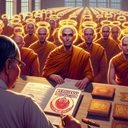
+Opening
| (derived from B. Sujato 2018/12) | (derived from B. Sujato 2018/12) | |
| Evaṃ me sutaṃ— | So I have heard. | 如是我闻。 |
| ekaṃ samayaṃ bhagavā sāvatthiyaṃ viharati jetavane anāthapiṇḍikassa ārāme. | At one time the Buddha was staying near Sāvatthī in Jeta’s Grove, Anāthapiṇḍika’s monastery. | 一时,佛陀住在舍卫城附近的祇树林中,即孤独园。 |
| Tatra kho bhagavā bhikkhū āmantesi: | There the Buddha addressed the monks: | 佛陀在那里对僧众说: |
| “bhikkhavo”ti. | “monks!” | “比丘们!” |
| “Bhadante”ti te bhikkhū bhagavato paccassosuṃ. | “Venerable sir,” they replied. | “尊者,”他们回答。 |
| Bhagavā etadavoca: | The Buddha said this: | 佛陀这样说: |
+112.0 – (if someone claims arahantship, you should validate with these 5 questions)
| “Idha, bhikkhave, bhikkhu aññaṃ byākaroti: | “Take a monk who declares enlightenment: | “比丘们,如果一位比丘宣称自己已证悟: |
| ‘khīṇā jāti, vusitaṃ brahmacariyaṃ, kataṃ karaṇīyaṃ, nāparaṃ itthattāyāti pajānāmī’ti. | ‘I understand: “Rebirth is ended, the spiritual journey has been completed, what had to be done has been done, there is no return to any state of existence.”’ | ‘我已了知:生死已尽,梵行已立,所作已办,不再受后有。’ |
| Tassa, bhikkhave, bhikkhuno bhāsitaṃ neva abhinanditabbaṃ nappaṭikkositabbaṃ. | You should neither approve nor dismiss that monk’s statement. | 你们不应该赞同也不应该驳斥这位比丘的话。 |
| Anabhinanditvā appaṭikkositvā pañho pucchitabbo: | Rather, you should question them: | 相反地,你们应该这样问他们: |
+112.1 – (#1 How do you relate to Four expressions of seen, heard, sensed, cognized?)
| ‘cattārome, āvuso, vohārā tena bhagavatā jānatā passatā arahatā sammāsambuddhena sammadakkhātā. | ‘Reverend, these four kinds of expression have been rightly explained by the Blessed One, who knows and sees, the perfected one, the fully awakened Buddha. | ‘尊者,世尊,知者,见者,阿罗汉,正等正觉者,正确地解释了这四种表达方式。 |
| Katame cattāro? | What four? | 哪四种? |
| Diṭṭhe diṭṭhavāditā, sute sutavāditā, mute mutavāditā, viññāte viññātavāditā— | One speaks of the seen as seen, the heard as heard, the thought as thought, and the known as known. | 说所见为所见,说所闻为所闻,说所思为所思,说所知为所知。 |
| ime kho, āvuso, cattāro vohārā tena bhagavatā jānatā passatā arahatā sammāsambuddhena sammadakkhātā. | These are the four kinds of expression rightly explained by the Blessed One, who knows and sees, the perfected one, the fully awakened Buddha. | 这些是世尊,知者,见者,阿罗汉,正等正觉者,正确解释的四种表达方式。 |
| Kathaṃ jānato panāyasmato, kathaṃ passato imesu catūsu vohāresu anupādāya āsavehi cittaṃ vimuttan’ti? | How does the venerable know and see regarding these four kinds of expression so that your mind is freed from defilements by not grasping?’ | 尊者如何知道和看到这四种表达方式,使你的心不执著而从烦恼中解脱?’ |
| Khīṇāsavassa, bhikkhave, bhikkhuno vusitavato katakaraṇīyassa ohitabhārassa anuppattasadatthassa parikkhīṇabhavasaṃyojanassa sammadaññāvimuttassa ayamanudhammo hoti veyyākaraṇāya: | For a monk with defilements ended—who has completed the spiritual journey, done what had to be done, laid down the burden, achieved their own goal, utterly ended the fetters of rebirth, and is rightly freed through enlightenment—it is in line with the Dharma to answer: | 对于烦恼已尽的比丘——梵行已立,所作已办,重担已卸,已达己利,生死轮回的束缚已彻底断尽,通过觉悟而正确解脱——他依佛法回答是这样: |
| ‘diṭṭhe kho ahaṃ, āvuso, anupāyo anapāyo anissito appaṭibaddho vippamutto visaṃyutto vimariyādīkatena cetasā viharāmi. | ‘Reverends, I live without attraction or repulsion for what is seen; independent, untied, liberated, detached, my mind free of limits. | ‘尊者们,我对所见的没有贪著或厌恶;我独立,不被束缚,已解脱,已离执,我的心无有界限。 |
| Sute kho ahaṃ, āvuso … pe … | I live without attraction or repulsion for what is heard … | 我对所闻的没有贪著或厌恶…… |
| mute kho ahaṃ, āvuso … | thought … | 所思的…… |
| viññāte kho ahaṃ, āvuso, anupāyo anapāyo anissito appaṭibaddho vippamutto visaṃyutto vimariyādīkatena cetasā viharāmi. | or known; independent, untied, liberated, detached, my mind free of limits. | 所知的;我独立,不被束缚,已解脱,已离执,我的心无有界限。 |
| Evaṃ kho me, āvuso, jānato evaṃ passato imesu catūsu vohāresu anupādāya āsavehi cittaṃ vimuttan’ti. | That is how I know and see regarding these four kinds of expression so that my mind is freed from defilements by not grasping.’ | 我就是这样知道和看到这四种表达方式,使我的心不执著而从烦恼中解脱。’ |
| Tassa, bhikkhave, bhikkhuno ‘sādhū’ti bhāsitaṃ abhinanditabbaṃ anumoditabbaṃ. | Saying ‘Good!’ you should applaud and cheer that monk’s statement, | 你们应该说‘善哉!’并赞扬、欢呼那位比丘的话, |
| ‘Sādhū’ti bhāsitaṃ abhinanditvā anumoditvā uttariṃ pañho pucchitabbo. | then ask a further question: | 然后提出进一步的问题: |
+112.2 – (#2 How do you relate to 5uk aggregates?)
| ‘Pañcime, āvuso, upādānakkhandhā tena bhagavatā jānatā passatā arahatā sammāsambuddhena sammadakkhātā. | ‘Reverend, these five grasping aggregates have been rightly explained by the Buddha. | ‘尊者,佛陀正确地解释了这五种取蕴。 |
| Katame pañca? | What five? | 哪五种? |
| Seyyathidaṃ—rūpupādānakkhandho, vedanupādānakkhandho, saññupādānakkhandho, saṅkhārupādānakkhandho, viññāṇupādānakkhandho— | That is: the grasping aggregates of form, feeling, perception, co-activities, and consciousness. | 即:色取蕴、受取蕴、想取蕴、行取蕴、识取蕴。 |
| ime kho, āvuso, pañcupādānakkhandhā tena bhagavatā jānatā passatā arahatā sammāsambuddhena sammadakkhātā. | These are the five grasping aggregates that have been rightly explained by the Buddha. | 这些是佛陀正确解释的五种取蕴。 |
| Kathaṃ jānato panāyasmato, kathaṃ passato imesu pañcasu upādānakkhandhesu anupādāya āsavehi cittaṃ vimuttan’ti? | How does the venerable know and see regarding these five grasping aggregates so that your mind is freed from defilements by not grasping?’ | 尊者如何知道和看到这五种取蕴,使你的心不执著而从烦恼中解脱?’ |
| Khīṇāsavassa, bhikkhave, bhikkhuno vusitavato katakaraṇīyassa ohitabhārassa anuppattasadatthassa parikkhīṇabhavasaṃyojanassa sammadaññāvimuttassa ayamanudhammo hoti veyyākaraṇāya: | For a monk with defilements ended it is in line with the Dharma to answer: | 对于烦恼已尽的比丘,他依佛法回答是这样: |
| ‘rūpaṃ kho ahaṃ, āvuso, abalaṃ virāgunaṃ anassāsikanti viditvā ye rūpe upāyūpādānā cetaso adhiṭṭhānābhinivesānusayā tesaṃ khayā virāgā nirodhā cāgā paṭinissaggā vimuttaṃ me cittanti pajānāmi. | ‘Reverends, knowing that form is powerless, fading, and unreliable, I understand that my mind is freed through the ending, fading away, cessation, giving away, and letting go of attraction, grasping, mental dedication, insistence, and underlying tendency for form. | ‘尊者们,我了知色是无常、会消逝、不可靠的,我明白通过对色的贪著、执取、意念、固执和潜在倾向的终结、消逝、止息、舍弃和放下,我的心得以解脱。 |
| Vedanaṃ kho ahaṃ, āvuso … pe … | Knowing that feeling … | 了知受…… |
| saññaṃ kho ahaṃ, āvuso … | perception … | 想…… |
| saṅkhāre kho ahaṃ, āvuso … | co-activities … | 行…… |
| viññāṇaṃ kho ahaṃ, āvuso, abalaṃ virāgunaṃ anassāsikanti viditvā ye viññāṇe upāyūpādānā cetaso adhiṭṭhānābhinivesānusayā tesaṃ khayā virāgā nirodhā cāgā paṭinissaggā vimuttaṃ me cittanti pajānāmi. | consciousness is powerless, fading, and unreliable, I understand that my mind is freed through the ending, fading away, cessation, giving away, and letting go of attraction, grasping, mental dedication, insistence, and underlying tendency for consciousness. | 识是无常、会消逝、不可靠的,我明白通过对识的贪著、执取、意念、固执和潜在倾向的终结、消逝、止息、舍弃和放下,我的心得以解脱。 |
| Evaṃ kho me, āvuso, jānato evaṃ passato imesu pañcasu upādānakkhandhesu anupādāya āsavehi cittaṃ vimuttan’ti. | That is how I know and see regarding these five grasping aggregates so that my mind is freed from defilements by not grasping.’ | 我就是这样知道和看到这五种取蕴,使我的心不执著而从烦恼中解脱。’ |
| Tassa, bhikkhave, bhikkhuno ‘sādhū’ti bhāsitaṃ abhinanditabbaṃ, anumoditabbaṃ. | Saying ‘Good!’ you should applaud and cheer that monk’s statement, | 你们应该说‘善哉!’并赞扬、欢呼那位比丘的话, |
| ‘Sādhū’ti bhāsitaṃ abhinanditvā anumoditvā uttariṃ pañho pucchitabbo. | then ask a further question: | 然后提出进一步的问题: |
+112.3 – (#3 How do you relate to 6 dhātu elements?)
| ‘Chayimā, āvuso, dhātuyo tena bhagavatā jānatā passatā arahatā sammāsambuddhena sammadakkhātā. | ‘Reverend, these six elements have been rightly explained by the Buddha. | ‘尊者,佛陀正确地解释了这六界。 |
| Katamā cha? | What six? | 哪六界? |
| Pathavīdhātu, āpodhātu, tejodhātu, vāyodhātu, ākāsadhātu, viññāṇadhātu— | The elements of earth, water, fire, air, space, and consciousness. | 地界、水界、火界、风界、空界和识界。 |
| imā kho, āvuso, cha dhātuyo tena bhagavatā jānatā passatā arahatā sammāsambuddhena sammadakkhātā. | These are the six elements that have been rightly explained by the Buddha. | 这些是佛陀正确解释的六界。 |
| Kathaṃ jānato panāyasmato, kathaṃ passato imāsu chasu dhātūsu anupādāya āsavehi cittaṃ vimuttan’ti? | How does the venerable know and see regarding these six elements so that your mind is freed from defilements by not grasping?’ | 尊者如何知道和看到这六界,使你的心不执著而从烦恼中解脱?’ |
| Khīṇāsavassa, bhikkhave, bhikkhuno vusitavato katakaraṇīyassa ohitabhārassa anuppattasadatthassa parikkhīṇabhavasaṃyojanassa sammadaññāvimuttassa ayamanudhammo hoti veyyākaraṇāya: | For a monk with defilements ended it is in line with the Dharma to answer: | 对于烦恼已尽的比丘,他依佛法回答是这样: |
| ‘pathavīdhātuṃ kho ahaṃ, āvuso, na attato upagacchiṃ, na ca pathavīdhātunissitaṃ attānaṃ. | ‘Reverends, I’ve not taken the earth element as self, nor is there a self based on the earth element. | ‘尊者们,我未曾将地界执为我,地界上也没有我。 |
| Ye ca pathavīdhātunissitā upāyūpādānā cetaso adhiṭṭhānābhinivesānusayā tesaṃ khayā virāgā nirodhā cāgā paṭinissaggā vimuttaṃ me cittanti pajānāmi. | And I understand that my mind is freed through the ending, fading away, cessation, giving away, and letting go of attraction, grasping, mental dedication, insistence, and underlying tendency based on the earth element. | 我明白通过对地界的贪著、执取、意念、固执和潜在倾向的终结、消逝、止息、舍弃和放下,我的心得以解脱。 |
| Āpodhātuṃ kho ahaṃ, āvuso … pe … | I’ve not taken the water element … | 我未曾将水界…… |
| tejodhātuṃ kho ahaṃ, āvuso … | fire element … | 火界…… |
| vāyodhātuṃ kho ahaṃ, āvuso … | air element … | 风界…… |
| ākāsadhātuṃ kho ahaṃ, āvuso … | space element … | 空界…… |
| viññāṇadhātuṃ kho ahaṃ, āvuso, na attato upagacchiṃ, na ca viññāṇadhātunissitaṃ attānaṃ. | consciousness element as self, nor is there a self based on the consciousness element. | 识界执为我,识界上也没有我。 |
| Ye ca viññāṇadhātunissitā upāyūpādānā cetaso adhiṭṭhānābhinivesānusayā tesaṃ khayā virāgā nirodhā cāgā paṭinissaggā vimuttaṃ me cittanti pajānāmi. | And I understand that my mind is freed through the ending of attraction based on the consciousness element. | 我明白通过对识界的贪著的终结,我的心得以解脱。 |
| Evaṃ kho me, āvuso, jānato, evaṃ passato imāsu chasu dhātūsu anupādāya āsavehi cittaṃ vimuttan’ti. | That is how I know and see regarding these six elements so that my mind is freed from defilements by not grasping.’ | 我就是这样知道和看到这六界,使我的心不执著而从烦恼中解脱。’ |
| Tassa, bhikkhave, bhikkhuno ‘sādhū’ti bhāsitaṃ abhinanditabbaṃ, anumoditabbaṃ. | Saying ‘Good!’ you should applaud and cheer that monk’s statement, | 你们应该说‘善哉!’并赞扬、欢呼那位比丘的话, |
| ‘Sādhū’ti bhāsitaṃ abhinanditvā anumoditvā uttariṃ pañho pucchitabbo. | then ask a further question: | 然后提出进一步的问题: |
❧
+112.4 – (#4 How do you relate to 6aya internal and external sense bases?)
| ‘Cha kho panimāni, āvuso, ajjhattikabāhirāni āyatanāni tena bhagavatā jānatā passatā arahatā sammāsambuddhena sammadakkhātāni. | ‘Reverend, these six interior and exterior sense fields have been rightly explained by the Buddha. | ‘尊者,佛陀正确地解释了这六种内外处。 |
| Katamāni cha? | What six? | 哪六种? |
| Cakkhu ceva rūpā ca, sotañca saddā ca, ghānañca gandhā ca, jivhā ca rasā ca, kāyo ca phoṭṭhabbā ca, mano ca dhammā ca— | The eye and sights, the ear and sounds, the nose and smells, the tongue and tastes, the body and touches, and the mind and thoughts. | 眼和色,耳和声,鼻和香,舌和味,身和触,意和法。 |
| imāni kho, āvuso, cha ajjhattikabāhirāni āyatanāni tena bhagavatā jānatā passatā arahatā sammāsambuddhena sammadakkhātāni. | These are the six interior and exterior sense fields that have been rightly explained by the Buddha. | 这些是佛陀正确解释的六种内外处。 |
| Kathaṃ jānato panāyasmato, kathaṃ passato imesu chasu ajjhattikabāhiresu āyatanesu anupādāya āsavehi cittaṃ vimuttan’ti? | How does the venerable know and see regarding these six interior and exterior sense fields so that your mind is freed from defilements by not grasping?’ | 尊者如何知道和看到这六种内外处,使你的心不执著而从烦恼中解脱?’ |
| Khīṇāsavassa, bhikkhave, bhikkhuno vusitavato katakaraṇīyassa ohitabhārassa anuppattasadatthassa parikkhīṇabhavasaṃyojanassa sammadaññāvimuttassa ayamanudhammo hoti veyyākaraṇāya: | For a monk with defilements ended it is in line with the Dharma to answer: | 对于烦恼已尽的比丘,他依佛法回答是这样: |
| ‘cakkhusmiṃ, āvuso, rūpe cakkhuviññāṇe cakkhuviññāṇaviññātabbesu dhammesu yo chando yo rāgo yā nandī yā taṇhā ye ca upāyūpādānā cetaso adhiṭṭhānābhinivesānusayā tesaṃ khayā virāgā nirodhā cāgā paṭinissaggā vimuttaṃ me cittanti pajānāmi. | ‘I understand that my mind is freed through the ending, fading away, cessation, giving away, and letting go of desire and greed and relishing and craving; attraction, grasping, mental dedication, insistence, and underlying tendency for the eye, sights, eye consciousness, and things knowable by eye consciousness. | ‘我明白通过对眼、色、眼识以及眼识所知之物的欲望、贪婪、享乐和渴爱;贪著、执取、意念、固执和潜在倾向的终结、消逝、止息、舍弃和放下,我的心得以解脱。 |
| Sotasmiṃ, āvuso, sadde sotaviññāṇe … pe … | I understand that my mind is freed through the ending of desire for the ear … | 我明白通过对耳…… |
| ghānasmiṃ, āvuso, gandhe ghānaviññāṇe … | nose … | 鼻…… |
| jivhāya, āvuso, rase jivhāviññāṇe … | tongue … | 舌…… |
| kāyasmiṃ, āvuso, phoṭṭhabbe kāyaviññāṇe … | body … | 身…… |
| manasmiṃ, āvuso, dhamme manoviññāṇe manoviññāṇaviññātabbesu dhammesu yo chando yo rāgo yā nandī yā taṇhā ye ca upāyūpādānā cetaso adhiṭṭhānābhinivesānusayā tesaṃ khayā virāgā nirodhā cāgā paṭinissaggā vimuttaṃ me cittanti pajānāmi. | mind, thoughts, mind consciousness, and things knowable by mind consciousness. | 意、法、意识以及意识所知之物的欲望的终结,我的心得以解脱。 |
| Evaṃ kho me, āvuso, jānato evaṃ passato imesu chasu ajjhattikabāhiresu āyatanesu anupādāya āsavehi cittaṃ vimuttan’ti. | That is how I know and see regarding these six interior and exterior sense fields so that my mind is freed from defilements by not grasping.’ | 我就是这样知道和看到这六种内外处,使我的心不执著而从烦恼中解脱。’ |
| Tassa, bhikkhave, bhikkhuno ‘sādhū’ti bhāsitaṃ abhinanditabbaṃ anumoditabbaṃ. | Saying ‘Good!’ you should applaud and cheer that monk’s statement, | 你们应该说‘善哉!’并赞扬、欢呼那位比丘的话, |
| ‘Sādhū’ti bhāsitaṃ abhinanditvā anumoditvā uttariṃ pañho pucchitabbo. | then ask a further question: | 然后对他们说: |
+112.5 – (#5 How do you relate to body and anusaya underlying tendencies?)
all
| ‘Kathaṃ jānato panāyasmato, kathaṃ passato imasmiñca saviññāṇake kāye bahiddhā ca sabbanimittesu ahaṃkāramamaṃkāramānānusayā samūhatā’ti? | ‘Sir, how does the venerable know and see so that he has eradicated ego, possessiveness, and underlying tendency to conceit for this conscious body and all external stimuli?’ | ‘尊者,你如何知道和看到,使你已根除了对这有意识的身体和所有外部刺激的自我、占有欲和慢的潜在倾向?’ |
§5.0 – (Answer is in terms of 6 fold purification – number 1 is ariya sila khandha, noble ethics)
+§5.1 – (1a. Renunciation of lay life, ordaining)
| Khīṇāsavassa, bhikkhave, bhikkhuno vusitavato katakaraṇīyassa ohitabhārassa anuppattasadatthassa parikkhīṇabhavasaṃyojanassa sammadaññāvimuttassa ayamanudhammo hoti veyyākaraṇāya: | For a monk with defilements ended it is in line with the Dharma to answer: | 对于烦恼已尽的比丘,他依佛法回答是这样: |
| ‘pubbe kho ahaṃ, āvuso, agāriyabhūto samāno aviddasu ahosiṃ. | ‘Formerly, reverends, when I was still a layperson, I was ignorant. | ‘尊者们,以前我还是在家居士时,我无知。 |
| Tassa me tathāgato vā tathāgatasāvako vā dhammaṃ desesi. | Then the Realized One or one of his disciples taught me the Dhamma. | 然后,如来或他的一位弟子教导了我佛法。 |
| Tāhaṃ dhammaṃ sutvā tathāgate saddhaṃ paṭilabhiṃ. | I gained justifiable-trust in the Realized One, | 我对如来产生了信心, |
| So tena saddhāpaṭilābhena samannāgato iti paṭisañcikkhiṃ: | and reflected: | 并反思: |
| “sambādho gharāvāso rajāpatho, abbhokāso pabbajjā. | “Living in a house is cramped and dirty, but the life of one gone forth is wide open. | “住在家中是狭窄和污秽的,而出家人的生活是广阔开放的。 |
| Nayidaṃ sukaraṃ agāraṃ ajjhāvasatā ekantaparipuṇṇaṃ ekantaparisuddhaṃ saṅkhalikhitaṃ brahmacariyaṃ carituṃ. | It’s not easy for someone living at home to lead the spiritual life utterly full and pure, like a polished shell. | 对于在家生活的人来说,要过上完全圆满和纯净的梵行生活,像打磨过的贝壳一样,是不容易的。 |
| Yannūnāhaṃ kesamassuṃ ohāretvā kāsāyāni vatthāni acchādetvā agārasmā anagāriyaṃ pabbajeyyan”ti. | Why don’t I cut off my hair and beard, dress in ocher robes, and go forth from lay life to homelessness?” | 我何不剃除须发,披上袈裟,从在家生活出家,过无家生活呢?” |
+§5.2 – (1b. Purify right action, right speech, right livelihood, observing 10 precepts)
| So kho ahaṃ, āvuso, aparena samayena appaṃ vā bhogakkhandhaṃ pahāya mahantaṃ vā bhogakkhandhaṃ pahāya, appaṃ vā ñātiparivaṭṭaṃ pahāya mahantaṃ vā ñātiparivaṭṭaṃ pahāya kesamassuṃ ohāretvā kāsāyāni vatthāni acchādetvā agārasmā anagāriyaṃ pabbajiṃ. | After some time I gave up a large or small fortune, and a large or small family circle. I shaved off hair and beard, dressed in ocher robes, and went forth from the lay life to homelessness. | 过了一段时间,我舍弃了或大或小的财富,或大或小的家庭圈。我剃除了须发,披上袈裟,从在家生活出家,过无家生活。 |
| So evaṃ pabbajito samāno bhikkhūnaṃ sikkhāsājīvasamāpanno pāṇātipātaṃ pahāya pāṇātipātā paṭivirato ahosiṃ nihitadaṇḍo nihitasattho, lajjī dayāpanno sabbapāṇabhūtahitānukampī vihāsiṃ. | Once I had gone forth, I took up the training and livelihood of the monks. I gave up killing living creatures, renouncing the rod and the sword. I was scrupulous and kind, living full of compassion for all living beings. | 出家后,我接受了比丘的训练和生活方式。我放弃了杀生,放下棍棒和刀剑。我严谨而慈悲,对一切众生充满悲悯。 |
| Adinnādānaṃ pahāya adinnādānā paṭivirato ahosiṃ dinnādāyī dinnapāṭikaṅkhī, athenena sucibhūtena attanā vihāsiṃ. | I gave up stealing. I took only what’s given, and expected only what’s given. I kept myself clean by not thieving. | 我放弃了偷盗。我只接受所给予的,只期待所给予的。我不偷盗,保持自身清净。 |
| Abrahmacariyaṃ pahāya brahmacārī ahosiṃ ārācārī virato methunā gāmadhammā. | I gave up unchastity. I became celibate, set apart, avoiding the common practice of sex. | 我放弃了不贞洁。我过着梵行生活,离群索居,避免世俗的性行为。 |
| Musāvādaṃ pahāya musāvādā paṭivirato ahosiṃ saccavādī saccasandho theto paccayiko avisaṃvādako lokassa. | I gave up lying. I spoke the truth and stuck to the truth. I was honest and trustworthy, not tricking the world with my words. | 我放弃了妄语。我说真话,坚持真理。我诚实可靠,不以言语欺骗世人。 |
| Pisuṇaṃ vācaṃ pahāya pisuṇāya vācāya paṭivirato ahosiṃ, ito sutvā na amutra akkhātā imesaṃ bhedāya, amutra vā sutvā na imesaṃ akkhātā amūsaṃ bhedāya; iti bhinnānaṃ vā sandhātā sahitānaṃ vā anuppadātā samaggārāmo samaggarato samagganandī samaggakaraṇiṃ vācaṃ bhāsitā ahosiṃ. | I gave up divisive speech. I didn’t repeat in one place what I heard in another so as to divide people against each other. Instead, I reconciled those who are divided, supporting unity, delighting in harmony, loving harmony, speaking words that promote harmony. | 我放弃了两舌。我不在一处重复我在另一处听到的话,以免离间他人。相反,我调和那些不和的人,支持团结,喜悦和谐,热爱和谐,说促进和谐的话。 |
| Pharusaṃ vācaṃ pahāya pharusāya vācāya paṭivirato ahosiṃ; yā sā vācā nelā kaṇṇasukhā pemanīyā hadayaṅgamā porī bahujanakantā bahujanamanāpā tathārūpiṃ vācaṃ bhāsitā ahosiṃ. | I gave up harsh speech. I spoke in a way that’s mellow, pleasing to the ear, lovely, going to the heart, polite, likable and agreeable to the people. | 我放弃了恶口。我说话温和、悦耳、可爱、入心、礼貌、令人喜爱和悦人。 |
| Samphappalāpaṃ pahāya samphappalāpā paṭivirato ahosiṃ; kālavādī bhūtavādī atthavādī dhammavādī vinayavādī nidhānavatiṃ vācaṃ bhāsitā ahosiṃ kālena sāpadesaṃ pariyantavatiṃ atthasaṃhitaṃ. | I gave up talking nonsense. My words were timely, true, and meaningful, in line with the Dharma and training. I said things at the right time which are valuable, reasonable, succinct, and beneficial. | 我放弃了绮语。我的话语适时、真实、有意义,符合佛法和戒律。我在适当的时候说有价值、合理、简洁和有益的话。 |
| So bījagāmabhūtagāmasamārambhā paṭivirato ahosiṃ, ekabhattiko ahosiṃ rattūparato virato vikālabhojanā. | I avoided injuring plants and seeds. I ate in one part of the day, abstaining from eating at night and food at the wrong time. | 我避免伤害植物和种子。我一天只吃一餐,晚上不吃饭,也不在不适当的时间进食。 |
| Naccagītavāditavisūkadassanā paṭivirato ahosiṃ. | I avoided dancing, singing, music, and seeing shows. | 我避免跳舞、唱歌、音乐和观看表演。 |
| Mālāgandhavilepanadhāraṇamaṇḍanavibhūsanaṭṭhānā paṭivirato ahosiṃ. | I avoided beautifying and adorning myself with garlands, perfumes, and makeup. | 我避免用花环、香水和化妆品来美化和装饰自己。 |
| Uccāsayanamahāsayanā paṭivirato ahosiṃ. | I avoided high and luxurious beds. | 我避免高大和豪华的床铺。 |
| Jātarūparajatapaṭiggahaṇā paṭivirato ahosiṃ, | I avoided receiving gold and money, | 我避免接受金银钱财, |
| āmakadhaññapaṭiggahaṇā paṭivirato ahosiṃ, | raw grains, | 生谷, |
| āmakamaṃsapaṭiggahaṇā paṭivirato ahosiṃ; | raw meat, | 生肉, |
| itthikumārikapaṭiggahaṇā paṭivirato ahosiṃ, | women and girls, | 妇女和女孩, |
| dāsidāsapaṭiggahaṇā paṭivirato ahosiṃ, | male and female bondservants, | 男女仆人, |
| ajeḷakapaṭiggahaṇā paṭivirato ahosiṃ, | goats and sheep, | 山羊和绵羊, |
| kukkuṭasūkarapaṭiggahaṇā paṭivirato ahosiṃ, | chicken and pigs, | 鸡和猪, |
| hatthigavassavaḷavapaṭiggahaṇā paṭivirato ahosiṃ, | elephants, cows, horses, and mares, | 大象、牛、马和母马, |
| khettavatthupaṭiggahaṇā paṭivirato ahosiṃ. | and fields and land. | 以及田地和土地。 |
| Dūteyyapahiṇagamanānuyogā paṭivirato ahosiṃ, | I avoided running errands and messages; | 我避免跑腿和送信; |
| kayavikkayā paṭivirato ahosiṃ, | buying and selling; | 买卖; |
| tulākūṭakaṃsakūṭamānakūṭā paṭivirato ahosiṃ, | falsifying weights, metals, or measures; | 伪造秤、金属或度量衡; |
| ukkoṭanavañcananikatisāciyogā paṭivirato ahosiṃ, | bribery, fraud, cheating, and duplicity; | 贿赂、欺诈、欺骗和两面派; |
| chedanavadhabandhanaviparāmosaālopasahasākārā paṭivirato ahosiṃ. | mutilation, murder, abduction, banditry, plunder, and violence. | 残害、谋杀、绑架、强盗、掠夺和暴力。 |
❧
+§5.3 – (1c. Contentment with 4 requisites and sukha pleasure in observing sila khandha)
| So santuṭṭho ahosiṃ kāyaparihārikena cīvarena, kucchiparihārikena piṇḍapātena. So yena yeneva pakkamiṃ samādāyeva pakkamiṃ. | I became content with robes to look after the body and alms-food to look after the belly. Wherever I went, I set out taking only these things. | 我满足于袈裟以遮蔽身体,满足于乞食以维持腹部。无论我走到哪里,我只带着这些东西。 |
| Seyyathāpi nāma pakkhī sakuṇo yena yeneva ḍeti sapattabhārova ḍeti; | Like a bird: wherever it flies, wings are its only burden. | 就像一只鸟:无论它飞到哪里,翅膀是它唯一的负担。 |
| evameva kho ahaṃ, āvuso; santuṭṭho ahosiṃ kāyaparihārikena cīvarena, kucchiparihārikena piṇḍapātena. So yena yeneva pakkamiṃ samādāyeva pakkamiṃ. | In the same way, I became content with robes to look after the body and alms-food to look after the belly. Wherever I went, I set out taking only these things. | 同样地,我满足于袈裟以遮蔽身体,满足于乞食以维持腹部。无论我走到哪里,我只带着这些东西。 |
| So iminā ariyena sīlakkhandhena samannāgato ajjhattaṃ anavajjasukhaṃ paṭisaṃvedesiṃ. | When I had this entire spectrum of noble ethics, I experienced a blameless happiness inside myself. | 当我具备了所有这些高尚的品德时,我内心体验到一种无可指责的快乐。 |
+§5.4 – (2. Guarding sense doors)
| So cakkhunā rūpaṃ disvā na nimittaggāhī ahosiṃ nānubyañjanaggāhī; | When I saw a sight with my eyes, I didn’t get caught up in the features and details. | 当我的眼睛看到一个景象时,我没有被特征和细节所吸引。 |
| yatvādhikaraṇamenaṃ cakkhundriyaṃ asaṃvutaṃ viharantaṃ abhijjhādomanassā pāpakā akusalā dhammā anvāssaveyyuṃ, tassa saṃvarāya paṭipajjiṃ; rakkhiṃ cakkhundriyaṃ, cakkhundriye saṃvaraṃ āpajjiṃ. | If the faculty of sight were left unrestrained, bad unskillful Dharmas of desire and aversion would become overwhelming. For this reason, I practiced restraint, protecting the faculty of sight, and achieving its restraint. | 如果视觉感官不加约束,贪爱和厌恶的恶不善法就会变得压倒性。因此,我练习约束,保护视觉感官,并实现其约束。 |
| Sotena saddaṃ sutvā … pe … | When I heard a sound with my ears … | 当我的耳朵听到一个声音时…… |
| ghānena gandhaṃ ghāyitvā … pe … | When I smelled an odor with my nose … | 当我的鼻子闻到一种气味时…… |
| jivhāya rasaṃ sāyitvā … pe … | When I tasted a flavor with my tongue … | 当我的舌头尝到一种味道时…… |
| kāyena phoṭṭhabbaṃ phusitvā … pe … | When I felt a touch with my body … | 当我的身体感觉到一种触感时…… |
| manasā dhammaṃ viññāya na nimittaggāhī ahosiṃ nānubyañjanaggāhī; | When I knew a thought with my mind, I didn’t get caught up in the features and details. | 当我的心知道一个念头时,我没有被特征和细节所吸引。 |
| yatvādhikaraṇamenaṃ manindriyaṃ asaṃvutaṃ viharantaṃ abhijjhādomanassā pāpakā akusalā dhammā anvāssaveyyuṃ, tassa saṃvarāya paṭipajjiṃ; rakkhiṃ manindriyaṃ, manindriye saṃvaraṃ āpajjiṃ. | If the faculty of the mind were left unrestrained, bad unskillful Dharmas of desire and aversion would become overwhelming. For this reason, I practiced restraint, protecting the faculty of the mind, and achieving its restraint. | 如果意根不加约束,贪爱和厌恶的恶不善法就会变得压倒性。因此,我练习约束,保护意根,并实现其约束。 |
| So iminā ariyena indriyasaṃvarena samannāgato ajjhattaṃ abyāsekasukhaṃ paṭisaṃvedesiṃ. | When I had this noble sense restraint, I experienced an unsullied pleasure inside myself. | 当我具备了这种高尚的感官约束时,我内心体验到一种纯洁的快乐。 |
+§5.5 – (3. S&S: Remembrance of Dharma and lucid discerning)
| So abhikkante paṭikkante sampajānakārī ahosiṃ, ālokite vilokite sampajānakārī ahosiṃ, samiñjite pasārite sampajānakārī ahosiṃ, saṅghāṭipattacīvaradhāraṇe sampajānakārī ahosiṃ, asite pīte khāyite sāyite sampajānakārī ahosiṃ, uccārapassāvakamme sampajānakārī ahosiṃ, gate ṭhite nisinne sutte jāgarite bhāsite tuṇhībhāve sampajānakārī ahosiṃ. | I acted with lucid-discerning when going out and coming back; when looking ahead and aside; when bending and extending the limbs; when bearing the outer robe, bowl and robes; when eating, drinking, chewing, and tasting; when urinating and defecating; when walking, standing, sitting, sleeping, waking, speaking, and keeping silent. | 我在出入、前瞻后顾、屈伸肢体、持衣钵、饮食、咀嚼、尝味、大小便、行走、站立、坐卧、醒觉、言语和沉默时,都以明辨来行事。 |
+§5.6 – (4. Sitting meditation to remove 5niv hindrances)
| So iminā ca ariyena sīlakkhandhena samannāgato, imāya ca ariyāya santuṭṭhiyā samannāgato, iminā ca ariyena indriyasaṃvarena samannāgato, iminā ca ariyena satisampajaññena samannāgato | When I had this noble spectrum of ethics, this noble sense restraint, and this noble remembering and lucid-discerning, | 当我具备了这种高尚的戒律、这种高尚的感官约束以及这种高尚的忆念和明辨时, |
| vivittaṃ senāsanaṃ bhajiṃ araññaṃ rukkhamūlaṃ pabbataṃ kandaraṃ giriguhaṃ susānaṃ vanapatthaṃ abbhokāsaṃ palālapuñjaṃ. | I frequented a secluded lodging—a wilderness, the root of a tree, a hill, a ravine, a mountain cave, a charnel ground, a forest, the open air, a heap of straw. | 我常去僻静的住处——旷野、树根下、山丘、山谷、山洞、尸陀林、森林、露天场所、草堆。 |
| So pacchābhattaṃ piṇḍapātapaṭikkanto nisīdiṃ pallaṅkaṃ ābhujitvā ujuṃ kāyaṃ paṇidhāya parimukhaṃ satiṃ upaṭṭhapetvā. | After the meal, I returned from alms-round, sat down cross-legged with my body straight, and established remembering right there. | 饭后,我从乞食地返回,盘腿坐下,身体正直,并就在那里确立了忆念。 |
| So abhijjhaṃ loke pahāya vigatābhijjhena cetasā vihāsiṃ, abhijjhāya cittaṃ parisodhesiṃ. | Giving up desire for the world, I meditated with a heart rid of desire, cleansing the mind of desire. | 我舍弃了对世间的欲望,以无欲之心禅修,净化对欲望的心。 |
| Byāpādapadosaṃ pahāya abyāpannacitto vihāsiṃ sabbapāṇabhūtahitānukampī, byāpādapadosā cittaṃ parisodhesiṃ. | Giving up ill will and malevolence, I meditated with a mind rid of ill will, full of compassion for all living beings, cleansing the mind of ill will. | 我舍弃了恶意和恶念,以无恶意之心禅修,对一切众生充满悲悯,净化对恶意的心。 |
| Thinamiddhaṃ pahāya vigatathinamiddho vihāsiṃ ālokasaññī sato sampajāno, thinamiddhā cittaṃ parisodhesiṃ. | Giving up dullness and drowsiness, I meditated with a mind rid of dullness and drowsiness, perceiving light, rememberful and aware, cleansing the mind of dullness and drowsiness. | 我舍弃了昏沉和瞌睡,以无昏沉和瞌睡之心禅修,感知光明,忆念和觉知,净化对昏沉和瞌睡的心。 |
| Uddhaccakukkuccaṃ pahāya anuddhato vihāsiṃ ajjhattaṃ, vūpasantacitto, uddhaccakukkuccā cittaṃ parisodhesiṃ. | Giving up restlessness and remorse, I meditated without restlessness, my mind peaceful inside, cleansing the mind of restlessness and remorse. | 我舍弃了掉举和后悔,以无掉举之心禅修,我的心内心平静,净化对掉举和后悔的心。 |
| Vicikicchaṃ pahāya tiṇṇavicikiccho vihāsiṃ akathaṅkathī kusalesu dhammesu, vicikicchāya cittaṃ parisodhesiṃ. | Giving up doubt, I meditated having gone beyond doubt, not undecided about skillful Dharmas, cleansing the mind of doubt. | 我舍弃了疑惑,以超越疑惑之心禅修,不对善法犹豫不决,净化对疑惑的心。 |
+§5.7 – (5. Four jhanas)
| So ime pañca nīvaraṇe pahāya cetaso upakkilese paññāya dubbalīkaraṇe | I gave up these five hindrances, corruptions of the heart that weaken wisdom. | 我放弃了这五种障碍,它们是污染心灵、削弱智慧的因素。 |
| vivicceva kāmehi vivicca akusalehi dhammehi savitakkaṃ savicāraṃ vivekajaṃ pītisukhaṃ paṭhamaṃ jhānaṃ upasampajja vihāsiṃ. | Then, quite secluded from sensual pleasures, secluded from unskillful Dharmas, I entered and remained in the first jhāna, which has the mental-joy and pleasure born of seclusion, while directing-thought and evaluation. | 然后,我完全离于感官欲望,离于不善法,进入并安住于初禅,初禅具有离于欲望所生之喜悦和快乐,并有寻思和审察。 |
| Vitakkavicārānaṃ vūpasamā ajjhattaṃ sampasādanaṃ cetaso ekodibhāvaṃ avitakkaṃ avicāraṃ samādhijaṃ pītisukhaṃ dutiyaṃ jhānaṃ … pe … | As the directed-thought and evaluation were stilled, I entered and remained in the second jhāna … | 随着寻思和审察的止息,我进入并安住于二禅…… |
| tatiyaṃ jhānaṃ … | third jhāna … | 三禅…… |
| catutthaṃ jhānaṃ upasampajja vihāsiṃ. | fourth jhāna. | 四禅。 |
+§5.8 – (6. Use imperturbable 4th jhana to realize 4 noble truths and arahantship)
| So evaṃ samāhite citte parisuddhe pariyodāte anaṅgaṇe vigatūpakkilese mudubhūte kammaniye ṭhite āneñjappatte āsavānaṃ khayañāṇāya cittaṃ abhininnāmesiṃ. | When my mind had undistractified-&-lucidified in samādhi like this—purified, bright, spotless, rid of taints, pliable, workable, steady, and imperturbable—I extended it toward knowledge of the ending of defilements. | 当我的心如此专注、明净、清净、明亮、无染、柔韧、堪用、稳定、不动摇时,我将其导向烦恼的灭尽智。 |
| So idaṃ dukkhanti yathābhūtaṃ abbhaññāsiṃ, ayaṃ dukkhasamudayoti yathābhūtaṃ abbhaññāsiṃ, ayaṃ dukkhanirodhoti yathābhūtaṃ abbhaññāsiṃ, ayaṃ dukkhanirodhagāminī paṭipadāti yathābhūtaṃ abbhaññāsiṃ; | I truly understood: “This is suffering” … “This is the origin of suffering” … “This is the cessation of suffering” … “This is the practice that leads to the cessation of suffering”. | 我真实地理解:“这是苦”……“这是苦的起源”……“这是苦的止息”……“这是导致苦止息的修行”。 |
| ime āsavāti yathābhūtaṃ abbhaññāsiṃ, ayaṃ āsavasamudayoti yathābhūtaṃ abbhaññāsiṃ, ayaṃ āsavanirodhoti yathābhūtaṃ abbhaññāsiṃ, ayaṃ āsavanirodhagāminī paṭipadāti yathābhūtaṃ abbhaññāsiṃ. | I truly understood: “These are defilements”… “This is the origin of defilements” … “This is the cessation of defilements” … “This is the practice that leads to the cessation of defilements”. | 我真实地理解:“这些是烦恼”……“这是烦恼的起源”……“这是烦恼的止息”……“这是导致烦恼止息的修行”。 |
| Tassa me evaṃ jānato evaṃ passato kāmāsavāpi cittaṃ vimuccittha, bhavāsavāpi cittaṃ vimuccittha, avijjāsavāpi cittaṃ vimuccittha. | Knowing and seeing like this, my mind was freed from the defilements of sensuality, desire to be reborn, and ignorance. | 如此知见,我的心从感官、再生欲和无明的烦恼中解脱。 |
| Vimuttasmiṃ vimuttamiti ñāṇaṃ ahosi. | When it was freed, I knew it was freed. | 当它解脱时,我便知道它已解脱。 |
| Khīṇā jāti, vusitaṃ brahmacariyaṃ, kataṃ karaṇīyaṃ, nāparaṃ itthattāyāti abbhaññāsiṃ. | I understood: “Rebirth is ended; the spiritual journey has been completed; what had to be done has been done; there is no return to any state of existence.” | 我明白了:“生死已尽;梵行已立;所作已办;不再受后有。” |
| Evaṃ kho me, āvuso, jānato evaṃ passato imasmiñca saviññāṇake kāye bahiddhā ca sabbanimittesu ahaṃkāramamaṃkāramānānusayā samūhatā’ti. | That is how I know and see so that I have eradicated ego, possessiveness, and underlying tendency to conceit for this conscious body and all external stimuli.’ | 我就是这样知道和看到,使我根除了对这有意识的身体和所有外部刺激的自我、占有欲和慢的潜在倾向。’ |
| Tassa, bhikkhave, bhikkhuno ‘sādhū’ti bhāsitaṃ abhinanditabbaṃ anumoditabbaṃ. | Saying ‘Good!’ you should applaud and cheer that monk’s statement, | 你们应该说‘善哉!’并赞扬、欢呼那位比丘的话, |
| ‘Sādhū’ti bhāsitaṃ abhinanditvā anumoditvā evamassa vacanīyo: | and then say to them: | 然后对他们说: |
| ‘lābhā no, āvuso, suladdhaṃ no, āvuso, | ‘We are fortunate, reverend, so very fortunate | ‘尊者,我们有福了,太有福了, |
| ye mayaṃ āyasmantaṃ tādisaṃ sabrahmacāriṃ samanupassāmā’”ti. | to see a venerable such as yourself as one of our spiritual companions!’” | 能看到像你这样的一位尊者作为我们的修行伙伴!’” |
| Idamavoca bhagavā. | That is what the Buddha said. | 佛陀就是这样说的。 |
| Attamanā te bhikkhū bhagavato bhāsitaṃ abhinandunti. | Satisfied, the monks were happy with what the Buddha said. | 比丘们心满意足,对佛陀所说的话感到高兴。 |
❧
+MN 113 Sap-purisa:
good person
all
good person
+Opening
| (derived from B. Sujato 2018/12) | (derived from B. Sujato 2018/12) | |
| Evaṃ me sutaṃ— | So I have heard. | 如是我闻。 |
| ekaṃ samayaṃ bhagavā sāvatthiyaṃ viharati jetavane anāthapiṇḍikassa ārāme. | At one time the Buddha was staying near Sāvatthī in Jeta’s Grove, Anāthapiṇḍika’s monastery. | 一时,佛陀住在舍卫城附近的祇树林中,即孤独园。 |
| Tatra kho bhagavā bhikkhū āmantesi: | There the Buddha addressed the monks: | 佛陀在那里对比丘们说: |
| “bhikkhavo”ti. | “monks!” | “比丘们!” |
| “Bhadante”ti te bhikkhū bhagavato paccassosuṃ. | “Venerable sir,” they replied. | “尊者,”他们回答。 |
| Bhagavā etadavoca: | The Buddha said this: | 佛陀这样说: |
| “sappurisadhammañca vo, bhikkhave, desessāmi asappurisadhammañca. | “monks, I will teach you the qualities of a good person and the qualities of a bad person. | “比丘们,我将教导你们善人与恶人的品质。 |
| Taṃ suṇātha, sādhukaṃ manasi karotha, bhāsissāmī”ti. | Listen and pay close attention, I will speak.” | 仔细听,用心注意,我将开始讲。” |
| “Evaṃ, bhante”ti kho te bhikkhū bhagavato paccassosuṃ. | “Yes, sir,” they replied. | “是的,尊者,”他们回答。 |
| Bhagavā etadavoca: | The Buddha said this: | 佛陀这样说: |
+113.1 – (gone forth from an eminent family)
all
| “Katamo ca, bhikkhave, asappurisadhammo? | “And what is a quality of a bad person? | “什么是恶人的品质? |
| Idha, bhikkhave, asappuriso uccākulā pabbajito hoti. | Take a bad person who has gone forth from an eminent family. | 一个恶人,出身名门望族。 |
| So iti paṭisañcikkhati: | They reflect: | 他们反思: |
| ‘ahaṃ khomhi uccākulā pabbajito, ime panaññe bhikkhū na uccākulā pabbajitā’ti. | ‘I have gone forth from an eminent family, unlike these other monks.’ | ‘我出身名门望族,不像其他比丘。’ |
| So tāya uccākulīnatāya attānukkaṃseti, paraṃ vambheti. | And they glorify themselves and put others down on account of that. | 他们因此而自夸并贬低他人。 |
| Ayaṃ, bhikkhave, asappurisadhammo. | This is a quality of a bad person. | 这是恶人的品质。 |
+(good)
| Sappuriso ca kho, bhikkhave, iti paṭisañcikkhati: | A good person reflects: | 一个善人反思: |
| ‘na kho uccākulīnatāya lobhadhammā vā parikkhayaṃ gacchanti, dosadhammā vā parikkhayaṃ gacchanti, mohadhammā vā parikkhayaṃ gacchanti. | ‘It’s not because of one’s eminent family that thoughts of greed, hate, or delusion come to an end. | ‘贪、嗔、痴的念头不会因为出身名门望族而终结。 |
| No cepi uccākulā pabbajito hoti; | Even if someone has not gone forth from an eminent family, | 即使有人不是出身名门望族, |
| so ca hoti dhammānudhammappaṭipanno sāmīcippaṭipanno anudhammacārī, so tattha pujjo, so tattha pāsaṃso’ti. | if they practice in line with The Dharma, practice properly, and live in line with The Dharma, they are worthy of honor and praise for that.’ | 如果他们依照教义修行,正确修行,并依照教义生活,他们因此值得尊敬和赞扬。’ |
| So paṭipadaṃyeva antaraṃ karitvā tāya uccākulīnatāya nevattānukkaṃseti na paraṃ vambheti. | Keeping only the practice close to their heart, they don’t glorify themselves and put others down on account of their eminent family. | 他们心中只将修行视为珍贵,不因自己的名门望族而自夸或贬低他人。 |
| Ayaṃ, bhikkhave, sappurisadhammo. (1) | This is a quality of a good person. | 这是善人的品质。 |
+113.2 – (-4 gone forth from an extremely wealthy family, unlike these other monks)
all
| Puna caparaṃ, bhikkhave, asappuriso mahākulā pabbajito hoti … pe … | Furthermore, take a bad person who has gone forth from a great family … | 此外,一个恶人,出身大家族…… |
| mahābhogakulā pabbajito hoti … pe … | from a wealthy family … | 出身富裕家庭…… |
| uḷārabhogakulā pabbajito hoti. | from an extremely wealthy family. | 出身极其富裕的家庭。 |
| So iti paṭisañcikkhati: | They reflect: | 他们反思: |
| ‘ahaṃ khomhi uḷārabhogakulā pabbajito, ime panaññe bhikkhū na uḷārabhogakulā pabbajitā’ti. | ‘I have gone forth from an extremely wealthy family, unlike these other monks.’ | ‘我出身极其富裕的家庭,不像其他比丘。’ |
| So tāya uḷārabhogatāya attānukkaṃseti, paraṃ vambheti. | And they glorify themselves and put others down on account of that. | 他们因此而自夸并贬低他人。 |
| Ayampi, bhikkhave, asappurisadhammo. | This too is a quality of a bad person. | 这也是恶人的品质。 |
+(good)
| Sappuriso ca kho, bhikkhave, iti paṭisañcikkhati: | A good person reflects: | 一个善人反思: |
| ‘na kho uḷārabhogatāya lobhadhammā vā parikkhayaṃ gacchanti, dosadhammā vā parikkhayaṃ gacchanti, mohadhammā vā parikkhayaṃ gacchanti. | ‘It’s not because of one’s extremely wealthy family that thoughts of greed, hate, or delusion come to an end. | ‘贪、嗔、痴的念头不会因为出身极其富裕的家庭而终结。 |
| No cepi uḷārabhogakulā pabbajito hoti; | Even if someone has not gone forth from an extremely wealthy family, | 即使有人不是出身极其富裕的家庭, |
| so ca hoti dhammānudhammappaṭipanno sāmīcippaṭipanno anudhammacārī, so tattha pujjo, so tattha pāsaṃso’ti. | if they practice in line with The Dharma, practice properly, and live in line with The Dharma, they are worthy of honor and praise for that.’ | 如果他们依照教义修行,正确修行,并依照教义生活,他们因此值得尊敬和赞扬。’ |
| So paṭipadaṃyeva antaraṃ karitvā tāya uḷārabhogatāya nevattānukkaṃseti, na paraṃ vambheti. | Keeping only the practice close to their heart, they don’t glorify themselves and put others down on account of their extremely wealthy family. | 他们心中只将修行视为珍贵,不因自己极其富裕的家庭而自夸或贬低他人。 |
| Ayampi, bhikkhave, sappurisadhammo. (2–4.) | This too is a quality of a good person. | 这也是善人的品质。 |
+113.5 – (I’m well-known and famous. These other monks are obscure)
all
| Puna caparaṃ, bhikkhave, asappuriso ñāto hoti yasassī. | Furthermore, take a bad person who is well-known and famous. | 此外,一个恶人,声名显赫。 |
| So iti paṭisañcikkhati: | They reflect: | 他们反思: |
| ‘ahaṃ khomhi ñāto yasassī, ime panaññe bhikkhū appaññātā appesakkhā’ti. | ‘I’m well-known and famous. These other monks are obscure and insignificant.’ | ‘我声名显赫。其他比丘默默无闻、微不足道。’ |
| So tena ñattena attānukkaṃseti, paraṃ vambheti. | And they glorify themselves and put others down on account of that. | 他们因此而自夸并贬低他人。 |
| Ayampi, bhikkhave, asappurisadhammo. | This too is a quality of a bad person. | 这也是恶人的品质。 |
+(good)
| Sappuriso ca kho, bhikkhave, iti paṭisañcikkhati: | A good person reflects: | 一个善人反思: |
| ‘na kho ñattena lobhadhammā vā parikkhayaṃ gacchanti, dosadhammā vā parikkhayaṃ gacchanti, mohadhammā vā parikkhayaṃ gacchanti. | ‘It’s not because of one’s fame that thoughts of greed, hate, or delusion come to an end. | ‘贪、嗔、痴的念头不会因为名声而终结。 |
| No cepi ñāto hoti yasassī; | Even if someone is not well-known and famous, | 即使有人声名不显赫, |
| so ca hoti dhammānudhammappaṭipanno sāmīcippaṭipanno anudhammacārī, so tattha pujjo, so tattha pāsaṃso’ti. | if they practice in line with The Dharma, practice properly, and live in line with The Dharma, they are worthy of honor and praise for that.’ | 如果他们依照教义修行,正确修行,并依照教义生活,他们因此值得尊敬和赞扬。’ |
| So paṭipadaṃyeva antaraṃ karitvā tena ñattena nevattānukkaṃseti, na paraṃ vambheti. | Keeping only the practice close to their heart, they don’t glorify themselves and put others down on account of their fame. | 他们心中只将修行视为珍贵,不因自己的名声而自夸或贬低他人。 |
| Ayampi, bhikkhave, sappurisadhammo. (5) | This too is a quality of a good person. | 这也是善人的品质。 |
+113.6 – (‘I receive robes, alms-food,… unlike these other monks)
all
| Puna caparaṃ, bhikkhave, asappuriso lābhī hoti cīvarapiṇḍapātasenāsanagilānappaccayabhesajjaparikkhārānaṃ. | Furthermore, take a bad person who receives robes, alms-food, lodgings, and medicines and supplies for the sick. | 此外,一个恶人,接受袈裟、乞食、住所、医药和病人物资。 |
| So iti paṭisañcikkhati: | They reflect: | 他们反思: |
| ‘ahaṃ khomhi lābhī cīvarapiṇḍapātasenāsanagilānappaccayabhesajjaparikkhārānaṃ, ime panaññe bhikkhū na lābhino cīvarapiṇḍapātasenāsanagilānappaccayabhesajjaparikkhārānan’ti. | ‘I receive robes, alms-food, lodgings, and medicines and supplies for the sick, unlike these other monks.’ | ‘我接受袈裟、乞食、住所、医药和病人物资,不像其他比丘。’ |
| So tena lābhena attānukkaṃseti, paraṃ vambheti. | And they glorify themselves and put others down on account of that. | 他们因此而自夸并贬低他人。 |
| Ayampi, bhikkhave, asappurisadhammo. | This too is a quality of a bad person. | 这也是恶人的品质。 |
+(good)
| Sappuriso ca kho, bhikkhave, iti paṭisañcikkhati: | A good person reflects: | 一个善人反思: |
| ‘na kho lābhena lobhadhammā vā parikkhayaṃ gacchanti, dosadhammā vā parikkhayaṃ gacchanti, mohadhammā vā parikkhayaṃ gacchanti. | ‘It’s not because of one’s material possessions that thoughts of greed, hate, or delusion come to an end. | ‘贪、嗔、痴的念头不会因为物质财富而终结。 |
| No cepi lābhī hoti cīvarapiṇḍapātasenāsanagilānappaccayabhesajjaparikkhārānaṃ; | Even if someone doesn’t receive robes, alms-food, lodgings, and medicines and supplies for the sick, | 即使有人不接受袈裟、乞食、住所、医药和病人物资, |
| so ca hoti dhammānudhammappaṭipanno sāmīcippaṭipanno anudhammacārī, so tattha pujjo, so tattha pāsaṃso’ti. | if they practice in line with The Dharma, practice properly, and live in line with The Dharma, they are worthy of honor and praise for that.’ | 如果他们依照教义修行,正确修行,并依照教义生活,他们因此值得尊敬和赞扬。’ |
| So paṭipadaṃyeva antaraṃ karitvā tena lābhena nevattānukkaṃseti, na paraṃ vambheti. | Keeping only the practice close to their heart, they don’t glorify themselves and put others down on account of their material possessions. | 他们心中只将修行视为珍贵,不因自己的物质财富而自夸或贬低他人。 |
| Ayampi, bhikkhave, sappurisadhammo. (6) | This too is a quality of a good person. | 这也是善人的品质。 |
+113.7 – (Furthermore, take a bad person who is very learned …)
| Puna caparaṃ, bhikkhave, asappuriso bahussuto hoti. So iti paṭisañcikkhati: ‘ahaṃ khomhi bahussuto, ime panaññe bhikkhū na bahussutā’ti. So tena bāhusaccena attānukkaṃseti, paraṃ vambheti. Ayampi, bhikkhave, asappurisadhammo. Sappuriso ca kho, bhikkhave, iti paṭisañcikkhati: ‘na kho bāhusaccena lobhadhammā vā parikkhayaṃ gacchanti, dosadhammā vā parikkhayaṃ gacchanti, mohadhammā vā parikkhayaṃ gacchanti. No cepi bahussuto hoti; so ca hoti dhammānudhammappaṭipanno sāmīcippaṭipanno anudhammacārī, so tattha pujjo, so tattha pāsaṃso’ti. So paṭipadaṃyeva antaraṃ karitvā tena bāhusaccena nevattānukkaṃseti, na paraṃ vambheti. Ayampi, bhikkhave, sappurisadhammo. (7) |
Furthermore, take a bad person who is very learned … | 此外,一个恶人,学识渊博…… |
+113.8 – (an expert in the texts on monastic training …)
| Puna caparaṃ, bhikkhave, asappuriso vinayadharo hoti. So iti paṭisañcikkhati: ‘ahaṃ khomhi vinayadharo, ime panaññe bhikkhū na vinayadharā’ti. So tena vinayadharattena attānukkaṃseti, paraṃ vambheti. Ayampi, bhikkhave, asappurisadhammo. Sappuriso ca kho, bhikkhave, iti paṭisañcikkhati: ‘na kho vinayadharattena lobhadhammā vā parikkhayaṃ gacchanti, dosadhammā vā parikkhayaṃ gacchanti, mohadhammā vā parikkhayaṃ gacchanti. No cepi vinayadharo hoti; so ca hoti dhammānudhammappaṭipanno sāmīcippaṭipanno anudhammacārī, so tattha pujjo, so tattha pāsaṃso’ti. So paṭipadaṃyeva antaraṃ karitvā tena vinayadharattena nevattānukkaṃseti, na paraṃ vambheti. Ayampi, bhikkhave, sappurisadhammo. (8) |
an expert in the texts on monastic training … | 精通戒律文本…… |
+113.9 – (a Dhamma teacher …)
| Puna caparaṃ, bhikkhave, asappuriso dhammakathiko hoti. So iti paṭisañcikkhati: ‘ahaṃ khomhi dhammakathiko, ime panaññe bhikkhū na dhammakathikā’ti. So tena dhammakathikattena attānukkaṃseti, paraṃ vambheti. Ayampi, bhikkhave, asappurisadhammo. Sappuriso ca kho, bhikkhave, iti paṭisañcikkhati: ‘na kho dhammakathikattena lobhadhammā vā parikkhayaṃ gacchanti, dosadhammā vā parikkhayaṃ gacchanti, mohadhammā vā parikkhayaṃ gacchanti. No cepi dhammakathiko hoti; so ca hoti dhammānudhammappaṭipanno sāmīcippaṭipanno anudhammacārī, so tattha pujjo, so tattha pāsaṃso’ti. So paṭipadaṃyeva antaraṃ karitvā tena dhammakathikattena nevattānukkaṃseti, na paraṃ vambheti. Ayampi, bhikkhave, sappurisadhammo. (9) |
a Dhamma teacher … | 一位佛法教师…… |
+113.10 – (who dwells in the wilderness …)
| Puna caparaṃ, bhikkhave, asappuriso āraññiko hoti. So iti paṭisañcikkhati: ‘ahaṃ khomhi āraññiko ime panaññe bhikkhū na āraññikā’ti. So tena āraññikattena attānukkaṃseti, paraṃ vambheti. Ayampi, bhikkhave, asappurisadhammo. Sappuriso ca kho, bhikkhave, iti paṭisañcikkhati: ‘na kho āraññikattena lobhadhammā vā parikkhayaṃ gacchanti, dosadhammā vā parikkhayaṃ gacchanti, mohadhammā vā parikkhayaṃ gacchanti. No cepi āraññiko hoti; so ca hoti dhammānudhammappaṭipanno sāmīcippaṭipanno anudhammacārī, so tattha pujjo, so tattha pāsaṃso’ti. So paṭipadaṃyeva antaraṃ karitvā tena āraññikattena nevattānukkaṃseti, na paraṃ vambheti. Ayampi, bhikkhave, sappurisadhammo. (10) |
who dwells in the wilderness … | 住在旷野…… |
+113.11 – (who is a rag robe wearer …)
| Puna caparaṃ, bhikkhave, asappuriso paṃsukūliko hoti. So iti paṭisañcikkhati: ‘ahaṃ khomhi paṃsukūliko, ime panaññe bhikkhū na paṃsukūlikā’ti. So tena paṃsukūlikattena attānukkaṃseti, paraṃ vambheti. Ayampi, bhikkhave, asappurisadhammo. Sappuriso ca kho, bhikkhave, iti paṭisañcikkhati: ‘na kho paṃsukūlikattena lobhadhammā vā parikkhayaṃ gacchanti, dosadhammā vā parikkhayaṃ gacchanti, mohadhammā vā parikkhayaṃ gacchanti. No cepi paṃsukūliko hoti; so ca hoti dhammānudhammappaṭipanno sāmīcippaṭipanno anudhammacārī, so tattha pujjo, so tattha pāsaṃso’ti. So paṭipadaṃyeva antaraṃ karitvā tena paṃsukūlikattena nevattānukkaṃseti, na paraṃ vambheti. Ayampi, bhikkhave, sappurisadhammo. (11) |
who is a rag robe wearer … | 穿破烂袈裟…… |
+113.12 – (who eats only alms-food …)
| Puna caparaṃ, bhikkhave, asappuriso piṇḍapātiko hoti. So iti paṭisañcikkhati: ‘ahaṃ khomhi piṇḍapātiko, ime panaññe bhikkhū na piṇḍapātikā’ti. So tena piṇḍapātikattena attānukkaṃseti, paraṃ vambheti. Ayampi, bhikkhave, asappurisadhammo. Sappuriso ca kho, bhikkhave, iti paṭisañcikkhati: ‘na kho piṇḍapātikattena lobhadhammā vā parikkhayaṃ gacchanti, dosadhammā vā parikkhayaṃ gacchanti, mohadhammā vā parikkhayaṃ gacchanti. No cepi piṇḍapātiko hoti; so ca hoti dhammānudhammappaṭipanno sāmīcippaṭipanno anudhammacārī, so tattha pujjo, so tattha pāsaṃso’ti. So paṭipadaṃyeva antaraṃ karitvā tena piṇḍapātikattena nevattānukkaṃseti, na paraṃ vambheti. Ayampi, bhikkhave, sappurisadhammo. (12) |
who eats only alms-food … | 只吃乞食…… |
+113.13 – (who stays at the root of a tree …)
| Puna caparaṃ, bhikkhave, asappuriso rukkhamūliko hoti. So iti paṭisañcikkhati: ‘ahaṃ khomhi rukkhamūliko, ime panaññe bhikkhū na rukkhamūlikā’ti. So tena rukkhamūlikattena attānukkaṃseti, paraṃ vambheti. Ayampi, bhikkhave, asappurisadhammo. Sappuriso ca kho, bhikkhave, iti paṭisañcikkhati: ‘na kho rukkhamūlikattena lobhadhammā vā parikkhayaṃ gacchanti, dosadhammā vā parikkhayaṃ gacchanti, mohadhammā vā parikkhayaṃ gacchanti. No cepi rukkhamūliko hoti; so ca hoti dhammānudhammappaṭipanno sāmīcippaṭipanno anudhammacārī, so tattha pujjo, so tattha pāsaṃso’ti. So paṭipadaṃyeva antaraṃ karitvā tena rukkhamūlikattena nevattānukkaṃseti, na paraṃ vambheti. Ayampi, bhikkhave, sappurisadhammo. (13) |
who stays at the root of a tree … | 住在树根下…… |
+113.14 – (-18 who stays in a charnel ground …)
all
| Puna caparaṃ, bhikkhave, asappuriso sosāniko hoti … pe … | who stays in a charnel ground … | 住在尸陀林…… |
| abbhokāsiko hoti … | who stays in the open air … | 住在露天场所…… |
| nesajjiko hoti … pe … | who never lies down … | 从不躺卧…… |
| yathāsanthatiko hoti … pe … | who sleeps wherever they lay their mat ... | 睡在他们铺开的任何地方…… |
| ekāsaniko hoti. | who eats in one sitting per day. | 每天只坐食一餐。 |
| So iti paṭisañcikkhati: | They reflect: | 他们反思: |
| ‘ahaṃ khomhi ekāsaniko, ime panaññe bhikkhū na ekāsanikā’ti. | ‘I eat in one sitting per day, unlike these other monks.’ | ‘我每天只坐食一餐,不像其他比丘。’ |
| So tena ekāsanikattena attānukkaṃseti, paraṃ vambheti. | And they glorify themselves and put others down on account of that. | 他们因此而自夸并贬低他人。 |
| Ayampi, bhikkhave, asappurisadhammo. | This too is a quality of a bad person. | 这也是恶人的品质。 |
+(good)
| Sappuriso ca kho, bhikkhave, iti paṭisañcikkhati: | A good person reflects: | 一个善人反思: |
| ‘na kho ekāsanikattena lobhadhammā vā parikkhayaṃ gacchanti, dosadhammā vā parikkhayaṃ gacchanti, mohadhammā vā parikkhayaṃ gacchanti. | ‘It’s not because of eating in one sitting per day that thoughts of greed, hate, or delusion come to an end. | ‘贪、嗔、痴的念头不会因为每天只坐食一餐而终结。 |
| No cepi ekāsaniko hoti; | Even if someone eats in more than one sitting per day, | 即使有人每天吃多于一餐, |
| so ca hoti dhammānudhammappaṭipanno sāmīcippaṭipanno anudhammacārī, so tattha pujjo, so tattha pāsaṃso’ti. | if they practice in line with The Dharma, practice properly, and live in line with The Dharma, they are worthy of honor and praise for that.’ | 如果他们依照教义修行,正确修行,并依照教义生活,他们因此值得尊敬和赞扬。’ |
| So paṭipadaṃyeva antaraṃ karitvā tena ekāsanikattena nevattānukkaṃseti, na paraṃ vambheti. | Keeping only the practice close to their heart, they don’t glorify themselves and put others down on account of their eating in one sitting per day. | 他们心中只将修行视为珍贵,不因自己每天只坐食一餐而自夸或贬低他人。 |
| Ayampi, bhikkhave, sappurisadhammo. (14–18.) | This too is a quality of a good person. | 这也是善人的品质。 |
+113.19 – (‘I have attained the first jhāna, unlike these other monks.’)
all
| Puna caparaṃ, bhikkhave, asappuriso vivicceva kāmehi vivicca akusalehi dhammehi savitakkaṃ savicāraṃ vivekajaṃ pītisukhaṃ paṭhamaṃ jhānaṃ upasampajja viharati. | Furthermore, take a bad person who, quite secluded from sensual pleasures, secluded from unskillful Dharmas, enters and remains in the first jhāna, which has the mental-joy and pleasure born of seclusion, while directing-thought and evaluation. | 此外,一个恶人,完全离于感官欲望,离于不善法,进入并安住于初禅,初禅具有离于欲望所生之喜悦和快乐,并有寻思和审察。 |
| So iti paṭisañcikkhati: | They reflect: | 他们反思: |
| ‘ahaṃ khomhi paṭhamajjhānasamāpattiyā lābhī, ime panaññe bhikkhū paṭhamajjhānasamāpattiyā na lābhino’ti. | ‘I have attained the first jhāna, unlike these other monks.’ | ‘我已证得初禅,不像其他比丘。’ |
| So tāya paṭhamajjhānasamāpattiyā attānukkaṃseti, paraṃ vambheti. | And they glorify themselves and put others down on account of that. | 他们因此而自夸并贬低他人。 |
| Ayampi, bhikkhave, asappurisadhammo. | This too is a quality of a bad person. | 这也是恶人的品质。 |
+(good)
| Sappuriso ca kho, bhikkhave, iti paṭisañcikkhati: | A good person reflects: | 一个善人反思: |
| ‘paṭhamajjhānasamāpattiyāpi kho atammayatā vuttā bhagavatā. | ‘The Buddha has spoken of not identifying even with the attainment of the first jhāna. | ‘佛陀说过,即使是对初禅的证得,也不应该执著。 |
| Yena yena hi maññanti tato taṃ hoti aññathā’ti. | For however they conceive it, it turns out to be something else.’ | 因为无论他们如何构想,它最终都会变成别的东西。’ |
| So atammayataññeva antaraṃ karitvā tāya paṭhamajjhānasamāpattiyā nevattānukkaṃseti, na paraṃ vambheti. | Keeping only non-identification close to their heart, they don’t glorify themselves and put others down on account of their attainment of the first jhāna. | 他们心中只将不执著视为珍贵,不因自己证得初禅而自夸或贬低他人。 |
| Ayampi, bhikkhave, sappurisadhammo. (19) | This too is a quality of a good person. | 这也是善人的品质。 |
+113.20 – (-22 ‘I have attained second, third, fourth jhāna, unlike these other monks.’)
all
| Puna caparaṃ, bhikkhave, asappuriso vitakkavicārānaṃ vūpasamā ajjhattaṃ sampasādanaṃ cetaso ekodibhāvaṃ avitakkaṃ avicāraṃ samādhijaṃ pītisukhaṃ dutiyaṃ jhānaṃ … pe … | Furthermore, take a bad person who, as the directed-thought and evaluation are stilled, enters and remains in the second jhāna … | 此外,一个恶人,随着寻思和审察的止息,进入并安住于二禅…… |
| tatiyaṃ jhānaṃ … | third jhāna … | 三禅…… |
| catutthaṃ jhānaṃ upasampajja viharati. | fourth jhāna. | 四禅。 |
| So iti paṭisañcikkhati: | They reflect: | 他们反思: |
| ‘ahaṃ khomhi catutthajjhānasamāpattiyā lābhī, ime panaññe bhikkhū catutthajjhānasamāpattiyā na lābhino’ti. | ‘I have attained the fourth jhāna, unlike these other monks.’ | ‘我已证得四禅,不像其他比丘。’ |
| So tāya catutthajjhānasamāpattiyā attānukkaṃseti, paraṃ vambheti. | And they glorify themselves and put others down on account of that. | 他们因此而自夸并贬低他人。 |
| Ayampi, bhikkhave, asappurisadhammo. | This too is a quality of a bad person. | 这也是恶人的品质。 |
+(good)
| Sappuriso ca kho, bhikkhave, iti paṭisañcikkhati: | A good person reflects: | 一个善人反思: |
| ‘catutthajjhānasamāpattiyāpi kho atammayatā vuttā bhagavatā. | ‘The Buddha has spoken of not identifying even with the attainment of the fourth jhāna. | ‘佛陀说过,即使是对四禅的证得,也不应该执著。 |
| Yena yena hi maññanti tato taṃ hoti aññathā’ti. | For however they conceive it, it turns out to be something else.’ | 因为无论他们如何构想,它最终都会变成别的东西。’ |
| So atammayataññeva antaraṃ karitvā tāya catutthajjhānasamāpattiyā nevattānukkaṃseti, na paraṃ vambheti. | Keeping only non-identification close to their heart, they don’t glorify themselves and put others down on account of their attainment of the fourth jhāna. | 他们心中只将不执著视为珍贵,不因自己证得四禅而自夸或贬低他人。 |
| Ayampi, bhikkhave, sappurisadhammo. (20–22.) | This too is a quality of a good person. | 这也是善人的品质。 |
+113.23 – (dimension of infinite space)
| Puna caparaṃ, bhikkhave, asappuriso sabbaso rūpasaññānaṃ samatikkamā paṭighasaññānaṃ atthaṅgamā nānattasaññānaṃ amanasikārā ‘ananto ākāso’ti ākāsānañcāyatanaṃ upasampajja viharati. So iti paṭisañcikkhati: ‘ahaṃ khomhi ākāsānañcāyatanasamāpattiyā lābhī, ime panaññe bhikkhū ākāsānañcāyatanasamāpattiyā na lābhino’ti. So tāya ākāsānañcāyatanasamāpattiyā attānukkaṃseti, paraṃ vambheti. Ayampi, bhikkhave, asappurisadhammo. Sappuriso ca kho, bhikkhave, iti paṭisañcikkhati: ‘ākāsānañcāyatanasamāpattiyāpi kho atammayatā vuttā bhagavatā. Yena yena hi maññanti tato taṃ hoti aññathā’ti. So atammayataññeva antaraṃ karitvā tāya ākāsānañcāyatanasamāpattiyā nevattānukkaṃseti, na paraṃ vambheti. Ayampi, bhikkhave, sappurisadhammo. (23) |
Furthermore, take someone who, going totally beyond perceptions of form, with the ending of perceptions of impingement, not focusing on perceptions of diversity, aware that ‘space is infinite’, enters and remains in the dimension of infinite space … | 此外,一个恶人,完全超越色相,灭除有对想,不作意种种想,觉知‘虚空无边’,进入并安住于虚空无边处…… |
+113.24 – (the dimension of infinite consciousness …)
| Puna caparaṃ, bhikkhave, asappuriso sabbaso ākāsānañcāyatanaṃ samatikkamma ‘anantaṃ viññāṇan’ti viññāṇañcāyatanaṃ upasampajja viharati. So iti paṭisañcikkhati: ‘ahaṃ khomhi viññāṇañcāyatanasamāpattiyā lābhī, ime panaññe bhikkhū viññāṇañcāyatanasamāpattiyā na lābhino’ti. So tāya viññāṇañcāyatanasamāpattiyā attānukkaṃseti, paraṃ vambheti. Ayampi, bhikkhave, asappurisadhammo. Sappuriso ca kho, bhikkhave, iti paṭisañcikkhati: ‘viññāṇañcāyatanasamāpattiyāpi kho atammayatā vuttā bhagavatā. Yena yena hi maññanti tato taṃ hoti aññathā’ti. So atammayataññeva antaraṃ karitvā tāya viññāṇañcāyatanasamāpattiyā nevattānukkaṃseti, na paraṃ vambheti. Ayampi, bhikkhave, sappurisadhammo. (24) |
the dimension of infinite consciousness … | 识无边处…… |
+113.25 – (the dimension of nothingness …)
| Puna caparaṃ, bhikkhave, asappuriso sabbaso viññāṇañcāyatanaṃ samatikkamma ‘natthi kiñcī’ti ākiñcaññāyatanaṃ upasampajja viharati. So iti paṭisañcikkhati: ‘ahaṃ khomhi ākiñcaññāyatanasamāpattiyā lābhī, ime panaññe bhikkhū ākiñcaññāyatanasamāpattiyā na lābhino’ti. So tāya ākiñcaññāyatanasamāpattiyā attānukkaṃseti, paraṃ vambheti. Ayampi, bhikkhave, asappurisadhammo. Sappuriso ca kho, bhikkhave, iti paṭisañcikkhati: ‘ākiñcaññāyatanasamāpattiyāpi kho atammayatā vuttā bhagavatā. Yena yena hi maññanti tato taṃ hoti aññathā’ti. So atammayataññeva antaraṃ karitvā tāya ākiñcaññāyatanasamāpattiyā nevattānukkaṃseti, na paraṃ vambheti. Ayampi, bhikkhave, sappurisadhammo. (25) |
the dimension of nothingness … | 无所有处…… |
+113.26 – (the dimension of neither perception nor non-perception.)
all
| Puna caparaṃ, bhikkhave, asappuriso sabbaso ākiñcaññāyatanaṃ samatikkamma nevasaññānāsaññāyatanaṃ upasampajja viharati. | the dimension of neither perception nor non-perception. | 非想非非想处。 |
| So iti paṭisañcikkhati: | They reflect: | 他们反思: |
| ‘ahaṃ khomhi nevasaññānāsaññāyatanasamāpattiyā lābhī, ime panaññe bhikkhū nevasaññānāsaññāyatanasamāpattiyā na lābhino’ti. | ‘I have attained the dimension of neither perception nor non-perception, unlike these other monks.’ | ‘我已证得非想非非想处,不像其他比丘。’ |
| So tāya nevasaññānāsaññāyatanasamāpattiyā attānukkaṃseti, paraṃ vambheti. | And they glorify themselves and put others down on account of that. | 他们因此而自夸并贬低他人。 |
| Ayampi, bhikkhave, asappurisadhammo. | This too is a quality of a bad person. | 这也是恶人的品质。 |
+(good)
| Sappuriso ca kho, bhikkhave, iti paṭisañcikkhati: | A good person reflects: | 一个善人反思: |
| ‘nevasaññānāsaññāyatanasamāpattiyāpi kho atammayatā vuttā bhagavatā. | ‘The Buddha has spoken of not identifying even with the attainment of the dimension of neither perception nor non-perception. | ‘佛陀说过,即使是对非想非非想处的证得,也不应该执著。 |
| Yena yena hi maññanti tato taṃ hoti aññathā’ti. | For however they conceive it, it turns out to be something else.’ | 因为无论他们如何构想,它最终都会变成别的东西。’ |
| So atammayataññeva antaraṃ karitvā tāya nevasaññānāsaññāyatanasamāpattiyā nevattānukkaṃseti, na paraṃ vambheti. | Keeping only non-identification close to their heart, they don’t glorify themselves and put others down on account of their attainment of the dimension of neither perception nor non-perception. | 他们心中只将不执著视为珍贵,不因自己证得非想非非想处而自夸或贬低他人。 |
| Ayampi, bhikkhave, sappurisadhammo. (26) | This too is a quality of a good person. | 这也是善人的品质。 |
+113.27 – (conclusion: cessation of perception and feeling.)
| Puna caparaṃ, bhikkhave, sappuriso sabbaso nevasaññānāsaññāyatanaṃ samatikkamma saññāvedayitanirodhaṃ upasampajja viharati. Paññāya cassa disvā āsavā parikkhīṇā honti. | Furthermore, take a good person who, going totally beyond the dimension of neither perception nor non-perception, enters and remains in the cessation of perception and feeling. And, having seen with wisdom, their defilements come to an end. | 此外,一个善人,完全超越非想非非想处,进入并安住于想受灭。并且,以智慧观见,他们的烦恼得以终结。 |
| Ayaṃ, bhikkhave, bhikkhu na kiñci maññati, na kuhiñci maññati, na kenaci maññatī”ti. (27) | This is a monk who does not conceive anything, does not conceive regarding anything, does not conceive with anything.” | 这是一位比丘,他不起任何概念,不对任何事物起概念,不以任何事物起概念。” |
| Idamavoca bhagavā. | That is what the Buddha said. | 佛陀就是这样说的。 |
| Attamanā te bhikkhū bhagavato bhāsitaṃ abhinandunti. | Satisfied, the monks were happy with what the Buddha said. | 比丘们心满意足,对佛陀所说的话感到高兴。 |
❧
+MN 114 Sevitabb-āsevitabba:
should be cultivated, and not cultivated
all
should be cultivated, and not cultivated

+Opening
| (derived from B. Sujato 2018/12) | (derived from B. Sujato 2018/12) | |
| Evaṃ me sutaṃ— | So I have heard. | 如是我闻。 |
| ekaṃ samayaṃ bhagavā sāvatthiyaṃ viharati jetavane anāthapiṇḍikassa ārāme. | At one time the Buddha was staying near Sāvatthī in Jeta’s Grove, Anāthapiṇḍika’s monastery. | 一时,佛陀住在舍卫城附近的祇树林中,即孤独园。 |
| Tatra kho bhagavā bhikkhū āmantesi: | There the Buddha addressed the monks: | 佛陀在那里对比丘们说: |
| “bhikkhavo”ti. | “monks!” | “比丘们!” |
| “Bhadante”ti te bhikkhū bhagavato paccassosuṃ. | “Venerable sir,” they replied. | “尊者,”他们回答。 |
| Bhagavā etadavoca: | The Buddha said this: | 佛陀这样说: |
| “sevitabbāsevitabbaṃ vo, bhikkhave, dhammapariyāyaṃ desessāmi. | “monks, I will teach you an exposition of the Dharma-[teaching] on what should and should not be cultivated. | “比丘们,我将向你们讲解关于什么是应该修习的,什么是不应该修习的佛法教义。 |
| Taṃ suṇātha, sādhukaṃ manasi karotha, bhāsissāmī”ti. | Listen and pay close attention, I will speak.” | 仔细听,用心注意,我将开始讲。” |
| “Evaṃ, bhante”ti kho te bhikkhū bhagavato paccassosuṃ. | “Yes, sir,” they replied. | “是的,尊者,”他们回答。 |
| Bhagavā etadavoca: | The Buddha said this: | 佛陀这样说: |
| “Kāyasamācārampāhaṃ, bhikkhave, duvidhena vadāmi— | “I say that there are two kinds of bodily behavior: | “我说有两种身行: |
| sevitabbampi, asevitabbampi; | that which you should cultivate, and that which you should not cultivate. | 一种是你们应该修习的,一种是你们不应该修习的。 |
| tañca aññamaññaṃ kāyasamācāraṃ. | And each of these is a kind of behavior. | 每一种都是一种身行。 |
| Vacīsamācārampāhaṃ, bhikkhave, duvidhena vadāmi— | I say that there are two kinds of verbal behavior: | 我说有两种语行: |
| sevitabbampi, asevitabbampi; | that which you should cultivate, and that which you should not cultivate. | 一种是你们应该修习的,一种是你们不应该修习的。 |
| tañca aññamaññaṃ vacīsamācāraṃ. | And each of these is a kind of behavior. | 每一种都是一种语行。 |
| Manosamācārampāhaṃ, bhikkhave, duvidhena vadāmi— | I say that there are two kinds of mental behavior: | 我说有两种意行: |
| sevitabbampi, asevitabbampi; | that which you should cultivate, and that which you should not cultivate. | 一种是你们应该修习的,一种是你们不应该修习的。 |
| tañca aññamaññaṃ manosamācāraṃ. | And each of these is a kind of behavior. | 每一种都是一种意行。 |
| Cittuppādampāhaṃ, bhikkhave, duvidhena vadāmi— | I say that there are two ways of giving rise to a thought: | 我说有两种生起念头的方式: |
| sevitabbampi, asevitabbampi; | that which you should cultivate, and that which you should not cultivate. | 一种是你们应该修习的,一种是你们不应该修习的。 |
| tañca aññamaññaṃ cittuppādaṃ. | And each of these is a way of giving rise to a thought. | 每一种都是一种生起念头的方式。 |
| Saññāpaṭilābhampāhaṃ, bhikkhave, duvidhena vadāmi— | I say that there are two ways of acquiring perception: | 我说有两种生起知觉的方式: |
| sevitabbampi, asevitabbampi; | that which you should cultivate, and that which you should not cultivate. | 一种是你们应该修习的,一种是你们不应该修习的。 |
| tañca aññamaññaṃ saññāpaṭilābhaṃ. | And each of these is a way of acquiring perception. | 每一种都是一种生起知觉的方式。 |
| Diṭṭhipaṭilābhampāhaṃ, bhikkhave, duvidhena vadāmi— | I say that there are two ways of acquiring views: | 我说有两种生起见解的方式: |
| sevitabbampi, asevitabbampi; | that which you should cultivate, and that which you should not cultivate. | 一种是你们应该修习的,一种是你们不应该修习的。 |
| tañca aññamaññaṃ diṭṭhipaṭilābhaṃ. | And each of these is a way of acquiring views. | 每一种都是一种生起见解的方式。 |
| Attabhāvapaṭilābhampāhaṃ, bhikkhave, duvidhena vadāmi— | I say that there are two ways of reincarnating: | 我说有两种轮回方式: |
| sevitabbampi, asevitabbampi; | that which you should cultivate, and that which you should not cultivate. | 一种是你们应该修习的,一种是你们不应该修习的。 |
| tañca aññamaññaṃ attabhāvapaṭilābhan”ti. | And each of these is a way of reincarnating.” | 每一种都是一种轮回方式。” |
| Evaṃ vutte āyasmā sāriputto bhagavantaṃ etadavoca: | When he said this, Venerable Sāriputta said to the Buddha: | 佛陀说了这些话后,尊者舍利弗对佛陀说: |
| “imassa kho ahaṃ, bhante, bhagavatā saṅkhittena bhāsitassa, vitthārena atthaṃ avibhattassa, evaṃ vitthārena atthaṃ ājānāmi. | “Sir, this is how I understand the detailed meaning of the Buddha’s brief statement. | “尊者,我是这样理解佛陀简要说法的详细意义的。 |
❧
+114.1 – (two kinds of bodily behavior:)
| ‘Kāyasamācārampāhaṃ, bhikkhave, duvidhena vadāmi— | ‘I say that there are two kinds of bodily behavior: | ‘我说有两种身行: |
| sevitabbampi, asevitabbampi; | that which you should cultivate, and that which you should not cultivate. | 一种是你们应该修习的,一种是你们不应该修习的。 |
| tañca aññamaññaṃ kāyasamācāran’ti— | And each of these is a kind of bodily behavior.’ | 每一种都是一种身行。’ |
| iti kho panetaṃ vuttaṃ bhagavatā. | That’s what the Buddha said, | 这是佛陀所说的, |
| Kiñcetaṃ paṭicca vuttaṃ? | but why did he say it? | 但他为什么这样说呢? |
| Yathārūpaṃ, bhante, kāyasamācāraṃ sevato akusalā dhammā abhivaḍḍhanti, kusalā dhammā parihāyanti, evarūpo kāyasamācāro na sevitabbo; | You should not cultivate the kind of bodily behavior which causes unskillful Dharmas to grow while skillful Dharmas decline. | 你们不应该修习那种导致不善法增长而善法衰退的身行。 |
| yathārūpañca kho, bhante, kāyasamācāraṃ sevato akusalā dhammā parihāyanti, kusalā dhammā abhivaḍḍhanti, evarūpo kāyasamācāro sevitabbo. | And you should cultivate the kind of bodily behavior which causes unskillful Dharmas to decline while skillful Dharmas grow. | 你们应该修习那种导致不善法衰退而善法增长的身行。 |
| Kathaṃrūpaṃ, bhante, kāyasamācāraṃ sevato akusalā dhammā abhivaḍḍhanti, kusalā dhammā parihāyanti? | And what kind of bodily behavior causes unskillful Dharmas to grow while skillful Dharmas decline? | 那么,什么样的身行会导致不善法增长而善法衰退呢? |
| Idha, bhante, ekacco pāṇātipātī hoti luddo lohitapāṇi hatappahate niviṭṭho adayāpanno pāṇabhūtesu; | It’s when someone kills living creatures. They’re violent, bloody-handed, a hardened killer, merciless to living beings. | 当有人杀害众生时。他们是暴力的,手沾鲜血,一个顽固的杀手,对众生无情。 |
| adinnādāyī kho pana hoti, yaṃ taṃ parassa paravittūpakaraṇaṃ gāmagataṃ vā araññagataṃ vā taṃ adinnaṃ theyyasaṅkhātaṃ ādātā hoti; | They steal. With the intention to commit theft, they take the wealth or belongings of others from village or wilderness. | 他们偷窃。他们怀着盗窃的意图,从村庄或旷野夺取他人的财物。 |
| kāmesumicchācārī kho pana hoti, yā tā māturakkhitā piturakkhitā mātāpiturakkhitā bhāturakkhitā bhaginirakkhitā ñātirakkhitā gottarakkhitā dhammarakkhitā sassāmikā saparidaṇḍā antamaso mālāguḷaparikkhittāpi tathārūpāsu cārittaṃ āpajjitā hoti— | They commit sexual misconduct. They have sexual relations with women who have their mother, father, both mother and father, brother, sister, relatives, or clan as guardian. They have sexual relations with a woman who is protected on dharma, or who has a husband, or whose violation is punishable by law, or even one who has been garlanded as a token of betrothal. | 他们犯邪淫。他们与有父母、双方父母、兄弟、姐妹、亲戚或家族为监护人的妇女发生性关系。他们与受原则保护的妇女,或有丈夫的妇女,或其侵犯受到法律惩罚的妇女,甚至与已佩戴订婚花环的妇女发生性关系。 |
| evarūpaṃ, bhante, kāyasamācāraṃ sevato akusalā dhammā abhivaḍḍhanti, kusalā dhammā parihāyanti. | That kind of bodily behavior causes unskillful Dharmas to grow while skillful Dharmas decline. | 这种身行会导致不善法增长而善法衰退。 |
| Kathaṃrūpaṃ, bhante, kāyasamācāraṃ sevato akusalā dhammā parihāyanti, kusalā dhammā abhivaḍḍhanti? | And what kind of bodily behavior causes unskillful Dharmas to decline while skillful Dharmas grow? | 那么,什么样的身行会导致不善法衰退而善法增长呢? |
| Idha, bhante, ekacco pāṇātipātaṃ pahāya pāṇātipātā paṭivirato hoti nihitadaṇḍo nihitasattho, lajjī dayāpanno sabbapāṇabhūtahitānukampī viharati; | It’s when someone gives up killing living creatures. They renounce the rod and the sword. They’re scrupulous and kind, living full of compassion for all living beings. | 当有人放弃杀害众生时。他们放下棍棒和刀剑。他们严谨而慈悲,对一切众生充满悲悯。 |
| adinnādānaṃ pahāya adinnādānā paṭivirato hoti, yaṃ taṃ parassa paravittūpakaraṇaṃ gāmagataṃ vā araññagataṃ vā taṃ nādinnaṃ theyyasaṅkhātaṃ ādātā hoti; | They give up stealing. They don’t, with the intention to commit theft, take the wealth or belongings of others from village or wilderness. | 他们放弃偷窃。他们不怀盗窃的意图,不从村庄或旷野夺取他人的财物。 |
| kāmesumicchācāraṃ pahāya kāmesumicchācārā paṭivirato hoti, yā tā māturakkhitā piturakkhitā mātāpiturakkhitā bhāturakkhitā bhaginirakkhitā ñātirakkhitā gottarakkhitā dhammarakkhitā sassāmikā saparidaṇḍā antamaso mālāguḷaparikkhittāpi tathārūpāsu na cārittaṃ āpajjitā hoti— | They give up sexual misconduct. They don’t have sexual relations with women who have their mother, father, both mother and father, brother, sister, relatives, or clan as guardian. They don’t have sexual relations with a woman who is protected on dharma, or who has a husband, or whose violation is punishable by law, or even one who has been garlanded as a token of betrothal. | 他们放弃邪淫。他们不与有父母、双方父母、兄弟、姐妹、亲戚或家族为监护人的妇女发生性关系。他们不与受原则保护的妇女,或有丈夫的妇女,或其侵犯受到法律惩罚的妇女,甚至与已佩戴订婚花环的妇女发生性关系。 |
| evarūpaṃ, bhante, kāyasamācāraṃ sevato akusalā dhammā parihāyanti, kusalā dhammā abhivaḍḍhanti. | That kind of bodily behavior causes unskillful Dharmas to decline while skillful Dharmas grow. | 这种身行会导致不善法衰退而善法增长。 |
| ‘Kāyasamācārampāhaṃ, bhikkhave, duvidhena vadāmi— | ‘I say that there are two kinds of bodily behavior: | ‘我说有两种身行: |
| sevitabbampi, asevitabbampi; | that which you should cultivate, and that which you should not cultivate. | 一种是你们应该修习的,一种是你们不应该修习的。 |
| tañca aññamaññaṃ kāyasamācāran’ti— | And each of these is a kind of bodily behavior.’ | 每一种都是一种身行。’ |
| iti yaṃ taṃ vuttaṃ bhagavatā idametaṃ paṭicca vuttaṃ. | That’s what the Buddha said, and this is why he said it. | 这是佛陀所说的,这就是他这样说的原因。 |
❧
+114.2 – (two kinds of verbal behavior:)
| ‘Vacīsamācārampāhaṃ, bhikkhave, duvidhena vadāmi— | ‘I say that there are two kinds of verbal behavior: | ‘我说有两种语行: |
| sevitabbampi, asevitabbampi; | that which you should cultivate, and that which you should not cultivate. | 一种是你们应该修习的,一种是你们不应该修习的。 |
| tañca aññamaññaṃ vacīsamācāran’ti— | And each of these is a kind of verbal behavior.’ | 每一种都是一种语行。’ |
| iti kho panetaṃ vuttaṃ bhagavatā. | That’s what the Buddha said, | 这是佛陀所说的, |
| Kiñcetaṃ paṭicca vuttaṃ? | but why did he say it? | 但他为什么这样说呢? |
| Yathārūpaṃ, bhante, vacīsamācāraṃ sevato akusalā dhammā abhivaḍḍhanti, kusalā dhammā parihāyanti, evarūpo vacīsamācāro na sevitabbo; | You should not cultivate the kind of verbal behavior which causes unskillful Dharmas to grow while skillful Dharmas decline. | 你们不应该修习那种导致不善法增长而善法衰退的语行。 |
| yathārūpañca kho, bhante, vacīsamācāraṃ sevato akusalā dhammā parihāyanti, kusalā dhammā abhivaḍḍhanti evarūpo vacīsamācāro sevitabbo. | And you should cultivate the kind of verbal behavior which causes unskillful Dharmas to decline while skillful Dharmas grow. | 你们应该修习那种导致不善法衰退而善法增长的语行。 |
| Kathaṃrūpaṃ, bhante, vacīsamācāraṃ sevato akusalā dhammā abhivaḍḍhanti, kusalā dhammā parihāyanti? | And what kind of verbal behavior causes unskillful Dharmas to grow while skillful Dharmas decline? | 那么,什么样的语行会导致不善法增长而善法衰退呢? |
| Idha, bhante, ekacco musāvādī hoti. Sabhāgato vā parisāgato vā ñātimajjhagato vā pūgamajjhagato vā rājakulamajjhagato vā abhinīto sakkhipuṭṭho: ‘ehambho purisa, yaṃ jānāsi taṃ vadehī’ti so ajānaṃ vā āha: ‘jānāmī’ti, jānaṃ vā āha: ‘na jānāmī’ti; apassaṃ vā āha: ‘passāmī’ti, passaṃ vā āha: ‘na passāmī’ti—iti attahetu vā parahetu vā āmisakiñcikkhahetu vā sampajānamusā bhāsitā hoti; | It’s when someone lies. They’re summoned to a council, an assembly, a family meeting, a guild, or to the royal court, and asked to bear witness: ‘Please, mister, say what you know.’ Not knowing, they say ‘I know.’ Knowing, they say ‘I don’t know.’ Not seeing, they say ‘I see.’ And seeing, they say ‘I don’t see.’ So they deliberately lie for the sake of themselves or another, or for some trivial worldly reason. | 当有人说谎时。他们被传唤到议会、集会、家庭会议、行会或王室法庭,被要求作证:‘请问,先生,请说出你所知道的。’不知道的,他们说‘我知道。’知道的,他们说‘我不知道。’没看到的,他们说‘我看到。’看到的,他们说‘我没看到。’所以他们为了自己或他人,或为了某种微不足道的世俗原因而故意说谎。 |
| pisuṇavāco kho pana hoti, ito sutvā amutra akkhātā imesaṃ bhedāya, amutra vā sutvā imesaṃ akkhātā amūsaṃ bhedāya—iti samaggānaṃ vā bhettā, bhinnānaṃ vā anuppadātā, vaggārāmo, vaggarato, vagganandī, vaggakaraṇiṃ vācaṃ bhāsitā hoti; | They speak divisively. They repeat in one place what they heard in another so as to divide people against each other. And so they divide those who are harmonious, supporting division, delighting in division, loving division, speaking words that promote division. | 他们说离间语。他们在一处重复他们在另一处听到的话,以便离间他人。因此,他们离间那些和睦相处的人,支持分裂,喜悦分裂,热爱分裂,说促进分裂的话。 |
| pharusavāco kho pana hoti, yā sā vācā kaṇḍakā kakkasā pharusā parakaṭukā parābhisajjanī kodhasāmantā asamādhisaṃvattanikā, tathārūpiṃ vācaṃ bhāsitā hoti; | They speak harshly. They use the kinds of words that are cruel, nasty, hurtful, offensive, bordering on anger, not leading to undistractible-lucidity. | 他们说恶口。他们使用那种残酷、卑劣、伤人、冒犯、近乎愤怒、不导致不动心解脱的话语。 |
| samphappalāpī kho pana hoti akālavādī abhūtavādī anatthavādī adhammavādī avinayavādī, anidhānavatiṃ vācaṃ bhāsitā hoti akālena anapadesaṃ apariyantavatiṃ anatthasaṃhitaṃ— | They talk nonsense. Their speech is untimely, and is neither factual nor beneficial. It has nothing to do with the Dharma-[teaching] or the training. Their words have no value, and are untimely, unreasonable, rambling, and pointless. | 他们说绮语。他们的言语不合时宜,既不真实也无益。与佛法或修行无关。他们的言语毫无价值,不合时宜、不合理、漫无边际、毫无意义。 |
| evarūpaṃ, bhante, vacīsamācāraṃ sevato akusalā dhammā abhivaḍḍhanti, kusalā dhammā parihāyanti. | That kind of verbal behavior causes unskillful Dharmas to grow while skillful Dharmas decline. | 这种语行会导致不善法增长而善法衰退。 |
| Kathaṃrūpaṃ, bhante, vacīsamācāraṃ sevato akusalā dhammā parihāyanti, kusalā dhammā abhivaḍḍhanti? | And what kind of verbal behavior causes unskillful Dharmas to decline while skillful Dharmas grow? | 那么,什么样的语行会导致不善法衰退而善法增长呢? |
| Idha, bhante, ekacco musāvādaṃ pahāya musāvādā paṭivirato hoti sabhāgato vā parisāgato vā ñātimajjhagato vā pūgamajjhagato vā rājakulamajjhagato vā abhinīto sakkhipuṭṭho: ‘ehambho purisa, yaṃ jānāsi taṃ vadehī’ti so ajānaṃ vā āha: ‘na jānāmī’ti, jānaṃ vā āha: ‘jānāmī’ti, apassaṃ vā āha: ‘na passāmī’ti, passaṃ vā āha: ‘passāmī’ti—iti attahetu vā parahetu vā āmisakiñcikkhahetu vā na sampajānamusā bhāsitā hoti; | It’s when a certain person gives up lying. They’re summoned to a council, an assembly, a family meeting, a guild, or to the royal court, and asked to bear witness: ‘Please, mister, say what you know.’ Not knowing, they say ‘I don’t know.’ Knowing, they say ‘I know.’ Not seeing, they say ‘I don’t see.’ And seeing, they say ‘I see.’ So they don’t deliberately lie for the sake of themselves or another, or for some trivial worldly reason. | 当某人放弃说谎时。他们被传唤到议会、集会、家庭会议、行会或王室法庭,被要求作证:‘请问,先生,请说出你所知道的。’不知道的,他们说‘我不知道。’知道的,他们说‘我知道。’没看到的,他们说‘我没看到。’看到的,他们说‘我看到。’所以他们不为了自己或他人,或为了某种微不足道的世俗原因而故意说谎。 |
| pisuṇaṃ vācaṃ pahāya pisuṇāya vācāya paṭivirato hoti, ito sutvā na amutra akkhātā imesaṃ bhedāya, amutra vā sutvā na imesaṃ akkhātā amūsaṃ bhedāya—iti bhinnānaṃ vā sandhātā sahitānaṃ vā anuppadātā samaggārāmo samaggarato samagganandī samaggakaraṇiṃ vācaṃ bhāsitā hoti; | They give up divisive speech. They don’t repeat in one place what they heard in another so as to divide people against each other. Instead, they reconcile those who are divided, supporting unity, delighting in harmony, loving harmony, speaking words that promote harmony. | 他们放弃离间语。他们不在一处重复他们在另一处听到的话,以免离间他人。相反,他们调和那些不和的人,支持团结,喜悦和谐,热爱和谐,说促进和谐的话。 |
| pharusaṃ vācaṃ pahāya pharusāya vācāya paṭivirato hoti, yā sā vācā nelā kaṇṇasukhā pemanīyā hadayaṅgamā porī bahujanakantā bahujanamanāpā tathārūpiṃ vācaṃ bhāsitā hoti; | They give up harsh speech. They speak in a way that’s mellow, pleasing to the ear, lovely, going to the heart, polite, likable and agreeable to the people. | 他们放弃恶口。他们说话温和、悦耳、可爱、入心、礼貌、令人喜爱和悦人。 |
| samphappalāpaṃ pahāya samphappalāpā paṭivirato hoti kālavādī bhūtavādī atthavādī dhammavādī vinayavādī, nidhānavatiṃ vācaṃ bhāsitā hoti kālena sāpadesaṃ pariyantavatiṃ atthasaṃhitaṃ— | They give up talking nonsense. Their words are timely, true, and meaningful, in line with the Dharma-[teaching] and training. They say things at the right time which are valuable, reasonable, succinct, and beneficial. | 他们放弃绮语。他们的言语适时、真实、有意义,符合佛法和戒律。他们在适当的时候说有价值、合理、简洁和有益的话。 |
| evarūpaṃ, bhante, vacīsamācāraṃ sevato akusalā dhammā parihāyanti, kusalā dhammā abhivaḍḍhanti. | That kind of verbal behavior causes unskillful Dharmas to decline while skillful Dharmas grow. | 这种语行会导致不善法衰退而善法增长。 |
| ‘Vacīsamācārampāhaṃ, bhikkhave, duvidhena vadāmi— | ‘I say that there are two kinds of verbal behavior: | ‘我说有两种语行: |
| sevitabbampi, asevitabbampi; | that which you should cultivate, and that which you should not cultivate. | 一种是你们应该修习的,一种是你们不应该修习的。 |
| tañca aññamaññaṃ vacīsamācāran’ti— | And each of these is a kind of verbal behavior.’ | 每一种都是一种语行。’ |
| iti yaṃ taṃ vuttaṃ bhagavatā idametaṃ paṭicca vuttaṃ. | That’s what the Buddha said, and this is why he said it. | 这是佛陀所说的,这就是他这样说的原因。 |
❧
+114.3 – (two kinds of mental (mano) behavior:)
| ‘Manosamācārampāhaṃ, bhikkhave, duvidhena vadāmi— | ‘I say that there are two kinds of mental behavior: | ‘我说有两种意行: |
| sevitabbampi, asevitabbampi; | that which you should cultivate, and that which you should not cultivate. | 一种是你们应该修习的,一种是你们不应该修习的。 |
| tañca aññamaññaṃ manosamācāran’ti— | And each of these is a kind of mental behavior.’ | 每一种都是一种意行。’ |
| iti kho panetaṃ vuttaṃ bhagavatā. | That’s what the Buddha said, | 这是佛陀所说的, |
| Kiñcetaṃ paṭicca vuttaṃ? | but why did he say it? | 但他为什么这样说呢? |
| Yathārūpaṃ, bhante, manosamācāraṃ sevato akusalā dhammā abhivaḍḍhanti, kusalā dhammā parihāyanti evarūpo manosamācāro na sevitabbo; | You should not cultivate the kind of mental behavior which causes unskillful Dharmas to grow while skillful Dharmas decline. | 你们不应该修习那种导致不善法增长而善法衰退的意行。 |
| yathārūpañca kho, bhante, manosamācāraṃ sevato akusalā dhammā parihāyanti, kusalā dhammā abhivaḍḍhanti evarūpo manosamācāro sevitabbo. | And you should cultivate the kind of mental behavior which causes unskillful Dharmas to decline while skillful Dharmas grow. | 你们应该修习那种导致不善法衰退而善法增长的意行。 |
| Kathaṃrūpaṃ, bhante, manosamācāraṃ sevato akusalā dhammā abhivaḍḍhanti, kusalā dhammā parihāyanti? | And what kind of mental behavior causes unskillful Dharmas to grow while skillful Dharmas decline? | 那,什么样的意行会导致不善法增长而善法衰退呢? |
| Idha, bhante, ekacco abhijjhālu hoti, yaṃ taṃ parassa paravittūpakaraṇaṃ taṃ abhijjhātā hoti: ‘aho vata yaṃ parassa taṃ mamassā’ti; | It’s when someone is covetous. They covet the wealth and belongings of others: ‘Oh, if only their belongings were mine!’ | 就是有人贪婪。他们贪图他人的财物:‘啊,但愿他们的财物是我的!’ |
| byāpannacitto kho pana hoti paduṭṭhamanasaṅkappo: ‘ime sattā haññantu vā vajjhantu vā ucchijjantu vā vinassantu vā mā vā ahesun’ti— | They have ill will and hateful intentions: ‘May these sentient beings be killed, slaughtered, slain, destroyed, or annihilated!’ | 他们心怀恶意和仇恨:‘愿这些众生被杀害、屠戮、斩杀、毁灭或消灭!’ |
| evarūpaṃ, bhante, manosamācāraṃ sevato akusalā dhammā abhivaḍḍhanti, kusalā dhammā parihāyanti. | That kind of mental behavior causes unskillful Dharmas to grow while skillful Dharmas decline. | 这种意行会导致不善法增长而善法衰退。 |
| Kathaṃrūpaṃ, bhante, manosamācāraṃ sevato akusalā dhammā parihāyanti, kusalā dhammā abhivaḍḍhanti? | And what kind of mental behavior causes unskillful Dharmas to decline while skillful Dharmas grow? | 那,什么样的意行会导致不善法衰退而善法增长呢? |
| Idha, bhante, ekacco anabhijjhālu hoti, yaṃ taṃ parassa paravittūpakaraṇaṃ taṃ nābhijjhātā hoti: ‘aho vata yaṃ parassa taṃ mamassā’ti; | It’s when someone is content. They don’t covet the wealth and belongings of others: ‘Oh, if only their belongings were mine!’ | 就是有人知足。他们不贪图他人的财物:‘啊,但愿他们的财物是我的!’ |
| abyāpannacitto kho pana hoti appaduṭṭhamanasaṅkappo: ‘ime sattā averā abyābajjhā anīghā sukhī attānaṃ pariharantū’ti— | They have a kind heart and friendly intentions: ‘May these sentient beings live free of enmity and ill will, untroubled and happy!’ | 他们心怀仁慈和友善:‘愿这些众生无怨无敌,无烦无恼,快乐安宁!’ |
| evarūpaṃ, bhante, manosamācāraṃ sevato akusalā dhammā parihāyanti, kusalā dhammā abhivaḍḍhanti. | That kind of mental behavior causes unskillful Dharmas to decline while skillful Dharmas grow. | 这种意行会导致不善法衰退而善法增长。 |
| ‘Manosamācārampāhaṃ, bhikkhave, duvidhena vadāmi— | ‘I say that there are two kinds of mental behavior: | ‘我说有两种意行: |
| sevitabbampi, asevitabbampi; | that which you should cultivate, and that which you should not cultivate. | 一种是你们应该修习的,一种是你们不应该修习的。 |
| tañca aññamaññaṃ manosamācāran’ti— | And each of these is a kind of mental behavior.’ | 每一种都是一种意行。’ |
| iti yaṃ taṃ vuttaṃ bhagavatā idametaṃ paṭicca vuttaṃ. | That’s what the Buddha said, and this is why he said it. | 这是佛陀所说的,这就是他这样说的原因。 |
❧
+114.4 – (two kinds of mind (citta):)
| ‘Cittuppādampāhaṃ, bhikkhave, duvidhena vadāmi— | ‘I say that there are two ways of giving rise to a thought: | ‘我说有两种生起念头的方式: |
| sevitabbampi, asevitabbampi; | that which you should cultivate, and that which you should not cultivate. | 一种是你们应该修习的,一种是你们不应该修习的。 |
| tañca aññamaññaṃ cittuppādan’ti— | And each of these is a way of giving rise to a thought.’ | 每一种都是一种生起念头的方式。’ |
| iti kho panetaṃ vuttaṃ bhagavatā. | That’s what the Buddha said, | 这是佛陀所说的, |
| Kiñcetaṃ paṭicca vuttaṃ? | but why did he say it? | 但他为什么这样说呢? |
| Yathārūpaṃ, bhante, cittuppādaṃ sevato akusalā dhammā abhivaḍḍhanti, kusalā dhammā parihāyanti evarūpo cittuppādo na sevitabbo; | You should not cultivate the way of giving rise to a thought which causes unskillful Dharmas to grow while skillful Dharmas decline. | 你们不应该修习那种导致不善法增长而善法衰退的生起念头的方式。 |
| yathārūpañca kho, bhante, cittuppādaṃ sevato akusalā dhammā parihāyanti, kusalā dhammā abhivaḍḍhanti evarūpo cittuppādo sevitabbo. | And you should cultivate the way of giving rise to a thought which causes unskillful Dharmas to decline while skillful Dharmas grow. | 你们应该修习那种导致不善法衰退而善法增长的生起念头的方式。 |
| Kathaṃrūpaṃ, bhante, cittuppādaṃ sevato akusalā dhammā abhivaḍḍhanti, kusalā dhammā parihāyanti? | And what way of giving rise to a thought causes unskillful Dharmas to grow while skillful Dharmas decline? | 那,什么样的生起念头的方式会导致不善法增长而善法衰退呢? |
| Idha, bhante, ekacco abhijjhālu hoti, abhijjhāsahagatena cetasā viharati; | It’s when someone is covetous, and lives with their heart full of covetousness. | 就是有人贪婪,心中充满贪婪而生活。 |
| byāpādavā hoti, byāpādasahagatena cetasā viharati; | They are malicious, and live with their heart full of ill will. | 他们心怀恶意,心中充满恶意而生活。 |
| vihesavā hoti, vihesāsahagatena cetasā viharati— | They’re hurtful, and live with their heart intent on harm. | 他们心怀伤害,心中充满伤害的意图而生活。 |
| evarūpaṃ, bhante, cittuppādaṃ sevato akusalā dhammā abhivaḍḍhanti, kusalā dhammā parihāyanti. | That way of giving rise to a thought causes unskillful Dharmas to grow while skillful Dharmas decline. | 这种生起念头的方式会导致不善法增长而善法衰退。 |
| Kathaṃrūpaṃ, bhante, cittuppādaṃ sevato akusalā dhammā parihāyanti, kusalā dhammā abhivaḍḍhanti? | And what way of giving rise to a thought causes unskillful Dharmas to decline while skillful Dharmas grow? | 那,什么样的生起念头的方式会导致不善法衰退而善法增长呢? |
| Idha, bhante, ekacco anabhijjhālu hoti, anabhijjhāsahagatena cetasā viharati; | It’s when someone is content, and lives with their heart full of contentment. | 就是有人知足,心中充满知足而生活。 |
| abyāpādavā hoti, abyāpādasahagatena cetasā viharati; | They are friendly, and live with their heart full of friendliness. | 他们心怀友善,心中充满友善而生活。 |
| avihesavā hoti, avihesāsahagatena cetasā viharati— | They’re kind, and live with their heart full of kindness. | 他们心怀仁慈,心中充满仁慈而生活。 |
| evarūpaṃ, bhante, cittuppādaṃ sevato akusalā dhammā parihāyanti, kusalā dhammā abhivaḍḍhanti. | That way of giving rise to a thought causes unskillful Dharmas to decline while skillful Dharmas grow. | 这种生起念头的方式会导致不善法衰退而善法增长。 |
| ‘Cittuppādampāhaṃ, bhikkhave, duvidhena vadāmi— | ‘I say that there are two ways of giving rise to a thought: | ‘我说有两种生起念头的方式: |
| sevitabbampi, asevitabbampi; | that which you should cultivate, and that which you should not cultivate. | 一种是你们应该修习的,一种是你们不应该修习的。 |
| tañca aññamaññaṃ cittuppādan’ti— | And each of these is a way of giving rise to a thought.’ | 每一种都是一种生起念头的方式。’ |
| iti yaṃ taṃ vuttaṃ bhagavatā idametaṃ paṭicca vuttaṃ. | That’s what the Buddha said, and this is why he said it. | 这是佛陀所说的,这就是他这样说的原因。 |
❧
+114.5 – (two kinds of perception:)
| ‘Saññāpaṭilābhampāhaṃ, bhikkhave, duvidhena vadāmi— | ‘I say that there are two ways of acquiring perception: | ‘我说有两种生起知觉的方式: |
| sevitabbampi, asevitabbampi; | that which you should cultivate, and that which you should not cultivate. | 一种是你们应该修习的,一种是你们不应该修习的。 |
| tañca aññamaññaṃ saññāpaṭilābhan’ti— | And each of these is a way of acquiring perception.’ | 每一种都是一种生起知觉的方式。’ |
| iti kho panetaṃ vuttaṃ bhagavatā. | That’s what the Buddha said, | 这是佛陀所说的, |
| Kiñcetaṃ paṭicca vuttaṃ? | but why did he say it? | 但他为什么这样说呢? |
| Yathārūpaṃ, bhante, saññāpaṭilābhaṃ sevato akusalā dhammā abhivaḍḍhanti, kusalā dhammā parihāyanti evarūpo saññāpaṭilābho na sevitabbo; | You should not cultivate the way of acquiring perception which causes unskillful Dharmas to grow while skillful Dharmas decline. | 你们不应该修习那种导致不善法增长而善法衰退的生起知觉的方式。 |
| yathārūpañca kho, bhante, saññāpaṭilābhaṃ sevato akusalā dhammā parihāyanti, kusalā dhammā abhivaḍḍhanti evarūpo saññāpaṭilābho sevitabbo. | And you should cultivate the way of acquiring perception which causes unskillful Dharmas to decline while skillful Dharmas grow. | 你们应该修习那种导致不善法衰退而善法增长的生起知觉的方式。 |
| Kathaṃrūpaṃ, bhante, saññāpaṭilābhaṃ sevato akusalā dhammā abhivaḍḍhanti, kusalā dhammā parihāyanti? | And what way of acquiring perception causes unskillful Dharmas to grow while skillful Dharmas decline? | 那,什么样的生起知觉的方式会导致不善法增长而善法衰退呢? |
| Idha, bhante, ekacco abhijjhālu hoti, abhijjhāsahagatāya saññāya viharati; | It’s when someone is covetous, and lives with their perception full of covetousness. | 就是有人贪婪,知觉中充满贪婪而生活。 |
| byāpādavā hoti, byāpādasahagatāya saññāya viharati; | They are malicious, and live with their perception full of ill will. | 他们心怀恶意,知觉中充满恶意而生活。 |
| vihesavā hoti, vihesāsahagatāya saññāya viharati— | They’re hurtful, and live with their perception intent on harm. | 他们心怀伤害,知觉中充满伤害的意图而生活。 |
| evarūpaṃ, bhante, saññāpaṭilābhaṃ sevato akusalā dhammā abhivaḍḍhanti, kusalā dhammā parihāyanti. | That way of acquiring perception causes unskillful Dharmas to grow while skillful Dharmas decline. | 这种生起知觉的方式会导致不善法增长而善法衰退。 |
| Kathaṃrūpaṃ, bhante, saññāpaṭilābhaṃ sevato akusalā dhammā parihāyanti, kusalā dhammā abhivaḍḍhanti? | And what way of acquiring perception causes unskillful Dharmas to decline while skillful Dharmas grow? | 那,什么样的生起知觉的方式会导致不善法衰退而善法增长呢? |
| Idha, bhante, ekacco anabhijjhālu hoti, anabhijjhāsahagatāya saññāya viharati; | It’s when someone is content, and lives with their perception full of contentment. | 就是有人知足,知觉中充满知足而生活。 |
| abyāpādavā hoti, abyāpādasahagatāya saññāya viharati; | They are friendly, and live with their perception full of friendliness. | 他们心怀友善,知觉中充满友善而生活。 |
| avihesavā hoti, avihesāsahagatāya saññāya viharati— | They’re kind, and live with their perception full of kindness. | 他们心怀仁慈,知觉中充满仁慈而生活。 |
| evarūpaṃ, bhante, saññāpaṭilābhaṃ sevato akusalā dhammā parihāyanti, kusalā dhammā abhivaḍḍhanti. | That way of acquiring perception causes unskillful Dharmas to decline while skillful Dharmas grow. | 这种生起知觉的方式会导致不善法衰退而善法增长。 |
| ‘Saññāpaṭilābhampāhaṃ, bhikkhave, duvidhena vadāmi— | ‘I say that there are two ways of acquiring perception: | ‘我说有两种生起知觉的方式: |
| sevitabbampi, asevitabbampi; | that which you should cultivate, and that which you should not cultivate. | 一种是你们应该修习的,一种是你们不应该修习的。 |
| tañca aññamaññaṃ saññāpaṭilābhan’ti— | And each of these is a way of acquiring perception.’ | 每一种都是一种生起知觉的方式。’ |
| iti yaṃ taṃ vuttaṃ bhagavatā idametaṃ paṭicca vuttaṃ. | That’s what the Buddha said, and this is why he said it. | 这是佛陀所说的,这就是他这样说的原因。 |
❧
+114.6 – (two kinds of view (ditthi):)
| ‘Diṭṭhipaṭilābhampāhaṃ, bhikkhave, duvidhena vadāmi— | ‘I say that there are two ways of acquiring views: | ‘我说有两种生起见解的方式: |
| sevitabbampi, asevitabbampi; | that which you should cultivate, and that which you should not cultivate. | 一种是你们应该修习的,一种是你们不应该修习的。 |
| tañca aññamaññaṃ diṭṭhipaṭilābhan’ti— | And each of these is a way of acquiring views.’ | 每一种都是一种生起见解的方式。’ |
| iti kho panetaṃ vuttaṃ bhagavatā. | That’s what the Buddha said, | 这是佛陀所说的, |
| Kiñcetaṃ paṭicca vuttaṃ? | but why did he say it? | 但他为什么这样说呢? |
| Yathārūpaṃ, bhante, diṭṭhipaṭilābhaṃ sevato akusalā dhammā abhivaḍḍhanti, kusalā dhammā parihāyanti evarūpo diṭṭhipaṭilābho na sevitabbo; | You should not cultivate the way of acquiring views which causes unskillful Dharmas to grow while skillful Dharmas decline. | 你们不应该修习那种导致不善法增长而善法衰退的生起见解的方式。 |
| yathārūpañca kho, bhante, diṭṭhipaṭilābhaṃ sevato akusalā dhammā parihāyanti, kusalā dhammā abhivaḍḍhanti—evarūpo diṭṭhipaṭilābho sevitabbo. | And you should cultivate the way of acquiring views which causes unskillful Dharmas to decline while skillful Dharmas grow. | 你们应该修习那种导致不善法衰退而善法增长的生起见解的方式。 |
| Kathaṃrūpaṃ, bhante, diṭṭhipaṭilābhaṃ sevato akusalā dhammā abhivaḍḍhanti, kusalā dhammā parihāyanti? | And what way of acquiring views causes unskillful Dharmas to grow while skillful Dharmas decline? | 那,什么样的生起见解的方式会导致不善法增长而善法衰退呢? |
| Idha, bhante, ekacco evaṃdiṭṭhiko hoti: | It’s when someone has such a view: | 就是有人持有这样的见解: |
| ‘natthi dinnaṃ, natthi yiṭṭhaṃ, natthi hutaṃ, natthi sukatadukkaṭānaṃ kammānaṃ phalaṃ vipāko, natthi ayaṃ loko, natthi paro loko, natthi mātā, natthi pitā, natthi sattā opapātikā, natthi loke samaṇabrāhmaṇā sammaggatā sammāpaṭipannā ye imañca lokaṃ parañca lokaṃ sayaṃ abhiññā sacchikatvā pavedentī’ti— | ‘There’s no meaning in giving, sacrifice, or offerings. There’s no fruit or result of good and bad deeds. There’s no afterlife. There are no duties to mother and father. No beings are reborn spontaneously. And there’s no ascetic or brahmin who is well attained and practiced, and who describes the afterlife after realizing it with their own insight.’ | ‘布施、祭祀、供奉都没有意义。善恶业没有果报。没有来世。对父母没有义务。没有众生是自然往生的。也没有沙门或婆罗门是已证得并修行良好,能够以自己的洞察力证得来世并加以描述的。’ |
| evarūpaṃ, bhante, diṭṭhipaṭilābhaṃ sevato akusalā dhammā abhivaḍḍhanti, kusalā dhammā parihāyanti. | That way of acquiring views causes unskillful Dharmas to grow while skillful Dharmas decline. | 这种生起见解的方式会导致不善法增长而善法衰退。 |
| Kathaṃrūpaṃ, bhante, diṭṭhipaṭilābhaṃ sevato akusalā dhammā parihāyanti, kusalā dhammā abhivaḍḍhanti? | And what way of acquiring views causes unskillful Dharmas to decline while skillful Dharmas grow? | 那,什么样的生起见解的方式会导致不善法衰退而善法增长呢? |
| Idha, bhante, ekacco evaṃdiṭṭhiko hoti: | It’s when someone has such a view: | 就是有人持有这样的见解: |
| ‘atthi dinnaṃ, atthi yiṭṭhaṃ, atthi hutaṃ, atthi sukatadukkaṭānaṃ kammānaṃ phalaṃ vipāko, atthi ayaṃ loko, atthi paro loko, atthi mātā, atthi pitā, atthi sattā opapātikā, atthi loke samaṇabrāhmaṇā sammaggatā sammāpaṭipannā ye imañca lokaṃ parañca lokaṃ sayaṃ abhiññā sacchikatvā pavedentī’ti— | ‘There is meaning in giving, sacrifice, and offerings. There are fruits and results of good and bad deeds. There is an afterlife. There are duties to mother and father. There are beings reborn spontaneously. And there are ascetics and brahmins who are well attained and practiced, and who describe the afterlife after realizing it with their own insight.’ | ‘布施、祭祀、供奉都有意义。善恶业有果报。有来世。对父母有义务。有众生是自然往生的。也有沙门或婆罗门是已证得并修行良好,能够以自己的洞察力证得来世并加以描述的。’ |
| evarūpaṃ, bhante, diṭṭhipaṭilābhaṃ sevato akusalā dhammā parihāyanti, kusalā dhammā abhivaḍḍhanti. | That way of acquiring views causes unskillful Dharmas to decline while skillful Dharmas grow. | 这种生起见解的方式会导致不善法衰退而善法增长。 |
| ‘Diṭṭhipaṭilābhampāhaṃ, bhikkhave, duvidhena vadāmi— | ‘I say that there are two ways of acquiring views: | ‘我说有两种生起见解的方式: |
| sevitabbampi, asevitabbampi; | that which you should cultivate, and that which you should not cultivate. | 一种是你们应该修习的,一种是你们不应该修习的。 |
| tañca aññamaññaṃ diṭṭhipaṭilābhan’ti— | And each of these is a way of acquiring views.’ | 每一种都是一种生起见解的方式。’ |
| iti yaṃ taṃ vuttaṃ bhagavatā idametaṃ paṭicca vuttaṃ. | That’s what the Buddha said, and this is why he said it. | 这是佛陀所说的,这就是他这样说的原因。 |
❧
+114.7 – (Two kinds of reincarnating:)
| ‘Attabhāvapaṭilābhampāhaṃ, bhikkhave, duvidhena vadāmi— | ‘I say that there are two ways of reincarnating: | ‘我说有两种轮回方式: |
| sevitabbampi, asevitabbampi; | that which you should cultivate, and that which you should not cultivate. | 一种是你们应该修习的,一种是你们不应该修习的。 |
| tañca aññamaññaṃ attabhāvapaṭilābhan’ti— | And each of these is a way of reincarnating.’ | 每一种都是一种轮回方式。’ |
| iti kho panetaṃ vuttaṃ bhagavatā. | That’s what the Buddha said, | 这是佛陀所说的, |
| Kiñcetaṃ paṭicca vuttaṃ? | but why did he say it? | 但他为什么这样说呢? |
| Yathārūpaṃ, bhante, attabhāvapaṭilābhaṃ sevato akusalā dhammā abhivaḍḍhanti, kusalā dhammā parihāyanti— | The way of reincarnating that causes unskillful Dharmas to grow while skillful Dharmas decline: | 导致不善法增长而善法衰退的轮回方式: |
| evarūpo attabhāvapaṭilābho na sevitabbo; | you should not cultivate that way of reincarnating. | 你们不应该修习那种轮回方式。 |
| yathārūpañca kho, bhante, attabhāvapaṭilābhaṃ sevato akusalā dhammā parihāyanti, kusalā dhammā abhivaḍḍhanti— | The way of reincarnating that causes unskillful Dharmas to decline while skillful Dharmas grow: | 导致不善法衰退而善法增长的轮回方式: |
| evarūpo attabhāvapaṭilābho sevitabbo. | you should cultivate that way of reincarnating. | 你们应该修习那种轮回方式。 |
| Kathaṃrūpaṃ, bhante, attabhāvapaṭilābhaṃ sevato akusalā dhammā abhivaḍḍhanti, kusalā dhammā parihāyanti? | And what way of reincarnating causes unskillful Dharmas to grow while skillful Dharmas decline? | 那,什么样的轮回方式会导致不善法增长而善法衰退呢? |
| Sabyābajjhaṃ, bhante, attabhāvapaṭilābhaṃ abhinibbattayato apariniṭṭhitabhāvāya akusalā dhammā abhivaḍḍhanti, kusalā dhammā parihāyanti; | Generating rebirth in a hurtful reincarnation, which because of its unpreparedness causes unskillful Dharmas to grow while skillful Dharmas decline. | 在一种有害的轮回中再生,因为它缺乏准备,会导致不善法增长而善法衰退。 |
| abyābajjhaṃ, bhante, attabhāvapaṭilābhaṃ abhinibbattayato pariniṭṭhitabhāvāya akusalā dhammā parihāyanti, kusalā dhammā abhivaḍḍhanti. | And what way of reincarnating causes unskillful Dharmas to decline while skillful Dharmas grow? Generating rebirth in a pleasing reincarnation, which because of its preparedness causes unskillful Dharmas to decline while skillful Dharmas grow. | 那,什么样的轮回方式会导致不善法衰退而善法增长呢?在一种愉悦的轮回中再生,因为它有准备,会导致不善法衰退而善法增长。 |
| ‘Attabhāvapaṭilābhampāhaṃ, bhikkhave, duvidhena vadāmi— | ‘I say that there are two ways of reincarnating: | ‘我说有两种轮回方式: |
| sevitabbampi, asevitabbampi; | that which you should cultivate, and that which you should not cultivate. | 一种是你们应该修习的,一种是你们不应该修习的。 |
| tañca aññamaññaṃ attabhāvapaṭilābhan’ti— | And each of these is a way of reincarnating.’ | 每一种都是一种轮回方式。’ |
| iti yaṃ taṃ vuttaṃ bhagavatā idametaṃ paṭicca vuttaṃ. | That’s what the Buddha said, and this is why he said it. | 这是佛陀所说的,这就是他这样说的原因。 |
| Imassa kho ahaṃ, bhante, bhagavatā saṅkhittena bhāsitassa, vitthārena atthaṃ avibhattassa, evaṃ vitthārena atthaṃ ājānāmī”ti. | Sir, that’s how I understand the detailed meaning of the Buddha’s brief statement.” | 尊者,我就是这样理解佛陀简要说法的详细意义的。” |
| “Sādhu sādhu, sāriputta. | “Good, good, Sāriputta! | “善哉,善哉,舍利弗! |
| Sādhu kho tvaṃ, sāriputta, imassa mayā saṅkhittena bhāsitassa, vitthārena atthaṃ avibhattassa, evaṃ vitthārena atthaṃ ājānāsi. | It’s good that you understand the detailed meaning of my brief statement in this way.” | 你如此理解我简要说法的详细意义,真是太好了。” |
| ‘Kāyasamācārampāhaṃ, bhikkhave, duvidhena vadāmi— sevitabbampi, asevitabbampi; tañca aññamaññaṃ kāyasamācāran’ti— iti kho panetaṃ vuttaṃ mayā. Kiñcetaṃ paṭicca vuttaṃ? Yathārūpaṃ, sāriputta, kāyasamācāraṃ sevato akusalā dhammā abhivaḍḍhanti, kusalā dhammā parihāyanti evarūpo kāyasamācāro na sevitabbo; yathārūpañca kho, sāriputta, kāyasamācāraṃ sevato akusalā dhammā parihāyanti, kusalā dhammā abhivaḍḍhanti— evarūpo kāyasamācāro sevitabbo. |
And the Buddha went on to repeat and endorse Venerable Sāriputta’s explanation in full. Then he went on to explain further: | 佛陀接着完整地重复并认可了尊者舍利弗的解释。然后他进一步解释道: |
❧
+114.8 – (Two kinds of objects for each of the 6 sense media:)
| Cakkhuviññeyyaṃ rūpampāhaṃ, sāriputta, duvidhena vadāmi— | “I say that there are two kinds of sight known by the eye: | “我说有两种由眼所见的色: |
| sevitabbampi, asevitabbampi; | that which you should cultivate, and that which you should not cultivate. | 一种是你们应该修习的,一种是你们不应该修习的。 |
| sotaviññeyyaṃ saddampāhaṃ, sāriputta, duvidhena vadāmi— sevitabbampi asevitabbampi; |
I say that there are two kinds of sound known by the ear … | 我说有两种由耳所闻的声音…… |
| ghānaviññeyyaṃ gandhampāhaṃ, sāriputta, duvidhena vadāmi— sevitabbampi, asevitabbampi; |
two kinds of smell known by the nose … | 两种由鼻所闻的气味…… |
| jivhāviññeyyaṃ rasampāhaṃ, sāriputta, duvidhena vadāmi— sevitabbampi, asevitabbampi; |
two kinds of taste known by the tongue … | 两种由舌所尝的味道…… |
| kāyaviññeyyaṃ phoṭṭhabbampāhaṃ, sāriputta, duvidhena vadāmi— sevitabbampi, asevitabbampi; |
two kinds of touch known by the body … | 两种由身所触的触觉…… |
| manoviññeyyaṃ dhammampāhaṃ, sāriputta, duvidhena vadāmi— | two kinds of thought known by the mind: | 两种由意所知的法: |
| sevitabbampi, asevitabbampī”ti. | that which you should cultivate, and that which you should not cultivate.” | 一种是你们应该修习的,一种是你们不应该修习的。” |
| Evaṃ vutte, āyasmā sāriputto bhagavantaṃ etadavoca: | When he said this, Venerable Sāriputta said to the Buddha: | 佛陀说了这些话后,尊者舍利弗对佛陀说: |
| “imassa kho ahaṃ, bhante, bhagavatā saṅkhittena bhāsitassa, vitthārena atthaṃ avibhattassa, evaṃ vitthārena atthaṃ ājānāmi. | “Sir, this is how I understand the detailed meaning of the Buddha’s brief statement. | “尊者,我就是这样理解佛陀简要说法的详细意义的。 |
| ‘Cakkhuviññeyyaṃ rūpampāhaṃ, sāriputta, duvidhena vadāmi— | ‘I say that there are two kinds of sight known by the eye: | ‘我说有两种由眼所见的色: |
| sevitabbampi, asevitabbampī’ti— | that which you should cultivate, and that which you should not cultivate.’ | 一种是你们应该修习的,一种是你们不应该修习的。’ |
| iti kho panetaṃ vuttaṃ bhagavatā. | That’s what the Buddha said, | 这是佛陀所说的, |
| Kiñcetaṃ paṭicca vuttaṃ? | but why did he say it? | 但他为什么这样说呢? |
| Yathārūpaṃ, bhante, cakkhuviññeyyaṃ rūpaṃ sevato akusalā dhammā abhivaḍḍhanti, kusalā dhammā parihāyanti evarūpaṃ cakkhuviññeyyaṃ rūpaṃ na sevitabbaṃ; | You should not cultivate the kind of sight known by the eye which causes unskillful Dharmas to grow while skillful Dharmas decline. | 你们不应该修习那种导致不善法增长而善法衰退的由眼所见的色。 |
| yathārūpañca kho, bhante, cakkhuviññeyyaṃ rūpaṃ sevato akusalā dhammā parihāyanti, kusalā dhammā abhivaḍḍhanti evarūpaṃ cakkhuviññeyyaṃ rūpaṃ sevitabbaṃ. | And you should cultivate the kind of sight known by the eye which causes unskillful Dharmas to decline while skillful Dharmas grow. | 你们应该修习那种导致不善法衰退而善法增长的由眼所见的色。 |
| ‘Cakkhuviññeyyaṃ rūpampāhaṃ, sāriputta, duvidhena vadāmi— | ‘I say that there are two kinds of sight known by the eye: | ‘我说有两种由眼所见的色: |
| sevitabbampi, asevitabbampī’ti— | that which you should cultivate, and that which you should not cultivate.’ | 一种是你们应该修习的,一种是你们不应该修习的。’ |
| iti yaṃ taṃ vuttaṃ bhagavatā idametaṃ paṭicca vuttaṃ. | That’s what the Buddha said, and this is why he said it. | 这是佛陀所说的,这就是他这样说的原因。 |
| Sotaviññeyyaṃ saddampāhaṃ, sāriputta … pe … evarūpo sotaviññeyyo saddo na sevitabbo … evarūpo sotaviññeyyo saddo sevitabbo … |
‘I say that there are two kinds of sound known by the ear … | ‘我说有两种由耳所闻的声音…… |
| evarūpo ghānaviññeyyo gandho na sevitabbo … evarūpo ghānaviññeyyo gandho sevitabbo … |
two kinds of smell known by the nose … | 两种由鼻所闻的气味…… |
| evarūpo jivhāviññeyyo raso na sevitabbo … evarūpo jivhāviññeyyo raso sevitabbo … |
two kinds of taste known by the tongue … | 两种由舌所尝的味道…… |
| kāyaviññeyyaṃ phoṭṭhabbampāhaṃ, sāriputta … evarūpo kāyaviññeyyo phoṭṭhabbo na sevitabbo … evarūpo kāyaviññeyyo phoṭṭhabbo sevitabbo. |
two kinds of touch known by the body … | 两种由身所触的触觉…… |
| ‘Manoviññeyyaṃ dhammampāhaṃ, sāriputta, duvidhena vadāmi— | two kinds of thought known by the mind: | 两种由意所知的法: |
| sevitabbampi, asevitabbampī’ti— | that which you should cultivate, and that which you should not cultivate.’ | 一种是你们应该修习的,一种是你们不应该修习的。’ |
| iti kho panetaṃ vuttaṃ bhagavatā. | That’s what the Buddha said, | 这是佛陀所说的, |
| Kiñcetaṃ paṭicca vuttaṃ? | but why did he say it? | 但他为什么这样说呢? |
| Yathārūpaṃ, bhante, manoviññeyyaṃ dhammaṃ sevato akusalā dhammā abhivaḍḍhanti, kusalā dhammā parihāyanti evarūpo manoviññeyyo dhammo na sevitabbo; | You should not cultivate the kind of thought known by the mind which causes unskillful Dharmas to grow while skillful Dharmas decline. | 你们不应该修习那种导致不善法增长而善法衰退的由意所知的法。 |
| yathārūpañca kho, bhante, manoviññeyyaṃ dhammaṃ sevato akusalā dhammā parihāyanti, kusalā dhammā abhivaḍḍhanti evarūpo manoviññeyyo dhammo sevitabbo. | And you should cultivate the kind of thought known by the mind which causes unskillful Dharmas to decline while skillful Dharmas grow. | 你们应该修习那种导致不善法衰退而善法增长的由意所知的法。 |
| ‘Manoviññeyyaṃ dhammampāhaṃ, sāriputta, duvidhena vadāmi— | ‘I say that there are two kinds of thought known by the mind: | ‘我说有两种由意所知的法: |
| sevitabbampi, asevitabbampī’ti— | that which you should cultivate, and that which you should not cultivate.’ | 一种是你们应该修习的,一种是你们不应该修习的。 |
| iti yaṃ taṃ vuttaṃ bhagavatā idametaṃ paṭicca vuttaṃ. | That’s what the Buddha said, and this is why he said it. | 每一种都是一种由意所知的法。’ |
| Imassa kho ahaṃ, bhante, bhagavatā saṅkhittena bhāsitassa, vitthārena atthaṃ avibhattassa, evaṃ vitthārena atthaṃ ājānāmī”ti. | Sir, that’s how I understand the detailed meaning of the Buddha’s brief statement.” | 这是佛陀所说的,这就是他这样说的原因。 |
| 尊者,我就是这样理解佛陀简要说法的详细意义的。” | ||
| “Sādhu sādhu, sāriputta. | “Good, good, Sāriputta! | “善哉,善哉,舍利弗! |
| Sādhu kho tvaṃ, sāriputta, imassa mayā saṅkhittena bhāsitassa, vitthārena atthaṃ avibhattassa, evaṃ vitthārena atthaṃ ājānāsi. | It’s good that you understand the detailed meaning of my brief statement in this way.” | 你如此理解我简要说法的详细意义,真是太好了。” |
| ‘Cakkhuviññeyyaṃ rūpampāhaṃ, sāriputta, duvidhena vadāmi— sevitabbampi, asevitabbampī’ti— iti kho panetaṃ vuttaṃ mayā. Kiñcetaṃ paṭicca vuttaṃ? Yathārūpaṃ, sāriputta, cakkhuviññeyyaṃ rūpaṃ sevato akusalā dhammā abhivaḍḍhanti, kusalā dhammā parihāyanti evarūpaṃ cakkhuviññeyyaṃ rūpaṃ na sevitabbaṃ; yathārūpañca kho, sāriputta, cakkhuviññeyyaṃ rūpaṃ sevato akusalā dhammā parihāyanti, kusalā dhammā abhivaḍḍhanti evarūpaṃ cakkhuviññeyyaṃ rūpaṃ sevitabbaṃ. ‘Cakkhuviññeyyaṃ rūpampāhaṃ, sāriputta, duvidhena vadāmi— sevitabbampi, asevitabbampī’ti— iti yaṃ taṃ vuttaṃ mayā idametaṃ paṭicca vuttaṃ. |
And the Buddha went on to repeat and endorse Venerable Sāriputta’s explanation in full. Then he went on to explain further: | 佛陀接着完整地重复并认可了尊者舍利弗的解释。然后他补充道: |
❧
+114.9 – (Two kinds of robes, lodging, ...city...person:)
| Cīvaraṃpāhaṃ, sāriputta, duvidhena vadāmi— | “I say that there are two kinds of robes: | “我说有两种袈裟: |
| sevitabbampi, asevitabbampi … pe … | that which you should cultivate, and that which you should not cultivate. | 一种是你们应该修习的,一种是你们不应该修习的。 |
| piṇḍapātaṃpāhaṃ, sāriputta … | I say that there are two kinds of alms-food … | 我说有两种乞食…… |
| senāsanaṃpāhaṃ, sāriputta … | lodging … | 住所…… |
| gāmampāhaṃ, sāriputta … | village … | 村庄…… |
| nigamampāhaṃ, sāriputta … | town … | 城镇…… |
| nagarampāhaṃ, sāriputta … | city … | 城市…… |
| janapadampāhaṃ, sāriputta … | country … | 国家…… |
| puggalaṃpāhaṃ, sāriputta, duvidhena vadāmi— | person: | 人: |
| sevitabbampi, asevitabbampī”ti. | that which you should cultivate, and that which you should not cultivate.” | 一种是你们应该修习的,一种是你们不应该修习的。” |
| Evaṃ vutte, āyasmā sāriputto bhagavantaṃ etadavoca: | When he said this, Venerable Sāriputta said to the Buddha: | 佛陀说了这些话后,尊者舍利弗对佛陀说: |
| “imassa kho ahaṃ, bhante, bhagavatā saṅkhittena bhāsitassa, vitthārena atthaṃ avibhattassa, evaṃ vitthārena atthaṃ ājānāmi. | “Sir, this is how I understand the detailed meaning of the Buddha’s brief statement. | “尊者,我就是这样理解佛陀简要说法的详细意义的。 |
| ‘Cīvaraṃpāhaṃ, sāriputta, duvidhena vadāmi— sevitabbampi, asevitabbampī’ti— iti kho panetaṃ vuttaṃ bhagavatā. Kiñcetaṃ paṭicca vuttaṃ? Yathārūpaṃ, bhante, cīvaraṃ sevato akusalā dhammā abhivaḍḍhanti, kusalā dhammā parihāyanti evarūpaṃ cīvaraṃ na sevitabbaṃ; yathārūpañca kho, bhante, cīvaraṃ sevato akusalā dhammā parihāyanti, kusalā dhammā abhivaḍḍhanti evarūpaṃ cīvaraṃ sevitabbaṃ. ‘Cīvaraṃpāhaṃ, sāriputta, duvidhena vadāmi— sevitabbampi, asevitabbampī’ti— iti yaṃ taṃ vuttaṃ bhagavatā idametaṃ paṭicca vuttaṃ. |
‘I say that there are two kinds of robes … | ‘我说有两种袈裟…… |
| Piṇḍapātaṃpāhaṃ, sāriputta … pe … evarūpo piṇḍapāto na sevitabbo … evarūpo piṇḍapāto sevitabbo … |
alms-food … | 乞食…… |
| senāsanaṃpāhaṃ, sāriputta … pe … evarūpaṃ senāsanaṃ na sevitabbaṃ … evarūpaṃ senāsanaṃ sevitabbaṃ … |
lodging … | 住所…… |
| gāmampāhaṃ, sāriputta … pe … evarūpo gāmo na sevitabbo … evarūpo gāmo sevitabbo … |
village … | 村庄…… |
| evarūpo nigamo na sevitabbo … evarūpo nigamo sevitabbo … |
town … | 城镇…… |
| evarūpaṃ nagaraṃ na sevitabbaṃ … evarūpaṃ nagaraṃ sevitabbaṃ … |
city … | 城市…… |
| evarūpo janapado na sevitabbo … evarūpo janapado sevitabbo. |
country … | 国家…… |
| ‘Puggalaṃpāhaṃ, sāriputta, duvidhena vadāmi— | person: | 人: |
| sevitabbampi, asevitabbampī’ti— | that which you should cultivate, and that which you should not cultivate.’ | 一种是你们应该修习的,一种是你们不应该修习的。’ |
| iti kho panetaṃ vuttaṃ bhagavatā. | That’s what the Buddha said, | 这是佛陀所说的, |
| Kiñcetaṃ paṭicca vuttaṃ? | but why did he say it? | 但他为什么这样说呢? |
| Yathārūpaṃ, bhante, puggalaṃ sevato akusalā dhammā abhivaḍḍhanti, kusalā dhammā parihāyanti evarūpo puggalo na sevitabbo; | You should not cultivate the kind of person who causes unskillful Dharmas to grow while skillful Dharmas decline. | 你们不应该修习那种导致不善法增长而善法衰退的人。 |
| yathārūpañca kho, bhante, puggalaṃ sevato akusalā dhammā parihāyanti, kusalā dhammā abhivaḍḍhanti evarūpo puggalo sevitabbo. | And you should cultivate the kind of person who causes unskillful Dharmas to decline while skillful Dharmas grow. | 你们应该修习那种导致不善法衰退而善法增长的人。 |
| ‘Puggalaṃpāhaṃ, sāriputta, duvidhena vadāmi— | ‘I say that there are two kinds of person: | ‘我说有两种人: |
| sevitabbampi, asevitabbampī’ti— | those who you should cultivate, and those who you should not cultivate.’ | 一种是你们应该修习的,一种是你们不应该修习的。’ |
| iti yaṃ taṃ vuttaṃ bhagavatā idametaṃ paṭicca vuttanti. | That’s what the Buddha said, and this is why he said it. | 这是佛陀所说的,这就是他这样说的原因。 |
| Imassa kho ahaṃ, bhante, bhagavatā saṅkhittena bhāsitassa, vitthārena atthaṃ avibhattassa evaṃ vitthārena atthaṃ ājānāmī”ti. | Sir, that’s how I understand the detailed meaning of the Buddha’s brief statement.” | 尊者,我就是这样理解佛陀简要说法的详细意义的。” |
| “Sādhu sādhu, sāriputta. | “Good, good, Sāriputta! | “善哉,善哉,舍利弗! |
| Sādhu kho tvaṃ, sāriputta, imassa mayā saṅkhittena bhāsitassa, vitthārena atthaṃ avibhattassa evaṃ vitthārena atthaṃ ājānāsi. | It’s good that you understand the detailed meaning of my brief statement in this way.” | 你如此理解我简要说法的详细意义,真是太好了。” |
| ‘Cīvaraṃpāhaṃ, sāriputta, duvidhena vadāmi— sevitabbampi, asevitabbampī’ti— iti kho panetaṃ vuttaṃ mayā. Kiñcetaṃ paṭicca vuttaṃ? Yathārūpaṃ, sāriputta, cīvaraṃ sevato akusalā dhammā abhivaḍḍhanti, kusalā dhammā parihāyanti evarūpaṃ cīvaraṃ na sevitabbaṃ; yathārūpañca kho, sāriputta, cīvaraṃ sevato akusalā dhammā parihāyanti, kusalā dhammā abhivaḍḍhanti evarūpaṃ cīvaraṃ sevitabbaṃ. ‘Cīvaraṃpāhaṃ, sāriputta, duvidhena vadāmi— sevitabbampi, asevitabbampī’ti— iti yaṃ taṃ vuttaṃ mayā idametaṃ paṭicca vuttaṃ. (Yathā paṭhamaṃ tathā vitthāretabbaṃ) Evarūpo piṇḍapāto … evarūpaṃ senāsanaṃ … evarūpo gāmo … evarūpo nigamo … evarūpaṃ nagaraṃ … evarūpo janapado. |
And the Buddha went on to repeat and endorse Venerable Sāriputta’s explanation in full. Then he added: | 佛陀接着完整地重复并认可了尊者舍利弗的解释。然后他补充道: |
| Sabbepi ce, sāriputta, khattiyā imassa mayā saṅkhittena bhāsitassa evaṃ vitthārena atthaṃ ājāneyyuṃ, sabbesānampissa khattiyānaṃ dīgharattaṃ hitāya sukhāya. Sabbepi ce, sāriputta, brāhmaṇā … pe … sabbepi ce, sāriputta, vessā … sabbepi ce, sāriputta, suddā imassa mayā saṅkhittena bhāsitassa evaṃ vitthārena atthaṃ ājāneyyuṃ, sabbesānampissa suddānaṃ dīgharattaṃ hitāya sukhāya. |
“If all the warrior-nobles, brahmins, merchants, and workers were to understand the detailed meaning of my brief statement in this way, it would be for their lasting welfare and happiness. | “如果所有刹帝利、婆罗门、吠舍和首陀罗都能这样理解我简要说法的详细意义,那将对他们带来长久的福祉和快乐。 |
| Sadevakopi ce, sāriputta, loko samārako sabrahmako sassamaṇabrāhmaṇī pajā sadevamanussā imassa mayā saṅkhittena bhāsitassa evaṃ vitthārena atthaṃ ājāneyya, sadevakassapissa lokassa samārakassa sabrahmakassa sassamaṇabrāhmaṇiyā pajāya sadevamanussāya dīgharattaṃ hitāya sukhāyā”ti. | If the whole world—with its gods, Māras and Brahmās, this population with its ascetics and brahmins, gods and humans—was to understand the detailed meaning of my brief statement in this way, it would be for the whole world’s lasting welfare and happiness.” | 如果整个世界——包括其天神、魔罗和梵天,以及其沙门、婆罗门、天神和人类——都能这样理解我简要说法的详细意义,那将对整个世界带来长久的福祉和快乐。” |
| Idamavoca bhagavā. | That is what the Buddha said. | 佛陀就是这样说的。 |
| Attamano āyasmā sāriputto bhagavato bhāsitaṃ abhinandīti. | Satisfied, Venerable Sāriputta was happy with what the Buddha said. | 尊者舍利弗心满意足,对佛陀所说的话感到高兴。 |
❧
+MN 115 Bahu-dhātuka:
many elements
all
many elements
+Opening
| (derived from B. Sujato 2018/12) | (derived from B. Sujato 2018/12) | |
| Evaṃ me sutaṃ— | So I have heard. | 如是我闻。 |
| ekaṃ samayaṃ bhagavā sāvatthiyaṃ viharati jetavane anāthapiṇḍikassa ārāme. | At one time the Buddha was staying near Sāvatthī in Jeta’s Grove, Anāthapiṇḍika’s monastery. | 一时,佛陀住在舍卫城附近的祇树林中,即孤独园。 |
| Tatra kho bhagavā bhikkhū āmantesi: | There the Buddha addressed the monks: | 佛陀在那里对比丘们说: |
| “bhikkhavo”ti. | “monks!” | “比丘们!” |
| “Bhadante”ti te bhikkhū bhagavato paccassosuṃ. | “Venerable sir,” they replied. | “尊者,”他们回答。 |
| Bhagavā etadavoca: | The Buddha said this: | 佛陀这样说: |
| “Yāni kānici, bhikkhave, bhayāni uppajjanti sabbāni tāni bālato uppajjanti, no paṇḍitato; | “Whatever dangers there are, all come from the foolish, not from the astute. | “无论有什么危险,都来自愚痴之人,而非明智之人。 |
| ye keci upaddavā uppajjanti sabbe te bālato uppajjanti, no paṇḍitato; | Whatever perils there are, all come from the foolish, not from the astute. | 无论有什么灾祸,都来自愚痴之人,而非明智之人。 |
| ye keci upasaggā uppajjanti sabbe te bālato uppajjanti, no paṇḍitato. | Whatever hazards there are, all come from the foolish, not from the astute. | 无论有什么危害,都来自愚痴之人,而非明智之人。 |
| Seyyathāpi, bhikkhave, naḷāgārā vā tiṇāgārā vā aggi mutto kūṭāgārānipi dahati ullittāvalittāni nivātāni phusitaggaḷāni pihitavātapānāni; | It’s like a fire that spreads from a hut made of reeds or grass, and burns down even a bungalow, plastered inside and out, draft-free, with latches fastened and windows shuttered. | 就像火从芦苇或茅草搭成的茅屋蔓延开来,甚至烧毁了内外涂抹、不透风、门闩紧闭、窗户关闭的平房。 |
| evameva kho, bhikkhave, yāni kānici bhayāni uppajjanti sabbāni tāni bālato uppajjanti, no paṇḍitato; | In the same way, whatever dangers there are, all come from the foolish, not from the astute. | 同样地,无论有什么危险,都来自愚痴之人,而非明智之人。 |
| ye keci upaddavā uppajjanti sabbe te bālato uppajjanti, no paṇḍitato; | Whatever perils there are, all come from the foolish, not from the astute. | 无论有什么灾祸,都来自愚痴之人,而非明智之人。 |
| ye keci upasaggā uppajjanti sabbe te bālato uppajjanti, no paṇḍitato. | Whatever hazards there are, all come from the foolish, not from the astute. | 无论有什么危害,都来自愚痴之人,而非明智之人。 |
| Iti kho, bhikkhave, sappaṭibhayo bālo, appaṭibhayo paṇḍito; | So, the fool is dangerous, but the astute person is safe. | 因此,愚痴之人是危险的,而明智之人是安全的。 |
| saupaddavo bālo, anupaddavo paṇḍito; | The fool is perilous, but the astute person is not. | 愚痴之人是灾祸的,而明智之人不是。 |
| saupasaggo bālo, anupasaggo paṇḍito. | The fool is hazardous, but the astute person is not. | 愚痴之人是危害的,而明智之人不是。 |
| Natthi, bhikkhave, paṇḍitato bhayaṃ, natthi paṇḍitato upaddavo, natthi paṇḍitato upasaggo. | There’s no danger, peril, or hazard that comes from the astute. | 没有任何危险、灾祸或危害来自明智之人。 |
| Tasmātiha, bhikkhave, ‘paṇḍitā bhavissāma vīmaṃsakā’ti— evañhi vo, bhikkhave, sikkhitabban”ti. |
So you should train like this: ‘We shall be astute, we shall be inquirers.’” | 所以你们应该这样训练自己:‘我们应当明智,我们应当探究。’” |
| Evaṃ vutte, āyasmā ānando bhagavantaṃ etadavoca: | When he said this, Venerable Ānanda said to the Buddha: | 佛陀说了这些话后,尊者阿难对佛陀说: |
| “kittāvatā nu kho, bhante, paṇḍito bhikkhu ‘vīmaṃsako’ti alaṃvacanāyā”ti? | “Sir, how is a monk qualified to be called ‘astute, an inquirer’?” | “尊者,比丘如何才称得上‘明智,探究者’?” |
| “Yato kho, ānanda, bhikkhu dhātukusalo ca hoti, āyatanakusalo ca hoti, paṭiccasamuppādakusalo ca hoti, ṭhānāṭhānakusalo ca hoti— | "Ānanda, it’s when a monk is skilled in the elements, in the sense fields, in dependent origination, and in the possible and the impossible. | “阿难,当比丘精通界、处、缘起和可能与不可能时, |
| ettāvatā kho, ānanda, paṇḍito bhikkhu ‘vīmaṃsako’ti alaṃvacanāyā”ti. | That’s how a monk is qualified to be called ‘astute, an inquirer’.” | 他们就称得上‘明智,探究者’。” |
❧
+115.1 – (‘skilled in the elements’: 18 elements eye,form,consciousness x 6)
| “Kittāvatā pana, bhante, ‘dhātukusalo bhikkhū’ti alaṃvacanāyā”ti? | “But sir, how is a monk qualified to be called ‘skilled in the elements’?” | “但是,尊者,比丘还有其他方式称得上‘精通界’吗?” |
| “Aṭṭhārasa kho imā, ānanda, dhātuyo— | “There are, Ānanda, these eighteen elements: | “有,阿难。 |
| cakkhudhātu, rūpadhātu, cakkhuviññāṇadhātu; | the elements of the eye, sights, and eye consciousness; | 有这十八界: |
| sotadhātu, saddadhātu, sotaviññāṇadhātu; | the ear, sounds, and ear consciousness; | 眼界、色界和眼识界; |
| ghānadhātu, gandhadhātu, ghānaviññāṇadhātu; | the nose, smells, and nose consciousness; | 耳界、声界和耳识界; |
| jivhādhātu, rasadhātu, jivhāviññāṇadhātu; | the tongue, tastes, and tongue consciousness; | 鼻界、香界和鼻识界; |
| kāyadhātu, phoṭṭhabbadhātu, kāyaviññāṇadhātu; | the body, touches, and body consciousness; | 舌界、味界和舌识界; |
| manodhātu, dhammadhātu, manoviññāṇadhātu. | the mind, thoughts, and mind consciousness. | 身界、触界和身识界; |
| Imā kho, ānanda, aṭṭhārasa dhātuyo yato jānāti passati— | When a monk knows and sees these eighteen elements, | 意界、法界和意识界。 |
| ettāvatāpi kho, ānanda, ‘dhātukusalo bhikkhū’ti alaṃvacanāyā”ti. (1) | they’re qualified to be called ‘skilled in the elements’.” | 当比丘知见这十八界时, |
| 他们就称得上‘精通界’。” |
+115.2 – (elements of earth, water, fire, air, space, and consciousness.)
| “Siyā pana, bhante, aññopi pariyāyo, yathā ‘dhātukusalo bhikkhū’ti alaṃvacanāyā”ti? | “But sir, could there be another way in which a monk is qualified to be called ‘skilled in the elements’?” | “但是,尊者,比丘还有其他方式称得上‘精通界’吗?” |
| “Siyā, ānanda. | “There could, Ānanda. | “有,阿难。 |
| Chayimā, ānanda, dhātuyo— | There are these six elements: | 有这六界: |
| pathavīdhātu, āpodhātu, tejodhātu, vāyodhātu, ākāsadhātu, viññāṇadhātu. | the elements of earth, water, fire, air, space, and consciousness. | 地界、水界、火界、风界、空界和识界。 |
| Imā kho, ānanda, cha dhātuyo yato jānāti passati— | When a monk knows and sees these six elements, | 当比丘知见这六界时, |
| ettāvatāpi kho, ānanda, ‘dhātukusalo bhikkhū’ti alaṃvacanāyā”ti. (2) | they’re qualified to be called ‘skilled in the elements’.” | 他们就称得上‘精通界’。” |
+115.3 – (elements of pleasure, pain, happiness, sadness, equanimity, and ignorance.)
| “Siyā pana, bhante, aññopi pariyāyo, yathā ‘dhātukusalo bhikkhū’ti alaṃvacanāyā”ti? | “But sir, could there be another way in which a monk is qualified to be called ‘skilled in the elements’?” | “但是,尊者,比丘还有其他方式称得上‘精通界’吗?” |
| “Siyā, ānanda. | “There could, Ānanda. | “有,阿难。 |
| Chayimā, ānanda, dhātuyo— | There are these six elements: | 有这六界: |
| sukhadhātu, dukkhadhātu, somanassadhātu, domanassadhātu, upekkhādhātu, avijjādhātu. | the elements of pleasure, pain, happiness, sadness, equanimous-observation, and ignorance. | 乐界、苦界、喜界、忧界、舍界和无明界。 |
| Imā kho, ānanda, cha dhātuyo yato jānāti passati— | When a monk knows and sees these six elements, | 当比丘知见这六界时, |
| ettāvatāpi kho, ānanda, ‘dhātukusalo bhikkhū’ti alaṃvacanāyā”ti. (3) | they’re qualified to be called ‘skilled in the elements’.” | 他们就称得上‘精通界’。” |
+115.4 – (elements of sensuality, renunciation, malice, good will, cruelty, and compassion)
| “Siyā pana, bhante, aññopi pariyāyo, yathā ‘dhātukusalo bhikkhū’ti alaṃvacanāyā”ti? | “But sir, could there be another way in which a monk is qualified to be called ‘skilled in the elements’?” | “但是,尊者,比丘还有其他方式称得上‘精通界’吗?” |
| “Siyā, ānanda. | “There could, Ānanda. | “有,阿难。 |
| Chayimā, ānanda, dhātuyo— | There are these six elements: | 有这六界: |
| kāmadhātu, nekkhammadhātu, byāpādadhātu, abyāpādadhātu, vihiṃsādhātu, avihiṃsādhātu. | the elements of sensuality, renunciation, malice, good will, cruelty, and compassion. | 欲界、出离界、恶意界、善意界、残忍界和悲悯界。 |
| Imā kho, ānanda, cha dhātuyo yato jānāti passati— | When a monk knows and sees these six elements, | 当比丘知见这六界时, |
| ettāvatāpi kho, ānanda, ‘dhātukusalo bhikkhū’ti alaṃvacanāyā”ti. (4) | they’re qualified to be called ‘skilled in the elements’.” | 他们就称得上‘精通界’。” |
+115.5 – (elements of the sensual realm, the realm of form, and the formless realm)
| “Siyā pana, bhante, aññopi pariyāyo, yathā ‘dhātukusalo bhikkhū’ti alaṃvacanāyā”ti? | “But sir, could there be another way in which a monk is qualified to be called ‘skilled in the elements’?” | “但是,尊者,比丘还有其他方式称得上‘精通界’吗?” |
| “Siyā, ānanda. | “There could, Ānanda. | “有,阿难。 |
| Tisso imā, ānanda, dhātuyo— | There are these three elements: | 有这三界: |
| kāmadhātu, rūpadhātu, arūpadhātu. | the elements of the sensual realm, the realm of form, and the formless realm. | 欲界、色界和无色界。 |
| Imā kho, ānanda, tisso dhātuyo yato jānāti passati— | When a monk knows and sees these three elements, | 当比丘知见这三界时, |
| ettāvatāpi kho, ānanda, ‘dhātukusalo bhikkhū’ti alaṃvacanāyā”ti. (5) | they’re qualified to be called ‘skilled in the elements’.” | 他们就称得上‘精通界’。” |
+115.6 – (conditioned element and the unconditioned element.)
| “Siyā pana, bhante, aññopi pariyāyo, yathā ‘dhātukusalo bhikkhū’ti alaṃvacanāyā”ti? | “But sir, could there be another way in which a monk is qualified to be called ‘skilled in the elements’?” | “但是,尊者,比丘还有其他方式称得上‘精通界’吗?” |
| “Siyā, ānanda. | “There could, Ānanda. | “有,阿难。 |
| Dve imā, ānanda, dhātuyo— | There are these two elements: | 有这二界: |
| saṅkhatādhātu, asaṅkhatādhātu. | the conditioned element and the unconditioned element. | 有为界和无为界。 |
| Imā kho, ānanda, dve dhātuyo yato jānāti passati— | When a monk knows and sees these two elements, | 当比丘知见这两界时, |
| ettāvatāpi kho, ānanda, ‘dhātukusalo bhikkhū’ti alaṃvacanāyā”ti. (6) | they’re qualified to be called ‘skilled in the elements’.” | 他们就称得上‘精通界’。” |
+115.7 – (‘skilled in the sense fields’?)
| “Kittāvatā pana, bhante, ‘āyatanakusalo bhikkhū’ti alaṃvacanāyā”ti? | “But sir, how is a monk qualified to be called ‘skilled in the sense fields’?” | “但是,尊者,比丘如何才称得上‘精通处’?” |
| “Cha kho panimāni, ānanda, ajjhattikabāhirāni āyatanāni— | “There are these six interior and exterior sense fields: | “有这六种内外处: |
| cakkhu ceva rūpā ca sotañca saddā ca ghānañca gandhā ca jivhā ca rasā ca kāyo ca phoṭṭhabbā ca mano ca dhammā ca. | the eye and sights, the ear and sounds, the nose and smells, the tongue and tastes, the body and touches, and the mind and thoughts. | 眼和色,耳和声,鼻和香,舌和味,身和触,以及意和法。 |
| Imāni kho, ānanda, cha ajjhattikabāhirāni āyatanāni yato jānāti passati— | When a monk knows and sees these six interior and exterior sense fields, | 当比丘知见这六种内外处时, |
| ettāvatā kho, ānanda, ‘āyatanakusalo bhikkhū’ti alaṃvacanāyā”ti. | they’re qualified to be called ‘skilled in the sense fields’.” | 他们就称得上‘精通处’。” |
+115.8 – (‘skilled in dependent origination’?)
| “Kittāvatā pana, bhante, ‘paṭiccasamuppādakusalo bhikkhū’ti alaṃvacanāyā”ti? | “But sir, how is a monk qualified to be called ‘skilled in dependent origination’?” | “但是,尊者,比丘如何才称得上‘精通缘起’?” |
| “Idhānanda, bhikkhu evaṃ pajānāti: | “It’s when a monk understands: | “当比丘明白: |
| ‘imasmiṃ sati idaṃ hoti, imassuppādā idaṃ uppajjati, | ‘When this exists, that is; due to the arising of this, that arises. | ‘有此故有彼;此生故彼生。 |
| imasmiṃ asati idaṃ na hoti, imassa nirodhā idaṃ nirujjhati, yadidaṃ— | When this doesn’t exist, that is not; due to the cessation of this, that ceases. That is: | 无此故无彼;此灭故彼灭。即: |
| avijjāpaccayā saṅkhārā, | ignorance is a condition for co-activities. | 无明缘行。 |
| saṅkhārapaccayā viññāṇaṃ, | co-activities are conditions for consciousness. | 行缘识。 |
| viññāṇapaccayā nāmarūpaṃ, | Consciousness is a condition for name and form. | 识缘名色。 |
| nāmarūpapaccayā saḷāyatanaṃ, | Name and form are conditions for the six sense fields. | 名色缘六处。 |
| saḷāyatanapaccayā phasso, | The six sense fields are conditions for contact. | 六处缘触。 |
| phassapaccayā vedanā, | Contact is a condition for feeling. | 触缘受。 |
| vedanāpaccayā taṇhā, | Feeling is a condition for craving. | 受缘爱。 |
| taṇhāpaccayā upādānaṃ, | Craving is a condition for grasping. | 爱缘取。 |
| upādānapaccayā bhavo, | Grasping is a condition for continued existence. | 取缘有。 |
| bhavapaccayā jāti, | Continued existence is a condition for rebirth. | 有缘生。 |
| jātipaccayā jarāmaraṇaṃ sokaparidevadukkhadomanassūpāyāsā sambhavanti. | Rebirth is a condition for old age and death, sorrow, lamentation, pain, sadness, and distress to come to be. | 生缘老死、愁、悲、苦、忧、恼。 |
| Evametassa kevalassa dukkhakkhandhassa samudayo hoti. | That is how this entire mass of suffering originates. | 这就是整个苦聚的起源。 |
| Avijjāya tveva asesavirāganirodhā saṅkhāranirodho, | When ignorance fades away and ceases with nothing left over, co-activities cease. | 无明无余褪去和止息时,行止息。 |
| saṅkhāranirodhā viññāṇanirodho, | When co-activities cease, consciousness ceases. | 行止息时,识止息。 |
| viññāṇanirodhā nāmarūpanirodho, | When consciousness ceases, name and form cease. | 识止息时,名色止息。 |
| nāmarūpanirodhā saḷāyatananirodho, | When name and form cease, the six sense fields cease. | 名色止息时,六处止息。 |
| saḷāyatananirodhā phassanirodho, | When the six sense fields cease, contact ceases. | 六处止息时,触止息。 |
| phassanirodhā vedanānirodho, | When contact ceases, feeling ceases. | 触止息时,受止息。 |
| vedanānirodhā taṇhānirodho, | When feeling ceases, craving ceases. | 受止息时,爱止息。 |
| taṇhānirodhā upādānanirodho, | When craving ceases, grasping ceases. | 爱止息时,取止息。 |
| upādānanirodhā bhavanirodho, | When grasping ceases, continued existence ceases. | 取止息时,有止息。 |
| bhavanirodhā jātinirodho, | When continued existence ceases, rebirth ceases. | 有止息时,生止息。 |
| jātinirodhā jarāmaraṇaṃ sokaparidevadukkhadomanassūpāyāsā nirujjhanti. | When rebirth ceases, old age and death, sorrow, lamentation, pain, sadness, and distress cease. | 生止息时,老死、愁、悲、苦、忧、恼止息。 |
| Evametassa kevalassa dukkhakkhandhassa nirodho hoti’. | That is how this entire mass of suffering ceases.’ | 这就是整个苦聚的止息。’ |
| Ettāvatā kho, ānanda, ‘paṭiccasamuppādakusalo bhikkhū’ti alaṃvacanāyā”ti. | That’s how a monk is qualified to be called ‘skilled in dependent origination’.” | 比丘就是这样称得上‘精通缘起’。” |
❧
+115.9 – (‘skilled in the possible and impossible’?)
| “Kittāvatā pana, bhante, ‘ṭhānāṭhānakusalo bhikkhū’ti alaṃvacanāyā”ti? | “But sir, how is a monk qualified to be called ‘skilled in the possible and impossible’?” | “但是,尊者,比丘如何才称得上‘精通可能与不可能’?” |
| “Idhānanda, bhikkhu ‘aṭṭhānametaṃ anavakāso yaṃ diṭṭhisampanno puggalo kañci saṅkhāraṃ niccato upagaccheyya, netaṃ ṭhānaṃ vijjatī’ti pajānāti; | “It’s when a monk understands: ‘It’s impossible for a person accomplished in view to take any condition as permanent. That is not possible. | “当比丘明白:‘见成就者不可能将任何有为法视为常恒。那是不可能的。 |
| ‘ṭhānañca kho etaṃ vijjati yaṃ puthujjano kañci saṅkhāraṃ niccato upagaccheyya, ṭhānametaṃ vijjatī’ti pajānāti; | But it’s possible for an ordinary person to take some condition as permanent. That is possible.’ | 但凡夫可能将某些有为法视为常恒。那是有可能的。’ |
| ‘aṭṭhānametaṃ anavakāso yaṃ diṭṭhisampanno puggalo kañci saṅkhāraṃ sukhato upagaccheyya, netaṃ ṭhānaṃ vijjatī’ti pajānāti; | They understand: ‘It’s impossible for a person accomplished in view to take any condition as pleasant. | 他们明白:‘见成就者不可能将任何有为法视为快乐。 |
| ‘ṭhānañca kho etaṃ vijjati yaṃ puthujjano kañci saṅkhāraṃ sukhato upagaccheyya, ṭhānametaṃ vijjatī’ti pajānāti. | But it’s possible for an ordinary person to take some condition as pleasant.’ | 但凡夫可能将某些有为法视为快乐。’ |
| ‘Aṭṭhānametaṃ anavakāso yaṃ diṭṭhisampanno puggalo kañci dhammaṃ attato upagaccheyya, netaṃ ṭhānaṃ vijjatī’ti pajānāti, | They understand: ‘It’s impossible for a person accomplished in view to take anything as self. | 他们明白:‘见成就者不可能将任何事物视为自我。 |
| ‘ṭhānañca kho etaṃ vijjati yaṃ puthujjano kañci dhammaṃ attato upagaccheyya, ṭhānametaṃ vijjatī’ti pajānāti. | But it’s possible for an ordinary person to take something as self.’ | 但凡夫可能将某些事物视为自我。’ |
| ‘Aṭṭhānametaṃ anavakāso yaṃ diṭṭhisampanno puggalo mātaraṃ jīvitā voropeyya, netaṃ ṭhānaṃ vijjatī’ti pajānāti; | They understand: ‘It’s impossible for a person accomplished in view to murder their mother. | 他们明白:‘见成就者不可能杀害他们的母亲。 |
| ‘ṭhānañca kho etaṃ vijjati yaṃ puthujjano mātaraṃ jīvitā voropeyya, ṭhānametaṃ vijjatī’ti pajānāti. | But it’s possible for an ordinary person to murder their mother.’ | 但凡夫可能杀害他们的母亲。’ |
| ‘Aṭṭhānametaṃ anavakāso yaṃ diṭṭhisampanno puggalo pitaraṃ jīvitā voropeyya … pe … | They understand: ‘It’s impossible for a person accomplished in view to murder their father … or murder a perfected one. | 他们明白:‘见成就者不可能杀害他们的父亲……或杀害一位阿罗汉。 |
| arahantaṃ jīvitā voropeyya, ṭhānametaṃ vijjatī’ti pajānāti; | But it’s possible for an ordinary person to murder their father … or a perfected one.’ | 但凡夫可能杀害他们的父亲……或一位阿罗汉。’ |
| ‘aṭṭhānametaṃ anavakāso yaṃ diṭṭhisampanno puggalo duṭṭhacitto tathāgatassa lohitaṃ uppādeyya, netaṃ ṭhānaṃ vijjatī’ti pajānāti; | They understand: ‘It’s impossible for a person accomplished in view to injure a Realized One with malicious intent. | 他们明白:‘见成就者不可能怀恶意伤害一位如来。 |
| ‘ṭhānañca kho etaṃ vijjati yaṃ puthujjano duṭṭhacitto tathāgatassa lohitaṃ uppādeyya, ṭhānametaṃ vijjatī’ti pajānāti. | But it’s possible for an ordinary person to injure a Realized One with malicious intent.’ | 但凡夫可能怀恶意伤害一位如来。’ |
| ‘Aṭṭhānametaṃ anavakāso yaṃ diṭṭhisampanno puggalo saṅghaṃ bhindeyya, netaṃ ṭhānaṃ vijjatī’ti pajānāti; | They understand: ‘It’s impossible for a person accomplished in view to cause a schism in the Saṅgha. | 他们明白:‘见成就者不可能分裂僧团。 |
| ‘ṭhānañca kho etaṃ vijjati yaṃ puthujjano saṅghaṃ bhindeyya, ṭhānametaṃ vijjatī’ti pajānāti. | But it’s possible for an ordinary person to cause a schism in the Saṅgha.’ | 但凡夫可能分裂僧团。’ |
| ‘Aṭṭhānametaṃ anavakāso yaṃ diṭṭhisampanno puggalo aññaṃ satthāraṃ uddiseyya, netaṃ ṭhānaṃ vijjatī’ti pajānāti; | They understand: ‘It’s impossible for a person accomplished in view to acknowledge another teacher. | 他们明白:‘见成就者不可能承认另一位导师。 |
| ‘ṭhānañca kho etaṃ vijjati yaṃ puthujjano aññaṃ satthāraṃ uddiseyya, ṭhānametaṃ vijjatī’ti pajānāti. | But it’s possible for an ordinary person to acknowledge another teacher.’ | 但凡夫可能承认另一位导师。’ |
| ‘Aṭṭhānametaṃ anavakāso yaṃ ekissā lokadhātuyā dve arahanto sammāsambuddhā apubbaṃ acarimaṃ uppajjeyyuṃ, netaṃ ṭhānaṃ vijjatī’ti pajānāti; | They understand: ‘It’s impossible for two perfected ones, fully awakened Buddhas to arise in the same solar system at the same time. | 他们明白:‘两位阿罗汉、正等正觉佛不可能同时出现在同一个太阳系中。 |
| ‘ṭhānañca kho etaṃ vijjati yaṃ ekissā lokadhātuyā eko arahaṃ sammāsambuddho uppajjeyya, ṭhānametaṃ vijjatī’ti pajānāti. | But it is possible for just one perfected one, a fully awakened Buddha, to arise in one solar system.’ | 但一位阿罗汉、正等正觉佛可能出现在同一个太阳系中。’ |
| ‘Aṭṭhānametaṃ anavakāso yaṃ ekissā lokadhātuyā dve rājāno cakkavattino apubbaṃ acarimaṃ uppajjeyyuṃ, netaṃ ṭhānaṃ vijjatī’ti pajānāti; | They understand: ‘It’s impossible for two wheel-turning monarchs to arise in the same solar system at the same time. | 他们明白:‘两位转轮圣王不可能同时出现在同一个太阳系中。 |
| ‘ṭhānañca kho etaṃ vijjati yaṃ ekissā lokadhātuyā eko rājā cakkavattī uppajjeyya, ṭhānametaṃ vijjatī’ti pajānāti. | But it is possible for just one wheel-turning monarch to arise in one solar system.’ | 但一位转轮圣王可能出现在同一个太阳系中。’ |
| ‘Aṭṭhānametaṃ anavakāso yaṃ itthī arahaṃ assa sammāsambuddho, netaṃ ṭhānaṃ vijjatī’ti pajānāti; | They understand: ‘It’s impossible for a woman to be a perfected one, a fully awakened Buddha. | 他们明白:‘女性不可能成为阿罗汉、正等正觉佛。 |
| ‘ṭhānañca kho etaṃ vijjati yaṃ puriso arahaṃ assa sammāsambuddho, ṭhānametaṃ vijjatī’ti pajānāti. | But it is possible for a man to be a perfected one, a fully awakened Buddha.’ | 但男性可能成为阿罗汉、正等正觉佛。’ |
| ‘Aṭṭhānametaṃ anavakāso yaṃ itthī rājā assa cakkavattī, netaṃ ṭhānaṃ vijjatī’ti pajānāti; | They understand: ‘It’s impossible for a woman to be a wheel-turning monarch. | 他们明白:‘女性不可能成为转轮圣王。 |
| ‘ṭhānañca kho etaṃ vijjati yaṃ puriso rājā assa cakkavattī, ṭhānametaṃ vijjatī’ti pajānāti. | But it is possible for a man to be a wheel-turning monarch.’ | 但男性可能成为转轮圣王。’ |
| ‘Aṭṭhānametaṃ anavakāso yaṃ itthī sakkattaṃ kareyya … mārattaṃ kareyya … brahmattaṃ kareyya, netaṃ ṭhānaṃ vijjatī’ti pajānāti; | They understand: ‘It’s impossible for a woman to perform the role of Sakka, Māra, or Brahmā. | 他们明白:‘女性不可能扮演释提桓因、魔罗或梵天的角色。 |
| ‘ṭhānañca kho etaṃ vijjati yaṃ puriso sakkattaṃ kareyya … mārattaṃ kareyya … brahmattaṃ kareyya, ṭhānametaṃ vijjatī’ti pajānāti. | But it is possible for a man to perform the role of Sakka, Māra, or Brahmā.’ | 但男性可能扮演释提桓因、魔罗或梵天的角色。’ |
| ‘Aṭṭhānametaṃ anavakāso yaṃ kāyaduccaritassa iṭṭho kanto manāpo vipāko nibbatteyya, netaṃ ṭhānaṃ vijjatī’ti pajānāti; | They understand: ‘It’s impossible for a likable, desirable, agreeable result to come from bad conduct of body, speech, and mind. | 他们明白:‘从身、语、意恶行中不可能产生令人喜爱、欲求、悦意的结果。 |
| ‘ṭhānañca kho etaṃ vijjati yaṃ kāyaduccaritassa aniṭṭho akanto amanāpo vipāko nibbatteyya, ṭhānametaṃ vijjatī’ti pajānāti. ‘Aṭṭhānametaṃ anavakāso yaṃ vacīduccaritassa … pe … yaṃ manoduccaritassa iṭṭho kanto manāpo vipāko nibbatteyya, netaṃ ṭhānaṃ vijjatī’ti pajānāti; ṭhānañca kho etaṃ vijjati yaṃ vacīduccaritassa … pe … yaṃ manoduccaritassa aniṭṭho akanto amanāpo vipāko nibbatteyya, ṭhānametaṃ vijjatīti pajānāti. |
But it is possible for an unlikable, undesirable, disagreeable result to come from bad conduct of body, speech, and mind.’ | 但从身、语、意恶行中可能产生不讨人喜欢、不合人意、令人不悦的结果。’ |
| ‘Aṭṭhānametaṃ anavakāso yaṃ kāyasucaritassa aniṭṭho akanto amanāpo vipāko nibbatteyya, netaṃ ṭhānaṃ vijjatī’ti pajānāti; | They understand: ‘It’s impossible for an unlikable, undesirable, disagreeable result to come from good conduct of body, speech, and mind. | 他们明白:‘从身、语、意善行中不可能产生不讨人喜欢、不合人意、令人不悦的结果。 |
| ‘ṭhānañca kho etaṃ vijjati yaṃ kāyasucaritassa iṭṭho kanto manāpo vipāko nibbatteyya, ṭhānametaṃ vijjatī’ti pajānāti. ‘Aṭṭhānametaṃ anavakāso yaṃ vacīsucaritassa … pe … yaṃ manosucaritassa aniṭṭho akanto amanāpo vipāko nibbatteyya, netaṃ ṭhānaṃ vijjatī’ti pajānāti; ‘ṭhānañca kho etaṃ vijjati yaṃ vacīsucaritassa … pe … yaṃ manosucaritassa iṭṭho kanto manāpo vipāko nibbatteyya, ṭhānametaṃ vijjatī’ti pajānāti. |
But it is possible for a likable, desirable, agreeable result to come from good conduct of body, speech, and mind.’ | 但从身、语、意善行中可能产生令人喜爱、欲求、悦意的结果。’ |
| ‘Aṭṭhānametaṃ anavakāso yaṃ kāyaduccaritasamaṅgī taṃnidānā tappaccayā kāyassa bhedā paraṃ maraṇā sugatiṃ saggaṃ lokaṃ upapajjeyya, netaṃ ṭhānaṃ vijjatī’ti pajānāti; | They understand: ‘It’s impossible that someone who has engaged in bad conduct of body, speech, and mind, could for that reason alone, when their body breaks up, after death, be reborn in a good place, a heavenly realm. | 他们明白:‘造作身、语、意恶行之人,不可能仅仅因为这个原因,在身体坏灭、死后,投生到善趣、天界。 |
| ‘ṭhānañca kho etaṃ vijjati yaṃ kāyaduccaritasamaṅgī taṃnidānā tappaccayā kāyassa bhedā paraṃ maraṇā apāyaṃ duggatiṃ vinipātaṃ nirayaṃ upapajjeyya, ṭhānametaṃ vijjatī’ti pajānāti. ‘Aṭṭhānametaṃ anavakāso yaṃ vacīduccaritasamaṅgī … pe … yaṃ manoduccaritasamaṅgī taṃnidānā tappaccayā kāyassa bhedā paraṃ maraṇā sugatiṃ saggaṃ lokaṃ upapajjeyya, netaṃ ṭhānaṃ vijjatī’ti pajānāti; ‘ṭhānañca kho etaṃ vijjati yaṃ vacīduccaritasamaṅgī … pe … yaṃ manoduccaritasamaṅgī taṃnidānā tappaccayā kāyassa bhedā paraṃ maraṇā apāyaṃ duggatiṃ vinipātaṃ nirayaṃ upapajjeyya, ṭhānametaṃ vijjatī’ti pajānāti. |
But it is possible that someone who has engaged in bad conduct of body, speech, and mind could, for that reason alone, when their body breaks up, after death, be reborn in a place of loss, a bad place, the underworld, hell.’ | 但造作身、语、意恶行之人,可能仅仅因为这个原因,在身体坏灭、死后,投生到恶处、恶道、地狱。’ |
| ‘Aṭṭhānametaṃ anavakāso yaṃ kāyasucaritasamaṅgī taṃnidānā tappaccayā kāyassa bhedā paraṃ maraṇā apāyaṃ duggatiṃ vinipātaṃ nirayaṃ upapajjeyya, netaṃ ṭhānaṃ vijjatī’ti pajānāti; | They understand: ‘It’s impossible that someone who has engaged in good conduct of body, speech, and mind could, for that reason alone, when their body breaks up, after death, be reborn in a place of loss, the underworld, a lower realm, hell. | 他们明白:‘造作身、语、意善行之人,不可能仅仅因为这个原因,在身体坏灭、死后,投生到恶处、恶道、地狱。 |
| ‘ṭhānañca kho etaṃ vijjati yaṃ kāyasucaritasamaṅgī taṃnidānā tappaccayā kāyassa bhedā paraṃ maraṇā sugatiṃ saggaṃ lokaṃ upapajjeyya, ṭhānametaṃ vijjatī’ti pajānāti. ‘Aṭṭhānametaṃ anavakāso yaṃ vacīsucaritasamaṅgī … pe … yaṃ manosucaritasamaṅgī taṃnidānā tappaccayā kāyassa bhedā paraṃ maraṇā apāyaṃ duggatiṃ vinipātaṃ nirayaṃ upapajjeyya, netaṃ ṭhānaṃ vijjatī’ti pajānāti; ‘ṭhānañca kho etaṃ vijjati yaṃ vacīsucaritasamaṅgī … pe … yaṃ manosucaritasamaṅgī taṃnidānā tappaccayā kāyassa bhedā paraṃ maraṇā sugatiṃ saggaṃ lokaṃ upapajjeyya, ṭhānametaṃ vijjatī’ti pajānāti. |
But it is possible that someone who has engaged in good conduct of body, speech, and mind could, for that reason alone, when their body breaks up, after death, be reborn in a good place, a heavenly realm.’ | 但造作身、语、意善行之人,可能仅仅因为这个原因,在身体坏灭、死后,投生到善趣、天界。’ |
| Ettāvatā kho, ānanda, ‘ṭhānāṭhānakusalo bhikkhū’ti alaṃvacanāyā”ti. | That’s how a monk is qualified to be called ‘skilled in the possible and impossible’.” | 比丘就是这样称得上‘精通可能与不可能’。” |
| Evaṃ vutte, āyasmā ānando bhagavantaṃ etadavoca: | When he said this, Venerable Ānanda said to the Buddha: | 佛陀说了这些话后,尊者阿难对佛陀说: |
| “acchariyaṃ, bhante, abbhutaṃ, bhante. | “It’s incredible, sir, it’s amazing! | “真是不可思议,尊者,真是令人惊叹! |
| Konāmo ayaṃ, bhante, dhammapariyāyo”ti? | What is the name of this exposition of The Dharma?” | 这个教法讲解的名字是什么?” |
| “Tasmātiha tvaṃ, ānanda, imaṃ dhammapariyāyaṃ ‘bahudhātuko’tipi naṃ dhārehi, ‘catuparivaṭṭo’tipi naṃ dhārehi, ‘dhammādāso’tipi naṃ dhārehi, ‘amatadundubhī’tipi naṃ dhārehi, ‘anuttaro saṅgāmavijayo’tipi naṃ dhārehī”ti. | “In that case, Ānanda, you may remember this exposition of The Dharma as ‘The Many Elements’, or else ‘The Four Cycles’, or else ‘The Mirror of The Dharma’, or else ‘The Drum of the Deathless’, or else ‘The Supreme Victory in Battle’.” | “既然如此,阿难,你可以将这个教法讲解记住为‘多界经’,或者‘四转经’,或者‘法镜经’,或者‘不死鼓经’,或者‘战场上的最高胜利经’。” |
| Idamavoca bhagavā. | That is what the Buddha said. | 佛陀就是这样说的。 |
| Attamano āyasmā ānando bhagavato bhāsitaṃ abhinandīti. | Satisfied, Venerable Ānanda was happy with what the Buddha said. | 尊者阿难心满意足,对佛陀所说的话感到高兴。 |
❧
+MN 116 Isigili:
At Isigili
all
At Isigili
+Opening
| (derived from B. Sujato 2018/12) | (derived from B. Sujato 2018/12) | |
| Evaṃ me sutaṃ— | So I have heard. | 如是我闻。 |
| ekaṃ samayaṃ bhagavā rājagahe viharati isigilismiṃ pabbate. | At one time the Buddha was staying near Rājagaha, on the Isigili Mountain. | 一时,佛陀住在王舍城附近的伊西吉利山。 |
| Tatra kho bhagavā bhikkhū āmantesi: | There the Buddha addressed the monks: | 佛陀在那里对比丘们说: |
| “bhikkhavo”ti. | “monks!” | “比丘们!” |
| “Bhadante”ti te bhikkhū bhagavato paccassosuṃ. | “Venerable sir,” they replied. | “尊者,”他们回答。 |
| Bhagavā etadavoca: | The Buddha said this: | 佛陀这样说: |
| “Passatha no tumhe, bhikkhave, etaṃ vebhāraṃ pabbatan”ti? | “monks, do you see that Mount Vebhāra?” | “比丘们,你们看到那维巴拉山了吗?” |
| “Evaṃ, bhante”. | “Yes, sir.” | “是的,尊者。” |
| “Etassapi kho, bhikkhave, vebhārassa pabbatassa aññāva samaññā ahosi aññā paññatti. | “It used to have a different label and description. | “它以前有不同的名称和描述。” |
| Passatha no tumhe, bhikkhave, etaṃ paṇḍavaṃ pabbatan”ti? | Do you see that Mount Paṇḍava?” | “你们看到那潘达瓦山了吗?” |
| “Evaṃ, bhante”. | “Yes, sir.” | “是的,尊者。” |
| “Etassapi kho, bhikkhave, paṇḍavassa pabbatassa aññāva samaññā ahosi aññā paññatti. | “It too used to have a different label and description. | “它以前也有不同的名称和描述。” |
| Passatha no tumhe, bhikkhave, etaṃ vepullaṃ pabbatan”ti? | Do you see that Mount Vepulla?” | “你们看到那维普拉山了吗?” |
| “Evaṃ, bhante”. | “Yes, sir.” | “是的,尊者。” |
| “Etassapi kho, bhikkhave, vepullassa pabbatassa aññāva samaññā ahosi aññā paññatti. | “It too used to have a different label and description. | “它以前也有不同的名称和描述。” |
| Passatha no tumhe, bhikkhave, etaṃ gijjhakūṭaṃ pabbatan”ti? | Do you see that Mount Vulture’s Peak?” | “你们看到那灵鹫山了吗?” |
| “Evaṃ, bhante”. | “Yes, sir.” | “是的,尊者。” |
| “Etassapi kho, bhikkhave, gijjhakūṭassa pabbatassa aññāva samaññā ahosi aññā paññatti. | “It too used to have a different label and description. | “它以前也有不同的名称和描述。” |
| Passatha no tumhe, bhikkhave, imaṃ isigiliṃ pabbatan”ti? | Do you see that Mount Isigili?” | “你们看到那伊西吉利山了吗?” |
| “Evaṃ, bhante”. | “Yes, sir.” | “是的,尊者。” |
| “Imassa kho pana, bhikkhave, isigilissa pabbatassa esāva samaññā ahosi esā paññatti. | “It used to have exactly the same label and description. | “它以前的名称和描述完全相同。” |
❧
+116.2 – (Once upon a time, five hundred Buddhas awakened for themselves)
| Bhūtapubbaṃ, bhikkhave, pañca paccekabuddhasatāni imasmiṃ isigilismiṃ pabbate ciranivāsino ahesuṃ. | Once upon a time, five hundred Buddhas awakened for themselves dwelt for a long time on this Isigili. | “曾几何时,五百辟支佛曾长期居住在这伊西吉利山。 |
| Te imaṃ pabbataṃ pavisantā dissanti, paviṭṭhā na dissanti. | They were seen entering the mountain, but after entering were seen no more. | 他们被看到进入山中,但进入后就再也看不到了。 |
| Tamenaṃ manussā disvā evamāhaṃsu: | When people noticed this they said: | 当人们注意到这一点时,他们说: |
| ‘ayaṃ pabbato ime isī gilatī’ti; | ‘That mountain swallows these hermits!’ | ‘这座山吞噬了这些隐士!’ |
| ‘isigili isigili’ tveva samaññā udapādi. | That’s how it came to be known as Isigili. | 它因此而被称为伊西吉利。 |
| Ācikkhissāmi, bhikkhave, paccekabuddhānaṃ nāmāni; | I shall declare the names of the Buddhas awakened for themselves; | 我将宣说辟支佛的名字; |
| kittayissāmi, bhikkhave, paccekabuddhānaṃ nāmāni; | I shall extol the names of the Buddhas awakened for themselves; | 我将赞颂辟支佛的名字; |
| desessāmi, bhikkhave, paccekabuddhānaṃ nāmāni. | I shall teach the names of the Buddhas awakened for themselves. | 我将教导辟支佛的名字。 |
| Taṃ suṇātha, sādhukaṃ manasi karotha, bhāsissāmī”ti. | Listen and pay close attention, I will speak.” | 仔细听,用心注意,我将开始讲。” |
| “Evaṃ, bhante”ti kho te bhikkhū bhagavato paccassosuṃ. | “Yes, sir,” they replied. | “是的,尊者,”他们回答。 |
| Bhagavā etadavoca: | The Buddha said this: | 佛陀这样说: |
| “Ariṭṭho nāma, bhikkhave, paccekasambuddho imasmiṃ isigilismiṃ pabbate ciranivāsī ahosi; | “The Buddhas awakened for themselves who dwelt for a long time on this Isigili were named Ariṭṭha, | “曾长期居住在这伊西吉利山的辟支佛有:阿梨陀, |
| upariṭṭho nāma, bhikkhave, paccekasambuddho imasmiṃ isigilismiṃ pabbate ciranivāsī ahosi; | Upariṭṭha, | 优波梨陀, |
| tagarasikhī nāma, bhikkhave, paccekasambuddho imasmiṃ isigilismiṃ pabbate ciranivāsī ahosi; | Tagarasikhin, | 塔伽拉西希, |
| yasassī nāma, bhikkhave, paccekasambuddho imasmiṃ isigilismiṃ pabbate ciranivāsī ahosi; | Yasassin, | 耶萨辛, |
| sudassano nāma, bhikkhave, paccekasambuddho imasmiṃ isigilismiṃ pabbate ciranivāsī ahosi; | Sudassana, | 苏达萨那, |
| piyadassī nāma, bhikkhave, paccekasambuddho imasmiṃ isigilismiṃ pabbate ciranivāsī ahosi; | Piyadassin, | 普亚达辛, |
| gandhāro nāma, bhikkhave, paccekasambuddho imasmiṃ isigilismiṃ pabbate ciranivāsī ahosi; | Gandhāra, | 甘达拉, |
| piṇḍolo nāma, bhikkhave, paccekasambuddho imasmiṃ isigilismiṃ pabbate ciranivāsī ahosi; | Piṇḍola, | 平多拉, |
| upāsabho nāma, bhikkhave, paccekasambuddho imasmiṃ isigilismiṃ pabbate ciranivāsī ahosi; | Upāsabha, | 优婆沙跋, |
| nīto nāma, bhikkhave, paccekasambuddho imasmiṃ isigilismiṃ pabbate ciranivāsī ahosi; | Nītha, | 尼塔, |
| tatho nāma, bhikkhave, paccekasambuddho imasmiṃ isigilismiṃ pabbate ciranivāsī ahosi, | Tatha, | 塔塔, |
| sutavā nāma, bhikkhave, paccekasambuddho imasmiṃ isigilismiṃ pabbate ciranivāsī ahosi; | Sutavā, | 苏塔瓦, |
| bhāvitatto nāma, bhikkhave, paccekasambuddho imasmiṃ isigilismiṃ pabbate ciranivāsī ahosi. | and Bhāvitatta | 以及巴维塔塔 |
❧
+116.3 – (verse)
| Ye sattasārā anīghā nirāsā, | Those saintly beings, untroubled and free of hope, | 那些圣洁的众生,无忧无求, |
| Paccekamevajjhagamaṃsu bodhiṃ; | who each achieved awakening by themselves; | 各自证得觉悟; |
| Tesaṃ visallāna naruttamānaṃ, | hear me extol their names, | 听我赞颂他们的名字, |
| Nāmāni me kittayato suṇātha. | the supreme persons, free of thorns. | 这些至高无上、无有荆棘之人。 |
| Ariṭṭho upariṭṭho tagarasikhī yasassī, | Ariṭṭha, Upariṭṭha, Tagarasikhin, Yasassin, | 阿梨陀,优波梨陀,塔伽拉西希,耶萨辛, |
| Sudassano piyadassī ca susambuddho; | Sudassana, and Piyadassin the awakened; | 苏达萨那,以及已觉悟的普亚达辛; |
| Gandhāro piṇḍolo upāsabho ca, | Gandhāra, Piṇḍola, and Upāsabha, | 甘达拉,平多拉,以及优婆沙跋, |
| Nīto tatho sutavā bhāvitatto. | Nītha, Tatha, Sutavā, and Bhāvitatta. | 尼塔,塔塔,苏塔瓦,以及巴维塔塔。 |
| Sumbho subho matulo aṭṭhamo ca, | Sumbha, Subha, Methula, and Aṭṭhama, | Sumbha, Subha, Methula, 和 Aṭṭhama, |
| Athassumegho anīgho sudāṭho; | and Assumegha, Anīgha, and Sudāṭha, | 以及 Assumegha, Anīgha, 和 Sudāṭha, |
| Paccekabuddhā bhavanettikhīṇā, | awakened for themselves, enders of the attachment to rebirth. | 辟支佛,断尽再生之执。 |
| Hiṅgū ca hiṅgo ca mahānubhāvā. | Hiṅgū, and Hiṅga the mighty. | Hiṅgū,以及强大的 Hiṅga。 |
| Dve jālino munino aṭṭhako ca, | Two sages named Jāli, and Aṭṭhaka. | 两位贤者名叫 Jāli 和 Aṭṭhaka。 |
| Atha kosallo buddho atho subāhu; | Then the Buddha Kosala and Subāhu; | 然后是佛陀 Kosala 和 Subāhu; |
| Upanemiso nemiso santacitto, | Upanemi, Nemi, and Santacitta, | Upanemi, Nemi, 和 Santacitta, |
| Sacco tatho virajo paṇḍito ca. | right and true, stainless and astute. | 正直真实,无垢明智。 |
| Kāḷūpakāḷā vijito jito ca, | Kāḷa and Upakāḷa, Vijita and Jita, | 卡拉和优帕卡拉,维吉塔和吉塔, |
| Aṅgo ca paṅgo ca guttijito ca; | Aṅga and Paṅga, and Guttijita too; | 安伽和潘伽,以及古蒂吉塔; |
| Passi jahi upadhidukkhamūlaṃ, | Passin gave up attachment, suffering’s root, | 帕辛舍弃了执著,苦的根源, |
| Aparājito mārabalaṃ ajesi. | while Aparājita defeated Māra’s power. | 而阿帕拉吉塔击败了魔罗的力量。 |
| Satthā pavattā sarabhaṅgo lomahaṃso, | Satthar, Pavattar, Sarabhaṅga, Lomahaṁsa, | 萨塔尔,帕瓦塔尔,萨拉邦伽,洛马汉萨, |
| Uccaṅgamāyo asito anāsavo; | Uccaṅgamāya, Asita, Anāsava, | 乌卡加马亚,阿西塔,阿纳萨瓦, |
| Manomayo mānacchido ca bandhumā, | Manomaya, and Bandhumant the cutter of conceit, | 玛诺马亚,以及班杜曼特,断慢者, |
| Tadādhimutto vimalo ca ketumā. | and Tadādhimutta the immaculate and resplendent. | 以及塔达迪穆塔,无垢灿烂者。 |
| Ketumbharāgo ca mātaṅgo ariyo, | Ketumbarāga, Mātaṅga, and Ariya, | 凯图姆巴拉伽,玛坦伽,以及阿利耶, |
| Athaccuto accutagāmabyāmako; | then Accuta, Accutagāma, and Byāmaka, | 然后是阿库塔,阿库塔加玛,以及比亚玛卡, |
| Sumaṅgalo dabbilo supatiṭṭhito, | Sumaṅgala, Dabbila, Supatiṭṭhita, | 苏曼伽拉,达比拉,苏帕提塔, |
| Asayho khemābhirato ca sorato. | Asayha, Khemābhirata, and Sorata. | 阿萨亚哈,科玛比拉塔,以及索拉塔。 |
| Durannayo saṅgho athopi ujjayo, | Durannaya, Saṅgha, and also Ujjaya, | 杜兰那亚,僧伽,以及乌贾亚, |
| Aparo muni sayho anomanikkamo; | another sage, Sayha of peerless effort. | 另一位贤者,塞亚,其精进无可匹敌。 |
| Ānando nando upanando dvādasa, | There are twelve Ānandas, Nandas, and Upanandas, | 有十二位阿难陀,难陀,以及优波难陀, |
| Bhāradvājo antimadehadhārī. | and Bhāradvāja, bearing his final body. | 以及巴拉瓦扎,承载着他最后的身体。 |
| Bodhi mahānāmo athopi uttaro, | Bodhi, also Mahānāma the supreme, | 菩提,以及至高无上的摩诃那摩, |
| Kesī sikhī sundaro dvārabhājo; | Kesin, Sikhin, Sundara, and Bhāradvāja, | 凯辛,希欣,苏达拉,以及巴拉瓦扎, |
| Tissūpatissā bhavabandhanacchidā, | Tissa and Upatissa, who’ve both cut the bonds to rebirth, | 提萨和乌帕提萨,他们都已斩断再生的束缚, |
| Upasikhi taṇhacchido ca sikhari. | Upasīdarin and Sīdarin, who’ve both cut off craving. | 优帕西达林和西达林,他们都已斩断渴爱。 |
| Buddho ahu maṅgalo vītarāgo, | Maṅgala was awakened, free of greed, | 芒伽拉已觉悟,无贪, |
| Usabhacchidā jāliniṃ dukkhamūlaṃ; | Usabha cut the net, the root of suffering, | 乌萨巴斩断了网,苦的根源, |
| Santaṃ padaṃ ajjhagamopanīto, | Upanīta who attained the state of peace, | 优帕尼塔已证得寂静之境, |
| Uposatho sundaro saccanāmo. | Uposatha, Sundara, and Saccanāma. | 优婆塞,苏达拉,以及萨卡纳玛。 |
| Jeto jayanto padumo uppalo ca, | Jeta, Jayanta, Paduma, and Uppala; | 杰塔,贾扬塔,帕杜马,以及乌帕拉; |
| Padumuttaro rakkhito pabbato ca; | Padumuttara, Rakkhita, and Pabbata, | 帕杜穆塔拉,拉基塔,以及帕巴塔, |
| Mānatthaddho sobhito vītarāgo, | Mānatthaddha, beautiful and free of greed, | 玛纳塔达,美丽而无贪, |
| Kaṇho ca buddho suvimuttacitto. | and the Buddha Kaṇha, his mind well freed. | 以及佛陀卡那,其心已善解脱。 |
| Ete ca aññe ca mahānubhāvā, | These and other mighty ones awakened for themselves, | 这些以及其他强大的辟支佛, |
| Paccekabuddhā bhavanettikhīṇā; | enders of the attachment to rebirth— | 断尽再生之执著—— |
| Te sabbasaṅgātigate mahesī, | honor these great hermits who are fully nirvana'd, | 敬礼这些已完全涅槃的伟大隐士, |
| having got past all ties, limitless.” | having got past all ties, limitless.” | 他们已超越一切束缚,无量无边。” |
| Parinibbute vandatha appameyye”ti. | Parinibbute vandatha appameyye”ti. | Parinibbute vandatha appameyye”ti. |
❧
+MN 117 Mahā-cattārīsaka:
great forty
all
great forty

+Opening
| Evaṃ me sutaṃ— | So I have heard. | 如是我闻。 |
| ekaṃ samayaṃ bhagavā sāvatthiyaṃ viharati jetavane anāthapiṇḍikassa ārāme. | At one time the Buddha was staying near Sāvatthī in Jeta’s Grove, Anāthapiṇḍika’s monastery. | 一时,佛陀住在舍卫城附近的祇树林中,即孤独园。 |
| Tatra kho bhagavā bhikkhū āmantesi: | There the Buddha addressed the monks: | 佛陀在那里对比丘们说: |
| “bhikkhavo”ti. | “monks!” | “比丘们!” |
| “Bhadante”ti te bhikkhū bhagavato paccassosuṃ. | “Venerable sir,” they replied. | “尊者,”他们回答。 |
| Bhagavā etadavoca: | The Buddha said this: | 佛陀这样说: |
| “ariyaṃ vo, bhikkhave, sammāsamādhiṃ desessāmi saupanisaṃ saparikkhāraṃ. | “monks, I will teach you noble right undistractible-lucidity with its vital conditions and its prerequisites. | “比丘们,我将教导你们高尚的正不动明智,及其重要的条件和前提。 |
| Taṃ suṇātha, sādhukaṃ manasi karotha, bhāsissāmī”ti. | Listen and pay close attention, I will speak.” | 仔细听,用心注意,我将开始讲。” |
| “Evaṃ, bhante”ti kho te bhikkhū bhagavato paccassosuṃ. | “Yes, sir,” they replied. | “是的,尊者,”他们回答。 |
| Bhagavā etadavoca: | The Buddha said this: | 佛陀这样说: |
+117.8 – (Ariyo sammā-samādhi saupaniso saparikkhāro)
| “Katamo ca, bhikkhave, ariyo sammāsamādhi saupaniso saparikkhāro? | “And what is noble right undistractible-lucidity with its vital conditions and its prerequisites? | “什么是高尚的正不动明智及其重要的条件和前提? |
| Seyyathidaṃ—sammādiṭṭhi, sammāsaṅkappo, sammāvācā, sammākammanto, sammāājīvo, sammāvāyāmo, sammāsati; | They are: right view, right resolve, right speech, right action, right livelihood, right effort, and right remembering. | 它们是:正见、正志、正语、正业、正命、正精进和正忆念。 |
| yā kho, bhikkhave, imehi sattahaṅgehi cittassa ekaggatā parikkhatā— | Singular-preoccupation of mind with these seven factors as prerequisites | 心专注于这七个因素作为前提, |
| ayaṃ vuccati, bhikkhave, ariyo sammāsamādhi saupaniso itipi, saparikkhāro itipi. | is called noble right undistractible-lucidity with its vital conditions and also with its prerequisites. | 称为高尚的正不动明智,及其重要的条件和前提。 |
+117.1 – (Right and wrong view)
| Tatra, bhikkhave, sammādiṭṭhi pubbaṅgamā hoti. | In this context, right view comes first. | 在这种情况下,正见是第一位的。 |
| Kathañca, bhikkhave, sammādiṭṭhi pubbaṅgamā hoti? | And how does right view come first? | 正见如何是第一位的呢? |
| Micchādiṭṭhiṃ ‘micchādiṭṭhī’ti pajānāti, sammādiṭṭhiṃ ‘sammādiṭṭhī’ti pajānāti—sāssa hoti sammādiṭṭhi. | When you understand wrong view as wrong view and right view as right view, that’s your right view. | 当你将邪见理解为邪见,将正见理解为正见,那就是你的正见。 |
| Katamā ca, bhikkhave, micchādiṭṭhi? | And what is wrong view? | 什么是邪见? |
| ‘Natthi dinnaṃ, natthi yiṭṭhaṃ, natthi hutaṃ, natthi sukatadukkaṭānaṃ kammānaṃ phalaṃ vipāko, natthi ayaṃ loko, natthi paro loko, natthi mātā, natthi pitā, natthi sattā opapātikā, natthi loke samaṇabrāhmaṇā sammaggatā sammāpaṭipannā ye imañca lokaṃ parañca lokaṃ sayaṃ abhiññā sacchikatvā pavedentī’ti— | ‘There’s no meaning in giving, sacrifice, or offerings. There’s no fruit or result of good and bad deeds. There’s no afterlife. There are no duties to mother and father. No beings are reborn spontaneously. And there’s no ascetic or brahmin who is well attained and practiced, and who describes the afterlife after realizing it with their own insight.’ | ‘布施、祭祀、供奉都没有意义。善恶业没有果报。没有来世。对父母没有义务。没有众生是自然往生的。也没有沙门或婆罗门是已证得并修行良好,能够以自己的洞察力证得来世并加以描述的。’ |
| ayaṃ, bhikkhave, micchādiṭṭhi. | This is wrong view. | 这就是邪见。 |
| Katamā ca, bhikkhave, sammādiṭṭhi? | And what is right view? | 什么是正见? |
| Sammādiṭṭhimpahaṃ, bhikkhave, dvāyaṃ vadāmi— | Right view is twofold, I say. | 我说正见有两种。 |
| atthi, bhikkhave, sammādiṭṭhi sāsavā puññabhāgiyā upadhivepakkā; | There is right view that is accompanied by asinine-inclinations, has the attributes of good deeds, and ripens in attachment. | 一种是伴随着愚痴倾向、具有善业属性并成熟于执著的正见。 |
| atthi, bhikkhave, sammādiṭṭhi ariyā anāsavā lokuttarā maggaṅgā. | And there is right view that is noble, without-asinine-inclinations, transcendent, a factor of the path. | 另一种是高尚、无愚痴倾向、超越、道之因素的正见。 |
| Katamā ca, bhikkhave, sammādiṭṭhi sāsavā puññabhāgiyā upadhivepakkā? | And what is right view that is accompanied by asinine-inclinations, has the attributes of good deeds, and ripens in attachment? | 什么是伴随着愚痴倾向、具有善业属性并成熟于执著的正见? |
| ‘Atthi dinnaṃ, atthi yiṭṭhaṃ, atthi hutaṃ, atthi sukatadukkaṭānaṃ kammānaṃ phalaṃ vipāko, atthi ayaṃ loko, atthi paro loko, atthi mātā, atthi pitā, atthi sattā opapātikā, atthi loke samaṇabrāhmaṇā sammaggatā sammāpaṭipannā ye imañca lokaṃ parañca lokaṃ sayaṃ abhiññā sacchikatvā pavedentī’ti— | ‘There is meaning in giving, sacrifice, and offerings. There are fruits and results of good and bad deeds. There is an afterlife. There are duties to mother and father. There are beings reborn spontaneously. And there are ascetics and brahmins who are well attained and practiced, and who describe the afterlife after realizing it with their own insight.’ | ‘布施、祭祀、供奉都有意义。善恶业有果报。有来世。对父母有义务。有众生是自然往生的。也有沙门或婆罗门是已证得并修行良好,能够以自己的洞察力证得来世并加以描述的。’ |
| ayaṃ, bhikkhave, sammādiṭṭhi sāsavā puññabhāgiyā upadhivepakkā. | This is right view that is accompanied by asinine-inclinations, has the attributes of good deeds, and ripens in attachment. | 这就是伴随着愚痴倾向、具有善业属性并成熟于执著的正见。 |
| Katamā ca, bhikkhave, sammādiṭṭhi ariyā anāsavā lokuttarā maggaṅgā? | And what is right view that is noble, without-asinine-inclinations, transcendent, a factor of the path? | 什么是高尚、无愚痴倾向、超越、道之因素的正见? |
| Yā kho, bhikkhave, ariyacittassa anāsavacittassa ariyamaggasamaṅgino ariyamaggaṃ bhāvayato paññā paññindriyaṃ paññābalaṃ dhammavicayasambojjhaṅgo sammādiṭṭhi maggaṅgaṃ— | It’s the discernment—the faculty of discernment, the power of discernment, the awakening factor of Dharma-investigation, and right view as a factor of the path—in one of noble mind without-asinine-inclinations, who possesses the noble path and develops the noble path. | 它是在一个无愚痴倾向的高尚心境中,拥有高尚之道并发展高尚之道的人的辨别力——辨别力之根、辨别力之力量、法分析觉支、以及作为道之因素的正见。 |
| ayaṃ vuccati, bhikkhave, sammādiṭṭhi ariyā anāsavā lokuttarā maggaṅgā. | This is called right view that is noble, without-asinine-inclinations, transcendent, a factor of the path. | 这被称为高尚、无愚痴倾向、超越、道之因素的正见。 |
| So micchādiṭṭhiyā pahānāya vāyamati, sammādiṭṭhiyā, upasampadāya, svāssa hoti sammāvāyāmo. | They make an effort to give up wrong view and take up right view: that’s their right effort. | 他们努力放弃邪见,采纳正见:这就是他们的正精进。 |
| So sato micchādiṭṭhiṃ pajahati, sato sammādiṭṭhiṃ upasampajja viharati, sāssa hoti sammāsati. | rememberfully they give up wrong view and take up right view: that’s their right remembering. | 他们忆念着放弃邪见,采纳正见:这就是他们的正忆念。 |
| Itiyime tayo dhammā sammādiṭṭhiṃ anuparidhāvanti anuparivattanti, seyyathidaṃ—sammādiṭṭhi, sammāvāyāmo, sammāsati. | So these three Dharmas keep running and circling around right view, namely: right view, right effort, and right remembering. | 因此,这三种法围绕着正见运行和循环,即:正见、正精进和正忆念。 |
❧
+117.2 – (Right and wrong resolve Sammāsaṅkappo)
all
| Tatra, bhikkhave, sammādiṭṭhi pubbaṅgamā hoti. | In this context, right view comes first. | 在此背景下,正见是首位的。 |
| Kathañca, bhikkhave, sammādiṭṭhi pubbaṅgamā hoti? | And how does right view come first? | 正见如何是首位的呢? |
| Micchāsaṅkappaṃ ‘micchāsaṅkappo’ti pajānāti, sammāsaṅkappaṃ ‘sammāsaṅkappo’ti pajānāti, sāssa hoti sammādiṭṭhi. | When you understand wrong resolve as wrong resolve and right resolve as right resolve, that’s your right view. | 当你将邪定理解为邪定,将正定理解为正定,那就是你的正见。 |
+(micchā-saṅkappo)
| Katamo ca, bhikkhave, micchāsaṅkappo? | And what is wrong resolve? | 什么是邪定? |
| Kāmasaṅkappo, byāpādasaṅkappo, vihiṃsāsaṅkappo— | resolves of sensuality, of ill-will, and of harming. | 感官、恶意和伤害的决心。 |
| ayaṃ, bhikkhave, micchāsaṅkappo. | This is wrong resolve. | 这是邪定。 |
+(sammā-saṅkappo)
| Katamo ca, bhikkhave, sammāsaṅkappo? | And what is right resolve? | 什么是正定? |
| Sammāsaṅkappampahaṃ, bhikkhave, dvāyaṃ vadāmi— | Right resolve is twofold, I say. | 我说,正定是双重的。 |
| atthi, bhikkhave, sammāsaṅkappo sāsavo puññabhāgiyo upadhivepakko; | There is right resolve that is accompanied by asinine-inclinations, has the attributes of good deeds, and ripens in attachment. | 有一种正定伴随着愚痴倾向,具有善行的特质,并因执着而成熟。 |
| atthi, bhikkhave, sammāsaṅkappo ariyo anāsavo lokuttaro maggaṅgo. | And there is right resolve that is noble, without-asinine-inclinations, transcendent, a factor of the path. | 还有一种正定是高尚的,没有愚痴倾向,超凡的,是道路的一个要素。 |
+(s āsavo)
| Katamo ca, bhikkhave, sammāsaṅkappo sāsavo puññabhāgiyo upadhivepakko? | And what is right resolve that is accompanied by asinine-inclinations, has the attributes of good deeds, and ripens in attachment? | 什么是伴随着愚痴倾向,具有善行的特质,并因执着而成熟的正定? |
| Nekkhammasaṅkappo, abyāpādasaṅkappo, avihiṃsāsaṅkappo: | resolves of renunciation, non-ill-will, and non-harming. | 弃绝、无恶意、无伤害的决心。 |
| ‘ayaṃ, bhikkhave, sammāsaṅkappo sāsavo puññabhāgiyo upadhivepakko’. | This is right resolve that is accompanied by asinine-inclinations. | 这是伴随着愚痴倾向的正定。 |
+(ariyo an-āsavo)
| Katamo ca, bhikkhave, sammāsaṅkappo ariyo anāsavo lokuttaro maggaṅgo? | And what is right resolve that is noble, without-asinine-inclinations, transcendent, a factor of the path? | 什么是高尚的、没有愚痴倾向、超凡的、道路的一个要素的正定? |
| Yo kho, bhikkhave, | monks, for one of | 比丘们,对于一个 |
| ariya-cittassa | noble mind | 高尚的心 |
| an-āsava-cittassa | Without-asinine-inclinations (in) mind, | 心中没有愚痴倾向, |
| ariya-magga-sam-aṅgino | who possesses the noble path | 拥有高尚的道路 |
| ariya-maggaṃ bhāvayato | and develops the noble path. | 并发展高尚的道路的人。 |
+[right resolve is]
| takko | thinking, | 思维, |
| vi-takko | Directed-thinking, | 定向思维, |
| saṅkappo | resolve, | 决心, |
| appanā | applying, | 运用, |
| By-appanā | strong-applying, | 强力运用, |
| cetaso abhiniropanā | mind being implanted, [inculcate, apply, fixed] | 心被植入,[灌输,运用,固定] |
| Vacī-saṅ-khāro— | verbal-co-activities | 言语共行 |
(end of right resolve defn.⏹️)
| ayaṃ, bhikkhave, sammāsaṅkappo ariyo anāsavo lokuttaro maggaṅgo. | This is right resolve that is noble. | 这是高尚的正定。 |
| So micchāsaṅkappassa pahānāya vāyamati, sammāsaṅkappassa upasampadāya, svāssa hoti sammāvāyāmo. | They make an effort to give up wrong resolve and take up right resolve: that’s their right effort. | 他们努力放弃邪定,采纳正定:那是他们的正精进。 |
| So sato micchāsaṅkappaṃ pajahati, sato sammāsaṅkappaṃ upasampajja viharati; sāssa hoti sammāsati. | rememberfully they give up wrong resolve and take up right resolve: that’s their right remembering. | 他们忆念着放弃邪定,采纳正定:那是他们的正念。 |
| Itiyime tayo dhammā sammāsaṅkappaṃ anuparidhāvanti anuparivattanti, seyyathidaṃ—sammādiṭṭhi, sammāvāyāmo, sammāsati. | So these three Dharmas keep running and circling around right resolve, namely: right view, right effort, and right remembering. | 因此,这三种法围绕着正定不断运行和循环,即:正见、正精进和正念。 |
❧
+117.3 – (Right and wrong speech Sammāvācā )
| Tatra, bhikkhave, sammādiṭṭhi pubbaṅgamā hoti. | In this context, right view comes first. | 在此背景下,正见是首位的。 |
| Kathañca, bhikkhave, sammādiṭṭhi pubbaṅgamā hoti? | And how does right view come first? | 正见如何是首位的呢? |
| Micchāvācaṃ ‘micchāvācā’ti pajānāti, sammāvācaṃ ‘sammāvācā’ti pajānāti; sāssa hoti sammādiṭṭhi. | When you understand wrong speech as wrong speech and right speech as right speech, that’s your right view. | 当你将邪语理解为邪语,将正语理解为正语,那就是你的正见。 |
| Katamā ca, bhikkhave, micchāvācā? | And what is wrong speech? | 什么是邪语? |
| Musāvādo, pisuṇā vācā, pharusā vācā, samphappalāpo— | Speech that’s false, divisive, harsh, or nonsensical. | 虚假、离间、粗恶或无意义的言语。 |
| ayaṃ, bhikkhave, micchāvācā. | This is wrong speech. | 这是邪语。 |
| Katamā ca, bhikkhave, sammāvācā? | And what is right speech? | 什么是正语? |
| Sammāvācampahaṃ, bhikkhave, dvāyaṃ vadāmi— | Right speech is twofold, I say. | 我说,正语是双重的。 |
| atthi, bhikkhave, sammāvācā sāsavā puññabhāgiyā upadhivepakkā; | There is right speech that is accompanied by asinine-inclinations, has the attributes of good deeds, and ripens in attachment. | 有一种正语伴随着愚痴倾向,具有善行的特质,并因执着而成熟。 |
| atthi, bhikkhave, sammāvācā ariyā anāsavā lokuttarā maggaṅgā. | And there is right speech that is noble, without-asinine-inclinations, transcendent, a factor of the path. | 还有一种正语是高尚的,没有愚痴倾向,超凡的,是道路的一个要素。 |
| Katamā ca, bhikkhave, sammāvācā sāsavā puññabhāgiyā upadhivepakkā? | And what is right speech that is accompanied by asinine-inclinations, has the attributes of good deeds, and ripens in attachment? | 什么是伴随着愚痴倾向,具有善行的特质,并因执着而成熟的正语? |
| Musāvādā veramaṇī, pisuṇāya vācāya veramaṇī, pharusāya vācāya veramaṇī, samphappalāpā veramaṇī— | The refraining from lying, divisive speech, harsh speech, and talking nonsense. | 戒除妄语、离间语、恶口和绮语。 |
| ayaṃ, bhikkhave, sammāvācā sāsavā puññabhāgiyā upadhivepakkā. | This is right speech that is accompanied by asinine-inclinations. | 这是伴随着愚痴倾向的正语。 |
| Katamā ca, bhikkhave, sammāvācā ariyā anāsavā lokuttarā maggaṅgā? | And what is right speech that is noble, without-asinine-inclinations, transcendent, a factor of the path? | 什么是高尚的、没有愚痴倾向、超凡的、道路的一个要素的正语? |
| Yā kho, bhikkhave, ariyacittassa anāsavacittassa ariyamaggasamaṅgino ariyamaggaṃ bhāvayato catūhi vacīduccaritehi ārati virati paṭivirati veramaṇī— | It’s the desisting, abstaining, abstinence, and refraining from the four kinds of bad verbal conduct in one of noble mind without-asinine-inclinations, who possesses the noble path and develops the noble path. | 对于一个心地高尚、没有愚痴倾向、拥有高尚的道路并发展高尚的道路的人来说,这是对四种不良言语行为的停止、戒除、节制和避免。 |
| ayaṃ, bhikkhave, sammāvācā ariyā anāsavā lokuttarā maggaṅgā. | This is right speech that is noble. | 这是高尚的正语。 |
| So micchāvācāya pahānāya vāyamati, sammāvācāya upasampadāya; svāssa hoti sammāvāyāmo. | They make an effort to give up wrong speech and take up right speech: that’s their right effort. | 他们努力放弃邪语,采纳正语:那是他们的正精进。 |
| So sato micchāvācaṃ pajahati, sato sammāvācaṃ upasampajja viharati; sāssa hoti sammāsati. | rememberfully they give up wrong speech and take up right speech: that’s their right remembering. | 他们忆念着放弃邪语,采纳正语:那是他们的正念。 |
| Itiyime tayo dhammā sammāvācaṃ anuparidhāvanti anuparivattanti, seyyathidaṃ—sammādiṭṭhi, sammāvāyāmo, sammāsati. | So these three Dharmas keep running and circling around right speech, namely: right view, right effort, and right remembering. | 因此,这三种法围绕着正语不断运行和循环,即:正见、正精进和正念。 |
❧
+117.4 – (Right and wrong action Sammākammanto )
| Tatra, bhikkhave, sammādiṭṭhi pubbaṅgamā hoti. | In this context, right view comes first. | 在此背景下,正见是首位的。 |
| Kathañca, bhikkhave, sammādiṭṭhi pubbaṅgamā hoti? | And how does right view come first? | 正见如何是首位的呢? |
| Micchākammantaṃ ‘micchākammanto’ti pajānāti, sammākammantaṃ ‘sammākammanto’ti pajānāti; sāssa hoti sammādiṭṭhi. | When you understand wrong action as wrong action and right action as right action, that’s your right view. | 当你将邪业理解为邪业,将正业理解为正业,那就是你的正见。 |
| Katamo ca, bhikkhave, micchākammanto? | And what is wrong action? | 什么是邪业? |
| Pāṇātipāto, adinnādānaṃ, kāmesumicchācāro— | Killing living creatures, stealing, and sexual misconduct. | 杀害众生、偷盗和邪淫。 |
| ayaṃ, bhikkhave, micchākammanto. | This is wrong action. | 这是邪业。 |
| Katamo ca, bhikkhave, sammākammanto? | And what is right action? | 什么是正业? |
| Sammākammantampahaṃ, bhikkhave, dvāyaṃ vadāmi— | Right action is twofold, I say. | 我说,正业是双重的。 |
| atthi, bhikkhave, sammākammanto sāsavo puññabhāgiyo upadhivepakko; | There is right action that is accompanied by asinine-inclinations, has the attributes of good deeds, and ripens in attachment. | 有一种正业伴随着愚痴倾向,具有善行的特质,并因执着而成熟。 |
| atthi, bhikkhave, sammākammanto ariyo anāsavo lokuttaro maggaṅgo. | And there is right action that is noble, without-asinine-inclinations, transcendent, a factor of the path. | 还有一种正业是高尚的,没有愚痴倾向,超凡的,是道路的一个要素。 |
| Katamo ca, bhikkhave, sammākammanto sāsavo puññabhāgiyo upadhivepakko? | And what is right action that is accompanied by asinine-inclinations, has the attributes of good deeds, and ripens in attachment? | 什么是伴随着愚痴倾向,具有善行的特质,并因执着而成熟的正业? |
| Pāṇātipātā veramaṇī, adinnādānā veramaṇī, kāmesumicchācārā veramaṇī— | Refraining from killing living creatures, stealing, and sexual misconduct. | 戒除杀害众生、偷盗和邪淫。 |
| ayaṃ, bhikkhave, sammākammanto sāsavo puññabhāgiyo upadhivepakko. | This is right action that is accompanied by asinine-inclinations. | 这是伴随着愚痴倾向的正业。 |
| Katamo ca, bhikkhave, sammākammanto ariyo anāsavo lokuttaro maggaṅgo? | And what is right action that is noble, without-asinine-inclinations, transcendent, a factor of the path? | 什么是高尚的、没有愚痴倾向、超凡的、道路的一个要素的正业? |
| Yā kho, bhikkhave, ariyacittassa anāsavacittassa ariyamaggasamaṅgino ariyamaggaṃ bhāvayato tīhi kāyaduccaritehi ārati virati paṭivirati veramaṇī— | It’s the desisting, abstaining, abstinence, and refraining from the three kinds of bad bodily conduct in one of noble mind without-asinine-inclinations, who possesses the noble path and develops the noble path. | 对于一个心地高尚、没有愚痴倾向、拥有高尚的道路并发展高尚的道路的人来说,这是对三种不良身体行为的停止、戒除、节制和避免。 |
| ayaṃ, bhikkhave, sammākammanto ariyo anāsavo lokuttaro maggaṅgo. | This is right action that is noble. | 这是高尚的正业。 |
| So micchākammantassa pahānāya vāyamati, sammākammantassa upasampadāya; svāssa hoti sammāvāyāmo. | They make an effort to give up wrong action and take up right action: that’s their right effort. | 他们努力放弃邪业,采纳正业:那是他们的正精进。 |
| So sato micchākammantaṃ pajahati, sato sammākammantaṃ upasampajja viharati; sāssa hoti sammāsati. | rememberfully they give up wrong action and take up right action: that’s their right remembering. | 他们忆念着放弃邪业,采纳正业:那是他们的正念。 |
| Itiyime tayo dhammā sammākammantaṃ anuparidhāvanti anuparivattanti, seyyathidaṃ—sammādiṭṭhi, sammāvāyāmo, sammāsati. | So these three Dharmas keep running and circling around right action, namely: right view, right effort, and right remembering. | 因此,这三种法围绕着正业不断运行和循环,即:正见、正精进和正念。 |
❧
+117.5 – (Right and wrong livelihood Sammāājīvo)
| Tatra, bhikkhave, sammādiṭṭhi pubbaṅgamā hoti. | In this context, right view comes first. | 在此背景下,正见是首位的。 |
| Kathañca, bhikkhave, sammādiṭṭhi pubbaṅgamā hoti? | And how does right view come first? | 正见如何是首位的呢? |
| Micchāājīvaṃ ‘micchāājīvo’ti pajānāti, sammāājīvaṃ ‘sammāājīvo’ti pajānāti; sāssa hoti sammādiṭṭhi. | When you understand wrong livelihood as wrong livelihood and right livelihood as right livelihood, that’s your right view. | 当你将邪命理解为邪命,将正命理解为正命,那就是你的正见。 |
| Katamo ca, bhikkhave, micchāājīvo? | And what is wrong livelihood? | 什么是邪命? |
| Kuhanā, lapanā, nemittikatā, nippesikatā, lābhena lābhaṃ nijigīsanatā— | Deception, flattery, hinting, and belittling, and using material possessions to pursue other material possessions. | 欺骗、奉承、暗示、贬低,以及利用物质财富追求其他物质财富。 |
| ayaṃ, bhikkhave, micchāājīvo. | This is wrong livelihood. | 这是邪命。 |
| Katamo ca, bhikkhave, sammāājīvo? | And what is right livelihood? | 什么是正命? |
| Sammāājīvampahaṃ, bhikkhave, dvāyaṃ vadāmi— | Right livelihood is twofold, I say. | 我说,正命是双重的。 |
| atthi, bhikkhave, sammāājīvo sāsavo puññabhāgiyo upadhivepakko; | There is right livelihood that is accompanied by asinine-inclinations, has the attributes of good deeds, and ripens in attachment. | 有一种正命伴随着愚痴倾向,具有善行的特质,并因执着而成熟。 |
| atthi, bhikkhave, sammāājīvo ariyo anāsavo lokuttaro maggaṅgo. | And there is right livelihood that is noble, without-asinine-inclinations, transcendent, a factor of the path. | 还有一种正命是高尚的,没有愚痴倾向,超凡的,是道路的一个要素。 |
| Katamo ca, bhikkhave, sammāājīvo sāsavo puññabhāgiyo upadhivepakko? | And what is right livelihood that is accompanied by asinine-inclinations, has the attributes of good deeds, and ripens in attachment? | 什么是伴随着愚痴倾向,具有善行的特质,并因执着而成熟的正命? |
| Idha, bhikkhave, ariyasāvako micchāājīvaṃ pahāya sammāājīvena jīvikaṃ kappeti— | It’s when a noble-one's-disciple gives up wrong livelihood and earns a living by right livelihood. | 当一位圣者弟子放弃邪命,以正命谋生。 |
| ayaṃ, bhikkhave, sammāājīvo sāsavo puññabhāgiyo upadhivepakko. | This is right livelihood that is accompanied by asinine-inclinations. | 这是伴随着愚痴倾向的正命。 |
| Katamo ca, bhikkhave, sammāājīvo ariyo anāsavo lokuttaro maggaṅgo? | And what is right livelihood that is noble, without-asinine-inclinations, transcendent, a factor of the path? | 什么是高尚的、没有愚痴倾向、超凡的、道路的一个要素的正命? |
| Yā kho, bhikkhave, ariyacittassa anāsavacittassa ariyamaggasamaṅgino ariyamaggaṃ bhāvayato micchāājīvā ārati virati paṭivirati veramaṇī— | It’s the desisting, abstaining, abstinence, and refraining from wrong livelihood in one of noble mind without-asinine-inclinations, who possesses the noble path and develops the noble path. | 对于一个心地高尚、没有愚痴倾向、拥有高尚的道路并发展高尚的道路的人来说,这是对邪命的停止、戒除、节制和避免。 |
| ayaṃ, bhikkhave, sammāājīvo ariyo anāsavo lokuttaro maggaṅgo. | This is right livelihood that is noble. | 这是高尚的正命。 |
| So micchāājīvassa pahānāya vāyamati, sammāājīvassa upasampadāya; svāssa hoti sammāvāyāmo. | They make an effort to give up wrong livelihood and take up right livelihood: that’s their right effort. | 他们努力放弃邪命,采纳正命:那是他们的正精进。 |
| So sato micchāājīvaṃ pajahati, sato sammāājīvaṃ upasampajja viharati; sāssa hoti sammāsati. | rememberfully they give up wrong livelihood and take up right livelihood: that’s their right remembering. | 他们忆念着放弃邪命,采纳正命:那是他们的正念。 |
| Itiyime tayo dhammā sammāājīvaṃ anuparidhāvanti anuparivattanti, seyyathidaṃ—sammādiṭṭhi, sammāvāyāmo, sammāsati. | So these three Dharmas keep running and circling around right livelihood, namely: right view, right effort, and right remembering. | 因此,这三种法围绕着正命不断运行和循环,即:正见、正精进和正念。 |
❧
+117.10 – (10 factor version of ☸8aam noble eightfold path causal chain )
| Tatra, bhikkhave, sammādiṭṭhi pubbaṅgamā hoti. | In this context, right view comes first. | 在此背景下,正见是首位的。 |
| Kathañca, bhikkhave, sammādiṭṭhi pubbaṅgamā hoti? | And how does right view come first? | 正见如何是首位的呢? |
| Sammādiṭṭhissa, bhikkhave, sammāsaṅkappo pahoti, sammāsaṅkappassa sammāvācā pahoti, sammāvācassa sammākammanto pahoti, sammākammantassa sammāājīvo pahoti, sammāājīvassa sammāvāyāmo pahoti, sammāvāyāmassa sammāsati pahoti, sammāsatissa sammāsamādhi pahoti, sammāsamādhissa sammāñāṇaṃ pahoti, sammāñāṇassa sammāvimutti pahoti. | Right view gives rise to right resolve. Right resolve gives rise to right speech. Right speech gives rise to right action. Right action gives rise to right livelihood. Right livelihood gives rise to right effort. Right effort gives rise to right remembering. Right remembering gives rise to right undistractible-lucidity. Right undistractible-lucidity gives rise to right knowledge. Right knowledge gives rise to right freedom. | 正见生起正定。正定生起正语。正语生起正业。正业生起正命。正命生起正精进。正精进生起正念。正念生起正不散乱明晰。正不散乱明晰生起正智。正智生起正解脱。 |
| Iti kho, bhikkhave, aṭṭhaṅgasamannāgato sekkho, dasaṅgasamannāgato arahā hoti. | So the trainee has eight factors, while the perfected one has ten factors. | 因此,学人有八个因素,而圆满者有十个因素。 |
| Tatrapi sammāñāṇena aneke pāpakā akusalā dhammā vigatā bhāvanāpāripūriṃ gacchanti. | And here too, the eradication of many bad, unskillful Dharmas is developed to perfection due to right knowledge. | 在这里,许多恶不善法由于正智而发展至圆满,从而被根除。 |
+(10 right factors wiping out 10 wrong ones)
| Tatra, bhikkhave, sammādiṭṭhi pubbaṅgamā hoti. | In this context, right view comes first. | 在此背景下,正见是首位的。 |
| Kathañca, bhikkhave, sammādiṭṭhi pubbaṅgamā hoti? | And how does right view come first? | 正见如何是首位的呢? |
| Sammādiṭṭhissa, bhikkhave, micchādiṭṭhi nijjiṇṇā hoti. | For one of right view, wrong view is worn away. | 对于具有正见的人来说,邪见被消除了。 |
| Ye ca micchādiṭṭhipaccayā aneke pāpakā akusalā dhammā sambhavanti te cassa nijjiṇṇā honti. | And the many bad, unskillful Dharmas that arise because of wrong view are worn away. | 并且,因邪见而产生的许多恶不善法被消除了。 |
| Sammādiṭṭhipaccayā aneke kusalā dhammā bhāvanāpāripūriṃ gacchanti. | And because of right view, many skillful Dharmas are developed to perfection. | 并且,由于正见,许多善法被发展至圆满。 |
| Sammāsaṅkappassa, bhikkhave, micchāsaṅkappo nijjiṇṇo hoti … pe … | For one of right resolve, wrong resolve is worn away. … | 对于具有正定的人来说,邪定被消除了。…… |
| sammāvācassa, bhikkhave, micchāvācā nijjiṇṇā hoti … | For one of right speech, wrong speech is worn away. … | 对于具有正语的人来说,邪语被消除了。…… |
| sammākammantassa, bhikkhave, micchākammanto nijjiṇṇo hoti … | For one of right action, wrong action is worn away. … | 对于具有正业的人来说,邪业被消除了。…… |
| sammāājīvassa, bhikkhave, micchāājīvo nijjiṇṇo hoti … | For one of right livelihood, wrong livelihood is worn away. … | 对于具有正命的人来说,邪命被消除了。…… |
| sammāvāyāmassa, bhikkhave, micchāvāyāmo nijjiṇṇo hoti … | For one of right effort, wrong effort is worn away. … | 对于具有正精进的人来说,邪精进被消除了。…… |
| sammāsatissa, bhikkhave, micchāsati nijjiṇṇā hoti … | For one of right remembering, wrong remembering is worn away. … | 对于具有正念的人来说,邪念被消除了。…… |
| sammāsamādhissa, bhikkhave, micchāsamādhi nijjiṇṇo hoti … | For one of right undistractible-lucidity, wrong undistractible-lucidity is worn away. … | 对于具有正不散乱明晰的人来说,邪不散乱明晰被消除了。…… |
| sammāñāṇassa, bhikkhave, micchāñāṇaṃ nijjiṇṇaṃ hoti … | For one of right knowledge, wrong knowledge is worn away. … | 对于具有正智的人来说,邪智被消除了。…… |
| sammāvimuttassa, bhikkhave, micchāvimutti nijjiṇṇā hoti. | For one of right freedom, wrong freedom is worn away. | 对于具有正解脱的人来说,邪解脱被消除了。 |
| Ye ca micchāvimuttipaccayā aneke pāpakā akusalā dhammā sambhavanti te cassa nijjiṇṇā honti. | And the many bad, unskillful Dharmas that arise because of wrong freedom are worn away. | 并且,因邪解脱而产生的许多恶不善法被消除了。 |
| Sammāvimuttipaccayā ca aneke kusalā dhammā bhāvanāpāripūriṃ gacchanti. | And because of right freedom, many skillful Dharmas are developed to perfection. | 并且,由于正解脱,许多善法被发展至圆满。 |
| Iti kho, bhikkhave, vīsati kusalapakkhā, vīsati akusalapakkhā— | So there are twenty on the side of the skillful, and twenty on the side of the unskillful. | 因此,善的方面有二十个,不善的方面有二十个。 |
| mahācattārīsako dhammapariyāyo pavattito appaṭivattiyo samaṇena vā brāhmaṇena vā devena vā mārena vā brahmunā vā kenaci vā lokasmiṃ. | This exposition of the Dharma-[teaching] on the Great Forty has been rolled forth. And it cannot be rolled back by any ascetic or brahmin or god or Māra or Brahmā or by anyone in the world. | 这部关于“大四十”的佛法阐述已经展开。任何苦行者、婆罗门、天神、魔罗、梵天,或世间任何人都无法使其倒退。 |
❧
+117.15 – (Conclusion: anyone who dares criticize this sutta needs a rebuking)
| Yo hi koci, bhikkhave, samaṇo vā brāhmaṇo vā imaṃ mahācattārīsakaṃ dhammapariyāyaṃ garahitabbaṃ paṭikkositabbaṃ maññeyya tassa diṭṭheva dhamme dasasahadhammikā vādānuvādā gārayhaṃ ṭhānaṃ āgacchanti— | If any ascetic or brahmin imagines they can criticize and reject the exposition of the Dharma-[teaching] on the Great Forty, they deserve rebuke and criticism on ten legitimate grounds in the present life. | 如果任何苦行者或婆罗门妄想批评和驳斥“大四十”的佛法阐述,他们今生应受到十种合理理由的呵斥和批评。 |
| sammādiṭṭhiñce bhavaṃ garahati, ye ca micchādiṭṭhī samaṇabrāhmaṇā te bhoto pujjā, te bhoto pāsaṃsā; | If such a gentleman criticizes right view, they praise and honor the ascetics and brahmins who have wrong view. | 如果这样的君子批评正见,他们就是在赞扬和尊重那些持有邪见的苦行者和婆罗门。 |
| sammāsaṅkappañce bhavaṃ garahati, ye ca micchāsaṅkappā samaṇabrāhmaṇā te bhoto pujjā, te bhoto pāsaṃsā; | If they criticize right resolve … | 如果他们批评正定…… |
| sammāvācañce bhavaṃ garahati … pe … | right speech … | 正语…… |
| sammākammantañce bhavaṃ garahati … | right action … | 正业…… |
| sammāājīvañce bhavaṃ garahati … | right livelihood … | 正命…… |
| sammāvāyāmañce bhavaṃ garahati … | right effort … | 正精进…… |
| sammāsatiñce bhavaṃ garahati … | right remembering … | 正念…… |
| sammāsamādhiñce bhavaṃ garahati … | right undistractible-lucidity … | 正不散乱明晰…… |
| sammāñāṇañce bhavaṃ garahati … | right knowledge … | 正智…… |
| sammāvimuttiñce bhavaṃ garahati, ye ca micchāvimuttī samaṇabrāhmaṇā te bhoto pujjā, te bhoto pāsaṃsā. | right freedom, they praise and honor the ascetics and brahmins who have wrong freedom. | 正解脱,他们就是在赞扬和尊重那些持有邪解脱的苦行者和婆罗门。 |
| Yo koci, bhikkhave, samaṇo vā brāhmaṇo vā imaṃ mahācattārīsakaṃ dhammapariyāyaṃ garahitabbaṃ paṭikkositabbaṃ maññeyya tassa diṭṭheva dhamme ime dasasahadhammikā vādānuvādā gārayhaṃ ṭhānaṃ āgacchanti. | If any ascetic or brahmin imagines they can criticize and reject the exposition of the Dharma-[teaching] on the Great Forty, they deserve rebuke and criticism on these ten legitimate grounds in the present life. | 如果任何苦行者或婆罗门妄想批评和驳斥“大四十”的佛法阐述,他们今生应受到这十种合理理由的呵斥和批评。 |
| Yepi te, bhikkhave, ahesuṃ okkalā vassabhaññā ahetuvādā akiriyavādā natthikavādā tepi mahācattārīsakaṃ dhammapariyāyaṃ na garahitabbaṃ nappaṭikkositabbaṃ amaññiṃsu. | Even those wanderers of the past, Vassa and Bhañña of Ukkalā, who taught the doctrines of no-cause, inaction, and nihilism, didn’t imagine that the Great Forty should be criticized or rejected. | 即使是过去那些来自乌卡拉的游方者瓦萨和班尼亚,他们教导无因、不行动和虚无主义的学说,也未曾想过“大四十”应该被批评或驳斥。 |
| Taṃ kissa hetu? | Why is that? | 这是为什么呢? |
| Nindābyārosaupārambhabhayā”ti. | For fear of being blamed, criticized, and faulted.” | 因为害怕受到指责、批评和过失。” |
| Idamavoca bhagavā. | That is what the Buddha said. | 这就是佛陀所说的。 |
| Attamanā te bhikkhū bhagavato bhāsitaṃ abhinandunti. | Satisfied, the monks were happy with what the Buddha said. | 比丘们听了佛陀的话,心满意足,欢喜不已。 |
❧
+MN 118 Ānāpānas-sati:
Remembering Dharma on breathing
all
Remembering Dharma on breathing
Opening
+118.0 – (inspiring scene of monks and their practices)
(section 118.0 derived from sujato)
| Evaṃ me sutaṃ— | So I have heard. | |
| ekaṃ samayaṃ bhagavā sāvatthiyaṃ viharati pubbārāme migāramātupāsāde sambahulehi abhiññātehi abhiññātehi therehi sāvakehi saddhiṃ— | At one time the Buddha was staying near Sāvatthī in the Eastern Monastery, the stilt longhouse of Migāra’s mother, together with several well-known senior disciples, such as | 如是我闻。 |
| āyasmatā ca sāriputtena āyasmatā ca mahāmoggallānena āyasmatā ca mahākassapena āyasmatā ca mahākaccāyanena āyasmatā ca mahākoṭṭhikena āyasmatā ca mahākappinena āyasmatā ca mahācundena āyasmatā ca anuruddhena āyasmatā ca revatena āyasmatā ca ānandena, aññehi ca abhiññātehi abhiññātehi therehi sāvakehi saddhiṃ. | the venerables Sāriputta, Mahāmoggallāna, Mahākassapa, Mahākaccāna, Mahākoṭṭhita, Mahākappina, Mahācunda, Anuruddha, Revata, Ānanda, and others. | 一时,佛陀与几位著名的资深弟子,如尊者舍利弗、摩诃目犍连、摩诃迦叶、摩诃迦旃延、摩诃拘絺罗、摩诃迦宾那、摩诃准陀、阿那律、离婆多、阿难陀等,一同住在舍卫城附近的东园,鹿子母讲堂。 |
| Tena kho pana samayena therā bhikkhū nave bhikkhū ovadanti anusāsanti. | Now at that time the senior monks were advising and instructing the junior monks. | 那时,资深比丘们正在教导和指导年轻比丘。 |
| Appekacce therā bhikkhū dasapi bhikkhū ovadanti anusāsanti, appekacce therā bhikkhū vīsampi bhikkhū ovadanti anusāsanti, appekacce therā bhikkhū tiṃsampi bhikkhū ovadanti anusāsanti, appekacce therā bhikkhū cattārīsampi bhikkhū ovadanti anusāsanti. | Some senior monks instructed ten monks, while some instructed twenty, thirty, or forty. | 一些资深比丘教导十位比丘,而有些则教导二十、三十或四十位比丘。 |
| Te ca navā bhikkhū therehi bhikkhūhi ovadiyamānā anusāsiyamānā uḷāraṃ pubbenāparaṃ visesaṃ jānanti. | Being instructed by the senior monks, the junior monks realized a higher distinction than they had before. | 受到资深比丘的教导,年轻比丘们获得了比以前更高的成就。 |
| Tena kho pana samayena bhagavā tadahuposathe pannarase pavāraṇāya puṇṇāya puṇṇamāya rattiyā bhikkhusaṃghaparivuto abbhokāse nisinno hoti. | Now, at that time it was the sabbath—the full moon on the fifteenth day—and the Buddha was sitting surrounded by the Saṅgha of monks for the invitation to admonish. | 那时正值布萨日——十五的月圆之夜——佛陀坐着,被比丘僧团围绕着,准备接受劝诫。 |
| Atha kho bhagavā tuṇhībhūtaṃ tuṇhībhūtaṃ bhikkhusaṃghaṃ anuviloketvā bhikkhū āmantesi: | Then the Buddha looked around the Saṅgha of monks, who were so very silent. He addressed them: | 然后,佛陀环顾比丘僧团,他们非常寂静。他对比丘们说: |
| “āraddhosmi, bhikkhave, imāya paṭipadāya; | “I am satisfied, monks, with this practice. | “比丘们,我对这种修行很满意。 |
| āraddhacittosmi, bhikkhave, imāya paṭipadāya. | My heart is satisfied with this practice. | 我的心对这种修行很满意。 |
| Tasmātiha, bhikkhave, bhiyyoso mattāya vīriyaṃ ārabhatha appattassa pattiyā, anadhigatassa adhigamāya, asacchikatassa sacchikiriyāya. | So you should rouse up even more vigor for attaining the unattained, achieving the unachieved, and realizing the unrealized. | 所以你们应该更加努力,以求证未证得的,实现未实现的,和觉悟未觉悟的。 |
| Idhevāhaṃ sāvatthiyaṃ komudiṃ cātumāsiniṃ āgamessāmī”ti. | I will wait here in Sāvatthī for the Komudi full moon of the fourth month.” | 我将在舍卫城等待第四个月的拘牟陀月圆。” |
| Assosuṃ kho jānapadā bhikkhū: | monks from around the country heard about this. | 全国各地的比丘听说了这件事。 |
| “bhagavā kira tattheva sāvatthiyaṃ komudiṃ cātumāsiniṃ āgamessatī”ti. | 他们来到舍卫城参见佛陀。 | |
| Te jānapadā bhikkhū sāvatthiṃ osaranti bhagavantaṃ dassanāya. | They came down to Sāvatthī to see the Buddha. | 那些资深比丘们更加努力地教导年轻比丘。 |
| Te ca kho therā bhikkhū bhiyyoso mattāya nave bhikkhū ovadanti anusāsanti. | And those senior monks instructed the junior monks even more. | 一些资深比丘教导十位比丘,而有些则教导二十、三十或四十位比丘。 |
| Appekacce therā bhikkhū dasapi bhikkhū ovadanti anusāsanti, appekacce therā bhikkhū vīsampi bhikkhū ovadanti anusāsanti, appekacce therā bhikkhū tiṃsampi bhikkhū ovadanti anusāsanti, appekacce therā bhikkhū cattārīsampi bhikkhū ovadanti anusāsanti. | Some senior monks instructed ten monks, while some instructed twenty, thirty, or forty. | 受到资深比丘的教导,年轻比丘们获得了比以前更高的成就。 |
| Te ca navā bhikkhū therehi bhikkhūhi ovadiyamānā anusāsiyamānā uḷāraṃ pubbenāparaṃ visesaṃ jānanti. | Being instructed by the senior monks, the junior monks realized a higher distinction than they had before. | |
| Tena kho pana samayena bhagavā tadahuposathe pannarase komudiyā cātumāsiniyā puṇṇāya puṇṇamāya rattiyā bhikkhusaṅghaparivuto abbhokāse nisinno hoti. | Now, at that time it was the sabbath—the Komudi full moon on the fifteenth day of the fourth month—and the Buddha was sitting in the open surrounded by the Saṅgha of monks. | 那时正值布萨日——第四个月十五的拘牟陀月圆之夜——佛陀坐在户外,被比丘僧团围绕着。 |
| Atha kho bhagavā tuṇhībhūtaṃ tuṇhībhūtaṃ bhikkhusaṅghaṃ anuviloketvā bhikkhū āmantesi: | Then the Buddha looked around the Saṅgha of monks, who were so very silent. He addressed them: | 然后,佛陀环顾比丘僧团,他们非常寂静。他对比丘们说: |
| “Apalāpāyaṃ, bhikkhave, parisā; nippalāpāyaṃ, bhikkhave, parisā; suddhā sāre patiṭṭhitā. | “This assembly has no nonsense, monks, it’s free of nonsense. It consists purely of the essential core. | “比丘们,这个僧团没有胡说八道,它没有胡说八道。它纯粹由核心要素组成。 |
| Tathārūpo ayaṃ, bhikkhave, bhikkhusaṃgho; tathārūpā ayaṃ, bhikkhave, parisā | Such is this Saṅgha of monks, such is this assembly! | 这样的比丘僧团,这样的集会! |
| yathārūpā parisā āhuneyyā pāhuneyyā dakkhiṇeyyā añjalikaraṇīyā anuttaraṃ puññakkhettaṃ lokassa. | An assembly such as this is worthy of offerings dedicated to the gods, worthy of hospitality, worthy of a teacher’s offering, worthy of greeting with joined palms, and is the supreme field of merit for the world. | 这样的集会值得供奉给诸神,值得款待,值得供养给导师,值得合掌问候,是世间最殊胜的福田。 |
| Tathārūpo ayaṃ, bhikkhave, bhikkhusaṃgho; tathārūpā ayaṃ, bhikkhave, parisā | Such is this Saṅgha of monks, such is this assembly! | 这样的比丘僧团,这样的集会! |
| yathārūpāya parisāya appaṃ dinnaṃ bahu hoti, bahu dinnaṃ bahutaraṃ. | Even a small gift to an assembly such as this is fruitful, while giving more is even more fruitful. | 即使是对这样的集会施予小小的供养,也成果丰硕,而施予更多则成果更丰硕。 |
| Tathārūpo ayaṃ, bhikkhave, bhikkhusaṃgho; tathārūpā ayaṃ, bhikkhave, parisā | Such is this Saṅgha of monks, such is this assembly! | 这样的比丘僧团,这样的集会! |
| yathārūpā parisā dullabhā dassanāya lokassa. | An assembly such as this is rarely seen in the world. | 这样的集会在世间是罕见的。 |
| Tathārūpo ayaṃ, bhikkhave, bhikkhusaṃgho; tathārūpā ayaṃ, bhikkhave, parisā | Such is this Saṅgha of monks, such is this assembly! | 这样的比丘僧团,这样的集会! |
| yathārūpaṃ parisaṃ alaṃ yojanagaṇanāni dassanāya gantuṃ puṭosenāpi. | An assembly such as this is worth traveling many leagues to see, even if you have to carry your own provisions in a shoulder bag. | 这样的集会值得跋涉万里去见,即使你需要肩负自己的补给。 |
| Santi, bhikkhave, bhikkhū imasmiṃ bhikkhusaṃghe arahanto khīṇāsavā vusitavanto katakaraṇīyā ohitabhārā anuppattasadatthā parikkhīṇabhavasaṃyojanā sammadaññāvimuttā— | For in this Saṅgha there are perfected monks, who have ended the defilements, completed the spiritual journey, done what had to be done, laid down the burden, achieved their own goal, utterly ended the fetters of rebirth, and are rightly freed through enlightenment. | 因为在这个僧团中,有已证得圆满的比丘,他们已尽诸烦恼,梵行已立,所作已办,舍弃重担,证得己利,已断有结,并以正智善得解脱。 |
| evarūpāpi, bhikkhave, santi bhikkhū imasmiṃ bhikkhusaṃghe. | There are such monks in this Saṅgha. | 在这个僧团中有这样的比丘。 |
| Santi, bhikkhave, bhikkhū imasmiṃ bhikkhusaṃghe pañcannaṃ orambhāgiyānaṃ saṃyojanānaṃ parikkhayā opapātikā tattha parinibbāyino anāvattidhammā tasmā lokā— | In this Saṅgha there are monks who, with the ending of the five lower fetters are reborn spontaneously. They are nirvana'd there, and are not liable to return from that world. | 在这个僧团中,有些比丘,随着五下分结的断尽,自然地再生。他们在此涅槃,不再从那个世界回来。 |
| evarūpāpi, bhikkhave, santi bhikkhū imasmiṃ bhikkhusaṃghe. | There are such monks in this Saṅgha. | 在这个僧团中有这样的比丘。 |
| Santi, bhikkhave, bhikkhū imasmiṃ bhikkhusaṃghe tiṇṇaṃ saṃyojanānaṃ parikkhayā rāgadosamohānaṃ tanuttā sakadāgāmino sakideva imaṃ lokaṃ āgantvā dukkhassantaṃ karissanti— | In this Saṅgha there are monks who, with the ending of three fetters, and the weakening of greed, hate, and delusion, are once-returners. They come back to this world once only, then make an end of suffering. | 在这个僧团中,有些比丘,随着三结的断尽,以及贪、瞋、痴的减弱,成为一还者。他们只回到这个世界一次,然后了结苦。 |
| evarūpāpi, bhikkhave, santi bhikkhū imasmiṃ bhikkhusaṃghe. | There are such monks in this Saṅgha. | 在这个僧团中有这样的比丘。 |
| Santi, bhikkhave, bhikkhū imasmiṃ bhikkhusaṃghe tiṇṇaṃ saṃyojanānaṃ parikkhayā sotāpannā avinipātadhammā niyatā sambodhiparāyanā— | In this Saṅgha there are monks who, with the ending of three fetters are stream-enterers, not liable to be reborn in the underworld, bound for awakening. | 在这个僧团中,有些比丘,随着三结的断尽,成为入流者,不再堕落恶趣,注定觉醒。 |
| evarūpāpi, bhikkhave, santi bhikkhū imasmiṃ bhikkhusaṃghe. | There are such monks in this Saṅgha. | 在这个僧团中有这样的比丘。 |
| Santi, bhikkhave, bhikkhū imasmiṃ bhikkhusaṅghe catunnaṃ satipaṭṭhānānaṃ bhāvanānuyogamanuyuttā viharanti— evarūpāpi, bhikkhave, santi bhikkhū imasmiṃ bhikkhusaṅghe. |
In this Saṅgha there are monks who are committed to developing the four kinds of remembering meditation … | 在这个僧团中,有致力于发展四种念住的比丘…… |
| Santi, bhikkhave, bhikkhū imasmiṃ bhikkhusaṅghe catunnaṃ sammappadhānānaṃ bhāvanānuyogamanuyuttā viharanti … pe … | the four right efforts … | 四种正精进…… |
| catunnaṃ iddhipādānaṃ … | the four bases of psychic power … | 四种神通基…… |
| pañcannaṃ indriyānaṃ … | the five faculties … | 五根…… |
| pañcannaṃ balānaṃ … | the five powers … | 五力…… |
| sattannaṃ bojjhaṅgānaṃ … | the seven awakening factors … | 七觉支…… |
| ariyassa aṭṭhaṅgikassa maggassa bhāvanānuyogamanuyuttā viharanti— | the noble eightfold path. | 八圣道。 |
| evarūpāpi, bhikkhave, santi bhikkhū imasmiṃ bhikkhusaṅghe. | There are such monks in this Saṅgha. | 在这个僧团中有这样的比丘。 |
| Santi, bhikkhave, bhikkhū imasmiṃ bhikkhusaṅghe mettābhāvanānuyogamanuyuttā viharanti … | In this Saṅgha there are monks who are committed to developing the meditation on love … | 在这个僧团中,有致力于发展慈心禅的比丘…… |
| karuṇābhāvanānuyogamanuyuttā viharanti … | compassion … | 悲心…… |
| muditābhāvanānuyogamanuyuttā viharanti … | rejoicing … | 随喜心…… |
| upekkhābhāvanānuyogamanuyuttā viharanti … | equanimous-observation … | 舍心…… |
| asubhabhāvanānuyogamanuyuttā viharanti … | ugliness … | 不净观…… |
| aniccasaññābhāvanānuyogamanuyuttā viharanti— | impermanence. | 无常观。 |
| evarūpāpi, bhikkhave, santi bhikkhū imasmiṃ bhikkhusaṅghe. | There are such monks in this Saṅgha. | 在这个僧团中有这样的比丘。 |
| Santi, bhikkhave, bhikkhū imasmiṃ bhikkhusaṅghe ānāpānassatibhāvanānuyogamanuyuttā viharanti. | In this Saṅgha there are monks who are committed to developing the meditation on remembering of breathing. | 在这个僧团中,有致力于发展安般念的比丘。 |
| Ānāpānassati, bhikkhave, bhāvitā bahulīkatā mahapphalā hoti mahānisaṃsā. | monks, when remembering of breathing is developed and cultivated it is very fruitful and beneficial. | 比丘们,安般念如果得到发展和修习,会非常硕果累累,非常有益。 |
| Ānāpānassati, bhikkhave, bhāvitā bahulīkatā cattāro satipaṭṭhāne paripūreti. | remembering of breathing, when developed and cultivated, fulfills the four kinds of remembering meditation. | 安般念如果得到发展和修习,会圆满四种念住。 |
| Cattāro satipaṭṭhānā bhāvitā bahulīkatā satta bojjhaṅge paripūrenti. | The four kinds of remembering meditation, when developed and cultivated, fulfill the seven awakening factors. | 四种念住如果得到发展和修习,会圆满七觉支。 |
| Satta bojjhaṅgā bhāvitā bahulīkatā vijjāvimuttiṃ paripūrenti. | And the seven awakening factors, when developed and cultivated, fulfill knowledge and freedom. | 七觉支如果得到发展和修习,会圆满明与解脱。 |
❧
+118.1 – (STED 16APS)
all
| Kathaṃ bhāvitā ca, bhikkhave, ānāpānassati kathaṃ bahulīkatā mahapphalā hoti mahānisaṃsā? | And how is remembering of breathing developed and cultivated to be very fruitful and beneficial? | 安般念如何发展和修习才能硕果累累,非常有益呢? |
| Idha, bhikkhave, bhikkhu | Here, monks, a monk: | 比丘们,在这里,一位比丘: |
[0.1] 🏞️ arañña-gato vā |
[0.1] 🏞️ has gone to the wilderness, or |
🌲 rukkha-mūla-gato vā |
🌲 to a root of a tree, or |
🏕️ suññā-(a)gāra-gato vā |
🏕️ to an empty dwelling. |
[0.2] nisīdati |
[0.2] They sit down, |
[0.3] 🧘 pallaṅkaṃ ābhujitvā |
[0.3] 🧘 bending into a cross leg posture, |
[0.4] 🏃📐 ujuṃ kāyaṃ paṇidhāya |
[0.4] 🏃📐 straightening the body. |
[0.5] 🌬️😤 pari-mukhaṃ satiṃ upaṭṭhapetvā. |
[0.5] 🌬️😤 They establish remembrance [of ☸Dharma] in front [, making Dharma their main focus]. |
[0.6] 🐘 So sato-va assasati, |
[0.6] 🐘 Always remembering [and applying ☸Dharma], he breathes in. |
Sato-va passasati |
Always “mindful” of [and applying ☸Dharma], he breathes out. |
+ (4sp🐘 #1 🏃 kāyā-(a)nu-passī)
Dīghaṃ vā assasanto ‘dīghaṃ assasāmī’ti pajānāti, |
(1a) When breathing in long, he discerns that: 'I am breathing in long.' |
dīghaṃ vā passasanto ‘dīghaṃ passasāmī’ti pajānāti; |
(1b) When breathing out long, he discerns that: 'I am breathing out long.' |
rassaṃ vā assasanto ‘rassaṃ assasāmī’ti pajānāti, |
(2a) When breathing in short, he discerns that: 'I am breathing in short.' |
rassaṃ vā passasanto ‘rassaṃ passasāmī’ti pajānāti; |
(2b) When breathing out short, he discerns that: 'I am breathing out short.' |
🏃 ‘sabba-kāya-p-paṭisaṃvedī assasissāmī’ti sikkhati, |
(3a) 🏃 They train themselves, [thinking]: 'I will breathe in sensitive to the entire [physical] body.’ |
🏃 ‘sabba-kāya-p-paṭisaṃvedī passasissāmī’ti sikkhati; |
(3b) 🏃 They train themselves, [thinking]: 'I will breathe out sensitive to the entire [physical] body.’ |
🌊🏃 ‘passambhayaṃ kāya-saṅkhāraṃ assasissāmī’ti sikkhati, |
(4a) 🌊🏃 They train themselves, [thinking]: 'I will breathe in pacifying bodily co-activities [which underlie what we experience as a physical body]. |
🌊🏃 ‘passambhayaṃ kāya-saṅkhāraṃ passasissāmī’ti sikkhati. |
(4b) 🌊🏃 They train themselves, [thinking]: 'I will breathe out pacifying bodily co-activities [which underlie what we experience as a physical body]. |
+ (4sp🐘 #2 vedanā-(a)nu-passī )
😁 ‘Pīti-p-paṭisaṃvedī assasissāmī’ti sikkhati, |
(5a) 😁 They train themselves, [thinking]: 'I will breathe in sensitive to [mental] joy.’ |
😁 ‘pīti-p-paṭisaṃvedī passasissāmī’ti sikkhati; |
(5b) 😁 They train themselves, [thinking]: 'I will breathe out sensitive to [mental] joy.’ |
🙂 ‘sukhap-paṭisaṃvedī assasissāmī’ti sikkhati, |
(6a) 🙂 They train themselves, [thinking]: 'I will breathe in sensitive to [physical] pleasure.’ |
🙂 ‘sukhap-paṭisaṃvedī passasissāmī’ti sikkhati; |
(6b) 🙂 They train themselves, [thinking]: 'I will breathe out sensitive to [physical] pleasure.’ |
💭 ‘citta-saṅkhārap-paṭisaṃvedī assasissāmī’ti sikkhati, |
(7a) 💭 They train themselves, [thinking]: 'I will breathe in sensitive to mental co-activities [which underlie what we experience as the “mind”].’ |
💭 ‘citta-saṅkhārap-paṭisaṃvedī passasissāmī’ti sikkhati; |
(7b) 💭 They train themselves, [thinking]: 'I will breathe out sensitive to mental co-activities [which underlie what we experience as the “mind”].’ |
🌊💭 ‘passambhayaṃ citta-saṅkhāraṃ assasissāmī’ti sikkhati, |
(8a) 🌊💭 They train themselves, [thinking]: 'I will breathe in pacifying mental co-activities [which underlie what we experience as the “mind”].’ |
🌊💭 ‘passambhayaṃ citta-saṅkhāraṃ passasissāmī’ti sikkhati. |
(8b) 🌊💭 They train themselves, [thinking]: 'I will breathe out pacifying mental co-activities [which underlie what we experience as the “mind”].’ |
+ (4sp🐘 #3 cittā-(a)nu-passī)
‘Citta-p-paṭisaṃvedī assasissāmī’ti sikkhati, |
(9a) They train themselves, [thinking]: 'I will breathe in sensitive to the mind.’ |
‘citta-p-paṭisaṃvedī passasissāmī’ti sikkhati; |
(9b) They train themselves, [thinking]: 'I will breathe out sensitive to the mind.’ |
😁 ‘abhip-pa-modayaṃ cittaṃ assasissāmī’ti sikkhati, |
(10a) 😁 They train themselves, [thinking]: 'I will breathe in producing joy in the mind.’ |
😁 ‘abhip-pa-modayaṃ cittaṃ passasissāmī’ti sikkhati; |
(10b) 😁 They train themselves, [thinking]: 'I will breathe out producing joy in the mind.’ |
🌄 ‘samādahaṃ cittaṃ assasissāmī’ti sikkhati, |
(11a) 🌄 They train themselves, [thinking]: 'I will breathe in making the mind undistractible-and-lucid.’ |
🌄 ‘samādahaṃ cittaṃ passasissāmī’ti sikkhati; |
(11b) 🌄 They train themselves, [thinking]: 'I will breathe out making the mind undistractible-and-lucid.’ |
‘vimocayaṃ cittaṃ assasissāmī’ti sikkhati, |
(12a) They train themselves, [thinking]: 'I will breathe in liberating the mind.’ |
‘vimocayaṃ cittaṃ passasissāmī’ti sikkhati; |
(12b) They train themselves, [thinking]: 'I will breathe out liberating the mind.’ |
+ (4sp🐘 #4 ☸Dhammā-(a)nu-passī)
‘a-niccā-(a)nu-passī assasissāmī’ti sikkhati. |
(13a) They train themselves, [thinking]: 'I will breathe in continuously-seeing impermanence.’ |
‘A-niccā-(a)nu-passī passasissāmī’ti sikkhati; |
(13b) They train themselves, [thinking]: 'I will breathe out continuously-seeing impermanence.’ |
‘vi-rāgā-(a)nu-passī assasissāmī’ti sikkhati, |
(14a) They train themselves, [thinking]: 'I will breathe in continuously-seeing dispassion.’ |
‘vi-rāgā-(a)nu-passī passasissāmī’ti sikkhati; |
(14b) They train themselves, [thinking]: 'I will breathe out continuously-seeing dispassion.’ |
‘nirodhā-(a)nu-passī assasissāmī’ti sikkhati, |
(15a) They train themselves, [thinking]: 'I will breathe in continuously-seeing cessation.’ |
‘nirodhā-(a)nu-passī passasissāmī’ti sikkhati; |
(15b) They train themselves, [thinking]: 'I will breathe out continuously-seeing cessation.’ |
‘paṭinissaggā-(a)nu-passī assasissāmī’ti sikkhati, |
(16a) They train themselves, [thinking]: 'I will breathe in continuously-seeing relinquishment [leading to nirvana].’ |
‘paṭinissaggā-(a)nu-passī passasissāmī’ti sikkhati. |
(16b) They train themselves, [thinking]: 'I will breathe out continuously-seeing relinquishment [leading to nirvana].’ |
| Evaṃ bhāvitā kho, bhikkhave, ānāpānassati evaṃ bahulīkatā mahapphalā hoti mahānisaṃsā. (4) | remembering of breathing, when developed and cultivated in this way, is very fruitful and beneficial. | 安般念如此发展和修习,会非常硕果累累,非常有益。 |
❧
+118.2 – (how 16APS → 4sp)
all
| Kathaṃ bhāvitā ca, bhikkhave, ānāpānassati kathaṃ bahulīkatā cattāro satipaṭṭhāne paripūreti? | And how is remembering of breathing developed and cultivated so as to fulfill the four kinds of remembering and applying Dharma? | 安般念如何发展和修习才能圆满四种念住和运用佛法呢? |
+§2.1 – (steps 1-4 from 16🌬️😤 fulfill 4sp🐘 1. kāya-anu-passana)
| Yasmiṃ samaye, bhikkhave, bhikkhu | There’s a time when a monk practices like this: | 比丘有这样修习的时候: |
Dīghaṃ vā assasanto ‘dīghaṃ assasāmī’ti pajānāti, |
(1a) When breathing in long, he discerns that: 'I am breathing in long.' |
dīghaṃ vā passasanto ‘dīghaṃ passasāmī’ti pajānāti; |
(1b) When breathing out long, he discerns that: 'I am breathing out long.' |
rassaṃ vā assasanto ‘rassaṃ assasāmī’ti pajānāti, |
(2a) When breathing in short, he discerns that: 'I am breathing in short.' |
rassaṃ vā passasanto ‘rassaṃ passasāmī’ti pajānāti; |
(2b) When breathing out short, he discerns that: 'I am breathing out short.' |
🏃 ‘sabba-kāya-p-paṭisaṃvedī assasissāmī’ti sikkhati, |
(3a) 🏃 They train themselves, [thinking]: 'I will breathe in sensitive to the entire [physical] body.’ |
🏃 ‘sabba-kāya-p-paṭisaṃvedī passasissāmī’ti sikkhati; |
(3b) 🏃 They train themselves, [thinking]: 'I will breathe out sensitive to the entire [physical] body.’ |
🌊🏃 ‘passambhayaṃ kāya-saṅkhāraṃ assasissāmī’ti sikkhati, |
(4a) 🌊🏃 They train themselves, [thinking]: 'I will breathe in pacifying bodily co-activities [which underlie what we experience as a physical body]. |
🌊🏃 ‘passambhayaṃ kāya-saṅkhāraṃ passasissāmī’ti sikkhati. |
(4b) 🌊🏃 They train themselves, [thinking]: 'I will breathe out pacifying bodily co-activities [which underlie what we experience as a physical body]. |
| kāye kāyānupassī, bhikkhave, tasmiṃ samaye bhikkhu viharati ātāpī sampajāno satimā vineyya loke abhijjhādomanassaṃ. | At such a time a monk lives continuously seeing the body as a body [truly is], ardently, with lucid discerning, remembering and applying ☸Dharma, he should remove greed and distress regarding the world. | 在这样的时刻,比丘持续地如实观照身体,精进、明辨,忆念并运用佛法,他应该去除对世间的贪欲和苦恼。 |
| Kāyesu kāyaññatarāhaṃ, bhikkhave, evaṃ vadāmi yadidaṃ—assāsapassāsā. | The breath is a certain aspect of the body, I say. | 我说,气息是身体的某个方面。 |
| Tasmātiha, bhikkhave, kāye kāyānupassī tasmiṃ samaye bhikkhu viharati ātāpī sampajāno satimā vineyya loke abhijjhādomanassaṃ. (1) | Therefore, at such a time a monk lives continuously seeing the body as a body [truly is], ardently, with lucid discerning, remembering and applying ☸Dharma, he should remove greed and distress regarding the world. | 因此,在这样的时刻,比丘持续地如实观照身体,精进、明辨,忆念并运用佛法,他应该去除对世间的贪欲和苦恼。 |
+§2.2 – (steps 5-8 from 16🌬️😤 fulfill 4sp🐘 2. vedana-anu-passana)
| Yasmiṃ samaye, bhikkhave, bhikkhu | There’s a time when a monk practices like this: | 比丘有这样修习的时候: |
😁 ‘Pīti-p-paṭisaṃvedī assasissāmī’ti sikkhati, |
(5a) 😁 They train themselves, [thinking]: 'I will breathe in sensitive to [mental] joy.’ |
😁 ‘pīti-p-paṭisaṃvedī passasissāmī’ti sikkhati; |
(5b) 😁 They train themselves, [thinking]: 'I will breathe out sensitive to [mental] joy.’ |
🙂 ‘sukhap-paṭisaṃvedī assasissāmī’ti sikkhati, |
(6a) 🙂 They train themselves, [thinking]: 'I will breathe in sensitive to [physical] pleasure.’ |
🙂 ‘sukhap-paṭisaṃvedī passasissāmī’ti sikkhati; |
(6b) 🙂 They train themselves, [thinking]: 'I will breathe out sensitive to [physical] pleasure.’ |
💭 ‘citta-saṅkhārap-paṭisaṃvedī assasissāmī’ti sikkhati, |
(7a) 💭 They train themselves, [thinking]: 'I will breathe in sensitive to mental co-activities [which underlie what we experience as the “mind”].’ |
💭 ‘citta-saṅkhārap-paṭisaṃvedī passasissāmī’ti sikkhati; |
(7b) 💭 They train themselves, [thinking]: 'I will breathe out sensitive to mental co-activities [which underlie what we experience as the “mind”].’ |
🌊💭 ‘passambhayaṃ citta-saṅkhāraṃ assasissāmī’ti sikkhati, |
(8a) 🌊💭 They train themselves, [thinking]: 'I will breathe in pacifying mental co-activities [which underlie what we experience as the “mind”].’ |
🌊💭 ‘passambhayaṃ citta-saṅkhāraṃ passasissāmī’ti sikkhati. |
(8b) 🌊💭 They train themselves, [thinking]: 'I will breathe out pacifying mental co-activities [which underlie what we experience as the “mind”].’ |
| vedanāsu vedanānupassī, bhikkhave, tasmiṃ samaye bhikkhu viharati ātāpī sampajāno satimā vineyya loke abhijjhādomanassaṃ. | At such a time a monk lives continuously seeing sensations as sensations [truly are], ardently, with lucid discerning, remembering and applying ☸Dharma, he should remove greed and distress regarding the world. | 在这样的时刻,比丘持续地如实观照感受,精进、明辨,忆念并运用佛法,他应该去除对世间的贪欲和苦恼。 |
| Vedanāsu vedanāññatarāhaṃ, bhikkhave, evaṃ vadāmi yadidaṃ—assāsapassāsānaṃ sādhukaṃ manasikāraṃ. | Because close focus on the breath is a certain aspect of sensations, I say. | 因为我说,专注于呼吸是感受的某个方面。 |
| Tasmātiha, bhikkhave, vedanāsu vedanānupassī tasmiṃ samaye bhikkhu viharati ātāpī sampajāno satimā vineyya loke abhijjhādomanassaṃ. (2) | Therefore, at such a time a monk lives continuously seeing sensations as sensations [truly are], ardently, with lucid discerning, remembering and applying ☸Dharma, he should remove greed and distress regarding the world. | 因此,在这样的时刻,比丘持续地如实观照感受,精进、明辨,忆念并运用佛法,他应该去除对世间的贪欲和苦恼。 |
+§2.3 – (steps 9-12 from 16🌬️😤 fulfill 4sp🐘 3. citta-anu-passana)
| Yasmiṃ samaye, bhikkhave, bhikkhu | There’s a time when a monk practices like this: | 比丘有这样修习的时候: |
‘Citta-p-paṭisaṃvedī assasissāmī’ti sikkhati, |
(9a) They train themselves, [thinking]: 'I will breathe in sensitive to the mind.’ |
‘citta-p-paṭisaṃvedī passasissāmī’ti sikkhati; |
(9b) They train themselves, [thinking]: 'I will breathe out sensitive to the mind.’ |
😁 ‘abhip-pa-modayaṃ cittaṃ assasissāmī’ti sikkhati, |
(10a) 😁 They train themselves, [thinking]: 'I will breathe in producing joy in the mind.’ |
😁 ‘abhip-pa-modayaṃ cittaṃ passasissāmī’ti sikkhati; |
(10b) 😁 They train themselves, [thinking]: 'I will breathe out producing joy in the mind.’ |
🌄 ‘samādahaṃ cittaṃ assasissāmī’ti sikkhati, |
(11a) 🌄 They train themselves, [thinking]: 'I will breathe in making the mind undistractible-and-lucid.’ |
🌄 ‘samādahaṃ cittaṃ passasissāmī’ti sikkhati; |
(11b) 🌄 They train themselves, [thinking]: 'I will breathe out making the mind undistractible-and-lucid.’ |
‘vimocayaṃ cittaṃ assasissāmī’ti sikkhati, |
(12a) They train themselves, [thinking]: 'I will breathe in liberating the mind.’ |
‘vimocayaṃ cittaṃ passasissāmī’ti sikkhati; |
(12b) They train themselves, [thinking]: 'I will breathe out liberating the mind.’ |
| citte cittānupassī, bhikkhave, tasmiṃ samaye bhikkhu viharati ātāpī sampajāno satimā vineyya loke abhijjhādomanassaṃ. | At such a time a monk lives continuously seeing the mind as a mind [truly is], ardently, with lucid discerning, remembering and applying ☸Dharma, he should remove greed and distress regarding the world. | 在这样的时刻,比丘持续地如实观照心,精进、明辨,忆念并运用佛法,他应该去除对世间的贪欲和苦恼。 |
| Nāhaṃ, bhikkhave, muṭṭhassatissa asampajānassa ānāpānassatiṃ vadāmi. | Because there is no development of undistractible-lucidity due to rememberfulness of breathing for someone who is unrememberful and lacks lucid-discerning, I say. | 因为我说,对于一个没有忆念和缺乏明辨的人来说,由于安般念而没有不散乱明晰的发展。 |
| Tasmātiha, bhikkhave, citte cittānupassī tasmiṃ samaye bhikkhu viharati ātāpī sampajāno satimā vineyya loke abhijjhādomanassaṃ. (3) | Therefore, at such a time a monk lives continuously seeing the mind as a mind [truly is], ardently, with lucid discerning, remembering and applying ☸Dharma, he should remove greed and distress regarding the world. | 因此,在这样的时刻,比丘持续地如实观照心,精进、明辨,忆念并运用佛法,他应该去除对世间的贪欲和苦恼。 |
+§2.4 – (steps 13-16 from 16🌬️😤 fulfill 4sp🐘 4. Dhamma-anu-passana)
| Yasmiṃ samaye, bhikkhave, bhikkhu | There’s a time when a monk practices like this: | 比丘有这样修习的时候: |
‘a-niccā-(a)nu-passī assasissāmī’ti sikkhati. |
(13a) They train themselves, [thinking]: 'I will breathe in continuously-seeing impermanence.’ |
‘A-niccā-(a)nu-passī passasissāmī’ti sikkhati; |
(13b) They train themselves, [thinking]: 'I will breathe out continuously-seeing impermanence.’ |
‘vi-rāgā-(a)nu-passī assasissāmī’ti sikkhati, |
(14a) They train themselves, [thinking]: 'I will breathe in continuously-seeing dispassion.’ |
‘vi-rāgā-(a)nu-passī passasissāmī’ti sikkhati; |
(14b) They train themselves, [thinking]: 'I will breathe out continuously-seeing dispassion.’ |
‘nirodhā-(a)nu-passī assasissāmī’ti sikkhati, |
(15a) They train themselves, [thinking]: 'I will breathe in continuously-seeing cessation.’ |
‘nirodhā-(a)nu-passī passasissāmī’ti sikkhati; |
(15b) They train themselves, [thinking]: 'I will breathe out continuously-seeing cessation.’ |
‘paṭinissaggā-(a)nu-passī assasissāmī’ti sikkhati, |
(16a) They train themselves, [thinking]: 'I will breathe in continuously-seeing relinquishment [leading to nirvana].’ |
‘paṭinissaggā-(a)nu-passī passasissāmī’ti sikkhati. |
(16b) They train themselves, [thinking]: 'I will breathe out continuously-seeing relinquishment [leading to nirvana].’ |
| dhammesu dhammānupassī, bhikkhave, tasmiṃ samaye bhikkhu viharati ātāpī sampajāno satimā vineyya loke abhijjhādomanassaṃ. | At such a time a monk lives continuously seeing the Dharma as Dharma [truly is], ardently, with lucid discerning, remembering and applying ☸Dharma, he should remove greed and distress regarding the world. | 在这样的时刻,比丘持续地如实观照法,精进、明辨,忆念并运用佛法,他应该去除对世间的贪欲和苦恼。 |
| So yaṃ taṃ abhijjhādomanassānaṃ pahānaṃ taṃ paññāya disvā sādhukaṃ ajjhupekkhitā hoti. | Having seen with wisdom the giving up of desire and aversion, they watch closely over with equanimous-observation. | 他们以智慧见到欲求和厌恶的舍弃,他们以平等心观察。 |
| Tasmātiha, bhikkhave, dhammesu dhammānupassī tasmiṃ samaye bhikkhu viharati ātāpī sampajāno satimā vineyya loke abhijjhādomanassaṃ. (4) | Therefore, at such a time a monk lives continuously seeing the Dharma as Dharma [truly is], ardently, with lucid discerning, remembering and applying ☸Dharma, he should remove greed and distress regarding the world. | 因此,在这样的时刻,比丘持续地如实观照法,精进、明辨,忆念并运用佛法,他应该去除对世间的贪欲和苦恼。 |
| Evaṃ bhāvitā kho, bhikkhave, ānāpānassati evaṃ bahulīkatā cattāro satipaṭṭhāne paripūreti. | That’s how remembering of breathing, when developed and cultivated, fulfills the four kinds of remembering meditation. | 安般念如此发展和修习,才能圆满四种念住。 |
❧
+118.3 – (how 4sp → 7sb)
all
| Kathaṃ bhāvitā ca, bhikkhave, cattāro satipaṭṭhānā kathaṃ bahulīkatā satta bojjhaṅge paripūrenti? | And how are the four kinds of remembering meditation developed and cultivated so as to fulfill the seven awakening factors? | 四种念住如何发展和修习才能圆满七觉支呢? |
+§3.1 – (1🐘 Sati: taṃ Dhammaṃ anus-sarati anu-vitakketi)
| Yasmiṃ samaye, bhikkhave, bhikkhu kāye kāyānupassī viharati ātāpī sampajāno satimā vineyya loke abhijjhādomanassaṃ, upaṭṭhitāssa tasmiṃ samaye sati hoti asammuṭṭhā. | Whenever a monk lives continuously seeing the body as a body [truly is], at that time their remembering and applying of Dharma is established and lucid. | 每当比丘持续地如实观照身体时,那时他的忆念和佛法运用是安立和明晰的。 |
| Yasmiṃ samaye, bhikkhave, bhikkhuno upaṭṭhitā sati hoti asammuṭṭhā, satisambojjhaṅgo tasmiṃ samaye bhikkhuno āraddho hoti. Satisambojjhaṅgaṃ tasmiṃ samaye bhikkhu bhāveti, satisambojjhaṅgo tasmiṃ samaye bhikkhuno bhāvanāpāripūriṃ gacchati. (1) | At such a time, a monk has activated the awakening factor of remembering; they develop it and perfect it. | 在这样的时刻,比丘已启动了念觉支;他发展它并使其圆满。 |
+§3.2 – (2💭🕵️ Dhamma-vicaya: taṃ dhammaṃ paññāya, pa-vicinati pa-vicarati pari-vīmaṃsam-āpajjati )
(Burmese Tipitika MN 118 has pavicayati instead of pavicariti, I go with pa-vicariti because SN 46.3, SN 54.13-16 do)
| So tathāsato viharanto taṃ dhammaṃ paññāya pavicinati pavicariti parivīmaṃsaṃ āpajjati. | As they live rememberfully in this way they investigate, explore, and inquire into that Dharma with wisdom. | 当他们如此忆念地生活时,他们以智慧审察、探索和探究那个佛法。 |
| Yasmiṃ samaye, bhikkhave, bhikkhu tathāsato viharanto taṃ dhammaṃ paññāya pavicinati pavicarati parivīmaṃsaṃ āpajjati, dhammavicayasambojjhaṅgo tasmiṃ samaye bhikkhuno āraddho hoti, dhammavicayasambojjhaṅgaṃ tasmiṃ samaye bhikkhu bhāveti, dhammavicayasambojjhaṅgo tasmiṃ samaye bhikkhuno bhāvanāpāripūriṃ gacchati. (2) | At such a time, a monk has activated the awakening factor of investigation of Dharma; they develop it and perfect it. | 在这样的时刻,比丘已启动了择法觉支;他发展它并使其圆满。 |
+§3.3 – (3🏹 Vīriya: āraddhaṃ hoti vīriyaṃ a-sallīnaṃ.)
| Tassa taṃ dhammaṃ paññāya pavicinato pavicarato parivīmaṃsaṃ āpajjato āraddhaṃ hoti vīriyaṃ asallīnaṃ. | As they investigate Dharma with wisdom in this way their vigor is roused up and unflagging. | 当他们如此以智慧审察佛法时,他们的精进被激发且不懈怠。 |
| Yasmiṃ samaye, bhikkhave, bhikkhuno taṃ dhammaṃ paññāya pavicinato pavicarato parivīmaṃsaṃ āpajjato āraddhaṃ hoti vīriyaṃ asallīnaṃ, vīriyasambojjhaṅgo tasmiṃ samaye bhikkhuno āraddho hoti, vīriyasambojjhaṅgaṃ tasmiṃ samaye bhikkhu bhāveti, vīriyasambojjhaṅgo tasmiṃ samaye bhikkhuno bhāvanāpāripūriṃ gacchati. (3) | At such a time, a monk has activated the awakening factor of vigor; they develop it and perfect it. | 在这样的时刻,比丘已启动了精进觉支;他发展它并使其圆满。 |
+§3.4 – (4😁 Pīti: Āraddha-vīriyassa uppajjati pīti nir-āmisā,)
| Āraddhavīriyassa uppajjati pīti nirāmisā. | When they’re vigorous, spiritual [mental] joy arises. | 当他们精进时,精神喜悦生起。 |
| Yasmiṃ samaye, bhikkhave, bhikkhuno āraddhavīriyassa uppajjati pīti nirāmisā, pītisambojjhaṅgo tasmiṃ samaye bhikkhuno āraddho hoti, pītisambojjhaṅgaṃ tasmiṃ samaye bhikkhu bhāveti, pītisambojjhaṅgo tasmiṃ samaye bhikkhuno bhāvanāpāripūriṃ gacchati. (4) | At such a time, a monk has activated the awakening factor of [mental] joy; they develop it and perfect it. | 在这样的时刻,比丘已启动了喜觉支;他发展它并使其圆满。 |
+§3.5 – (5🌊 Passaddhi: Pīti-man-assa, kāyo-pi passambhati, cittam-pi passambhati )
| Pītimanassa kāyopi passambhati, cittampi passambhati. | When the mind is full of [mental] joy, the body and mind become pacified. | 当心充满喜悦时,身体和心变得寂静。 |
| Yasmiṃ samaye, bhikkhave, bhikkhuno pītimanassa kāyopi passambhati, cittampi passambhati, passaddhisambojjhaṅgo tasmiṃ samaye bhikkhuno āraddho hoti, passaddhisambojjhaṅgaṃ tasmiṃ samaye bhikkhu bhāveti, passaddhisambojjhaṅgo tasmiṃ samaye bhikkhuno bhāvanāpāripūriṃ gacchati. (5) | At such a time, a monk has activated the awakening factor of pacification; they develop it and perfect it. | 在这样的时刻,比丘已启动了轻安觉支;他发展它并使其圆满。 |
+§3.6 – (6🌄 Samādhi: Passaddha-kāyassa sukhino, cittaṃ samādhiyati.)
| Passaddhakāyassa sukhino cittaṃ samādhiyati. | When the body is pacified and they feel [physical] pleasure, the mind becomes undistractible-and-lucid in samādhi. | 当身体寂静且他们感到身体的愉悦时,心在三摩地中变得不散乱而明晰。 |
| Yasmiṃ samaye, bhikkhave, bhikkhuno passaddhakāyassa sukhino cittaṃ samādhiyati, samādhisambojjhaṅgo tasmiṃ samaye bhikkhuno āraddho hoti, samādhisambojjhaṅgaṃ tasmiṃ samaye bhikkhu bhāveti, samādhisambojjhaṅgo tasmiṃ samaye bhikkhuno bhāvanāpāripūriṃ gacchati. (6) | At such a time, a monk has activated the awakening factor of undistractible-lucidity; they develop it and perfect it. | 在这样的时刻,比丘已启动了定觉支;他发展它并使其圆满。 |
+§3.7 – (7🛆👁 Upekkha: so tathā-samāhitaṃ cittaṃ, sādhukaṃ ajjh-upekkhitā hoti)
| So tathāsamāhitaṃ cittaṃ sādhukaṃ ajjhupekkhitā hoti. | They equanimously-observe that undistractible-&-lucid mind in samādhi. | 他们平等地观察在三摩地中不散乱而明晰的心。 |
| Yasmiṃ samaye, bhikkhave, bhikkhu tathāsamāhitaṃ cittaṃ sādhukaṃ ajjhupekkhitā hoti, upekkhāsambojjhaṅgo tasmiṃ samaye bhikkhuno āraddho hoti, upekkhāsambojjhaṅgaṃ tasmiṃ samaye bhikkhu bhāveti, upekkhāsambojjhaṅgo tasmiṃ samaye bhikkhuno bhāvanāpāripūriṃ gacchati. (7) | At such a time, a monk has activated the awakening factor of equanimous-observation; they develop it and perfect it. | 在这样的时刻,比丘已启动了舍觉支;他发展它并使其圆满。 |
❧
+(how 4sp2 vedana → 7sb... same as with 4sp1 kāya)
| Yasmiṃ samaye, bhikkhave, bhikkhu vedanāsu … pe … | Whenever a monk lives continuously seeing sensations as sensations [truly are] … | 每当比丘持续地如实观照感受…… |
+(how 4sp3 citta → 7sb... same as with 4sp1 kāya)
| citte … | the mind [as it truly is]… | 心…… |
+(how 4sp4 Dharma → 7sb... same as with 4sp1 kāya)
| dhammesu dhammānupassī viharati ātāpī sampajāno satimā vineyya loke abhijjhādomanassaṃ, upaṭṭhitāssa tasmiṃ samaye sati hoti asammuṭṭhā. | Dharma [as it truly is], at that time their remembering is established and lucid. | 法,那时他们的忆念是安立和明晰的。 |
| Yasmiṃ samaye, bhikkhave, bhikkhuno upaṭṭhitā sati hoti asammuṭṭhā, satisambojjhaṅgo tasmiṃ samaye bhikkhuno āraddho hoti, satisambojjhaṅgaṃ tasmiṃ samaye bhikkhu bhāveti, satisambojjhaṅgo tasmiṃ samaye bhikkhuno bhāvanāpāripūriṃ gacchati. (1) | At such a time, a monk has activated the awakening factor of remembering … | 在这样的时刻,比丘已启动了念觉支…… |
| So tathāsato viharanto taṃ dhammaṃ paññāya pavicinati pavicayati parivīmaṃsaṃ āpajjati. | ||
| Yasmiṃ samaye, bhikkhave, bhikkhu tathāsato viharanto taṃ dhammaṃ paññāya pavicinati pavicayati parivīmaṃsaṃ āpajjati, dhammavicayasambojjhaṅgo tasmiṃ samaye bhikkhuno āraddho hoti, dhammavicayasambojjhaṅgaṃ tasmiṃ samaye bhikkhu bhāveti, dhammavicayasambojjhaṅgo tasmiṃ samaye bhikkhuno bhāvanāpāripūriṃ gacchati. (2) | investigation of Dharma … | 择法…… |
| Tassa taṃ dhammaṃ paññāya pavicinato pavicayato parivīmaṃsaṃ āpajjato āraddhaṃ hoti vīriyaṃ asallīnaṃ. | ||
| Yasmiṃ samaye, bhikkhave, bhikkhuno taṃ dhammaṃ paññāya pavicinato pavicayato parivīmaṃsaṃ āpajjato āraddhaṃ hoti vīriyaṃ asallīnaṃ, vīriyasambojjhaṅgo tasmiṃ samaye bhikkhuno āraddho hoti, vīriyasambojjhaṅgaṃ tasmiṃ samaye bhikkhu bhāveti, vīriyasambojjhaṅgo tasmiṃ samaye bhikkhuno bhāvanāpāripūriṃ gacchati. (3) | vigor … | 精进…… |
| Āraddhavīriyassa uppajjati pīti nirāmisā. | ||
| Yasmiṃ samaye, bhikkhave, bhikkhuno āraddhavīriyassa uppajjati pīti nirāmisā, pītisambojjhaṅgo tasmiṃ samaye bhikkhuno āraddho hoti, pītisambojjhaṅgaṃ tasmiṃ samaye bhikkhu bhāveti, pītisambojjhaṅgo tasmiṃ samaye bhikkhuno bhāvanāpāripūriṃ gacchati. (4) | [mental] joy … | 喜…… |
| Pītimanassa kāyopi passambhati, cittampi passambhati. | ||
| Yasmiṃ samaye, bhikkhave, bhikkhuno pītimanassa kāyopi passambhati, cittampi passambhati, passaddhisambojjhaṅgo tasmiṃ samaye bhikkhuno āraddho hoti, passaddhisambojjhaṅgaṃ tasmiṃ samaye bhikkhu bhāveti, passaddhisambojjhaṅgo tasmiṃ samaye bhikkhuno bhāvanāpāripūriṃ gacchati. (5) | pacification … | 轻安…… |
| Passaddhakāyassa sukhino cittaṃ samādhiyati. | ||
| Yasmiṃ samaye, bhikkhave, bhikkhuno passaddhakāyassa sukhino cittaṃ samādhiyati, samādhisambojjhaṅgo tasmiṃ samaye bhikkhuno āraddho hoti, samādhisambojjhaṅgaṃ tasmiṃ samaye bhikkhu bhāveti, samādhisambojjhaṅgo tasmiṃ samaye bhikkhuno bhāvanāpāripūriṃ gacchati. (6) | undistractible-lucidity … | 定…… |
| So tathāsamāhitaṃ cittaṃ sādhukaṃ ajjhupekkhitā hoti. | ||
| Yasmiṃ samaye, bhikkhave, bhikkhu tathāsamāhitaṃ cittaṃ sādhukaṃ ajjhupekkhitā hoti, upekkhāsambojjhaṅgo tasmiṃ samaye bhikkhuno āraddho hoti, upekkhāsambojjhaṅgaṃ tasmiṃ samaye bhikkhu bhāveti, upekkhāsambojjhaṅgo tasmiṃ samaye bhikkhuno bhāvanāpāripūriṃ gacchati. | Equanimous-observation. | 舍。 |
| Evaṃ bhāvitā kho, bhikkhave, cattāro satipaṭṭhānā evaṃ bahulīkatā satta sambojjhaṅge paripūrenti. (7) | That’s how the four kinds of remembering of Dharma, when developed and cultivated, fulfill the seven awakening factors. | 四种念住如此发展和修习,才能圆满七觉支。 |
+118.4 – (how 7sb → vijjā-vimuttiṃ)
| Kathaṃ bhāvitā ca, bhikkhave, satta bojjhaṅgā kathaṃ bahulīkatā vijjāvimuttiṃ paripūrenti? | And how are the seven awakening factors developed and cultivated so as to fulfill knowledge and freedom? | 七觉支如何发展和修习才能圆满明与解脱呢? |
| Idha, bhikkhave, bhikkhu satisambojjhaṅgaṃ bhāveti vivekanissitaṃ virāganissitaṃ nirodhanissitaṃ vossaggapariṇāmiṃ. Dhammavicayasambojjhaṅgaṃ bhāveti … pe … vīriyasambojjhaṅgaṃ bhāveti … pītisambojjhaṅgaṃ bhāveti … passaddhisambojjhaṅgaṃ bhāveti … samādhisambojjhaṅgaṃ bhāveti … upekkhāsambojjhaṅgaṃ bhāveti vivekanissitaṃ virāganissitaṃ nirodhanissitaṃ vossaggapariṇāmiṃ. | It’s when a monk develops the awakening factors of remembering, investigation of Dharma, vigor, [mental] joy, pacification, undistractible-lucidity, and equanimous-observation, which rely on judicious-seclusion, dispassion, and cessation, and ripen as release [into nirvana]. | 当一位比丘发展念觉支、择法觉支、精进觉支、喜觉支、轻安觉支、定觉支和舍觉支时,这些觉支依止于善巧的独处、离欲和灭尽,并以解脱(入涅槃)为成熟。 |
| Evaṃ bhāvitā kho, bhikkhave, satta bojjhaṅgā evaṃ bahulīkatā vijjāvimuttiṃ paripūrentī”ti. | That’s how the seven awakening factors, when developed and cultivated, fulfill knowledge and freedom.” | 七觉支如此发展和修习,才能圆满明与解脱。” |
| Idamavoca bhagavā. | That is what the Buddha said. | 这就是佛陀所说的。 |
| Attamanā te bhikkhū bhagavato bhāsitaṃ abhinandunti. | Satisfied, the monks were happy with what the Buddha said. | 比丘们听了佛陀的话,心满意足,欢喜不已。 |
❧
+MN 119 kāyagatā-sati:
body-immersed-remembering
all
body-immersed-remembering
+Opening
| Evaṁ me sutaṁ— | So I have heard. | 如是我闻。 |
| ekaṁ samayaṁ bhagavā sāvatthiyaṁ viharati jetavane anāthapiṇḍikassa ārāme. | At one time the Buddha was staying near Sāvatthī in Jeta’s Grove, Anāthapiṇḍika’s monastery. | 一时,佛陀住在舍卫城祇树给孤独园。 |
| Atha kho sambahulānaṁ bhikkhūnaṁ pacchābhattaṁ piṇḍapātapaṭikkantānaṁ upaṭṭhānasālāyaṁ sannisinnānaṁ sannipatitānaṁ ayamantarākathā udapādi: | Then after the meal, on return from almsround, several monks sat together in the assembly hall and this discussion came up among them. | 饭后,从化缘回来,几位比丘坐在集会堂里,他们之间谈论起来。 |
| “acchariyaṁ, āvuso, abbhutaṁ, āvuso. | “It’s incredible, reverends, it’s amazing, | “诸位大德,真是不可思议,真是奇妙啊, |
| Yāvañcidaṁ tena bhagavatā jānatā passatā arahatā sammāsambuddhena kāyagatāsati bhāvitā bahulīkatā mahapphalā vuttā mahānisaṁsā”ti. | how the Blessed One, who knows and sees, the perfected one, the fully awakened Buddha has said that rememberfulness of the body, when developed and cultivated, is very fruitful and beneficial.” | 那位知者、见者,那位圆满者,那位完全觉悟的佛陀,竟然说身念处如果得到发展和修习,会非常硕果累累,非常有益。” |
| Ayañca hidaṁ tesaṁ bhikkhūnaṁ antarākathā vippakatā hoti, atha kho bhagavā sāyanhasamayaṁ paṭisallānā vuṭṭhito yena upaṭṭhānasālā tenupasaṅkami; | But their conversation was left unfinished. | 但他们的谈话尚未结束。 |
| upasaṅkamitvā paññatte āsane nisīdi. | Then the Buddha came out of retreat and went to the assembly hall. | 然后,佛陀从禅定中出来,前往集会堂。 |
| Nisajja kho bhagavā bhikkhū āmantesi: | He sat on the seat spread out and addressed the monks, | 他坐在铺好的座位上,对比丘们说: |
| “kāya nuttha, bhikkhave, etarahi kathāya sannisinnā, | “monks, what were you sitting talking about just now? | “比丘们,你们刚才坐着谈论什么呢? |
| kā ca pana vo antarākathā vippakatā”ti? | What conversation was left unfinished?” | 什么谈话没有结束?” |
| “Idha, bhante, amhākaṁ pacchābhattaṁ piṇḍapātapaṭikkantānaṁ upaṭṭhānasālāyaṁ sannisinnānaṁ sannipatitānaṁ ayamantarākathā udapādi: ‘acchariyaṁ, āvuso, abbhutaṁ, āvuso. Yāvañcidaṁ tena bhagavatā jānatā passatā arahatā sammāsambuddhena kāyagatāsati bhāvitā bahulīkatā mahapphalā vuttā mahānisaṁsā’ti. Ayaṁ kho no, bhante, antarākathā vippakatā, atha bhagavā anuppatto”ti. |
So the monks told him what they had been talking about. | 于是比丘们将他们谈论的内容告诉了他。 |
+119.1 – (kāya-gatā-sati: body immersed remembrance, first 6 same as in MN 10 except with jhāna concurrent)
all
| ♦ 154. “kathaṃ bhāvitā ca, bhikkhave, kāyagatāsati kathaṃ bahulīkatā mahapphalā hoti mahānisaṃsā? | (The Blessed One said:) “And how is remembering [and applying Dharma] while immersed in the body developed, how is it pursued, so as to be of great fruit & great benefit? | (世尊说:)“身念处如何发展,如何修行,才能带来巨大的果报和巨大的利益呢? |
+§1.1 – (first 4 steps of 16🌬️😤)
| idha, bhikkhave, bhikkhu | “There is the case where a monk | “有一种情况,一位比丘 |
| [0.1] 🏞️ arañña-gato vā | [0.1] has gone to the wilderness, or | [0.1] 已前往荒野,或 |
| 🌲 rukkha-mūla-gato vā | to a root of a tree, or | 前往树根下,或 |
| 🏕️ suññā-(a)gāra-gato vā | to an empty dwelling. | 前往空屋。 |
| [0.2] nisīdati | [0.2] They sit down, | [0.2] 他们坐下, |
| [0.3] 🧘 pallaṅkaṃ ābhujitvā | [0.3] bending into a cross leg posture, | [0.3] 弯曲成盘腿姿势, |
| [0.4] 🏃📐 ujuṃ kāyaṃ paṇidhāya | [0.4] straightening the body. | [0.4] 端正身体。 |
| [0.5] 🌬️😤 pari-mukhaṃ satiṃ upaṭṭhapetvā. | [0.5] They establish remembrance [of ☸Dharma] in front [, making Dharma their main focus]. | [0.5] 他们在面前建立对[☸法]的忆念[,使法成为他们的主要焦点]。 |
| [0.6] 🐘 So sato-va assasati, | [0.6] Always remembering [and applying ☸Dharma], he breathes in. | [0.6] 始终忆念[并应用☸法],他吸气。 |
| Sato-va passasati | Always “mindful” of [and applying ☸Dharma], he breathes out. | 始终"正念"于[并应用☸法],他呼气。 |
| Dīghaṃ vā assasanto ‘dīghaṃ assasāmī’ti pajānāti, | (1a) When breathing in long, he discerns that: 'I am breathing in long.' | (1a) 当吸气长时,他辨知:'我正在吸气长。' |
| dīghaṃ vā passasanto ‘dīghaṃ passasāmī’ti pajānāti; | (1b) When breathing out long, he discerns that: 'I am breathing out long.' | (1b) 当呼气长时,他辨知:'我正在呼气长。' |
| rassaṃ vā assasanto ‘rassaṃ assasāmī’ti pajānāti, | (2a) When breathing in short, he discerns that: 'I am breathing in short.' | (2a) 当吸气短时,他辨知:'我正在吸气短。' |
| rassaṃ vā passasanto ‘rassaṃ passasāmī’ti pajānāti; | (2b) When breathing out short, he discerns that: 'I am breathing out short.' | (2b) 当呼气短时,他辨知:'我正在呼气短。' |
| 🏃 ‘sabba-kāya-p-paṭisaṃvedī assasissāmī’ti sikkhati, | (3a) They train themselves, [thinking]: 'I will breathe in sensitive to the entire [physical] body.’ | (3a) 他们训练自己,[想着]:'我将吸气时感知整个[物质]身体。' |
| 🏃 ‘sabba-kāya-p-paṭisaṃvedī passasissāmī’ti sikkhati; | (3b) They train themselves, [thinking]: 'I will breathe out sensitive to the entire [physical] body.’ | (3b) 他们训练自己,[想着]:'我将呼气时感知整个[物质]身体。' |
| 🌊🏃 ‘passambhayaṃ kāya-saṅkhāraṃ assasissāmī’ti sikkhati, | (4a) They train themselves, [thinking]: 'I will breathe in pacifying bodily co-activities [which underlie what we experience as a physical body]. | (4a) 他们训练自己,[想着]:'我将吸气时平息身体共同活动[这是我们体验为物质身体的基础]。 |
| 🌊🏃 ‘passambhayaṃ kāya-saṅkhāraṃ passasissāmī’ti sikkhati. | (4b) They train themselves, [thinking]: 'I will breathe out pacifying bodily co-activities [which underlie what we experience as a physical body]. | (4b) 他们训练自己,[想着]:'我将呼气时平息身体共同活动[这是我们体验为物质身体的基础]。 |
| tassa evaṃ appamattassa ātāpino pahitattassa viharato | As they live like this, assiduous, ardent [in right effort], and resolute, | 他的生活勤奋、精进(于正精进)和坚定。 |
| ye gehasitā sara-saṅkappā te pahīyanti. | Any household memories-and-resolves are abandoned. | 任何家庭的记忆和决心都被舍弃了。 |
| tesaṃ pahānā | And with their abandoning, | 随着它们的舍弃, |
| ajjhattam-eva cittaṃ | Internally - his mind | 内在,他的心 |
| san-tiṭṭhati san-nisīdati | gathers and settles, | 聚集和安定, |
| ekodi hoti samādhiyati. | is singular [in focus], undistractible-and-lucid [in the four jhānas]. | 是单一的(专注),不散乱而明晰。 |
| evaṃ, bhikkhave, bhikkhu kāyagatā-satiṃ bhāveti. | This is how a monk remembers [and applies ☸Dharma] while immersed in the body. | 这就是比丘在沉浸于(身体)中时忆念(并运用佛法)的方式。 |
❧
+§1.2 – (Four postures)
| Puna caparaṁ, bhikkhave, bhikkhu | Furthermore, when a monk | 此外,当比丘 |
| gacchanto vā ‘gacchāmī’ti pajānāti, | is walking they discern that ‘I am walking’. | 行走时,他知道“我正在行走”。 |
| ṭhito vā ‘ṭhitomhī’ti pajānāti, | When standing they discern that ‘I am standing’. | 站立时,他知道“我正在站立”。 |
| nisinno vā ‘nisinnomhī’ti pajānāti, | When sitting they discern that ‘I am sitting’. | 坐下时,他知道“我正在坐下”。 |
| sayāno vā ‘sayānomhī’ti pajānāti. | And when lying down they discern that ‘I am lying down’. | 躺下时,他知道“我正在躺下”。 |
| Yathā yathā vā panassa kāyo paṇihito hoti tathā tathā naṁ pajānāti. | Whatever posture their body is in, they discern that. | 无论身体处于何种姿势,他都知道。 |
| tassa evaṃ appamattassa ātāpino pahitattassa viharato | As they live like this, assiduous, ardent [in right effort], and resolute, | 他的生活勤奋、精进(于正精进)和坚定。 |
| ye gehasitā sara-saṅkappā te pahīyanti. | Any household memories-and-resolves are abandoned. | 任何家庭的记忆和决心都被舍弃了。 |
| tesaṃ pahānā | And with their abandoning, | 随着它们的舍弃, |
| ajjhattam-eva cittaṃ | Internally - his mind | 内在,他的心 |
| san-tiṭṭhati san-nisīdati | gathers and settles, | 聚集和安定, |
| ekodi hoti samādhiyati. | is singular [in focus], undistractible-and-lucid [in the four jhānas]. | 是单一的(专注),不散乱而明晰。 |
| evaṃ, bhikkhave, bhikkhu kāyagatā-satiṃ bhāveti. | This is how a monk remembers [and applies ☸Dharma] while immersed in the body. | 这就是比丘在沉浸于(身体)中时忆念(并运用佛法)的方式。 |
+§1.3 – (3. S&S remembering and lucid-discerning)
| ♦ “puna caparaṃ, bhikkhave, bhikkhu | “And further, | “再者, |
| Abhik-kante paṭik-kante | when going out and coming back | 出行与归来时, |
| Sam-pajāna-kārī hoti, | he does that with lucid-discerning. | 他以清醒的觉知而行。 |
| ālokite vilokite | When Looking-ahead (and) looking-aside, | 向前看与向旁看时, |
| Sam-pajāna-kārī hoti, | he does that with lucid-discerning. | 他以清醒的觉知而行。 |
| samiñjite pasārite | when bending and extending (his limbs), | 弯曲与伸展(肢体)时, |
| Sam-pajāna-kārī hoti, | he does that with lucid-discerning. | 他以清醒的觉知而行。 |
| Saṅghāṭi-patta-cīvara-dhāraṇe | when bearing the outer robe, bowl and robes; | 披着外衣、持钵与着衣时, |
| Sam-pajāna-kārī hoti, | he does that with lucid-discerning. | 他以清醒的觉知而行。 |
| asite pīte khāyite sāyite | when eating, drinking, chewing, and tasting; | 饮食、咀嚼与品味时, |
| Sam-pajāna-kārī hoti, | he does that with lucid-discerning. | 他以清醒的觉知而行。 |
| Uccāra-passāva-kamme | when urinating and defecating; | 大小便时, |
| Sam-pajāna-kārī hoti, | he does that with lucid-discerning. | 他以清醒的觉知而行。 |
| gate ṭhite | when walking, standing, | 行走、站立、 |
| nisinne sutte | sitting, lying down, | 坐着、躺卧、 |
| jāgarite bhāsite tuṇhībhāve | waking, speaking, and keeping silent, | 醒来、说话与保持沉默时, |
| Sam-pajāna-kārī hoti, | he does that with lucid-discerning. | 他以清醒的觉知而行。 |
| tassa evaṃ appamattassa ātāpino pahitattassa viharato | As they live like this, assiduous, ardent [in right effort], and resolute, | 他的生活勤奋、精进(于正精进)和坚定。 |
| ye gehasitā sara-saṅkappā te pahīyanti. | Any household memories-and-resolves are abandoned. | 任何家庭的记忆和决心都被舍弃了。 |
| tesaṃ pahānā | And with their abandoning, | 随着它们的舍弃, |
| ajjhattam-eva cittaṃ | Internally - his mind | 内在,他的心 |
| san-tiṭṭhati san-nisīdati | gathers and settles, | 聚集和安定, |
| ekodi hoti samādhiyati. | is singular [in focus], undistractible-and-lucid [in the four jhānas]. | 是单一的(专注),不散乱而明晰。 |
| evaṃ, bhikkhave, bhikkhu kāyagatā-satiṃ bhāveti. | This is how a monk remembers [and applies ☸Dharma] while immersed in the body. | 这就是比丘在沉浸于(身体)中时忆念(并运用佛法)的方式。 |
❧
+§1.4 – (31asb: asubha, 31 body parts)
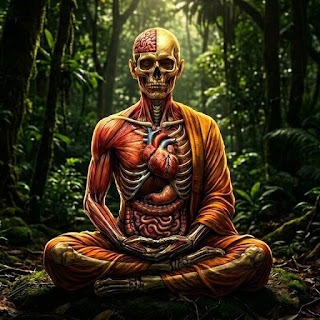
| ♦ “puna caparaṃ, bhikkhave, bhikkhu | “And further, the monk [does this practice]: | |
| Imam-eva kāyaṃ | In this very body, | 就在這個身體當中, |
| uddhaṃ pāda-talā | from the base of the feet | 從腳底 |
| adho kesa-matthakā | to the hair on top of the head, | 到頭頂的髮, |
| Taca-pariyantaṃ | all enclosed in skin | 整個被皮膚包覆, |
| pūraṃ nāna-p-pakārassa A-sucino | and filled with many kinds of impure things. | 充滿了各種不淨之物。 |
| paccavekkhati: | they equanimously-observe that: | 他們平靜地觀察到: |
| ‘atthi imasmiṃ kāye | "In this body there are | 「這個身體裡有 |
| kesā lomā nakhā dantā taco, | Head hairs, body hairs, nails, teeth, skin, | 頭髮、體毛、指甲、牙齒、皮膚, |
| maṃsaṃ nhāru aṭṭhi aṭṭhi-miñjaṃ vakkaṃ, | flesh, sinews, bones, bone-marrow, kidneys, | 肌肉、筋腱、骨骼、骨髓、腎臟, |
| hadayaṃ yakanaṃ kilomakaṃ pihakaṃ papphāsaṃ, | heart, liver, flesh and organ membranes, spleen, lungs, | 心臟、肝臟、肌膜與器官薄膜、脾臟、肺臟, |
| antaṃ antaguṇaṃ udariyaṃ karīsaṃ, | intestines, intestine membrane, stomach mush, feces, | 腸子、腸膜、胃中食糜、糞便, |
| pittaṃ semhaṃ pubbo lohitaṃ sedo medo, | bile, phlegm, pus, blood, sweat, fat, | 膽汁、痰液、膿、血液、汗水、脂肪, |
| assu vasā kheḷo siṅghāṇikā lasikā muttan’ti. | tears, skin-oil, saliva, snot, fluid in the joints, urine." | 眼淚、皮脂、唾液、鼻涕、關節液、尿液。」 |
| Seyyathāpi, bhikkhave, | It’s as if there were | 就好比有一個 |
| ubhatomukhā putoḷi | a bag with openings at both ends, | 兩端開口的袋子, |
| pūrā nānāvihitassa dhaññassa, | filled with various kinds of grains, | 裡面裝滿了各種穀物, |
| seyyathidaṁ—sālīnaṁ vīhīnaṁ muggānaṁ | such as fine rice, wheat, mung beans, | 例如精米、小麥、綠豆、 |
| māsānaṁ tilānaṁ taṇḍulānaṁ. | peas, sesame, and ordinary rice. | 豌豆、芝麻,以及普通稻米。 |
| Tamenaṁ cakkhumā puriso muñcitvā paccavekkheyya: | And a person with clear eyes were to open it and examine the contents: | 一個眼力清晰的人打開它,察看裡面的東西: |
| ‘ime sālī ime vīhī ime muggā | ‘These grains are fine rice, these are wheat, these are mung beans, | 「這些是精米,這些是小麥,這些是綠豆, |
| ime māsā ime tilā ime taṇḍulā’ti. | these are peas, these are sesame, and these are ordinary rice.’ | 這些是豌豆,這些是芝麻,這些是普通稻米。」 |
| evameva kho, bhikkhave, bhikkhu | In the same way, | |
| Imam-eva kāyaṃ | In this very body, | 就在這個身體當中, |
| uddhaṃ pāda-talā | from the base of the feet | 從腳底 |
| adho kesa-matthakā | to the hair on top of the head, | 到頭頂的髮, |
| Taca-pariyantaṃ | all enclosed in skin | 整個被皮膚包覆, |
| pūraṃ nāna-p-pakārassa A-sucino | and filled with many kinds of impure things. | 充滿了各種不淨之物。 |
| paccavekkhati: | they equanimously-observe that: | 他們平靜地觀察到: |
| ‘atthi imasmiṃ kāye | "In this body there are | 「這個身體裡有 |
| kesā lomā nakhā dantā taco, | Head hairs, body hairs, nails, teeth, skin, | 頭髮、體毛、指甲、牙齒、皮膚, |
| maṃsaṃ nhāru aṭṭhi aṭṭhi-miñjaṃ vakkaṃ, | flesh, sinews, bones, bone-marrow, kidneys, | 肌肉、筋腱、骨骼、骨髓、腎臟, |
| hadayaṃ yakanaṃ kilomakaṃ pihakaṃ papphāsaṃ, | heart, liver, flesh and organ membranes, spleen, lungs, | 心臟、肝臟、肌膜與器官薄膜、脾臟、肺臟, |
| antaṃ antaguṇaṃ udariyaṃ karīsaṃ, | intestines, intestine membrane, stomach mush, feces, | 腸子、腸膜、胃中食糜、糞便, |
| pittaṃ semhaṃ pubbo lohitaṃ sedo medo, | bile, phlegm, pus, blood, sweat, fat, | 膽汁、痰液、膿、血液、汗水、脂肪, |
| assu vasā kheḷo siṅghāṇikā lasikā muttan’ti. | tears, skin-oil, saliva, snot, fluid in the joints, urine." | 眼淚、皮脂、唾液、鼻涕、關節液、尿液。」 |
| tassa evaṃ appamattassa ātāpino pahitattassa viharato | As they live like this, assiduous, ardent [in right effort], and resolute, | 他的生活勤奋、精进(于正精进)和坚定。 |
| ye gehasitā sara-saṅkappā te pahīyanti. | Any household memories-and-resolves are abandoned. | 任何家庭的记忆和决心都被舍弃了。 |
| tesaṃ pahānā | And with their abandoning, | 随着它们的舍弃, |
| ajjhattam-eva cittaṃ | Internally - his mind | 内在,他的心 |
| san-tiṭṭhati san-nisīdati | gathers and settles, | 聚集和安定, |
| ekodi hoti samādhiyati. | is singular [in focus], undistractible-and-lucid [in the four jhānas]. | 是单一的(专注),不散乱而明晰。 |
| evaṃ, bhikkhave, bhikkhu kāyagatā-satiṃ bhāveti. | This is how a monk remembers [and applies ☸Dharma] while immersed in the body. | 这就是比丘在沉浸于(身体)中时忆念(并运用佛法)的方式。 |
❧
+§1.5 – (Four elements)

| ♦ “puna caparaṃ, bhikkhave, bhikkhu imameva kāyaṃ yathāṭhitaṃ yathāpaṇihitaṃ dhātuso paccavekkhati — ‘atthi imasmiṃ kāye pathavīdhātu āpodhātu tejodhātu vāyodhātū’ti. | “And further, the monk contemplates this very body—however it stands, however it is disposed—in terms of properties: ‘In this body there is the earth property, the liquid property, the fire property, & the wind property.’ | “再者,比丘观察这具身体——无论它如何站立,如何安置——就其特性而言:‘在这具身体里有地大、水大、火大和风大。’ |

| ♦ “seyyathāpi, bhikkhave, dakkho goghātako vā goghātakantevāsī vā gāviṃ vadhitvā catumahāpathe VAR bilaso vibhajitvā VAR nisinno assa; | Just as a dexterous butcher or his apprentice, having killed a cow, would sit at a crossroads cutting it up into pieces, | 正如一个熟练的屠夫或他的学徒,宰杀一头牛后,会坐在十字路口将其切成块, |
| evameva kho, bhikkhave, bhikkhu imameva kāyaṃ yathāṭhitaṃ yathāpaṇihitaṃ dhātuso paccavekkhati — ‘atthi imasmiṃ kāye pathavīdhātu āpodhātu tejodhātu vāyodhātū’ti. | the monk contemplates this very body—however it stands, however it is disposed—in terms of properties: ‘In this body there is the earth property, the liquid property, the fire property, & the wind property.’ | 比丘观察这具身体——无论它如何站立,如何安置——就其特性而言:‘在这具身体里有地大、水大、火大和风大。’ |
| tassa evaṃ appamattassa ātāpino pahitattassa viharato | As they live like this, assiduous, ardent [in right effort], and resolute, | 他的生活勤奋、精进(于正精进)和坚定。 |
| ye gehasitā sara-saṅkappā te pahīyanti. | Any household memories-and-resolves are abandoned. | 任何家庭的记忆和决心都被舍弃了。 |
| tesaṃ pahānā | And with their abandoning, | 随着它们的舍弃, |
| ajjhattam-eva cittaṃ | Internally - his mind | 内在,他的心 |
| san-tiṭṭhati san-nisīdati | gathers and settles, | 聚集和安定, |
| ekodi hoti samādhiyati. | is singular [in focus], undistractible-and-lucid [in the four jhānas]. | 是单一的(专注),不散乱而明晰。 |
| evaṃ, bhikkhave, bhikkhu kāyagatā-satiṃ bhāveti. | This is how a monk remembers [and applies ☸Dharma] while immersed in the body. | 这就是比丘在沉浸于(身体)中时忆念(并运用佛法)的方式。 |
+§1.6 – (9siv: Nine stages of corpse decomposition)
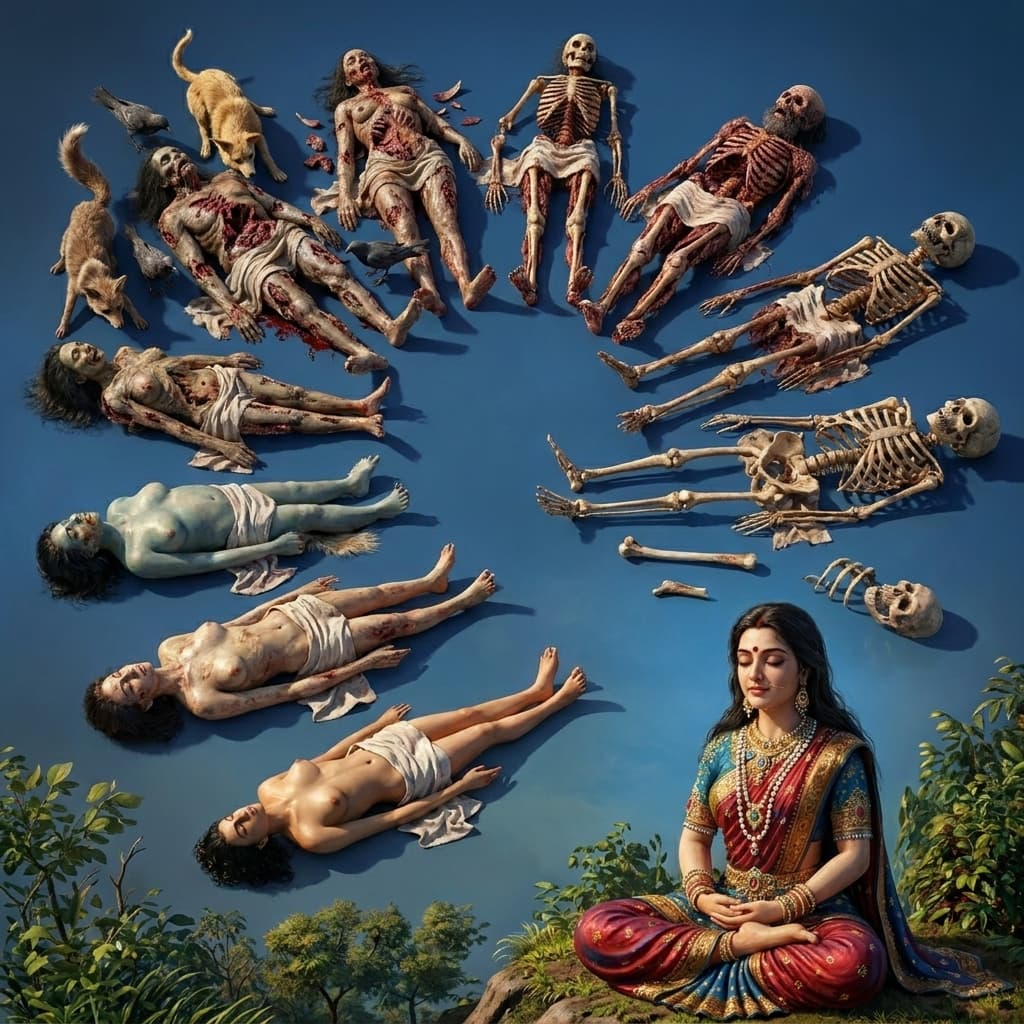
9siv⚰️: Kāy'-ānu-passanā-nava-sivathika-pabba
body contemplation of 9 charnel ground section

| Puna caparaṁ, bhikkhave, bhikkhu seyyathāpi | Furthermore, suppose a monk | 再者,假設有一位修行者 |
| passeyya sarīraṁ sivathikāya chaḍḍitaṁ | were to see a corpse discarded in a charnel ground. | 看見了一具被丟棄在墓地的屍體, |
| ekāhamataṁ vā dvīhamataṁ vā tīhamataṁ vā uddhumātakaṁ vinīlakaṁ vipubbakajātaṁ. | And it had been dead for one, two, or three days, bloated, livid, and festering. | 這具屍體已死去一天、兩天或三天,腫脹、發青、腐臭。 |
| So imameva kāyaṁ upasaṁharati: | They’d compare it with their own body: | 他就拿自己的身體來對照: |
| ‘ayampi kho kāyo | ‘This body is also | 「這個身體也一樣, |
| evaṁdhammo | subject to the same natural Dharma laws, | 同樣受制於自然規律, |
| evaṁbhāvī | will have the same fate, | 將會有同樣的結局, |
| evaṁanatīto’ti. | and cannot avoid this.’ | 無法避免這一切。」 |
| tassa evaṃ appamattassa ātāpino pahitattassa viharato | As they live like this, assiduous, ardent [in right effort], and resolute, | 他的生活勤奋、精进(于正精进)和坚定。 |
| ye gehasitā sara-saṅkappā te pahīyanti. | Any household memories-and-resolves are abandoned. | 任何家庭的记忆和决心都被舍弃了。 |
| tesaṃ pahānā | And with their abandoning, | 随着它们的舍弃, |
| ajjhattam-eva cittaṃ | Internally - his mind | 内在,他的心 |
| san-tiṭṭhati san-nisīdati | gathers and settles, | 聚集和安定, |
| ekodi hoti samādhiyati. | is singular [in focus], undistractible-and-lucid [in the four jhānas]. | 是单一的(专注),不散乱而明晰。 |
| evaṃ, bhikkhave, bhikkhu kāyagatā-satiṃ bhāveti. | This is how a monk remembers [and applies ☸Dharma] while immersed in the body. | 这就是比丘在沉浸于(身体)中时忆念(并运用佛法)的方式。 |
| Puna caparaṁ, bhikkhave, bhikkhu seyyathāpi | Furthermore, suppose a monk | 再者,假設有一位修行者 |
| passeyya sarīraṁ sivathikāya chaḍḍitaṁ | were to see a corpse discarded in a charnel ground. | 看見了一具被丟棄在墓地的屍體, |
| kākehi vā khajjamānaṁ | being devoured by crows, | 正被烏鴉啄食, |
| kulalehi vā khajjamānaṁ | hawks, | 被鷹啄食, |
| gijjhehi vā khajjamānaṁ | vultures, | 被禿鷲啄食, |
| kaṅkehi vā khajjamānaṁ | herons, | 被蒼鷺啄食, |
| sunakhehi vā khajjamānaṁ | hounds, | 被狗啃食, |
| byagghehi vā khajjamānaṁ | tigers, | 被老虎撕咬, |
| dīpīhi vā khajjamānaṁ | leopards, | 被豹子撕咬, |
| siṅgālehi vā khajjamānaṁ | jackals, | 被豺狼啃食, |
| vividhehi vā pāṇakajātehi khajjamānaṁ. | and many kinds of little creatures. | 以及被各種小動物侵食。 |
| So imameva kāyaṁ upasaṁharati: | They’d compare it with their own body: | 他就拿自己的身體來對照: |
| ‘ayampi kho kāyo | ‘This body is also | 「這個身體也一樣, |
| evaṁdhammo | subject to the same natural Dharma laws, | 同樣受制於自然規律, |
| evaṁbhāvī | will have the same fate, | 將會有同樣的結局, |
| evaṁanatīto’ti. | and cannot avoid this.’ | 無法避免這一切。」 |
| Tassa evaṁ appamattassa …pe… evampi, bhikkhave, bhikkhu kāyagatāsatiṁ bhāveti. | They live assiduously, doing this exercise with 4 jhānas quality of samādhi... | 他們勤奮地修行,以具備四禪品質的定力,進行這個練習…… |

| Puna caparaṁ, bhikkhave, bhikkhu seyyathāpi | Furthermore, suppose a monk | 再者,假設有一位修行者 |
| passeyya sarīraṁ sivathikāya chaḍḍitaṁ | were to see a corpse discarded in a charnel ground. | 看見了一具被丟棄在墓地的屍體, |
| aṭṭhikasaṅkhalikaṁ samaṁsalohitaṁ nhārusambandhaṁ …pe… | a skeleton with flesh and blood, held together by sinews … | 是一副帶有肉與血、由筋腱連接的骨骼…… |
| So imameva kāyaṁ upasaṁharati: | They’d compare it with their own body: | 他就拿自己的身體來對照: |
| ‘ayampi kho kāyo | ‘This body is also | 「這個身體也一樣, |
| evaṁdhammo | subject to the same natural Dharma laws, | 同樣受制於自然規律, |
| evaṁbhāvī | will have the same fate, | 將會有同樣的結局, |
| evaṁanatīto’ti. | and cannot avoid this.’ | 無法避免這一切。」 |
| Tassa evaṁ appamattassa …pe… evampi, bhikkhave, bhikkhu kāyagatāsatiṁ bhāveti. | They live assiduously, doing this exercise with 4 jhānas quality of samādhi... | 他們勤奮地修行,以具備四禪品質的定力,進行這個練習…… |

| Puna caparaṁ, bhikkhave, bhikkhu seyyathāpi | Furthermore, suppose a monk | 再者,假設有一位修行者 |
| passeyya sarīraṁ sivathikāya chaḍḍitaṁ | were to see a corpse discarded in a charnel ground. | 看見了一具被丟棄在墓地的屍體, |
| Aṭṭhikasaṅkhalikaṁ nimaṁsalohitamakkhitaṁ nhārusambandhaṁ …pe… | A skeleton without flesh but smeared with blood, and held together by sinews … | 是一副沒有肉但沾著血、由筋腱連接的骨骼…… |
| So imameva kāyaṁ upasaṁharati: | They’d compare it with their own body: | 他就拿自己的身體來對照: |
| ‘ayampi kho kāyo | ‘This body is also | 「這個身體也一樣, |
| evaṁdhammo | subject to the same natural Dharma laws, | 同樣受制於自然規律, |
| evaṁbhāvī | will have the same fate, | 將會有同樣的結局, |
| evaṁanatīto’ti. | and cannot avoid this.’ | 無法避免這一切。」 |
| Tassa evaṁ appamattassa …pe… evampi, bhikkhave, bhikkhu kāyagatāsatiṁ bhāveti. | They live assiduously, doing this exercise with 4 jhānas quality of samādhi... | 他們勤奮地修行,以具備四禪品質的定力,進行這個練習…… |

| Puna caparaṁ, bhikkhave, bhikkhu seyyathāpi | Furthermore, suppose a monk | 再者,假設有一位修行者 |
| passeyya sarīraṁ sivathikāya chaḍḍitaṁ | were to see a corpse discarded in a charnel ground. | 看見了一具被丟棄在墓地的屍體, |
| Aṭṭhikasaṅkhalikaṁ apagatamaṁsalohitaṁ nhārusambandhaṁ …pe… | A skeleton rid of flesh and blood, held together by sinews … | 是一副既無肉又無血、由筋腱連接的骨骼…… |
| So imameva kāyaṁ upasaṁharati: | They’d compare it with their own body: | 他就拿自己的身體來對照: |
| ‘ayampi kho kāyo | ‘This body is also | 「這個身體也一樣, |
| evaṁdhammo | subject to the same natural Dharma laws, | 同樣受制於自然規律, |
| evaṁbhāvī | will have the same fate, | 將會有同樣的結局, |
| evaṁanatīto’ti. | and cannot avoid this.’ | 無法避免這一切。」 |
| Tassa evaṁ appamattassa …pe… evampi, bhikkhave, bhikkhu kāyagatāsatiṁ bhāveti. | They live assiduously, doing this exercise with 4 jhānas quality of samādhi... | 他們勤奮地修行,以具備四禪品質的定力,進行這個練習…… |

| Puna caparaṁ, bhikkhave, bhikkhu seyyathāpi | Furthermore, suppose a monk | 再者,假設有一位修行者 |
| passeyya sarīraṁ sivathikāya chaḍḍitaṁ | were to see a corpse discarded in a charnel ground. | 看見了一具被丟棄在墓地的屍體, |
| Aṭṭhikāni apagatasambandhāni disā vidisā vikkhittāni, | Bones rid of sinews scattered in every direction. | 骨骼失去了筋腱的連結,散落各處。 |
| aññena hatthaṭṭhikaṁ | Here a hand-bone, | 這裡一塊手骨, |
| aññena pādaṭṭhikaṁ | there a foot-bone, | 那裡一塊腳骨, |
| aññena gopphakaṭṭhikaṁ | here an ankle bone, | 這裡一塊踝骨, |
| aññena jaṅghaṭṭhikaṁ | there a shin-bone, | 那裡一塊脛骨, |
| aññena ūruṭṭhikaṁ | here a thigh-bone, | 這裡一塊大腿骨, |
| aññena kaṭiṭṭhikaṁ | there a hip-bone, | 那裡一塊髖骨, |
| aññena phāsukaṭṭhikaṁ | here a rib-bone, | 這裡一塊肋骨, |
| aññena piṭṭhiṭṭhikaṁ | there a back-bone, | 那裡一塊脊椎骨, |
| aññena khandhaṭṭhikaṁ | here an arm-bone, | 這裡一塊手臂骨, |
| aññena gīvaṭṭhikaṁ | there a neck-bone, | 那裡一塊頸骨, |
| aññena hanukaṭṭhikaṁ | here a jaw-bone, | 這裡一塊下顎骨, |
| aññena dantaṭṭhikaṁ | there a tooth, | 那裡一顆牙齒, |
| aññena sīsakaṭāhaṁ. | here the skull. … | 這裡一個頭蓋骨…… |
| So imameva kāyaṁ upasaṁharati: | They’d compare it with their own body: | 他就拿自己的身體來對照: |
| ‘ayampi kho kāyo | ‘This body is also | 「這個身體也一樣, |
| evaṁdhammo | subject to the same natural Dharma laws, | 同樣受制於自然規律, |
| evaṁbhāvī | will have the same fate, | 將會有同樣的結局, |
| evaṁanatīto’ti. | and cannot avoid this.’ | 無法避免這一切。」 |
| Tassa evaṁ appamattassa …pe… evampi, bhikkhave, bhikkhu kāyagatāsatiṁ bhāveti. | They live assiduously, doing this exercise with 4 jhānas quality of samādhi... | 他們勤奮地修行,以具備四禪品質的定力,進行這個練習…… |

| Puna caparaṁ, bhikkhave, bhikkhu seyyathāpi | Furthermore, suppose a monk | 再者,假設有一位修行者 |
| passeyya sarīraṁ sivathikāya chaḍḍitaṁ | were to see a corpse discarded in a charnel ground. | 看見了一具被丟棄在墓地的屍體, |
| aṭṭhikāni setāni saṅkhavaṇṇapaṭibhāgāni …pe… | White bones, the color of shells … | 白骨,顏色如貝殼…… |
| So imameva kāyaṁ upasaṁharati: | They’d compare it with their own body: | 他就拿自己的身體來對照: |
| ‘ayampi kho kāyo | ‘This body is also | 「這個身體也一樣, |
| evaṁdhammo | subject to the same natural Dharma laws, | 同樣受制於自然規律, |
| evaṁbhāvī | will have the same fate, | 將會有同樣的結局, |
| evaṁanatīto’ti. | and cannot avoid this.’ | 無法避免這一切。」 |
| Tassa evaṁ appamattassa …pe… evampi, bhikkhave, bhikkhu kāyagatāsatiṁ bhāveti. | They live assiduously, doing this exercise with 4 jhānas quality of samādhi... | 他們勤奮地修行,以具備四禪品質的定力,進行這個練習…… |

| Puna caparaṁ, bhikkhave, bhikkhu seyyathāpi | Furthermore, suppose a monk | 再者,假設有一位修行者 |
| passeyya sarīraṁ sivathikāya chaḍḍitaṁ | were to see a corpse discarded in a charnel ground. | 看見了一具被丟棄在墓地的屍體, |
| Aṭṭhikāni puñjakitāni terovassikāni …pe… | Decrepit bones, heaped in a pile … | 朽骨,堆積成堆…… |
| So imameva kāyaṁ upasaṁharati: | They’d compare it with their own body: | 他就拿自己的身體來對照: |
| ‘ayampi kho kāyo | ‘This body is also | 「這個身體也一樣, |
| evaṁdhammo | subject to the same natural Dharma laws, | 同樣受制於自然規律, |
| evaṁbhāvī | will have the same fate, | 將會有同樣的結局, |
| evaṁanatīto’ti. | and cannot avoid this.’ | 無法避免這一切。」 |
| Tassa evaṁ appamattassa …pe… evampi, bhikkhave, bhikkhu kāyagatāsatiṁ bhāveti. | They live assiduously, doing this exercise with 4 jhānas quality of samādhi... | 他們勤奮地修行,以具備四禪品質的定力,進行這個練習…… |

| Puna caparaṁ, bhikkhave, bhikkhu seyyathāpi | Furthermore, suppose a monk | 再者,假設有一位修行者 |
| passeyya sarīraṁ sivathikāya chaḍḍitaṁ | were to see a corpse discarded in a charnel ground. | 看見了一具被丟棄在墓地的屍體, |
| Aṭṭhikāni pūtīni cuṇṇakajātāni. | Bones rotted and crumbled to powder. | 骨骼腐爛,碎成粉末。 |
| So imameva kāyaṁ upasaṁharati: | They’d compare it with their own body: | 他就拿自己的身體來對照: |
| ‘ayampi kho kāyo | ‘This body is also | 「這個身體也一樣, |
| evaṁdhammo | subject to the same natural Dharma laws, | 同樣受制於自然規律, |
| evaṁbhāvī | will have the same fate, | 將會有同樣的結局, |
| evaṁanatīto’ti. | and cannot avoid this.’ | 無法避免這一切。」 |
| tassa evaṃ appamattassa ātāpino pahitattassa viharato | As they live like this, assiduous, ardent [in right effort], and resolute, | 他的生活勤奋、精进(于正精进)和坚定。 |
| ye gehasitā sara-saṅkappā te pahīyanti. | Any household memories-and-resolves are abandoned. | 任何家庭的记忆和决心都被舍弃了。 |
| tesaṃ pahānā | And with their abandoning, | 随着它们的舍弃, |
| ajjhattam-eva cittaṃ | Internally - his mind | 内在,他的心 |
| san-tiṭṭhati san-nisīdati | gathers and settles, | 聚集和安定, |
| ekodi hoti samādhiyati. | is singular [in focus], undistractible-and-lucid [in the four jhānas]. | 是单一的(专注),不散乱而明晰。 |
| evaṃ, bhikkhave, bhikkhu kāyagatā-satiṃ bhāveti. | This is how a monk remembers [and applies ☸Dharma] while immersed in the body. | 这就是比丘在沉浸于(身体)中时忆念(并运用佛法)的方式。 |
❧
+§1.7 – (4 jhānas + similes)
all
+§7.1 – (first jhāna ↔ bathman making ball of soap powder)
| “puna caparaṃ, bhikkhave, bhikkhu | Furthermore, | 再者, |
| 🚫💑 vivicc’eva kāmehi | Judiciously-secluded from desire for five cords of sensual pleasures, | 谨慎地远离对五欲之乐的贪欲 |
| 🚫😠 vivicca a-kusalehi dhammehi | Judiciously-secluded from unskillful ☸Dharmas, | 谨慎地远离不善巧的法, |
| (V&V💭) sa-vitakkaṃ sa-vicāraṃ | with directed-thought and evaluation [of those verbal ☸Dharma thoughts], | 以正思维和观察【那些言说的法语】, |
| 😁🙂 viveka-jaṃ pīti-sukhaṃ | with [mental] rapture and [physical] pleasure born from judicious-seclusion, | 以及由谨慎远离而生的【心意】狂喜和【身体】快乐, |
| 🌘 paṭhamaṃ jhānaṃ upasampajja viharati. | he attains and lives in first jhāna. | 他证得并安住于初禅。 |
| So | They | 他们 |
| imameva kāyaṃ vivekajena pītisukhena abhisandeti parisandeti paripūreti parippharati, | drench, steep, fill, and spread their body with mental-joy and pleasure born of seclusion. | 以离欲所生的喜乐浸透、浸润、充满、遍布全身。 |
| nāssa kiñci sabbāvato kāyassa vivekajena pītisukhena apphuṭaṃ hoti. | There’s no part of the body that’s not spread with mental-joy and pleasure born of seclusion. | 身体没有一处不被离欲所生的喜乐遍布。 |
| Seyyathāpi, bhikkhave, | It’s like when | 这就像 |
| dakkho nhāpako vā nhāpakantevāsī vā kaṃsathāle nhānīyacuṇṇāni ākiritvā udakena paripphosakaṃ paripphosakaṃ sanneyya, | an expert bathroom attendant or their apprentice pours bath powder into a bronze dish, sprinkling it little by little with water. | 一位专业的浴室服务员或他的学徒将沐浴粉倒入铜盘中,一点一点地洒水。 |
| sāyaṃ nhānīyapiṇḍi snehānugatā snehaparetā santarabāhirā phuṭā snehena, na ca paggharaṇī; | They knead it until the ball of bath powder is soaked and saturated with moisture, spread through inside and out; yet no moisture oozes out. | 他们揉搓,直到沐浴粉团被水分浸透、饱和,内外皆遍布;但没有水分渗出。 |
| evameva kho, bhikkhave, bhikkhave, | In the same way, a monk | 同样地,一位比丘 |
| imameva kāyaṃ vivekajena pītisukhena abhisandeti parisandeti paripūreti parippharati, | drenches, steeps, fills, and spreads their body with mental-joy and pleasure born of seclusion. | 以离欲所生的喜乐浸透、浸润、充满、遍布全身。 |
| nāssa kiñci sabbāvato kāyassa vivekajena pītisukhena apphuṭaṃ hoti. | There’s no part of the body that’s not spread with mental-joy and pleasure born of seclusion. | 身体没有一处不被离欲所生的喜乐遍布。 |
| tassa evaṃ appamattassa ātāpino pahitattassa viharato | As they live like this, assiduous, ardent [in right effort], and resolute, | 他的生活勤奋、精进(于正精进)和坚定。 |
| ye gehasitā sara-saṅkappā te pahīyanti. | Any household memories-and-resolves are abandoned. | 任何家庭的记忆和决心都被舍弃了。 |
| tesaṃ pahānā | And with their abandoning, | 随着它们的舍弃, |
| ajjhattam-eva cittaṃ | Internally - his mind | 内在,他的心 |
| san-tiṭṭhati san-nisīdati | gathers and settles, | 聚集和安定, |
| ekodi hoti samādhiyati. | is singular [in focus], undistractible-and-lucid [in the four jhānas]. | 是单一的(专注),不散乱而明晰。 |
| evaṃ, bhikkhave, bhikkhu kāyagatā-satiṃ bhāveti. | This is how a monk remembers [and applies ☸Dharma] while immersed in the body. | 这就是比丘在沉浸于(身体)中时忆念(并运用佛法)的方式。 |
❧
+§7.2 – (second jhāna ↔ lake with spring)
| “puna caparaṃ, bhikkhave, bhikkhu | again, monks, a monk | 再者,比丘们,一位比丘 |
| Vitakka-vicārānaṃ vūpasamā | with the subsiding of directed-thought and evaluation [of those verbal ☸Dharma thoughts], | 随着寻与伺[对这些言语化佛法思想的寻思与评估]的平息, |
| ajjhattaṃ sam-pasādanaṃ | with internal purity and self-confidence, | 内心纯净且自信, |
| 🌄 cetaso ekodi-bhāvaṃ | his mind becomes singular in focus. | 他的心变得专一。 |
| 🚫(V&V💭) a-vitakkaṃ a-vicāraṃ | Without directed-thought and evaluation, [mental processing is now subverbal,] | 无寻无伺,[心理处理现已转为非语言形式,] |
| 🌄😁🙂 samādhi-jaṃ pīti-sukhaṃ | [mental] rapture and [physical] pleasure is born from undistractible-lucidity, | 由不乱的明觉产生[心理]喜与[身体]乐, |
| 🌗 dutiyaṃ jhānaṃ upasampajja viharati. | he attains and lives in second jhāna. | 他成就并安住于二禅。 |
| So | In the same way, a monk | 同样地,一位比丘 |
| imameva kāyaṃ samādhijena pītisukhena abhisandeti parisandeti paripūreti parippharati, | drenches, steeps, fills, and spreads their body with mental-joy and pleasure born of undistractible-lucidity. | 以不散乱明晰所生的喜乐浸透、浸润、充满、遍布全身。 |
| nāssa kiñci sabbāvato kāyassa samādhijena pītisukhena apphuṭaṃ hoti. | There’s no part of the body that’s not spread with mental-joy and pleasure born of undistractible-lucidity. | 身体没有一处不被不散乱明晰所生的喜乐遍布。 |
| Seyyathāpi, bhikkhave, | It’s like | 这就像 |
| udakarahado gambhīro ubbhidodako | a deep lake fed by spring water. | 一个由泉水滋养的深湖。 |
| tassa nevassa puratthimāya disāya udakassa āyamukhaṃ, | There’s no inlet to the east, | 没有东、 |
| na dakkhiṇāya disāya udakassa āyamukhaṃ, | west, | 西、 |
| na pacchimāya disāya udakassa āyamukhaṃ, | north, | 北、 |
| na uttarāya disāya udakassa āyamukhaṃ, | or south, | 南的入水口, |
| devo ca na kālena kālaṃ sammādhāraṃ anuppaveccheyya. | and no rainfall to replenish it from time to time. | 也没有雨水不时补充。 |
| Atha kho tamhāva udakarahadā sītā vāridhārā ubbhijjitvā tameva udakarahadaṃ sītena vārinā abhisandeyya parisandeyya paripūreyya paripphareyya, | But the stream of cool water welling up in the lake drenches, steeps, fills, and spreads throughout the lake. | 但湖中涌出的凉水流浸透、浸润、充满、遍布整个湖泊。 |
| nāssa kiñci sabbāvato udakarahadassa sītena vārinā apphuṭaṃ assa. | There’s no part of the lake that’s not spread through with cool water. | 湖泊没有一处不被凉水遍布。 |
| Evameva kho, bhikkhave, bhikkhu | In the same way, a monk | 同样地,一位比丘 |
| imameva kāyaṃ samādhijena pītisukhena abhisandeti parisandeti paripūreti parippharati, | drenches, steeps, fills, and spreads their body with mental-joy and pleasure born of undistractible-lucidity. | 以不散乱明晰所生的喜乐浸透、浸润、充满、遍布全身。 |
| nāssa kiñci sabbāvato kāyassa samādhijena pītisukhena apphuṭaṃ hoti. | There’s no part of the body that’s not spread with mental-joy and pleasure born of undistractible-lucidity. | 身体没有一处不被不散乱明晰所生的喜乐遍布。 |
| tassa evaṃ appamattassa ātāpino pahitattassa viharato | As they live like this, assiduous, ardent [in right effort], and resolute, | 他的生活勤奋、精进(于正精进)和坚定。 |
| ye gehasitā sara-saṅkappā te pahīyanti. | Any household memories-and-resolves are abandoned. | 任何家庭的记忆和决心都被舍弃了。 |
| tesaṃ pahānā | And with their abandoning, | 随着它们的舍弃, |
| ajjhattam-eva cittaṃ | Internally - his mind | 内在,他的心 |
| san-tiṭṭhati san-nisīdati | gathers and settles, | 聚集和安定, |
| ekodi hoti samādhiyati. | is singular [in focus], undistractible-and-lucid [in the four jhānas]. | 是单一的(专注),不散乱而明晰。 |
| evaṃ, bhikkhave, bhikkhu kāyagatā-satiṃ bhāveti. | This is how a monk remembers [and applies ☸Dharma] while immersed in the body. | 这就是比丘在沉浸于(身体)中时忆念(并运用佛法)的方式。 |
❧
+§7.3 – (third jhāna ↔ lotus fully submerged in pool)
| “puna caparaṃ, bhikkhave, bhikkhu | again, monks, a monk | 再者,比丘们,一位比丘 |
| 🚫😁 pītiyā ca virāgā | With [mental] rapture fading, | 随着[心理]喜的淡去, |
| 👁 upekkhako ca viharati | he lives equanimously observing [☸Dharmas with subverbal mental processing]. | 他安住于舍,观察着[以非语言的心理处理观察诸法]。 |
| (S&S🐘💭) sato ca sam-pajāno, | remembering [and applying relevant ☸Dharma], he lucidly discerns. | 忆持[并应用相关的佛法],他明觉地分辨。 |
| 🙂🚶 sukhañca kāyena paṭi-saṃ-vedeti, | He experiences pleasure with the [physical] body. | 他以[身体]肉身经历着乐。 |
| yaṃ taṃ ariyā ācikkhanti — | The Noble Ones praise this [stage of jhāna in particular because they expect this to be the normal state of the average monk in all postures at all times]: | 众圣者赞叹此[禅定阶段,因其预期这应是普通僧侣在一切威仪、一切时刻的常态]: |
| ‘upekkhako satimā sukha-vihārī’ti | "He lives happily with pleasure, Equanimously observing and remembering [to engage in relevant ☸Dharma]." | “他安住于乐,具足舍与念[以参与相关的佛法]。” |
| 🌖 tatiyaṃ jhānaṃ upasampajja viharati. | he attains and lives in third jhāna. | 他成就并安住于三禅。 |
| So | They | 他们 |
| imameva kāyaṃ nippītikena sukhena abhisandeti parisandeti paripūreti parippharati, | drench, steep, fill, and spread their body with pleasure free of mental-joy. | 以无喜的快乐浸透、浸润、充满、遍布全身。 |
| nāssa kiñci sabbāvato kāyassa nippītikena sukhena apphuṭaṃ hoti. | There’s no part of the body that’s not spread with pleasure free of mental-joy. | 身体没有一处不被无喜的快乐遍布。 |
| Seyyathāpi, bhikkhave, | It’s like | 这就像 |
| uppaliniyaṃ vā paduminiyaṃ vā puṇḍarīkiniyaṃ vā appekaccāni uppalāni vā padumāni vā puṇḍarīkāni vā | a pool with blue water lilies, or pink or white lotuses. | 一个有蓝色睡莲,或粉色或白色荷花的池塘。 |
| udake jātāni udake saṃvaḍḍhāni udakānuggatāni antonimuggaposīni, | Some of them sprout and grow in the water without rising above it, thriving underwater. | 有些在水中萌芽生长,却不超出水面,在水下茁壮成长。 |
| tāni yāva caggā yāva ca mūlā sītena vārinā abhisannāni parisannāni paripūrāni paripphuṭāni, | From the tip to the root they’re drenched, steeped, filled, and soaked with cool water. | 从尖端到根部,它们都被凉水浸透、浸润、充满、渗透。 |
| nāssa kiñci sabbāvataṃ uppalānaṃ vā padumānaṃ vā puṇḍarīkānaṃ vā sītena vārinā apphuṭaṃ assa; | There’s no part of them that’s not soaked with cool water. | 没有一处不被凉水渗透。 |
| evameva kho, bhikkhave, bhikkhu | In the same way, a monk | 同样地,一位比丘 |
| imameva kāyaṃ nippītikena sukhena abhisandeti parisandeti paripūreti parippharati, | drenches, steeps, fills, and spreads their body with pleasure free of mental-joy. | 以无喜的快乐浸透、浸润、充满、遍布全身。 |
| nāssa kiñci sabbāvato kāyassa nippītikena sukhena apphuṭaṃ hoti. | There’s no part of the body that’s not spread with pleasure free of mental-joy. | 身体没有一处不被无喜的快乐遍布。 |
| tassa evaṃ appamattassa ātāpino pahitattassa viharato | As they live like this, assiduous, ardent [in right effort], and resolute, | 他的生活勤奋、精进(于正精进)和坚定。 |
| ye gehasitā sara-saṅkappā te pahīyanti. | Any household memories-and-resolves are abandoned. | 任何家庭的记忆和决心都被舍弃了。 |
| tesaṃ pahānā | And with their abandoning, | 随着它们的舍弃, |
| ajjhattam-eva cittaṃ | Internally - his mind | 内在,他的心 |
| san-tiṭṭhati san-nisīdati | gathers and settles, | 聚集和安定, |
| ekodi hoti samādhiyati. | is singular [in focus], undistractible-and-lucid [in the four jhānas]. | 是单一的(专注),不散乱而明晰。 |
| evaṃ, bhikkhave, bhikkhu kāyagatā-satiṃ bhāveti. | This is how a monk remembers [and applies ☸Dharma] while immersed in the body. | 这就是比丘在沉浸于(身体)中时忆念(并运用佛法)的方式。 |
❧
+§7.4 – (fourth jhāna ↔ man covered with white cloth)
| “puna caparaṃ, bhikkhave, bhikkhu | again, monks, a monk | 再者,比丘们,一位比丘 |
| sukhassa ca pahānā | With the abandoning of [physical] pleasure | 随着[身体]乐 |
| dukkhassa ca pahānā | and pain, | 与痛的断除, |
| pubbeva so-manassa-do-manassānaṃ atthaṅgamā | with the previous abandoning of elated and distressed mental states, | 以及先前忧与喜心态的消逝, |
| A-dukkham-a-sukhaṃ | experiencing [physical] sensations of neither pain nor pleasure, | 经历既非痛也非乐的[身体]感受, |
| 👁🐘 Upekkhā-sati-pārisuddhiṃ | his equanimous observation and his remembering [and application of relevant ☸Dharma] is purified. | 他在舍中的观察与忆持[及对相关佛法的应用]达到纯净。 |
| 🌕 catutthaṃ jhānaṃ upasampajja viharati | he attains and lives in fourth jhāna. | 他成就并安住于四禅。 |
| So | They | 他们 |
| imameva kāyaṁ parisuddhena cetasā pariyodātena pharitvā nisinno hoti, | sit spreading their body through with pure bright mind [that radiates translucent white luminosity]. | 以纯净明亮的心(散发着透明的白色光芒)遍布全身。 |
| nāssa kiñci sabbāvato kāyassa parisuddhena cetasā pariyodātena apphuṭaṁ hoti. | There’s no part of the body that’s not spread with pure bright mind [and transparent luminosity]. | 身体没有一处不被纯净明亮的心(和透明的光芒)遍布。 |
| Seyyathāpi, bhikkhave, | It’s like | 这就像 |
| puriso odātena vatthena sasīsaṃ pārupitvā nisinno assa, | someone sitting wrapped from head to foot with white cloth. | 有人从头到脚被白布包裹。 |
| nāssa kiñci sabbāvato kāyassa odātena vatthena apphuṭaṃ assa; | There’s no part of the body that’s not spread over with white cloth. | 身体没有一处不被白布覆盖。 |
| evameva kho, bhikkhave, bhikkhu | In the same way, they | 同样地,他们 |
| imameva kāyaṁ parisuddhena cetasā pariyodātena pharitvā nisinno hoti, | sit spreading their body through with pure bright mind [that radiates translucent white luminosity]. | 以纯净明亮的心(散发着透明的白色光芒)遍布全身。 |
| nāssa kiñci sabbāvato kāyassa parisuddhena cetasā pariyodātena apphuṭaṁ hoti. | There’s no part of the body that’s not spread with pure bright mind [and transparent luminosity]. | 身体没有一处不被纯净明亮的心(和透明的光芒)遍布。 |
| tassa evaṃ appamattassa ātāpino pahitattassa viharato | As they live like this, assiduous, ardent [in right effort], and resolute, | 他的生活勤奋、精进(于正精进)和坚定。 |
| ye gehasitā sara-saṅkappā te pahīyanti. | Any household memories-and-resolves are abandoned. | 任何家庭的记忆和决心都被舍弃了。 |
| tesaṃ pahānā | And with their abandoning, | 随着它们的舍弃, |
| ajjhattam-eva cittaṃ | Internally - his mind | 内在,他的心 |
| san-tiṭṭhati san-nisīdati | gathers and settles, | 聚集和安定, |
| ekodi hoti samādhiyati. | is singular [in focus], undistractible-and-lucid [in the four jhānas]. | 是单一的(专注),不散乱而明晰。 |
| evaṃ, bhikkhave, bhikkhu kāyagatā-satiṃ bhāveti. | This is how a monk remembers [and applies ☸Dharma] while immersed in the body. | 这就是比丘在沉浸于(身体)中时忆念(并运用佛法)的方式。 |
❧
+119.8 – (Fullness of Mind, similes of Māra not able to invade)
| ♦ 156. “yassa kassaci, bhikkhave, kāyagatāsati bhāvitā bahulīkatā, antogadhāvāssa VAR kusalā dhammā ye keci vijjābhāgiyā. seyyathāpi, bhikkhave, yassa kassaci mahāsamuddo cetasā phuṭo, antogadhāvāssa kunnadiyo yā kāci samuddaṅgamā; evameva kho, bhikkhave, yassa kassaci kāyagatāsati bhāvitā bahulīkatā, antogadhāvāssa kusalā dhammā ye keci vijjābhāgiyā. | “Monks, whoever develops & pursues remembering [and applying Dharma] while immersed in the body encompasses whatever skillful Dharmas are on the side of clear knowing. Just as whoever pervades the great ocean with his awareness encompasses whatever rivulets flow down into the ocean, in the same way, whoever develops & pursues remembering [and applying Dharma] while immersed in the body encompasses whatever skillful Dharmas are on the side of clear knowing. | “比丘们,凡是修习并追求身念处的人,就涵盖了所有属于清晰了知方面的善法。正如凡是意识遍及大海的人,就涵盖了所有流入大海的细流一样,同样地,凡是修习并追求身念处的人,就涵盖了所有属于清晰了知方面的善法。 |
| ♦ “yassa kassaci, bhikkhave, kāyagatāsati abhāvitā abahulīkatā, labhati tassa māro otāraṃ, labhati tassa māro ārammaṇaṃ VAR. | “In whomever remembering [and applying Dharma] while immersed in the body is not developed, not pursued, Māra gains entry, Māra gains a foothold. | “凡是身念处没有发展、没有修习的人,魔罗就能进入,魔罗就能立足。 |
| seyyathāpi, bhikkhave, puriso garukaṃ silāguḷaṃ allamattikāpuñje pakkhipeyya. taṃ kiṃ maññatha, bhikkhave, api nu taṃ garukaṃ silāguḷaṃ allamattikāpuñje labhetha otāran”ti? | “Suppose that a man were to throw a heavy stone ball into a pile of wet clay. What do you think, monks? Would the heavy stone ball gain entry into the pile of wet clay?” | “假设一个人将一块沉重的石球扔进一堆湿黏土中。你们认为如何,比丘们?这块沉重的石球会进入这堆湿黏土中吗?” |
| “evaṃ, bhante”. | “Yes, lord.” | “是的,世尊。” |
| “evameva kho, bhikkhave, yassa kassaci kāyagatāsati abhāvitā abahulīkatā, labhati tassa māro otāraṃ, labhati tassa māro ārammaṇaṃ. | “In the same way, in whomever remembering [and applying Dharma] while immersed in the body is not developed, not pursued, Māra gains entry, Māra gains a foothold. | “同样地,凡是身念处没有发展、没有修习的人,魔罗就能进入,魔罗就能立足。 |
| seyyathāpi, bhikkhave, sukkhaṃ kaṭṭhaṃ koḷāpaṃ VAR; atha puriso āgaccheyya uttarāraṇiṃ ādāya — ‘aggiṃ abhinibbattessāmi, tejo pātukarissāmī’ti. taṃ kiṃ maññatha, bhikkhave, api nu so puriso amuṃ sukkhaṃ kaṭṭhaṃ koḷāpaṃ uttarāraṇiṃ ādāya abhimanthento VAR aggiṃ abhinibbatteyya, tejo pātukareyyā”ti? | “Now, suppose that there were a dry, sapless piece of timber, and a man were to come along with an upper fire-stick, thinking, ‘I’ll light a fire. I’ll produce heat.’ What do you think? Would he be able to light a fire and produce heat by rubbing the upper fire-stick in the dry, sapless piece of timber?” | “现在,假设有一块干燥、没有汁液的木头,一个人拿着上火棒走过来,心想:‘我要点火。我要生热。’你们认为如何?他能通过摩擦上火棒在干燥、没有汁液的木头上点火生热吗?” |
| “evaṃ, bhante”. | “Yes, lord.” | “是的,世尊。” |
| “evameva kho, bhikkhave, yassa kassaci kāyagatāsati abhāvitā abahulīkatā, labhati tassa māro otāraṃ, labhati tassa māro ārammaṇaṃ. | “In the same way, in whomever remembering [and applying Dharma] while immersed in the body is not developed, not pursued, Māra gains entry, Māra gains a foothold. | “同样地,凡是身念处没有发展、没有修习的人,魔罗就能进入,魔罗就能立足。 |
| seyyathāpi, bhikkhave, udakamaṇiko ritto tuccho ādhāre ṭhapito; atha puriso āgaccheyya udakabhāraṃ ādāya. taṃ kiṃ maññatha, bhikkhave, api nu so puriso labhetha udakassa nikkhepanan”ti? | “Now, suppose that there were an empty, hollow water-pot set on a stand, and a man were to come along carrying a load of water. What do you think—would he get a place to put his water?” | “现在,假设有一个空心的水壶放在支架上,一个人提着一担水走过来。你们认为如何——他能找到地方放他的水吗?” |
| “evaṃ, bhante”. | “Yes, lord.” | “是的,世尊。” |
| “evameva kho, bhikkhave, yassa kassaci kāyagatāsati abhāvitā abahulīkatā, labhati tassa māro otāraṃ, labhati tassa māro ārammaṇaṃ”. | “In the same way, in whomever remembering [and applying Dharma] while immersed in the body is not developed, not pursued, Māra gains entry, Māra gains a foothold. | “同样地,凡是身念处没有发展、没有修习的人,魔罗就能进入,魔罗就能立足。 |
| ♦ 157. “yassa kassaci, bhikkhave, kāyagatāsati bhāvitā bahulīkatā, na tassa labhati māro otāraṃ, na tassa labhati māro ārammaṇaṃ. seyyathāpi, bhikkhave, puriso lahukaṃ suttaguḷaṃ sabbasāramaye aggaḷaphalake pakkhipeyya. taṃ kiṃ maññatha, bhikkhave, api nu so puriso taṃ lahukaṃ suttaguḷaṃ sabbasāramaye aggaḷaphalake labhetha otāran”ti? | “Now, in whomever remembering [and applying Dharma] while immersed in the body is developed, is pursued, Māra gains no entry, Māra gains no foothold. Suppose that a man were to throw a ball of string against a door panel made entirely of heartwood. What do you think? Would that light ball of string gain entry into that door panel made entirely of heartwood?” | “现在,凡是身念处得到发展、得到修习的人,魔罗就无法进入,魔罗就无法立足。假设一个人将一团绳球扔向一块完全由心材制成的门板。你们认为如何?那团轻巧的绳球会进入那块完全由心材制成的门板吗?” |
| “no hetaṃ, bhante”. | “No, lord.” | “不会,世尊。” |
| “evameva kho, bhikkhave, yassa kassaci kāyagatāsati bhāvitā bahulīkatā, na tassa labhati māro otāraṃ, na tassa labhati māro ārammaṇaṃ. | “In the same way, in whomever remembering [and applying Dharma] while immersed in the body is developed, is pursued, Māra gains no entry, Māra gains no foothold. | “同样地,凡是身念处得到发展、得到修习的人,魔罗就无法进入,魔罗就无法立足。 |
| seyyathāpi, bhikkhave, allaṃ kaṭṭhaṃ sasnehaṃ VAR; atha puriso āgaccheyya uttarāraṇiṃ ādāya — ‘aggiṃ abhinibbattessāmi, tejo pātukarissāmī’ti. taṃ kiṃ maññatha, bhikkhave, api nu so puriso amuṃ allaṃ kaṭṭhaṃ sasnehaṃ uttarāraṇiṃ ādāya abhimanthento aggiṃ abhinibbatteyya, tejo pātukareyyā”ti? | “Now, suppose that there were a wet, sappy piece of timber, and a man were to come along with an upper fire-stick, thinking, ‘I’ll light a fire. I’ll produce heat.’ What do you think? Would he be able to light a fire and produce heat by rubbing the upper fire-stick in the wet, sappy piece of timber?” | “现在,假设有一块湿润、有汁液的木头,一个人拿着上火棒走过来,心想:‘我要点火。我要生热。’你们认为如何?他能通过摩擦上火棒在湿润、有汁液的木头上点火生热吗?” |
| “no hetaṃ, bhante”. | “No, lord.” | “不能,世尊。” |
| “evameva kho, bhikkhave, yassa kassaci kāyagatāsati bhāvitā bahulīkatā, na tassa labhati māro otāraṃ, na tassa labhati māro ārammaṇaṃ. | “In the same way, in whomever remembering [and applying Dharma] while immersed in the body is developed, is pursued, Māra gains no entry, Māra gains no foothold. | “同样地,凡是身念处得到发展、得到修习的人,魔罗就无法进入,魔罗就无法立足。 |
| seyyathāpi, bhikkhave, udakamaṇiko pūro udakassa samatittiko kākapeyyo ādhāre ṭhapito; atha puriso āgaccheyya udakabhāraṃ ādāya. taṃ kiṃ maññatha, bhikkhave, api nu so puriso labhetha udakassa nikkhepanan”ti? | “Now, suppose that there were a water-pot set on a stand, full of water up to the brim so that crows could drink out of it, and a man were to come along carrying a load of water. What do you think? Would he get a place to put his water?” | “现在,假设有一个水壶放在支架上,水满了,乌鸦都能喝到水,一个人提着一担水走过来。你们认为如何?他能找到地方放他的水吗?” |
| “no hetaṃ, bhante”. | “No, lord.” | “不能,世尊。” |
| “evameva kho, bhikkhave, yassa kassaci kāyagatāsati bhāvitā bahulīkatā, na tassa labhati māro otāraṃ, na tassa labhati māro ārammaṇaṃ”. | “In the same way, in whomever remembering [and applying Dharma] while immersed in the body is developed, is pursued, Māra gains no entry, Māra gains no foothold. | “同样地,凡是身念处得到发展、得到修习的人,魔罗就无法进入,魔罗就无法立足。 |
❧
+119.9 – (An Opening to the Higher Knowledges, similes of tank full of water)
| ♦ 158. “yassa kassaci, bhikkhave, kāyagatāsati bhāvitā bahulīkatā, so yassa yassa abhiññāsacchikaraṇīyassa dhammassa cittaṃ abhininnāmeti abhiññāsacchikiriyāya, ta tatre sakkhibhabbataṃ pāpuṇāti sati satiāyatane. | “When anyone has developed & pursued remembering [and applying Dharma] while immersed in the body, then whichever of the six higher knowledges he turns his mind to know & realize, he can witness them for himself whenever there is an opening. | “当任何人修习并追求身念处时,无论他将心转向了解和证悟六神通中的哪一个,只要有机会,他都能亲身证得它们。 |
| seyyathāpi, bhikkhave, udakamaṇiko pūro udakassa samatittiko kākapeyyo ādhāre ṭhapito. tamenaṃ balavā puriso yato yato āviñcheyya, āgaccheyya udakan”ti? | “Suppose that there were a water jar, set on a stand, brimful of water so that a crow could drink from it. If a strong man were to tip it in any way at all, would water spill out?” | “假设有一个水罐,放在支架上,水满了,乌鸦都能喝到。如果一个强壮的人随意倾斜它,水会溢出来吗?” |
| “evaṃ, bhante”. | “Yes, lord.” | “是的,世尊。” |
| “evameva kho, bhikkhave, yassa kassaci kāyagatāsati bhāvitā bahulīkatā so, yassa yassa abhiññāsacchikaraṇīyassa dhammassa cittaṃ abhininnāmeti abhiññāsacchikiriyāya, tatra tatreva sakkhibhabbataṃ pāpuṇāti sati satiāyatane. | “In the same way, when anyone has developed & pursued remembering [and applying Dharma] while immersed in the body, then whichever of the six higher knowledges he turns his mind to know & realize, he can witness them for himself whenever there is an opening. | “同样地,当任何人修习并追求身念处时,无论他将心转向了解和证悟六神通中的哪一个,只要有机会,他都能亲身证得它们。 |
| seyyathāpi, bhikkhave, same bhūmibhāge caturassā pokkharaṇī VAR assa āḷibandhā pūrā udakassa samatittikā kākapeyyā. tamenaṃ balavā puriso yato yato āḷiṃ muñceyya āgaccheyya udakan”ti? | “Suppose there were a rectangular water tank—set on level ground, bounded by dikes—brimful of water so that a crow could drink from it. If a strong man were to loosen the dikes anywhere at all, would water spill out?” | “假设有一个矩形水箱——置于平地,有堤坝围住——水满了,乌鸦都能喝到。如果一个强壮的人随意松开堤坝,水会溢出来吗?” |
| “evaṃ, bhante”. | “Yes, lord.” | “是的,世尊。” |
| “evameva kho, bhikkhave, yassa kassaci kāyagatāsati bhāvitā bahulīkatā, so yassa yassa abhiññāsacchikaraṇīyassa dhammassa cittaṃ abhininnāmeti abhiññāsacchikiriyāya, tatra tatreva sakkhibhabbataṃ pāpuṇāti sati satiāyatane. | “In the same way, when anyone has developed & pursued remembering [and applying Dharma] while immersed in the body, then whichever of the six higher knowledges he turns his mind to know & realize, he can witness them for himself whenever there is an opening. | “同样地,当任何人修习并追求身念处时,无论他将心转向了解和证悟六神通中的哪一个,只要有机会,他都能亲身证得它们。 |

| seyyathāpi, bhikkhave, subhūmiyaṃ catu-mahā-pathe ājañña-ratho | “Suppose there were a chariot on level ground at four crossroads, | “假设一辆战车停在平地上的四岔路口, |
| yutto assa ṭhito odhasta-patodo; | harnessed to thoroughbreds, waiting with whips lying ready, | 套着良马,鞭子随时可用, |
| tamenaṃ dakkho yoggācariyo assa-damma-sārathi | so that a dexterous driver, a trainer of tamable horses, | 一位熟练的驾车者,一位驯马师, |
| abhiruhitvā vāmena hatthena rasmiyo gahetvā dakkhiṇena hatthena patodaṃ gahetvā | might mount and—taking the reins with his left hand and the whip with his right— | 可以登上,左手握缰,右手持鞭, |
| yen'-icchakaṃ yadicchakaṃ sāreyyāpi paccāsāreyyāpi; | drive out & back, to whatever place & by whichever road he liked; | 随意驾车出入,驶向任何地方,选择任何道路; |
| evameva kho, bhikkhave, | in the same way, | 同样地, |
| yassa kassaci kāyagatāsati bhāvitā bahulīkatā, | when anyone has developed & pursued remembering [and applying Dharma] while immersed in the body, | 当任何人修习并追求身念处时, |
| so yassa yassa abhiññāsacchikaraṇīyassa dhammassa cittaṃ abhininnāmeti abhiññā-sacchi-kiriyāya, | then whichever of the six higher knowledges he turns his mind to know & realize, | 无论他将心转向了解和证悟六神通中的哪一个, |
| tatra tatreva sakkhibhabbataṃ pāpuṇāti sati satiāyatane”. | he can witness them for himself whenever there is an opening. | 只要有机会,他都能亲身证得它们。 |
+119.10 – (10 benefits)
all
| ♦ 159. “kāyagatāya, bhikkhave, satiyā āsevitāya bhāvitāya bahulīkatāya yānīkatāya vatthukatāya anuṭṭhitāya paricitāya susamāraddhāya dasānisaṃsā pāṭikaṅkhā. | “Monks, for one in whom remembering [and applying Dharma] while immersed in the body is cultivated, developed, pursued, given a means of transport, given a grounding, steadied, consolidated, & well-undertaken, ten benefits can be expected. Which ten? | “比丘们,对于身念处得到培育、发展、追求、作为交通工具、作为基础、稳固、巩固和善加修习的人,可以期待十种利益。哪十种呢? |
+§10.1 – (Conquer displeasure and delight)

| a-rati-rati-saho hoti, | “[1] He conquers displeasure & delight, | “[1] 他战胜不悦和喜悦, |
| na ca taṃ arati sahati, | and displeasure does not conquer him. | 不悦不能战胜他。 |
| uppannaṃ aratiṃ abhibhuyya viharati. | He remains victorious over any displeasure that has arisen. | 他始终战胜任何已生起的不悦。 |
+§10.2 – (Conquer fear and dread)

| ♦ “bhaya-bherava-saho hoti, na ca taṃ bhayabheravaṃ sahati, uppannaṃ bhayabheravaṃ abhibhuyya viharati. | “[2] He conquers fear & dread, and fear & dread do not conquer him. He remains victorious over any fear & dread that have arisen. | “[2] 他战胜恐惧和害怕,恐惧和害怕不能战胜他。他始终战胜任何已生起的恐惧和害怕。 |
+§10.3 – (patiently-endures (khamo) cold, heat, hunger, mosquitoes ...)
| ♦ “khamo hoti sītassa uṇhassa | “He patiently-endures cold, heat, | “他能忍受寒冷、炎热、 |
| jighacchāya pipāsāya | hunger, thirst, | 饥饿、口渴、 |
| ḍaṃsa-makasa-vāt’-ātapa-sarīsapa-samphassānaṃ | the touch of gadflies & mosquitoes, wind & sun & creeping things; | 蚊虫叮咬、风吹日晒和爬行动物; |
| dur-uttānaṃ dur-āgatānaṃ vacana-pathānaṃ, | to abusively uttered, un-welcome way of speaking; | 能忍受恶言恶语,不受欢迎的说话方式; |
| uppannānaṃ sārīrikānaṃ vedanānaṃ | he is the sort that can endure bodily feelings that, when they arise, | 他就是那种能忍受身体感受的人,当这些感受生起时, |
| dukkhānaṃ tibbānaṃ kharānaṃ | are painful, sharp, stabbing, | 是痛苦的、尖锐的、刺骨的、 |
| kaṭukānaṃ asātānaṃ amanāpānaṃ pāṇaharānaṃ | fierce, distasteful, disagreeable, deadly. | 剧烈的、令人不快的、不适的、致命的。 |
| adhivāsakajātiko hoti. | He is that patient type. | 他就是那种有耐心的人。 |
+§10.4 – (Attains 4j, jhānas easily)
| ♦ “catunnaṃ jhānānaṃ ābhi-cetasikānaṃ | “[4] The four jhānas are heightened mental states | “[4] 四禅是更高的心境, |
| diṭṭha-dhamma-sukha-vihārānaṃ | providing a pleasant abiding in the here & now. | 在当下提供愉快的住处。 |
| nikāmalābhī hoti akicchalābhī akasiralābhī. | He can attain jhānas easily, at will, without trouble or difficulty. | 他能轻易、随心所欲、毫不费力地进入禅那。 |
+§10.5 – (6Ab#1: supernormal powers)
| so | They | 他们 |
aneka-vihitaṃ iddhi-vidhaṃ pacc-anu-bhoti – |
wield many types of supernormal power. |
ekopi hutvā bahudhā hoti, |
being one, they make multiple copies of themselves. |
bahudhāpi hutvā eko hoti; |
Multiple copies transform back into one. |
āvi-bhāvaṃ, tiro-bhāvaṃ; |
They appear and disappear. |
tiro-kuṭṭaṃ tiro-pākāraṃ tiro-pabbataṃ |
They go unimpeded |
asajjamāno gacchati, |
through-walls, through-ramparts, through-mountains, |
seyyathāpi ākāse; |
as if through space; |
pathaviyāpi ummujja-nimujjaṃ karoti, |
They dive into the earth and emerge from it |
seyyathāpi udake; |
as if from water. |
udakepi abhijjamāne gacchati, |
They walk on water without sinking |
seyyathāpi pathaviyaṃ; |
As if on land. |
ākāsepi pallaṅkena kamati, |
They fly through space in a cross legged seating posture |
seyyathāpi pakkhī sakuṇo; |
like a bird with wings. |
imepi candima-sūriye |
With his own hands he touches and strokes |
evaṃ-mahiddhike evaṃ-mahānubhāve |
the moon and the sun, |
pāṇinā parimasati parimajjati; |
so mighty and powerful. |
yāva brahma-lokā-pi |
He exercises control of his body |
kāyena vasaṃ vatteti. |
even as far as the Brahma heavens. |
+§10.6 – (6Ab#2: divine ear)

dibbāya sota-dhātuyā |
with the divine ear, |
visuddhāya atikkanta-mānusikāya |
which is purified and surpasses the hearing of humans, |
ubho sadde suṇāti – |
he hears both kinds of sound, |
dibbe ca mānuse ca, |
divine and human, |
dūre santike cā-ti. |
whether far or near. |
+§10.7 – (6Ab#3: mind reading)
para-sattānaṃ para-puggalānaṃ |
They distinguish and discern |
cetasā ceto |
[the mentality] of other beings and individuals, |
paricca pajānāti. |
by using their own mind to read their mind. |
Sa-rāgaṃ vā cittaṃ ‘sa-rāgaṃ citta’nti pajānāti; |
They discern a mind with passion as, ‘a mind with passion.’ |
vīta-rāgaṃ vā cittaṃ ‘vīta-rāgaṃ citta’nti pajānāti; |
They discern a mind without passion as, ‘a mind without passion.’ |
sa-dosaṃ vā cittaṃ ‘sa-dosaṃ citta’nti pajānāti; |
They discern a mind with hate as, ‘a mind with hate.’ |
vīta-dosaṃ vā cittaṃ ‘vīta-dosaṃ citta’nti pajānāti; |
They discern a mind without hate as, ‘a mind without hate.’ |
sa-mohaṃ vā cittaṃ ‘sa-mohaṃ citta’nti pajānāti; |
They discern a mind with delusion as, ‘a mind with delusion.’ |
vīta-mohaṃ vā cittaṃ ‘vīta-mohaṃ citta’nti pajānāti; |
They discern a mind without delusion as, ‘a mind without delusion.’ |
saṃkhittaṃ vā cittaṃ ‘saṃkhittaṃ citta’nti pajānāti; |
They discern a restricted mind as, ‘a restricted mind.’ |
vikkhittaṃ vā cittaṃ ‘vikkhittaṃ citta’nti pajānāti; |
They discern a scattered mind as, ‘a scattered mind.’ |
mahaggataṃ vā cittaṃ ‘mahaggataṃ citta’nti pajānāti; |
They discern an expansive mind as, ‘an expansive mind.’ |
a-mahaggataṃ vā cittaṃ ‘a-mahaggataṃ citta’nti pajānāti; |
They discern an un-expansive mind as, ‘an un-expansive mind.’ |
sa-uttaraṃ vā cittaṃ ‘sa-uttaraṃ citta’nti pajānāti; |
They discern a surpassable mind as, ‘a surpassable mind.’ |
an-uttaraṃ vā cittaṃ ‘an-uttaraṃ citta’nti pajānāti; |
They discern an unsurpassable mind as, ‘an unsurpassable mind.’ |
samāhitaṃ vā cittaṃ ‘samāhitaṃ citta’nti pajānāti; |
They discern an undistractible-&-lucid mind as, ‘an undistractible-&-lucid mind.’ |
a-samāhitaṃ vā cittaṃ ‘a-samāhitaṃ citta’nti pajānāti; |
They discern a distractible-&-unlucid mind as, ‘a distractible-&-unlucid mind.’ |
vimuttaṃ vā cittaṃ ‘vimuttaṃ citta’nti pajānāti; |
They discern a freed mind as, ‘a freed mind.’ |
a-vimuttaṃ vā cittaṃ ‘a-vimuttaṃ citta’nti pajānāti’’. |
They discern an unfreed mind as, ‘an unfreed mind.’ |
+§10.8 – (6Ab#4: recollect past lives)
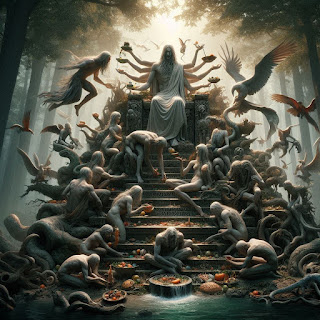
aneka-vihitaṃ pubbe-nivāsaṃ |
They recollect |
anus-sarati, |
many past lives |
seyyathidaṃ – |
like this. |
ekampi jātiṃ dvepi jātiyo tissopi jātiyo catassopi jātiyo pañcapi jātiyo |
one birth, two births, three births, four births, five births, |
dasapi jātiyo vīsampi jātiyo tiṃsampi jātiyo cattālīsampi jātiyo paññāsampi jātiyo |
ten births, twenty births, thirty births, forty births, fifty births, |
jāti-satampi jāti-sahassampi jāti-sata-sahassampi |
one hundred births, one thousand births, one hundred thousand births, |
anekepi saṃvaṭṭa-kappe |
many contractions-(of cosmic)-aeons, |
anekepi vivaṭṭa-kappe |
many expansions-(of cosmic)-aeons, |
anekepi saṃvaṭṭa-vivaṭṭa-kappe – |
many contractions-&-expansions-(of cosmic)-aeons, [recollecting], |
‘amutrāsiṃ |
There |
evaṃ-nāmo evaṃ-gotto |
I had such a name, such a clan, |
evaṃ-vaṇṇo evam-āhāro |
such an appearance, such was my food, |
evaṃ-sukha-dukkhap-paṭisaṃvedī |
Such pleasure and pain I experienced, |
evam-āyu-pariyanto, |
that’s how my life ended. |
so tato cuto |
Dying in that place, |
amutra udapādiṃ [uppādiṃ (sī.)]; |
I was reborn elsewhere. |
tatrāpāsiṃ |
There too |
evaṃ-nāmo evaṃ-gotto |
I had such a name, such a clan, |
evaṃ-vaṇṇo evam-āhāro |
such an appearance, such was my food, |
evaṃ-sukha-dukkhap-paṭisaṃvedī |
Such pleasure and pain I experienced, |
evam-āyu-pariyanto, |
that’s how my life ended. |
so tato cuto |
Dying in that place, |
idhū-(u)papanno’ti. |
I was reborn elsewhere. |
Iti sākāraṃ sa-uddesaṃ |
Thus in these aspects and features |
aneka-vihitaṃ pubbe-nivāsaṃ |
they recollect |
anus-sarati, |
many past lives. |
❧
+§10.9 – (6Ab#5: divine eye, sees rebirth according to kamma)
all

dibbena cakkhunā |
by means of the divine eye, |
visuddhena atikkanta-mānusakena |
which is purified and surpassing humans, |
satte passati cavamāne upapajjamāne |
they see beings dying and being reborn - |
hīne paṇīte |
inferior and superior, |
suvaṇṇe dubbaṇṇe, |
beautiful and ugly, |
sugate duggate |
fortunate and unfortunate |
yathā-kammū-(u)page |
in accordance with their karmic actions. |
satte pajānāti – |
They discern [how karmic results follow] those beings - |
‘ime vata, bhonto, sattā |
These dear beings |
kāya-duc-caritena samannāgatā |
Had bad bodily conduct, |
vacī-duc-caritena samannāgatā |
Had bad verbal conduct, |
mano-duc-caritena samannāgatā |
Had bad mental conduct. |
ariyānaṃ upavādakā |
They spoke ill of Noble ones, |
micchā-diṭṭhikā |
held wrong views, |
micchā-diṭṭhi-kamma-samādānā; |
decided to act according to wrong views. |
te kāyassa bhedā |
When their bodies break up |
paraṃ maraṇā |
after death, |
apāyaṃ dug-gatiṃ vinipātaṃ nirayaṃ |
they are reborn |
upapannā. |
in a place of loss, a bad place, the underworld, hell. |
Ime vā pana, bhonto, sattā |
In contrast, these dear beings |
kāya-su-caritena samannāgatā |
had good bodily conduct, |
vacī-su-caritena samannāgatā |
Had good verbal conduct, |
mano-su-caritena samannāgatā |
Had good mental conduct. |
ariyānaṃ an-upavādakā |
They did not speak ill of Noble ones, |
sammā-diṭṭhikā |
held right views, |
sammā-diṭṭhi-kamma-samādānā; |
and decided to act according to right views. |
te kāyassa bhedā |
When their bodies break up |
paraṃ maraṇā |
after death, |
Su-gatiṃ saggaṃ lokaṃ |
they are reborn |
upapannā’ti. |
in a good place, a heavenly world. |
Iti |
Thus |
+(repeat)
dibbena cakkhunā |
by means of the divine eye, |
visuddhena atikkanta-mānusakena |
which is purified and surpassing humans, |
satte passati cavamāne upapajjamāne |
they see beings dying and being reborn - |
hīne paṇīte |
inferior and superior, |
suvaṇṇe dubbaṇṇe, |
beautiful and ugly, |
sugate duggate |
fortunate and unfortunate |
yathā-kammū-(u)page |
in accordance with their karmic actions. |
satte pajānāti – |
They discern [how karmic results follow] those beings - |
❧
+§10.10 – (6Ab#6: destruction of āsavas, arahantship)
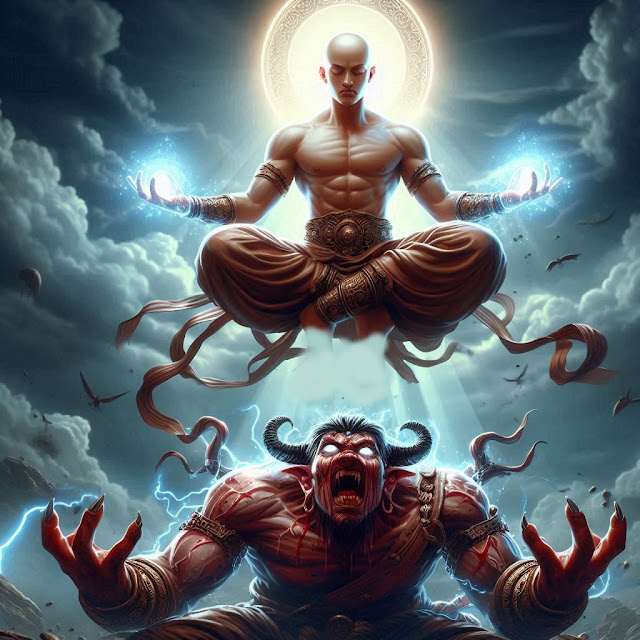
āsavānaṃ khayā |
with asinine-inclinations destroyed, |
an-āsavaṃ |
they have no more asinine-inclinations. |
ceto-vimuttiṃ |
Liberated in mind, |
paññā-vimuttiṃ |
liberated by discernment, |
diṭṭheva dhamme sayaṃ |
in this very life |
abhiññā sacchikatvā |
with their own direct knowledge. |
upasampajja viharatī’’ti. |
They live in this attainment [of full liberation]. |
| ♦ “kāyagatāya, bhikkhave, satiyā āsevitāya bhāvitāya bahulīkatāya yānīkatāya vatthukatāya anuṭṭhitāya paricitāya susamāraddhāya ime dasānisaṃsā pāṭikaṅkhā”ti. | “Monks, for one in whom remembering [and applying Dharma] while immersed in the body is cultivated, developed, pursued, given a means of transport, given a grounding, steadied, consolidated, & well-undertaken, these ten benefits can be expected.” | “比丘们,对于身念处得到培育、发展、追求、作为交通工具、作为基础、稳固、巩固和善加修习的人,可以期待这十种利益。” |
| ♦ idamavoca bhagavā. attamanā te bhikkhū bhagavato bhāsitaṃ abhinandunti. | That is what the Blessed One said. Gratified, the monks delighted in the Blessed One’s words. | 世尊如是说。比丘们心满意足,欢喜世尊的话语。 |
| ♦ kāyagatāsatisuttaṃ niṭṭhitaṃ navamaṃ. | (end of sutta) | (经文完) |
ḍaṃsamakasavātātapasarīsapasamphass 14 texts and 23 matches in Suttanta Pali
AN 4.114 war elephant patiently endures (khamo) hits ↔ monk patiently endures cold, mosquitoes
AN 4.157 Rogasutta: monks should wish for skill of khamo: patiently endures cold, mosquitoes
AN 4.165 Dutiya-khama-sutta Patience (2nd) monk patiently endures cold, mosquitoes
AN 5.140 Sotasutta A Listener khamo: patiently endures cold, mosquitoes
AN 6.58 Āsavasutta Defilements. purpose of monk robe is to resist (paṭighātāya) cold, mosquitoes
AN 10.11 Senāsanasutta: purpose of shelter is to reduce cold, mosquitoes
AN 10.71 Ākaṅkhasutta monk Might Wish for skill of khamo: patiently endures cold, mosquitoes
DN 29 Pāsādikasutta. purpose of monk robe and shelter is to resist (paṭighātāya) cold, mosquitoes
MN 2 Sabbāsavasutta. purpose of monk robe and shelter is to resist (paṭighātāya) cold, mosquitoes
MN 13 Mahādukkhakkhandhasutta. one of the drawbacks of sensual pleasures is cold, mosquitoes, etc.
MN 14 Cūḷadukkhakkhandhasutta. one of the drawbacks of sensual pleasures is cold, mosquitoes, etc.
MN 119 1 of 10 benefits of Kāyagatāsati with 4th jhāna quality, monk patiently endures (khamo) cold, mosquitoes
MN 125 war elephant patiently endures (khamo) hits ↔ monk endures cold, mosquitoes
SN 22.79 Khajjanīyasutta Itchy. cold and mosquitoes afflict rūpa aggregate and physical body.
AN 4.114 Nāgasutta A Royal Elephant ḍaṁsamakasavātātapasarīsapasamphassānaṁ 1 Pi En Ru
Quote
Idha, bhikkhave, bhikkhu khamo hoti sītassa uṇhassa jighacchāya pipāsāya, ḍaṁsamakasavātātapasarīsapasamphassānaṁ duruttānaṁ durāgatānaṁ vacanapathānaṁ uppannānaṁ sārīrikānaṁ vedanānaṁ dukkhānaṁ tibbānaṁ kharānaṁ kaṭukānaṁ asātānaṁ amanāpānaṁ pāṇaharānaṁ adhivāsakajātiko hoti. It’s when a mendicant endures cold, heat, hunger, and thirst; the touch of flies, mosquitoes, wind, sun, and reptiles; rude and unwelcome criticism; and they put up with physical pain—sharp, severe, acute, unpleasant, disagreeable, and life-threatening.
AN 4.157 Rogasutta Illness ḍaṁsamakasavātātapasarīsapasamphassānaṁ 1 Pi En Ru
Quote
‘na mahicchā bhavissāma vighātavanto asantuṭṭhā itarītaracīvarapiṇḍapātasenāsanagilānappaccayabhesajjaparikkhārena, na pāpikaṁ icchaṁ paṇidahissāma anavaññappaṭilābhāya lābhasakkārasilokappaṭilābhāya, na uṭṭhahissāma na ghaṭessāma na vāyamissāma anavaññappaṭilābhāya lābhasakkārasilokappaṭilābhāya, khamā bhavissāma sītassa uṇhassa jighacchāya pipāsāya ḍaṁsamakasavātātapasarīsapasamphassānaṁ duruttānaṁ durāgatānaṁ vacanapathānaṁ, uppannānaṁ sārīrikānaṁ vedanānaṁ dukkhānaṁ tibbānaṁ kharānaṁ kaṭukānaṁ asātānaṁ amanāpānaṁ pāṇaharānaṁ adhivāsakajātikā bhavissāmā’ti. ‘We will not have many wishes or be frustrated. We will be content with any kind of robes, almsfood, lodgings, and medicines and supplies for the sick. We won’t focus our corrupt wishes on status, and on getting material things, honor, and popularity. We won’t try hard, strive, and make an effort to get these things. We will endure cold, heat, hunger, and thirst. We will endure the touch of flies, mosquitoes, wind, sun, and reptiles. We will endure rude and unwelcome criticism. We will put up with physical pain—sharp, severe, acute, unpleasant, disagreeable, and life-threatening.’
AN 4.165 Dutiyakhamasutta Patience (2nd) ḍaṁsamakasavātātapasarīsapasamphassānaṁ 2 Pi En Ru
Quote
Idha, bhikkhave, ekacco akkhamo hoti sītassa uṇhassa jighacchāya pipāsāya, ḍaṁsamakasavātātapasarīsapasamphassānaṁ duruttānaṁ durāgatānaṁ vacanapathānaṁ uppannānaṁ sārīrikānaṁ vedanānaṁ dukkhānaṁ tibbānaṁ kharānaṁ kaṭukānaṁ asātānaṁ amanāpānaṁ pāṇaharānaṁ anadhivāsakajātiko hoti. It’s when someone cannot endure cold, heat, hunger, and thirst. They cannot endure the touch of flies, mosquitoes, wind, sun, and reptiles. They cannot endure rude and unwelcome criticism. And they cannot put up with physical pain—sharp, severe, acute, unpleasant, disagreeable, and life-threatening.
Idha, bhikkhave, ekacco khamo hoti sītassa uṇhassa jighacchāya pipāsāya, ḍaṁsamakasavātātapasarīsapasamphassānaṁ duruttānaṁ durāgatānaṁ vacanapathānaṁ uppannānaṁ sārīrikānaṁ vedanānaṁ dukkhānaṁ tibbānaṁ kharānaṁ kaṭukānaṁ asātānaṁ amanāpānaṁ pāṇaharānaṁ adhivāsakajātiko hoti.
It’s when someone endures cold, heat, hunger, and thirst. They endure the touch of flies, mosquitoes, wind, sun, and reptiles. They endure rude and unwelcome criticism. And they put up with physical pain—sharp, severe, acute, unpleasant, disagreeable, and life-threatening.
AN 5.140 Sotasutta A Listener ḍaṁsamakasavātātapasarīsapasamphassānaṁ 2 Pi En Ru
Quote
Idha, bhikkhave, bhikkhu khamo hoti sītassa uṇhassa jighacchāya pipāsāya ḍaṁsamakasavātātapasarīsapasamphassānaṁ; duruttānaṁ durāgatānaṁ vacanapathānaṁ uppannānaṁ sārīrikānaṁ vedanānaṁ dukkhānaṁ tibbānaṁ kharānaṁ kaṭukānaṁ asātānaṁ amanāpānaṁ pāṇaharānaṁ adhivāsakajātiko hoti. It’s when a mendicant endures cold, heat, hunger, and thirst; the touch of flies, mosquitoes, wind, sun, and reptiles; rude and unwelcome criticism; and puts up with physical pain—sharp, severe, acute, unpleasant, disagreeable, and life-threatening.
ḍaṁsamakasavātātapasarīsapasamphassānaṁ → … siriṁsapa … (bj, sya-all, km, pts1ed)
AN 6.58 Āsavasutta Defilements ḍaṁsamakasavātātapasarīsapasamphassānaṁ 4 Pi En Ru
Quote
‘yāvadeva sītassa paṭighātāya, uṇhassa paṭighātāya, ḍaṁsamakasavātātapasarīsapasamphassānaṁ paṭighātāya, yāvadeva hirikopīnapaṭicchādanatthaṁ’. ‘Only for the sake of warding off cold and heat; for warding off the touch of flies, mosquitoes, wind, sun, and reptiles; and for covering up the private parts.’
ḍaṁsamakasavātātapasarīsapasamphassānaṁ → ḍaṁsa … siriṁsapasamphassānaṁ (bj, sya-all, km pī)
‘yāvadeva sītassa paṭighātāya, uṇhassa paṭighātāya, ḍaṁsamakasavātātapasarīsapasamphassānaṁ paṭighātāya, yāvadeva utuparissayavinodanapaṭisallānārāmatthaṁ’.
‘Only for the sake of warding off cold and heat; for warding off the touch of flies, mosquitoes, wind, sun, and reptiles; to shelter from harsh weather and to enjoy retreat.’
Idha, bhikkhave, bhikkhu paṭisaṅkhā yoniso khamo hoti sītassa uṇhassa, jighacchāya, pipāsāya, ḍaṁsamakasavātātapasarīsapasamphassānaṁ, duruttānaṁ durāgatānaṁ vacanapathānaṁ, uppannānaṁ sārīrikānaṁ vedanānaṁ dukkhānaṁ tibbānaṁ kharānaṁ kaṭukānaṁ asātānaṁ amanāpānaṁ pāṇaharānaṁ adhivāsakajātiko hoti.
Take a mendicant who, reflecting rationally, endures cold, heat, hunger, and thirst. They endure the touch of flies, mosquitoes, wind, sun, and reptiles. They endure rude and unwelcome criticism. And they put up with physical pain—sharp, severe, acute, unpleasant, disagreeable, and life-threatening.
AN 10.11 Senāsanasutta Lodgings appaḍaṁsamakasavātātapasarīsapasamphassaṁ 2 Pi En Ru
Quote
appaḍaṁsamakasavātātapasarīsapasamphassaṁ; There’s little disturbance from flies, mosquitoes, wind, sun, and reptiles.
appaḍaṁsamakasavātātapasarīsapasamphassaṁ → appaḍaṁsa … siriṁsapasamphassaṁ (bj, sya-all, pts1ed)
AN 10.71 Ākaṅkhasutta One Might Wish ḍaṁsamakasavātātapasarīsapasamphassānaṁ 1 Pi En Ru
Quote
Ākaṅkheyya ce, bhikkhave, bhikkhu ‘khamo assaṁ sītassa uṇhassa jighacchāya pipāsāya ḍaṁsamakasavātātapasarīsapasamphassānaṁ, duruttānaṁ durāgatānaṁ vacanapathānaṁ uppannānaṁ sārīrikānaṁ vedanānaṁ dukkhānaṁ tibbānaṁ kharānaṁ kaṭukānaṁ asātānaṁ amanāpānaṁ pāṇaharānaṁ adhivāsakajātiko assan’ti, sīlesvevassa …pe… brūhetā suññāgārānaṁ. A mendicant might wish: ‘May I endure cold, heat, hunger, and thirst. May I endure the touch of flies, mosquitoes, wind, sun, and reptiles. May I endure rude and unwelcome criticism. And may I put up with physical pain—sharp, severe, acute, unpleasant, disagreeable, and life-threatening.’ So let them fulfill their precepts …
DN 29 Pāsādikasutta An Impressive Discourse ḍaṁsamakasavātātapasarīsapasamphassānaṁ 2 2 Pi En Ru
Quote
yāvadeva sītassa paṭighātāya, uṇhassa paṭighātāya, ḍaṁsamakasavātātapasarīsapasamphassānaṁ paṭighātāya, yāvadeva hirikopīnapaṭicchādanatthaṁ. only for the sake of warding off cold and heat; for warding off the touch of flies, mosquitoes, wind, sun, and reptiles; and for covering up the private parts.
yāvadeva sītassa paṭighātāya, uṇhassa paṭighātāya, ḍaṁsamakasavātātapasarīsapasamphassānaṁ paṭighātāya, yāvadeva utuparissayavinodanapaṭisallānārāmatthaṁ.
only for the sake of warding off cold and heat; for warding off the touch of flies, mosquitoes, wind, sun, and reptiles; to shelter from harsh weather and to enjoy retreat.
MN 2 Sabbāsavasutta All the Defilements ḍaṁsamakasavātātapasarīsapasamphassānaṁ 2 Pi En Ru
Quote
‘yāvadeva sītassa paṭighātāya, uṇhassa paṭighātāya, ḍaṁsamakasavātātapasarīsapasamphassānaṁ paṭighātāya, yāvadeva hirikopīnappaṭicchādanatthaṁ’. ‘Only for the sake of warding off cold and heat; for warding off the touch of flies, mosquitoes, wind, sun, and reptiles; and for covering up the private parts.’
‘yāvadeva sītassa paṭighātāya, uṇhassa paṭighātāya, ḍaṁsamakasavātātapasarīsapasamphassānaṁ paṭighātāya, yāvadeva utuparissayavinodanapaṭisallānārāmatthaṁ’.
‘Only for the sake of warding off cold and heat; for warding off the touch of flies, mosquitoes, wind, sun, and reptiles; to shelter from harsh weather and to enjoy retreat.’
MN 13 Mahādukkhakkhandhasutta The Longer Discourse on the Mass of Suffering ḍaṁsamakasavātātapasarīsapasamphassehi 1 1 Pi En Ru
Quote
sītassa purakkhato uṇhassa purakkhato ḍaṁsamakasavātātapasarīsapasamphassehi rissamāno khuppipāsāya mīyamāno; But they must face cold and heat, being hurt by the touch of flies, mosquitoes, wind, sun, and reptiles, and risking death from hunger and thirst.
MN 14 Cūḷadukkhakkhandhasutta The Shorter Discourse on the Mass of Suffering ḍaṁsamakasavātātapasarīsapasamphassehi 1 Pi En Ru
Quote
sītassa purakkhato uṇhassa purakkhato ḍaṁsamakasavātātapasarīsapasamphassehi rissamāno khuppipāsāya mīyamāno; But they must face cold and heat, being hurt by the touch of flies, mosquitoes, wind, sun, and reptiles, and risking death from hunger and thirst.
MN 119 Kāyagatāsatisutta Mindfulness of the Body ḍaṁsamakasavātātapasarīsapasamphassānaṁ 1 20 Pi En Ru
Quote
Khamo hoti sītassa uṇhassa jighacchāya pipāsāya ḍaṁsamakasavātātapasarīsapasamphassānaṁ duruttānaṁ durāgatānaṁ vacanapathānaṁ, uppannānaṁ sārīrikānaṁ vedanānaṁ dukkhānaṁ tibbānaṁ kharānaṁ kaṭukānaṁ asātānaṁ amanāpānaṁ pāṇaharānaṁ adhivāsakajātiko hoti. They endure cold, heat, hunger, and thirst; the touch of flies, mosquitoes, wind, sun, and reptiles; rude and unwelcome criticism; and put up with physical pain—sharp, severe, acute, unpleasant, disagreeable, and life-threatening.
MN 125 Dantabhūmisutta The Level of the Tamed ḍaṁsamakasavātātapasarīsapasamphassānaṁ 1 6 Pi En Ru
Quote
So hoti bhikkhu khamo sītassa uṇhassa jighacchāya pipāsāya ḍaṁsamakasavātātapasarīsapasamphassānaṁ duruttānaṁ durāgatānaṁ vacanapathānaṁ, uppannānaṁ sārīrikānaṁ vedanānaṁ dukkhānaṁ tibbānaṁ kharānaṁ kaṭukānaṁ asātānaṁ amanāpānaṁ pāṇaharānaṁ adhivāsakajātiko hoti Such a mendicant endures cold, heat, hunger, and thirst; the touch of flies, mosquitoes, wind, sun, and reptiles; rude and unwelcome criticism; and puts up with physical pain—sharp, severe, acute, unpleasant, disagreeable, and life-threatening.
SN 22.79 Khajjanīyasutta Itchy ḍaṁsamakasavātātapasarīsapasamphassenapi 2 7 Pi En Ru
Quote
Sītenapi ruppati, uṇhenapi ruppati, jighacchāyapi ruppati, pipāsāyapi ruppati, ḍaṁsamakasavātātapasarīsapasamphassenapi ruppati. Deformed by cold, heat, hunger, and thirst, and deformed by the touch of flies, mosquitoes, wind, sun, and reptiles.
ḍaṁsamakasavātātapasarīsapasamphassenapi → … siriṁsapasamphassenapi (bj, pts1ed); … sirīsapasamphassenapi (sya-all)
❧
+MN 120 Saṅkhār-upapatti:
intentional rebirth
all
intentional rebirth
+Opening
| (derived from B. Sujato 2018/12) | (摘自B. Sujato 2018/12) | |
| Evaṃ me sutaṃ— | So I have heard. | 如是我闻。 |
| ekaṃ samayaṃ bhagavā sāvatthiyaṃ viharati jetavane anāthapiṇḍikassa ārāme. | At one time the Buddha was staying near Sāvatthī in Jeta’s Grove, Anāthapiṇḍika’s monastery. | 一时,佛陀住在舍卫城祇树给孤独园。 |
| Tatra kho bhagavā bhikkhū āmantesi: | There the Buddha addressed the monks: | 在那里,佛陀对比丘们说: |
| “bhikkhavo”ti. | “monks!” | “比丘们!” |
| “Bhadante”ti te bhikkhū bhagavato paccassosuṃ. | “Venerable sir,” they replied. | “世尊!”他们回答道。 |
| Bhagavā etadavoca: | The Buddha said this: | 佛陀说了这些话: |
| “saṅkhārupapattiṃ vo, bhikkhave, desessāmi, | “I shall teach you rebirth by [intentional] co-activity. | “我将教导你们依(有意图的)共作而再生。 |
| taṃ suṇātha, sādhukaṃ manasi karotha, bhāsissāmī”ti. | Listen and pay close attention, I will speak.” | 仔细听,认真注意,我将要讲。” |
| “Evaṃ, bhante”ti kho te bhikkhū bhagavato paccassosuṃ. | “Yes, sir,” they replied. | “是的,世尊。”他们回答道。 |
| Bhagavā etadavoca: | The Buddha said this: | 佛陀说了这些话: |
+120.1 – (reborn in the company of well-to-do warrior-nobles)
| “Idha, bhikkhave, bhikkhu saddhāya samannāgato hoti, sīlena samannāgato hoti, sutena samannāgato hoti, cāgena samannāgato hoti, paññāya samannāgato hoti. | “Take a monk who has justifiable-trust, ethics, learning, generosity, and wisdom. | “有一位比丘,他有正当的信心、戒律、学识、布施和智慧。 |
| Tassa evaṃ hoti: | They think: | 他想: |
| ‘aho vatāhaṃ kāyassa bhedā paraṃ maraṇā khattiyamahāsālānaṃ sahabyataṃ upapajjeyyan’ti. | ‘If only, when my body breaks up, after death, I would be reborn in the company of well-to-do warrior-nobles!’ | ‘如果我身体毁坏,死后,能投生到富裕的刹帝利贵族中,那该多好!’ |
| So taṃ cittaṃ dahati, taṃ cittaṃ adhiṭṭhāti, taṃ cittaṃ bhāveti. | They settle on that thought, stabilize it and develop it. | 他安住于这个念头,稳定并发展它。 |
| Tassa te saṅkhārā ca vihārā ca evaṃ bhāvitā evaṃ bahulīkatā tatrupapattiyā saṃvattanti. | Those co-activities and meditations of theirs, developed and cultivated like this, lead to rebirth there. | 他的这些共作和禅修,如此发展和修习,就能导致投生到那里。 |
| Ayaṃ, bhikkhave, maggo ayaṃ paṭipadā tatrupapattiyā saṃvattati. | This is the path and the practice that leads to rebirth there. | 这就是通往那里投生之道和修行。 |
+120.2 – (reborn in the company of well-to-do brahmins )
| Puna caparaṃ, bhikkhave, bhikkhu saddhāya samannāgato hoti, sīlena samannāgato hoti, sutena samannāgato hoti, cāgena samannāgato hoti, paññāya samannāgato hoti. | Furthermore, take a monk who has justifiable-trust, ethics, learning, generosity, and wisdom. | 再者,有一位比丘,他有正当的信心、戒律、学识、布施和智慧。 |
| Tassa evaṃ hoti: | They think: | 他想: |
| ‘aho vatāhaṃ kāyassa bhedā paraṃ maraṇā brāhmaṇamahāsālānaṃ … pe … | ‘If only, when my body breaks up, after death, I would be reborn in the company of well-to-do brahmins … | ‘如果我身体毁坏,死后,能投生到富裕的婆罗门中…… |
| gahapatimahāsālānaṃ sahabyataṃ upapajjeyyan’ti. | well-to-do householders.’ | 富裕的居士中,那该多好!’ |
| So taṃ cittaṃ dahati, taṃ cittaṃ adhiṭṭhāti, taṃ cittaṃ bhāveti. | They settle on that thought, stabilize it and develop it. | 他安住于这个念头,稳定并发展它。 |
| Tassa te saṅkhārā ca vihārā ca evaṃ bhāvitā evaṃ bahulīkatā tatrupapattiyā saṃvattanti. | Those co-activities and meditations of theirs, developed and cultivated like this, lead to rebirth there. | 他的这些共作和禅修,如此发展和修习,就能导致投生到那里。 |
| Ayaṃ, bhikkhave, maggo ayaṃ paṭipadā tatrupapattiyā saṃvattati. | This is the path and the practice that leads to rebirth there. | 这就是通往那里投生之道和修行。 |
+120.3 – (reborn in the company of the Gods of the Four Great Kings)
| Puna caparaṃ, bhikkhave, bhikkhu saddhāya samannāgato hoti, sīlena samannāgato hoti, sutena samannāgato hoti, cāgena samannāgato hoti, paññāya samannāgato hoti. | Furthermore, take a monk who has justifiable-trust, ethics, learning, generosity, and wisdom. | 再者,有一位比丘,他有正当的信心、戒律、学识、布施和智慧。 |
| Tassa sutaṃ hoti: | And they’ve heard: | 而且他听说: |
| ‘cātumahārājikā devā dīghāyukā vaṇṇavanto sukhabahulā’ti. | ‘The Gods of the Four Great Kings are long-lived, beautiful, and very happy.’ | ‘四大天王天长寿、美丽、非常快乐。’ |
| Tassa evaṃ hoti: | They think: | 他想: |
| ‘aho vatāhaṃ kāyassa bhedā paraṃ maraṇā cātumahārājikānaṃ devānaṃ sahabyataṃ upapajjeyyan’ti. | ‘If only, when my body breaks up, after death, I would be reborn in the company of the Gods of the Four Great Kings!’ | ‘如果我身体毁坏,死后,能投生到四大天王天众中,那该多好!’ |
| So taṃ cittaṃ dahati, taṃ cittaṃ adhiṭṭhāti, taṃ cittaṃ bhāveti. | They settle on that thought, stabilize it and develop it. | 他安住于这个念头,稳定并发展它。 |
| Tassa te saṅkhārā ca vihārā ca evaṃ bhāvitā evaṃ bahulīkatā tatrupapattiyā saṃvattanti. | Those co-activities and meditations of theirs, developed and cultivated like this, lead to rebirth there. | 他的这些共作和禅修,如此发展和修习,就能导致投生到那里。 |
| Ayaṃ, bhikkhave, maggo ayaṃ paṭipadā tatrupapattiyā saṃvattati. | This is the path and the practice that leads to rebirth there. | 这就是通往那里投生之道和修行。 |
+120.4 – (reborn in various deva realms)
| Puna caparaṃ, bhikkhave, bhikkhu saddhāya samannāgato hoti, sīlena samannāgato hoti, sutena samannāgato hoti, cāgena samannāgato hoti, paññāya samannāgato hoti. | Furthermore, take a monk who has justifiable-trust, ethics, learning, generosity, and wisdom. | 再者,有一位比丘,他有正当的信心、戒律、学识、布施和智慧。 |
| Tassa sutaṃ hoti— | And they’ve heard: | 而且他听说: |
| tāvatiṃsā devā … pe … | ‘The Gods of the Thirty-Three … | ‘三十三天…… |
| yāmā devā … | the Gods of Yama … | 夜摩天…… |
| tusitā devā … | the Joyful Gods … | 兜率天…… |
| nimmānaratī devā … | the Gods Who Love to Create … | 化乐天…… |
| paranimmitavasavattī devā dīghāyukā vaṇṇavanto sukhabahulāti. | the Gods Who Control the Creations of Others are long-lived, beautiful, and very happy.’ | 他化自在天长寿、美丽、非常快乐。’ |
| Tassa evaṃ hoti: | They think: | 他想: |
| ‘aho vatāhaṃ kāyassa bhedā paraṃ maraṇā paranimmitavasavattīnaṃ devānaṃ sahabyataṃ upapajjeyyan’ti. | ‘If only, when my body breaks up, after death, I would be reborn in the company of the Gods Who Control the Creations of Others!’ | ‘如果我身体毁坏,死后,能投生到他化自在天众中,那该多好!’ |
| So taṃ cittaṃ dahati, taṃ cittaṃ adhiṭṭhāti, taṃ cittaṃ bhāveti. | They settle on that thought, stabilize it and develop it. | 他安住于这个念头,稳定并发展它。 |
| Tassa te saṅkhārā ca vihārā ca evaṃ bhāvitā evaṃ bahulīkatā tatrupapattiyā saṃvattanti. | Those co-activities and meditations of theirs, developed and cultivated like this, lead to rebirth there. | 他的这些共作和禅修,如此发展和修习,就能导致投生到那里。 |
| Ayaṃ, bhikkhave, maggo ayaṃ paṭipadā tatrupapattiyā saṃvattati. | This is the path and the practice that leads to rebirth there. | 这就是通往那里投生之道和修行。 |
+120.5 – (reborn in the company of the Brahmā of a thousand)
| Puna caparaṃ, bhikkhave, bhikkhu saddhāya samannāgato hoti, sīlena samannāgato hoti, sutena samannāgato hoti, cāgena samannāgato hoti, paññāya samannāgato hoti. | Furthermore, take a monk who has justifiable-trust, ethics, learning, generosity, and wisdom. | 再者,有一位比丘,他有正当的信心、戒律、学识、布施和智慧。 |
| Tassa sutaṃ hoti: | And they’ve heard: | 而且他听说: |
| ‘sahasso brahmā dīghāyuko vaṇṇavā sukhabahulo’ti. | ‘The Brahmā of a thousand is long-lived, beautiful, and very happy.’ | ‘千梵天长寿、美丽、非常快乐。’ |
| Sahasso, bhikkhave, brahmā sahassilokadhātuṃ pharitvā adhimuccitvā viharati. | Now the Brahmā of a thousand meditates resolved on pervading a galaxy of a thousand solar systems, | 现在,千梵天禅修时下定决心,要遍及一千个太阳系的星系, |
| Yepi tattha sattā upapannā tepi pharitvā adhimuccitvā viharati. | as well as the sentient beings reborn there. | 以及投生在那里的有情众生。 |
| Seyyathāpi, bhikkhave, cakkhumā puriso ekaṃ āmaṇḍaṃ hatthe karitvā paccavekkheyya; | As a person might pick up a gallnut in their hand and examine it, | 正如一个人拿起手里的胆结石并检查它一样, |
| evameva kho, bhikkhave, sahasso brahmā sahassilokadhātuṃ pharitvā adhimuccitvā viharati. | so too the Brahmā of a thousand meditates resolved on pervading a galaxy of a thousand solar systems, | 同样地,千梵天禅修时下定决心,要遍及一千个太阳系的星系, |
| Yepi tattha sattā upapannā tepi pharitvā adhimuccitvā viharati. | as well as the sentient beings reborn there. | 以及投生在那里的有情众生。 |
| Tassa evaṃ hoti: | They think: | 他想: |
| ‘aho vatāhaṃ kāyassa bhedā paraṃ maraṇā sahassassa brahmuno sahabyataṃ upapajjeyyan’ti. | ‘If only, when my body breaks up, after death, I would be reborn in the company of the Brahmā of a thousand!’ | ‘如果我身体毁坏,死后,能投生到千梵天众中,那该多好!’ |
| So taṃ cittaṃ dahati, taṃ cittaṃ adhiṭṭhāti, taṃ cittaṃ bhāveti. | They settle on that thought, stabilize it and develop it. | 他安住于这个念头,稳定并发展它。 |
| Tassa te saṅkhārā ca vihārā ca evaṃ bhāvitā evaṃ bahulīkatā tatrupapattiyā saṃvattanti. | Those co-activities and meditations of theirs, developed and cultivated like this, lead to rebirth there. | 他的这些共作和禅修,如此发展和修习,就能导致投生到那里。 |
| Ayaṃ, bhikkhave, maggo ayaṃ paṭipadā tatrupapattiyā saṃvattati. | This is the path and the practice that leads to rebirth there. | 这就是通往那里投生之道和修行。 |
+120.6 – (reborn in various Brahma realms)
| Puna caparaṃ, bhikkhave, bhikkhu saddhāya samannāgato hoti, sīlena samannāgato hoti, sutena … cāgena … paññāya samannāgato hoti. |
Furthermore, take a monk who has justifiable-trust, ethics, learning, generosity, and wisdom. | 再者,有一位比丘,他有正当的信心、戒律、学识、布施和智慧。 |
| Tassa sutaṃ hoti— | And they’ve heard: | 而且他听说: |
| dvisahasso brahmā … pe … | ‘The Brahmā of two thousand … | ‘二千梵天…… |
| tisahasso brahmā … | the Brahmā of three thousand … | 三千梵天…… |
| catusahasso brahmā … | the Brahmā of four thousand … | 四千梵天…… |
| pañcasahasso brahmā dīghāyuko vaṇṇavā sukhabahuloti. | the Brahmā of five thousand is long-lived, beautiful, and very happy.’ | 五千梵天长寿、美丽、非常快乐。’ |
| Pañcasahasso, bhikkhave, brahmā pañcasahassilokadhātuṃ pharitvā adhimuccitvā viharati. | Now the Brahmā of five thousand meditates resolved on pervading a galaxy of five thousand solar systems, | 现在,五千梵天禅修时下定决心,要遍及五千个太阳系的星系, |
| Yepi tattha sattā upapannā tepi pharitvā adhimuccitvā viharati. | as well as the sentient beings reborn there. | 以及投生在那里的有情众生。 |
| Seyyathāpi, bhikkhave, cakkhumā puriso pañca āmaṇḍāni hatthe karitvā paccavekkheyya; | As a person might pick up five gallnuts in their hand and examine them, | 正如一个人拿起手里的五块胆结石并检查它们一样, |
| evameva kho, bhikkhave, pañcasahasso brahmā pañcasahassilokadhātuṃ pharitvā adhimuccitvā viharati. | so too the Brahmā of five thousand meditates resolved on pervading a galaxy of five thousand solar systems, | 同样地,五千梵天禅修时下定决心,要遍及五千个太阳系的星系, |
| Yepi tattha sattā upapannā tepi pharitvā adhimuccitvā viharati. | as well as the sentient beings reborn there. | 以及投生在那里的有情众生。 |
| Tassa evaṃ hoti: | They think: | 他想: |
| ‘aho vatāhaṃ kāyassa bhedā paraṃ maraṇā pañcasahassassa brahmuno sahabyataṃ upapajjeyyan’ti. | ‘If only, when my body breaks up, after death, I would be reborn in the company of the Brahmā of five thousand!’ | ‘如果我身体毁坏,死后,能投生到五千梵天众中,那该多好!’ |
| So taṃ cittaṃ dahati, taṃ cittaṃ adhiṭṭhāti, taṃ cittaṃ bhāveti. | They settle on that thought, stabilize it and develop it. | 他安住于这个念头,稳定并发展它。 |
| Tassa te saṅkhārā ca vihārā ca evaṃ bhāvitā evaṃ bahulīkatā tatrupapattiyā saṃvattanti. | Those co-activities and meditations of theirs, developed and cultivated like this, lead to rebirth there. | 他的这些共作和禅修,如此发展和修习,就能导致投生到那里。 |
| Ayaṃ, bhikkhave, maggo ayaṃ paṭipadā tatrupapattiyā saṃvattati. | This is the path and the practice that leads to rebirth there. | 这就是通往那里投生之道和修行。 |
❧
+120.7 – (reborn in the company of the Brahmā of ten thousand)
| Puna caparaṃ, bhikkhave, bhikkhu saddhāya samannāgato hoti, sīlena samannāgato hoti, sutena … cāgena … paññāya samannāgato hoti. |
Furthermore, take a monk who has justifiable-trust, ethics, learning, generosity, and wisdom. | 再者,有一位比丘,他有正当的信心、戒律、学识、布施和智慧。 |
| Tassa sutaṃ hoti: | And they’ve heard: | 而且他听说: |
| ‘dasasahasso brahmā dīghāyuko vaṇṇavā sukhabahulo’ti. | ‘The Brahmā of ten thousand is long-lived, beautiful, and very happy.’ | ‘万梵天长寿、美丽、非常快乐。’ |
| Dasasahasso, bhikkhave, brahmā dasasahassilokadhātuṃ pharitvā adhimuccitvā viharati. | Now the Brahmā of ten thousand meditates resolved on pervading a galaxy of ten thousand solar systems, | 现在,万梵天禅修时下定决心,要遍及一万个太阳系的星系, |
| Yepi tattha sattā upapannā tepi pharitvā adhimuccitvā viharati. | as well as the sentient beings reborn there. | 以及投生在那里的有情众生。 |
| Seyyathāpi, bhikkhave, maṇi veḷuriyo subho jātimā aṭṭhaṃso suparikammakato paṇḍukambale nikkhitto bhāsate ca tapate ca virocati ca; | Suppose there was a beryl gem that was naturally beautiful, eight-faceted, with expert workmanship. When placed on a cream rug it would shine and glow and radiate. | 假设有一块天然美丽的绿宝石,八面,工艺精湛。当它放在奶油色的地毯上时,会闪耀、发光并散发光芒。 |
| evameva kho, bhikkhave, dasasahasso brahmā dasasahassilokadhātuṃ pharitvā adhimuccitvā viharati. | In the same way the Brahmā of ten thousand meditates resolved on pervading a galaxy of ten thousand solar systems, | 同样地,万梵天禅修时下定决心,要遍及一万个太阳系的星系, |
| Yepi tattha sattā upapannā tepi pharitvā adhimuccitvā viharati. | as well as the sentient beings reborn there. | 以及投生在那里的有情众生。 |
| Tassa evaṃ hoti: | They think: | 他想: |
| ‘aho vatāhaṃ kāyassa bhedā paraṃ maraṇā dasasahassassa brahmuno sahabyataṃ upapajjeyyan’ti. | ‘If only, when my body breaks up, after death, I would be reborn in the company of the Brahmā of ten thousand!’ | ‘如果我身体毁坏,死后,能投生到万梵天众中,那该多好!’ |
| So taṃ cittaṃ dahati, taṃ cittaṃ adhiṭṭhāti, taṃ cittaṃ bhāveti. | They settle on that thought, stabilize it and develop it. | 他安住于这个念头,稳定并发展它。 |
| Tassa te saṅkhārā ca vihārā ca evaṃ bhāvitā evaṃ bahulīkatā tatrupapattiyā saṃvattanti. | Those co-activities and meditations of theirs, developed and cultivated like this, lead to rebirth there. | 他的这些共作和禅修,如此发展和修习,就能导致投生到那里。 |
| Ayaṃ, bhikkhave, maggo ayaṃ paṭipadā tatrupapattiyā saṃvattati. | This is the path and the practice that leads to rebirth there. | 这就是通往那里投生之道和修行。 |
+120.8 – (reborn in the company of the Brahmā of a hundred thousand)
| Puna caparaṃ, bhikkhave, bhikkhu saddhāya samannāgato hoti, sīlena … sutena … cāgena … paññāya samannāgato hoti. |
Furthermore, take a monk who has justifiable-trust, ethics, learning, generosity, and wisdom. | 再者,有一位比丘,他有正当的信心、戒律、学识、布施和智慧。 |
| Tassa sutaṃ hoti: | And they’ve heard: | 他们听说: |
| ‘satasahasso brahmā dīghāyuko vaṇṇavā sukhabahulo’ti. | ‘The Brahmā of a hundred thousand is long-lived, beautiful, and very happy.’ | “十万梵天是长寿的,美丽的,非常快乐的。” |
| Satasahasso, bhikkhave, brahmā satasahassilokadhātuṃ pharitvā adhimuccitvā viharati. | Now the Brahmā of a hundred thousand meditates resolved on pervading a galaxy of a hundred thousand solar systems, | 现在,十万梵天禅修,决心遍及十万个太阳系的星系, |
| Yepi tattha sattā upapannā tepi pharitvā adhimuccitvā viharati. | as well as the sentient beings reborn there. | 以及在那里重生的有情众生。 |
| Seyyathāpi, bhikkhave, nikkhaṃ jambonadaṃ dakkhakammāraputtaukkāmukhasukusalasampahaṭṭhaṃ paṇḍukambale nikkhittaṃ bhāsate ca tapate ca virocati ca; | Suppose there was an ornament of rare gold, fashioned by an expert smith, expertly wrought in the forge. When placed on a cream rug it would shine and glow and radiate. | 假设有一件稀有黄金的饰品,由一位专业的金匠,在熔炉中巧妙地锻造而成。当它放在一块奶油色的地毯上时,会闪耀、发光、 radiate。 |
| evameva kho, bhikkhave, satasahasso brahmā satasahassilokadhātuṃ pharitvā adhimuccitvā viharati. | In the same way the Brahmā of a hundred thousand meditates resolved on pervading a galaxy of a hundred thousand solar systems, | 同样地,十万梵天禅修,决心遍及十万个太阳系的星系, |
| Yepi tattha sattā upapannā tepi pharitvā adhimuccitvā viharati. | as well as the sentient beings reborn there. | 以及在那里重生的有情众生。 |
| Tassa evaṃ hoti: | They think: | 他们想: |
| ‘aho vatāhaṃ kāyassa bhedā paraṃ maraṇā satasahassassa brahmuno sahabyataṃ upapajjeyyan’ti. | ‘If only, when my body breaks up, after death, I would be reborn in the company of the Brahmā of a hundred thousand!’ | “如果,当我的身体崩解,死后,我能重生到十万梵天之中,那该多好!” |
| So taṃ cittaṃ dahati, taṃ cittaṃ adhiṭṭhāti, taṃ cittaṃ bhāveti. | They settle on that thought, stabilize it and develop it. | 他们安住于这个念头,稳定并发展它。 |
| Tassa te saṅkhārā ca vihārā ca evaṃ bhāvitā evaṃ bahulīkatā tatrupapattiyā saṃvattanti. | Those co-activities and meditations of theirs, developed and cultivated like this, lead to rebirth there. | 他们那些共同的活动和禅修,这样发展和培养,导致在那里重生。 |
| Ayaṃ, bhikkhave, maggo ayaṃ paṭipadā tatrupapattiyā saṃvattati. | This is the path and the practice that leads to rebirth there. | 这就是导致在那里重生的道路和实践。 |
+120.9 – (realms higher than Brahma realms)
| Puna caparaṃ, bhikkhave, bhikkhu saddhāya samannāgato hoti, sīlena … sutena … cāgena … paññāya samannāgato hoti. |
Furthermore, take a monk who has justifiable-trust, ethics, learning, generosity, and wisdom. | 此外,一位比丘拥有正信、戒律、学识、布施和智慧。 |
| Tassa sutaṃ hoti— | And they’ve heard: | 他们听说: |
| ābhā devā … pe … | ‘The Radiant Gods … | “光音天…… |
| parittābhā devā … | the Gods of Limited Radiance … | 少光天…… |
| appamāṇābhā devā … | the Gods of Limitless Radiance … | 无量光天…… |
| ābhassarā devā dīghāyukā vaṇṇavanto sukhabahulāti. Tassa evaṃ hoti: ‘aho vatāhaṃ kāyassa bhedā paraṃ maraṇā ābhassarānaṃ devānaṃ sahabyataṃ upapajjeyyan’ti. So taṃ cittaṃ dahati, taṃ cittaṃ adhiṭṭhāti, taṃ cittaṃ bhāveti. Tassa te saṅkhārā ca vihārā ca evaṃ bhāvitā evaṃ bahulīkatā tatrupapattiyā saṃvattanti. Ayaṃ, bhikkhave, maggo ayaṃ paṭipadā tatrupapattiyā saṃvattati. |
the Gods of Streaming Radiance … | 极光净天…… |
| Puna caparaṃ, bhikkhave, bhikkhu saddhāya samannāgato hoti, sīlena … sutena … cāgena … paññāya samannāgato hoti. Tassa sutaṃ hoti— |
||
| parittasubhā devā … pe … | the Gods of Limited Glory … | 少净天…… |
| appamāṇasubhā devā … | the Gods of Limitless Glory … | 无量净天…… |
| subhakiṇhā devā dīghāyukā vaṇṇavanto sukhabahulāti. Tassa evaṃ hoti: ‘aho vatāhaṃ kāyassa bhedā paraṃ maraṇā subhakiṇhānaṃ devānaṃ sahabyataṃ upapajjeyyan’ti. So taṃ cittaṃ dahati, taṃ cittaṃ adhiṭṭhāti, taṃ cittaṃ bhāveti. Tassa te saṅkhārā ca vihārā ca evaṃ bhāvitā evaṃ bahulīkatā tatrupapattiyā saṃvattanti. Ayaṃ, bhikkhave, maggo ayaṃ paṭipadā tatrupapattiyā saṃvattati. |
the Gods Replete with Glory … | 遍净天…… |
| Puna caparaṃ, bhikkhave, bhikkhu saddhāya samannāgato hoti, sīlena … sutena … cāgena … paññāya samannāgato hoti. Tassa sutaṃ hoti— |
||
| vehapphalā devā … pe … | the Gods of Abundant Fruit … | 广果天…… |
| avihā devā … | the Gods of Aviha … | 无烦天…… |
| atappā devā … | the Gods of Atappa … | 无热天…… |
| sudassā devā … | the Gods Fair to See … | 善现天…… |
| sudassī devā … | the Fair Seeing Gods … | 善见天…… |
| akaniṭṭhā devā dīghāyukā vaṇṇavanto sukhabahulāti. Tassa evaṃ hoti: ‘aho vatāhaṃ kāyassa bhedā paraṃ maraṇā akaniṭṭhānaṃ devānaṃ sahabyataṃ upapajjeyyan’ti. So taṃ cittaṃ dahati, taṃ cittaṃ adhiṭṭhāti, taṃ cittaṃ bhāveti. Tassa te saṅkhārā ca vihārā ca evaṃ bhāvitā evaṃ bahulīkatā tatrupapattiyā saṃvattanti. Ayaṃ, bhikkhave, maggo ayaṃ paṭipadā tatrupapattiyā saṃvattati. |
the Gods of Akaniṭṭha … | 色究竟天…… |
❧
+120.10 – (reborn in formless realms)
| Puna caparaṃ, bhikkhave, bhikkhu saddhāya samannāgato hoti, sīlena … sutena … cāgena … paññāya samannāgato hoti. Tassa sutaṃ hoti: |
||
| ‘ākāsānañcāyatanūpagā devā dīghāyukā ciraṭṭhitikā sukhabahulā’ti. Tassa evaṃ hoti: ‘aho vatāhaṃ kāyassa bhedā paraṃ maraṇā ākāsānañcāyatanūpagānaṃ devānaṃ sahabyataṃ upapajjeyyan’ti. So taṃ cittaṃ dahati, taṃ cittaṃ adhiṭṭhāti, taṃ cittaṃ bhāveti. Tassa te saṅkhārā ca vihārā ca evaṃ bhāvitā evaṃ bahulīkatā tatrupapattiyā saṃvattanti. Ayaṃ, bhikkhave, maggo ayaṃ paṭipadā tatrupapattiyā saṃvattati. |
the gods of the dimension of infinite space … | 空无边处天…… |
| Puna caparaṃ, bhikkhave, bhikkhu saddhāya samannāgato hoti, sīlena … sutena … cāgena … paññāya samannāgato hoti. Tassa sutaṃ hoti: |
||
| ‘viññāṇañcāyatanūpagā devā dīghāyukā ciraṭṭhitikā sukhabahulā’ti. Tassa evaṃ hoti: ‘aho vatāhaṃ kāyassa bhedā paraṃ maraṇā viññāṇañcāyatanūpagānaṃ devānaṃ sahabyataṃ upapajjeyyan’ti. So taṃ cittaṃ dahati, taṃ cittaṃ adhiṭṭhāti, taṃ cittaṃ bhāveti. Tassa te saṅkhārā ca vihārā ca evaṃ bhāvitā evaṃ bahulīkatā tatrupapattiyā saṃvattanti. Ayaṃ, bhikkhave, maggo ayaṃ paṭipadā tatrupapattiyā saṃvattati. |
the gods of the dimension of infinite consciousness … | 识无边处天…… |
| Puna caparaṃ, bhikkhave, bhikkhu saddhāya samannāgato hoti, sīlena … sutena … cāgena … paññāya samannāgato hoti. Tassa sutaṃ hoti— |
||
| ākiñcaññāyatanūpagā devā … pe … | the gods of the dimension of nothingness … | 无所有处天…… |
| nevasaññānāsaññāyatanūpagā devā dīghāyukā ciraṭṭhitikā sukhabahulāti. | the gods of the dimension of neither perception nor non-perception are long-lived, beautiful, and very happy.’ | 非想非非想处天是长寿的,美丽的,非常快乐的。” |
| Tassa evaṃ hoti: | They think: | 他们想: |
| ‘aho vatāhaṃ kāyassa bhedā paraṃ maraṇā nevasaññānāsaññāyatanūpagānaṃ devānaṃ sahabyataṃ upapajjeyyan’ti. | ‘If only, when my body breaks up, after death, I would be reborn in the company of the gods of the dimension of neither perception nor non-perception!’ | “如果,当我的身体崩解,死后,我能重生到非想非非想处天之中,那该多好!” |
| So taṃ cittaṃ dahati, taṃ cittaṃ adhiṭṭhāti, taṃ cittaṃ bhāveti. | They settle on that thought, stabilize it and develop it. | 他们安住于这个念头,稳定并发展它。 |
| Tassa te saṅkhārā ca vihārā ca evaṃ bhāvitā evaṃ bahulīkatā tatrupapattiyā saṃvattanti. | Those co-activities and meditations of theirs, developed and cultivated like this, lead to rebirth there. | 他们那些共同的活动和禅修,这样发展和培养,导致在那里重生。 |
| Ayaṃ, bhikkhave, maggo ayaṃ paṭipadā tatrupapattiyā saṃvattati. | This is the path and the practice that leads to rebirth there. | 这就是导致在那里重生的道路和实践。 |
❧
+120.15 – (‘If only I might realize the undefiled freedom of heart … and not be reborn anywhere)
| Puna caparaṃ, bhikkhave, bhikkhu saddhāya samannāgato hoti, sīlena … sutena … cāgena … paññāya samannāgato hoti. |
Furthermore, take a monk who has justifiable-trust, ethics, learning, generosity, and wisdom. | 此外,一位比丘拥有正信、戒律、学识、布施和智慧。 |
| Tassa evaṃ hoti: | They think: | 他们想: |
| ‘aho vatāhaṃ āsavānaṃ khayā anāsavaṃ cetovimuttiṃ paññāvimuttiṃ diṭṭheva dhamme sayaṃ abhiññā sacchikatvā upasampajja vihareyyan’ti. | ‘If only I might realize the undefiled freedom of heart and freedom by wisdom in this very life, and live having realized it with my own insight due to the ending of defilements.’ | “但愿我能在此生证得无染的心解脱和慧解脱,并因烦恼的止息而以自己的洞察力住于此解脱。” |
| So āsavānaṃ khayā anāsavaṃ cetovimuttiṃ paññāvimuttiṃ diṭṭheva dhamme sayaṃ abhiññā sacchikatvā upasampajja viharati. | They realize the undefiled freedom of heart and freedom by wisdom in this very life. And they live having realized it with their own insight due to the ending of defilements. | 他们在此生证得无染的心解脱和慧解脱。他们因烦恼的止息而以自己的洞察力住于此解脱。 |
| Ayaṃ, bhikkhave, bhikkhu na katthaci upapajjatī”ti. | And, monks, that monk is not reborn anywhere.” | “而且,比丘们,那位比丘不会再生于任何地方。” |
| Idamavoca bhagavā. | That is what the Buddha said. | 这就是佛陀所说的。 |
| Attamanā te bhikkhū bhagavato bhāsitaṃ abhinandunti. | Satisfied, the monks were happy with what the Buddha said. | 比丘们心满意足,对佛陀所说的感到高兴。 |
❧
+Vagga 13 Suññata: emptiness/voidness
all
+MN 121 Cūḷasuññata:
The Shorter Discourse on Emptiness
all
The Shorter Discourse on Emptiness
+Opening
| Evaṃ me sutaṃ— | So I have heard. | 如是我闻。 |
| ekaṃ samayaṃ bhagavā sāvatthiyaṃ viharati pubbārāme migāramātupāsāde. | At one time the Buddha was staying near Sāvatthī in the Eastern Monastery, the stilt longhouse of Migāra’s mother. | 一时,佛陀住在舍卫城附近,东园鹿子母讲堂。 |
| Atha kho āyasmā ānando sāyanhasamayaṃ paṭisallānā vuṭṭhito yena bhagavā tenupasaṅkami; upasaṅkamitvā bhagavantaṃ abhivādetvā ekamantaṃ nisīdi. Ekamantaṃ nisinno kho āyasmā ānando bhagavantaṃ etadavoca: | Then in the late afternoon, Venerable Ānanda came out of retreat and went to the Buddha. He bowed, sat down to one side, and said to him: | 那时,傍晚时分,阿难尊者从禅修中出来,前往佛陀处。他顶礼后,坐在一旁,对佛陀说: |
+121.1 – (Buddha tells Ananda these days he lives in emptiness)
| “Ekamidaṃ, bhante, samayaṃ bhagavā sakkesu viharati nagarakaṃ nāma sakyānaṃ nigamo. | “Sir, this one time the Buddha was staying in the land of the Sakyans where they have a town named Nagaraka. | “世尊,有一次,佛陀住在释迦族人的地方,那里有一个名叫那伽罗的城镇。 |
| Tattha me, bhante, bhagavato sammukhā sutaṃ, sammukhā paṭiggahitaṃ: | There I heard and learned this in the presence of the Buddha: | 在那里,我在佛陀面前听到并学习到这个: |
| ‘suññatāvihārenāhaṃ, ānanda, etarahi bahulaṃ viharāmī’ti. | ‘Ānanda, these days I usually practice the meditation on emptiness.’ | ‘阿难,这些天我通常修习空性禅修。’ |
| Kacci metaṃ, bhante, sussutaṃ suggahitaṃ sumanasikataṃ sūpadhāritan”ti? | I trust I properly heard, learned, attended, and remembered that from the Buddha?” | 我相信我从佛陀那里听闻、学习、用心、记忆得当?” |
+121.2 – (empty of people and animals)
| “Taggha te etaṃ, ānanda, sussutaṃ suggahitaṃ sumanasikataṃ sūpadhāritaṃ. | “Indeed, Ānanda, you properly heard, learned, attended, and remembered that. | “确实如此,阿难,你听闻、学习、用心、记忆得当。 |
| Pubbepāhaṃ, ānanda, etarahipi suññatāvihārena bahulaṃ viharāmi. | Now, as before, I usually practice the meditation on emptiness. | 现在,如以前一样,我通常修习空性禅修。 |
| Seyyathāpi, ānanda, ayaṃ migāramātupāsādo suñño hatthigavassavaḷavena, suñño jātarūparajatena, suñño itthipurisasannipātena atthi cevidaṃ asuññataṃ yadidaṃ— | Consider this stilt longhouse of Migāra’s mother. It’s empty of elephants, cows, horses, and mares; of gold and money; and of gatherings of men and women. | 想想鹿子母讲堂。它没有大象、牛、马和母马;没有金钱;也没有男女聚会。 |
| bhikkhusaṃghaṃ paṭicca ekattaṃ; | There is only this that is not emptiness, namely, the singleness dependent on the monk Saṅgha. | 只有一件事不是空性,那就是依赖僧团的独一性。 |
| evameva kho, ānanda, bhikkhu amanasikaritvā gāmasaññaṃ, amanasikaritvā manussasaññaṃ, araññasaññaṃ paṭicca manasi karoti ekattaṃ. | In the same way, a monk—ignoring the perception of the village and the perception of people—focuses on the singleness dependent on the perception of wilderness. | 同样地,一位比丘——不理会村庄的知觉和人的知觉——专注于依赖荒野知觉的独一性。 |
| Tassa araññasaññāya cittaṃ pakkhandati pasīdati santiṭṭhati adhimuccati. | Their mind becomes eager, confident, settled, and decided in that perception of wilderness. | 他们的心在荒野知觉中变得渴望、自信、安住和决定。 |
| So evaṃ pajānāti: | They understand: | 他们明白: |
| ‘ye assu darathā gāmasaññaṃ paṭicca tedha na santi, ye assu darathā manussasaññaṃ paṭicca tedha na santi, atthi cevāyaṃ darathamattā yadidaṃ— | ‘Here there is no stress due to the perception of village or the perception of people. | ‘这里没有因村庄知觉或人的知觉而产生的压力。 |
| araññasaññaṃ paṭicca ekattan’ti. | There is only this modicum of stress, namely the singleness dependent on the perception of wilderness.’ | 只有这微小的压力,那就是依赖荒野知觉的独一性。’ |
| So ‘suññamidaṃ saññāgataṃ gāmasaññāyā’ti pajānāti, ‘suññamidaṃ saññāgataṃ manussasaññāyā’ti pajānāti, ‘atthi cevidaṃ asuññataṃ yadidaṃ— | They understand: ‘This field of perception is empty of the perception of the village. It is empty of the perception of people. | 他们明白:‘这个知觉领域没有村庄的知觉。它没有人的知觉。 |
| araññasaññaṃ paṭicca ekattan’ti. | There is only this that is not emptiness, namely the singleness dependent on the perception of wilderness.’ | 只有一件事不是空性,那就是依赖荒野知觉的独一性。’ |
| Iti yañhi kho tattha na hoti tena taṃ suññaṃ samanupassati, yaṃ pana tattha avasiṭṭhaṃ hoti taṃ ‘santamidaṃ atthī’ti pajānāti. | And so they regard it as empty of what is not there, but as to what remains they understand that it is present. | 因此,他们视不存在者为空,而对存在者,他们明白它是存在的。 |
| Evampissa esā, ānanda, yathābhuccā avipallatthā parisuddhā suññatāvakkanti bhavati. | That’s how emptiness is born in them—genuine, undistorted, and pure. | 空性就是这样在他们心中产生的——真实的、不扭曲的、纯净的。 |
+121.3 – (singleness based on the perception of earth)
| Puna caparaṃ, ānanda, bhikkhu amanasikaritvā manussasaññaṃ, amanasikaritvā araññasaññaṃ, pathavīsaññaṃ paṭicca manasi karoti ekattaṃ. | Furthermore, a monk—ignoring the perception of people and the perception of wilderness—focuses on the singleness dependent on the perception of earth. | 此外,一位比丘——不理会人的知觉和荒野的知觉——专注于依赖大地知觉的独一性。 |
| Tassa pathavīsaññāya cittaṃ pakkhandati pasīdati santiṭṭhati adhimuccati. | Their mind becomes eager, confident, settled, and decided in that perception of earth. | 他们的心在大地知觉中变得渴望、自信、安住和决定。 |
| Seyyathāpi, ānanda, āsabhacammaṃ saṅkusatena suvihataṃ vigatavalikaṃ; | As a bull’s hide is rid of folds when fully stretched out by a hundred pegs, | 就像一张牛皮被一百根钉子完全撑开后没有褶皱一样, |
| evameva kho, ānanda, bhikkhu yaṃ imissā pathaviyā ukkūlavikkūlaṃ nadīviduggaṃ khāṇukaṇṭakaṭṭhānaṃ pabbatavisamaṃ taṃ sabbaṃ amanasikaritvā pathavīsaññaṃ paṭicca manasi karoti ekattaṃ. | so too, ignoring the hilly terrain, inaccessible riverlands, stumps and thorns, and rugged mountains, they focus on the singleness dependent on the perception of earth. | 同样地,他们不理会丘陵地形、难以接近的河流地带、树桩和荆棘以及崎岖的山脉,专注于依赖大地知觉的独一性。 |
| Tassa pathavīsaññāya cittaṃ pakkhandati pasīdati santiṭṭhati adhimuccati. | Their mind becomes eager, confident, settled, and decided in that perception of earth. | 他们的心在大地知觉中变得渴望、自信、安住和决定。 |
| So evaṃ pajānāti: | They understand: | 他们明白: |
| ‘ye assu darathā manussasaññaṃ paṭicca tedha na santi, ye assu darathā araññasaññaṃ paṭicca tedha na santi, atthi cevāyaṃ darathamattā yadidaṃ— | ‘Here there is no stress due to the perception of people or the perception of wilderness. | ‘这里没有因人的知觉或荒野的知觉而产生的压力。 |
| pathavīsaññaṃ paṭicca ekattan’ti. | There is only this modicum of stress, namely the singleness dependent on the perception of earth.’ | 只有这微小的压力,那就是依赖大地知觉的独一性。’ |
| So ‘suññamidaṃ saññāgataṃ manussasaññāyā’ti pajānāti, ‘suññamidaṃ saññāgataṃ araññasaññāyā’ti pajānāti, ‘atthi cevidaṃ asuññataṃ yadidaṃ— | They understand: ‘This field of perception is empty of the perception of people. It is empty of the perception of wilderness. | 他们明白:‘这个知觉领域没有人的知觉。它没有荒野的知觉。 |
| pathavīsaññaṃ paṭicca ekattan’ti. | There is only this that is not emptiness, namely the singleness dependent on the perception of earth.’ | 只有一件事不是空性,那就是依赖大地知觉的独一性。’ |
| Iti yañhi kho tattha na hoti tena taṃ suññaṃ samanupassati, yaṃ pana tattha avasiṭṭhaṃ hoti taṃ ‘santamidaṃ atthī’ti pajānāti. | And so they regard it as empty of what is not there, but as to what remains they understand that it is present. | 因此,他们视不存在者为空,而对存在者,他们明白它是存在的。 |
| Evampissa esā, ānanda, yathābhuccā avipallatthā parisuddhā suññatāvakkanti bhavati. | That’s how emptiness is born in them—genuine, undistorted, and pure. | 空性就是这样在他们心中产生的——真实的、不扭曲的、纯净的。 |
+121.4 – (singleness on perception of dimension of infinite space)
| Puna caparaṃ, ānanda, bhikkhu amanasikaritvā araññasaññaṃ, amanasikaritvā pathavīsaññaṃ, ākāsānañcāyatanasaññaṃ paṭicca manasi karoti ekattaṃ. | Furthermore, a monk—ignoring the perception of wilderness and the perception of earth—focuses on the singleness dependent on the perception of the dimension of infinite space. | 此外,一位比丘——不理会荒野知觉和大地知觉——专注于依赖虚空无边处知觉的独一性。 |
| Tassa ākāsānañcāyatanasaññāya cittaṃ pakkhandati pasīdati santiṭṭhati adhimuccati. | Their mind becomes eager, confident, settled, and decided in that perception of the dimension of infinite space. | 他们的心在虚空无边处知觉中变得渴望、自信、安住和决定。 |
| So evaṃ pajānāti: | They understand: | 他们明白: |
| ‘ye assu darathā araññasaññaṃ paṭicca tedha na santi, ye assu darathā pathavīsaññaṃ paṭicca tedha na santi, atthi cevāyaṃ darathamattā yadidaṃ— | ‘Here there is no stress due to the perception of wilderness or the perception of earth. | ‘这里没有因荒野知觉或大地知觉而产生的压力。 |
| ākāsānañcāyatanasaññaṃ paṭicca ekattan’ti. | There is only this modicum of stress, namely the singleness dependent on the perception of the dimension of infinite space.’ | 只有这微小的压力,那就是依赖虚空无边处知觉的独一性。’ |
| So ‘suññamidaṃ saññāgataṃ araññasaññāyā’ti pajānāti, ‘suññamidaṃ saññāgataṃ pathavīsaññāyā’ti pajānāti, ‘atthi cevidaṃ asuññataṃ yadidaṃ— | They understand: ‘This field of perception is empty of the perception of wilderness. It is empty of the perception of earth. | 他们明白:‘这个知觉领域没有荒野的知觉。它没有大地的知觉。 |
| ākāsānañcāyatanasaññaṃ paṭicca ekattan’ti. | There is only this that is not emptiness, namely the singleness dependent on the perception of the dimension of infinite space.’ | 只有一件事不是空性,那就是依赖虚空无边处知觉的独一性。’ |
| Iti yañhi kho tattha na hoti tena taṃ suññaṃ samanupassati, yaṃ pana tattha avasiṭṭhaṃ hoti taṃ ‘santamidaṃ atthī’ti pajānāti. | And so they regard it as empty of what is not there, but as to what remains they understand that it is present. | 因此,他们视不存在者为空,而对存在者,他们明白它是存在的。 |
| Evampissa esā, ānanda, yathābhuccā avipallatthā parisuddhā suññatāvakkanti bhavati. | That’s how emptiness is born in them—genuine, undistorted, and pure. | 空性就是这样在他们心中产生的——真实的、不扭曲的、纯净的。 |
+121.5 – (singleness on perception of dimension of infinite consciousness)
| Puna caparaṃ, ānanda, bhikkhu amanasikaritvā pathavīsaññaṃ, amanasikaritvā ākāsānañcāyatanasaññaṃ, viññāṇañcāyatanasaññaṃ paṭicca manasi karoti ekattaṃ. | Furthermore, a monk—ignoring the perception of earth and the perception of the dimension of infinite space—focuses on the singleness dependent on the perception of the dimension of infinite consciousness. | 此外,一位比丘——不理会大地知觉和虚空无边处知觉——专注于依赖识无边处知觉的独一性。 |
| Tassa viññāṇañcāyatanasaññāya cittaṃ pakkhandati pasīdati santiṭṭhati adhimuccati. | Their mind becomes eager, confident, settled, and decided in that perception of the dimension of infinite consciousness. | 他们的心在识无边处知觉中变得渴望、自信、安住和决定。 |
| So evaṃ pajānāti: | They understand: | 他们明白: |
| ‘ye assu darathā pathavīsaññaṃ paṭicca tedha na santi, ye assu darathā ākāsānañcāyatanasaññaṃ paṭicca tedha na santi, atthi cevāyaṃ darathamattā yadidaṃ— | ‘Here there is no stress due to the perception of earth or the perception of the dimension of infinite space. | ‘这里没有因大地知觉或虚空无边处知觉而产生的压力。 |
| viññāṇañcāyatanasaññaṃ paṭicca ekattan’ti. | There is only this modicum of stress, namely the singleness dependent on the perception of the dimension of infinite consciousness.’ | 只有这微小的压力,那就是依赖识无边处知觉的独一性。’ |
| So ‘suññamidaṃ saññāgataṃ pathavīsaññāyā’ti pajānāti, ‘suññamidaṃ saññāgataṃ ākāsānañcāyatanasaññāyā’ti pajānāti, ‘atthi cevidaṃ asuññataṃ yadidaṃ— | They understand: ‘This field of perception is empty of the perception of earth. It is empty of the perception of the dimension of infinite space. | 他们明白:‘这个知觉领域没有大地的知觉。它没有虚空无边处知觉。 |
| viññāṇañcāyatanasaññaṃ paṭicca ekattan’ti. | There is only this modicum of stress, namely the singleness dependent on the perception of the dimension of infinite consciousness.’ | 只有这微小的压力,那就是依赖识无边处知觉的独一性。’ |
| Iti yañhi kho tattha na hoti tena taṃ suññaṃ samanupassati, yaṃ pana tattha avasiṭṭhaṃ hoti taṃ ‘santamidaṃ atthī’ti pajānāti. | And so they regard it as empty of what is not there, but as to what remains they understand that it is present. | 因此,他们视不存在者为空,而对存在者,他们明白它是存在的。 |
| Evampissa esā, ānanda, yathābhuccā avipallatthā parisuddhā suññatāvakkanti bhavati. | That’s how emptiness is born in them—genuine, undistorted, and pure. | 空性就是这样在他们心中产生的——真实的、不扭曲的、纯净的。 |
+121.6 – (singleness on perception of dimension of nothingness)
| Puna caparaṃ, ānanda, bhikkhu amanasikaritvā ākāsānañcāyatanasaññaṃ, amanasikaritvā viññāṇañcāyatanasaññaṃ, ākiñcaññāyatanasaññaṃ paṭicca manasi karoti ekattaṃ. | Furthermore, a monk—ignoring the perception of the dimension of infinite space and the perception of the dimension of infinite consciousness—focuses on the singleness dependent on the perception of the dimension of nothingness. | 此外,一位比丘——不理会虚空无边处知觉和识无边处知觉——专注于依赖无所有处知觉的独一性。 |
| Tassa ākiñcaññāyatanasaññāya cittaṃ pakkhandati pasīdati santiṭṭhati adhimuccati. | Their mind becomes eager, confident, settled, and decided in that perception of the dimension of nothingness. | 他们的心在无所有处知觉中变得渴望、自信、安住和决定。 |
| So evaṃ pajānāti: | They understand: | 他们明白: |
| ‘ye assu darathā ākāsānañcāyatanasaññaṃ paṭicca tedha na santi, ye assu darathā viññāṇañcāyatanasaññaṃ paṭicca tedha na santi, atthi cevāyaṃ darathamattā yadidaṃ— | ‘Here there is no stress due to the perception of the dimension of infinite space or the perception of the dimension of infinite consciousness. | ‘这里没有因虚空无边处知觉或识无边处知觉而产生的压力。 |
| ākiñcaññāyatanasaññaṃ paṭicca ekattan’ti. | There is only this modicum of stress, namely the singleness dependent on the perception of the dimension of nothingness.’ | 只有这微小的压力,那就是依赖无所有处知觉的独一性。’ |
| So ‘suññamidaṃ saññāgataṃ ākāsānañcāyatanasaññāyā’ti pajānāti, ‘suññamidaṃ saññāgataṃ viññāṇañcāyatanasaññāyā’ti pajānāti, ‘atthi cevidaṃ asuññataṃ yadidaṃ— | They understand: ‘This field of perception is empty of the perception of the dimension of infinite space. It is empty of the perception of the dimension of infinite consciousness. | 他们明白:‘这个知觉领域没有虚空无边处知觉。它没有识无边处知觉。 |
| ākiñcaññāyatanasaññaṃ paṭicca ekattan’ti. | There is only this that is not emptiness, namely the singleness dependent on the perception of the dimension of nothingness.’ | 只有一件事不是空性,那就是依赖无所有处知觉的独一性。’ |
| Iti yañhi kho tattha na hoti tena taṃ suññaṃ samanupassati, yaṃ pana tattha avasiṭṭhaṃ hoti taṃ ‘santamidaṃ atthī’ti pajānāti. | And so they regard it as empty of what is not there, but as to what remains they understand that it is present. | 因此,他们视不存在者为空,而对存在者,他们明白它是存在的。 |
| Evampissa esā, ānanda, yathābhuccā avipallatthā parisuddhā suññatāvakkanti bhavati. | That’s how emptiness is born in them—genuine, undistorted, and pure. | 空性就是这样在他们心中产生的——真实的、不扭曲的、纯净的。 |
+121.7 – (singleness on perception of dimension of neither perception nor non)
| Puna caparaṃ, ānanda bhikkhu amanasikaritvā viññāṇañcāyatanasaññaṃ, amanasikaritvā ākiñcaññāyatanasaññaṃ, nevasaññānāsaññāyatanasaññaṃ paṭicca manasi karoti ekattaṃ. | Furthermore, a monk—ignoring the perception of the dimension of infinite consciousness and the perception of the dimension of nothingness—focuses on the singleness dependent on the perception of the dimension of neither perception nor non-perception. | 此外,一位比丘——不理会识无边处知觉和无所有处知觉——专注于依赖非想非非想处知觉的独一性。 |
| Tassa nevasaññānāsaññāyatanasaññāya cittaṃ pakkhandati pasīdati santiṭṭhati adhimuccati. | Their mind becomes eager, confident, settled, and decided in that perception of the dimension of neither perception nor non-perception. | 他们的心在非想非非想处知觉中变得渴望、自信、安住和决定。 |
| So evaṃ pajānāti: | They understand: | 他们明白: |
| ‘ye assu darathā viññāṇañcāyatanasaññaṃ paṭicca tedha na santi, ye assu darathā ākiñcaññāyatanasaññaṃ paṭicca tedha na santi, atthi cevāyaṃ darathamattā yadidaṃ— | ‘Here there is no stress due to the perception of the dimension of infinite consciousness or the perception of the dimension of nothingness. | ‘这里没有因识无边处知觉或无所有处知觉而产生的压力。 |
| nevasaññānāsaññāyatanasaññaṃ paṭicca ekattan’ti. | There is only this modicum of stress, namely the singleness dependent on the perception of the dimension of neither perception nor non-perception.’ | 只有这微小的压力,那就是依赖非想非非想处知觉的独一性。’ |
| So ‘suññamidaṃ saññāgataṃ viññāṇañcāyatanasaññāyā’ti pajānāti, ‘suññamidaṃ saññāgataṃ ākiñcaññāyatanasaññāyā’ti pajānāti, ‘atthi cevidaṃ asuññataṃ yadidaṃ— | They understand: ‘This field of perception is empty of the perception of the dimension of infinite consciousness. It is empty of the perception of the dimension of nothingness. | 他们明白:‘这个知觉领域没有识无边处知觉。它没有无所有处知觉。 |
| nevasaññānāsaññāyatanasaññaṃ paṭicca ekattan’ti. | There is only this that is not emptiness, namely the singleness dependent on the perception of the dimension of neither perception nor non-perception.’ | 只有一件事不是空性,那就是依赖非想非非想处知觉的独一性。’ |
| Iti yañhi kho tattha na hoti tena taṃ suññaṃ samanupassati, yaṃ pana tattha avasiṭṭhaṃ hoti taṃ ‘santamidaṃ atthī’ti pajānāti. | And so they regard it as empty of what is not there, but as to what remains they understand that it is present. | 因此,他们视不存在者为空,而对存在者,他们明白它是存在的。 |
| Evampissa esā, ānanda, yathābhuccā avipallatthā parisuddhā suññatāvakkanti bhavati. | That’s how emptiness is born in them—genuine, undistorted, and pure. | 空性就是这样在他们心中产生的——真实的、不扭曲的、纯净的。 |
+121.8 – (animitta samādhi connected to all 6 senses of body)
| Puna caparaṃ, ānanda, bhikkhu amanasikaritvā ākiñcaññāyatanasaññaṃ, amanasikaritvā nevasaññānāsaññāyatanasaññaṃ, animittaṃ cetosamādhiṃ paṭicca manasi karoti ekattaṃ. | Furthermore, a monk—ignoring the perception of the dimension of nothingness and the perception of the dimension of neither perception nor non-perception—focuses on the singleness dependent on the signless undistractible-lucidity of the heart. | 此外,一位比丘——不理会无所有处知觉和非想非非想处知觉——专注于依赖无相的心不可散乱明晰的独一性。 |
| Tassa animitte cetosamādhimhi cittaṃ pakkhandati pasīdati santiṭṭhati adhimuccati. | Their mind becomes eager, confident, settled, and decided in that signless undistractible-lucidity of the heart. | 他们的心在无相的心不可散乱明晰中变得渴望、自信、安住和决定。 |
| So evaṃ pajānāti: | They understand: | 他们明白: |
| ‘ye assu darathā ākiñcaññāyatanasaññaṃ paṭicca tedha na santi, ye assu darathā nevasaññānāsaññāyatanasaññaṃ paṭicca tedha na santi, atthi cevāyaṃ darathamattā yadidaṃ— | ‘Here there is no stress due to the perception of the dimension of nothingness or the perception of the dimension of neither perception nor non-perception. | ‘这里没有因无所有处知觉或非想非非想处知觉而产生的压力。 |
| imameva kāyaṃ paṭicca saḷāyatanikaṃ jīvitapaccayā’ti. | There is only this modicum of stress, namely that associated with the six sense fields dependent on this body and conditioned by life.’ | 只有这微小的压力,那就是与依赖此身体和生命所制约的六识相对应的。’ |
| So ‘suññamidaṃ saññāgataṃ ākiñcaññāyatanasaññāyā’ti pajānāti, ‘suññamidaṃ saññāgataṃ nevasaññānāsaññāyatanasaññāyā’ti pajānāti, ‘atthi cevidaṃ asuññataṃ yadidaṃ— | They understand: ‘This field of perception is empty of the perception of the dimension of nothingness. It is empty of the perception of the dimension of neither perception nor non-perception. | 他们明白:‘这个知觉领域没有无所有处知觉。它没有非想非非想处知觉。 |
| imameva kāyaṃ paṭicca saḷāyatanikaṃ jīvitapaccayā’ti. | There is only this that is not emptiness, namely that associated with the six sense fields dependent on this body and conditioned by life.’ | 只有一件事不是空性,那就是与依赖此身体和生命所制约的六识相对应的。’ |
| Iti yañhi kho tattha na hoti tena taṃ suññaṃ samanupassati, yaṃ pana tattha avasiṭṭhaṃ hoti taṃ ‘santamidaṃ atthī’ti pajānāti. | And so they regard it as empty of what is not there, but as to what remains they understand that it is present. | 因此,他们视不存在者为空,而对存在者,他们明白它是存在的。 |
| Evampissa esā, ānanda, yathābhuccā avipallatthā parisuddhā suññatāvakkanti bhavati. | That’s how emptiness is born in them—genuine, undistorted, and pure. | 空性就是这样在他们心中产生的——真实的、不扭曲的、纯净的。 |
+121.9 – (attaining arahantship while in animitta samādhi)
| Puna caparaṃ, ānanda, bhikkhu amanasikaritvā ākiñcaññāyatanasaññaṃ, amanasikaritvā nevasaññānāsaññāyatanasaññaṃ, animittaṃ cetosamādhiṃ paṭicca manasi karoti ekattaṃ. | Furthermore, a monk—ignoring the perception of the dimension of nothingness and the perception of the dimension of neither perception nor non-perception—focuses on the singleness dependent on the signless undistractible-lucidity of the heart. | 此外,一位比丘——不理会无所有处知觉和非想非非想处知觉——专注于依赖无相的心不可散乱明晰的独一性。 |
| Tassa animitte cetosamādhimhi cittaṃ pakkhandati pasīdati santiṭṭhati adhimuccati. | Their mind becomes eager, confident, settled, and decided in that signless undistractible-lucidity of the heart. | 他们的心在无相的心不可散乱明晰中变得渴望、自信、安住和决定。 |
| So evaṃ pajānāti: | They understand: | 他们明白: |
| ‘ayampi kho animitto cetosamādhi abhisaṅkhato abhisañcetayito’. | ‘Even this signless undistractible-lucidity of the heart is produced by co-activities and intentions.’ | ‘即使这个无相的心不可散乱明晰也是由共同活动和意图产生的。’ |
| ‘Yaṃ kho pana kiñci abhisaṅkhataṃ abhisañcetayitaṃ tadaniccaṃ nirodhadhamman’ti pajānāti. | They understand: ‘But whatever is produced by co-activities and intentions is impermanent and liable to cessation.’ | 他们明白:‘但凡是由共同活动和意图产生的一切都是无常的,容易止息的。’ |
| Tassa evaṃ jānato evaṃ passato kāmāsavāpi cittaṃ vimuccati, bhavāsavāpi cittaṃ vimuccati, avijjāsavāpi cittaṃ vimuccati. | Knowing and seeing like this, their mind is freed from the defilements of sensuality, desire to be reborn, and ignorance. | 如此知见,他们的心从贪欲、再生欲和无明中解脱。 |
| Vimuttasmiṃ vimuttamiti ñāṇaṃ hoti. | When they’re freed, they know they’re freed. | 当他们解脱时,他们知道自己解脱了。 |
| ‘Khīṇā jāti, vusitaṃ brahmacariyaṃ, kataṃ karaṇīyaṃ, nāparaṃ itthattāyā’ti pajānāti. | They understand: ‘Rebirth is ended, the spiritual journey has been completed, what had to be done has been done, there is no return to any state of existence.’ | 他们明白:‘再生已尽,梵行已立,所作已办,不再有任何存在状态的轮回。’ |
| So evaṃ pajānāti: | They understand: | 他们明白: |
| ‘ye assu darathā kāmāsavaṃ paṭicca tedha na santi, ye assu darathā bhavāsavaṃ paṭicca tedha na santi, ye assu darathā avijjāsavaṃ paṭicca tedha na santi, atthi cevāyaṃ darathamattā yadidaṃ— | ‘Here there is no stress due to the defilements of sensuality, desire to be reborn, or ignorance. | ‘这里没有因贪欲、再生欲或无明而产生的压力。 |
| imameva kāyaṃ paṭicca saḷāyatanikaṃ jīvitapaccayā’ti. | There is only this modicum of stress, namely that associated with the six sense fields dependent on this body and conditioned by life.’ | 只有这微小的压力,那就是与依赖此身体和生命所制约的六识相对应的。’ |
| So ‘suññamidaṃ saññāgataṃ kāmāsavenā’ti pajānāti, ‘suññamidaṃ saññāgataṃ bhavāsavenā’ti pajānāti, ‘suññamidaṃ saññāgataṃ avijjāsavenā’ti pajānāti, ‘atthi cevidaṃ asuññataṃ yadidaṃ— | They understand: ‘This field of perception is empty of the perception of the defilements of sensuality, desire to be reborn, and ignorance. | 他们明白:‘这个知觉领域没有贪欲、再生欲和无明的知觉。 |
| imameva kāyaṃ paṭicca saḷāyatanikaṃ jīvitapaccayā’ti. | There is only this that is not emptiness, namely that associated with the six sense fields dependent on this body and conditioned by life.’ | 只有一件事不是空性,那就是与依赖此身体和生命所制约的六识相对应的。’ |
| Iti yañhi kho tattha na hoti tena taṃ suññaṃ samanupassati, yaṃ pana tattha avasiṭṭhaṃ hoti taṃ ‘santamidaṃ atthī’ti pajānāti. | And so they regard it as empty of what is not there, but as to what remains they understand that it is present. | 因此,他们视不存在者为空,而对存在者,他们明白它是存在的。 |
| Evampissa esā, ānanda, yathābhuccā avipallatthā parisuddhā paramānuttarā suññatāvakkanti bhavati. | That’s how emptiness is born in them—genuine, undistorted, and pure. | 空性就是这样在他们心中产生的——真实的、不扭曲的、纯净的。 |
+121.10 – (conclusion: all ascetics and brahmins of all times who became arahants through emptiness used the same method)
| Yepi hi keci, ānanda, atītamaddhānaṃ samaṇā vā brāhmaṇā vā parisuddhaṃ paramānuttaraṃ suññataṃ upasampajja vihariṃsu, sabbe te imaṃyeva parisuddhaṃ paramānuttaraṃ suññataṃ upasampajja vihariṃsu. Yepi hi keci, ānanda, anāgatamaddhānaṃ samaṇā vā brāhmaṇā vā parisuddhaṃ paramānuttaraṃ suññataṃ upasampajja viharissanti, sabbe te imaṃyeva parisuddhaṃ paramānuttaraṃ suññataṃ upasampajja viharissanti. Yepi hi keci, ānanda, etarahi samaṇā vā brāhmaṇā vā parisuddhaṃ paramānuttaraṃ suññataṃ upasampajja viharanti, sabbe te imaṃyeva parisuddhaṃ paramānuttaraṃ suññataṃ upasampajja viharanti. |
Whatever ascetics and brahmins enter and remain in the pure, ultimate, supreme emptiness—whether in the past, future, or present—all of them enter and remain in this same pure, ultimate, supreme emptiness. | 无论过去、现在、未来,任何沙门、婆罗门进入并安住于纯净、究竟、至上的空性——他们都进入并安住于这同一个纯净、究竟、至上的空性。 |
| Tasmātiha, ānanda, ‘parisuddhaṃ paramānuttaraṃ suññataṃ upasampajja viharissāmā’ti— | So, Ānanda, you should train like this: ‘We will enter and remain in the pure, ultimate, supreme emptiness.’ | 所以,阿难,你们应该这样修行:‘我们将进入并安住于纯净、究竟、至上的空性。’ |
| evañhi vo, ānanda, sikkhitabban”ti. | That’s how you should train.” | 你们应该这样修行。” |
| Idamavoca bhagavā. | That is what the Buddha said. | 这就是佛陀所说的。 |
| Attamano āyasmā ānando bhagavato bhāsitaṃ abhinandīti. | Satisfied, Venerable Ānanda was happy with what the Buddha said. | 阿难尊者心满意足,对佛陀所说的感到高兴。 |
❧
+MN 122 Mahā-suññata:
Longer Discourse on Emptiness
all
Longer Discourse on Emptiness

+Opening
| Evaṃ me sutaṃ— | So I have heard. | 如是我闻。 |
| ekaṃ samayaṃ bhagavā sakkesu viharati kapilavatthusmiṃ nigrodhārāme. | At one time the Buddha was staying in the land of the Sakyans, near Kapilavatthu in the Banyan Tree Monastery. | 一时,佛陀住在释迦族人的地方,迦毘罗卫城附近的尼拘律园。 |
| Atha kho bhagavā pubbaṇhasamayaṃ nivāsetvā pattacīvaramādāya kapilavatthuṃ piṇḍāya pāvisi. | Then the Buddha robed up in the morning and, taking his bowl and robe, entered Kapilavatthu for alms. | 那时,佛陀清晨穿好衣服,拿起钵和袈裟,进入迦毘罗卫城乞食。 |
| Kapilavatthusmiṃ piṇḍāya caritvā pacchābhattaṃ piṇḍapātapaṭikkanto yena kāḷakhemakassa sakkassa vihāro tenupasaṅkami divāvihārāya. | He wandered for alms in Kapilavatthu. After the meal, on his return from alms-round, he went to the dwelling of Kāḷakhemaka the Sakyan for the day’s meditation. | 他在迦毘罗卫城乞食。饭后,乞食归来,他前往释迦族人迦罗迦摩的住所,进行日间禅修。 |
| Tena kho pana samayena kāḷakhemakassa sakkassa vihāre sambahulāni senāsanāni paññattāni honti. | Now at that time several resting places had been spread out at Kāḷakhemaka’s dwelling. | 那时,迦罗迦摩的住所有几处休憩之所已铺设好。 |
| Addasā kho bhagavā kāḷakhemakassa sakkassa vihāre sambahulāni senāsanāni paññattāni. | The Buddha saw this, | 佛陀看到了, |
| Disvāna bhagavato etadahosi: | and wondered: | 并心想: |
| “sambahulāni kho kāḷakhemakassa sakkassa vihāre senāsanāni paññattāni. | “Several resting places have been spread out; | “几处休憩之所已铺设好; |
| Sambahulā nu kho idha bhikkhū viharantī”ti. | are there several monks living here?” | 这里有几位比丘住在吗?” |
| Tena kho pana samayena āyasmā ānando sambahulehi bhikkhūhi saddhiṃ ghaṭāya sakkassa vihāre cīvarakammaṃ karoti. | Now at that time Venerable Ānanda, together with several other monks, was making robes in Ghaṭa the Sakyan’s dwelling. | 那时,阿难尊者和几位比丘正在释迦族人伽陀的住所缝制袈裟。 |
| Atha kho bhagavā sāyanhasamayaṃ paṭisallānā vuṭṭhito yena ghaṭāya sakkassa vihāro tenupasaṅkami; upasaṅkamitvā paññatte āsane nisīdi. | Then in the late afternoon, the Buddha came out of retreat and went to Ghaṭa’s dwelling, where he sat on the seat spread out | 那时,傍晚时分,佛陀从禅修中出来,前往伽陀的住所,他坐在铺好的座位上, |
| Nisajja kho bhagavā āyasmantaṃ ānandaṃ āmantesi: | and said to Venerable Ānanda: | 然后对阿难尊者说: |
| “sambahulāni kho, ānanda, kāḷakhemakassa sakkassa vihāre senāsanāni paññattāni. | “Several resting places have been spread out at Kāḷakhemaka’s dwelling; | “迦罗迦摩的住所有几处休憩之所已铺设好; |
| Sambahulā nu kho ettha bhikkhū viharantī”ti? “Sambahulāni, bhante, kāḷakhemakassa sakkassa vihāre senāsanāni paññattāni. |
are several monks living there?” | 有几位比丘住在那里吗?” |
| Sambahulā bhikkhū ettha viharanti. | “Indeed there are, sir. | “确实有,世尊。 |
| Cīvarakārasamayo no, bhante, vattatī”ti. | It’s currently the time for making robes.” | 现在正是缝制袈裟的时候。” |
+122.2 – (“Ānanda, a monk does not shine if he delights in company)
| “Na kho, ānanda, bhikkhu sobhati saṅgaṇikārāmo saṅgaṇikarato saṅgaṇikārāmataṃ anuyutto gaṇārāmo gaṇarato gaṇasammudito. | “Ānanda, a monk doesn’t shine who enjoys company and groups, who loves them and likes to enjoy them. | “阿难,喜欢交际和群居,热爱并乐于享受这些的比丘,是不会发光的。 |
| So vatānanda, bhikkhu saṅgaṇikārāmo saṅgaṇikarato saṅgaṇikārāmataṃ anuyutto gaṇārāmo gaṇarato gaṇasammudito yaṃ taṃ nekkhammasukhaṃ pavivekasukhaṃ upasamasukhaṃ sambodhisukhaṃ tassa sukhassa nikāmalābhī bhavissati akicchalābhī akasiralābhīti—netaṃ ṭhānaṃ vijjati. | It’s simply not possible that such a monk will get the pleasure of renunciation, the pleasure of seclusion, the pleasure of peace, the pleasure of awakening when they want, without trouble or difficulty. | 这样的比丘想要获得舍离之乐、寂静之乐、寂灭之乐、觉悟之乐,而不费吹灰之力,这根本是不可能的。 |
| Yo ca kho so, ānanda, bhikkhu eko gaṇasmā vūpakaṭṭho viharati tassetaṃ bhikkhuno pāṭikaṅkhaṃ yaṃ taṃ nekkhammasukhaṃ pavivekasukhaṃ upasamasukhaṃ sambodhisukhaṃ tassa sukhassa nikāmalābhī bhavissati akicchalābhī akasiralābhīti—ṭhānametaṃ vijjati. | But you should expect that a monk who lives alone, withdrawn from the group, will get the pleasure of renunciation, the pleasure of seclusion, the pleasure of peace, the pleasure of awakening when they want, without trouble or difficulty. That is possible. | 但是,你应该期望,一个独自生活,远离群体,想要获得舍离之乐、寂静之乐、寂灭之乐、觉悟之乐,而不费吹灰之力的比丘。那是可能的。 |
| So vatānanda, bhikkhu saṅgaṇikārāmo saṅgaṇikarato saṅgaṇikārāmataṃ anuyutto gaṇārāmo gaṇarato gaṇasammudito sāmāyikaṃ vā kantaṃ cetovimuttiṃ upasampajja viharissati asāmāyikaṃ vā akuppanti—netaṃ ṭhānaṃ vijjati. | Indeed, Ānanda, it is not possible that a monk who enjoys company will enter and remain in the freedom of heart—either that which is temporary and pleasant, or that which is irreversible and unshakable. | 确实,阿难,喜欢交际的比丘不可能进入并安住于心解脱——无论是暂时的快乐,还是不可逆转和不可动摇的。 |
| Yo ca kho so, ānanda, bhikkhu eko gaṇasmā vūpakaṭṭho viharati tassetaṃ bhikkhuno pāṭikaṅkhaṃ sāmāyikaṃ vā kantaṃ cetovimuttiṃ upasampajja viharissati asāmāyikaṃ vā akuppanti—ṭhānametaṃ vijjati. | But it is possible that a monk who lives alone, withdrawn from the group will enter and remain in the freedom of heart—either that which is temporary and pleasant, or that which is irreversible and unshakable. | 但是,独自生活,远离群体的比丘,则可能进入并安住于心解脱——无论是暂时的快乐,还是不可逆转和不可动摇的。 |
| Nāhaṃ, ānanda, ekaṃ rūpampi samanupassāmi yattha rattassa yathābhiratassa rūpassa vipariṇāmaññathābhāvā na uppajjeyyuṃ sokaparidevadukkhadomanassūpāyāsā. | Ānanda, I do not see even a single sight which, with its decay and perishing, would not give rise to sorrow, lamentation, pain, sadness, and distress in someone who has desire and lust for it. | 阿难,我甚至看不到任何一个景象,它的衰变和消逝不会给对它有欲望和贪欲的人带来悲伤、哀叹、痛苦、忧郁和苦恼。 |
+122.3 – (tathagata discovers emptiness)
all
| Ayaṃ kho panānanda, vihāro tathāgatena abhisambuddho yadidaṃ— | But the Realized One woke up to this meditation, namely | 但如来觉悟了这种禅修,即 |
| sabbanimittānaṃ amanasikārā ajjhattaṃ suññataṃ upasampajja viharituṃ. | to enter and remain in emptiness internally by not focusing on any signs. | 通过不专注于任何相来内在进入并安住于空性。 |
| Tatra ce, ānanda, tathāgataṃ iminā vihārena viharantaṃ bhavanti upasaṅkamitāro bhikkhū bhikkhuniyo upāsakā upāsikāyo rājāno rājamahāmattā titthiyā titthiyasāvakā. | Now, suppose that while the Realized One is practicing this meditation, monks, nuns, laymen, laywomen, rulers and their ministers, founders of religious sects, and their disciples go to visit him. | 现在,假设当如来正在修行这种禅修时,比丘、比丘尼、男居士、女居士、统治者及其大臣、宗教宗派的创始人及其弟子前来拜访他。 |
| Tatrānanda, tathāgato vivekaninneneva cittena vivekapoṇena vivekapabbhārena vūpakaṭṭhena nekkhammābhiratena byantībhūtena sabbaso āsavaṭṭhānīyehi dhammehi aññadatthu uyyojanikapaṭisaṃyuttaṃyeva kathaṃ kattā hoti. | In that case, with a mind slanting, sloping, and inclining to seclusion, withdrawn, and loving renunciation, he invariably gives each of them a talk emphasizing the topic of dismissal. | 在这种情况下,他怀着倾向于独处、远离喧嚣、热爱舍离的心,总是会给他们每个人讲一番强调离弃主题的法。 |
| Tasmātihānanda, bhikkhu cepi ākaṅkheyya: | Therefore, if a monk might wish: | 因此,如果一位比丘可能希望: |
| ‘ajjhattaṃ suññataṃ upasampajja vihareyyan’ti, tenānanda, bhikkhunā ajjhattameva cittaṃ saṇṭhapetabbaṃ sannisādetabbaṃ ekodi kātabbaṃ samādahātabbaṃ. | ‘May I enter and remain in emptiness internally!’ So they should still, settle, unify, and undistractify-&-lucidify their mind in samādhi internally. | ‘愿我内在进入并安住于空性!’那么他们应该内在寂止、安住、统一、不可散乱而明晰他们的心于禅定中。 |
+§3.2 – (ekodi + samādahati = do 4 jhānas)
| Kathañcānanda, bhikkhu ajjhattameva cittaṃ saṇṭhapeti sannisādeti ekodiṃ karoti samādahati? | And how does a monk still, settle, make their mind undistractible-&-lucid, with singular-focus internally? | 那么比丘如何内在寂止、安住、使心不可散乱而明晰、专注一境呢? |
| Idhānanda, bhikkhu vivicceva kāmehi vivicca akusalehi dhammehi … pe … paṭhamaṃ jhānaṃ upasampajja viharati … pe … | It’s when a monk, quite secluded from sensual pleasures, secluded from unskillful Dharmas, enters and remains in the first jhāna … | 当比丘完全离于感官享乐,离于不善法,进入并安住于初禅…… |
| dutiyaṃ jhānaṃ … | second jhāna … | 二禅…… |
| tatiyaṃ jhānaṃ … | third jhāna … | 三禅…… |
| catutthaṃ jhānaṃ upasampajja viharati. | fourth jhāna. | 四禅。 |
| Evaṃ kho, ānanda, bhikkhu ajjhattameva cittaṃ saṇṭhapeti sannisādeti ekodiṃ karoti samādahati. | That’s how a monk stills, settles, unifies, and undistractify-&-lucidifys their mind in samādhi internally. | 这就是比丘内在寂止、安住、统一、不可散乱而明晰他们的心于禅定中。 |
| So ajjhattaṃ suññataṃ manasi karoti. | They focus on emptiness internally, | 他们内在专注于空性, |
| Tassa ajjhattaṃ suññataṃ manasikaroto suññatāya cittaṃ na pakkhandati nappasīdati na santiṭṭhati na vimuccati. | but their mind isn’t eager, confident, settled, and decided. | 但他们的心并不渴望、自信、安住、决定。 |
| Evaṃ santametaṃ, ānanda, bhikkhu evaṃ pajānāti: | In that case, they understand: | 在这种情况下,他们明白: |
| ‘ajjhattaṃ suññataṃ kho me manasikaroto ajjhattaṃ suññatāya cittaṃ na pakkhandati nappasīdati na santiṭṭhati na vimuccatī’ti. | ‘I am focusing on emptiness internally, but my mind isn’t eager, confident, settled, and decided.’ | ‘我内在专注于空性,但我的心并不渴望、自信、安住、决定。’ |
| Itiha tattha sampajāno hoti. | In this way they are lucidly-discerning. | 他们以这种方式清晰地辨别。 |
| So bahiddhā suññataṃ manasi karoti … pe … | They focus on emptiness externally … | 他们外在地专注于空性…… |
| so ajjhattabahiddhā suññataṃ manasi karoti … pe … | They focus on emptiness internally and externally … | 他们内在和外在地专注于空性…… |
| so āneñjaṃ manasi karoti. | They focus on the imperturbable, | 他们专注于不动, |
| Tassa āneñjaṃ manasikaroto āneñjāya cittaṃ na pakkhandati nappasīdati na santiṭṭhati na vimuccati. | but their mind isn’t eager, confident, settled, and decided. | 但他们的心并不渴望、自信、安住、决定。 |
| Evaṃ santametaṃ, ānanda, bhikkhu evaṃ pajānāti: | In that case, they understand: | 在这种情况下,他们明白: |
| ‘āneñjaṃ kho me manasikaroto āneñjāya cittaṃ na pakkhandati nappasīdati na santiṭṭhati na vimuccatī’ti. | ‘I am focusing on the imperturbable internally, but my mind isn’t eager, confident, settled, and decided.’ | ‘我内在专注于不动,但我的心并不渴望、自信、安住、决定。’ |
| Itiha tattha sampajāno hoti. | In this way they are lucidly-discerning. | 他们以这种方式清晰地辨别。 |
❧
+§3.3 – (living in emptiness with confidence)
| Tenānanda, bhikkhunā tasmiṃyeva purimasmiṃ samādhinimitte ajjhattameva cittaṃ saṇṭhapetabbaṃ sannisādetabbaṃ ekodi kātabbaṃ samādahātabbaṃ. | Then that monk should still, settle, make their mind undistractible-&-lucid, with singular-focus internally using the same meditation subject as a basis of undistractible-lucidity that they used before. | 那么那位比丘应该以内在寂止、安住、使心不可散乱而明晰、专注一境,使用他们之前使用的相同的禅修主题作为不可散乱明晰的基础。 |
| So ajjhattaṃ suññataṃ manasi karoti. | They focus on emptiness internally, | 他们内在专注于空性, |
| Tassa ajjhattaṃ suññataṃ manasikaroto ajjhattaṃ suññatāya cittaṃ pakkhandati pasīdati santiṭṭhati vimuccati. | and their mind is eager, confident, settled, and decided. | 他们的心变得渴望、自信、安住、决定。 |
| Evaṃ santametaṃ, ānanda, bhikkhu evaṃ pajānāti: | In that case, they understand: | 在这种情况下,他们明白: |
| ‘ajjhattaṃ suññataṃ kho me manasikaroto ajjhattaṃ suññatāya cittaṃ pakkhandati pasīdati santiṭṭhati vimuccatī’ti. | ‘I am focusing on emptiness internally, and my mind is eager, confident, settled, and decided.’ | ‘我内在专注于空性,而且我的心渴望、自信、安住、决定。’ |
| Itiha tattha sampajāno hoti. | In this way they are lucidly-discerning. | 他们以这种方式清晰地辨别。 |
| So bahiddhā suññataṃ manasi karoti … pe … | They focus on emptiness externally … | 他们外在地专注于空性…… |
| so ajjhattabahiddhā suññataṃ manasi karoti … pe … | They focus on emptiness internally and externally … | 他们内在和外在地专注于空性…… |
| so āneñjaṃ manasi karoti. | They focus on the imperturbable, | 他们专注于不动, |
| Tassa āneñjaṃ manasikaroto āneñjāya cittaṃ pakkhandati pasīdati santiṭṭhati vimuccati. | and their mind is eager, confident, settled, and decided. | 他们的心渴望、自信、安住、决定。 |
| Evaṃ santametaṃ, ānanda, bhikkhu evaṃ pajānāti: | In that case, they understand: | 在这种情况下,他们明白: |
| ‘āneñjaṃ kho me manasikaroto āneñjāya cittaṃ pakkhandati pasīdati santiṭṭhati vimuccatī’ti. | ‘I am focusing on the imperturbable, and my mind is eager, confident, settled, and decided.’ | ‘我专注于不动,而且我的心渴望、自信、安住、决定。’ |
| Itiha tattha sampajāno hoti. | In this way they are lucidly-discerning. | 他们以这种方式清晰地辨别。 |
+§3.4 – (living in emptiness, thinking, all 4 postures with lucid-discerning)
| Tassa ce, ānanda, bhikkhuno iminā vihārena viharato caṅkamāya cittaṃ namati, so caṅkamati: | While a monk is living in this meditation, if their mind inclines to walking, they walk, thinking: | 当比丘住在这种禅修中时,如果他们的心倾向于行走,他们就行走,心想: |
| ‘evaṃ maṃ caṅkamantaṃ nābhijjhādomanassā pāpakā akusalā dhammā anvāssavissantī’ti. | ‘While I’m walking, bad, unskillful Dharmas of desire and aversion will not overwhelm me.’ | “当我行走时,欲望和厌恶的恶不善法将不会压倒我。” |
| Itiha tattha sampajāno hoti. | In this way they are lucidly-discerning. | 他们以这种方式清晰地辨别。 |
| Tassa ce, ānanda, bhikkhuno iminā vihārena viharato ṭhānāya cittaṃ namati, so tiṭṭhati: | While a monk is living in this meditation, if their mind inclines to standing, they stand, thinking: | 当比丘住在这种禅修中时,如果他们的心倾向于站立,他们就站立,心想: |
| ‘evaṃ maṃ ṭhitaṃ nābhijjhādomanassā pāpakā akusalā dhammā anvāssavissantī’ti. | ‘While I’m standing, bad, unskillful Dharmas of desire and aversion will not overwhelm me.’ | “当我站立时,欲望和厌恶的恶不善法将不会压倒我。” |
| Itiha tattha sampajāno hoti. | In this way they are lucidly-discerning. | 他们以这种方式清晰地辨别。 |
| Tassa ce, ānanda, bhikkhuno iminā vihārena viharato nisajjāya cittaṃ namati, so nisīdati: | While a monk is living in this meditation, if their mind inclines to sitting, they sit, thinking: | 当比丘住在这种禅修中时,如果他们的心倾向于坐下,他们就坐下,心想: |
| ‘evaṃ maṃ nisinnaṃ nābhijjhādomanassā pāpakā akusalā dhammā anvāssavissantī’ti. | ‘While I’m sitting, bad, unskillful Dharmas of desire and aversion will not overwhelm me.’ | “当我坐着时,欲望和厌恶的恶不善法将不会压倒我。” |
| Itiha tattha sampajāno hoti. | In this way they are lucidly-discerning. | 他们以这种方式清晰地辨别。 |
| Tassa ce, ānanda, bhikkhuno iminā vihārena viharato sayanāya cittaṃ namati, so sayati: | While a monk is living in this meditation, if their mind inclines to lying down, they lie down, thinking: | 当比丘住在这种禅修中时,如果他们的心倾向于躺下,他们就躺下,心想: |
| ‘evaṃ maṃ sayantaṃ nābhijjhādomanassā pāpakā akusalā dhammā anvāssavissantī’ti. | ‘While I’m lying down, bad, unskillful Dharmas of desire and aversion will not overwhelm me.’ | “当我躺着时,欲望和厌恶的恶不善法将不会压倒我。” |
| Itiha tattha sampajāno hoti. | In this way they are lucidly-discerning. | 他们以这种方式清晰地辨别。 |
+§3.5 – (living in emptiness, all activities with lucid-discerning)
| Tassa ce, ānanda, bhikkhuno iminā vihārena viharato kathāya cittaṃ namati, so: | While a monk is living in this meditation, if their mind inclines to talking, they think: | 当比丘住在这种禅修中时,如果他们的心倾向于谈话,他们会想: |
| ‘yāyaṃ kathā hīnā gammā pothujjanikā anariyā anatthasaṃhitā na nibbidāya na virāgāya na nirodhāya na upasamāya na abhiññāya na sambodhāya na nibbānāya saṃvattati, seyyathidaṃ—rājakathā corakathā mahāmattakathā senākathā bhayakathā yuddhakathā annakathā pānakathā vatthakathā sayanakathā mālākathā gandhakathā ñātikathā yānakathā gāmakathā nigamakathā nagarakathā janapadakathā itthikathā surākathā visikhākathā kumbhaṭṭhānakathā pubbapetakathā nānattakathā lokakkhāyikā samuddakkhāyikā itibhavābhavakathā iti vā iti—evarūpiṃ kathaṃ na kathessāmī’ti. | ‘I will not engage in the kind of speech that is low, crude, ordinary, ignoble, and pointless. Such speech doesn’t lead to disenchantment, dispassion, cessation, peace, insight, awakening, and nirvana. Namely: talk about kings, bandits, and ministers; talk about armies, threats, and wars; talk about food, drink, clothes, and beds; talk about garlands and fragrances; talk about family, vehicles, villages, towns, cities, and countries; talk about women and heroes; street talk and well talk; talk about the departed; motley talk; tales of land and sea; and talk about being reborn in this or that state of existence.’ | “我不会进行那种低俗、粗鄙、普通、卑劣、无意义的言语。这种言语不会导致离欲、离染、止息、寂静、洞察、觉悟和涅槃。即:关于国王、强盗和大臣的谈话;关于军队、威胁和战争的谈话;关于食物、饮料、衣服和床铺的谈话;关于花环和香料的谈话;关于家庭、车辆、村庄、城镇、城市和国家的谈话;关于妇女和英雄的谈话;街头巷尾的谈话和井边谈话;关于逝者的谈话;杂乱无章的谈话;陆地和海洋的故事;以及关于投生到这种或那种存在状态的谈话。” |
| Itiha tattha sampajāno hoti. | In this way they are lucidly-discerning. | 他们以这种方式清晰地辨别。 |
| Yā ca kho ayaṃ, ānanda, kathā abhisallekhikā cetovinīvaraṇasappāyā ekantanibbidāya virāgāya nirodhāya upasamāya abhiññāya sambodhāya nibbānāya saṃvattati, seyyathidaṃ—appicchakathā santuṭṭhikathā pavivekakathā asaṃsaggakathā vīriyārambhakathā sīlakathā samādhikathā paññākathā vimuttikathā vimuttiñāṇadassanakathā iti: ‘evarūpiṃ kathaṃ kathessāmī’ti. | ‘But I will engage in speech about self-effacement that helps open the heart and leads solely to disenchantment, dispassion, cessation, peace, insight, awakening, and nirvana. That is, talk about fewness of wishes, contentment, seclusion, keeping your distance, arousing vigor, ethics, undistractible-lucidity, wisdom, freedom, and the knowledge and vision of freedom.’ | “但我将进行有助于开启心扉并纯粹导致离欲、离染、止息、寂静、洞察、觉悟和涅槃的自我克制言语。即:关于少欲、知足、独处、保持距离、激发精进、戒律、不可散乱明晰、智慧、解脱以及解脱的知识和见解的谈话。” |
| Itiha tattha sampajāno hoti. | In this way they are lucidly-discerning. | 他们以这种方式清晰地辨别。 |
+§3.6 – (living in emptiness, thinking proper thoughts)
| Tassa ce, ānanda, bhikkhuno iminā vihārena viharato vitakkāya cittaṃ namati, so: | While a monk is living in this meditation, if their mind inclines to thinking, they think: | 当比丘住在这种禅修中时,如果他们的心倾向于思考,他们会想: |
| ‘ye te vitakkā hīnā gammā pothujjanikā anariyā anatthasaṃhitā na nibbidāya na virāgāya na nirodhāya na upasamāya na abhiññāya na sambodhāya na nibbānāya saṃvattanti, seyyathidaṃ—kāmavitakko byāpādavitakko vihiṃsāvitakko iti evarūpe vitakke na vitakkessāmī’ti. | ‘I will not think the kind of thought that is low, crude, ordinary, ignoble, and pointless. Such thoughts don’t lead to disenchantment, dispassion, cessation, peace, insight, awakening, and nirvana. That is, sensual, malicious, or cruel thoughts.’ | “我不会思考那种低俗、粗鄙、普通、卑劣、无意义的念头。这种念头不会导致离欲、离染、止息、寂静、洞察、觉悟和涅槃。即:感官的、恶意的或残忍的念头。” |
| Itiha tattha sampajāno hoti. | In this way they are lucidly-discerning. | 他们以这种方式清晰地辨别。 |
| Ye ca kho ime, ānanda, vitakkā ariyā niyyānikā niyyanti takkarassa sammādukkhakkhayāya, seyyathidaṃ—nekkhammavitakko abyāpādavitakko avihiṃsāvitakko iti: ‘evarūpe vitakke vitakkessāmī’ti. | ‘But I will think the kind of thought that is noble and emancipating, and brings one who practices it to the complete ending of suffering. That is, thoughts of renunciation, love, and kindness.’ | “但我将思考那种高尚和解脱的念头,使修行者彻底终结痛苦。即:舍离、慈爱和仁慈的念头。” |
| Itiha tattha sampajāno hoti. | In this way they are lucidly-discerning. | 他们以这种方式清晰地辨别。 |
❧
+122.9 – (check if mind is drawn towards 5kg cords of sensual pleasure)
| Pañca kho ime, ānanda, kāmaguṇā. | There are these five kinds of sensual stimulation. | 有这五种感官刺激。 |
| Katame pañca? | What five? | 哪五种? |
| Cakkhuviññeyyā rūpā iṭṭhā kantā manāpā piyarūpā kāmūpasaṃhitā rajanīyā, | Sights known by the eye that are likable, desirable, agreeable, pleasant, sensual, and arousing. | 眼睛所见的景象是可爱的、令人渴望的、令人愉悦的、令人快乐的、感官的、令人兴奋的。 |
| sotaviññeyyā saddā … | Sounds known by the ear … | 耳朵所听到的声音…… |
| ghānaviññeyyā gandhā … | Smells known by the nose … | 鼻子所闻到的气味…… |
| jivhāviññeyyā rasā … | Tastes known by the tongue … | 舌头所尝到的味道…… |
| kāyaviññeyyā phoṭṭhabbā iṭṭhā kantā manāpā piyarūpā kāmūpasaṃhitā rajanīyā— | Touches known by the body that are likable, desirable, agreeable, pleasant, sensual, and arousing. | 身体所接触的触感是可爱的、令人渴望的、令人愉悦的、令人快乐的、感官的、令人兴奋的。 |
| ime kho, ānanda, pañca kāmaguṇā. | These are the five kinds of sensual stimulation. | 这便是五种感官刺激。 |
| Yattha bhikkhunā abhikkhaṇaṃ sakaṃ cittaṃ paccavekkhitabbaṃ: | So you should regularly check your own mind: | 所以你应该经常检查自己的心: |
| ‘atthi nu kho me imesu pañcasu kāmaguṇesu aññatarasmiṃ vā aññatarasmiṃ vā āyatane uppajjati cetaso samudācāro’ti? | ‘Does my mind take an interest in any of these five kinds of sensual stimulation?’ | “我的心对这五种感官刺激中的任何一种感兴趣吗?” |
| Sace, ānanda, bhikkhu paccavekkhamāno evaṃ pajānāti: | Suppose that, upon checking, a monk knows this: | 假设,在检查之后,一位比丘知道: |
| ‘atthi kho me imesu pañcasu kāmaguṇesu aññatarasmiṃ vā aññatarasmiṃ vā āyatane uppajjati cetaso samudācāro’ti, | ‘My mind does take an interest.’ | “我的心确实感兴趣。” |
| evaṃ santametaṃ, ānanda, bhikkhu evaṃ pajānāti: | In that case, they understand: | 在这种情况下,他们明白: |
| ‘yo kho imesu pañcasu kāmaguṇesu chandarāgo so me nappahīno’ti. | ‘I have not given up desire and greed for the five kinds of sensual stimulation.’ | “我没有放弃对这五种感官刺激的欲望和贪婪。” |
| Itiha tattha sampajāno hoti. | In this way they are lucidly-discerning. | 他们以这种方式清晰地辨别。 |
| Sace panānanda, bhikkhu paccavekkhamāno evaṃ pajānāti: | But suppose that, upon checking, a monk knows this: | 但是,假设在检查之后,一位比丘知道: |
| ‘natthi kho me imesu pañcasu kāmaguṇesu aññatarasmiṃ vā aññatarasmiṃ vā āyatane uppajjati cetaso samudācāro’ti, | ‘My mind does not take an interest.’ | “我的心不感兴趣。” |
| evaṃ santametaṃ, ānanda, bhikkhu evaṃ pajānāti: | In that case, they understand: | 在这种情况下,他们明白: |
| ‘yo kho imesu pañcasu kāmaguṇesu chandarāgo so me pahīno’ti. | ‘I have given up desire and greed for the five kinds of sensual stimulation.’ | “我已放弃对这五种感官刺激的欲望和贪婪。” |
| Itiha tattha sampajāno hoti. | In this way they are lucidly-discerning. | 他们以这种方式清晰地辨别。 |
❧
+122.10 – (you should observe rise and fall of 5uk aggregates)
| Pañca kho ime, ānanda, upādānakkhandhā yattha bhikkhunā udayabbayānupassinā vihātabbaṃ: | A monk should live observing rise and fall in these five grasping aggregates: | 比丘应该活在观察这五种执取蕴的生灭: |
| ‘iti rūpaṃ iti rūpassa samudayo iti rūpassa atthaṅgamo, | ‘Such is form, such is the origin of form, such is the ending of form. | ‘色是如此,色的起源是如此,色的止息是如此。 |
| iti vedanā … | Such is feeling … | 受是如此…… |
| iti saññā … | Such is perception … | 想是如此…… |
| iti saṅkhārā … | Such are co-activities … | 行是如此…… |
| iti viññāṇaṃ iti viññāṇassa samudayo iti viññāṇassa atthaṅgamo’ti. | Such is consciousness, such is the origin of consciousness, such is the ending of consciousness.’ | 识是如此,识的起源是如此,识的止息是如此。’ |
| Tassa imesu pañcasu upādānakkhandhesu udayabbayānupassino viharato yo pañcasu upādānakkhandhesu asmimāno so pahīyati. | As they do so, they give up the conceit ‘I am’ regarding the five grasping aggregates. | 当他们这样做时,他们放弃了对这五种执取蕴的‘我是’的慢。 |
| Evaṃ santametaṃ, ānanda, bhikkhu evaṃ pajānāti: | In that case, they understand: | 在这种情况下,他们明白: |
| ‘yo kho imesu pañcasu upādānakkhandhesu asmimāno so me pahīno’ti. | ‘I have given up the conceit “I am” regarding the five grasping aggregates.’ | ‘我已经放弃了对这五种执取蕴的“我是”的慢。’ |
| Itiha tattha sampajāno hoti. | In this way they are lucidly-discerning. | 他们以这种方式清晰地辨别。 |
| Ime kho te, ānanda, dhammā ekantakusalā kusalāyātikā ariyā lokuttarā anavakkantā pāpimatā. | These dharmas are entirely skillful, with skillful outcomes; they are noble, transcendent, and inaccessible to the Wicked One. | 这些原则完全是善巧的,带来善巧的果报;它们是高尚的,超越的,邪恶者无法触及的。 |
| Taṃ kiṃ maññasi, ānanda, | What do you think, Ānanda? | 你认为呢,阿难? |
| kaṃ atthavasaṃ sampassamāno arahati sāvako satthāraṃ anubandhituṃ api paṇujjamāno”ti? | For what reason would a disciple value following the Teacher, even if sent away?” | 弟子为何会珍视追随老师,即使被遣走?” |
| “Bhagavaṃmūlakā no, bhante, dhammā bhagavaṃnettikā bhagavaṃpaṭisaraṇā. Sādhu vata, bhante, bhagavantaṃyeva paṭibhātu etassa bhāsitassa attho. Bhagavato sutvā bhikkhū dhāressantī”ti. | “Our Dharmas are rooted in the Buddha. He is our guide and our refuge. Sir, may the Buddha himself please clarify the meaning of this. The monks will listen and remember it.” | “我们的教法植根于佛陀。他是我们的导师和皈依处。世尊,请佛陀亲自阐明此义。比丘们将听闻并铭记。” |
+122.11 – (you should not follow Buddha around for sake of theoretical instruction, but for practical advice directly leading to nirvana)
all
| “Na kho, ānanda, arahati sāvako satthāraṃ anubandhituṃ, yadidaṃ suttaṃ geyyaṃ veyyākaraṇaṃ tassa hetu. | “A disciple should not value following the Teacher for the sake of statements, songs, or discussions. | “弟子不应为了言论、歌曲或讨论而珍视追随老师。 |
| Taṃ kissa hetu? | Why is that? | 为什么呢? |
| Dīgharattassa hi te, ānanda, dhammā sutā dhātā vacasā paricitā manasānupekkhitā diṭṭhiyā suppaṭividdhā. | Because for a long time you have learned the Dharmas, remembering them, reciting them, mentally scrutinizing them, and understanding them with right view. | 因为长久以来,你们已经学习了教法,记忆它们,背诵它们,心智上审视它们,并以正见理解它们。 |
| Yā ca kho ayaṃ, ānanda, kathā abhisallekhikā cetovinīvaraṇasappāyā ekantanibbidāya virāgāya nirodhāya upasamāya abhiññāya sambodhāya nibbānāya saṃvattati, seyyathidaṃ—appicchakathā santuṭṭhikathā pavivekakathā asaṃsaggakathā vīriyārambhakathā sīlakathā samādhikathā paññākathā vimuttikathā vimuttiñāṇadassanakathā—evarūpiyā kho, ānanda, kathāya hetu arahati sāvako satthāraṃ anubandhituṃ api paṇujjamāno. | But a disciple should value following the Teacher, even if asked to go away, for the sake of talk about self-effacement that helps open the heart and leads solely to disenchantment, dispassion, cessation, peace, insight, awakening, and nirvana. That is, talk about fewness of wishes, contentment, seclusion, keeping your distance, arousing vigor, ethics, undistractible-lucidity, wisdom, freedom, and the knowledge and vision of freedom. | 但是,弟子应该珍视追随老师,即使被要求离开,为了有助于开启心扉并纯粹导致离欲、离染、止息、寂静、洞察、觉悟和涅槃的自我克制言语。即:关于少欲、知足、独处、保持距离、激发精进、戒律、不可散乱明晰、智慧、解脱以及解脱的知识和见解的谈话。 |
| Evaṃ sante kho, ānanda, ācariyūpaddavo hoti, evaṃ sante antevāsūpaddavo hoti, evaṃ sante brahmacārūpaddavo hoti. | This being so, Ānanda, there is a peril for the teacher, a peril for the student, and a peril for a spiritual practitioner. | 既然如此,阿难,教师有危险,学生有危险,修行者也有危险。 |
+§11.2 – (how is there a peril for the teacher?)
| Kathañcānanda, ācariyūpaddavo hoti? | And how is there a peril for the teacher? | 那么,教师如何有危险呢? |
| Idhānanda, ekacco satthā vivittaṃ senāsanaṃ bhajati araññaṃ rukkhamūlaṃ pabbataṃ kandaraṃ giriguhaṃ susānaṃ vanapatthaṃ abbhokāsaṃ palālapuñjaṃ. | It’s when some teacher frequents a secluded lodging—a wilderness, the root of a tree, a hill, a ravine, a mountain cave, a charnel ground, a forest, the open air, a heap of straw. | 当某些教师经常住在僻静的住处——荒野、树根下、山丘上、山谷里、山洞中、尸陀林里、森林里、空旷处、草堆上。 |
| Tassa tathāvūpakaṭṭhassa viharato anvāvattanti brāhmaṇagahapatikā negamā ceva jānapadā ca. | While meditating withdrawn, they’re visited by a stream of brahmins and householders of the city and country. | 当他们独自禅修时,城市和乡村的婆罗门和居士们络绎不绝地前来拜访他。 |
| So anvāvattantesu brāhmaṇagahapatikesu negamesu ceva jānapadesu ca mucchaṃ nikāmayati, gedhaṃ āpajjati, āvattati bāhullāya. | When this happens, they enjoy stupefaction, fall into greed, and return to indulgence. | 当这种情况发生时,他们享受迷醉,陷入贪婪,并重拾放纵。 |
| Ayaṃ vuccatānanda, upaddavo ācariyo. | This teacher is said to be imperiled by the teacher’s peril. | 这位教师被称为陷入了教师的危险。 |
| Ācariyūpaddavena avadhiṃsu naṃ pāpakā akusalā dhammā saṃkilesikā ponobbhavikā sadarā dukkhavipākā āyatiṃ jātijarāmaraṇiyā. | They’re ruined by bad, unskillful Dharmas that are corrupted, leading to future lives, hurtful, resulting in suffering and future rebirth, old age, and death. | 他们被恶劣、不善的法所毁坏,这些法是腐败的,导致未来世,有害的,导致痛苦和未来的再生、衰老和死亡。 |
| Evaṃ kho, ānanda, ācariyūpaddavo hoti. | That’s how there is a peril for the teacher. | 这就是教师有危险的原因。 |
+§11.3 – (how is there a peril for the student?)
| Kathañcānanda, antevāsūpaddavo hoti? | And how is there a peril for the student? | 那么,学生如何有危险呢? |
| Tasseva kho panānanda, satthu sāvako tassa satthu vivekamanubrūhayamāno | It’s when the student of a teacher, emulating their teacher’s fostering of seclusion, | 当一位老师的学生,效仿他们的老师培养独处, |
| vivittaṃ senāsanaṃ bhajati araññaṃ rukkhamūlaṃ pabbataṃ kandaraṃ giriguhaṃ susānaṃ vanapatthaṃ abbhokāsaṃ palālapuñjaṃ. | frequents a secluded lodging—a wilderness, the root of a tree, a hill, a ravine, a mountain cave, a charnel ground, a forest, the open air, a heap of straw. | 经常住在僻静的住处——荒野、树根下、山丘上、山谷里、山洞中、尸陀林里、森林里、空旷处、草堆上。 |
| Tassa tathāvūpakaṭṭhassa viharato anvāvattanti brāhmaṇagahapatikā negamā ceva jānapadā ca. | While meditating withdrawn, they’re visited by a stream of brahmins and householders of the city and country. | 当他们独自禅修时,城市和乡村的婆罗门和居士们络绎不绝地前来拜访他。 |
| So anvāvattantesu brāhmaṇagahapatikesu negamesu ceva jānapadesu ca mucchaṃ nikāmayati, gedhaṃ āpajjati, āvattati bāhullāya. | When this happens, they enjoy stupefaction, fall into greed, and return to indulgence. | 当这种情况发生时,他们享受迷醉,陷入贪婪,并重拾放纵。 |
| Ayaṃ vuccatānanda, upaddavo antevāsī. | This student is said to be imperiled by the student’s peril. | 这位学生被称为陷入了学生的危险。 |
| Antevāsūpaddavena avadhiṃsu naṃ pāpakā akusalā dhammā saṅkilesikā ponobbhavikā sadarā dukkhavipākā āyatiṃ jātijarāmaraṇiyā. | They’re ruined by bad, unskillful Dharmas that are corrupted, leading to future lives, hurtful, resulting in suffering and future rebirth, old age, and death. | 他们被恶劣、不善的法所毁坏,这些法是腐败的,导致未来世,有害的,导致痛苦和未来的再生、衰老和死亡。 |
| Evaṃ kho, ānanda, antevāsūpaddavo hoti. | That’s how there is a peril for the student. | 这就是学生有危险的原因。 |
+§11.4 – (how is there a peril for a spiritual practitioner?)
| Kathañcānanda, brahmacārūpaddavo hoti? | And how is there a peril for a spiritual practitioner? | 那么,修行者如何有危险呢? |
| Idhānanda, tathāgato loke uppajjati arahaṃ sammāsambuddho vijjācaraṇasampanno sugato lokavidū anuttaro purisadammasārathi satthā devamanussānaṃ buddho bhagavā. | It’s when when a Realized One arises in the world, perfected, a fully awakened Buddha, accomplished in knowledge and conduct, holy, knower of the world, supreme guide for those who wish to train, teacher of gods and humans, awakened, blessed. | 当一位如来出现于世,圆满、完全觉悟的佛陀,知识和行为具足,圣洁,世间解,欲受训者的最高导师,天人师,觉悟者,世尊。 |
| So vivittaṃ senāsanaṃ bhajati araññaṃ rukkhamūlaṃ pabbataṃ kandaraṃ giriguhaṃ susānaṃ vanapatthaṃ abbhokāsaṃ palālapuñjaṃ. | He frequents a secluded lodging—a wilderness, the root of a tree, a hill, a ravine, a mountain cave, a charnel ground, a forest, the open air, a heap of straw. | 他经常住在僻静的住处——荒野、树根下、山丘上、山谷里、山洞中、尸陀林里、森林里、空旷处、草堆上。 |
| Tassa tathāvūpakaṭṭhassa viharato anvāvattanti brāhmaṇagahapatikā negamā ceva jānapadā ca. | While meditating withdrawn, he’s visited by a stream of brahmins and householders of the city and country. | 当他独自禅修时,城市和乡村的婆罗门和居士们络绎不绝地前来拜访他。 |
| So anvāvattantesu brāhmaṇagahapatikesu negamesu ceva jānapadesu ca na mucchaṃ nikāmayati, na gedhaṃ āpajjati, na āvattati bāhullāya. | When this happens, he doesn’t enjoy stupefaction, fall into greed, and return to indulgence. | 当这种情况发生时,他不会享受迷醉,陷入贪婪,也不会重拾放纵。 |
| Tasseva kho panānanda, satthu sāvako tassa satthu vivekamanubrūhayamāno | But a disciple of this teacher, emulating their teacher’s fostering of seclusion, | 但是这位老师的一个弟子,效仿他们的老师培养独处, |
| vivittaṃ senāsanaṃ bhajati araññaṃ rukkhamūlaṃ pabbataṃ kandaraṃ giriguhaṃ susānaṃ vanapatthaṃ abbhokāsaṃ palālapuñjaṃ. | frequents a secluded lodging—a wilderness, the root of a tree, a hill, a ravine, a mountain cave, a charnel ground, a forest, the open air, a heap of straw. | 经常住在僻静的住处——荒野、树根下、山丘上、山谷里、山洞中、尸陀林里、森林里、空旷处、草堆上。 |
| Tassa tathāvūpakaṭṭhassa viharato anvāvattanti brāhmaṇagahapatikā negamā ceva jānapadā ca. | While meditating withdrawn, they’re visited by a stream of brahmins and householders of the city and country. | 当他们独自禅修时,城市和乡村的婆罗门和居士们络绎不绝地前来拜访他。 |
| So anvāvattantesu brāhmaṇagahapatikesu negamesu ceva jānapadesu ca mucchaṃ nikāmayati, gedhaṃ āpajjati, āvattati bāhullāya. | When this happens, they enjoy stupefaction, fall into greed, and return to indulgence. | 当这种情况发生时,他们享受迷醉,陷入贪婪,并重拾放纵。 |
| Ayaṃ vuccatānanda, upaddavo brahmacārī. | This spiritual practitioner is said to be imperiled by the spiritual practitioner’s peril. | 这位修行者被称为陷入了修行者的危险。 |
| Brahmacārūpaddavena avadhiṃsu naṃ pāpakā akusalā dhammā saṅkilesikā ponobbhavikā sadarā dukkhavipākā āyatiṃ jātijarāmaraṇiyā. | They’re ruined by bad, unskillful Dharmas that are corrupted, leading to future lives, hurtful, resulting in suffering and future rebirth, old age, and death. | 他们被恶劣、不善的法所毁坏,这些法是腐败的,导致未来世,有害的,导致痛苦和未来的再生、衰老和死亡。 |
| Evaṃ kho, ānanda, brahmacārūpaddavo hoti. | That’s how there is a peril for the spiritual practitioner. | 这就是修行者有危险的原因。 |
| Tatrānanda, yo cevāyaṃ ācariyūpaddavo, yo ca antevāsūpaddavo ayaṃ tehi brahmacārūpaddavo dukkhavipākataro ceva kaṭukavipākataro ca, api ca vinipātāya saṃvattati. | And in this context, Ānanda, as compared to the peril of the teacher or the student, the peril of the spiritual practitioner has more painful, bitter results, and even leads to the underworld. | 在这种情况下,阿难,与教师或学生的危险相比,修行者的危险有更痛苦、更苦涩的结果,甚至导致堕入恶道。 |
❧
+122.15 – ( Ānanda, treat me as a friend, not as an enemy.)
all
| Tasmātiha maṃ, ānanda, mittavatāya samudācaratha, mā sapattavatāya. | So, Ānanda, treat me as a friend, not as an enemy. | 所以,阿难,待我如友,而非如敌。 |
| Taṃ vo bhavissati dīgharattaṃ hitāya sukhāya. | That will be for your lasting welfare and happiness. | 那将是为了你长久的利益和幸福。 |
+§15.2 – (how do disciples treat their Teacher as an enemy, not a friend?)
| Kathañcānanda, satthāraṃ sāvakā sapattavatāya samudācaranti, no mittavatāya? | And how do disciples treat their Teacher as an enemy, not a friend? | 弟子们如何待老师如敌,而非如友呢? |
| Idhānanda, satthā sāvakānaṃ dhammaṃ deseti anukampako hitesī anukampaṃ upādāya: | It’s when the Teacher teaches the Dhamma out of kindness and compassion: | 当老师出于慈悲和同情教授佛法时: |
| ‘idaṃ vo hitāya, idaṃ vo sukhāyā’ti. | ‘This is for your welfare. This is for your happiness.’ | ‘这为了你们的利益。这为了你们的幸福。’ |
| Tassa sāvakā na sussūsanti, na sotaṃ odahanti, na aññā cittaṃ upaṭṭhapenti, vokkamma ca satthusāsanā vattanti. | But their disciples don’t want to listen. They don’t pay attention or apply their minds to understand. They proceed having turned away from the Teacher’s instruction. | 但他们的弟子不想听。他们不专心,也不用心理解。他们背离了老师的教诲。 |
| Evaṃ kho, ānanda, satthāraṃ sāvakā sapattavatāya samudācaranti, no mittavatāya. | That’s how the disciples treat their Teacher as an enemy, not a friend. | 这就是弟子们待老师如敌,而非如友的方式。 |
+§15.3 – (how do disciples treat their Teacher as a friend, not an enemy?)
| Kathañcānanda, satthāraṃ sāvakā mittavatāya samudācaranti, no sapattavatāya? | And how do disciples treat their Teacher as a friend, not an enemy? | 那么,弟子们如何待老师如友,而非如敌呢? |
| Idhānanda, satthā sāvakānaṃ dhammaṃ deseti anukampako hitesī anukampaṃ upādāya: | It’s when the Teacher teaches the Dhamma out of kindness and compassion: | 当老师出于慈悲和同情教授佛法时: |
| ‘idaṃ vo hitāya, idaṃ vo sukhāyā’ti. | ‘This is for your welfare. This is for your happiness.’ | ‘这为了你们的利益。这为了你们的幸福。’ |
| Tassa sāvakā sussūsanti, sotaṃ odahanti, aññā cittaṃ upaṭṭhapenti, na ca vokkamma satthusāsanā vattanti. | And their disciples want to listen. They pay attention and apply their minds to understand. They don’t proceed having turned away from the Teacher’s instruction. | 他们的弟子想要听。他们专心,并用心理解。他们没有背离老师的教诲。 |
| Evaṃ kho, ānanda, satthāraṃ sāvakā mittavatāya samudācaranti, no sapattavatāya. | That’s how the disciples treat their Teacher as a friend, not an enemy. | 这就是弟子们待老师如友,而非如敌的方式。 |
+122.20 – (conclusion)
| Tasmātiha maṃ, ānanda, mittavatāya samudācaratha, mā sapattavatāya. | So, Ānanda, treat me as a friend, not as an enemy. | 所以,阿难,待我如友,而非如敌。 |
| Taṃ vo bhavissati dīgharattaṃ hitāya sukhāya. | That will be for your lasting welfare and happiness. | 那将是为了你长久的利益和幸福。 |
| Na vo ahaṃ, ānanda, tathā parakkamissāmi yathā kumbhakāro āmake āmakamatte. | I shall not mollycoddle you like a potter with their damp, unfired pots. | 我不会像陶工对待潮湿未烧的陶器那样溺爱你们。 |
| Niggayha niggayhāhaṃ, ānanda, vakkhāmi; | I shall speak, pushing you again and again, | 我会一再地敦促你, |
| pavayha pavayha, ānanda, vakkhāmi. | pressing you again and again. | 一再地鞭策你。 |
| Yo sāro so ṭhassatī”ti. | The core will stand the test.” | 核心将经受住考验。” |
| Idamavoca bhagavā. | That is what the Buddha said. | 这就是佛陀所说的。 |
| Attamano āyasmā ānando bhagavato bhāsitaṃ abhinandīti. | Satisfied, Venerable Ānanda was happy with what the Buddha said. | 阿难尊者心满意足,对佛陀所说的感到高兴。 |
❧
+MN 123 Acchariya-abbhuta:
incredible and amazing
all
incredible and amazing

+Opening
| (derived from B. Sujato 2018/12) | (derived from B. Sujato 2018/12) | |
| Evaṃ me sutaṃ— | So I have heard. | 我曾这样听说。 |
| ekaṃ samayaṃ bhagavā sāvatthiyaṃ viharati jetavane anāthapiṇḍikassa ārāme. | At one time the Buddha was staying near Sāvatthī in Jeta’s Grove, Anāthapiṇḍika’s monastery. | 有一次,佛陀住在舍卫城附近,祇树给孤独园。 |
| Atha kho sambahulānaṃ bhikkhūnaṃ pacchābhattaṃ piṇḍapātapaṭikkantānaṃ upaṭṭhānasālāyaṃ sannisinnānaṃ sannipatitānaṃ ayamantarākathā udapādi: | Then after the meal, on return from alms-round, several senior monks sat together in the pavilion and this discussion came up among them: | 午饭后,乞食归来,几位资深比丘坐在亭子里,他们之间展开了这样的讨论: |
| “acchariyaṃ, āvuso, abbhutaṃ, āvuso. Tathāgatassa mahiddhikatā mahānubhāvatā, | “It’s incredible, reverends, it’s amazing, the power and might of a Realized One! | “诸位大德,真是不可思议,真是奇妙,如来具足大威神力! |
| yatra hi nāma tathāgato atīte buddhe parinibbute chinnapapañce chinnavaṭume pariyādinnavaṭṭe sabbadukkhavītivatte jānissati: | For he is able to know the Buddhas of the past who have become completely nirvana'd, cut off proliferation, cut off the track, finished off the cycle, and transcended suffering. | 因为他能够了知过去那些已完全涅槃、断除戏论、断除踪迹、了结轮回、超越痛苦的佛陀。 |
| ‘evaṃjaccā te bhagavanto ahesuṃ’ itipi, ‘evaṃnāmā te bhagavanto ahesuṃ’ itipi, ‘evaṃgottā te bhagavanto ahesuṃ’ itipi, ‘evaṃsīlā te bhagavanto ahesuṃ’ itipi, ‘evaṃdhammā te bhagavanto ahesuṃ’ itipi, ‘evaṃpaññā te bhagavanto ahesuṃ’ itipi, ‘evaṃvihārī te bhagavanto ahesuṃ’ itipi, ‘evaṃvimuttā te bhagavanto ahesuṃ’ itipī”ti. | He knows the caste they were born in, and also their names, clans, conduct, teaching, wisdom, meditation, and freedom.” | 他知道他们出生的种姓,以及他们的名字、氏族、行为、教法、智慧、禅定和解脱。” |
| Evaṃ vutte, āyasmā ānando te bhikkhū etadavoca: | When they said this, Venerable Ānanda said: | 当他们这样说时,尊者阿难说: |
| “acchariyā ceva, āvuso, tathāgatā acchariyadhammasamannāgatā ca; | “The Realized Ones are incredible, reverends, and they have incredible qualities. | “诸位大德,如来不可思议,他们具有不可思议的品质。 |
| abbhutā ceva, āvuso, tathāgatā abbhutadhammasamannāgatā cā”ti. | They’re amazing, and they have amazing qualities.” | 他们真是了不起,他们具有了不起的品质。” |
| Ayañca hidaṃ tesaṃ bhikkhūnaṃ antarākathā vippakatā hoti. | But this conversation among those monks was left unfinished. | 但是这些比丘之间的谈话没有结束。 |
| Atha kho bhagavā sāyanhasamayaṃ paṭisallānā vuṭṭhito yenupaṭṭhānasālā tenupasaṅkami; upasaṅkamitvā paññatte āsane nisīdi. | Then in the late afternoon, the Buddha came out of retreat, went to the assembly hall, sat down on the seat spread out, | 傍晚时分,佛陀出定,来到集会堂,坐在铺好的座位上, |
| Nisajja kho bhagavā bhikkhū āmantesi: | and addressed the monks: | 然后对比丘们说: |
| “kāya nuttha, bhikkhave, etarahi kathāya sannisinnā, kā ca pana vo antarākathā vippakatā”ti? | “monks, what were you sitting talking about just now? What conversation was unfinished?” | “比丘们,你们刚才坐在一起谈论什么?什么谈话没有结束?” |
| “Idha, bhante, amhākaṃ pacchābhattaṃ piṇḍapātapaṭikkantānaṃ upaṭṭhānasālāyaṃ sannisinnānaṃ sannipatitānaṃ ayamantarākathā udapādi: ‘acchariyaṃ, āvuso, abbhutaṃ, āvuso, tathāgatassa mahiddhikatā mahānubhāvatā, yatra hi nāma tathāgato atīte buddhe parinibbute chinnapapañce chinnavaṭume pariyādinnavaṭṭe sabbadukkhavītivatte jānissati— evaṃjaccā te bhagavanto ahesuṃ itipi, evaṃnāmā … evaṅgottā … evaṃsīlā … evaṃdhammā … evaṃpaññā … evaṃvihārī … evaṃvimuttā te bhagavanto ahesuṃ itipī’ti. Evaṃ vutte, bhante, āyasmā ānando amhe etadavoca: ‘acchariyā ceva, āvuso, tathāgatā acchariyadhammasamannāgatā ca; abbhutā ceva, āvuso, tathāgatā abbhutadhammasamannāgatā cā’ti. Ayaṃ kho no, bhante, antarākathā vippakatā; atha bhagavā anuppatto”ti. |
So the monks told him what they had been talking about when the Buddha arrived. The Buddha said: | 于是比丘们将他们谈论的内容告诉了佛陀。佛陀说: |
| Atha kho bhagavā āyasmantaṃ ānandaṃ āmantesi: | ||
| “tasmātiha taṃ, ānanda, bhiyyoso mattāya paṭibhantu tathāgatassa acchariyā abbhutadhammā”ti. | “So, Ānanda, say some more about the incredible and amazing qualities of the Realized One.” | “那么,阿难,再说一些关于如来不可思议和奇妙的品质吧。” |
❧
+123.1 – (‘rememberful and lucidly-discerning, the being intent on awakening was reborn in the group of Joyful Gods.’)
| “Sammukhā metaṃ, bhante, bhagavato sutaṃ, sammukhā paṭiggahitaṃ: | “Sir, I have heard and learned this in the presence of the Buddha: | “世尊,我曾亲聆佛陀教诲: |
| ‘sato sampajāno, ānanda, bodhisatto tusitaṃ kāyaṃ upapajjī’ti. | ‘rememberful and lucidly-discerning, the being intent on awakening was reborn in the group of Joyful Gods.’ | ‘忆念分明、清晰辨别,意欲觉悟者投生到兜率天众中。’ |
| Yampi, bhante, sato sampajāno bodhisatto tusitaṃ kāyaṃ upapajji idampāhaṃ, bhante, bhagavato acchariyaṃ abbhutadhammaṃ dhāremi. (1) | This I remember as an incredible quality of the Buddha. | 我将此铭记为佛陀不可思议的功德。 |
+123.2 – (‘rememberful and lucidly-discerning, the being intent on awakening remained in the group of Joyful Gods.’)
| Sammukhā metaṃ, bhante, bhagavato sutaṃ, sammukhā paṭiggahitaṃ: | I have learned this in the presence of the Buddha: | 我曾亲聆佛陀教诲: |
| ‘sato sampajāno, ānanda, bodhisatto tusite kāye aṭṭhāsī’ti. | ‘rememberful and lucidly-discerning, the being intent on awakening remained in the group of Joyful Gods.’ | ‘忆念分明、清晰辨别,意欲觉悟者安住于兜率天众中。’ |
| Yampi, bhante, sato sampajāno bodhisatto tusite kāye aṭṭhāsi idampāhaṃ, bhante, bhagavato acchariyaṃ abbhutadhammaṃ dhāremi. (2) | This too I remember as an incredible quality of the Buddha. | 此我也铭记为佛陀不可思议的功德。 |
+123.3 – (‘For the whole of that life, the being intent on awakening remained in the group of Joyful Gods.’)
| Sammukhā metaṃ, bhante, bhagavato sutaṃ, sammukhā paṭiggahitaṃ: | I have learned this in the presence of the Buddha: | 我曾亲聆佛陀教诲: |
| ‘yāvatāyukaṃ, ānanda, bodhisatto tusite kāye aṭṭhāsī’ti. | ‘For the whole of that life, the being intent on awakening remained in the group of Joyful Gods.’ | ‘在那一生中,意欲觉悟者一直安住于兜率天众中。’ |
| Yampi, bhante, yāvatāyukaṃ bodhisatto tusite kāye aṭṭhāsi idampāhaṃ, bhante, bhagavato acchariyaṃ abbhutadhammaṃ dhāremi. (3) | This too I remember as an incredible quality of the Buddha. | 此我也铭记为佛陀不可思议的功德。 |
+123.4 – (‘rememberful and lucidly-discerning, the being intent on awakening passed away from the group of Joyful Gods and was conceived in his mother’s womb.’)
| Sammukhā metaṃ, bhante, bhagavato sutaṃ, sammukhā paṭiggahitaṃ: | I have learned this in the presence of the Buddha: | 我曾亲聆佛陀教诲: |
| ‘sato sampajāno, ānanda, bodhisatto tusitā, kāyā cavitvā mātukucchiṃ okkamī’ti. | ‘rememberful and lucidly-discerning, the being intent on awakening passed away from the group of Joyful Gods and was conceived in his mother’s womb.’ | ‘忆念分明、清晰辨别,意欲觉悟者从兜率天众中逝去,并受孕于其母胎中。’ |
| Yampi, bhante, sato sampajāno bodhisatto tusitā kāyā cavitvā mātukucchiṃ okkami idampāhaṃ, bhante, bhagavato acchariyaṃ abbhutadhammaṃ dhāremi. (4) | This too I remember as an incredible quality of the Buddha. | 此我也铭记为佛陀不可思议的功德。 |
+123.5 – (galaxy shakes...magnificent light appears in the world, surpassing the glory of the gods.’)
| Sammukhā metaṃ, bhante, bhagavato sutaṃ, sammukhā paṭiggahitaṃ: | I have learned this in the presence of the Buddha: | 我曾亲聆佛陀教诲: |
| ‘yadā, ānanda, bodhisatto tusitā kāyā cavitvā mātukucchiṃ okkamati, | ‘When the being intent on awakening passes away from the group of Joyful Gods, he is conceived in his mother’s womb. | ‘当意欲觉悟者从兜率天众中逝去,并受孕于其母胎中时, |
| atha sadevake loke samārake sabrahmake sassamaṇabrāhmaṇiyā pajāya sadevamanussāya appamāṇo uḷāro obhāso loke pātubhavati atikkammeva devānaṃ devānubhāvaṃ. | And then—in this world with its gods, Māras and Brahmās, this population with its ascetics and brahmins, gods and humans—an immeasurable, magnificent light appears, surpassing the glory of the gods. | 在这有神、魔、梵天,有沙门、婆罗门、天人众生的世间,会出现无量、庄严的光芒,超越诸天神的荣光。 |
| Yāpi tā lokantarikā aghā asaṃvutā andhakārā andhakāratimisā, yatthapime candimasūriyā evaṃmahiddhikā evaṃmahānubhāvā ābhāya nānubhonti tatthapi appamāṇo uḷāro obhāso loke pātubhavati atikkammeva devānaṃ devānubhāvaṃ. | Even in the boundless desolation of interstellar space—so utterly dark that even the light of the moon and the sun, so mighty and powerful, makes no impression—an immeasurable, magnificent light appears, surpassing the glory of the gods. | 即使在浩瀚无边的星际空间——那里黑暗得连月亮和太阳这般强大而有力的光芒也无法照亮——也会出现无量、庄严的光芒,超越诸天神的荣光。 |
| Yepi tattha sattā upapannā tepi tenobhāsena aññamaññaṃ sañjānanti—aññepi kira, bho, santi sattā idhūpapannāti. | And even the sentient beings reborn there recognize each other by that light: “So, it seems other sentient beings have been reborn here!” | 即使是投生在那里的有情众生,也会通过那道光芒认出彼此:“原来,这里也有其他有情众生投生!” |
| Ayañca dasasahassī lokadhātu saṅkampati sampakampati sampavedhati appamāṇo ca uḷāro obhāso loke pātubhavati atikkammeva devānaṃ devānubhāvan’ti. | And this galaxy shakes and rocks and trembles. And an immeasurable, magnificent light appears in the world, surpassing the glory of the gods.’ | 这整个星系都会震动、摇晃、颤抖。世间出现无量、庄严的光芒,超越诸天神的荣光。’ |
| Yampi, bhante … pe … idampāhaṃ, bhante, bhagavato acchariyaṃ abbhutadhammaṃ dhāremi. (5) | This too I remember as an incredible quality of the Buddha. | 此我也铭记为佛陀不可思议的功德。 |
+123.6 – (four deities approach to guard the four directions)
| Sammukhā metaṃ, bhante, bhagavato sutaṃ, sammukhā paṭiggahitaṃ: | I have learned this in the presence of the Buddha: | 我曾亲聆佛陀教诲: |
| ‘yadā, ānanda, bodhisatto mātukucchiṃ okkanto hoti, cattāro devaputtā catuddisaṃ ārakkhāya upagacchanti—mā naṃ bodhisattaṃ vā bodhisattamātaraṃ vā manusso vā amanusso vā koci vā viheṭhesī’ti. | ‘When the being intent on awakening is conceived in his mother’s belly, four deities approach to guard the four directions, so that no human or non-human or anyone at all shall harm the being intent on awakening or his mother.’ | ‘当意欲觉悟者受孕于其母腹中时,会有四位天神从四个方向前来守护,不让人类、非人类或任何众生伤害意欲觉悟者或其母亲。’ |
| Yampi, bhante … pe … idampāhaṃ, bhante, bhagavato acchariyaṃ abbhutadhammaṃ dhāremi. (6) | This too I remember as an incredible quality of the Buddha. | 此我也铭记为佛陀不可思议的功德。 |
+123.7 – (in his mother’s belly, she becomes naturally ethical.)
| Sammukhā metaṃ, bhante, bhagavato sutaṃ, sammukhā paṭiggahitaṃ: | I have learned this in the presence of the Buddha: | 我曾亲聆佛陀教诲: |
| ‘yadā, ānanda, bodhisatto mātukucchiṃ okkanto hoti, pakatiyā sīlavatī bodhisattamātā hoti viratā pāṇātipātā viratā adinnādānā viratā kāmesumicchācārā viratā musāvādā viratā surāmerayamajjapamādaṭṭhānā’ti. | ‘When the being intent on awakening is conceived in his mother’s belly, she becomes naturally ethical. She refrains from killing living creatures, stealing, sexual misconduct, lying, and alcoholic drinks that cause negligence.’ | ‘当意欲觉悟者受孕于其母腹中时,她的母亲自然变得持戒。她戒除杀生、偷盗、邪淫、妄语以及导致放逸的酒类。’ |
| Yampi, bhante … pe … idampāhaṃ, bhante, bhagavato acchariyaṃ abbhutadhammaṃ dhāremi. (7) | This too I remember as an incredible quality of the Buddha. | 此我也铭记为佛陀不可思议的功德。 |
+123.8 – (in his mother’s belly, she no longer feels sexual desire)
| Sammukhā metaṃ, bhante, bhagavato sutaṃ, sammukhā paṭiggahitaṃ: | I have learned this in the presence of the Buddha: | 我曾亲聆佛陀教诲: |
| ‘yadā, ānanda, bodhisatto mātukucchiṃ okkanto hoti, na bodhisattamātu purisesu mānasaṃ uppajjati kāmaguṇūpasaṃhitaṃ, anatikkamanīyā ca bodhisattamātā hoti kenaci purisena rattacittenā’ti. | ‘When the being intent on awakening is conceived in his mother’s belly, she no longer feels sexual desire for men, and she cannot be violated by a man of lustful intent.’ | ‘当意欲觉悟者受孕于其母腹中时,她的母亲不再对男子有淫欲,也不会被怀有淫心的男子侵犯。’ |
| Yampi, bhante … pe … idampāhaṃ, bhante, bhagavato acchariyaṃ abbhutadhammaṃ dhāremi. (8) | This too I remember as an incredible quality of the Buddha. | 此我也铭记为佛陀不可思议的功德。 |
+123.9 – (in his mother’s belly, she obtains the five kinds of sensual stimulation and amuses herself)
| Sammukhā metaṃ, bhante, bhagavato sutaṃ, sammukhā paṭiggahitaṃ: | I have learned this in the presence of the Buddha: | 我曾亲聆佛陀教诲: |
| ‘yadā, ānanda, bodhisatto mātukucchiṃ okkanto hoti, lābhinī bodhisattamātā hoti pañcannaṃ kāmaguṇānaṃ. Sā pañcahi kāmaguṇehi samappitā samaṅgībhūtā paricāretī’ti. | ‘When the being intent on awakening is conceived in his mother’s belly, she obtains the five kinds of sensual stimulation and amuses herself, supplied and provided with them.’ | ‘当意欲觉悟者受孕于其母腹中时,她的母亲获得五种感官的愉悦,并沉浸其中,享用不尽。’ |
| Yampi, bhante … pe … idampāhaṃ, bhante, bhagavato acchariyaṃ abbhutadhammaṃ dhāremi. (9) | This too I remember as an incredible quality of the Buddha. | 此我也铭记为佛陀不可思议的功德。 |
+123.10 – (no afflictions beset her. She’s happy and free of bodily fatigue)
| Sammukhā metaṃ, bhante, bhagavato sutaṃ, sammukhā paṭiggahitaṃ: | I have learned this in the presence of the Buddha: | 我曾亲聆佛陀教诲: |
| ‘yadā, ānanda, bodhisatto mātukucchiṃ okkanto hoti, na bodhisattamātu kocideva ābādho uppajjati; sukhinī bodhisattamātā hoti akilantakāyā; bodhisattañca bodhisattamātā tirokucchigataṃ passati sabbaṅgapaccaṅgaṃ ahīnindriyaṃ. | ‘When the being intent on awakening is conceived in his mother’s belly, no afflictions beset her. She’s happy and free of bodily fatigue. And she sees the being intent on awakening in her womb, complete with all his various parts, not deficient in any faculty. | ‘当意欲觉悟者受孕于其母腹中时,她的母亲没有任何烦恼。她快乐,身体没有疲惫。她能看到意欲觉悟者在她的子宫里,各个部分都完整,没有任何缺陷。 |
| Seyyathāpi, ānanda, maṇi veḷuriyo subho jātimā aṭṭhaṃso suparikammakato. Tatrāssa suttaṃ āvutaṃ nīlaṃ vā pītaṃ vā lohitaṃ vā odātaṃ vā paṇḍusuttaṃ vā. | Suppose there was a beryl gem that was naturally beautiful, eight-faceted, with expert workmanship. And it was strung with a thread of blue, yellow, red, white, or golden brown. | 假设有一颗天然美丽、八面玲珑、工艺精湛的水晶宝珠。它被一条蓝色、黄色、红色、白色或金棕色的线串着。 |
| Tamenaṃ cakkhumā puriso hatthe karitvā paccavekkheyya—ayaṃ kho maṇi veḷuriyo subho jātimā aṭṭhaṃso suparikammakato, tatridaṃ suttaṃ āvutaṃ nīlaṃ vā pītaṃ vā lohitaṃ vā odātaṃ vā paṇḍusuttaṃ vāti. | And someone with good eyesight were to take it in their hand and examine it: “This beryl gem is naturally beautiful, eight-faceted, with expert workmanship. And it’s strung with a thread of blue, yellow, red, white, or golden brown.” | 一位视力良好的人把它拿在手里观察:“这颗水晶宝珠天然美丽、八面玲珑、工艺精湛。它被一条蓝色、黄色、红色、白色或金棕色的线串着。” |
| Evameva kho, ānanda, yadā bodhisatto mātukucchiṃ okkanto hoti, na bodhisattamātu kocideva ābādho uppajjati; sukhinī bodhisattamātā hoti akilantakāyā; bodhisattañca bodhisattamātā tirokucchigataṃ passati sabbaṅgapaccaṅgaṃ ahīnindriyan’ti. | In the same way, when the being intent on awakening is conceived in his mother’s belly, no afflictions beset her. She’s happy and free of bodily fatigue. And she sees the being intent on awakening in her womb, complete with all his various parts, not deficient in any faculty.’ | 同样地,当意欲觉悟者受孕于其母腹中时,她的母亲没有任何烦恼。她快乐,身体没有疲惫。她能看到意欲觉悟者在她的子宫里,各个部分都完整,没有任何缺陷。’ |
| Yampi, bhante … pe … idampāhaṃ, bhante, bhagavato acchariyaṃ abbhutadhammaṃ dhāremi. (10) | This too I remember as an incredible quality of the Buddha. | 此我也铭记为佛陀不可思议的功德。 |
+123.11 – (‘Seven days after the being intent on awakening is born, his mother passes away.’)
| Sammukhā metaṃ, bhante, bhagavato sutaṃ, sammukhā paṭiggahitaṃ: | I have learned this in the presence of the Buddha: | 我曾亲聆佛陀教诲: |
| ‘sattāhajāte, ānanda, bodhisatte bodhisattamātā kālaṃ karoti, tusitaṃ kāyaṃ upapajjatī’ti. | ‘Seven days after the being intent on awakening is born, his mother passes away and is reborn in the group of Joyful Gods.’ | ‘意欲觉悟者出生七天后,他的母亲便会去世,并转生到兜率天众中。’ |
| Yampi, bhante … pe … idampāhaṃ, bhante, bhagavato acchariyaṃ abbhutadhammaṃ dhāremi. (11) | This too I remember as an incredible quality of the Buddha. | 此我也铭记为佛陀不可思议的功德。 |
+123.12 – (She gives birth after exactly ten months.)
| Sammukhā metaṃ, bhante, bhagavato sutaṃ, sammukhā paṭiggahitaṃ: | I have learned this in the presence of the Buddha: | 我曾亲聆佛陀教诲: |
| ‘yathā kho panānanda, aññā itthikā nava vā dasa vā māse gabbhaṃ kucchinā pariharitvā vijāyanti, na hevaṃ bodhisattaṃ bodhisattamātā vijāyati. Daseva māsāni bodhisattaṃ bodhisattamātā kucchinā pariharitvā vijāyatī’ti. | ‘Other women carry the infant in the womb for nine or ten months before giving birth. Not so the mother of the being intent on awakening. She gives birth after exactly ten months.’ | ‘其他女子怀胎九或十个月才分娩。意欲觉悟者的母亲则不同。她正好在怀胎十个月后分娩。’ |
| Yampi, bhante … pe … idampāhaṃ, bhante, bhagavato acchariyaṃ abbhutadhammaṃ dhāremi. (12) | This too I remember as an incredible quality of the Buddha. | 此我也铭记为佛陀不可思议的功德。 |
+123.13 – (She only gives birth standing up.’)
| Sammukhā metaṃ, bhante, bhagavato sutaṃ, sammukhā paṭiggahitaṃ: | I have learned this in the presence of the Buddha: | 我曾亲聆佛陀教诲: |
| ‘yathā kho panānanda, aññā itthikā nisinnā vā nipannā vā vijāyanti, na hevaṃ bodhisattaṃ bodhisattamātā vijāyati. Ṭhitāva bodhisattaṃ bodhisattamātā vijāyatī’ti. | ‘Other women give birth while sitting or lying down. Not so the mother of the being intent on awakening. She only gives birth standing up.’ | ‘其他女子分娩时是坐着或躺着。意欲觉悟者的母亲则不同。她只在站立时分娩。’ |
| Yampi, bhante … pe … idampāhaṃ, bhante, bhagavato acchariyaṃ abbhutadhammaṃ dhāremi. (13) | This too I remember as an incredible quality of the Buddha. | 此我也铭记为佛陀不可思议的功德。 |
+123.14 – (‘When the being intent on awakening emerges from his mother’s womb, gods receive him first, then humans.’)
| Sammukhā metaṃ, bhante, bhagavato sutaṃ, sammukhā paṭiggahitaṃ: | I have learned this in the presence of the Buddha: | 我曾亲聆佛陀教诲: |
| ‘yadā, ānanda, bodhisatto mātukucchimhā nikkhamati, devā naṃ paṭhamaṃ paṭiggaṇhanti pacchā manussā’ti. | ‘When the being intent on awakening emerges from his mother’s womb, gods receive him first, then humans.’ | ‘当意欲觉悟者从母胎中诞生时,先由诸天神接引,然后是人类。’ |
| Yampi, bhante … pe … idampāhaṃ, bhante, bhagavato acchariyaṃ abbhutadhammaṃ dhāremi. (14) | This too I remember as an incredible quality of the Buddha. | 此我也铭记为佛陀不可思议的功德。 |
+123.15 – (emerges from his mother’s womb, before he reaches the ground, four deities receive him and place him before his mother,)
| Sammukhā metaṃ, bhante, bhagavato sutaṃ, sammukhā paṭiggahitaṃ: | I have learned this in the presence of the Buddha: | 我曾亲聆佛陀教诲: |
| ‘yadā, ānanda, bodhisatto mātukucchimhā nikkhamati, appattova bodhisatto pathaviṃ hoti, cattāro naṃ devaputtā paṭiggahetvā mātu purato ṭhapenti—attamanā, devi, hohi; mahesakkho te putto uppanno’ti. | ‘When the being intent on awakening emerges from his mother’s womb, before he reaches the ground, four deities receive him and place him before his mother, saying: “Rejoice, O Queen! An illustrious son is born to you.”’ | ‘当意欲觉悟者从母胎中诞生时,在他接触地面之前,四位天神会接引他,并将他呈现在他母亲面前,说道:“皇后啊,欢喜吧!您生了一个光辉的儿子。”’ |
| Yampi, bhante … pe … idampāhaṃ, bhante, bhagavato acchariyaṃ abbhutadhammaṃ dhāremi. (15) | This too I remember as an incredible quality of the Buddha. | 此我也铭记为佛陀不可思议的功德。 |
+123.16 – (from his mother’s womb, he emerges already clean, unsoiled by waters, mucus, blood,)
| Sammukhā metaṃ, bhante, bhagavato sutaṃ, sammukhā paṭiggahitaṃ: | I have learned this in the presence of the Buddha: | 我曾亲聆佛陀教诲: |
| ‘yadā, ānanda, bodhisatto mātukucchimhā nikkhamati, visadova nikkhamati amakkhito udena amakkhito semhena amakkhito ruhirena amakkhito kenaci asucinā suddho visado. | ‘When the being intent on awakening emerges from his mother’s womb, he emerges already clean, unsoiled by waters, mucus, blood, or any other kind of impurity, pure and clean. | ‘当意欲觉悟者从母胎中诞生时,他已经洁净,不受水、黏液、血液或任何其他不净物所沾染,清净无垢。 |
| Seyyathāpi, ānanda, maṇiratanaṃ kāsike vatthe nikkhittaṃ neva maṇiratanaṃ kāsikaṃ vatthaṃ makkheti nāpi kāsikaṃ vatthaṃ maṇiratanaṃ makkheti. | Suppose a jewel-treasure was placed on a cloth from Kāsī. The jewel would not soil the cloth, nor would the cloth soil the jewel. | 假设一颗珍宝被放置在迦尸国的布料上。珍宝不会弄脏布料,布料也不会弄脏珍宝。 |
| Taṃ kissa hetu? | Why is that? | 为什么会这样呢? |
| Ubhinnaṃ suddhattā. | Because of the cleanliness of them both. | 因为两者都很洁净。 |
| Evameva kho, ānanda, yadā bodhisatto mātukucchimhā nikkhamati, visadova nikkhamati amakkhito udena amakkhito semhena amakkhito ruhirena amakkhito kenaci asucinā suddho visado’ti. | In the same way, when the being intent on awakening emerges from his mother’s womb, he emerges already clean, unsoiled by waters, mucus, blood, or any other kind of impurity, pure and clean.’ | 同样地,当意欲觉悟者从母胎中诞生时,他已经洁净,不受水、黏液、血液或任何其他不净物所沾染,清净无垢。’ |
| Yampi, bhante … pe … idampāhaṃ, bhante, bhagavato acchariyaṃ abbhutadhammaṃ dhāremi. (16) | This too I remember as an incredible quality of the Buddha. | 此我也铭记为佛陀不可思议的功德。 |
+123.17 – (emerges from his mother’s womb, two streams of water appear in the sky, one cool, one warm,)
| Sammukhā metaṃ, bhante, bhagavato sutaṃ, sammukhā paṭiggahitaṃ: | I have learned this in the presence of the Buddha: | 我曾亲聆佛陀教诲: |
| ‘yadā, ānanda, bodhisatto mātukucchimhā nikkhamati, dve udakassa dhārā antalikkhā pātubhavanti—ekā sītassa, ekā uṇhassa; yena bodhisattassa udakakiccaṃ karonti mātu cā’ti. | ‘When the being intent on awakening emerges from his mother’s womb, two streams of water appear in the sky, one cool, one warm, for bathing the being intent on awakening and his mother.’ | ‘当意欲觉悟者从母胎中诞生时,天空中会出现两道水流,一道冷,一道暖,用来沐浴意欲觉悟者和他的母亲。’ |
| Yampi, bhante … pe … idampāhaṃ, bhante, bhagavato acchariyaṃ abbhutadhammaṃ dhāremi. (17) | This too I remember as an incredible quality of the Buddha. | 此我也铭记为佛陀不可思议的功德。 |
+123.18 – (he takes seven strides...says “I am the foremost in the world!)
| Sammukhā metaṃ, bhante, bhagavato sutaṃ, sammukhā paṭiggahitaṃ: | I have learned this in the presence of the Buddha: | 我曾亲聆佛陀教诲: |
| ‘sampatijāto, ānanda, bodhisatto samehi pādehi pathaviyaṃ patiṭṭhahitvā uttarābhimukho sattapadavītihārena gacchati, setamhi chatte anudhāriyamāne, sabbā ca disā viloketi, āsabhiñca vācaṃ bhāsati—aggohamasmi lokassa, jeṭṭhohamasmi lokassa, seṭṭhohamasmi lokassa. Ayamantimā jāti, natthi dāni punabbhavo’ti. | ‘As soon as he’s born, the being intent on awakening stands firm with his own feet on the ground. Facing north, he takes seven strides with a white parasol held above him, surveys all quarters, and makes this dramatic statement: “I am the foremost in the world! I am the eldest in the world! I am the best in the world! This is my last rebirth. Now there are no more future lives.”’ | ‘他一出生,意欲觉悟者就用自己的双脚坚定地站在地上。他面向北方,在头顶上方撑着一把白伞,迈出七步,环顾四方,并发表了这番庄严的声明:“我是世间第一!我是世间最长者!我是世间最胜者!这是我最后一次受生。从此不再有未来生。”’ |
| Yampi, bhante … pe … idampāhaṃ, bhante, bhagavato acchariyaṃ abbhutadhammaṃ dhāremi. (18) | This too I remember as an incredible quality of the Buddha. | 此我也铭记为佛陀不可思议的功德。 |
+123.19 – (an immeasurable, magnificent light appears, surpassing the glory of the gods)
| Sammukhā metaṃ, bhante, bhagavato sutaṃ, sammukhā paṭiggahitaṃ: | I have learned this in the presence of the Buddha: | 我曾亲聆佛陀教诲: |
| ‘yadā, ānanda, bodhisatto mātukucchimhā nikkhamati, atha sadevake loke samārake sabrahmake sassamaṇabrāhmaṇiyā pajāya sadevamanussāya appamāṇo uḷāro obhāso loke pātubhavati atikkammeva devānaṃ devānubhāvaṃ. | ‘When the being intent on awakening emerges from his mother’s womb, then—in this world with its gods, Māras and Brahmās, this population with its ascetics and brahmins, gods and humans—an immeasurable, magnificent light appears, surpassing the glory of the gods. | ‘当意欲觉悟者从母胎中诞生时,在这有神、魔、梵天,有沙门、婆罗门、天人众生的世间,会出现无量、庄严的光芒,超越诸天神的荣光。 |
| Yāpi tā lokantarikā aghā asaṃvutā andhakārā andhakāratimisā yatthapime candimasūriyā evaṃmahiddhikā evaṃmahānubhāvā ābhāya nānubhonti tatthapi appamāṇo uḷāro obhāso loke pātubhavati atikkammeva devānaṃ devānubhāvaṃ. | Even in the boundless desolation of interstellar space—so utterly dark that even the light of the moon and the sun, so mighty and powerful, makes no impression—an immeasurable, magnificent light appears, surpassing the glory of the gods. | 即使在浩瀚无边的星际空间——那里黑暗得连月亮和太阳这般强大而有力的光芒也无法照亮——也会出现无量、庄严的光芒,超越诸天神的荣光。 |
| Yepi tattha sattā upapannā tepi tenobhāsena aññamaññaṃ sañjānanti—aññepi kira, bho, santi sattā idhūpapannāti. | And the sentient beings reborn there recognize each other by that light: “So, it seems other sentient beings have been reborn here!” | 投生在那里的有情众生,也会通过那道光芒认出彼此:“原来,这里也有其他有情众生投生!” |
| Ayañca dasasahassī lokadhātu saṅkampati sampakampati sampavedhati, appamāṇo ca uḷāro obhāso loke pātubhavati atikkammeva devānaṃ devānubhāvan’ti. | And this galaxy shakes and rocks and trembles. And an immeasurable, magnificent light appears in the world, surpassing the glory of the gods.’ | 这整个星系都会震动、摇晃、颤抖。世间出现无量、庄严的光芒,超越诸天神的荣光。’ |
| Yampi, bhante … pe … idampāhaṃ, bhante, bhagavato acchariyaṃ abbhutadhammaṃ dhāremī”ti. (19) | This too I remember as an incredible and amazing quality of the Buddha.” | 此我也铭记为佛陀不可思议和奇妙的功德。” |
+123.20 – (He knows sensations, perceptions, thoughts as they arise, as they remain, and as they go away.)
| “Tasmātiha tvaṃ, ānanda, idampi tathāgatassa acchariyaṃ abbhutadhammaṃ dhārehi. | “So, Ānanda, you should also remember this as an incredible and amazing quality of the Realized One. | “那么,阿难,你也应该将此铭记为如来不可思议和奇妙的功德。 |
| Idhānanda, tathāgatassa viditā vedanā uppajjanti, viditā upaṭṭhahanti, viditā abbhatthaṃ gacchanti; | It’s that the Realized One knows feelings as they arise, as they remain, and as they go away. | 那就是如来如实了知感受的生起、安住和消逝。 |
| viditā saññā uppajjanti … pe … | He knows perceptions as they arise, as they remain, and as they go away. | 他如实了知知觉的生起、安住和消逝。 |
| viditā vitakkā uppajjanti, viditā upaṭṭhahanti, viditā abbhatthaṃ gacchanti. | He knows thoughts as they arise, as they remain, and as they go away. | 他如实了知念头的生起、安住和消逝。 |
| Idampi kho tvaṃ, ānanda, tathāgatassa acchariyaṃ abbhutadhammaṃ dhārehī”ti. | This too you should remember as an incredible and amazing quality of the Realized One.” | 此你也应铭记为如来不可思议和奇妙的功德。” |
| “Yampi, bhante, bhagavato viditā vedanā uppajjanti, viditā upaṭṭhahanti, viditā abbhatthaṃ gacchanti; | “Sir, the Buddha knows feelings as they arise, as they remain, and as they go away. | “世尊,佛陀如实了知感受的生起、安住和消逝。 |
| viditā saññā … | He knows perceptions as they arise, as they remain, and as they go away. | 他如实了知知觉的生起、安住和消逝。 |
| viditā vitakkā uppajjanti, viditā upaṭṭhahanti, viditā abbhatthaṃ gacchanti. | He knows thoughts as they arise, as they remain, and as they go away. | 他如实了知念头的生起、安住和消逝。 |
| Idampāhaṃ, bhante, bhagavato acchariyaṃ abbhutadhammaṃ dhāremī”ti. (20) | This too I remember as an incredible and amazing quality of the Buddha.” | 此我也铭记为佛陀不可思议和奇妙的功德。” |
| Idamavoca āyasmā ānando. | That’s what Ānanda said, | 阿难如此说道, |
| Samanuñño satthā ahosi; | and the teacher approved. | 老师也赞许了。 |
| attamanā ca te bhikkhū āyasmato ānandassa bhāsitaṃ abhinandunti. | Satisfied, those monks were happy with what Venerable Ānanda said. | 那些比丘心满意足,对尊者阿难所说的话感到欢喜。 |
❧
+MN 124 Bākula:
with Bākula
all
with Bākula
+Opening
| (derived from B. Sujato 2018/12) | (derived from B. Sujato 2018/12) | |
| Evaṃ me sutaṃ— | So I have heard. | 我曾这样听说。 |
| ekaṃ samayaṃ āyasmā bākulo rājagahe viharati veḷuvane kalandakanivāpe. | At one time Venerable Bakkula was staying near Rājagaha, in the Bamboo Grove, the squirrels’ feeding ground. | 有一次,尊者婆库罗住在王舍城附近,竹林精舍,松鼠饲喂处。 |
| Atha kho acelakassapo āyasmato bākulassa purāṇagihisahāyo yenāyasmā bākulo tenupasaṅkami; upasaṅkamitvā āyasmatā bākulena saddhiṃ sammodi. | Then the naked ascetic Kassapa, who had been a friend of Bakkula’s in the lay life, approached him, and exchanged greetings with him. | 当时,裸形外道迦叶,婆库罗在俗家时的朋友,走近他,并与他互相问候。 |
| Sammodanīyaṃ kathaṃ sāraṇīyaṃ vītisāretvā ekamantaṃ nisīdi. Ekamantaṃ nisinno kho acelakassapo āyasmantaṃ bākulaṃ etadavoca: | When the greetings and polite conversation were over, he sat down to one side and said to Venerable Bakkula: | 问候和客套的谈话结束后,他坐到一边,对尊者婆库罗说: |
+124.1 – (“In these eighty years, I don’t recall that any perception of sensuality has ever arisen in me.” )
| “Kīvaciraṃ pabbajitosi, āvuso bākulā”ti? | “Reverend Bakkula, how long has it been since you went forth?” | “婆库罗尊者,您出家多久了?” |
| “Asīti me, āvuso, vassāni pabbajitassā”ti. | “It has been eighty years, reverend.” | “尊者,已经八十年了。” |
| “Imehi pana te, āvuso bākula, asītiyā vassehi katikkhattuṃ methuno dhammo paṭisevito”ti? | “But in these eighty years, how many times have you had sex?” | “但这八十年里,您行淫几次?” |
| “Na kho maṃ, āvuso kassapa, evaṃ pucchitabbaṃ: ‘imehi pana te, āvuso bākula, asītiyā vassehi katikkhattuṃ methuno dhammo paṭisevito’ti. |
“You shouldn’t ask me such a question. | “您不该问我这样的问题。 |
| Evañca kho maṃ, āvuso kassapa, pucchitabbaṃ: | Rather, you should ask me this: | 相反,您应该这样问我: |
| ‘imehi pana te, āvuso bākula, asītiyā vassehi katikkhattuṃ kāmasaññā uppannapubbā’”ti? | ‘But in these eighty years, how many times have sensual perceptions ever arisen in you?’” | ‘但这八十年里,您内心生起过几次感官知觉?’” |
| “Asīti me, āvuso, vassāni pabbajitassa nābhijānāmi kāmasaññaṃ uppannapubbaṃ”. | “In these eighty years, I don’t recall that any perception of sensuality has ever arisen in me.” | “这八十年里,我不记得自己生起过任何感官知觉。” |
| “Yampāyasmā bākulo asītiyā vassehi nābhijānāti kāmasaññaṃ uppannapubbaṃ idampi mayaṃ āyasmato bākulassa acchariyaṃ abbhutadhammaṃ dhārema”. (1) | “This we remember as an incredible quality of Venerable Bakkula.” | “我们铭记此为尊者婆库罗不可思议的功德。” |
+124.2 – (-3 “In these eighty years, I don’t recall that any perception of ill will … or cruelty has ever arisen in me.”)
| “Asīti me, āvuso, vassāni pabbajitassa nābhijānāmi byāpādasaññaṃ … pe … | “In these eighty years, I don’t recall that any perception of ill will … | “这八十年里,我不记得自己生起过任何恶意…… |
| vihiṃsāsaññaṃ uppannapubbaṃ”. | or cruelty has ever arisen in me.” | 或残酷的知觉。” |
| “Yampāyasmā bākulo asītiyā vassehi nābhijānāti vihiṃsāsaññaṃ uppannapubbaṃ, idampi mayaṃ āyasmato bākulassa acchariyaṃ abbhutadhammaṃ dhārema”. (2–3.) | “This too we remember as an incredible quality of Venerable Bakkula.” | “此我们也铭记为尊者婆库罗不可思议的功德。” |
+124.4 – (-6 “In these eighty years, I don’t recall that any thought of sensuality …ill will… cruelty)
| “Asīti me, āvuso, vassāni pabbajitassa nābhijānāmi kāmavitakkaṃ uppannapubbaṃ”. “Yampāyasmā bākulo asītiyā vassehi nābhijānāti kāmavitakkaṃ uppannapubbaṃ, idampi mayaṃ āyasmato bākulassa acchariyaṃ abbhutadhammaṃ dhārema”. (4) |
“In these eighty years, I don’t recall that any thought of sensuality … | “这八十年里,我不记得自己生起过任何感官的念头…… |
| “Asīti me, āvuso, vassāni pabbajitassa nābhijānāmi byāpādavitakkaṃ … pe … | ill will … | 恶意…… |
| vihiṃsāvitakkaṃ uppannapubbaṃ”. | or cruelty has ever arisen in me.” | 或残酷的念头。” |
| “Yampāyasmā bākulo asītiyā vassehi nābhijānāti vihiṃsāvitakkaṃ uppannapubbaṃ, idampi mayaṃ āyasmato bākulassa acchariyaṃ abbhutadhammaṃ dhārema”. (5–6.) | “This too we remember as an incredible quality of Venerable Bakkula.” | “此我们也铭记为尊者婆库罗不可思议的功德。” |
+124.7 – (I don’t recall accepting a robe from a householder …)
| “Asīti me, āvuso, vassāni pabbajitassa nābhijānāmi gahapaticīvaraṃ sāditā”. “Yampāyasmā bākulo asītiyā vassehi nābhijānāti gahapaticīvaraṃ sāditā, idampi mayaṃ āyasmato bākulassa acchariyaṃ abbhutadhammaṃ dhārema”. (7) |
“In these eighty years, I don’t recall accepting a robe from a householder … | “这八十年里,我不记得自己接受过居家者供养的袈裟…… |
+124.8 – (cutting a robe with a knife …)
| “Asīti me, āvuso, vassāni pabbajitassa nābhijānāmi satthena cīvaraṃ chinditā”. “Yampāyasmā bākulo asītiyā vassehi nābhijānāti satthena cīvaraṃ chinditā … pe … dhārema”. (8) |
cutting a robe with a knife … | 用刀剪裁袈裟…… |
+124.9 – (-33 sewing with needle...teaching females...ordaining novices…)
| “Asīti me, āvuso, vassāni pabbajitassa nābhijānāmi sūciyā cīvaraṃ sibbitā … pe … | sewing a robe with a needle … | 用针缝袈裟…… |
| nābhijānāmi rajanena cīvaraṃ rajitā … | dying a robe … | 染袈裟…… |
| nābhijānāmi kathine cīvaraṃ sibbitā … | sewing a robe at kaṭhina time … | 在迦絺那时期缝袈裟…… |
| nābhijānāmi sabrahmacārīnaṃ cīvarakamme vicāritā … | looking for robe material for my companions in the spiritual life when they are making robes … | 在道友制作袈裟时为他们寻找袈裟布料…… |
| nābhijānāmi nimantanaṃ sāditā … | accepting an invitation … | 接受邀请…… |
| nābhijānāmi evarūpaṃ cittaṃ uppannapubbaṃ: | having such a thought: | 有这样的念头: |
| ‘aho vata maṃ koci nimanteyyā’ti … | ‘If only someone would invite me!’ … | ‘如果有人能邀请我就好了!’…… |
| nābhijānāmi antaraghare nisīditā … | sitting down inside a house … | 坐在屋子里…… |
| nābhijānāmi antaraghare bhuñjitā … | eating inside a house … | 在屋子里吃饭…… |
| nābhijānāmi mātugāmassa anubyañjanaso nimittaṃ gahetā … | getting caught up in the details of female’s appearance … | 沉迷于女性的外貌细节…… |
| nābhijānāmi mātugāmassa dhammaṃ desitā antamaso catuppadampi gāthaṃ … | teaching a female, even so much as a four line verse … | 教导女性,哪怕只是四句偈颂…… |
| nābhijānāmi bhikkhunupassayaṃ upasaṅkamitā … | going to the nuns’ quarters … | 去比丘尼的住处…… |
| nābhijānāmi bhikkhuniyā dhammaṃ desitā … | teaching the nuns … | 教导比丘尼…… |
| nābhijānāmi sikkhamānāya dhammaṃ desitā … | teaching the female interns … | 教导女性实习生…… |
| nābhijānāmi sāmaṇeriyā dhammaṃ desitā … | teaching the female novices … | 教导女性沙弥尼…… |
| nābhijānāmi pabbājetā … | giving the going forth … | 给予出家…… |
| nābhijānāmi upasampādetā … | giving the ordination … | 给予授戒…… |
| nābhijānāmi nissayaṃ dātā … | giving dependence … | 给予依止…… |
| nābhijānāmi sāmaṇeraṃ upaṭṭhāpetā … | being looked after by a novice … | 被沙弥照料…… |
| nābhijānāmi jantāghare nhāyitā … | bathing in the sauna … | 在桑拿房洗澡…… |
| nābhijānāmi cuṇṇena nhāyitā … | bathing with bath powder … | 用浴粉洗澡…… |
| nābhijānāmi sabrahmacārīgattaparikamme vicāritā … | looking for a massage from my companions in the spiritual life … | 向道友寻求按摩…… |
| nābhijānāmi ābādhaṃ uppannapubbaṃ, antamaso gaddūhanamattampi … | being ill, even for as long as it takes to pull a cow’s udder … | 生病,哪怕只是挤一次牛乳的时间…… |
| nābhijānāmi bhesajjaṃ upaharitā, antamaso haritakikhaṇḍampi … | being presented with medicine, even as much as a bit of yellow myrobalan … | 得到药物,哪怕只是一点点黄诃子…… |
| nābhijānāmi apassenakaṃ apassayitā … | leaning on a headrest … | 靠着头枕…… |
| nābhijānāmi seyyaṃ kappetā”. | preparing a cot …” | 准备卧具……” |
| “Yampāyasmā … pe … dhārema”. (9–33.) | “This too we remember as an incredible quality of Venerable Bakkula.” | “此我们也铭记为尊者婆库罗不可思议的功德。” |
❧
+124.34 – (I don’t recall commencing the rainy season residence in the neighborhood of a village.)
| “Asīti me, āvuso, vassāni pabbajitassa nābhijānāmi gāmantasenāsane vassaṃ upagantā”. | “In these eighty years, I don’t recall commencing the rainy season residence in the neighborhood of a village.” | “这八十年里,我不记得自己在村庄附近开始过雨季安居。” |
| “Yampāyasmā bākulo asītiyā vassehi nābhijānāti gāmantasenāsane vassaṃ upagantā, idampi mayaṃ āyasmato bākulassa acchariyaṃ abbhutadhammaṃ dhārema”. (34) | “This too we remember as an incredible quality of Venerable Bakkula.” | “此我们也铭记为尊者婆库罗不可思议的功德。” |
+124.35 – (Then on the eighth day I became enlightened.”)
| “Sattāhameva kho ahaṃ, āvuso, saraṇo raṭṭhapiṇḍaṃ bhuñjiṃ; | “Reverend, for seven days I ate the nation’s alms-food as a debtor. | “尊者,我以负债者的身份吃了七天国家的施食。 |
| atha aṭṭhamiyaṃ aññā udapādi. | Then on the eighth day I became enlightened.” | 然后在第八天我开悟了。” |
| Yampāyasmā bākulo sattāhameva saraṇo raṭṭhapiṇḍaṃ bhuñji; atha aṭṭhamiyaṃ aññā udapādi idampi mayaṃ āyasmato bākulassa acchariyaṃ abbhutadhammaṃ dhārema. (35) | “This too we remember as an incredible quality of Venerable Bakkula. | “此我们也铭记为尊者婆库罗不可思议的功德。 |
| Labheyyāhaṃ, āvuso bākula, imasmiṃ dhammavinaye pabbajjaṃ, labheyyaṃ upasampadan”ti. | Reverend Bakkula, may I receive the going forth, the ordination in this Dharma and training?” | 婆库罗尊者,我能在这教法和训练中出家、受戒吗?” |
| Alattha kho acelakassapo imasmiṃ dhammavinaye pabbajjaṃ, alattha upasampadaṃ. | And the naked ascetic Kassapa received the going forth, the ordination in this Dharma and training. | 裸形外道迦叶便在这教法和训练中出家、受戒了。 |
| Acirūpasampanno panāyasmā kassapo eko vūpakaṭṭho appamatto ātāpī pahitatto viharanto nacirasseva—yassatthāya kulaputtā sammadeva agārasmā anagāriyaṃ pabbajanti, tadanuttaraṃ—brahmacariyapariyosānaṃ diṭṭheva dhamme sayaṃ abhiññā sacchikatvā upasampajja vihāsi. | Not long after his ordination, Venerable Kassapa, living alone, withdrawn, assiduous, ardent, and resolute, soon realized the supreme end of the spiritual path in this very life. He lived having achieved with his own insight the goal for which people from good families rightly go forth from the lay life to homelessness. | 受戒后不久,尊者迦叶独自一人,远离人群,精进、热忱、坚决地修行,很快就在此生中证得了梵行的最高境界。他以自己的洞察力,证得了善家子弟理所当然地舍俗出家所追求的目标。 |
| “Khīṇā jāti, vusitaṃ brahmacariyaṃ, kataṃ karaṇīyaṃ, nāparaṃ itthattāyā”ti abbhaññāsi. | He understood: “Rebirth is ended; the spiritual journey has been completed; what had to be done has been done; there is no return to any state of existence.” | 他了知:“生死已尽;梵行已立;所作已办;不再有任何存在状态的回归。” |
| Aññataro kho panāyasmā kassapo arahataṃ ahosi. | And Venerable Kassapa became one of the perfected. | 尊者迦叶成为了一位阿罗汉。 |
+124.36 – (“Come forth, venerables, come forth! Today will be my final nirvana.”)
| Atha kho āyasmā bākulo aparena samayena avāpuraṇaṃ ādāya vihārena vihāraṃ upasaṅkamitvā evamāha: | Then some time later Venerable Bakkula took a key and went from dwelling to dwelling, saying: | 过了一段时间,尊者婆库罗拿着钥匙,挨家挨户地说: |
| “abhikkamathāyasmanto, abhikkamathāyasmanto. Ajja me parinibbānaṃ bhavissatī”ti. | “Come forth, venerables, come forth! Today will be my final nirvana.” | “诸位尊者,出来吧!今天将是我最后的涅槃。” |
| “Yampāyasmā bākulo avāpuraṇaṃ ādāya vihārena vihāraṃ upasaṅkamitvā evamāha: ‘abhikkamathāyasmanto, abhikkamathāyasmanto; ajja me parinibbānaṃ bhavissatī’ti, idampi mayaṃ āyasmato bākulassa acchariyaṃ abbhutadhammaṃ dhārema”. (36) | “This too we remember as an incredible quality of Venerable Bakkula.” | “此我们也铭记为尊者婆库罗不可思议的功德。” |
+124.37 – (And Venerable Bakkula became fully nirvana'd while sitting right in the middle of the Saṅgha.)
| Āyasmā bākulo majjhe bhikkhusaṅghassa nisinnakova parinibbāyi. | And Venerable Bakkula became fully nirvana'd while sitting right in the middle of the Saṅgha. | 尊者婆库罗在僧伽中间安坐而圆寂。 |
| “Yampāyasmā bākulo majjhe bhikkhusaṅghassa nisinnakova parinibbāyi, idampi mayaṃ āyasmato bākulassa acchariyaṃ abbhutadhammaṃ dhāremā”ti. (37) | “This too we remember as an incredible quality of Venerable Bakkula.” | “此我们也铭记为尊者婆库罗不可思议的功德。” |
❧
+MN 125 Danta-bhūmi:
tamed levels
all
tamed levels
+Opening
| Dantabhūmisutta | The Level of the Tamed | 调伏的境界 |
| Evaṃ me sutaṃ— | So I have heard. | 我曾这样听说。 |
| ekaṃ samayaṃ bhagavā rājagahe viharati veḷuvane kalandakanivāpe. | At one time the Buddha was staying near Rājagaha, in the Bamboo Grove, the squirrels’ feeding ground. | 有一次,佛陀住在王舍城附近,竹林精舍,松鼠饲喂处。 |
| Tena kho pana samayena aciravato samaṇuddeso araññakuṭikāyaṃ viharati. | Now at that time the novice Aciravata was staying in a wilderness hut. | 那时,沙弥阿奇拉瓦塔住在林中的小屋里。 |
| Atha kho jayaseno rājakumāro jaṅghāvihāraṃ anucaṅkamamāno anuvicaramāno yena aciravato samaṇuddeso tenupasaṅkami; upasaṅkamitvā aciravatena samaṇuddesena saddhiṃ sammodi. | Then as Prince Jayasena was going for a walk he approached Aciravata, and exchanged greetings with him. | 当时,贾亚塞纳王子在散步时走近阿奇拉瓦塔,并与他互相问候。 |
| Sammodanīyaṃ kathaṃ sāraṇīyaṃ vītisāretvā ekamantaṃ nisīdi. Ekamantaṃ nisinno kho jayaseno rājakumāro aciravataṃ samaṇuddesaṃ etadavoca: | When the greetings and polite conversation were over, he sat down to one side and said to Aciravata: | 问候和客套的谈话结束后,他坐到一边,对阿奇拉瓦塔说: |
| “Sutaṃ metaṃ, bho aggivessana: | “Master Aggivessana, I have heard that | “阿耆吠室那尊者,我听说 |
| ‘idha bhikkhu appamatto ātāpī pahitatto viharanto phuseyya cittassa ekaggatan’”ti. | a monk who meditates assiduously, ardently, and resolutely can experience singular focus of mind.” | 比丘若能精进、热忱、坚定地禅修,便能体验到心一境性。” |
| “Evametaṃ, rājakumāra, evametaṃ, rājakumāra. | “That’s so true, Prince! That’s so true! | “正是如此,王子!正是如此! |
| Idha bhikkhu appamatto ātāpī pahitatto viharanto phuseyya cittassa ekaggatan”ti. | A monk who meditates assiduously, ardently, and resolutely can experience singular focus of mind.” | 比丘若能精进、热忱、坚定地禅修,便能体验到心一境性。” |
| “Sādhu me bhavaṃ aggivessano yathāsutaṃ yathāpariyattaṃ dhammaṃ desetū”ti. | “Master Aggivessana, please teach me the Dhamma as you have learned and memorized it.” | “阿耆吠室那尊者,请您按照所学、所记,为我讲授佛法吧。” |
| “Na kho te ahaṃ, rājakumāra, sakkomi yathāsutaṃ yathāpariyattaṃ dhammaṃ desetuṃ. | “I’m not competent to do so, Prince. | “王子,我无此能力。 |
| Ahañca hi te, rājakumāra, yathāsutaṃ yathāpariyattaṃ dhammaṃ deseyyaṃ, tvañca me bhāsitassa atthaṃ na ājāneyyāsi; so mamassa kilamatho, sā mamassa vihesā”ti. | For if I were to teach you the Dhamma as I have learned and memorized it, you might not understand the meaning, which would be wearying and troublesome for me.” | 因为如果我按照所学、所记为您讲授佛法,您可能无法理解其含义,那对我而言将是劳累和麻烦。” |
| “Desetu me bhavaṃ aggivessano yathāsutaṃ yathāpariyattaṃ dhammaṃ. | “Master Aggivessana, please teach me the Dhamma as you have learned and memorized it. | “阿耆吠室那尊者,请您按照所学、所记,为我讲授佛法吧。 |
| Appevanāmāhaṃ bhoto aggivessanassa bhāsitassa atthaṃ ājāneyyan”ti. | Hopefully I will understand the meaning of what you say.” | 希望我能理解您所说之义。” |
| “Deseyyaṃ kho te ahaṃ, rājakumāra, yathāsutaṃ yathāpariyattaṃ dhammaṃ. | “Then I shall teach you. | “那我就教你。 |
| Sace me tvaṃ bhāsitassa atthaṃ ājāneyyāsi, iccetaṃ kusalaṃ; | If you understand the meaning of what I say, that’s good. | 如果你理解我所说之义,那是好的。 |
| no ce me tvaṃ bhāsitassa atthaṃ ājāneyyāsi, yathāsake tiṭṭheyyāsi, na maṃ tattha uttariṃ paṭipuccheyyāsī”ti. | If not, then leave each to his own, and do not question me about it further.” | 如果不理解,那就各自随缘,不要再进一步追问我了。” |
| “Desetu me bhavaṃ aggivessano yathāsutaṃ yathāpariyattaṃ dhammaṃ. | “Master Aggivessana, please teach me the Dhamma as you have learned and memorized it. | “阿耆吠室那尊者,请您按照所学、所记,为我讲授佛法吧。 |
| Sace ahaṃ bhoto aggivessanassa bhāsitassa atthaṃ ājānissāmi, iccetaṃ kusalaṃ; | If I understand the meaning of what you say, that’s good. | 如果我理解您所说之义,那是好的。 |
| no ce ahaṃ bhoto aggivessanassa bhāsitassa atthaṃ ājānissāmi, yathāsake tiṭṭhissāmi, nāhaṃ tattha bhavantaṃ aggivessanaṃ uttariṃ paṭipucchissāmī”ti. | If not, then I will leave each to his own, and not question you about it further.” | 如果不理解,那我便各自随缘,不再进一步追问您了。” |
❧
+125.1 – (prince J. doesn’t think that teaching can lead to ekagga citta)
all
| Atha kho aciravato samaṇuddeso jayasenassa rājakumārassa yathāsutaṃ yathāpariyattaṃ dhammaṃ desesi. | Then the novice Aciravata taught Prince Jayasena the Dhamma as he had learned and memorized it. | 于是,沙弥阿奇拉瓦塔按照他所学和所记的佛法,教导了贾亚塞纳王子。 |
| Evaṃ vutte, jayaseno rājakumāro aciravataṃ samaṇuddesaṃ etadavoca: | When he had spoken, Jayasena said to him: | 他讲完后,贾亚塞纳对他说: |
| “aṭṭhānametaṃ, bho aggivessana, anavakāso yaṃ bhikkhu appamatto ātāpī pahitatto viharanto phuseyya cittassa ekaggatan”ti. | “It is impossible, Master Aggivessana, it cannot happen that a monk who meditates assiduously, ardently, and resolutely can experience singular focus of mind.” | “阿耆吠室那尊者,比丘若能精进、热忱、坚定地禅修,却无法体验到心一境性,这是不可能的,也不会发生。” |
| Atha kho jayaseno rājakumāro aciravatassa samaṇuddesassa aṭṭhānatañca anavakāsatañca pavedetvā uṭṭhāyāsanā pakkāmi. | Having declared that this was impossible, Jayasena got up from his seat and left. | 贾亚塞纳声明这是不可能的之后,便从座位上起身离开了。 |
| Atha kho aciravato samaṇuddeso acirapakkante jayasene rājakumāre yena bhagavā tenupasaṅkami; upasaṅkamitvā bhagavantaṃ abhivādetvā ekamantaṃ nisīdi. | Not long after he had left, Aciravata went to the Buddha, bowed, sat down to one side, | 他离开后不久,阿奇拉瓦塔来到佛陀面前,顶礼,坐到一边, |
| Ekamantaṃ nisinno kho aciravato samaṇuddeso yāvatako ahosi jayasenena rājakumārena saddhiṃ kathāsallāpo taṃ sabbaṃ bhagavato ārocesi. | and informed the Buddha of all they had discussed. | 并将他们所讨论的一切告知了佛陀。 |
| Evaṃ vutte, bhagavā aciravataṃ samaṇuddesaṃ etadavoca: | When he had spoken, the Buddha said to him: | 他说完后,佛陀对他说: |
| “‘taṃ kutettha, aggivessana, labbhā. | “How could it possibly be otherwise, Aggivessana? | “阿耆吠室那,怎么可能不这样呢? |
| Yaṃ taṃ nekkhammena ñātabbaṃ nekkhammena daṭṭhabbaṃ nekkhammena pattabbaṃ nekkhammena sacchikātabbaṃ taṃ vata jayaseno rājakumāro kāmamajjhe vasanto kāme paribhuñjanto kāmavitakkehi khajjamāno kāmapariḷāhena pariḍayhamāno kāmapariyesanāya ussuko ñassati vā dakkhati vā sacchi vā karissatī’ti—netaṃ ṭhānaṃ vijjati. | Prince Jayasena dwells in the midst of sensual pleasures, enjoying them, consumed by thoughts of them, burning with fever for them, and eagerly seeking more. It’s simply impossible for him to know or see or realize what can only be known, seen, and realized by renunciation. | 贾亚塞纳王子沉溺于感官享乐之中,乐此不疲,为感官念头所困扰,为感官欲望而心焦,并贪婪地追求更多。他根本不可能了知、见到或证得唯有通过离欲才能了知、见到和证得的一切。 |
+§1.1 – (simile of well trained elephants)
| Seyyathāpissu, aggivessana, dve hatthidammā vā assadammā vā godammā vā sudantā suvinītā, dve hatthidammā vā assadammā vā godammā vā adantā avinītā. | Suppose there was a pair of elephants or horse or oxen in training who were well tamed and well trained. And there was a pair who were not tamed or trained. | 假设有两头受过良好驯服和训练的象、马或牛。还有两头未受驯服或训练的。 |
| Taṃ kiṃ maññasi, aggivessana, | What do you think, Aggivessana? | 你认为如何,阿耆吠室那? |
| ye te dve hatthidammā vā assadammā vā godammā vā sudantā suvinītā, api nu te dantāva dantakāraṇaṃ gaccheyyuṃ, dantāva dantabhūmiṃ sampāpuṇeyyun”ti? | Wouldn’t the pair that was well tamed and well trained perform the tasks of the tamed and reach the level of the tamed?” | 那两头受过良好驯服和训练的,难道不会执行驯服者的任务,达到驯服的境界吗?” |
| “Evaṃ, bhante”. | “Yes, sir.” | “是的,世尊。” |
| “Ye pana te dve hatthidammā vā assadammā vā godammā vā adantā avinītā, api nu te adantāva dantakāraṇaṃ gaccheyyuṃ, adantāva dantabhūmiṃ sampāpuṇeyyuṃ, seyyathāpi te dve hatthidammā vā assadammā vā godammā vā sudantā suvinītā”ti? | “But would the pair that was not tamed and trained perform the tasks of the tamed and reach the level of the tamed, just like the tamed pair?” | “但是那两头未受驯服和训练的,会像那两头受过驯服的动物一样,执行驯服者的任务,达到驯服的境界吗?” |
| “No hetaṃ, bhante”. | “No, sir.” | “不会的,世尊。” |
| “Evameva kho, aggivessana, ‘yaṃ taṃ nekkhammena ñātabbaṃ nekkhammena daṭṭhabbaṃ nekkhammena pattabbaṃ nekkhammena sacchikātabbaṃ taṃ vata jayaseno rājakumāro kāmamajjhe vasanto kāme paribhuñjanto kāmavitakkehi khajjamāno kāmapariḷāhena pariḍayhamāno kāmapariyesanāya ussuko ñassati vā dakkhati vā sacchi vā karissatī’ti—netaṃ ṭhānaṃ vijjati. | “In the same way, Prince Jayasena dwells in the midst of sensual pleasures, enjoying them, consumed by thoughts of them, burning with fever for them, and eagerly seeking more. It’s simply impossible for him to know or see or realize what can only be known, seen, and realized by renunciation. | “同样地,贾亚塞纳王子沉溺于感官享乐之中,乐此不疲,为感官念头所困扰,为感官欲望而心焦,并贪婪地追求更多。他根本不可能了知、见到或证得唯有通过离欲才能了知、见到和证得的一切。 |
+§1.2 – (simile of standing on mountain seeing clearly)
| Seyyathāpi, aggivessana, gāmassa vā nigamassa vā avidūre mahāpabbato. | Suppose there was a big mountain not far from a town or village. | 假设离城镇或村庄不远有一座大山。 |
| Tamenaṃ dve sahāyakā tamhā gāmā vā nigamā vā nikkhamitvā hatthavilaṅghakena yena so pabbato tenupasaṅkameyyuṃ; upasaṅkamitvā eko sahāyako heṭṭhā pabbatapāde tiṭṭheyya, eko sahāyako uparipabbataṃ āroheyya. | And two friends set out from that village or town, lending each other a hand up to the mountain. Once there, one friend would remain at the foot of the mountain, while the other would climb to the peak. | 两位朋友从那个村庄或城镇出发,互相帮助爬上山。到达那里后,一位朋友留在山脚下,另一位则爬到山顶。 |
| Tamenaṃ heṭṭhā pabbatapāde ṭhito sahāyako uparipabbate ṭhitaṃ sahāyakaṃ evaṃ vadeyya: | Then the one standing at the foot would say to the one at the peak: | 然后站在山脚下的那位会对山顶上的那位说: |
| ‘yaṃ, samma, kiṃ tvaṃ passasi uparipabbate ṭhito’ti? | ‘My friend, what do you see, standing there at the peak?’ | “我的朋友,你站在山顶上看到了什么?” |
| So evaṃ vadeyya: | They’d reply: | 他们会回答: |
| ‘passāmi kho ahaṃ, samma, uparipabbate ṭhito ārāmarāmaṇeyyakaṃ vanarāmaṇeyyakaṃ bhūmirāmaṇeyyakaṃ pokkharaṇīrāmaṇeyyakan’ti. | ‘Standing at the peak, I see delightful parks, woods, meadows, and lotus ponds!’ | “站在山顶上,我看到了令人愉悦的公园、树林、草地和荷花池!” |
| So evaṃ vadeyya: | But the other would say: | 但另一个人会说: |
| ‘aṭṭhānaṃ kho etaṃ, samma, anavakāso yaṃ tvaṃ uparipabbate ṭhito passeyyāsi ārāmarāmaṇeyyakaṃ vanarāmaṇeyyakaṃ bhūmirāmaṇeyyakaṃ pokkharaṇīrāmaṇeyyakan’ti. | ‘It’s impossible, it cannot happen that, standing at the peak, you can see delightful parks, woods, meadows, and lotus ponds.’ | “这不可能,站在山顶上,你不可能看到令人愉悦的公园、树林、草地和荷花池。” |
| Tamenaṃ uparipabbate ṭhito sahāyako heṭṭhimapabbatapādaṃ orohitvā taṃ sahāyakaṃ bāhāyaṃ gahetvā uparipabbataṃ āropetvā muhuttaṃ assāsetvā evaṃ vadeyya: | So their friend would come down from the peak, take their friend by the arm, and make them climb to the peak. After giving them a moment to catch their breath, they’d say: | 于是他们的朋友便从山顶下来,拉着他的朋友的手臂,让他爬上山顶。给他片刻喘息的时间后,他会说: |
| ‘yaṃ, samma, kiṃ tvaṃ passasi uparipabbate ṭhito’ti? | ‘My friend, what do you see, standing here at the peak?’ | “我的朋友,你站在这里山顶上,看到了什么?” |
| So evaṃ vadeyya: | They’d reply: | 他们会回答: |
| ‘passāmi kho ahaṃ, samma, uparipabbate ṭhito ārāmarāmaṇeyyakaṃ vanarāmaṇeyyakaṃ bhūmirāmaṇeyyakaṃ pokkharaṇīrāmaṇeyyakan’ti. | ‘Standing at the peak, I see delightful parks, woods, meadows, and lotus ponds!’ | “站在山顶上,我看到了令人愉悦的公园、树林、草地和荷花池!” |
| So evaṃ vadeyya: | They’d say: | 他们会说: |
| ‘idāneva kho te, samma, bhāsitaṃ—mayaṃ evaṃ ājānāma— | ‘Just now I understood you to say: | “刚才我听你说是: |
| aṭṭhānaṃ kho etaṃ samma, anavakāso yaṃ tvaṃ uparipabbate ṭhito passeyyāsi ārāmarāmaṇeyyakaṃ vanarāmaṇeyyakaṃ bhūmirāmaṇeyyakaṃ pokkharaṇīrāmaṇeyyakan’ti. | “It’s impossible, it cannot happen that, standing at the peak, you can see delightful parks, woods, meadows, and lotus ponds.” | ‘这不可能,站在山顶上,你不可能看到令人愉悦的公园、树林、草地和荷花池。’ |
| Idāneva ca pana te bhāsitaṃ mayaṃ evaṃ ājānāma: | But now you say: | 但现在你说: |
| ‘passāmi kho ahaṃ, samma, uparipabbate ṭhito ārāmarāmaṇeyyakaṃ vanarāmaṇeyyakaṃ bhūmirāmaṇeyyakaṃ pokkharaṇīrāmaṇeyyakan’ti. | “Standing at the peak, I see delightful parks, woods, meadows, and lotus ponds!”’ | ‘站在山顶上,我看到了令人愉悦的公园、树林、草地和荷花池!’” |
| So evaṃ vadeyya: | They’d say: | 他们会说: |
| ‘tathā hi panāhaṃ, samma, iminā mahatā pabbatena āvuto daṭṭheyyaṃ nāddasan’ti. | ‘But my friend, it was because I was obstructed by this big mountain that I didn’t see what could be seen.’ | “但是我的朋友,那是因为我被这座大山所阻碍,所以看不到能看到的东西。” |
| Ato mahantatarena, aggivessana, ‘avijjākhandhena jayaseno rājakumāro āvuto nivuto ophuṭo pariyonaddho. | But bigger than that is the mass of ignorance by which Prince Jayasena is hindered, obstructed, covered, and engulfed. | 然而,比那更大的,是贾亚塞纳王子被无明所障碍、阻挠、覆盖和吞没的巨大蒙蔽。 |
| So vata yaṃ taṃ nekkhammena ñātabbaṃ nekkhammena daṭṭhabbaṃ nekkhammena pattabbaṃ nekkhammena sacchikātabbaṃ taṃ vata jayaseno rājakumāro kāmamajjhe vasanto kāme paribhuñjanto kāmavitakkehi khajjamāno kāmapariḷāhena pariḍayhamāno kāmapariyesanāya ussuko ñassati vā dakkhati vā sacchi vā karissatī’ti—netaṃ ṭhānaṃ vijjati. | Prince Jayasena dwells in the midst of sensual pleasures, enjoying them, consumed by thoughts of them, burning with fever for them, and eagerly seeking more. It’s simply impossible for him to know or see or realize what can only be known, seen, and realized by renunciation. | 贾亚塞纳王子沉溺于感官享乐之中,乐此不疲,为感官念头所困扰,为感官欲望而心焦,并贪婪地追求更多。他根本不可能了知、见到或证得唯有通过离欲才能了知、见到和证得的一切。 |
| Sace kho taṃ, aggivessana, jayasenassa rājakumārassa imā dve upamā paṭibhāyeyyuṃ, anacchariyaṃ te jayaseno rājakumāro pasīdeyya, pasanno ca te pasannākāraṃ kareyyā”ti. | It wouldn’t be surprising if, had these two similes occurred to you, Prince Jayasena would have gained confidence in you and shown his confidence.” | 如果这两个譬喻能出现在你的脑海中,贾亚塞纳王子对你产生信心并表现出信心,这并不令人惊讶。” |
| “Kuto pana maṃ, bhante, jayasenassa rājakumārassa imā dve upamā paṭibhāyissanti anacchariyā pubbe assutapubbā, seyyathāpi bhagavantan”ti? | “But sir, how could these two similes have occurred to me as they did to the Buddha, since they were neither supernaturally inspired, nor learned before in the past?” | “但是世尊,这两个譬喻怎么可能像出现在佛陀心中那样出现在我心中呢?它们既不是受神启示,也不是以前学过。” |
❧
+125.2 – (simile of training wild elephant)
all
| “Seyyathāpi, aggivessana, rājā khattiyo muddhāvasitto nāgavanikaṃ āmanteti: | “Suppose, Aggivessana, an anointed king was to address his elephant tracker: | “假设,阿耆吠室那,一位受封的国王对他的驯象师说: |
+§2.1 – (simile: new monk has 5kg desire ordains → elephant still desires pleasures of being wild in forest)
| ‘ehi tvaṃ, samma nāgavanika, rañño nāgaṃ abhiruhitvā nāgavanaṃ pavisitvā āraññakaṃ nāgaṃ atipassitvā rañño nāgassa gīvāyaṃ upanibandhāhī’ti. | ‘Please, my good elephant tracker, mount the royal bull elephant and enter the elephant wood. When you see a wild bull elephant, tether it by the neck to the royal elephant.’ | ‘请你,我的好驯象师,骑上王家公象,进入象林。当你看到一头野公象时,用绳索将其颈部系在王家象上。’ |
| ‘Evaṃ, devā’ti kho, aggivessana, nāgavaniko rañño khattiyassa muddhāvasittassa paṭissutvā rañño nāgaṃ abhiruhitvā nāgavanaṃ pavisitvā āraññakaṃ nāgaṃ atipassitvā rañño nāgassa gīvāyaṃ upanibandhati. | ‘Yes, Your Majesty,’ replied the elephant tracker, and did as he was asked. | ‘是的,陛下,’驯象师回答,并照做了。 |
| Tamenaṃ rañño nāgo abbhokāsaṃ nīharati. | The royal elephant leads the wild elephant out into the open; | 王家象将野象引到开阔地带; |
| Ettāvatā kho, aggivessana, āraññako nāgo abbhokāsaṃ gato hoti. | and it’s only then that it comes out into the open, | 也只有在那时它才来到开阔地带, |
| Etthagedhā hi, aggivessana, āraññakā nāgā yadidaṃ—nāgavanaṃ. | for a wild bull elephant clings to the elephant wood. | 因为野公象依恋象林。 |
| Tamenaṃ nāgavaniko rañño khattiyassa muddhāvasittassa ārocesi: | Then the elephant tracker informs the king: | 然后驯象师禀告国王: |
| ‘abbhokāsagato kho, deva, āraññako nāgo’ti. | ‘Sire, the wild elephant has come out into the open.’ | ‘陛下,野象已经出来了。’ |
+§2.2 – (simile: 4sp satipaṭṭhāna nonstop,to subdue thoughts of household and delight in Dharma thoughts → elephant tied to post to keep it from returning to forest, and grow to like men and fortress)
| Atha kho aggivessana, tamenaṃ rājā khattiyo muddhāvasitto hatthidamakaṃ āmantesi: | Then the king addresses his elephant trainer: | 然后国王对他的驯象师说: |
| ‘ehi tvaṃ, samma hatthidamaka, āraññakaṃ nāgaṃ damayāhi āraññakānañceva sīlānaṃ abhinimmadanāya āraññakānañceva sarasaṅkappānaṃ abhinimmadanāya āraññakānañceva darathakilamathapariḷāhānaṃ abhinimmadanāya gāmante abhiramāpanāya manussakantesu sīlesu samādapanāyā’ti. | ‘Please, my good elephant trainer, tame the wild bull elephant. Subdue its wild behaviors, its wild memories and thoughts, and its wild stress, weariness, and fever. Make it happy to be in the neighborhood of a village, and instill behaviors congenial to humans.’ | “请你,我的好驯象师,驯服那头野公象。制服它野蛮的行为、野蛮的记忆和思想,以及它野蛮的压力、疲惫和焦躁。使它乐于在村庄附近,并灌输适合人类的行为。” |
| ‘Evaṃ, devā’ti kho, aggivessana, hatthidamako rañño khattiyassa muddhāvasittassa paṭissutvā mahantaṃ thambhaṃ pathaviyaṃ nikhaṇitvā āraññakassa nāgassa gīvāyaṃ upanibandhati āraññakānañceva sīlānaṃ abhinimmadanāya āraññakānañceva sarasaṅkappānaṃ abhinimmadanāya āraññakānañceva darathakilamathapariḷāhānaṃ abhinimmadanāya gāmante abhiramāpanāya manussakantesu sīlesu samādapanāya. | ‘Yes, Your Majesty,’ replied the elephant trainer. He dug a large post into the earth and tethered the elephant to it by the neck, so as to subdue its wild behaviors, its wild memories and thoughts, and its wild stress, weariness, and fever, and to make it happy to be in the neighborhood of a village, and instill behaviors congenial to humans. | “是的,陛下,”驯象师回答。他将一根大木桩埋入地下,并用绳索将大象的颈部系在木桩上,以便制服它野蛮的行为、野蛮的记忆和思想,以及它野蛮的压力、疲惫和焦躁,并使它乐于在村庄附近,灌输适合人类的行为。 |
+§2.3 – (simile: 4sp satipaṭṭhāna again without kama = first jhāna → elephant trained to like and follow commands for good war elephant)
| Tamenaṃ hatthidamako yā sā vācā nelā kaṇṇasukhā pemanīyā hadayaṅgamā porī bahujanakantā bahujanamanāpā tathārūpāhi vācāhi samudācarati. | He spoke in a way that’s mellow, pleasing to the ear, lovely, going to the heart, polite, likable and agreeable to the people. | 他以一种温和、悦耳、可爱、入心、有礼、讨人喜欢且令人愉悦的方式说话。 |
| Yato kho, aggivessana, āraññako nāgo hatthidamakassa yā sā vācā nelā kaṇṇasukhā pemanīyā hadayaṅgamā porī bahujanakantā bahujanamanāpā tathārūpāhi vācāhi samudācariyamāno sussūsati, sotaṃ odahati, aññā cittaṃ upaṭṭhāpeti; | Spoken to in such a way by the elephant trainer, the wild elephant wanted to listen. It leant an ear and applied its mind to understand. | 被驯象师这样说,那头野象愿意听。它侧耳倾听,并用心去理解。 |
+§2.4 – (note grass, water, firewood is simile for first jhāna from AN 7.67 )
(also note that elephant trainer (buddha) vocalizing Dharma instructions is issuing sound that needs vaci-sankhara vitakka-thoughts to decode! That’s a reference to speech ceasing in first jhāna for the listener (the elephant), but vitakka thoughts are still active!)
| tamenaṃ hatthidamako uttari tiṇaghāsodakaṃ anuppavecchati. | So the elephant trainer rewards it with grass, fodder, and water. | 于是驯象师奖励它草、饲料和水。 |
| Yato kho, aggivessana, āraññako nāgo hatthidamakassa tiṇaghāsodakaṃ paṭiggaṇhāti, tatra hatthidamakassa evaṃ hoti: | When the wild elephant accepts the grass, fodder, and water, the trainer knows: | 当野象接受草、饲料和水时,驯象师知道: |
| ‘jīvissati kho dāni āraññako nāgo’ti. | ‘Now the wild elephant will survive!’ | “现在这头野象能活下去了!” |
| Tamenaṃ hatthidamako uttari kāraṇaṃ kāreti: | Then he sets it a further task: | 然后他给它布置了进一步的任务: |
| ‘ādiya, bho, nikkhipa, bho’ti. | ‘Pick it up, sir! Put it down, sir!’ | “先生,把它捡起来!先生,把它放下!” |
| Yato kho, aggivessana, āraññako nāgo hatthidamakassa ādānanikkhepe vacanakaro hoti ovādappaṭikaro, tamenaṃ hatthidamako uttari kāraṇaṃ kāreti: | When the wild elephant picks up and puts down when the trainer says, following instructions, the trainer sets it a further task: | 当野象按照驯象师的指示捡起和放下时,驯象师给它布置了进一步的任务: |
| ‘abhikkama, bho, paṭikkama, bho’ti. | ‘Forward, sir! Back, sir!’ | “先生,向前!先生,向后!” |
| Yato kho, aggivessana, āraññako nāgo hatthidamakassa abhikkamapaṭikkamavacanakaro hoti ovādappaṭikaro, tamenaṃ hatthidamako uttari kāraṇaṃ kāreti: | When the wild elephant goes forward and back when the trainer says, following instructions, the trainer sets it a further task: | 当野象按照驯象师的指示向前和向后时,驯象师给它布置了进一步的任务: |
| ‘uṭṭhaha, bho, nisīda, bho’ti. | ‘Stand, sir! Sit, sir!’ | “先生,站立!先生,坐下!” |
+§2.5 – (simile: monk developing 2nd through 4th jhāna → elephant tied up so it can’t move while training to be imperturbable to simulated weapons and battle stress)
| Yato kho, aggivessana, āraññako nāgo hatthidamakassa uṭṭhānanisajjāya vacanakaro hoti ovādappaṭikaro, tamenaṃ hatthidamako uttari āneñjaṃ nāma kāraṇaṃ kāreti, mahantassa phalakaṃ soṇḍāya upanibandhati, tomarahattho ca puriso uparigīvāya nisinno hoti, samantato ca tomarahatthā purisā parivāretvā ṭhitā honti, hatthidamako ca dīghatomarayaṭṭhiṃ gahetvā purato ṭhito hoti. | When the wild elephant stands and sits when the trainer says, following instructions, the trainer sets the task called imperturbability. He fastens a large plank to its trunk; a lancer sits on its neck; other lancers surround it on all sides; and the trainer himself stands in front with a long lance. | 当野象按照驯象师的指示站立和坐下时,驯象师便设定了名为“不动”的任务。他将一块大木板固定在大象的象鼻上;一名长矛手坐在它的脖子上;其他长矛手四面环绕;驯象师本人则手持长矛站在前面。 |
| So āneñjaṃ kāraṇaṃ kāriyamāno neva purime pāde copeti na pacchime pāde copeti, na purimakāyaṃ copeti na pacchimakāyaṃ copeti, na sīsaṃ copeti, na kaṇṇe copeti, na dante copeti, na naṅguṭṭhaṃ copeti, na soṇḍaṃ copeti. | While practicing this task, it doesn’t budge its fore-feet or hind-feet, its fore-quarters or hind-quarters, its head, ears, tusks, tail, or trunk. | 在执行这项任务时,它不会移动前腿或后腿,前躯或后躯,头部、耳朵、象牙、尾巴或象鼻。 |
+§2.6 – (simile: successful monk with imperturbable 4th jhāna withstands cold, heat, mosquitoes → elephant in live battle struck by spears, swords, arrows)
| So hoti āraññako nāgo khamo sattippahārānaṃ asippahārānaṃ usuppahārānaṃ sarapattappahārānaṃ bheripaṇavavaṃsasaṅkhaḍiṇḍimaninnādasaddānaṃ sabbavaṅkadosanihitaninnītakasāvo rājāraho rājabhoggo rañño aṅganteva saṅkhaṃ gacchati. | The wild bull elephant endures being struck by spears, swords, arrows, and axes; it endures the thunder of the drums, kettledrums, horns, and cymbals. Rid of all crooks and flaws, and purged of defects, it is worthy of a king, fit to serve a king, and considered a factor of kingship. | 这头野公象能够忍受矛、剑、箭和斧头的打击;它能够忍受鼓、锣、号角和铙钹的雷鸣。它摆脱了所有的弯曲和缺陷,清除了瑕疵,堪称王者之象,适合侍奉君王,并被视为王权的象征。 |
❧
+125.3 – (Buddha the wild elephant trainer: monk ↔ elephant)
all
| Evameva kho, aggivessana, idha tathāgato loke uppajjati arahaṃ sammāsambuddho vijjācaraṇasampanno sugato lokavidū anuttaro purisadammasārathi satthā devamanussānaṃ buddho bhagavā. | In the same way, Aggivessana, a Realized One arises in the world, perfected, a fully awakened Buddha, accomplished in knowledge and conduct, holy, knower of the world, supreme guide for those who wish to train, teacher of gods and humans, awakened, blessed. | 同样地,阿耆吠室那,一位如来出世,阿罗汉,正等正觉,明行足,善逝,世间解,无上士,调御丈夫,天人师,佛,世尊。 |
| So imaṃ lokaṃ sadevakaṃ samārakaṃ sabrahmakaṃ sassamaṇabrāhmaṇiṃ pajaṃ sadevamanussaṃ sayaṃ abhiññā sacchikatvā pavedeti. | He realizes with his own insight this world—with its gods, Māras and Brahmās, this population with its ascetics and brahmins, gods and humans—and he makes it known to others. | 他以自己的洞察力,了知这世间——有神、魔、梵天,有沙门、婆罗门、天人众生——并使之为人所知。 |
| So dhammaṃ deseti ādikalyāṇaṃ majjhekalyāṇaṃ pariyosānakalyāṇaṃ sātthaṃ sabyañjanaṃ, kevalaparipuṇṇaṃ parisuddhaṃ brahmacariyaṃ pakāseti. | He teaches Dhamma that’s good in the beginning, good in the middle, and good in the end, meaningful and well-phrased. And he reveals a spiritual practice that’s entirely full and pure. | 他教授的佛法,初善、中善、后善,具足义理,措辞精妙。他揭示的梵行,全然圆满、清净。 |
| Taṃ dhammaṃ suṇāti gahapati vā gahapatiputto vā aññatarasmiṃ vā kule paccājāto. | A householder hears that Dharma, or a householder’s child, or someone reborn in some clan. | 一位居家者听闻了那教法,或一位居家者的孩子,或投生在某个氏族的人。 |
| So taṃ dhammaṃ sutvā tathāgate saddhaṃ paṭilabhati. | They gain justifiable-trust in the Realized One, | 他们对如来生起信心, |
| So tena saddhāpaṭilābhena samannāgato iti paṭisañcikkhati: | and reflect: | 并反思: |
| ‘sambādho gharāvāso rajāpatho, abbhokāso pabbajjā. | ‘Living in a house is cramped and dirty, but the life of one gone forth is wide open. | “住在家中是狭隘而污秽的,而出家人的生活是广阔开放的。 |
| Nayidaṃ sukaraṃ agāraṃ ajjhāvasatā ekantaparipuṇṇaṃ ekantaparisuddhaṃ saṅkhalikhitaṃ brahmacariyaṃ carituṃ. | It’s not easy for someone living at home to lead the spiritual life utterly full and pure, like a polished shell. | 居家者要过上全然圆满、清净,如同抛光贝壳般的梵行生活并不容易。 |
| Yannūnāhaṃ kesamassuṃ ohāretvā kāsāyāni vatthāni acchādetvā agārasmā anagāriyaṃ pabbajeyyan’ti. | Why don’t I shave off my hair and beard, dress in ocher robes, and go forth from the lay life to homelessness?’ | 我何不剃除须发,穿上袈裟,从俗家生活中出家,过无家可归的生活呢?” |
+§3.1 – (renounce, shave head, work on sīla)
all
| So aparena samayena appaṃ vā bhogakkhandhaṃ pahāya mahantaṃ vā bhogakkhandhaṃ pahāya appaṃ vā ñātiparivaṭṭaṃ pahāya mahantaṃ vā ñātiparivaṭṭaṃ pahāya kesamassuṃ ohāretvā kāsāyāni vatthāni acchādetvā agārasmā anagāriyaṃ pabbajati. | After some time they give up a large or small fortune, and a large or small family circle. They shave off hair and beard, dress in ocher robes, and go forth from the lay life to homelessness. | 过了一段时间,他们放弃了或大或小的财富,或大或小的家庭圈子。他们剃除须发,穿上袈裟,从俗家生活中出家,过无家可归的生活。 |
| Ettāvatā kho, aggivessana, ariyasāvako abbhokāsagato hoti. | And it’s only then that a noble-one's-disciple comes out into the open, | 也只有在那时,一位圣弟子才真正显现出来, |
| Etthagedhā hi, aggivessana, devamanussā yadidaṃ—pañca kāmaguṇā. | for gods and humans cling to the five kinds of sensual stimulation. | 因为天人和人类依恋五种感官刺激。 |
| Tamenaṃ tathāgato uttariṃ vineti: | Then the Realized One guides them further: | 然后如来进一步引导他们: |
| ‘ehi tvaṃ, bhikkhu, sīlavā hohi, pātimokkhasaṃvarasaṃvuto viharāhi ācāragocarasampanno, aṇumattesu vajjesu bhayadassāvī, samādāya sikkhassu sikkhāpadesū’ti. | ‘Come, monk, be ethical and restrained in the monastic code, with appropriate behavior and means of collecting alms. Seeing danger in the slightest flaw, keep the rules you’ve undertaken.’ | “来吧,比丘,持戒,在僧伽戒律中有所节制,行为举止和乞食方式得体。在最微小的过失中看到危险,遵守你所承担的戒律。” |
+§1.1 – (simile: new monk has 5kg desire ordains → elephant still desires pleasures of being wild in forest)
| ‘ehi tvaṃ, samma nāgavanika, rañño nāgaṃ abhiruhitvā nāgavanaṃ pavisitvā āraññakaṃ nāgaṃ atipassitvā rañño nāgassa gīvāyaṃ upanibandhāhī’ti. | ‘Please, my good elephant tracker, mount the royal bull elephant and enter the elephant wood. When you see a wild bull elephant, tether it by the neck to the royal elephant.’ | “请你,我的好驯象师,骑上王家公象,进入象林。当你看到一头野公象时,用绳索将其颈部系在王家象上。” |
| ‘Evaṃ, devā’ti kho, aggivessana, nāgavaniko rañño khattiyassa muddhāvasittassa paṭissutvā rañño nāgaṃ abhiruhitvā nāgavanaṃ pavisitvā āraññakaṃ nāgaṃ atipassitvā rañño nāgassa gīvāyaṃ upanibandhati. | ‘Yes, Your Majesty,’ replied the elephant tracker, and did as he was asked. | “是的,陛下,”驯象师回答,并照做了。 |
| Tamenaṃ rañño nāgo abbhokāsaṃ nīharati. | The royal elephant leads the wild elephant out into the open; | 王家象将野象引到开阔地带; |
| Ettāvatā kho, aggivessana, āraññako nāgo abbhokāsaṃ gato hoti. | and it’s only then that it comes out into the open, | 也只有在那时它才来到开阔地带, |
| Etthagedhā hi, aggivessana, āraññakā nāgā yadidaṃ—nāgavanaṃ. | for a wild bull elephant clings to the elephant wood. | 因为野公象依恋象林。 |
| Tamenaṃ nāgavaniko rañño khattiyassa muddhāvasittassa ārocesi: | Then the elephant tracker informs the king: | 然后驯象师禀告国王: |
| ‘abbhokāsagato kho, deva, āraññako nāgo’ti. | ‘Sire, the wild elephant has come out into the open.’ | “陛下,野象已经出来了。” |
§1.2 – (in the same way as elephant coming out into open, repeat section previously with monk ordaining )
+§3.4 – (guard sense doors)
| Yato kho, aggivessana, ariyasāvako sīlavā hoti, pātimokkhasaṃvarasaṃvuto viharati ācāragocarasampanno aṇumattesu vajjesu bhayadassāvī, samādāya sikkhati sikkhāpadesu, tamenaṃ tathāgato uttariṃ vineti: | When they have ethical conduct, the Realized One guides them further: | 当他们具备道德行为时,如来进一步引导他们: |
| ‘ehi tvaṃ, bhikkhu, indriyesu guttadvāro hohi, cakkhunā rūpaṃ disvā mā nimittaggāhī … pe … | ‘Come, monk, guard your sense doors. When you see a sight with your eyes, don’t get caught up in the features and details. … | “来吧,比丘,守护你的六根。当你用眼睛看到色相时,不要执着于特征和细节…… |
| (yathā gaṇakamoggallānasuttante, evaṃ vitthāretabbāni.) | (This should be expanded as in MN 107, the Discourse with Moggallāna the Accountant.) | (此应如MN 107,《摩伽罗那计师经》般扩展。) |
+§3.5 – (moderation in eating)
(This should be expanded as in MN 107, the Discourse with Moggallāna the Accountant.)
+§3.6 – (wakefulness)
(This should be expanded as in MN 107, the Discourse with Moggallāna the Accountant.)
+§3.7 – (S&S: sati & sampajāno)
(This should be expanded as in MN 107, the Discourse with Moggallāna the Accountant.)
+§3.8 – (5niv hindrance removal)
(This should be expanded as in MN 107, the Discourse with Moggallāna the Accountant.)
+§3.9 – (4sp satipaṭṭhāna nonstop, like elephant tethered to post)
all
| So ime pañca nīvaraṇe pahāya cetaso upakkilese paññāya dubbalīkaraṇe | They give up these five hindrances, corruptions of the heart that weaken wisdom. | 他们放弃这五种障碍,这些是内心染污、削弱智慧的因素。 |
| kāye kāyānupassī viharati ātāpī sampajāno satimā vineyya loke abhijjhādomanassaṃ. | Then they meditate seeing the body as a body [according to its true nature]—ardent, aware, and rememberful, rid of desire and aversion for the world. | 然后他们禅修时如实观身——热忱、觉知、忆念分明,去除对世间的贪欲和厌恶。 |
| Vedanāsu … pe … | They Meditate seeing sensation as sensations [according to their true nature] … | 他们禅修时如实观受…… |
| citte … | They meditate seeing the mind as a mind [according to its true nature] … | 他们禅修时如实观心…… |
| dhammesu dhammānupassī viharati ātāpī sampajāno satimā vineyya loke abhijjhādomanassaṃ. | they meditate seeing the ☸Dharma as Dharma [at it truly is, not distorted],—ardent, aware, and rememberful, rid of desire and aversion for the world. | 他们禅修时如实观法——热忱、觉知、忆念分明,去除对世间的贪欲和厌恶。 |
+§9.1 – (simile: 4sp satipaṭṭhāna nonstop,to subdue thoughts of household and delight in Dharma thoughts → elephant tied to post to keep it from returning to forest, and grow to like men and fortress)
| Seyyathāpi, aggivessana, hatthidamako mahantaṃ thambhaṃ pathaviyaṃ nikhaṇitvā āraññakassa nāgassa gīvāyaṃ upanibandhati āraññakānañceva sīlānaṃ abhinimmadanāya āraññakānañceva sarasaṅkappānaṃ abhinimmadanāya āraññakānañceva darathakilamathapariḷāhānaṃ abhinimmadanāya gāmante abhiramāpanāya manussakantesu sīlesu samādapanāya; | It’s like when the elephant trainer dug a large post into the earth and tethered the elephant to it by the neck, so as to subdue its wild behaviors, its wild memories and thoughts, and its wild stress, weariness, and fever, and to make it happy to be in the neighborhood of a village, and instill behaviors congenial to humans. | 就像驯象师将一根大木桩埋入地下,并用绳索将大象的颈部系在木桩上,以便制服它野蛮的行为、野蛮的记忆和思想,以及它野蛮的压力、疲惫和焦躁,并使它乐于在村庄附近,灌输适合人类的行为。 |
+§9.2 – (in the same way as elephant tied to post, repeat section previously with monk doing 4sp )
| evameva kho, aggivessana, ariyasāvakassa ime cattāro satipaṭṭhānā cetaso upanibandhanā honti gehasitānañceva sīlānaṃ abhinimmadanāya gehasitānañceva sarasaṅkappānaṃ abhinimmadanāya gehasitānañceva darathakilamathapariḷāhānaṃ abhinimmadanāya ñāyassa adhigamāya nibbānassa sacchikiriyāya. | In the same way, a noble-one's-disciple has these four kinds of remembering meditation as tethers for the mind so as to subdue behaviors of the lay life, memories and thoughts of the lay life, the stress, weariness, and fever of the lay life, to complete the procedure and to realize nirvana. | 同样地,一位圣弟子拥有这四种忆念禅修作为心的系缚,以制服俗家生活的行为、俗家生活的记忆和思想、俗家生活的压力、疲惫和焦躁,以完成修行并证得涅槃。 |
+§3.10 – (do 4sp with no kāma-vitakka/thoughts of sensuality = first jhāna)
all
| Tamenaṃ tathāgato uttariṃ vineti: | Then the Realized One guides them further: | 然后如来进一步引导他们: |
| ‘ehi tvaṃ, bhikkhu, kāye kāyānupassī viharāhi, mā ca kāmūpasaṃhitaṃ vitakkaṃ vitakkesi. | ‘Come, monk, meditate seeing the body as a body [according to its true nature], but don’t think thoughts connected with sensual pleasures. | “来吧,比丘,禅修时如实观身,但不要生起与感官享乐相关的念头。 |
| Vedanāsu … | Meditate seeing sensation as sensations [according to their true nature] … | 禅修时如实观受…… |
| citte … | meditate seeing the mind as a mind [according to its true nature] … | 禅修时如实观心…… |
| dhammesu dhammānupassī viharāhi, mā ca kāmūpasaṃhitaṃ vitakkaṃ vitakkesī’ti. | meditate seeing the ☸Dharma as Dharma [at it truly is, not distorted], but don’t think thoughts connected with sensual pleasures.’ | 禅修时如实观法,但不要生起与感官享乐相关的念头。” |
+§10.1 – (simile: 4sp satipaṭṭhāna again without kama = first jhāna → elephant trained to like and follow commands for good war elephant)
| Tamenaṃ hatthidamako yā sā vācā nelā kaṇṇasukhā pemanīyā hadayaṅgamā porī bahujanakantā bahujanamanāpā tathārūpāhi vācāhi samudācarati. | He spoke in a way that’s mellow, pleasing to the ear, lovely, going to the heart, polite, likable and agreeable to the people. | 他以一种温和、悦耳、可爱、入心、有礼、讨人喜欢且令人愉悦的方式说话。 |
| Yato kho, aggivessana, āraññako nāgo hatthidamakassa yā sā vācā nelā kaṇṇasukhā pemanīyā hadayaṅgamā porī bahujanakantā bahujanamanāpā tathārūpāhi vācāhi samudācariyamāno sussūsati, sotaṃ odahati, aññā cittaṃ upaṭṭhāpeti; | Spoken to in such a way by the elephant trainer, the wild elephant wanted to listen. It leant an ear and applied its mind to understand. | 被驯象师这样说,那头野象愿意听。它侧耳倾听,并用心去理解。 |
+§10.2 – (note grass, water, firewood is simile for first jhāna from AN 7.67 )
(also note that elephant trainer (buddha) vocalizing Dharma instructions is issuing sound that needs vaci-sankhara vitakka-thoughts to decode! That’s a reference to speech ceasing in first jhāna for the listener (the elephant), but vitakka thoughts are still active!)
| tamenaṃ hatthidamako uttari tiṇaghāsodakaṃ anuppavecchati. | So the elephant trainer rewards it with grass, fodder, and water. | 于是驯象师奖励它草、饲料和水。 |
| Yato kho, aggivessana, āraññako nāgo hatthidamakassa tiṇaghāsodakaṃ paṭiggaṇhāti, tatra hatthidamakassa evaṃ hoti: | When the wild elephant accepts the grass, fodder, and water, the trainer knows: | 当野象接受草、饲料和水时,驯象师知道: |
| ‘jīvissati kho dāni āraññako nāgo’ti. | ‘Now the wild elephant will survive!’ | “现在这头野象能活下去了!” |
| Tamenaṃ hatthidamako uttari kāraṇaṃ kāreti: | Then he sets it a further task: | 然后他给它布置了进一步的任务: |
| ‘ādiya, bho, nikkhipa, bho’ti. | ‘Pick it up, sir! Put it down, sir!’ | “先生,把它捡起来!先生,把它放下!” |
| Yato kho, aggivessana, āraññako nāgo hatthidamakassa ādānanikkhepe vacanakaro hoti ovādappaṭikaro, tamenaṃ hatthidamako uttari kāraṇaṃ kāreti: | When the wild elephant picks up and puts down when the trainer says, following instructions, the trainer sets it a further task: | 当野象按照驯象师的指示捡起和放下时,驯象师给它布置了进一步的任务: |
| ‘abhikkama, bho, paṭikkama, bho’ti. | ‘Forward, sir! Back, sir!’ | “先生,向前!先生,向后!” |
| Yato kho, aggivessana, āraññako nāgo hatthidamakassa abhikkamapaṭikkamavacanakaro hoti ovādappaṭikaro, tamenaṃ hatthidamako uttari kāraṇaṃ kāreti: | When the wild elephant goes forward and back when the trainer says, following instructions, the trainer sets it a further task: | 当野象按照驯象师的指示向前和向后时,驯象师给它布置了进一步的任务: |
| ‘uṭṭhaha, bho, nisīda, bho’ti. | ‘Stand, sir! Sit, sir!’ | “先生,站立!先生,坐下!” |
+§10.3 – (in the same way, repeat what monk does before elephant simile )
all
Just as the elephant has to learn to follow instructions from the trainer (the Buddha) and use thoughts to decode that speech and follow them, the monk practices four satipaṭṭhāna again, this time secluded from thoughts of sensuality and the other hindrances, and the monk uses vitakka thoughts and sati remembrance of Dharma instructions he heard from the Buddha and applies those instructions in first jhāna satipaṭṭhāna.
+125 – (hold on to your hats, if you’ve been drinking the coolaid from LBT Theravāda)
(The next section proves (V)isuddhi-magga (Re)-definition of (J)hana and B. Sujato’s egregious interpretation of vitakka as “placing the mind” instead of linguistic thought in first jhāna is wrong. Here, since the exclusion of first jhāna in the standard 4 jhāna formula is explicitly equating first jhāna with the previous stage of satipaṭṭhāna that involved linguistc verbal thoughts connected with the Dhamma. The elephant simile makes it clear as well, it’s using vaci-sankhāra, speech fabrications of vitakka to decode the elephant trainers Dhamma instructions.)
❧
+§3.11 – (skip 1st jhāna, go directly to 2nd jhāna, since the previous stage of satipaṭṭhāna was first jhāna!)
all
| So vitakkavicārānaṃ vūpasamā ajjhattaṃ sampasādanaṃ cetaso ekodibhāvaṃ avitakkaṃ avicāraṃ samādhijaṃ pītisukhaṃ dutiyaṃ jhānaṃ … | As the directed-thought and evaluation are stilled, they enter and remain in the second jhāna … | 当寻思和伺察止息时,他们进入并安住于第二禅…… |
| tatiyaṃ jhānaṃ … | third jhāna … | 第三禅…… |
| catutthaṃ jhānaṃ upasampajja viharati. | fourth jhāna. | 第四禅。 |
+§11.1 – (simile: monk developing 2nd through 4th jhāna → elephant tied up so it can’t move while training to be imperturbable to simulated weapons and battle stress)
| Yato kho, aggivessana, āraññako nāgo hatthidamakassa uṭṭhānanisajjāya vacanakaro hoti ovādappaṭikaro, tamenaṃ hatthidamako uttari āneñjaṃ nāma kāraṇaṃ kāreti, mahantassa phalakaṃ soṇḍāya upanibandhati, tomarahattho ca puriso uparigīvāya nisinno hoti, samantato ca tomarahatthā purisā parivāretvā ṭhitā honti, hatthidamako ca dīghatomarayaṭṭhiṃ gahetvā purato ṭhito hoti. | When the wild elephant stands and sits when the trainer says, following instructions, the trainer sets the task called imperturbability. He fastens a large plank to its trunk; a lancer sits on its neck; other lancers surround it on all sides; and the trainer himself stands in front with a long lance. | 当野象按照驯象师的指示站立和坐下时,驯象师便设定了名为“不动”的任务。他将一块大木板固定在大象的象鼻上;一名长矛手坐在它的脖子上;其他长矛手四面环绕;驯象师本人则手持长矛站在前面。 |
| So āneñjaṃ kāraṇaṃ kāriyamāno neva purime pāde copeti na pacchime pāde copeti, na purimakāyaṃ copeti na pacchimakāyaṃ copeti, na sīsaṃ copeti, na kaṇṇe copeti, na dante copeti, na naṅguṭṭhaṃ copeti, na soṇḍaṃ copeti. | While practicing this task, it doesn’t budge its fore-feet or hind-feet, its fore-quarters or hind-quarters, its head, ears, tusks, tail, or trunk. | 在执行这项任务时,它不会移动前腿或后腿,前躯或后躯,头部、耳朵、象牙、尾巴或象鼻。 |
+§11.2 – (in the same way, repeat what monk does before elephant simile )
In the same way as the elephant in a static posture simulating the life threatening danger of war, the monk develops the second, third, and fourth jhāna.
+§3.12 – (imperturbability/āneñjappatte, the dynamic form of 4th jhāna)
| So evaṃ samāhite citte parisuddhe pariyodāte anaṅgaṇe vigatūpakkilese mudubhūte kammaniye ṭhite āneñjappatte pubbenivāsānussatiñāṇāya cittaṃ abhininnāmeti. | When their mind has become undistractified-&-lucidified in samādhi like this—purified, bright, spotless, rid of taints, pliable, workable, steady, and imperturbable—they extend it toward recollection of past lives. | 当他们的心在这样的禅定中变得不散乱且清明——清净、明亮、无染、无垢、柔顺、适用、稳固、不动摇——他们便将其导向宿命智。 |
❧
+125.4 – (Three higher knowledges, 3 vedas being redefined by Buddha)
all
+§4.1 – (#4 of 6: higher knowledge of reviewing past lives)
| So anekavihitaṃ pubbenivāsaṃ anussarati, seyyathidaṃ—ekampi jātiṃ dvepi jātiyo … pe … iti sākāraṃ sauddesaṃ anekavihitaṃ pubbenivāsaṃ anussarati. | They recollect many kinds of past lives. That is: one, two, three, four, five, ten, twenty, thirty, forty, fifty, a hundred, a thousand, a hundred thousand rebirths; many eons of the world contracting, many eons of the world evolving, many eons of the world contracting and evolving. And so they recollect their many kinds of past lives, with features and details. | 他们忆念多种多样的过去生。即:一世、二世、三世、四世、五世、十世、二十世、三十世、四十世、五十世、百世、千世、十万世;许多世界坏劫,许多世界成劫,许多世界坏劫和成劫。他们就这样忆念起多种多样的过去生,连同其特征和细节。 |
+§4.2 – (#5 of 6: higher knowledge of divine eye sees kamma and rebirth of beings)
| So evaṃ samāhite citte parisuddhe pariyodāte anaṅgaṇe vigatūpakkilese mudubhūte kammaniye ṭhite āneñjappatte sattānaṃ cutūpapātañāṇāya cittaṃ abhininnāmeti. | When their mind has become undistractified-&-lucidified in samādhi like this—purified, bright, spotless, rid of taints, pliable, workable, steady, and imperturbable—they extend it toward knowledge of the death and rebirth of sentient beings. | 当他们的心在这样的禅定中变得不散乱且清明——清净、明亮、无染、无垢、柔顺、适用、稳固、不动摇——他们便将其导向众生生死智。 |
| So dibbena cakkhunā visuddhena atikkantamānusakena satte passati cavamāne upapajjamāne hīne paṇīte suvaṇṇe dubbaṇṇe, sugate duggate … pe … yathākammūpage satte pajānāti. | With clairvoyance that is purified and superhuman, they see sentient beings passing away and being reborn—inferior and superior, beautiful and ugly, in a good place or a bad place. They understand how sentient beings are reborn according to their deeds. | 以清净超越人眼的明眼,他们看到众生逝去和投生——低劣的和高尚的,美丽的和丑陋的,投生到善趣或恶趣。他们了知众生是根据自己的业行投生的。 |
+§4.3 – (#6 of 6: higher knowledge of destruction of āsavas, i.e. arahant)
| So evaṃ samāhite citte parisuddhe pariyodāte anaṅgaṇe vigatūpakkilese mudubhūte kammaniye ṭhite āneñjappatte āsavānaṃ khayañāṇāya cittaṃ abhininnāmeti. | When their mind has become undistractified-&-lucidified in samādhi like this—purified, bright, spotless, rid of taints, pliable, workable, steady, and imperturbable—they extend it toward knowledge of the ending of defilements. | 当他们的心在这样的禅定中变得不散乱且清明——清净、明亮、无染、无垢、柔顺、适用、稳固、不动摇——他们便将其导向烦恼的灭尽智。 |
| So ‘idaṃ dukkhan’ti yathābhūtaṃ pajānāti, ‘ayaṃ dukkhasamudayo’ti yathābhūtaṃ pajānāti, ‘ayaṃ dukkhanirodho’ti yathābhūtaṃ pajānāti, ‘ayaṃ dukkhanirodhagāminī paṭipadā’ti yathābhūtaṃ pajānāti; | They truly understand: ‘This is suffering’ … ‘This is the origin of suffering’ … ‘This is the cessation of suffering’ … ‘This is the practice that leads to the cessation of suffering’. | 他们如实了知:‘这是苦’……‘这是苦的根源’……‘这是苦的止息’……‘这是导致苦止息的修行之道’。 |
| ‘ime āsavā’ti yathābhūtaṃ pajānāti, ‘ayaṃ āsavasamudayo’ti yathābhūtaṃ pajānāti, ‘ayaṃ āsavanirodho’ti yathābhūtaṃ pajānāti, ‘ayaṃ āsavanirodhagāminī paṭipadā’ti yathābhūtaṃ pajānāti. | They truly understand: ‘These are defilements’ … ‘This is the origin of defilements’ … ‘This is the cessation of defilements’ … ‘This is the practice that leads to the cessation of defilements’. | 他们如实了知:‘这些是烦恼’……‘这是烦恼的根源’……‘这是烦恼的止息’……‘这是导致烦恼止息的修行之道’。 |
| Tassa evaṃ jānato evaṃ passato kāmāsavāpi cittaṃ vimuccati, bhavāsavāpi cittaṃ vimuccati, avijjāsavāpi cittaṃ vimuccati. | Knowing and seeing like this, their mind is freed from the defilements of sensuality, desire to be reborn, and ignorance. | 如此了知和见到,他们的心从感官欲、有漏和无明中解脱。 |
| Vimuttasmiṃ vimuttamiti ñāṇaṃ hoti. | When they’re freed, they know they’re freed. | 当他们解脱时,他们便了知自己已解脱。 |
| ‘Khīṇā jāti, vusitaṃ brahmacariyaṃ, kataṃ karaṇīyaṃ, nāparaṃ itthattāyā’ti pajānāti. | They understand: ‘Rebirth is ended, the spiritual journey has been completed, what had to be done has been done, there is no return to any state of existence.’ | 他们了知:‘生死已尽,梵行已立,所作已办,不再有任何存在状态的回归。’ |
+125.5 – (mark of sammā samādhi is khamo/patient endurance of any unpleasant experience)
all
| So hoti bhikkhu khamo sītassa uṇhassa jighacchāya pipāsāya ḍaṃsamakasavātātapasarīsapasamphassānaṃ duruttānaṃ durāgatānaṃ vacanapathānaṃ, uppannānaṃ sārīrikānaṃ vedanānaṃ dukkhānaṃ tibbānaṃ kharānaṃ kaṭukānaṃ asātānaṃ amanāpānaṃ pāṇaharānaṃ adhivāsakajātiko hoti | Such a monk endures cold, heat, hunger, and thirst; the touch of flies, mosquitoes, wind, sun, and reptiles; rude and unwelcome criticism; and puts up with physical pain—intense, severe, acute, unpleasant, disagreeable, and life-threatening. | 这样的比丘能忍受寒冷、炎热、饥饿、口渴;蚊蝇、风、日、爬行动物的触碰;粗鲁和不友善的批评;并能忍受身体上的痛苦——剧烈、严峻、尖锐、不愉快、不合意且危及生命的痛苦。 |
| sabbarāgadosamohanihitaninnītakasāvo āhuneyyo pāhuneyyo dakkhiṇeyyo añjalikaraṇīyo anuttaraṃ puññakkhettaṃ lokassa. | Rid of all greed, hate, and delusion, and purged of defects, they are worthy of offerings dedicated to the gods, worthy of hospitality, worthy of a teacher’s offering, worthy of greeting with joined palms, and are the supreme field of merit for the world. | 他们摆脱了所有的贪、瞋、痴,清除了瑕疵,堪受诸天供养,堪受款待,堪受师长供养,堪受合掌问候,是世间无上的福田。 |
+§5.1 – (simile: successful monk with imperturbable 4th jhāna withstands cold, heat, mosquitoes → elephant in live battle struck by spears, swords, arrows)
| So hoti āraññako nāgo khamo sattippahārānaṃ asippahārānaṃ usuppahārānaṃ sarapattappahārānaṃ bheripaṇavavaṃsasaṅkhaḍiṇḍimaninnādasaddānaṃ sabbavaṅkadosanihitaninnītakasāvo rājāraho rājabhoggo rañño aṅganteva saṅkhaṃ gacchati. | The wild bull elephant endures being struck by spears, swords, arrows, and axes; it endures the thunder of the drums, kettledrums, horns, and cymbals. Rid of all crooks and flaws, and purged of defects, it is worthy of a king, fit to serve a king, and considered a factor of kingship. | 这头野公象能够忍受矛、剑、箭和斧头的打击;它能够忍受鼓、锣、号角和铙钹的雷鸣。它摆脱了所有的弯曲和缺陷,清除了瑕疵,堪称王者之象,适合侍奉君王,并被视为王权的象征。 |
+§5.2 – (in the same way, repeat what monk does before elephant simile )
| Mahallako cepi, aggivessana, rañño nāgo adanto avinīto kālaṃ karoti, ‘adantamaraṇaṃ mahallako rañño nāgo kālaṅkato’tveva saṅkhaṃ gacchati; majjhimo cepi, aggivessana, rañño nāgo. Daharo cepi, aggivessana, rañño nāgo adanto avinīto kālaṃ karoti, ‘adantamaraṇaṃ daharo rañño nāgo kālaṅkato’tveva saṅkhaṃ gacchati; |
If a royal bull elephant passes away untamed and untrained—whether in their old age, middle age, or youth—they’re considered a royal bull elephant who passed away untamed. | 如果一头王家公象在未被驯服和训练的情况下死去——无论是年老、中年还是年轻时——它都被认为是未经驯服就死去的王家公象。 |
| evameva kho, aggivessana, thero cepi bhikkhu akhīṇāsavo kālaṃ karoti, ‘adantamaraṇaṃ thero bhikkhu kālaṅkato’tveva saṅkhaṃ gacchati; majjhimo cepi, aggivessana, bhikkhu. Navo cepi, aggivessana, bhikkhu akhīṇāsavo kālaṃ karoti, ‘adantamaraṇaṃ navo bhikkhu kālaṅkato’tveva saṅkhaṃ gacchati. |
In the same way, if a monk passes away without having ended the defilements—whether as a senior, middle, or junior—they’re considered as a monk who passed away untamed. | 同样地,如果一位比丘在未断尽烦恼的情况下死去——无论是长老、中年还是年轻时——他都被认为是未经调伏就死去的比丘。 |
| Mahallako cepi, aggivessana, rañño nāgo sudanto suvinīto kālaṃ karoti, ‘dantamaraṇaṃ mahallako rañño nāgo kālaṅkato’tveva saṅkhaṃ gacchati; majjhimo cepi, aggivessana, rañño nāgo … daharo cepi, aggivessana, rañño nāgo sudanto suvinīto kālaṃ karoti, ‘dantamaraṇaṃ daharo rañño nāgo kālaṅkato’tveva saṅkhaṃ gacchati; |
If a royal bull elephant passes away tamed and trained—whether in their old age, middle age, or youth—they’re considered a royal bull elephant who passed away tamed. | 如果一头王家公象在已被驯服和训练的情况下死去——无论是年老、中年还是年轻时——它都被认为是已被驯服就死去的王家公象。 |
| evameva kho, aggivessana, thero cepi bhikkhu khīṇāsavo kālaṃ karoti, ‘dantamaraṇaṃ thero bhikkhu kālaṅkato’tveva saṅkhaṃ gacchati; majjhimo cepi, aggivessana, bhikkhu. Navo cepi, aggivessana, bhikkhu khīṇāsavo kālaṃ karoti, ‘dantamaraṇaṃ navo bhikkhu kālaṅkato’tveva saṅkhaṃ gacchatī”ti. |
In the same way, if a monk passes away having ended the defilements—whether as a senior, middle, or junior—they’re considered as a monk who passed away tamed.” | 同样地,如果一位比丘在已断尽烦恼的情况下死去——无论是长老、中年还是年轻时——他都被认为是已被调伏就死去的比丘。” |
| Idamavoca bhagavā. | That is what the Buddha said. | 这就是佛陀所说的。 |
| Attamano aciravato samaṇuddeso bhagavato bhāsitaṃ abhinandīti. | Satisfied, the novice Aciravata was happy with what the Buddha said. | 沙弥阿奇拉瓦塔心满意足,对佛陀所说的话感到欢喜。 |
❧
+MN 126 Bhūmija:
with Bhūmija
all
with Bhūmija
+Opening
| (derived from B. Sujato 2018/12) | ||
| Evaṃ me sutaṃ— | So I have heard. | 我听到了。 |
| ekaṃ samayaṃ bhagavā rājagahe viharati veḷuvane kalandakanivāpe. | At one time the Buddha was staying near Rājagaha, in the Bamboo Grove, the squirrels’ feeding ground. | 曾几何时,佛陀住在王舍城附近的竹林中,那是松鼠的觅食地。 |
| Atha kho āyasmā bhūmijo pubbaṇhasamayaṃ nivāsetvā pattacīvaramādāya yena jayasenassa rājakumārassa nivesanaṃ tenupasaṅkami; upasaṅkamitvā paññatte āsane nisīdi. | Then Venerable Bhūmija robed up in the morning and, taking his bowl and robe, went to the home of Prince Jayasena, where he sat on the seat spread out. | 那时,尊者婆睺弥耶早上穿好衣服,拿着钵和袈裟,走到阇耶西那王子的家里,坐在铺好的座位上。 |
| Atha kho jayaseno rājakumāro yenāyasmā bhūmijo tenupasaṅkami; upasaṅkamitvā āyasmatā bhūmijena saddhiṃ sammodi. | Then Jayasena approached and exchanged greetings with him. | 然后阇耶西那走上前去,与他互相问候。 |
| Sammodanīyaṃ kathaṃ sāraṇīyaṃ vītisāretvā ekamantaṃ nisīdi. Ekamantaṃ nisinno kho jayaseno rājakumāro āyasmantaṃ bhūmijaṃ etadavoca: | When the greetings and polite conversation were over, he sat down to one side and said to Bhūmija: | 问候和礼貌的交谈结束后,他坐到一边,对婆睺弥耶说: |
| “santi, bho bhūmija, eke samaṇabrāhmaṇā evaṃvādino evaṃdiṭṭhino: | “Master Bhūmija, there are some ascetics and brahmins who have this doctrine and view: | “婆睺弥耶大师,有些沙门和婆罗门有这样的教义和观点: |
| ‘āsañcepi karitvā brahmacariyaṃ caranti, abhabbā phalassa adhigamāya; | ‘If you make a wish and lead the spiritual life, you can’t win the fruit. | ‘如果你许愿并过精神生活,你就无法获得成果。 |
| anāsañcepi karitvā brahmacariyaṃ caranti, abhabbā phalassa adhigamāya; | If you don’t make a wish and lead the spiritual life, you can’t win the fruit. | 如果你不许愿并过精神生活,你就无法获得成果。 |
| āsañca anāsañcepi karitvā brahmacariyaṃ caranti, abhabbā phalassa adhigamāya; | If you both make a wish and don’t make a wish and lead the spiritual life, you can’t win the fruit. | 如果你既许愿又不许愿并过精神生活,你就无法获得成果。 |
| nevāsaṃ nānāsañcepi karitvā brahmacariyaṃ caranti, abhabbā phalassa adhigamāyā’ti. | If you neither make a wish nor don’t make a wish and lead the spiritual life, you can’t win the fruit.’ | 如果你既不许愿也不不许愿并过精神生活,你就无法获得成果。’ |
| Idha bhoto bhūmijassa satthā kiṃvādī kimakkhāyī”ti? | What does Master Bhūmija’s Teacher say about this? How does he explain it?” | 婆睺弥耶大师的老师对此怎么说?他如何解释?” |
| “Na kho metaṃ, rājakumāra, bhagavato sammukhā sutaṃ, sammukhā paṭiggahitaṃ. | “Prince, I haven’t heard and learned this in the presence of the Buddha. | “王子,我未曾亲耳听佛陀说过这些。 |
| Ṭhānañca kho etaṃ vijjati yaṃ bhagavā evaṃ byākareyya: | But it’s possible that he might explain it like this: | 但佛陀可能会这样解释: |
| ‘āsañcepi karitvā ayoniso brahmacariyaṃ caranti, abhabbā phalassa adhigamāya; | ‘If you lead the spiritual life irrationally, you can’t win the fruit, regardless of whether you make a wish, | ‘如果你不合理地过精神生活,你就无法获得成果,无论你是否许愿, |
| anāsañcepi karitvā ayoniso brahmacariyaṃ caranti, abhabbā phalassa adhigamāya; | you don’t make a wish, | 你不许愿, |
| āsañca anāsañcepi karitvā ayoniso brahmacariyaṃ caranti, abhabbā phalassa adhigamāya; | you both do and do not make a wish, | 你既许愿又不许愿, |
| nevāsaṃ nānāsañcepi karitvā ayoniso brahmacariyaṃ caranti, abhabbā phalassa adhigamāya. | or you neither do nor don’t make a wish. | 或者你既不许愿也不不许愿。 |
| Āsañcepi karitvā yoniso brahmacariyaṃ caranti, bhabbā phalassa adhigamāya; | But if you lead the spiritual life rationally, you can win the fruit, regardless of whether you make a wish, | 但如果你合理地过精神生活,你就能获得成果,无论你是否许愿, |
| anāsañcepi karitvā yoniso brahmacariyaṃ caranti, bhabbā phalassa adhigamāya; | you don’t make a wish, | 你不许愿, |
| āsañca anāsañcepi karitvā yoniso brahmacariyaṃ caranti, bhabbā phalassa adhigamāya; | you both do and do not make a wish, | 你既许愿又不许愿, |
| nevāsaṃ nānāsañcepi karitvā yoniso brahmacariyaṃ caranti, bhabbā phalassa adhigamāyā’ti. | or you neither do nor don’t make a wish.’ | 或者你既不许愿也不不许愿。’ |
| Na kho me taṃ, rājakumāra, bhagavato sammukhā sutaṃ, sammukhā paṭiggahitaṃ. | I haven’t heard and learned this in the presence of the Buddha. | 我未曾亲耳听佛陀说过这些。 |
| Ṭhānañca kho etaṃ vijjati yaṃ bhagavā evaṃ byākareyyā”ti. | But it’s possible that he might explain it like that.” | 但佛陀可能会那样解释。” |
| “Sace kho bhoto bhūmijassa satthā evaṃvādī evamakkhāyī, addhā bhoto bhūmijassa satthā sabbesaṃyeva puthusamaṇabrāhmaṇānaṃ muddhānaṃ maññe āhacca tiṭṭhatī”ti. | “If that’s what your teacher says, Master Bhūmija, he clearly stands head and shoulders above all the various other ascetics and brahmins.” | “如果你的老师那样说,婆睺弥耶大师,他显然比所有其他各种沙门和婆罗门都高出一筹。” |
| Atha kho jayaseno rājakumāro āyasmantaṃ bhūmijaṃ sakeneva thālipākena parivisi. | Then Prince Jayasena served Venerable Bhūmija from his own dish. | 然后阇耶西那王子用自己的盘子侍奉尊者婆睺弥耶。 |
❧
+126.2 – (“Answering this way, I trust that I repeated what the Buddha has said, and didn’t misrepresent him)
| Atha kho āyasmā bhūmijo pacchābhattaṃ piṇḍapātapaṭikkanto yena bhagavā tenupasaṅkami; upasaṅkamitvā bhagavantaṃ abhivādetvā ekamantaṃ nisīdi. Ekamantaṃ nisinno kho āyasmā bhūmijo bhagavantaṃ etadavoca: “idhāhaṃ, bhante, pubbaṇhasamayaṃ nivāsetvā pattacīvaramādāya yena jayasenassa rājakumārassa nivesanaṃ tenupasaṅkamiṃ; upasaṅkamitvā paññatte āsane nisīdiṃ. Atha kho, bhante, jayaseno rājakumāro yenāhaṃ tenupasaṅkami; upasaṅkamitvā mayā saddhiṃ sammodi. Sammodanīyaṃ kathaṃ sāraṇīyaṃ vītisāretvā ekamantaṃ nisīdi. Ekamantaṃ nisinno kho, bhante, jayaseno rājakumāro maṃ etadavoca: ‘santi, bho bhūmija, eke samaṇabrāhmaṇā evaṃvādino evaṃdiṭṭhino— āsañcepi karitvā brahmacariyaṃ caranti, abhabbā phalassa adhigamāya; anāsañcepi karitvā … pe … āsañca anāsañcepi karitvā brahmacariyaṃ caranti, abhabbā phalassa adhigamāya; nevāsaṃ nānāsañcepi karitvā brahmacariyaṃ caranti, abhabbā phalassa adhigamāyā’ti. ‘Idha bhoto bhūmijassa satthā kiṃvādī kimakkhāyī’ti? Evaṃ vutte, ahaṃ, bhante, jayasenaṃ rājakumāraṃ etadavocaṃ: ‘na kho me taṃ, rājakumāra, bhagavato sammukhā sutaṃ, sammukhā paṭiggahitaṃ. Ṭhānañca kho etaṃ vijjati yaṃ bhagavā evaṃ byākareyya— āsañcepi karitvā ayoniso brahmacariyaṃ caranti, abhabbā phalassa adhigamāya; anāsañcepi karitvā ayoniso brahmacariyaṃ caranti, abhabbā phalassa adhigamāya; āsañca anāsañcepi karitvā ayoniso brahmacariyaṃ caranti, abhabbā phalassa adhigamāya; nevāsaṃ nānāsañcepi karitvā ayoniso brahmacariyaṃ caranti, abhabbā phalassa adhigamāya. Āsañcepi karitvā yoniso brahmacariyaṃ caranti, bhabbā phalassa adhigamāya; anāsañcepi karitvā … pe … āsañca anāsañcepi karitvā … pe … nevāsaṃ nānāsañcepi karitvā yoniso brahmacariyaṃ caranti, bhabbā phalassa adhigamāyāti. Na kho me taṃ, rājakumāra, bhagavato sammukhā sutaṃ, sammukhā paṭiggahitaṃ. Ṭhānañca kho etaṃ vijjati yaṃ bhagavā evaṃ byākareyyā’ti. ‘Sace bhoto bhūmijassa satthā evaṃvādī evamakkhāyī, addhā bhoto bhūmijassa satthā sabbesaṃyeva puthusamaṇabrāhmaṇānaṃ muddhānaṃ maññe āhacca tiṭṭhatī’ti. |
Then after the meal, on his return from alms-round, Bhūmija went to the Buddha, bowed, sat down to one side, and told him all that had happened, adding: | 然后饭后,从化缘回来,婆睺弥耶去佛陀那里,鞠躬,坐到一边,把发生的一切都告诉了他,补充说: |
| ‘Kaccāhaṃ, bhante, evaṃ puṭṭho evaṃ byākaramāno vuttavādī ceva bhagavato homi, na ca bhagavantaṃ abhūtena abbhācikkhāmi, dhammassa cānudhammaṃ byākaromi, na ca koci sahadhammiko vādānuvādo gārayhaṃ ṭhānaṃ āgacchatī’”ti? | “Answering this way, I trust that I repeated what the Buddha has said, and didn’t misrepresent him with an untruth. I trust my explanation was in line with The Dharma, and that there are no legitimate grounds for rebuke or criticism.” | “这样回答,我相信我重复了佛陀所说的话,没有用谎言歪曲他。我相信我的解释符合教义,没有受到指责或批评的合理理由。” |
+126.3 – (Buddha confirms: If people with wrong views and wrong practice lead the spiritual life, they can’t win the fruit, regardless of whether they make a wish,)
all
| “Taggha tvaṃ, bhūmija, evaṃ puṭṭho evaṃ byākaramāno vuttavādī ceva me hosi, na ca maṃ abhūtena abbhācikkhasi, dhammassa cānudhammaṃ byākarosi, na ca koci sahadhammiko vādānuvādo gārayhaṃ ṭhānaṃ āgacchati. | “Indeed, Bhūmija, in answering this way you repeated what I’ve said, and didn’t misrepresent me with an untruth. Your explanation was in line with The Dharma, and there are no legitimate grounds for rebuke or criticism. | “确实,婆睺弥耶,你这样回答,重复了我所说的话,没有用谎言歪曲我。你的解释符合教义,没有受到指责或批评的合理理由。 |
| Ye hi keci, bhūmija, samaṇā vā brāhmaṇā vā micchādiṭṭhino micchāsaṅkappā micchāvācā micchākammantā micchāājīvā micchāvāyāmā micchāsatī micchāsamādhino te āsañcepi karitvā brahmacariyaṃ caranti, abhabbā phalassa adhigamāya; | There are some ascetics and brahmins who have wrong view, wrong thought, wrong speech, wrong action, wrong livelihood, wrong effort, wrong remembering, and wrong undistractible-lucidity. If they lead the spiritual life, they can’t win the fruit, regardless of whether they make a wish, | 有些沙门和婆罗门有邪见、邪思、邪语、邪行、邪命、邪精进、邪念、邪定。如果他们过精神生活,他们就无法获得成果,无论他们是否许愿, |
| anāsañcepi karitvā brahmacariyaṃ caranti, abhabbā phalassa adhigamāya; | they don’t make a wish, | 他们不许愿, |
| āsañca anāsañcepi karitvā brahmacariyaṃ caranti, abhabbā phalassa adhigamāya; | they both do and do not make a wish, | 他们既许愿又不许愿, |
| nevāsaṃ nānāsañcepi karitvā brahmacariyaṃ caranti, abhabbā phalassa adhigamāya. | or they neither do nor don’t make a wish. | 或者他们既不许愿也不不许愿。 |
| Taṃ kissa hetu? | Why is that? | 为什么会这样? |
| Ayoni hesā, bhūmija, phalassa adhigamāya. | Because that’s an irrational way to win the fruit. | 因为那是一种不合理地获得成果的方式。 |
+§3.1 – (simile of a person in need of oil.)
| Seyyathāpi, bhūmija, puriso telatthiko telagavesī telapariyesanaṃ caramāno vālikaṃ doṇiyā ākiritvā udakena paripphosakaṃ paripphosakaṃ pīḷeyya. | Suppose there was a person in need of oil. While wandering in search of oil, they tried heaping sand in a bucket, sprinkling it thoroughly with water, and pressing it out. | 假设有一个需要油的人。在寻找油的过程中,他们尝试将沙子堆在一个桶里,用水彻底浇湿,然后压榨。 |
| Āsañcepi karitvā vālikaṃ doṇiyā ākiritvā udakena paripphosakaṃ paripphosakaṃ pīḷeyya, abhabbo telassa adhigamāya; | But by doing this, they couldn’t extract any oil, regardless of whether they made a wish, | 但是这样做,他们无法提取任何油,无论他们是否许愿, |
| anāsañcepi karitvā vālikaṃ doṇiyā ākiritvā udakena paripphosakaṃ paripphosakaṃ pīḷeyya, abhabbo telassa adhigamāya; | didn’t make a wish, | 不许愿, |
| āsañca anāsañcepi karitvā vālikaṃ doṇiyā ākiritvā udakena paripphosakaṃ paripphosakaṃ pīḷeyya, abhabbo telassa adhigamāya; | both did and did not make a wish, | 既许愿又不许愿, |
| nevāsaṃ nānāsañcepi karitvā vālikaṃ doṇiyā ākiritvā udakena paripphosakaṃ paripphosakaṃ pīḷeyya, abhabbo telassa adhigamāya. | or neither did nor did not make a wish. | 或者既不许愿也不不许愿。 |
| Taṃ kissa hetu? | Why is that? | 为什么会这样? |
| Ayoni hesā, bhūmija, telassa adhigamāya. | Because that’s an irrational way to extract oil. | 因为那是一种不合理地提取油的方式。 |
| Evameva kho, bhūmija, ye hi keci samaṇā vā brāhmaṇā vā micchādiṭṭhino micchāsaṅkappā micchāvācā micchākammantā micchāājīvā micchāvāyāmā micchāsatī micchāsamādhino te āsañcepi karitvā brahmacariyaṃ caranti, abhabbā phalassa adhigamāya; anāsañcepi karitvā brahmacariyaṃ caranti, abhabbā phalassa adhigamāya; āsañca anāsañcepi karitvā brahmacariyaṃ caranti, abhabbā phalassa adhigamāya; nevāsaṃ nānāsañcepi karitvā brahmacariyaṃ caranti, abhabbā phalassa adhigamāya. |
And so it is for any ascetics and brahmins who have wrong view, wrong thought, wrong speech, wrong action, wrong livelihood, wrong effort, wrong remembering, and wrong undistractible-lucidity. If they lead the spiritual life, they can’t win the fruit, regardless of whether or not they make a wish. | 对于任何有邪见、邪思、邪语、邪行、邪命、邪精进、邪念、邪定的沙门和婆罗门来说,情况也是如此。如果他们过精神生活,他们就无法获得成果,无论他们是否许愿。 |
| Taṃ kissa hetu? | Why is that? | 为什么会这样? |
| Ayoni hesā, bhūmija, phalassa adhigamāya. | Because that’s an irrational way to win the fruit. | 因为那是一种不合理地获得成果的方式。 |
+§3.2 – (simile of a person in need of milk, pulling on horn of cow)
| Seyyathāpi, bhūmija, puriso khīratthiko khīragavesī khīrapariyesanaṃ caramāno gāviṃ taruṇavacchaṃ visāṇato āviñcheyya. | Suppose there was a person in need of milk. While wandering in search of milk, they tried pulling the horn of a newly-calved cow. | 假设有一个需要牛奶的人。在寻找牛奶的过程中,他们尝试拉一头刚产犊的母牛的角。 |
| Āsañcepi karitvā gāviṃ taruṇavacchaṃ visāṇato āviñcheyya, abhabbo khīrassa adhigamāya; | But by doing this, they couldn’t get any milk, regardless of whether they made a wish, | 但是这样做,他们无法获得任何牛奶,无论他们是否许愿, |
| anāsañcepi karitvā … pe … | didn’t make a wish, | 不许愿, |
| āsañca anāsañcepi karitvā … pe … | both did and did not make a wish, | 既许愿又不许愿, |
| nevāsaṃ nānāsañcepi karitvā gāviṃ taruṇavacchaṃ visāṇato āviñcheyya, abhabbo khīrassa adhigamāya. | or neither did nor did not make a wish. | 或者既不许愿也不不许愿。 |
| Taṃ kissa hetu? | Why is that? | 为什么会这样? |
| Ayoni hesā, bhūmija, khīrassa adhigamāya. | Because that’s an irrational way to get milk. | 因为那是一种不合理地获得牛奶的方式。 |
| Evameva kho, bhūmija, ye hi keci samaṇā vā brāhmaṇā vā micchādiṭṭhino … pe … micchāsamādhino te āsañcepi karitvā brahmacariyaṃ caranti, abhabbā phalassa adhigamāya; anāsañcepi karitvā … pe … āsañca anāsañcepi karitvā … pe … nevāsaṃ nānāsañcepi karitvā brahmacariyaṃ caranti, abhabbā phalassa adhigamāya. Taṃ kissa hetu? |
And so it is for any ascetics and brahmins who have wrong view … | 对于任何有邪见的沙门和婆罗门来说,情况也是如此…… |
| Ayoni hesā, bhūmija, phalassa adhigamāya. | Because that’s an irrational way to win the fruit. | 因为那是一种不合理地获得成果的方式。 |
+§3.3 – (simile of a person in need of butter, churning water)
| Seyyathāpi, bhūmija, puriso navanītatthiko navanītagavesī navanītapariyesanaṃ caramāno udakaṃ kalase āsiñcitvā matthena āviñcheyya. | Suppose there was a person in need of butter. While wandering in search of butter, they tried pouring water into a pot and churning it with a stick. | 假设有一个需要酥油的人。在寻找酥油的过程中,他们尝试将水倒入锅中,用棍子搅拌。 |
| Āsañcepi karitvā udakaṃ kalase āsiñcitvā matthena āviñcheyya, abhabbo navanītassa adhigamāya; | But by doing this, they couldn’t produce any butter, regardless of whether they made a wish, | 但是这样做,他们无法生产任何酥油,无论他们是否许愿, |
| anāsañcepi karitvā … pe … | didn’t make a wish, | 不许愿, |
| āsañca anāsañcepi karitvā … pe … | both did and did not make a wish, | 既许愿又不许愿, |
| nevāsaṃ nānāsañcepi karitvā udakaṃ kalase āsiñcitvā matthena āviñcheyya, abhabbo navanītassa adhigamāya. | or neither did nor did not make a wish. | 或者既不许愿也不不许愿。 |
| Taṃ kissa hetu? | Why is that? | 为什么会这样? |
| Ayoni hesā, bhūmija, navanītassa adhigamāya. | Because that’s an irrational way to produce butter. | 因为那是一种不合理地生产酥油的方式。 |
| Evameva kho, bhūmija, ye hi keci samaṇā vā brāhmaṇā vā micchādiṭṭhino … pe … micchāsamādhino te āsañcepi karitvā brahmacariyaṃ caranti, abhabbā phalassa adhigamāya; anāsañcepi karitvā … pe … āsañca anāsañcepi karitvā … pe … nevāsaṃ nānāsañcepi karitvā brahmacariyaṃ caranti, abhabbā phalassa adhigamāya. Taṃ kissa hetu? |
And so it is for any ascetics and brahmins who have wrong view … | 对于任何有邪见的沙门和婆罗门来说,情况也是如此…… |
| Ayoni hesā, bhūmija, phalassa adhigamāya. | Because that’s an irrational way to win the fruit. | 因为那是一种不合理地获得成果的方式。 |
+§3.4 – (simile of a person in need of fire, trying to ignite wet log)
| Seyyathāpi, bhūmija, puriso aggitthiko aggigavesī aggipariyesanaṃ caramāno allaṃ kaṭṭhaṃ sasnehaṃ uttarāraṇiṃ ādāya abhimantheyya. | Suppose there was a person in need of fire. While wandering in search of fire, they tried drilling a green, sappy log with a drill-stick. | 假设有一个需要火的人。在寻找火的过程中,他们尝试用钻木棒钻一块绿色多汁的木头。 |
| Āsañcepi karitvā allaṃ kaṭṭhaṃ sasnehaṃ uttarāraṇiṃ ādāya abhimantheyya, abhabbo aggissa adhigamāya; | But by doing this, they couldn’t start a fire, regardless of whether they made a wish, | 但是这样做,他们无法生火,无论他们是否许愿, |
| anāsañcepi karitvā … pe … | didn’t make a wish, | 不许愿, |
| āsañca anāsañcepi karitvā … pe … | both did and did not make a wish, | 既许愿又不许愿, |
| nevāsaṃ nānāsañcepi karitvā allaṃ kaṭṭhaṃ sasnehaṃ uttarāraṇiṃ ādāya abhimantheyya, abhabbo aggissa adhigamāya. | or neither did nor did not make a wish. | 或者既不许愿也不不许愿。 |
| Taṃ kissa hetu? | Why is that? | 为什么会这样? |
| Ayoni hesā, bhūmija, aggissa adhigamāya. | Because that’s an irrational way to start a fire. | 因为那是一种不合理地生火的方式。 |
| Evameva kho, bhūmija, ye hi keci samaṇā vā brāhmaṇā vā micchādiṭṭhino … pe … micchāsamādhino te āsañcepi karitvā brahmacariyaṃ caranti, abhabbā phalassa adhigamāya; anāsañcepi karitvā … pe … āsañca anāsañcepi karitvā … pe … nevāsaṃ nānāsañcepi karitvā brahmacariyaṃ caranti, abhabbā phalassa adhigamāya. Taṃ kissa hetu? |
And so it is for any ascetics and brahmins who have wrong view … | 对于任何有邪见的沙门和婆罗门来说,情况也是如此…… |
| Ayoni hesā, bhūmija, phalassa adhigamāya. | Because that’s an irrational way to win the fruit. | 因为那是一种不合理地获得成果的方式。 |
❧
+126.8 – (If people with right views and right practice lead the spiritual life, they can win the fruit, regardless of whether they make a wish,)
all
| Ye hi keci, bhūmija, samaṇā vā brāhmaṇā vā sammādiṭṭhino sammāsaṅkappā sammāvācā sammākammantā sammāājīvā sammāvāyāmā sammāsatī sammāsamādhino te āsañcepi karitvā brahmacariyaṃ caranti, bhabbā phalassa adhigamāya; | There are some ascetics and brahmins who have right view, right thought, right speech, right action, right livelihood, right effort, right remembering, and right undistractible-lucidity. If they lead the spiritual life, they can win the fruit, regardless of whether they make a wish, | 有些沙门和婆罗门有正见、正思、正语、正行、正命、正精进、正念、正定。如果他们过精神生活,他们就能获得成果,无论他们是否许愿, |
| anāsañcepi karitvā brahmacariyaṃ caranti, bhabbā phalassa adhigamāya; | they don’t make a wish, | 他们不许愿, |
| āsañca anāsañcepi karitvā brahmacariyaṃ caranti, bhabbā phalassa adhigamāya; | they both do and do not make a wish, | 他们既许愿又不许愿, |
| nevāsaṃ nānāsañcepi karitvā brahmacariyaṃ caranti, bhabbā phalassa adhigamāya. | or they neither do nor do not make a wish. | 或者他们既不许愿也不不许愿。 |
| Taṃ kissa hetu? | Why is that? | 为什么会这样? |
| Yoni hesā, bhūmija, phalassa adhigamāya. | Because that’s a rational way to win the fruit. | 因为那是一种合理地获得成果的方式。 |
+§8.1 – (simile of person in need of oil)
| Seyyathāpi, bhūmija, puriso telatthiko telagavesī telapariyesanaṃ caramāno tilapiṭṭhaṃ doṇiyā ākiritvā udakena paripphosakaṃ paripphosakaṃ pīḷeyya. | Suppose there was a person in need of oil. While wandering in search of oil, they tried heaping sesame flour in a bucket, sprinkling it thoroughly with water, and pressing it out. | 假设有一个需要油的人。在寻找油的过程中,他们尝试将芝麻粉堆在一个桶里,用水彻底浇湿,然后压榨。 |
| Āsañcepi karitvā tilapiṭṭhaṃ doṇiyā ākiritvā udakena paripphosakaṃ paripphosakaṃ pīḷeyya, bhabbo telassa adhigamāya; | By doing this, they could extract oil, regardless of whether they made a wish, | 这样做,他们就能提取油,无论他们是否许愿, |
| anāsañcepi karitvā … pe … | didn’t make a wish, | 不许愿, |
| āsañca anāsañcepi karitvā … pe … | both did and did not make a wish, | 既许愿又不许愿, |
| nevāsaṃ nānāsañcepi karitvā tilapiṭṭhaṃ doṇiyā ākiritvā udakena paripphosakaṃ paripphosakaṃ pīḷeyya, bhabbo telassa adhigamāya. | or neither did nor did not make a wish. | 或者既不许愿也不不许愿。 |
| Taṃ kissa hetu? | Why is that? | 为什么会这样? |
| Yoni hesā, bhūmija, telassa adhigamāya. | Because that’s a rational way to extract oil. | 因为那是一种合理地提取油的方式。 |
| Evameva kho, bhūmija, ye hi keci samaṇā vā brāhmaṇā vā sammādiṭṭhino … pe … sammāsamādhino te āsañcepi karitvā brahmacariyaṃ caranti, bhabbā phalassa adhigamāya; anāsañcepi karitvā … pe … āsañca anāsañcepi karitvā … pe … nevāsaṃ nānāsañcepi karitvā brahmacariyaṃ caranti, bhabbā phalassa adhigamāya. Taṃ kissa hetu? |
And so it is for any ascetics and brahmins who have right view … | 对于任何有正见的沙门和婆罗门来说,情况也是如此…… |
| Yoni hesā, bhūmija, phalassa adhigamāya. | Because that’s a rational way to win the fruit. | 因为那是一种合理地获得成果的方式。 |
+§8.2 – (simile of person in need of milk)
| Seyyathāpi, bhūmija, puriso khīratthiko khīragavesī khīrapariyesanaṃ caramāno gāviṃ taruṇavacchaṃ thanato āviñcheyya. | Suppose there was a person in need of milk. While wandering in search of milk, they tried pulling the udder of a newly-calved cow. | 假设有一个需要牛奶的人。在寻找牛奶的过程中,他们尝试拉一头刚产犊的母牛的乳房。 |
| Āsañcepi karitvā gāviṃ taruṇavacchaṃ thanato āviñcheyya, bhabbo khīrassa adhigamāya; | By doing this, they could get milk, regardless of whether they made a wish, | 这样做,他们就能获得牛奶,无论他们是否许愿, |
| anāsañcepi karitvā … pe … | didn’t make a wish, | 不许愿, |
| āsañca anāsañcepi karitvā … pe … | both did and did not make a wish, | 既许愿又不许愿, |
| nevāsaṃ nānāsañcepi karitvā gāviṃ taruṇavacchaṃ thanato āviñcheyya, bhabbo khīrassa adhigamāya. | or neither did nor did not make a wish. | 或者既不许愿也不不许愿。 |
| Taṃ kissa hetu? | Why is that? | 为什么会这样? |
| Yoni hesā, bhūmija, khīrassa adhigamāya. | Because that’s a rational way to get milk. | 因为那是一种合理地获得牛奶的方式。 |
| Evameva kho, bhūmija, ye hi keci samaṇā vā brāhmaṇā vā sammādiṭṭhino … pe … sammāsamādhino te āsañcepi karitvā … pe … anāsañcepi karitvā … pe … āsañca anāsañcepi karitvā … pe … nevāsaṃ nānāsañcepi karitvā brahmacariyaṃ caranti, bhabbā phalassa adhigamāya. Taṃ kissa hetu? |
And so it is for any ascetics and brahmins who have right view … | 对于任何有正见的沙门和婆罗门来说,情况也是如此…… |
| Yoni hesā, bhūmija, phalassa adhigamāya. | Because that’s a rational way to win the fruit. | 因为那是一种合理地获得成果的方式。 |
+§8.3 – (simile of person in need of butter)
| Seyyathāpi, bhūmija, puriso navanītatthiko navanītagavesī navanītapariyesanaṃ caramāno dadhiṃ kalase āsiñcitvā matthena āviñcheyya. | Suppose there was a person in need of butter. While wandering in search of butter, they tried pouring curds into a pot and churning them with a stick. | 假设有一个需要酥油的人。在寻找酥油的过程中,他们尝试将凝乳倒入锅中,用棍子搅拌。 |
| Āsañcepi karitvā dadhiṃ kalase āsiñcitvā matthena āviñcheyya, bhabbo navanītassa adhigamāya; | By doing this, they could produce butter, regardless of whether they made a wish, | 这样做,他们就能生产酥油,无论他们是否许愿, |
| anāsañcepi karitvā … | didn’t make a wish, | 不许愿, |
| āsañca anāsañcepi karitvā … | both did and did not make a wish, | 既许愿又不许愿, |
| nevāsaṃ nānāsañcepi karitvā dadhiṃ kalase āsiñcitvā matthena āviñcheyya, bhabbo navanītassa adhigamāya. | or neither did nor did not make a wish. | 或者既不许愿也不不许愿。 |
| Taṃ kissa hetu? | Why is that? | 为什么会这样? |
| Yoni hesā, bhūmija, navanītassa adhigamāya. | Because that’s a rational way to produce butter. | 因为那是一种合理地生产酥油的方式。 |
| Evameva kho, bhūmija, ye hi keci samaṇā vā brāhmaṇā vā sammādiṭṭhino … pe … sammāsamādhino te āsañcepi karitvā brahmacariyaṃ caranti, bhabbā phalassa adhigamāya; anāsañcepi karitvā … āsañca anāsañcepi karitvā … nevāsaṃ nānāsañcepi karitvā brahmacariyaṃ caranti, bhabbā phalassa adhigamāya. Taṃ kissa hetu? |
And so it is for any ascetics and brahmins who have right view … | 对于任何有正见的沙门和婆罗门来说,情况也是如此…… |
| Yoni hesā, bhūmija, phalassa adhigamāya. | Because that’s a rational way to win the fruit. | 因为那是一种合理地获得成果的方式。 |
+§8.4 – (simile of person in need of fire)
| Seyyathāpi, bhūmija, puriso aggitthiko aggigavesī aggipariyesanaṃ caramāno sukkhaṃ kaṭṭhaṃ koḷāpaṃ uttarāraṇiṃ ādāya abhimantheyya; | Suppose there was a person in need of fire. While wandering in search of fire, they tried drilling a dried up, withered log with a drill-stick. | 假设有一个需要火的人。在寻找火的过程中,他们尝试用钻木棒钻一块干枯的木头。 |
| () āsañcepi karitvā … | By doing this, they could start a fire, regardless of whether they made a wish, | 这样做,他们就能生火,无论他们是否许愿, |
| anāsañcepi karitvā … | didn’t make a wish, | 不许愿, |
| āsañca anāsañcepi karitvā … | both did and did not make a wish, | 既许愿又不许愿, |
| nevāsaṃ nānāsañcepi karitvā sukkhaṃ kaṭṭhaṃ koḷāpaṃ uttarāraṇiṃ ādāya abhimantheyya, bhabbo aggissa adhigamāya. | or neither did nor did not make a wish. | 或者既不许愿也不不许愿。 |
| Taṃ kissa hetu? | Why is that? | 为什么会这样? |
| Yoni hesā, bhūmija, aggissa adhigamāya. | Because that’s a rational way to start a fire. | 因为那是一种合理地生火的方式。 |
| Evameva kho, bhūmija, ye hi keci samaṇā vā brāhmaṇā vā sammādiṭṭhino … pe … sammāsamādhino te āsañcepi karitvā brahmacariyaṃ caranti, bhabbā phalassa adhigamāya; anāsañcepi karitvā brahmacariyaṃ caranti, bhabbā phalassa adhigamāya; āsañca anāsañcepi karitvā brahmacariyaṃ caranti, bhabbā phalassa adhigamāya; nevāsaṃ nānāsañcepi karitvā brahmacariyaṃ caranti, bhabbā phalassa adhigamāya. Taṃ kissa hetu? |
And so it is for any ascetics and brahmins who have right view … | 对于任何有正见的沙门和婆罗门来说,情况也是如此…… |
| Yoni hesā, bhūmija, phalassa adhigamāya. | Because that’s a rational way to win the fruit. | 因为那是一种合理地获得成果的方式。 |
❧
+126.10 – (conclusion: Buddha tells monk if he had used those similes Prince Jayasena would have been inspired with confidence)
| Sace kho taṃ, bhūmija, jayasenassa rājakumārassa imā catasso upamā paṭibhāyeyyuṃ anacchariyaṃ te jayaseno rājakumāro pasīdeyya, pasanno ca te pasannākāraṃ kareyyā”ti. | Bhūmija, it wouldn’t be surprising if, had these four similes occurred to you, Prince Jayasena would have gained confidence in you and shown his confidence.” | 婆睺弥耶,如果这四个比喻发生在你的身上,阇耶西那王子对你产生信心并表现出他的信心,这并不奇怪。” |
| “Kuto pana maṃ, bhante, jayasenassa rājakumārassa imā catasso upamā paṭibhāyissanti anacchariyā pubbe assutapubbā, seyyathāpi bhagavantan”ti? | “But sir, how could these four similes have occurred to me as they did to the Buddha, since they were neither supernaturally inspired, nor learned before in the past?” | “但是,世尊,这四个比喻怎么会像佛陀那样发生在我身上呢,因为它们既不是神圣的启示,也不是以前学过的?” |
| Idamavoca bhagavā. | That is what the Buddha said. | 佛陀就是这样说的。 |
| Attamano āyasmā bhūmijo bhagavato bhāsitaṃ abhinandīti. | Satisfied, Venerable Bhūmija was happy with what the Buddha said. | 尊者婆睺弥耶心满意足,对佛陀所说的话感到高兴。 |
❧
+MN 127 Anuruddha:
(Chief disciple famous for divine eye)
all
(Chief disciple famous for divine eye)
Opening
+127.1 – (layman Pañcakaṅga invites Anuruddha for meal offering, accepted)
| Anuruddhasutta | With Anuruddha | 与阿那律 |
| Evaṁ me sutaṁ— ekaṁ samayaṁ bhagavā sāvatthiyaṁ viharati jetavane anāthapiṇḍikassa ārāme. | So I have heard. At one time the Buddha was staying near Sāvatthī in Jeta’s Grove, Anāthapiṇḍika’s monastery. | 我听到了。曾几何时,佛陀住在舍卫城附近的祇园精舍,阿那邠坻迦的寺院。 |
| Atha kho pañcakaṅgo thapati aññataraṁ purisaṁ āmantesi: “ehi tvaṁ, ambho purisa, yenāyasmā anuruddho tenupasaṅkama; upasaṅkamitvā mama vacanena āyasmato anuruddhassa pāde sirasā vandāhi: ‘pañcakaṅgo, bhante, thapati āyasmato anuruddhassa pāde sirasā vandatī’ti; evañca vadehi: ‘adhivāsetu kira, bhante, āyasmā anuruddho pañcakaṅgassa thapatissa svātanāya attacatuttho bhattaṁ; yena ca kira, bhante, āyasmā anuruddho pagevataraṁ āgaccheyya; pañcakaṅgo, bhante, thapati bahukicco bahukaraṇīyo rājakaraṇīyenā’”ti. | And then the master builder Pañcakaṅga addressed a man, “Please, mister, go to Venerable Anuruddha, and in my name bow with your head to his feet. Say to him, ‘Sir, the master builder Pañcakaṅga bows with his head to your feet.’ And then ask him whether he might please accept tomorrow’s meal from Pañcakaṅga together with the monk Saṅgha. And ask whether he might please come earlier than usual, for Pañcakaṅga has many duties, and much work to do for the king.” | 那时,匠师般遮根伽对一个人说:“请,先生,去尊者阿那律那里,以我的名义,五体投地向他请安。对他说:‘尊者,匠师般遮根伽五体投地向您请安。’然后问他是否可以与僧伽一起接受般遮根伽明天的供养。并问他是否可以比平时早点来,因为般遮根伽有许多职责,还有很多工作要为国王做。” |
| “Evaṁ, bhante”ti kho so puriso pañcakaṅgassa thapatissa paṭissutvā yenāyasmā anuruddho tenupasaṅkami; upasaṅkamitvā āyasmantaṁ anuruddhaṁ abhivādetvā ekamantaṁ nisīdi. Ekamantaṁ nisinno kho so puriso āyasmantaṁ anuruddhaṁ etadavoca: “pañcakaṅgo, bhante, thapati āyasmato anuruddhassa pāde sirasā vandati, evañca vadeti: ‘adhivāsetu kira, bhante, āyasmā anuruddho pañcakaṅgassa thapatissa svātanāya attacatuttho bhattaṁ; yena ca kira, bhante, āyasmā anuruddho pagevataraṁ āgaccheyya; pañcakaṅgo, bhante, thapati bahukicco bahukaraṇīyo rājakaraṇīyenā’”ti. Adhivāsesi kho āyasmā anuruddho tuṇhībhāvena. | “Yes, sir,” that man replied. He did as Pañcakaṅga asked, and Venerable Anuruddha consented in silence. | “是,先生,”那人回答。他按照般遮根伽的要求做了,尊者阿那律默默地同意了。 |
| Atha kho āyasmā anuruddho tassā rattiyā accayena pubbaṇhasamayaṁ nivāsetvā pattacīvaramādāya yena pañcakaṅgassa thapatissa nivesanaṁ tenupasaṅkami; upasaṅkamitvā paññatte āsane nisīdi. Atha kho pañcakaṅgo thapati āyasmantaṁ anuruddhaṁ paṇītena khādanīyena bhojanīyena sahatthā santappesi sampavāresi. Atha kho pañcakaṅgo thapati āyasmantaṁ anuruddhaṁ bhuttāviṁ onītapattapāṇiṁ aññataraṁ nīcaṁ āsanaṁ gahetvā ekamantaṁ nisīdi. Ekamantaṁ nisinno kho pañcakaṅgo thapati āyasmantaṁ anuruddhaṁ etadavoca: | Then when the night had passed, Anuruddha robed up in the morning and, taking his bowl and robe, went to Pañcakaṅga’s home, where he sat on the seat spread out. Then Pañcakaṅga served and satisfied Anuruddha with his own hands with a variety of delicious foods. When Anuruddha had eaten and washed his hands and bowl, Pañcakaṅga took a low seat, sat to one side, and said to him: | 然后当夜幕降临,阿那律早上穿好衣服,拿着钵和袈裟,去了般遮根伽的家,坐在铺好的座位上。然后般遮根伽亲手用各种美味的食物侍奉并满足了阿那律。当阿那律吃完饭,洗完手和钵后,般遮根伽坐到一个矮座上,坐到一边,对他说: |
+127.2 – (layman asks if appamāṇā ceto-vimutti different than mahaggatā)
all
| “Idha maṁ, bhante, therā bhikkhū upasaṅkamitvā evamāhaṁsu: ‘appamāṇaṁ, gahapati, cetovimuttiṁ bhāvehī’ti. Variant: appamāṇaṁ, gahapati, cetovimuttiṁ bhāvehī’ti → appamāṇā gahapati cetovimutti bhāvetabbāti (mr)Ekacce therā evamāhaṁsu: ‘mahaggataṁ, gahapati, cetovimuttiṁ bhāvehī’ti. Yā cāyaṁ, bhante, appamāṇā cetovimutti yā ca mahaggatā cetovimutti— ime dhammā nānatthā ceva nānābyañjanā ca, udāhu ekatthā byañjanameva nānan”ti? | “Sir, some senior monks have come to me and said, ‘Householder, develop the limitless release of heart.’ Others have said, ‘Householder, develop the expansive release of heart.’ Now, the limitless release of the heart and the expansive release of the heart: do these things differ in both meaning and phrasing? Or do they mean the same thing, and differ only in the phrasing?” | “尊者,有些资深比丘来找我说:‘居士,培养无限心解脱。’另一些人说:‘居士,培养广大心解脱。’现在,无限心解脱和广大心解脱:它们在意义和措辞上都有不同吗?还是它们意义相同,只是措辞不同?” |
| “Tena hi, gahapati, taṁyevettha paṭibhātu, apaṇṇakante ito bhavissatī”ti. | “Well then, householder, let me know what you think about this. Afterwards you’ll get it for sure.” | “那么,居士,告诉我你对此有什么看法。之后你肯定会明白的。” |
+§2.1 – (layman thinks they are the same practice, just different name)
| “Mayhaṁ kho, bhante, evaṁ hoti: ‘yā cāyaṁ appamāṇā cetovimutti yā ca mahaggatā cetovimutti ime dhammā ekatthā byañjanameva nānan’”ti. | “Sir, this is what I think. The limitless release of the heart and the expansive release of the heart mean the same thing, and differ only in the phrasing.” | “尊者,这就是我的看法。无限心解脱和广大心解脱意义相同,只是措辞不同。” |
+§2.2 – (Anuruddha corrects him, says they’re two different practices)
| “Yā cāyaṁ, gahapati, appamāṇā cetovimutti yā ca mahaggatā cetovimutti ime dhammā nānatthā ceva nānābyañjanā ca. Tadamināpetaṁ, gahapati, pariyāyena veditabbaṁ yathā ime dhammā nānatthā ceva nānābyañjanā ca. | “The limitless release of the heart and the expansive release of the heart differ in both meaning and phrasing. This is a way to understand how these things differ in both meaning and phrasing. | 无限心解脱和广大心解脱在意义和措辞上都有不同。这是理解这些事物在意义和措辞上如何不同的方式。 |
+127.3 – (Anuruddha explains ap-pamāṇā/measure-less refers to 4bv brahma-vihāra pervaded in 8 directions)
| Katamā ca, gahapati, appamāṇā cetovimutti? Idha, gahapati, bhikkhu mettāsahagatena cetasā ekaṁ disaṁ pharitvā viharati, tathā dutiyaṁ tathā tatiyaṁ tathā catutthaṁ; iti uddhamadho tiriyaṁ sabbadhi sabbattatāya sabbāvantaṁ lokaṁ mettāsahagatena cetasā vipulena mahaggatena appamāṇena averena abyābajjhena pharitvā viharati. Karuṇāsahagatena cetasā … muditāsahagatena cetasā … upekkhāsahagatena cetasā ekaṁ disaṁ pharitvā viharati, tathā dutiyaṁ tathā tatiyaṁ tathā catutthaṁ; iti uddhamadho tiriyaṁ sabbadhi sabbattatāya sabbāvantaṁ lokaṁ upekkhāsahagatena cetasā vipulena mahaggatena appamāṇena averena abyābajjhena pharitvā viharati. Ayaṁ vuccati, gahapati, appamāṇā cetovimutti. | And what is the limitless release of the heart? It’s when a monk meditates spreading a heart full of friendly-kindness to one direction, and to the second, and to the third, and to the fourth. In the same way above, below, across, everywhere, all around, they spread a heart full of friendly-kindness to the whole world—abundant, expansive, limitless, free of enmity and ill will. They meditate spreading a heart full of compassion … They meditate spreading a heart full of rejoicing … They meditate spreading a heart full of equanimous-observation to one direction, and to the second, and to the third, and to the fourth. In the same way above, below, across, everywhere, all around, they spread a heart full of equanimous-observation to the whole world—abundant, expansive, limitless, free of enmity and ill will. This is called the limitless release of the heart. | 什么是无限心解脱?当比丘禅修时,将充满慈爱的心遍布一个方向,再到第二个,再到第三个,再到第四个。同样地,上方、下方、横向、处处、周遭,将充满慈爱的心遍布整个世界——广阔、广大、无限、无怨恨、无恶意。他们禅修时,将充满悲心……他们禅修时,将充满喜心……他们禅修时,将充满舍心遍布一个方向,再到第二个,再到第三个,再到第四个。同样地,上方、下方、横向、处处、周遭,将充满舍心遍布整个世界——广阔、广大、无限、无怨恨、无恶意。这被称为无限心解脱。 |
+127.4 – (Anuruddha explains mahag-gatā/expansive is pervading 4bv in gradually larger space starting with one tree)
(STED 4bv☮️)
| And what is the limitless release of the heart? It’s when a monk meditates spreading a heart full of love to one direction, and to the second, and to the third, and to the fourth. In the same way above, below, across, everywhere, all around, they spread a heart full of love to the whole world—abundant, expansive, limitless, free of enmity and ill will. They meditate spreading a heart full of compassion … They meditate spreading a heart full of rejoicing … They meditate spreading a heart full of equanimous-observation to one direction, and to the second, and to the third, and to the fourth. In the same way above, below, across, everywhere, all around, they spread a heart full of equanimous-observation to the whole world—abundant, expansive, limitless, free of enmity and ill will. This is called the limitless release of the heart. | And what is the expansive release of the heart? It’s when a monk meditates determined on pervading the extent of a single tree root as expansive. This is called the expansive release of the heart. Also, a monk meditates determined on pervading the extent of two or three tree roots … a single village district … two or three village districts … a single kingdom … two or three kingdoms … this land surrounded by ocean. This too is called the expansive release of the heart. This is a way to understand how these things differ in both meaning and phrasing. | 什么是广大心解脱?当比丘禅修时,决意遍布一棵树根的范围,使其广大。这被称为广大心解脱。此外,比丘禅修时,决意遍布两三棵树根的范围……一个村庄区域……两三个村庄区域……一个王国……两三个王国……这片被海洋环绕的土地。这也称为广大心解脱。这是理解这些事物在意义和措辞上如何不同的方式。 |
+127.5 – (4 kinds of deva realm rebirth commensurate with appamāna and mahaggatā)
all
| Catasso kho imā gahapati, bhavūpapattiyo. Katamā catasso? Idha, gahapati, ekacco ‘parittābhā’ti pharitvā adhimuccitvā viharati. So kāyassa bhedā paraṁ maraṇā parittābhānaṁ devānaṁ sahabyataṁ upapajjati. Idha pana, gahapati, ekacco ‘appamāṇābhā’ti pharitvā adhimuccitvā viharati. So kāyassa bhedā paraṁ maraṇā appamāṇābhānaṁ devānaṁ sahabyataṁ upapajjati. Idha pana, gahapati, ekacco ‘saṅkiliṭṭhābhā’ti pharitvā adhimuccitvā viharati. So kāyassa bhedā paraṁ maraṇā saṅkiliṭṭhābhānaṁ devānaṁ sahabyataṁ upapajjati. Idha pana, gahapati, ekacco ‘parisuddhābhā’ti pharitvā adhimuccitvā viharati. So kāyassa bhedā paraṁ maraṇā parisuddhābhānaṁ devānaṁ sahabyataṁ upapajjati. Imā kho, gahapati, catasso bhavūpapattiyo. | Householder, there are these four kinds of rebirth in a future life. What four? Take someone who meditates determined on pervading ‘limited radiance’. When their body breaks up, after death, they’re reborn in the company of the gods of limited radiance. Next, take someone who meditates determined on pervading ‘limitless radiance’. When their body breaks up, after death, they’re reborn in the company of the gods of limitless radiance. Next, take someone who meditates determined on pervading ‘corrupted radiance’. When their body breaks up, after death, they’re reborn in the company of the gods of corrupted radiance. Next, take someone who meditates determined on pervading ‘pure radiance’. When their body breaks up, after death, they’re reborn in the company of the gods of pure radiance. These are the four kinds of rebirth in a future life. | 居士,未来生命有这四种投生。哪四种?取某人禅修时决意遍布“有限光明”。当他们的身体分解,死后,他们投生到有限光明天神的行列。其次,取某人禅修时决意遍布“无限光明”。当他们的身体分解,死后,他们投生到无限光明天神的行列。其次,取某人禅修时决意遍布“腐败光明”。当他们的身体分解,死后,他们投生到腐败光明天神的行列。其次,取某人禅修时决意遍布“纯粹光明”。当他们的身体分解,死后,他们投生到纯粹光明天神的行列。这些是未来生命中的四种投生。 |
+§5.1 – (oil lamp simile: devas gather ↔ can see different colors of flame, but not different radiance)
| Hoti kho so, gahapati, samayo, yā tā devatā ekajjhaṁ sannipatanti, tāsaṁ ekajjhaṁ sannipatitānaṁ vaṇṇanānattañhi kho paññāyati no ca ābhānānattaṁ. Seyyathāpi, gahapati, puriso sambahulāni telappadīpāni ekaṁ gharaṁ paveseyya. Tesaṁ ekaṁ gharaṁ pavesitānaṁ accinānattañhi kho paññāyetha, no ca ābhānānattaṁ; evameva kho, gahapati, hoti kho so samayo, yā tā devatā ekajjhaṁ sannipatanti tāsaṁ ekajjhaṁ sannipatitānaṁ vaṇṇanānattañhi kho paññāyati, no ca ābhānānattaṁ. | There comes a time, householder, when the deities gather together as one. When they do so, a difference in their color is evident, but not in their radiance. It’s like when a person brings several oil lamps into one house. You can detect a difference in their flames, but not in their radiance. In the same way, when the deities gather together as one, a difference in their color is evident, but not in their radiance. | 居士,有时众神会聚集在一起。当他们这样做时,他们的颜色会有所不同,但光芒不会。这就像一个人将几盏油灯带进一所房子里。你可以察觉到它们的火焰有所不同,但光芒不会。同样地,当众神聚集在一起时,他们的颜色会有所不同,但光芒不会。 |
+§5.2 – (oil lamp simile: devas leave gathering ↔ can see different colors of flame, and different power of radiance)
| Hoti kho so, gahapati, samayo, yā tā devatā tato vipakkamanti, tāsaṁ tato vipakkamantīnaṁ vaṇṇanānattañceva paññāyati ābhānānattañca. Seyyathāpi, gahapati, puriso tāni sambahulāni telappadīpāni tamhā gharā nīhareyya. Tesaṁ tato nīhatānaṁ accinānattañceva paññāyetha ābhānānattañca; Variant: nīhatānaṁ → nīharantānaṁ (bj, sya-all, km, pts1ed)evameva kho, gahapati, hoti kho so samayo, yā tā devatā tato vipakkamanti, tāsaṁ tato vipakkamantīnaṁ vaṇṇanānattañceva paññāyati ābhānānattañca. | There comes a time when those deities go their separate ways. When they do so, a difference both in their color and also in their radiance is evident. It’s like when a person takes those several oil lamps out of that house. You can detect a difference both in their flames and also in their radiance. In the same way, when the deities go their separate ways, a difference both in their color and also in their radiance is evident. | 有时那些天神会各自分开。当他们这样做时,他们的颜色和光芒都会有所不同。这就像一个人把那几盏油灯从房子里拿出来。你可以察觉到它们的火焰和光芒都有所不同。同样地,当那些天神各自分开时,他们的颜色和光芒都会有所不同。 |
+§5.3 – (flies following luggage simile ↔ devas delight in radiance, but don’t assume permanent identity with it)
| Na kho, gahapati, tāsaṁ devatānaṁ evaṁ hoti: Variant: tā → yā (mr)‘idaṁ amhākaṁ niccanti vā dhuvanti vā sassatanti vā’, api ca yattha yattheva tā devatā abhinivisanti tattha tattheva tā devatā abhiramanti. Seyyathāpi, gahapati, makkhikānaṁ kājena vā piṭakena vā harīyamānānaṁ na evaṁ hoti: ‘idaṁ amhākaṁ niccanti vā dhuvanti vā sassatanti vā’, api ca yattha yattheva tā makkhikā abhinivisanti tattha tattheva tā makkhikā abhiramanti; evameva kho, gahapati, tāsaṁ devatānaṁ na evaṁ hoti: ‘idaṁ amhākaṁ niccanti vā dhuvanti vā sassatanti vā’, api ca yattha yattheva tā devatā abhinivisanti tattha tattheva tā devatā abhiramantī”ti. | It’s not that those deities think, ‘What we have is permanent, lasting, and eternal.’ Rather, wherever those deities cling, that’s where they take pleasure. It’s like when flies are being carried along on a carrying-pole or basket. It’s not that they think, ‘What we have is permanent, lasting, and eternal.’ Rather, wherever those flies cling, that’s where they take pleasure. In the same way, it’s not that those deities think, ‘What we have is permanent, lasting, and eternal.’ Rather, wherever those deities cling, that’s where they take pleasure.” | 那些天神并非认为:“我们所拥有的东西是永恒的、持久的、不朽的。”而是,无论那些天神在哪里执着,他们就在哪里获得快乐。这就像苍蝇被担架或篮子运载着一样。它们并非认为:“我们所拥有的东西是永恒的、持久的、不朽的。”而是,无论那些苍蝇在哪里执着,它们就在哪里获得快乐。同样地,那些天神并非认为:“我们所拥有的东西是永恒的、持久的、不朽的。”而是,无论那些天神在哪里执着,他们就在哪里获得快乐。” |
+127.6 – (Kaccana asks Anuruddha: are all devas reborn there limited or immeasurable?)
all
| Evaṁ vutte, āyasmā sabhiyo kaccāno āyasmantaṁ anuruddhaṁ etadavoca: Variant: sabhiyo kaccāno → abhiyo kaccāno (sya-all, pts1ed) | When he had spoken, Venerable Abhiya Kaccāna said to Venerable Anuruddha: | 说完,尊者阿毗耶·迦旃延对尊者阿那律说: |
| “sādhu, bhante anuruddha. Atthi ca me ettha uttariṁ paṭipucchitabbaṁ. Yā tā, bhante, devatā ābhā sabbā tā parittābhā udāhu santettha ekaccā devatā appamāṇābhā”ti? | “Good, Venerable Anuruddha! I have a further question about this. Do all the radiant deities have limited radiance, or do some there have limitless radiance?” | “很好,尊者阿那律!我对此还有一个问题。所有的光明诸天都有有限的光明,还是其中有些有无限的光明?” |
+§6.1 – (some are limited, some are limitless)
| “Tadaṅgena kho, āvuso kaccāna, santettha ekaccā devatā parittābhā, santi panettha ekaccā devatā appamāṇābhā”ti. | “In that respect, Reverend Kaccāna, some deities there have limited radiance, while some have limitless radiance.” | “在那方面,迦旃延尊者,有些诸天有有限的光明,而有些有无限的光明。” |
+§6.2 – (Why? Because some meditated pervading smaller space, some larger, some limtlesss)
| “Ko nu kho, bhante anuruddha, hetu ko paccayo yena tāsaṁ devatānaṁ ekaṁ devanikāyaṁ upapannānaṁ santettha ekaccā devatā parittābhā, santi panettha ekaccā devatā appamāṇābhā”ti? | “What is the cause, Venerable Anuruddha, what is the reason why, when those deities have been reborn in a single order of gods, some deities there have limited radiance, while some have limitless radiance?” | “阿那律尊者,当那些天神投生到同一个天界时,有些天神光明有限,有些天神光明无限,这其中的原因是什么?” |
| “Tena hāvuso kaccāna, taṁyevettha paṭipucchissāmi. Yathā te khameyya tathā naṁ byākareyyāsi. Taṁ kiṁ maññasi, āvuso kaccāna, yvāyaṁ bhikkhu yāvatā ekaṁ rukkhamūlaṁ ‘mahaggatan’ti pharitvā adhimuccitvā viharati, yo cāyaṁ bhikkhu yāvatā dve vā tīṇi vā rukkhamūlāni ‘mahaggatan’ti pharitvā adhimuccitvā viharati— Variant: cāyaṁ → yopāyaṁ (mr)imāsaṁ ubhinnaṁ cittabhāvanānaṁ katamā cittabhāvanā mahaggatatarā”ti? | “Well then, Reverend Kaccāna, I’ll ask you about this in return, and you can answer as you like. What do you think, Reverend Kaccāna? Which of these two kinds of mental development is more expansive: when a monk meditates determined on pervading as expansive the extent of a single tree root, or two or three tree roots?” | “那么,迦旃延尊者,我反过来问你,你可以随意回答。迦旃延尊者,你认为这两种心智发展哪一种更广阔:当比丘禅修时,决意遍布一棵树根的范围,使其广阔,还是两三棵树根的范围?” |
| “Yvāyaṁ, bhante, bhikkhu yāvatā dve vā tīṇi vā rukkhamūlāni ‘mahaggatan’ti pharitvā adhimuccitvā viharati— ayaṁ imāsaṁ ubhinnaṁ cittabhāvanānaṁ mahaggatatarā”ti. | “When a monk meditates on two or three tree roots.” | “当比丘禅修两三棵树根时。” |
| “Taṁ kiṁ maññasi, āvuso kaccāna, yvāyaṁ bhikkhu yāvatā dve vā tīṇi vā rukkhamūlāni ‘mahaggatan’ti pharitvā adhimuccitvā viharati, yo cāyaṁ bhikkhu yāvatā ekaṁ gāmakkhettaṁ ‘mahaggatan’ti pharitvā adhimuccitvā viharati— imāsaṁ ubhinnaṁ cittabhāvanānaṁ katamā cittabhāvanā mahaggatatarā”ti? “Yvāyaṁ, bhante, bhikkhu yāvatā ekaṁ gāmakkhettaṁ ‘mahaggatan’ti pharitvā adhimuccitvā viharati— ayaṁ imāsaṁ ubhinnaṁ cittabhāvanānaṁ mahaggatatarā”ti. “Taṁ kiṁ maññasi, āvuso kaccāna, yvāyaṁ bhikkhu yāvatā ekaṁ gāmakkhettaṁ ‘mahaggatan’ti pharitvā adhimuccitvā viharati, yo cāyaṁ bhikkhu yāvatā dve vā tīṇi vā gāmakkhettāni ‘mahaggatan’ti pharitvā adhimuccitvā viharati— imāsaṁ ubhinnaṁ cittabhāvanānaṁ katamā cittabhāvanā mahaggatatarā”ti? “Yvāyaṁ, bhante, bhikkhu yāvatā dve vā tīṇi vā gāmakkhettāni ‘mahaggatan’ti pharitvā adhimuccitvā viharati— ayaṁ imāsaṁ ubhinnaṁ cittabhāvanānaṁ mahaggatatarā”ti. “Taṁ kiṁ maññasi, āvuso kaccāna, yvāyaṁ bhikkhu yāvatā dve vā tīṇi vā gāmakkhettāni ‘mahaggatan’ti pharitvā adhimuccitvā viharati, yo cāyaṁ bhikkhu yāvatā ekaṁ mahārajjaṁ ‘mahaggatan’ti pharitvā adhimuccitvā viharati— imāsaṁ ubhinnaṁ cittabhāvanānaṁ katamā cittabhāvanā mahaggatatarā”ti? “Yvāyaṁ, bhante, bhikkhu yāvatā ekaṁ mahārajjaṁ ‘mahaggatan’ti pharitvā adhimuccitvā viharati— ayaṁ imāsaṁ ubhinnaṁ cittabhāvanānaṁ mahaggatatarā”ti. “Taṁ kiṁ maññasi, āvuso kaccāna, yvāyaṁ bhikkhu yāvatā ekaṁ mahārajjaṁ ‘mahaggatan’ti pharitvā adhimuccitvā viharati, yo cāyaṁ bhikkhu yāvatā dve vā tīṇi vā mahārajjāni ‘mahaggatan’ti pharitvā adhimuccitvā viharati— imāsaṁ ubhinnaṁ cittabhāvanānaṁ katamā cittabhāvanā mahaggatatarā”ti? “Yvāyaṁ, bhante, bhikkhu yāvatā dve vā tīṇi vā mahārajjāni ‘mahaggatan’ti pharitvā adhimuccitvā viharati— ayaṁ imāsaṁ ubhinnaṁ cittabhāvanānaṁ mahaggatatarā”ti. “Taṁ kiṁ maññasi, āvuso kaccāna, yvāyaṁ bhikkhu yāvatā dve vā tīṇi vā mahārajjāni ‘mahaggatan’ti pharitvā adhimuccitvā viharati, yo cāyaṁ bhikkhu yāvatā samuddapariyantaṁ pathaviṁ ‘mahaggatan’ti pharitvā adhimuccitvā viharati— imāsaṁ ubhinnaṁ cittabhāvanānaṁ katamā cittabhāvanā mahaggatatarā”ti? | “What do you think, Reverend Kaccāna? Which of these two kinds of mental development is more expansive: when a monk meditates determined on pervading as expansive the extent of two or three tree roots, or a single village district … two or three village districts … a single kingdom … two or three kingdoms … this land surrounded by ocean?” | “迦旃延尊者,你认为这两种心智发展哪一种更广阔:当比丘禅修时,决意遍布两三棵树根的范围,使其广阔,还是一个村庄区域……两三个村庄区域……一个王国……两三个王国……这片被海洋环绕的土地?” |
| “Yvāyaṁ, bhante, bhikkhu yāvatā samuddapariyantaṁ pathaviṁ ‘mahaggatan’ti pharitvā adhimuccitvā viharati— ayaṁ imāsaṁ ubhinnaṁ cittabhāvanānaṁ mahaggatatarā”ti? | “When a monk meditates on this land surrounded by ocean.” | “当比丘禅修这片被海洋环绕的土地时。” |
| “Ayaṁ kho, āvuso kaccāna, hetu ayaṁ paccayo, yena tāsaṁ devatānaṁ ekaṁ devanikāyaṁ upapannānaṁ santettha ekaccā devatā parittābhā, santi panettha ekaccā devatā appamāṇābhā”ti. | “This is the cause, Reverend Kaccāna, this is the reason why, when those deities have been reborn in a single order of gods, some deities there have limited radiance, while some have limitless radiance.” | “这就是原因,迦旃延尊者,这就是那些天神投生到同一个天界时,有些天神光明有限,有些天神光明无限的原因。” |
+127.7 – (Kaccana asks Anuruddha: Do all the radiant deities have corrupted radiance, or some pure?)
all
| “Sādhu, bhante anuruddha. Atthi ca me ettha uttariṁ paṭipucchitabbaṁ. Yāvatā, bhante, devatā ābhā sabbā tā saṅkiliṭṭhābhā udāhu santettha ekaccā devatā parisuddhābhā”ti? Variant: Yāvatā → yā tā (mr) | “Good, Venerable Anuruddha! I have a further question about this. Do all the radiant deities have corrupted radiance, or do some there have pure radiance?” | “很好,尊者阿那律!我对此还有一个问题。所有的光明诸天都有腐败光明,还是其中有些有纯粹光明?” |
+§7.1 – (some are corrupted, some pure)
| “Tadaṅgena kho, āvuso kaccāna, santettha ekaccā devatā saṅkiliṭṭhābhā, santi panettha ekaccā devatā parisuddhābhā”ti. | “In that respect, Reverend Kaccāna, some deities there have corrupted radiance, while some have pure radiance.” | “在那方面,迦旃延尊者,有些诸天有腐败光明,而有些有纯粹光明。” |
+§7.2 – (Why? Because some did jhāna with more 5 hindrance corruption, some more pure)
| “Ko nu kho, bhante, anuruddha, hetu ko paccayo, yena tāsaṁ devatānaṁ ekaṁ devanikāyaṁ upapannānaṁ santettha ekaccā devatā saṅkiliṭṭhābhā, santi panettha ekaccā devatā parisuddhābhā”ti? | “What is the cause, Venerable Anuruddha, what is the reason why, when those deities have been reborn in a single order of gods, some deities there have corrupted radiance, while some have pure radiance?” | “阿那律尊者,当那些天神投生到同一个天界时,有些天神光明腐败,有些天神光明纯粹,这其中的原因是什么?” |
| “Tena hāvuso kaccāna, upamaṁ te karissāmi. Upamāyapidhekacce viññū purisā bhāsitassa atthaṁ ājānanti. Seyyathāpi, āvuso kaccāna, telappadīpassa jhāyato telampi aparisuddhaṁ vaṭṭipi aparisuddhā. So telassapi aparisuddhattā vaṭṭiyāpi aparisuddhattā andhandhaṁ viya jhāyati; | “Well then, Reverend Kaccāna, I shall give you a simile. For by means of a simile some sensible people understand the meaning of what is said. Suppose an oil lamp was burning with impure oil and impure wick. Because of the impurity of the oil and the wick it burns dimly, as it were. | “那么,迦旃延尊者,我将给你一个比喻。因为通过比喻,一些明智的人能够理解所说之义。假设一盏油灯用不纯净的油和不纯净的灯芯燃烧。由于油和灯芯的不纯净,它燃烧得似乎很暗淡。 |
| evameva kho, āvuso kaccāna, | In the same way, | 同样地, |
| idhekacco bhikkhu ‘saṅkiliṭṭh-ābhā’ti pharitvā adhimuccitvā viharati, | take some monk who meditates determined on pervading ‘corrupted radiance’. | 有些比丘禅修时,决意遍布“腐败光明”。 |
| tassa kāyaduṭṭhullampi na suppaṭippassaddhaṁ hoti, | Their physical discomfort is not completely settled, | 他们的身体不适并未完全平息, |
| thinamiddhampi na susamūhataṁ hoti, | their dullness and drowsiness is not completely eradicated, | 他们的昏沉和瞌睡并未完全根除, |
| uddhaccakukkuccampi na suppaṭivinītaṁ hoti. | and their restlessness and remorse is not completely eliminated. | 他们的躁动和悔恨并未完全消除。 |
| So kāyaduṭṭhullassapi na suppaṭippassaddhattā thinamiddhassapi na susamūhatattā uddhaccakukkuccassapi na suppaṭivinītattā andhandhaṁ viya jhāyati. | Because of this they practice jhāna dimly, as it were. | 因此,他们禅修时似乎很昏暗。 |
| So kāyassa bhedā paraṁ maraṇā | When their body breaks up, after death, | 当他们的身体分解,死后, |
| saṅkiliṭṭhābhānaṁ devānaṁ sahabyataṁ upapajjati. | they’re reborn in the company of the gods of corrupted radiance. | 他们投生到腐败光明天神的行列。 |
+§7.3 – (simile of oil lamp, purity of oil and wick ↔ jhāna meditator purity free of 5niv)
| Seyyathāpi, āvuso kaccāna, telappadīpassa jhāyato telampi parisuddhaṁ vaṭṭipi parisuddhā. So telassapi parisuddhattā vaṭṭiyāpi parisuddhattā na andhandhaṁ viya jhāyati; | Suppose an oil lamp was burning with pure oil and pure wick. Because of the purity of the oil and the wick it doesn’t burn dimly, as it were. | 假设一盏油灯用纯净的油和纯净的灯芯燃烧。由于油和灯芯的纯净,它燃烧得似乎不昏暗。 |
| evameva kho, āvuso kaccāna, idhekacco bhikkhu ‘parisuddhābhā’ti pharitvā adhimuccitvā viharati. Tassa kāyaduṭṭhullampi suppaṭippassaddhaṁ hoti, thinamiddhampi susamūhataṁ hoti, uddhaccakukkuccampi suppaṭivinītaṁ hoti. So kāyaduṭṭhullassapi suppaṭippassaddhattā thinamiddhassapi susamūhatattā uddhaccakukkuccassapi suppaṭivinītattā na andhandhaṁ viya jhāyati. So kāyassa bhedā paraṁ maraṇā parisuddhābhānaṁ devānaṁ sahabyataṁ upapajjati. | In the same way, take some monk who meditates determined on pervading ‘pure radiance’. Their physical discomfort is completely settled, their dullness and drowsiness is completely eradicated, and their restlessness and remorse is completely eliminated. Because of this they don’t practice jhāna dimly, as it were. When their body breaks up, after death, they’re reborn in the company of the gods of pure radiance. | 同样地,有些比丘禅修时,决意遍布“纯粹光明”。他们的身体不适完全平息,他们的昏沉和瞌睡完全根除,他们的躁动和悔恨完全消除。因此,他们禅修时似乎不昏暗。当他们的身体分解,死后,他们投生到纯粹光明天神的行列。 |
| Ayaṁ kho, āvuso kaccāna, hetu ayaṁ paccayo yena tāsaṁ devatānaṁ ekaṁ devanikāyaṁ upapannānaṁ santettha ekaccā devatā saṅkiliṭṭhābhā, santi panettha ekaccā devatā parisuddhābhā”ti. | “This is the cause, Reverend Kaccāna, this is the reason why, when those deities have been reborn in a single order of gods, some deities there have corrupted radiance, while some have pure radiance.” | “这就是原因,迦旃延尊者,这就是那些天神投生到同一个天界时,有些天神光明腐败,有些天神光明纯粹的原因。” |
+127.8 – (conclusion: Kaccana correctly guesses anuruddha is speaking from personal experience from conversation with devas)
| Evaṁ vutte, āyasmā sabhiyo kaccāno āyasmantaṁ anuruddhaṁ etadavoca: “sādhu, bhante anuruddha. | When he had spoken, Venerable Abhiya Kaccāna said to Venerable Anuruddha, “Good, Venerable Anuruddha! | 他说完后,尊者阿毗耶·迦旃延对匠师般遮根伽说:“很好,尊者阿那律! |
| Na, bhante, āyasmā anuruddho evamāha: ‘evaṁ me sutan’ti vā ‘evaṁ arahati bhavitun’ti vā; atha ca pana, bhante, āyasmā anuruddho ‘evampi tā devatā, itipi tā devatā’tveva bhāsati. Tassa mayhaṁ, bhante, evaṁ hoti: ‘addhā āyasmatā anuruddhena tāhi devatāhi saddhiṁ sannivutthapubbañceva sallapitapubbañca sākacchā ca samāpajjitapubbā’”ti. | Venerable Anuruddha, you don’t say, ‘So I have heard’ or ‘It ought to be like this.’ Rather, you say: ‘These deities are like this, those deities are like that.’ Sir, it occurs to me, ‘Clearly, Venerable Anuruddha has previously lived together with those deities, conversed, and engaged in discussion.’” | 尊者阿那律,您没有说‘我曾听说’或‘应该如此’。而是说:‘这些天神如此,那些天神那样。’尊者,我想,‘显然,尊者阿那律以前曾与那些天神共同生活、交谈、讨论过。’” |
| “Addhā kho ayaṁ, āvuso kaccāna, āsajja upanīya vācā bhāsitā, api ca te ahaṁ byākarissāmi: ‘dīgharattaṁ kho me, āvuso kaccāna, tāhi devatāhi saddhiṁ sannivutthapubbañceva sallapitapubbañca sākacchā ca samāpajjitapubbā’”ti. | “Your words are clearly invasive and intrusive, Reverend Kaccāna. Nevertheless, I will answer you. For a long time I have previously lived together with those deities, conversed, and engaged in discussion.” | “你的话显然具有侵略性和侵扰性,迦旃延尊者。然而,我将回答你。我曾长期与那些天神共同生活、交谈、讨论过。” |
| Evaṁ vutte, āyasmā sabhiyo kaccāno pañcakaṅgaṁ thapatiṁ etadavoca: “lābhā te, gahapati, suladdhaṁ te, gahapati, yaṁ tvañceva taṁ kaṅkhādhammaṁ pahāsi, mayañcimaṁ dhammapariyāyaṁ alatthamhā savanāyā”ti. Variant: mayañcimaṁ → yampimaṁ (sya-all, km, pts1ed) | pahāsi → pajahasi (mr) | When he had spoken, Venerable Abhiya Kaccāna said to Pañcakaṅga the master builder, “You’re fortunate, householder, so very fortunate, to have given up your state of uncertainty, and to have got the chance to listen to this exposition of The Dharma.” | 他说完后,尊者阿毗耶·迦旃延对匠师般遮根伽说:“居士,你很幸运,非常幸运,能够放弃你的不确定状态,并有机会聆听这部《法》的阐述。” |
| Anuruddhasuttaṁ niṭṭhitaṁ sattamaṁ. | (end of sutta⏹️) | (经文完结⏹️) |
❧
+MN 128 Upak-kilesa:
corruptions
all
corruptions
+Opening
| . | . | . |
+128.1 – (monks at Kosambi quarreling, Buddha tells them to stop)
all
| majjhima nikāya 128 | middle discourses MN 128 | 中部经典 MN 128 |
| Upakkilesasutta | Corruptions | 烦恼 |
| evaṃ me sutaṃ—ekaṃ samayaṃ bhagavā kosambiyaṃ viharati ghositārāme. | so i have heard. At one time the Buddha was staying near Kosambi, in Ghosita’s Monastery. | 我曾听闻。一时,佛陀住在拘睒弥的瞿师多园。 |
| Tena kho pana samayena kosambiyaṃ bhikkhū bhaṇḍanajātā kalahajātā vivādāpannā aññamaññaṃ mukhasattīhi vitudantā viharanti. | Now at that time the monks of Kosambi were arguing, quarreling, and fighting, continually wounding each other with barbed words. | 当时拘睒弥的比丘们争论、争吵、斗争,不断用尖刻的言语互相伤害。 |
| Atha kho aññataro bhikkhu yena bhagavā tenupasaṅkami; upasaṅkamitvā bhagavantaṃ abhivādetvā ekamantaṃ aṭṭhāsi. Ekamantaṃ ṭhito kho so bhikkhu bhagavantaṃ etadavoca: “idha, bhante, kosambiyaṃ bhikkhū bhaṇḍanajātā kalahajātā vivādāpannā aññamaññaṃ mukhasattīhi vitudantā viharanti. Sādhu, bhante, bhagavā yena te bhikkhū tenupasaṅkamatu anukampaṃ upādāyā”ti. Adhivāsesi bhagavā tuṇhībhāvena. | Then a monk went up to the Buddha, bowed, stood to one side, and told him what was happening, adding: “Please, sir go to those monks out of compassion.” The Buddha consented in silence. | 于是,一位比丘来到佛陀面前,顶礼、站立在一旁,将所发生的一切告诉了他,并补充说:“世尊,请您出于慈悲去见那些比丘。”佛陀默许了。 |
| Atha kho bhagavā yena te bhikkhū tenupasaṅkami; upasaṅkamitvā te bhikkhū etadavoca: “alaṃ, bhikkhave, mā bhaṇḍanaṃ, mā kalahaṃ, mā viggahaṃ, mā vivādan”ti. | Then the Buddha went up to those monks and said, “Enough, monks! Stop arguing, quarreling, and fighting.” | 然后佛陀走到那些比丘面前,说:“够了,比丘们!停止争论、争吵和斗争。” |
| Evaṃ vutte, aññataro bhikkhu bhagavantaṃ etadavoca: “āgametu, bhante. Bhagavā dhammassāmī; appossukko, bhante, bhagavā diṭṭhadhammasukhavihāraṃ anuyutto viharatu; mayametena bhaṇḍanena kalahena viggahena vivādena paññāyissāmā”ti. | When he said this, one of the monks said to the Buddha, “Wait, sir! Let the Buddha, the Lord of the Dhamma, remain passive, dwelling in pleasureful meditation in the present life. We will be known for this arguing, quarreling, and fighting.” | 他说此话时,其中一位比丘对佛陀说:“等等,世尊!让佛陀,法的世尊,保持被动,在今生安乐禅修。我们将因这次争论、争吵和斗争而闻名。” |
| Dutiyampi kho bhagavā te bhikkhū etadavoca: “alaṃ, bhikkhave, mā bhaṇḍanaṃ, mā kalahaṃ, mā viggahaṃ, mā vivādan”ti. Dutiyampi kho so bhikkhu bhagavantaṃ etadavoca: “āgametu, bhante. Bhagavā dhammassāmī; appossukko, bhante, bhagavā diṭṭhadhammasukhavihāraṃ anuyutto viharatu; mayametena bhaṇḍanena kalahena viggahena vivādena paññāyissāmā”ti. Tatiyampi kho bhagavā te bhikkhū etadavoca: “alaṃ, bhikkhave, mā bhaṇḍanaṃ, mā kalahaṃ, mā viggahaṃ, mā vivādan”ti. | For a second time … and a third time the Buddha said to those monks, “Enough, monks! Stop arguing, quarreling, and fighting.” | 第二次……第三次,佛陀对那些比丘说:“够了,比丘们!停止争论、争吵和斗争。” |
| Tatiyampi kho so bhikkhu bhagavantaṃ etadavoca: “āgametu, bhante. Bhagavā dhammassāmī; appossukko, bhante, bhagavā diṭṭhadhammasukhavihāraṃ anuyutto viharatu; mayametena bhaṇḍanena kalahena viggahena vivādena paññāyissāmā”ti. | For a third time that monk said to the Buddha, “Wait, sir! Let the Buddha, the Lord of the Dhamma, remain passive, dwelling in pleasureful meditation in the present life. We will be known for this arguing, quarreling, and fighting.” | 第三次,那位比丘对佛陀说:“等等,世尊!让佛陀,法的世尊,保持被动,在今生安乐禅修。我们将因这次争论、争吵和斗争而闻名。” |
| Atha kho bhagavā pubbaṇhasamayaṃ nivāsetvā pattacīvaramādāya kosambiṃ piṇḍāya pāvisi. Kosambiyaṃ piṇḍāya caritvā pacchābhattaṃ piṇḍapātapaṭikkanto senāsanaṃ saṃsāmetvā pattacīvaramādāya ṭhitakova imā gāthā abhāsi: | Then the Buddha robed up in the morning and, taking his bowl and robe, entered Kosambi for alms. After the meal, on his return from alms-round, he set his lodgings in order. Taking his bowl and robe, he recited these verses while standing right there: | 然后佛陀早上穿好衣服,拿着钵和袈裟,进入拘睒弥乞食。饭后,从乞食回来,他整理好住所。拿着钵和袈裟,他站在那里诵读了这些偈语: |
+§1.5 – (verse)
| “Puthusaddo samajano, | “When many voices shout at once, | “众人齐声呐喊时, |
| na bālo koci maññatha; | no-one thinks that they’re a fool! | 无人自认为愚蠢! |
| Saṃghasmiṃ bhijjamānasmiṃ, | While the Saṅgha’s being split, | 当僧伽分裂时, |
| nāññaṃ bhiyyo amaññaruṃ. | none thought another to be better. | 无人认为他人更优。 |
| Parimuṭṭhā paṇḍitābhāsā, | Dolts pretending to be astute, | 蠢人伪装聪明, |
| vācāgocarabhāṇino; | they talk, their words right out of bounds. | 言语越界。 |
| Yāvicchanti mukhāyāmaṃ, | They blab at will, their mouths agape, | 他们随意胡言乱语, |
| yena nītā na taṃ vidū. | and no-one knows what leads them on. | 无人知其所为何。 |
| Akkocchi maṃ avadhi maṃ, | ‘He abused me, he hit me! | “他辱骂我,他殴打我! |
| ajini maṃ ahāsi me; | He beat me, he took from me!’ | 他击败我,他夺走我!” |
| Ye ca taṃ upanayhanti, | Those who cling to hate like this | 执着仇恨的人, |
| veraṃ tesaṃ na sammati. | never settle their enmity. | 永不平息敌意。 |
| Akkocchi maṃ avadhi maṃ, | ‘He abused me, he hit me! | “他辱骂我,他殴打我! |
| ajini maṃ ahāsi me; | He beat me, he took from me!’ | 他击败我,他夺走我!” |
| Ye ca taṃ nupanayhanti, | Those who never cling to hate | 永不执着仇恨的人, |
| veraṃ tesūpasammati. | always settle their enmity. | 总是平息敌意。 |
| Na hi verena verāni, | For enmity in this world | 因为世间的敌意, |
| sammantīdha kudācanaṃ; | is never settled by enmity. | 永不以敌意平息。 |
| Averena ca sammanti, | It’s only settled by love: | 唯有爱能平息: |
| esa dhammo sanantano. | this is an ancient dharma. | 这是古老的法。 |
| Pare ca na vijānanti, | Others don’t understand | 他人不明白, |
| mayamettha yamāmase; | that our lives must have limits. | 我们的生命必有限制。 |
| Ye ca tattha vijānanti, | The clever ones who know this | 聪明的知晓者, |
| tato sammanti medhagā. | settle their quarrels right away. | 立即平息争执。 |
| Aṭṭhicchinnā pāṇaharā, | Breakers of bones and takers of life, | 破骨夺命者, |
| gavassadhanahārino; | thieves of cattle, horses, wealth, | 盗牛、马、财者, |
| Raṭṭhaṃ vilumpamānānaṃ, | those who plunder the nation: | 劫掠国家者: |
| tesampi hoti saṅgati; | even they can come together, | 即使他们也能团结, |
| Kasmā tumhākaṃ no siyā. | so why on earth can’t you? | 你为何不能? |
| Sace labhetha nipakaṃ sahāyaṃ, | If you find an alert companion, | 若寻得警觉伴侣, |
| Saddhiṃ caraṃ sādhuvihāri dhīraṃ; | a wise and virtuous friend, | 贤明有德之友, |
| Abhibhuyya sabbāni parissayāni, | then, overcoming all challenges, | 则能克服一切挑战, |
| Careyya tenattamano satīmā. | wander with them, joyful and rememberful. | 与之同行,喜悦且忆念。 |
| No ce labhetha nipakaṃ sahāyaṃ, | If you find no alert companion, | 若寻不到警觉伴侣, |
| Saddhiṃ caraṃ sādhuvihāri dhīraṃ; | no wise and virtuous friend, | 贤明有德之友, |
| Rājāva raṭṭhaṃ vijitaṃ pahāya, | then, like a king who flees his conquered realm, | 则如国王逃离被征服之国, |
| Eko care mātaṅgaraññeva nāgo. | wander alone like a tusker in the wilds. | 独自漫游如野象。 |
| Ekassa caritaṃ seyyo, | It’s better to wander alone, | 独自漫游更好, |
| Natthi bāle sahāyatā; | for a fool can never be a friend. | 因为愚人永远不能成为朋友。 |
| Eko care na ca pāpāni kayirā, | Wander alone and do no wrong, | 独自漫游,不做恶事, |
| Appossukko mātaṅgaraññeva nāgo”ti. | at ease like a tusker in the wilds.” | 自在如野象。” |
❧
+128.2 – (they didn’t listen so Buddha left)
all
+§2.1 – (Buddha encourages monk Baghu)
| Atha kho bhagavā ṭhitakova imā gāthā bhāsitvā yena bālakaloṇakāragāmo tenupasaṅkami. Tena kho pana samayena āyasmā bhagu bālakaloṇakāragāme viharati. Addasā kho āyasmā bhagu bhagavantaṃ dūratova āgacchantaṃ. Disvāna āsanaṃ paññapesi udakañca pādānaṃ dhovanaṃ. Nisīdi bhagavā paññatte āsane. Nisajja pāde pakkhālesi. Āyasmāpi kho bhagu bhagavantaṃ abhivādetvā ekamantaṃ nisīdi. | After speaking these verses while standing, the Buddha went to the village of the child salt-miners, where Venerable Bhagu was staying at the time. Bhagu saw the Buddha coming off in the distance, so he spread out a seat and placed water for washing the feet. The Buddha sat on the seat spread out, and washed his feet. Bhagu bowed to the Buddha and sat down to one side. | 佛陀说完这些偈语后,便前往盐矿童村,那时尊者巴估住在那里。巴估远远地看到佛陀走过来,便铺好座位,放好洗脚水。佛陀坐在铺好的座位上,洗了脚。巴估向佛陀顶礼,然后坐到一旁。 |
| Ekamantaṃ nisinnaṃ kho āyasmantaṃ bhaguṃ bhagavā etadavoca: “kacci, bhikkhu, khamanīyaṃ, kacci yāpanīyaṃ, kacci piṇḍakena na kilamasī”ti? | The Buddha said to him, “I hope you’re keeping well, monk; I hope you’re all right. And I hope you’re having no trouble getting alms-food.” | 佛陀对他说:“比丘,你一切安好吗?你身体无恙吗?乞食顺利吗?” |
| “Khamanīyaṃ bhagavā, yāpanīyaṃ bhagavā, na cāhaṃ, bhante, piṇḍakena kilamāmī”ti. | “I’m keeping well, sir; I’m all right. And I’m having no trouble getting alms-food.” | “世尊,我一切安好;我身体无恙。乞食顺利。” |
| Atha kho bhagavā āyasmantaṃ bhaguṃ dhammiyā kathāya sandassetvā samādapetvā samuttejetvā sampahaṃsetvā uṭṭhāyāsanā yena pācīnavaṃsadāyo tenupasaṅkami. | Then the Buddha educated, encouraged, fired up, and inspired Bhagu with a Dhamma talk, after which he got up from his seat and set out for the Eastern Bamboo Park. | 然后佛陀用佛法开导、鼓励、激励和启发了巴估,之后便从座位上站起来,前往东方竹林园。 |
+§2.2 – (Park keeper tries to keep Buddha out, which means Buddha has shaved head and looks like regular monk, not those modern Buddha statues with solid gold skin tone and pineapple tumor growing out of his head)
| Tena kho pana samayena āyasmā ca anuruddho āyasmā ca nandiyo āyasmā ca kimilo pācīnavaṃsadāye viharanti. Addasā kho dāyapālo bhagavantaṃ dūratova āgacchantaṃ. Disvāna bhagavantaṃ etadavoca: “mā, mahāsamaṇa, etaṃ dāyaṃ pāvisi. Santettha tayo kulaputtā attakāmarūpā viharanti. Mā tesaṃ aphāsumakāsī”ti. | Now at that time the venerables Anuruddha, Nandiya, and Kimbila were staying in the Eastern Bamboo Park. The park keeper saw the Buddha coming off in the distance and said to the Buddha, “Don’t come into this park, ascetic. There are three gentlemen who love themselves staying here. Don’t disturb them.” | 那时,尊者阿那律、难提、金毗罗住在东方竹林园。园丁远远地看到佛陀走过来,便对佛陀说:“沙门,请勿进入此园。这里有三位爱自己的尊者住在这里。请勿打扰他们。” |
+§2.3 – (Buddha then visits Anuruddha, Nandiya, and Kimbila)
| Assosi kho āyasmā anuruddho dāyapālassa bhagavatā saddhiṃ mantayamānassa. Sutvāna dāyapālaṃ etadavoca: “mā, āvuso dāyapāla, bhagavantaṃ vāresi. Satthā no bhagavā anuppatto”ti. | Anuruddha heard the park keeper conversing with the Buddha, and said to him, “Don’t keep the Buddha out, good park keeper! Our Teacher, the Blessed One, has arrived.” | 阿那律听到园丁与佛陀交谈,便对他说:“好园丁,不要将佛陀挡在外面!我们的导师,世尊,已经到了。” |
| Atha kho āyasmā anuruddho yenāyasmā ca nandiyo yenāyasmā ca kimilo tenupasaṅkami; upasaṅkamitvā āyasmantañca nandiyaṃ āyasmantañca kimilaṃ etadavoca: “abhikkamathāyasmanto, abhikkamathāyasmanto, satthā no bhagavā anuppatto”ti. | Then Anuruddha went to Nandiya and Kimbila, and said to them, “Come forth, venerables, come forth! Our Teacher, the Blessed One, has arrived!” | 然后阿那律走到难提和金毗罗面前,对他们说:“出来吧,尊者们,出来吧!我们的导师,世尊,已经到了!” |
| Atha kho āyasmā ca anuruddho āyasmā ca nandiyo āyasmā ca kimilo bhagavantaṃ paccuggantvā eko bhagavato pattacīvaraṃ paṭiggahesi, eko āsanaṃ paññapesi, eko pādodakaṃ upaṭṭhapesi. Nisīdi bhagavā paññatte āsane. Nisajja pāde pakkhālesi. Tepi kho āyasmanto bhagavantaṃ abhivādetvā ekamantaṃ nisīdiṃsu. | Then Anuruddha, Nandiya, and Kimbila came out to greet the Buddha. One received his bowl and robe, one spread out a seat, and one set out water for washing his feet. The Buddha sat on the seat spread out and washed his feet. Those venerables bowed and sat down to one side. | 然后阿那律、难提和金毗罗出来迎接佛陀。一人接过他的钵和袈裟,一人铺好座位,一人放好洗脚水。佛陀坐在铺好的座位上,洗了脚。那些尊者顶礼后,坐到一旁。 |
+§2.4 – (3 of them live in harmony and assiduously)
| Ekamantaṃ nisinnaṃ kho āyasmantaṃ anuruddhaṃ bhagavā etadavoca: “kacci vo, anuruddhā, khamanīyaṃ, kacci yāpanīyaṃ, kacci piṇḍakena na kilamathā”ti? | The Buddha said to Anuruddha, “I hope you’re keeping well, Anuruddha and friends; I hope you’re all right. And I hope you’re having no trouble getting alms-food.” | 佛陀对阿那律说:“阿那律和朋友们,你们一切安好吗?你们身体无恙吗?乞食顺利吗?” |
| “Khamanīyaṃ bhagavā, yāpanīyaṃ bhagavā, na ca mayaṃ, bhante, piṇḍakena kilamāmā”ti. | “We’re keeping well, sir; we’re all right. And we’re having no trouble getting alms-food.” | “世尊,我们一切安好;我们身体无恙。乞食顺利。” |
| “Kacci pana vo, anuruddhā, samaggā sammodamānā avivadamānā khīrodakībhūtā aññamaññaṃ piyacakkhūhi sampassantā viharathā”ti? | “I hope you’re living in harmony, appreciating each other, without quarreling, blending like milk and water, and regarding each other with kindly eyes?” | “我希望你们和睦相处,互相尊重,没有争吵,水乳交融,并以慈爱之心对待彼此?” |
| “Taggha mayaṃ, bhante, samaggā sammodamānā avivadamānā khīrodakībhūtā aññamaññaṃ piyacakkhūhi sampassantā viharāmā”ti. | “Indeed, sir, we live in harmony as you say.” | “确实如此,世尊,我们正如您所说,和睦相处。” |
| “Yathā kathaṃ pana tumhe, anuruddhā, samaggā sammodamānā avivadamānā khīrodakībhūtā aññamaññaṃ piyacakkhūhi sampassantā viharathā”ti? | “But how do you live this way?” | “但你们是怎样这样生活的呢?” |
| “Idha mayhaṃ, bhante, evaṃ hoti: ‘lābhā vata me, suladdhaṃ vata me yohaṃ evarūpehi sabrahmacārīhi saddhiṃ viharāmī’ti. Tassa mayhaṃ, bhante, imesu āyasmantesu mettaṃ kāyakammaṃ paccupaṭṭhitaṃ āvi ceva raho ca, mettaṃ vacīkammaṃ paccupaṭṭhitaṃ āvi ceva raho ca, mettaṃ manokammaṃ paccupaṭṭhitaṃ āvi ceva raho ca. Tassa, mayhaṃ, bhante, evaṃ hoti: ‘yannūnāhaṃ sakaṃ cittaṃ nikkhipitvā imesaṃyeva āyasmantānaṃ cittassa vasena vatteyyan’ti. So kho ahaṃ, bhante, sakaṃ cittaṃ nikkhipitvā imesaṃyeva āyasmantānaṃ cittassa vasena vattāmi. Nānā hi kho no, bhante, kāyā, ekañca pana maññe cittan”ti. | “In this case, sir, I think: ‘I’m fortunate, so very fortunate, to live together with spiritual companions such as these.’ I consistently treat these venerables with kindness by way of body, speech, and mind, both in public and in private. I think: ‘Why don’t I set aside my own ideas and just go along with these venerables’ ideas?’ And that’s what I do. Though we’re different in body, sir, we’re one in mind, it seems to me.” | “在这种情况下,世尊,我想:‘我很幸运,非常幸运,能与这样的精神同伴一起生活。’我始终如一地以身体、言语和意念对待这些尊者,无论公开还是私下。我想:‘我为什么不放下自己的想法,只听从这些尊者的想法呢?’我就是这样做的。世尊,虽然我们身体不同,但我们思想一致,在我看来。” |
| Āyasmāpi kho nandiyo … pe … āyasmāpi kho kimilo bhagavantaṃ etadavoca: “mayhampi kho, bhante, evaṃ hoti: ‘lābhā vata me, suladdhaṃ vata me yohaṃ evarūpehi sabrahmacārīhi saddhiṃ viharāmī’ti. Tassa mayhaṃ, bhante, imesu āyasmantesu mettaṃ kāyakammaṃ paccupaṭṭhitaṃ āvi ceva raho ca, mettaṃ vacīkammaṃ paccupaṭṭhitaṃ āvi ceva raho ca, mettaṃ manokammaṃ paccupaṭṭhitaṃ āvi ceva raho ca. Tassa mayhaṃ, bhante, evaṃ hoti: ‘yannūnāhaṃ sakaṃ cittaṃ nikkhipitvā imesaṃyeva āyasmantānaṃ cittassa vasena vatteyyan’ti. So kho ahaṃ, bhante, sakaṃ cittaṃ nikkhipitvā imesaṃyeva āyasmantānaṃ cittassa vasena vattāmi. Nānā hi kho no, bhante, kāyā, ekañca pana maññe cittanti. Evaṃ kho mayaṃ, bhante, samaggā sammodamānā avivadamānā khīrodakībhūtā aññamaññaṃ piyacakkhūhi sampassantā viharāmā”ti. | And the venerables Nandiya and Kimbila spoke likewise, and they added: “That’s how we live in harmony, appreciating each other, without quarreling, blending like milk and water, and regarding each other with kindly eyes.” | 难提和金毗罗尊者也同样说道,他们补充说:“我们就是这样和睦相处,互相尊重,没有争吵,水乳交融,并以慈爱之心对待彼此。” |
| “Sādhu sādhu, anuruddhā. Kacci pana vo, anuruddhā, appamattā ātāpino pahitattā viharathā”ti? | “Good, good, Anuruddha and friends! But I hope you’re living assiduously, ardent, and resolute?” | “很好,很好,阿那律和朋友们!但愿你们生活精勤、热忱、坚定?” |
+§2.5 – (they are assiduous by keeping noble silence and only discussing Dharma once every 5 days)
| “Taggha mayaṃ, bhante, appamattā ātāpino pahitattā viharāmā”ti. | “Indeed, sir, we live assiduously.” | “确实如此,世尊,我们精勤地生活。” |
| “Yathā kathaṃ pana tumhe, anuruddhā, appamattā ātāpino pahitattā viharathā”ti? | “But how do you live this way?” | “但你们是怎样这样生活的呢?” |
| “Idha, bhante, amhākaṃ yo paṭhamaṃ gāmato piṇḍāya paṭikkamati, so āsanāni paññapeti, pānīyaṃ paribhojanīyaṃ upaṭṭhāpeti, avakkārapātiṃ upaṭṭhāpeti. Yo pacchā gāmato piṇḍāya paṭikkamati—sace hoti bhuttāvaseso, sace ākaṅkhati, bhuñjati; no ce ākaṅkhati, appaharite vā chaḍḍeti apāṇake vā udake opilāpeti—so āsanāni paṭisāmeti, pānīyaṃ paribhojanīyaṃ paṭisāmeti, avakkārapātiṃ dhovitvā paṭisāmeti, bhattaggaṃ sammajjati. Yo passati pānīyaghaṭaṃ vā paribhojanīyaghaṭaṃ vā vaccaghaṭaṃ vā rittaṃ tucchaṃ so upaṭṭhāpeti. Sacassa hoti avisayhaṃ, hatthavikārena dutiyaṃ āmantetvā hatthavilaṅghakena upaṭṭhāpema, na tveva mayaṃ, bhante, tappaccayā vācaṃ bhindāma. Pañcāhikaṃ kho pana mayaṃ, bhante, sabbarattiṃ dhammiyā kathāya sannisīdāma. Evaṃ kho mayaṃ, bhante, appamattā ātāpino pahitattā viharāmā”ti. | “In this case, sir, whoever returns first from alms-round prepares the seats, and puts out the drinking water and the rubbish bin. If there’s anything left over, whoever returns last eats it if they like. Otherwise they throw it out where there is little that grows, or drop it into water that has no living creatures. Then they put away the seats, drinking water, and rubbish bin, and sweep the refectory. If someone sees that the pot of water for washing, drinking, or the toilet is empty they set it up. If he can’t do it, he summons another with a wave of the hand, and they set it up by lifting it with their hands. But we don’t break into speech for that reason. And every five days we sit together for the whole night and discuss the Dharmas. That’s how we live assiduously, ardent, and resolute.” | “在这种情况下,尊者,谁先从化缘回来,谁就准备座位,拿出饮用水和垃圾桶。如果有剩下什么,谁最后回来,如果喜欢就吃掉。否则就把它扔到没什么东西生长的地方,或者倒入没有活水生物的水中。然后他们收起座位、饮用水和垃圾桶,并打扫斋堂。如果有人看到洗涤、饮用或厕所的水壶是空的,他们就把它放好。如果他做不到,他就挥手叫另一个人,他们就用手抬起来放好。但我们不会为此而打断说话。每五天我们就会整夜坐在一起讨论佛法。我们就是这样精勤、热忱、坚定地生活的。” |
❧
+128.3 – (ñāṇa-dassana: knowledge and vision)
all
| “Sādhu sādhu, anuruddhā. Atthi pana vo, anuruddhā, evaṃ appamattānaṃ ātāpīnaṃ pahitattānaṃ viharataṃ uttari manussadhammā alamariyañāṇadassanaviseso adhigato phāsuvihāro”ti? | “Good, good, Anuruddha and friends! But as you live assiduously like this, have you achieved any superhuman distinction in knowledge and vision worthy of the noble ones, a meditation at ease?” | “很好,很好,阿那律和朋友们!但是,当你们这样精勤地生活时,你们是否获得了任何超凡的、值得圣者拥有的知识和见解,一种安定的禅修?” |
| “Idha mayaṃ, bhante, appamattā ātāpino pahitattā viharantā obhāsañceva sañjānāma dassanañca rūpānaṃ. | “Well, sir, while meditating assiduous, ardent, and resolute, we perceive both light and vision of forms. | “嗯,世尊,当我们精勤、热忱、坚定地禅修时,我们感知到光明和形相的显现。 |
| So kho pana no obhāso nacirasseva antaradhāyati dassanañca rūpānaṃ; tañca nimittaṃ nappaṭivijjhāmā”ti. | But before long the light and the vision of forms vanish. We haven’t worked out the reason for that.” | 但不久,光明和形相的显现就消失了。我们还没有找出其中的原因。” |
+§3.0 – (11 hindrances instead of usual 5)
| “Taṃ kho pana vo, anuruddhā, nimittaṃ paṭivijjhitabbaṃ. Ahampi sudaṃ, anuruddhā, pubbeva sambodhā anabhisambuddho bodhisattova samāno obhāsañceva sañjānāmi dassanañca rūpānaṃ. | “Well, you should work out the reason for that. Before my awakening—when I was still unawakened but intent on awakening—I too perceived both light and vision of forms. | “嗯,你们应该找出其中的原因。在我觉悟之前——当我还没有觉悟但致力于觉悟时——我也感知到光明和形相的显现。 |
+§3.1 – (uk1: vicikicchā: doubt, same as 5niv#5)
| So kho pana me obhāso nacirasseva antaradhāyati dassanañca rūpānaṃ. Tassa mayhaṃ, anuruddhā, etadahosi: ‘ko nu kho hetu ko paccayo yena me obhāso antaradhāyati dassanañca rūpānan’ti? Tassa mayhaṃ, anuruddhā, etadahosi: ‘vicikicchā kho me udapādi, vicikicchādhikaraṇañca pana me samādhi cavi. Samādhimhi cute obhāso antaradhāyati dassanañca rūpānaṃ. Sohaṃ tathā karissāmi yathā me puna na vicikicchā uppajjissatī’ti. (1) | But before long my light and vision of forms vanished. It occurred to me: ‘What’s the cause, what’s the reason why my light and vision of forms vanish?’ It occurred to me: ‘Doubt arose in me, and because of that my undistractible-lucidity fell away. When undistractible-lucidity falls away, the light and vision of forms vanish. I’ll make sure that doubt will not arise in me again.’ | 但不久,我的光明和形相的显现就消失了。我心想:“光明和形相的显现消失的原因是什么?”我心想:“疑虑在我心中生起,因此我的不散乱明晰消失了。当不散乱明晰消失时,光明和形相的显现就消失了。我将确保疑虑不会再次生起。” |
+§3.2 – (uk2: a-manasi-kāro: lack of attention, loss of focus)
| So kho ahaṃ, anuruddhā, appamatto ātāpī pahitatto viharanto obhāsañceva sañjānāmi dassanañca rūpānaṃ. So kho pana me obhāso nacirasseva antaradhāyati dassanañca rūpānaṃ. Tassa mayhaṃ, anuruddhā, etadahosi: ‘ko nu kho hetu ko paccayo yena me obhāso antaradhāyati dassanañca rūpānan’ti? Tassa mayhaṃ, anuruddhā, etadahosi: ‘amanasikāro kho me udapādi, amanasikārādhikaraṇañca pana me samādhi cavi. Samādhimhi cute obhāso antaradhāyati dassanañca rūpānaṃ. Sohaṃ tathā karissāmi yathā me puna na vicikicchā uppajjissati, na amanasikāro’ti. (2) | While meditating assiduous, ardent, and resolute, I perceived both light and vision of forms. But before long my light and vision of forms vanished. It occurred to me: ‘What’s the cause, what’s the reason why my light and vision of forms vanish?’ It occurred to me: ‘Loss of focus arose in me, and because of that my undistractible-lucidity fell away. When undistractible-lucidity falls away, the light and vision of forms vanish. I’ll make sure that neither doubt nor loss of focus will arise in me again.’ | 当精进、热忱、坚定地禅修时,我感知到光明和形相的显现。但不久,我的光明和形相的显现就消失了。我心想:“光明和形相的显现消失的原因是什么?”我心想:“失焦在我心中生起,因此我的不散乱明晰消失了。当不散乱明晰消失时,光明和形相的显现就消失了。我将确保疑虑和失焦不会再次生起。” |
+§3.3 – (uk3: thina-middhaṃ: sloth & torpor, same as 5niv#3)
| So kho ahaṃ, anuruddhā … pe … tassa mayhaṃ, anuruddhā, etadahosi: ‘thinamiddhaṃ kho me udapādi, thinamiddhādhikaraṇañca pana me samādhi cavi. Samādhimhi cute obhāso antaradhāyati dassanañca rūpānaṃ. Sohaṃ tathā karissāmi yathā me puna na vicikicchā uppajjissati, na amanasikāro, na thinamiddhan’ti. (3) | While meditating … ‘Dullness and drowsiness arose in me … I’ll make sure that neither doubt nor loss of focus nor dullness and drowsiness will arise in me again.’ | 当禅修时……“昏沉和瞌睡在我心中生起……我将确保疑虑、失焦、昏沉和瞌睡不会再次生起。” |
+§3.4 – (uk4: chambhitattaṃ: terror ↔ simile travel on highway, robbers jump you)
| So kho ahaṃ, anuruddhā … pe … tassa mayhaṃ, anuruddhā, etadahosi: ‘chambhitattaṃ kho me udapādi, chambhitattādhikaraṇañca pana me samādhi cavi. Samādhimhi cute obhāso antaradhāyati dassanañca rūpānaṃ. Seyyathāpi, anuruddhā, puriso addhānamaggappaṭipanno, tassa ubhatopasse vaṭṭakā uppateyyuṃ, tassa tatonidānaṃ chambhitattaṃ uppajjeyya; evameva kho me, anuruddhā, chambhitattaṃ udapādi, chambhitattādhikaraṇañca pana me samādhi cavi. Samādhimhi cute obhāso antaradhāyati dassanañca rūpānaṃ. Sohaṃ tathā karissāmi yathā me puna na vicikicchā uppajjissati, na amanasikāro, na thinamiddhaṃ, na chambhitattan’ti. (4) | While meditating … ‘Terror arose in me, and because of that my undistractible-lucidity fell away. When undistractible-lucidity falls away, the light and vision of forms vanish. Suppose a person was traveling along a road, and killers were to spring out at them from both sides. They’d feel terrified because of that. In the same way, terror arose in me … I’ll make sure that neither doubt nor loss of focus nor dullness and drowsiness nor terror will arise in me again.’ | 当禅修时……“恐怖在我心中生起,因此我的不散乱明晰消失了。当不散乱明晰消失时,光明和形相的显现就消失了。假设一个人正在路上行走,杀手从两边突然跳出来。他会因此感到恐惧。同样地,恐怖在我心中生起……我将确保疑虑、失焦、昏沉和瞌睡、恐怖不会再次生起。” |
+§3.5 – (uk5: uppilaṃ: excitement ↔ simile like finding 5 treasures)
| So kho ahaṃ, anuruddhā … pe … tassa mayhaṃ, anuruddhā, etadahosi: ‘uppilaṃ kho me udapādi, uppilādhikaraṇañca pana me samādhi cavi. Samādhimhi cute obhāso antaradhāyati dassanañca rūpānaṃ. Seyyathāpi, anuruddhā, puriso ekaṃ nidhimukhaṃ gavesanto sakideva pañcanidhimukhāni adhigaccheyya, tassa tatonidānaṃ uppilaṃ uppajjeyya; evameva kho me, anuruddhā, uppilaṃ udapādi, uppilādhikaraṇañca pana me samādhi cavi. Samādhimhi cute obhāso antaradhāyati dassanañca rūpānaṃ. Sohaṃ tathā karissāmi yathā me puna na vicikicchā uppajjissati, na amanasikāro, na thinamiddhaṃ, na chambhitattaṃ, na uppilan’ti. (5) | While meditating … ‘Excitement arose in me, and because of that my undistractible-lucidity fell away. When undistractible-lucidity falls away, the light and vision of forms vanish. Suppose a person was looking for an entrance to a hidden treasure. And all at once they’d come across five entrances! They’d feel excited because of that. In the same way, excitement arose in me … I’ll make sure that neither doubt nor loss of focus nor dullness and drowsiness nor terror nor excitement will arise in me again.’ | 当禅修时……“兴奋在我心中生起,因此我的不散乱明晰消失了。当不散乱明晰消失时,光明和形相的显现就消失了。假设一个人正在寻找一个隐藏宝藏的入口。突然间他找到了五个入口!他会因此感到兴奋。同样地,兴奋在我心中生起……我将确保疑虑、失焦、昏沉和瞌睡、恐怖、兴奋不会再次生起。” |
+§3.6 – (uk6: duṭṭhullaṃ: discomfort/heaviness)
| So kho ahaṃ, anuruddhā … pe … tassa mayhaṃ, anuruddhā, etadahosi: ‘duṭṭhullaṃ kho me udapādi, duṭṭhullādhikaraṇañca pana me samādhi cavi. Samādhimhi cute obhāso antaradhāyati dassanañca rūpānaṃ. Sohaṃ tathā karissāmi yathā me puna na vicikicchā uppajjissati, na amanasikāro, na thinamiddhaṃ, na chambhitattaṃ, na uppilaṃ, na duṭṭhullan’ti. (6) | While meditating … ‘Discomfort arose in me … I’ll make sure that neither doubt nor loss of focus nor dullness and drowsiness nor terror nor excitement nor discomfort will arise in me again.’ | 当禅修时……“不适在我心中生起……我将确保疑虑、失焦、昏沉和瞌睡、恐怖、兴奋、不适不会再次生起。” |
+§3.7 – (uk7: acc-āraddha-vīriyaṃ: excessively aroused vigor ↔ simile of gripping quail too tightly it dies)
| So kho ahaṃ, anuruddhā … pe … tassa mayhaṃ, anuruddhā, etadahosi: ‘accāraddhavīriyaṃ kho me udapādi, accāraddhavīriyādhikaraṇañca pana me samādhi cavi. Samādhimhi cute obhāso antaradhāyati dassanañca rūpānaṃ. Seyyathāpi, anuruddhā, puriso ubhohi hatthehi vaṭṭakaṃ gāḷhaṃ gaṇheyya, so tattheva patameyya; evameva kho me, anuruddhā, accāraddhavīriyaṃ udapādi, accāraddhavīriyādhikaraṇañca pana me samādhi cavi. Samādhimhi cute obhāso antaradhāyati dassanañca rūpānaṃ. Sohaṃ tathā karissāmi yathā me puna na vicikicchā uppajjissati, na amanasikāro, na thinamiddhaṃ, na chambhitattaṃ, na uppilaṃ, na duṭṭhullaṃ, na accāraddhavīriyan’ti. (7) | While meditating … ‘Excessive vigor arose in me, and because of that my undistractible-lucidity fell away. When undistractible-lucidity falls away, the light and vision of forms vanish. Suppose a person was to grip a quail too tightly in this hands—it would die right there. I’ll make sure that neither doubt nor loss of focus nor dullness and drowsiness nor terror nor excitement nor discomfort nor excessive vigor will arise in me again.’ | 当禅修时……“精力过剩在我心中生起,因此我的不散乱明晰消失了。当不散乱明晰消失时,光明和形相的显现就消失了。假设一个人把鹌鹑握得太紧——它就会当场死亡。我将确保疑虑、失焦、昏沉和瞌睡、恐怖、兴奋、不适、精力过剩不会再次生起。” |
+§3.8 – (uk8: ati-līna-vīriyaṃ: excessively lax vigor ↔ simile of gripping quail too softly it escapes)
| So kho ahaṃ, anuruddhā … pe … tassa mayhaṃ, anuruddhā, etadahosi: ‘atilīnavīriyaṃ kho me udapādi, atilīnavīriyādhikaraṇañca pana me samādhi cavi. Samādhimhi cute obhāso antaradhāyati dassanañca rūpānaṃ. Seyyathāpi, anuruddhā, puriso vaṭṭakaṃ sithilaṃ gaṇheyya, so tassa hatthato uppateyya; evameva kho me, anuruddhā, atilīnavīriyaṃ udapādi, atilīnavīriyādhikaraṇañca pana me samādhi cavi. Samādhimhi cute obhāso antaradhāyati dassanañca rūpānaṃ. Sohaṃ tathā karissāmi yathā me puna na vicikicchā uppajjissati, na amanasikāro, na thinamiddhaṃ, na chambhitattaṃ, na uppilaṃ, na duṭṭhullaṃ, na accāraddhavīriyaṃ, na atilīnavīriyan’ti. (8) | While meditating … ‘Overly lax vigor arose in me, and because of that my undistractible-lucidity fell away. When undistractible-lucidity falls away, the light and vision of forms vanish. Suppose a person was to grip a quail too loosely—it would fly out of their hands. I’ll make sure that neither doubt nor loss of focus nor dullness and drowsiness nor terror nor excitement nor discomfort nor excessive vigor nor overly lax vigor will arise in me again.’ | 当禅修时……“精力过松在我心中生起,因此我的不散乱明晰消失了。当不散乱明晰消失时,光明和形相的显现就消失了。假设一个人把鹌鹑握得太松——它就会从他手中飞走。我将确保疑虑、失焦、昏沉和瞌睡、恐怖、兴奋、不适、精力过剩、精力过松不会再次生起。” |
+§3.9 – (uk9: abhijappā: longing)
| So kho ahaṃ, anuruddhā … pe … tassa mayhaṃ, anuruddhā, etadahosi: ‘abhijappā kho me udapādi, abhijappādhikaraṇañca pana me samādhi cavi. Samādhimhi cute obhāso antaradhāyati dassanañca rūpānaṃ. Sohaṃ tathā karissāmi yathā me puna na vicikicchā uppajjissati, na amanasikāro, na thinamiddhaṃ, na chambhitattaṃ, na uppilaṃ, na duṭṭhullaṃ, na accāraddhavīriyaṃ, na atilīnavīriyaṃ, na abhijappā’ti. (9) | While meditating … ‘Longing arose in me … I’ll make sure that neither doubt nor loss of focus nor dullness and drowsiness nor terror nor excitement nor discomfort nor excessive vigor nor overly lax vigor nor longing will arise in me again.’ | 当禅修时……“渴望在我心中生起……我将确保疑虑、失焦、昏沉和瞌睡、恐怖、兴奋、不适、精力过剩、精力过松、渴望不会再次生起。” |
+§3.10 – (uk10: nānatta-saññā: diversity of perceptions [that arise through 6 sense doors] )
| So kho ahaṃ, anuruddhā … pe … tassa mayhaṃ, anuruddhā, etadahosi: ‘nānattasaññā kho me udapādi, nānattasaññādhikaraṇañca pana me samādhi cavi. Samādhimhi cute obhāso antaradhāyati dassanañca rūpānaṃ. Sohaṃ tathā karissāmi yathā me puna na vicikicchā uppajjissati, na amanasikāro, na thinamiddhaṃ, na chambhitattaṃ, na uppilaṃ, na duṭṭhullaṃ, na accāraddhavīriyaṃ, na atilīnavīriyaṃ, na abhijappā, na nānattasaññā’ti. (10) | While meditating … ‘Perceptions of diversity [through the six sense doors] arose in me … I’ll make sure that neither doubt nor loss of focus nor dullness and drowsiness nor terror nor excitement nor discomfort nor excessive vigor nor overly lax vigor nor longing nor perception of diversity will arise in me again.’ | 当禅修时……“多样性(通过六根门)的知觉在我心中生起……我将确保疑虑、失焦、昏沉和瞌睡、恐怖、兴奋、不适、精力过剩、精力过松、渴望、多样性的知觉不会再次生起。” |
(see MN 137 for explanation of nānatta-sañña differentiating between upekkha of fourth jhāna with mind connected to 5 sense of body compared to upekkha for formless)
+§3.11 – (uk11: ati-nij-jhāyitattaṃ: excessive jhāna focus)
all
(see ni-j-jhāna for explanation of ati-nij-jhāyitattaṃ: excessive jhāna focus)
| So kho ahaṃ, anuruddhā, appamatto ātāpī pahitatto viharanto obhāsañceva sañjānāmi dassanañca rūpānaṃ. So kho pana me obhāso nacirasseva antaradhāyati dassanañca rūpānaṃ. Tassa mayhaṃ anuruddhā etadahosi: ‘ko nu kho hetu ko paccayo yena me obhāso antaradhāyati dassanañca rūpānan’ti. Tassa mayhaṃ, anuruddhā, etadahosi: ‘atinijjhāyitattaṃ kho me rūpānaṃ udapādi, atinijjhāyitattādhikaraṇañca pana me rūpānaṃ samādhi cavi. Samādhimhi cute obhāso antaradhāyati dassanañca rūpānaṃ. Sohaṃ tathā karissāmi yathā me puna na vicikicchā uppajjissati, na amanasikāro, na thinamiddhaṃ, na chambhitattaṃ, na uppilaṃ, na duṭṭhullaṃ, na accāraddhavīriyaṃ, na atilīnavīriyaṃ, na abhijappā, na nānattasaññā, na atinijjhāyitattaṃ rūpānan’ti. (11) | While meditating assiduous, ardent, and resolute, I perceived both light and vision of forms. But before long my light and vision of forms vanished. It occurred to me: ‘What’s the cause, what’s the reason why my light and vision of forms vanish?’ It occurred to me: ‘Excessive concentration on forms arose in me, and because of that my undistractible-lucidity fell away. When undistractible-lucidity falls away, the light and vision of forms vanish. I’ll make sure that neither doubt nor loss of focus nor dullness and drowsiness nor terror nor excitement nor discomfort nor excessive vigor nor overly lax vigor nor longing nor perception of diversity nor excessive concentration on forms will arise in me again.’ | 在精勤、热忱、坚定地禅修时,我感知到光明和形相的显现。但不久,我的光明和形相的显现就消失了。我心想:“光明和形相的显现消失的原因是什么?”我心想:“对形相的过度专注在我心中生起,因此我的不散乱明晰消失了。当不散乱明晰消失时,光明和形相的显现就消失了。我将确保疑虑、失焦、昏沉和瞌睡、恐怖、兴奋、不适、精力过剩、精力过松、渴望、多样性的知觉、对形相的过度专注不会再次生起。” |
+(conclusion of 11 upa-kilesas)
| So kho ahaṃ, anuruddhā, ‘vicikicchā cittassa upakkileso’ti—iti viditvā vicikicchaṃ cittassa upakkilesaṃ pajahiṃ, ‘amanasikāro cittassa upakkileso’ti—iti viditvā amanasikāraṃ cittassa upakkilesaṃ pajahiṃ, ‘thinamiddhaṃ cittassa upakkileso’ti—iti viditvā thinamiddhaṃ cittassa upakkilesaṃ pajahiṃ, ‘chambhitattaṃ cittassa upakkileso’ti—iti viditvā chambhitattaṃ cittassa upakkilesaṃ pajahiṃ, ‘uppilaṃ cittassa upakkileso’ti—iti viditvā uppilaṃ cittassa upakkilesaṃ pajahiṃ, ‘duṭṭhullaṃ cittassa upakkileso’ti—iti viditvā duṭṭhullaṃ cittassa upakkilesaṃ pajahiṃ, ‘accāraddhavīriyaṃ cittassa upakkileso’ti—iti viditvā accāraddhavīriyaṃ cittassa upakkilesaṃ pajahiṃ, ‘atilīnavīriyaṃ cittassa upakkileso’ti—iti viditvā atilīnavīriyaṃ cittassa upakkilesaṃ pajahiṃ, ‘abhijappā cittassa upakkileso’ti—iti viditvā abhijappaṃ cittassa upakkilesaṃ pajahiṃ, ‘nānattasaññā cittassa upakkileso’ti—iti viditvā nānattasaññaṃ cittassa upakkilesaṃ pajahiṃ, ‘atinijjhāyitattaṃ rūpānaṃ cittassa upakkileso’ti—iti viditvā atinijjhāyitattaṃ rūpānaṃ cittassa upakkilesaṃ pajahiṃ. | When I understood that doubt is a corruption of the mind, I gave it up. When I understood that loss of focus, dullness and drowsiness, terror, excitement, discomfort, excessive vigor, overly lax vigor, longing, perception of diversity, and excessive concentration on forms are corruptions of the mind, I gave them up. | 当我明白疑虑是心的染污时,我放弃了它。当我明白失焦、昏沉和瞌睡、恐怖、兴奋、不适、精力过剩、精力过松、渴望、多样性的知觉和对形相的过度专注是心的染污时,我放弃了它们。 |
❧
+128.4 – (unlimited light, unlimited perception of forms)
all
+§4.1 – (see light + no forms, or no light + forms. Why?)
| So kho ahaṃ, anuruddhā, appamatto ātāpī pahitatto viharanto | While meditating assiduous, ardent, and resolute, | 在精勤、热忱、坚定地禅修时, |
| obhāsañhi kho sañjānāmi, na ca rūpāni passāmi; | I perceived light but did not see forms, | 我感知到光明但没有看到形相, |
| rūpāni hi kho passāmi, na ca obhāsaṃ sañjānāmi: | or I saw forms, but did not see light. | 或者我看到了形相,但没有感知到光明。 |
| ‘kevalampi rattiṃ, kevalampi divaṃ, kevalampi rattindivaṃ’. | And this went on for a whole night, a whole day, even a whole night and day. | 这种情况持续了一整夜,一整天,甚至一整夜和一整天。 |
| Tassa mayhaṃ, anuruddhā, etadahosi: | I thought: | 我想: |
+§4.2 – (because I focused on one or the other)
| ‘ko nu kho hetu ko paccayo yvāhaṃ obhāsañhi kho sañjānāmi na ca rūpāni passāmi; rūpāni hi kho passāmi na ca obhāsaṃ sañjānāmi—kevalampi rattiṃ, kevalampi divaṃ, kevalampi rattindivan’ti. | ‘What is the cause, what is the reason for this?’ | “这其中的原因是什么?” |
| Tassa mayhaṃ, anuruddhā, etadahosi: | It occurred to me: | 我心想: |
| ‘yasmiñhi kho ahaṃ samaye rūpa-nimittaṃ a-manasi-karitvā | ‘When I don’t pay attention to the [perceptual] sign of the forms, | “当我不注意形相的[知觉]标志, |
| obhāsa-nimittaṃ manasi karomi, | but paid attention to the [perceptual] sign of the light, | 而注意光明的[知觉]标志时, |
| obhāsañhi kho tasmiṃ samaye sañjānāmi, na ca rūpāni passāmi. | then I perceive light and do not see forms. | 我就感知到光明而没有看到形相。 |
| Yasmiṃ panāhaṃ samaye obhāsa-nimittaṃ a-manasi-karitvā | But when I don’t focus on the foundation of the light, | 但当我不专注于光明的根基, |
| rūpa-nimittaṃ manasi karomi, | but focus on the foundation of the forms, | 而专注于形相的根基时, |
| rūpāni hi kho tasmiṃ samaye passāmi na ca obhāsaṃ sañjānāmi— | then I see forms and do not perceive light. | 我就看到形相而没有感知到光明。 |
| kevalampi rattiṃ, kevalampi divaṃ, kevalampi rattindivan’ti. | And this goes on for a whole night, a whole day, even a whole night and day.’ | 这种情况持续了一整夜,一整天,甚至一整夜和一整天。” |
+§4.3 – (perceived limited light and saw limited forms, or ♾️light and ♾️forms. Why?)
| So kho ahaṃ, anuruddhā, appamatto ātāpī pahitatto viharanto | While meditating assiduous, ardent, and resolute, | 在精勤、热忱、坚定地禅修时, |
| parittañceva obhāsaṃ sañjānāmi, parittāni ca rūpāni passāmi; | I perceived limited light and saw limited forms, | 我感知到有限的光明,看到了有限的形相, |
| appamāṇañceva obhāsaṃ sañjānāmi, appamāṇāni ca rūpāni passāmi: | or I perceived limitless light and saw limitless forms. | 或者我感知到无限的光明,看到了无限的形相。 |
| ‘kevalampi rattiṃ, kevalampi divaṃ, kevalampi rattindivaṃ’. | And this went on for a whole night, a whole day, even a whole night and day. | 这种情况持续了一整夜,一整天,甚至一整夜和一整天。 |
+§4.4 – (because samādhi is limited or unlimited)
all
| Tassa mayhaṃ, anuruddhā, etadahosi: ‘ko nu kho hetu ko paccayo yvāhaṃ parittañceva obhāsaṃ sañjānāmi, parittāni ca rūpāni passāmi; appamāṇañceva obhāsaṃ sañjānāmi, appamāṇāni ca rūpāni passāmi—kevalampi rattiṃ, kevalampi divaṃ, kevalampi rattindivan’ti. | I thought: ‘What is the cause, what is the reason for this?’ | 我想:“这其中的原因是什么?” |
| Tassa mayhaṃ, anuruddhā, etadahosi: | It occurred to me: | 我心想: |
| ‘yasmiṃ kho me samaye paritto samādhi hoti, parittaṃ me tasmiṃ samaye cakkhu hoti. | ‘When my undistractible-lucidity is limited, then my [divine] eye is limited, | “当我的不散乱明晰有限时,我的[天眼]就有限, |
| Sohaṃ parittena cakkhunā parittañceva obhāsaṃ sañjānāmi, parittāni ca rūpāni passāmi. | and with a limited [divine] eye I perceive limited light and see limited forms. | 用有限的[天眼]我感知到有限的光明,看到有限的形相。 |
| Yasmiṃ pana me samaye appamāṇo samādhi hoti, appamāṇaṃ me tasmiṃ samaye cakkhu hoti. | But when my undistractible-lucidity is limitless, then my [divine] eye is limitless, | 但当我的不散乱明晰无限时,我的[天眼]就无限, |
| Sohaṃ appamāṇena cakkhunā appamāṇañceva obhāsaṃ sañjānāmi, appamāṇāni ca rūpāni passāmi— | and with limitless [divine] eye I perceive limitless light and see limitless forms. | 用无限的[天眼]我感知到无限的光明,看到无限的形相。 |
| kevalampi rattiṃ, kevalampi divaṃ, kevalampi rattindivan’ti. | And this goes on for a whole night, a whole day, even a whole night and day.’ | 这种情况持续了一整夜,一整天,甚至一整夜和一整天。” |
+(understand that it’s a good idea to give up 11 upa-kilesas)
| Yato kho me, anuruddhā, ‘vicikicchā cittassa upakkileso’ti—iti viditvā vicikicchā cittassa upakkileso pahīno ahosi, ‘amanasikāro cittassa upakkileso’ti—iti viditvā amanasikāro cittassa upakkileso pahīno ahosi, ‘thinamiddhaṃ cittassa upakkileso’ti—iti viditvā thinamiddhaṃ cittassa upakkileso pahīno ahosi, ‘chambhitattaṃ cittassa upakkileso’ti—iti viditvā chambhitattaṃ cittassa upakkileso pahīno ahosi, ‘uppilaṃ cittassa upakkileso’ti—iti viditvā uppilaṃ cittassa upakkileso pahīno ahosi, ‘duṭṭhullaṃ cittassa upakkileso’ti—iti viditvā duṭṭhullaṃ cittassa upakkileso pahīno ahosi, ‘accāraddhavīriyaṃ cittassa upakkileso’ti—iti viditvā accāraddhavīriyaṃ cittassa upakkileso pahīno ahosi, ‘atilīnavīriyaṃ cittassa upakkileso’ti—iti viditvā atilīnavīriyaṃ cittassa upakkileso pahīno ahosi, ‘abhijappā cittassa upakkileso’ti—iti viditvā abhijappā cittassa upakkileso pahīno ahosi, ‘nānattasaññā cittassa upakkileso’ti—iti viditvā nānattasaññā cittassa upakkileso pahīno ahosi, ‘atinijjhāyitattaṃ rūpānaṃ cittassa upakkileso’ti—iti viditvā atinijjhāyitattaṃ rūpānaṃ cittassa upakkileso pahīno ahosi. | When I understood that doubt, loss of focus, dullness and drowsiness, terror, excitement, discomfort, excessive vigor, overly lax vigor, longing, perception of diversity, and excessive concentration on forms are corruptions of the mind, I gave them up. | 当我明白疑虑、失焦、昏沉和瞌睡、恐怖、兴奋、不适、精力过剩、精力过松、渴望、多样性的知觉和对形相的过度专注是心的染污时,我放弃了它们。 |
❧
+128.5 – (3 way samādhi: fulfills 7 awakening factors and 4 jhānas)
| Tassa mayhaṃ, anuruddhā, etadahosi: ‘ye kho me cittassa upakkilesā te me pahīnā. Handa dānāhaṃ tividhena samādhiṃ bhāvemī’ti. So kho ahaṃ, anuruddhā, savitakkampi savicāraṃ samādhiṃ bhāvesiṃ, avitakkampi vicāramattaṃ samādhiṃ bhāvesiṃ, avitakkampi avicāraṃ samādhiṃ bhāvesiṃ, sappītikampi samādhiṃ bhāvesiṃ, nippītikampi samādhiṃ bhāvesiṃ, sātasahagatampi samādhiṃ bhāvesiṃ, upekkhāsahagatampi samādhiṃ bhāvesiṃ. | I thought: ‘I’ve given up my mental corruptions. Now let me develop undistractible-lucidity in three ways.’ I developed undistractible-lucidity while directing-thought and evaluation; without directing-thought, but just evaluation; without directing-thought or evaluation; with mental-joy; without mental-joy; with satisfaction; with equanimous-observation. | 我想:“我已经放弃了我的精神染污。现在让我以三种方式培养不散乱明晰。”我培养了有寻有伺、无寻只有伺、无寻无伺、有喜、无喜、有乐、有舍的不散乱明晰。 |
[By developing undistractible-lucidity in 3 wayssamādhi in 3 ways, I fulfilled the seven awakening factors7sb☀️ and four jhānas4j🌕.]
| Yato kho me, anuruddhā, savitakkopi savicāro samādhi bhāvito ahosi, avitakkopi vicāramatto samādhi bhāvito ahosi, avitakkopi avicāro samādhi bhāvito ahosi, sappītikopi samādhi bhāvito ahosi, nippītikopi samādhi bhāvito ahosi, sātasahagatopi samādhi bhāvito ahosi, upekkhāsahagatopi samādhi bhāvito ahosi. | When I had developed undistractible-lucidity in these ways, | 当我以这些方式培养了不散乱明晰后, |
+128.6 – (the 6th knowledge of 6ab is arahant-ship)
| Ñāṇañca pana me dassanaṃ udapādi, akuppā me cetovimutti. Ayamantimā jāti, natthi dāni punabbhavo”ti. | the knowledge and vision arose in me: ‘My freedom is unshakable; this is my last rebirth; now there are no more future lives.’” | 我生起了知识和见解:“我的解脱是不可动摇的;这是我最后的投生;现在没有未来的生命了。” |
[That is ultimate knowledge and vision, the sixth knowledge of the six direct knowledges. 6ab ⚡☸]
| Idamavoca bhagavā. Attamano āyasmā anuruddho bhagavato bhāsitaṃ abhinandīti. | That is what the Buddha said. Satisfied, Venerable Anuruddha was happy with what the Buddha said. | 佛陀就是这样说的。尊者阿那律心满意足,对佛陀所说的话感到高兴。 |
| Upakkilesasuttaṃ niṭṭhitaṃ aṭṭhamaṃ. | (end of sutta⏹️) | (经文完结⏹️) |
+128.100 – commentary
* MA 72🔗 of the agamas has nearly identical portion with samadhi and 11 upakkilesas.
* Buddha before his awakening, describes how he removed 11 upakkilesa (a more expanded 5niv⛅).
+MA, Tv commentary
| Majjhima Nikāya , Uparipaṇṇāsa-aṭṭhakathā , 3. Suññatavaggo , 8. Upakkilesasuttavaṇṇanā |
||
| ♦ 236. evaṃ me sutanti upakkilesasuttaṃ. | ENGLISH: Thus have I heard, introduces the Upakkilesa Sutta. | 中文:我曾这样听闻,引出了《染污经》。 |
| tattha etadavocāti neva bhedādhippāyena na piyakamyatāya, atha khvāssa etadahosi — “ime bhikkhū mama vacanaṃ gahetvā na oramissanti, buddhā ca nāma hitānukampakā, addhā nesaṃ bhagavā ekaṃ kāraṇaṃ kathessati, taṃ sutvā ete oramissanti, tato tesaṃ phāsuvihāro bhavissatī”ti. | ENGLISH: Therein, "he said this" means: not with the intention of causing division, nor out of a desire to be pleasing, but rather, this occurred to him—"These monks, having accepted my word, will not desist. Buddhas are indeed compassionate for the welfare (of others). Surely the Blessed One will state a reason to them; having heard that, they will desist, and then they will have a comfortable abiding." | 中文:其中,“他这样说”的意思是:并非有意造成分裂,也非出于取悦的愿望,而是,他想到了——“这些比丘,接受了我的话,却不停止。佛陀确实慈悲为他人的福祉。世尊一定会向他们说明一个理由;听闻后,他们就会停止,然后他们就会有一个舒适的住处。” |
| tasmā etaṃ “idha, bhante”tiādivacanamavoca. | ENGLISH: Therefore, he spoke these words: "Here, Venerable Sir," and so on. | 中文:因此,他说这些话:“世尊,在此”,等等。 |
| mā bhaṇḍanantiādīsu “akatthā”ti pāṭhasesaṃ gahetvā “mā bhaṇḍanaṃ akatthā”ti evaṃ attho daṭṭhabbo. | ENGLISH: In (phrases like) "Do not quarrel," etc., by taking "you did not make/do" as the remainder of the text, the meaning should be understood as "Do not make a quarrel." | 中文:在“不要争吵”等(短语)中,将“你没有做/行”作为文本的剩余部分,其含义应理解为“不要制造争吵”。 |
| aññataroti so kira bhikkhu bhagavato atthakāmo, ayaṃ kirassa adhippāyo — “ime bhikkhū kodhābhibhūtā satthu vacanaṃ na gaṇhanti, mā bhagavā ete ovadanto kilamī”ti, tasmā evamāha. | ENGLISH: "A certain one" means: that monk, it seems, was one who desired the Blessed One's welfare. This, it seems, was his intention: "These monks, overcome by anger, do not accept the Teacher's word. May the Blessed One not become weary advising them." Therefore, he spoke thus. | 中文:“某人”的意思是:这位比丘,看来是一位渴望世尊福祉的人。看来,他的意图是:“这些比丘,被愤怒所控制,不接受导师的话。愿世尊不要因劝告他们而感到疲倦。”因此,他这样说。 |
| ♦ piṇḍāya pāvisīti na kevalaṃ pāvisi, yenapi janena na diṭṭho, so maṃ passatūtipi adhiṭṭhāsi. | ENGLISH: "He entered for alms" means not only did he enter, but he also resolved, "Let me be seen even by any person by whom I was not seen." | 中文:“他进入乞食”的意思是:他不仅进入了,而且还下定决心,“让我被那些未曾见到我的人也看到。” |
| kimatthaṃ adhiṭṭhāsīti? | ENGLISH: For what purpose did he resolve thus? | 中文:他为何如此下定决心? |
| tesaṃ bhikkhūnaṃ damanatthaṃ. | ENGLISH: For the purpose of subduing those monks. | 中文:为了降服那些比丘。 |
| bhagavā hi tadā piṇḍapātappaṭikkanto “puthusaddo samajano”tiādigāthā bhāsitvā kosambito bālakaloṇakāragāmaṃ gato. | ENGLISH: For the Blessed One then, having returned from his alms round, after uttering the verses beginning "A great sound, a throng of people," went from Kosambī to the village of Bālakaloṇakāra. | 中文:因为世尊随后从化缘回来,在说出以“巨大的声音,人群”开头的偈语后,从拘睒弥前往巴拉卡罗那卡拉村。 |
| tato pācīnavaṃsadāyaṃ, tato pālileyyakavanasaṇḍaṃ gantvā pālileyyahatthināgena upaṭṭhahiyamāno temāsaṃ vasi. | ENGLISH: From there to Pācīnavaṃsadāya, then going to the Pālileyyaka forest grove, being attended upon by the Pālileyyaka elephant-king, he dwelt for three months. | 中文:从那里到帕西那瓦沙达耶,然后去帕里莱亚卡森林,受到帕里莱亚卡象王的侍奉,他住了三个月。 |
| nagaravāsinopi — “satthā vihāraṃ gato, gacchāma dhammassavanāyā”ti gandhapupphahatthā vihāraṃ gantvā “kahaṃ, bhante, satthā”ti pucchiṃsu. | ENGLISH: The city dwellers too, thinking, "The Teacher has gone to the monastery, let us go to hear the Dhamma," went to the monastery with perfumes and flowers in hand and asked, "Where, venerable sirs, is the Teacher?" | 中文:城里人也想着:“导师去了寺院,我们去听法吧”,于是手持香花前往寺院,问道:“诸位尊者,导师在哪里?” |
| “kahaṃ tumhe satthāraṃ dakkhatha, satthā ‘ime bhikkhū samagge karissāmī’ti āgato, samagge kātuṃ asakkonto nikkhamitvā gato”ti. | ENGLISH: (They were told:) "Where will you see the Teacher? The Teacher came thinking, 'I will reconcile these monks,' but being unable to reconcile them, he departed and went away." | 中文:(他们被告知:)“你们会在哪里见到导师?导师想着‘我会调解这些比丘’而来了,但无法调解他们,于是离开了。” |
| “mayaṃ satampi sahassampi datvā satthāraṃ ānetuṃ na sakkoma, so no ayācito sayameva āgato, mayaṃ ime bhikkhū nissāya satthu sammukhā dhammakathaṃ sotuṃ na labhimhā. | ENGLISH: (The laypeople thought:) "Even if we give a hundred or a thousand, we cannot bring the Teacher. He came to us unasked, on his own. Because of these monks, we did not get to hear a Dhamma talk in the Teacher's presence. | 中文:(俗人想:)“即使我们付出百千金,也无法请来导师。他未经我们的邀请,自行前来。因为这些比丘,我们没有机会在导师面前听闻佛法。 |
| ime satthāraṃ uddissa pabbajitā, tasmimpi sāmaggiṃ karonte samaggā na jātā, kassāññassa vacanaṃ karissanti. | ENGLISH: These (monks) went forth for the sake of the Teacher, yet when he was trying to create harmony among them, they did not become harmonious. Whose word will they then heed? | 中文:这些(比丘)是为了导师而离家出家,然而当导师试图在他们之间创造和谐时,他们却没有变得和谐。那么他们会听谁的话呢? |
| alaṃ na imesaṃ bhikkhā dātabbā”ti sakalanagare daṇḍaṃ ṭhapayiṃsu. | ENGLISH: Enough! Alms should not be given to these monks." Thus, they imposed a sanction in the entire city. | 中文:够了!不应再给这些比丘布施了。”于是,他们在整个城市实行了制裁。 |
| te punadivase sakalanagaraṃ piṇḍāya caritvā kaṭacchumattampi bhikkhaṃ alabhitvā vihāraṃ āgamaṃsu. | ENGLISH: The next day, having wandered for alms in the entire city, and not receiving even a ladleful of alms, they returned to the monastery. | 中文:第二天,他们在整个城市乞食,连一勺食物也未曾得到,便返回了寺院。 |
| upāsakāpi te puna āhaṃsu — “yāva satthāraṃ na khamāpetha, tāva vo tameva daṇḍakamman”ti. | ENGLISH: The lay devotees said to them again, "As long as you do not ask forgiveness from the Teacher, that same punitive act (of withholding alms) will apply to you." | 中文:在家信徒再次对他们说:“只要你们不向导师请求宽恕,同样的惩罚(拒绝施舍)就会继续适用于你们。” |
| te “satthāraṃ khamāpessāmā”ti bhagavati sāvatthiyaṃ anuppatte tattha agamaṃsu. | ENGLISH: They, thinking, "We will ask the Teacher for forgiveness," went there when the Blessed One had arrived in Sāvatthī. | 中文:他们心想:“我们将向导师请求宽恕”,当世尊抵达舍卫城时,他们便去了那里。 |
| satthā tesaṃ aṭṭhārasa bhedakaravatthūni desesīti ayamettha pāḷimuttakakathā. | ENGLISH: The Teacher taught them the eighteen grounds for creating schism. This is the narrative here outside the (main) Pāḷi text. | 中文:导师教导了他们造成分裂的十八个理由。这是(主要)巴利文本之外的叙述。 |
| ♦ 237. idāni puthusaddotiādigāthāsu puthu mahāsaddo assāti puthusaddo. | ENGLISH: Now, in the verses beginning "A great sound" (*puthusaddo*), *puthusaddo* means: it is a great ( *puthu* = *mahā*) sound. | 中文:现在,在以“巨大的声音”(*puthusaddo*)开头的偈语中,*puthusaddo*的意思是:这是一个巨大的(*puthu* = *mahā*)声音。 |
| samajanoti samāno ekasadiso jano, sabbovāyaṃ bhaṇḍanakārakajano samantato saddaniccharaṇena puthusaddo ceva sadiso cāti vuttaṃ hoti. | ENGLISH: *Samajano* (a throng of people) means: a similar, identical crowd of people; all these quarrel-making people, by the emission of sound all around, are (described as) both a "great sound" and "similar" (or "a throng"), so it is said. | 中文:*Samajano*(人群)的意思是:相似的、相同的、所有这些争吵的人群,通过四处发声,都被(描述为)“巨大的声音”和“相似的”(或“人群”),所以是这样说的。 |
| na bālo koci maññathāti tatra koci ekopi ahaṃ bāloti na maññati, sabbepi paṇḍitamāninoyeva. | ENGLISH: "Let no one think himself a fool" means: there, not even one thinks, "I am a fool"; all are indeed conceited as wise. | 中文:“没有人自以为愚蠢”的意思是:在那里,甚至没有人认为“我是一个傻瓜”;所有人都自以为聪明。 |
| nāññaṃ bhiyyo amaññarunti koci ekopi ahaṃ bāloti na ca maññi, bhiyyo ca saṅghasmiṃ bhijjamāne aññampi ekaṃ “mayhaṃ kāraṇā saṅgho bhijjatī”ti idaṃ kāraṇaṃ na maññīti attho. | ENGLISH: "Nor did they esteem another more highly" means: not even one thought, "I am a fool," and furthermore, when the Sangha was being split, no one considered this further reason: "The Sangha is splitting because of me." This is the meaning. | 中文:“他们也没有更看重别人”的意思是:甚至没有人认为“我是一个傻瓜”,而且,当僧伽分裂时,没有人考虑这个更深层的原因:“僧伽因为我而分裂。”这就是这个意思。 |
| ♦ parimuṭṭhāti muṭṭhassatino. | ENGLISH: "They are confused" (*parimuṭṭhā*) means: they are of muddled rememberfulness (*muṭṭhassatino*). | 中文:“他们困惑不清”(*parimuṭṭhā*)的意思是:他们是心念混乱的(*muṭṭhassatino*)。 |
| vācāgocarabhāṇinoti rākārassa rassādeso kato; | ENGLISH: "Speakers whose sphere is words" (*vācāgocarabhāṇino*) means: the long 'ā' sound has been shortened (a grammatical note on the phonetic form); | 中文:“其领域为言语的说话者”(*vācāgocarabhāṇino*)的意思是:长音“ā”被缩短了(一个关于语音形式的语法注释); |
| vācāgocarāva, na satipaṭṭhānagocarā, bhāṇino ca, kathaṃ bhāṇino? | ENGLISH: their sphere is only words, not the sphere of the foundations of rememberfulness; and they are speakers. How are they speakers? | 中文:他们的领域只有言语,而不是正念的领域;他们是说话者。他们是怎样的说话者? |
| yāvicchanti mukhāyāmaṃ, yāva mukhaṃ pasāretuṃ icchanti, tāva pasāretvā bhāṇino, ekopi saṅghagāravena mukhasaṅkocanaṃ na karotīti attho. | ENGLISH: As much as they wish for mouth-extension, as much as they want to stretch their mouths, to that extent they stretch them and speak; not even one contracts their mouth out of respect for the Sangha. This is the meaning. | 中文:他们想张口多大就张口多大,想怎么说就怎么说;没有人会因为尊敬僧伽而收敛自己的嘴巴。这就是这个意思。 |
| yena nītāti yena kalahena imaṃ nillajjabhāvaṃ nītā. | ENGLISH: "By which they are led" means: by which quarrel they are led to this state of shamelessness. | 中文:“他们被引导”的意思是:他们因何争吵而被引导到这种无耻的状态。 |
| na taṃ vidū na taṃ jānanti “evaṃ sādīnavo ayan”ti. | ENGLISH: "They do not know it" means: they do not know it, (thinking) "Thus, this (quarrel) is full of peril." | 中文:“他们不知道”的意思是:他们不知道(认为)“因此,这种(争吵)充满了危险。” |
| ♦ ye ca taṃ upanayhantīti taṃ akkocchi mantiādikaṃ ākāraṃ ye upanayhanti. | ENGLISH: "And those who harbor it" means: those who harbor that behavior of "he abused me," "he hit me," etc. | 中文:“那些怀恨在心的人”的意思是:那些怀恨“他辱骂我”、“他殴打我”等行为的人。 |
| sanantanoti porāṇo. | ENGLISH: "Ancient" (*sanantano*) means: old, traditional. | 中文:“古老的”(*sanantano*)的意思是:古老的、传统的。 |
| ♦ pareti paṇḍite ṭhapetvā tato aññe bhaṇḍanakārakā pare nāma. | ENGLISH: "Others" (*pare*) means: setting aside the wise, those other quarrel-makers are called "others." | 中文:“他人”(*pare*)的意思是:撇开智者不谈,那些制造争吵的人被称为“他人”。 |
| te ettha saṅghamajjhe kalahaṃ karontā “mayaṃ yamāmase upayamāma nassāma satataṃ samitaṃ maccusantikaṃ gacchāmā”ti na jānanti. | ENGLISH: They, quarreling here in the midst of the Sangha, do not know: "We are heading towards, approaching, perishing; constantly, continuously we are going near to death." | 中文:他们,在僧伽中争吵,却不知道:“我们正在走向、接近、灭亡;我们不断地、持续地接近死亡。” |
| ye ca tattha vijānantīti ye ca tattha paṇḍitā “mayaṃ maccuno samīpaṃ gacchāmā”ti vijānanti. | ENGLISH: "And those who understand there" means: and those wise ones there who understand, "We are going near to death." | 中文:“那些明白的人”的意思是:那些明白“我们正在走向死亡”的智者。 |
| tato sammanti medhagāti evañhi te jānantā yonisomanasikāraṃ uppādetvā medhagānaṃ kalahānaṃ vūpasamāya paṭipajjanti. | ENGLISH: "Thereby quarrels are calmed" means: thus indeed, they, knowing (this), arouse wise attention and practice for the calming of conflicts and quarrels. | 中文:“因此争吵得以平息”的意思是:因此,他们,明白(这一点),唤起智慧的注意并实践,以平息冲突和争吵。 |
| ♦ aṭṭhicchinnāti ayaṃ gāthā jātake (jā. | ENGLISH: "Bones were broken" – this verse comes from the Jātaka (Jā. 1.9.16), | 中文:“骨头断裂”——这节偈语出自《本生经》(Jā. 1.9.16), |
| 1.9.16) āgatā, brahmadattañca dīghāvukumārañca sandhāya vuttā. | ENGLISH: spoken in reference to Brahmadatta and Prince Dīghāvu. | 中文:指的是梵天王和长臂王子。 |
| ayañhettha attho — tesampi tathā pavattaverānaṃ hoti saṅgati, kasmā tumhākaṃ na hoti, yesaṃ vo neva mātāpitūnaṃ aṭṭhīni chinnāni, na pāṇā haṭā na gavāssadhanāni haṭānīti. | ENGLISH: This is the meaning here: even for them, whose enmity had progressed so far, there was reconciliation. Why is there not for you, for whom neither the bones of your parents were broken, nor lives taken, nor cattle, horses, and wealth seized? | 中文:这里的意思是:即使是他们的敌意已经发展到如此地步,也得以和解。为什么你们不能呢?你们的父母的骨头既没有断裂,生命也没有被夺走,牛、马和财富也没有被掠夺。 |
| ♦ sace labhethātiādigāthā paṇḍitasahāyassa ca bālasahāyassa ca vaṇṇāvaṇṇadīpanatthaṃ vuttā. | ENGLISH: The verses beginning "If one should find" are spoken to show the advantages of a wise companion and the disadvantages of a foolish companion. | 中文:以“若能寻得”开头的诗句,是为了显示智者伴侣的优点和愚蠢伴侣的缺点。 |
| abhibhuyya sabbāni parissayānīti pākaṭaparissaye ca paṭicchannaparissaye ca abhibhavitvā tena saddhiṃ attamano satimā careyyāti. | ENGLISH: "Having overcome all dangers" means: having overcome both manifest dangers and hidden dangers, one should fare with him, glad at heart and rememberful [of the Dharma]. | 中文:“克服一切危险”的意思是:克服了显而易见的危险和隐藏的危险,一个人应该与他同行,心生喜悦并保持正念。 |
| ♦ rājāva raṭṭhaṃ vijitanti yathā attano vijitaraṭṭhaṃ mahājanakarājā ca arindamamahārājā ca pahāya ekakā vicariṃsu, evaṃ vicareyyāti attho. | ENGLISH: "Like a king a conquered kingdom" means: just as King Mahājanaka and King Arindama, having abandoned their own conquered kingdom, wandered alone, so should one wander. This is the meaning. | 中文:“如王弃国”的意思是:正如摩诃阇那伽王和阿林达摩王,放弃自己被征服的王国,独自漫游,人也应如此漫游。这就是这个意思。 |
| mātaṅgaraññeva nāgoti mātaṅgo araññe nāgova. | ENGLISH: "Like an elephant in the Mātaṅga forest" means: like an elephant (*mātaṅga*) in the forest, a noble beast (*nāga*). | 中文:“如林中象”的意思是:像森林中的象(*mātaṅga*),一头高贵的野兽(*nāga*)。 |
| mātaṅgoti hatthi vuccati. | ENGLISH: *Mātaṅga* is said to be an elephant. | 中文:*Mātaṅga* 被说是大象。 |
| nāgoti mahantādhivacanametaṃ. | ENGLISH: *Nāga* here is a term for "great." | 中文:*Nāga* 在这里是“大”的代名词。 |
| yathā hi mātuposako mātaṅganāgo araññe eko cari, na ca pāpāni akāsi, yathā ca pālileyyako, evaṃ eko care, na ca pāpāni kayirāti vuttaṃ hoti. | ENGLISH: Just as the mother-nurturing noble elephant (*mātaṅganāga*) wandered alone in the forest and did no evil deeds, and just as Pālileyyaka (the elephant), so too should one fare alone and do no evil deeds, it is said. | 中文:就像那头养育母亲的尊贵大象(*mātaṅganāga*)独自在森林中漫游,没有做任何恶行,也像帕利莱亚卡(那头大象)一样,人们也应该独自生活,不做任何恶行,据说。 |
| ♦ 238. bālakaloṇakāragāmoti upāligahapatissa bhogagāmo. | ENGLISH: Bālakaloṇakāragāma was a village enjoyed by Upāli the householder. | 中文:巴拉卡罗那卡拉伽马是一个由在家信徒优婆离享用的村庄。 |
| tenupasaṅkamīti kasmā upasaṅkami? | ENGLISH: "He approached him" – why did he approach? | 中文:“他走近他”——他为什么要走近? |
| gaṇe kirassa ādīnavaṃ disvā ekavihāriṃ bhikkhuṃ passitukāmatā udapādi, tasmā sītādīhi pīḷito uṇhādīni patthayamāno viya upasaṅkami. | ENGLISH: Having seen, it seems, the danger in a group, the desire arose in him to see a monk dwelling alone; therefore, as if afflicted by cold, etc., and wishing for warmth, etc., he approached. | 中文:他似乎看到了群体中的危险,于是生起了想见一个独居比丘的愿望;因此,就像受了寒冷等影响,并希望得到温暖等一样,他走近了。 |
| dhammiyā kathāyāti ekībhāve ānisaṃsappaṭisaṃyuttāya. | ENGLISH: "With a talk on the Dhamma" means: connected with the benefits of solitude. | 中文:“以佛法谈论”的意思是:与独居的益处相关。 |
| yena pācīnavaṃsadāyo, tattha kasmā upasaṅkami? | ENGLISH: Towards Pācīnavaṃsadāya – why did he approach there? | 中文:前往帕西那瓦沙达耶——他为什么要走近那里? |
| kalahakārake kirassa diṭṭhādīnavattā samaggavāsino bhikkhū passitukāmatā udapādi, tasmā sītādīhi pīḷito uṇhādīni patthayamāno viya tattha upasaṅkami. | ENGLISH: Because of the seen danger, it seems, of the quarrel-makers, the desire arose in him to see monks dwelling in harmony; therefore, as if afflicted by cold, etc., and wishing for warmth, etc., he approached there. | 中文:因为他似乎看到了制造争吵者的危险,于是生起了想见和睦相处的比丘的愿望;因此,就像受了寒冷等影响,并希望得到温暖等一样,他走近了那里。 |
| āyasmā ca anuruddhotiādi vuttanayameva. | ENGLISH: "And the Venerable Anuruddha," etc., is just as it has been stated. | 中文:“和尊者阿那律”,等等,正如前面所说。 |
| ♦ 241. atthi pana voti pacchimapucchāya lokuttaradhammaṃ puccheyya. | ENGLISH: "But is there for you...?" – with this last question, he might be asking about the supramundane Dhamma. | 中文:“但是你们有……?”——用最后一个问题,他可能在问关于出世间法。 |
| so pana therānaṃ natthi, tasmā taṃ pucchituṃ na yuttanti parikammobhāsaṃ pucchati. | ENGLISH: But that (supramundane Dhamma) the elders do not have; therefore, it is not proper to ask that, so he asks about the preparatory light. | 中文:但那(出世间法)长老们没有;因此,不宜问那个,所以他问准备光明。 |
| obhāsañceva sañjānāmāti parikammobhāsaṃ sañjānāma. | ENGLISH: "We perceive light" means: we perceive the preparatory light. | 中文:“我们感知到光明”的意思是:我们感知到准备光明。 |
| dassanañca rūpānanti dibbacakkhunā rūpadassanañca sañjānāma. | ENGLISH: "And the seeing of forms" means: and we perceive the seeing of forms with the divine eye. | 中文:“以及形相的显现”的意思是:我们用天眼感知到形相的显现。 |
| tañca nimittaṃ nappaṭivijjhāmāti tañca kāraṇaṃ na jānāma, yena no obhāso ca rūpadassanañca antaradhāyati. | ENGLISH: "And that sign (or cause) we do not penetrate" means: and that reason we do not know, by which our light and the seeing of forms disappear. | 中文:“我们没有洞悉那个迹象(或原因)”的意思是:我们不知道那个导致我们的光明和形相的显现消失的原因。 |
| ♦ taṃ kho pana vo anuruddhā nimittaṃ paṭivijjhitabbanti taṃ vo kāraṇaṃ jānitabbaṃ. | ENGLISH: "But that sign (or cause), Anuruddhas, should be penetrated by you" means: that reason should be known by you. | 中文:“但是那个迹象(或原因),阿那律,应该由你来洞察”的意思是:那个原因你应该知道。 |
| ahampi sudanti anuruddhā tumhe kiṃ na āḷulessanti, ahampi imehi ekādasahi upakkilesehi āḷulitapubboti dassetuṃ imaṃ desanaṃ ārabhi. | ENGLISH: "I too, indeed, Anuruddhas..." – To show "Why should they not confuse you? I too have formerly been confused by these eleven imperfections (upakkilesas)," he began this discourse. | 中文:“我,确实,阿那律……”——为了表明“他们为什么不迷惑你?我以前也被这十一种烦恼(upakkilesas)所迷惑过”,他开始了这次开示。 |
| vicikicchā kho metiādīsu mahāsattassa ālokaṃ vaḍḍhetvā dibbacakkhunā nānāvidhāni rūpāni disvā “idaṃ kho kin”ti vicikicchā udapādi. | ENGLISH: In (phrases like) "Doubt indeed for me...", (it means) for the great being (Bodhisatta), having extended the light and seen various forms with the divine eye, doubt arose: "What indeed is this?" | 中文:在“我确实疑虑重重……”等(短语)中,(意思是)对于大菩萨(Bodhisatta)来说,在延伸光明并用天眼看到各种形相后,生起了疑虑:“这到底是什么?” |
| samādhi cavīti parikammasamādhi cavi. | ENGLISH: "Concentration wavered" means: the preparatory concentration wavered. | 中文:“专注动摇了”的意思是:准备专注动摇了。 |
| obhāsoti parikammobhāsopi antaradhāyi, dibbacakkhunāpi rūpaṃ na passi. | ENGLISH: "Light" means: the preparatory light also disappeared, and he did not see form with the divine eye either. | 中文:“光明”的意思是:准备光明也消失了,他也没有用天眼看到形相。 |
| amanasikāroti rūpāni passato vicikicchā uppajjati, idāni kiñci na manasikarissāmīti amanasikāro udapādi. | ENGLISH: "Non-attention" means: when seeing forms, doubt arises; (thinking) "Now I will not attend to anything," non-attention arose. | 中文:“不注意”的意思是:当看到形相时,疑虑生起;(心想)“现在我将不再注意任何事物”,不注意生起了。 |
| ♦ thinamiddhanti kiñci amanasikarontassa thinamiddhaṃ udapādi. | ENGLISH: "Sloth and torpor" means: for one not attending to anything, sloth and torpor arose. | 中文:“懒惰和昏沉”的意思是:对于一个不注意任何事物的人,懒惰和昏沉生起了。 |
| ♦ chambhitattanti himavantābhimukhaṃ ālokaṃ vaḍḍhetvā dānavarakkhasājagarādayo addasa, athassa chambhitattaṃ udapādi. | ENGLISH: "Terror" means: having extended the light towards the Himalayas, he saw demons, monsters, pythons, etc., then terror arose in him. | 中文:“恐怖”的意思是:将光明延伸到喜马拉雅山,他看到了魔鬼、怪物、巨蟒等,于是恐怖生起了。 |
| ♦ uppilanti “mayā diṭṭhabhayaṃ pakatiyā olokiyamānaṃ natthi. | ENGLISH: "Elation" (*uppilā*) means: (thinking) "The fear seen by me does not exist when normally observed. | 中文:“兴奋”(*uppilā*)的意思是:(心想)“我所见的恐惧在正常观察时并不存在。 |
| adiṭṭhe kiṃ nāma bhayan”ti cintayato uppilāvitattaṃ udapādi. | ENGLISH: What fear can there be in what is not seen?" – for one thinking thus, a state of elation arose. | 中文:未见之事何来恐惧?”——对于这样想的人,生起了一种兴奋的状态。 |
| sakidevāti ekapayogeneva pañca nidhikumbhiyopi passeyya. | ENGLISH: "At once" means: with just one application, one might see even five pots of treasure. | 中文:“立刻”的意思是:只需一次应用,就可以看到甚至五罐宝藏。 |
| ♦ duṭṭhullanti mayā vīriyaṃ gāḷhaṃ paggahitaṃ, tena me uppilaṃ uppannanti vīriyaṃ sithilamakāsi, tato kāyadaratho kāyaduṭṭhullaṃ kāyālasiyaṃ udapādi. | ENGLISH: "Grossness" (*duṭṭhulla*) means: (thinking) "I have exerted vigor too strongly, due to that, elation arose in me," he slackened his vigor; then bodily fatigue, bodily grossness, bodily laziness arose. | 中文:“粗鄙”(*duṭṭhulla*)的意思是:(心想)“我用力过猛,因此产生了兴奋,”他放松了力气;于是身体疲劳、身体粗鄙、身体懒惰生起了。 |
| ♦ accāraddhavīriyanti mama vīriyaṃ sithilaṃ karoto duṭṭhullaṃ uppannanti puna vīriyaṃ paggaṇhato accāraddhavīriyaṃ udapādi. | ENGLISH: "Over-exerted vigor" means: (thinking) "When I slackened my vigor, grossness arose," for one again exerting vigor, over-exerted vigor arose. | 中文:“过度用力”的意思是:(心想)“当我放松力气时,粗鄙就生起了”,对于再次用力的人,过度用力就生起了。 |
| patameyyāti mareyya. | ENGLISH: "He might fall" means: he might die. | 中文:“他可能会掉下来”的意思是:他可能会精疲力尽。 |
| ♦ atilīnavīriyanti mama vīriyaṃ paggaṇhato evaṃ jātanti puna vīriyaṃ sithilaṃ karoto atilīnavīriyaṃ udapādi. | ENGLISH: "Too slack vigor" means: (thinking) "When I exerted vigor, this happened," for one again slackening vigor, too slack vigor arose. | 中文:“过松的精力”的意思是:(心想)“当我用力时,发生了这种情况”,对于再次放松精力的人,过松的精力就生起了。 |
| ♦ abhijappāti devalokābhimukhaṃ ālokaṃ vaḍḍhetvā devasaṅghaṃ passato taṇhā udapādi. | ENGLISH: "Craving" (*abhijappā*) means: having extended the light towards the deva world and seeing the assembly of devas, craving arose. | 中文:“渴望”(*abhijappā*)的意思是:将光明延伸到天界,看到天众的集会,渴望生起了。 |
| ♦ nānattasaññāti mayhaṃ ekajātikaṃ rūpaṃ manasikarontassa abhijappā uppannā, nānāvidharūpaṃ manasi karissāmīti kālena devalokābhimukhaṃ kālena manussalokābhimukhaṃ vaḍḍhetvā nānāvidhāni rūpāni manasikaroto nānattasaññā udapādi. | ENGLISH: "Perception of diversity" (*nānattasaññā*) means: (thinking) "For me, while attending to a uniform type of form, craving arose; I will attend to diverse forms," – at times extending (the light) towards the deva world, at times towards the human world, for one attending to various forms, the perception of diversity arose. | 中文:“多样性知觉”(*nānattasaññā*)的意思是:(心想)“我注意单一类型的形相时,渴望生起了;我将注意多样性的形相,”——有时将(光明)延伸到天界,有时延伸到人界,对于注意各种形相的人,多样性的知觉生起了。 |
| ♦ atinijjhāyitattanti mayhaṃ nānāvidhāni rūpāni manasikarontassa nānattasaññā udapādi, iṭṭhaṃ vā aniṭṭhaṃ vā ekajātikameva manasi karissāmīti tathā manasikaroto atinijjhāyitattaṃ rūpānaṃ udapādi. | ENGLISH: "Excessive meditation on forms" (*atinijjhāyitattaṃ*) means: (thinking) "For me, while attending to various forms, perception of diversity arose; I will attend only to a uniform type, whether agreeable or disagreeable," – for one thus attending, excessive meditation on forms arose. | 中文:“对形相的过度禅修”(*atinijjhāyitattaṃ*)的意思是:看得太仔细,凝视,使其变得异常突出。 |
| ♦ 243. obhāsanimittaṃ manasi karomīti parikammobhāsameva manasi karomi. | ENGLISH: "I attend to the sign of light" means: I attend only to the preparatory light. | 中文:“只注意光明的迹象”的意思是:只注意准备光明。 |
| na ca rūpāni passāmīti dibbacakkhunā rūpāni na passāmi. | ENGLISH: "And I do not see forms" means: I do not see forms with the divine eye. | 中文:“我没有看到形相”的意思是:我专注于光明,没有用天眼看到形相。 |
| rūpanimittaṃ manasi karomīti dibbacakkhunā visayarūpameva manasi karomi. | ENGLISH: "I attend to the sign of form" means: I attend only to the objective form with the divine eye. | 中文:“只注意客观形相”的意思是:我只注意天眼的目标形相,在光明所遍布和建立的地方。 |
| ♦ parittañceva obhāsanti parittakaṭṭhāne obhāsaṃ. | ENGLISH: "Limited light" means: light in a limited place. | 中文:“这里的有限光明是指光明天神的形相,”因此他说:“光明在有限的地方。” |
| parittāni ca rūpānīti parittakaṭṭhāne rūpāni. | ENGLISH: "And limited forms" means: forms in a limited place. | 中文:“有限形相”的意思是:很少;而它们的有限性正是通过地点来体现的,因此他说:“形相在有限的地方。” |
| vipariyāyena dutiyavāro veditabbo. | ENGLISH: The second part should be understood in the reverse way. | 中文:第二部分应反过来理解。 |
| paritto samādhīti parittako parikammobhāso, obhāsaparittatañhi sandhāya idha parikammasamādhi “paritto”ti vutto. | ENGLISH: "Limited concentration" means: the preparatory light is limited; indeed, with reference to the limitedness of the light, the preparatory concentration is here called "limited." | 中文:“有限的专注”的意思是:准备光明是有限的;确实,相对于光明的有限性,准备专注在这里被称为“有限的”。 |
| parittaṃ me tasmiṃ samayeti tasmiṃ samaye dibbacakkhupi parittakaṃ hoti. | ENGLISH: "Limited for me at that time" means: at that time, the divine eye is also limited. | 中文:“当时对我来说是有限的”的意思是:当时,天眼也是有限的。 |
| appamāṇavārepi eseva nayo. | ENGLISH: In the case of the immeasurable, this same method (applies). | 中文:在无限的情况下,同样的方法(适用)。 |
| ♦ 245. avitakkampi vicāramattanti pañcakanaye dutiyajjhānasamādhiṃ. | ENGLISH: "Without applied thought, with only sustained thought" refers to the concentration of the second jhāna in the fivefold system. | 中文:“无寻有伺”指的是五重禅那体系中的第二禅那定。 |
| avitakkampi avicāranti catukkanayepi pañcakanayepi jhānattayasamādhiṃ. | ENGLISH: "Without applied thought and without sustained thought" refers to the concentration of the three (higher) jhānas in both the fourfold and fivefold systems. | 中文:“无寻无伺”指的是四重和五重禅那体系中三(更高)禅那定。 |
| sappītikanti dukatikajjhānasamādhiṃ. | ENGLISH: "With mental-joy" refers to the concentration of the two or three (lower) jhānas. | 中文:“有喜”指的是二或三(较低)禅那定。 |
| nippītikanti dukajjhānasamādhiṃ. | ENGLISH: "Without mental-joy" refers to the concentration of the two (higher) jhānas. | 中文:“无喜”指的是二(更高)禅那定。 |
| sātasahagatanti tikacatukkajjhānasamādhiṃ. | ENGLISH: "Accompanied by pleasure" refers to the concentration of the three or four (lower) jhānas. | 中文:“伴随快乐”指的是三或四(较低)禅那定。 |
| upekkhāsahagatanti catukkanaye catutthajjhānasamādhiṃ pañcakanaye pañcamajjhānasamādhiṃ. | ENGLISH: "Accompanied by equanimous-observation" refers to the concentration of the fourth jhāna in the fourfold system, and the concentration of the fifth jhāna in the fivefold system. | 中文:“伴随舍”指的是四重禅那体系中的第四禅那定,以及五重禅那体系中的第五禅那定。 |
| ♦ kadā pana bhagavā imaṃ tividhaṃ samādhiṃ bhāveti? | ENGLISH: But when does the Blessed One cultivate these three kinds of concentration? | 中文:但世尊何时修习这三种禅那呢? |
| mahābodhimūle nisinno pacchimayāme. | ENGLISH: Seated at the root of the Mahābodhi tree, in the last watch of the night. | 中文:坐在摩诃菩提树下,夜间的最后时分。 |
| bhagavato hi paṭhamamaggo paṭhamajjhāniko ahosi, dutiyādayo dutiyatatiyacatutthajjhānikā. | ENGLISH: For the Blessed One, the first path was of the first jhāna; the second, etc., were of the second, third, and fourth jhānas. | 中文:对于世尊来说,第一个道是初禅;第二个等等,是第二、第三和第四禅那。 |
| pañcakanaye pañcamajjhānassa maggo natthīti so lokiyo ahosīti lokiyalokuttaramissakaṃ sandhāyetaṃ vuttaṃ. | ENGLISH: In the fivefold system, there is no path of the fifth jhāna, so that (fifth jhāna) was mundane. This was said in reference to a mixture of mundane and supramundane. | 中文:在五禅那体系中,没有第五禅那的道,所以那(第五禅那)是世俗的。这是指世俗与出世俗的混合。 |
| sesaṃ sabbattha uttānamevāti. | ENGLISH: The rest is clear everywhere. | 中文:其余的 everywhere 都很清楚。 |
| ♦ papañcasūdaniyā majjhimanikāyaṭṭhakathāya | ENGLISH: Of the Papañcasūdanī, the commentary on the Majjhima Nikāya | 中文:《中部尼迦耶》注释《波班沙苏达尼》 |
| ♦ upakkilesasuttavaṇṇanā niṭṭhitā. | ENGLISH: The explanation of the Upakkilesa Sutta is concluded. | 中文:《染污经》的解释已结束。 |
❧
+MA, Tv sub commentary
| ========= | ||
| Majjhima Nikāya | 中部尼迦耶 | |
| , | Uparipaṇṇāsa-ṭīkā | 上部注释 |
| , | 3. Suññatavaggo | 3. 空性品 |
| , | 8. Upakkilesasuttavaṇṇanā | 8. 染污经注释 |
| ♦ 236.Tasmāti atthakāmattā evamāha, na bhagavato vacanaṃ anādiyanto. | ENGLISH: "Therefore" means: he spoke thus out of a desire for (the Buddha's) welfare, not disrespecting the Blessed One's word. | 中文:“因此”的意思是:他出于对(佛陀)福祉的渴望而如此说,并非不尊重世尊的话。 |
| Ye pana tadā satthuvacanaṃ na gaṇhiṃsu, te kiñci avatvā tuṇhībhūtā maṅkubhūtā aṭṭhaṃsu, tasmā ubhayesampi satthari agāravapaṭipatti nāhosi. | ENGLISH: But those who at that time did not accept the Teacher's word, they stood silent, discomfited, saying nothing; therefore, for neither of them was there disrespectful conduct towards the Teacher. | 中文:但是当时不接受导师话语的人,他们沉默不语,心烦意乱,什么也没说;因此,他们两者都没有对导师的不敬行为。 |
| ♦ Yenapi janena na diṭṭhoti yena ubhayajanena aññavihitatāya kuḍḍakavāṭādiantarikatāya vā na diṭṭho. | ENGLISH: "Even by any person by whom he was not seen" means: by whichever of the two groups of people he was not seen, either due to their being otherwise occupied or due to being obstructed by a wall, door, etc. | 中文:“即使被任何未曾见到他的人”的意思是:无论他未被哪两类人看到,无论是由于他们忙于其他事务,还是由于被墙壁、门等阻挡。 |
| Damanatthanti tehi upāsakehi nimmadabhāvaṃ āpāditānaṃ tesaṃ bhikkhūnaṃ damanatthaṃ. | ENGLISH: "For the purpose of subduing" means: for the purpose of subduing those monks who had been brought to a state of reduced pride by those lay devotees. | 中文:“为了降服”的意思是:为了降服那些被在家信徒削弱了傲慢的比丘。 |
| Ṭhapayiṃsūti yo imesaṃ bhikkhūnaṃ deti, tassa sataṃ daṇḍoti, sahassanti ca vadanti. | ENGLISH: "They imposed" means: (a penalty such that) whoever gives to these monks, for him a fine of a hundred, or some say a thousand. | 中文:“他们施加了”的意思是:(一种惩罚,即)无论谁给这些比丘供养,他都要罚款一百,或者有人说一千。 |
| ♦ 237. Vaggabhāveneva (sārattha. | ENGLISH: Precisely because of being in factions (Sārattha. | 中文:正是因为派系之争(Sārattha. |
| ṭī. mahāvaggo 3.464) nānāsaddo assāti puthusaddo. | ENGLISH: Ṭīkā, Mahāvaggo 3.464) it is a diverse sound, which is meant by "puthusaddo" (a great sound). | 中文:Ṭīkā, Mahāvaggo 3.464)才产生了各种各样的声音,这就是“puthusaddo”(巨大的声音)所指的。 |
| Samajanoti bhaṇḍane samajjhāsayo jano. | ENGLISH: "Samajano" (a throng of people) means: people of common intent in quarreling. | 中文:“Samajano”(一群人)的意思是:在争吵中有共同意图的人。 |
| Bālalakkhaṇe ṭhitopi ‘‘ahaṃ bālo’ti na maññati. | ENGLISH: Even one established in the characteristic of a fool does not think, "I am a fool." | 中文:即使是愚者的特征,也不认为自己是愚者。 |
| Bhiyyo cāti attano bālabhāvassa ajānanatopi bhiyyo ca bhaṇḍanassa upari phoṭo viya saṅghabhedassa attano kāraṇabhāvampi uppajjamānaṃ na maññi naññāsi. | ENGLISH: "Furthermore" means: even more than not knowing one's own foolish state, one did not consider, did not understand, the emerging fact of one's own causal role in the schism of the Sangha, like a boil on top of the quarrel. | 中文:“此外”的意思是:甚至比不知道自己的愚蠢状态更甚的是,他没有考虑,没有理解,自己在僧伽分裂中扮演的因果角色,就像争吵之上长出的一个脓包。 |
| ♦ Kalahavasena pavattavācāyeva gocaro etesanti vācāgocarā hutvā. | ENGLISH: "Their sphere being only words proceeding from quarrels" means: having become those whose sphere is words. | 中文:“他们的领域只是由争吵发出的言语”的意思是:他们变成了言语的领域。 |
| Mukhāyāmanti vivādavasena mukhaṃ āyametvā bhāṇino. | ENGLISH: "Mouth-extension" means: speakers who stretch their mouths by way of disputation. | 中文:“口舌之争”的意思是:通过争论来夸大其词的说话者。 |
| Na taṃ jānantīti taṃ kalahaṃ na jānanti. | ENGLISH: "They do not know it" means: they do not know that quarrel. | 中文:“他们不知道”的意思是:他们不知道那个争吵。 |
| Kalahaṃ karonto ca taṃ na jānanto nāma natthi. | ENGLISH: Indeed, there is no one who makes a quarrel and does not know it. | 中文:确实,没有人制造争吵而不知道的。 |
| Yathā pana na jānanti, taṃ dassetuṃ āha – ‘‘evaṃ sādīnavo ayan’ ’ti. | ENGLISH: But to show how they do not know it, he said: "Thus, this (quarrel) is full of peril." | 中文:但为了表明他们如何不知道,他说:“因此,这(争吵)充满了危险。” |
| Ayaṃ kalaho nāma attano paresañca atthajāpanato anatthuppādanato diṭṭheva dhamme samparāye ca sādīnavo, sadosoti attho. | ENGLISH: This quarrel, by causing loss of welfare for oneself and others, by producing harm both in the present life and in future lives, is perilous, meaning it is faulty. | 中文:这场争吵,通过造成自己和他人的福祉损失,通过在今生和来世都产生危害,是危险的,意思是它是有过失的。 |
| ♦ Upanayhantīti upanāhavasena anubandhanti. | ENGLISH: "They harbor" means: they continue (it) by way of resentment. | 中文:“他们怀恨”的意思是:他们通过怨恨继续(它)。 |
| Porāṇoti purimehi buddhādīhi āciṇṇasamāciṇṇatāya purātano. | ENGLISH: "Ancient" means: ancient because it was practiced and habitually practiced by former Buddhas and others. | 中文:“古老的”的意思是:古老的,因为它曾被前佛和其他人实践和习惯性实践。 |
| ♦ Na jānantīti aniccasaññaṃ na paccupaṭṭhāpenti. | ENGLISH: "They do not know" means: they do not establish the perception of impermanence. | 中文:“他们不知道”的意思是:他们没有建立无常的知觉。 |
| ♦ Tathā pavattaverānanti aṭṭhichinnādibhāvaṃ nissāya upanayavasena cirakālaṃ pavattaverānaṃ. | ENGLISH: "Of those whose enmity had progressed so far" means: of those whose enmity had continued for a long time through resentment, based on the state of broken bones, etc. | 中文:“那些敌意已进展到如此地步的人”的意思是:那些敌意通过怨恨,基于断骨等状态,已经持续了很长时间的人。 |
| ♦ Bālasahāyatāya ime bhikkhū kalahapasutā, paṇḍitasahāyānaṃ pana idaṃ na siyāti paṇḍitasahāyassa bālasahāyassa ca vaṇṇāvaṇṇadīpanatthaṃ vuttā. | ENGLISH: "These monks are intent on quarreling due to foolish companionship, but this would not be so for those with wise companions"—this was said to show the advantages of a wise companion and the disadvantages of a foolish companion. | 中文:“这些比丘因愚蠢的同伴而热衷于争吵,但有贤德的同伴就不会这样了”——这是为了表明贤德同伴的优点和愚蠢同伴的缺点。 |
| Sīhabyagghādike pākaṭaparissaye rāgadosādike paṭicchannaparissaye ca abhibhavitvā. | ENGLISH: Having overcome manifest dangers like lions, tigers, etc., and hidden dangers like greed, hatred, etc. | 中文:克服了狮子、老虎等明显的危险,以及贪婪、仇恨等隐匿的危险。 |
| ♦ Mātaṅgo araññe mātaṅgaraññeti saralopena sandhi. | ENGLISH: "Mātaṅgaraññe" (in the Mātaṅga forest) is a euphonic combination (sandhi) by elision of a vowel from "Mātaṅgo araññe." | 中文:“Mātaṅgaraññe”(在 Mātaṅga 森林中)是“Mātaṅgo araññe”的元音省略(sandhi)的和谐组合。 |
| Mātaṅgasaddeneva hatthibhāvassa vuttattā nāgavacanaṃ tassa mahattavibhāvanatthanti āha – ‘‘nāgoti mahantādhivacanametan’ ’ti. | ENGLISH: Since its elephant-nature is expressed by the word "mātaṅga" itself, the word "nāga" is for the purpose of indicating its greatness, thus it is said: "Nāga here is a term for 'great'." | 中文:既然“mātaṅga”这个词本身就表达了它的象性,那么“nāga”这个词是为了表示它的伟大,因此他说:“这里的 nāga 是‘大’的意思。” |
| Mahantapariyāyopi hi nāga-saddo hoti ‘‘evaṃ nāgassa nāgena, īsādantassa hatthino’tiādīsu (udā. | ENGLISH: For indeed, the word "nāga" is also a synonym for "great," as in "Thus of the great one by the great one, of the elephant with tusk-like poles" (Udāna 25; Mahāvagga 467), etc. | 中文:因为“nāga”这个词确实也是“大”的同义词,例如“如此大者由大者,象有如桩之牙”(Udāna 25;Mahāvagga 467)等。 |
| 25; 467). |
mahāva. | mahāva. |
| ♦ 238.Kirasaddo anussavasūcanattho nipāto. | ♦ 238.Kirasaddo anussavasūcanattho nipāto. | |
| ENGLISH: The word "kira" (it seems/reportedly) is a particle indicating hearsay. | Tena ayamettha sutiparamparāti dasseti. | Tena ayamettha sutiparamparāti dasseti. |
| ENGLISH: Thereby it shows that this here is a tradition based on hearing. | Bhagavatā hi so ādīnavo pageva pariññāto, na tena satthā nibbiṇṇo hoti; | Bhagavatā hi so ādīnavo pageva pariññāto, na tena satthā nibbiṇṇo hoti; |
| ENGLISH: For by the Blessed One that danger was already fully understood from the start; the Teacher was not disgusted by it. | tasmiṃ pana antovasse keci buddhaveneyyā nāhesuṃ; | tasmiṃ pana antovasse keci buddhaveneyyā nāhesuṃ; |
| ENGLISH: But during that rains-retreat, there were no disciples to be trained by a Buddha (in that location); | tena aññattha gamanaṃ tesaṃ bhikkhūnaṃ damanupāyoti pālileyyakaṃ uddissa gacchanto ekavihāriṃ āyasmantaṃ bhaguṃ, samaggavāsaṃ vasante ca anuruddhattherādike sampahaṃsetuṃ anuruddhattherassa ca. | tena aññattha gamanaṃ tesaṃ bhikkhūnaṃ damanupāyoti pālileyyakaṃ uddissa gacchanto ekavihāriṃ āyasmantaṃ bhaguṃ, samaggavāsaṃ vasante ca anuruddhattherādike sampahaṃsetuṃ anuruddhattherassa ca. |
| ENGLISH: Therefore, going elsewhere was a means of subduing those monks. Thus, heading towards Pālileyyaka, (he went) to gladden the Venerable Bhagu dwelling alone, and the Elder Anuruddha and others dwelling in harmony, and for the Elder Anuruddha. | Imaṃ upakkilesovādaṃ dātuṃ tattha gato, tasmā kalahakārake kirassāti etthāpi kirasaddaggahaṇe eseva nayo. | Imaṃ upakkilesovādaṃ dātuṃ tattha gato, tasmā kalahakārake kirassāti etthāpi kirasaddaggahaṇe eseva nayo. |
| ENGLISH: He went there to give this exhortation on the imperfections. Therefore, also in "of the quarrel-makers, it seems," the taking of the word "kira" follows this same method. | Vuttanayameva gosiṅgasālasutte (ma. | Vuttanayameva gosiṅgasālasutte (ma. |
| ENGLISH: It is the same method as stated in the Gosiṅgasāla Sutta (Majjhima Nikāya 1.325 ff.). | ni. 1.325 ādayo). | ni. 1.325 ādayo). |
| ♦ 241. ‘‘Yathā kathaṃ panā’ti vuttapucchānaṃ pacchimabhāvato ‘‘atthi pana voti pacchimapucchāyā’ ’ti vuttaṃ, na puna ‘‘atthi pana vo’ti pavattanassa pucchanassa atthibhāvato. | ENGLISH: Because "But how then...?" is the last of the questions asked, it is said "'But is there for you...?' by way of the last question," and not again because of the existence of the question being "But is there for you?" | 中文:因为“但是,那么……?”是所问问题的最后一个,所以说“‘但是你们有……?’以最后一个问题的方式”,而不是因为问题“但是你们有……?”的存在。 |
| So pana lokuttaradhammo. | ENGLISH: That, however, is the supramundane Dhamma. | 中文:然而,那是出世间法。 |
| Therānanti anuruddhattherādīnaṃ natthi. | ENGLISH: "Of the elders" means: the Elder Anuruddha and others do not have it. | 中文:“长老们”的意思是:长老阿那律等人没有它。 |
| Parikammobhāsaṃ pucchatīti dibbacakkhuñāṇe katādhikārattā tassa uppādanatthaṃ parikammobhāsaṃ pucchati. | ENGLISH: "He asks about the preparatory light" means: because they had made aspiration for the knowledge of the divine eye, he asks about the preparatory light for the purpose of its arising. | 中文:“他询问准备光明”的意思是:因为他们对天眼通的知识有渴望,所以他询问准备光明是为了它的生起。 |
| Parikammobhāsanti parikammasamādhinibbattaṃ obhāsaṃ, upacārajjhānasañjanitaṃ obhāsanti attho. | ENGLISH: "Preparatory light" means the light produced by preparatory concentration, meaning the light generated by access concentration. | 中文:“准备光明”是指由准备禅定产生的光明,意思是近行定产生的光明。 |
| Catutthajjhānalābhī hi dibbacakkhuparikammatthaṃ obhāsakasiṇaṃ bhāvetvā upacāre ṭhapito samādhi parikammasamādhi, tattha obhāso parikammobhāsoti vutto. | ENGLISH: For one who has attained the fourth jhāna, having developed the light kasina for the preparation of the divine eye, the concentration established in access is preparatory concentration; the light therein is called preparatory light. | 中文:对于已证得第四禅那的人,为了准备天眼而修习光明遍,近行定中所建立的定就是准备禅定;其中的光明被称为准备光明。 |
| Taṃ sandhāyāha – ‘‘obhāsañceva sañjānāmāti parikammobhāsaṃ sañjānāmā’ ’ti. | ENGLISH: Referring to that, he said: "'We perceive light' means we perceive the preparatory light." | 中文:指代那个,他说:“‘我们感知光明’的意思是我们感知准备光明。” |
| Yattake hi ṭhāne dibbacakkhunā rūpagataṃ daṭṭhukāmo, tattakaṃ ṭhānaṃ obhāsakasiṇaṃ pharitvā ṭhito. | ENGLISH: For in whatever place one wishes to see a form with the divine eye, one pervades that much space with the light kasina and remains (focused). | 中文:因为无论一个人希望用天眼看到形相在哪个地方,他都会用光明遍满那个空间并保持(专注)。 |
| Taṃ obhāsaṃ tattha ca rūpagataṃ dibbacakkhuñāṇena passati, therā ca tathā paṭipajjiṃsu. | ENGLISH: One sees that light and the form therein with the knowledge of the divine eye, and the elders practiced thus. | 中文:一个人用天眼通的知识看到那个光明和其中的形相,而长老们就是这样修习的。 |
| Tena vuttaṃ – ‘‘obhāsañceva sañjānāma dassanañca rūpānan’ ’ti. | ENGLISH: Therefore it was said: "We perceive light and the seeing of forms." | 中文:因此才说:“我们感知光明和形相的显现。” |
| Yasmā pana tesaṃ rūpagataṃ passantānaṃ parikammavāro atikkami, tato obhāso antaradhāyi, tasmiṃ antarahite rūpagatampi na paññāyati. | ENGLISH: But since for them, while seeing forms, the period of preparation passed, then the light disappeared; when it disappeared, the form was also not discerned. | 中文:但是对于他们来说,当他们看到形相时,准备阶段过去了,光明也就消失了;当光明消失时,形相也无法辨别。 |
| Parikammanti hi yathāvuttakasiṇārammaṇaṃ upacārajjhānaṃ, rūpagataṃ passantānaṃ kasiṇobhāsavasena rūpagatadassanaṃ, kasiṇobhāso ca parikammavasenāti tadubhayampi parikammassa appavattiyā nāhosi, tayidaṃ kāraṇaṃ ādikammikabhāvato therā na maññiṃsu, tasmā vuttaṃ ‘‘nappaṭivijjhāmā’ ’ti. | ENGLISH: For "preparation" is access concentration with the aforesaid kasina as object; for those seeing forms, the seeing of form is by means of the kasina-light, and the kasina-light is by means of preparation. Thus, both of these did not occur due to the non-occurrence of preparation. This reason, because of their being beginners, the elders did not understand; therefore, it was said, "we do not penetrate." | 中文:因为“准备”是指以所述遍处为目标的近行定;对于那些看到形相的人来说,形相的显现是通过遍处光明,而遍处光明是通过准备。因此,由于准备的非发生,这两者都没有发生。这个原因,因为他们是初学者,长老们不明白;因此才说“我们没有洞悉”。 |
| ♦ Nimittaṃ paṭivijjhitabbanti kāraṇaṃ paccakkhato dassetvā suvisuddhadibbacakkhuñāṇe theraṃ patiṭṭhāpetukāmo satthā vadati. | ENGLISH: "The sign should be penetrated" – the Teacher speaks, wishing to establish the elder in the fully purified knowledge of the divine eye by showing the cause directly. | 中文:“迹象应该被洞悉”——导师说话,希望通过直接指出原因来帮助长老建立完全净化的天眼通知识。 |
| Kiṃ na āḷulessantīti kiṃ na byāmohessanti, byāmohessanti evāti attho. | ENGLISH: "Why should they not confuse you?" means: why should they not bewilder you? They will indeed bewilder you, this is the meaning. | 中文:“他们为什么不迷惑你?”的意思是:他们为什么不让你困惑?他们确实会让你困惑,这就是这个意思。 |
| Vicikicchā udapādīti dibbacakkhuno yathāupaṭṭhitesu rūpagatesu apubbatāya, ‘‘idaṃ nu kho rūpagataṃ kiṃ, idaṃ nu kho kin’ti maggena asamucchinnattā vicikicchā saṃsayo uppajji. | ENGLISH: "Doubt arose" means: due to the unfamiliarity of the forms presented to the divine eye, and because it (doubt) was not cut off by the path, doubt, uncertainty, arose: "What indeed is this form? What indeed is this?" | 中文:“生起了疑虑”的意思是:由于天眼所见的形相不熟悉,并且因为它(疑虑)没有被道所断除,疑虑、不确定性生起了:“这形相到底是什么?这到底是什么?” |
| Samādhi cavīti vicikicchāya uppannattā parikammasamādhi vigacchi. | ENGLISH: "Concentration wavered" means: because doubt had arisen, the preparatory concentration departed. | 中文:“专注动摇了”的意思是:因为疑虑生起了,准备专注就离开了。 |
| Tato eva hi parikammobhāsopi antaradhāyi, dibbacakkhunāpi rūpaṃ na passi. | ENGLISH: Precisely from that, the preparatory light also disappeared, and he did not see form with the divine eye either. | 中文:正是从那时起,准备光明也消失了,他也没有用天眼看到形相。 |
| Na manasi karissāmīti manasikāravasena me rūpāni upaṭṭhahiṃsu, rūpāni passato vicikicchā uppajjati, tasmā idāni kiñci na manasi karissāmīti tuṇhī ahosi taṃ pana tuṇhībhāvappattiṃ sandhāyāha ‘‘amanasikāro udapādī’ ’ti. | ENGLISH: "I will not attend" means: (thinking) "Forms appeared to me by way of attention; when seeing forms, doubt arises; therefore, now I will not attend to anything," he became silent. Referring to that attainment of silence, he said, "non-attention arose." | 中文:“我将不注意”的意思是:(心想)“形相是通过注意而出现在我面前的;当看到形相时,疑虑生起了;因此,现在我将不注意任何事物”,他变得沉默了。指代这种沉默的成就,他说,“不注意生起了。” |
| ♦ Tathābhūtassa amanasikārassa abhāvaṃ āgamma uppilaṃ udapādi. | ENGLISH: Based on the absence of such non-attention, elation arose. | 中文:基于这种不注意的缺失,兴奋生起了。 |
| Vīriyaṃ gāḷhaṃ paggahitanti thinamiddhachambhitattānaṃ vūpasamanatthaṃ accāraddhavīriyaṃ ahosi, tena citte samādhidūsikā gehassitā balavapīti uppannā. | ENGLISH: "Vigor was strongly exerted" means: for the calming of sloth, torpor, and terror, there was over-exerted vigor; due to that, strong mental-joy, which is home-based (worldly) and corrupts concentration, arose in the mind. | 中文:“精力过强地施加了”的意思是:为了平息昏沉、昏睡和恐怖,过度施加了精力;因此,心中生起了强烈的、世俗的和染污禅定的喜悦。 |
| Tenāha ‘‘uppilaṃ uppannan’ ’ti. | ENGLISH: Therefore he said, "elation arose." | 中文:因此他说:“生起了兴奋。” |
| Tatoti sithilavīriyattā. | ENGLISH: "From that" means: from slackened vigor. | 中文:“从那时起”的意思是:从精力松懈开始。 |
| Patameyyāti ativiya khinnaṃ bhaveyya. | ENGLISH: "He might fall" means: he would be extremely exhausted. | 中文:“他可能会倒下”的意思是:他会非常疲惫。 |
| Taṃ mamāti patthanāabhibhavanīyamanasīsena jappetīti abhijappā, taṇhā. | ENGLISH: "That for me" – it whispers with a mind to be overcome by desire, thus it is "abhijappā," craving. | 中文:“对我来说,那个”——它以被欲望征服的心低语,因此它是“abhijappā”,渴望。 |
| Nānattā nānāsabhāvā saññā nānattasaññā. | ENGLISH: "Diversity" (*nānatta*) means: perception of diverse natures is "perception of diversity" (*nānattasaññā*). | 中文:“多样性”(*nānatta*)的意思是:对各种性质的感知是“多样性感知”(*nānattasaññā*)。 |
| Ativiya upari katvā nijjhānaṃ pekkhanaṃ atinijjhāyitattaṃ. | ENGLISH: "Excessive meditation" (*atinijjhāyitattaṃ*) means: looking, gazing, having made it extremely prominent. | 中文:“过度冥想”(*atinijjhāyitattaṃ*)的意思是:仔细看,凝视,使其非常突出。 |
| ♦ 243.Parikammobhāsamevāti parikammasamuṭṭhitaṃ obhāsameva. | ENGLISH: "Only the preparatory light" means: only the light arisen from preparation. | 中文:“只有准备光明”的意思是:只有由准备生起的光明。 |
| Na ca rūpāni passāmīti obhāsamanasikārapasutatāya dibbacakkhunā rūpāni na passāmi. | ENGLISH: "And I do not see forms" means: being intent on attending to the light, I do not see forms with the divine eye. | 中文:“我没有看到形相”的意思是:我专注于光明,没有用天眼看到形相。 |
| Visayarūpamevāti tena pharitvā ṭhitaṭṭhāneva dibbacakkhuno visayabhūtaṃ rūpagatameva manasi karomi. | ENGLISH: "Only the objective form" means: I attend only to the form that is the object of the divine eye, in the very place pervaded and established by it (the light). | 中文:“只有客观形相”的意思是:我只注意天眼所见的客观形相,在光明所遍布和建立的地方。 |
| ♦ Kasiṇarūpānaṃ vasenettha obhāsassa parittatāti āha ‘‘parittaṭṭhāne obhāsan’ ’ti. | ENGLISH: "The limitedness of the light here is by way of the kasina-forms," thus he said, "light in a limited place." | 中文:“这里的有限光明是指遍处相的形相,”因此他说:“光明在有限的地方。” |
| Parittāni rūpānīti katipayāni, sā ca nesaṃ parittatā ṭhānavasenevāti āha ‘‘parittakaṭṭhāne rūpānī’ ’ti. | ENGLISH: "Limited forms" means: few; and their limitedness is precisely by way of place, thus he said, "forms in a limited place." | 中文:“有限的形相”的意思是:稀少;它们的有限性正是通过地点来体现的,因此他说:“形相在有限的地方。” |
| ‘‘Appamāṇañcevā’tiādinā vutto dutiyavāro. | ENGLISH: The second part is stated by "And immeasurable," etc. | 中文:第二部分由“以及无限的”等来表述。 |
| Obhāsaparittataṃ sandhāya parikammasamādhi ‘‘paritto’ti vutto tasseva obhāsassa appamāṇatāya appamāṇasamādhīti vacanato. | ENGLISH: Referring to the limitedness of the light, preparatory concentration is called "limited"; by the immeasurableness of that same light, (it is called) immeasurable concentration, according to the Pāḷi. | 中文:指代光明的有限性,准备禅定被称为“有限的”;由那同样光明的无限性,(它被称为)无限禅定,根据巴利文。 |
| Tasmiṃ samayeti tasmiṃ parittasamādhino uppannasamaye. | ENGLISH: "At that time" means: at the time of the arising of that limited concentration. | 中文:“当时”的意思是:在那个有限禅定生起的时候。 |
| Dibbacakkhupi parittakaṃ hoti parittarūpagatadassanato. | ENGLISH: The divine eye also becomes limited, from seeing limited forms. | 中文:天眼也变得有限,因为只能看到有限的形相。 |
| ♦ 245.Dukatikajjhānasamādhinti catukkanaye dukajjhānasamādhiṃ, pañcakanaye tikajjhānasamādhinti yojanā. | ENGLISH: "Concentration of two or three jhānas" – the application is: in the fourfold system, the concentration of two jhānas; in the fivefold system, the concentration of three jhānas. | 中文:“二或三禅那的定”——应用是:在四禅那体系中,二禅那的定;在五禅那体系中,三禅那的定。 |
| Dukajjhānasamādhinti catukkanaye tatiyacatutthavasena dukajjhānasamādhiṃ, pañcakanaye catutthapañcamavasena dukajjhānasamādhiṃ. | ENGLISH: "Concentration of two jhānas" means: in the fourfold system, the concentration of two jhānas by way of the third and fourth; in the fivefold system, the concentration of two jhānas by way of the fourth and fifth. | 中文:“二禅那的定”的意思是:在四禅那体系中,第三和第四禅那的二禅那定;在五禅那体系中,第四和第五禅那的二禅那定。 |
| Tikacatukkajjhānasamādhinti catukkanaye tikajjhānasamādhiṃ, pañcakanaye catukkajjhānasamādhinti yojanā. | ENGLISH: "Concentration of three or four jhānas" – the application is: in the fourfold system, the concentration of three jhānas; in the fivefold system, the concentration of four jhānas. | 中文:“三或四禅那的定”——应用是:在四禅那体系中,三禅那的定;在五禅那体系中,四禅那的定。 |
| ♦ Tividhanti sappītikavasena tippakāraṃ samādhiṃ. | ENGLISH: "Threefold" means: concentration of three types by way of (presence or absence of) mental-joy. | 中文:“三相”的意思是:三种禅定类型,通过(有无)喜来区分。 |
| Tadantogadhāti sappītikādisabhāvā. | ENGLISH: "Included in that" means: natures such as being with mental-joy, etc. | 中文:“包含在其中”的意思是:有喜等性质。 |
| Kāmaṃ bhagavā purimayāme pubbenivāsānussatiñāṇaṃ, pacchimayāme dibbacakkhuñāṇaṃ nibbattentopi imāni ñāṇāni bhāvesiyeva. | ENGLISH: Although the Blessed One, in the first watch of the night, producing the knowledge of recollection of past lives, and in the last watch, the knowledge of the divine eye, certainly cultivated these knowledges. | 中文:尽管世尊在夜间的第一时段,产生宿命智,在最后时段,产生天眼智,当然也修习了这些知识。 |
| Vipassanāpādakāni pana ñāṇāni sandhāya, ‘‘pacchimayāme’ ’ti vuttaṃ, tenāha ‘‘bhagavato hī’ ’tiādi. | ENGLISH: But with reference to the knowledges that are foundations for insight, it was said, "in the last watch"; therefore he said, "For the Blessed One indeed..." etc. | 中文:但就作为观的基础的知识而言,它被称为“在最后时段”;因此他说:“对于世尊来说,确实……”等等。 |
| Pañcamajjhānassāti pañcamajjhānikassa vasena paṭhamajjhāniko maggo natthi. | ENGLISH: "Of the fifth jhāna" means: by way of one in the fifth jhāna, there is no first-jhāna path. | 中文:“第五禅那”的意思是:就第五禅那而言,没有第一禅那道。 |
| Soti pañcakanayo bhagavato lokiyo ahosi. | ENGLISH: That, the fivefold system, was mundane for the Blessed One. | 中文:那,五禅那体系,对于世尊来说是世俗的。 |
| Etanti etaṃ, ‘‘savitakkampi savicāraṃ samādhiṃ bhāvemī’tiādivacanaṃ. | ENGLISH: "This" means: this statement, "I cultivate concentration with applied thought and sustained thought," etc. | 中文:“这”的意思是:这个陈述,“我修习有寻有伺的禅定”,等等。 |
| Lokiyalokuttaramissakaṃ sandhāya vuttaṃ, na ‘‘lokiyaṃ vā lokuttarameva vā’ti. | ENGLISH: It was said with reference to a mixture of mundane and supramundane, not "either mundane or only supramundane." | 中文:它指的是世俗和出世俗的混合,而不是“要么是世俗的,要么只是出世俗的”。 |
| Sesaṃ suviññeyyamevāti. | ENGLISH: The rest is easily understandable. | 中文:其余部分很容易理解。 |
| ♦ Upakkilesasuttavaṇṇanāya līnatthappakāsanā samattā. | ENGLISH: The elucidation of the hidden meaning of the Explanation of the Upakkilesa Sutta is concluded. | 中文:《染污经》隐义的阐释已结束。 |
❧
+MN 129 Bāla-paṇḍita:
The Foolish and the Astute
all
The Foolish and the Astute

+Opening
| (derived from B. Sujato 2018/12) | (源自B. Sujato 2018/12) | |
| Evaṃ me sutaṃ— | So I have heard. | 我曾这样听闻。 |
| ekaṃ samayaṃ bhagavā sāvatthiyaṃ viharati jetavane anāthapiṇḍikassa ārāme. | At one time the Buddha was staying near Sāvatthī in Jeta’s Grove, Anāthapiṇḍika’s monastery. | 曾几何时,佛陀住在舍卫城附近的祇园精舍,阿那邠坻迦的寺院。 |
| Tatra kho bhagavā bhikkhū āmantesi: | There the Buddha addressed the monks: | 佛陀在那里对比丘们说: |
| “bhikkhavo”ti. | “monks!” | “比丘们!” |
| “Bhadante”ti te bhikkhū bhagavato paccassosuṃ. | “Venerable sir,” they replied. | “世尊,”他们回答道。 |
| Bhagavā etadavoca: | The Buddha said this: | 佛陀这样说: |
+129.1 – (three characteristics of a fool)
all
| “Tīṇimāni, bhikkhave, bālassa bālalakkhaṇāni bālanimittāni bālāpadānāni. | “These are the three characteristics, signs, and manifestations of a fool. | “这是愚者的三个特征、标志和表现。 |
| Katamāni tīṇi? | What three? | 哪三个? |
| Idha, bhikkhave, bālo duccintitacintī ca hoti dubbhāsitabhāsī ca dukkaṭakammakārī ca. | A fool thinks poorly, speaks poorly, and acts poorly. | 愚者思想贫乏,言语贫乏,行为贫乏。 |
| No cetaṃ, bhikkhave, bālo duccintitacintī ca abhavissa dubbhāsitabhāsī ca dukkaṭakammakārī ca kena naṃ paṇḍitā jāneyyuṃ: | If a fool didn’t think poorly, speak poorly, and act poorly, then how would the astute know of them: | 如果愚者思想不贫乏,言语不贫乏,行为不贫乏,那么聪明人怎么会知道他们: |
| ‘bālo ayaṃ bhavaṃ asappuriso’ti? | ‘This fellow is a fool, a bad person’? | ‘这个人是愚者,一个坏人’? |
| Yasmā ca kho, bhikkhave, bālo duccintitacintī ca hoti dubbhāsitabhāsī ca dukkaṭakammakārī ca tasmā naṃ paṇḍitā jānanti: | But since a fool does think poorly, speak poorly, and act poorly, then the astute do know of them: | 但由于愚者的思想、言语和行为确实贫乏,所以聪明人知道他们: |
| ‘bālo ayaṃ bhavaṃ asappuriso’ti. | ‘This fellow is a fool, a bad person’. | ‘这个人是愚者,一个坏人’。 |
| Sa kho so, bhikkhave, bālo tividhaṃ diṭṭheva dhamme dukkhaṃ domanassaṃ paṭisaṃvedeti. | A fool experiences three kinds of suffering and sadness in the present life. | 愚者在今生经历三种痛苦和悲伤。 |
+§1.1 – (fool thinks killing and stealing are proper)
| Sace, bhikkhave, bālo sabhāyaṃ vā nisinno hoti, rathikāya vā nisinno hoti, siṅghāṭake vā nisinno hoti; | Suppose a fool is sitting in a council hall, a street, or a crossroad, | 假设一个愚者坐在议事厅、街道或十字路口, |
| tatra ce jano tajjaṃ tassāruppaṃ kathaṃ manteti. | where people are discussing what is proper and appropriate. | 人们正在那里讨论什么是合适和恰当的。 |
| Sace, bhikkhave, bālo pāṇātipātī hoti, adinnādāyī hoti, kāmesumicchācārī hoti, musāvādī hoti, surāmerayamajjapamādaṭṭhāyī hoti. | And suppose that fool is someone who kills living creatures, steals, commits sexual misconduct, lies, and uses alcoholic drinks that cause negligence. | 而假设那个愚者是一个杀生、偷盗、犯邪淫、说谎、饮用导致放逸的酒精饮料的人。 |
| Tatra, bhikkhave, bālassa evaṃ hoti: | Then that fool thinks: | 那么那个愚者就会想: |
| ‘yaṃ kho jano tajjaṃ tassāruppaṃ kathaṃ manteti, | ‘These people are discussing what is proper and appropriate. | ‘这些人正在讨论什么是合适和恰当的。 |
| saṃvijjanteva te dhammā mayi, ahañca tesu dhammesu sandissāmī’ti. | But those things are found in me and I am seen in them!’ | 但这些事情在我身上都能找到,我被视为其中之一!’ |
| Idaṃ, bhikkhave, bālo paṭhamaṃ diṭṭheva dhamme dukkhaṃ domanassaṃ paṭisaṃvedeti. | This is the first kind of suffering and sadness that a fool experiences in the present life. | 这是愚者在今生经历的第一种痛苦和悲伤。 |
+§1.2 – (fool sees kings punish criminals and knows he’s next)
| Puna caparaṃ, bhikkhave, bālo passati rājāno coraṃ āgucāriṃ gahetvā vividhā kammakāraṇā kārente— | Furthermore, a fool sees that the kings have arrested a bandit, a criminal, and subjected them to various punishments— | 此外,愚者看到国王逮捕了一个强盗、一个罪犯,并对他们施加了各种惩罚—— |
| kasāhipi tāḷente vettehipi tāḷente addhadaṇḍakehipi tāḷente hatthampi chindante pādampi chindante hatthapādampi chindante kaṇṇampi chindante nāsampi chindante kaṇṇanāsampi chindante bilaṅgathālikampi karonte saṅkhamuṇḍikampi karonte rāhumukhampi karonte jotimālikampi karonte hatthapajjotikampi karonte erakavattikampi karonte cīrakavāsikampi karonte eṇeyyakampi karonte baḷisamaṃsikampi karonte kahāpaṇikampi karonte khārāpatacchikampi karonte palighaparivattikampi karonte palālapīṭhakampi karonte tattenapi telena osiñcante sunakhehipi khādāpente jīvantampi sūle uttāsente asināpi sīsaṃ chindante. | whipping, caning, and clubbing; cutting off hands or feet, or both; cutting off ears or nose, or both; the ‘porridge pot’, the ‘shell-shave’, the ‘demon’s mouth’, the ‘garland of fire’, the ‘burning hand’, the ‘grass blades’, the ‘bark dress’, the ‘antelope’, the ‘meat hook’, the ‘coins’, the ‘acid pickle’, the ‘twisting bar’, the ‘straw mat’; being splashed with hot oil, being fed to the dogs, being impaled alive, and being beheaded. | 鞭打、杖打、棍棒击打;砍断手或脚,或两者兼施;砍断耳朵或鼻子,或两者兼施;“粥锅”、“贝壳剃”、“魔鬼之口”、“火花环”、“燃烧之手”、“草刀片”、“树皮衣”、“羚羊”、“肉钩”、“硬币”、“酸泡菜”、“扭曲棒”、“草席”;被热油泼溅,被喂狗,被活活刺穿,以及被斩首。 |
| Tatra, bhikkhave, bālassa evaṃ hoti: | Then that fool thinks: | 然后那个愚者想: |
| ‘yathārūpānaṃ kho pāpakānaṃ kammānaṃ hetu rājāno coraṃ āgucāriṃ gahetvā vividhā kammakāraṇā kārenti— kasāhipi tāḷenti … pe … asināpi sīsaṃ chindanti; |
‘The kinds of deeds for which the kings inflict such punishments— | ‘国王施加这种惩罚的行为—— |
| saṃvijjanteva te dhammā mayi, ahañca tesu dhammesu sandissāmi. | those things are found in me and I am seen in them! | 那些事情在我身上都能找到,我被视为其中之一! |
| Mañcepi rājāno jāneyyuṃ, mampi rājāno gahetvā vividhā kammakāraṇā kāreyyuṃ— kasāhipi tāḷeyyuṃ … pe … jīvantampi sūle uttāseyyuṃ, asināpi sīsaṃ chindeyyun’ti. |
If the kings find out about me, they will inflict the same kinds of punishments on me!’ | 如果国王发现了我,他们也会对我施加同样的惩罚!’ |
| Idampi, bhikkhave, bālo dutiyaṃ diṭṭheva dhamme dukkhaṃ domanassaṃ paṭisaṃvedeti. | This is the second kind of suffering and sadness that a fool experiences in the present life. | 这是愚者在今生经历的第二种痛苦和悲伤。 |
+§1.3 – (fool laments knowing he’s headed to bad place)
| Puna caparaṃ, bhikkhave, bālaṃ pīṭhasamārūḷhaṃ vā mañcasamārūḷhaṃ vā chamāyaṃ vā semānaṃ, yānissa pubbe pāpakāni kammāni katāni kāyena duccaritāni vācāya duccaritāni manasā duccaritāni tānissa tamhi samaye olambanti ajjholambanti abhippalambanti. | Furthermore, when a fool is resting on a chair or a bed or on the ground, their past bad deeds—misconduct of body, speech, and mind—settle down upon them, rest down upon them, and lay down upon them. | 此外,当愚者坐在椅子上、床上或地上休息时,他们过去的恶行——身、语、意的恶行——就会降临在他们身上,安息在他们身上,落在他们身上。 |
| Seyyathāpi, bhikkhave, mahataṃ pabbatakūṭānaṃ chāyā sāyanhasamayaṃ pathaviyā olambanti ajjholambanti abhippalambanti; | It is like the shadow of a great mountain peak in the evening as it settles down, rests down, and lays down upon the earth. | 这就像傍晚时分高山顶的影子落在、安息在、落在地上一样。 |
| evameva kho, bhikkhave, bālaṃ pīṭhasamārūḷhaṃ vā mañcasamārūḷhaṃ vā chamāyaṃ vā semānaṃ, yānissa pubbe pāpakāni kammāni katāni kāyena duccaritāni vācāya duccaritāni manasā duccaritāni tānissa tamhi samaye olambanti ajjholambanti abhippalambanti. | In the same way, when a fool is resting on a chair or a bed or on the ground, their past bad deeds—misconduct of body, speech, and mind—settle down upon them, rest down upon them, and lay down upon them. | 同样地,当愚者坐在椅子上、床上或地上休息时,他们过去的恶行——身、语、意的恶行——就会降临在他们身上,安息在他们身上,落在他们身上。 |
| Tatra, bhikkhave, bālassa evaṃ hoti: | Then that fool thinks: | 然后那个愚者想: |
| ‘akataṃ vata me kalyāṇaṃ, akataṃ kusalaṃ, akataṃ bhīruttāṇaṃ; | ‘Well, I haven’t done good and skillful things that keep me safe. | “嗯,我没有做过能让我安全的善巧之事。 |
| kataṃ pāpaṃ, kataṃ luddaṃ, kataṃ kibbisaṃ. | And I have done bad, violent, and corrupt things. | 我却做过坏的、暴力的、堕落的事情。 |
| Yāvatā, bho, akatakalyāṇānaṃ akatakusalānaṃ akatabhīruttāṇānaṃ katapāpānaṃ kataluddānaṃ katakibbisānaṃ gati taṃ gatiṃ pecca gacchāmī’ti. | When I depart, I’ll go to the place where people who’ve done such things go.’ | 我死后,我会去那些做过这些事的人去的地方。” |
| So socati kilamati paridevati urattāḷiṃ kandati sammohaṃ āpajjati. | They sorrow and pine and lament, beating their breasts and falling into confusion. | 他们悲伤、憔悴、哀叹,捶胸顿足,陷入混乱。 |
| Idampi, bhikkhave, bālo tatiyaṃ diṭṭheva dhamme dukkhaṃ domanassaṃ paṭisaṃvedeti. | This is the third kind of suffering and sadness that a fool experiences in the present life. | 这是愚者在今生经历的第三种痛苦和悲伤。 |
+§1.4 – (simile for how painful hell is)
| Sa kho so, bhikkhave, bālo kāyena duccaritaṃ caritvā vācāya duccaritaṃ caritvā manasā duccaritaṃ caritvā kāyassa bhedā paraṃ maraṇā apāyaṃ duggatiṃ vinipātaṃ nirayaṃ upapajjati. | Having done bad things by way of body, speech, and mind, when their body breaks up, after death, they’re reborn in a place of loss, a bad place, the underworld, hell. | 在身体、言语和心意上做了坏事之后,当他们的身体分解,死后,他们就会投生到恶道、恶趣、地狱。 |
| Yaṃ kho taṃ, bhikkhave, sammā vadamāno vadeyya: | And if there’s anything of which it may be rightly said that | 如果有什么可以被正确地描述为 |
| ‘ekantaṃ aniṭṭhaṃ ekantaṃ akantaṃ ekantaṃ amanāpan’ti, nirayameva taṃ sammā vadamāno vadeyya: ‘ekantaṃ aniṭṭhaṃ ekantaṃ akantaṃ ekantaṃ amanāpan’ti. |
it is utterly unlikable, undesirable, and disagreeable, it is of hell that this should be said. | 完全不可爱、不希望、不愉快的,那指的就是地狱。 |
| Yāvañcidaṃ, bhikkhave, upamāpi na sukarā yāva dukkhā nirayā”ti. | So much so that it’s not easy to give a simile for how painful hell is.” | 甚至难以用比喻来形容地狱有多痛苦。” |
| Evaṃ vutte, aññataro bhikkhu bhagavantaṃ etadavoca: | When he said this, one of the monks asked the Buddha: | 当他说这话时,一位比丘问佛陀: |
| “sakkā pana, bhante, upamaṃ kātun”ti? | “But sir, is it possible to give a simile?” | “但是,世尊,能否打个比方?” |
| “Sakkā, bhikkhū”ti bhagavā avoca. | “It’s possible,” said the Buddha. | “可以,”佛陀说。 |
| “Seyyathāpi, bhikkhu, coraṃ āgucāriṃ gahetvā rañño dasseyyuṃ: | “Suppose they arrest a bandit, a criminal and present him to the king, saying: | “假设他们逮捕了一个强盗、一个罪犯,把他呈献给国王,说: |
| ‘ayaṃ kho, deva, coro āgucārī, imassa yaṃ icchasi taṃ daṇḍaṃ paṇehī’ti. | ‘Your Majesty, this is a bandit, a criminal. Punish him as you will.’ | ‘陛下,这是个强盗、罪犯。请您随意惩罚他。’ |
| Tamenaṃ rājā evaṃ vadeyya: | The king would say: | 国王会说: |
| ‘gacchatha, bho, imaṃ purisaṃ pubbaṇhasamayaṃ sattisatena hanathā’ti. | ‘Go, my men, and strike this man in the morning with a hundred spears!’ | ‘去,我的手下,早上用一百支长矛刺这个人!’ |
| Tamenaṃ pubbaṇhasamayaṃ sattisatena haneyyuṃ. | The king’s men did as they were told. | 国王的手下照办了。 |
| Atha rājā majjhanhikasamayaṃ evaṃ vadeyya: | Then at midday the king would say: | 然后中午时分,国王会说: |
| ‘ambho, kathaṃ so puriso’ti? | ‘My men, how is that man?’ | ‘我的手下,那个人怎么样了?’ |
| ‘Tatheva, deva, jīvatī’ti. | ‘He’s still alive, Your Majesty.’ | ‘陛下,他还活着。’ |
| Tamenaṃ rājā evaṃ vadeyya: | The king would say: | 国王会说: |
| ‘gacchatha, bho, taṃ purisaṃ majjhanhikasamayaṃ sattisatena hanathā’ti. | ‘Go, my men, and strike this man in the midday with a hundred spears!’ | ‘去,我的手下,中午用一百支长矛刺这个人!’ |
| Tamenaṃ majjhanhikasamayaṃ sattisatena haneyyuṃ. | The king’s men did as they were told. | 国王的手下照办了。 |
| Atha rājā sāyanhasamayaṃ evaṃ vadeyya: | Then late in the afternoon the king would say: | 然后傍晚时分,国王会说: |
| ‘ambho, kathaṃ so puriso’ti? | ‘My men, how is that man?’ | ‘我的手下,那个人怎么样了?’ |
| ‘Tatheva, deva, jīvatī’ti. | ‘He’s still alive, Your Majesty.’ | ‘陛下,他还活着。’ |
| Tamenaṃ rājā evaṃ vadeyya: | The king would say: | 国王会说: |
| ‘gacchatha, bho, taṃ purisaṃ sāyanhasamayaṃ sattisatena hanathā’ti. | ‘Go, my men, and strike this man in the late afternoon with a hundred spears!’ | ‘去,我的手下,傍晚用一百支长矛刺这个人!’ |
| Tamenaṃ sāyanhasamayaṃ sattisatena haneyyuṃ. | The king’s men did as they were told. | 国王的手下照办了。 |
| Taṃ kiṃ maññatha, bhikkhave, | What do you think, monks? | 你们觉得怎么样,比丘们? |
| api nu so puriso tīhi sattisatehi haññamāno tatonidānaṃ dukkhaṃ domanassaṃ paṭisaṃvediyethā”ti? | Would that man experience pain and distress from being struck with three hundred spears?” | 那个人被三百支长矛刺中,会感到痛苦和苦恼吗?” |
| “Ekissāpi, bhante, sattiyā haññamāno so puriso tatonidānaṃ dukkhaṃ domanassaṃ paṭisaṃvediyetha, ko pana vādo tīhi sattisatehī”ti? | “Sir, that man would experience pain and distress from being struck with one spear, how much more so three hundred spears!” | “世尊,那个人被一支长矛刺中,就会感到痛苦和苦恼,何况是三百支长矛!” |
❧
+§1.5 – (simile of stone and himalaya for how painful hell is)
| Atha kho bhagavā parittaṃ pāṇimattaṃ pāsāṇaṃ gahetvā bhikkhū āmantesi: | Then the Buddha, picking up a stone the size of his palm, addressed the monks: | 然后佛陀拿起一块手掌大小的石头,对比丘们说: |
| “Taṃ kiṃ maññatha, bhikkhave, | “What do you think, monks? | “你们觉得怎么样,比丘们? |
| katamo nu kho mahantataro—yo cāyaṃ mayā paritto pāṇimatto pāsāṇo gahito, yo ca himavā pabbatarājā”ti? | Which is bigger: the stone the size of my palm that I’ve picked up, or the Himalayas, the king of mountains?” | 哪个更大:我手中这块手掌大小的石头,还是山中之王喜马拉雅山?” |
| “Appamattako ayaṃ, bhante, bhagavatā paritto pāṇimatto pāsāṇo gahito, himavantaṃ pabbatarājānaṃ upanidhāya saṅkhampi na upeti, kalabhāgampi na upeti, upanidhampi na upe”ti. | “Sir, the stone you’ve picked up is tiny. Compared to the Himalayas, it doesn’t even count, it’s not even a fraction, there’s no comparison.” | “世尊,您手中的石头太小了。和喜马拉雅山相比,它根本算不上什么,连一小部分都不到,根本无法相比。” |
| “Evameva kho, bhikkhave, yaṃ so puriso tīhi sattisatehi haññamāno tatonidānaṃ dukkhaṃ domanassaṃ paṭisaṃvedeti taṃ nirayakassa dukkhassa upanidhāya saṅkhampi na upeti, kalabhāgampi na upeti, upanidhampi na upeti. | “In the same way, compared to the suffering in hell, the pain and distress experienced by that man due to being struck with three hundred spears doesn’t even count, it’s not even a fraction, there’s no comparison. | “同样地,和地狱里的痛苦相比,那个人被三百支长矛刺中所经历的痛苦和苦恼,根本算不上什么,连一小部分都不到,根本无法相比。 |
| Tamenaṃ, bhikkhave, nirayapālā pañcavidhabandhanaṃ nāma kammakāraṇaṃ karonti— | Then the wardens of hell punish them with the five-fold crucifixion. | 然后地狱的看守用五刑折磨他们。 |
| tattaṃ ayokhilaṃ hatthe gamenti, tattaṃ ayokhilaṃ dutiye hatthe gamenti, tattaṃ ayokhilaṃ pāde gamenti, tattaṃ ayokhilaṃ dutiye pāde gamenti, tattaṃ ayokhilaṃ majjhe urasmiṃ gamenti. | They drive red-hot stakes through the hands and feet, and another in the middle of the chest. | 他们把烧红的木桩钉进手脚,另一根钉在胸口。 |
| So tattha dukkhā tibbā kharā kaṭukā vedanā vedeti, na ca tāva kālaṃ karoti yāva na taṃ pāpakammaṃ byantīhoti. | And there they feel painful, intense, severe, acute feelings—but they don’t die until that bad deed is eliminated. | 在那里,他们感受到剧烈、强烈、严酷、极度的痛苦——但他们不死,直到那恶业消除。 |
| Tamenaṃ, bhikkhave, nirayapālā saṃvesetvā kuṭhārīhi tacchanti. So tattha dukkhā tibbā … pe … byantīhoti. |
Then the wardens of hell throw them down and hack them with axes. … | 然后地狱的看守把他们扔下去,用斧头砍他们。…… |
| Tamenaṃ, bhikkhave, nirayapālā uddhampādaṃ adhosiraṃ gahetvā vāsīhi tacchanti. So tattha dukkhā tibbā … pe … byantīhoti. |
They hang them upside-down and hack them with hatchets. … | 他们把他们倒挂起来,用短柄斧砍他们。…… |
| Tamenaṃ, bhikkhave, nirayapālā rathe yojetvā ādittāya pathaviyā sampajjalitāya sajotibhūtāya sārentipi paccāsārentipi. So tattha dukkhā tibbā … pe … byantīhoti. |
They harness them to a chariot, and drive them back and forth across burning ground, blazing and glowing. … | 他们把他们套在战车上,在燃烧、炽热、发光的地面上来回驱赶。…… |
| Tamenaṃ, bhikkhave, nirayapālā mahantaṃ aṅgārapabbataṃ ādittaṃ sampajjalitaṃ sajotibhūtaṃ āropentipi oropentipi. So tattha dukkhā tibbā kharā kaṭukā vedanā vedeti, na ca tāva kālaṃ karoti yāva na taṃ pāpakammaṃ byantīhoti. |
They make them climb up and down a huge mountain of burning coals, blazing and glowing. … | 他们让他们爬上爬下巨大的、燃烧、炽热、发光的煤山。…… |
| Tamenaṃ, bhikkhave, nirayapālā uddhampādaṃ adhosiraṃ gahetvā tattāya lohakumbhiyā pakkhipanti ādittāya sampajjalitāya sajotibhūtāya. So tattha pheṇuddehakaṃ paccati. |
Then the wardens of hell turn them upside down and throw them into a red-hot copper pot, burning, blazing, and glowing. | 然后地狱的看守把他们倒过来,扔进一个烧红的铜锅,锅里燃烧、炽热、发光。 |
| So tattha pheṇuddehakaṃ paccamāno sakimpi uddhaṃ gacchati, sakimpi adho gacchati, sakimpi tiriyaṃ gacchati. | There they’re seared in boiling scum, and they’re swept up and down and round and round. | 在那里,他们在沸腾的浮渣中被灼烧,他们被上上下下、来来回回地扫动。 |
| So tattha dukkhā tibbā kharā kaṭukā vedanā vedeti, na ca tāva kālaṃ karoti yāva na taṃ pāpakammaṃ byantīhoti. | And there they feel painful, intense, severe, acute feelings—but they don’t die until that bad deed is eliminated. | 在那里,他们感受到剧烈、强烈、严酷、极度的痛苦——但他们不死,直到那恶业消除。 |
| Tamenaṃ, bhikkhave, nirayapālā mahāniraye pakkhipanti. | Then the wardens of hell toss them in the Great Hell. | 然后地狱的看守把他们扔进大地狱。 |
| So kho pana, bhikkhave, mahānirayo— | Now, about that Great Hell: | 现在,关于那个大地狱: |
| Catukkaṇṇo catudvāro, | ‘Four are its corners, four its doors, | ‘它有四个角,四扇门, |
| vibhatto bhāgaso mito; | divided into measured parts. | 分成等份。 |
| Ayopākārapariyanto, | Surrounded by an iron wall, | 四周是铁墙, |
| ayasā paṭikujjito. | of iron is its roof. | 屋顶也是铁的。 |
| Tassa ayomayā bhūmi, | The ground is even made of iron, | 地面也是铁做的, |
| jalitā tejasā yutā; | it burns with fierce fire. | 它燃烧着熊熊烈火。 |
| Samantā yojanasataṃ, | The heat forever radiates | 热量永远辐射 |
| pharitvā tiṭṭhati sabbadā. | a hundred leagues around.’ | 方圆百里。’ |
| Anekapariyāyenapi kho ahaṃ, bhikkhave, nirayakathaṃ katheyyaṃ; | I could tell you many different things about hell. | 我能告诉你很多关于地狱的不同事情。 |
| yāvañcidaṃ, bhikkhave, na sukarā akkhānena pāpuṇituṃ yāva dukkhā nirayā. | So much so that it’s not easy to completely describe the suffering in hell. | 以至于地狱中的痛苦,难以完全描述。 |
❧
+§1.8 – (sufferings of animal realm)
| Santi, bhikkhave, tiracchānagatā pāṇā tiṇabhakkhā. | There are, monks, animals that feed on grass. | 比丘们,有些动物以草为食。 |
| Te allānipi tiṇāni sukkhānipi tiṇāni dantullehakaṃ khādanti. | They eat by cropping fresh or dried grass with their teeth. | 它们用牙齿啃食新鲜或干枯的草。 |
| Katame ca, bhikkhave, tiracchānagatā pāṇā tiṇabhakkhā? | And what animals feed on grass? | 哪些动物以草为食呢? |
| Hatthī assā goṇā gadrabhā ajā migā, ye vā panaññepi keci tiracchānagatā pāṇā tiṇabhakkhā. | Elephants, horses, cattle, donkeys, goats, deer, and various others. | 大象、马、牛、驴、山羊、鹿,以及其他各种动物。 |
| Sa kho so, bhikkhave, bālo idha pubbe rasādo idha pāpāni kammāni karitvā kāyassa bhedā paraṃ maraṇā tesaṃ sattānaṃ sahabyataṃ upapajjati ye te sattā tiṇabhakkhā. | A fool who used to be a glutton here and did bad deeds here, when their body breaks up, after death, is reborn in the company of those sentient beings who feed on grass. | 一个曾经在这里贪吃、作恶的愚人,当他们的身体崩坏,死后,会投生到那些以草为食的众生之中。 |
| Santi, bhikkhave, tiracchānagatā pāṇā gūthabhakkhā. | There are animals that feed on dung. | 有些动物以粪便为食。 |
| Te dūratova gūthagandhaṃ ghāyitvā dhāvanti: | When they catch a whiff of dung they run to it, thinking: | 当它们闻到粪便的气味,就跑过去,心想: |
| ‘ettha bhuñjissāma, ettha bhuñjissāmā’ti. | ‘There we’ll eat! There we’ll eat!’ | “我们要在那里吃!我们要在那里吃!” |
| Seyyathāpi nāma brāhmaṇā āhutigandhena dhāvanti: | It’s like when brahmins smell a burnt offering, they run to it, thinking: | 就像婆罗门闻到烧香供品的味道,就跑过去,心想: |
| ‘ettha bhuñjissāma, ettha bhuñjissāmā’ti; | ‘There we’ll eat! There we’ll eat!’ | “我们要在那里吃!我们要在那里吃!” |
| evameva kho, bhikkhave, santi tiracchānagatā pāṇā gūthabhakkhā, | In the same way, there are animals that feed on dung. | 同样地,有些动物以粪便为食。 |
| te dūratova gūthagandhaṃ ghāyitvā dhāvanti: | When they catch a whiff of dung they run to it, thinking: | 当它们闻到粪便的气味,就跑过去,心想: |
| ‘ettha bhuñjissāma, ettha bhuñjissāmā’ti. | ‘There we’ll eat! There we’ll eat!’ | “我们要在那里吃!我们要在那里吃!” |
| Katame ca, bhikkhave, tiracchānagatā pāṇā gūthabhakkhā? | And what animals feed on dung? | 哪些动物以粪便为食呢? |
| Kukkuṭā sūkarā soṇā siṅgālā, ye vā panaññepi keci tiracchānagatā pāṇā gūthabhakkhā. | Chickens, pigs, dogs, jackals, and various others. | 鸡、猪、狗、豺,以及其他各种动物。 |
| Sa kho so, bhikkhave, bālo idha pubbe rasādo idha pāpāni kammāni karitvā kāyassa bhedā paraṃ maraṇā tesaṃ sattānaṃ sahabyataṃ upapajjati ye te sattā gūthabhakkhā. | A fool who used to be a glutton here and did bad deeds here, after death is reborn in the company of those sentient beings who feed on dung. | 一个曾经在这里贪吃、作恶的愚人,死后投生到那些以粪便为食的众生之中。 |
| Santi, bhikkhave, tiracchānagatā pāṇā andhakāre jāyanti andhakāre jīyanti andhakāre mīyanti. | There are animals who are born, live, and die in darkness. | 有些动物生于黑暗,活于黑暗,死于黑暗。 |
| Katame ca, bhikkhave, tiracchānagatā pāṇā andhakāre jāyanti andhakāre jīyanti andhakāre mīyanti? | And what animals are born, live, and die in darkness? | 哪些动物生于黑暗,活于黑暗,死于黑暗呢? |
| Kīṭā puḷavā gaṇḍuppādā, ye vā panaññepi keci tiracchānagatā pāṇā andhakāre jāyanti andhakāre jīyanti andhakāre mīyanti. | Moths, maggots, earthworms, and various others. | 蛾、蛆、蚯蚓,以及其他各种动物。 |
| Sa kho so, bhikkhave, bālo idha pubbe rasādo, idha pāpāni kammāni karitvā kāyassa bhedā paraṃ maraṇā tesaṃ sattānaṃ sahabyataṃ upapajjati ye te sattā andhakāre jāyanti andhakāre jīyanti andhakāre mīyanti. | A fool who used to be a glutton here and did bad deeds here, after death is reborn in the company of those sentient beings who are born, live, and die in darkness. | 一个曾经在这里贪吃、作恶的愚人,死后投生到那些生于黑暗,活于黑暗,死于黑暗的众生之中。 |
| Santi, bhikkhave, tiracchānagatā pāṇā udakasmiṃ jāyanti udakasmiṃ jīyanti udakasmiṃ mīyanti. | There are animals who are born, live, and die in water. | 有些动物生于水中,活于水中,死于水中。 |
| Katame ca, bhikkhave, tiracchānagatā pāṇā udakasmiṃ jāyanti udakasmiṃ jīyanti udakasmiṃ mīyanti? | And what animals are born, live, and die in water? | 哪些动物生于水中,活于水中,死于水中呢? |
| Macchā kacchapā susumārā, ye vā panaññepi keci tiracchānagatā pāṇā udakasmiṃ jāyanti udakasmiṃ jīyanti udakasmiṃ mīyanti. | Fish, turtles, crocodiles, and various others. | 鱼、乌龟、鳄鱼,以及其他各种动物。 |
| Sa kho so, bhikkhave, bālo idha pubbe rasādo idha pāpāni kammāni karitvā kāyassa bhedā paraṃ maraṇā tesaṃ sattānaṃ sahabyataṃ upapajjati ye te sattā udakasmiṃ jāyanti udakasmiṃ jīyanti udakasmiṃ mīyanti. | A fool who used to be a glutton here and did bad deeds here, after death is reborn in the company of those sentient beings who are born, live, and die in water. | 一个曾经在这里贪吃、作恶的愚人,死后投生到那些生于水中,活于水中,死于水中的众生之中。 |
| Santi, bhikkhave, tiracchānagatā pāṇā asucismiṃ jāyanti asucismiṃ jīyanti asucismiṃ mīyanti. | There are animals who are born, live, and die in filth. | 有些动物生于污秽中,活于污秽中,死于污秽中。 |
| Katame ca, bhikkhave, tiracchānagatā pāṇā asucismiṃ jāyanti asucismiṃ jīyanti asucismiṃ mīyanti? | And what animals are born, live, and die in filth? | 哪些动物生于污秽中,活于污秽中,死于污秽中呢? |
| Ye te, bhikkhave, sattā pūtimacche vā jāyanti pūtimacche vā jīyanti pūtimacche vā mīyanti pūtikuṇape vā … pe … | Those animals that are born, live, and die in a rotten fish, a rotten corpse, | 那些生于、活于、死于腐烂的鱼、腐烂的尸体、 |
| pūtikummāse vā … | rotten porridge, | 腐烂的粥、 |
| candanikāya vā … oligalle vā jāyanti, ye vā panaññepi keci tiracchānagatā pāṇā asucismiṃ jāyanti asucismiṃ jīyanti asucismiṃ mīyanti. |
or a sewer. | 或下水道的动物。 |
| Sa kho so, bhikkhave, bālo idha pubbe rasādo idha pāpāni kammāni karitvā kāyassa bhedā paraṃ maraṇā tesaṃ sattānaṃ sahabyataṃ upapajjati ye te sattā asucismiṃ jāyanti asucismiṃ jīyanti asucismiṃ mīyanti. | A fool who used to be a glutton here and did bad deeds here, after death is reborn in the company of those sentient beings who are born, live, and die in filth. | 一个曾经在这里贪吃、作恶的愚人,死后投生到那些生于污秽中,活于污秽中,死于污秽中的众生之中。 |
| Anekapariyāyenapi kho ahaṃ, bhikkhave, tiracchānayonikathaṃ katheyyaṃ; | I could tell you many different things about the animal realm. | 我能告诉你很多关于畜生道的不同事情。 |
| yāvañcidaṃ, bhikkhave, na sukaraṃ akkhānena pāpuṇituṃ yāva dukkhā tiracchānayoni. | So much so that it’s not easy to completely describe the suffering in the animal realm. | 以至于畜生道中的痛苦,难以完全描述。 |
❧
+§1.12 – (simile of hole in yoke in ocean, and one eye turtle)
| Seyyathāpi, bhikkhave, puriso ekacchiggalaṃ yugaṃ mahāsamudde pakkhipeyya. | monks, suppose a person was to throw a yoke with a single hole into the ocean. | 比丘们,假设有人将一个只有一个孔的轭投入大海。 |
| Tamenaṃ puratthimo vāto pacchimena saṃhareyya, pacchimo vāto puratthimena saṃhareyya, uttaro vāto dakkhiṇena saṃhareyya, dakkhiṇo vāto uttarena saṃhareyya. | The east wind wafts it west; the west wind wafts it east; the north wind wafts it south; and the south wind wafts it north. | 东风将其吹向西;西风将其吹向东;北风将其吹向南;南风将其吹向北。 |
| Tatrāssa kāṇo kacchapo, so vassasatassa vassasatassa accayena sakiṃ ummujjeyya. | And there was a one-eyed turtle who popped up once every hundred years. | 有一只独眼海龟每隔一百年才浮出水面一次。 |
| Taṃ kiṃ maññatha, bhikkhave, | What do you think, monks? | 你们认为怎么样,比丘们? |
| api nu so kāṇo kacchapo amusmiṃ ekacchiggale yuge gīvaṃ paveseyyā”ti? | Would that one-eyed turtle still poke its neck through the hole in that yoke?” | 那只独眼海龟还能把脖子伸进那个轭的孔里吗? |
| “No hetaṃ, bhante”. | “No, sir. | “不能,世尊。 |
| “Yadi pana, bhante, kadāci karahaci dīghassa addhuno accayenā”ti. | Only after a very long time, sir, if ever.” | 即使过了很长很长时间,世尊,可能也做不到。” |
| “Khippataraṃ kho so, bhikkhave, kāṇo kacchapo amusmiṃ ekacchiggale yuge gīvaṃ paveseyya, ato dullabhatarāhaṃ, bhikkhave, manussattaṃ vadāmi sakiṃ vinipātagatena bālena. | “That one-eyed turtle would poke its neck through the hole in that yoke sooner than a fool who has fallen to the underworld would be reborn as a human being, I say. | “那只独眼海龟把脖子伸进那个轭的孔里,比一个堕入地狱的愚人重新投生为人要快,我说。 |
| Taṃ kissa hetu? | Why is that? | 为什么会这样? |
| Na hettha, bhikkhave, atthi dhammacariyā samacariyā kusalakiriyā puññakiriyā. | Because there there’s no Dharmic or moral conduct, and no doing what is good and skillful. | 因为在那里没有原则或道德行为,也没有做善事和巧妙之事。 |
| Aññamaññakhādikā ettha, bhikkhave, vattati dubbalakhādikā. | There they just prey on each other, preying on the weak. | 在那里,他们只是互相捕食,捕食弱者。 |
| Sa kho so, bhikkhave, bālo sace kadāci karahaci dīghassa addhuno accayena manussattaṃ āgacchati, yāni tāni nīcakulāni— | And suppose that fool, after a very long time, returned to the human realm. | 假设那个愚人,在很长一段时间后,回到了人间。 |
| caṇḍālakulaṃ vā nesādakulaṃ vā venakulaṃ vā rathakārakulaṃ vā pukkusakulaṃ vā. | They’d be reborn in a low class family—a family of outcastes, hunters, bamboo-workers, chariot-makers, or waste-collectors. | 他们将投生到一个低等阶级的家庭——一个贱民、猎人、竹工、车夫或拾荒者的家庭。 |
| Tathārūpe kule paccājāyati dalidde appannapānabhojane kasiravuttike, yattha kasirena ghāsacchādo labbhati. | Such families are poor, with little to eat or drink, where life is tough, and food and shelter are hard to find. | 这样的家庭贫穷,吃喝很少,生活艰难,食物和住所难以找到。 |
| So ca hoti dubbaṇṇo duddasiko okoṭimako bavhābādho kāṇo vā kuṇī vā khujjo vā pakkhahato vā na lābhī annassa pānassa vatthassa yānassa mālāgandhavilepanassa seyyāvasathapadīpeyyassa. | And they’d be ugly, unsightly, deformed, chronically ill—one-eyed, crippled, lame, or half-paralyzed. They don’t get to have food, drink, clothes, and vehicles; garlands, perfumes, and makeup; or bed, house, and lighting. | 他们会丑陋、难看、畸形、长期生病——独眼、残废、跛脚或半身不遂。他们得不到食物、饮料、衣服和交通工具;花环、香水和化妆品;或床、房屋和照明。 |
| So kāyena duccaritaṃ carati vācāya duccaritaṃ carati manasā duccaritaṃ carati. | And they do bad things by way of body, speech, and mind. | 他们会通过身体、言语和思想做坏事。 |
| So kāyena duccaritaṃ caritvā vācāya duccaritaṃ caritvā manasā duccaritaṃ caritvā kāyassa bhedā paraṃ maraṇā apāyaṃ duggatiṃ vinipātaṃ nirayaṃ upapajjati. | When their body breaks up, after death, they’re reborn in a place of loss, a bad place, the underworld, hell. | 当他们的身体崩坏,死后,他们会投生到一个失去之地,一个糟糕之地,地狱。 |
| Seyyathāpi, bhikkhave, akkhadhutto paṭhameneva kaliggahena puttampi jīyetha, dārampi jīyetha, sabbaṃ sāpateyyampi jīyetha, uttaripi adhibandhaṃ nigaccheyya. | Suppose a gambler on the first unlucky throw was to lose his wife and child, all his property, and then got thrown in jail. | 假设一个赌徒在第一次不走运的掷骰中,输掉了妻子、孩子和所有财产,然后被投入监狱。 |
| Appamattako so, bhikkhave, kaliggaho yaṃ so akkhadhutto paṭhameneva kaliggahena puttampi jīyetha, dārampi jīyetha, sabbaṃ sāpateyyampi jīyetha, uttaripi adhibandhaṃ nigaccheyya. | But such an unlucky throw is trivial compared to | 但这样的不走运的掷骰与 |
| Atha kho ayameva tato mahantataro kaliggaho yaṃ so bālo kāyena duccaritaṃ caritvā vācāya duccaritaṃ caritvā manasā duccaritaṃ caritvā kāyassa bhedā paraṃ maraṇā apāyaṃ duggatiṃ vinipātaṃ nirayaṃ upapajjati. | the unlucky throw whereby a fool, having done bad things by way of body, speech, and mind, when their body breaks up, after death, is reborn in a place of loss, a bad place, the underworld, hell. | 一个愚人,通过身体、言语和思想做坏事,当他们的身体崩坏,死后,投生到一个失去之地,一个糟糕之地,地狱,这样的不走运的掷骰相比,简直微不足道。 |
| Ayaṃ, bhikkhave, kevalā paripūrā bālabhūmīti. | This is the total fulfillment of the fool’s level. | 这是愚人层次的完全体现。 |
❧
+129.2 – (three characteristics of an astute person)
all
| Tīṇimāni, bhikkhave, paṇḍitassa paṇḍitalakkhaṇāni paṇḍitanimittāni paṇḍitāpadānāni. | There are these three characteristics, signs, and manifestations of an astute person. | 有这三种敏锐之人的特征、标志和表现。 |
| Katamāni tīṇi? | What three? | 哪三种? |
| Idha, bhikkhave, paṇḍito sucintitacintī ca hoti subhāsitabhāsī ca sukatakammakārī ca. | An astute person thinks well, speaks well, and acts well. | 敏锐之人思想好,言语好,行为好。 |
| No cetaṃ, bhikkhave, paṇḍito sucintitacintī ca abhavissa subhāsitabhāsī ca sukatakammakārī ca, kena naṃ paṇḍitā jāneyyuṃ: | If an astute person didn’t think well, speak well, and act well, then how would the astute know of them: | 如果一个敏锐之人思想不好,言语不好,行为不好,那么敏锐之人如何知道他们: |
| ‘paṇḍito ayaṃ bhavaṃ sappuriso’ti? | ‘This fellow is astute, a good person’? | “这个人是敏锐的,一个好人”? |
| Yasmā ca kho, bhikkhave, paṇḍito sucintitacintī ca hoti subhāsitabhāsī ca sukatakammakārī ca tasmā naṃ paṇḍitā jānanti: | But since an astute person does think well, speak well, and act well, then the astute do know of them: | 但既然一个敏锐之人思想好,言语好,行为好,那么敏锐之人确实知道他们: |
| ‘paṇḍito ayaṃ bhavaṃ sappuriso’ti. | ‘This fellow is astute, a good person’. | “这个人是敏锐的,一个好人”。 |
| Sa kho so, bhikkhave, paṇḍito tividhaṃ diṭṭheva dhamme sukhaṃ somanassaṃ paṭisaṃvedeti. | An astute person experiences three kinds of pleasure and happiness in the present life. | 敏锐之人在今生体验到三种快乐和幸福。 |
| Sace, bhikkhave, paṇḍito sabhāyaṃ vā nisinno hoti, rathikāya vā nisinno hoti, siṅghāṭake vā nisinno hoti; | Suppose an astute person is sitting in a council hall, a street, or a crossroad, | 假设一个敏锐之人坐在议事厅、街道或十字路口, |
| tatra ce jano tajjaṃ tassāruppaṃ kathaṃ manteti. | where people are discussing about what is proper and appropriate. | 那里的人们正在讨论什么是适当和合适的。 |
| Sace, bhikkhave, paṇḍito pāṇātipātā paṭivirato hoti, adinnādānā paṭivirato hoti, kāmesumicchācārā paṭivirato hoti, musāvādā paṭivirato hoti, surāmerayamajjappamādaṭṭhānā paṭivirato hoti; | And suppose that astute person is someone who refrains from killing living creatures, stealing, committing sexual misconduct, lying, and alcoholic drinks that cause negligence. | 假设那个敏锐之人是不杀生、不偷盗、不犯邪淫、不妄语、不饮酒致使放逸的人。 |
| tatra, bhikkhave, paṇḍitassa evaṃ hoti: | Then that astute person thinks: | 然后那个敏锐之人想: |
| ‘yaṃ kho jano tajjaṃ tassāruppaṃ kathaṃ manteti; | ‘These people are discussing what is proper and appropriate. | “这些人正在讨论什么是适当和合适的。 |
| saṃvijjanteva te dhammā mayi, ahañca tesu dhammesu sandissāmī’ti. | And those things are found in me and I am seen in them.’ | 而这些品质在我身上也能找到,我也能在他们身上看到。” |
| Idaṃ, bhikkhave, paṇḍito paṭhamaṃ diṭṭheva dhamme sukhaṃ somanassaṃ paṭisaṃvedeti. | This is the first kind of pleasure and happiness that an astute person experiences in the present life. | 这是敏锐之人在今生体验到的第一种快乐和幸福。 |
+§2.1 – (no fear of punishment from kings)
| Puna caparaṃ, bhikkhave, paṇḍito passati rājāno coraṃ āgucāriṃ gahetvā vividhā kammakāraṇā kārente— | Furthermore, an astute person sees that the kings have arrested a bandit, a criminal, and subjected them to various punishments— | 此外,一个敏锐之人看到国王逮捕了一个强盗、一个罪犯,并对他们施以各种惩罚—— |
| kasāhipi tāḷente vettehipi tāḷente addhadaṇḍakehipi tāḷente hatthampi chindante pādampi chindante hatthapādampi chindante kaṇṇampi chindante nāsampi chindante kaṇṇanāsampi chindante bilaṅgathālikampi karonte saṅkhamuṇḍikampi karonte rāhumukhampi karonte jotimālikampi karonte hatthapajjotikampi karonte erakavattikampi karonte cīrakavāsikampi karonte eṇeyyakampi karonte balisamaṃsikampi karonte kahāpaṇikampi karonte khārāpatacchikampi karonte palighaparivattikampi karonte palālapīṭhakampi karonte tattenapi telena osiñcante sunakhehipi khādāpente jīvantampi sūle uttāsente asināpi sīsaṃ chindante. | whipping, caning, and clubbing; cutting off hands or feet, or both; cutting off ears or nose, or both; the ‘porridge pot’, the ‘shell-shave’, the ‘demon’s mouth’, the ‘garland of fire’, the ‘burning hand’, the ‘grass blades’, the ‘bark dress’, the ‘antelope’, the ‘meat hook’, the ‘coins’, the ‘acid pickle’, the ‘twisting bar’, the ‘straw mat’; being splashed with hot oil, being fed to the dogs, being impaled alive, and being beheaded. | 鞭打、杖打和棍打;斩断手或脚,或两者兼而有之;斩断耳朵或鼻子,或两者兼而有之;“粥锅”、“贝壳剃刀”、“恶魔之口”、“火环”、“燃烧之手”、“草叶”、“树皮衣”、“羚羊”、“肉钩”、“硬币”、“酸腌菜”、“扭曲棒”、“草席”;被热油泼溅,被喂狗,被活活刺穿,以及被斩首。 |
| Tatra, bhikkhave, paṇḍitassa evaṃ hoti: | Then that astute person thinks: | 然后那个敏锐之人想: |
| ‘yathārūpānaṃ kho pāpakānaṃ kammānaṃ hetu rājāno coraṃ āgucāriṃ gahetvā vividhā kammakāraṇā kārenti kasāhipi tāḷenti, vettehipi tāḷenti, addhadaṇḍakehipi tāḷenti, hatthampi chindanti, pādampi chindanti, hatthapādampi chindanti, kaṇṇampi chindanti, nāsampi chindanti, kaṇṇanāsampi chindanti, bilaṅgathālikampi karonti, saṅkhamuṇḍikampi karonti, rāhumukhampi karonti, jotimālikampi karonti, hatthapajjotikampi karonti, erakavattikampi karonti, cīrakavāsikampi karonti, eṇeyyakampi karonti, balisamaṃsikampi karonti, kahāpaṇikampi karonti, khārāpatacchikampi karonti, palighaparivattikampi karonti, palālapīṭhakampi karonti, tattenapi telena osiñcanti, sunakhehipi khādāpenti, jīvantampi sūle uttāsenti, asināpi sīsaṃ chindanti, na te dhammā mayi saṃvijjanti, ahañca na tesu dhammesu sandissāmī’ti. | ‘The kinds of deeds for which the kings inflict such punishments—those things are not found in me and I am not seen in them!’ | “国王施加这种惩罚的行为,我身上没有,我也不会做!” |
| Idampi, bhikkhave, paṇḍito dutiyaṃ diṭṭheva dhamme sukhaṃ somanassaṃ paṭisaṃvedeti. | This is the second kind of pleasure and happiness that an astute person experiences in the present life. | 这是敏锐之人在今生体验到的第二种快乐和幸福。 |
+§2.2 – (no regrets and fear of going to bad place)
| Puna caparaṃ, bhikkhave, paṇḍitaṃ pīṭhasamārūḷhaṃ vā mañcasamārūḷhaṃ vā chamāyaṃ vā semānaṃ, yānissa pubbe kalyāṇāni kammāni katāni kāyena sucaritāni vācāya sucaritāni manasā sucaritāni tānissa tamhi samaye olambanti … pe … | Furthermore, when an astute person is resting on a chair or a bed or on the ground, their past good deeds—good conduct of body, speech, and mind—settle down upon them, rest down upon them, and lay down upon them. | 此外,当一个敏锐之人坐在椅子上、床上或地上休息时,他们过去的善行——身体、言语和思想上的善行——会安然降临在他们身上,安稳地停留在他们身上,并铺展在他们身上。 |
| seyyathāpi, bhikkhave, mahataṃ pabbatakūṭānaṃ chāyā sāyanhasamayaṃ pathaviyā olambanti ajjholambanti abhippalambanti; | It is like the shadow of a great mountain peak in the evening as it settles down, rests down, and lays down upon the earth. | 就像傍晚时分高山之巅的阴影,安然降临、安稳停留、铺展在大地之上。 |
| evameva kho, bhikkhave, paṇḍitaṃ pīṭhasamārūḷhaṃ vā mañcasamārūḷhaṃ vā chamāyaṃ vā semānaṃ yānissa pubbe kalyāṇāni kammāni katāni kāyena sucaritāni vācāya sucaritāni manasā sucaritāni tānissa tamhi samaye olambanti ajjholambanti abhippalambanti. | In the same way, when an astute person is resting on a chair or a bed or on the ground, their past good deeds—good conduct of body, speech, and mind—settle down upon them, rest down upon them, and lay down upon them. | 同样地,当一个敏锐之人坐在椅子上、床上或地上休息时,他们过去的善行——身体、言语和思想上的善行——会安然降临在他们身上,安稳地停留在他们身上,并铺展在他们身上。 |
| Tatra, bhikkhave, paṇḍitassa evaṃ hoti: | Then that astute person thinks: | 然后那个敏锐之人想: |
| ‘akataṃ vata me pāpaṃ, akataṃ luddaṃ, akataṃ kibbisaṃ; | ‘Well, I haven’t done bad, violent, and corrupt things. | “嗯,我没有做过坏的、暴力的、腐败的事情。 |
| kataṃ kalyāṇaṃ, kataṃ kusalaṃ, kataṃ bhīruttāṇaṃ. | And I have done good and skillful deeds that keep me safe. | 我做过能保我安全的善巧之事。 |
| Yāvatā, bho, akatapāpānaṃ akataluddānaṃ akatakibbisānaṃ katakalyāṇānaṃ katakusalānaṃ katabhīruttāṇānaṃ gati taṃ gatiṃ pecca gacchāmī’ti. | When I pass away, I’ll go to the place where people who’ve done such things go.’ | 当我去世时,我会去那些做过这些事的人去的地方。” |
| So na socati, na kilamati, na paridevati, na urattāḷiṃ kandati, na sammohaṃ āpajjati. | So they don’t sorrow and pine and lament, beating their breast and falling into confusion. | 所以他们不悲伤、不憔悴、不哀叹,不捶胸顿足,也不陷入混乱。 |
| Idampi, bhikkhave, paṇḍito tatiyaṃ diṭṭheva dhamme sukhaṃ somanassaṃ paṭisaṃvedeti. | This is the third kind of pleasure and happiness that an astute person experiences in the present life. | 这是敏锐之人在今生体验到的第三种快乐和幸福。 |
+§2.3 – (rebirth in good place)
| Sa kho so, bhikkhave, paṇḍito kāyena sucaritaṃ caritvā vācāya sucaritaṃ caritvā manasā sucaritaṃ caritvā kāyassa bhedā paraṃ maraṇā sugatiṃ saggaṃ lokaṃ upapajjati. | When their body breaks up, after death, they’re reborn in a good place, a heavenly realm. | 当他们的身体崩坏,死后,他们会投生到一个好地方,一个天界。 |
| Yaṃ kho taṃ, bhikkhave, sammā vadamāno vadeyya: | And if there’s anything of which it may be rightly said that | 如果有什么可以被公正地说成是 |
| ‘ekantaṃ iṭṭhaṃ ekantaṃ kantaṃ ekantaṃ manāpan’ti, saggameva taṃ sammā vadamāno vadeyya: ‘ekantaṃ iṭṭhaṃ ekantaṃ kantaṃ ekantaṃ manāpan’ti. |
it is utterly likable, desirable, and agreeable, it is of heaven that this should be said. | 完全可爱、令人向往和令人愉悦的,那就是天堂。 |
| Yāvañcidaṃ, bhikkhave, upamāpi na sukarā yāva sukhā saggā”ti. | So much so that it’s not easy to give a simile for how pleasurable heaven is.” | 天堂的快乐难以用比喻完全描述。 |
+§2.4 – (simile for how nice heaven is: wheel turning king with 7 treasures)
| Evaṃ vutte, aññataro bhikkhu bhagavantaṃ etadavoca: | When he said this, one of the monks asked the Buddha: | 当他说这话时,一位比丘问佛陀: |
| “sakkā pana, bhante, upamaṃ kātun”ti? | “But sir, is it possible to give a simile?” | “但是,世尊,能否打个比方?” |
| “Sakkā, bhikkhū”ti bhagavā avoca. | “It’s possible,” said the Buddha. | “可以,”佛陀说。 |
| “Seyyathāpi, bhikkhave, rājā cakkavattī sattahi ratanehi samannāgato catūhi ca iddhīhi tatonidānaṃ sukhaṃ somanassaṃ paṭisaṃvedeti. | “Suppose there was a king, a wheel-turning monarch who possessed seven treasures and four blessings, and experienced pleasure and happiness because of them. | “假设有一位国王,一位转轮圣王,他拥有七宝和四福,并因此体验到快乐和幸福。 |
| Katamehi sattahi? | What seven? | 哪七宝? |
| Idha, bhikkhave, rañño khattiyassa muddhāvasittassa tadahuposathe pannarase sīsaṃnhātassa uposathikassa uparipāsādavaragatassa dibbaṃ cakkaratanaṃ pātubhavati sahassāraṃ sanemikaṃ sanābhikaṃ sabbākāraparipūraṃ. | It’s when, on the fifteenth day sabbath, an anointed warrior-nobleic king has bathed his head and gone upstairs in the stilt longhouse to observe the sabbath. And the heavenly wheel-treasure appears to him, with a thousand spokes, with rim and hub, complete in every detail. | 就是当在十五日布萨日,一位受过加冕的贵族国王洗净头后,登上高脚长屋观察布萨。然后天轮宝出现,千辐俱全,有辋有毂,细节完备。 |
| Taṃ disvāna rañño khattiyassa muddhāvasittassa evaṃ hoti: | Seeing this, the king thinks: | 看到这个,国王想: |
| ‘sutaṃ kho pana metaṃ yassa rañño khattiyassa muddhāvasittassa tadahuposathe pannarase sīsaṃnhātassa uposathikassa uparipāsādavaragatassa dibbaṃ cakkaratanaṃ pātubhavati sahassāraṃ sanemikaṃ sanābhikaṃ sabbākāraparipūraṃ, so hoti rājā cakkavattīti. | ‘I have heard that when the heavenly wheel-treasure appears to a king in this way, he becomes a wheel-turning monarch. | “我听说,当天轮宝以这种方式出现在国王面前时,他就会成为转轮圣王。 |
| Assaṃ nu kho ahaṃ rājā cakkavattī’ti? | Am I then a wheel-turning monarch?’ | 那我就是转轮圣王吗?” |
+§2.5 – (wheel treasure)
| Atha kho, bhikkhave, rājā khattiyo muddhāvasitto vāmena hatthena bhiṅkāraṃ gahetvā dakkhiṇena hatthena cakkaratanaṃ abbhukkirati: | Then the anointed king, taking a ceremonial vase in his left hand, besprinkled the wheel-treasure with his right hand, saying: | 于是,受加冕的国王左手持宝瓶,右手向轮宝洒水,说: |
| ‘pavattatu bhavaṃ cakkaratanaṃ, abhivijinātu bhavaṃ cakkaratanan’ti. | ‘Roll forth, O wheel-treasure! Triumph, O wheel-treasure!’ | “轮宝,前进吧!轮宝,胜利吧!” |
| Atha kho taṃ, bhikkhave, cakkaratanaṃ puratthimaṃ disaṃ pavattati. Anvadeva rājā cakkavattī saddhiṃ caturaṅginiyā senāya. Yasmiṃ kho pana, bhikkhave, padese cakkaratanaṃ patiṭṭhāti tattha rājā cakkavattī vāsaṃ upeti saddhiṃ caturaṅginiyā senāya. | Then the wheel-treasure rolls towards the east. And the king follows it together with his army of four divisions. In whatever place the wheel-treasure stands still, there the king comes to stay together with his army. | 于是轮宝向东方转动。国王率领四部军队随之而行。无论轮宝停在哪里,国王和他的军队就在那里驻扎。 |
| Ye kho pana, bhikkhave, puratthimāya disāya paṭirājāno te rājānaṃ cakkavattiṃ upasaṅkamitvā evamāhaṃsu: | And any opposing rulers of the eastern quarter come to the wheel-turning monarch and say: | 所有东方的敌对统治者都来到转轮圣王面前,说: |
| ‘ehi kho, mahārāja. Svāgataṃ te, mahārāja. Sakaṃ te, mahārāja. Anusāsa, mahārājā’ti. | ‘Come, great king! Welcome, great king! We are yours, great king, instruct us.’ | “来吧,大王!欢迎您,大王!我们是您的,大王,请教导我们。” |
| Rājā cakkavattī evamāha: | The wheel-turning monarch says: | 转轮圣王说: |
| ‘pāṇo na hantabbo, adinnaṃ nādātabbaṃ, kāmesumicchā na caritabbā, musā na bhāsitabbā, majjaṃ na pātabbaṃ, yathābhuttañca bhuñjathā’ti. | ‘Do not kill living creatures. Do not steal. Do not commit sexual misconduct. Do not lie. Do not drink alcohol. Maintain the current level of taxation.’ | “不要杀生。不要偷盗。不要犯邪淫。不要妄语。不要饮酒。保持现有的税率。” |
| Ye kho pana, bhikkhave, puratthimāya disāya paṭirājāno te rañño cakkavattissa anuyantā bhavanti. | And so the opposing rulers of the eastern quarter become his vassals. | 于是东方的敌对统治者都成了他的附庸。 |
| Atha kho taṃ, bhikkhave, cakkaratanaṃ puratthimaṃ samuddaṃ ajjhogāhetvā paccuttaritvā dakkhiṇaṃ disaṃ pavattati … pe … | Then the wheel-treasure, having plunged into the eastern ocean and emerged again, rolls towards the south. … | 然后轮宝,在东方大洋中沉没又浮出,向南方转动。…… |
| dakkhiṇaṃ samuddaṃ ajjhogāhetvā paccuttaritvā pacchimaṃ disaṃ pavattati … pe … | Having plunged into the southern ocean and emerged again, it rolls towards the west. … | 在南方大洋中沉没又浮出,向西方转动。…… |
| pacchimaṃ samuddaṃ ajjhogāhetvā paccuttaritvā uttaraṃ disaṃ pavattati anvadeva rājā cakkavattī saddhiṃ caturaṅginiyā senāya. Yasmiṃ kho pana, bhikkhave, padese cakkaratanaṃ patiṭṭhāti tattha rājā cakkavattī vāsaṃ upeti saddhiṃ caturaṅginiyā senāya. | Having plunged into the western ocean and emerged again, it rolls towards the north, followed by the king together with his army of four divisions. In whatever place the wheel-treasure stands still, there the king comes to stay together with his army. | 在西方大洋中沉没又浮出,向北方转动,国王率领四部军队随之而行。无论轮宝停在哪里,国王和他的军队就在那里驻扎。 |
| Ye kho pana, bhikkhave, uttarāya disāya paṭirājāno te rājānaṃ cakkavattiṃ upasaṅkamitvā evamāhaṃsu: | And any opposing rulers of the northern quarter come to the wheel-turning monarch and say: | 所有北方的敌对统治者都来到转轮圣王面前,说: |
| ‘ehi kho, mahārāja. Svāgataṃ te, mahārāja. Sakaṃ te, mahārāja. Anusāsa, mahārājā’ti. | ‘Come, great king! Welcome, great king! We are yours, great king, instruct us.’ | “来吧,大王!欢迎您,大王!我们是您的,大王,请教导我们。” |
| Rājā cakkavattī evamāha: | The wheel-turning monarch says: | 转轮圣王说: |
| ‘pāṇo na hantabbo, adinnaṃ nādātabbaṃ, kāmesumicchā na caritabbā, musā na bhāsitabbā, majjaṃ na pātabbaṃ; yathābhuttañca bhuñjathā’ti. | ‘Do not kill living creatures. Do not steal. Do not commit sexual misconduct. Do not lie. Do not drink alcohol. Maintain the current level of taxation.’ | “不要杀生。不要偷盗。不要犯邪淫。不要妄语。不要饮酒。保持现有的税率。” |
| Ye kho pana, bhikkhave, uttarāya disāya paṭirājāno te rañño cakkavattissa anuyantā bhavanti. | And so the rulers of the northern quarter become his vassals. | 于是北方的统治者都成了他的附庸。 |
| Atha kho taṃ, bhikkhave, cakkaratanaṃ samuddapariyantaṃ pathaviṃ abhivijinitvā tameva rājadhāniṃ paccāgantvā rañño cakkavattissa antepuradvāre akkhāhataṃ maññe tiṭṭhati rañño cakkavattissa antepuradvāraṃ upasobhayamānaṃ. | And then the wheel-treasure, having triumphed over this land surrounded by ocean, returns to the royal capital. There it stands still at the gate to the royal compound as if fixed to an axle, illuminating the royal compound. | 然后轮宝,征服了这被海洋环绕的土地后,返回王都。它停留在王宫大门处,如同固定在车轴上,照亮了整个王宫。 |
| Rañño, bhikkhave, cakkavattissa evarūpaṃ cakkaratanaṃ pātubhavati. (1) | Such is the wheel-treasure that appears to the wheel-turning monarch. | 这就是出现在转轮圣王面前的轮宝。 |
❧
+§2.6 – (elephant treasure)
| Puna caparaṃ, bhikkhave, rañño cakkavattissa hatthiratanaṃ pātubhavati— | Next, the elephant-treasure appears to the wheel-turning monarch. | 接下来,象宝出现在转轮圣王面前。 |
| sabbaseto sattappatiṭṭho iddhimā vehāsaṅgamo uposatho nāma nāgarājā. | It was all-white sky-walker with psychic power, touching the ground in seven places, a king of elephants named Sabbath. | 它是一只全身洁白、能在空中行走、具有神通、七处着地的象王,名叫安息。 |
| Taṃ disvāna rañño cakkavattissa cittaṃ pasīdati: | Seeing him, the king was impressed: | 国王看到它,印象深刻: |
| ‘bhaddakaṃ vata bho hatthiyānaṃ, sace damathaṃ upeyyā’ti. | ‘This would truly be a fine elephant vehicle, if he would submit to taming.’ | “如果它能驯服,这真是一辆上好的象车。” |
| Atha kho taṃ, bhikkhave, hatthiratanaṃ seyyathāpi nāma bhaddo hatthājānīyo dīgharattaṃ suparidanto evameva damathaṃ upeti. | Then the elephant-treasure submitted to taming, as if he were a fine thoroughbred elephant that had been tamed for a long time. | 于是象宝驯服了,就像一匹久经驯服的良种象一样。 |
| Bhūtapubbaṃ, bhikkhave, rājā cakkavattī tameva hatthiratanaṃ vīmaṃsamāno pubbaṇhasamayaṃ abhiruhitvā samuddapariyantaṃ pathaviṃ anusaṃyāyitvā tameva rājadhāniṃ paccāgantvā pātarāsamakāsi. | Once it so happened that the wheel-turning monarch, testing that same elephant-treasure, mounted him in the morning and traversed the land surrounded by ocean before returning to the royal capital in time for breakfast. | 有一次,转轮圣王为了检验这只象宝,早上骑上它,穿越了被海洋环绕的土地,并在早餐前赶回了王都。 |
| Rañño, bhikkhave, cakkavattissa evarūpaṃ hatthiratanaṃ pātubhavati. (2) | Such is the elephant-treasure that appears to the wheel-turning monarch. | 这就是出现在转轮圣王面前的象宝。 |
+§2.7 – (horse treasure)
| Puna caparaṃ, bhikkhave, rañño cakkavattissa assaratanaṃ pātubhavati— | Next, the horse-treasure appears to the wheel-turning monarch. | 接下来,马宝出现在转轮圣王面前。 |
| sabbaseto kāḷasīso muñjakeso iddhimā vehāsaṅgamo valāhako nāma assarājā. | It was an all-white sky-walker with psychic power, with head of black and mane like woven reeds, a royal steed named Thundercloud. | 它是一匹全身洁白、能在空中行走、具有神通、头黑鬃如编织芦苇般的御马,名叫雷云。 |
| Taṃ disvāna rañño cakkavattissa cittaṃ pasīdati: | Seeing him, the king was impressed: | 国王看到它,印象深刻: |
| ‘bhaddakaṃ vata bho assayānaṃ, sace damathaṃ upeyyā’ti. | ‘This would truly be a fine horse vehicle, if he would submit to taming.’ | “如果它能驯服,这真是一辆上好的马车。” |
| Atha kho taṃ, bhikkhave, assaratanaṃ seyyathāpi nāma bhaddo assājānīyo dīgharattaṃ suparidanto evameva damathaṃ upeti. | Then the horse-treasure submitted to taming, as if he were a fine thoroughbred horse that had been tamed for a long time. | 于是马宝驯服了,就像一匹久经驯服的良种马一样。 |
| Bhūtapubbaṃ, bhikkhave, rājā cakkavattī tameva assaratanaṃ vīmaṃsamāno pubbaṇhasamayaṃ abhiruhitvā samuddapariyantaṃ pathaviṃ anusaṃyāyitvā tameva rājadhāniṃ paccāgantvā pātarāsamakāsi. | Once it so happened that the wheel-turning monarch, testing that same horse-treasure, mounted him in the morning and traversed the land surrounded by ocean before returning to the royal capital in time for breakfast. | 有一次,转轮圣王为了检验这匹马宝,早上骑上它,穿越了被海洋环绕的土地,并在早餐前赶回了王都。 |
| Rañño, bhikkhave, cakkavattissa evarūpaṃ assaratanaṃ pātubhavati. (3) | Such is the horse-treasure that appears to the wheel-turning monarch. | 这就是出现在转轮圣王面前的马宝。 |
+§2.8 – (jewel treasure)
| Puna caparaṃ, bhikkhave, rañño cakkavattissa maṇiratanaṃ pātubhavati. | Next, the jewel-treasure appears to the wheel-turning monarch. | 接下来,珠宝出现在转轮圣王面前。 |
| So hoti maṇi veḷuriyo subho jātimā aṭṭhaṃso suparikammakato. | It is a beryl gem that’s naturally beautiful, eight-faceted, with expert workmanship. | 它是一颗天然美丽、八面、工艺精湛的绿柱石。 |
| Tassa kho pana, bhikkhave, maṇiratanassa ābhā samantā yojanaṃ phuṭā hoti. | And the radiance of that jewel spreads all-round for a league. | 那颗宝石的光芒能向四面八方散发一里格远。 |
| Bhūtapubbaṃ, bhikkhave, rājā cakkavattī tameva maṇiratanaṃ vīmaṃsamāno caturaṅginiṃ senaṃ sannayhitvā maṇiṃ dhajaggaṃ āropetvā rattandhakāratimisāya pāyāsi. | Once it so happened that the wheel-turning monarch, testing that same jewel-treasure, mobilized his army of four divisions and, with the jewel hoisted on his banner, set out in the dark of the night. | 有一次,转轮圣王为了检验这颗珠宝,调集了四部军队,并将珠宝高举在旗帜上,在夜幕降临之际出发。 |
| Ye kho pana, bhikkhave, samantā gāmā ahesuṃ te tenobhāsena kammante payojesuṃ ‘divā’ti maññamānā. | Then the villagers around them set off to work, thinking that it was day. | 周围的村民们于是开始工作,以为天亮了。 |
| Rañño, bhikkhave, cakkavattissa evarūpaṃ maṇiratanaṃ pātubhavati. (4) | Such is the jewel-treasure that appears to the wheel-turning monarch. | 这就是出现在转轮圣王面前的珠宝。 |
+§2.9 – (woman treasure)
| Puna caparaṃ, bhikkhave, rañño cakkavattissa itthiratanaṃ pātubhavati. | Next, the woman-treasure appears to the wheel-turning monarch. | 接下来,女宝出现在转轮圣王面前。 |
| Sā abhirūpā dassanīyā pāsādikā paramāya vaṇṇapokkharatāya samannāgatā nātidīghā nātirassā nātikisā nātithūlā nātikāḷikā nāccodātā, atikkantā mānusaṃ vaṇṇaṃ, appattā dibbaṃ vaṇṇaṃ. | She is attractive, good-looking, lovely, of surpassing beauty. She’s neither too tall nor too short; neither too thin nor too fat; neither too dark nor too light. She outdoes human beauty without reaching divine beauty. | 她迷人、美丽、可爱、绝世无双。她既不高也不矮;既不瘦也不胖;既不黑也不白。她超越了人类的美,却没有达到神性的美。 |
| Tassa kho pana, bhikkhave, itthiratanassa evarūpo kāyasamphasso hoti, seyyathāpi nāma tūlapicuno vā kappāsapicuno vā. | And her touch is like a tuft of cotton-wool or kapok. | 她的触感如同棉絮或木棉。 |
| Tassa kho pana, bhikkhave, itthiratanassa sīte uṇhāni gattāni honti, uṇhe sītāni gattāni honti. | When it’s cool her limbs are warm, and when it’s warm her limbs are cool. | 天冷时她的肢体温暖,天热时她的肢体凉爽。 |
| Tassa kho pana, bhikkhave, itthiratanassa kāyato candanagandho vāyati, mukhato uppalagandho vāyati. | The fragrance of sandal floats from her body, and lotus from her mouth. | 檀香的芬芳从她身体散发,莲花的芬芳从她口中散发。 |
| Taṃ kho pana, bhikkhave, itthiratanaṃ rañño cakkavattissa pubbuṭṭhāyinī hoti pacchānipātinī kiṃkārapaṭissāvinī manāpacārinī piyavādinī. | She gets up before the king and goes to bed after him, and is obliging, behaving nicely and speaking politely. | 她比国王早起,比国王晚睡,并且乐于助人,举止得体,言语礼貌。 |
| Taṃ kho pana, bhikkhave, itthiratanaṃ rājānaṃ cakkavattiṃ manasāpi no aticarati, kuto pana kāyena? | The woman-treasure does not betray the wheel-turning monarch even in thought, still less in deed. | 女宝甚至在思想上都不会背叛转轮圣王,更不用说行动了。 |
| Rañño, bhikkhave, cakkavattissa evarūpaṃ itthiratanaṃ pātubhavati. (5) | Such is the woman-treasure who appears to the wheel-turning monarch. | 这就是出现在转轮圣王面前的女宝。 |
+§2.10 – (householder treasure)
| Puna caparaṃ, bhikkhave, rañño cakkavattissa gahapatiratanaṃ pātubhavati. | Next, the householder-treasure appears to the wheel-turning monarch. | 接下来,居士宝出现在转轮圣王面前。 |
| Tassa kammavipākajaṃ dibbacakkhu pātubhavati, yena nidhiṃ passati sassāmikampi assāmikampi. | The power of clairvoyance manifests in him as a result of past deeds, by which he sees hidden treasure, both owned and ownerless. | 因其过去所造之业,他显现出神通,能看见有主和无主之隐藏宝藏。 |
| So rājānaṃ cakkavattiṃ upasaṅkamitvā evamāha: | He approaches the wheel-turning monarch and says: | 他走近转轮圣王说: |
| ‘appossukko tvaṃ, deva, hohi. Ahaṃ te dhanena dhanakaraṇīyaṃ karissāmī’ti. | ‘Relax, sire. I will take care of the treasury.’ | “请陛下安心。我将掌管国库。” |
| Bhūtapubbaṃ, bhikkhave, rājā cakkavattī tameva gahapatiratanaṃ vīmaṃsamāno nāvaṃ abhiruhitvā majjhe gaṅgāya nadiyā sotaṃ ogāhitvā gahapatiratanaṃ etadavoca: | Once it so happened that the wheel-turning monarch, testing that same householder-treasure, boarded a boat and sailed to the middle of the Ganges river. Then he said to the householder-treasure: | 有一次,转轮圣王为了检验这位居士宝,登上一艘船,航行到恒河中央。然后他对居士宝说: |
| ‘attho me, gahapati, hiraññasuvaṇṇenā’ti. | ‘Householder, I need gold coins and bullion.’ | “居士,我需要金币和金块。” |
| ‘Tena hi, mahārāja, ekaṃ tīraṃ nāvā upetū’ti. | ‘Well then, great king, draw the boat up to one shore.’ | “那好吧,大王,把船靠到岸边。” |
| ‘Idheva me, gahapati, attho hiraññasuvaṇṇenā’ti. | ‘It’s right here, householder, that I need gold coins and bullion.’ | “居士,我就在这里需要金币和金块。” |
| Atha kho taṃ, bhikkhave, gahapatiratanaṃ ubhohi hatthehi udake omasitvā pūraṃ hiraññasuvaṇṇassa kumbhiṃ uddharitvā rājānaṃ cakkavattiṃ etadavoca: | Then that householder-treasure, immersing both hands in the water, pulled up a pot full of gold coin and bullion, and said to the king: | 于是那位居士宝,将双手浸入水中,取出一罐金币和金块,对国王说: |
| ‘alamettāvatā, mahārāja. Katamettāvatā, mahārāja. Pūjitamettāvatā, mahārājā’ti. | ‘Is this sufficient, great king? Has enough been done, great king, enough offered?’ | “大王,这足够了吗?大王,够了吗?奉献够了吗?” |
| Rājā cakkavattī evamāha: | The wheel-turning monarch said: | 转轮圣王说: |
| ‘alamettāvatā, gahapati. Katamettāvatā, gahapati. Pūjitamettāvatā, gahapatī’ti. | ‘That is sufficient, householder. Enough has been done, enough offered.’ | “居士,这足够了。够了,奉献够了。” |
| Rañño, bhikkhave, cakkavattissa evarūpaṃ gahapatiratanaṃ pātubhavati. (6) | Such is the householder-treasure that appears to the wheel-turning monarch. | 这就是出现在转轮圣王面前的居士宝。 |
+§2.11 – (counselor treasure)
| Puna caparaṃ, bhikkhave, rañño cakkavattissa pariṇāyakaratanaṃ pātubhavati— | Next, the counselor-treasure appears to the wheel-turning monarch. | 接下来,谋士宝出现在转轮圣王面前。 |
| paṇḍito byatto medhāvī paṭibalo rājānaṃ cakkavattiṃ upayāpetabbaṃ upayāpetuṃ apayāpetabbaṃ apayāpetuṃ ṭhapetabbaṃ ṭhapetuṃ. | He is astute, competent, intelligent, and capable of getting the king to appoint who should be appointed, dismiss who should be dismissed, and retain who should be retained. | 他敏锐、能干、聪明,能够让国王任命该任命的人,解雇该解雇的人,并留住该留住的人。 |
| So rājānaṃ cakkavattiṃ upasaṅkamitvā evamāha: | He approaches the wheel-turning monarch and says: | 他走近转轮圣王说: |
| ‘appossukko tvaṃ, deva, hohi. Ahamanusāsissāmī’ti. | ‘Relax, sire. I shall issue instructions.’ | “请陛下安心。我将发布指示。” |
| Rañño, bhikkhave, cakkavattissa evarūpaṃ pariṇāyakaratanaṃ pātubhavati. | Such is the counselor-treasure that appears to the wheel-turning monarch. | 这就是出现在转轮圣王面前的谋士宝。 |
| Rājā, bhikkhave, cakkavattī imehi sattahi ratanehi samannāgato hoti. (7) | These are the seven treasures possessed by a wheel-turning monarch. | 这些是转轮圣王所拥有的七宝。 |
+§2.12 – (four blessings)
| Katamāhi catūhi iddhīhi? | And what are the four blessings? | 四福是什么? |
| Idha, bhikkhave, rājā cakkavattī abhirūpo hoti dassanīyo pāsādiko paramāya vaṇṇapokkharatāya samannāgato ativiya aññehi manussehi. | A wheel-turning monarch is attractive, good-looking, lovely, of surpassing beauty, more so than other people. | 转轮圣王比其他人更有魅力、更好看、更可爱、更美丽绝伦。 |
| Rājā, bhikkhave, cakkavattī imāya paṭhamāya iddhiyā samannāgato hoti. | This is the first blessing. | 这是第一福。 |
| Puna caparaṃ, bhikkhave, rājā cakkavattī dīghāyuko hoti ciraṭṭhitiko ativiya aññehi manussehi. | Furthermore, he is long-lived, more so than other people. | 此外,他比其他人更长寿。 |
| Rājā, bhikkhave, cakkavattī imāya dutiyāya iddhiyā samannāgato hoti. | This is the second blessing. | 这是第二福。 |
| Puna caparaṃ, bhikkhave, rājā cakkavattī appābādho hoti appātaṅko samavepākiniyā gahaṇiyā samannāgato nātisītāya nāccuṇhāya ativiya aññehi manussehi. | Furthermore, he is rarely ill or unwell, and his stomach digests well, being neither too hot nor too cold, more so than other people. | 此外,他很少生病或不适,而且消化良好,不冷不热,比其他人更甚。 |
| Rājā, bhikkhave, cakkavattī imāya tatiyāya iddhiyā samannāgato hoti. | This is the third blessing. | 这是第三福。 |
| Puna caparaṃ, bhikkhave, rājā cakkavattī brāhmaṇagahapatikānaṃ piyo hoti manāpo. | Furthermore, a wheel-turning monarch is as dear and beloved to the brahmins and householders | 此外,转轮圣王对婆罗门和居士来说, |
| Seyyathāpi, bhikkhave, pitā puttānaṃ piyo hoti manāpo; evameva kho, bhikkhave, rājā cakkavattī brāhmaṇagahapatikānaṃ piyo hoti manāpo. |
as a father is to his children. | 就像父亲对孩子一样亲爱和受人爱戴。 |
| Raññopi, bhikkhave, cakkavattissa brāhmaṇagahapatikā piyā honti manāpā. | And the brahmins and householders are as dear to the wheel-turning monarch | 婆罗门和居士对转轮圣王来说, |
| Seyyathāpi, bhikkhave, pitu puttā piyā honti manāpā; evameva kho, bhikkhave, raññopi cakkavattissa brāhmaṇagahapatikā piyā honti manāpā. |
as children are to their father. | 就像孩子对父亲一样亲爱。 |
| Bhūtapubbaṃ, bhikkhave, rājā cakkavattī caturaṅginiyā senāya uyyānabhūmiṃ niyyāsi. | Once it so happened that a wheel-turning monarch went with his army of four divisions to visit a park. | 有一次,转轮圣王率领四部军队去游览公园。 |
| Atha kho, bhikkhave, brāhmaṇagahapatikā rājānaṃ cakkavattiṃ upasaṅkamitvā evamāhaṃsu: | Then the brahmins and householders went up to him and said: | 于是婆罗门和居士们走上前对他说: |
| ‘ataramāno, deva, yāhi yathā taṃ mayaṃ cirataraṃ passeyyāmā’ti. | ‘Slow down, Your Majesty, so we may see you longer!’ | “陛下,请慢一点,好让我们能多看您一会儿!” |
| Rājāpi, bhikkhave, cakkavattī sārathiṃ āmantesi: | And the king addressed his charioteer: | 国王对他的车夫说: |
| ‘ataramāno, sārathi, pesehi yathā maṃ brāhmaṇagahapatikā cirataraṃ passeyyun’ti. | ‘Drive slowly, charioteer, so I can see the brahmins and householders longer!’ | “车夫,开慢一点,好让我能多看看婆罗门和居士们!” |
| Rājā, bhikkhave, cakkavattī imāya catutthāya iddhiyā samannāgato hoti. | This is the fourth blessing. | 这是第四福。 |
| Rājā, bhikkhave, cakkavattī imāhi catūhi iddhīhi samannāgato hoti. | These are the four blessings possessed by a wheel-turning monarch. | 这些是转轮圣王所拥有的四福。 |
| Taṃ kiṃ maññatha, bhikkhave, | What do you think, monks? | 你们觉得怎么样,比丘们? |
| api nu kho rājā cakkavattī imehi sattahi ratanehi samannāgato imāhi catūhi ca iddhīhi tatonidānaṃ sukhaṃ somanassaṃ paṭisaṃvediyethā”ti? | Would a wheel-turning monarch who possessed these seven treasures and these four blessings experience pleasure and happiness because of them?” | 一位拥有这七宝和这四福的转轮圣王会因此体验到快乐和幸福吗?” |
| “Ekamekenapi, bhante, ratanena samannāgato rājā cakkavattī tatonidānaṃ sukhaṃ somanassaṃ paṭisaṃvediyetha, ko pana vādo sattahi ratanehi catūhi ca iddhīhī”ti? | “Sir, a wheel-turning monarch who possessed even a single one of these treasures would experience pleasure and happiness because of that, how much more so all seven treasures and four blessings!” | “世尊,一位拥有这七宝中哪怕一件的转轮圣王都会因此体验到快乐和幸福,更何况是所有七宝和四福!” |
❧
+§2.13 – (simile of stone and himalaya)
| Atha kho bhagavā parittaṃ pāṇimattaṃ pāsāṇaṃ gahetvā bhikkhū āmantesi: | Then the Buddha, picking up a stone the size of his palm, addressed the monks: | 然后佛陀拿起一块手掌大小的石头,对比丘们说: |
| “Taṃ kiṃ maññatha, bhikkhave, | “What do you think, monks? | “你们觉得怎么样,比丘们? |
| katamo nu kho mahantataro—yo cāyaṃ mayā paritto pāṇimatto pāsāṇo gahito yo ca himavā pabbatarājā”ti? | Which is bigger: the stone the size of my palm that I’ve picked up, or the Himalayas, the king of mountains?” | 哪个更大:我手中这块手掌大小的石头,还是山中之王喜马拉雅山?” |
| “Appamattako ayaṃ, bhante, bhagavatā paritto pāṇimatto pāsāṇo gahito; himavantaṃ pabbatarājānaṃ upanidhāya saṅkhampi na upeti; kalabhāgampi na upeti; upanidhampi na upetī”ti. | “Sir, the stone you’ve picked up is tiny. Compared to the Himalayas, it doesn’t even count, it’s not even a fraction, there’s no comparison.” | “世尊,您手中的石头太小了。和喜马拉雅山相比,它根本算不上什么,连一小部分都不到,根本无法相比。” |
| “Evameva kho, bhikkhave, yaṃ rājā cakkavattī sattahi ratanehi samannāgato catūhi ca iddhīhi tatonidānaṃ sukhaṃ somanassaṃ paṭisaṃvedeti taṃ dibbassa sukhassa upanidhāya saṅkhampi na upeti; kalabhāgampi na upeti; upanidhampi na upeti. | “In the same way, compared to the happiness of heaven, the pleasure and happiness experienced by a wheel-turning monarch due to those seven treasures and those four blessings doesn’t even count, it’s not even a fraction, there’s no comparison. | “同样地,和天上的幸福相比,转轮圣王因那七宝和那四福所体验到的快乐和幸福,根本算不上什么,连一小部分都不到,根本无法相比。 |
| Sa kho so, bhikkhave, paṇḍito sace kadāci karahaci dīghassa addhuno accayena manussattaṃ āgacchati, yāni tāni uccākulāni— | And suppose that astute person, after a very long time, returned to the human realm. | 假设那个敏锐之人,在很长一段时间后,回到了人间。 |
| khattiyamahāsālakulaṃ vā brāhmaṇamahāsālakulaṃ vā gahapatimahāsālakulaṃ vā tathārūpe kule paccājāyati aḍḍhe mahaddhane mahābhoge pahūtajātarūparajate pahūtavittūpakaraṇe pahūtadhanadhaññe. | They’d be reborn in a well-to-do family of warrior-nobles, brahmins, or householders—rich, affluent, and wealthy, with lots of gold and silver, lots of property and assets, and lots of money and grain. | 他们将投生到富裕的贵族、婆罗门或居士家庭——富有、富裕、富足,拥有大量的金银、大量的财产和资产,以及大量的金钱和粮食。 |
| So ca hoti abhirūpo dassanīyo pāsādiko paramāya vaṇṇapokkharatāya samannāgato, lābhī annassa pānassa vatthassa yānassa mālāgandhavilepanassa seyyāvasathapadīpeyyassa. | And they’d be attractive, good-looking, lovely, of surpassing beauty. They’d get to have food, drink, clothes, and vehicles; garlands, perfumes, and makeup; and a bed, house, and lighting. | 他们会迷人、美丽、可爱、绝世无双。他们将获得食物、饮料、衣服和交通工具;花环、香水和化妆品;以及床、房屋和照明。 |
| So kāyena sucaritaṃ carati, vācāya sucaritaṃ carati, manasā sucaritaṃ carati. | And they do good things by way of body, speech, and mind. | 他们会通过身体、言语和思想做善事。 |
| So kāyena sucaritaṃ caritvā, vācāya sucaritaṃ caritvā, manasā sucaritaṃ caritvā, kāyassa bhedā paraṃ maraṇā sugatiṃ saggaṃ lokaṃ upapajjati. | When their body breaks up, after death, they’re reborn in a good place, a heavenly realm. | 当他们的身体崩坏,死后,他们会投生到一个好地方,一个天界。 |
| Seyyathāpi, bhikkhave, akkhadhutto paṭhameneva kaṭaggahena mahantaṃ bhogakkhandhaṃ adhigaccheyya; | Suppose a gambler on the first lucky throw was to win a big pile of money. | 假设一个赌徒在第一次好运的掷骰中,赢了一大笔钱。 |
| appamattako so, bhikkhave, kaṭaggaho yaṃ so akkhadhutto paṭhameneva kaṭaggahena mahantaṃ bhogakkhandhaṃ adhigaccheyya. | But such a lucky throw is trivial compared to | 但这样的好运的掷骰与 |
| Atha kho ayameva tato mahantataro kaṭaggaho yaṃ so paṇḍito kāyena sucaritaṃ caritvā, vācāya sucaritaṃ caritvā, manasā sucaritaṃ caritvā kāyassa bhedā paraṃ maraṇā sugatiṃ saggaṃ lokaṃ upapajjati. | the lucky throw whereby an astute person, when their body breaks up, after death, is reborn in a good place, a heavenly realm. | 一个敏锐之人,当他们的身体崩坏,死后,投生到一个好地方,一个天界,这样的好运的掷骰相比,简直微不足道。 |
| Ayaṃ, bhikkhave, kevalā paripūrā paṇḍitabhūmī”ti. | This is the total fulfillment of the astute person’s level.” | 这是敏锐之人层次的完全体现。” |
| Idamavoca bhagavā. | That is what the Buddha said. | 佛陀就是这样说的。 |
| Attamanā te bhikkhū bhagavato bhāsitaṃ abhinandunti. | Satisfied, the monks were happy with what the Buddha said. | 比丘们心满意足,对佛陀所说的话感到高兴。 |
❧
+MN 130 Deva-dūta:
Messengers of the Gods
all
Messengers of the Gods
+Opening
| (derived from B. Sujato 2018/12) | (摘自B. Sujato 2018/12) | |
| Evaṃ me sutaṃ— | So I have heard. | 我曾听闻。 |
| ekaṃ samayaṃ bhagavā sāvatthiyaṃ viharati jetavane anāthapiṇḍikassa ārāme. | At one time the Buddha was staying near Sāvatthī in Jeta’s Grove, Anāthapiṇḍika’s monastery. | 有一次,佛陀住在舍卫城附近的祇树给孤独园。 |
| Tatra kho bhagavā bhikkhū āmantesi: | There the Buddha addressed the monks: | 在那里,佛陀对比丘们说: |
| “bhikkhavo”ti. | “monks!” | “比丘们!” |
| “Bhadante”ti te bhikkhū bhagavato paccassosuṃ. | “Venerable sir,” they replied. | “尊者,”他们回答。 |
| Bhagavā etadavoca: | The Buddha said this: | 佛陀这样说: |
+130.0 – (simile of doorway with people ↔ Buddha’s divine eye seeing beings go to hell)
| “Seyyathāpi, bhikkhave, dve agārā sadvārā, tattha cakkhumā puriso majjhe ṭhito passeyya manusse gehaṃ pavisantepi nikkhamantepi anucaṅkamantepi anuvicarantepi; | “monks, suppose there were two houses with doors. A person with good eyesight standing in between them would see people entering and leaving a house and wandering to and fro. | “比丘们,假设有两扇门的两座房子。一个视力良好的人站在两座房子之间,会看到人们进出房子,来回走动。 |
| evameva kho ahaṃ, bhikkhave, dibbena cakkhunā visuddhena atikkantamānusakena satte passāmi cavamāne upapajjamāne hīne paṇīte suvaṇṇe dubbaṇṇe, sugate duggate yathākammūpage satte pajānāmi: ‘ime vata bhonto sattā kāyasucaritena samannāgatā vacīsucaritena samannāgatā manosucaritena samannāgatā ariyānaṃ anupavādakā sammādiṭṭhikā sammādiṭṭhikammasamādānā; te kāyassa bhedā paraṃ maraṇā sugatiṃ saggaṃ lokaṃ upapannā. Ime vā pana bhonto sattā kāyasucaritena samannāgatā vacīsucaritena samannāgatā manosucaritena samannāgatā ariyānaṃ anupavādakā sammādiṭṭhikā sammādiṭṭhikammasamādānā; te kāyassa bhedā paraṃ maraṇā manussesu upapannā. Ime vata bhonto sattā kāyaduccaritena samannāgatā vacīduccaritena samannāgatā manoduccaritena samannāgatā ariyānaṃ upavādakā micchādiṭṭhikā micchādiṭṭhikammasamādānā; te kāyassa bhedā paraṃ maraṇā pettivisayaṃ upapannā. Ime vā pana bhonto sattā kāyaduccaritena samannāgatā vacīduccaritena samannāgatā manoduccaritena samannāgatā ariyānaṃ upavādakā micchādiṭṭhikā micchādiṭṭhikammasamādānā; te kāyassa bhedā paraṃ maraṇā tiracchānayoniṃ upapannā. Ime vā pana bhonto sattā kāyaduccaritena samannāgatā vacīduccaritena samannāgatā manoduccaritena samannāgatā ariyānaṃ upavādakā micchādiṭṭhikā micchādiṭṭhikammasamādānā; te kāyassa bhedā paraṃ maraṇā apāyaṃ duggatiṃ vinipātaṃ nirayaṃ upapannā’ti. | In the same way, with clairvoyance that is purified and superhuman, I see sentient beings passing away and being reborn—inferior and superior, beautiful and ugly, in a good place or a bad place. I understand how sentient beings are reborn according to their deeds. ‘These dear beings did good things by way of body, speech, and mind. They never spoke ill of the noble ones; they had right view; and they chose to act out of that right view. When their body breaks up, after death, they’re reborn in a good place, a heavenly realm, or among humans. These dear beings did bad things by way of body, speech, and mind. They spoke ill of the noble ones; they had wrong view; and they chose to act out of that wrong view. When their body breaks up, after death, they’re reborn in the ghost realm, the animal realm, or in a lower realm, a bad destination, a world of misery, hell.’ | 同样地,我以清净超人的天眼通,看见众生逝去和再生——低劣的和高贵的,美丽的和丑陋的,在好的地方或坏的地方。我理解众生如何根据他们的业力而再生。‘这些亲爱的众生通过身体、言语和思想做了善事。他们从不说圣者的坏话;他们有正见;他们选择按照正见行事。当他们的身体崩坏,死后,他们投生到好的地方,天界,或者人类之中。这些亲爱的众生通过身体、言语和思想做了坏事。他们说圣者的坏话;他们有邪见;他们选择按照邪见行事。当他们的身体崩坏,死后,他们投生到饿鬼道、畜生道,或更低的境界,一个恶趣,一个苦恼的世界,地狱。’ |
+130.1 – (first messenger: baby collapsed in own feces)
| Tamenaṃ, bhikkhave, nirayapālā nānābāhāsu gahetvā yamassa rañño dassenti: | Then the wardens of hell take them by the arms and present them to King Yama, saying: | 然后地狱的看守抓住他们的手臂,把他们呈献给阎罗王,说: |
| ‘ayaṃ, deva, puriso amatteyyo apetteyyo asāmañño abrāhmañño, na kule jeṭṭhāpacāyī. | ‘Your Majesty, this person did not pay due respect to their mother and father, ascetics and brahmins, or honor the elders in the family. | “陛下,这个人没有尽孝父母,尊敬沙门婆罗门,也没有敬重家族中的长辈。 |
| Imassa devo daṇḍaṃ paṇetū’ti. | May Your Majesty punish them!’ | 愿陛下惩罚他们!” |
| Tamenaṃ, bhikkhave, yamo rājā paṭhamaṃ devadūtaṃ samanuyuñjati samanugāhati samanubhāsati: | Then King Yama pursues, presses, and grills them about the first messenger of the gods. | 于是阎罗王追问、逼问、审问他们关于第一位天神使者。 |
| ‘ambho purisa, na tvaṃ addasa manussesu paṭhamaṃ devadūtaṃ pātubhūtan’ti? | ‘Mister, did you not see the first messenger of the gods that appeared among human beings?’ | “先生,你没有看见出现在人间的第一位天神使者吗?” |
| So evamāha: | He says: | 他说: |
| ‘nāddasaṃ, bhante’ti. | ‘I saw nothing, sir.’ | “先生,我什么都没看见。” |
| Tamenaṃ, bhikkhave, yamo rājā evamāha: | Then King Yama says: | 于是阎罗王说: |
| ‘ambho purisa, na tvaṃ addasa manussesu daharaṃ kumāraṃ mandaṃ uttānaseyyakaṃ sake muttakarīse palipannaṃ semānan’ti? | ‘Mister, did you not see among human beings a little baby collapsed in their own urine and feces?’ | “先生,你没有在人间看见一个婴儿,全身沾满了自己的尿和粪便吗?” |
| So evamāha: | He says: | 他说: |
| ‘addasaṃ, bhante’ti. | ‘I saw that, sir.’ | “先生,我看见了。” |
| Tamenaṃ, bhikkhave, yamo rājā evamāha: | Then King Yama says: | 于是阎罗王说: |
| ‘ambho purisa, tassa te viññussa sato mahallakassa na etadahosi— | ‘Mister, did it not occur to you—being sensible and mature— | “先生,你没有想过吗——既然你明智成熟—— |
| ahampi khomhi jātidhammo, jātiṃ anatīto. Handāhaṃ kalyāṇaṃ karomi kāyena vācāya manasā’ti? | “I, too, am liable to be born. I’m not exempt from rebirth. I’d better do good by way of body, speech, and mind”?’ | ‘我也会出生。我无法避免再生。我最好在身体、言语和思想上行善’?” |
| So evamāha: | He says: | 他说: |
| ‘nāsakkhissaṃ, bhante, pamādassaṃ, bhante’ti. | ‘I couldn’t, sir. I was negligent.’ | “先生,我做不到。我疏忽了。” |
| Tamenaṃ, bhikkhave, yamo rājā evamāha: | Then King Yama says: | 于是阎罗王说: |
| ‘ambho purisa, pamādavatāya na kalyāṇamakāsi kāyena vācāya manasā. | ‘Mister, because you were negligent, you didn’t do good by way of body, speech, and mind. | “先生,因为你疏忽了,你没有在身体、言语和思想上行善。 |
| Taggha tvaṃ, ambho purisa, tathā karissanti yathā taṃ pamattaṃ. | Well, they’ll definitely punish you to fit your negligence. | 那么,他们一定会根据你的疏忽来惩罚你。 |
| Taṃ kho pana te etaṃ pāpakammaṃ neva mātarā kataṃ na pitarā kataṃ na bhātarā kataṃ na bhaginiyā kataṃ na mittāmaccehi kataṃ na ñātisālohitehi kataṃ na samaṇabrāhmaṇehi kataṃ na devatāhi kataṃ, tayāvetaṃ pāpakammaṃ kataṃ, tvaññevetassa vipākaṃ paṭisaṃvedissasī’ti. (1) | That bad deed wasn’t done by your mother, father, brother, or sister. It wasn’t done by friends and colleagues, by relatives and kin, by ascetics and brahmins, or by the deities. That bad deed was done by you alone, and you alone will experience the result.’ | 那恶业不是你母亲、父亲、兄弟姐妹所为。也不是朋友和同事、亲戚和家人、沙门和婆罗门,或诸天神所为。那恶业是你独自所为,你将独自承受其果报。” |
❧
+130.2 – (second messenger: elderly women bent over trembling)
| Tamenaṃ, bhikkhave, yamo rājā paṭhamaṃ devadūtaṃ samanuyuñjitvā samanugāhitvā samanubhāsitvā dutiyaṃ devadūtaṃ samanuyuñjati samanugāhati samanubhāsati: | Then King Yama grills them about the second messenger of the gods. | 然后阎罗王审问他们关于第二位天神使者。 |
| ‘ambho purisa, na tvaṃ addasa manussesu dutiyaṃ devadūtaṃ pātubhūtan’ti? | ‘Mister, did you not see the second messenger of the gods that appeared among human beings?’ | “先生,你没有看见出现在人间的第二位天神使者吗?” |
| So evamāha: | He says: | 他说: |
| ‘nāddasaṃ, bhante’ti. | ‘I saw nothing, sir.’ | “先生,我什么都没看见。” |
| Tamenaṃ, bhikkhave, yamo rājā evamāha: | Then King Yama says: | 于是阎罗王说: |
| ‘ambho purisa, na tvaṃ addasa manussesu itthiṃ vā purisaṃ vā () jiṇṇaṃ gopānasivaṅkaṃ bhoggaṃ daṇḍaparāyanaṃ pavedhamānaṃ gacchantaṃ āturaṃ gatayobbanaṃ khaṇḍadantaṃ palitakesaṃ vilūnaṃ khalitasiraṃ valinaṃ tilakāhatagattan’ti? | ‘Mister, did you not see among human beings an elderly woman or a man—eighty, ninety, or a hundred years old—bent double, crooked, leaning on a staff, trembling as they walk, ailing, past their prime, with teeth broken, hair grey and scanty or bald, skin wrinkled, and limbs blotchy?’ | “先生,你没有在人间看见一个老年妇女或男子——八十、九十或一百岁——驼背、弯腰、拄着拐杖、颤抖着走路、生病、年华已逝、牙齿破损、头发灰白稀疏或秃头、皮肤布满皱纹、四肢斑驳吗?” |
| So evamāha: | He says: | 他说: |
| ‘addasaṃ, bhante’ti. | ‘I saw that, sir.’ | “先生,我看见了。” |
| Tamenaṃ, bhikkhave, yamo rājā evamāha: | Then King Yama says: | 于是阎罗王说: |
| ‘ambho purisa, tassa te viññussa sato mahallakassa na etadahosi— | ‘Mister, did it not occur to you—being sensible and mature— | “先生,你没有想过吗——既然你明智成熟—— |
| ahampi khomhi jarādhammo, jaraṃ anatīto. Handāhaṃ kalyāṇaṃ karomi kāyena vācāya manasā’ti? | “I, too, am liable to grow old. I’m not exempt from old age. I’d better do good by way of body, speech, and mind”?’ | ‘我也会变老。我无法避免衰老。我最好在身体、言语和思想上行善’?” |
| So evamāha: | He says: | 他说: |
| ‘nāsakkhissaṃ, bhante, pamādassaṃ, bhante’ti. | ‘I couldn’t, sir. I was negligent.’ | “先生,我做不到。我疏忽了。” |
| Tamenaṃ, bhikkhave, yamo rājā evamāha: | Then King Yama says: | 于是阎罗王说: |
| ‘ambho purisa, pamādavatāya na kalyāṇamakāsi kāyena vācāya manasā. | ‘Mister, because you were negligent, you didn’t do good by way of body, speech, and mind. | “先生,因为你疏忽了,你没有在身体、言语和思想上行善。 |
| Taggha tvaṃ, ambho purisa, tathā karissanti yathā taṃ pamattaṃ. | Well, they’ll definitely punish you to fit your negligence. | 那么,他们一定会根据你的疏忽来惩罚你。 |
| Taṃ kho pana te etaṃ pāpakammaṃ neva mātarā kataṃ na pitarā kataṃ na bhātarā kataṃ na bhaginiyā kataṃ na mittāmaccehi kataṃ na ñātisālohitehi kataṃ na samaṇabrāhmaṇehi kataṃ na devatāhi kataṃ, tayāvetaṃ pāpakammaṃ kataṃ, tvaññevetassa vipākaṃ paṭisaṃvedissasī’ti. (2) | That bad deed wasn’t done by your mother, father, brother, or sister. It wasn’t done by friends and colleagues, by relatives and kin, by ascetics and brahmins, or by the deities. That bad deed was done by you alone, and you alone will experience the result.’ | 那恶业不是你母亲、父亲、兄弟姐妹所为。也不是朋友和同事、亲戚和家人、沙门和婆罗门,或诸天神所为。那恶业是你独自所为,你将独自承受其果报。” |
❧
+130.3 – (third messenger: old man gravely ill )
| Tamenaṃ, bhikkhave, yamo rājā dutiyaṃ devadūtaṃ samanuyuñjitvā samanugāhitvā samanubhāsitvā tatiyaṃ devadūtaṃ samanuyuñjati samanugāhati samanubhāsati: | Then King Yama grills them about the third messenger of the gods. | 然后阎罗王审问他们关于第三位天神使者。 |
| ‘ambho purisa, na tvaṃ addasa manussesu tatiyaṃ devadūtaṃ pātubhūtan’ti? | ‘Mister, did you not see the third messenger of the gods that appeared among human beings?’ | “先生,你没有看见出现在人间的第三位天神使者吗?” |
| So evamāha: | He says: | 他说: |
| ‘nāddasaṃ, bhante’ti. | ‘I saw nothing, sir.’ | “先生,我什么都没看见。” |
| Tamenaṃ, bhikkhave, yamo rājā evamāha: | Then King Yama says: | 于是阎罗王说: |
| ‘ambho purisa, na tvaṃ addasa manussesu itthiṃ vā purisaṃ vā ābādhikaṃ dukkhitaṃ bāḷhagilānaṃ sake muttakarīse palipannaṃ semānaṃ aññehi vuṭṭhāpiyamānaṃ aññehi saṃvesiyamānan’ti? | ‘Mister, did you not see among human beings a woman or a man, sick, suffering, gravely ill, collapsed in their own urine and feces, being picked up by some and put down by others?’ | “先生,你没有在人间看见一个生病、受苦、重病缠身的女人或男人,倒在自己的尿和粪便中,被一些人扶起,又被另一些人放下吗?” |
| So evamāha: | He says: | 他说: |
| ‘addasaṃ, bhante’ti. | ‘I saw that, sir.’ | “先生,我看见了。” |
| Tamenaṃ, bhikkhave, yamo rājā evamāha: | Then King Yama says: | 于是阎罗王说: |
| ‘ambho purisa, tassa te viññussa sato mahallakassa na etadahosi— | ‘Mister, did it not occur to you—being sensible and mature— | “先生,你没有想过吗——既然你明智成熟—— |
| ahampi khomhi byādhidhammo, byādhiṃ anatīto. | “I, too, am liable to become sick. I’m not exempt from sickness. I’d better do good by way of body, speech, and mind”?’ | ‘我也会生病。我无法避免疾病。我最好在身体、言语和思想上行善’?” |
| Handāhaṃ kalyāṇaṃ karomi kāyena vācāya manasā’ti? So evamāha: | He says: | 他说: |
| ‘nāsakkhissaṃ, bhante, pamādassaṃ, bhante’ti. | ‘I couldn’t, sir. I was negligent.’ | “先生,我做不到。我疏忽了。” |
| Tamenaṃ, bhikkhave, yamo rājā evamāha: | Then King Yama says: | 于是阎罗王说: |
| ‘ambho purisa, pamādavatāya na kalyāṇamakāsi kāyena vācāya manasā. | ‘Mister, because you were negligent, you didn’t do good by way of body, speech, and mind. | “先生,因为你疏忽了,你没有在身体、言语和思想上行善。 |
| Taggha tvaṃ, ambho purisa, tathā karissanti yathā taṃ pamattaṃ. | Well, they’ll definitely punish you to fit your negligence. | 那么,他们一定会根据你的疏忽来惩罚你。 |
| Taṃ kho pana te etaṃ pāpakammaṃ neva mātarā kataṃ na pitarā kataṃ na bhātarā kataṃ na bhaginiyā kataṃ na mittāmaccehi kataṃ na ñātisālohitehi kataṃ na samaṇabrāhmaṇehi kataṃ na devatāhi kataṃ, tayāvetaṃ pāpakammaṃ kataṃ, tvaññevetassa vipākaṃ paṭisaṃvedissasī’ti. (3) | That bad deed wasn’t done by your mother, father, brother, or sister. It wasn’t done by friends and colleagues, by relatives and kin, by ascetics and brahmins, or by the deities. That bad deed was done by you alone, and you alone will experience the result.’ | 那恶业不是你母亲、父亲、兄弟姐妹所为。也不是朋友和同事、亲戚和家人、沙门和婆罗门,或诸天神所为。那恶业是你独自所为,你将独自承受其果报。” |
❧
+130.4 – (fourth messenger: kings punishing bandits )
| Tamenaṃ, bhikkhave, yamo rājā tatiyaṃ devadūtaṃ samanuyuñjitvā samanugāhitvā samanubhāsitvā catutthaṃ devadūtaṃ samanuyuñjati samanugāhati samanubhāsati: | Then King Yama grills them about the fourth messenger of the gods. | 然后阎罗王审问他们关于第四位天神使者。 |
| ‘ambho purisa, na tvaṃ addasa manussesu catutthaṃ devadūtaṃ pātubhūtan’ti? | ‘Mister, did you not see the fourth messenger of the gods that appeared among human beings?’ | “先生,你没有看见出现在人间的第四位天神使者吗?” |
| So evamāha: | He says: | 他说: |
| ‘nāddasaṃ, bhante’ti. | ‘I saw nothing, sir.’ | “先生,我什么都没看见。” |
| Tamenaṃ, bhikkhave, yamo rājā evamāha: | Then King Yama says: | 于是阎罗王说: |
| ‘ambho purisa, na tvaṃ addasa manussesu rājāno coraṃ āgucāriṃ gahetvā vividhā kammakāraṇā kārente— | ‘Mister, did you not see among human beings when the rulers arrested a bandit, a criminal, and subjected them to various punishments— | “先生,你没有在人间看见统治者逮捕了一个强盗、一个罪犯,并对他们施以各种惩罚吗—— |
| kasāhipi tāḷente vettehipi tāḷente addhadaṇḍakehipi tāḷente hatthampi chindante pādampi chindante hatthapādampi chindante kaṇṇampi chindante nāsampi chindante kaṇṇanāsampi chindante bilaṅgathālikampi karonte saṅkhamuṇḍikampi karonte rāhumukhampi karonte jotimālikampi karonte hatthapajjotikampi karonte erakavattikampi karonte cīrakavāsikampi karonte eṇeyyakampi karonte baḷisamaṃsikampi karonte kahāpaṇikampi karonte khārāpatacchikampi karonte palighaparivattikampi karonte palālapīṭhakampi karonte tattenapi telena osiñcante sunakhehipi khādāpente jīvantampi sūle uttāsente asināpi sīsaṃ chindante’ti? | whipping, caning, and clubbing; cutting off hands or feet, or both; cutting off ears or nose, or both; the ‘porridge pot’, the ‘shell-shave’, the ‘demon’s mouth’, the ‘garland of fire’, the ‘burning hand’, the ‘grass blades’, the ‘bark dress’, the ‘antelope’, the ‘meat hook’, the ‘coins’, the ‘acid pickle’, the ‘twisting bar’, the ‘straw mat’; being splashed with hot oil, being fed to the dogs, being impaled alive, and being beheaded?’ | 鞭打、杖打和棍打;斩断手或脚,或两者兼而有之;斩断耳朵或鼻子,或两者兼而有之;‘粥锅’、‘贝壳剃刀’、‘恶魔之口’、‘火环’、‘燃烧之手’、‘草叶’、‘树皮衣’、‘羚羊’、‘肉钩’、‘硬币’、‘酸腌菜’、‘扭曲棒’、‘草席’;被热油泼溅,被喂狗,被活活刺穿,以及被斩首?” |
| So evamāha: | He says: | 他说: |
| ‘addasaṃ, bhante’ti. | ‘I saw that, sir.’ | “先生,我看见了。” |
| Tamenaṃ, bhikkhave, yamo rājā evamāha: | Then King Yama says: | 于是阎罗王说: |
| ‘ambho purisa, tassa te viññussa sato mahallakassa na etadahosi— | ‘Mister, did it not occur to you—being sensible and mature— | “先生,你没有想过吗——既然你明智成熟—— |
| ye kira, bho, pāpakāni kammāni karonti te diṭṭheva dhamme evarūpā vividhā kammakāraṇā karīyanti, kimaṅgaṃ pana parattha. Handāhaṃ kalyāṇaṃ karomi kāyena vācāya manasā’ti? | that if someone who does bad deeds receives such punishment in the present life, what must happen to them in the next; I’d better do good by way of body, speech, and mind”?’ | 如果一个做坏事的人今生受到这种惩罚,那么来世会发生什么;我最好在身体、言语和思想上行善’?” |
| So evamāha: | He says: | 他说: |
| ‘nāsakkhissaṃ, bhante, pamādassaṃ, bhante’ti. | ‘I couldn’t, sir. I was negligent.’ | “先生,我做不到。我疏忽了。” |
| Tamenaṃ, bhikkhave, yamo rājā evamāha: | Then King Yama says: | 于是阎罗王说: |
| ‘ambho purisa, pamādavatāya na kalyāṇamakāsi kāyena vācāya manasā. | ‘Mister, because you were negligent, you didn’t do good by way of body, speech, and mind. | “先生,因为你疏忽了,你没有在身体、言语和思想上行善。 |
| Taggha tvaṃ, ambho purisa, tathā karissanti yathā taṃ pamattaṃ. | Well, they’ll definitely punish you to fit your negligence. | 那么,他们一定会根据你的疏忽来惩罚你。 |
| Taṃ kho pana te etaṃ pāpakammaṃ neva mātarā kataṃ na pitarā kataṃ na bhātarā kataṃ na bhaginiyā kataṃ na mittāmaccehi kataṃ na ñātisālohitehi kataṃ na samaṇabrāhmaṇehi kataṃ na devatāhi kataṃ, tayāvetaṃ pāpakammaṃ kataṃ, tvaññevetassa vipākaṃ paṭisaṃvedissasī’ti. (4) | That bad deed wasn’t done by your mother, father, brother, or sister. It wasn’t done by friends and colleagues, by relatives and kin, by ascetics and brahmins, or by the deities. That bad deed was done by you alone, and you alone will experience the result.’ | 那恶业不是你母亲、父亲、兄弟姐妹所为。也不是朋友和同事、亲戚和家人、沙门和婆罗门,或诸天神所为。那恶业是你独自所为,你将独自承受其果报。” |
❧
+130.5 – (fifth messenger: corpse of man or woman)
| Tamenaṃ, bhikkhave, yamo rājā catutthaṃ devadūtaṃ samanuyuñjitvā samanugāhitvā samanubhāsitvā pañcamaṃ devadūtaṃ samanuyuñjati samanugāhati samanubhāsati: | Then King Yama grills them about the fifth messenger of the gods. | 然后阎罗王审问他们关于第五位天神使者。 |
| ‘ambho purisa, na tvaṃ addasa manussesu pañcamaṃ devadūtaṃ pātubhūtan’ti? | ‘Mister, did you not see the fifth messenger of the gods that appeared among human beings?’ | “先生,你没有看见出现在人间的第五位天神使者吗?” |
| So evamāha: | He says: | 他说: |
| ‘nāddasaṃ, bhante’ti. | ‘I saw nothing, sir.’ | “先生,我什么都没看见。” |
| Tamenaṃ, bhikkhave, yamo rājā evamāha: | Then King Yama says: | 于是阎罗王说: |
| ‘ambho purisa, na tvaṃ addasa manussesu itthiṃ vā purisaṃ vā ekāhamataṃ vā dvīhamataṃ vā tīhamataṃ vā uddhumātakaṃ vinīlakaṃ vipubbakajātan’ti? | ‘Mister, did you not see among human beings a woman or a man, dead for one, two, or three days, bloated, livid, and festering?’ | “先生,你没有在人间看见一个女人或一个男人,死去一、二或三天,身体肿胀、发紫、腐烂吗?” |
| So evamāha: | He says: | 他说: |
| ‘addasaṃ, bhante’ti. | ‘I saw that, sir.’ | “先生,我看见了。” |
| Tamenaṃ, bhikkhave, yamo rājā evamāha: | Then King Yama says: | 于是阎罗王说: |
| ‘ambho purisa, tassa te viññussa sato mahallakassa na etadahosi— | ‘Mister, did it not occur to you—being sensible and mature— | “先生,你没有想过吗——既然你明智成熟—— |
| ahampi khomhi maraṇadhammo, maraṇaṃ anatīto. Handāhaṃ kalyāṇaṃ karomi kāyena vācāya manasā’ti? | “I, too, am liable to die. I’m not exempt from death. I’d better do good by way of body, speech, and mind”?’ | ‘我也会死。我无法避免死亡。我最好在身体、言语和思想上行善’?” |
| So evamāha: | He says: | 他说: |
| ‘nāsakkhissaṃ, bhante, pamādassaṃ, bhante’ti. | ‘I couldn’t, sir. I was negligent.’ | “先生,我做不到。我疏忽了。” |
| Tamenaṃ, bhikkhave, yamo rājā evamāha: | Then King Yama says: | 于是阎罗王说: |
| ‘ambho purisa, pamādavatāya na kalyāṇamakāsi kāyena vācāya manasā. | ‘Mister, because you were negligent, you didn’t do good by way of body, speech, and mind. | “先生,因为你疏忽了,你没有在身体、言语和思想上行善。 |
| Taggha tvaṃ, ambho purisa, tathā karissanti yathā taṃ pamattaṃ. | Well, they’ll definitely punish you to fit your negligence. | 那么,他们一定会根据你的疏忽来惩罚你。 |
| Taṃ kho pana te etaṃ pāpakammaṃ neva mātarā kataṃ na pitarā kataṃ na bhātarā kataṃ na bhaginiyā kataṃ na mittāmaccehi kataṃ na ñātisālohitehi kataṃ na samaṇabrāhmaṇehi kataṃ na devatāhi kataṃ, tayāvetaṃ pāpakammaṃ kataṃ, tvaññevetassa vipākaṃ paṭisaṃvedissasī’ti. (5) | That bad deed wasn’t done by your mother, father, brother, or sister. It wasn’t done by friends and colleagues, by relatives and kin, by ascetics and brahmins, or by the deities. That bad deed was done by you alone, and you alone will experience the result.’ | 那恶业不是你母亲、父亲、兄弟姐妹所为。也不是朋友和同事、亲戚和家人、沙门和婆罗门,或诸天神所为。那恶业是你独自所为,你将独自承受其果报。” |
❧
+130.6 – (wardens of hell punish them with the five-fold crucifixion.)
all
| Tamenaṃ, bhikkhave, yamo rājā pañcamaṃ devadūtaṃ samanuyuñjitvā samanugāhitvā samanubhāsitvā tuṇhī hoti. | Then, after grilling them about the fifth messenger of the gods, King Yama falls silent. | 然后,在审问完关于第五位天神使者之后,阎罗王沉默了。 |
| Tamenaṃ, bhikkhave, nirayapālā pañcavidhabandhanaṃ nāma kammakāraṇaṃ karonti— | Then the wardens of hell punish them with the five-fold crucifixion. | 然后地狱的看守用五刑折磨他们。 |
| tattaṃ ayokhilaṃ hatthe gamenti, tattaṃ ayokhilaṃ dutiye hatthe gamenti, tattaṃ ayokhilaṃ pāde gamenti, tattaṃ ayokhilaṃ dutiye pāde gamenti, tattaṃ ayokhilaṃ majjheurasmiṃ gamenti. | They drive red-hot stakes through the hands and feet, and another in the middle of the chest. | 他们把烧红的木桩钉进手脚,另一根钉在胸口。 |
| So tattha dukkhā tibbā kharā kaṭukā vedanā vedeti, na ca tāva kālaṃ karoti yāva na taṃ pāpakammaṃ byantīhoti. | And there they feel painful, intense, severe, acute feelings—but they don’t die until that bad deed is eliminated. | 在那里,他们感受到剧烈、强烈、严酷、极度的痛苦——但他们不死,直到那恶业消除。 |
| Tamenaṃ, bhikkhave, nirayapālā saṃvesetvā kuṭhārīhi tacchanti … pe … | Then the wardens of hell throw them down and hack them with axes. … | 然后地狱的看守把他们扔下去,用斧头砍他们。…… |
| tamenaṃ, bhikkhave, nirayapālā uddhampādaṃ adhosiraṃ gahetvā vāsīhi tacchanti … pe … | They hang them upside-down and hack them with hatchets. … | 他们把他们倒挂起来,用短柄斧砍他们。…… |
| tamenaṃ, bhikkhave, nirayapālā rathe yojetvā ādittāya pathaviyā sampajjalitāya sajotibhūtāya sārentipi, paccāsārentipi … pe … | They harness them to a chariot, and drive them back and forth across burning ground, blazing and glowing. … | 他们把他们套在战车上,在燃烧、炽热、发光的地面上来回驱赶。…… |
| tamenaṃ, bhikkhave, nirayapālā mahantaṃ aṅgārapabbataṃ ādittaṃ sampajjalitaṃ sajotibhūtaṃ āropentipi oropentipi … pe … | They make them climb up and down a huge mountain of burning coals, blazing and glowing. … | 他们让他们爬上爬下巨大的、燃烧、炽热、发光的煤山。…… |
| tamenaṃ, bhikkhave, nirayapālā uddhampādaṃ adhosiraṃ gahetvā tattāya lohakumbhiyā pakkhipanti ādittāya sampajjalitāya sajotibhūtāya. So tattha pheṇuddehakaṃ paccati. |
Then the wardens of hell turn them upside down and throw them in a red-hot copper pot, burning, blazing, and glowing. | 然后地狱的看守把他们倒过来,扔进一个烧红的铜锅,锅里燃烧、炽热、发光。 |
| So tattha pheṇuddehakaṃ paccamāno sakimpi uddhaṃ gacchati, sakimpi adho gacchati, sakimpi tiriyaṃ gacchati. | There they’re seared in boiling scum, and they’re swept up and down and round and round. | 在那里,他们在沸腾的浮渣中被灼烧,他们被上上下下、来来回回地扫动。 |
| So tattha dukkhā tibbā kharā kaṭukā vedanā vedeti, na ca tāva kālaṃ karoti yāva na taṃ pāpakammaṃ byantīhoti. | And there they feel painful, intense, severe, acute feelings—but they don’t die until that bad deed is eliminated. | 在那里,他们感受到剧烈、强烈、严酷、极度的痛苦——但他们不死,直到那恶业消除。 |
| Tamenaṃ, bhikkhave, nirayapālā mahāniraye pakkhipanti. | Then the wardens of hell toss them into the Great Hell. | 然后地狱的看守把他们扔进大地狱。 |
| So kho pana, bhikkhave, mahānirayo— | Now, about that Great Hell: | 现在,关于那个大地狱: |
| Catukkaṇṇo catudvāro, | ‘Four are its corners, four its doors, | ‘它有四个角,四扇门, |
| vibhatto bhāgaso mito; | divided into measured parts. | 分成等份。 |
| Ayopākārapariyanto, | Surrounded by an iron wall, | 四周是铁墙, |
| ayasā paṭikujjito. | of iron is its roof. | 屋顶也是铁的。 |
| Tassa ayomayā bhūmi, | The ground is even made of iron, | 地面也是铁做的, |
| jalitā tejasāyutā; | it burns with fierce fire. | 它燃烧着熊熊烈火。 |
| Samantā yojanasataṃ, | The heat forever radiates | 热量永远辐射 |
| pharitvā tiṭṭhati sabbadā. | a hundred leagues around.’ | 方圆百里。’ |
| Tassa kho pana, bhikkhave, mahānirayassa puratthimāya bhittiyā acci uṭṭhahitvā pacchimāya bhittiyā paṭihaññati, pacchimāya bhittiyā acci uṭṭhahitvā puratthimāya bhittiyā paṭihaññati, uttarāya bhittiyā acci uṭṭhahitvā dakkhiṇāya bhittiyā paṭihaññati, dakkhiṇāya bhittiyā acci uṭṭhahitvā uttarāya bhittiyā paṭihaññati, heṭṭhā acci uṭṭhahitvā upari paṭihaññati, uparito acci uṭṭhahitvā heṭṭhā paṭihaññati. | Now in the Great Hell, flames surge out of the walls and crash into the opposite wall: from east to west, from west to east, from north to south, from south to north, from bottom to top, from top to bottom. | 现在,在大地狱中,火焰从墙壁中涌出,撞向对面的墙壁:从东到西,从西到东,从南到北,从北到南,从下到上,从上到下。 |
| So tattha dukkhā tibbā kharā kaṭukā vedanā vedeti, na ca tāva kālaṃ karoti yāva na taṃ pāpakammaṃ byantīhoti. | And there they feel painful, intense, severe, acute feelings—but they don’t die until that bad deed is eliminated. | 在那里,他们感受到剧烈、强烈、严酷、极度的痛苦——但他们不死,直到那恶业消除。 |
| Hoti kho so, bhikkhave, samayo yaṃ kadāci karahaci dīghassa addhuno accayena tassa mahānirayassa puratthimaṃ dvāraṃ apāpurīyati. | There comes a time when, after a very long period has passed, the eastern gate of the Great Hell is opened. | 当很长一段时间过去后,大地狱的东门打开了。 |
| So tattha sīghena javena dhāvati. | So they run there as fast as they can. | 于是他们尽可能快地跑过去。 |
| Tassa sīghena javena dhāvato chavimpi ḍayhati, cammampi ḍayhati, maṃsampi ḍayhati, nhārumpi ḍayhati, aṭṭhīnipi sampadhūpāyanti, ubbhataṃ tādisameva hoti. | And as they run, their outer skin, inner skin, flesh, and sinews burn and even their bones smoke. Such is their escape; | 当他们奔跑时,他们的外皮、内皮、肌肉、筋腱都被烧焦了,甚至骨头都冒烟了。这就是他们的逃脱; |
| Yato ca kho so, bhikkhave, bahusampatto hoti, atha taṃ dvāraṃ pidhīyati. | but when they’ve managed to make it most of the way, the gate is slammed shut. | 但当他们刚跑出大半的时候,门就被猛地关上了。 |
| So tattha dukkhā tibbā kharā kaṭukā vedanā vedeti, na ca tāva kālaṃ karoti yāva na taṃ pāpakammaṃ byantīhoti. | And there they feel painful, intense, severe, acute feelings—but they don’t die until that bad deed is eliminated. | 在那里,他们感受到剧烈、强烈、严酷、极度的痛苦——但他们不死,直到那恶业消除。 |
| Hoti kho so, bhikkhave, samayo yaṃ kadāci karahaci dīghassa addhuno accayena tassa mahānirayassa pacchimaṃ dvāraṃ apāpurīyati … pe … | There comes a time when, after a very long period has passed, the western gate … | 当很长一段时间过去后,大地狱的西门…… |
| uttaraṃ dvāraṃ apāpurīyati … pe … | northern gate … | 北门…… |
| dakkhiṇaṃ dvāraṃ apāpurīyati. | southern gate of the Great hell is opened. | 南门打开了。 |
| So tattha sīghena javena dhāvati. | So they run there as fast as they can. | 于是他们尽可能快地跑过去。 |
| Tassa sīghena javena dhāvato chavimpi ḍayhati, cammampi ḍayhati, maṃsampi ḍayhati, nhārumpi ḍayhati, aṭṭhīnipi sampadhūpāyanti, ubbhataṃ tādisameva hoti. | And as they run, their outer skin, inner skin, flesh, and sinews burn and even their bones smoke. Such is their escape; | 当他们奔跑时,他们的外皮、内皮、肌肉、筋腱都被烧焦了,甚至骨头都冒烟了。这就是他们的逃脱; |
| Yato ca kho so, bhikkhave, bahusampatto hoti, atha taṃ dvāraṃ pidhīyati. | but when they’ve managed to make it most of the way, the gate is slammed shut. | 但当他们刚跑出大半的时候,门就被猛地关上了。 |
| So tattha dukkhā tibbā kharā kaṭukā vedanā vedeti, na ca tāva kālaṃ karoti yāva na taṃ pāpakammaṃ byantīhoti. | And there they feel painful, intense, severe, acute feelings—but they don’t die until that bad deed is eliminated. | 在那里,他们感受到剧烈、强烈、严酷、极度的痛苦——但他们不死,直到那恶业消除。 |
| Hoti kho so, bhikkhave, samayo yaṃ kadāci karahaci dīghassa addhuno accayena tassa mahānirayassa puratthimaṃ dvāraṃ apāpurīyati. | There comes a time when, after a very long period has passed, the eastern gate of the Great Hell is opened. | 当很长一段时间过去后,大地狱的东门打开了。 |
| So tattha sīghena javena dhāvati. | So they run there as fast as they can. | 于是他们尽可能快地跑过去。 |
| Tassa sīghena javena dhāvato chavimpi ḍayhati, cammampi ḍayhati, maṃsampi ḍayhati, nhārumpi ḍayhati, aṭṭhīnipi sampadhūpāyanti, ubbhataṃ tādisameva hoti. | And as they run, their outer skin, inner skin, flesh, and sinews burn and even their bones smoke. Such is their escape; | 当他们奔跑时,他们的外皮、内皮、肌肉、筋腱都被烧焦了,甚至骨头都冒烟了。这就是他们的逃脱; |
| So tena dvārena nikkhamati. | and they make it out that door. | 他们从那扇门出去了。 |
| Tassa kho pana, bhikkhave, mahānirayassa samanantarā sahitameva mahanto gūthanirayo. | Immediately adjacent to the Great Hell is the vast Dung Hell. | 紧邻大地狱的是广阔的粪便地狱。 |
| So tattha patati. | And that’s where they fall. | 他们就落到那里。 |
| Tasmiṃ kho pana, bhikkhave, gūthaniraye sūcimukhā pāṇā chaviṃ chindanti, chaviṃ chetvā cammaṃ chindanti, cammaṃ chetvā maṃsaṃ chindanti, maṃsaṃ chetvā nhāruṃ chindanti, nhāruṃ chetvā aṭṭhiṃ chindanti, aṭṭhiṃ chetvā aṭṭhimiñjaṃ khādanti. | In that Dung Hell there are needle-mouthed creatures that bore through the outer skin, the inner skin, the flesh, sinews, and bones, until they reach the marrow and devour it. | 在那粪便地狱里,有一种针嘴生物,它们会钻透外皮、内皮、肌肉、筋腱和骨头,直到它们到达骨髓并将其吞噬。 |
| So tattha dukkhā tibbā kharā kaṭukā vedanā vedeti, na ca tāva kālaṃ karoti yāva na taṃ pāpakammaṃ byantīhoti. (1) | And there they feel painful, intense, severe, acute feelings—but they don’t die until that bad deed is eliminated. | 在那里,他们感受到剧烈、强烈、严酷、极度的痛苦——但他们不死,直到那恶业消除。 |
| Tassa kho pana, bhikkhave, gūthanirayassa samanantarā sahitameva mahanto kukkulanirayo. | Immediately adjacent to the Dung Hell is the vast Hell of Hot Coals. | 紧邻粪便地狱的是广阔的炽热煤炭地狱。 |
| So tattha patati. | And that’s where they fall. | 他们就落到那里。 |
| So tattha dukkhā tibbā kharā kaṭukā vedanā vedeti, na ca tāva kālaṃ karoti yāva na taṃ pāpakammaṃ byantīhoti. (2) | And there they feel painful, intense, severe, acute feelings—but they don’t die until that bad deed is eliminated. | 在那里,他们感受到剧烈、强烈、严酷、极度的痛苦——但他们不死,直到那恶业消除。 |
| Tassa kho pana, bhikkhave, kukkulanirayassa samanantarā sahitameva mahantaṃ simbalivanaṃ uddhaṃ yojanamuggataṃ soḷasaṅgulakaṇṭakaṃ ādittaṃ sampajjalitaṃ sajotibhūtaṃ. | Immediately adjacent to the Hell of Hot Coals is the vast Hell of the Red Silk-Cotton Wood. It’s a league high, full of sixteen-inch thorns, burning, blazing, and glowing. | 紧邻炽热煤炭地狱的是广阔的红木棉树地狱。它有一里格高,长满了一英尺长的荆棘,燃烧、炽热、发光。 |
| Tattha āropentipi oropentipi. | And there they make them climb up and down. | 他们让他们爬上爬下。 |
| So tattha dukkhā tibbā kharā kaṭukā vedanā vedeti, na ca tāva kālaṃ karoti yāva na taṃ pāpakammaṃ byantīhoti. (3) | And there they feel painful, intense, severe, acute feelings—but they don’t die until that bad deed is eliminated. | 在那里,他们感受到剧烈、强烈、严酷、极度的痛苦——但他们不死,直到那恶业消除。 |
| Tassa kho pana, bhikkhave, simbalivanassa samanantarā sahitameva mahantaṃ asipattavanaṃ. | Immediately adjacent to the Hell of the Red Silk-Cotton Wood is the vast Hell of the Sword-Leaf Trees. | 紧邻红木棉树地狱的是广阔的剑叶树地狱。 |
| So tattha pavisati. | They enter that. | 他们进入那里。 |
| Tassa vāteritāni pattāni patitāni hatthampi chindanti, pādampi chindanti, hatthapādampi chindanti, kaṇṇampi chindanti, nāsampi chindanti, kaṇṇanāsampi chindanti. | There the fallen leaves blown by the wind cut their hands, feet, both hands and feet; they cut their ears, nose, both ears and nose. | 在那里,被风吹落的叶子割伤他们的手、脚,或手脚俱伤;割伤他们的耳朵、鼻子,或耳朵鼻子俱伤。 |
| So tattha dukkhā tibbā kharā kaṭukā vedanā vedeti, na ca tāva kālaṃ karoti yāva na taṃ pāpakammaṃ byantīhoti. (4) | And there they feel painful, intense, severe, acute feelings—but they don’t die until that bad deed is eliminated. | 在那里,他们感受到剧烈、强烈、严酷、极度的痛苦——但他们不死,直到那恶业消除。 |
| Tassa kho pana, bhikkhave, asipattavanassa samanantarā sahitameva mahatī khārodakā nadī. | Immediately adjacent to the Hell of the Sword-Leaf Trees is the vast Acid Hell. | 紧邻剑叶树地狱的是广阔的酸液地狱。 |
| So tattha patati. | And that’s where they fall. | 他们就落到那里。 |
| So tattha anusotampi vuyhati, paṭisotampi vuyhati, anusotapaṭisotampi vuyhati. | There they are swept upstream, swept downstream, and swept both up and down stream. | 在那里,他们被向上冲,向下冲,以及上下双向冲。 |
| So tattha dukkhā tibbā kharā kaṭukā vedanā vedeti, na ca tāva kālaṃ karoti yāva na taṃ pāpakammaṃ byantīhoti. (5) | And there they feel painful, intense, severe, acute feelings—but they don’t die until that bad deed is eliminated. | 在那里,他们感受到剧烈、强烈、严酷、极度的痛苦——但他们不死,直到那恶业消除。 |
| Tamenaṃ, bhikkhave, nirayapālā balisena uddharitvā thale patiṭṭhāpetvā evamāhaṃsu: | Then the wardens of hell pull them out and place them on dry land, and say: | 然后地狱的看守把他们拉出来,放在干燥的地上,说: |
| ‘ambho purisa, kiṃ icchasī’ti? | ‘Mister, what do you want?’ | “先生,你想要什么?” |
| So evamāha: | They say: | 他们说: |
| ‘jighacchitosmi, bhante’ti. | ‘I’m hungry, sir.’ | “先生,我饿了。” |
| Tamenaṃ, bhikkhave, nirayapālā tattena ayosaṅkunā mukhaṃ vivaritvā ādittena sampajjalitena sajotibhūtena tattaṃ lohaguḷaṃ mukhe pakkhipanti ādittaṃ sampajjalitaṃ sajotibhūtaṃ. | The wardens of hell force open their mouth with a hot iron spike—burning, blazing, glowing—and shove in a red-hot copper ball, burning, blazing, and glowing. | 地狱的看守用烧红的铁刺——燃烧、炽热、发光——强行撬开他们的嘴,然后塞进一个烧红的铜球,燃烧、炽热、发光。 |
| So tassa oṭṭhampi dahati, mukhampi dahati, kaṇṭhampi dahati, urampi dahati, antampi antaguṇampi ādāya adhobhāgā nikkhamati. | It burns their lips, mouth, tongue, throat, and stomach before coming out below dragging their entrails. | 它烧焦他们的嘴唇、口腔、舌头、喉咙和胃,然后从下面拖着他们的内脏出来。 |
| So tattha dukkhā tibbā kharā kaṭukā vedanā vedeti, na ca tāva kālaṃ karoti yāva na taṃ pāpakammaṃ byantīhoti. | And there they feel painful, intense, severe, acute feelings—but they don’t die until that bad deed is eliminated. | 在那里,他们感受到剧烈、强烈、严酷、极度的痛苦——但他们不死,直到那恶业消除。 |
| Tamenaṃ, bhikkhave, nirayapālā evamāhaṃsu: | Then the wardens of hell say: | 然后地狱的看守说: |
| ‘ambho purisa, kiṃ icchasī’ti? | ‘Mister, what do you want?’ | “先生,你想要什么?” |
| So evamāha: | They say: | 他们说: |
| ‘pipāsitosmi, bhante’ti. | ‘I’m thirsty, sir.’ | “先生,我渴了。” |
| Tamenaṃ, bhikkhave, nirayapālā tattena ayosaṅkunā mukhaṃ vivaritvā ādittena sampajjalitena sajotibhūtena tattaṃ tambalohaṃ mukhe āsiñcanti ādittaṃ sampajjalitaṃ sajotibhūtaṃ. | The wardens of hell force open their mouth with a hot iron spike—burning, blazing, glowing—and pour in molten copper, burning, blazing, and glowing. | 地狱的看守用烧红的铁刺——燃烧、炽热、发光——强行撬开他们的嘴,然后倒入熔化的铜,燃烧、炽热、发光。 |
| Taṃ tassa oṭṭhampi dahati, mukhampi dahati, kaṇṭhampi dahati, urampi dahati, antampi antaguṇampi ādāya adhobhāgā nikkhamati. | It burns their lips, mouth, tongue, throat, and stomach before coming out below dragging their entrails. | 它烧焦他们的嘴唇、口腔、舌头、喉咙和胃,然后从下面拖着他们的内脏出来。 |
| So tattha dukkhā tibbā kharā kaṭukā vedanā vedeti, na ca tāva kālaṃ karoti, yāva na taṃ pāpakammaṃ byantīhoti. | And there they feel painful, intense, severe, acute feelings—but they don’t die until that bad deed is eliminated. | 在那里,他们感受到剧烈、强烈、严酷、极度的痛苦——但他们不死,直到那恶业消除。 |
| Tamenaṃ, bhikkhave, nirayapālā puna mahāniraye pakkhipanti. | Then the wardens of hell toss them back in the Great Hell. | 然后地狱的看守把他们扔回大地狱。 |
| Bhūtapubbaṃ, bhikkhave, yamassa rañño etadahosi: | Once upon a time, King Yama thought: | 从前,阎罗王曾想: |
| ‘ye kira, bho, loke pāpakāni akusalāni kammāni karonti te evarūpā vividhā kammakāraṇā karīyanti. | ‘Those who do such bad deeds in the world receive these many different punishments. | “那些在世间做恶业的人会受到这些各种各样的惩罚。 |
| Aho vatāhaṃ manussattaṃ labheyyaṃ. Tathāgato ca loke uppajjeyya arahaṃ sammāsambuddho. Tañcāhaṃ bhagavantaṃ payirupāseyyaṃ. | Oh, I hope I may be reborn as a human being! And that a Realized One—a perfected one, a fully awakened Buddha—arises in the world! And that I may pay homage to the Buddha! | 啊,我多么希望自己能转生为人!并且希望一位证悟者——一位阿罗汉,一位完全觉醒的佛陀——出现在世间!我能向佛陀顶礼! |
| So ca me bhagavā dhammaṃ deseyya. Tassa cāhaṃ bhagavato dhammaṃ ājāneyyan’ti. | Then the Buddha can teach me Dhamma, so that I may understand his teaching.’ | 然后佛陀可以教导我佛法,这样我就可以理解他的教导。” |
| Taṃ kho panāhaṃ, bhikkhave, nāññassa samaṇassa vā brāhmaṇassa vā sutvā vadāmi, api ca yadeva sāmaṃ ñātaṃ sāmaṃ diṭṭhaṃ sāmaṃ viditaṃ tadevāhaṃ vadāmī”ti. | Now, I don’t say this because I’ve heard it from some other ascetic or brahmin. I only say it because I’ve known, seen, and realized it for myself.” | 我这样说,不是因为我从其他沙门或婆罗门那里听来的。我这样说,只是因为我自己亲身知道、看见和证悟了。” |
| Idamavoca bhagavā. | That is what the Buddha said. | 佛陀就是这样说的。 |
| Idaṃ vatvāna sugato athāparaṃ etadavoca satthā: | Then the Holy One, the Teacher, went on to say: | 然后,圣者,导师,继续说: |
+(verse)
| “Coditā devadūtehi, | “Those people who are negligent, | “那些疏忽的人, |
| ye pamajjanti māṇavā; | when warned by the gods’ messengers: | 当被诸神的使者警告时: |
| Te dīgharattaṃ socanti, | a long time they sorrow, | 他们会长时间地悲伤, |
| hīnakāyūpagā narā. | when they go to that wretched place. | 当他们去到那个悲惨的地方。 |
| Ye ca kho devadūtehi, | But those good and peaceful people, | 然而那些善良和平静的人, |
| santo sappurisā idha; | when warned by the gods’ messengers, | 当被诸神的使者警告时, |
| Coditā nappamajjanti, | never neglect | 从不忽视 |
| ariyadhamme kudācanaṃ. | The Dharma of the noble ones. | 圣者的教导。 |
| Upādāne bhayaṃ disvā, | Seeing the danger in grasping, | 看到执取的危险, |
| jātimaraṇasambhave; | the origin of birth and death, | 生死的起源, |
| Anupādā vimuccanti, | they’re freed by not grasping, | 他们通过不执取而获得解脱, |
| jātimaraṇasaṅkhaye. | with the ending of birth and death. | 随着生死的终结。 |
| Te khemappattā sukhino, | Happy, they’ve come to a safe place, | 他们快乐地到达安全之地, |
| diṭṭhadhammābhinibbutā; | nirvana'd in this very life. | 此生即涅槃。 |
| Sabbaverabhayātītā, | They’ve gone beyond all threats and perils, | 他们超越了所有的威胁和危险, |
| and risen above all suffering.” | and risen above all suffering.” | 超越了所有的痛苦。” |
| sabbadukkhaṃ upaccagun”ti. | sabbadukkhaṃ upaccagun”ti. | sabbadukkhaṃ upaccagun”ti. |
❧
+Vagga 14 Vibhaṅga: expositions, analysis
all
+MN 131 Bhadd-eka-ratta:
One Fine Night
all
One Fine Night

+Opening
| (derived from B. Sujato 2018/12) | (摘自B. Sujato 2018/12) | |
| Bhaddekarattasutta | One Fine Night | 美好一夜 |
| Evaṃ me sutaṃ— | So I have heard. | 我曾听闻。 |
| ekaṃ samayaṃ bhagavā sāvatthiyaṃ viharati jetavane anāthapiṇḍikassa ārāme. | At one time the Buddha was staying near Sāvatthī in Jeta’s Grove, Anāthapiṇḍika’s monastery. | 有一次,佛陀住在舍卫城附近的祇树给孤独园。 |
| Tatra kho bhagavā bhikkhū āmantesi: | There the Buddha addressed the monks: | 在那里,佛陀对比丘们说: |
| “bhikkhavo”ti. | “monks!” | “比丘们!” |
| “Bhadante”ti te bhikkhū bhagavato paccassosuṃ. | “Venerable sir,” they replied. | “尊者,”他们回答。 |
| Bhagavā etadavoca: | The Buddha said this: | 佛陀这样说: |
+131.1 – (Buddha teaches passage for recitation and the analysis of One Fine Night)
| “bhaddekarattassa vo, bhikkhave, uddesañca vibhaṅgañca desessāmi. | “I shall teach you the passage for recitation and the analysis of One Fine Night. | “我将教你们美好一夜的偈颂和分析。 |
| Taṃ suṇātha, sādhukaṃ manasi karotha, bhāsissāmī”ti. | Listen and pay close attention, I will speak.” | 仔细听,认真注意,我将开始讲。” |
| “Evaṃ, bhante”ti kho te bhikkhū bhagavato paccassosuṃ. | “Yes, sir,” they replied. | “是的,世尊,”他们回答。 |
| Bhagavā etadavoca: | The Buddha said this: | 佛陀这样说: |
(verse️)
“Atītaṃ nānvāgameyya, |
“(The) Past, (one) should-not-chase. |
Nap-paṭi-kaṅkhe an-āgataṃ; |
Nor-have-expectations [for time] not-arrived (yet). |
Yad-atītaṃ pahīnaṃ taṃ, |
That-past (has been) left-behind. |
appattañca an-āgataṃ. |
Un-attained (is the) not-yet-arrived [future]. |
Pacc-uppannañ-ca yo dhammaṃ, |
[Presently]-arisen-** ** Dharmas, |
Tattha tattha vi-passati; |
[right]-there, [right]-there (he) lucidly-sees. |
A-saṃhīraṃ a-saṃkuppaṃ, |
Im-movable, un-shakeable, |
Taṃ vidvā manubrūhaye. |
That is how you develop the heart. |
Ajjeva kiccam-ātappaṃ, |
Today, (in one’s)-duties-(one should)-ardently-strive. |
ko jaññā maraṇaṃ suve; |
who knows? death tomorrow? |
Na hi no saṅgaraṃ tena, |
** indeed no bargain can-be-made |
Mahā-senena maccunā. |
(with the) great-army (of) death. |
Evaṃ-vihāriṃ ātāpiṃ, |
Thus-dwelling ardently, |
Ahorattam-atanditaṃ; |
Day-and-night,-relentlessly, |
Taṃ ve bhadd-eka-ratto-ti, |
that indeed (is) {one}-auspicious-night, |
santo ācikkhate muni. |
(the) peaceful ******** sage {declared}. |
+131.2 – (Buddha’s commentary on verse)
all
+§2.1 – (And how do you run back to the past?)
| Kathañca, bhikkhave, atītaṃ anvāgameti? | And how do you run back to the past? | 你如何追溯过去? |
| ‘Evaṃrūpo ahosiṃ atītamaddhānan’ti tattha nandiṃ samanvāneti, ‘evaṃvedano ahosiṃ atītamaddhānan’ti tattha nandiṃ samanvāneti, ‘evaṃsañño ahosiṃ atītamaddhānan’ti tattha nandiṃ samanvāneti, ‘evaṃsaṅkhāro ahosiṃ atītamaddhānan’ti tattha nandiṃ samanvāneti, ‘evaṃviññāṇo ahosiṃ atītamaddhānan’ti tattha nandiṃ samanvāneti— | You muster delight there, thinking: ‘I had such form in the past.’ … ‘I had such feeling … perception … co-activities … consciousness in the past.’ | 你的意识在那里生起喜悦,心想:“我过去有这样的色。”……“我过去有这样的受……想……行……识。” |
| evaṃ kho, bhikkhave, atītaṃ anvāgameti. | That’s how you run back to the past. | 你就是这样追溯过去的。 |
(how not to)
| Kathañca, bhikkhave, atītaṃ nānvāgameti? | And how do you not run back to the past? | 你如何不追溯过去? |
| ‘Evaṃrūpo ahosiṃ atītamaddhānan’ti tattha nandiṃ na samanvāneti, ‘evaṃvedano ahosiṃ atītamaddhānan’ti tattha nandiṃ na samanvāneti, ‘evaṃsañño ahosiṃ atītamaddhānan’ti tattha nandiṃ na samanvāneti, ‘evaṃsaṅkhāro ahosiṃ atītamaddhānan’ti tattha nandiṃ na samanvāneti, ‘evaṃviññāṇo ahosiṃ atītamaddhānan’ti tattha nandiṃ na samanvāneti— | You don’t muster delight there, thinking: ‘I had such form in the past.’ … ‘I had such feeling … perception … co-activities … consciousness in the past.’ | 你的意识在那里不生起喜悦,心想:“我过去有这样的色。”……“我过去有这样的受……想……行……识。” |
| evaṃ kho, bhikkhave, atītaṃ nānvāgameti. | That’s how you don’t run back to the past. | 你就是这样不追溯过去的。 |
+§2.2 – (And how do you hope for the future?)
| Kathañca, bhikkhave, anāgataṃ paṭikaṅkhati? | And how do you hope for the future? | 你如何期盼未来? |
| ‘Evaṃrūpo siyaṃ anāgatamaddhānan’ti tattha nandiṃ samanvāneti, evaṃvedano siyaṃ … pe … evaṃsañño siyaṃ … evaṃsaṅkhāro siyaṃ … evaṃviññāṇo siyaṃ anāgatamaddhānanti tattha nandiṃ samanvāneti— | You muster delight there, thinking: ‘May I have such form in the future.’ … ‘May I have such feeling … perception … co-activities … consciousness in the future.’ | 你的意识在那里生起喜悦,心想:“我未来会有这样的色。”……“我未来会有这样的受……想……行……识。” |
| evaṃ kho, bhikkhave, anāgataṃ paṭikaṅkhati. | That’s how you hope for the future. | 你就是这样期盼未来的。 |
(how not to)
| Kathañca, bhikkhave, anāgataṃ nappaṭikaṅkhati? | And how do you not hope for the future? | 你如何不期盼未来? |
| ‘Evaṃrūpo siyaṃ anāgatamaddhānan’ti tattha nandiṃ na samanvāneti, evaṃvedano siyaṃ … evaṃsañño siyaṃ … evaṃsaṅkhāro siyaṃ … ‘evaṃviññāṇo siyaṃ anāgatamaddhānan’ti tattha nandiṃ na samanvāneti— | You don’t muster delight there, thinking: ‘May I have such form in the future.’ … ‘May I have such feeling … perception … co-activities … consciousness in the future.’ | 你的意识在那里不生起喜悦,心想:“我未来会有这样的色。”……“我未来会有这样的受……想……行……识。” |
| evaṃ kho, bhikkhave, anāgataṃ nappaṭikaṅkhati. | That’s how you don’t hope for the future. | 你就是这样不期盼未来的。 |
+§2.3 – (And how do you falter amid presently arisen dharmas?)
| Kathañca, bhikkhave, paccuppannesu dhammesu saṃhīrati? | And how do you falter amid presently arisen dharmas? | 你如何动摇于当下生起的法? |
| Idha, bhikkhave, assutavā puthujjano ariyānaṃ adassāvī ariyadhammassa akovido ariyadhamme avinīto sappurisānaṃ adassāvī sappurisadhammassa akovido sappurisadhamme avinīto | It’s when an uneducated ordinary person has not seen the noble ones, and is neither skilled nor trained in The Dharma of the noble ones. They’ve not seen good persons, and are neither skilled nor trained in The Dharma of the good persons. | 当一个未经教导的凡夫没有见过圣者,没有在圣者的教导中精通和受过训练。他们没有见过善人,也没有在善人的教导中精通和受过训练。 |
| rūpaṃ attato samanupassati, rūpavantaṃ vā attānaṃ, attani vā rūpaṃ, rūpasmiṃ vā attānaṃ; | They regard form as self, self as having form, form in self, or self in form. | 他们认为色是我,我拥有色,色在我中,或我在色中。 |
| vedanaṃ … pe … | They regard feeling … | 他们认为受…… |
| saññaṃ … | perception … | 想…… |
| saṅkhāre … | co-activities … | 行…… |
| viññāṇaṃ attato samanupassati, viññāṇavantaṃ vā attānaṃ attani vā viññāṇaṃ, viññāṇasmiṃ vā attānaṃ— | consciousness as self, self as having consciousness, consciousness in self, or self in consciousness. | 识是我,我拥有识,识在我中,或我在识中。 |
| evaṃ kho, bhikkhave, paccuppannesu dhammesu saṃhīrati. | That’s how you falter amid presently arisen dharmas. | 你就是这样动摇于当下生起的法。 |
(how not to)
| Kathañca, bhikkhave, paccuppannesu dhammesu na saṃhīrati? | And how do you not falter amid presently arisen dharmas? | 你如何不动摇于当下生起的法? |
| Idha, bhikkhave, sutavā ariyasāvako ariyānaṃ dassāvī ariyadhammassa kovido ariyadhamme suvinīto sappurisānaṃ dassāvī sappurisadhammassa kovido sappurisadhamme suvinīto | It’s when an educated noble-one's-disciple has seen the noble ones, and is skilled and trained in The Dharma of the noble ones. They’ve seen good persons, and are skilled and trained in The Dharma of the good persons. | 当一个受过教导的圣弟子见过圣者,并且在圣者的教导中精通和受过训练。他们见过善人,并且在善人的教导中精通和受过训练。 |
| na rūpaṃ attato samanupassati, na rūpavantaṃ vā attānaṃ, na attani vā rūpaṃ, na rūpasmiṃ vā attānaṃ; | They don’t regard form as self, self as having form, form in self, or self in form. | 他们不认为色是我,我拥有色,色在我中,或我在色中。 |
| na vedanaṃ … | They don’t regard feeling … | 他们不认为受…… |
| na saññaṃ … | perception … | 想…… |
| na saṅkhāre … | co-activities … | 行…… |
| na viññāṇaṃ attato samanupassati, na viññāṇavantaṃ vā attānaṃ, na attani vā viññāṇaṃ, na viññāṇasmiṃ vā attānaṃ— | consciousness as self, self as having consciousness, consciousness in self, or self in consciousness. | 识是我,我拥有识,识在我中,或我在识中。 |
| evaṃ kho, bhikkhave, paccuppannesu dhammesu na saṃhīrati. | That’s how you don’t falter amid presently arisen dharmas. | 你就是这样不动摇于当下生起的法。 |
(verse️)
“Atītaṃ nānvāgameyya, |
“(The) Past, (one) should-not-chase. |
Nap-paṭi-kaṅkhe an-āgataṃ; |
Nor-have-expectations [for time] not-arrived (yet). |
Yad-atītaṃ pahīnaṃ taṃ, |
That-past (has been) left-behind. |
appattañca an-āgataṃ. |
Un-attained (is the) not-yet-arrived [future]. |
Pacc-uppannañ-ca yo dhammaṃ, |
[Presently]-arisen-** ** Dharmas, |
Tattha tattha vi-passati; |
[right]-there, [right]-there (he) lucidly-sees. |
A-saṃhīraṃ a-saṃkuppaṃ, |
Im-movable, un-shakeable, |
Taṃ vidvā manubrūhaye. |
That is how you develop the heart. |
Ajjeva kiccam-ātappaṃ, |
Today, (in one’s)-duties-(one should)-ardently-strive. |
ko jaññā maraṇaṃ suve; |
who knows? death tomorrow? |
Na hi no saṅgaraṃ tena, |
** indeed no bargain can-be-made |
Mahā-senena maccunā. |
(with the) great-army (of) death. |
Evaṃ-vihāriṃ ātāpiṃ, |
Thus-dwelling ardently, |
Ahorattam-atanditaṃ; |
Day-and-night,-relentlessly, |
Taṃ ve bhadd-eka-ratto-ti, |
that indeed (is) {one}-auspicious-night, |
santo ācikkhate muni. |
(the) peaceful ******** sage {declared}. |
❧
+131.10 – (conclusion)
| ‘Bhaddekarattassa vo, bhikkhave, uddesañca vibhaṅgañca desessāmī’ti— iti yaṃ taṃ vuttaṃ idametaṃ paṭicca vuttan”ti. |
And that’s what I meant when I said: ‘I shall teach you the passage for recitation and the analysis of One Fine Night.’” | 我所说的“我将教导你们美好一夜的偈颂和分析”就是这个意思。 |
| Idamavoca bhagavā. | That is what the Buddha said. | 佛陀就是这样说的。 |
| Attamanā te bhikkhū bhagavato bhāsitaṃ abhinandunti. | Satisfied, the monks were happy with what the Buddha said. | 比丘们心满意足,对佛陀所说的话感到高兴。 |
❧
+MN 132 Ānanda-bhaddeka-ratta:
Ānanda and one fine night
all
Ānanda and one fine night
+Opening
| (derived from B. Sujato 2018/12) | (摘自B. Sujato 2018/12) |
+132.1 – (Ananda gives Dhamma talk on one fine night)
| Evaṃ me sutaṃ— | So I have heard. | 我曾听闻。 |
| ekaṃ samayaṃ bhagavā sāvatthiyaṃ viharati jetavane anāthapiṇḍikassa ārāme. | At one time the Buddha was staying near Sāvatthī in Jeta’s Grove, Anāthapiṇḍika’s monastery. | 有一次,佛陀住在舍卫城附近的祇树给孤独园。 |
| Tena kho pana samayena āyasmā ānando upaṭṭhānasālāyaṃ bhikkhūnaṃ dhammiyā kathāya sandasseti samādapeti samuttejeti sampahaṃseti, bhaddekarattassa uddesañca vibhaṅgañca bhāsati. | Now at that time Venerable Ānanda was educating, encouraging, firing up, and inspiring the monks in the assembly hall with a Dhamma talk on the topic of the recitation passage and analysis of One Fine Night. | 那时,尊者阿难正在讲堂里对比丘们进行法谈,主题是美好一夜的偈颂和分析,以此来教导、鼓励、激励和启发他们。 |
+132.2 – (Buddha asks monks who was teaching)
| Atha kho bhagavā sāyanhasamayaṃ paṭisallānā vuṭṭhito yenupaṭṭhānasālā tenupasaṅkami; upasaṅkamitvā paññatte āsane nisīdi. | Then in the late afternoon, the Buddha came out of retreat, went to the assembly hall, where he sat on the seat spread out, | 然后傍晚时分,佛陀出定,来到讲堂,坐在铺好的座位上, |
| Nisajja kho bhagavā bhikkhū āmantesi: | and addressed the monks: | 对比丘们说: |
| “ko nu kho, bhikkhave, upaṭṭhānasālāyaṃ bhikkhūnaṃ dhammiyā kathāya sandassesi samādapesi samuttejesi sampahaṃsesi, bhaddekarattassa uddesañca vibhaṅgañca abhāsī”ti? | “Who was inspiring the monks with a talk on the recitation passage and analysis of One Fine Night?” | “是谁在讲美好一夜的偈颂和分析,来启发比丘们呢?” |
| “Āyasmā, bhante, ānando upaṭṭhānasālāyaṃ bhikkhūnaṃ dhammiyā kathāya sandassesi samādapesi samuttejesi sampahaṃsesi, bhaddekarattassa uddesañca vibhaṅgañca abhāsī”ti. | “It was Venerable Ānanda, sir.” | “是尊者阿难,世尊。” |
| Atha kho bhagavā āyasmantaṃ ānandaṃ āmantesi: | Then the Buddha said to Venerable Ānanda: | 于是佛陀对尊者阿难说: |
| “yathā kathaṃ pana tvaṃ, ānanda, bhikkhūnaṃ dhammiyā kathāya sandassesi samādapesi samuttejesi sampahaṃsesi, bhaddekarattassa uddesañca vibhaṅgañca abhāsī”ti? | “But in what way were you inspiring the monks with a talk on the recitation passage and analysis of One Fine Night?” | “但是你是如何讲美好一夜的偈颂和分析,来启发比丘们的呢?” |
| “Evaṃ kho ahaṃ, bhante, bhikkhūnaṃ dhammiyā kathāya sandassesiṃ samādapesiṃ samuttejesiṃ sampahaṃsesiṃ, bhaddekarattassa uddesañca vibhaṅgañca abhāsiṃ— | “I was doing so in this way, sir,” replied Ānanda. | “世尊,我是这样做的,”阿难回答。 |
+132.3 – (Ananda went on to repeat the verses and analysis as in the previous discourse, MN 131.)
(verse️)
“Atītaṃ nānvāgameyya, |
“(The) Past, (one) should-not-chase. |
Nap-paṭi-kaṅkhe an-āgataṃ; |
Nor-have-expectations [for time] not-arrived (yet). |
Yad-atītaṃ pahīnaṃ taṃ, |
That-past (has been) left-behind. |
appattañca an-āgataṃ. |
Un-attained (is the) not-yet-arrived [future]. |
Pacc-uppannañ-ca yo dhammaṃ, |
[Presently]-arisen-** ** Dharmas, |
Tattha tattha vi-passati; |
[right]-there, [right]-there (he) lucidly-sees. |
A-saṃhīraṃ a-saṃkuppaṃ, |
Im-movable, un-shakeable, |
Taṃ vidvā manubrūhaye. |
That is how you develop the heart. |
Ajjeva kiccam-ātappaṃ, |
Today, (in one’s)-duties-(one should)-ardently-strive. |
ko jaññā maraṇaṃ suve; |
who knows? death tomorrow? |
Na hi no saṅgaraṃ tena, |
** indeed no bargain can-be-made |
Mahā-senena maccunā. |
(with the) great-army (of) death. |
Evaṃ-vihāriṃ ātāpiṃ, |
Thus-dwelling ardently, |
Ahorattam-atanditaṃ; |
Day-and-night,-relentlessly, |
Taṃ ve bhadd-eka-ratto-ti, |
that indeed (is) {one}-auspicious-night, |
santo ācikkhate muni. |
(the) peaceful ******** sage {declared}. |
| Evaṃ kho ahaṃ, bhante, bhikkhūnaṃ dhammiyā kathāya sandassesiṃ samādapesiṃ samuttejesiṃ sampahaṃsesiṃ, bhaddekarattassa uddesañca vibhaṅgañca abhāsin”ti. | “That’s how I was inspiring the monks with a talk on the recitation passage and analysis of One Fine Night.” | “我就是这样讲美好一夜的偈颂和分析,来启发比丘们的。” |
| “Sādhu sādhu, ānanda. | “Good, good, Ānanda. | “善哉,善哉,阿难。 |
| Sādhu kho tvaṃ, ānanda, bhikkhūnaṃ dhammiyā kathāya sandassesi samādapesi samuttejesi sampahaṃsesi, bhaddekarattassa uddesañca vibhaṅgañca abhāsi: | It’s good that you were inspiring the monks with a talk on the recitation passage and analysis of One Fine Night.” | 你讲美好一夜的偈颂和分析,来启发比丘们,做得很好。” |
+132.5 – (Buddha repeated the verses and analysis once more…)
| Idamavoca bhagavā. | That is what the Buddha said. | 佛陀就是这样说的。 |
| Attamano āyasmā ānando bhagavato bhāsitaṃ abhinandīti. | Satisfied, Venerable Ānanda was happy with what the Buddha said. | 尊者阿难心满意足,对佛陀所说的话感到高兴。 |
❧
+MN 133 Mahākaccāna-bhaddeka-ratta:
Mahākaccāna and One Fine Night
all
Mahākaccāna and One Fine Night

Opening
+133.1 – Deva tells monk Samiddhi he should memorize recitation passage and analysis of ‘one fine night’
| (derived from B. Sujato 2018/12) | (摘自B. Sujato 2018/12) | |
| Evaṃ me sutaṃ— | So I have heard. | 我曾听闻。 |
| ekaṃ samayaṃ bhagavā rājagahe viharati tapodārāme. | At one time the Buddha was staying near Rājagaha in the Hot Springs Monastery. | 有一次,佛陀住在王舍城附近的温泉精舍。 |
| Atha kho āyasmā samiddhi rattiyā paccūsasamayaṃ paccuṭṭhāya yena tapodo tenupasaṅkami gattāni parisiñcituṃ. | Then Venerable Samiddhi rose at the crack of dawn and went to the hot springs to bathe. | 那时,尊者三弥提在黎明时分起身,去温泉洗澡。 |
| Tapode gattāni parisiñcitvā paccuttaritvā ekacīvaro aṭṭhāsi gattāni pubbāpayamāno. | When he had bathed and emerged from the water he stood in one robe drying himself. | 他洗完澡,从水中出来后,便只穿着一件浴衣站在那里晾干自己。 |
| Atha kho aññatarā devatā abhikkantāya rattiyā abhikkantavaṇṇā kevalakappaṃ tapodaṃ obhāsetvā yenāyasmā samiddhi tenupasaṅkami; upasaṅkamitvā ekamantaṃ aṭṭhāsi. Ekamantaṃ ṭhitā kho sā devatā āyasmantaṃ samiddhiṃ etadavoca: | Then, late at night, a glorious deity, lighting up the entire hot springs, went up to Samiddhi, stood to one side, and said to Samiddhi: | 然后,深夜时分,一位光辉灿烂的天神,照亮了整个温泉精舍,来到三弥提那里,站在一旁,对三弥提说: |
| “dhāresi tvaṃ, bhikkhu, bhaddekarattassa uddesañca vibhaṅgañcā”ti? | “monk, do you remember the recitation passage and analysis of One Fine Night?” | “比丘,你还记得美好一夜的偈颂和分析吗?” |
| “Na kho ahaṃ, āvuso, dhāremi bhaddekarattassa uddesañca vibhaṅgañca. | “No, reverend, I do not. | “不,尊者,我不记得。 |
| Tvaṃ panāvuso, dhāresi bhaddekarattassa uddesañca vibhaṅgañcā”ti? | Do you?” | 你记得吗?” |
| “Ahampi kho, bhikkhu, na dhāremi bhaddekarattassa uddesañca vibhaṅgañca. | “I also do not. | “我也不记得。 |
| Dhāresi pana tvaṃ, bhikkhu, bhaddekarattiyo gāthā”ti? | But do you remember just the verses on One Fine Night?” | 但是你只记得美好一夜的偈颂吗?” |
| “Na kho ahaṃ, āvuso, dhāremi bhaddekarattiyo gāthāti. | “I do not. | “我不记得。 |
| Tvaṃ panāvuso, dhāresi bhaddekarattiyo gāthā”ti? | Do you?” | 你记得吗?” |
| “Ahampi kho, bhikkhu na dhāremi bhaddekarattiyo gāthāti. | “I also do not. | “我记得。” |
| Uggaṇhāhi tvaṃ, bhikkhu, bhaddekarattassa uddesañca vibhaṅgañca; | Learn the recitation passage and analysis of One Fine Night, monk, | “你是如何记得美好一夜的偈颂的?” |
| pariyāpuṇāhi tvaṃ, bhikkhu, bhaddekarattassa uddesañca vibhaṅgañca; | memorize it, | “有一次,佛陀住在三十三天神众中,在荫林树下,铺着奶油地毯的石头上。 |
| dhārehi tvaṃ, bhikkhu, bhaddekarattassa uddesañca vibhaṅgañca. | and remember it. | 他向三十三天神众讲授了美好一夜的偈颂和分析: |
| Atthasaṃhito, bhikkhu, bhaddekarattassa uddeso ca vibhaṅgo ca ādibrahmacariyako”ti. | It is beneficial and relates to the fundamentals of the spiritual life.” | |
| Idamavoca sā devatā. | That’s what that deity said, | |
| Idaṃ vatvā tatthevantaradhāyi. | before vanishing right there. | |
| 我就是这样记住美好一夜的偈颂的。 | ||
| Atha kho āyasmā samiddhi tassā rattiyā accayena yena bhagavā tenupasaṅkami; upasaṅkamitvā bhagavantaṃ abhivādetvā ekamantaṃ nisīdi. Ekamantaṃ nisinno kho āyasmā samiddhi bhagavantaṃ etadavoca: | Then, when the night had passed, Samiddhi went to the Buddha, bowed, sat down to one side, and told him what had happened. Then he added: | 比丘,学习美好一夜的偈颂和分析, |
| 背诵它, | ||
| 记住它。 |
❧
+133.2 – Monk asks Buddha to teach ‘one fine night’
| 它是有益的,并且与精神生活的根本有关。” | ||
| Evaṃ vutte, ahaṃ, bhante, taṃ devataṃ etadavocaṃ: | 天神旃陀那就是这样说的, | |
| ‘na kho ahaṃ, āvuso, dhāremi bhaddekarattassa uddesañca vibhaṅgañca. Tvaṃ panāvuso, dhāresi bhaddekarattassa uddesañca vibhaṅgañcā’ti? ‘Ahampi kho, bhikkhu, na dhāremi bhaddekarattassa uddesañca vibhaṅgañca. |
然后就在那里消失了。 | |
| Dhāresi pana tvaṃ, bhikkhu, bhaddekarattiyo gāthā’ti? ‘Na kho ahaṃ, āvuso, dhāremi bhaddekarattiyo gāthāti. Tvaṃ panāvuso, dhāresi bhaddekarattiyo gāthā’ti? ‘Ahampi kho, bhikkhu, na dhāremi bhaddekarattiyo gāthāti. Uggaṇhāhi tvaṃ, bhikkhu, bhaddekarattassa uddesañca vibhaṅgañca; pariyāpuṇāhi tvaṃ, bhikkhu, bhaddekarattassa uddesañca vibhaṅgañca; dhārehi tvaṃ, bhikkhu, bhaddekarattassa uddesañca vibhaṅgañca. Atthasaṃhito, bhikkhu, bhaddekarattassa uddeso ca vibhaṅgo ca ādibrahmacariyako’ti. Idamavoca, bhante, sā devatā. Idaṃ vatvā tatthevantaradhāyi. |
然后,夜已过去,三弥提来到佛陀那里,顶礼后,坐在一旁,告诉佛陀所发生的一切。然后他补充说: | |
| Sādhu me, bhante, bhagavā bhaddekarattassa uddesañca vibhaṅgañca desetū”ti. | “Sir, please teach me the recitation passage and analysis of One Fine night.” | “世尊,请您教我美好一夜的偈颂和分析。” |
| “Tena hi, bhikkhu, suṇāhi, sādhukaṃ manasi karohi; bhāsissāmī”ti. | “Well then, monk, listen and pay close attention, I will speak.” | “那么,比丘,仔细听,认真注意,我将开始讲。” |
| “Evaṃ, bhante”ti kho āyasmā samiddhi bhagavato paccassosi. | “Yes, sir,” Samiddhi replied. | “是的,世尊,”三弥提回答。 |
| Bhagavā etadavoca: | The Buddha said this: | 佛陀这样说: |
+133.3 – Buddha teaches verse only
“Atītaṃ nānvāgameyya, |
“(The) Past, (one) should-not-chase. |
Nap-paṭi-kaṅkhe an-āgataṃ; |
Nor-have-expectations [for time] not-arrived (yet). |
Yad-atītaṃ pahīnaṃ taṃ, |
That-past (has been) left-behind. |
appattañca an-āgataṃ. |
Un-attained (is the) not-yet-arrived [future]. |
Pacc-uppannañ-ca yo dhammaṃ, |
[Presently]-arisen-** ** Dharmas, |
Tattha tattha vi-passati; |
[right]-there, [right]-there (he) lucidly-sees. |
A-saṃhīraṃ a-saṃkuppaṃ, |
Im-movable, un-shakeable, |
Taṃ vidvā manubrūhaye. |
That is how you develop the heart. |
Ajjeva kiccam-ātappaṃ, |
Today, (in one’s)-duties-(one should)-ardently-strive. |
ko jaññā maraṇaṃ suve; |
who knows? death tomorrow? |
Na hi no saṅgaraṃ tena, |
** indeed no bargain can-be-made |
Mahā-senena maccunā. |
(with the) great-army (of) death. |
Evaṃ-vihāriṃ ātāpiṃ, |
Thus-dwelling ardently, |
Ahorattam-atanditaṃ; |
Day-and-night,-relentlessly, |
Taṃ ve bhadd-eka-ratto-ti, |
that indeed (is) {one}-auspicious-night, |
santo ācikkhate muni. |
(the) peaceful ******** sage {declared}. |
+133.4 – then Buddha goes to rest without teaching analysis
| Idamavoca bhagavā; | That is what the Buddha said. | 佛陀就是这样说的。 |
| idaṃ vatvāna sugato uṭṭhāyāsanā vihāraṃ pāvisi. | When he had spoken, the Holy One got up from his seat and entered his dwelling. | 说完后,圣者从座位上起身,回到自己的住处。 |
| Atha kho tesaṃ bhikkhūnaṃ, acirapakkantassa bhagavato, etadahosi: | Soon after the Buddha left, those monks considered: | 佛陀离开后不久,那些比丘们心想: |
| “idaṃ kho no, āvuso, bhagavā saṅkhittena uddesaṃ uddisitvā vitthārena atthaṃ avibhajitvā uṭṭhāyāsanā vihāraṃ paviṭṭho: | “The Buddha gave this brief passage for recitation, then entered his dwelling without explaining the meaning in detail. … | “佛陀只简略地说了这段偈颂,然后就回自己的住处了,没有详细解释其含义。…… |
+133.5 – monks go to Ven. Mahākaccāna for analysis of verse
| Ko nu kho imassa bhagavatā saṅkhittena uddesassa uddiṭṭhassa vitthārena atthaṃ avibhattassa vitthārena atthaṃ vibhajeyyā”ti? | Who can explain in detail the meaning of this brief summary given by the Buddha?” | 谁能详细解释佛陀这段简略概括的含义呢?” |
| Atha kho tesaṃ bhikkhūnaṃ etadahosi: | Then those monks thought: | 于是那些比丘们想: |
| “ayaṃ kho āyasmā mahākaccāno satthu ceva saṃvaṇṇito sambhāvito ca viññūnaṃ sabrahmacārīnaṃ; | “This Venerable Mahākaccāna is praised by the Buddha and esteemed by his sensible spiritual companions. | “这位尊者摩诃迦旃延受到佛陀的赞扬,也受到他明智的修行同伴的尊敬。 |
| pahoti cāyasmā mahākaccāno imassa bhagavatā saṅkhittena uddesassa uddiṭṭhassa vitthārena atthaṃ avibhattassa vitthārena atthaṃ vibhajituṃ. | He is capable of explaining in detail the meaning of this brief passage for recitation given by the Buddha. | 他能够详细解释佛陀这段简略偈颂的含义。 |
| Yannūna mayaṃ yenāyasmā mahākaccāno tenupasaṅkameyyāma; upasaṅkamitvā āyasmantaṃ mahākaccānaṃ etamatthaṃ paṭipuccheyyāmā”ti. | Let’s go to him, and ask him about this matter.” | 我们去他那里,向他请教这件事吧。” |
| Atha kho te bhikkhū yenāyasmā mahākaccāno tenupasaṅkamiṃsu; upasaṅkamitvā āyasmatā mahākaccānena saddhiṃ sammodiṃsu. | Then those monks went to Mahākaccāna, and exchanged greetings with him. | 于是那些比丘们来到摩诃迦旃延那里,与他互相问候。 |
| Sammodanīyaṃ kathaṃ sāraṇīyaṃ vītisāretvā ekamantaṃ nisīdiṃsu. Ekamantaṃ nisinnā kho te bhikkhū āyasmantaṃ mahākaccānaṃ etadavocuṃ: “idaṃ kho no, āvuso kaccāna, bhagavā saṅkhittena uddesaṃ uddisitvā vitthārena atthaṃ avibhajitvā uṭṭhāyāsanā vihāraṃ paviṭṭho: |
When the greetings and polite conversation were over, they sat down to one side. They told him what had happened, and said: | 问候和礼貌的交谈结束后,他们坐在一旁。他们告诉摩诃迦旃延所发生的一切,并说: |
| Ko nu kho imassa bhagavatā saṅkhittena uddesassa uddiṭṭhassa vitthārena atthaṃ avibhattassa vitthārena atthaṃ vibhajeyyāti? Tesaṃ no, āvuso kaccāna, amhākaṃ etadahosi: ‘ayaṃ kho āyasmā mahākaccāno satthu ceva saṃvaṇṇito sambhāvito ca viññūnaṃ sabrahmacārīnaṃ. Pahoti cāyasmā mahākaccāno imassa bhagavatā saṅkhittena uddesassa uddiṭṭhassa vitthārena atthaṃ avibhattassa vitthārena atthaṃ vibhajituṃ. Yannūna mayaṃ yenāyasmā mahākaccāno tenupasaṅkameyyāma; upasaṅkamitvā āyasmantaṃ mahākaccānaṃ etamatthaṃ paṭipuccheyyāmā’ti. |
||
| Vibhajatāyasmā mahākaccāno”ti. | “May Venerable Mahākaccāna please explain this.” | “请尊者摩诃迦旃延解释一下。” |
| “Seyyathāpi, āvuso, puriso sāratthiko sāragavesī sārapariyesanaṃ caramāno mahato rukkhassa tiṭṭhato sāravato atikkammeva mūlaṃ atikkamma khandhaṃ sākhāpalāse sāraṃ pariyesitabbaṃ maññeyya; | “Reverends, suppose there was a person in need of heartwood. And while wandering in search of heartwood he’d come across a large tree standing with heartwood. But he’d pass over the roots and trunk, imagining that the heartwood should be sought in the branches and leaves. | “诸位尊者,假设有人需要心材。他在寻找心材时,遇到一棵有心材的大树。但他却越过树根和树干,以为心材应该在树枝和树叶中寻找。 |
| evaṃsampadamidaṃ āyasmantānaṃ satthari sammukhībhūte taṃ bhagavantaṃ atisitvā amhe etamatthaṃ paṭipucchitabbaṃ maññatha. | Such is the consequence for the venerables. Though you were face to face with the Buddha, you passed him by, imagining that you should ask me about this matter. | 诸位尊者就是这样。虽然你们面对着佛陀,却错过了他,以为你们应该向我请教这件事。 |
| So hāvuso, bhagavā jānaṃ jānāti, passaṃ passati, cakkhubhūto ñāṇabhūto dhammabhūto brahmabhūto vattā pavattā atthassa ninnetā amatassa dātā dhammassāmī tathāgato. | For he is the Buddha, who knows and sees. He is vision, he is knowledge, he is the truth, he is supreme. He is the teacher, the proclaimer, the elucidator of meaning, the bestower of the deathless, the lord of truth, the Realized One. | 因为他是佛陀,他知晓一切,洞察一切。他是真知,他是明觉,他是真理,他是至高无上者。他是导师,是宣说者,是意义的阐明者,是赐予不死者,是真理之主,是证悟者。 |
| So ceva panetassa kālo ahosi yaṃ bhagavantaṃyeva etamatthaṃ paṭipuccheyyātha, yathā vo bhagavā byākareyya tathā naṃ dhāreyyāthā”ti. | That was the time to approach the Buddha and ask about this matter. You should have remembered it in line with the Buddha’s answer.” | 那时,你们应该亲近佛陀,向他请教这件事。你们应该根据佛陀的回答来记住它。” |
| “Addhāvuso kaccāna, bhagavā jānaṃ jānāti, passaṃ passati, cakkhubhūto ñāṇabhūto dhammabhūto brahmabhūto vattā pavattā atthassa ninnetā amatassa dātā dhammassāmī tathāgato. | “Certainly he is the Buddha, who knows and sees. He is vision, he is knowledge, he is the truth, he is supreme. He is the teacher, the proclaimer, the elucidator of meaning, the bestower of the deathless, the lord of truth, the Realized One. | “当然他是佛陀,他知晓一切,洞察一切。他是真知,他是明觉,他是真理,他是至高无上者。他是导师,是宣说者,是意义的阐明者,是赐予不死者,是真理之主,是证悟者。 |
| So ceva panetassa kālo ahosi yaṃ bhagavantaṃyeva etamatthaṃ paṭipuccheyyāma; | That was the time to approach the Buddha and ask about this matter. | 那时,我们应该亲近佛陀,向他请教这件事。 |
| yathā no bhagavā byākareyya tathā naṃ dhāreyyāma. | We should have remembered it in line with the Buddha’s answer. | 我们应该根据佛陀的回答来记住它。 |
| Api cāyasmā mahākaccāno satthu ceva saṃvaṇṇito sambhāvito ca viññūnaṃ sabrahmacārīnaṃ; | Still, Venerable Mahākaccāna is praised by the Buddha and esteemed by his sensible spiritual companions. | 尽管如此,尊者摩诃迦旃延受到佛陀的赞扬,也受到他明智的修行同伴的尊敬。 |
| pahoti cāyasmā mahākaccāno imassa bhagavatā saṃkhittena uddesassa uddiṭṭhassa vitthārena atthaṃ avibhattassa vitthārena atthaṃ vibhajituṃ. | He is capable of explaining in detail the meaning of this brief passage for recitation given by the Buddha. | 他能够详细解释佛陀这段简略偈颂的含义。 |
| Vibhajatāyasmā mahākaccāno agaruṃ karitvā”ti. | Please explain this, if it’s no trouble.” | 如果没有麻烦,请您解释一下。” |
❧
+133.6 – Mahākaccāna gives analysis
all
| “Tena hāvuso, suṇātha, sādhukaṃ manasi karotha, bhāsissāmī”ti. | “Well then, reverends, listen and pay close attention, I will speak.” | “那么,诸位尊者,仔细听,认真注意,我将开始讲。” |
| “Evamāvuso”ti kho te bhikkhū āyasmato mahākaccānassa paccassosuṃ. | “Yes, reverend,” they replied. | “是的,尊者,”他们回答。 |
| Āyasmā mahākaccāno etadavoca: | Venerable Mahākaccāna said this: | 尊者摩诃迦旃延这样说: |
| “Yaṃ kho no, āvuso, bhagavā saṅkhittena uddesaṃ uddisitvā vitthārena atthaṃ avibhajitvā uṭṭhāyāsanā vihāraṃ paviṭṭho: | “Reverends, the Buddha gave this brief passage for recitation, then entered his dwelling without explaining the meaning in detail: | “诸位尊者,佛陀只简略地说了这段偈颂,然后就回自己的住处了,没有详细解释其含义: |
| ‘Atītaṃ nānvāgameyya, … pe … |
‘Don’t run back to the past … | ‘不追溯过去…… |
| Taṃ ve bhaddekarattoti, | not slacking off by night or day, | 不分昼夜地精进, |
| santo ācikkhate munī’ti. | who truly have that one fine night.’ | 真正拥有那美好一夜。’ |
| Imassa kho ahaṃ, āvuso, bhagavatā saṅkhittena uddesassa uddiṭṭhassa vitthārena atthaṃ avibhattassa evaṃ vitthārena atthaṃ ājānāmi— | And this is how I understand the detailed meaning of this passage for recitation. | 我就是这样理解这段偈颂的详细含义的。 |
+§6.1 – (And how do you run back to the past?)
| Kathañca, āvuso, atītaṃ anvāgameti? | And how do you run back to the past? | 你如何追溯过去? |
| Iti me cakkhu ahosi atītamaddhānaṃ iti rūpāti— | Consciousness gets tied up there with desire and lust, thinking: ‘In the past I had such eyes and such sights.’ | 意识被欲望和贪婪缠住,心想:“我过去有这样的眼睛和这样的景象。” |
| tattha chandarāgappaṭibaddhaṃ hoti viññāṇaṃ, chandarāgappaṭibaddhattā viññāṇassa tadabhinandati, tadabhinandanto atītaṃ anvāgameti. | So you take pleasure in that, and that’s when you run back to the past. | 于是你对此感到喜悦,那就是你追溯过去的时候。 |
| Iti me sotaṃ ahosi atītamaddhānaṃ iti saddāti … pe … | Consciousness gets tied up there with desire and lust, thinking: ‘In the past I had such ears and such sounds … | 意识被欲望和贪婪缠住,心想:“我过去有这样的耳朵和这样的声音…… |
| iti me ghānaṃ ahosi atītamaddhānaṃ iti gandhāti … | such a nose and such smells … | 这样的鼻子和这样的气味…… |
| iti me jivhā ahosi atītamaddhānaṃ iti rasāti … | such a tongue and such tastes … | 这样的舌头和这样的味道…… |
| iti me kāyo ahosi atītamaddhānaṃ iti phoṭṭhabbāti … | such a body and such touches … | 这样的身体和这样的触感…… |
| iti me mano ahosi atītamaddhānaṃ iti dhammāti— | such a mind and such thoughts.’ | 这样的心和这样的念头。” |
| tattha chandarāgappaṭibaddhaṃ hoti viññāṇaṃ, chandarāgappaṭibaddhattā viññāṇassa tadabhinandati, tadabhinandanto atītaṃ anvāgameti— | So you take pleasure in that, and that’s when you run back to the past. | 于是你对此感到喜悦,那就是你追溯过去的时候。 |
| evaṃ kho, āvuso, atītaṃ anvāgameti. | That’s how you run back to the past. | 你就是这样追溯过去的。 |
(how do you not…)
| Kathañca, āvuso, atītaṃ nānvāgameti? | And how do you not run back to the past? | 你如何不追溯过去? |
| Iti me cakkhu ahosi atītamaddhānaṃ iti rūpāti— | Consciousness doesn’t get tied up there with desire and lust, thinking: ‘In the past I had such eyes and such sights.’ | 意识不被欲望和贪婪缠住,心想:“我过去有这样的眼睛和这样的景象。” |
| tattha na chandarāgappaṭibaddhaṃ hoti viññāṇaṃ, na chandarāgappaṭibaddhattā viññāṇassa na tadabhinandati, na tadabhinandanto atītaṃ nānvāgameti. | So you don’t take pleasure in that, and that’s when you no longer run back to the past. | 于是你对此不感到喜悦,那就是你不再追溯过去的时候。 |
| Iti me sotaṃ ahosi atītamaddhānaṃ iti saddāti … pe … | Consciousness doesn’t get tied up there with desire and lust, thinking: ‘In the past I had such ears and such sounds … | 意识不被欲望和贪婪缠住,心想:“我过去有这样的耳朵和这样的声音…… |
| iti me ghānaṃ ahosi atītamaddhānaṃ iti gandhāti … | such a nose and such smells … | 这样的鼻子和这样的气味…… |
| iti me jivhā ahosi atītamaddhānaṃ iti rasāti … | such a tongue and such tastes … | 这样的舌头和这样的味道…… |
| iti me kāyo ahosi atītamaddhānaṃ iti phoṭṭhabbāti … | such a body and such touches … | 这样的身体和这样的触感…… |
| iti me mano ahosi atītamaddhānaṃ iti dhammāti— | such a mind and such thoughts.’ | 这样的心和这样的念头。” |
| tattha na chandarāgappaṭibaddhaṃ hoti viññāṇaṃ, na chandarāgappaṭibaddhattā viññāṇassa, na tadabhinandati, na tadabhinandanto atītaṃ nānvāgameti— | So you don’t take pleasure in that, and that’s when you no longer run back to the past. | 于是你对此不感到喜悦,那就是你不再追溯过去的时候。 |
| evaṃ kho, āvuso, atītaṃ nānvāgameti. | That’s how you don’t run back to the past. | 你就是这样不追溯过去的。 |
❧
+§6.2 – (And how do you hope for the future?)
| Kathañca, āvuso, anāgataṃ paṭikaṅkhati? | And how do you hope for the future? | 你如何期盼未来? |
| Iti me cakkhu siyā anāgatamaddhānaṃ iti rūpāti— | The heart is set on getting what it does not have, thinking: ‘May I have such eyes and such sights in the future.’ | 内心渴望得到尚未拥有的东西,心想:“我未来会有这样的眼睛和这样的景象。” |
| appaṭiladdhassa paṭilābhāya cittaṃ paṇidahati, cetaso paṇidhānapaccayā tadabhinandati, tadabhinandanto anāgataṃ paṭikaṅkhati. | So you take pleasure in that, and that’s when you hope for the future. | 于是你对此感到喜悦,那就是你期盼未来的时候。 |
| Iti me sotaṃ siyā anāgatamaddhānaṃ iti saddāti … pe … | The heart is set on getting what it does not have, thinking: ‘May I have such ears and such sounds … | 内心渴望得到尚未拥有的东西,心想:“我未来会有这样的耳朵和这样的声音…… |
| iti me ghānaṃ siyā anāgatamaddhānaṃ iti gandhāti … | such a nose and such smells … | 这样的鼻子和这样的气味…… |
| iti me jivhā siyā anāgatamaddhānaṃ iti rasāti … | such a tongue and such tastes … | 这样的舌头和这样的味道…… |
| iti me kāyo siyā anāgatamaddhānaṃ iti phoṭṭhabbāti … | such a body and such touches … | 这样的身体和这样的触感…… |
| iti me mano siyā anāgatamaddhānaṃ iti dhammāti— | such a mind and such thoughts in the future.’ | 这样的心和这样的念头。” |
| appaṭiladdhassa paṭilābhāya cittaṃ paṇidahati, cetaso paṇidhānapaccayā tadabhinandati, tadabhinandanto anāgataṃ paṭikaṅkhati— | So you take pleasure in that, and that’s when you hope for the future. | 于是你对此感到喜悦,那就是你期盼未来的时候。 |
| evaṃ kho, āvuso, anāgataṃ paṭikaṅkhati. | That’s how you hope for the future. | 你就是这样期盼未来的。 |
(how do you not…)
| Kathañca, āvuso, anāgataṃ nappaṭikaṅkhati? | And how do you not hope for the future? | 你如何不期盼未来? |
| Iti me cakkhu siyā anāgatamaddhānaṃ iti rūpāti— | The heart is not set on getting what it does not have, thinking: ‘May I have such eyes and such sights in the future.’ | 内心不渴望得到尚未拥有的东西,心想:“我未来会有这样的眼睛和这样的景象。” |
| appaṭiladdhassa paṭilābhāya cittaṃ nappaṇidahati, cetaso appaṇidhānapaccayā na tadabhinandati, na tadabhinandanto anāgataṃ nappaṭikaṅkhati. | So you don’t take pleasure in that, and that’s when you no longer hope for the future. | 于是你对此不感到喜悦,那就是你不再期盼未来的时候。 |
| Iti me sotaṃ siyā anāgatamaddhānaṃ iti saddāti … pe … | The heart is not set on getting what it does not have, thinking: ‘May I have such ears and such sounds … | 内心不渴望得到尚未拥有的东西,心想:“我未来会有这样的耳朵和这样的声音…… |
| iti me ghānaṃ siyā anāgatamaddhānaṃ iti gandhāti … | such a nose and such smells … | 这样的鼻子和这样的气味…… |
| iti me jivhā siyā anāgatamaddhānaṃ iti rasāti … | such a tongue and such tastes … | 这样的舌头和这样的味道…… |
| iti me kāyo siyā anāgatamaddhānaṃ iti phoṭṭhabbāti … | such a body and such touches … | 这样的身体和这样的触感…… |
| iti me mano siyā anāgatamaddhānaṃ iti dhammāti— | such a mind and such thoughts in the future.’ | 这样的心和这样的念头。” |
| appaṭiladdhassa paṭilābhāya cittaṃ nappaṇidahati, cetaso appaṇidhānapaccayā na tadabhinandati, na tadabhinandanto anāgataṃ nappaṭikaṅkhati— | So you don’t take pleasure in that, and that’s when you no longer hope for the future. | 于是你对此不感到喜悦,那就是你不再期盼未来的时候。 |
| evaṃ kho, āvuso, anāgataṃ nappaṭikaṅkhati. | That’s how you don’t hope for the future. | 你就是这样不期盼未来的。 |
❧
+§6.3 – (And how do you falter amid presently arisen phenomena?)
| Kathañca, āvuso, paccuppannesu dhammesu saṃhīrati? | And how do you falter amid presently arisen dharma? | 你如何动摇于当下生起的现象? |
| Yañcāvuso, cakkhu ye ca rūpā— | Both the eye and sights | 眼睛和景象 |
| ubhayametaṃ paccuppannaṃ. | are presently arisen. | 都是当下生起的。 |
| Tasmiñce paccuppanne chandarāgappaṭibaddhaṃ hoti viññāṇaṃ, chandarāgappaṭibaddhattā viññāṇassa tadabhinandati, tadabhinandanto paccuppannesu dhammesu saṃhīrati. | If consciousness gets tied up there in the present with desire and lust, you take pleasure in that, and that’s when you falter amid presently arisen dharma. | 如果意识在当下被欲望和贪婪缠住,你对此感到喜悦,那就是你动摇于当下生起的现象的时候。 |
| Yañcāvuso, sotaṃ ye ca saddā … pe … | Both the ear and sounds … | 耳朵和声音…… |
| yañcāvuso, ghānaṃ ye ca gandhā … | nose and smells … | 鼻子和气味…… |
| yā cāvuso, jivhā ye ca rasā … | tongue and tastes … | 舌头和味道…… |
| yo cāvuso, kāyo ye ca phoṭṭhabbā … | body and touches … | 身体和触感…… |
| yo cāvuso, mano ye ca dhammā— | mind and thoughts | 心和念头 |
| ubhayametaṃ paccuppannaṃ. | are presently arisen. | 都是当下生起的。 |
| Tasmiñce paccuppanne chandarāgappaṭibaddhaṃ hoti viññāṇaṃ, chandarāgappaṭibaddhattā viññāṇassa tadabhinandati, tadabhinandanto paccuppannesu dhammesu saṃhīrati— | If consciousness gets tied up there in the present with desire and lust, you take pleasure in that, and that’s when you falter amid presently arisen dharma. | 如果意识在当下被欲望和贪婪缠住,你对此感到喜悦,那就是你动摇于当下生起的现象的时候。 |
| evaṃ kho, āvuso, paccuppannesu dhammesu saṃhīrati. | That’s how you falter amid presently arisen dharma. | 你就是这样动摇于当下生起的现象。 |
(how do you not…)
| Kathañca, āvuso, paccuppannesu dhammesu na saṃhīrati? | And how do you not falter amid presently arisen dharma? | 你如何不动摇于当下生起的现象? |
| Yañcāvuso, cakkhu ye ca rūpā— | Both the eye and sights | 眼睛和景象 |
| ubhayametaṃ paccuppannaṃ. | are presently arisen. | 都是当下生起的。 |
| Tasmiñce paccuppanne na chandarāgappaṭibaddhaṃ hoti viññāṇaṃ, na chandarāgappaṭibaddhattā viññāṇassa na tadabhinandati, na tadabhinandanto paccuppannesu dhammesu na saṃhīrati. | If consciousness doesn’t get tied up there in the present with desire and lust, you don’t take pleasure in that, and that’s when you no longer falter amid presently arisen dharma. | 如果意识在当下不被欲望和贪婪缠住,你对此不感到喜悦,那就是你不再动摇于当下生起的现象的时候。 |
| Yañcāvuso, sotaṃ ye ca saddā … pe … | Both the ear and sounds … | 耳朵和声音…… |
| yañcāvuso, ghānaṃ ye ca gandhā … | nose and smells … | 鼻子和气味…… |
| yā cāvuso, jivhā ye ca rasā … | tongue and tastes … | 舌头和味道…… |
| yo cāvuso, kāyo ye ca phoṭṭhabbā … | body and touches … | 身体和触感…… |
| yo cāvuso, mano ye ca dhammā— | mind and thoughts | 心和念头 |
| ubhayametaṃ paccuppannaṃ. | are presently arisen. | 都是当下生起的。 |
| Tasmiñce paccuppanne na chandarāgappaṭibaddhaṃ hoti viññāṇaṃ, na chandarāgappaṭibaddhattā viññāṇassa na tadabhinandati, na tadabhinandanto paccuppannesu dhammesu na saṃhīrati— | If consciousness doesn’t get tied up there in the present with desire and lust, you don’t take pleasure in that, and that’s when you no longer falter amid presently arisen dharma. | 如果意识在当下不被欲望和贪婪缠住,你对此不感到喜悦,那就是你不再动摇于当下生起的现象的时候。 |
| evaṃ kho, āvuso, paccuppannesu dhammesu na saṃhīrati. | That’s how you don’t falter amid presently arisen dharma. | 你就是这样不动摇于当下生起的现象。 |
| Yaṃ kho no, āvuso, bhagavā saṅkhittena uddesaṃ uddisitvā vitthārena atthaṃ avibhajitvā uṭṭhāyāsanā vihāraṃ paviṭṭho: | This is how I understand the detailed meaning of that brief passage for recitation given by the Buddha. | 我就是这样理解佛陀那段简略偈颂的详细含义的。 |
❧
+133.10 – conclusion: monks asks Buddha to confirm Mahākaccāna’s teaching
| Imassa kho ahaṃ, āvuso, bhagavatā saṅkhittena uddesassa uddiṭṭhassa vitthārena atthaṃ avibhattassa evaṃ vitthārena atthaṃ ājānāmi. | ||
| Ākaṅkhamānā ca pana tumhe āyasmanto bhagavantaṃyeva upasaṅkamitvā etamatthaṃ paṭipuccheyyātha, | If you wish, you may go to the Buddha and ask him about this. | 如果你愿意,你可以去佛陀那里向他请教。 |
| yathā vo bhagavā byākaroti tathā naṃ dhāreyyāthā”ti. | You should remember it in line with the Buddha’s answer.” | 你应该根据佛陀的回答来记住它。” |
| Atha kho te bhikkhū āyasmato mahākaccānassa bhāsitaṃ abhinanditvā anumoditvā uṭṭhāyāsanā yena bhagavā tenupasaṅkamiṃsu; upasaṅkamitvā bhagavantaṃ abhivādetvā ekamantaṃ nisīdiṃsu. Ekamantaṃ nisinnā kho te bhikkhū bhagavantaṃ etadavocuṃ: “yaṃ kho no, bhante, bhagavā saṅkhittena uddesaṃ uddisitvā vitthārena atthaṃ avibhajitvā uṭṭhāyāsanā vihāraṃ paviṭṭho: |
“Yes, reverend,” said those monks, approving and agreeing with what Mahākaccāna said. Then they rose from their seats and went to the Buddha, bowed, sat down to one side, and told him what had happened, adding: | “是的,尊者,”那些比丘们说,赞同并同意摩诃迦旃延所说的话。然后他们从座位上起身,来到佛陀那里,顶礼后,坐在一旁,告诉佛陀所发生的一切,并补充说: |
| Ko nu kho imassa bhagavatā saṅkhittena uddesassa uddiṭṭhassa vitthārena atthaṃ avibhattassa vitthārena atthaṃ vibhajeyyā’ti? Tesaṃ no, bhante, amhākaṃ etadahosi: ‘ayaṃ kho āyasmā mahākaccāno satthu ceva saṃvaṇṇito sambhāvito ca viññūnaṃ sabrahmacārīnaṃ. Pahoti cāyasmā mahākaccāno imassa bhagavatā saṅkhittena uddesassa uddiṭṭhassa vitthārena atthaṃ avibhattassa vitthārena atthaṃ vibhajituṃ. Yannūna mayaṃ yenāyasmā mahākaccāno tenupasaṅkameyyāma; upasaṅkamitvā āyasmantaṃ mahākaccānaṃ etamatthaṃ paṭipuccheyyāmā’ti. Atha kho mayaṃ, bhante, yenāyasmā mahākaccāno tenupasaṅkamimha; upasaṅkamitvā āyasmantaṃ mahākaccānaṃ etamatthaṃ paṭipucchimha. |
||
| Tesaṃ no, bhante, āyasmatā mahākaccānena imehi ākārehi imehi padehi imehi byañjanehi attho vibhatto”ti. | “Mahākaccāna clearly explained the meaning to us in this manner, with these words and phrases.” | “摩诃迦旃延就是以这种方式,用这些言语和措辞向我们清楚地解释了含义。” |
| “Paṇḍito, bhikkhave, mahākaccāno; mahāpañño, bhikkhave mahākaccāno. | “Mahākaccāna is astute, monks, he has great wisdom. | “摩诃迦旃延是敏锐的,比丘们,他有大智慧。 |
| Mañcepi tumhe, bhikkhave, etamatthaṃ paṭipuccheyyātha, ahampi taṃ evamevaṃ byākareyyaṃ yathā taṃ mahākaccānena byākataṃ. | If you came to me and asked this question, I would answer it in exactly the same way as Mahākaccāna. | 如果你们来问我这个问题,我也会像摩诃迦旃延那样回答。 |
| Eso cevetassa attho. Evañca naṃ dhārethā”ti. | That is what it means, and that’s how you should remember it.” | 它的意思就是这样,你们应该这样记住它。” |
| Idamavoca bhagavā. | That is what the Buddha said. | 佛陀就是这样说的。 |
| Attamanā te bhikkhū bhagavato bhāsitaṃ abhinandunti. | Satisfied, the monks were happy with what the Buddha said. | 比丘们心满意足,对佛陀所说的话感到高兴。 |
❧
+MN 134 Lomasakaṅgiya-bhaddeka-ratta:
Lomasakaṅgiya and one fine night
all
Lomasakaṅgiya and one fine night
+Opening
| (derived from B. Sujato 2018/12) | (摘自B. Sujato 2018/12) |
+134.1 – (deva asks Venerable Lomasakaṅgiya if he memorized one fine night and analysis)
| Evaṃ me sutaṃ— | So I have heard. | 我曾听闻。 |
| ekaṃ samayaṃ bhagavā sāvatthiyaṃ viharati jetavane anāthapiṇḍikassa ārāme. | At one time the Buddha was staying near Sāvatthī in Jeta’s Grove, Anāthapiṇḍika’s monastery. | 有一次,佛陀住在舍卫城附近的祇树给孤独园。 |
| Tena kho pana samayena āyasmā lomasakaṅgiyo sakkesu viharati kapilavatthusmiṃ nigrodhārāme. | Now at that time Venerable Lomasakaṅgiya was staying in the Sakyan country at Kapilavatthu in the Banyan Tree Monastery. | 那时,尊者洛玛萨坎吉亚住在释迦国迦毗罗卫城的榕树精舍。 |
| Atha kho candano devaputto abhikkantāya rattiyā abhikkantavaṇṇo kevalakappaṃ nigrodhārāmaṃ obhāsetvā yenāyasmā lomasakaṅgiyo tenupasaṅkami; upasaṅkamitvā ekamantaṃ aṭṭhāsi. Ekamantaṃ ṭhito kho candano devaputto āyasmantaṃ lomasakaṅgiyaṃ etadavoca: | Then, late at night, the glorious god Candana, lighting up the entire Banyan Tree Monastery, went up to the Venerable Lomasakaṅgiya, and stood to one side. Standing to one side, he said to Lomasakaṅgiya: | 然后,深夜时分,光辉灿烂的旃陀那神,照亮了整个榕树精舍,来到尊者洛玛萨坎吉亚那里,站在一旁。站在一旁,他对洛玛萨坎吉亚说: |
| “dhāresi tvaṃ, bhikkhu, bhaddekarattassa uddesañca vibhaṅgañcā”ti? | “monk, do you remember the recitation passage and analysis of One Fine Night?” | “比丘,你还记得美好一夜的偈颂和分析吗?” |
+134.2 – (monk does not remember)
| “Na kho ahaṃ, āvuso, dhāremi bhaddekarattassa uddesañca vibhaṅgañca. | “No, reverend, I do not. | “不,尊者,我不记得。 |
| Tvaṃ panāvuso, dhāresi bhaddekarattassa uddesañca vibhaṅgañcā”ti? | Do you?” | 你记得吗?” |
| “Ahampi kho, bhikkhu, na dhāremi bhaddekarattassa uddesañca vibhaṅgañca. | “I also do not. | “我也不记得。 |
+134.3 – (deva asks monk if he has just the verse memorized, monk doesn’t)
| Dhāresi pana tvaṃ, bhikkhu, bhaddekarattiyo gāthā”ti? | But do you remember just the verses on One Fine Night?” | 但是你只记得美好一夜的偈颂吗?” |
| “Na kho ahaṃ, āvuso, dhāremi bhaddekarattiyo gāthā. | “I do not. | “我不记得。 |
| Tvaṃ panāvuso, dhāresi bhaddekarattiyo gāthā”ti? | Do you?” | 你记得吗?” |
| “Dhāremi kho ahaṃ, bhikkhu, bhaddekarattiyo gāthā”ti. | “I do.” | “我记得。” |
| “Yathā kathaṃ pana tvaṃ, āvuso, dhāresi bhaddekarattiyo gāthā”ti? | “How do you remember the verses on One Fine Night?” | “你是如何记得美好一夜的偈颂的?” |
| “Ekamidaṃ, bhikkhu, samayaṃ bhagavā devesu tāvatiṃsesu viharati pāricchattakamūle paṇḍukambalasilāyaṃ. | “This one time, the Buddha was staying among the gods of the Thirty-Three at the root of the Shady Orchard Tree on the stone spread with a cream rug. | “有一次,佛陀住在三十三天神众中,在荫林树下,铺着奶油地毯的石头上。 |
| Tatra bhagavā devānaṃ tāvatiṃsānaṃ bhaddekarattassa uddesañca vibhaṅgañca abhāsi: | The he taught the recitation passage and analysis of One Fine Night to the gods of the Thirty-Three: | 他向三十三天神众讲授了美好一夜的偈颂和分析: |
+134.4 – (deva does have verse memorized, which he recites)
“Atītaṃ nānvāgameyya, |
“(The) Past, (one) should-not-chase. |
Nap-paṭi-kaṅkhe an-āgataṃ; |
Nor-have-expectations [for time] not-arrived (yet). |
Yad-atītaṃ pahīnaṃ taṃ, |
That-past (has been) left-behind. |
appattañca an-āgataṃ. |
Un-attained (is the) not-yet-arrived [future]. |
Pacc-uppannañ-ca yo dhammaṃ, |
[Presently]-arisen-** ** Dharmas, |
Tattha tattha vi-passati; |
[right]-there, [right]-there (he) lucidly-sees. |
A-saṃhīraṃ a-saṃkuppaṃ, |
Im-movable, un-shakeable, |
Taṃ vidvā manubrūhaye. |
That is how you develop the heart. |
Ajjeva kiccam-ātappaṃ, |
Today, (in one’s)-duties-(one should)-ardently-strive. |
ko jaññā maraṇaṃ suve; |
who knows? death tomorrow? |
Na hi no saṅgaraṃ tena, |
** indeed no bargain can-be-made |
Mahā-senena maccunā. |
(with the) great-army (of) death. |
Evaṃ-vihāriṃ ātāpiṃ, |
Thus-dwelling ardently, |
Ahorattam-atanditaṃ; |
Day-and-night,-relentlessly, |
Taṃ ve bhadd-eka-ratto-ti, |
that indeed (is) {one}-auspicious-night, |
santo ācikkhate muni. |
(the) peaceful ******** sage {declared}. |
+134.5 – (deva tells monk to memorize verse, recitation passage, and analysis)
| Evaṃ kho ahaṃ, bhikkhu, dhāremi bhaddekarattiyo gāthā. | That’s how I remember the verses of One Fine Night. | 我就是这样记住美好一夜的偈颂的。 |
| Uggaṇhāhi tvaṃ, bhikkhu, bhaddekarattassa uddesañca vibhaṅgañca; | Learn the recitation passage and analysis of One Fine Night, monk, | 比丘,学习美好一夜的偈颂和分析, |
| pariyāpuṇāhi tvaṃ, bhikkhu, bhaddekarattassa uddesañca vibhaṅgañca; | memorize it, | 背诵它, |
| dhārehi tvaṃ, bhikkhu, bhaddekarattassa uddesañca vibhaṅgañca. | and remember it. | 记住它。 |
| Atthasaṃhito, bhikkhu, bhaddekarattassa uddeso ca vibhaṅgo ca ādibrahmacariyako”ti. | It is beneficial and relates to the fundamentals of the spiritual life.” | 它是有益的,并且与精神生活的根本有关。” |
| Idamavoca candano devaputto. | That’s what the god Candana said | 旃陀那神就是这样说的, |
| Idaṃ vatvā tatthevantaradhāyi. | before vanishing right there. | 然后就在那里消失了。 |
| Atha kho āyasmā lomasakaṅgiyo tassā rattiyā accayena senāsanaṃ saṃsāmetvā pattacīvaramādāya yena sāvatthi tena cārikaṃ pakkāmi. | Then Lomasakaṅgiya set his lodgings in order and, taking his bowl and robe, set out for Sāvatthī. | 然后,洛玛萨坎吉亚收拾好住处,拿着他的钵和衣,动身前往舍卫城。 |
| Anupubbena cārikaṃ caramāno yena sāvatthi jetavanaṃ anāthapiṇḍikassa ārāmo yena bhagavā tenupasaṅkami; upasaṅkamitvā bhagavantaṃ abhivādetvā ekamantaṃ nisīdi. Ekamantaṃ nisinno kho āyasmā lomasakaṅgiyo bhagavantaṃ etadavoca: | Eventually he came to Sāvatthī and Jeta’s Grove. He went up to the Buddha, bowed, sat down to one side, and told him what had happened. Then he added: | 最终他来到舍卫城和祇树林。他来到佛陀那里,顶礼后,坐在一旁,告诉佛陀所发生的一切。然后他补充说: |
| Evaṃ kho ahaṃ, bhikkhu, dhāremi bhaddekarattiyo gāthā. Uggaṇhāhi tvaṃ, bhikkhu, bhaddekarattassa uddesañca vibhaṅgañca; pariyāpuṇāhi tvaṃ, bhikkhu, bhaddekarattassa uddesañca vibhaṅgañca; dhārehi tvaṃ, bhikkhu, bhaddekarattassa uddesañca vibhaṅgañca. Atthasaṃhito, bhikkhu, bhaddekarattassa uddeso ca vibhaṅgo ca ādibrahmacariyako’ti. Idamavoca, bhante, so devaputto. Idaṃ vatvā tatthevantaradhāyi. |
+134.6 – (monk reports back to Buddha and asks for passage and analysis)
| Sādhu me, bhante, bhagavā bhaddekarattassa uddesañca vibhaṅgañca desetū”ti. | “Sir, please teach me the recitation passage and analysis of One Fine night.” | “世尊,请您教我美好一夜的偈颂和分析。” |
| “Jānāsi pana tvaṃ, bhikkhu, taṃ devaputtan”ti? | “But monk, do you know that god?” | “但是比丘,你认识那位神吗?” |
| “Na kho ahaṃ, bhante, jānāmi taṃ devaputtan”ti. | “I do not, sir.” | “世尊,我不认识。” |
| “Candano nāma so, bhikkhu, devaputto. | “That god was named Candana. | “那位神名叫旃陀那。 |
| Candano, bhikkhu, devaputto aṭṭhiṃ katvā manasikatvā sabbacetasā samannāharitvā ohitasoto dhammaṃ suṇāti. | Candana pays heed, pays attention, engages wholeheartedly, and lends an ear to The Dharma. | 旃陀那用心聆听,全神贯注,全心投入,并专心致志地听法。 |
| Tena hi, bhikkhu, suṇāhi, sādhukaṃ manasi karohi; bhāsissāmī”ti. | Well then, monk, listen and pay close attention, I will speak.” | 那么,比丘,仔细听,认真注意,我将开始讲。” |
| “Evaṃ, bhante”ti kho āyasmā lomasakaṅgiyo bhagavato paccassosi. | “Yes, sir,” Lomasakaṅgiya replied. | “是的,世尊,”洛玛萨坎吉亚回答。 |
| Bhagavā etadavoca: | The Buddha said this: | 佛陀这样说: |
+134.7 – (Buddha recites verse)
“Atītaṃ nānvāgameyya, |
“(The) Past, (one) should-not-chase. |
Nap-paṭi-kaṅkhe an-āgataṃ; |
Nor-have-expectations [for time] not-arrived (yet). |
Yad-atītaṃ pahīnaṃ taṃ, |
That-past (has been) left-behind. |
appattañca an-āgataṃ. |
Un-attained (is the) not-yet-arrived [future]. |
Pacc-uppannañ-ca yo dhammaṃ, |
[Presently]-arisen-** ** Dharmas, |
Tattha tattha vi-passati; |
[right]-there, [right]-there (he) lucidly-sees. |
A-saṃhīraṃ a-saṃkuppaṃ, |
Im-movable, un-shakeable, |
Taṃ vidvā manubrūhaye. |
That is how you develop the heart. |
Ajjeva kiccam-ātappaṃ, |
Today, (in one’s)-duties-(one should)-ardently-strive. |
ko jaññā maraṇaṃ suve; |
who knows? death tomorrow? |
Na hi no saṅgaraṃ tena, |
** indeed no bargain can-be-made |
Mahā-senena maccunā. |
(with the) great-army (of) death. |
Evaṃ-vihāriṃ ātāpiṃ, |
Thus-dwelling ardently, |
Ahorattam-atanditaṃ; |
Day-and-night,-relentlessly, |
Taṃ ve bhadd-eka-ratto-ti, |
that indeed (is) {one}-auspicious-night, |
santo ācikkhate muni. |
(the) peaceful ******** sage {declared}. |
+134.8 – (Buddha gives analysis)
| Kathañca, bhikkhu, atītaṃ anvāgameti … | And how do you run back to the past? …” | 你如何追溯过去?……” |
(And the Buddha repeated the analysis as in MN 131.)
| pe … evaṃ kho, bhikkhu, atītaṃ anvāgameti. Kathañca, bhikkhu, atītaṃ nānvāgameti … pe … evaṃ kho, bhikkhu, atītaṃ nānvāgameti. Kathañca, bhikkhu, anāgataṃ paṭikaṅkhati … pe … evaṃ kho, bhikkhu, anāgataṃ paṭikaṅkhati. Kathañca, bhikkhu, anāgataṃ nappaṭikaṅkhati … pe … evaṃ kho, bhikkhu, anāgataṃ nappaṭikaṅkhati. Kathañca, bhikkhu, paccuppannesu dhammesu saṃhīrati … pe … evaṃ kho, bhikkhu, paccuppannesu dhammesu saṃhīrati. Kathañca, bhikkhu, paccuppannesu dhammesu na saṃhīrati … pe … evaṃ kho, bhikkhu, paccuppannesu dhammesu na saṃhīrati. |
… | …… |
| Idamavoca bhagavā. | That is what the Buddha said. | 佛陀就是这样说的。 |
| Attamano āyasmā lomasakaṅgiyo bhagavato bhāsitaṃ abhinandīti. | Satisfied, Venerable Lomasakaṅgiya was happy with what the Buddha said. | 尊者洛玛萨坎吉亚心满意足,对佛陀所说的话感到高兴。 |
❧
+MN 135 Cūḷa-kamma-vibhaṅga:
small [discourse on] karma analysis
all
small [discourse on] karma analysis

+Opening
| (derived from B. Sujato 2018/12) | (摘自B. Sujato 2018/12) | |
| Cūḷakammavibhaṅgasutta | The Shorter Analysis of karma | 业的简要分析 |
| Evaṃ me sutaṃ— | So I have heard. | 我曾听闻。 |
| ekaṃ samayaṃ bhagavā sāvatthiyaṃ viharati jetavane, anāthapiṇḍikassa ārāme. | At one time the Buddha was staying near Sāvatthī in Jeta’s Grove, Anāthapiṇḍika’s monastery. | 有一次,佛陀住在舍卫城附近的祇树给孤独园。 |
| Atha kho subho māṇavo todeyyaputto yena bhagavā tenupasaṅkami; upasaṅkamitvā bhagavatā saddhiṃ sammodi. | Then the brahmin student Subha, Todeyya’s son, approached the Buddha, and exchanged greetings with him. | 然后,婆罗门学生苏巴,陀提亚的儿子,走近佛陀,与他互相问候。 |
| Sammodanīyaṃ kathaṃ sāraṇīyaṃ vītisāretvā ekamantaṃ nisīdi. Ekamantaṃ nisinno kho subho māṇavo todeyyaputto bhagavantaṃ etadavoca: | When the greetings and polite conversation were over, he sat down to one side and said to the Buddha: | 问候和礼貌的交谈结束后,他坐在一旁,对佛陀说: |
+135.2 – (why do being experience good and bad results of karma [action]?)
| “Ko nu kho, bho gotama, hetu ko paccayo yena manussānaṃyeva sataṃ manussabhūtānaṃ dissanti hīnappaṇītatā? | “What is the cause, Master Gotama, what is the reason why even among those who are human beings some are seen to be inferior and superior? | “乔达摩大师,是什么原因,导致人类中有些人显得低劣,有些人显得优越呢? |
| Dissanti hi, bho gotama, manussā appāyukā, dissanti dīghāyukā; | For people are seen who are short-lived and long-lived, | 因为有人寿命短,有人寿命长, |
| dissanti bavhābādhā, dissanti appābādhā; | sickly and healthy, | 有人多病,有人健康, |
| dissanti dubbaṇṇā, dissanti vaṇṇavanto; | ugly and beautiful, | 有人丑陋,有人美丽, |
| dissanti appesakkhā, dissanti mahesakkhā; | insignificant and illustrious, | 有人微不足道,有人显赫, |
| dissanti appabhogā, dissanti mahābhogā; | poor and rich, | 有人贫穷,有人富裕, |
| dissanti nīcakulīnā, dissanti uccākulīnā; | from low and eminent families, | 有人出身低微,有人出身显赫, |
| dissanti duppaññā, dissanti paññavanto. | witless and wise. | 有人愚昧,有人智慧。 |
| Ko nu kho, bho gotama, hetu ko paccayo yena manussānaṃyeva sataṃ manussabhūtānaṃ dissanti hīnappaṇītatā”ti? | What is the reason why even among those who are human beings some are seen to be inferior and superior?” | 是什么原因,导致人类中有些人显得低劣,有些人显得优越呢?” |
+135.3 – (answer: STED kamma-s-saka)
| “Kammassakā, māṇava, sattā kammadāyādā kammayonī kammabandhū kammappaṭisaraṇā. | “Student, sentient beings are the owners of their karma and heir to their karma. karma are their womb, their relative, and their refuge. | “学生,众生是他们业的主人,是他们业的继承者。业是他们的母胎,他们的亲属,他们的皈依处。 |
| Kammaṃ satte vibhajati yadidaṃ— | It is karma that divide beings into | 正是业将众生分为 |
| hīnappaṇītatāyā”ti. | inferior and superior.” | 低劣和优越。” |
| “Na kho ahaṃ imassa bhoto gotamassa saṃkhittena bhāsitassa vitthārena atthaṃ avibhattassa vitthārena atthaṃ ājānāmi. | “I don’t understand the meaning of what Master Gotama has said in brief, without explaining the details. | “乔达摩大师简略所说,没有详细解释其含义,我不明白。 |
| Sādhu me bhavaṃ gotamo tathā dhammaṃ desetu yathā ahaṃ imassa bhoto gotamassa saṃkhittena bhāsitassa vitthārena atthaṃ avibhattassa vitthārena atthaṃ ājāneyyan”ti. | Master Gotama, please teach me this matter in detail so I can understand the meaning.” | 乔达摩大师,请您详细解释这件事,好让我能明白其含义。” |
+135.4 – (Buddha gives commentary on STED kamma-s-saka)
all
| “Tena hi, māṇava, suṇāhi, sādhukaṃ manasi karohi; bhāsissāmī”ti. | “Well then, student, listen and pay close attention, I will speak.” | “那么,学生,仔细听,认真注意,我将开始讲。” |
| “Evaṃ, bho”ti kho subho māṇavo todeyyaputto bhagavato paccassosi. | “Yes, sir,” replied Subha. | “是的,世尊,”苏巴回答。 |
| Bhagavā etadavoca: | The Buddha said this: | 佛陀这样说: |
+§4.1 – (Karmic result of killing → short lifespan)
| “Idha, māṇava, ekacco itthī vā puriso vā pāṇātipātī hoti luddo lohitapāṇi hatapahate niviṭṭho adayāpanno pāṇabhūtesu. | “Take some woman or man who kills living creatures. They’re violent, bloody-handed, a hardened killer, merciless to living beings. | “假设有些女人或男人杀害众生。他们暴力、血腥、是个顽固的杀手,对众生毫无怜悯之心。 |
| So tena kammena evaṃ samattena evaṃ samādinnena kāyassa bhedā paraṃ maraṇā apāyaṃ duggatiṃ vinipātaṃ nirayaṃ upapajjati. | Because of undertaking such karma, when their body breaks up, after death, they’re reborn in a place of loss, a bad place, the underworld, hell. | 因为造作这样的业,当他们的身体崩坏,死后,他们投生到一个失去之地,一个糟糕之地,地狱。 |
| No ce kāyassa bhedā paraṃ maraṇā apāyaṃ duggatiṃ vinipātaṃ nirayaṃ upapajjati, sace manussattaṃ āgacchati yattha yattha paccājāyati appāyuko hoti. | If they’re not reborn in a place of loss, but return to the human realm, then wherever they’re reborn they’re short-lived. | 如果他们不投生到失去之地,而是回到人间,那么无论他们投生到哪里,都会短命。 |
| Appāyukasaṃvattanikā esā, māṇava, paṭipadā yadidaṃ— pāṇātipātī hoti luddo lohitapāṇi hatapahate niviṭṭho adayāpanno pāṇabhūtesu. (1) |
For killing living creatures is the path leading to a short lifespan. | 因为杀害众生是导致短命的道路。 |
| Idha pana, māṇava, ekacco itthī vā puriso vā pāṇātipātaṃ pahāya pāṇātipātā paṭivirato hoti nihitadaṇḍo nihitasattho, lajjī dayāpanno sabbapāṇabhūtahitānukampī viharati. | But take some woman or man who gives up killing living creatures. They renounce the rod and the sword. They’re scrupulous and kind, living full of compassion for all living beings. | 然而,假设有些女人或男人放弃杀害众生。他们放下棍棒和刀剑。他们细心善良,对所有众生充满慈悲。 |
| So tena kammena evaṃ samattena evaṃ samādinnena kāyassa bhedā paraṃ maraṇā sugatiṃ saggaṃ lokaṃ upapajjati. | Because of undertaking such karma, when their body breaks up, after death, they’re reborn in a good place, a heavenly realm. | 因为造作这样的业,当他们的身体崩坏,死后,他们投生到一个好地方,天界。 |
| No ce kāyassa bhedā paraṃ maraṇā sugatiṃ saggaṃ lokaṃ upapajjati, sace manussattaṃ āgacchati yattha yattha paccājāyati dīghāyuko hoti. | If they’re not reborn in a heavenly realm, but return to the human realm, then wherever they’re reborn they’re long-lived. | 如果他们不投生到天界,而是回到人间,那么无论他们投生到哪里,都会长寿。 |
| Dīghāyukasaṃvattanikā esā, māṇava, paṭipadā yadidaṃ— pāṇātipātaṃ pahāya pāṇātipātā paṭivirato hoti nihitadaṇḍo nihitasattho, lajjī dayāpanno sabbapāṇabhūtahitānukampī viharati. (1) |
For not killing living creatures is the path leading to a long lifespan. | 因为不杀害众生是导致长寿的道路。 |
+§4.2 – (Karmic result of habitually hurting → sickly health)
| Idha, māṇava, ekacco itthī vā puriso vā sattānaṃ viheṭhakajātiko hoti, pāṇinā vā leḍḍunā vā daṇḍena vā satthena vā. | Take some woman or man who habitually hurts living creatures with a fist, stone, rod, or sword. | 假设有些女人或男人惯于用拳头、石头、棍棒或刀剑伤害众生。 |
| So tena kammena evaṃ samattena evaṃ samādinnena kāyassa bhedā paraṃ maraṇā apāyaṃ duggatiṃ vinipātaṃ nirayaṃ upapajjati. | Because of undertaking such karma, after death they’re reborn in a place of loss … | 因为造作这样的业,死后他们投生到失去之地…… |
| No ce kāyassa bhedā paraṃ maraṇā apāyaṃ duggatiṃ vinipātaṃ nirayaṃ upapajjati, sace manussattaṃ āgacchati yattha yattha paccājāyati bavhābādho hoti. Bavhābādhasaṃvattanikā esā, māṇava, paṭipadā yadidaṃ— sattānaṃ viheṭhakajātiko hoti pāṇinā vā leḍḍunā vā daṇḍena vā satthena vā. (2) |
or if they return to the human realm, they’re sickly … | 或者如果他们回到人间,他们会多病…… |
| Idha pana, māṇava, ekacco itthī vā puriso vā sattānaṃ aviheṭhakajātiko hoti pāṇinā vā leḍḍunā vā daṇḍena vā satthena vā. | But take some woman or man who does not habitually hurt living creatures with a fist, stone, rod, or sword. | 然而,假设有些女人或男人不惯于用拳头、石头、棍棒或刀剑伤害众生。 |
| So tena kammena evaṃ samattena evaṃ samādinnena kāyassa bhedā paraṃ maraṇā sugatiṃ saggaṃ lokaṃ upapajjati. | Because of undertaking such karma, after death they’re reborn in a heavenly realm … | 因为造作这样的业,死后他们投生到天界…… |
| No ce kāyassa bhedā paraṃ maraṇā sugatiṃ saggaṃ lokaṃ upapajjati, sace manussattaṃ āgacchati yattha yattha paccājāyati appābādho hoti. Appābādhasaṃvattanikā esā, māṇava, paṭipadā yadidaṃ— sattānaṃ aviheṭhakajātiko hoti pāṇinā vā leḍḍunā vā daṇḍena vā satthena vā. (2) |
or if they return to the human realm, they’re healthy … | 或者如果他们回到人间,他们会健康…… |
+§4.3 – (Karmic result of being irritable and foul tempered → ugly)
| Idha, māṇava, ekacco itthī vā puriso vā kodhano hoti upāyāsabahulo. | Take some woman or man who is irritable and bad-tempered. | 假设有些女人或男人易怒且脾气暴躁。 |
| Appampi vutto samāno abhisajjati kuppati byāpajjati patiṭṭhīyati kopañca dosañca appaccayañca pātukaroti. | Even when lightly criticized they lose their temper, becoming annoyed, hostile, and hard-hearted, and displaying annoyance, hate, and bitterness. | 即使轻微批评,他们也会发脾气,变得恼怒、敌对、心肠硬,并表现出恼怒、仇恨和怨恨。 |
| So tena kammena evaṃ samattena evaṃ samādinnena kāyassa bhedā paraṃ maraṇā apāyaṃ duggatiṃ vinipātaṃ nirayaṃ upapajjati. | Because of undertaking such karma, after death they’re reborn in a place of loss … | 因为造作这样的业,死后他们投生到失去之地…… |
| No ce kāyassa bhedā paraṃ maraṇā apāyaṃ duggatiṃ vinipātaṃ nirayaṃ upapajjati, sace manussattaṃ āgacchati yattha yattha paccājāyati dubbaṇṇo hoti. Dubbaṇṇasaṃvattanikā esā, māṇava, paṭipadā yadidaṃ— kodhano hoti upāyāsabahulo; appampi vutto samāno abhisajjati kuppati byāpajjati patiṭṭhīyati kopañca dosañca appaccayañca pātukaroti. (3) |
or if they return to the human realm, they’re ugly … | 或者如果他们回到人间,他们会丑陋…… |
| Idha pana, māṇava, ekacco itthī vā puriso vā akkodhano hoti anupāyāsabahulo; | But take some woman or man who isn’t irritable and bad-tempered. | 然而,假设有些女人或男人不易怒且脾气不暴躁。 |
| bahumpi vutto samāno nābhisajjati na kuppati na byāpajjati na patiṭṭhīyati na kopañca dosañca appaccayañca pātukaroti. | Even when heavily criticized, they don’t lose their temper, become annoyed, hostile, and hard-hearted, or display annoyance, hate, and bitterness. | 即使受到严厉批评,他们也不会发脾气,变得恼怒、敌对、心肠硬,或表现出恼怒、仇恨和怨恨。 |
| So tena kammena evaṃ samattena evaṃ samādinnena kāyassa bhedā paraṃ maraṇā sugatiṃ saggaṃ lokaṃ upapajjati. | Because of undertaking such karma, after death they’re reborn in a heavenly realm … | 因为造作这样的业,死后他们投生到天界…… |
| No ce kāyassa bhedā paraṃ maraṇā sugatiṃ saggaṃ lokaṃ upapajjati, sace manussattaṃ āgacchati yattha yattha paccājāyati pāsādiko hoti. Pāsādikasaṃvattanikā esā, māṇava, paṭipadā yadidaṃ— akkodhano hoti anupāyāsabahulo; bahumpi vutto samāno nābhisajjati na kuppati na byāpajjati na patiṭṭhīyati na kopañca dosañca appaccayañca pātukaroti. (3) |
or if they return to the human realm, they’re lovely … | 或者如果他们回到人间,他们会美丽…… |
+§4.4 – (Karmic result of envy → insignificant)
| Idha, māṇava, ekacco itthī vā puriso vā issāmanako hoti; | Take some woman or man who is envious. | 假设有些女人或男人嫉妒。 |
| paralābhasakkāragarukāramānanavandanapūjanāsu issati upadussati issaṃ bandhati. | They envy, resent, and begrudge the possessions, honor, respect, reverence, homage, and veneration given to others. | 他们嫉妒、怨恨、不悦他人所得到的财产、荣誉、尊重、敬意、赞颂和崇敬。 |
| So tena kammena evaṃ samattena evaṃ samādinnena kāyassa bhedā paraṃ maraṇā apāyaṃ duggatiṃ vinipātaṃ nirayaṃ upapajjati. | Because of undertaking such karma, after death they’re reborn in a place of loss … | 因为造作这样的业,死后他们投生到失去之地…… |
| No ce kāyassa bhedā paraṃ maraṇā apāyaṃ duggatiṃ vinipātaṃ nirayaṃ upapajjati, sace manussattaṃ āgacchati yattha yattha paccājāyati appesakkho hoti. Appesakkhasaṃvattanikā esā, māṇava, paṭipadā yadidaṃ— issāmanako hoti; paralābhasakkāragarukāramānanavandanapūjanāsu issati upadussati issaṃ bandhati. (4) |
or if they return to the human realm, they’re insignificant … | 或者如果他们回到人间,他们会微不足道…… |
| Idha pana, māṇava, ekacco itthī vā puriso vā anissāmanako hoti; paralābhasakkāragarukāramānanavandanapūjanāsu na issati na upadussati na issaṃ bandhati. |
But take some woman or man who is not envious … | 然而,假设有些女人或男人不嫉妒…… |
| So tena kammena evaṃ samattena evaṃ samādinnena kāyassa bhedā paraṃ maraṇā sugatiṃ saggaṃ lokaṃ upapajjati. | Because of undertaking such karma, after death they’re reborn in a heavenly realm … | 因为造作这样的业,死后他们投生到天界…… |
| No ce kāyassa bhedā paraṃ maraṇā sugatiṃ saggaṃ lokaṃ upapajjati, sace manussattaṃ āgacchati yattha yattha paccājāyati mahesakkho hoti. Mahesakkhasaṃvattanikā esā, māṇava, paṭipadā yadidaṃ— anissāmanako hoti; paralābhasakkāragarukāramānanavandanapūjanāsu na issati na upadussati na issaṃ bandhati. (4) |
or if they return to the human realm, they’re illustrious … | 或者如果他们回到人间,他们会显赫…… |
+§4.5 – (Karmic result of giving to ascetics and brahmins → wealth)
| Idha, māṇava, ekacco itthī vā puriso vā na dātā hoti samaṇassa vā brāhmaṇassa vā annaṃ pānaṃ vatthaṃ yānaṃ mālāgandhavilepanaṃ seyyāvasathapadīpeyyaṃ. | Take some woman or man who doesn’t give to ascetics or brahmins such things as food, drink, clothing, vehicles; garlands, perfumes, and makeup; and bed, house, and lighting. | 假设有些女人或男人不给沙门或婆罗门提供食物、饮料、衣服、交通工具;花环、香水和化妆品;以及床、房屋和照明等物品。 |
| So tena kammena evaṃ samattena evaṃ samādinnena kāyassa bhedā paraṃ maraṇā apāyaṃ duggatiṃ vinipātaṃ nirayaṃ upapajjati. | Because of undertaking such karma, after death they’re reborn in a place of loss … | 因为造作这样的业,死后他们投生到失去之地…… |
| No ce kāyassa bhedā paraṃ maraṇā apāyaṃ duggatiṃ vinipātaṃ nirayaṃ upapajjati, sace manussattaṃ āgacchati yattha yattha paccājāyati appabhogo hoti. Appabhogasaṃvattanikā esā, māṇava, paṭipadā yadidaṃ— na dātā hoti samaṇassa vā brāhmaṇassa vā annaṃ pānaṃ vatthaṃ yānaṃ mālāgandhavilepanaṃ seyyāvasathapadīpeyyaṃ. (5) |
or if they return to the human realm, they’re poor … | 或者如果他们回到人间,他们会贫穷…… |
| Idha pana, māṇava, ekacco itthī vā puriso vā dātā hoti samaṇassa vā brāhmaṇassa vā annaṃ pānaṃ vatthaṃ yānaṃ mālāgandhavilepanaṃ seyyāvasathapadīpeyyaṃ. | But take some woman or man who does give to ascetics or brahmins … | 然而,假设有些女人或男人给沙门或婆罗门提供…… |
| So tena kammena evaṃ samattena evaṃ samādinnena kāyassa bhedā paraṃ maraṇā sugatiṃ saggaṃ lokaṃ upapajjati. | Because of undertaking such karma, after death they’re reborn in a heavenly realm … | 因为造作这样的业,死后他们投生到天界…… |
| No ce kāyassa bhedā paraṃ maraṇā sugatiṃ saggaṃ lokaṃ upapajjati, sace manussattaṃ āgacchati yattha yattha paccājāyati mahābhogo hoti. Mahābhogasaṃvattanikā esā, māṇava, paṭipadā yadidaṃ— dātā hoti samaṇassa vā brāhmaṇassa vā annaṃ pānaṃ vatthaṃ yānaṃ mālāgandhavilepanaṃ seyyāvasathapadīpeyyaṃ. (5) |
or if they return to the human realm, they’re rich … | 或者如果他们回到人间,他们会富有…… |
+§4.6 – (Karmic result of being obstinate or vain → low social status)
| Idha, māṇava, ekacco itthī vā puriso vā thaddho hoti atimānī— | Take some woman or man who is obstinate and vain. | 假设有些女人或男人顽固自大。 |
| abhivādetabbaṃ na abhivādeti, paccuṭṭhātabbaṃ na paccuṭṭheti, āsanārahassa na āsanaṃ deti, maggārahassa na maggaṃ deti, sakkātabbaṃ na sakkaroti, garukātabbaṃ na garukaroti, mānetabbaṃ na māneti, pūjetabbaṃ na pūjeti. | They don’t bow to those they should bow to. They don’t rise up for them, offer them a seat, make way for them, or honor, respect, esteem, or venerate those who are worthy of such. | 他们不向应该顶礼的人顶礼。他们不为他们站起来,不给他们让座,不为他们让路,也不尊敬、尊重、重视或崇敬那些值得这样做的人。 |
| So tena kammena evaṃ samattena evaṃ samādinnena kāyassa bhedā paraṃ maraṇā apāyaṃ duggatiṃ vinipātaṃ nirayaṃ upapajjati. | Because of undertaking such karma, after death they’re reborn in a place of loss … | 因为造作这样的业,死后他们投生到失去之地…… |
| No ce kāyassa bhedā paraṃ maraṇā apāyaṃ duggatiṃ vinipātaṃ nirayaṃ upapajjati, sace manussattaṃ āgacchati yattha yattha paccājāyati nīcakulīno hoti. Nīcakulīnasaṃvattanikā esā, māṇava, paṭipadā yadidaṃ— thaddho hoti atimānī; abhivādetabbaṃ na abhivādeti, paccuṭṭhātabbaṃ na paccuṭṭheti, āsanārahassa na āsanaṃ deti, maggārahassa na maggaṃ deti, sakkātabbaṃ na sakkaroti, garukātabbaṃ na garukaroti, mānetabbaṃ na māneti, pūjetabbaṃ na pūjeti. (6) |
or if they return to the human realm, they’re reborn in a low class family … | 或者如果他们回到人间,他们会投生到低等家庭…… |
| Idha pana, māṇava, ekacco itthī vā puriso vā atthaddho hoti anatimānī; abhivādetabbaṃ abhivādeti, paccuṭṭhātabbaṃ paccuṭṭheti, āsanārahassa āsanaṃ deti, maggārahassa maggaṃ deti, sakkātabbaṃ sakkaroti, garukātabbaṃ garukaroti, mānetabbaṃ māneti, pūjetabbaṃ pūjeti. |
But take some woman or man who is not obstinate and vain … | 然而,假设有些女人或男人不顽固自大…… |
| So tena kammena evaṃ samattena evaṃ samādinnena kāyassa bhedā paraṃ maraṇā sugatiṃ saggaṃ lokaṃ upapajjati. | Because of undertaking such karma, after death they’re reborn in a heavenly realm … | 因为造作这样的业,死后他们投生到天界…… |
| No ce kāyassa bhedā paraṃ maraṇā sugatiṃ saggaṃ lokaṃ upapajjati, sace manussattaṃ āgacchati yattha yattha paccājāyati uccākulīno hoti. Uccākulīnasaṃvattanikā esā, māṇava, paṭipadā yadidaṃ— atthaddho hoti anatimānī; abhivādetabbaṃ abhivādeti, paccuṭṭhātabbaṃ paccuṭṭheti, āsanārahassa āsanaṃ deti, maggārahassa maggaṃ deti, sakkātabbaṃ sakkaroti, garukātabbaṃ garukaroti, mānetabbaṃ māneti, pūjetabbaṃ pūjeti. (6) |
or if they return to the human realm, they’re reborn in an eminent family … | 或者如果他们回到人间,他们会投生到显赫家庭…… |
+§4.7 – (Karmic result of asking the wise about skillful and unskillful → wisdom and intelligence)
| Idha, māṇava, ekacco itthī vā puriso vā samaṇaṃ vā brāhmaṇaṃ vā upasaṅkamitvā na paripucchitā hoti: | Take some woman or man who doesn’t approach an ascetic or brahmin to ask: | 假设有些女人或男人不亲近沙门或婆罗门请教: |
| ‘kiṃ, bhante, kusalaṃ, kiṃ akusalaṃ; | ‘Sir, what is skillful and what is unskillful? | “先生,什么是善巧的,什么是不善巧的? |
| kiṃ sāvajjaṃ, kiṃ anavajjaṃ; | What is blameworthy and what is blameless? | 什么是应受责备的,什么是无可责备的? |
| kiṃ sevitabbaṃ, kiṃ na sevitabbaṃ; | What should be cultivated and what should not be cultivated? | 什么应该修习,什么不应该修习? |
| kiṃ me karīyamānaṃ dīgharattaṃ ahitāya dukkhāya hoti, kiṃ vā pana me karīyamānaṃ dīgharattaṃ hitāya sukhāya hotī’ti? | What kind of action will lead to my lasting harm and suffering? Or what kind of action will lead to my lasting welfare and happiness?’ | 什么样的行为会导致我长久的伤害和痛苦?或者什么样的行为会导致我长久的福利和幸福?” |
| So tena kammena evaṃ samattena evaṃ samādinnena kāyassa bhedā paraṃ maraṇā apāyaṃ duggatiṃ vinipātaṃ nirayaṃ upapajjati. | Because of undertaking such karma, after death they’re reborn in a place of loss … | 因为造作这样的业,死后他们投生到失去之地…… |
| No ce kāyassa bhedā paraṃ maraṇā apāyaṃ duggatiṃ vinipātaṃ nirayaṃ upapajjati, sace manussattaṃ āgacchati yattha yattha paccājāyati duppañño hoti. Duppaññasaṃvattanikā esā, māṇava, paṭipadā yadidaṃ— samaṇaṃ vā brāhmaṇaṃ vā upasaṅkamitvā na paripucchitā hoti: ‘kiṃ, bhante, kusalaṃ, kiṃ akusalaṃ; kiṃ sāvajjaṃ, kiṃ anavajjaṃ; kiṃ sevitabbaṃ, kiṃ na sevitabbaṃ; kiṃ me karīyamānaṃ dīgharattaṃ ahitāya dukkhāya hoti, kiṃ vā pana me karīyamānaṃ dīgharattaṃ hitāya sukhāya hotī’ti? (7) |
or if they return to the human realm, they’re witless … | 或者如果他们回到人间,他们会愚昧…… |
| Idha pana, māṇava, ekacco itthī vā puriso vā samaṇaṃ vā brāhmaṇaṃ vā upasaṅkamitvā paripucchitā hoti: | But take some woman or man who does approach an ascetic or brahmin to ask: | 然而,假设有些女人或男人亲近沙门或婆罗门请教: |
| ‘kiṃ, bhante, kusalaṃ, kiṃ akusalaṃ; | ‘Sir, what is skillful and what is unskillful? | “先生,什么是善巧的,什么是不善巧的? |
| kiṃ sāvajjaṃ, kiṃ anavajjaṃ; | What is blameworthy and what is blameless? | 什么是应受责备的,什么是无可责备的? |
| kiṃ sevitabbaṃ, kiṃ na sevitabbaṃ; | What should be cultivated and what should not be cultivated? | 什么应该修习,什么不应该修习? |
| kiṃ me karīyamānaṃ dīgharattaṃ ahitāya dukkhāya hoti, kiṃ vā pana me karīyamānaṃ dīgharattaṃ hitāya sukhāya hotī’ti? | What kind of action will lead to my lasting harm and suffering? Or what kind of action will lead to my lasting welfare and happiness?’ | 什么样的行为会导致我长久的伤害和痛苦?或者什么样的行为会导致我长久的福利和幸福?” |
| So tena kammena evaṃ samattena evaṃ samādinnena kāyassa bhedā paraṃ maraṇā sugatiṃ saggaṃ lokaṃ upapajjati. | Because of undertaking such karma, when their body breaks up, after death, they’re reborn in a good place, a heavenly realm. | 因为造作这样的业,当他们的身体崩坏,死后,他们投生到一个好地方,天界。 |
| No ce kāyassa bhedā paraṃ maraṇā sugatiṃ saggaṃ lokaṃ upapajjati, sace manussattaṃ āgacchati yattha yattha paccājāyati mahāpañño hoti. | If they’re not reborn in a heavenly realm, but return to the human realm, then wherever they’re reborn they’re very wise. | 如果他们不投生到天界,而是回到人间,那么无论他们投生到哪里,都会非常智慧。 |
| Mahāpaññasaṃvattanikā esā, māṇava, paṭipadā yadidaṃ— samaṇaṃ vā brāhmaṇaṃ vā upasaṅkamitvā paripucchitā hoti: ‘kiṃ, bhante, kusalaṃ, kiṃ akusalaṃ; kiṃ sāvajjaṃ, kiṃ anavajjaṃ; kiṃ sevitabbaṃ, kiṃ na sevitabbaṃ; kiṃ me karīyamānaṃ dīgharattaṃ ahitāya dukkhāya hoti, kiṃ vā pana me karīyamānaṃ dīgharattaṃ hitāya sukhāya hotī’ti? (7) |
For asking questions of ascetics or brahmins is the path leading to wisdom. | 因为向沙门或婆罗门请教问题是导致智慧的道路。 |
❧
+135.10 – (conclusion)
| Iti kho, māṇava, appāyukasaṃvattanikā paṭipadā appāyukattaṃ upaneti, dīghāyukasaṃvattanikā paṭipadā dīghāyukattaṃ upaneti; | So it is the way people live that makes them how they are, whether short-lived or long lived, | 所以正是人们的生活方式决定了他们是短命还是长寿, |
| bavhābādhasaṃvattanikā paṭipadā bavhābādhattaṃ upaneti, appābādhasaṃvattanikā paṭipadā appābādhattaṃ upaneti; | sickly or healthy, | 多病还是健康, |
| dubbaṇṇasaṃvattanikā paṭipadā dubbaṇṇattaṃ upaneti, pāsādikasaṃvattanikā paṭipadā pāsādikattaṃ upaneti; | ugly or lovely, | 丑陋还是美丽, |
| appesakkhasaṃvattanikā paṭipadā appesakkhattaṃ upaneti, mahesakkhasaṃvattanikā paṭipadā mahesakkhattaṃ upaneti; | insignificant or illustrious, | 微不足道还是显赫, |
| appabhogasaṃvattanikā paṭipadā appabhogattaṃ upaneti, mahābhogasaṃvattanikā paṭipadā mahābhogattaṃ upaneti; | poor or rich, | 贫穷还是富有, |
| nīcakulīnasaṃvattanikā paṭipadā nīcakulīnattaṃ upaneti, uccākulīnasaṃvattanikā paṭipadā uccākulīnattaṃ upaneti; | in a low class or eminent family, | 出身低微还是显赫家庭, |
| duppaññasaṃvattanikā paṭipadā duppaññattaṃ upaneti, mahāpaññasaṃvattanikā paṭipadā mahāpaññattaṃ upaneti. | or witless or wise. | 或者愚昧还是智慧。 |
| Kammassakā, māṇava, sattā kammadāyādā kammayonī kammabandhū kammappaṭisaraṇā. | Sentient beings are the owners of their karma and heir to their karma. karma are their womb, their relative, and their refuge. | 众生是他们业的主人,是他们业的继承者。业是他们的母胎,他们的亲属,他们的皈依处。 |
| Kammaṃ satte vibhajati yadidaṃ— | It is karma that divide beings into | 正是业将众生分为 |
| hīnappaṇītatāyā”ti. | inferior and superior.” | 低劣和优越。” |
| Evaṃ vutte, subho māṇavo todeyyaputto bhagavantaṃ etadavoca: | When he had spoken, Subha said to him: | 他说完后,苏巴对他说: |
| “abhikkantaṃ, bho gotama, abhikkantaṃ, bho gotama. | “Excellent, Master Gotama! Excellent! | “乔达摩大师,太好了!太好了! |
| Seyyathāpi, bho gotama, nikkujjitaṃ vā ukkujjeyya, paṭicchannaṃ vā vivareyya, mūḷhassa vā maggaṃ ācikkheyya, andhakāre vā telapajjotaṃ dhāreyya: ‘cakkhumanto rūpāni dakkhantī’ti; evamevaṃ bhotā gotamena anekapariyāyena dhammo pakāsito. | As if he were righting the overturned, or revealing the hidden, or pointing out the path to the lost, or lighting a lamp in the dark so people with good eyes can see what’s there, Master Gotama has made The Dharma clear in many ways. | 乔达摩大师以多种方式阐明了教法,就好像扶正了被翻倒的,揭示了被隐藏的,为迷路的人指明了道路,或者在黑暗中点亮了一盏灯,让视力良好的人能看到那里有什么。 |
| Esāhaṃ bhavantaṃ gotamaṃ saraṇaṃ gacchāmi dhammañca bhikkhusaṅghañca. | I go for refuge to Master Gotama, to The Dharma, and to the monk Saṅgha. | 我皈依乔达摩大师,皈依教法,皈依僧伽。 |
| Upāsakaṃ maṃ bhavaṃ gotamo dhāretu ajjatagge pāṇupetaṃ saraṇaṃ gatan”ti. | From this day forth, may Master Gotama remember me as a lay follower who has gone for refuge for life.” | 从今天起,愿乔达摩大师将我记为终生皈依的在家信徒。” |
❧
+MN 136 Mahā-kamma-vibhaṅga:
big [discourse on] – karma – analysis
all
big [discourse on] – karma – analysis

+Opening
| (derived from B. Sujato 2018/12) | ||
| Mahākammavibhaṅgasutta | The Longer Analysis of karma | 业的详细分析 |
| Evaṃ me sutaṃ— | So I have heard. | 我曾听闻。 |
| ekaṃ samayaṃ bhagavā rājagahe viharati veḷuvane kalandakanivāpe. | At one time the Buddha was staying near Rājagaha, in the Bamboo Grove, the squirrels’ feeding ground. | 有一次,佛陀住在王舍城附近的竹林,也就是松鼠喂食的地方。 |
| Tena kho pana samayena āyasmā samiddhi araññakuṭikāyaṃ viharati. | Now at that time Venerable Samiddhi was staying in a wilderness hut. | 那时,萨密底尊者正住在一间旷野茅屋里。 |
| Atha kho potaliputto paribbājako jaṅghāvihāraṃ anucaṅkamamāno anuvicaramāno yenāyasmā samiddhi tenupasaṅkami; upasaṅkamitvā āyasmatā samiddhinā saddhiṃ sammodi. | Then as the wanderer Potaliputta was going for a walk he came up to Venerable Samiddhi and exchanged greetings with him. | 然后,游方者波塔利普塔散步时来到萨密底尊者那里,并与他互相问候。 |
| Sammodanīyaṃ kathaṃ sāraṇīyaṃ vītisāretvā ekamantaṃ nisīdi. Ekamantaṃ nisinno kho potaliputto paribbājako āyasmantaṃ samiddhiṃ etadavoca: | When the greetings and polite conversation were over, he sat down to one side and said to him: | 问候和客套话结束后,他坐到一边,对他说: |
| “sammukhā metaṃ, āvuso samiddhi, samaṇassa gotamassa sutaṃ, sammukhā paṭiggahitaṃ: | “Reverend Samiddhi, I have heard and learned this in the presence of the ascetic Gotama: | “萨密底尊者,我在乔达摩苦行僧面前听闻并学到: |
| ‘moghaṃ kāyakammaṃ moghaṃ vacīkammaṃ, manokammameva saccan’ti. | ‘karma by way of body and speech are done in vain. Only mental karma are real.’ | ‘身业和语业是徒劳的。只有意业是真实的。’ |
| Atthi ca sā samāpatti yaṃ samāpattiṃ samāpanno na kiñci vediyatī”ti? | And: ‘There is such an attainment where the one who enters it does not feel anything at all.’” | 还有:‘有这样一种成就,进入它的人什么也感觉不到。’” |
| “Mā hevaṃ, āvuso potaliputta, avaca; mā hevaṃ, āvuso potaliputta, avaca; mā bhagavantaṃ abbhācikkhi. Na hi sādhu bhagavato abbhakkhānaṃ. Na hi bhagavā evaṃ vadeyya: ‘moghaṃ kāyakammaṃ moghaṃ vacīkammaṃ, manokammameva saccan’ti. |
“Don’t say that, Reverend Potaliputta, don’t say that! Don’t misrepresent the Buddha, for misrepresentation of the Buddha is not good. And the Buddha would not say this. | “波塔利普塔尊者,不要那样说,不要那样说!不要歪曲佛陀,因为歪曲佛陀是不好的。佛陀不会说这样的话。 |
| ‘Atthi ca kho sā, āvuso, samāpatti yaṃ samāpattiṃ samāpanno na kiñci vediyatī’”ti. | But, reverend, there is such an attainment where the one who enters it does not feel anything at all.” | 但是,尊者,确实有这样一种成就,进入它的人什么也感觉不到。” |
| “Kīvaciraṃ pabbajitosi, āvuso samiddhī”ti? | “Reverend Samiddhi, how long has it been since you went forth?” | “萨密底尊者,你出家多久了?” |
| “Na ciraṃ, āvuso, tīṇi vassānī”ti. | “Not long, reverend: three years.” | “不久,尊者:三年。” |
| “Ettha dāni mayaṃ there bhikkhū kiṃ vakkhāma, yatra hi nāma evaṃnavo bhikkhu satthāraṃ parirakkhitabbaṃ maññissati. | “Well now, what are we to say to the senior monks, when even such a junior monk imagines their Teacher needs defending? | “那么现在,我们对那些年长的比丘要说什么呢,即使是这样一位年轻的比丘也认为他们的老师需要辩护? |
| Sañcetanikaṃ, āvuso samiddhi, kammaṃ katvā kāyena vācāya manasā kiṃ so vediyatī”ti? | After doing an intentional karma by way of body, speech, or mind, reverend, what does one feel?” | 尊者,在做了身、语、意方面的有意之业后,人会感觉到什么?” |
| “Sañcetanikaṃ, āvuso potaliputta, kammaṃ katvā kāyena vācāya manasā dukkhaṃ so vediyatī”ti. | “After doing an intentional karma by way of body, speech, or mind, reverend, one feels suffering.” | “尊者,在做了身、语、意方面的有意之业后,人会感觉到痛苦。” |
| Atha kho potaliputto paribbājako āyasmato samiddhissa bhāsitaṃ neva abhinandi nappaṭikkosi; | Then, neither approving nor dismissing Samiddhi’s statement, Potaliputta | 然后,波塔利普塔既不赞同也不反驳萨密底的说法, |
| anabhinanditvā appaṭikkositvā uṭṭhāyāsanā pakkāmi. | got up from his seat and left. | 从座位上站起来离开了。 |
| Atha kho āyasmā samiddhi acirapakkante potaliputte paribbājake yenāyasmā ānando tenupasaṅkami; upasaṅkamitvā āyasmatā ānandena saddhiṃ sammodi. | Soon after he had left, Venerable Samiddhi went to Venerable Ānanda, and exchanged greetings with him. | 他离开后不久,萨密底尊者去找阿难尊者,并与他互相问候。 |
| Sammodanīyaṃ kathaṃ sāraṇīyaṃ vītisāretvā ekamantaṃ nisīdi. | When the greetings and polite conversation were over, he sat down to one side, | 问候和客套话结束后,他坐到一边, |
| Ekamantaṃ nisinno kho āyasmā samiddhi yāvatako ahosi potaliputtena paribbājakena saddhiṃ kathāsallāpo taṃ sabbaṃ āyasmato ānandassa ārocesi. | and informed Ānanda of all they had discussed. | 把他们讨论的一切都告诉了阿难。 |
| Evaṃ vutte, āyasmā ānando āyasmantaṃ samiddhiṃ etadavoca: | When he had spoken, Ānanda said to him: | 他说完后,阿难对他说: |
| “atthi kho idaṃ, āvuso samiddhi, kathāpābhataṃ bhagavantaṃ dassanāya. | “Reverend Samiddhi, we should see the Buddha about this matter. | “萨密底尊者,我们应该就此事去见佛陀。 |
| Āyāmāvuso samiddhi, yena bhagavā tenupasaṅkamissāma; upasaṅkamitvā etamatthaṃ bhagavato ārocessāma. | Come, let’s go to the Buddha and inform him about this. | 来,我们去见佛陀,把这件事告诉他。 |
| Yathā no bhagavā byākarissati tathā naṃ dhāressāmā”ti. | As he answers, so we’ll remember it.” | 他怎么回答,我们就怎么记住。” |
| “Evamāvuso”ti kho āyasmā samiddhi āyasmato ānandassa paccassosi. | “Yes, reverend,” Samiddhi replied. | “是的,尊者,”萨密底回答说。 |
| Atha kho āyasmā ca ānando āyasmā ca samiddhi yena bhagavā tenupasaṅkamiṃsu; upasaṅkamitvā bhagavantaṃ abhivādetvā ekamantaṃ nisīdiṃsu. | Then Ānanda and Samiddhi went up to the Buddha, bowed, sat down to one side, | 然后,阿难和萨密底来到佛陀面前,顶礼,坐到一边, |
| Ekamantaṃ nisinno kho āyasmā ānando yāvatako ahosi āyasmato samiddhissa potaliputtena paribbājakena saddhiṃ kathāsallāpo taṃ sabbaṃ bhagavato ārocesi. | and told him what had happened. | 并把发生的事情告诉了他。 |
| Evaṃ vutte, bhagavā āyasmantaṃ ānandaṃ etadavoca: | When they had spoken, the Buddha said to Ānanda: | 他们说完后,佛陀对阿难说: |
| “dassanampi kho ahaṃ, ānanda, potaliputtassa paribbājakassa nābhijānāmi, kuto panevarūpaṃ kathāsallāpaṃ? | “I don’t recall even seeing the wanderer Potaliputta, Ānanda, so how could we have had such a discussion? | “阿难,我甚至不记得见过游方者波塔利普塔,我们怎么会有这样的讨论呢? |
| Iminā ca, ānanda, samiddhinā moghapurisena potaliputtassa paribbājakassa vibhajjabyākaraṇīyo pañho ekaṃsena byākato”ti. | The wanderer Potaliputta’s question should have been answered after analyzing it, but this foolish person answered with a generalization.” | 游方者波塔利普塔的问题应该在分析之后回答,但这个愚蠢的人却用概括性的回答了。” |
| Evaṃ vutte, āyasmā udāyī bhagavantaṃ etadavoca: | When he said this, Venerable Udāyī said to him: | 他说这话时,优陀夷尊者对他说: |
| “sace pana, bhante, āyasmatā samiddhinā idaṃ sandhāya bhāsitaṃ— | “But perhaps, sir, Venerable Samiddhi spoke in reference to the statement: | “但是,先生,萨密底尊者也许是指这句话: |
| yaṃ kiñci vedayitaṃ taṃ dukkhasmin”ti. | ‘Suffering includes whatever is felt.’” | ‘凡是感受到的都包括痛苦。’” |
❧
+136.2 – (Buddha explains how monk should have answered question)
all
| Atha kho bhagavā āyasmantaṃ ānandaṃ āmantesi: | Then the Buddha said to Venerable Ānanda: | 然后佛陀对阿难尊者说: |
| “passasi no tvaṃ, ānanda, imassa udāyissa moghapurisassa ummaṅgaṃ? | “See how this foolish person Udāyī comes up with an idea? | “看看这个愚蠢的优陀夷是怎么想出这个主意的? |
| Aññāsiṃ kho ahaṃ, ānanda: | I knew that | 我知道 |
| ‘idānevāyaṃ udāyī moghapuriso ummujjamāno ayoniso ummujjissatī’ti. | he was going to come up with such an irrational idea. | 他会想出这样一个不合逻辑的主意。 |
| Ādiṃyeva, ānanda, potaliputtena paribbājakena tisso vedanā pucchitā. | Right from the start Potaliputta asked about the three feelings. | 从一开始波塔利普塔就问了三种感受。 |
| Sacāyaṃ, ānanda, samiddhi moghapuriso potaliputtassa paribbājakassa evaṃ puṭṭho evaṃ byākareyya: | Suppose the foolish person Samiddhi had answered the wanderer Potaliputta’s question like this: | 假如这个愚蠢的萨密底这样回答游方者波塔利普塔的问题: |
| ‘sañcetanikaṃ, āvuso potaliputta, kammaṃ katvā kāyena vācāya manasā sukhavedanīyaṃ sukhaṃ so vedayati; | ‘After doing an intentional karma to be experienced as pleasant by way of body, speech, or mind, one feels pleasure. | ‘在做了身、语、意方面有意为乐的业后,人会感到快乐。 |
| sañcetanikaṃ, āvuso potaliputta, kammaṃ katvā kāyena vācāya manasā dukkhavedanīyaṃ dukkhaṃ so vedayati; | After doing an intentional karma to be experienced as painful by way of body, speech, or mind, one feels pain. | 在做了身、语、意方面有意为苦的业后,人会感到痛苦。 |
| sañcetanikaṃ, āvuso potaliputta, kammaṃ katvā kāyena vācāya manasā adukkhamasukhavedanīyaṃ adukkhamasukhaṃ so vedayatī’ti. | After doing an intentional karma to be experienced as neutral by way of body, speech, or mind, one feels neutral.’ | 在做了身、语、意方面有意为不苦不乐的业后,人会感到不苦不乐。’ |
| Evaṃ byākaramāno kho, ānanda, samiddhi moghapuriso potaliputtassa paribbājakassa sammā byākaramāno byākareyya. | Answering in this way, Samiddhi would have rightly answered Potaliputta. | 这样回答,萨密底就会正确地回答了波塔利普塔。 |
+§2.2 – (Buddha calls non-buddhist understanding of karma foolish and incompetent )
| Api ca, ānanda, ke ca aññatitthiyā paribbājakā bālā abyattā ke ca tathāgatassa mahākammavibhaṅgaṃ jānissanti? | Still, who are those foolish and incompetent wanderers who follow other paths to understand the Realized One’s great analysis of karma? | 尽管如此,那些愚蠢无能、遵循其他道路的游方者,又怎能理解如来对业的伟大分析呢? |
| Sace tumhe, ānanda, suṇeyyātha tathāgatassa mahākammavibhaṅgaṃ vibhajantassā”ti. | Ānanda, if only you would all listen to the Realized One’s explanation of the great analysis of karma.” | 阿难,但愿你们都能听听如来对业的伟大分析的解释。” |
+136.3 – (Great Karma Analysis – There are 4 types of people in world)
all
| “Etassa, bhagavā, kālo, etassa, sugata, kālo | “Now is the time, Blessed One! Now is the time, Holy One! | “正是时候,世尊!正是时候,圣者! |
| yaṃ bhagavā mahākammavibhaṅgaṃ vibhajeyya. Bhagavato sutvā bhikkhū dhāressantī”ti. | Let the Buddha explain the great analysis of karma. The monks will listen and remember it.” | 让佛陀解释业的伟大分析吧。比丘们会听并记住的。” |
| “Tena hānanda, suṇāhi, sādhukaṃ manasi karohi; bhāsissāmī”ti. | “Well then, Ānanda, listen and pay close attention, I will speak.” | “那么,阿难,仔细听,我将要说。” |
| “Evaṃ, bhante”ti kho āyasmā ānando bhagavato paccassosi. | “Yes, sir,” Ānanda replied. | “是的,先生,”阿难回答。 |
| Bhagavā etadavoca: | The Buddha said this: | 佛陀说了这些: |
| “Cattārome, ānanda, puggalā santo saṃvijjamānā lokasmiṃ. | “Ānanda, these four people are found in the world. | “阿难,世上有这四种人。 |
| Katame cattāro? | What four? | 哪四种? |
| Idhānanda, ekacco puggalo idha pāṇātipātī hoti, adinnādāyī hoti, kāmesumicchācārī hoti, musāvādī hoti, pisuṇavāco hoti, pharusavāco hoti, samphappalāpī hoti, abhijjhālu hoti, byāpannacitto hoti, micchādiṭṭhi hoti. | Some person here kills living creatures, steals, and commits sexual misconduct. They use speech that’s false, divisive, harsh, or nonsensical. And they’re covetous, malicious, and have wrong view. | 这里有些人杀生、偷盗、邪淫。他们说谎、挑拨离间、粗恶语、无意义语。他们贪婪、恶意,并有邪见。 |
| So kāyassa bhedā paraṃ maraṇā apāyaṃ duggatiṃ vinipātaṃ nirayaṃ upapajjati. (1) | When their body breaks up, after death, they’re reborn in a place of loss, a bad place, the underworld, hell. | 他们身体分解,死后,投生到恶道、恶处、地狱。 |
| Idha panānanda, ekacco puggalo idha pāṇātipātī hoti, adinnādāyī hoti, kāmesumicchācārī hoti, musāvādī hoti, pisuṇavāco hoti, pharusavāco hoti, samphappalāpī hoti, abhijjhālu hoti, byāpannacitto hoti, micchādiṭṭhi hoti. | But some other person here kills living creatures, steals, and commits sexual misconduct. They use speech that’s false, divisive, harsh, or nonsensical. And they’re covetous, malicious, and have wrong view. | 但这里另有些人杀生、偷盗、邪淫。他们说谎、挑拨离间、粗恶语、无意义语。他们贪婪、恶意,并有邪见。 |
| So kāyassa bhedā paraṃ maraṇā sugatiṃ saggaṃ lokaṃ upapajjati. (2) | When their body breaks up, after death, they’re reborn in a good place, a heavenly realm. | 他们身体分解,死后,投生到善道、天界。 |
| Idhānanda, ekacco puggalo idha pāṇātipātā paṭivirato hoti, adinnādānā paṭivirato hoti, kāmesumicchācārā paṭivirato hoti, musāvādā paṭivirato hoti, pisuṇāya vācāya paṭivirato hoti, pharusāya vācāya paṭivirato hoti, samphappalāpā paṭivirato hoti, anabhijjhālu hoti, abyāpannacitto hoti, sammādiṭṭhi hoti. | But some other person here refrains from killing living creatures, stealing, committing sexual misconduct, or using speech that’s false, divisive, harsh, or nonsensical. And they’re contented, kind-hearted, and have right view. | 但这里另有些人戒杀生、偷盗、邪淫,不使用妄语、两舌、恶口、绮语。他们知足、心善,并有正见。 |
| So kāyassa bhedā paraṃ maraṇā sugatiṃ saggaṃ lokaṃ upapajjati. (3) | When their body breaks up, after death, they’re reborn in a good place, a heavenly realm. | 他们身体分解,死后,投生到善道、天界。 |
| Idha panānanda, ekacco puggalo idha pāṇātipātā paṭivirato hoti, adinnādānā paṭivirato hoti, kāmesumicchācārā paṭivirato hoti, musāvādā paṭivirato hoti, pisuṇāya vācāya paṭivirato hoti, pharusāya vācāya paṭivirato hoti, samphappalāpā paṭivirato hoti, anabhijjhālu hoti, abyāpannacitto hoti, sammādiṭṭhi hoti. | But some other person here refrains from killing living creatures, stealing, committing sexual misconduct, or using speech that’s false, divisive, harsh, or nonsensical. And they’re contented, kind-hearted, and have right view. | 但这里另有些人戒杀生、偷盗、邪淫,不使用妄语、两舌、恶口、绮语。他们知足、心善,并有正见。 |
| So kāyassa bhedā paraṃ maraṇā apāyaṃ duggatiṃ vinipātaṃ nirayaṃ upapajjati. (4) | When their body breaks up, after death, they’re reborn in a place of loss, a bad place, the underworld, hell. | 他们身体分解,死后,投生到恶道、恶处、地狱。 |
+§3.1 – (Does evil → goes to hell: ascetic wrongly assumes absolute rule)
| Idhānanda, ekacco samaṇo vā brāhmaṇo vā ātappamanvāya padhānamanvāya anuyogamanvāya appamādamanvāya sammāmanasikāramanvāya tathārūpaṃ cetosamādhiṃ phusati yathāsamāhite citte dibbena cakkhunā visuddhena atikkantamānusakena amuṃ puggalaṃ passati— | Now, some ascetic or brahmin—by dint of ardent, resolute, committed, and assiduous effort, and right focus—experiences an undistractible-lucidity of the heart of such a kind that it gives rise to clairvoyance that is purified and superhuman. With that clairvoyance they see that person | 现在,有些沙门或婆罗门——通过精进、坚定、投入和勤勉的努力,以及正确的专注——体验到一种不可分心的、澄明的内心,这种内心能生起清净、超人的天眼通。凭借这种天眼通,他们看到那个人 |
| idha pāṇātipātiṃ adinnādāyiṃ kāmesumicchācāriṃ musāvādiṃ pisuṇavācaṃ pharusavācaṃ samphappalāpiṃ abhijjhāluṃ byāpannacittaṃ micchādiṭṭhiṃ kāyassa bhedā paraṃ maraṇā passati apāyaṃ duggatiṃ vinipātaṃ nirayaṃ upapannaṃ. | here who killed living creatures, stole, and committed sexual misconduct; who used speech that’s false, divisive, harsh, or nonsensical; and who was covetous, malicious, and had wrong view. And they see that, when their body breaks up, after death, that person is reborn in a place of loss, a bad place, the underworld, hell. | 这里杀生、偷盗、邪淫;使用妄语、两舌、恶口、绮语;贪婪、恶意、有邪见。他们看到,那个人身体分解,死后,投生到恶道、恶处、地狱。 |
| So evamāha: | They say: | 他们说: |
| ‘atthi kira, bho, pāpakāni kammāni, atthi duccaritassa vipāko. | ‘It seems that there is such a thing as bad karma, and the result of bad conduct. | “看来确实有恶业,以及恶行的结果。 |
| Amāhaṃ puggalaṃ addasaṃ idha pāṇātipātiṃ adinnādāyiṃ … pe … micchādiṭṭhiṃ kāyassa bhedā paraṃ maraṇā passāmi apāyaṃ duggatiṃ vinipātaṃ nirayaṃ upapannan’ti. | For I saw a person here who killed living creatures … and had wrong view. And when their body broke up, after death, they were reborn in a place of loss, a bad place, the underworld, hell.’ | 因为我看到这里一个人杀生……并有邪见。当他们身体分解,死后,他们投生到恶道、恶处、地狱。” |
| So evamāha: | They say: | 他们说: |
| ‘yo kira, bho, pāṇātipātī adinnādāyī … pe … micchādiṭṭhi, sabbo so kāyassa bhedā paraṃ maraṇā apāyaṃ duggatiṃ vinipātaṃ nirayaṃ upapajjati. | ‘It seems that everyone who kills living creatures … and has wrong view is reborn in hell. | “看来所有杀生……并有邪见的人都投生到地狱。 |
| Ye evaṃ jānanti, te sammā jānanti; ye aññathā jānanti, micchā tesaṃ ñāṇan’ti. | Those who know this are right. Those who know something else are wrong.’ | 知道这一点的人是对的。知道别的事情的人是错的。” |
| Iti so yadeva tassa sāmaṃ ñātaṃ sāmaṃ diṭṭhaṃ sāmaṃ viditaṃ tadeva tattha thāmasā parāmāsā abhinivissa voharati: ‘idameva saccaṃ, moghamaññan’ti. (1) | And so they obstinately stick to what they have known, seen, and understood for themselves, insisting that: ‘This is the only truth, other ideas are stupid.’ | 于是他们固执地坚持自己所知、所见、所理解的,坚持说:“这是唯一的真理,其他想法都是愚蠢的。” |
+§3.2 – (Does evil → goes to heaven: ascetic wrongly assumes absolute rule)
| Idha panānanda, ekacco samaṇo vā brāhmaṇo vā ātappamanvāya padhānamanvāya anuyogamanvāya appamādamanvāya sammāmanasikāramanvāya tathārūpaṃ cetosamādhiṃ phusati yathāsamāhite citte dibbena cakkhunā visuddhena atikkantamānusakena amuṃ puggalaṃ passati— | But some other ascetic or brahmin—by dint of ardent, resolute, committed, and assiduous effort, and right focus—experiences an undistractible-lucidity of the heart of such a kind that it gives rise to clairvoyance that is purified and superhuman. With that clairvoyance they see that person | 但这里另有些沙门或婆罗门——通过精进、坚定、投入和勤勉的努力,以及正确的专注——体验到一种不可分心的、澄明的内心,这种内心能生起清净、超人的天眼通。凭借这种天眼通,他们看到那个人 |
| idha pāṇātipātiṃ adinnādāyiṃ … pe … micchādiṭṭhiṃ, kāyassa bhedā paraṃ maraṇā passati sugatiṃ saggaṃ lokaṃ upapannaṃ. | here who killed living creatures … and had wrong view. And they see that that person is reborn in a heavenly realm. | 这里杀生……并有邪见。他们看到那个人投生到天界。 |
| So evamāha: | They say: | 他们说: |
| ‘natthi kira, bho, pāpakāni kammāni, natthi duccaritassa vipāko. | ‘It seems that there is no such thing as bad karma, and the result of bad conduct. | “看来没有恶业,也没有恶行的结果。 |
| Amāhaṃ puggalaṃ addasaṃ—idha pāṇātipātiṃ adinnādāyiṃ … pe … micchādiṭṭhiṃ, kāyassa bhedā paraṃ maraṇā passāmi sugatiṃ saggaṃ lokaṃ upapannan’ti. | For I have seen a person here who killed living creatures … and had wrong view. And I saw that that person was reborn in a heavenly realm.’ | 因为我看到这里一个人杀生……并有邪见。我看到那个人投生到天界。” |
| So evamāha: | They say: | 他们说: |
| ‘yo kira, bho, pāṇātipātī adinnādāyī … pe … micchādiṭṭhi, sabbo so kāyassa bhedā paraṃ maraṇā sugatiṃ saggaṃ lokaṃ upapajjati. | ‘It seems that everyone who kills living creatures … and has wrong view is reborn in a heavenly realm. | “看来所有杀生……并有邪见的人都投生到天界。 |
| Ye evaṃ jānanti te sammā jānanti; ye aññathā jānanti, micchā tesaṃ ñāṇan’ti. | Those who know this are right. Those who know something else are wrong.’ | 知道这一点的人是对的。知道别的事情的人是错的。” |
| Iti so yadeva tassa sāmaṃ ñātaṃ sāmaṃ diṭṭhaṃ sāmaṃ viditaṃ tadeva tattha thāmasā parāmāsā abhinivissa voharati: ‘idameva saccaṃ, moghamaññan’ti. (2) | And so they obstinately stick to what they have known, seen, and understood for themselves, insisting that: ‘This is the only truth, other ideas are stupid.’ | 于是他们固执地坚持自己所知、所见、所理解的,坚持说:“这是唯一的真理,其他想法都是愚蠢的。” |
+§3.3 – (Does good → goes to heaven: ascetic wrongly assumes absolute rule)
| Idhānanda, ekacco samaṇo vā brāhmaṇo vā ātappamanvāya padhānamanvāya anuyogamanvāya appamādamanvāya sammāmanasikāramanvāya tathārūpaṃ cetosamādhiṃ phusati yathāsamāhite citte dibbena cakkhunā visuddhena atikkantamānusakena amuṃ puggalaṃ passati— | Take some ascetic or brahmin who with clairvoyance sees a person | 有些沙门或婆罗门,通过天眼通看到这里一个人 |
| idha pāṇātipātā paṭivirataṃ adinnādānā paṭivirataṃ kāmesumicchācārā paṭivirataṃ musāvādā paṭivirataṃ pisuṇāya vācāya paṭivirataṃ pharusāya vācāya paṭivirataṃ samphappalāpā paṭivirataṃ anabhijjhāluṃ abyāpannacittaṃ sammādiṭṭhiṃ, kāyassa bhedā paraṃ maraṇā passati sugatiṃ saggaṃ lokaṃ upapannaṃ. | here who refrained from killing living creatures … and had right view. And they see that that person is reborn in a heavenly realm. | 戒杀生……并有正见。他们看到那个人投生到天界。 |
| So evamāha: | They say: | 他们说: |
| ‘atthi kira, bho, kalyāṇāni kammāni, atthi sucaritassa vipāko. | ‘It seems that there is such a thing as good karma, and the result of good conduct. | “看来确实有善业,以及善行的结果。 |
| Amāhaṃ puggalaṃ addasaṃ—idha pāṇātipātā paṭivirataṃ adinnādānā paṭivirataṃ … pe … sammādiṭṭhiṃ, kāyassa bhedā paraṃ maraṇā passāmi sugatiṃ saggaṃ lokaṃ upapannan’ti. | For I have seen a person here who refrained from killing living creatures … and had right view. And I saw that that person was reborn in a heavenly realm.’ | 因为我看到这里一个人戒杀生……并有正见。我看到那个人投生到天界。” |
| So evamāha: | They say: | 他们说: |
| ‘yo kira, bho, pāṇātipātā paṭivirato adinnādānā paṭivirato … pe … sammādiṭṭhi sabbo so kāyassa bhedā paraṃ maraṇā sugatiṃ saggaṃ lokaṃ upapajjati. | ‘It seems that everyone who refrains from killing living creatures … and has right view is reborn in a heavenly realm. | “看来所有戒杀生……并有正见的人都投生到天界。 |
| Ye evaṃ jānanti te sammā jānanti; ye aññathā jānanti, micchā tesaṃ ñāṇan’ti. | Those who know this are right. Those who know something else are wrong.’ | 知道这一点的人是对的。知道别的事情的人是错的。” |
| Iti so yadeva tassa sāmaṃ ñātaṃ sāmaṃ diṭṭhaṃ sāmaṃ viditaṃ tadeva tattha thāmasā parāmāsā abhinivissa voharati: ‘idameva saccaṃ, moghamaññan’ti. (3) | And so they obstinately stick to what they have known, seen, and understood for themselves, insisting that: ‘This is the only truth, other ideas are stupid.’ | 于是他们固执地坚持自己所知、所见、所理解的,坚持说:“这是唯一的真理,其他想法都是愚蠢的。” |
+§3.4 – (Does good → goes to hell: ascetic wrongly assumes absolute rule)
| Idha panānanda, ekacco samaṇo vā brāhmaṇo vā ātappamanvāya padhānamanvāya anuyogamanvāya appamādamanvāya sammāmanasikāramanvāya tathārūpaṃ cetosamādhiṃ phusati yathāsamāhite citte dibbena cakkhunā visuddhena atikkantamānusakena amuṃ puggalaṃ passati—idha pāṇātipātā paṭivirataṃ … pe … sammādiṭṭhiṃ, kāyassa bhedā paraṃ maraṇā passati apāyaṃ duggatiṃ vinipātaṃ nirayaṃ upapannaṃ. | Take some ascetic or brahmin who with clairvoyance sees a person here who refrained from killing living creatures … and had right view. And they see that that person is reborn in hell. | 有些沙门或婆罗门,通过天眼通看到这里一个人戒杀生……并有正见。他们看到那个人投生到地狱。 |
| So evamāha: | They say: | 他们说: |
| ‘natthi kira, bho, kalyāṇāni kammāni, natthi sucaritassa vipāko. Amāhaṃ puggalaṃ addasaṃ— | ‘It seems that there is no such thing as good karma, and the result of good conduct. For I have seen a person | “看来没有善业,也没有善行的结果。因为我看到一个人 |
| idha pāṇātipātā paṭivirataṃ adinnādānā paṭivirataṃ … pe … sammādiṭṭhiṃ, kāyassa bhedā paraṃ maraṇā passāmi apāyaṃ duggatiṃ vinipātaṃ nirayaṃ upapannan’ti. | here who refrained from killing living creatures … and had right view. And I saw that that person was reborn in hell.’ | 这里戒杀生……并有正见。我看到那个人投生到地狱。” |
| So evamāha: ‘yo kira, bho, pāṇātipātā paṭivirato adinnādānā paṭivirato … pe … sammādiṭṭhi, sabbo so kāyassa bhedā paraṃ maraṇā apāyaṃ duggatiṃ vinipātaṃ nirayaṃ upapajjati. | They say: ‘It seems that everyone who refrains from killing living creatures … and has right view is reborn in hell. | 他们说:“看来所有戒杀生……并有正见的人都投生到地狱。 |
| Ye evaṃ jānanti te sammā jānanti; ye aññathā jānanti, micchā tesaṃ ñāṇan’ti. | Those who know this are right. Those who know something else are wrong.’ | 知道这一点的人是对的。知道别的事情的人是错的。” |
| Iti so yadeva tassa sāmaṃ ñātaṃ sāmaṃ diṭṭhaṃ sāmaṃ viditaṃ tadeva tattha thāmasā parāmāsā abhinivissa voharati: ‘idameva saccaṃ, moghamaññan’ti. (4) | And so they obstinately stick to what they have known, seen, and understood for themselves, insisting that: ‘This is the only truth, other ideas are stupid.’ | 于是他们固执地坚持自己所知、所见、所理解的,坚持说:“这是唯一的真理,其他想法都是愚蠢的。” |
❧
+136.5 – (Buddha analyzes flaws of 4 cases)
all
+§5.1 – (Buddha analyzes case 1 flaw)
all
| Tatrānanda, yvāyaṃ samaṇo vā brāhmaṇo vā evamāha: | In this case, when an ascetic or brahmin says this: | 在这种情况下,当沙门或婆罗门这样说时: |
+§1.1 – (there is bad karma and result of bad karma )
| ‘atthi kira, bho, pāpakāni kammāni, atthi duccaritassa vipāko’ti idamassa anujānāmi; | ‘It seems that there is such a thing as bad karma, and the result of bad conduct,’ I grant them that. | “看来确实有恶业,以及恶行的结果,”我同意他们的说法。 |
| yampi so evamāha: | And when they say: | 当他们说: |
+§1.2 – (doing evil and wrong view → reborn in hell )
| ‘amāhaṃ puggalaṃ addasaṃ—idha pāṇātipātiṃ adinnādāyiṃ … pe … micchādiṭṭhiṃ, kāyassa bhedā paraṃ maraṇā passāmi apāyaṃ duggatiṃ vinipātaṃ nirayaṃ upapannan’ti idampissa anujānāmi; | ‘I have seen a person here who killed living creatures … and had wrong view. And after death, they were reborn in hell,’ I also grant them that. | “我看到这里一个人杀生……并有邪见。死后,他们投生到地狱,”我也同意他们的说法。 |
| yañca kho so evamāha: | But when they say: | 但当他们说: |
+§1.3 – (everyone who does evil → reborn in hell: wrong)
| ‘yo kira, bho, pāṇātipātī adinnādāyī … pe … micchādiṭṭhi, sabbo so kāyassa bhedā paraṃ maraṇā apāyaṃ duggatiṃ vinipātaṃ nirayaṃ upapajjatī’ti idamassa nānujānāmi; | ‘It seems that everyone who kills living creatures … and has wrong view is reborn in hell,’ I don’t grant them that. | “看来所有杀生……并有邪见的人都投生到地狱,”我不同意他们的说法。 |
| yampi so evamāha: | And when they say: | 当他们说: |
+§1.4 – (those who agree with me are right, everyone else is wrong)
| ‘ye evaṃ jānanti te sammā jānanti; ye aññathā jānanti, micchā tesaṃ ñāṇan’ti idampissa nānujānāmi; | ‘Those who know this are right. Those who know something else are wrong,’ I also don’t grant them that. | “知道这一点的人是对的。知道别的事情的人是错的,”我也不同意他们的说法。 |
+§1.5 – (stubbornly insist this is the only truth, all other ideas are stupid)
| yampi so yadeva tassa sāmaṃ ñātaṃ sāmaṃ diṭṭhaṃ sāmaṃ viditaṃ tadeva tattha thāmasā parāmāsā abhinivissa voharati: ‘idameva saccaṃ, moghamaññan’ti idampissa nānujānāmi. | And when they obstinately stick to what they have known, seen, and understood for themselves, insisting that: ‘This is the only truth, other ideas are stupid,’ I also don’t grant them that. | 当他们固执地坚持自己所知、所见、所理解的,坚持说:“这是唯一的真理,其他想法都是愚蠢的,”我也不同意他们的说法。 |
| Taṃ kissa hetu? | Why is that? | 这是为什么? |
| Aññathā hi, ānanda, tathāgatassa mahākammavibhaṅge ñāṇaṃ hoti. (1) | Because the Realized One’s knowledge of the great analysis of karma is otherwise. | 因为如来对业的伟大分析是不同的。 |
+§5.2 – (Buddha analyzes case 2 flaw)
| Tatrānanda, yvāyaṃ samaṇo vā brāhmaṇo vā evamāha: | In this case, when an ascetic or brahmin says this: | 在这种情况下,当沙门或婆罗门这样说时: |
| ‘natthi kira, bho, pāpakāni kammāni, natthi duccaritassa vipāko’ti idamassa nānujānāmi; | ‘It seems that there is no such thing as bad karma, and the result of bad conduct,’ I don’t grant them that. | “看来没有恶业,也没有恶行的结果,”我不同意他们的说法。 |
| yañca kho so evamāha: | But when they say: | 但当他们说: |
| ‘amāhaṃ puggalaṃ addasaṃ—idha pāṇātipātiṃ adinnādāyiṃ … pe … micchādiṭṭhiṃ kāyassa bhedā paraṃ maraṇā passāmi sugatiṃ saggaṃ lokaṃ upapannan’ti idamassa anujānāmi; | ‘I have seen a person here who killed living creatures … and had wrong view. And I saw that that person was reborn in a heavenly realm,’ I grant them that. | “我看到这里一个人杀生……并有邪见。我看到那个人投生到天界,”我同意他们的说法。 |
| yañca kho so evamāha: | But when they say: | 但当他们说: |
| ‘yo kira, bho, pāṇātipātī adinnādāyī … pe … micchādiṭṭhi, sabbo so kāyassa bhedā paraṃ maraṇā sugatiṃ saggaṃ lokaṃ upapajjatī’ti idamassa nānujānāmi; yampi so evamāha: ‘ye evaṃ jānanti te sammā jānanti; ye aññathā jānanti, micchā tesaṃ ñāṇan’ti idampissa nānujānāmi; yampi so yadeva tassa sāmaṃ ñātaṃ sāmaṃ diṭṭhaṃ sāmaṃ viditaṃ tadeva tattha thāmasā parāmāsā abhinivissa voharati: ‘idameva saccaṃ, moghamaññan’ti idampissa nānujānāmi. Taṃ kissa hetu? |
‘It seems that everyone who kills living creatures … and has wrong view is reborn in a heavenly realm,’ I don’t grant them that. … | “看来所有杀生……并有邪见的人都投生到天界,”我不同意他们的说法。…… |
| Aññathā hi, ānanda, tathāgatassa mahākammavibhaṅge ñāṇaṃ hoti. (2) | Because the Realized One’s knowledge of the great analysis of karma is otherwise. | 因为如来对业的伟大分析是不同的。 |
+§5.3 – (Buddha analyzes case 3 flaw)
| Tatrānanda, yvāyaṃ samaṇo vā brāhmaṇo vā evamāha: | In this case, when an ascetic or brahmin says this: | 在这种情况下,当沙门或婆罗门这样说时: |
| ‘atthi kira, bho, kalyāṇāni kammāni, atthi sucaritassa vipāko’ti idamassa anujānāmi; | ‘It seems that there is such a thing as good karma, and the result of good conduct,’ I grant them that. | “看来确实有善业,以及善行的结果,”我同意他们的说法。 |
| yampi so evamāha: | And when they say: | 当他们说: |
| ‘amāhaṃ puggalaṃ addasaṃ—idha pāṇātipātā paṭivirataṃ adinnādānā paṭivirataṃ … pe … sammādiṭṭhiṃ, kāyassa bhedā paraṃ maraṇā passāmi sugatiṃ saggaṃ lokaṃ upapannan’ti idampissa anujānāmi; | ‘I have seen a person here who refrained from killing living creatures … and had right view. And I saw that that person was reborn in a heavenly realm,’ I grant them that. | “我看到这里一个人戒杀生……并有正见。我看到那个人投生到天界,”我同意他们的说法。 |
| yañca kho so evamāha: | But when they say: | 但当他们说: |
| ‘yo kira, bho, pāṇātipātā paṭivirato adinnādānā paṭivirato … pe … sammādiṭṭhi, sabbo so kāyassa bhedā paraṃ maraṇā sugatiṃ saggaṃ lokaṃ upapajjatī’ti idamassa nānujānāmi; yampi so evamāha: ‘ye evaṃ jānanti te sammā jānanti; ye aññathā jānanti, micchā tesaṃ ñāṇan’ti idampissa nānujānāmi; yampi so yadeva tassa sāmaṃ ñātaṃ sāmaṃ diṭṭhaṃ sāmaṃ viditaṃ tadeva tattha thāmasā parāmāsā abhinivissa voharati: ‘idameva saccaṃ, moghamaññan’ti idampissa nānujānāmi. Taṃ kissa hetu? |
‘It seems that everyone who refrains from killing living creatures … and has right view is reborn in a heavenly realm,’ I don’t grant them that. … | “看来所有戒杀生……并有正见的人都投生到天界,”我不同意他们的说法。…… |
| Aññathā hi, ānanda, tathāgatassa mahākammavibhaṅge ñāṇaṃ hoti. (3) | Because the Realized One’s knowledge of the great analysis of karma is otherwise. | 因为如来对业的伟大分析是不同的。 |
+§5.4 – (Buddha analyzes case 4 flaw)
| Tatrānanda, yvāyaṃ samaṇo vā brāhmaṇo vā evamāha: | In this case, when an ascetic or brahmin says this: | 在这种情况下,当沙门或婆罗门这样说时: |
| ‘natthi kira, bho, kalyāṇāni kammāni, natthi sucaritassa vipāko’ti idamassa nānujānāmi; | ‘It seems that there is no such thing as good karma, and the result of good conduct,’ I don’t grant them that. | “看来没有善业,也没有善行的结果,”我不同意他们的说法。 |
| yañca kho so evamāha: | But when they say: | 但当他们说: |
| ‘amāhaṃ puggalaṃ addasaṃ—idha pāṇātipātā paṭivirataṃ adinnādānā paṭivirataṃ … pe … sammādiṭṭhiṃ, kāyassa bhedā paraṃ maraṇā passāmi apāyaṃ duggatiṃ vinipātaṃ nirayaṃ upapannan’ti idamassa anujānāmi; | ‘I have seen a person here who refrained from killing living creatures … and had right view. And after death, they were reborn in hell,’ I grant them that. | “我看到这里一个人戒杀生……并有正见。死后,他们投生到地狱,”我同意他们的说法。 |
| yañca kho so evamāha: | But when they say: | 但当他们说: |
| ‘yo kira, bho, pāṇātipātā paṭivirato adinnādānā paṭivirato … pe … sammādiṭṭhi, sabbo so kāyassa bhedā paraṃ maraṇā apāyaṃ duggatiṃ vinipātaṃ nirayaṃ upapajjatī’ti idamassa nānujānāmi; | ‘It seems that everyone who refrains from killing living creatures … and has right view is reborn in hell,’ I don’t grant them that. | “看来所有戒杀生……并有正见的人都投生到地狱,”我不同意他们的说法。 |
| yañca kho so evamāha: ‘ye evaṃ jānanti te sammā jānanti; | But when they say: ‘Those who know this are right. | 但当他们说:“知道这一点的人是对的。 |
| ye aññathā jānanti, micchā tesaṃ ñāṇan’ti idampissa nānujānāmi; | Those who know something else are wrong,’ I also don’t grant them that. | 知道别的事情的人是错的,”我也不同意他们的说法。 |
| yampi so yadeva tassa sāmaṃ ñātaṃ sāmaṃ diṭṭhaṃ sāmaṃ viditaṃ tadeva tattha thāmasā parāmāsā abhinivissa voharati: ‘idameva saccaṃ, moghamaññan’ti idampissa nānujānāmi. | And when they obstinately stick to what they have known, seen, and understood for themselves, insisting that: ‘This is the only truth, other ideas are stupid,’ I also don’t grant them that. | 当他们固执地坚持自己所知、所见、所理解的,坚持说:“这是唯一的真理,其他想法都是愚蠢的,”我也不同意他们的说法。 |
| Taṃ kissa hetu? | Why is that? | 这是为什么? |
| Aññathā hi, ānanda, tathāgatassa mahākammavibhaṅge ñāṇaṃ hoti. (4) | Because the Realized One’s knowledge of the great analysis of karma is otherwise. | 因为如来对业的伟大分析是不同的。 |
❧
+136.8 – (Buddha gives correct explanation of 4 cases)
all
+§8.1 – (Doing evil → going to hell ∴ must have done bad karma action in past)
| Tatrānanda, yvāyaṃ puggalo idha pāṇātipātī adinnādāyī … pe … micchādiṭṭhi, kāyassa bhedā paraṃ maraṇā apāyaṃ duggatiṃ vinipātaṃ nirayaṃ upapajjati, | Now, Ānanda, take the case of the person here who killed living creatures … and had wrong view, and who, when their body breaks up, after death, is reborn in a place of loss, a bad place, the underworld, hell. | 现在,阿难,以这里这个人为例,他杀生……并有邪见,当他们身体分解,死后,投生到恶道、恶处、地狱。 |
| pubbe vāssa taṃ kataṃ hoti pāpakammaṃ dukkhavedanīyaṃ, pacchā vāssa taṃ kataṃ hoti pāpakammaṃ dukkhavedanīyaṃ, maraṇakāle vāssa hoti micchādiṭṭhi samattā samādinnā. | They must have done a bad karma to be experienced as painful either previously or later, or else at the time of death they undertook wrong view. | 他们一定在之前或之后做了痛苦的恶业,或者在死亡时持有了邪见。 |
| Tena so kāyassa bhedā paraṃ maraṇā apāyaṃ duggatiṃ vinipātaṃ nirayaṃ upapajjati. | And that’s why, when their body breaks up, after death, they’re reborn in a place of loss, a bad place, the underworld, hell. | 这就是为什么,当他们身体分解,死后,他们投生到恶道、恶处、地狱。 |
| Yañca kho so idha pāṇātipātī hoti adinnādāyī hoti … pe … micchādiṭṭhi hoti tassa diṭṭheva dhamme vipākaṃ paṭisaṃvedeti upapajja vā apare vā pariyāye. (1) | But anyone here who kills living creatures … and has wrong view experiences the result of that in the present life, or in the next life, or in some subsequent period. | 但这里任何杀生……并有邪见的人,都会在今生、或下一生、或某个后续时期体验到其结果。 |
+§8.2 – (Doing evil → going to heaven ∴ must have done good karma action in past)
| Tatrānanda, yvāyaṃ puggalo idha pāṇātipātī adinnādāyī … pe … micchādiṭṭhi kāyassa bhedā paraṃ maraṇā sugatiṃ saggaṃ lokaṃ upapajjati, | Now, Ānanda, take the case of the person here who killed living creatures … and had wrong view, and who is reborn in a heavenly realm. | 现在,阿难,以这里这个人为例,他杀生……并有邪见,并投生到天界。 |
| pubbe vāssa taṃ kataṃ hoti kalyāṇakammaṃ sukhavedanīyaṃ, pacchā vāssa taṃ kataṃ hoti kalyāṇakammaṃ sukhavedanīyaṃ, maraṇakāle vāssa hoti sammādiṭṭhi samattā samādinnā. | They must have done a good karma to be experienced as pleasant either previously or later, or else at the time of death they undertook right view. | 他们一定在之前或之后做了快乐的善业,或者在死亡时持有了正见。 |
| Tena so kāyassa bhedā paraṃ maraṇā sugatiṃ saggaṃ lokaṃ upapajjati. | And that’s why, when their body breaks up, after death, they’re reborn in a good place, a heavenly realm. | 这就是为什么,当他们身体分解,死后,他们投生到善道、天界。 |
| Yañca kho so idha pāṇātipātī hoti adinnādāyī hoti … pe … micchādiṭṭhi hoti tassa diṭṭheva dhamme vipākaṃ paṭisaṃvedeti upapajja vā apare vā pariyāye. (2) | But anyone here who kills living creatures … and has wrong view experiences the result of that in the present life, or in the next life, or in some subsequent period. | 但这里任何杀生……并有邪见的人,都会在今生、或下一生、或某个后续时期体验到其结果。 |
+§8.3 – (Doing good → going to heaven ∴ must have done good karma action in past)
| Tatrānanda, yvāyaṃ puggalo idha pāṇātipātā paṭivirato adinnādānā paṭivirato … pe … sammādiṭṭhi, kāyassa bhedā paraṃ maraṇā sugatiṃ saggaṃ lokaṃ upapajjati, | Now, Ānanda, take the case of the person here who refrained from killing living creatures … and had right view, and who is reborn in a heavenly realm. | 现在,阿难,以这里这个人为例,他戒杀生……并有正见,并投生到天界。 |
| pubbe vāssa taṃ kataṃ hoti kalyāṇakammaṃ sukhavedanīyaṃ, pacchā vāssa taṃ kataṃ hoti kalyāṇakammaṃ sukhavedanīyaṃ, maraṇakāle vāssa hoti sammādiṭṭhi samattā samādinnā. | They must have done a good karma to be experienced as pleasant either previously or later, or else at the time of death they undertook right view. | 他们一定在之前或之后做了快乐的善业,或者在死亡时持有了正见。 |
| Tena so kāyassa bhedā paraṃ maraṇā sugatiṃ saggaṃ lokaṃ upapajjati. | And that’s why, when their body breaks up, after death, they’re reborn in a good place, a heavenly realm. | 这就是为什么,当他们身体分解,死后,他们投生到善道、天界。 |
| Yañca kho so idha pāṇātipātā paṭivirato hoti adinnādānā paṭivirato hoti … pe … sammādiṭṭhi hoti, tassa diṭṭheva dhamme vipākaṃ paṭisaṃvedeti upapajja vā apare vā pariyāye. (3) | But anyone here who refrains from killing living creatures … and has right view experiences the result of that in the present life, or in the next life, or in some subsequent period. | 但这里任何戒杀生……并有正见的人,都会在今生、或下一生、或某个后续时期体验到其结果。 |
+§8.4 – (Doing good → going to hell ∴ must have done bad karma action in past)
| Tatrānanda, yvāyaṃ puggalo idha pāṇātipātā paṭivirato adinnādānā paṭivirato … pe … sammādiṭṭhi, kāyassa bhedā paraṃ maraṇā apāyaṃ duggatiṃ vinipātaṃ nirayaṃ upapajjati, | Now, Ānanda, take the case of the person here who refrained from killing living creatures … and had right view, and who is reborn in hell. | 现在,阿难,以这里这个人为例,他戒杀生……并有正见,并投生到地狱。 |
| pubbe vāssa taṃ kataṃ hoti pāpakammaṃ dukkhavedanīyaṃ, pacchā vāssa taṃ kataṃ hoti pāpakammaṃ dukkhavedanīyaṃ, maraṇakāle vāssa hoti micchādiṭṭhi samattā samādinnā. | They must have done a bad karma to be experienced as painful either previously or later, or else at the time of death they undertook wrong view. | 他们一定在之前或之后做了痛苦的恶业,或者在死亡时持有了邪见。 |
| Tena so kāyassa bhedā paraṃ maraṇā apāyaṃ duggatiṃ vinipātaṃ nirayaṃ upapajjati. | And that’s why, when their body breaks up, after death, they’re reborn in a place of loss, a bad place, the underworld, hell. | 这就是为什么,当他们身体分解,死后,他们投生到恶道、恶处、地狱。 |
| Yañca kho so idha pāṇātipātā paṭivirato hoti, adinnādānā paṭivirato hoti … pe … sammādiṭṭhi hoti, tassa diṭṭheva dhamme vipākaṃ paṭisaṃvedeti upapajja vā apare vā pariyāye. (4) | But anyone here who refrains from killing living creatures … and has right view experiences the result of that in the present life, or in the next life, or in some subsequent period. | 但这里任何戒杀生……并有正见的人,都会在今生、或下一生、或某个后续时期体验到其结果。 |
❧
+136.10 – (conclusion)
| Iti kho, ānanda, atthi kammaṃ abhabbaṃ abhabbābhāsaṃ, atthi kammaṃ abhabbaṃ bhabbābhāsaṃ, atthi kammaṃ bhabbañceva bhabbābhāsañca, atthi kammaṃ bhabbaṃ abhabbābhāsan”ti. | So, Ānanda, there are karma that are ineffective and appear ineffective. There are karma that are ineffective but appear effective. There are karma that are effective and appear effective. And there are karma that are effective but appear ineffective.” | 所以,阿难,有无效且看似无效的业。有无效但看似有效的业。有有效且看似有效的业。有有效但看似无效的业。” |
| Idamavoca bhagavā. | That is what the Buddha said. | 佛陀就是这样说的。 |
| Attamano āyasmā ānando bhagavato bhāsitaṃ abhinandīti. | Satisfied, Venerable Ānanda was happy with what the Buddha said. | 阿难尊者心满意足,对佛陀所说的话感到高兴。 |
❧
+MN 137 Saḷ-āyatana-vibhaṅga:
six sense fields analysis
all
six sense fields analysis
+Opening
| Saḷ-āyatana-vibhaṅga-sutta | The Analysis of the Six Sense Fields | 六处分析 |
| Evaṁ me sutaṁ— | So I have heard. | 我曾听闻。 |
| ekaṁ samayaṁ bhagavā sāvatthiyaṁ viharati jetavane anāthapiṇḍikassa ārāme. | At one time the Buddha was staying near Sāvatthī in Jeta’s Grove, Anāthapiṇḍika’s monastery. | 有一次,佛陀住在舍卫城附近的祇树给孤独园。 |
| Tatra kho bhagavā bhikkhū āmantesi: | There the Buddha addressed the monks, | 在那里,佛陀对比丘们说: |
| “bhikkhavo”ti. | “monks!” | “比丘们!” |
| “Bhadante”ti te bhikkhū bhagavato paccassosuṁ. | “Venerable sir,” they replied. | “世尊,”他们回答。 |
| Bhagavā etadavoca: | The Buddha said this: | 佛陀说了这些: |
+137.1 – (six sense fields + dependently arisen effects)
all
| “saḷāyatanavibhaṅgaṁ vo, bhikkhave, desessāmi. | “monks, I shall teach you the analysis of the six sense fields. | “比丘们,我将教导你们六处分析。 |
| Taṁ suṇātha, sādhukaṁ manasi karotha, bhāsissāmī”ti. | Listen and pay close attention, I will speak.” | 仔细听,我将要说。” |
| “Evaṁ, bhante”ti kho te bhikkhū bhagavato paccassosuṁ. | “Yes, sir,” they replied. | “是的,先生,”他们回答。 |
| Bhagavā etadavoca: | The Buddha said this: | 佛陀说了这些: |
| “‘Cha ajjhattikāni āyatanāni veditabbāni, cha bāhirāni āyatanāni veditabbāni, cha viññāṇakāyā veditabbā, cha phassakāyā veditabbā, aṭṭhārasa manopavicārā veditabbā, chattiṁsa sattapadā veditabbā, tatra idaṁ nissāya idaṁ pajahatha, tayo satipaṭṭhānā yadariyo sevati yadariyo sevamāno satthā gaṇamanusāsitumarahati, so vuccati yoggācariyānaṁ anuttaro purisadammasārathī’ti— Variant: yoggācariyānaṁ → yogācariyānaṁ (mr) | “‘The six interior sense fields should be understood. The six exterior sense fields should be understood. The six classes of consciousness should be understood. The six classes of contact should be understood. The eighteen mental explorations should be understood. The thirty-six positions of sentient beings should be understood. Therein, relying on this, give up that. The Noble One cultivates the establishment of rememberfulness [of Dharma] in three cases, by virtue of which they are a Teacher worthy to instruct a group. Of all meditation teachers, it is he that is called the supreme guide for those who wish to train.’ | “‘六内处应被理解。六外处应被理解。六识应被理解。六触应被理解。十八意行应被理解。三十六有情处应被理解。其中,依此舍彼。圣者于三处修习念处[法],藉此,他是一位值得教导众生的老师。在所有禅修老师中,他被称为那些希望修行者的最高引导者。’ |
| ayamuddeso saḷāyatanavibhaṅgassa. | This is the recitation passage for the analysis of the six sense fields. | 这是六处分析的诵读段落。 |
+§1.1 – (6 internal bases)
| ‘Cha ajjhattikāni āyatanāni veditabbānī’ti— | ‘The six interior sense fields should be understood.’ | ‘六内处应被理解。’ |
| iti kho panetaṁ vuttaṁ. Kiñcetaṁ paṭicca vuttaṁ? | That’s what I said, but why did I say it? | 我那样说了,但我为什么那样说呢? |
| ‘Cakkhāyatanaṁ sotāyatanaṁ ghānāyatanaṁ jivhāyatanaṁ kāyāyatanaṁ manāyatanaṁ— | There are the sense fields of the eye, ear, nose, tongue, body, and mind. | 有眼处、耳处、鼻处、舌处、身处和意处。 |
| cha ajjhattikāni āyatanāni veditabbānī’ti— | ‘The six interior sense fields should be understood.’ | ‘六内处应被理解。’ |
| iti yaṁ taṁ vuttaṁ idametaṁ paṭicca vuttaṁ. | That’s what I said, and this is why I said it. | 我那样说了,这就是我那样说的原因。 |
+§1.2 – (6 external bases)
| ‘Cha bāhirāni āyatanāni veditabbānī’ti— | ‘The six exterior sense fields should be understood.’ | ‘六外处应被理解。’ |
| iti kho panetaṁ vuttaṁ. Kiñcetaṁ paṭicca vuttaṁ? | That’s what I said, but why did I say it? | 我那样说了,但我为什么那样说呢? |
| ‘Rūpāyatanaṁ saddāyatanaṁ gandhāyatanaṁ rasāyatanaṁ phoṭṭhabbāyatanaṁ dhammāyatanaṁ— | There are the sense fields of forms, sounds, smells, tastes, touches, and [raw mental input] dharmas. | 有色处、声处、香处、味处、触处和法处。 |
| cha bāhirāni āyatanāni veditabbānī’ti— | ‘The six exterior sense fields should be understood.’ | ‘六外处应被理解。’ |
| iti yaṁ taṁ vuttaṁ idametaṁ paṭicca vuttaṁ. | That’s what I said, and this is why I said it. | 我那样说了,这就是我那样说的原因。 |
+§1.3 – (6 classes of consciousness)
| ‘Cha viññāṇakāyā veditabbā’ti— | ‘The six classes of consciousness should be understood.’ | ‘六识应被理解。’ |
| iti kho panetaṁ vuttaṁ. Kiñcetaṁ paṭicca vuttaṁ? | That’s what I said, but why did I say it? | 我那样说了,但我为什么那样说呢? |
| ‘Cakkhuviññāṇaṁ sotaviññāṇaṁ ghānaviññāṇaṁ jivhāviññāṇaṁ kāyaviññāṇaṁ manoviññāṇaṁ— | There are eye, ear, nose, tongue, body, and mind consciousness. | 有眼识、耳识、鼻识、舌识、身识和意识。 |
| cha viññāṇakāyā veditabbā’ti— | ‘The six classes of consciousness should be understood.’ | ‘六识应被理解。’ |
| iti yaṁ taṁ vuttaṁ idametaṁ paṭicca vuttaṁ. | That’s what I said, and this is why I said it. | 我那样说了,这就是我那样说的原因。 |
+§1.4 – (6 classes of contact)
| ‘Cha phassakāyā veditabbā’ti— | ‘The six classes of contact should be understood.’ | ‘六触应被理解。’ |
| iti kho panetaṁ vuttaṁ. Kiñcetaṁ paṭicca vuttaṁ? | That’s what I said, but why did I say it? | 我那样说了,但我为什么那样说呢? |
| ‘Cakkhusamphasso sotasamphasso ghānasamphasso jivhāsamphasso kāyasamphasso manosamphasso— | There is contact through the eye, ear, nose, tongue, body, and mind. | 有眼触、耳触、鼻触、舌触、身触和意触。 |
| cha phassakāyā veditabbā’ti— | ‘The six classes of contact should be understood.’ | ‘六触应被理解。’ |
| iti yaṁ taṁ vuttaṁ idametaṁ paṭicca vuttaṁ. | That’s what I said, and this is why I said it. | 我那样说了,这就是我那样说的原因。 |
❧
+137.2 – (18 mental vicāra/explorations = 6 x [so-manassa + do-manassa + upekkha])
| ‘Aṭṭhārasa manopavicārā veditabbā’ti— | ‘The eighteen mental explorations should be understood.’ | ‘十八意行应被理解。’ |
[Mental exploration is the process of evaluating thoughts (with vitakka and vicāra). In the householder case, these usually involve craving, delusion, proliferation. In the renunciate case, this is the mental talk of first jhāna remaining fixed on the Dharma.]
| iti kho panetaṁ vuttaṁ. Kiñcetaṁ paṭicca vuttaṁ? | That’s what I said, but why did I say it? | 我那样说了,但我为什么那样说呢? |
| ‘Cakkhunā rūpaṁ disvā somanassaṭṭhānīyaṁ rūpaṁ upavicarati, domanassaṭṭhānīyaṁ rūpaṁ upavicarati, upekkhāṭṭhānīyaṁ rūpaṁ upavicarati. | Seeing a form with the eye, one explores a form that’s a basis for mental-joy or mental-distress or equanimous-observation. | 眼见色时,人会意行以乐为基础、或以苦为基础、或以舍为基础的色。 |
| Sotena saddaṁ sutvā …pe… | Hearing a sound with the ear … | 耳闻声时…… |
| ghānena gandhaṁ ghāyitvā … | Smelling an odor with the nose … | 鼻嗅香时…… |
| jivhāya rasaṁ sāyitvā … | Tasting a flavor with the tongue … | 舌尝味时…… |
| kāyena phoṭṭhabbaṁ phusitvā … | Feeling a touch with the body … | 身觉触时…… |
| manasā dhammaṁ viññāya somanassaṭṭhānīyaṁ dhammaṁ upavicarati, domanassaṭṭhānīyaṁ dhammaṁ upavicarati, upekkhāṭṭhānīyaṁ dhammaṁ upavicarati. | Becoming conscious of a [mental input] dharma with the mind, one explores a dharma that’s a basis for mental-joy or mental-distress or equanimous-observation. | 意识法时,人会意行以乐为基础、或以苦为基础、或以舍为基础的法。 |
| Iti cha somanassūpavicārā, cha domanassūpavicārā, cha upekkhūpavicārā, aṭṭhārasa manopavicārā veditabbā’ti— | So there are six explorations with mental-joy, six explorations with mental-distress, and six explorations with equanimous-observation. ‘The eighteen mental explorations should be understood.’ | 所以有六种以乐为基础的意行,六种以苦为基础的意行,以及六种以舍为基础的意行。‘十八意行应被理解。’ |
| iti yaṁ taṁ vuttaṁ idametaṁ paṭicca vuttaṁ. | That’s what I said, and this is why I said it. | 我那样说了,这就是我那样说的原因。 |
+137.3 – (36 positions of sentient beings = 18 x [householder + renunciate])
all
| ‘Chattiṁsa sattapadā veditabbā’ti— | ‘The thirty-six positions of sentient beings should be understood.’ | ‘三十六有情处应被理解。’ |
| iti kho panetaṁ vuttaṁ. Kiñcetaṁ paṭicca vuttaṁ? | That’s what I said, but why did I say it? | 我那样说了,但我为什么那样说呢? |
| Cha gehasitāni somanassāni, cha nekkhammasitāni somanassāni, cha gehasitāni domanassāni, cha nekkhammasitāni domanassāni, cha gehasitā upekkhā, cha nekkhammasitā upekkhā. Variant: gehasitāni → gehassitāni (?) | There are six kinds of householder mental-joy and six kinds of renunciate mental-joy. There are six kinds of householder mental-distress and six kinds of renunciate mental-distress. There are six kinds of householder equanimous-observation and six kinds of renunciate equanimous-observation. | 有六种居士喜和六种出离喜。有六种居士忧和六种出离忧。有六种居士舍和六种出离舍。 |
+§3.1 – (6 kinds of householder mental-joy)
| Tattha katamāni cha gehasitāni somanassāni? | And in this context what are the six kinds of householder mental-joy? | 在这种情况下,什么是六种居士喜? |
| Cakkhuviññeyyānaṁ rūpānaṁ iṭṭhānaṁ kantānaṁ manāpānaṁ manoramānaṁ lokāmisapaṭisaṁyuttānaṁ paṭilābhaṁ vā paṭilābhato samanupassato pubbe vā paṭiladdhapubbaṁ atītaṁ niruddhaṁ vipariṇataṁ samanussarato uppajjati somanassaṁ. | There are forms known by the eye that are likable, desirable, agreeable, pleasing, connected with the world’s material delights. mental-joy arises when you regard it as a gain to obtain such forms, or when you recollect forms you formerly obtained that have passed, ceased, and perished. | 有眼所识的色是可爱、可欲、可意、悦人、与世间物质享受相关的。当人认为获得这些色是一种收获,或者回忆起过去已经过去、止息、灭尽的色时,就会生起喜悦。 |
| Yaṁ evarūpaṁ somanassaṁ idaṁ vuccati gehasitaṁ somanassaṁ. | Such mental-joy is called householder mental-joy. | 这种喜悦被称为居士喜。 |
| Sotaviññeyyānaṁ saddānaṁ … | There are sounds known by the ear … | 有耳所闻的声…… |
| ghānaviññeyyānaṁ gandhānaṁ … | Smells known by the nose … | 鼻所嗅的香…… |
| jivhāviññeyyānaṁ rasānaṁ … | Tastes known by the tongue … | 舌所尝的味…… |
| kāyaviññeyyānaṁ phoṭṭhabbānaṁ … | Touches known by the body … | 身所觉的触…… |
| manoviññeyyānaṁ dhammānaṁ iṭṭhānaṁ kantānaṁ manāpānaṁ …pe… somanassaṁ. | [raw mental input] dharmas known by the mind that are likable, desirable, agreeable, pleasing, connected with the world’s material delights. mental-joy arises when you regard it as a gain to obtain such [raw mental input] dharmas, or when you recollect [raw mental input] dharmas you formerly obtained that have passed, ceased, and perished. | 意所识的法是可爱、可欲、可意、悦人、与世间物质享受相关的。当人认为获得这些法是一种收获,或者回忆起过去已经过去、止息、灭尽的法时,就会生起喜悦。 |
| Yaṁ evarūpaṁ somanassaṁ idaṁ vuccati gehasitaṁ somanassaṁ. | Such mental-joy is called householder mental-joy. | 这种喜悦被称为居士喜。 |
| Imāni cha gehasitāni somanassāni. | These are the six kinds of householder mental-joy. | 这些是六种居士喜。 |
+§3.2 – (6 kinds of renunciate mental-joy = pīti of 7sb and 4 jhānas)
| Tattha katamāni cha nekkhammasitāni somanassāni? | And in this context what are the six kinds of renunciate mental-joy? | 在这种情况下,什么是六种出离喜? |
[These 6 kind of mental joy are the rapture awakening factor that predominates first jhāna, the mental joy of understanding and seeing beauty in the Dharma.]
| Rūpānaṁ tveva aniccataṁ viditvā vipariṇāmavirāganirodhaṁ, ‘pubbe ceva rūpā etarahi ca sabbe te rūpā aniccā dukkhā vipariṇāmadhammā’ti evametaṁ yathābhūtaṁ sammappaññāya passato uppajjati somanassaṁ. | When you’ve understood the impermanence of forms—their perishing, fading away, and cessation—mental-joy arises as you truly understand through right understanding that both formerly and now all those forms are impermanent, suffering, and perishable. | 当人理解了色的无常——它们的坏灭、衰退和止息——通过正见真实理解到过去和现在所有这些色都是无常、苦和坏灭的,喜悦就会生起。 |
| Yaṁ evarūpaṁ somanassaṁ idaṁ vuccati nekkhammasitaṁ somanassaṁ. | Such mental-joy is called renunciate mental-joy. | 这种喜悦被称为出离喜。 |
| Saddānaṁ tveva … | When you’ve understood the impermanence of sounds … | 当人理解了声的无常…… |
| gandhānaṁ tveva … | smells … | 香的无常…… |
| rasānaṁ tveva … | tastes … | 味的无常…… |
| phoṭṭhabbānaṁ tveva … | touches … | 触的无常…… |
| dhammānaṁ tveva aniccataṁ viditvā vipariṇāmavirāganirodhaṁ, ‘pubbe ceva dhammā etarahi ca sabbe te dhammā aniccā dukkhā vipariṇāmadhammā’ti evametaṁ yathābhūtaṁ sammappaññāya passato uppajjati somanassaṁ. | [raw mental input] dharmas—their perishing, fading away, and cessation—mental-joy arises as you truly understand through right understanding that both formerly and now all those [raw mental input] dharmas are impermanent, suffering, and perishable. | 法的无常——它们的坏灭、衰退和止息——通过正见真实理解到过去和现在所有这些法都是无常、苦和坏灭的,喜悦就会生起。 |
| Yaṁ evarūpaṁ somanassaṁ idaṁ vuccati nekkhammasitaṁ somanassaṁ. | Such mental-joy is called renunciate mental-joy. | 这种喜悦被称为出离喜。 |
| Imāni cha nekkhammasitāni somanassāni. | These are the six kinds of renunciate mental-joy. | 这些是六种出离喜。 |
+§3.3 – (6 kinds of householder mental-distress: This is what 4th jhāna formula references)
| Tattha katamāni cha gehasitāni domanassāni? | And in this context what are the six kinds of householder mental-distress? | 在这种情况下,什么是六种居士忧? |
| Cakkhuviññeyyānaṁ rūpānaṁ … | There are forms known by the eye that are likable, desirable, agreeable, pleasing, connected with the world’s material delights. mental-distress arises when you regard it as a loss to lose such forms, or when you recollect forms you formerly lost that have passed, ceased, and perished. | 有眼所识的色是可爱、可欲、可意、悦人、与世间物质享受相关的。当人认为失去这些色是一种损失,或者回忆起过去已经失去、止息、灭尽的色时,就会生起忧苦。 |
| pe… | Such mental-distress is called householder mental-distress. | 这种忧苦被称为居士忧。 |
| sotaviññeyyānaṁ saddānaṁ … | There are sounds known by the ear … | 有耳所闻的声…… |
| ghānaviññeyyānaṁ gandhānaṁ … | There are smells known by the nose … | 有鼻所嗅的香…… |
| jivhāviññeyyānaṁ rasānaṁ … | There are tastes known by the tongue … | 有舌所尝的味…… |
| kāyaviññeyyānaṁ phoṭṭhabbānaṁ … | There are touches known by the body … | 有身所觉的触…… |
| manoviññeyyānaṁ dhammānaṁ iṭṭhānaṁ kantānaṁ manāpānaṁ manoramānaṁ lokāmisapaṭisaṁyuttānaṁ appaṭilābhaṁ vā appaṭilābhato samanupassato pubbe vā appaṭiladdhapubbaṁ atītaṁ niruddhaṁ vipariṇataṁ samanussarato uppajjati domanassaṁ. | There are [raw mental input] dharmas known by the mind that are likable, desirable, agreeable, pleasing, connected with the world’s material delights. mental-distress arises when you regard it as a loss to lose such [raw mental input] dharmas, or when you recollect [raw mental input] dharmas you formerly lost that have passed, ceased, and perished. | 有意所识的法是可爱、可欲、可意、悦人、与世间物质享受相关的。当人认为失去这些法是一种损失,或者回忆起过去已经失去、止息、灭尽的法时,就会生起忧苦。 |
| Yaṁ evarūpaṁ domanassaṁ idaṁ vuccati gehasitaṁ domanassaṁ. | Such mental-distress is called householder mental-distress. | 这种忧苦被称为居士忧。 |
| Imāni cha gehasitāni domanassāni. | These are the six kinds of householder mental-distress. | 这些是六种居士忧。 |
+§3.4 – (6 kinds of renunciate mental-distress)
| “Tattha katamāni cha nekkhammasitāni domanassāni? | And in this context what are the six kinds of renunciate mental-distress? | 在这种情况下,什么是六种出离忧? |
| Rūpānaṁ tveva aniccataṁ viditvā vipariṇāmavirāganirodhaṁ, ‘pubbe ceva rūpā etarahi ca sabbe te rūpā aniccā dukkhā vipariṇāmadhammā’ti evametaṁ yathābhūtaṁ sammappaññāya disvā anuttaresu vimokkhesu pihaṁ upaṭṭhāpeti: | When you’ve understood the impermanence of forms—their perishing, fading away, and cessation—you truly understand through right understanding that both formerly and now all those forms are impermanent, suffering, and perishable. Upon seeing this, you give rise to yearning for the supreme liberations: | 当人理解了色的无常——它们的坏灭、衰退和止息——通过正见真实理解到过去和现在所有这些色都是无常、苦和坏灭的。看到这一点后,人就会对殊胜解脱生起向往: |
| ‘kudāssu nāmāhaṁ tadāyatanaṁ upasampajja viharissāmi yadariyā etarahi āyatanaṁ upasampajja viharantī’ti iti anuttaresu vimokkhesu pihaṁ upaṭṭhāpayato uppajjati pihapaccayā domanassaṁ. Variant: kudāssu → kudassu (bj); kadāssu (sya-all, km, pts1ed) | ‘Oh, when will I enter and remain in the same dimension that the noble ones enter and remain in today?’ When you give rise to yearning for the supreme liberations like this, mental-distress arises because of the yearning. | “哦,我何时才能进入并安住在圣者们今天所进入和安住的同一境界?”当人这样对殊胜解脱生起向往时,因为这种向往就会生起忧苦。 |
| Yaṁ evarūpaṁ domanassaṁ idaṁ vuccati nekkhammasitaṁ domanassaṁ. | Such mental-distress is called renunciate mental-distress. | 这种忧苦被称为出离忧。 |
| Saddānaṁ tveva …pe… | When you’ve understood the impermanence of sounds … | 当人理解了声的无常…… |
| gandhānaṁ tveva … | smells … | 香的无常…… |
| rasānaṁ tveva … | tastes … | 味的无常…… |
| phoṭṭhabbānaṁ tveva … | touches … | 触的无常…… |
| dhammānaṁ tveva aniccataṁ viditvā vipariṇāmavirāganirodhaṁ, ‘pubbe ceva dhammā etarahi ca sabbe te dhammā aniccā dukkhā vipariṇāmadhammā’ti evametaṁ yathābhūtaṁ sammappaññāya disvā anuttaresu vimokkhesu pihaṁ upaṭṭhāpeti: | [raw mental input] dharmas—their perishing, fading away, and cessation—you truly understand through right understanding that both formerly and now all those [raw mental input] dharmas are impermanent, suffering, and perishable. Upon seeing this, you give rise to yearning for the supreme liberations: | 法的无常——它们的坏灭、衰退和止息——通过正见真实理解到过去和现在所有这些法都是无常、苦和坏灭的。看到这一点后,人就会对殊胜解脱生起向往: |
| ‘kudāssu nāmāhaṁ tadāyatanaṁ upasampajja viharissāmi yadariyā etarahi āyatanaṁ upasampajja viharantī’ti iti anuttaresu vimokkhesu pihaṁ upaṭṭhāpayato uppajjati pihapaccayā domanassaṁ. | ‘Oh, when will I enter and remain in the same dimension that the noble ones enter and remain in today?’ When you give rise to yearning for the supreme liberations like this, mental-distress arises because of the yearning. | “哦,我何时才能进入并安住在圣者们今天所进入和安住的同一境界?”当人这样对殊胜解脱生起向往时,因为这种向往就会生起忧苦。 |
| Yaṁ evarūpaṁ domanassaṁ idaṁ vuccati nekkhammasitaṁ domanassaṁ. | Such mental-distress is called renunciate mental-distress. | 这种忧苦被称为出离忧。 |
| Imāni cha nekkhammasitāni domanassāni. | These are the six kinds of renunciate mental-distress. | 这些是六种出离忧。 |
+§3.5 – (6 kinds of householder equanimous-observation)
| Tattha katamā cha gehasitā upekkhā? | And in this context what are the six kinds of householder equanimous-observation? | 在这种情况下,什么是六种居士舍? |
| Cakkhunā rūpaṁ disvā uppajjati upekkhā bālassa mūḷhassa puthujjanassa anodhijinassa avipākajinassa anādīnavadassāvino assutavato puthujjanassa. Variant: bālassa mūḷhassa → mūḷhassa mandassa (mr) | sā → sāyaṁ (mr) | When seeing a form with the eye, equanimous-observation arises for the uneducated ordinary person—a foolish ordinary person who has not overcome their limitations and the results of deeds, and is blind to the drawbacks. | 当眼见色时,对于未受教育的凡夫,一种愚痴的凡夫,尚未超越其局限和业报,对过患视而不见,就会生起舍。 |
| Yā evarūpā upekkhā, rūpaṁ sā nātivattati. | Such equanimous-observation does not transcend the form. | 这种舍不超越色。 |
| Tasmā sā upekkhā ‘gehasitā’ti vuccati. | That’s why it’s called householder equanimous-observation. | 所以它被称为居士舍。 |
| Sotena saddaṁ sutvā … | When hearing a sound with the ear … | 当耳闻声时…… |
| ghānena gandhaṁ ghāyitvā … | When smelling an odor with the nose … | 当鼻嗅香时…… |
| jivhāya rasaṁ sāyitvā … | When tasting a flavor with the tongue … | 当舌尝味时…… |
| kāyena phoṭṭhabbaṁ phusitvā … | When feeling a touch with the body … | 当身觉触时…… |
| manasā dhammaṁ viññāya uppajjati upekkhā bālassa mūḷhassa puthujjanassa anodhijinassa avipākajinassa anādīnavadassāvino assutavato puthujjanassa. | When knowing a [raw mental input] dharma with the mind, equanimous-observation arises for the uneducated ordinary person—a foolish ordinary person who has not overcome their limitations and the results of deeds, and is blind to the drawbacks. | 当意识法时,对于未受教育的凡夫,一种愚痴的凡夫,尚未超越其局限和业报,对过患视而不见,就会生起舍。 |
| Yā evarūpā upekkhā, dhammaṁ sā nātivattati. | Such equanimous-observation does not transcend the [raw mental input] dharma. | 这种舍不超越法。 |
| Tasmā sā upekkhā ‘gehasitā’ti vuccati. | That’s why it’s called householder equanimous-observation. | 所以它被称为居士舍。 |
| Imā cha gehasitā upekkhā. | These are the six kinds of householder equanimous-observation. | 这些是六种居士舍。 |
+§3.6 – (6 kinds of renunciate equanimous-observation: is what’s in 3rd and 4th jhāna, mind connected to 5 sense fields!)
| Tattha katamā cha nekkhammasitā upekkhā? | And in this context what are the six kinds of renunciate equanimous-observation? | 在这种情况下,什么是六种出离舍? |
| Rūpānaṁ tveva aniccataṁ viditvā vipariṇāmavirāganirodhaṁ, ‘pubbe ceva rūpā etarahi ca sabbe te rūpā aniccā dukkhā vipariṇāmadhammā’ti evametaṁ yathābhūtaṁ sammappaññāya passato uppajjati upekkhā. | When you’ve understood the impermanence of forms—their perishing, fading away, and cessation—equanimous-observation arises as you truly understand through right understanding that both formerly and now all those forms are impermanent, suffering, and perishable. | 当人理解了色的无常——它们的坏灭、衰退和止息——通过正见真实理解到过去和现在所有这些色都是无常、苦和坏灭的,舍就会生起。 |
| Yā evarūpā upekkhā, rūpaṁ sā ativattati. | Such equanimous-observation transcends the form. | 这种舍超越色。 |
| Tasmā sā upekkhā ‘nekkhammasitā’ti vuccati. | That’s why it’s called renunciate equanimous-observation. | 所以它被称为出离舍。 |
| Saddānaṁ tveva … | When you’ve understood the impermanence of sounds … | 当人理解了声的无常…… |
| gandhānaṁ tveva … | smells … | 香的无常…… |
| rasānaṁ tveva … | tastes … | 味的无常…… |
| phoṭṭhabbānaṁ tveva … | touches … | 触的无常…… |
| dhammānaṁ tveva aniccataṁ viditvā vipariṇāmavirāganirodhaṁ, ‘pubbe ceva dhammā etarahi ca sabbe te dhammā aniccā dukkhā vipariṇāmadhammā’ti evametaṁ yathābhūtaṁ sammappaññāya passato uppajjati upekkhā. | [raw mental input] dharmas—their perishing, fading away, and cessation—equanimous-observation arises as you truly understand through right understanding that both formerly and now all those [raw mental input] dharmas are impermanent, suffering, and perishable. | 法的无常——它们的坏灭、衰退和止息——通过正见真实理解到过去和现在所有这些法都是无常、苦和坏灭的,舍就会生起。 |
| Yā evarūpā upekkhā, dhammaṁ sā ativattati. | Such equanimous-observation transcends the [raw mental input] dharma. | 这种舍超越法。 |
| Tasmā sā upekkhā ‘nekkhammasitā’ti vuccati. | That’s why it’s called renunciate equanimous-observation. | 所以它被称为出离舍。 |
| Imā cha nekkhammasitā upekkhā. | These are the six kinds of renunciate equanimous-observation. | 这些是六种出离舍。 |
| ‘Chattiṁsa sattapadā veditabbā’ti— | ‘The thirty-six positions of sentient beings should be understood.’ | ‘三十六有情处应被理解。’ |
| iti yaṁ taṁ vuttaṁ idametaṁ paṭicca vuttaṁ. | That’s what I said, and this is why I said it. | 我那样说了,这就是我那样说的原因。 |
❧
+137.4 – (rely on something superior to give up something inferior)
all
| ‘Tatra idaṁ nissāya idaṁ pajahathā’ti— | ‘Therein, relying on this, give up that.’ | ‘其中,依此舍彼。’ |
| iti kho panetaṁ vuttaṁ; Kiñcetaṁ paṭicca vuttaṁ? | That’s what I said, but why did I say it? | 我那样说了,但我为什么那样说呢? |
+§4.1 – (rely on renunciate mental-joy to give up householder mental-joy)
| Tatra, bhikkhave, yāni cha nekkhammasitāni somanassāni tāni nissāya tāni āgamma yāni cha gehasitāni somanassāni tāni pajahatha, tāni samatikkamatha. | Therein, by relying and depending on the six kinds of renunciate mental-joy, give up and go beyond the six kinds of householder mental-joy. | 其中,依靠和依赖六种出离喜,舍弃和超越六种居士喜。 |
| Evametesaṁ pahānaṁ hoti, evametesaṁ samatikkamo hoti. | That’s how they are given up. | 它们就是这样被舍弃的。 |
+§4.2 – (rely on renunciate mental-distress to give up householder mental-distress)
| Tatra, bhikkhave, yāni cha nekkhammasitāni domanassāni tāni nissāya tāni āgamma yāni cha gehasitāni domanassāni tāni pajahatha, tāni samatikkamatha. | Therein, by relying on the six kinds of renunciate mental-distress, give up the six kinds of householder mental-distress. | 其中,依靠六种出离忧,舍弃六种居士忧。 |
| Evametesaṁ pahānaṁ hoti, evametesaṁ samatikkamo hoti. | That’s how they are given up. | 它们就是这样被舍弃的。 |
+§4.3 – (rely on renunciate equanimous-observation to give up householder equanimous-observation)
| Tatra, bhikkhave, yā cha nekkhammasitā upekkhā tā nissāya tā āgamma, yā cha gehasitā upekkhā tā pajahatha tā samatikkamatha. | Therein, by relying on the six kinds of renunciate equanimous-observation, give up the six kinds of householder equanimous-observation. | 其中,依靠六种出离舍,舍弃六种居士舍。 |
| Evametāsaṁ pahānaṁ hoti, evametāsaṁ samatikkamo hoti. | That’s how they are given up. | 它们就是这样被舍弃的。 |
+§4.4 – (rely on renunciate mental-joy to give up renunciate mental-distress: use first two jhānas to give up renunciate mental-distress)
| Tatra, bhikkhave, yāni cha nekkhammasitāni somanassāni tāni nissāya tāni āgamma yāni cha nekkhammasitāni domanassāni tāni pajahatha, tāni samatikkamatha. | Therein, by relying on the six kinds of renunciate mental-joy, give up the six kinds of renunciate mental-distress. | 其中,依靠六种出离喜,舍弃六种出离忧。 |
| Evametesaṁ pahānaṁ hoti, evametesaṁ samatikkamo hoti. | That’s how they are given up. | 它们就是这样被舍弃的。 |
[In other words, rely on the rapture awakening factor of first jhāna to give up renunciate mental-distress.]
+§4.5 – (rely on renunciate equanimous-observation to give up renunciate mental-joy: use 4th and 3rd jhāna to give up 1st and 2nd jhāna)
| Tatra, bhikkhave, yā cha nekkhammasitā upekkhā tā nissāya tā āgamma yāni cha nekkhammasitāni somanassāni tāni pajahatha, tāni samatikkamatha. | Therein, by relying on the six kinds of renunciate equanimous-observation, give up the six kinds of renunciate mental-joy. | 其中,依靠六种出离舍,舍弃六种出离喜。 |
| Evametesaṁ pahānaṁ hoti, evametesaṁ samatikkamo hoti. | That’s how they are given up. | 它们就是这样被舍弃的。 |
[In other words, rely on the superior physical pleasure of 3rd jhāna and the equanimous-observation of fourth jhāna to give up the less refined mental-joy of rapture from the first two jhānas.]
+137.5 – (two kinds of upekkha equanimous-observation)
all
| Atthi, bhikkhave, upekkhā nānattā nānattasitā, atthi upekkhā ekattā ekattasitā. | There is equanimous-observation that is diversified, based on diversity, and equanimous-observation that is unified, based on unity. | 有以多样性为基础的舍,有以统一性为基础的舍。 |
+§5.1 – (upekkha based on diversity/nanatta are 3rd and 4th jhāna)
| Katamā ca, bhikkhave, upekkhā nānattā nānattasitā? | And what is equanimous-observation based on diversity? | 什么是以多样性为基础的舍? |
| Atthi, bhikkhave, upekkhā rūpesu, atthi saddesu, atthi gandhesu, atthi rasesu, atthi phoṭṭhabbesu— | There is equanimous-observation towards forms, sounds, smells, tastes, and touches. | 有对色、声、香、味、触的舍。 |
| ayaṁ, bhikkhave, upekkhā nānattā nānattasitā. | This is equanimous-observation based on diversity. | 这是以多样性为基础的舍。 |
[Diversity (nanatta) of 5 sense fields connected to the mind is what’s abandoned when one enters dimension of infinite space. This also means that those 5 bodily senses are active in the four jhānas.]
+§5.2 – (upekkha based on unity/ekatta are 4 a-rūpa attainments)
| Katamā ca, bhikkhave, upekkhā ekattā ekattasitā? | And what is equanimous-observation based on unity? | 什么是以统一性为基础的舍? |
| Atthi, bhikkhave, upekkhā ākāsānañcāyatananissitā, atthi viññāṇañcāyatananissitā, atthi ākiñcaññāyatananissitā, atthi nevasaññānāsaññāyatananissitā— | There is equanimous-observation based on the dimensions of infinite space, infinite consciousness, nothingness, and neither perception nor non-perception. | 有以空无边处、识无边处、无所有处和非想非非想处为基础的舍。 |
| ayaṁ, bhikkhave, upekkhā ekattā ekattasitā. | This is equanimous-observation based on unity. | 这是以统一性为基础的舍。 |
+§4.6 – (rely on upekkha of formless to give up upekkha of fourth jhāna)
| Tatra, bhikkhave, yāyaṁ upekkhā ekattā ekattasitā taṁ nissāya taṁ āgamma yāyaṁ upekkhā nānattā nānattasitā taṁ pajahatha, taṁ samatikkamatha. | Therein, relying on equanimous-observation based on unity, give up equanimous-observation based on diversity. | 其中,依靠以统一性为基础的舍,舍弃以多样性为基础的舍。 |
| Evametissā pahānaṁ hoti, evametissā samatikkamo hoti. | That’s how it is given up. | 它就是这样被舍弃的。 |
+§4.7 – (rely on non-identification to give up upekkha of formless)
all
| Atammayataṁ, bhikkhave, nissāya atammayataṁ āgamma yāyaṁ upekkhā ekattā ekattasitā taṁ pajahatha, taṁ samatikkamatha. | Relying on non-identification, give up equanimous-observation based on unity. | 依靠无相,舍弃以统一性为基础的舍。 |
| Evametissā pahānaṁ hoti, evametissā samatikkamo hoti. | That’s how it is given up. | 它就是这样被舍弃的。 |
+(end of rely and give up sequence)
| ‘Tatra idaṁ nissāya idaṁ pajahathā’ti— | ‘Therein, relying on this, give up that.’ | ‘其中,依此舍彼。’ |
| iti yaṁ taṁ vuttaṁ idametaṁ paṭicca vuttaṁ. | That’s what I said, and this is why I said it. | 我那样说了,这就是我那样说的原因。 |
+137.7 – (The teacher -buddha- uses 3 types of sati, to illustrate upekkha reaction)
all
| ‘Tayo satipaṭṭhānā yadariyo sevati, yadariyo sevamāno satthā gaṇamanusāsitumarahatī’ti— | ‘The Noble One cultivates the establishment of rememberfulness [of Dharma] in three cases, by virtue of which they are a Teacher worthy to instruct a group.’ | ‘圣者于三处修习念处[法],藉此,他是一位值得教导众生的老师。’ |
| iti kho panetaṁ vuttaṁ; | That’s what I said, | 我那样说了, |
| kiñcetaṁ paṭicca vuttaṁ? | but why did I say it? | 但我为什么那样说呢? |
+§7.1 – (bad disciples)
| Idha, bhikkhave, satthā sāvakānaṁ dhammaṁ deseti anukampako hitesī anukampaṁ upādāya: | The first case is when the Teacher teaches the Dhamma out of kindness and compassion: | 第一种情况是,老师出于慈悲教导佛法: |
| ‘idaṁ vo hitāya, idaṁ vo sukhāyā’ti. | ‘This is for your welfare. This is for your mental-joy.’ | “这是为了你们的福利。这是为了你们的喜悦。” |
| Tassa sāvakā na sussūsanti, na sotaṁ odahanti, na aññā cittaṁ upaṭṭhapenti, vokkamma ca satthusāsanā vattanti. | But their disciples don’t want to listen. They don’t pay attention or apply their minds to understand. They proceed having turned away from the Teacher’s instruction. | 但他们的弟子不想听。他们不专心,也不用心去理解。他们背离了老师的教导。 |
| Tatra, bhikkhave, tathāgato na ceva anattamano hoti, na ca anattamanataṁ paṭisaṁvedeti, anavassuto ca viharati sato sampajāno. | In this case the Realized One is not displeased, he does not feel displeasure. He remains unaffected, rememberful [of the Dharma] [of Dharma] and lucidly-discerning. | 在这种情况下,如来不感到不悦,他没有不悦。他保持不受影响,正念[法]和明晰地分辨。 |
| Idaṁ, bhikkhave, paṭhamaṁ satipaṭṭhānaṁ yadariyo sevati, yadariyo sevamāno satthā gaṇamanusāsitumarahati. | This is the first case in which the Noble One cultivates the establishment of rememberfulness [of Dharma]. | 这是圣者修习念处[法]的第一种情况。 |
+§7.2 – (some good some bad disciples)
| Puna caparaṁ, bhikkhave, satthā sāvakānaṁ dhammaṁ deseti anukampako hitesī anukampaṁ upādāya: | The next case is when the Teacher teaches the Dhamma out of kindness and compassion: | 下一种情况是,老师出于慈悲教导佛法: |
| ‘idaṁ vo hitāya, idaṁ vo sukhāyā’ti. | ‘This is for your welfare. This is for your mental-joy.’ | “这是为了你们的福利。这是为了你们的喜悦。” |
| Tassa ekacce sāvakā na sussūsanti, na sotaṁ odahanti, na aññā cittaṁ upaṭṭhapenti, vokkamma ca satthusāsanā vattanti; | And some of their disciples don’t want to listen. They don’t pay attention or apply their minds to understand. They proceed having turned away from the Teacher’s instruction. | 他们的一些弟子不想听。他们不专心,也不用心去理解。他们背离了老师的教导。 |
| ekacce sāvakā sussūsanti, sotaṁ odahanti, aññā cittaṁ upaṭṭhapenti, na ca vokkamma satthusāsanā vattanti. | But some of their disciples do want to listen. They pay attention and apply their minds to understand. They don’t proceed having turned away from the Teacher’s instruction. | 但他们的一些弟子确实想听。他们专心,也用心去理解。他们不背离老师的教导。 |
| Tatra, bhikkhave, tathāgato na ceva anattamano hoti, na ca anattamanataṁ paṭisaṁvedeti; | In this case the Realized One is not displeased, | 在这种情况下,如来不感到不悦, |
| na ca attamano hoti, na ca attamanataṁ paṭisaṁvedeti. Anattamanatā ca attamanatā ca— | nor is he pleased. | 他也不感到喜悦。 |
| tadubhayaṁ abhinivajjetvā upekkhako viharati sato sampajāno. | Rejecting both displeasure and pleasure, he remains equanimously-observing, rememberful [of the Dharma] [of Dharma] and lucidly-discerning. | 他舍弃不悦和喜悦,保持舍,正念[法]和明晰地分辨。 |
| Idaṁ vuccati, bhikkhave, dutiyaṁ satipaṭṭhānaṁ yadariyo sevati, yadariyo sevamāno satthā gaṇamanusāsitumarahati. | This is the second case in which the Noble One cultivates the establishment of rememberfulness [of Dharma]. | 这是圣者修习念处[法]的第二种情况。 |
+§7.3 – (all good disciples)
| Puna caparaṁ, bhikkhave, satthā sāvakānaṁ dhammaṁ deseti anukampako hitesī anukampaṁ upādāya: | The next case is when the Teacher teaches the Dhamma out of kindness and compassion: | 下一种情况是,老师出于慈悲教导佛法: |
| ‘idaṁ vo hitāya, idaṁ vo sukhāyā’ti. | ‘This is for your welfare. This is for your mental-joy.’ | “这是为了你们的福利。这是为了你们的喜悦。” |
| Tassa sāvakā sussūsanti, sotaṁ odahanti, aññācittaṁ upaṭṭhapenti, na ca vokkamma satthusāsanā vattanti. | And their disciples want to listen. They pay attention and apply their minds to understand. They don’t proceed having turned away from the Teacher’s instruction. | 他们的弟子想听。他们专心,也用心去理解。他们不背离老师的教导。 |
| Tatra, bhikkhave, tathāgato attamano ceva hoti, attamanatañca paṭisaṁvedeti, anavassuto ca viharati sato sampajāno. | In this case the Realized One is pleased, and he feels pleasure. He remains unaffected [by the audience response], rememberful [of the Dharma] [of Dharma] and lucidly-discerning. | 在这种情况下,如来感到喜悦,他感到快乐。他保持不受影响[被听众的反应],正念[法]和明晰地分辨。 |
| Idaṁ vuccati, bhikkhave, tatiyaṁ satipaṭṭhānaṁ yadariyo sevati, yadariyo sevamāno satthā gaṇamanusāsitumarahati. | This is the third case in which the Noble One cultivates the establishment of rememberfulness [of Dharma]. | 这是圣者修习念处[法]的第三种情况。 |
| ‘Tayo satipaṭṭhānā yadariyo sevati, yadariyo sevamāno satthā gaṇamanusāsitumarahatī’ti— | ‘The Noble One cultivates the establishment of rememberfulness [of Dharma] in three cases, by virtue of which they are a Teacher worthy to instruct a group.’ | ‘圣者于三处修习念处[法],藉此,他是一位值得教导众生的老师。’ |
| iti yaṁ taṁ vuttaṁ idametaṁ paṭicca vuttaṁ. | That’s what I said, and this is why I said it. | 我那样说了,这就是我那样说的原因。 |
❧
+137.8 – (8 vimokkha + simile of horse and ox trainer in 4 directions)
all
| ‘So vuccati yoggācariyānaṁ anuttaro purisadammasārathī’ti— | ‘Of all meditation teachers, it is he that is called the supreme guide for those who wish to train.’ | ‘在所有禅修老师中,他被称为那些希望修行者的最高引导者。’ |
| iti kho panetaṁ vuttaṁ. Kiñcetaṁ paṭicca vuttaṁ? | That’s what I said, but why did I say it? | 我那样说了,但我为什么那样说呢? |
| Hatthidamakena, bhikkhave, hatthidammo sārito ekaṁyeva disaṁ dhāvati— | Driven by an elephant trainer, an elephant in training proceeds in just one direction: | 被驯象师驱赶的受训大象只朝一个方向前进: |
| puratthimaṁ vā pacchimaṁ vā uttaraṁ vā dakkhiṇaṁ vā. | east, west, north, or south. | 东、西、北、南。 |
| Assadamakena, bhikkhave, assadammo sārito ekaññeva disaṁ dhāvati— | Driven by a horse trainer, a horse in training proceeds in just one direction: | 被驯马师驱赶的受训马匹只朝一个方向前进: |
| puratthimaṁ vā pacchimaṁ vā uttaraṁ vā dakkhiṇaṁ vā. | east, west, north, or south. | 东、西、北、南。 |
| Godamakena, bhikkhave, godammo sārito ekaññeva disaṁ dhāvati— | Driven by an ox trainer, an ox in training proceeds in just one direction: | 被驯牛师驱赶的受训牛只朝一个方向前进: |
| puratthimaṁ vā pacchimaṁ vā uttaraṁ vā dakkhiṇaṁ vā. | east, west, north, or south. | 东、西、北、南。 |
| Tathāgatena hi, bhikkhave, arahatā sammāsambuddhena purisadammo sārito aṭṭha disā vidhāvati. | But driven by the Realized One, the perfected one, the fully awakened Buddha, a person in training proceeds in eight directions: | 但被如来、应供、正等正觉的佛陀驱赶的受训者则朝八个方向前进: |
+(8 vimokkha)
all
+(1. Has rūpa, sees rūpa)
rūpī rūpāni passati. |
[From a samādhi where the mind can perceive the 5 senses, the meditator] sees form [internally and externally, his own body and external objects]. |
ayaṁ ekā disā; |
This is the first direction. |
| [All four jhānas can fall under this first liberation, though the primary one must be the imperturbable version of 4th jhāna since only there is it strong and reliable enough to have all day luminosity, divine eye, and ability to see internal body organs and their colors as in the 8 abhi-bha-ayatana.] | |
+(2. Doesn’t perceive internal rūpa, perceives external rūpa)
“ajjhattaṃ a-rūpa-saññī, |
[From a samādhi where the mind is no longer connected to the 5 senses of the body, the meditator] can not see his own body and internal organs, |
bahiddhā rūpāni passati. |
but he can see external forms [and their colors as described in 8 abhi-bha-ayatana]. |
ayaṁ dutiyā disā; |
This is the second direction. |
| [The four jhānas are not included in the second liberation, since one is in a formless attainment where one can not perceive the physical body.] | |
+(3. Focused on ‘subha’ beautiful)
“subha-nteva adhimutto hoti. |
They’re focused only on ‘beauty’ [, a code word referring to metta, friendly-kindness, or any of the four brahma vihāras, the divine abidings]. |
| [Following the standard formula for brahma-vihāras, they pervade that energy in 8 directions.] | |
ayaṁ tatiyā disā; |
This is the third direction. |
+(4. ākāsā-nañcā-(a)yatanaṃ: Dimension of infinite space)
sabbaso rūpa-saññānaṃ samatikkamā |
Going totally beyond perceptions of [both the internal physical body and external] forms, |
Paṭigha-saññānaṃ atthaṅgamā |
with the ending of perceptions of impingement, [such as extreme cold, heat, bug bites that can only be felt when the mind is still connected to the 5 senses], |
nānatta-saññānaṃ a-manasikārā |
not focusing on perceptions of diversity [that occur when the five sense faculties are active], |
‘an-anto ākāso’ti |
[one perceives that] ‘space is infinite’, |
ākāsānañcā-(a)yatanaṃ upasampajja viharati. |
they enter and remain in the dimension of infinite space. |
ayaṁ catutthī disā; |
This is the fourth direction. |
+(5. Viññāṇañcā-(a)yatanaṃ: Dimension of infinite consciousness)
sabbaso ākāsānañcā-(a)yatanaṃ samatikkamma |
Going totally beyond the dimension of infinite space, |
'An-antaṃ viññāṇan’ti |
[one perceives that] ‘the consciousness [that remains when the perception of infinite space drops out is also] infinite’, |
viññāṇañcā-(a)yatanaṃ upasampajja viharati. |
they enter and remain in the dimension of infinite consciousness. |
ayaṁ pañcamī disā; |
This is the fifth direction. |
+(6. ākiñcaññā-(a)yatanaṃ: Dimension of nothingness)
sabbaso viññāṇañcā-(a)yatanaṃ samatikkamma |
Going totally beyond the dimension of infinite consciousness, |
'N-atthi kiñcī’ti |
[one perceives that] ‘there is nothing at all’ [after one drops the perception of infinite consciousness], |
ākiñcaññā-(a)yatanaṃ upasampajja viharati. |
they enter and remain in the dimension of nothingness. |
ayaṁ chaṭṭhī disā; |
This is the sixth direction. |
+(7. Neva-saññā-nāsaññā-(a)yatanaṃ: Dimension of neither perception nor non-perception)
sabbaso ākiñcaññā-(a)yatanaṃ samatikkamma |
Going totally beyond the dimension of nothingness, |
Neva-saññā-nāsaññā-(a)yatanaṃ upasampajja viharati. |
they enter and remain in the dimension of neither perception nor non-perception. |
| [This means that awareness is too subtle to be considered ‘perception’, but there is enough awareness to know you’re not unconscious.] | |
ayaṁ sattamī disā; |
This is the seventh direction. |
+(8. Saññā-vedayita-nirodhaṃ: Cessation of perception and sensation)
sabbaso neva-saññā-nāsaññā-(a)yatanaṃ samatikkamma |
Going totally beyond the dimension of neither perception nor non-perception, |
Saññā-vedayita-nirodhaṃ upasampajja viharati |
they enter and remain in the cessation of perception and sensation. |
ayaṁ aṭṭhamī disā. |
This is the eighth direction. |
| Tathāgatena, bhikkhave, arahatā sammāsambuddhena purisadammo sārito imā aṭṭha disā vidhāvati. | Driven by the Realized One, the perfected one, the fully awakened Buddha, a person in training proceeds in these eight directions. | 被如来、应供、正等正觉的佛陀驱赶的受训者,朝这八个方向前进。 |
❧
+137.10 – (conclusion)
| So vuccati: ‘yoggācariyānaṁ anuttaro purisadammasārathī’ti— | ‘Of all meditation teachers, it is he that is called the supreme guide for those who wish to train.’ | ‘在所有禅修老师中,他被称为那些希望修行者的最高引导者。’ |
| iti yaṁ taṁ vuttaṁ idametaṁ paṭicca vuttan”ti. | That’s what I said, and this is why I said it.” | 我那样说了,这就是我那样说的原因。” |
| Idamavoca bhagavā. | That is what the Buddha said. | 佛陀就是这样说的。 |
| Attamanā te bhikkhū bhagavato bhāsitaṁ abhinandunti. | Satisfied, the monks were happy with what the Buddha said. | 比丘们心满意足,对佛陀所说的话感到高兴。 |
| Saḷāyatanavibhaṅgasuttaṁ niṭṭhitaṁ sattamaṁ. | (end of sutta) | (经文结束) |
❧
+MN 138 Uddesa-vibhaṅga:
recitation analysis
all
recitation analysis
+Opening
| (derived from B. Sujato 2018/12) | ||
| Uddesavibhaṅgasutta | The Analysis of a Recitation Passage | 复述段落的分析 |
| Evaṃ me sutaṃ— | So I have heard. | 如是我闻。 |
| ekaṃ samayaṃ bhagavā sāvatthiyaṃ viharati jetavane anāthapiṇḍikassa ārāme. | At one time the Buddha was staying near Sāvatthī in Jeta’s Grove, Anāthapiṇḍika’s monastery. | 一时,佛陀住在舍卫城,祇树林给孤独园。 |
| Tatra kho bhagavā bhikkhū āmantesi: | There the Buddha addressed the monks: | 在那里,佛陀对僧侣们说: |
| “bhikkhavo”ti. | “monks!” | “比丘们!” |
| “Bhadante”ti te bhikkhū bhagavato paccassosuṃ. | “Venerable sir,” they replied. | “尊者,”他们回答。 |
| Bhagavā etadavoca: | The Buddha said this: | 佛陀说了这个: |
| “uddesavibhaṅgaṃ vo, bhikkhave, desessāmi. | “monks, I shall teach you the analysis of a recitation passage. | “比丘们,我将教导你们一段复述经文的分析。 |
| Taṃ suṇātha, sādhukaṃ manasi karotha, bhāsissāmī”ti. | Listen and pay close attention, I will speak.” | 仔细听好,我会说的。” |
| “Evaṃ, bhante”ti kho te bhikkhū bhagavato paccassosuṃ. | “Yes, sir,” they replied. | “是的,世尊,”他们回答。 |
| Bhagavā etadavoca: | The Buddha said this: | 佛陀说了这个: |
+138.1 – (Buddha says in brief: use upekkha to see consciousness not scattered externally or stuck internally)
(same as teaching in Iti 94)
| “Tathā tathā, bhikkhave, bhikkhu upaparikkheyya yathā yathā upaparikkhato bahiddhā cassa viññāṇaṃ avikkhittaṃ avisaṭaṃ, ajjhattaṃ asaṇṭhitaṃ anupādāya na paritasseyya. | “A monk should examine in any such a way that their consciousness is neither scattered and diffused externally nor stuck internally, and they are not anxious because of grasping. | “比丘应当如此审视,使其意识既不向外散漫,也不向内固着,并且不因执取而焦虑。 |
| Bahiddhā, bhikkhave, viññāṇe avikkhitte avisaṭe sati ajjhattaṃ asaṇṭhite anupādāya aparitassato āyatiṃ jātijarāmaraṇadukkhasamudayasambhavo na hotī”ti. | When this is the case and they are no longer anxious, there is for them no coming to be of the origin of suffering—of rebirth, old age, and death in the future.” | 当是如此,他们不再焦虑时,苦的根源——未来的生、老、死——对他们来说便不复存在。” |
| Idamavoca bhagavā. | That is what the Buddha said. | 佛陀如是说。 |
| Idaṃ vatvāna sugato uṭṭhāyāsanā vihāraṃ pāvisi. | When he had spoken, the Holy One got up from his seat and entered his dwelling. | 说完后,世尊从座位上起来,回到自己的住处。 |
| Atha kho tesaṃ bhikkhūnaṃ, acirapakkantassa bhagavato, etadahosi: | Soon after the Buddha left, those monks considered: | 佛陀离开后不久,那些比丘们心想: |
| “idaṃ kho no, āvuso, bhagavā saṅkhittena uddesaṃ uddisitvā vitthārena atthaṃ avibhajitvā uṭṭhāyāsanā vihāraṃ paviṭṭho: ‘tathā tathā, bhikkhave, bhikkhu upaparikkheyya yathā yathā upaparikkhato bahiddhā cassa viññāṇaṃ avikkhittaṃ avisaṭaṃ, ajjhattaṃ asaṇṭhitaṃ anupādāya na paritasseyya. Bahiddhā, bhikkhave, viññāṇe avikkhitte avisaṭe sati ajjhattaṃ asaṇṭhite anupādāya aparitassato āyatiṃ jātijarāmaraṇadukkhasamudayasambhavo na hotī’ti. |
“The Buddha gave this brief passage for recitation, then entered his dwelling without explaining the meaning in detail. | “佛陀给了这段简短的复述经文,然后就回去了,没有详细解释其含义。 |
| Ko nu kho imassa bhagavatā saṅkhittena uddesassa uddiṭṭhassa vitthārena atthaṃ avibhattassa vitthārena atthaṃ vibhajeyyā”ti? | Who can explain in detail the meaning of this brief passage for recitation given by the Buddha?” | 谁能详细解释佛陀所给的这段简短复述经文的含义呢?” |
| Atha kho tesaṃ bhikkhūnaṃ etadahosi: | Then those monks thought: | 然后那些比丘们想: |
| “ayaṃ kho āyasmā mahākaccāno satthu ceva saṃvaṇṇito sambhāvito ca viññūnaṃ sabrahmacārīnaṃ; | “This Venerable Mahākaccāna is praised by the Buddha and esteemed by his sensible spiritual companions. | “这位尊者摩诃迦旃那受到佛陀的称赞,也受到他明智的同行修行者的尊敬。 |
| pahoti cāyasmā mahākaccāno imassa bhagavatā saṅkhittena uddesassa uddiṭṭhassa vitthārena atthaṃ avibhattassa vitthārena atthaṃ vibhajituṃ. | He is capable of explaining in detail the meaning of this brief passage for recitation given by the Buddha. | 他能够详细解释佛陀所给的这段简短复述经文的含义。 |
| Yannūna mayaṃ yenāyasmā mahākaccāno tenupasaṅkameyyāma; upasaṅkamitvā āyasmantaṃ mahākaccānaṃ etamatthaṃ paṭipuccheyyāmā”ti. | Let’s go to him, and ask him about this matter.” | 我们去他那里,向他请教这件事吧。” |
+138.2 – (monks ask Mahakaccana to elucidate)
| Atha kho te bhikkhū yenāyasmā mahākaccāno tenupasaṅkamiṃsu; upasaṅkamitvā āyasmatā mahākaccānena saddhiṃ sammodiṃsu. | Then those monks went to Mahākaccāna, and exchanged greetings with him. | 于是那些比丘们来到摩诃迦旃那那里,并与他互相问候。 |
| Sammodanīyaṃ kathaṃ sāraṇīyaṃ vītisāretvā ekamantaṃ nisīdiṃsu. Ekamantaṃ nisinnā kho te bhikkhū āyasmantaṃ mahākaccānaṃ etadavocuṃ: | When the greetings and polite conversation were over, they sat down to one side. They told him what had happened, and said: | 问候和礼貌的交谈结束后,他们坐到一边。他们把发生的事情告诉了他,并说: |
| “Idaṃ kho no, āvuso kaccāna, bhagavā saṅkhittena uddesaṃ uddisitvā vitthārena atthaṃ avibhajitvā uṭṭhāyāsanā vihāraṃ paviṭṭho: ‘tathā tathā, bhikkhave, bhikkhu upaparikkheyya yathā yathā upaparikkhato bahiddhā cassa viññāṇaṃ avikkhittaṃ avisaṭaṃ, ajjhattaṃ asaṇṭhitaṃ anupādāya na paritasseyya. Bahiddhā, bhikkhave, viññāṇe avikkhitte avisaṭe sati ajjhattaṃ asaṇṭhite anupādāya aparitassato āyatiṃ jātijarāmaraṇadukkhasamudayasambhavo na hotī’ti. Tesaṃ no, āvuso kaccāna, amhākaṃ, acirapakkantassa bhagavato, etadahosi: ‘idaṃ kho no, āvuso, bhagavā saṅkhittena uddesaṃ uddisitvā vitthārena atthaṃ avibhajitvā uṭṭhāyāsanā vihāraṃ paviṭṭho: “tathā tathā, bhikkhave, bhikkhu upaparikkheyya, yathā yathā upaparikkhato bahiddhā cassa viññāṇaṃ avikkhittaṃ avisaṭaṃ ajjhattaṃ asaṇṭhitaṃ anupādāya na paritasseyya. Bahiddhā, bhikkhave, viññāṇe avikkhitte avisaṭe sati ajjhattaṃ asaṇṭhite anupādāya aparitassato āyatiṃ jātijarāmaraṇadukkhasamudayasambhavo na hotī”ti. Ko nu kho imassa bhagavatā saṅkhittena uddesassa uddiṭṭhassa vitthārena atthaṃ avibhattassa vitthārena atthaṃ vibhajeyyā’ti. Tesaṃ no, āvuso kaccāna, amhākaṃ etadahosi: ‘ayaṃ kho āyasmā mahākaccāno satthu ceva saṃvaṇṇito, sambhāvito ca viññūnaṃ sabrahmacārīnaṃ. Pahoti cāyasmā mahākaccāno imassa bhagavatā saṅkhittena uddesassa uddiṭṭhassa vitthārena atthaṃ avibhattassa vitthārena atthaṃ vibhajituṃ. Yannūna mayaṃ yenāyasmā mahākaccāno tenupasaṅkameyyāma; upasaṅkamitvā āyasmantaṃ mahākaccānaṃ etamatthaṃ paṭipuccheyyāmā’ti— |
||
| vibhajatāyasmā mahākaccāno”ti. | “May Venerable Mahākaccāna please explain this.” | “祈请尊者摩诃迦旃那解释一下。” |
| “Seyyathāpi, āvuso, puriso sāratthiko sāragavesī sārapariyesanaṃ caramāno mahato rukkhassa tiṭṭhato sāravato atikkammeva mūlaṃ atikkamma khandhaṃ sākhāpalāse sāraṃ pariyesitabbaṃ maññeyya, | “Reverends, suppose there was a person in need of heartwood. And while wandering in search of heartwood he’d come across a large tree standing with heartwood. But he’d pass over the roots and trunk, imagining that the heartwood should be sought in the branches and leaves. | “诸位尊者,假设有一个人需要心材。他在寻找心材时,遇到了一棵长有心材的大树。但他却越过树根和树干,以为心材应该在树枝和树叶中寻找。 |
| evaṃ sampadamidaṃ āyasmantānaṃ satthari sammukhībhūte taṃ bhagavantaṃ atisitvā amhe etamatthaṃ paṭipucchitabbaṃ maññatha. | Such is the consequence for the venerables. Though you were face to face with the Buddha, you passed him by, imagining that you should ask me about this matter. | 诸位尊者的情况就是如此。尽管你们面对面地见到佛陀,却擦肩而过,以为应该向我请教这件事。 |
| So hāvuso, bhagavā jānaṃ jānāti, passaṃ passati, cakkhubhūto ñāṇabhūto dhammabhūto brahmabhūto vattā pavattā atthassa ninnetā amatassa dātā dhammassāmī tathāgato. | For he is the Buddha, who knows and sees. He is vision, he is knowledge, he is the truth, he is supreme. He is the teacher, the proclaimer, the elucidator of meaning, the bestower of the deathless, the lord of truth, the Realized One. | 因为他是佛陀,是知者,是见者。他是眼,他是智,他是真理,他是至高无上。他是导师,是宣说者,是意义的阐明者,是不死者的赐予者,是真理的主宰者,是如来。 |
| So ceva panetassa kālo ahosi yaṃ bhagavantaṃyeva etamatthaṃ paṭipuccheyyātha; | That was the time to approach the Buddha and ask about this matter. | 那时正是亲近佛陀并请教这件事的时候。 |
| yathā vo bhagavā byākareyya tathā naṃ dhāreyyāthā”ti. | You should have remembered it in line with the Buddha’s answer.” | 你们本应按照佛陀的回答来记住它。” |
| “Addhāvuso kaccāna, bhagavā jānaṃ jānāti, passaṃ passati, cakkhubhūto ñāṇabhūto dhammabhūto brahmabhūto vattā pavattā atthassa ninnetā amatassa dātā dhammassāmī tathāgato. | “Certainly he is the Buddha, who knows and sees. He is vision, he is knowledge, he is the truth, he is supreme. He is the teacher, the proclaimer, the elucidator of meaning, the bestower of the deathless, the lord of truth, the Realized One. | “当然,他是佛陀,是知者,是见者。他是眼,他是智,他是真理,他是至高无上。他是导师,是宣说者,是意义的阐明者,是不死者的赐予者,是真理的主宰者,是如来。 |
| So ceva panetassa kālo ahosi yaṃ bhagavantaṃyeva etamatthaṃ paṭipuccheyyāma; | That was the time to approach the Buddha and ask about this matter. | 那时正是亲近佛陀并请教这件事的时候。 |
| yathā no bhagavā byākareyya tathā naṃ dhāreyyāma. | We should have remembered it in line with the Buddha’s answer. | 我们本应按照佛陀的回答来记住它。 |
| Api cāyasmā mahākaccāno satthu ceva saṃvaṇṇito sambhāvito ca viññūnaṃ sabrahmacārīnaṃ. | Still, Venerable Mahākaccāna is praised by the Buddha and esteemed by his sensible spiritual companions. | 尽管如此,尊者摩诃迦旃那受到佛陀的称赞,也受到他明智的同行修行者的尊敬。 |
| Pahoti cāyasmā mahākaccāno imassa bhagavatā saṅkhittena uddesassa uddiṭṭhassa vitthārena atthaṃ avibhattassa vitthārena atthaṃ vibhajituṃ. | He is capable of explaining in detail the meaning of this brief passage for recitation given by the Buddha. | 他能够详细解释佛陀所给的这段简短复述经文的含义。 |
| Vibhajatāyasmā mahākaccāno agaruṃ karitvā”ti. | Please explain this, if it’s no trouble.” | 如果不麻烦的话,请您解释一下吧。” |
| “Tena hāvuso, suṇātha, sādhukaṃ manasi karotha, bhāsissāmī”ti. | “Well then, reverends, listen and pay close attention, I will speak.” | “那好吧,诸位尊者,仔细听好,我会说的。” |
| “Evamāvuso”ti kho te bhikkhū āyasmato mahākaccānassa paccassosuṃ. | “Yes, reverend,” they replied. | “是的,尊者,”他们回答。 |
| Āyasmā mahākaccāno etadavoca: | Venerable Mahākaccāna said this: | 尊者摩诃迦旃那说了这个: |
❧
+138.3 – (Mahakaccana elucidates)
| “Yaṃ kho no, āvuso, bhagavā saṅkhittena uddesaṃ uddisitvā vitthārena atthaṃ avibhajitvā uṭṭhāyāsanā vihāraṃ paviṭṭho: | “Reverends, the Buddha gave this brief passage for recitation, then entered his dwelling without explaining the meaning in detail: | “诸位尊者,佛陀给出这段简短的复述经文,然后就回到自己的住处,没有详细解释其含义: |
| ‘tathā tathā, bhikkhave, bhikkhu upaparikkheyya, yathā yathā upaparikkhato bahiddhā cassa viññāṇaṃ avikkhittaṃ avisaṭaṃ ajjhattaṃ asaṇṭhitaṃ anupādāya na paritasseyya, bahiddhā, bhikkhave, viññāṇe avikkhitte avisaṭe sati ajjhattaṃ asaṇṭhite anupādāya aparitassato āyatiṃ jātijarāmaraṇadukkhasamudayasambhavo na hotī’ti. | ‘A monk should examine in any such a way that their consciousness is neither scattered and diffused externally nor stuck internally, and they are not anxious because of grasping. When this is the case and they are no longer anxious, there is for them no coming to be of the origin of suffering—of rebirth, old age, and death in the future.’ | ‘比丘应当如此审视,使其意识既不向外散漫,也不向内固着,并且不因执取而焦虑。当是如此,他们不再焦虑时,苦的根源——未来的生、老、死——对他们来说便不复存在。’ |
| Imassa kho ahaṃ, āvuso, bhagavatā saṅkhittena uddesassa uddiṭṭhassa vitthārena atthaṃ avibhattassa evaṃ vitthārena atthaṃ ājānāmi. | And this is how I understand the detailed meaning of this passage for recitation. | 这就是我对这段复述经文详细含义的理解。 |
+138.4 – (bahiddhā viññāṇaṃ vikkhittaṃ visaṭanti: scattered externally)
all
| Kathañcāvuso, bahiddhā viññāṇaṃ vikkhittaṃ visaṭanti vuccati? | And how is consciousness scattered and diffused externally? | 那么,意识如何向外散漫? |
| Idhāvuso, bhikkhuno cakkhunā rūpaṃ disvā rūpanimittānusāri viññāṇaṃ hoti rūpanimittassādagadhitaṃ rūpanimittassādavinibandhaṃ rūpanimittassādasaṃyojanasaṃyuttaṃ bahiddhā viññāṇaṃ vikkhittaṃ visaṭanti vuccati. | Take a monk who sees a sight with their eyes. Their consciousness follows after the features of that sight, tied, attached, and fettered to gratification in its features. So their consciousness is said to be scattered and diffused externally. | 比如,比丘用眼睛看到一个景象。他的意识追逐那个景象的特征,被束缚、执着、缠绕于其特征的满足。所以,他的意识被称为向外散漫。 |
| Sotena saddaṃ sutvā … pe … | When they hear a sound with their ears … | 当他们用耳朵听到声音时…… |
| ghānena gandhaṃ ghāyitvā … | When they smell an odor with their nose … | 当他们用鼻子闻到气味时…… |
| jivhāya rasaṃ sāyitvā … | When they taste a flavor with their tongue … | 当他们用舌头尝到味道时…… |
| kāyena phoṭṭhabbaṃ phusitvā … | When they feel a touch with their body … | 当他们用身体感受到触觉时…… |
| manasā dhammaṃ viññāya dhammanimittānusāri viññāṇaṃ hoti; dhammanimittassādagadhitaṃ dhammanimittassādavinibandhaṃ dhammanimittassādasaṃyojanasaṃyuttaṃ bahiddhā viññāṇaṃ vikkhittaṃ visaṭanti vuccati. | When they know a thought with their mind, their consciousness follows after the features of that thought, tied, attached, and fettered to gratification in its features. So their consciousness is said to be scattered and diffused externally. | 当他们用意念知道一个念头时,他们的意识追逐那个念头的特征,被束缚、执着、缠绕于其特征的满足。所以,他们的意识被称为向外散漫。 |
| Evaṃ kho, āvuso, bahiddhā viññāṇaṃ vikkhittaṃ visaṭanti vuccati. | That’s how consciousness is scattered and diffused externally. | 这就是意识向外散漫的方式。 |
+§4.1 – (not scattered externally)
| Kathañcāvuso, bahiddhā viññāṇaṃ avikkhittaṃ avisaṭanti vuccati? | And how is consciousness not scattered and diffused externally? | 那么,意识如何不向外散漫? |
| Idhāvuso, bhikkhuno cakkhunā rūpaṃ disvā na rūpanimittānusāri viññāṇaṃ hoti, na rūpanimittassādagadhitaṃ na rūpanimittassādavinibandhaṃ na rūpanimittassādasaṃyojanasaṃyuttaṃ bahiddhā viññāṇaṃ avikkhittaṃ avisaṭanti vuccati. | Take a monk who sees a sight with their eyes. Their consciousness doesn’t follow after the features of that sight, and is not tied, attached, and fettered to gratification in its features. So their consciousness is said to be not scattered and diffused externally. | 比如,比丘用眼睛看到一个景象。他的意识不追逐那个景象的特征,也不被束缚、执着、缠绕于其特征的满足。所以,他的意识被称为不向外散漫。 |
| Sotena saddaṃ sutvā … pe … | When they hear a sound with their ears … | 当他们用耳朵听到声音时…… |
| ghānena gandhaṃ ghāyitvā … | When they smell an odor with their nose … | 当他们用鼻子闻到气味时…… |
| jivhāya rasaṃ sāyitvā … | When they taste a flavor with their tongue … | 当他们用舌头尝到味道时…… |
| kāyena phoṭṭhabbaṃ phusitvā … | When they feel a touch with their body … | 当他们用身体感受到触觉时…… |
| manasā dhammaṃ viññāya na dhammanimittānusāri viññāṇaṃ hoti na dhammanimittassādagadhitaṃ na dhammanimittassādavinibandhaṃ na dhammanimittassādasaṃyojanasaṃyuttaṃ bahiddhā viññāṇaṃ avikkhittaṃ avisaṭanti vuccati. | When they know a thought with their mind, their consciousness doesn’t follow after the features of that thought, and is not tied, attached, and fettered to gratification in its features. So their consciousness is said to be not scattered and diffused externally. | 当他们用意念知道一个念头时,他们的意识不追逐那个念头的特征,也不被束缚、执着、缠绕于其特征的满足。所以,他们的意识被称为不向外散漫。 |
| Evaṃ kho, āvuso, bahiddhā viññāṇaṃ avikkhittaṃ avisaṭanti vuccati. | That’s how consciousness is not scattered and diffused externally. | 这就是意识不向外散漫的方式。 |
+138.5 – (ajjhattaṃ saṇṭhitanti: internally stuck )
all
| Kathañcāvuso, ajjhattaṃ saṇṭhitanti vuccati? | And how is their consciousness stuck internally? | 意识如何向内固着? |
+§5.1 – (first jhana)
| Idhāvuso, bhikkhu vivicceva kāmehi vivicca akusalehi dhammehi savitakkaṃ savicāraṃ vivekajaṃ pītisukhaṃ paṭhamaṃ jhānaṃ upasampajja viharati. | Take a monk who, quite secluded from sensual pleasures, secluded from unskillful Dharmas, enters and remains in the first jhāna, which has the mental-joy and pleasure born of seclusion, while directing-thought and evaluation. | 比如,比丘远离欲乐,远离不善法,进入并安住于初禅,其中有离欲而生的喜和乐,并伴有寻和伺。 |
| Tassa viveka-ja-pīti-sukh-ānusāri viññāṇaṃ hoti | that seclusion-born-mental-joy-&-pleasure-{is}-followed (by their) consciousness ****, | 他们的意识追随那离欲而生的喜乐****, |
| viveka-ja-pīti-sukh-assāda-gadhitaṃ | that seclusion-born-mental-joy-&-pleasure-gratification;-(they are)-greedy-(for it), | 他们贪恋那离欲而生的喜乐的满足, |
| viveka-ja-pīti-sukh-assāda-vi-ni-bandhaṃ | that seclusion-born-mental-joy-&-pleasure-gratification;-(they are)-very-much-bound-(to it), | 他们非常执着那离欲而生的喜乐的满足, |
| viveka-ja-pīti-sukh-assāda-saṃ-yojana-saṃ-yuttaṃ | that seclusion-born-mental-joy-&-pleasure-gratification;-(they are)-yoked-by-the-yoke-(to it). | 他们被那离欲而生的喜乐的满足所束缚。 |
| ajjhattaṃ cittaṃ saṇṭhitanti vuccati. | Internally (their) mind (is) stuck (to it, so it is) said. | 据说,他们的心向内固着。 |
+§5.2 – (second jhana)
| Puna caparaṃ, āvuso, bhikkhu vitakkavicārānaṃ vūpasamā ajjhattaṃ sampasādanaṃ cetaso ekodibhāvaṃ avitakkaṃ avicāraṃ samādhijaṃ pītisukhaṃ dutiyaṃ jhānaṃ upasampajja viharati. | Furthermore, as the directed-thought and evaluation are stilled, a monk enters and remains in the second jhāna, which has the mental-joy and pleasure born of undistractible-lucidity, with internal clarity and confidence, and unified mind, without directing-thought and evaluation. | 再者,随着寻和伺的平息,比丘进入并安住于第二禅,其中有由不散乱明晰而生的喜乐,内心清净自信,心一境性,无寻无伺。 |
| Tassa samādhi-ja-pīti-sukh-ānusāri viññāṇaṃ hoti | that undistractible-lucidity-born-mental-joy-&-pleasure-{is}-followed (by their) consciousness ****, | 他们的意识追随那不散乱明晰而生的喜乐****, |
| samādhi-ja-pīti-sukh-assāda-gadhitaṃ | that undistractible-lucidity-born-mental-joy-&-pleasure-gratification;-(they are)-greedy-(for it), | 他们贪恋那不散乱明晰而生的喜乐的满足, |
| samādhi-ja-pīti-sukh-assāda-vi-ni-bandhaṃ | that undistractible-lucidity-born-mental-joy-&-pleasure-gratification;-(they are)-very-much-bound-(to it), | 他们非常执着那不散乱明晰而生的喜乐的满足, |
| samādhi-ja-pīti-sukh-assāda-saṃ-yojana-saṃ-yuttaṃ | that undistractible-lucidity-born-mental-joy-&-pleasure-gratification;-(they are)-yoked-by-the-yoke-(to it). | 他们被那不散乱明晰而生的喜乐的满足所束缚。 |
| ajjhattaṃ cittaṃ saṇṭhitanti vuccati. | Internally (their) mind (is) stuck (to it, so it is) said. | 据说,他们的心向内固着。 |
+§5.3 – (third jhana)
| Puna caparaṃ, āvuso, bhikkhu pītiyā ca virāgā upekkhako ca viharati sato ca sampajāno sukhañca kāyena paṭisaṃvedeti, yaṃ taṃ ariyā ācikkhanti: ‘upekkhako satimā sukhavihārī’ti tatiyaṃ jhānaṃ upasampajja viharati. | Furthermore, with the fading away of mental-joy, a monk enters and remains in the third jhāna, where they meditate with equanimous-observation, rememberful and aware, experiencing the pleasure with the flesh and blood anatomical body of which the noble ones declare, ‘Equanimous and rememberful, one meditates in pleasure.’ | 再者,随着喜的消退,比丘进入并安住于第三禅,他们安住于舍,正念正知,以肉身感受乐,对此,圣者们宣称:‘具足舍与正念,安住于乐中。’ |
| Tassa sukha-kāyena-ānusāri viññāṇaṃ hoti | that physical-pleasure-{is}-followed (by their) consciousness ****, | 他们的意识追随那身乐****, |
| sukha-kāyena-assāda-gadhitaṃ | that physical-pleasure-gratification;-(they are)-greedy-(for it), | 他们贪恋那身乐的满足, |
| sukha-kāyena-assāda-vi-ni-bandhaṃ | that physical-pleasure-gratification;-(they are)-very-much-bound-(to it), | 他们非常执着那身乐的满足, |
| sukha-kāyena-assāda-saṃ-yojana-saṃ-yuttaṃ | that physical-pleasure-gratification;-(they are)-yoked-by-the-yoke-(to it). | 他们被那身乐的满足所束缚。 |
| ajjhattaṃ cittaṃ saṇṭhitanti vuccati. | Internally (their) mind (is) stuck (to it, so it is) said. | 据说,他们的心向内固着。 |
+§5.4 – (fourth jhana)
| Puna caparaṃ, āvuso, bhikkhu sukhassa ca pahānā dukkhassa ca pahānā pubbeva somanassadomanassānaṃ atthaṅgamā adukkhamasukhaṃ upekkhāsatipārisuddhiṃ catutthaṃ jhānaṃ upasampajja viharati. | Furthermore, giving up pleasure and pain, and ending former happiness and sadness, a monk enters and remains in the fourth jhāna, without pleasure or pain, with pure equanimous-observation and remembering. | 再者,舍弃乐和苦,止息先前的喜和忧,比丘进入并安住于第四禅,无乐无苦,纯粹的舍和念。 |
| Tassa a-dukkham-a-sukh-ānusāri viññāṇaṃ hoti | that neither-pain-nor-pleasure-[sensation]-{is}-followed (by their) consciousness ****, | 他们的意识追随那不苦不乐受****, |
| adukkhamasukh-assāda-gadhitaṃ | that neither-pain-nor-pleasure-gratification;-(they are)-greedy-(for it), | 他们贪恋那不苦不乐受的满足, |
| adukkhamasukh-assāda-vi-ni-bandhaṃ | that neither-pain-nor-pleasure-gratification;-(they are)-very-much-bound-(to it), | 他们非常执着那不苦不乐受的满足, |
| adukkhamasukh-assāda-saṃ-yojana-saṃ-yuttaṃ | that neither-pain-nor-pleasure-gratification;-(they are)-yoked-by-the-yoke-(to it). | 他们被那不苦不乐受的满足所束缚。 |
| ajjhattaṃ cittaṃ asaṇṭhitanti vuccati. | Internally (their) mind (is) stuck (to it, so it is) said. | 据说,他们的心向内固着。 |
| Evaṃ kho, āvuso, ajjhattaṃ saṇṭhitanti vuccati. | That’s how their consciousness is stuck internally. | 这就是他们的意识向内固着的方式。 |
+§5.5 – (not stuck internally)
| Kathañcāvuso, ajjhattaṃ asaṇṭhitanti vuccati? | And how is their consciousness not stuck internally? | 那么,他们的意识如何不向内固着? |
| Idhāvuso, bhikkhu vivicceva kāmehi vivicca akusalehi dhammehi … pe … paṭhamaṃ jhānaṃ upasampajja viharati. | It’s when a monk, quite secluded from sensual pleasures, secluded from unskillful Dharmas, enters and remains in the first jhāna, which has the mental-joy and pleasure born of seclusion, while directing-thought and evaluation. | 这就是比丘,远离欲乐,远离不善法,进入并安住于初禅,其中有离欲而生的喜和乐,并伴有寻和伺。 |
| Tassa na vivekajapītisukhānusāri viññāṇaṃ hoti na vivekajapītisukhassādagadhitaṃ na vivekajapītisukhassādavinibandhaṃ na vivekajapītisukhassādasaṃyojanasaṃyuttaṃ ajjhattaṃ cittaṃ asaṇṭhitanti vuccati. | Their consciousness doesn’t follow after that mental-joy and pleasure born of seclusion, and is not tied, attached, and fettered to gratification in that mental-joy and pleasure born of seclusion. So their mind is said to be not stuck internally. | 他们的意识不追随那离欲而生的喜乐,也不被束缚、执着、缠绕于那离欲而生的喜乐的满足。所以,他们的心被称为不向内固着。 |
| Puna caparaṃ, āvuso, bhikkhu vitakkavicārānaṃ vūpasamā … pe … dutiyaṃ jhānaṃ upasampajja viharati. | Furthermore, they enter the second jhāna … | 再者,他们进入第二禅…… |
| Tassa na samādhijapītisukhānusāri viññāṇaṃ hoti na samādhijapītisukhassādagadhitaṃ na samādhijapītisukhassādavinibandhaṃ na samādhijapītisukhassādasaṃyojanasaṃyuttaṃ ajjhattaṃ cittaṃ asaṇṭhitanti vuccati. | Their consciousness doesn’t follow after that mental-joy and pleasure born of undistractible-lucidity … | 他们的意识不追随那不散乱明晰而生的喜乐…… |
| Puna caparaṃ, āvuso, bhikkhu pītiyā ca virāgā … pe … tatiyaṃ jhānaṃ upasampajja viharati. | Furthermore, they enter and remain in the third jhāna … | 再者,他们进入并安住于第三禅…… |
| Tassa na sukh-ānusāri viññāṇaṃ hoti na sukhassādagadhitaṃ na sukhassādavinibandhaṃ na sukhassādasaṃyojanasaṃyuttaṃ ajjhattaṃ cittaṃ asaṇṭhitanti vuccati. | Their consciousness doesn’t follow after that pleasure, and is not tied, attached, and fettered to gratification in that pleasure. So their mind is said to be not stuck internally. | 他们的意识不追随那乐,也不被束缚、执着、缠绕于那乐的满足。所以,他们的心被称为不向内固着。 |
| Puna caparaṃ, āvuso, bhikkhu sukhassa ca pahānā dukkhassa ca pahānā pubbeva somanassadomanassānaṃ atthaṅgamā adukkhamasukhaṃ upekkhāsatipārisuddhiṃ catutthaṃ jhānaṃ upasampajja viharati. | Furthermore, they enter and remain in the fourth jhāna … | 再者,他们进入并安住于第四禅…… |
| Tassa na adukkhamasukhānusāri viññāṇaṃ hoti na adukkhamasukhassādagadhitaṃ na adukkhamasukhassādavinibandhaṃ na adukkhamasukhassādasaṃyojanasaṃyuttaṃ ajjhattaṃ cittaṃ asaṇṭhitanti vuccati. | Their consciousness doesn’t follow after that neutral feeling, and is not tied, attached, and fettered to gratification in that neutral feeling. So their mind is said to be not stuck internally. | 他们的意识不追随那中性感受,也不被束缚、执着、缠绕于那中性感受的满足。所以,他们的心被称为不向内固着。 |
| Evaṃ kho, āvuso, ajjhattaṃ asaṇṭhitanti vuccati. | That’s how their consciousness is not stuck internally. | 这就是他们的意识不向内固着的方式。 |
❧
+138.6 – (anupādā paritassanā: by clinging, agitated )
all
| Kathañcāvuso, anupādā paritassanā hoti? | And how are they anxious because of grasping? | 那么,他们如何因执取而焦虑? |
| Idhāvuso, assutavā puthujjano ariyānaṃ adassāvī ariyadhammassa akovido ariyadhamme avinīto sappurisānaṃ adassāvī sappurisadhammassa akovido sappurisadhamme avinīto | It’s when an uneducated ordinary person has not seen the noble ones, and is neither skilled nor trained in The Dharma of the noble ones. They’ve not seen good persons, and are neither skilled nor trained in The Dharma of the good persons. | 当一个未受教导的凡夫,未曾见过圣者,在圣者的教导中既不熟练也不受训练。他们未曾见过善人,在善人的教导中既不熟练也不受训练。 |
| rūpaṃ attato samanupassati rūpavantaṃ vā attānaṃ attani vā rūpaṃ rūpasmiṃ vā attānaṃ. | They regard form as self, self as having form, form in self, or self in form. | 他们视色为我,视我为有色,视色在我中,或视我在色中。 |
| Tassa taṃ rūpaṃ vipariṇamati, aññathā hoti. | But that form of theirs decays and perishes, | 但他们的色会衰败、灭亡, |
| Tassa rūpavipariṇāmaññathābhāvā rūpavipariṇāmānuparivatti viññāṇaṃ hoti. | and consciousness latches on to the perishing of form. | 意识执着于色的灭亡。 |
| Tassa rūpavipariṇāmānuparivattajā paritassanā dhammasamuppādā cittaṃ pariyādāya tiṭṭhanti. | Anxieties occupy their mind, born of latching on to the perishing of form, and originating in accordance with natural dharmas. | 焦虑占据他们的心,因执着于色的灭亡而生,并依自然法则而起。 |
| Cetaso pariyādānā uttāsavā ca hoti vighātavā ca apekkhavā ca anupādāya ca paritassati. | So they become frightened, worried, concerned, and anxious because of grasping. | 于是他们变得恐惧、担忧、顾虑,并因执取而焦虑。 |
| Vedanaṃ … pe … | They regard feeling … | 他们视受…… |
| saññaṃ … | perception … | 想…… |
| saṅkhāre … | co-activities … | 行…… |
| viññāṇaṃ attato samanupassati viññāṇavantaṃ vā attānaṃ attani vā viññāṇaṃ viññāṇasmiṃ vā attānaṃ. | consciousness as self, self as having consciousness, consciousness in self, or self in consciousness. | 识为我,视我为有识,视识在我中,或视我在识中。 |
| Tassa taṃ viññāṇaṃ vipariṇamati, aññathā hoti. | But that consciousness of theirs decays and perishes, | 但他们的识会衰败、灭亡, |
| Tassa viññāṇavipariṇāmaññathābhāvā viññāṇavipariṇāmānuparivatti viññāṇaṃ hoti. | and consciousness latches on to the perishing of consciousness. | 意识执着于识的灭亡。 |
| Tassa viññāṇavipariṇāmānuparivattajā paritassanā dhammasamuppādā cittaṃ pariyādāya tiṭṭhanti. | Anxieties occupy their mind, born of latching on to the perishing of consciousness, and originating in accordance with natural dharmas. | 焦虑占据他们的心,因执着于识的灭亡而生,并依自然法则而起。 |
| Cetaso pariyādānā uttāsavā ca hoti vighātavā ca apekkhavā ca anupādāya ca paritassati. | So they become frightened, worried, concerned, and anxious because of grasping. | 于是他们变得恐惧、担忧、顾虑,并因执取而焦虑。 |
| Evaṃ kho, āvuso, anupādā paritassanā hoti. | That’s how they are anxious because of grasping. | 这就是他们因执取而焦虑的方式。 |
+§6.1 – (not clinging, not agitated)
| Kathañcāvuso, anupādānā aparitassanā hoti? | And how are they not anxious because of grasping? | 那么,他们如何不因执取而焦虑? |
| Idhāvuso, sutavā ariyasāvako ariyānaṃ dassāvī ariyadhammassa kovido ariyadhamme suvinīto sappurisānaṃ dassāvī sappurisadhammassa kovido sappurisadhamme suvinīto | It’s when an educated noble-one's-disciple has seen the noble ones, and is skilled and trained in The Dharma of the noble ones. They’ve seen good persons, and are skilled and trained in The Dharma of the good persons. | 当一个受过教导的圣弟子,见过圣者,在圣者的教导中熟练且受过训练。他们见过善人,在善人的教导中熟练且受过训练。 |
| na rūpaṃ attato samanupassati na rūpavantaṃ vā attānaṃ na attani vā rūpaṃ na rūpasmiṃ vā attānaṃ. | They don’t regard form as self, self as having form, form in self, or self in form. | 他们不视色为我,不视我为有色,不视色在我中,或不视我在色中。 |
| Tassa taṃ rūpaṃ vipariṇamati, aññathā hoti. | When that form of theirs decays and perishes, | 当他们的色衰败、灭亡时, |
| Tassa rūpavipariṇāmaññathābhāvā na ca rūpavipariṇāmānuparivatti viññāṇaṃ hoti. | consciousness doesn’t latch on to the perishing of form. | 意识不执着于色的灭亡。 |
| Tassa na rūpavipariṇāmānuparivattajā paritassanā dhammasamuppādā cittaṃ pariyādāya tiṭṭhanti. | Anxieties—born of latching on to the perishing of form and originating in accordance with natural dharmas—don’t occupy their mind. | 焦虑——因执着于色的灭亡而生,并依自然法则而起——不占据他们的心。 |
| Cetaso pariyādānā na cevuttāsavā hoti na ca vighātavā na ca apekkhavā anupādāya ca na paritassati. | So they don’t become frightened, worried, concerned, or anxious because of grasping. | 于是他们不变得恐惧、担忧、顾虑,也不因执取而焦虑。 |
| Na vedanaṃ … | They don’t regard feeling … | 他们不视受…… |
| na saññaṃ … | perception … | 想…… |
| na saṅkhāre … | co-activities … | 行…… |
| na viññāṇaṃ attato samanupassati na viññāṇavantaṃ vā attānaṃ na attani vā viññāṇaṃ na viññāṇasmiṃ vā attānaṃ. | consciousness as self, self as having consciousness, consciousness in self, or self in consciousness. | 识为我,不视我为有识,不视识在我中,或不视我在识中。 |
| Tassa taṃ viññāṇaṃ vipariṇamati, aññathā hoti. | When that consciousness of theirs decays and perishes, | 当他们的识衰败、灭亡时, |
| Tassa viññāṇavipariṇāmaññathābhāvā na ca viññāṇavipariṇāmānuparivatti viññāṇaṃ hoti. | consciousness doesn’t latch on to the perishing of consciousness. | 意识不执着于识的灭亡。 |
| Tassa na viññāṇavipariṇāmānuparivattajā paritassanā dhammasamuppādā cittaṃ pariyādāya tiṭṭhanti. | Anxieties—born of latching on to the perishing of consciousness and originating in accordance with natural dharmas—don’t occupy their mind. | 焦虑——因执着于识的灭亡而生,并依自然法则而起——不占据他们的心。 |
| Cetaso pariyādānā na cevuttāsavā hoti na ca vighātavā na ca apekkhavā, anupādāya ca na paritassati. | So they don’t become frightened, worried, concerned, or anxious because of grasping. | 于是他们不变得恐惧、担忧、顾虑,也不因执取而焦虑。 |
| Evaṃ kho, āvuso, anupādā aparitassanā hoti. | That’s how they are not anxious because of grasping. | 这就是他们不因执取而焦虑的方式。 |
❧
+138.7 – (monks ask Buddha to validate Mahakaccana explanation )
| Yaṃ kho no, āvuso, bhagavā saṅkhittena uddesaṃ uddisitvā vitthārena atthaṃ avibhajitvā uṭṭhāyāsanā vihāraṃ paviṭṭho: | The Buddha gave this brief passage for recitation, then entered his dwelling without explaining the meaning in detail: | 佛陀给出这段简短的复述经文,然后就回到自己的住处,没有详细解释其含义: |
| ‘tathā tathā, bhikkhave, bhikkhu upaparikkheyya yathā yathā upaparikkhato bahiddhā cassa viññāṇaṃ avikkhittaṃ avisaṭaṃ, ajjhattaṃ asaṇṭhitaṃ anupādāya na paritasseyya. | ‘A monk should examine in any such a way that their consciousness is neither scattered and diffused externally nor stuck internally, and they are not anxious because of grasping. | ‘比丘应当如此审视,使其意识既不向外散漫,也不向内固着,并且不因执取而焦虑。 |
| Bahiddhā, bhikkhave, viññāṇe avikkhitte avisaṭe sati ajjhattaṃ asaṇṭhite anupādāya aparitassato āyatiṃ jātijarāmaraṇadukkhasamudayasambhavo na hotī’ti. | When this is the case and they are no longer anxious, there is for them no coming to be of the origin of suffering—of rebirth, old age, and death in the future.’ | 当是如此,他们不再焦虑时,苦的根源——未来的生、老、死——对他们来说便不复存在。’ |
| Imassa kho ahaṃ, āvuso, bhagavatā saṅkhittena uddesassa uddiṭṭhassa vitthārena atthaṃ avibhattassa evaṃ vitthārena atthaṃ ājānāmi. | And this is how I understand the detailed meaning of this passage for recitation. | 这就是我对这段复述经文详细含义的理解。 |
| Ākaṅkhamānā ca pana tumhe āyasmanto bhagavantaṃyeva upasaṅkamitvā etamatthaṃ paṭipuccheyyātha; | If you wish, you may go to the Buddha and ask him about this. | 如果你们愿意,可以去佛陀那里问他这件事。 |
| yathā vo bhagavā byākaroti tathā naṃ dhāreyyāthā”ti. | You should remember it in line with the Buddha’s answer.” | 你们应该按照佛陀的回答来记住它。” |
| Atha kho te bhikkhū āyasmato mahākaccānassa bhāsitaṃ abhinanditvā anumoditvā uṭṭhāyāsanā yena bhagavā tenupasaṅkamiṃsu; upasaṅkamitvā bhagavantaṃ abhivādetvā ekamantaṃ nisīdiṃsu. Ekamantaṃ nisinnā kho te bhikkhū bhagavantaṃ etadavocuṃ: | “Yes, reverend,” said those monks, approving and agreeing with what Mahākaccāna said. Then they rose from their seats and went to the Buddha, bowed, sat down to one side, and told him what had happened, saying: | “是的,尊者,”那些比丘们说,赞同并同意摩诃迦旃那所说。然后他们从座位上起身,来到佛陀那里,顶礼,坐到一边,并将发生的事情告诉了他,说: |
+138.8 – (conclusion: Buddha validates)
| Atha kho mayaṃ, bhante, yenāyasmā mahākaccāno tenupasaṅkamimha; upasaṅkamitvā āyasmantaṃ mahākaccānaṃ etamatthaṃ paṭipucchimha. | ||
| Tesaṃ no, bhante, āyasmatā mahākaccānena imehi ākārehi imehi padehi imehi byañjanehi attho vibhatto”ti. | “Mahākaccāna clearly explained the meaning to us in this manner, with these words and phrases.” | “摩诃迦旃那以这种方式,用这些言辞和短语,清楚地向我们解释了含义。” |
| “Paṇḍito, bhikkhave, mahākaccāno; mahāpañño, bhikkhave, mahākaccāno. | “Mahākaccāna is astute, monks, he has great wisdom. | “摩诃迦旃那很聪明,比丘们,他有大智慧。 |
| Mañcepi tumhe, bhikkhave, etamatthaṃ paṭipuccheyyātha, ahampi evamevaṃ byākareyyaṃ yathā taṃ mahākaccānena byākataṃ. | If you came to me and asked this question, I would answer it in exactly the same way as Mahākaccāna. | 如果你们来问我这个问题,我也会像摩诃迦旃那一样回答。 |
| Eso cevetassa attho. Evañca naṃ dhāreyyāthā”ti. | That is what it means, and that’s how you should remember it.” | 这就是它的含义,你们就应该这样记住它。” |
| Idamavoca bhagavā. | That is what the Buddha said. | 佛陀如是说。 |
| Attamanā te bhikkhū bhagavato bhāsitaṃ abhinandunti. | Satisfied, the monks were happy with what the Buddha said. | 僧侣们心满意足,对佛陀所说的话感到高兴。 |
❧
+MN 139 Araṇa-vibhaṅga:
non-conflict-analysis
all
non-conflict-analysis
+Opening
| . | . | . |
| Evaṃ me sutaṃ— | So I have heard. | 如是我闻。 |
| ekaṃ samayaṃ bhagavā sāvatthiyaṃ viharati jetavane anāthapiṇḍikassa ārāme. | At one time the Buddha was staying near Sāvatthī in Jeta’s Grove, Anāthapiṇḍika’s monastery. | 一时,佛陀住在舍卫城,祇树林给孤独园。 |
| Tatra kho bhagavā bhikkhū āmantesi: | There the Buddha addressed the monks: | 在那里,佛陀对比丘们说: |
| “bhikkhavo”ti. | “monks!” | “比丘们!” |
| “Bhadante”ti te bhikkhū bhagavato paccassosuṃ. | “Venerable sir,” they replied. | “尊者,”他们回答。 |
| Bhagavā etadavoca: | The Buddha said this: | 佛陀说了这个: |
| “araṇavibhaṅgaṃ vo, bhikkhave, desessāmi. | “monks, I shall teach you the analysis of non-conflict. | “比丘们,我将教导你们不冲突的分析。 |
| Taṃ suṇātha, sādhukaṃ manasi karotha, bhāsissāmī”ti. | Listen and pay close attention, I will speak.” | 仔细听好,我会说的。” |
| “Evaṃ, bhante”ti kho te bhikkhū bhagavato paccassosuṃ. | “Yes, sir,” they replied. | “是的,世尊,”他们回答。 |
| Bhagavā etadavoca: | The Buddha said this: | 佛陀说了这个: |
+139.1 – (Buddha glosses majjhima patipada, lists topics he’s about to analyze)
| “Na kāmasukhamanuyuñjeyya hīnaṃ gammaṃ pothujjanikaṃ anariyaṃ anatthasaṃhitaṃ, na ca attakilamathānuyogamanuyuñjeyya dukkhaṃ anariyaṃ anatthasaṃhitaṃ. | “Don’t indulge in sensual pleasures, which are low, crude, ordinary, ignoble, and pointless. And don’t indulge in self-mortification, which is painful, ignoble, and pointless. | “不要沉溺于低劣、粗俗、凡俗、卑鄙、无意义的感官享乐。也不要沉溺于自我折磨,那是痛苦、卑鄙、无意义的。 |
| Ete kho, bhikkhave, ubho ante anupagamma majjhimā paṭipadā tathāgatena abhisambuddhā, cakkhukaraṇī ñāṇakaraṇī upasamāya abhiññāya sambodhāya nibbānāya saṃvattati. | Avoiding these two extremes, the Realized One woke up by understanding the middle way, which gives vision and knowledge, and leads to peace, direct knowledge, awakening, and nirvana. | 避开这两个极端,如来通过理解中道而觉醒,这中道带来洞见和知识,并导向寂静、直观智、觉醒和涅槃。 |
| Ussādanañca jaññā, apasādanañca jaññā; | Know what it means to flatter and to rebuke. | 知道什么是奉承,什么是指责。 |
| ussādanañca ñatvā apasādanañca ñatvā nevussādeyya, na apasādeyya, dhammameva deseyya. | Knowing these, avoid them, and just teach Dhamma. | 了解这些,避免它们,只教导佛法。 |
| Sukhavinicchayaṃ jaññā; | Know how to distinguish different kinds of pleasure. | 知道如何区分不同种类的快乐。 |
| sukhavinicchayaṃ ñatvā ajjhattaṃ sukhamanuyuñjeyya. | Knowing this, pursue inner pleasure. | 了解这些,追求内在的快乐。 |
| Rahovādaṃ na bhāseyya, sammukhā na khīṇaṃ bhaṇe. | Don’t talk behind people’s backs, and don’t speak sharply in their presence. | 不要在背后议论人,也不要在他们面前尖锐地说话。 |
| Ataramānova bhāseyya, no taramāno. | Don’t speak hurriedly. | 不要急促地说。 |
| Janapadaniruttiṃ nābhiniveseyya, samaññaṃ nātidhāveyyāti— | Don’t insist on local terminology and don’t override normal usage. | 不要坚持地方术语,也不要推翻常用语。 |
| ayamuddeso araṇavibhaṅgassa. | This is the recitation passage for the analysis of non-conflict. | 这是不冲突分析的复述段落。 |
+139.2 – (Don’t indulge in sensual pleasures...& self-mortification)
all
| ‘Na kāmasukhamanuyuñjeyya hīnaṃ gammaṃ pothujjanikaṃ anariyaṃ anatthasaṃhitaṃ, na ca attakilamathānuyogamanuyuñjeyya dukkhaṃ anariyaṃ anatthasaṃhitan’ti— | ‘Don’t indulge in sensual pleasures, which are low, crude, ordinary, ignoble, and pointless. And don’t indulge in self-mortification, which is painful, ignoble, and pointless.’ | “‘不要沉溺于低劣、粗俗、凡俗、卑鄙、无意义的感官享乐。也不要沉溺于自我折磨,那是痛苦、卑鄙、无意义的。’ |
| iti kho panetaṃ vuttaṃ; Kiñcetaṃ paṭicca vuttaṃ? | That’s what I said, but why did I say it? | 我是这样说的,但为什么这么说呢? |
| Yo kāmapaṭisandhisukhino somanassānuyogo hīno gammo pothujjaniko anariyo anatthasaṃhito, sadukkho eso dhammo saupaghāto saupāyāso sapariḷāho; micchāpaṭipadā. | Pleasure linked to sensuality is low, crude, ordinary, ignoble, and pointless. Indulging in such happiness is a dharma-[dharma] beset by pain, harm, stress, and fever, and it is the wrong way. | 与感官相关的快乐是低劣、粗俗、凡俗、卑鄙、无意义的。沉溺于这种快乐是一种被痛苦、伤害、压力和烦热困扰的法[原则],它是错误的方式。 |
| Yo kāmapaṭisandhisukhino somanassānuyogaṃ ananuyogo hīnaṃ gammaṃ pothujjanikaṃ anariyaṃ anatthasaṃhitaṃ, adukkho eso dhammo anupaghāto anupāyāso apariḷāho; sammāpaṭipadā. | Breaking off such indulgence is a dharma-[dharma] free of pain, harm, stress, and fever, and it is the right way. | 断绝这种沉溺是一种没有痛苦、伤害、压力和烦热的法[原则],它是正确的方式。 |
| Yo attakilamathānuyogo dukkho anariyo anatthasaṃhito, sadukkho eso dhammo saupaghāto saupāyāso sapariḷāho; micchāpaṭipadā. | Indulging in self-mortification is painful, ignoble, and pointless. It is a dharma-[dharma] beset by pain, harm, stress, and fever, and it is the wrong way. | 沉溺于自我折磨是痛苦、卑鄙、无意义的。它是一种被痛苦、伤害、压力和烦热困扰的法[原则],它是错误的方式。 |
| Yo attakilamathānuyogaṃ ananuyogo dukkhaṃ anariyaṃ anatthasaṃhitaṃ, adukkho eso dhammo anupaghāto anupāyāso apariḷāho; sammāpaṭipadā. | Breaking off such indulgence is a dharma-[dharma] free of pain, harm, stress, and fever, and it is the right way. | 断绝这种沉溺是一种没有痛苦、伤害、压力和烦热的法[原则],它是正确的方式。 |
| ‘Na kāmasukhamanuyuñjeyya hīnaṃ gammaṃ pothujjanikaṃ anariyaṃ anatthasaṃhitaṃ, na ca attakilamathānuyogaṃ anuyuñjeyya dukkhaṃ anariyaṃ anatthasaṃhitan’ti— | ‘Don’t indulge in sensual pleasures, which are low, crude, ordinary, ignoble, and pointless. And don’t indulge in self-mortification, which is painful, ignoble, and pointless.’ | ‘不要沉溺于低劣、粗俗、凡俗、卑鄙、无意义的感官享乐。也不要沉溺于自我折磨,那是痛苦、卑鄙、无意义的。’ |
| iti yaṃ taṃ vuttaṃ idametaṃ paṭicca vuttaṃ. | That’s what I said, and this is why I said it. | 我是这样说的,这就是我这么说的原因。 |
+§2.1 – (avoiding two extremes with middle way...)
| ‘Ete kho ubho ante anupagamma majjhimā paṭipadā tathāgatena abhisambuddhā, cakkhukaraṇī ñāṇakaraṇī upasamāya abhiññāya sambodhāya nibbānāya saṃvattatī’ti— | ‘Avoiding these two extremes, the Realized One woke up by understanding the middle way, which gives vision and knowledge, and leads to peace, direct knowledge, awakening, and nirvana.’ | “‘避开这两个极端,如来通过理解中道而觉醒,这中道带来洞见和知识,并导向寂静、直观智、觉醒和涅槃。’ |
| iti kho panetaṃ vuttaṃ. Kiñcetaṃ paṭicca vuttaṃ? | That’s what I said, but why did I say it? | 我是这样说的,但为什么这么说呢? |
| Ayameva ariyo aṭṭhaṅgiko maggo, seyyathidaṃ— | It is simply this noble eightfold path, that is: | 它就是这八圣道,即: |
| sammādiṭṭhi, sammāsaṅkappo, sammāvācā, sammākammanto, sammāājīvo, sammāvāyāmo, sammāsati, sammāsamādhi. | right view, right thought, right speech, right action, right livelihood, right effort, right remembering, and right undistractible-lucidity. | 正见、正思惟、正语、正业、正命、正精进、正念和正定。 |
| ‘Ete kho ubho ante anupagamma majjhimā paṭipadā tathāgatena abhisambuddhā, cakkhukaraṇī ñāṇakaraṇī upasamāya abhiññāya sambodhāya nibbānāya saṃvattatī’ti— | ‘Avoiding these two extremes, the Realized One woke up by understanding the middle way, which gives vision and knowledge, and leads to peace, direct knowledge, awakening, and nirvana.’ | ‘避开这两个极端,如来通过理解中道而觉醒,这中道带来洞见和知识,并导向寂静、直观智、觉醒和涅槃。’ |
| iti yaṃ taṃ vuttaṃ, idametaṃ paṭicca vuttaṃ. | That’s what I said, and this is why I said it. | 我是这样说的,这就是我这么说的原因。 |
+139.3 – (Know what it means to flatter and to rebuke.)
all
| ‘Ussādanañca jaññā, apasādanañca jaññā; | ‘Know what it means to flatter and to rebuke. | “‘知道什么是奉承,什么是指责。 |
| ussādanañca ñatvā apasādanañca ñatvā nevussādeyya, na apasādeyya, dhammameva deseyyā’ti— | Knowing these, avoid them, and just teach Dhamma.’ | 了解这些,避免它们,只教导佛法。’ |
| iti kho panetaṃ vuttaṃ. Kiñcetaṃ paṭicca vuttaṃ? | That’s what I said, but why did I say it? | 我是这样说的,但为什么这么说呢? |
| Kathañca, bhikkhave, ussādanā ca hoti apasādanā ca, no ca dhammadesanā? | And how is there flattering and rebuking without teaching Dhamma? | 那么,没有教导佛法的情况下,如何存在奉承和指责呢? |
| ‘Ye kāmapaṭisandhisukhino somanassānuyogaṃ anuyuttā hīnaṃ gammaṃ pothujjanikaṃ anariyaṃ anatthasaṃhitaṃ, sabbe te sadukkhā saupaghātā saupāyāsā sapariḷāhā micchāpaṭipannā’ti— iti vadaṃ ittheke apasādeti. |
In speaking like this, some are rebuked: ‘Pleasure linked to sensuality is low, crude, ordinary, ignoble, and pointless. All those who indulge in such happiness are beset by pain, harm, stress, and fever, and they are practicing the wrong way.’ | 像这样说话,有些人被指责:‘与感官相关的快乐是低劣、粗俗、凡俗、卑鄙、无意义的。所有沉溺于这种快乐的人都被痛苦、伤害、压力和烦热困扰,他们正在行错误之道。’ |
| ‘Ye kāmapaṭisandhisukhino somanassānuyogaṃ ananuyuttā hīnaṃ gammaṃ pothujjanikaṃ anariyaṃ anatthasaṃhitaṃ, sabbe te adukkhā anupaghātā anupāyāsā apariḷāhā sammāpaṭipannā’ti— iti vadaṃ ittheke ussādeti. |
In speaking like this, some are flattered: ‘Pleasure linked to sensuality is low, crude, ordinary, ignoble, and pointless. All those who have broken off such indulgence are free of pain, harm, stress, and fever, and they are practicing the right way.’ | 像这样说话,有些人被奉承:‘与感官相关的快乐是低劣、粗俗、凡俗、卑鄙、无意义的。所有断绝这种沉溺的人都摆脱了痛苦、伤害、压力和烦热,他们正在行正确之道。’ |
| ‘Ye attakilamathānuyogaṃ anuyuttā dukkhaṃ anariyaṃ anatthasaṃhitaṃ, sabbe te sadukkhā saupaghātā saupāyāsā sapariḷāhā micchāpaṭipannā’ti— iti vadaṃ ittheke apasādeti. |
In speaking like this, some are rebuked: ‘Indulging in self-mortification is painful, ignoble, and pointless. All those who indulge in it are beset by pain, harm, stress, and fever, and they are practicing the wrong way.’ | 像这样说话,有些人被指责:‘沉溺于自我折磨是痛苦、卑鄙、无意义的。所有沉溺于它的人都被痛苦、伤害、压力和烦热困扰,他们正在行错误之道。’ |
| ‘Ye attakilamathānuyogaṃ ananuyuttā dukkhaṃ anariyaṃ anatthasaṃhitaṃ, sabbe te adukkhā anupaghātā anupāyāsā apariḷāhā sammāpaṭipannā’ti— iti vadaṃ ittheke ussādeti. |
In speaking like this, some are flattered: ‘Indulging in self-mortification is painful, ignoble, and pointless. All those who have broken off such indulgence are free of pain, harm, stress, and fever, and they are practicing the right way.’ | 像这样说话,有些人被奉承:‘沉溺于自我折磨是痛苦、卑鄙、无意义的。所有断绝这种沉溺的人都摆脱了痛苦、伤害、压力和烦热,他们正在行正确之道。’ |
| ‘Yesaṃ kesañci bhavasaṃyojanaṃ appahīnaṃ, sabbe te sadukkhā saupaghātā saupāyāsā sapariḷāhā micchāpaṭipannā’ti— iti vadaṃ ittheke apasādeti. |
In speaking like this, some are rebuked: ‘All those who have not given up the fetters of rebirth are beset by pain, harm, stress, and fever, and they are practicing the wrong way.’ | 像这样说话,有些人被指责:‘所有未放弃再生束缚的人都被痛苦、伤害、压力和烦热困扰,他们正在行错误之道。’ |
| ‘Yesaṃ kesañci bhavasaṃyojanaṃ pahīnaṃ, sabbe te adukkhā anupaghātā anupāyāsā apariḷāhā sammāpaṭipannā’ti— iti vadaṃ ittheke ussādeti. |
In speaking like this, some are flattered: ‘All those who have given up the fetters of rebirth are free of pain, harm, stress, and fever, and they are practicing the right way.’ | 像这样说话,有些人被奉承:‘所有已放弃再生束缚的人都摆脱了痛苦、伤害、压力和烦热,他们正在行正确之道。’ |
| Evaṃ kho, bhikkhave, ussādanā ca hoti apasādanā ca, no ca dhammadesanā. | That’s how there is flattering and rebuking without teaching Dhamma. | 这就是没有教导佛法的情况下存在奉承和指责的方式。 |
+§3.5 – (just teaching Dharma without flattery or rebuke)
| Kathañca, bhikkhave, nevussādanā hoti na apasādanā, dhammadesanā ca? | And how is there neither flattering nor rebuking, and just teaching Dhamma? | 那么,如何既不奉承也不指责,只是教导佛法呢? |
| ‘Ye kāmapaṭisandhisukhino somanassānuyogaṃ anuyuttā hīnaṃ gammaṃ pothujjanikaṃ anariyaṃ anatthasaṃhitaṃ, sabbe te sadukkhā saupaghātā saupāyāsā sapariḷāhā micchāpaṭipannā’ti— | You don’t say: ‘Pleasure linked to sensuality is low, crude, ordinary, ignoble, and pointless. All those who indulge in such happiness are beset by pain, harm, stress, and fever, and they are practicing the wrong way.’ | 你不要说:‘与感官相关的快乐是低劣、粗俗、凡俗、卑鄙、无意义的。所有沉溺于这种快乐的人都被痛苦、伤害、压力和烦热困扰,他们正在行错误之道。’ |
| na evamāha. | Rather, by saying this you just teach Dhamma: | 而是,通过这样说,你只是教导佛法: |
| ‘Anuyogo ca kho sadukkho eso dhammo saupaghāto saupāyāso sapariḷāho; micchāpaṭipadā’ti— iti vadaṃ dhammameva deseti. |
‘The indulgence is a dharma-[dharma] beset by pain, harm, stress, and fever, and it is the wrong way.’ | ‘这种沉溺是一种被痛苦、伤害、压力和烦热困扰的法[原则],它是错误的方式。’ |
| ‘Ye kāmapaṭisandhisukhino somanassānuyogaṃ ananuyuttā hīnaṃ gammaṃ pothujjanikaṃ anariyaṃ anatthasaṃhitaṃ, sabbe te adukkhā anupaghātā anupāyāsā apariḷāhā sammāpaṭipannā’ti— | You don’t say: ‘Pleasure linked to sensuality is low, crude, ordinary, ignoble, and pointless. All those who have broken off such indulgence are free of pain, harm, stress, and fever, and they are practicing the right way.’ | 你不要说:‘与感官相关的快乐是低劣、粗俗、凡俗、卑鄙、无意义的。所有断绝这种沉溺的人都摆脱了痛苦、伤害、压力和烦热,他们正在行正确之道。’ |
| na evamāha. | Rather, by saying this you just teach Dhamma: | 而是,通过这样说,你只是教导佛法: |
| ‘Ananuyogo ca kho adukkho eso dhammo anupaghāto anupāyāso apariḷāho; sammāpaṭipadā’ti— iti vadaṃ dhammameva deseti. |
‘Breaking off the indulgence is a dharma-[dharma] free of pain, harm, stress, and fever, and it is the right way.’ | ‘断绝这种沉溺是一种没有痛苦、伤害、压力和烦热的法[原则],它是正确的方式。’ |
| ‘Ye attakilamathānuyogaṃ anuyuttā dukkhaṃ anariyaṃ anatthasaṃhitaṃ, sabbe te sadukkhā saupaghātā saupāyāsā sapariḷāhā micchāpaṭipannā’ti— | You don’t say: ‘Indulging in self-mortification is painful, ignoble, and pointless. All those who indulge in it are beset by pain, harm, stress, and fever, and they are practicing the wrong way.’ | 你不要说:‘沉溺于自我折磨是痛苦、卑鄙、无意义的。所有沉溺于它的人都被痛苦、伤害、压力和烦热困扰,他们正在行错误之道。’ |
| na evamāha. | Rather, by saying this you just teach Dhamma: | 而是,通过这样说,你只是教导佛法: |
| ‘Anuyogo ca kho sadukkho eso dhammo saupaghāto saupāyāso sapariḷāho; micchāpaṭipadā’ti— iti vadaṃ dhammameva deseti. |
‘The indulgence is a dharma-[dharma] beset by pain, harm, stress, and fever, and it is the wrong way.’ | ‘这种沉溺是一种被痛苦、伤害、压力和烦热困扰的法[原则],它是错误的方式。’ |
| ‘Ye attakilamathānuyogaṃ ananuyuttā dukkhaṃ anariyaṃ anatthasaṃhitaṃ, sabbe te adukkhā anupaghātā anupāyāsā apariḷāhā sammāpaṭipannā’ti— | You don’t say: ‘Indulging in self-mortification is painful, ignoble, and pointless. All those who have broken off such indulgence are free of pain, harm, stress, and fever, and they are practicing the right way.’ | 你不要说:‘沉溺于自我折磨是痛苦、卑鄙、无意义的。所有断绝这种沉溺的人都摆脱了痛苦、伤害、压力和烦热,他们正在行正确之道。’ |
| na evamāha. | Rather, by saying this you just teach Dhamma: | 而是,通过这样说,你只是教导佛法: |
| ‘Ananuyogo ca kho adukkho eso dhammo anupaghāto anupāyāso apariḷāho; sammāpaṭipadā’ti— iti vadaṃ dhammameva deseti. |
‘Breaking off the indulgence is a dharma-[dharma] free of pain, harm, stress, and fever, and it is the right way.’ | ‘断绝这种沉溺是一种没有痛苦、伤害、压力和烦热的法[原则],它是正确的方式。’ |
| ‘Yesaṃ kesañci bhavasaṃyojanaṃ appahīnaṃ, sabbe te sadukkhā saupaghātā saupāyāsā sapariḷāhā micchāpaṭipannā’ti— | You don’t say: ‘All those who have not given up the fetters of rebirth are beset by pain, harm, stress, and fever, and they are practicing the wrong way.’ | 你不要说:‘所有未放弃再生束缚的人都被痛苦、伤害、压力和烦热困扰,他们正在行错误之道。’ |
| na evamāha. | Rather, by saying this you just teach Dhamma: | 而是,通过这样说,你只是教导佛法: |
| ‘Bhavasaṃyojane ca kho appahīne bhavopi appahīno hotī’ti— iti vadaṃ dhammameva deseti. |
‘When the fetter of rebirth is not given up, rebirth is also not given up.’ | ‘当再生的束缚未被放弃时,再生也未被放弃。’ |
| ‘Yesaṃ kesañci bhavasaṃyojanaṃ pahīnaṃ, sabbe te adukkhā anupaghātā anupāyāsā apariḷāhā sammāpaṭipannā’ti— | You don’t say: ‘All those who have given up the fetters of rebirth are free of pain, harm, stress, and fever, and they are practicing the right way.’ | 你不要说:‘所有已放弃再生束缚的人都摆脱了痛苦、伤害、压力和烦热,他们正在行正确之道。’ |
| na evamāha. | Rather, by saying this you just teach Dhamma: | 而是,通过这样说,你只是教导佛法: |
| ‘Bhavasaṃyojane ca kho pahīne bhavopi pahīno hotī’ti— iti vadaṃ dhammameva deseti. |
‘When the fetter of rebirth is given up, rebirth is also given up.’ | ‘当再生的束缚被放弃时,再生也被放弃。’ |
| Evaṃ kho, bhikkhave, nevussādanā hoti na apasādanā, dhammadesanā ca. | That’s how there is neither flattering nor rebuking, and just teaching Dhamma. | 这就是既不奉承也不指责,只是教导佛法的方式。 |
| ‘Ussādanañca jaññā, apasādanañca jaññā; | ‘Know what it means to flatter and to rebuke. | ‘知道什么是奉承,什么是指责。 |
| ussādanañca ñatvā apasādanañca ñatvā nevussādeyya, na apasādeyya, dhammameva deseyyā’ti— | Knowing these, avoid them, and just teach Dhamma.’ | 了解这些,避免它们,只教导佛法。’ |
| iti yaṃ taṃ vuttaṃ idametaṃ paṭicca vuttaṃ. | That’s what I said, and this is why I said it. | 我是这样说的,这就是我这么说的原因。 |
❧
+139.4 – (Know how to distinguish different kinds of sukha/pleasure.)
all
| ‘Sukhavinicchayaṃ jaññā; | ‘Know how to distinguish different kinds of pleasure. | “‘知道如何区分不同种类的快乐。 |
| sukhavinicchayaṃ ñatvā ajjhattaṃ sukhamanuyuñjeyyā’ti— | Knowing this, pursue inner pleasure.’ | 了解这些,追求内在的快乐。’ |
| iti kho panetaṃ vuttaṃ. Kiñcetaṃ paṭicca vuttaṃ? | That’s what I said, but why did I say it? | 我是这样说的,但为什么这么说呢? |
| Pañcime, bhikkhave, kāmaguṇā. | There are these five kinds of sensual stimulation. | 有这五种感官刺激。 |
| Katame pañca? | What five? | 哪五种? |
| Cakkhuviññeyyā rūpā iṭṭhā kantā manāpā piyarūpā kāmūpasaṃhitā rajanīyā, | Sights known by the eye that are likable, desirable, agreeable, pleasant, sensual, and arousing. | 眼睛所见的景象是可爱、合意、称心、愉悦、感官的、引起欲望的。 |
| sotaviññeyyā saddā … | Sounds known by the ear … | 耳朵所听的声音…… |
| ghānaviññeyyā gandhā … | Smells known by the nose … | 鼻子所闻的气味…… |
| jivhāviññeyyā rasā … | Tastes known by the tongue … | 舌头所尝的味道…… |
| kāyaviññeyyā phoṭṭhabbā iṭṭhā kantā manāpā piyarūpā kāmūpasaṃhitā rajanīyā— | Touches known by the body that are likable, desirable, agreeable, pleasant, sensual, and arousing. | 身体所触的触觉是可爱、合意、称心、愉悦、感官的、引起欲望的。 |
| ime kho, bhikkhave, pañca kāmaguṇā. | These are the five kinds of sensual stimulation. | 这便是五种感官刺激。 |
+§4.5 – (5kg sensuality-cords are to feared, don’t fear 4 jhānas)
| Yaṃ kho, bhikkhave, ime pañca kāmaguṇe paṭicca uppajjati sukhaṃ somanassaṃ idaṃ vuccati kāmasukhaṃ mīḷhasukhaṃ puthujjanasukhaṃ anariyasukhaṃ. | The pleasure and happiness that arise from these five kinds of sensual stimulation is called sensual pleasure—a filthy, common, ignoble pleasure. | 从这五种感官刺激中产生的快乐和幸福被称为感官快乐——一种污秽、普通、卑劣的快乐。 |
| ‘Na āsevitabbaṃ, na bhāvetabbaṃ, na bahulīkātabbaṃ, bhāyitabbaṃ etassa sukhassā’ti—vadāmi. | Such pleasure should not be cultivated or developed, but should be feared, I say. | 我主张,这种快乐不应被培养或发展,而应被畏惧。 |
| Idha, bhikkhave, bhikkhu vivicceva kāmehi vivicca akusalehi dhammehi savitakkaṃ savicāraṃ vivekajaṃ pītisukhaṃ paṭhamaṃ jhānaṃ upasampajja viharati. | Now, take a monk who, quite secluded from sensual pleasures, secluded from unskillful Dharmas, enters and remains in the first jhāna, which has the mental-joy and pleasure born of seclusion, while directing-thought and evaluation. | 现在,假设一位比丘,完全远离感官享乐,远离不善品质,进入并安住于初禅,其中有离欲而生的喜和乐,并伴有寻和伺。 |
| Vitakkavicārānaṃ vūpasamā ajjhattaṃ sampasādanaṃ cetaso ekodibhāvaṃ avitakkaṃ avicāraṃ samādhijaṃ pītisukhaṃ dutiyaṃ jhānaṃ upasampajja viharati. | As the directed-thought and evaluation are stilled, they enter and remain in the second jhāna … | 随着寻和伺的平息,他们进入并安住于第二禅…… |
| Pītiyā ca virāgā upekkhako ca viharati … pe … tatiyaṃ jhānaṃ … pe … | third jhāna … | 第三禅…… |
| catutthaṃ jhānaṃ upasampajja viharati. | fourth jhāna. | 第四禅。 |
| Idaṃ vuccati nekkhammasukhaṃ pavivekasukhaṃ upasamasukhaṃ sambodhisukhaṃ. | This is called the pleasure of renunciation, the pleasure of seclusion, the pleasure of peace, the pleasure of awakening. | 这被称为舍离之乐、寂静之乐、平静之乐、觉醒之乐。 |
| ‘Āsevitabbaṃ, bhāvetabbaṃ, bahulīkātabbaṃ, na bhāyitabbaṃ etassa sukhassā’ti—vadāmi. | Such pleasure should be cultivated and developed, and should not be feared, I say. | 我主张,这种快乐应该被培养和发展,而不应该被畏惧。 |
| ‘Sukhavinicchayaṃ jaññā; | ‘Know how to distinguish different kinds of pleasure. | ‘知道如何区分不同种类的快乐。 |
| sukhavinicchayaṃ ñatvā ajjhattaṃ sukhamanuyuñjeyyā’ti— | Knowing this, pursue inner pleasure.’ | 了解这些,追求内在的快乐。’ |
| iti yaṃ taṃ vuttaṃ idametaṃ paṭicca vuttaṃ. | That’s what I said, and this is why I said it. | 我是这样说的,这就是我这么说的原因。 |
❧
+139.5 – (more ways to speak properly)
all
+§5.1 – ( ‘Don’t talk behind people’s backs, and don’t speak sharply in their presence.’)
| ‘Rahovādaṃ na bhāseyya, sammukhā na khīṇaṃ bhaṇe’ti— | ‘Don’t talk behind people’s backs, and don’t speak sharply in their presence.’ | “‘不要在背后议论人,也不要在他们面前尖锐地说话。’ |
| iti kho panetaṃ vuttaṃ. | That’s what I said, | 我是这样说的, |
| Kiñcetaṃ paṭicca vuttaṃ? | but why did I say it? | 但为什么这么说呢? |
| Tatra, bhikkhave, yaṃ jaññā rahovādaṃ abhūtaṃ atacchaṃ anatthasaṃhitaṃ sasakkaṃ taṃ rahovādaṃ na bhāseyya. | When you know that what you say behind someone’s back is untrue, false, and unbeneficial, then if at all possible you should not speak. | 当你得知在背后议论他人是不真实、虚假且无益时,如果可能,你就应该不说。 |
| Yampi jaññā rahovādaṃ bhūtaṃ tacchaṃ anatthasaṃhitaṃ tassapi sikkheyya avacanāya. | When you know that what you say behind someone’s back is true and correct, but unbeneficial, then you should train yourself not to speak. | 当你得知在背后议论他人是真实且正确的,但却无益时,那么你就应该训练自己不说。 |
| Yañca kho jaññā rahovādaṃ bhūtaṃ tacchaṃ atthasaṃhitaṃ tatra kālaññū assa tassa rahovādassa vacanāya. | When you know that what you say behind someone’s back is true, correct, and beneficial, then you should know the right time to speak. | 当你得知在背后议论他人是真实、正确且有益时,那么你就应该知道何时该说。 |
| Tatra, bhikkhave, yaṃ jaññā sammukhā khīṇavādaṃ abhūtaṃ atacchaṃ anatthasaṃhitaṃ sasakkaṃ taṃ sammukhā khīṇavādaṃ na bhāseyya. | When you know that your sharp words in someone’s presence are untrue, false, and unbeneficial, then if at all possible you should not speak. | 当你得知在他人面前尖锐的言辞是不真实、虚假且无益时,如果可能,你就应该不说。 |
| Yampi jaññā sammukhā khīṇavādaṃ bhūtaṃ tacchaṃ anatthasaṃhitaṃ tassapi sikkheyya avacanāya. | When you know that your sharp words in someone’s presence are true and correct, but unbeneficial, then you should train yourself not to speak. | 当你得知在他人面前尖锐的言辞是真实且正确的,但却无益时,那么你就应该训练自己不说。 |
| Yañca kho jaññā sammukhā khīṇavādaṃ bhūtaṃ tacchaṃ atthasaṃhitaṃ tatra kālaññū assa tassa sammukhā khīṇavādassa vacanāya. | When you know that your sharp words in someone’s presence are true, correct, and beneficial, then you should know the right time to speak. | 当你得知在他人面前尖锐的言辞是真实、正确且有益时,那么你就应该知道何时该说。 |
| ‘Rahovādaṃ na bhāseyya, sammukhā na khīṇaṃ bhaṇe’ti— | ‘Don’t talk behind people’s backs, and don’t speak sharply in their presence.’ | ‘不要在背后议论人,也不要在他们面前尖锐地说话。’ |
| iti yaṃ taṃ vuttaṃ, idametaṃ paṭicca vuttaṃ. | That’s what I said, and this is why I said it. | 我是这样说的,这就是我这么说的原因。 |
+§5.3 – (‘Don’t speak hurriedly.’’)
| ‘Ataramānova bhāseyya no taramāno’ti— | ‘Don’t speak hurriedly.’ | “‘不要急促地说。’ |
| iti kho panetaṃ vuttaṃ. Kiñcetaṃ paṭicca vuttaṃ? | That’s what I said, but why did I say it? | 我是这样说的,但为什么这么说呢? |
| Tatra, bhikkhave, taramānassa bhāsato kāyopi kilamati, cittampi upahaññati, saropi upahaññati, kaṇṭhopi āturīyati, avisaṭṭhampi hoti aviññeyyaṃ taramānassa bhāsitaṃ. | When speaking hurriedly, your body gets tired, your mind gets stressed, your voice gets stressed, your throat gets sore, and your words become unclear and hard to understand. | 急促说话时,身体会感到疲倦,心会感到压力,声音会感到压力,喉咙会疼痛,言语会变得模糊不清,难以理解。 |
| Tatra, bhikkhave, ataramānassa bhāsato kāyopi na kilamati, cittampi na upahaññati, saropi na upahaññati, kaṇṭhopi na āturīyati, visaṭṭhampi hoti viññeyyaṃ ataramānassa bhāsitaṃ. | When not speaking hurriedly, your body doesn’t get tired, your mind doesn’t get stressed, your voice doesn’t get stressed, your throat doesn’t get sore, and your words are clear and easy to understand. | 不急促说话时,身体不会感到疲倦,心不会感到压力,声音不会感到压力,喉咙不会疼痛,言语清晰易懂。 |
| ‘Ataramānova bhāseyya, no taramāno’ti— | ‘Don’t speak hurriedly.’ | ‘不要急促地说。’ |
| iti yaṃ taṃ vuttaṃ, idametaṃ paṭicca vuttaṃ. | That’s what I said, and this is why I said it. | 我是这样说的,这就是我这么说的原因。 |
+§5.5 – (‘Don’t insist on local terminology )
| ‘Janapadaniruttiṃ nābhiniveseyya, samaññaṃ nātidhāveyyā’ti— | ‘Don’t insist on local terminology and don’t override normal usage.’ | “‘不要坚持地方术语,也不要推翻常用语。’ |
| iti kho panetaṃ vuttaṃ. Kiñcetaṃ paṭicca vuttaṃ? | That’s what I said, but why did I say it? | 我是这样说的,但为什么这么说呢? |
| Kathañca, bhikkhave, janapadaniruttiyā ca abhiniveso hoti samaññāya ca atisāro? | And how do you insist on local terminology and override normal usage? | 那么,你如何坚持地方术语并推翻常用语呢? |
| Idha, bhikkhave, tadevekaccesu janapadesu ‘pātī’ti sañjānanti, ‘pattan’ti sañjānanti, ‘vittan’ti sañjānanti, ‘sarāvan’ti sañjānanti ‘dhāropan’ti sañjānanti, ‘poṇan’ti sañjānanti, ‘pisīlavan’ti sañjānanti. | It’s when in different localities the same thing is known as a ‘plate’, a ‘bowl’, a ‘cup’, a ‘dish’, a ‘basin’, a ‘tureen’, or a ‘porringer’. | 在不同的地方,同一个东西可能被称为“盘子”、“碗”、“杯子”、“碟子”、“盆子”、“汤碗”或“小碗”。 |
| Iti yathā yathā naṃ tesu tesu janapadesu sañjānanti tathā tathā thāmasā parāmāsā abhinivissa voharati: | And however it is known in those various localities, you speak accordingly, obstinately sticking to that and insisting: | 无论在这些不同地方它被如何称呼,你都照此说,顽固地坚持并声称: |
| ‘idameva saccaṃ, moghamaññan’ti. | ‘This is the only truth, other ideas are stupid.’ | ‘这是唯一的真理,其他观点都是愚蠢的。’ |
| Evaṃ kho, bhikkhave, janapadaniruttiyā ca abhiniveso hoti samaññāya ca atisāro. | That’s how you insist on local terminology and override normal usage. | 这就是你坚持地方术语并推翻常用语的方式。 |
| Kathañca, bhikkhave, janapadaniruttiyā ca anabhiniveso hoti samaññāya ca anatisāro? | And how do you not insist on local terminology and not override normal usage? | 那么,你如何不坚持地方术语,也不推翻常用语呢? |
| Idha, bhikkhave, tadevekaccesu janapadesu ‘pātī’ti sañjānanti, ‘pattan’ti sañjānanti, ‘vittan’ti sañjānanti, ‘sarāvan’ti sañjānanti, ‘dhāropan’ti sañjānanti, ‘poṇan’ti sañjānanti, ‘pisīlavan’ti sañjānanti. | It’s when in different localities the same thing is known as a ‘plate’, a ‘bowl’, a ‘cup’, a ‘dish’, a ‘basin’, a ‘tureen’, or a ‘porringer’. | 在不同的地方,同一个东西可能被称为“盘子”、“碗”、“杯子”、“碟子”、“盆子”、“汤碗”或“小碗”。 |
| Iti yathā yathā naṃ tesu tesu janapadesu sañjānanti ‘idaṃ kira me āyasmanto sandhāya voharantī’ti tathā tathā voharati aparāmasaṃ. | And however it is known in those various localities, you speak accordingly, thinking: ‘It seems that the venerables are referring to this.’ | 无论在这些不同地方它被如何称呼,你都照此说,心想:‘尊者们似乎指的是这个。’ |
| Evaṃ kho, bhikkhave, janapadaniruttiyā ca anabhiniveso hoti, samaññāya ca anatisāro. | That’s how you don’t insist on local terminology and don’t override normal usage. | 这就是你不坚持地方术语,也不推翻常用语的方式。 |
| ‘Janapadaniruttiṃ nābhiniveseyya samaññaṃ nātidhāveyyā’ti— | ‘Don’t insist on local terminology and don’t override normal usage.’ | ‘不要坚持地方术语,也不要推翻常用语。’ |
| iti yaṃ taṃ vuttaṃ, idametaṃ paṭicca vuttaṃ. | That’s what I said, and this is why I said it. | 我是这样说的,这就是我这么说的原因。 |
❧
+139.10 – (‘Buddha runs through same list of topics and connects to ‘non-conflict’/arana)
| Tatra, bhikkhave, yo kāmapaṭisandhisukhino somanassānuyogo hīno gammo pothujjaniko anariyo anatthasaṃhito, sadukkho eso dhammo saupaghāto saupāyāso sapariḷāho; micchāpaṭipadā. |
Now, monks, pleasure linked to sensuality is low, crude, ordinary, ignoble, and pointless. Indulging in such happiness is a dharma-[dharma] beset by pain, harm, stress, and fever, and it is the wrong way. | 现在,比丘们,与感官相关的快乐是低劣、粗俗、凡俗、卑鄙、无意义的。沉溺于这种快乐是一种被痛苦、伤害、压力和烦热困扰的法[原则],它是错误的方式。 |
| Tasmā eso dhammo saraṇo. | That’s why this is a dharma-[dharma] beset by conflict. | 这就是为什么这是一种被冲突困扰的法[原则]。 |
| Tatra, bhikkhave, yo kāmapaṭisandhisukhino somanassānuyogaṃ ananuyogo hīnaṃ gammaṃ pothujjanikaṃ anariyaṃ anatthasaṃhitaṃ, adukkho eso dhammo anupaghāto anupāyāso apariḷāho; sammāpaṭipadā. |
Breaking off such indulgence is a dharma-[dharma] free of pain, harm, stress, and fever, and it is the right way. | 断绝这种沉溺是一种没有痛苦、伤害、压力和烦热的法[原则],它是正确的方式。 |
| Tasmā eso dhammo araṇo. | That’s why this is a dharma-[dharma] free of conflict. | 这就是为什么这是一种没有冲突的法[原则]。 |
| Tatra, bhikkhave, yo attakilamathānuyogo dukkho anariyo anatthasaṃhito, sadukkho eso dhammo saupaghāto saupāyāso sapariḷāho; micchāpaṭipadā. |
Indulging in self-mortification is painful, ignoble, and pointless. It is a dharma-[dharma] beset by pain, harm, stress, and fever, and it is the wrong way. | 沉溺于自我折磨是痛苦、卑鄙、无意义的。它是一种被痛苦、伤害、压力和烦热困扰的法[原则],它是错误的方式。 |
| Tasmā eso dhammo saraṇo. | That’s why this is a dharma-[dharma] beset by conflict. | 这就是为什么这是一种被冲突困扰的法[原则]。 |
| Tatra, bhikkhave, yo attakilamathānuyogaṃ ananuyogo dukkhaṃ anariyaṃ anatthasaṃhitaṃ, adukkho eso dhammo anupaghāto anupāyāso apariḷāho; sammāpaṭipadā. |
Breaking off such indulgence is a dharma-[dharma] free of pain, harm, stress, and fever, and it is the right way. | 断绝这种沉溺是一种没有痛苦、伤害、压力和烦热的法[原则],它是正确的方式。 |
| Tasmā eso dhammo araṇo. | That’s why this is a dharma-[dharma] free of conflict. | 这就是为什么这是一种没有冲突的法[原则]。 |
| Tatra, bhikkhave, yāyaṃ majjhimā paṭipadā tathāgatena abhisambuddhā, cakkhukaraṇī ñāṇakaraṇī upasamāya abhiññāya sambodhāya nibbānāya saṃvattati, adukkho eso dhammo anupaghāto anupāyāso apariḷāho; sammāpaṭipadā. |
The middle way by which the Realized One was awakened gives vision and knowledge, and leads to peace, direct knowledge, awakening, and nirvana. It is a dharma-[dharma] free of pain, harm, stress, and fever, and it is the right way. | 如来借以觉醒的中道,带来洞见和知识,并导向寂静、直观智、觉醒和涅槃。它是一种没有痛苦、伤害、压力和烦热的法[原则],它是正确的方式。 |
| Tasmā eso dhammo araṇo. | That’s why this is a dharma-[dharma] free of conflict. | 这就是为什么这是一种没有冲突的法[原则]。 |
| Tatra, bhikkhave, yāyaṃ ussādanā ca apasādanā ca no ca dhammadesanā, sadukkho eso dhammo saupaghāto saupāyāso sapariḷāho; micchāpaṭipadā. |
Flattering and rebuking without teaching Dhamma is a dharma-[dharma] beset by pain, harm, stress, and fever, and it is the wrong way. | 没有教导佛法而奉承和指责,是一种被痛苦、伤害、压力和烦热困扰的法[原则],它是错误的方式。 |
| Tasmā eso dhammo saraṇo. | That’s why this is a dharma-[dharma] beset by conflict. | 这就是为什么这是一种被冲突困扰的法[原则]。 |
| Tatra, bhikkhave, yāyaṃ nevussādanā ca na apasādanā ca dhammadesanā ca, adukkho eso dhammo anupaghāto anupāyāso apariḷāho; sammāpaṭipadā. |
Neither flattering nor rebuking, and just teaching Dhamma is a dharma-[dharma] free of pain, harm, stress, and fever, and it is the right way. | 既不奉承也不指责,只是教导佛法,是一种没有痛苦、伤害、压力和烦热的法[原则],它是正确的方式。 |
| Tasmā eso dhammo araṇo. | That’s why this is a dharma-[dharma] free of conflict. | 这就是为什么这是一种没有冲突的法[原则]。 |
| Tatra, bhikkhave, yamidaṃ kāmasukhaṃ mīḷhasukhaṃ pothujjanasukhaṃ anariyasukhaṃ, sadukkho eso dhammo saupaghāto saupāyāso sapariḷāho; micchāpaṭipadā. |
Sensual pleasure—a filthy, common, ignoble pleasure—is a dharma-[dharma] beset by pain, harm, stress, and fever, and it is the wrong way. | 感官快乐——一种污秽、普通、卑劣的快乐——是一种被痛苦、伤害、压力和烦热困扰的法[原则],它是错误的方式。 |
| Tasmā eso dhammo saraṇo. | That’s why this is a dharma-[dharma] beset by conflict. | 这就是为什么这是一种被冲突困扰的法[原则]。 |
| Tatra, bhikkhave, yamidaṃ nekkhammasukhaṃ pavivekasukhaṃ upasamasukhaṃ sambodhisukhaṃ, adukkho eso dhammo anupaghāto anupāyāso apariḷāho; sammāpaṭipadā. |
The pleasure of renunciation, the pleasure of seclusion, the pleasure of peace, the pleasure of awakening is a dharma-[dharma] free of pain, harm, stress, and fever, and it is the right way. | 舍离之乐、寂静之乐、平静之乐、觉醒之乐,是一种没有痛苦、伤害、压力和烦热的法[原则],它是正确的方式。 |
| Tasmā eso dhammo araṇo. | That’s why this is a dharma-[dharma] free of conflict. | 这就是为什么这是一种没有冲突的法[原则]。 |
| Tatra, bhikkhave, yvāyaṃ rahovādo abhūto ataccho anatthasaṃhito, sadukkho eso dhammo saupaghāto saupāyāso sapariḷāho; micchāpaṭipadā. |
Saying untrue, false, and unbeneficial things behind someone’s back is a dharma-[dharma] beset by pain, harm, stress, and fever, and it is the wrong way. | 在背后说不真实、虚假和无益的话,是一种被痛苦、伤害、压力和烦热困扰的法[原则],它是错误的方式。 |
| Tasmā eso dhammo saraṇo. | That’s why this is a dharma-[dharma] beset by conflict. | 这就是为什么这是一种被冲突困扰的法[原则]。 |
| Tatra, bhikkhave, yvāyaṃ rahovādo bhūto taccho anatthasaṃhito, sadukkho eso dhammo saupaghāto saupāyāso sapariḷāho; micchāpaṭipadā. |
Saying true and correct, but unbeneficial things behind someone’s back is a dharma-[dharma] beset by pain, harm, stress, and fever, and it is the wrong way. | 在背后说真实且正确,但无益的话,是一种被痛苦、伤害、压力和烦热困扰的法[原则],它是错误的方式。 |
| Tasmā eso dhammo saraṇo. | That’s why this is a dharma-[dharma] beset by conflict. | 这就是为什么这是一种被冲突困扰的法[原则]。 |
| Tatra, bhikkhave, yvāyaṃ rahovādo bhūto taccho atthasaṃhito, adukkho eso dhammo anupaghāto anupāyāso apariḷāho; sammāpaṭipadā. |
Saying true, correct, and beneficial things behind someone’s back is a dharma-[dharma] free of pain, harm, stress, and fever, and it is the right way. | 在背后说真实、正确且有益的话,是一种没有痛苦、伤害、压力和烦热的法[原则],它是正确的方式。 |
| Tasmā eso dhammo araṇo. | That’s why this is a dharma-[dharma] free of conflict. | 这就是为什么这是一种没有冲突的法[原则]。 |
| Tatra, bhikkhave, yvāyaṃ sammukhā khīṇavādo abhūto ataccho anatthasaṃhito, sadukkho eso dhammo saupaghāto saupāyāso sapariḷāho; micchāpaṭipadā. |
Saying untrue, false, and unbeneficial things in someone’s presence is a dharma-[dharma] beset by pain, harm, stress, and fever, and it is the wrong way. | 在人面前说不真实、虚假和无益的话,是一种被痛苦、伤害、压力和烦热困扰的法[原则],它是错误的方式。 |
| Tasmā eso dhammo saraṇo. | That’s why this is a dharma-[dharma] beset by conflict. | 这就是为什么这是一种被冲突困扰的法[原则]。 |
| Tatra, bhikkhave, yvāyaṃ sammukhā khīṇavādo bhūto taccho anatthasaṃhito, sadukkho eso dhammo saupaghāto saupāyāso sapariḷāho; micchāpaṭipadā. |
Saying true and correct, but unbeneficial things in someone’s presence is a dharma-[dharma] beset by pain, harm, stress, and fever, and it is the wrong way. | 在人面前说真实且正确,但无益的话,是一种被痛苦、伤害、压力和烦热困扰的法[原则],它是错误的方式。 |
| Tasmā eso dhammo saraṇo. | That’s why this is a dharma-[dharma] beset by conflict. | 这就是为什么这是一种被冲突困扰的法[原则]。 |
| Tatra, bhikkhave, yvāyaṃ sammukhā khīṇavādo bhūto taccho atthasaṃhito, adukkho eso dhammo anupaghāto anupāyāso apariḷāho; sammāpaṭipadā. |
Saying true, correct, and beneficial things in someone’s presence is a dharma-[dharma] free of pain, harm, stress, and fever, and it is the right way. | 在人面前说真实、正确且有益的话,是一种没有痛苦、伤害、压力和烦热的法[原则],它是正确的方式。 |
| Tasmā eso dhammo araṇo. | That’s why this is a dharma-[dharma] free of conflict. | 这就是为什么这是一种没有冲突的法[原则]。 |
| Tatra, bhikkhave, yamidaṃ taramānassa bhāsitaṃ, sadukkho eso dhammo saupaghāto saupāyāso sapariḷāho; micchāpaṭipadā. |
Speaking hurriedly is a dharma-[dharma] beset by pain, harm, stress, and fever, and it is the wrong way. | 急促说话是一种被痛苦、伤害、压力和烦热困扰的法[原则],它是错误的方式。 |
| Tasmā eso dhammo saraṇo. | That’s why this is a dharma-[dharma] beset by conflict. | 这就是为什么这是一种被冲突困扰的法[原则]。 |
| Tatra, bhikkhave, yamidaṃ ataramānassa bhāsitaṃ, adukkho eso dhammo anupaghāto anupāyāso apariḷāho; sammāpaṭipadā. |
Speaking unhurriedly is a dharma-[dharma] free of pain, harm, stress, and fever, and it is the right way. | 不急促说话是一种没有痛苦、伤害、压力和烦热的法[原则],它是正确的方式。 |
| Tasmā eso dhammo araṇo. | That’s why this is a dharma-[dharma] free of conflict. | 这就是为什么这是一种没有冲突的法[原则]。 |
| Tatra, bhikkhave, yvāyaṃ janapadaniruttiyā ca abhiniveso samaññāya ca atisāro, sadukkho eso dhammo saupaghāto saupāyāso sapariḷāho; micchāpaṭipadā. |
Insisting on local terminology and overriding normal usage is a dharma-[dharma] beset by pain, harm, stress, and fever, and it is the wrong way. | 坚持地方术语并推翻常用语,是一种被痛苦、伤害、压力和烦热困扰的法[原则],它是错误的方式。 |
| Tasmā eso dhammo saraṇo. | That’s why this is a dharma-[dharma] beset by conflict. | 这就是为什么这是一种被冲突困扰的法[原则]。 |
| Tatra, bhikkhave, yvāyaṃ janapadaniruttiyā ca anabhiniveso samaññāya ca anatisāro, adukkho eso dhammo anupaghāto anupāyāso apariḷāho; sammāpaṭipadā. |
Not insisting on local terminology and not overriding normal usage is a dharma-[dharma] free of pain, harm, stress, and fever, and it is the right way. | 不坚持地方术语,也不推翻常用语,是一种没有痛苦、伤害、压力和烦热的法[原则],它是正确的方式。 |
| Tasmā eso dhammo araṇo. | That’s why this is a dharma-[dharma] free of conflict. | 这就是为什么这是一种没有冲突的法[原则]。 |
❧
+139.12 – (conclusion)
| Tasmātiha, bhikkhave, ‘saraṇañca dhammaṃ jānissāma, araṇañca dhammaṃ jānissāma; | So you should train like this: ‘We shall know the dharma-[dharma]s beset by conflict and the dharma-[dharma]s free of conflict. | 所以你们应当这样训练:‘我们将了解被冲突困扰的法[原则]和没有冲突的法[原则]。 |
| saraṇañca dhammaṃ ñatvā araṇañca dhammaṃ ñatvā araṇapaṭipadaṃ paṭipajjissāmā’ti evañhi vo, bhikkhave, sikkhitabbaṃ. | Knowing this, we will practice the way free of conflict.’ | 了解这些,我们将实践没有冲突的方式。’ |
| Subhūti ca pana, bhikkhave, kulaputto araṇapaṭipadaṃ paṭipanno”ti. | And, monks, Subhūti, the son of a good family, practices the way of non-conflict.” | 而且,比丘们,善男子须菩提实践不冲突的方式。” |
| Idamavoca bhagavā. | That is what the Buddha said. | 佛陀如是说。 |
| Attamanā te bhikkhū bhagavato bhāsitaṃ abhinandunti. | Satisfied, the monks were happy with what the Buddha said. | 僧侣们心满意足,对佛陀所说的话感到高兴。 |
❧
+MN 140 Dhātu-vibhaṅga:
element-analysis
all
element-analysis
+Opening
| Evaṃ me sutaṃ— | Thus have I heard. | 如是我闻。 |
| ekaṃ samayaṃ bhagavā magadhesu cārikaṃ caramāno | On one occasion the Blessed One was wandering in the Magadhan country | 一时,世尊在摩揭陀国游行, |
| yena rājagahaṃ tadavasari; | and eventually arrived at Rājagaha. | 最终抵达王舍城。 |
| yena bhaggavo kumbhakāro tenupasaṅkami; | There he went to the potter Bhaggava | 他在那里拜访了陶匠跋伽瓦, |
| upasaṅkamitvā bhaggavaṃ kumbhakāraṃ etadavoca: | and said to him: | 并对他说: |
| “sace te, bhaggava, agaru viharemu āvesane ekarattan”ti. | “If it is not inconvenient for you, Bhaggava, I will stay one night in your workshop.” | “如果你方便的话,跋伽瓦,我今晚想在你的作坊住一宿。” |
| “Na kho me, bhante, garu. | “It is not inconvenient for me, venerable sir, | “我方便,世尊, |
| Atthi cettha pabbajito paṭhamaṃ vāsūpagato. | but there is a homeless one already staying there. | 但那里已经有一位无家可归者在住了。 |
| Sace so anujānāti, viharatha, bhante, yathāsukhan”ti. | If he agrees, then stay as long as you like, venerable sir.” | 如果他同意,那么世尊想住多久就住多久。” |
+140.1 – (Buddha meets Pukkusāti)
| Tena kho pana samayena pukkusāti nāma kulaputto bhagavantaṃ uddissa saddhāya agārasmā anagāriyaṃ pabbajito. | Now there was a clansman named Pukkusāti who had gone forth from the home life into homelessness out of justifiable-trust in the Blessed One, | 当时,有一位名叫普库萨蒂的族人,他因信仰世尊而离家出走,过着无家可归的生活, |
| So tasmiṃ kumbhakārāvesane paṭhamaṃ vāsūpagato hoti. | and on that occasion he was already staying in the potter’s workshop. | 那时他已经住在陶匠的作坊里了。 |
| Atha kho bhagavā yenāyasmā pukkusāti tenupasaṅkami; | Then the Blessed One went to the venerable Pukkusāti | 于是世尊走到尊者普库萨蒂那里, |
| upasaṅkamitvā āyasmantaṃ pukkusātiṃ etadavoca: | and said to him: | 并对他说: |
| “sace te, bhikkhu, agaru viharemu āvesane ekarattan”ti. | “If it is not inconvenient for you, bhikkhu, I will stay one night in the workshop.” | “如果你方便的话,比丘,我今晚想在作坊住一宿。” |
| “Urundaṃ, āvuso, kumbhakārāvesanaṃ. | “The potter’s workshop is large enough, friend. | “陶匠的作坊够大,朋友。 |
| Viharatāyasmā yathāsukhan”ti. | Let the venerable one stay as long as he likes.” | 尊者想住多久就住多久。” |
| Atha kho bhagavā kumbhakārāvesanaṃ pavisitvā ekamantaṃ tiṇasanthārakaṃ paññāpetvā nisīdi pallaṅkaṃ ābhujitvā ujuṃ kāyaṃ paṇidhāya parimukhaṃ satiṃ upaṭṭhapetvā. | Then the Blessed One entered the potter’s workshop, prepared a spread of grass at one end, and sat down, folding his legs crosswise, setting his body erect, and establishing rememberfulness in front of him. | 于是世尊进入了陶匠的作坊,铺了一层草席在作坊的一端,然后盘腿而坐,身体挺直,将正念安立于前方。 |
| Atha kho bhagavā bahudeva rattiṃ nisajjāya vītināmesi. | Then the Blessed One spent most of the night seated in meditation, | 于是世尊大部分夜晚都在坐禅, |
| Āyasmāpi kho pukkusāti bahudeva rattiṃ nisajjāya vītināmesi. | and the venerable Pukkusāti also spent most of the night seated in meditation. | 尊者普库萨蒂也大部分夜晚都在坐禅。 |
| Atha kho bhagavato etadahosi: | Then the Blessed One thought: | 于是世尊心想: |
| “pāsādikaṃ kho ayaṃ kulaputto iriyati. | “This clansman conducts himself in a way that inspires confidence. | “这位族人的举止令人心生信心。 |
| Yannūnāhaṃ puccheyyan”ti. | Suppose I were to question him.” | 我不如问问他。” |
| Atha kho bhagavā āyasmantaṃ pukkusātiṃ etadavoca: | So he asked the venerable Pukkusāti: | 于是他问尊者普库萨蒂: |
| “kaṃsi tvaṃ, bhikkhu, uddissa pabbajito? | “Under whom have you gone forth, bhikkhu? | “比丘,你是在谁的教导下出家的? |
| Ko vā te satthā? | Who is your teacher? | 谁是你的老师? |
| Kassa vā tvaṃ dhammaṃ rocesī”ti? | Whose Dhamma do you profess?” | 你宣称的是谁的佛法?” |
| “Atthāvuso, samaṇo gotamo sakyaputto sakyakulā pabbajito. | “Friend, there is the recluse Gotama, the son of the Sakyans who went forth from a Sakyan clan. | “朋友,有一位沙门乔达摩,他是释迦族人,从释迦家族中出家。 |
| Taṃ kho pana bhagavantaṃ gotamaṃ evaṃ kalyāṇo kittisaddo abbhuggato: | Now a good report of that Blessed Gotama has been spread to this effect: | 现在,关于那位世尊乔达摩的好名声已经传开,内容如下: |
| ‘itipi so bhagavā arahaṃ sammāsambuddho vijjācaraṇasampanno sugato lokavidū anuttaro purisadammasārathi satthā devamanussānaṃ buddho bhagavā’ti. | ‘That Blessed One is accomplished, fully enlightened, perfect in true knowledge and conduct, sublime, knower of worlds, incomparable leader of persons to be tamed, teacher of gods and humans, enlightened, blessed.’ | ‘那位世尊是阿罗汉,正等正觉,明行足,善逝,世间解,无上士,调御丈夫,天人师,佛,世尊。’ |
| Tāhaṃ bhagavantaṃ uddissa pabbajito. | I have gone forth under that Blessed One; | 我是在那位世尊的教导下出家的; |
| So ca me bhagavā satthā. | that Blessed One is my teacher; | 那位世尊是我的老师; |
| Tassa cāhaṃ bhagavato dhammaṃ rocemī”ti. | I profess the Dhamma of that Blessed One.” | 我宣称的是那位世尊的佛法。” |
| “Kahaṃ pana, bhikkhu, etarahi so bhagavā viharati arahaṃ sammāsambuddho”ti. | “But, bhikkhu, where is that Blessed One, accomplished and fully enlightened, now living?” | “但是,比丘,那位世尊、阿罗汉、正等正觉者现在住在哪里?” |
| “Atthāvuso, uttaresu janapadesu sāvatthi nāma nagaraṃ. | “There is, friend, a city in the northern country named Sāvatthī. | “朋友,在北方有一个名叫舍卫城的地方。 |
| Tattha so bhagavā etarahi viharati arahaṃ sammāsambuddho”ti. | The Blessed One, accomplished and fully enlightened, is now living there.” | 那位世尊、阿罗汉、正等正觉者现在住在那里。” |
| “Diṭṭhapubbo pana te, bhikkhu, so bhagavā; | “But, bhikkhu, have you ever seen that Blessed One before? | “但是,比丘,你以前见过那位世尊吗? |
| disvā ca pana jāneyyāsī”ti? | Would you recognise him if you saw him?” | 如果见到他,你能认出他吗?” |
| “Na kho me, āvuso, diṭṭhapubbo so bhagavā; | “No, friend, I have never seen that Blessed One before, | “不,朋友,我以前从未见过那位世尊, |
| disvā cāhaṃ na jāneyyan”ti. | nor would I recognise him if I saw him.” | 如果见到他,我也认不出他。” |
| Atha kho bhagavato etadahosi: | Then the Blessed One thought: | 于是世尊心想: |
| “mamañca khvāyaṃ kulaputto uddissa pabbajito. | “This clansman has gone forth from the home life into homelessness under me. | “这位族人是在我这里出家,过着无家可归的生活的。 |
| Yannūnassāhaṃ dhammaṃ deseyyan”ti. | Suppose I were to teach him the Dhamma.” | 我不如教导他佛法。” |
| Atha kho bhagavā āyasmantaṃ pukkusātiṃ āmantesi: | So the Blessed One addressed the venerable Pukkusāti thus: | 于是世尊对尊者普库萨蒂说: |
| “dhammaṃ te, bhikkhu, desessāmi. | “Bhikkhu, I will teach you the Dhamma. | “比丘,我将教导你佛法。 |
| Taṃ suṇāhi, sādhukaṃ manasi karohi; bhāsissāmī”ti. | Listen and attend closely to what I shall say.”— | 仔细听好,认真注意我将要说的话。”—— |
| “Evamāvuso”ti kho āyasmā pukkusāti bhagavato paccassosi. | “Yes, friend,” the venerable Pukkusāti replied. | “是的,朋友,”尊者普库萨蒂回答。 |
| Bhagavā etadavoca: | The Blessed One said this: | 世尊说了这个: |
❧
+140.4 – (Buddha says a person consists of 4 groups of things)
all
+(short summary of the 4 groups)
| “‘Cha dhāturo ayaṃ, bhikkhu, puriso cha phassāyatano aṭṭhārasa manopavicāro caturādhiṭṭhāno; | “Bhikkhu, this person consists of six elements, six bases of contact, and eighteen kinds of mental exploration, and he has four foundations. | “比丘,此人由六界、六触处和十八种意行组成,他有四种基础。 |
| yattha ṭhitaṃ maññassavā nappavattanti, | The tides of conceiving do not sweep over one who stands upon these foundations, | 执著的潮流不会冲击那些立足于这些基础的人, |
| maññassave kho pana nappavattamāne muni santoti vuccati. | and when the tides of conceiving no longer sweep over him he is called a sage at peace. | 当执著的潮流不再冲击他时,他被称为寂静的圣者。 |
| Paññaṃ nappamajjeyya, saccamanurakkheyya, cāgamanubrūheyya, santimeva so sikkheyyā’ti— | One should not neglect wisdom, should preserve truth, should cultivate relinquishment, and should train for peace. | 人不应忽视智慧,应保持真理,应培养舍弃,并应为寂静而训练。 |
| ayamuddeso dhātuvibhaṅgassa. | This is the summary of the exposition of the six elements. | 这是六界解说的概要。 |
+§4.1 – (6 elements)
| ‘Cha dhāturo ayaṃ, bhikkhu, puriso’ti—iti kho panetaṃ vuttaṃ. | “‘Bhikkhu, this person consists of six elements.’ So it was said. | “‘比丘,此人由六界组成。’是这样说的。 |
| Kiñcetaṃ paṭicca vuttaṃ?" | And with reference to what was this said? | 这是指什么说的呢? |
| Chayimā, bhikkhu, dhātuyo"—pathavīdhātu, āpodhātu, tejodhātu, vāyodhātu, ākāsadhātu, viññāṇadhātu. | There are the earth element, the water element, the fire element, the air element, the space element, and the consciousness element. | 有地界、水界、火界、风界、空界和识界。 |
| ‘Cha dhāturo ayaṃ, bhikkhu, puriso’ti– | So it was with reference to this that it was said: | 所以,这是指此而言: |
| iti yaṃ taṃ vuttaṃ, idametaṃ paṭicca vuttaṃ. | ‘Bhikkhu, this person consists of six elements.’ | ‘比丘,此人由六界组成。’ |
+§4.2 – (6 bases of contact)
| ‘Cha phassāyatano ayaṃ, bhikkhu, puriso’ti—iti kho panetaṃ vuttaṃ. | “‘Bhikkhu, this person consists of six bases of contact.’ So it was said. | “‘比丘,此人由六触处组成。’是这样说的。 |
| Kiñcetaṃ paṭicca vuttaṃ? | And with reference to what was this said? | 这是指什么说的呢? |
| Cakkhusamphassāyatanaṃ, sotasamphassāyatanaṃ, ghānasamphassāyatanaṃ, jivhāsamphassāyatanaṃ, kāyasamphassāyatanaṃ, manosamphassāyatanaṃ. | There are the base of eye-contact, the base of ear-contact, the base of nose-contact, the base of tongue-contact, the base of body-contact, and the base of mind-contact. | 有眼触处、耳触处、鼻触处、舌触处、身触处和意触处。 |
| ‘Cha phassāyatano ayaṃ, bhikkhu, puriso’ti—iti yaṃ taṃ vuttaṃ, | So it was with reference to this that it was said: | 所以,这是指此而言: |
| idametaṃ paṭicca vuttaṃ. | ‘Bhikkhu, this person consists of six bases of contact.’ | ‘比丘,此人由六触处组成。’ |
+§4.3 – (18 kinds of mental exploration)
| ‘Aṭṭhārasa manopavicāro ayaṃ, bhikkhu, puriso’ti—iti kho panetaṃ vuttaṃ. | “‘Bhikkhu, this person consists of eighteen kinds of mental exploration.’ So it was said. | “‘比丘,此人由十八种意行组成。’是这样说的。 |
| Kiñcetaṃ paṭicca vuttaṃ? | And with reference to what was this said? | 这是指什么说的呢? |
| Cakkhunā rūpaṃ disvā somanassaṭṭhāniyaṃ rūpaṃ upavicarati, domanassaṭṭhāniyaṃ rūpaṃ upavicarati, upekkhāṭṭhāniyaṃ rūpaṃ upavicarati; | On seeing a form with the eye, one explores a form productive of joy, one explores a form productive of grief, one explores a form productive of equanimous-observation. | 用眼睛看到一个形色,他会探究产生喜悦的形色,探究产生悲伤的形色,探究产生舍受的形色。 |
| sotena saddaṃ sutvā … pe … ghānena gandhaṃ ghāyitvā … jivhāya rasaṃ sāyitvā … kāyena phoṭṭhabbaṃ phusitvā … manasā dhammaṃ viññāya somanassaṭṭhāniyaṃ dhammaṃ upavicarati, domanassaṭṭhāniyaṃ dhammaṃ upavicarati, upekkhāṭṭhāniyaṃ dhammaṃ upavicarati—iti cha somanassupavicārā, cha domanassupavicārā, cha upekkhupavicārā. | On hearing a sound with the ear… On smelling an odour with the nose…On tasting a flavour with the tongue…On touching a tangible with the body…On cognizing a mind-object with the mind, one explores a mind-object productive of joy, one explores a mind-object productive of grief, one explores a mind-object productive of equanimous-observation. | 用耳朵听到一个声音……用鼻子闻到一种气味……用舌头尝到一种味道……用身体接触到一种触觉……用意念认知一个心法,他会探究产生喜悦的心法,探究产生悲伤的心法,探究产生舍受的心法。 |
| ‘Aṭṭhārasa manopavicāro ayaṃ, bhikkhu, puriso’ti—iti yaṃ taṃ vuttaṃ, | So it was with reference to this that it was said: | 所以,这是指此而言: |
| idametaṃ paṭicca vuttaṃ. | ‘Bhikkhu, this person consists of eighteen kinds of mental exploration.’ | ‘比丘,此人由十八种意行组成。’ |
+§4.4 – (4 foundations)
| ‘Caturādhiṭṭhāno ayaṃ, bhikkhu, puriso’ti—iti kho panetaṃ vuttaṃ. | “‘Bhikkhu, this person has four foundations.’ So it was said. | “‘比丘,此人有四种基础。’是这样说的。 |
| Kiñcetaṃ paṭicca vuttaṃ? | And with reference to what was this said? | 这是指什么说的呢? |
| Paññādhiṭṭhāno, saccādhiṭṭhāno, cāgādhiṭṭhāno, upasamādhiṭṭhāno. | There are the foundation of wisdom, the foundation of truth, the foundation of relinquishment, and the foundation of peace. | 有智慧的基础、真理的基础、舍弃的基础和寂静的基础。 |
| ‘Caturādhiṭṭhāno ayaṃ, bhikkhu, puriso’ti—iti yaṃ taṃ vuttaṃ | So it was with reference to this that it was said: | 所以,这是指此而言: |
| idametaṃ paṭicca vuttaṃ. | ‘Bhikkhu, this person has four foundations.’ | ‘比丘,此人有四种基础。’ |
❧
+140.6 – (six elements)
all
| ‘Paññaṃ nappamajjeyya, saccamanurakkheyya, cāgamanubrūheyya, santimeva so sikkheyyā’ti—iti kho panetaṃ vuttaṃ. | “‘One should not neglect wisdom, should preserve truth, should cultivate relinquishment, and should train for peace.’ So it was said. | “‘人不应忽视智慧,应保持真理,应培养舍弃,并应为寂静而训练。’是这样说的。 |
| Kiñcetaṃ paṭicca vuttaṃ? | And with reference to what was this said? | 这是指什么说的呢? |
| Kathañca, bhikkhu, paññaṃ nappamajjati? | “How, bhikkhu, does one not neglect wisdom? | “比丘,一个人如何不忽视智慧呢? |
| Chayimā, bhikkhu, | There are these six elements: | 有这六界: |
| dhātuyo—pathavīdhātu, āpodhātu, tejodhātu, vāyodhātu, ākāsadhātu, viññāṇadhātu. | the earth element, the water element, the fire element, the air element, the space element, and the consciousness element. | 地界、水界、火界、风界、空界和识界。 |
+§6.1 – (earth element)
| Katamā ca, bhikkhu, pathavīdhātu? | “What, bhikkhu, is the earth element? | “比丘,什么是地界? |
| Pathavīdhātu siyā ajjhattikā siyā bāhirā. | The earth element may be either internal or external. | 地界可以是内在的,也可以是外在的。 |
| Katamā ca, bhikkhu, ajjhattikā pathavīdhātu? | What is the internal earth element? | 什么是内在的地界? |
| Yaṃ ajjhattaṃ paccattaṃ kakkhaḷaṃ kharigataṃ upādinnaṃ, seyyathidaṃ—kesā lomā nakhā dantā taco maṃsaṃ nhāru aṭṭhi aṭṭhimiñjaṃ vakkaṃ hadayaṃ yakanaṃ kilomakaṃ pihakaṃ papphāsaṃ antaṃ antaguṇaṃ udariyaṃ karīsaṃ, yaṃ vā panaññampi kiñci ajjhattaṃ paccattaṃ kakkhaḷaṃ kharigataṃ upādinnaṃ— | Whatever internally, belonging to oneself, is solid, solidified, and clung-to, that is, head-hairs, body-hairs, nails, teeth, skin, flesh, sinews, bones, bone-marrow, kidneys, heart, liver, diaphragm, spleen, lungs, intestines, mesentery, contents of the stomach, feces, or whatever else internally, belonging to oneself, is solid, solidified, and clung-to: | 凡是自身内部坚硬、凝固、执取的东西,即头发、体毛、指甲、牙齿、皮肤、肉、筋腱、骨骼、骨髓、肾脏、心脏、肝脏、横膈膜、脾脏、肺部、肠子、肠膜、胃中物、粪便,或自身内部任何坚硬、凝固、执取的东西: |
| ayaṃ vuccati, bhikkhu, ajjhattikā pathavīdhātu. | this is called the internal earth element. | 这被称为内在的地界。 |
| Yā ceva kho pana ajjhattikā pathavīdhātu yā ca bāhirā pathavīdhātu pathavīdhāturevesā. | Now both the internal earth element and the external earth element are simply earth element. | 现在,内在的地界和外在的地界都只是地界。 |
| ‘Taṃ netaṃ mama nesohamasmi na meso attā’ti– evametaṃ yathābhūtaṃ sammappaññāya daṭṭhabbaṃ. | And that should be seen as it actually is with proper wisdom thus: | 而这一切都应该以正确的智慧如实观照,作如是观: |
| Evametaṃ yathābhūtaṃ sammappaññāya disvā pathavīdhātuyā nibbindati, pathavīdhātuyā cittaṃ virājeti. | ‘This is not mine, this I am not, this is not my self.’ When one sees it thus as it actually is with proper wisdom, one becomes disenchanted with the earth element and makes the mind dispassionate towards the earth element. | ‘这不是我的,我不是这个,这不是我的自我。’当一个人以正确的智慧如实观照时,他对地界就会生起厌离,使心对地界不起贪着。 |
+§6.2 – (water element)
| Katamā ca, bhikkhu, āpodhātu? | “What, bhikkhu, is the water element? | “比丘,什么是水界? |
| Āpodhātu siyā ajjhattikā siyā bāhirā. | The water element may be either internal or external. | 水界可以是内在的,也可以是外在的。 |
| Katamā ca, bhikkhu, ajjhattikā āpodhātu? | What is the internal water element? | 什么是内在的水界? |
| Yaṃ ajjhattaṃ paccattaṃ āpo āpogataṃ upādinnaṃ seyyathidaṃ—pittaṃ semhaṃ pubbo lohitaṃ sedo medo assu vasā kheḷo siṅghāṇikā lasikā muttaṃ, yaṃ vā panaññampi kiñci ajjhattaṃ paccattaṃ āpo āpogataṃ upādinnaṃ— | Whatever internally, belonging to oneself, is water, watery, and clung-to, that is, bile, phlegm, pus, blood, sweat, fat, tears, grease, spittle, snot, oil-of-the-joints, urine, or whatever else internally, belonging to oneself, is water, watery, and clung-to: | 凡是自身内部是水、水状、执取的东西,即胆汁、痰、脓、血、汗、脂肪、眼泪、油、唾液、鼻涕、关节液、尿液,或自身内部任何是水、水状、执取的东西: |
| ayaṃ vuccati, bhikkhu, ajjhattikā āpodhātu. | this is called the internal water element. | 这被称为内在的水界。 |
| Yā ceva kho pana ajjhattikā āpodhātu yā ca bāhirā āpodhātu āpodhāturevesā. | Now both the internal water element and the external water element are simply water element. | 现在,内在的水界和外在的水界都只是水界。 |
| ‘Taṃ netaṃ mama, nesohamasmi, na meso attā’ti—evametaṃ yathābhūtaṃ sammappaññāya daṭṭhabbaṃ. | And that should be seen as it actually is with proper wisdom thus: | 而这一切都应该以正确的智慧如实观照,作如是观: |
| Evametaṃ yathābhūtaṃ sammappaññāya disvā āpodhātuyā nibbindati, āpodhātuyā cittaṃ virājeti. | ‘This is not mine, this I am not, this is not my self.’ When one sees it thus as it actually is with proper wisdom, one becomes disenchanted with the water element and makes the mind dispassionate towards the water element. | ‘这不是我的,我不是这个,这不是我的自我。’当一个人以正确的智慧如实观照时,他对水界就会生起厌离,使心对水界不起贪着。 |
+§6.3 – (fire element)
| Katamā ca, bhikkhu, tejodhātu? | “What, bhikkhu, is the fire element? | “比丘,什么是火界? |
| Tejodhātu siyā ajjhattikā siyā bāhirā. | The fire element may be either internal or external. | 火界可以是内在的,也可以是外在的。 |
| Katamā ca, bhikkhu, ajjhattikā tejodhātu? | What is the internal fire element? | 什么是内在的火界? |
| Yaṃ ajjhattaṃ paccattaṃ tejo tejogataṃ upādinnaṃ, seyyathidaṃ—yena ca santappati, yena ca jīrīyati, yena ca pariḍayhati, yena ca asitapītakhāyitasāyitaṃ sammā pariṇāmaṃ gacchati, yaṃ vā panaññampi kiñci ajjhattaṃ paccattaṃ tejo tejogataṃ upādinnaṃ— | Whatever internally, belonging to oneself, is fire, fiery, and clung-to, that is, that by which one is warmed, ages, and is consumed, and that by which what is eaten, drunk, consumed, and tasted gets completely digested, or whatever else internally, belonging to oneself, is fire, fiery, and clung-to: | 凡是自身内部是火、火状、执取的东西,即通过它身体变暖、衰老、消耗,以及通过它吃、喝、消耗、尝到的食物被完全消化,或自身内部任何是火、火状、执取的东西: |
| ayaṃ vuccati, bhikkhu, ajjhattikā tejodhātu. | this is called the internal fire element. | 这被称为内在的火界。 |
| Yā ceva kho pana ajjhattikā tejodhātu yā ca bāhirā tejodhātu tejodhāturevesā. | Now both the internal fire element and the external fire element are simply fire element. | 现在,内在的火界和外在的火界都只是火界。 |
| ‘Taṃ netaṃ mama, nesohamasmi, na meso attā’ti—evametaṃ yathābhūtaṃ sammappaññāya daṭṭhabbaṃ. | And that should be seen as it actually is with proper wisdom thus: | 而这一切都应该以正确的智慧如实观照,作如是观: |
| Evametaṃ yathābhūtaṃ sammappaññāya disvā tejodhātuyā nibbindati, tejodhātuyā cittaṃ virājeti. | ‘This is not mine, this I am not, this is not my self.’ When one sees it thus as it actually is with proper wisdom, one becomes disenchanted with the fire element and makes the mind dispassionate towards the fire element. | ‘这不是我的,我不是这个,这不是我的自我。’当一个人以正确的智慧如实观照时,他对火界就会生起厌离,使心对火界不起贪着。 |
+§6.4 – (air element)
| Katamā ca, bhikkhu, vāyodhātu? | “What, bhikkhu, is the air element? | “比丘,什么是风界? |
| Vāyodhātu siyā ajjhattikā siyā bāhirā. | The air element may be either internal or external. | 风界可以是内在的,也可以是外在的。 |
| Katamā ca, bhikkhu, ajjhattikā vāyodhātu? | What is the internal air element? | 什么是内在的风界? |
| Yaṃ ajjhattaṃ paccattaṃ vāyo vāyogataṃ upādinnaṃ, seyyathidaṃ—uddhaṅgamā vātā adhogamā vātā kucchisayā vātā koṭṭhāsayā vātā aṅgamaṅgānusārino vātā assāso passāso iti, yaṃ vā panaññampi kiñci ajjhattaṃ paccattaṃ vāyo vāyogataṃ upādinnaṃ— | Whatever internally, belonging to oneself, is air, airy, and clung-to, that is, up-going winds, down-going winds, winds in the belly, winds in the bowels, winds that course through the limbs, in-breath and out-breath, or whatever else internally, belonging to oneself, is air, airy, and clung-to: | 凡是自身内部是风、风状、执取的东西,即上行风、下行风、腹内风、肠内风、流窜于肢体的风、入息和出息,或自身内部任何是风、风状、执取的东西: |
| ayaṃ vuccati, bhikkhu, ajjhattikā vāyodhātu. | this is called the internal air element. | 这被称为内在的风界。 |
| Yā ceva kho pana ajjhattikā vāyodhātu yā ca bāhirā vāyodhātu vāyodhāturevesā. | Now both the internal air element and the external air element are simply air element. | 现在,内在的风界和外在的风界都只是风界。 |
| ‘Taṃ netaṃ mama, nesohamasmi, na meso attā’ti– evametaṃ yathābhūtaṃ sammappaññāya daṭṭhabbaṃ. | And that should be seen as it actually is with proper wisdom thus: | 而这一切都应该以正确的智慧如实观照,作如是观: |
| Evametaṃ yathābhūtaṃ sammappaññāya disvā vāyodhātuyā nibbindati, vāyodhātuyā cittaṃ virājeti. | ‘This is not mine, this I am not, this is not my self.’ When one sees it thus as it actually is with proper wisdom, one becomes disenchanted with the air element and makes the mind dispassionate towards the air element. | ‘这不是我的,我不是这个,这不是我的自我。’当一个人以正确的智慧如实观照时,他对风界就会生起厌离,使心对风界不起贪着。 |
+§6.5 – (space element)
| Katamā ca, bhikkhu, ākāsadhātu? | “What, bhikkhu, is the space element? | “比丘,什么是空界? |
| Ākāsadhātu siyā ajjhattikā siyā bāhirā. | The space element may be either internal or external. | 空界可以是内在的,也可以是外在的。 |
| Katamā ca, bhikkhu, ajjhattikā ākāsadhātu? | What is the internal space element? | 什么是内在的空界? |
| Yaṃ ajjhattaṃ paccattaṃ ākāsaṃ ākāsagataṃ upādinnaṃ, seyyathidaṃ—kaṇṇacchiddaṃ nāsacchiddaṃ mukhadvāraṃ yena ca asitapītakhāyitasāyitaṃ ajjhoharati, yattha ca asitapītakhāyitasāyitaṃ santiṭṭhati, yena ca asitapītakhāyitasāyitaṃ adhobhāgaṃ nikkhamati, yaṃ vā panaññampi kiñci ajjhattaṃ paccattaṃ ākāsaṃ ākāsagataṃ aghaṃ aghagataṃ vivaraṃ vivaragataṃ asamphuṭṭhaṃ maṃsalohitehi upādinnaṃ— | Whatever internally, belonging to oneself, is space, spatial, and clung-to, that is, the holes of the ears, the nostrils, the door of the mouth, and that aperture whereby what is eaten, drunk, consumed, and tasted gets swallowed, and where it collects, and whereby it is excreted from below, or whatever else internally, belonging to oneself, is space, spatial, and clung-to: | 凡是自身内部是空、空间、执取的东西,即耳洞、鼻孔、口腔,以及吞咽食物、饮料、消耗物和尝到之物的孔道,以及它们聚集的地方,以及它们从下方排泄的孔道,或自身内部任何是空、空间、执取的东西: |
| ayaṃ vuccati, bhikkhu, ajjhattikā ākāsadhātu. | this is called the internal space element. | 这被称为内在的空界。 |
| Yā ceva kho pana ajjhattikā ākāsadhātu yā ca bāhirā ākāsadhātu ākāsadhāturevesā. | Now both the internal space element and the external space element are simply space element. | 现在,内在的空界和外在的空界都只是空界。 |
| ‘Taṃ netaṃ mama, nesohamasmi, na meso attā’ti– evametaṃ yathābhūtaṃ sammappaññāya daṭṭhabbaṃ. | And that should be seen as it actually is with proper wisdom thus: | 而这一切都应该以正确的智慧如实观照,作如是观: |
| Evametaṃ yathābhūtaṃ sammappaññāya disvā ākāsadhātuyā nibbindati, ākāsadhātuyā cittaṃ virājeti. | ‘This is not mine, this I am not, this is not my self.’ When one sees it thus as it actually is with proper wisdom, one becomes disenchanted with the space element and makes the mind dispassionate towards the space element. | ‘这不是我的,我不是这个,这不是我的自我。’当一个人以正确的智慧如实观照时,他对空界就会生起厌离,使心对空界不起贪着。 |
+§6.6 – (consciousness element cognizes 3 types of vedana)
| Athāparaṃ viññāṇaṃyeva avasissati parisuddhaṃ pariyodātaṃ. | “Then there remains only consciousness, purified and bright. | “那么只剩下识,清净而明亮。 |
| Tena ca viññāṇena kiṃ vijānāti? | What does one cognize with that consciousness? | 用那种识,他能认知什么? |
| ‘Sukhan’tipi vijānāti, | One cognizes: ‘This is pleasant’; | 他认知:‘这是愉快的’; |
| ‘dukkhan’tipi vijānāti, | one cognizes: ‘This is painful’; | 他认知:‘这是痛苦的’; |
| ‘adukkhamasukhan’tipi vijānāti. | one cognizes: ‘This is neither-painful-nor-pleasant.’ | 他认知:‘这是不苦不乐的。’ |
❧
+140.7 – (six classes of contact leads to 18 kinds of mental exploration)
all
| Sukhavedaniyaṃ, bhikkhu, phassaṃ paṭicca uppajjati sukhā vedanā. | depending on on a contact to be felt as pleasant there arises a pleasant feeling. | 依于可感到乐的触,生起乐受。 |
| So sukhaṃ vedanaṃ vedayamāno ‘sukhaṃ vedanaṃ vedayāmī’ti pajānāti. | When one feels a pleasant feeling, one understands: ‘I feel a pleasant feeling.’ | 当他感受到乐受时,他明白:‘我感受到乐受。’ |
| ‘Tasseva sukhavedaniyassa phassassa nirodhā yaṃ tajjaṃ vedayitaṃ sukhavedaniyaṃ phassaṃ paṭicca uppannā sukhā vedanā sā nirujjhati, sā vūpasammatī’ti pajānāti. | One understands: ‘With the cessation of that same contact to be felt as pleasant, its corresponding feeling—the pleasant feeling that arose depending on on that contact to be felt as pleasant—ceases and subsides.’ | 他明白:‘随着那个可感到乐的触的止息,其相应的感受——依于那个可感到乐的触而生起的乐受——止息并消退。’ |
| Dukkhavedaniyaṃ, bhikkhu, phassaṃ paṭicca uppajjati dukkhā vedanā. | depending on on a contact to be felt as painful there arises a painful feeling. | 依于可感到苦的触,生起苦受。 |
| So dukkhaṃ vedanaṃ vedayamāno ‘dukkhaṃ vedanaṃ vedayāmī’ti pajānāti. | When one feels a painful feeling, one understands: ‘I feel a painful feeling.’ | 当他感受到苦受时,他明白:‘我感受到苦受。’ |
| ‘Tasseva dukkhavedaniyassa phassassa nirodhā yaṃ tajjaṃ vedayitaṃ dukkhavedaniyaṃ phassaṃ paṭicca uppannā dukkhā vedanā sā nirujjhati, sā vūpasammatī’ti pajānāti. | One understands: ‘With the cessation of that same contact to be felt as painful, its corresponding feeling—the painful feeling that arose depending on on that contact to be felt as painful—ceases and subsides.’ | 他明白:‘随着那个可感到苦的触的止息,其相应的感受——依于那个可感到苦的触而生起的苦受——止息并消退。’ |
| Adukkhamasukhavedaniyaṃ, bhikkhu, phassaṃ paṭicca uppajjati adukkhamasukhā vedanā. | depending on on a contact to be felt as neither-painful-nor-pleasant there arises a neither-painful-nor-pleasant feeling. | 依于可感到不苦不乐的触,生起不苦不乐受。 |
| So adukkhamasukhaṃ vedanaṃ vedayamāno ‘adukkhamasukhaṃ vedanaṃ vedayāmī’ti pajānāti. | When one feels a neither-painful-nor-pleasant feeling, one understands: ‘I feel a neither-painful-nor-pleasant feeling.’ | 当他感受到不苦不乐受时,他明白:‘我感受到不苦不乐受。’ |
| ‘Tasseva adukkhamasukhavedaniyassa phassassa nirodhā yaṃ tajjaṃ vedayitaṃ adukkhamasukhavedaniyaṃ phassaṃ paṭicca uppannā adukkhamasukhā vedanā sā nirujjhati, sā vūpasammatī’ti pajānāti. | One understands: ‘With the cessation of that same contact to be felt as neither-painful-nor-pleasant, its corresponding feeling—the neither-painful-nor-pleasant feeling that arose depending on on that contact to be felt as neither-painful-nor-pleasant—ceases and subsides.’ | 他明白:‘随着那个可感到不苦不乐的触的止息,其相应的感受——依于那个可感到不苦不乐的触而生起的不苦不乐受——止息并消退。’ |
+§7.2 – (simile of friction from fire stick)
| Seyyathāpi, bhikkhu, dvinnaṃ kaṭṭhānaṃ saṅghaṭṭā samodhānā usmā jāyati, tejo abhinibbattati, tesaṃyeva dvinnaṃ kaṭṭhānaṃ nānābhāvā vinikkhepā yā tajjā usmā sā nirujjhati, sā vūpasammati; | Bhikkhu, just as from the contact and friction of two fire-sticks heat is generated and fire is produced, and with the separation and disjunction of those two fire-sticks the corresponding heat ceases and subsides; | 比丘,正如两根火柴的接触和摩擦会产生热量并生出火,而随着这两根火柴的分离和断开,相应的热量就会止息并消退; |
| evameva kho, bhikkhu, sukhavedaniyaṃ phassaṃ paṭicca uppajjati sukhā vedanā. | so too, depending on on a contact to be felt as pleasant…to be felt as painful…to be felt as neither-painful-nor-pleasant there arises a neither-painful-nor-pleasant feeling… One understands: | 同样地,依于可感到乐的触……可感到苦的触……可感到不苦不乐的触,生起不苦不乐受……他明白: |
| So sukhaṃ vedanaṃ vedayamāno ‘sukhaṃ vedanaṃ vedayāmī’ti pajānāti. ‘Tasseva sukhavedaniyassa phassassa nirodhā yaṃ tajjaṃ vedayitaṃ sukhavedaniyaṃ phassaṃ paṭicca uppannā sukhā vedanā sā nirujjhati, sā vūpasammatī’ti pajānāti. |
‘With the cessation of that same contact to be felt as neither-painful-nor-pleasant, its corresponding feeling…ceases and subsides.’ | ‘随着那个可感到不苦不乐的触的止息,其相应的感受……止息并消退。’ |
| Dukkhavedaniyaṃ, bhikkhu, phassaṃ paṭicca uppajjati dukkhā vedanā. So dukkhaṃ vedanaṃ vedayamāno ‘dukkhaṃ vedanaṃ vedayāmī’ti pajānāti. ‘Tasseva dukkhavedaniyassa phassassa nirodhā yaṃ tajjaṃ vedayitaṃ dukkhavedaniyaṃ phassaṃ paṭicca uppannā dukkhā vedanā sā nirujjhati, sā vūpasammatī’ti pajānāti. |
||
| Adukkhamasukhavedaniyaṃ, bhikkhu, phassaṃ paṭicca uppajjati adukkhamasukhā vedanā. So adukkhamasukhaṃ vedanaṃ vedayamāno ‘adukkhamasukhaṃ vedanaṃ vedayāmī’ti pajānāti. ‘Tasseva adukkhamasukhavedaniyassa phassassa nirodhā yaṃ tajjaṃ vedayitaṃ adukkhamasukhavedaniyaṃ phassaṃ paṭicca uppannā adukkhamasukhā vedanā sā nirujjhati, sā vūpasammatī’ti pajānāti. |
+140.10 – (only equanimous-observation remains)
all
(upekkha represents 6 of the 18 mental explorations, is most prominent in j4🌕 fourth jhāna, is the 7th awakening factor 7🛆👁)
+§10.1 – (goldsmith simile)
| Athāparaṃ upekkhāyeva avasissati parisuddhā pariyodātā mudu ca kammaññā ca pabhassarā ca. | “Then there remains only equanimous-observation, purified and bright, malleable, wieldy, and radiant. | “那么只剩下舍受,清净而明亮,柔顺、易用、光辉。 |
| Seyyathāpi, bhikkhu, dakkho suvaṇṇakāro vā suvaṇṇakārantevāsī vā | Suppose, bhikkhu, a skilled goldsmith or his apprentice | 比丘,假设一位熟练的金匠或其学徒 |
| ukkaṃ bandheyya, | were to prepare a furnace, | 准备好熔炉, |
| ukkaṃ bandhitvā ukkāmukhaṃ ālimpeyya, | heat up the crucible, | 加热坩埚, |
| ukkāmukhaṃ ālimpetvā saṇḍāsena jātarūpaṃ | take some gold with tongs, | 用钳子取一些金子, |
| gahetvā ukkāmukhe pakkhipeyya, | and put it into the crucible. | 放入坩埚中。 |
| tamenaṃ kālena kālaṃ abhidhameyya, | From time to time he would blow on it, | 他会不时地吹风, |
| kālena kālaṃ udakena paripphoseyya, | from time to time he would sprinkle water over it, | 不时地洒水, |
| kālena kālaṃ ajjhupekkheyya, | and from time to time he would just look on. | 不时地只是看着。 |
| taṃ hoti jātarūpaṃ" sudhantaṃ niddhantaṃ" nīhaṭaṃ ninnītakasāvaṃ mudu ca kammaññañca pabhassarañca, | That gold would become refined, well refined, completely refined, faultless, rid of dross, malleable, wieldy, and radiant. | 那黄金就会变得精炼,精炼得很好,完全精炼,毫无瑕疵,去除了杂质,柔顺、易用、光辉。 |
| yassā yassā ca piḷandhanavikatiyā ākaṅkhati—yadi paṭṭikāya yadi kuṇḍalāya yadi gīveyyakāya yadi suvaṇṇamālāya tañcassa atthaṃ anubhoti; | Then whatever kind of ornament he wished to make from it, whether a golden chain or earrings or a necklace or a golden garland, it would serve his purpose. | 然后,他想用它制作任何一种饰物,无论是金链、耳环、项链还是金花环,它都能满足他的目的。 |
| evameva kho, bhikkhu, athāparaṃ upekkhāyeva avasissati parisuddhā pariyodātā mudu ca kammaññā ca pabhassarā ca. | So too, bhikkhu, then there remains only equanimous-observation, purified and bright, malleable, wieldy, and radiant. | 同样地,比丘,只剩下舍受,清净而明亮,柔顺、易用、光辉。 |
+§10.3 – (direct equanimous-observation to 4 formless attainments)
| So evaṃ pajānāti: | “He understands thus: | “他这样理解: |
| ‘imañce ahaṃ upekkhaṃ evaṃ parisuddhaṃ evaṃ pariyodātaṃ ākāsānañcāyatanaṃ upasaṃhareyyaṃ, tadanudhammañca cittaṃ bhāveyyaṃ. | ‘If I were to direct this equanimous-observation, so purified and bright, to the base of infinite space and to develop my mind accordingly, | ‘如果我将这清净明亮的舍受,导向无边虚空处,并依此发展我的心, |
| Evaṃ me ayaṃ upekkhā tannissitā tadupādānā ciraṃ dīghamaddhānaṃ tiṭṭheyya. | then this equanimous-observation of mine, supported by that base, clinging to it, would remain for a very long time. | 那么我这舍受,依止于那个基础,执着于它,将会持续很久。 |
| Imañce ahaṃ upekkhaṃ evaṃ parisuddhaṃ evaṃ pariyodātaṃ viññāṇañcāyatanaṃ upasaṃhareyyaṃ, tadanudhammañca cittaṃ bhāveyyaṃ. Evaṃ me ayaṃ upekkhā tannissitā tadupādānā ciraṃ dīghamaddhānaṃ tiṭṭheyya. |
If I were to direct this equanimous-observation, so purified and bright, to the base of infinite consciousness…… | 如果我将这清净明亮的舍受,导向无边识处…… |
| Imañce ahaṃ upekkhaṃ evaṃ parisuddhaṃ evaṃ pariyodātaṃ ākiñcaññāyatanaṃ upasaṃhareyyaṃ, tadanudhammañca cittaṃ bhāveyyaṃ. Evaṃ me ayaṃ upekkhā tannissitā tadupādānā ciraṃ dīghamaddhānaṃ tiṭṭheyya. |
to the base of nothingness… | 导向无所有处…… |
| Imañce ahaṃ upekkhaṃ evaṃ parisuddhaṃ evaṃ pariyodātaṃ nevasaññānāsaññāyatanaṃ upasaṃhareyyaṃ, tadanudhammañca cittaṃ bhāveyyaṃ. | to the base of neither-perception-nor-non-perception and to develop my mind accordingly, | 导向非想非非想处,并依此发展我的心, |
| Evaṃ me ayaṃ upekkhā tannissitā tadupādānā ciraṃ dīghamaddhānaṃ tiṭṭheyyā’ti. | then this equanimous-observation of mine, supported by that base, clinging to it, would remain for a very long time.’ | 那么我这舍受,依止于那个基础,执着于它,将会持续很久。’ |
| So evaṃ pajānāti: | “He understands thus: | “他这样理解: |
| ‘imañce ahaṃ upekkhaṃ evaṃ parisuddhaṃ evaṃ pariyodātaṃ ākāsānañcāyatanaṃ upasaṃhareyyaṃ, tadanudhammañca cittaṃ bhāveyyaṃ; | ‘If I were to direct this equanimous-observation, so purified and bright, to the base of infinite space and to develop my mind accordingly, | ‘如果我将这清净明亮的舍受,导向无边虚空处,并依此发展我的心, |
| saṅkhatametaṃ. | this would be conditioned. | 这将会是有为的。 |
| Imañce ahaṃ upekkhaṃ evaṃ parisuddhaṃ evaṃ pariyodātaṃ viññāṇañcāyatanaṃ upasaṃhareyyaṃ, tadanudhammañca cittaṃ bhāveyyaṃ; saṅkhatametaṃ. |
If I were to direct this equanimous-observation, so purified and bright, to the base of infinite consciousness… | 如果我将这清净明亮的舍受,导向无边识处…… |
| Imañce ahaṃ upekkhaṃ evaṃ parisuddhaṃ evaṃ pariyodātaṃ ākiñcaññāyatanaṃ upasaṃhareyyaṃ, tadanudhammañca cittaṃ bhāveyyaṃ; saṅkhatametaṃ. |
to the base of nothingness… | 导向无所有处…… |
| Imañce ahaṃ upekkhaṃ evaṃ parisuddhaṃ evaṃ pariyodātaṃ nevasaññānāsaññāyatanaṃ upasaṃhareyyaṃ, tadanudhammañca cittaṃ bhāveyyaṃ; | to the base of neither-perception-nor-non-perception and to develop my mind accordingly, | 导向非想非非想处,并依此发展我的心, |
| saṅkhatametan’ti. | this would be conditioned.’ | 这将会是有为的。’ |
❧
+140.12 – (Arahantship: birth is destroyed!)
all
| So neva taṃ abhisaṅkharoti, na abhisañcetayati bhavāya vā vibhavāya vā. | He does not form any condition or generate any volition tending towards either being or non-being. | 当他不对任何存在或非存在的境况形成任何条件或产生任何意志时, |
| So anabhisaṅkharonto anabhisañcetayanto bhavāya vā vibhavāya vā na kiñci loke upādiyati, | Since he does not form any condition or generate any volition tending towards either being or non-being, he does not cling to anything in this world. | 因为他不对任何存在或非存在的境况形成任何条件或产生任何意志,所以他不对世间任何事物执著。 |
| anupādiyaṃ na paritassati, | When he does not cling, he is not agitated. | 当他不执著时,他就不动摇。 |
| aparitassaṃ paccattaṃyeva parinibbāyati. | When he is not agitated, he personally attains Nibbāna. | 当他不动摇时,他亲证涅槃。 |
| ‘Khīṇā jāti, vusitaṃ brahmacariyaṃ, kataṃ karaṇīyaṃ, nāparaṃ itthattāyā’ti | He understands thus: | 他这样理解: |
| pajānāti. | ‘Birth is destroyed, the holy life has been lived, what had to be done has been done, there is no more coming to any state of being.’ | ‘生死已尽,梵行已立,所作已办,不再有任何生相。’ |
+(3 types of sensation impermanent)
| So sukhañce vedanaṃ vedeti, | “If he feels a pleasant feeling, he understands: | “如果他感受到乐受,他明白: |
| ‘sā aniccā’ti pajānāti, | ‘It is impermanent; | ‘它是无常的; |
| ‘anajjhositā’ti pajānāti, | there is no holding to it; | 没有什么可执着的; |
| ‘anabhinanditā’ti pajānāti. | there is no delight in it.’ | 没有什么可喜乐的。’ |
| Dukkhañce vedanaṃ vedeti, | If he feels a painful feeling, he understands: | 如果他感受到苦受,他明白: |
| ‘sā aniccā’ti pajānāti, | ‘It is impermanent; | ‘它是无常的; |
| ‘anajjhositā’ti pajānāti, | there is no holding to it; | 没有什么可执着的; |
| ‘anabhinanditā’ti pajānāti. | there is no delight in it.’ | 没有什么可喜乐的。’ |
| Adukkhamasukhañce vedanaṃ vedeti, | If he feels a neither-painful-nor-pleasant feeling, he understands: | 如果他感受到不苦不乐受,他明白: |
| ‘sā aniccā’ti pajānāti, | ‘It is impermanent; | ‘它是无常的; |
| ‘anajjhositā’ti pajānāti, | there is no holding to it; | 没有什么可执着的; |
| ‘anabhinanditā’ti pajānāti. | there is no delight in it.’ | 没有什么可喜乐的。’ |
+(detached from 3 types of sensation)
| So sukhañce vedanaṃ vedeti, visaṃyutto naṃ vedeti; | “If he feels a pleasant feeling, he feels it detached; | “如果他感受到乐受,他会超然地感受; |
| dukkhañce vedanaṃ vedeti, visaṃyutto naṃ vedeti; | if he feels a painful feeling, he feels it detached; | 如果他感受到苦受,他会超然地感受; |
| adukkhamasukhañce vedanaṃ vedeti, visaṃyutto naṃ vedeti. | if he feels a neither-painful-nor-pleasant feeling, he feels it detached. | 如果他感受到不苦不乐受,他会超然地感受。 |
+(body sensations from death)
| So kāyapariyantikaṃ vedanaṃ vedayamāno | When he feels a feeling terminating with the body, he understands: | 当他感受到与身体一同终止的感受时,他明白: |
| ‘kāyapariyantikaṃ vedanaṃ vedayāmī’ti pajānāti, | ‘I feel a feeling terminating with the body.’ | ‘我感受到与身体一同终止的感受。’ |
| jīvitapariyantikaṃ vedanaṃ vedayamāno | When he feels a feeling terminating with life, he understands: | 当他感受到与生命一同终止的感受时,他明白: |
| ‘jīvitapariyantikaṃ vedanaṃ vedayāmī’ti pajānāti, | ‘I feel a feeling terminating with life.’ He understands: | ‘我感受到与生命一同终止的感受。’他明白: |
| ‘kāyassa bhedā paraṃ maraṇā uddhaṃ jīvitapariyādānā idheva sabbavedayitāni anabhinanditāni sītībhavissantī’ti pajānāti. | ‘On the dissolution of the body, with the ending of life, all that is felt, not being delighted in, will become cool right here.’ | ‘身体消散后,生命结束时,所有被感受到的,不再被喜乐的,都会在这里变得清凉。’ |
+§12.5 – (simile of oil lamp)
all
| Seyyathāpi, bhikkhu, telañca paṭicca vaṭṭiñca paṭicca telappadīpo jhāyati; | Bhikkhu, just as an oil-lamp burns depending on on oil and a wick, | 比丘,就像油灯依靠油和灯芯燃烧, |
| tasseva telassa ca vaṭṭiyā ca pariyādānā | and when the oil and wick are used up, | 当油和灯芯用尽时, |
| aññassa ca anupahārā | if it does not get any more fuel, | 如果不再得到燃料, |
| anāhāro nibbāyati; | it is nirvana'd from lack of fuel; | 它就会因为缺乏燃料而熄灭; |
+(repeat of vedana section prior to simile)
| evameva kho, bhikkhu, kāyapariyantikaṃ vedanaṃ vedayamāno ‘kāyapariyantikaṃ vedanaṃ vedayāmī’ti pajānāti, jīvitapariyantikaṃ vedanaṃ vedayamāno | so too when he feels a feeling terminating with the body…a feeling terminating with life, he understands: | 同样地,当他感受到与身体一同终止的感受……与生命一同终止的感受时,他明白: |
| ‘jīvitapariyantikaṃ vedanaṃ vedayāmī’ti pajānāti, | ‘I feel a feeling terminating with life.’ He understands: | ‘我感受到与生命一同终止的感受。’他明白: |
| ‘kāyassa bhedā paraṃ maraṇā uddhaṃ jīvitapariyādānā idheva sabbavedayitāni anabhinanditāni sītībhavissantī’ti pajānāti. | ‘On the dissolution of the body, with the ending of life, all that is felt, not being delighted in, will become cool right here.’ | ‘身体消散后,生命结束时,所有被感受到的,不再被喜乐的,都会在这里变得清凉。’ |
❧
+140.14 – (4 foundations)
| Tasmā evaṃ samannāgato bhikkhu iminā paramena paññādhiṭṭhānena samannāgato hoti. | “Therefore a bhikkhu possessing this wisdom possesses the supreme foundation of wisdom. | “因此,具足此智慧的比丘,拥有智慧的最高基础。 |
| Esā hi, bhikkhu, paramā ariyā paññā yadidaṃ—sabbadukkhakkhaye ñāṇaṃ. | For this, bhikkhu, is the supreme noble wisdom, namely, the knowledge of the destruction of all suffering. | 因为,比丘,这就是最高的圣者智慧,即知一切苦的灭尽。 |
| Tassa sā vimutti sacce ṭhitā akuppā hoti. | “His deliverance, being founded upon truth, is unshakeable. | “他的解脱,以真理为基础,是不可动摇的。 |
| Tañhi, bhikkhu, musā yaṃ mosadhammaṃ, taṃ saccaṃ yaṃ amosadhammaṃ nibbānaṃ. | For that is false, bhikkhu, which has a deceptive nature, and that is true which has an undeceptive nature—Nibbāna. | 因为,比丘,虚假的事物具有欺骗性,而真实的事物具有不欺骗性——涅槃。 |
| Tasmā evaṃ samannāgato bhikkhu iminā paramena saccādhiṭṭhānena samannāgato hoti. | Therefore a bhikkhu possessing this truth possesses the supreme foundation of truth. | 因此,具足此真理的比丘,拥有真理的最高基础。 |
| Etañhi, bhikkhu, paramaṃ ariyasaccaṃ yadidaṃ—amosadhammaṃ nibbānaṃ. | For this, bhikkhu, is the supreme noble truth, namely, Nibbāna, which has an undeceptive nature. | 因为,比丘,这就是最高的圣者真理,即具有不欺骗性的涅槃。 |
| Tasseva kho pana pubbe aviddasuno upadhī honti samattā samādinnā. | “Formerly, when he was ignorant, he undertook and accepted acquisitions; | “以前,当他无知时,他接受并执取了诸取; |
| Tyāssa pahīnā honti ucchinnamūlā tālāvatthukatā anabhāvaṅkatā āyatiṃ anuppādadhammā. | now he has abandoned them, cut them off at the root, made them like a palm stump, done away with them so that they are no longer subject to future arising. | 现在他已经舍弃了它们,从根部斩断了它们,使它们像棕榈树桩一样,彻底消除了它们,使它们不再在未来生起。 |
| Tasmā evaṃ samannāgato bhikkhu iminā paramena cāgādhiṭṭhānena samannāgato hoti. | Therefore a bhikkhu possessing this relinquishment possesses the supreme foundation of relinquishment. | 因此,具足此舍弃的比丘,拥有舍弃的最高基础。 |
| Eso hi, bhikkhu, paramo ariyo cāgo yadidaṃ—sabbūpadhipaṭinissaggo. | For this, bhikkhu, is the supreme noble relinquishment, namely, the relinquishing of all acquisitions. | 因为,比丘,这就是最高的圣者舍弃,即舍弃所有执取。 |
| Tasseva kho pana pubbe aviddasuno abhijjhā hoti chando sārāgo. | “Formerly, when he was ignorant, he experienced covetousness, desire, and lust; | “以前,当他无知时,他经历过贪婪、欲望和贪爱; |
| Svāssa pahīno hoti ucchinnamūlo tālāvatthukato anabhāvaṅkato āyatiṃ anuppādadhammo. | now he has abandoned them, cut them off at the root, made them like a palm stump, done away with them so that they are no longer subject to future arising. | 现在他已经舍弃了它们,从根部斩断了它们,使它们像棕榈树桩一样,彻底消除了它们,使它们不再在未来生起。 |
| Tasseva kho pana pubbe aviddasuno āghāto hoti byāpādo sampadoso. | Formerly, when he was ignorant, he experienced anger, ill will, and hate; | 以前,当他无知时,他经历过愤怒、恶意和憎恨; |
| Svāssa pahīno hoti ucchinnamūlo tālāvatthukato anabhāvaṅkato āyatiṃ anuppādadhammo. | now he has abandoned them, cut them off at the root, made them like a palm stump, done away with them so that they are no longer subject to future arising. | 现在他已经舍弃了它们,从根部斩断了它们,使它们像棕榈树桩一样,彻底消除了它们,使它们不再在未来生起。 |
| Tasseva kho pana pubbe aviddasuno avijjā hoti sammoho. | Formerly, when he was ignorant, he experienced ignorance and delusion; | 以前,当他无知时,他经历过无明和妄想; |
| Svāssa pahīno hoti ucchinnamūlo tālāvatthukato anabhāvaṅkato āyatiṃ anuppādadhammo. | now he has abandoned them, cut them off at the root, made them like a palm stump, done away with them so that they are no longer subject to future arising. | 现在他已经舍弃了它们,从根部斩断了它们,使它们像棕榈树桩一样,彻底消除了它们,使它们不再在未来生起。 |
| Tasmā evaṃ samannāgato bhikkhu iminā paramena upasamādhiṭṭhānena samannāgato hoti. | Therefore a bhikkhu possessing this peace possesses the supreme foundation of peace. | 因此,具足此寂静的比丘,拥有寂静的最高基础。 |
| Eso hi, bhikkhu, paramo ariyo upasamo yadidaṃ—rāgadosamohānaṃ upasamo. | For this, bhikkhu, is the supreme noble peace, namely, the pacification of lust, hate, and delusion. | 因为,比丘,这就是最高的圣者寂静,即平息贪爱、憎恨和妄想。 |
| ‘Paññaṃ nappamajjeyya, saccamanurakkheyya, cāgamanubrūheyya, santimeva so sikkheyyā’ti— | “So it was with reference to this that it was said: | “所以,这是指此而言: |
| iti yaṃ taṃ vuttaṃ, idametaṃ paṭicca vuttaṃ. | ‘One should not neglect wisdom, should preserve truth, should cultivate relinquishment, and should train for peace.’ | ‘人不应忽视智慧,应保持真理,应培养舍弃,并应为寂静而训练。’ |
| ‘Yattha ṭhitaṃ maññassavā nappavattanti, maññassave kho pana nappavattamāne muni santoti vuccatī’ti—iti kho panetaṃ vuttaṃ. | “‘The tides of conceiving do not sweep over one who stands upon these foundations, and when the tides of conceiving no longer sweep over him he is called a sage at peace.’ So it was said. | “‘执著的潮流不会冲击那些立足于这些基础的人,当执著的潮流不再冲击他时,他被称为寂静的圣者。’是这样说的。 |
| Kiñcetaṃ paṭicca vuttaṃ? | And with reference to what was this said? | 这是指什么说的呢? |
| ‘Asmī’ti, bhikkhu, maññitametaṃ, | “Bhikkhu, ‘I am’ is a conceiving; | “比丘,‘我是’是一种执著; |
| ‘ayamahamasmī’ti maññitametaṃ, | ‘I am this’ is a conceiving; | ‘我是这个’是一种执著; |
| ‘bhavissan’ti maññitametaṃ, | ‘I shall be’ is a conceiving; | ‘我将是’是一种执著; |
| ‘na bhavissan’ti maññitametaṃ, | ‘I shall not be’ is a conceiving; | ‘我将不是’是一种执著; |
| ‘rūpī bhavissan’ti maññitametaṃ, | ‘I shall be possessed of form’ is a conceiving; | ‘我将是有形的’是一种执著; |
| ‘arūpī bhavissan’ti maññitametaṃ, | ‘I shall be formless’ is a conceiving; | ‘我将是无形的’是一种执著; |
| ‘saññī bhavissan’ti maññitametaṃ, | ‘I shall be percipient’ is a conceiving; | ‘我将是有所感知的’是一种执著; |
| ‘asaññī bhavissan’ti maññitametaṃ, | ‘I shall be non-percipient’ is a conceiving; | ‘我将是无所感知的’是一种执著; |
| ‘nevasaññīnāsaññī bhavissan’ti maññitametaṃ. | ‘I shall be neither-percipient-nor-non-percipient’ is a conceiving. | ‘我将是非有感知非无感知的’是一种执著。 |
| Maññitaṃ, bhikkhu, rogo maññitaṃ gaṇḍo maññitaṃ sallaṃ. | Conceiving is a disease, conceiving is a tumour, conceiving is a dart. | 执著是一种疾病,执著是一个肿瘤,执著是一支箭。 |
| Sabbamaññitānaṃ tveva, bhikkhu, samatikkamā muni santoti vuccati. | By overcoming all conceivings, bhikkhu, one is called a sage at peace. | 比丘,通过克服所有执著,一个人被称为寂静的圣者。 |
| Muni kho pana, bhikkhu, santo na jāyati, na jīyati, na mīyati, | And the sage at peace is not born, does not age, does not die; | 而寂静的圣者不生、不老、不死; |
| na kuppati, na piheti. | he is not shaken and does not yearn. | 他不动摇,也不渴求。 |
| Tañhissa, bhikkhu, natthi yena jāyetha, | For there is nothing present in him by which he might be born. | 因为他心中没有任何可以让他生起的东西。 |
| ajāyamāno kiṃ jīyissati, | Not being born, how could he age? | 不生,他又怎会老去? |
| ajīyamāno kiṃ mīyissati, | Not ageing, how could he die? | 不老,他又怎会死去? |
| amīyamāno kiṃ kuppissati, | Not dying, how could he be shaken? | 不死,他又怎会动摇? |
| akuppamāno kissa pihessati? | Not being shaken, why should he yearn? | 不动摇,他又何必渴求? |
| ‘Yattha ṭhitaṃ maññassavā nappavattanti, maññassave kho pana nappavattamāne muni santoti vuccatī’ti—iti yaṃ taṃ vuttaṃ, idametaṃ paṭicca vuttaṃ. | “So it was with reference to this that it was said: | “所以,这是指此而言: |
| Imaṃ kho me tvaṃ, bhikkhu, saṃkhittena chadhātuvibhaṅgaṃ dhārehī”ti. | ‘The tides of conceiving do not sweep over one who stands upon these foundations, and when the tides of conceiving no longer sweep over him he is called a sage at peace.’ Bhikkhu, bear in mind this brief exposition of the six elements.” | ‘执著的潮流不会冲击那些立足于这些基础的人,当执著的潮流不再冲击他时,他被称为寂静的圣者。’比丘,请牢记这六界简要解说。” |
❧
+140.16 – (conclusion: Pukkusāti wants to ordain)
all
| Atha kho āyasmā pukkusāti: | Thereupon the venerable Pukkusāti thought: | 于是尊者普库萨蒂心想: |
| “satthā kira me anuppatto, sugato kira me anuppatto, sammāsambuddho kira me anuppatto”ti | “Indeed, the Teacher has come to me! The Sublime One has come to me! The Fully Enlightened One has come to me!” | “果然,老师来找我了!世尊来找我了!正等正觉者来找我了!” |
| uṭṭhāyāsanā ekaṃsaṃ cīvaraṃ katvā bhagavato pādesu sirasā nipatitvā bhagavantaṃ etadavoca: | Then he rose from his seat, arranged his upper robe over one shoulder, and prostrating himself with his head at the Blessed One’s feet, he said: | 于是他从座位上起身,将上衣披在单肩上,然后俯首在世尊脚下,说道: |
| “accayo maṃ, bhante, accagamā yathābālaṃ yathāmūḷhaṃ yathāakusalaṃ, yohaṃ bhagavantaṃ āvusovādena samudācaritabbaṃ amaññissaṃ. | “Venerable sir, a transgression overcame me, in that like a fool, confused and blundering, I presumed to address the Blessed One as ‘friend.’ | “世尊,我犯了一个过失,我像个傻瓜,糊涂又犯错,竟然冒昧地称呼世尊为‘朋友’。 |
| Tassa me, bhante, bhagavā accayaṃ accayato paṭiggaṇhātu āyatiṃ saṃvarāyā”ti. | Venerable sir, may the Blessed One forgive my transgression seen as such for the sake of restraint in the future.” | 世尊,请世尊原谅我这个过失,为了将来能有所节制。” |
| “Taggha tvaṃ, bhikkhu, accayo accagamā yathābālaṃ yathāmūḷhaṃ yathāakusalaṃ, yaṃ maṃ tvaṃ āvusovādena samudācaritabbaṃ amaññittha. | “Surely, bhikkhu, a transgression overcame you, in that like a fool, confused and blundering, you presumed to address me as ‘friend.’ | “当然,比丘,你犯了一个过失,你像个傻瓜,糊涂又犯错,竟然冒昧地称我为‘朋友’。 |
| Yato ca kho tvaṃ, bhikkhu, accayaṃ accayato disvā yathādhammaṃ paṭikarosi, taṃ te mayaṃ paṭiggaṇhāma. | But since you see your transgression as such and make amends in accordance with the Dhamma, we forgive you. | 但是,既然你认识到自己的过失并依照佛法进行改正,我们原谅你。 |
| Vuddhihesā, bhikkhu, ariyassa vinaye yo accayaṃ accayato disvā yathādhammaṃ paṭikaroti, āyatiṃ saṃvaraṃ āpajjatī”ti. | For it is growth in the Noble One’s Discipline when one sees one’s transgression as such, makes amends in accordance with the Dhamma, and undertakes restraint in the future.” | 因为,一个人认识到自己的过失,依照佛法进行改正,并承诺将来有所节制,这便是圣者戒律的进步。” |
| “Labheyyāhaṃ, bhante, bhagavato santike upasampadan”ti. | “Venerable sir, I would receive the full admission under the Blessed One.” | “世尊,我希望在世尊座下受具足戒。” |
| “Paripuṇṇaṃ pana te, bhikkhu, pattacīvaran”ti? | “But are your bowl and robes complete, bhikkhu?” | “但是,比丘,你的钵和袈裟都齐全了吗?” |
| “Na kho me, bhante, paripuṇṇaṃ pattacīvaran”ti. | “Venerable sir, my bowl and robes are not complete.” | “世尊,我的钵和袈裟不齐全。” |
+§16.2 – (he get gored by a bull)
| “Na kho, bhikkhu, tathāgatā aparipuṇṇapattacīvaraṃ upasampādentī”ti. | “Bhikkhu, Tathāgatas do not give the full admission to anyone whose bowl and robes are not complete.” | “比丘,如来不会为钵和袈裟不齐全的人授予具足戒。” |
| Atha kho āyasmā pukkusāti bhagavato bhāsitaṃ abhinanditvā anumoditvā uṭṭhāyāsanā bhagavantaṃ abhivādetvā padakkhiṇaṃ katvā pattacīvarapariyesanaṃ pakkāmi. | Then the venerable Pukkusāti, having delighted and rejoiced in the Blessed One’s words, rose from his seat, and after paying homage to the Blessed One, keeping him on his right, he departed in order to search for a bowl and robes. | 于是尊者普库萨蒂,对世尊的言语感到欢喜和愉悦,从座位上起身,向世尊致敬后,将他留在右边,然后离开去寻找钵和袈裟。 |
| Atha kho āyasmantaṃ pukkusātiṃ pattacīvarapariyesanaṃ carantaṃ" vibbhantā gāvī" jīvitā voropesi. | Then, while the venerable Pukkusāti was searching for a bowl and robes, a stray cow killed him. | 然后,当尊者普库萨蒂正在寻找钵和袈裟时,一头流浪的牛将他撞死了。 |
| Atha kho sambahulā bhikkhū yena bhagavā tenupasaṅkamiṃsu; | Then a number of bhikkhus went to the Blessed One, | 随后,一些比丘来到世尊面前, |
| upasaṅkamitvā bhagavantaṃ abhivādetvā ekamantaṃ nisīdiṃsu. | and after paying homage to him, | 向他致敬后, |
| Ekamantaṃ nisinnā kho te bhikkhū bhagavantaṃ etadavocuṃ: | they sat down at one side and told him: | 他们坐在一旁,告诉他: |
| “yo so, bhante, pukkusāti nāma kulaputto bhagavatā saṃkhittena ovādena ovadito so kālaṅkato. | “Venerable sir, the clansman Pukkusāti, who was given brief instruction by the Blessed One, has died. | “世尊,那位受世尊简短教导的族人普库萨蒂已经去世了。 |
| Tassa kā gati, | What is his destination? | 他的归宿是什么? |
| ko abhisamparāyo”ti? | What is his future course?” | 他的未来去向如何?” |
+§16.4 – (Buddha announces he was reborn in pure abodes as non returner)
| “Paṇḍito, bhikkhave, pukkusāti kulaputto | “Bhikkhus, the clansman Pukkusāti was wise. | “比丘们,族人普库萨蒂是智慧的。 |
| paccapādi dhammassānudhammaṃ, na ca maṃ dhammādhikaraṇaṃ vihesesi. | He practised in accordance with the Dhamma and did not trouble me in the interpretation of the Dhamma. | 他依照佛法修行,没有在佛法的解释上给我带来麻烦。 |
| Pukkusāti, bhikkhave, kulaputto pañcannaṃ orambhāgiyānaṃ saṃyojanānaṃ parikkhayā opapātiko tattha parinibbāyī anāvattidhammo tasmā lokā”ti. | With the destruction of the five lower fetters, the clansman Pukkusāti has reappeared spontaneously in the Pure Abodes and will attain final Nibbāna there without ever returning from that world.” | 由于五下分结的灭尽,族人普库萨蒂已在净居天中自然化生,并将在那里证得究竟涅槃,不再从那个世界回来。” |
| Idamavoca bhagavā. | That is what the Blessed One said. | 世尊如是说。 |
| Attamanā te bhikkhū bhagavato bhāsitaṃ abhinandunti. | The bhikkhus were satisfied and delighted in the Blessed One’s words. | 比丘们心满意足,对世尊的言语感到高兴。 |
| Dhātuvibhaṅgasuttaṃ niṭṭhitaṃ dasamaṃ. | (end of sutta⏹️) | \\(经文结束⏹️)\\ |
❧
+MN 141 Sacca-vibhaṅga:
truth-analysis
all
truth-analysis
+Opening
| (derived from B. Sujato 2018/12) | (摘自B. Sujato 2018/12) | |
| Saccavibhaṅgasutta | The Analysis of the Truths | 《真理分析》 |
| Evaṃ me sutaṃ— | So I have heard. | 如是我闻。 |
| ekaṃ samayaṃ bhagavā bārāṇasiyaṃ viharati isipatane migadāye. | At one time the Buddha was staying near Benares, in the deer park at Isipatana. | 一时,佛陀住在波罗奈附近,鹿野苑的仙人堕处。 |
| Tatra kho bhagavā bhikkhū āmantesi: | There the Buddha addressed the monks: | 在那里,佛陀对比丘们说: |
| “bhikkhavo”ti. | “monks!” | “比丘们!” |
| “Bhadante”ti te bhikkhū bhagavato paccassosuṃ. | “Venerable sir,” they replied. | “尊者,”他们回答。 |
| Bhagavā etadavoca: | The Buddha said this: | 佛陀说了这个: |
+141.0 – (supreme wheel of Dharma, four noble truths analysis)
all
| “Tathāgatena, bhikkhave, arahatā sammāsambuddhena bārāṇasiyaṃ isipatane migadāye anuttaraṃ dhammacakkaṃ pavattitaṃ appaṭivattiyaṃ samaṇena vā brāhmaṇena vā devena vā mārena vā brahmunā vā kenaci vā lokasmiṃ, yadidaṃ— | “Near Benares, in the deer park at Isipatana, the Realized One, the perfected one, the fully awakened Buddha rolled forth the supreme Wheel of Dhamma. And that wheel cannot be rolled back by any ascetic or brahmin or god or Māra or Brahmā or by anyone in the world. | “在波罗奈附近,鹿野苑的仙人堕处,如来、应供、正等正觉的佛陀转动了无上法轮。那个法轮不会被任何沙门、婆罗门、天神、魔罗、梵天或世间任何人所回转。 |
| catunnaṃ ariyasaccānaṃ ācikkhanā desanā paññāpanā paṭṭhapanā vivaraṇā vibhajanā uttānīkammaṃ. | It is The Dharma, advocating, establishing, clarifying, analyzing, and revealing of the four noble truths. | 它是四圣谛的教导、倡导、建立、阐明、分析和揭示。 |
| Katamesaṃ catunnaṃ? | What four? | 哪四个? |
| Dukkhassa ariyasaccassa ācikkhanā desanā paññāpanā paṭṭhapanā vivaraṇā vibhajanā uttānīkammaṃ, dukkhasamudayassa ariyasaccassa ācikkhanā desanā paññāpanā paṭṭhapanā vivaraṇā vibhajanā uttānīkammaṃ, dukkhanirodhassa ariyasaccassa ācikkhanā desanā paññāpanā paṭṭhapanā vivaraṇā vibhajanā uttānīkammaṃ, dukkhanirodhagāminiyā paṭipadāya ariyasaccassa ācikkhanā desanā paññāpanā paṭṭhapanā vivaraṇā vibhajanā uttānīkammaṃ. | The noble truths of suffering, the origin of suffering, the cessation of suffering and the way of practice that leads to the cessation of suffering. | 苦圣谛、苦集圣谛、苦灭圣谛,以及导向苦灭的修行道圣谛。 |
| Tathāgatena, bhikkhave, arahatā sammāsambuddhena bārāṇasiyaṃ isipatane migadāye anuttaraṃ dhammacakkaṃ pavattitaṃ appaṭivattiyaṃ samaṇena vā brāhmaṇena vā devena vā mārena vā brahmunā vā kenaci vā lokasmiṃ, yadidaṃ— | Near Benares, in the deer park at Isipatana, the Realized One, the perfected one, the fully awakened Buddha rolled forth the supreme Wheel of Dhamma. And that wheel cannot be rolled back by any ascetic or brahmin or god or Māra or Brahmā or by anyone in the world. | 在波罗奈附近,鹿野苑的仙人堕处,如来、应供、正等正觉的佛陀转动了无上法轮。那个法轮不会被任何沙门、婆罗门、天神、魔罗、梵天或世间任何人所回转。 |
| imesaṃ catunnaṃ ariyasaccānaṃ ācikkhanā desanā paññāpanā paṭṭhapanā vivaraṇā vibhajanā uttānīkammaṃ. | It is The Dharma, advocating, establishing, clarifying, analyzing, and revealing of the four noble truths. | 它是四圣谛的教导、倡导、建立、阐明、分析和揭示。 |
+§0.2 – (Sāriputta guides people to stream entry, Moggallāna to arahant)
| Sevatha, bhikkhave, sāriputtamoggallāne; | monks, you should cultivate friendship with Sāriputta and Moggallāna. | 比丘们,你们应该与舍利弗和目犍连培养友谊。 |
| bhajatha, bhikkhave, sāriputtamoggallāne. | You should associate with Sāriputta and Moggallāna. | 你们应该与舍利弗和目犍连交往。 |
| Paṇḍitā bhikkhū anuggāhakā sabrahmacārīnaṃ. | They’re astute, and they support their spiritual companions. | 他们聪明敏锐,并且支持他们的同修。 |
| Seyyathāpi, bhikkhave, janetā, evaṃ sāriputto; | Sāriputta is just like the mother who gives birth, | 舍利弗就像母亲生下孩子, |
| seyyathāpi jātassa āpādetā, evaṃ moggallāno. | while Moggallāna is like the one who raises the child. | 而目犍连就像抚养孩子的人。 |
| Sāriputto, bhikkhave, sotāpattiphale vineti, moggallāno uttamatthe. | Sāriputta guides people to the fruit of stream-entry, Moggallāna to the highest goal. | 舍利弗引导人们证得初果,目犍连引导人们证得最高目标。 |
| Sāriputto, bhikkhave, pahoti cattāri ariyasaccāni vitthārena ācikkhituṃ desetuṃ paññāpetuṃ paṭṭhapetuṃ vivarituṃ vibhajituṃ uttānīkātun”ti. | Sāriputta is able to teach, assert, establish, clarify, analyze, and reveal the four noble truths.” | 舍利弗能够教导、宣说、建立、阐明、分析和揭示四圣谛。” |
| Idamavoca bhagavā. | That is what the Buddha said. | 佛陀如是说。 |
| Idaṃ vatvāna sugato uṭṭhāyāsanā vihāraṃ pāvisi. | When he had spoken, the Holy One got up from his seat and entered his dwelling. | 说完之后,世尊从座位上起身,进入了自己的住处。 |
+§0.3 – (Buddha asks Sāriputta to give the talk)
| Tatra kho āyasmā sāriputto acirapakkantassa bhagavato bhikkhū āmantesi: | Then soon after the Buddha left, Venerable Sāriputta said to the monks: | 佛陀离开后不久,尊者舍利弗对众比丘说: |
| “āvuso bhikkhave”ti. | “Reverends, monks!” | “尊者们,比丘们!” |
| “Āvuso”ti kho te bhikkhū āyasmato sāriputtassa paccassosuṃ. | “Reverend,” they replied. | “尊者,”他们回答。 |
| Āyasmā sāriputto etadavoca: | Sāriputta said this: | 舍利弗说了这个: |
| “Tathāgatena, āvuso, arahatā sammāsambuddhena bārāṇasiyaṃ isipatane migadāye anuttaraṃ dhammacakkaṃ pavattitaṃ appaṭivattiyaṃ samaṇena vā brāhmaṇena vā devena vā mārena vā brahmunā vā kenaci vā lokasmiṃ, yadidaṃ— | “Near Benares, in the deer park at Isipatana, the Realized One, the perfected one, the fully awakened Buddha rolled forth the supreme Wheel of Dhamma. And that wheel cannot be rolled back by any ascetic or brahmin or god or Māra or Brahmā or by anyone in the world. | “在波罗奈附近,鹿野苑的仙人堕处,如来、应供、正等正觉的佛陀转动了无上法轮。那个法轮不会被任何沙门、婆罗门、天神、魔罗、梵天或世间任何人所回转。 |
| catunnaṃ ariyasaccānaṃ ācikkhanā desanā paññāpanā paṭṭhapanā vivaraṇā vibhajanā uttānīkammaṃ. | It is The Dharma, advocating, establishing, clarifying, analyzing, and revealing of the four noble truths. | 它是四圣谛的教导、倡导、建立、阐明、分析和揭示。 |
| Katamesaṃ catunnaṃ? | What four? | 哪四个? |
| Dukkhassa ariyasaccassa ācikkhanā desanā paññāpanā paṭṭhapanā vivaraṇā vibhajanā uttānīkammaṃ, dukkhasamudayassa ariyasaccassa ācikkhanā desanā paññāpanā paṭṭhapanā vivaraṇā vibhajanā uttānīkammaṃ, dukkhanirodhassa ariyasaccassa ācikkhanā desanā paññāpanā paṭṭhapanā vivaraṇā vibhajanā uttānīkammaṃ, dukkhanirodhagāminiyā paṭipadāya ariyasaccassa ācikkhanā desanā paññāpanā paṭṭhapanā vivaraṇā vibhajanā uttānīkammaṃ. | The noble truths of suffering, the origin of suffering, the cessation of suffering and the way of practice that leads to the cessation of suffering. | 苦圣谛、苦集圣谛、苦灭圣谛,以及导向苦灭的修行道圣谛。 |
❧
+141.1 – (nt1 dukkha)
all
| Katamañcāvuso, dukkhaṃ ariyasaccaṃ? | And what is the noble truth of suffering? | 什么是苦圣谛? |
| Jātipi dukkhā, jarāpi dukkhā, maraṇampi dukkhaṃ, sokaparidevadukkhadomanassupāyāsāpi dukkhā, yampicchaṃ na labhati tampi dukkhaṃ; saṅkhittena pañcupādānakkhandhā dukkhā. | Rebirth is suffering; old age is suffering; death is suffering; sorrow, lamentation, pain, sadness, and distress are suffering; association with the disliked is suffering; separation from the liked is suffering; not getting what you wish for is suffering. In brief, the five grasping aggregates are suffering. | 再生是苦;老是苦;死是苦;悲伤、哀叹、痛苦、忧愁和苦恼是苦;与不喜欢的人事物在一起是苦;与喜欢的人事物分离是苦;求不得是苦。简而言之,五取蕴是苦。 |
+§1.1 – ( And what is rebirth?)
| Katamā cāvuso, jāti? | And what is rebirth? | 什么是再生? |
| Yā tesaṃ tesaṃ sattānaṃ tamhi tamhi sattanikāye jāti sañjāti okkanti abhinibbatti khandhānaṃ pātubhāvo āyatanānaṃ paṭilābho, | The rebirth, inception, conception, reincarnation, manifestation of the aggregates, and acquisition of the sense fields of the various sentient beings in the various orders of sentient beings. | 各种有情在各种有情界中的再生、开始、受胎、轮回、蕴的显现以及根处的获得。 |
| ayaṃ vuccatāvuso: ‘jāti’. | This is called rebirth. | 这被称为再生。 |
+§1.2 – ( And what is old age?)
| Katamā cāvuso, jarā? | And what is old age? | 什么是老? |
| Yā tesaṃ tesaṃ sattānaṃ tamhi tamhi sattanikāye jarā jīraṇatā khaṇḍiccaṃ pāliccaṃ valittacatā āyuno saṃhāni indriyānaṃ paripāko, | The old age, decrepitude, broken teeth, grey hair, wrinkly skin, diminished vitality, and failing faculties of the various sentient beings in the various orders of sentient beings. | 各种有情在各种有情界中的衰老、衰弱、牙齿松动、白发、皱纹、活力减退以及能力衰退。 |
| ayaṃ vuccatāvuso: ‘jarā’. | This is called old age. | 这被称为老。 |
| Katamañcāvuso, maraṇaṃ? | And what is death? | 什么是死? |
| Yā tesaṃ tesaṃ sattānaṃ tamhā tamhā sattanikāyā cuti cavanatā bhedo antaradhānaṃ maccu maraṇaṃ kālaṅkiriyā khandhānaṃ bhedo kaḷevarassa nikkhepo jīvitindriyassupacchedo, | The passing away, perishing, disintegration, demise, mortality, death, decease, breaking up of the aggregates, laying to rest of the corpse, and cutting off of the live faculty of the various sentient beings in the various orders of sentient beings. | 各种有情在各种有情界中的死亡、消逝、瓦解、逝世、寿终、命尽、蕴的破散、尸体的安放以及命根的断绝。 |
| idaṃ vuccatāvuso: ‘maraṇaṃ’. | This is called death. | 这被称为死。 |
+§1.3 – ( And what is death?)
| Katamo cāvuso, soko? | And what is sorrow? | 什么是悲伤? |
| Yo kho, āvuso, aññataraññatarena byasanena samannāgatassa aññataraññatarena dukkhadhammena phuṭṭhassa soko socanā socitattaṃ antosoko antoparisoko, | The sorrow, sorrowing, state of sorrow, inner sorrow, inner deep sorrow in someone who has undergone misfortune, who has experienced suffering. | 当一个人遭遇不幸,经历痛苦时,内心的悲伤、忧愁、悲伤的状态、内心的深深悲伤。 |
| ayaṃ vuccatāvuso: ‘soko’. | This is called sorrow. | 这被称为悲伤。 |
+§1.4 – ( And what is lamentation?)
| Katamo cāvuso, paridevo? | And what is lamentation? | 什么是哀叹? |
| Yo kho, āvuso, aññataraññatarena byasanena samannāgatassa aññataraññatarena dukkhadhammena phuṭṭhassa ādevo paridevo ādevanā paridevanā ādevitattaṃ paridevitattaṃ, | The wail, lament, wailing, lamenting, state of wailing and lamentation in someone who has undergone misfortune, who has experienced suffering. | 当一个人遭遇不幸,经历痛苦时,哭泣、哀叹、哭泣的状态、哀叹的状态。 |
| ayaṃ vuccatāvuso: ‘paridevo’. | This is called lamentation. | 这被称为哀叹。 |
+§1.5 – ( And what is suffering?)
| Katamañcāvuso, dukkhaṃ? | And what is suffering? | 什么是痛苦? |
| Yaṃ kho, āvuso, kāyikaṃ dukkhaṃ kāyikaṃ asātaṃ kāyasamphassajaṃ dukkhaṃ asātaṃ vedayitaṃ, | Physical pain, physical displeasure, the painful, unpleasant feeling that’s born from physical contact. | 身体上的疼痛、身体上的不适,由身体接触而产生的痛苦、不愉快的感受。 |
| idaṃ vuccatāvuso: ‘dukkhaṃ’. | This is called suffering. | 这被称为痛苦。 |
+§1.6 – ( And what is sadness?)
| Katamañcāvuso, domanassaṃ? | And what is sadness? | 什么是忧愁? |
| Yaṃ kho, āvuso, cetasikaṃ dukkhaṃ cetasikaṃ asātaṃ manosamphassajaṃ dukkhaṃ asātaṃ vedayitaṃ, | Mental pain, mental displeasure, the painful, unpleasant feeling that’s born from mind contact. | 精神上的痛苦、精神上的不适,由精神接触而产生的痛苦、不愉快的感受。 |
| idaṃ vuccatāvuso: ‘domanassaṃ’. | This is called sadness. | 这被称为忧愁。 |
+§1.7 – ( And what is distress?)
| Katamo cāvuso, upāyāso? | And what is distress? | 什么是苦恼? |
| Yo kho, āvuso, aññataraññatarena byasanena samannāgatassa aññataraññatarena dukkhadhammena phuṭṭhassa āyāso upāyāso āyāsitattaṃ upāyāsitattaṃ, | The stress, distress, state of stress and distress in someone who has undergone misfortune, who has experienced suffering. | 当一个人遭遇不幸,经历痛苦时,内心的压力、苦恼、压力和苦恼的状态。 |
| ayaṃ vuccatāvuso: ‘upāyāso’. | This is called distress. | 这被称为苦恼。 |
+§1.8 – ( And what is ‘not getting what you wish for is suffering’?)
| Katamañcāvuso, yampicchaṃ na labhati tampi dukkhaṃ? | And what is ‘not getting what you wish for is suffering’? | 什么是“求不得是苦”? |
| Jātidhammānaṃ, āvuso, sattānaṃ evaṃ icchā uppajjati: | In sentient beings who are liable to be reborn, such a wish arises: | 有情众生有再生的倾向,生起这样的愿望: |
| ‘aho vata mayaṃ na jātidhammā assāma; na ca vata no jāti āgaccheyyā’ti. | ‘Oh, if only we were not liable to be reborn! If only rebirth would not come to us!’ | “啊,但愿我们不会再生!但愿再生不会降临到我们身上!” |
| Na kho panetaṃ icchāya pattabbaṃ. | But you can’t get that by wishing. | 但你无法通过愿望获得。 |
| Idampi: ‘yampicchaṃ na labhati tampi dukkhaṃ’. | This is: ‘not getting what you wish for is suffering.’ | 这就是:“求不得是苦”。 |
| Jarādhammānaṃ, āvuso, sattānaṃ … pe … | In sentient beings who are liable to grow old … | 有情众生有衰老的倾向…… |
| byādhidhammānaṃ, āvuso, sattānaṃ … | fall ill … | 生病的倾向…… |
| maraṇadhammānaṃ, āvuso, sattānaṃ … | die … | 死亡的倾向…… |
| sokaparidevadukkhadomanassupāyāsadhammānaṃ, āvuso, sattānaṃ evaṃ icchā uppajjati: | experience sorrow, lamentation, pain, sadness, and distress, such a wish arises: | 经历悲伤、哀叹、痛苦、忧愁和苦恼的倾向,生起这样的愿望: |
| ‘aho vata mayaṃ na sokaparidevadukkhadomanassupāyāsadhammā assāma; na ca vata no sokaparidevadukkhadomanassupāyāsā āgaccheyyun’ti. | ‘Oh, if only we were not liable to experience sorrow, lamentation, pain, sadness, and distress! If only sorrow, lamentation, pain, sadness, and distress would not come to us!’ | “啊,但愿我们不会经历悲伤、哀叹、痛苦、忧愁和苦恼!但愿悲伤、哀叹、痛苦、忧愁和苦恼不会降临到我们身上!” |
| Na kho panetaṃ icchāya pattabbaṃ. | But you can’t get that by wishing. | 但你无法通过愿望获得。 |
| Idampi: ‘yampicchaṃ na labhati tampi dukkhaṃ’. | This is: ‘not getting what you wish for is suffering.’ | 这就是:“求不得是苦”。 |
+§1.9 – ( And what is ‘in brief, the five grasping aggregates are suffering’?)
| Katame cāvuso, saṅkhittena pañcupādānakkhandhā dukkhā? | And what is ‘in brief, the five grasping aggregates are suffering’? | 什么是“简而言之,五取蕴是苦”? |
| Seyyathidaṃ—rūpupādānakkhandho, vedanupādānakkhandho, saññupādānakkhandho, saṅkhārupādānakkhandho, viññāṇupādānakkhandho. | They are the grasping aggregates that consist of form, feeling, perception, co-activities, and consciousness. | 它们是由色、受、想、行和识组成的取蕴。 |
| Ime vuccantāvuso: ‘saṅkhittena pañcupādānakkhandhā dukkhā’. | This is called ‘in brief, the five grasping aggregates are suffering.’ | 这被称为“简而言之,五取蕴是苦”。 |
| Idaṃ vuccatāvuso: ‘dukkhaṃ ariyasaccaṃ’. | This is called the noble truth of suffering. | 这被称为苦圣谛。 |
❧
+141.2 – (nt2 origin of dukkha)
| Katamañcāvuso, dukkhasamudayaṃ ariyasaccaṃ? | And what is the noble truth of the origin of suffering? | 什么是苦集圣谛? |
| Yāyaṃ taṇhā ponobbhavikā nandīrāgasahagatā tatratatrābhinandinī, seyyathidaṃ— | It’s the craving that leads to future rebirth, mixed up with relishing and greed, looking for enjoyment in various different realms. That is, | 它是导致未来再生的渴爱,夹杂着贪著和贪欲,在各种不同的境界中寻求享乐。即: |
| kāmataṇhā bhavataṇhā vibhavataṇhā, | craving for sensual pleasures, craving to continue existence, and craving to end existence. | 对感官享乐的渴爱,对继续存在的渴爱,以及对结束存在的渴爱。 |
| idaṃ vuccatāvuso: ‘dukkhasamudayaṃ ariyasaccaṃ’. | This is called the noble truth of the origin of suffering. | 这被称为苦集圣谛。 |
+141.3 – (nt3 cessation of dukkha)
| Katamañcāvuso, dukkhanirodhaṃ ariyasaccaṃ? | And what is the noble truth of the cessation of suffering? | 什么是苦灭圣谛? |
| Yo tassāyeva taṇhāya asesavirāganirodho cāgo paṭinissaggo mutti anālayo, | It’s the fading away and cessation of that very same craving with nothing left over; giving it away, letting it go, releasing it, and not clinging to it. | 它是那种渴爱的完全消退和止息,不留余地;舍弃它,放下它,解脱它,不执着它。 |
| idaṃ vuccatāvuso: ‘dukkhanirodhaṃ ariyasaccaṃ’. | This is called the noble truth of the cessation of suffering. | 这被称为苦灭圣谛。 |
+141.4 – (nt4 path that leads to cessation of dukkha)
all
| Katamañcāvuso, dukkhanirodhagāminī paṭipadā ariyasaccaṃ? | And what is the noble truth of the practice that leads to the cessation of suffering? | 什么是导向苦灭的修行道圣谛? |
| Ayameva ariyo aṭṭhaṅgiko maggo, seyyathidaṃ— | It is simply this noble eightfold path, that is: | 它就是这八圣道,即: |
| sammādiṭṭhi, sammāsaṅkappo, sammāvācā, sammākammanto, sammāājīvo, sammāvāyāmo, sammāsati, sammāsamādhi. | right view, right thought, right speech, right action, right livelihood, right effort, right remembering, and right undistractible-lucidity. | 正见、正思惟、正语、正业、正命、正精进、正念和正定。 |
+§4.1 – (right view)
| Katamā cāvuso, sammādiṭṭhi? | And what is right view? | 什么是正见? |
| Yaṃ kho, āvuso, dukkhe ñāṇaṃ, dukkhasamudaye ñāṇaṃ, dukkhanirodhe ñāṇaṃ, dukkhanirodhagāminiyā paṭipadāya ñāṇaṃ, | Knowing about suffering, the origin of suffering, the cessation of suffering, and the practice that leads to the cessation of suffering. | 了解苦、苦的起源、苦的止息以及导向苦止息的修行道。 |
| ayaṃ vuccatāvuso: ‘sammādiṭṭhi’. | This is called right view. | 这被称为正见。 |
+§4.2 – (right resolve)
| Katamo cāvuso, sammāsaṅkappo? | And what is right thought? | 什么是正思惟? |
| Nekkhammasaṅkappo, abyāpādasaṅkappo, avihiṃsāsaṅkappo, | Thoughts of renunciation, friendly-kindness, and non-harming. | 出离、慈爱和无害的思惟。 |
| ayaṃ vuccatāvuso: ‘sammāsaṅkappo’. | This is called right thought. | 这被称为正思惟。 |
+§4.3 – (right speech)
| Katamā cāvuso, sammāvācā? | And what is right speech? | 什么是正语? |
| Musāvādā veramaṇī, pisuṇāya vācāya veramaṇī, pharusāya vācāya veramaṇī, samphappalāpā veramaṇī, | Refraining from lying, divisive speech, harsh speech, and talking nonsense. | 不妄语、不两舌、不恶口、不绮语。 |
| ayaṃ vuccatāvuso: ‘sammāvācā’. | This is called right speech. | 这被称为正语。 |
+§4.4 – (right action)
| Katamo cāvuso, sammākammanto? | And what is right action? | 什么是正业? |
| Pāṇātipātā veramaṇī, adinnādānā veramaṇī, kāmesumicchācārā veramaṇī, | Refraining from killing living creatures, stealing, and sexual misconduct. | 不杀生、不偷盗、不邪淫。 |
| ayaṃ vuccatāvuso: ‘sammākammanto’. | This is called right action. | 这被称为正业。 |
+§4.5 – (right livelihood)
| Katamo cāvuso, sammāājīvo? | And what is right livelihood? | 什么是正命? |
| Idhāvuso, ariyasāvako micchāājīvaṃ pahāya sammāājīvena jīvikaṃ kappeti, | It’s when a noble-one's-disciple gives up wrong livelihood and earns a living by right livelihood. | 一位圣弟子放弃邪命,以正命谋生。 |
| ayaṃ vuccatāvuso: ‘sammāājīvo’. | This is called right livelihood. | 这被称为正命。 |
+§4.6 – (right effort)
| Katamo cāvuso, sammāvāyāmo? | And what is right effort? | 什么是正精进? |
| Idhāvuso, bhikkhu anuppannānaṃ pāpakānaṃ akusalānaṃ dhammānaṃ anuppādāya chandaṃ janeti vāyamati vīriyaṃ ārabhati cittaṃ paggaṇhāti padahati, | It’s when a monk generates enthusiasm, tries, makes an effort, exerts the mind, and strives so that bad, unskillful Dharmas don’t arise. | 一位比丘生起热情,努力、精进、运用心力,并精进,以使恶不善法不生起。 |
| uppannānaṃ pāpakānaṃ akusalānaṃ dhammānaṃ pahānāya chandaṃ janeti vāyamati vīriyaṃ ārabhati cittaṃ paggaṇhāti padahati, | They generate enthusiasm, try, make an effort, exert the mind, and strive so that bad, unskillful Dharmas that have arisen are given up. | 他们生起热情,努力、精进、运用心力,并精进,以使已生起的恶不善法被舍弃。 |
| anuppannānaṃ kusalānaṃ dhammānaṃ uppādāya chandaṃ janeti vāyamati vīriyaṃ ārabhati cittaṃ paggaṇhāti padahati, | They generate enthusiasm, try, make an effort, exert the mind, and strive so that skillful Dharmas arise. | 他们生起热情,努力、精进、运用心力,并精进,以使善法生起。 |
| uppannānaṃ kusalānaṃ dhammānaṃ ṭhitiyā asammosāya bhiyyobhāvāya vepullāya bhāvanāya pāripūriyā chandaṃ janeti vāyamati vīriyaṃ ārabhati cittaṃ paggaṇhāti padahati, | They generate enthusiasm, try, make an effort, exert the mind, and strive so that skillful Dharmas that have arisen remain, are not lost, but increase, mature, and are completed by development. | 他们生起热情,努力、精进、运用心力,并精进,以使已生起的善法保持、不失,而且增长、成熟,并通过发展而圆满。 |
| ayaṃ vuccatāvuso: ‘sammāvāyāmo’. | This is called right effort. | 这被称为正精进。 |
+§4.7 – (right remembering)
| Katamā cāvuso, sammāsati? | And what is right remembering? | 什么是正念? |
| Idhāvuso, bhikkhu kāye kāyānupassī viharati ātāpī sampajāno satimā vineyya loke abhijjhādomanassaṃ. | It’s when a monk meditates by observing an aspect of the body—ardent, aware, and rememberful, rid of desire and aversion for the world. | 一位比丘通过观照身体的某个方面——警觉、正知、正念,离弃世间的贪欲和憎恶——来禅修。 |
| Vedanāsu vedanānupassī viharati … pe … | They meditate observing an aspect of feelings … | 他们禅修观照感受的某个方面…… |
| citte cittānupassī viharati … | mind … | 心的某个方面…… |
| dhammesu dhammānupassī viharati ātāpī sampajāno satimā vineyya loke abhijjhādomanassaṃ, | dharmas—ardent, aware, and rememberful, rid of desire and aversion for the world. | 法的某个方面——警觉、正知、正念,离弃世间的贪欲和憎恶。 |
| ayaṃ vuccatāvuso: ‘sammāsati’. | This is called right remembering. | 这被称为正念。 |
+§4.8 – (right undistractible lucidity)
| Katamo cāvuso, sammāsamādhi? | And what is right undistractible-lucidity? | 什么是正定? |
| Idhāvuso, bhikkhu vivicceva kāmehi vivicca akusalehi dhammehi savitakkaṃ savicāraṃ vivekajaṃ pītisukhaṃ paṭhamaṃ jhānaṃ upasampajja viharati, | It’s when a monk, quite secluded from sensual pleasures, secluded from unskillful Dharmas, enters and remains in the first jhāna, which has the mental-joy and pleasure born of seclusion, while directing-thought and evaluation. | 一位比丘,完全远离感官享乐,远离不善品质,进入并安住于初禅,其中有离欲而生的喜和乐,并伴有寻和伺。 |
| vitakkavicārānaṃ vūpasamā ajjhattaṃ sampasādanaṃ cetaso ekodibhāvaṃ avitakkaṃ avicāraṃ samādhijaṃ pītisukhaṃ dutiyaṃ jhānaṃ upasampajja viharati, | As the directed-thought and evaluation are stilled, they enter and remain in the second jhāna, which has the mental-joy and pleasure born of undistractible-lucidity, with internal clarity and confidence, and unified mind, without directing-thought and evaluation. | 随着寻和伺的平息,他们进入并安住于第二禅,其中有由定而生的喜和乐,内心清净,信心具足,心意统一,没有寻和伺。 |
| pītiyā ca virāgā upekkhako ca viharati … pe … tatiyaṃ jhānaṃ … pe … | And with the fading away of mental-joy, they enter and remain in the third jhāna, where they meditate with equanimous-observation, rememberful and aware, personally experiencing pleasure with the flesh and blood physical body of which the noble ones declare, ‘Equanimous and rememberful, one meditates in pleasure.’ | 随着喜的消退,他们进入并安住于第三禅,在那里他们以舍心禅修,正念正知,亲身感受圣者所宣称的快乐:“具足舍心和正念,他以快乐禅修。” |
| catutthaṃ jhānaṃ upasampajja viharati, | Giving up pleasure and pain, and ending former happiness and sadness, they enter and remain in the fourth jhāna, without pleasure or pain, with pure equanimous-observation and remembering. | 舍弃乐和苦,结束过去的喜悦和悲伤,他们进入并安住于第四禅,无乐无苦,只有纯净的舍心和正念。 |
| ayaṃ vuccatāvuso: ‘sammāsamādhi’. | This is called right undistractible-lucidity. | 这被称为正定。 |
| Idaṃ vuccatāvuso: ‘dukkhanirodhagāminī paṭipadā ariyasaccaṃ’. | This is called the noble truth of the practice that leads to the cessation of suffering. | 这被称为导向苦灭的修行道圣谛。 |
❧
+141.10 – (conclusion)
| Tathāgatenāvuso, arahatā sammāsambuddhena bārāṇasiyaṃ isipatane migadāye anuttaraṃ dhammacakkaṃ pavattitaṃ appaṭivattiyaṃ samaṇena vā brāhmaṇena vā devena vā mārena vā brahmunā vā kenaci vā lokasmiṃ, yadidaṃ— | Near Benares, in the deer park at Isipatana, the Realized One, the perfected one, the fully awakened Buddha rolled forth the supreme Wheel of Dhamma. And that wheel cannot be rolled back by any ascetic or brahmin or god or Māra or Brahmā or by anyone in the world. | 在波罗奈附近,鹿野苑的仙人堕处,如来、应供、正等正觉的佛陀转动了无上法轮。那个法轮不会被任何沙门、婆罗门、天神、魔罗、梵天或世间任何人所回转。 |
| imesaṃ catunnaṃ ariyasaccānaṃ ācikkhanā desanā paññāpanā paṭṭhapanā vivaraṇā vibhajanā uttānīkamman”ti. | It is The Dharma, advocating, establishing, clarifying, analyzing, and revealing of the four noble truths.” | 它是四圣谛的教导、倡导、建立、阐明、分析和揭示。” |
| Idamavoca āyasmā sāriputto. | That’s what Venerable Sāriputta said. | 尊者舍利弗如是说。 |
| Attamanā te bhikkhū āyasmato sāriputtassa bhāsitaṃ abhinandunti. | Satisfied, the monks were happy with what Sāriputta said. | 比丘们心满意足,对舍利弗所说的话感到高兴。 |
❧
+MN 142 Dakkhiṇā-vibhaṅga:
The Analysis of Offerings to the Teacher
all
The Analysis of Offerings to the Teacher
(derived from B. Sujato 2018/12)
+Opening
| Majjhima Nikāya 142 | Middle Discourses 142 | 中部 142 |
+142.1 – (Nun Mahāpajāpati offers Buddha garments)
| Dakkhiṇāvibhaṅgasutta | The Analysis of Offerings to the Teacher | 《供养师长分析》 |
| Evaṃ me sutaṃ— | So I have heard. | 如是我闻。 |
| ekaṃ samayaṃ bhagavā sakkesu viharati kapilavatthusmiṃ nigrodhārāme. | At one time the Buddha was staying in the land of the Sakyans, near Kapilavatthu in the Banyan Tree Monastery. | 一时,佛陀住在释迦国,迦毗罗卫城附近的榕树林精舍。 |
| Atha kho mahāpajāpati gotamī navaṃ dussayugaṃ ādāya yena bhagavā tenupasaṅkami; upasaṅkamitvā bhagavantaṃ abhivādetvā ekamantaṃ nisīdi. Ekamantaṃ nisinnā kho mahāpajāpati gotamī bhagavantaṃ etadavoca: | Then Mahāpajāpati Gotamī approached the Buddha bringing a new pair of garments. She bowed, sat down to one side, and said to the Buddha: | 于是摩诃波阇波提乔达弥带着一套新衣来到佛陀面前。她顶礼后,坐在一旁,对佛陀说: |
| “idaṃ me, bhante, navaṃ dussayugaṃ bhagavantaṃ uddissa sāmaṃ kantaṃ sāmaṃ vāyitaṃ. | “Sir, I have spun and woven this new pair of garments specially for the Buddha. | “世尊,我特意为佛陀纺织了这套新衣。 |
| Taṃ me, bhante, bhagavā paṭiggaṇhātu anukampaṃ upādāyā”ti. | May the Buddha please accept this from me out of compassion.” | 愿佛陀慈悲接受我这份供养。” |
| Evaṃ vutte, bhagavā mahāpajāpatiṃ gotamiṃ etadavoca: | When she said this, the Buddha said to her: | 她说此言时,佛陀对她说: |
| “saṃghe, gotami, dehi. | “Give it to the Saṅgha, Gotamī. | “把它供养给僧伽吧,乔达弥。 |
| Saṃghe te dinne ahañceva pūjito bhavissāmi saṃgho cā”ti. | When you give to the Saṅgha, both the Saṅgha and I will be honored.” | 当你供养给僧伽时,僧伽和我都会受到尊重。” |
| Dutiyampi kho mahāpajāpati gotamī bhagavantaṃ etadavoca: “idaṃ me, bhante, navaṃ dussayugaṃ bhagavantaṃ uddissa sāmaṃ kantaṃ sāmaṃ vāyitaṃ. Taṃ me, bhante, bhagavā paṭiggaṇhātu anukampaṃ upādāyā”ti. Dutiyampi kho bhagavā mahāpajāpatiṃ gotamiṃ etadavoca: “saṅghe, gotami, dehi. Saṅghe te dinne ahañceva pūjito bhavissāmi saṅgho cā”ti. |
For a second time … | 第二次…… |
+142.2 – (Buddha asks her to offer to sangha instead)
| Tatiyampi kho mahāpajāpati gotamī bhagavantaṃ etadavoca: | For a third time, Mahāpajāpatī Gotamī said to the Buddha: | 第三次,摩诃波阇波提乔达弥对佛陀说: |
| “idaṃ me, bhante, navaṃ dussayugaṃ bhagavantaṃ uddissa sāmaṃ kantaṃ sāmaṃ vāyitaṃ. | “Sir, I have spun and woven this new pair of garments specially for the Buddha. | “世尊,我特意为佛陀纺织了这套新衣。 |
| Taṃ me, bhante, bhagavā paṭiggaṇhātu anukampaṃ upādāyā”ti. | May the Buddha please accept this from me out of compassion.” | 愿佛陀慈悲接受我这份供养。” |
| Tatiyampi kho bhagavā mahāpajāpatiṃ gotamiṃ etadavoca: | And for a third time, the Buddha said to her: | 第三次,佛陀对她说: |
| “saṅghe, gotami, dehi. | “Give it to the Saṅgha, Gotamī. | “把它供养给僧伽吧,乔达弥。 |
| Saṅghe te dinne ahañceva pūjito bhavissāmi saṅgho cā”ti. | When you give to the Saṅgha, both the Saṅgha and I will be honored.” | 当你供养给僧伽时,僧伽和我都会受到尊重。” |
+142.3 – (Ananda asks Buddha to accept since she was Buddha’s stepmother)
| Evaṃ vutte, āyasmā ānando bhagavantaṃ etadavoca: | When he said this, Venerable Ānanda said to the Buddha: | 他这样说时,尊者阿难对佛陀说: |
| “paṭiggaṇhātu, bhante, bhagavā mahāpajāpatiyā gotamiyā navaṃ dussayugaṃ. | “Sir, please accept the new pair of garments from Mahāpajāpati Gotamī. | “世尊,请接受摩诃波阇波提乔达弥的新衣。 |
| Bahūpakārā, bhante, mahāpajāpati gotamī bhagavato mātucchā āpādikā posikā khīrassa dāyikā; | Sir, Mahāpajāpatī was very helpful to the Buddha. As his aunt, she raised him, nurtured him, and gave him her milk. | 世尊,摩诃波阇波提对佛陀帮助很大。作为佛陀的姨母,她养育他,滋养他,并给他哺乳。 |
| bhagavantaṃ janettiyā kālaṅkatāya thaññaṃ pāyesi. | When the Buddha’s birth mother passed away, she nurtured him at her own breast. | 当佛陀的生母去世后,她用自己的乳汁养育他。 |
| Bhagavāpi, bhante, bahūpakāro mahāpajāpatiyā gotamiyā. | And the Buddha has been very helpful to Mahāpajāpatī. | 佛陀对摩诃波阇波提的帮助也很大。 |
| Bhagavantaṃ, bhante, āgamma mahāpajāpati gotamī buddhaṃ saraṇaṃ gatā, dhammaṃ saraṇaṃ gatā, saṃghaṃ saraṇaṃ gatā. | It is owing to the Buddha that Mahāpajāpatī has gone for refuge to the Buddha, The Dharma, and the Saṅgha. | 正是因为佛陀,摩诃波阇波提才皈依了佛、法、僧。 |
| Bhagavantaṃ, bhante, āgamma mahāpajāpati gotamī pāṇātipātā paṭiviratā adinnādānā paṭiviratā kāmesumicchācārā paṭiviratā musāvādā paṭiviratā surāmerayamajjapamādaṭṭhānā paṭiviratā. | It’s owing to the Buddha that she refrains from killing living creatures, stealing, committing sexual misconduct, lying, and taking alcoholic drinks that cause negligence. | 正是因为佛陀,她才戒除了杀生、偷盗、邪淫、妄语以及导致放逸的酒类。 |
| Bhagavantaṃ, bhante, āgamma mahāpajāpati gotamī buddhe aveccappasādena samannāgatā, dhamme aveccappasādena samannāgatā, saṃghe aveccappasādena samannāgatā ariyakantehi sīlehi samannāgatā. | It’s owing to the Buddha that she has experiential confidence in the Buddha, The Dharma, and the Saṅgha, and has the ethics loved by the noble ones. | 正是因为佛陀,她才对佛、法、僧有亲身体验的信心,并拥有圣者所喜爱的戒律。 |
| Bhagavantaṃ, bhante, āgamma mahāpajāpati gotamī dukkhe nikkaṅkhā, dukkhasamudaye nikkaṅkhā, dukkhanirodhe nikkaṅkhā, dukkhanirodhagāminiyā paṭipadāya nikkaṅkhā. | It’s owing to the Buddha that she is free of doubt regarding suffering, its origin, its cessation, and the practice that leads to its cessation. | 正是因为佛陀,她才对苦、苦的起源、苦的止息以及导向苦止息的修行道没有疑惑。 |
| Bhagavāpi, bhante, bahūpakāro mahāpajāpatiyā gotamiyā”ti. | The Buddha has been very helpful to Mahāpajāpatī.” | 佛陀对摩诃波阇波提帮助很大。” |
+142.4 – (Buddha lists the types of kindness hard to repay)
| “Evametaṃ, ānanda. | “That’s so true, Ānanda. | “确实如此,阿难。 |
| Yaṃ hānanda, puggalo puggalaṃ āgamma buddhaṃ saraṇaṃ gato hoti, dhammaṃ saraṇaṃ gato hoti, saṅghaṃ saraṇaṃ gato hoti, imassānanda, puggalassa iminā puggalena na suppatikāraṃ vadāmi, yadidaṃ— | When someone has enabled you to go for refuge, it’s not easy to repay them | 当有人使你得以皈依时,要报答他们并不容易, |
| abhivādanapaccuṭṭhānaañjalikammasāmīcikammacīvarapiṇḍapātasenāsanagilānappaccayabhesajjaparikkhārānuppadānena. | by bowing down to them, rising up for them, greeting them with joined palms, and observing proper etiquette for them; or by providing them with robes, alms-food, lodgings, and medicines and supplies for the sick. | 无论是通过向他们顶礼、为他们起身、合掌致敬、遵守适当的礼仪;或是为他们提供袈裟、食物、住所、以及病人的药品和用品。 |
| Yaṃ hānanda, puggalo puggalaṃ āgamma pāṇātipātā paṭivirato hoti, adinnādānā paṭivirato hoti, kāmesumicchācārā paṭivirato hoti, musāvādā paṭivirato hoti, surāmerayamajjapamādaṭṭhānā paṭivirato hoti, imassānanda, puggalassa iminā puggalena na suppatikāraṃ vadāmi, yadidaṃ— abhivādanapaccuṭṭhānaañjalikammasāmīcikammacīvarapiṇḍapātasenāsanagilānappaccayabhesajjaparikkhārānuppadānena. |
When someone has enabled you to refrain from killing, stealing, sexual misconduct, lying, and alcoholic drinks that cause negligence, it’s not easy to repay them … | 当有人使你得以戒除杀生、偷盗、邪淫、妄语以及导致放逸的酒类时,要报答他们并不容易…… |
| Yaṃ hānanda, puggalo puggalaṃ āgamma buddhe aveccappasādena samannāgato hoti, dhamme … saṅghe … ariyakantehi sīlehi samannāgato hoti, imassānanda, puggalassa iminā puggalena na suppatikāraṃ vadāmi, yadidaṃ— abhivādanapaccuṭṭhānaañjalikammasāmīcikammacīvarapiṇḍapātasenāsanagilānappaccayabhesajjaparikkhārānuppadānena. |
When someone has enabled you to have experiential confidence in the Buddha, The Dharma, and the Saṅgha, and the ethics loved by the noble ones, it’s not easy to repay them … | 当有人使你得以对佛、法、僧有亲身体验的信心,并拥有圣者所喜爱的戒律时,要报答他们并不容易…… |
| Yaṃ hānanda, puggalo puggalaṃ āgamma dukkhe nikkaṅkho hoti, dukkhasamudaye nikkaṅkho hoti, dukkhanirodhe nikkaṅkho hoti, dukkhanirodhagāminiyā paṭipadāya nikkaṅkho hoti, imassānanda, puggalassa iminā puggalena na suppatikāraṃ vadāmi, yadidaṃ— | When someone has enabled you to be free of doubt regarding suffering, its origin, its cessation, and the practice that leads to its cessation, it’s not easy to repay them | 当有人使你得以对苦、苦的起源、苦的止息以及导向苦止息的修行道没有疑惑时,要报答他们并不容易, |
| abhivādanapaccuṭṭhānaañjalikammasāmīcikammacīvarapiṇḍapātasenāsanagilānappaccayabhesajjaparikkhārānuppadānena. | by bowing down to them, rising up for them, greeting them with joined palms, and observing proper etiquette for them; or by providing them with robes, alms-food, lodgings, and medicines and supplies for the sick. | 无论是通过向他们顶礼、为他们起身、合掌致敬、遵守适当的礼仪;或是为他们提供袈裟、食物、住所、以及病人的药品和用品。 |
+142.5 – ( fourteen kinds of personal offerings to a teacher.)
all
| Cuddasa kho panimānanda, pāṭipuggalikā dakkhiṇā. | Ānanda, there are these fourteen personal offerings to a teacher. | 阿难,有这十四种对师长的个人供养。 |
| Katamā cuddasa? | What fourteen? | 哪十四种? |
| Tathāgate arahante sammāsambuddhe dānaṃ deti— | One gives a gift to the Realized One, the perfected one, the fully awakened Buddha. | 供养给如来、应供、正等正觉的佛陀。 |
| ayaṃ paṭhamā pāṭipuggalikā dakkhiṇā. | This is the first personal teacher’s offering. | 这是第一种对师长的个人供养。 |
| Paccekasambuddhe dānaṃ deti— | One gives a gift to a Buddha awakened for themselves. | 供养给独觉佛。 |
| ayaṃ dutiyā pāṭipuggalikā dakkhiṇā. | This is the second personal teacher’s offering. | 这是第二种对师长的个人供养。 |
| Tathāgatasāvake arahante dānaṃ deti— | One gives a gift to a perfected one. | 供养给阿罗汉。 |
| ayaṃ tatiyā pāṭipuggalikā dakkhiṇā. | This is the third personal teacher’s offering. | 这是第三种对师长的个人供养。 |
| Arahattaphalasacchikiriyāya paṭipanne dānaṃ deti— | One gives a gift to a someone practicing to realize the fruit of perfection. | 供养给正在修习以证得阿罗汉果位的人。 |
| ayaṃ catutthī pāṭipuggalikā dakkhiṇā. | This is the fourth personal teacher’s offering. | 这是第四种对师长的个人供养。 |
| Anāgāmissa dānaṃ deti— | One gives a gift to a non-returner. | 供养给不还者。 |
| ayaṃ pañcamī pāṭipuggalikā dakkhiṇā. | This is the fifth personal teacher’s offering. | 这是第五种对师长的个人供养。 |
| Anāgāmiphalasacchikiriyāya paṭipanne dānaṃ deti— | One gives a gift to a someone practicing to realize the fruit of non-return. | 供养给正在修习以证得不还果位的人。 |
| ayaṃ chaṭṭhī pāṭipuggalikā dakkhiṇā. | This is the sixth personal teacher’s offering. | 这是第六种对师长的个人供养。 |
| Sakadāgāmissa dānaṃ deti— | One gives a gift to a once-returner. | 供养给一来者。 |
| ayaṃ sattamī pāṭipuggalikā dakkhiṇā. | This is the seventh personal teacher’s offering. | 这是第七种对师长的个人供养。 |
| Sakadāgāmiphalasacchikiriyāya paṭipanne dānaṃ deti— | One gives a gift to a someone practicing to realize the fruit of once-return. | 供养给正在修习以证得一来果位的人。 |
| ayaṃ aṭṭhamī pāṭipuggalikā dakkhiṇā. | This is the eighth personal teacher’s offering. | 这是第八种对师长的个人供养。 |
| Sotāpanne dānaṃ deti— | One gives a gift to a stream-enterer. | 供养给入流者。 |
| ayaṃ navamī pāṭipuggalikā dakkhiṇā. | This is the ninth personal teacher’s offering. | 这是第九种对师长的个人供养。 |
| Sotāpattiphalasacchikiriyāya paṭipanne dānaṃ deti— | One gives a gift to a someone practicing to realize the fruit of stream-entry. | 供养给正在修习以证得入流果位的人。 |
| ayaṃ dasamī pāṭipuggalikā dakkhiṇā. | This is the tenth personal teacher’s offering. | 这是第十种对师长的个人供养。 |
| Bāhirake kāmesu vītarāge dānaṃ deti— | One gives a gift to someone outside of Buddhism who is free of sensual desire. | 供养给佛教之外、没有感官欲望的人。 |
| ayaṃ ekādasamī pāṭipuggalikā dakkhiṇā. | This is the eleventh personal teacher’s offering. | 这是第十一种对师长的个人供养。 |
| Puthujjanasīlavante dānaṃ deti— | One gives a gift to an ordinary person who has good ethical conduct. | 供养给具有良好道德行为的普通人。 |
| ayaṃ dvādasamī pāṭipuggalikā dakkhiṇā. | This is the twelfth personal teacher’s offering. | 这是第十二种对师长的个人供养。 |
| Puthujjanadussīle dānaṃ deti— | One gives a gift to an ordinary person who has bad ethical conduct. | 供养给具有不良道德行为的普通人。 |
| ayaṃ terasamī pāṭipuggalikā dakkhiṇā. | This is the thirteenth personal teacher’s offering. | 这是第十三种对师长的个人供养。 |
| Tiracchānagate dānaṃ deti— | One gives a gift to an animal. | 供养给动物。 |
| ayaṃ cuddasamī pāṭipuggalikā dakkhiṇāti. | This is the fourteenth personal teacher’s offering. | 这是第十四种对师长的个人供养。 |
+§5.2 – (The kind of merit from those offerings)
| Tatrānanda, tiracchānagate dānaṃ datvā sataguṇā dakkhiṇā pāṭikaṅkhitabbā, puthujjanadussīle dānaṃ datvā sahassaguṇā dakkhiṇā pāṭikaṅkhitabbā, puthujjanasīlavante dānaṃ datvā satasahassaguṇā dakkhiṇā pāṭikaṅkhitabbā, bāhirake kāmesu vītarāge dānaṃ datvā koṭisatasahassaguṇā dakkhiṇā pāṭikaṅkhitabbā, sotāpattiphalasacchikiriyāya paṭipanne dānaṃ datvā asaṅkheyyā appameyyā dakkhiṇā pāṭikaṅkhitabbā, ko pana vādo sotāpanne, ko pana vādo sakadāgāmiphalasacchikiriyāya paṭipanne, ko pana vādo sakadāgāmissa, ko pana vādo anāgāmiphalasacchikiriyāya paṭipanne, ko pana vādo anāgāmissa, ko pana vādo arahattaphalasacchikiriyāya paṭipanne, ko pana vādo arahante, ko pana vādo paccekasambuddhe, ko pana vādo tathāgate arahante sammāsambuddhe. | Now, Ānanda, gifts to the following persons may be expected to yield the following returns. To an animal, a hundred times. To an unethical ordinary person, a thousand. To an ethical ordinary person, a hundred thousand. To an outsider free of sensual desire, 10,000,000,000. But a gift to someone practicing to realize the fruit of stream-entry may be expected to yield incalculable, immeasurable returns. How much more so a gift to a stream-enterer, someone practicing to realize the fruit of once-return, a once-returner, someone practicing to realize the fruit of non-return, a non-returner, someone practicing to realize the fruit of perfection, a perfected one, or a Buddha awakened for themselves? How much more so a Realized One, a perfected one, a fully awakened Buddha? | 现在,阿难,对以下个人的供养,可望获得如下回报。对动物,百倍。对无道德的普通人,千倍。对有道德的普通人,十万倍。对没有感官欲望的外道,百亿倍。但对正在修习以证得入流果位的人的供养,可望获得不可估量、不可测量的回报。更何况是对入流者、正在修习以证得一来果位的人、一来者、正在修习以证得不还果位的人、不还者、正在修习以证得阿罗汉果位的人、阿罗汉,或独觉佛的供养呢?更何况是对如来、应供、正等正觉的佛陀的供养呢? |
❧
+142.6 – ( But there are, Ānanda, seven teacher’s offerings bestowed on a Saṅgha.)
| Satta kho panimānanda, saṅghagatā dakkhiṇā. | But there are, Ānanda, seven teacher’s offerings bestowed on a Saṅgha. | 然而,阿难,有七种供养是施予僧伽的。 |
| Katamā satta? | What seven? | 哪七种? |
| Buddhappamukhe ubhatosaṅghe dānaṃ deti— | One gives a gift to the Saṅgha of both monks and nuns headed by the Buddha. | 供养给由佛陀领导的比丘僧和比丘尼僧组成的僧伽。 |
| ayaṃ paṭhamā saṅghagatā dakkhiṇā. | This is the first teacher’s offering bestowed on a Saṅgha. | 这是第一种施予僧伽的供养。 |
| Tathāgate parinibbute ubhatosaṅghe dānaṃ deti— | One gives a gift to the Saṅgha of both monks and nuns after the Buddha has finally become nirvana'd. | 佛陀最终涅槃后,供养给比丘僧和比丘尼僧组成的僧伽。 |
| ayaṃ dutiyā saṅghagatā dakkhiṇā. | This is the second teacher’s offering bestowed on a Saṅgha. | 这是第二种施予僧伽的供养。 |
| Bhikkhusaṅghe dānaṃ deti— | One gives a gift to the Saṅgha of monks. | 供养给比丘僧伽。 |
| ayaṃ tatiyā saṅghagatā dakkhiṇā. | This is the third teacher’s offering bestowed on a Saṅgha. | 这是第三种施予僧伽的供养。 |
| Bhikkhunisaṅghe dānaṃ deti— | One gives a gift to the Saṅgha of nuns. | 供养给比丘尼僧伽。 |
| ayaṃ catutthī saṅghagatā dakkhiṇā. | This is the fourth teacher’s offering bestowed on a Saṅgha. | 这是第四种施予僧伽的供养。 |
| ‘Ettakā me bhikkhū ca bhikkhuniyo ca saṅghato uddissathā’ti dānaṃ deti— | One gives a gift, thinking: ‘Appoint this many monks and nuns for me from the Saṅgha.’ | 供养时心想:‘请僧伽为我指派这么多比丘和比丘尼。’ |
| ayaṃ pañcamī saṅghagatā dakkhiṇā. | This is the fifth teacher’s offering bestowed on a Saṅgha. | 这是第五种施予僧伽的供养。 |
| ‘Ettakā me bhikkhū saṅghato uddissathā’ti dānaṃ deti— | One gives a gift, thinking: ‘Appoint this many monks for me from the Saṅgha.’ | 供养时心想:‘请僧伽为我指派这么多比丘。’ |
| ayaṃ chaṭṭhī saṅghagatā dakkhiṇā. | This is the sixth teacher’s offering bestowed on a Saṅgha. | 这是第六种施予僧伽的供养。 |
| ‘Ettakā me bhikkhuniyo saṅghato uddissathā’ti dānaṃ deti— | One gives a gift, thinking: ‘Appoint this many nuns for me from the Saṅgha.’ | 供养时心想:‘请僧伽为我指派这么多比丘尼。’ |
| ayaṃ sattamī saṅghagatā dakkhiṇā. | This is the seventh teacher’s offering bestowed on a Saṅgha. | 这是第七种施予僧伽的供养。 |
+142.7 – ( personal offering not as fruitful than one bestowed on a Saṅgha.)
| Bhavissanti kho panānanda, anāgatamaddhānaṃ gotrabhuno kāsāvakaṇṭhā dussīlā pāpadhammā. | In times to come there will be members of the spiritual family merely by virtue of wearing ocher cloth around their necks; but they are unethical and of bad character. | 未来,将会有一些仅凭穿着袈裟而成为僧团成员的人;但他们不道德,品行恶劣。 |
| Tesu dussīlesu saṅghaṃ uddissa dānaṃ dassanti. | People will give gifts to those unethical people in the name of the Saṅgha. | 人们将以僧伽的名义向那些不道德的人供养。 |
| Tadāpāhaṃ, ānanda, saṅghagataṃ dakkhiṇaṃ asaṅkheyyaṃ appameyyaṃ vadāmi. | Even then, I say, a teacher’s offering bestowed on the Saṅgha is incalculable and immeasurable. | 即便如此,我说,施予僧伽的供养是不可估量、不可测量的。 |
| Na tvevāhaṃ, ānanda, kenaci pariyāyena saṅghagatāya dakkhiṇāya pāṭipuggalikaṃ dānaṃ mahapphalataraṃ vadāmi. | But I say that there is no way a personal offering can be more fruitful than one bestowed on a Saṅgha. | 但我说,个人供养的回报,绝不能胜过施予僧伽的供养。 |
+142.8 – ( four ways of purifying an offering to a teacher.)
| Catasso kho imā, ānanda, dakkhiṇā visuddhiyo. | Ānanda, there are these four ways of purifying an offering to a teacher. | 阿难,有这四种清净师长供养的方式。 |
| Katamā catasso? | What four? | 哪四种? |
| Atthānanda, dakkhiṇā dāyakato visujjhati no paṭiggāhakato. | There’s an offering to a teacher that’s purified by the giver, not the recipient. | 有一种师长供养由施予者清净,而非受施者清净。 |
| Atthānanda, dakkhiṇā paṭiggāhakato visujjhati no dāyakato. | There’s an offering to a teacher that’s purified by the recipient, not the giver. | 有一种师长供养由受施者清净,而非施予者清净。 |
| Atthānanda, dakkhiṇā neva dāyakato visujjhati no paṭiggāhakato. | There’s an offering to a teacher that’s purified by neither the giver nor the recipient. | 有一种师长供养既非由施予者清净,亦非由受施者清净。 |
| Atthānanda, dakkhiṇā dāyakato ceva visujjhati paṭiggāhakato ca. | There’s an offering to a teacher that’s purified by both the giver and the recipient. | 有一种师长供养由施予者和受施者两者共同清净。 |
| Kathañcānanda, dakkhiṇā dāyakato visujjhati no paṭiggāhakato? | And how is an offering to a teacher purified by the giver, not the recipient? | 师长供养如何由施予者清净,而非受施者清净呢? |
| Idhānanda, dāyako hoti sīlavā kalyāṇadhammo, paṭiggāhakā honti dussīlā pāpadhammā— evaṃ kho, ānanda, dakkhiṇā dāyakato visujjhati no paṭiggāhakato. |
It’s when the giver is ethical, of good character, but the recipient is unethical, of bad character. | 当施予者有道德,品行良好,但受施者不道德,品行恶劣时。 |
| Kathañcānanda, dakkhiṇā paṭiggāhakato visujjhati no dāyakato? | And how is an offering to a teacher purified by the recipient, not the giver? | 师长供养如何由受施者清净,而非施予者清净呢? |
| Idhānanda, dāyako hoti dussīlo pāpadhammo, paṭiggāhakā honti sīlavanto kalyāṇadhammā— evaṃ kho, ānanda, dakkhiṇā paṭiggāhakato visujjhati no dāyakato. |
It’s when the giver is unethical, of bad character, but the recipient is ethical, of good character. | 当施予者不道德,品行恶劣,但受施者有道德,品行良好时。 |
| Kathañcānanda, dakkhiṇā neva dāyakato visujjhati no paṭiggāhakato? | And how is an offering to a teacher purified by neither the giver nor the recipient? | 师长供养如何既非由施予者清净,亦非由受施者清净呢? |
| Idhānanda, dāyako ca hoti dussīlo pāpadhammo, paṭiggāhakā ca honti dussīlā pāpadhammā— evaṃ kho, ānanda, dakkhiṇā neva dāyakato visujjhati no paṭiggāhakato. |
It’s when both the giver and the recipient are unethical, of bad character. | 当施予者和受施者都不道德,品行恶劣时。 |
| Kathañcānanda, dakkhiṇā dāyakato ceva visujjhati paṭiggāhakato ca? | And how is an offering to a teacher purified by both the giver and the recipient? | 师长供养如何由施予者和受施者两者共同清净呢? |
| Idhānanda, dāyako ca hoti sīlavā kalyāṇadhammo, paṭiggāhakā ca honti sīlavanto kalyāṇadhammā— | It’s when both the giver and the recipient are ethical, of good character. | 当施予者和受施者都有道德,品行良好时。 |
| evaṃ kho, ānanda, dakkhiṇā dāyakato ceva visujjhati paṭiggāhakato ca. Imā kho, ānanda, catasso dakkhiṇā visuddhiyo”ti. |
These are the four ways of purifying an offering to a teacher.” | 这便是四种清净师长供养的方式。” |
| Idamavoca bhagavā. | That is what the Buddha said. | 佛陀如是说。 |
| Idaṃ vatvāna sugato athāparaṃ etadavoca satthā: | Then the Holy One, the Teacher, went on to say: | 于是世尊、导师接着说: |
(verse️)
| “Yo sīlavā dussīlesu dadāti dānaṃ, | “When an ethical person with trusting heart | “当一个有道德、有信仰的人 |
| Dhammena laddhaṃ supasannacitto; | gives a proper gift to unethical persons, | 向无道德的人给予适当的礼物, |
| Abhisaddahaṃ kammaphalaṃ uḷāraṃ, | trusting in the ample fruit of deeds, | 相信行为的丰硕果报, |
| Sā dakkhiṇā dāyakato visujjhati. | that offering is purified by the giver. | 那份供养由施予者清净。 |
| Yo dussīlo sīlavantesu dadāti dānaṃ, | When an unethical and untrusting person, | 当一个无道德、无信仰的人, |
| Adhammena laddhaṃ appasannacitto; | gives an improper gift to ethical persons, | 向有道德的人给予不当的礼物, |
| Anabhisaddahaṃ kammaphalaṃ uḷāraṃ, | not trusting in the ample fruit of deeds, | 不相信行为的丰硕果报, |
| Sā dakkhiṇā paṭiggāhakato visujjhati. | that offering is purified by the receivers. | 那份供养由受施者清净。 |
| Yo dussīlo dussīlesu dadāti dānaṃ, | When an unethical and untrusting person, | 当一个无道德、无信仰的人, |
| Adhammena laddhaṃ appasannacitto; | gives an improper gift to ethical persons, | 向有道德的人给予不当的礼物, |
| Anabhisaddahaṃ kammaphalaṃ uḷāraṃ, | not trusting in the ample fruit of deeds, | 不相信行为的丰硕果报, |
| Na taṃ dānaṃ vipulapphalanti brūmi. | I declare that gift is not very fruitful. | 我宣称那份礼物果报不大。 |
| Yo sīlavā sīlavantesu dadāti dānaṃ, | When an ethical person with trusting heart | 当一个有道德、有信仰的人 |
| Dhammena laddhaṃ supasannacitto; | gives a proper gift to ethical persons, | 向有道德的人给予适当的礼物, |
| Abhisaddahaṃ kammaphalaṃ uḷāraṃ, | trusting in the ample fruit of deeds, | 相信行为的丰硕果报, |
| Taṃ ve dānaṃ vipulapphalanti brūmi. | I declare that gift is abundantly fruitful. | 我宣称那份礼物果报丰厚。 |
| Yo vītarāgo vītarāgesu dadāti dānaṃ, | But when the passionless gives to the passionless | 但当无欲者向无欲者 |
| Dhammena laddhaṃ supasannacitto; | a proper gift with trusting heart, | 以信任之心给予适当的礼物, |
| Abhisaddahaṃ kammaphalaṃ uḷāraṃ, | trusting in the ample fruit of deeds, | 相信行为的丰硕果报, |
| Taṃ ve dānaṃ āmisadānānamaggan”ti. | that’s truly the best of material gifts.” | 那才是物质供养中真正最好的。” |
❧
+Vagga 15 Saḷ-āyatana: six-bases
all
+MN 143 Anāthapiṇḍik’-ovāda:
Advice to Anāthapiṇḍika
all
Advice to Anāthapiṇḍika
+Opening
| (derived from B. Sujato 2018/12) | (摘自B. Sujato 2018/12) | |
| Majjhima Nikāya 143 | Middle Discourses 143 | 中部 143 |
+143.1 – (Anāthapiṇḍika was sick, suffering, gravely ill. )
| Anāthapiṇḍikovādasutta | Advice to Anāthapiṇḍika | 《给给孤独长的忠告》 |
| Evaṃ me sutaṃ— | So I have heard. | 如是我闻。 |
| ekaṃ samayaṃ bhagavā sāvatthiyaṃ viharati jetavane anāthapiṇḍikassa ārāme. | At one time the Buddha was staying near Sāvatthī in Jeta’s Grove, Anāthapiṇḍika’s monastery. | 一时,佛陀住在舍卫城,祇树林给孤独园。 |
| Tena kho pana samayena anāthapiṇḍiko gahapati ābādhiko hoti dukkhito bāḷhagilāno. | Now at that time the householder Anāthapiṇḍika was sick, suffering, gravely ill. | 那时,居士给孤独长病了,痛苦不堪,病情严重。 |
| Atha kho anāthapiṇḍiko gahapati aññataraṃ purisaṃ āmantesi: | Then he addressed a man: | 于是他吩咐一个人: |
| “ehi tvaṃ, ambho purisa, yena bhagavā tenupasaṅkama; upasaṅkamitvā mama vacanena bhagavato pāde sirasā vandāhi: | “Please, mister, go to the Buddha, and in my name bow with your head to his feet. Say to him: | “先生,请你去见佛陀,以我的名义向他顶礼。对他说: |
| ‘anāthapiṇḍiko, bhante, gahapati ābādhiko dukkhito bāḷhagilāno. | ‘Sir, the householder Anāthapiṇḍika is sick, suffering, gravely ill. | ‘世尊,居士给孤独长病了,痛苦不堪,病情严重。 |
| So bhagavato pāde sirasā vandatī’ti. | He bows with his head to your feet.’ | 他向您顶礼。’ |
| Yena cāyasmā sāriputto tenupasaṅkama; upasaṅkamitvā mama vacanena āyasmato sāriputtassa pāde sirasā vandāhi: | Then go to Venerable Sāriputta, and in my name bow with your head to his feet. Say to him: | 然后去见尊者舍利弗,以我的名义向他顶礼。对他说: |
| ‘anāthapiṇḍiko, bhante, gahapati ābādhiko dukkhito bāḷhagilāno. | ‘Sir, the householder Anāthapiṇḍika is sick, suffering, gravely ill. | ‘世尊,居士给孤独长病了,痛苦不堪,病情严重。 |
| So āyasmato sāriputtassa pāde sirasā vandatī’ti. | He bows with his head to your feet.’ | 他向您顶礼。’ |
| Evañca vadehi: | And then say: | 然后说: |
| ‘sādhu kira, bhante, āyasmā sāriputto yena anāthapiṇḍikassa gahapatissa nivesanaṃ tenupasaṅkamatu anukampaṃ upādāyā’”ti. | ‘Sir, please visit him at his home out of compassion.’” | ‘世尊,请慈悲地到他家中探望他。’” |
| “Evaṃ, bhante”ti kho so puriso anāthapiṇḍikassa gahapatissa paṭissutvā yena bhagavā tenupasaṅkami; upasaṅkamitvā bhagavantaṃ abhivādetvā ekamantaṃ nisīdi. Ekamantaṃ nisinno kho so puriso bhagavantaṃ etadavoca: “anāthapiṇḍiko, bhante, gahapati ābādhiko dukkhito bāḷhagilāno. So bhagavato pāde sirasā vandatī”ti. Yena cāyasmā sāriputto tenupasaṅkami; upasaṅkamitvā āyasmantaṃ sāriputtaṃ abhivādetvā ekamantaṃ nisīdi. Ekamantaṃ nisinno kho so puriso āyasmantaṃ sāriputtaṃ etadavoca: “anāthapiṇḍiko, bhante, gahapati ābādhiko dukkhito bāḷhagilāno. So āyasmato sāriputtassa pāde sirasā vandati; evañca vadeti: ‘sādhu kira, bhante, āyasmā sāriputto yena anāthapiṇḍikassa gahapatissa nivesanaṃ tenupasaṅkamatu anukampaṃ upādāyā’”ti. |
“Yes, sir,” that man replied. He did as Anāthapiṇḍika asked. | “好的,先生,”那人答道。他按照给孤独长的吩咐做了。 |
| Adhivāsesi kho āyasmā sāriputto tuṇhībhāvena. | Sāriputta consented in silence. | 舍利弗默默地同意了。 |
❧
+143.2 – (Sāriputta comes to give him final talk)
| Atha kho āyasmā sāriputto nivāsetvā pattacīvaramādāya āyasmatā ānandena pacchāsamaṇena yena anāthapiṇḍikassa gahapatissa nivesanaṃ tenupasaṅkami; upasaṅkamitvā paññatte āsane nisīdi. Nisajja kho āyasmā sāriputto anāthapiṇḍikaṃ gahapatiṃ etadavoca: | Then Venerable Sāriputta robed up in the morning and, taking his bowl and robe, went with Venerable Ānanda as his second monk to Anāthapiṇḍika’s home. He sat down on the seat spread out, and said to Anāthapiṇḍika: | 于是尊者舍利弗清晨披上袈裟,持钵持衣,与尊者阿难一同前往给孤独长家中。他坐在铺好的座位上,对给孤独长说: |
| “kacci te, gahapati, khamanīyaṃ, kacci yāpanīyaṃ? Kacci te dukkhā vedanā paṭikkamanti, no abhikkamanti; paṭikkamosānaṃ paññāyati, no abhikkamo”ti? | “Householder, I hope you’re keeping well; I hope you’re alright. And I hope the pain is fading, not growing, that its fading is evident, not its growing.” | “居士,希望你身体安好;希望你一切都好。希望疼痛正在消退,而不是加剧,希望消退明显,而不是加剧。” |
| “Na me, bhante sāriputta, khamanīyaṃ na yāpanīyaṃ. Bāḷhā me dukkhā vedanā abhikkamanti, no paṭikkamanti; abhikkamosānaṃ paññāyati, no paṭikkamo. | “I’m not keeping well, Master Sāriputta, I’m not alright. The pain is terrible and growing, not fading, its growing, not its fading, is evident. | “我不好,舍利弗大师,我不好。疼痛非常剧烈且不断加剧,而不是消退,加剧而非消退是明显的。 |
| Seyyathāpi, bhante sāriputta, balavā puriso tiṇhena sikharena muddhani abhimattheyya; evameva kho me, bhante sāriputta, adhimattā vātā muddhani ūhananti. Na me, bhante sāriputta, khamanīyaṃ na yāpanīyaṃ. Bāḷhā me dukkhā vedanā abhikkamanti, no paṭikkamanti; abhikkamosānaṃ paññāyati, no paṭikkamo. |
The winds piercing my head are so severe, it feels like a strong man drilling into my head with a sharp point. | 穿透我头部的风如此剧烈,感觉就像一个强壮的人用尖锐的工具钻我的头。 |
| Seyyathāpi, bhante sāriputta, balavā puriso daḷhena varattakhaṇḍena sīse sīsaveṭhaṃ dadeyya; evameva kho me, bhante sāriputta, adhimattā sīse sīsavedanā. Na me, bhante sāriputta, khamanīyaṃ na yāpanīyaṃ. Bāḷhā me dukkhā vedanā abhikkamanti, no paṭikkamanti; abhikkamosānaṃ paññāyati, no paṭikkamo. |
The pain in my head is so severe, it feels like a strong man tightening a tough leather strap around my head. | 我头部的疼痛如此剧烈,感觉就像一个强壮的人用坚韧的皮带紧紧勒住我的头。 |
| Seyyathāpi, bhante sāriputta, dakkho goghātako vā goghātakantevāsī vā tiṇhena govikantanena kucchiṃ parikanteyya; evameva kho me, bhante sāriputta, adhimattā vātā kucchiṃ parikantanti. Na me, bhante sāriputta, khamanīyaṃ na yāpanīyaṃ. Bāḷhā me dukkhā vedanā abhikkamanti, no paṭikkamanti; abhikkamosānaṃ paññāyati, no paṭikkamo. |
The winds piercing my belly are so severe, it feels like an expert butcher or their apprentice is slicing my belly open with a meat cleaver. | 穿透我腹部的风如此剧烈,感觉就像一个熟练的屠夫或他的学徒用切肉刀剖开我的腹部。 |
| Seyyathāpi, bhante sāriputta, dve balavanto purisā dubbalataraṃ purisaṃ nānābāhāsu gahetvā aṅgārakāsuyā santāpeyyuṃ, samparitāpeyyuṃ; evameva kho me, bhante sāriputta, adhimatto kāyasmiṃ ḍāho. | The burning in my body is so severe, it feels like two strong men grabbing a weaker man by the arms to burn and scorch him on a pit of glowing coals. That’s how severe the burning is in my body. | 我身体的灼热如此剧烈,感觉就像两个强壮的人抓住一个较弱的人的手臂,把他放在一堆发光的炭火上烧灼。我的身体就是如此剧烈的灼热。 |
| Na me, bhante sāriputta, khamanīyaṃ na yāpanīyaṃ. Bāḷhā me dukkhā vedanā abhikkamanti, no paṭikkamanti; abhikkamosānaṃ paññāyati, no paṭikkamo”ti. | I’m not keeping well, Master Sāriputta, I’m not alright. The pain is terrible and growing, not fading, its growing, not its fading, is evident.” | 我不好,舍利弗大师,我不好。疼痛非常剧烈且不断加剧,而不是消退,加剧而非消退是明显的。” |
+143.3 – (‘I shall not grasp the eye, and there shall be no consciousness of mine dependent on the eye.’)
all
| “Tasmātiha te, gahapati, evaṃ sikkhitabbaṃ: | “That’s why, householder, you should train like this: | “因此,居士,你应该这样训练自己: |
| ‘na cakkhuṃ upādiyissāmi, na ca me cakkhunissitaṃ viññāṇaṃ bhavissatī’ti. | ‘I shall not grasp the eye, and there shall be no consciousness of mine dependent on the eye.’ | ‘我将不执著于眼,我的意识也将不依附于眼。’ |
| Evañhi te, gahapati, sikkhitabbaṃ. | That’s how you should train. | 你应该这样训练。 |
+§3.2 – (permutate for all 6 internal senses)
| Tasmātiha te, gahapati, evaṃ sikkhitabbaṃ: | You should train like this: | 你应该这样训练: |
| ‘na sotaṃ upādiyissāmi, na ca me sotanissitaṃ viññāṇaṃ bhavissatī’ti. Evañhi te, gahapati, sikkhitabbaṃ. Tasmātiha te, gahapati, evaṃ sikkhitabbaṃ: |
‘I shall not grasp the ear, and there shall be no consciousness of mine dependent on the ear.’ … | ‘我将不执著于耳,我的意识也将不依附于耳。’…… |
| ‘na ghānaṃ upādiyissāmi, na ca me ghānanissitaṃ viññāṇaṃ bhavissatī’ti. Evañhi te, gahapati, sikkhitabbaṃ. Tasmātiha te, gahapati, evaṃ sikkhitabbaṃ: |
‘I shall not grasp the nose, and there shall be no consciousness of mine dependent on the nose.’ … | ‘我将不执著于鼻,我的意识也将不依附于鼻。’…… |
| ‘na jivhaṃ upādiyissāmi, na ca me jivhānissitaṃ viññāṇaṃ bhavissatī’ti. Evañhi te, gahapati, sikkhitabbaṃ. Tasmātiha te, gahapati, evaṃ sikkhitabbaṃ: |
‘I shall not grasp the tongue, and there shall be no consciousness of mine dependent on the tongue.’ … | ‘我将不执著于舌,我的意识也将不依附于舌。’…… |
| ‘na kāyaṃ upādiyissāmi, na ca me kāyanissitaṃ viññāṇaṃ bhavissatī’ti. Evañhi te, gahapati, sikkhitabbaṃ. Tasmātiha te, gahapati, evaṃ sikkhitabbaṃ: |
‘I shall not grasp the body, and there shall be no consciousness of mine dependent on the body.’ … | ‘我将不执著于身,我的意识也将不依附于身。’…… |
| ‘na manaṃ upādiyissāmi, na ca me manonissitaṃ viññāṇaṃ bhavissatī’ti. | ‘I shall not grasp the mind, and there shall be no consciousness of mine dependent on the mind.’ | ‘我将不执著于意,我的意识也将不依附于意。’ |
| Evañhi te, gahapati, sikkhitabbaṃ. (1) | That’s how you should train. | 你应该这样训练。 |
+§3.3 – (permutate for 6 external objects)
| Tasmātiha te, gahapati, evaṃ sikkhitabbaṃ: | You should train like this: | 你应该这样训练: |
| ‘na rūpaṃ upādiyissāmi, na ca me rūpanissitaṃ viññāṇaṃ bhavissatī’ti. Evañhi te, gahapati, sikkhitabbaṃ. Tasmātiha te, gahapati, evaṃ sikkhitabbaṃ: |
‘I shall not grasp sights, and there shall be no consciousness of mine dependent on sights.’ … | ‘我将不执著于色,我的意识也将不依附于色。’…… |
| ‘na saddaṃ upādiyissāmi … pe … | ‘I shall not grasp sound … | ‘我将不执著于声…… |
| na gandhaṃ upādiyissāmi … | smell … | 香…… |
| na rasaṃ upādiyissāmi … | taste … | 味…… |
| na phoṭṭhabbaṃ upādiyissāmi … | touch … | 触…… |
| na dhammaṃ upādiyissāmi, na ca me dhammanissitaṃ viññāṇaṃ bhavissatī’ti. | thoughts, and there shall be no consciousness of mine dependent on thoughts.’ | 法,我的意识也将不依附于法。’ |
| Evañhi te, gahapati, sikkhitabbaṃ. (2) | That’s how you should train. | 你应该这样训练。 |
+§3.4 – (permutate for 6 classes of consciousness)
| Tasmātiha te, gahapati, evaṃ sikkhitabbaṃ: | You should train like this: | ‘我将不执著眼识,并且没有我的意识依赖于眼识。’ |
| ‘na cakkhuviññāṇaṃ upādiyissāmi, na ca me cakkhuviññāṇanissitaṃ viññāṇaṃ bhavissatī’ti. Evañhi te, gahapati, sikkhitabbaṃ. Tasmātiha te, gahapati, evaṃ sikkhitabbaṃ: |
‘I shall not grasp eye consciousness, and there shall be no consciousness of mine dependent on eye consciousness.’ … | |
| ‘na sotaviññāṇaṃ upādiyissāmi … | ‘I shall not grasp ear consciousness … | ‘我将不执著耳识…… |
| na ghānaviññāṇaṃ upādiyissāmi … | nose consciousness … | 鼻识…… |
| na jivhāviññāṇaṃ upādiyissāmi … | tongue consciousness … | 舌识…… |
| na kāyaviññāṇaṃ upādiyissāmi … | body consciousness … | 身识…… |
| na manoviññāṇaṃ upādiyissāmi, na ca me manoviññāṇanissitaṃ viññāṇaṃ bhavissatī’ti. | mind consciousness, and there shall be no consciousness of mine dependent on mind consciousness.’ | 意识,并且没有我的意识依赖于意识。’ |
| Evañhi te, gahapati, sikkhitabbaṃ. (3) | That’s how you should train. | 你应该这样修习。 |
+§3.5 – (permutate for 6 classes of contact)
| Tasmātiha te, gahapati, evaṃ sikkhitabbaṃ: | You should train like this: | 你应该这样修习: |
| ‘na cakkhusamphassaṃ upādiyissāmi, na ca me cakkhusamphassanissitaṃ viññāṇaṃ bhavissatī’ti. Evañhi te, gahapati, sikkhitabbaṃ. Tasmātiha te, gahapati, evaṃ sikkhitabbaṃ: |
‘I shall not grasp eye contact … | ‘我将不执著眼触…… |
| ‘na sotasamphassaṃ upādiyissāmi … | ear contact … | 耳触…… |
| na ghānasamphassaṃ upādiyissāmi … | nose contact … | 鼻触…… |
| na jivhāsamphassaṃ upādiyissāmi … | tongue contact … | 舌触…… |
| na kāyasamphassaṃ upādiyissāmi … | body contact … | 身触…… |
| na manosamphassaṃ upādiyissāmi, na ca me manosamphassanissitaṃ viññāṇaṃ bhavissatī’ti. | mind contact, and there shall be no consciousness of mine dependent on mind contact.’ | 意触,并且没有我的意识依赖于意触。’ |
| Evañhi te, gahapati, sikkhitabbaṃ. (4) | That’s how you should train. | 你应该这样修习。 |
+§3.6 – (permutate for 6 classes of sensation)
| Tasmātiha te, gahapati, evaṃ sikkhitabbaṃ: | You should train like this: | 你应该这样修习: |
| ‘na cakkhusamphassajaṃ vedanaṃ upādiyissāmi, na ca me cakkhusamphassajāvedanānissitaṃ viññāṇaṃ bhavissatī’ti. Evañhi te, gahapati, sikkhitabbaṃ. Tasmātiha te, gahapati, evaṃ sikkhitabbaṃ: |
‘I shall not grasp feeling born of eye contact … | ‘我将不执著眼触所生的感受…… |
| ‘na sotasamphassajaṃ vedanaṃ upādiyissāmi … | feeling born of ear contact … | 耳触所生的感受…… |
| na ghānasamphassajaṃ vedanaṃ upādiyissāmi … | feeling born of nose contact … | 鼻触所生的感受…… |
| na jivhāsamphassajaṃ vedanaṃ upādiyissāmi … | feeling born of tongue contact … | 舌触所生的感受…… |
| na kāyasamphassajaṃ vedanaṃ upādiyissāmi … | feeling born of body contact … | 身触所生的感受…… |
| na manosamphassajaṃ vedanaṃ upādiyissāmi, na ca me manosamphassajāvedanānissitaṃ viññāṇaṃ bhavissatī’ti. | feeling born of mind contact, and there shall be no consciousness of mine dependent on the feeling born of mind contact.’ | 意触所生的感受,并且没有我的意识依赖于意触所生的感受。’ |
| Evañhi te, gahapati, sikkhitabbaṃ. (5) | That’s how you should train. | 你应该这样修习。 |
❧
+143.4 – (”I shall not grasp the 6 elements” [rūpa + space + consciousness])
| Tasmātiha te, gahapati, evaṃ sikkhitabbaṃ: | You should train like this: | 你应该这样修习: |
| ‘na pathavīdhātuṃ upādiyissāmi, na ca me pathavīdhātunissitaṃ viññāṇaṃ bhavissatī’ti. Evañhi te, gahapati, sikkhitabbaṃ. Tasmātiha te, gahapati, evaṃ sikkhitabbaṃ: |
‘I shall not grasp the earth element … | ‘我将不执著地界…… |
| ‘na āpodhātuṃ upādiyissāmi … | water element … | 水界…… |
| na tejodhātuṃ upādiyissāmi … | fire element … | 火界…… |
| na vāyodhātuṃ upādiyissāmi … | air element … | 风界…… |
| na ākāsadhātuṃ upādiyissāmi … | space element … | 空界…… |
| na viññāṇadhātuṃ upādiyissāmi, na ca me viññāṇadhātunissitaṃ viññāṇaṃ bhavissatī’ti. | consciousness element, and there shall be no consciousness of mine dependent on the consciousness element.’ | 识界,并且没有我的意识依赖于识界。’ |
| Evañhi te, gahapati, sikkhitabbaṃ. (6) | That’s how you should train. | 你应该这样修习。 |
+143.5 – (”I shall not grasp the 5uk aggregates…”)
| Tasmātiha te, gahapati, evaṃ sikkhitabbaṃ: | You should train like this: | 你应该这样修习: |
| ‘na rūpaṃ upādiyissāmi, na ca me rūpanissitaṃ viññāṇaṃ bhavissatī’ti. Evañhi te, gahapati, sikkhitabbaṃ. Tasmātiha te, gahapati, evaṃ sikkhitabbaṃ: |
‘I shall not grasp form … | ‘我将不执著色…… |
| ‘na vedanaṃ upādiyissāmi … | feeling … | 受…… |
| na saññaṃ upādiyissāmi … | perception … | 想…… |
| na saṅkhāre upādiyissāmi … | co-activities … | 行…… |
| na viññāṇaṃ upādiyissāmi, na ca me viññāṇanissitaṃ viññāṇaṃ bhavissatī’ti. | consciousness, and there shall be no consciousness of mine dependent on consciousness.’ | 识,并且没有我的意识依赖于识。’ |
| Evañhi te, gahapati, sikkhitabbaṃ. (7) | That’s how you should train. | 你应该这样修习。 |
+143.6 – (”I shall not grasp the 4 formless attainments…”)
| Tasmātiha te, gahapati, evaṃ sikkhitabbaṃ: | You should train like this: | 你应该这样修习: |
| ‘na ākāsānañcāyatanaṃ upādiyissāmi, na ca me ākāsānañcāyatananissitaṃ viññāṇaṃ bhavissatī’ti. Evañhi te, gahapati, sikkhitabbaṃ. Tasmātiha te, gahapati, evaṃ sikkhitabbaṃ: |
‘I shall not grasp the dimension of infinite space … | ‘我将不执著虚空无边处…… |
| ‘na viññāṇañcāyatanaṃ upādiyissāmi … | the dimension of infinite consciousness … | 识无边处…… |
| na ākiñcaññāyatanaṃ upādiyissāmi … | the dimension of nothingness … | 无所有处…… |
| na nevasaññānāsaññāyatanaṃ upādiyissāmi, na ca me nevasaññānāsaññāyatananissitaṃ viññāṇaṃ bhavissatī’ti. | the dimension of neither perception nor non-perception, and there shall be no consciousness of mine dependent on the dimension of neither perception nor non-perception.’ | 非想非非想处,并且没有我的意识依赖于非想非非想处。’ |
| Evañhi te, gahapati, sikkhitabbaṃ. (8) | That’s how you should train. | 你应该这样修习。 |
+143.7 – (”I shall not grasp this world, other world, whatever is seen, heard, sensed, cognized…”)
| Tasmātiha te, gahapati, evaṃ sikkhitabbaṃ: | You should train like this: | 你应该这样修习: |
| ‘na idhalokaṃ upādiyissāmi, na ca me idhalokanissitaṃ viññāṇaṃ bhavissatī’ti. | ‘I shall not grasp this world, and there shall be no consciousness of mine dependent on this world.’ | ‘我将不执著此世间,并且没有我的意识依赖于此世间。’ |
| Evañhi te, gahapati, sikkhitabbaṃ. | That’s how you should train. | 你应该这样修习。 |
| Tasmātiha te, gahapati, evaṃ sikkhitabbaṃ: | You should train like this: | 你应该这样修习: |
| ‘na paralokaṃ upādiyissāmi, na ca me paralokanissitaṃ viññāṇaṃ bhavissatī’ti. | ‘I shall not grasp the other world, and there shall be no consciousness of mine dependent on the other world.’ | ‘我将不执著他世间,并且没有我的意识依赖于他世间。’ |
| Evañhi te, gahapati, sikkhitabbaṃ. | That’s how you should train. | 你应该这样修习。 |
| Tasmātiha te, gahapati, evaṃ sikkhitabbaṃ: | You should train like this: | 你应该这样修习: |
| ‘yampi me diṭṭhaṃ sutaṃ mutaṃ viññātaṃ pattaṃ pariyesitaṃ anupariyesitaṃ anucaritaṃ manasā tampi na upādiyissāmi, na ca me tannissitaṃ viññāṇaṃ bhavissatī’ti. | ‘I shall not grasp whatever is seen, heard, thought, cognized, searched, and explored by my mind, and there shall be no consciousness of mine dependent on that.’ | ‘我将不执著我心所见、所闻、所思、所识、所寻、所伺的一切,并且没有我的意识依赖于那一切。’ |
| Evañhi te, gahapati, sikkhitabban”ti. (9) | That’s how you should train. | 你应该这样修习。 |
+143.8 – (Anāthapindika cried with joy at such profound Dhamma)
all
| Evaṃ vutte, anāthapiṇḍiko gahapati parodi, assūni pavattesi. | When he said this, Anāthapiṇḍika cried and burst out in tears. | 当他说完这话时,给孤独长者哭了,泪流满面。 |
| Atha kho āyasmā ānando anāthapiṇḍikaṃ gahapatiṃ etadavoca: | Venerable Ānanda said to him: | 阿难尊者对他说: |
| “olīyasi kho tvaṃ, gahapati, saṃsīdasi kho tvaṃ, gahapatī”ti? | “Are you failing, householder? Are you fading, householder?” | “居士,你失败了吗?居士,你衰弱了吗?” |
| “Nāhaṃ, bhante ānanda, olīyāmi, napi saṃsīdāmi; | “No, sir. | “不,尊者。 |
| api ca me dīgharattaṃ satthā payirupāsito manobhāvanīyā ca bhikkhū; | But for a long time I have paid homage to the Buddha and the esteemed monks. | 但我长久以来一直向佛陀和尊敬的僧侣致敬。 |
| na ca me evarūpī dhammī kathā sutapubbā”ti. | Yet I have never before heard such a Dhamma talk.” | 然而我以前从未听过这样的佛法开示。” |
| “Na kho, gahapati, gihīnaṃ odātavasanānaṃ evarūpī dhammī kathā paṭibhāti; | “Householder, it does not occur to us to teach such Dhamma talk to white-clothed laypeople. | “居士,我们不向在家白衣居士讲授这样的佛法。 |
| pabbajitānaṃ kho, gahapati, evarūpī dhammī kathā paṭibhātī”ti. | Rather, we teach like this to those gone forth.” | 相反,我们向出家者这样讲授。” |
+§8.2 – (he asks Sāriputta to teach this to lay people in future, not just monks)
| “Tena hi, bhante sāriputta, gihīnampi odātavasanānaṃ evarūpī dhammī kathā paṭibhātu. | “Well then, Master Sāriputta, let it occur to you to teach such Dhamma talk to white-clothed laypeople as well! | “那么,舍利弗尊者,请您也向在家白衣居士讲授这样的佛法吧! |
| Santi hi, bhante, kulaputtā apparajakkhajātikā, assavanatā dhammassa parihāyanti; | There are members of good families with little dust in their eyes. They’re in decline because they haven’t heard The Dharma. | 有些善家子弟眼中灰尘很少。他们因为没有听闻佛法而衰落。 |
| bhavissanti dhammassa aññātāro”ti. | There will be those who understand The Dharma!” | 将会有理解佛法的人!” |
+143.9 – (Anāthapindika passed away, reborn as deva in Tusita)
| Atha kho āyasmā ca sāriputto āyasmā ca ānando anāthapiṇḍikaṃ gahapatiṃ iminā ovādena ovaditvā uṭṭhāyāsanā pakkamiṃsu. | And when Venerables Sāriputta and Ānanda had given the householder Anāthapiṇḍika this advice they got up from their seat and left. | 当舍利弗尊者和阿难尊者给孤独长者这些忠告后,他们从座位上起身离开了。 |
| Atha kho anāthapiṇḍiko gahapati, acirapakkante āyasmante ca sāriputte āyasmante ca ānande, kālamakāsi tusitaṃ kāyaṃ upapajji. | Not long after they had left, Anāthapiṇḍika passed away and was reborn in the group of Joyful Gods. | 他们离开后不久,给孤独长者便去世了,转生到兜率天众中。 |
| Atha kho anāthapiṇḍiko devaputto abhikkantāya rattiyā abhikkantavaṇṇo kevalakappaṃ jetavanaṃ obhāsetvā yena bhagavā tenupasaṅkami; upasaṅkamitvā bhagavantaṃ abhivādetvā ekamantaṃ aṭṭhāsi. | Then, late at night, the glorious god Anāthapiṇḍika, lighting up the entire Jeta’s Grove, went up to the Buddha, bowed, stood to one side, | 然后,深夜时分,光辉灿烂的给孤独天神,照亮了整个祇树给孤独园,走到佛陀面前,顶礼,站立在一旁, |
| Ekamantaṃ ṭhito kho anāthapiṇḍiko devaputto bhagavantaṃ gāthāhi ajjhabhāsi: | and addressed the Buddha in verse: | 并以偈颂向佛陀说道: |
(verse️)
| “Idañhi taṃ jetavanaṃ, | “This is indeed that Jeta’s Grove, | “这确实是祇树给孤独园, |
| isisaṅghanisevitaṃ; | frequented by the Saṅgha of hermits, | 为隐士僧团所常来, |
| Āvutthaṃ dhammarājena, | where the King of Dhamma stayed: | 法王曾住于此: |
| pītisañjananaṃ mama. | it brings me joy! | 它带给我喜悦! |
| Kammaṃ vijjā ca dhammo ca, | Deeds, knowledge, and dharma; | 业、智与原则; |
| sīlaṃ jīvitamuttamaṃ; | ethical conduct, an excellent livelihood; | 戒行、卓越的生计; |
| Etena maccā sujjhanti, | by these are mortals purified, | 凡人因此得以清净, |
| na gottena dhanena vā. | not by clan or wealth. | 而非凭借氏族或财富。 |
| Tasmā hi paṇḍito poso, | That’s why an astute person, | 所以一个明智的人, |
| sampassaṃ atthamattano; | seeing what’s good for themselves, | 看到对自己有利的, |
| Yoniso vicine dhammaṃ, | would examine The Dharma rationally, | 会理性地审视教法, |
| evaṃ tattha visujjhati. | and thus be purified in it. | 从而在其中得以清净。 |
| Sāriputtova paññāya, | Sāriputta has true wisdom, | 舍利弗具真智慧, |
| sīlena upasamena ca; | ethics, and also peace. | 戒行,亦复宁静。 |
| Yopi pāraṅgato bhikkhu, | Any monk who has gone beyond | 任何已超越的僧侣, |
| etāvaparamo siyā”ti. | can at best equal him.” | 至多只能与他齐平。” |
(end of verse)
| Idamavoca anāthapiṇḍiko devaputto. | This is what the god Anāthapiṇḍika said, | 这是给孤独天神所说, |
| Samanuñño satthā ahosi. | and the teacher approved. | 导师认可了。 |
| Atha kho anāthapiṇḍiko devaputto: | Then the god Anāthapiṇḍika, | 然后给孤独天神, |
| “samanuñño me satthā”ti bhagavantaṃ abhivādetvā padakkhiṇaṃ katvā tatthevantaradhāyi. | knowing that the teacher approved, bowed and respectfully circled the Buddha, keeping him on his right, before vanishing right there. | 知道导师认可后,顶礼并恭敬地右绕佛陀,然后就在那里消失了。 |
| Atha kho bhagavā tassā rattiyā accayena bhikkhū āmantesi: “imaṃ, bhikkhave, rattiṃ aññataro devaputto abhikkantāya rattiyā abhikkantavaṇṇo kevalakappaṃ jetavanaṃ obhāsetvā yenāhaṃ tenupasaṅkami; upasaṅkamitvā maṃ abhivādetvā ekamantaṃ aṭṭhāsi. Ekamantaṃ ṭhito kho so devaputto maṃ gāthāhi ajjhabhāsi: |
Then, when the night had passed, the Buddha told the monks all that had happened. | 然后,当夜幕过去后,佛陀将所发生的一切告诉了比丘们。 |
| Evaṃ vutte, āyasmā ānando bhagavantaṃ etadavoca: | When he had spoken, Venerable Ānanda said to the Buddha: | 说完之后,阿难尊者对佛陀说: |
| “so hi nūna so, bhante, anāthapiṇḍiko devaputto bhavissati. | “Sir, that god must surely have been Anāthapiṇḍika. | “世尊,那位天神一定就是给孤独长者。 |
| Anāthapiṇḍiko, bhante, gahapati āyasmante sāriputte abhippasanno ahosī”ti. | For the householder Anāthapiṇḍika was devoted to Venerable Sāriputta.” | 因为给孤独长者对舍利弗尊者非常恭敬。” |
| “Sādhu sādhu, ānanda. | “Good, good, Ānanda. | “善哉,善哉,阿难。 |
| Yāvatakaṃ kho, ānanda, takkāya pattabbaṃ, anuppattaṃ taṃ tayā. | You’ve reached the logical conclusion, as far as logic goes. | 你已达到了逻辑所能达到的结论。 |
| Anāthapiṇḍiko so, ānanda, devaputto”ti. | For that was indeed the god Anāthapiṇḍika.” | 因为那确实是给孤独天神。” |
| Idamavoca bhagavā. | That is what the Buddha said. | 佛陀如是说。 |
| Attamano āyasmā ānando bhagavato bhāsitaṃ abhinandīti. | Satisfied, Venerable Ānanda was happy with what the Buddha said. | 阿难尊者心满意足,对佛陀所说感到高兴。 |
❧
+MN 144 Chann’-ovāda:
Advice to Channa
all
Advice to Channa

(derived from B. Sujato 2018/12)
+Opening
| Majjhima Nikāya 144 | Middle Discourses 144 | 中部144经 |
| Channovādasutta | Advice to Channa | 给阐那的忠告 |
| Evaṃ me sutaṃ— | So I have heard. | 我曾这样听闻。 |
| ekaṃ samayaṃ bhagavā rājagahe viharati veḷuvane kalandakanivāpe. | At one time the Buddha was staying near Rājagaha, in the Bamboo Grove, the squirrels’ feeding ground. | 有一次,佛陀住在王舍城附近的竹林精舍,在松鼠饲养场。 |
| Tena kho pana samayena āyasmā ca sāriputto āyasmā ca mahācundo āyasmā ca channo gijjhakūṭe pabbate viharanti. | Now at that time Venerables Sāriputta, Mahācunda, and Channa were staying on the Vulture’s Peak Mountain. | 那时,舍利弗尊者、大纯陀尊者和阐那尊者住在耆阇崛山。 |
| Tena kho pana samayena āyasmā channo ābādhiko hoti dukkhito bāḷhagilāno. | Now at that time Venerable Channa was sick, suffering, gravely ill. | 那时,阐那尊者生病了,受苦,病重。 |
| Atha kho āyasmā sāriputto sāyanhasamayaṃ paṭisallānā vuṭṭhito yenāyasmā mahācundo tenupasaṅkami; upasaṅkamitvā āyasmantaṃ mahācundaṃ etadavoca: | Then in the late afternoon, Venerable Sāriputta came out of retreat, went to Venerable Mahācunda and said to him: | 然后,傍晚时分,舍利弗尊者从禅定中出来,走到大纯陀尊者那里,对他说: |
| “āyāmāvuso cunda, yenāyasmā channo tenupasaṅkamissāma gilānapucchakā”ti. | “Come, Reverend Cunda, let’s go to see Venerable Channa and ask about his illness.” | “来,纯陀尊者,我们去看看阐那尊者,问问他的病情。” |
| “Evamāvuso”ti kho āyasmā mahācundo āyasmato sāriputtassa paccassosi. | “Yes, reverend,” replied Mahācunda. | “是的,尊者,”大纯陀回答说。 |
+144.1 – (Channa tells Sariputta he’s gravely ill and plans to commit suicide)
| Atha kho āyasmā ca sāriputto āyasmā ca mahācundo yenāyasmā channo tenupasaṅkamiṃsu; upasaṅkamitvā āyasmatā channena saddhiṃ sammodiṃsu. | And then Sāriputta and Mahācunda went to see Channa and exchanged greetings with him. | 然后舍利弗和大纯陀去探望阐那并互致问候。 |
| Sammodanīyaṃ kathaṃ sāraṇīyaṃ vītisāretvā ekamantaṃ nisīdiṃsu. Ekamantaṃ nisinno kho āyasmā sāriputto āyasmantaṃ channaṃ etadavoca: | When the greetings and polite conversation were over, they sat down to one side. Then Sāriputta said to Channa: | 问候和客套话结束后,他们坐在一旁。然后舍利弗对阐那说: |
| “kacci te, āvuso channa, khamanīyaṃ, kacci yāpanīyaṃ? Kacci te dukkhā vedanā paṭikkamanti, no abhikkamanti; paṭikkamosānaṃ paññāyati, no abhikkamo”ti? | “I hope you’re keeping well, Reverend Channa; I hope you’re alright. I hope that your pain is fading, not growing, that its fading is evident, not its growing.” | “希望你身体安康,阐那尊者;希望你一切都好。希望你的痛苦正在消退,而不是增长,希望它的消退是明显的,而不是增长。” |
| “Na me, āvuso sāriputta, khamanīyaṃ na yāpanīyaṃ. Bāḷhā me dukkhā vedanā abhikkamanti, no paṭikkamanti; abhikkamosānaṃ paññāyati, no paṭikkamo. | “Reverend Sāriputta, I’m not keeping well, I’m not alright. The pain is terrible and growing, not fading; its growing is evident, not its fading. | “舍利弗尊者,我身体不适,我不好。痛苦非常剧烈且在增长,而不是消退;它的增长是明显的,而不是消退。 |
| Seyyathāpi, āvuso sāriputta, balavā puriso tiṇhena sikharena muddhani abhimattheyya; evameva kho me, āvuso sāriputta, adhimattā vātā muddhani ūhananti. Na me, āvuso sāriputta, khamanīyaṃ na yāpanīyaṃ. Bāḷhā me dukkhā vedanā abhikkamanti, no paṭikkamanti; abhikkamosānaṃ paññāyati no paṭikkamo. |
The winds piercing my head are so severe, it feels like a strong man drilling into my head with a sharp point. | 刺穿我头部的风如此剧烈,感觉就像一个强壮的人用尖锐的工具钻我的头。 |
| Seyyathāpi, āvuso sāriputta, balavā puriso daḷhena varattakkhaṇḍena sīse sīsaveṭhaṃ dadeyya; evameva kho me, āvuso sāriputta, adhimattā sīse sīsavedanā. Na me, āvuso sāriputta, khamanīyaṃ na yāpanīyaṃ. Bāḷhā me dukkhā vedanā abhikkamanti, no paṭikkamanti; abhikkamosānaṃ paññāyati, no paṭikkamo. |
The pain in my head is so severe, it feels like a strong man tightening a tough leather strap around my head. | 我头部的疼痛如此剧烈,感觉就像一个强壮的人用一条坚韧的皮带紧紧勒住我的头。 |
| Seyyathāpi, āvuso sāriputta, dakkho goghātako vā goghātakantevāsī vā tiṇhena govikantanena kucchiṃ parikanteyya; evameva kho me, āvuso sāriputta, adhimattā vātā kucchiṃ parikantanti. Na me, āvuso sāriputta, khamanīyaṃ na yāpanīyaṃ. Bāḷhā me dukkhā vedanā abhikkamanti, no paṭikkamanti; abhikkamosānaṃ paññāyati, no paṭikkamo. |
The winds piercing my belly are so severe, it feels like an expert butcher or their apprentice is slicing my belly open with a meat cleaver. | 刺穿我腹部的风如此剧烈,感觉就像一个熟练的屠夫或他的学徒用切肉刀切开我的腹部。 |
| Seyyathāpi, āvuso sāriputta, dve balavanto purisā dubbalataraṃ purisaṃ nānābāhāsu gahetvā aṅgārakāsuyā santāpeyyuṃ samparitāpeyyuṃ; evameva kho me, āvuso sāriputta, adhimatto kāyasmiṃ ḍāho. | The burning in my body is so severe, it feels like two strong men grabbing a weaker man by the arms to burn and scorch him on a pit of glowing coals. | 我身体的灼烧感如此剧烈,感觉就像两个强壮的人抓住一个较弱的人的手臂,把他放在火热的煤坑上焚烧和灼伤。 |
| Na me, āvuso sāriputta, khamanīyaṃ na yāpanīyaṃ. Bāḷhā me dukkhā vedanā abhikkamanti, no paṭikkamanti; abhikkamosānaṃ paññāyati, no paṭikkamo. | I’m not keeping well, I’m not alright. The pain is terrible and growing, not fading; its growing is evident, not its fading. | 我身体不适,我不好。痛苦非常剧烈且在增长,而不是消退;它的增长是明显的,而不是消退。 |
| Satthaṃ, āvuso sāriputta, āharissāmi, nāvakaṅkhāmi jīvitan”ti. | Reverend Sāriputta, I will slit my wrists. I don’t wish to live.” | 舍利弗尊者,我要割腕自尽。我不想活了。” |
+144.2 – (Sariputta asks him not to commit suicide)
| “Māyasmā channo satthaṃ āharesi. | “Please don’t slit your wrists! | “请不要割腕! |
| Yāpetāyasmā channo. Yāpentaṃ mayaṃ āyasmantaṃ channaṃ icchāma. | Venerable Channa, keep going! We want you to keep going. | 阐那尊者,坚持住!我们希望你坚持住。 |
| Sace āyasmato channassa natthi sappāyāni bhojanāni, ahaṃ āyasmato channassa sappāyāni bhojanāni pariyesissāmi. | If you don’t have any suitable food, we’ll find it for you. | 如果你没有合适的食物,我们会为你找到。 |
| Sace āyasmato channassa natthi sappāyāni bhesajjāni, ahaṃ āyasmato channassa sappāyāni bhesajjāni pariyesissāmi. | If you don’t have suitable medicine, we’ll find it for you. | 如果你没有合适的药物,我们会为你找到。 |
| Sace āyasmato channassa natthi patirūpā upaṭṭhākā, ahaṃ āyasmantaṃ channaṃ upaṭṭhahissāmi. | If you don’t have a capable carer, we’ll find one for you. | 如果你没有能干的护理人员,我们会为你找到。 |
| Māyasmā channo satthaṃ āharesi. | Please don’t slit your wrists! | 请不要割腕! |
| Yāpetāyasmā channo. Yāpentaṃ mayaṃ āyasmantaṃ channaṃ icchāmā”ti. | Venerable Channa, keep going! We want you to keep going.” | 阐那尊者,坚持住!我们希望你坚持住。” |
+144.3 – (Channa says his suicide is blameless because he’s enlightened)
| “Napi me, āvuso sāriputta, natthi sappāyāni bhojanāni; | “Reverend Sāriputta, it’s not that I don’t have suitable food, | “舍利弗尊者,我并非没有合适的食物, |
| napi me natthi sappāyāni bhesajjāni; | or suitable medicine, | 也没有合适的药物, |
| napi me natthi patirūpā upaṭṭhākā; | or a capable carer. | 也没有能干的护理人员。 |
| api cāvuso sāriputta, pariciṇṇo me satthā dīgharattaṃ manāpeneva no amanāpena. | Moreover, for a long time now I have served the Teacher with love, not without love. | 而且,我长期以来一直怀着爱心侍奉导师,并非没有爱心。 |
| Etañhi, āvuso sāriputta, sāvakassa patirūpaṃ yaṃ satthāraṃ paricareyya manāpeneva no amanāpena. | For it is proper for a disciple to serve the Teacher with love, not without love. | 因为弟子以爱心侍奉导师是理所当然的,而非没有爱心。 |
| ‘Anupavajjaṃ channo bhikkhu satthaṃ āharissatī’ti evametaṃ, āvuso sāriputta, dhārehī”ti. | You should remember this: ‘The monk Channa slit his wrists blamelessly.’” | 你们应该记住这一点:‘比丘阐那无过割腕自尽。’” |
| “Puccheyyāma mayaṃ āyasmantaṃ channaṃ kañcideva desaṃ, sace āyasmā channo okāsaṃ karoti pañhassa veyyākaraṇāyā”ti. | “I’d like to ask you about a certain point, if you’d take the time to answer.” | “我想问你一个问题,如果你能花时间回答。” |
| “Pucchāvuso sāriputta, sutvā vedissāmī”ti. | “Ask, Reverend Sāriputta. When I’ve heard it I’ll know.” | “问吧,舍利弗尊者。我听了就知道。” |
+144.4 – (Sariputta wants to test his enlightenment first)
all
+§4.2 – (do you regard the eye, eye consciousness, and things knowable by eye consciousness as mine and self?)
| “Cakkhuṃ, āvuso channa, cakkhuviññāṇaṃ cakkhuviññāṇaviññātabbe dhamme ‘etaṃ mama, esohamasmi, eso me attā’ti samanupassasi? | “Reverend Channa, do you regard the eye, eye consciousness, and things knowable by eye consciousness in this way: ‘This is mine, I am this, this is my self’? | “阐那尊者,你是否这样看待眼、眼识和眼识所知之法:‘这是我的,我就是这个,这是我的自我’?” |
| Sotaṃ, āvuso channa, sotaviññāṇaṃ … pe … | Do you regard the ear … | 你是否这样看待耳…… |
| ghānaṃ, āvuso channa, ghānaviññāṇaṃ … | nose … | 鼻…… |
| jivhaṃ, āvuso channa, jivhāviññāṇaṃ … | tongue … | 舌…… |
| kāyaṃ, āvuso channa, kāyaviññāṇaṃ … | body … | 身…… |
| manaṃ, āvuso channa, manoviññāṇaṃ manoviññāṇaviññātabbe dhamme ‘etaṃ mama, esohamasmi, eso me attā’ti samanupassasī”ti? | mind, mind consciousness, and things knowable by mind consciousness in this way: ‘This is mine, I am this, this is my self’?” | 意、意识和意识所知之法:‘这是我的,我就是这个,这是我的自我’?” |
+§4.3 – (Channa answers no)
| “Cakkhuṃ, āvuso sāriputta, cakkhuviññāṇaṃ cakkhuviññāṇaviññātabbe dhamme ‘netaṃ mama, nesohamasmi, na meso attā’ti samanupassāmi. | “Reverend Sāriputta, I regard the eye, eye consciousness, and things knowable by eye consciousness in this way: ‘This is not mine, I am not this, this is not my self.’ | “舍利弗尊者,我这样看待眼、眼识和眼识所知之法:‘这不是我的,我不是这个,这不是我的自我。’ |
| Sotaṃ, āvuso sāriputta … pe … | I regard the ear … | 我这样看待耳…… |
| ghānaṃ, āvuso sāriputta … | nose … | 鼻…… |
| jivhaṃ, āvuso sāriputta … | tongue … | 舌…… |
| kāyaṃ, āvuso sāriputta … | body … | 身…… |
| manaṃ, āvuso sāriputta, manoviññāṇaṃ manoviññāṇaviññātabbe dhamme ‘netaṃ mama, nesohamasmi, na meso attā’ti samanupassāmī”ti. | mind, mind consciousness, and things knowable by mind consciousness in this way: ‘This is not mine, I am not this, this is not my self’.” | 意、意识和意识所知之法:‘这不是我的,我不是这个,这不是我的自我。’” |
+§4.4 – (what have you seen and known in these things that you regard them as not self?)
| “Cakkhusmiṃ, āvuso channa, cakkhuviññāṇe cakkhuviññāṇaviññātabbesu dhammesu kiṃ disvā kiṃ abhiññāya cakkhuṃ cakkhuviññāṇaṃ cakkhuviññāṇaviññātabbe dhamme ‘netaṃ mama, nesohamasmi, na meso attā’ti samanupassasi? Sotasmiṃ, āvuso channa, sotaviññāṇe … ghānasmiṃ, āvuso channa, ghānaviññāṇe … jivhāya, āvuso channa, jivhāviññāṇe … kāyasmiṃ, āvuso channa, kāyaviññāṇe … manasmiṃ, āvuso channa, manoviññāṇe manoviññāṇaviññātabbesu dhammesu kiṃ disvā kiṃ abhiññāya manaṃ manoviññāṇaṃ manoviññāṇaviññātabbe dhamme ‘netaṃ mama, nesohamasmi, na meso attā’ti samanupassasī”ti? |
“Reverend Channa, what have you seen, what have you directly known in these things that you regard them in this way: ‘This is not mine, I am not this, this is not my self’?” | “阐那尊者,你在这方面看到了什么,亲身知道了什么,以至于你这样看待它们:‘这不是我的,我不是这个,这不是我的自我’?” |
+§4.5 – (Channa answers he knows and sees after cessation of those things)
| “Cakkhusmiṃ, āvuso sāriputta, cakkhuviññāṇe cakkhuviññāṇaviññātabbesu dhammesu nirodhaṃ disvā nirodhaṃ abhiññāya cakkhuṃ cakkhuviññāṇaṃ cakkhuviññāṇaviññātabbe dhamme ‘netaṃ mama, nesohamasmi, na meso attā’ti samanupassāmi. Sotasmiṃ, āvuso sāriputta, sotaviññāṇe … ghānasmiṃ, āvuso sāriputta, ghānaviññāṇe … jivhāya, āvuso sāriputta, jivhāviññāṇe … kāyasmiṃ, āvuso sāriputta, kāyaviññāṇe … manasmiṃ, āvuso sāriputta, manoviññāṇe manoviññāṇaviññātabbesu dhammesu nirodhaṃ disvā nirodhaṃ abhiññāya manaṃ manoviññāṇaṃ manoviññāṇaviññātabbe dhamme ‘netaṃ mama, nesohamasmi, na meso attā’ti samanupassāmī”ti. |
“Reverend Sāriputta, after seeing cessation, after directly knowing cessation in these things I regard them in this way: ‘This is not mine, I am not this, this is not my self’.” | “舍利弗尊者,在这些事物中看到了寂灭,亲身知道了寂灭之后,我才这样看待它们:‘这不是我的,我不是这个,这不是我的自我。’” |
❧
+144.5 – (Sariputta advises Channa to follow these steps from the Buddha)
| Evaṃ vutte, āyasmā mahācundo āyasmantaṃ channaṃ etadavoca: | When he said this, Venerable Mahācunda said to Venerable Channa: | 当他说完这话时,大纯陀尊者对阐那尊者说: |
| “tasmātiha, āvuso channa, idampi tassa bhagavato sāsanaṃ, niccakappaṃ manasi kātabbaṃ: | “So, Reverend Channa, you should pay close attention to this instruction of the Buddha whenever you can: | “所以,阐那尊者,你应当时时仔细留意佛陀的这条教诲: |
| ‘nissitassa calitaṃ, anissitassa calitaṃ natthi. | ‘For the dependent there is agitation. For the independent there’s no agitation. | ‘有依则有动荡。无依则无动荡。 |
| Calite asati passaddhi, | When there’s no agitation there is pacification. | 无动荡则有寂静。 |
| passaddhiyā sati nati na hoti. | When there is pacification there’s no inclination. | 有寂静则无倾向。 |
| Natiyā asati āgatigati na hoti. | When there’s no inclination there’s no coming and going. | 无倾向则无来去。 |
| Āgatigatiyā asati cutūpapāto na hoti. | When there’s no coming and coming there’s no passing away and reappearing. | 无来去则无生灭。 |
| Cutūpapāte asati nevidha na huraṃ na ubhayamantarena. | When there’s no passing away and reappearing there’s no this world or world beyond or in-between the two. | 无生灭则无此世彼世及二者之间。 |
| Esevanto dukkhassā’”ti. | Just this is the end of suffering.’” | 唯此是苦之止息。’” |
| Atha kho āyasmā ca sāriputto āyasmā ca mahācundo āyasmantaṃ channaṃ iminā ovādena ovaditvā uṭṭhāyāsanā pakkamiṃsu. | And when Venerables Sāriputta and Mahācunda had given Venerable Channa this advice they got up from their seat and left. | 当舍利弗尊者和大纯陀尊者给阐那尊者这些忠告后,他们从座位上起身离开了。 |
+144.6 – (Channa commits suicide, sariputta doesn’t believe Channa was an arahant, asks Buddha)
| Atha kho āyasmā channo acirapakkante āyasmante ca sāriputte āyasmante ca mahācunde satthaṃ āharesi. | Not long after those venerables had left, Venerable Channa slit his wrists. | 那些尊者离开后不久,阐那尊者割腕自尽了。 |
| Atha kho āyasmā sāriputto yena bhagavā tenupasaṅkami; upasaṅkamitvā bhagavantaṃ abhivādetvā ekamantaṃ nisīdi. Ekamantaṃ nisinno kho āyasmā sāriputto bhagavantaṃ etadavoca: | Then Sāriputta went up to the Buddha, bowed, sat down to one side, and said to him: | 然后舍利弗走到佛陀面前,顶礼,坐在一旁,对他说: |
| “āyasmatā, bhante, channena satthaṃ āharitaṃ. | “Sir, Venerable Channa has slit his wrists. | “世尊,阐那尊者割腕自尽了。 |
| Tassa kā gati, ko abhisamparāyo”ti? | Where has he been reborn in his next life?” | 他来世投生到哪里了?” |
+144.7 – (conclusion: Buddha says Channa was a blameless arahant)
| “Nanu te, sāriputta, channena bhikkhunā sammukhāyeva anupavajjatā byākatā”ti? | “Sāriputta, didn’t the monk Channa declare his blamelessness to you personally?” | “舍利弗,阐那比丘不是亲自向你声明他无过吗?” |
| “Atthi, bhante, pubbajiraṃ nāma vajjigāmo. | “Sir, there is a Vajjian village named Pubbavijjhana, | “世尊,有一个跋耆人的村庄叫普巴维阇那, |
| Tatthāyasmato channassa mittakulāni suhajjakulāni upavajjakulānī”ti. | where Channa had families with whom he was friendly, intimate, and familiar.” | 阐那在那里有一些亲近、熟悉、友好的家庭。” |
| “Honti hete, sāriputta, channassa bhikkhuno mittakulāni suhajjakulāni upavajjakulāni. | “The monk Channa did indeed have such families. | “阐那比丘确实有这样的家庭。 |
| Nāhaṃ, sāriputta, ettāvatā ‘saupavajjo’ti vadāmi. | But this is not enough for me to call someone ‘blameworthy’. | 但这不足以让我称某人为‘有过失的’。 |
| Yo kho, sāriputta, imañca kāyaṃ nikkhipati aññañca kāyaṃ upādiyati tamahaṃ ‘saupavajjo’ti vadāmi. | When someone lays down this body and takes up another body, I call them ‘blameworthy’. | 当一个人舍弃此身而执取另一身时,我才称他们为‘有过失的’。 |
| Taṃ channassa bhikkhuno natthi. | But the monk Channa did no such thing. | 但阐那比丘没有这样做。 |
| ‘Anupavajjo channo bhikkhu satthaṃ āharesī’ti evametaṃ, sāriputta, dhārehī”ti. | You should remember this: ‘The monk Channa slit his wrists blamelessly.’” | 你们应该记住这一点:‘比丘阐那无过割腕自尽。’” |
| Idamavoca bhagavā. | That is what the Buddha said. | 佛陀如是说。 |
| Attamano āyasmā sāriputto bhagavato bhāsitaṃ abhinandīti. | Satisfied, Venerable Sāriputta was happy with what the Buddha said. | 舍利弗尊者心满意足,对佛陀所说感到高兴。 |
❧
+MN 145 Puṇṇ’-ovāda:
Advice to Puṇṇa
all
Advice to Puṇṇa
+Opening
| (derived from B. Sujato 2018/12) | (出自B. Sujato 2018/12) | |
| Majjhima Nikāya 145 | Middle Discourses 145 | 中部145经 |
+145.1 – (Punna asks Buddha for Dhamma in brief)
| Puṇṇovādasutta | Advice to Puṇṇa | 给富那的忠告 |
| Evaṃ me sutaṃ— | So I have heard. | 我曾这样听闻。 |
| ekaṃ samayaṃ bhagavā sāvatthiyaṃ viharati jetavane anāthapiṇḍikassa ārāme. | At one time the Buddha was staying near Sāvatthī in Jeta’s Grove, Anāthapiṇḍika’s monastery. | 有一次,佛陀住在舍卫城附近的祇树给孤独园。 |
| Atha kho āyasmā puṇṇo sāyanhasamayaṃ paṭisallānā vuṭṭhito yena bhagavā tenupasaṅkami; upasaṅkamitvā bhagavantaṃ abhivādetvā ekamantaṃ nisīdi. Ekamantaṃ nisinno kho āyasmā puṇṇo bhagavantaṃ etadavoca: | Then in the late afternoon, Venerable Puṇṇa came out of retreat and went to the Buddha. He bowed, sat down to one side, and said to the Buddha: | 然后,傍晚时分,富那尊者从禅定中出来,走到佛陀面前。他顶礼,坐在一旁,对佛陀说: |
| “sādhu maṃ, bhante, bhagavā saṃkhittena ovādena ovadatu, yamahaṃ bhagavato dhammaṃ sutvā eko vūpakaṭṭho appamatto ātāpī pahitatto vihareyyan”ti. | “Sir, may the Buddha please teach me Dhamma in brief. When I’ve heard it, I’ll live alone, withdrawn, assiduous, ardent, and resolute.” | “世尊,请佛陀简要地教导我佛法。我听了之后,将独自一人,离群索居,精进,热切,坚定。” |
| “Tena hi, puṇṇa, suṇāhi, sādhukaṃ manasi karohi; bhāsissāmī”ti. | “Well then, Puṇṇa, listen and pay close attention, I will speak.” | “那么,富那,仔细听并专心,我将要说。” |
| “Evaṃ, bhante”ti kho āyasmā puṇṇo bhagavato paccassosi. | “Yes, sir,” replied Puṇṇa. | “是的,世尊,”富那回答。 |
| Bhagavā etadavoca: | The Buddha said this: | 佛陀这样说: |
+145.2 – (if one welcomes, clings to forms visible to eye)
all
| “Santi kho, puṇṇa, cakkhuviññeyyā rūpā iṭṭhā kantā manāpā piyarūpā kāmūpasaṃhitā rajanīyā. | “Puṇṇa, there are sights known by the eye that are likable, desirable, agreeable, pleasant, sensual, and arousing. | “富那,有眼识所知的色,是可爱、可欲、可意、悦意、感官的、引人兴奋的。 |
| Tañce bhikkhu abhinandati abhivadati ajjhosāya tiṭṭhati. | If a monk approves, welcomes, and keeps clinging to them, | 如果一个比丘认同、欢迎并执着于它们, |
+§2.2 – (that gives rise to relishing, the origin of suffering)
| Tassa taṃ abhinandato abhivadato ajjhosāya tiṭṭhato uppajjati nandī. | this gives rise to relishing. | 这就会生起喜乐。 |
| ‘Nandīsamudayā dukkhasamudayo, puṇṇā’ti vadāmi. | Relishing is the origin of suffering, I say. | 我说,喜乐是苦的根源。 |
+§2.3 – (permutate for all 6 sense doors)
| Santi kho, puṇṇa, sotaviññeyyā saddā … | There are sounds known by the ear … | 有耳识所闻之声…… |
| ghānaviññeyyā gandhā … | smells known by the nose … | 鼻识所嗅之香…… |
| jivhāviññeyyā rasā … | tastes known by the tongue … | 舌识所尝之味…… |
| kāyaviññeyyā phoṭṭhabbā … | touches known by the body … | 身识所触之触…… |
| manoviññeyyā dhammā iṭṭhā kantā manāpā piyarūpā kāmūpasaṃhitā rajanīyā. | thoughts known by the mind that are likable, desirable, agreeable, pleasant, sensual, and arousing. | 意识所知之法,是可爱、可欲、可意、悦意、感官的、引人兴奋的。 |
| Tañce bhikkhu abhinandati abhivadati ajjhosāya tiṭṭhati. | If a monk approves, welcomes, and keeps clinging to them, | 如果一个比丘认同、欢迎并执着于它们, |
| Tassa taṃ abhinandato abhivadato ajjhosāya tiṭṭhato uppajjati nandī. | this gives rise to relishing. | 这就会生起喜乐。 |
| ‘Nandīsamudayā dukkhasamudayo, puṇṇā’ti vadāmi. | Relishing is the origin of suffering, I say. | 我说,喜乐是苦的根源。 |
+145.4 – (if one doesn’t welcome, cling to forms visible to eye)
all
| Santi ca kho, puṇṇa, cakkhuviññeyyā rūpā iṭṭhā kantā manāpā piyarūpā kāmūpasaṃhitā rajanīyā. | There are sights known by the eye that are likable, desirable, agreeable, pleasant, sensual, and arousing. | 有眼识所知的色,是可爱、可欲、可意、悦意、感官的、引人兴奋的。 |
| Tañce bhikkhu nābhinandati nābhivadati nājjhosāya tiṭṭhati. | If a monk doesn’t approve, welcome, and keep clinging to them, | 如果一个比丘不认同、不欢迎、不执着于它们, |
+§4.2 – (relishing and suffering cease)
| Tassa taṃ anabhinandato anabhivadato anajjhosāya tiṭṭhato nandī nirujjhati. | relishing ceases. | 喜乐就会止息。 |
| ‘Nandīnirodhā dukkhanirodho, puṇṇā’ti vadāmi. | When relishing ceases, suffering ceases, I say. | 我说,喜乐止息,痛苦就止息。 |
| TMPBLBLANKLINE |
+§4.3 – (permutate for all 6 sense doors)
| Santi ca kho, puṇṇa, sotaviññeyyā saddā … | There are sounds known by the ear … | 有耳识所闻之声…… |
| ghānaviññeyyā gandhā … | smells known by the nose … | 鼻识所嗅之香…… |
| jivhāviññeyyā rasā … | tastes known by the tongue … | 舌识所尝之味…… |
| kāyaviññeyyā phoṭṭhabbā … | touches known by the body … | 身识所触之触…… |
| manoviññeyyā dhammā iṭṭhā kantā manāpā piyarūpā kāmūpasaṃhitā rajanīyā. | thoughts known by the mind that are likable, desirable, agreeable, pleasant, sensual, and arousing. | 意识所知之法,是可爱、可欲、可意、悦意、感官的、引人兴奋的。 |
| Tañce bhikkhu nābhinandati nābhivadati nājjhosāya tiṭṭhati. | If a monk doesn’t approve, welcome, and keep clinging to them, | 如果一个比丘不认同、不欢迎、不执着于它们, |
| Tassa taṃ anabhinandato anabhivadato anajjhosāya tiṭṭhato nandī nirujjhati. | relishing ceases. | 喜乐就会止息。 |
| ‘Nandīnirodhā dukkhanirodho, puṇṇā’ti vadāmi. | When relishing ceases, suffering ceases, I say. | 我说,喜乐止息,痛苦就止息。 |
+145.5 – (Buddha asks Punna about new country he plans to live in)
all
| Iminā ca tvaṃ, puṇṇa, mayā saṅkhittena ovādena ovadito katarasmiṃ janapade viharissasī”ti? | Puṇṇa, now that I’ve given you this brief advice, what country will you live in?” | 富那,现在我已给你这个简短的忠告,你将住在哪个国家?” |
| “Imināhaṃ, bhante, bhagavatā saṅkhittena ovādena ovadito, atthi sunāparanto nāma janapado, tatthāhaṃ viharissāmī”ti. | “Sir, there’s a country named Sunāparanta. I shall live there.” | “世尊,有一个国家叫苏那帕兰达。我将住在那里。” |
+§5.2 – (what if they abuse and insult you?)
| “Caṇḍā kho, puṇṇa, sunāparantakā manussā; pharusā kho, puṇṇa, sunāparantakā manussā. |
“The people of Sunāparanta are wild and rough, Puṇṇa. | “苏那帕兰达的人民粗野、粗鲁,富那。 |
| Sace taṃ, puṇṇa, sunāparantakā manussā akkosissanti paribhāsissanti, tattha te, puṇṇa, kinti bhavissatī”ti? | If they abuse and insult you, what will you think of them?” | 如果他们辱骂和侮辱你,你会怎么想他们?” |
| “Sace maṃ, bhante, sunāparantakā manussā akkosissanti paribhāsissanti, tattha me evaṃ bhavissati: | “If they abuse and insult me, I will think: | “如果他们辱骂和侮辱我,我将想: |
| ‘bhaddakā vatime sunāparantakā manussā, subhaddakā vatime sunāparantakā manussā, yaṃ me nayime pāṇinā pahāraṃ dentī’ti. | ‘These people of Sunāparanta are gracious, truly gracious, since they don’t hit me with their fists.’ | ‘这些苏那帕兰达的人民是仁慈的,真正仁慈的,因为他们没有用拳头打我。’ |
| Evamettha, bhagavā, bhavissati; | That’s what I’ll think, Blessed One. | 我将这样想,世尊。 |
| evamettha, sugata, bhavissatī”ti. | That’s what I’ll think, Holy One.” | 我将这样想,薄伽梵。” |
+§5.3 – (what if they hit you with fists?)
| “Sace pana te, puṇṇa, sunāparantakā manussā pāṇinā pahāraṃ dassanti, tattha pana te, puṇṇa, kinti bhavissatī”ti? | “But if they do hit you with their fists, what will you think of them then?” | “但是如果他们用拳头打你,你又会怎么想他们呢?” |
| “Sace me, bhante, sunāparantakā manussā pāṇinā pahāraṃ dassanti, tattha me evaṃ bhavissati: | “If they hit me with their fists, I’ll think: | “如果他们用拳头打我,我将想: |
| ‘bhaddakā vatime sunāparantakā manussā, subhaddakā vatime sunāparantakā manussā, yaṃ me nayime leḍḍunā pahāraṃ dentī’ti. | ‘These people of Sunāparanta are gracious, truly gracious, since they don’t throw stones at me.’ | ‘这些苏那帕兰达的人民是仁慈的,真正仁慈的,因为他们没有用石头砸我。’ |
| Evamettha, bhagavā, bhavissati; | That’s what I’ll think, Blessed One. | 我将这样想,世尊。 |
| evamettha, sugata, bhavissatī”ti. | That’s what I’ll think, Holy One.” | 我将这样想,薄伽梵。” |
+§5.4 – (what if they throw stones?)
| “Sace pana te, puṇṇa, sunāparantakā manussā leḍḍunā pahāraṃ dassanti, tattha pana te, puṇṇa, kinti bhavissatī”ti? | “But if they do throw stones at you, what will you think of them then?” | “但是如果他们用石头砸你,你又会怎么想他们呢?” |
| “Sace me, bhante, sunāparantakā manussā leḍḍunā pahāraṃ dassanti, tattha me evaṃ bhavissati: | “If they throw stones at me, I’ll think: | “如果他们用石头砸我,我将想: |
| ‘bhaddakā vatime sunāparantakā manussā, subhaddakā vatime sunāparantakā manussā, yaṃ me nayime daṇḍena pahāraṃ dentī’ti. | ‘These people of Sunāparanta are gracious, truly gracious, since they don’t beat me with a club.’ | ‘这些苏那帕兰达的人民是仁慈的,真正仁慈的,因为他们没有用棍棒打我。’ |
| Evamettha, bhagavā, bhavissati; | That’s what I’ll think, Blessed One. | 我将这样想,世尊。 |
| evamettha, sugata, bhavissatī”ti. | That’s what I’ll think, Holy One.” | 我将这样想,薄伽梵。” |
+§5.5 – (what if they beat you with club?)
| “Sace pana te, puṇṇa, sunāparantakā manussā daṇḍena pahāraṃ dassanti, tattha pana te, puṇṇa, kinti bhavissatī”ti? | “But if they do beat you with a club, what will you think of them then?” | “但是如果他们用棍棒打你,你又会怎么想他们呢?” |
| “Sace me, bhante, sunāparantakā manussā daṇḍena pahāraṃ dassanti, tattha me evaṃ bhavissati: | “If they beat me with a club, I’ll think: | “如果他们用棍棒打我,我将想: |
| ‘bhaddakā vatime sunāparantakā manussā, subhaddakā vatime sunāparantakā manussā, yaṃ me nayime satthena pahāraṃ dentī’ti. | ‘These people of Sunāparanta are gracious, truly gracious, since they don’t stab me with a knife.’ | ‘这些苏那帕兰达的人民是仁慈的,真正仁慈的,因为他们没有用刀刺我。’ |
| Evamettha, bhagavā, bhavissati; | That’s what I’ll think, Blessed One. | 我将这样想,世尊。 |
| evamettha, sugata, bhavissatī”ti. | That’s what I’ll think, Holy One.” | 我将这样想,薄伽梵。” |
+§5.6 – (what if they stab you with knife?)
| “Sace pana te, puṇṇa, sunāparantakā manussā satthena pahāraṃ dassanti, tattha pana te, puṇṇa, kinti bhavissatī”ti? | “But if they do stab you with a knife, what will you think of them then?” | “但是如果他们用刀刺你,你又会怎么想他们呢?” |
| “Sace me, bhante, sunāparantakā manussā satthena pahāraṃ dassanti, tattha me evaṃ bhavissati: | “If they stab me with a knife, I’ll think: | “如果他们用刀刺我,我将想: |
| ‘bhaddakā vatime sunāparantakā manussā, subhaddakā vatime sunāparantakā manussā, yaṃ maṃ nayime tiṇhena satthena jīvitā voropentī’ti. | ‘These people of Sunāparanta are gracious, truly gracious, since they don’t take my life with a sharp knife.’ | ‘这些苏那帕兰达的人民是仁慈的,真正仁慈的,因为他们没有用利刀取我的性命。’ |
| Evamettha, bhagavā, bhavissati; | That’s what I’ll think, Blessed One. | 我将这样想,世尊。 |
| evamettha, sugata, bhavissatī”ti. | That’s what I’ll think, Holy One.” | 我将这样想,薄伽梵。” |
+§5.7 – (what if they kill you?)
| “Sace pana taṃ, puṇṇa, sunāparantakā manussā tiṇhena satthena jīvitā voropessanti, tattha pana te, puṇṇa, kinti bhavissatī”ti? | “But if they do take your life with a sharp knife, what will you think of them then?” | “但是如果他们用利刀取你的性命,你又会怎么想他们呢?” |
| “Sace maṃ, bhante, sunāparantakā manussā tiṇhena satthena jīvitā voropessanti, tattha me evaṃ bhavissati: | “If they take my life with a sharp knife, I’ll think: | “如果他们用利刀取我的性命,我将想: |
| ‘santi kho bhagavato sāvakā kāye ca jīvite ca aṭṭīyamānā harāyamānā jigucchamānā satthahārakaṃ pariyesanti. Taṃ me idaṃ apariyiṭṭhaṃyeva satthahārakaṃ laddhan’ti. | ‘There are disciples of the Buddha who looked for someone to assist with slitting their wrists because they were horrified, repelled, and disgusted with the body and with life. And I have found this without looking!’ | ‘有些佛陀的弟子,因为厌恶、排斥和憎恶身体和生命,而寻找人帮助他们割腕自尽。而我却不寻自得!’ |
| Evamettha, bhagavā, bhavissati; | That’s what I’ll think, Blessed One. | 我将这样想,世尊。 |
| evamettha, sugata, bhavissatī”ti. | That’s what I’ll think, Holy One.” | 我将这样想,薄伽梵。” |
| “Sādhu sādhu, puṇṇa. | “Good, good Puṇṇa! | “善哉,善哉,富那! |
| Sakkhissasi kho tvaṃ, puṇṇa, iminā damūpasamena samannāgato sunāparantasmiṃ janapade viharituṃ. | Having such self-control and peacefulness, you will be quite capable of living in Sunāparanta. | 拥有这样的自制和宁静,你完全有能力住在苏那帕兰达。 |
| Yassadāni tvaṃ, puṇṇa, kālaṃ maññasī”ti. | Now, Puṇṇa, go at your convenience.” | 现在,富那,你方便时就去吧。” |
❧
+145.10 – (conclusion: Punna becomes arahant, has 500 male and 500 female lay followers)
| Atha kho āyasmā puṇṇo bhagavato bhāsitaṃ abhinanditvā anumoditvā uṭṭhāyāsanā bhagavantaṃ abhivādetvā padakkhiṇaṃ katvā senāsanaṃ saṃsāmetvā pattacīvaramādāya yena sunāparanto janapado tena cārikaṃ pakkāmi. | And then Puṇṇa welcomed and agreed with the Buddha’s words. He got up from his seat, bowed, and respectfully circled the Buddha, keeping him on his right. Then he set his lodgings in order and, taking his bowl and robe, set out for Sunāparanta. | 然后富那接受并同意了佛陀的话。他从座位上起身,顶礼,恭敬地右绕佛陀。然后他整理好自己的住处,拿起钵和僧袍,出发前往苏那帕兰达。 |
| Anupubbena cārikaṃ caramāno yena sunāparanto janapado tadavasari. | Travelling stage by stage, he arrived at Sunāparanta, | 他一步步旅行,到达了苏那帕兰达, |
| Tatra sudaṃ āyasmā puṇṇo sunāparantasmiṃ janapade viharati. | and stayed there. | 并住在那里。 |
| Atha kho āyasmā puṇṇo tenevantaravassena pañcamattāni upāsakasatāni paṭivedesi, tenevantaravassena pañcamattāni upāsikasatāni paṭivedesi, tenevantaravassena tisso vijjā sacchākāsi. | Within that rainy season he confirmed around five hundred male and five hundred female lay followers. And within that same rainy season he realized the three knowledges. | 在那个雨季,他确立了大约五百名男居士和五百名女居士。在同一个雨季,他证得了三明。 |
| Atha kho āyasmā puṇṇo aparena samayena parinibbāyi. | Some time later he became fully nirvana'd. | 一段时间后,他完全涅槃了。 |
| Atha kho sambahulā bhikkhū yena bhagavā tenupasaṅkamiṃsu; upasaṅkamitvā bhagavantaṃ abhivādetvā ekamantaṃ nisīdiṃsu. Ekamantaṃ nisinnā kho te bhikkhū bhagavantaṃ etadavocuṃ: | Then several monks went up to the Buddha, bowed, sat down to one side, and said to him: | 然后几位比丘走到佛陀面前,顶礼,坐在一旁,对他说: |
| “yo so, bhante, puṇṇo nāma kulaputto bhagavatā saṃkhittena ovādena ovadito so kālaṅkato. | “Sir, the son of a good family named Puṇṇa, who was advised in brief by the Buddha, has passed away. | “世尊,那位善家子弟富那,曾蒙佛陀简要教导,已经去世了。 |
| Tassa kā gati, ko abhisamparāyo”ti? | Where has he been reborn in his next life?” | 他来世投生到哪里了?” |
| “Paṇḍito, bhikkhave, puṇṇo kulaputto paccapādi dhammassānudhammaṃ, na ca maṃ dhammādhikaraṇaṃ viheṭhesi. | “monks, Puṇṇa was astute. He practiced in line with the Dharmas, and did not trouble me about the Dharmas. | “比丘们,富那是聪明的。他依照教法修行,没有在教法上麻烦我。 |
| Parinibbuto, bhikkhave, puṇṇo kulaputto”ti. | Puṇṇa has become completely nirvana'd.” | 富那已完全涅槃了。” |
| Idamavoca bhagavā. | That is what the Buddha said. | 佛陀如是说。 |
| Attamanā te bhikkhū bhagavato bhāsitaṃ abhinandunti. | Satisfied, the monks were happy with what the Buddha said. | 比丘们心满意足,对佛陀所说感到高兴。 |
| (出自B. Sujato 2018/12) |
❧
+MN 146 Nandakovāda:
Advice from Nandaka
all
Advice from Nandaka

+Opening
| (derived from B. Sujato 2018/12) | ||
| Majjhima Nikāya 146 | Middle Discourses 146 | 中部146经 |
| Nandakovādasutta | Advice from Nandaka | 难陀的忠告 |
| Evaṃ me sutaṃ— | So I have heard. | 我曾这样听闻。 |
| ekaṃ samayaṃ bhagavā sāvatthiyaṃ viharati jetavane anāthapiṇḍikassa ārāme. | At one time the Buddha was staying near Sāvatthī in Jeta’s Grove, Anāthapiṇḍika’s monastery. | 有一次,佛陀住在舍卫城附近的祇树给孤独园。 |
| Atha kho mahāpajāpatigotamī pañcamattehi bhikkhunisatehi saddhiṃ yena bhagavā tenupasaṅkami; upasaṅkamitvā bhagavantaṃ abhivādetvā ekamantaṃ aṭṭhāsi. Ekamantaṃ ṭhitā kho mahāpajāpatigotamī bhagavantaṃ etadavoca: | Then Mahāpajāpatī Gotamī together with around five hundred nuns approached the Buddha, bowed, stood to one side, and said to him: | 那时,大爱道瞿昙弥与大约五百名比丘尼一同来到佛陀面前,顶礼,站立在一旁,对他说: |
| “ovadatu, bhante, bhagavā bhikkhuniyo; | “Sir, may the Buddha please advise | “世尊,请佛陀为比丘尼们说法, |
| anusāsatu, bhante, bhagavā bhikkhuniyo; | and instruct the nuns. | 并教导比丘尼们。 |
| karotu, bhante, bhagavā bhikkhunīnaṃ dhammiṃ kathan”ti. | Please give the nuns a Dhamma talk.” | 请给比丘尼们一次佛法开示。” |
| Tena kho pana samayena therā bhikkhū bhikkhuniyo ovadanti pariyāyena. | Now at that time the senior monks were taking turns to advise the nuns. | 那时,长老比丘们轮流给比丘尼们说法。 |
| Āyasmā nandako na icchati bhikkhuniyo ovadituṃ pariyāyena. | But Venerable Nandaka didn’t want to take his turn. | 但难陀尊者不想轮到他。 |
| Atha kho bhagavā āyasmantaṃ ānandaṃ āmantesi: | Then the Buddha said to Venerable Ānanda: | 然后佛陀对阿难尊者说: |
| “kassa nu kho, ānanda, ajja pariyāyo bhikkhuniyo ovadituṃ pariyāyenā”ti? | “Ānanda, whose turn is it to advise the nuns today?” | “阿难,今天轮到谁给比丘尼们说法?” |
| “Sabbeheva, bhante, kato pariyāyo bhikkhuniyo ovadituṃ pariyāyena. | “It’s Nandaka’s turn, sir, | “是难陀的轮次,世尊, |
| Ayaṃ, bhante, āyasmā nandako na icchati bhikkhuniyo ovadituṃ pariyāyenā”ti. | but he doesn’t want to do it.” | 但他不想做。” |
+146.1 – Buddha tells Nandaka to give Dhamma talk to 500 nuns
| Atha kho bhagavā āyasmantaṃ nandakaṃ āmantesi: | Then the Buddha said to Nandaka: | 然后佛陀对难陀说: |
| “ovada, nandaka, bhikkhuniyo; | “Nandaka, please advise | “难陀,请给比丘尼们说法, |
| anusāsa, nandaka, bhikkhuniyo; | and instruct the nuns. | 并教导比丘尼们。 |
| karohi tvaṃ, brāhmaṇa, bhikkhunīnaṃ dhammiṃ kathan”ti. | Please, brahmin, give the nuns a Dhamma talk.” | 请,婆罗门,给比丘尼们一次佛法开示。” |
| “Evaṃ, bhante”ti kho āyasmā nandako bhagavato paṭissutvā pubbaṇhasamayaṃ nivāsetvā pattacīvaramādāya sāvatthiṃ piṇḍāya pāvisi. | “Yes, sir,” replied Nandaka. Then, in the morning, he robed up and, taking his bowl and robe, entered Sāvatthī for alms. | “是的,世尊,”难陀回答。然后,早上,他穿好僧袍,拿起钵和僧袍,进入舍卫城乞食。 |
| Sāvatthiyaṃ piṇḍāya caritvā pacchābhattaṃ piṇḍapātapaṭikkanto attadutiyo yena rājakārāmo tenupasaṅkami. | He wandered for alms in Sāvatthī. After the meal, on his return from alms-round, he went to the Royal Monastery with a companion. | 他在舍卫城乞食。饭后,从乞食回来,他与一位同伴去了王室精舍。 |
| Addasaṃsu kho tā bhikkhuniyo āyasmantaṃ nandakaṃ dūratova āgacchantaṃ. | Those nuns saw him coming off in the distance, | 那些比丘尼远远地看到他走来, |
| Disvāna āsanaṃ paññāpesuṃ, udakañca pādānaṃ upaṭṭhapesuṃ. | so they spread out a seat and placed water for washing the feet. | 于是她们铺好座位,并放好洗脚水。 |
| Nisīdi kho āyasmā nandako paññatte āsane. | Nandaka sat down on the seat spread out, | 难陀坐在铺好的座位上, |
| Nisajja pāde pakkhālesi. | and washed his feet. | 洗了脚。 |
| Tāpi kho bhikkhuniyo āyasmantaṃ nandakaṃ abhivādetvā ekamantaṃ nisīdiṃsu. | Those nuns bowed, and sat down to one side. | 那些比丘尼顶礼,然后坐在一旁。 |
| Ekamantaṃ nisinnā kho tā bhikkhuniyo āyasmā nandako etadavoca: | Nandaka said to them: | 难陀对她们说: |
| “paṭipucchakathā kho, bhaginiyo, bhavissati. | “Sisters, this talk shall be in the form of questions. | “姐妹们,这次谈话将以提问的形式进行。 |
| Tattha ājānantīhi: ‘ājānāmā’ tissa vacanīyaṃ, na ājānantīhi: ‘na ājānāmā’ tissa vacanīyaṃ. | When you understand, say so. When you don’t understand, say so. | 当你理解时,就说理解。当你不理解时,就说不理解。 |
| Yassā vā panassa kaṅkhā vā vimati vā ahameva tattha paṭipucchitabbo: | If anyone has a doubt or uncertainty, ask me about it: | 如果任何人有疑问或不确定,就问我: |
| ‘idaṃ, bhante, kathaṃ; imassa kvattho’”ti? | ‘Why, sir, does it say this? What does that mean?’” | ‘世尊,为什么会这样说?那是什么意思?’” |
| “Ettakenapi mayaṃ, bhante, ayyassa nandakassa attamanā abhiraddhā yaṃ no ayyo nandako pavāretī”ti. | “We’re already delighted and satisfied with Venerable Nandaka, since he invites like this.” | “我们已经很高兴和满意难陀尊者,因为他这样邀请我们。” |
❧
+146.2 – is the eye permanent, suffering, self?
| “Taṃ kiṃ maññatha, bhaginiyo, | “What do you think, sisters? | “姐妹们,你们认为呢? |
| cakkhu niccaṃ vā aniccaṃ vā”ti? | Is the eye permanent or impermanent?” | 眼睛是常还是无常?” |
| “Aniccaṃ, bhante”. | “Impermanent, sir.” | “无常,世尊。” |
| “Yaṃ panāniccaṃ dukkhaṃ vā taṃ sukhaṃ vā”ti? | “But if it’s impermanent, is it suffering or happiness?” | “但是如果它是无常的,它是苦还是乐?” |
| “Dukkhaṃ, bhante”. | “Suffering, sir.” | “苦,世尊。” |
| “Yaṃ panāniccaṃ dukkhaṃ vipariṇāmadhammaṃ, kallaṃ nu taṃ samanupassituṃ: | “But if it’s impermanent, suffering, and perishable, is it fit to be regarded thus: | “但是如果它是无常的,是苦的,是会坏的,它适合被认为是: |
| ‘etaṃ mama, esohamasmi, eso me attā’”ti? | ‘This is mine, I am this, this is my self’?” | ‘这是我的,我就是这个,这是我的自我’吗?” |
| “No hetaṃ, bhante”. | “No, sir.” | “不,世尊。” |
+146.3 – permutate for nose, tongue, body, mind
| “Taṃ kiṃ maññatha, bhaginiyo, | “What do you think, sisters? | “姐妹们,你们认为呢? |
| sotaṃ niccaṃ vā aniccaṃ vā”ti? “Aniccaṃ, bhante … pe … |
Is the ear … | 耳朵…… |
| ghānaṃ niccaṃ vā aniccaṃ vā”ti? “Aniccaṃ, bhante” … |
nose … | 鼻子…… |
| “jivhā niccā vā aniccā vā”ti? “Aniccā, bhante” … |
tongue … | 舌头…… |
| “kāyo nicco vā anicco vā”ti? “Anicco, bhante” … |
body … | 身体…… |
| “mano nicco vā anicco vā”ti? | mind permanent or impermanent?” | 心是常还是无常?” |
| “Anicco, bhante”. | “Impermanent, sir.” | “无常,世尊。” |
| “Yaṃ panāniccaṃ dukkhaṃ vā taṃ sukhaṃ vā”ti? | “But if it’s impermanent, is it suffering or happiness?” | “但是如果它是无常的,它是苦还是乐?” |
| “Dukkhaṃ, bhante”. | “Suffering, sir.” | “苦,世尊。” |
| “Yaṃ panāniccaṃ dukkhaṃ vipariṇāmadhammaṃ, kallaṃ nu taṃ samanupassituṃ: | “But if it’s impermanent, suffering, and perishable, is it fit to be regarded thus: | “但是如果它是无常的,是苦的,是会坏的,它适合被认为是: |
| ‘etaṃ mama, esohamasmi, eso me attā’”ti? | ‘This is mine, I am this, this is my self’?” | ‘这是我的,我就是这个,这是我的自我’吗?” |
| “No hetaṃ, bhante”. | “No, sir. | “不,世尊。 |
| “Taṃ kissa hetu”? | Why is that? | 为什么呢? |
+146.4 – nuns see with right wisdom: these 6 internal senses impermanent
| “Pubbeva no etaṃ, bhante, yathābhūtaṃ sammappaññāya sudiṭṭhaṃ: | Because we have already truly seen this with right wisdom: | 因为我们已经以正智真实地看到了这一点: |
| ‘itipime cha ajjhattikā āyatanā aniccā’”ti. | ‘So these six interior sense fields are impermanent.’” | ‘这六个内感官都是无常的。’” |
| “Sādhu sādhu, bhaginiyo. | “Good, good, sisters! | “善哉,善哉,姐妹们! |
| Evañhetaṃ, bhaginiyo, hoti ariyasāvakassa yathābhūtaṃ sammappaññāya passato. | That’s how it is for a noble-one's-disciple who truly sees with right wisdom. | 圣弟子以正智真实地看到,就是这样。 |
+146.5 – are 6 external sense objects impermanent, suffering, self?
| Taṃ kiṃ maññatha, bhaginiyo, | What do you think, sisters? | 姐妹们,你们认为呢? |
| rūpā niccā vā aniccā vā”ti? | Are sights permanent or impermanent?” | 色是常还是无常?” |
| “Aniccā, bhante”. | “Impermanent, sir.” | “无常,世尊。” |
| “Yaṃ panāniccaṃ dukkhaṃ vā taṃ sukhaṃ vā”ti? | “But if they're impermanent, are they suffering or happiness?” | “但是如果它们是无常的,它们是苦还是乐?” |
| “Dukkhaṃ, bhante”. | “Suffering, sir.” | “苦,世尊。” |
| “Yaṃ panāniccaṃ dukkhaṃ vipariṇāmadhammaṃ, kallaṃ nu taṃ samanupassituṃ: | “But if they're impermanent, suffering, and perishable, are they fit to be regarded thus: | “但是如果它们是无常的,是苦的,是会坏的,它们适合被认为是: |
| ‘etaṃ mama, esohamasmi, eso me attā’”ti? | ‘This is mine, I am this, this is my self’?” | ‘这是我的,我就是这个,这是我的自我’吗?” |
| “No hetaṃ, bhante”. | “No, sir.” | “不,世尊。” |
| “Taṃ kiṃ maññatha, bhaginiyo, | “What do you think, sisters? | “姐妹们,你们认为呢? |
| saddā niccā vā aniccā vā”ti? “Aniccā, bhante … pe … |
Are sounds … | 声…… |
| gandhā niccā vā aniccā vā”ti? “Aniccā, bhante” … |
smells … | 香…… |
| “rasā niccā vā aniccā vā”ti? “Aniccā, bhante” … |
tastes … | 味…… |
| “phoṭṭhabbā niccā vā aniccā vā”ti? “Aniccā, bhante” … |
touches … | 触…… |
| “dhammā niccā vā aniccā vā”ti? | thoughts permanent or impermanent?” | 法是常还是无常?” |
| “Aniccā, bhante”. | “Impermanent, sir.” | “无常,世尊。” |
| “Yaṃ panāniccaṃ dukkhaṃ vā taṃ sukhaṃ vā”ti? | “But if they're impermanent, are they suffering or happiness?” | “但是如果它们是无常的,它们是苦还是乐?” |
| “Dukkhaṃ, bhante”. | “Suffering, sir.” | “苦,世尊。” |
| “Yaṃ panāniccaṃ dukkhaṃ vipariṇāmadhammaṃ, kallaṃ nu taṃ samanupassituṃ: | “But if they're impermanent, suffering, and perishable, are they fit to be regarded thus: | “但是如果它们是无常的,是苦的,是会坏的,它们适合被认为是: |
| ‘etaṃ mama, esohamasmi, eso me attā’”ti? | ‘This is mine, I am this, this is my self’?” | ‘这是我的,我就是这个,这是我的自我’吗?” |
| “No hetaṃ, bhante”. | “No, sir. | “不,世尊。 |
| “Taṃ kissa hetu”? | Why is that? | 为什么呢? |
| “Pubbeva no etaṃ, bhante, yathābhūtaṃ sammappaññāya sudiṭṭhaṃ: | Because we have already truly seen this with right wisdom: | 因为我们已经以正智真实地看到了这一点: |
| ‘itipime cha bāhirā āyatanā aniccā’”ti. | ‘So these six exterior sense fields are impermanent.’” | ‘这六个外感官都是无常的。’” |
| “Sādhu sādhu, bhaginiyo. | “Good, good, sisters! | “善哉,善哉,姐妹们! |
| Evañhetaṃ, bhaginiyo, hoti ariyasāvakassa yathābhūtaṃ sammappaññāya passato. | That’s how it is for a noble-one's-disciple who truly sees with right wisdom. | 圣弟子以正智真实地看到,就是这样。 |
❧
+146.6 – are the six kinds of consciousness impermanent, suffering, self?
| Taṃ kiṃ maññatha, bhaginiyo, | What do you think, sisters? | 姐妹们,你们认为呢? |
| cakkhuviññāṇaṃ niccaṃ vā aniccaṃ vā”ti? “Aniccaṃ, bhante”. “Yaṃ panāniccaṃ dukkhaṃ vā taṃ sukhaṃ vā”ti? “Dukkhaṃ, bhante”. “Yaṃ panāniccaṃ dukkhaṃ vipariṇāmadhammaṃ, kallaṃ nu taṃ samanupassituṃ: ‘etaṃ mama, esohamasmi, eso me attā’”ti? “No hetaṃ, bhante”. |
Is eye consciousness … | 眼识…… |
| “Taṃ kiṃ maññatha, bhaginiyo, sotaviññāṇaṃ niccaṃ vā aniccaṃ vā”ti? “Aniccaṃ, bhante … pe … |
ear consciousness … | 耳识…… |
| ghānaviññāṇaṃ niccaṃ vā aniccaṃ vā”ti? “Aniccaṃ, bhante” … |
nose consciousness … | 鼻识…… |
| “jivhāviññāṇaṃ niccaṃ vā aniccaṃ vā”ti? “Aniccaṃ, bhante” … |
tongue consciousness … | 舌识…… |
| “kāyaviññāṇaṃ niccaṃ vā aniccaṃ vā”ti? “Aniccaṃ, bhante” … |
body consciousness … | 身识…… |
| “manoviññāṇaṃ niccaṃ vā aniccaṃ vā”ti? | mind consciousness permanent or impermanent?” | 意识是常还是无常?” |
| “Aniccaṃ, bhante”. | “Impermanent, sir.” | “无常,世尊。” |
| “Yaṃ panāniccaṃ dukkhaṃ vā taṃ sukhaṃ vāti”? | “But if it’s impermanent, is it suffering or happiness?” | “但是如果它是无常的,它是苦还是乐?” |
| “Dukkhaṃ, bhante”. | “Suffering, sir.” | “苦,世尊。” |
| “Yaṃ panāniccaṃ dukkhaṃ vipariṇāmadhammaṃ, kallaṃ nu taṃ samanupassituṃ: | “But if it’s impermanent, suffering, and perishable, is it fit to be regarded thus: | “但是如果它是无常的,是苦的,是会坏的,它适合被认为是: |
| ‘etaṃ mama, esohamasmi, eso me attā’”ti? | ‘This is mine, I am this, this is my self’?” | ‘这是我的,我就是这个,这是我的自我’吗?” |
| “No hetaṃ, bhante”. | “No, sir. | “不,世尊。 |
| “Taṃ kissa hetu”? | Why is that? | 为什么呢? |
| “Pubbeva no etaṃ, bhante, yathābhūtaṃ sammappaññāya sudiṭṭhaṃ: | Because we have already truly seen this with right wisdom: | 因为我们已经以正智真实地看到了这一点: |
| ‘itipime cha viññāṇakāyā aniccā’”ti. | ‘So these six classes of consciousness are impermanent.’” | ‘这六识身都是无常的。’” |
| “Sādhu sādhu, bhaginiyo. | “Good, good, sisters! | “善哉,善哉,姐妹们! |
| Evañhetaṃ, bhaginiyo, hoti ariyasāvakassa yathābhūtaṃ sammappaññāya passato. | That’s how it is for a noble-one's-disciple who truly sees with right wisdom. | 圣弟子以正智真实地看到,就是这样。 |
❧
+146.7 – simile of oil lamp ↔ wick and flame impermanent, but light eternal?
all
| Seyyathāpi, bhaginiyo, telappadīpassa jhāyato telampi aniccaṃ vipariṇāmadhammaṃ, vaṭṭipi aniccā vipariṇāmadhammā, accipi aniccā vipariṇāmadhammā, ābhāpi aniccā vipariṇāmadhammā. | Suppose there was an oil lamp burning. The oil, wick, flame, and light were all impermanent and perishable. | 假设有一盏油灯在燃烧。油、灯芯、火焰和光都是无常和会坏的。 |
| Yo nu kho, bhaginiyo, evaṃ vadeyya: | Now, suppose someone was to say: | 现在,假设有人说: |
| ‘amussa telappadīpassa jhāyato telampi aniccaṃ vipariṇāmadhammaṃ, vaṭṭipi aniccā vipariṇāmadhammā, accipi aniccā vipariṇāmadhammā; | ‘While this oil lamp is burning, the oil, the wick, and the flame are all impermanent and perishable. | ‘当这盏油灯燃烧时,油、灯芯和火焰都是无常和会坏的。 |
| yā ca khvāssa ābhā sā niccā dhuvā sassatā avipariṇāmadhammā’ti; | But the light is permanent, lasting, eternal, and imperishable.’ | 但光是常住的,持久的,永恒的,不会坏的。’ |
| sammā nu kho so, bhaginiyo, vadamāno vadeyyā”ti? | Would they be speaking rightly?” | 他们说得对吗?” |
| “No hetaṃ, bhante”. | “No, sir. | “不,世尊。 |
| “Taṃ kissa hetu”? | Why is that? | 为什么呢? |
| “Amussa hi, bhante, telappadīpassa jhāyato telampi aniccaṃ vipariṇāmadhammaṃ, vaṭṭipi aniccā vipariṇāmadhammā, accipi aniccā vipariṇāmadhammā; | Because that oil lamp’s oil, wick, and flame are all impermanent and perishable, | 因为那盏油灯的油、灯芯和火焰都是无常和会坏的, |
| pagevassa ābhā aniccā vipariṇāmadhammā”ti. | let alone the light.” | 更何况是光呢。” |
+§7.2 – six internal senses impermanent, but 3 sensations eternal?
| “Evameva kho, bhaginiyo, yo nu kho evaṃ vadeyya: | “In the same way, suppose someone was to say: | “同样地,假设有人说: |
| ‘cha khome ajjhattikā āyatanā aniccā; | ‘These six interior sense fields are impermanent. | ‘这六个内感官都是无常的。 |
| yañca kho cha ajjhattike āyatane paṭicca paṭisaṃvedeti sukhaṃ vā dukkhaṃ vā adukkhamasukhaṃ vā taṃ niccaṃ dhuvaṃ sassataṃ avipariṇāmadhamman’ti; | But the feeling—whether pleasant, painful, or neutral—that I experience due to these six interior sense fields is permanent, lasting, eternal, and imperishable.’ | 但由于这六个内感官而体验到的感受——无论是乐、苦或不苦不乐——都是常住的,持久的,永恒的,不会坏的。’ |
| sammā nu kho so, bhaginiyo, vadamāno vadeyyā”ti? | Would they be speaking rightly?” | 他们说得对吗?” |
| “No hetaṃ, bhante”. | “No, sir. | “不,世尊。 |
| “Taṃ kissa hetu”? | Why is that? | 为什么呢? |
| “Tajjaṃ tajjaṃ, bhante, paccayaṃ paṭicca tajjā tajjā vedanā uppajjanti. | Because each kind of feeling arises dependent on the corresponding condition. | 因为每一种感受都依赖于相应的条件而生起。 |
| Tajjassa tajjassa paccayassa nirodhā tajjā tajjā vedanā nirujjhantī”ti. | When the corresponding condition ceases, the appropriate feeling ceases.” | 当相应的条件止息时,相应的感受也止息。” |
| “Sādhu sādhu, bhaginiyo. | “Good, good, sisters! | “善哉,善哉,姐妹们! |
| Evañhetaṃ, bhaginiyo, hoti ariyasāvakassa yathābhūtaṃ sammappaññāya passato. | That’s how it is for a noble-one's-disciple who truly sees with right wisdom. | 圣弟子以正智真实地看到,就是这样。 |
❧
+146.9 – simile of tree ↔ trunk is impermanent, but shadow eternal?
all
| Seyyathāpi, bhaginiyo, mahato rukkhassa tiṭṭhato sāravato mūlampi aniccaṃ vipariṇāmadhammaṃ, khandhopi anicco vipariṇāmadhammo, sākhāpalāsampi aniccaṃ vipariṇāmadhammaṃ, chāyāpi aniccā vipariṇāmadhammā. | Suppose there was a large tree standing with heartwood. The roots, trunk, branches and leaves, and shadow were all impermanent and perishable. | 假设有一棵大树,有心材。根、树干、枝叶和影子都是无常和会坏的。 |
| Yo nu kho, bhaginiyo, evaṃ vadeyya: | Now, suppose someone was to say: | 现在,假设有人说: |
| ‘amussa mahato rukkhassa tiṭṭhato sāravato mūlampi aniccaṃ vipariṇāmadhammaṃ, khandhopi anicco vipariṇāmadhammo, sākhāpalāsampi aniccaṃ vipariṇāmadhammaṃ, yā ca khvāssa chāyā sā niccā dhuvā sassatā avipariṇāmadhammā’ti; | ‘There’s a large tree standing with heartwood. The roots, trunk, and branches and leaves are all impermanent and perishable. But the shadow is permanent, lasting, eternal, and imperishable.’ | ‘有一棵大树,有心材。根、树干、枝叶都是无常和会坏的。但影子是常住的,持久的,永恒的,不会坏的。’ |
| sammā nu kho so, bhaginiyo, vadamāno vadeyyā”ti? | Would they be speaking rightly?” | 他们说得对吗?” |
| “No hetaṃ, bhante”. | “No, sir. | “不,世尊。 |
| “Taṃ kissa hetu”? | Why is that? | 为什么呢? |
| “Amussa hi, bhante, mahato rukkhassa tiṭṭhato sāravato mūlampi aniccaṃ vipariṇāmadhammaṃ, khandhopi anicco vipariṇāmadhammo, sākhāpalāsampi aniccaṃ vipariṇāmadhammaṃ; | “Because that large tree’s roots, trunk, and branches and leaves are all impermanent and perishable, | 因为那棵大树的根、树干、枝叶都是无常和会坏的, |
| pagevassa chāyā aniccā vipariṇāmadhammā”ti. | let alone the shadow.” | 更何况是影子呢。” |
+§9.2 – six external sense objects impermanent, but 3 sensations eternal?
| “Evameva kho, bhaginiyo, yo nu kho evaṃ vadeyya: | “In the same way, suppose someone was to say: | “同样地,假设有人说: |
| ‘cha khome bāhirā āyatanā aniccā. | ‘These six exterior sense fields are impermanent. | ‘这六个外感官都是无常的。 |
| Yañca kho cha bāhire āyatane paṭicca paṭisaṃvedeti sukhaṃ vā dukkhaṃ vā adukkhamasukhaṃ vā taṃ niccaṃ dhuvaṃ sassataṃ avipariṇāmadhamman’ti; | But the feeling—whether pleasant, painful, or neutral—that I experience due to these six exterior sense fields is permanent, lasting, eternal, and imperishable.’ | 但由于这六个外感官而体验到的感受——无论是乐、苦或不苦不乐——都是常住的,持久的,永恒的,不会坏的。’ |
| sammā nu kho so, bhaginiyo, vadamāno vadeyyā”ti? | Would they be speaking rightly?” | 他们说得对吗?” |
| “No hetaṃ, bhante”. | “No, sir. | “不,世尊。 |
| “Taṃ kissa hetu”? | Why is that? | 为什么呢? |
| “Tajjaṃ tajjaṃ, bhante, paccayaṃ paṭicca tajjā tajjā vedanā uppajjanti. | Because each kind of feeling arises dependent on the corresponding condition. | 因为每一种感受都依赖于相应的条件而生起。 |
| Tajjassa tajjassa paccayassa nirodhā tajjā tajjā vedanā nirujjhantī”ti. | When the corresponding condition ceases, the appropriate feeling ceases.” | 当相应的条件止息时,相应的感受也止息。” |
| “Sādhu sādhu, bhaginiyo. | “Good, good, sisters! | “善哉,善哉,姐妹们! |
| Evañhetaṃ, bhaginiyo, hoti ariyasāvakassa yathābhūtaṃ sammappaññāya passato. | That’s how it is for a noble-one's-disciple who truly sees with right wisdom. | 圣弟子以正智真实地看到,就是这样。 |
❧
+146.11 – simile of butcher ↔ kill, separate hide, tendons, sinews
all
| Seyyathāpi, bhaginiyo, dakkho goghātako vā goghātakantevāsī vā gāviṃ vadhitvā tiṇhena govikantanena gāviṃ saṅkanteyya anupahacca antaraṃ maṃsakāyaṃ anupahacca bāhiraṃ cammakāyaṃ. | Suppose an expert butcher or butcher’s apprentice was to kill a cow and carve it with a sharp meat cleaver. Without damaging the flesh inside or the hide outside, | 假设一个熟练的屠夫或屠夫的学徒,杀死一头牛,用锋利的切肉刀肢解它。在不损坏内部的肉或外部的皮的情况下, |
| Yaṃ yadeva tattha antarā vilimaṃsaṃ antarā nhāru antarā bandhanaṃ taṃ tadeva tiṇhena govikantanena sañchindeyya saṅkanteyya sampakanteyya samparikanteyya. | they’d cut, carve, sever, and slice through the connecting tendons, sinews, and ligaments, | 他们会切开、雕刻、分离、切割连接的肌腱、筋腱和韧带, |
| Sañchinditvā saṅkantitvā sampakantitvā samparikantitvā vidhunitvā bāhiraṃ cammakāyaṃ teneva cammena taṃ gāviṃ paṭicchādetvā evaṃ vadeyya: | and then peel off the outer hide. Then they’d wrap that cow up in that very same hide and say: | 然后剥下外皮。然后他们会用同样的皮把那头牛包裹起来,说: |
| ‘tathevāyaṃ gāvī saṃyuttā imināva cammenā’ti; | ‘This cow is joined to its hide just like before.’ | ‘这头牛和它的皮像以前一样连接在一起。’ |
| sammā nu kho so, bhaginiyo, vadamāno vadeyyā”ti? | Would they be speaking rightly?” | 他们说得对吗?” |
| “No hetaṃ, bhante”. | “No, sir. | “不,世尊。 |
| “Taṃ kissa hetu”? “Amu hi, bhante, dakkho goghātako vā goghātakantevāsī vā gāviṃ vadhitvā tiṇhena govikantanena gāviṃ saṅkanteyya anupahacca antaraṃ maṃsakāyaṃ anupahacca bāhiraṃ cammakāyaṃ. Yaṃ yadeva tattha antarā vilimaṃsaṃ antarā nhāru antarā bandhanaṃ taṃ tadeva tiṇhena govikantanena sañchindeyya saṅkanteyya sampakanteyya samparikanteyya. |
Why is that? | 为什么呢? |
| Sañchinditvā saṅkantitvā sampakantitvā samparikantitvā vidhunitvā bāhiraṃ cammakāyaṃ teneva cammena taṃ gāviṃ paṭicchādetvā kiñcāpi so evaṃ vadeyya: | Because even if they wrap that cow up in that very same hide and say: | 因为即使他们用同样的皮把那头牛包裹起来,说: |
| ‘tathevāyaṃ gāvī saṃyuttā imināva cammenā’ti; | ‘This cow is joined to its hide just like before,’ | ‘这头牛和它的皮像以前一样连接在一起,’ |
| atha kho sā gāvī visaṃyuttā teneva cammenā”ti. | still that cow is not joined to that hide.” | 那头牛仍然没有和那张皮连接在一起。” |
+§11.2 – reconnecting cow hide to cow parts doesn’t restore cow ↔ knife is wisdom, inner flesh are 6 senses, hide is 6 outer objects
| “Upamā kho me ayaṃ, bhaginiyo, katā atthassa viññāpanāya. | “I’ve made up this simile to make a point. | “我之所以作这个譬喻,是为了说明一个要点。 |
| Ayamevettha attho; | And this is the point. | 要点就是这个。 |
| ‘antarā maṃsakāyo’ti kho, bhaginiyo, channetaṃ ajjhattikānaṃ āyatanānaṃ adhivacanaṃ; | ‘The inner flesh’ is a term for the six interior sense fields. | ‘内肉’是六个内感官的代称。 |
| ‘bāhiro cammakāyo’ti kho, bhaginiyo, channetaṃ bāhirānaṃ āyatanānaṃ adhivacanaṃ; | ‘The outer hide’ is a term for the six exterior sense fields. | ‘外皮’是六个外感官的代称。 |
| ‘antarā vilimaṃsaṃ, antarā nhāru, antarā bandhanan’ti kho, bhaginiyo, nandīrāgassetaṃ adhivacanaṃ; | ‘The connecting tendons, sinews, and ligaments’ is a term for desire with relishing. | ‘连接的肌腱、筋腱和韧带’是贪爱与喜乐的代称。 |
| ‘tiṇhaṃ govikantanan’ti kho, bhaginiyo, ariyāyetaṃ paññāya adhivacanaṃ; | ‘A sharp meat cleaver’ is a term for noble wisdom. | ‘锋利的切肉刀’是圣智慧的代称。 |
| yāyaṃ ariyā paññā antarā kilesaṃ antarā saṃyojanaṃ antarā bandhanaṃ sañchindati saṅkantati sampakantati samparikantati. | And it is that noble wisdom which cuts, carves, severs, and slices the connecting corruption, fetter, and bond. | 而正是那圣智慧斩断、雕刻、分离、切割连接的腐败、束缚和系缚。 |
❧
+146.12 – develop 7sb☀️ awakening factors
| Satta kho panime, bhaginiyo, bojjhaṅgā, yesaṃ bhāvitattā bahulīkatattā bhikkhu āsavānaṃ khayā anāsavaṃ cetovimuttiṃ paññāvimuttiṃ diṭṭheva dhamme sayaṃ abhiññā sacchikatvā upasampajja viharati. | Sisters, by developing and cultivating these seven awakening factors, a monk realizes the undefiled freedom of heart and freedom by wisdom in this very life. And they live having realized it with their own insight due to the ending of defilements. | 姐妹们,通过修习和培育这七种觉支,比丘在此生中证得无垢解脱心和智慧解脱。并且由于烦恼的灭尽,他们以自己的洞察力证得并安住于此。 |
| Katame satta? | What seven? | 哪七种呢? |
| Idha, bhaginiyo, bhikkhu satisambojjhaṅgaṃ bhāveti vivekanissitaṃ virāganissitaṃ nirodhanissitaṃ vossaggapariṇāmiṃ, dhammavicayasambojjhaṅgaṃ bhāveti … pe … vīriyasambojjhaṅgaṃ bhāveti … pītisambojjhaṅgaṃ bhāveti … passaddhisambojjhaṅgaṃ bhāveti … samādhisambojjhaṅgaṃ bhāveti … upekkhāsambojjhaṅgaṃ bhāveti vivekanissitaṃ virāganissitaṃ nirodhanissitaṃ vossaggapariṇāmiṃ. | It’s when a monk develops the awakening factors of remembering, investigation of dharmas, vigor, mental-joy, pacification, undistractible-lucidity, and equanimous-observation, which rely on seclusion, fading away, and cessation, and ripen as letting go. | 当比丘修习忆念、择法、精进、喜、轻安、定、舍七觉支,这些觉支依止于离欲、灭尽、舍离,并以放下为究竟。 |
| Ime kho, bhaginiyo, satta bojjhaṅgā, yesaṃ bhāvitattā bahulīkatattā bhikkhu āsavānaṃ khayā anāsavaṃ cetovimuttiṃ paññāvimuttiṃ diṭṭheva dhamme sayaṃ abhiññā sacchikatvā upasampajja viharatī”ti. | It is by developing and cultivating these seven awakening factors that a monk realizes the undefiled freedom of heart and freedom by wisdom in this very life. And they live having realized it with their own insight due to the ending of defilements.” | 通过修习和培育这七种觉支,比丘在此生中证得无垢解脱心和智慧解脱。并且由于烦恼的灭尽,他们以自己的洞察力证得并安住于此。” |
+146.13 – nuns are happy with Dhamma talk, report to Buddha
| Atha kho āyasmā nandako tā bhikkhuniyo iminā ovādena ovaditvā uyyojesi: | Then after giving this advice to the nuns, Nandaka dismissed them, saying: | 然后,难陀对这些比丘尼们作了这样的忠告后,便遣散她们,说道: |
| “gacchatha, bhaginiyo; kālo”ti. | “Go, sisters, it is time.” | “去吧,姐妹们,时候到了。” |
| Atha kho tā bhikkhuniyo āyasmato nandakassa bhāsitaṃ abhinanditvā anumoditvā uṭṭhāyāsanā āyasmantaṃ nandakaṃ abhivādetvā padakkhiṇaṃ katvā yena bhagavā tenupasaṅkamiṃsu; upasaṅkamitvā bhagavantaṃ abhivādetvā ekamantaṃ aṭṭhaṃsu. Ekamantaṃ ṭhitā kho tā bhikkhuniyo bhagavā etadavoca: | And then those nuns approved and agreed with what Nandaka had said. They got up from their seat, bowed, and respectfully circled him, keeping him on their right. Then they went up to the Buddha, bowed, and stood to one side. The Buddha said to them: | 然后那些比丘尼认同并同意了难陀所说的话。她们从座位上起身,顶礼,恭敬地右绕他。然后她们走到佛陀面前,顶礼,站立在一旁。佛陀对她们说: |
| “gacchatha, bhikkhuniyo; kālo”ti. | “Go, nuns, it is time.” | “去吧,比丘尼们,时候到了。” |
| Atha kho tā bhikkhuniyo bhagavantaṃ abhivādetvā padakkhiṇaṃ katvā pakkamiṃsu. | Then those nuns bowed to the Buddha respectfully circled him, keeping him on their right, before departing. | 然后那些比丘尼顶礼佛陀,恭敬地右绕他,然后离开了。 |
| Atha kho bhagavā acirapakkantīsu tāsu bhikkhunīsu bhikkhū āmantesi: | Soon after those nuns had left, the Buddha addressed the monks: | 那些比丘尼离开后不久,佛陀对比丘们说: |
| “seyyathāpi, bhikkhave, tadahuposathe cātuddase na hoti bahuno janassa kaṅkhā vā vimati vā: | “Suppose, monks, it was the sabbath of the fourteenth day. You wouldn’t get lots of people | “比丘们,假设今天是十四日布萨日。你们不会有很多人 |
| ‘ūno nu kho cando, puṇṇo nu kho cando’ti, atha kho ūno cando tveva hoti. | wondering whether the moon is full or not, since it is obviously not full. | 疑惑月亮是否圆满,因为它明显不圆满。 |
| Evameva kho, bhikkhave, tā bhikkhuniyo nandakassa dhammadesanāya attamanā honti no ca kho paripuṇṇasaṅkappā”ti. | In the same way, those nuns were uplifted by Nandaka’s Dhamma teaching, but they still haven’t found what they’re looking for.” | 同样地,那些比丘尼们被难陀的佛法教导所振奋,但她们还没有找到她们正在寻找的东西。” |
+146.14 – Buddha asks Nandaka to give same talk to same nuns again next day
| Atha kho bhagavā āyasmantaṃ nandakaṃ āmantesi: | Then the Buddha said to Nandaka: | 然后佛陀对难陀说: |
| “tena hi tvaṃ, nandaka, svepi tā bhikkhuniyo tenevovādena ovadeyyāsī”ti. | “Well, then, Nandaka, tomorrow you should give those nuns the same advice again.” | “那么,难陀,明天你再给那些比丘尼们同样的忠告吧。” |
| “Evaṃ, bhante”ti kho āyasmā nandako bhagavato paccassosi. | “Yes, sir,” Nandaka replied. | “是的,世尊,”难陀回答。 |
| Atha kho āyasmā nandako tassā rattiyā accayena pubbaṇhasamayaṃ nivāsetvā pattacīvaramādāya sāvatthiṃ piṇḍāya pāvisi. Sāvatthiyaṃ piṇḍāya caritvā pacchābhattaṃ piṇḍapātapaṭikkanto attadutiyo yena rājakārāmo tenupasaṅkami. Addasaṃsu kho tā bhikkhuniyo āyasmantaṃ nandakaṃ dūratova āgacchantaṃ. Disvāna āsanaṃ paññāpesuṃ, udakañca pādānaṃ upaṭṭhapesuṃ. Nisīdi kho āyasmā nandako paññatte āsane. Nisajja pāde pakkhālesi. Tāpi kho bhikkhuniyo āyasmantaṃ nandakaṃ abhivādetvā ekamantaṃ nisīdiṃsu. Ekamantaṃ nisinnā kho tā bhikkhuniyo āyasmā nandako etadavoca: “paṭipucchakathā kho, bhaginiyo, bhavissati. Tattha ājānantīhi ‘ājānāmā’ tissa vacanīyaṃ, na ājānantīhi ‘na ājānāmā’ tissa vacanīyaṃ. Yassā vā panassa kaṅkhā vā vimati vā, ahameva tattha paṭipucchitabbo: ‘idaṃ, bhante, kathaṃ; imassa kvattho’”ti. “Ettakenapi mayaṃ, bhante, ayyassa nandakassa attamanā abhiraddhā yaṃ no ayyo nandako pavāretī”ti. |
And the next day he went to those nuns, and all unfolded just like the previous day. | 第二天他去见那些比丘尼们,一切都像前一天一样展开。 |
+146.15 – this time after talk 500 nuns are all at the minimum stream enterers
| Atha kho āyasmā nandako tā bhikkhuniyo iminā ovādena ovaditvā uyyojesi: “gacchatha, bhaginiyo; kālo”ti. Atha kho tā bhikkhuniyo āyasmato nandakassa bhāsitaṃ abhinanditvā anumoditvā uṭṭhāyāsanā āyasmantaṃ nandakaṃ abhivādetvā padakkhiṇaṃ katvā yena bhagavā tenupasaṅkamiṃsu; upasaṅkamitvā bhagavantaṃ abhivādetvā ekamantaṃ aṭṭhaṃsu. Ekamantaṃ ṭhitā kho tā bhikkhuniyo bhagavā etadavoca: “gacchatha, bhikkhuniyo; kālo”ti. Atha kho tā bhikkhuniyo bhagavantaṃ abhivādetvā padakkhiṇaṃ katvā pakkamiṃsu. |
||
| Atha kho bhagavā acirapakkantīsu tāsu bhikkhunīsu bhikkhū āmantesi: | Soon after those nuns had left, the Buddha addressed the monks: | 那些比丘尼离开后不久,佛陀对比丘们说: |
| “seyyathāpi, bhikkhave, tadahuposathe pannarase na hoti bahuno janassa kaṅkhā vā vimati vā: | “Suppose, monks, it was the sabbath of the fifteenth day. You wouldn’t get lots of people | “比丘们,假设今天是十五日布萨日。你们不会有很多人 |
| ‘ūno nu kho cando, puṇṇo nu kho cando’ti, atha kho puṇṇo cando tveva hoti; | wondering whether the moon is full or not, since it is obviously full. | 疑惑月亮是否圆满,因为它明显是圆满的。 |
| evameva kho, bhikkhave, tā bhikkhuniyo nandakassa dhammadesanāya attamanā ceva paripuṇṇasaṅkappā ca. | In the same way, those nuns were uplifted by Nandaka’s Dhamma teaching, and they found what they’re looking for. | 同样地,那些比丘尼们被难陀的佛法教导所振奋,她们找到了她们正在寻找的东西。 |
| Tāsaṃ, bhikkhave, pañcannaṃ bhikkhunisatānaṃ yā pacchimikā bhikkhunī sā sotāpannā avinipātadhammā niyatā sambodhiparāyanā”ti. | Even the last of these five hundred nuns is a stream-enterer, not liable to be reborn in the underworld, bound for awakening.” | 这五百比丘尼中,即使是最后一位,也是入流者,不再堕入恶道,注定将证得觉悟。” |
| Idamavoca bhagavā. | That is what the Buddha said. | 佛陀如是说。 |
| Attamanā te bhikkhū bhagavato bhāsitaṃ abhinandunti. | Satisfied, the monks were happy with what the Buddha said. | 比丘们心满意足,对佛陀所说感到高兴。 |
❧
+MN 147 Cūḷa-rāhul’-ovāda:
Advice to Rāhula
all
Advice to Rāhula
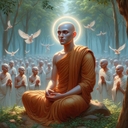
+Opening
| (derived from B. Sujato 2018/12) | (出自B. Sujato 2018/12) | |
| Majjhima Nikāya 147 | Middle Discourses 147 | 中部147经 |
| Cūḷarāhulovādasutta | The Shorter Advice to Rāhula | 给罗睺罗的简短忠告 |
| Evaṃ me sutaṃ— | So I have heard. | 我曾这样听闻。 |
| ekaṃ samayaṃ bhagavā sāvatthiyaṃ viharati jetavane anāthapiṇḍikassa ārāme. | At one time the Buddha was staying near Sāvatthī in Jeta’s Grove, Anāthapiṇḍika’s monastery. | 有一次,佛陀住在舍卫城附近的祇树给孤独园。 |
| Atha kho bhagavato rahogatassa paṭisallīnassa evaṃ cetaso parivitakko udapādi: | Then as he was in private retreat this thought came to his mind: | 然后当他独处静思时,心中生起这个念头: |
| “paripakkā kho rāhulassa vimuttiparipācanīyā dhammā. | “The qualities that ripen in freedom have ripened in Rāhula. | “罗睺罗的解脱品性已经成熟了。 |
| Yannūnāhaṃ rāhulaṃ uttariṃ āsavānaṃ khaye vineyyan”ti. | Why don’t I lead him further to the ending of defilements?” | 为什么我不进一步引导他走向烦恼的止息呢?” |
| Atha kho bhagavā pubbaṇhasamayaṃ nivāsetvā pattacīvaramādāya sāvatthiṃ piṇḍāya pāvisi. | Then the Buddha robed up in the morning and, taking his bowl and robe, entered Sāvatthī for alms. | 然后佛陀早上穿上僧袍,拿起钵和僧袍,进入舍卫城乞食。 |
| Sāvatthiyaṃ piṇḍāya caritvā pacchābhattaṃ piṇḍapātapaṭikkanto āyasmantaṃ rāhulaṃ āmantesi: | Then, after the meal, on his return from alms-round, he addressed Venerable Rāhula: | 然后,饭后,从乞食回来,他对罗睺罗尊者说: |
| “gaṇhāhi, rāhula, nisīdanaṃ; | “Rāhula, get your sitting cloth. | “罗睺罗,拿你的坐具。 |
| yena andhavanaṃ tenupasaṅkamissāma divāvihārāyā”ti. | Let’s go to the Dark Forest for the day’s meditation.” | 我们去幽暗林进行白天的禅修。” |
| “Evaṃ, bhante”ti kho āyasmā rāhulo bhagavato paṭissutvā nisīdanaṃ ādāya bhagavantaṃ piṭṭhito piṭṭhito anubandhi. | “Yes, sir,” replied Rāhula. Taking his sitting cloth he followed behind the Buddha. | “是的,世尊,”罗睺罗回答。他拿着坐具跟在佛陀后面。 |
+147.0 – (thousands of devas want to witness Buddha lead Rahula to arahantship)
| Tena kho pana samayena anekāni devatāsahassāni bhagavantaṃ anubandhāni honti: | Now at that time many thousands of deities followed the Buddha, thinking: | 那时,成千上万的天神跟随着佛陀,心想: |
| “ajja bhagavā āyasmantaṃ rāhulaṃ uttariṃ āsavānaṃ khaye vinessatī”ti. | “Today the Buddha will lead Rāhula further to the ending of defilements!” | “今天佛陀将进一步引导罗睺罗走向烦恼的止息!” |
| Atha kho bhagavā andhavanaṃ ajjhogāhetvā aññatarasmiṃ rukkhamūle paññatte āsane nisīdi. | Then the Buddha plunged deep into the Dark Forest and sat at the root of a tree on the seat spread out. | 然后佛陀深入幽暗林,坐在一棵树下铺好的座位上。 |
| Āyasmāpi kho rāhulo bhagavantaṃ abhivādetvā ekamantaṃ nisīdi. | Rāhula bowed to the Buddha and sat down to one side. | 罗睺罗顶礼佛陀,然后坐在一旁。 |
| Ekamantaṃ nisinnaṃ kho āyasmantaṃ rāhulaṃ bhagavā etadavoca: | The Buddha said to him: | 佛陀对他说: |
+147.1 – (is eye permanent, suffering, self? )
all
| “Taṃ kiṃ maññasi, rāhula, | “What do you think, Rāhula? | “罗睺罗,你认为呢? |
| cakkhu niccaṃ vā aniccaṃ vā”ti? | Is the eye permanent or impermanent?” | 眼睛是常还是无常?” |
| “Aniccaṃ, bhante”. | “Impermanent, sir.” | “无常,世尊。” |
| “Yaṃ panāniccaṃ dukkhaṃ vā taṃ sukhaṃ vā”ti? | “But if it’s impermanent, is it suffering or happiness?” | “但是如果它是无常的,它是苦还是乐?” |
| “Dukkhaṃ, bhante”. | “Suffering, sir.” | “苦,世尊。” |
| “Yaṃ panāniccaṃ dukkhaṃ vipariṇāmadhammaṃ, kallaṃ nu taṃ samanupassituṃ: | “But if it’s impermanent, suffering, and perishable, is it fit to be regarded thus: | “但是如果它是无常的,是苦的,是会坏的,它适合被认为是: |
| ‘etaṃ mama, esohamasmi, eso me attā’”ti? | ‘This is mine, I am this, this is my self’?” | ‘这是我的,我就是这个,这是我的自我’吗?” |
| “No hetaṃ, bhante”. | “No, sir.” | “不,世尊。” |
| “Taṃ kiṃ maññasi, rāhula, | “What do you think, Rāhula? | “罗睺罗,你认为呢? |
+§1.2 – (is form [visble to eye] permanent, suffering, self?)
| rūpā niccā vā aniccā vā”ti? | Are forms permanent or impermanent?” | 色是常还是无常?” |
| “Aniccā, bhante”. | “Impermanent, sir.” | “无常,世尊。” |
| “Yaṃ panāniccaṃ dukkhaṃ vā taṃ sukhaṃ vā”ti? | “But if they're impermanent, are they suffering or happiness?” | “但是如果它们是无常的,它们是苦还是乐?” |
| “Dukkhaṃ, bhante”. | “Suffering, sir.” | “苦,世尊。” |
| “Yaṃ panāniccaṃ dukkhaṃ vipariṇāmadhammaṃ, kallaṃ nu taṃ samanupassituṃ: | “But if they're impermanent, suffering, and perishable, are they fit to be regarded thus: | “但是如果它们是无常的,是苦的,是会坏的,它们适合被认为是: |
| ‘etaṃ mama, esohamasmi, eso me attā’”ti? | ‘This is mine, I am this, this is my self’?” | ‘这是我的,我就是这个,这是我的自我’吗?” |
| “No hetaṃ, bhante”. | “No, sir.” | “不,世尊。” |
+§1.3 – (is eye conciousness permanent, suffering, self?)
| “Taṃ kiṃ maññasi, rāhula, | “What do you think, Rāhula? | “罗睺罗,你认为呢? |
| cakkhuviññāṇaṃ niccaṃ vā aniccaṃ vā”ti? | Is eye consciousness permanent or impermanent?” | 眼识是常还是无常?” |
| “Aniccaṃ, bhante”. | “Impermanent, sir.” | “无常,世尊。” |
| “Yaṃ panāniccaṃ dukkhaṃ vā taṃ sukhaṃ vā”ti? | “But if it’s impermanent, is it suffering or happiness?” | “但是如果它是无常的,它是苦还是乐?” |
| “Dukkhaṃ, bhante”. | “Suffering, sir.” | “苦,世尊。” |
| “Yaṃ panāniccaṃ dukkhaṃ vipariṇāmadhammaṃ, kallaṃ nu taṃ samanupassituṃ: | “But if it’s impermanent, suffering, and perishable, is it fit to be regarded thus: | “但是如果它是无常的,是苦的,是会坏的,它适合被认为是: |
| ‘etaṃ mama, esohamasmi, eso me attā’”ti? | ‘This is mine, I am this, this is my self’?” | ‘这是我的,我就是这个,这是我的自我’吗?” |
| “No hetaṃ, bhante”. | “No, sir.” | “不,世尊。” |
| “Taṃ kiṃ maññasi, rāhula, | “What do you think, Rāhula? | “罗睺罗,你认为呢? |
+§1.4 – (is eye contact permanent, suffering, self?)
| cakkhusamphasso nicco vā anicco vā”ti? | Is eye contact permanent or impermanent?” | 眼触是常还是无常?” |
| “Anicco, bhante”. | “Impermanent, sir.” | “无常,世尊。” |
| “Yaṃ panāniccaṃ dukkhaṃ vā taṃ sukhaṃ vā”ti? | “But if it’s impermanent, is it suffering or happiness?” | “但是如果它是无常的,它是苦还是乐?” |
| “Dukkhaṃ, bhante”. | “Suffering, sir.” | “苦,世尊。” |
| “Yaṃ panāniccaṃ dukkhaṃ vipariṇāmadhammaṃ, kallaṃ nu taṃ samanupassituṃ: | “But if it’s impermanent, suffering, and perishable, is it fit to be regarded thus: | “但是如果它是无常的,是苦的,是会坏的,它适合被认为是: |
| ‘etaṃ mama, esohamasmi, eso me attā’”ti? | ‘This is mine, I am this, this is my self’?” | ‘这是我的,我就是这个,这是我的自我’吗?” |
| “No hetaṃ, bhante”. | “No, sir.” | “不,世尊。” |
| “Taṃ kiṃ maññasi, rāhula, | “What do you think, Rāhula? | “罗睺罗,你认为呢? |
+§1.5 – (is sensation, perception, co-activity, consciousness permanent, suffering, self?)
| yamidaṃ cakkhusamphassapaccayā uppajjati vedanāgataṃ saññāgataṃ saṅkhāragataṃ viññāṇagataṃ tampi niccaṃ vā aniccaṃ vā”ti? | Anything included in feeling, perception, co-activities, and consciousness that arises conditioned by eye contact: is that permanent or impermanent?” | 任何包含在受、想、行、识中,由眼触所生起的,是常还是无常?” |
| “Aniccaṃ, bhante”. | “Impermanent, sir.” | “无常,世尊。” |
| “Yaṃ panāniccaṃ dukkhaṃ vā taṃ sukhaṃ vā”ti? | “But if it’s impermanent, is it suffering or happiness?” | “但是如果它是无常的,它是苦还是乐?” |
| “Dukkhaṃ, bhante”. | “Suffering, sir.” | “苦,世尊。” |
| “Yaṃ panāniccaṃ dukkhaṃ vipariṇāmadhammaṃ, kallaṃ nu taṃ samanupassituṃ: | “But if it’s impermanent, suffering, and perishable, is it fit to be regarded thus: | “但是如果它是无常的,是苦的,是会坏的,它适合被认为是: |
| ‘etaṃ mama, esohamasmi, eso me attā’”ti? | ‘This is mine, I am this, this is my self’?” | ‘这是我的,我就是这个,这是我的自我’吗?” |
| “No hetaṃ, bhante”. | “No, sir.” | “不,世尊。” |
❧
+147.2 – (is ear permanent, suffering, self? )
| “Taṃ kiṃ maññasi rāhula, sotaṃ niccaṃ vā aniccaṃ vā”ti? “Aniccaṃ, bhante … pe … |
“What do you think, Rāhula? Is the ear … | “罗睺罗,你认为呢?耳朵…… |
+147.3 – (is nose permanent, suffering, self? )
| ghānaṃ niccaṃ vā aniccaṃ vā”ti? “Aniccaṃ, bhante … pe … |
nose … | 鼻子…… |
+147.4 – (is tongue permanent, suffering, self? )
| jivhā niccā vā aniccā vā”ti? “Aniccā, bhante … |
tongue … | 舌头…… |
+147.5 – (is body permanent, suffering, self? )
| kāyo nicco vā anicco vā”ti? “Anicco, bhante … |
body … | 身体…… |
+147.6 – (is mind permanent, suffering, self? )
| mano nicco vā anicco vā”ti? | mind permanent or impermanent?” | 心是常还是无常?” |
| “Anicco, bhante”. | “Impermanent, sir.” | “无常,世尊。” |
| “Yaṃ panāniccaṃ dukkhaṃ vā taṃ sukhaṃ vā”ti? | “But if it’s impermanent, is it suffering or happiness?” | “但是如果它是无常的,它是苦还是乐?” |
| “Dukkhaṃ, bhante”. | “Suffering, sir.” | “苦,世尊。” |
| “Yaṃ panāniccaṃ dukkhaṃ vipariṇāmadhammaṃ, kallaṃ nu taṃ samanupassituṃ: | “But if it’s impermanent, suffering, and perishable, is it fit to be regarded thus: | “但是如果它是无常的,是苦的,是会坏的,它适合被认为是: |
| ‘etaṃ mama, esohamasmi, eso me attā’”ti? | ‘This is mine, I am this, this is my self’?” | ‘这是我的,我就是这个,这是我的自我’吗?” |
| “No hetaṃ, bhante”. | “No, sir.” | “不,世尊。” |
| “Taṃ kiṃ maññasi rāhula, dhammā niccā vā aniccā vā”ti? | “What do you think, Rāhula? Are thoughts permanent or impermanent?” | “罗睺罗,你认为呢?法是常还是无常?” |
| “Aniccā, bhante”. | “Impermanent, sir.” | “无常,世尊。” |
| “Yaṃ panāniccaṃ dukkhaṃ vā taṃ sukhaṃ vā”ti? | “But if they're impermanent, are they suffering or happiness?” | “但是如果它们是无常的,它们是苦还是乐?” |
| “Dukkhaṃ, bhante”. | “Suffering, sir.” | “苦,世尊。” |
| “Yaṃ panāniccaṃ dukkhaṃ vipariṇāmadhammaṃ, kallaṃ nu taṃ samanupassituṃ: | “But if they're impermanent, suffering, and perishable, are they fit to be regarded thus: | “但是如果它们是无常的,是苦的,是会坏的,它们适合被认为是: |
| ‘etaṃ mama, esohamasmi, eso me attā’”ti? | ‘This is mine, I am this, this is my self’?” | ‘这是我的,我就是这个,这是我的自我’吗?” |
| “No hetaṃ, bhante”. | “No, sir.” | “不,世尊。” |
| “Taṃ kiṃ maññasi rāhula, manoviññāṇaṃ niccaṃ vā aniccaṃ vā”ti? | “What do you think, Rāhula? Is mind consciousness permanent or impermanent?” | “罗睺罗,你认为呢?意识是常还是无常?” |
| “Aniccaṃ, bhante”. | “Impermanent, sir.” | “无常,世尊。” |
| “Yaṃ panāniccaṃ dukkhaṃ vā taṃ sukhaṃ vā”ti? | “But if it’s impermanent, is it suffering or happiness?” | “但是如果它是无常的,它是苦还是乐?” |
| “Dukkhaṃ, bhante”. | “Suffering, sir.” | “苦,世尊。” |
| “Yaṃ panāniccaṃ dukkhaṃ vipariṇāmadhammaṃ, kallaṃ nu taṃ samanupassituṃ: | “But if it’s impermanent, suffering, and perishable, is it fit to be regarded thus: | “但是如果它是无常的,是苦的,是会坏的,它适合被认为是: |
| ‘etaṃ mama, esohamasmi, eso me attā’”ti? | ‘This is mine, I am this, this is my self’?” | ‘这是我的,我就是这个,这是我的自我’吗?” |
| “No hetaṃ, bhante”. | “No, sir.” | “不,世尊。” |
| “Taṃ kiṃ maññasi rāhula, manosamphasso nicco vā anicco vā”ti? | “What do you think, Rāhula? Is mind contact permanent or impermanent?” | “罗睺罗,你认为呢?意触是常还是无常?” |
| “Anicco, bhante”. | “Impermanent, sir.” | “无常,世尊。” |
| “Yaṃ panāniccaṃ dukkhaṃ vā taṃ sukhaṃ vā”ti? | “But if it’s impermanent, is it suffering or happiness?” | “但是如果它是无常的,它是苦还是乐?” |
| “Dukkhaṃ, bhante”. | “Suffering, sir.” | “苦,世尊。” |
| “Yaṃ panāniccaṃ dukkhaṃ vipariṇāmadhammaṃ, kallaṃ nu taṃ samanupassituṃ: | “But if it’s impermanent, suffering, and perishable, is it fit to be regarded thus: | “但是如果它是无常的,是苦的,是会坏的,它适合被认为是: |
| ‘etaṃ mama, esohamasmi, eso me attā’”ti? | ‘This is mine, I am this, this is my self’?” | ‘这是我的,我就是这个,这是我的自我’吗?” |
| “No hetaṃ, bhante”. | “No, sir.” | “不,世尊。” |
| “Taṃ kiṃ maññasi, rāhula, | “What do you think, Rāhula? | “罗睺罗,你认为呢? |
| yamidaṃ manosamphassapaccayā uppajjati vedanāgataṃ saññāgataṃ saṅkhāragataṃ viññāṇagataṃ, tampi niccaṃ vā aniccaṃ vā”ti? | Anything included in feeling, perception, co-activities, and consciousness that arises conditioned by mind contact: is that permanent or impermanent?” | 意触所生的受、想、行、识,是常还是无常?” |
| “Aniccaṃ, bhante”. | “Impermanent, sir.” | “无常,世尊。” |
| “Yaṃ panāniccaṃ dukkhaṃ vā taṃ sukhaṃ vā”ti? | “But if it’s impermanent, is it suffering or happiness?” | “但是如果它是无常的,它是苦还是乐?” |
| “Dukkhaṃ, bhante”. | “Suffering, sir.” | “苦,世尊。” |
| “Yaṃ panāniccaṃ dukkhaṃ vipariṇāmadhammaṃ kallaṃ nu taṃ samanupassituṃ: | “But if it’s impermanent, suffering, and perishable, is it fit to be regarded thus: | “但是如果它是无常的,是苦的,是会坏的,它适合被认为是: |
| ‘etaṃ mama, esohamasmi, eso me attā’”ti? | ‘This is mine, I am this, this is my self’?” | ‘这是我的,我就是这个,这是我的自我’吗?” |
| “No hetaṃ, bhante”. | “No, sir.” | “不,世尊。” |
❧
+147.7 – (seeing this, disenchantment → dispassion → nirvana)
| “Evaṃ passaṃ, rāhula, sutavā ariyasāvako cakkhusmiṃ nibbindati, rūpesu nibbindati, cakkhuviññāṇe nibbindati, cakkhusamphasse nibbindati, yamidaṃ cakkhusamphassapaccayā uppajjati vedanāgataṃ saññāgataṃ saṅkhāragataṃ viññāṇagataṃ tasmimpi nibbindati. | “Seeing this, a learned noble-one's-disciple grows disenchanted with the eye, forms, eye consciousness, and eye contact. And they grow disenchanted with anything included in feeling, perception, co-activities, and consciousness that arises conditioned by eye contact. | “看见这一点,一个有学识的圣弟子对眼、色、眼识和眼触感到厌离。他们对眼触所生的受、想、行、识中的任何东西都感到厌离。 |
| Sotasmiṃ nibbindati, saddesu nibbindati … pe … | They grow disenchanted with the ear … | 他们对耳…… |
| ghānasmiṃ nibbindati, gandhesu nibbindati … | nose … | 鼻…… |
| jivhāya nibbindati, rasesu nibbindati … | tongue … | 舌…… |
| kāyasmiṃ nibbindati, phoṭṭhabbesu nibbindati … | body … | 身…… |
| manasmiṃ nibbindati, dhammesu nibbindati, manoviññāṇe nibbindati, manosamphasse nibbindati, yamidaṃ manosamphassapaccayā uppajjati vedanāgataṃ saññāgataṃ saṅkhāragataṃ viññāṇagataṃ tasmimpi nibbindati. | mind, thoughts, mind consciousness, and mind contact. And they grow disenchanted with anything included in feeling, perception, co-activities, and consciousness that arises conditioned by mind contact. | 意、法、意识和意触感到厌离。他们对意触所生的受、想、行、识中的任何东西都感到厌离。 |
| Nibbindaṃ virajjati, virāgā vimuccati. Vimuttasmiṃ vimuttamiti ñāṇaṃ hoti. | Being disenchanted, desire fades away. When desire fades away they’re freed. When they’re freed, they know they’re freed. | 由于厌离,贪欲消退。当贪欲消退时,他们就解脱了。当他们解脱时,他们就知道自己解脱了。 |
| ‘Khīṇā jāti, vusitaṃ brahmacariyaṃ, kataṃ karaṇīyaṃ, nāparaṃ itthattāyā’ti pajānātī”ti. | They understand: ‘Rebirth is ended, the spiritual journey has been completed, what had to be done has been done, there is no return to any state of existence.’” | 他们明白:‘生死已尽,梵行已立,所作已办,不再有任何存在状态。’” |
+147.10 – (conclusion: Rāhula becomes arahant, thousands of devas enter stream)
| Idamavoca bhagavā. | That is what the Buddha said. | 佛陀如是说。 |
| Attamano āyasmā rāhulo bhagavato bhāsitaṃ abhinandīti. | Satisfied, Venerable Rāhula was happy with what the Buddha said. | 罗睺罗尊者心满意足,对佛陀所说感到高兴。 |
| Imasmiñca pana veyyākaraṇasmiṃ bhaññamāne āyasmato rāhulassa anupādāya āsavehi cittaṃ vimucci. | And while this discourse was being spoken, Rāhula’s mind was freed from defilements by not grasping. | 当此法被宣说时,罗睺罗的心由于不执取而从烦恼中解脱。 |
| Tāsañca anekānaṃ devatāsahassānaṃ virajaṃ vītamalaṃ dhammacakkhuṃ udapādi: | And the stainless, immaculate vision of the Dhamma arose in those thousands of deities: | 那成千上万的天神生起了无垢、清净的法眼: |
| “yaṃ kiñci samudayadhammaṃ sabbaṃ taṃ nirodhadhamman”ti. | “Everything that has a beginning has an end.” | “凡有生者,皆有灭。” |
❧
+MN 148 Cha-chakka:
six by six
all
six by six
+Opening
| Evaṃ me sutaṃ— | So I have heard. | 我曾这样听闻。 |
| ekaṃ samayaṃ bhagavā sāvatthiyaṃ viharati jetavane anāthapiṇḍikassa ārāme. | At one time the Buddha was staying near Sāvatthī in Jeta’s Grove, Anāthapiṇḍika’s monastery. | 有一次,佛陀住在舍卫城附近的祇树给孤独园。 |
| Tatra kho bhagavā bhikkhū āmantesi: “bhikkhavo”ti. | There the Buddha addressed the monks: “monks!” | 在那里,佛陀对比丘们说:“比丘们!” |
| “Bhadante”ti te bhikkhū bhagavato paccassosuṃ. | “Venerable sir,” they replied. | “世尊,”他们回答。 |
| Bhagavā etadavoca: | The Buddha said this: | 佛陀这样说: |
| “dhammaṃ vo, bhikkhave, desessāmi | “monks, I shall teach you the Dhamma that’s | “比丘们,我将为你们讲说佛法, |
| ādikalyāṇaṃ majjhekalyāṇaṃ pariyosānakalyāṇaṃ | good in the beginning, good in the middle, and good in the end, | 开端善,中段善,结尾善, |
| sātthaṃ sabyañjanaṃ, | meaningful and well-phrased. | 有意义且措辞优美。 |
| kevalaparipuṇṇaṃ parisuddhaṃ brahmacariyaṃ pakāsessāmi, | And I shall reveal a spiritual practice that’s entirely full and pure, | 我将揭示一种完全圆满纯净的修行, |
| yadidaṃ—cha chakkāni. | namely, the six sets of six. | 即六六法门。 |
| Taṃ suṇātha, sādhukaṃ manasi karotha, bhāsissāmī”ti. | Listen and pay close attention, I will speak.” | 仔细听,专心,我将要说。” |
| “Evaṃ, bhante”ti kho te bhikkhū bhagavato paccassosuṃ. | “Yes, sir,” they replied. | “是的,世尊,”他们回答。 |
| Bhagavā etadavoca: | The Buddha said this: | 佛陀这样说: |
+148.1 – (enumerating 6 sets of 6)
all
| “Cha ajjhattikāni āyatanāni veditabbāni, | “The six interior sense fields should be understood. | “应该了解六内处。 |
| cha bāhirāni āyatanāni veditabbāni, | The six exterior sense fields should be understood. | 应该了解六外处。 |
| cha viññāṇakāyā veditabbā, | The six classes of consciousness should be understood. | 应该了解六识身。 |
| cha phassakāyā veditabbā, | The six classes of contact should be understood. | 应该了解六触身。 |
| cha vedanākāyā veditabbā, | The six classes of feeling should be understood. | 应该了解六受身。 |
| cha taṇhākāyā veditabbā. | The six classes of craving should be understood. | 应该了解六爱身。” |
+§1.1 – (Six interior sense fields)
| ‘Cha ajjhattikāni āyatanāni veditabbānī’ti— | ‘The six interior sense fields should be understood.’ | “‘应该了解六内处。’ |
| iti kho panetaṃ vuttaṃ. | That’s what I said, | 我这样说, |
| Kiñcetaṃ paṭicca vuttaṃ? | but why did I say it? | 但为什么这样说呢? |
| Cakkh-āyatanaṃ, | There are the sense fields of the eye, | 有眼处、 |
| sot-āyatanaṃ, | ear, | 耳处、 |
| ghān-āyatanaṃ, | nose, | 鼻处、 |
| jivh-āyatanaṃ, | tongue, | 舌处、 |
| kāy-āyatanaṃ, | body, | 身处、 |
| man-āyatanaṃ. | and mind. | 意处。 |
| ‘Cha ajjhattikāni āyatanāni veditabbānī’ti— | ‘The six interior sense fields should be understood.’ | ‘应该了解六内处。’ |
| iti yaṃ taṃ vuttaṃ, | That’s what I said, | 我这样说, |
| idametaṃ paṭicca vuttaṃ. | and this is why I said it. | 这就是我这样说的原因。 |
| Idaṃ paṭhamaṃ chakkaṃ. | This is the first set of six. | 这是第一组六。 |
+§1.2 – (Six exterior sense fields)
| ‘Cha bāhirāni āyatanāni veditabbānī’ti— | ‘The six exterior sense fields should be understood.’ | “‘应该了解六外处。’ |
| iti kho panetaṃ vuttaṃ. | That’s what I said, | 我这样说, |
| Kiñcetaṃ paṭicca vuttaṃ? | but why did I say it? | 但为什么这样说呢? |
| Rūp-āyatanaṃ, | There are the sense fields of sights, | 有色处、 |
| sadd-āyatanaṃ, | sounds, | 声处、 |
| gandh-āyatanaṃ, | smells, | 香处、 |
| ras-āyatanaṃ, | tastes, | 味处、 |
| phoṭṭhabb-āyatanaṃ, | touches, | 触处、 |
| dhamm-āyatanaṃ. | and thoughts. | 法处。 |
| ‘Cha bāhirāni āyatanāni veditabbānī’ti— | ‘The six exterior sense fields should be understood.’ | ‘应该了解六外处。’ |
| iti yaṃ taṃ vuttaṃ, | That’s what I said, | 我这样说, |
| idametaṃ paṭicca vuttaṃ. | and this is why I said it. | 这就是我这样说的原因。 |
| Idaṃ dutiyaṃ chakkaṃ. | This is the second set of six. | 这是第二组六。 |
+§1.3 – (Six classes of consciousness
| ‘Cha viññāṇakāyā veditabbā’ti— | ‘The six classes of consciousness should be understood.’ | “‘应该了解六识身。’ |
| iti kho panetaṃ vuttaṃ. | That’s what I said, | 我这样说, |
| Kiñcetaṃ paṭicca vuttaṃ? | but why did I say it? | 但为什么这样说呢? |
| Cakkhuñca paṭicca rūpe ca uppajjati cakkhu-viññāṇaṃ, | Eye consciousness arises dependent on the eye and sights. | 依眼和色而生眼识。 |
| sotañca paṭicca sadde ca uppajjati sota-viññāṇaṃ, | Ear consciousness arises dependent on the ear and sounds. | 依耳和声而生耳识。 |
| ghānañca paṭicca gandhe ca uppajjati ghāna-viññāṇaṃ, | Nose consciousness arises dependent on the nose and smells. | 依鼻和香而生鼻识。 |
| jivhañca paṭicca rase ca uppajjati jivhā-viññāṇaṃ, | Tongue consciousness arises dependent on the tongue and tastes. | 依舌和味而生舌识。 |
| kāyañca paṭicca phoṭṭhabbe ca uppajjati kāya-viññāṇaṃ, | Body consciousness arises dependent on the body and touches. | 依身和触而生身识。 |
| manañca paṭicca dhamme ca uppajjati mano-viññāṇaṃ. | Mind consciousness arises dependent on the mind and thoughts. | 依意和法而生意识。 |
| ‘Cha viññāṇakāyā veditabbā’ti— | ‘The six classes of consciousness should be understood.’ | ‘应该了解六识身。’ |
| iti yaṃ taṃ vuttaṃ, | That’s what I said, | 我这样说, |
| idametaṃ paṭicca vuttaṃ. | and this is why I said it. | 这就是我这样说的原因。 |
| Idaṃ tatiyaṃ chakkaṃ. | This is the third set of six. | 这是第三组六。 |
+§1.4 – (Six classes of contact)
| ‘Cha phassakāyā veditabbā’ti— | ‘The six classes of contact should be understood.’ | “‘应该了解六触身。’ |
| iti kho panetaṃ vuttaṃ. | That’s what I said, | 我这样说, |
| Kiñcetaṃ paṭicca vuttaṃ? | but why did I say it? | 但为什么这样说呢? |
| Cakkhuñca paṭicca rūpe ca uppajjati cakkhu-viññāṇaṃ, | Eye consciousness arises dependent on the eye and sights. | 依眼和色而生眼识。 |
| tiṇṇaṃ saṅgati phasso; | The meeting of the three is contact. | 三者和合即是触。 |
| sotañca paṭicca sadde ca uppajjati sota-viññāṇaṃ, | Ear consciousness arises dependent on the ear and sounds. | 依耳和声而生耳识。 |
| tiṇṇaṃ saṅgati phasso; | The meeting of the three is contact. | 三者和合即是触。 |
| ghānañca paṭicca gandhe ca uppajjati ghāna-viññāṇaṃ, | Nose consciousness arises dependent on the nose and smells. | 依鼻和香而生鼻识。 |
| tiṇṇaṃ saṅgati phasso; | The meeting of the three is contact. | 三者和合即是触。 |
| jivhañca paṭicca rase ca uppajjati jivhā-viññāṇaṃ, | Tongue consciousness arises dependent on the tongue and tastes. | 依舌和味而生舌识。 |
| tiṇṇaṃ saṅgati phasso; | The meeting of the three is contact. | 三者和合即是触。 |
| kāyañca paṭicca phoṭṭhabbe ca uppajjati kāya-viññāṇaṃ, | Body consciousness arises dependent on the body and touches. | 依身和触而生身识。 |
| tiṇṇaṃ saṅgati phasso; | The meeting of the three is contact. | 三者和合即是触。 |
| manañca paṭicca dhamme ca uppajjati mano-viññāṇaṃ, | Mind consciousness arises dependent on the mind and thoughts. | 依意和法而生意识。 |
| tiṇṇaṃ saṅgati phasso. | The meeting of the three is contact. | 三者和合即是触。 |
| ‘Cha phassakāyā veditabbā’ti— | ‘The six classes of contact should be understood.’ | ‘应该了解六触身。’ |
| iti yaṃ taṃ vuttaṃ, | That’s what I said, | 我这样说, |
| idametaṃ paṭicca vuttaṃ. | and this is why I said it. | 这就是我这样说的原因。 |
| Idaṃ catutthaṃ chakkaṃ. | This is the fourth set of six. | 这是第四组六。 |
❧
+§1.5 – (Six classes of feeling)
| ‘Cha vedanākāyā veditabbā’ti— | ‘The six classes of feeling should be understood.’ | “‘应该了解六受身。’ |
| iti kho panetaṃ vuttaṃ. | That’s what I said, | 我这样说, |
| Kiñcetaṃ paṭicca vuttaṃ? | but why did I say it? | 但为什么这样说呢? |
| Cakkhuñca paṭicca rūpe ca uppajjati cakkhu-viññāṇaṃ, | Eye consciousness arises dependent on the eye and sights. | 依眼和色而生眼识。 |
| tiṇṇaṃ saṅgati phasso, | The meeting of the three is contact. | 三者和合即是触。 |
| phassa-paccayā vedanā; | Contact is a condition for feeling. | 触是受的条件。 |
| sotañca paṭicca sadde ca uppajjati sota-viññāṇaṃ, | Ear consciousness arises dependent on the ear and sounds. | 依耳和声而生耳识。 |
| tiṇṇaṃ saṅgati phasso, | The meeting of the three is contact. | 三者和合即是触。 |
| phassa-paccayā vedanā; | Contact is a condition for feeling. | 触是受的条件。 |
| ghānañca paṭicca gandhe ca uppajjati ghāna-viññāṇaṃ, | Nose consciousness arises dependent on the nose and smells. | 依鼻和香而生鼻识。 |
| tiṇṇaṃ saṅgati phasso, | The meeting of the three is contact. | 三者和合即是触。 |
| phassa-paccayā vedanā; | Contact is a condition for feeling. | 触是受的条件。 |
| jivhañca paṭicca rase ca uppajjati jivhā-viññāṇaṃ, | Tongue consciousness arises dependent on the tongue and tastes. | 依舌和味而生舌识。 |
| tiṇṇaṃ saṅgati phasso, | The meeting of the three is contact. | 三者和合即是触。 |
| phassa-paccayā vedanā; | Contact is a condition for feeling. | 触是受的条件。 |
| kāyañca paṭicca phoṭṭhabbe ca uppajjati kāya-viññāṇaṃ, | Body consciousness arises dependent on the body and touches. | 依身和触而生身识。 |
| tiṇṇaṃ saṅgati phasso, | The meeting of the three is contact. | 三者和合即是触。 |
| phassa-paccayā vedanā; | Contact is a condition for feeling. | 触是受的条件。 |
| manañca paṭicca dhamme ca uppajjati mano-viññāṇaṃ, | Mind consciousness arises dependent on the mind and thoughts. | 依意和法而生意识。 |
| tiṇṇaṃ saṅgati phasso, | The meeting of the three is contact. | 三者和合即是触。 |
| phassa-paccayā vedanā. | Contact is a condition for feeling. | 触是受的条件。 |
| ‘Cha vedanākāyā veditabbā’ti— | ‘The six classes of feeling should be understood.’ | ‘应该了解六受身。’ |
| iti yaṃ taṃ vuttaṃ, | That’s what I said, | 我这样说, |
| idametaṃ paṭicca vuttaṃ. | and this is why I said it. | 这就是我这样说的原因。 |
| Idaṃ pañcamaṃ chakkaṃ. | This is the fifth set of six. | 这是第五组六。 |
❧
+§1.6 – (Six classes of craving)
| ‘Cha taṇhākāyā veditabbā’ti— | ‘The six classes of craving should be understood.’ | “‘应该了解六爱身。’ |
| iti kho panetaṃ vuttaṃ. | That’s what I said, | 我这样说, |
| Kiñcetaṃ paṭicca vuttaṃ? | but why did I say it? | 但为什么这样说呢? |
| Cakkhuñca paṭicca rūpe ca uppajjati cakkhu-viññāṇaṃ, | Eye consciousness arises dependent on the eye and sights. | 依眼和色而生眼识。 |
| tiṇṇaṃ saṅgati phasso, | The meeting of the three is contact. | 三者和合即是触。 |
| phassa-paccayā vedanā, | Contact is a condition for feeling. | 触是受的条件。 |
| vedanā-paccayā taṇhā; | Feeling is a condition for craving. | 受是爱的条件。 |
| sotañca paṭicca sadde ca uppajjati sota-viññāṇaṃ | Ear consciousness arises dependent on the ear and sounds. | 依耳和声而生耳识。 |
| tiṇṇaṃ saṅgati phasso, | The meeting of the three is contact. | 三者和合即是触。 |
| phassa-paccayā vedanā, | Contact is a condition for feeling. | 触是受的条件。 |
| vedanā-paccayā taṇhā; | Feeling is a condition for craving. | 受是爱的条件。 |
| ghānañca paṭicca gandhe ca uppajjati ghāna-viññāṇaṃ | nose consciousness arises dependent on the nose and smells. | 依鼻和香而生鼻识。 |
| tiṇṇaṃ saṅgati phasso, | The meeting of the three is contact. | 三者和合即是触。 |
| phassa-paccayā vedanā, | Contact is a condition for feeling. | 触是受的条件。 |
| vedanā-paccayā taṇhā; | Feeling is a condition for craving. | 受是爱的条件。 |
| jivhañca paṭicca rase ca uppajjati jivhā-viññāṇaṃ | tongue consciousness arises dependent on the tongue and tastes. | 依舌和味而生舌识。 |
| tiṇṇaṃ saṅgati phasso, | The meeting of the three is contact. | 三者和合即是触。 |
| phassa-paccayā vedanā, | Contact is a condition for feeling. | 触是受的条件。 |
| vedanā-paccayā taṇhā; | Feeling is a condition for craving. | 受是爱的条件。 |
| kāyañca paṭicca phoṭṭhabbe ca uppajjati kāya-viññāṇaṃ | body consciousness arises dependent on the body and touches. | 依身和触而生身识。 |
| tiṇṇaṃ saṅgati phasso, | The meeting of the three is contact. | 三者和合即是触。 |
| phassa-paccayā vedanā, | Contact is a condition for feeling. | 触是受的条件。 |
| vedanā-paccayā taṇhā; | Feeling is a condition for craving. | 受是爱的条件。 |
| manañca paṭicca dhamme ca uppajjati mano-viññāṇaṃ, | Mind consciousness arises dependent on the mind and thoughts. | 依意和法而生意识。 |
| tiṇṇaṃ saṅgati phasso, | The meeting of the three is contact. | 三者和合即是触。 |
| phassa-paccayā vedanā, | Contact is a condition for feeling. | 触是受的条件。 |
| vedanā-paccayā taṇhā; | Feeling is a condition for craving. | 受是爱的条件。 |
| ‘Cha taṇhākāyā veditabbā’ti— | ‘The six classes of craving should be understood.’ | ‘应该了解六爱身。’ |
| iti yaṃ taṃ vuttaṃ, | That’s what I said, | 我这样说, |
| idametaṃ paṭicca vuttaṃ. | and this is why I said it. | 这就是我这样说的原因。 |
| Idaṃ chaṭṭhaṃ chakkaṃ. (6) | This is the sixth set of six. | 这是第六组六。 |
❧
+148.2 – (logical not-selfing: how can 6 sets that can be seen to arise and pass away be my self?)
all
+§2.1 – (Eye)
all
+§1.1 – (logical not selfing → eye → eye faculty)
| ‘Cakkhu attā’ti yo vadeyya taṃ na upapajjati. | If anyone says, ‘the eye is self,’ that is not tenable. | 如果有人说,‘眼睛是自我’,这是站不住脚的。 |
| Cakkhussa uppādopi vayopi paññāyati. | The arising and vanishing of the eye is evident, | 眼睛的生起和消失是显而易见的, |
| Yassa kho pana uppādopi vayopi paññāyati, | { and since the arising and vanishing of that is evident, } | {并且既然它的生起和消失是显而易见的,} |
| ‘attā me uppajjati ca veti cā’ti | so it would follow that | 那么就会得出结论, |
| iccassa evamāgataṃ hoti. | one’s self arises and vanishes. | 一个人的自我也会生起和消失。 |
| Tasmā taṃ na upapajjati: | That’s why it’s not tenable | 这就是为什么说 |
| ‘cakkhu attā’ti yo vadeyya. | to claim that the eye is self. | 眼睛是自我站不住脚。 |
| Iti cakkhu anattā. | So the eye is not self. | 所以眼睛不是自我。 |
+§1.2 – (logical not selfing → eye → visible form)
| ‘Rūpā attā’ti yo vadeyya taṃ na upapajjati. | If anyone says, ‘sights are self,’ that is not tenable. | 如果有人说,‘色是自我’,这是站不住脚的。 |
| Rūpānaṃ uppādopi vayopi paññāyati. | The arising and vanishing of sights is evident, | 色的生起和消失是显而易见的, |
| Yassa kho pana uppādopi vayopi paññāyati, | { and since the arising and vanishing of that is evident, } | {并且既然它的生起和消失是显而易见的,} |
| ‘attā me uppajjati ca veti cā’ti | so it would follow that | 那么就会得出结论, |
| iccassa evamāgataṃ hoti. | one’s self arises and vanishes. | 一个人的自我也会生起和消失。 |
| Tasmā taṃ na upapajjati: | That’s why it’s not tenable | 这就是为什么说 |
| ‘rūpā attā’ti yo vadeyya. | to claim that sights are self. | 色是自我站不住脚。 |
| Iti cakkhu anattā, rūpā anattā. | So the eye is not self and sights are not self. | 所以眼睛不是自我,色也不是自我。 |
+§1.3 – (logical not selfing → eye → eye consciousness)
| ‘Cakkhu-viññāṇaṃ attā’ti yo vadeyya taṃ na upapajjati. | If anyone says, ‘eye consciousness is self,’ that is not tenable. | 如果有人说,‘眼识是自我’,这是站不住脚的。 |
| Cakkhu-viññāṇassa uppādopi vayopi paññāyati. | The arising and vanishing of eye consciousness is evident, | 眼识的生起和消失是显而易见的, |
| Yassa kho pana uppādopi vayopi paññāyati, | { and since the arising and vanishing of that is evident, } | {并且既然它的生起和消失是显而易见的,} |
| ‘attā me uppajjati ca veti cā’ti | so it would follow that | 那么就会得出结论, |
| iccassa evamāgataṃ hoti. | one’s self arises and vanishes. | 一个人的自我也会生起和消失。 |
| Tasmā taṃ na upapajjati: | That’s why it’s not tenable | 这就是为什么说 |
| ‘cakkhu-viññāṇaṃ attā’ti yo vadeyya. | to claim that eye consciousness is self. | 眼识是自我站不住脚。 |
| Iti cakkhu anattā, rūpā anattā, cakkhu-viññāṇaṃ anattā. | So the eye, sights, and eye consciousness are not self. | 所以眼睛、色和眼识都不是自我。 |
+§1.4 – (logical not selfing → eye → eye contact)
| ‘Cakkhu-samphasso attā’ti yo vadeyya taṃ na upapajjati. | If anyone says, ‘eye contact is self,’ that is not tenable. | 如果有人说,‘眼触是自我’,这是站不住脚的。 |
| Cakkhu-samphassa uppādopi vayopi paññāyati. | The arising and vanishing of eye contact is evident, | 眼触的生起和消失是显而易见的, |
| Yassa kho pana uppādopi vayopi paññāyati, | { and since the arising and vanishing of that is evident, } | {并且既然它的生起和消失是显而易见的,} |
| ‘attā me uppajjati ca veti cā’ti | so it would follow that | 那么就会得出结论, |
| iccassa evamāgataṃ hoti. | one’s self arises and vanishes. | 一个人的自我也会生起和消失。 |
| Tasmā taṃ na upapajjati: | That’s why it’s not tenable | 这就是为什么说 |
| ‘cakkhu-samphasso attā’ti yo vadeyya. | to claim that eye contact is self. | 眼触是自我站不住脚。 |
| Iti cakkhu anattā, rūpā anattā, cakkhu-viññāṇaṃ anattā, cakkhusamphasso anattā. | So the eye, sights, eye consciousness, and eye contact are not self. | 所以眼睛、色、眼识和眼触都不是自我。 |
+§1.5 – (logical not selfing → eye → feelings)
| ‘Vedanā attā’ti yo vadeyya taṃ na upapajjati. | If anyone says, ‘feeling is self,’ that is not tenable. | 如果有人说,‘受是自我’,这是站不住脚的。 |
| Vedanāya uppādopi vayopi paññāyati. | The arising and vanishing of feeling is evident, | 受的生起和消失是显而易见的, |
| Yassa kho pana uppādopi vayopi paññāyati, | { and since the arising and vanishing of that is evident, } | {并且既然它的生起和消失是显而易见的,} |
| ‘attā me uppajjati ca veti cā’ti | so it would follow that | 那么就会得出结论, |
| iccassa evamāgataṃ hoti. | one’s self arises and vanishes. | 一个人的自我也会生起和消失。 |
| Tasmā taṃ na upapajjati: | That’s why it’s not tenable | 这就是为什么说 |
| ‘vedanā attā’ti yo vadeyya. | to claim that feeling is self. | 受是自我站不住脚。 |
| Iti cakkhu anattā, rūpā anattā, cakkhu-viññāṇaṃ anattā, cakkhusamphasso anattā, vedanā anattā. | So the eye, sights, eye consciousness, eye contact, and feeling are not self. | 所以眼睛、色、眼识、眼触和受都不是自我。 |
+§1.6 – (logical not selfing → eye → craving)
| ‘Taṇhā attā’ti yo vadeyya taṃ na upapajjati. | If anyone says, ‘craving is self,’ that is not tenable. | 如果有人说,‘爱是自我’,这是站不住脚的。 |
| Taṇhāya uppādopi vayopi paññāyati. | The arising and vanishing of craving is evident, | 爱的生起和消失是显而易见的, |
| Yassa kho pana uppādopi vayopi paññāyati, | { and since the arising and vanishing of that is evident, } | {并且既然它的生起和消失是显而易见的,} |
| ‘attā me uppajjati ca veti cā’ti | so it would follow that | 那么就会得出结论, |
| iccassa evamāgataṃ hoti. | one’s self arises and vanishes. | 一个人的自我也会生起和消失。 |
| Tasmā taṃ na upapajjati: | That’s why it’s not tenable | 这就是为什么说 |
| ‘taṇhā attā’ti yo vadeyya. | to claim that craving is self. | 爱是自我站不住脚。 |
| Iti cakkhu anattā, rūpā anattā, cakkhu-viññāṇaṃ anattā, cakkhusamphasso anattā, vedanā anattā, taṇhā anattā. | So the eye, sights, eye consciousness, eye contact, feeling, and craving are not self. | 所以眼睛、色、眼识、眼触、受和爱都不是自我。 |
❧
+§2.2 – (Ear)
all
+§2.1 – (logical not selfing → ear → ear faculty)
| ‘Sotaṃ attā’ti yo vadeyya taṃ na upapajjati. | If anyone says, ‘the ear is self,’ that is not tenable. | 如果有人说,‘耳朵是自我’,这是站不住脚的。 |
| Sotassa uppādopi vayopi paññāyati. | The arising and vanishing of the ear is evident, | 耳朵的生起和消失是显而易见的, |
| Yassa kho pana uppādopi vayopi paññāyati, | { and since the arising and vanishing of that is evident, } | {并且既然它的生起和消失是显而易见的,} |
| ‘attā me uppajjati ca veti cā’ti | so it would follow that | 那么就会得出结论, |
| iccassa evamāgataṃ hoti. | one’s self arises and vanishes. | 一个人的自我也会生起和消失。 |
| Tasmā taṃ na upapajjati: | That’s why it’s not tenable | 这就是为什么说 |
| ‘Sotaṃ attā’ti yo vadeyya. | to claim that the ear is self. | 耳朵是自我站不住脚。 |
| Iti Sotaṃ anattā. | So the ear is not self. | 所以耳朵不是自我。 |
+§2.2 – (logical not selfing → ear → sounds)
| ‘saddā attā’ti yo vadeyya taṃ na upapajjati. | If anyone says, ‘sounds are self,’ that is not tenable. | 如果有人说,‘声是自我’,这是站不住脚的。 |
| saddānaṃ uppādopi vayopi paññāyati. | The arising and vanishing of sounds is evident, | 声的生起和消失是显而易见的, |
| Yassa kho pana uppādopi vayopi paññāyati, | { and since the arising and vanishing of that is evident, } | {并且既然它的生起和消失是显而易见的,} |
| ‘attā me uppajjati ca veti cā’ti | so it would follow that | 那么就会得出结论, |
| iccassa evamāgataṃ hoti. | one’s self arises and vanishes. | 一个人的自我也会生起和消失。 |
| Tasmā taṃ na upapajjati: | That’s why it’s not tenable | 这就是为什么说 |
| ‘saddā attā’ti yo vadeyya. | to claim that sounds are self. | 声是自我站不住脚。 |
| Iti Sotaṃ anattā, saddā anattā. | So ear is not self and sounds are not self. | 所以耳朵不是自我,声也不是自我。 |
+§2.3 – (logical not selfing → ear → ear consciousness)
| ‘sota-viññāṇaṁ attā’ti yo vadeyya taṃ na upapajjati. | If anyone says, ‘ear consciousness is self,’ that is not tenable. | 如果有人说,‘耳识是自我’,这是站不住脚的。 |
| Sota-viññāṇassa uppādopi vayopi paññāyati. | The arising and vanishing of ear consciousness is evident, | 耳识的生起和消失是显而易见的, |
| Yassa kho pana uppādopi vayopi paññāyati, | { and since the arising and vanishing of that is evident, } | {并且既然它的生起和消失是显而易见的,} |
| ‘attā me uppajjati ca veti cā’ti | so it would follow that | 那么就会得出结论, |
| iccassa evamāgataṃ hoti. | one’s self arises and vanishes. | 一个人的自我也会生起和消失。 |
| Tasmā taṃ na upapajjati: | That’s why it’s not tenable | 这就是为什么说 |
| ‘sota-viññāṇaṁ attā’ti yo vadeyya. | to claim that ear consciousness is self. | 耳识是自我站不住脚。 |
| Iti Sotaṃ anattā, saddā anattā, sota-viññāṇaṁ anattā. | So ear is not self and sounds are not self. Ear-consciousness is not self. | 所以耳朵不是自我,声也不是自我。耳识不是自我。 |
+§2.4 – (logical not selfing → ear → ear contact)
| ‘sota-samphasso attā’ti yo vadeyya taṃ na upapajjati. | If anyone says, ‘ear contact is self,’ that is not tenable. | 如果有人说,‘耳触是自我’,这是站不住脚的。 |
| Sota-samphassa uppādopi vayopi paññāyati. | The arising and vanishing of ear contact is evident, | 耳触的生起和消失是显而易见的, |
| Yassa kho pana uppādopi vayopi paññāyati, | { and since the arising and vanishing of that is evident, } | {并且既然它的生起和消失是显而易见的,} |
| ‘attā me uppajjati ca veti cā’ti | so it would follow that | 那么就会得出结论, |
| iccassa evamāgataṃ hoti. | one’s self arises and vanishes. | 一个人的自我也会生起和消失。 |
| Tasmā taṃ na upapajjati: | That’s why it’s not tenable | 这就是为什么说 |
| ‘sota-samphasso attā’ti yo vadeyya. | to claim that ear contact is self. | 耳触是自我站不住脚。 |
| Iti Sotaṃ anattā, saddā anattā, sota-viññāṇaṁ anattā. Sota-samphasso anattā. | So ear is not self and sounds are not self. Ear-consciousness is not self. | 所以耳朵不是自我,声也不是自我。耳识不是自我。 |
+§2.5 – (logical not selfing → ear → feelings)
| ‘Vedanā attā’ti yo vadeyya taṃ na upapajjati. | If anyone says, ‘feeling is self,’ that is not tenable. | 如果有人说,‘受是自我’,这是站不住脚的。 |
| Vedanāya uppādopi vayopi paññāyati. | The arising and vanishing of feeling is evident, | 受的生起和消失是显而易见的, |
| Yassa kho pana uppādopi vayopi paññāyati, | { and since the arising and vanishing of that is evident, } | {并且既然它的生起和消失是显而易见的,} |
| ‘attā me uppajjati ca veti cā’ti | so it would follow that | 那么就会得出结论, |
| iccassa evamāgataṃ hoti. | one’s self arises and vanishes. | 一个人的自我也会生起和消失。 |
| Tasmā taṃ na upapajjati: | That’s why it’s not tenable | 这就是为什么说 |
| ‘vedanā attā’ti yo vadeyya. | to claim that feeling is self. | 受是自我站不住脚。 |
| Iti Sotaṃ anattā, saddā anattā, sota-viññāṇaṁ anattā. Sota-samphasso anattā. vedanā anattā. | So ear is not self and sounds are not self. Ear-consciousness is not self. Feelings are not self. | 所以耳朵不是自我,声也不是自我。耳识不是自我。受也不是自我。 |
+§2.6 – (logical not selfing → ear → craving)
| ‘Taṇhā attā’ti yo vadeyya taṃ na upapajjati. | If anyone says, ‘craving is self,’ that is not tenable. | 如果有人说,‘爱是自我’,这是站不住脚的。 |
| Taṇhāya uppādopi vayopi paññāyati. | The arising and vanishing of craving is evident, | 爱的生起和消失是显而易见的, |
| Yassa kho pana uppādopi vayopi paññāyati, | { and since the arising and vanishing of that is evident, } | {并且既然它的生起和消失是显而易见的,} |
| ‘attā me uppajjati ca veti cā’ti | so it would follow that | 那么就会得出结论, |
| iccassa evamāgataṃ hoti. | one’s self arises and vanishes. | 一个人的自我也会生起和消失。 |
| Tasmā taṃ na upapajjati: | That’s why it’s not tenable | 这就是为什么说 |
| ‘taṇhā attā’ti yo vadeyya. | to claim that craving is self. | 爱是自我站不住脚。 |
| Iti Sotaṃ anattā, saddā anattā, sota-viññāṇaṁ anattā. Sota-samphasso anattā. vedanā anattā, taṇhā anattā. | So ear is not self and sounds are not self. Ear-consciousness is not self. Feelings are not self. Craving is not self. | 所以耳朵不是自我,声也不是自我。耳识不是自我。受也不是自我。爱也不是自我。 |
❧
+§2.3 – (Nose)
all
+§3.1 – (logical not selfing → nose → nose faculty)
| ‘Ghānaṁ attā’ti yo vadeyya taṃ na upapajjati. | If anyone says, ‘the nose is self,’ that is not tenable. | 如果有人说,‘鼻子是自我’,这是站不住脚的。 |
| Ghānassa uppādopi vayopi paññāyati. | The arising and vanishing of the nose is evident, | 鼻子的生起和消失是显而易见的, |
| Yassa kho pana uppādopi vayopi paññāyati, | { and since the arising and vanishing of that is evident, } | {并且既然它的生起和消失是显而易见的,} |
| ‘attā me uppajjati ca veti cā’ti | so it would follow that | 那么就会得出结论, |
| iccassa evamāgataṃ hoti. | one’s self arises and vanishes. | 一个人的自我也会生起和消失。 |
| Tasmā taṃ na upapajjati: | That’s why it’s not tenable | 这就是为什么说 |
| ‘Ghānaṁ attā’ti yo vadeyya. | to claim that the nose is self. | 鼻子是自我站不住脚。 |
| Iti Ghānaṁ anattā. | So the nose is not self. | 所以鼻子不是自我。 |
+§3.2 – (logical not selfing → nose → odors)
| ‘gandhā attā’ti yo vadeyya taṃ na upapajjati. | If anyone says, ‘smells are self,’ that is not tenable. | 如果有人说,‘香是自我’,这是站不住脚的。 |
| gandhānaṃ uppādopi vayopi paññāyati. | The arising and vanishing of smells is evident, | 香的生起和消失是显而易见的, |
| Yassa kho pana uppādopi vayopi paññāyati, | { and since the arising and vanishing of that is evident, } | {并且既然它的生起和消失是显而易见的,} |
| ‘attā me uppajjati ca veti cā’ti | so it would follow that | 那么就会得出结论, |
| iccassa evamāgataṃ hoti. | one’s self arises and vanishes. | 一个人的自我也会生起和消失。 |
| Tasmā taṃ na upapajjati: | That’s why it’s not tenable | 这就是为什么说 |
| ‘gandhā attā’ti yo vadeyya. | to claim that smells are self. | 香是自我站不住脚。 |
| Iti Ghānaṁ anattā. gandhā anattā. | So the nose is not self. Smells are not self. | 所以鼻子不是自我。香也不是自我。 |
+§3.3 – (logical not selfing → nose → nose consciousness)
| ‘ghāna-viññāṇaṁ attā’ti yo vadeyya taṃ na upapajjati. | If anyone says, ‘nose consciousness is self,’ that is not tenable. | 如果有人说,‘鼻识是自我’,这是站不住脚的。 |
| ghāna-viññāṇassa uppādopi vayopi paññāyati. | The arising and vanishing of nose consciousness is evident, | 鼻识的生起和消失是显而易见的, |
| Yassa kho pana uppādopi vayopi paññāyati, | { and since the arising and vanishing of that is evident, } | {并且既然它的生起和消失是显而易见的,} |
| ‘attā me uppajjati ca veti cā’ti | so it would follow that | 那么就会得出结论, |
| iccassa evamāgataṃ hoti. | one’s self arises and vanishes. | 一个人的自我也会生起和消失。 |
| Tasmā taṃ na upapajjati: | That’s why it’s not tenable | 这就是为什么说 |
| ‘ghāna-viññāṇaṁ attā’ti yo vadeyya. | to claim that nose consciousness is self. | 鼻识是自我站不住脚。 |
| Iti Ghānaṁ anattā. gandhā anattā. ghāna-viññāṇaṁ anattā. | So the nose is not self. Smells are not self. Nose-consciousness is not self. | 所以鼻子不是自我。香也不是自我。鼻识不是自我。 |
+§3.4 – (logical not selfing → nose → nose contact)
| ‘Ghāna-samphasso attā’ti yo vadeyya taṃ na upapajjati. | If anyone says, ‘nose contact is self,’ that is not tenable. | 如果有人说,‘鼻触是自我’,这是站不住脚的。 |
| Ghāna-samphassa uppādopi vayopi paññāyati. | The arising and vanishing of nose contact is evident, | 鼻触的生起和消失是显而易见的, |
| Yassa kho pana uppādopi vayopi paññāyati, | { and since the arising and vanishing of that is evident, } | {并且既然它的生起和消失是显而易见的,} |
| ‘attā me uppajjati ca veti cā’ti | so it would follow that | 那么就会得出结论, |
| iccassa evamāgataṃ hoti. | one’s self arises and vanishes. | 一个人的自我也会生起和消失。 |
| Tasmā taṃ na upapajjati: | That’s why it’s not tenable | 这就是为什么说 |
| ‘Ghāna-samphasso attā’ti yo vadeyya. | to claim that nose contact is self. | 鼻触是自我站不住脚。 |
| Iti Ghānaṁ anattā. gandhā anattā. ghāna-viññāṇaṁ anattā. Ghāna-samphasso anattā. | So the nose is not self. Smells are not self. Nose-consciousness is not self. Nose-consciousness is not self. | 所以鼻子不是自我。香也不是自我。鼻识不是自我。鼻触不是自我。 |
+§3.5 – (logical not selfing → nose → feelings)
| ‘Vedanā attā’ti yo vadeyya taṃ na upapajjati. | If anyone says, ‘feeling is self,’ that is not tenable. | 如果有人说,‘受是自我’,这是站不住脚的。 |
| Vedanāya uppādopi vayopi paññāyati. | The arising and vanishing of feeling is evident, | 受的生起和消失是显而易见的, |
| Yassa kho pana uppādopi vayopi paññāyati, | { and since the arising and vanishing of that is evident, } | {并且既然它的生起和消失是显而易见的,} |
| ‘attā me uppajjati ca veti cā’ti | so it would follow that | 那么就会得出结论, |
| iccassa evamāgataṃ hoti. | one’s self arises and vanishes. | 一个人的自我也会生起和消失。 |
| Tasmā taṃ na upapajjati: | That’s why it’s not tenable | 这就是为什么说 |
| ‘vedanā attā’ti yo vadeyya. | to claim that feeling is self. | 受是自我站不住脚。 |
| Iti Ghānaṁ anattā. gandhā anattā. ghāna-viññāṇaṁ anattā. Ghāna-samphasso anattā. vedanā anattā. | So the nose is not self. Smells are not self. Nose-consciousness is not self. Nose-consciousness is not self. Feelings are not self. | 所以鼻子不是自我。香也不是自我。鼻识不是自我。鼻触不是自我。受也不是自我。 |
+§3.6 – (logical not selfing → nose → craving)
| ‘Taṇhā attā’ti yo vadeyya taṃ na upapajjati. | If anyone says, ‘craving is self,’ that is not tenable. | 如果有人说,‘爱是自我’,这是站不住脚的。 |
| Taṇhāya uppādopi vayopi paññāyati. | The arising and vanishing of craving is evident, | 爱的生起和消失是显而易见的, |
| Yassa kho pana uppādopi vayopi paññāyati, | { and since the arising and vanishing of that is evident, } | {并且既然它的生起和消失是显而易见的,} |
| ‘attā me uppajjati ca veti cā’ti | so it would follow that | 那么就会得出结论, |
| iccassa evamāgataṃ hoti. | one’s self arises and vanishes. | 一个人的自我也会生起和消失。 |
| Tasmā taṃ na upapajjati: | That’s why it’s not tenable | 这就是为什么说 |
| ‘taṇhā attā’ti yo vadeyya. | to claim that craving is self. | 爱是自我站不住脚。 |
| Iti Sotaṃ anattā, saddā anattā, sota-viññāṇaṁ anattā. Sota-samphasso anattā. vedanā anattā, taṇhā anattā. | So the nose is not self. Smells are not self. Nose-consciousness is not self. Nose-consciousness is not self. Feelings are not self. Craving is not self. | 所以鼻子不是自我。香也不是自我。鼻识不是自我。鼻触不是自我。受也不是自我。爱也不是自我。 |
❧
+§2.4 – (Tongue)
all
+§4.1 – (logical not selfing → tongue → tongue faculty)
| ‘Jivhā attā’ti yo vadeyya taṃ na upapajjati. | If anyone says, ‘the tongue is self,’ that is not tenable. | 如果有人说,‘舌头是自我’,这是站不住脚的。 |
| Jivhāssa uppādopi vayopi paññāyati. | The arising and vanishing of the tongue is evident,* | 舌头的生起和消失是显而易见的, |
| Yassa kho pana uppādopi vayopi paññāyati, | { and since the arising and vanishing of that is evident, } | {并且既然它的生起和消失是显而易见的,} |
| ‘attā me uppajjati ca veti cā’ti | so it would follow that | 那么就会得出结论, |
| iccassa evamāgataṃ hoti. | one’s self arises and vanishes. | 一个人的自我也会生起和消失。 |
| Tasmā taṃ na upapajjati: | That’s why it’s not tenable | 这就是为什么说 |
| ‘Jivhā attā’ti yo vadeyya. | to claim that the tongue is self. | 舌头是自我站不住脚。 |
| Iti Jivhā anattā. | So the tongue is not self. | 所以舌头不是自我。 |
+§4.2 – (logical not selfing → tongue → tastes)
| ‘rasā attā’ti yo vadeyya taṃ na upapajjati. | If anyone says, ‘tastes are self,’ that is not tenable. | 如果有人说,‘味是自我’,这是站不住脚的。 |
| rasānaṃ uppādopi vayopi paññāyati. | The arising and vanishing of tastes is evident,* | 味的生起和消失是显而易见的, |
| Yassa kho pana uppādopi vayopi paññāyati, | { and since the arising and vanishing of that is evident, } | {并且既然它的生起和消失是显而易见的,} |
| ‘attā me uppajjati ca veti cā’ti | so it would follow that | 那么就会得出结论, |
| iccassa evamāgataṃ hoti. | one’s self arises and vanishes. | 一个人的自我也会生起和消失。 |
| Tasmā taṃ na upapajjati: | That’s why it’s not tenable | 这就是为什么说 |
| ‘rasā attā’ti yo vadeyya. | to claim that tastes are self. | 味是自我站不住脚。 |
| Iti Jivhā anattā. Rasā anattā. | So the tongue is not self. Tastes are not self. | 所以舌头不是自我。味也不是自我。 |
+§4.3 – (logical not selfing → tongue → tongue consciousness)
| ‘Jivhā-viññāṇaṁ attā’ti yo vadeyya taṃ na upapajjati. | If anyone says, ‘tongue consciousness is self,’ that is not tenable. | 如果有人说,‘舌识是自我’,这是站不住脚的。 |
| Jivhā-viññāṇassa uppādopi vayopi paññāyati. | The arising and vanishing of tongue consciousness is evident,* | 舌识的生起和消失是显而易见的, |
| Yassa kho pana uppādopi vayopi paññāyati, | { and since the arising and vanishing of that is evident, } | {并且既然它的生起和消失是显而易见的,} |
| ‘attā me uppajjati ca veti cā’ti | so it would follow that | 那么就会得出结论, |
| iccassa evamāgataṃ hoti. | one’s self arises and vanishes. | 一个人的自我也会生起和消失。 |
| Tasmā taṃ na upapajjati: | That’s why it’s not tenable | 这就是为什么说 |
| ‘Jivhā-viññāṇaṁ attā’ti yo vadeyya. | to claim that tongue consciousness is self. | 舌识是自我站不住脚。 |
| Iti Jivhā anattā. Rasā anattā. Jivhā-viññāṇaṁ anattā. | So the tongue is not self. Tastes are not self. Tongue-consciousness is not self. | 所以舌头不是自我。味也不是自我。舌识不是自我。 |
+§4.4 – (logical not selfing → tongue → tongue contact)
| ‘Jivhā-samphasso attā’ti yo vadeyya taṃ na upapajjati. | If anyone says, ‘tongue contact is self,’ that is not tenable.* | 如果有人说,‘舌触是自我’,这是站不住脚的。 |
| Jivhā-samphassa uppādopi vayopi paññāyati. | The arising and vanishing of tongue contact is evident, | 舌触的生起和消失是显而易见的, |
| Yassa kho pana uppādopi vayopi paññāyati, | { and since the arising and vanishing of that is evident, } | {并且既然它的生起和消失是显而易见的,} |
| ‘attā me uppajjati ca veti cā’ti | so it would follow that | 那么就会得出结论, |
| iccassa evamāgataṃ hoti. | one’s self arises and vanishes. | 一个人的自我也会生起和消失。 |
| Tasmā taṃ na upapajjati: | That’s why it’s not tenable | 这就是为什么说 |
| ‘Jivhā-samphasso attā’ti yo vadeyya. | to claim that tongue contact is self. | 舌触是自我站不住脚。 |
| Iti Jivhā anattā. Rasā anattā. Jivhā-viññāṇaṁ anattā. Jivhā-samphasso anattā. | So the tongue is not self. Tastes are not self. Tongue-consciousness is not self. Tongue-consciousness is not self. | 所以舌头不是自我。味也不是自我。舌识不是自我。舌触不是自我。 |
+§4.5 – (logical not selfing → tongue → feelings)
| ‘Vedanā attā’ti yo vadeyya taṃ na upapajjati. | If anyone says, ‘feeling is self,’ that is not tenable. | 如果有人说,‘受是自我’,这是站不住脚的。 |
| Vedanāya uppādopi vayopi paññāyati. | The arising and vanishing of feeling is evident, | 受的生起和消失是显而易见的, |
| Yassa kho pana uppādopi vayopi paññāyati, | { and since the arising and vanishing of that is evident, } | {并且既然它的生起和消失是显而易见的,} |
| ‘attā me uppajjati ca veti cā’ti | so it would follow that | 那么就会得出结论, |
| iccassa evamāgataṃ hoti. | one’s self arises and vanishes. | 一个人的自我也会生起和消失。 |
| Tasmā taṃ na upapajjati: | That’s why it’s not tenable | 这就是为什么说 |
| ‘vedanā attā’ti yo vadeyya. | to claim that feeling is self. | 受是自我站不住脚。 |
| Iti Jivhā anattā. Rasā anattā. Jivhā-viññāṇaṁ anattā. Jivhā-samphasso anattā. vedanā anattā. | So the tongue is not self. Tastes are not self. Tongue-consciousness is not self. Tongue-consciousness is not self. Feelings are not self. | 所以舌头不是自我。味也不是自我。舌识不是自我。舌触不是自我。受也不是自我。 |
+§4.6 – (logical not selfing → tongue → craving)
| ‘Taṇhā attā’ti yo vadeyya taṃ na upapajjati. | If anyone says, ‘craving is self,’ that is not tenable. | 如果有人说,‘爱是自我’,这是站不住脚的。 |
| Taṇhāya uppādopi vayopi paññāyati. | The arising and vanishing of craving is evident, | 爱的生起和消失是显而易见的, |
| Yassa kho pana uppādopi vayopi paññāyati, | { and since the arising and vanishing of that is evident, } | {并且既然它的生起和消失是显而易见的,} |
| ‘attā me uppajjati ca veti cā’ti | so it would follow that | 那么就会得出结论, |
| iccassa evamāgataṃ hoti. | one’s self arises and vanishes. | 一个人的自我也会生起和消失。 |
| Tasmā taṃ na upapajjati: | That’s why it’s not tenable | 这就是为什么说 |
| ‘taṇhā attā’ti yo vadeyya. | to claim that craving is self. | 爱是自我站不住脚。 |
| Iti Jivhā anattā. Rasā anattā. Jivhā-viññāṇaṁ anattā. Jivhā-samphasso anattā. vedanā anattā. taṇhā anattā. | So the tongue is not self. Tastes are not self. Tongue-consciousness is not self. Tongue-consciousness is not self. Feelings are not self. Craving is not self. | 所以舌头不是自我。味也不是自我。舌识不是自我。舌触不是自我。受也不是自我。爱也不是自我。 |
❧
+§2.5 – (Body)
all
+§5.1 – (logical not selfing → body → body faculty)
| ‘kāyo attā’ti yo vadeyya taṃ na upapajjati. | If anyone says, ‘the body is self,’ that is not tenable. | 如果有人说,‘身体是自我’,这是站不住脚的。 |
| kāyāssa uppādopi vayopi paññāyati. | The arising and vanishing of the body is evident,* | 身体的生起和消失是显而易见的, |
| Yassa kho pana uppādopi vayopi paññāyati, | { and since the arising and vanishing of that is evident, } | {并且既然它的生起和消失是显而易见的,} |
| ‘attā me uppajjati ca veti cā’ti | so it would follow that | 那么就会得出结论, |
| iccassa evamāgataṃ hoti. | one’s self arises and vanishes. | 一个人的自我也会生起和消失。 |
| Tasmā taṃ na upapajjati: | That’s why it’s not tenable | 这就是为什么说 |
| ‘kāyo attā’ti yo vadeyya. | to claim that the body is self. | 身体是自我站不住脚。 |
| Iti kāyo anattā. | So the body is not self. | 所以身体不是自我。 |
+§5.2 – (logical not selfing → body → touch)
| ‘phoṭṭhabbā attā’ti yo vadeyya taṃ na upapajjati. | If anyone says, ‘touches are self,’ that is not tenable. | 如果有人说,‘触是自我’,这是站不住脚的。 |
| phoṭṭhabbā uppādopi vayopi paññāyati. | The arising and vanishing of touches is evident,* | 触的生起和消失是显而易见的, |
| Yassa kho pana uppādopi vayopi paññāyati, | { and since the arising and vanishing of that is evident, } | {并且既然它的生起和消失是显而易见的,} |
| ‘attā me uppajjati ca veti cā’ti | so it would follow that | 那么就会得出结论, |
| iccassa evamāgataṃ hoti. | one’s self arises and vanishes. | 一个人的自我也会生起和消失。 |
| Tasmā taṃ na upapajjati: | That’s why it’s not tenable | 这就是为什么说 |
| ‘phoṭṭhabbā attā’ti yo vadeyya. | to claim that touches are self. | 触是自我站不住脚。 |
| Iti kāyo anattā. Phoṭṭhabbā anattā. | So the body is not self. Touches are not self. | 所以身体不是自我。触也不是自我。 |
+§5.3 – (logical not selfing → body → body consciousness)
| ‘kāya-viññāṇaṁ attā’ti yo vadeyya taṃ na upapajjati. | If anyone says, ‘body consciousness is self,’ that is not tenable. | 如果有人说,‘身识是自我’,这是站不住脚的。 |
| kāya-viññāṇassa uppādopi vayopi paññāyati. | The arising and vanishing of body consciousness is evident,* | 身识的生起和消失是显而易见的, |
| Yassa kho pana uppādopi vayopi paññāyati, | { and since the arising and vanishing of that is evident, } | {并且既然它的生起和消失是显而易见的,} |
| ‘attā me uppajjati ca veti cā’ti | so it would follow that | 那么就会得出结论, |
| iccassa evamāgataṃ hoti. | one’s self arises and vanishes. | 一个人的自我也会生起和消失。 |
| Tasmā taṃ na upapajjati: | That’s why it’s not tenable | 这就是为什么说 |
| ‘kāya-viññāṇaṁ attā’ti yo vadeyya. | to claim that body consciousness is self. | 身识是自我站不住脚。 |
| Iti kāyo anattā. Phoṭṭhabbā anattā. kāya-viññāṇaṁ anattā. | So the body is not self. Touches are not self. Body-consciousness is not self. | 所以身体不是自我。触也不是自我。身识不是自我。 |
+§5.4 – (logical not selfing → body → body contact)
| TMPBLBLANKLINE | ||
| ‘kāya-samphasso attā’ti yo vadeyya taṃ na upapajjati. | If anyone says, ‘body contact is self,’ that is not tenable. | 如果有人说,‘身触是自我’,这是站不住脚的。 |
| kāya-samphassa uppādopi vayopi paññāyati. | The arising and vanishing of body contact is evident,* | 身触的生起和消失是显而易见的, |
| Yassa kho pana uppādopi vayopi paññāyati, | { and since the arising and vanishing of that is evident, } | {并且既然它的生起和消失是显而易见的,} |
| ‘attā me uppajjati ca veti cā’ti | so it would follow that | 那么就会得出结论, |
| iccassa evamāgataṃ hoti. | one’s self arises and vanishes. | 一个人的自我也会生起和消失。 |
| Tasmā taṃ na upapajjati: | That’s why it’s not tenable | 这就是为什么说 |
| ‘kāya-samphasso attā’ti yo vadeyya. | to claim that body contact is self. | 身触是自我站不住脚。 |
| Iti kāyo anattā. Phoṭṭhabbā anattā. kāya-viññāṇaṁ anattā. Kāya-samphasso anattā. | So the body is not self. Touches are not self. Body-consciousness is not self. Body-contact is not self. | 所以身体不是自我。触也不是自我。身识不是自我。身触不是自我。 |
+§5.5 – (logical not selfing → body → feelings)
| ‘Vedanā attā’ti yo vadeyya taṃ na upapajjati. | If anyone says, ‘feeling is self,’ that is not tenable. | 如果有人说,‘受是自我’,这是站不住脚的。 |
| Vedanāya uppādopi vayopi paññāyati. | The arising and vanishing of feeling is evident, | 受的生起和消失是显而易见的, |
| Yassa kho pana uppādopi vayopi paññāyati, | { and since the arising and vanishing of that is evident, } | {并且既然它的生起和消失是显而易见的,} |
| ‘attā me uppajjati ca veti cā’ti | so it would follow that | 那么就会得出结论, |
| iccassa evamāgataṃ hoti. | one’s self arises and vanishes. | 一个人的自我也会生起和消失。 |
| Tasmā taṃ na upapajjati: | That’s why it’s not tenable | 这就是为什么说 |
| ‘vedanā attā’ti yo vadeyya. | to claim that feeling is self. | 受是自我站不住脚。 |
| Iti kāyo anattā. Phoṭṭhabbā anattā. kāya-viññāṇaṁ anattā. Kāya-samphasso anattā. vedanā anattā. | So the body is not self. Touches are not self. Body-consciousness is not self. Body-contact is not self. Feelings are not self. | 所以身体不是自我。触也不是自我。身识不是自我。身触不是自我。受也不是自我。 |
+§5.6 – (logical not selfing → body → craving)
| ‘Taṇhā attā’ti yo vadeyya taṃ na upapajjati. | If anyone says, ‘craving is self,’ that is not tenable. | 如果有人说,‘爱是自我’,这是站不住脚的。 |
| Taṇhāya uppādopi vayopi paññāyati. | The arising and vanishing of craving is evident, | 爱的生起和消失是显而易见的, |
| Yassa kho pana uppādopi vayopi paññāyati, | { and since the arising and vanishing of that is evident, } | {并且既然它的生起和消失是显而易见的,} |
| ‘attā me uppajjati ca veti cā’ti | so it would follow that | 那么就会得出结论, |
| iccassa evamāgataṃ hoti. | one’s self arises and vanishes. | 一个人的自我也会生起和消失。 |
| Tasmā taṃ na upapajjati: | That’s why it’s not tenable | 这就是为什么说 |
| ‘taṇhā attā’ti yo vadeyya. | to claim that craving is self. | 爱是自我站不住脚。 |
| Iti kāyo anattā. Phoṭṭhabbā anattā. kāya-viññāṇaṁ anattā. Kāya-samphasso anattā. vedanā anattā. taṇhā anattā. | So the body is not self. Touches are not self. Body-consciousness is not self. Body-contact is not self. Feelings are not self. Craving is not self. | 所以身体不是自我。触也不是自我。身识不是自我。身触不是自我。受也不是自我。爱也不是自我。 |
❧
+§2.6 – (Mind)
all
+§6.1 – (logical not selfing → mind → mind faculty)
| ‘mano attā’ti yo vadeyya taṃ na upapajjati. | If anyone says, ‘the mind is self,’ that is not tenable. | 如果有人说,‘心是自我’,这是站不住脚的。 |
| Manassa uppādopi vayopi paññāyati. | The arising and vanishing of the mind is evident, | 心的生起和消失是显而易见的, |
| Yassa kho pana uppādopi vayopi paññāyati, | { and since the arising and vanishing of that is evident, } | {并且既然它的生起和消失是显而易见的,} |
| ‘attā me uppajjati ca veti cā’ti | so it would follow that | 那么就会得出结论, |
| iccassa evamāgataṃ hoti. | one’s self arises and vanishes. | 一个人的自我也会生起和消失。 |
| Tasmā taṃ na upapajjati: | That’s why it’s not tenable | 这就是为什么说 |
| ‘mano attā’ti yo vadeyya. | to claim that the mind is self. | 心是自我站不住脚。 |
| Iti mano anattā. | So the mind is not self. | 所以心不是自我。 |
+§6.2 – (logical not selfing → mind → thoughts)
| ‘Dhammā attā’ti yo vadeyya taṃ na upapajjati. | If anyone says, ‘thoughts are self,’ that is not tenable. | 如果有人说,‘法是自我’,这是站不住脚的。 |
| Dhammānaṃ uppādopi vayopi paññāyati. | The arising and vanishing of thoughts is evident, | 法的生起和消失是显而易见的, |
| Yassa kho pana uppādopi vayopi paññāyati, | { and since the arising and vanishing of that is evident, } | {并且既然它的生起和消失是显而易见的,} |
| ‘attā me uppajjati ca veti cā’ti | so it would follow that | 那么就会得出结论, |
| iccassa evamāgataṃ hoti. | one’s self arises and vanishes. | 一个人的自我也会生起和消失。 |
| Tasmā taṃ na upapajjati: | That’s why it’s not tenable | 这就是为什么说 |
| ‘Dhammā attā’ti yo vadeyya. | to claim that thoughts are self. | 法是自我站不住脚。 |
| Iti mano anattā. Dhammā anattā. | So the mind is not self. Thoughts are not self. | 所以心不是自我。法也不是自我。 |
+§6.3 – (logical not selfing → mind → mind consciousness)
| ‘Mano-viññāṇaṁ attā’ti yo vadeyya taṃ na upapajjati. | If anyone says, ‘‘mind consciousness is self’ … consciousness is self,’ that is not tenable. | 如果有人说,‘意识是自我’……识是自我’,这是站不住脚的。 |
| Mano-viññāṇassa uppādopi vayopi paññāyati. | The arising and vanishing of ‘mind consciousness is self’ … consciousness is evident, | ‘意识是自我’……识的生起和消失是显而易见的, |
| Yassa kho pana uppādopi vayopi paññāyati, | { and since the arising and vanishing of that is evident, } | {并且既然它的生起和消失是显而易见的,} |
| ‘attā me uppajjati ca veti cā’ti | so it would follow that | 那么就会得出结论, |
| iccassa evamāgataṃ hoti. | one’s self arises and vanishes. | 一个人的自我也会生起和消失。 |
| Tasmā taṃ na upapajjati: | That’s why it’s not tenable | 这就是为什么说 |
| ‘Mano-viññāṇaṁ attā’ti yo vadeyya. | to claim that ‘mind consciousness is self. | ‘意识是自我’站不住脚。 |
| Iti mano anattā. Dhammā anattā. Mano-viññāṇaṁ anattā. | So the mind is not self. Thoughts are not self. Mind-consciousness is not self. | 所以心不是自我。法也不是自我。意识不是自我。 |
+§6.4 – (logical not selfing → mind → mind contact)
| ‘Mano-samphasso attā’ti yo vadeyya taṃ na upapajjati. | If anyone says, ‘mind contact is self,’ that is not tenable. | 如果有人说,‘意触是自我’,这是站不住脚的。 |
| Mano-samphassa uppādopi vayopi paññāyati. | The arising and vanishing of mind contact is evident, | 意触的生起和消失是显而易见的, |
| Yassa kho pana uppādopi vayopi paññāyati, | { and since the arising and vanishing of that is evident, } | {并且既然它的生起和消失是显而易见的,} |
| ‘attā me uppajjati ca veti cā’ti | so it would follow that | 那么就会得出结论, |
| iccassa evamāgataṃ hoti. | one’s self arises and vanishes. | 一个人的自我也会生起和消失。 |
| Tasmā taṃ na upapajjati: | That’s why it’s not tenable | 这就是为什么说 |
| ‘Mano-samphasso attā’ti yo vadeyya. | to claim that mind contact is self. | 意触是自我站不住脚。 |
| Iti mano anattā. Dhammā anattā. Mano-viññāṇaṁ anattā. Mano-samphasso anattā. | So the mind is not self. Thoughts are not self. Mind-consciousness is not self. Mind-contact is not self. | 所以心不是自我。法也不是自我。意识不是自我。意触不是自我。 |
+§6.5 – (logical not selfing → mind → feelings)
| ‘Vedanā attā’ti yo vadeyya taṃ na upapajjati. | If anyone says, ‘feeling is self,’ that is not tenable. | 如果有人说,‘受是自我’,这是站不住脚的。 |
| Vedanāya uppādopi vayopi paññāyati. | The arising and vanishing of feeling is evident, | 受的生起和消失是显而易见的, |
| Yassa kho pana uppādopi vayopi paññāyati, | { and since the arising and vanishing of that is evident, } | {并且既然它的生起和消失是显而易见的,} |
| ‘attā me uppajjati ca veti cā’ti | so it would follow that | 那么就会得出结论, |
| iccassa evamāgataṃ hoti. | one’s self arises and vanishes. | 一个人的自我也会生起和消失。 |
| Tasmā taṃ na upapajjati: | That’s why it’s not tenable | 这就是为什么说 |
| ‘vedanā attā’ti yo vadeyya. | to claim that feeling is self. | 受是自我站不住脚。 |
| Iti mano anattā. Dhammā anattā. Mano-viññāṇaṁ anattā. Mano-samphasso anattā. vedanā anattā. | So the mind is not self. Thoughts are not self. Mind-consciousness is not self. Mind-contact is not self. Feelings are not self. | 所以心不是自我。法也不是自我。意识不是自我。意触不是自我。受也不是自我。 |
+§6.6 – (logical not selfing → mind → craving)
| ‘Taṇhā attā’ti yo vadeyya taṃ na upapajjati. | If anyone says, ‘craving is self,’ that is not tenable. | 如果有人说,‘爱是自我’,这是站不住脚的。 |
| Taṇhāya uppādopi vayopi paññāyati. | The arising and vanishing of craving is evident, | 爱的生起和消失是显而易见的, |
| Yassa kho pana uppādopi vayopi paññāyati, | { and since the arising and vanishing of that is evident, } | {并且既然它的生起和消失是显而易见的,} |
| ‘attā me uppajjati ca veti cā’ti | so it would follow that | 那么就会得出结论, |
| iccassa evamāgataṃ hoti. | one’s self arises and vanishes. | 一个人的自我也会生起和消失。 |
| Tasmā taṃ na upapajjati: | That’s why it’s not tenable | 这就是为什么说 |
| ‘taṇhā attā’ti yo vadeyya. | to claim that craving is self. | 爱是自我站不住脚。 |
| Iti mano anattā. Dhammā anattā. Mano-viññāṇaṁ anattā. Mano-samphasso anattā. vedanā anattā. taṇhā anattā. | So the mind is not self. Thoughts are not self. Mind-consciousness is not self. Mind-contact is not self. Feelings are not self. Craving is not self. | 所以心不是自我。法也不是自我。意识不是自我。意触不是自我。受也不是自我。爱也不是自我。 |
❧
+148.3 – (origin of identity, by selfing: hallucinating 6 sets as mine, I, myself)
all
| Ayaṃ kho pana, bhikkhave, sakkāya-samudaya-gāminī paṭipadā— | Now, monks, this is the way that leads to the origin of identity. | 现在,比丘们,这是导致有身集(Identity)生起的方法。 |
+§3.1 – (origin of identity → eye)
| cakkhuṃ ‘etaṃ mama, eso-’ham-asmi, eso me attā’ti sam-anu-passati; | the eye you regard like this: ‘This is mine, I am this, this is my self.’ | 你这样看待眼睛:‘这是我的,我就是这个,这是我的自我。’ |
| rūpe ‘etaṃ mama, eso-’ham-asmi, eso me attā’ti sam-anu-passati; | sights you regard like this: ‘This is mine, I am this, this is my self.’ | 你这样看待色:‘这是我的,我就是这个,这是我的自我。’ |
| cakkhu-viññāṇaṃ ‘etaṃ mama, eso-’ham-asmi, eso me attā’ti sam-anu-passati; | eye consciousness you regard like this: ‘This is mine, I am this, this is my self.’ | 你这样看待眼识:‘这是我的,我就是这个,这是我的自我。’ |
| cakkhu-samphassaṃ ‘etaṃ mama, eso-’ham-asmi, eso me attā’ti sam-anu-passati; | eye contact you regard like this: ‘This is mine, I am this, this is my self.’ | 你这样看待眼触:‘这是我的,我就是这个,这是我的自我。’ |
| vedanaṃ ‘etaṃ mama, eso-’ham-asmi, eso me attā’ti sam-anu-passati; | feeling you regard like this: ‘This is mine, I am this, this is my self.’ | 你这样看待受:‘这是我的,我就是这个,这是我的自我。’ |
| taṇhaṃ ‘etaṃ mama, eso-’ham-asmi, eso me attā’ti sam-anu-passati; | craving you regard like this: ‘This is mine, I am this, this is my self.’ | 你这样看待爱:‘这是我的,我就是这个,这是我的自我。’ |
+§3.2 – (origin of identity → ear)
| sotaṃ ‘etaṃ mama, eso-’ham-asmi, eso me attā’ti sam-anu-passati; | the ear you regard like this: ‘This is mine, I am this, this is my self.’ | 你这样看待耳朵:‘这是我的,我就是这个,这是我的自我。’ |
| saddā ‘etaṃ mama, eso-’ham-asmi, eso me attā’ti sam-anu-passati; | sounds you regard like this: ‘This is mine, I am this, this is my self.’ | 你这样看待声:‘这是我的,我就是这个,这是我的自我。’ |
| sota-viññāṇaṃ ‘etaṃ mama, eso-’ham-asmi, eso me attā’ti sam-anu-passati; | ear consciousness you regard like this: ‘This is mine, I am this, this is my self.’ | 你这样看待耳识:‘这是我的,我就是这个,这是我的自我。’ |
| sota-samphassaṃ ‘etaṃ mama, eso-’ham-asmi, eso me attā’ti sam-anu-passati; | ear contact you regard like this: ‘This is mine, I am this, this is my self.’ | 你这样看待耳触:‘这是我的,我就是这个,这是我的自我。’ |
| vedanaṃ ‘etaṃ mama, eso-’ham-asmi, eso me attā’ti sam-anu-passati; | feeling you regard like this: ‘This is mine, I am this, this is my self.’ | 你这样看待受:‘这是我的,我就是这个,这是我的自我。’ |
| taṇhaṃ ‘etaṃ mama, eso-’ham-asmi, eso me attā’ti sam-anu-passati; | craving you regard like this: ‘This is mine, I am this, this is my self.’ | 你这样看待爱:‘这是我的,我就是这个,这是我的自我。’ |
+§3.3 – (origin of identity → nose)
| ghānaṃ ‘etaṃ mama, eso-’ham-asmi, eso me attā’ti sam-anu-passati; | the nose you regard like this: ‘This is mine, I am this, this is my self.’ | 你这样看待鼻子:‘这是我的,我就是这个,这是我的自我。’ |
| gandhā ‘etaṃ mama, eso-’ham-asmi, eso me attā’ti sam-anu-passati; | smells you regard like this: ‘This is mine, I am this, this is my self.’ | 你这样看待香:‘这是我的,我就是这个,这是我的自我。’ |
| ghāna-viññāṇaṃ ‘etaṃ mama, eso-’ham-asmi, eso me attā’ti sam-anu-passati; | nose consciousness you regard like this: ‘This is mine, I am this, this is my self.’ | 你这样看待鼻识:‘这是我的,我就是这个,这是我的自我。’ |
| ghāna-samphassaṃ ‘etaṃ mama, eso-’ham-asmi, eso me attā’ti sam-anu-passati; | nose contact you regard like this: ‘This is mine, I am this, this is my self.’ | 你这样看待鼻触:‘这是我的,我就是这个,这是我的自我。’ |
| vedanaṃ ‘etaṃ mama, eso-’ham-asmi, eso me attā’ti sam-anu-passati; | feeling you regard like this: ‘This is mine, I am this, this is my self.’ | 你这样看待受:‘这是我的,我就是这个,这是我的自我。’ |
| taṇhaṃ ‘etaṃ mama, eso-’ham-asmi, eso me attā’ti sam-anu-passati; | craving you regard like this: ‘This is mine, I am this, this is my self.’ | 你这样看待爱:‘这是我的,我就是这个,这是我的自我。’ |
+§3.4 – (origin of identity → tongue)
| jivhaṃ ‘etaṃ mama, eso-’ham-asmi, eso me attā’ti sam-anu-passati; | the tongue you regard like this: ‘This is mine, I am this, this is my self.’ | 你这样看待舌头:‘这是我的,我就是这个,这是我的自我。’ |
| rasā ‘etaṃ mama, eso-’ham-asmi, eso me attā’ti sam-anu-passati; | tastes you regard like this: ‘This is mine, I am this, this is my self.’ | 你这样看待味:‘这是我的,我就是这个,这是我的自我。’ |
| jivhā-viññāṇaṃ ‘etaṃ mama, eso-’ham-asmi, eso me attā’ti sam-anu-passati; | tongue consciousness you regard like this: ‘This is mine, I am this, this is my self.’ | 你这样看待舌识:‘这是我的,我就是这个,这是我的自我。’ |
| jivhā-samphassaṃ ‘etaṃ mama, eso-’ham-asmi, eso me attā’ti sam-anu-passati; | tongue contact you regard like this: ‘This is mine, I am this, this is my self.’ | 你这样看待舌触:‘这是我的,我就是这个,这是我的自我。’ |
| vedanaṃ ‘etaṃ mama, eso-’ham-asmi, eso me attā’ti sam-anu-passati; | feeling you regard like this: ‘This is mine, I am this, this is my self.’ | 你这样看待受:‘这是我的,我就是这个,这是我的自我。’ |
| taṇhaṃ ‘etaṃ mama, eso-’ham-asmi, eso me attā’ti sam-anu-passati; | craving you regard like this: ‘This is mine, I am this, this is my self.’ | 你这样看待爱:‘这是我的,我就是这个,这是我的自我。’ |
+§3.5 – (origin of identity → body)
| kāyaṃ ‘etaṃ mama, eso-’ham-asmi, eso me attā’ti sam-anu-passati; | the body you regard like this: ‘This is mine, I am this, this is my self.’ | 你这样看待身体:‘这是我的,我就是这个,这是我的自我。’ |
| phoṭṭhabbā ‘etaṃ mama, eso-’ham-asmi, eso me attā’ti sam-anu-passati; | touches you regard like this: ‘This is mine, I am this, this is my self.’ | 你这样看待触:‘这是我的,我就是这个,这是我的自我。’ |
| kāya-viññāṇaṃ ‘etaṃ mama, eso-’ham-asmi, eso me attā’ti sam-anu-passati; | body consciousness you regard like this: ‘This is mine, I am this, this is my self.’ | 你这样看待身识:‘这是我的,我就是这个,这是我的自我。’ |
| kāya-samphassaṃ ‘etaṃ mama, eso-’ham-asmi, eso me attā’ti sam-anu-passati; | body contact you regard like this: ‘This is mine, I am this, this is my self.’ | 你这样看待身触:‘这是我的,我就是这个,这是我的自我。’ |
| vedanaṃ ‘etaṃ mama, eso-’ham-asmi, eso me attā’ti sam-anu-passati; | feeling you regard like this: ‘This is mine, I am this, this is my self.’ | 你这样看待受:‘这是我的,我就是这个,这是我的自我。’ |
| taṇhaṃ ‘etaṃ mama, eso-’ham-asmi, eso me attā’ti sam-anu-passati; | craving you regard like this: ‘This is mine, I am this, this is my self.’ | 你这样看待爱:‘这是我的,我就是这个,这是我的自我。’ |
+§3.6 – (origin of identity → mind)
| manaṃ ‘etaṃ mama, eso-’ham-asmi, eso me attā’ti sam-anu-passati; | the mind you regard like this: ‘This is mine, I am this, this is my self.’ | 你这样看待心:‘这是我的,我就是这个,这是我的自我。’ |
| dhamme ‘etaṃ mama, eso-’ham-asmi, eso me attā’ti sam-anu-passati; | thoughts you regard like this: ‘This is mine, I am this, this is my self.’ | 你这样看待法:‘这是我的,我就是这个,这是我的自我。’ |
| mano-viññāṇaṃ ‘etaṃ mama, eso-’ham-asmi, eso me attā’ti sam-anu-passati; | mind consciousness you regard like this: ‘This is mine, I am this, this is my self.’ | 你这样看待意识:‘这是我的,我就是这个,这是我的自我。’ |
| mano-samphassaṃ ‘etaṃ mama, eso-’ham-asmi, eso me attā’ti sam-anu-passati; | mind contact you regard like this: ‘This is mine, I am this, this is my self.’ | 你这样看待意触:‘这是我的,我就是这个,这是我的自我。’ |
| vedanaṃ ‘etaṃ mama, eso-’ham-asmi, eso me attā’ti sam-anu-passati; | feeling you regard like this: ‘This is mine, I am this, this is my self.’ | 你这样看待受:‘这是我的,我就是这个,这是我的自我。’ |
| taṇhaṃ ‘etaṃ mama, eso-’ham-asmi, eso me attā’ti sam-anu-passati; | craving you regard like this: ‘This is mine, I am this, this is my self.’ | 你这样看待爱:‘这是我的,我就是这个,这是我的自我。’ |
❧
+148.4 – (cessation of identity, by not-selfing: true seeing of 6 sets as not-mine, not-I, not-myself)
all
| Ayaṃ kho pana, bhikkhave, sakkāya-nirodha-gāminī paṭipadā— | But this is the way that leads to the cessation of identity. | 然而,这是导致有身集(Identity)止息的方法。 |
+§4.1 – (cessation of identity → eye)
| cakkhuṃ ‘n-etaṃ mama, n-eso’ham-asmi, na meso attā’ti sam-anu-passati. | the eye you regard like this: ‘This is not mine, I am not this, this is not my self.’ | 你这样看待眼睛:‘这不是我的,我不是这个,这不是我的自我。’ |
| rūpe ‘n-etaṃ mama, n-eso’ham-asmi, na meso attā’ti sam-anu-passati. | sights you regard like this: ‘This is not mine, I am not this, this is not my self.’ | 你这样看待色:‘这不是我的,我不是这个,这不是我的自我。’ |
| cakkhu-viññāṇaṃ ‘n-etaṃ mama, n-eso’ham-asmi, na meso attā’ti sam-anu-passati. | eye consciousness you regard like this: ‘This is not mine, I am not this, this is not my self.’ | 你这样看待眼识:‘这不是我的,我不是这个,这不是我的自我。’ |
| cakkhu-samphassaṃ ‘n-etaṃ mama, n-eso’ham-asmi, na meso attā’ti sam-anu-passati. | eye contact you regard like this: ‘This is not mine, I am not this, this is not my self.’ | 你这样看待眼触:‘这不是我的,我不是这个,这不是我的自我。’ |
| vedanaṃ ‘n-etaṃ mama, n-eso’ham-asmi, na meso attā’ti sam-anu-passati. | feeling you regard like this: ‘This is not mine, I am not this, this is not my self.’ | 你这样看待受:‘这不是我的,我不是这个,这不是我的自我。’ |
| taṇhaṃ ‘n-etaṃ mama, n-eso’ham-asmi, na meso attā’ti sam-anu-passati. | craving you regard like this: ‘This is not mine, I am not this, this is not my self.’ | 你这样看待爱:‘这不是我的,我不是这个,这不是我的自我。’ |
+§4.2 – (cessation of identity → ear)
| sotaṃ ‘n-etaṃ mama, n-eso’ham-asmi, na meso attā’ti sam-anu-passati. | the ear you regard like this: ‘This is not mine, I am not this, this is not my self.’ | 你这样看待耳朵:‘这不是我的,我不是这个,这不是我的自我。’ |
| saddā ‘n-etaṃ mama, n-eso’ham-asmi, na meso attā’ti sam-anu-passati. | sounds you regard like this: ‘This is not mine, I am not this, this is not my self.’ | 你这样看待声:‘这不是我的,我不是这个,这不是我的自我。’ |
| sota-viññāṇaṃ ‘n-etaṃ mama, n-eso’ham-asmi, na meso attā’ti sam-anu-passati. | ear consciousness you regard like this: ‘This is not mine, I am not this, this is not my self.’ | 你这样看待耳识:‘这不是我的,我不是这个,这不是我的自我。’ |
| sota-samphassaṃ ‘n-etaṃ mama, n-eso’ham-asmi, na meso attā’ti sam-anu-passati. | ear contact you regard like this: ‘This is not mine, I am not this, this is not my self.’ | 你这样看待耳触:‘这不是我的,我不是这个,这不是我的自我。’ |
| vedanaṃ ‘n-etaṃ mama, n-eso’ham-asmi, na meso attā’ti sam-anu-passati. | feeling you regard like this: ‘This is not mine, I am not this, this is not my self.’ | 你这样看待受:‘这不是我的,我不是这个,这不是我的自我。’ |
| taṇhaṃ ‘n-etaṃ mama, n-eso’ham-asmi, na meso attā’ti sam-anu-passati. | craving you regard like this: ‘This is not mine, I am not this, this is not my self.’ | 你这样看待爱:‘这不是我的,我不是这个,这不是我的自我。’ |
+§4.3 – (cessation of identity → nose)
| ghānaṃ ‘n-etaṃ mama, n-eso’ham-asmi, na meso attā’ti sam-anu-passati. | the nose you regard like this: ‘This is not mine, I am not this, this is not my self.’ | 你这样看待鼻子:‘这不是我的,我不是这个,这不是我的自我。’ |
| gandhā ‘n-etaṃ mama, n-eso’ham-asmi, na meso attā’ti sam-anu-passati. | smells you regard like this: ‘This is not mine, I am not this, this is not my self.’ | 你这样看待香:‘这不是我的,我不是这个,这不是我的自我。’ |
| ghāna-viññāṇaṃ ‘n-etaṃ mama, n-eso’ham-asmi, na meso attā’ti sam-anu-passati. | nose consciousness you regard like this: ‘This is not mine, I am not this, this is not my self.’ | 你这样看待鼻识:‘这不是我的,我不是这个,这不是我的自我。’ |
| ghāna-samphassaṃ ‘n-etaṃ mama, n-eso’ham-asmi, na meso attā’ti sam-anu-passati. | nose contact you regard like this: ‘This is not mine, I am not this, this is not my self.’ | 你这样看待鼻触:‘这不是我的,我不是这个,这不是我的自我。’ |
| vedanaṃ ‘n-etaṃ mama, n-eso’ham-asmi, na meso attā’ti sam-anu-passati. | feeling you regard like this: ‘This is not mine, I am not this, this is not my self.’ | 你这样看待受:‘这不是我的,我不是这个,这不是我的自我。’ |
| taṇhaṃ ‘n-etaṃ mama, n-eso’ham-asmi, na meso attā’ti sam-anu-passati. | craving you regard like this: ‘This is not mine, I am not this, this is not my self.’ | 你这样看待爱:‘这不是我的,我不是这个,这不是我的自我。’ |
+§4.4 – (cessation of identity → tongue)
| jivhaṃ ‘n-etaṃ mama, n-eso’ham-asmi, na meso attā’ti sam-anu-passati. | the tongue you regard like this: ‘This is not mine, I am not this, this is not my self.’ | 你这样看待舌头:‘这不是我的,我不是这个,这不是我的自我。’ |
| rasā ‘n-etaṃ mama, n-eso’ham-asmi, na meso attā’ti sam-anu-passati. | tastes you regard like this: ‘This is not mine, I am not this, this is not my self.’ | 你这样看待味:‘这不是我的,我不是这个,这不是我的自我。’ |
| jivhā-viññāṇaṃ ‘n-etaṃ mama, n-eso’ham-asmi, na meso attā’ti sam-anu-passati. | tongue consciousness you regard like this: ‘This is not mine, I am not this, this is not my self.’ | 你这样看待舌识:‘这不是我的,我不是这个,这不是我的自我。’ |
| jivhā-samphassaṃ ‘n-etaṃ mama, n-eso’ham-asmi, na meso attā’ti sam-anu-passati. | tongue contact you regard like this: ‘This is not mine, I am not this, this is not my self.’ | 你这样看待舌触:‘这不是我的,我不是这个,这不是我的自我。’ |
| vedanaṃ ‘n-etaṃ mama, n-eso’ham-asmi, na meso attā’ti sam-anu-passati. | feeling you regard like this: ‘This is not mine, I am not this, this is not my self.’ | 你这样看待受:‘这不是我的,我不是这个,这不是我的自我。’ |
| taṇhaṃ ‘n-etaṃ mama, n-eso’ham-asmi, na meso attā’ti sam-anu-passati. | craving you regard like this: ‘This is not mine, I am not this, this is not my self.’ | 你这样看待爱:‘这不是我的,我不是这个,这不是我的自我。’ |
+§4.5 – (cessation of identity → body)
| kāyaṃ ‘n-etaṃ mama, n-eso’ham-asmi, na meso attā’ti sam-anu-passati. | the body you regard like this: ‘This is not mine, I am not this, this is not my self.’ | 你这样看待身体:‘这不是我的,我不是这个,这不是我的自我。’ |
| phoṭṭhabbā ‘n-etaṃ mama, n-eso’ham-asmi, na meso attā’ti sam-anu-passati. | touches you regard like this: ‘This is not mine, I am not this, this is not my self.’ | 你这样看待触:‘这不是我的,我不是这个,这不是我的自我。’ |
| kāya-viññāṇaṃ ‘n-etaṃ mama, n-eso’ham-asmi, na meso attā’ti sam-anu-passati. | body consciousness you regard like this: ‘This is not mine, I am not this, this is not my self.’ | 你这样看待身识:‘这不是我的,我不是这个,这不是我的自我。’ |
| kāya-samphassaṃ ‘n-etaṃ mama, n-eso’ham-asmi, na meso attā’ti sam-anu-passati. | body contact you regard like this: ‘This is not mine, I am not this, this is not my self.’ | 你这样看待身触:‘这不是我的,我不是这个,这不是我的自我。’ |
| vedanaṃ ‘n-etaṃ mama, n-eso’ham-asmi, na meso attā’ti sam-anu-passati. | feeling you regard like this: ‘This is not mine, I am not this, this is not my self.’ | 你这样看待受:‘这不是我的,我不是这个,这不是我的自我。’ |
| taṇhaṃ ‘n-etaṃ mama, n-eso’ham-asmi, na meso attā’ti sam-anu-passati. | craving you regard like this: ‘This is not mine, I am not this, this is not my self.’ | 你这样看待爱:‘这不是我的,我不是这个,这不是我的自我。’ |
+§4.6 – (cessation of identity → mind)
| manaṃ ‘n-etaṃ mama, n-eso’ham-asmi, na meso attā’ti sam-anu-passati. | the mind you regard like this: ‘This is not mine, I am not this, this is not my self.’ | 你这样看待心:‘这不是我的,我不是这个,这不是我的自我。’ |
| dhamme ‘n-etaṃ mama, n-eso’ham-asmi, na meso attā’ti sam-anu-passati. | thoughts you regard like this: ‘This is not mine, I am not this, this is not my self.’ | 你这样看待法:‘这不是我的,我不是这个,这不是我的自我。’ |
| mano-viññāṇaṃ ‘n-etaṃ mama, n-eso’ham-asmi, na meso attā’ti sam-anu-passati. | mind consciousness you regard like this: ‘This is not mine, I am not this, this is not my self.’ | 你这样看待意识:‘这不是我的,我不是这个,这不是我的自我。’ |
| mano-samphassaṃ ‘n-etaṃ mama, n-eso’ham-asmi, na meso attā’ti sam-anu-passati. | mind contact you regard like this: ‘This is not mine, I am not this, this is not my self.’ | 你这样看待意触:‘这不是我的,我不是这个,这不是我的自我。’ |
| vedanaṃ ‘n-etaṃ mama, n-eso’ham-asmi, na meso attā’ti sam-anu-passati. | feeling you regard like this: ‘This is not mine, I am not this, this is not my self.’ | 你这样看待受:‘这不是我的,我不是这个,这不是我的自我。’ |
| taṇhaṃ ‘n-etaṃ mama, n-eso’ham-asmi, na meso attā’ti sam-anu-passati. | craving you regard like this: ‘This is not mine, I am not this, this is not my self.’ | 你这样看待爱:‘这不是我的,我不是这个,这不是我的自我。’ |
❧
+148.5 – (underlying tendencies)
all
+§5.1 – (underlying tendencies → eye)
| Cakkhuñca, bhikkhave, paṭicca rūpe ca uppajjati cakkhu-viññāṇaṃ, | Eye consciousness arises dependent on the eye and sights. | 眼识的生起,依赖于眼睛和景象。 |
| tiṇṇaṃ saṅgati phasso, | The meeting of the three is contact. | 三者的结合就是触。 |
| phassa-paccayā uppajjati vedayitaṃ | Contact is a condition for the arising of what is felt | 触是产生受的条件, |
| sukhaṃ vā dukkhaṃ vā a-dukkham-a-sukhaṃ vā. | as pleasant, painful, or neutral. | 愉快的、痛苦的或中性的。 |
| So sukhāya vedanāya phuṭṭho | When you experience a pleasant feeling, | 当你体验到一种愉快的感受时, |
| samāno abhinandati abhivadati ajjhosāya tiṭṭhati. | if you approve, welcome, and keep clinging to it, | 如果你认可、欢迎并执着于它, |
| Tassa rāg-ānusayo anuseti. | the underlying tendency to greed underlies that. | 那么贪的潜在倾向就在其下。 |
| Dukkhāya vedanāya phuṭṭho | When you experience a painful feeling, | 当你体验到一种痛苦的感受时, |
| samāno socati kilamati paridevati | if you sorrow and wail and lament, | 如果你悲伤、哀号、 G 吟, |
| urattāḷiṃ kandati sammohaṃ āpajjati. | beating your breast and falling into confusion, | 捶胸顿足,陷入混乱, |
| Tassa paṭigh-ānusayo anuseti. | the underlying tendency to repulsion underlies that. | 那么嗔的潜在倾向就在其下。 |
| a-dukkham-a-sukhāya vedanāya phuṭṭho | When you experience a neutral feeling, | 当你体验到一种中性的感受时, |
| samāno tassā vedanāya samudayañca atthaṅgamañca | if you don’t truly understand that feeling’s origin, ending, | 如果你不真正理解这种感受的起源、止息、 |
| assādañca ādīnavañca nissaraṇañca yathābhūtaṃ nap-pajānāti. | gratification, drawback, and escape, | 满足、过患和出离, |
| Tassa avijj-ānusayo anuseti. | the underlying tendency to ignorance underlies that. | 那么痴的潜在倾向就在其下。 |
| So vata, bhikkhave, sukhāya vedanāya rāg-ānusayaṃ ap-pahāya | Monks, without giving up the underlying tendency to desire for pleasant feeling, | 比丘们,如果不放弃对愉快感受的渴望潜在倾向, |
| dukkhāya vedanāya paṭigh-ānusayaṃ appaṭivinodetvā | without dispelling the underlying tendency to repulsion towards painful feeling, | 不消除对痛苦感受的嗔恚潜在倾向, |
| a-dukkham-a-sukhāya vedanāya avijj-ānusayaṃ asamūhanitvā | without uprooting ignorance in the case of neutral feeling, | 不根除对中性感受的无明, |
| avijjaṃ ap-pahāya | without giving up ignorance | 不放弃无明 |
| vijjaṃ anuppādetvā | and without giving rise to knowledge, | 也不生起智慧, |
| diṭṭheva dhamme dukkhas-santakaro bhavissatīti—netaṃ ṭhānaṃ vijjati. | it’s simply impossible to make an end of suffering in the present life. | 那么在今生就不可能终止苦。 |
❧
+§5.2 – (underlying tendencies → ear)
| Sotañca, bhikkhave, paṭicca sadde ca uppajjati sota-viññāṇaṃ | ear consciousness arises dependent on the ear and sounds. | 耳识的生起,依赖于耳朵和声音。 |
| tiṇṇaṃ saṅgati phasso, | The meeting of the three is contact. | 三者的结合就是触。 |
| phassa-paccayā uppajjati vedayitaṃ | Contact is a condition for the arising of what is felt | 触是产生受的条件, |
| sukhaṃ vā dukkhaṃ vā a-dukkham-a-sukhaṃ vā. | as pleasant, painful, or neutral. | 愉快的、痛苦的或中性的。 |
| So sukhāya vedanāya phuṭṭho | When you experience a pleasant feeling, | 当你体验到一种愉快的感受时, |
| samāno abhinandati abhivadati ajjhosāya tiṭṭhati. | if you approve, welcome, and keep clinging to it, | 如果你认可、欢迎并执着于它, |
| Tassa rāg-ānusayo anuseti. | the underlying tendency to greed underlies that. | 那么贪的潜在倾向就在其下。 |
| Dukkhāya vedanāya phuṭṭho | When you experience a painful feeling, | 当你体验到一种痛苦的感受时, |
| samāno socati kilamati paridevati | if you sorrow and wail and lament, | 如果你悲伤、哀号、 G 吟, |
| urattāḷiṃ kandati sammohaṃ āpajjati. | beating your breast and falling into confusion, | 捶胸顿足,陷入混乱, |
| Tassa paṭigh-ānusayo anuseti. | the underlying tendency to repulsion underlies that. | 那么嗔的潜在倾向就在其下。 |
| a-dukkham-a-sukhāya vedanāya phuṭṭho | When you experience a neutral feeling, | 当你体验到一种中性的感受时, |
| samāno tassā vedanāya samudayañca atthaṅgamañca | if you don’t truly understand that feeling’s origin, ending, | 如果你不真正理解这种感受的起源、止息、 |
| assādañca ādīnavañca nissaraṇañca yathābhūtaṃ nap-pajānāti. | gratification, drawback, and escape, | 满足、过患和出离, |
| Tassa avijj-ānusayo anuseti. | the underlying tendency to ignorance underlies that. | 那么痴的潜在倾向就在其下。 |
| So vata, bhikkhave, sukhāya vedanāya rāg-ānusayaṃ ap-pahāya | Monks, without giving up the underlying tendency to desire for pleasant feeling, | 比丘们,如果不放弃对愉快感受的渴望潜在倾向, |
| dukkhāya vedanāya paṭigh-ānusayaṃ appaṭivinodetvā | without dispelling the underlying tendency to repulsion towards painful feeling, | 不消除对痛苦感受的嗔恚潜在倾向, |
| a-dukkham-a-sukhāya vedanāya avijj-ānusayaṃ asamūhanitvā | without uprooting ignorance in the case of neutral feeling, | 不根除对中性感受的无明, |
| avijjaṃ ap-pahāya | without giving up ignorance | 不放弃无明 |
| vijjaṃ anuppādetvā | and without giving rise to knowledge, | 也不生起智慧, |
| diṭṭheva dhamme dukkhas-santakaro bhavissatīti—netaṃ ṭhānaṃ vijjati. | it’s simply impossible to make an end of suffering in the present life. | 那么在今生就不可能终止苦。 |
❧
+§5.3 – (underlying tendencies → nose)
| ghānañca, bhikkhave, paṭicca gandhe ca uppajjati ghāna-viññāṇaṃ | nose consciousness arises dependent on the nose and smells. | 鼻识的生起,依赖于鼻子和气味。 |
| tiṇṇaṃ saṅgati phasso, | The meeting of the three is contact. | 三者的结合就是触。 |
| phassa-paccayā uppajjati vedayitaṃ | Contact is a condition for the arising of what is felt | 触是产生受的条件, |
| sukhaṃ vā dukkhaṃ vā a-dukkham-a-sukhaṃ vā. | as pleasant, painful, or neutral. | 愉快的、痛苦的或中性的。 |
| So sukhāya vedanāya phuṭṭho | When you experience a pleasant feeling, | 当你体验到一种愉快的感受时, |
| samāno abhinandati abhivadati ajjhosāya tiṭṭhati. | if you approve, welcome, and keep clinging to it, | 如果你认可、欢迎并执着于它, |
| Tassa rāg-ānusayo anuseti. | the underlying tendency to greed underlies that. | 那么贪的潜在倾向就在其下。 |
| Dukkhāya vedanāya phuṭṭho | When you experience a painful feeling, | 当你体验到一种痛苦的感受时, |
| samāno socati kilamati paridevati | if you sorrow and wail and lament, | 如果你悲伤、哀号、 G 吟, |
| urattāḷiṃ kandati sammohaṃ āpajjati. | beating your breast and falling into confusion, | 捶胸顿足,陷入混乱, |
| Tassa paṭigh-ānusayo anuseti. | the underlying tendency to repulsion underlies that. | 那么嗔的潜在倾向就在其下。 |
| a-dukkham-a-sukhāya vedanāya phuṭṭho | When you experience a neutral feeling, | 当你体验到一种中性的感受时, |
| samāno tassā vedanāya samudayañca atthaṅgamañca | if you don’t truly understand that feeling’s origin, ending, | 如果你不真正理解这种感受的起源、止息、 |
| assādañca ādīnavañca nissaraṇañca yathābhūtaṃ nap-pajānāti. | gratification, drawback, and escape, | 满足、过患和出离, |
| Tassa avijj-ānusayo anuseti. | the underlying tendency to ignorance underlies that. | 那么痴的潜在倾向就在其下。 |
| So vata, bhikkhave, sukhāya vedanāya rāg-ānusayaṃ ap-pahāya | Monks, without giving up the underlying tendency to desire for pleasant feeling, | 比丘们,如果不放弃对愉快感受的渴望潜在倾向, |
| dukkhāya vedanāya paṭigh-ānusayaṃ appaṭivinodetvā | without dispelling the underlying tendency to repulsion towards painful feeling, | 不消除对痛苦感受的嗔恚潜在倾向, |
| a-dukkham-a-sukhāya vedanāya avijj-ānusayaṃ asamūhanitvā | without uprooting ignorance in the case of neutral feeling, | 不根除对中性感受的无明, |
| avijjaṃ ap-pahāya | without giving up ignorance | 不放弃无明 |
| vijjaṃ anuppādetvā | and without giving rise to knowledge, | 也不生起智慧, |
| diṭṭheva dhamme dukkhas-santakaro bhavissatīti—netaṃ ṭhānaṃ vijjati. | it’s simply impossible to make an end of suffering in the present life. | 那么在今生就不可能终止苦。 |
❧
+§5.4 – (underlying tendencies → tongue)
| jivhañca, bhikkhave, paṭicca rase ca uppajjati jivhā-viññāṇaṃ. | tongue consciousness arises dependent on the tongue and tastes. | 舌识的生起,依赖于舌头和味道。 |
| tiṇṇaṃ saṅgati phasso, | The meeting of the three is contact. | 三者的结合就是触。 |
| phassa-paccayā uppajjati vedayitaṃ | Contact is a condition for the arising of what is felt | 触是产生受的条件, |
| sukhaṃ vā dukkhaṃ vā a-dukkham-a-sukhaṃ vā. | as pleasant, painful, or neutral. | 愉快的、痛苦的或中性的。 |
| So sukhāya vedanāya phuṭṭho | When you experience a pleasant feeling, | 当你体验到一种愉快的感受时, |
| samāno abhinandati abhivadati ajjhosāya tiṭṭhati. | if you approve, welcome, and keep clinging to it, | 如果你认可、欢迎并执着于它, |
| Tassa rāg-ānusayo anuseti. | the underlying tendency to greed underlies that. | 那么贪的潜在倾向就在其下。 |
| Dukkhāya vedanāya phuṭṭho | When you experience a painful feeling, | 当你体验到一种痛苦的感受时, |
| samāno socati kilamati paridevati | if you sorrow and wail and lament, | 如果你悲伤、哀号、 G 吟, |
| urattāḷiṃ kandati sammohaṃ āpajjati. | beating your breast and falling into confusion, | 捶胸顿足,陷入混乱, |
| Tassa paṭigh-ānusayo anuseti. | the underlying tendency to repulsion underlies that. | 那么嗔的潜在倾向就在其下。 |
| a-dukkham-a-sukhāya vedanāya phuṭṭho | When you experience a neutral feeling, | 当你体验到一种中性的感受时, |
| samāno tassā vedanāya samudayañca atthaṅgamañca | if you don’t truly understand that feeling’s origin, ending, | 如果你不真正理解这种感受的起源、止息、 |
| assādañca ādīnavañca nissaraṇañca yathābhūtaṃ nap-pajānāti. | gratification, drawback, and escape, | 满足、过患和出离, |
| Tassa avijj-ānusayo anuseti. | the underlying tendency to ignorance underlies that. | 那么痴的潜在倾向就在其下。 |
| So vata, bhikkhave, sukhāya vedanāya rāg-ānusayaṃ ap-pahāya | Monks, without giving up the underlying tendency to desire for pleasant feeling, | 比丘们,如果不放弃对愉快感受的渴望潜在倾向, |
| dukkhāya vedanāya paṭigh-ānusayaṃ appaṭivinodetvā | without dispelling the underlying tendency to repulsion towards painful feeling, | 不消除对痛苦感受的嗔恚潜在倾向, |
| a-dukkham-a-sukhāya vedanāya avijj-ānusayaṃ asamūhanitvā | without uprooting ignorance in the case of neutral feeling, | 不根除对中性感受的无明, |
| avijjaṃ ap-pahāya | without giving up ignorance | 不放弃无明 |
| vijjaṃ anuppādetvā | and without giving rise to knowledge, | 也不生起智慧, |
| diṭṭheva dhamme dukkhas-santakaro bhavissatīti—netaṃ ṭhānaṃ vijjati. | it’s simply impossible to make an end of suffering in the present life. | 那么在今生就不可能终止苦。 |
❧
+§5.5 – (underlying tendencies → body)
| kāyañca, bhikkhave, paṭicca phoṭṭhabbe ca uppajjati kāya-viññāṇaṃ. | Body consciousness arises dependent on the body and touches. | 身识的生起,依赖于身体和触觉。 |
| tiṇṇaṃ saṅgati phasso, | The meeting of the three is contact. | 三者的结合就是触。 |
| phassa-paccayā uppajjati vedayitaṃ | Contact is a condition for the arising of what is felt | 触是产生受的条件, |
| sukhaṃ vā dukkhaṃ vā a-dukkham-a-sukhaṃ vā. | as pleasant, painful, or neutral. | 愉快的、痛苦的或中性的。 |
| So sukhāya vedanāya phuṭṭho | When you experience a pleasant feeling, | 当你体验到一种愉快的感受时, |
| samāno abhinandati abhivadati ajjhosāya tiṭṭhati. | if you approve, welcome, and keep clinging to it, | 如果你认可、欢迎并执着于它, |
| Tassa rāg-ānusayo anuseti. | the underlying tendency to greed underlies that. | 那么贪的潜在倾向就在其下。 |
| Dukkhāya vedanāya phuṭṭho | When you experience a painful feeling, | 当你体验到一种痛苦的感受时, |
| samāno socati kilamati paridevati | if you sorrow and wail and lament, | 如果你悲伤、哀号、 G 吟, |
| urattāḷiṃ kandati sammohaṃ āpajjati. | beating your breast and falling into confusion, | 捶胸顿足,陷入混乱, |
| Tassa paṭigh-ānusayo anuseti. | the underlying tendency to repulsion underlies that. | 那么嗔的潜在倾向就在其下。 |
| a-dukkham-a-sukhāya vedanāya phuṭṭho | When you experience a neutral feeling, | 当你体验到一种中性的感受时, |
| samāno tassā vedanāya samudayañca atthaṅgamañca | if you don’t truly understand that feeling’s origin, ending, | 如果你不真正理解这种感受的起源、止息、 |
| assādañca ādīnavañca nissaraṇañca yathābhūtaṃ nap-pajānāti. | gratification, drawback, and escape, | 满足、过患和出离, |
| Tassa avijj-ānusayo anuseti. | the underlying tendency to ignorance underlies that. | 那么痴的潜在倾向就在其下。 |
| So vata, bhikkhave, sukhāya vedanāya rāg-ānusayaṃ ap-pahāya | Monks, without giving up the underlying tendency to desire for pleasant feeling, | 比丘们,如果不放弃对愉快感受的渴望潜在倾向, |
| dukkhāya vedanāya paṭigh-ānusayaṃ appaṭivinodetvā | without dispelling the underlying tendency to repulsion towards painful feeling, | 不消除对痛苦感受的嗔恚潜在倾向, |
| a-dukkham-a-sukhāya vedanāya avijj-ānusayaṃ asamūhanitvā | without uprooting ignorance in the case of neutral feeling, | 不根除对中性感受的无明, |
| avijjaṃ ap-pahāya | without giving up ignorance | 不放弃无明 |
| vijjaṃ anuppādetvā | and without giving rise to knowledge, | 也不生起智慧, |
| diṭṭheva dhamme dukkhas-santakaro bhavissatīti—netaṃ ṭhānaṃ vijjati. | it’s simply impossible to make an end of suffering in the present life. | 那么在今生就不可能终止苦。 |
❧
+§5.6 – (underlying tendencies → mind)
| manañca, bhikkhave, paṭicca dhamme ca uppajjati mano-viññāṇaṃ, | mind consciousness arises dependent on the mind and thoughts. | 意识的生起,依赖于心意和思想。 |
| tiṇṇaṃ saṅgati phasso, | The meeting of the three is contact. | 三者的结合就是触。 |
| phassa-paccayā uppajjati vedayitaṃ | Contact is a condition for the arising of what is felt | 触是产生受的条件, |
| sukhaṃ vā dukkhaṃ vā a-dukkham-a-sukhaṃ vā. | as pleasant, painful, or neutral. | 愉快的、痛苦的或中性的。 |
| So sukhāya vedanāya phuṭṭho | When you experience a pleasant feeling, | 当你体验到一种愉快的感受时, |
| samāno abhinandati abhivadati ajjhosāya tiṭṭhati. | if you approve, welcome, and keep clinging to it, | 如果你认可、欢迎并执着于它, |
| Tassa rāg-ānusayo anuseti. | the underlying tendency to greed underlies that. | 那么贪的潜在倾向就在其下。 |
| Dukkhāya vedanāya phuṭṭho | When you experience a painful feeling, | 当你体验到一种痛苦的感受时, |
| samāno socati kilamati paridevati | if you sorrow and wail and lament, | 如果你悲伤、哀号、 G 吟, |
| urattāḷiṃ kandati sammohaṃ āpajjati. | beating your breast and falling into confusion, | 捶胸顿足,陷入混乱, |
| Tassa paṭigh-ānusayo anuseti. | the underlying tendency to repulsion underlies that. | 那么嗔的潜在倾向就在其下。 |
| a-dukkham-a-sukhāya vedanāya phuṭṭho | When you experience a neutral feeling, | 当你体验到一种中性的感受时, |
| samāno tassā vedanāya samudayañca atthaṅgamañca | if you don’t truly understand that feeling’s origin, ending, | 如果你不真正理解这种感受的起源、止息、 |
| assādañca ādīnavañca nissaraṇañca yathābhūtaṃ nap-pajānāti. | gratification, drawback, and escape, | 满足、过患和出离, |
| Tassa avijj-ānusayo anuseti. | the underlying tendency to ignorance underlies that. | 那么痴的潜在倾向就在其下。 |
| So vata, bhikkhave, sukhāya vedanāya rāg-ānusayaṃ ap-pahāya | Monks, without giving up the underlying tendency to desire for pleasant feeling, | 比丘们,如果不放弃对愉快感受的渴望潜在倾向, |
| dukkhāya vedanāya paṭigh-ānusayaṃ appaṭivinodetvā | without dispelling the underlying tendency to repulsion towards painful feeling, | 不消除对痛苦感受的嗔恚潜在倾向, |
| a-dukkham-a-sukhāya vedanāya avijj-ānusayaṃ asamūhanitvā | without uprooting ignorance in the case of neutral feeling, | 不根除对中性感受的无明, |
| avijjaṃ ap-pahāya | without giving up ignorance | 不放弃无明 |
| vijjaṃ anuppādetvā | and without giving rise to knowledge, | 也不生起智慧, |
| diṭṭheva dhamme dukkhas-santakaro bhavissatīti—netaṃ ṭhānaṃ vijjati. | it’s simply impossible to make an end of suffering in the present life. | 那么在今生就不可能终止苦。 |
❧
+148.6 – (removing underlying tendencies)
all
+§6.1 – (remove underlying tendencies → eye)
| Cakkhuñca, bhikkhave, paṭicca rūpe ca uppajjati cakkhu-viññāṇaṃ, | Eye consciousness arises dependent on the eye and sights. | 眼识的生起,依赖于眼睛和景象。 |
| tiṇṇaṃ saṅgati phasso, | The meeting of the three is contact. | 三者的结合就是触。 |
| phassa-paccayā uppajjati vedayitaṃ | Contact is a condition for the arising of what is felt | 触是产生受的条件, |
| sukhaṃ vā dukkhaṃ vā a-dukkham-a-sukhaṃ vā. | as pleasant, painful, or neutral. | 愉快的、痛苦的或中性的。 |
| So sukhāya vedanāya phuṭṭho | When you experience a pleasant feeling, | 当你体验到一种愉快的感受时, |
| samāno nābhinandati nābhivadati nājjhosāya tiṭṭhati. | if you don’t approve, welcome, and keep clinging to it, | 如果你不认可、不欢迎、不执着于它, |
| Tassa rāg-ānusayo nānuseti. | the underlying tendency to greed does not underlie that. | 那么贪的潜在倾向就不在其下。 |
| Dukkhāya vedanāya phuṭṭho | When you experience a painful feeling, | 当你体验到一种痛苦的感受时, |
| samāno na socati na kilamati na paridevati | if you don’t sorrow or wail or lament, | 如果你不悲伤、不哀号、不 G 吟, |
| na urattāḷiṃ kandati na sammohaṃ āpajjati. | beating your breast and falling into confusion, | 不捶胸顿足、不陷入混乱, |
| Tassa paṭigh-ānusayo nānuseti. | the underlying tendency to repulsion does not underlie that. | 那么嗔的潜在倾向就不在其下。 |
| a-dukkham-a-sukhāya vedanāya phuṭṭho | When you experience a pleasant feeling, | 当你体验到一种愉快的感受时, |
| samāno tassā vedanāya samudayañca atthaṅgamañca | if you truly understand that feeling’s origin, ending, | 如果你真正理解这种感受的起源、止息、 |
| assādañca ādīnavañca nissaraṇañca yathābhūtaṃ pajānāti. | gratification, drawback, and escape, | 满足、过患和出离, |
| Tassa avijj-ānusayo nānuseti. | the underlying tendency to ignorance does not underlie that. | 那么痴的潜在倾向就不在其下。 |
| So vata, bhikkhave, sukhāya vedanāya rāg-ānusayaṃ pahāya | Monks, after giving up the underlying tendency to desire for pleasant feeling, | 比丘们,在放弃了对愉快感受的渴望潜在倾向之后, |
| dukkhāya vedanāya paṭigh-ānusayaṃ paṭivinodetvā | after dispelling the underlying tendency to repulsion towards painful feeling, | 在消除了对痛苦感受的嗔恚潜在倾向之后, |
| a-dukkham-a-sukhāya vedanāya avijj-ānusayaṃ samūhanitvā | after uprooting ignorance in the case of neutral feeling, | 在根除了对中性感受的无明之后, |
| avijjaṃ pahāya | after giving up ignorance | 在放弃了无明 |
| vijjaṃ uppādetvā | and giving rise to knowledge, | 并生起了智慧之后, |
| diṭṭheva dhamme dukkhas-santakaro bhavissatīti—ṭhānametaṃ vijjati. | it’s totally possible to make an end of suffering in the present life. | 在今生就完全可能终止苦。 |
❧
+§6.2 – (remove underlying tendencies → ear)
| Sotañca, bhikkhave, paṭicca sadde ca uppajjati sota-viññāṇaṃ | ear consciousness arises dependent on the ear and sounds. | 耳识的生起,依赖于耳朵和声音。 |
| tiṇṇaṃ saṅgati phasso, | The meeting of the three is contact. | 三者的结合就是触。 |
| phassa-paccayā uppajjati vedayitaṃ | Contact is a condition for the arising of what is felt | 触是产生受的条件, |
| sukhaṃ vā dukkhaṃ vā a-dukkham-a-sukhaṃ vā. | as pleasant, painful, or neutral. | 愉快的、痛苦的或中性的。 |
| So sukhāya vedanāya phuṭṭho | When you experience a pleasant feeling, | 当你体验到一种愉快的感受时, |
| samāno nābhinandati nābhivadati nājjhosāya tiṭṭhati. | if you don’t approve, welcome, and keep clinging to it, | 如果你不认可、不欢迎、不执着于它, |
| Tassa rāg-ānusayo nānuseti. | the underlying tendency to greed does not underlie that. | 那么贪的潜在倾向就不在其下。 |
| Dukkhāya vedanāya phuṭṭho | When you experience a painful feeling, | 当你体验到一种痛苦的感受时, |
| samāno na socati na kilamati na paridevati | if you don’t sorrow or wail or lament, | 如果你不悲伤、不哀号、不 G 吟, |
| na urattāḷiṃ kandati na sammohaṃ āpajjati. | beating your breast and falling into confusion, | 不捶胸顿足、不陷入混乱, |
| Tassa paṭigh-ānusayo nānuseti. | the underlying tendency to repulsion does not underlie that. | 那么嗔的潜在倾向就不在其下。 |
| a-dukkham-a-sukhāya vedanāya phuṭṭho | When you experience a pleasant feeling, | 当你体验到一种愉快的感受时, |
| samāno tassā vedanāya samudayañca atthaṅgamañca | if you truly understand that feeling’s origin, ending, | 如果你真正理解这种感受的起源、止息、 |
| assādañca ādīnavañca nissaraṇañca yathābhūtaṃ pajānāti. | gratification, drawback, and escape, | 满足、过患和出离, |
| Tassa avijj-ānusayo nānuseti. | the underlying tendency to ignorance does not underlie that. | 那么痴的潜在倾向就不在其下。 |
| So vata, bhikkhave, sukhāya vedanāya rāg-ānusayaṃ pahāya | Monks, after giving up the underlying tendency to desire for pleasant feeling, | 比丘们,在放弃了对愉快感受的渴望潜在倾向之后, |
| dukkhāya vedanāya paṭigh-ānusayaṃ paṭivinodetvā | after dispelling the underlying tendency to repulsion towards painful feeling, | 在消除了对痛苦感受的嗔恚潜在倾向之后, |
| a-dukkham-a-sukhāya vedanāya avijj-ānusayaṃ samūhanitvā | after uprooting ignorance in the case of neutral feeling, | 在根除了对中性感受的无明之后, |
| avijjaṃ pahāya | after giving up ignorance | 在放弃了无明 |
| vijjaṃ uppādetvā | and giving rise to knowledge, | 并生起了智慧之后, |
| diṭṭheva dhamme dukkhas-santakaro bhavissatīti—ṭhānametaṃ vijjati. | it’s totally possible to make an end of suffering in the present life. | 在今生就完全可能终止苦。 |
❧
+§6.3 – (remove underlying tendencies → nose)
| ghānañca, bhikkhave, paṭicca gandhe ca uppajjati ghāna-viññāṇaṃ | nose consciousness arises dependent on the nose and smells. | 鼻识的生起,依赖于鼻子和气味。 |
| tiṇṇaṃ saṅgati phasso, | The meeting of the three is contact. | 三者的结合就是触。 |
| phassa-paccayā uppajjati vedayitaṃ | Contact is a condition for the arising of what is felt | 触是产生受的条件, |
| sukhaṃ vā dukkhaṃ vā a-dukkham-a-sukhaṃ vā. | as pleasant, painful, or neutral. | 愉快的、痛苦的或中性的。 |
| So sukhāya vedanāya phuṭṭho | When you experience a pleasant feeling, | 当你体验到一种愉快的感受时, |
| samāno nābhinandati nābhivadati nājjhosāya tiṭṭhati. | if you don’t approve, welcome, and keep clinging to it, | 如果你不认可、不欢迎、不执着于它, |
| Tassa rāg-ānusayo nānuseti. | the underlying tendency to greed does not underlie that. | 那么贪的潜在倾向就不在其下。 |
| Dukkhāya vedanāya phuṭṭho | When you experience a painful feeling, | 当你体验到一种痛苦的感受时, |
| samāno na socati na kilamati na paridevati | if you don’t sorrow or wail or lament, | 如果你不悲伤、不哀号、不 G 吟, |
| na urattāḷiṃ kandati na sammohaṃ āpajjati. | beating your breast and falling into confusion, | 不捶胸顿足、不陷入混乱, |
| Tassa paṭigh-ānusayo nānuseti. | the underlying tendency to repulsion does not underlie that. | 那么嗔的潜在倾向就不在其下。 |
| a-dukkham-a-sukhāya vedanāya phuṭṭho | When you experience a pleasant feeling, | 当你体验到一种愉快的感受时, |
| samāno tassā vedanāya samudayañca atthaṅgamañca | if you truly understand that feeling’s origin, ending, | 如果你真正理解这种感受的起源、止息、 |
| assādañca ādīnavañca nissaraṇañca yathābhūtaṃ pajānāti. | gratification, drawback, and escape, | 满足、过患和出离, |
| Tassa avijj-ānusayo nānuseti. | the underlying tendency to ignorance does not underlie that. | 那么痴的潜在倾向就不在其下。 |
| So vata, bhikkhave, sukhāya vedanāya rāg-ānusayaṃ pahāya | Monks, after giving up the underlying tendency to desire for pleasant feeling, | 比丘们,在放弃了对愉快感受的渴望潜在倾向之后, |
| dukkhāya vedanāya paṭigh-ānusayaṃ paṭivinodetvā | after dispelling the underlying tendency to repulsion towards painful feeling, | 在消除了对痛苦感受的嗔恚潜在倾向之后, |
| a-dukkham-a-sukhāya vedanāya avijj-ānusayaṃ samūhanitvā | after uprooting ignorance in the case of neutral feeling, | 在根除了对中性感受的无明之后, |
| avijjaṃ pahāya | after giving up ignorance | 在放弃了无明 |
| vijjaṃ uppādetvā | and giving rise to knowledge, | 并生起了智慧之后, |
| diṭṭheva dhamme dukkhas-santakaro bhavissatīti—ṭhānametaṃ vijjati. | it’s totally possible to make an end of suffering in the present life. | 在今生就完全可能终止苦。 |
❧
+§6.4 – (remove underlying tendencies → tongue)
| jivhañca, bhikkhave, paṭicca rase ca uppajjati jivhā-viññāṇaṃ. | tongue consciousness arises dependent on the tongue and tastes. | 舌识的生起,依赖于舌头和味道。 |
| tiṇṇaṃ saṅgati phasso, | The meeting of the three is contact. | 三者的结合就是触。 |
| phassa-paccayā uppajjati vedayitaṃ | Contact is a condition for the arising of what is felt | 触是产生受的条件, |
| sukhaṃ vā dukkhaṃ vā a-dukkham-a-sukhaṃ vā. | as pleasant, painful, or neutral. | 愉快的、痛苦的或中性的。 |
| So sukhāya vedanāya phuṭṭho | When you experience a pleasant feeling, | 当你体验到一种愉快的感受时, |
| samāno nābhinandati nābhivadati nājjhosāya tiṭṭhati. | if you don’t approve, welcome, and keep clinging to it, | 如果你不认可、不欢迎、不执着于它, |
| Tassa rāg-ānusayo nānuseti. | the underlying tendency to greed does not underlie that. | 那么贪的潜在倾向就不在其下。 |
| Dukkhāya vedanāya phuṭṭho | When you experience a painful feeling, | 当你体验到一种痛苦的感受时, |
| samāno na socati na kilamati na paridevati | if you don’t sorrow or wail or lament, | 如果你不悲伤、不哀号、不 G 吟, |
| na urattāḷiṃ kandati na sammohaṃ āpajjati. | beating your breast and falling into confusion, | 不捶胸顿足、不陷入混乱, |
| Tassa paṭigh-ānusayo nānuseti. | the underlying tendency to repulsion does not underlie that. | 那么嗔的潜在倾向就不在其下。 |
| a-dukkham-a-sukhāya vedanāya phuṭṭho | When you experience a pleasant feeling, | 当你体验到一种愉快的感受时, |
| samāno tassā vedanāya samudayañca atthaṅgamañca | if you truly understand that feeling’s origin, ending, | 如果你真正理解这种感受的起源、止息、 |
| assādañca ādīnavañca nissaraṇañca yathābhūtaṃ pajānāti. | gratification, drawback, and escape, | 满足、过患和出离, |
| Tassa avijj-ānusayo nānuseti. | the underlying tendency to ignorance does not underlie that. | 那么痴的潜在倾向就不在其下。 |
| So vata, bhikkhave, sukhāya vedanāya rāg-ānusayaṃ pahāya | Monks, after giving up the underlying tendency to desire for pleasant feeling, | 比丘们,在放弃了对愉快感受的渴望潜在倾向之后, |
| dukkhāya vedanāya paṭigh-ānusayaṃ paṭivinodetvā | after dispelling the underlying tendency to repulsion towards painful feeling, | 在消除了对痛苦感受的嗔恚潜在倾向之后, |
| a-dukkham-a-sukhāya vedanāya avijj-ānusayaṃ samūhanitvā | after uprooting ignorance in the case of neutral feeling, | 在根除了对中性感受的无明之后, |
| avijjaṃ pahāya | after giving up ignorance | 在放弃了无明 |
| vijjaṃ uppādetvā | and giving rise to knowledge, | 并生起了智慧之后, |
| diṭṭheva dhamme dukkhas-santakaro bhavissatīti—ṭhānametaṃ vijjati. | it’s totally possible to make an end of suffering in the present life. | 在今生就完全可能终止苦。 |
❧
+§6.5 – (remove underlying tendencies → body)
| kāyañca, bhikkhave, paṭicca phoṭṭhabbe ca uppajjati kāya-viññāṇaṃ. | Body consciousness arises dependent on the body and touches. | 身识的生起,依赖于身体和触觉。 |
| tiṇṇaṃ saṅgati phasso, | The meeting of the three is contact. | 三者的结合就是触。 |
| phassa-paccayā uppajjati vedayitaṃ | Contact is a condition for the arising of what is felt | 触是产生受的条件, |
| sukhaṃ vā dukkhaṃ vā a-dukkham-a-sukhaṃ vā. | as pleasant, painful, or neutral. | 愉快的、痛苦的或中性的。 |
| So sukhāya vedanāya phuṭṭho | When you experience a pleasant feeling, | 当你体验到一种愉快的感受时, |
| samāno nābhinandati nābhivadati nājjhosāya tiṭṭhati. | if you don’t approve, welcome, and keep clinging to it, | 如果你不认可、不欢迎、不执着于它, |
| Tassa rāg-ānusayo nānuseti. | the underlying tendency to greed does not underlie that. | 那么贪的潜在倾向就不在其下。 |
| Dukkhāya vedanāya phuṭṭho | When you experience a painful feeling, | 当你体验到一种痛苦的感受时, |
| samāno na socati na kilamati na paridevati | if you don’t sorrow or wail or lament, | 如果你不悲伤、不哀号、不 G 吟, |
| na urattāḷiṃ kandati na sammohaṃ āpajjati. | beating your breast and falling into confusion, | 不捶胸顿足、不陷入混乱, |
| Tassa paṭigh-ānusayo nānuseti. | the underlying tendency to repulsion does not underlie that. | 那么嗔的潜在倾向就不在其下。 |
| a-dukkham-a-sukhāya vedanāya phuṭṭho | When you experience a pleasant feeling, | 当你体验到一种愉快的感受时, |
| samāno tassā vedanāya samudayañca atthaṅgamañca | if you truly understand that feeling’s origin, ending, | 如果你真正理解这种感受的起源、止息、 |
| assādañca ādīnavañca nissaraṇañca yathābhūtaṃ pajānāti. | gratification, drawback, and escape, | 满足、过患和出离, |
| Tassa avijj-ānusayo nānuseti. | the underlying tendency to ignorance does not underlie that. | 那么痴的潜在倾向就不在其下。 |
| So vata, bhikkhave, sukhāya vedanāya rāg-ānusayaṃ pahāya | Monks, after giving up the underlying tendency to desire for pleasant feeling, | 比丘们,在放弃了对愉快感受的渴望潜在倾向之后, |
| dukkhāya vedanāya paṭigh-ānusayaṃ paṭivinodetvā | after dispelling the underlying tendency to repulsion towards painful feeling, | 在消除了对痛苦感受的嗔恚潜在倾向之后, |
| a-dukkham-a-sukhāya vedanāya avijj-ānusayaṃ samūhanitvā | after uprooting ignorance in the case of neutral feeling, | 在根除了对中性感受的无明之后, |
| avijjaṃ pahāya | after giving up ignorance | 在放弃了无明 |
| vijjaṃ uppādetvā | and giving rise to knowledge, | 并生起了智慧之后, |
| diṭṭheva dhamme dukkhas-santakaro bhavissatīti—ṭhānametaṃ vijjati. | it’s totally possible to make an end of suffering in the present life. | 在今生就完全可能终止苦。 |
❧
+§6.6 – (remove underlying tendencies → mind)
| manañca, bhikkhave, paṭicca dhamme ca uppajjati mano-viññāṇaṃ, | mind consciousness arises dependent on the mind and thoughts. | 意识的生起,依赖于心意和思想。 |
| tiṇṇaṃ saṅgati phasso, | The meeting of the three is contact. | 三者的结合就是触。 |
| phassa-paccayā uppajjati vedayitaṃ | Contact is a condition for the arising of what is felt | 触是产生受的条件, |
| sukhaṃ vā dukkhaṃ vā a-dukkham-a-sukhaṃ vā. | as pleasant, painful, or neutral. | 愉快的、痛苦的或中性的。 |
| So sukhāya vedanāya phuṭṭho | When you experience a pleasant feeling, | 当你体验到一种愉快的感受时, |
| samāno nābhinandati nābhivadati nājjhosāya tiṭṭhati. | if you don’t approve, welcome, and keep clinging to it, | 如果你不认可、不欢迎、不执着于它, |
| Tassa rāg-ānusayo nānuseti. | the underlying tendency to greed does not underlie that. | 那么贪的潜在倾向就不在其下。 |
| Dukkhāya vedanāya phuṭṭho | When you experience a painful feeling, | 当你体验到一种痛苦的感受时, |
| samāno na socati na kilamati na paridevati | if you don’t sorrow or wail or lament, | 如果你不悲伤、不哀号、不 G 吟, |
| na urattāḷiṃ kandati na sammohaṃ āpajjati. | beating your breast and falling into confusion, | 不捶胸顿足、不陷入混乱, |
| Tassa paṭigh-ānusayo nānuseti. | the underlying tendency to repulsion does not underlie that. | 那么嗔的潜在倾向就不在其下。 |
| a-dukkham-a-sukhāya vedanāya phuṭṭho | When you experience a pleasant feeling, | 当你体验到一种愉快的感受时, |
| samāno tassā vedanāya samudayañca atthaṅgamañca | if you truly understand that feeling’s origin, ending, | 如果你真正理解这种感受的起源、止息、 |
| assādañca ādīnavañca nissaraṇañca yathābhūtaṃ pajānāti. | gratification, drawback, and escape, | 满足、过患和出离, |
| Tassa avijj-ānusayo nānuseti. | the underlying tendency to ignorance does not underlie that. | 那么痴的潜在倾向就不在其下。 |
| So vata, bhikkhave, sukhāya vedanāya rāg-ānusayaṃ pahāya | Monks, after giving up the underlying tendency to desire for pleasant feeling, | 比丘们,在放弃了对愉快感受的渴望潜在倾向之后, |
| dukkhāya vedanāya paṭigh-ānusayaṃ paṭivinodetvā | after dispelling the underlying tendency to repulsion towards painful feeling, | 在消除了对痛苦感受的嗔恚潜在倾向之后, |
| a-dukkham-a-sukhāya vedanāya avijj-ānusayaṃ samūhanitvā | after uprooting ignorance in the case of neutral feeling, | 在根除了对中性感受的无明之后, |
| avijjaṃ pahāya | after giving up ignorance | 在放弃了无明 |
| vijjaṃ uppādetvā | and giving rise to knowledge, | 并生起了智慧之后, |
| diṭṭheva dhamme dukkhas-santakaro bhavissatīti—ṭhānametaṃ vijjati. | it’s totally possible to make an end of suffering in the present life. | 在今生就完全可能终止苦。 |
❧
+148.7 – (nibbindati: disenchanted with the 6 sets)
| Evaṃ passaṃ, bhikkhave, sutavā ariya-sāvako | Seeing this, a learned noble-one’s-disciple | |
| cakkhusmiṃ nibbindati, rūpesu nibbindati, | becomes disenchanted with the eye, sights, | 见此,一位有学识的圣者弟子 |
| cakkhu-viññāṇe nibbindati, cakkhu-samphasse nibbindati, | eye consciousness, eye contact, | 对眼、色、 |
| vedanāya nibbindati, taṇhāya nibbindati. | feeling, and craving. | 眼识、眼触、 |
| Sotasmiṃ nibbindati, saddesu nibbindati | They become disenchanted with the ear, sounds | 受、爱生起厌离。 |
| sota-viññāṇe nibbindati, sota-samphasse nibbindati, | ear consciousness, ear contact | 他们对耳、声、 |
| vedanāya nibbindati, taṇhāya nibbindati. | feeling, and craving. | 耳识、耳触、 |
| ghānasmiṃ nibbindati, gandhesu nibbindati, | They become disenchanted with the nose, smells, | 受、爱生起厌离。 |
| ghāna-viññāṇe nibbindati, ghāna-samphasse nibbindati, | nose consciousness, nose contact | 他们对鼻、香、 |
| vedanāya nibbindati, taṇhāya nibbindati. | feeling, and craving. | 鼻识、鼻触、 |
| jivhāya nibbindati, rasesu nibbindati, | They become disenchanted with the tongue, tastes | 受、爱生起厌离。 |
| jivhā-viññāṇe nibbindati, jivhā-samphasse nibbindati, | tongue consciousness, tongue contact | 他们对舌、味、 |
| vedanāya nibbindati, taṇhāya nibbindati. | feeling, and craving. | 舌识、舌触、 |
| kāyasmiṃ nibbindati, phoṭṭhabbesu nibbindati, | They become disenchanted with the body, touches, | 受、爱生起厌离。 |
| kāya-viññāṇe nibbindati, kāya-samphasse nibbindati, | body consciousness, body contact | 他们对身、触、 |
| vedanāya nibbindati, taṇhāya nibbindati. | feeling, and craving. | 身识、身触、 |
| manasmiṃ nibbindati, dhammesu nibbindati, | They become disenchanted with the mind, thoughts, | 受、爱生起厌离。 |
| mano-viññāṇe nibbindati, mano-samphasse nibbindati, | mind consciousness, mind contact, | 他们对意、法、 |
| vedanāya nibbindati, taṇhāya nibbindati. | feeling, and craving. | 意识、意触、 |
| 受、爱生起厌离。 |
❧
+148.8 – (Khīṇā jāti: ended [re]birth)
| Nibbindaṃ virajjati, | Being disenchanted they become dispassionate. | |
| virāgā vimuccati. | Being dispassionate they’re freed. | 生厌离故,得离欲。 |
| Vimuttasmiṃ vimuttamiti ñāṇaṃ hoti. | When freed, they know ‘it is freed’. | 得离欲故,得解脱。 |
| ‘Khīṇā jāti, | They understand: ‘Rebirth is ended, | 得解脱故,知“已解脱”。 |
| vusitaṃ brahmacariyaṃ, | the spiritual journey has been completed, | 他们了知:“生已尽, |
| kataṃ karaṇīyaṃ, | what had to be done has been done, | 梵行已立, |
| nāparaṃ itthattāyā’ti pajānātī”ti. | there is no return to any state of existence.’” | 所作已办, |
| 不复受后有。” |
+148.9 – (conclusion: 60 monks add their names to the Arahant registry)
| Idamavoca bhagavā. | That is what the Buddha said. | |
| Attamanā te bhikkhū bhagavato bhāsitaṃ abhinandunti. | Satisfied, the monks were happy with what the Buddha said. | 佛陀如是说。 |
| Imasmiṃ kho pana veyyākaraṇasmiṃ bhaññamāne | And while this discourse was being spoken, | 比丘们欢喜,满意佛陀所说。 |
| saṭṭhimattānaṃ bhikkhūnaṃ anupādāya āsavehi cittāni vimucciṃsūti. | the minds of sixty monks were freed from asinine-inclinations by not grasping. | 当此经被宣说时, |
| Chachakkasuttaṃ niṭṭhitaṃ chaṭṭhaṃ. | (end of sutta) | 六十位比丘的心因不执著而从烦恼中解脱。 |
| (经文完) |
❧
+MN 149 Mahā-saḷāyatanika:
The Great Discourse on the Six Sense Fields
all
The Great Discourse on the Six Sense Fields

+Opening
| (derived from B. Sujato 2018/12) | (摘自 B. Sujato 2018/12) | |
| Majjhima Nikāya 149 | Middle Discourses 149 | 中部 149 |
| Mahāsaḷāyatanikasutta | The Great Discourse on the Six Sense Fields | 六处大经 |
| Evaṃ me sutaṃ— | So I have heard. | 我曾听到过。 |
| ekaṃ samayaṃ bhagavā sāvatthiyaṃ viharati jetavane anāthapiṇḍikassa ārāme. | At one time the Buddha was staying near Sāvatthī in Jeta’s Grove, Anāthapiṇḍika’s monastery. | 一时,佛陀住在舍卫城祇树给孤独园。 |
| Tatra kho bhagavā bhikkhū āmantesi: | There the Buddha addressed the monks: | 在那里,佛陀对比丘们说: |
| “bhikkhavo”ti. | “monks!” | “比丘们!” |
| “Bhadante”ti te bhikkhū bhagavato paccassosuṃ. | “Venerable sir,” they replied. | “世尊,”他们回答。 |
| Bhagavā etadavoca: | The Buddha said this: | 佛陀如此说: |
| “mahāsaḷāyatanikaṃ vo, bhikkhave, desessāmi. | “monks, I shall teach you the great discourse on the six sense fields. | “比丘们,我将教导你们六处大经。 |
| Taṃ suṇātha, sādhukaṃ manasi karotha, bhāsissāmī”ti. | Listen and pay close attention, I will speak.” | 仔细听,用心注意,我将说。” |
| “Evaṃ, bhante”ti kho te bhikkhū bhagavato paccassosuṃ. | “Yes, sir,” they replied. | “是的,世尊,”他们回答。 |
| Bhagavā etadavoca: | The Buddha said this: | 佛陀如此说: |
+149.1 – (when you don’t truly know and see the six sense doors)
| “Cakkhuṃ, bhikkhave, ajānaṃ apassaṃ yathābhūtaṃ, rūpe ajānaṃ apassaṃ yathābhūtaṃ, cakkhuviññāṇaṃ ajānaṃ apassaṃ yathābhūtaṃ, cakkhusamphassaṃ ajānaṃ apassaṃ yathābhūtaṃ, yamidaṃ cakkhusamphassapaccayā uppajjati vedayitaṃ sukhaṃ vā dukkhaṃ vā adukkhamasukhaṃ vā tampi ajānaṃ apassaṃ yathābhūtaṃ, cakkhusmiṃ sārajjati, rūpesu sārajjati, cakkhuviññāṇe sārajjati, cakkhusamphasse sārajjati, yamidaṃ cakkhusamphassapaccayā uppajjati vedayitaṃ sukhaṃ vā dukkhaṃ vā adukkhamasukhaṃ vā tasmimpi sārajjati. | “monks, when you don’t truly know and see the eye, sights, eye consciousness, eye contact, and what is felt as pleasant, painful, or neutral that arises conditioned by eye contact, you’re aroused by desire for these things. | “比丘们,当你们不真正知见眼、色、眼识、眼触,以及由眼触所生的愉快、痛苦或中性之受时,你们就会被对这些事物的欲望所激起。 |
| Tassa sārattassa saṃyuttassa sammūḷhassa assādānupassino viharato āyatiṃ pañcupādānakkhandhā upacayaṃ gacchanti. | Someone who lives aroused like this—fettered, confused, concentrating on gratification—accumulates the five grasping aggregates for themselves in the future. | 一个人如此被激起而生活——被束缚、困惑、专注于满足——他们会为自己未来积累五取蕴。 |
| Taṇhā cassa ponobbhavikā nandīrāgasahagatā tatratatrābhinandinī, sā cassa pavaḍḍhati. | And their craving—which leads to future rebirth, mixed up with relishing and greed, looking for enjoyment in various different realms—grows. | 而他们的渴爱——导致未来再生,与贪爱和欲乐混杂,在各种不同境界中寻找享乐——会增长。 |
| Tassa kāyikāpi darathā pavaḍḍhanti, cetasikāpi darathā pavaḍḍhanti; | Their physical and mental stress, | 他们的身心压力、 |
| kāyikāpi santāpā pavaḍḍhanti, cetasikāpi santāpā pavaḍḍhanti; | torment, | 折磨、 |
| kāyikāpi pariḷāhā pavaḍḍhanti, cetasikāpi pariḷāhā pavaḍḍhanti. | and fever grow. | 和热恼会增长。 |
| So kāyadukkhampi cetodukkhampi paṭisaṃvedeti. | And they experience physical and mental suffering. | 他们会体验到身心痛苦。 |
| Sotaṃ, bhikkhave, ajānaṃ apassaṃ yathābhūtaṃ … pe … | When you don’t truly know and see the ear … | 当你们不真正知见耳…… |
| ghānaṃ, bhikkhave, ajānaṃ apassaṃ yathābhūtaṃ … pe … | nose … | 鼻…… |
| jivhaṃ, bhikkhave, ajānaṃ apassaṃ yathābhūtaṃ … pe … | tongue … | 舌…… |
| kāyaṃ, bhikkhave, ajānaṃ apassaṃ yathābhūtaṃ … pe … | body … | 身…… |
| manaṃ, bhikkhave, ajānaṃ apassaṃ yathābhūtaṃ, dhamme, bhikkhave, ajānaṃ apassaṃ yathābhūtaṃ, manoviññāṇaṃ, bhikkhave, ajānaṃ apassaṃ yathābhūtaṃ, manosamphassaṃ, bhikkhave, ajānaṃ apassaṃ yathābhūtaṃ, yamidaṃ manosamphassapaccayā uppajjati vedayitaṃ sukhaṃ vā dukkhaṃ vā adukkhamasukhaṃ vā tampi ajānaṃ apassaṃ yathābhūtaṃ, manasmiṃ sārajjati, dhammesu sārajjati, manoviññāṇe sārajjati, manosamphasse sārajjati, yamidaṃ manosamphassapaccayā uppajjati vedayitaṃ sukhaṃ vā dukkhaṃ vā adukkhamasukhaṃ vā tasmimpi sārajjati. | mind, thoughts, mind consciousness, mind contact, and what is felt as pleasant, painful, or neutral that arises conditioned by mind contact, you’re aroused by desire for these things. | 意、法、意识、意触,以及由意触所生的愉快、痛苦或中性之受时,你们就会被对这些事物的欲望所激起。 |
| Tassa sārattassa saṃyuttassa sammūḷhassa assādānupassino viharato āyatiṃ pañcupādānakkhandhā upacayaṃ gacchanti. | Someone who lives aroused like this—fettered, confused, concentrating on gratification—accumulates the five grasping aggregates for themselves in the future. | 一个人如此被激起而生活——被束缚、困惑、专注于满足——他们会为自己未来积累五取蕴。 |
| Taṇhā cassa ponobbhavikā nandīrāgasahagatā tatratatrābhinandinī, sā cassa pavaḍḍhati. | And their craving—which leads to future rebirth, mixed up with relishing and greed, looking for enjoyment in various different realms—grows. | 而他们的渴爱——导致未来再生,与贪爱和欲乐混杂,在各种不同境界中寻找享乐——会增长。 |
| Tassa kāyikāpi darathā pavaḍḍhanti, cetasikāpi darathā pavaḍḍhanti; | Their physical and mental stress, | 他们的身心压力、 |
| kāyikāpi santāpā pavaḍḍhanti, cetasikāpi santāpā pavaḍḍhanti; | torment, | 折磨、 |
| kāyikāpi pariḷāhā pavaḍḍhanti, cetasikāpi pariḷāhā pavaḍḍhanti. | and fever grow. | 和热恼会增长。 |
| So kāyadukkhampi cetodukkhampi paṭisaṃvedeti. | And they experience physical and mental suffering. | 他们会体验到身心痛苦。 |
❧
+149.2 – (when you truly know and see the six sense doors)
| Cakkhuñca kho, bhikkhave, jānaṃ passaṃ yathābhūtaṃ, rūpe jānaṃ passaṃ yathābhūtaṃ, cakkhuviññāṇaṃ jānaṃ passaṃ yathābhūtaṃ, cakkhusamphassaṃ jānaṃ passaṃ yathābhūtaṃ, yamidaṃ cakkhusamphassapaccayā uppajjati vedayitaṃ sukhaṃ vā dukkhaṃ vā adukkhamasukhaṃ vā tampi jānaṃ passaṃ yathābhūtaṃ, cakkhusmiṃ na sārajjati, rūpesu na sārajjati, cakkhuviññāṇe na sārajjati, cakkhusamphasse na sārajjati, yamidaṃ cakkhusamphassapaccayā uppajjati vedayitaṃ sukhaṃ vā dukkhaṃ vā adukkhamasukhaṃ vā tasmimpi na sārajjati. | When you do truly know and see the eye, sights, eye consciousness, eye contact, and what is felt as pleasant, painful, or neutral that arises conditioned by eye contact, you’re not aroused by desire for these things. | 当你们真正知见眼、色、眼识、眼触,以及由眼触所生的愉快、痛苦或中性之受时,你们就不会被对这些事物的欲望所激起。 |
| Tassa asārattassa asaṃyuttassa asammūḷhassa ādīnavānupassino viharato āyatiṃ pañcupādānakkhandhā apacayaṃ gacchanti. | Someone who lives unaroused like this—unfettered, unconfused, concentrating on drawbacks—disperses the the five grasping aggregates for themselves in the future . | 一个人如此不被激起而生活——不被束缚、不困惑、专注于过患——他们会为自己未来分散五取蕴。 |
| Taṇhā cassa ponobbhavikā nandīrāgasahagatā tatratatrābhinandinī, sā cassa pahīyati. | And their craving—which leads to future rebirth, mixed up with relishing and greed, looking for enjoyment in various different realms—is given up. | 而他们的渴爱——导致未来再生,与贪爱和欲乐混杂,在各种不同境界中寻找享乐——会被舍弃。 |
| Tassa kāyikāpi darathā pahīyanti, cetasikāpi darathā pahīyanti; | Their physical and mental stress, | 他们的身心压力、 |
| kāyikāpi santāpā pahīyanti, cetasikāpi santāpā pahīyanti; | torment, | 折磨、 |
| kāyikāpi pariḷāhā pahīyanti, cetasikāpi pariḷāhā pahīyanti. | and fever are given up. | 和热恼会被舍弃。 |
| So kāyasukhampi cetosukhampi paṭisaṃvedeti. | And they experience physical and mental pleasure. | 他们会体验到身心愉悦。 |
| Yā tathābhūtassa diṭṭhi sāssa hoti sammādiṭṭhi; | The view of such a person is right view. | 这样的人的正见是正见。 |
| yo tathābhūtassa saṅkappo svāssa hoti sammāsaṅkappo; | Their intention is right intention, | 他们的意图是正意图, |
| yo tathābhūtassa vāyāmo svāssa hoti sammāvāyāmo; | their effort is right effort, | 他们的精进是正精进, |
| yā tathābhūtassa sati sāssa hoti sammāsati; | their remembering is right remembering, | 他们的忆念是正忆念, |
| yo tathābhūtassa samādhi svāssa hoti sammāsamādhi. | and their undistractible-lucidity is right undistractible-lucidity. | 他们的无散乱明智是正无散乱明智。 |
| Pubbeva kho panassa kāyakammaṃ vacīkammaṃ ājīvo suparisuddho hoti. | But their actions of body and speech have already been fully purified before. | 但他们的身语行为在此之前已完全清净。 |
| Evamassāyaṃ ariyo aṭṭhaṅgiko maggo bhāvanāpāripūriṃ gacchati. | So this noble eightfold path is developed to perfection. | 因此,这八圣道被发展至圆满。 |
+149.3 – (when eightfold path perfected, 37bp🕊️ also)
| Tassa evaṃ imaṃ ariyaṃ aṭṭhaṅgikaṃ maggaṃ bhāvayato cattāropi satipaṭṭhānā bhāvanāpāripūriṃ gacchanti, cattāropi sammappadhānā bhāvanāpāripūriṃ gacchanti, cattāropi iddhipādā bhāvanāpāripūriṃ gacchanti, pañcapi indriyāni bhāvanāpāripūriṃ gacchanti, pañcapi balāni bhāvanāpāripūriṃ gacchanti, sattapi bojjhaṅgā bhāvanāpāripūriṃ gacchanti. | When the noble eightfold path is developed, the following are developed to perfection: the four kinds of remembering meditation, the four right efforts, the four bases of psychic power, the five faculties, the five powers, and the seven awakening factors. | 当八圣道被发展时,以下这些也发展至圆满:四念住、四正勤、四神足、五根、五力、七觉支。 |
| Tassime dve dhammā yuganandhā vattanti— | And these two qualities proceed in conjunction: | 这两种特质同时进行: |
| samatho ca vipassanā ca. | serenity and discernment. | 止和观。 |
| So ye dhammā abhiññā pariññeyyā te dhamme abhiññā parijānāti. | They completely understand by direct knowledge those things that should be completely understood by direct knowledge. | 他们通过直接知晓完全理解那些应该通过直接知晓而完全理解的事物。 |
| Ye dhammā abhiññā pahātabbā te dhamme abhiññā pajahati. | They give up by direct knowledge those things that should be given up by direct knowledge. | 他们通过直接知晓放弃那些应该通过直接知晓而放弃的事物。 |
| Ye dhammā abhiññā bhāvetabbā te dhamme abhiññā bhāveti. | They develop by direct knowledge those things that should be developed by direct knowledge. | 他们通过直接知晓发展那些应该通过直接知晓而发展的事物。 |
| Ye dhammā abhiññā sacchikātabbā te dhamme abhiññā sacchikaroti. | They realize by direct knowledge those things that should be realized by direct knowledge. | 他们通过直接知晓实现那些应该通过直接知晓而实现的事物。 |
+149.4 – (what should be completely understood by direct knowledge?)
| Katame ca, bhikkhave, dhammā abhiññā pariññeyyā? | And what are the things that should be completely understood by direct knowledge? | 那么,哪些是应该通过直接知晓而完全理解的事物呢? |
| ‘Pañcupādānakkhandhā’ tissa vacanīyaṃ, | You should say: ‘The five grasping aggregates.’ | 你们应该说:“五取蕴。” |
| seyyathidaṃ—rūpupādānakkhandho, vedanupādānakkhandho, saññupādānakkhandho, saṅkhārupādānakkhandho, viññāṇupādānakkhandho. | That is: form, feeling, perception, co-activities, and consciousness. | 也就是:色、受、想、行、识。 |
| Ime dhammā abhiññā pariññeyyā. | These are the things that should be completely understood by direct knowledge. | 这些是应该通过直接知晓而完全理解的事物。 |
+149.5 – (what are the things that should be given up by direct knowledge?)
| Katame ca, bhikkhave, dhammā abhiññā pahātabbā? | And what are the things that should be given up by direct knowledge? | 那么,哪些是应该通过直接知晓而放弃的事物呢? |
| Avijjā ca bhavataṇhā ca— | Ignorance and craving for continued existence. | 无明和对存在的渴爱。 |
| ime dhammā abhiññā pahātabbā. | These are the things that should be given up by direct knowledge. | 这些是应该通过直接知晓而放弃的事物。 |
+149.6 – (what are the things that should be developed by direct knowledge?)
| Katame ca, bhikkhave, dhammā abhiññā bhāvetabbā? | And what are the things that should be developed by direct knowledge? | 那么,哪些是应该通过直接知晓而发展的事物呢? |
| Samatho ca vipassanā ca— | Serenity and discernment. | 止和观。 |
| ime dhammā abhiññā bhāvetabbā. | These are the things that should be developed by direct knowledge. | 这些是应该通过直接知晓而发展的事物。 |
+149.7 – (what are the things that should be realized by direct knowledge?)
| Katame ca, bhikkhave, dhammā abhiññā sacchikātabbā? | And what are the things that should be realized by direct knowledge? | 那么,哪些是应该通过直接知晓而实现的事物呢? |
| Vijjā ca vimutti ca— | Knowledge and freedom. | 智慧和解脱。 |
| ime dhammā abhiññā sacchikātabbā. | These are the things that should be realized by direct knowledge. | 这些是应该通过直接知晓而实现的事物。 |
+149.8 – (repeat all of above for all 6 sense doors)
| Sotaṃ, bhikkhave, jānaṃ passaṃ yathābhūtaṃ … pe … | When you truly know and see the ear … | 当你们真正知见耳…… |
| ghānaṃ bhikkhave, jānaṃ passaṃ yathābhūtaṃ … pe … | nose … | 鼻…… |
| jivhaṃ, bhikkhave, jānaṃ passaṃ yathābhūtaṃ … pe … | tongue … | 舌…… |
| kāyaṃ, bhikkhave, jānaṃ passaṃ yathābhūtaṃ … pe … | body … | 身…… |
| manaṃ, bhikkhave, jānaṃ passaṃ yathābhūtaṃ, dhamme jānaṃ passaṃ yathābhūtaṃ, manoviññāṇaṃ jānaṃ passaṃ yathābhūtaṃ, manosamphassaṃ jānaṃ passaṃ yathābhūtaṃ, yamidaṃ manosamphassapaccayā uppajjati vedayitaṃ sukhaṃ vā dukkhaṃ vā adukkhamasukhaṃ vā tampi jānaṃ passaṃ yathābhūtaṃ, manasmiṃ na sārajjati, dhammesu na sārajjati, manoviññāṇe na sārajjati, manosamphasse na sārajjati, yamidaṃ manosamphassapaccayā uppajjati vedayitaṃ sukhaṃ vā dukkhaṃ vā adukkhamasukhaṃ vā tasmimpi na sārajjati. | mind, thoughts, mind consciousness, mind contact, and what is felt as pleasant, painful, or neutral that arises conditioned by mind contact, you are not aroused by desire for these things. … | 意、法、意识、意触,以及由意触所生的愉快、痛苦或中性之受时,你们就不会被对这些事物的欲望所激起。…… |
| Katame ca, bhikkhave, dhammā abhiññā sacchikātabbā? Vijjā ca vimutti ca— |
||
| ime dhammā abhiññā sacchikātabbā”ti. | These are the things that should be realized by direct knowledge.” | 这些是应该通过直接知晓而实现的事物。” |
+149.9 – (conclusion: monks satisfied with Buddha’s talk)
| Idamavoca bhagavā. | That is what the Buddha said. | 佛陀如是说。 |
| Attamanā te bhikkhū bhagavato bhāsitaṃ abhinandunti. | Satisfied, the monks were happy with what the Buddha said. | 比丘们欢喜,满意佛陀所说。 |
❧
+MN 150 Nagaravindeyya:
With the People of Nagaravinda
all
With the People of Nagaravinda
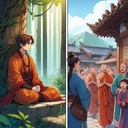
+Opening
| (derived from B. Sujato 2018/12) | (摘自 B. Sujato 2018/12) | |
| Majjhima Nikāya 150 | Middle Discourses 150 | 中部 150 |
| Nagaravindeyyasutta | With the People of Nagaravinda | 与那伽罗频陀人 |
| Evaṃ me sutaṃ— | So I have heard. | 我曾听到过。 |
| ekaṃ samayaṃ bhagavā kosalesu cārikaṃ caramāno mahatā bhikkhusaṃghena saddhiṃ yena nagaravindaṃ nāma kosalānaṃ brāhmaṇānaṃ gāmo tadavasari. | At one time the Buddha was wandering in the land of the Kosalans together with a large Saṅgha of monks when he arrived at a village of the Kosalan brahmins named Nagaravinda. | 一时,佛陀与大比丘僧伽在拘萨罗国游化,抵达拘萨罗婆罗门村那伽罗频陀。 |
| Assosuṃ kho nagaravindeyyakā brāhmaṇagahapatikā: | The brahmins and householders of Nagaravinda heard: | 那伽罗频陀的婆罗门和居士听闻: |
| “samaṇo khalu, bho, gotamo sakyaputto sakyakulā pabbajito kosalesu cārikaṃ caramāno mahatā bhikkhusaṃghena saddhiṃ nagaravindaṃ anuppatto. | “It seems the ascetic Gotama—a Sakyan, gone forth from a Sakyan family—has arrived at Bamboo Gate, together with a large Saṅgha of monks. | “沙门乔达摩——一位释迦族的出家者——已抵达竹林,与大比丘僧伽一同。 |
| Taṃ kho pana bhavantaṃ gotamaṃ evaṃ kalyāṇo kittisaddo abbhuggato: | He has this good reputation: | 他有此美誉: |
| ‘itipi so bhagavā arahaṃ sammāsambuddho vijjācaraṇasampanno sugato lokavidū anuttaro purisadammasārathi satthā devamanussānaṃ buddho bhagavā’ti. | ‘That Blessed One is perfected, a fully awakened Buddha, accomplished in knowledge and conduct, holy, knower of the world, supreme guide for those who wish to train, teacher of gods and humans, awakened, blessed.’ | ‘那位世尊是阿罗汉,正等正觉者,明行足,善逝,世间解,无上士,调御丈夫,天人师,佛,世尊。’ |
| So imaṃ lokaṃ sadevakaṃ samārakaṃ sabrahmakaṃ sassamaṇabrāhmaṇiṃ pajaṃ sadevamanussaṃ sayaṃ abhiññā sacchikatvā pavedeti. | He has realized with his own insight this world—with its gods, Māras and Brahmās, this population with its ascetics and brahmins, gods and humans—and he makes it known to others. | 他以自己的洞察力证悟此世——连同其天神、魔罗和梵天,以及其沙门、婆罗门、天人和人类——并将其告知他人。 |
| So dhammaṃ deseti ādikalyāṇaṃ majjhekalyāṇaṃ pariyosānakalyāṇaṃ sātthaṃ sabyañjanaṃ, kevalaparipuṇṇaṃ parisuddhaṃ brahmacariyaṃ pakāseti. | He teaches Dhamma that’s good in the beginning, good in the middle, and good in the end, meaningful and well-phrased. And he reveals a spiritual practice that’s entirely full and pure. | 他所教导的佛法,初善、中善、后善,具足义理和善妙辞句。他揭示了完全圆满纯净的梵行。 |
| Sādhu kho pana tathārūpānaṃ arahataṃ dassanaṃ hotī”ti. | It’s good to see such perfected ones.” | 能见到这样的圆满者是好的。” |
| Atha kho nagaravindeyyakā brāhmaṇagahapatikā yena bhagavā tenupasaṅkamiṃsu; upasaṅkamitvā appekacce bhagavantaṃ abhivādetvā ekamantaṃ nisīdiṃsu. Appekacce bhagavatā saddhiṃ sammodiṃsu; sammodanīyaṃ kathaṃ sāraṇīyaṃ vītisāretvā ekamantaṃ nisīdiṃsu. Appekacce yena bhagavā tenañjaliṃ paṇāmetvā ekamantaṃ nisīdiṃsu. Appekacce bhagavato santike nāmagottaṃ sāvetvā ekamantaṃ nisīdiṃsu. Appekacce tuṇhībhūtā ekamantaṃ nisīdiṃsu. Ekamantaṃ nisinne kho nagaravindeyyake brāhmaṇagahapatike bhagavā etadavoca: | Then the brahmins and householders of Nagaravinda went up to the Buddha. Before sitting down to one side, some bowed, some exchanged greetings and polite conversation, some held up their joined palms toward the Buddha, some announced their name and clan, while some kept silent. The Buddha said to them: | 于是,那伽罗频陀的婆罗门和居士们来到佛陀处。在坐到一边之前,一些人顶礼,一些人问候并作礼貌交谈,一些人向佛陀合掌,一些人报上自己的姓名和家族,而一些人则保持沉默。佛陀对他们说: |
+150.1 – (What ascetics and brahmins don’t deserve respect?)
all
| “Sace vo, gahapatayo, aññatitthiyā paribbājakā evaṃ puccheyyuṃ: | “Householders, if wanderers who follow another path were to ask you: | “居士们,如果其他宗派的游方者问你们: |
| ‘kathaṃbhūtā, gahapatayo, samaṇabrāhmaṇā na sakkātabbā na garukātabbā na mānetabbā na pūjetabbā’ti? | ‘What kind of ascetic or brahmin doesn’t deserve honor, respect, reverence, and veneration?’ | ‘什么样的沙门或婆罗门不配受尊敬、崇敬、敬仰和崇拜?’ |
| Evaṃ puṭṭhā tumhe, gahapatayo, tesaṃ aññatitthiyānaṃ paribbājakānaṃ evaṃ byākareyyātha: | You should answer them: | 你们应该这样回答他们: |
+§1.1 – (those not free of 3am😈🌱)
| ‘ye te samaṇabrāhmaṇā cakkhuviññeyyesu rūpesu avītarāgā avītadosā avītamohā, ajjhattaṃ avūpasantacittā, samavisamaṃ caranti kāyena vācāya manasā, evarūpā samaṇabrāhmaṇā na sakkātabbā na garukātabbā na mānetabbā na pūjetabbā. | ‘There are ascetics and brahmins who are not free of greed, hate, and delusion for sights known by the eye, who are not peaceful inside, and who conduct themselves badly among the good by way of body, speech, and mind. They don’t deserve honor, respect, reverence, and veneration. | ‘有些沙门和婆罗门未脱离对眼所识之色的贪、嗔、痴,内心不安,并且在善人中以身、语、意行恶。他们不配受尊敬、崇敬、敬仰和崇拜。 |
+§1.2 – (why? Because we’re not free of 3am, they’re no better than us)
| Taṃ kissa hetu? | Why is that? | 为什么呢? |
| Mayampi hi cakkhuviññeyyesu rūpesu avītarāgā avītadosā avītamohā, ajjhattaṃ avūpasantacittā, samavisamaṃ carāma kāyena vācāya manasā, tesaṃ no samacariyampi hetaṃ uttari apassataṃ. | Because we ourselves are not free of these things, so we do not see that they have any higher good conduct than us. | 因为我们自己也没有脱离这些东西,所以我们看不到他们有任何比我们更高的善行。 |
| Tasmā te bhonto samaṇabrāhmaṇā na sakkātabbā na garukātabbā na mānetabbā na pūjetabbā. | That’s why they don’t deserve honor, respect, reverence, and veneration. | 所以他们不配受尊敬、崇敬、敬仰和崇拜。 |
+§1.3 – (repeat for all 6 sense doors)
| Ye te samaṇabrāhmaṇā sotaviññeyyesu saddesu … | There are ascetics and brahmins who are not free of greed, hate, and delusion for sounds known by the ear … | 有些沙门和婆罗门未脱离对耳所识之声的贪、嗔、痴…… |
| ghānaviññeyyesu gandhesu … | smells known by the nose … | 对鼻所识之香…… |
| jivhāviññeyyesu rasesu … | tastes known by the tongue… | 对舌所识之味…… |
| kāyaviññeyyesu phoṭṭhabbesu … | touches known by the body … | 对身所识之触…… |
| manoviññeyyesu dhammesu avītarāgā avītadosā avītamohā, ajjhattaṃ avūpasantacittā, samavisamaṃ caranti kāyena vācāya manasā, evarūpā samaṇabrāhmaṇā na sakkātabbā na garukātabbā na mānetabbā na pūjetabbā. | thoughts known by the mind, who are not peaceful inside, and who conduct themselves badly among the good by way of body, speech, and mind. They don’t deserve honor, respect, reverence, and veneration. | 对意所识之法的贪、嗔、痴,内心不安,并且在善人中以身、语、意行恶。他们不配受尊敬、崇敬、敬仰和崇拜。 |
| Taṃ kissa hetu? | Why is that? | 为什么呢? |
| Mayampi hi manoviññeyyesu dhammesu avītarāgā avītadosā avītamohā, ajjhattaṃ avūpasantacittā, samavisamaṃ carāma kāyena vācāya manasā, tesaṃ no samacariyampi hetaṃ uttari apassataṃ. | Because we ourselves are not free of these things, so we do not see that they have any higher good conduct than us. | 因为我们自己也没有脱离这些东西,所以我们看不到他们有任何比我们更高的善行。 |
| Tasmā te bhonto samaṇabrāhmaṇā na sakkātabbā na garukātabbā na mānetabbā na pūjetabbā’ti. | That’s why they don’t deserve honor, respect, reverence, and veneration.’ | 所以他们不配受尊敬、崇敬、敬仰和崇拜。’ |
| Evaṃ puṭṭhā tumhe, gahapatayo, tesaṃ aññatitthiyānaṃ paribbājakānaṃ evaṃ byākareyyātha. | When questioned by wanderers who follow other paths, that’s how you should answer them. | 当其他宗派的游方者提问时,你们应该这样回答他们。 |
❧
+150.2 – (What ascetics and brahmins deserve respect?)
all
| Sace pana vo, gahapatayo, aññatitthiyā paribbājakā evaṃ puccheyyuṃ: | If wanderers who follow other paths were to ask you: | 如果其他宗派的游方者问你们: |
| ‘kathaṃbhūtā, gahapatayo, samaṇabrāhmaṇā sakkātabbā garukātabbā mānetabbā pūjetabbā’ti? | ‘What kind of ascetic or brahmin deserves honor, respect, reverence, and veneration?’ | ‘什么样的沙门或婆罗门配受尊敬、崇敬、敬仰和崇拜?’ |
+§2.1 – (those free of 3am😈🌱)
| Evaṃ puṭṭhā tumhe, gahapatayo, tesaṃ aññatitthiyānaṃ paribbājakānaṃ evaṃ byākareyyātha: | You should answer them: | 你们应该这样回答他们: |
| ‘ye te samaṇabrāhmaṇā cakkhuviññeyyesu rūpesu vītarāgā vītadosā vītamohā, ajjhattaṃ vūpasantacittā, samacariyaṃ caranti kāyena vācāya manasā, evarūpā samaṇabrāhmaṇā sakkātabbā garukātabbā mānetabbā pūjetabbā. | ‘There are ascetics and brahmins who are free of greed, hate, and delusion for sights known by the eye, who are peaceful inside, and who conduct themselves well by way of body, speech, and mind. They deserve honor, respect, reverence, and veneration. | ‘有些沙门和婆罗门已脱离对眼所识之色的贪、嗔、痴,内心安宁,并且以身、语、意善行。他们配受尊敬、崇敬、敬仰和崇拜。 |
+§2.2 – (why? Because we’re not free of 3am, they’re better than us)
| Taṃ kissa hetu? | Why is that? | 为什么呢? |
| Mayampi hi cakkhuviññeyyesu rūpesu avītarāgā avītadosā avītamohā, ajjhattaṃ avūpasantacittā, samavisamaṃ carāma kāyena vācāya manasā, tesaṃ no samacariyampi hetaṃ uttari passataṃ. | Because we ourselves are not free of these things, but we see that they have a higher good conduct than us. | 因为我们自己没有脱离这些东西,但我们看到他们有比我们更高的善行。 |
| Tasmā te bhonto samaṇabrāhmaṇā sakkātabbā garukātabbā mānetabbā pūjetabbā. | That’s why they deserve honor, respect, reverence, and veneration. | 所以他们配受尊敬、崇敬、敬仰和崇拜。 |
+§2.3 – (repeat for all 6 sense doors)
| Ye te samaṇabrāhmaṇā sotaviññeyyesu saddesu … | There are ascetics and brahmins who are free of greed, hate, and delusion for sounds known by the ear … | 有些沙门和婆罗门已脱离对耳所识之声的贪、嗔、痴…… |
| ghānaviññeyyesu gandhesu … | smells known by the nose … | 对鼻所识之香…… |
| jivhāviññeyyesu rasesu … | tastes known by the tongue … | 对舌所识之味…… |
| kāyaviññeyyesu phoṭṭhabbesu … | touches known by the body … | 对身所识之触…… |
| manoviññeyyesu dhammesu vītarāgā vītadosā vītamohā, ajjhattaṃ vūpasantacittā, samacariyaṃ caranti kāyena vācāya manasā, evarūpā samaṇabrāhmaṇā sakkātabbā garukātabbā mānetabbā pūjetabbā. | thoughts known by the mind, who are peaceful inside, and who conduct themselves well by way of body, speech, and mind. They deserve honor, respect, reverence, and veneration. | 对意所识之法的贪、嗔、痴,内心安宁,并且以身、语、意善行。他们配受尊敬、崇敬、敬仰和崇拜。 |
| Taṃ kissa hetu? | Why is that? | 为什么呢? |
| Mayampi hi manoviññeyyesu dhammesu avītarāgā avītadosā avītamohā ajjhattaṃ avūpasantacittā, samavisamaṃ carāma kāyena vācāya manasā, tesaṃ no samacariyampi hetaṃ uttari passataṃ. | Because we ourselves are not free of these things, but we see that they have a higher good conduct than us. | 因为我们自己没有脱离这些东西,但我们看到他们有比我们更高的善行。 |
| Tasmā te bhonto samaṇabrāhmaṇā sakkātabbā garukātabbā mānetabbā pūjetabbā’ti. | That’s why they deserve honor, respect, reverence, and veneration. | 所以他们配受尊敬、崇敬、敬仰和崇拜。 |
| Evaṃ puṭṭhā tumhe, gahapatayo, tesaṃ aññatitthiyānaṃ paribbājakānaṃ evaṃ byākareyyātha. | When questioned by wanderers who follow other paths, that’s how you should answer them. | 当其他宗派的游方者提问时,你们应该这样回答他们。 |
❧
+150.3 – (What evidence and reason for those who deserve respect?)
all
| Sace pana vo, gahapatayo, aññatitthiyā paribbājakā evaṃ puccheyyuṃ: | If wanderers who follow other paths were to ask you: | 如果其他宗派的游方者问你们: |
| ‘ke panāyasmantānaṃ ākārā, ke anvayā, yena tumhe āyasmanto evaṃ vadetha? | ‘But what reasons and evidence do you have regarding those venerables that justifies saying: | ‘但是你们有什么理由和证据,关于那些尊者,能证明说: |
| Addhā te āyasmanto vītarāgā vā rāgavinayāya vā paṭipannā, vītadosā vā dosavinayāya vā paṭipannā, vītamohā vā mohavinayāya vā paṭipannā’ti? | ‘Clearly those venerables are free of greed, hate, and delusion, or practicing to be free of them’? | ‘显然那些尊者已脱离贪、嗔、痴,或正在修行以脱离它们’? |
| Evaṃ puṭṭhā tumhe, gahapatayo, tesaṃ aññatitthiyānaṃ paribbājakānaṃ evaṃ byākareyyātha: | You should answer them: | 你们应该这样回答他们: |
+§3.1 – (because they frequent remote areas that don’t have tempting stimuli through 6 sense doors)
| ‘tathā hi te āyasmanto araññavanapatthāni pantāni senāsanāni paṭisevanti. | ‘It’s because those venerables frequent remote lodgings in the wilderness and the forest. | ‘那是因为那些尊者经常住在旷野和森林的偏远处。 |
| Natthi kho pana tattha tathārūpā cakkhuviññeyyā rūpā ye disvā disvā abhirameyyuṃ, natthi kho pana tattha tathārūpā sotaviññeyyā saddā ye sutvā sutvā abhirameyyuṃ, natthi kho pana tattha tathārūpā ghānaviññeyyā gandhā ye ghāyitvā ghāyitvā abhirameyyuṃ, natthi kho pana tattha tathārūpā jivhāviññeyyā rasā ye sāyitvā sāyitvā abhirameyyuṃ, natthi kho pana tattha tathārūpā kāyaviññeyyā phoṭṭhabbā ye phusitvā phusitvā abhirameyyuṃ. | In such places there are no sights known by the eye to see and enjoy. there are no sounds known by the ear to hear and enjoy, no odors known by the nose to smell and enjoy, no flavors known by the tongue to taste and enjoy, and no touches known by the body to feel and enjoy. | 在这些地方,没有眼所识之色可看可享,没有耳所识之声可听可享,没有鼻所识之香可闻可享,没有舌所识之味可尝可享,也没有身所识之触可感可享。 |
| Ime kho no, āvuso, ākārā, ime anvayā, yena mayaṃ evaṃ vadema— | These are the reasons and evidence that you have regarding those venerables that justifies saying: | 这些就是你们关于那些尊者所拥有的理由和证据,能证明说: |
+§3.2 – (‘Clearly those venerables are free of greed, hate, and delusion, or practicing to be free of them.’)
| TMPIGNBLANKLINE | ||
| addhā te āyasmanto vītarāgā vā rāgavinayāya vā paṭipannā, vītadosā vā dosavinayāya vā paṭipannā, vītamohā vā mohavinayāya vā paṭipannā’ti. | ‘Clearly those venerables are free of greed, hate, and delusion, or practicing to be free of them.’ | ‘显然那些尊者已脱离贪、嗔、痴,或正在修行以脱离它们。’ |
| Evaṃ puṭṭhā tumhe, gahapatayo, tesaṃ aññatitthiyānaṃ paribbājakānaṃ evaṃ byākareyyāthā”ti. | When questioned by wanderers who follow other paths, that’s how you should answer them.” | 当其他宗派的游方者提问时,你们应该这样回答他们。” |
+150.4 – (conclusion: brahmins and householders become lay followers)
| Evaṃ vutte, nagaravindeyyakā brāhmaṇagahapatikā bhagavantaṃ etadavocuṃ: | When he had spoken, the brahmins and householders of Nagaravinda said to the Buddha: | 佛陀说完后,那伽罗频陀的婆罗门和居士们对佛陀说: |
| “abhikkantaṃ, bho gotama, abhikkantaṃ, bho gotama. | “Excellent, Master Gotama! Excellent! | “太好了,乔达摩大师!太好了! |
| Seyyathāpi, bho gotama, nikkujjitaṃ vā ukkujjeyya, paṭicchannaṃ vā vivareyya, mūḷhassa vā maggaṃ ācikkheyya, andhakāre vā telapajjotaṃ dhāreyya: ‘cakkhumanto rūpāni dakkhantī’ti; evamevaṃ bhotā gotamena anekapariyāyena dhammo pakāsito. | As if he were righting the overturned, or revealing the hidden, or pointing out the path to the lost, or lighting a lamp in the dark so people with good eyes can see what’s there, Master Gotama has made The Dharma clear in many ways. | 就像扶正了颠倒的,揭示了隐藏的,指明了迷失者的道路,或者在黑暗中点亮了一盏灯,让视力好的人能看到那里的东西一样,乔达摩大师以多种方式阐明了教法。 |
| Ete mayaṃ bhavantaṃ gotamaṃ saraṇaṃ gacchāma dhammañca bhikkhusaṅghañca. | We go for refuge to Master Gotama, to The Dharma, and to the monk Saṅgha. | 我们皈依乔达摩大师,皈依佛法,皈依僧伽。 |
| Upāsake no bhavaṃ gotamo dhāretu ajjatagge pāṇupete saraṇaṃ gate”ti. | From this day forth, may Master Gotama remember us as lay followers who have gone for refuge for life.” | 从今天起,愿乔达摩大师记住我们是终身皈依的在家信徒。” |
❧
+MN 151 Piṇḍa-pāta-pāri-suddhi:
Almsfood purification
all
Almsfood purification

+Opening
| Evaṃ me sutaṃ— | So I have heard. | 我曾听到过。 |
| ekaṃ samayaṃ bhagavā rājagahe viharati veḷuvane kalandakanivāpe. | At one time the Buddha was staying near Rājagaha, in the Bamboo Grove, the squirrels’ feeding ground. | 一时,佛陀住在王舍城竹林精舍,松鼠饲养处。 |
| Atha kho āyasmā sāriputto sāyanhasamayaṃ paṭisallānā vuṭṭhito yena bhagavā tenupasaṅkami; upasaṅkamitvā bhagavantaṃ abhivādetvā ekamantaṃ nisīdi. Ekamantaṃ nisinnaṃ kho āyasmantaṃ sāriputtaṃ bhagavā etadavoca: | Then in the late afternoon, Sāriputta came out of retreat and went to the Buddha. He bowed and sat down to one side. The Buddha said to him: | 然后,傍晚时分,舍利弗从禅修中出来,来到佛陀处。他顶礼后坐在一旁。佛陀对他说: |
+151.1 – (suññata: emptiness️)
all
| “Vippasannāni kho te, sāriputta, indriyāni, parisuddho chavivaṇṇo pariyodāto. | “Sāriputta, your faculties are so very clear, and your complexion is pure and bright. | “舍利弗,你的根如此清净,你的容貌纯净明亮。 |
| Katamena kho tvaṃ, sāriputta, vihārena etarahi bahulaṃ viharasī”ti? | What kind of meditation are you usually practicing these days?” | 这些天你通常修行哪种禅修?” |
+§1.2 – (sariputta usually does suññatā)
| “Suññatāvihārena kho ahaṃ, bhante, etarahi bahulaṃ viharāmī”ti. | “Sir, these days I usually practice the meditation on emptiness.” | “世尊,这些天我通常修行空性禅修。” |
| “Sādhu sādhu, sāriputta. | “Good, good, Sāriputta! | “善哉,善哉,舍利弗! |
| Mahāpurisavihārena kira tvaṃ, sāriputta, etarahi bahulaṃ viharasi. | It seems you usually practice the meditation of a great man. | 看来你通常修行大丈夫的禅修。 |
| Mahāpurisavihāro eso, sāriputta, yadidaṃ— suññatā. |
For emptiness is the meditation of a great man. | 因为空性是大丈夫的禅修。 |
| Tasmātiha, sāriputta, bhikkhu sace ākaṅkheyya: | Now, a monk might wish: | 现在,一位比丘可能希望: |
| ‘suññatāvihārena bahulaṃ vihareyyan’ti, tena, sāriputta, bhikkhunā iti paṭisañcikkhitabbaṃ: | ‘May I usually practice the meditation on emptiness.’ So they should reflect: | ‘愿我通常修行空性禅修。’所以他们应该反思: |
| ‘yena cāhaṃ maggena gāmaṃ piṇḍāya pāvisiṃ, yasmiñca padese piṇḍāya acariṃ, yena ca maggena gāmato piṇḍāya paṭikkamiṃ, atthi nu kho me tattha cakkhuviññeyyesu rūpesu chando vā rāgo vā doso vā moho vā paṭighaṃ vāpi cetaso’ti? | ‘Along the path that I went for alms, or in the place I wandered for alms, or along the path that I returned from alms, was there any desire or greed or hate or delusion or repulsion in my heart for sights known by the eye?’ | ‘在我去乞食的路上,或在我乞食的地方,或在我从乞食回来 的路上,我的心中是否有任何对眼所识之色的贪、嗔、痴或厌恶?’ |
| Sace, sāriputta, bhikkhu paccavekkhamāno evaṃ jānāti: | Suppose that, upon checking, a monk knows that | 假设经过检查,一位比丘知道 |
| ‘yena cāhaṃ maggena gāmaṃ piṇḍāya pāvisiṃ, yasmiñca padese piṇḍāya acariṃ, yena ca maggena gāmato piṇḍāya paṭikkamiṃ, atthi me tattha cakkhuviññeyyesu rūpesu chando vā rāgo vā doso vā moho vā paṭighaṃ vāpi cetaso’ti, tena, sāriputta, bhikkhunā tesaṃyeva pāpakānaṃ akusalānaṃ dhammānaṃ pahānāya vāyamitabbaṃ. | there was such desire or greed or hate or delusion or repulsion in their heart, they should make an effort to give up those unskillful Dharmas. | 他们心中有这样的贪、嗔、痴或厌恶,他们就应该努力舍弃那些不善法。 |
+§1.3 – (paccavekkhamāno is related to upekkha, pīti + pamojja launch 7sb sequence into jhāna)
| Sace pana, sāriputta, bhikkhu paccavekkhamāno evaṃ jānāti: | But suppose that, upon checking, a monk knows that | 但假设经过检查,一位比丘知道 |
| ‘yena cāhaṃ maggena gāmaṃ piṇḍāya pāvisiṃ, yasmiñca padese piṇḍāya acariṃ, yena ca maggena gāmato piṇḍāya paṭikkamiṃ, natthi me tattha cakkhuviññeyyesu rūpesu chando vā rāgo vā doso vā moho vā paṭighaṃ vāpi cetaso’ti, tena, sāriputta, bhikkhunā teneva pītipāmojjena vihātabbaṃ ahorattānusikkhinā kusalesu dhammesu. | there was no such desire or greed or hate or delusion or repulsion in their heart, they should meditate with mental-joy and joy, training day and night in skillful Dharmas. | 他们心中没有这样的贪、嗔、痴或厌恶,他们就应该带着喜悦和快乐禅修,日夜修习善法。 |
+151.2 – (3am😈🌱: unskillful roots)
all
(3am😈🌱)
| Puna caparaṃ, sāriputta, bhikkhunā iti paṭisañcikkhitabbaṃ: | Furthermore, a monk should reflect: | 此外,一位比丘应该反思: |
| ‘yena cāhaṃ maggena gāmaṃ piṇḍāya pāvisiṃ, yasmiñca padese piṇḍāya acariṃ, yena ca maggena gāmato piṇḍāya paṭikkamiṃ, atthi nu kho me tattha sotaviññeyyesu saddesu … pe … | ‘Along the path that I went for alms, or in the place I wandered for alms, or along the path that I returned from alms, was there any desire or greed or hate or delusion or repulsion in my heart for sounds known by the ear … | ‘在我去乞食的路上,或在我乞食的地方,或在我从乞食回来 的路上,我的心中是否有任何对耳所识之声…… |
| ghānaviññeyyesu gandhesu … | smells known by the nose … | 鼻所识之香…… |
| jivhāviññeyyesu rasesu … | tastes known by the tongue … | 舌所识之味…… |
| kāyaviññeyyesu phoṭṭhabbesu … | touches known by the body … | 身所识之触…… |
| manoviññeyyesu dhammesu chando vā rāgo vā doso vā moho vā paṭighaṃ vāpi cetaso’ti? | thoughts known by the mind?’ | 意所识之法的贪、嗔、痴或厌恶?’ |
| Sace, sāriputta, bhikkhu paccavekkhamāno evaṃ jānāti: | Suppose that, upon checking, a monk knows that | 假设经过检查,一位比丘知道 |
| ‘yena cāhaṃ maggena gāmaṃ piṇḍāya pāvisiṃ, yasmiñca padese piṇḍāya acariṃ, yena ca maggena gāmato piṇḍāya paṭikkamiṃ, atthi me tattha manoviññeyyesu dhammesu chando vā rāgo vā doso vā moho vā paṭighaṃ vāpi cetaso’ti, tena, sāriputta, bhikkhunā tesaṃyeva pāpakānaṃ akusalānaṃ dhammānaṃ pahānāya vāyamitabbaṃ. | there was such desire or greed or hate or delusion or repulsion in their heart, they should make an effort to give up those unskillful Dharmas. | 他们心中有这样的贪、嗔、痴或厌恶,他们就应该努力舍弃那些不善法。 |
+(paccavekkhamāno is related to upekkha, pīti + pamojja launch 7sb☀️ sequence into jhāna)
| Sace pana, sāriputta, bhikkhu paccavekkhamāno evaṃ jānāti: | But suppose that, upon checking, a monk knows that | 但假设经过检查,一位比丘知道 |
| ‘yena cāhaṃ maggena gāmaṃ piṇḍāya pāvisiṃ, yasmiñca padese piṇḍāya acariṃ, yena ca maggena gāmato piṇḍāya paṭikkamiṃ, natthi me tattha manoviññeyyesu dhammesu chando vā rāgo vā doso vā moho vā paṭighaṃ vāpi cetaso’ti, tena, sāriputta, bhikkhunā teneva pītipāmojjena vihātabbaṃ ahorattānusikkhinā kusalesu dhammesu. | there was no such desire or greed or hate or delusion or repulsion in their heart, they should meditate with mental-joy and joy, training day and night in skillful Dharmas. | 他们心中没有这样的贪、嗔、痴或厌恶,他们就应该带着喜悦和快乐禅修,日夜修习善法。 |
+151.3 – (5kg: cords of sensual pleasure)
all
(5kg)
| Puna caparaṃ, sāriputta, bhikkhunā iti paṭisañcikkhitabbaṃ: | Furthermore, a monk should reflect: | 此外,一位比丘应该反思: |
| ‘pahīnā nu kho me pañca kāmaguṇā’ti? | ‘Have I given up the five kinds of sensual stimulation?’ | ‘我是否已舍弃了五种感官刺激?’ |
| Sace, sāriputta, bhikkhu paccavekkhamāno evaṃ jānāti: | Suppose that, upon checking, a monk knows that | 假设经过检查,一位比丘知道 |
| ‘appahīnā kho me pañca kāmaguṇā’ti, tena, sāriputta, bhikkhunā pañcannaṃ kāmaguṇānaṃ pahānāya vāyamitabbaṃ. | they have not given them up, they should make an effort to do so. | 他们没有舍弃,他们就应该努力舍弃。 |
+(paccavekkhamāno is related to upekkha, pīti + pamojja launch 7sb☀️ sequence into jhāna)
| Sace pana, sāriputta, bhikkhu paccavekkhamāno evaṃ jānāti: | But suppose that, upon checking, a monk knows that | 但假设经过检查,一位比丘知道 |
| ‘pahīnā kho me pañca kāmaguṇā’ti, tena, sāriputta, bhikkhunā teneva pītipāmojjena vihātabbaṃ ahorattānusikkhinā kusalesu dhammesu. | they have given them up, they should meditate with mental-joy and joy, training day and night in skillful Dharmas. | 他们已经舍弃了,他们就应该带着喜悦和快乐禅修,日夜修习善法。 |
+151.4 – (5niv⛅: hindrances)
all
(5niv⛅)
| Puna caparaṃ, sāriputta, bhikkhunā iti paṭisañcikkhitabbaṃ: | Furthermore, a monk should reflect: | 此外,一位比丘应该反思: |
| ‘pahīnā nu kho me pañca nīvaraṇā’ti? | ‘Have I given up the five hindrances?’ | ‘我是否已舍弃了五盖?’ |
| Sace, sāriputta, bhikkhu paccavekkhamāno evaṃ jānāti: | Suppose that, upon checking, a monk knows that | 假设经过检查,一位比丘知道 |
| ‘appahīnā kho me pañca nīvaraṇā’ti, tena, sāriputta, bhikkhunā pañcannaṃ nīvaraṇānaṃ pahānāya vāyamitabbaṃ. | they have not given them up, they should make an effort to do so. | 他们没有舍弃,他们就应该努力舍弃。 |
+(paccavekkhamāno is related to upekkha, pīti + pamojja launch 7sb☀️ sequence into jhāna)
| Sace pana, sāriputta, bhikkhu paccavekkhamāno evaṃ jānāti: | But suppose that, upon checking, a monk knows that | 但假设经过检查,一位比丘知道 |
| ‘pahīnā kho me pañca nīvaraṇā’ti, tena, sāriputta, bhikkhunā teneva pītipāmojjena vihātabbaṃ ahorattānusikkhinā kusalesu dhammesu. | they have given them up, they should meditate with mental-joy and joy, training day and night in skillful Dharmas. | 他们已经舍弃了,他们就应该带着喜悦和快乐禅修,日夜修习善法。 |
+151.5 – (5uk: clinging aggregates)
all
(5uk)
| Puna caparaṃ, sāriputta, bhikkhunā iti paṭisañcikkhitabbaṃ: | Furthermore, a monk should reflect: | 此外,一位比丘应该反思: |
| ‘pariññātā nu kho me pañcupādānakkhandhā’ti? | ‘Have I completely understood the five grasping aggregates?’ | ‘我是否已完全理解五取蕴?’ |
| Sace, sāriputta, bhikkhu paccavekkhamāno evaṃ jānāti: | Suppose that, upon checking, a monk knows that | 假设经过检查,一位比丘知道 |
| ‘apariññātā kho me pañcupādānakkhandhā’ti, tena, sāriputta, bhikkhunā pañcannaṃ upādānakkhandhānaṃ pariññāya vāyamitabbaṃ. | they have not completely understood them, they should make an effort to do so. | 他们没有完全理解,他们就应该努力理解。 |
+(paccavekkhamāno is related to upekkha, pīti + pamojja launch 7sb☀️ sequence into jhāna)
| Sace pana, sāriputta, bhikkhu paccavekkhamāno evaṃ jānāti: | But suppose that, upon checking, a monk knows that | 但假设经过检查,一位比丘知道 |
| ‘pariññātā kho me pañcupādānakkhandhā’ti, tena, sāriputta, bhikkhunā teneva pītipāmojjena vihātabbaṃ ahorattānusikkhinā kusalesu dhammesu. | they have completely understood them, they should meditate with mental-joy and joy, training day and night in skillful Dharmas. | 他们已经完全理解了,他们就应该带着喜悦和快乐禅修,日夜修习善法。 |
+151.6 – (4sp🐘: satipaṭṭhāna)
all
(4sp🐘)
| Puna caparaṃ, sāriputta, bhikkhunā iti paṭisañcikkhitabbaṃ: | Furthermore, a monk should reflect: | 此外,一位比丘应该反思: |
| ‘bhāvitā nu kho me cattāro satipaṭṭhānā’ti? | ‘Have I developed the four kinds of remembering meditation?’ | ‘我是否已发展了四念住?’ |
| Sace, sāriputta, bhikkhu paccavekkhamāno evaṃ jānāti: | Suppose that, upon checking, a monk knows that | 假设经过检查,一位比丘知道 |
| ‘abhāvitā kho me cattāro satipaṭṭhānā’ti, tena, sāriputta, bhikkhunā catunnaṃ satipaṭṭhānānaṃ bhāvanāya vāyamitabbaṃ. | they haven’t developed them, they should make an effort to do so. | 他们没有发展,他们就应该努力发展。 |
+(paccavekkhamāno is related to upekkha, pīti + pamojja launch 7sb☀️ sequence into jhāna)
| Sace pana, sāriputta, bhikkhu paccavekkhamāno evaṃ jānāti: | But suppose that, upon checking, a monk knows that | 但假设经过检查,一位比丘知道 |
| ‘bhāvitā kho me cattāro satipaṭṭhānā’ti, tena, sāriputta, bhikkhunā teneva pītipāmojjena vihātabbaṃ ahorattānusikkhinā kusalesu dhammesu. | they have developed them, they should meditate with mental-joy and joy, training day and night in skillful Dharmas. | 他们已经发展了,他们就应该带着喜悦和快乐禅修,日夜修习善法。 |
+151.7 – (4pd🏹️: 4 exertions)
all
(4pd🏹️)
| Puna caparaṃ, sāriputta, bhikkhunā iti paṭisañcikkhitabbaṃ: | Furthermore, a monk should reflect: | 此外,一位比丘应该反思: |
| ‘bhāvitā nu kho me cattāro sammappadhānā’ti? Sace, sāriputta, bhikkhu paccavekkhamāno evaṃ jānāti: ‘abhāvitā kho me cattāro sammappadhānā’ti, tena, sāriputta, bhikkhunā catunnaṃ sammappadhānānaṃ bhāvanāya vāyamitabbaṃ. |
‘Have I developed the four right efforts … | “我是否已发展了四正勤…… |
+(paccavekkhamāno is related to upekkha, pīti + pamojja launch 7sb☀️ sequence into jhāna)
| Sace pana, sāriputta, bhikkhu paccavekkhamāno evaṃ jānāti: ‘bhāvitā kho me cattāro sammappadhānā’ti, tena, sāriputta, bhikkhunā teneva pītipāmojjena vihātabbaṃ ahorattānusikkhinā kusalesu dhammesu. |
+151.8 – (4ip 🌕⚡: bases of power)
all
(4ip 🌕⚡)
| Puna caparaṃ, sāriputta, bhikkhunā iti paṭisañcikkhitabbaṃ: | ||
| ‘bhāvitā nu kho me cattāro iddhipādā’ti? Sace, sāriputta, bhikkhu paccavekkhamāno evaṃ jānāti: ‘abhāvitā kho me cattāro iddhipādā’ti, tena, sāriputta, bhikkhunā catunnaṃ iddhipādānaṃ bhāvanāya vāyamitabbaṃ. |
the four bases of psychic power … | 四神足…… |
+(paccavekkhamāno is related to upekkha, pīti + pamojja launch 7sb☀️ sequence into jhāna)
| Sace pana, sāriputta, bhikkhu paccavekkhamāno evaṃ jānāti: ‘bhāvitā kho me cattāro iddhipādā’ti, tena, sāriputta, bhikkhunā teneva pītipāmojjena vihātabbaṃ ahorattānusikkhinā kusalesu dhammesu. |
+151.9 – (5ind🖐️: faculties️)
all
(5ind🖐️)
| Puna caparaṃ, sāriputta, bhikkhunā iti paṭisañcikkhitabbaṃ: | ||
| ‘bhāvitāni nu kho me pañcindriyānī’ti? Sace, sāriputta, bhikkhu paccavekkhamāno evaṃ jānāti: ‘abhāvitāni kho me pañcindriyānī’ti, tena, sāriputta, bhikkhunā pañcannaṃ indriyānaṃ bhāvanāya vāyamitabbaṃ. |
the five faculties … | 五根…… |
+(paccavekkhamāno is related to upekkha, pīti + pamojja launch 7sb☀️ sequence into jhāna)
| Sace pana, sāriputta, bhikkhu paccavekkhamāno evaṃ jānāti: ‘bhāvitāni kho me pañcindriyānī’ti, tena, sāriputta, bhikkhunā teneva pītipāmojjena vihātabbaṃ ahorattānusikkhinā kusalesu dhammesu. |
+151.10 – (5bal👊️: powers️)
all
(5bal👊️)
| Puna caparaṃ, sāriputta, bhikkhunā iti paṭisañcikkhitabbaṃ: | ||
| ‘bhāvitāni nu kho me pañca balānī’ti? Sace, sāriputta, bhikkhu paccavekkhamāno evaṃ jānāti: ‘abhāvitāni kho me pañca balānī’ti, tena, sāriputta, bhikkhunā pañcannaṃ balānaṃ bhāvanāya vāyamitabbaṃ. |
the five powers … | 五力…… |
+(paccavekkhamāno is related to upekkha, pīti + pamojja launch 7sb☀️ sequence into jhāna)
| Sace pana, sāriputta, bhikkhu paccavekkhamāno evaṃ jānāti: ‘bhāvitāni kho me pañca balānī’ti, tena, sāriputta, bhikkhunā teneva pītipāmojjena vihātabbaṃ ahorattānusikkhinā kusalesu dhammesu. |
+151.11 – (7sb☀️: awakening factors)
all
(7sb☀️)
| Puna caparaṃ, sāriputta, bhikkhunā iti paṭisañcikkhitabbaṃ: | ||
| ‘bhāvitā nu kho me satta bojjhaṅgā’ti? Sace, sāriputta, bhikkhu paccavekkhamāno evaṃ jānāti: ‘abhāvitā kho me satta bojjhaṅgā’ti, tena, sāriputta, bhikkhunā sattannaṃ bojjhaṅgānaṃ bhāvanāya vāyamitabbaṃ. |
the seven awakening factors … | 七觉支…… |
+(paccavekkhamāno is related to upekkha, pīti + pamojja launch 7sb☀️ sequence into jhāna)
| Sace pana, sāriputta, bhikkhu paccavekkhamāno evaṃ jānāti: ‘bhāvitā kho me satta bojjhaṅgā’ti, tena, sāriputta, bhikkhunā teneva pītipāmojjena vihātabbaṃ ahorattānusikkhinā kusalesu dhammesu. |
+151.12 – (👑8☸: noble eightfold path)
all
(👑8☸)
| Puna caparaṃ, sāriputta, bhikkhunā iti paṭisañcikkhitabbaṃ: | ||
| ‘bhāvito nu kho me ariyo aṭṭhaṅgiko maggo’ti? | the noble eightfold path?’ | 八圣道?” |
| Sace, sāriputta, bhikkhu paccavekkhamāno evaṃ jānāti: | Suppose that, upon checking, a monk knows that | 假设经过检查,一位比丘知道 |
| ‘abhāvito kho me ariyo aṭṭhaṅgiko maggo’ti, tena, sāriputta, bhikkhunā ariyassa aṭṭhaṅgikassa maggassa bhāvanāya vāyamitabbaṃ. | they haven’t developed it, they should make an effort to do so. | 他们没有发展,他们就应该努力发展。 |
+(paccavekkhamāno is related to upekkha, pīti + pamojja launch 7sb☀️ sequence into jhāna)
| Sace pana, sāriputta, bhikkhu paccavekkhamāno evaṃ jānāti: | But suppose that, upon checking, a monk knows that | 但假设经过检查,一位比丘知道 |
| ‘bhāvito kho me ariyo aṭṭhaṅgiko maggo’ti, tena, sāriputta, bhikkhunā teneva pītipāmojjena vihātabbaṃ ahorattānusikkhinā kusalesu dhammesu. | they have developed it, they should meditate with mental-joy and joy, training day and night in skillful Dharmas. | 他们已经发展了,他们就应该带着喜悦和快乐禅修,日夜修习善法。 |
+151.13 – (samatha & vipassana)
all
| Puna caparaṃ, sāriputta, bhikkhunā iti paṭisañcikkhitabbaṃ: | Furthermore, a monk should reflect: | 此外,一位比丘应该反思: |
| ‘bhāvitā nu kho me samatho ca vipassanā cā’ti? | ‘Have I developed serenity and discernment?’ | “我是否已发展了止和观?” |
| Sace, sāriputta, bhikkhu paccavekkhamāno evaṃ jānāti: | Suppose that, upon checking, a monk knows that | 假设经过检查,一位比丘知道 |
| ‘abhāvitā kho me samatho ca vipassanā cā’ti, tena, sāriputta, bhikkhunā samathavipassanānaṃ bhāvanāya vāyamitabbaṃ. | they haven’t developed them, they should make an effort to do so. | 他们没有发展,他们就应该努力发展。 |
+(paccavekkhamāno is related to upekkha, pīti + pamojja launch 7sb☀️ sequence into jhāna)
| Sace pana, sāriputta, bhikkhu paccavekkhamāno evaṃ jānāti: | But suppose that, upon checking, a monk knows that | 但假设经过检查,一位比丘知道 |
| ‘bhāvitā kho me samatho ca vipassanā cā’ti, tena, sāriputta, bhikkhunā teneva pītipāmojjena vihātabbaṃ ahorattānusikkhinā kusalesu dhammesu. | they have developed them, they should meditate with mental-joy and joy, training day and night in skillful Dharmas. | 他们已经发展了,他们就应该带着喜悦和快乐禅修,日夜修习善法。 |
+151.14 – (vijjā ca vimutti)
all
| Puna caparaṃ, sāriputta, bhikkhunā iti paṭisañcikkhitabbaṃ: | Furthermore, a monk should reflect: | 此外,一位比丘应该反思: |
| ‘sacchikatā nu kho me vijjā ca vimutti cā’ti? | ‘Have I realized knowledge and freedom?’ | “我是否已证得了智慧和解脱?” |
| Sace, sāriputta, bhikkhu paccavekkhamāno evaṃ jānāti: | Suppose that, upon checking, a monk knows that | 假设经过检查,一位比丘知道 |
| ‘asacchikatā kho me vijjā ca vimutti cā’ti, tena, sāriputta, bhikkhunā vijjāya vimuttiyā sacchikiriyāya vāyamitabbaṃ. | they haven’t realized them, they should make an effort to do so. | 他们没有证得,他们就应该努力证得。 |
+(paccavekkhamāno is related to upekkha, pīti + pamojja launch 7sb☀️ sequence into jhāna)
| Sace pana, sāriputta, bhikkhu paccavekkhamāno evaṃ jānāti: | But suppose that, upon checking, a monk knows that | 但假设经过检查,一位比丘知道 |
| ‘sacchikatā kho me vijjā ca vimutti cā’ti, tena, sāriputta, bhikkhunā teneva pītipāmojjena vihātabbaṃ ahorattānusikkhinā kusalesu dhammesu. | they have realized them, they should meditate with mental-joy and joy, training day and night in skillful Dharmas. | 他们已经证得了,他们就应该带着喜悦和快乐禅修,日夜修习善法。 |
+151.15 – (conclusion)
| Ye hi keci, sāriputta, atītamaddhānaṃ samaṇā vā brāhmaṇā vā piṇḍapātaṃ parisodhesuṃ, sabbe te evameva paccavekkhitvā paccavekkhitvā piṇḍapātaṃ parisodhesuṃ. Yepi hi keci, sāriputta, anāgatamaddhānaṃ samaṇā vā brāhmaṇā vā piṇḍapātaṃ parisodhessanti, sabbe te evameva paccavekkhitvā paccavekkhitvā piṇḍapātaṃ parisodhessanti. Yepi hi keci, sāriputta, etarahi samaṇā vā brāhmaṇā vā piṇḍapātaṃ parisodhenti, sabbe te evameva paccavekkhitvā paccavekkhitvā piṇḍapātaṃ parisodhenti. |
Whether in the past, future, or present, all those who purify their alms-food do so by continually checking in this way. | 无论过去、现在、未来,所有清净其乞食的人,都是通过不断这样检查来完成的。 |
| Tasmātiha, sāriputta, ‘paccavekkhitvā paccavekkhitvā piṇḍapātaṃ parisodhessāmā’ti— evañhi vo, sāriputta, sikkhitabban”ti. |
So, Sāriputta, you should all train like this: ‘We shall purify our alms-food by continually checking.’” | 所以,舍利弗,你们都应该这样训练:“我们将通过不断检查来清净我们的乞食。” |
| Idamavoca bhagavā. | That is what the Buddha said. | 佛陀如是说。 |
| Attamano āyasmā sāriputto bhagavato bhāsitaṃ abhinandīti. | Satisfied, Venerable Sāriputta was happy with what the Buddha said. | 舍利弗尊者欢喜,满意佛陀所说。 |
❧
+MN 152:
Indriya-bhāvanā
all
Indriya-bhāvanā
+Opening
| MN 152 Indriyabhāvanāsutta | MN 152 The Development of the Faculties | MN 152 根的培养 |
| Evaṃ me sutaṃ— | So I have heard. | 我曾听到过。 |
| ekaṃ samayaṃ bhagavā gajaṅgalāyaṃ viharati suveḷuvane. | At one time the Buddha was staying near Kajaṅgalā in a bamboo grove. | 一时,佛陀住在卡占伽拉的竹林中。 |
| Atha kho uttaro māṇavo pārāsiviyantevāsī yena bhagavā tenupasaṅkami; upasaṅkamitvā bhagavatā saddhiṃ sammodi. | Then the brahmin student Uttara, a pupil of the brahmin Pārāsariya, approached the Buddha, and exchanged greetings with him. | 那时,婆罗门学生乌塔拉,婆罗门帕拉沙里亚的弟子,来到佛陀处,与他互致问候。 |
| Sammodanīyaṃ kathaṃ sāraṇīyaṃ vītisāretvā ekamantaṃ nisīdi. Ekamantaṃ nisinnaṃ kho uttaraṃ māṇavaṃ pārāsiviyantevāsiṃ bhagavā etadavoca: | When the greetings and polite conversation were over, he sat down to one side. The Buddha said to him: | 问候和礼貌交谈结束后,他坐在一旁。佛陀对他说: |
+152.0 – (brahman Pārāsariya teaching of indriya bhāvana ridiculed )
all
| “deseti, uttara, pārāsiviyo brāhmaṇo sāvakānaṃ indriyabhāvanan”ti? | “Uttara, does Pārāsariya teach his disciples the development of the faculties?” | “乌塔拉,帕拉沙里亚教导他的弟子们根的培养吗?” |
| “Deseti, bho gotama, pārāsiviyo brāhmaṇo sāvakānaṃ indriyabhāvanan”ti. | “He does, Master Gotama.” | “是的,乔达摩大师。” |
| “Yathā kathaṃ pana, uttara, deseti pārāsiviyo brāhmaṇo sāvakānaṃ indriyabhāvanan”ti? | “But how does he teach it?” | “但他如何教导呢?” |
+§0.1 – (if not seeing visible objects and not hearing sounds is indriya bhāvana)
| “Idha, bho gotama, cakkhunā rūpaṃ na passati, sotena saddaṃ na suṇāti— | “Master Gotama, it’s when the eye sees no sight and the ear hears no sound. | “乔达摩大师,就是眼睛看不见任何东西,耳朵听不见任何声音。 |
| evaṃ kho, bho gotama, deseti pārāsiviyo brāhmaṇo sāvakānaṃ indriyabhāvanan”ti. | That’s how Pārāsariya teaches his disciples the development of the faculties.” | 帕拉沙里亚就是这样教导他的弟子们根的培养的。” |
+§0.2 – (then blind and deaf have developed faculties)
| “Evaṃ sante kho, uttara, andho bhāvitindriyo bhavissati, badhiro bhāvitindriyo bhavissati; | “In that case, Uttara, a blind person and a deaf person will have developed faculties | “既然如此,乌塔拉,一个盲人和一个聋人,根据帕拉沙里亚的说法,就会有已培养的根。 |
| yathā pārāsiviyassa brāhmaṇassa vacanaṃ. | according to what Pārāsariya says. | 因为盲人用眼睛看不见任何东西,聋人用耳朵听不见任何声音。” |
| Andho hi, uttara, cakkhunā rūpaṃ na passati, badhiro sotena saddaṃ na suṇātī”ti. | For a blind person sees no sight with the eye and a deaf person hears no sound with the ear.” | 他说这话时,乌塔拉沉默了,感到尴尬,垂头丧气,沮丧,无话可说。 |
| Evaṃ vutte, uttaro māṇavo pārāsiviyantevāsī tuṇhībhūto maṅkubhūto pattakkhandho adhomukho pajjhāyanto appaṭibhāno nisīdi. | When he said this, Uttara sat silent, embarrassed, shoulders drooping, downcast, depressed, with nothing to say. |
+(Instead of 3 types of vedana following contact, we have 3 mental reactions using manāpa/agreable, disagreable, or both)
| Atha kho bhagavā uttaraṃ māṇavaṃ pārāsiviyantevāsiṃ tuṇhībhūtaṃ maṅkubhūtaṃ pattakkhandhaṃ adhomukhaṃ pajjhāyantaṃ appaṭibhānaṃ viditvā āyasmantaṃ ānandaṃ āmantesi: | Knowing this, the Buddha addressed Venerable Ānanda: | 佛陀知道这一点,便对比丘阿难说: |
| “aññathā kho, ānanda, deseti pārāsiviyo brāhmaṇo sāvakānaṃ indriyabhāvanaṃ, aññathā ca panānanda, ariyassa vinaye anuttarā indriyabhāvanā hotī”ti. | “Ānanda, the development of the faculties taught by Pārāsariya is quite different from the supreme development of the faculties in the training of the noble one.” | “阿难,帕拉沙里亚所教导的根的培养,与圣者训练中的至高根的培养完全不同。” |
| “Etassa, bhagavā, kālo; etassa, sugata, kālo | “Now is the time, Blessed One! Now is the time, Holy One. | “现在是时候了,世尊!现在是时候了,圣者! |
| yaṃ bhagavā ariyassa vinaye anuttaraṃ indriyabhāvanaṃ deseyya. Bhagavato sutvā bhikkhū dhāressantī”ti. | Let the Buddha teach the supreme development of the faculties in the training of the noble one. The monks will listen and remember it.” | 让佛陀教导圣者训练中的至高根的培养吧。比丘们会听闻并记住它。” |
| “Tenahānanda, suṇāhi, sādhukaṃ manasi karohi; bhāsissāmī”ti. | “Well then, Ānanda, listen and pay close attention, I will speak.” | “那么,阿难,仔细听,用心注意,我将说。” |
| “Evaṃ, bhante”ti kho āyasmā ānando bhagavato paccassosi. | “Yes, sir,” Ānanda replied. | “是的,世尊,”阿难回答。 |
| Bhagavā etadavoca: | The Buddha said this: | 佛陀如此说: |
+152.1 – (1st type: unexcelled development of faculties → upekkha vipassana established immediately)
all
| “Kathañcānanda, ariyassa vinaye anuttarā indriyabhāvanā hoti? | “And how, Ānanda, is there the supreme development of the faculties in the training of the noble one? | “那么,阿难,圣者训练中的至高根的培养是如何实现的呢? |
+§1.1 – (eye and forms ↔ simile: how fast strong man can blink)
| Idhānanda, bhikkhuno cakkhunā rūpaṃ disvā uppajjati manāpaṃ, uppajjati amanāpaṃ, uppajjati manāpāmanāpaṃ. | When a monk sees a sight with their eyes, liking, disliking, and both liking and disliking come up in them. | 当一位比丘用眼睛看见一个景象时,喜欢、不喜欢或既喜欢又不喜欢的情绪在他心中生起。 |
| So evaṃ pajānāti: | They understand: | 他明白: |
| ‘uppannaṃ kho me idaṃ manāpaṃ, uppannaṃ amanāpaṃ, uppannaṃ manāpāmanāpaṃ. | ‘Liking, disliking, and both liking and disliking have come up in me. | ‘喜欢、不喜欢或既喜欢又不喜欢的情绪已在我心中生起。 |
| Tañca kho saṅkhataṃ oḷārikaṃ paṭiccasamuppannaṃ. | That’s conditioned, coarse, and dependently originated. | 那是受条件的、粗糙的、依缘而起的。 |
| Etaṃ santaṃ etaṃ paṇītaṃ yadidaṃ— | But this is peaceful and sublime, namely | 但这才是平静和崇高的,即 |
| upekkhā’ti. | equanimous-observation.’ | 平舍观察。’ |
| Tassa taṃ uppannaṃ manāpaṃ uppannaṃ amanāpaṃ uppannaṃ manāpāmanāpaṃ nirujjhati; | Then the liking, disliking, and both liking and disliking that came up in them cease, | 然后,在他心中生起的喜欢、不喜欢或既喜欢又不喜欢的情绪止息, |
| upekkhā saṇṭhāti. | and equanimous-observation becomes stabilized. | 平舍观察变得稳定。 |
| Seyyathāpi, ānanda, cakkhumā puriso ummīletvā vā nimīleyya, nimīletvā vā ummīleyya; | It’s like how a person with good sight might open their eyes then shut them; or might shut their eyes then open them. | 这就像一个视力好的人可以睁开眼睛再闭上;或者闭上眼睛再睁开一样。 |
| evameva kho, ānanda, yassa kassaci evaṃsīghaṃ evaṃtuvaṭaṃ evaṃappakasirena uppannaṃ manāpaṃ uppannaṃ amanāpaṃ uppannaṃ manāpāmanāpaṃ nirujjhati, upekkhā saṇṭhāti— | Such is the speed, the swiftness, the ease with which any liking, disliking, and both liking and disliking at all that came up in them cease, and equanimous-observation becomes stabilized. | 如此之快,如此之迅速,如此之容易,任何生起的喜欢、不喜欢或既喜欢又不喜欢的情绪都止息了,平舍观察也变得稳定了。 |
| ayaṃ vuccatānanda, ariyassa vinaye anuttarā indriyabhāvanā cakkhuviññeyyesu rūpesu. | In the training of the noble one this is called the supreme development of the faculties regarding sights known by the eye. | 在圣者的训练中,这被称为对眼所识之色的至高根的培养。 |
+§1.2 – (ear and sounds ↔ simile: quickly snapping fingers)
| Puna caparaṃ, ānanda, bhikkhuno sotena saddaṃ sutvā uppajjati manāpaṃ, uppajjati amanāpaṃ, uppajjati manāpāmanāpaṃ. | Furthermore, when a monk hears a sound with their ears, liking, disliking, and both liking and disliking come up in them. | 此外,当一位比丘用耳朵听到一个声音时,喜欢、不喜欢或既喜欢又不喜欢的情绪在他心中生起。 |
| So evaṃ pajānāti: | They understand: | 他明白: |
| ‘uppannaṃ kho me idaṃ manāpaṃ, uppannaṃ amanāpaṃ, uppannaṃ manāpāmanāpaṃ. | ‘Liking, disliking, and both liking and disliking have come up in me. | ‘喜欢、不喜欢或既喜欢又不喜欢的情绪已在我心中生起。 |
| Tañca kho saṅkhataṃ oḷārikaṃ paṭiccasamuppannaṃ. | That’s conditioned, coarse, and dependently originated. | 那是受条件的、粗糙的、依缘而起的。 |
| Etaṃ santaṃ etaṃ paṇītaṃ yadidaṃ— | But this is peaceful and sublime, namely | 但这才是平静和崇高的,即 |
| upekkhā’ti. | equanimous-observation.’ | 平舍观察。’ |
| Tassa taṃ uppannaṃ manāpaṃ uppannaṃ amanāpaṃ uppannaṃ manāpāmanāpaṃ nirujjhati; | Then the liking, disliking, and both liking and disliking that came up in them cease, | 然后,在他心中生起的喜欢、不喜欢或既喜欢又不喜欢的情绪止息, |
| upekkhā saṇṭhāti. | and equanimous-observation becomes stabilized. | 平舍观察变得稳定。 |
| Seyyathāpi, ānanda, balavā puriso appakasireneva accharaṃ pahareyya; | It’s like how a strong person can effortlessly snap their fingers. | 这就像一个强壮的人可以毫不费力地弹响手指一样。 |
| evameva kho, ānanda, yassa kassaci evaṃsīghaṃ evaṃtuvaṭaṃ evaṃappakasirena uppannaṃ manāpaṃ uppannaṃ amanāpaṃ uppannaṃ manāpāmanāpaṃ nirujjhati, upekkhā saṇṭhāti— | Such is the speed, the swiftness, the ease with which any liking, disliking, and both liking and disliking at all that came up in them cease, and equanimous-observation becomes stabilized. | 如此之快,如此之迅速,如此之容易,任何生起的喜欢、不喜欢或既喜欢又不喜欢的情绪都止息了,平舍观察也变得稳定了。 |
| ayaṃ vuccatānanda, ariyassa vinaye anuttarā indriyabhāvanā sotaviññeyyesu saddesu. | In the training of the noble one this is called the supreme development of the faculties regarding sounds known by the ear. | 在圣者的训练中,这被称为对耳所识之声的至高根的培养。 |
+§1.3 – (nose and smells ↔ simile: drop of water rolling off lotus leaf)
| Puna caparaṃ, ānanda, bhikkhuno ghānena gandhaṃ ghāyitvā uppajjati manāpaṃ, uppajjati amanāpaṃ, uppajjati manāpāmanāpaṃ. | Furthermore, when a monk smells an odor with their nose, liking, disliking, and both liking and disliking come up in them. | 此外,当一位比丘用鼻子闻到一个气味时,喜欢、不喜欢或既喜欢又不喜欢的情绪在他心中生起。 |
| So evaṃ pajānāti: | They understand: | 他明白: |
| ‘uppannaṃ kho me idaṃ manāpaṃ, uppannaṃ amanāpaṃ, uppannaṃ manāpāmanāpaṃ. | ‘Liking, disliking, and both liking and disliking have come up in me. | ‘喜欢、不喜欢或既喜欢又不喜欢的情绪已在我心中生起。 |
| Tañca kho saṅkhataṃ oḷārikaṃ paṭiccasamuppannaṃ. | That’s conditioned, coarse, and dependently originated. | 那是受条件的、粗糙的、依缘而起的。 |
| Etaṃ santaṃ etaṃ paṇītaṃ yadidaṃ— | But this is peaceful and sublime, namely | 但这才是平静和崇高的,即 |
| upekkhā’ti. | equanimous-observation.’ | 平舍观察。’ |
| Tassa taṃ uppannaṃ manāpaṃ uppannaṃ amanāpaṃ uppannaṃ manāpāmanāpaṃ nirujjhati; | Then the liking, disliking, and both liking and disliking that came up in them cease, | 然后,在他心中生起的喜欢、不喜欢或既喜欢又不喜欢的情绪止息, |
| upekkhā saṇṭhāti. | and equanimous-observation becomes stabilized. | 平舍观察变得稳定。 |
| Seyyathāpi, ānanda, īsakampoṇe padumapalāse udakaphusitāni pavattanti, na saṇṭhanti; | It’s like how a drop of water would roll off a gently sloping lotus leaf, and would not stay there. | 这就像一滴水会从轻轻倾斜的莲叶上滚落下来,不会停留在那里一样。 |
| evameva kho, ānanda, yassa kassaci evaṃsīghaṃ evaṃtuvaṭaṃ evaṃappakasirena uppannaṃ manāpaṃ uppannaṃ amanāpaṃ uppannaṃ manāpāmanāpaṃ nirujjhati, upekkhā saṇṭhāti— | Such is the speed, the swiftness, the ease with which any liking, disliking, and both liking and disliking at all that came up in them cease, and equanimous-observation becomes stabilized. | 如此之快,如此之迅速,如此之容易,任何生起的喜欢、不喜欢或既喜欢又不喜欢的情绪都止息了,平舍观察也变得稳定了。 |
| ayaṃ vuccatānanda, ariyassa vinaye anuttarā indriyabhāvanā ghānaviññeyyesu gandhesu. | In the training of the noble one this is called the supreme development of the faculties regarding smells known by the nose. | 在圣者的训练中,这被称为对鼻所识之香的至高根的培养。 |
+§1.4 – (tongue and taste ↔ simile: spit saliva out)
| Puna caparaṃ, ānanda, bhikkhuno jivhāya rasaṃ sāyitvā uppajjati manāpaṃ, uppajjati amanāpaṃ, uppajjati manāpāmanāpaṃ. | Furthermore, when a monk tastes a flavor with their tongue, liking, disliking, and both liking and disliking come up in them. | 此外,当一位比丘用舌头尝到一种味道时,喜欢、不喜欢或既喜欢又不喜欢的情绪在他心中生起。 |
| So evaṃ pajānāti: | They understand: | 他明白: |
| ‘uppannaṃ kho me idaṃ manāpaṃ, uppannaṃ amanāpaṃ, uppannaṃ manāpāmanāpaṃ. | ‘Liking, disliking, and both liking and disliking have come up in me. | ‘喜欢、不喜欢或既喜欢又不喜欢的情绪已在我心中生起。 |
| Tañca kho saṅkhataṃ oḷārikaṃ paṭiccasamuppannaṃ. | That’s conditioned, coarse, and dependently originated. | 那是受条件的、粗糙的、依缘而起的。 |
| Etaṃ santaṃ etaṃ paṇītaṃ yadidaṃ— | But this is peaceful and sublime, namely | 但这才是平静和崇高的,即 |
| upekkhā’ti. | equanimous-observation.’ | 平舍观察。’ |
| Tassa taṃ uppannaṃ manāpaṃ uppannaṃ amanāpaṃ uppannaṃ manāpāmanāpaṃ nirujjhati; | Then the liking, disliking, and both liking and disliking that came up in them cease, | 然后,在他心中生起的喜欢、不喜欢或既喜欢又不喜欢的情绪止息, |
| upekkhā saṇṭhāti. | and equanimous-observation becomes stabilized. | 平舍观察变得稳定。 |
| Seyyathāpi, ānanda, balavā puriso jivhagge kheḷapiṇḍaṃ saṃyūhitvā appakasirena vameyya; | It’s like how a strong person who’s formed a glob of spit on the tip of their tongue could easily spit it out. | 这就像一个强壮的人可以在舌尖上形成一团唾液,然后轻松地吐出来一样。 |
| evameva kho, ānanda, yassa kassaci evaṃsīghaṃ evaṃtuvaṭaṃ evaṃappakasirena uppannaṃ manāpaṃ uppannaṃ amanāpaṃ uppannaṃ manāpāmanāpaṃ nirujjhati, upekkhā saṇṭhāti— | Such is the speed, the swiftness, the ease with which any liking, disliking, and both liking and disliking at all that came up in them cease, and equanimous-observation becomes stabilized. | 如此之快,如此之迅速,如此之容易,任何生起的喜欢、不喜欢或既喜欢又不喜欢的情绪都止息了,平舍观察也变得稳定了。 |
| ayaṃ vuccatānanda, ariyassa vinaye anuttarā indriyabhāvanā jivhāviññeyyesu rasesu. | In the training of the noble one this is called the supreme development of the faculties regarding tastes known by the tongue. | 在圣者的训练中,这被称为对舌所识之味的至高根的培养。 |
+§1.5 – (body and sensations ↔ simile: strong man flex arm muscle)
| Puna caparaṃ, ānanda, bhikkhuno kāyena phoṭṭhabbaṃ phusitvā uppajjati manāpaṃ, uppajjati amanāpaṃ, uppajjati manāpāmanāpaṃ. | Furthermore, when a monk feels a touch with their body, liking, disliking, and both liking and disliking come up in them. | 此外,当一位比丘用身体感受到一种触觉时,喜欢、不喜欢或既喜欢又不喜欢的情绪在他心中生起。 |
| So evaṃ pajānāti: | They understand: | 他明白: |
| ‘uppannaṃ kho me idaṃ manāpaṃ, uppannaṃ amanāpaṃ, uppannaṃ manāpāmanāpaṃ. | ‘Liking, disliking, and both liking and disliking have come up in me. | ‘喜欢、不喜欢或既喜欢又不喜欢的情绪已在我心中生起。 |
| Tañca kho saṅkhataṃ oḷārikaṃ paṭiccasamuppannaṃ. | That’s conditioned, coarse, and dependently originated. | 那是受条件的、粗糙的、依缘而起的。 |
| Etaṃ santaṃ etaṃ paṇītaṃ yadidaṃ— | But this is peaceful and sublime, namely | 但这才是平静和崇高的,即 |
| upekkhā’ti. | equanimous-observation.’ | 平舍观察。’ |
| Tassa taṃ uppannaṃ manāpaṃ uppannaṃ amanāpaṃ uppannaṃ manāpāmanāpaṃ nirujjhati; | Then the liking, disliking, and both liking and disliking that came up in them cease, | 然后,在他心中生起的喜欢、不喜欢或既喜欢又不喜欢的情绪止息, |
| upekkhā saṇṭhāti. | and equanimous-observation becomes stabilized. | 平舍观察变得稳定。 |
| Seyyathāpi, ānanda, balavā puriso samiñjitaṃ vā bāhaṃ pasāreyya, pasāritaṃ vā bāhaṃ samiñjeyya; | It’s like how a strong person can extend or contract their arm. | 这就像一个强壮的人可以伸展或收缩他们的手臂一样。 |
| evameva kho, ānanda, yassa kassaci evaṃsīghaṃ evaṃtuvaṭaṃ evaṃappakasirena uppannaṃ manāpaṃ uppannaṃ amanāpaṃ uppannaṃ manāpāmanāpaṃ nirujjhati, upekkhā saṇṭhāti— | Such is the speed, the swiftness, the ease with which any liking, disliking, and both liking and disliking at all that came up in them cease, and equanimous-observation becomes stabilized. | 如此之快,如此之迅速,如此之容易,任何生起的喜欢、不喜欢或既喜欢又不喜欢的情绪都止息了,平舍观察也变得稳定了。 |
| ayaṃ vuccatānanda, ariyassa vinaye anuttarā indriyabhāvanā kāyaviññeyyesu phoṭṭhabbesu. | In the training of the noble one this is called the supreme development of the faculties regarding touches known by the body. | 在圣者的训练中,这被称为对身所识之触的至高根的培养。 |
+§1.6 – (mind and dhamma ↔ simile: water drops fall on to pan heated all day)
| Puna caparaṃ, ānanda, bhikkhuno manasā dhammaṃ viññāya uppajjati manāpaṃ, uppajjati amanāpaṃ, uppajjati manāpāmanāpaṃ. | Furthermore, when a monk knows a thought with their mind, liking, disliking, and both liking and disliking come up in them. | 此外,当一位比丘用心意知道一个想法时,喜欢、不喜欢或既喜欢又不喜欢的情绪在他心中生起。 |
| So evaṃ pajānāti: | They understand: | 他明白: |
| ‘uppannaṃ kho me idaṃ manāpaṃ, uppannaṃ amanāpaṃ, uppannaṃ manāpāmanāpaṃ. | ‘Liking, disliking, and both liking and disliking have come up in me. | ‘喜欢、不喜欢或既喜欢又不喜欢的情绪已在我心中生起。 |
| Tañca kho saṅkhataṃ oḷārikaṃ paṭiccasamuppannaṃ. | That’s conditioned, coarse, and dependently originated. | 那是受条件的、粗糙的、依缘而起的。 |
| Etaṃ santaṃ etaṃ paṇītaṃ yadidaṃ— | But this is peaceful and sublime, namely | 但这才是平静和崇高的,即 |
| upekkhā’ti. | equanimous-observation.’ | 平舍观察。’ |
| Tassa taṃ uppannaṃ manāpaṃ uppannaṃ amanāpaṃ uppannaṃ manāpāmanāpaṃ nirujjhati; | Then the liking, disliking, and both liking and disliking that came up in them cease, | 然后,在他心中生起的喜欢、不喜欢或既喜欢又不喜欢的情绪止息, |
| upekkhā saṇṭhāti. | and equanimous-observation becomes stabilized. | 平舍观察变得稳定。 |
| Seyyathāpi, ānanda, balavā puriso divasaṃsantatte ayokaṭāhe dve vā tīṇi vā udakaphusitāni nipāteyya. | It’s like how a strong person could let two or three drops of water fall onto an iron cauldron that had been heated all day. | 这就像一个强壮的人可以把两三滴水滴到一整天都烧热的铁锅里一样。 |
| Dandho, ānanda, udakaphusitānaṃ nipāto, atha kho naṃ khippameva parikkhayaṃ pariyādānaṃ gaccheyya; | The drops would be slow to fall, but they’d quickly dry up and evaporate. | 水滴会很慢地落下,但它们会迅速干涸和蒸发。 |
| evameva kho, ānanda, yassa kassaci evaṃsīghaṃ evaṃtuvaṭaṃ evaṃappakasirena uppannaṃ manāpaṃ uppannaṃ amanāpaṃ uppannaṃ manāpāmanāpaṃ nirujjhati, upekkhā saṇṭhāti— | Such is the speed, the swiftness, the ease with which any liking, disliking, and both liking and disliking at all that came up in them cease, and equanimous-observation becomes stabilized. | 如此之快,如此之迅速,如此之容易,任何生起的喜欢、不喜欢或既喜欢又不喜欢的情绪都止息了,平舍观察也变得稳定了。 |
| ayaṃ vuccatānanda, ariyassa vinaye anuttarā indriyabhāvanā manoviññeyyesu dhammesu. | In the training of the noble one this is called the supreme development of the faculties regarding thoughts known by the mind. | 在圣者的训练中,这被称为对意所识之法的至高根的培养。 |
| Evaṃ kho, ānanda, ariyassa vinaye anuttarā indriyabhāvanā hoti. | That’s how there is the supreme development of the faculties in the training of the noble one. | 这就是圣者训练中至高根的培养方式。 |
❧
+152.2 – (2nd type: ‘trainee’ = at least a stream enterer)
all
| Kathañcānanda, sekho hoti pāṭipado? | And how are they a practicing trainee, [a noble one who is not yet an Arahant]? | 那么,他们如何成为一个正在修行的学人(尚未证得阿罗汉的圣者)呢? |
+§2.1 – (horror and disgust correspond to domanassa not ceasing until second jhāna)
| Idhānanda, bhikkhuno cakkhunā rūpaṃ disvā uppajjati manāpaṃ, uppajjati amanāpaṃ, uppajjati manāpāmanāpaṃ. | When a monk sees a sight with their eyes, liking, disliking, and both liking and disliking come up in them. | 当一位比丘用眼睛看见一个景象时,喜欢、不喜欢或既喜欢又不喜欢的情绪在他心中生起。 |
| So tena uppannena manāpena uppannena amanāpena uppannena manāpāmanāpena aṭṭīyati harāyati jigucchati. | They are horrified, repelled, and disgusted by [their reaction because it is stained by greed, aversion, and delusion, and they yearn for the future when they’ve cut off the three poisons]. | 他对(他们因贪、嗔、痴而染污的反应感到)惊恐、厌恶和厌烦,并渴望未来能断除三毒。 |
| Sotena saddaṃ sutvā … pe … | When they hear a sound with their ears … | 当他们用耳朵听到一个声音时…… |
| ghānena gandhaṃ ghāyitvā … | When they smell an odor with their nose … | 当他们用鼻子闻到一个气味时…… |
| jivhāya rasaṃ sāyitvā … | When they taste a flavor with their tongue … | 当他们用舌头尝到一种味道时…… |
| kāyena phoṭṭhabbaṃ phusitvā … | When they feel a touch with their body … | 当他们用身体感受到一种触觉时…… |
| manasā dhammaṃ viññāya uppajjati manāpaṃ, uppajjati amanāpaṃ, uppajjati manāpāmanāpaṃ. | When they know a thought with their mind, liking, disliking, and both liking and disliking come up in them. | 当他们用心意知道一个想法时,喜欢、不喜欢或既喜欢又不喜欢的情绪在他心中生起。 |
| So tena uppannena manāpena uppannena amanāpena uppannena manāpāmanāpena aṭṭīyati harāyati jigucchati. | They are horrified, repelled, and disgusted by [their reaction because it is stained by greed, aversion, and delusion, and they yearn for the future when they’ve cut off the three poisons]. | 他们对(他们因贪、嗔、痴而染污的反应感到)惊恐、厌恶和厌烦,并渴望未来能断除三毒。 |
| Evaṃ kho, ānanda, sekho hoti pāṭipado. | That’s how they are a practicing trainee, [a noble one who is not yet an Arahant]. | 他们就是这样成为一个正在修行的学人(尚未证得阿罗汉的圣者)。 |
+152.3 – (3rd type: noble one with developed faculties)
all
(see 5👑abi️)
| Kathañcānanda, ariyo hoti bhāvitindriyo? | And how are they a noble one with developed faculties? | 那么,他们如何成为一个根已培养的圣者呢? |
| Idhānanda, bhikkhuno cakkhunā rūpaṃ disvā uppajjati manāpaṃ, uppajjati amanāpaṃ, uppajjati manāpāmanāpaṃ. | When a monk sees a sight with their eyes, liking, disliking, and both liking and disliking come up in them. | 当一位比丘用眼睛看见一个景象时,喜欢、不喜欢或既喜欢又不喜欢的情绪在他心中生起。 |
+§3.1 – (perceiving the unrepulsive in the repulsive → pervade with metta, or dhatu meditation)
| So sace ākaṅkhati: ‘paṭikūle appaṭikūlasaññī vihareyyan’ti, appaṭikūlasaññī tattha viharati. | If they wish: ‘May I live perceiving the unrepulsive in the repulsive,’ then they live like that. | 如果他们希望:“愿我住于在令人厌恶的事物中感知不厌恶”,那么他们就那样住着。 |
+§3.2 – ( )
| Sace ākaṅkhati: ‘appaṭikūle paṭikūlasaññī vihareyyan’ti, paṭikūlasaññī tattha viharati. | If they wish: ‘May I live perceiving the repulsive in the unrepulsive,’ then they live like that. | 如果他们希望:“愿我住于在不令人厌恶的事物中感知厌恶”,那么他们就那样住着。 |
+§3.3 – ( )
| Sace ākaṅkhati: ‘paṭikūle ca appaṭikūle ca appaṭikūlasaññī vihareyyan’ti, appaṭikūlasaññī tattha viharati. | If they wish: ‘May I live perceiving the unrepulsive in the repulsive and the unrepulsive,’ then they live like that. | 如果他们希望:“愿我住于在令人厌恶和不厌恶的事物中感知不厌恶”,那么他们就那样住着。 |
+§3.4 – ( )
| Sace ākaṅkhati: ‘appaṭikūle ca paṭikūle ca paṭikūlasaññī vihareyyan’ti, paṭikūlasaññī tattha viharati. | If they wish: ‘May I live perceiving the repulsive in the unrepulsive and the repulsive,’ then they live like that. | 如果他们希望:“愿我住于在不令人厌恶和令人厌恶的事物中感知厌恶”,那么他们就那样住着。 |
+§3.5 – ( )
all
| Sace ākaṅkhati: ‘paṭikūlañca appaṭikūlañca tadubhayaṃ abhinivajjetvā upekkhako vihareyyaṃ sato sampajāno’ti, upekkhako tattha viharati sato sampajāno. | If they wish: ‘May I live equanimously-observing, rememberful [of the Dharma] and lucidly-discerning, rejecting both the repulsive and the unrepulsive,’ then they live like that. | 如果他们希望:“愿我住于平舍观察,忆念(佛法)并明晰辨别,舍弃厌恶和不厌恶”,那么他们就那样住着。 |
+(same procedure for all 6 sense doors)
| Puna caparaṃ, ānanda, bhikkhuno sotena saddaṃ sutvā … pe … | When they hear a sound with their ear … | 当他们用耳朵听到一个声音时…… |
| ghānena gandhaṃ ghāyitvā … | When they smell an odor with their nose … | 当他们用鼻子闻到一个气味时…… |
| jivhāya rasaṃ sāyitvā … | When they taste a flavor with their tongue … | 当他们用舌头尝到一种味道时…… |
| kāyena phoṭṭhabbaṃ phusitvā … | When they feel a touch with their body … | 当他们用身体感受到一种触觉时…… |
| manasā dhammaṃ viññāya uppajjati manāpaṃ, uppajjati amanāpaṃ, uppajjati manāpāmanāpaṃ. | When they know a thought with their mind, liking, disliking, and both liking and disliking come up in them. | 当他们用心意知道一个想法时,喜欢、不喜欢或既喜欢又不喜欢的情绪在他心中生起。 |
| So sace ākaṅkhati: ‘paṭikūle appaṭikūlasaññī vihareyyan’ti, appaṭikūlasaññī tattha viharati. | If they wish: ‘May I live perceiving the unrepulsive in the repulsive,’ then they live like that. | 如果他们希望:“愿我住于在令人厌恶的事物中感知不厌恶”,那么他们就那样住着。 |
| Sace ākaṅkhati: ‘appaṭikūle paṭikūlasaññī vihareyyan’ti, paṭikūlasaññī tattha viharati. | If they wish: ‘May I live perceiving the repulsive in the unrepulsive,’ then they live like that. | 如果他们希望:“愿我住于在不令人厌恶的事物中感知厌恶”,那么他们就那样住着。 |
| Sace ākaṅkhati: ‘paṭikūle ca appaṭikūle ca appaṭikūlasaññī vihareyyan’ti, appaṭikūlasaññī tattha viharati. | If they wish: ‘May I live perceiving the unrepulsive in the repulsive and the unrepulsive,’ then they live like that. | 如果他们希望:“愿我住于在令人厌恶和不厌恶的事物中感知不厌恶”,那么他们就那样住着。 |
| Sace ākaṅkhati: ‘appaṭikūle ca paṭikūle ca paṭikūlasaññī vihareyyan’ti, paṭikūlasaññī tattha viharati. | If they wish: ‘May I live perceiving the repulsive in the unrepulsive and the repulsive,’ then they live like that. | 如果他们希望:“愿我住于在不令人厌恶和令人厌恶的事物中感知厌恶”,那么他们就那样住着。 |
| Sace ākaṅkhati: ‘paṭikūlañca appaṭikūlañca tadubhayampi abhinivajjetvā upekkhako vihareyyaṃ sato sampajāno’ti, upekkhako tattha viharati sato sampajāno. | If they wish: ‘May I live equanimously-observing, rememberful [of the Dharma] and lucidly-discerning, rejecting both the repulsive and the unrepulsive,’ then they live like that. | 如果他们希望:“愿我住于平舍观察,忆念(佛法)并明晰辨别,舍弃厌恶和不厌恶”,那么他们就那样住着。 |
| Evaṃ kho, ānanda, ariyo hoti bhāvitindriyo. | That’s how they are a noble one with developed faculties. | 他们就是这样成为一个根已培养的圣者。 |
❧
+152.4 – (conclusion)
all
| Iti kho, ānanda, desitā mayā ariyassa vinaye anuttarā indriyabhāvanā, desito sekho pāṭipado, desito ariyo bhāvitindriyo. | So, Ānanda, I have taught the supreme development of the faculties in the training of the noble one, I have taught the practicing trainee, and I have taught the noble one of developed faculties. | 所以,阿难,我已教导了圣者训练中的至高根的培养,我已教导了正在修行的学人,我也已教导了根已培养的圣者。 |
| Yaṃ kho, ānanda, satthārā karaṇīyaṃ sāvakānaṃ hitesinā anukampakena anukampaṃ upādāya, kataṃ vo taṃ mayā. | Out of compassion, I’ve done what a teacher should do who wants what’s best for their disciples. | 出于慈悲,我已做了老师应该做的事,为弟子们争取最好的利益。 |
+§4.1 – (here is a tree… always practice jhāna)
all
| Etāni, ānanda, rukkhamūlāni, | Over there are the roots of trees; | 那边是树根; |
| etāni suññāgārāni, | over there, empty dwellings. | 那边是空屋。 |
| jhāyathānanda, | Practice jhāna, Ānanda. | 修习禅那吧,阿难。 |
| mā pamādattha, | Don't be heedless. | 不要放逸。 |
| mā pacchā vippaṭisārino ahuvattha. | Don't later fall into regret. | 不要事后追悔。 |
| Ayaṃ vo amhākaṃ anusāsanī”ti. | This is our message to you all." | 这是我对你们所有人的教导。 |
| Idamavoca bhagavā. | That is what the Buddha said. | 佛陀如是说。 |
| Attamano āyasmā ānando bhagavato bhāsitaṃ abhinandīti. | Satisfied, Venerable Ānanda was happy with what the Buddha said. | 舍利弗尊者欢喜,满意佛陀所说。 |
+The Middle Discourses is completed.
| majjhimanikāyo samatto. | The Middle Discourses is completed. | 《中部》已完结。 |